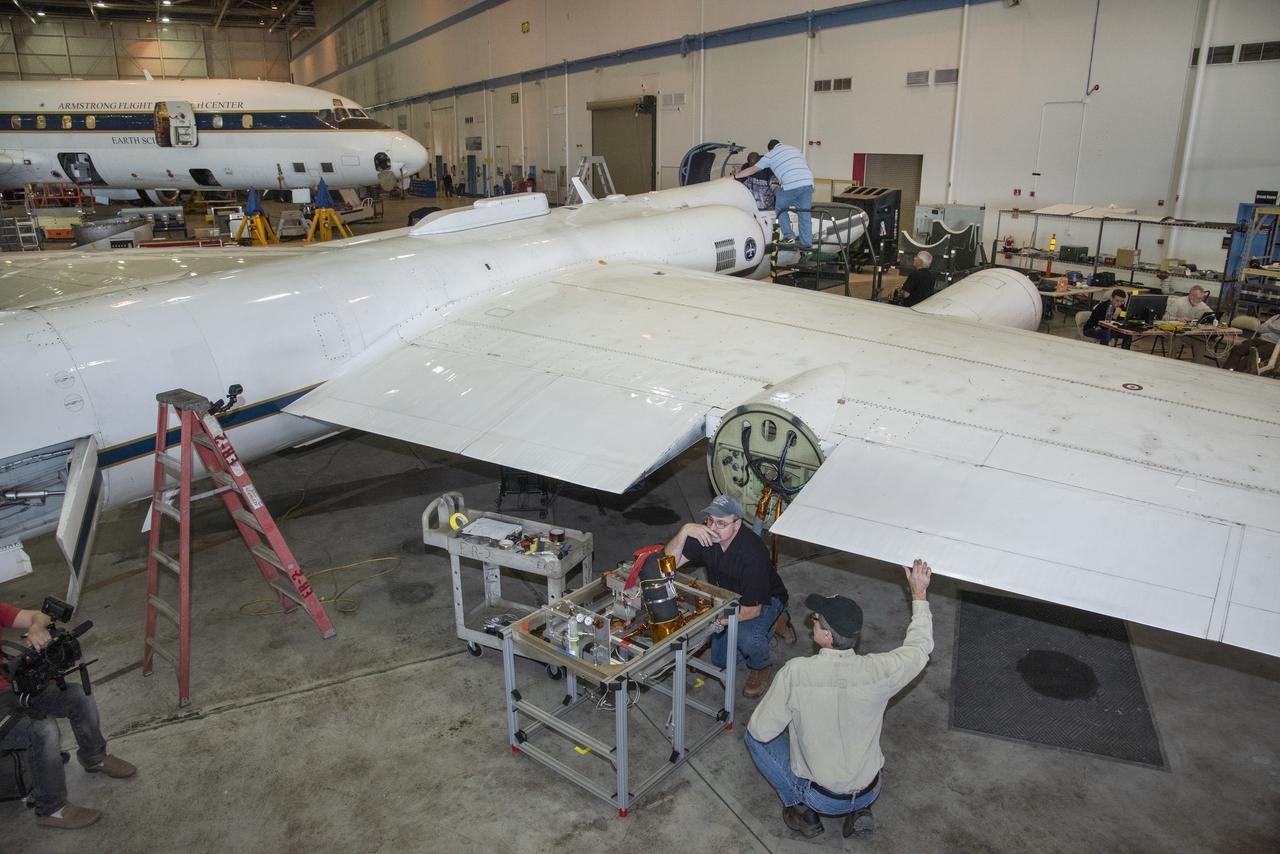
Steven Grantham (NIST) and John Woodward (NIST) contemplate cable management for air-LUSI’s Irradiance Instrument Subsystem telescope at NASA’s Armstrong Flight Research Center in Palmdale, CA. It is critical that the delicate fiber optic cables move smoothly with the telescope.
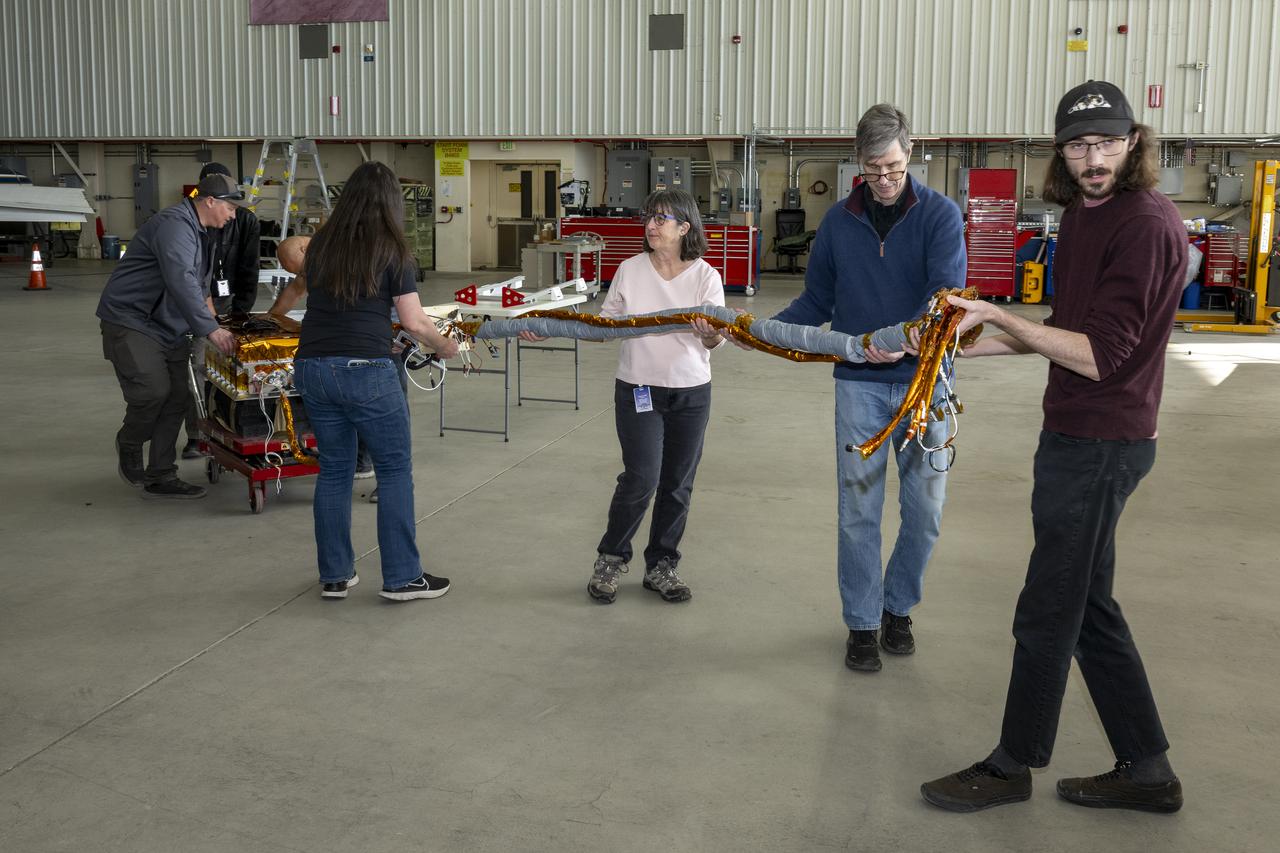
The airborne Lunar Spectral Irradiance (air-LUSI) instrument is moved across the hangar floor by robotic engineer Alexander McCafferty-Leroux ,from right to left, co-investigator Dr. John Woodward, NIST astronomer Dr. Susana Deustua, air-LUSI chief system engineer Dr. Kathleen “Kat” Scanlon, and members of the ER-2 ground crew at NASA’s Armstrong Flight Research Center in Edwards, California, in March 2025.

NIST MEP Director Roger Kilmer delivers remarks at the Colorado State Capitol in Denver on Monday, Dec. 13, 2010, prior to the signing of an agreement between the Colorado Association for Manufacturing and Technology (CAMT) and NASA that creates a Technology Acceleration Program and Regional Innovation Cluster for Aerospace and Clean Energy. A manufacturing park focused on rapid new product development and production will be developed to assist growing Colorado businesses while promoting the commercialization of technology developed for the space program. Photo Credit: (NASA/Bill Ingalls)

Colorado Association for Manufacturing and Technology (CAMT) CEO Elaine Thorndike, seated left, and NASA Deputy Administrator Lori Garver, seated right, sign an agreement at the Colorado State Capitol in Denver on Monday, Dec. 13, 2010, that created a Technology Acceleration Program and Regional Innovation Cluster for Aerospace and Clean Energy. Looking on from left, Executive Director, Colorado Office of Economic Development and International Trade Don Marostica, Colorado State Representative Su Ryden, Colorado State Senate President Brandon Schaffer, Representative from U.S. Senator Udall's office Jimmy Haugue, NIST/MEP Director Roger Kilmer and Colorado State Governor Bill Ritter. A manufacturing park focused on rapid new product development and production will be developed to assist growing Colorado businesses while promoting the commercialization of technology developed for the space program. Photo Credit: (NASA/Bill Ingalls)
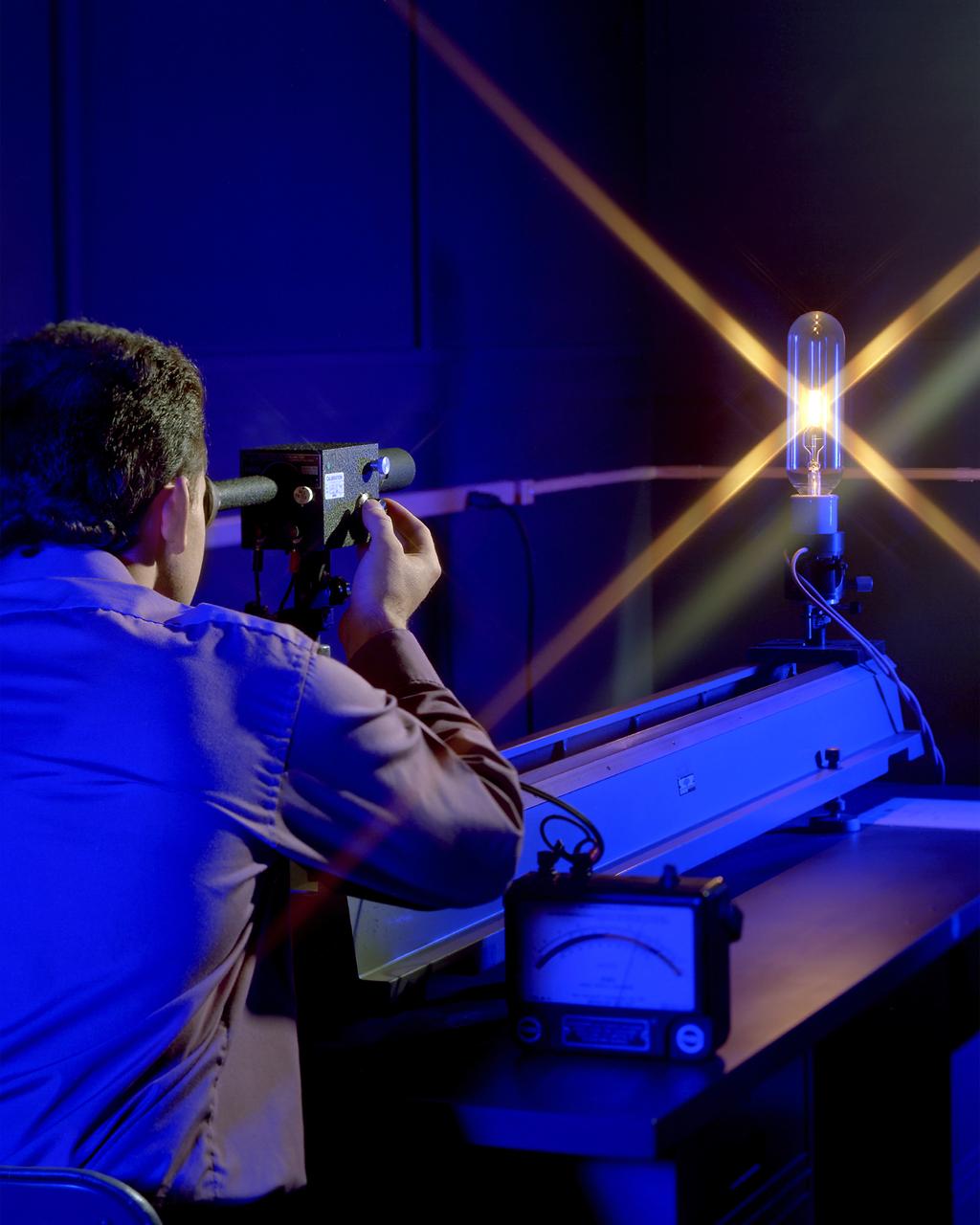
Pictured is a method for testing high temperature measurements by comparing the color spectrum of light at various power settings with an Optical Pyrometer. The devices are calibrated at NIST. The power through the bulb is varied and monitored by the meter on the table. The scanning device that the technician is looking though is adjusted till the color scheme viewed within in the device matches the color of the emanating from the bulb at the particular power setting. Using a relationship table provided, the technicians can then identify the temperature. The light source pictured is used to calibrate the device that the technician looks through. The technician would then go to a source of heat such as an oven and by aligning the color given off by the unit under test (UUT), he would use the reference table to determine the source’s heat output.
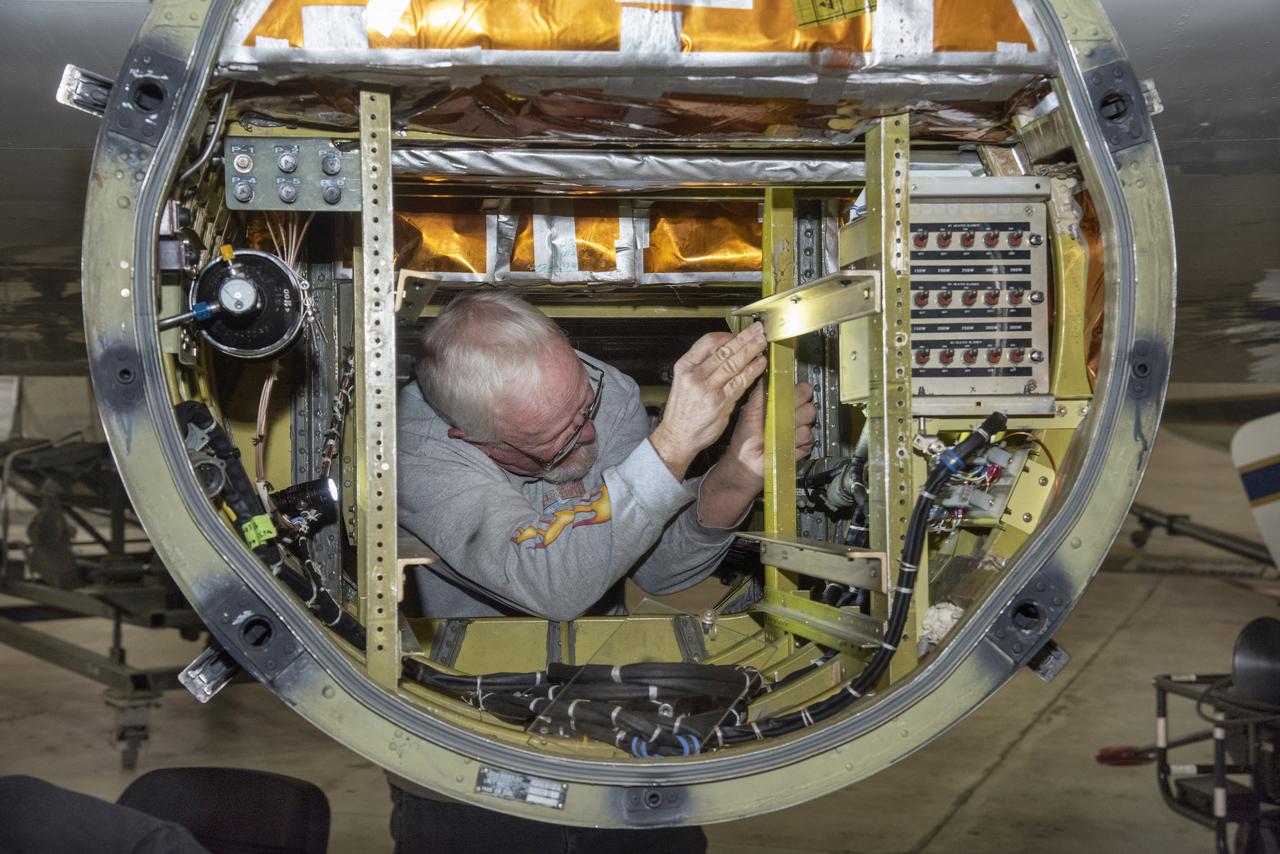
Ground crewman at NASA’s Armstrong Flight Research Center in Palmdale, CA install a rail to support the Autonomous, Robotic Telescope Mount Instrument Subsystem, which is part of air-LUSI and has a camera that scans the sky to find the Moon.
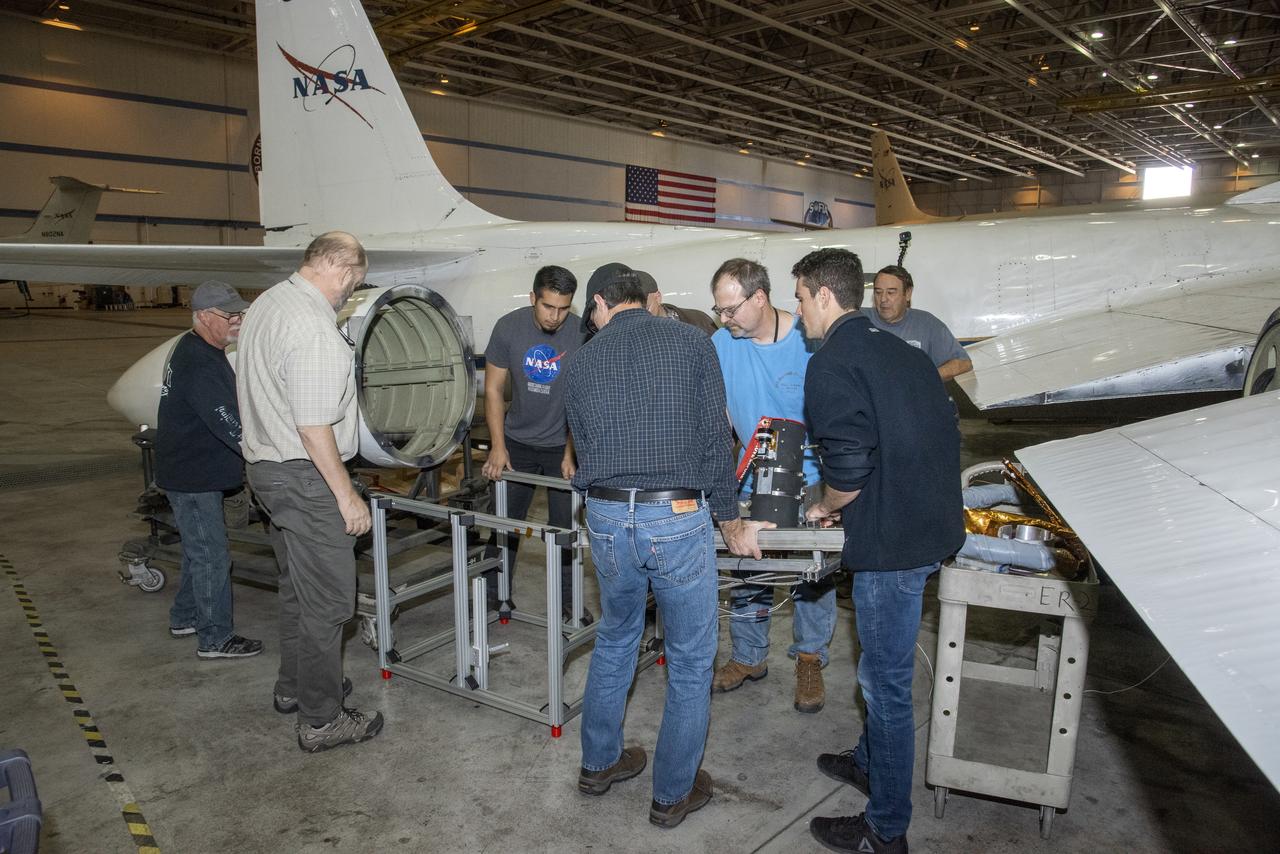
The air-LUSI crew and ground crew from NASA’s Armstrong Flight Research Center in Palmdale, CA place air-LUSI’s component from the wingpod to the stand for hangar calibration.
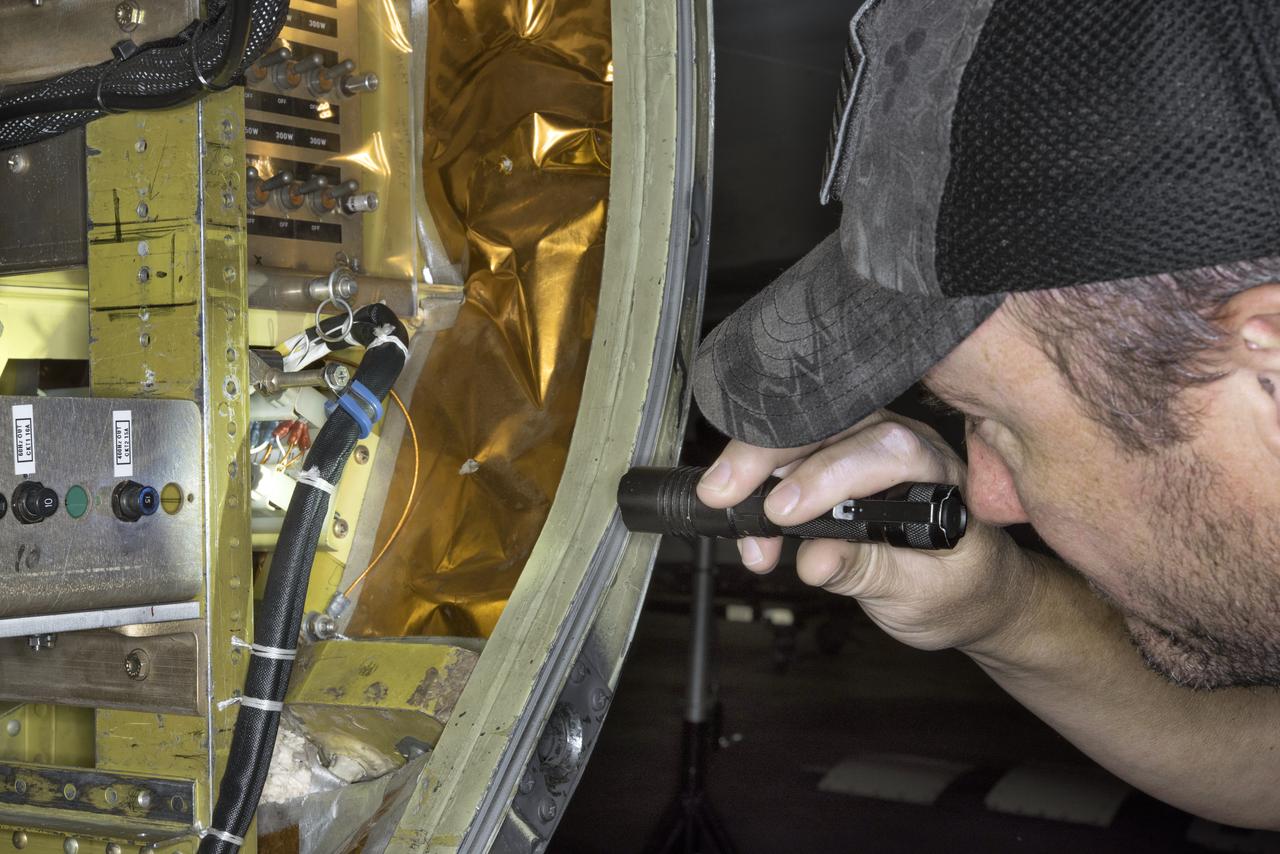
A ground crewman at NASA’s Armstrong Flight Research Center in Palmdale, CA inspects the forward panel on the mid-body section of NASA’s ER2’s wingpod. The crew is preparing to fly the air-LUSI instrument aboard the ER2 to measure the Moon.
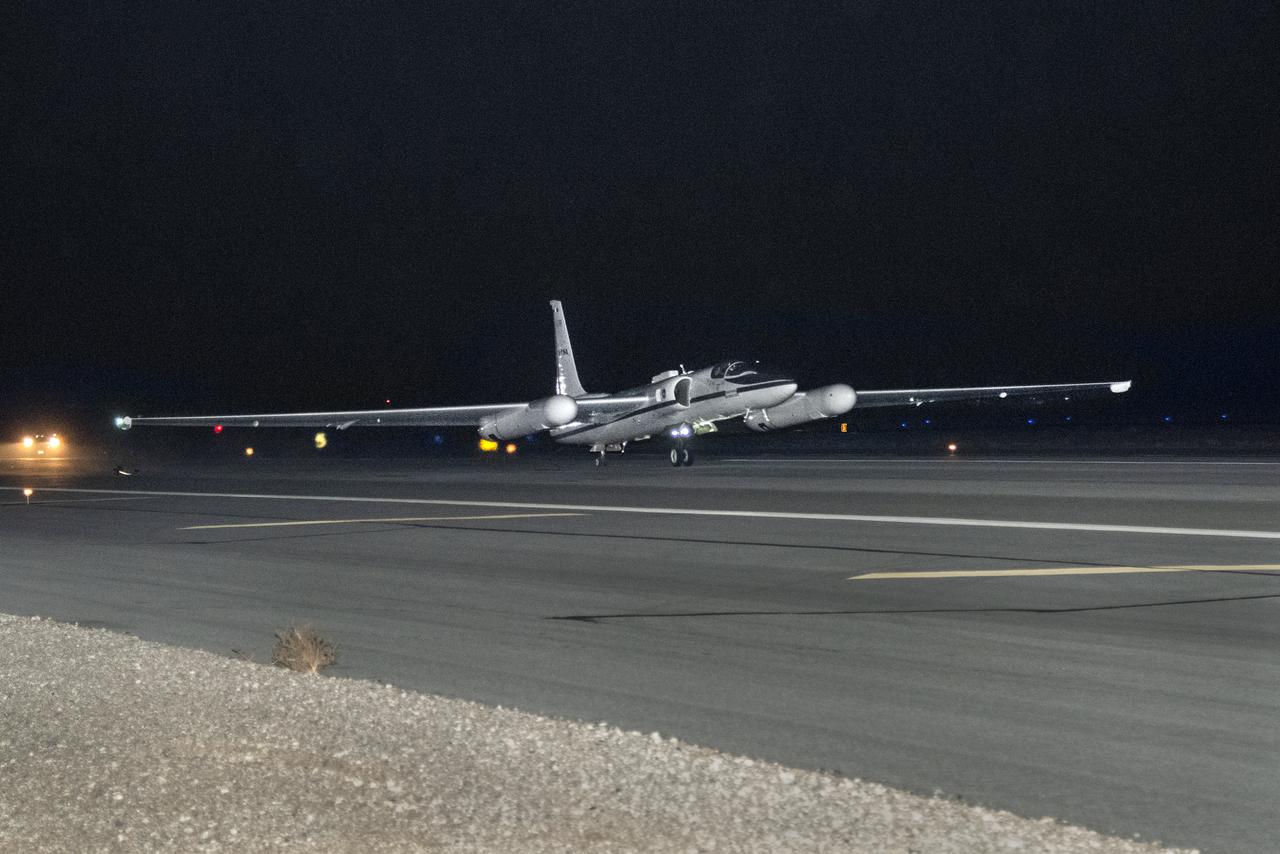
Air-LUSI takes off aboard an ER2 out of NASA’s Armstrong Flight Research Center in Palmdale, CA for an airborne campaign to measure the Moon from Nov. 13 – 17, 2019.