
CAPE CANAVERAL, Fla. - Portrait of Garrett Skrobot, project manager for the Educational Launch of Nanosatellites, or ELaNa, Program at NASA's Kennedy Space Center. Photo credit: NASA/Cory Huston
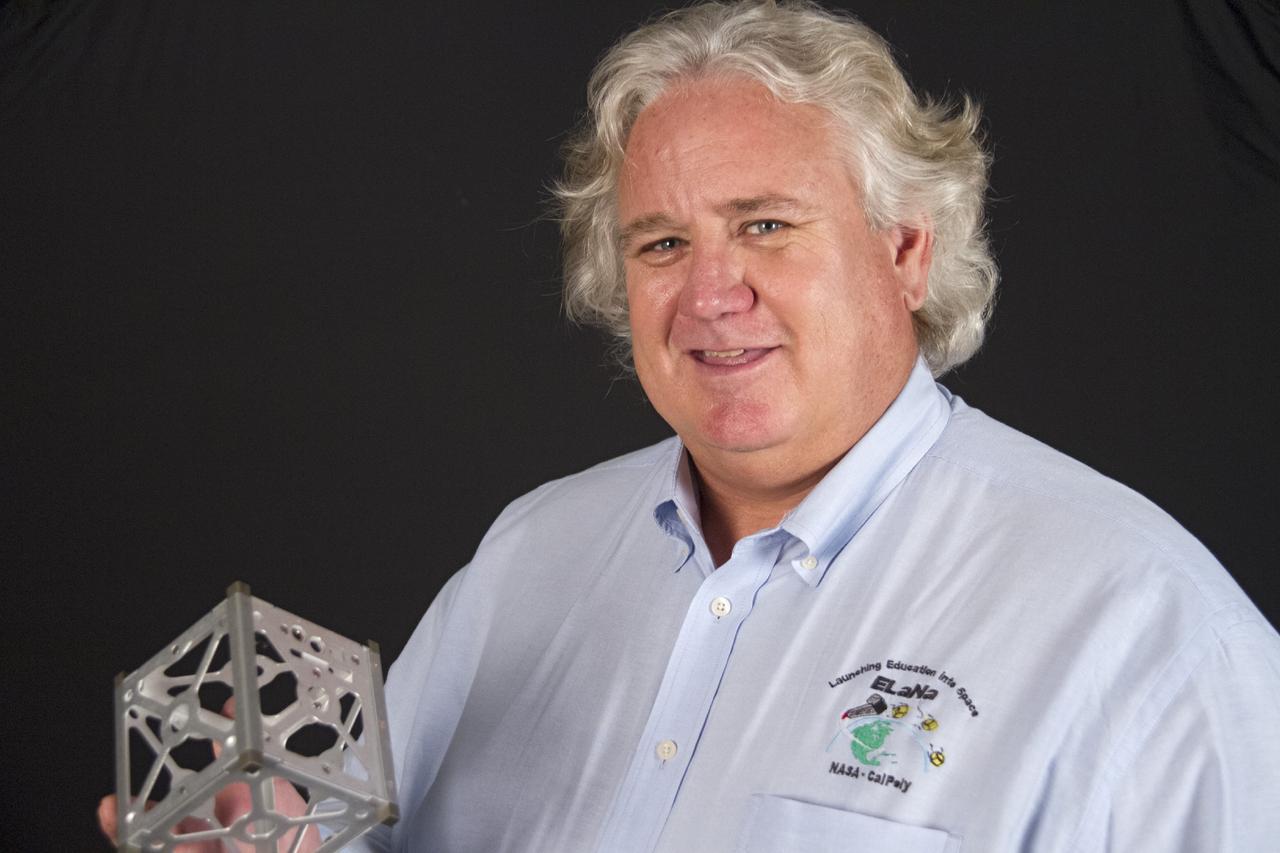
CAPE CANAVERAL, Fla. - Portrait of Garrett Skrobot, project manager for the Educational Launch of Nanosatellites, or ELaNa, Program at NASA's Kennedy Space Center. Photo credit: NASA/Cory Huston
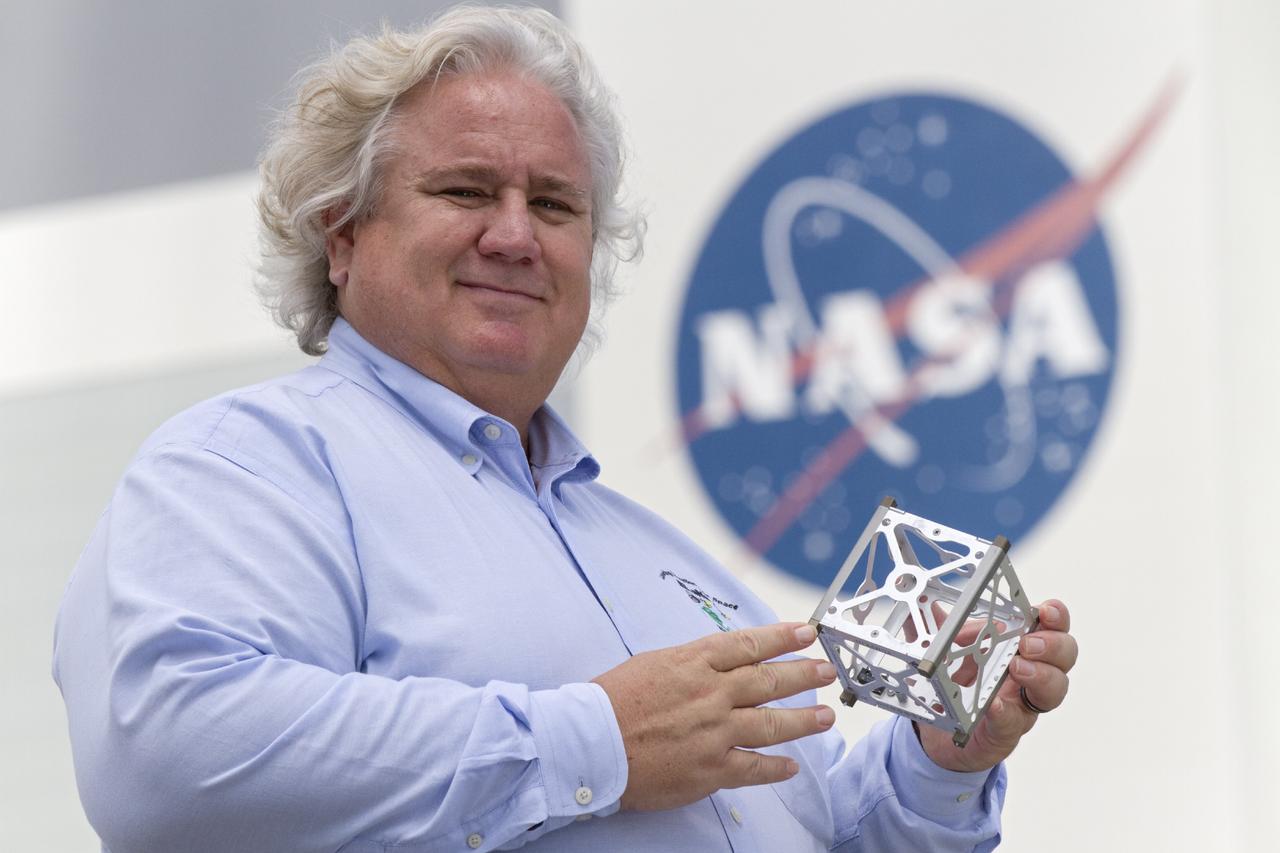
CAPE CANAVERAL, Fla. - Portrait of Garrett Skrobot, project manager for the Educational Launch of Nanosatellites, or ELaNa, Program at NASA's Kennedy Space Center. Photo credit: NASA/Cory Huston
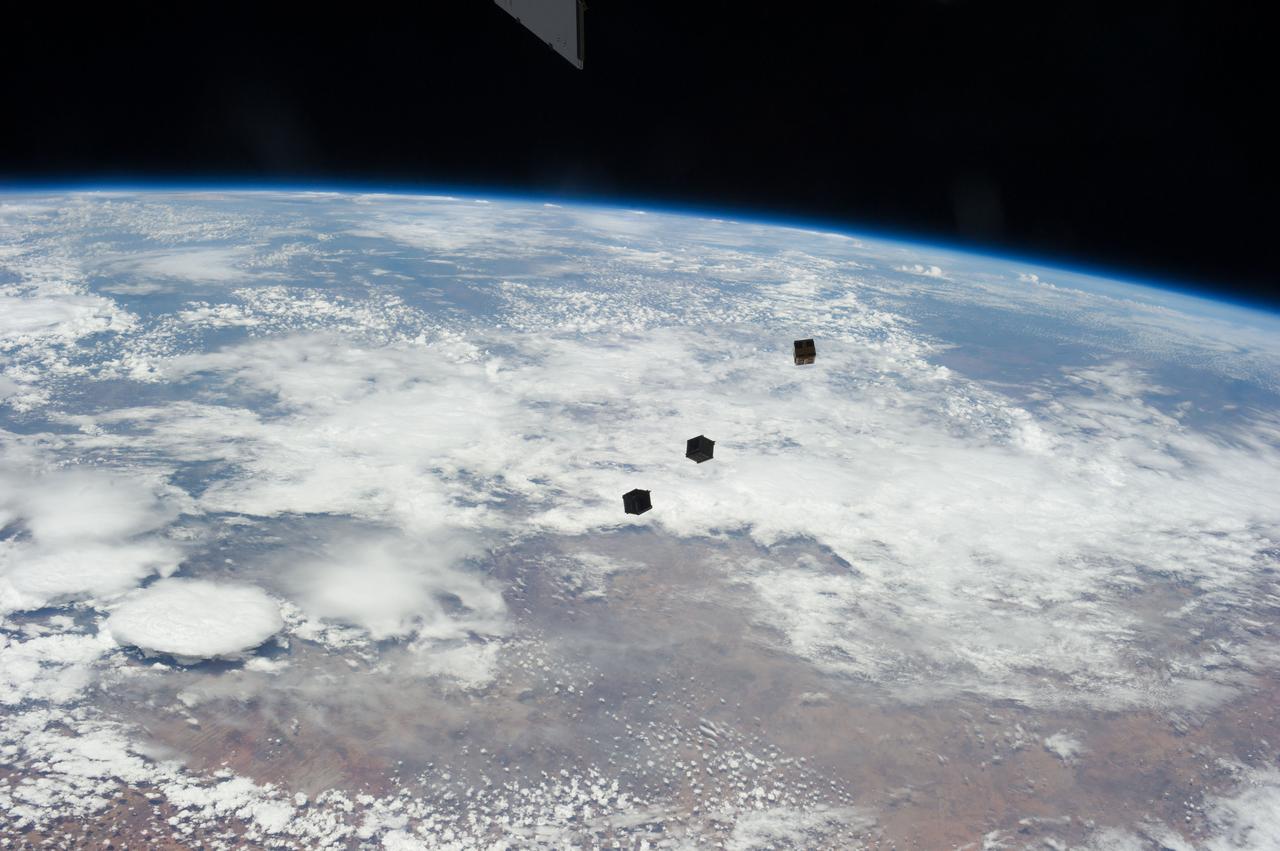
View of three cube satellites (Cubesats), or nanosatellites, shortly after deployment. Image was released by astronaut on Twitter.
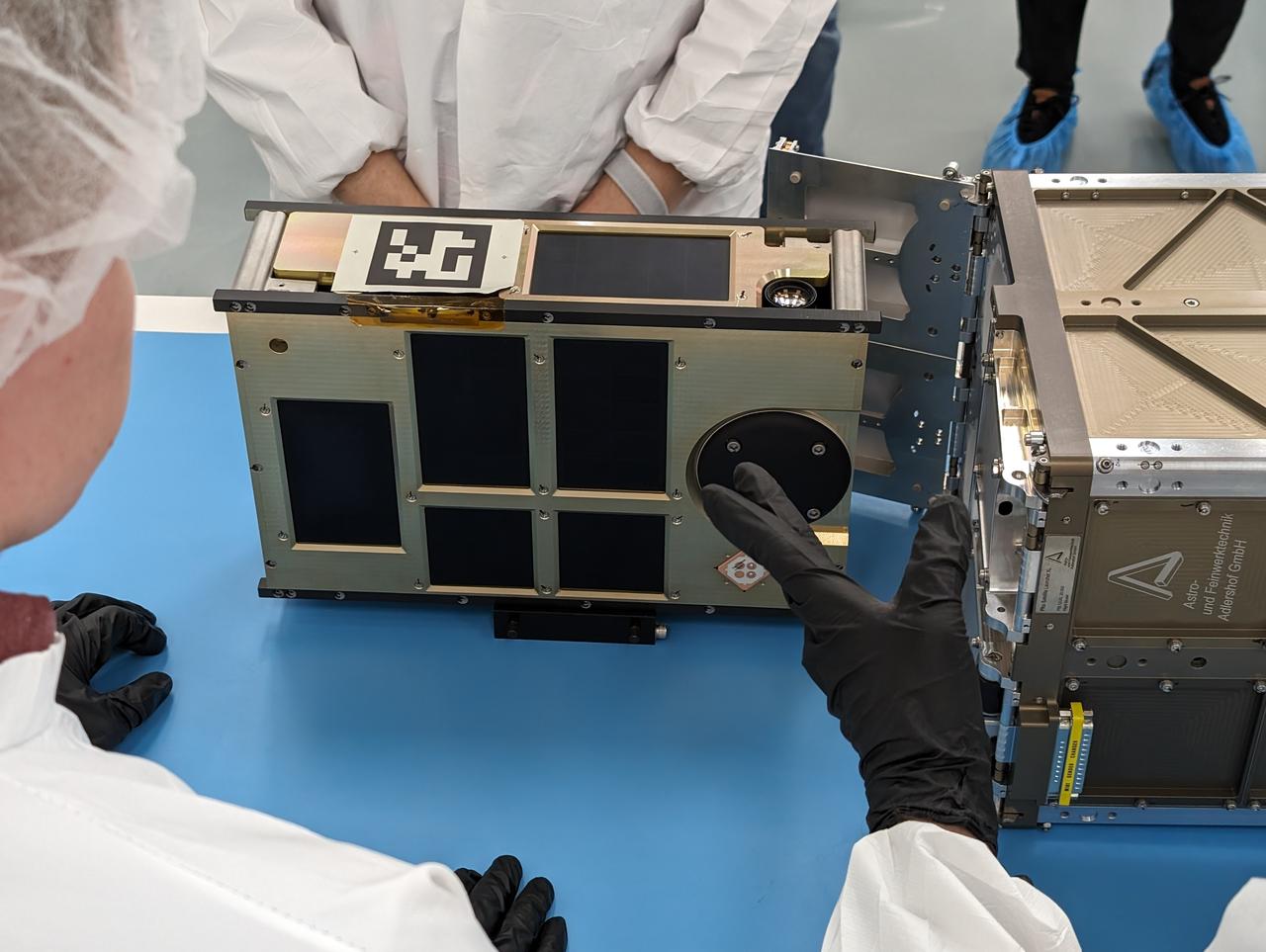
NASA and Firefly Aerospace engineers review the integration plan for the agency’s CubeSat R5 Spacecraft 4 (R5-S4) at Firefly Aerospace’s Payload Processing Facility at Vandenberg Space Force Base, California on Wednesday, April 24, 2024. The spacecraft will soon be integrated for launch aboard the company’s Alpha rocket, as part of launch services provided for NASA's CubeSat Launch Initiative and Educational Launch of Nanosatellites 43 mission in support of the agency ’s Venture-Class Launch Services Demonstration 2 contract.
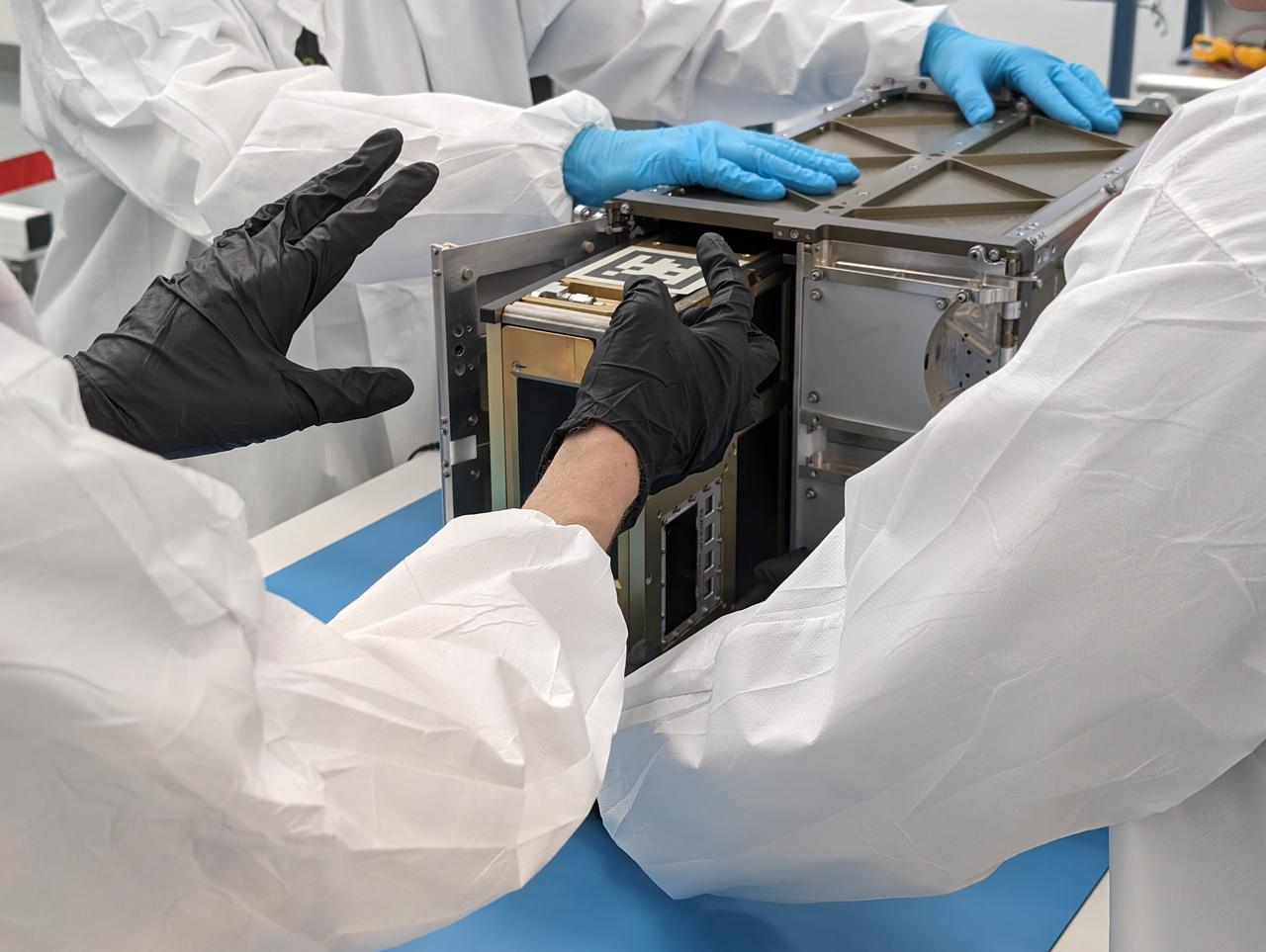
A NASA engineer installs the agency’s CubeSat R5 Spacecraft 4 (R5-S4) into the dispenser at Firefly Aerospace's Payload Processing Facility at Vandenberg Space Force Base, California on Wednesday, April 24, 2024. The spacecraft will soon be integrated for launch aboard the company’s Alpha rocket, as part of launch services provided for NASA's CubeSat Launch Initiative and Educational Launch of Nanosatellites 43 mission in support of the agency ’s Venture-Class Launch Services Demonstration 2 contract.

sc2023e031072 99/11/2022) --- Maya-5 and Maya-6 Flight Model Assembly inside the Clean Booth at the Center for Nanosatellite Testing, Kyushu Institute of Technology. Image courtesy of Dr. Mark Purio.

From left, Firefly mission manager Marcy Mabry observes NASA engineer James Berck install the agency’s CubeSat R5 Spacecraft 4 (R5-S4) into the dispenser at Firefly Aerospace’s Payload Processing Facility at Vandenberg Space Force Base, California on Wednesday, April 24, 2024. The spacecraft will soon be integrated for launch aboard the company’s Alpha rocket, as part of launch services provided for NASA's CubeSat Launch Initiative and Educational Launch of Nanosatellites 43 mission in support of the agency ’s Venture-Class Launch Services Demonstration 2 contract.
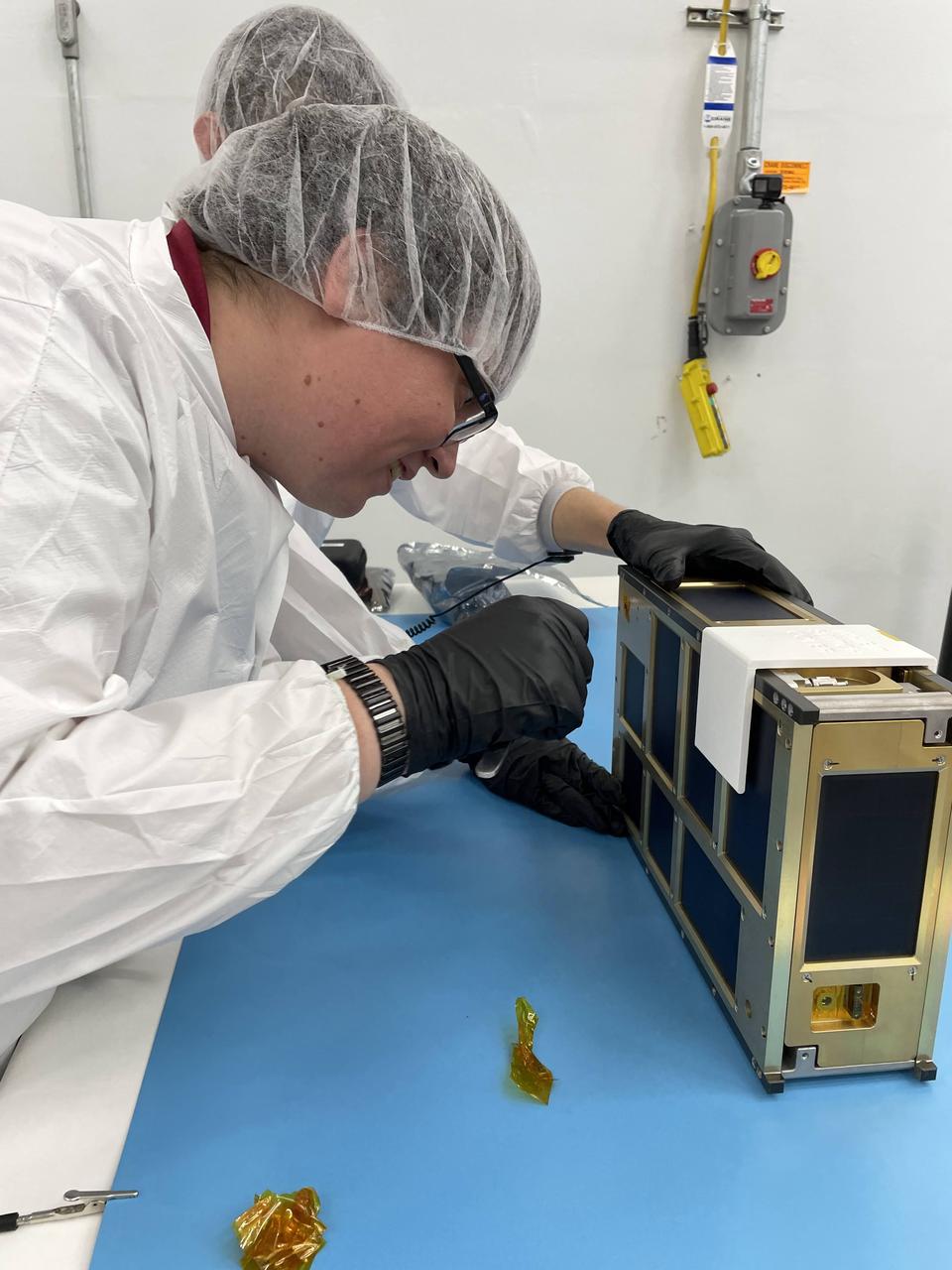
NASA engineer Jacob Nunez-Kearny removes the foreign object debris (FOD) cover from the propulsion system on the agency’s CubeSat R5 Spacecraft 4 (R5-S4) at Firefly Aerospace’s Payload Processing Facility at Vandenberg Space Force Base, California on Wednesday, April 24, 2024. The spacecraft will soon be integrated for launch aboard the company’s Alpha rocket, as part of launch services provided for NASA's CubeSat Launch Initiative and Educational Launch of Nanosatellites 43 mission in support of the agency ’s Venture-Class Launch Services Demonstration 2 contract .
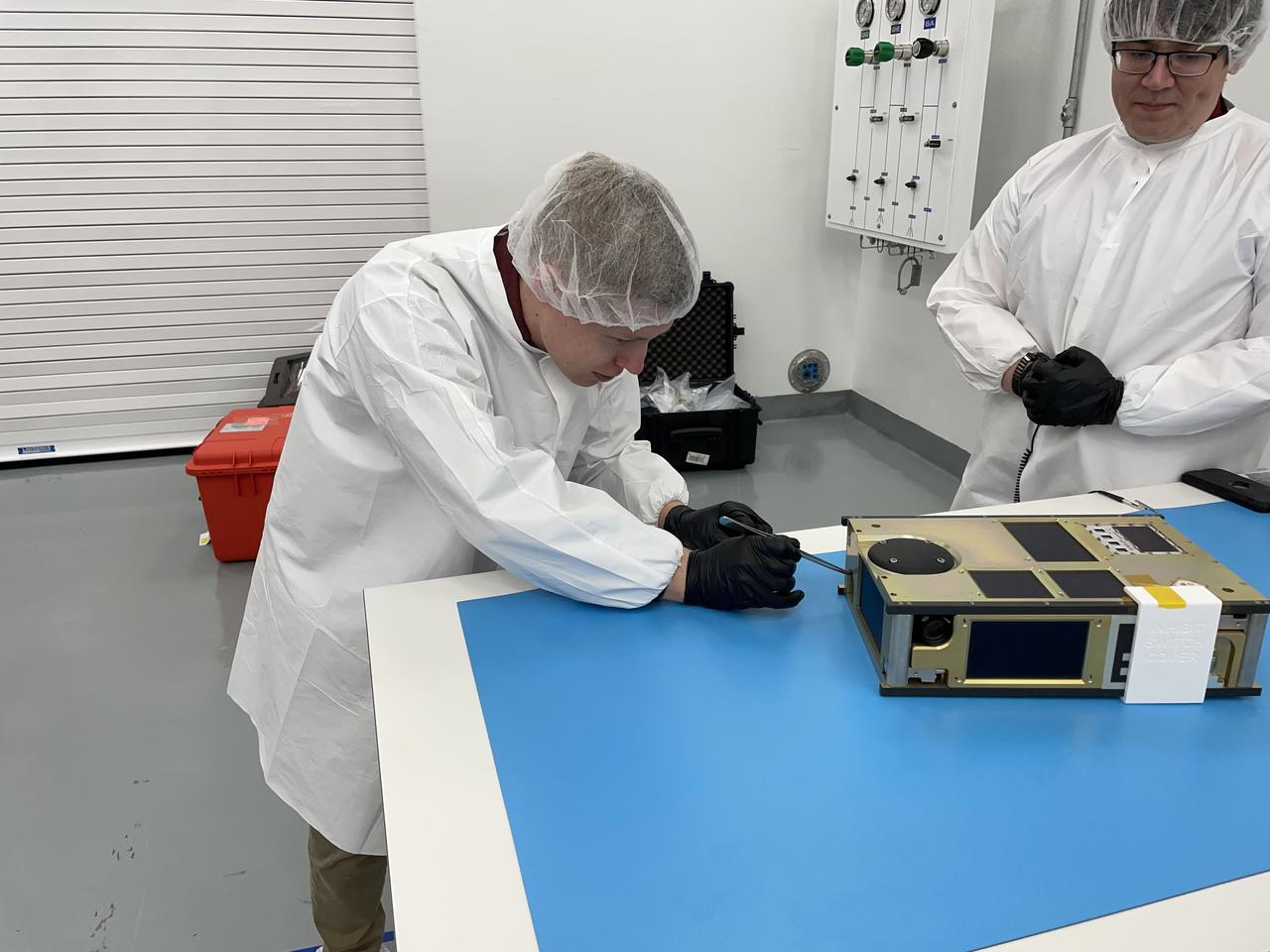
From left, NASA engineer James Berck removes the foreign object debris (FOD) cover from the relative navigation camera on the agency’s CubeSat R5 Spacecraft 4 (R5-S4) while NASA engineer Jacob Nunez-Kearny observes, at Firefly Aerospace’s Payload Processing Facility at Vandenberg Space Force Base, California on Wednesday, April 24, 2024. The spacecraft will soon be integrated for launch aboard the company’s Alpha rocket, as part of launch services provided for NASA's CubeSat Launch Initiative and Educational Launch of Nanosatellites 43 mission in support of the agency ’s Venture-Class Launch Services Demonstration 2 contract.
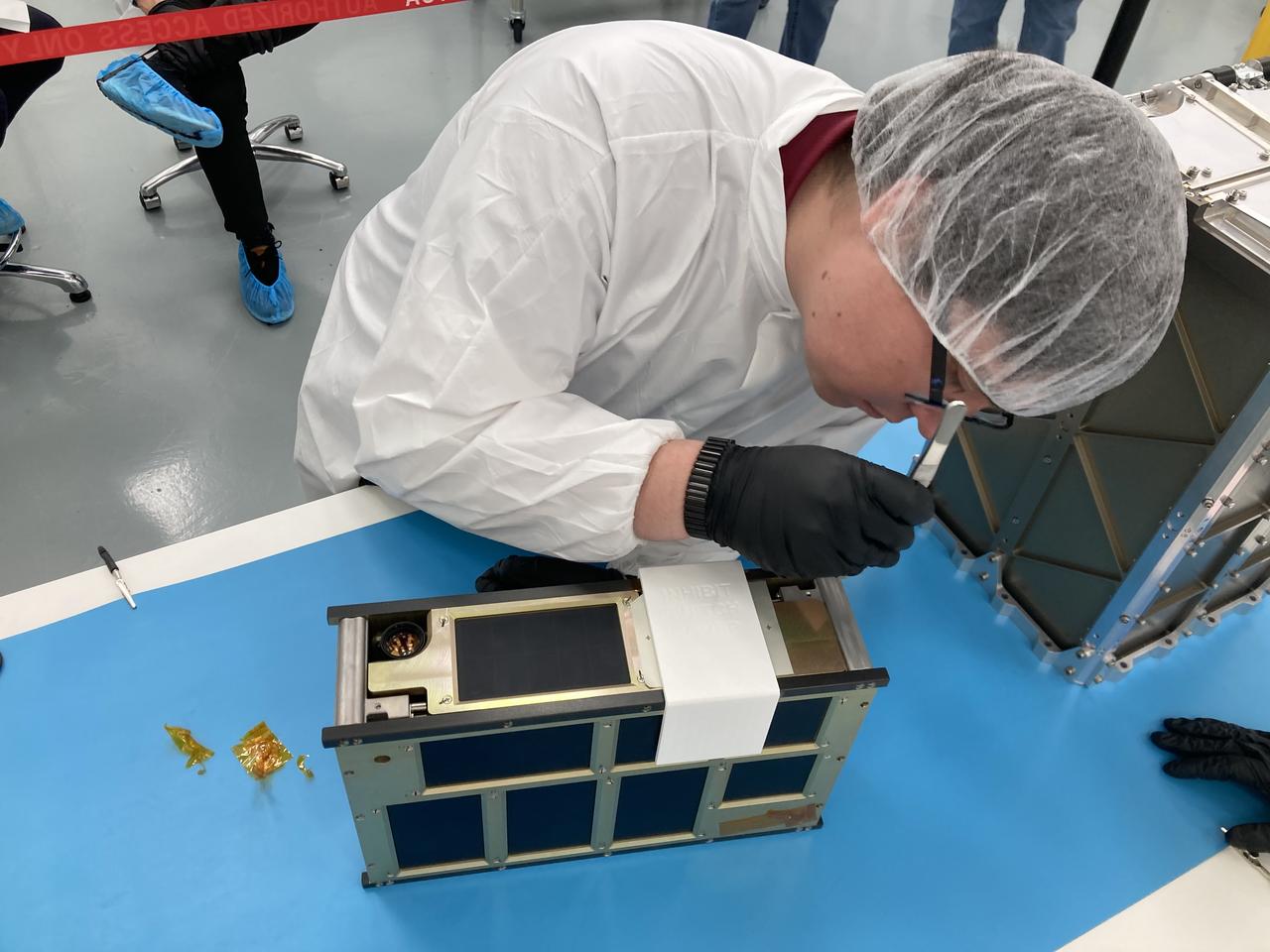
NASA engineer Jacob Nunez-Kearny removes foreign object debris (FOD) cover from the propulsion system on the agency’s CubeSat R5 Spacecraft 4 (R5-S4) at Firefly Aerospace’s Payload Processing Facility at Vandenberg Space Force Base, California on Wednesday, April 24, 2024. The spacecraft will soon be integrated for launch aboard the company’s Alpha rocket, as part of launch services provided for NASA's CubeSat Launch Initiative and Educational Launch of Nanosatellites 43 mission in support of the agency ’s Venture-Class Launch Services Demonstration 2 contract.
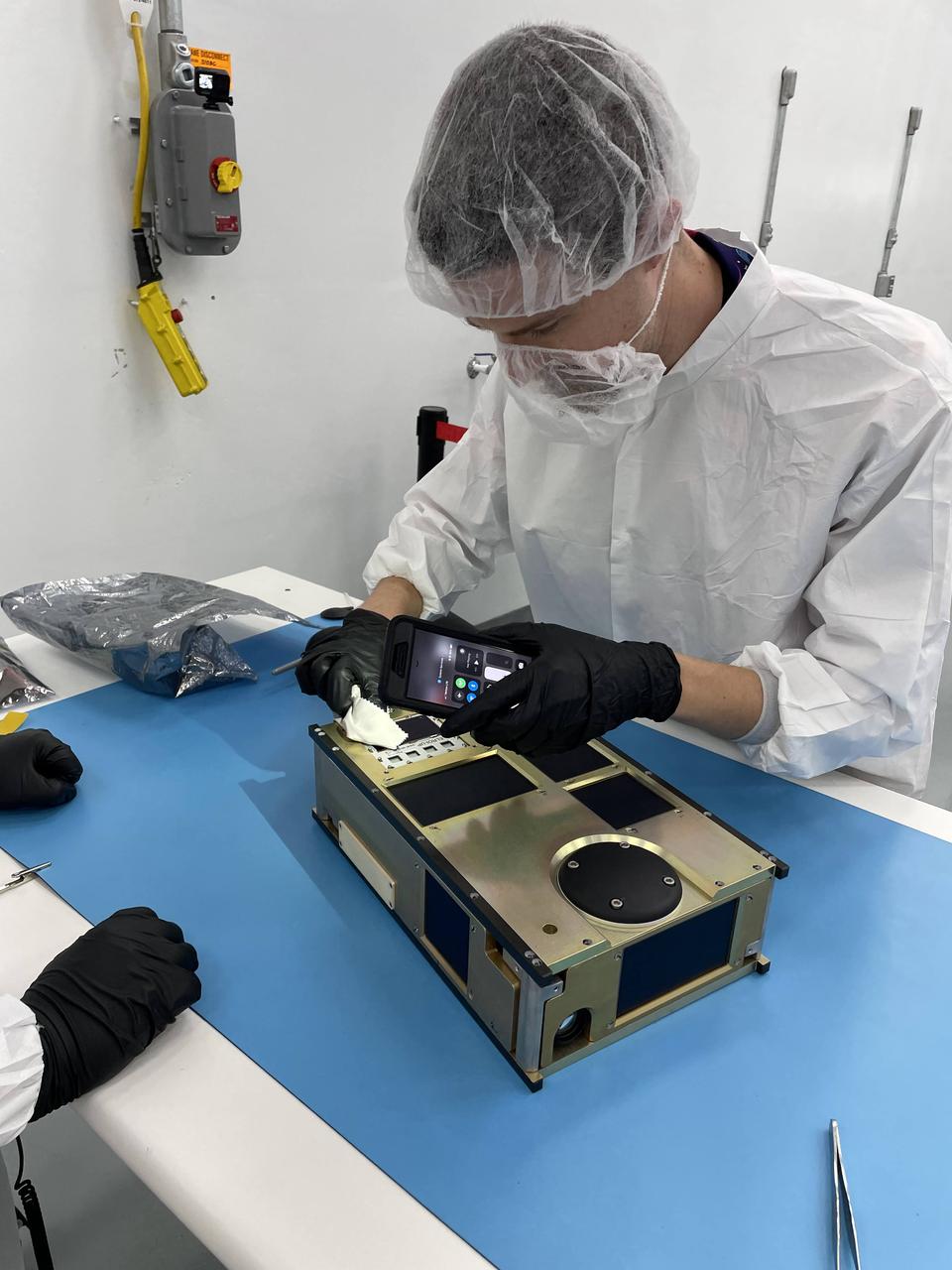
NASA engineer Sam Pedrotty performs final cleaning of Los Alamos National Laboratory’s (LANL’s) Extremely Low Resource Optical Identifier (ELROI) on the agency’s CubeSat R5 Spacecraft 4 (R5-S4) at Firefly Aerospace’s Payload Processing Facility at Vandenberg Space Force Base, California on Wednesday, April 24, 2024. The spacecraft will soon be integrated for launch aboard the company’s Alpha rocket, as part of launch services provided for NASA's CubeSat Launch Initiative and Educational Launch of Nanosatellites 43 mission in support of the agency ’s Venture-Class Launch Services Demonstration 2 contract.
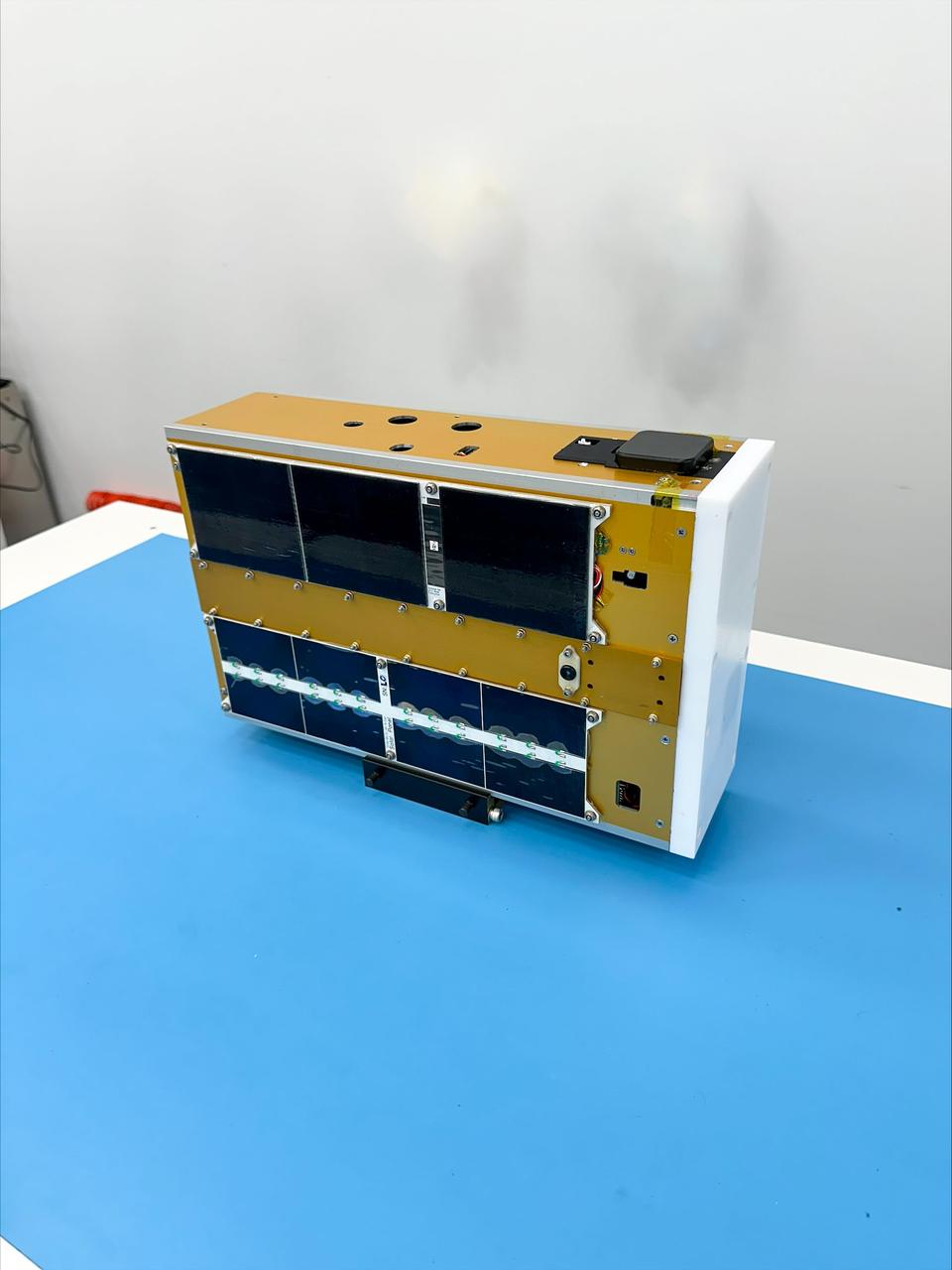
NASA’s TechEdSat-11 (TES-11) CubeSat awaits integration at Firefly’s Payload Processing Facility at Vandenberg Space Force Base, California on Saturday, June 8, 2024. Serenity, along with several other CubeSats, will launch to space on an Alpha rocket during NASA’s Educational Launch of Nanosatellites (ELaNa) 43 mission as part of the agency’s CubeSat Launch Initiative and Firefly’s Venture-Class Launch Services Demonstration 2 contract.
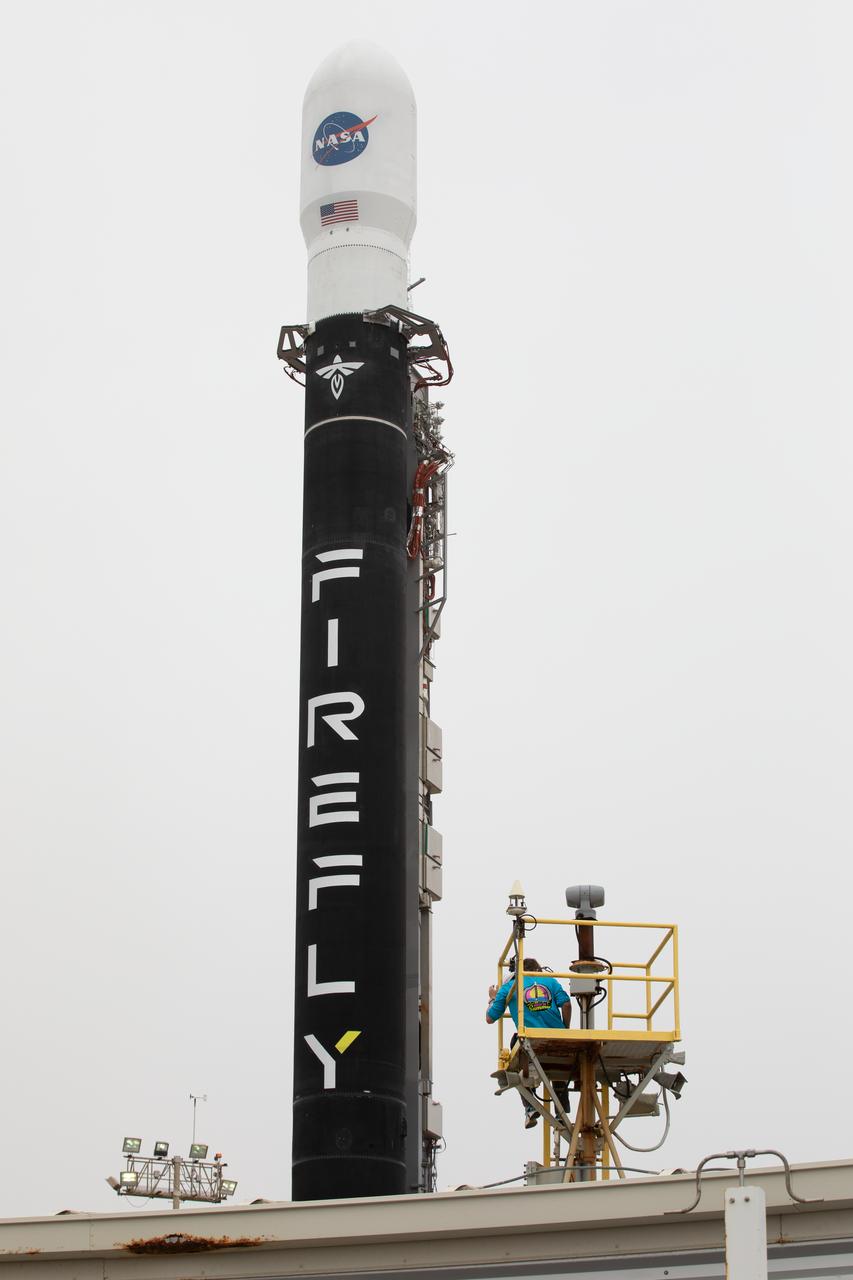
Firefly Aerospace’s Alpha rocket carrying eight CubeSats as part of NASA’s CubeSat Launch Initiative’s (CSLI) ELaNa 43 (Educational Launch of Nanosatellites) mission stands vertical at Space Launch Complex 2 at Vandenberg Space Force Base, California, on Monday, July 1, 2024. Firefly Aerospace is one of three companies selected to fly small satellites to space under NASA’s Launch Services Program Venture-Class Launch Services Demonstration 2 (VCLS Demo 2) contract awarded in December 2020.
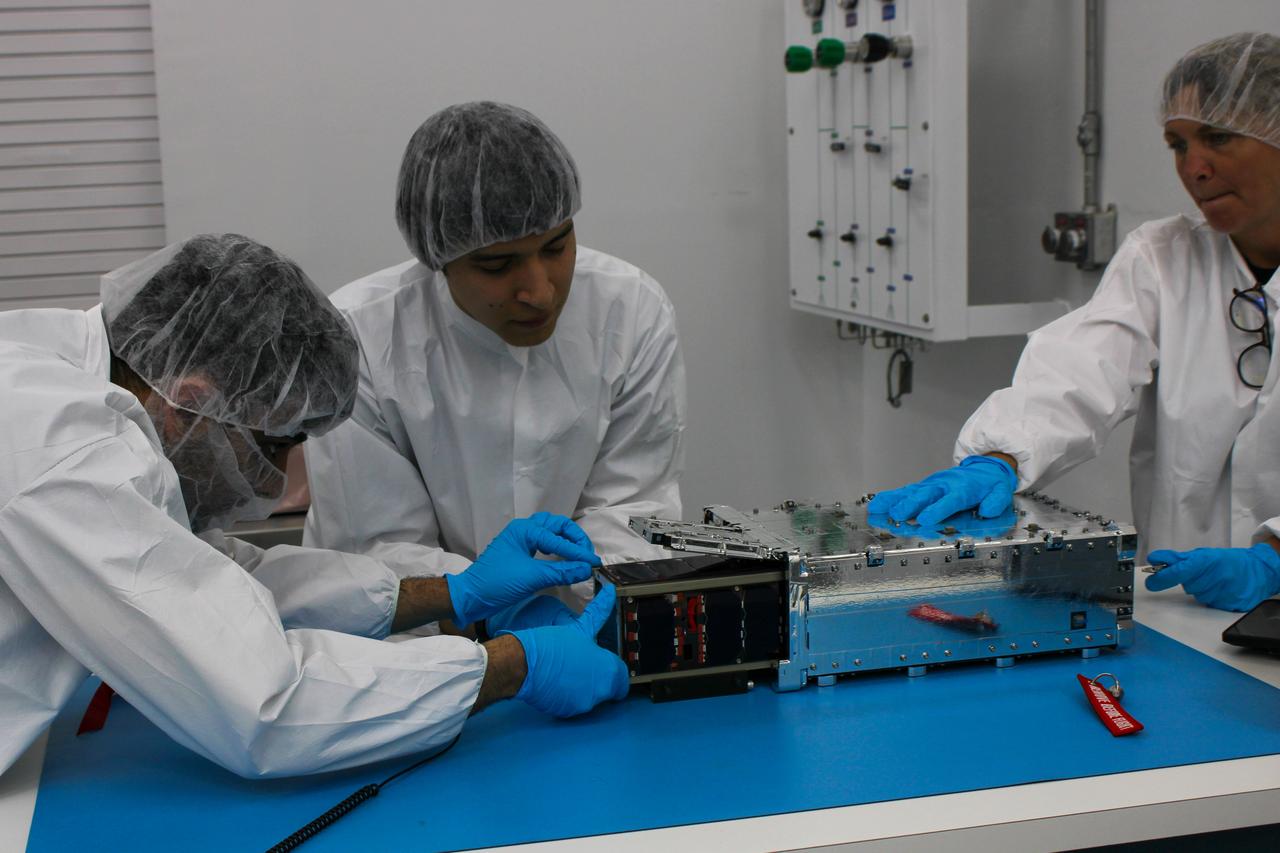
A Satellite for Optimal Control and Imaging (SOC-i) CubeSat awaits integration at Firefly’s Payload Processing Facility at Vandenberg Space Force Base, California on Thursday, June 6, 2024. SOC-i, along with several other CubeSats, will launch to space on an Alpha rocket during NASA’s Educational Launch of Nanosatellites (ELaNa) 43 mission as part of the agency’s CubeSat Launch Initiative and Firefly’s Venture-Class Launch Services Demonstration 2 contract.
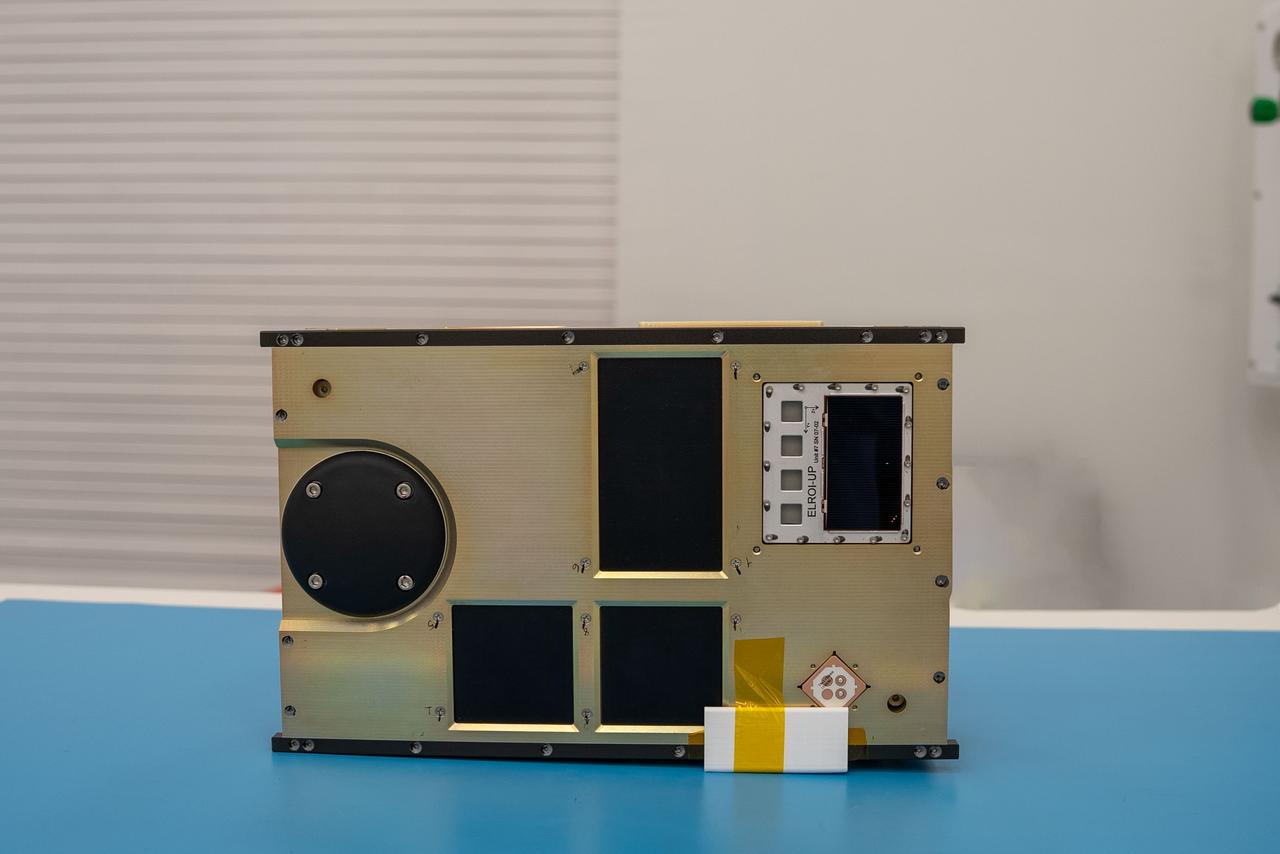
NASA’s CubeSat R5 Spacecraft 4 (R5-S4) awaits integration at Firefly’s Payload Processing Facility at Vandenberg Space Force Base, California on Wednesday, April 24, 2024. R5-S4, along with several other CubeSats, will launch to space on an Alpha rocket during NASA’s Educational Launch of Nanosatellites (ELaNa) 43 mission as part of the agency’s CubeSat Launch Initiative and Firefly’s Venture-Class Launch Services Demonstration 2 contract.
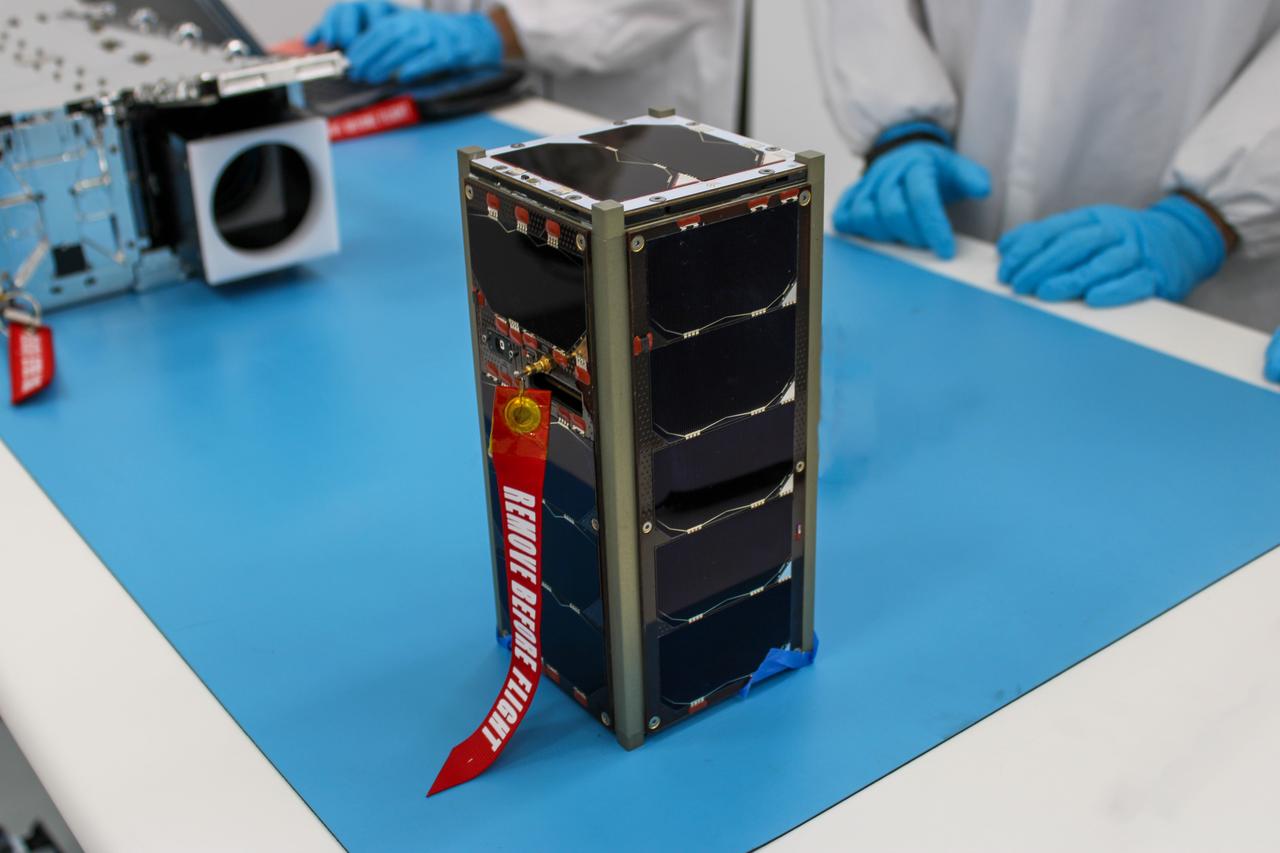
A Satellite for Optimal Control and Imaging (SOC-i) CubeSat awaits integration at Firefly’s Payload Processing Facility at Vandenberg Space Force Base, California on Thursday, June 6, 2024. SOC-i, along with several other CubeSats, will launch to space on an Alpha rocket during NASA’s Educational Launch of Nanosatellites (ELaNa) 43 mission as part of the agency’s CubeSat Launch Initiative and Firefly’s Venture-Class Launch Services Demonstration 2 contract.
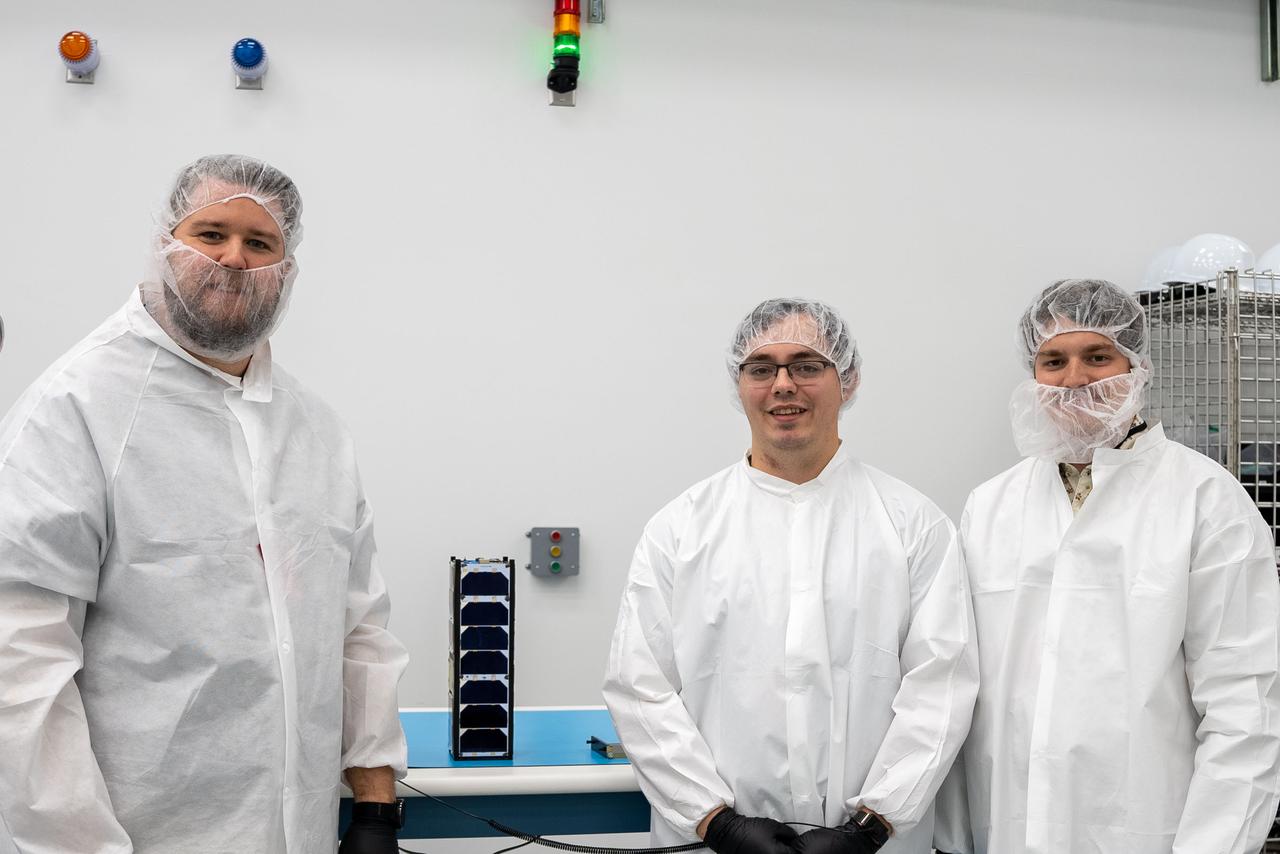
Technicians with the University of Kansas prepare their KUbeSat-1 for integration at Firefly’s Payload Processing Facility at Vandenberg Space Force Base, California on Thursday, April 25, 2024. KUbeSat-1, along with several other CubeSats, will launch to space on an Alpha rocket during NASA’s Educational Launch of Nanosatellites (ELaNa) 43 mission as part of the agency’s CubeSat Launch Initiative and Firefly’s Venture-Class Launch Services Demonstration 2 contract.
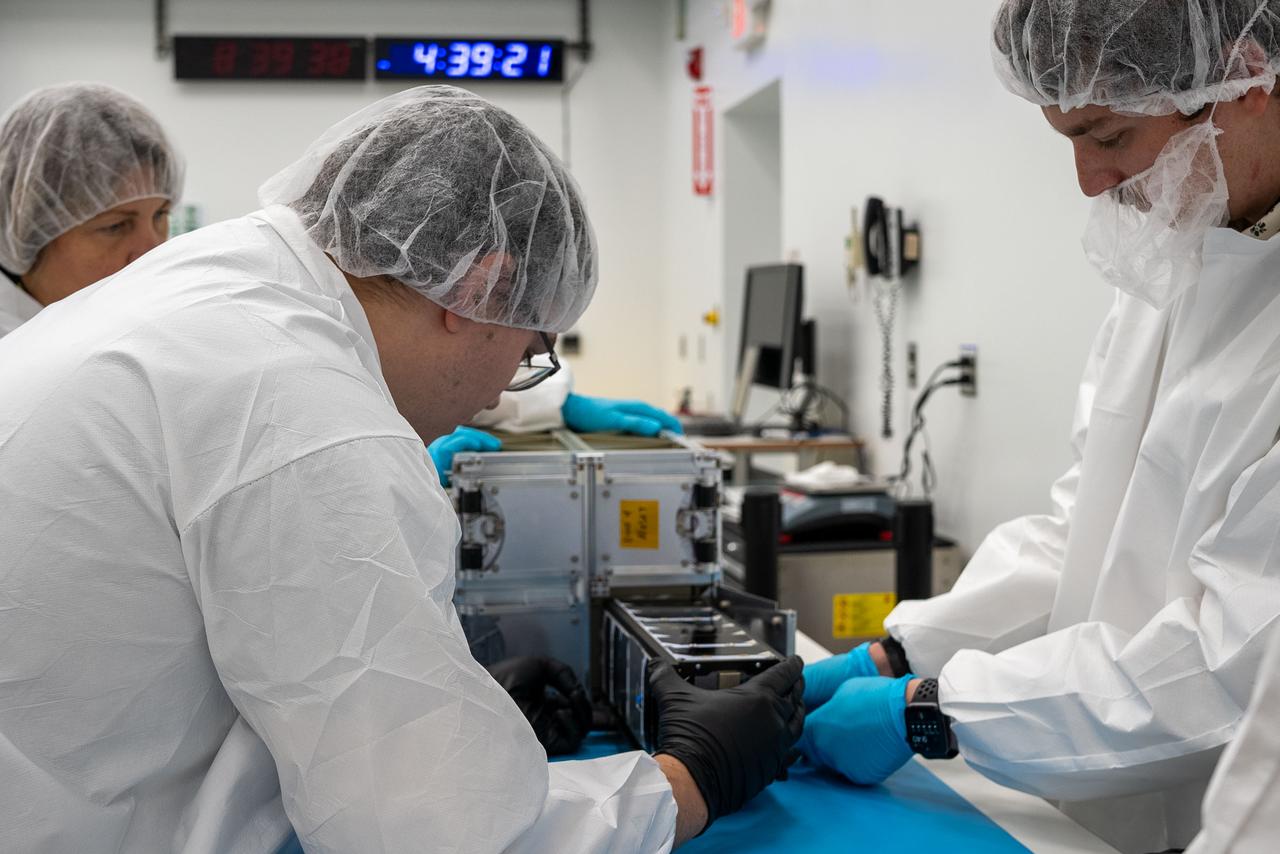
Technicians with the University of Kansas prepare their KUbeSat-1 for integration at Firefly’s Payload Processing Facility at Vandenberg Space Force Base, California on Thursday, April 25, 2024. KUbeSat-1, along with several other CubeSats, will launch to space on an Alpha rocket during NASA’s Educational Launch of Nanosatellites (ELaNa) 43 mission as part of the agency’s CubeSat Launch Initiative and Firefly’s Venture-Class Launch Services Demonstration 2 contract.
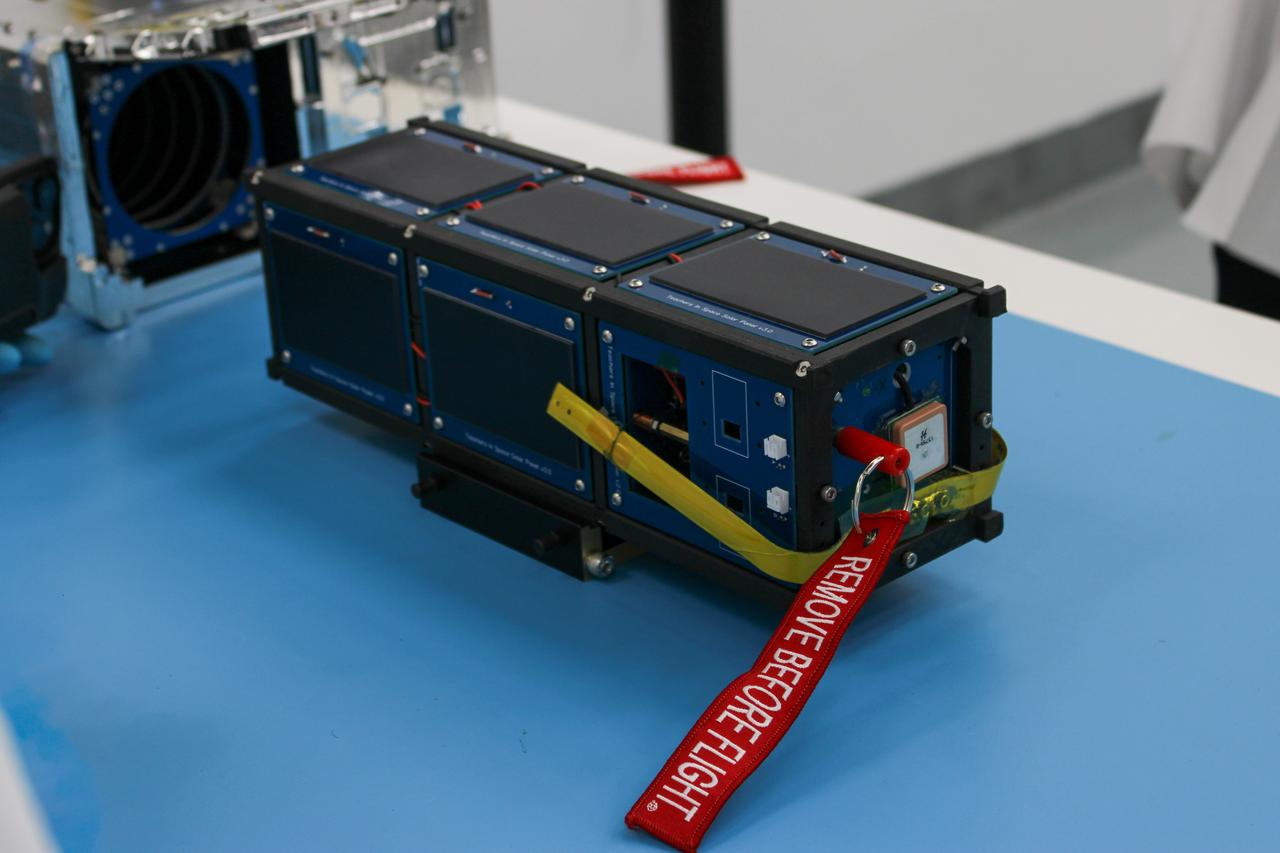
Serenity, a 3U CubeSat, awaits integration at Firefly’s Payload Processing Facility at Vandenberg Space Force Base, California on Friday, June 7, 2024. Serenity, along with several other CubeSats, will launch to space on an Alpha rocket during NASA’s Educational Launch of Nanosatellites (ELaNa) 43 mission as part of the agency’s CubeSat Launch Initiative and Firefly’s Venture-Class Launch Services Demonstration 2 contract.
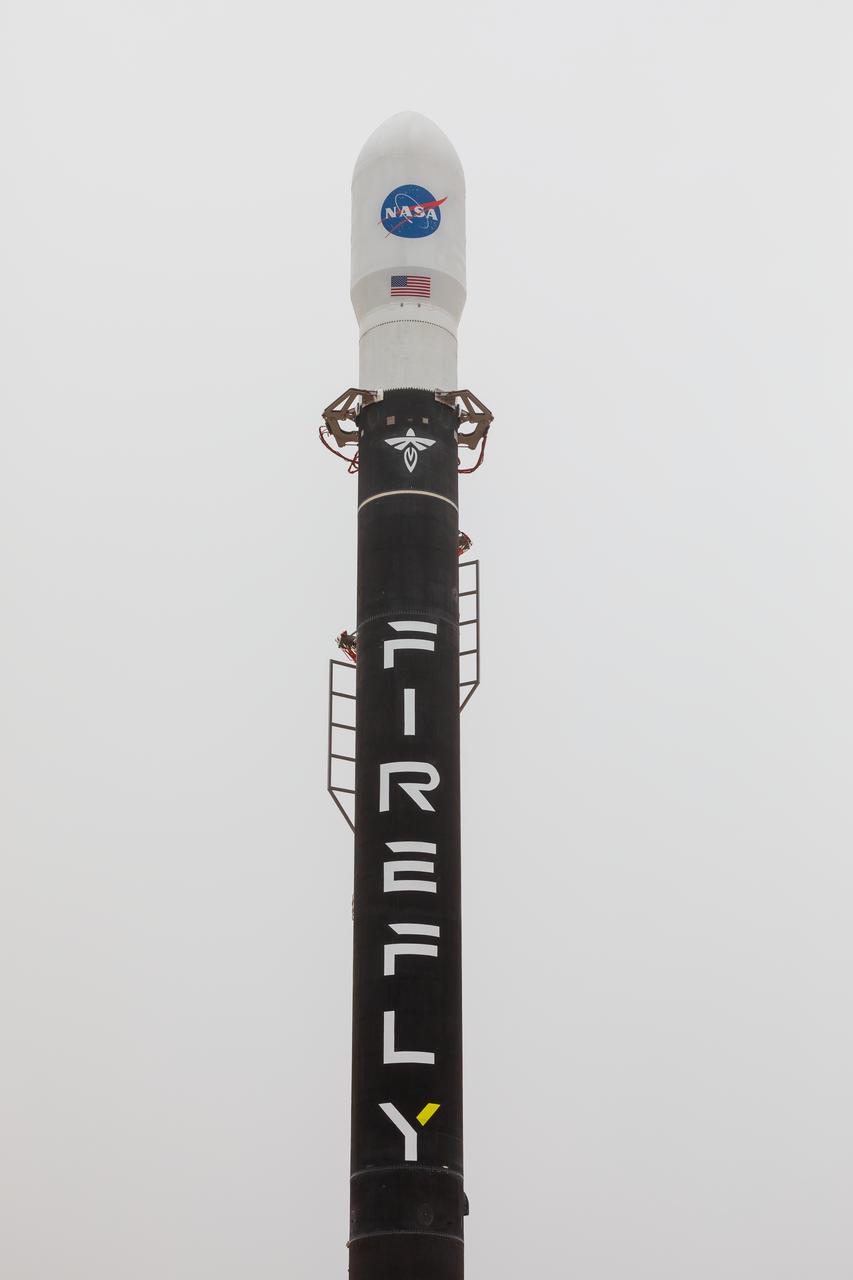
Firefly Aerospace’s Alpha rocket carrying eight CubeSats as part of NASA’s CubeSat Launch Initiative’s (CSLI) ELaNa 43 (Educational Launch of Nanosatellites) mission stands vertical at Space Launch Complex 2 at Vandenberg Space Force Base, California, on Monday, July 1, 2024. Firefly Aerospace is one of three companies selected to fly small satellites to space under NASA’s Launch Services Program Venture-Class Launch Services Demonstration 2 (VCLS Demo 2) contract awarded in December 2020.
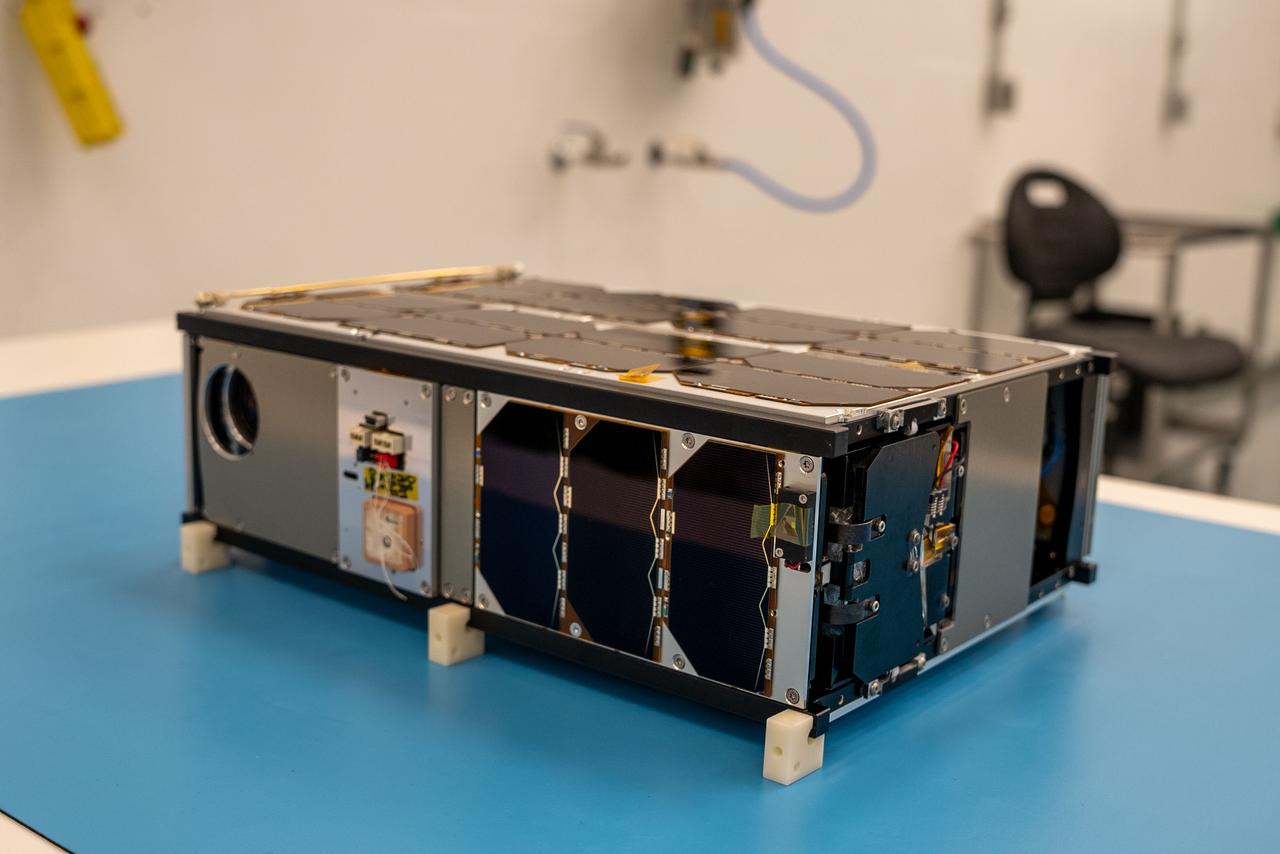
A CubeSat named CatSat from the University of Arizona awaits integration at Firefly’s Payload Processing Facility at Vandenberg Space Force Base, California on Thursday, April 25, 2024. CatSat, along with several other CubeSats, will launch to space on an Alpha rocket during NASA’s Educational Launch of Nanosatellites (ELaNa) 43 mission as part of the agency’s CubeSat Launch Initiative and Firefly’s Venture-Class Launch Services Demonstration 2 contract.
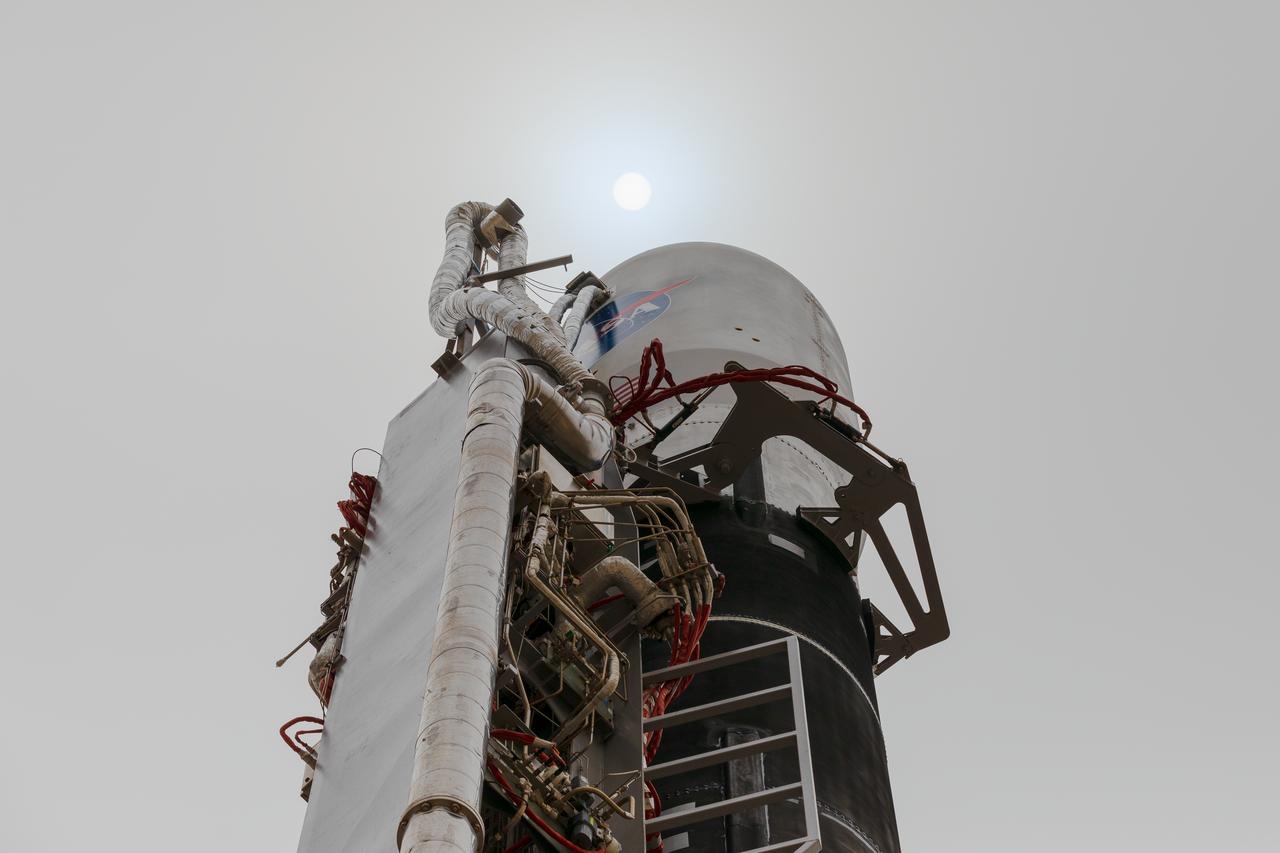
Firefly Aerospace’s Alpha rocket carrying eight CubeSats as part of NASA’s CubeSat Launch Initiative’s (CSLI) ELaNa 43 (Educational Launch of Nanosatellites) mission stands vertical at Space Launch Complex 2 at Vandenberg Space Force Base, California, on Monday, July 1, 2024. Firefly Aerospace is one of three companies selected to fly small satellites to space under NASA’s Launch Services Program Venture-Class Launch Services Demonstration 2 (VCLS Demo 2) contract awarded in December 2020.
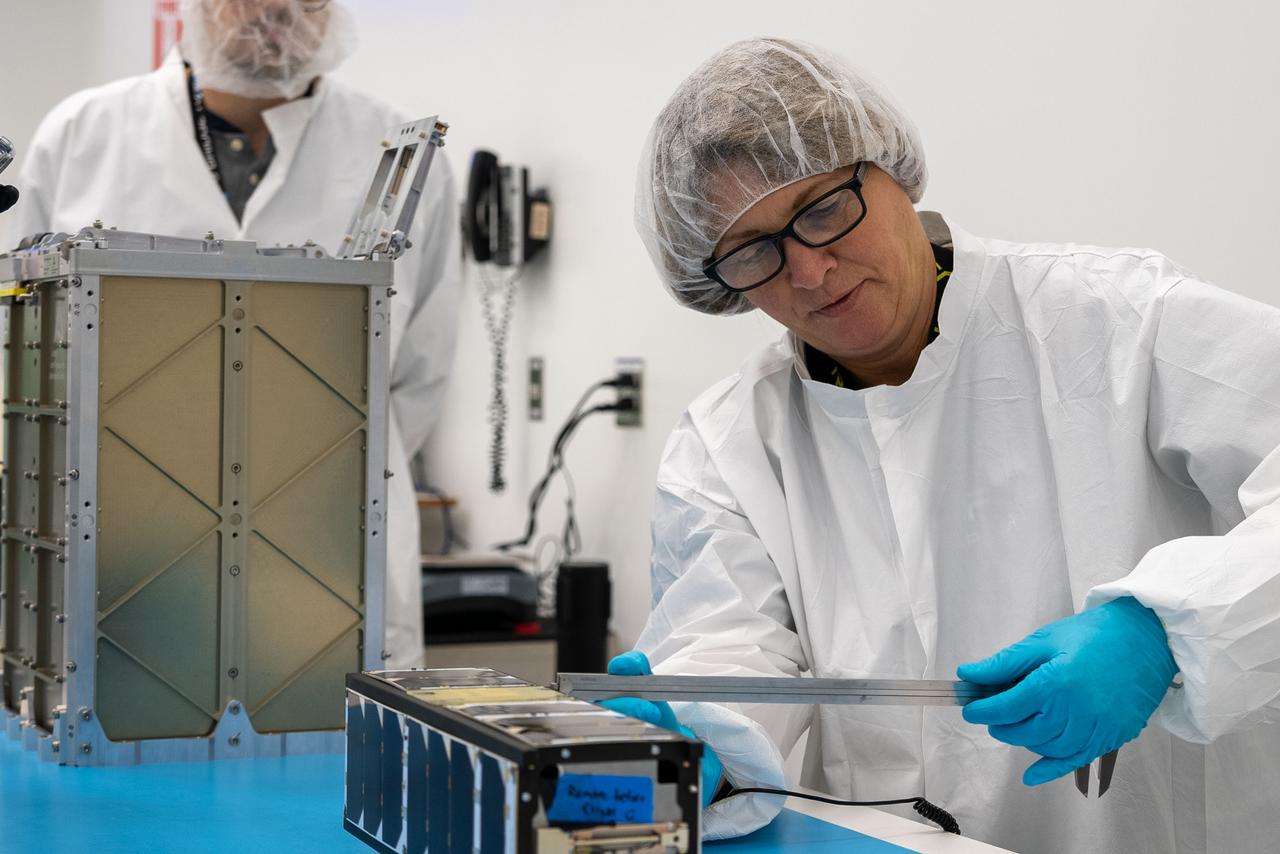
Technicians with the University of Kansas prepare their KUbeSat-1 for integration at Firefly’s Payload Processing Facility at Vandenberg Space Force Base, California on Thursday, April 25, 2024. KUbeSat-1, along with several other CubeSats, will launch to space on an Alpha rocket during NASA’s Educational Launch of Nanosatellites (ELaNa) 43 mission as part of the agency’s CubeSat Launch Initiative and Firefly’s Venture-Class Launch Services Demonstration 2 contract.
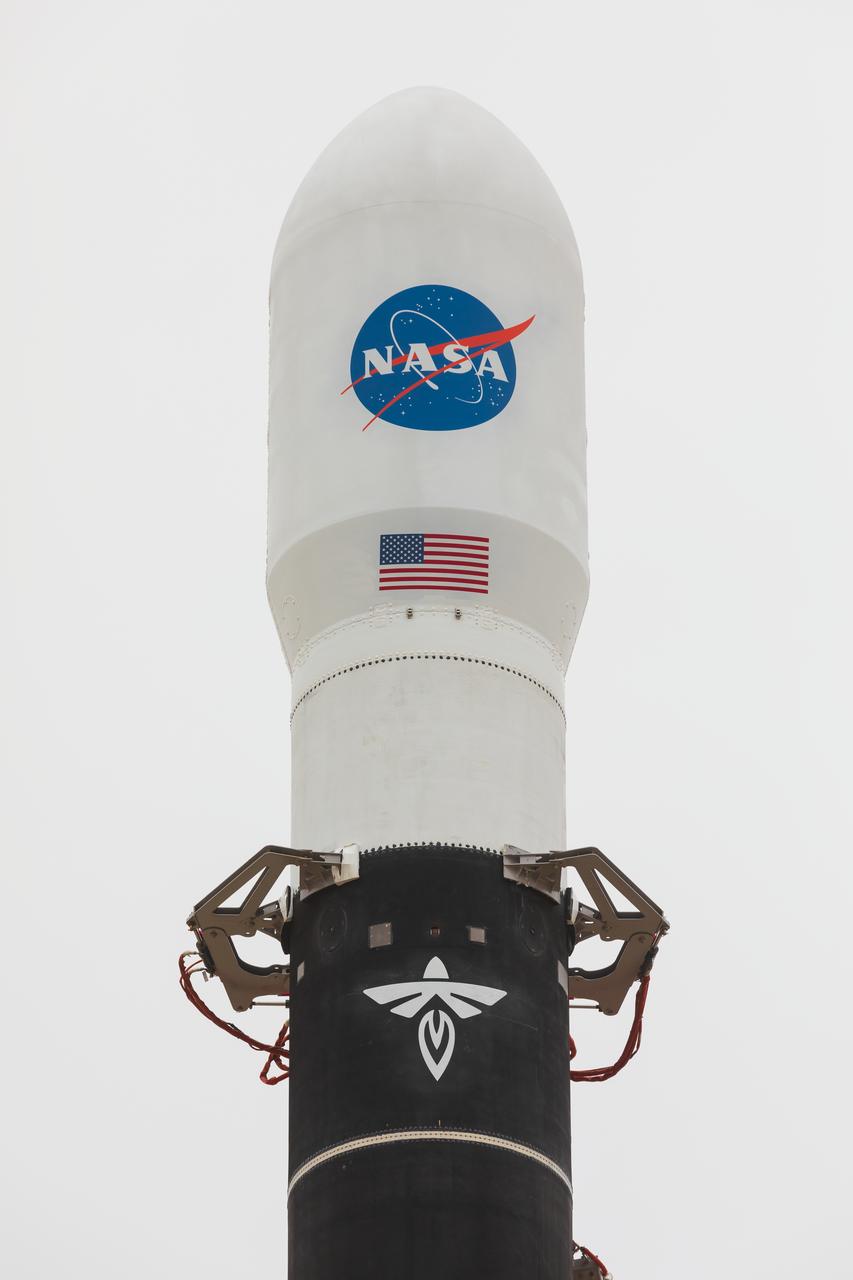
Firefly Aerospace’s Alpha rocket carrying eight CubeSats as part of NASA’s CubeSat Launch Initiative’s (CSLI) ELaNa 43 (Educational Launch of Nanosatellites) mission stands vertical at Space Launch Complex 2 at Vandenberg Space Force Base, California, on Monday, July 1, 2024. Firefly Aerospace is one of three companies selected to fly small satellites to space under NASA’s Launch Services Program Venture-Class Launch Services Demonstration 2 (VCLS Demo 2) contract awarded in December 2020.
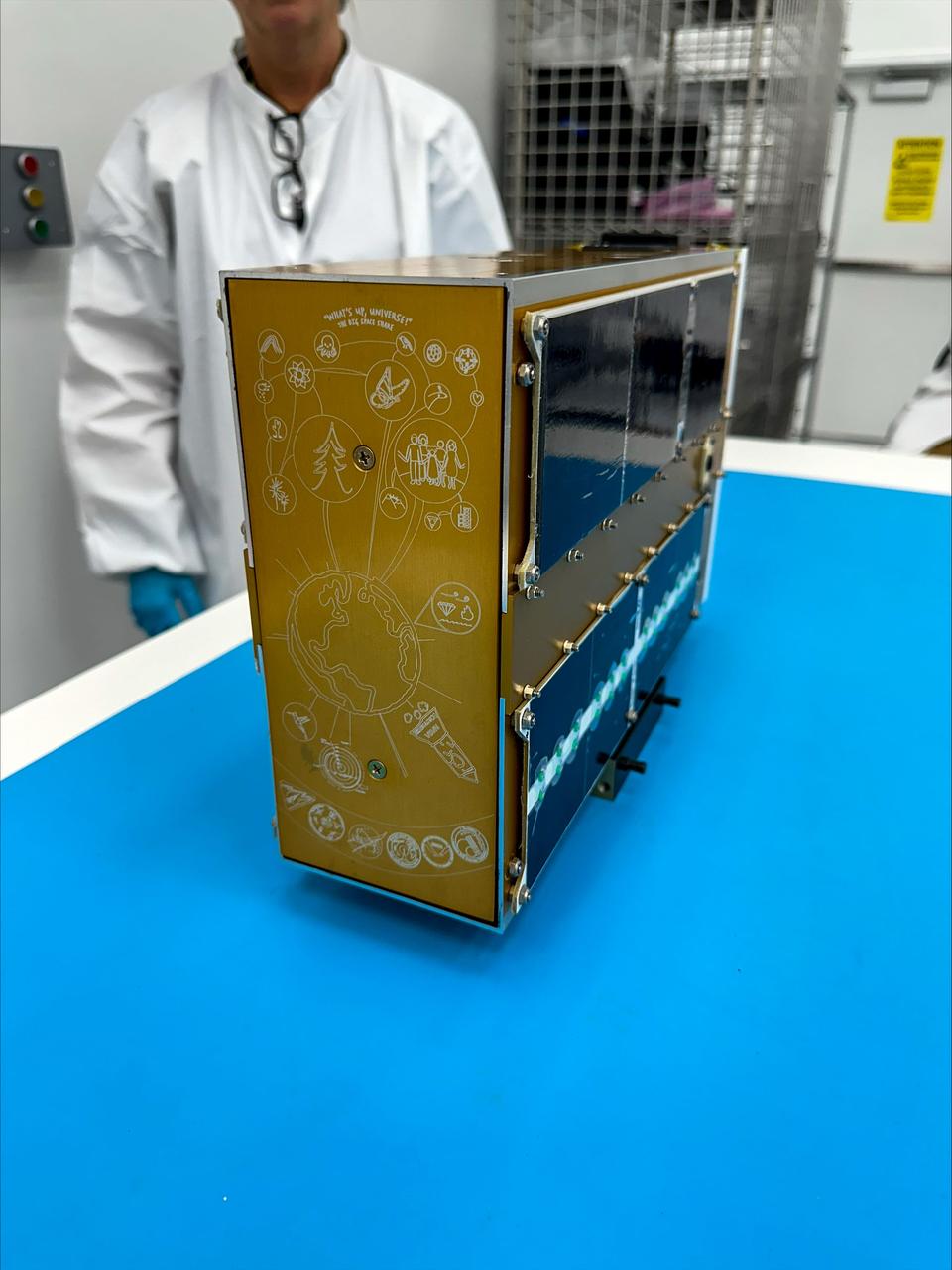
NASA’s TechEdSat-11 (TES-11) CubeSat awaits integration at Firefly’s Payload Processing Facility at Vandenberg Space Force Base, California on Saturday, June 8, 2024. Serenity, along with several other CubeSats, will launch to space on an Alpha rocket during NASA’s Educational Launch of Nanosatellites (ELaNa) 43 mission as part of the agency’s CubeSat Launch Initiative and Firefly’s Venture-Class Launch Services Demonstration 2 contract.
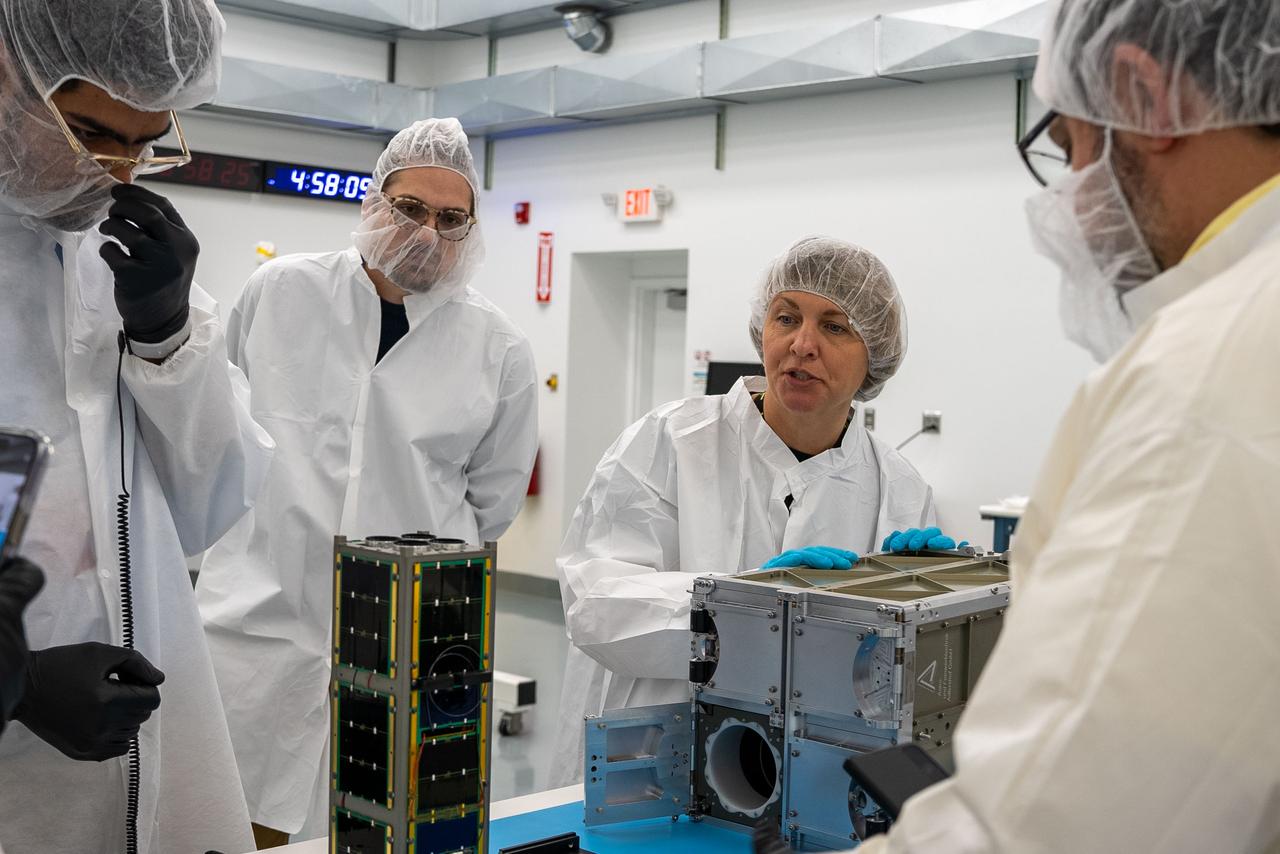
Technicians from the University of Maine prepare CubeSat MESAT-1 for integration at Firefly’s Payload Processing Facility at Vandenberg Space Force Base, California on Monday, April 22, 2024. MESAT-1, along with seven other payloads, will be integrated into a Firefly Aerospace Alpha rocket for NASA’s Educational Launch of Nanosatellites (ELaNa) 43 mission as part of the agency’s CubeSat Launch Initiative and Firefly’s Venture-Class Launch Services Demonstration 2 contract.
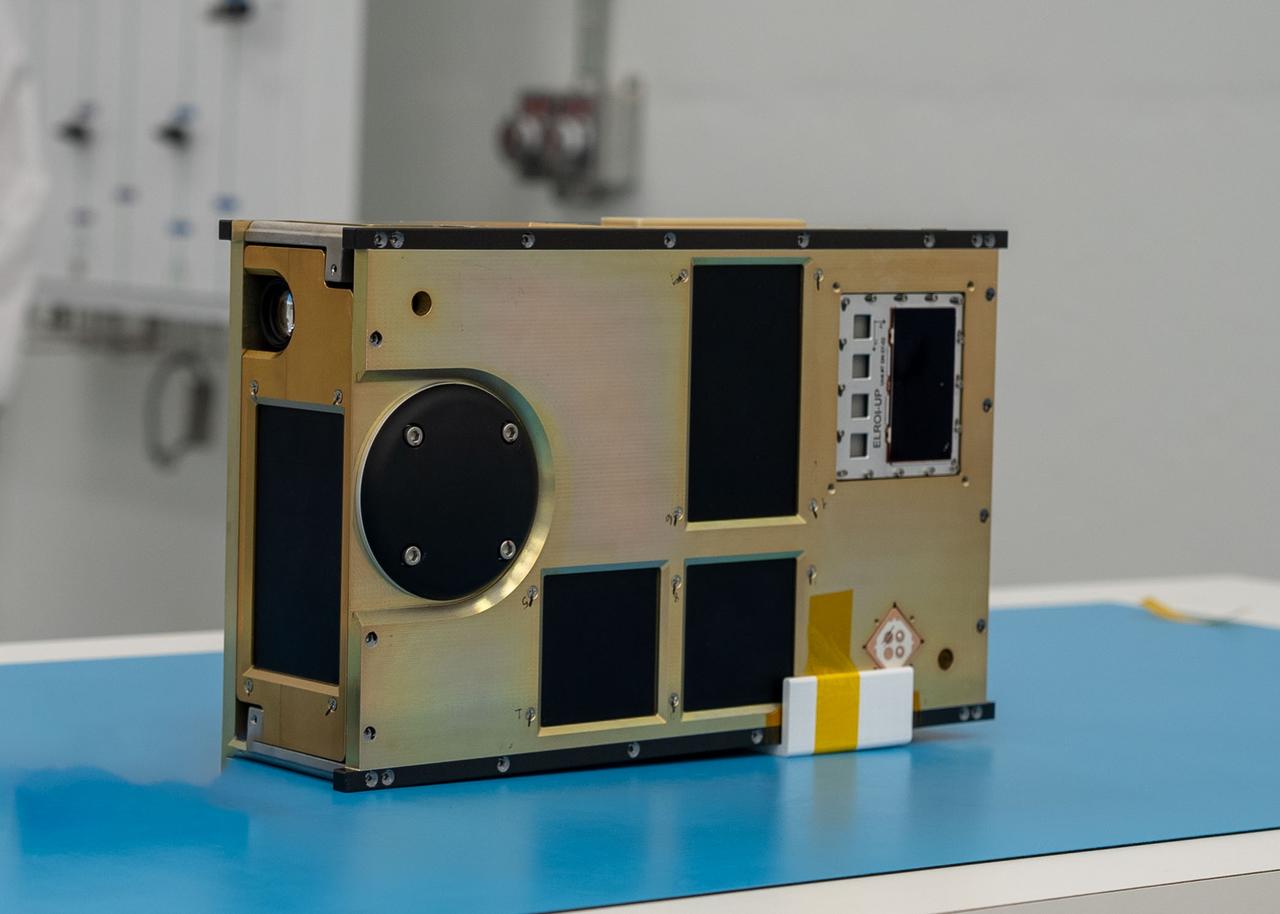
NASA’s CubeSat R5 Spacecraft 4 (R5-S4) awaits integration at Firefly’s Payload Processing Facility at Vandenberg Space Force Base, California on Wednesday, April 24, 2024. R5-S4, along with several other CubeSats, will launch to space on an Alpha rocket during NASA’s Educational Launch of Nanosatellites (ELaNa) 43 mission as part of the agency’s CubeSat Launch Initiative and Firefly’s Venture-Class Launch Services Demonstration 2 contract.
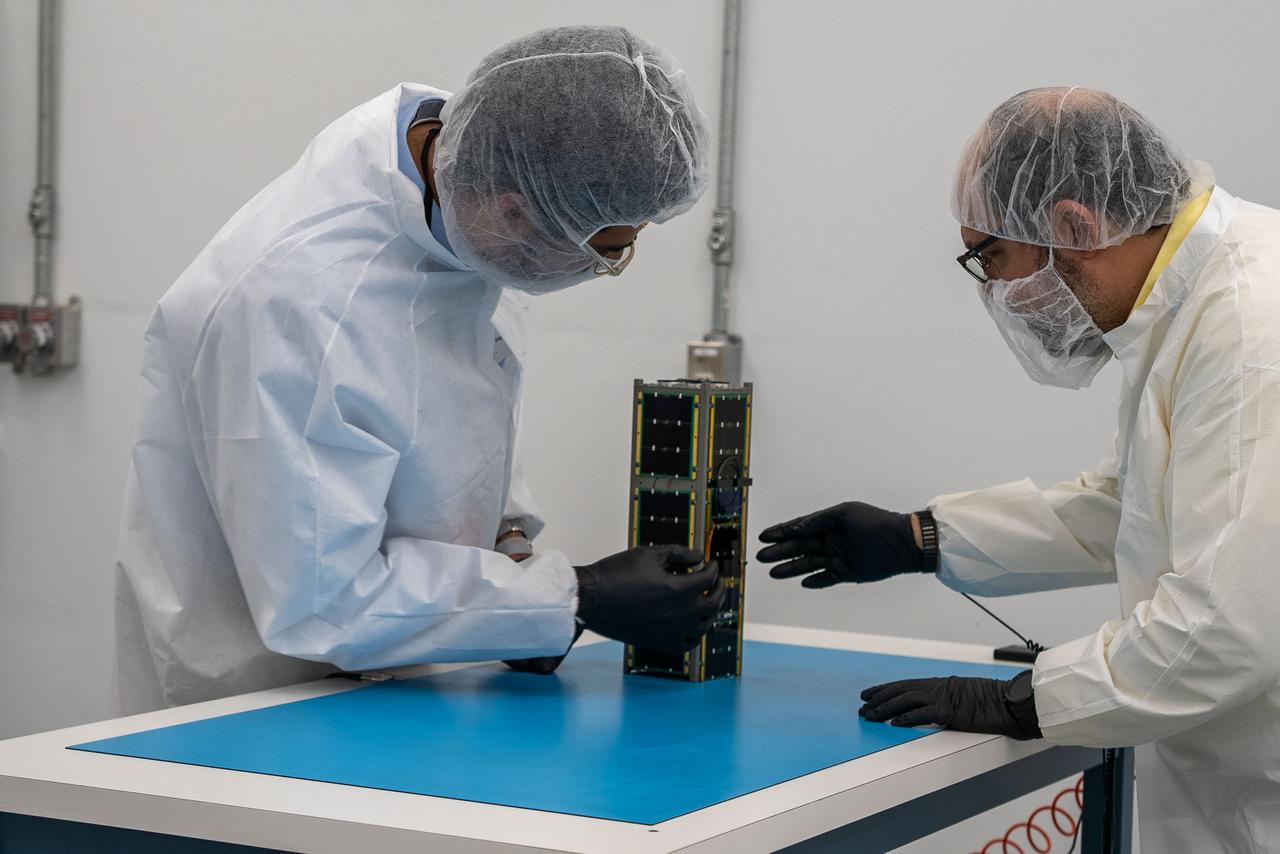
Technicians from the University of Maine prepare CubeSat MESAT-1 for integration at Firefly’s Payload Processing Facility at Vandenberg Space Force Base, California on Monday, April 22, 2024. MESAT-1, along with seven other payloads, will be integrated into a Firefly Aerospace Alpha rocket for NASA’s Educational Launch of Nanosatellites (ELaNa) 43 mission as part of the agency’s CubeSat Launch Initiative and Firefly’s Venture-Class Launch Services Demonstration 2 contract.
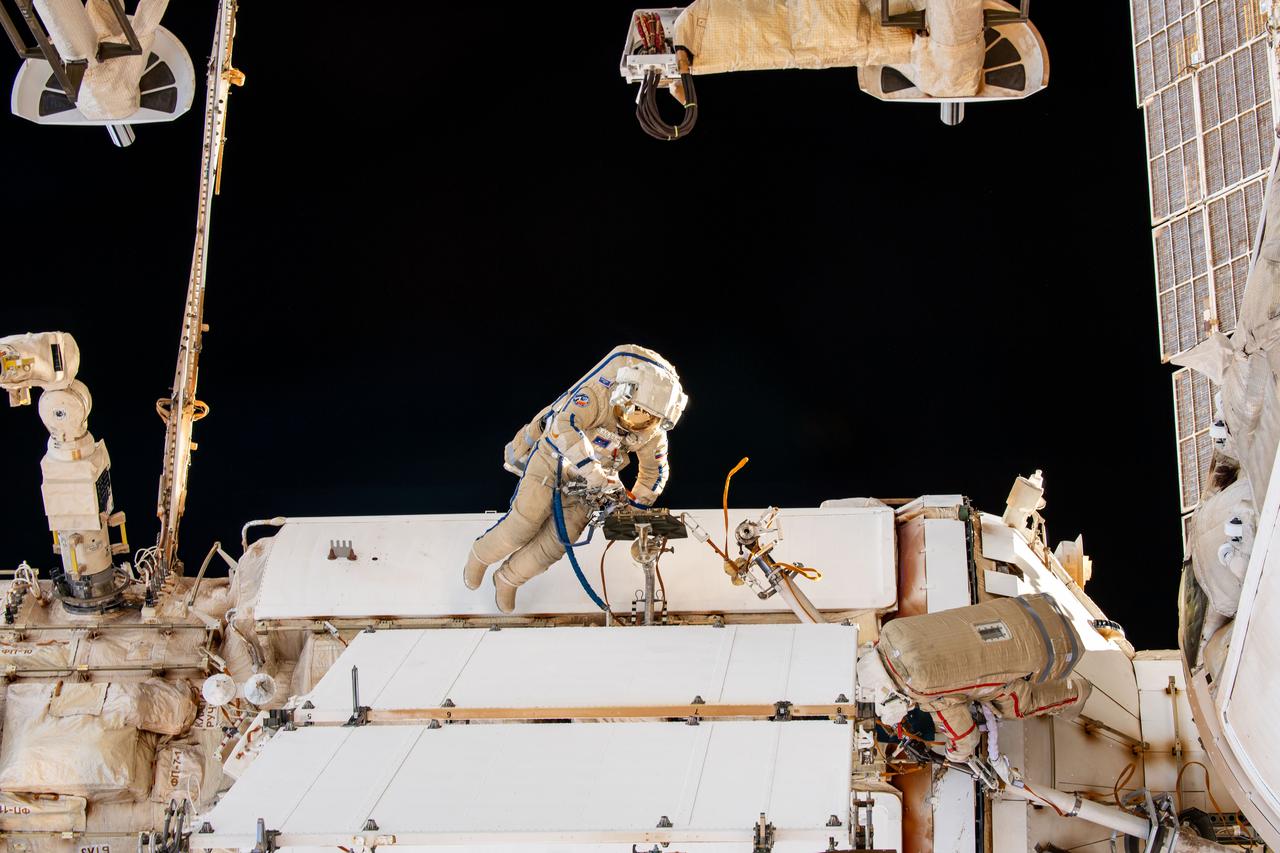
iss070e014051 (Oct. 25, 2023) --- Expedition 70 Flight Engineer Nikolai Chub from Roscosmos is pictured during a spacewalk to inspect a backup radiator, deploy a nanosatellite, and install communications hardware on the International Space Station's Nauka science module.
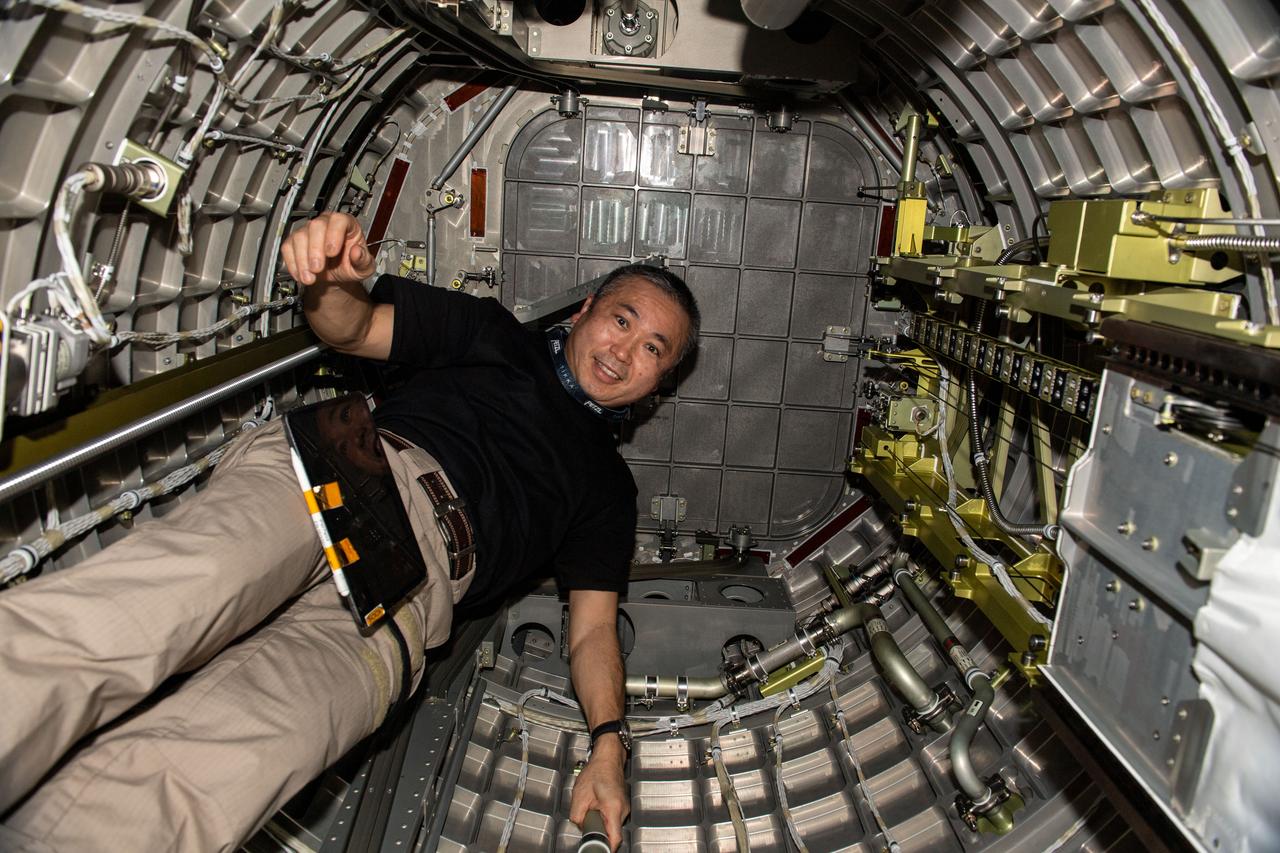
iss068e036934 (Jan. 4, 2022) --- Expedition 68 Flight Engineer Koichi Wakata of the Japan Aerospace Exploration Agency (JAXA) is pictured inside the Kibo laboratory module's airlock where external payloads such as science experiments and nanosatellites are placed into the outer space environment.
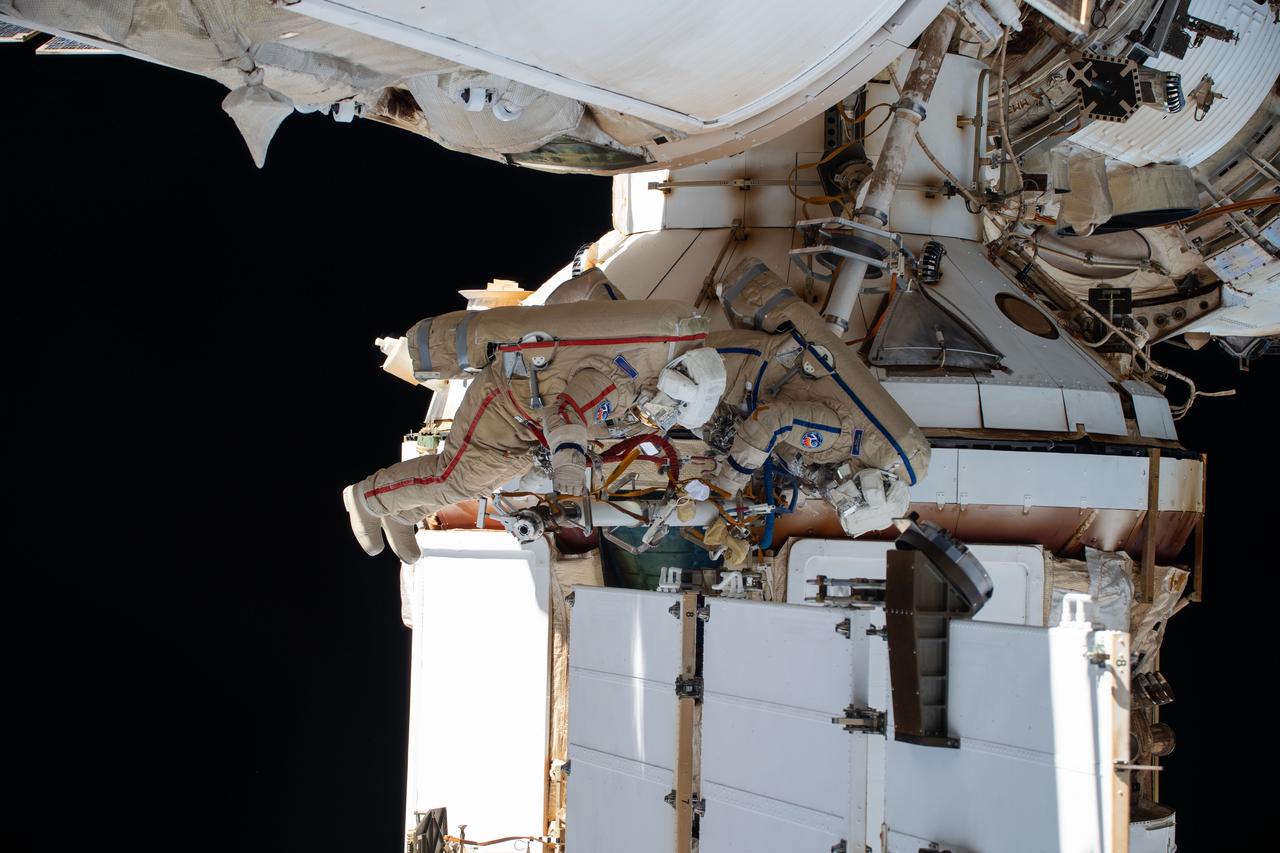
iss070e009114 (Oct. 25, 2023) --- Expedition 70 Flight Engineers Oleg Kononenko (suit with red stripes) and Nikolai Chub (suit with blue stripes), both from Roscosmos, are pictured during a spacewalk to inspect a backup radiator, deploy a nanosatellite, and install communications hardware on the International Space Station's Nauka science module.
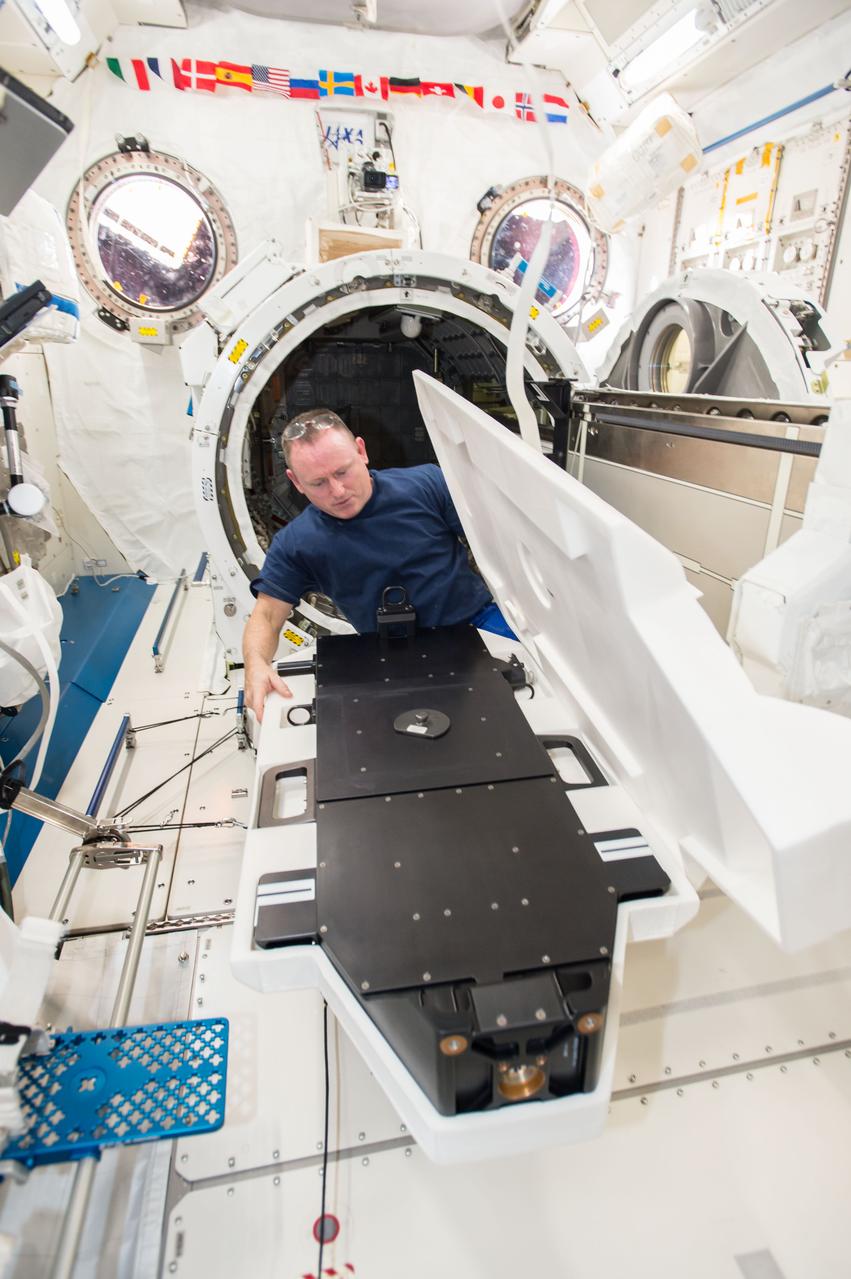
iss042e015943 (11/26/2014) --- Commander Barry Wilmore unpacks the Cyclops launch platform for installation on the Japanese Experiment Module Airlock (JEMAL) slide table. The Cyclops platform, also known as the Space Station Integrated Kinetic Launcher for Orbital Payload Systems (SSIKLOPS), holds and ejects nanosatellites from outside the ISS.
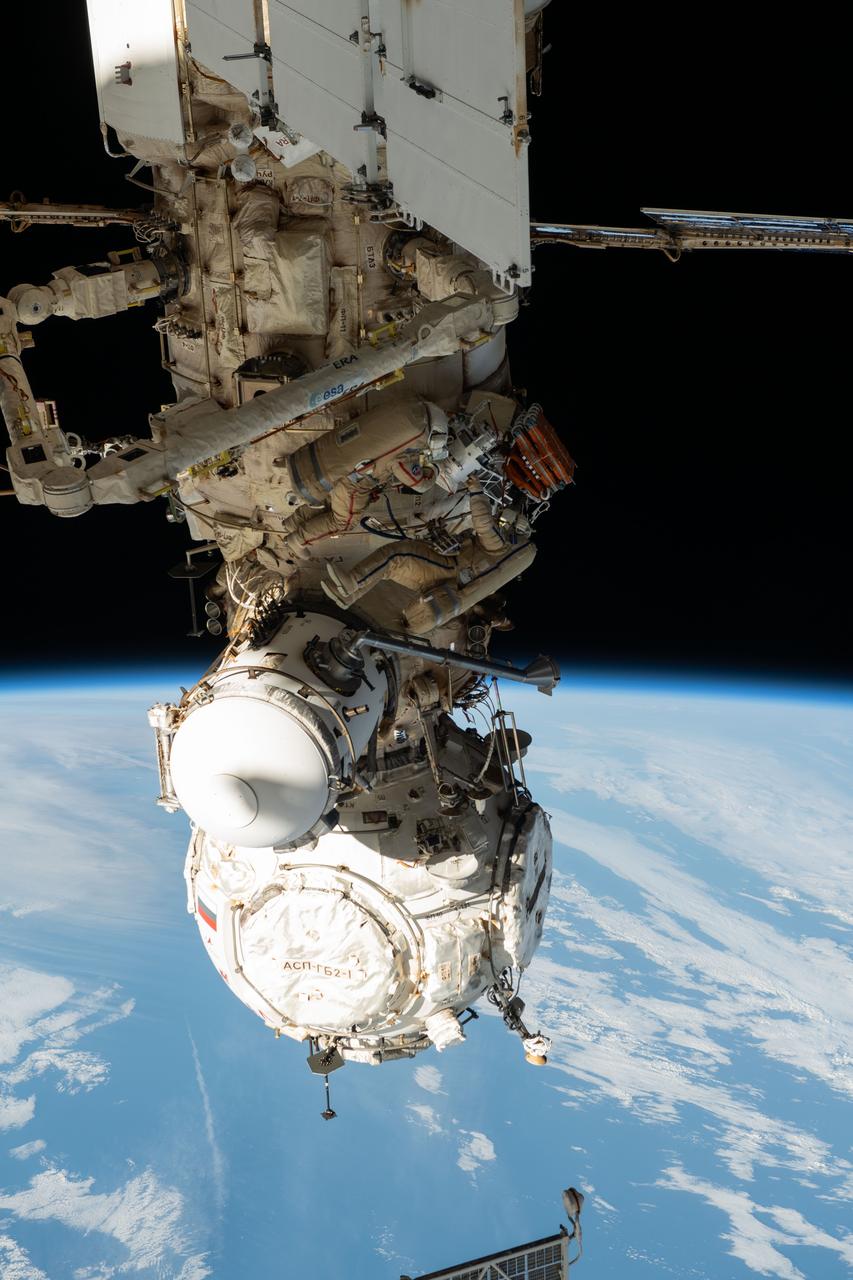
iss070e009031 (Oct. 25, 2023) --- Expedition 70 Flight Engineers Oleg Kononenko (suit with red stripes) and Nikolai Chub (suit with blue stripes), both from Roscosmos, are pictured during a spacewalk to inspect a backup radiator, deploy a nanosatellite, and install communications hardware on the International Space Station's Nauka science module.

iss070e009144 (Oct. 25, 2023) --- Expedition 70 Flight Engineer Nikolai Chub from Roscosmos is pictured during a spacewalk to inspect a backup radiator, deploy a nanosatellite, and install communications hardware on the International Space Station's Nauka science module.
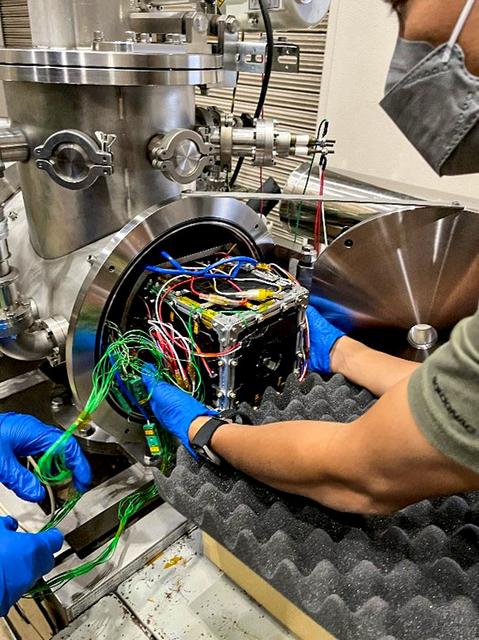
jsc2023e031071 (5/31/2023) --- The BIRDS-4S Project, consisting of the cubesats Maya-5 and Maya-6, are placed inside the Small Thermal Vacuum Chamber at the Center for Nanosatellite Testing, Kyushu Institute of Technology. Image courtesy of Batch-2 STeP-UP Scholars.
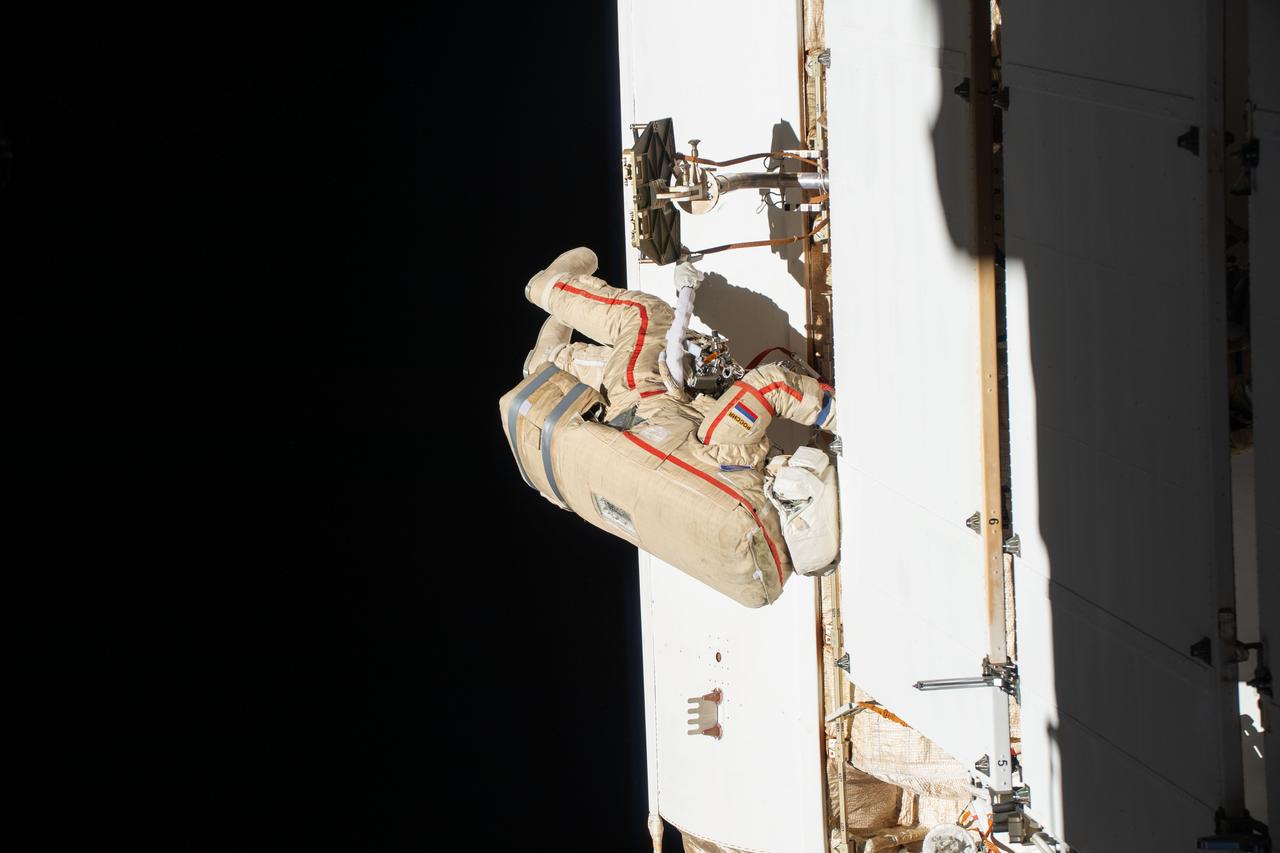
iss070e009090 (Oct. 25, 2023) --- Expedition 70 Flight Engineer Oleg Kononenko from Roscosmos is pictured during a spacewalk to inspect a backup radiator, deploy a nanosatellite, and install communications hardware on the International Space Station's Nauka science module.
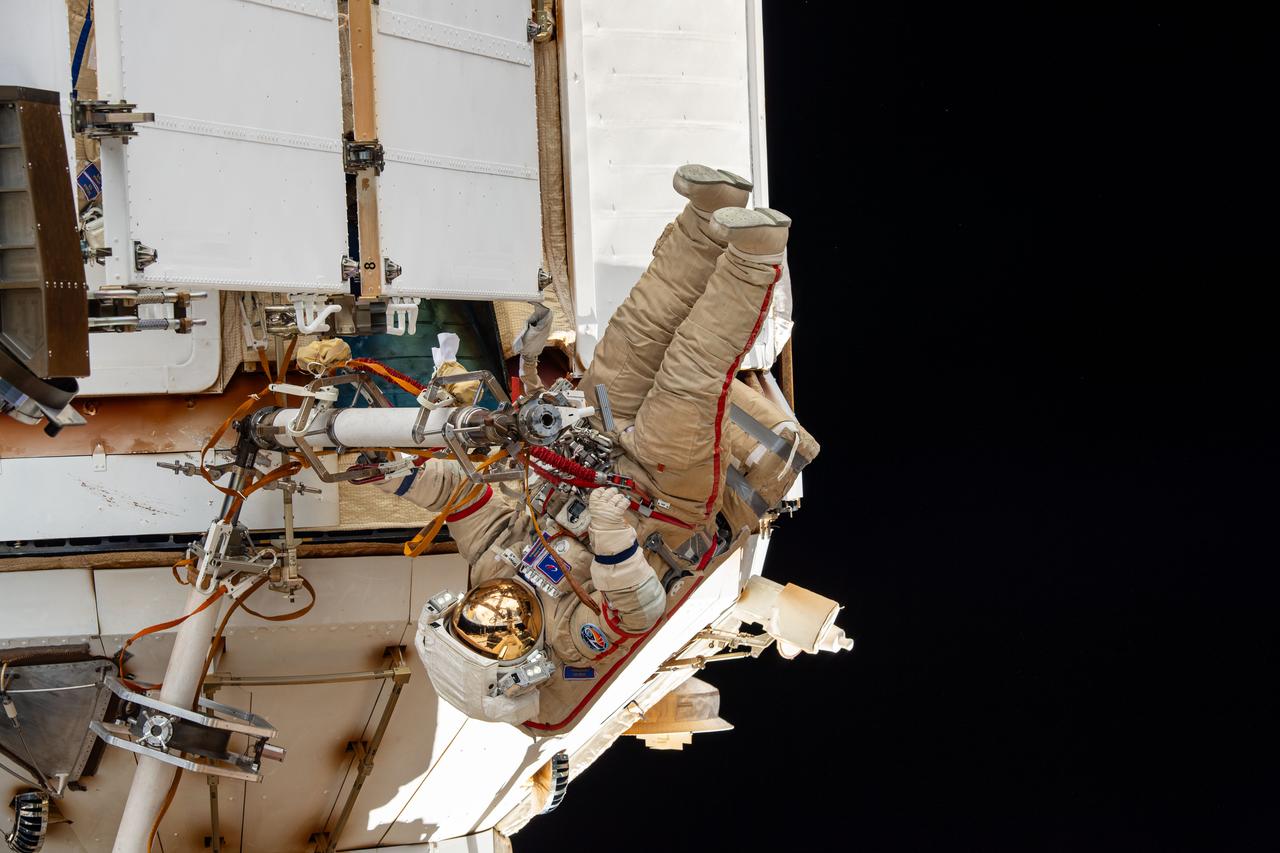
iss070e014007 (Oct. 25, 2023) --- Expedition 70 Flight Engineer Oleg Kononenko from Roscosmos is pictured during a spacewalk to inspect a backup radiator, deploy a nanosatellite, and install communications hardware on the International Space Station's Nauka science module.
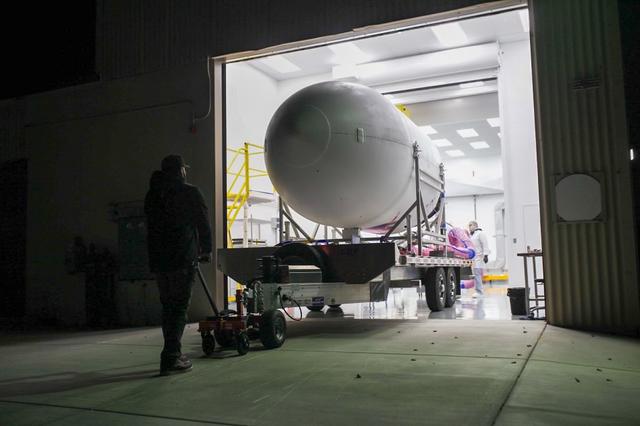
Firefly Aerospace’s Alpha rocket carrying eight CubeSats as part of NASA’s CubeSat Launch Initiative’s (CSLI) ELaNa (Educational Launch of Nanosatellites) 43 mission rolls out of the company’s Payload Processing Facility to Space Launch Complex 2 at Vandenberg Space Force Base, California, on Sunday, June 30, 2024. Firefly Aerospace is one of three companies selected to fly small satellites to space under NASA’s Launch Services Program Venture-Class Launch Services Demonstration 2 (VCLS Demo 2) contract awarded in December 2020.
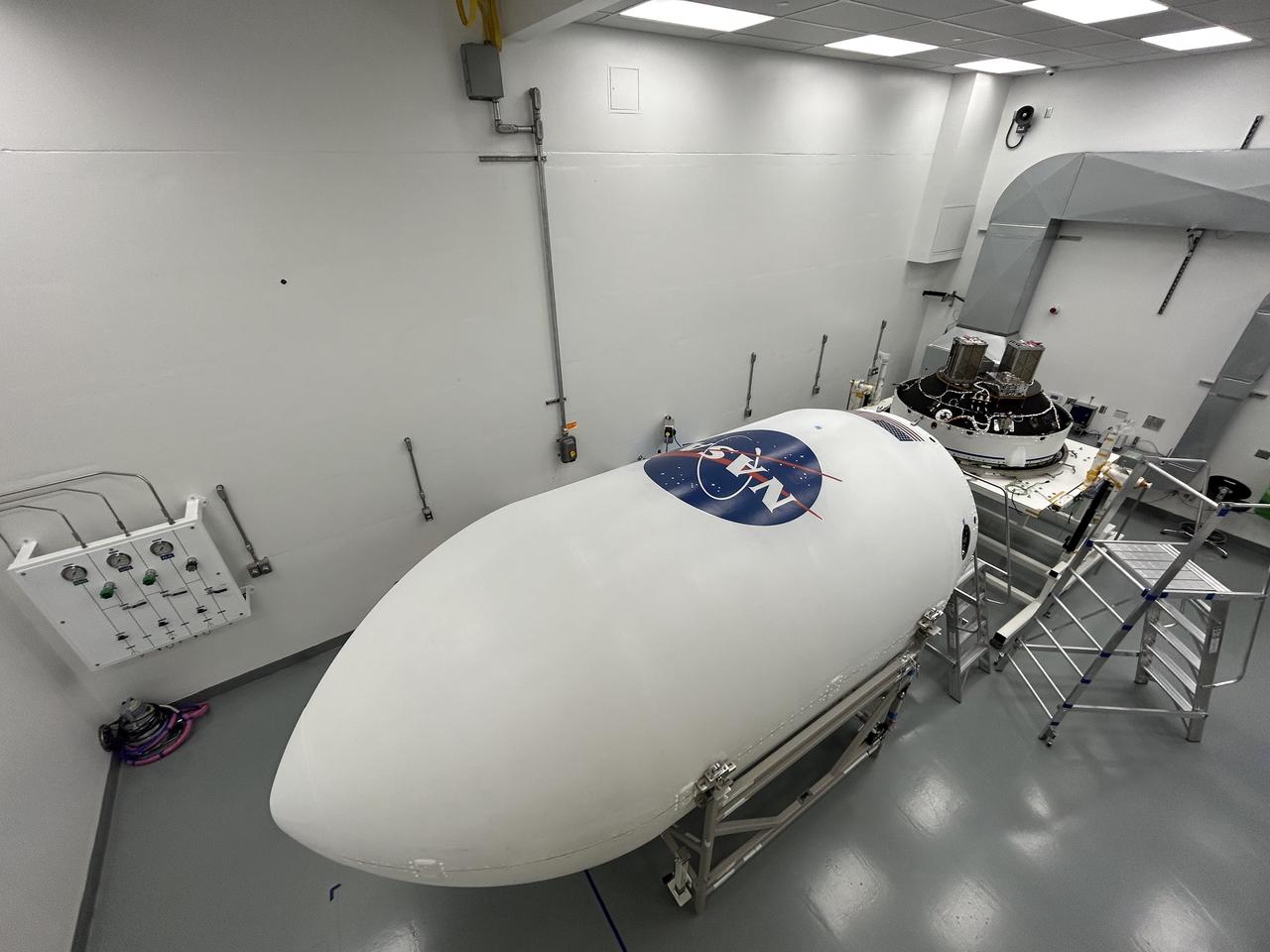
Technicians inside Firefly Aerospace’s Payload Processing Facility at Vandenberg Space Force Base, California, integrate eight CubeSats as part of NASA’s CubeSat Launch Initiative’s (CSLI) ELaNa (Educational Launch of Nanosatellites) 43 mission into payload fairings on Sunday, June 30, 2024. The mission will launch on the company’s Alpha rocket from Vandenberg’s Space Launch Complex 2. Firefly Aerospace is one of three companies selected to fly small satellites to space under NASA’s Launch Services Program Venture-Class Launch Services Demonstration 2 (VCLS Demo 2) contract awarded in December 2020.
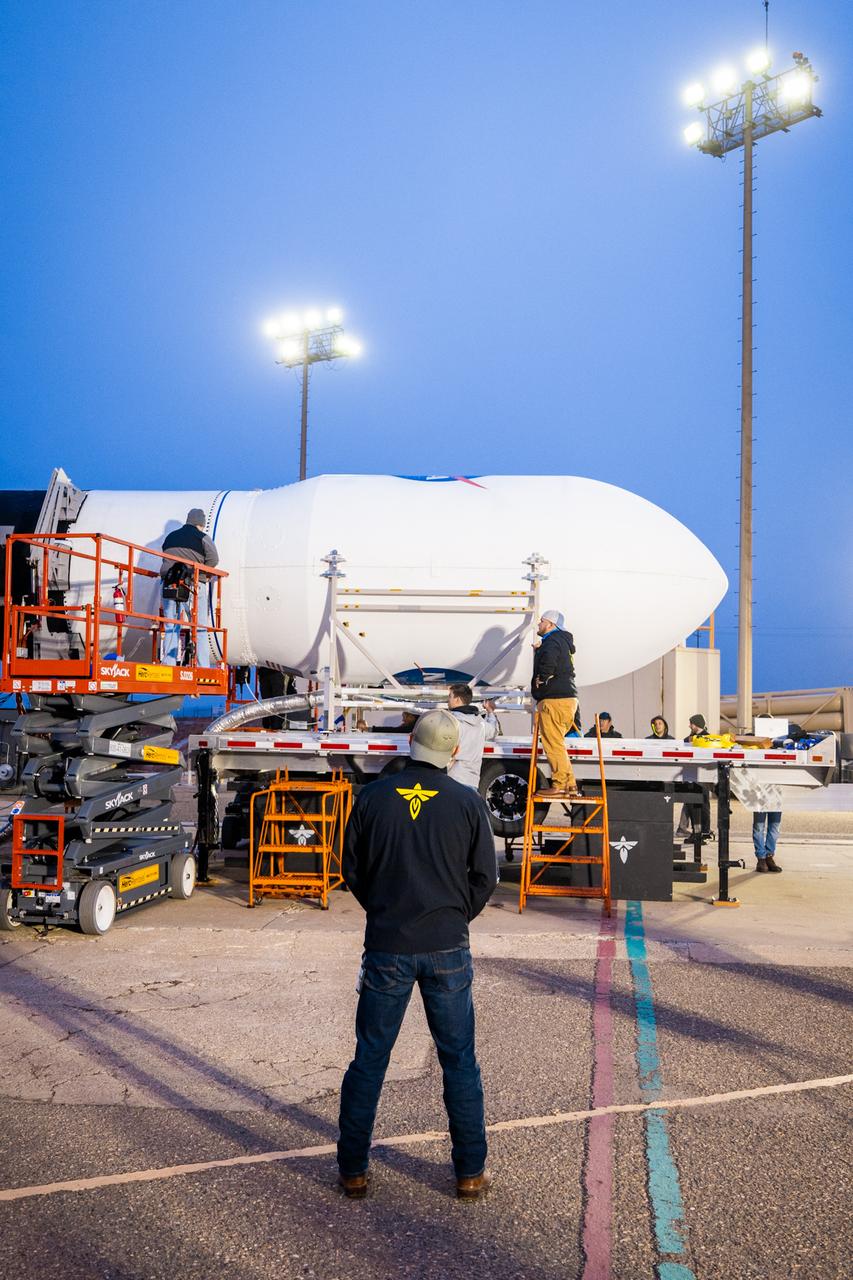
Firefly Aerospace’s Alpha rocket carrying eight CubeSats as part of NASA’s CubeSat Launch Initiative’s (CSLI) ELaNa (Educational Launch of Nanosatellites) 43 mission rolls out of the company’s Payload Processing Facility to Space Launch Complex 2 at Vandenberg Space Force Base, California, on Sunday, June 30, 2024. Firefly Aerospace is one of three companies selected to fly small satellites to space under NASA’s Launch Services Program Venture-Class Launch Services Demonstration 2 (VCLS Demo 2) contract awarded in December 2020.
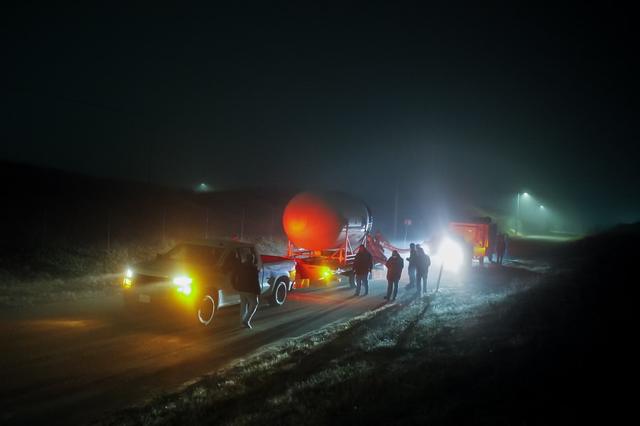
Firefly Aerospace’s Alpha rocket carrying eight CubeSats as part of NASA’s CubeSat Launch Initiative’s (CSLI) ELaNa (Educational Launch of Nanosatellites) 43 mission rolls out of the company’s Payload Processing Facility to Space Launch Complex 2 at Vandenberg Space Force Base, California, on Sunday, June 30, 2024. Firefly Aerospace is one of three companies selected to fly small satellites to space under NASA’s Launch Services Program Venture-Class Launch Services Demonstration 2 (VCLS Demo 2) contract awarded in December 2020.
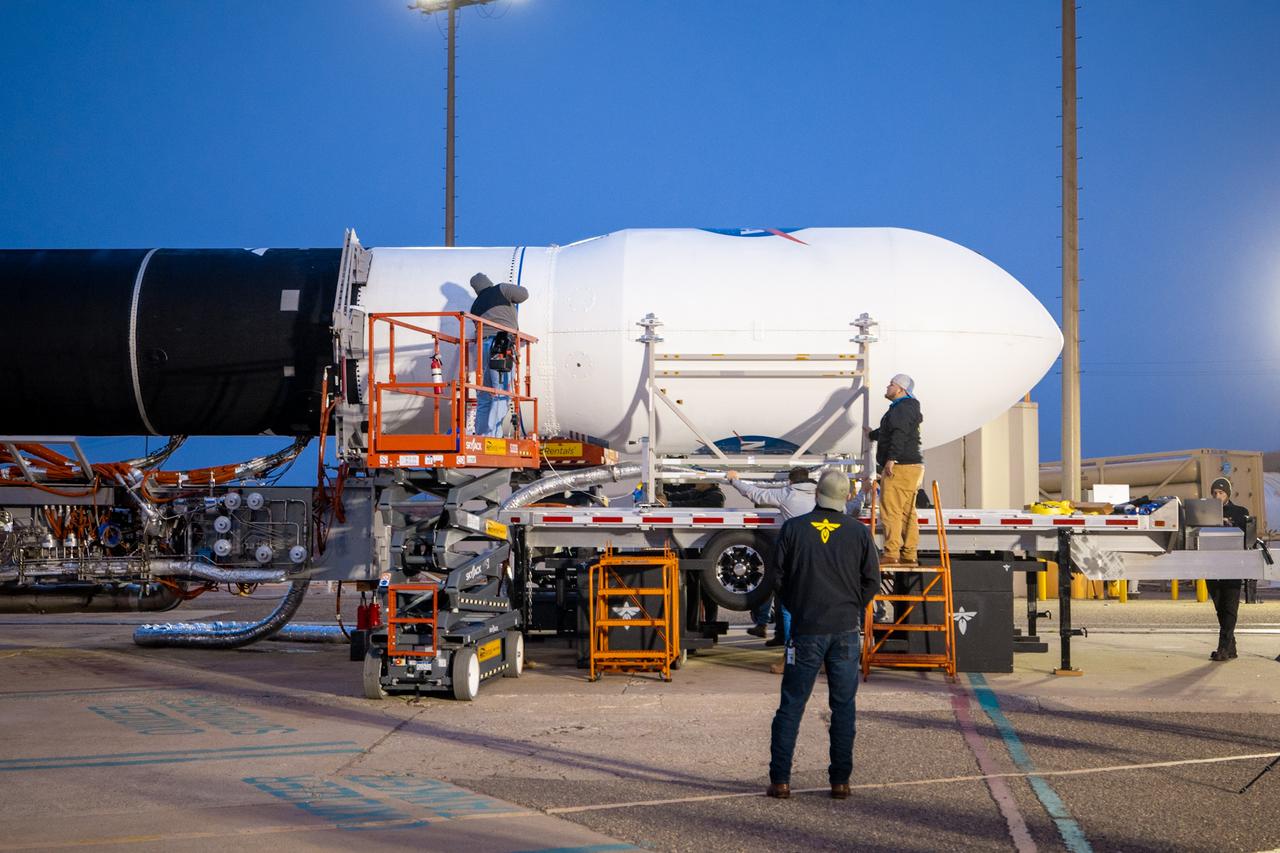
Firefly Aerospace’s Alpha rocket carrying eight CubeSats as part of NASA’s CubeSat Launch Initiative’s (CSLI) ELaNa (Educational Launch of Nanosatellites) 43 mission rolls out of the company’s Payload Processing Facility to Space Launch Complex 2 at Vandenberg Space Force Base, California, on Sunday, June 30, 2024. Firefly Aerospace is one of three companies selected to fly small satellites to space under NASA’s Launch Services Program Venture-Class Launch Services Demonstration 2 (VCLS Demo 2) contract awarded in December 2020.
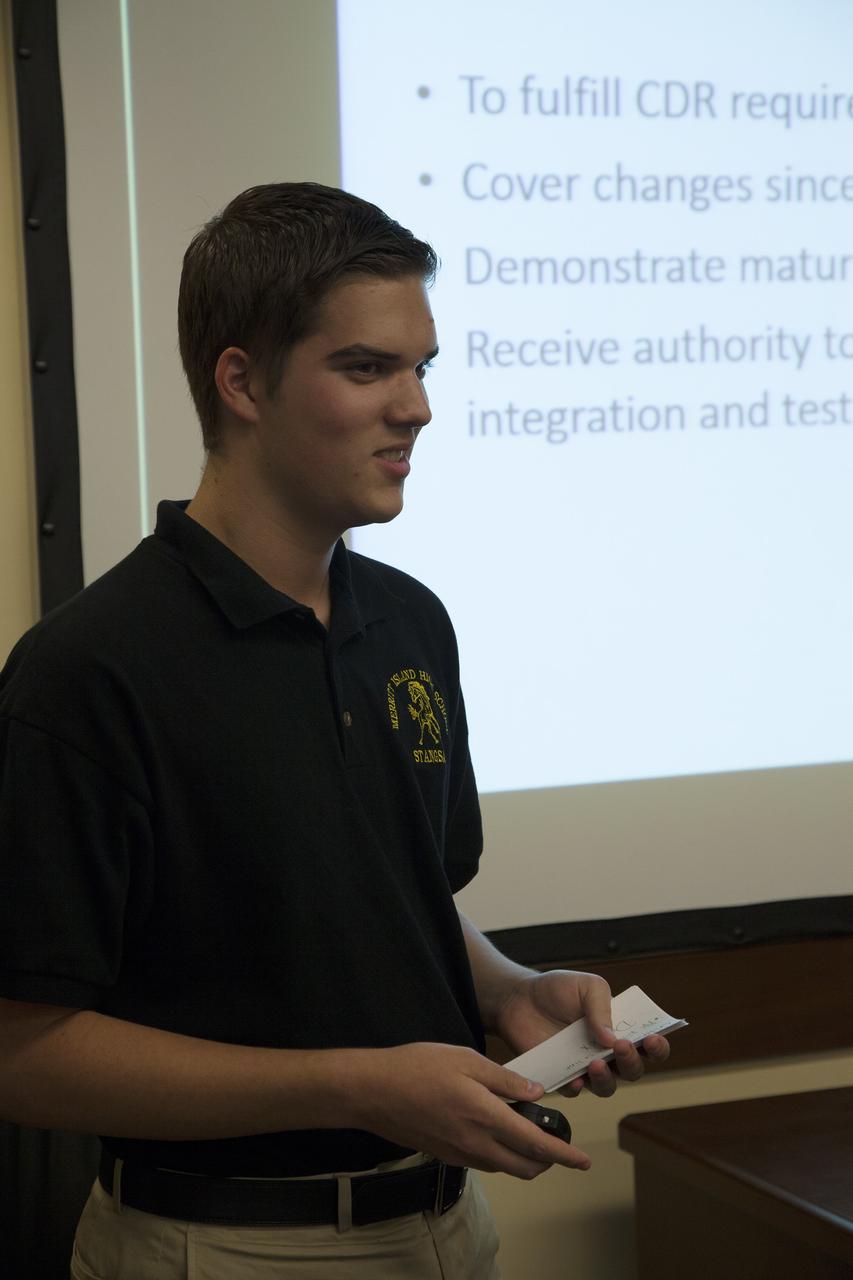
CAPE CANAVERAL, Fla. – A student representing a team from Merritt Island High School presents their StangSat concepts to NASA engineers at a Critical Design Review in the Operations and Checkout Building at NASA's Kennedy Space Center in Florida. StangSat is one of many CubeSats under development in a class of research spacecraft called nanosatellites. The cube-shaped satellites measure about 4 inches on each side, have a volume of about 1 quart and weigh less than 3 pounds. To date, 27 CubeSats have launched through the initiative as part of the agency's Launch Services Program's Educational Launch of Nanosatellite Program. This year, four separate launches will carry 17 CubeSats. To learn more about the CubeSat Launch Initiative, visit http://go.nasa.gov/CubeSat_initiative. Photo credit: NASA/Ben Smegelsky
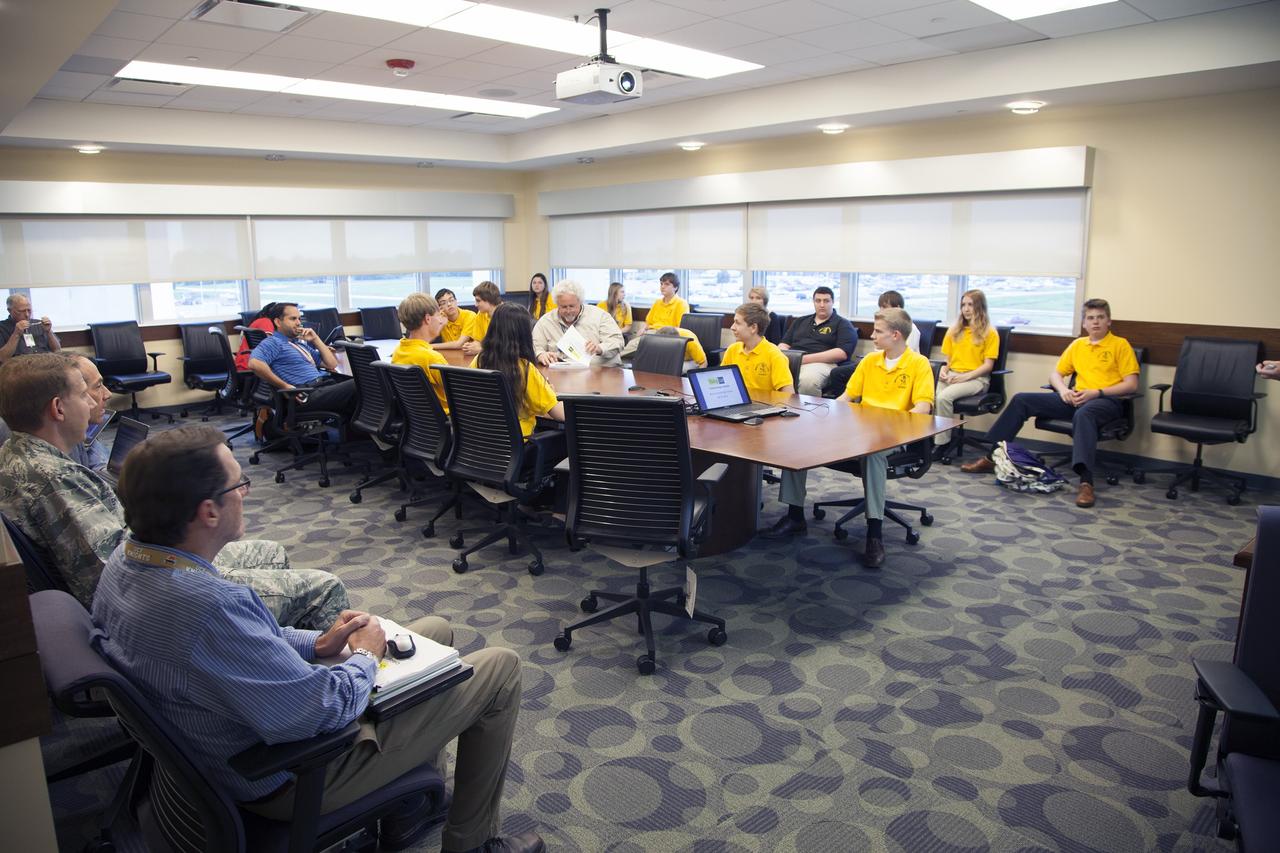
CAPE CANAVERAL, Fla. – Merritt Island High School students and their NASA mentors participate in a Critical Design Review of StangSat concepts in the Operations and Checkout Building at NASA's Kennedy Space Center in Florida. StangSat is one of many CubeSats under development in a class of research spacecraft called nanosatellites. The cube-shaped satellites measure about 4 inches on each side, have a volume of about 1 quart and weigh less than 3 pounds. To date, 27 CubeSats have launched through the initiative as part of the agency's Launch Services Program's Educational Launch of Nanosatellite Program. This year, four separate launches will carry 17 CubeSats. To learn more about the CubeSat Launch Initiative, visit http://go.nasa.gov/CubeSat_initiative. Photo credit: NASA/Ben Smegelsky
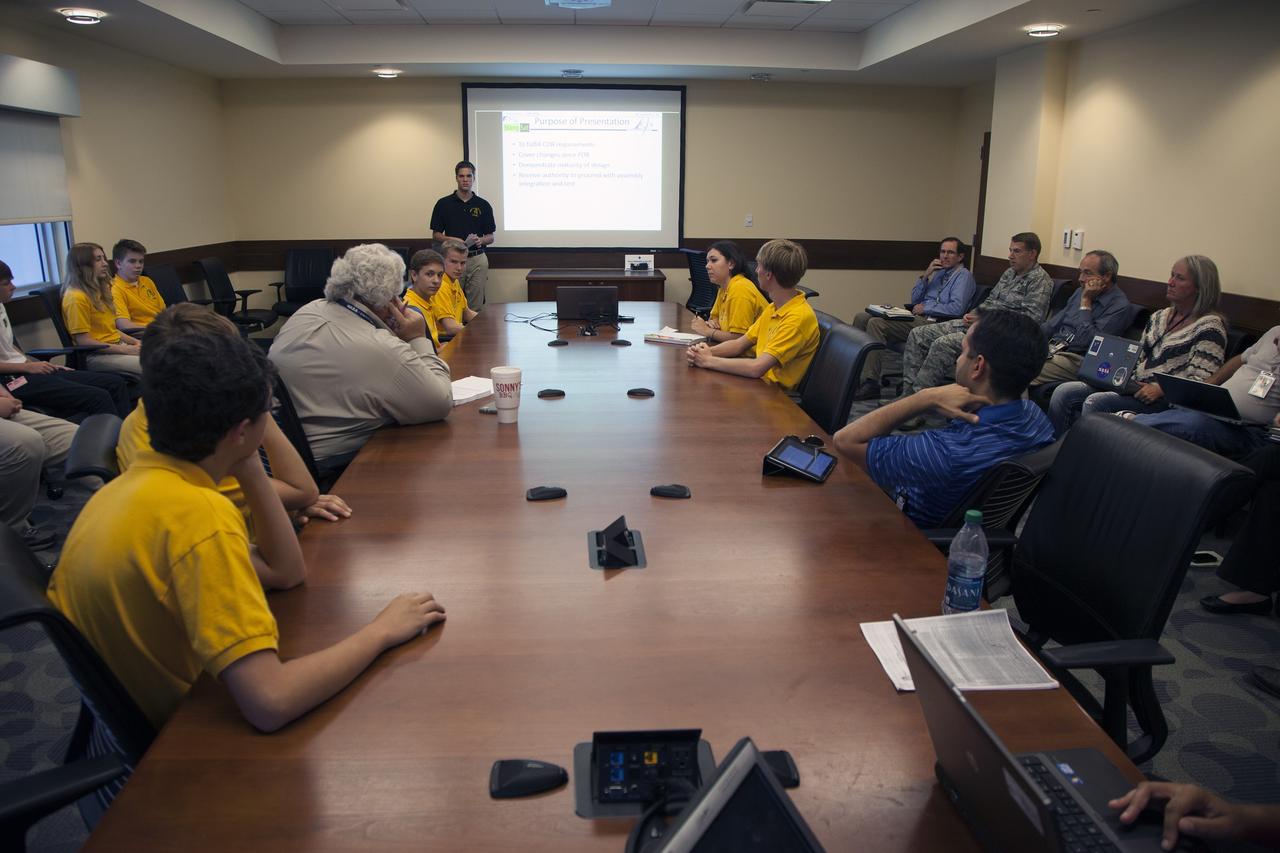
CAPE CANAVERAL, Fla. – A student representing a team from Merritt Island High School presents their StangSat concepts to NASA engineers at a Critical Design Review in the Operations and Checkout Building at NASA's Kennedy Space Center in Florida. StangSat is one of many CubeSats under development in a class of research spacecraft called nanosatellites. The cube-shaped satellites measure about 4 inches on each side, have a volume of about 1 quart and weigh less than 3 pounds. To date, 27 CubeSats have launched through the initiative as part of the agency's Launch Services Program's Educational Launch of Nanosatellite Program. This year, four separate launches will carry 17 CubeSats. To learn more about the CubeSat Launch Initiative, visit http://go.nasa.gov/CubeSat_initiative. Photo credit: NASA/Ben Smegelsky
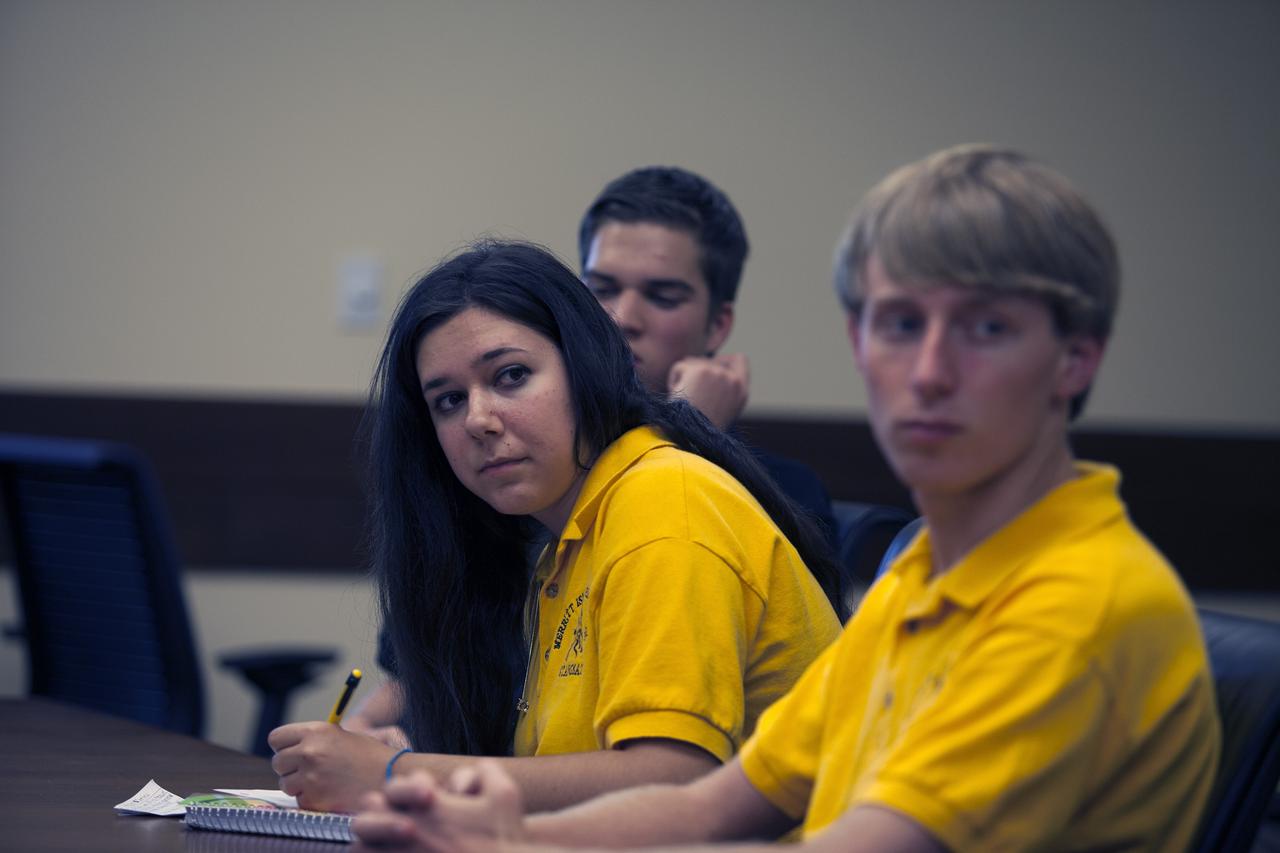
CAPE CANAVERAL, Fla. – Merritt Island High School students participate in a Critical Design Review of StangSat concepts with NASA engineers in the Operations and Checkout Building at NASA's Kennedy Space Center in Florida. StangSat is one of many CubeSats under development in a class of research spacecraft called nanosatellites. The cube-shaped satellites measure about 4 inches on each side, have a volume of about 1 quart and weigh less than 3 pounds. To date, 27 CubeSats have launched through the initiative as part of the agency's Launch Services Program's Educational Launch of Nanosatellite Program. This year, four separate launches will carry 17 CubeSats. To learn more about the CubeSat Launch Initiative, visit http://go.nasa.gov/CubeSat_initiative. Photo credit: NASA/Ben Smegelsky
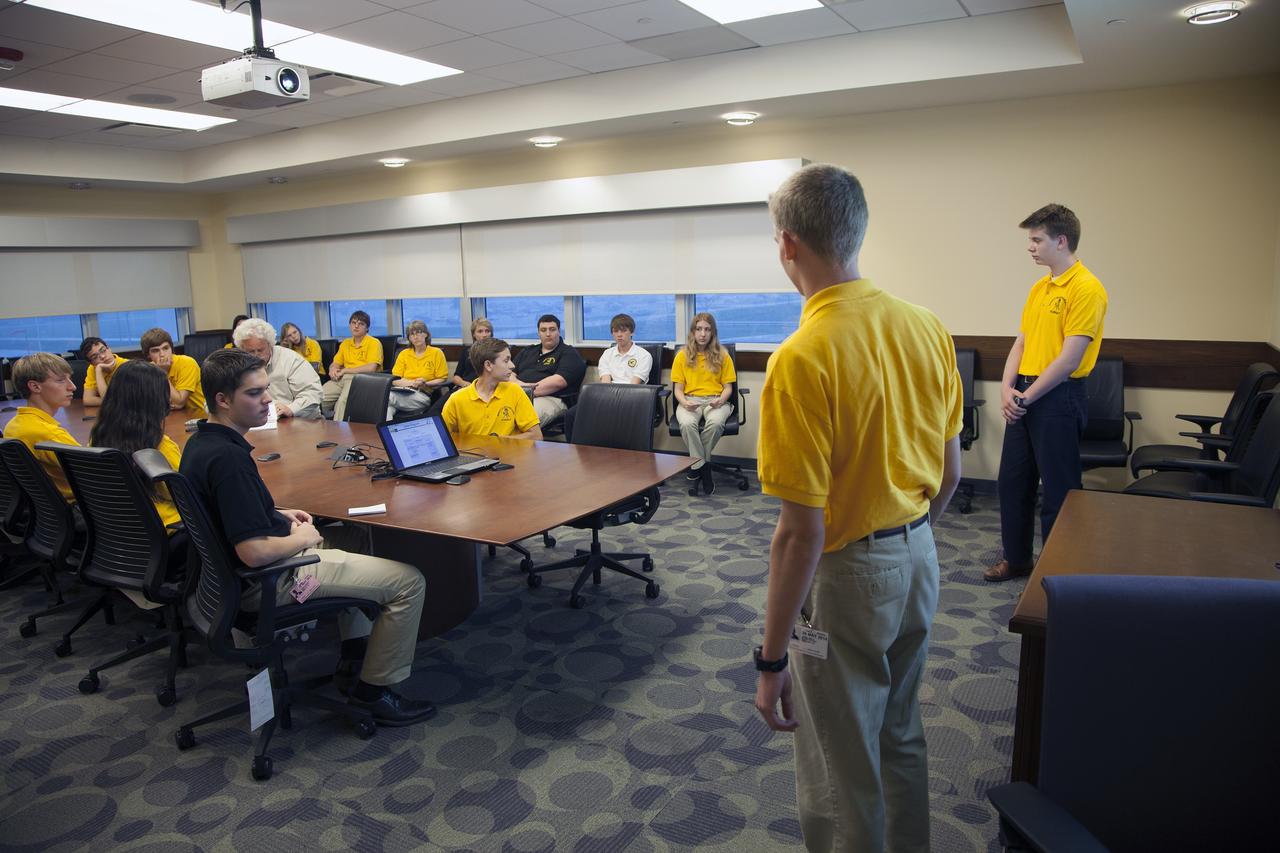
CAPE CANAVERAL, Fla. – Students representing a team from Merritt Island High School present their StangSat concepts to NASA engineers at a Critical Design Review in the Operations and Checkout Building at NASA's Kennedy Space Center in Florida. StangSat is one of many CubeSats under development in a class of research spacecraft called nanosatellites. The cube-shaped satellites measure about 4 inches on each side, have a volume of about 1 quart and weigh less than 3 pounds. To date, 27 CubeSats have launched through the initiative as part of the agency's Launch Services Program's Educational Launch of Nanosatellite Program. This year, four separate launches will carry 17 CubeSats. To learn more about the CubeSat Launch Initiative, visit http://go.nasa.gov/CubeSat_initiative. Photo credit: NASA/Ben Smegelsky
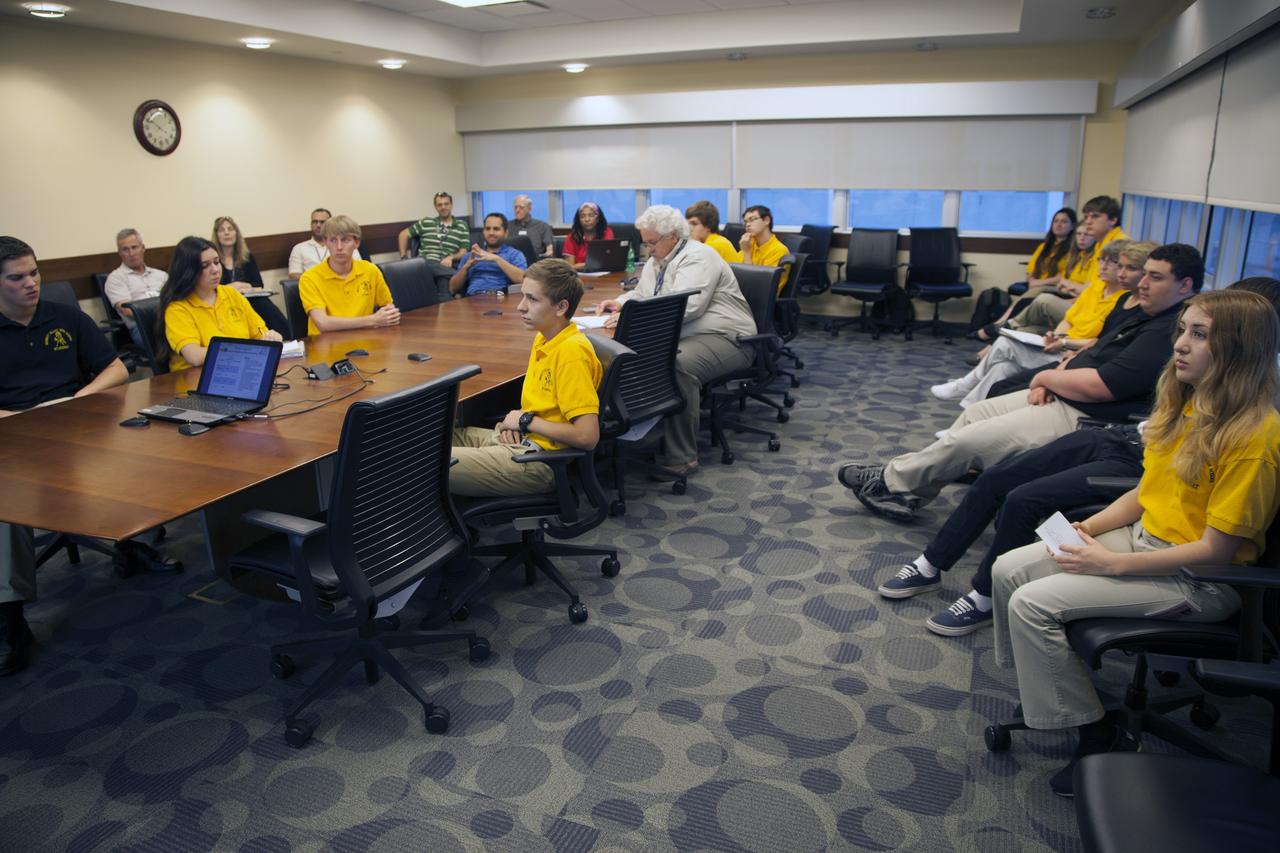
CAPE CANAVERAL, Fla. – Merritt Island High School students and their NASA mentors participate in a Critical Design Review of StangSat concepts in the Operations and Checkout Building at NASA's Kennedy Space Center in Florida. StangSat is one of many CubeSats under development in a class of research spacecraft called nanosatellites. The cube-shaped satellites measure about 4 inches on each side, have a volume of about 1 quart and weigh less than 3 pounds. To date, 27 CubeSats have launched through the initiative as part of the agency's Launch Services Program's Educational Launch of Nanosatellite Program. This year, four separate launches will carry 17 CubeSats. To learn more about the CubeSat Launch Initiative, visit http://go.nasa.gov/CubeSat_initiative. Photo credit: NASA/Ben Smegelsky
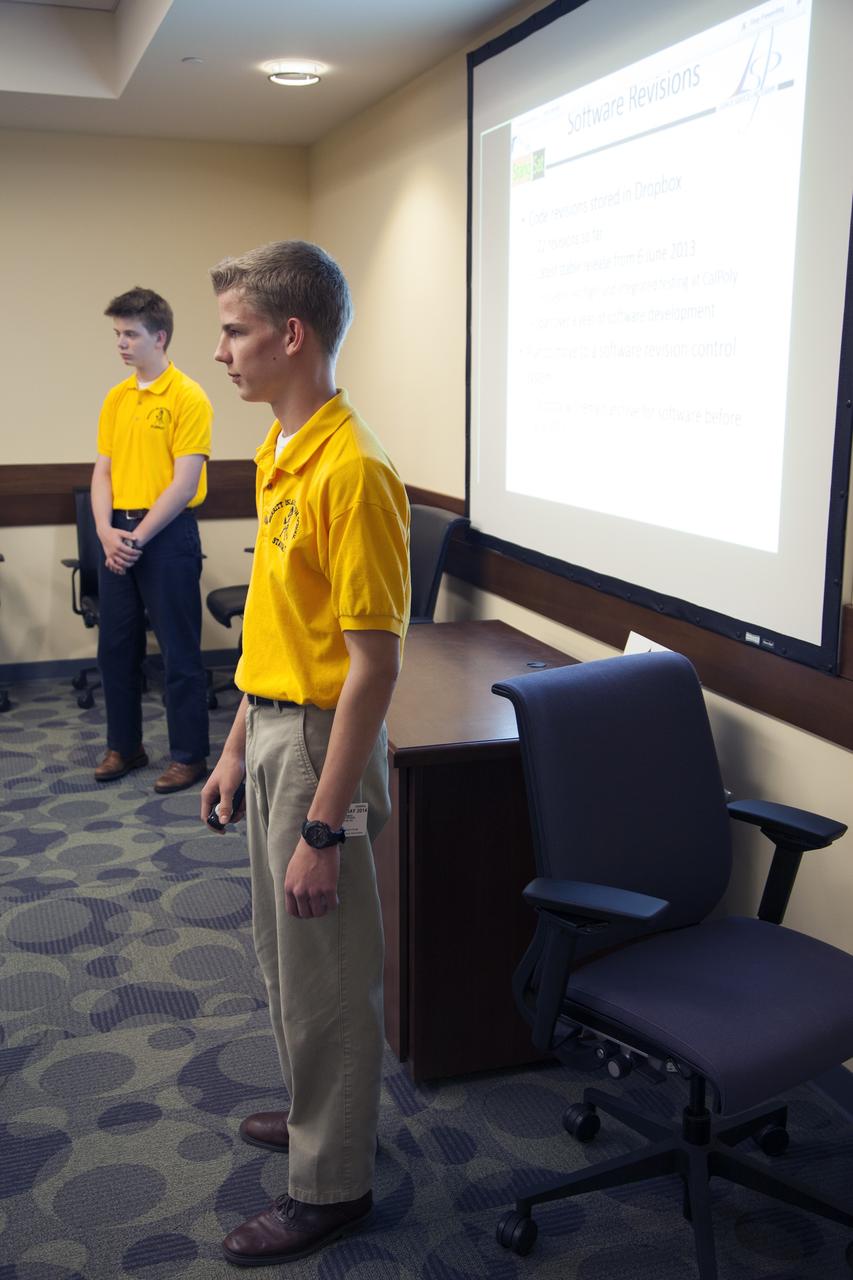
CAPE CANAVERAL, Fla. – Students representing a team from Merritt Island High School present their StangSat concepts to NASA engineers at a Critical Design Review in the Operations and Checkout Building at NASA's Kennedy Space Center in Florida. StangSat is one of many CubeSats under development in a class of research spacecraft called nanosatellites. The cube-shaped satellites measure about 4 inches on each side, have a volume of about 1 quart and weigh less than 3 pounds. To date, 27 CubeSats have launched through the initiative as part of the agency's Launch Services Program's Educational Launch of Nanosatellite Program. This year, four separate launches will carry 17 CubeSats. To learn more about the CubeSat Launch Initiative, visit http://go.nasa.gov/CubeSat_initiative. Photo credit: NASA/Ben Smegelsky
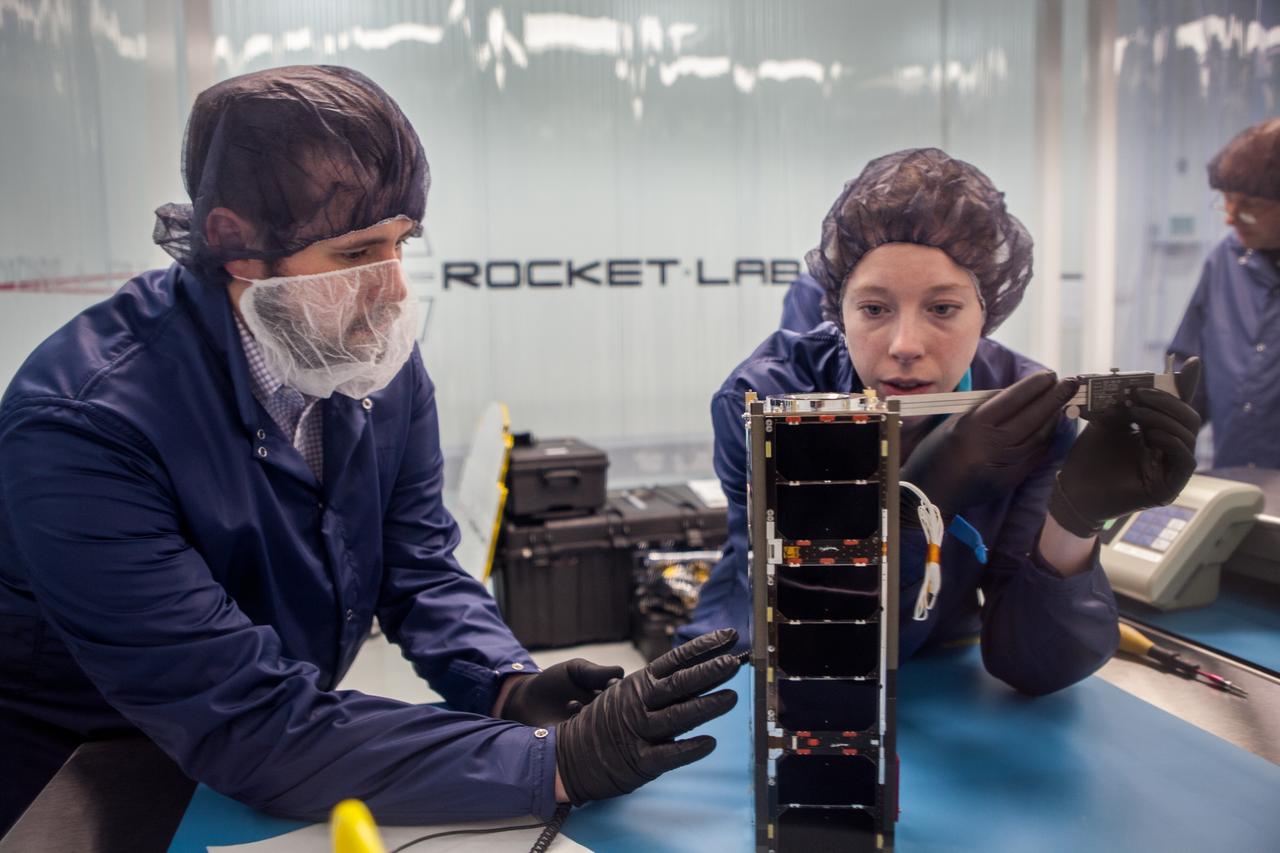
A host of CubeSats, or small satellites, are undergoing the final stages of processing at Rocket Lab USA’s facility in Huntington Beach, California, for NASA’s first mission dedicated solely to spacecraft of their size. This will be the first launch under the agency’s new Venture Class Launch Services. Scientists, including those from NASA and various universities, began arriving at the facility in early April with spacecraft small enough to be a carry-on to be prepared for launch. A team from NASA’s Goddard Spaceflight Center in Greenbelt, Maryland, completed final checkouts of a CubeSat called the Compact Radiation Belt Explorer (CeREs), before placing the satellite into a dispenser to hold the spacecraft during launch inside the payload fairing. Among its missions, the satellite will examine the radiation belt and how electrons are energized and lost, particularly during events called microbursts — when sudden swarms of electrons stream into the atmosphere. This facility is the final stop for designers and builders of the CubeSats, but the journey will continue for the spacecraft. Rocket Lab will soon ship the satellites to New Zealand for launch aboard the company’s Electron orbital rocket on the Mahia Peninsula this summer. The CubeSats will be flown on an Educational Launch of Nanosatellites (ELaNa) mission to space through NASA’s CubeSat Launch Initiative. CeREs is one of the 10 ELaNa CubeSats scheduled to be a part of this mission.
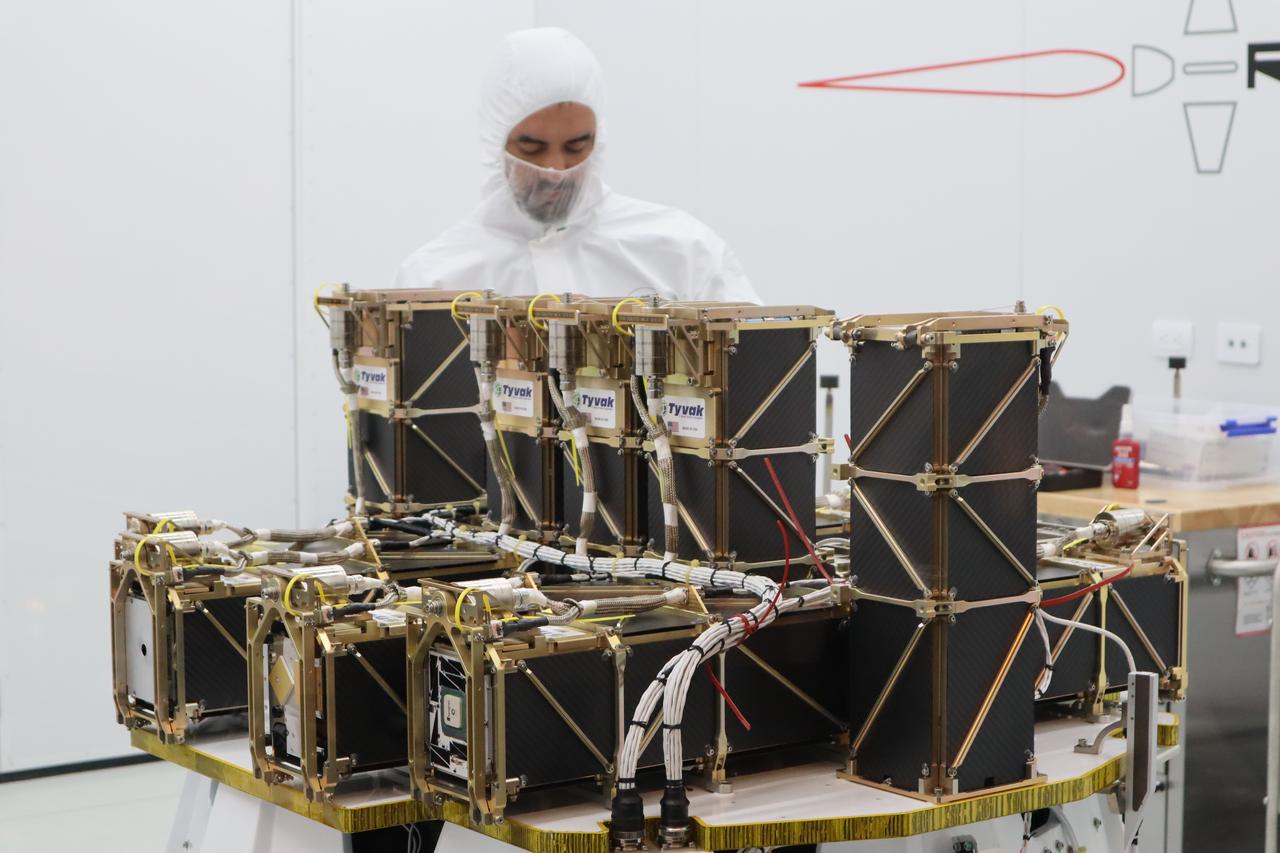
The Educational Launch of Nanosatellites 19 (ELaNa 19) payload is prepared to be encapsulated inside the Rocket Lab Electron rocket payload fairing on Dec. 1, 2018, at the company’s facility in New Zealand. The ELaNa 19 payload comprises 10 CubeSats selected through NASA’s CubeSat Launch Initiative. The liftoff marks the debut of the agency’s innovative Venture Class Launch Services (VCLS) effort. Managed by NASA’s Launch Services Program at Kennedy Space Center in Florida, VCLS was developed to offer small payloads dedicated rides to space.
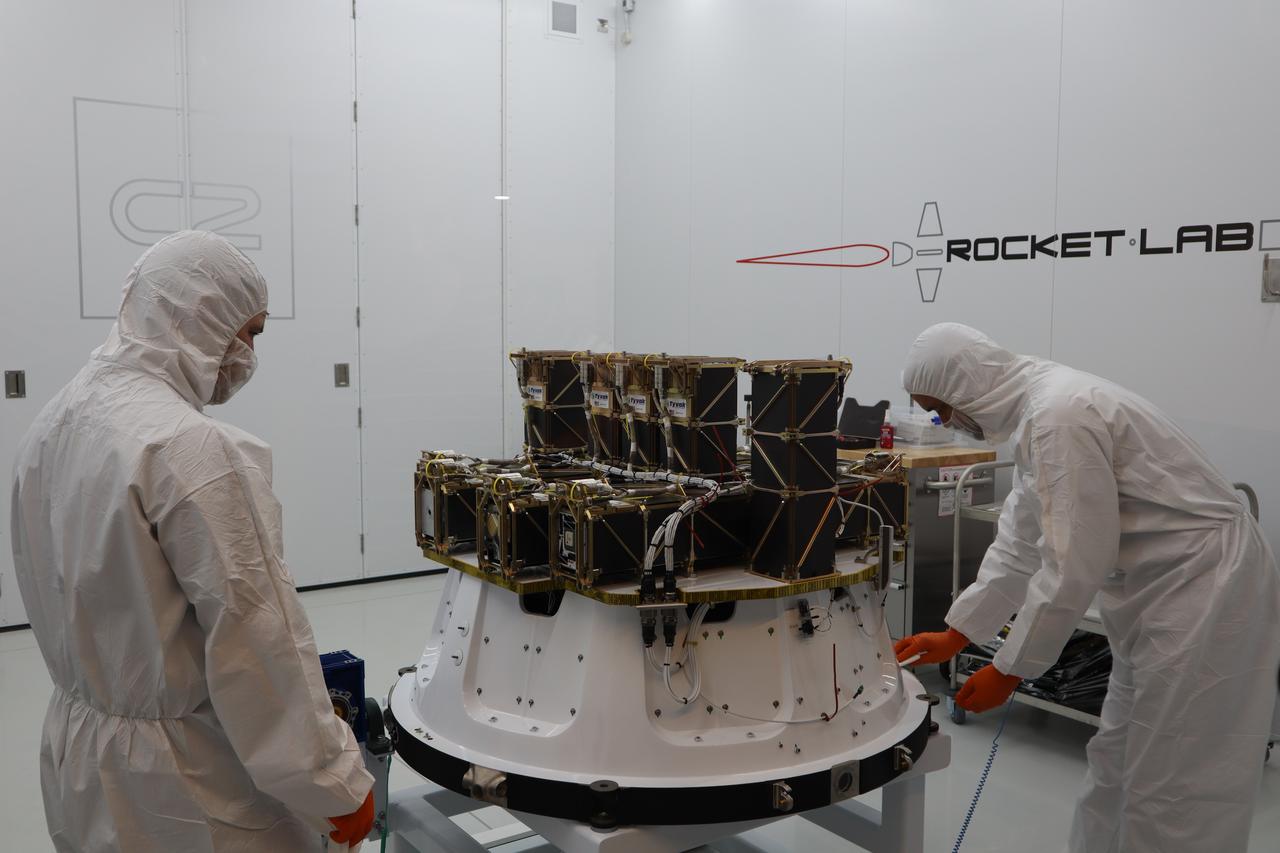
The Educational Launch of Nanosatellites 19 (ELaNa 19) payload is prepared to be encapsulated inside the Rocket Lab Electron rocket payload fairing on Dec. 1, 2018, at the company’s facility in New Zealand. The ELaNa 19 payload comprises 10 CubeSats selected through NASA’s CubeSat Launch Initiative. The liftoff marks the debut of the agency’s innovative Venture Class Launch Services (VCLS) effort. Managed by NASA’s Launch Services Program at Kennedy Space Center in Florida, VCLS was developed to offer small payloads dedicated rides to space.
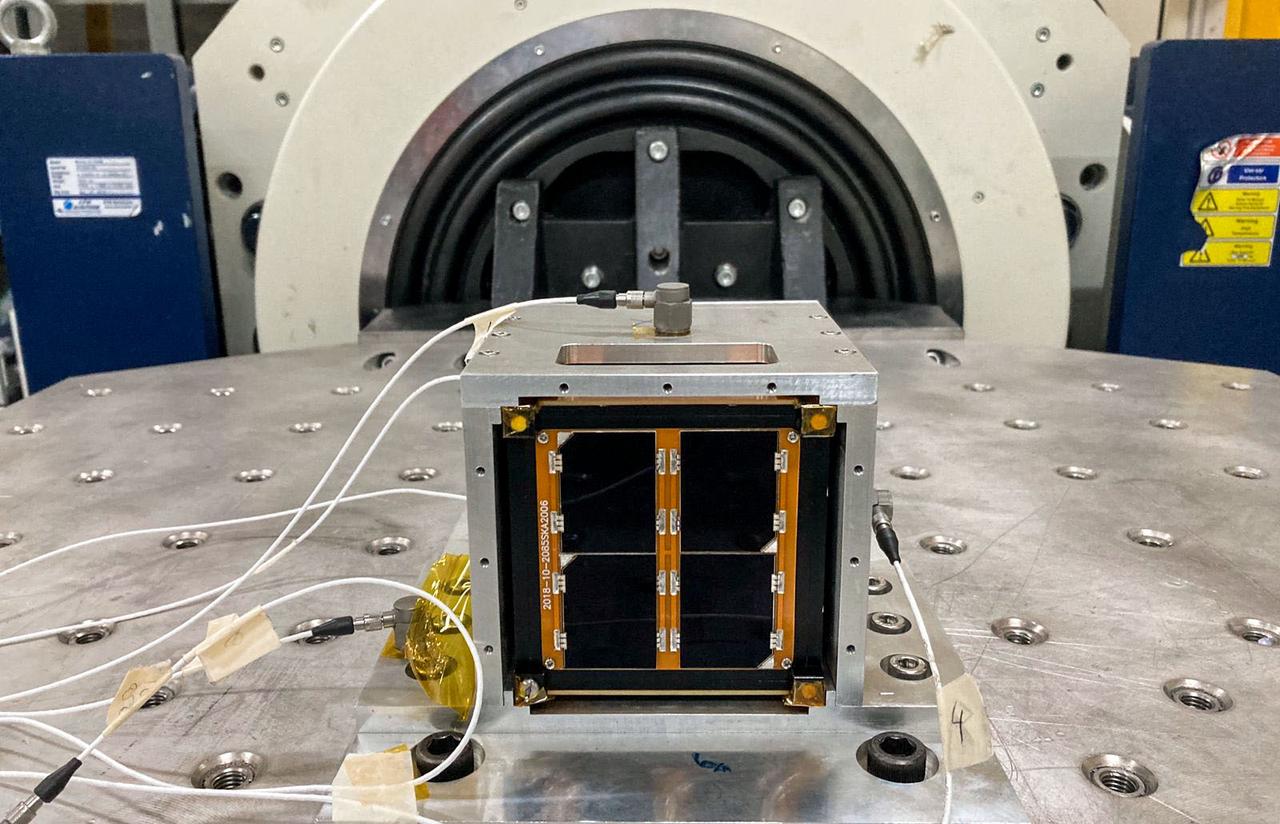
jsc2022e068265 (3/1/2022) --- A preflight view of the Surya Satellite-1 (SS-1) during Vibration Testing. The Surya Satellite-1 (SS-1) is the first Indonesian nanosatellite developed by university students at Surya University. SS-1 tests a satellite telecommunication system to serve amateur radio stations, and serves as a proof of concept of sensoric information transfer in rural areas for disaster mitigation application. Image Courtesy of The SS-1 Team.
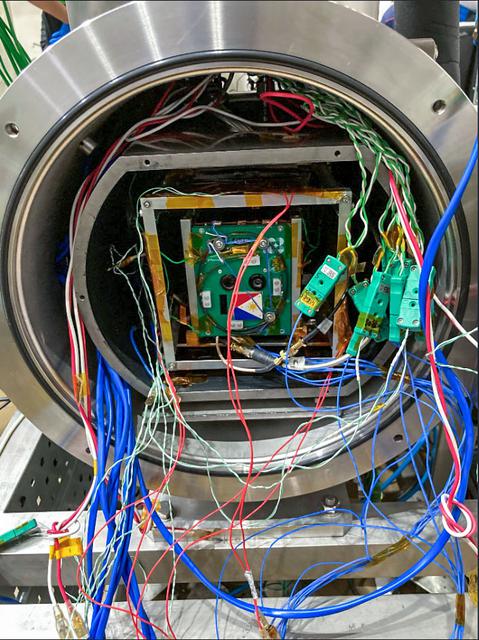
jsc2021e042551 (8/31/2021) --- Maya-3 and Maya-4 (Maya-3 in front) inside the Small Thermal Vacuum Chamber at the Center for Nanosatellite Testing, Kyushu Institute of Technology. The BIRDS-2S project consists of the Maya-3 and Maya-4 CubeSats, the first Philippine university-built cube satellites developed by eight graduate students under the Space science education and Technology Proliferation through University Partnerships (STeP-UP) Project.

jsc2022e068261 (11/1/2021) --- The Surya Satellite-1 and its developer team after Vibration Testing, shown left to right: Afiq, Roberto, Setra, Suhan, Hery, Zulfa. The Surya Satellite-1 (SS-1) is the first Indonesian nanosatellite developed by university students at Surya University. SS-1 tests a satellite telecommunication system to serve amateur radio stations, and serves as a proof of concept of sensoric information transfer in rural areas for disaster mitigation application. Image Courtesy of The SS-1 Team.
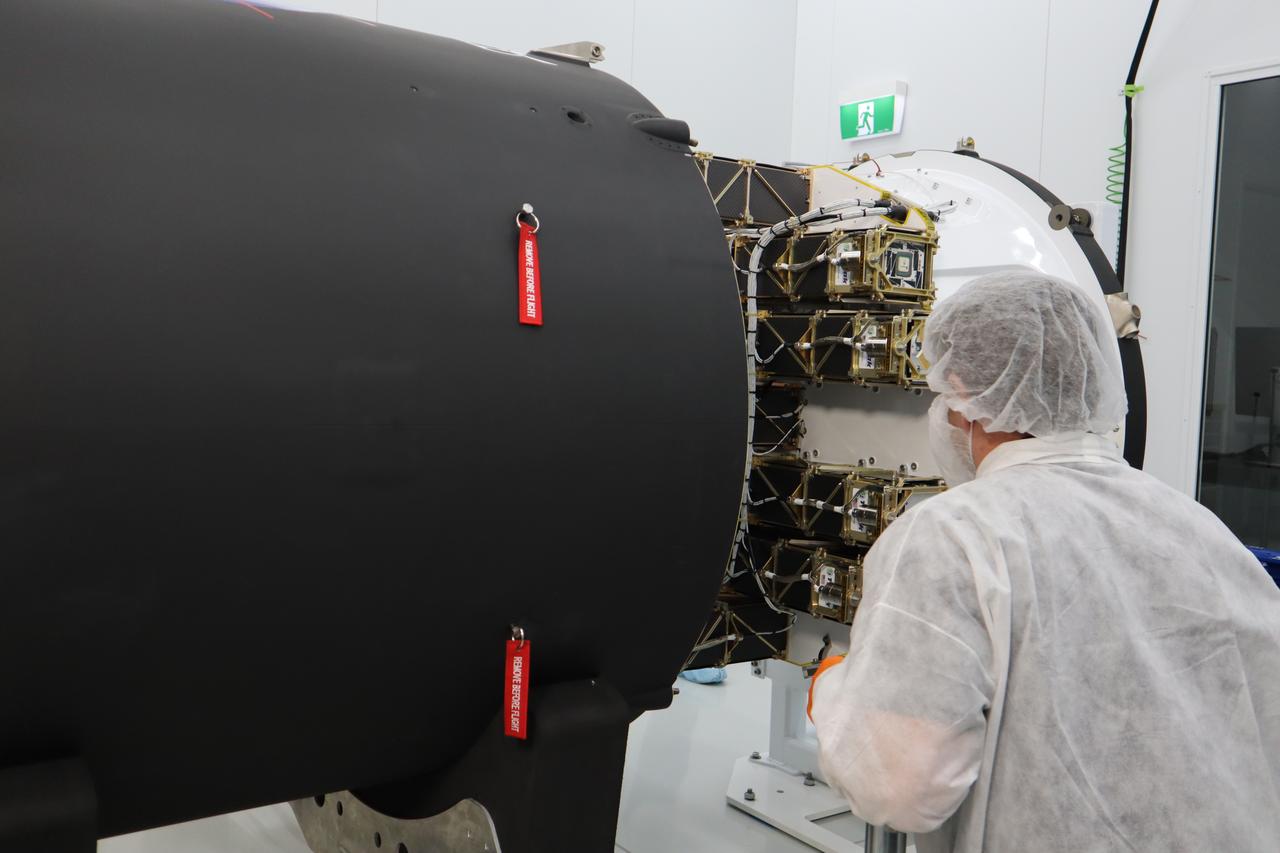
The Educational Launch of Nanosatellites 19 (ELaNa 19) payload is encapsulated inside the Rocket Lab Electron rocket payload fairing on Dec. 1, 2018, at the company’s facility in New Zealand. The ELaNa 19 payload comprises 10 CubeSats selected through NASA’s CubeSat Launch Initiative. The liftoff marks the debut of the agency’s innovative Venture Class Launch Services (VCLS) effort. Managed by NASA’s Launch Services Program at Kennedy Space Center in Florida, VCLS was developed to offer small payloads dedicated rides to space.
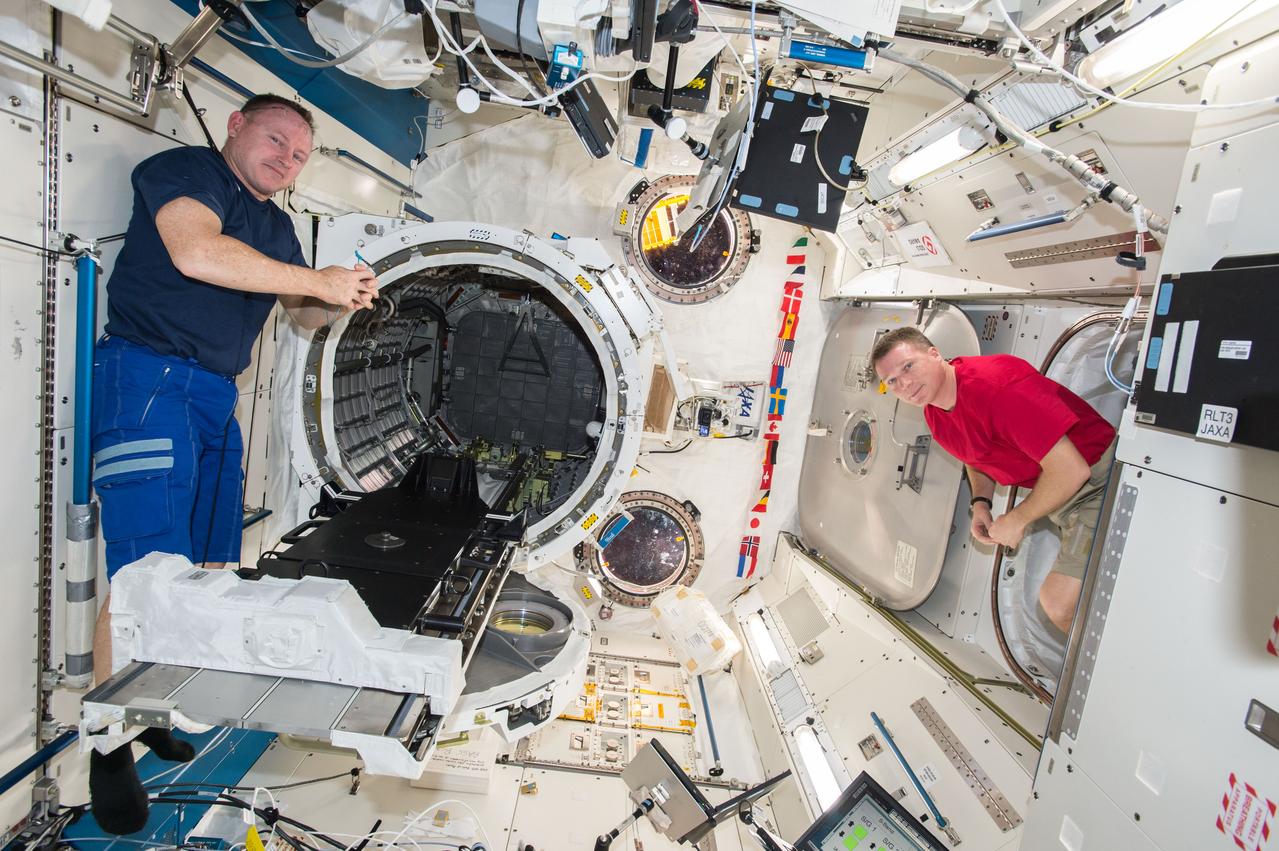
iss042e015971 (11/26/2011) --- NASA astronauts Barry Wilmore and Terry Virts are photographed during operations to install the Cyclops launch platform on the Japanese Experiment Module Airlock (JEMAL) slide table. The Cyclops platform, also known as the Space Station Integrated Kinetic Launcher for Orbital Payload Systems (SSIKLOPS), holds and ejects nanosatellites from outside the ISS.
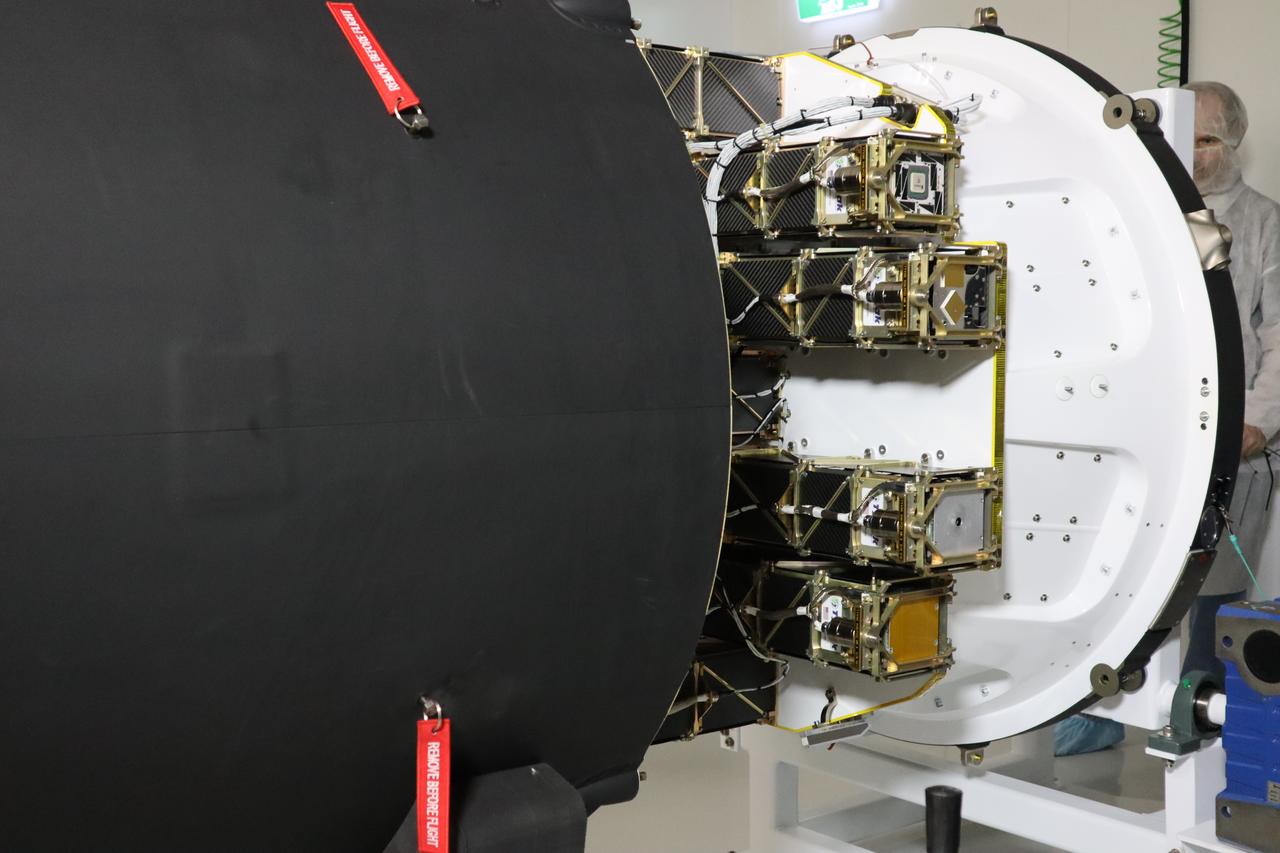
The Educational Launch of Nanosatellites 19 (ELaNa 19) payload is encapsulated inside the Rocket Lab Electron rocket payload fairing on Dec. 1, 2018, at the company’s facility in New Zealand. The ELaNa 19 payload comprises 10 CubeSats selected through NASA’s CubeSat Launch Initiative. The liftoff marks the debut of the agency’s innovative Venture Class Launch Services (VCLS) effort. Managed by NASA’s Launch Services Program at Kennedy Space Center in Florida, VCLS was developed to offer small payloads dedicated rides to space.
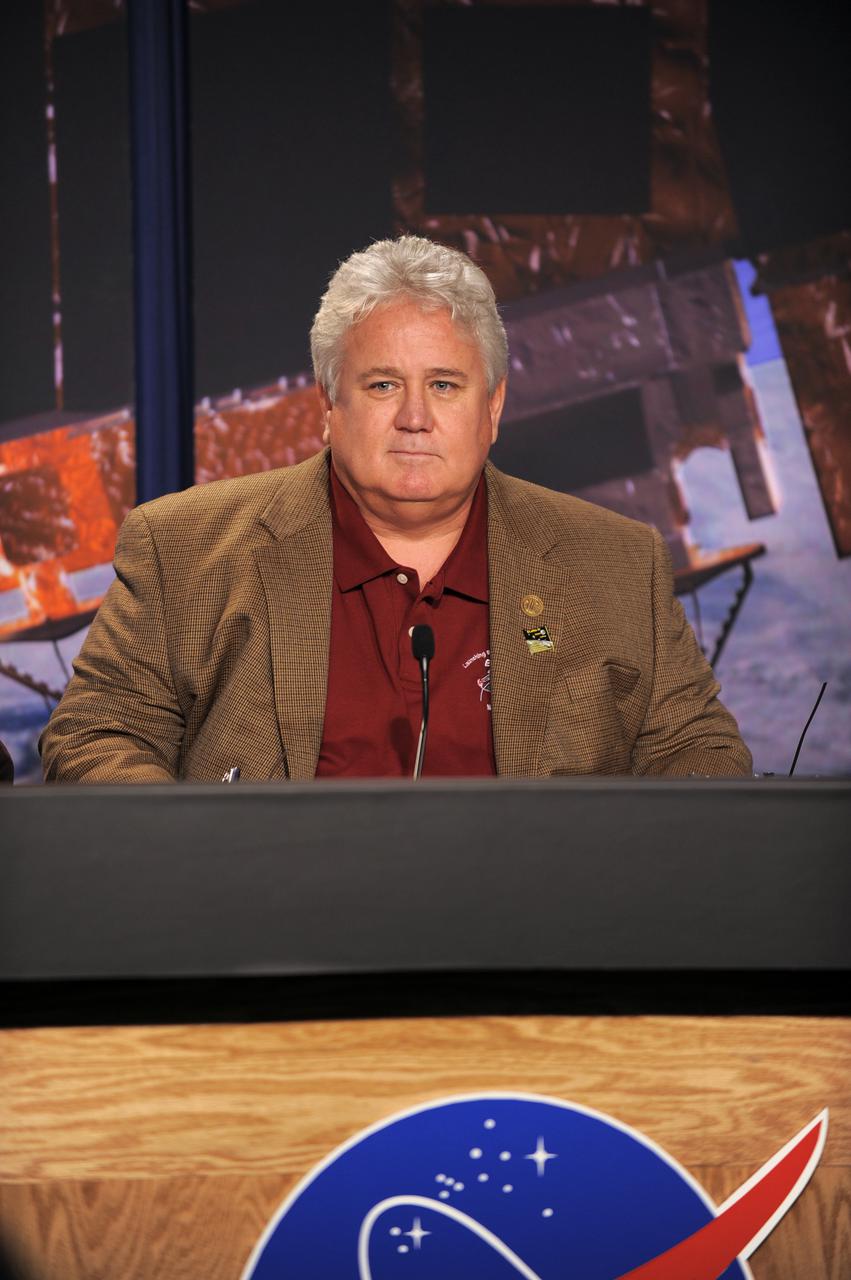
VANDENBERG AIR FORCE BASE, Calif. -- Garrett Skrobot, ELaNa mission manager, NASA Launch Services Program, Kennedy Space Center, Fla., participates in the prelaunch ELaNa briefing at Vandenberg Air Force Base, Calif. The five small 'CubeSat' research payloads that will be carried aboard the Delta II rocket during the NPP launch are the third in a series of NASA Educational Launch of Nanosatellite missions, known as ELaNa missions. Photo credit: NASA_VAFB
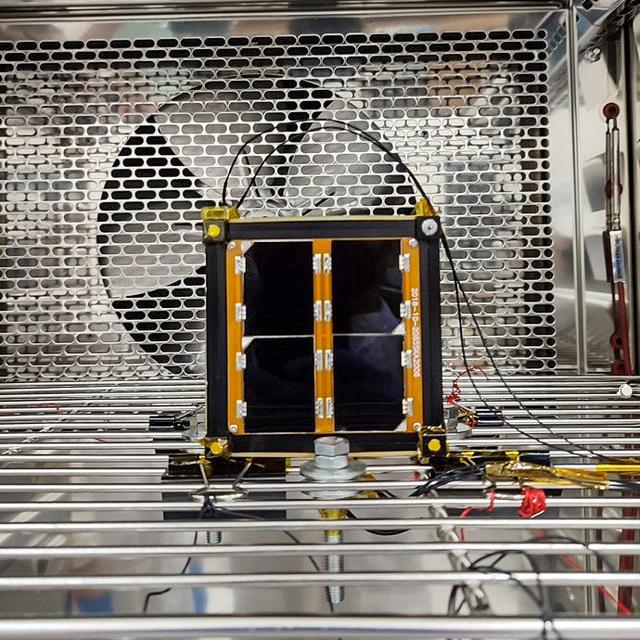
jsc2022e068264 (12/1/2021) --- A preflight view of the Surya Satellite-1 (SS-1) during Thermal Testing. The Surya Satellite-1 (SS-1) is the first Indonesian nanosatellite developed by university students at Surya University. SS-1 tests a satellite telecommunication system to serve amateur radio stations, and serves as a proof of concept of sensoric information transfer in rural areas for disaster mitigation application. Image Courtesy of The SS-1 Team.
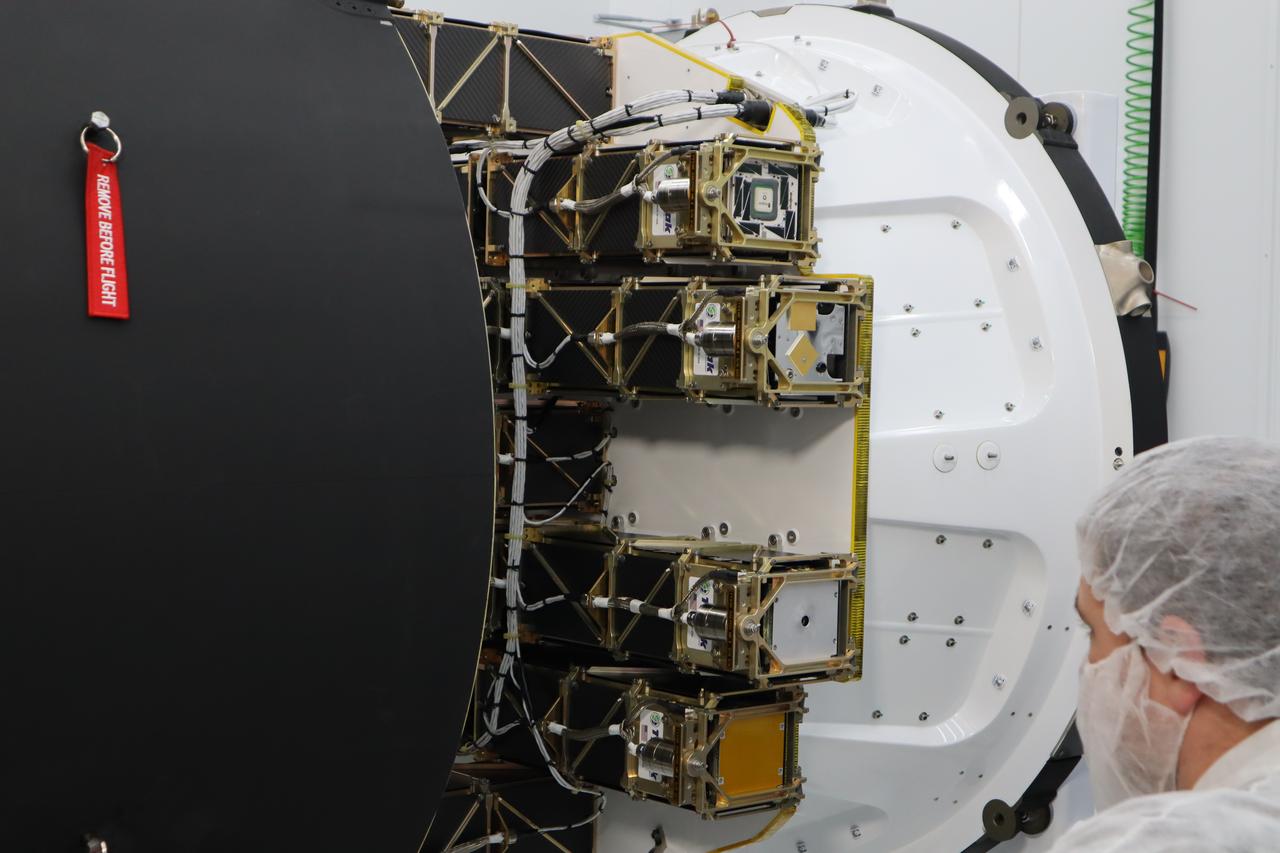
The Educational Launch of Nanosatellites 19 (ELaNa 19) payload is encapsulated inside the Rocket Lab Electron rocket payload fairing on Dec. 1, 2018, at the company’s facility in New Zealand. The ELaNa 19 payload comprises 10 CubeSats selected through NASA’s CubeSat Launch Initiative. The liftoff marks the debut of the agency’s innovative Venture Class Launch Services (VCLS) effort. Managed by NASA’s Launch Services Program at Kennedy Space Center in Florida, VCLS was developed to offer small payloads dedicated rides to space.
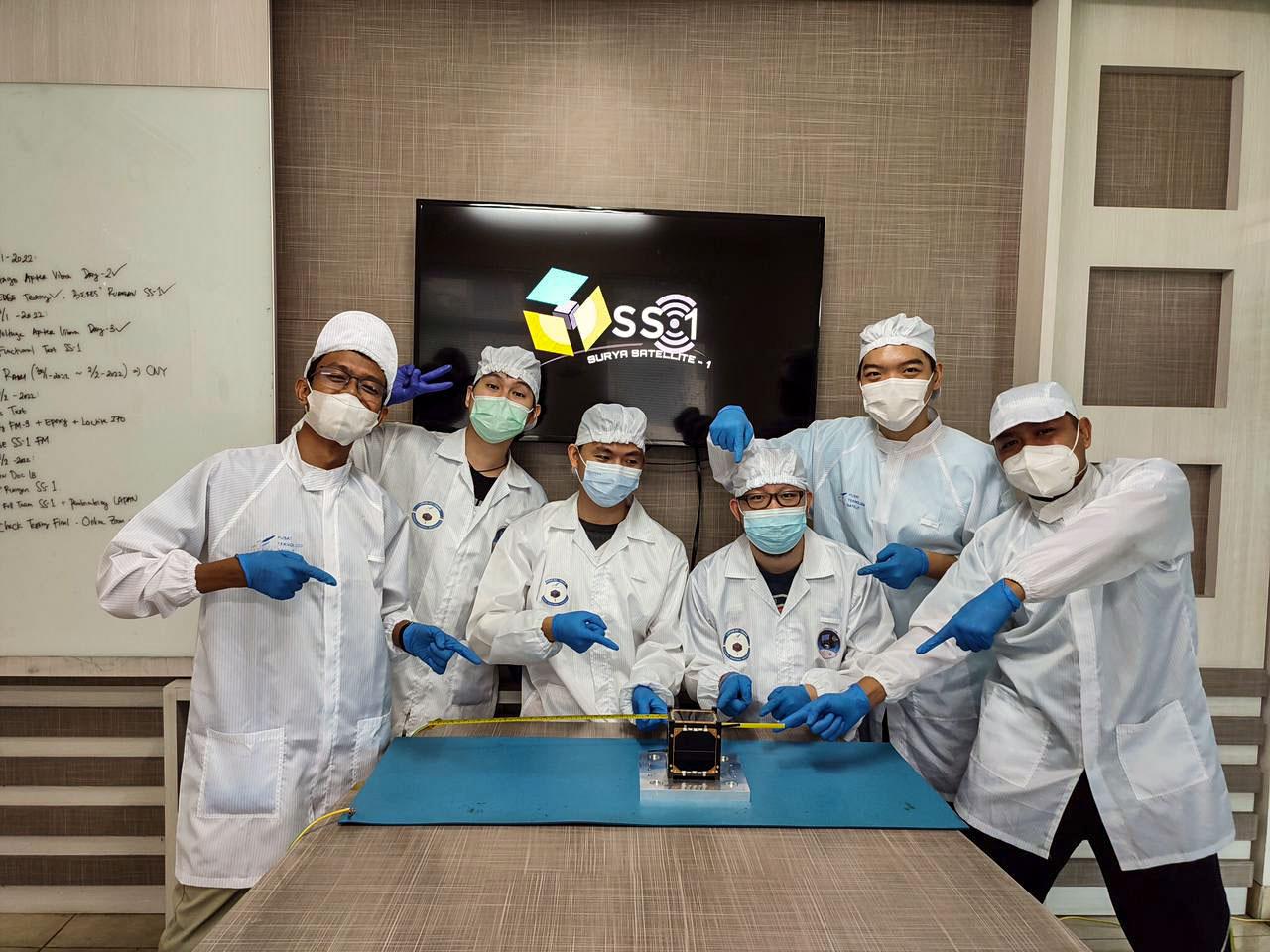
jsc2022e068260 (11/1/2021) --- The Surya Satellite-1 and its Developer Team After Deployment Testing, shown left to right: Zulfa, Hery, Setra, Roberto, Suhan, Afiq. The Surya Satellite-1 (SS-1) is the first Indonesian nanosatellite developed by university students at Surya University. SS-1 tests a satellite telecommunication system to serve amateur radio stations, and serves as a proof of concept of sensoric information transfer in rural areas for disaster mitigation application. Image Courtesy of The SS-1 Team.

The Educational Launch of Nanosatellites 19 (ELaNa 19) payload is prepared to be encapsulated inside the Rocket Lab Electron rocket payload fairing on Dec. 1, 2018, at the company’s facility in New Zealand. The ELaNa 19 payload comprises 10 CubeSats selected through NASA’s CubeSat Launch Initiative. The liftoff marks the debut of the agency’s innovative Venture Class Launch Services (VCLS) effort. Managed by NASA’s Launch Services Program at Kennedy Space Center in Florida, VCLS was developed to offer small payloads dedicated rides to space.
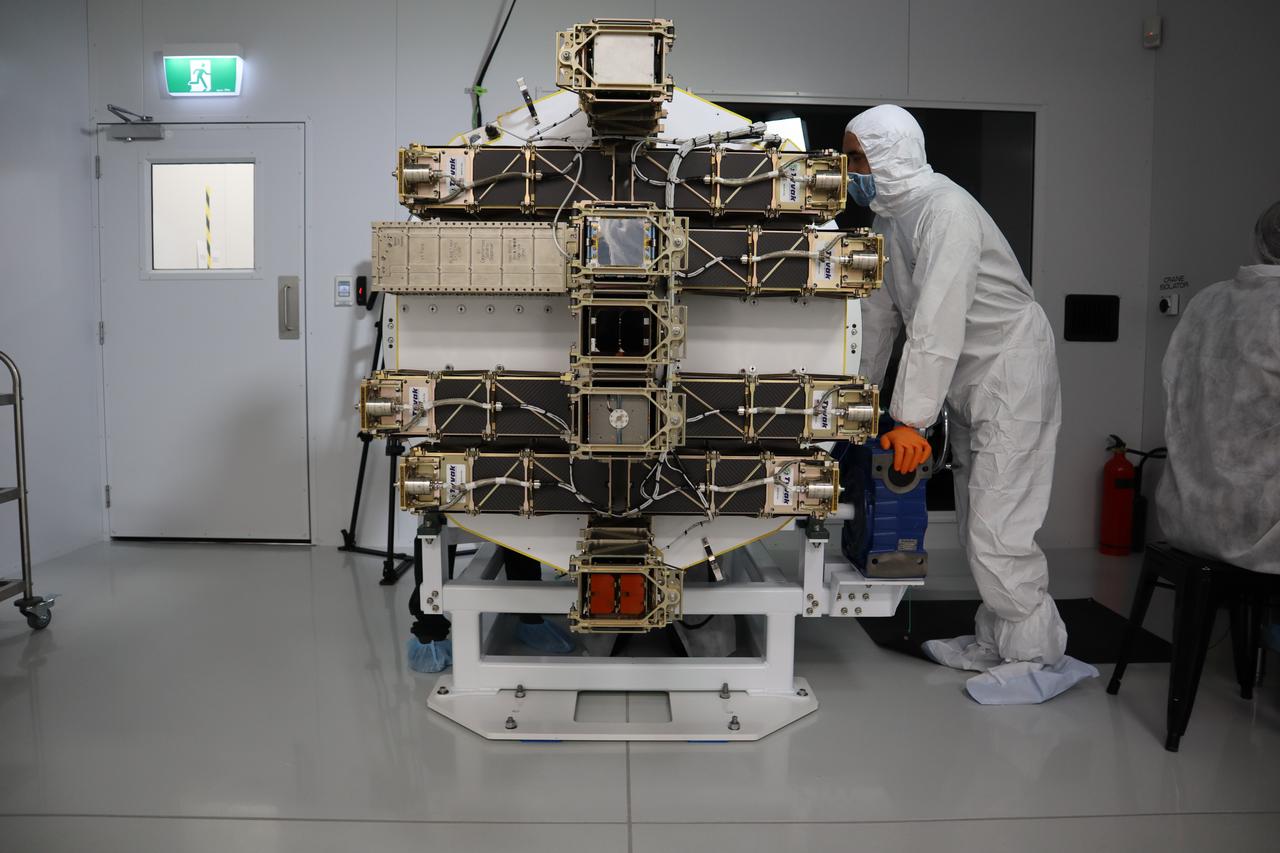
The Educational Launch of Nanosatellites 19 (ELaNa 19) payload has been encapsulated inside the Rocket Lab Electron rocket payload fairing on Dec. 1, 2018, at the company’s facility in New Zealand. The ELaNa 19 payload comprises 10 CubeSats selected through NASA’s CubeSat Launch Initiative. The liftoff marks the debut of the agency’s innovative Venture Class Launch Services (VCLS) effort. Managed by NASA’s Launch Services Program at Kennedy Space Center in Florida, VCLS was developed to offer small payloads dedicated rides to space.
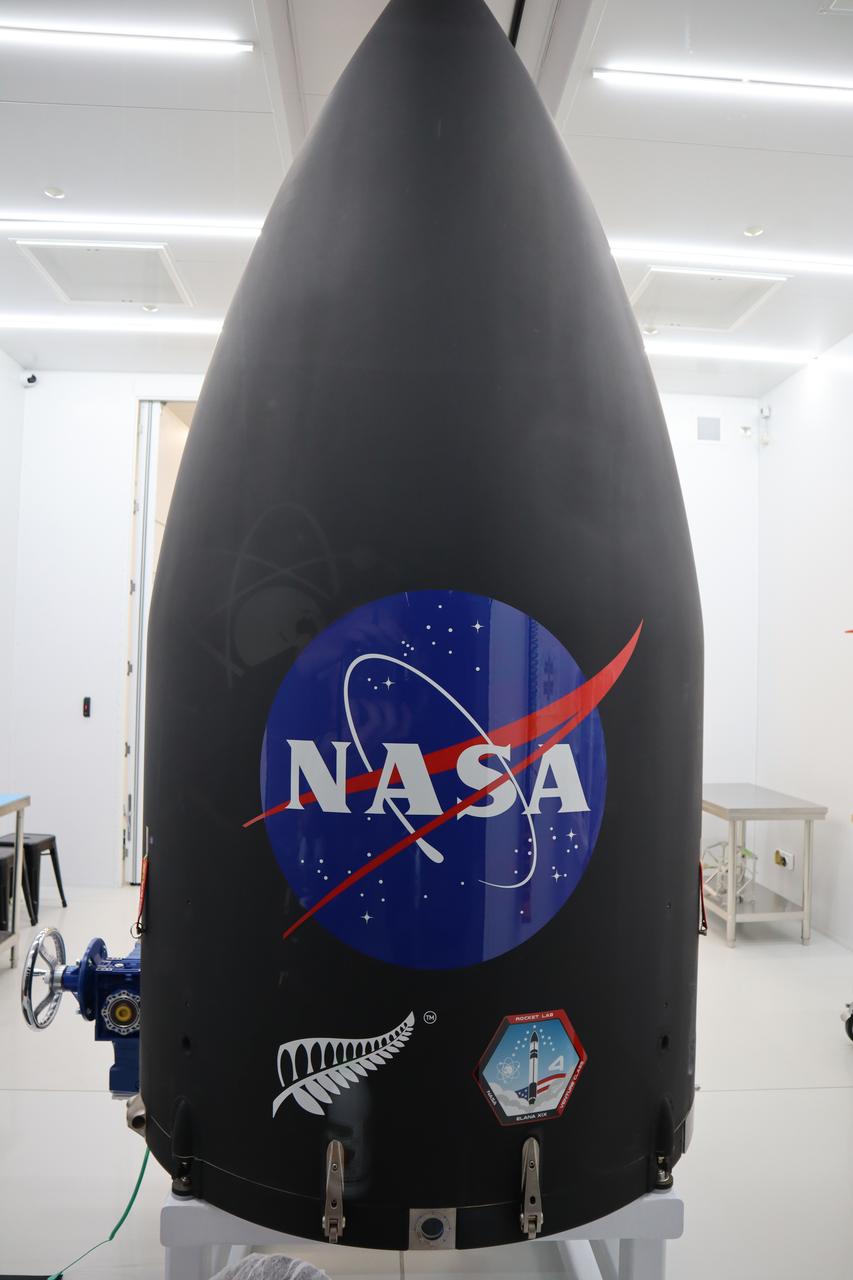
The Educational Launch of Nanosatellites 19 (ELaNa 19) payload has been encapsulated inside the Rocket Lab Electron rocket payload fairing on Dec. 1, 2018, at the company’s facility in New Zealand. The ELaNa 19 payload comprises 10 CubeSats selected through NASA’s CubeSat Launch Initiative. The liftoff marks the debut of the agency’s innovative Venture Class Launch Services (VCLS) effort. Managed by NASA’s Launch Services Program at Kennedy Space Center in Florida, VCLS was developed to offer small payloads dedicated rides to space.
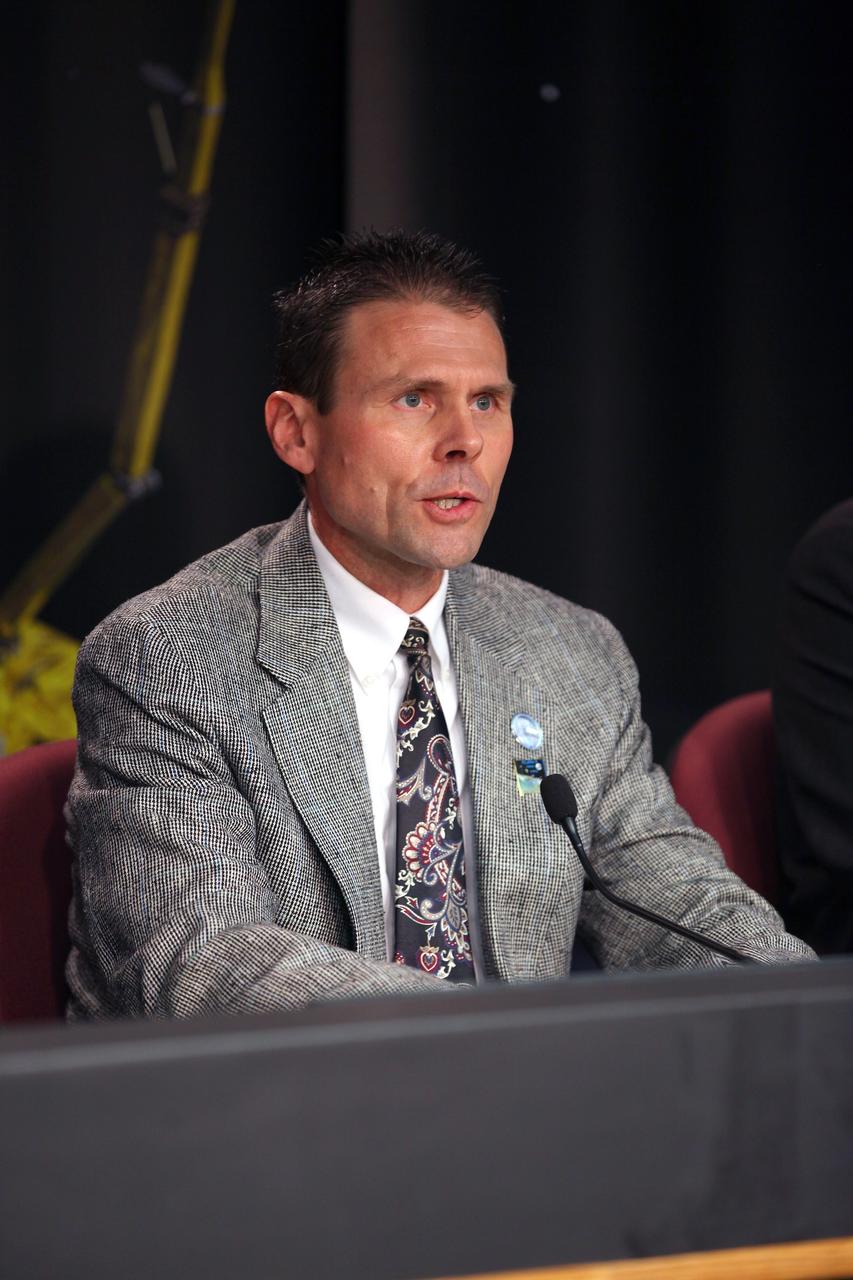
VANDENBERG AIR FORCE BASE, Calif. – Scott Higginbotham, NASA mission manager for Educational Launch of Nanosatellites, or ELaNa-X, at the Kennedy Space Center in Florida, participates in a news conference at Vandenberg Air Force Base in California, following NASA's successful launch of the Soil Moisture Active Passive satellite, or SMAP, on its mission to study the Earth's soil moisture. To learn more about ELaNa, visit http://www.nasa.gov/mission_pages/smallsats/elana. Photo credit: NASA/Kim Shiflett
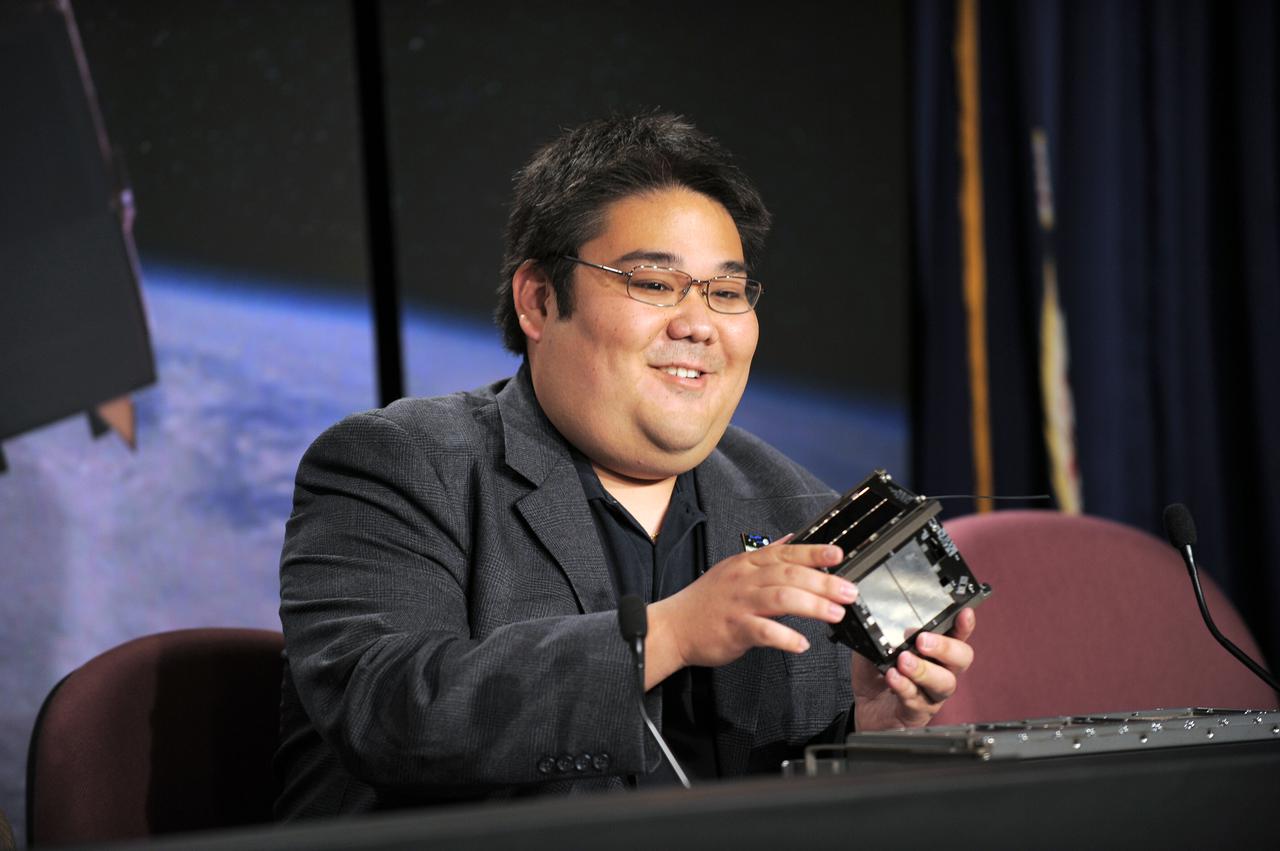
VANDENBERG AIR FORCE BASE, Calif. -- Roland Coelho, program lead, California Polytechnic State University, San Luis Obispo, Calif., participates in the prelaunch ELaNa briefing at Vandenberg Air Force Base, Calif. The five small 'CubeSat' research payloads that will be carried aboard the Delta II rocket during the NPP launch are the third in a series of NASA Educational Launch of Nanosatellite missions, known as ELaNa missions. Photo credit: NASA_VAFB
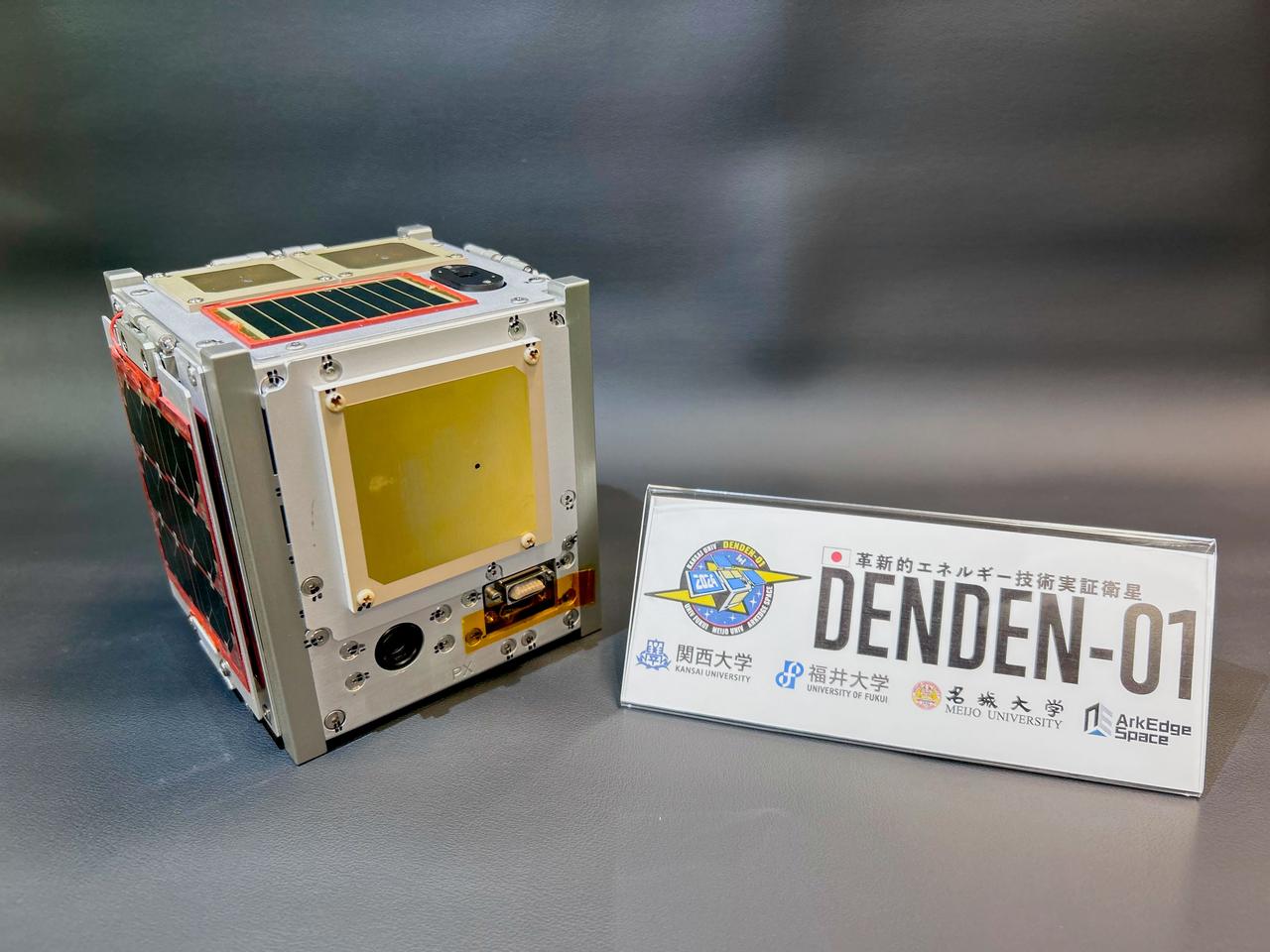
jsc2024e081746 (6/1/2024) --- Preflight imagery of the DENDEN-01 Flight Model, developed by Kansai University in collaboration with University of Fukui, Meijo University, and ArkEdge Space, Inc. DENDEN-01 CubeSat is deployed as part of the JEM Small Satellite Orbital Deployer-30 (J-SSOD-30) CubeSat deployment mission and demonstrates novel power technologies for future nanosatellites, as well as a small hyperspectral camera. Image courtesy of Kansai University.
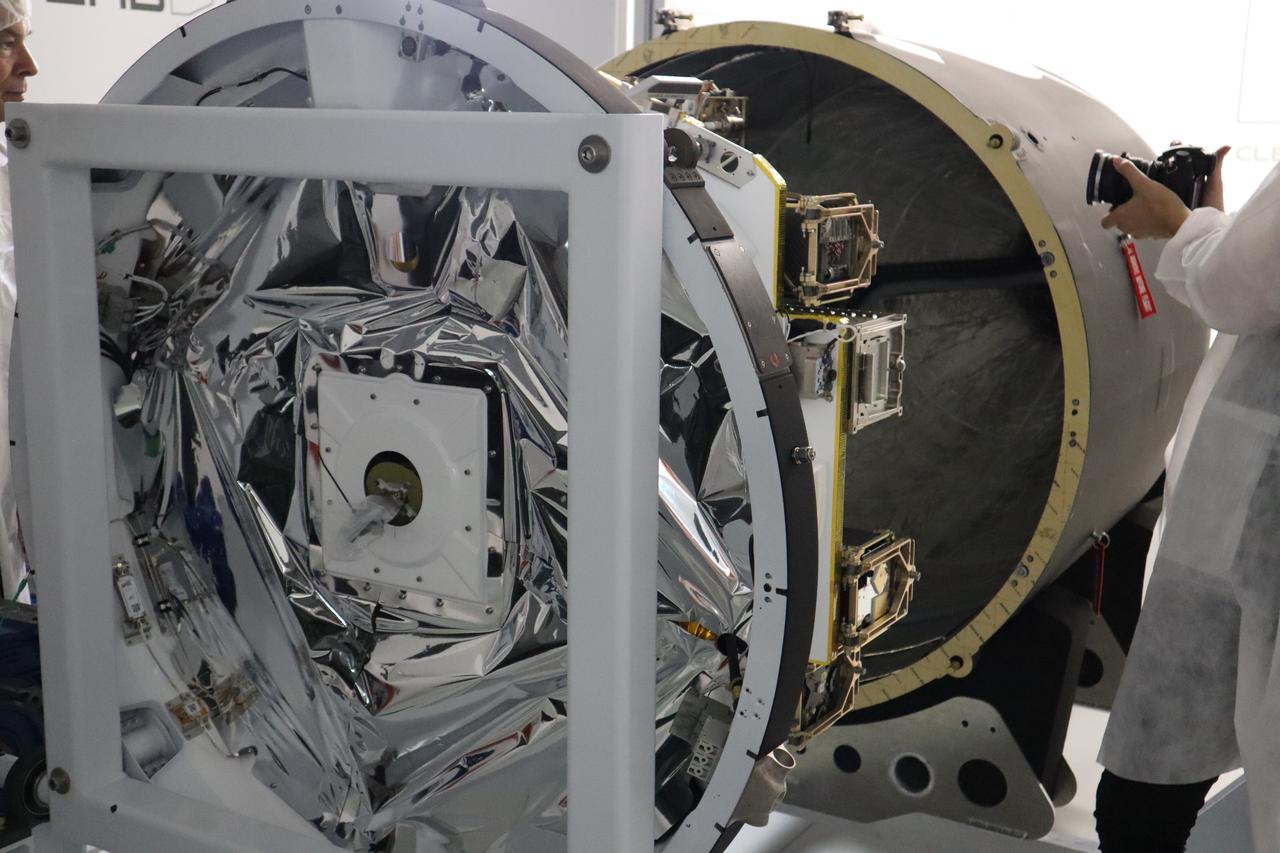
The Educational Launch of Nanosatellites 19 (ELaNa 19) payload is encapsulated inside the Rocket Lab Electron rocket payload fairing on Dec. 1, 2018, at the company’s facility in New Zealand. The ELaNa 19 payload comprises 10 CubeSats selected through NASA’s CubeSat Launch Initiative. The liftoff marks the debut of the agency’s innovative Venture Class Launch Services (VCLS) effort. Managed by NASA’s Launch Services Program at Kennedy Space Center in Florida, VCLS was developed to offer small payloads dedicated rides to space.
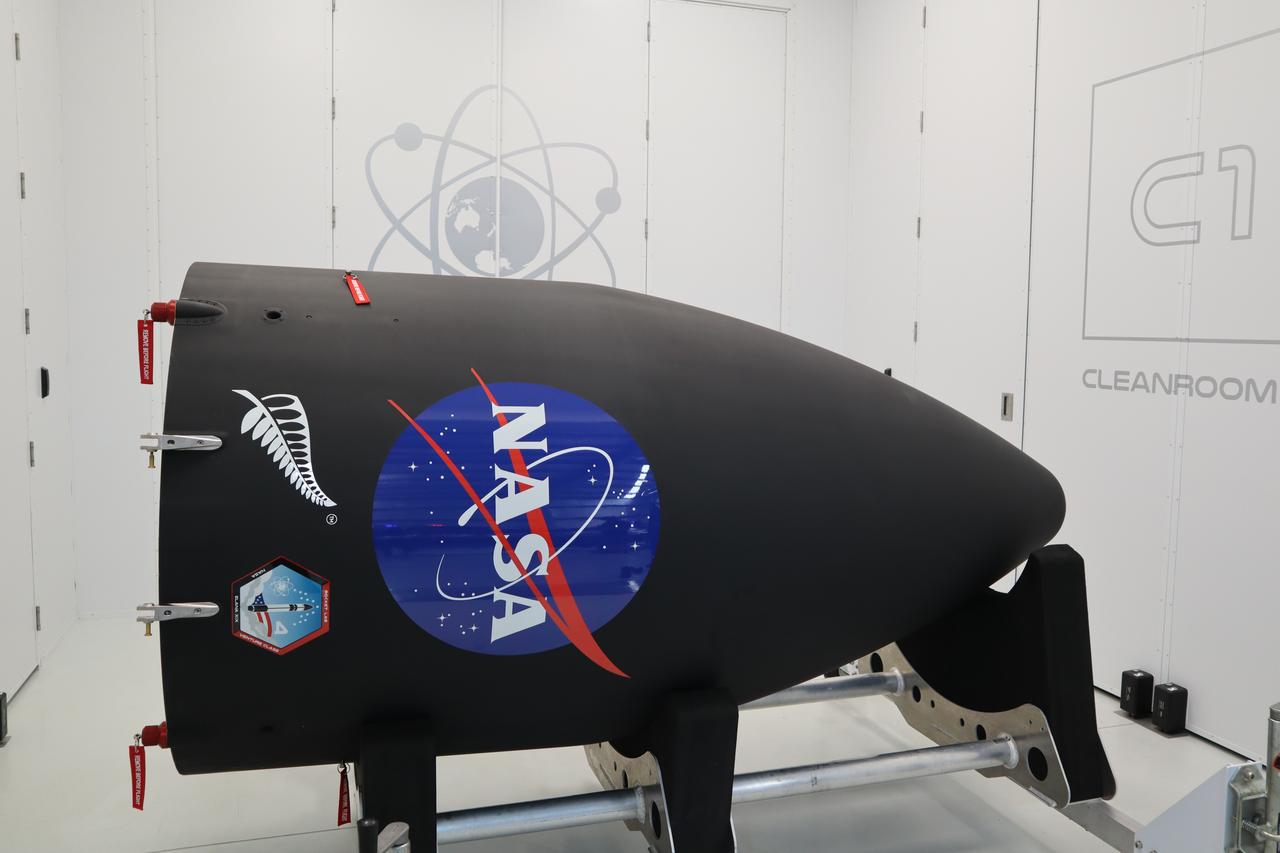
The Educational Launch of Nanosatellites 19 (ELaNa 19) payload has been encapsulated inside the Rocket Lab Electron rocket payload fairing on Dec. 1, 2018, at the company’s facility in New Zealand. The ELaNa 19 payload comprises 10 CubeSats selected through NASA’s CubeSat Launch Initiative. The liftoff marks the debut of the agency’s innovative Venture Class Launch Services (VCLS) effort. Managed by NASA’s Launch Services Program at Kennedy Space Center in Florida, VCLS was developed to offer small payloads dedicated rides to space.
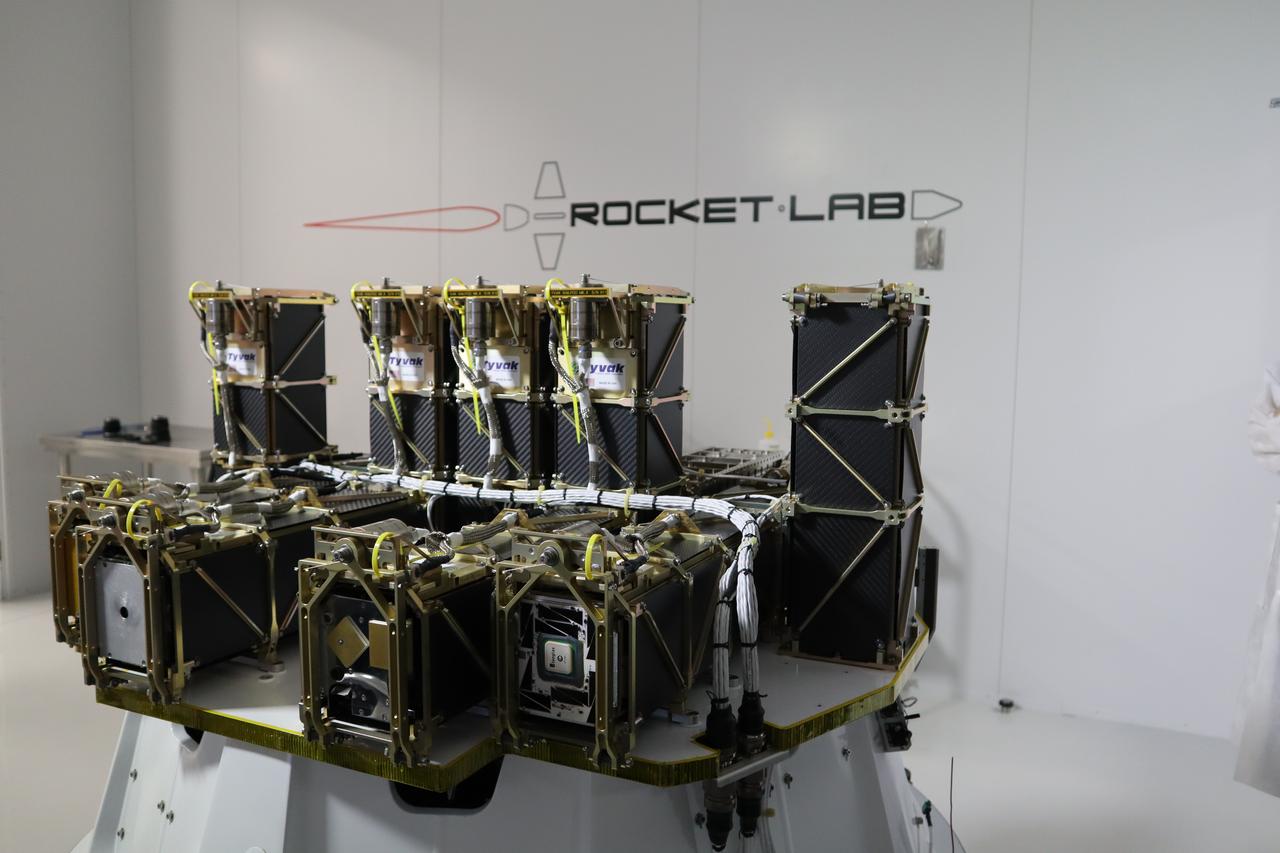
The Educational Launch of Nanosatellites 19 (ELaNa 19) payload has been encapsulated inside the Rocket Lab Electron rocket payload fairing on Dec. 1, 2018, at the company’s facility in New Zealand. The ELaNa 19 payload comprises 10 CubeSats selected through NASA’s CubeSat Launch Initiative. The liftoff marks the debut of the agency’s innovative Venture Class Launch Services (VCLS) effort. Managed by NASA’s Launch Services Program at Kennedy Space Center in Florida, VCLS was developed to offer small payloads dedicated rides to space.
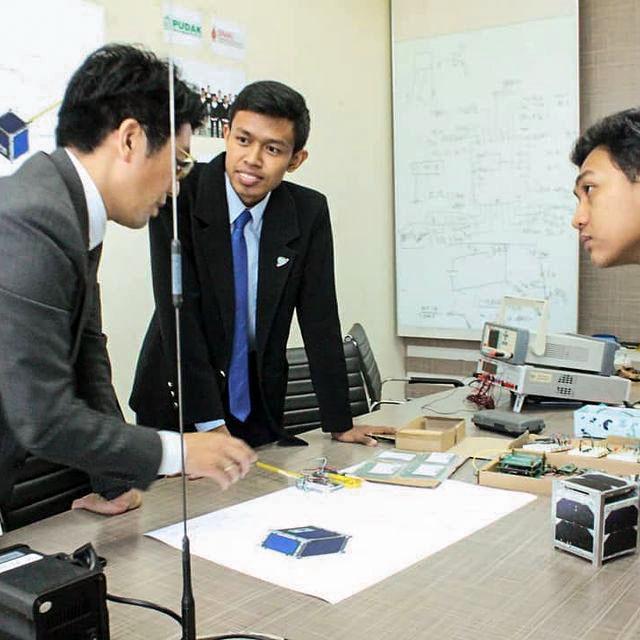
jsc2022e068262 (5/1/2022) --- A view of the SS-1 Team during the JAXA Safety Review. The Surya Satellite-1 (SS-1) is the first Indonesian nanosatellite developed by university students at Surya University. SS-1 tests a satellite telecommunication system to serve amateur radio stations, and serves as a proof of concept of sensoric information transfer in rural areas for disaster mitigation application. Image Courtesy of The SS-1 Team.
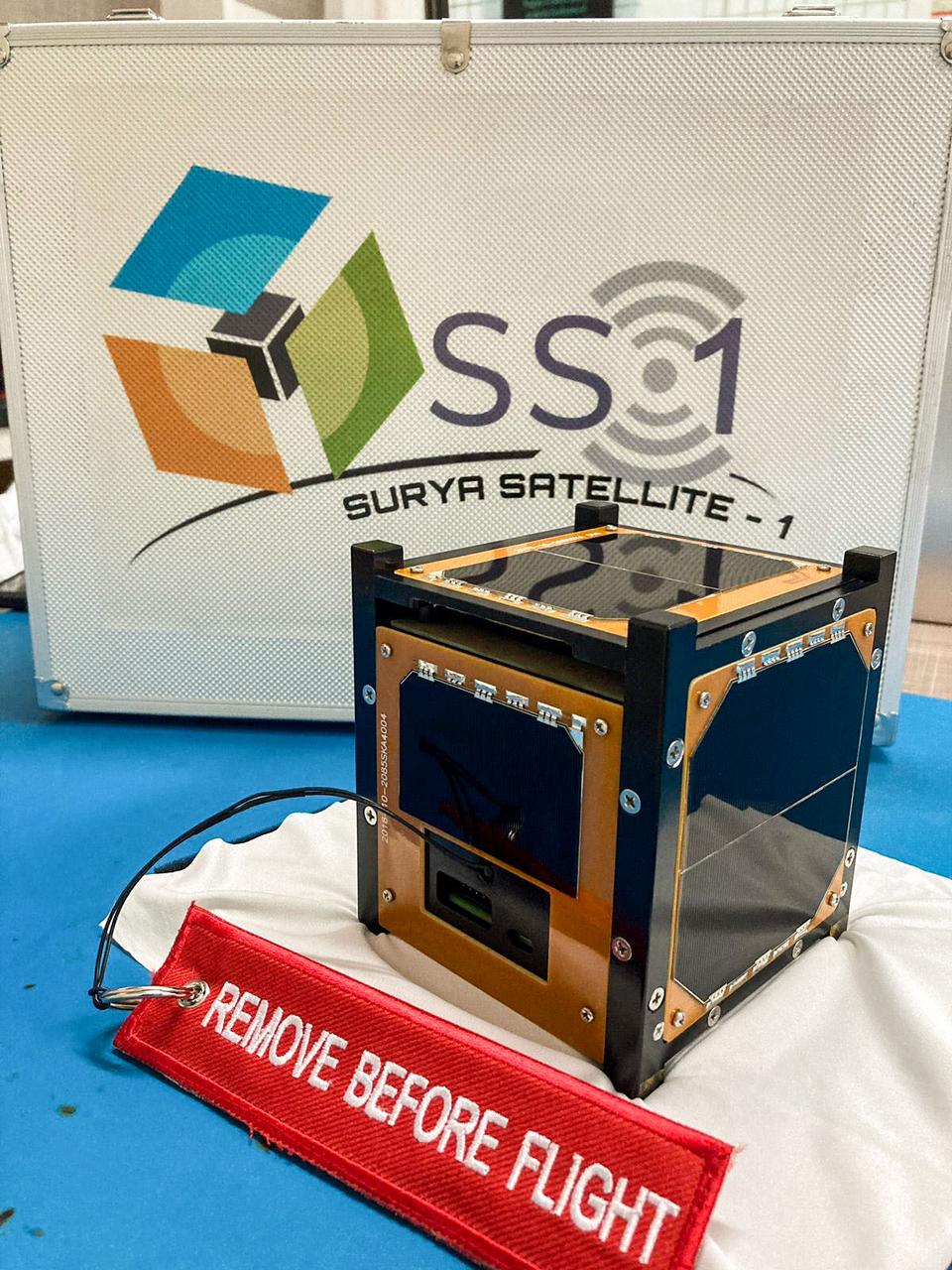
jsc2022e068263 (5/1/2022) --- A preflight view of the Surya Satellite-1 (SS-1) Flight Model. The Surya Satellite-1 (SS-1) is the first Indonesian nanosatellite developed by university students at Surya University. SS-1 tests a satellite telecommunication system to serve amateur radio stations, and serves as a proof of concept of sensoric information transfer in rural areas for disaster mitigation application. Image Courtesy of The SS-1 Team.
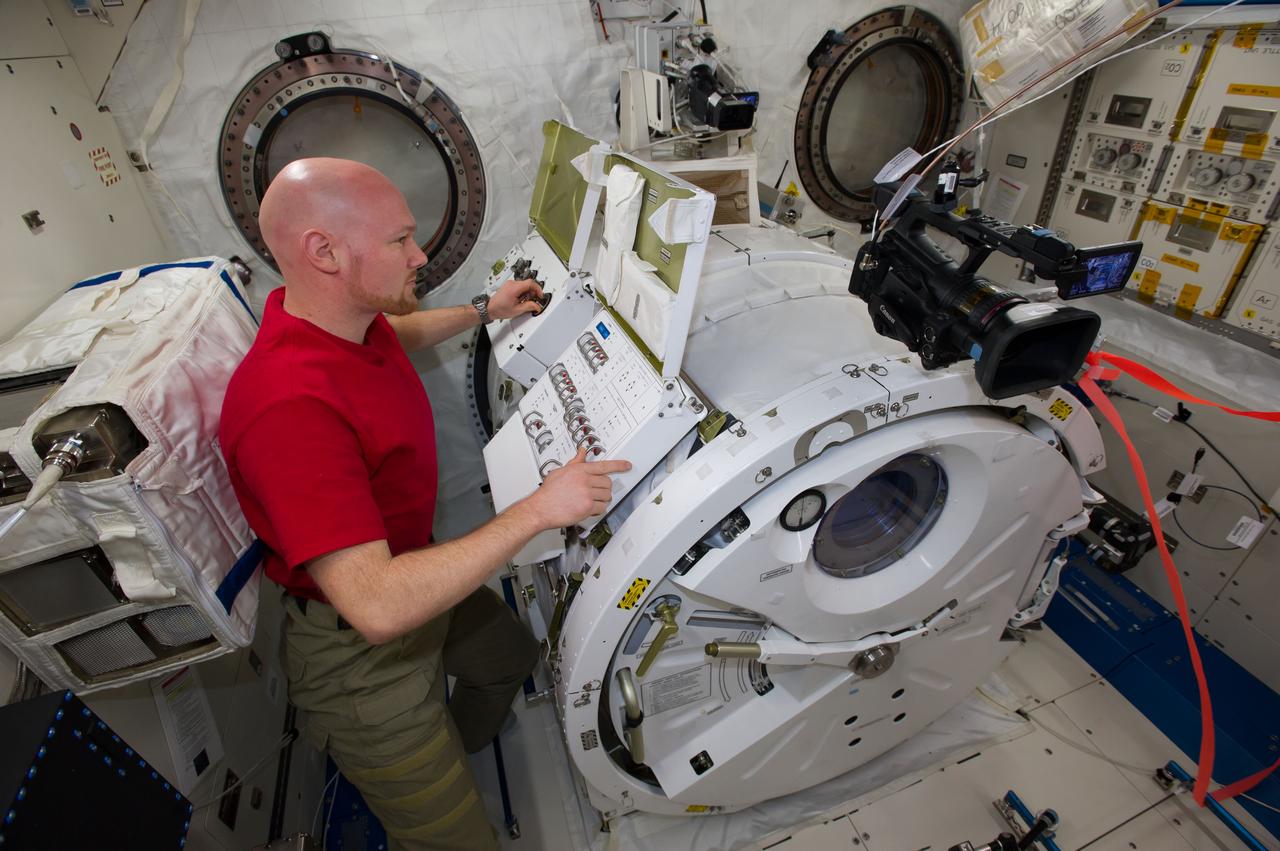
ISS040-E-096122 (18 Aug. 2014) --- In the International Space Station?s Kibo laboratory, European Space Agency astronaut Alexander Gerst, Expedition 40 flight engineer, depressurizes the Kibo airlock in preparation for a series of NanoRacks CubeSat miniature satellite deployments. The first two pairs of nanosatellites are scheduled for deployment on Aug. 19. The Planet Labs Dove satellites that were carried to the station aboard the Orbital Sciences Cygnus commercial cargo craft are being deployed between Aug. 19 and Aug. 25.
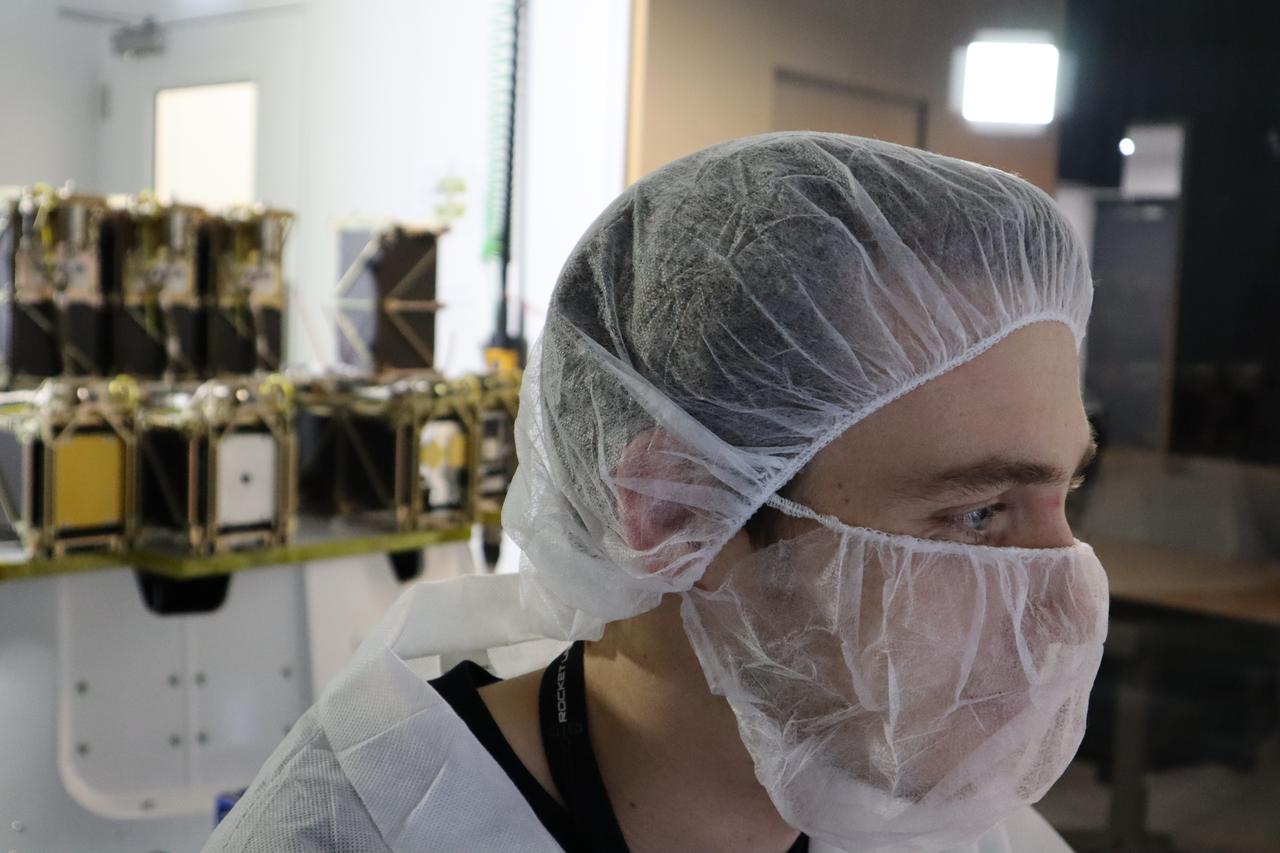
The Educational Launch of Nanosatellites 19 (ELaNa 19) payload is prepared to be encapsulated inside the Rocket Lab Electron rocket payload fairing on Dec. 1, 2018, at the company’s facility in New Zealand. The ELaNa 19 payload comprises 10 CubeSats selected through NASA’s CubeSat Launch Initiative. The liftoff marks the debut of the agency’s innovative Venture Class Launch Services (VCLS) effort. Managed by NASA’s Launch Services Program at Kennedy Space Center in Florida, VCLS was developed to offer small payloads dedicated rides to space.
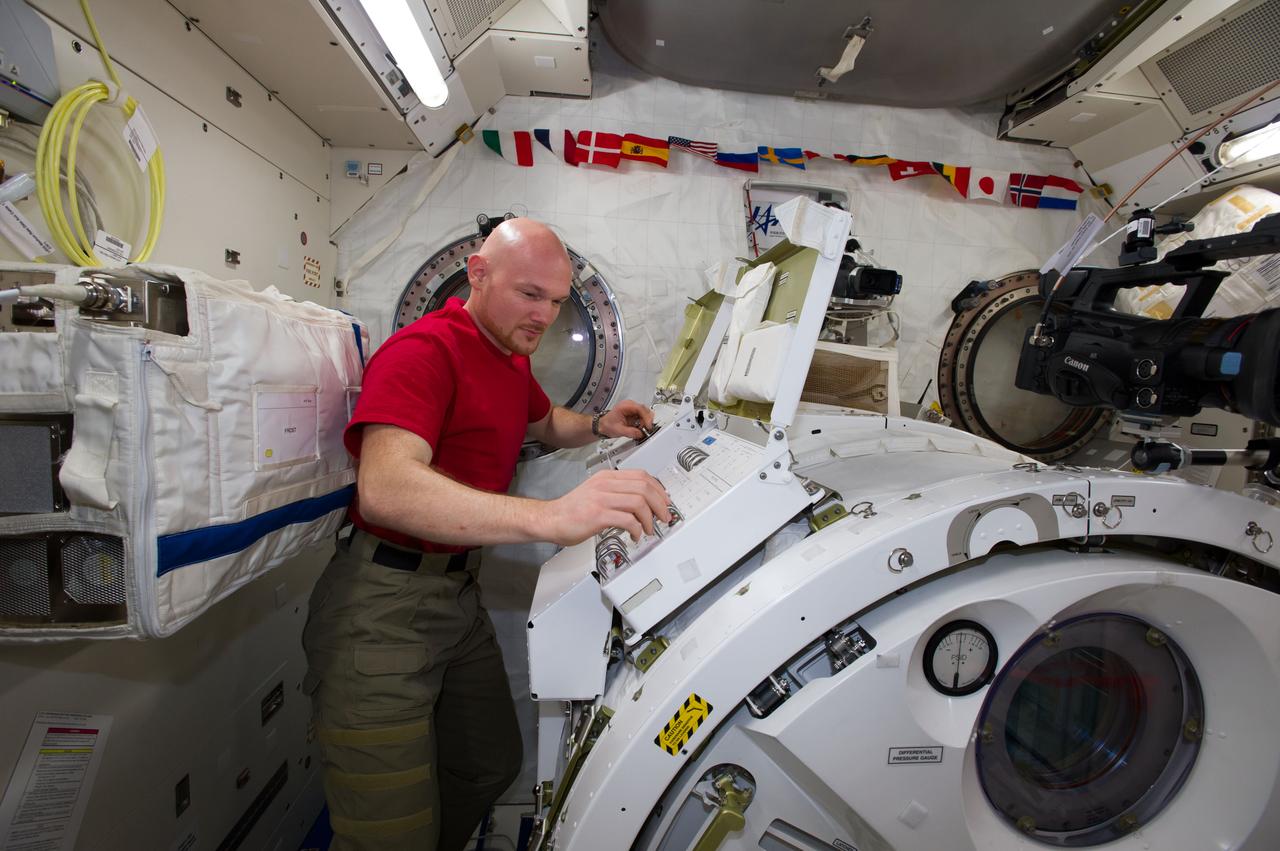
ISS040-E-096126 (18 Aug. 2014) --- In the International Space Station?s Kibo laboratory, European Space Agency astronaut Alexander Gerst, Expedition 40 flight engineer, depressurizes the Kibo airlock in preparation for a series of NanoRacks CubeSat miniature satellite deployments. The first two pairs of nanosatellites are scheduled for deployment on Aug. 19. The Planet Labs Dove satellites that were carried to the station aboard the Orbital Sciences Cygnus commercial cargo craft are being deployed between Aug. 19 and Aug. 25.
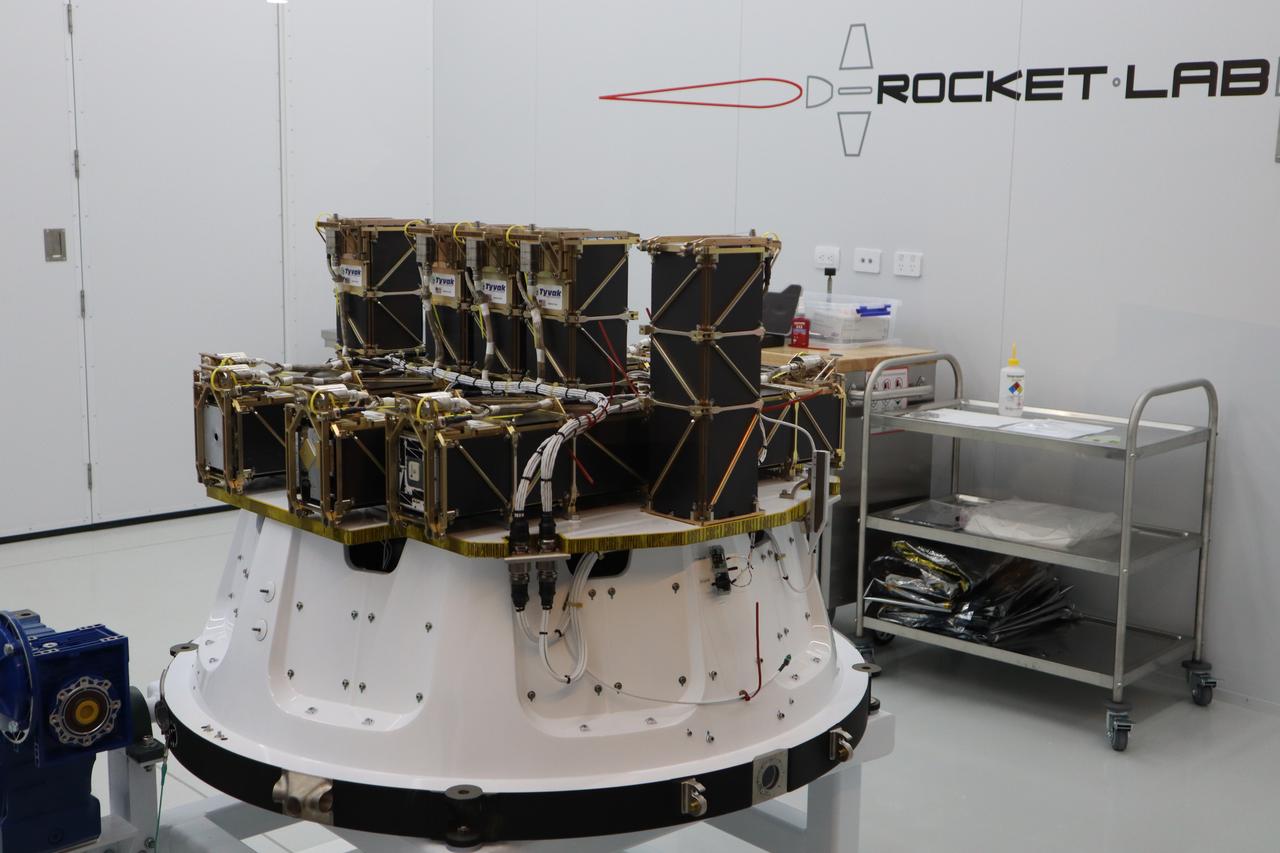
The Educational Launch of Nanosatellites 19 (ELaNa 19) payload is prepared to be encapsulated inside the Rocket Lab Electron rocket payload fairing on Dec. 1, 2018, at the company’s facility in New Zealand. The ELaNa 19 payload comprises 10 CubeSats selected through NASA’s CubeSat Launch Initiative. The liftoff marks the debut of the agency’s innovative Venture Class Launch Services (VCLS) effort. Managed by NASA’s Launch Services Program at Kennedy Space Center in Florida, VCLS was developed to offer small payloads dedicated rides to space.
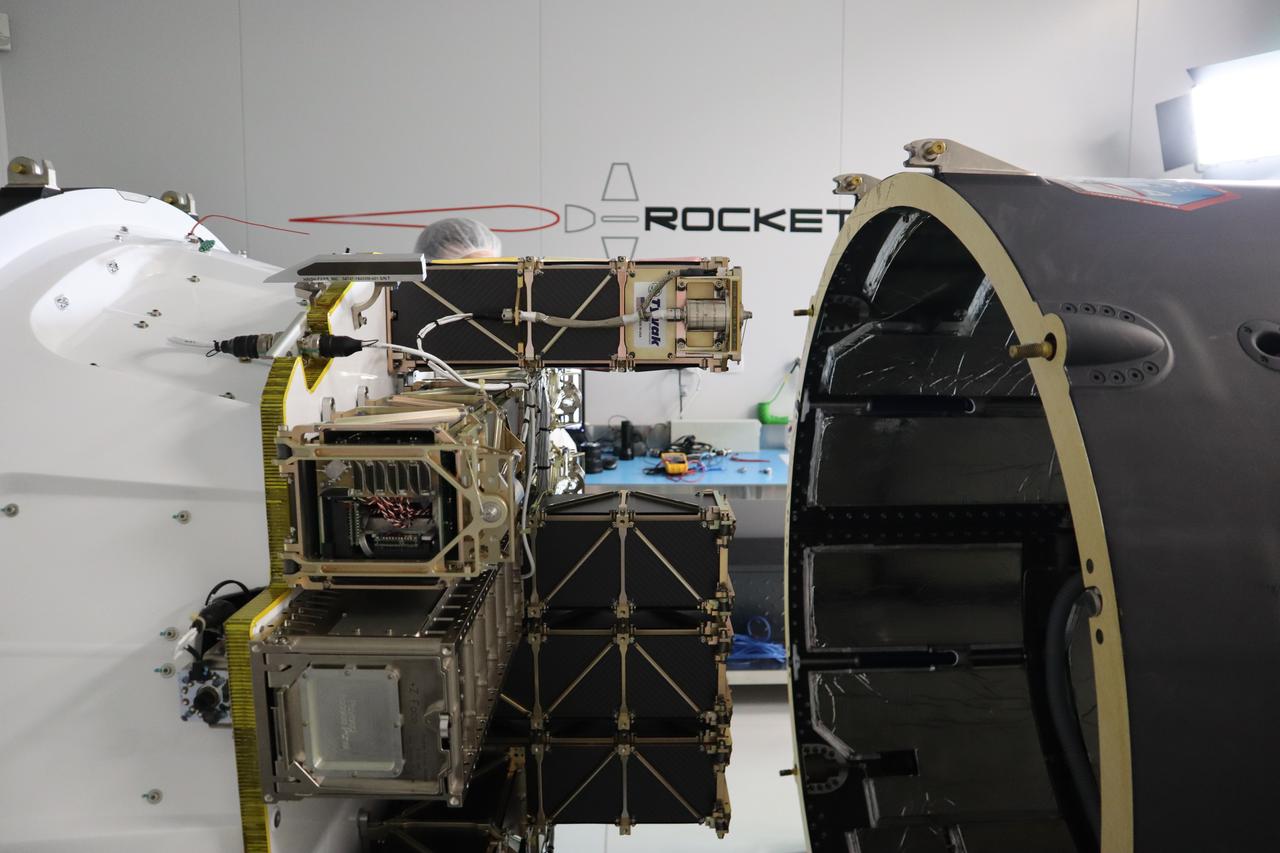
The Educational Launch of Nanosatellites 19 (ELaNa 19) payload is encapsulated inside the Rocket Lab Electron rocket payload fairing on Dec. 1, 2018, at the company’s facility in New Zealand. The ELaNa 19 payload comprises 10 CubeSats selected through NASA’s CubeSat Launch Initiative. The liftoff marks the debut of the agency’s innovative Venture Class Launch Services (VCLS) effort. Managed by NASA’s Launch Services Program at Kennedy Space Center in Florida, VCLS was developed to offer small payloads dedicated rides to space.
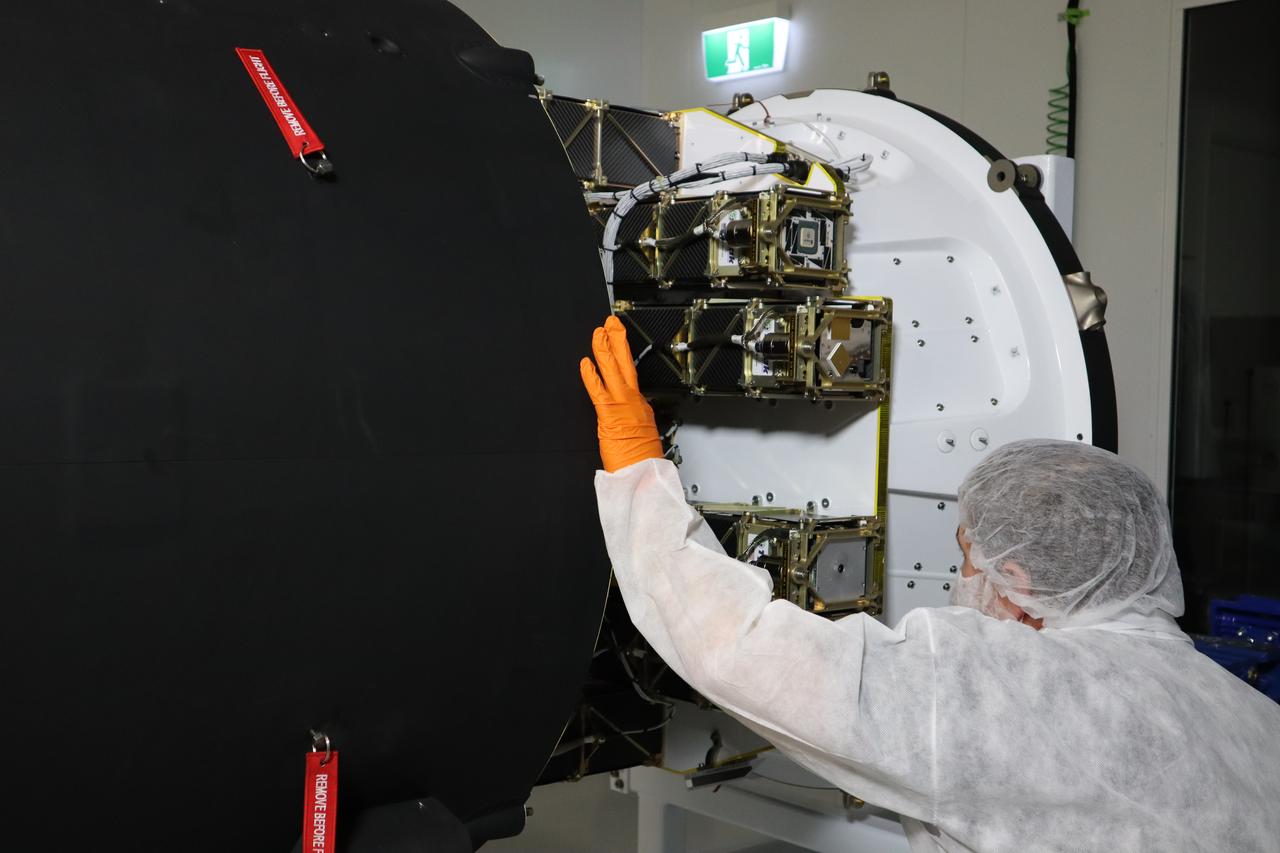
The Educational Launch of Nanosatellites 19 (ELaNa 19) payload is encapsulated inside the Rocket Lab Electron rocket payload fairing on Dec. 1, 2018, at the company’s facility in New Zealand. The ELaNa 19 payload comprises 10 CubeSats selected through NASA’s CubeSat Launch Initiative. The liftoff marks the debut of the agency’s innovative Venture Class Launch Services (VCLS) effort. Managed by NASA’s Launch Services Program at Kennedy Space Center in Florida, VCLS was developed to offer small payloads dedicated rides to space.
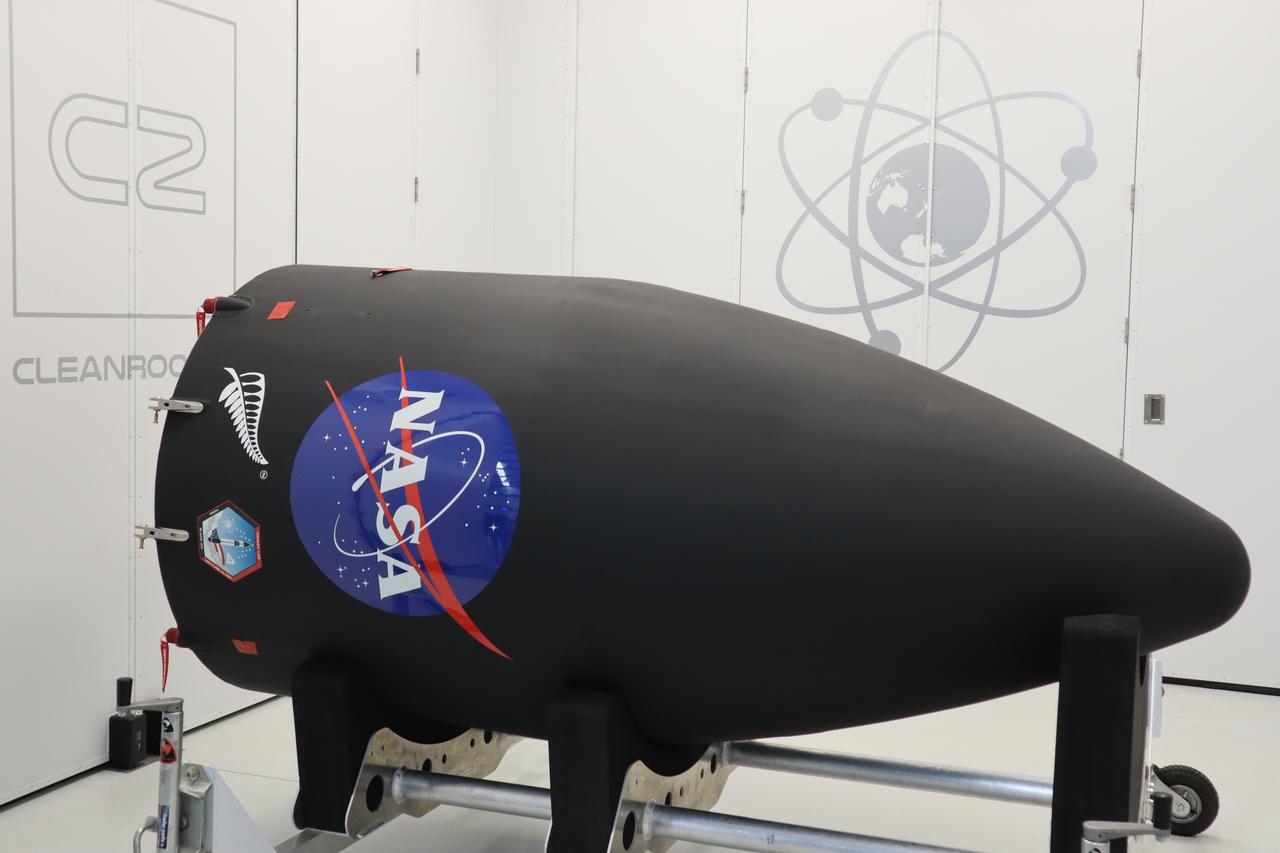
The Rocket Lab Electron rocket payload fairing is prepared for the encapsulation of the Educational Launch of Nanosatellites 19 (ELaNa 19) payload on Dec. 1, 2018, at the company’s facility in New Zealand. The ELaNa 19 payload comprises 10 CubeSats selected through NASA’s CubeSat Launch Initiative. The liftoff marks the debut of the agency’s innovative Venture Class Launch Services (VCLS) effort. Managed by NASA’s Launch Services Program at Kennedy Space Center in Florida, VCLS was developed to offer small payloads dedicated rides to space.
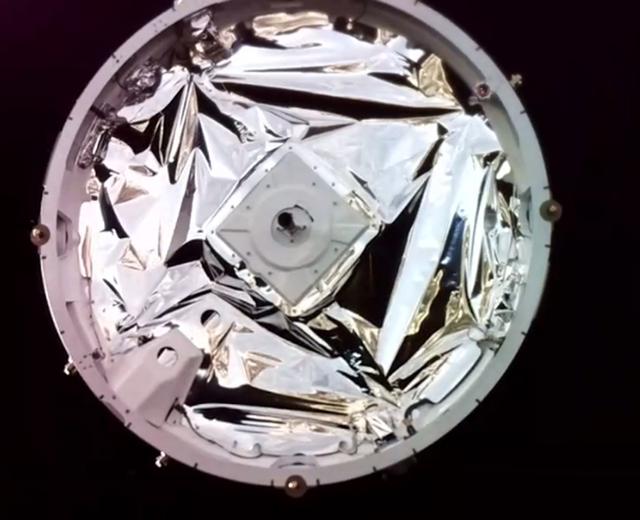
NASA’s Educational Launch of Nanosatellites-19 (ELaNa-19) payload after separation from a Rocket Lab Electron rocket after successful liftoff from Launch Complex-1 at Māhia Peninsula in New Zealand. Launched at 6:33 a.m. UTC on Dec. 17 (1:33 p.m. EST on Dec 16), this marks the first flight of a payload under NASA’s Venture Class Launch Services (VCLS). Managed by NASA’s Launch Services Program at Kennedy Space Center in Florida, VCLS was developed to provide increased access to space specifically for payloads like this, carrying small spacecraft called CubeSats. The successful launch and deployment officially begins the venture-class era.

ISS038-E-003872 (19 Nov. 2013) --- Three nanosatellites, known as Cubesats, are deployed from a Small Satellite Orbital Deployer (SSOD) attached to the Kibo laboratory’s robotic arm at 7:10 a.m. (EST) on Nov. 19, 2013. Japan Aerospace Exploration Agency astronaut Koichi Wakata, Expedition 38 flight engineer, monitored the satellite deployment while operating the Japanese robotic arm from inside Kibo. The Cubesats were delivered to the International Space Station Aug. 9, aboard Japan’s fourth H-II Transfer Vehicle, Kounotori-4.
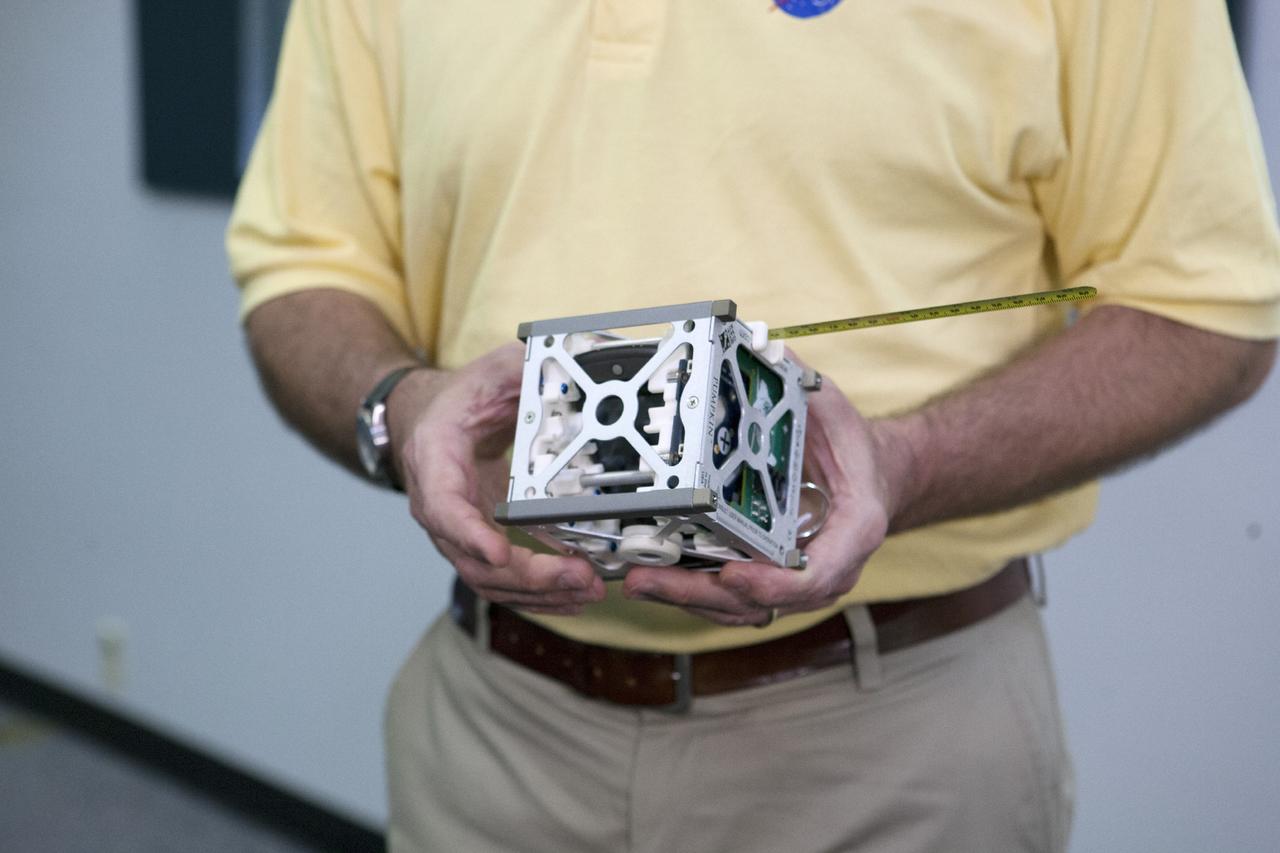
CAPE CANAVERAL, Fla. -- At the News Center at NASA's Kennedy Space Center in Florida, Andrew Petro, the agency's acting director of the Early Stage Innovation Division of the Office of the Chief Technologist, discusses the agency’s CubeSat Launch initiative. CubeSats provide opportunities for small satellite payloads to fly on rockets planned for upcoming launches. CubeSats, a class of research spacecraft called nanosatellites, are flown as auxiliary payloads on previously planned missions. The cube-shaped satellites are approximately four inches long, have a volume of about one quart and weigh about three pounds. For more information, visit: http://www.nasa.gov/directorates/heo/home/CubeSats_initiative.html Photo credit: NASA/Kim Shiflett
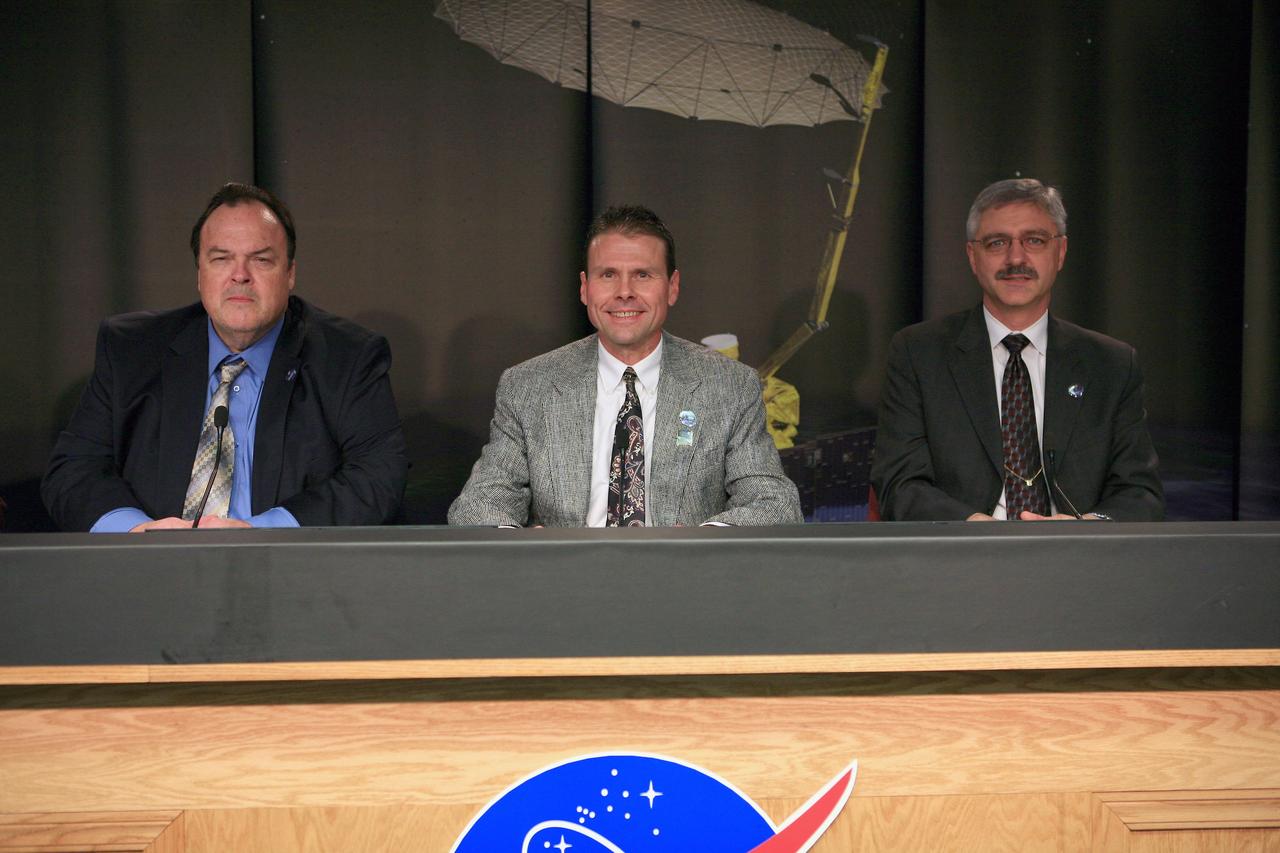
VANDENBERG AIR FORCE BASE, Calif. – During a news conference at Vandenberg Air Force Base in California, NASA officials discuss the launch of the Soil Moisture Active Passive satellite, or SMAP, and its mission to study the Earth's soil moisture. Participating in the briefing, from left, are Kent Kellogg, SMAP project manager at the Jet Propulsion Laboratory in Pasadena, California, Scott Higginbotham, NASA mission manager for Educational Launch of Nanosatellites, or ELaNa-X, at the Kennedy Space Center, and Geoff Yoder, deputy associate administrator of the Science Mission Directorate at NASA Headquarters. To learn more about SMAP, visit http://www.nasa.gov/smap. Photo credit: NASA/Kim Shiflett
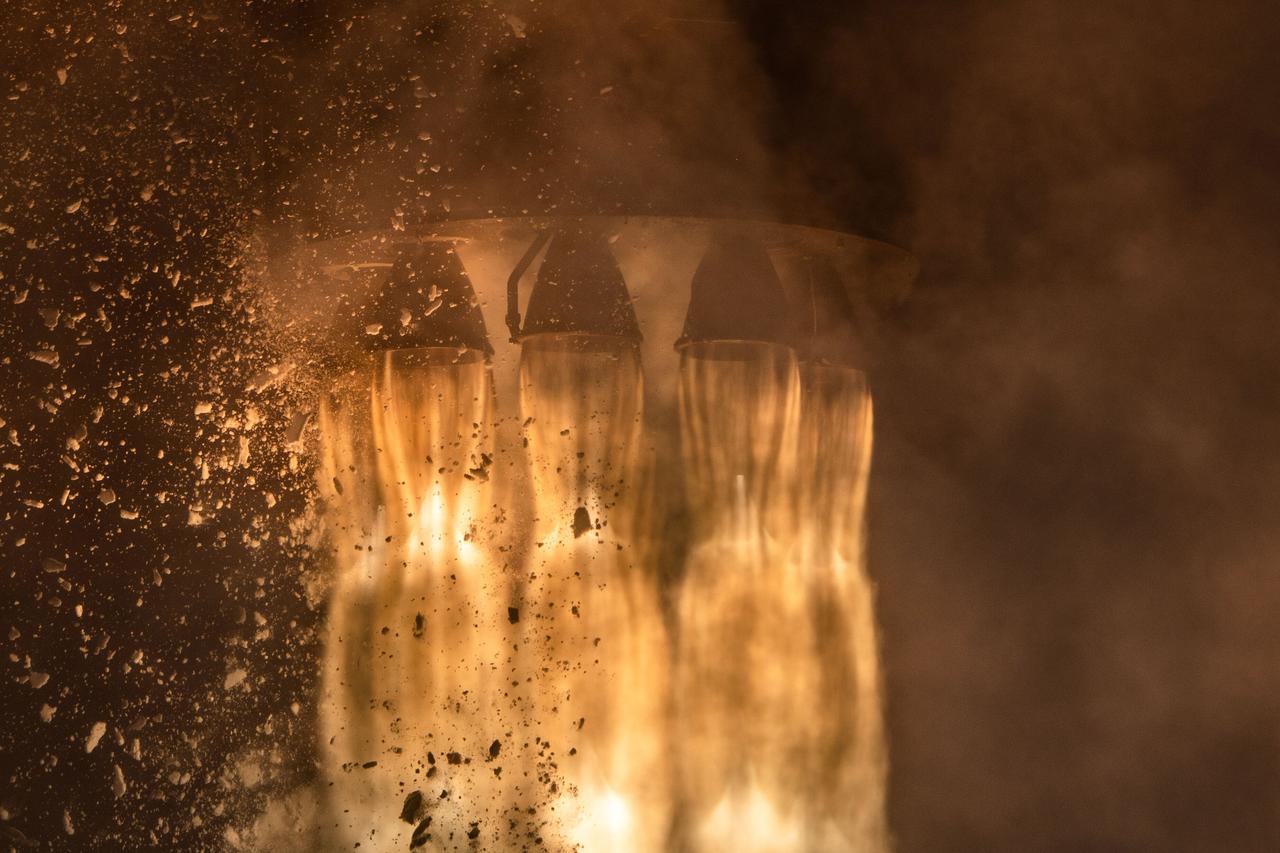
A Rocket Lab Electron rocket’s nine first-stage Rutherford engines ignite as NASA’s Educational Launch of Nanosatellites-19 (ELaNa-19) payload lifts off at 6:33 a.m. UTC on Dec. 17 (1:33 p.m. EST on Dec. 16) from Launch Complex-1, located at Māhia Peninsula in New Zealand. The liftoff marks the first flight of a payload under NASA’s Venture Class Launch Services (VCLS). Managed by NASA’s Launch Services Program at Kennedy Space Center in Florida, VCLS was developed to provide increased access to space specifically for these small spacecraft, called CubeSats.
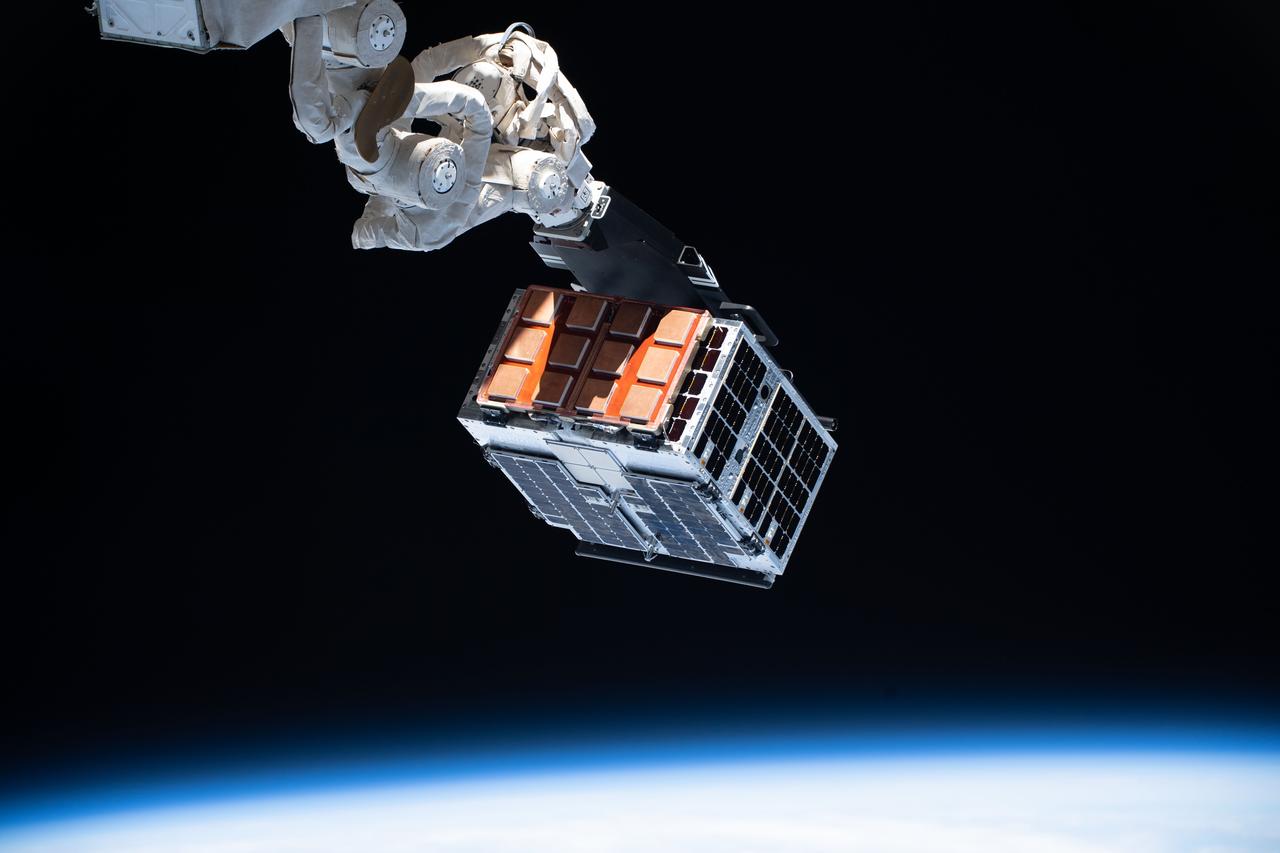
iss061e148301 (1/29/2020) --- A view taken from the Cupola Module aboard the International Space Station (ISS) of the STPSat-4 deploy. The Space Test Program Satellite-4 (STPSat-4) is a suite automated for robotic space tools and sensors that test new equipment configurations and monitor space conditions. STPSat-4 specifically includes space weather sensors, solar panels, an antenna array and devices for tracking location of both satellites and their astronomic surroundings. This project demonstrates how a range of new technologies can be integrated on nanosatellite platforms.
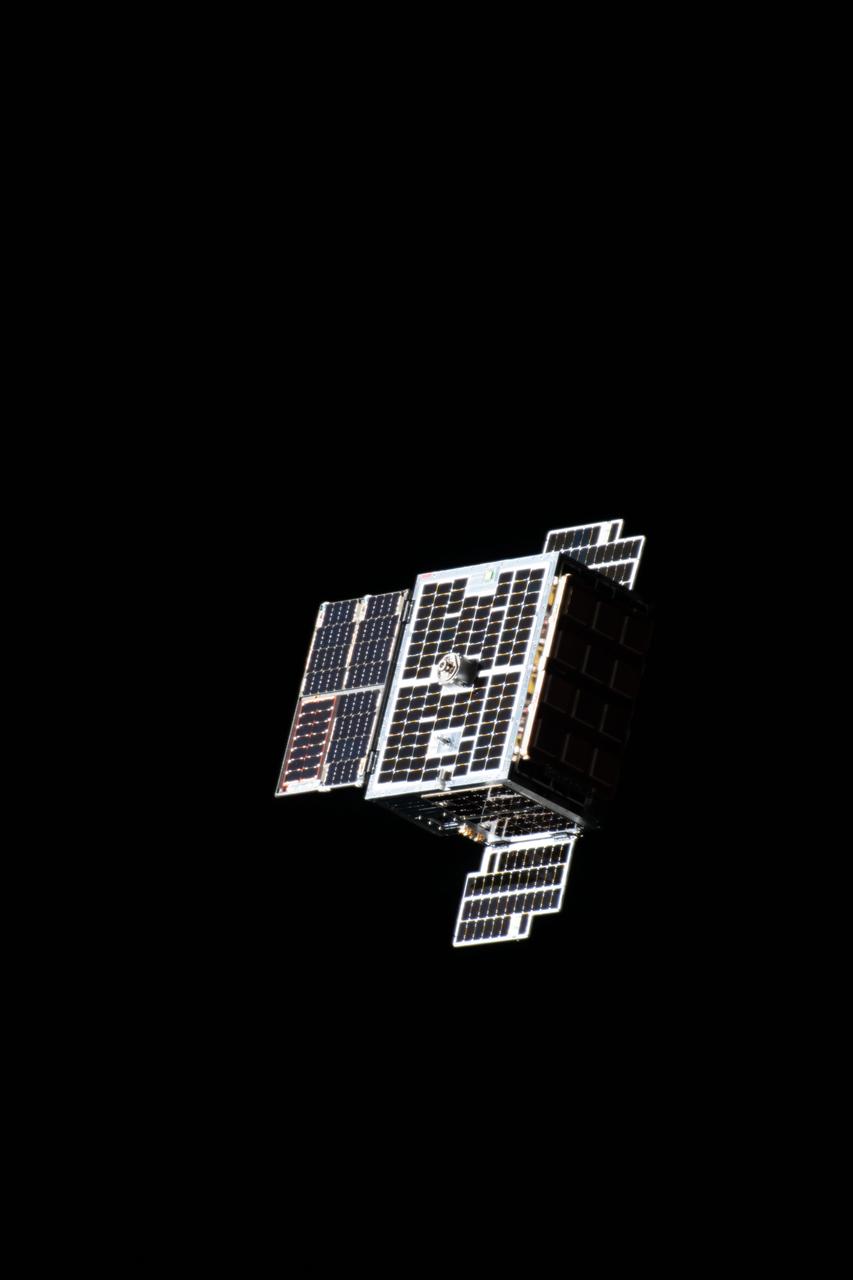
iss061e148704 (1/29/2020) --- A view taken from the Cupola Module aboard the International Space Station (ISS) of the STPSat-4 deploy. The Space Test Program Satellite-4 (STPSat-4) is a suite automated for robotic space tools and sensors that test new equipment configurations and monitor space conditions. STPSat-4 specifically includes space weather sensors, solar panels, an antenna array and devices for tracking location of both satellites and their astronomic surroundings. This project demonstrates how a range of new technologies can be integrated on nanosatellite platforms.

A What’s On Board Briefing for SpaceX’s 19th Commercial Resupply Services (CRS-19) mission for NASA to the International Space Station took place on Dec. 3, 2019, at the agency’s Kennedy Space Center in Florida. Rosa Reyna gonzales, student researcher for AzTechSat-1, the first Mexican-developed nanosatellite to be launched from the space station, discusses her role in the experiment and how the investigation will demonstrate communication between a CubeSat and the GlobalStar Constellation satellite network in low-Earth orbit. The SpaceX Falcon 9 rocket and Dragon cargo module are scheduled to launch on Dec. 4, 2019, from Space Launch Complex 40 on Cape Canaveral Air Force Station in Florida.
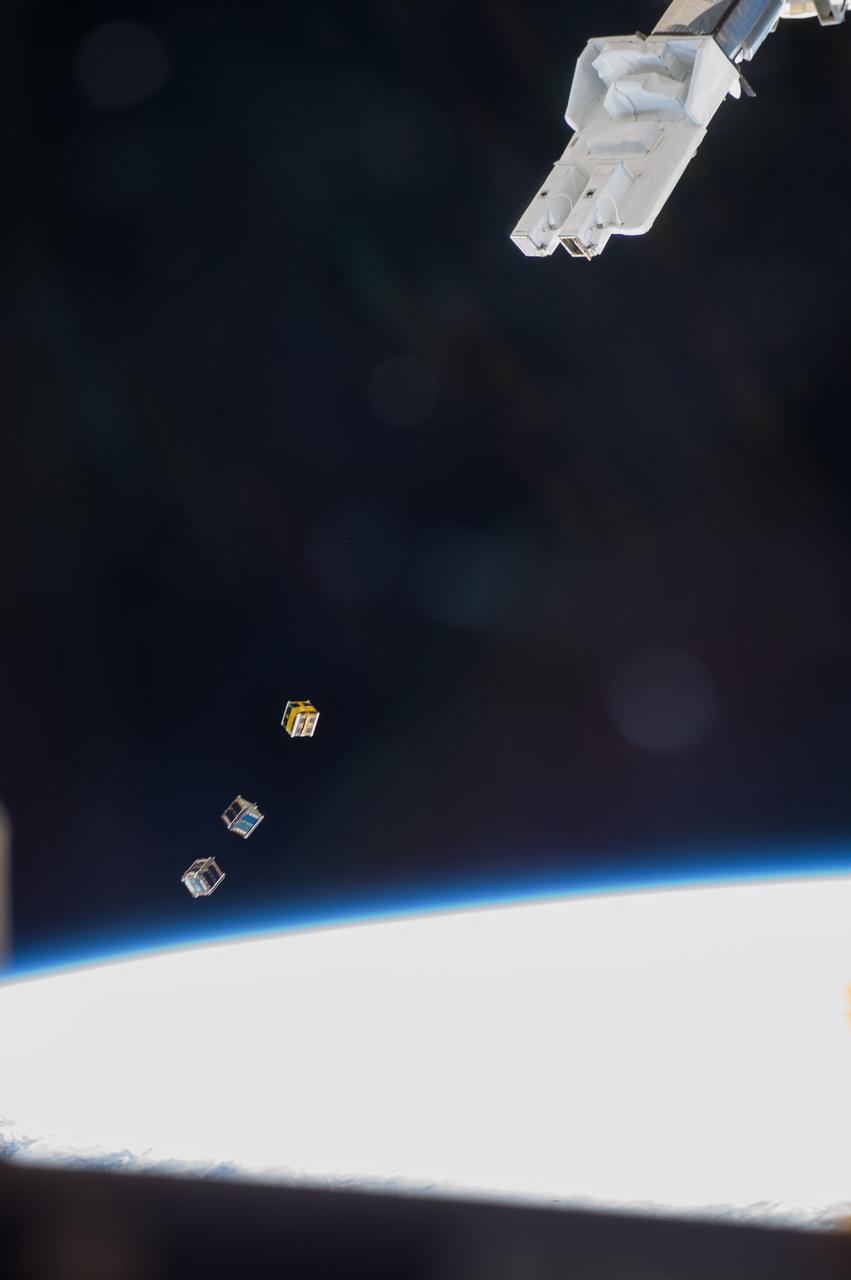
ISS038-E-003874 (19 Nov. 2013) --- Three nanosatellites, known as Cubesats, are deployed from a Small Satellite Orbital Deployer (SSOD) attached to the Kibo laboratory's robotic arm at 7:10 a.m. (EST) on Nov. 19, 2013. Japan Aerospace Exploration Agency astronaut Koichi Wakata, Expedition 38 flight engineer, monitored the satellite deployment while operating the Japanese robotic arm from inside Kibo. The Cubesats were delivered to the International Space Station Aug. 9, aboard Japan's fourth H-II Transfer Vehicle, Kounotori-4.
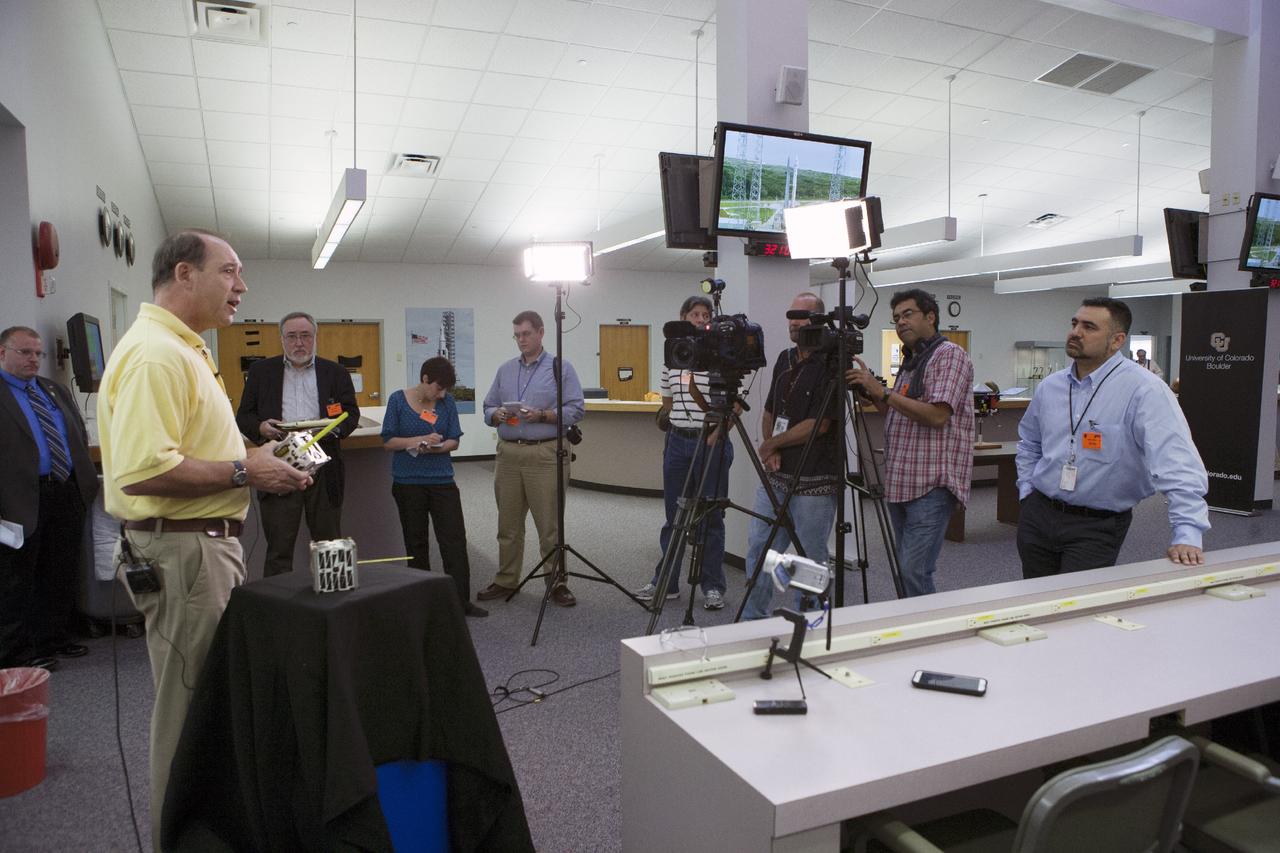
CAPE CANAVERAL, Fla. -- At the News Center at NASA's Kennedy Space Center in Florida, Andrew Petro, the agency's acting director of the Early Stage Innovation Division of the Office of the Chief Technologist, discusses the agency’s CubeSat Launch initiative. CubeSats provide opportunities for small satellite payloads to fly on rockets planned for upcoming launches. CubeSats, a class of research spacecraft called nanosatellites, are flown as auxiliary payloads on previously planned missions. The cube-shaped satellites are approximately four inches long, have a volume of about one quart and weigh about three pounds. For more information, visit: http://www.nasa.gov/directorates/heo/home/CubeSats_initiative.html Photo credit: NASA/Kim Shiflett

A Rocket Lab Electron rocket lifts off Launch Complex-1 at Māhia Peninsula in New Zealand carrying NASA’s Educational Launch of Nanosatellites-19 (ELaNa-19) payload. Liftoff occurred at 6:33 a.m. UTC on Dec. 17 (1:33 p.m. EST on Dec. 16). The liftoff marks the first flight of a payload under NASA’s Venture Class Launch Services (VCLS). Managed by NASA’s Launch Services Program at Kennedy Space Center in Florida, VCLS was developed to provide increased access to space specifically for these small spacecraft, called CubeSats.
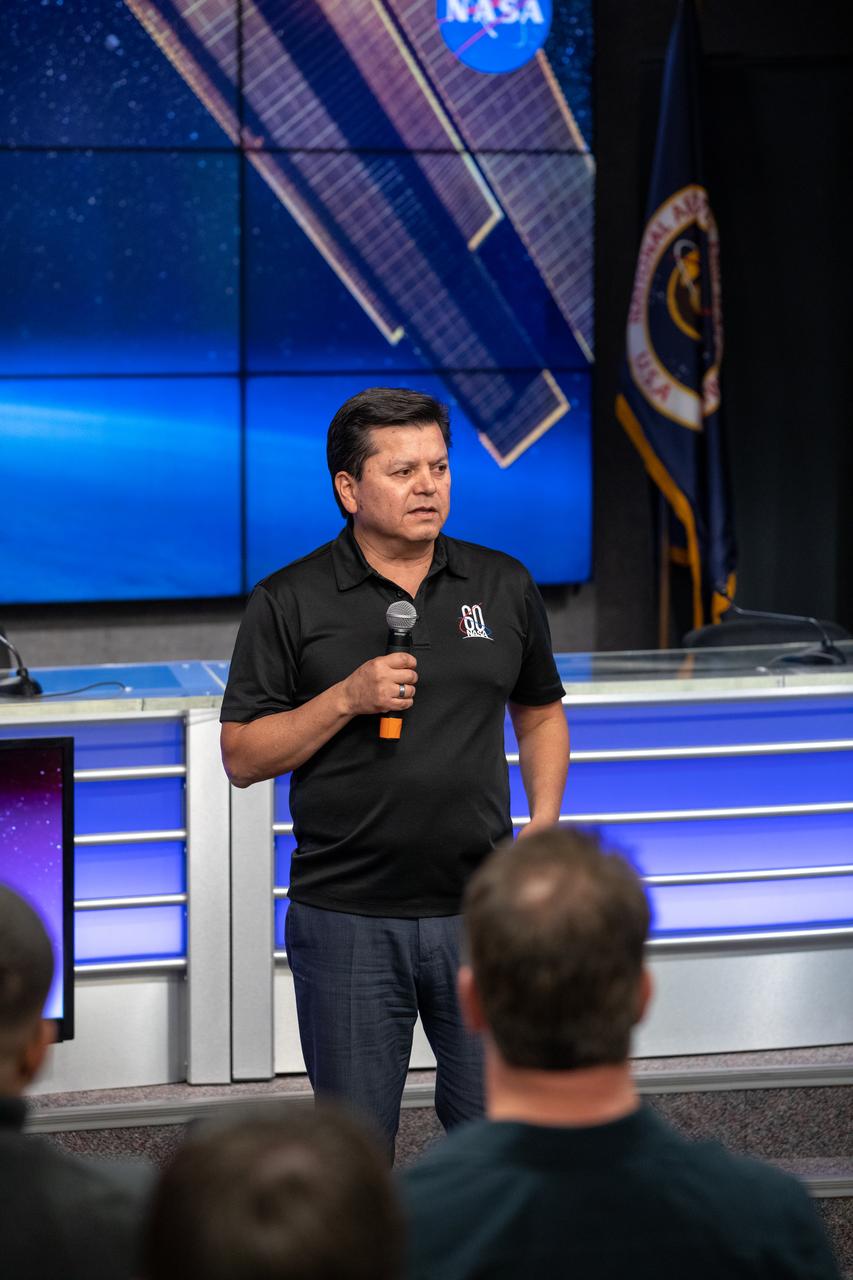
A What’s On Board Briefing for SpaceX’s 19th Commercial Resupply Services (CRS-19) mission for NASA to the International Space Station took place on Dec. 3, 2019, at the agency’s Kennedy Space Center in Florida. Andres Martinez, principal investigator for AzTechSat-1, the first Mexican-developed nanosatellite to be launched from the space station, discusses how the investigation will demonstrate communication between a CubeSat and the GlobalStar Constellation satellite network in low-Earth orbit. The SpaceX Falcon 9 rocket and Dragon cargo module are scheduled to launch on Dec. 4, 2019, from Space Launch Complex 40 on Cape Canaveral Air Force Station in Florida.
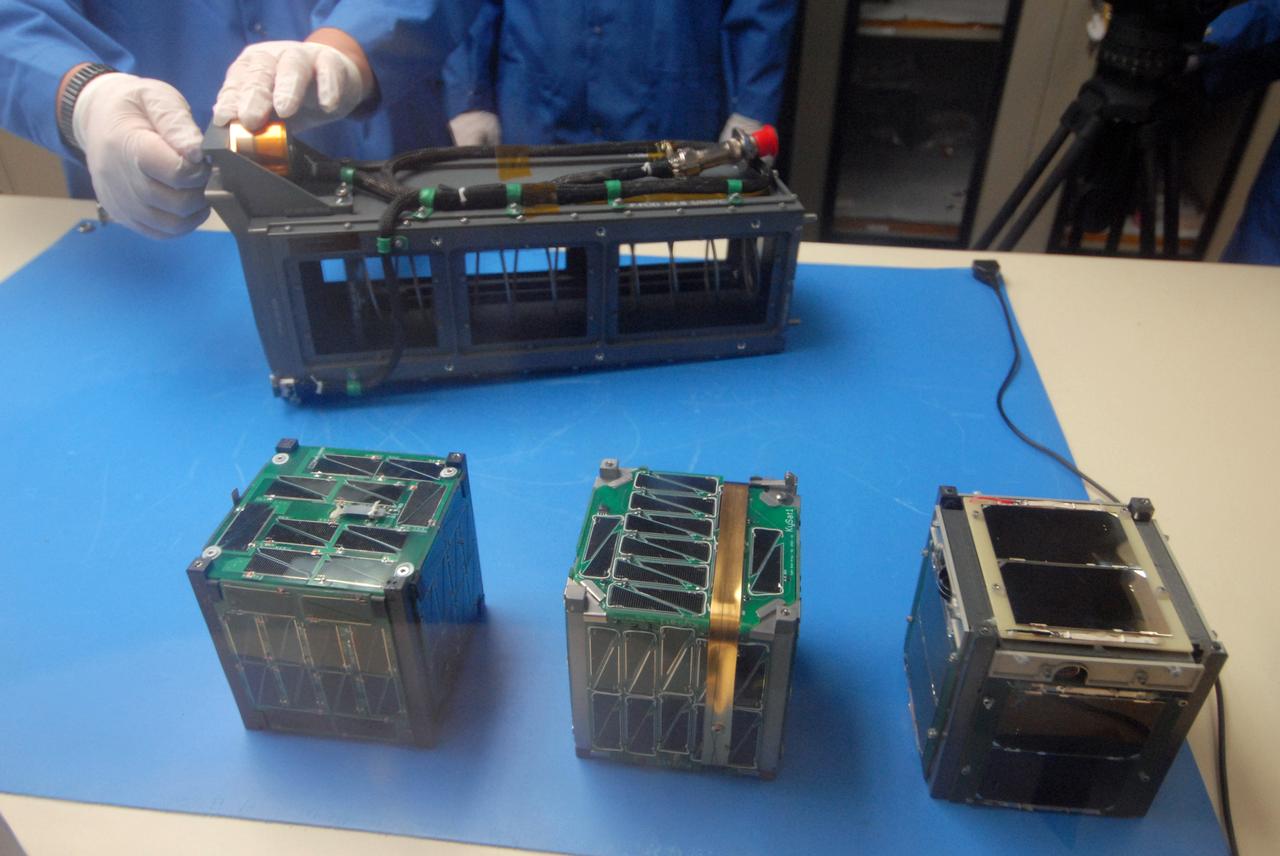
San Luis Obispo, CA - Students at California Polytechnic State University prepare to integrate mini research satellites, or CubeSats into a Poly Picosatellite Orbital Deployer, or PPOD, container. The PPOD and CubeSat Project were developed by California Polytechnic State University in San Luis Obispo, Calif., and Stanford University’s Space Systems Development Lab for use on NASA’s Educational Launch of Nanosatellite, or ELaNa missions. Each CubeSat measures about four inches cubed; about the same volume as a quart. The CubeSats weigh about 2.2 pounds, must conform to standard aerospace materials and must operate without propulsion. U.S. Air Force Photo/Mr. Jerry E. Clemens, Jr.
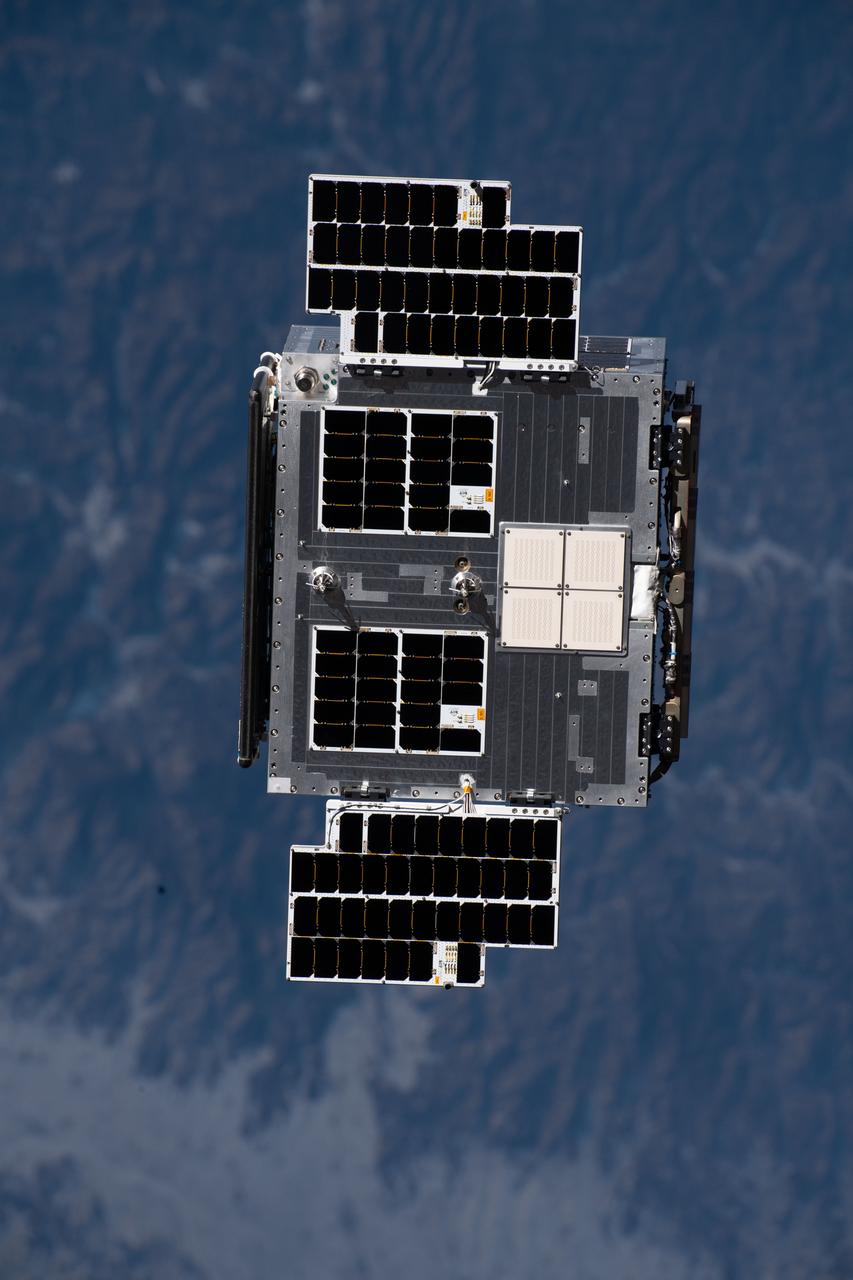
iss061e148579 (1/29/2020) --- A view taken from the Cupola Module aboard the International Space Station (ISS) of the STPSat-4 deploy. The Space Test Program Satellite-4 (STPSat-4) is a suite automated for robotic space tools and sensors that test new equipment configurations and monitor space conditions. STPSat-4 specifically includes space weather sensors, solar panels, an antenna array and devices for tracking location of both satellites and their astronomic surroundings. This project demonstrates how a range of new technologies can be integrated on nanosatellite platforms.
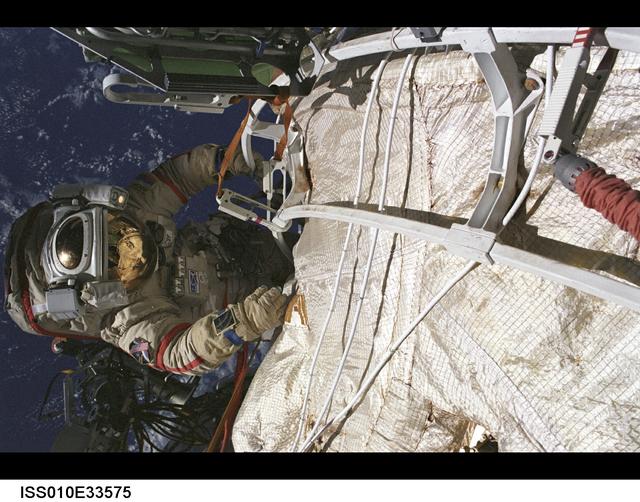
ISS010-33575 (28 March 2005) --- Cosmonaut Salizhan S. Sharipov, Expedition 10 flight engineer representing Russia's Federal Space Agency, wearing a Russian Orlan spacesuit, participates in the second of two sessions of extravehicular activities (EVA) performed by the Expedition 10 crew during their six-month mission. Sharipov and astronaut Leroy Chiao (out of frame), commander and NASA ISS science officer, spent 4 ½ hours outside the International Space Station (ISS) installing navigational and communications equipment for the arrival of the first Automated Transfer Vehicle cargo craft. Sharipov also deployed an 11-pound Russian nanosatellite.
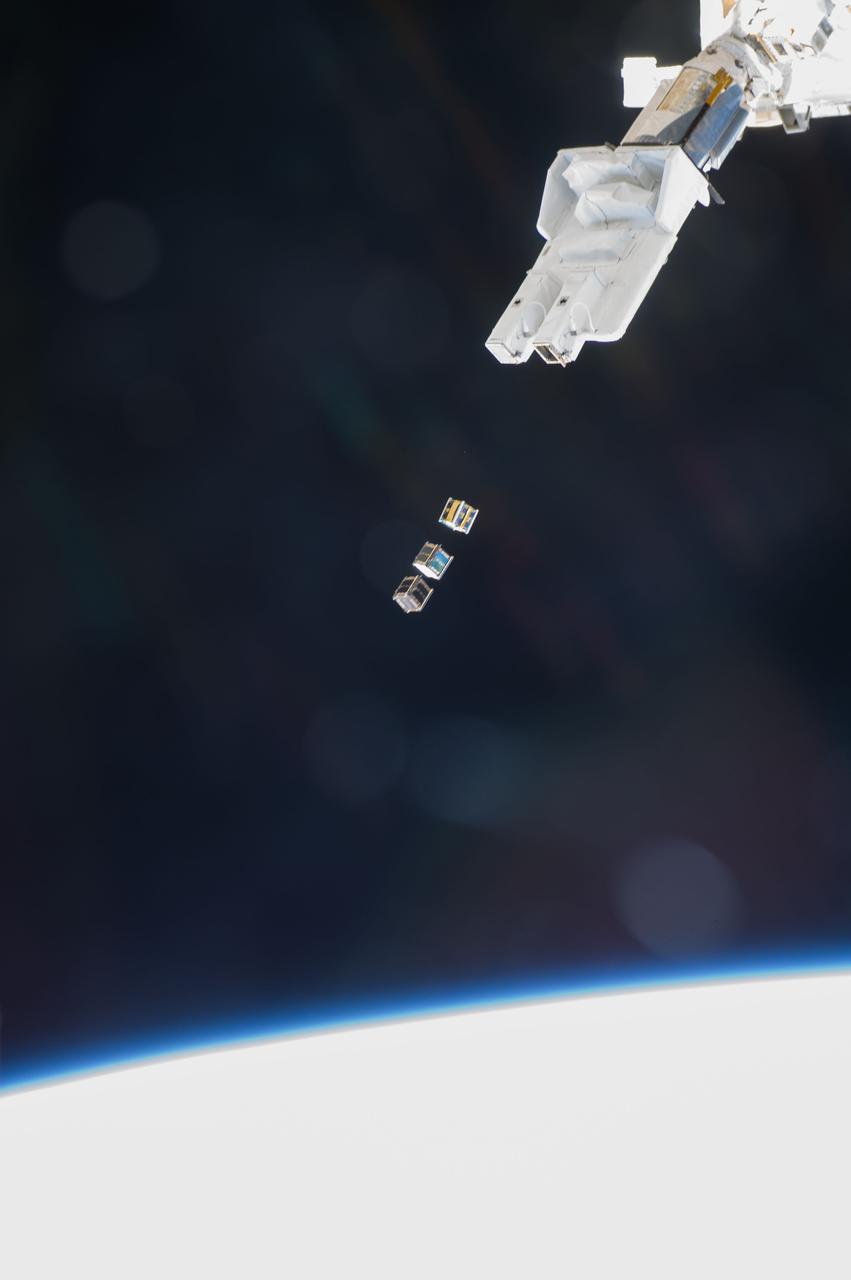
ISS038-E-003870 (19 Nov. 2013) --- Three nanosatellites, known as Cubesats, are deployed from a Small Satellite Orbital Deployer (SSOD) attached to the Kibo laboratory’s robotic arm at 7:10 a.m. (EST) on Nov. 19, 2013. Japan Aerospace Exploration Agency astronaut Koichi Wakata, Expedition 38 flight engineer, monitored the satellite deployment while operating the Japanese robotic arm from inside Kibo. The Cubesats were delivered to the International Space Station Aug. 9, aboard Japan’s fourth H-II Transfer Vehicle, Kounotori-4.
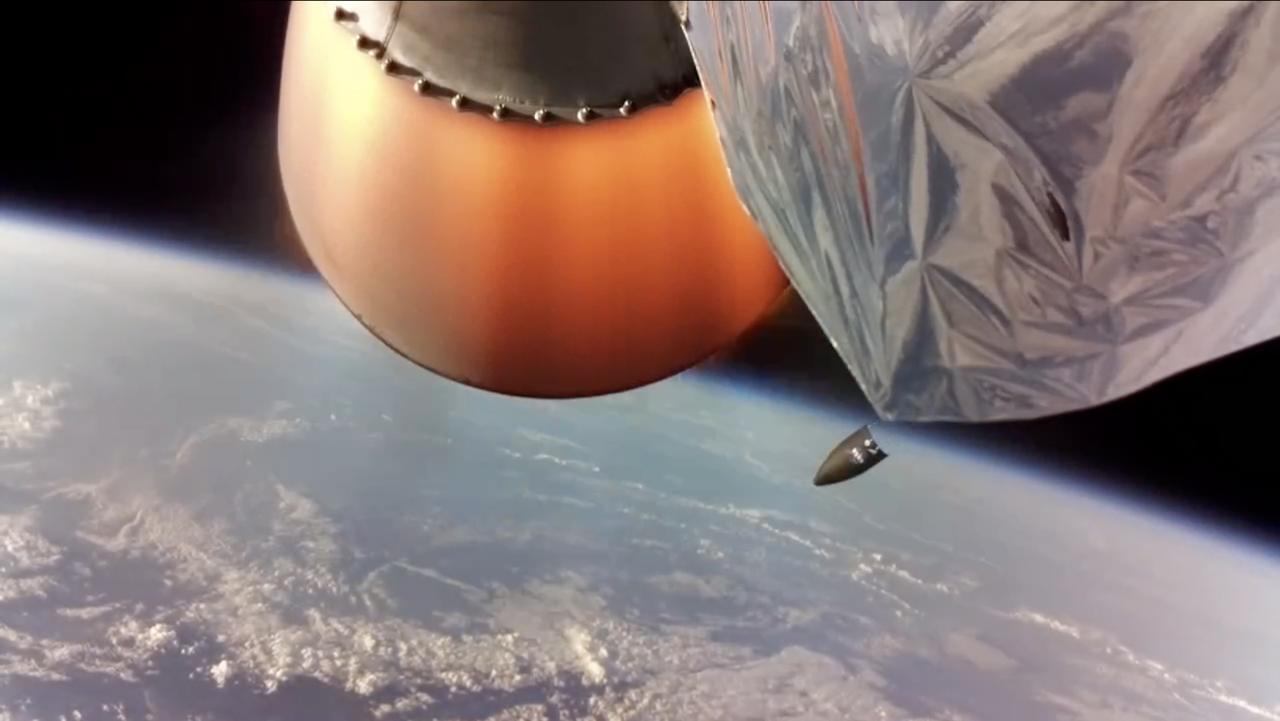
NASA’s Educational Launch of Nanosatellites-19 (ELaNa-19) payload separates from the upper stage of a Rocket Lab Electron rocket after successful liftoff from Launch Complex-1 at Māhia Peninsula in New Zealand. Launched at 6:33 a.m. UTC on Dec. 17 (1:33 p.m. EST on Dec. 16), this marks the first flight of a payload under NASA’s Venture Class Launch Services (VCLS). Managed by NASA’s Launch Services Program at Kennedy Space Center in Florida, VCLS was developed to provide increased access to space specifically for these small spacecraft, called CubeSats.
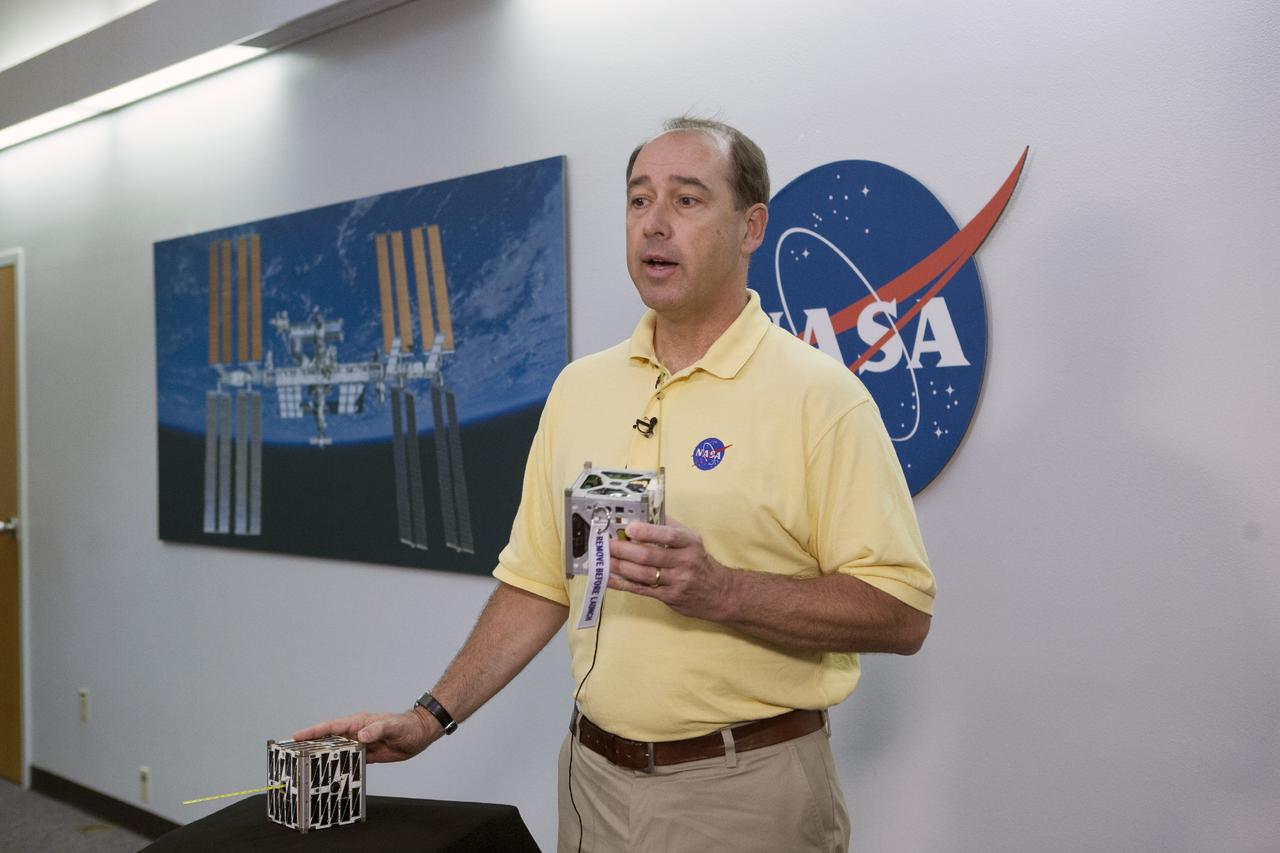
CAPE CANAVERAL, Fla. -- At the News Center at NASA's Kennedy Space Center in Florida, Andrew Petro, the agency's acting director of the Early Stage Innovation Division of the Office of the Chief Technologist, discusses the agency’s CubeSat Launch initiative. CubeSats provide opportunities for small satellite payloads to fly on rockets planned for upcoming launches. CubeSats, a class of research spacecraft called nanosatellites, are flown as auxiliary payloads on previously planned missions. The cube-shaped satellites are approximately four inches long, have a volume of about one quart and weigh about three pounds. For more information, visit: http://www.nasa.gov/directorates/heo/home/CubeSats_initiative.html Photo credit: NASA/Kim Shiflett
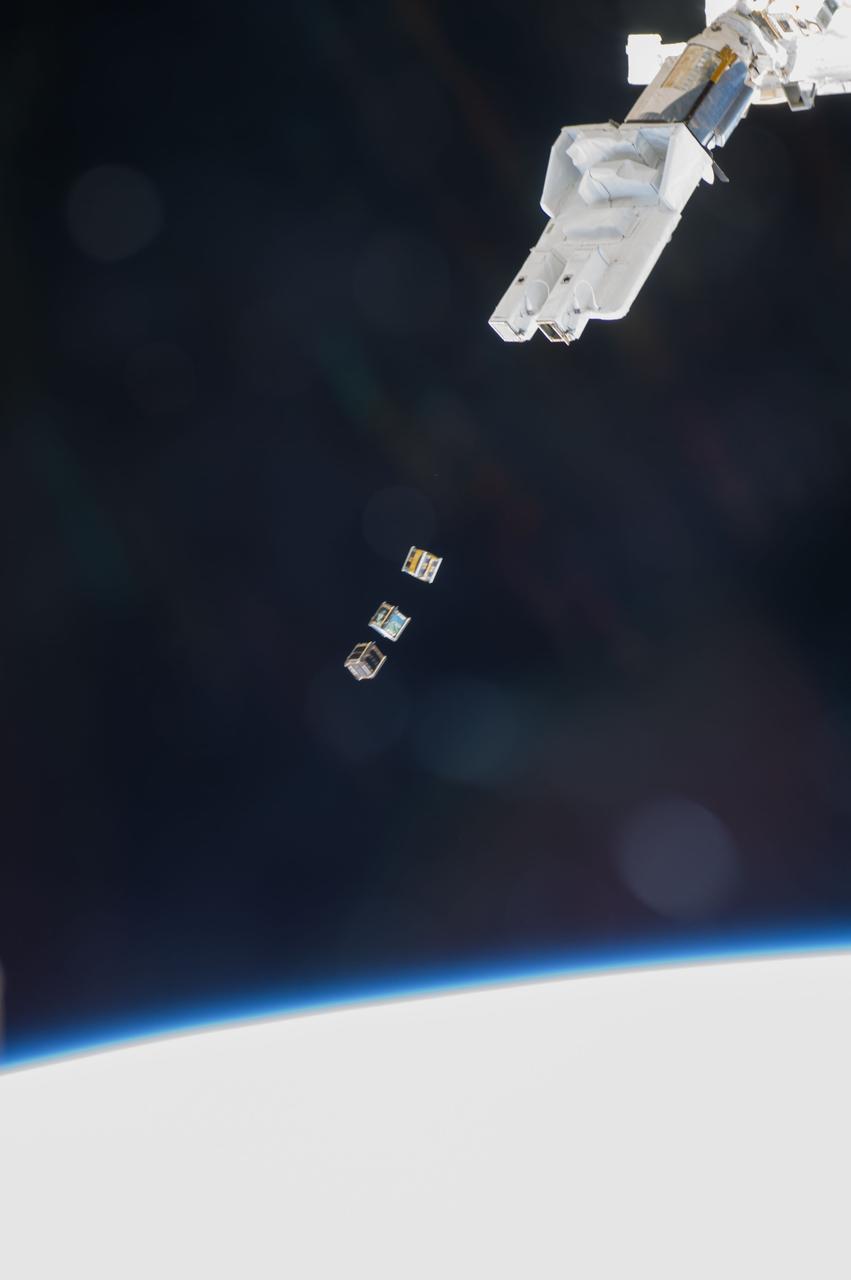
ISS038-E-003871 (19 Nov. 2013) --- Three nanosatellites, known as Cubesats, are deployed from a Small Satellite Orbital Deployer (SSOD) attached to the Kibo laboratory’s robotic arm at 7:10 a.m. (EST) on Nov. 19, 2013. Japan Aerospace Exploration Agency astronaut Koichi Wakata, Expedition 38 flight engineer, monitored the satellite deployment while operating the Japanese robotic arm from inside Kibo. The Cubesats were delivered to the International Space Station Aug. 9, aboard Japan’s fourth H-II Transfer Vehicle, Kounotori-4.