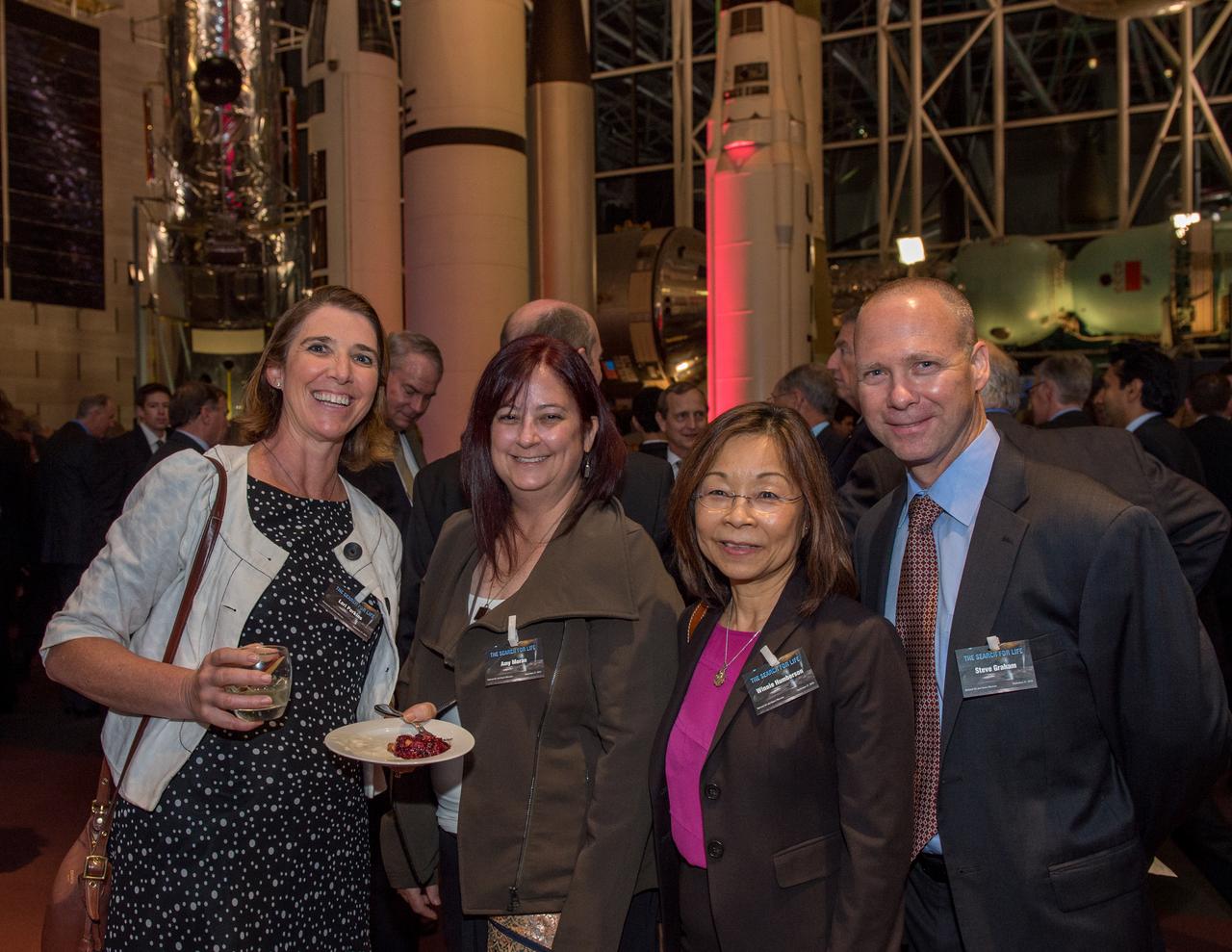
National Air and Space Museum (NASM) event sponsored by Goddard Space Flight Center and the Maryland Space Business Roundtable (MSBR).
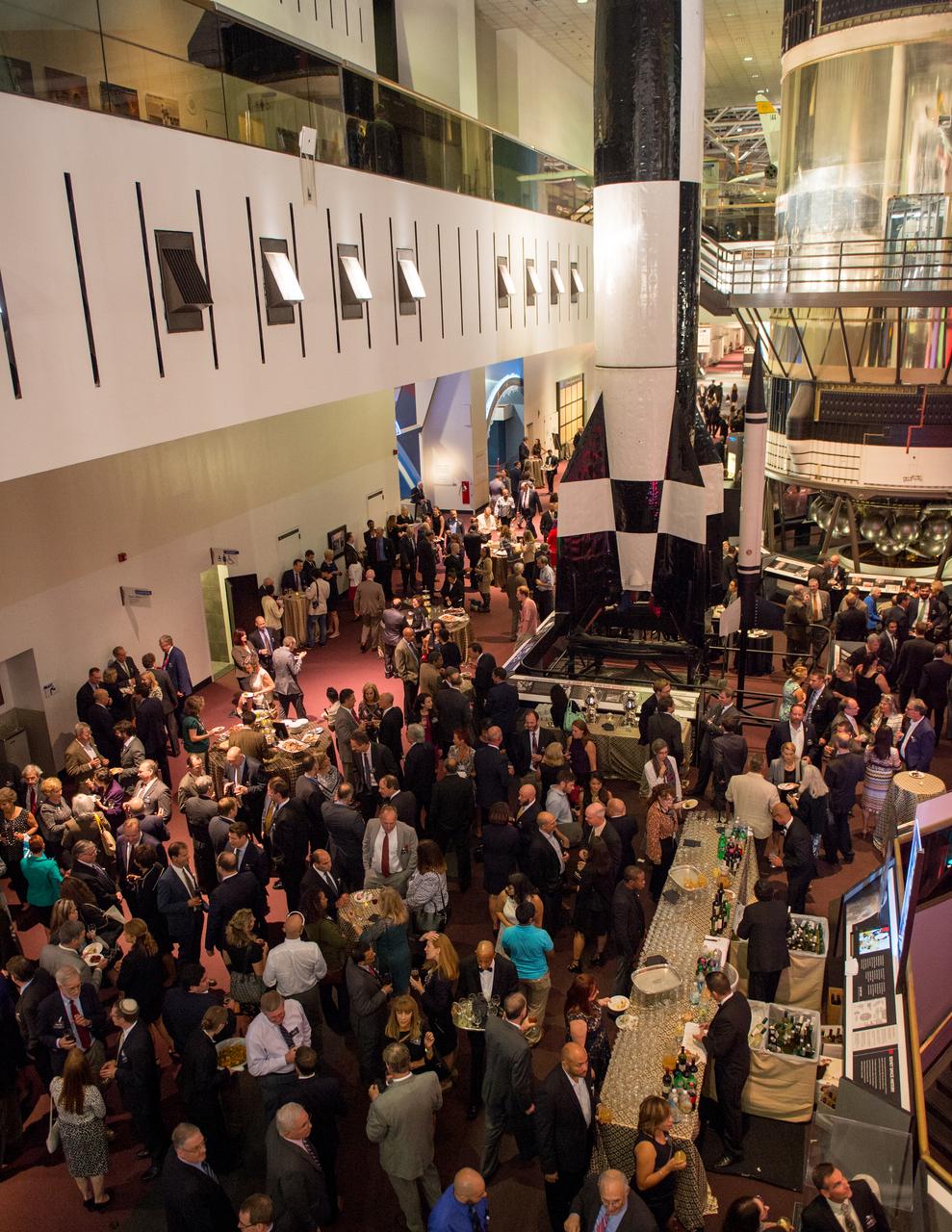
National Air and Space Museum (NASM) event sponsored by Goddard Space Flight Center and the Maryland Space Business Roundtable (MSBR).
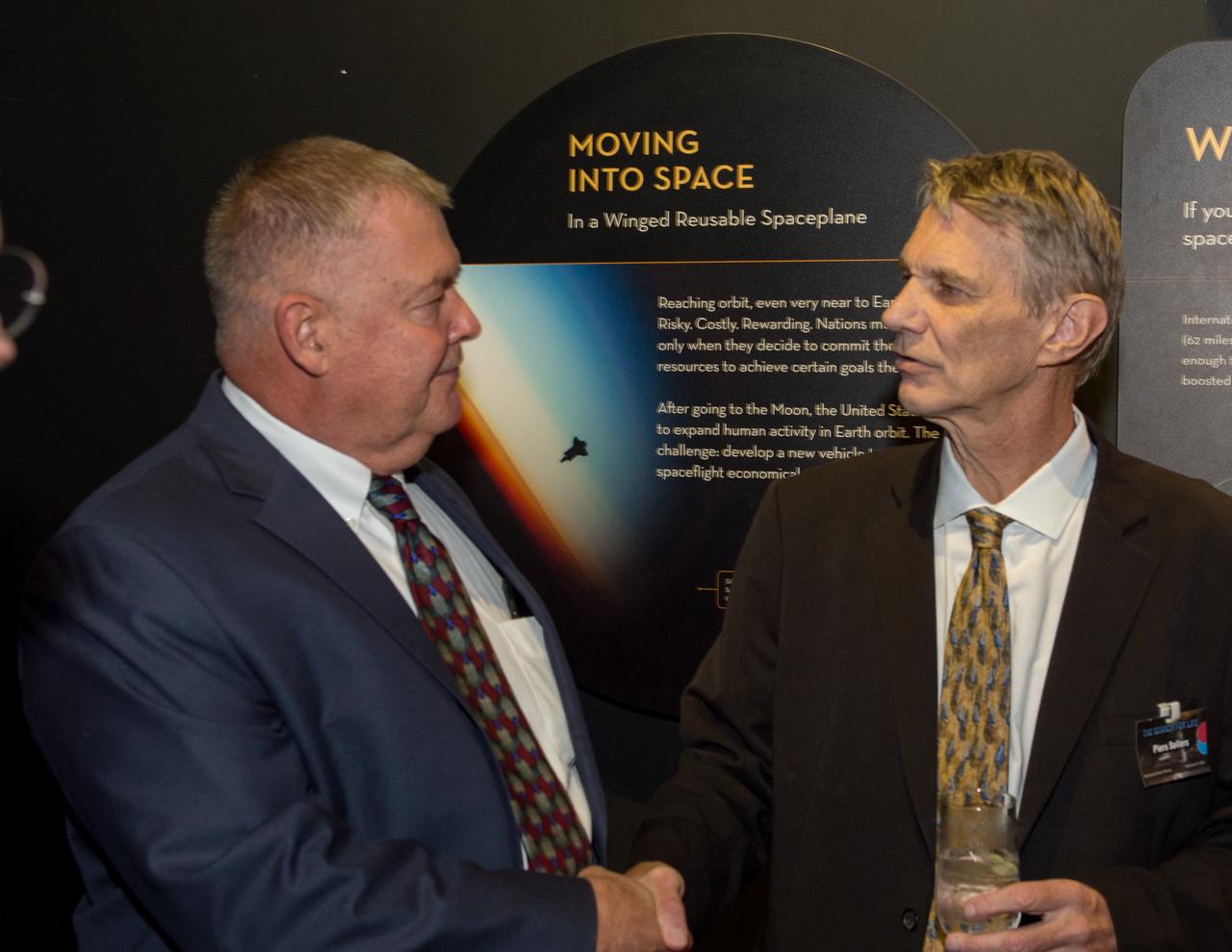
National Air and Space Museum (NASM) event sponsored by Goddard Space Flight Center and the Maryland Space Business Roundtable (MSBR). Piers Sellers
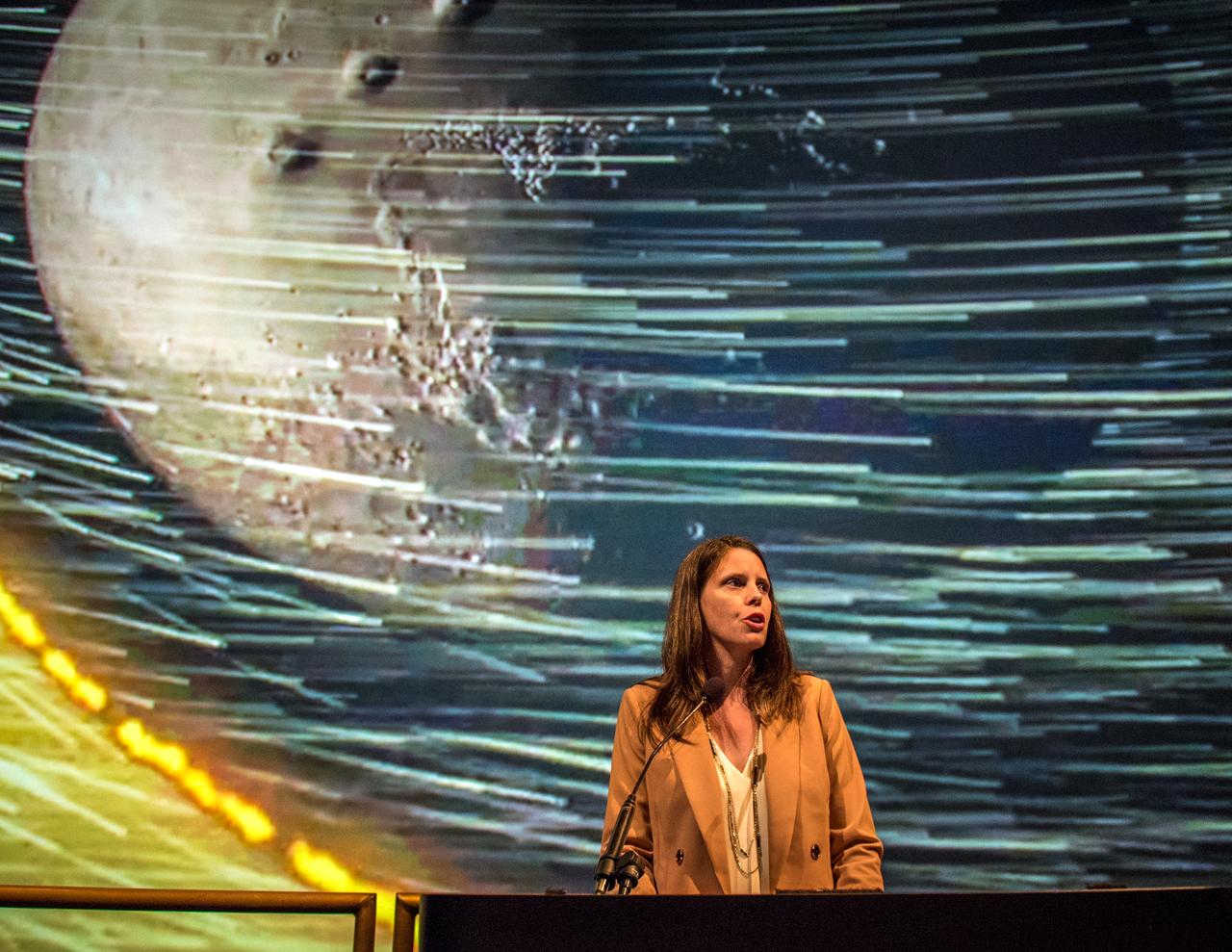
Dr. Jen Eigenbrode at the National Air and Space Museum (NASM) event sponsored by Goddard Space Flight Center and the Maryland Space Business Roundtable (MSBR).
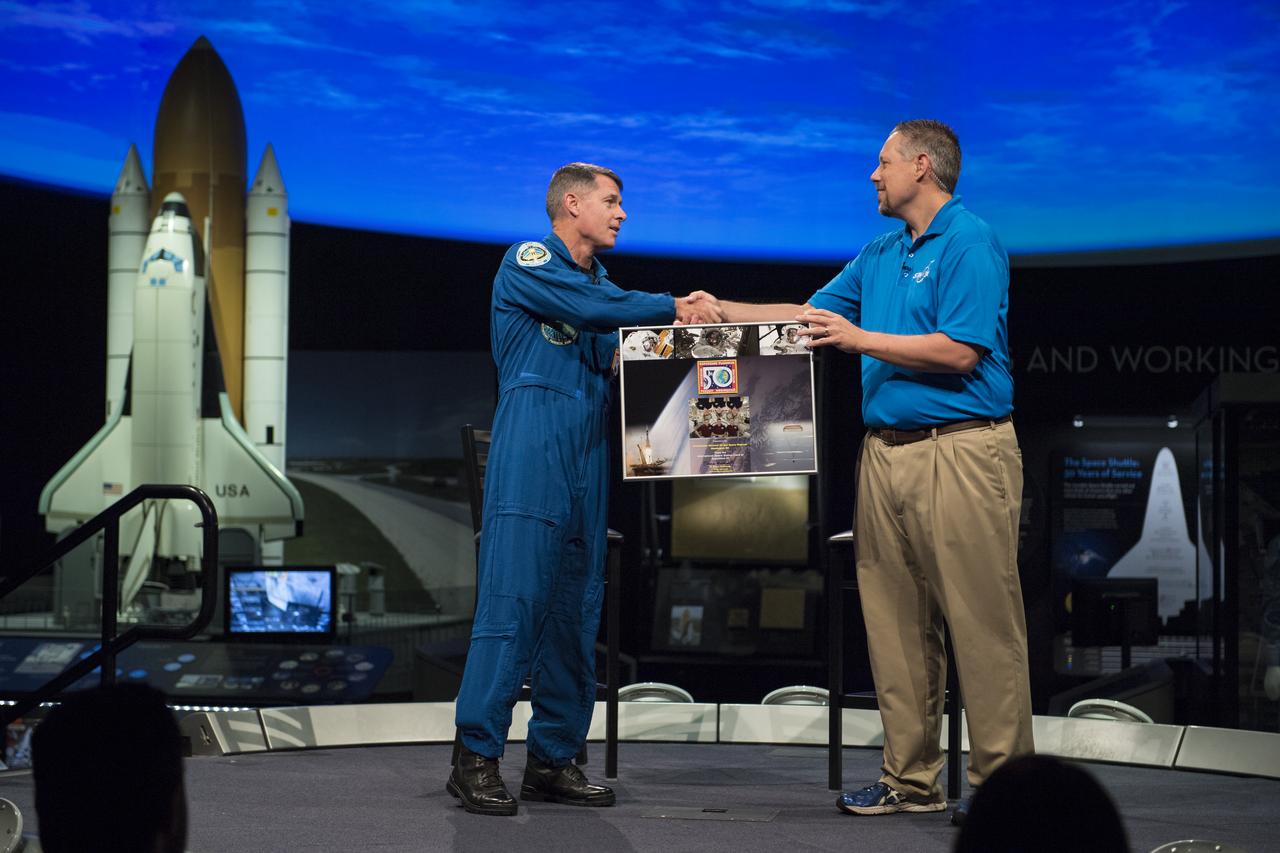
NASA astronaut Shane Kimbrough presents Marty Kelsey, STEM in 30 host, Smithsonian National Air and Space Museum (NASM), a montage with photos and a patch from Expedition 50, Tuesday, September 12, 2017 at Smithsonian's National Air and Space Museum in Washington. During Expedition 50, Kimbrough completed four spacewalks for a total of 39 hours outside the ISS, and concluded his 173-day mission when he landed in a remote area near the town of Zhezkazgan, Kazakhstan in April 2017. Photo Credit: (NASA/Aubrey Gemignani)
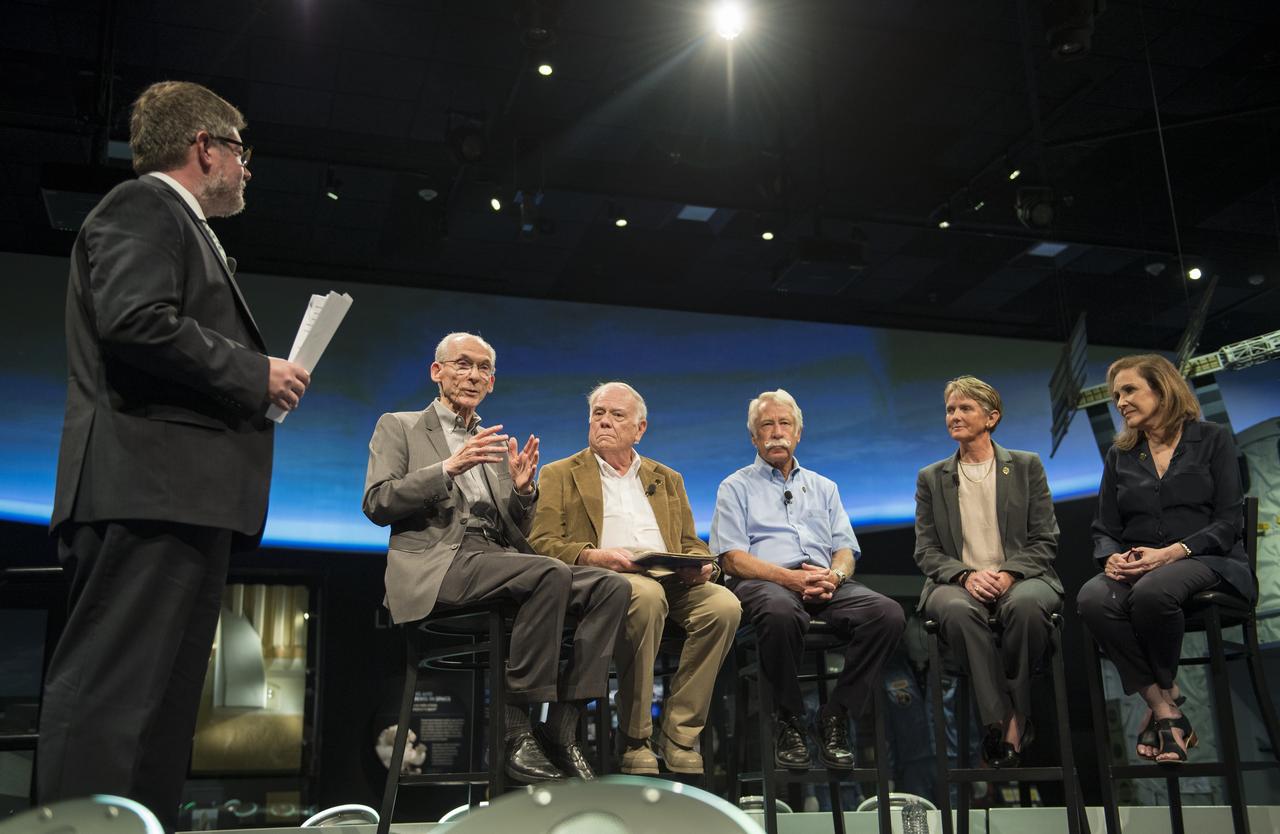
Matthew Shindell, curator, Smithsonian National Air and Space Museum (NASM), far left, moderates a panel including, from left to right, Ed Stone, Voyager project scientist; Gary Flandro, Voyager mission grand tour creator; Alan Cummings, Voyager researcher; Suzy Dodd, Voyager project manager, NASA's Jet Propulsion Laboratory; and Ann Druyan, writer/producer, Golden Record Visionary during a celebration of the 40th Anniversary of the launch of the Voyager 1 and 2 missions, Tuesday, September 5, 2017 at NASM in Washington. Voyager 1 was launched September 5, 1977, with a mission to study Jupiter and Saturn, but now the twin Voyager spacecrafts are on a journey into interstellar space to search for the heliopause, a region never reached by any other spacecraft. Photo Credit: (NASA/Aubrey Gemignani)
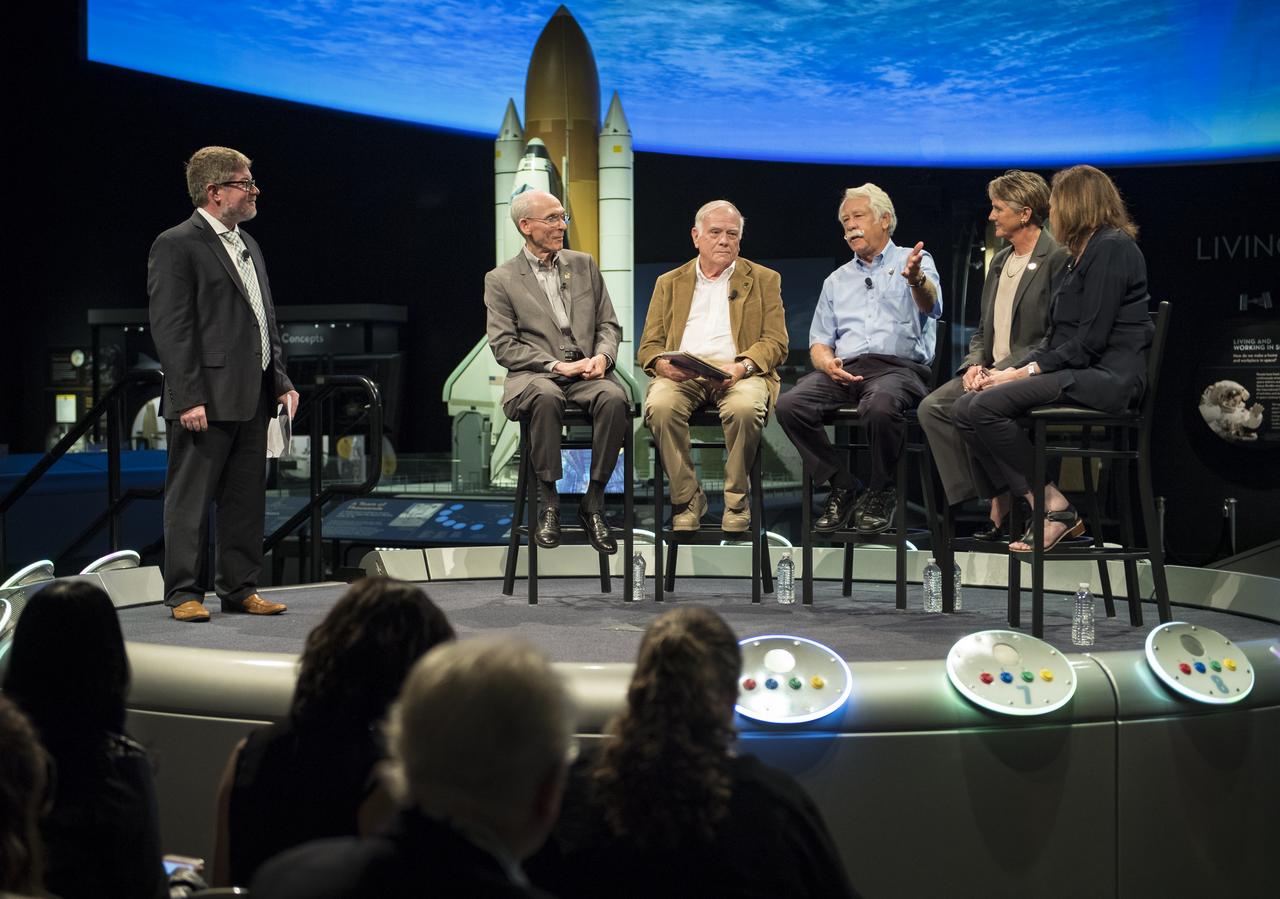
Matthew Shindell, curator, Smithsonian National Air and Space Museum (NASM), far left, moderates a panel including, from left to right, Ed Stone, Voyager project scientist; Gary Flandro, Voyager mission grand tour creator; Alan Cummings, Voyager researcher; Suzy Dodd, Voyager project manager, NASA's Jet Propulsion Laboratory; and Ann Druyan, writer/producer, Golden Record Visionary during a celebration of the 40th Anniversary of the launch of the Voyager 1 and 2 missions, Tuesday, September 5, 2017 at NASM in Washington. Voyager 1 was launched September 5, 1977, with a mission to study Jupiter and Saturn, but now the twin Voyager spacecrafts are on a journey into interstellar space to search for the heliopause, a region never reached by any other spacecraft. Photo Credit: (NASA/Aubrey Gemignani)
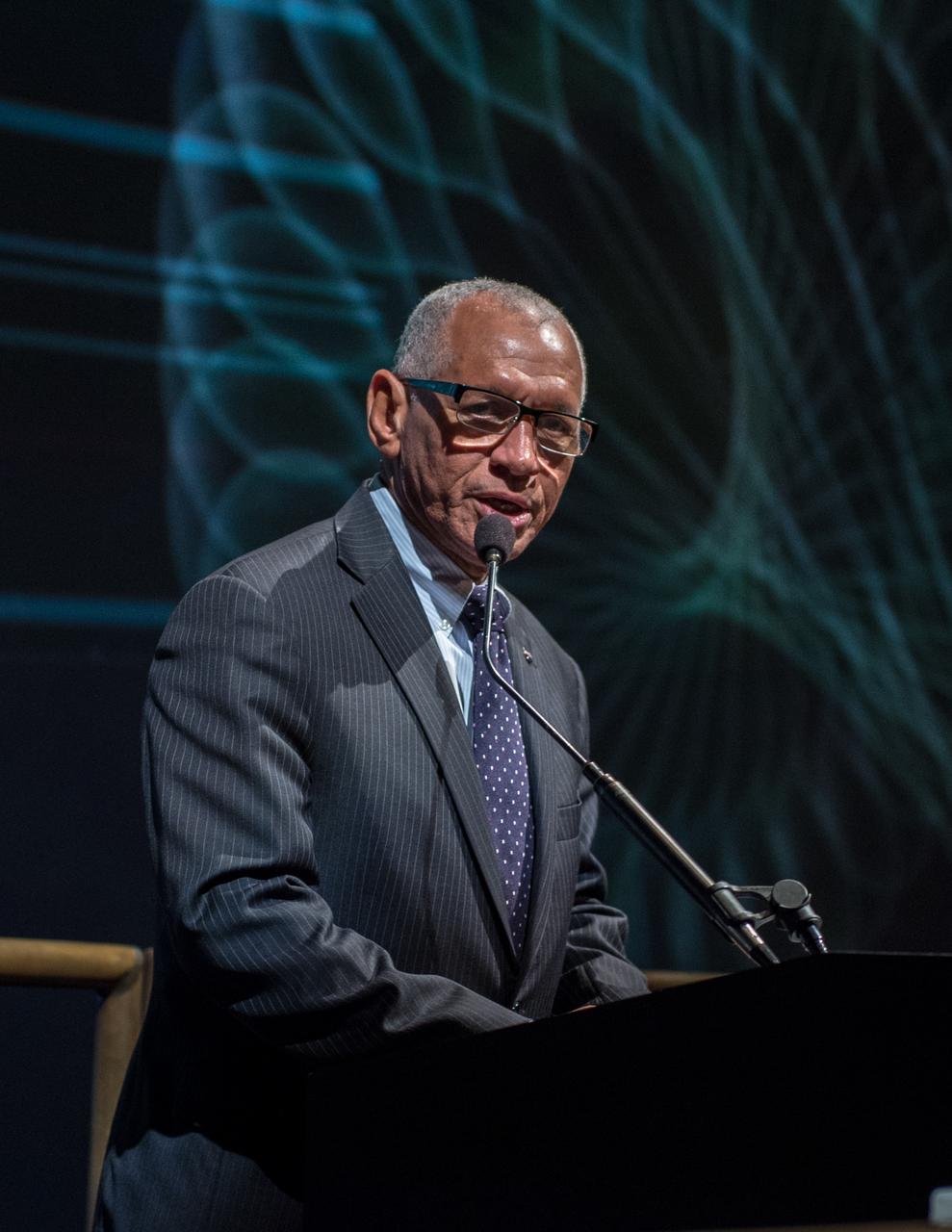
NASA Administrator Charlie Bolden at the National Air and Space Museum (NASM) event sponsored by Goddard Space Flight Center and the Maryland Space Business Roundtable (MSBR).
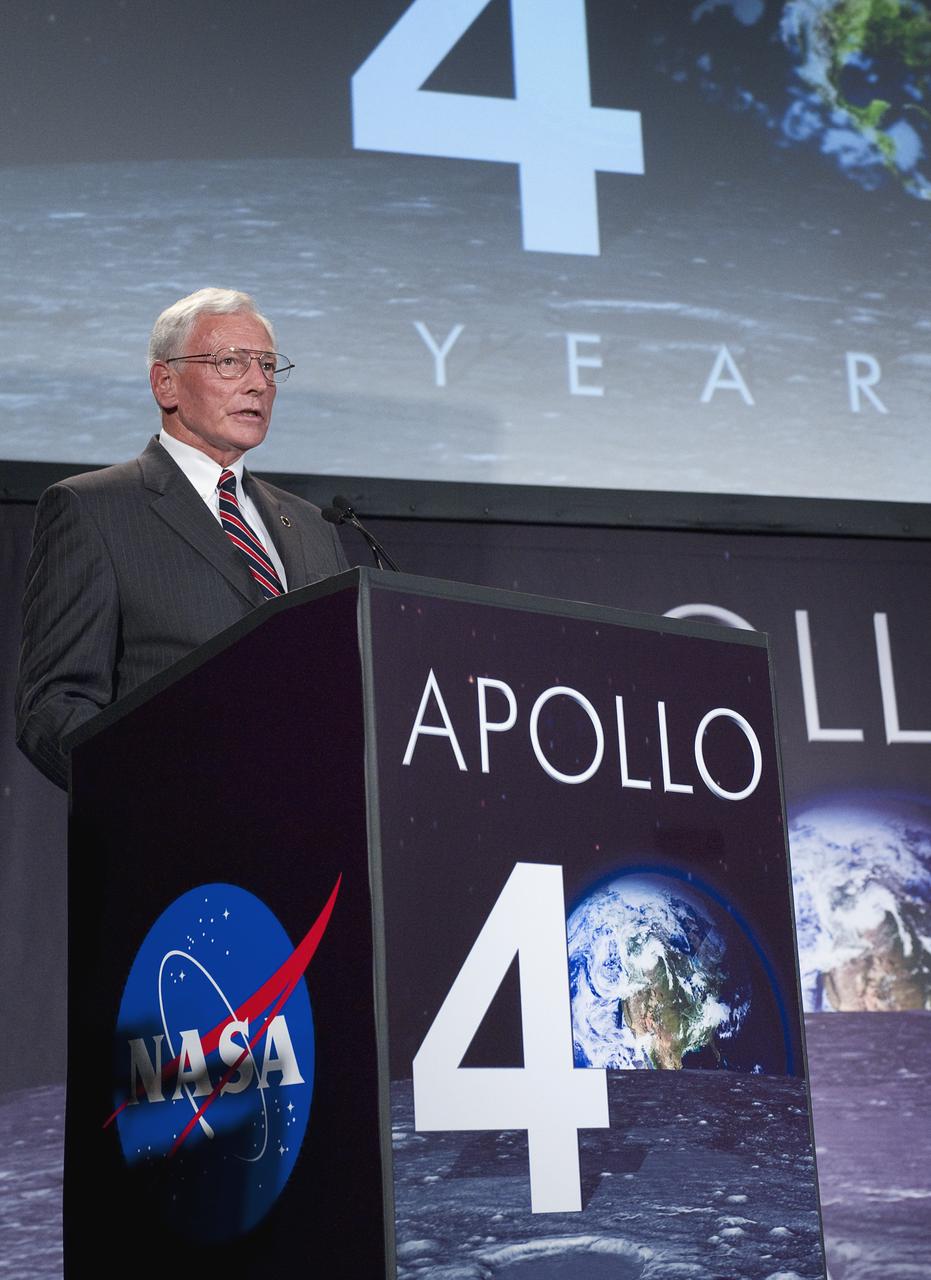
Director of the Smithsonian's National Air and Space Museum Gen. John R. "Jack" Dailey gives his opening remarks at the Apollo 40th anniversary celebration held at the National Air and Space Museum, Monday, July 20, 2009 in Washington. Photo Credit: (NASA/Bill Ingalls)
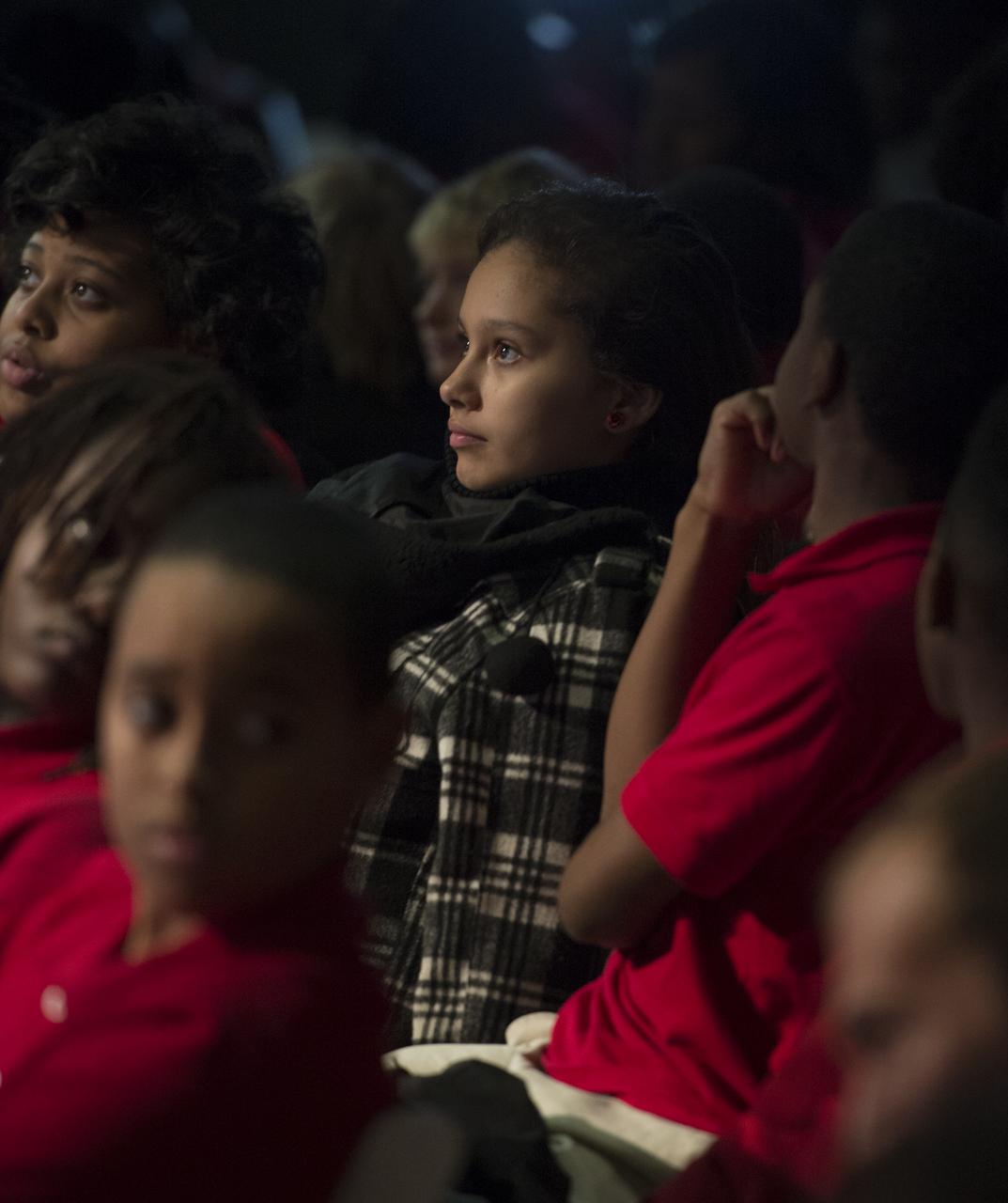
Students from D.C.'s Stuart-Hobson Middle School participate in a live video downlink with astronauts aboard the International Space Station at the Smithsonian National Air and Space Museum, Thursday, Nov. 15, 2012 in Washington. The downlink is an annual event held in honor of International Education Week, and was co-hosted with the Department of Education and the National Center for Earth and Space Science Education (NCESSE). Photo Credit: (NASA/Carla Cioffi)
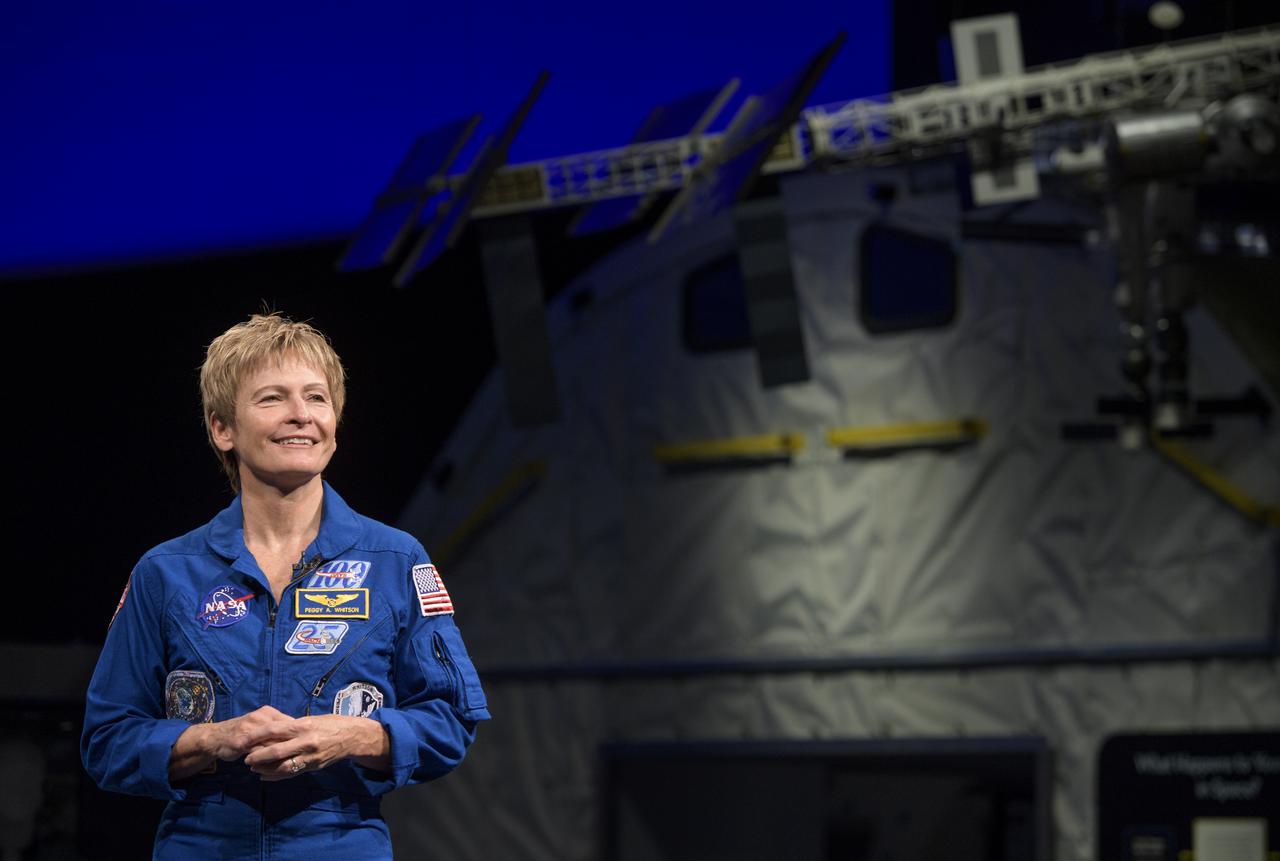
NASA astronaut Peggy Whitson is seen during an interview, Friday, March 2, 2018 at the Smithsonian's National Air and Space Museum in Washington. Whitson spent 288 days onboard the International Space Station as a member of Expedition 50, 51, and 52, conducting four spacewalks and contributing to hundreds of experiments in biology, biotechnology, physical science and Earth science during her stay. Photo Credit: (NASA/Joel Kowsky)
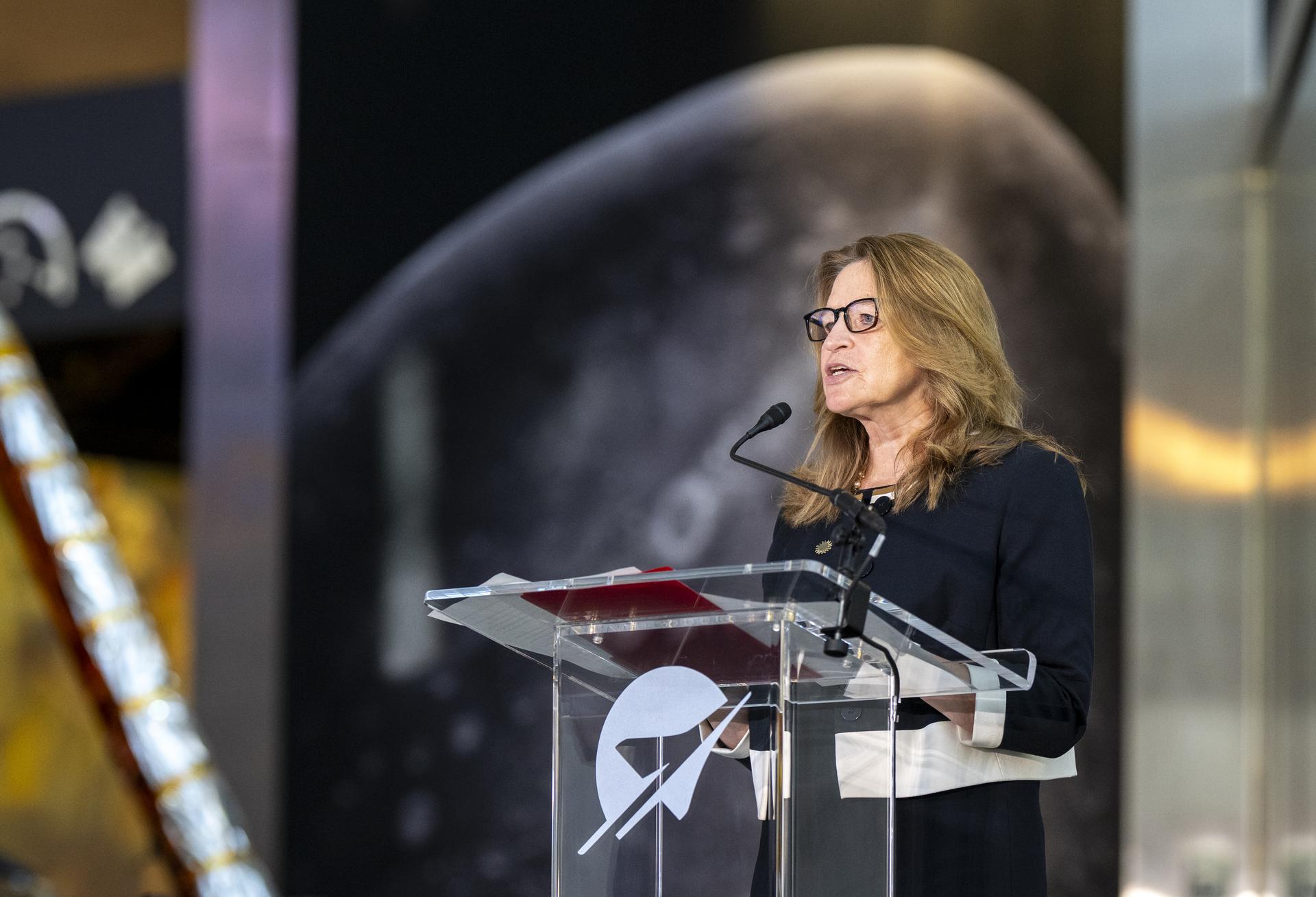
Under Secretary for Science and Research at the Smithsonian Institution Ellen Stofan delivers remarks during the Smithsonian’s National Air and Space Museum rededication ceremony Wednesday, July 1, 2026, in Washington. Photo Credit: (NASA/Keegan Barber)
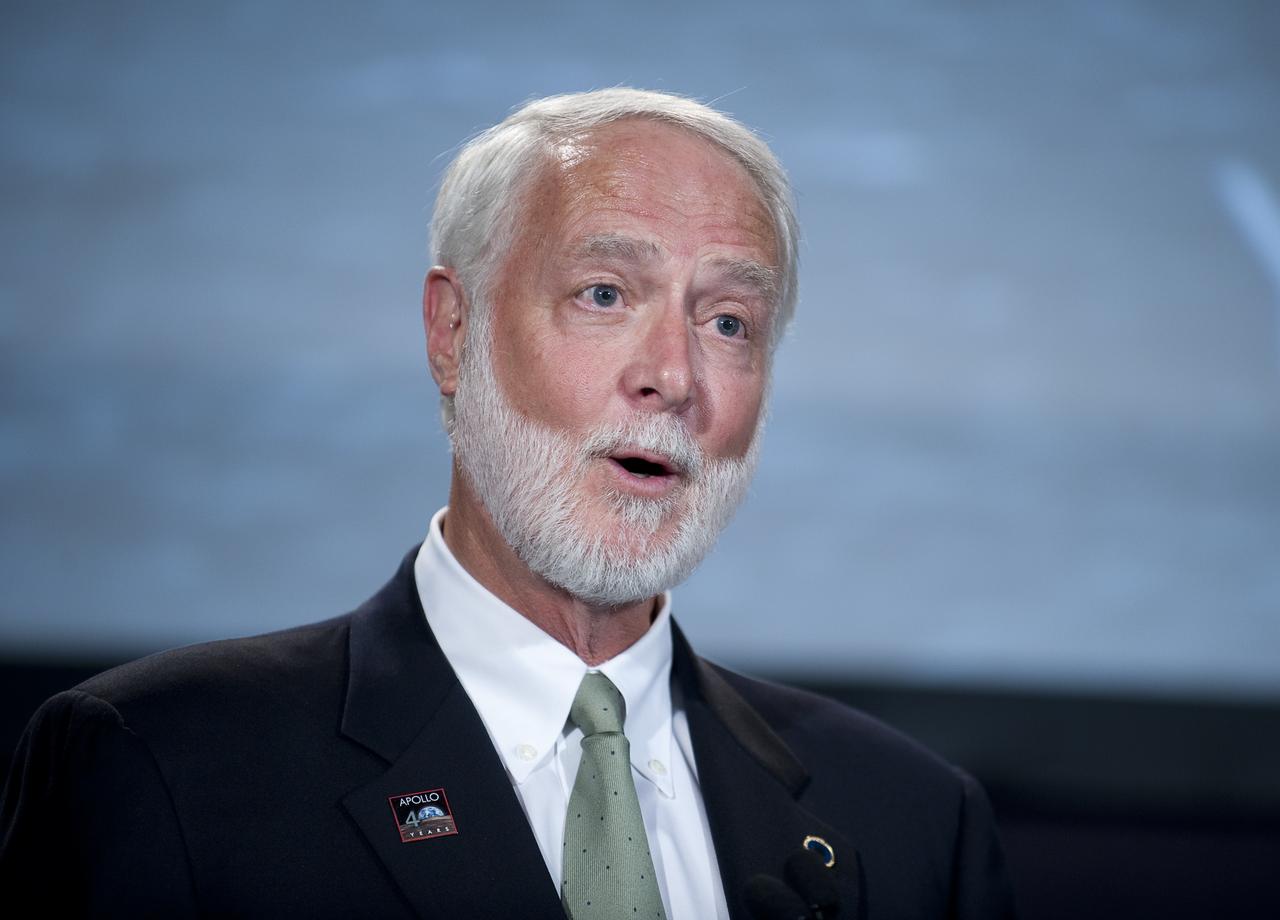
Secretary of the Smithsonian Institution Wayne Clough speaks at the Apollo 40th anniversary celebration held at the National Air and Space Museum, Monday, July 20, 2009 in Washington. Photo Credit: (NASA/Bill Ingalls)
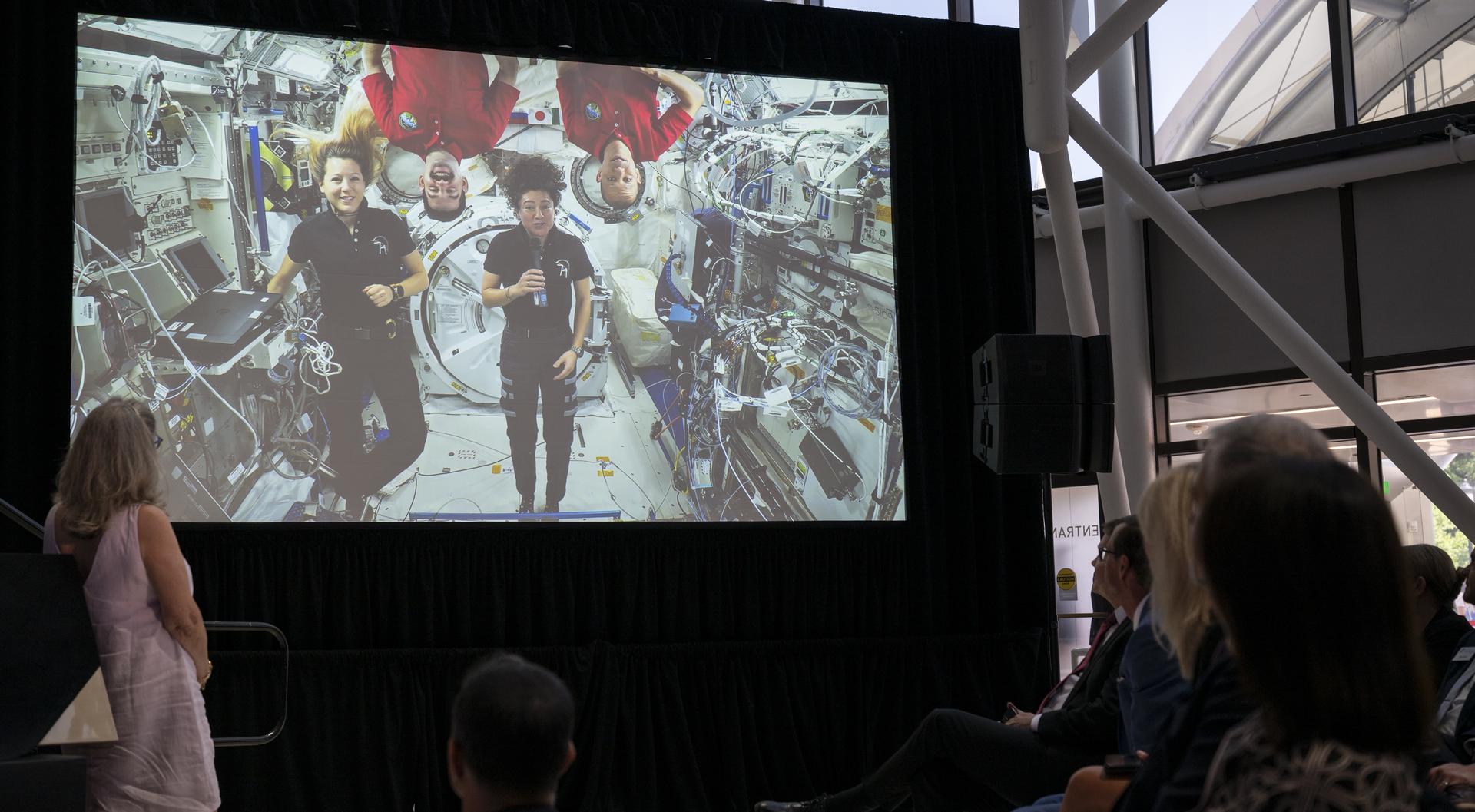
Guests watch a prerecorded message from members of Expedition 74 aboard the International Space Station during the Smithsonian’s National Air and Space Museum rededication ceremony Wednesday, July 1, 2026, in Washington. Photo Credit: (NASA/Keegan Barber)
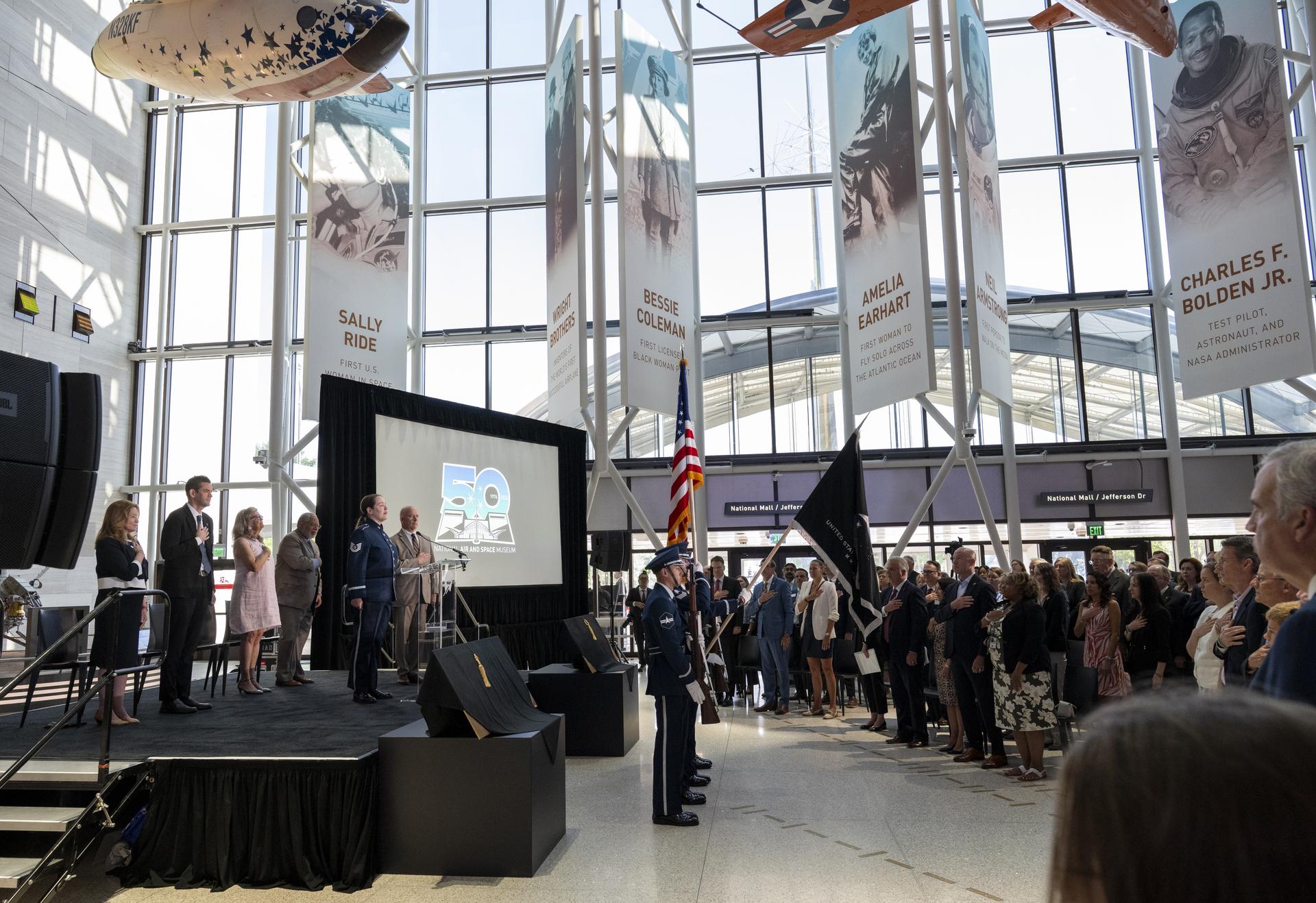
Guests stand for the singing of the national anthem prior to the Smithsonian’s National Air and Space Museum rededication ceremony Wednesday, July 1, 2026, in Washington. Photo Credit: (NASA/Keegan Barber)
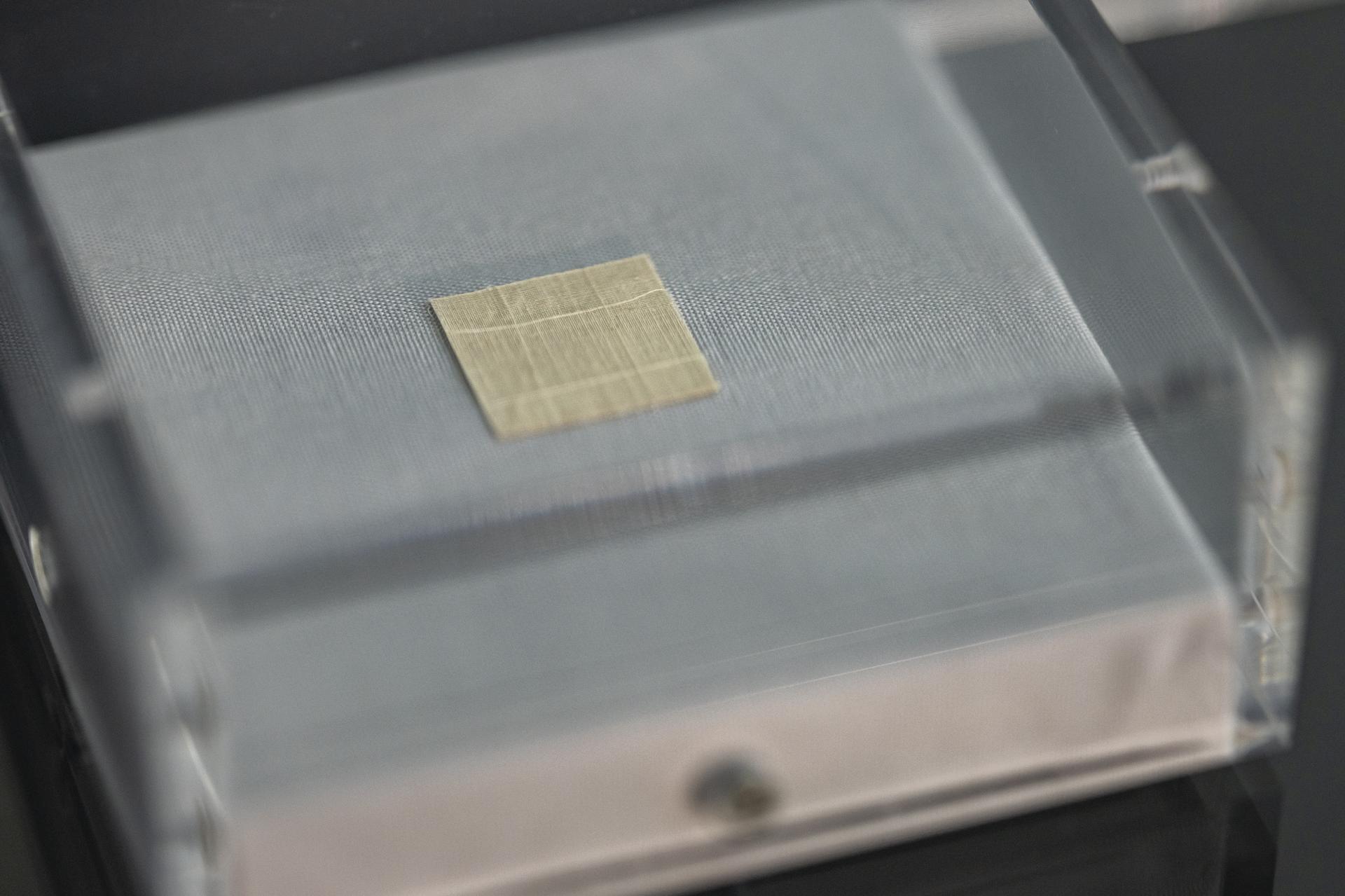
A swatch of muslin fabric from the original Wright Flyer the Wright Brothers used to make the first powered flight in 1903 is seen prior to the Smithsonian’s National Air and Space Museum rededication ceremony Wednesday, July 1, 2026, in Washington. The swatch is being returned to the museum after having been flown aboard NASA’s Artemis II mission around the Moon and back to Earth in April 2026. Photo Credit: (NASA/Keegan Barber)
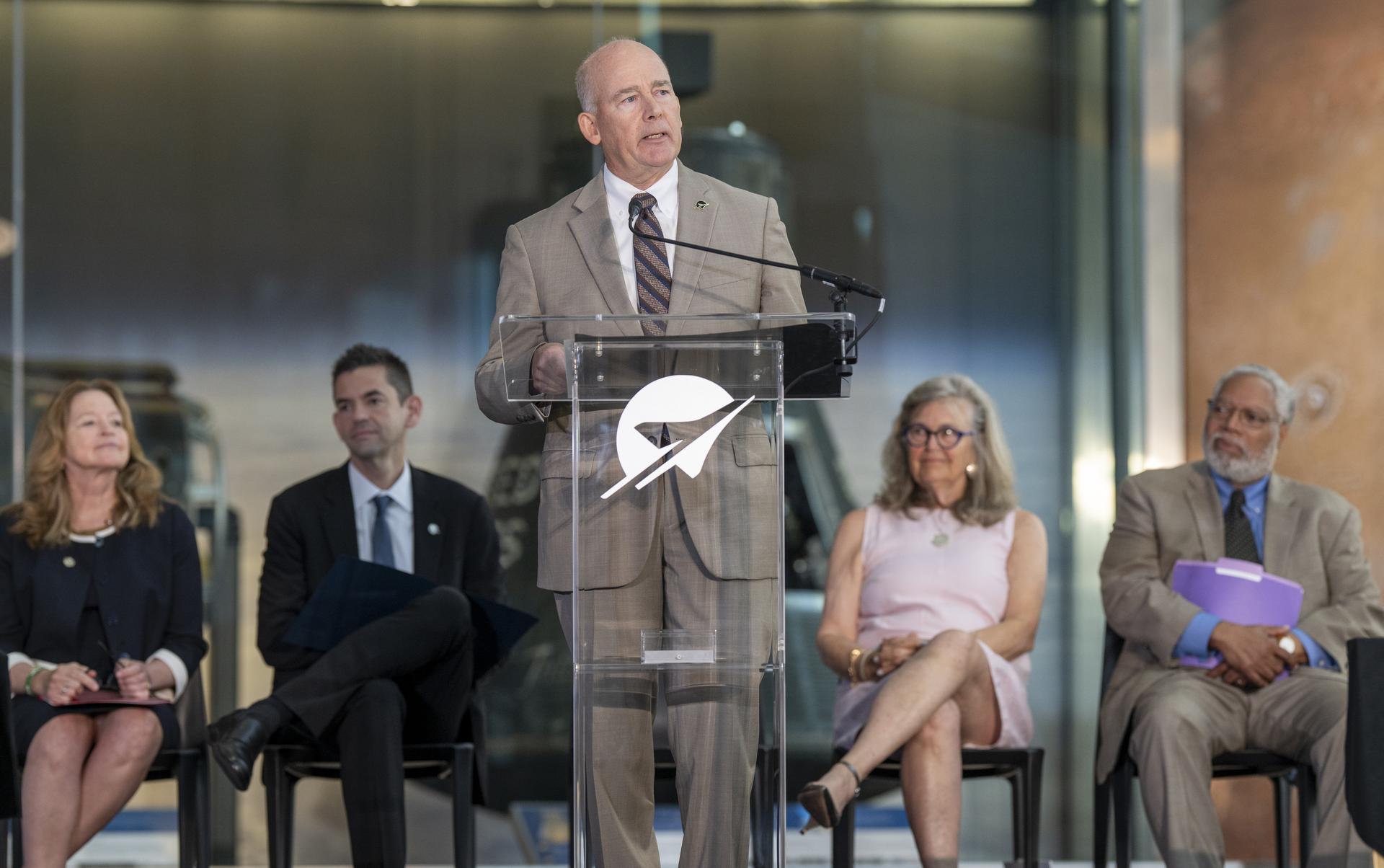
Director of the Smithsonian’s National Air and Space Museum Christopher Browne delivers remarks during the museum’s rededication ceremony Wednesday, July 1, 2026, in Washington. Photo Credit: (NASA/Keegan Barber)
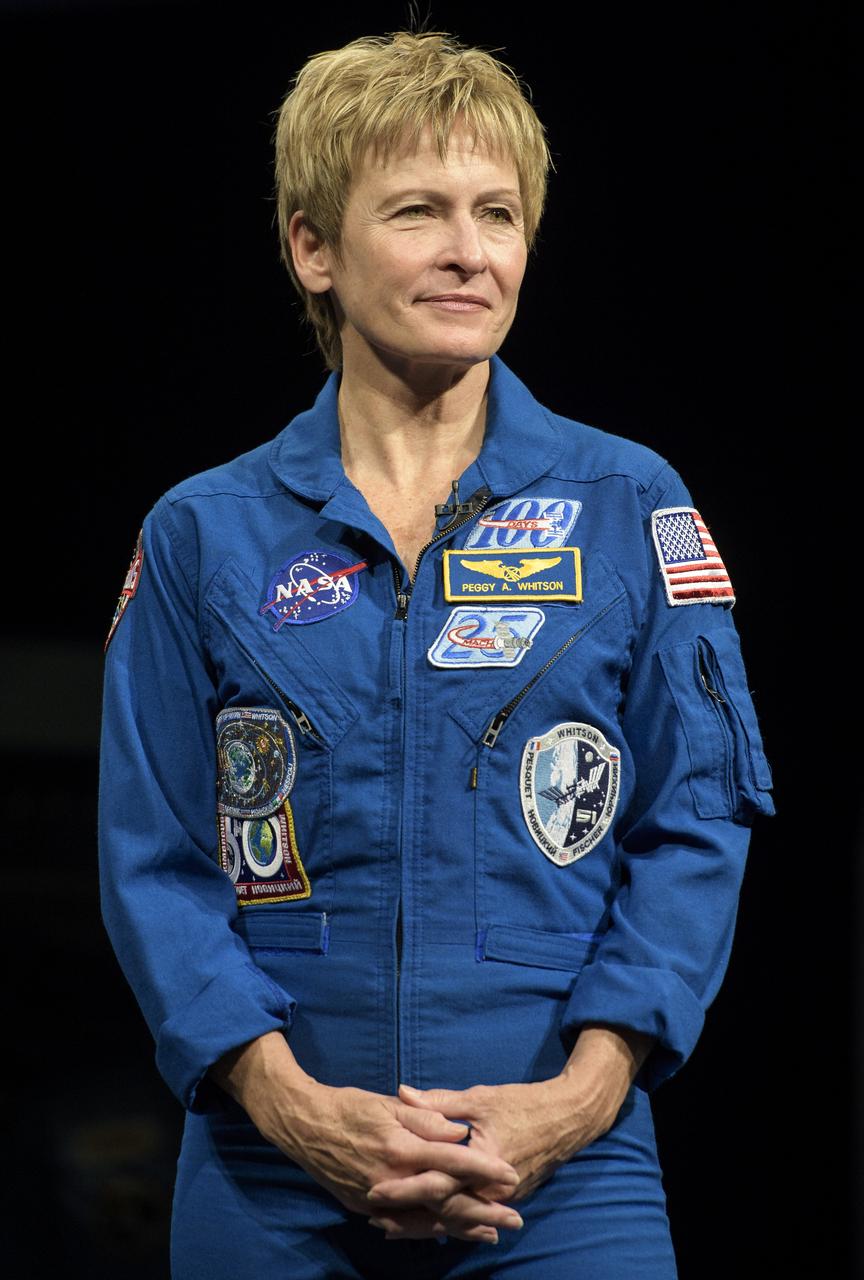
NASA astronaut Peggy Whitson is seen during an interview, Friday, March 2, 2018 at the Smithsonian's National Air and Space Museum in Washington. Whitson spent 288 days onboard the International Space Station as a member of Expedition 50, 51, and 52, conducting four spacewalks and contributing to hundreds of experiments in biology, biotechnology, physical science and Earth science during her stay. Photo Credit: (NASA/Joel Kowsky)
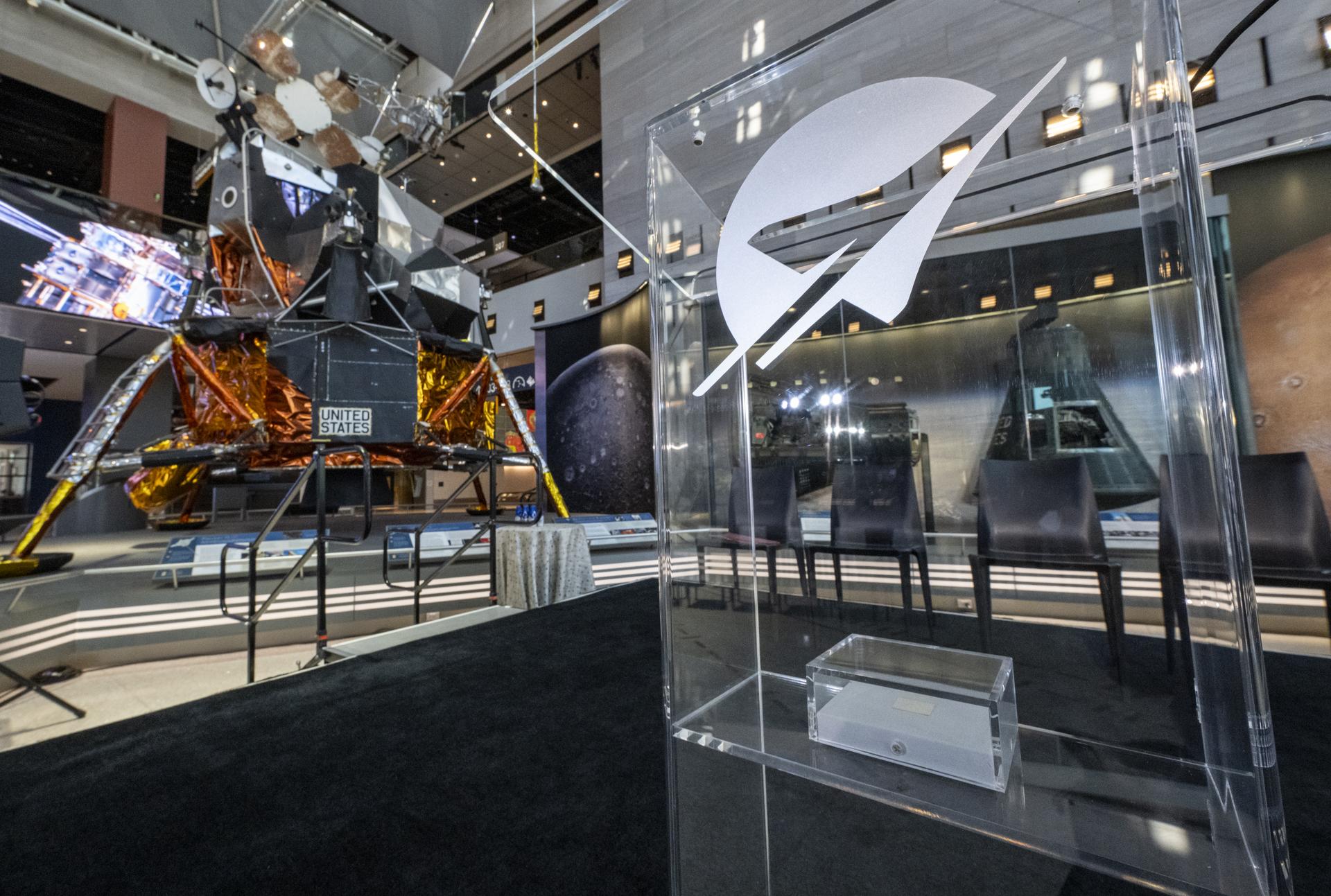
A swatch of muslin fabric from the original Wright Flyer the Wright Brothers used to make the first powered flight in 1903 is seen prior to the Smithsonian’s National Air and Space Museum rededication ceremony Wednesday, July 1, 2026, in Washington. The swatch is being returned to the museum after having been flown aboard NASA’s Artemis II mission around the Moon and back to Earth in April 2026. Photo Credit: (NASA/Keegan Barber)
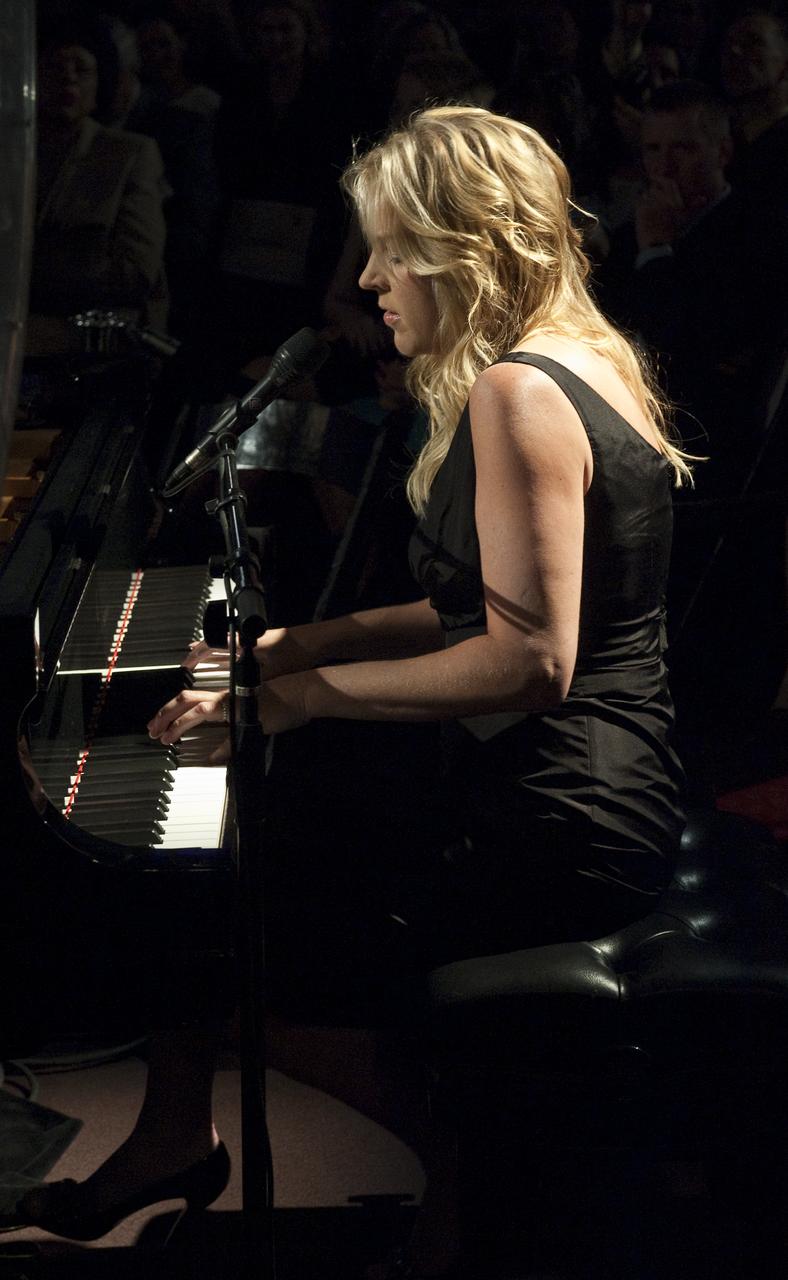
Jazz pianist and singer Diana Krall performs at the Apollo 40th anniversary celebration held at the National Air and Space Museum, Monday, July 20, 2009 in Washington. Diana Krall talked about her love of space flight and showed off her temporary tattoo that honors Canadian Astronaut Bob Thirsk who is currently onboard the International Space Station. Photo Credit: (NASA/Carla Cioffi)
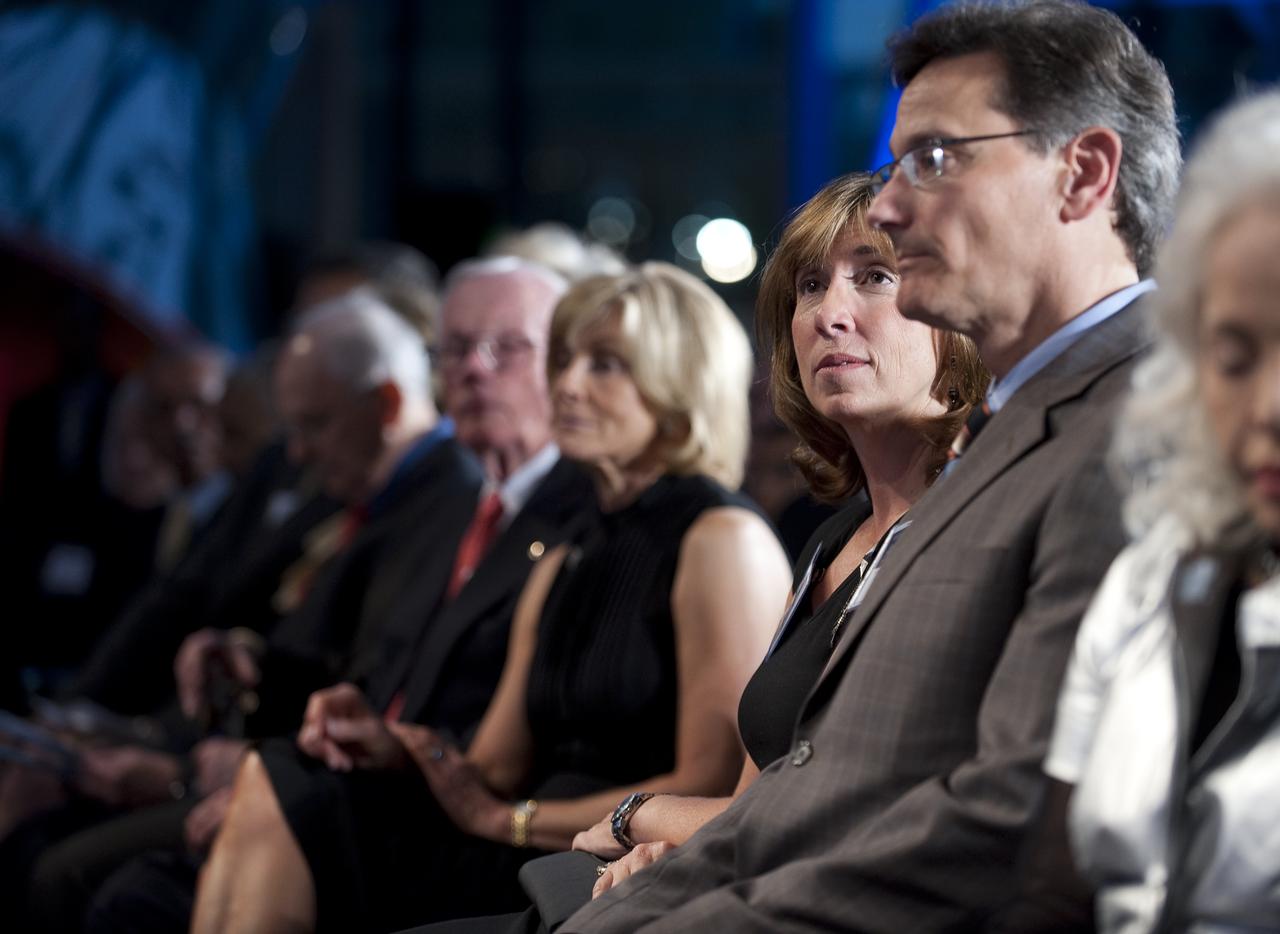
NASA Deputy Administrator Lori Garver listens during the Apollo 40th anniversary celebration held at the National Air and Space Museum, Monday, July 20, 2009 in Washington. Photo Credit: (NASA/Bill Ingalls)
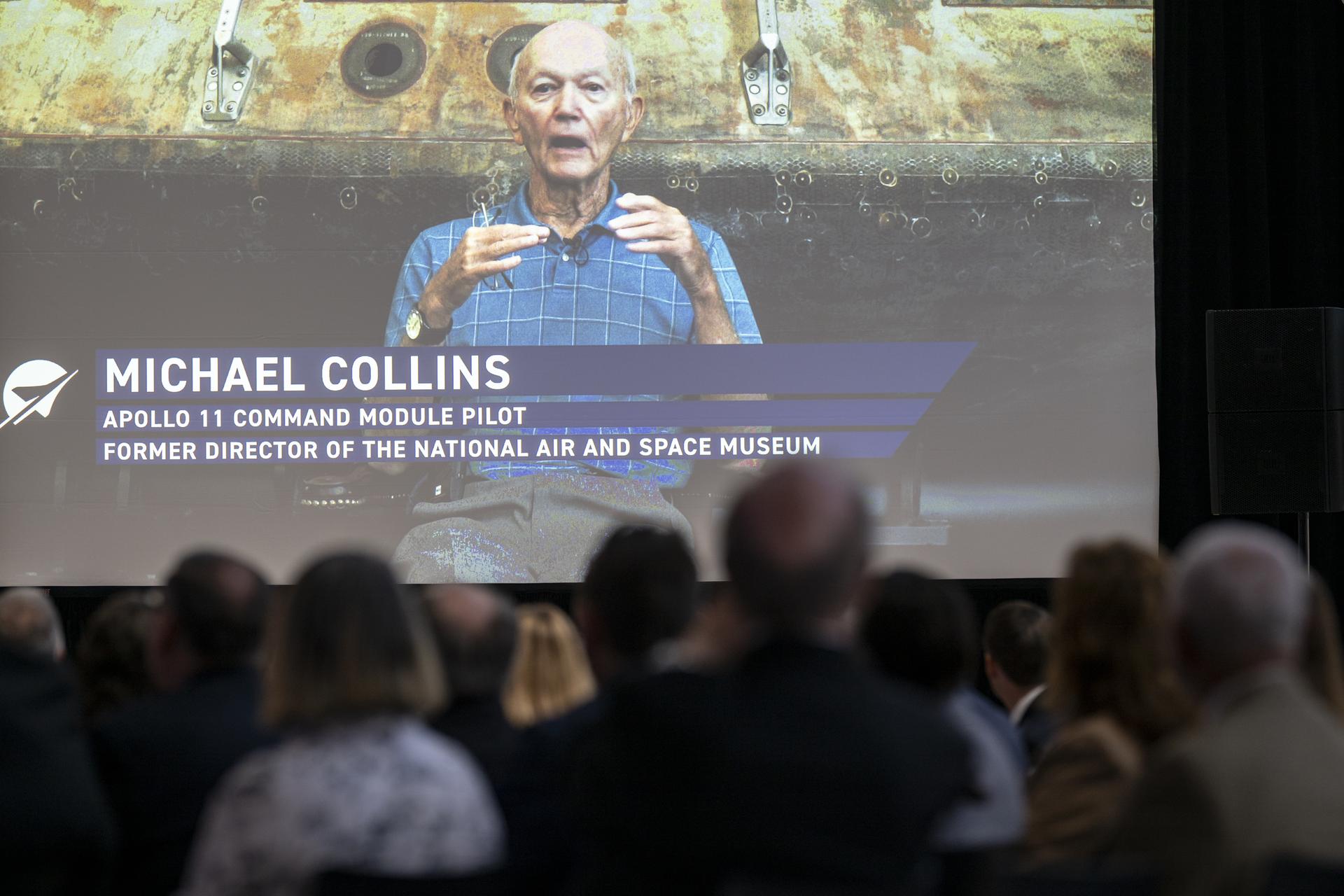
Guests view a video presentation during the Smithsonian’s National Air and Space Museum rededication ceremony Wednesday, July 1, 2026, in Washington. Photo Credit: (NASA/Keegan Barber)
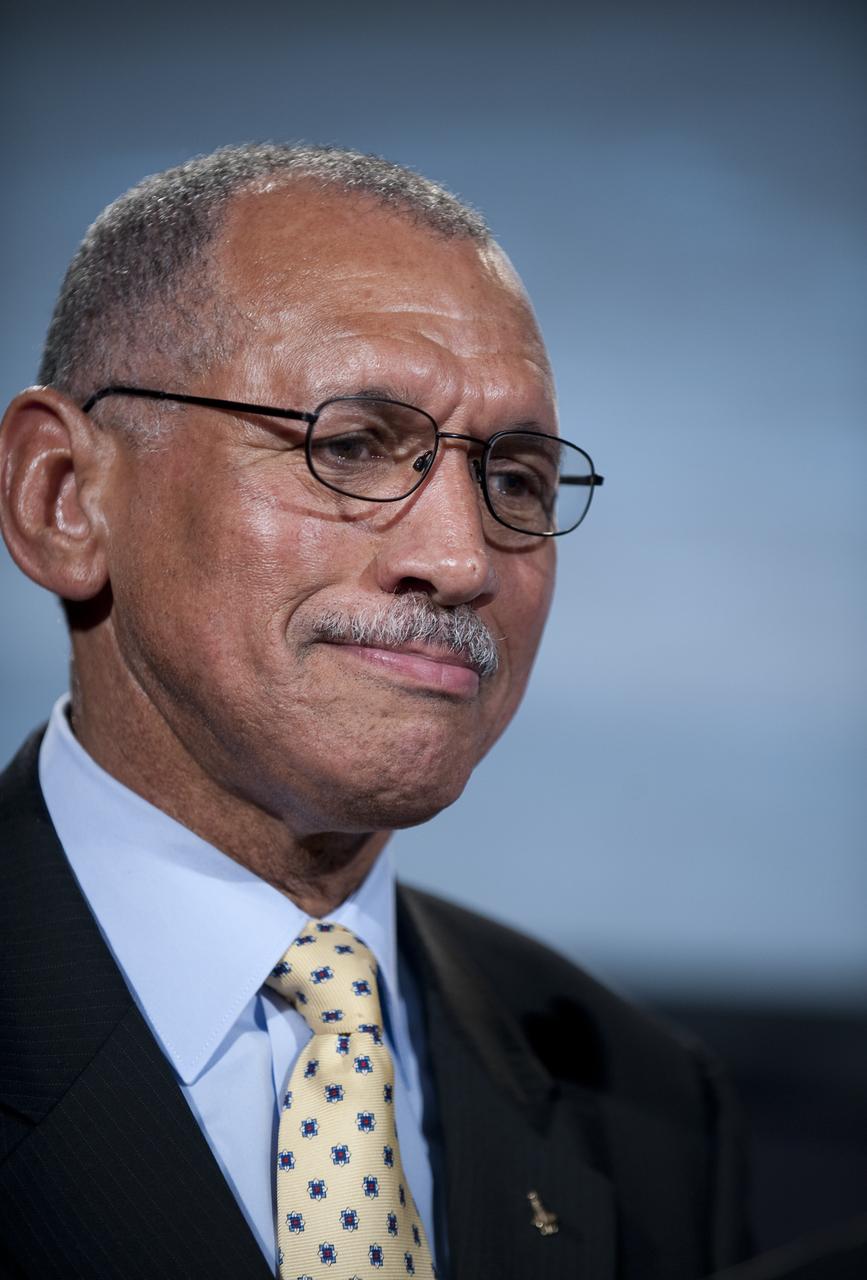
NASA Administrator Charles F. Bolden, Jr. speaks at the Apollo 40th anniversary celebration held at the National Air and Space Museum, Monday, July 20, 2009 in Washington. Photo Credit: (NASA/Bill Ingalls)
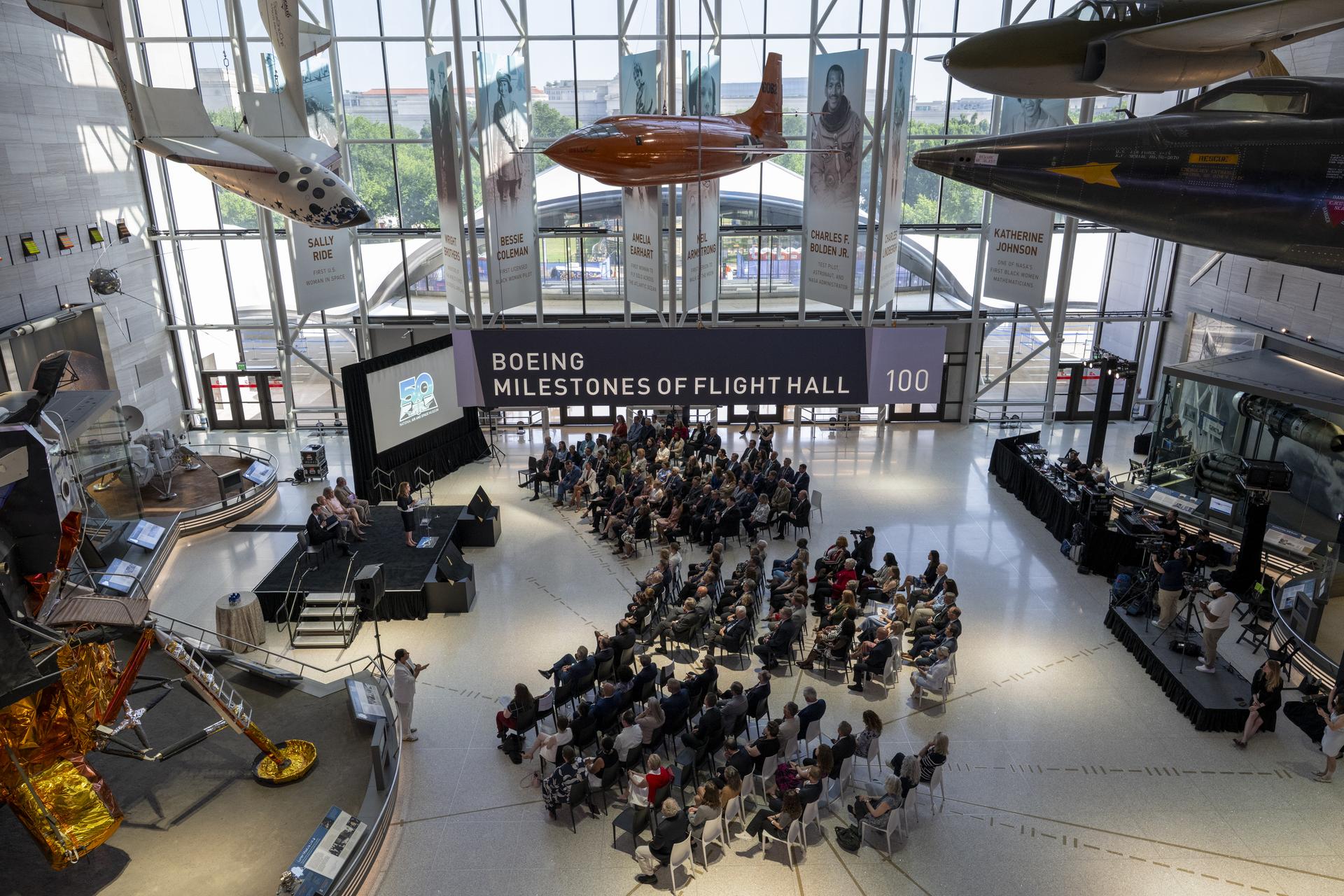
Under Secretary for Science and Research at the Smithsonian Institution Ellen Stofan delivers remarks during the Smithsonian’s National Air and Space Museum rededication ceremony Wednesday, July 1, 2026, in Washington. Photo Credit: (NASA/Keegan Barber)
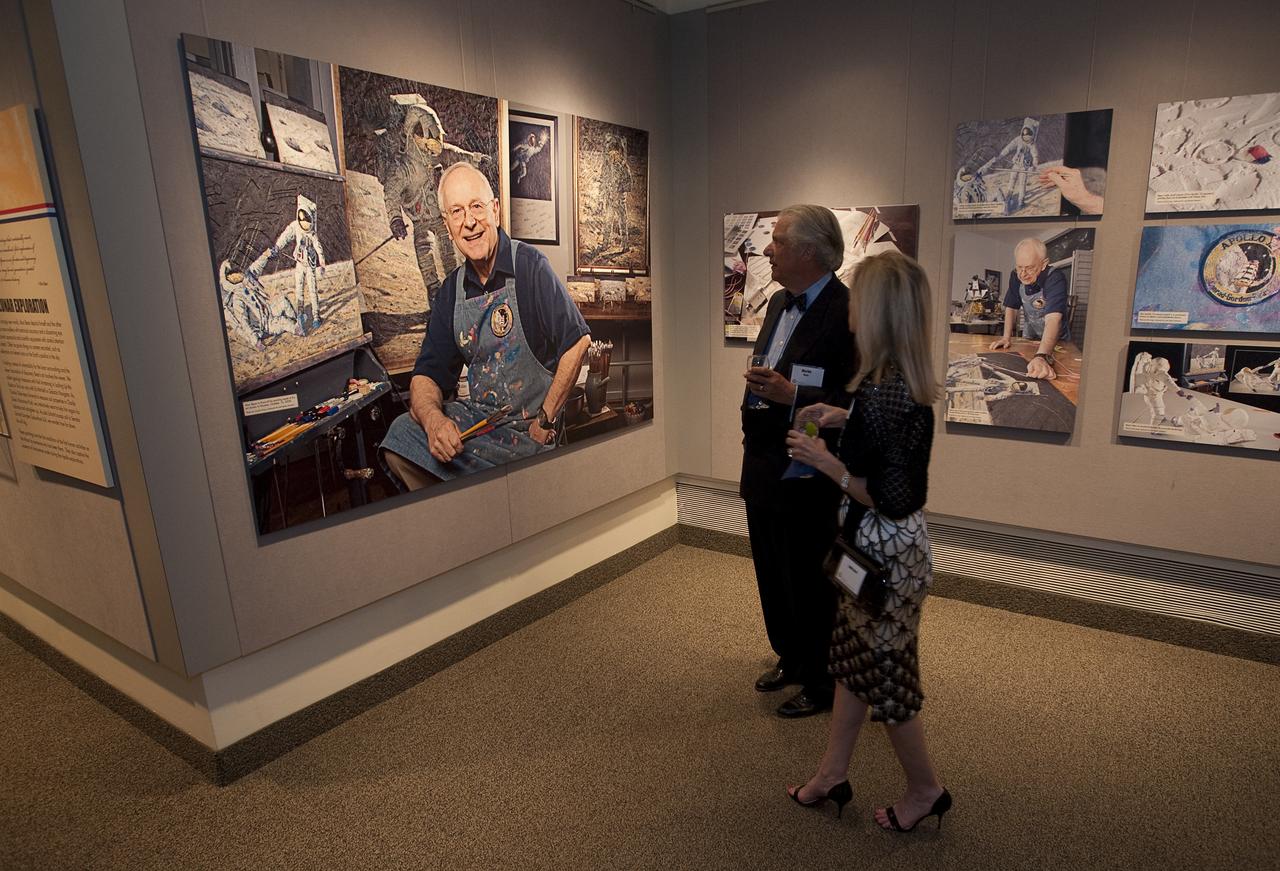
Guest view works of art by NASA Apollo 12 Astronaut and Artist Alan Bean during the opening of the show "Alan Bean: Painting Apollo, First Artist on Another World" at the National Air and Space Museum, Monday, July 20, 2009 in Washington. The show opening coincided with the 40th anniversary celebration of Apollo. Photo Credit: (NASA/Bill Ingalls)
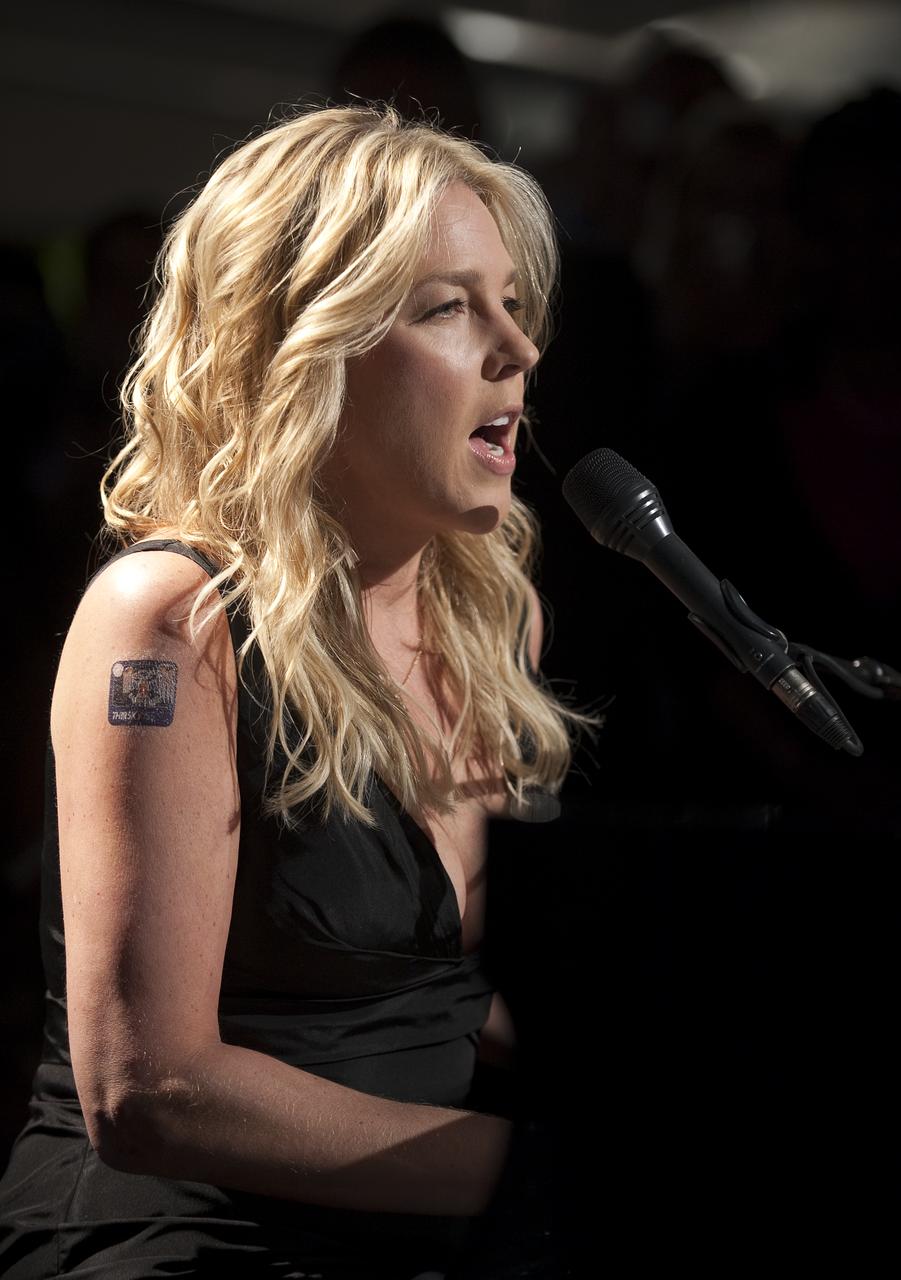
Jazz pianist and singer Diana Krall performs at the Apollo 40th anniversary celebration held at the National Air and Space Museum, Monday, July 20, 2009 in Washington. Diana Krall talked about her love of space flight and showed off her temporary tattoo that honors Canadian Astronaut Bob Thirsk who is currently onboard the International Space Station. Photo Credit: (NASA/Bill Ingalls)
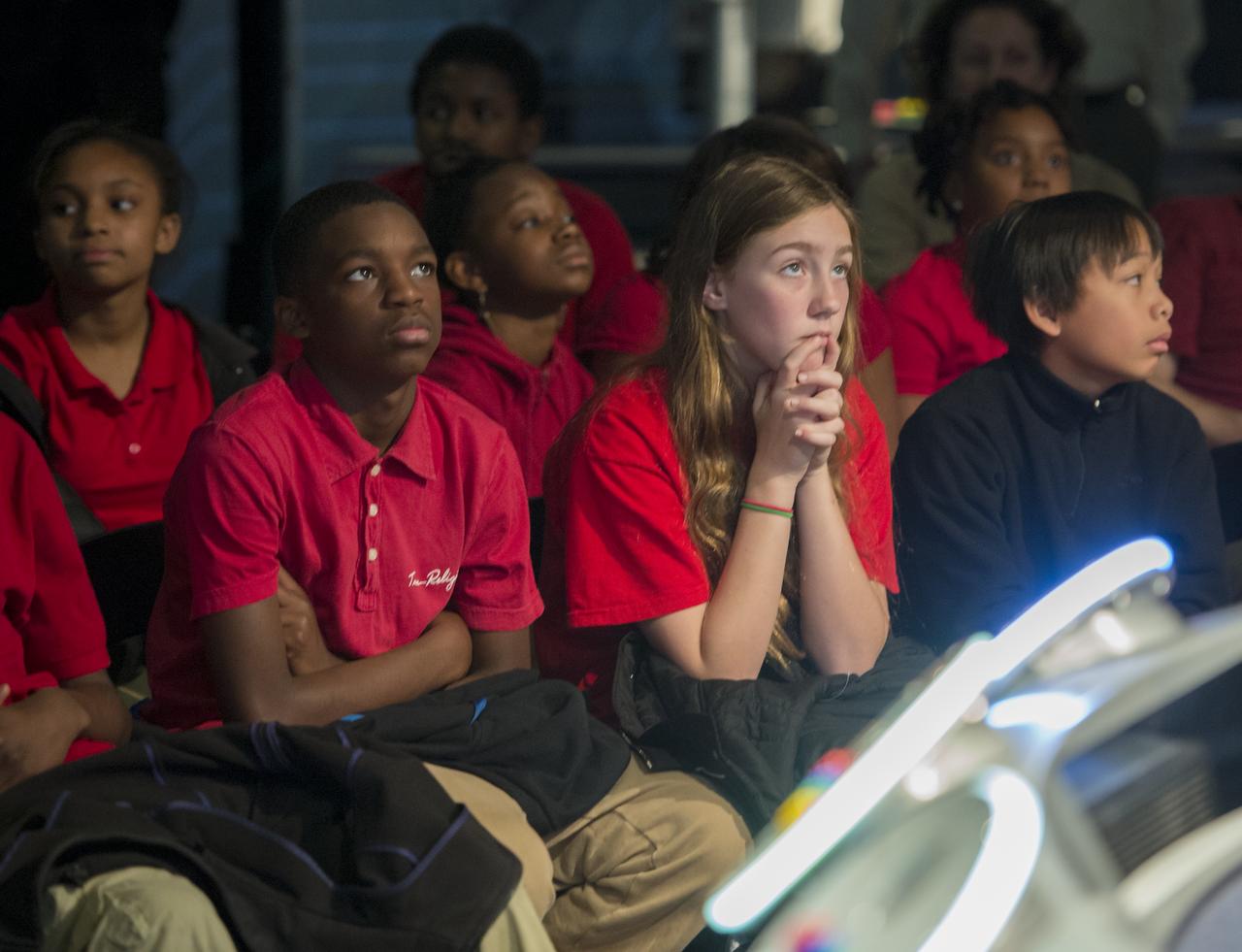
Students from D.C.'s Stuart-Hobson Middle School participate in a live video downlink with astronauts aboard the International Space Station at the Smithsonian National Air and Space Museum, Thursday, Nov. 15, 2012 in Washington. The downlink is an annual event held in honor of International Education Week, and was co-hosted with the Department of Education and the National Center for Earth and Space Science Education (NCESSE). Photo Credit: (NASA/Carla Cioffi)
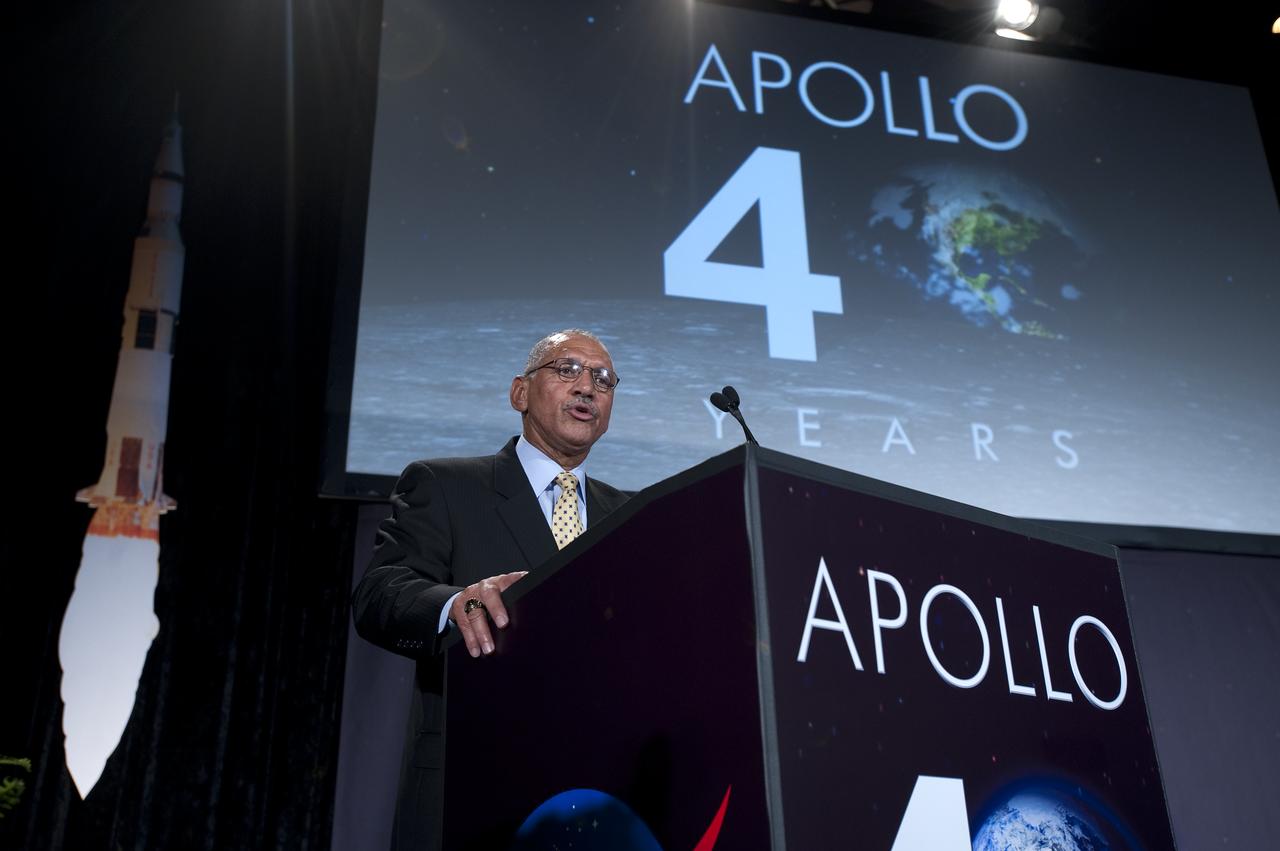
NASA Administrator Charles F. Bolden, Jr. speaks at the Apollo 40th anniversary celebration held at the National Air and Space Museum, Monday, July 20, 2009 in Washington. Photo Credit: (NASA/Bill Ingalls)
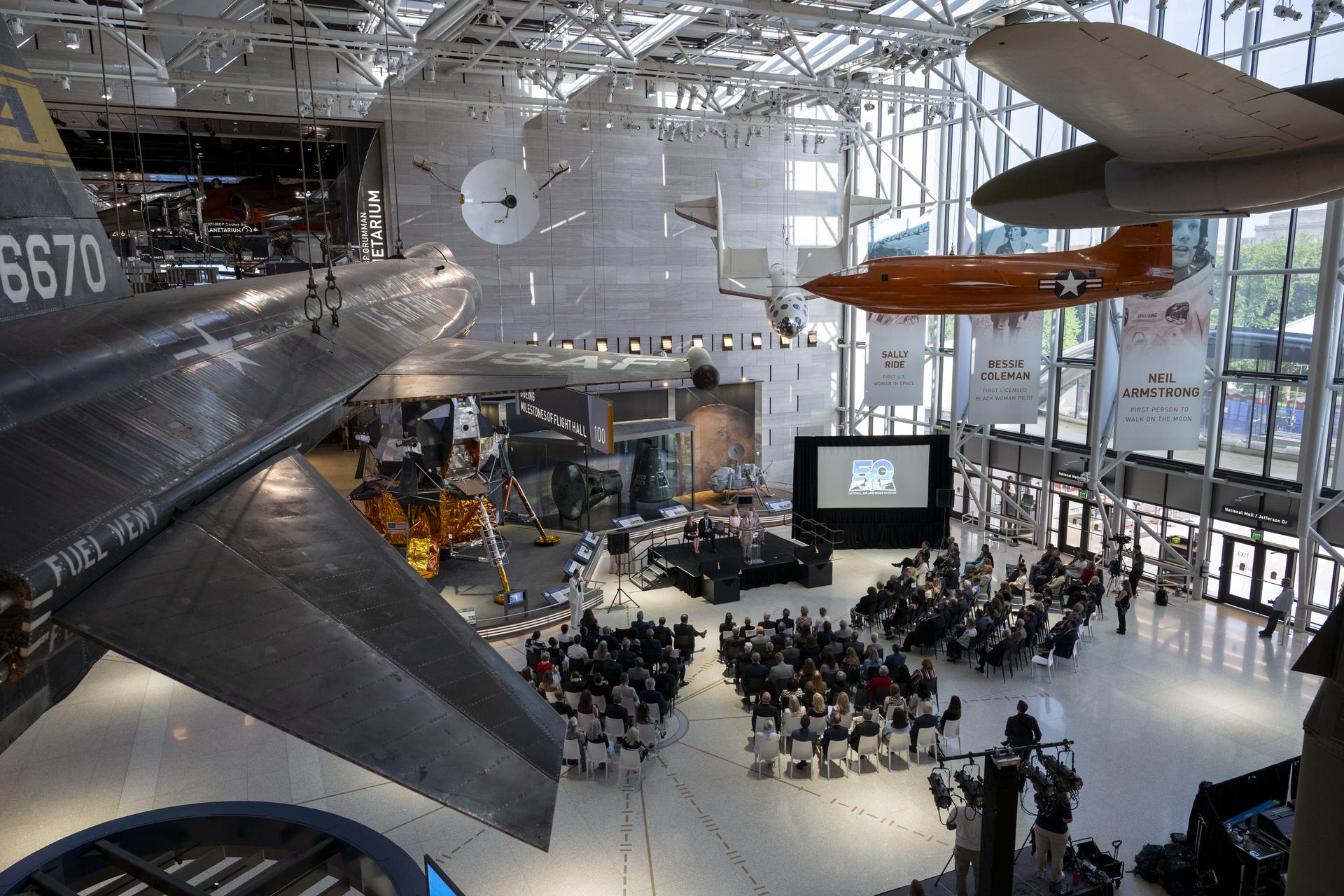
Director of the Smithsonian’s National Air and Space Museum Christopher Browne delivers remarks during the museum’s rededication ceremony Wednesday, July 1, 2026, in Washington. Photo Credit: (NASA/Keegan Barber)
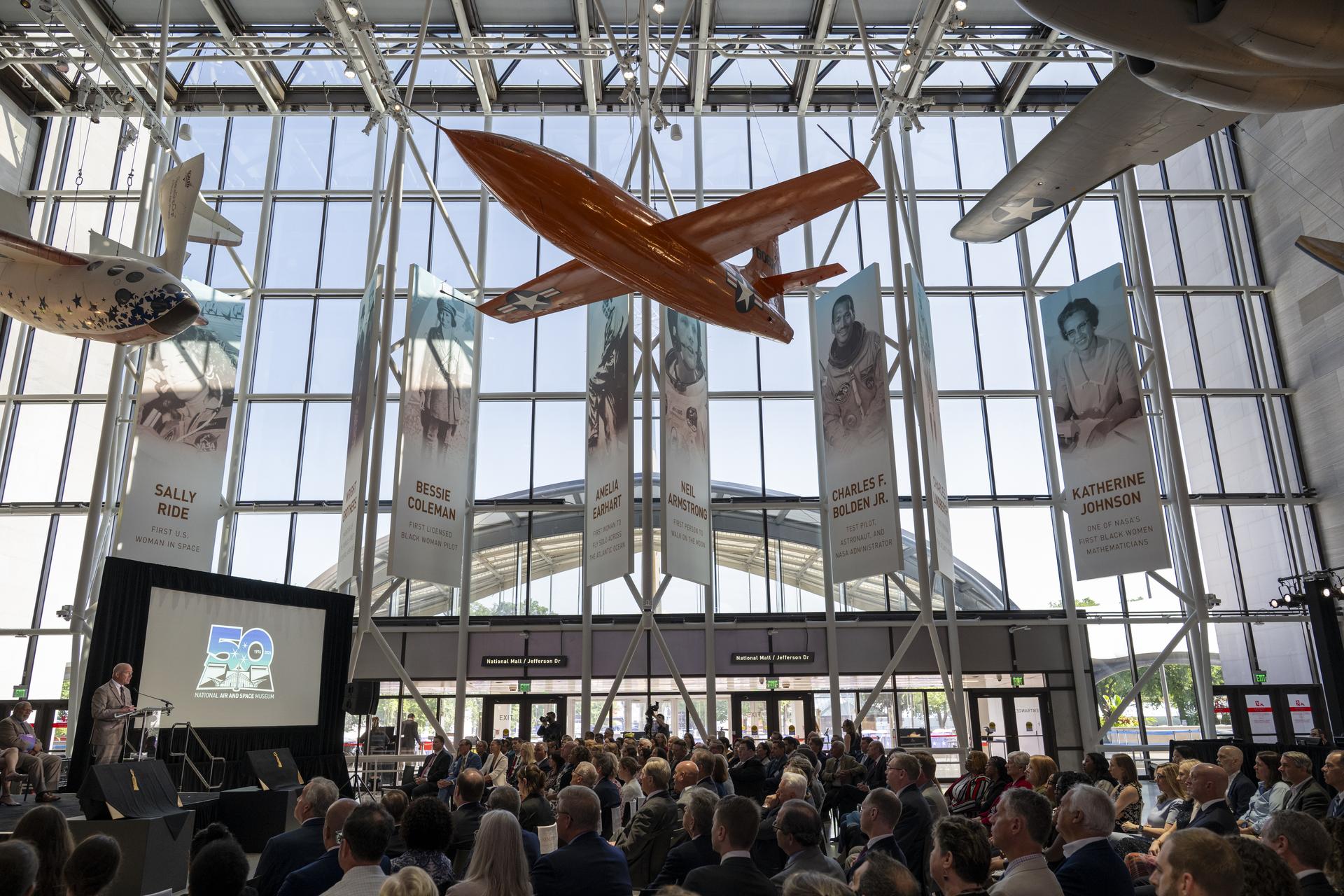
Director of the Smithsonian’s National Air and Space Museum Christopher Browne delivers remarks during the museum’s rededication ceremony Wednesday, July 1, 2026, in Washington. Photo Credit: (NASA/Keegan Barber)
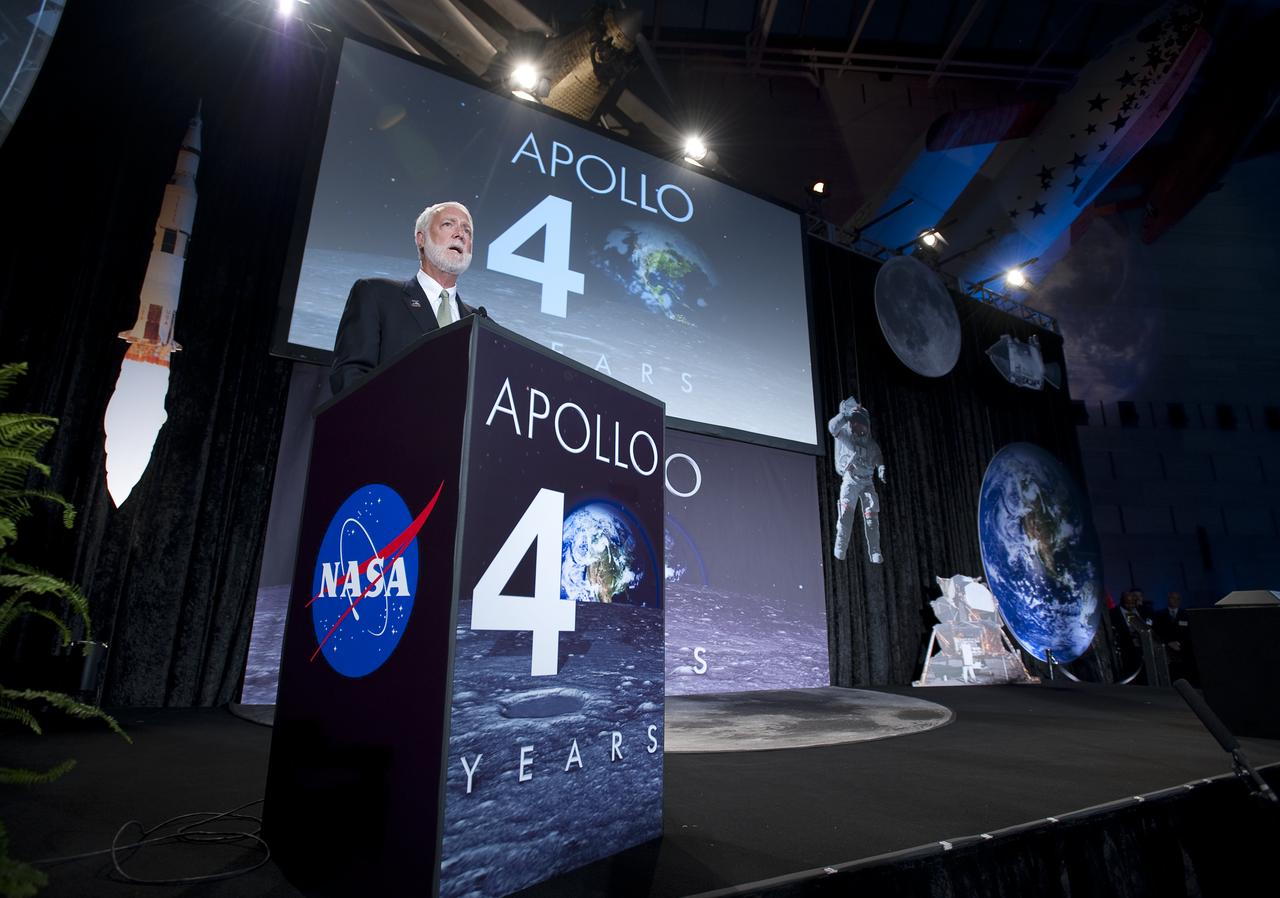
Secretary of the Smithsonian Institution Wayne Clough speaks at the Apollo 40th anniversary celebration held at the National Air and Space Museum, Monday, July 20, 2009 in Washington. Photo Credit: (NASA/Bill Ingalls)
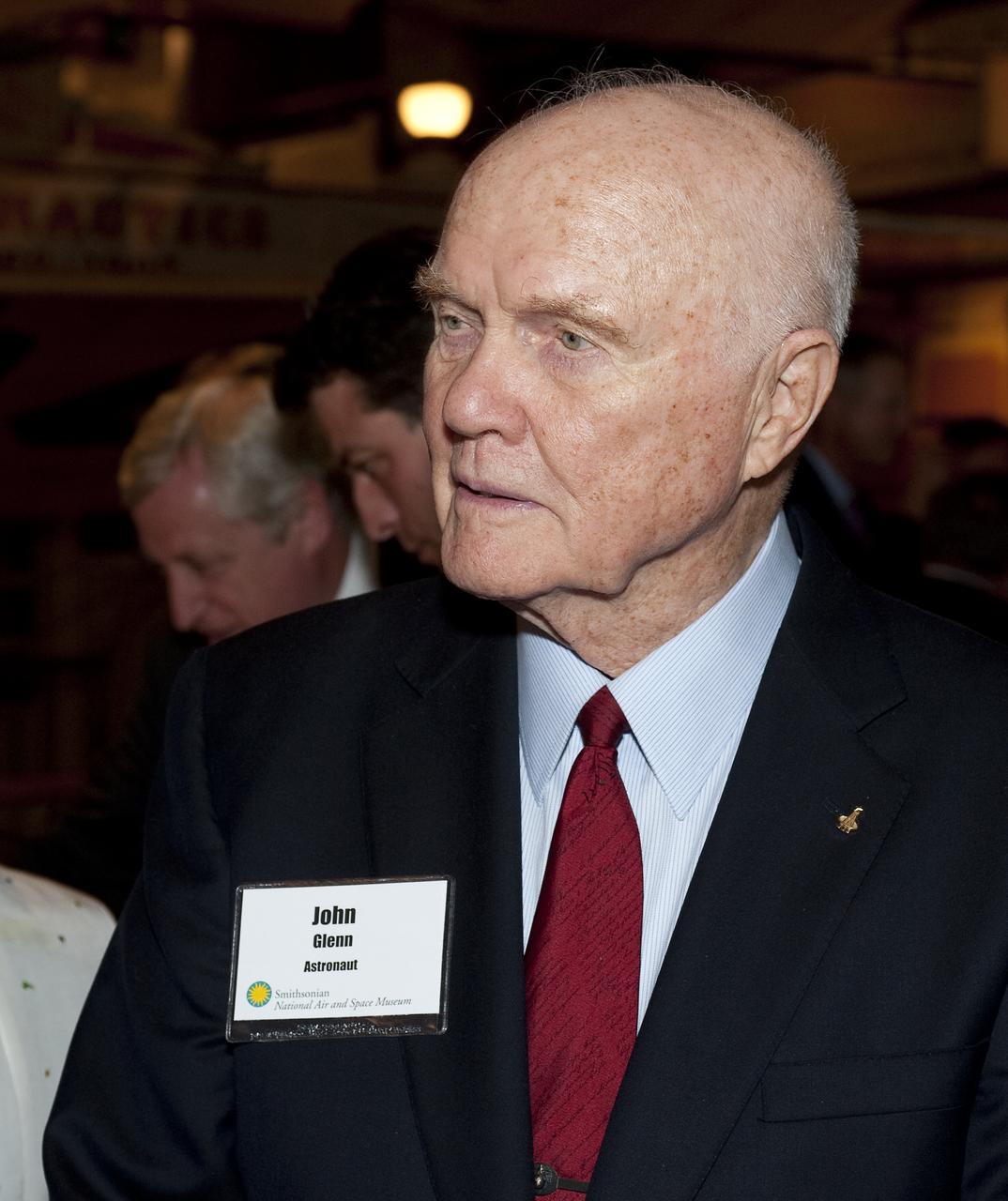
Former NASA Astronaut and U.S. Senator John Glenn is seen at the opening of the exhibit "Alan Bean: Painting Apollo, First Artist on Another World" at the National Air and Space Museum, Monday, July 20, 2009 in Washington. The show opening coincided with the 40th anniversary celebration of Apollo. Photo Credit: (NASA/Carla Cioffi)
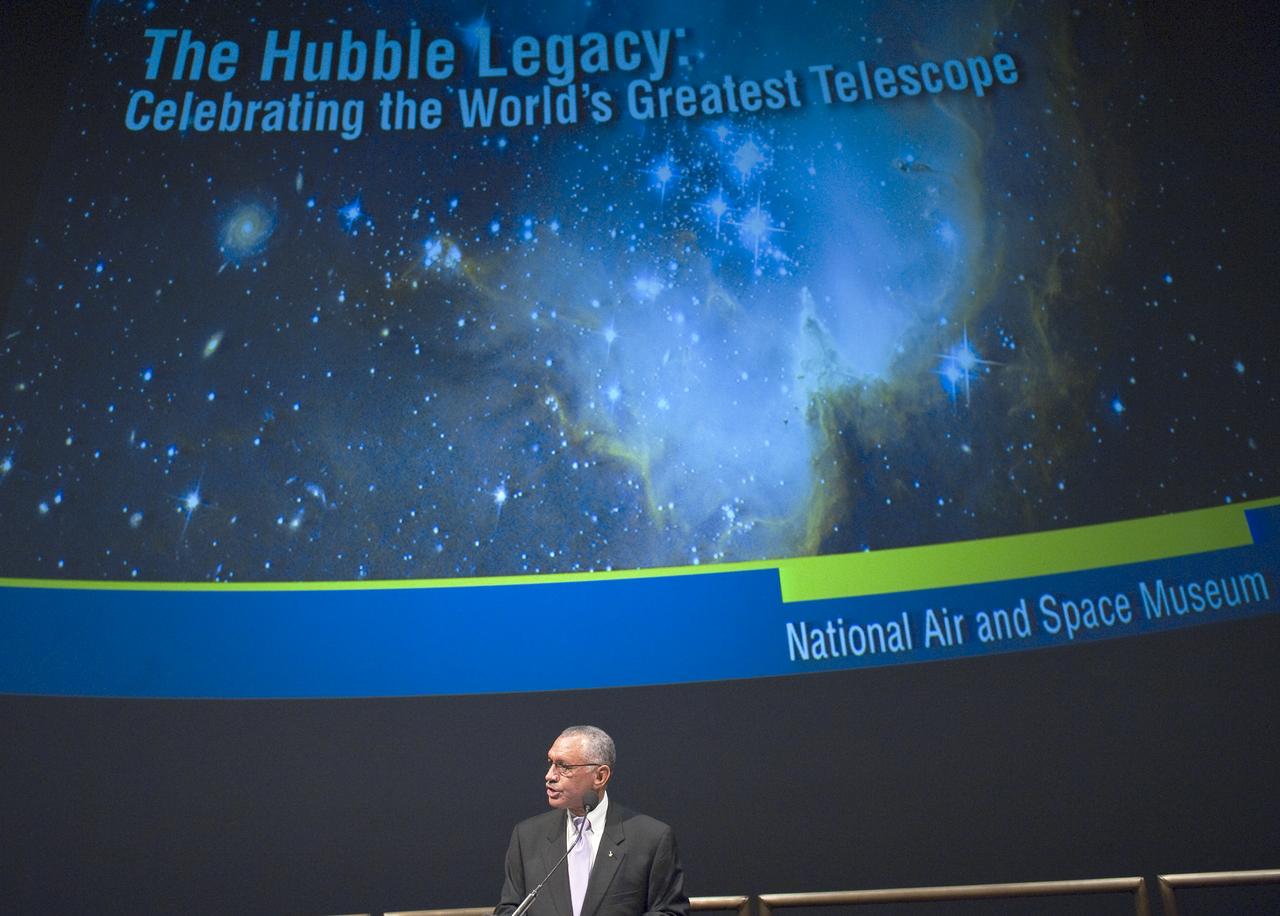
NASA Administrator Charles F. Bolden, speaks, Wednesday evening, Sept. 9, 2009, during a celebration of the Hubble Legacy at the National Air and Space Museum in Washington. Astronomers declared NASA's Hubble Space Telescope a fully rejuvenated observatory with the release Wednesday of observations from four of its six operating science instruments. Photo Credit: (NASA/Bill Ingalls)
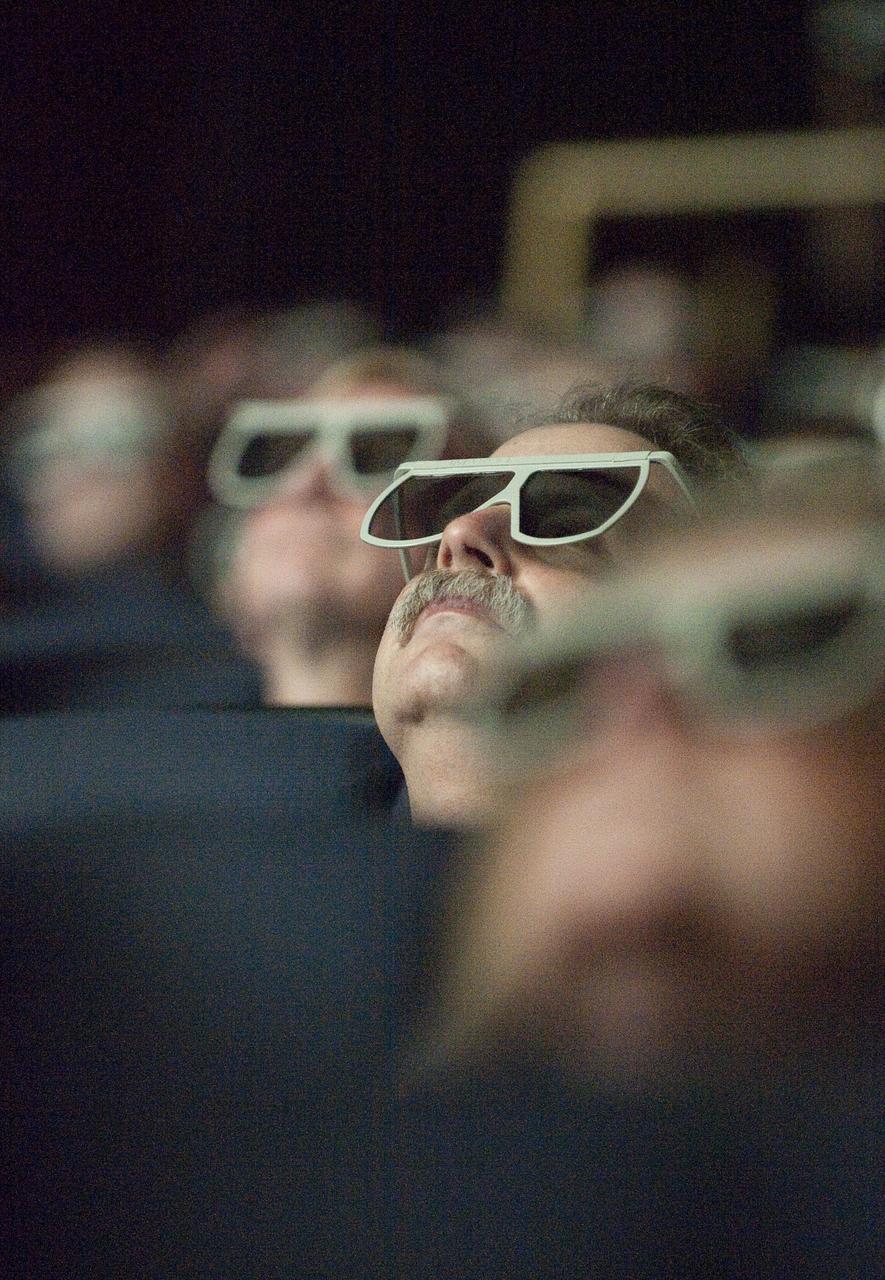
Unidentified people observe newly released images from the Hubble Space Telescope through special glasses, Wednesday evening, Sept. 9, 2009, during a celebration of the Hubble Legacy at the National Air and Space Museum in Washington. Astronomers declared the telescope a fully rejuvenated observatory with the release Wednesday of observations from four of its six operating science instruments. Photo Credit: (NASA/Bill Ingalls)
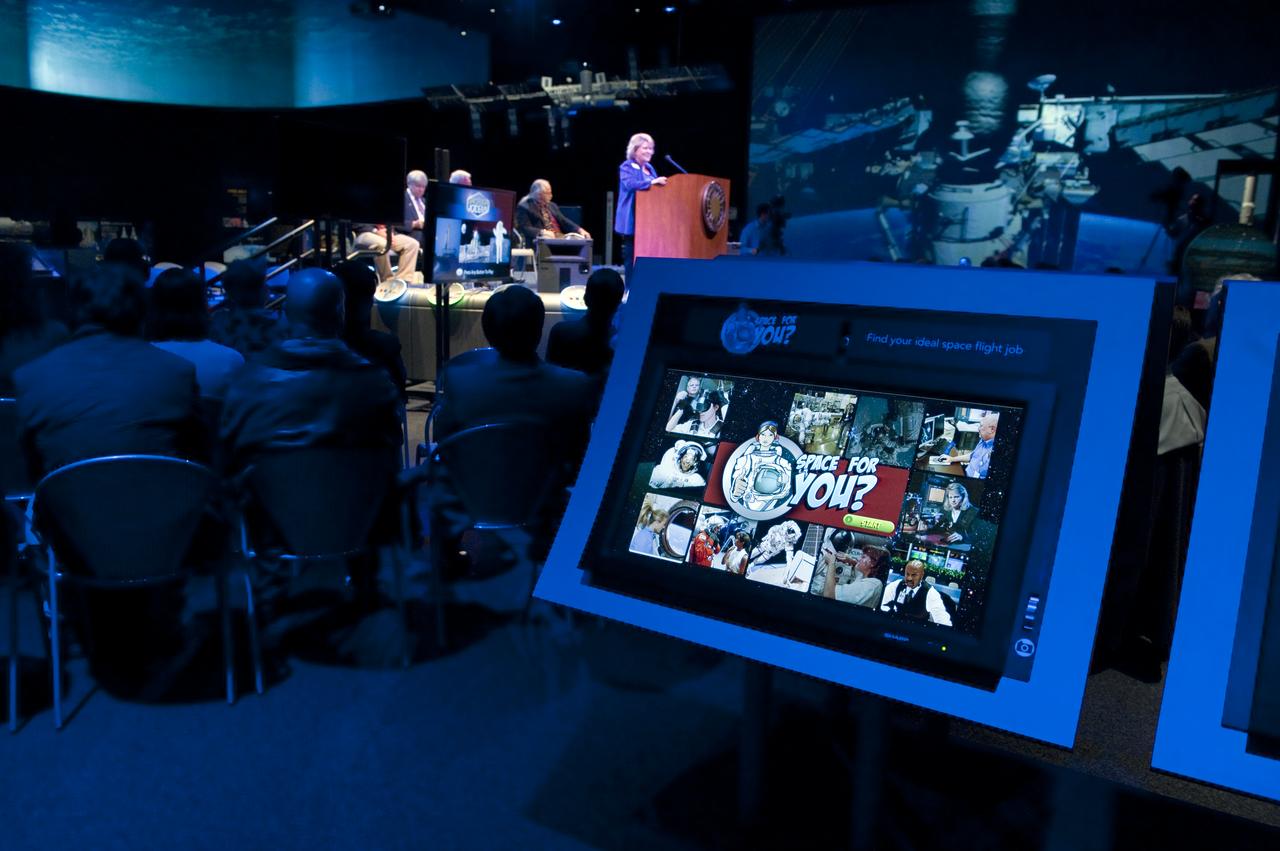
Dr. Valerie Neal, a curator at the Smithsonian's National Air and Space Museum, speaks during a press briefing at the new "Moving Beyond Earth," exhibition at the museum in Washingon, Wednesday, Nov. 18, 2009. Moving Beyond Earth is an immersive exhibition that places visitors “in orbit” in the shuttle and space-station era to explore recent human spaceflight and future possibilities. Photo Credit: (NASA/Paul E. Alers)
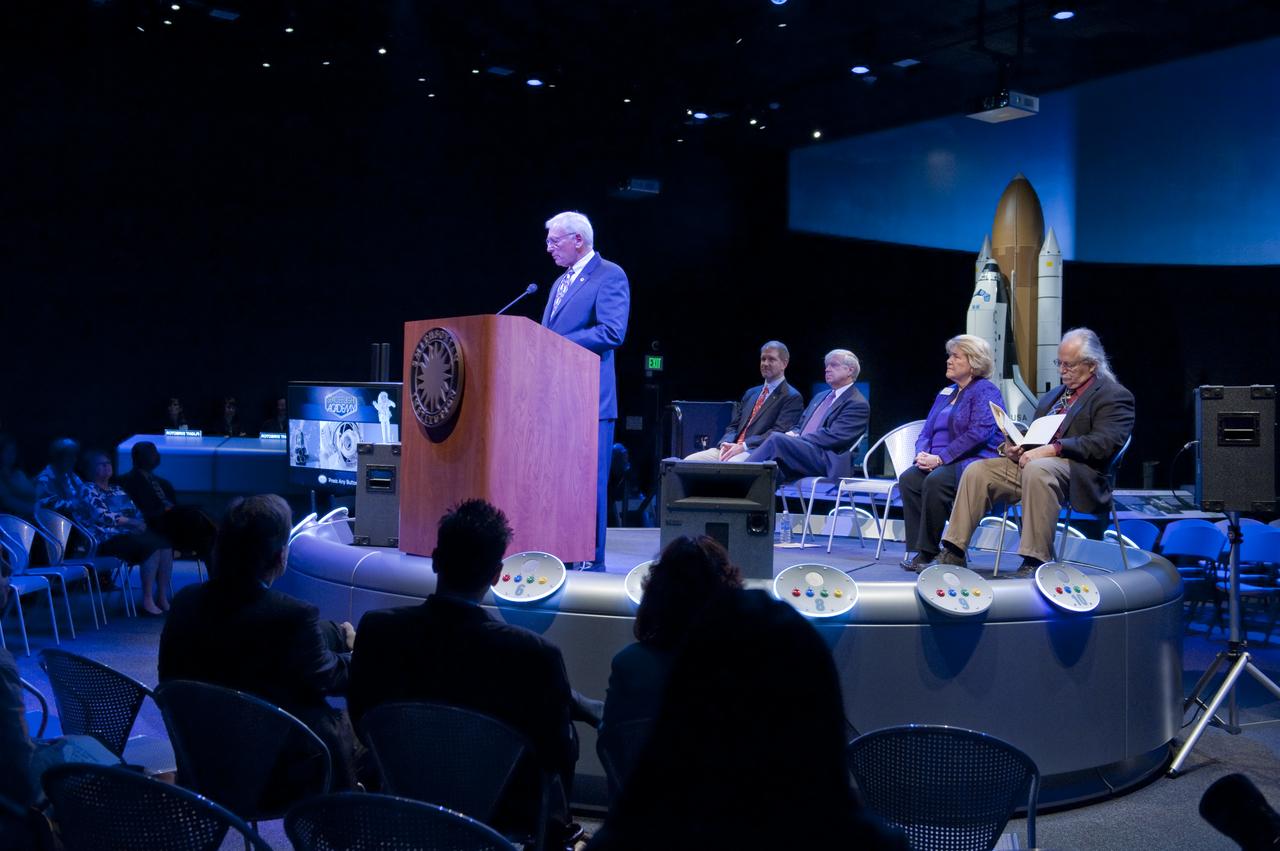
Jack Dailey, director of the Smithsonian's National Air and Space Museum, speaks during a press briefing at the new "Moving Beyond Earth," a new exhibition at the museum in Washingon, Wednesday, Nov. 18, 2009. Moving Beyond Earth is an immersive exhibition that places visitors “in orbit” in the shuttle and space-station era to explore recent human spaceflight and future possibilities. Photo Credit: (NASA/Paul E. Alers)

Dr. Ted Maxwell, Associate Director for the Department of Collections and Research at the National Air and Space Museum, which entails the curatorial and scientific research departments, the Museum's Archives, and the Collections Division, speaks, Wednesday evening, Sept. 9, 2009, during a celebration of the Hubble Legacy at the National Air and Space Museum in Washington. Astronomers declared NASA's Hubble Space Telescope a fully rejuvenated observatory with the release Wednesday of observations from four of its six operating science instruments. Photo Credit: (NASA/Bill Ingalls)
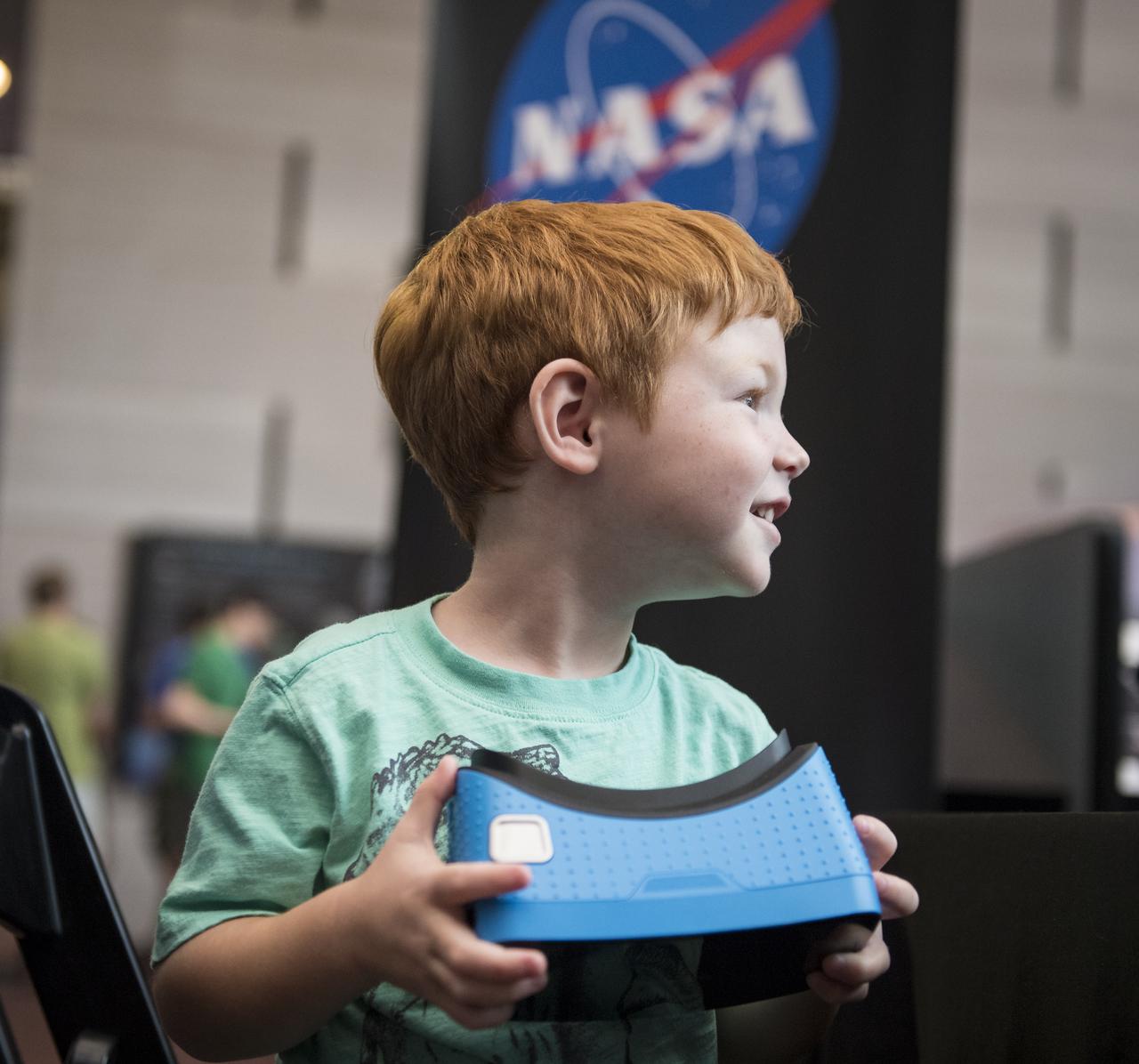
Visitors explore the activities in the Space Race Gallery at Smithsonian's National Air and Space Museum, Wednesday, June 27, 2018 in Washington. Photo Credit: (NASA/Aubrey Gemignani)
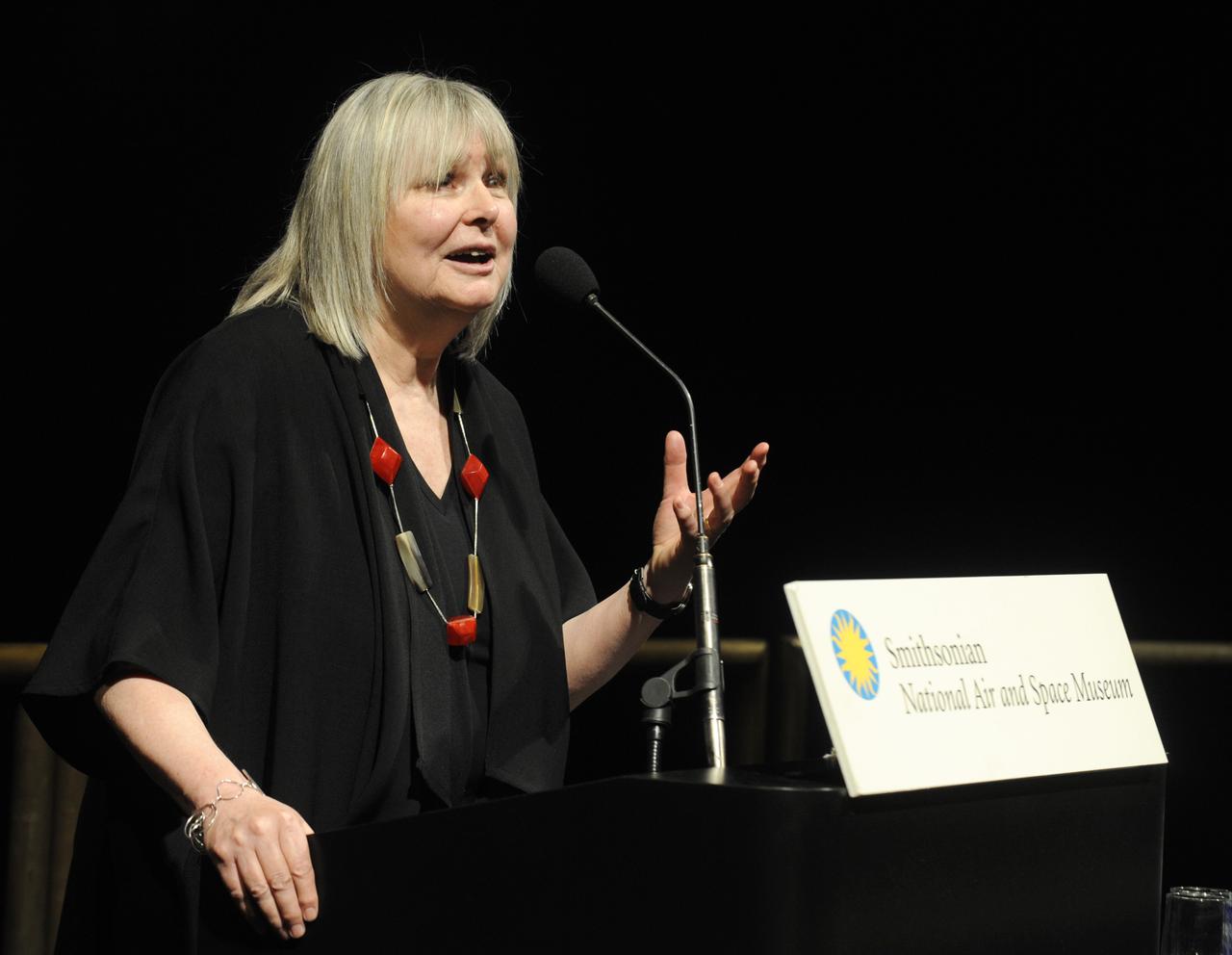
Producer/Director Toni Myers speaks to the audience prior to the World Premiere of "Hubble 3D", screened at the Smithsonian's Air and Space Museum Tuesday evening, March 9, 2010, in Washington. Photo Credit: (NASA/Paul E. Alers)
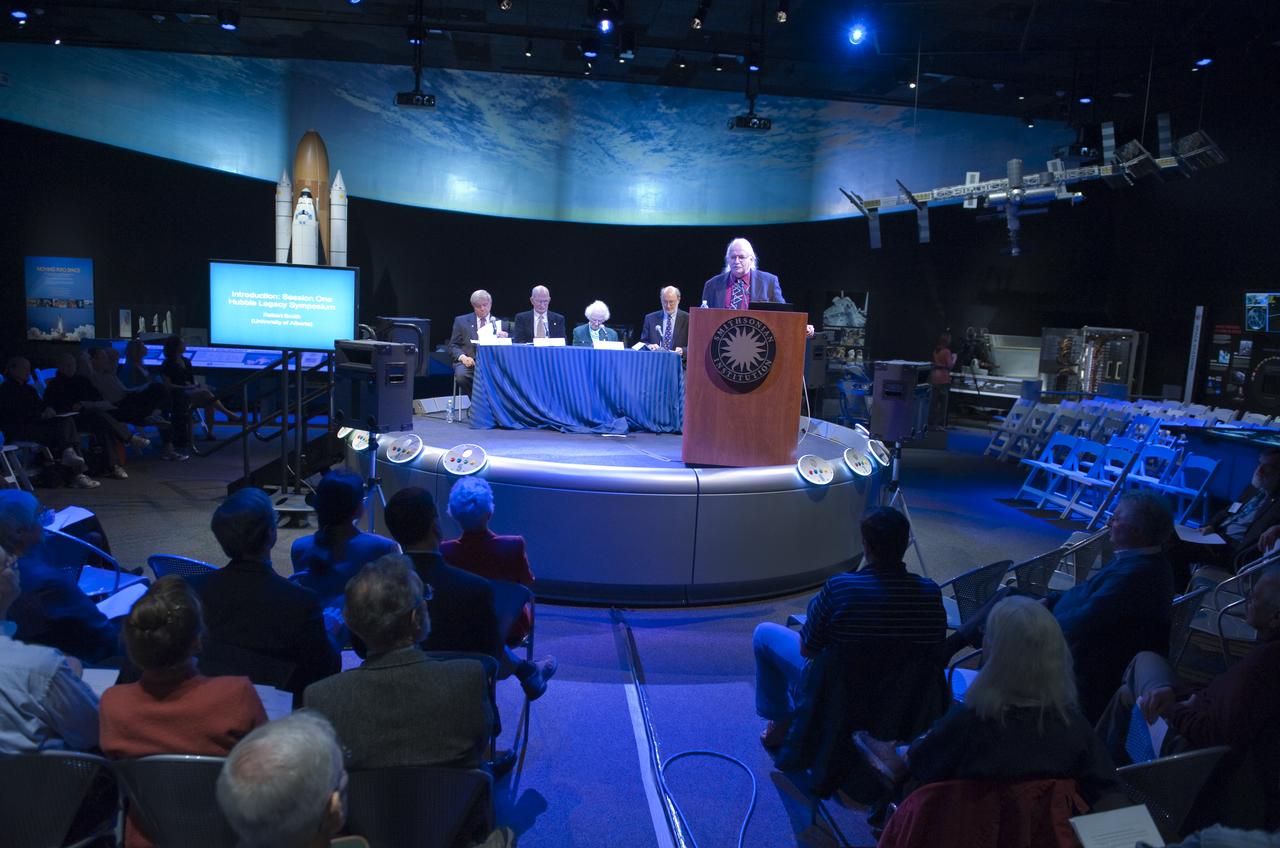
David DeVorkin, Senior Curator, Collection: Astronomy and space sciences speaks during a press briefing at the new "Moving Beyond Earth," exhibition at the National Air and Space Museum in Washingon, Wednesday, Nov. 18, 2009. Moving Beyond Earth is an immersive exhibition that places visitors “in orbit” in the shuttle and space-station era to explore recent human spaceflight and future possibilities. Photo Credit: (NASA/Paul E. Alers)
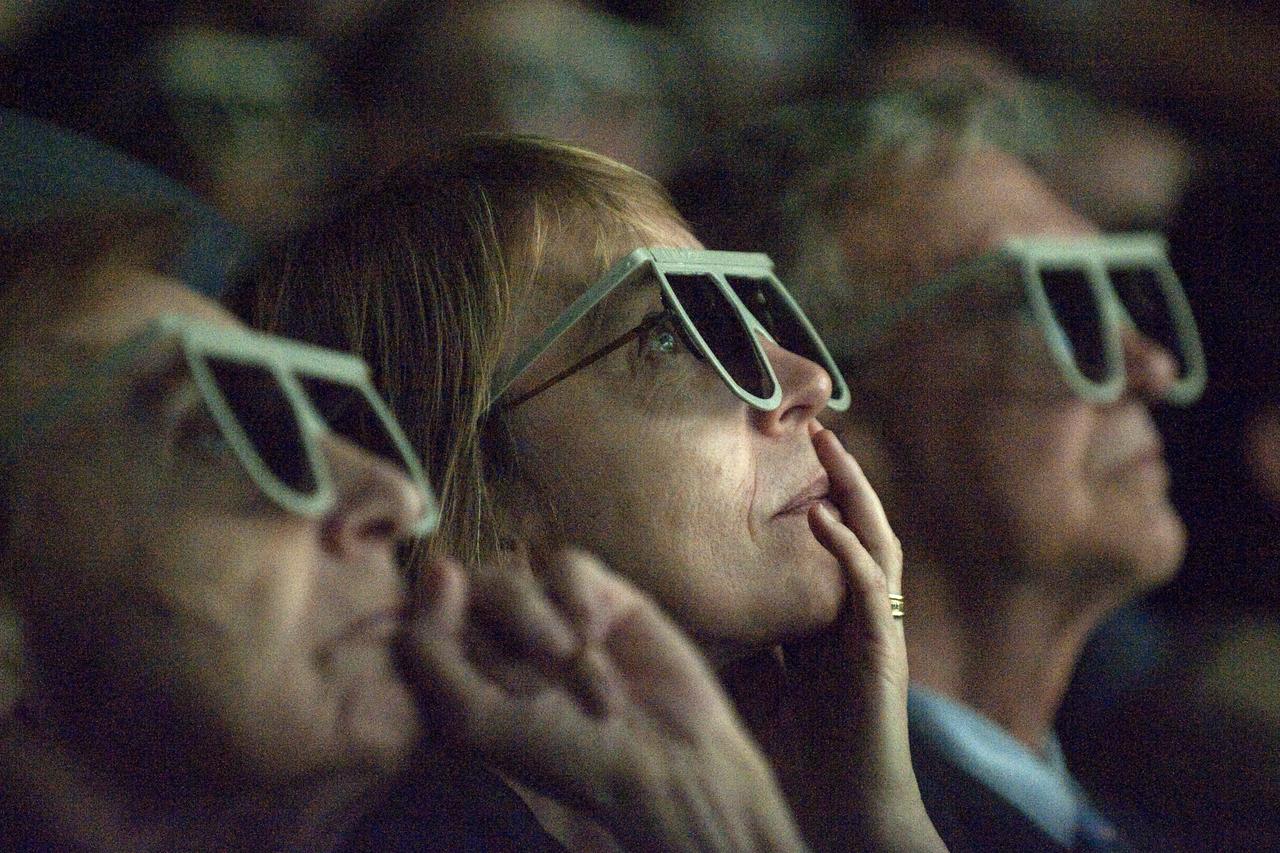
Unidentified people observe newly released images from the Hubble Space Telescope through special glasses Wednesday evening, Sept. 9, 2009, during a celebration of the Hubble Legacy at the National Air and Space Museum in Washington. Astronomers declared the telescope a fully rejuvenated observatory with the release Wednesday of observations from four of its six operating science instruments. Photo Credit: (NASA/Bill Ingalls)
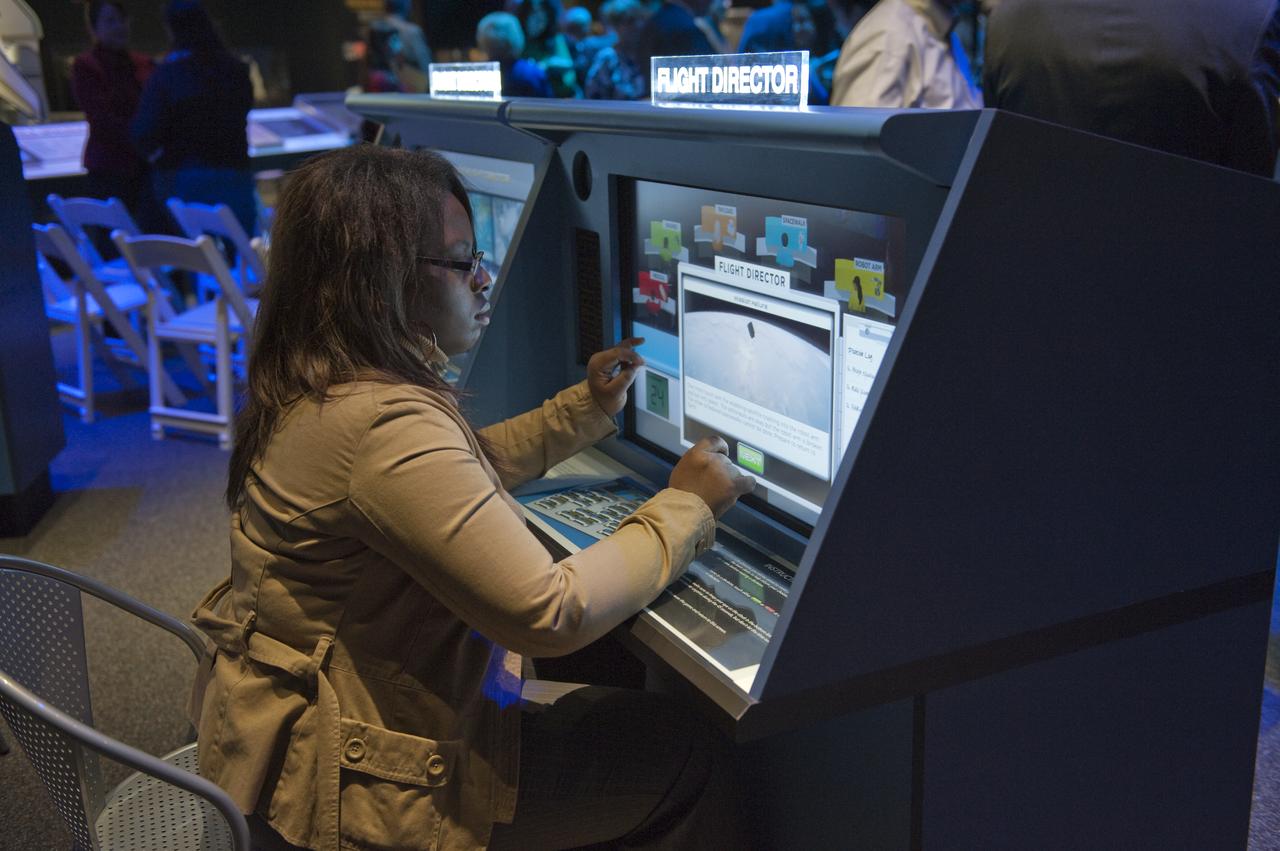
An unidentified member of the media tries out an interactive display during a press briefing at the new "Moving Beyond Earth," exhibition at the National Air and Space Museum in Washingon, Wednesday, Nov. 18, 2009. Moving Beyond Earth is an immersive exhibition that places visitors “in orbit” in the shuttle and space-station era to explore recent human spaceflight and future possibilities. Photo Credit: (NASA/Paul E. Alers)
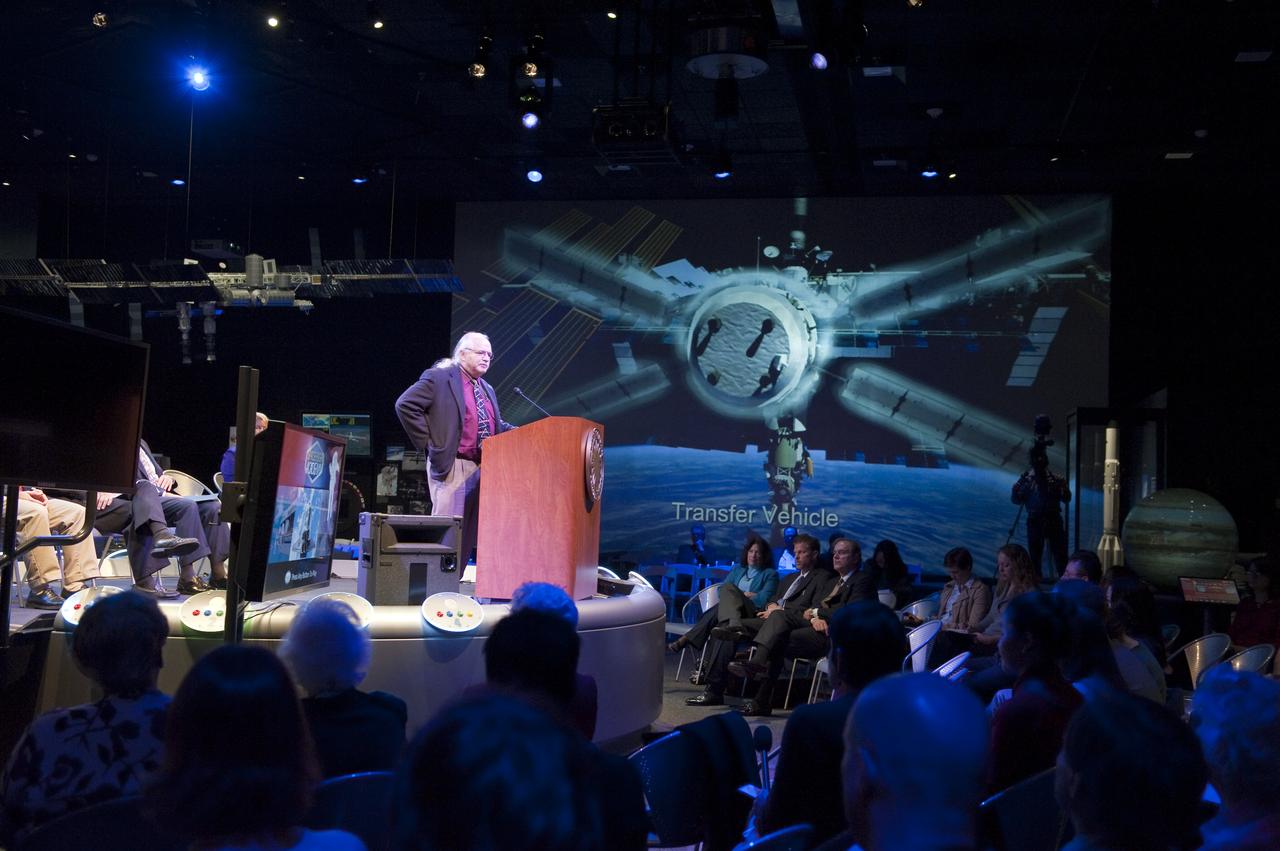
David H. DeVorkin, Senior Curator, Astronomy and the Space Sciences Division of Space History, at the Smithsonian's National Air and Space Museum, speaks during a press briefing at the new "Moving Beyond Earth," exhibition at the museum in Washingon, Wednesday, Nov. 18, 2009. Moving Beyond Earth is an immersive exhibition that places visitors "in orbit" in the shuttle and space-station era to explore recent human spaceflight and future possibilities. Photo Credit: (NASA/Paul E. Alers)
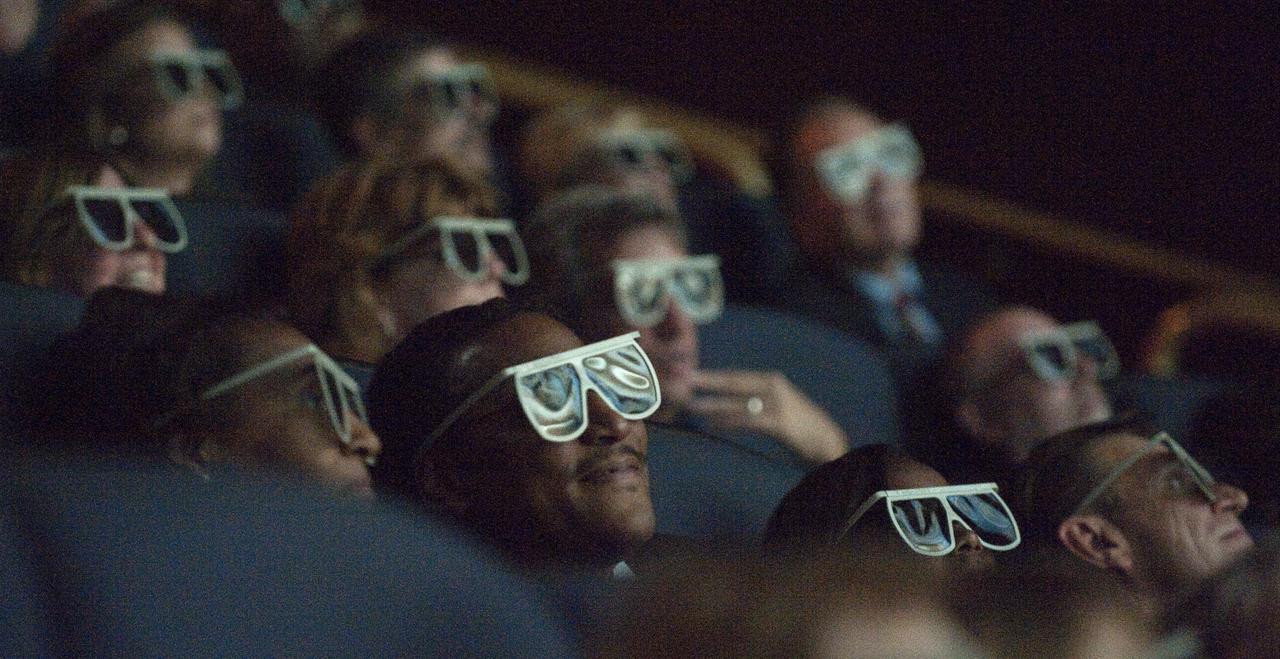
Images from the Hubble Space Telescope are reflected on special glasses as people observe the newly released pictures Wednesday evening, Sept. 9, 2009, during a celebration of the Hubble Legacy at the National Air and Space Museum in Washington. Astronomers declared the telescope a fully rejuvenated observatory with the release Wednesday of observations from four of its six operating science instruments. Photo Credit: (NASA/Bill Ingalls)
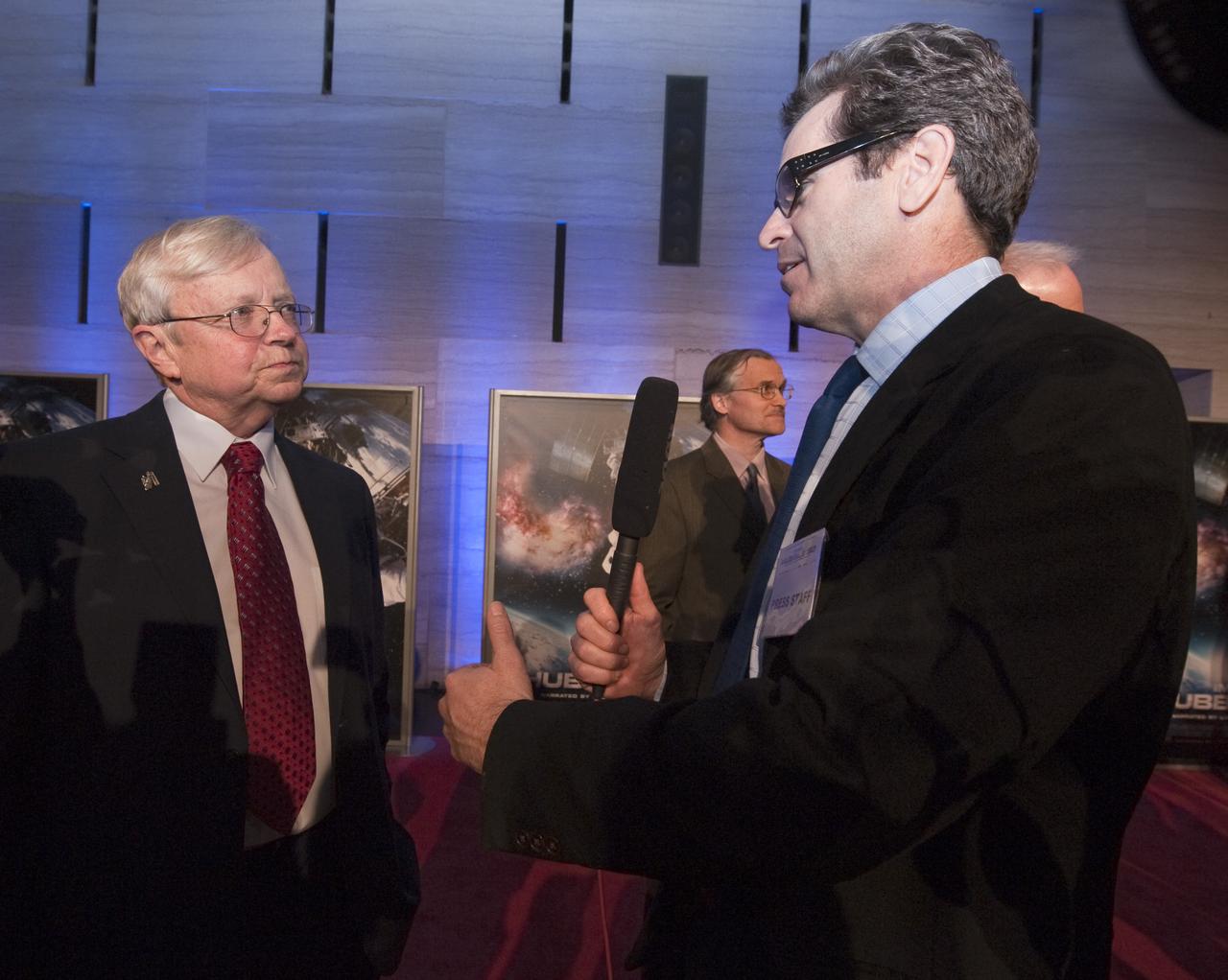
Dr. Ed Weiler, left, is interviewed by Miles O'Brien prior to the World Premiere of "Hubble 3D", screened at the Smithsonian's Air and Space Museum Tuesday evening, March 9, 2010, in Washington. Photo Credit: (NASA/Paul E. Alers)
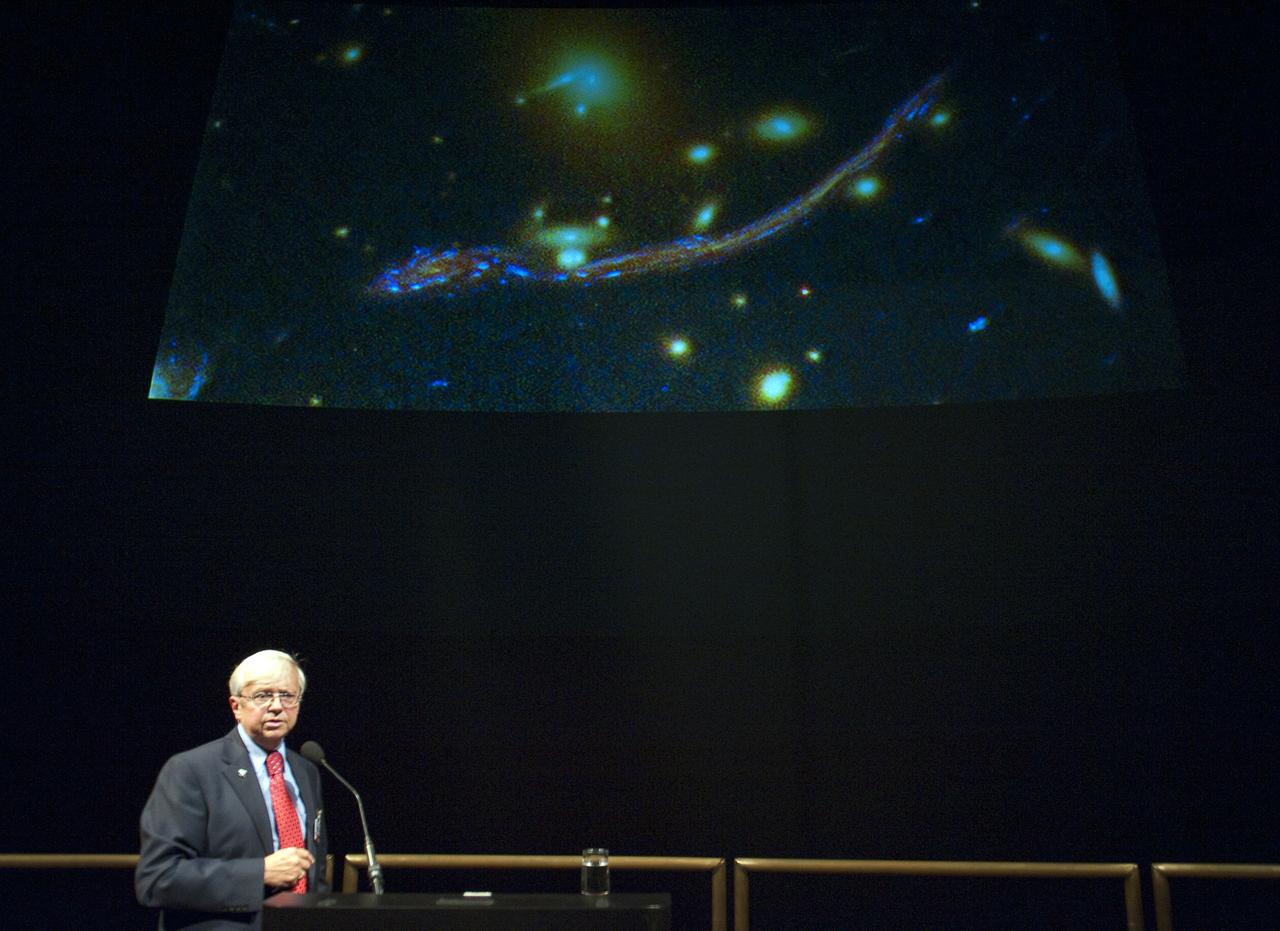
Dr. Ed Weiler, associate administrator of the Science Missions Directorate at NASA Headquarters, speaks, Wednesday evening, Sept. 9, 2009, during a celebration of the Hubble Legacy at the National Air and Space Museum in Washington. Astronomers declared the Hubble Space Telescope a fully rejuvenated observatory with the release Wednesday of observations from four of its six operating science instruments. Photo Credit: (NASA/Bill Ingalls)
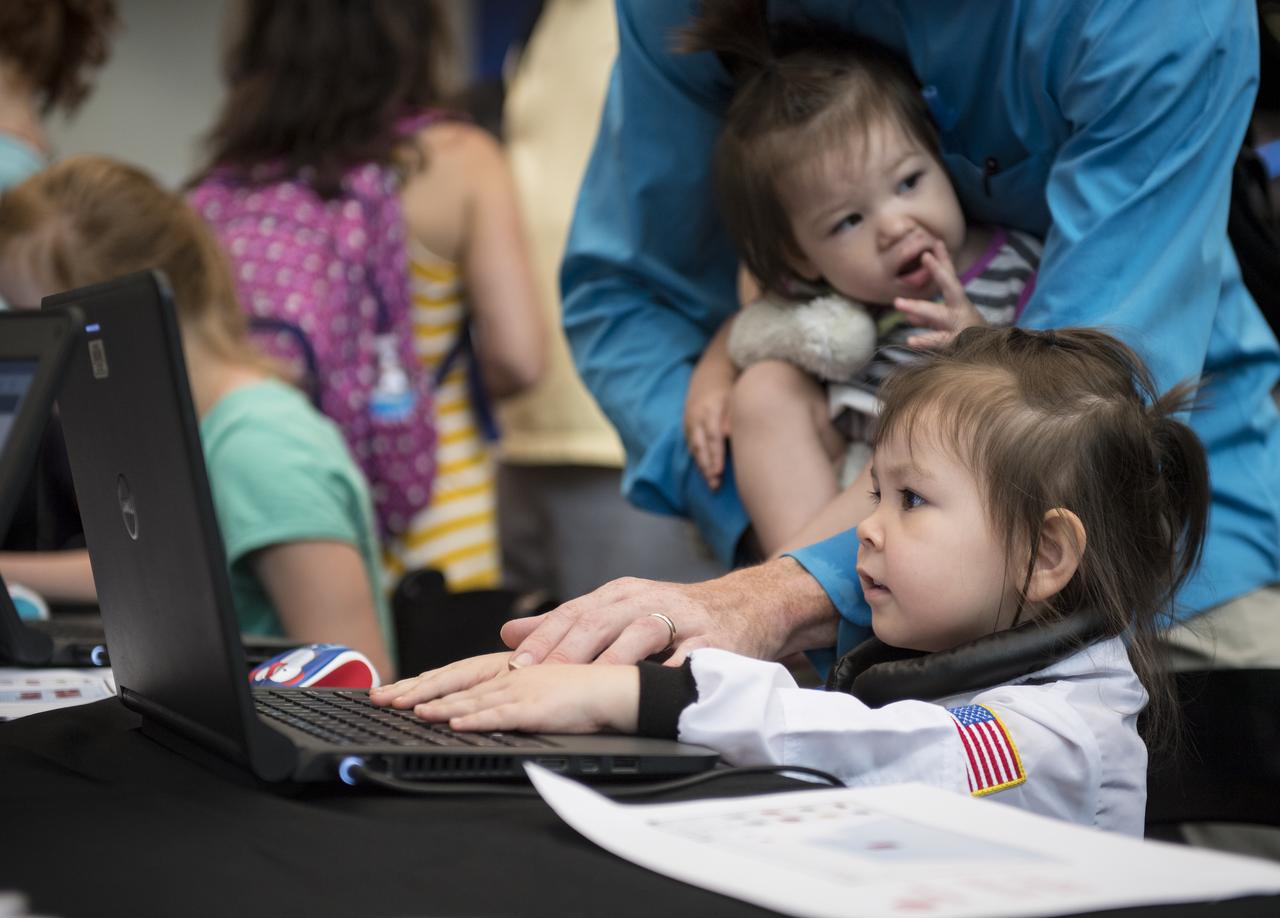
Visitors explore the activities in the Space Race Gallery at Smithsonian's National Air and Space Museum, Wednesday, June 27, 2018 in Washington. Photo Credit: (NASA/Aubrey Gemignani)
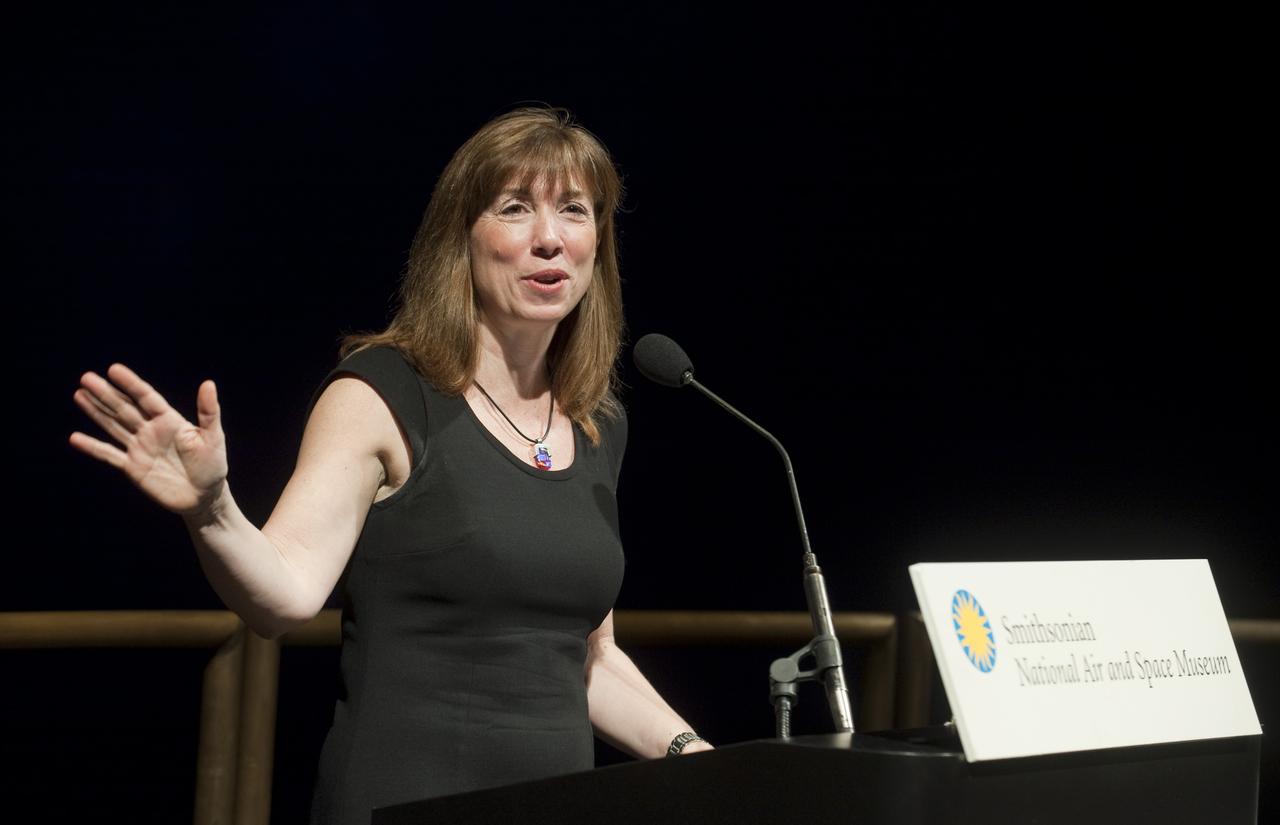
Lori Garver, NASA Deputy Administrator, speaks to the audience prior to the World Premiere of "Hubble 3D", screened at the Smithsonian's Air and Space Museum Tuesday evening, March 9, 2010, in Washington. Photo Credit: (NASA/Paul E. Alers)
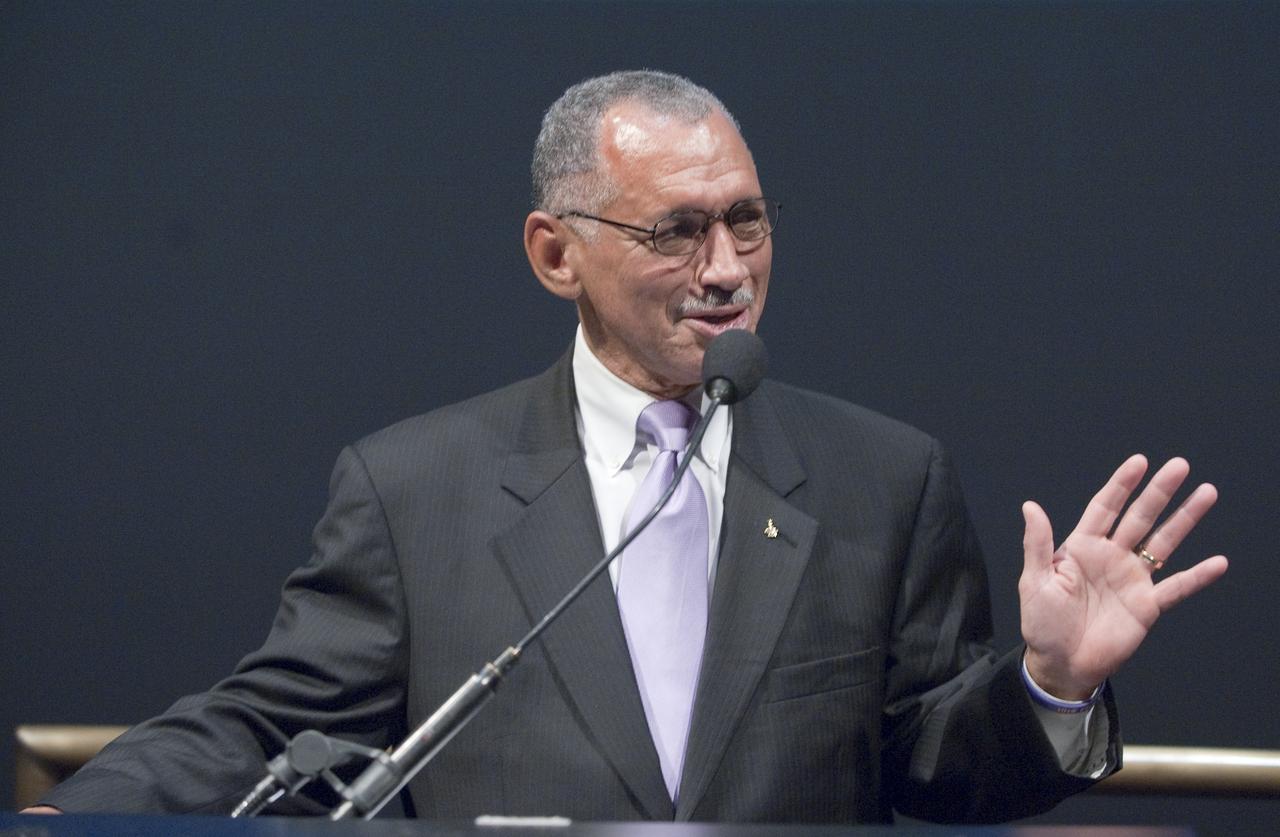
NASA Administrator Charles F. Bolden speaks, Wednesday evening, Sept. 9, 2009, during a celebration of the Hubble Legacy at the National Air and Space Museum in Washington. Astronomers declared NASA's Hubble Space Telescope a fully rejuvenated observatory with the release Wednesday of observations from four of its six operating science instruments. Photo Credit: (NASA/Bill Ingalls)

Visitors explore the activities in the Space Race Gallery at Smithsonian's National Air and Space Museum, Wednesday, June 27, 2018 in Washington. Photo Credit: (NASA/Aubrey Gemignani)
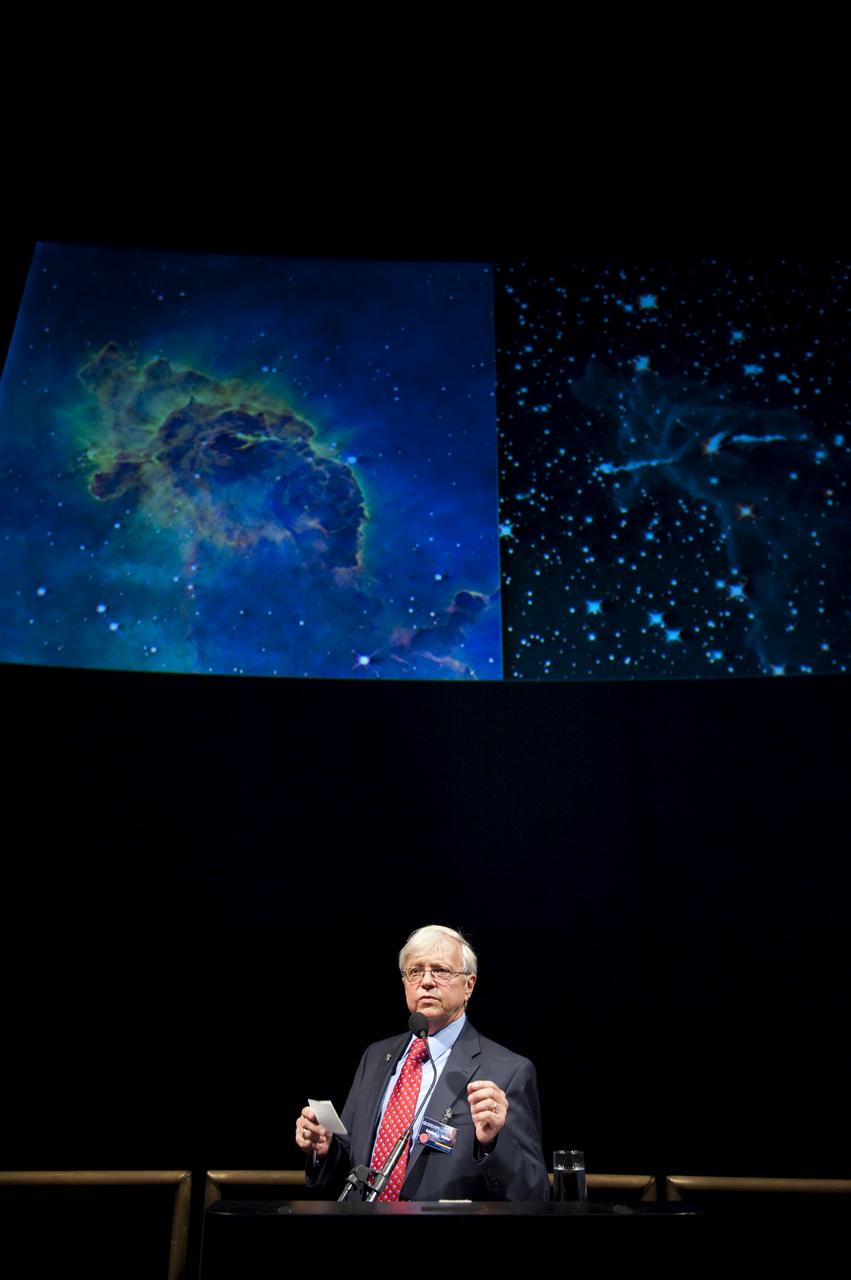
Dr. Ed Weiler, associate administrator of the Science Missions Directorate at NASA Headquarters, speaks, Wednesday evening, Sept. 9, 2009, during a celebration of the Hubble Legacy at the National Air and Space Museum in Washington. Astronomers declared the Hubble Space Telescope a fully rejuvenated observatory with the release Wednesday of observations from four of its six operating science instruments. Photo Credit: (NASA/Bill Ingalls)
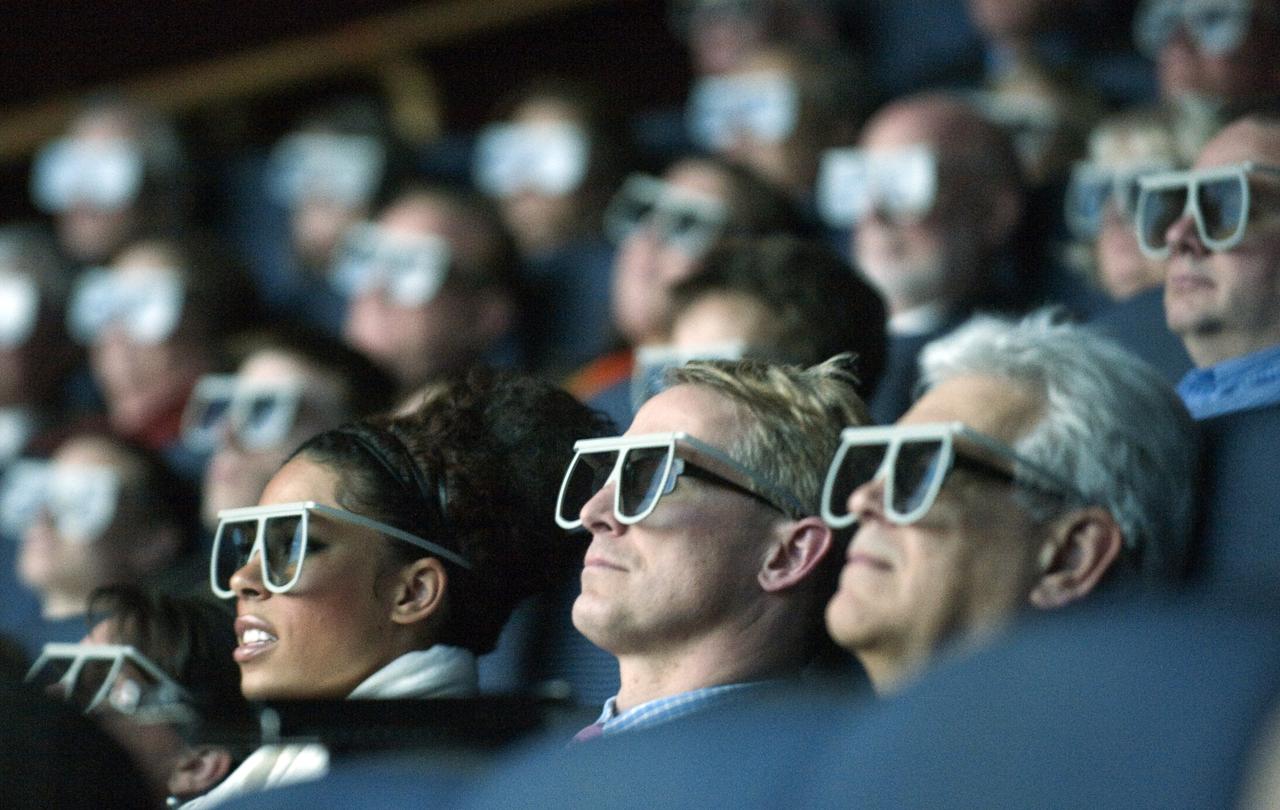
Moviegoers wear 3D glasses as they watch the World Premiere of "Hubble 3D", screened at the Smithsonian's Air and Space Museum Tuesday evening, March 9, 2010, in Washington. Photo Credit: (NASA/Paul E. Alers)
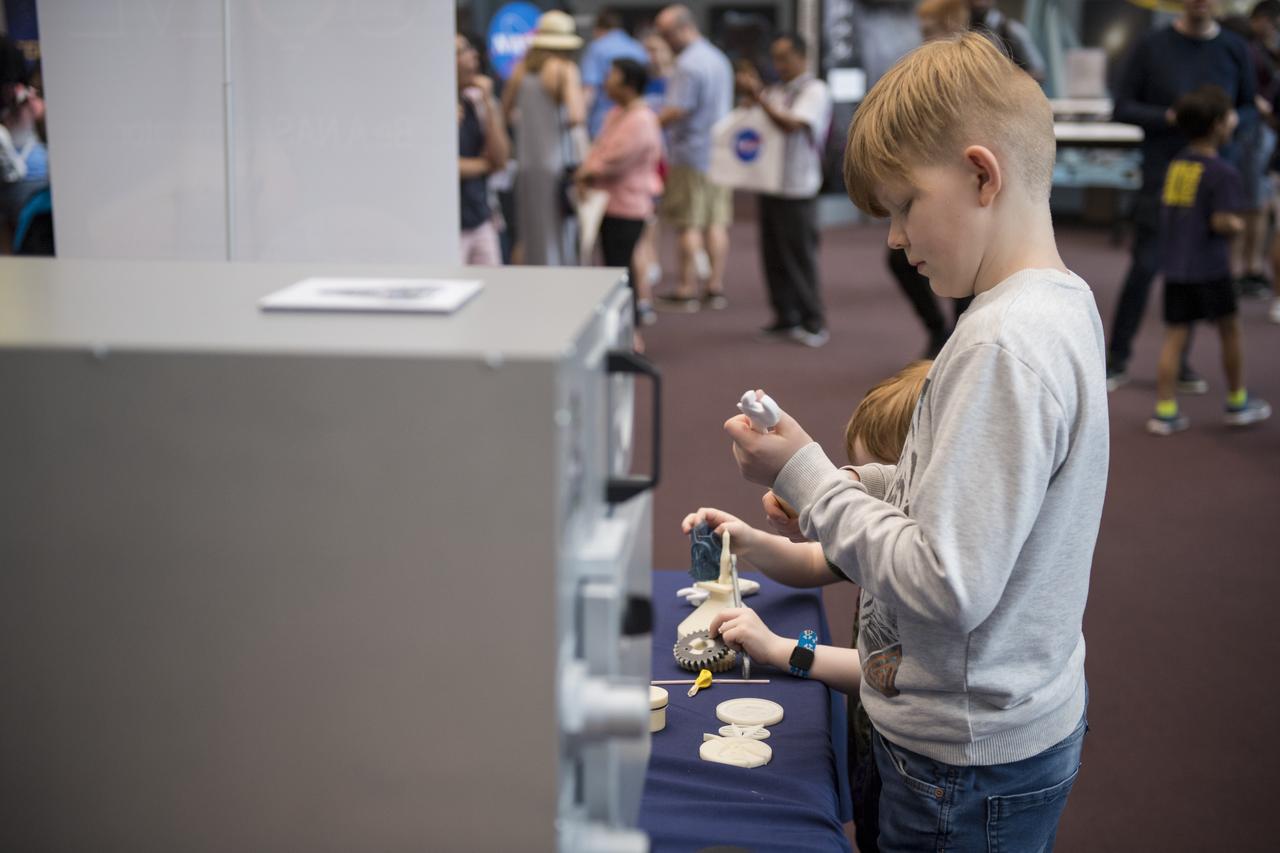
Visitors explore the activities in the Space Race Gallery at Smithsonian's National Air and Space Museum, Wednesday, June 27, 2018 in Washington. Photo Credit: (NASA/Aubrey Gemignani)
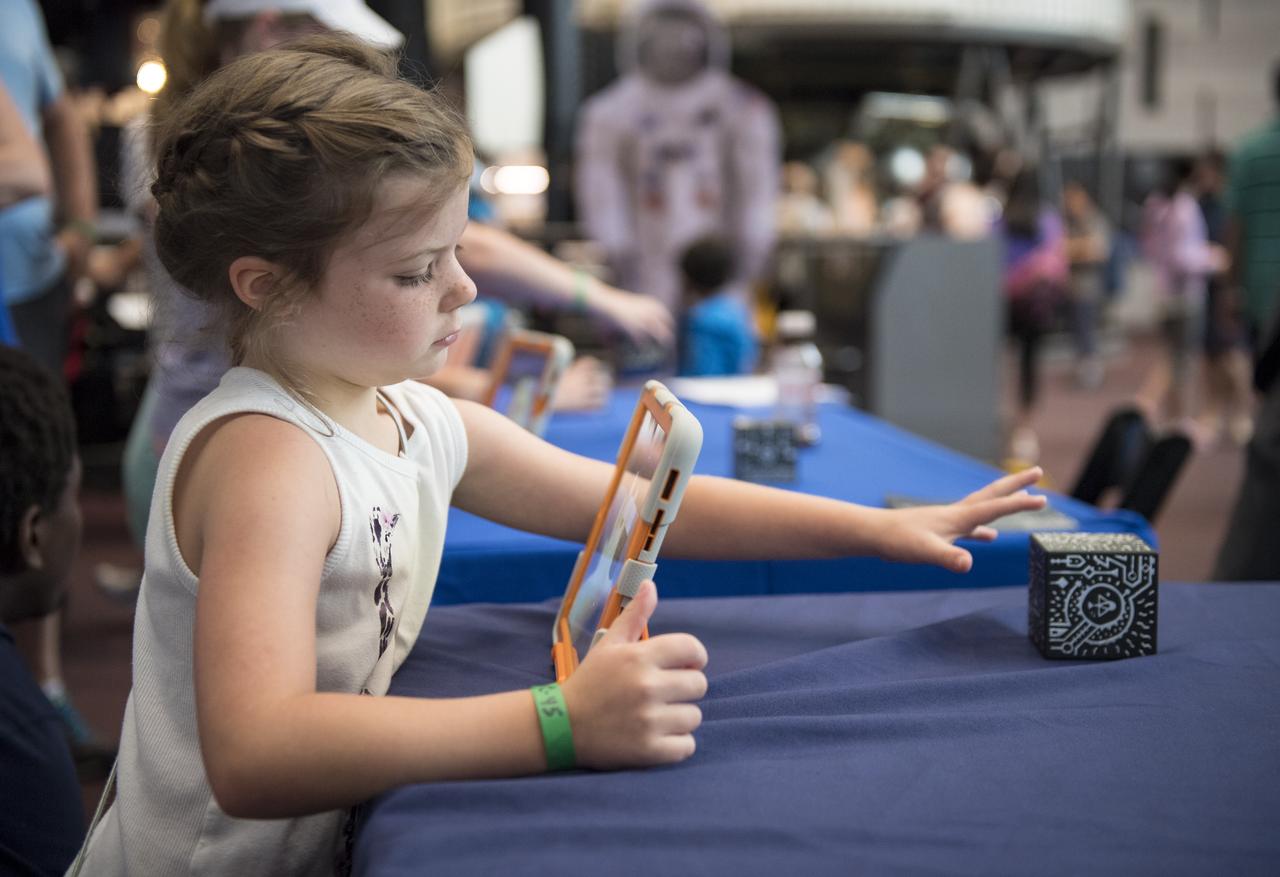
Visitors explore the activities in the Space Race Gallery at Smithsonian's National Air and Space Museum, Wednesday, June 27, 2018 in Washington. Photo Credit: (NASA/Aubrey Gemignani)
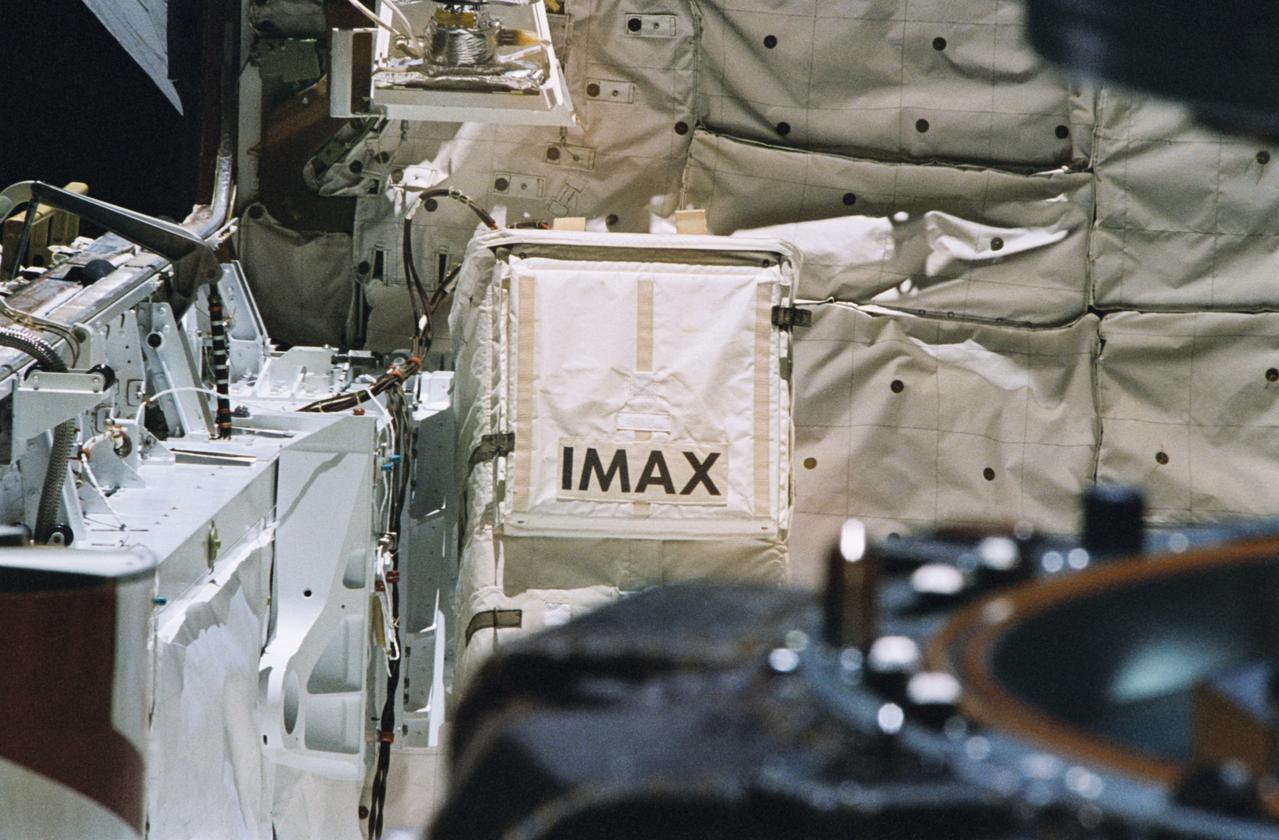
STS074-361-035 (12-20 Nov 1995) --- This medium close-up view centers on the IMAX Cargo Bay Camera (ICBC) and its associated IMAX Camera Container Equipment (ICCE) at its position in the cargo bay of the Earth-orbiting Space Shuttle Atlantis. With its own ?space suit? or protective covering to protect it from the rigors of space, this version of the IMAX was able to record scenes not accessible with the in-cabin cameras. For docking and undocking activities involving Russia?s Mir Space Station and the Space Shuttle Atlantis, the camera joined a variety of in-cabin camera hardware in recording the historical events. IMAX?s secondary objectives were to film Earth views. The IMAX project is a collaboration between NASA, the Smithsonian Institution?s National Air and Space Museum (NASM), IMAX Systems Corporation, and the Lockheed Corporation to document significant space activities and promote NASA?s educational goals using the IMAX film medium.
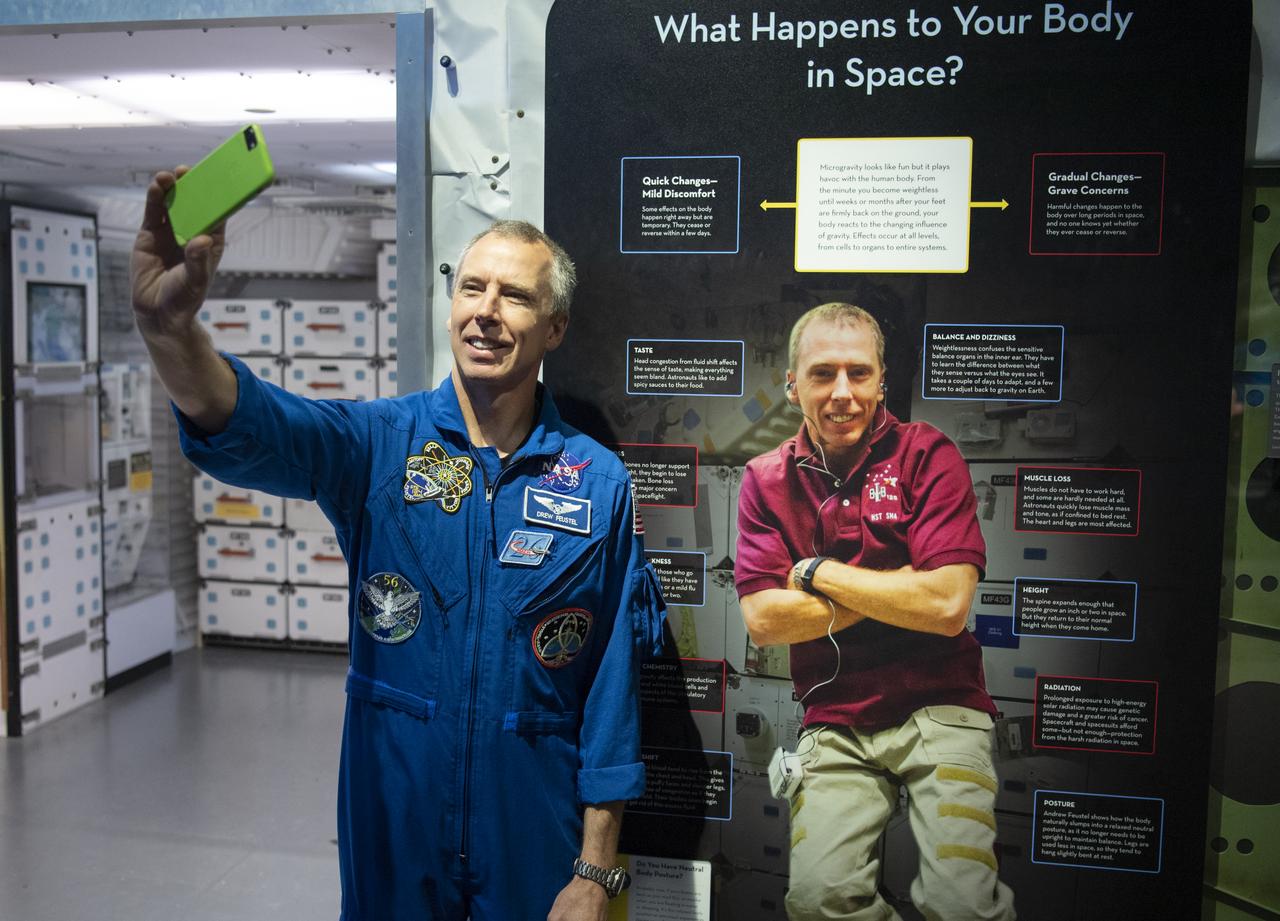
NASA astronaut Drew Feustel takes a selfie with a picture of himself from the STS-125 mission that is part of a display in the Moving Beyond Earth gallery at the Smithsonian’s National Air and Space Museum, Thursday, May 9, 2019 in Washington, DC. Feustel most recently spent 197 days living and working onboard the International Space Station as part of Expedition 55 and as commander of Expedition 56. Feustel ventured outside the space station on three spacewalks, moving him up to second among U.S. spacewalkers with a cumulative time of 61 hours 48 minutes over nine spacewalks. Photo Credit: (NASA/Joel Kowsky)
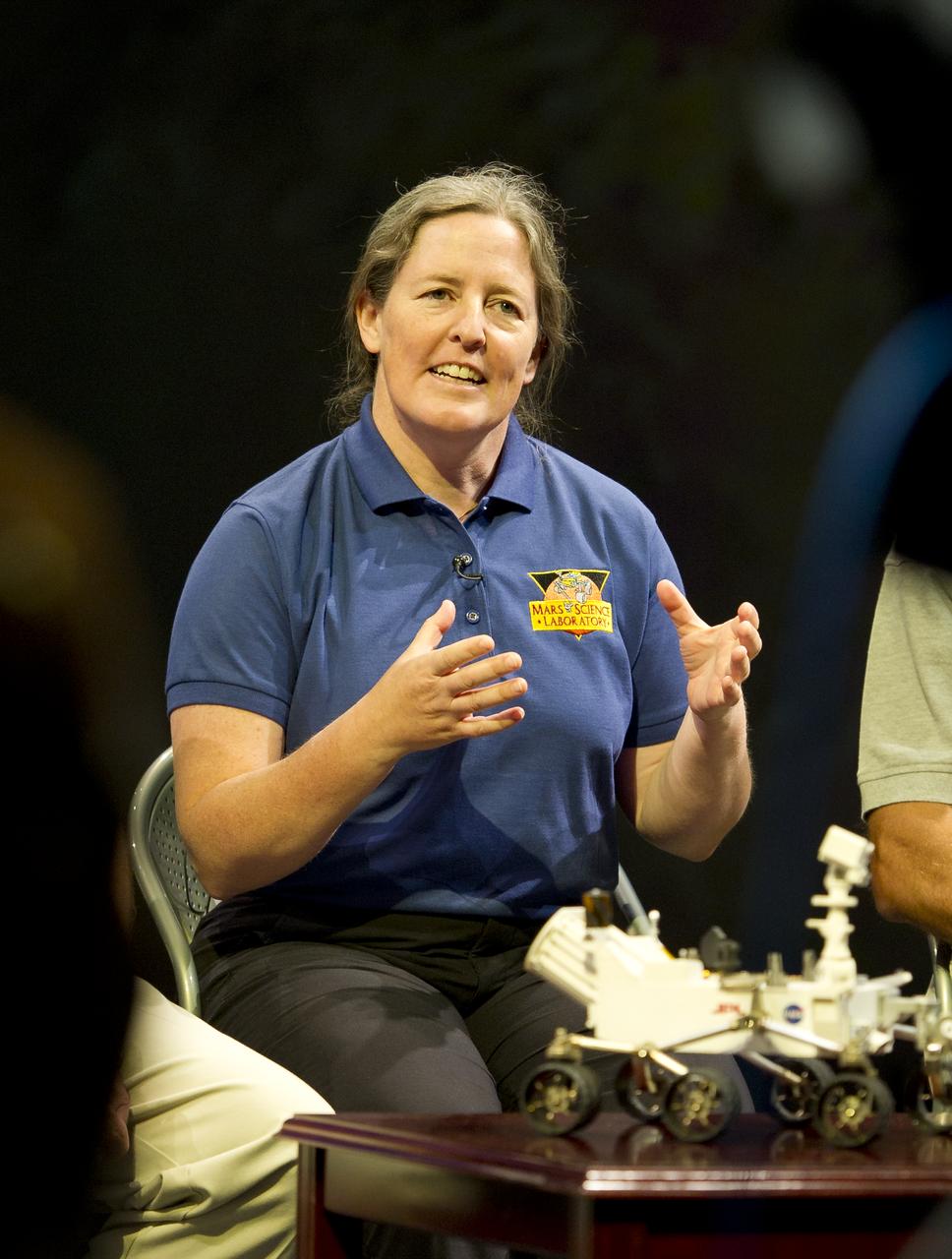
Dawn Sumner, geologist, University of California, Davis speaks at a Mars Science Laboratory (MSL) press conference at the Smithsonian's National Air and Space Museum on Friday, July 22, 2011 in Washington. The Mars Science Laboratory (MSL), or Curiosity, is scheduled to launch late this year from NASA's Kennedy Space Center in Florida and land in August 2012. Curiosity is twice as long and more than five times as heavy as previous Mars rovers. The rover will study whether the landing region at Gale crater had favorable environmental conditions for supporting microbial life and for preserving clues about whether life ever existed. Photo Credit: (NASA/Carla Cioffi)
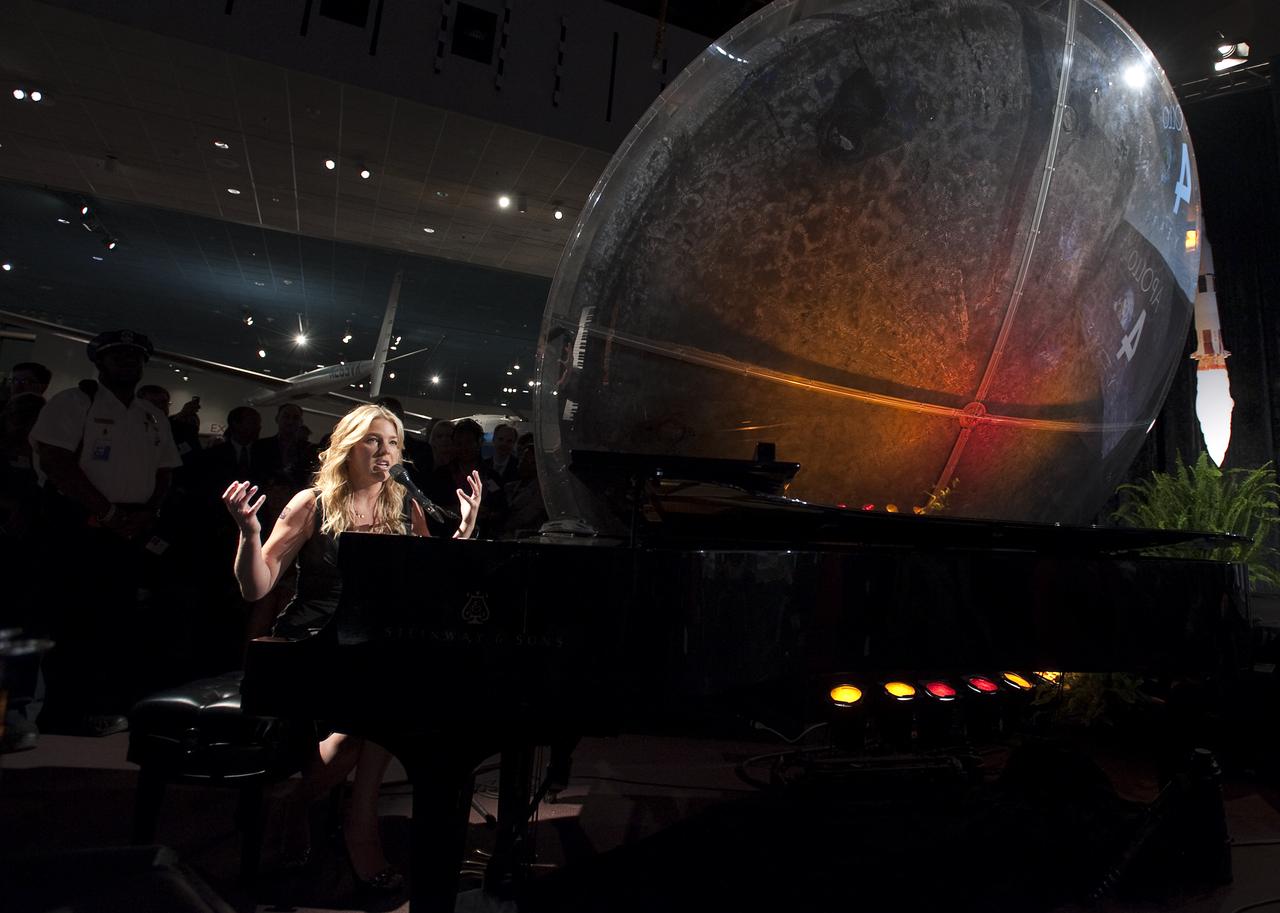
Jazz pianist and singer Diana Krall gives an introduction prior to her performance at the Apollo 40th anniversary celebration held at the National Air and Space Museum, Monday, July 20, 2009 in Washington. Ms. Krall's piano was staged right next to the Apollo 11 Command Capsule. Photo Credit: (NASA/Bill Ingalls)
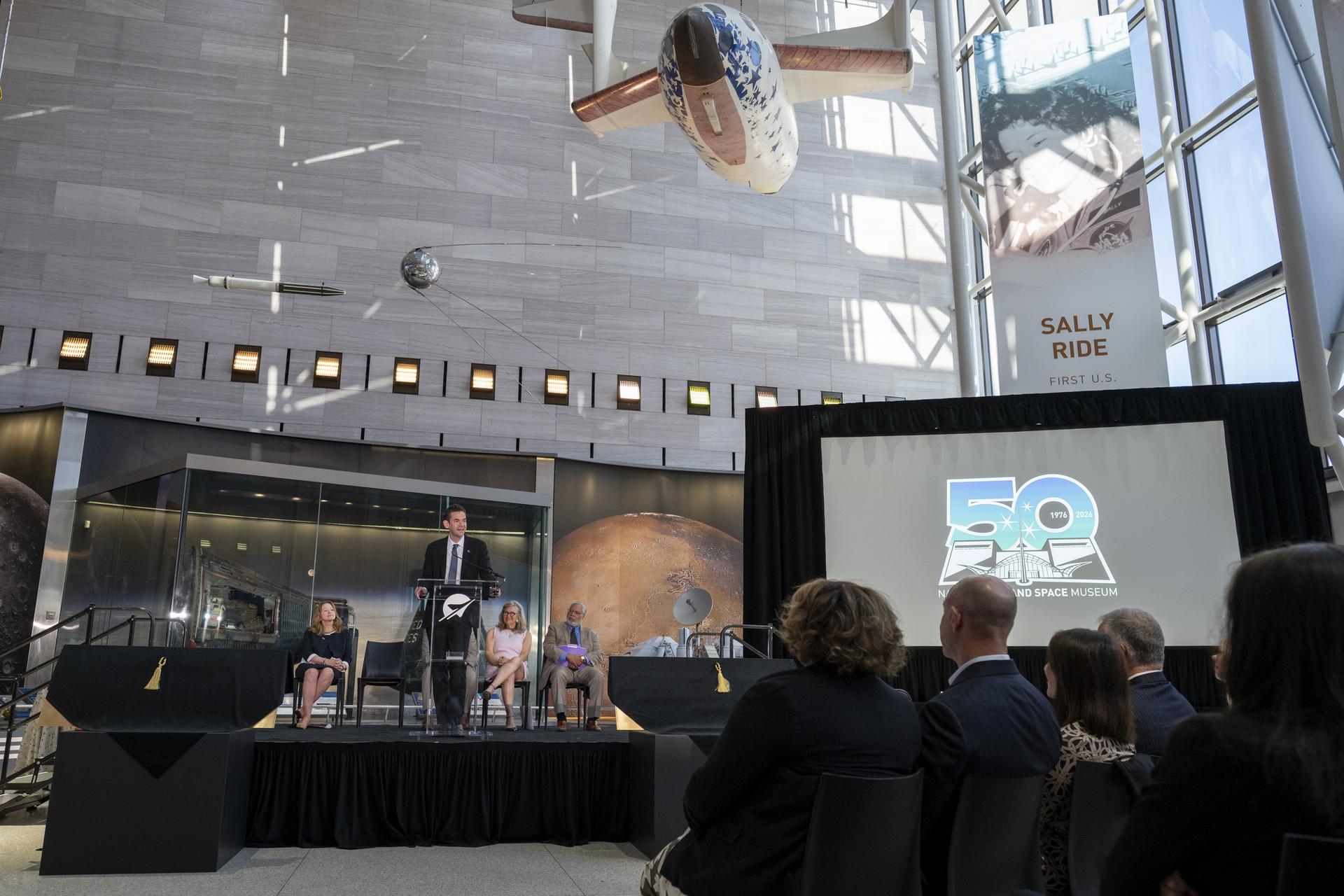
NASA Administrator Jared Isaacman delivers remarks during the Smithsonian’s National Air and Space Museum rededication ceremony Wednesday, July 1, 2026, in Washington. Photo Credit: (NASA/Keegan Barber)
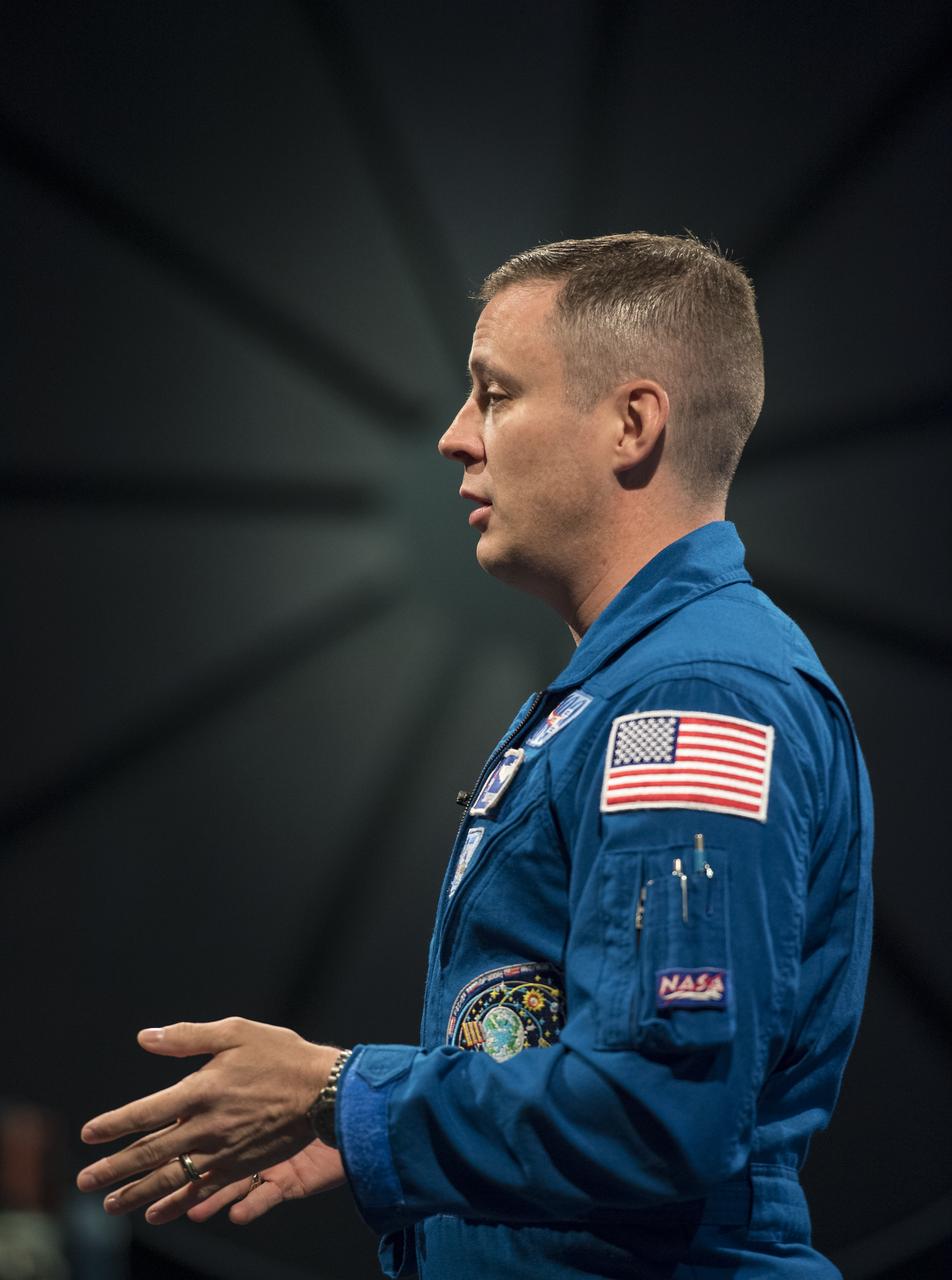
NASA astronaut Jack Fischer speaks about his time onboard the International Space Station (ISS) during Expeditions 51/52, Friday, Nov. 3, 2017 at Smithsonian's National Air and Space Museum in Washington. During Expedition 52, Fischer completed hundreds of scientific experiments and two spacewalks, and concluded his 136-day mission when he landed in a remote area near the town of Zhezkazgan, Kazakhstan in September 2017. Photo Credit: (NASA/Aubrey Gemignani)
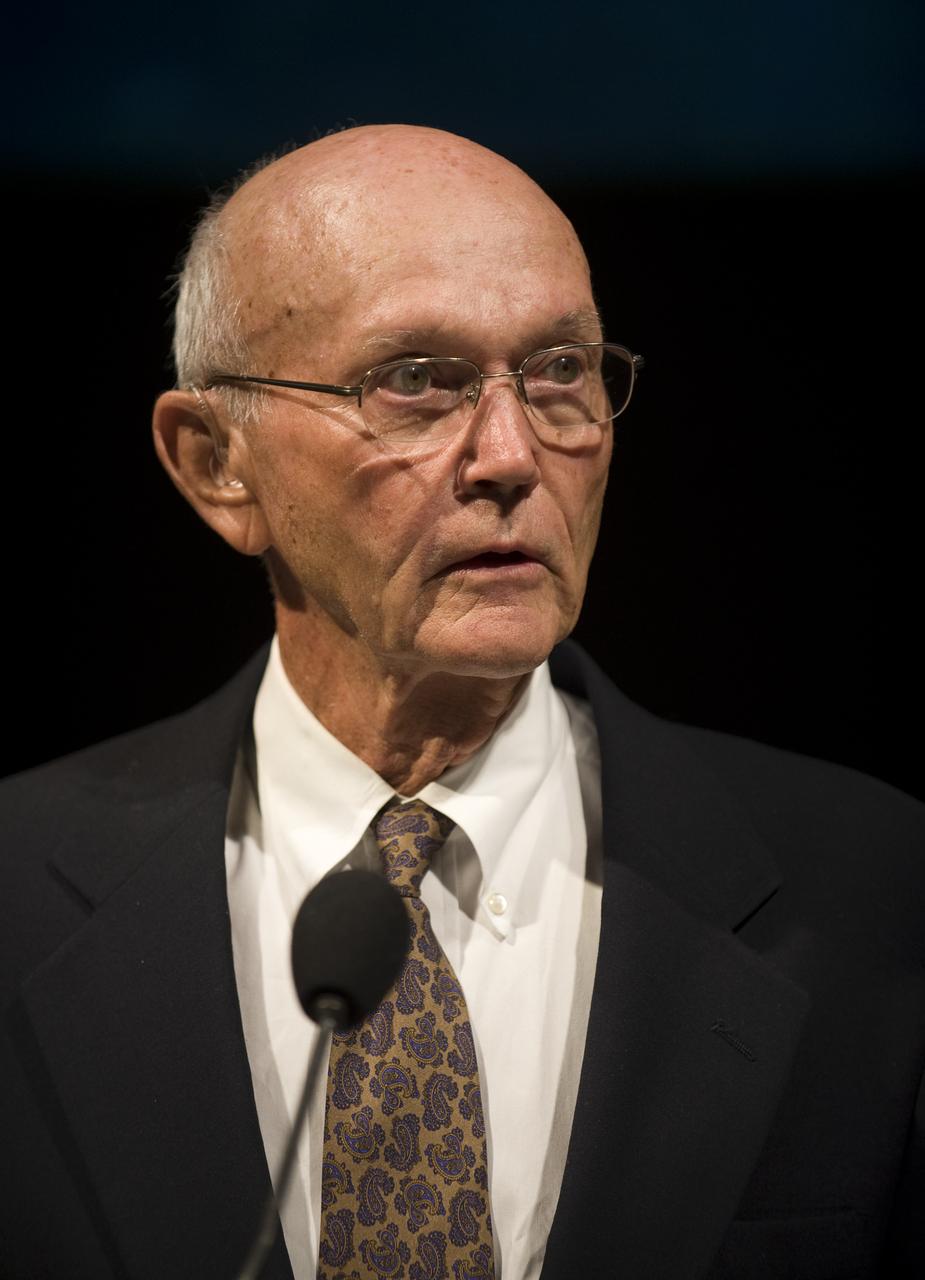
On the eve of the fortieth anniversary of Apollo 11's first human landing on the Moon, Apollo 11 crew member, Michael Collins speaks during a lecture in honor of Apollo 11 at the National Air and Space Museum in Washington, Sunday, July 19, 2009. Guest speakers included Former NASA Astronaut and U.S. Senator John Glenn, NASA Mission Control creator and former NASA Johnson Space Center director Chris Kraft and the crew of Apollo 11. Photo Credit: (NASA/Bill Ingalls)
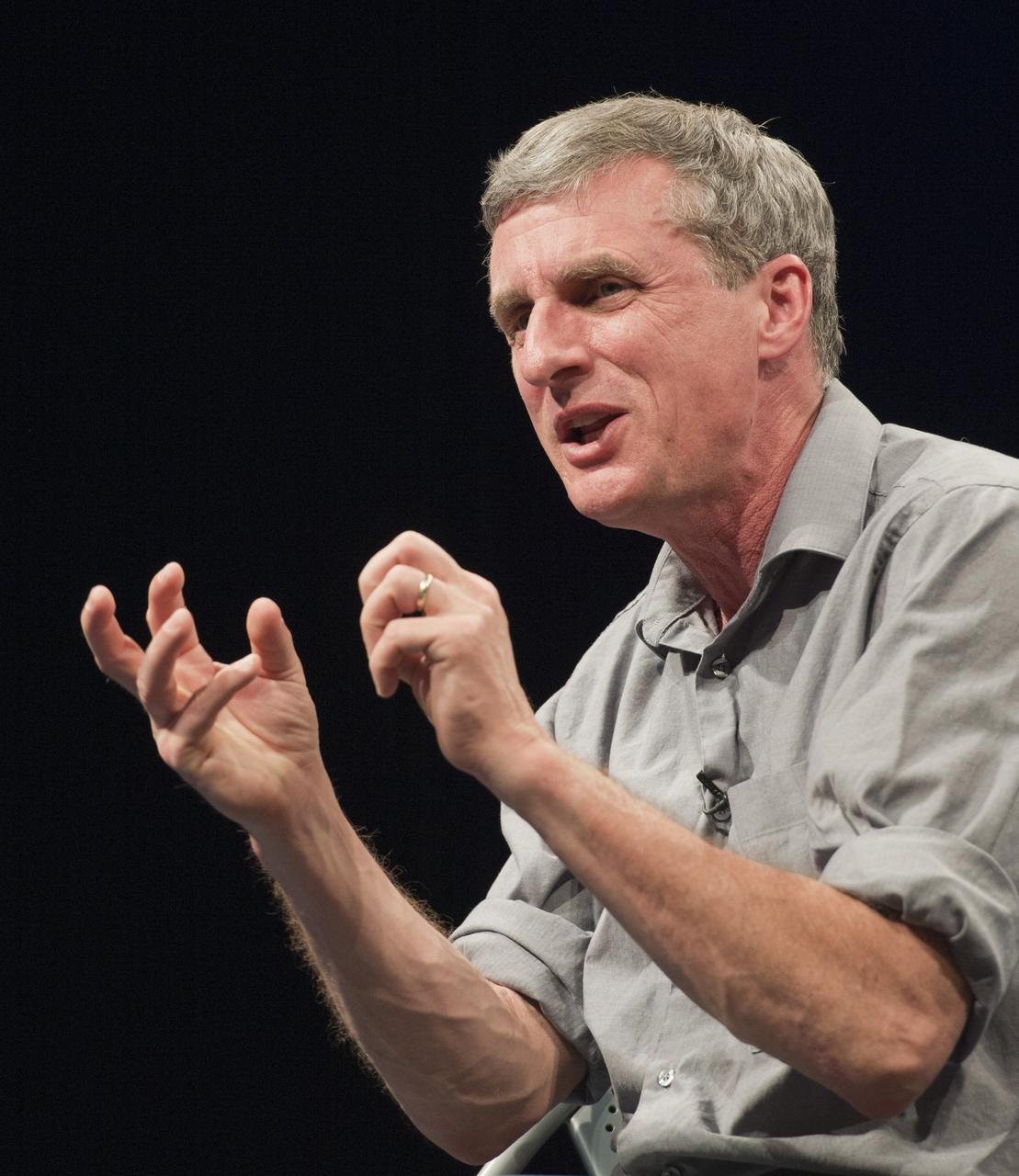
Dr. Steve Squyres, from Cornell University, talks during a Mars Program Update where prominent scientists discussed evidence of water on Mars, current Program status, including the 7th Anniversary of the Mars rovers and the upcoming Mars Science Laboratory mission and previewing exciting discoveries to come, Thursday, Jan. 13, 2011, at the Smithsonian National Air and Space Museum in Washington. Photo Credit: (NASA/Paul E. Alers)
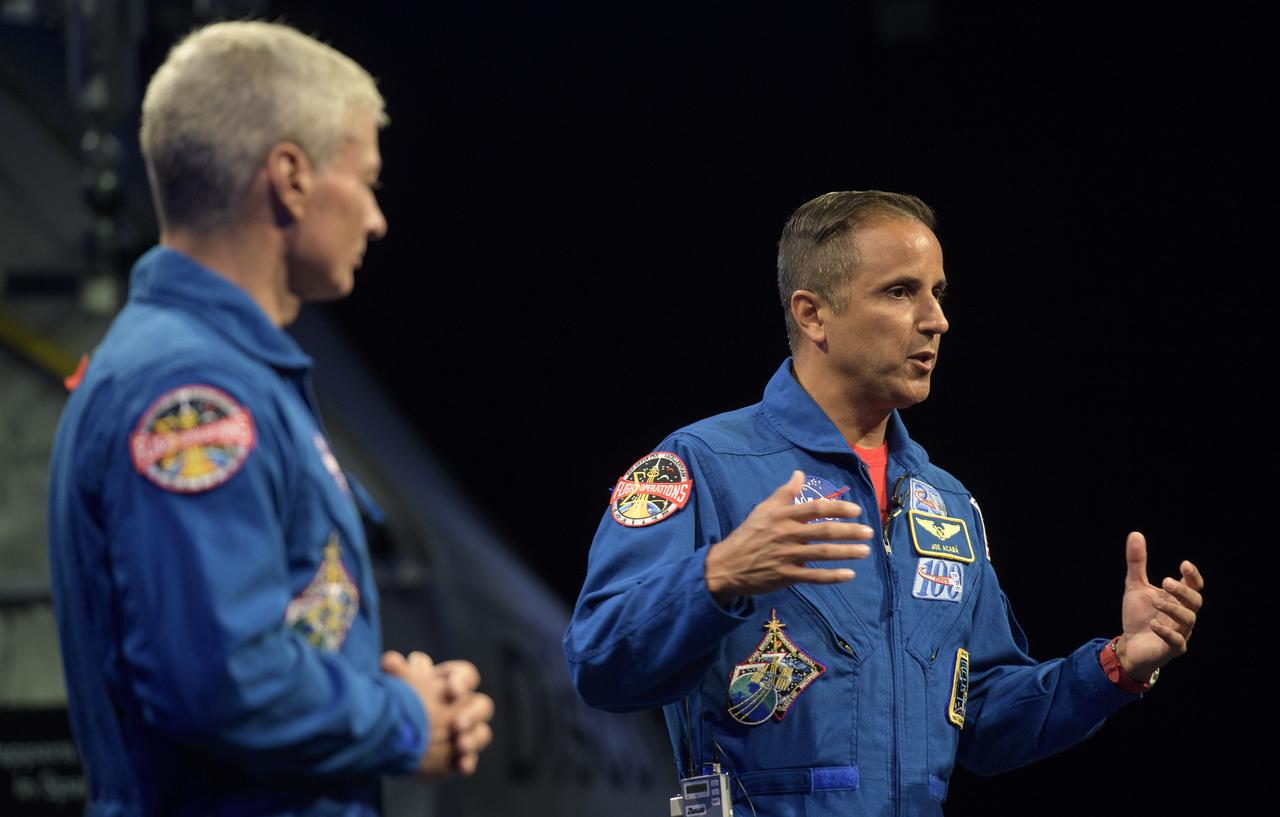
NASA astronauts Mark Vande Hei, left, and Joe Acaba speak about their experiences onboard the International Space Station during "What's New in Aerospace," Thursday, June 14, 2018 at the Smithsonian National Air and Space Museum in Washington. Acaba and Vande Hei answered questions from the audience and spoke about their experiences aboard the International Space Station for 168 days as part of Expedition 53 and 54. Photo Credit: (NASA/Joel Kowsky)
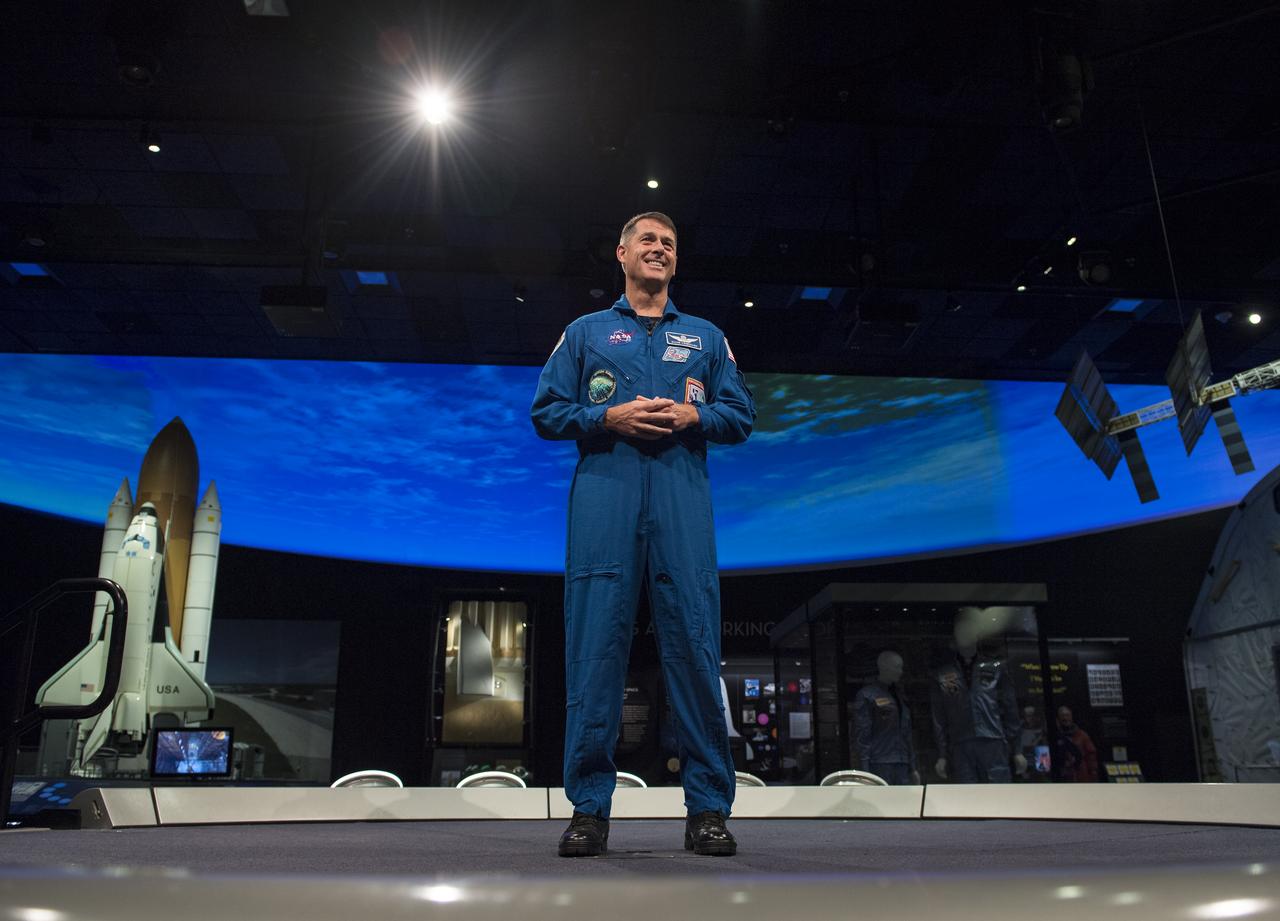
NASA astronaut Shane Kimbrough speaks about his time onboard the International Space Station (ISS) during Expeditions 49/50, Tuesday, September 12, 2017 at Smithsonian's National Air and Space Museum in Washington. During Expedition 50, Kimbrough completed four spacewalks for a total of 39 hours outside the ISS, and concluded his 173-day mission when he landed in a remote area near the town of Zhezkazgan, Kazakhstan in April 2017. Photo Credit: (NASA/Aubrey Gemignani)

Eric Zirnstein, researcher, Princeton University, speaks at an event to celebrate the 40th Anniversary of the launch of the Voyager 1 and 2 missions, Tuesday, September 5, 2017 at Smithsonian's National Air and Space Museum in Washington. Voyager 1 was launched September 5, 1977, with a mission to study Jupiter and Saturn, but now the twin Voyager spacecrafts are on a journey into interstellar space to search for the heliopause, a region never reached by any other spacecraft. Photo Credit: (NASA/Aubrey
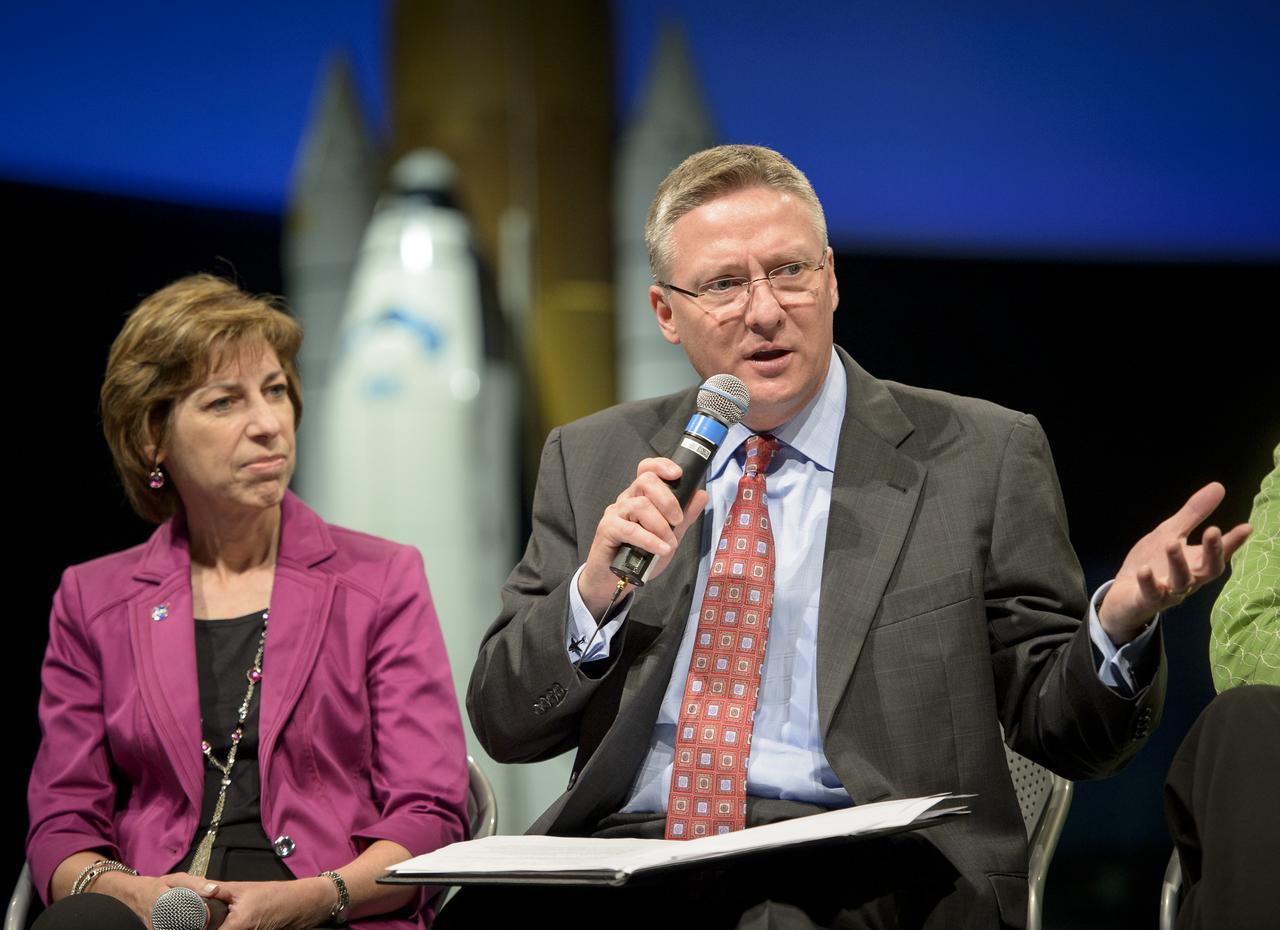
Tom Costello from NBC News moderates a panel discussion titled "Sally Ride: How Her Historic Space Mission Opened Doors for Women in Science" as Director of the NASA Johnson Space Center Ellen Ochoa looks on at the National Air and Space Museum on Friday, May 17, 2013 in Washington. Photo Credit: (NASA/Bill Ingalls)
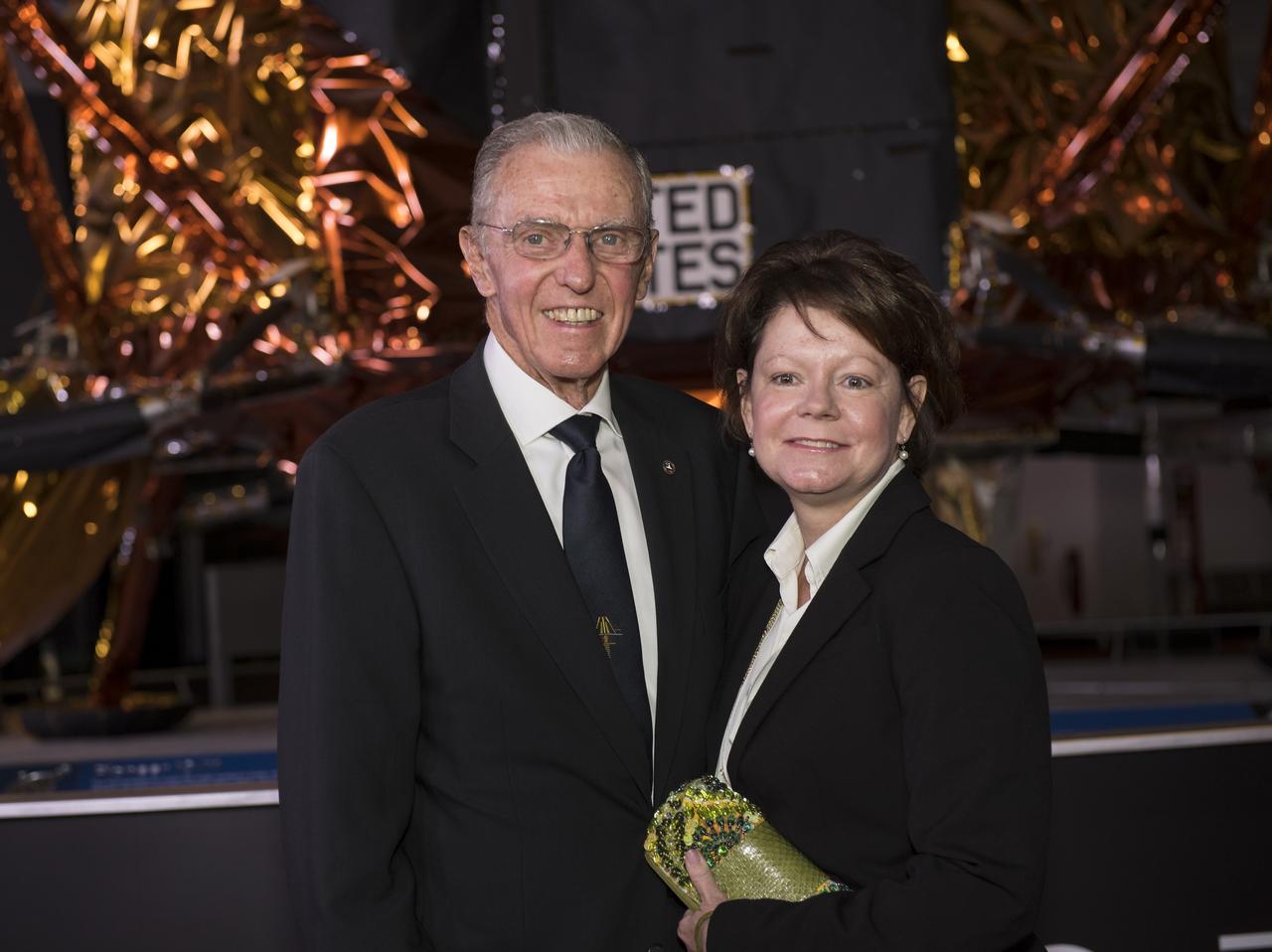
NASA astronaut Joe Engle attends the premiere of Universal's feature film "First Man” Thursday, Oct. 4, 2018 at the Smithsonian National Air and Space Museum in Washington. The movie is based on the book by Jim Hansen that chronicles the life of NASA astronaut Neil Armstrong from test pilot to his historic Moon landing. It was directed by Damien Chazelle and stars Ryan Gosling and Claire Foy. Photo Credit: (NASA/Aubrey Gemignani)
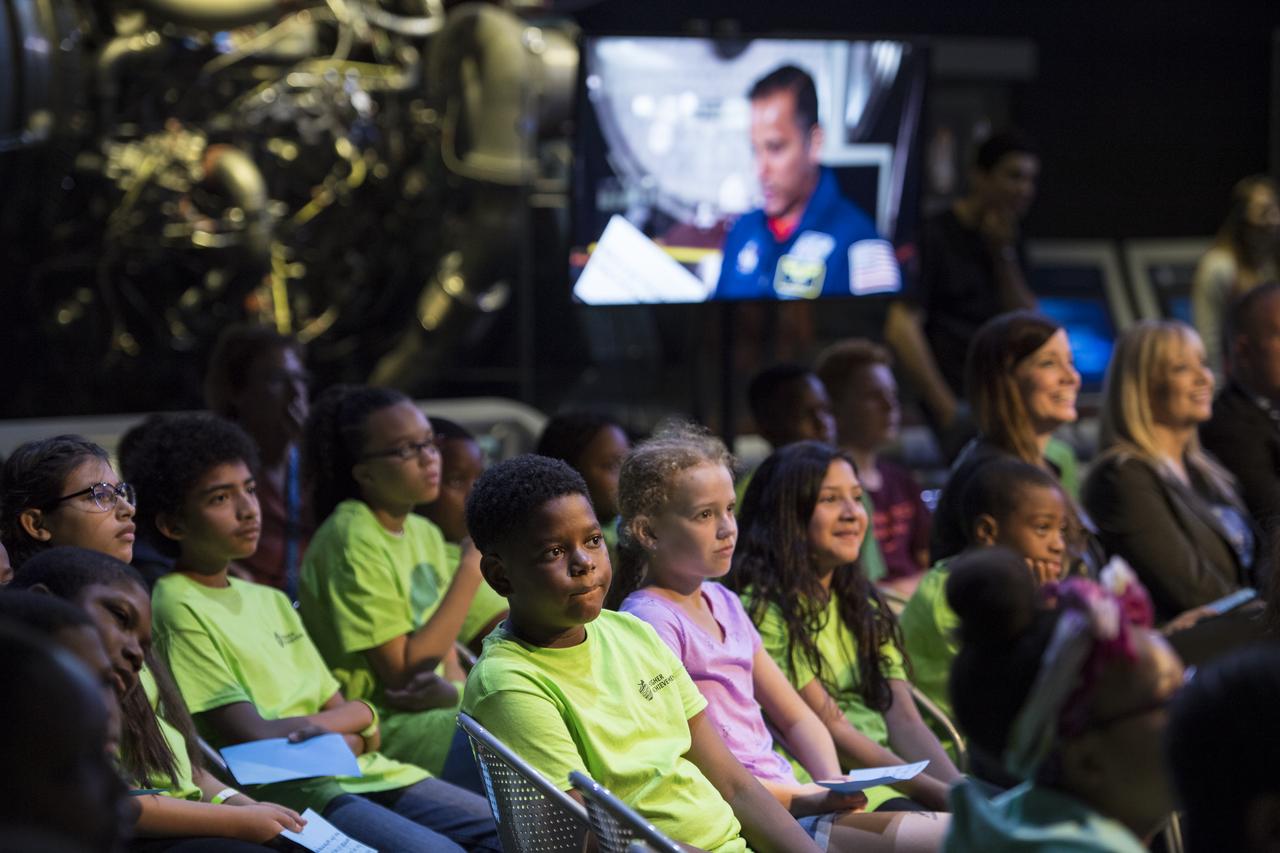
Students watch a video about NASA astronaut Joe Acaba during a STEM in 30 event, Wednesday, June 27, 2018 at Smithsonian's National Air and Space Museum in Washington. Photo Credit: (NASA/Aubrey Gemignani)

Future Engineers "Two for the Crew" competition winner, Austin Suder, speaks about his Carabiner Tool Clip, during a STEM in 30 event, Wednesday, June 27, 2018 at Smithsonian's National Air and Space Museum in Washington. Photo Credit: (NASA/Aubrey Gemignani)
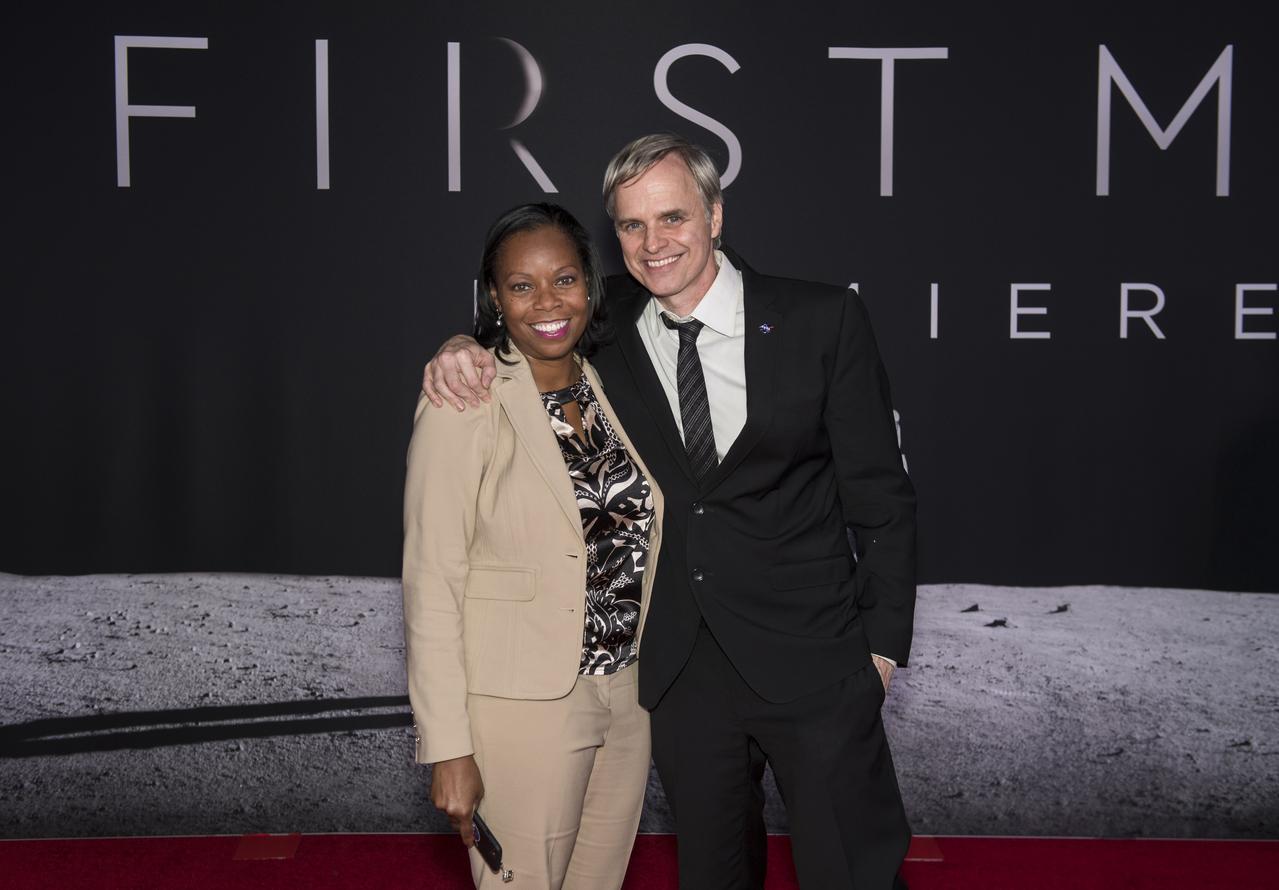
NASA's Cindy Steele, left, and Bert Ulrich, right, attend the premiere of Universal's feature film "First Man” Thursday, Oct. 4, 2018 at the Smithsonian National Air and Space Museum in Washington. The movie is based on the book by Jim Hansen that chronicles the life of NASA astronaut Neil Armstrong from test pilot to his historic Moon landing. It was directed by Damien Chazelle and stars Ryan Gosling and Claire Foy. Photo Credit: (NASA/Aubrey Gemignani)
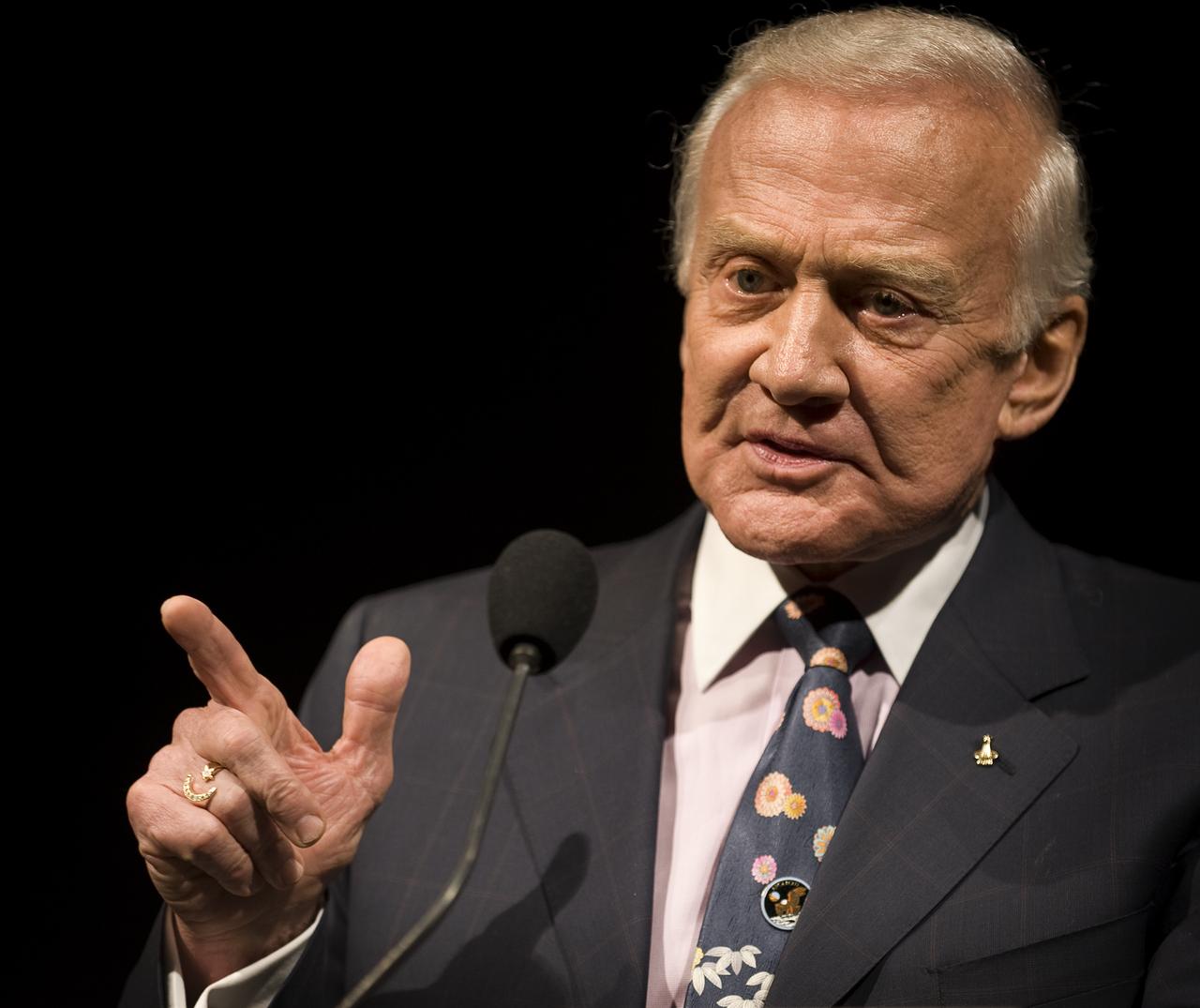
On the eve of the fortieth anniversary of Apollo 11's first human landing on the Moon, Apollo 11 crew member, Buzz Aldrin speaks during a lecture in honor of Apollo 11 at the National Air and Space Museum in Washington, Sunday, July 19, 2009. Guest speakers included Former NASA Astronaut and U.S. Senator John Glenn, NASA Mission Control creator and former NASA Johnson Space Center director Chris Kraft and the crew of Apollo 11. Photo Credit: (NASA/Bill Ingalls)
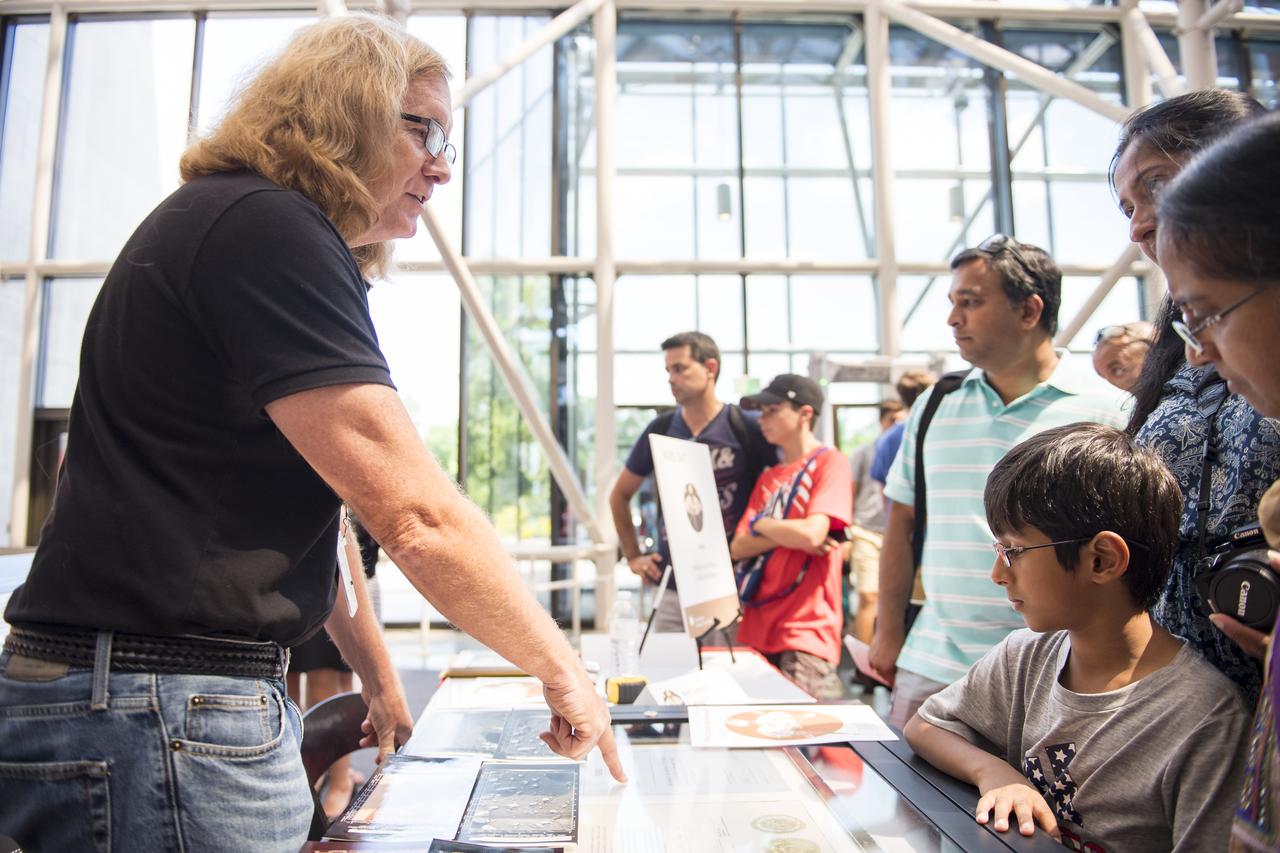
Visitors learn about the Viking landers at the Smithsonian Institution’s National Air and Space Museum Mars Day, an annual event celebrating the Red Planet with exhibits, speakers, and educational activities, Friday, July 21, 2017 in Washington. Photo Credit: (NASA/Aubrey Gemignani)
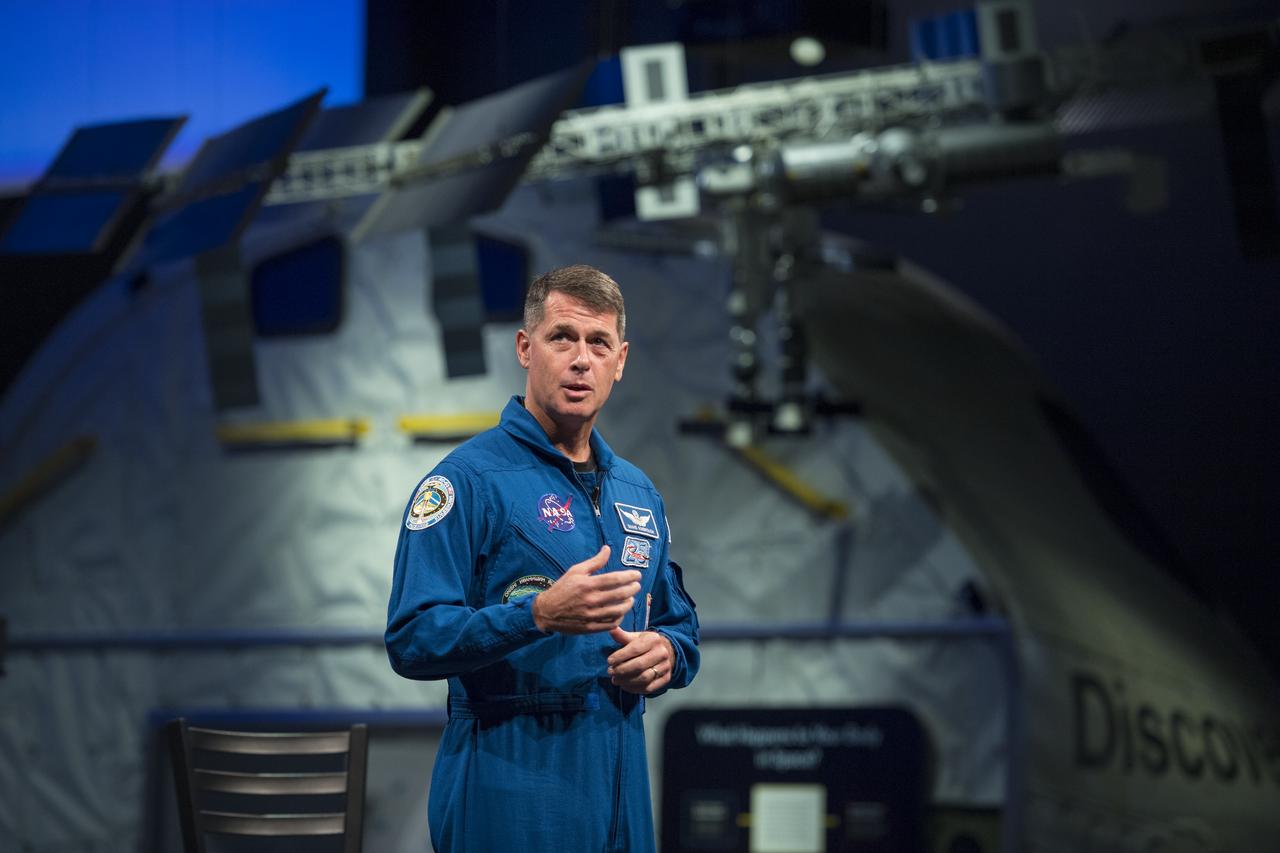
NASA astronaut Shane Kimbrough speaks about his time onboard the International Space Station (ISS) during Expeditions 49/50, Tuesday, September 12, 2017 at Smithsonian's National Air and Space Museum in Washington. During Expedition 50, Kimbrough completed four spacewalks for a total of 39 hours outside the ISS, and concluded his 173-day mission when he landed in a remote area near the town of Zhezkazgan, Kazakhstan in April 2017. Photo Credit: (NASA/Aubrey Gemignani)
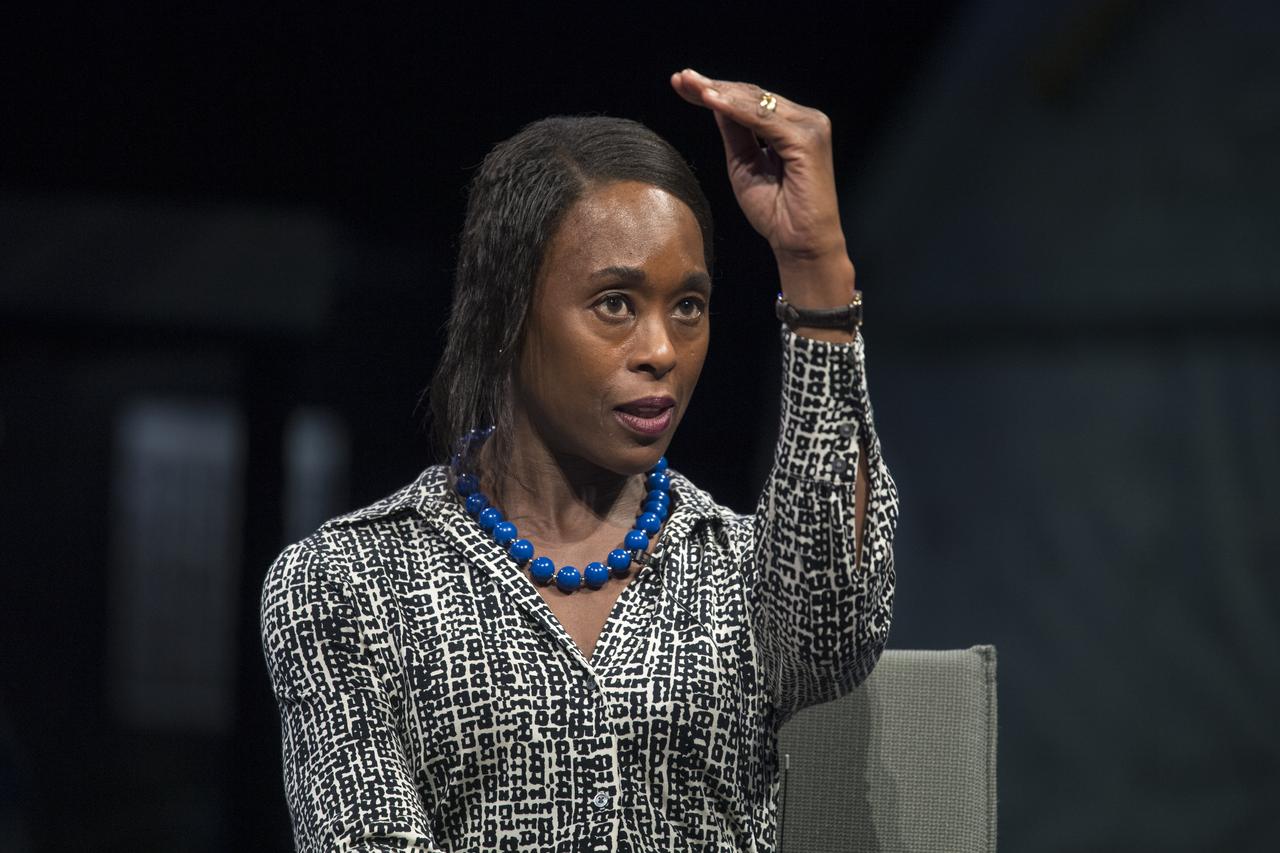
"Hidden Figures" author, Margot Lee Shetterly speaks during a "Hidden Figures" panel discussion with NASA human computer Christine Darden, and Marty Kelsey and Beth Wilson of STEM in 30, Wednesday, June 12, 2019 at the Smithsonian National Air and Space Museum in Washington. The panel discussion took place after a ceremony dedicating the 300 block of E Street SW as "Hidden Figures Way" to honor Katherine Johnson, Dorthy Vaughan, Mary Jackson and all of the women who have dedicated their lives to honorably serving their country, advancing equality, and contributing to the space program of the United States. Photo Credit: (NASA/Aubrey Gemignani)
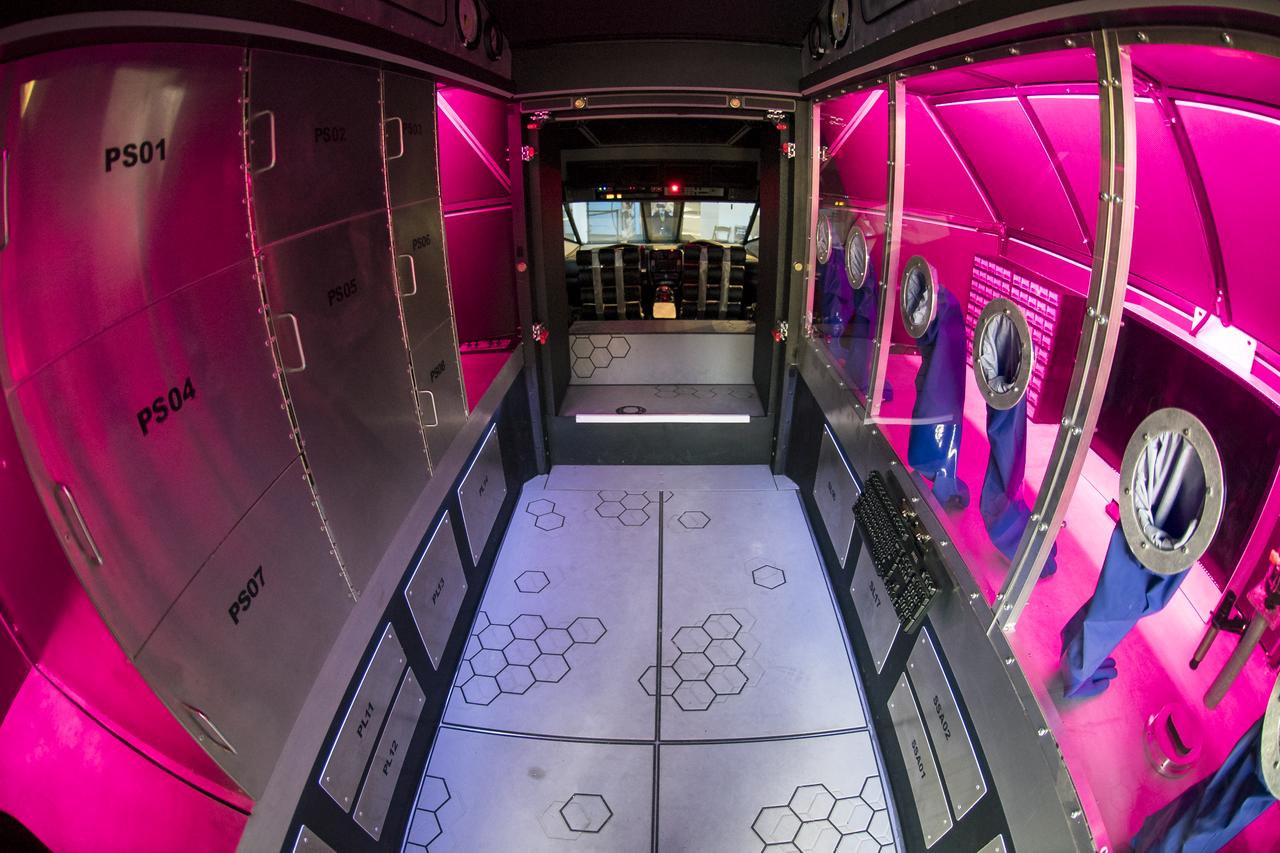
A view of the inside of the Mars rover concept, developed by vehicle designers, the Parker Brothers, with advice from NASA, is seen here during the Smithsonian Institution’s National Air and Space Museum’s Mars Day, an annual event celebrating the Red Planet with exhibits, speakers, and educational activities, Friday, July 21, 2017 in Washington. The Mars rover concept is currently on an East Coast tour from its home base at the Kennedy Space Center Visitor’s Center in Florida, and is designed to engage and educate the public by demonstrating the types of features and equipment a future human exploration vehicle may need. Photo Credit: (NASA/Aubrey Gemignani)
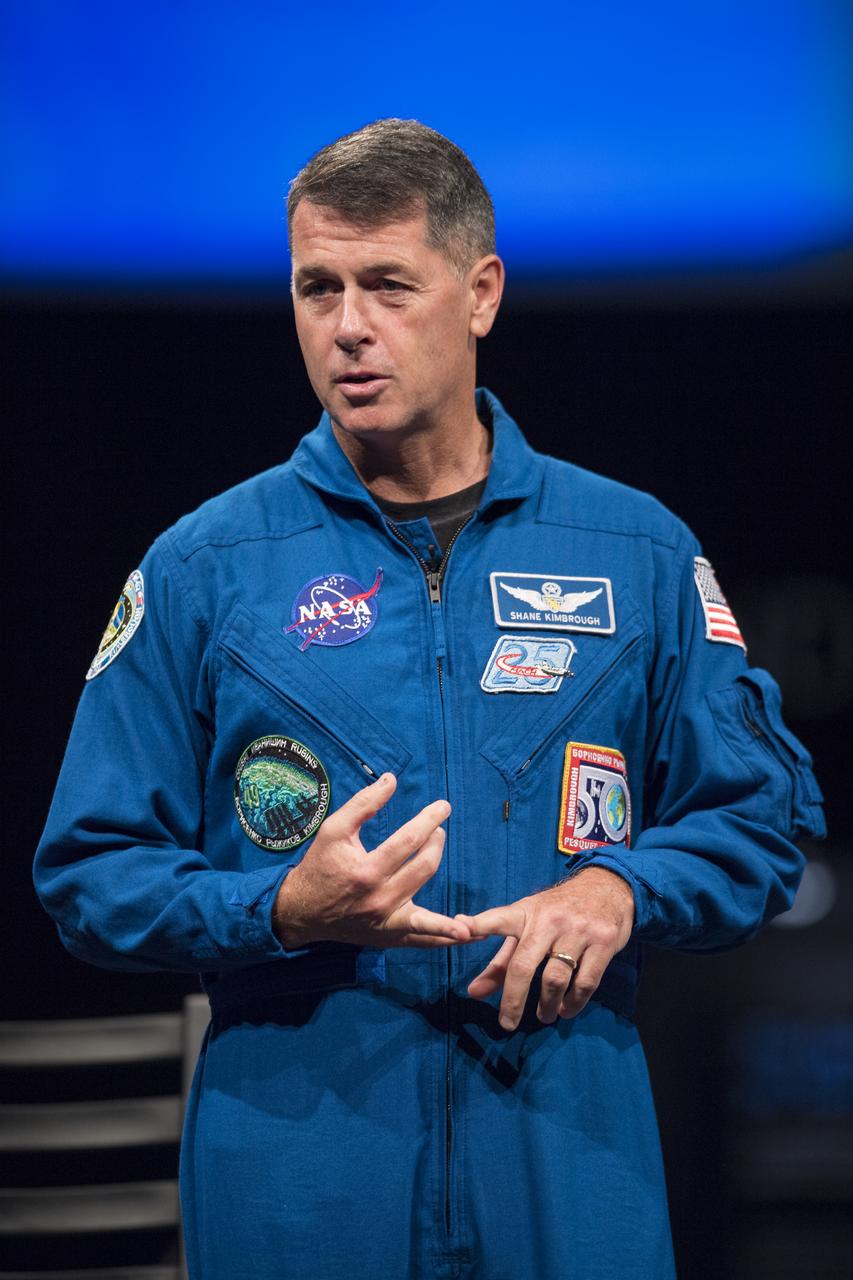
NASA astronaut Shane Kimbrough speaks about his time onboard the International Space Station (ISS) during Expeditions 49/50, Tuesday, September 12, 2017 at Smithsonian's National Air and Space Museum in Washington. During Expedition 50, Kimbrough completed four spacewalks for a total of 39 hours outside the ISS, and concluded his 173-day mission when he landed in a remote area near the town of Zhezkazgan, Kazakhstan in April 2017. Photo Credit: (NASA/Aubrey Gemignani)
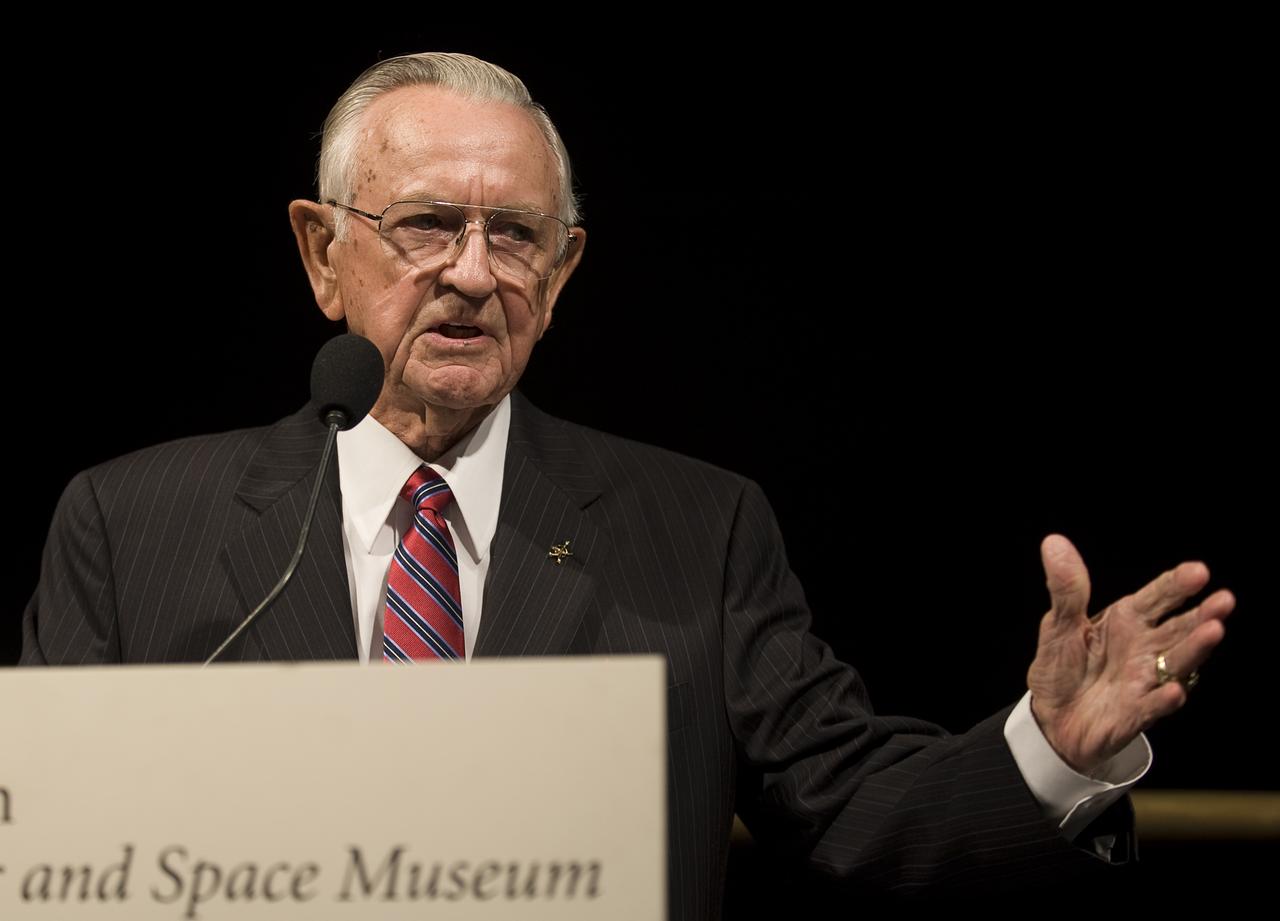
On the eve of the fortieth anniversary of Apollo 11's first human landing on the Moon, NASA Mission Control creator and former NASA Johnson Space Center director Chris Kraft speaks during a lecture in honor of Apollo 11 at the National Air and Space Museum in Washington, Sunday, July 19, 2009. Guest speakers included Former NASA Astronaut and U.S. Senator John Glenn, Apollo 11 crew members, Buzz Aldrin, Neil Armstrong, and Michael Collins. Photo Credit: (NASA/Bill Ingalls)
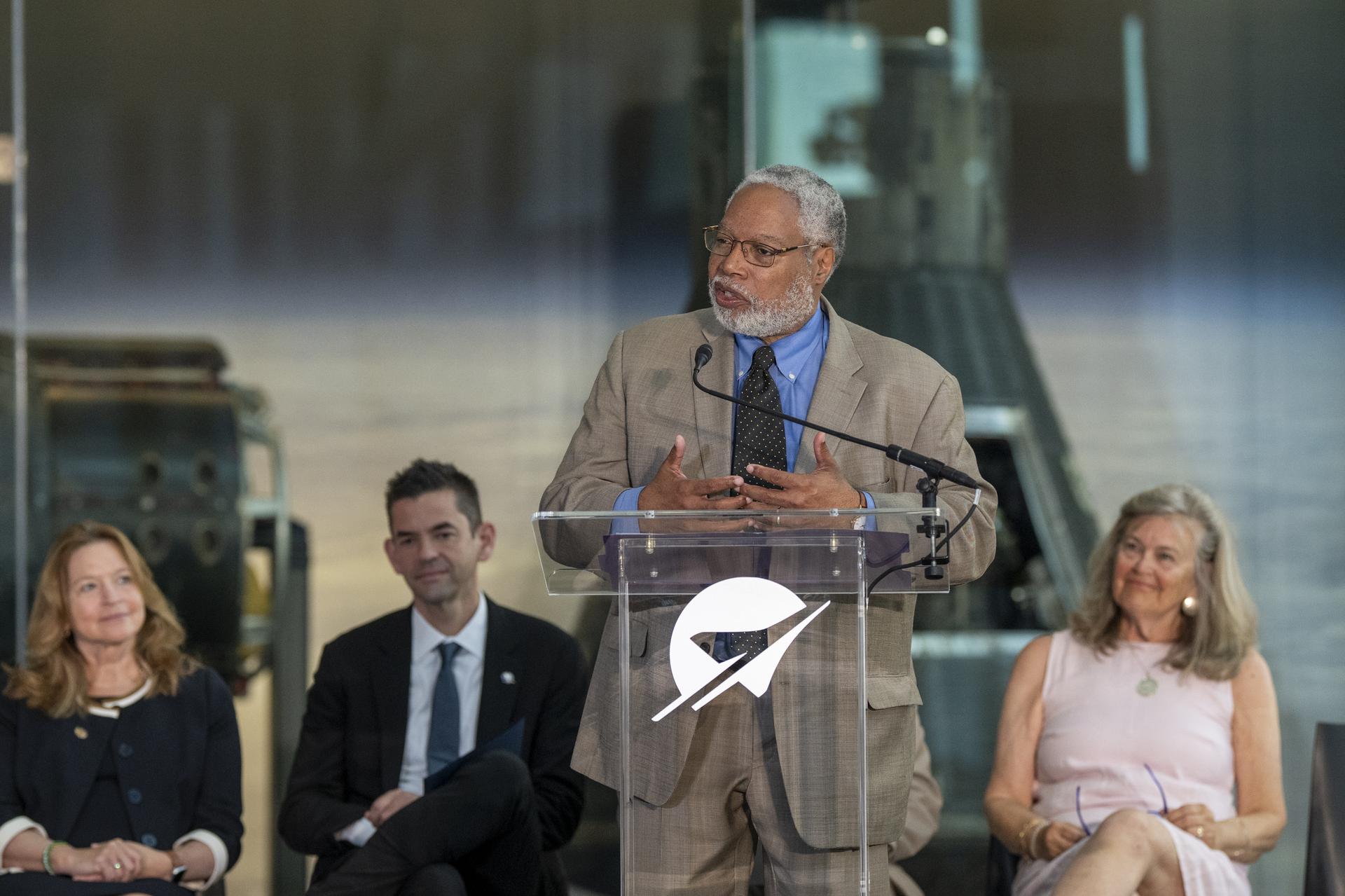
Secretary of the Smithsonian Institution Lonnie G. Bunch III delivers remarks during the Smithsonian’s National Air and Space Museum rededication ceremony Wednesday, July 1, 2026, in Washington. The swatch is being returned to the museum after having been flown aboard NASA’s Artemis II mission around the Moon and back to Earth in April 2026. Photo Credit: (NASA/Keegan Barber)
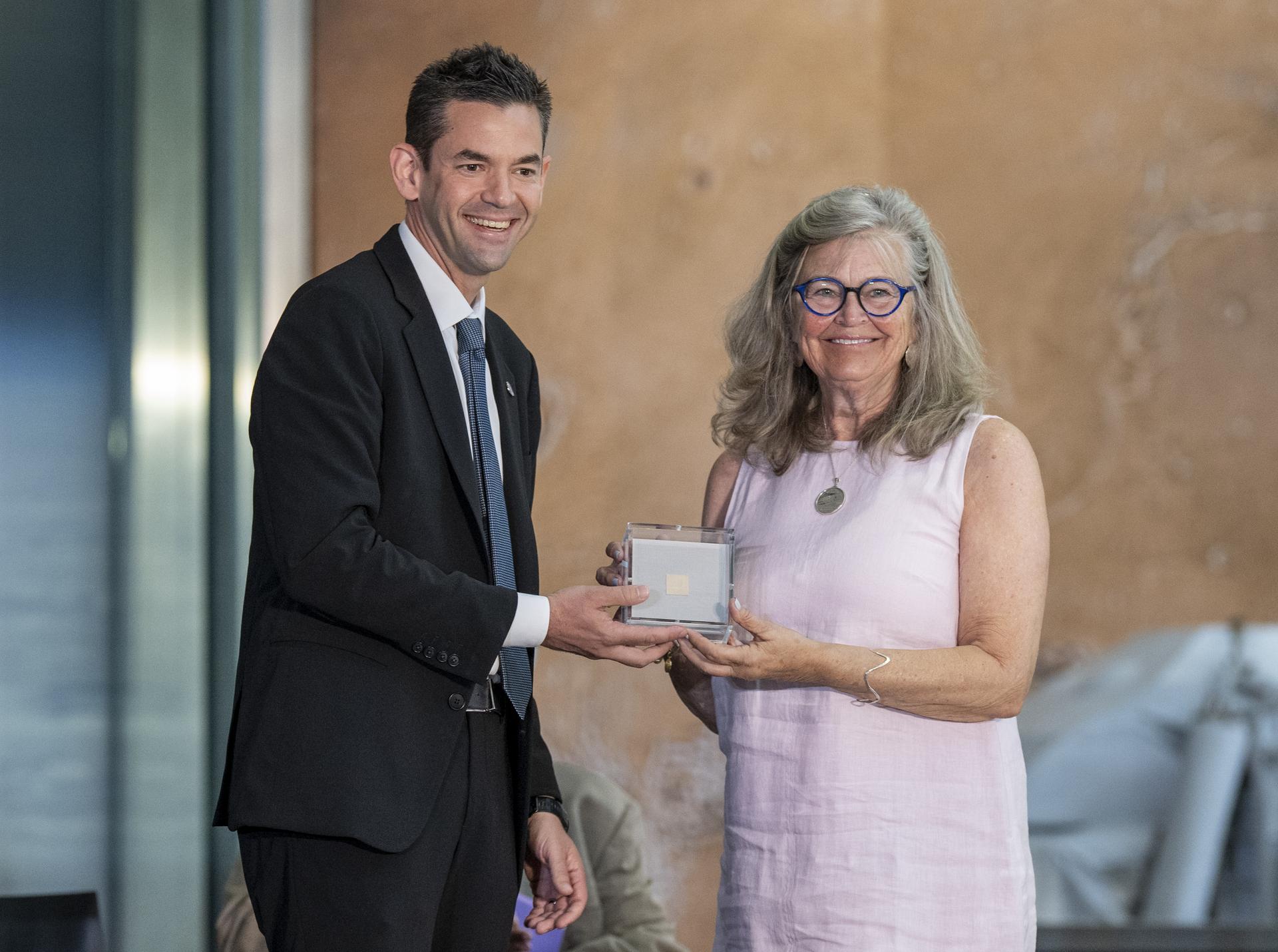
NASA Administrator Jared Isaacman presents a swatch of muslin fabric from the original Wright Flyer the Wright Brothers used to make the first powered flight in 1903 to great-grandniece Amanda Wright Lane during the Smithsonian’s National Air and Space Museum rededication ceremony Wednesday, July 1, 2026, in Washington. The swatch is being returned to the museum after having been flown aboard NASA’s Artemis II mission around the Moon and back to Earth in April 2026. Photo Credit: (NASA/Keegan Barber)
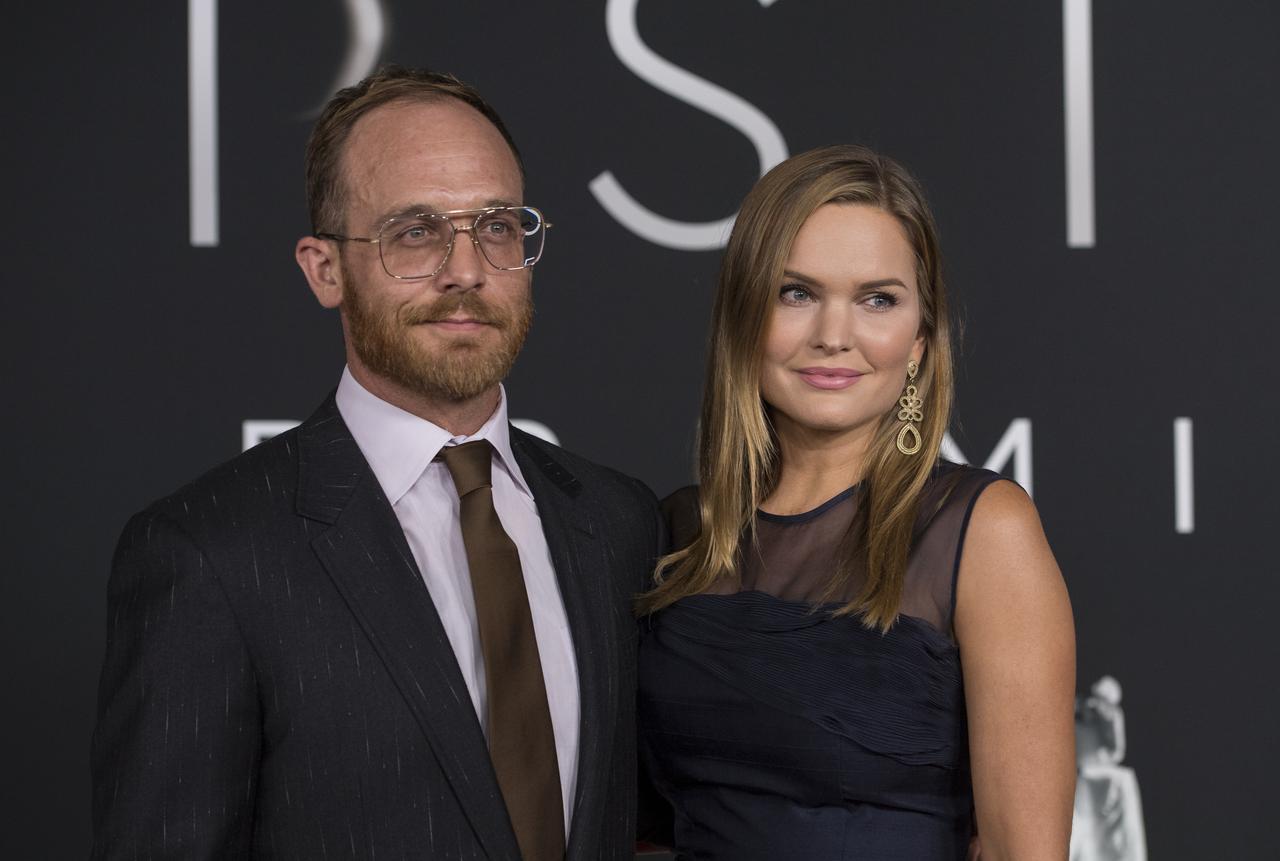
American actor Ethan Embry, left, arrives on the red carpet for the premiere of the film "First Man" at the Smithsonian National Air and Space Museum Thursday, Oct. 4, 2018 in Washington. The film is based on the book by Jim Hansen, and chronicles the life of NASA astronaut Neil Armstrong from test pilot to his historic Moon landing. Photo Credit: (NASA/Aubrey Gemignani)
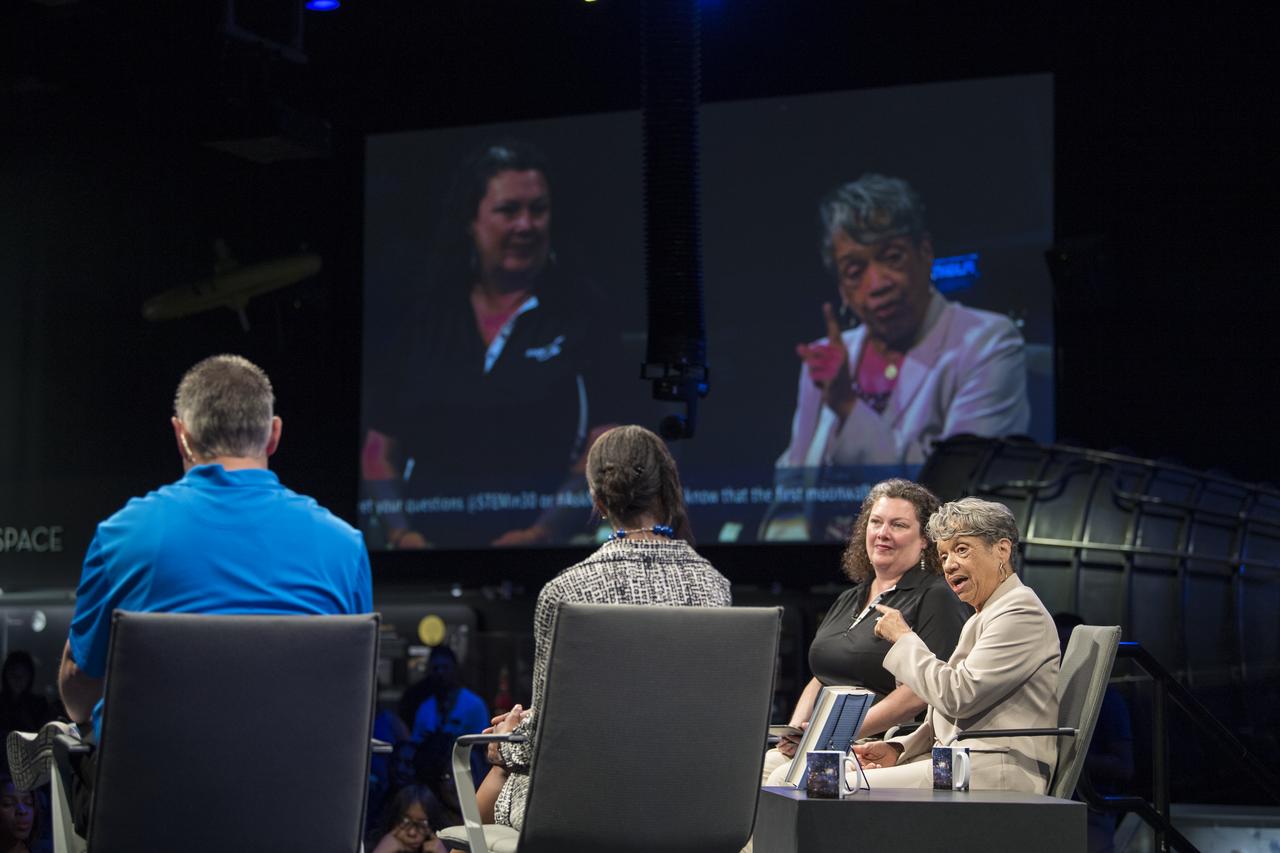
NASA human computer Christine Darden, right, speaks during a "Hidden Figures" panel discussion with "Hidden Figures" author, Margot Lee Shetterly, and Beth Wilson, and Marty Kelsey of STEM in 30, Wednesday, June 12, 2019 at the Smithsonian National Air and Space Museum in Washington. The panel discussion took place after a ceremony dedicating the 300 block of E Street SW as "Hidden Figures Way" to honor Katherine Johnson, Dorthy Vaughan, Mary Jackson and all of the women who have dedicated their lives to honorably serving their country, advancing equality, and contributing to the space program of the United States. Photo Credit: (NASA/Aubrey Gemignani)
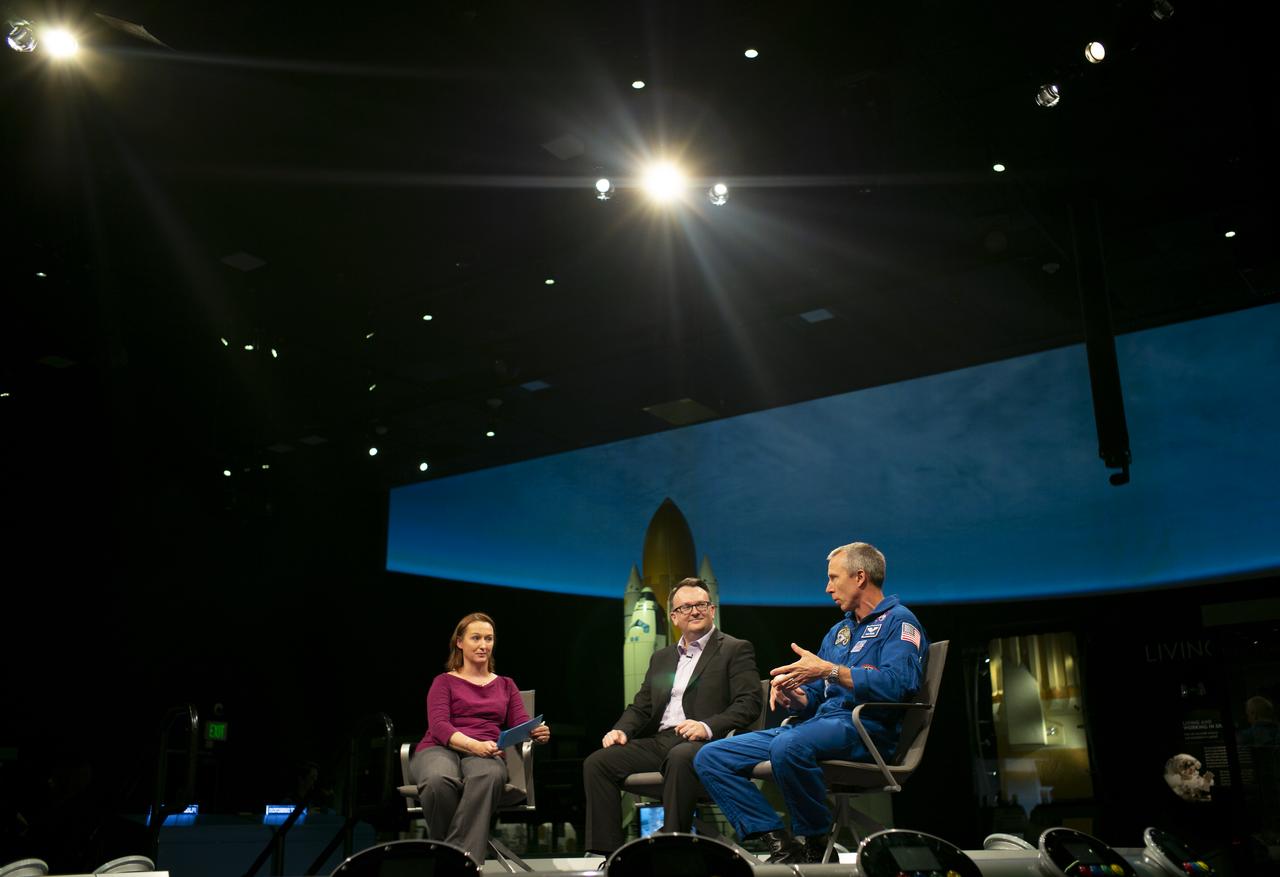
Smithsonian National Air and Space Museum curators Jennifer Levasseur, left, and Jeremy Kinney, center, speak with NASA astronaut Drew Feustel about his experiences on two space shuttle missions, STS-125 and STS-134, and a long duration mission onboard the International Space Station during “What’s New in Aerospace,” Thursday, May 9, 2019 at the Smithsonian’s National Air and Space Museum in Washington, DC. Feustel most recently spent 197 days living and working onboard the International Space Station as part of Expedition 55 and as commander of Expedition 56. Feustel ventured outside the space station on three spacewalks, moving him up to second among U.S. spacewalkers with a cumulative time of 61 hours 48 minutes over nine spacewalks. Photo Credit: (NASA/Joel Kowsky)
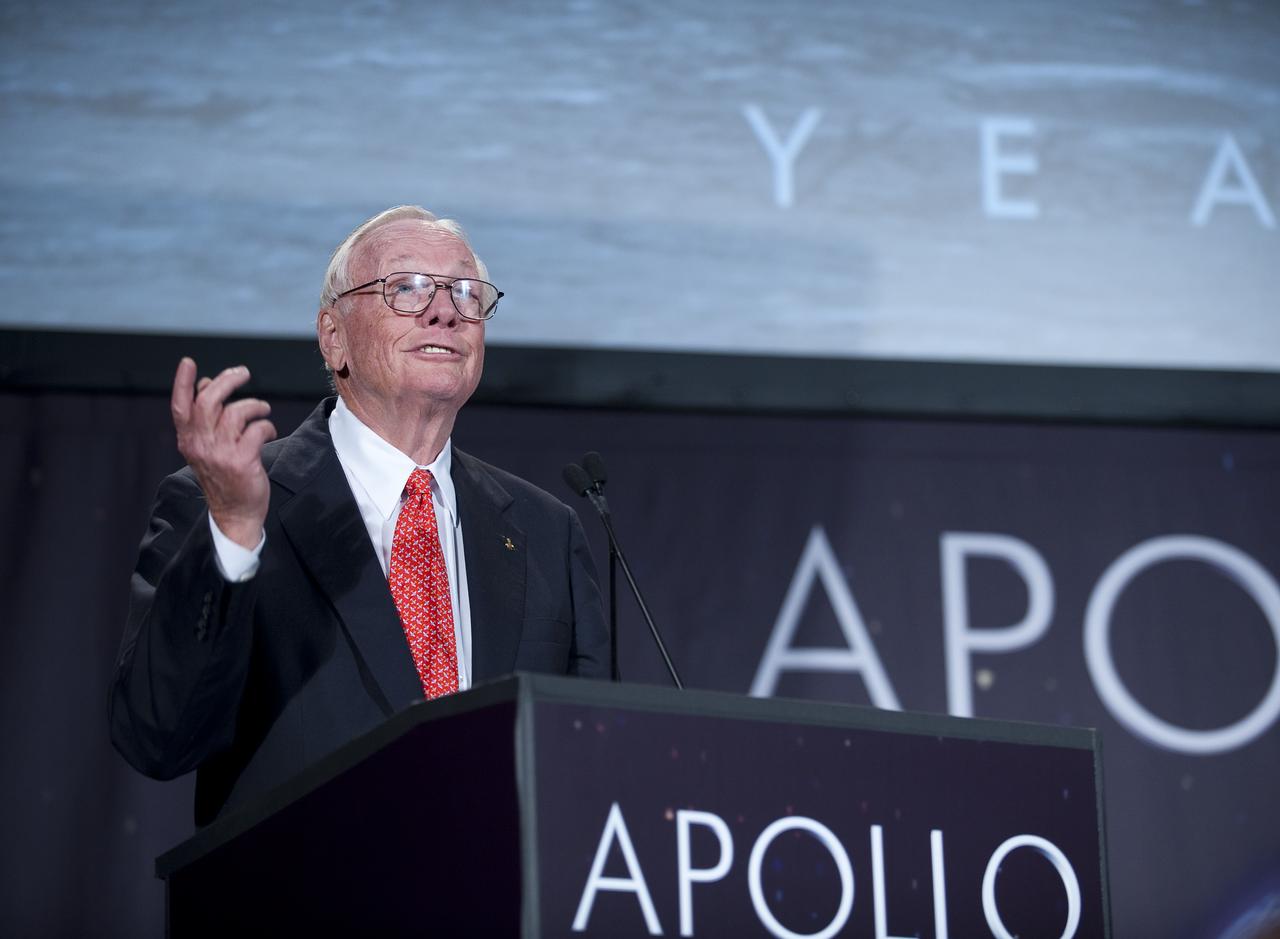
NASA Apollo 11 Mission Commander and first man to set foot on the Moon, Neil Armstrong speaks at the Apollo 40th anniversary celebration held at the National Air and Space Museum, Monday, July 20, 2009 in Washington. Photo Credit: (NASA/Bill Ingalls)

Ann Druyan, writer/producer and golden record visionary, speaks at an event to celebrate the 40th Anniversary of the launch of the Voyager 1 and 2 missions, Tuesday, September 5, 2017 at Smithsonian's National Air and Space Museum in Washington. Voyager 1 was launched September 5, 1977, with a mission to study Jupiter and Saturn, but now the twin Voyager spacecrafts are on a journey into interstellar space to search for the heliopause, a region never reached by any other spacecraft. Photo Credit: (NASA/Aubrey
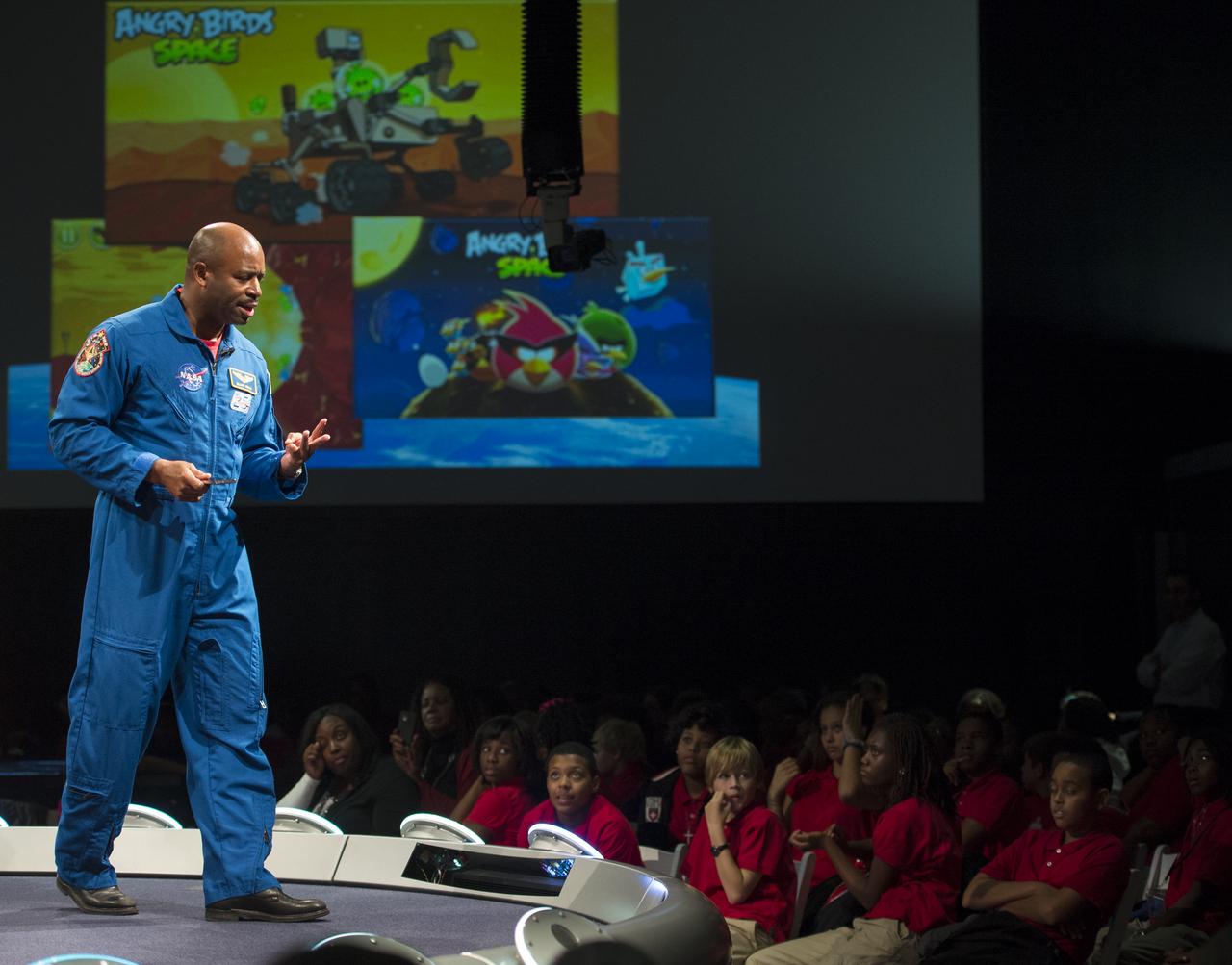
Leland Melvin, NASA Associate Administrator for Education and two-time space shuttle astronaut, speaks to students from D.C.'s Stuart-Hobson Middle School at the Smithsonian National Air and Space Museum, Thursday, Nov. 15, 2012 in Washington. The students, participants from the Student Spaceflight Experiments Program (SSEP) conducted a live conversation with astronauts aboard the International Space Station. The downlink is an annual event held in honor of International Education Week, and was co-hosted with the Department of Education and the National Center for Earth and Space Science Education (NCESSE). Photo Credit: (NASA/Carla Cioffi)
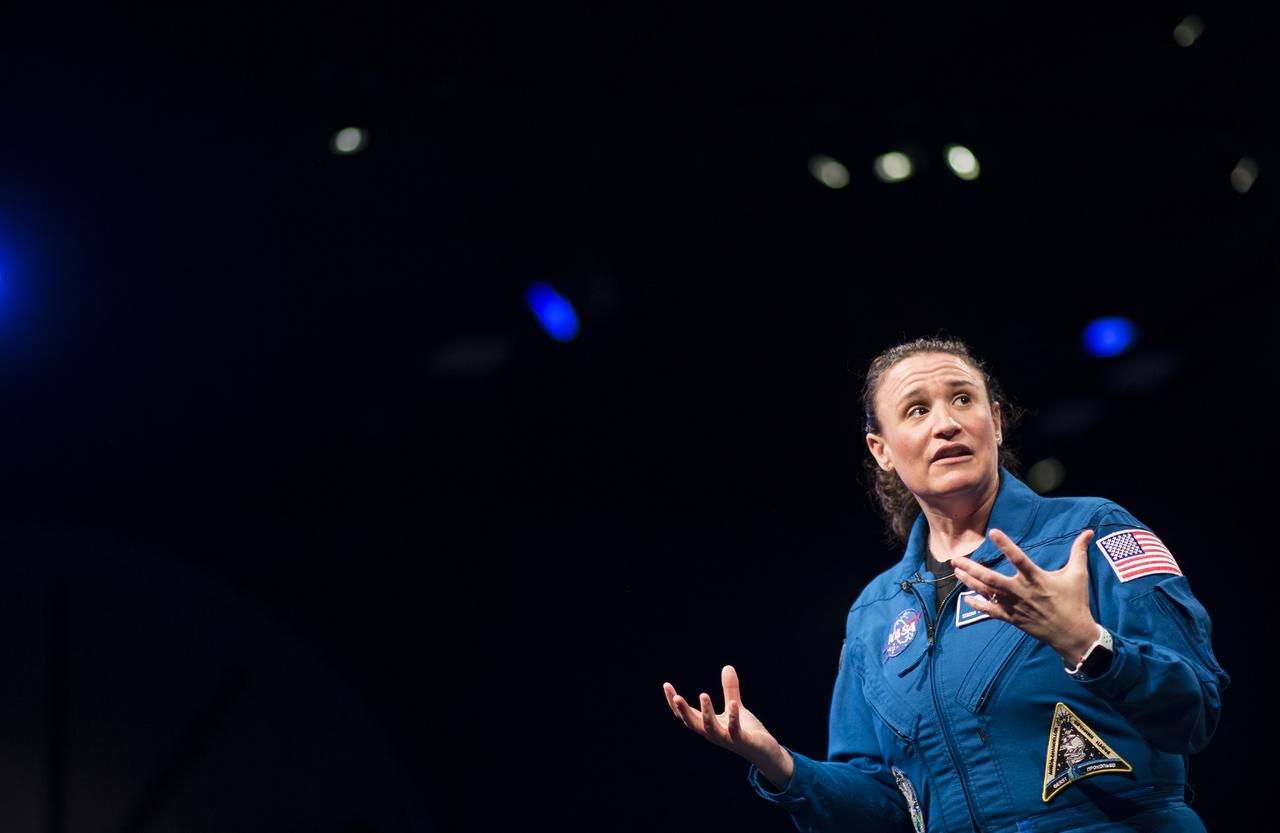
NASA astronaut Serena Auñón-Chancellor speaks about her time onboard the International Space Station during "What's New in Aerospace" Friday, June 14, 2019 the Smithsonian's National Air and Space Museum in Washington, DC. Auñón-Chancellor spent 197 days living and working onboard the orbital laboratory as part of Expeditions 56 and 57, contributing to hundreds of experiments in biology, biotechnology, physical science, and Earth science while there. She began her career at NASA as a flight surgeon before being selected as an astronaut in 2009. Photo Credit: (NASA/Joel Kowsky)
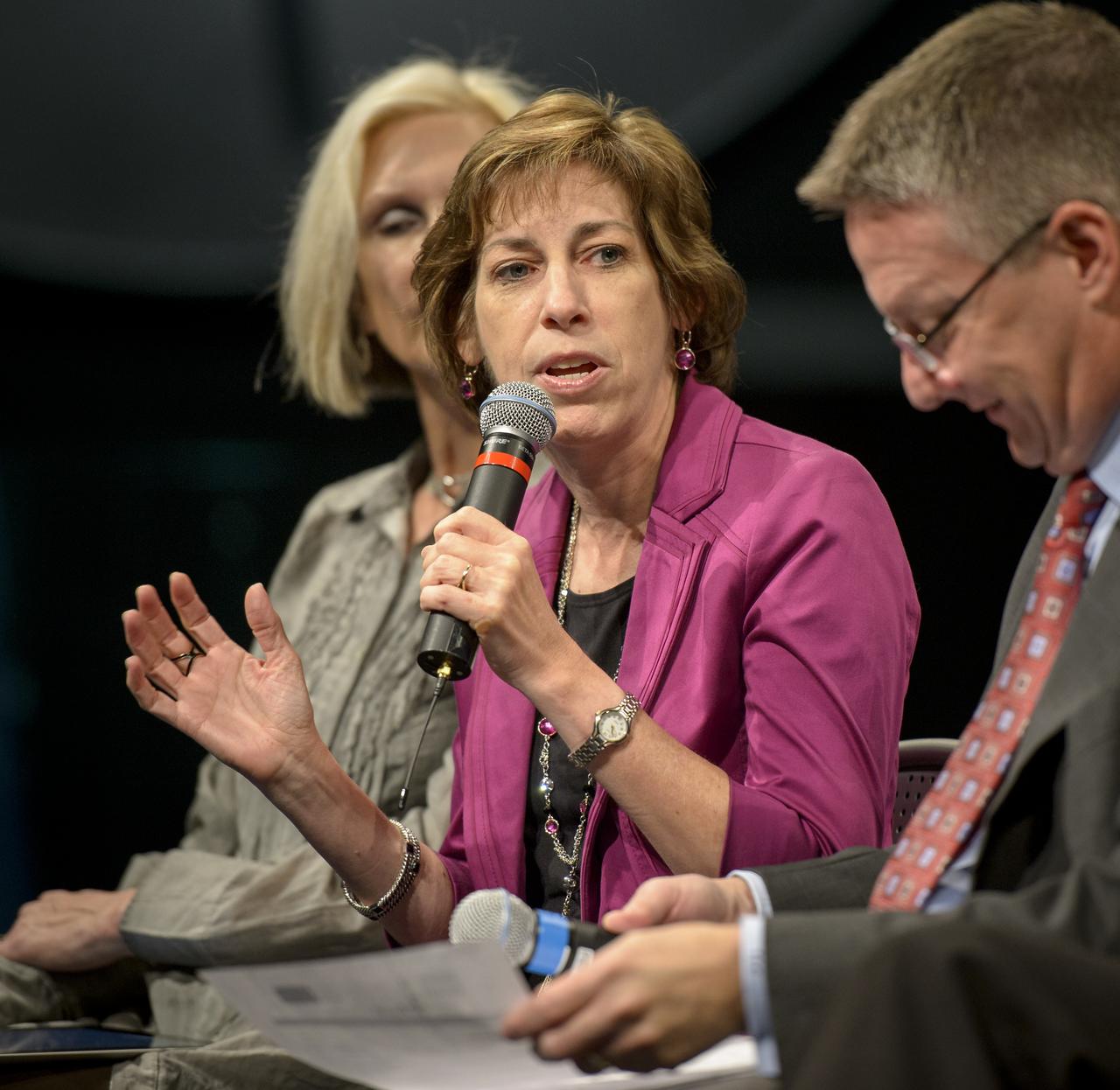
Director of the NASA Johnson Space Center Ellen Ochoa shares her experiences during a program titled "Sally Ride: How Her Historic Space Mission Opened Doors for Women in Science" held on Friday, May 17, 2013 at the National Air and Space Museum in Washington. Photo Credit: (NASA/Bill Ingalls)
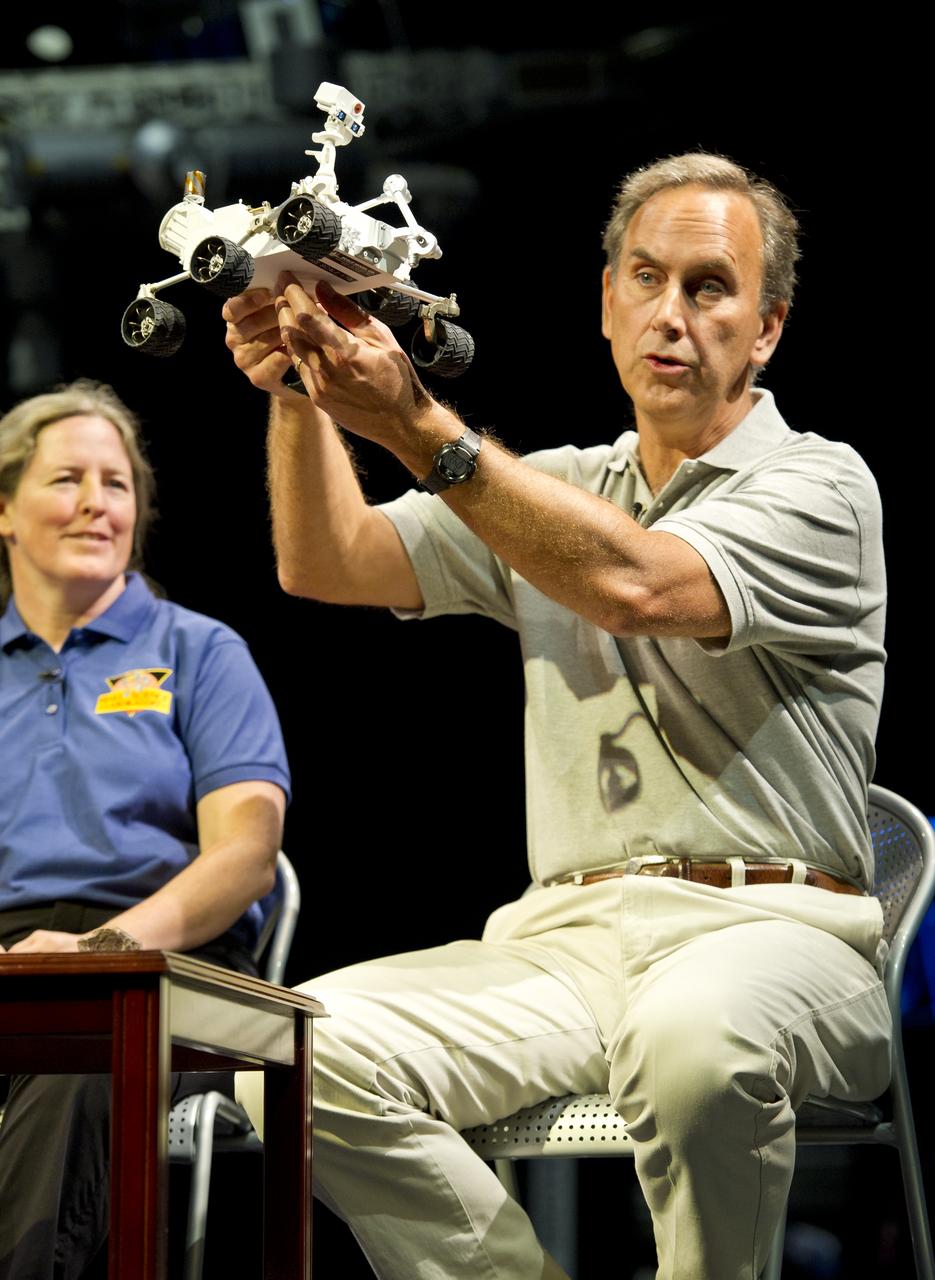
John Grotzinger, Mars Science Laboratory (MSL) project scientist, Jet Propulsion Lab (JPL), Pasadena, Calif., holds up a model of the MSL, or Curiosity, at a press conference at the Smithsonian's National Air and Space Museum on Friday, July 22, 2011 in Washington. The MSL is scheduled to launch late this year from NASA's Kennedy Space Center in Florida and land in August 2012. Curiosity is twice as long and more than five times as heavy as previous Mars rovers. The rover will study whether the landing region at Gale crater had favorable environmental conditions for supporting microbial life and for preserving clues about whether life ever existed. Photo Credit: (NASA/Carla Cioffi)
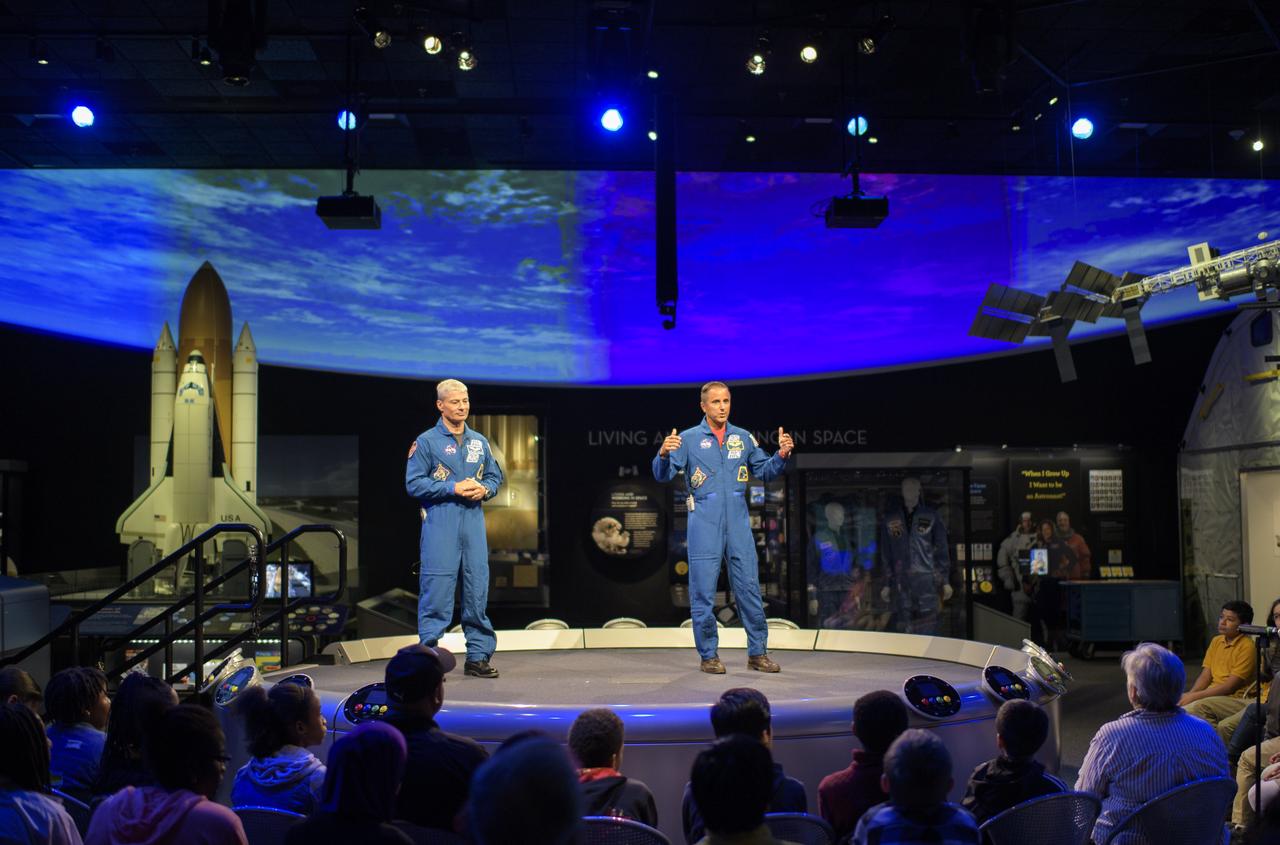
NASA astronauts Mark Vande Hei, left, and Joe Acaba speak about their experiences onboard the International Space Station during "What's New in Aerospace," Thursday, June 14, 2018 at the Smithsonian National Air and Space Museum in Washington. Acaba and Vande Hei answered questions from the audience and spoke about their experiences aboard the International Space Station for 168 days as part of Expedition 53 and 54. Photo Credit: (NASA/Joel Kowsky)
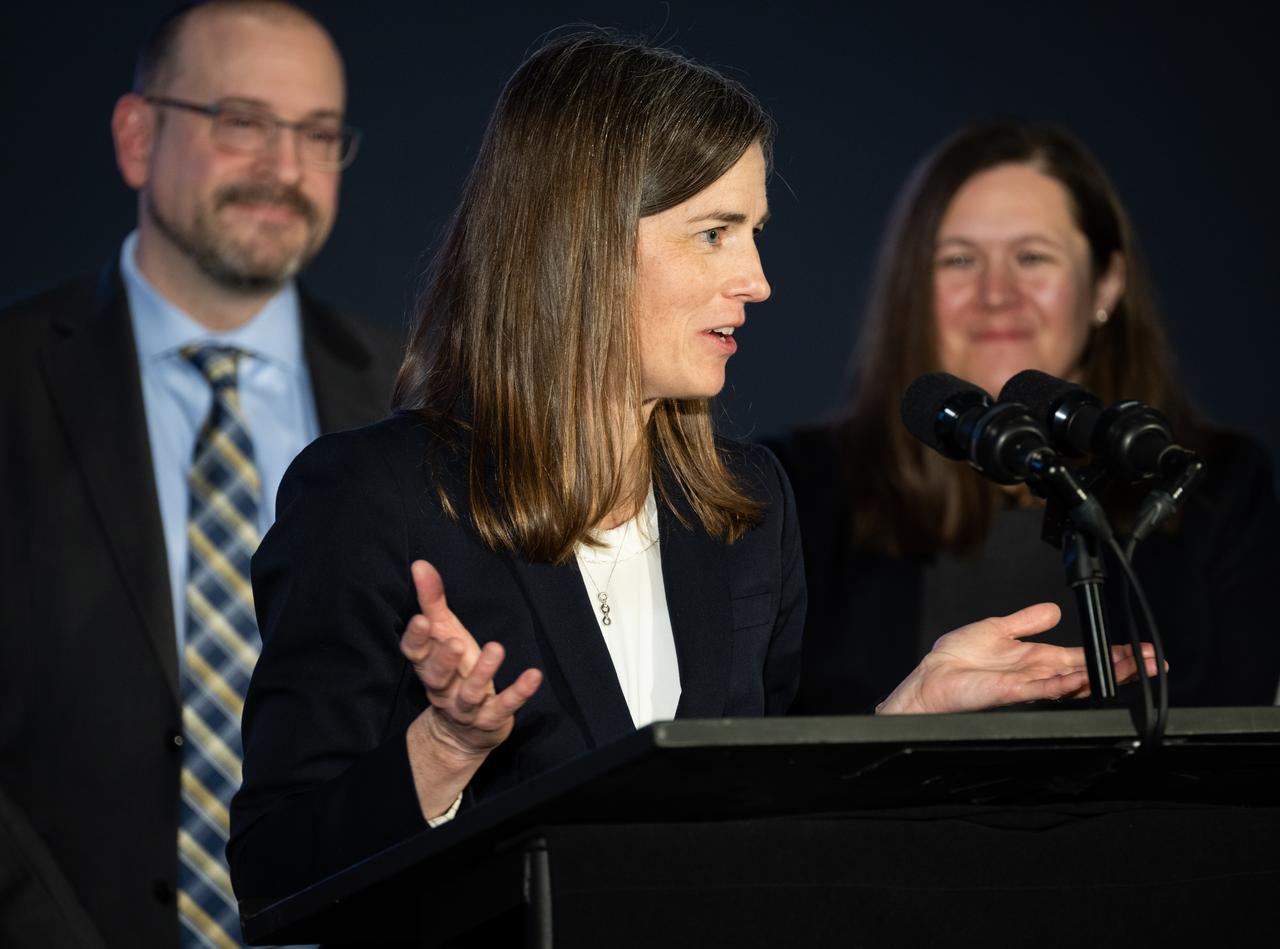
Caroline Nowlan, atmospheric physicist at the Center for Astrophysics | Harvard & Smithsonian, answers a question during a briefing on NASA’s TEMPO (Tropospheric Emissions: Monitoring of Pollution) instrument, Tuesday, March 14, 2023 at the Smithsonian’s National Air and Space Museum in Washington. NASA’s TEMPO instrument, the first Earth Venture Instrument mission, will measure air pollution across North America from Mexico City to the Canadian oil sands and from the Atlantic to the Pacific hourly and at a high spatial resolution. A partnership between NASA and the Center for Astrophysics | Harvard & Smithsonian, TEMPO will launch on a commercial satellite to geostationary orbit as early as April. Photo Credit: (NASA/Joel Kowsky)
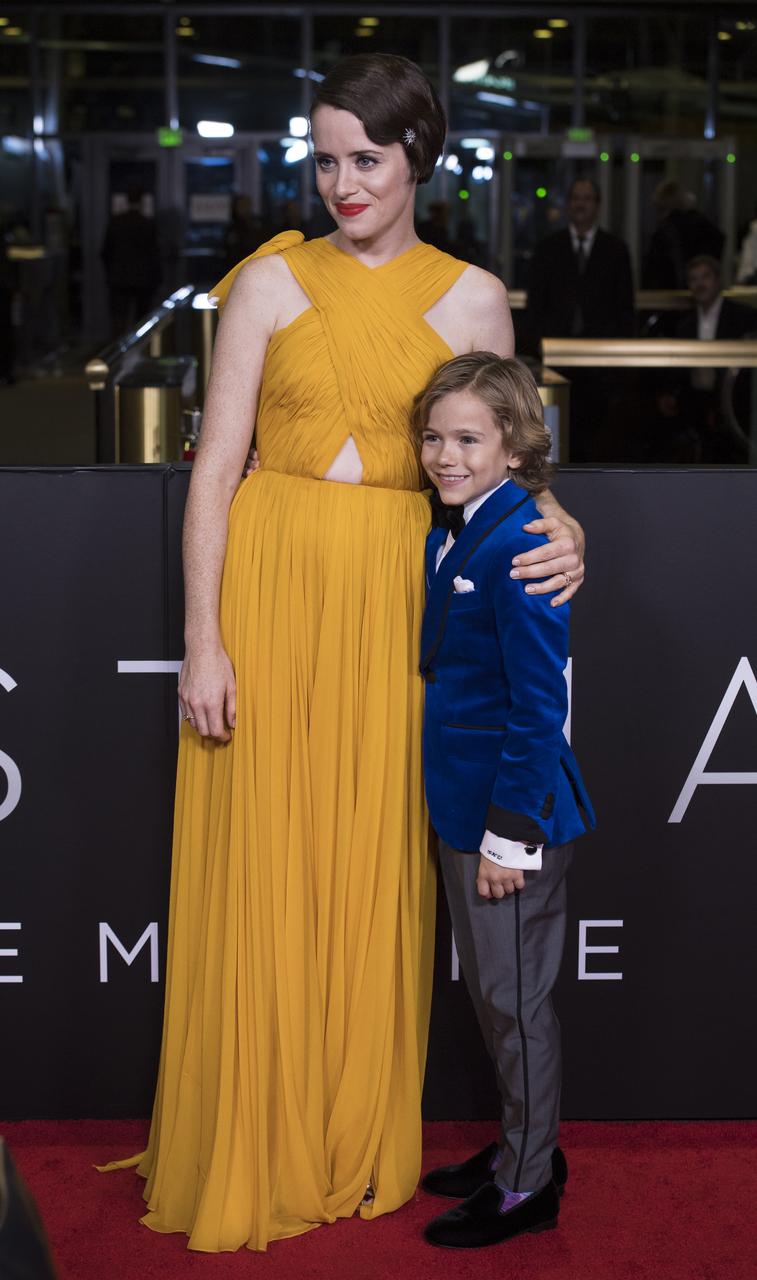
English actress Claire Foy, left, and actor Gavin Warren arrive on the red carpet for the premiere of the film "First Man" at the Smithsonian National Air and Space Museum Thursday, Oct. 4, 2018 in Washington. The film is based on the book by Jim Hansen, and chronicles the life of NASA astronaut Neil Armstrong from test pilot to his historic Moon landing. Photo Credit: (NASA/Aubrey Gemignani)
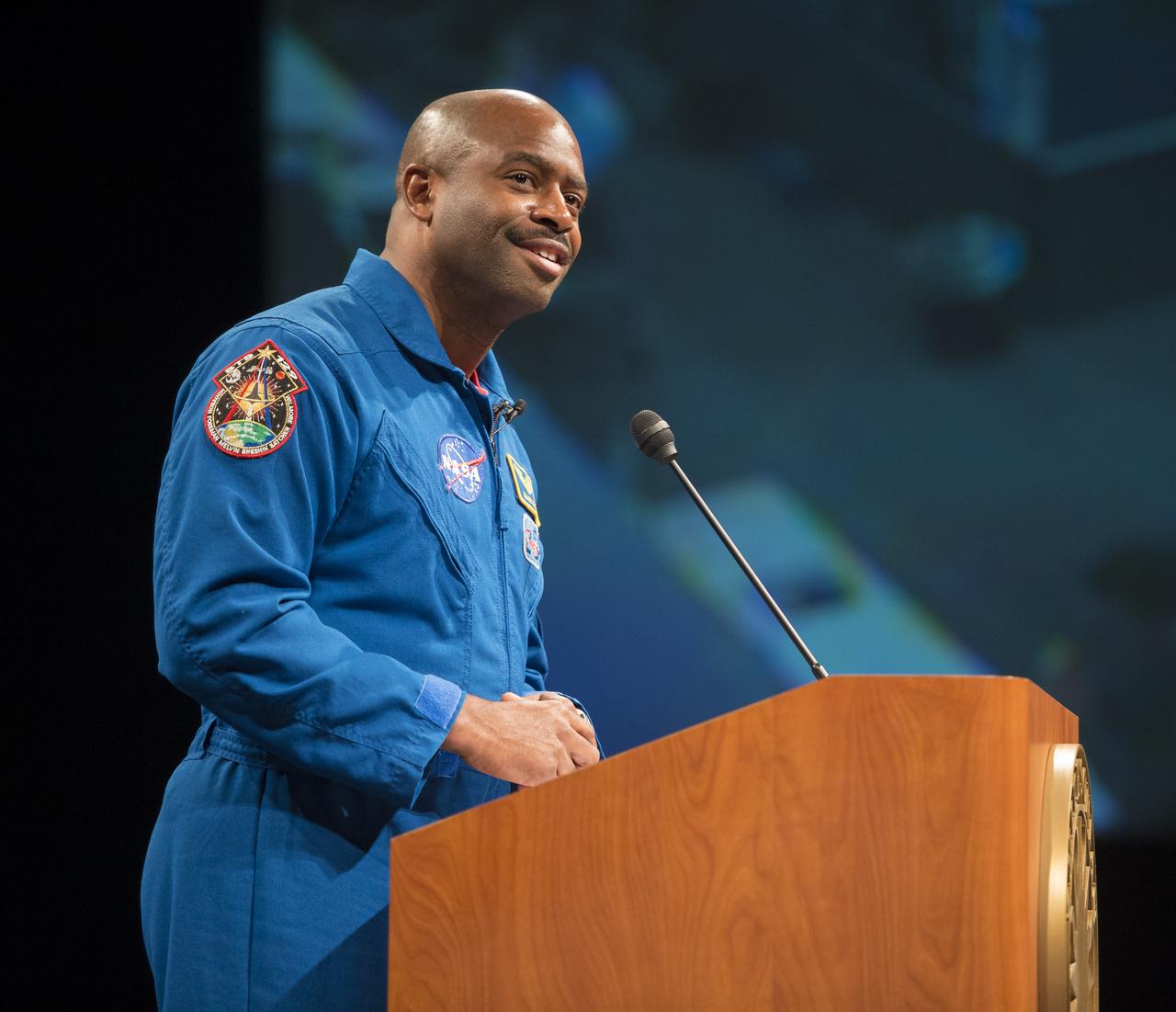
Leland Melvin, NASA Associate Administrator for Education and two-time space shuttle astronaut, speaks to students from D.C.'s Stuart-Hobson Middle School at the Smithsonian National Air and Space Museum, Thursday, Nov. 15, 2012 in Washington. The students, participants from the Student Spaceflight Experiments Program (SSEP) conducted a live conversation with astronauts aboard the International Space Station. The downlink is an annual event held in honor of International Education Week, and was co-hosted with the Department of Education and the National Center for Earth and Space Science Education (NCESSE). Photo Credit: (NASA/Carla Cioffi)
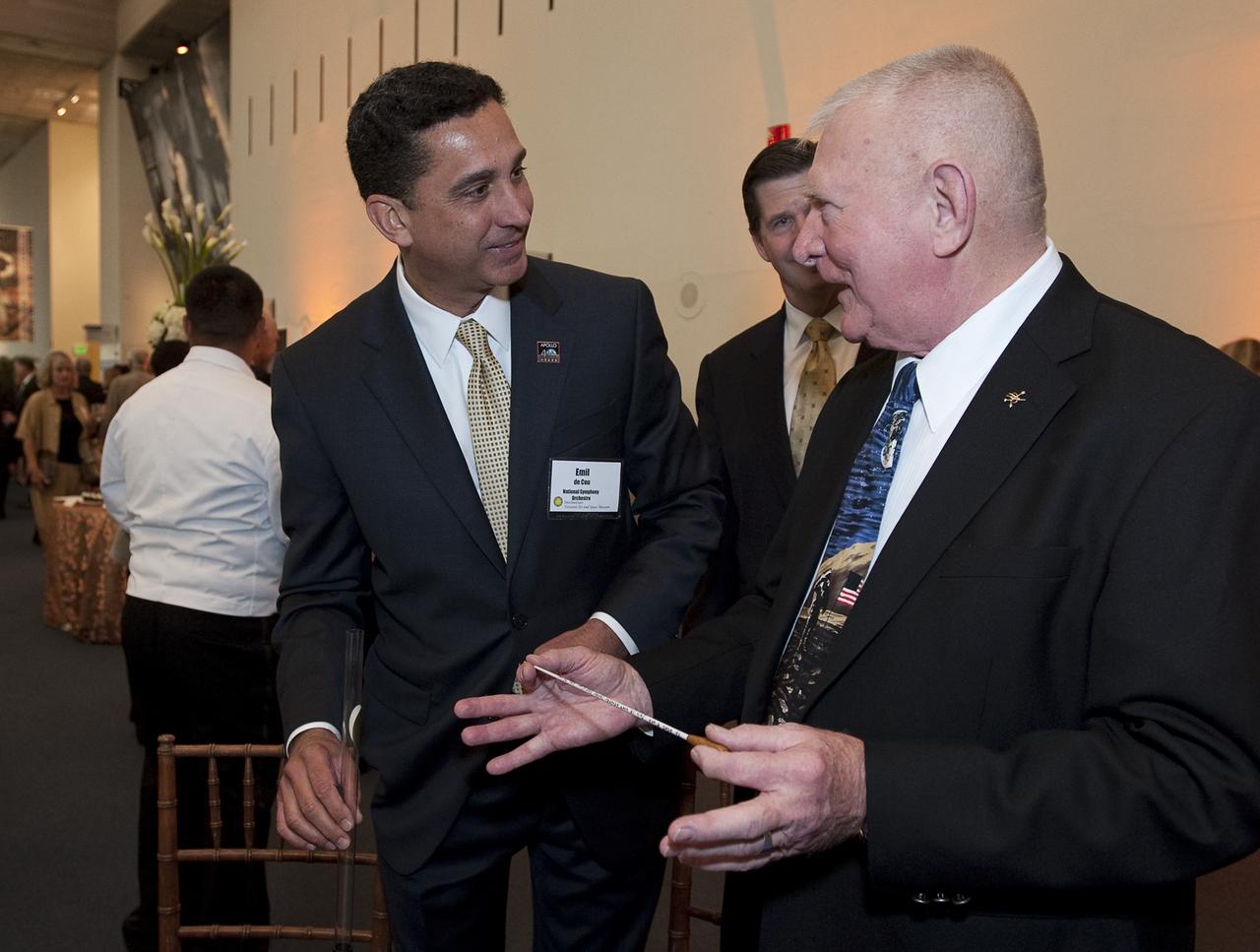
National Symphony Orchestra Conductor Emil de Cou, left, presents a ceremonial baton to retired NASA Flight Director and manager Gene Kranz at the Apollo 40th anniversary celebration held at the National Air and Space Museum, Monday, July 20, 2009 in Washington. Kranz was a guest conductor the night before at the Kennedy Center for the Performing Arts. Photo Credit: (NASA/Bill Ingalls)
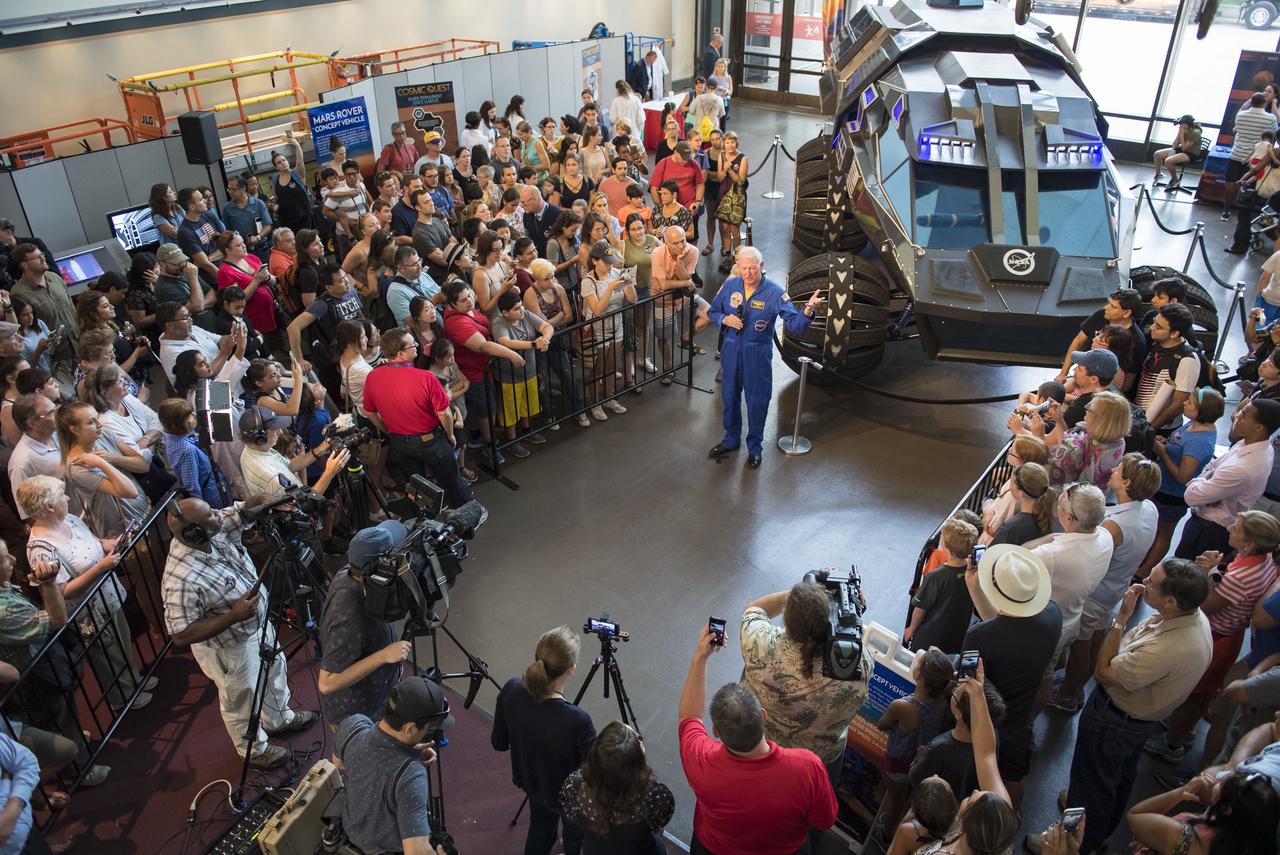
Jon McBride, retired NASA astronaut, speaks to visitors in front of the Mars rover concept, developed by vehicle designers, the Parker Brothers, with advice from NASA, during the Smithsonian Institution’s National Air and Space Museum Mars Day, Friday, July 21, 2017 in Washington. The Mars rover concept is currently on an East Coast tour from its home base at the Kennedy Space Center Visitor’s Center in Florida, and is designed to engage and educate the public by demonstrating the types of features and equipment a future human exploration vehicle may need. Photo Credit: (NASA/Aubrey Gemignani)
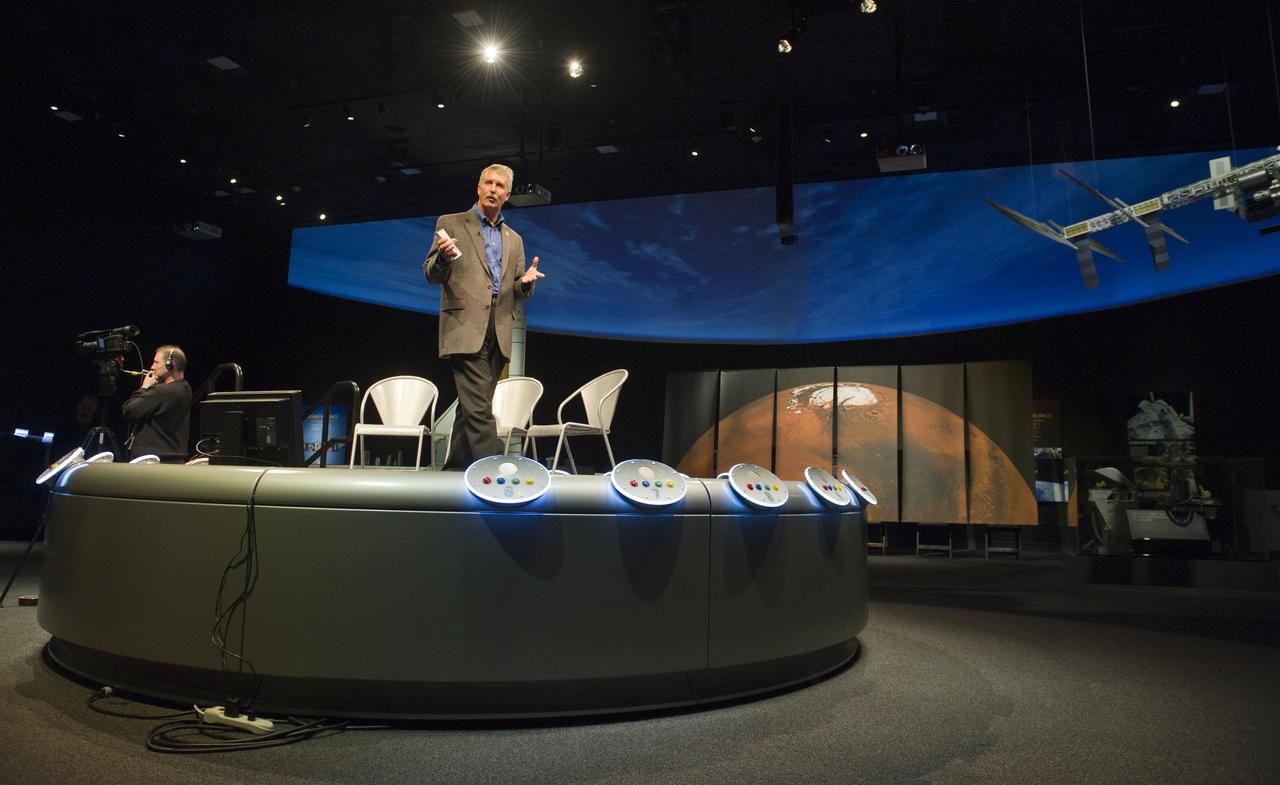
Doug McCuiston, Director, Mars Exploration Program, talks during a Mars Program Update where prominent scientists discussed evidence of water on Mars, current Program status, including the 7th Anniversary of the Mars rovers and the upcoming Mars Science Laboratory mission and previewing exciting discoveries to come, Thursday, Jan. 13, 2011, at the Smithsonian National Air and Space Museum in Washington. Photo Credit: (NASA/Paul E. Alers)

International Space Station Expedition 33 Commander Sunita Williams (on screen) answers questions from students during a downlink event held in honor of International Education Week at the Smithsonian National Air and Space Museum, Thursday, Nov. 15, 2012 in Washington. Seen next to Williams is Exp. 33 Flight Engineer Kevin Ford. More than 9,500 student participants from the Student Spaceflight Experiments Program (SSEP) around the country took part in the live video event. This was a joint venture between the Department of Education and the National Center for Earth and Space Science Education (NCESSE). Photo Credit: (NASA/Carla Cioffi)
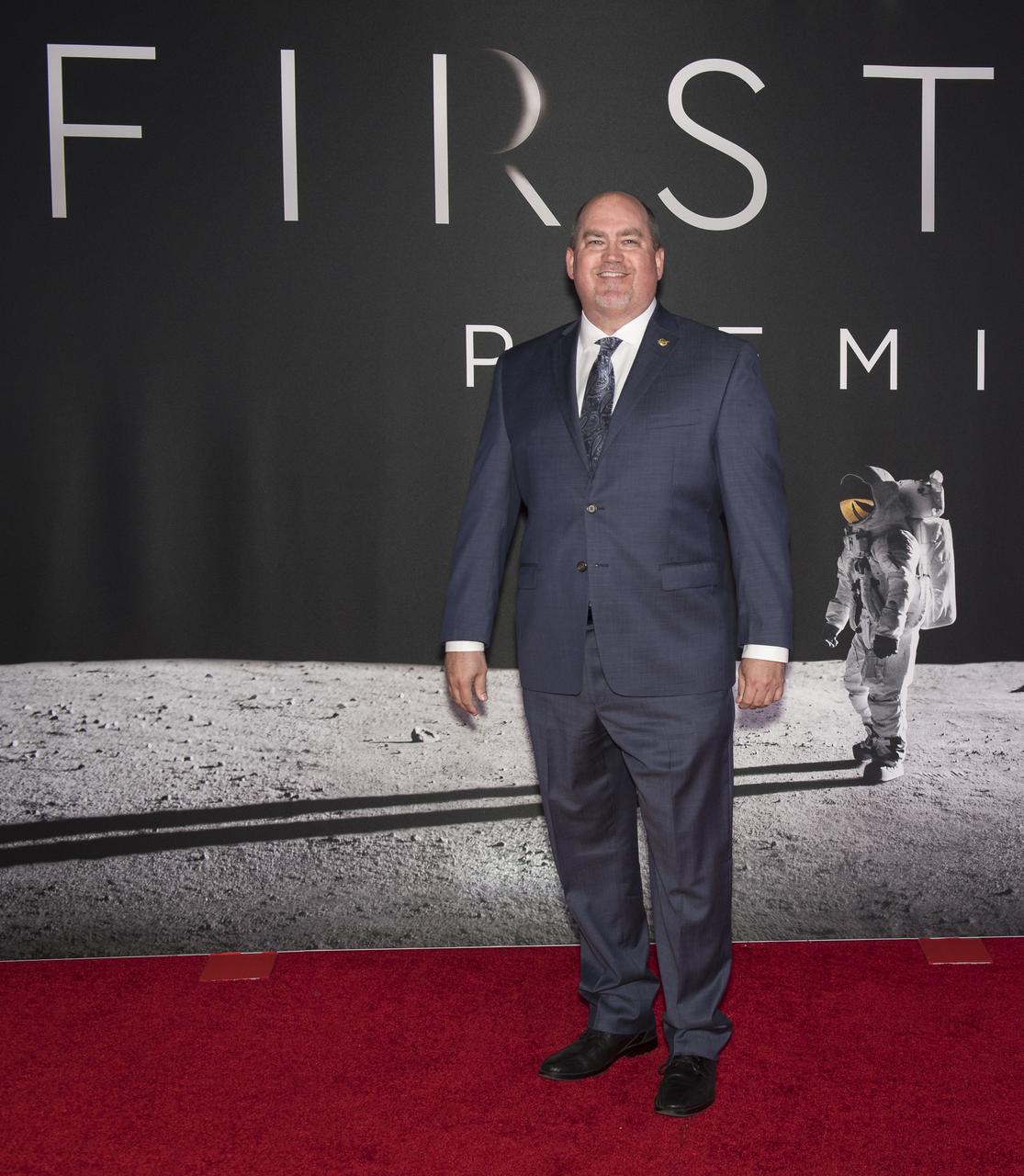
NASA Acting Associate Administrator, Office of Communications, Bob Jacobs, attends the premiere of Universal's feature film "First Man” Thursday, Oct. 4, 2018 at the Smithsonian National Air and Space Museum in Washington. The movie is based on the book by Jim Hansen that chronicles the life of NASA astronaut Neil Armstrong from test pilot to his historic Moon landing. It was directed by Damien Chazelle and stars Ryan Gosling and Claire Foy. Photo Credit: (NASA/Aubrey Gemignani)
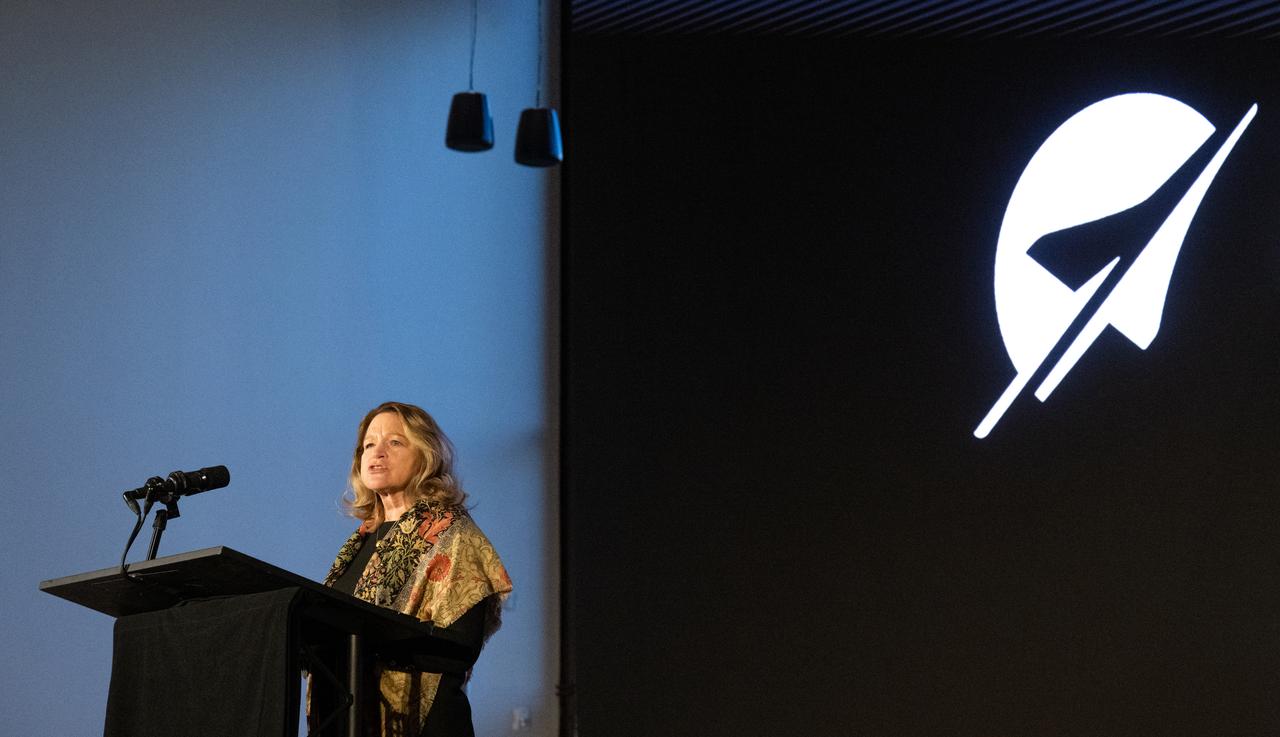
Ellen Stofan, under secretary for Science and Research at the Smithsonian Institution, speaks during a briefing on NASA’s TEMPO (Tropospheric Emissions: Monitoring of Pollution) instrument, Tuesday, March 14, 2023 at the Smithsonian’s National Air and Space Museum in Washington. NASA’s TEMPO instrument, the first Earth Venture Instrument mission, will measure air pollution across North America from Mexico City to the Canadian oil sands and from the Atlantic to the Pacific hourly and at a high spatial resolution. A partnership between NASA and the Center for Astrophysics | Harvard & Smithsonian, TEMPO will launch on a commercial satellite to geostationary orbit as early as April. Photo Credit: (NASA/Joel Kowsky)
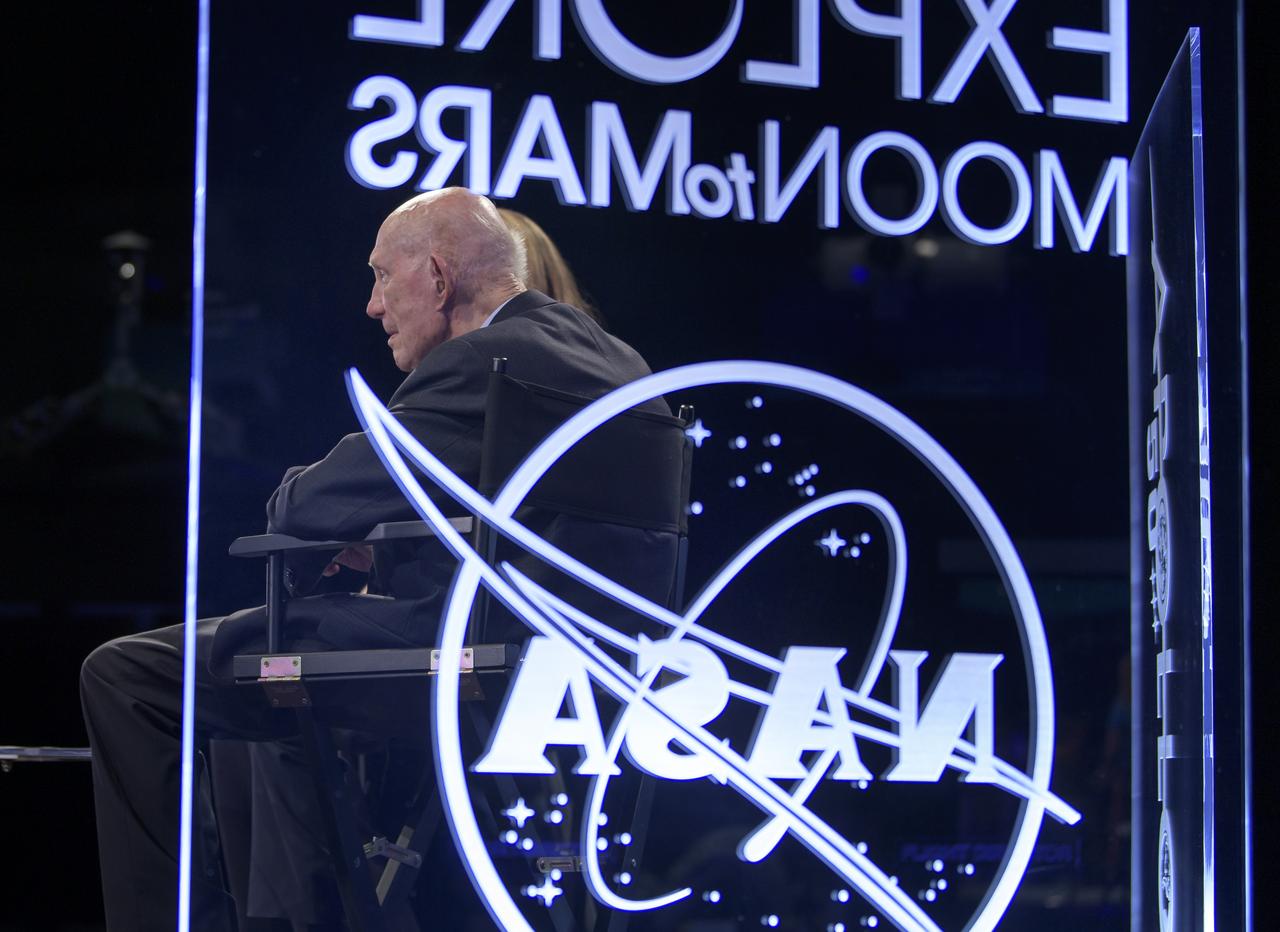
Apollo 10 astronaut General Thomas Stafford talks about his mission during “NASA’s Giant Leaps: Past and Future," a live television program on Friday, July 19, 2019 from the Smithsonian National Air and Space Museum in Washington. NASA and the world are recognizing the 50th anniversary of Apollo 11, in which astronauts Neil Armstrong, Michael Collins, and Buzz Aldrin crewed the first mission to land astronauts on the Moon. Photo Credit: (NASA/Bill Ingalls)
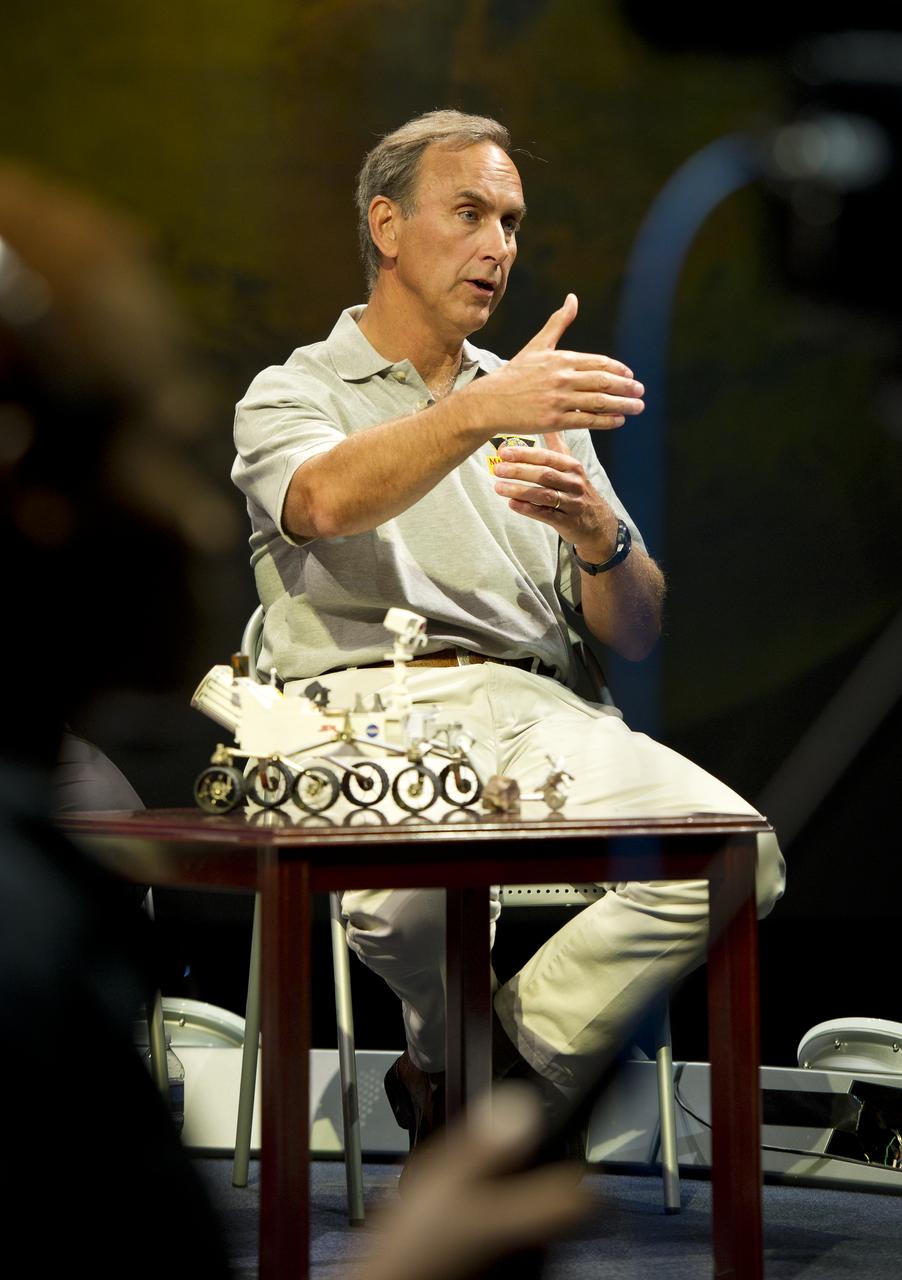
John Grotzinger, Mars Science Laboratory (MSL) project scientist, Jet Propulsion Lab (JPL), Pasadena, Calif., answers a reporter's question at a press conference at the Smithsonian's National Air and Space Museum on Friday, July 22, 2011 in Washington. The MSL is scheduled to launch late this year from NASA's Kennedy Space Center in Florida and land in August 2012. Curiosity is twice as long and more than five times as heavy as previous Mars rovers. The rover will study whether the landing region at Gale crater had favorable environmental conditions for supporting microbial life and for preserving clues about whether life ever existed. Photo Credit: (NASA/Carla Cioffi)