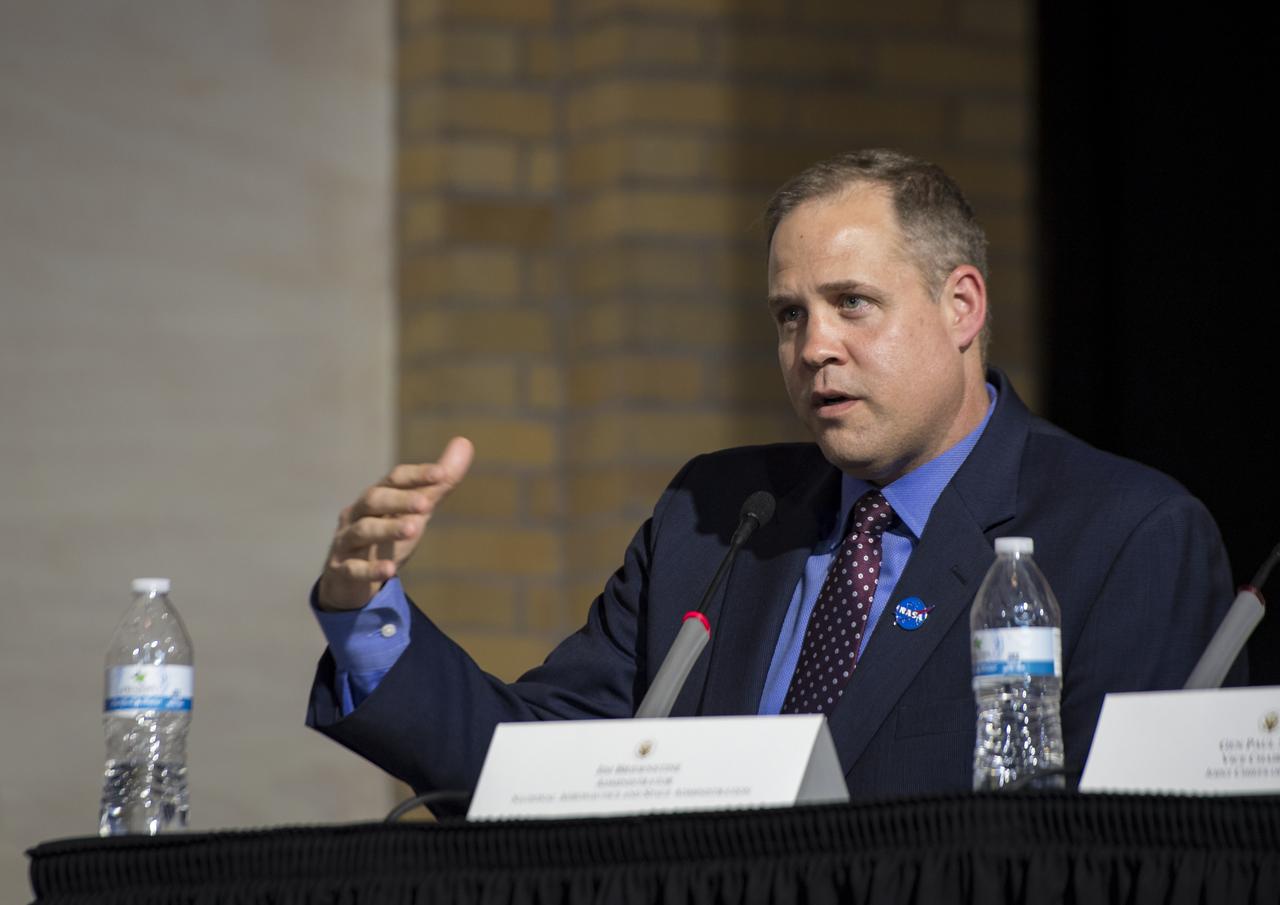
NASA Administrator Jim Bridenstine asks panelists a question during the National Space Council meeting titled, Moon, Mars, and Worlds Beyond, Winning the Next Frontier, Tuesday, Oct. 23, 2018 at the National War College at Fort Lesley J. McNair in Washington. Chaired by the Vice President, the council's role is to advise the President regarding national space policy and strategy, and review the nation's long-range goals for space activities.Photo Credit: (NASA/Aubrey Gemignani)
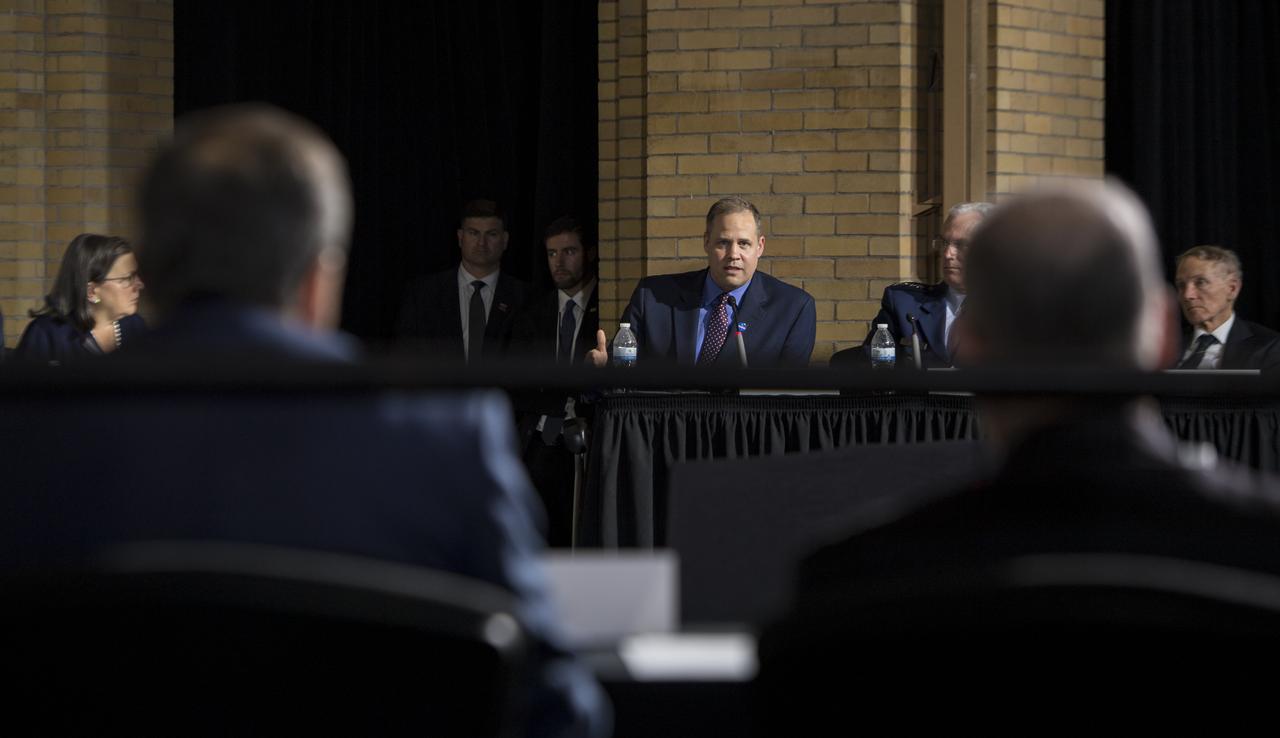
NASA Administrator Jim Bridenstine asks panelists a question during the National Space Council meeting titled, Moon, Mars, and Worlds Beyond, Winning the Next Frontier, Tuesday, Oct. 23, 2018 at the National War College at Fort Lesley J. McNair in Washington. Chaired by the Vice President, the council's role is to advise the President regarding national space policy and strategy, and review the nation's long-range goals for space activities.Photo Credit: (NASA/Aubrey Gemignani)
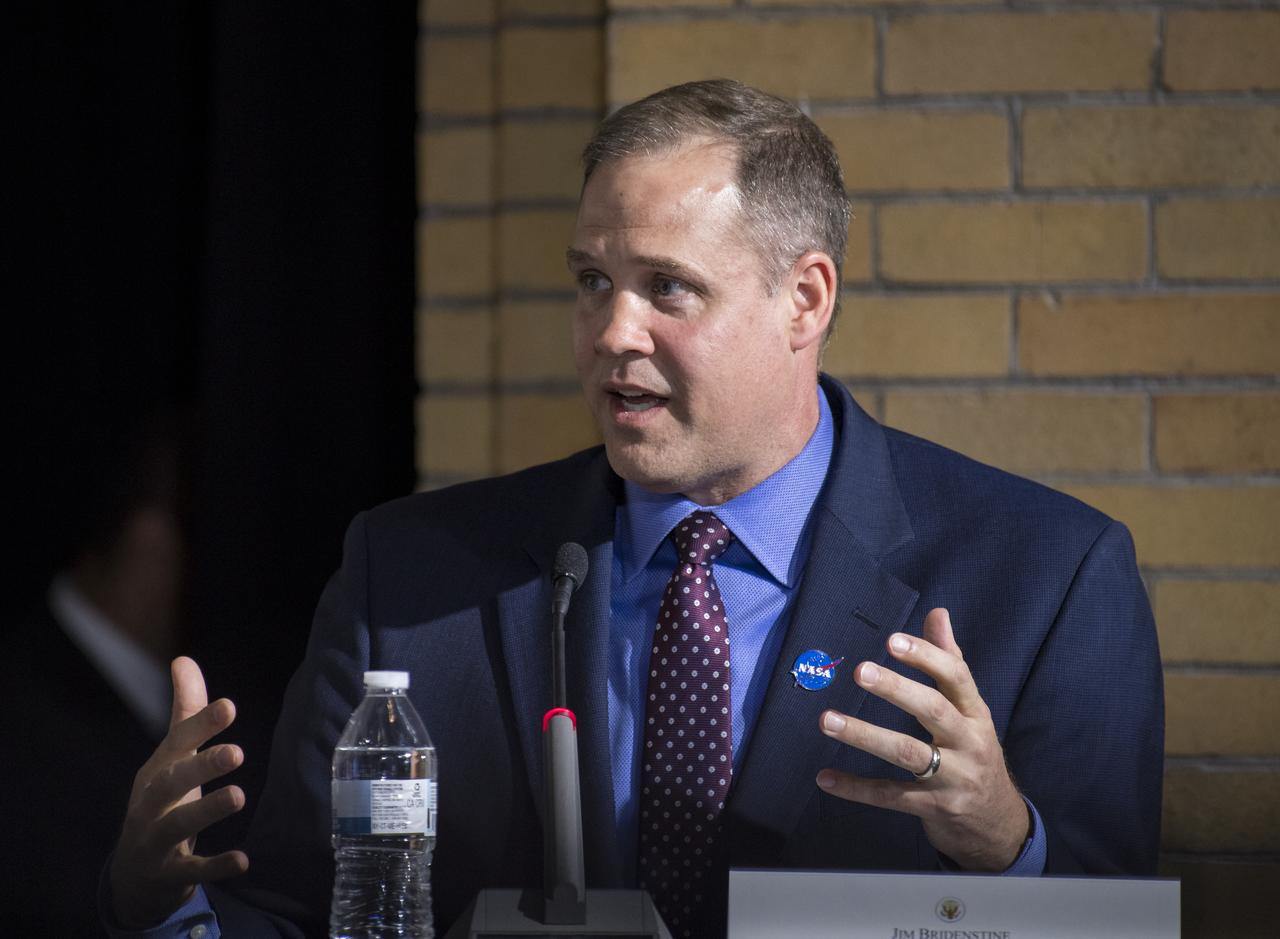
NASA Administrator Jim Bridenstine speaks during the National Space Council meeting titled, Moon, Mars, and Worlds Beyond, Winning the Next Frontier, Tuesday, Oct. 23, 2018 at the National War College at Fort Lesley J. McNair in Washington. Chaired by the Vice President, the council's role is to advise the President regarding national space policy and strategy, and review the nation's long-range goals for space activities.Photo Credit: (NASA/Aubrey Gemignani)
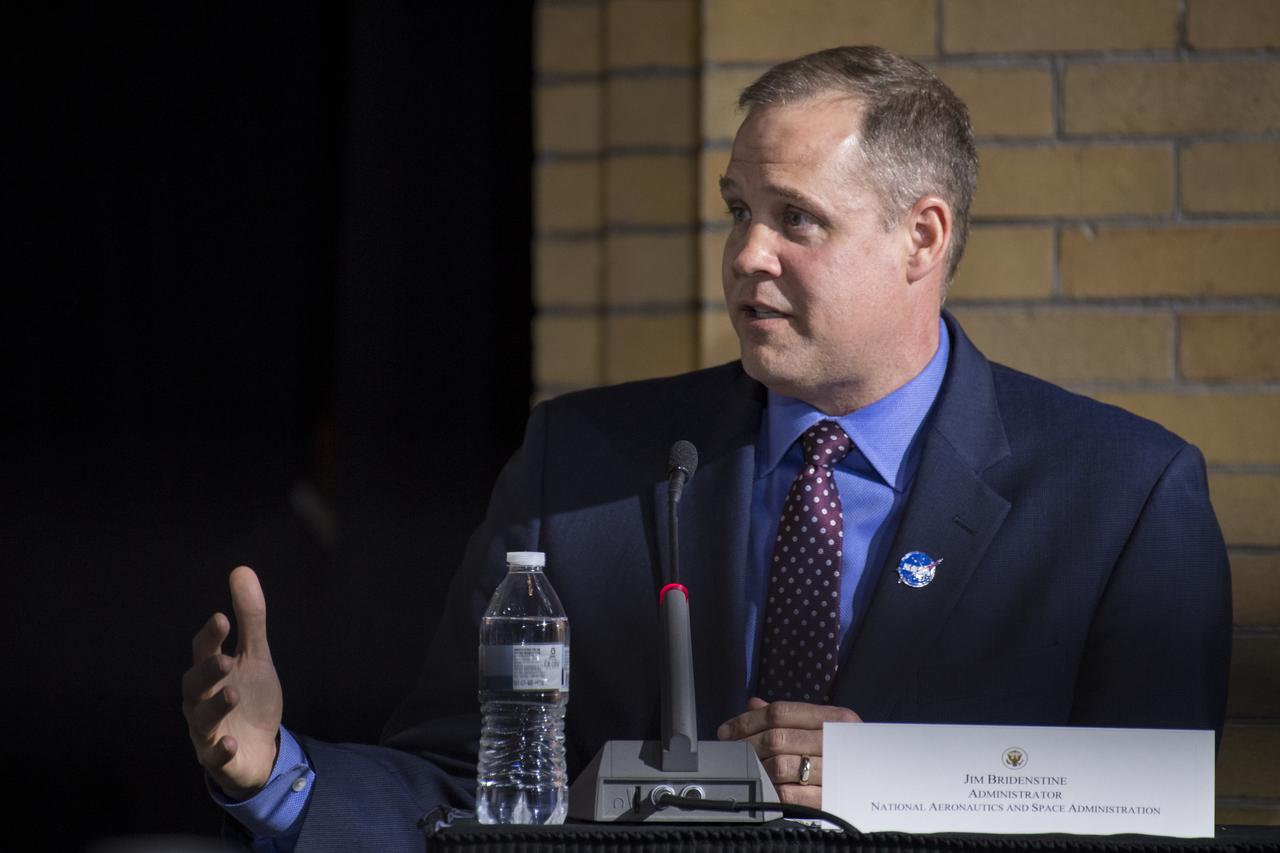
NASA Administrator Jim Bridenstine speaks during the National Space Council meeting titled, Moon, Mars, and Worlds Beyond, Winning the Next Frontier, Tuesday, Oct. 23, 2018 at the National War College at Fort Lesley J. McNair in Washington. Chaired by the Vice President, the council's role is to advise the President regarding national space policy and strategy, and review the nation's long-range goals for space activities.Photo Credit: (NASA/Aubrey Gemignani)
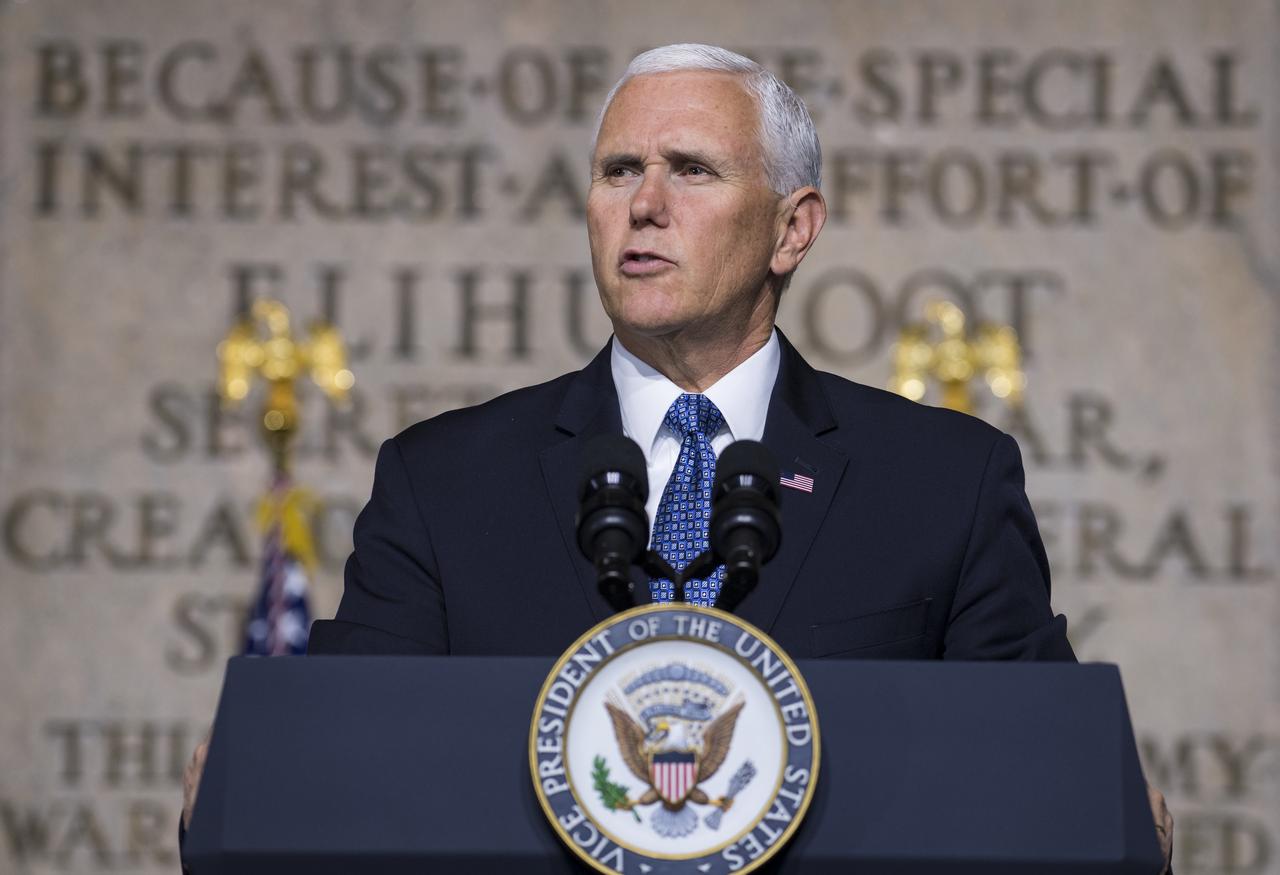
Vice President Mike Pence delivers opening remarks during the National Space Council meeting titled, Moon, Mars, and Worlds Beyond, Winning the Next Frontier, Tuesday, Oct. 23, 2018 at the National War College at Fort Lesley J. McNair in Washington. Chaired by the Vice President, the council's role is to advise the President regarding national space policy and strategy, and review the nation's long-range goals for space activities.Photo Credit: (NASA/Aubrey Gemignani)
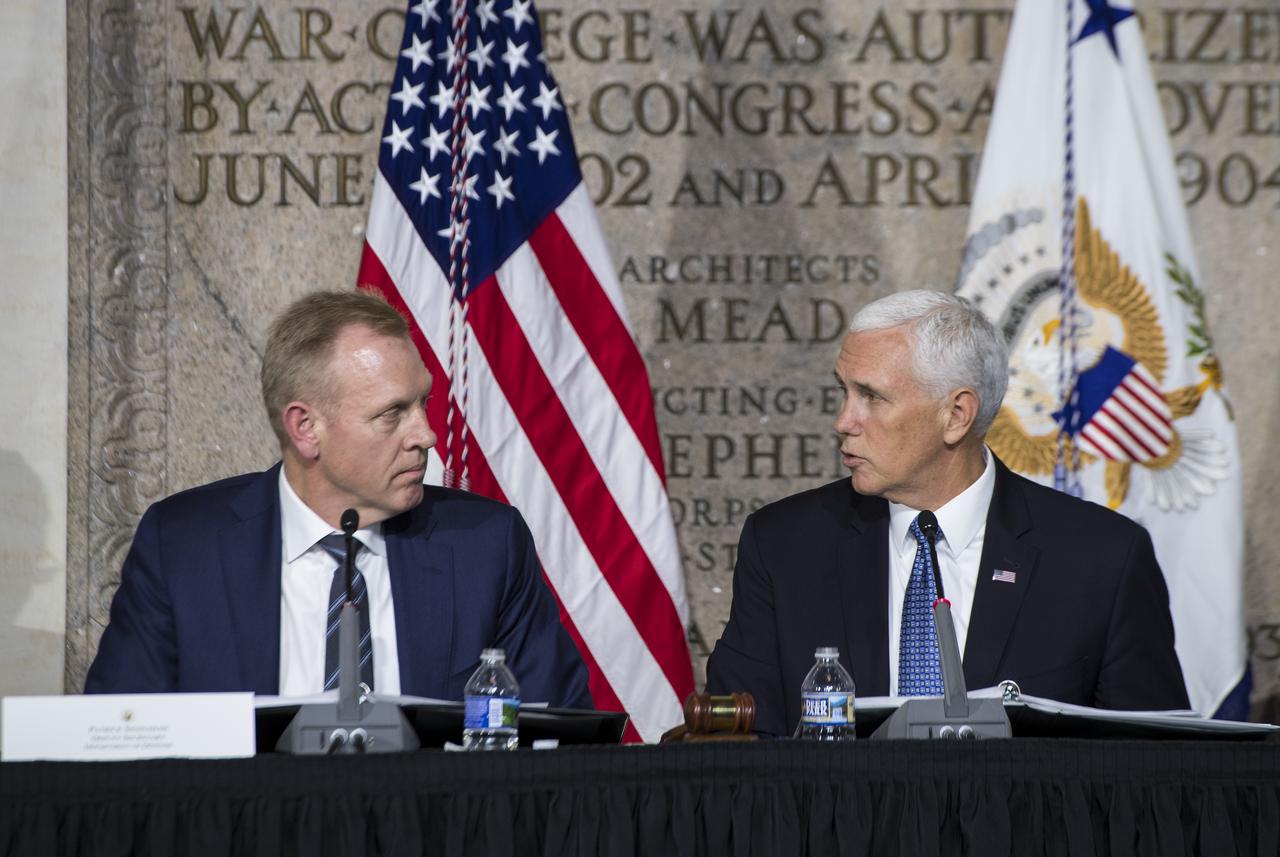
Vice President Mike Pence, right, speaks to Patrick Shanahan, deputy secretary, Department of Defense, during the National Space Council meeting titled, Moon, Mars, and Worlds Beyond, Winning the Next Frontier, Tuesday, Oct. 23, 2018 at the National War College at Fort Lesley J. McNair in Washington. Chaired by the Vice President, the council's role is to advise the President regarding national space policy and strategy, and review the nation's long-range goals for space activities.Photo Credit: (NASA/Aubrey Gemignani)
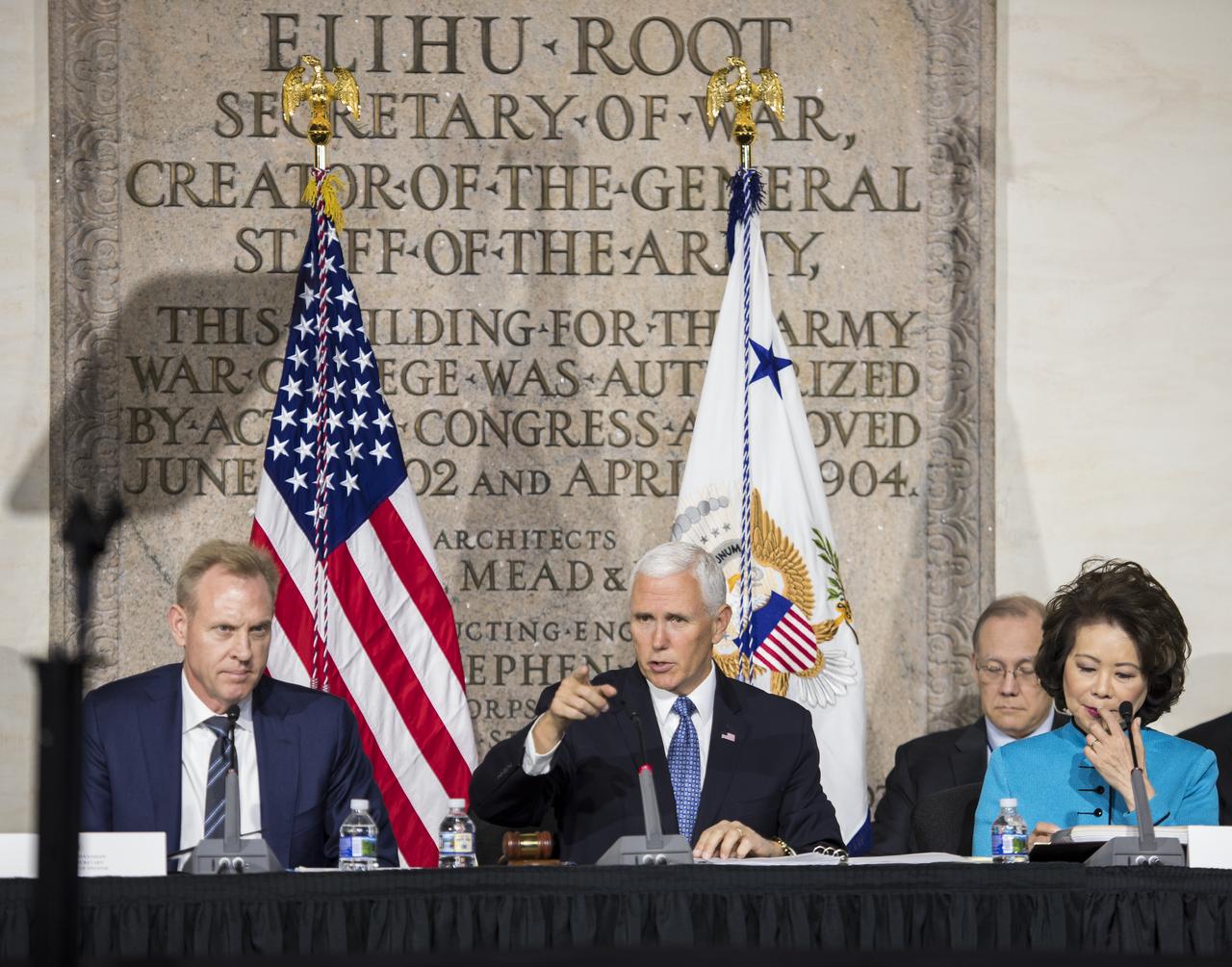
Vice President Mike Pence, center, speaks during the National Space Council meeting titled, Moon, Mars, and Worlds Beyond, Winning the Next Frontier, Tuesday, Oct. 23, 2018 at the National War College at Fort Lesley J. McNair in Washington. Chaired by the Vice President, the council's role is to advise the President regarding national space policy and strategy, and review the nation's long-range goals for space activities.Photo Credit: (NASA/Aubrey Gemignani)
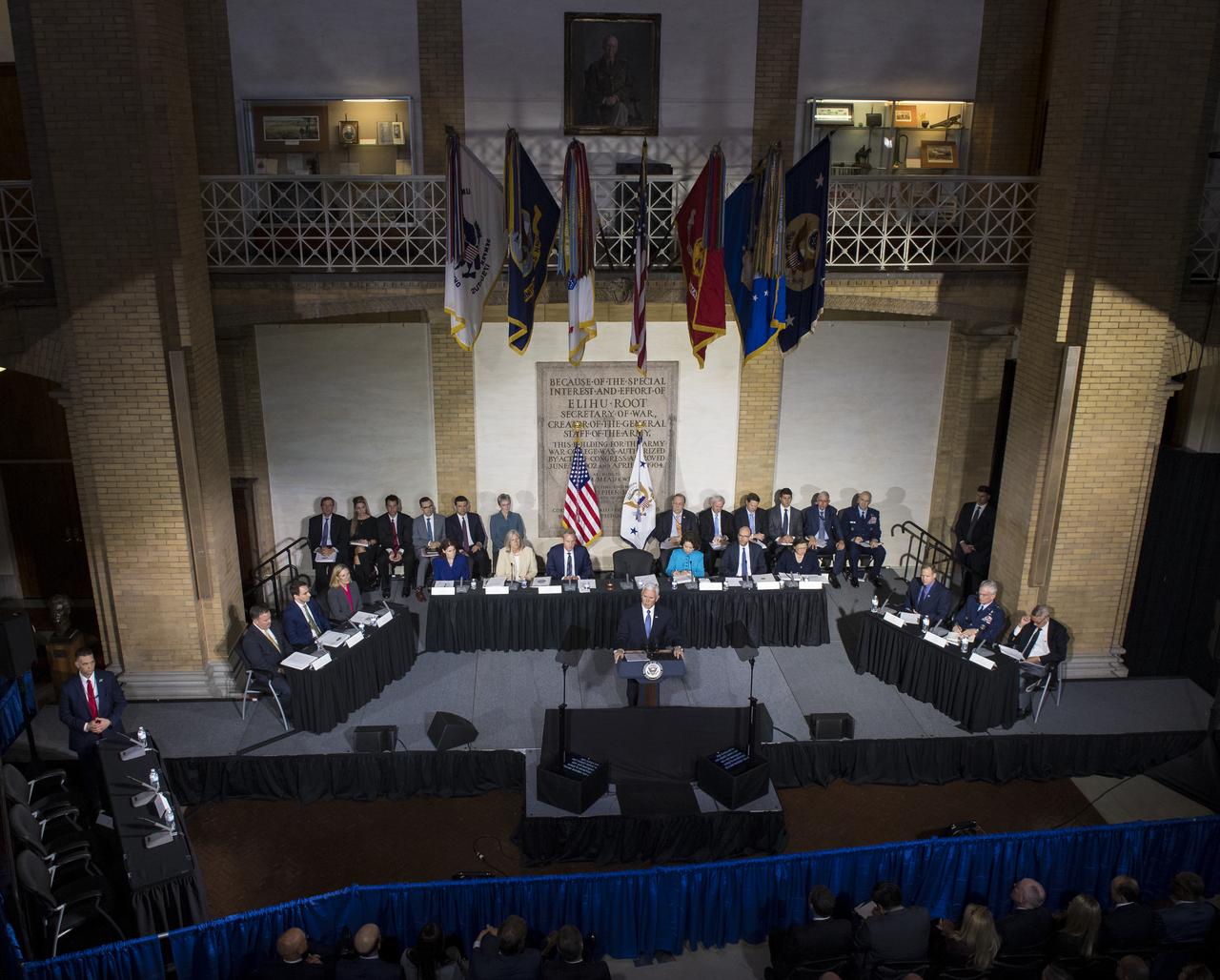
Vice President Mike Pence delivers opening remarks during the National Space Council meeting titled, Moon, Mars, and Worlds Beyond, Winning the Next Frontier, Tuesday, Oct. 23, 2018 at the National War College at Fort Lesley J. McNair in Washington. Chaired by the Vice President, the council's role is to advise the President regarding national space policy and strategy, and review the nation's long-range goals for space activities.Photo Credit: (NASA/Aubrey Gemignani)
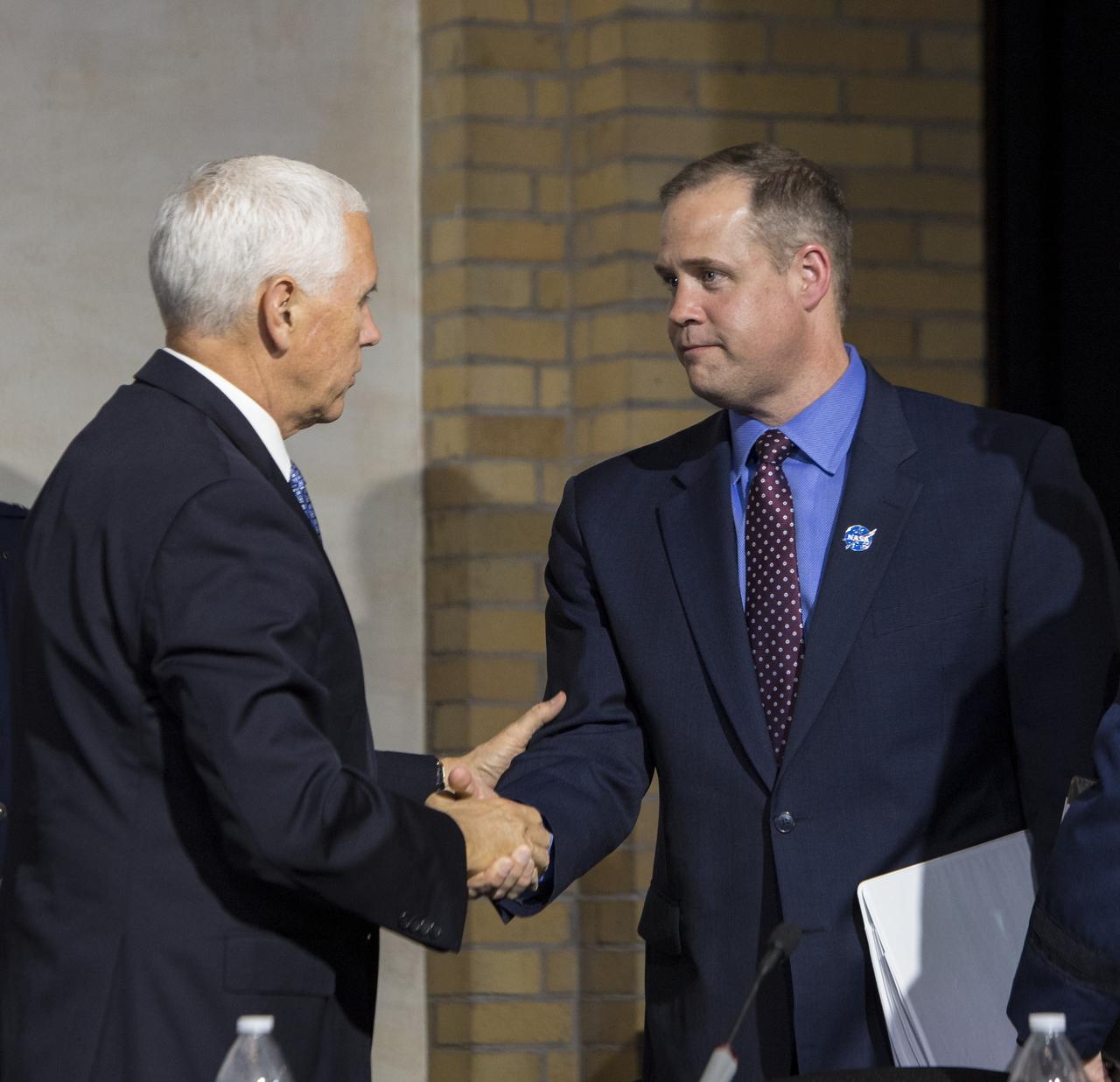
Vice President Mike Pence shakes hands with NASA Administrator Jim Bridenstine, right, at the conclusion of a National Space Council meeting titled, Moon, Mars, and Worlds Beyond, Winning the Next Frontier, at the National War College at Fort Lesley J. McNair, Tuesday, Oct. 23, 2018, in Washington. Chaired by the Vice President, the council's role is to advise the President regarding national space policy and strategy, and review the nation's long-range goals for space activities. Photo Credit: (NASA/Aubrey Gemignani)
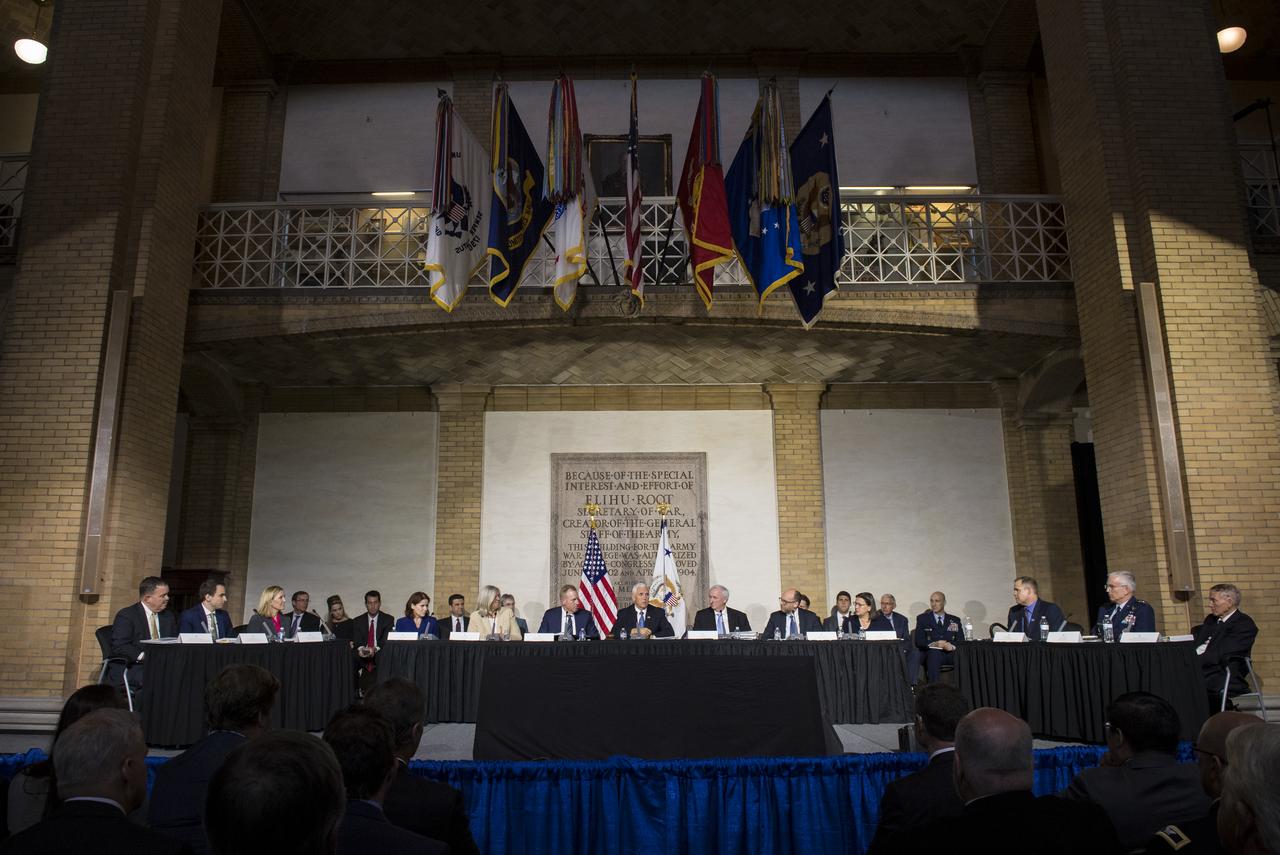
Members of the National Space Council are seen during a meeting titled, Moon, Mars, and Worlds Beyond, Winning the Next Frontier, at the National War College at Fort Lesley J. McNair, Tuesday, Oct. 23, 2018, in Washington. Chaired by the Vice President, the council's role is to advise the President regarding national space policy and strategy, and review the nation's long-range goals for space activities. Photo Credit: (NASA/Aubrey Gemignani)
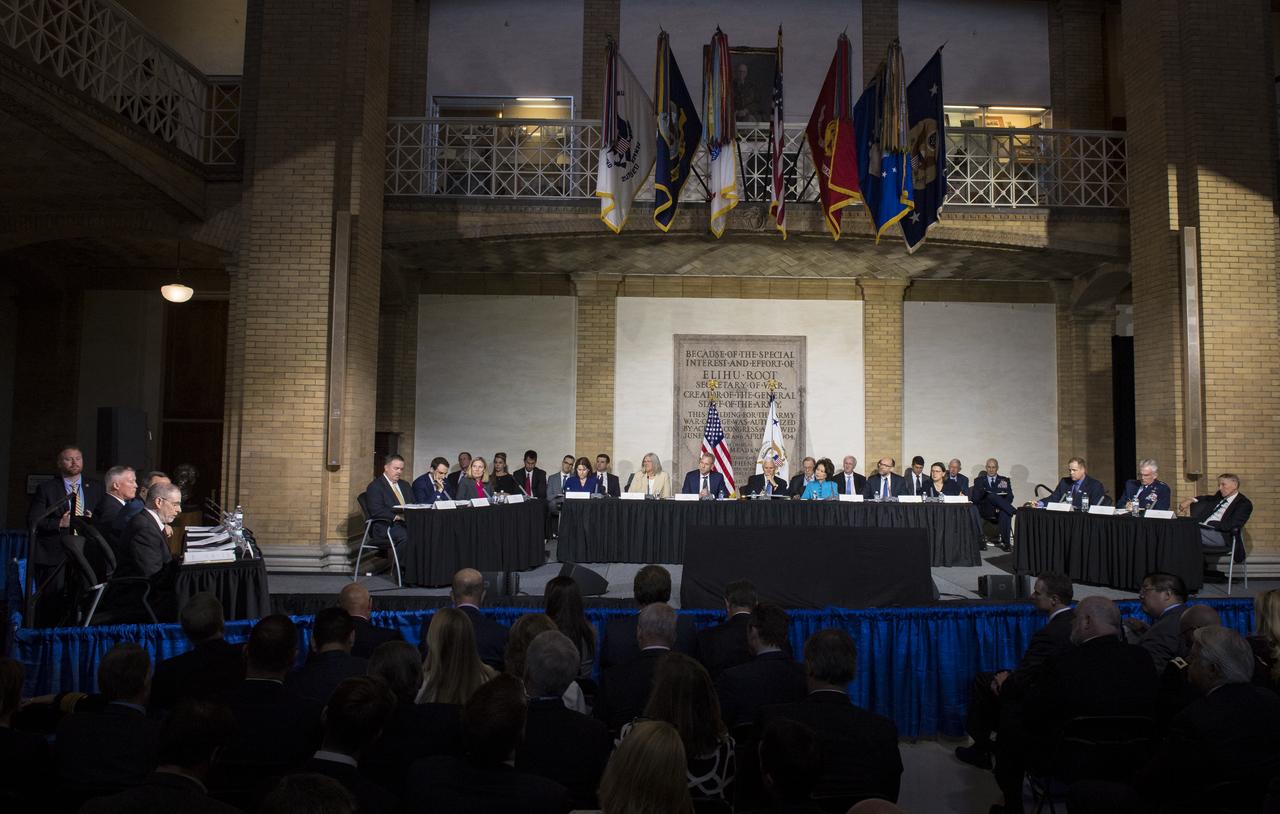
Members of the National Space Council are seen during a meeting titled, Moon, Mars, and Worlds Beyond, Winning the Next Frontier, at the National War College at Fort Lesley J. McNair, Tuesday, Oct. 23, 2018, in Washington. Chaired by the Vice President, the council's role is to advise the President regarding national space policy and strategy, and review the nation's long-range goals for space activities. Photo Credit: (NASA/Aubrey Gemignani)
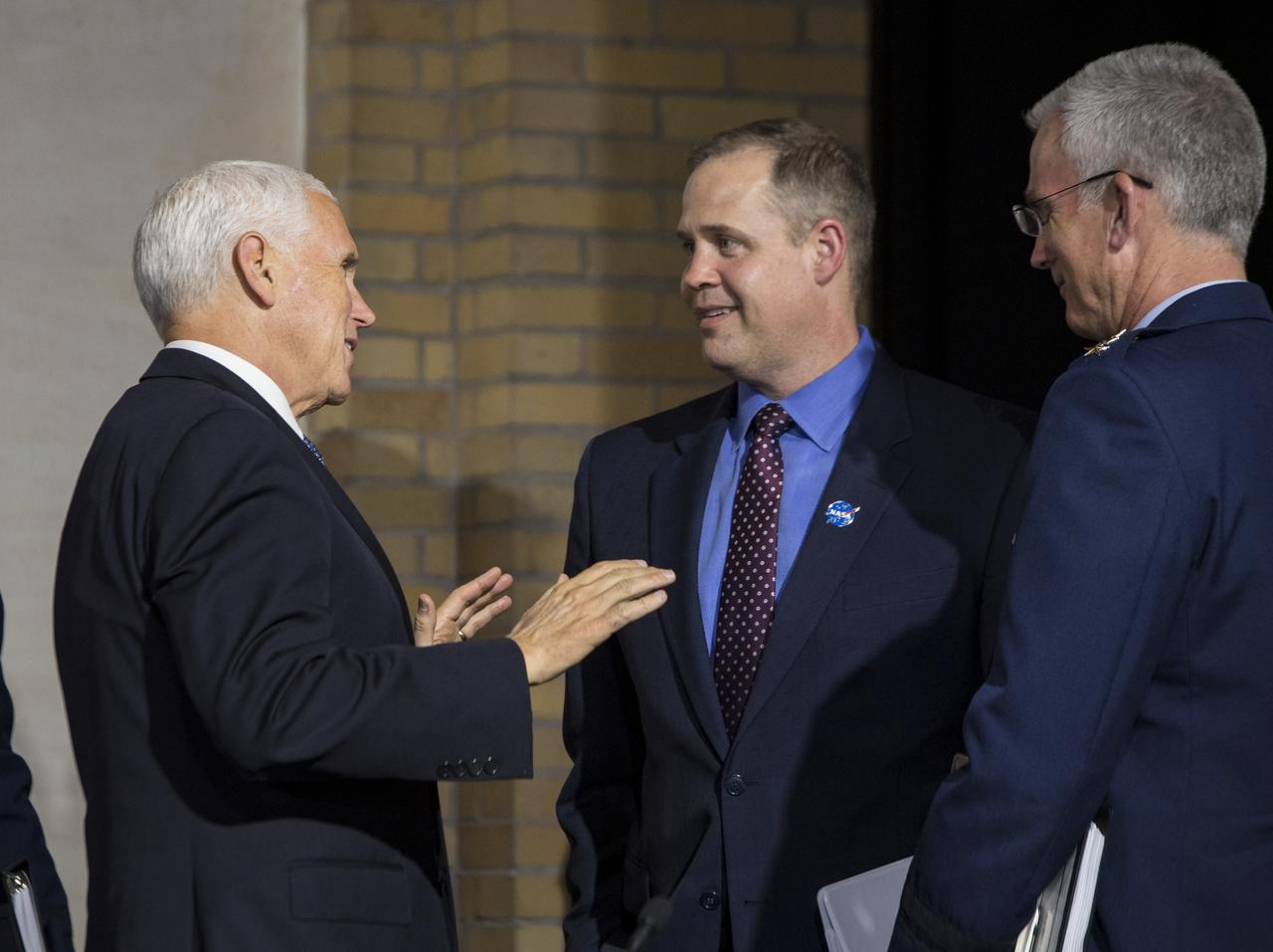
Vice President Mike Pence speaks with NASA Administrator Jim Bridenstine, right, at the conclusion of a National Space Council meeting titled, Moon, Mars, and Worlds Beyond, Winning the Next Frontier, at the National War College at Fort Lesley J. McNair, Tuesday, Oct. 23, 2018, in Washington. Chaired by the Vice President, the council's role is to advise the President regarding national space policy and strategy, and review the nation's long-range goals for space activities. Photo Credit: (NASA/Aubrey Gemignani)
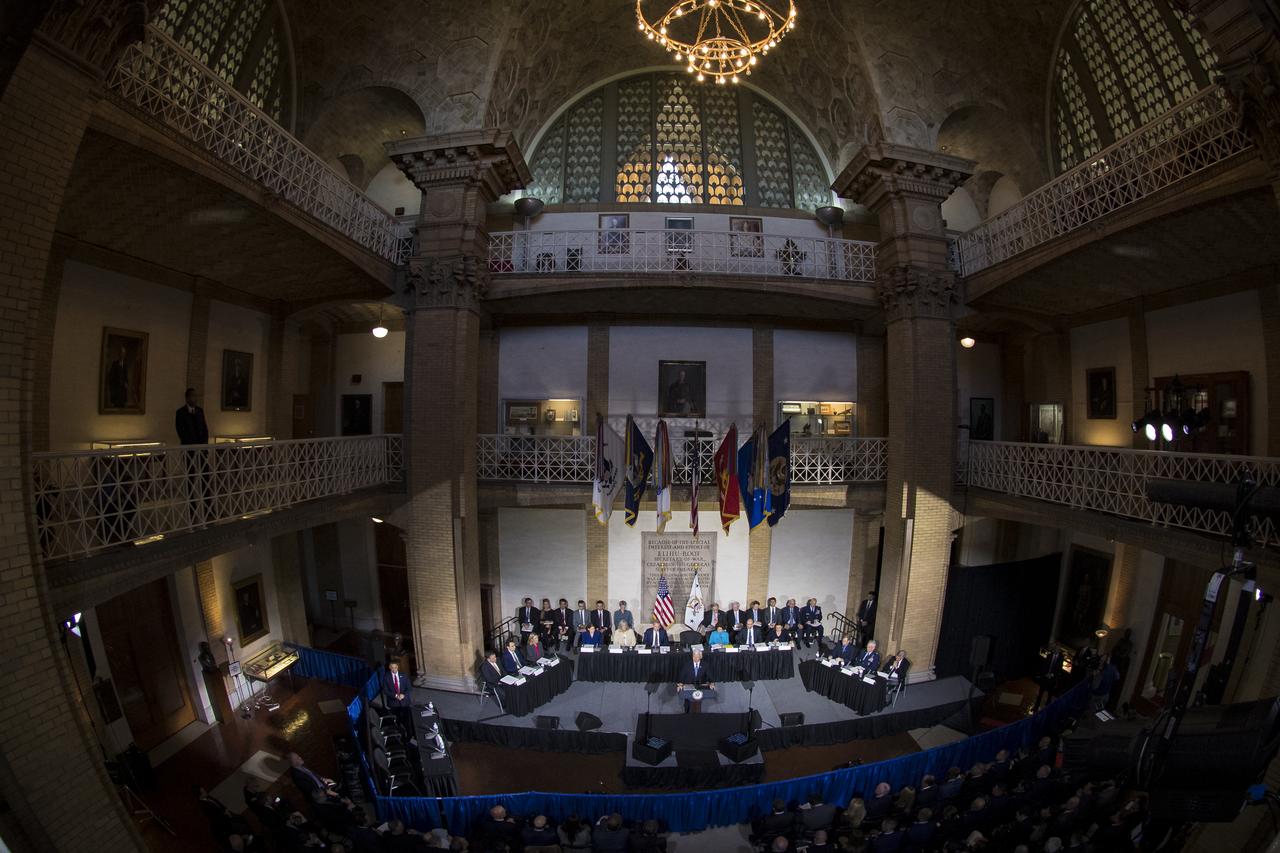
Vice President Mike Pence delivers opening remarks during the National Space Council meeting titled, Moon, Mars, and Worlds Beyond, Winning the Next Frontier, Tuesday, Oct. 23, 2018 at the National War College at Fort Lesley J. McNair in Washington. Chaired by the Vice President, the council's role is to advise the President regarding national space policy and strategy, and review the nation's long-range goals for space activities.Photo Credit: (NASA/Aubrey Gemignani)
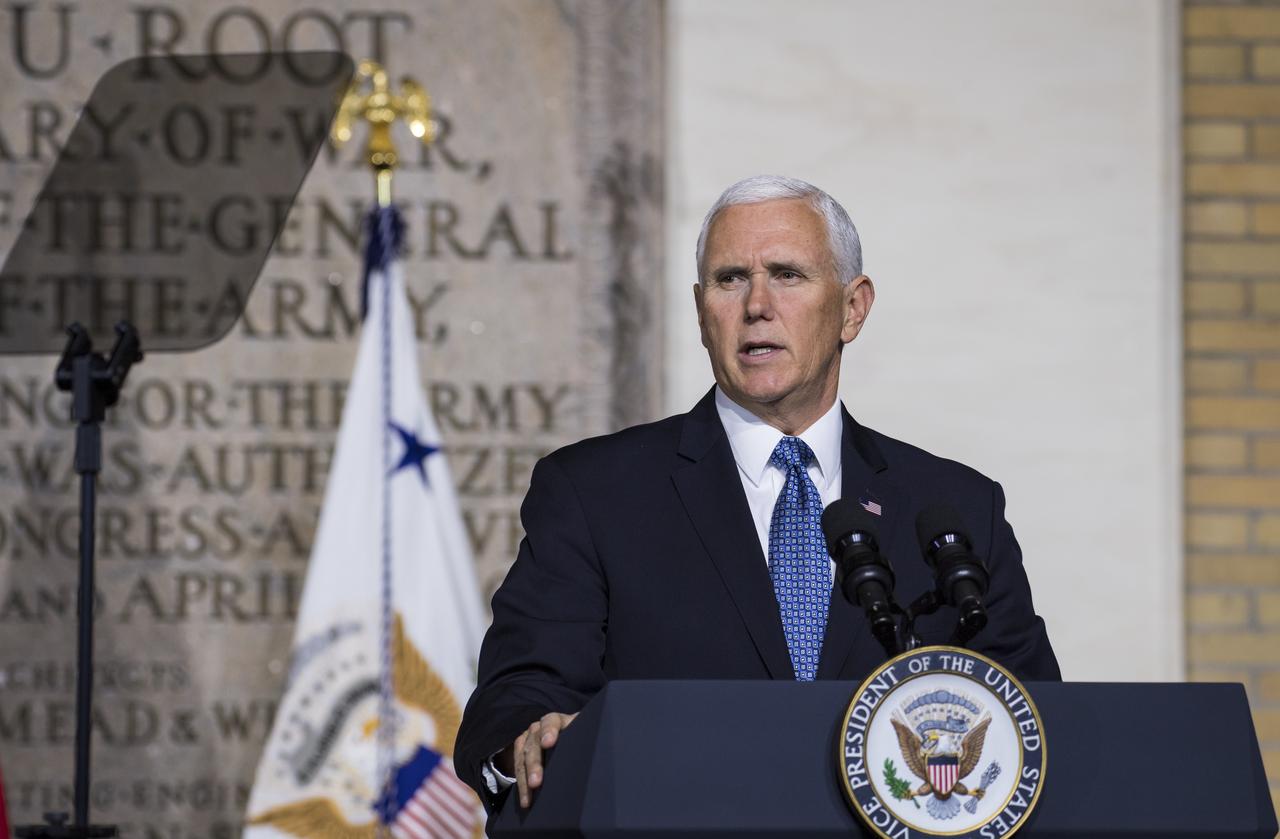
Vice President Mike Pence delivers opening remarks during the National Space Council meeting titled, "Moon, Mars, and Worlds Beyond, Winning the Next Frontier," Tuesday, Oct. 23, 2018 at the National War College at Fort Lesley J. McNair in Washington. Chaired by the Vice President, the council's role is to advise the President regarding national space policy and strategy, and review the nation's long-range goals for space activities.Photo Credit: (NASA/Aubrey Gemignani)
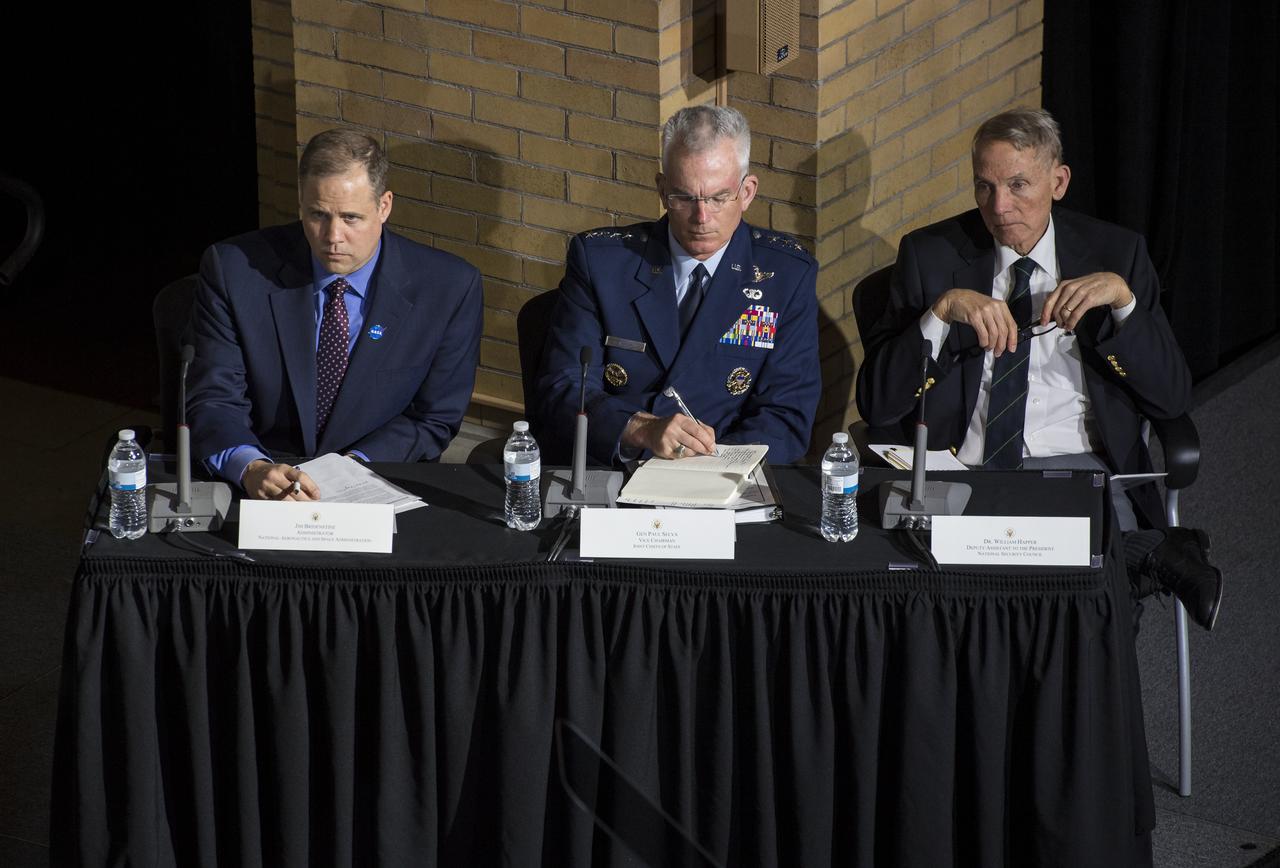
NASA Administrator Jim Bridenstine, left, General Paul Selva, vice chairman, Joint Chiefs of Staff, center, and Dr. William Happer, deputy assistant to the president, National Security Council, listen as Vice President Mike Pence delivers opening remarks during the National Space Council meeting titled, Moon, Mars, and Worlds Beyond, Winning the Next Frontier, Tuesday, Oct. 23, 2018 at the National War College at Fort Lesley J. McNair in Washington. Chaired by the Vice President, the council's role is to advise the President regarding national space policy and strategy, and review the nation's long-range goals for space activities.Photo Credit: (NASA/Aubrey Gemignani)
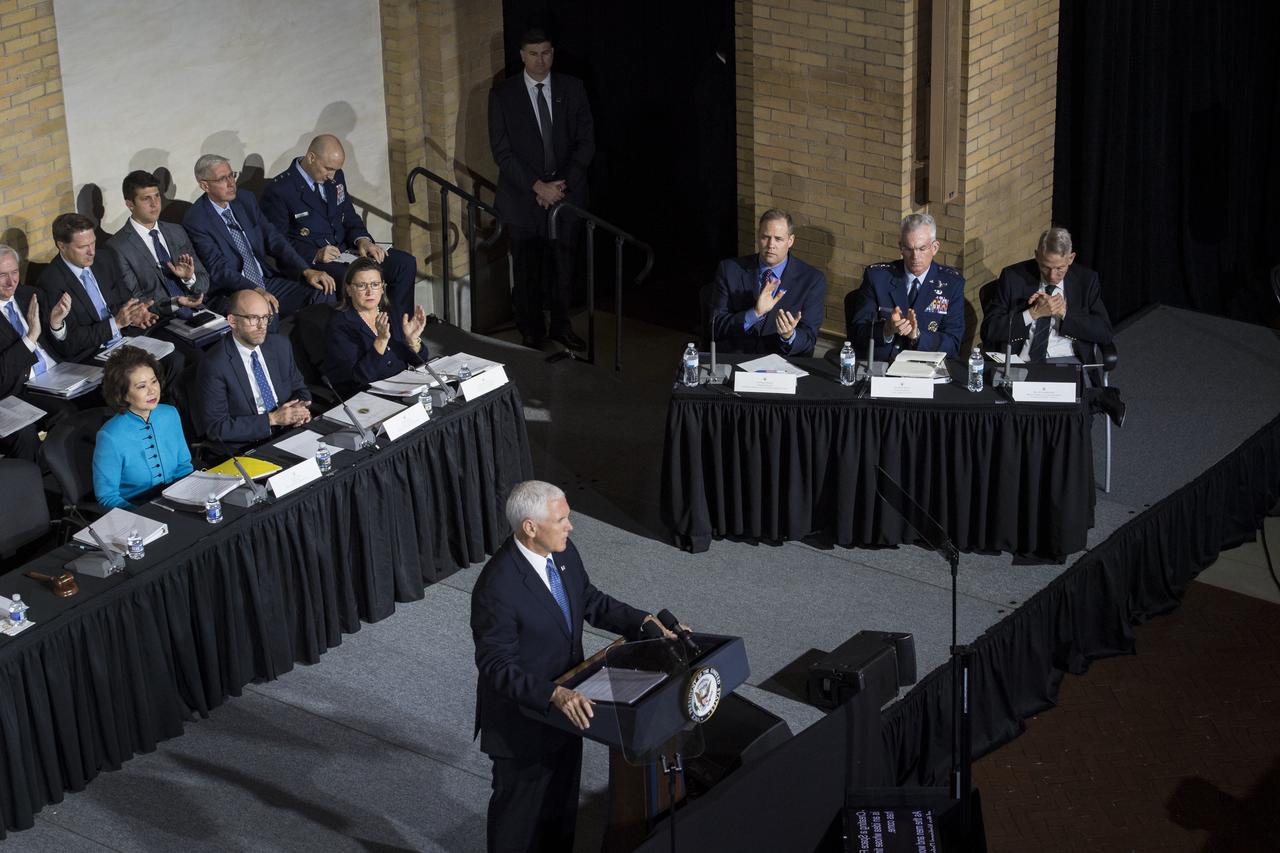
NASA Administrator Jim Bridenstine, third from right, applauds as Vice President Mike Pence delivers opening remarks during the National Space Council meeting titled, Moon, Mars, and Worlds Beyond, Winning the Next Frontier, Tuesday, Oct. 23, 2018 at the National War College at Fort Lesley J. McNair in Washington. Chaired by the Vice President, the council's role is to advise the President regarding national space policy and strategy, and review the nation's long-range goals for space activities.Photo Credit: (NASA/Aubrey Gemignani)
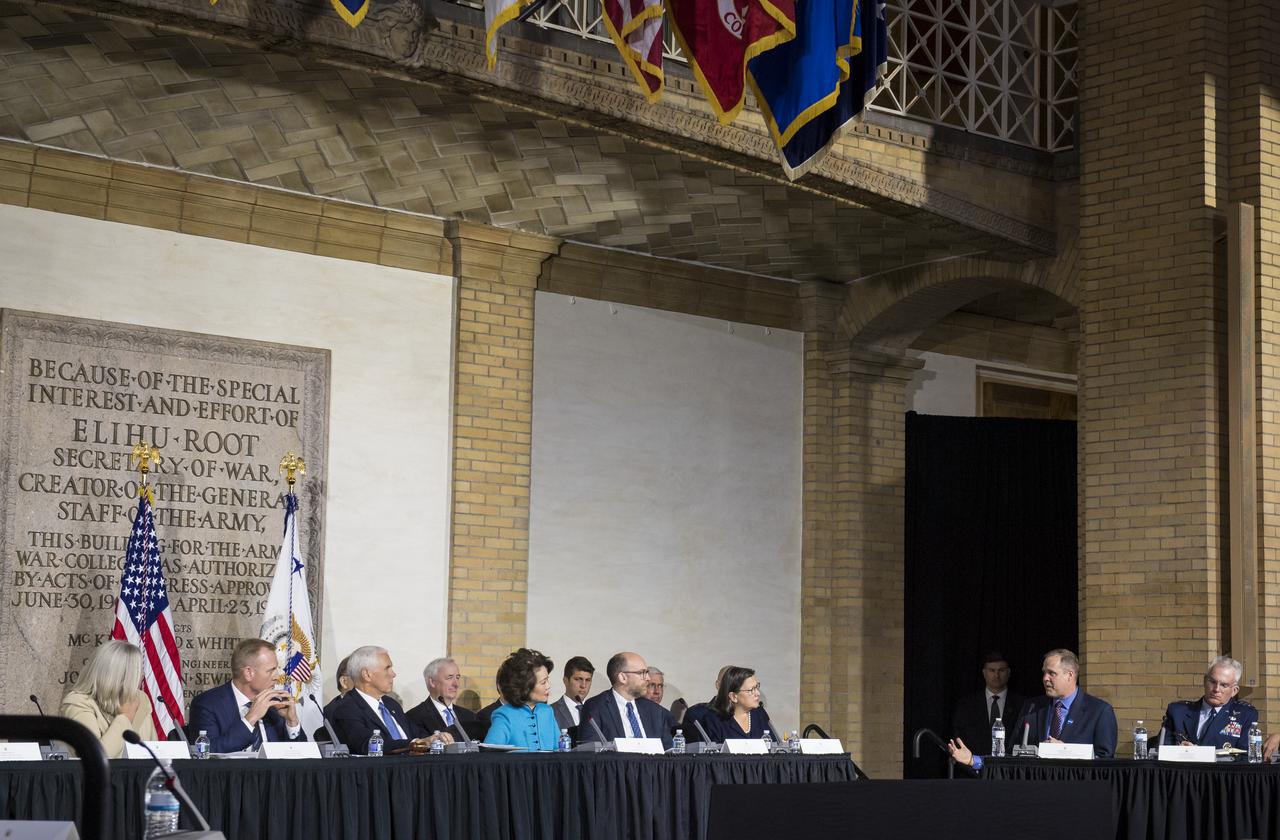
NASA Administrator Jim Bridenstine speaks during the National Space Council meeting titled, Moon, Mars, and Worlds Beyond, Winning the Next Frontier, Tuesday, Oct. 23, 2018 at the National War College at Fort Lesley J. McNair in Washington. Chaired by the Vice President, the council's role is to advise the President regarding national space policy and strategy, and review the nation's long-range goals for space activities.Photo Credit: (NASA/Aubrey Gemignani)
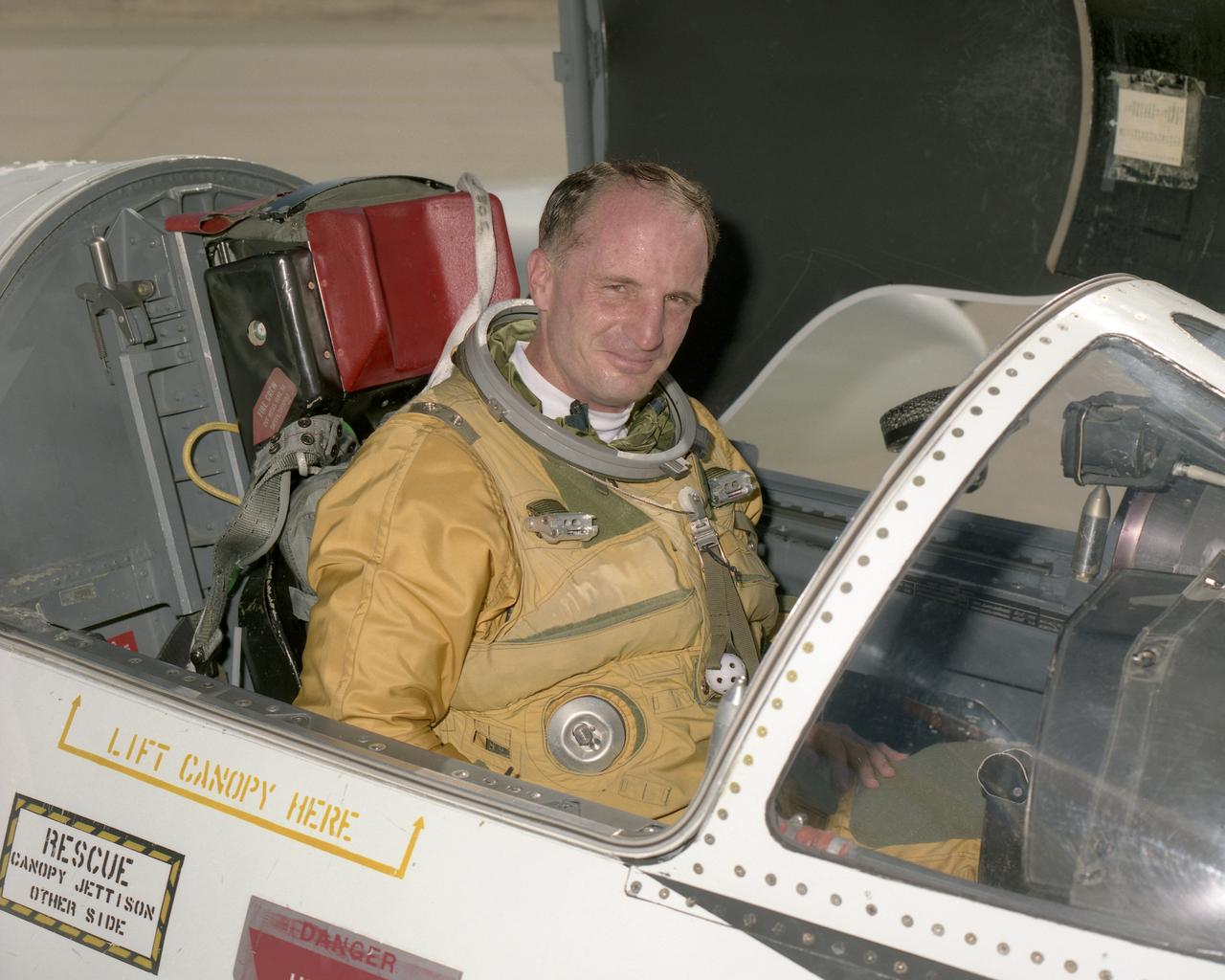
David A. Wright is associate director for Center Operations at the NASA Dryden Flight Research Center, Edwards, Calif. He was formerly director of Flight Operations. He is also a research pilot, flying NASA's ER-2 and T-38. The ER-2s are civilian variants of the military U-2S reconnaissance aircraft and carry scientific instruments to study the Earth during worldwide deployments. Wright has more than 4,500 hours in six different aircraft. He held the position of deputy director of the Airborne Science Program at Dryden from 2002 until 2004. Wright came to Dryden after retiring from the U.S. Air Force as a lieutenant colonel. His final assignment was to the Joint Staff J3, Directorate of Operations at the Pentagon from November 1996 until August 1999. Prior to the Pentagon assignment, he served as commander of the 1st Reconnaissance Squadron at Beale Air Force Base near Marysville, Calif., the unit responsible for training all U-2 pilots. He was the operations officer for one the largest U-2 operations in history, flying combat missions against Iraq and managing an unprecedented U-2 flying schedule during the 1991 Desert Storm conflict. He was selected for the Air Force U-2 program in 1987 following duty as an aircraft commander in the E-3A AWACS (Airborne Warning and Control System) aircraft. Wright was a T-38 instructor for three years at Reese Air Force Base, Lubbock, Texas, following completion of pilot training in 1978. He graduated from the U.S. Air Force Academy in 1977 with a Bachelor of Science in mathematics and computer science. Wright earned a Master of Arts in Adult Education from Troy State University, Montgomery, Ala., in 1987, and a Master of Science in National Security and Strategic Studies from the Naval War College, Newport, R.I., in 1995.
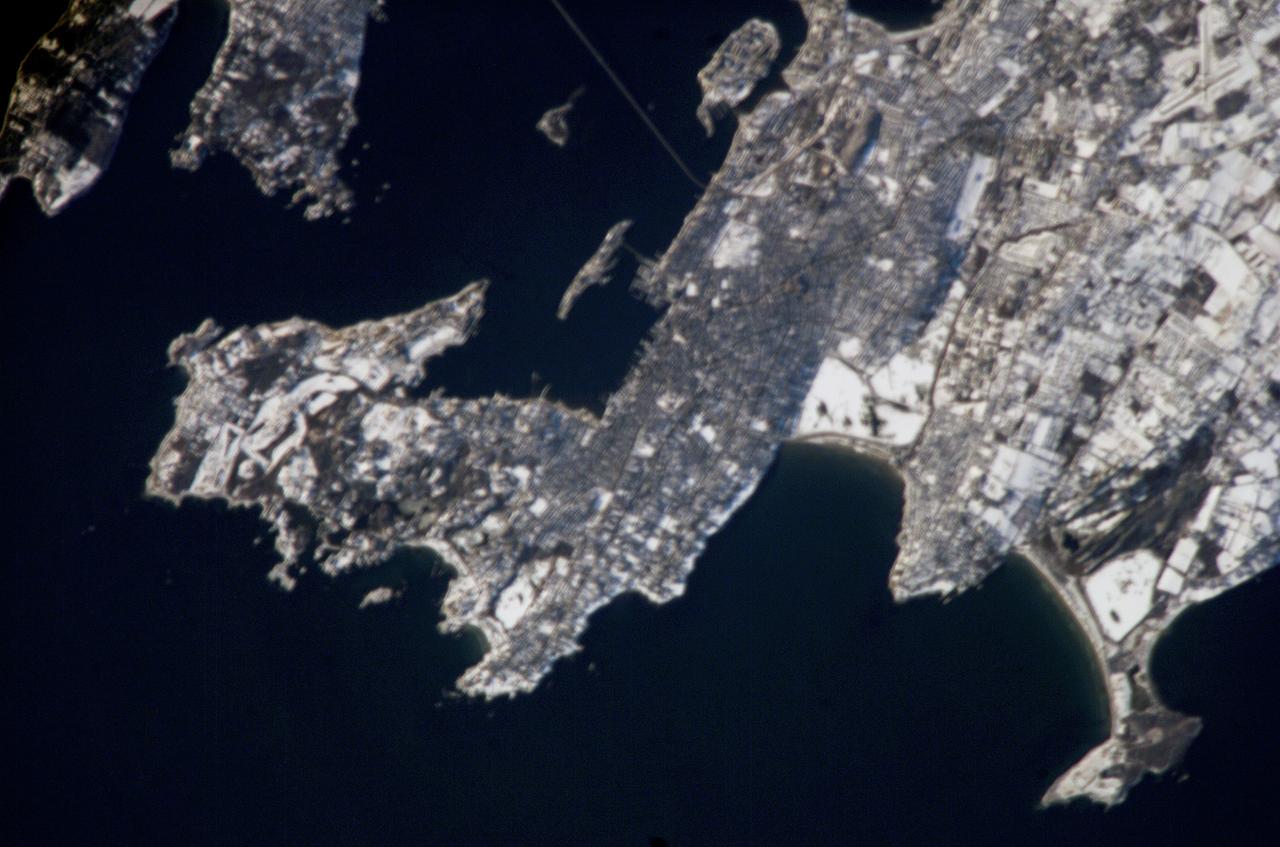
ISS012-E-19051 (4 March 2006) --- Newport, R.I., is featured in this image photographed by an Expedition 12 crew member on the International Space Station. Newport is well-known as a summer destination, but winter snow blankets the city in this image. One of the first settlements by Europeans in the Americas, the region was initially settled by colonists seeking religious freedom denied them in Europe, but over time some of them perceived a need to escape the strictures of the dominant Puritan faith. Newport, founded in 1639, became a bastion of the Baptist faith and exemplified one of the basic precepts of the United States Constitution – separation of church and state. Throughout the 17th and 18th centuries, Newport consolidated its position as one of the premier ports of the United States. The 19th and early 20th centuries saw a decline in commercial shipping at Newport and its rebirth as a recreational destination. Many of the leading industrialist families of the time, such as the Vanderbilts, built grand summer mansions in Newport that are now open to visitors. The United States Navy has also had a strong presence in the Newport area since 1869, exemplified by the establishment of the Naval War College in 1884 (image top center). The College still serves as an educational institution for naval officers. The gray-brown metropolitan area of Newport is thrown into sharp contrast by the surrounding snow-covered open fields and rural areas to the east and southwest. The Clairborne Pell (also known as Newport) Bridge connects Jamestown, R.I. on Conanicut Island to Newport at image top. The main span of this suspension bridge is 1600 feet (485 meters) long and crosses the East Passage of Narragansett Bay. The Sachuest Point National Wildlife Refuge (image lower right) supports over 200 bird species, including the largest winter harlequin duck population on the East Coast.
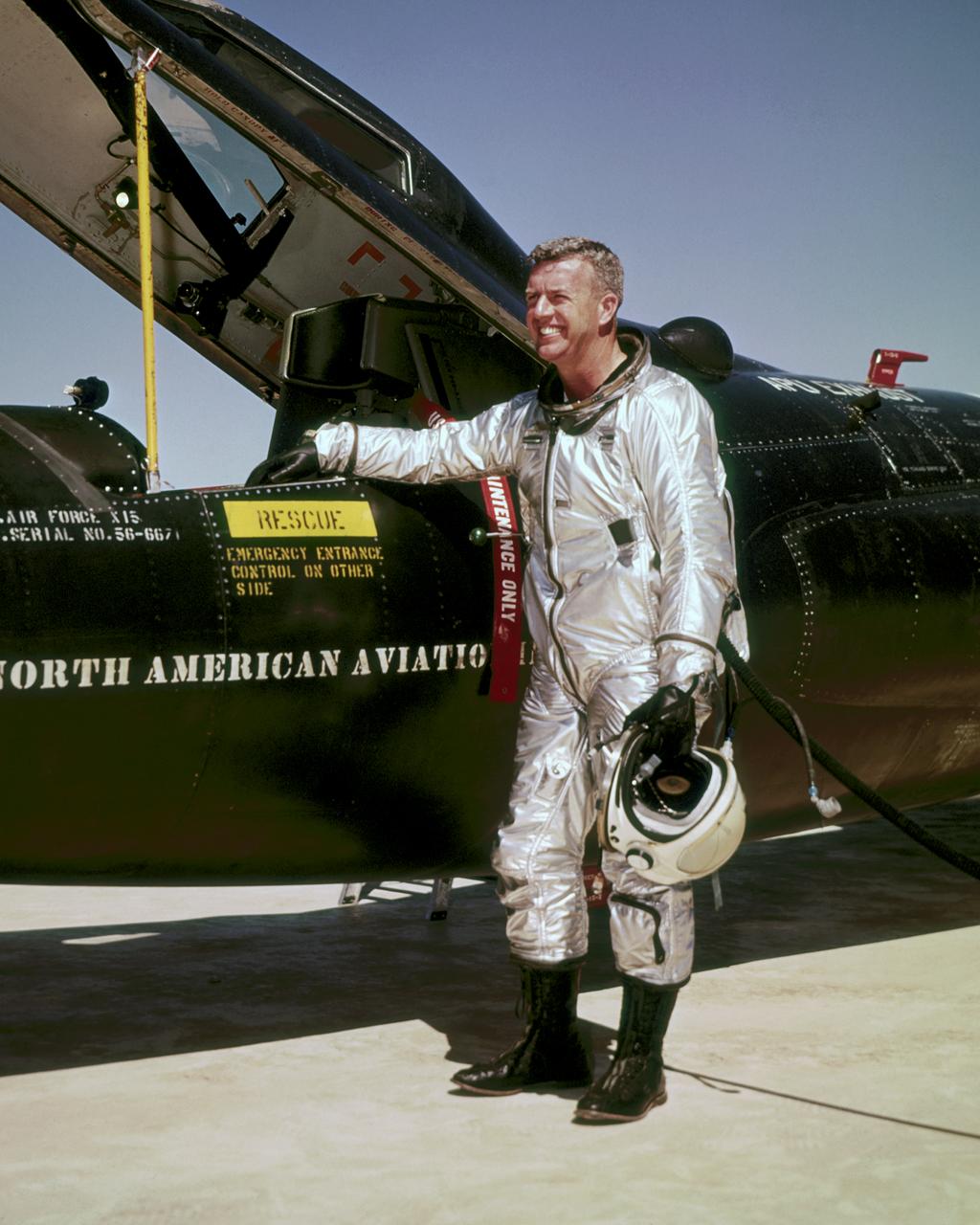
Joseph A. Walker was a Chief Research Pilot at the NASA Dryden Flight Research Center during the mid-1960s. He joined the NACA in March 1945, and served as project pilot at the Edwards flight research facility on such pioneering research projects as the D-558-1, D-558-2, X-1, X-3, X-4, X-5, and the X-15. He also flew programs involving the F-100, F-101, F-102, F-104, and the B-47. Walker made the first NASA X-15 flight on March 25, 1960. He flew the research aircraft 24 times and achieved its fastest speed and highest altitude. He attained a speed of 4,104 mph (Mach 5.92) during a flight on June 27, 1962, and reached an altitude of 354,300 feet on August 22, 1963 (his last X-15 flight). He was the first man to pilot the Lunar Landing Research Vehicle (LLRV) that was used to develop piloting and operational techniques for lunar landings. Walker was born February 20, 1921, in Washington, Pa. He lived there until graduating from Washington and Jefferson College in 1942, with a B.A. degree in Physics. During World War II he flew P-38 fighters for the Air Force, earning the Distinguished Flying Cross and the Air Medal with Seven Oak Clusters. Walker was the recipient of many awards during his 21 years as a research pilot. These include the 1961 Robert J. Collier Trophy, 1961 Harmon International Trophy for Aviators, the 1961 Kincheloe Award and 1961 Octave Chanute Award. He received an honorary Doctor of Aeronautical Sciences degree from his alma mater in June of 1962. Walker was named Pilot of the Year in 1963 by the National Pilots Association. He was a charter member of the Society of Experimental Test Pilots, and one of the first to be designated a Fellow. He was fatally injured on June 8, 1966, in a mid-air collision between an F-104 he was piloting and the XB-70.