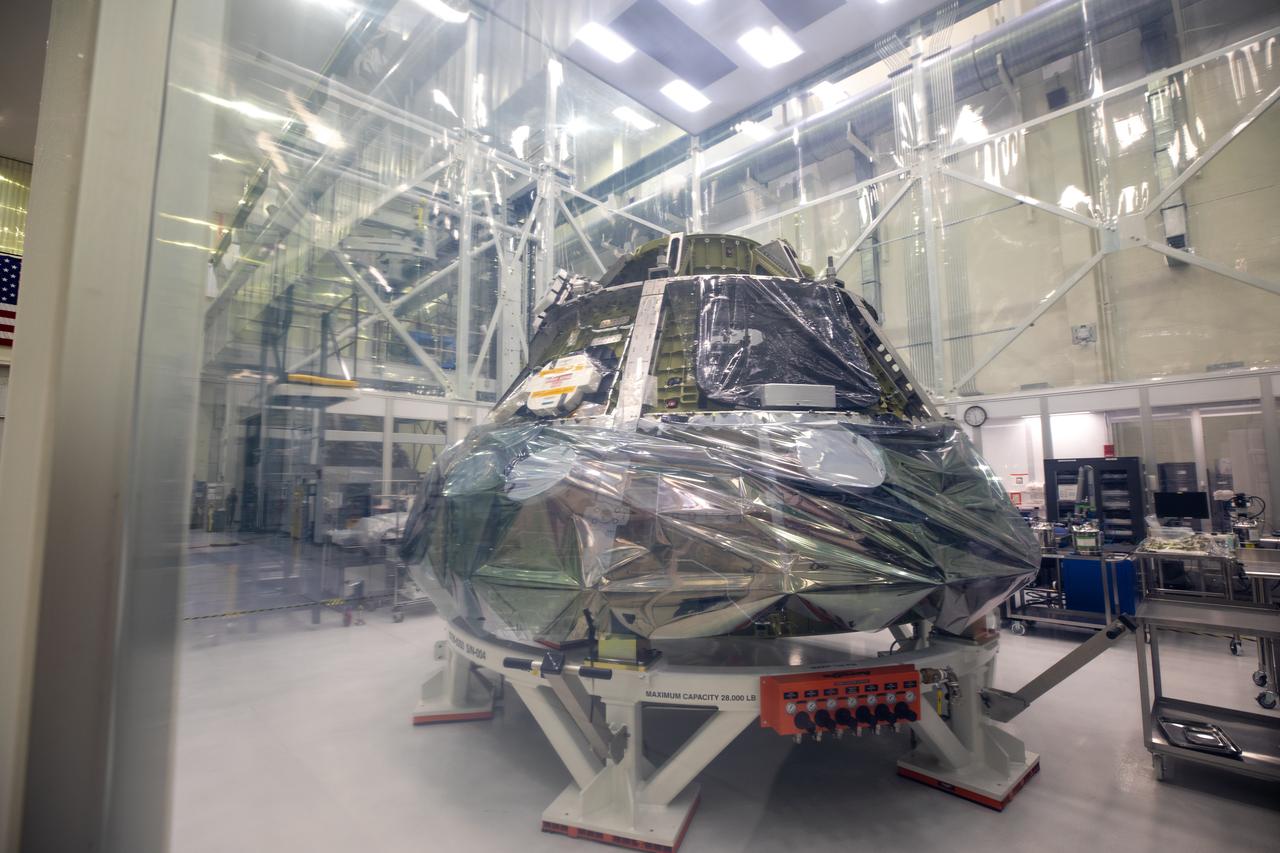
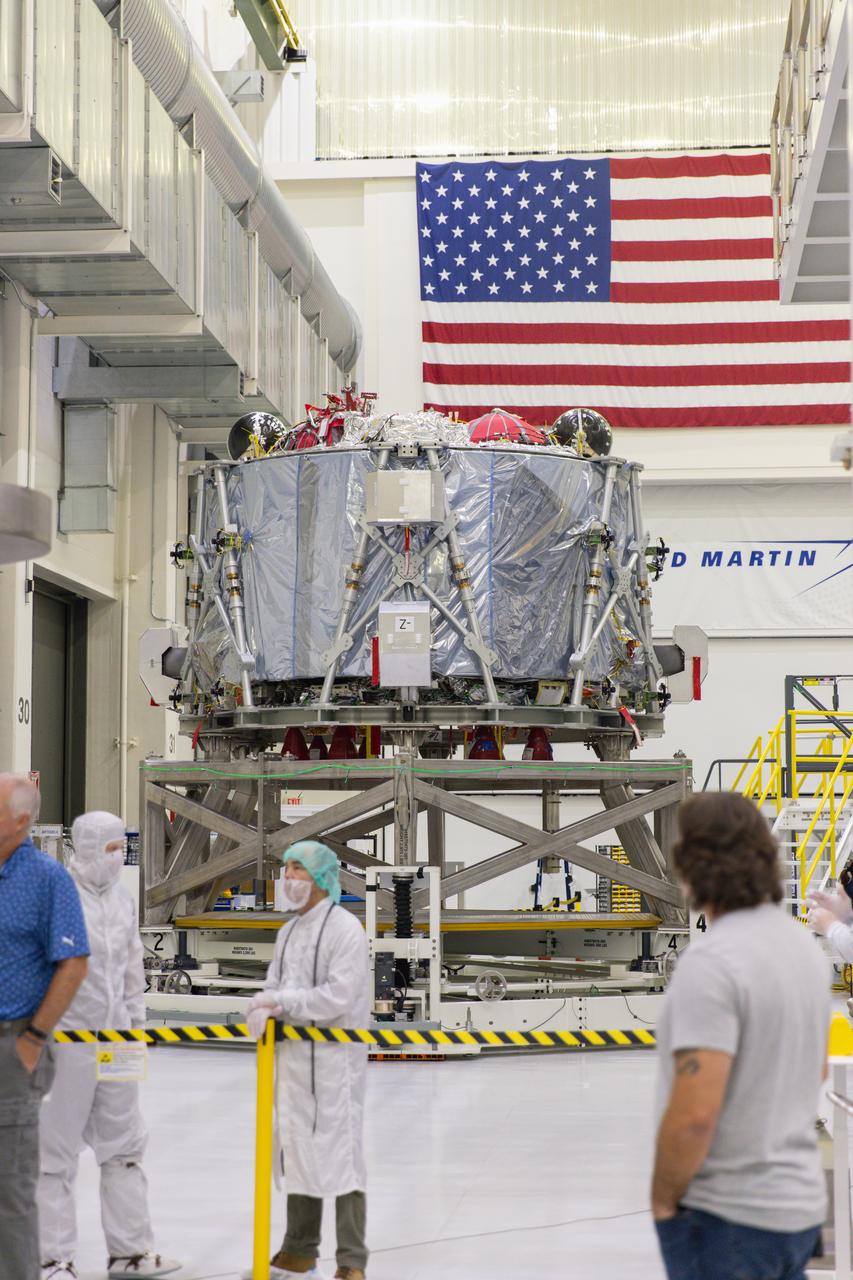
The Orion spacecraft for the Artemis III mission is in view inside a clean room in the high bay of the Neil Armstrong Operations and Checkout Building at NASA’s Kennedy Space Center in Florida on June 22, 2023. The Orion spacecraft is being prepared for its launch atop the Space Launch System rocket on Artemis III, which will send astronauts, including the first woman and first person of color, on a mission to the surface of the Moon.
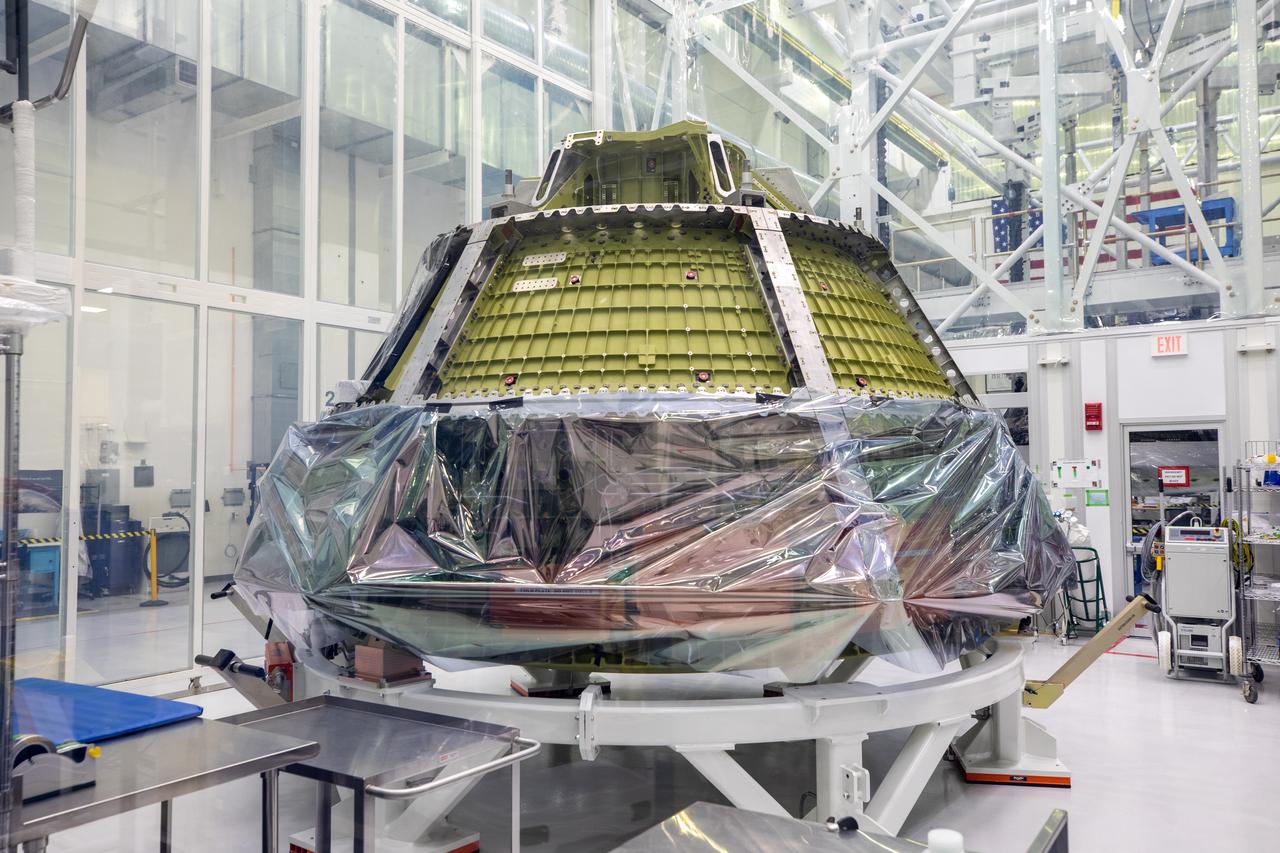
A protective wrapping is being removed from the Orion spacecraft for the Artemis III mission inside a clean room in the high bay of the Neil Armstrong Operations and Checkout Building at NASA’s Kennedy Space Center in Florida on June 22, 2023. The Orion spacecraft is being prepared for its launch atop the Space Launch System rocket on Artemis III, which will send astronauts, including the first woman and first person of color, on a mission to the surface of the Moon.

The Orion spacecraft for the Artemis III mission is in view in the high bay of the Neil Armstrong Operations and Checkout Building at NASA’s Kennedy Space Center in Florida on June 22, 2023. The Orion spacecraft is being prepared for its launch atop the Space Launch System rocket on Artemis III, which will send astronauts, including the first woman and first person of color, on a mission to the surface of the Moon.
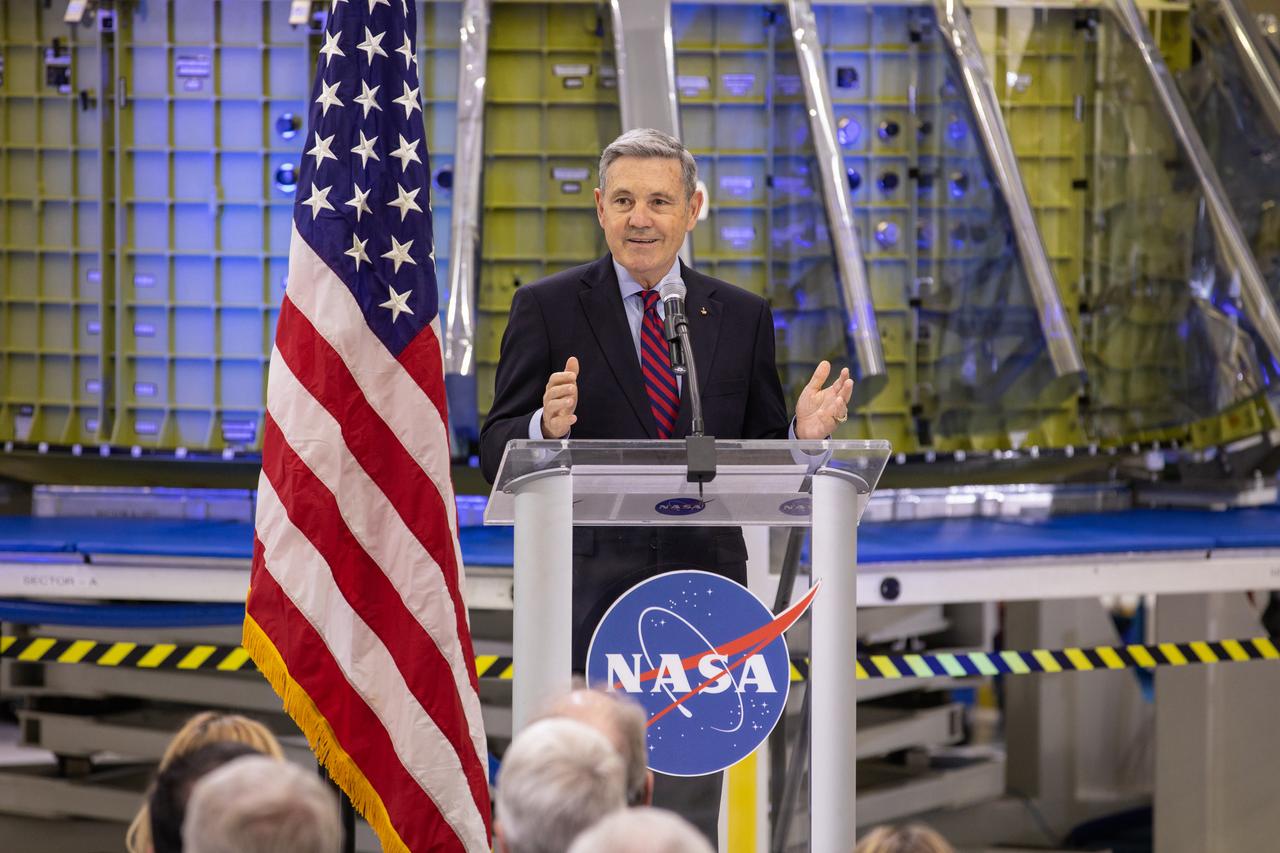
Bob Cabana, director of NASA’s Kennedy Space Center in Florida, speaks toNASA workers and members of the news media, during a Moon to Mars event in the Neil Armstrong Operations and Checkout Building high bay on March 11, 2019. The event followed the delivery of President Trump’s fiscal year 2020 budget proposal to U.S. Congress, which includes funding for the agency’s Moon to Mars initiative and Gateway lunar outpost.
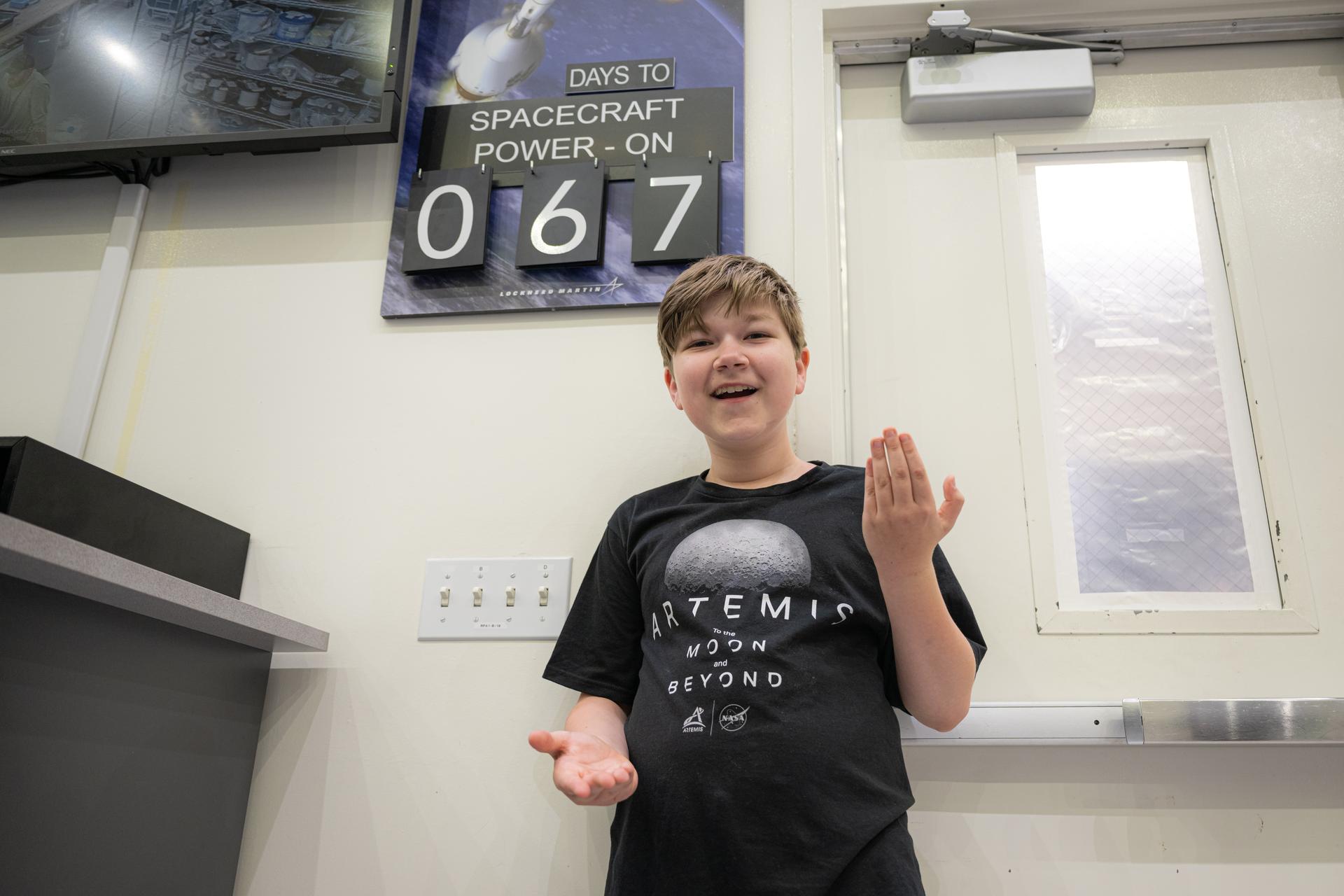
Eleven-year-old Hilt Boling poses for a photograph in the Neil A. Armstrong Operations and Checkout Building, Friday, Apr. 3, 2026, at NASA’s Kennedy Space Center in Florida. When asked during an April 1 television appearance why he loved space and being at the Artemis II launch, Boling exclaimed: “We’re going back to the freaking Moon, that’s why!” His comments received widespread social media attention in the following days. Photo Credit: (NASA/John Kraus)
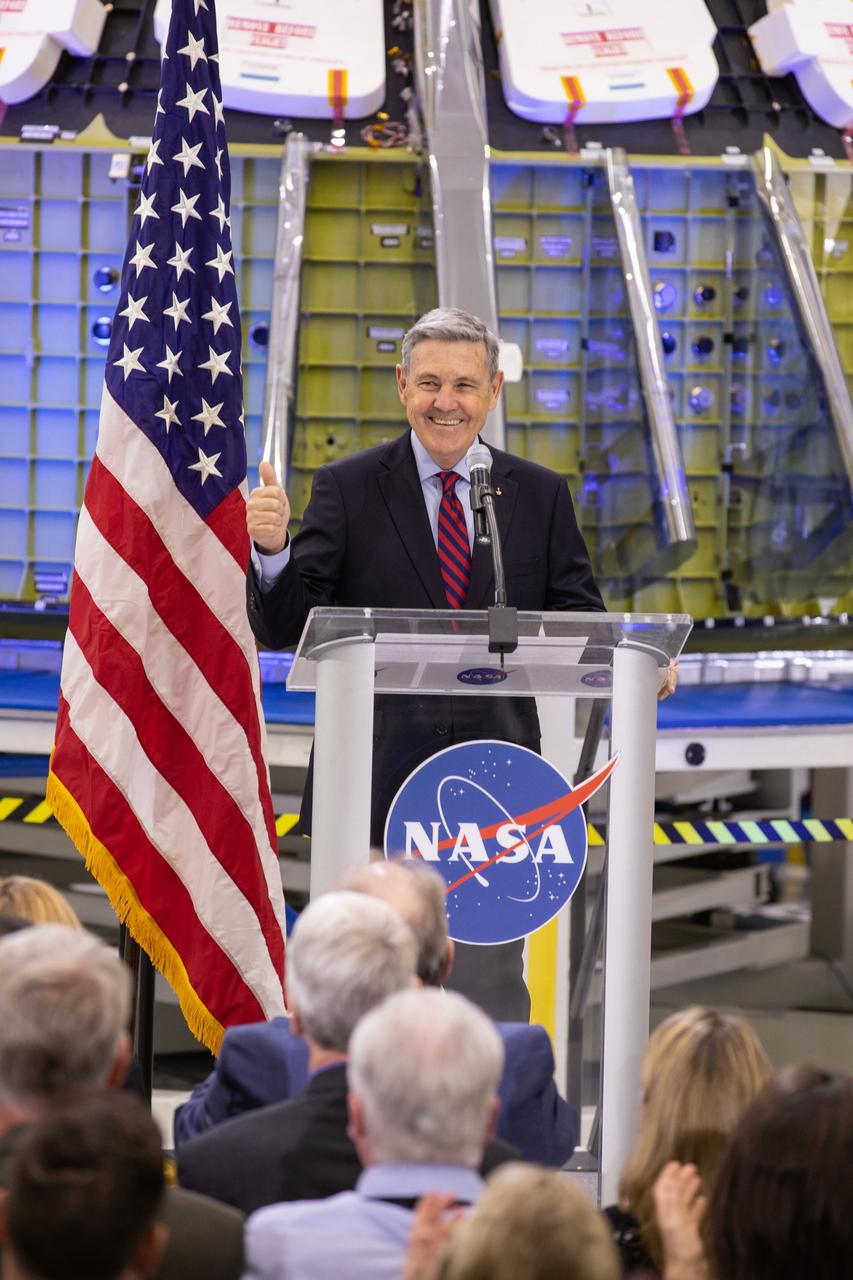
Bob Cabana, director of NASA’s Kennedy Space Center in Florida, gives a thumbs up as he speaks to NASA workers and members of the news media, during a Moon to Mars event in the Neil Armstrong Operations and Checkout Building high bay on March 11, 2019. The event followed the delivery of President Trump’s fiscal year 2020 budget proposal to U.S. Congress, which includes funding for the agency’s Moon to Mars initiative and Gateway lunar outpost.
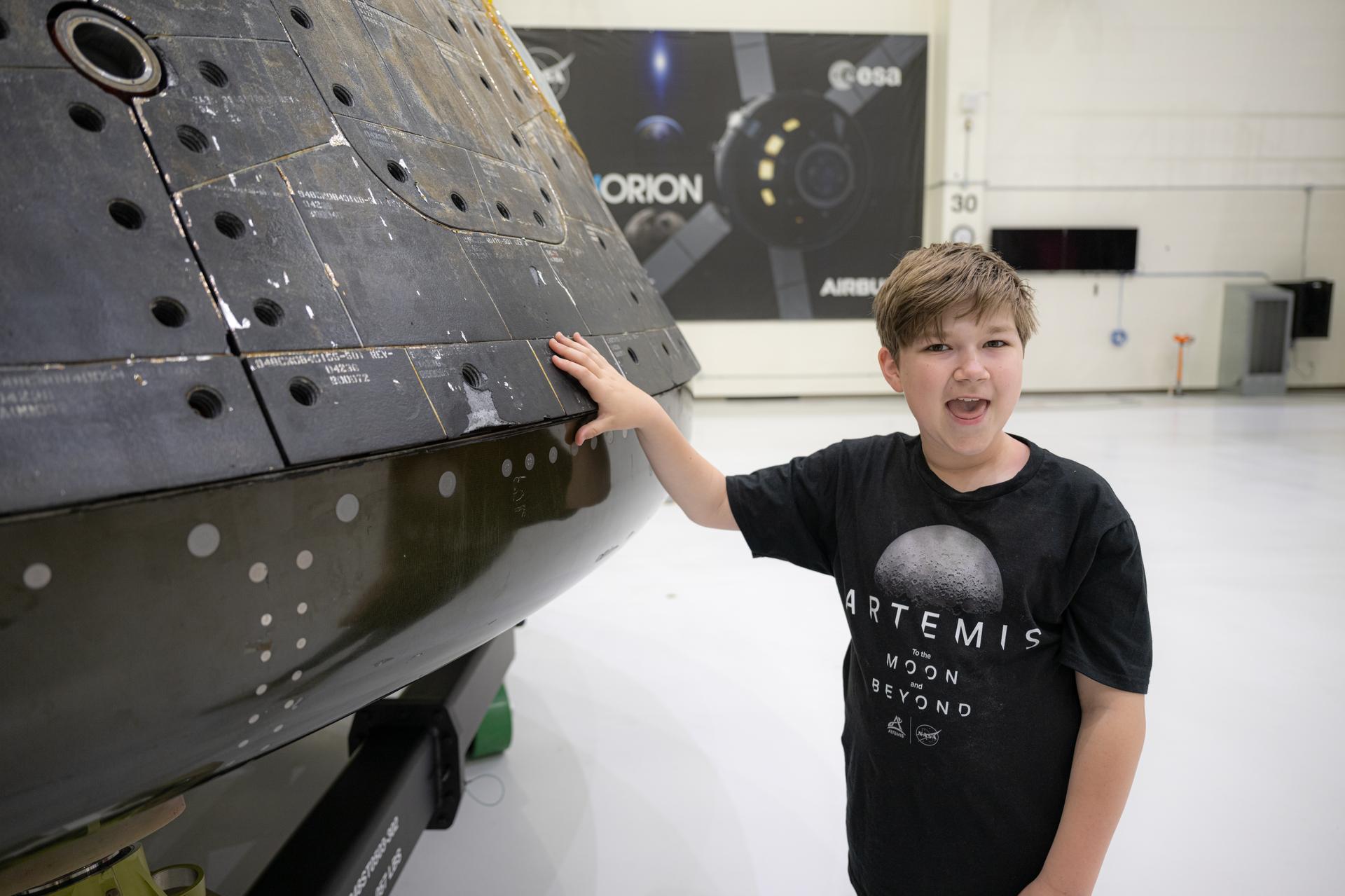
Eleven-year-old Hilt Boling visits the Artemis I Orion spacecraft at the Neil A. Armstrong Operations and Checkout Building, Friday, Apr. 3, 2026, at NASA’s Kennedy Space Center in Florida. When asked during an April 1 television appearance why he loved space and being at the Artemis II launch, Boling exclaimed: “We’re going back to the freaking Moon, that’s why!” His comments received widespread social media attention in the following days. Photo Credit: (NASA/John Kraus)
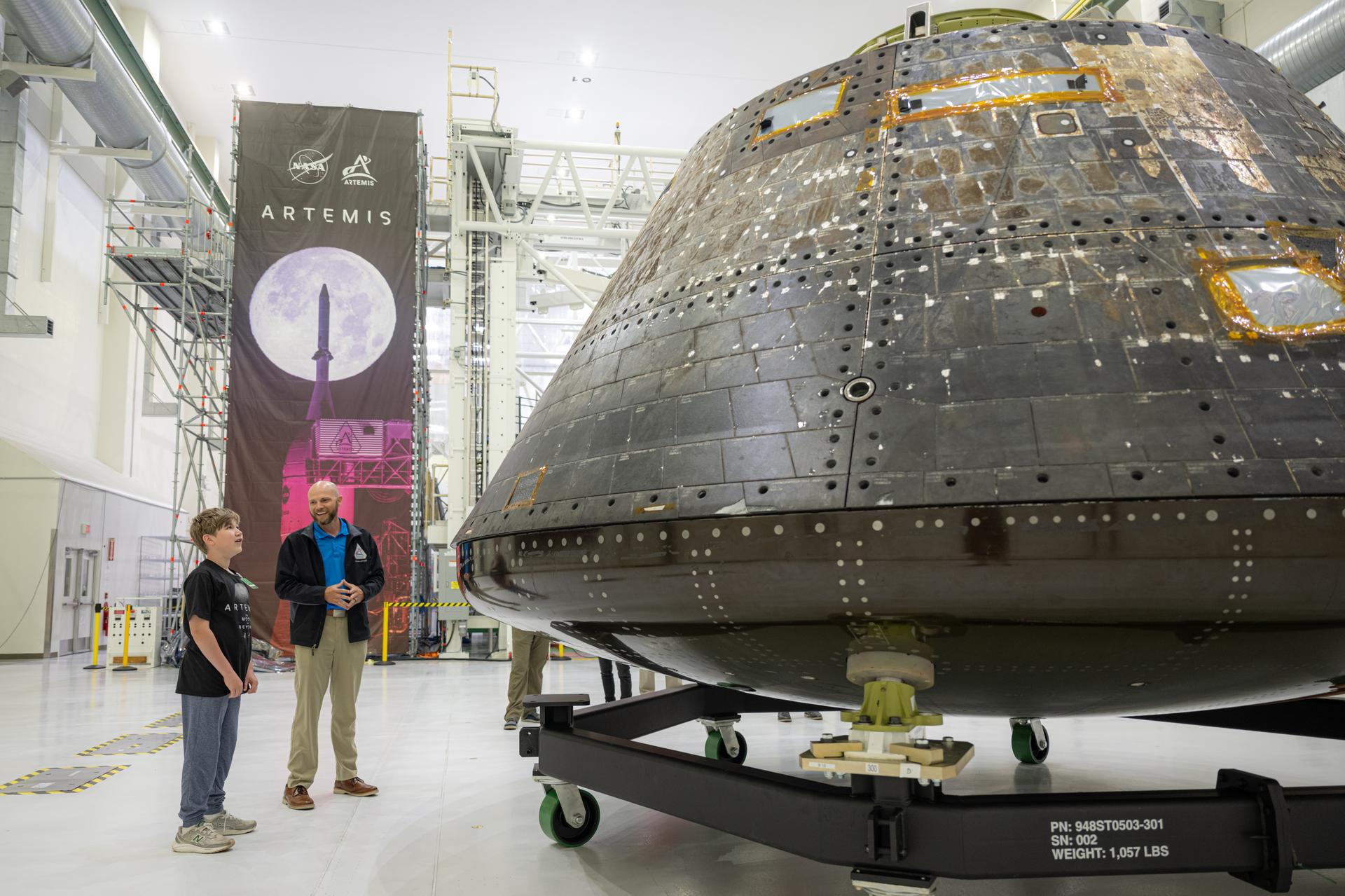
Eleven-year-old Hilt Boling, left, visits the Artemis I Orion spacecraft at the Neil A. Armstrong Operations and Checkout Building, Friday, Apr. 3, 2026, at NASA’s Kennedy Space Center in Florida. When asked during an April 1 television appearance why he loved space and being at the Artemis II launch, Boling exclaimed: “We’re going back to the freaking Moon, that’s why!” His comments received widespread social media attention in the following days. Photo Credit: (NASA/John Kraus)
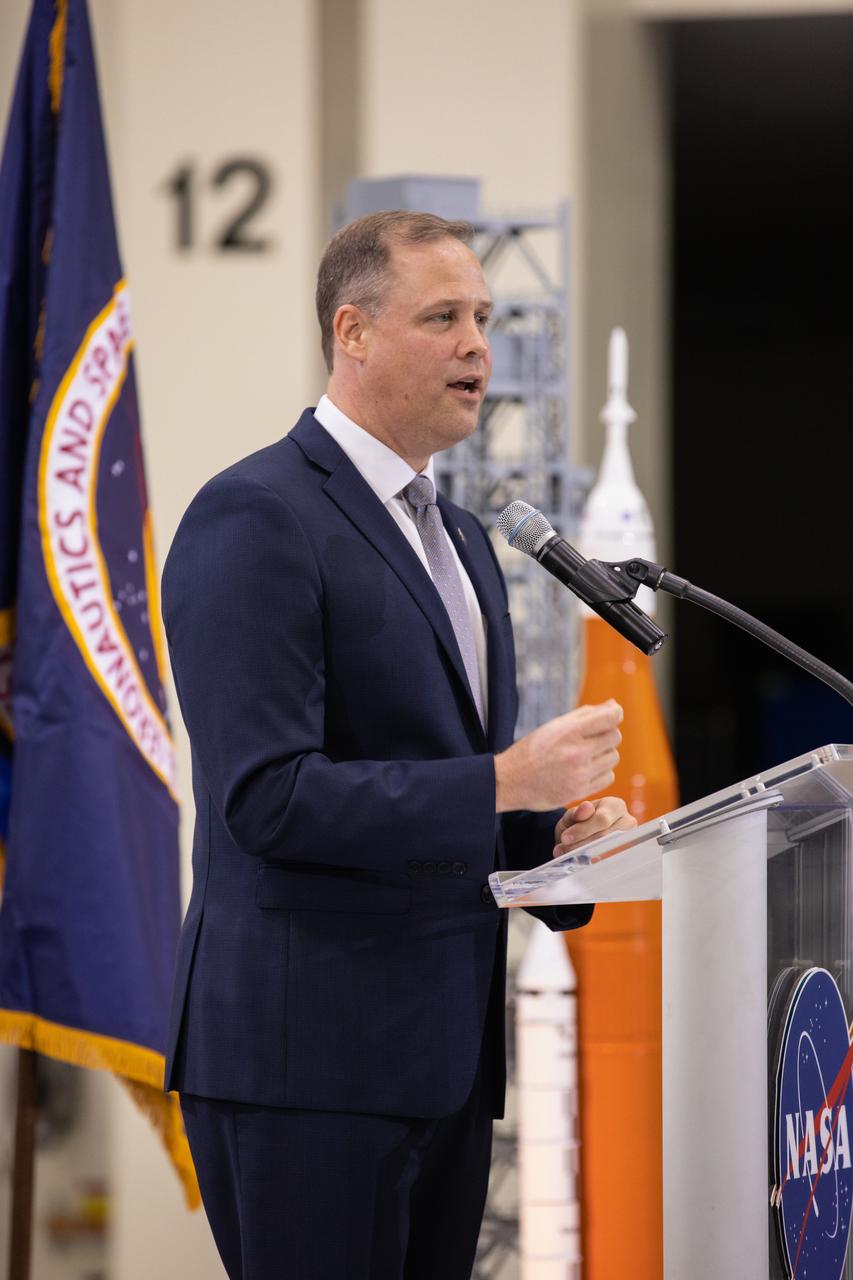
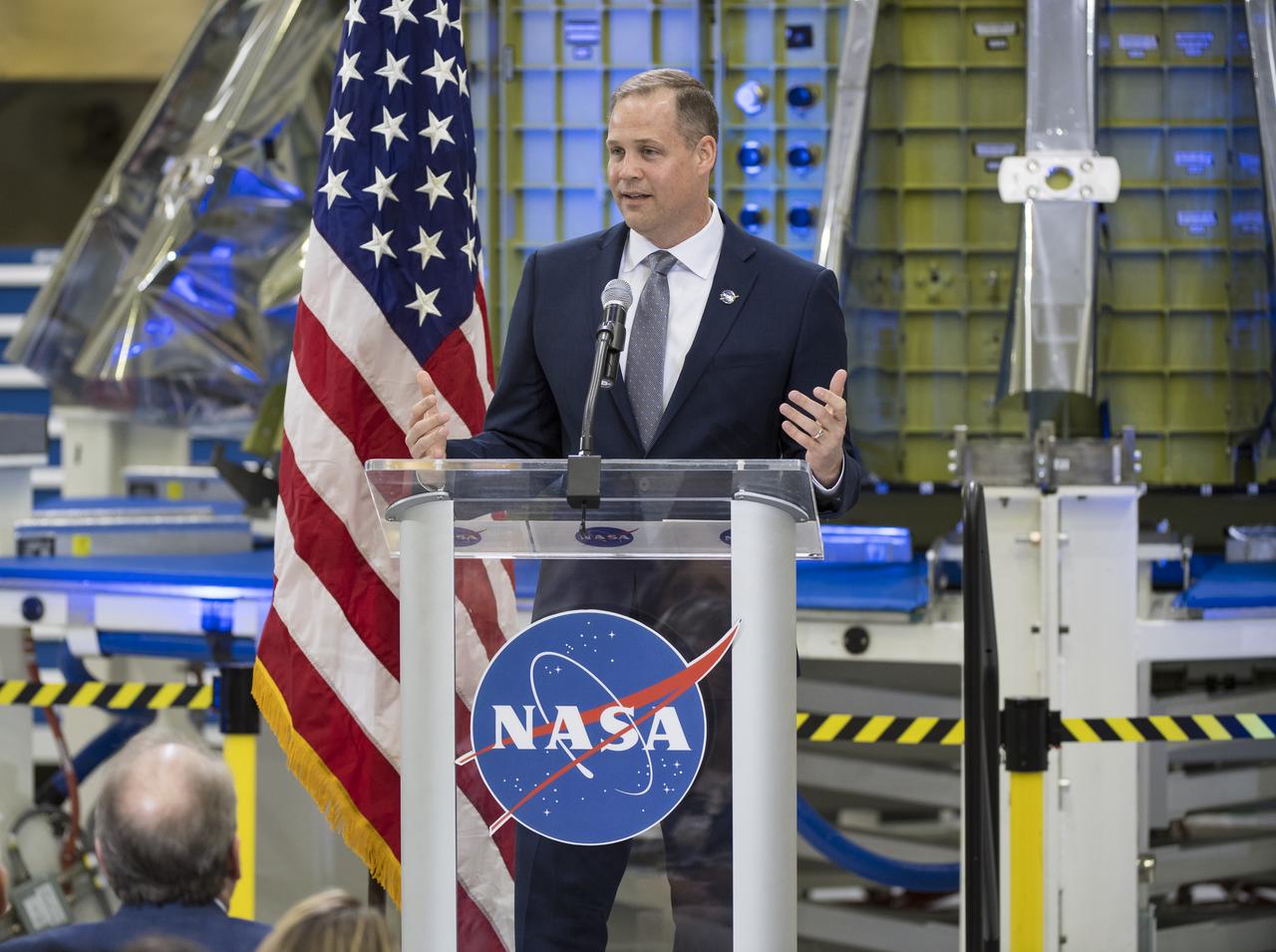
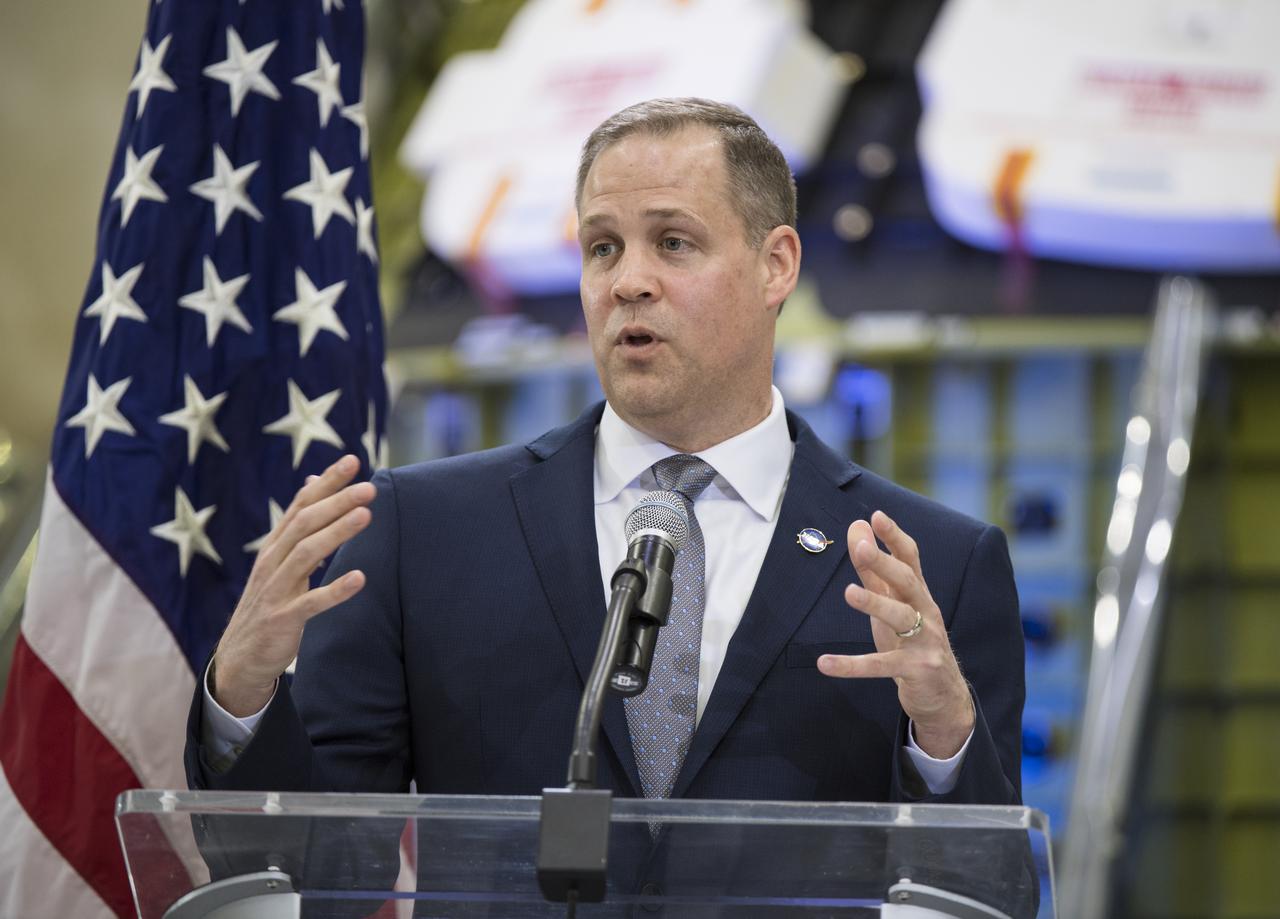
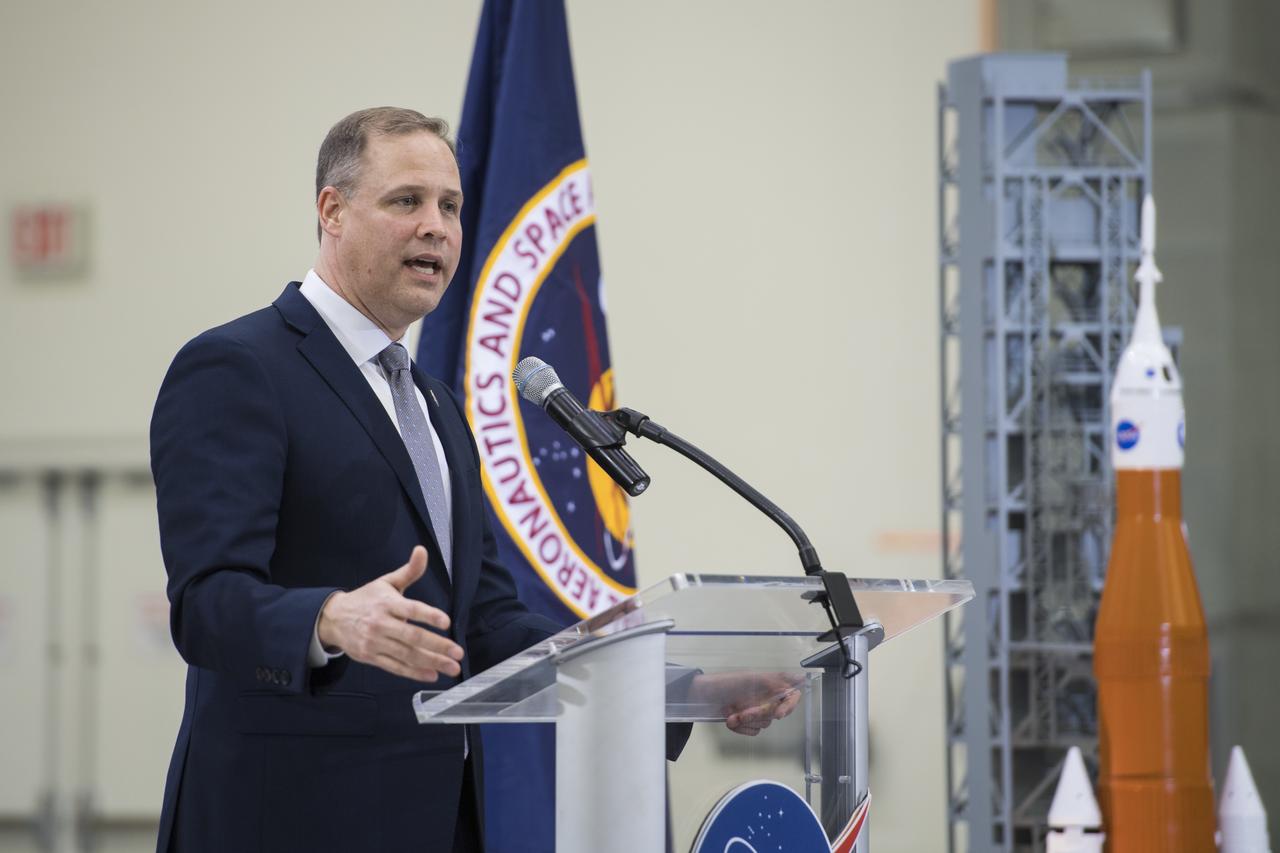
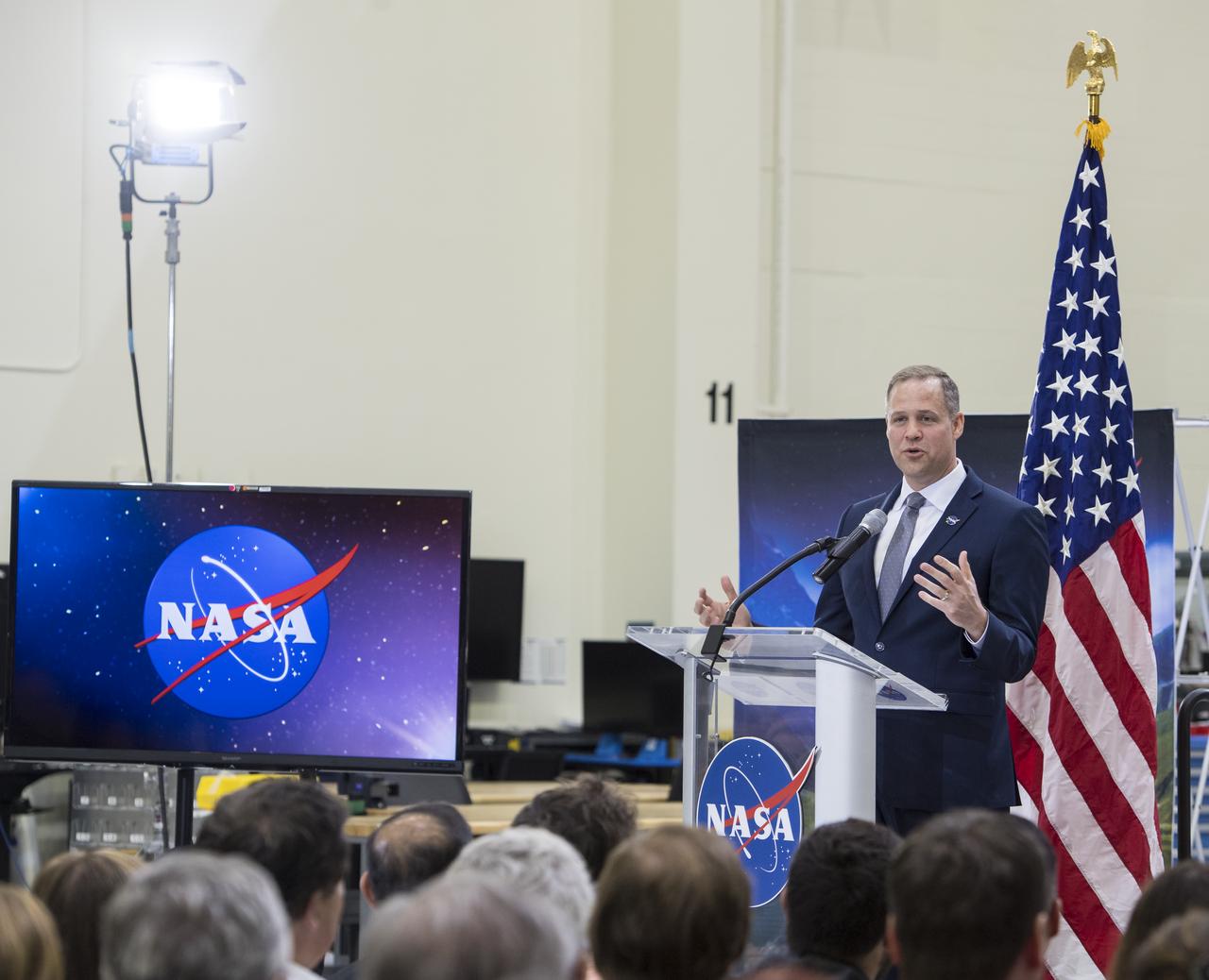
NASA Administrator Jim Bridenstine speaks to NASA workers across the nation and members of the news media, during a Moon to Mars event in the Neil Armstrong Operations and Checkout Building high bay on March 11, 2019. The event followed the delivery of President Trump’s fiscal year 2020 budget proposal to U.S. Congress, which includes funding for the agency’s Moon to Mars initiative and Gateway lunar outpost. Bridenstine presented a closer look at America’s work to return astronauts to the Moon in a sustainable way and continue exploration to Mars.
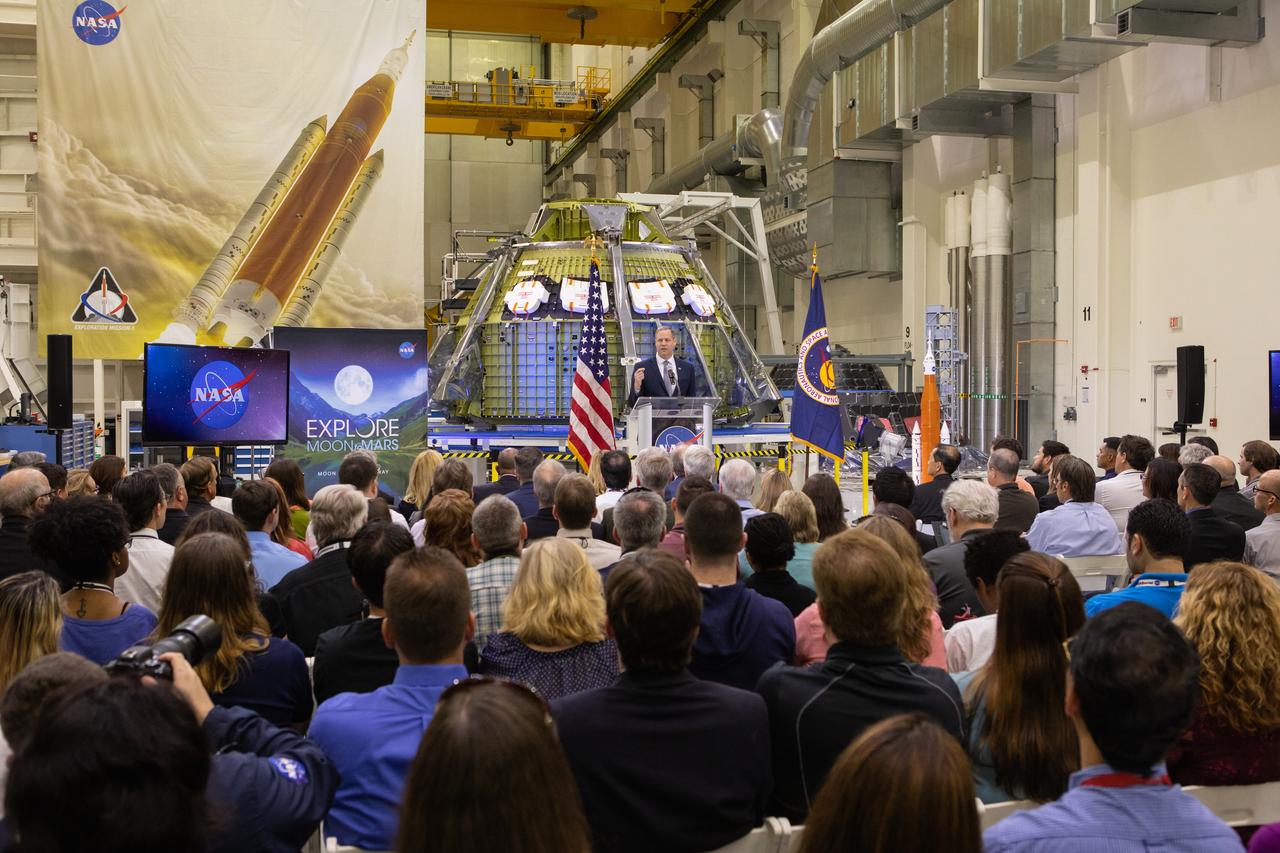
NASA Administrator Jim Bridenstine speaks to NASA workers across the nation and members of the news media, during a Moon to Mars event in the Neil Armstrong Operations and Checkout Building high bay on March 11, 2019. The event followed the delivery of President Trump’s fiscal year 2020 budget proposal to U.S. Congress, which includes funding for the agency’s Moon to Mars initiative and Gateway lunar outpost. Bridenstine presented a closer look at America’s work to return astronauts to the Moon in a sustainable way and continue exploration to Mars.
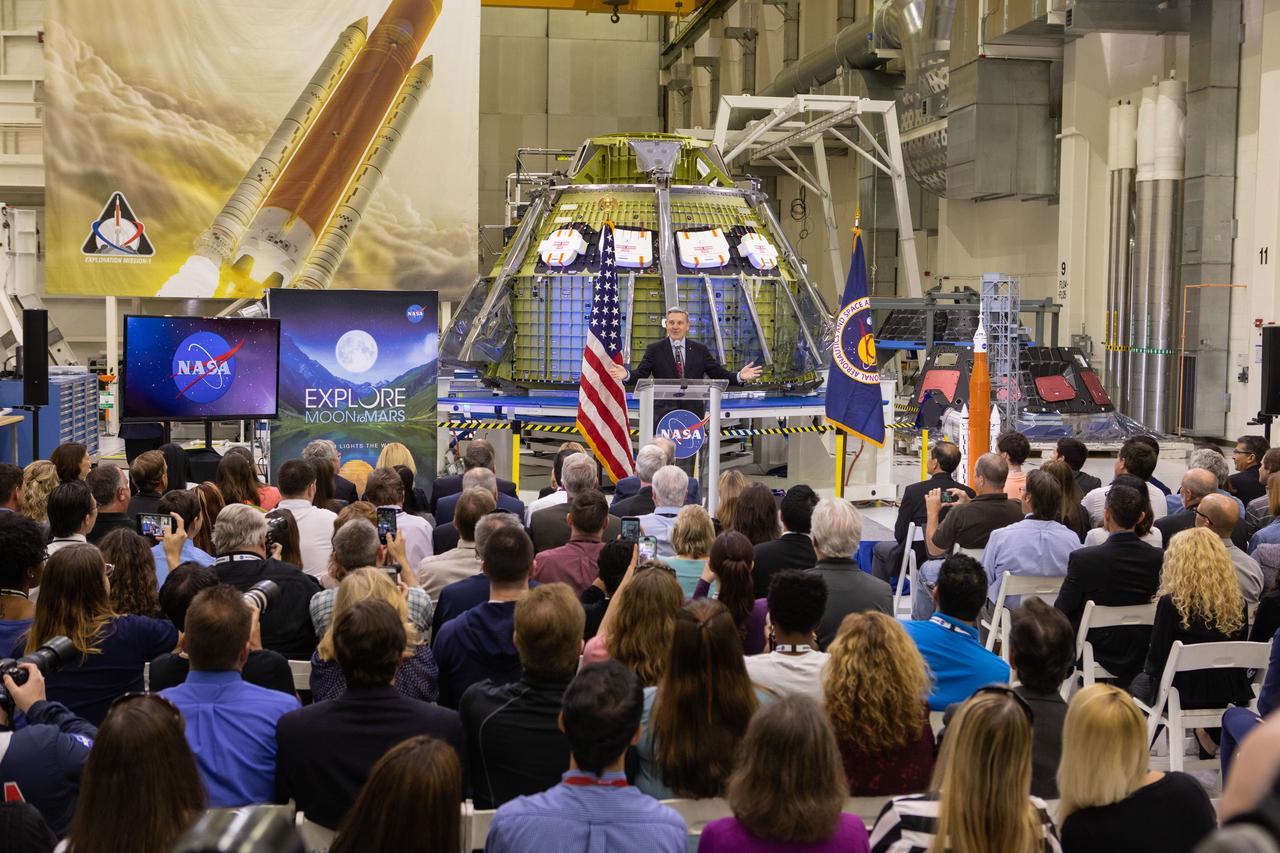
Bob Cabana, director of NASA’s Kennedy Space Center in Florida, speaks to NASA workers across the nation and members of the news media, during a Moon to Mars event in the Neil Armstrong Operations and Checkout Building high bay on March 11, 2019. The event followed the delivery of President Trump’s fiscal year 2020 budget proposal to U.S. Congress, which includes funding for the agency’s Moon to Mars initiative and Gateway lunar outpost.
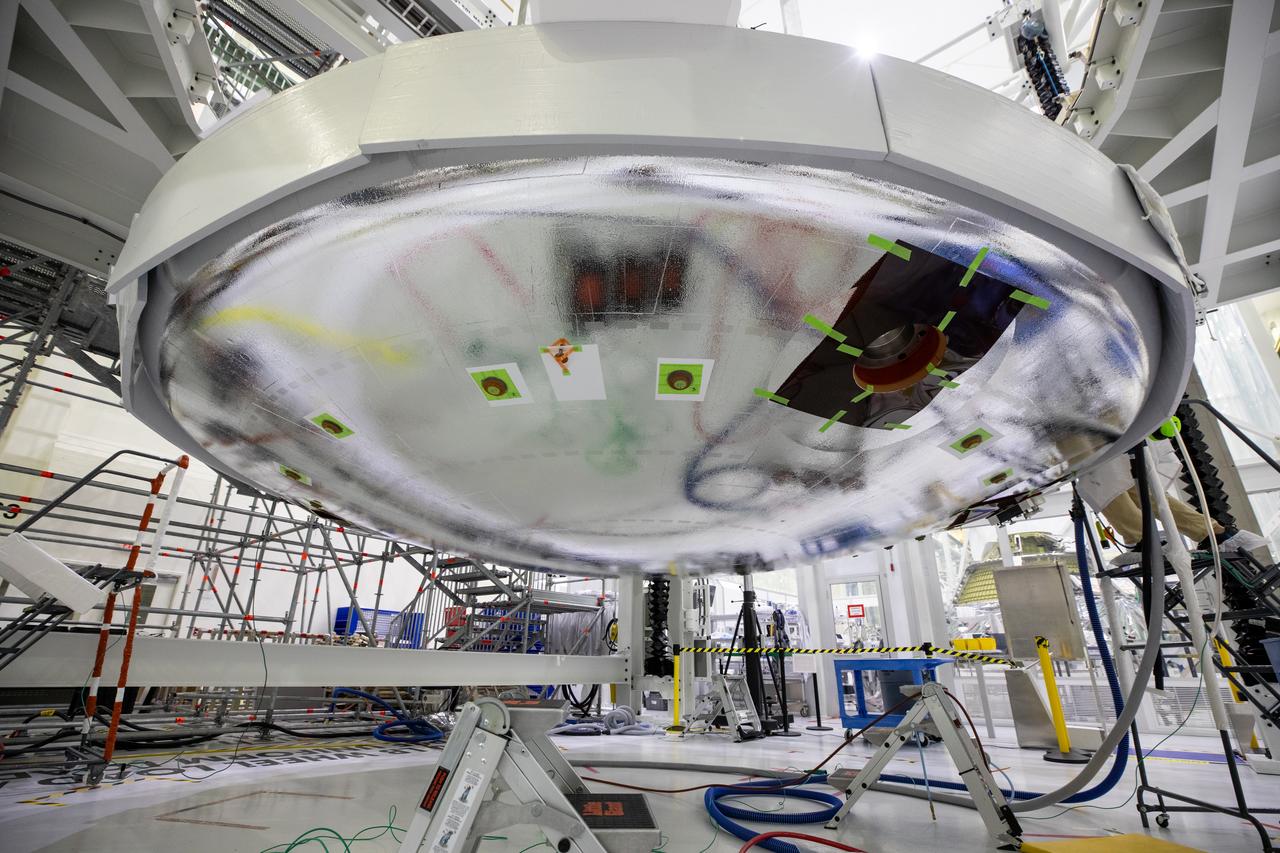
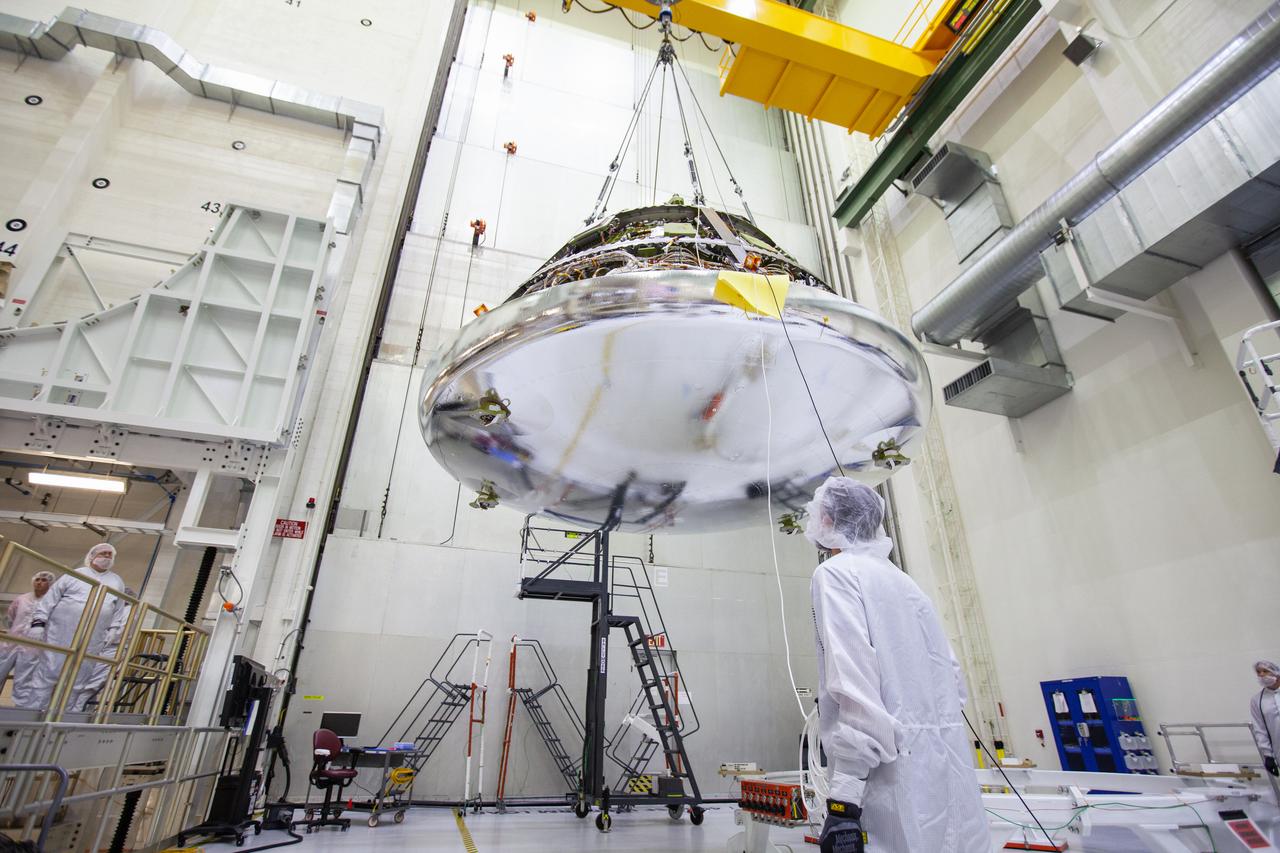
Teams install the heat shield on the Artemis II Orion spacecraft inside the high bay of the Neil Armstrong Operations and Checkout Building at NASA’s Kennedy Space Center in Florida on June 22, 2023. The 16.5-foot-wide shield will ensure the safe return of the astronauts on board as the spacecraft travels at speeds of about 25,000 miles per hour and experiences outside temperatures of nearly 5,000 degrees Fahrenheit. Artemis II will be the first mission with astronauts under Artemis that will test and check out all of Orion’s systems needed for future crewed missions.
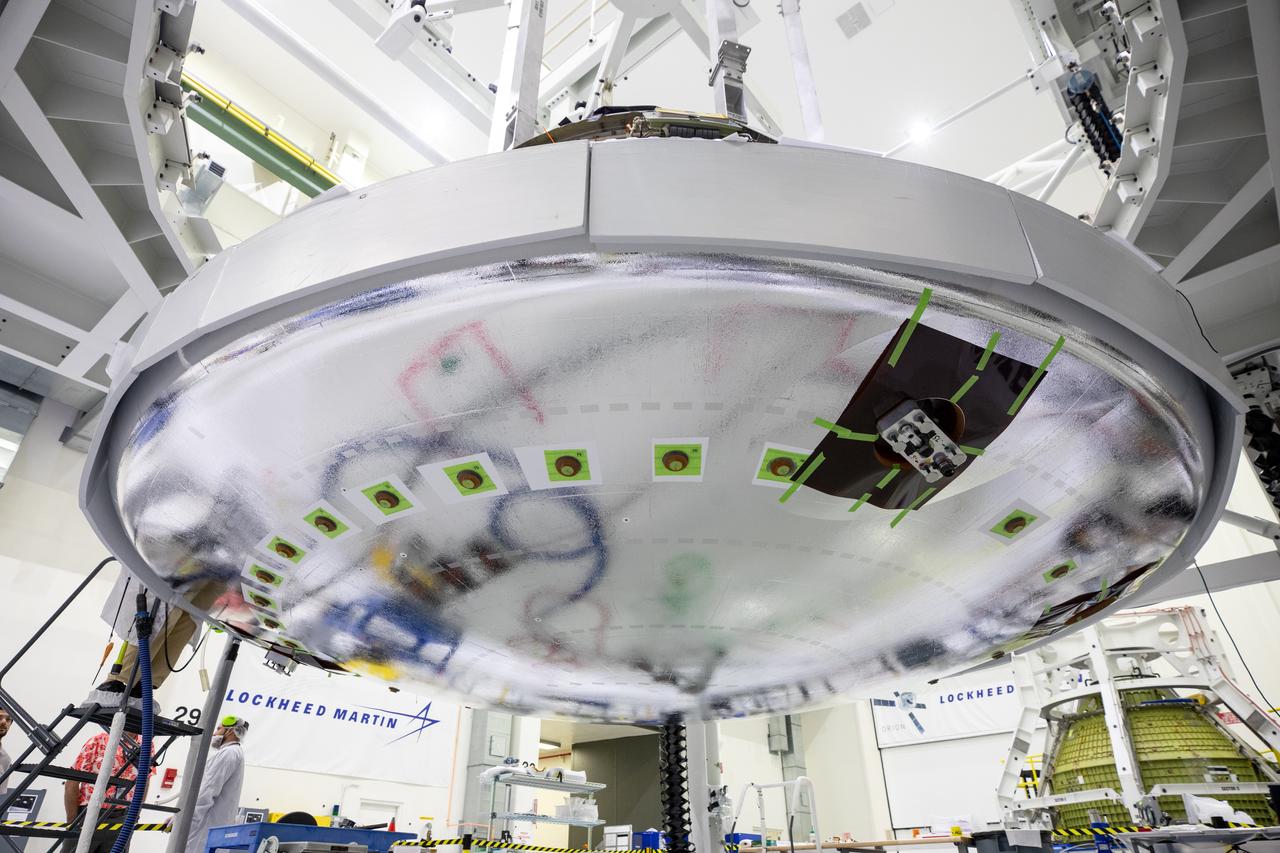
Teams install the heat shield on the Artemis II Orion spacecraft inside the high bay of the Neil Armstrong Operations and Checkout Building at NASA’s Kennedy Space Center in Florida on June 22, 2023. The 16.5-foot-wide shield will ensure the safe return of the astronauts on board as the spacecraft travels at speeds of about 25,000 miles per hour and experiences outside temperatures of nearly 5,000 degrees Fahrenheit. Artemis II will be the first mission with astronauts under Artemis that will test and check out all of Orion’s systems needed for future crewed missions.
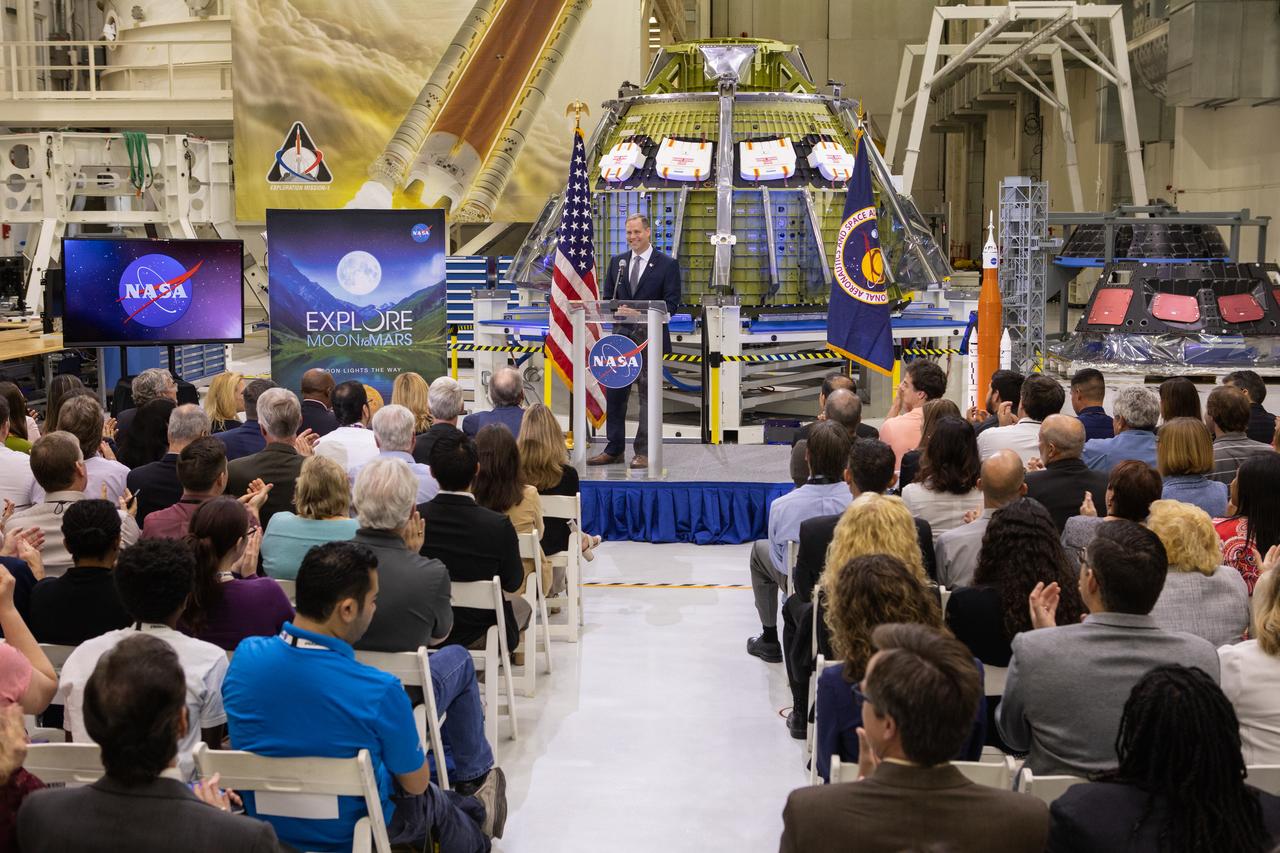
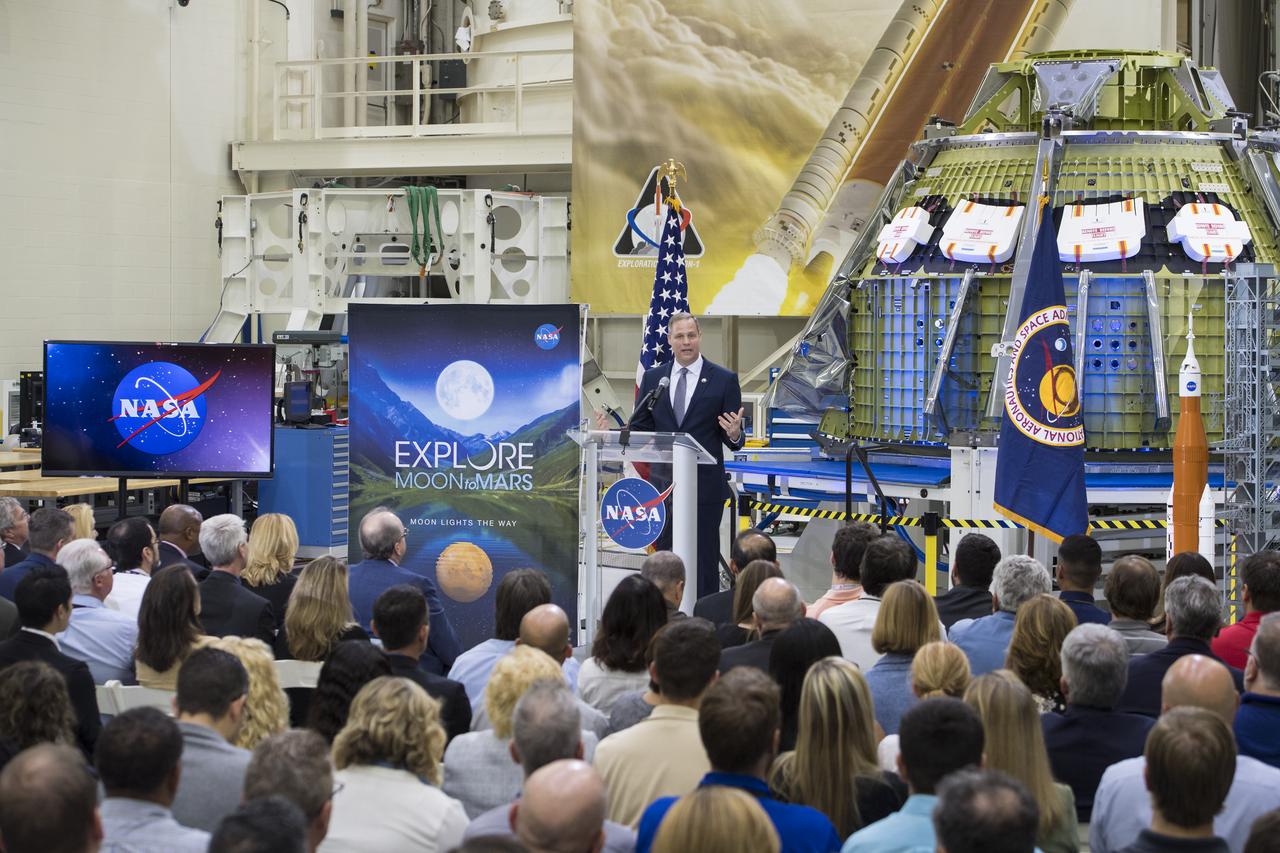
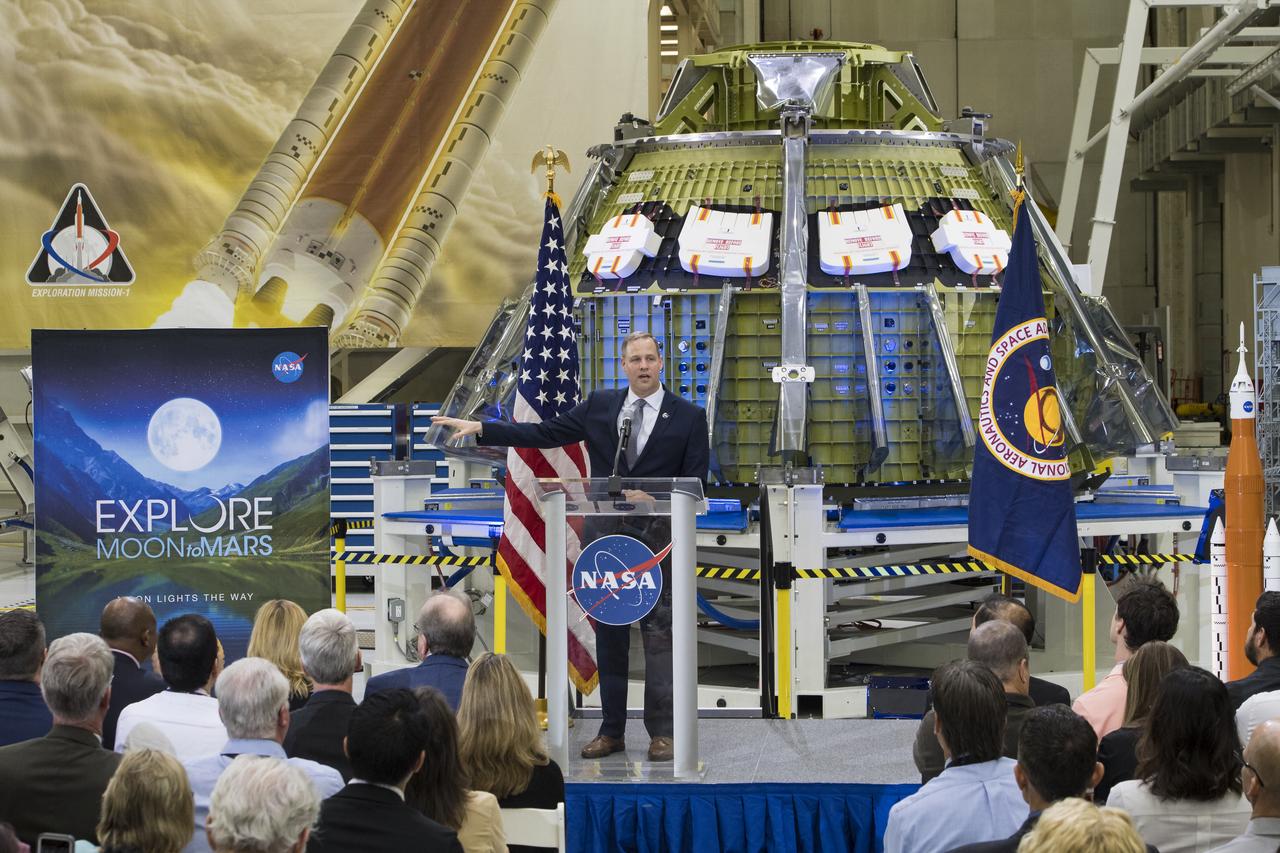
NASA Administrator Jim Bridenstine speaks to NASA workers across the nation and members of the news media, during a Moon to Mars event in the Neil Armstrong Operations and Checkout Building high bay on March 11, 2019. Behind him is the Orion crew module for Exploration Mission-2. The event followed the delivery of President Trump’s fiscal year 2020 budget proposal to U.S. Congress, which includes funding for the agency’s Moon to Mars initiative and Gateway lunar outpost. Bridenstine presented a closer look at America’s work to return astronauts to the Moon in a sustainable way and continue exploration to Mars.
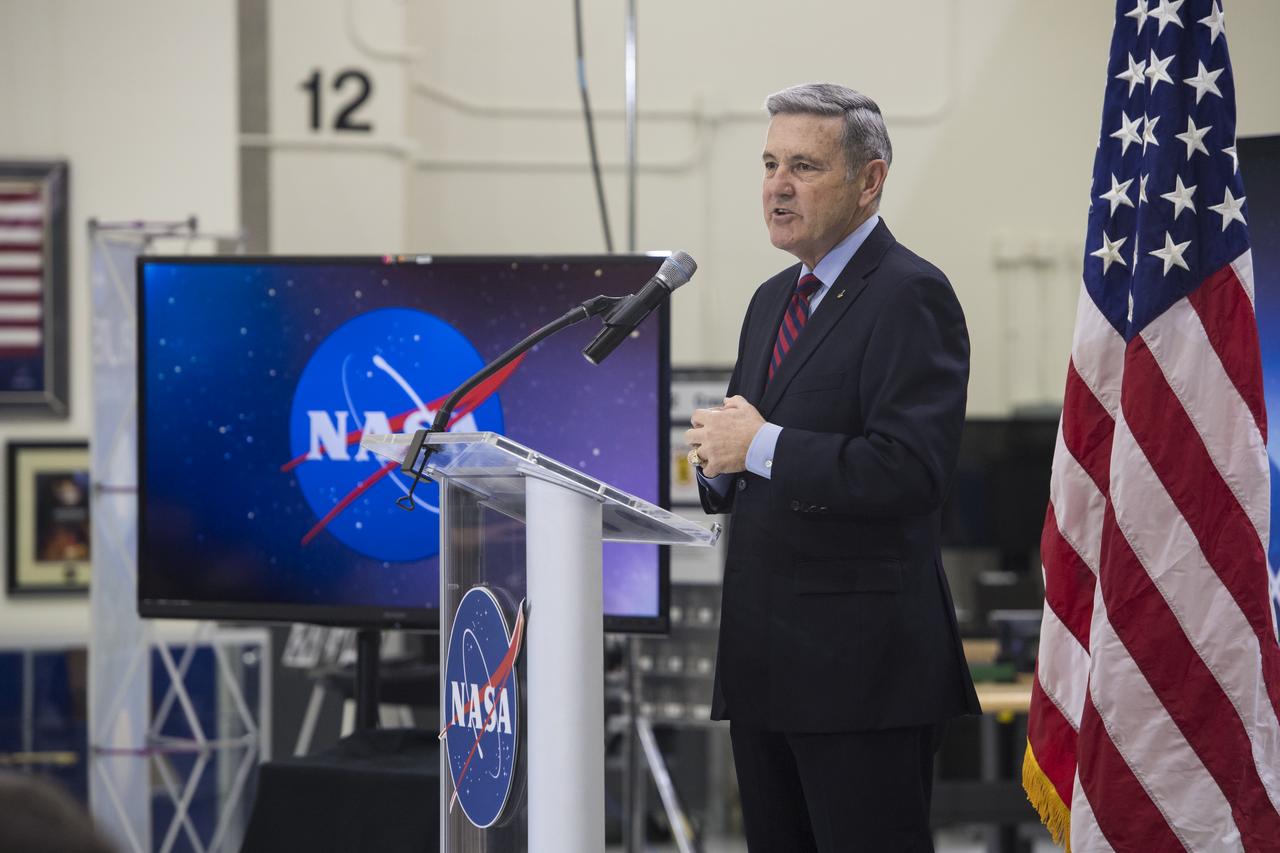
Kennedy Space Center Director Bob Cabana makes opening remarks during an event to discuss NASA’s progress toward sending astronauts to the Moon and on to Mars, Monday, March 11, 2019, at the Neil Armstrong Operations and Checkout Building at NASA's Kennedy Space Center in Florida. Representatives from the Kennedy workforce, news media and social media were in attendance. NASA's Orion spacecraft, which is scheduled to be flown on Exploration Mission-2, was on display. For information on NASA's Moon to Mars plans, visit: www.nasa.gov/moontomars Photo credit: (NASA/Aubrey Gemignani)
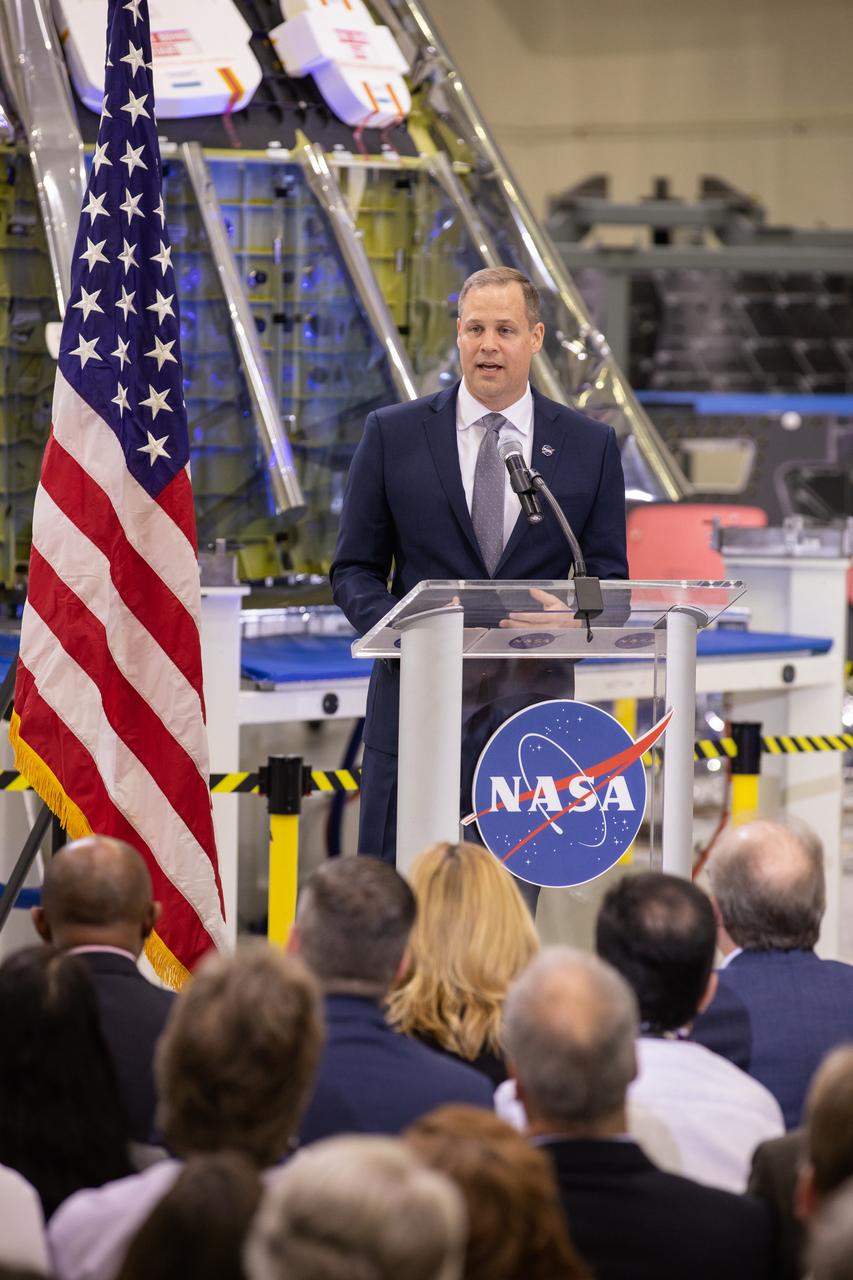
NASA Administrator Jim Bridenstine speaks to NASA workers across the nation and members of the news media, during a Moon to Mars event in the Neil Armstrong Operations and Checkout Building high bay on March 11, 2019. Behind him is the Orion crew module for Exploration Mission-2. The event followed the delivery of President Trump’s fiscal year 2020 budget proposal to U.S. Congress, which includes funding for the agency’s Moon to Mars initiative and Gateway lunar outpost. Bridenstine presented a closer look at America’s work to return astronauts to the Moon in a sustainable way and continue exploration to Mars.
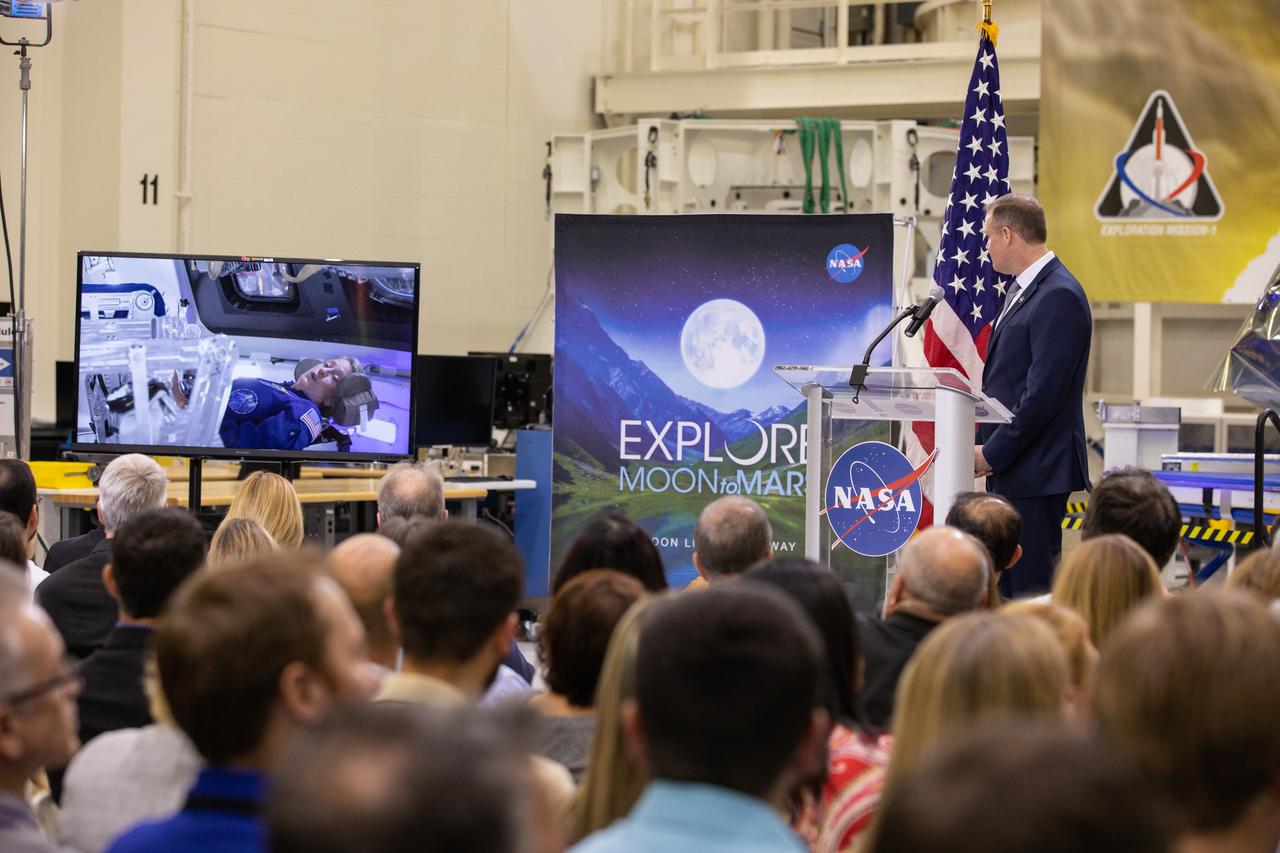
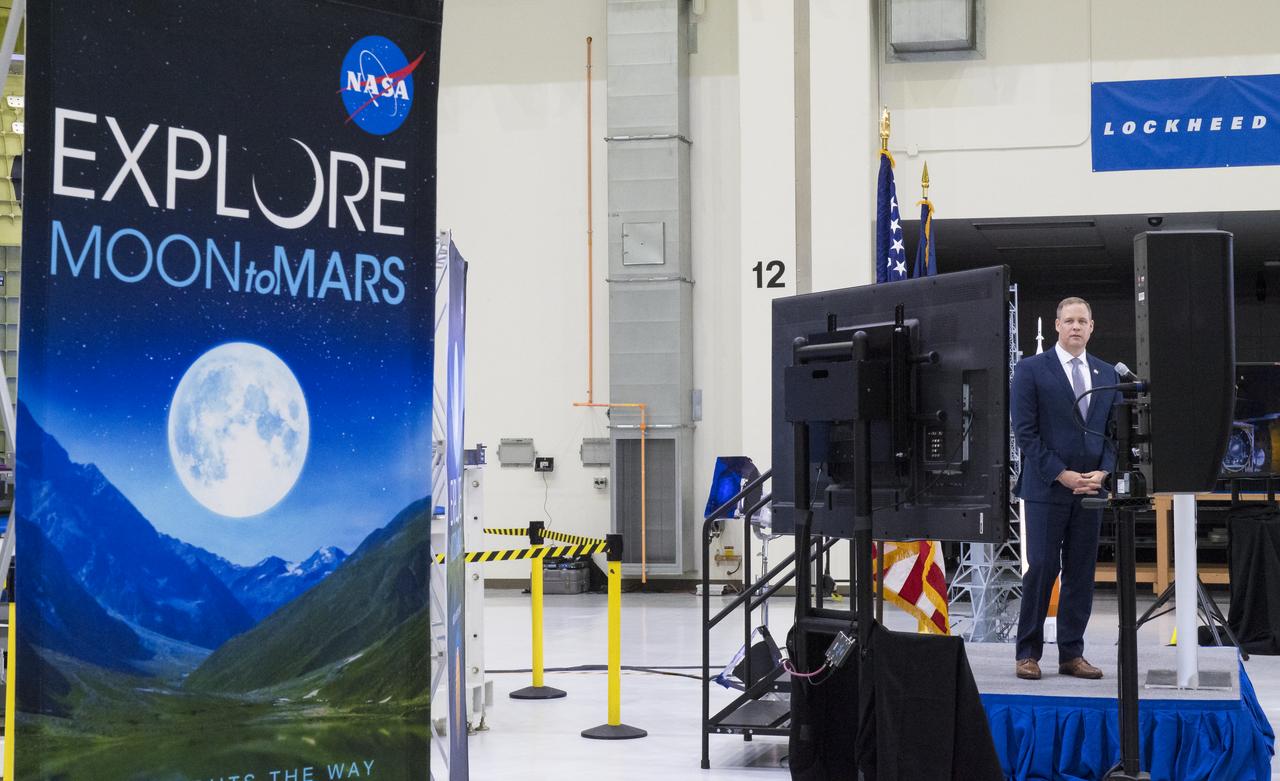
During a Moon to Mars event March 11, 2019, in the Neil Armstrong Operations and Checkout Building high bay at Kennedy Space Center in Florida, NASA Administrator Jim Bridenstine speaks to astronaut Karen Nyberg, on screen. Nyberg is in a test version of the Orion crew module at the agency’s Johnson Space Center in Houston. Bridenstine spoke to NASA workers across the nation and members of the news media, following the delivery of President Trump’s fiscal year 2020 budget proposal to U.S. Congress, which includes funding for the agency’s Moon to Mars initiative and Gateway lunar outpost. Bridenstine presented a closer look at America’s work to return astronauts to the Moon in a sustainable way and continue exploration to Mars.
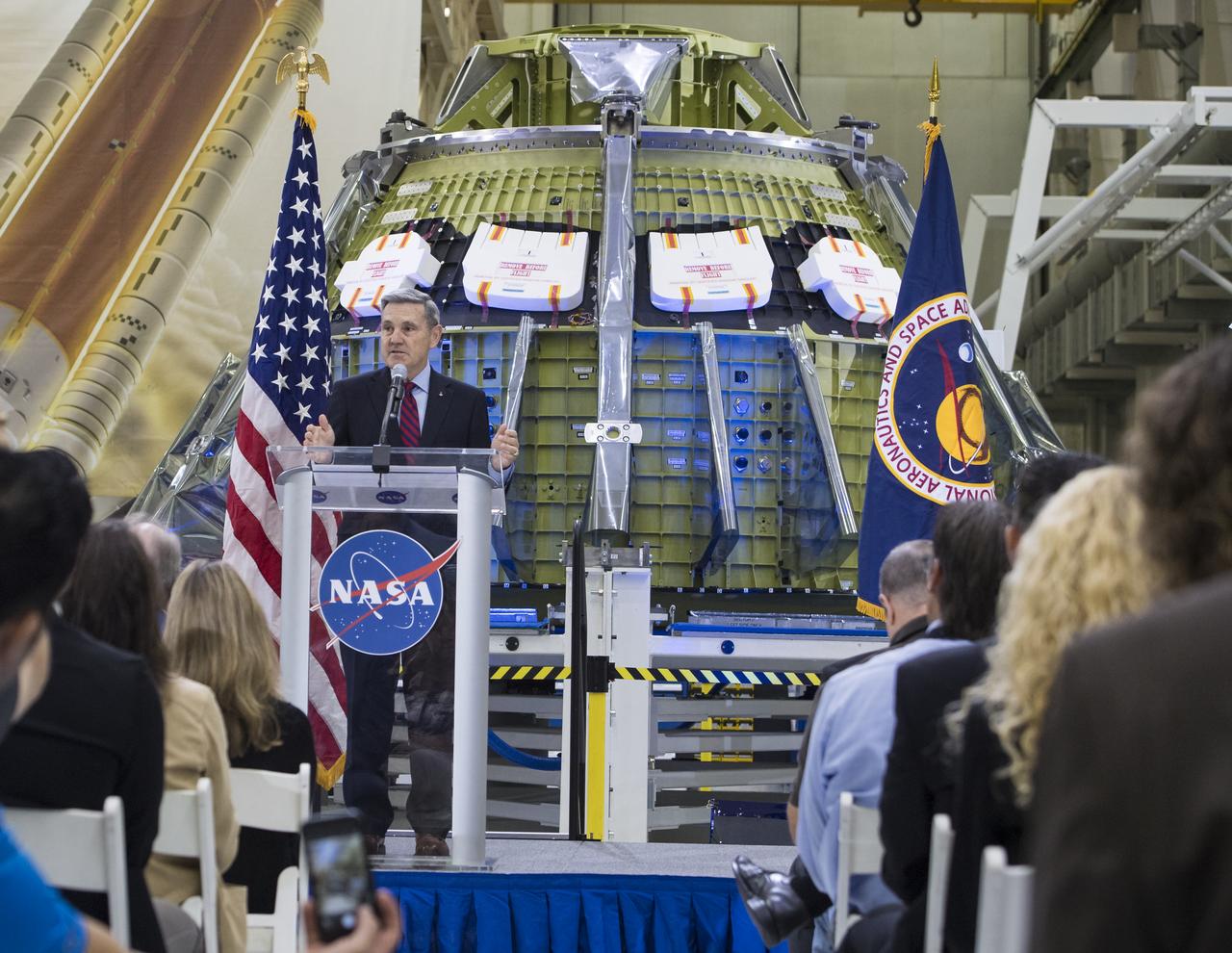
Kennedy Space Center Director Bob Cabana makes opening remarks during an event to discuss NASA’s progress toward sending astronauts to the Moon and on to Mars, Monday, March 11, 2019, at the Neil Armstrong Operations and Checkout Building at NASA's Kennedy Space Center in Florida. Representatives from the Kennedy workforce, news media and social media were in attendance. NASA's Orion spacecraft, which is scheduled to be flown on Exploration Mission-2, was on display. For information on NASA's Moon to Mars plans, visit: www.nasa.gov/moontomars Photo credit: (NASA/Aubrey Gemignani)
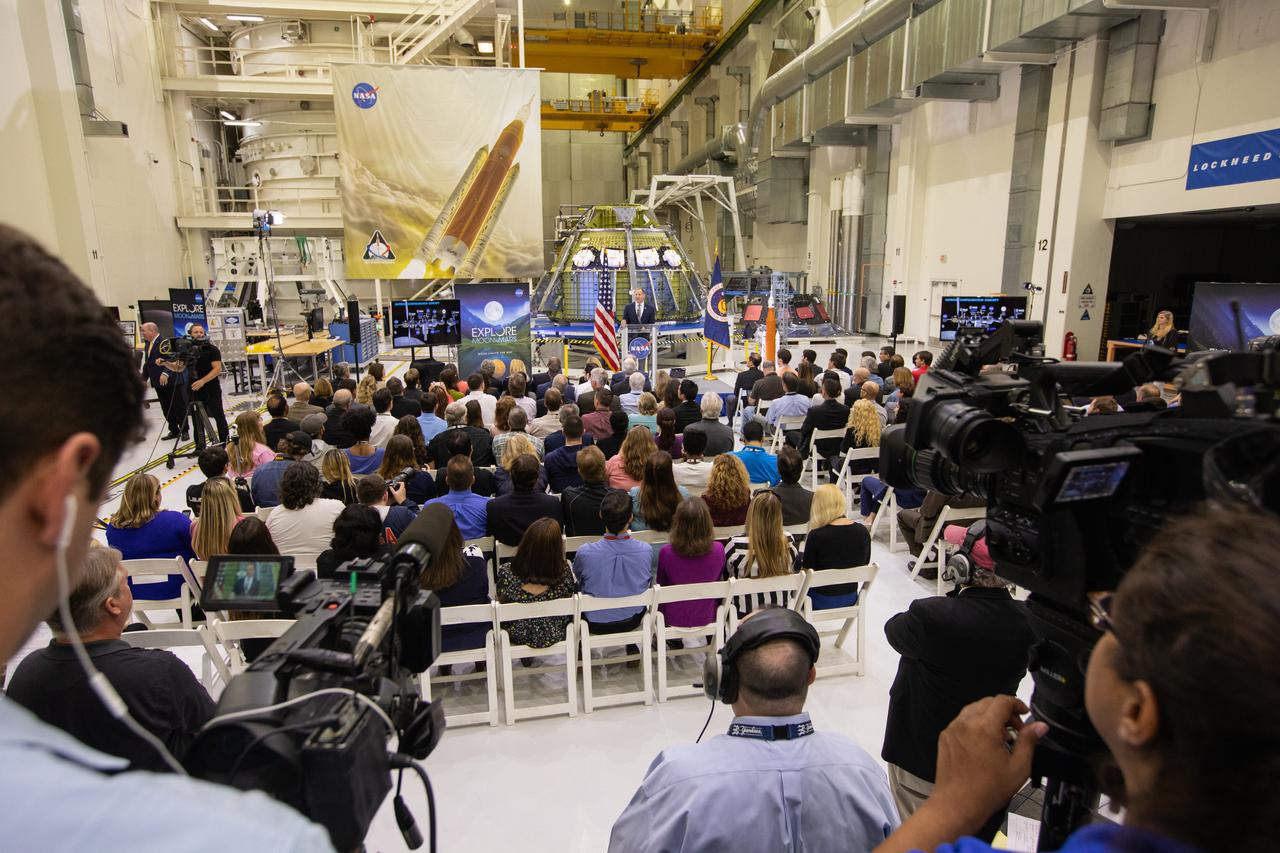
NASA Administrator Jim Bridenstine, at the podium up front, speaks to NASA workers across the nation and members of the news media, during a Moon to Mars event in the Neil Armstrong Operations and Checkout Building high bay on March 11, 2019. Behind him is the Orion crew module for Exploration Mission-2. The event followed the delivery of President Trump’s fiscal year 2020 budget proposal to U.S. Congress, which includes funding for the agency’s Moon to Mars initiative and Gateway lunar outpost. Bridenstine presented a closer look at America’s work to return astronauts to the Moon in a sustainable way and continue exploration to Mars.
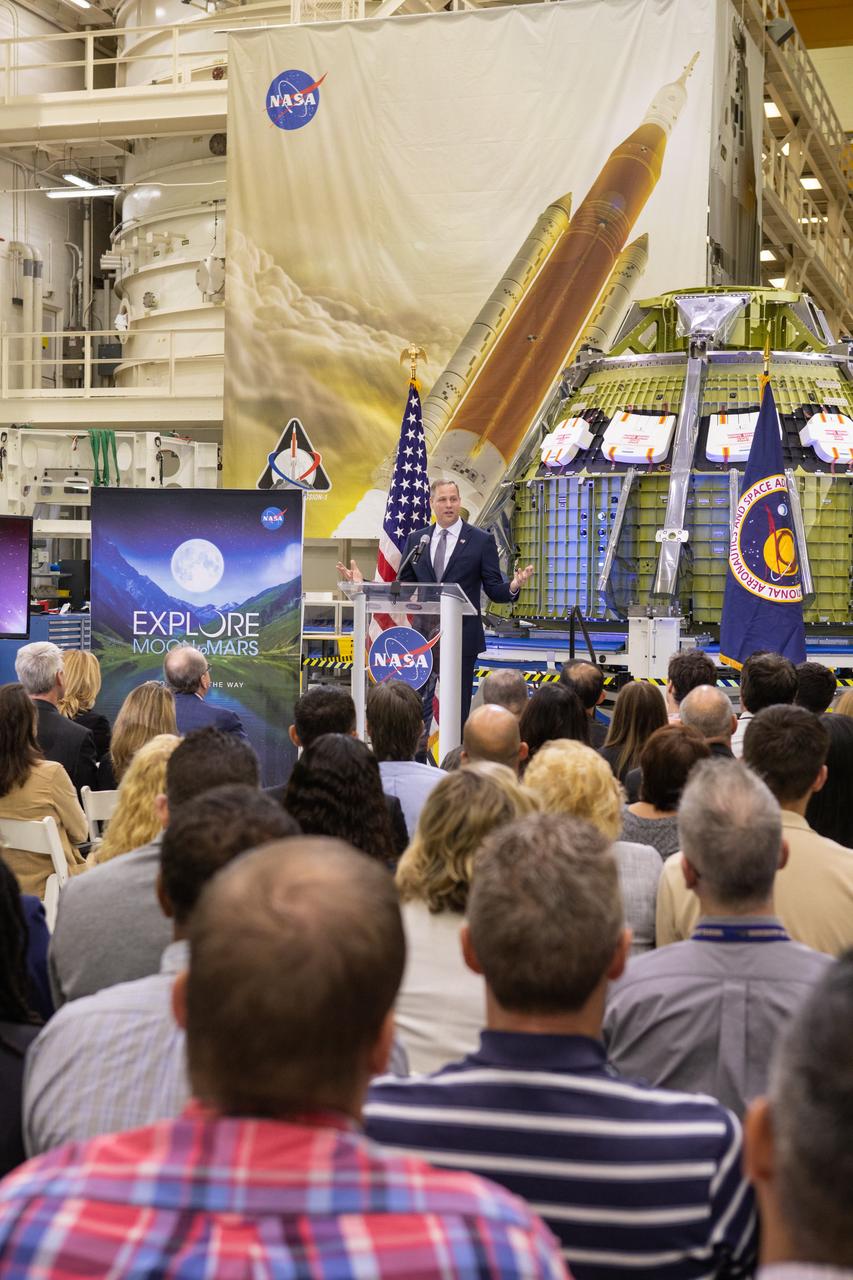
NASA Administrator Jim Bridenstine speaks toNASA workers across the nation and members of the news media, during a Moon to Mars event in the Neil Armstrong Operations and Checkout Building high bay on March 11, 2019. Behind him is the Orion crew module for Exploration Mission-2. The event followed the delivery of President Trump’s fiscal year 2020 budget proposal to U.S. Congress, which includes funding for the agency’s Moon to Mars initiative and Gateway lunar outpost. Bridenstine presented a closer look at America’s work to return astronauts to the Moon in a sustainable way and continue exploration to Mars.
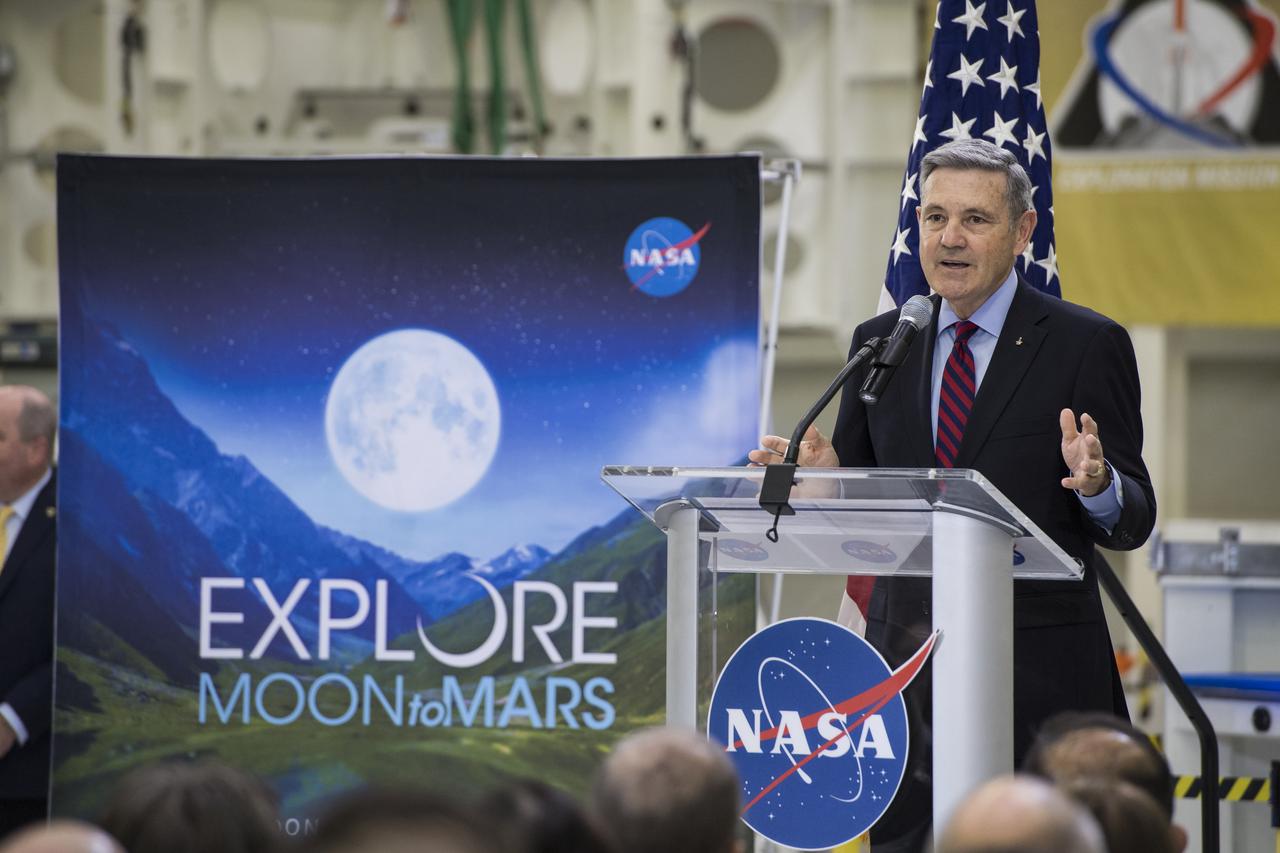
Kennedy Space Center Director Bob Cabana makes opening remarks during an event to discuss NASA’s progress toward sending astronauts to the Moon and on to Mars, Monday, March 11, 2019, at the Neil Armstrong Operations and Checkout Building at NASA's Kennedy Space Center in Florida. Representatives from the Kennedy workforce, news media and social media were in attendance. NASA's Orion spacecraft, which is scheduled to be flown on Exploration Mission-2, was on display. For information on NASA's Moon to Mars plans, visit: www.nasa.gov/moontomars Photo credit: (NASA/Aubrey Gemignani)
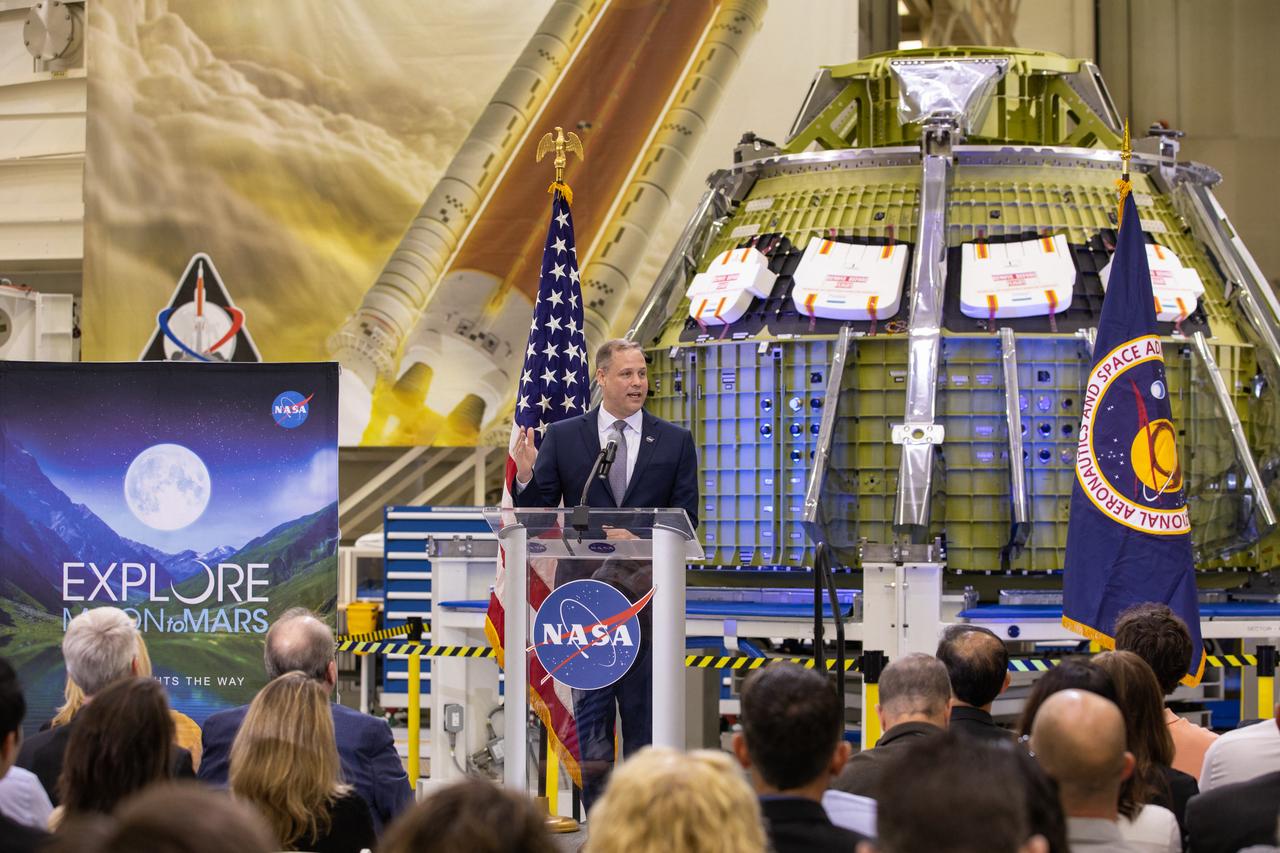
NASA Administrator Jim Bridenstine speaks to NASA workers across the nation and members of the news media, during a Moon to Mars event in the Neil Armstrong Operations and Checkout Building high bay on March 11, 2019. Behind him is the Orion crew module for Exploration Mission-2. The event followed the delivery of President Trump’s fiscal year 2020 budget proposal to U.S. Congress, which includes funding for the agency’s Moon to Mars initiative and Gateway lunar outpost. Bridenstine presented a closer look at America’s work to return astronauts to the Moon in a sustainable way and continue exploration to Mars.
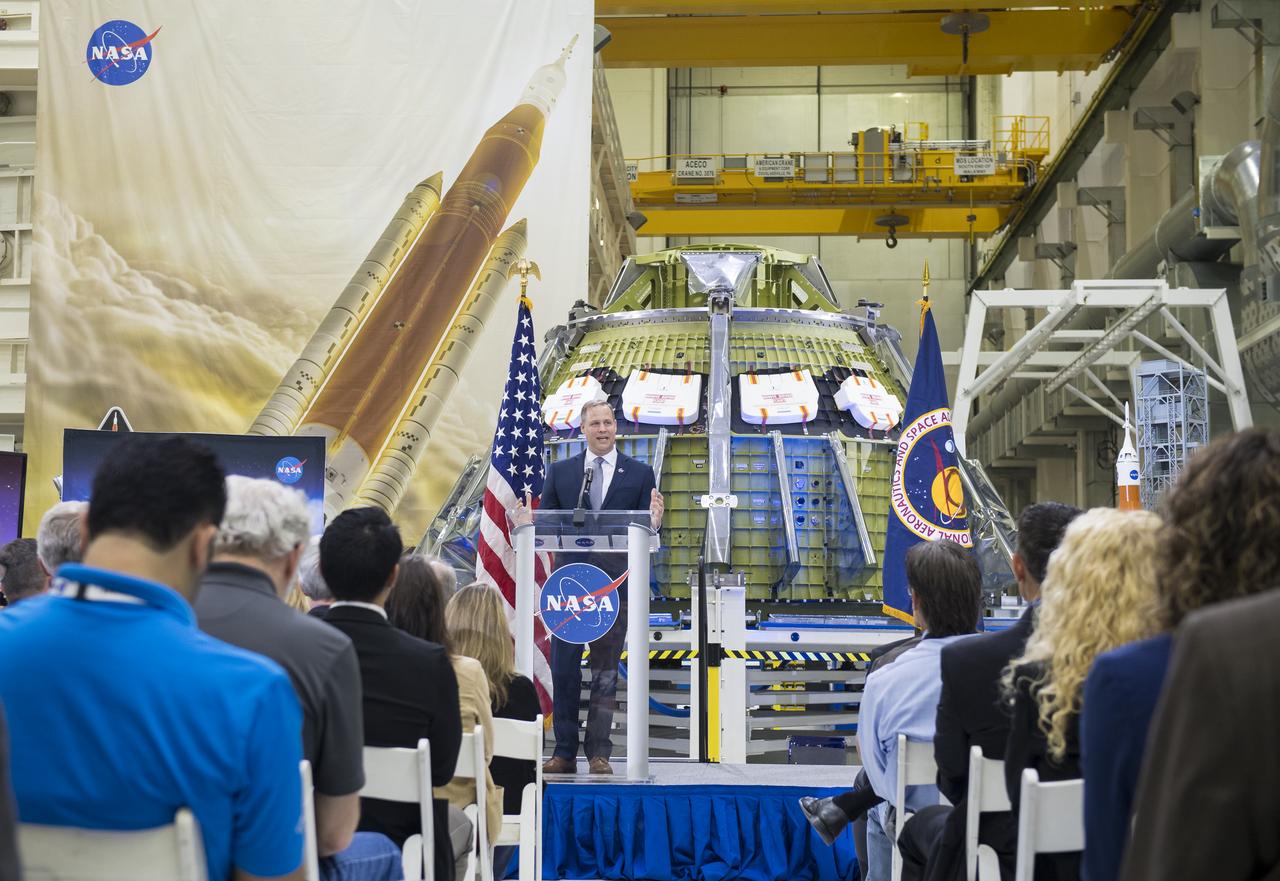
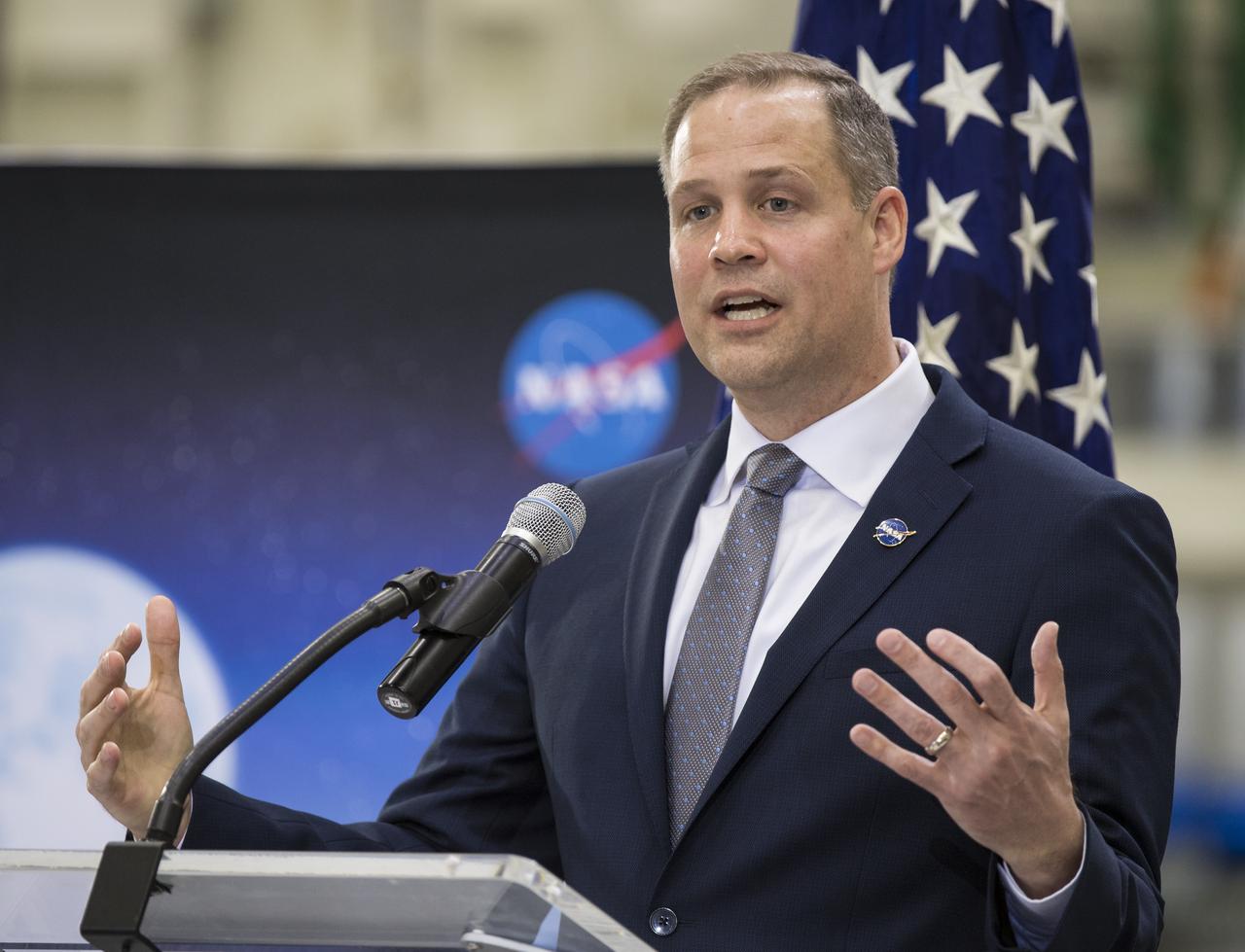
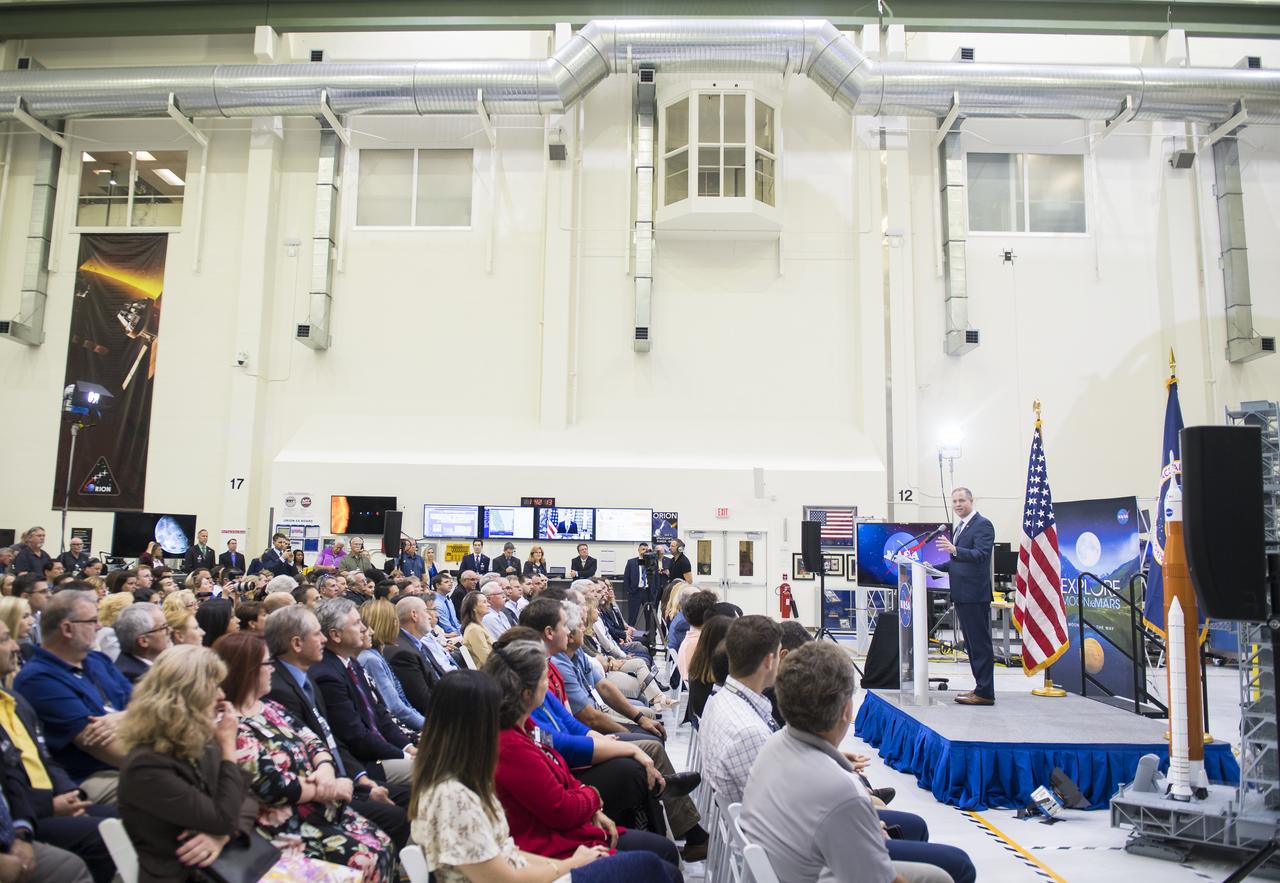
NASA Administrator Jim Bridenstine talks to employees about the agency’s progress toward sending astronauts to the Moon and on to Mars during a televised event, Monday, March 11, 2019, at the Neil Armstrong Operations and Checkout Building at NASA's Kennedy Space Center in Florida. Representatives from the Kennedy workforce, news media, and social media were in attendance. NASA's Orion spacecraft, which is scheduled to be flown on Exploration Mission-2, was on display. For information on NASA's Moon to Mars plans, visit: www.nasa.gov/moontomars Photo credit: (NASA/Aubrey Gemignani)
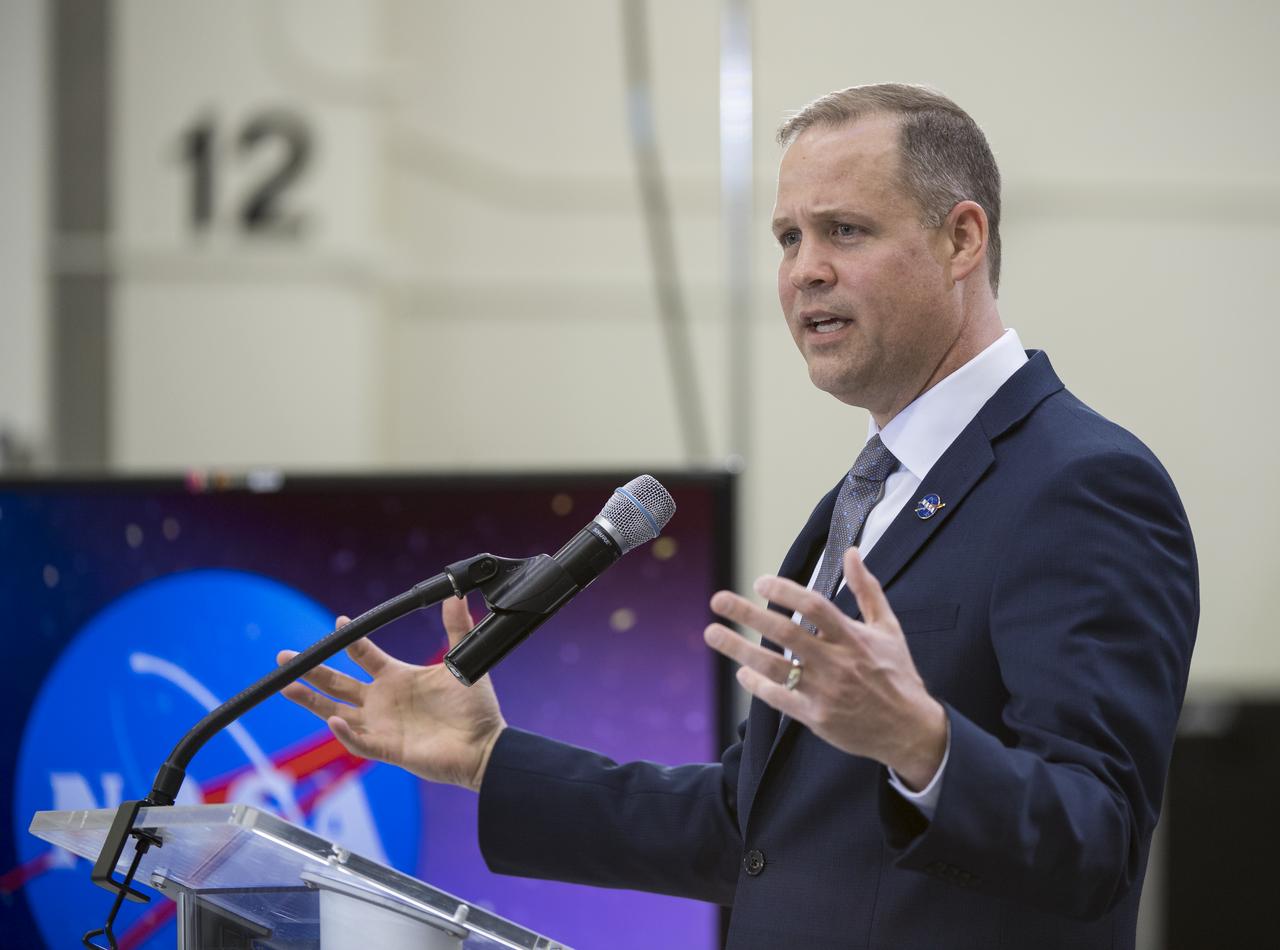
NASA Administrator Jim Bridenstine talks to employees about the agency’s progress toward sending astronauts to the Moon and on to Mars during a televised event, Monday, March 11, 2019, at the Neil Armstrong Operations and Checkout Building at NASA's Kennedy Space Center in Florida. Representatives from the Kennedy workforce, news media, and social media were in attendance. NASA's Orion spacecraft, which is scheduled to be flown on Exploration Mission-2, was on display. For information on NASA's Moon to Mars plans, visit: www.nasa.gov/moontomars Photo credit: (NASA/Aubrey Gemignani)
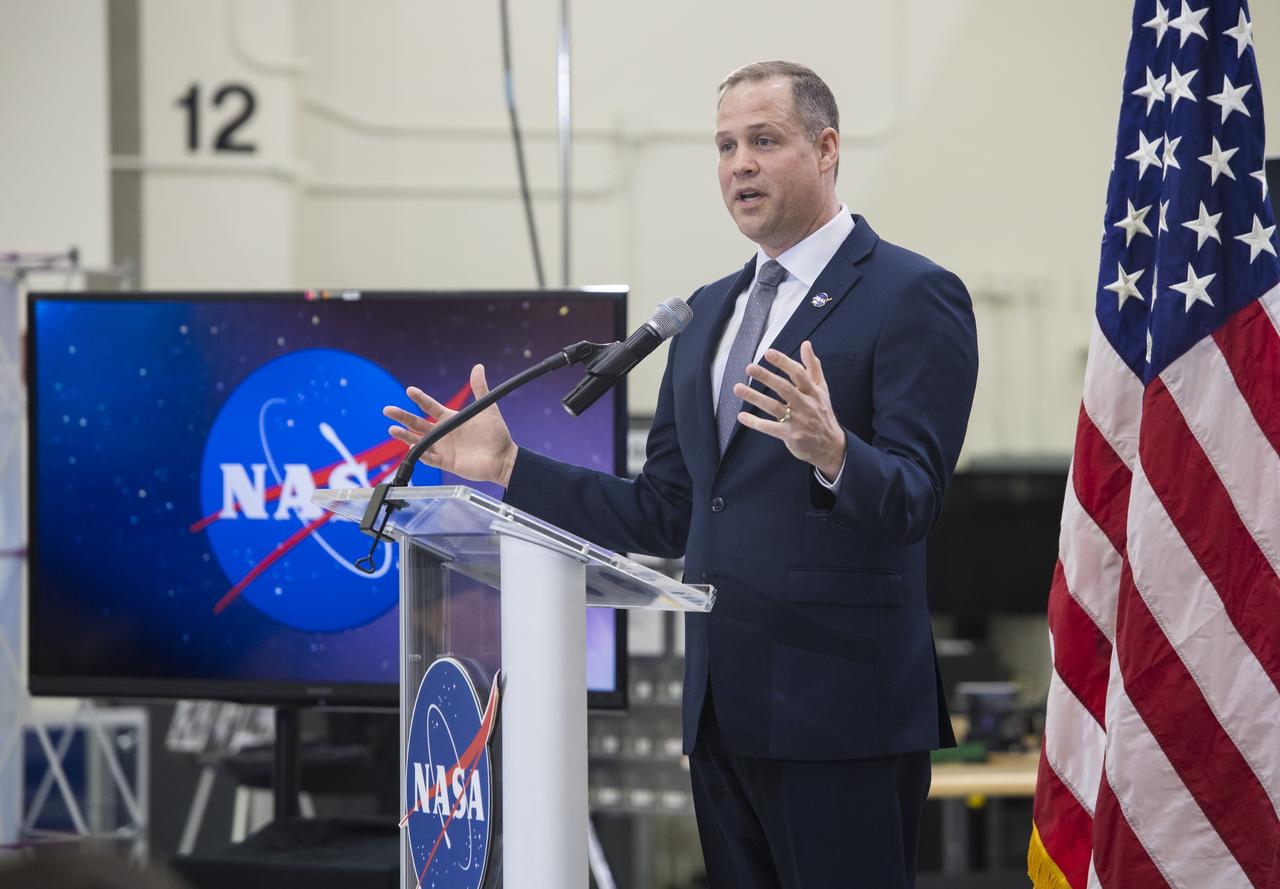
NASA Administrator Jim Bridenstine talks to employees about the agency’s progress toward sending astronauts to the Moon and on to Mars during a televised event, Monday, March 11, 2019, at the Neil Armstrong Operations and Checkout Building at NASA's Kennedy Space Center in Florida. Representatives from the Kennedy workforce, news media, and social media were in attendance. NASA's Orion spacecraft, which is scheduled to be flown on Exploration Mission-2, was on display. For information on NASA's Moon to Mars plans, visit: www.nasa.gov/moontomars Photo credit: (NASA/Aubrey Gemignani)
NASA Administrator Jim Bridenstine talks to employees about the agency’s progress toward sending astronauts to the Moon and on to Mars during a televised event, Monday, March 11, 2019, at the Neil Armstrong Operations and Checkout Building at NASA's Kennedy Space Center in Florida. Representatives from the Kennedy workforce, news media, and social media were in attendance. NASA's Orion spacecraft, which is scheduled to be flown on Exploration Mission-2, was on display. For information on NASA's Moon to Mars plans, visit: www.nasa.gov/moontomars Photo credit: (NASA/Aubrey Gemignani)
NASA Administrator Jim Bridenstine talks to employees about the agency’s progress toward sending astronauts to the Moon and on to Mars during a televised event, Monday, March 11, 2019, at the Neil Armstrong Operations and Checkout Building at NASA's Kennedy Space Center in Florida. Representatives from the Kennedy workforce, news media, and social media were in attendance. NASA's Orion spacecraft, which is scheduled to be flown on Exploration Mission-2, was on display. For information on NASA's Moon to Mars plans, visit: www.nasa.gov/moontomars Photo credit: (NASA/Aubrey Gemignani)
NASA Administrator Jim Bridenstine talks to employees about the agency’s progress toward sending astronauts to the Moon and on to Mars during a televised event, Monday, March 11, 2019, at the Neil Armstrong Operations and Checkout Building at NASA's Kennedy Space Center in Florida. Representatives from the Kennedy workforce, news media, and social media were in attendance. NASA's Orion spacecraft, which is scheduled to be flown on Exploration Mission-2, was on display. For information on NASA's Moon to Mars plans, visit: www.nasa.gov/moontomars Photo credit: (NASA/Aubrey Gemignani)
NASA Administrator Jim Bridenstine talks to Glenn Research Center facility manager, Deb Waters, and aerospace engineer, Dave Jacobson, who are inside the vacuum chamber showing one of the Hall Effect Thrusters by video, Monday, March 11, 2019, at the Neil Armstrong Operations and Checkout Building at NASA's Kennedy Space Center in Florida. Representatives from the Kennedy workforce, news media and social media were in attendance. For information on NASA's Moon to Mars plans, visit: www.nasa.gov/moontomars Photo credit: (NASA/Aubrey Gemignani)
NASA Administrator Jim Bridenstine talks to employees about the agency’s progress toward sending astronauts to the Moon and on to Mars during a televised event, Monday, March 11, 2019, at the Neil Armstrong Operations and Checkout Building at NASA's Kennedy Space Center in Florida. Representatives from the Kennedy workforce, news media, and social media were in attendance. NASA's Orion spacecraft, which is scheduled to be flown on Exploration Mission-2, was on display. For information on NASA's Moon to Mars plans, visit: www.nasa.gov/moontomars Photo credit: (NASA/Aubrey Gemignani)
NASA Administrator Jim Bridenstine talks to employees about the agency’s progress toward sending astronauts to the Moon and on to Mars during a televised event, Monday, March 11, 2019, at the Neil Armstrong Operations and Checkout Building at NASA's Kennedy Space Center in Florida. Representatives from the Kennedy workforce, news media, and social media were in attendance. NASA's Orion spacecraft, which is scheduled to be flown on Exploration Mission-2, was on display. For information on NASA's Moon to Mars plans, visit: www.nasa.gov/moontomars Photo credit: (NASA/Aubrey Gemignani)
NASA Administrator Jim Bridenstine talks to employees about the agency’s progress toward sending astronauts to the Moon and on to Mars during a televised event, Monday, March 11, 2019, at the Neil Armstrong Operations and Checkout Building at NASA's Kennedy Space Center in Florida. Representatives from the Kennedy workforce, news media, and social media were in attendance. NASA's Orion spacecraft, which is scheduled to be flown on Exploration Mission-2, was on display. For information on NASA's Moon to Mars plans, visit: www.nasa.gov/moontomars Photo credit: (NASA/Aubrey Gemignani)
NASA Administrator Jim Bridenstine talks to employees about the agency’s progress toward sending astronauts to the Moon and on to Mars during a televised event, Monday, March 11, 2019, at the Neil Armstrong Operations and Checkout Building at NASA's Kennedy Space Center in Florida. Representatives from the Kennedy workforce, news media, and social media were in attendance. NASA's Orion spacecraft, which is scheduled to be flown on Exploration Mission-2, was on display. For information on NASA's Moon to Mars plans, visit: www.nasa.gov/moontomars Photo credit: (NASA/Aubrey Gemignani)
NASA Administrator Jim Bridenstine talks to employees about the agency’s progress toward sending astronauts to the Moon and on to Mars during a televised event, Monday, March 11, 2019, at the Neil Armstrong Operations and Checkout Building at NASA's Kennedy Space Center in Florida. Representatives from the Kennedy workforce, news media, and social media were in attendance. NASA's Orion spacecraft, which is scheduled to be flown on Exploration Mission-2, was on display. For information on NASA's Moon to Mars plans, visit: www.nasa.gov/moontomars Photo credit: (NASA/Aubrey Gemignani)
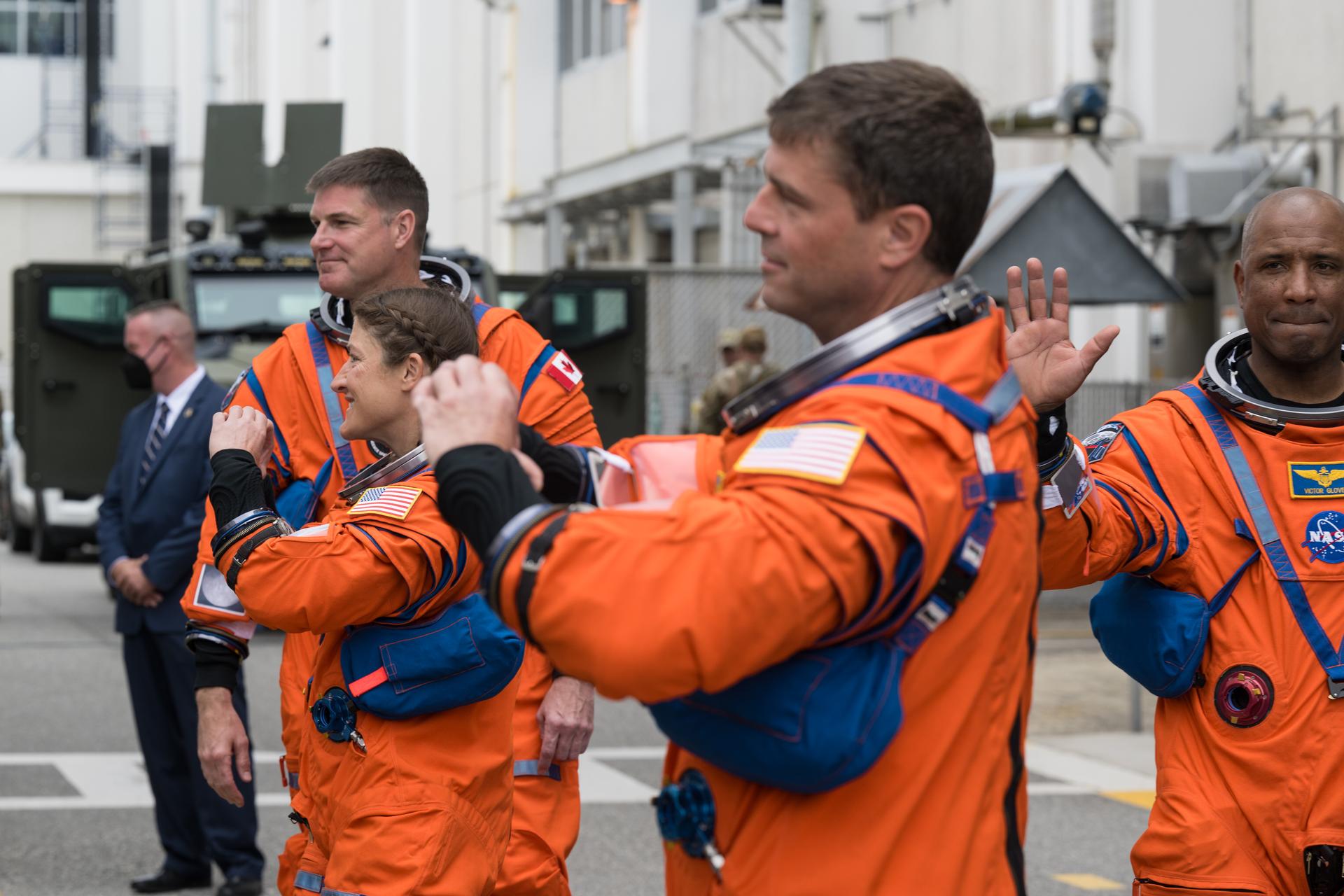
NASA astronauts Reid Wiseman, commander; Victor Glover, pilot; Christina Koch, mission specialist; and CSA (Canadian Space Agency) astronaut Jeremy Hansen, mission specialist are seen as they depart the Neil A. Armstrong Operations and Checkout Building to board their Orion spacecraft atop NASA’s Space Launch System (SLS) rocket at Launch Complex 39B, Wednesday, April 1, 2026, at NASA’s Kennedy Space Center in Florida. NASA’s Artemis II mission will take Wiseman, Glover, Koch, and Hansen on a 10-day journey around the Moon and back aboard their Orion spacecraft from Launch Complex 39B, with a two hour launch window opening at 6:24pm. Photo Credit: (NASA/Aubrey Gemignani)
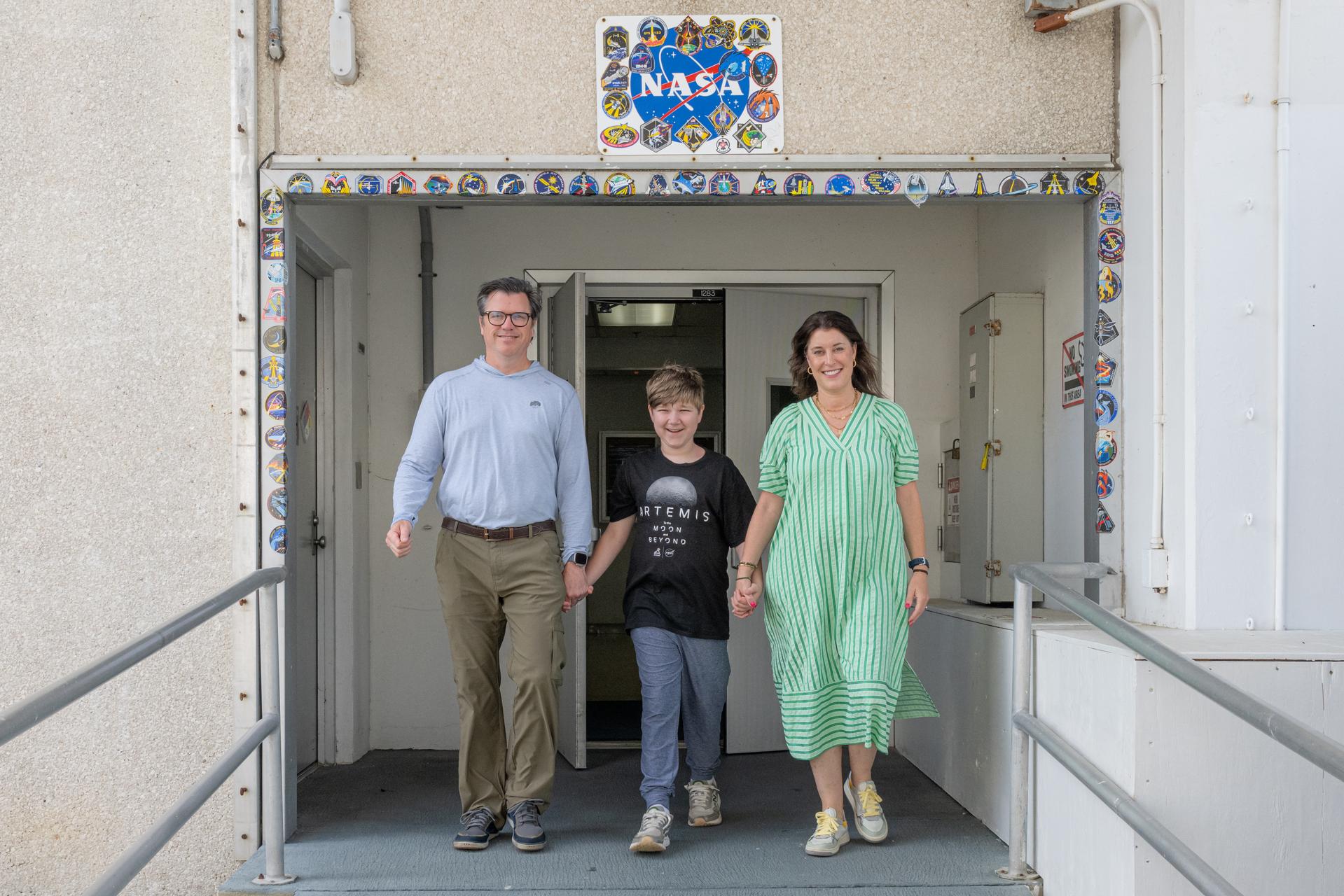
Eleven-year-old Hilt Boling, center, and parents Kent Boling, left, and Rachel Boling, right, depart the Neil A. Armstrong Operations and Checkout Building, Friday, Apr. 3, 2026, at NASA’s Kennedy Space Center in Florida. When asked during an April 1 television appearance why he loved space and being at the Artemis II launch, Boling exclaimed: “We’re going back to the freaking Moon, that’s why!” His comments received widespread social media attention in the following days. Photo Credit: (NASA/John Kraus)
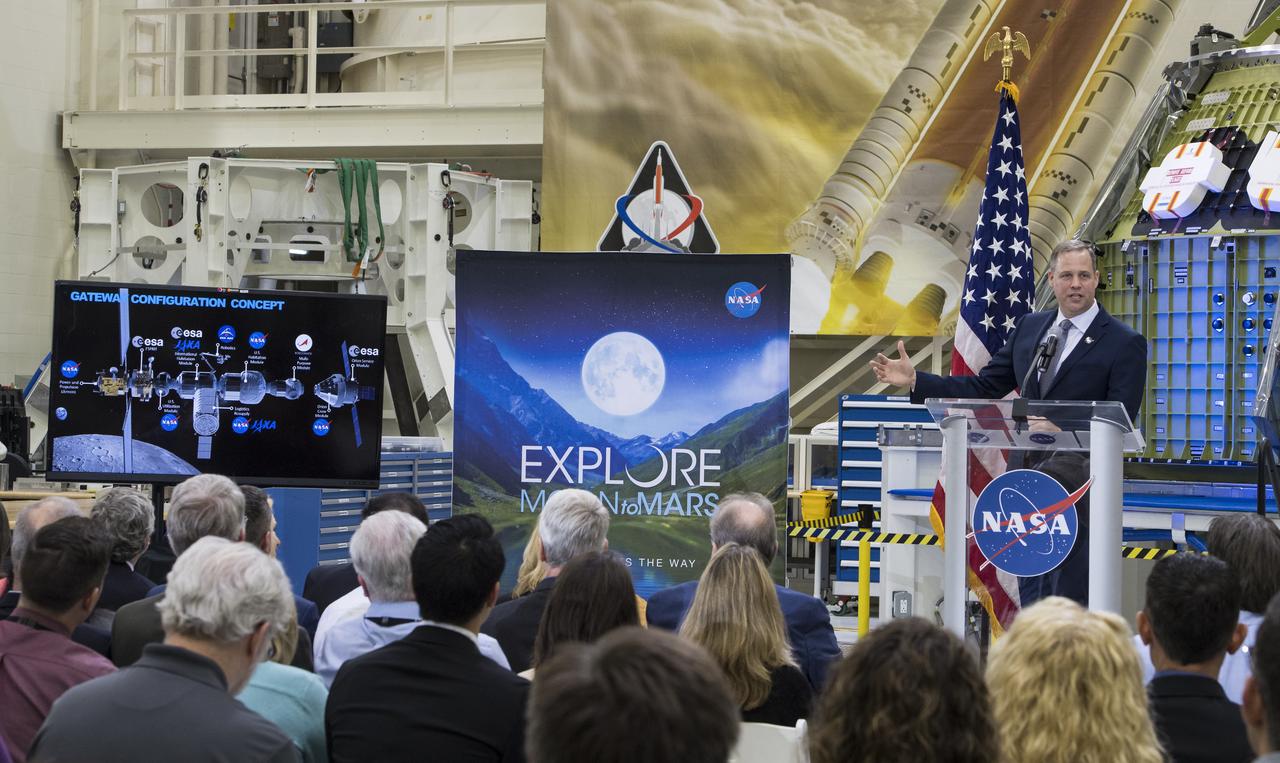
NASA Administrator Jim Bridenstine talks about the Gateway that will be in lunar orbit during an event highlighting the agency’s progress toward sending astronauts to the Moon and on to Mars, Monday, March 11, 2019, at the Neil Armstrong Operations and Checkout Building at NASA's Kennedy Space Center in Florida. Representatives from the Kennedy workforce, news media, and social media were in attendance. NASA's Orion spacecraft, which is scheduled to be flown on Exploration Mission-2, was on display. For information on NASA's Moon to Mars plans, visit: www.nasa.gov/moontomars Photo credit: (NASA/Aubrey Gemignani)
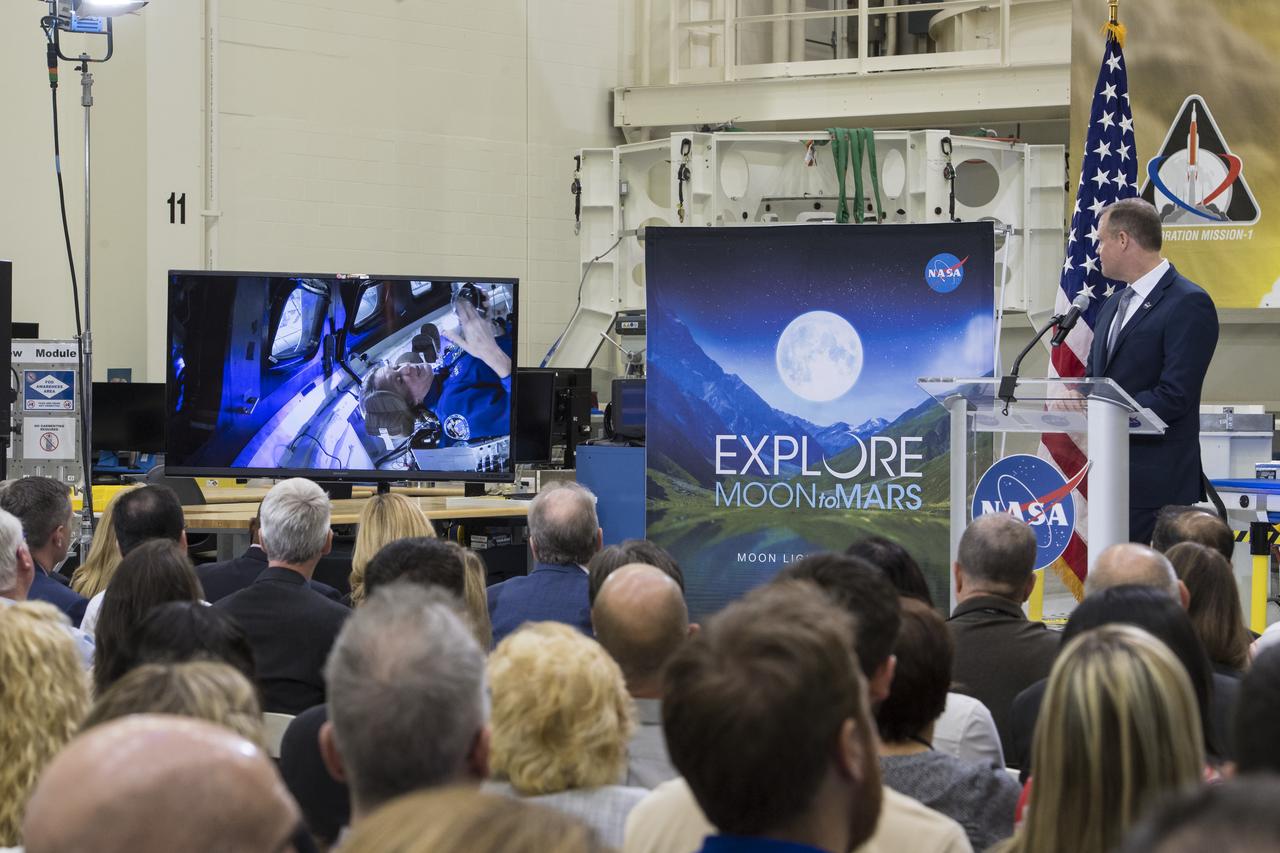
NASA Administrator Jim Bridenstine talks to astronaut Karen Nyberg who provides a tour by video, of the mockup Orion crew capsule at Johnson Space Center, during an event to discuss NASA’s progress toward sending astronauts to the Moon and on to Mars, Monday, March 11, 2019, at the Neil Armstrong Operations and Checkout Building at NASA's Kennedy Space Center in Florida. Representatives from the Kennedy workforce, news media and social media were in attendance. For information on NASA's Moon to Mars plans, visit: www.nasa.gov/moontomars Photo credit: (NASA/Aubrey Gemignani)
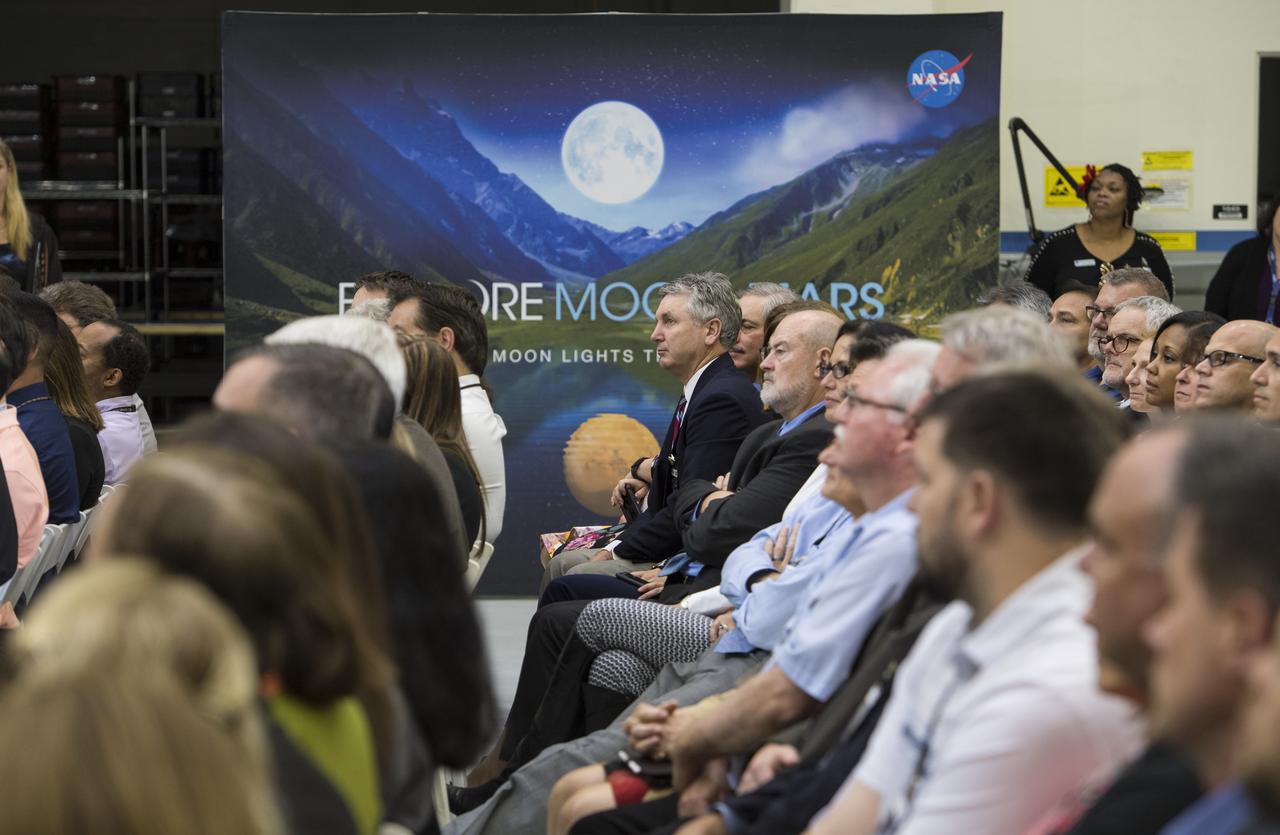
The audience listens as NASA Administrator Jim Bridenstine talks about the agency’s progress toward sending astronauts to the Moon and on to Mars during a televised event, Monday, March 11, 2019, at the Neil Armstrong Operations and Checkout Building at NASA's Kennedy Space Center in Florida. Representatives from the Kennedy workforce, news media, and social media were in attendance. NASA's Orion spacecraft, which is scheduled to be flown on Exploration Mission-2, was on display. For information on NASA's Moon to Mars plans, visit: www.nasa.gov/moontomars Photo credit: (NASA/Aubrey Gemignani)
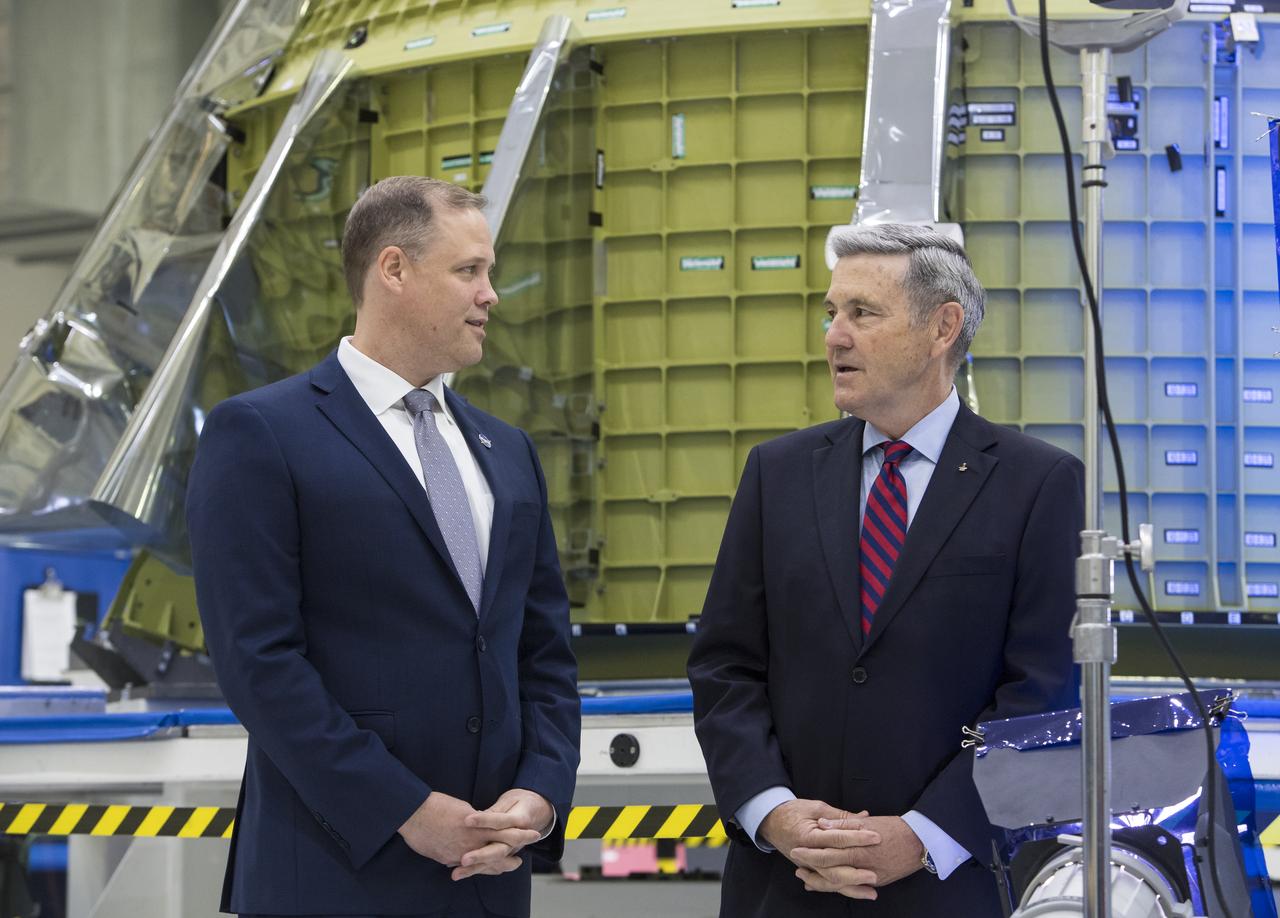
NASA Administrator Jim Bridenstine, left, talks to Kennedy Space Center Director Bob Cabana just before an event highlighting the agency’s progress toward sending astronauts to the Moon and on to Mars, Monday, March 11, 2019, at the Neil Armstrong Operations and Checkout Building at NASA's Kennedy Space Center in Florida. Representatives from the Kennedy workforce, news media, and social media were in attendance. NASA's Orion spacecraft, which is scheduled to be flown on Exploration Mission-2, was on display. For information on NASA's Moon to Mars plans, visit: www.nasa.gov/moontomars Photo credit: (NASA/Aubrey Gemignani)
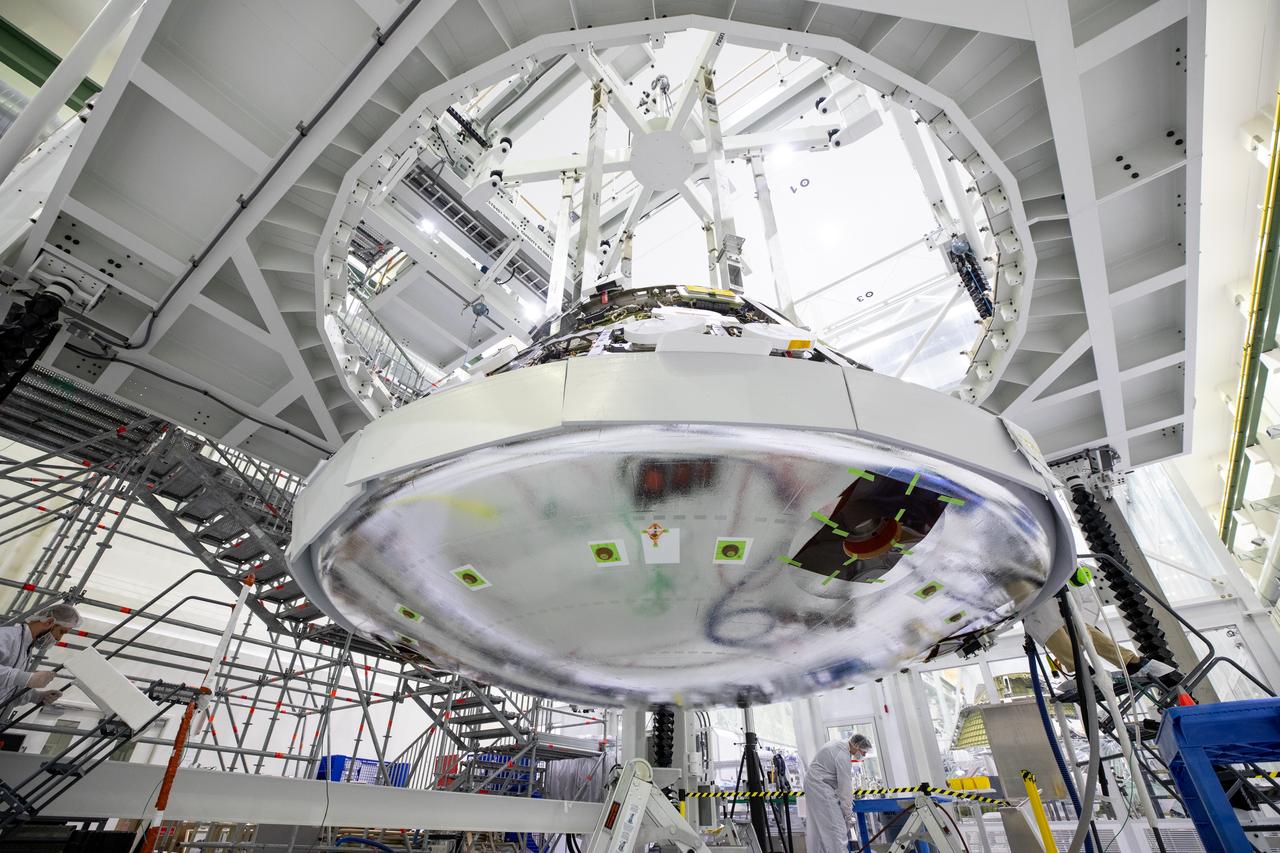
Teams install the heat shield on the Artemis II Orion spacecraft inside the high bay of the Neil Armstrong Operations and Checkout Building at NASA’s Kennedy Space Center in Florida on June 22, 2023. The 16.5-foot-wide shield will ensure the safe return of the astronauts on board as the spacecraft travels at speeds of about 25,000 miles per hour and experiences outside temperatures of nearly 5,000 degrees Fahrenheit. Artemis II will be the first mission with astronauts under Artemis that will test and check out all of Orion’s systems needed for future crewed missions.

Teams began connecting the European Service Module 3 to the crew module adapter on Tuesday, Sept. 24, 2024, inside the Neil A. Armstrong Operations and Checkout Building at NASA’s Kennedy Space Center in Florida. The integrated hardware will provide propulsion, thermal control, and electrical power for NASA’s Orion spacecraft set to carry four NASA astronauts to the lunar South Pole region of the Moon for the agency’s Artemis III campaign.
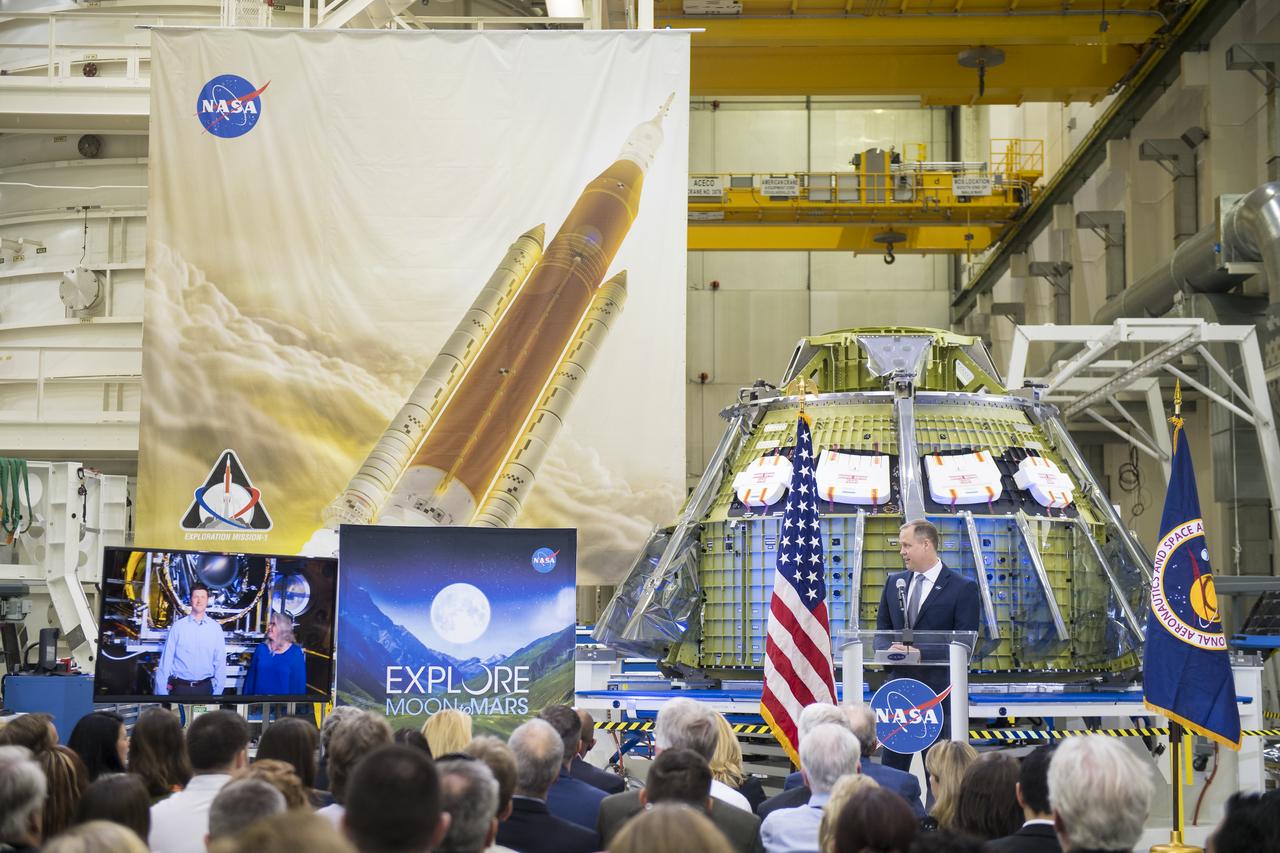
NASA Administrator Jim Bridenstine talks to Glenn Research Center aerospace engineer, Dave Jacobson, left, and facility manager, Deb Waters, who are inside the vacuum chamber showing one of the Hall Effect Thrusters by video, Monday, March 11, 2019, at the Neil Armstrong Operations and Checkout Building at NASA's Kennedy Space Center in Florida. Representatives from the Kennedy workforce, news media and social media were in attendance. For information on NASA's Moon to Mars plans, visit: www.nasa.gov/moontomars Photo credit: (NASA/Aubrey Gemignani)
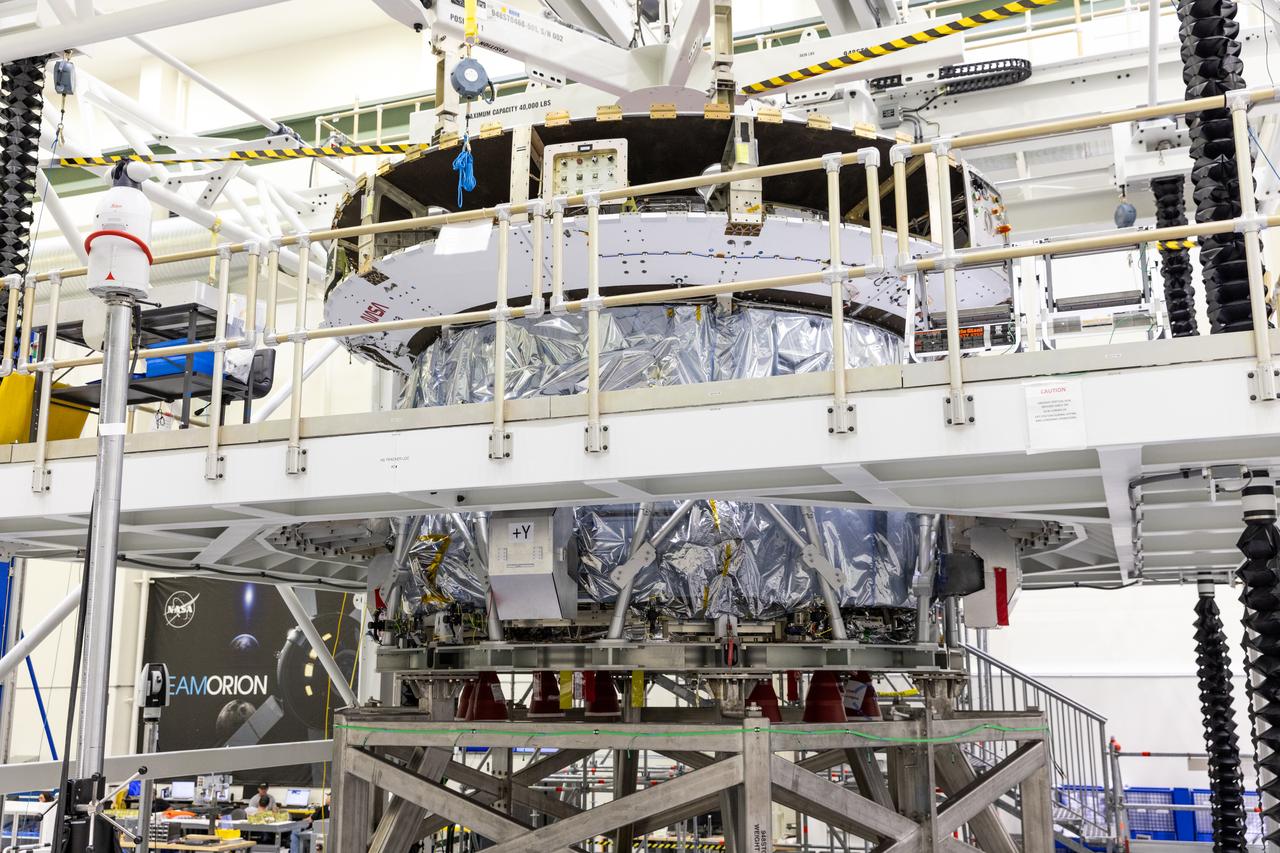
Teams began connecting the European Service Module 3 to the crew module adapter on Tuesday, Sept. 24, 2024, inside the Neil A. Armstrong Operations and Checkout Building at NASA’s Kennedy Space Center in Florida. The integrated hardware will provide propulsion, thermal control, and electrical power for NASA’s Orion spacecraft set to carry four NASA astronauts to the lunar South Pole region of the Moon for the agency’s Artemis III campaign.
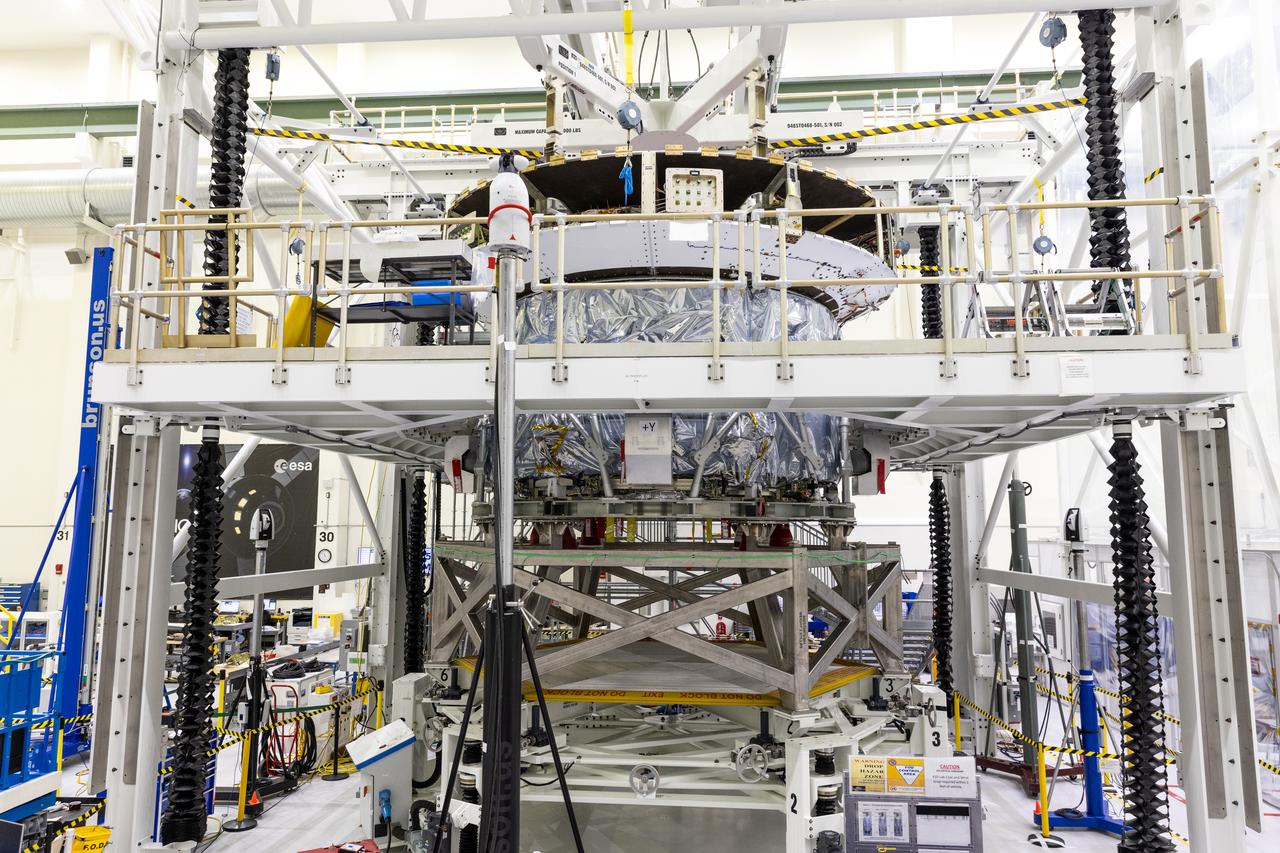
Teams began connecting European Service Module 3 to the crew module adapter on Tuesday, Sept. 24, 2024, inside the Neil A. Armstrong Operations and Checkout Building at NASA’s Kennedy Space Center in Florida. The integrated hardware will provide propulsion, thermal control, and electrical power for NASA’s Orion spacecraft set to carry four NASA astronauts to the lunar South Pole region of the Moon for the agency’s Artemis III campaign.
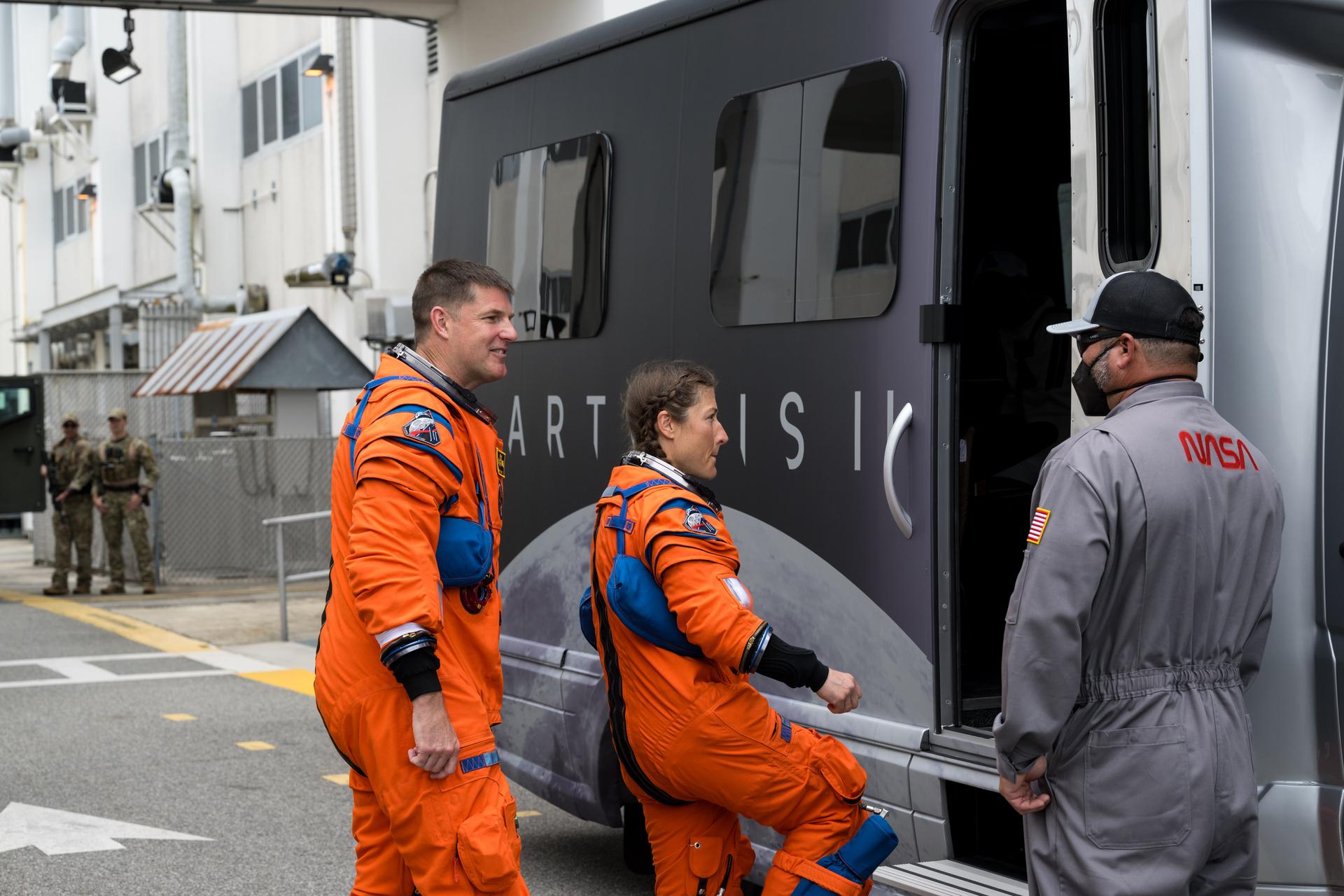
NASA astronauts Reid Wiseman, commander, (not pictured); Victor Glover, pilot (not pictured); Christina Koch, mission specialist; and CSA (Canadian Space Agency) astronaut Jeremy Hansen, mission specialist are seen as they depart the Neil A. Armstrong Operations and Checkout Building to board their Orion spacecraft atop NASA’s Space Launch System (SLS) rocket at Launch Complex 39B, Wednesday, April 1, 2026, at NASA’s Kennedy Space Center in Florida. NASA’s Artemis II mission will take Wiseman, Glover, Koch, and Hansen on a 10-day journey around the Moon and back aboard their Orion spacecraft from Launch Complex 39B, with a two hour launch window opening at 6:24pm. Photo Credit: (NASA/Aubrey Gemignani)
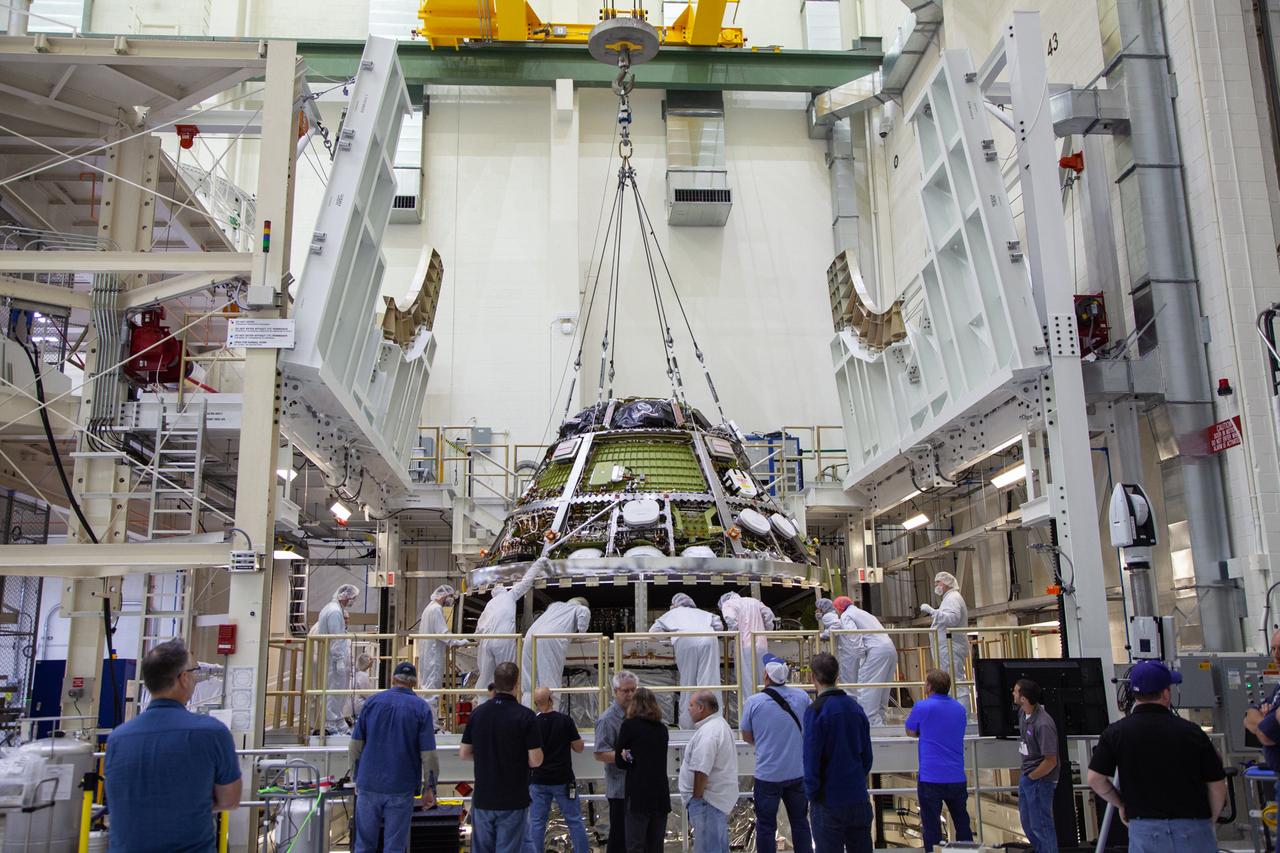
The Orion crew module for Artemis 1 is lowered by crane atop its service module on July 16, 2019, in the high bay inside the Neil Armstrong Operations and Checkout Building high bay at NASA’s Kennedy Space Center in Florida. Technicians begin the work to secure the crew module onto the service module in the final assembly and test cell. The Orion spacecraft is being prepared for its uncrewed test flight atop NASA’s Space Launch System (SLS) rocket. Artemis 1 is the first test flight of the SLS and Orion spacecraft as an integrated system. Orion will travel thousands of miles beyond the Moon during a mission that will test its systems in space and during re-entry. The spacecraft will return to Earth and splashdown in the Pacific Ocean where it will be retrieved and transported back to Kennedy.
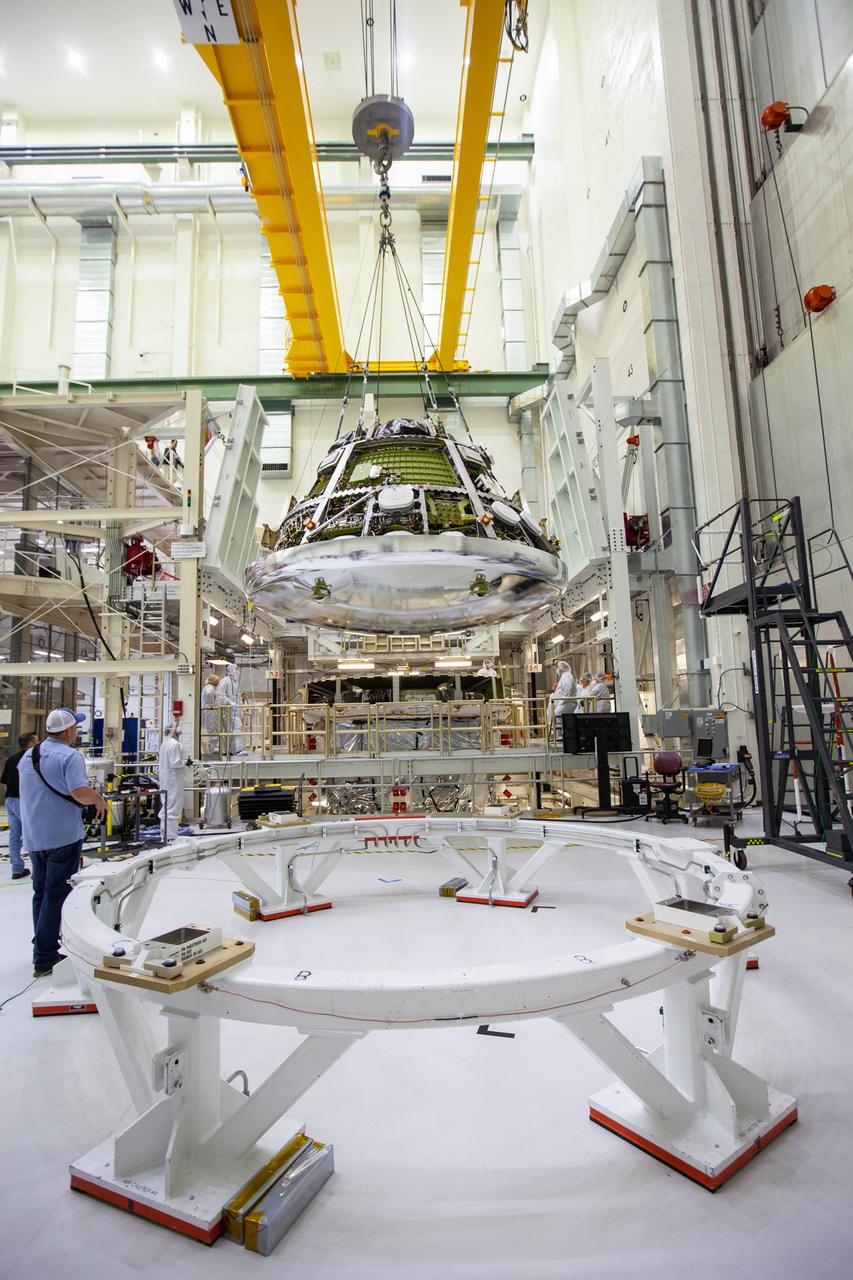
The Orion crew module for Artemis 1 is lifted by crane on July 16, 2019, in the high bay inside the Neil Armstrong Operations and Checkout Building high bay at NASA’s Kennedy Space Center in Florida. The crew module is being moved to the final assembly and test cell and work will begin to secure it atop the service module. The Orion spacecraft is being prepared for its uncrewed test flight atop NASA’s Space Launch System (SLS) rocket. Artemis 1 is the first test flight of the SLS and Orion spacecraft as an integrated system. Orion will travel thousands of miles beyond the Moon during a mission that will test its systems in space. The spacecraft will return to Earth and splashdown in the Pacific Ocean where it will be retrieved and transported back to Kennedy.
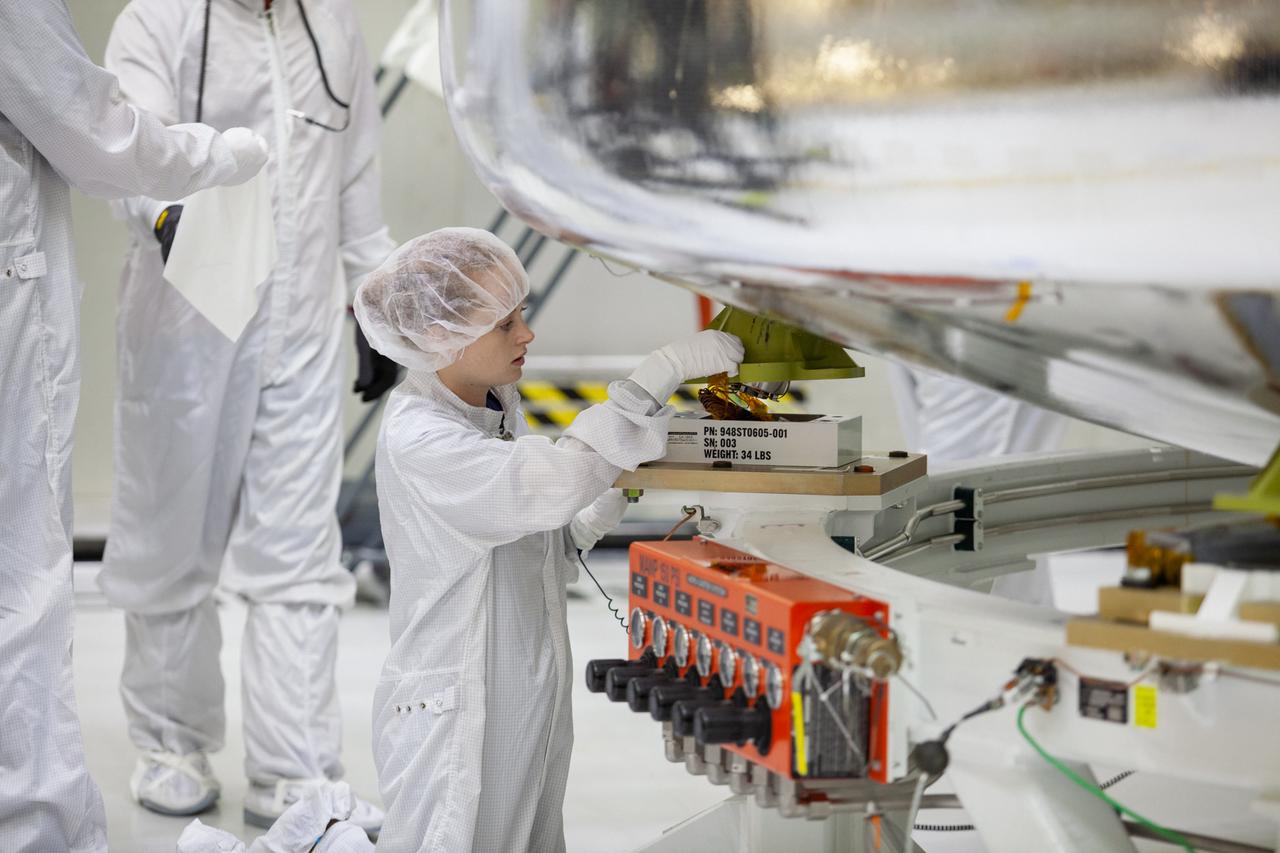
A Lockheed Martin employee works to secure the Orion crew module for the Artemis 1 mission onto a stand inside the Neil Armstrong Operations and Checkout Building high bay at NASA’s Kennedy Space Center in Florida on July 16, 2019. Work will begin to secure the crew module atop its service module in the final assembly and test cell. The Orion spacecraft is being prepared for its uncrewed test flight atop NASA’s Space Launch System (SLS) rocket. Artemis 1 is the first test flight of the SLS and Orion spacecraft as an integrated system. Orion will travel thousands of miles beyond the Moon during a mission that will test its systems in space and during re-entry. The spacecraft will return to Earth and splashdown in the Pacific Ocean where it will be retrieved and transported back to Kennedy.
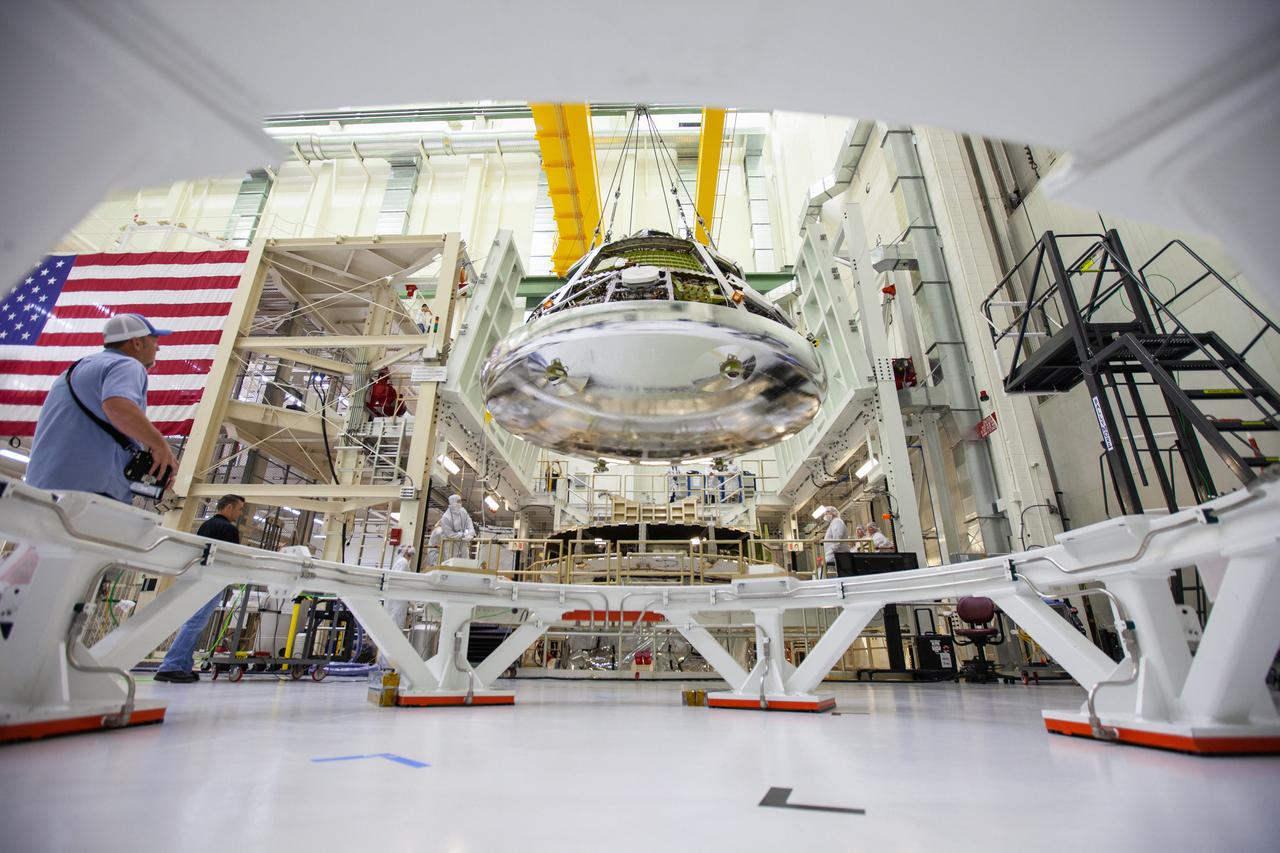
The Orion crew module for Artemis 1 is lifted by crane on July 16, 2019, in the high bay inside the Neil Armstrong Operations and Checkout Building high bay at NASA’s Kennedy Space Center in Florida. The crew module will be moved to the final assembly and test cell and work will begin to secure it atop the service module. The Orion spacecraft is being prepared for its uncrewed test flight atop NASA’s Space Launch System (SLS) rocket. Artemis 1 is the first test flight of the SLS and Orion spacecraft as an integrated system. Orion will travel thousands of miles beyond the Moon during a mission that will test its systems in space. The spacecraft will return to Earth and splashdown in the Pacific Ocean where it will be retrieved and transported back to Kennedy.
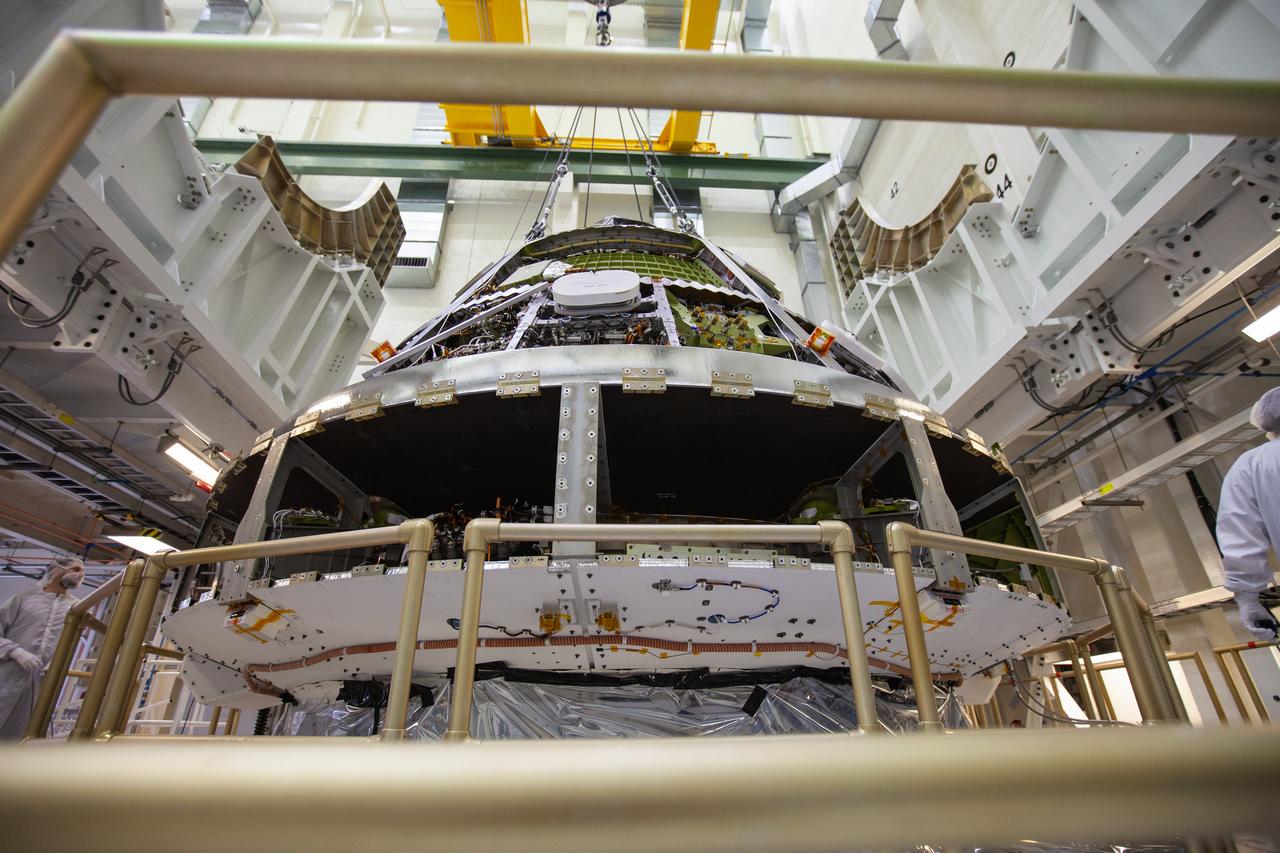
The Orion crew module for Artemis 1 is lifted by crane on July 16, 2019, in the high bay inside the Neil Armstrong Operations and Checkout Building high bay at NASA’s Kennedy Space Center in Florida. The crew module is being moved to the final assembly and test cell and work will begin to secure it atop the service module. The Orion spacecraft is being prepared for its uncrewed test flight atop NASA’s Space Launch System (SLS) rocket. Artemis 1 is the first test flight of the SLS and Orion spacecraft as an integrated system. Orion will travel thousands of miles beyond the Moon during a mission that will test its systems in space. The spacecraft will return to Earth and splashdown in the Pacific Ocean where it will be retrieved and transported back to Kennedy.
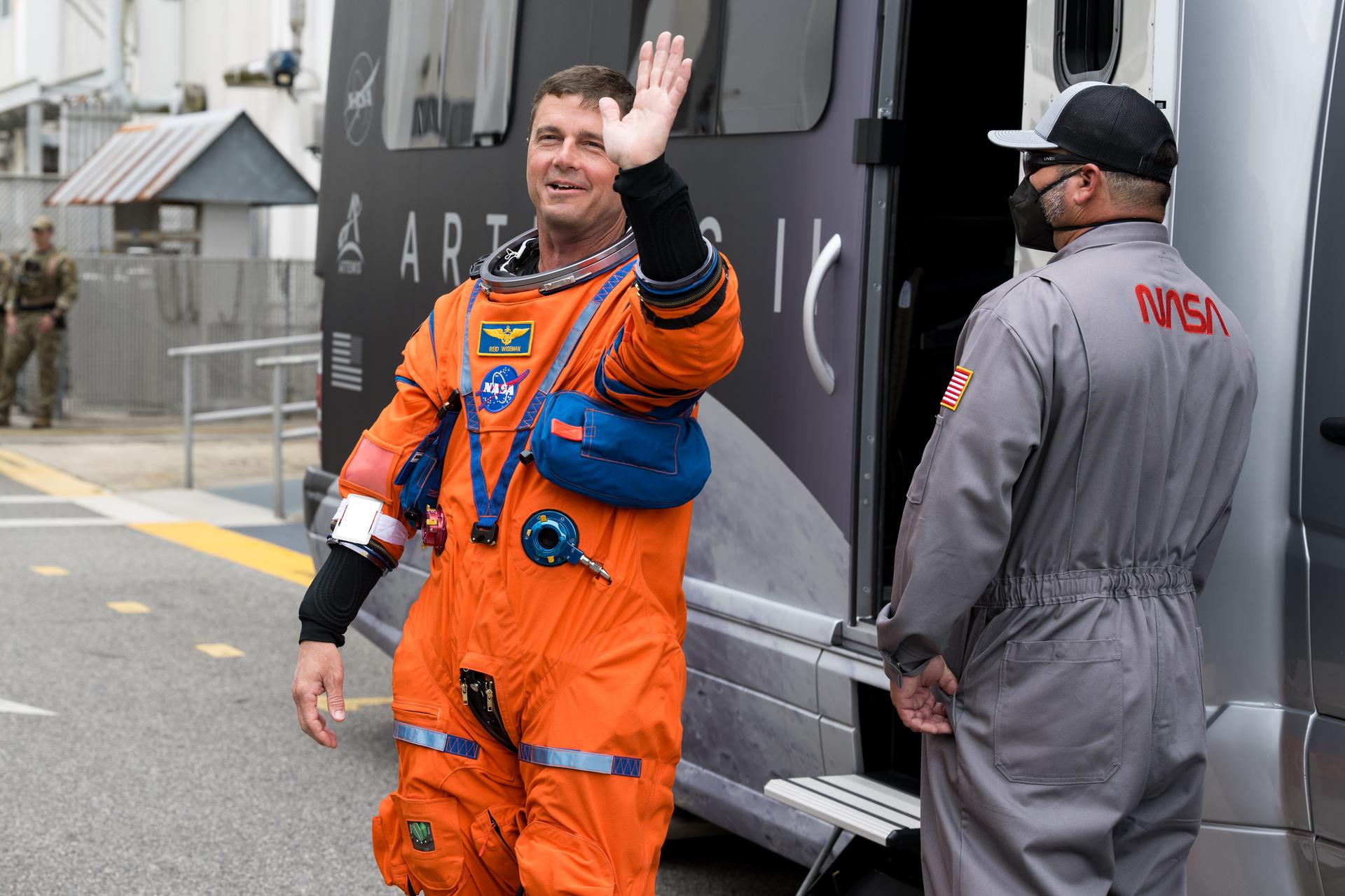
NASA astronaut Reid Wiseman, commander waves to family and friends as he and crew mates Victor Glover, pilot; Christina Koch, mission specialist; and CSA (Canadian Space Agency) astronaut Jeremy Hansen, mission specialist prepare to depart the Neil A. Armstrong Operations and Checkout Building to board their Orion spacecraft atop NASA’s Space Launch System (SLS) rocket at Launch Complex 39B, Wednesday, April 1, 2026, at NASA’s Kennedy Space Center in Florida. NASA’s Artemis II mission will take Wiseman, Glover, Koch, and Hansen on a 10-day journey around the Moon and back aboard their Orion spacecraft from Launch Complex 39B, with a two hour launch window opening at 6:24pm. Photo Credit: (NASA/Aubrey Gemignani)
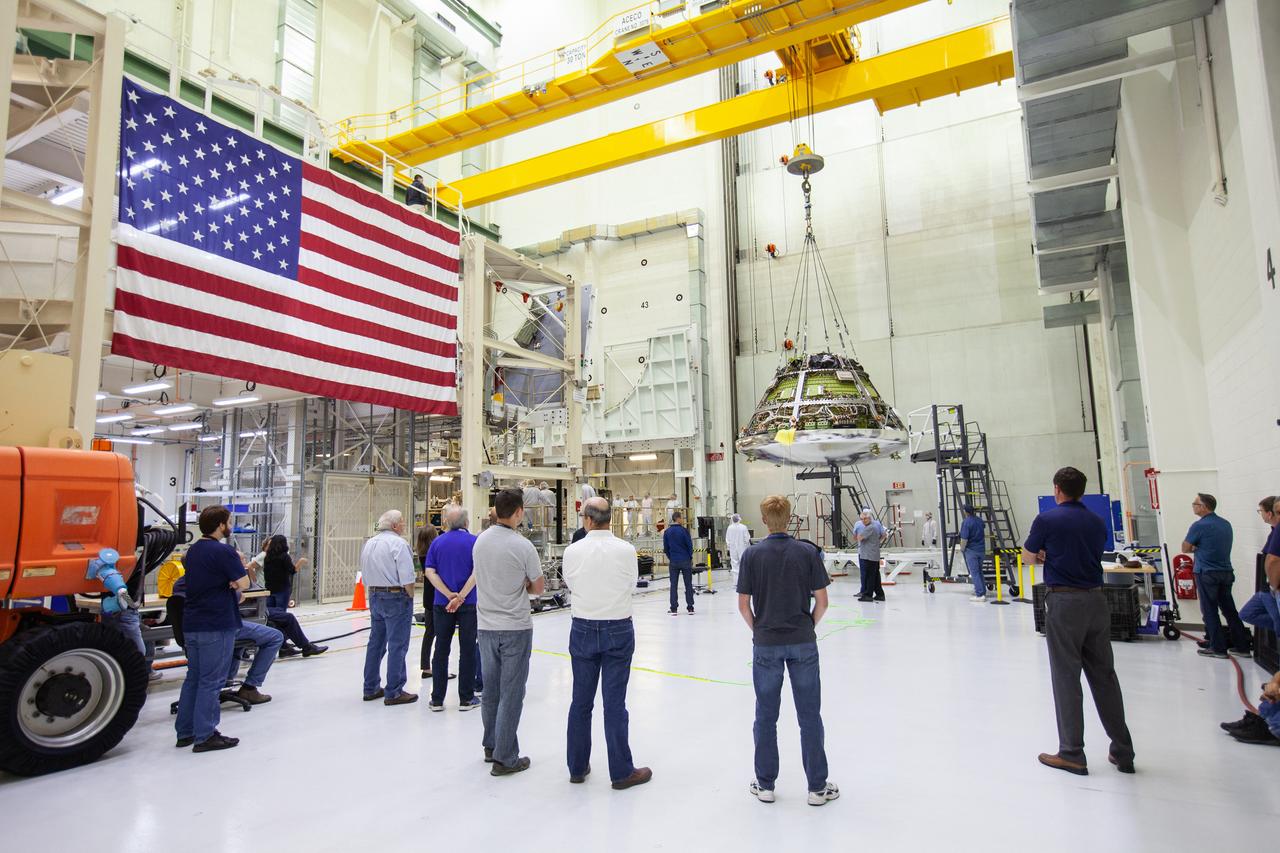
The Orion crew module for Artemis 1 is lifted by crane on July 16, 2019, in the high bay inside the Neil Armstrong Operations and Checkout Building high bay at NASA’s Kennedy Space Center in Florida. The crew module will be moved to the final assembly and test cell and work will begin to secure it atop the service module. The Orion spacecraft is being prepared for its uncrewed test flight atop NASA’s Space Launch System (SLS) rocket. Artemis 1 is the first test flight of the SLS and Orion spacecraft as an integrated system. Orion will travel thousands of miles beyond the Moon during a mission that will test its systems in space. The spacecraft will return to Earth and splashdown in the Pacific Ocean where it will be retrieved and transported back to Kennedy.
Engineers and technicians monitor the progress as the Orion crew module for Artemis 1 is moved by crane on July 16, 2019, in the high bay inside the Neil Armstrong Operations and Checkout Building high bay at NASA’s Kennedy Space Center in Florida. The crew module is being moved to the final assembly and test cell and work will begin to secure it atop the service module. The Orion spacecraft is being prepared for its uncrewed test flight atop NASA’s Space Launch System (SLS) rocket. Artemis 1 is the first test flight of the SLS and Orion spacecraft as an integrated system. Orion will travel thousands of miles beyond the Moon during a mission that will test its systems in space. The spacecraft will return to Earth and splashdown in the Pacific Ocean where it will be retrieved and transported back to Kennedy.
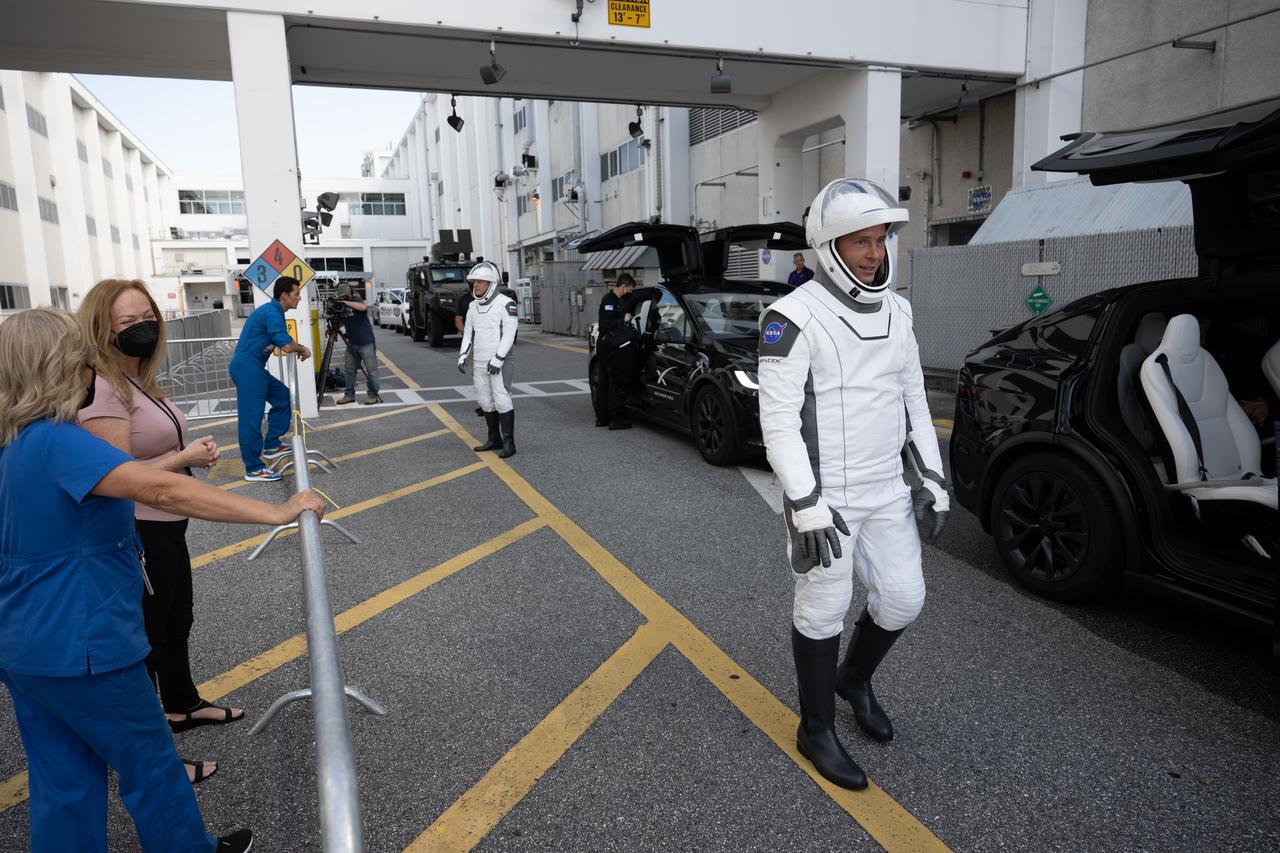
NASA astronaut Nick Hague and Roscosmos cosmonaut Aleksandr Gorbunov, wearing SpaceX spacesuits, are seen as they depart the Neil A. Armstrong Operations and Checkout Building for Space Launch Complex 40 on Cape Canaveral Space Force Station during a dress rehearsal in preparation for the Crew-9 mission launch, Tuesday, Sept. 24, 2024, at NASA’s Kennedy Space Center in Florida. NASA’s SpaceX Crew-9 mission is the ninth crew rotation mission of the SpaceX Dragon spacecraft and Falcon 9 rocket to the International Space Station as part of the agency’s Commercial Crew Program. Photo Credit: (NASA/Keegan Barber)
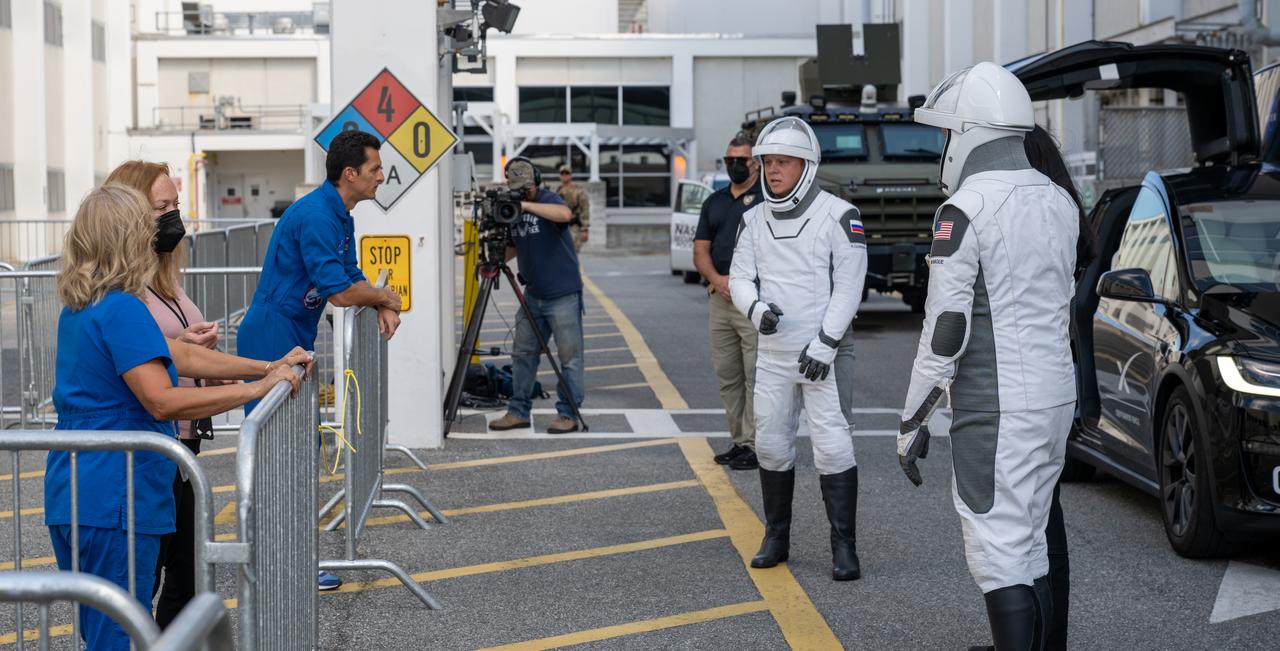
NASA astronaut Nick Hague and Roscosmos cosmonaut Aleksandr Gorbunov, wearing SpaceX spacesuits, are seen as they depart the Neil A. Armstrong Operations and Checkout Building for Space Launch Complex 40 on Cape Canaveral Space Force Station during a dress rehearsal in preparation for the Crew-9 mission launch, Tuesday, Sept. 24, 2024, at NASA’s Kennedy Space Center in Florida. NASA’s SpaceX Crew-9 mission is the ninth crew rotation mission of the SpaceX Dragon spacecraft and Falcon 9 rocket to the International Space Station as part of the agency’s Commercial Crew Program. Photo Credit: (NASA/Keegan Barber)
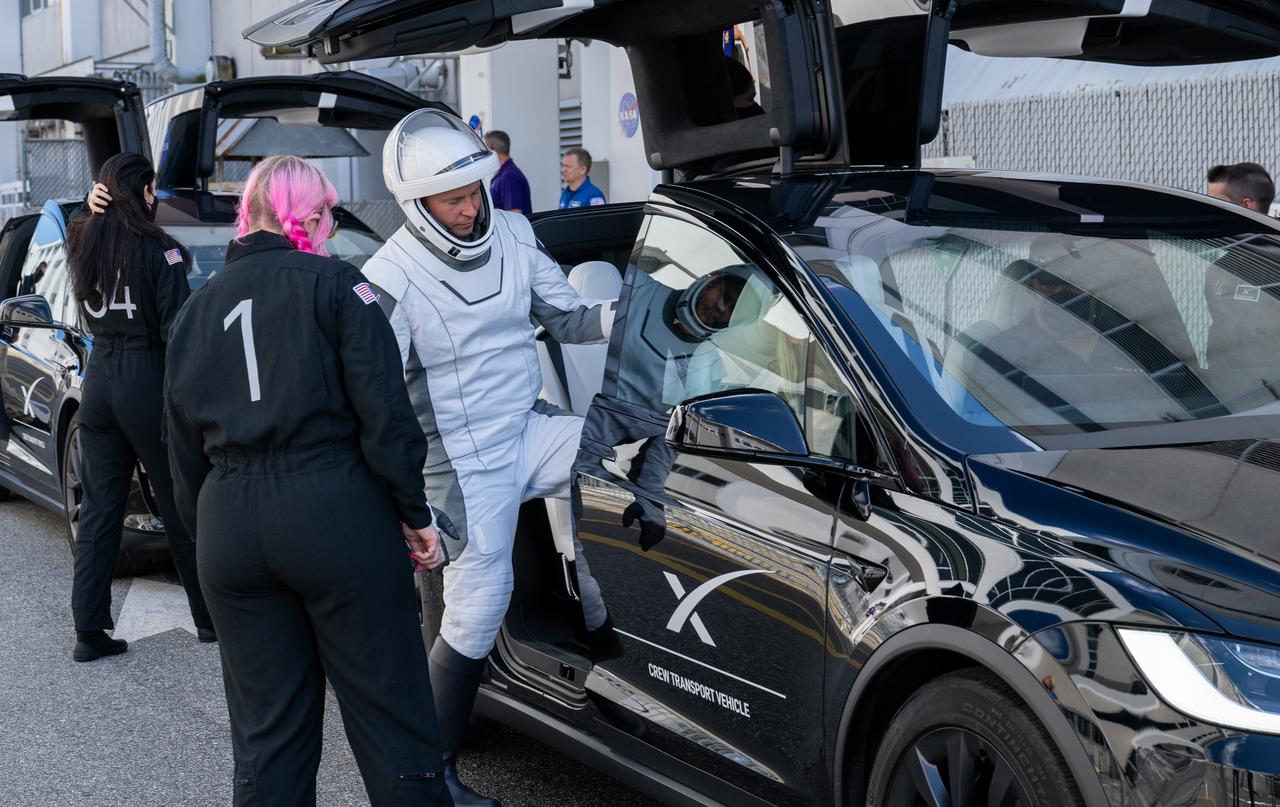
NASA astronaut Nick Hague, wearing a SpaceX spacesuit, is seen departing the Neil A. Armstrong Operations and Checkout Building for Space Launch Complex 40 on Cape Canaveral Space Force Station during a dress rehearsal in preparation for the Crew-9 mission launch, Tuesday, Sept. 24, 2024, at NASA’s Kennedy Space Center in Florida. NASA’s SpaceX Crew-9 mission is the ninth crew rotation mission of the SpaceX Dragon spacecraft and Falcon 9 rocket to the International Space Station as part of the agency’s Commercial Crew Program. Photo Credit: (NASA/Keegan Barber)
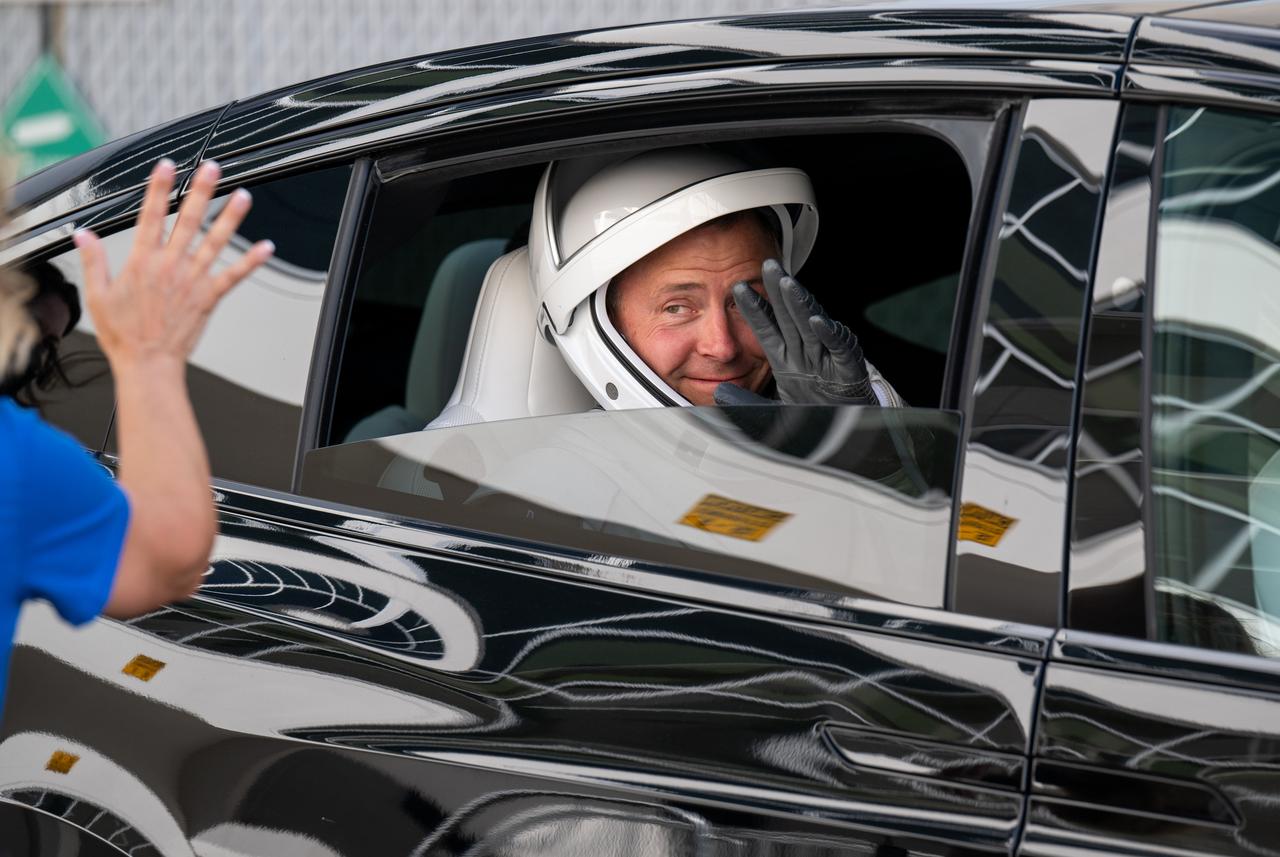
NASA astronaut Nick Hague, wearing a SpaceX spacesuit, is seen departing the Neil A. Armstrong Operations and Checkout Building for Space Launch Complex 40 on Cape Canaveral Space Force Station during a dress rehearsal in preparation for the Crew-9 mission launch, Tuesday, Sept. 24, 2024, at NASA’s Kennedy Space Center in Florida. NASA’s SpaceX Crew-9 mission is the ninth crew rotation mission of the SpaceX Dragon spacecraft and Falcon 9 rocket to the International Space Station as part of the agency’s Commercial Crew Program. Photo Credit: (NASA/Keegan Barber)
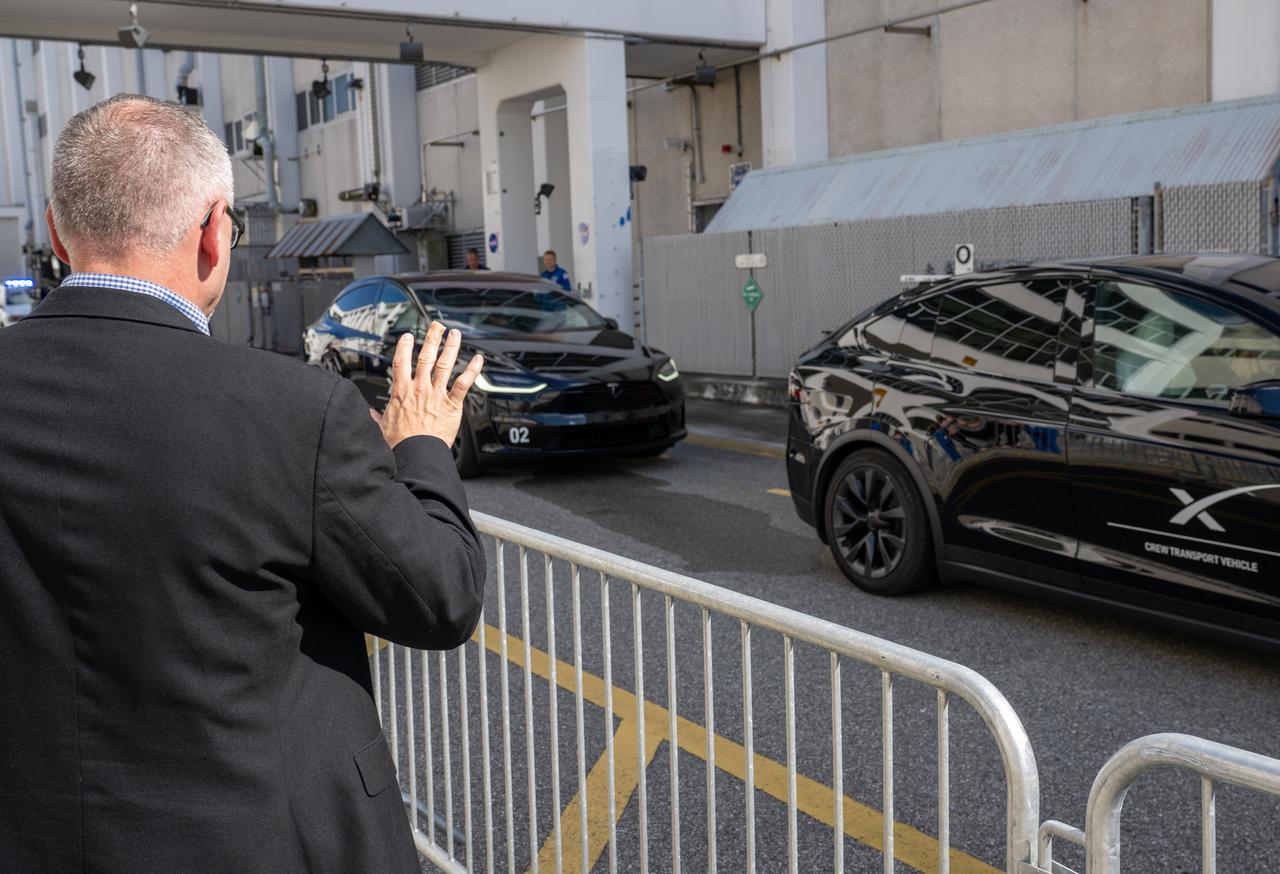
NASA Associate Administrator Jim Free, left, waves farewell as NASA astronaut Nick Hague and Roscosmos cosmonaut Aleksandr Gorbunov depart the Neil A. Armstrong Operations and Checkout Building for Space Launch Complex 40 on Cape Canaveral Space Force Station during a dress rehearsal in preparation for the Crew-9 mission launch, Tuesday, Sept. 24, 2024, at NASA’s Kennedy Space Center in Florida. NASA’s SpaceX Crew-9 mission is the ninth crew rotation mission of the SpaceX Dragon spacecraft and Falcon 9 rocket to the International Space Station as part of the agency’s Commercial Crew Program. Photo Credit: (NASA/Keegan Barber)
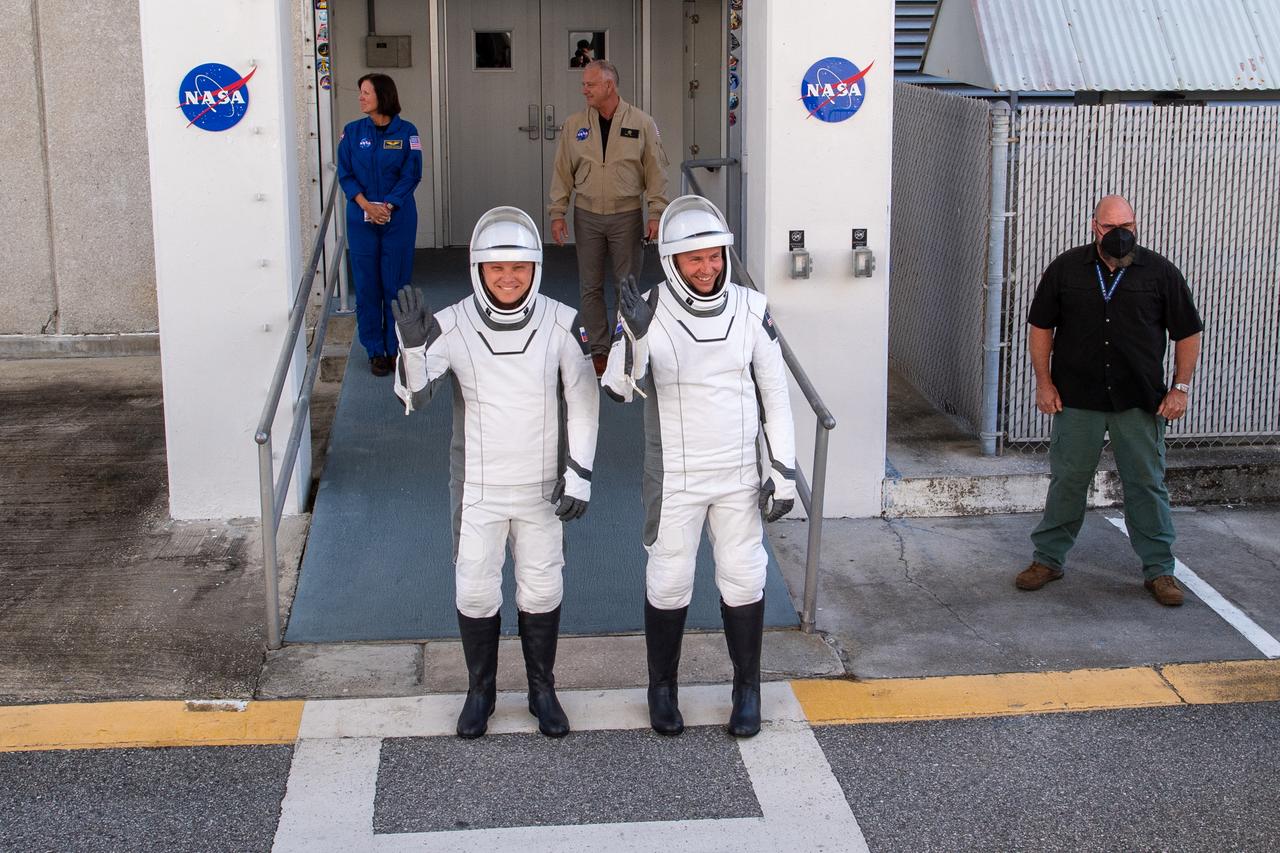
Roscosmos cosmonaut Aleksandr Gorbunov, left, and NASA astronaut Nick Hague, right, wearing SpaceX spacesuits, are seen as they depart the Neil A. Armstrong Operations and Checkout Building for Space Launch Complex 40 on Cape Canaveral Space Force Station during a dress rehearsal in preparation for the Crew-9 mission launch, Tuesday, Sept. 24, 2024, at NASA’s Kennedy Space Center in Florida. NASA’s SpaceX Crew-9 mission is the ninth crew rotation mission of the SpaceX Dragon spacecraft and Falcon 9 rocket to the International Space Station as part of the agency’s Commercial Crew Program. Photo Credit: (NASA/Keegan Barber)
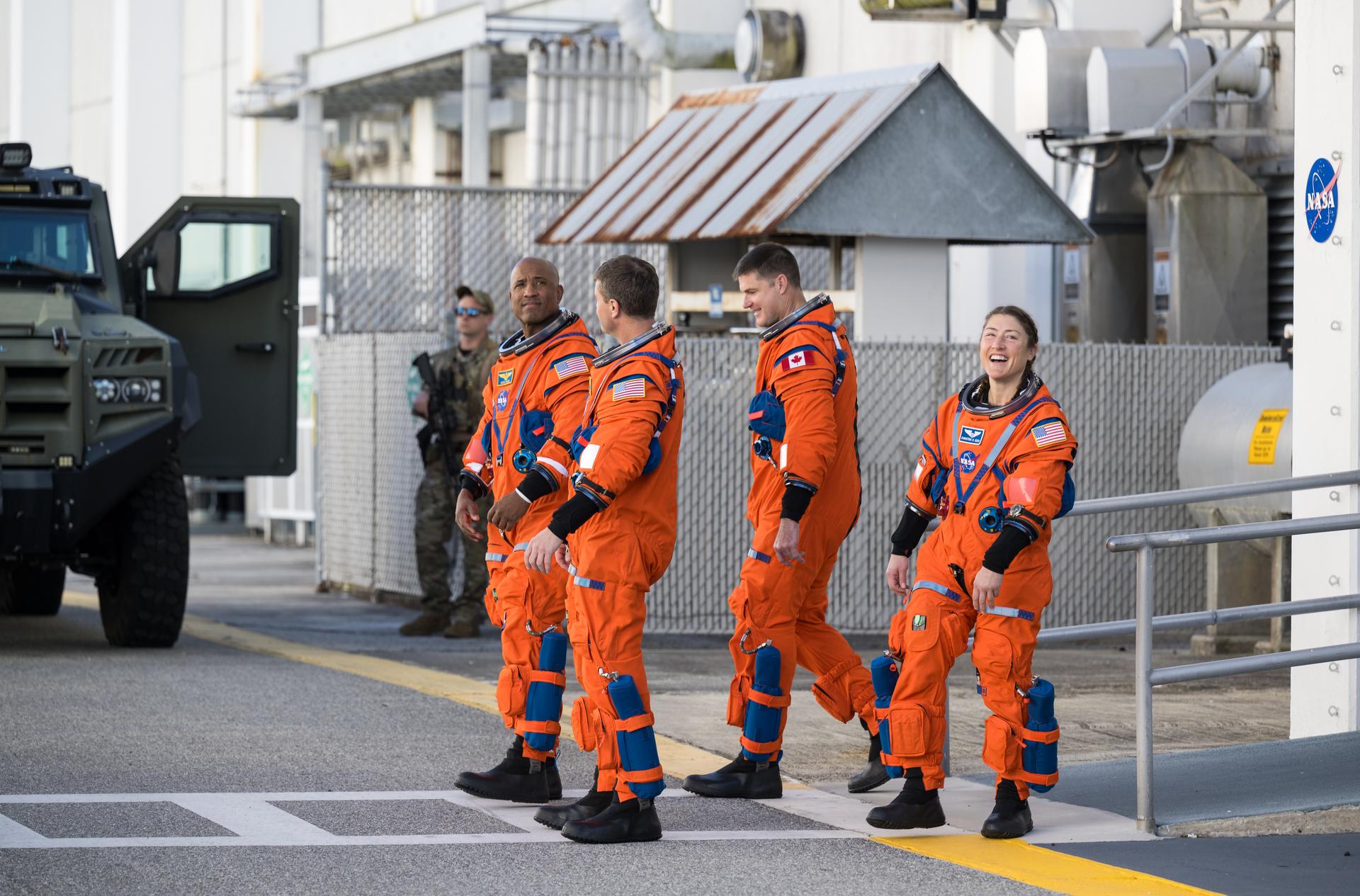
NASA astronauts Reid Wiseman, commander; Victor Glover, pilot; Christina Koch, mission specialist; and CSA (Canadian Space Agency) astronaut Jeremy Hansen, mission specialist are seen as they depart the Neil A. Armstrong Operations and Checkout Building to board their Orion spacecraft atop NASA’s Space Launch System rocket inside the Vehicle Assembly Building as part of the Artemis II countdown demonstration test, Saturday, Dec. 20, 2025, at NASA’s Kennedy Space Center in Florida. For this operation, the Artemis II crew and launch teams are simulating the launch day timeline including suit-up, walkout, and spacecraft ingress and egress. Through the Artemis campaign, NASA will send astronauts to explore the Moon for scientific discovery, economic benefits, and to build the foundation for the first crewed missions to Mars, for the benefit of all. Photo Credit: (NASA/Aubrey Gemignani)

NASA astronaut Reid Wiseman, commander is seen as he and crew mates Victor Glover, pilot; Christina Koch, mission specialist; and CSA (Canadian Space Agency) astronaut Jeremy Hansen, mission specialist, not pictured, are seen as they depart the Neil A. Armstrong Operations and Checkout Building to board their Orion spacecraft atop NASA’s Space Launch System rocket inside the Vehicle Assembly Building as part of the Artemis II countdown demonstration test, Saturday, Dec. 20, 2025, at NASA’s Kennedy Space Center in Florida. For this operation, the Artemis II crew and launch teams are simulating the launch day timeline including suit-up, walkout, and spacecraft ingress and egress. Through the Artemis campaign, NASA will send astronauts to explore the Moon for scientific discovery, economic benefits, and to build the foundation for the first crewed missions to Mars, for the benefit of all. Photo Credit: (NASA/Aubrey Gemignani)

CSA (Canadian Space Agency) astronaut Jeremy Hansen, mission specialist is seen as he can his crew mates NASA astronauts Reid Wiseman, commander (not pictured); Victor Glover, pilot; and Christina Koch, mission specialist depart the Neil A. Armstrong Operations and Checkout Building to board their Orion spacecraft atop NASA’s Space Launch System rocket inside the Vehicle Assembly Building as part of the Artemis II countdown demonstration test, Saturday, Dec. 20, 2025, at NASA’s Kennedy Space Center in Florida. For this operation, the Artemis II crew and launch teams are simulating the launch day timeline including suit-up, walkout, and spacecraft ingress and egress. Through the Artemis campaign, NASA will send astronauts to explore the Moon for scientific discovery, economic benefits, and to build the foundation for the first crewed missions to Mars, for the benefit of all. Photo Credit: (NASA/Aubrey Gemignani)
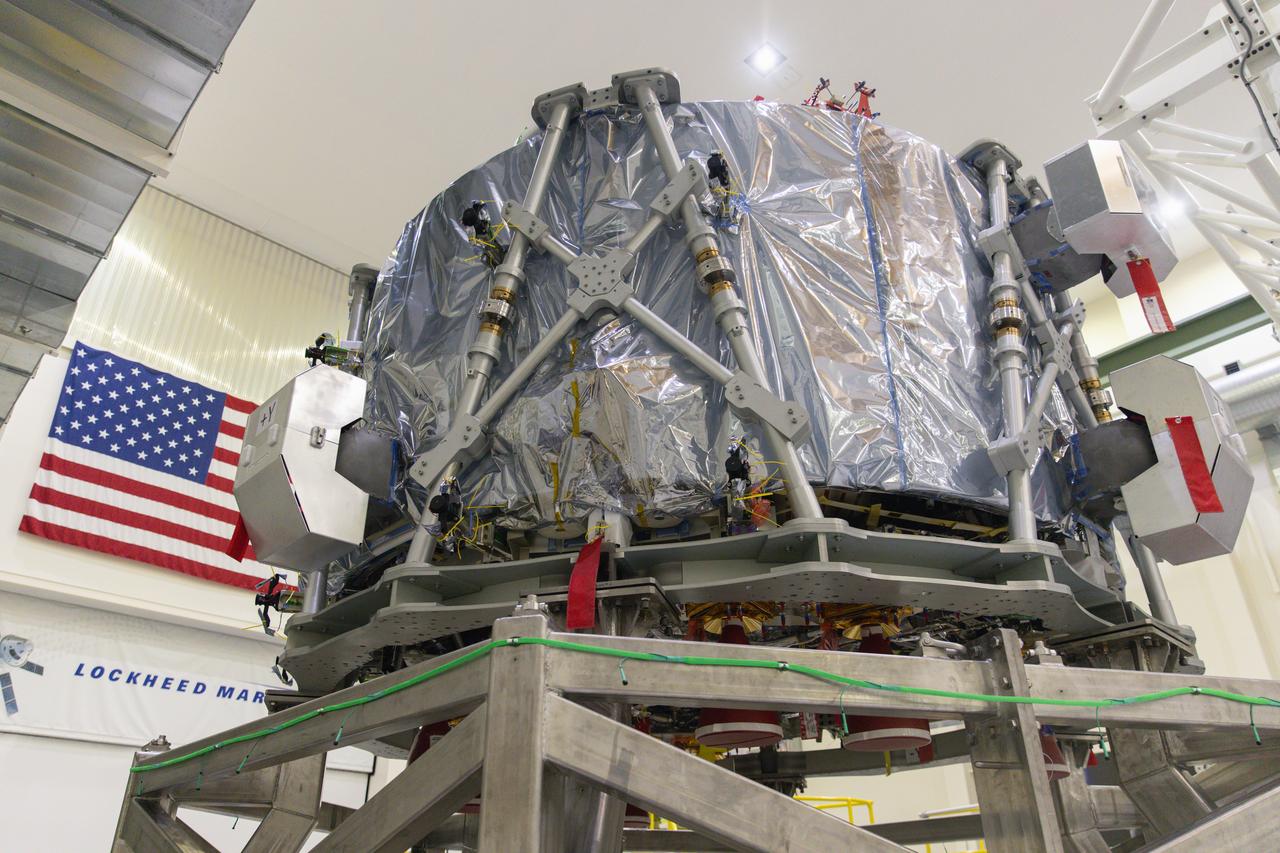
Teams from NASA, ESA (European Space Agency), and Airbus prepare to integrate European Service Module 3 to the crew module adapter on Tuesday, Sept. 17, 2024, inside the Neil A. Armstrong Operations and Checkout Building at NASA’s Kennedy Space Center in Florida. The integrated hardware provides propulsion, electrical power, and other important elements for the Orion spacecraft’s Artemis III campaign to the lunar South Pole region of the Moon.
Teams from NASA, ESA (European Space Agency), and Airbus prepare to integrate European Service Module 3 to the crew module adapter on Tuesday, Sept. 17, 2024, inside the Neil A. Armstrong Operations and Checkout Building at NASA’s Kennedy Space Center in Florida. The integrated hardware provides propulsion, electrical power, and other important elements for the Orion spacecraft’s Artemis III campaign to the lunar South Pole region of the Moon.
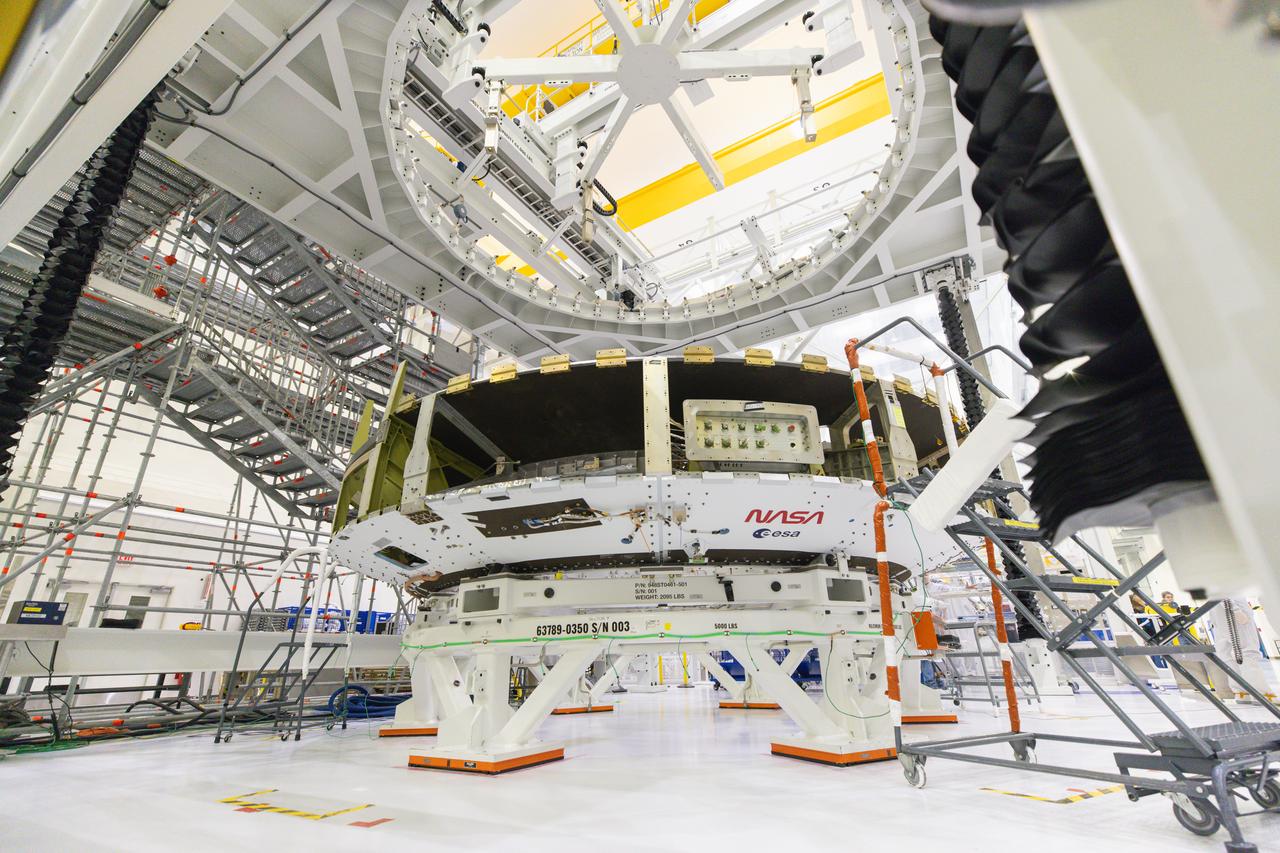
Teams from NASA, ESA (European Space Agency), and Airbus prepare to integrate European Service Module 3 to the crew module adapter on Tuesday, Sept. 17, 2024, inside the Neil A. Armstrong Operations and Checkout Building at NASA’s Kennedy Space Center in Florida. The integrated hardware provides propulsion, electrical power, and other important elements for the Orion spacecraft’s Artemis III campaign to the lunar South Pole region of the Moon.
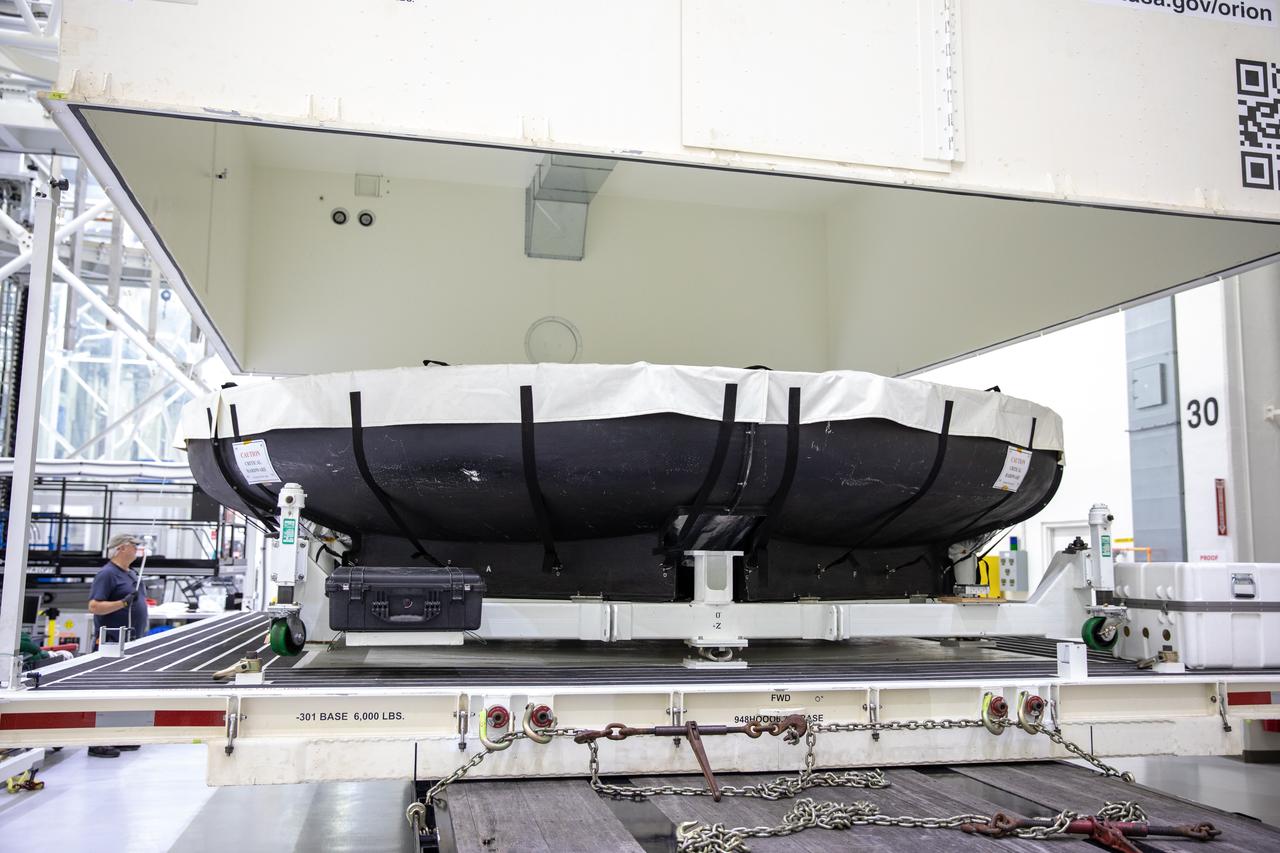
The cover of the shipping container carrying the heat shield for Orion’s Artemis 2 mission, NASA’s first crewed mission, is lifted up inside the Neil Armstrong Operations and Checkout Building high bay at the agency’s Kennedy Space Center in Florida on July 10, 2019. The heat shield, measuring roughly 16 feet in diameter, will protect astronauts upon re-entry on the second mission of Artemis. The heat shield arrived from Lockheed Martin’s manufacturing facility near Denver aboard NASA’s Super Guppy Aircraft. The heat shield is a base titanium truss structure. Over the next several months, technicians will apply Avcoat, an ablative material that will provide the thermal protection. Artemis 2 will confirm all of the spacecraft’s systems operate as designed in the actual environment of deep space with astronauts aboard.
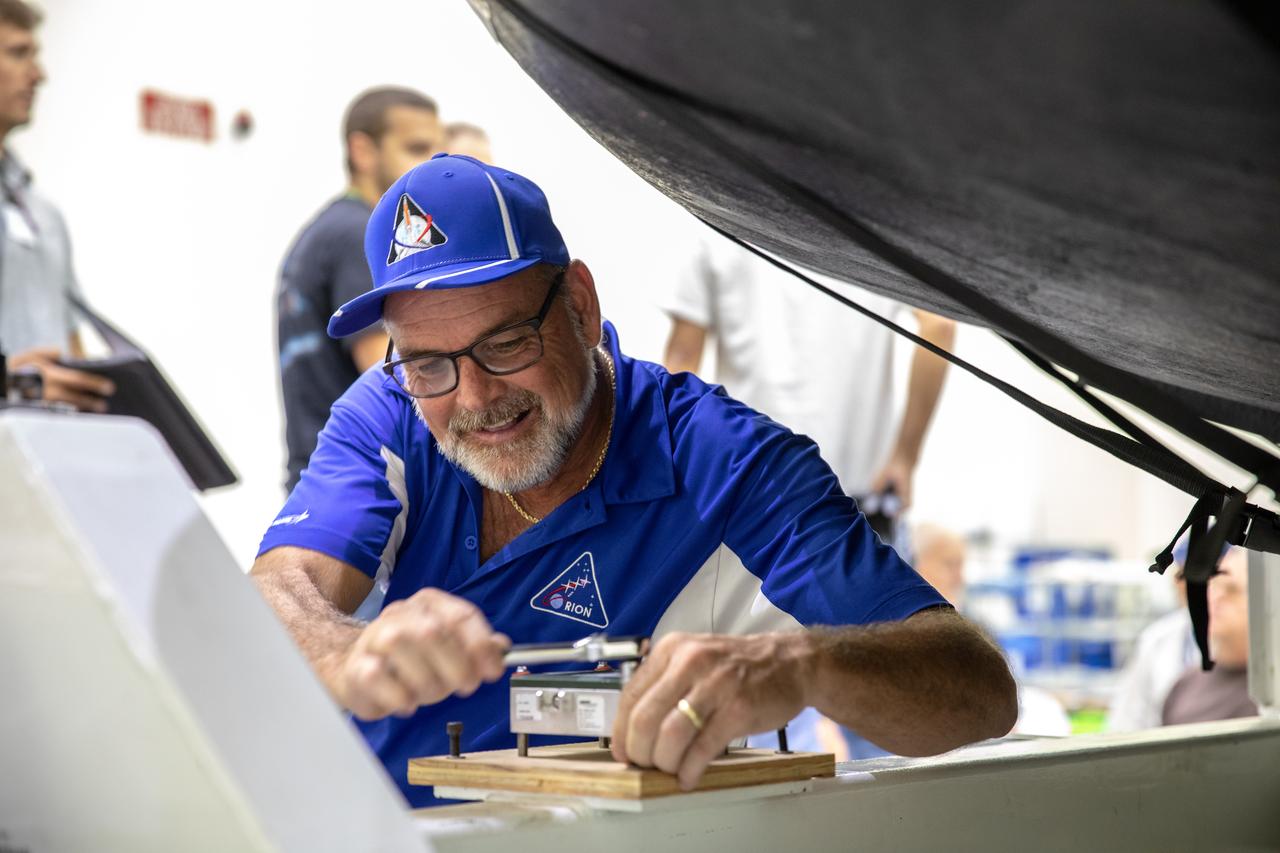
A Lockheed Martin technician works to remove a bolt that holds the heat shield for Orion’s Artemis 2 mission, NASA’s first crewed mission, on its shipping platform inside the Neil Armstrong Operations and Checkout Building high bay at the agency’s Kennedy Space Center in Florida on July 10, 2019. The heat shield, measuring roughly 16 feet in diameter, will protect astronauts upon re-entry on the second mission of Artemis. The heat shield arrived from Lockheed Martin’s manufacturing facility near Denver aboard NASA’s Super Guppy Aircraft. The heat shield is a base titanium truss structure. Over the next several months, technicians will apply Avcoat, an ablative material that will provide the thermal protection. Artemis 2 will confirm all of the spacecraft’s systems operate as designed in the actual environment of deep space with astronauts aboard.
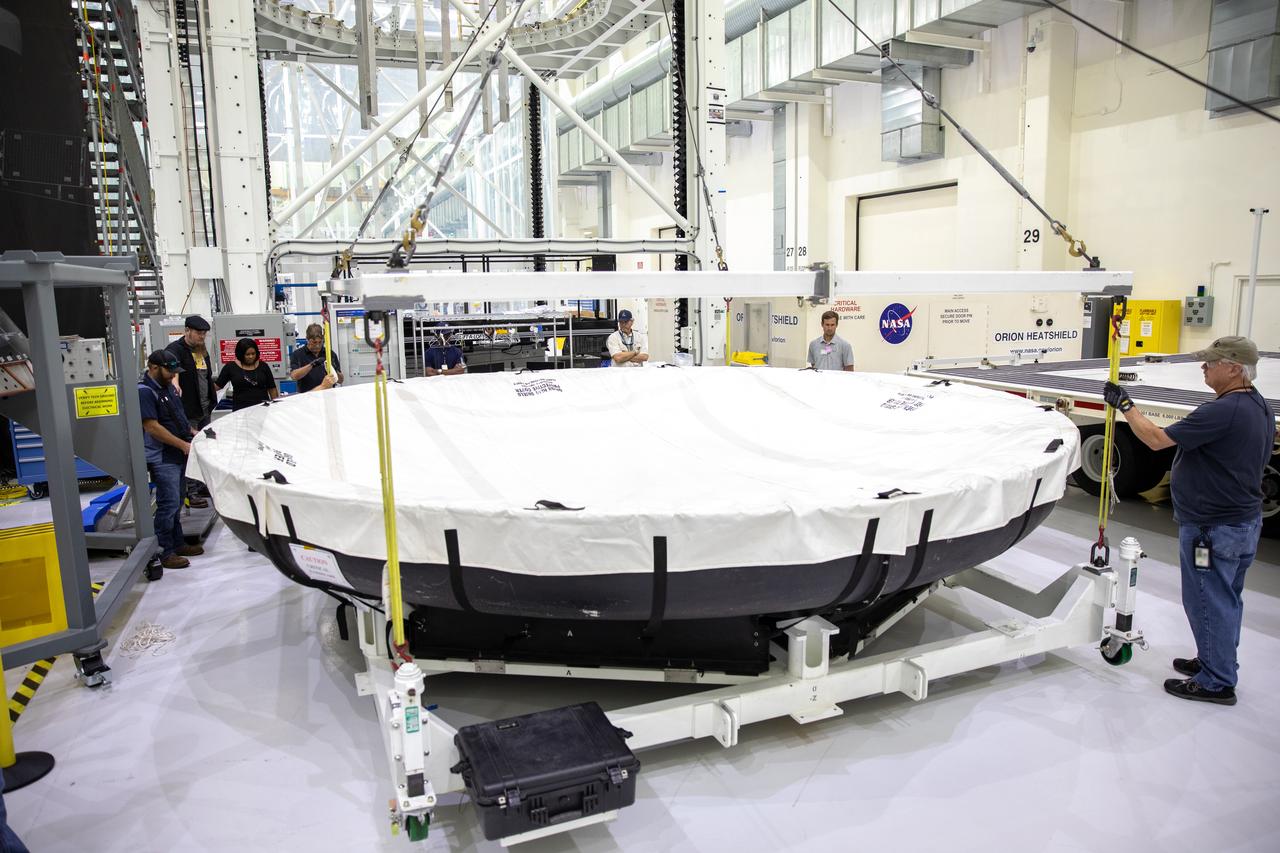
The heat shield for Orion’s Artemis 2 mission, NASA’s first crewed mission, is now uncrated from its shipping container inside the Neil Armstrong Operations and Checkout Building high bay at the agency’s Kennedy Space Center in Florida on July 10, 2019. The heat shield, measuring roughly 16 feet in diameter, will protect astronauts upon re-entry on the second mission of Artemis. The heat shield arrived from Lockheed Martin’s manufacturing facility near Denver aboard NASA’s Super Guppy Aircraft. The heat shield is a base titanium truss structure. Over the next several months, technicians will apply Avcoat, an ablative material that will provide the thermal protection. Artemis 2 will confirm all of the spacecraft’s systems operate as designed in the actual environment of deep space with astronauts aboard.
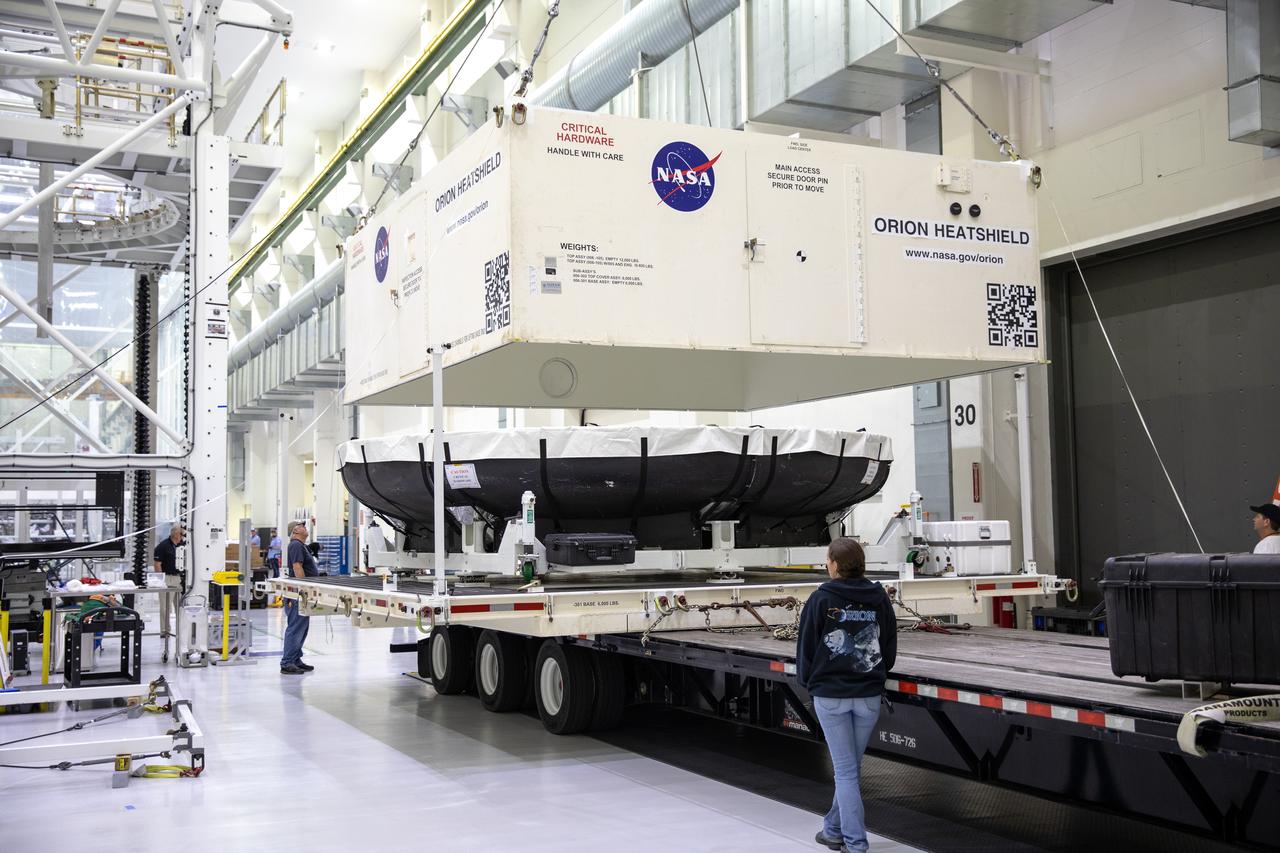
The cover of the shipping container carrying the heat shield for Orion’s Artemis 2 mission, NASA’s first crewed mission, is lifted up inside the Neil Armstrong Operations and Checkout Building high bay at the agency’s Kennedy Space Center in Florida on July 10, 2019. The heat shield, measuring roughly 16 feet in diameter, will protect astronauts upon re-entry on the second mission of Artemis. The heat shield arrived from Lockheed Martin’s manufacturing facility near Denver aboard NASA’s Super Guppy Aircraft. The heat shield is a base titanium truss structure. Over the next several months, technicians will apply Avcoat, an ablative material that will provide the thermal protection. Artemis 2 will confirm all of the spacecraft’s systems operate as designed in the actual environment of deep space with astronauts aboard.
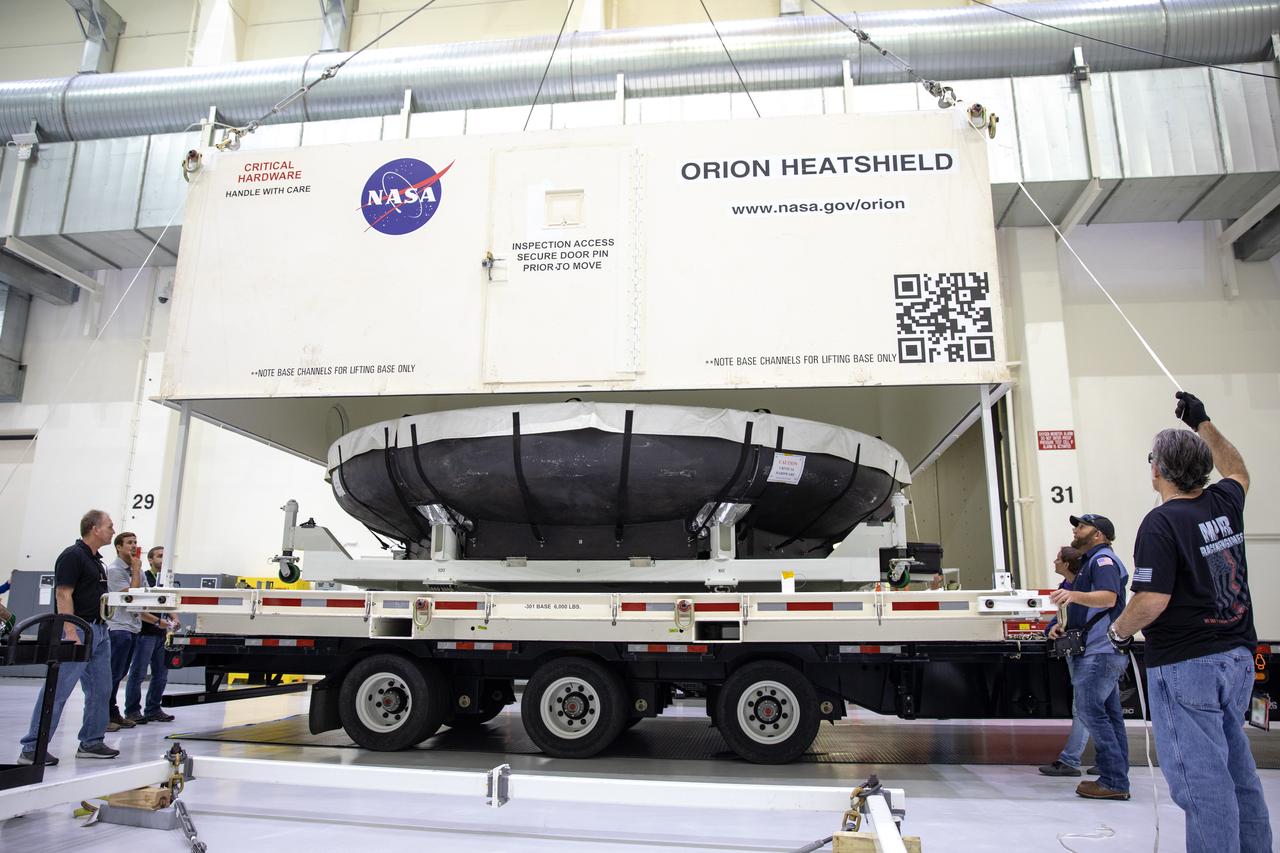
The cover of the shipping container carrying the heat shield for Orion’s Artemis 2 mission, NASA’s first crewed mission, is lifted up inside the Neil Armstrong Operations and Checkout Building high bay at the agency’s Kennedy Space Center in Florida on July 10, 2019. The heat shield, measuring roughly 16 feet in diameter, will protect astronauts upon re-entry on the second mission of Artemis. The heat shield arrived from Lockheed Martin’s manufacturing facility near Denver aboard NASA’s Super Guppy Aircraft. The heat shield is a base titanium truss structure. Over the next several months, technicians will apply Avcoat, an ablative material that will provide the thermal protection. Artemis 2 will confirm all of the spacecraft’s systems operate as designed in the actual environment of deep space with astronauts aboard.
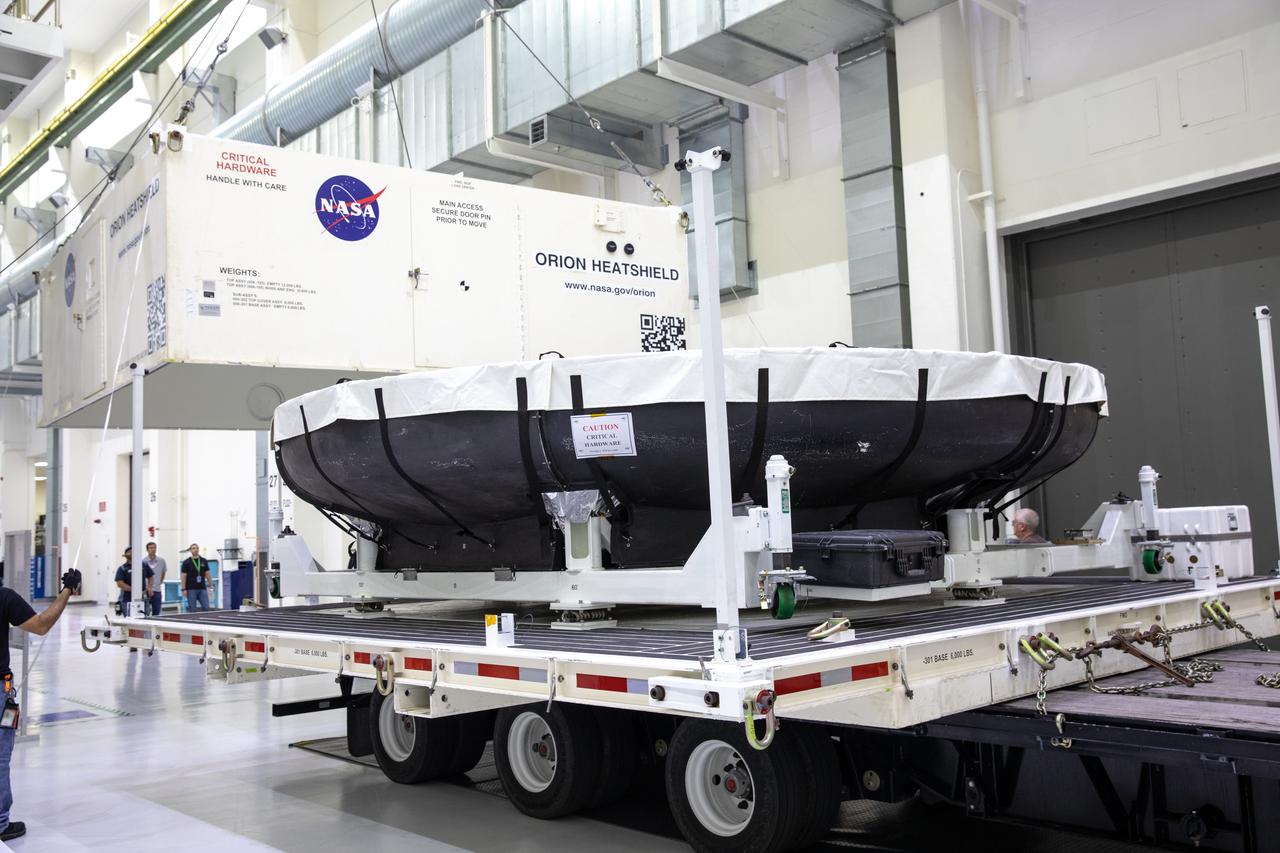
The heat shield for Orion’s Artemis 2 mission, NASA’s first crewed mission, is uncrated from its shipping container inside the Neil Armstrong Operations and Checkout Building high bay at the agency’s Kennedy Space Center in Florida on July 10, 2019. The heat shield, measuring roughly 16 feet in diameter, will protect astronauts upon re-entry on the second mission of Artemis. The heat shield arrived from Lockheed Martin’s manufacturing facility near Denver aboard NASA’s Super Guppy Aircraft. The heat shield is a base titanium truss structure. Over the next several months, technicians will apply Avcoat, an ablative material that will provide the thermal protection. Artemis 2 will confirm all of the spacecraft’s systems operate as designed in the actual environment of deep space with astronauts aboard.
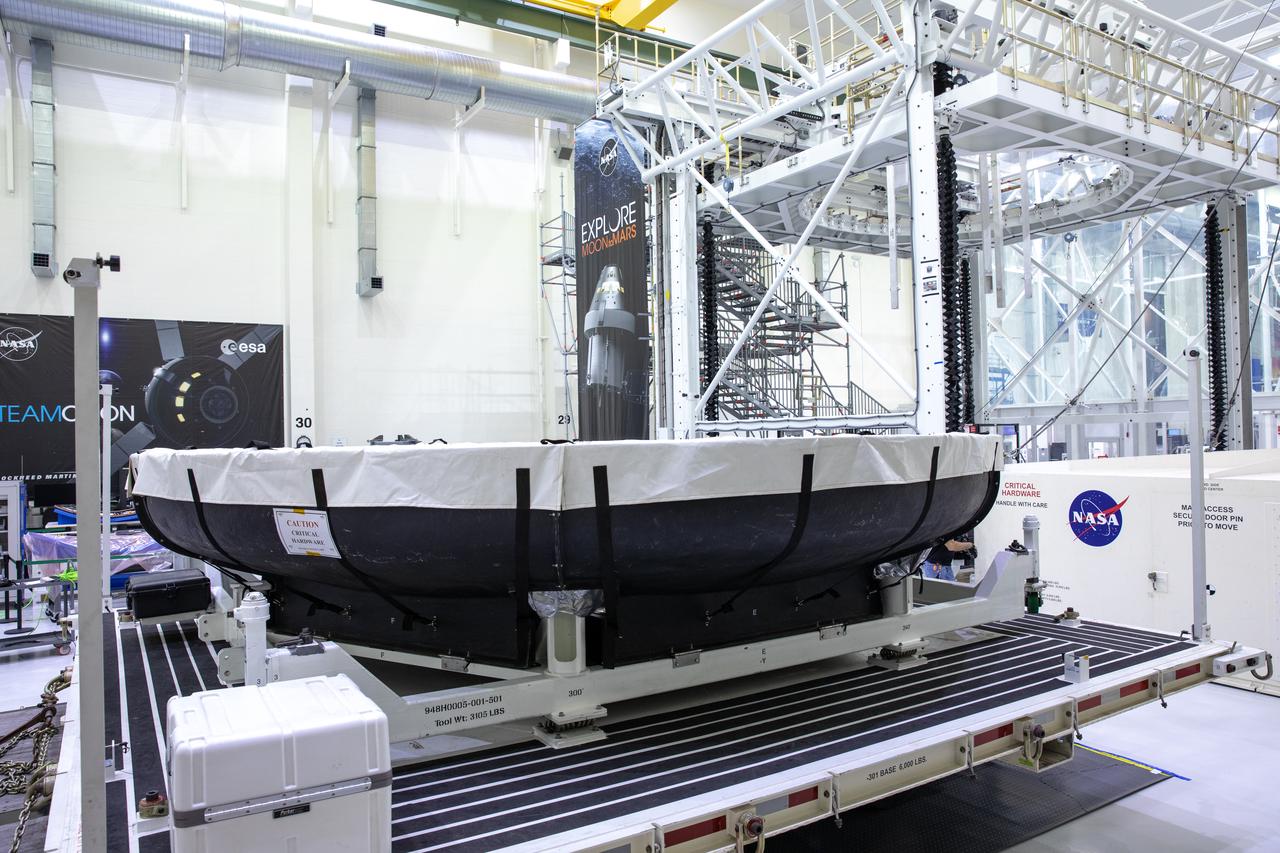
The heat shield for Orion’s Artemis 2 mission, NASA’s first crewed mission, is uncrated from its shipping container inside the Neil Armstrong Operations and Checkout Building high bay at the agency’s Kennedy Space Center in Florida on July 10, 2019. The heat shield, measuring roughly 16 feet in diameter, will protect astronauts upon re-entry on the second mission of Artemis. The heat shield arrived from Lockheed Martin’s manufacturing facility near Denver aboard NASA’s Super Guppy Aircraft. The heat shield is a base titanium truss structure. Over the next several months, technicians will apply Avcoat, an ablative material that will provide the thermal protection. Artemis 2 will confirm all of the spacecraft’s systems operate as designed in the actual environment of deep space with astronauts aboard.
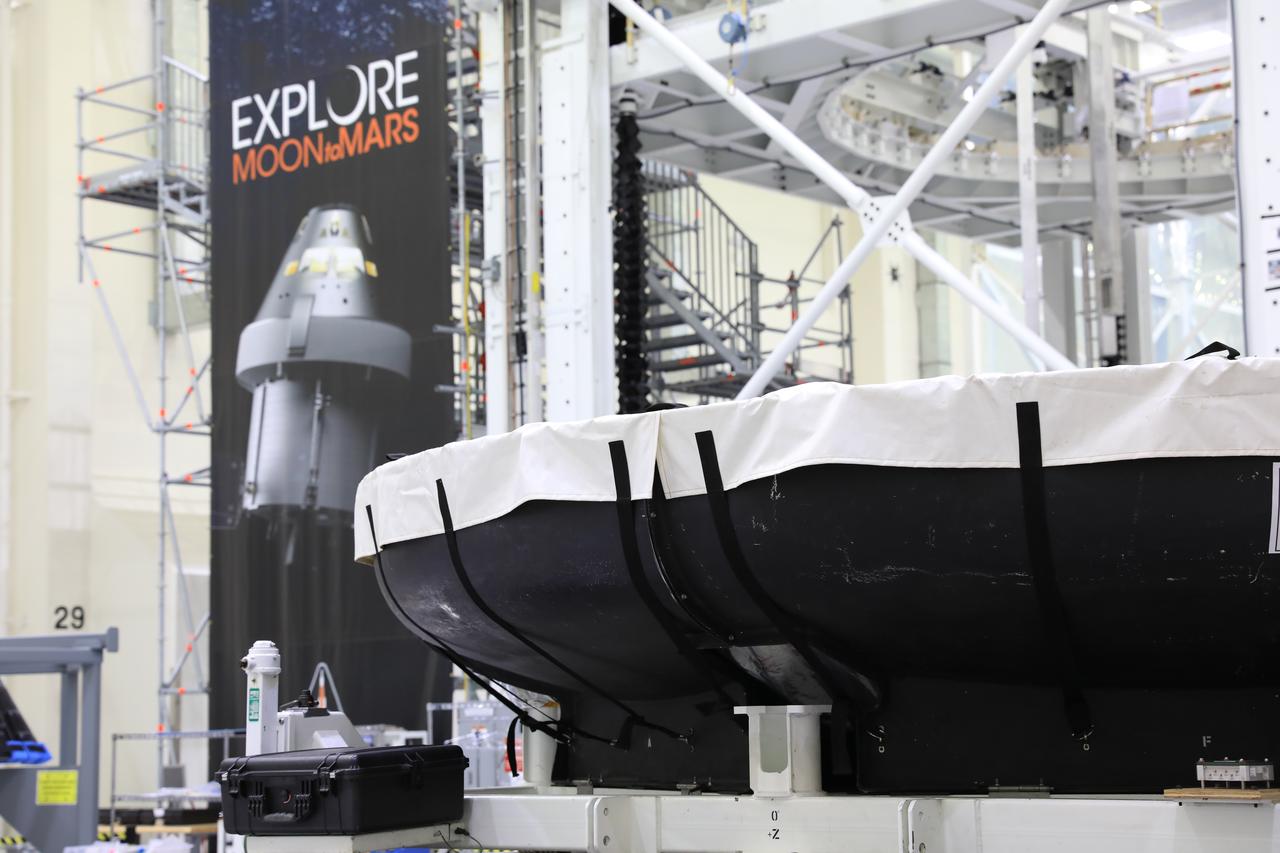
The heat shield for Orion’s Artemis 2 mission, NASA’s first crewed mission, is uncrated from its shipping container inside the Neil Armstrong Operations and Checkout Building high bay at the agency’s Kennedy Space Center in Florida on July 10, 2019. The heat shield, measuring roughly 16 feet in diameter, will protect astronauts upon re-entry on the second mission of Artemis. The heat shield arrived from Lockheed Martin’s manufacturing facility near Denver aboard NASA’s Super Guppy Aircraft. The heat shield is a base titanium truss structure. Over the next several months, technicians will apply Avcoat, an ablative material that will provide the thermal protection. Artemis 2 will confirm all of the spacecraft’s systems operate as designed in the actual environment of deep space with astronauts aboard.
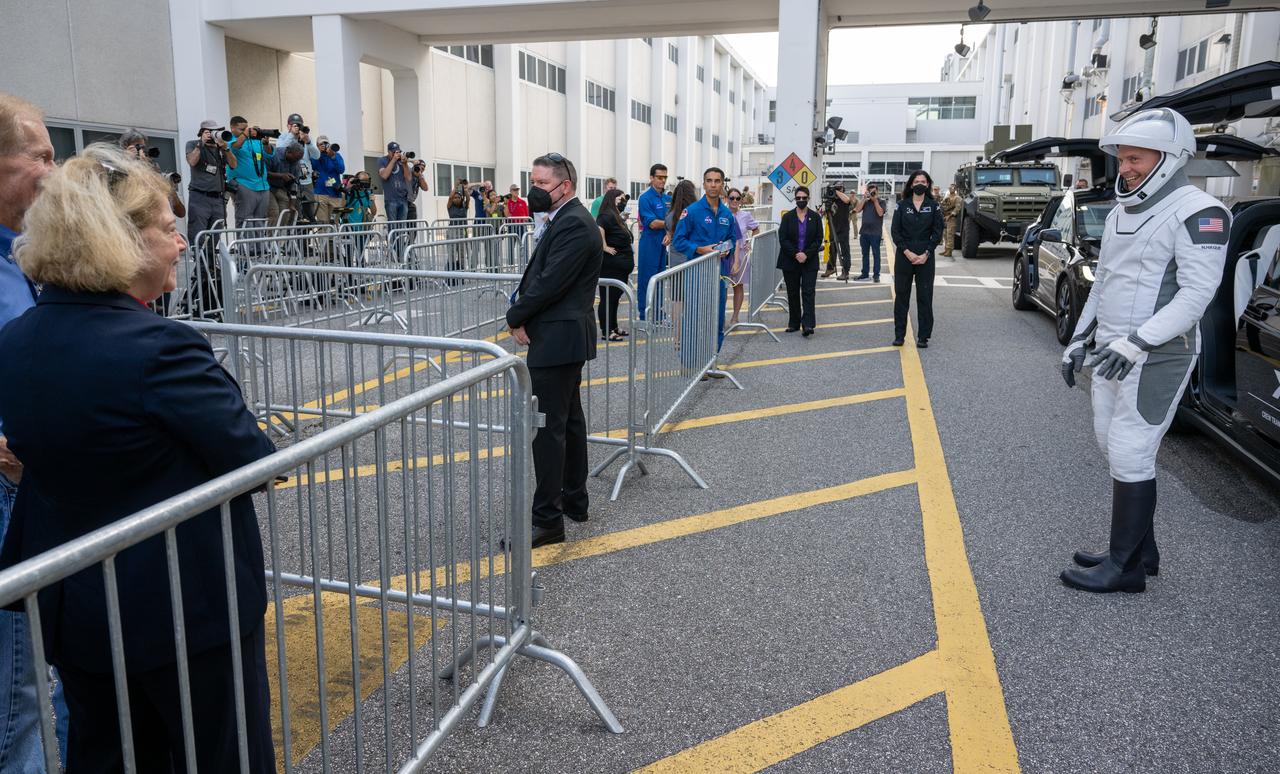
NASA astronaut Nick Hague greets NASA Administrator Bill Nelson, left, and NASA Deputy Administrator Pam Melroy, second from left, prior to departing the Neil A. Armstrong Operations and Checkout Building for Space Launch Complex 40 on Cape Canaveral Space Force Station to board the SpaceX Dragon spacecraft for the Crew-9 mission launch, Saturday, Sept. 28, 2024, at NASA’s Kennedy Space Center in Florida. NASA’s SpaceX Crew-9 mission is the ninth crew rotation mission of the SpaceX Dragon spacecraft and Falcon 9 rocket to the International Space Station as part of the agency’s Commercial Crew Program. Hague and Gorbunov are scheduled to launch at 1:17 p.m. EDT, from Space Launch Complex 40 at the Cape Canaveral Space Force Station. Photo Credit: (NASA/Keegan Barber)
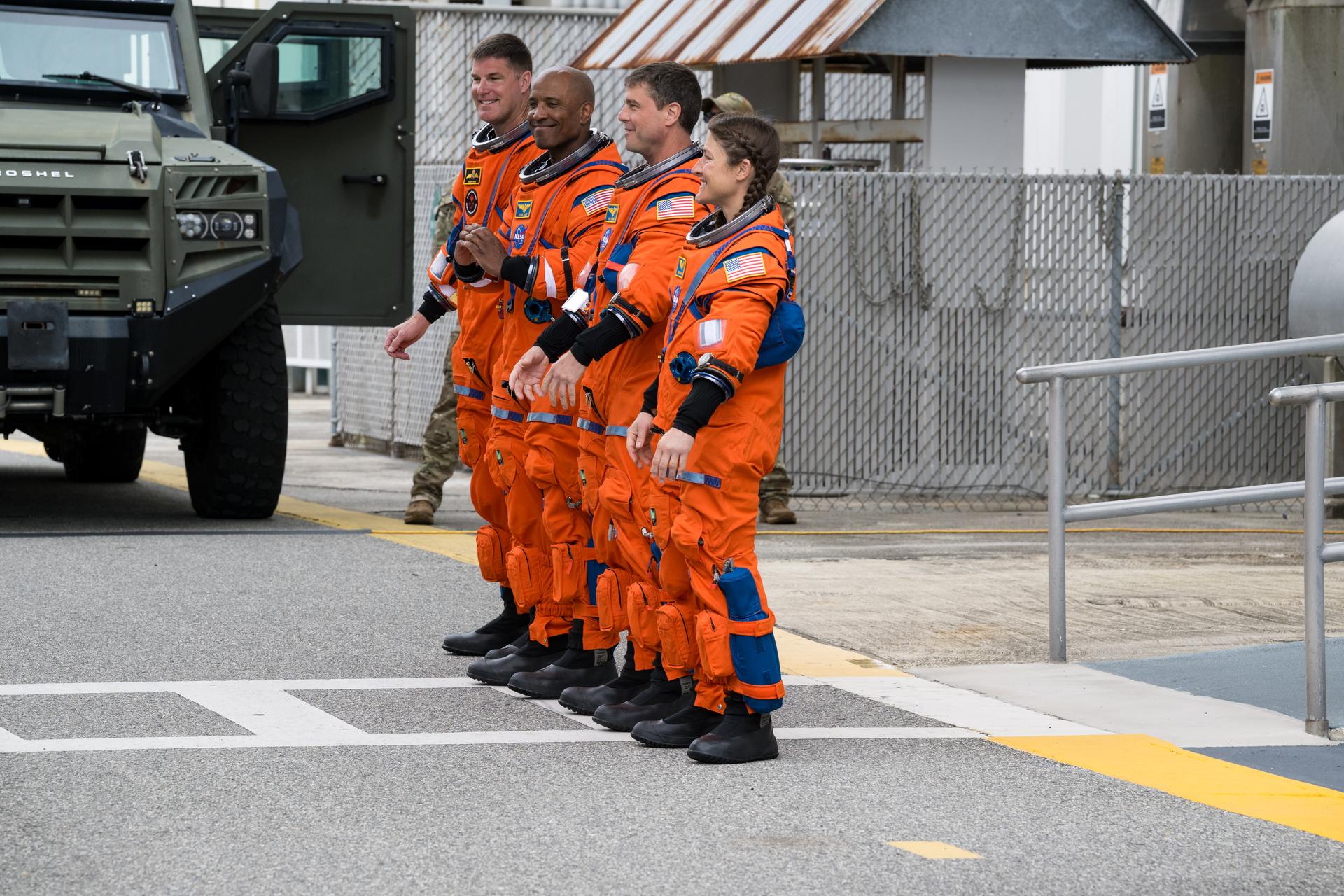
From right to left, NASA astronauts Christina Koch, mission specialist; Reid Wiseman, commander; Victor Glover, pilot; and CSA (Canadian Space Agency) astronaut Jeremy Hansen, mission specialist are seen as they depart the Neil A. Armstrong Operations and Checkout Building to board their Orion spacecraft atop NASA’s Space Launch System (SLS) rocket at Launch Complex 39B, Wednesday, April 1, 2026, at NASA’s Kennedy Space Center in Florida. NASA’s Artemis II mission will take Wiseman, Glover, Koch, and Hansen on a 10-day journey around the Moon and back aboard their Orion spacecraft from Launch Complex 39B, with a two hour launch window opening at 6:24pm. Photo Credit: (NASA/Aubrey Gemignani)
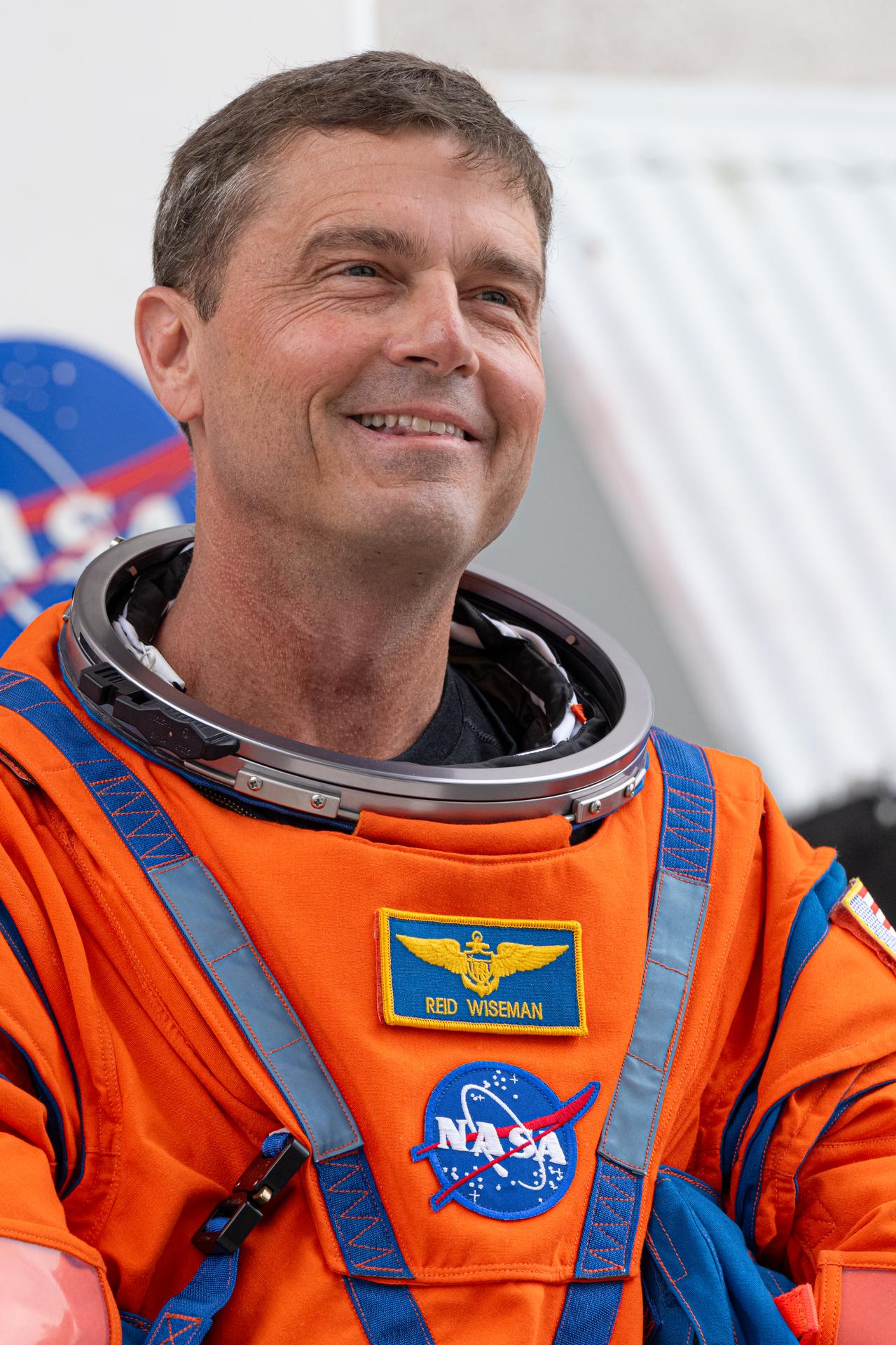
Artemis II astronaut Commander Reid Wiseman is seen as the Artemis II crew prepares to depart the Neil A. Armstrong Operations and Checkout Building for Launch Complex 39B at Kennedy Space Center to board NASA’s Artemis II Space Launch System (SLS) rocket and Orion spacecraft for the Artemis II launch, Wednesday, Apr. 1, 2026, at NASA’s Kennedy Space Center in Florida. NASA’s Artemis II test flight will take Commander Reid Wiseman, Pilot Victor Glover, and Mission Specialist Christina Koch from NASA, and Mission Specialist Jeremy Hansen from the CSA (Canadian Space Agency), around the Moon and back to Earth no earlier than April 1, 2026. Photo Credit: (NASA/John Kraus)

From right to left, NASA astronauts Reid Wiseman, commander; Christina Koch, mission specialist; Victor Glover, pilot; and CSA (Canadian Space Agency) astronaut Jeremy Hansen, mission specialist wave to family and friends as they prepare to depart the Neil A. Armstrong Operations and Checkout Building to board their Orion spacecraft atop NASA’s Space Launch System (SLS) rocket at Launch Complex 39B, Wednesday, April 1, 2026, at NASA’s Kennedy Space Center in Florida. NASA’s Artemis II mission will take Wiseman, Glover, Koch, and Hansen on a 10-day journey around the Moon and back aboard their Orion spacecraft from Launch Complex 39B, with a two hour launch window opening at 6:24pm. Photo Credit: (NASA/Aubrey Gemignani)

NASA astronaut Warren “Woody" Hoburg, is seen as he and fellow crewmates NASA astronaut Stephen Bowen, UAE (United Arab Emirates) astronaut Sultan Alneyadi, and Roscosmos cosmonaut Andrey Fedyaev, wearing SpaceX spacesuits, are seen as they prepare to depart the Neil A. Armstrong Operations and Checkout Building for Launch Complex 39A to board the SpaceX Dragon spacecraft for the Crew-6 mission launch, Sunday, Feb. 26, 2023, at NASA’s Kennedy Space Center in Florida. NASA’s SpaceX Crew-6 mission is the sixth crew rotation mission of the SpaceX Crew Dragon spacecraft and Falcon 9 rocket to the International Space Station as part of the agency’s Commercial Crew Program. Bowen, Hoburg, Alneyadi, and Fedyaev are scheduled to launch at 1:45 a.m. EST on Feb. 27, from Launch Complex 39A at the Kennedy Space Center. Photo Credit: (NASA/Joel Kowsky)
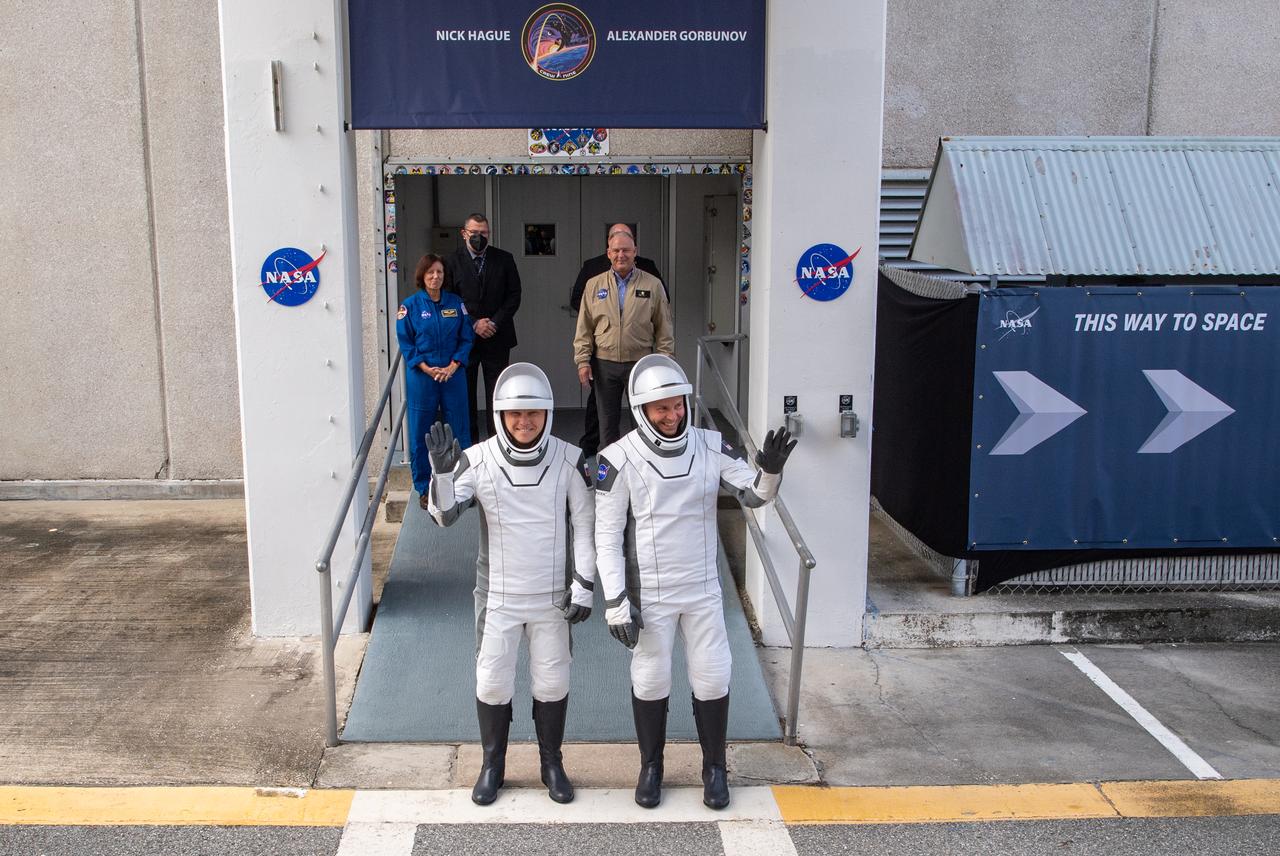
Roscosmos cosmonaut Aleksandr Gorbunov, left, and NASA astronaut Nick Hague, right, wearing SpaceX spacesuits, are seen as they prepare to depart the Neil A. Armstrong Operations and Checkout Building for Space Launch Complex 40 on Cape Canaveral Space Force Station to board the SpaceX Dragon spacecraft for the Crew-9 mission launch, Saturday, Sept. 28, 2024, at NASA’s Kennedy Space Center in Florida. NASA’s SpaceX Crew-9 mission is the ninth crew rotation mission of the SpaceX Dragon spacecraft and Falcon 9 rocket to the International Space Station as part of the agency’s Commercial Crew Program. Hague and Gorbunov are scheduled to launch at 1:17 p.m. EDT, from Space Launch Complex 40 at the Cape Canaveral Space Force Station. Photo Credit: (NASA/Keegan Barber)
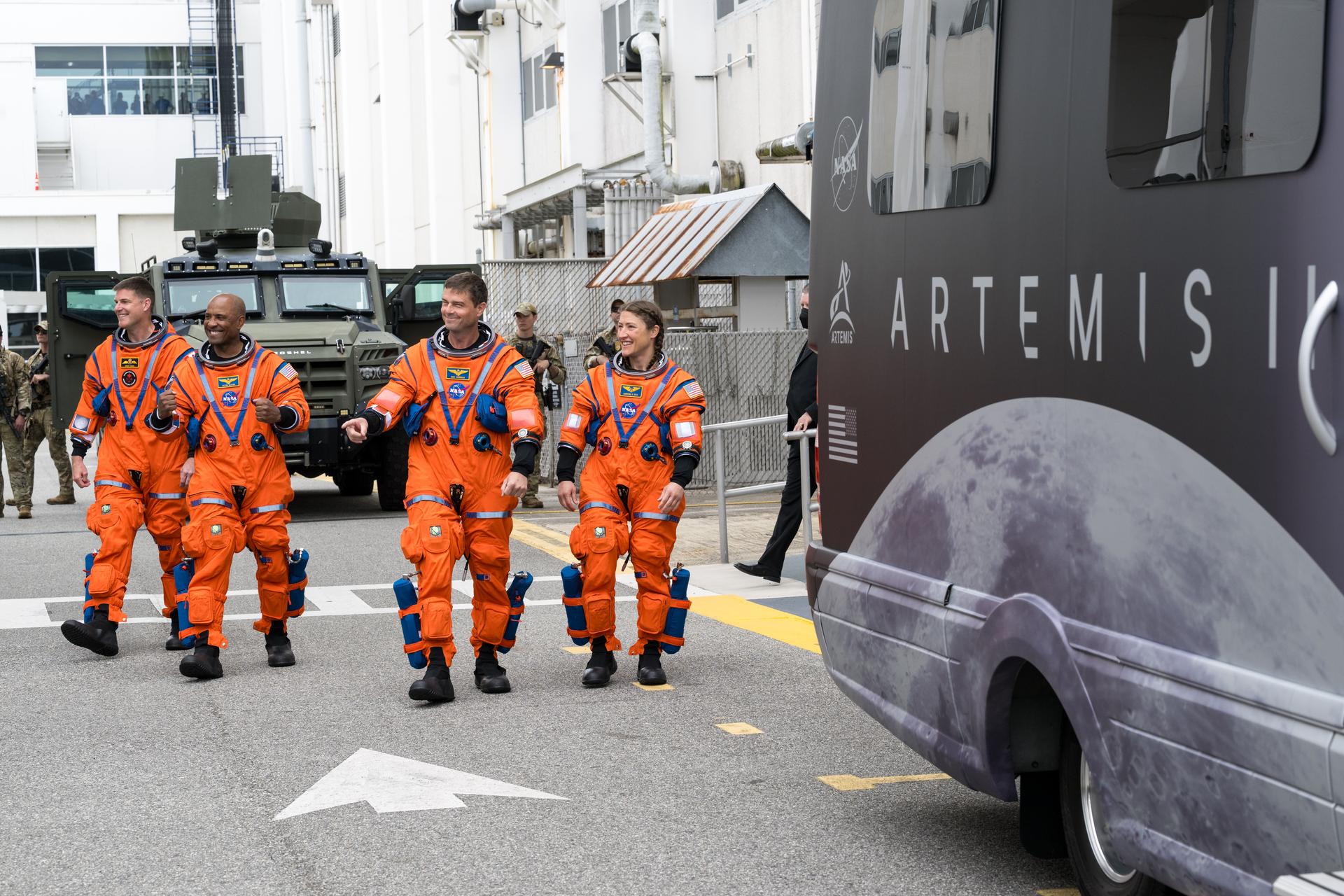
From right to left, NASA astronauts Christina Koch, mission specialist; Reid Wiseman, commander; Victor Glover, pilot; and CSA (Canadian Space Agency) astronaut Jeremy Hansen, mission specialist are seen as they depart the Neil A. Armstrong Operations and Checkout Building to board their Orion spacecraft atop NASA’s Space Launch System (SLS) rocket at Launch Complex 39B, Wednesday, April 1, 2026, at NASA’s Kennedy Space Center in Florida. NASA’s Artemis II mission will take Wiseman, Glover, Koch, and Hansen on a 10-day journey around the Moon and back aboard their Orion spacecraft from Launch Complex 39B, with a two hour launch window opening at 6:24pm. Photo Credit: (NASA/Aubrey Gemignani)
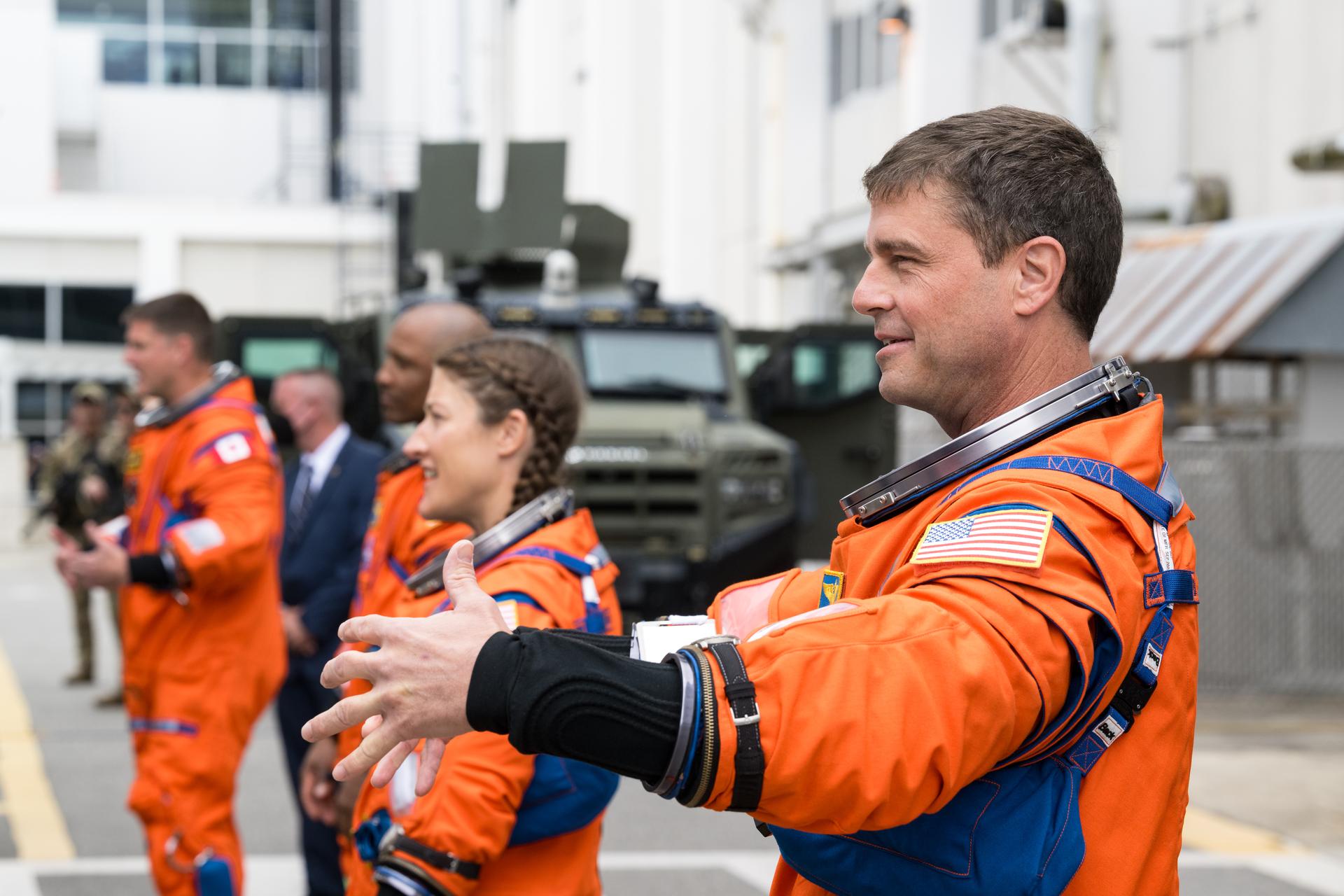
From right to left, NASA astronauts Reid Wiseman, commander; Christina Koch, mission specialist; Victor Glover, pilot; and CSA (Canadian Space Agency) astronaut Jeremy Hansen, mission specialist are seen as they depart the Neil A. Armstrong Operations and Checkout Building to board their Orion spacecraft atop NASA’s Space Launch System (SLS) rocket at Launch Complex 39B, Wednesday, April 1, 2026, at NASA’s Kennedy Space Center in Florida. NASA’s Artemis II mission will take Wiseman, Glover, Koch, and Hansen on a 10-day journey around the Moon and back aboard their Orion spacecraft from Launch Complex 39B, with a two hour launch window opening at 6:24pm. Photo Credit: (NASA/Aubrey Gemignani)
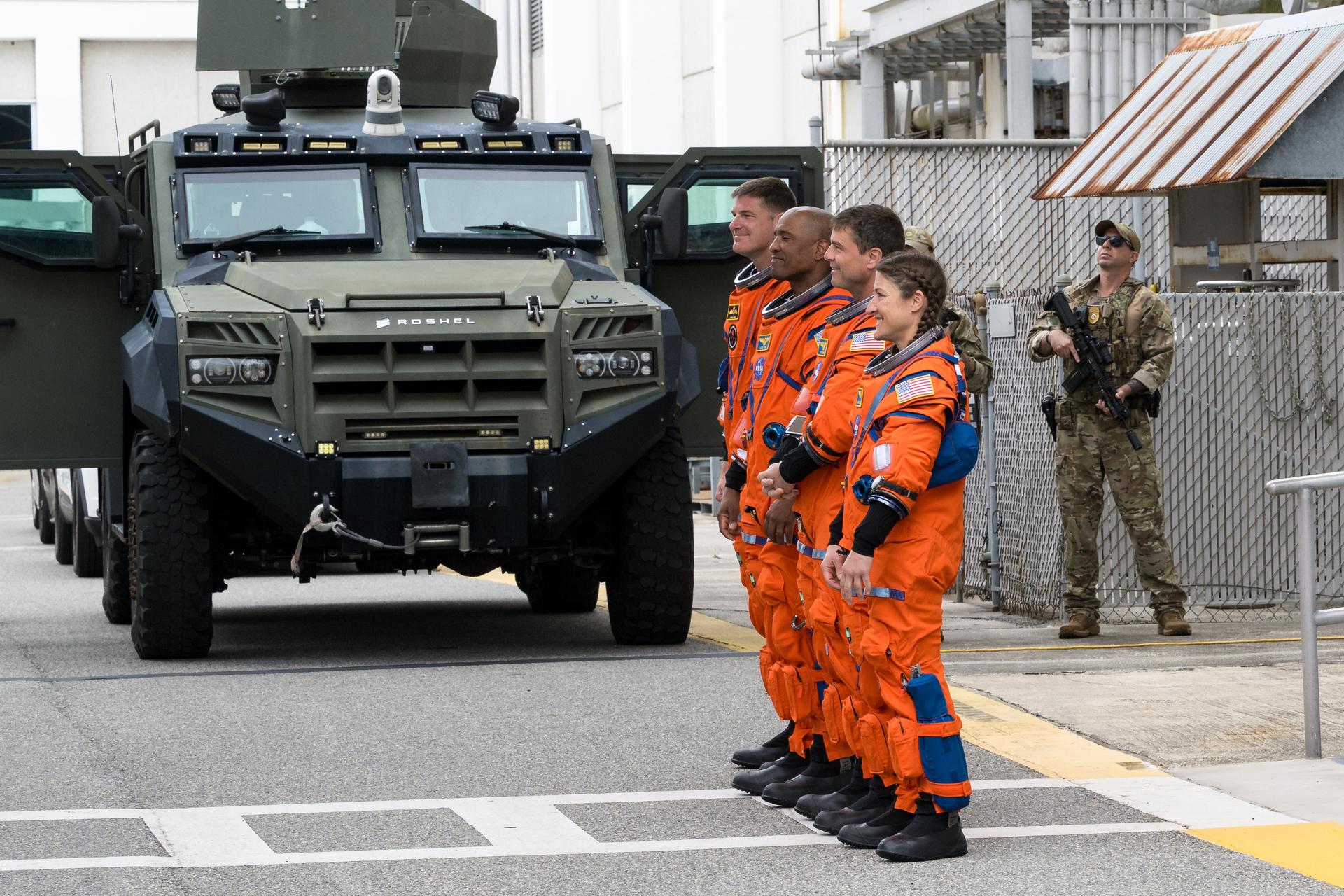
From right to left, NASA astronauts Christina Koch, mission specialist; Reid Wiseman, commander; Victor Glover, pilot; and CSA (Canadian Space Agency) astronaut Jeremy Hansen, mission specialist are seen as they depart the Neil A. Armstrong Operations and Checkout Building to board their Orion spacecraft atop NASA’s Space Launch System (SLS) rocket at Launch Complex 39B, Wednesday, April 1, 2026, at NASA’s Kennedy Space Center in Florida. NASA’s Artemis II mission will take Wiseman, Glover, Koch, and Hansen on a 10-day journey around the Moon and back aboard their Orion spacecraft from Launch Complex 39B, with a two hour launch window opening at 6:24pm. Photo Credit: (NASA/Aubrey Gemignani)
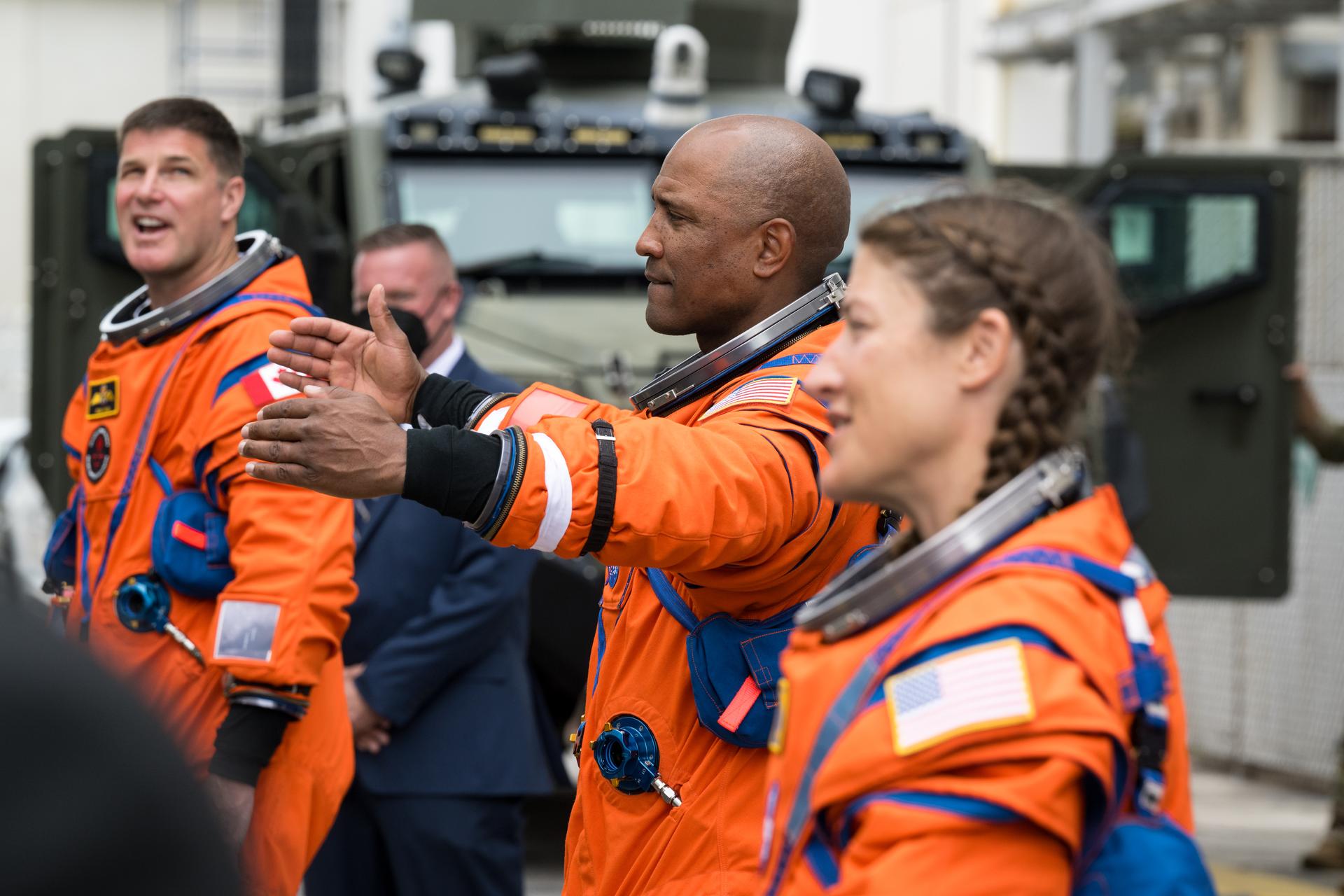
From right to left, NASA astronauts Reid Wiseman, commander (not pictured); Christina Koch, mission specialist; Victor Glover, pilot; and CSA (Canadian Space Agency) astronaut Jeremy Hansen, mission specialist are seen as they depart the Neil A. Armstrong Operations and Checkout Building to board their Orion spacecraft atop NASA’s Space Launch System (SLS) rocket at Launch Complex 39B, Wednesday, April 1, 2026, at NASA’s Kennedy Space Center in Florida. NASA’s Artemis II mission will take Wiseman, Glover, Koch, and Hansen on a 10-day journey around the Moon and back aboard their Orion spacecraft from Launch Complex 39B, with a two hour launch window opening at 6:24pm. Photo Credit: (NASA/Aubrey Gemignani)

From right to left, NASA astronauts Reid Wiseman, commander; Christina Koch, mission specialist; Victor Glover, pilot; and CSA (Canadian Space Agency) astronaut Jeremy Hansen, mission specialist (not pictured) are seen as they depart the Neil A. Armstrong Operations and Checkout Building to board their Orion spacecraft atop NASA’s Space Launch System (SLS) rocket at Launch Complex 39B, Wednesday, April 1, 2026, at NASA’s Kennedy Space Center in Florida. NASA’s Artemis II mission will take Wiseman, Glover, Koch, and Hansen on a 10-day journey around the Moon and back aboard their Orion spacecraft from Launch Complex 39B, with a two hour launch window opening at 6:24pm. Photo Credit: (NASA/Aubrey Gemignani)
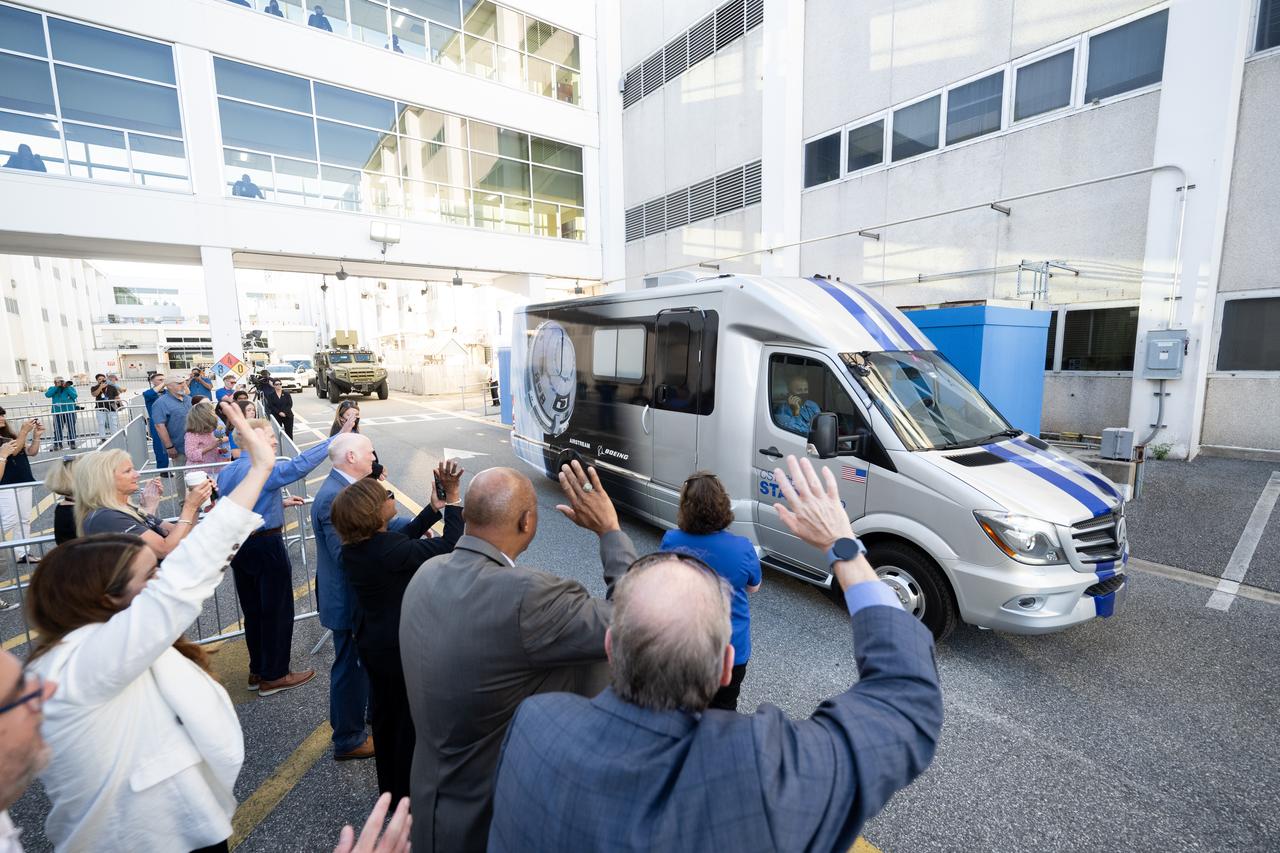
NASA, ULA, and Boeing leadership wave as the crew transport vehicle with NASA astronauts Suni Williams and Butch Wilmore departs the Neil A. Armstrong Operations and Checkout Building for Launch Complex 41 on Cape Canaveral Space Force Station to board the Boeing CST-100 Starliner spacecraft for the Crew Flight Test launch, Wednesday, June 5, 2024, at NASA’s Kennedy Space Center in Florida. NASA’s Boeing Crew Flight Test is the first launch with astronauts of the Boeing CFT-100 spacecraft and United Launch Alliance Atlas V rocket to the International Space Station as part of the agency’s Commercial Crew Program. The flight test, targeted for launch at 10:52 a.m. EDT, serves as an end-to-end demonstration of Boeing’s crew transportation system and will carry NASA astronauts Butch Wilmore and Suni Williams to and from the orbiting laboratory. Photo Credit: (NASA/Joel Kowsky)
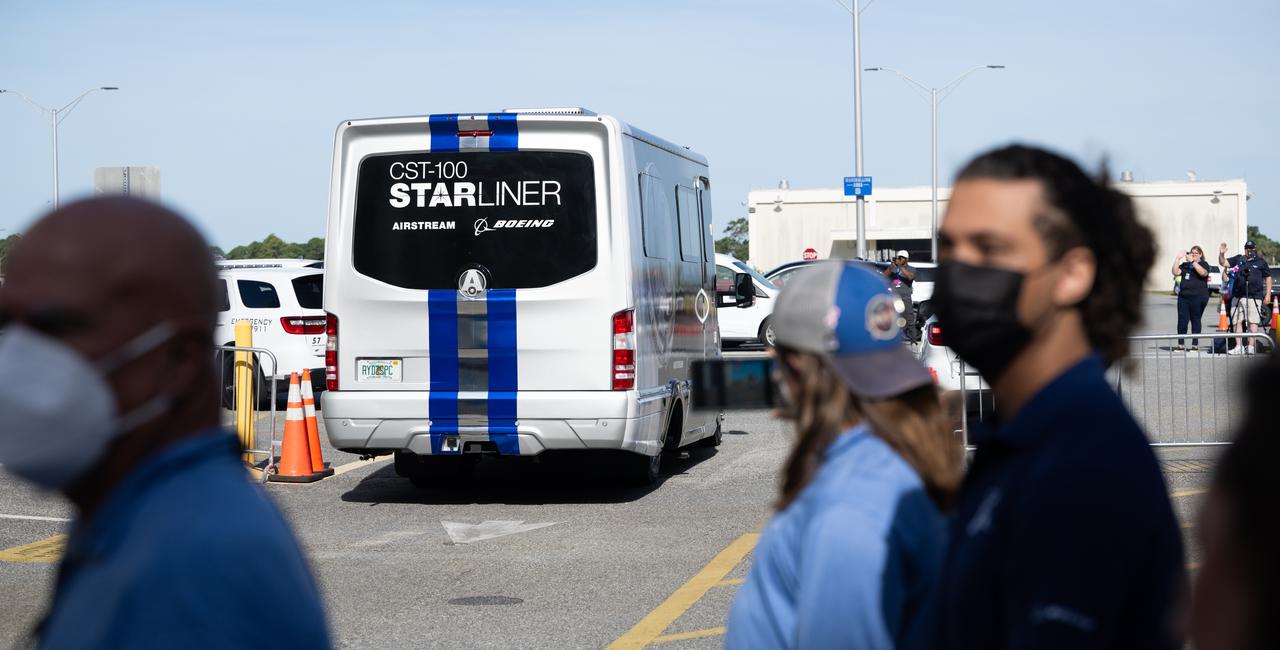
The crew transport vehicle carrying NASA astronauts Suni Williams and Butch Wilmore is seen as it departs the Neil A. Armstrong Operations and Checkout Building for Launch Complex 41 on Cape Canaveral Space Force Station to board the Boeing CST-100 Starliner spacecraft for the Crew Flight Test launch, Saturday, June 1, 2024, at NASA’s Kennedy Space Center in Florida. NASA’s Boeing Crew Flight Test is the first launch with astronauts of the Boeing CFT-100 spacecraft and United Launch Alliance Atlas V rocket to the International Space Station as part of the agency’s Commercial Crew Program. The flight test, targeted for launch at 12:25 p.m. EDT, serves as an end-to-end demonstration of Boeing’s crew transportation system and will carry Wilmore and Williams to and from the orbiting laboratory. Photo Credit: (NASA/Joel Kowsky)
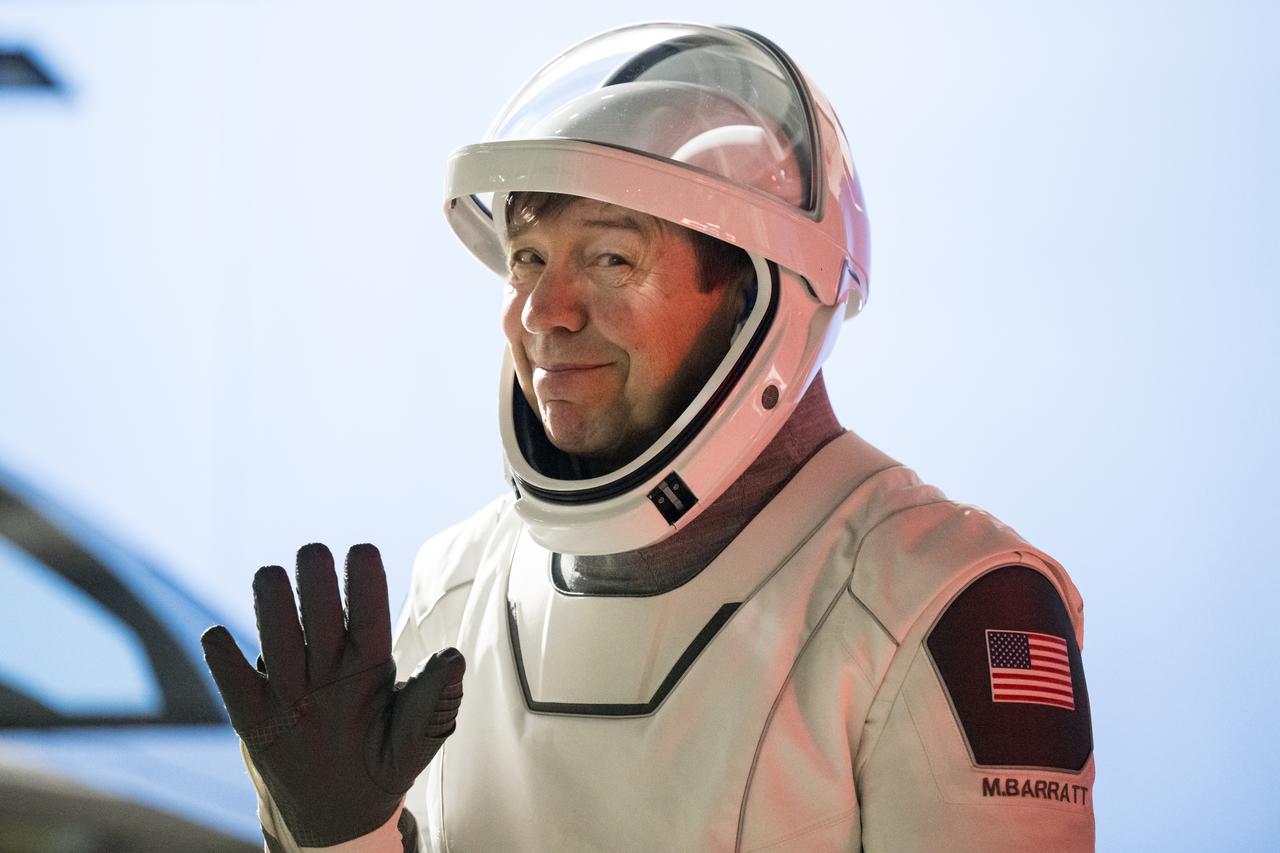
NASA astronaut Michael Barratt, wearing a SpaceX spacesuit, waves as he prepares to depart the Neil A. Armstrong Operations and Checkout Building for Launch Complex 39A during a dress rehearsal prior to the Crew-8 mission launch, Monday, Feb. 26, 2024, at NASA’s Kennedy Space Center in Florida. NASA’s SpaceX Crew-8 mission is the eighth crew rotation mission of the SpaceX Dragon spacecraft and Falcon 9 rocket to the International Space Station as part of the agency’s Commercial Crew Program. NASA astronauts Barratt, Matthew Dominick, Jeanette Epps, and Roscosmos cosmonaut Alexander Grebenkin are scheduled to launch at 12:04 a.m. EST on Friday, March 1, from Launch Complex 39A at the Kennedy Space Center. Photo Credit: (NASA/Aubrey Gemignani)
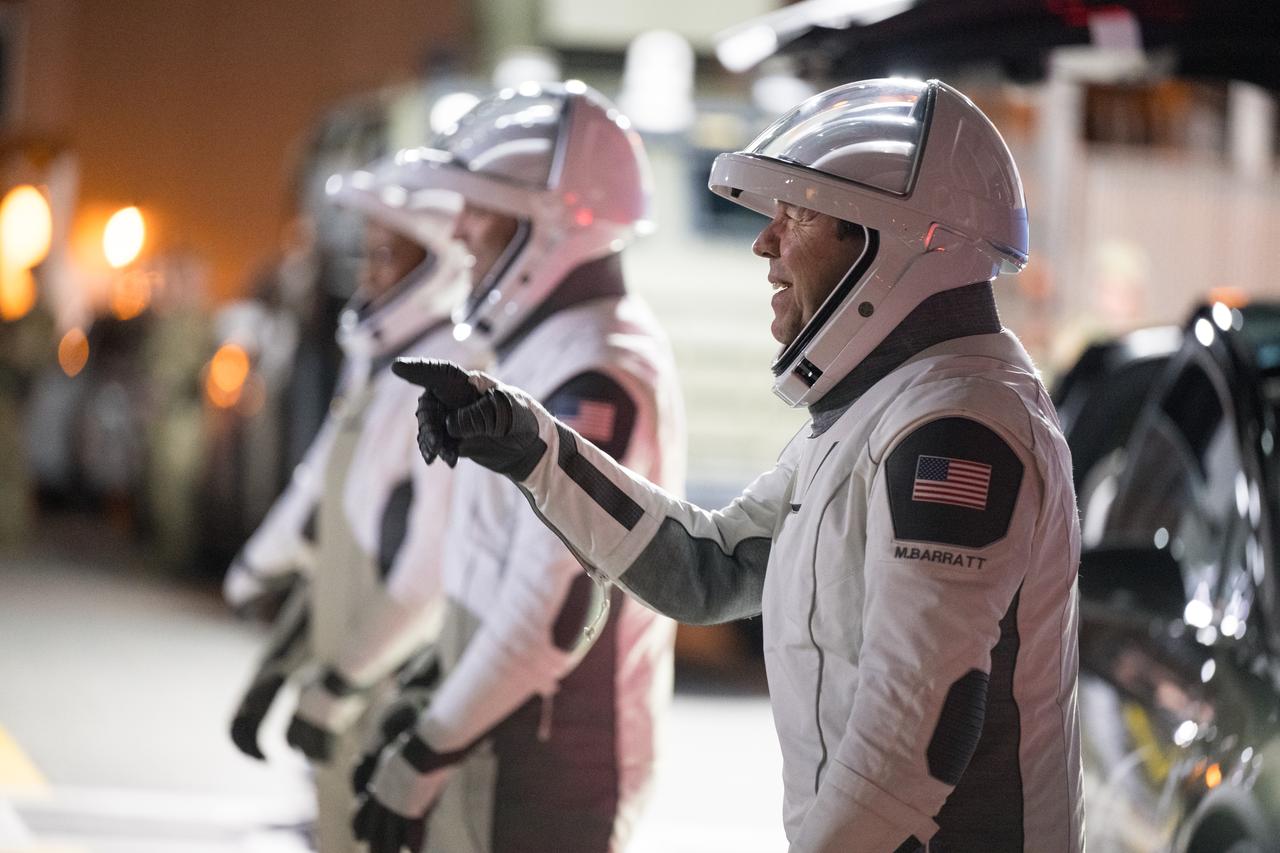
Roscosmos cosmonaut Alexander Grebenkin, NASA astronauts Jeanette Epps, Matthew Dominick, and Michael Barratt speak with family and friends as they prepare to depart the Neil A. Armstrong Operations and Checkout Building for Launch Complex 39A to board the SpaceX Dragon spacecraft for the Crew-8 mission launch, Sunday, March 3, 2024, at NASA’s Kennedy Space Center in Florida. NASA’s SpaceX Crew-8 mission is the eighth crew rotation mission of the SpaceX Crew Dragon spacecraft and Falcon 9 rocket to the International Space Station as part of the agency’s Commercial Crew Program. Dominick, Barratt, Epps, Grebenkin are scheduled to launch at 10:53 p.m. EST on Sunday, March 3, from Launch Complex 39A at the Kennedy Space Center. Photo Credit: (NASA/Aubrey Gemignani)

Family and friends gesture to NASA astronauts Matthew Dominick and Michael Barratt as they prepare to depart the Neil A. Armstrong Operations and Checkout Building for Launch Complex 39A to board the SpaceX Dragon spacecraft for the Crew-8 mission launch, Sunday, March 3, 2024, at NASA’s Kennedy Space Center in Florida. NASA’s SpaceX Crew-8 mission is the eighth crew rotation mission of the SpaceX Crew Dragon spacecraft and Falcon 9 rocket to the International Space Station as part of the agency’s Commercial Crew Program. NASA astronauts Dominick, Barratt, Jeanette Epps, and Roscosmos cosmonaut Alexander Grebenkin are scheduled to launch at 10:53 p.m. EST on Sunday, March 3, from Launch Complex 39A at the Kennedy Space Center. Photo Credit: (NASA/Aubrey Gemignani)
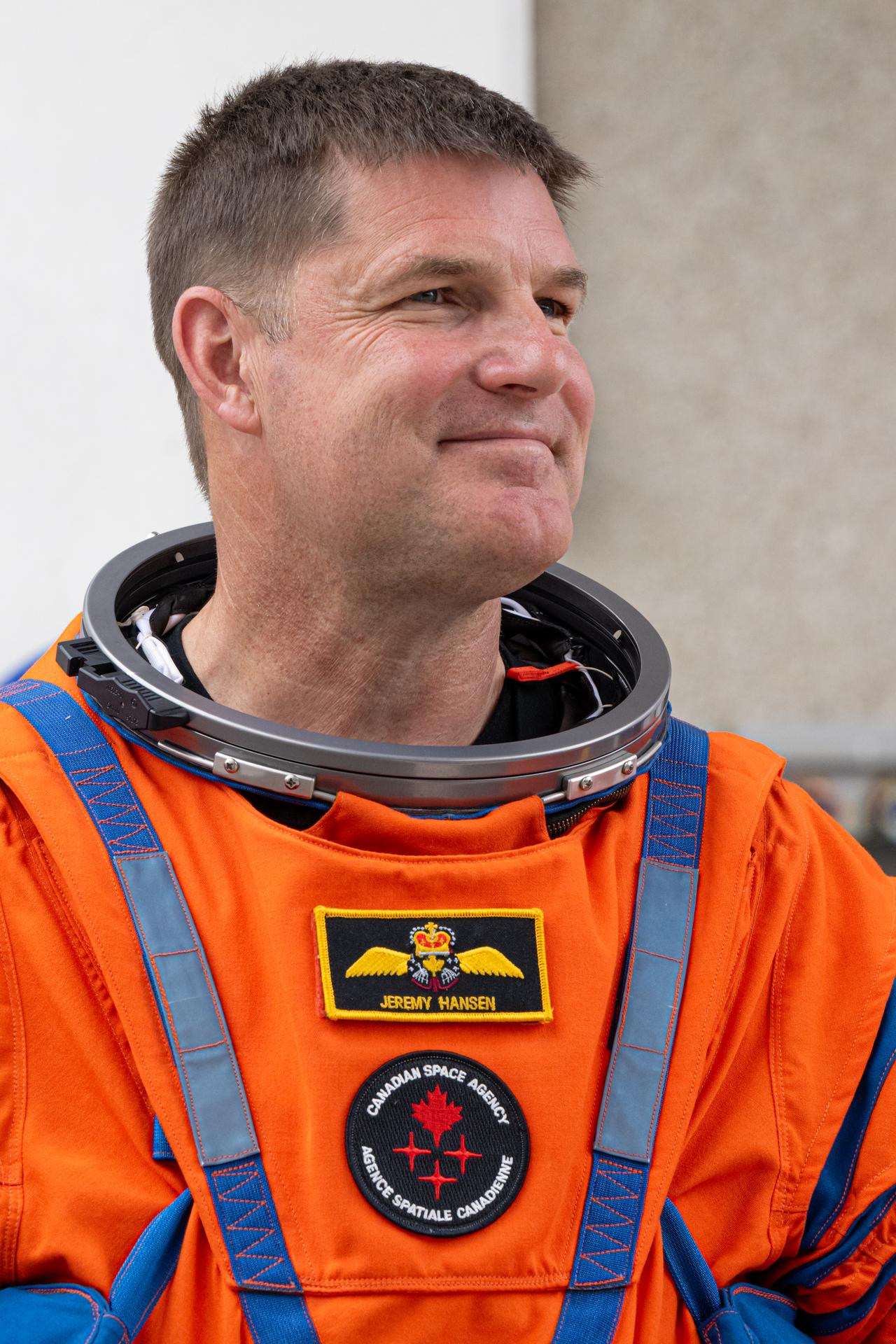
Artemis II astronaut Mission Specialist Jeremy Hansen is seen as the Artemis II crew prepares to depart the Neil A. Armstrong Operations and Checkout Building for Launch Complex 39B at Kennedy Space Center to board NASA’s Artemis II Space Launch System (SLS) rocket and Orion spacecraft for the Artemis II launch, Wednesday, Apr. 1, 2026, at NASA’s Kennedy Space Center in Florida. NASA’s Artemis II test flight will take Commander Reid Wiseman, Pilot Victor Glover, and Mission Specialist Christina Koch from NASA, and Mission Specialist Jeremy Hansen from the CSA (Canadian Space Agency), around the Moon and back to Earth no earlier than April 1, 2026. Photo Credit: (NASA/John Kraus)
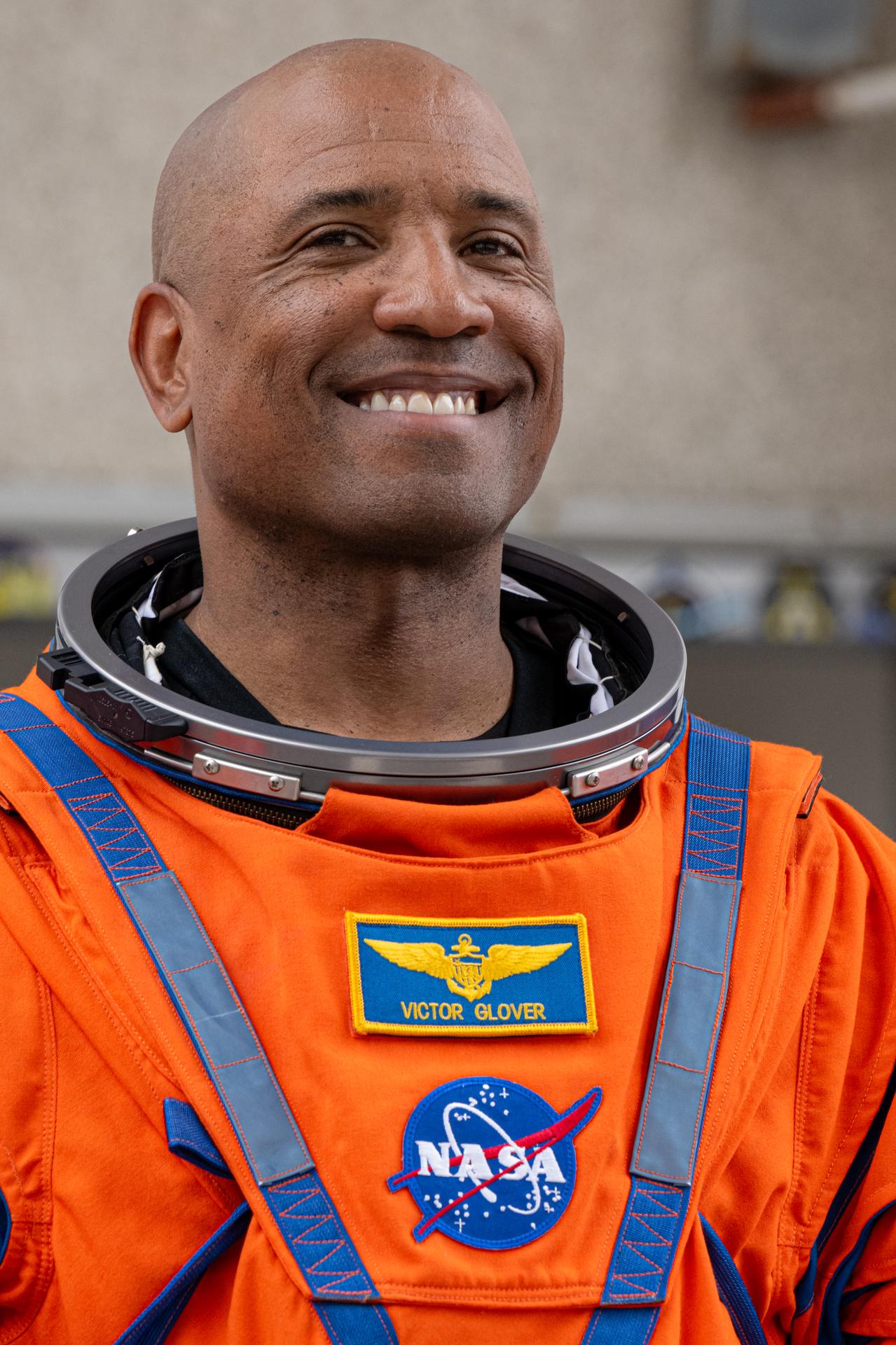
Artemis II astronaut Pilot Victor Glover is seen as the Artemis II crew prepares to depart the Neil A. Armstrong Operations and Checkout Building for Launch Complex 39B at Kennedy Space Center to board NASA’s Artemis II Space Launch System (SLS) rocket and Orion spacecraft for the Artemis II launch, Wednesday, Apr. 1, 2026, at NASA’s Kennedy Space Center in Florida. NASA’s Artemis II test flight will take Commander Reid Wiseman, Pilot Victor Glover, and Mission Specialist Christina Koch from NASA, and Mission Specialist Jeremy Hansen from the CSA (Canadian Space Agency), around the Moon and back to Earth no earlier than April 1, 2026. Photo Credit: (NASA/John Kraus)
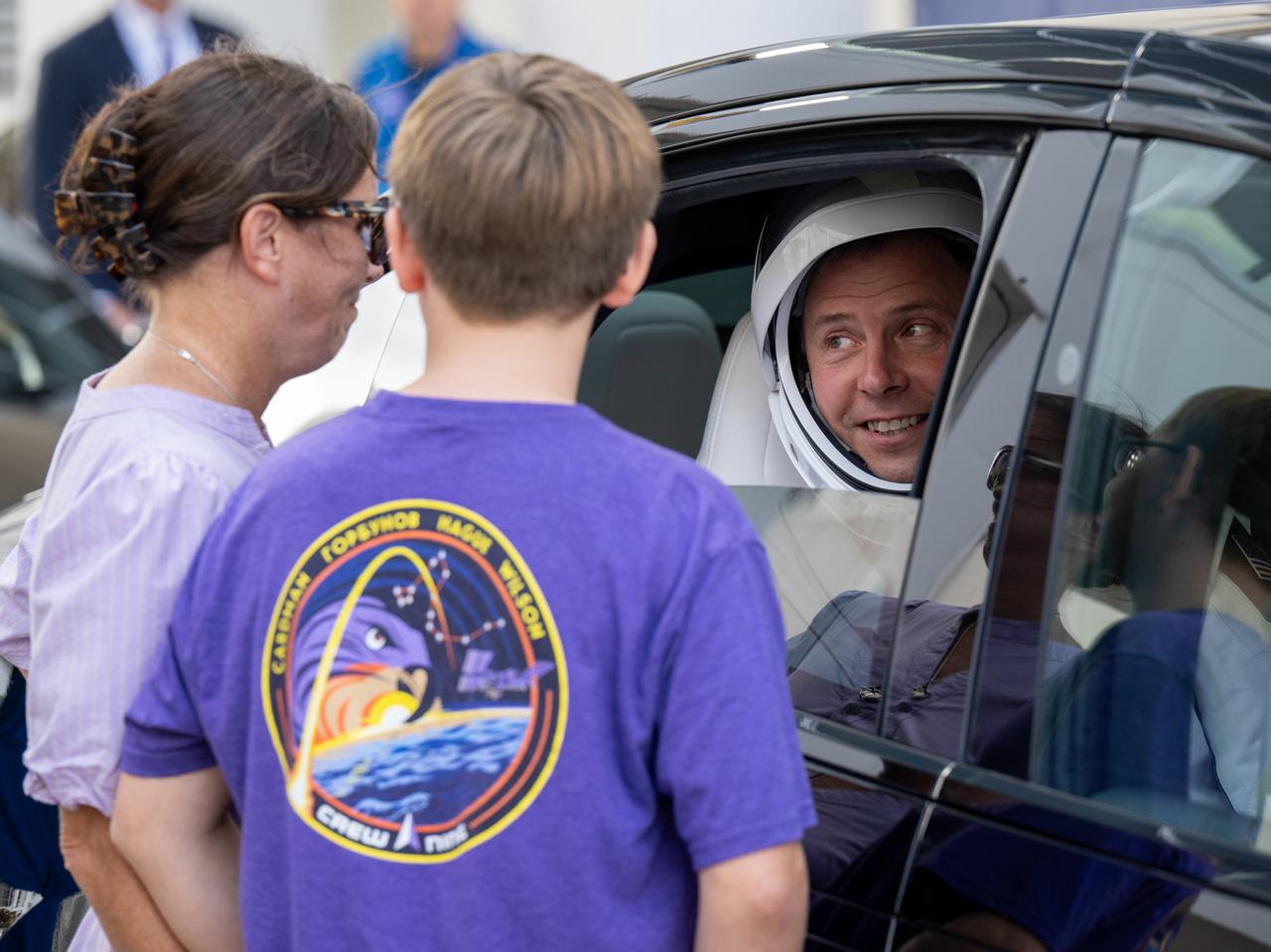
NASA astronaut Nick Hague speaks with family as he prepares to depart the Neil A. Armstrong Operations and Checkout Building for Space Launch Complex 40 on Cape Canaveral Space Force Station to board the SpaceX Dragon spacecraft for the Crew-9 mission launch, Saturday, Sept. 28, 2024, at NASA’s Kennedy Space Center in Florida. NASA’s SpaceX Crew-9 mission is the ninth crew rotation mission of the SpaceX Crew Dragon spacecraft and Falcon 9 rocket to the International Space Station as part of the agency’s Commercial Crew Program. Hague and Gorbunov are scheduled to launch at 1:17 p.m. EDT, from Space Launch Complex 40 at the Cape Canaveral Space Force Station. Photo Credit: (NASA/Keegan Barber)
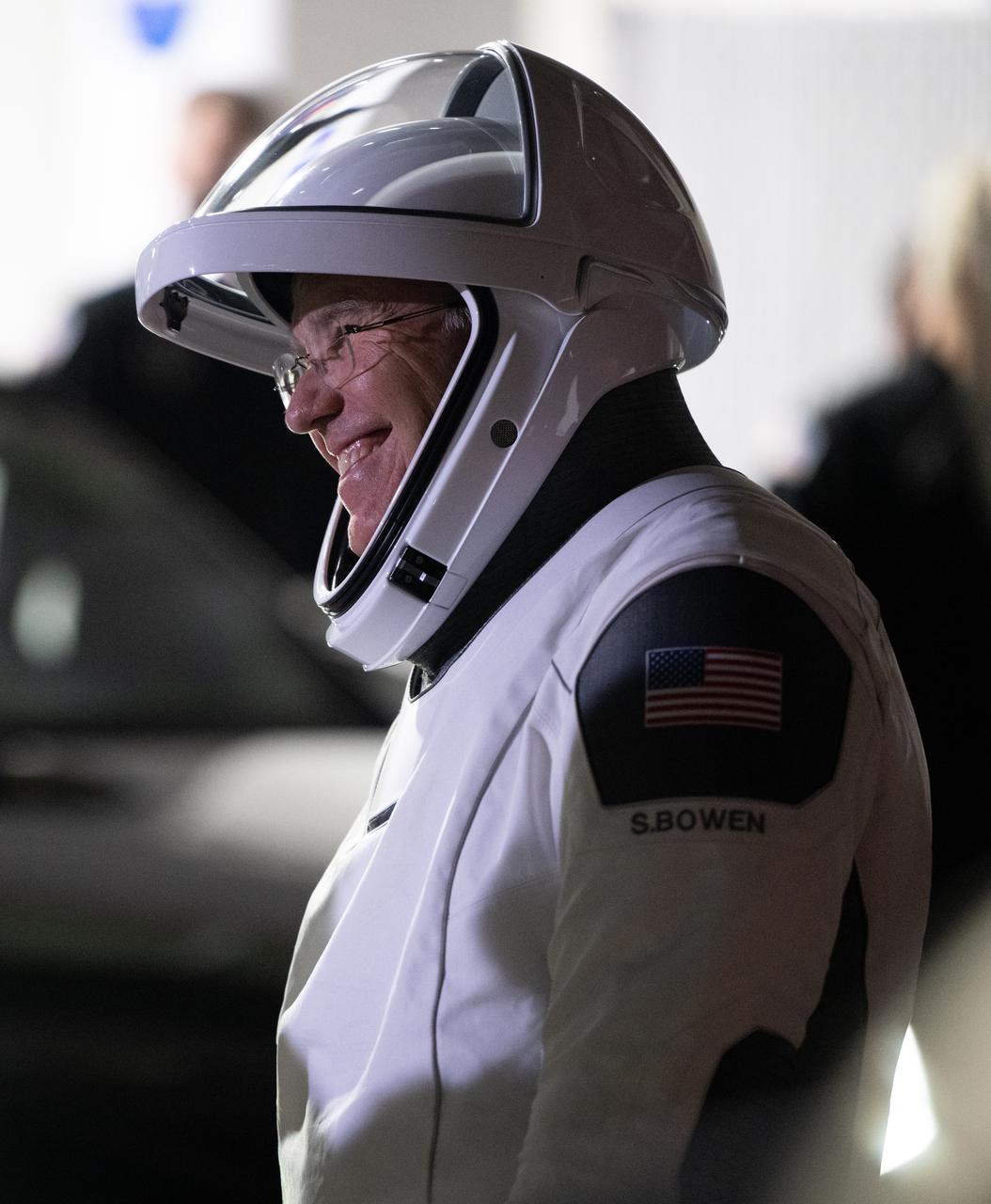
NASA astronauts Stephen Bowen is seen as he and fellow crewmates Warren "Woody" Hoburg, UAE (United Arab Emirates) astronaut Sultan Alneyadi, and Roscosmos cosmonaut Andrey Fedyaev, wearing SpaceX spacesuits, are seen as they prepare to depart the Neil A. Armstrong Operations and Checkout Building for Launch Complex 39A to board the SpaceX Dragon spacecraft for the Crew-6 mission launch, Sunday, Feb. 26, 2023, at NASA’s Kennedy Space Center in Florida. NASA’s SpaceX Crew-6 mission is the sixth crew rotation mission of the SpaceX Crew Dragon spacecraft and Falcon 9 rocket to the International Space Station as part of the agency’s Commercial Crew Program. Bowen, Hoburg, Alneyadi, and Fedyaev are scheduled to launch at 1:45 a.m. EST on Feb. 27, from Launch Complex 39A at the Kennedy Space Center. Photo Credit: (NASA/Joel Kowsky)

NASA astronauts Reid Wiseman, commander, (not pictured); Victor Glover, pilot; Christina Koch, mission specialist; and CSA (Canadian Space Agency) astronaut Jeremy Hansen, mission specialist are seen as they depart the Neil A. Armstrong Operations and Checkout Building to board their Orion spacecraft atop NASA’s Space Launch System (SLS) rocket at Launch Complex 39B, Wednesday, April 1, 2026, at NASA’s Kennedy Space Center in Florida. NASA’s Artemis II mission will take Wiseman, Glover, Koch, and Hansen on a 10-day journey around the Moon and back aboard their Orion spacecraft from Launch Complex 39B, with a two hour launch window opening at 6:24pm. Photo Credit: (NASA/Aubrey Gemignani)
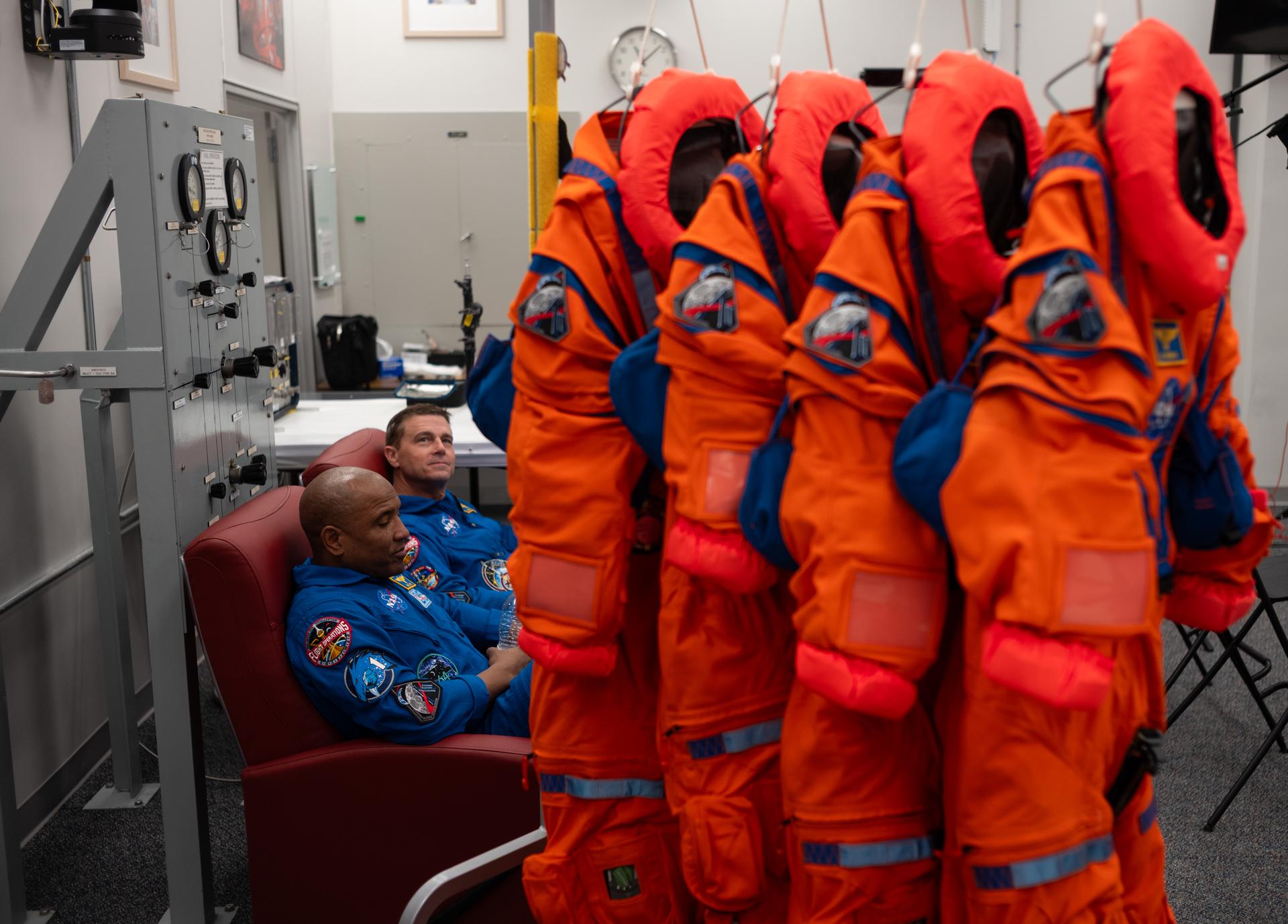
NASA astronaut Victor Glover, Artemis II pilot and NASA astronaut Reid Wiseman, Artemis II commander are seen alongside the Orion Crew Survival System suits that they and fellow crewmates NASA astronaut Christina Koch, Artemis II mission specialist and CSA (Canadian Space Agency) astronaut Jeremy Hansen, Artemis II mission specialist, as they wait to participate in an interview in the suit-up room of the Neil A. Armstrong Operations and Checkout Building, Saturday, Jan. 17, 2026, at NASA’s Kennedy Space Center in Florida. NASA’s Artemis II test flight will take Glover, Wiseman, Koch, and Hansen around the Moon and back to Earth no later than April 2026. Photo Credit: (NASA/Joel Kowsky)
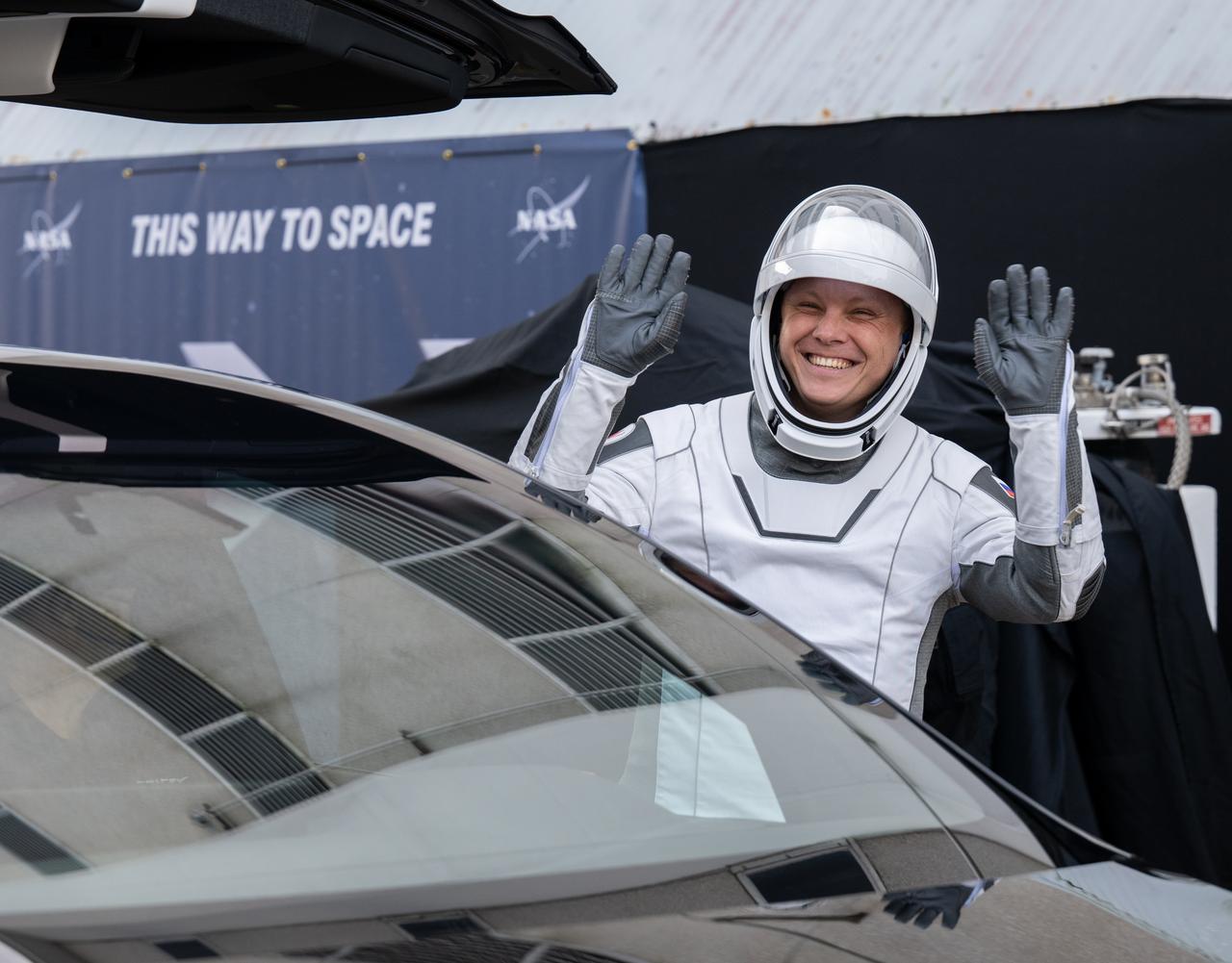
Roscosmos cosmonaut Aleksandr Gorbunov, bids farewell as he prepares to depart the Neil A. Armstrong Operations and Checkout Building for Space Launch Complex 40 on Cape Canaveral Space Force Station to board the SpaceX Dragon spacecraft for the Crew-9 mission launch, Saturday, Sept. 28, 2024, at NASA’s Kennedy Space Center in Florida. NASA’s SpaceX Crew-9 mission is the ninth crew rotation mission of the SpaceX Crew Dragon spacecraft and Falcon 9 rocket to the International Space Station as part of the agency’s Commercial Crew Program. Hague and Gorbunov are scheduled to launch at 1:17 p.m. EDT, from Space Launch Complex 40 at the Cape Canaveral Space Force Station. Photo Credit: (NASA/Keegan Barber)
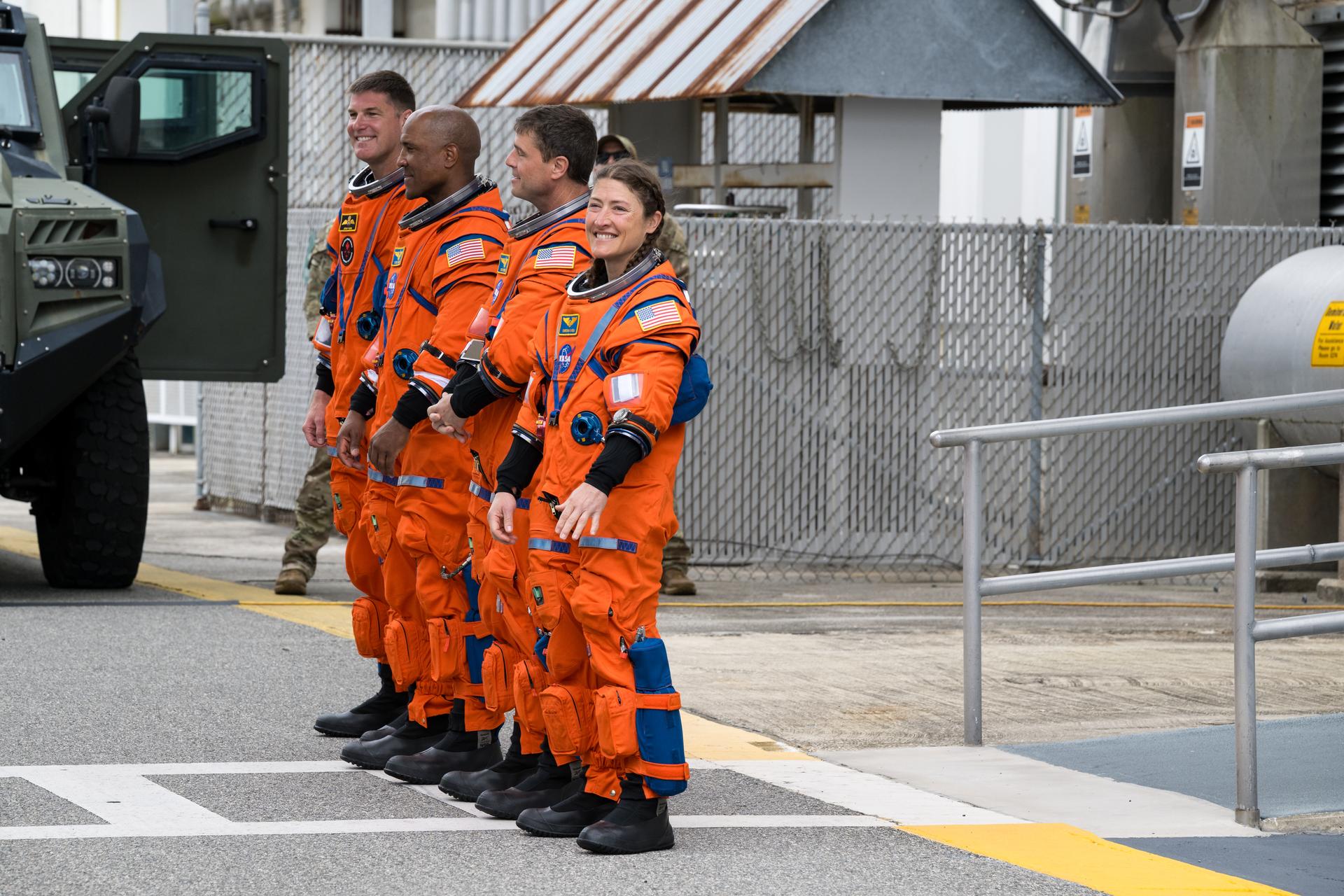
From right to left, NASA astronauts Christina Koch, mission specialist; Reid Wiseman, commander; Victor Glover, pilot; and CSA (Canadian Space Agency) astronaut Jeremy Hansen, mission specialist are seen as they depart the Neil A. Armstrong Operations and Checkout Building to board their Orion spacecraft atop NASA’s Space Launch System (SLS) rocket at Launch Complex 39B, Wednesday, April 1, 2026, at NASA’s Kennedy Space Center in Florida. NASA’s Artemis II mission will take Wiseman, Glover, Koch, and Hansen on a 10-day journey around the Moon and back aboard their Orion spacecraft from Launch Complex 39B, with a two hour launch window opening at 6:24pm. Photo Credit: (NASA/Aubrey Gemignani)
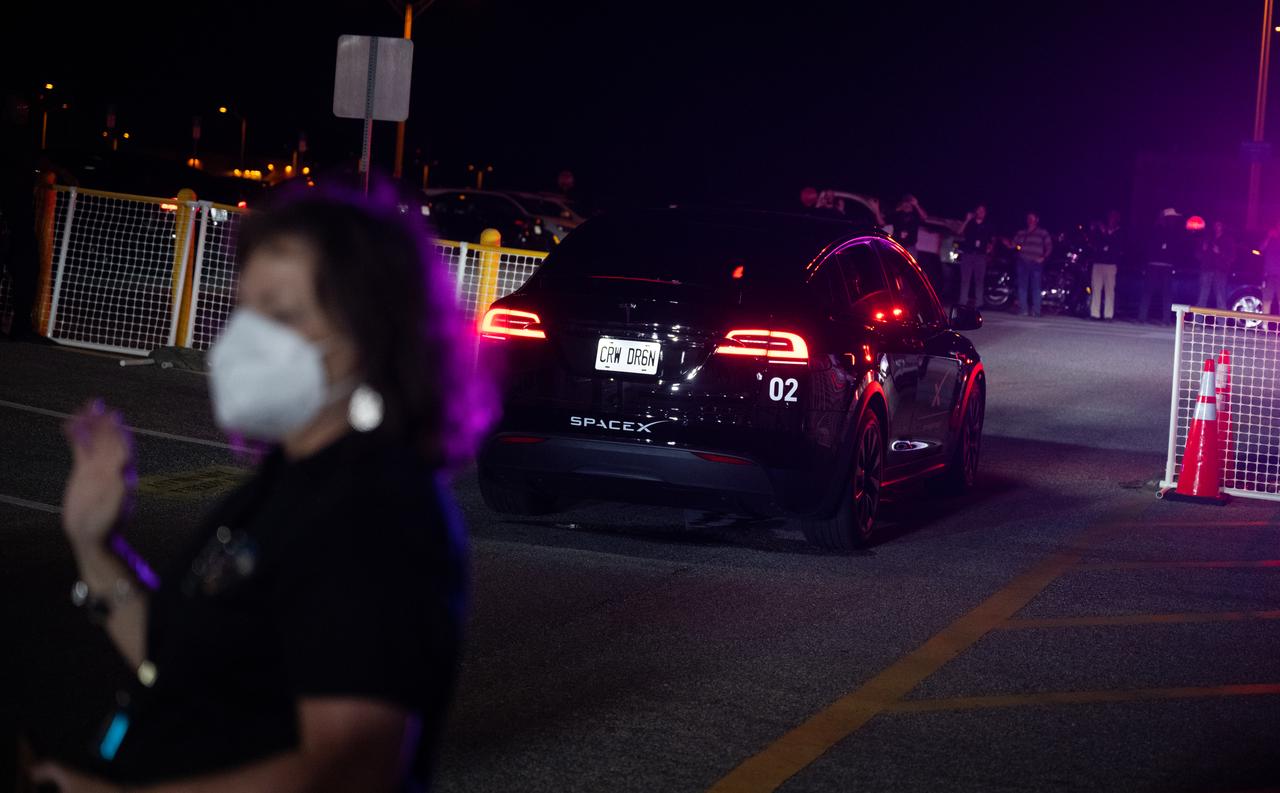
The vehicles carrying Roscosmos cosmonaut Andrey Fedyaev, NASA astronaut Warren “Woody" Hoburg, NASA astronaut Stephen Bowen, and UAE (United Arab Emirates) astronaut Sultan Alneyadi, are seen as they depart the Neil A. Armstrong Operations and Checkout Building for Launch Complex 39A to board the SpaceX Dragon spacecraft for the Crew-6 mission launch, Wednesday, March 1, 2023, at NASA’s Kennedy Space Center in Florida. NASA’s SpaceX Crew-6 mission is the sixth crew rotation mission of the SpaceX Crew Dragon spacecraft and Falcon 9 rocket to the International Space Station as part of the agency’s Commercial Crew Program. Bowen, Hoburg, Alneyadi, and Fedyaev are scheduled to launch at 12:34 a.m. EST on March 2, from Launch Complex 39A at the Kennedy Space Center. Photo Credit: (NASA/Joel Kowsky)

NASA astronauts Stephen Bowen, right, and Warren "Woody" Hoburg, second from right, Roscosmos cosmonaut Andrey Fedyaev, second from left, and UAE (United Arab Emirates) astronaut Sultan Alneyadi, left, wearing SpaceX spacesuits, are seen as they prepare to depart the Neil A. Armstrong Operations and Checkout Building for Launch Complex 39A to board the SpaceX Dragon spacecraft for the Crew-6 mission launch, Sunday, Feb. 26, 2023, at NASA’s Kennedy Space Center in Florida. NASA’s SpaceX Crew-6 mission is the sixth crew rotation mission of the SpaceX Crew Dragon spacecraft and Falcon 9 rocket to the International Space Station as part of the agency’s Commercial Crew Program. Bowen, Hoburg, Alneyadi, and Fedyaev are scheduled to launch at 1:45 a.m. EST on Feb. 27, from Launch Complex 39A at the Kennedy Space Center. Photo Credit: (NASA/Joel Kowsky)