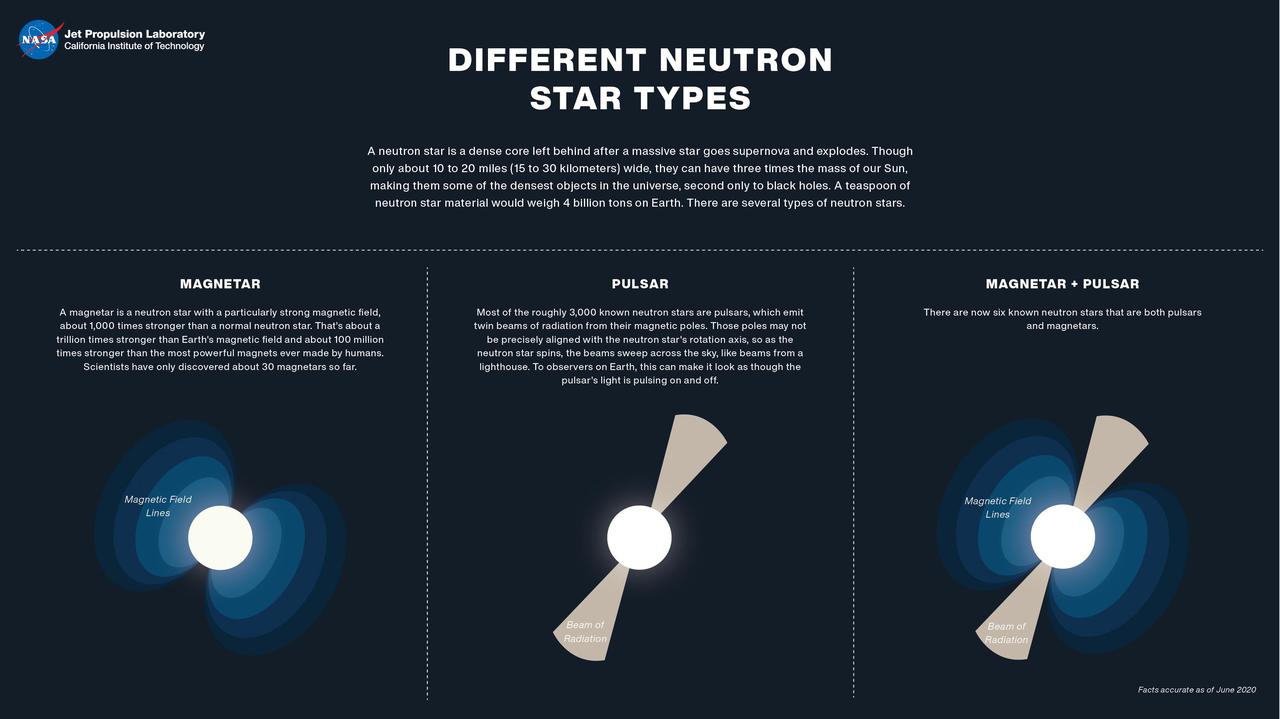
Neutron stars, or cores leftover from exploded stars, are some of the densest objects in the universe. There are several types of neutron stars, including magnetars and pulsars. https://photojournal.jpl.nasa.gov/catalog/PIA23863
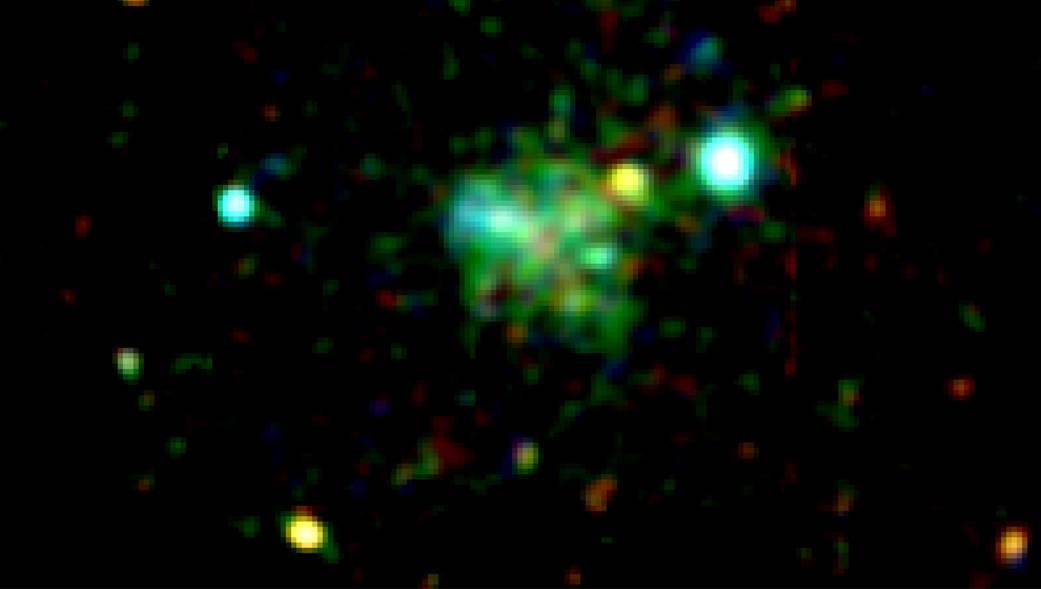
Astronomers have discovered a vast cloud of high-energy particles called a wind nebula around a rare ultra-magnetic neutron star, or magnetar, for the first time. The find offers a unique window into the properties, environment and outburst history of magnetars, which are the strongest magnets in the universe. A neutron star is the crushed core of a massive star that ran out of fuel, collapsed under its own weight, and exploded as a supernova. Each one compresses the equivalent mass of half a million Earths into a ball just 12 miles (20 kilometers) across, or about the length of New York's Manhattan Island. Neutron stars are most commonly found as pulsars, which produce radio, visible light, X-rays and gamma rays at various locations in their surrounding magnetic fields. When a pulsar spins these regions in our direction, astronomers detect pulses of emission, hence the name. Credit: ESA/XMM-Newton/Younes et al. 2016

This supercomputer simulation shows one of the most violent events in the universe: a pair of neutron stars colliding, merging and forming a black hole. A neutron star is the compressed core left behind when a star born with between eight and 30 times the sun's mass explodes as a supernova. Neutron stars pack about 1.5 times the mass of the sun — equivalent to about half a million Earths — into a ball just 12 miles (20 km) across. As the simulation begins, we view an unequally matched pair of neutron stars weighing 1.4 and 1.7 solar masses. They are separated by only about 11 miles, slightly less distance than their own diameters. Redder colors show regions of progressively lower density. As the stars spiral toward each other, intense tides begin to deform them, possibly cracking their crusts. Neutron stars possess incredible density, but their surfaces are comparatively thin, with densities about a million times greater than gold. Their interiors crush matter to a much greater degree densities rise by 100 million times in their centers. To begin to imagine such mind-boggling densities, consider that a cubic centimeter of neutron star matter outweighs Mount Everest. By 7 milliseconds, tidal forces overwhelm and shatter the lesser star. Its superdense contents erupt into the system and curl a spiral arm of incredibly hot material. At 13 milliseconds, the more massive star has accumulated too much mass to support it against gravity and collapses, and a new black hole is born. The black hole's event horizon — its point of no return — is shown by the gray sphere. While most of the matter from both neutron stars will fall into the black hole, some of the less dense, faster moving matter manages to orbit around it, quickly forming a large and rapidly rotating torus. This torus extends for about 124 miles (200 km) and contains the equivalent of 1/5th the mass of our sun. Scientists think neutron star mergers like this produce short gamma-ray bursts (GRBs). Short GRBs last less than two seconds yet unleash as much energy as all the stars in our galaxy produce over one year. The rapidly fading afterglow of these explosions presents a challenge to astronomers. A key element in understanding GRBs is getting instruments on large ground-based telescopes to capture afterglows as soon as possible after the burst. The rapid notification and accurate positions provided by NASA's Swift mission creates a vibrant synergy with ground-based observatories that has led to dramatically improved understanding of GRBs, especially for short bursts. This video is public domain and can be downloaded at: : <a href="http://svs.gsfc.nasa.gov/goto?11530" rel="nofollow">svs.gsfc.nasa.gov/goto?11530</a>

NICER Optics Lead Takashi Okajima installs one of NICER’s 56 X-ray “concentrators,” each consisting of 24 concentric foils. To minimize the effects of Earth’s gravity on their alignment, the concentrator assemblies were installed from the outside edges toward the center of the plate that houses them. The payload’s 56 mirror assemblies concentrate X-rays onto silicon detectors to gather data that will probe the interior makeup of neutron stars, including those that appear to flash regularly, called pulsars. The Neutron star Interior Composition Explorer (NICER) is a NASA Explorer Mission of Opportunity dedicated to studying the extraordinary environments — strong gravity, ultra-dense matter, and the most powerful magnetic fields in the universe — embodied by neutron stars. An attached payload aboard the International Space Station, NICER will deploy an instrument with unique capabilities for timing and spectroscopy of fast X-ray brightness fluctuations. The embedded Station Explorer for X-ray Timing and Navigation Technology demonstration (SEXTANT) will use NICER data to validate, for the first time in space, technology that exploits pulsars as natural navigation beacons. Credit: NASA/Goddard/ Keith Gendreau <b><a href="http://www.nasa.gov/audience/formedia/features/MP_Photo_Guidelines.html" rel="nofollow">NASA image use policy.</a></b> <b><a href="http://www.nasa.gov/centers/goddard/home/index.html" rel="nofollow">NASA Goddard Space Flight Center</a></b> enables NASA’s mission through four scientific endeavors: Earth Science, Heliophysics, Solar System Exploration, and Astrophysics. Goddard plays a leading role in NASA’s accomplishments by contributing compelling scientific knowledge to advance the Agency’s mission. <b>Follow us on <a href="http://twitter.com/NASAGoddardPix" rel="nofollow">Twitter</a></b> <b>Like us on <a href="http://www.facebook.com/pages/Greenbelt-MD/NASA-Goddard/395013845897?ref=tsd" rel="nofollow">Facebook</a></b> <b>Find us on <a href="http://instagrid.me/nasagoddard/?vm=grid" rel="nofollow">Instagram</a></b>

NICER’s X-ray concentrator optics are inspected under a black light for dust and foreign object debris that could impair functionality once in space. The payload’s 56 mirror assemblies concentrate X-rays onto silicon detectors to gather data that will probe the interior makeup of neutron stars, including those that appear to flash regularly, called pulsars. The Neutron star Interior Composition Explorer (NICER) is a NASA Explorer Mission of Opportunity dedicated to studying the extraordinary environments — strong gravity, ultra-dense matter, and the most powerful magnetic fields in the universe — embodied by neutron stars. An attached payload aboard the International Space Station, NICER will deploy an instrument with unique capabilities for timing and spectroscopy of fast X-ray brightness fluctuations. The embedded Station Explorer for X-ray Timing and Navigation Technology demonstration (SEXTANT) will use NICER data to validate, for the first time in space, technology that exploits pulsars as natural navigation beacons. Credit: NASA/Goddard/ Keith Gendreau <b><a href="http://www.nasa.gov/audience/formedia/features/MP_Photo_Guidelines.html" rel="nofollow">NASA image use policy.</a></b> <b><a href="http://www.nasa.gov/centers/goddard/home/index.html" rel="nofollow">NASA Goddard Space Flight Center</a></b> enables NASA’s mission through four scientific endeavors: Earth Science, Heliophysics, Solar System Exploration, and Astrophysics. Goddard plays a leading role in NASA’s accomplishments by contributing compelling scientific knowledge to advance the Agency’s mission. <b>Follow us on <a href="http://twitter.com/NASAGoddardPix" rel="nofollow">Twitter</a></b> <b>Like us on <a href="http://www.facebook.com/pages/Greenbelt-MD/NASA-Goddard/395013845897?ref=tsd" rel="nofollow">Facebook</a></b> <b>Find us on <a href="http://instagrid.me/nasagoddard/?vm=grid" rel="nofollow">Instagram</a></b>

NICER engineer Steven Kenyon prepares seven of the 56 X-ray concentrators for installation in the NICER instrument. The payload’s 56 mirror assemblies concentrate X-rays onto silicon detectors to gather data that will probe the interior makeup of neutron stars, including those that appear to flash regularly, called pulsars. The Neutron star Interior Composition Explorer (NICER) is a NASA Explorer Mission of Opportunity dedicated to studying the extraordinary environments — strong gravity, ultra-dense matter, and the most powerful magnetic fields in the universe — embodied by neutron stars. An attached payload aboard the International Space Station, NICER will deploy an instrument with unique capabilities for timing and spectroscopy of fast X-ray brightness fluctuations. The embedded Station Explorer for X-ray Timing and Navigation Technology demonstration (SEXTANT) will use NICER data to validate, for the first time in space, technology that exploits pulsars as natural navigation beacons. Credit: NASA/Goddard/ Keith Gendreau <b><a href="http://www.nasa.gov/audience/formedia/features/MP_Photo_Guidelines.html" rel="nofollow">NASA image use policy.</a></b> <b><a href="http://www.nasa.gov/centers/goddard/home/index.html" rel="nofollow">NASA Goddard Space Flight Center</a></b> enables NASA’s mission through four scientific endeavors: Earth Science, Heliophysics, Solar System Exploration, and Astrophysics. Goddard plays a leading role in NASA’s accomplishments by contributing compelling scientific knowledge to advance the Agency’s mission. <b>Follow us on <a href="http://twitter.com/NASAGoddardPix" rel="nofollow">Twitter</a></b> <b>Like us on <a href="http://www.facebook.com/pages/Greenbelt-MD/NASA-Goddard/395013845897?ref=tsd" rel="nofollow">Facebook</a></b> <b>Find us on <a href="http://instagrid.me/nasagoddard/?vm=grid" rel="nofollow">Instagram</a></b>

NICER team members Takashi Okajima, Yang Soong, and Steven Kenyon apply epoxy to the X-ray concentrator mounts after alignment. The epoxy holds the optics assemblies fixed in position through the vibrations experienced during launch to the International Space Station. The payload’s 56 mirror assemblies concentrate X-rays onto silicon detectors to gather data that will probe the interior makeup of neutron stars, including those that appear to flash regularly, called pulsars. The Neutron star Interior Composition Explorer (NICER) is a NASA Explorer Mission of Opportunity dedicated to studying the extraordinary environments — strong gravity, ultra-dense matter, and the most powerful magnetic fields in the universe — embodied by neutron stars. An attached payload aboard the International Space Station, NICER will deploy an instrument with unique capabilities for timing and spectroscopy of fast X-ray brightness fluctuations. The embedded Station Explorer for X-ray Timing and Navigation Technology demonstration (SEXTANT) will use NICER data to validate, for the first time in space, technology that exploits pulsars as natural navigation beacons. Credit: NASA/Goddard/ Keith Gendreau <b><a href="http://www.nasa.gov/audience/formedia/features/MP_Photo_Guidelines.html" rel="nofollow">NASA image use policy.</a></b> <b><a href="http://www.nasa.gov/centers/goddard/home/index.html" rel="nofollow">NASA Goddard Space Flight Center</a></b> enables NASA’s mission through four scientific endeavors: Earth Science, Heliophysics, Solar System Exploration, and Astrophysics. Goddard plays a leading role in NASA’s accomplishments by contributing compelling scientific knowledge to advance the Agency’s mission. <b>Follow us on <a href="http://twitter.com/NASAGoddardPix" rel="nofollow">Twitter</a></b> <b>Like us on <a href="http://www.facebook.com/pages/Greenbelt-MD/NASA-Goddard/395013845897?ref=tsd" rel="nofollow">Facebook</a></b> <b>Find us on <a href="http://instagrid.me/nasagoddard/?vm=grid" rel="nofollow">Instagram</a></b>

NICER Optics Lead Takashi Okajima makes a fine adjustment to the orientation of one X-ray “concentrator” optic. The 56 optics must point in the same direction in order for NICER to achieve its science goals. The payload’s 56 mirror assemblies concentrate X-rays onto silicon detectors to gather data that will probe the interior makeup of neutron stars, including those that appear to flash regularly, called pulsars. The Neutron star Interior Composition Explorer (NICER) is a NASA Explorer Mission of Opportunity dedicated to studying the extraordinary environments — strong gravity, ultra-dense matter, and the most powerful magnetic fields in the universe — embodied by neutron stars. An attached payload aboard the International Space Station, NICER will deploy an instrument with unique capabilities for timing and spectroscopy of fast X-ray brightness fluctuations. The embedded Station Explorer for X-ray Timing and Navigation Technology demonstration (SEXTANT) will use NICER data to validate, for the first time in space, technology that exploits pulsars as natural navigation beacons. Credit: NASA/Goddard/ Keith Gendreau <b><a href="http://www.nasa.gov/audience/formedia/features/MP_Photo_Guidelines.html" rel="nofollow">NASA image use policy.</a></b> <b><a href="http://www.nasa.gov/centers/goddard/home/index.html" rel="nofollow">NASA Goddard Space Flight Center</a></b> enables NASA’s mission through four scientific endeavors: Earth Science, Heliophysics, Solar System Exploration, and Astrophysics. Goddard plays a leading role in NASA’s accomplishments by contributing compelling scientific knowledge to advance the Agency’s mission. <b>Follow us on <a href="http://twitter.com/NASAGoddardPix" rel="nofollow">Twitter</a></b> <b>Like us on <a href="http://www.facebook.com/pages/Greenbelt-MD/NASA-Goddard/395013845897?ref=tsd" rel="nofollow">Facebook</a></b> <b>Find us on <a href="http://instagrid.me/nasagoddard/?vm=grid" rel="nofollow">Instagram</a></b>

Many of NICER’s 56 X-ray “concentrators” seen from within the instrument optical bench. Light reflected from the gold surfaces of the 24 concentric foils in each concentrator is focused onto detectors slightly more than 1 meter (3.5 feet) away. The payload’s 56 mirror assemblies concentrate X-rays onto silicon detectors to gather data that will probe the interior makeup of neutron stars, including those that appear to flash regularly, called pulsars. The Neutron star Interior Composition Explorer (NICER) is a NASA Explorer Mission of Opportunity dedicated to studying the extraordinary environments — strong gravity, ultra-dense matter, and the most powerful magnetic fields in the universe — embodied by neutron stars. An attached payload aboard the International Space Station, NICER will deploy an instrument with unique capabilities for timing and spectroscopy of fast X-ray brightness fluctuations. The embedded Station Explorer for X-ray Timing and Navigation Technology demonstration (SEXTANT) will use NICER data to validate, for the first time in space, technology that exploits pulsars as natural navigation beacons. Credit: NASA/Goddard/ Keith Gendreau <b><a href="http://www.nasa.gov/audience/formedia/features/MP_Photo_Guidelines.html" rel="nofollow">NASA image use policy.</a></b> <b><a href="http://www.nasa.gov/centers/goddard/home/index.html" rel="nofollow">NASA Goddard Space Flight Center</a></b> enables NASA’s mission through four scientific endeavors: Earth Science, Heliophysics, Solar System Exploration, and Astrophysics. Goddard plays a leading role in NASA’s accomplishments by contributing compelling scientific knowledge to advance the Agency’s mission. <b>Follow us on <a href="http://twitter.com/NASAGoddardPix" rel="nofollow">Twitter</a></b> <b>Like us on <a href="http://www.facebook.com/pages/Greenbelt-MD/NASA-Goddard/395013845897?ref=tsd" rel="nofollow">Facebook</a></b> <b>Find us on <a href="http://instagrid.me/nasagoddard/?vm=grid" rel="nofollow">Instagram</a></b>

Simulation frames from this NASA Goddard neutron star merger animation: <a href="http://bit.ly/1jolBYY" rel="nofollow">bit.ly/1jolBYY</a> Credit: NASA's Goddard Space Flight Center This supercomputer simulation shows one of the most violent events in the universe: a pair of neutron stars colliding, merging and forming a black hole. A neutron star is the compressed core left behind when a star born with between eight and 30 times the sun's mass explodes as a supernova. Neutron stars pack about 1.5 times the mass of the sun — equivalent to about half a million Earths — into a ball just 12 miles (20 km) across. As the simulation begins, we view an unequally matched pair of neutron stars weighing 1.4 and 1.7 solar masses. They are separated by only about 11 miles, slightly less distance than their own diameters. Redder colors show regions of progressively lower density. As the stars spiral toward each other, intense tides begin to deform them, possibly cracking their crusts. Neutron stars possess incredible density, but their surfaces are comparatively thin, with densities about a million times greater than gold. Their interiors crush matter to a much greater degree densities rise by 100 million times in their centers. To begin to imagine such mind-boggling densities, consider that a cubic centimeter of neutron star matter outweighs Mount Everest. By 7 milliseconds, tidal forces overwhelm and shatter the lesser star. Its superdense contents erupt into the system and curl a spiral arm of incredibly hot material. At 13 milliseconds, the more massive star has accumulated too much mass to support it against gravity and collapses, and a new black hole is born. The black hole's event horizon — its point of no return — is shown by the gray sphere. While most of the matter from both neutron stars will fall into the black hole, some of the less dense, faster moving matter manages to orbit around it, quickly forming a large and rapidly rotating torus. This torus extends for about 124 miles (200 km) and contains the equivalent of 1/5th the mass of our sun. Scientists think neutron star mergers like this produce short gamma-ray bursts (GRBs). Short GRBs last less than two seconds yet unleash as much energy as all the stars in our galaxy produce over one year. The rapidly fading afterglow of these explosions presents a challenge to astronomers. A key element in understanding GRBs is getting instruments on large ground-based telescopes to capture afterglows as soon as possible after the burst. The rapid notification and accurate positions provided by NASA's Swift mission creates a vibrant synergy with ground-based observatories that has led to dramatically improved understanding of GRBs, especially for short bursts. This video is public domain and can be downloaded at: <a href="http://svs.gsfc.nasa.gov/vis/a010000/a011500/a011530/index.html" rel="nofollow">svs.gsfc.nasa.gov/vis/a010000/a011500/a011530/index.html</a> <b><a href="http://www.nasa.gov/audience/formedia/features/MP_Photo_Guidelines.html" rel="nofollow">NASA image use policy.</a></b> <b><a href="http://www.nasa.gov/centers/goddard/home/index.html" rel="nofollow">NASA Goddard Space Flight Center</a></b> enables NASA’s mission through four scientific endeavors: Earth Science, Heliophysics, Solar System Exploration, and Astrophysics. Goddard plays a leading role in NASA’s accomplishments by contributing compelling scientific knowledge to advance the Agency’s mission. <b>Follow us on <a href="http://twitter.com/NASAGoddardPix" rel="nofollow">Twitter</a></b> <b>Like us on <a href="http://www.facebook.com/pages/Greenbelt-MD/NASA-Goddard/395013845897?ref=tsd" rel="nofollow">Facebook</a></b> <b>Find us on <a href="http://instagram.com/nasagoddard?vm=grid" rel="nofollow">Instagram</a></b>

Simulation frames from this NASA Goddard neutron star merger animation: <a href="http://bit.ly/1jolBYY" rel="nofollow">bit.ly/1jolBYY</a> Credit: NASA's Goddard Space Flight Center This supercomputer simulation shows one of the most violent events in the universe: a pair of neutron stars colliding, merging and forming a black hole. A neutron star is the compressed core left behind when a star born with between eight and 30 times the sun's mass explodes as a supernova. Neutron stars pack about 1.5 times the mass of the sun — equivalent to about half a million Earths — into a ball just 12 miles (20 km) across. As the simulation begins, we view an unequally matched pair of neutron stars weighing 1.4 and 1.7 solar masses. They are separated by only about 11 miles, slightly less distance than their own diameters. Redder colors show regions of progressively lower density. As the stars spiral toward each other, intense tides begin to deform them, possibly cracking their crusts. Neutron stars possess incredible density, but their surfaces are comparatively thin, with densities about a million times greater than gold. Their interiors crush matter to a much greater degree densities rise by 100 million times in their centers. To begin to imagine such mind-boggling densities, consider that a cubic centimeter of neutron star matter outweighs Mount Everest. By 7 milliseconds, tidal forces overwhelm and shatter the lesser star. Its superdense contents erupt into the system and curl a spiral arm of incredibly hot material. At 13 milliseconds, the more massive star has accumulated too much mass to support it against gravity and collapses, and a new black hole is born. The black hole's event horizon — its point of no return — is shown by the gray sphere. While most of the matter from both neutron stars will fall into the black hole, some of the less dense, faster moving matter manages to orbit around it, quickly forming a large and rapidly rotating torus. This torus extends for about 124 miles (200 km) and contains the equivalent of 1/5th the mass of our sun. Scientists think neutron star mergers like this produce short gamma-ray bursts (GRBs). Short GRBs last less than two seconds yet unleash as much energy as all the stars in our galaxy produce over one year. The rapidly fading afterglow of these explosions presents a challenge to astronomers. A key element in understanding GRBs is getting instruments on large ground-based telescopes to capture afterglows as soon as possible after the burst. The rapid notification and accurate positions provided by NASA's Swift mission creates a vibrant synergy with ground-based observatories that has led to dramatically improved understanding of GRBs, especially for short bursts. This video is public domain and can be downloaded at: <a href="http://svs.gsfc.nasa.gov/vis/a010000/a011500/a011530/index.html" rel="nofollow">svs.gsfc.nasa.gov/vis/a010000/a011500/a011530/index.html</a> <b><a href="http://www.nasa.gov/audience/formedia/features/MP_Photo_Guidelines.html" rel="nofollow">NASA image use policy.</a></b> <b><a href="http://www.nasa.gov/centers/goddard/home/index.html" rel="nofollow">NASA Goddard Space Flight Center</a></b> enables NASA’s mission through four scientific endeavors: Earth Science, Heliophysics, Solar System Exploration, and Astrophysics. Goddard plays a leading role in NASA’s accomplishments by contributing compelling scientific knowledge to advance the Agency’s mission. <b>Follow us on <a href="http://twitter.com/NASAGoddardPix" rel="nofollow">Twitter</a></b> <b>Like us on <a href="http://www.facebook.com/pages/Greenbelt-MD/NASA-Goddard/395013845897?ref=tsd" rel="nofollow">Facebook</a></b> <b>Find us on <a href="http://instagram.com/nasagoddard?vm=grid" rel="nofollow">Instagram</a></b>

Simulation frames from this NASA Goddard neutron star merger animation: <a href="http://bit.ly/1jolBYY" rel="nofollow">bit.ly/1jolBYY</a> Credit: NASA's Goddard Space Flight Center This supercomputer simulation shows one of the most violent events in the universe: a pair of neutron stars colliding, merging and forming a black hole. A neutron star is the compressed core left behind when a star born with between eight and 30 times the sun's mass explodes as a supernova. Neutron stars pack about 1.5 times the mass of the sun — equivalent to about half a million Earths — into a ball just 12 miles (20 km) across. As the simulation begins, we view an unequally matched pair of neutron stars weighing 1.4 and 1.7 solar masses. They are separated by only about 11 miles, slightly less distance than their own diameters. Redder colors show regions of progressively lower density. As the stars spiral toward each other, intense tides begin to deform them, possibly cracking their crusts. Neutron stars possess incredible density, but their surfaces are comparatively thin, with densities about a million times greater than gold. Their interiors crush matter to a much greater degree densities rise by 100 million times in their centers. To begin to imagine such mind-boggling densities, consider that a cubic centimeter of neutron star matter outweighs Mount Everest. By 7 milliseconds, tidal forces overwhelm and shatter the lesser star. Its superdense contents erupt into the system and curl a spiral arm of incredibly hot material. At 13 milliseconds, the more massive star has accumulated too much mass to support it against gravity and collapses, and a new black hole is born. The black hole's event horizon — its point of no return — is shown by the gray sphere. While most of the matter from both neutron stars will fall into the black hole, some of the less dense, faster moving matter manages to orbit around it, quickly forming a large and rapidly rotating torus. This torus extends for about 124 miles (200 km) and contains the equivalent of 1/5th the mass of our sun. Scientists think neutron star mergers like this produce short gamma-ray bursts (GRBs). Short GRBs last less than two seconds yet unleash as much energy as all the stars in our galaxy produce over one year. The rapidly fading afterglow of these explosions presents a challenge to astronomers. A key element in understanding GRBs is getting instruments on large ground-based telescopes to capture afterglows as soon as possible after the burst. The rapid notification and accurate positions provided by NASA's Swift mission creates a vibrant synergy with ground-based observatories that has led to dramatically improved understanding of GRBs, especially for short bursts. This video is public domain and can be downloaded at: <a href="http://svs.gsfc.nasa.gov/vis/a010000/a011500/a011530/index.html" rel="nofollow">svs.gsfc.nasa.gov/vis/a010000/a011500/a011530/index.html</a> <b><a href="http://www.nasa.gov/audience/formedia/features/MP_Photo_Guidelines.html" rel="nofollow">NASA image use policy.</a></b> <b><a href="http://www.nasa.gov/centers/goddard/home/index.html" rel="nofollow">NASA Goddard Space Flight Center</a></b> enables NASA’s mission through four scientific endeavors: Earth Science, Heliophysics, Solar System Exploration, and Astrophysics. Goddard plays a leading role in NASA’s accomplishments by contributing compelling scientific knowledge to advance the Agency’s mission. <b>Follow us on <a href="http://twitter.com/NASAGoddardPix" rel="nofollow">Twitter</a></b> <b>Like us on <a href="http://www.facebook.com/pages/Greenbelt-MD/NASA-Goddard/395013845897?ref=tsd" rel="nofollow">Facebook</a></b> <b>Find us on <a href="http://instagram.com/nasagoddard?vm=grid" rel="nofollow">Instagram</a></b>

Simulation frames from this NASA Goddard neutron star merger animation: <a href="http://bit.ly/1jolBYY" rel="nofollow">bit.ly/1jolBYY</a> Credit: NASA's Goddard Space Flight Center This supercomputer simulation shows one of the most violent events in the universe: a pair of neutron stars colliding, merging and forming a black hole. A neutron star is the compressed core left behind when a star born with between eight and 30 times the sun's mass explodes as a supernova. Neutron stars pack about 1.5 times the mass of the sun — equivalent to about half a million Earths — into a ball just 12 miles (20 km) across. As the simulation begins, we view an unequally matched pair of neutron stars weighing 1.4 and 1.7 solar masses. They are separated by only about 11 miles, slightly less distance than their own diameters. Redder colors show regions of progressively lower density. As the stars spiral toward each other, intense tides begin to deform them, possibly cracking their crusts. Neutron stars possess incredible density, but their surfaces are comparatively thin, with densities about a million times greater than gold. Their interiors crush matter to a much greater degree densities rise by 100 million times in their centers. To begin to imagine such mind-boggling densities, consider that a cubic centimeter of neutron star matter outweighs Mount Everest. By 7 milliseconds, tidal forces overwhelm and shatter the lesser star. Its superdense contents erupt into the system and curl a spiral arm of incredibly hot material. At 13 milliseconds, the more massive star has accumulated too much mass to support it against gravity and collapses, and a new black hole is born. The black hole's event horizon — its point of no return — is shown by the gray sphere. While most of the matter from both neutron stars will fall into the black hole, some of the less dense, faster moving matter manages to orbit around it, quickly forming a large and rapidly rotating torus. This torus extends for about 124 miles (200 km) and contains the equivalent of 1/5th the mass of our sun. Scientists think neutron star mergers like this produce short gamma-ray bursts (GRBs). Short GRBs last less than two seconds yet unleash as much energy as all the stars in our galaxy produce over one year. The rapidly fading afterglow of these explosions presents a challenge to astronomers. A key element in understanding GRBs is getting instruments on large ground-based telescopes to capture afterglows as soon as possible after the burst. The rapid notification and accurate positions provided by NASA's Swift mission creates a vibrant synergy with ground-based observatories that has led to dramatically improved understanding of GRBs, especially for short bursts. This video is public domain and can be downloaded at: <a href="http://svs.gsfc.nasa.gov/vis/a010000/a011500/a011530/index.html" rel="nofollow">svs.gsfc.nasa.gov/vis/a010000/a011500/a011530/index.html</a> <b><a href="http://www.nasa.gov/audience/formedia/features/MP_Photo_Guidelines.html" rel="nofollow">NASA image use policy.</a></b> <b><a href="http://www.nasa.gov/centers/goddard/home/index.html" rel="nofollow">NASA Goddard Space Flight Center</a></b> enables NASA’s mission through four scientific endeavors: Earth Science, Heliophysics, Solar System Exploration, and Astrophysics. Goddard plays a leading role in NASA’s accomplishments by contributing compelling scientific knowledge to advance the Agency’s mission. <b>Follow us on <a href="http://twitter.com/NASAGoddardPix" rel="nofollow">Twitter</a></b> <b>Like us on <a href="http://www.facebook.com/pages/Greenbelt-MD/NASA-Goddard/395013845897?ref=tsd" rel="nofollow">Facebook</a></b> <b>Find us on <a href="http://instagram.com/nasagoddard?vm=grid" rel="nofollow">Instagram</a></b>

Simulation frames from this NASA Goddard neutron star merger animation: <a href="http://bit.ly/1jolBYY" rel="nofollow">bit.ly/1jolBYY</a> Credit: NASA's Goddard Space Flight Center This supercomputer simulation shows one of the most violent events in the universe: a pair of neutron stars colliding, merging and forming a black hole. A neutron star is the compressed core left behind when a star born with between eight and 30 times the sun's mass explodes as a supernova. Neutron stars pack about 1.5 times the mass of the sun — equivalent to about half a million Earths — into a ball just 12 miles (20 km) across. As the simulation begins, we view an unequally matched pair of neutron stars weighing 1.4 and 1.7 solar masses. They are separated by only about 11 miles, slightly less distance than their own diameters. Redder colors show regions of progressively lower density. As the stars spiral toward each other, intense tides begin to deform them, possibly cracking their crusts. Neutron stars possess incredible density, but their surfaces are comparatively thin, with densities about a million times greater than gold. Their interiors crush matter to a much greater degree densities rise by 100 million times in their centers. To begin to imagine such mind-boggling densities, consider that a cubic centimeter of neutron star matter outweighs Mount Everest. By 7 milliseconds, tidal forces overwhelm and shatter the lesser star. Its superdense contents erupt into the system and curl a spiral arm of incredibly hot material. At 13 milliseconds, the more massive star has accumulated too much mass to support it against gravity and collapses, and a new black hole is born. The black hole's event horizon — its point of no return — is shown by the gray sphere. While most of the matter from both neutron stars will fall into the black hole, some of the less dense, faster moving matter manages to orbit around it, quickly forming a large and rapidly rotating torus. This torus extends for about 124 miles (200 km) and contains the equivalent of 1/5th the mass of our sun. Scientists think neutron star mergers like this produce short gamma-ray bursts (GRBs). Short GRBs last less than two seconds yet unleash as much energy as all the stars in our galaxy produce over one year. The rapidly fading afterglow of these explosions presents a challenge to astronomers. A key element in understanding GRBs is getting instruments on large ground-based telescopes to capture afterglows as soon as possible after the burst. The rapid notification and accurate positions provided by NASA's Swift mission creates a vibrant synergy with ground-based observatories that has led to dramatically improved understanding of GRBs, especially for short bursts. This video is public domain and can be downloaded at: <a href="http://svs.gsfc.nasa.gov/vis/a010000/a011500/a011530/index.html" rel="nofollow">svs.gsfc.nasa.gov/vis/a010000/a011500/a011530/index.html</a> <b><a href="http://www.nasa.gov/audience/formedia/features/MP_Photo_Guidelines.html" rel="nofollow">NASA image use policy.</a></b> <b><a href="http://www.nasa.gov/centers/goddard/home/index.html" rel="nofollow">NASA Goddard Space Flight Center</a></b> enables NASA’s mission through four scientific endeavors: Earth Science, Heliophysics, Solar System Exploration, and Astrophysics. Goddard plays a leading role in NASA’s accomplishments by contributing compelling scientific knowledge to advance the Agency’s mission. <b>Follow us on <a href="http://twitter.com/NASAGoddardPix" rel="nofollow">Twitter</a></b> <b>Like us on <a href="http://www.facebook.com/pages/Greenbelt-MD/NASA-Goddard/395013845897?ref=tsd" rel="nofollow">Facebook</a></b> <b>Find us on <a href="http://instagram.com/nasagoddard?vm=grid" rel="nofollow">Instagram</a></b>

Optics Lead Takashi Okajima prepares to align NICER’s X-ray optics. The payload’s 56 mirror assemblies concentrate X-rays onto silicon detectors to gather data that will probe the interior makeup of neutron stars, including those that appear to flash regularly, called pulsars. The Neutron star Interior Composition Explorer (NICER) is a NASA Explorer Mission of Opportunity dedicated to studying the extraordinary environments — strong gravity, ultra-dense matter, and the most powerful magnetic fields in the universe — embodied by neutron stars. An attached payload aboard the International Space Station, NICER will deploy an instrument with unique capabilities for timing and spectroscopy of fast X-ray brightness fluctuations. The embedded Station Explorer for X-ray Timing and Navigation Technology demonstration (SEXTANT) will use NICER data to validate, for the first time in space, technology that exploits pulsars as natural navigation beacons. Credit: NASA/Goddard/ Keith Gendreau <b><a href="http://www.nasa.gov/audience/formedia/features/MP_Photo_Guidelines.html" rel="nofollow">NASA image use policy.</a></b> <b><a href="http://www.nasa.gov/centers/goddard/home/index.html" rel="nofollow">NASA Goddard Space Flight Center</a></b> enables NASA’s mission through four scientific endeavors: Earth Science, Heliophysics, Solar System Exploration, and Astrophysics. Goddard plays a leading role in NASA’s accomplishments by contributing compelling scientific knowledge to advance the Agency’s mission. <b>Follow us on <a href="http://twitter.com/NASAGoddardPix" rel="nofollow">Twitter</a></b> <b>Like us on <a href="http://www.facebook.com/pages/Greenbelt-MD/NASA-Goddard/395013845897?ref=tsd" rel="nofollow">Facebook</a></b> <b>Find us on <a href="http://instagrid.me/nasagoddard/?vm=grid" rel="nofollow">Instagram</a></b>
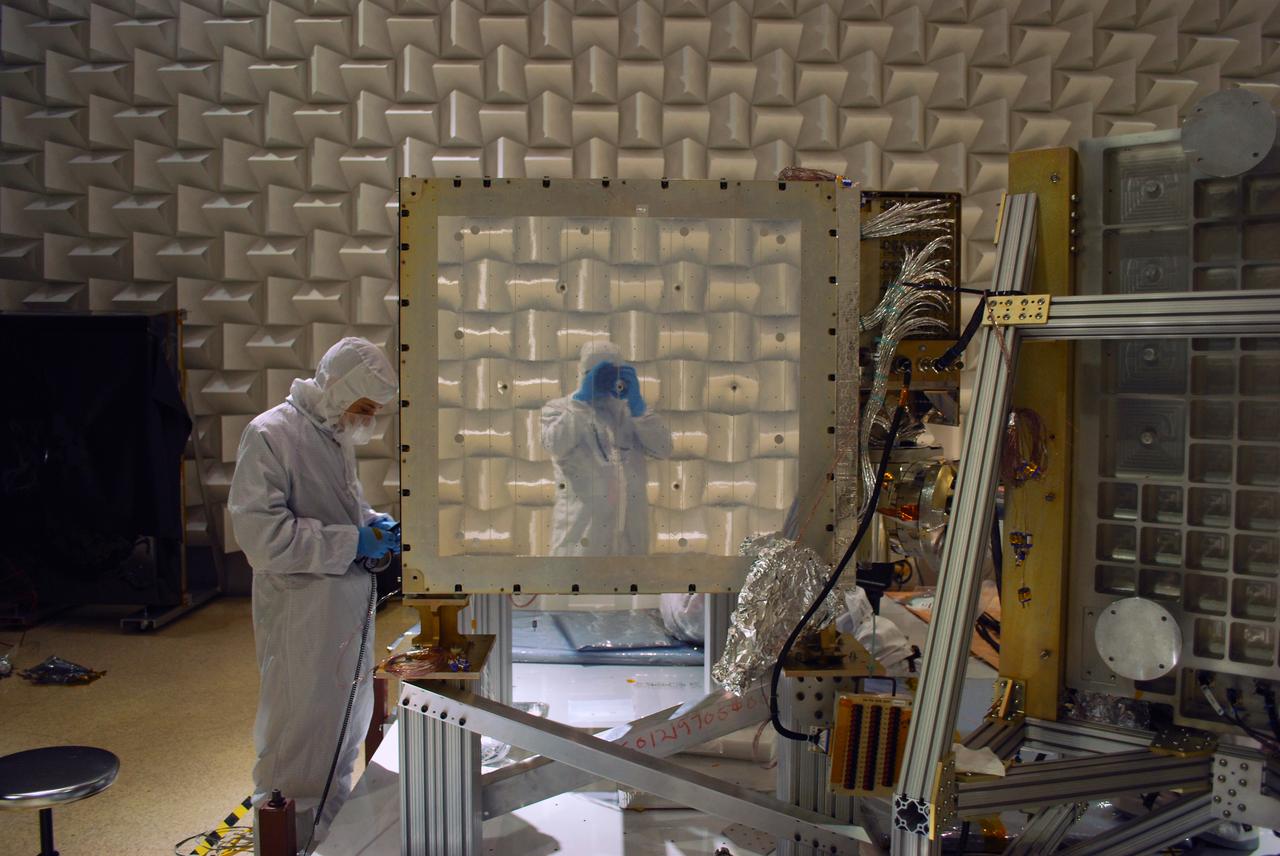
A photo taken during the NICER range-of-motion test at NASA’s Goddard Space Flight Center shows the photographer’s reflection in the mirror-like radiator surface of the detector plate. Teflon-coated silver tape is used to keep NICER’s detectors cool. The Neutron star Interior Composition Explorer (NICER) is a NASA Explorer Mission of Opportunity dedicated to studying the extraordinary environments — strong gravity, ultra-dense matter, and the most powerful magnetic fields in the universe — embodied by neutron stars. An attached payload aboard the International Space Station, NICER will deploy an instrument with unique capabilities for timing and spectroscopy of fast X-ray brightness fluctuations. The embedded Station Explorer for X-ray Timing and Navigation Technology demonstration (SEXTANT) will use NICER data to validate, for the first time in space, technology that exploits pulsars as natural navigation beacons. Credit: NASA/Goddard/ Keith Gendreau <b><a href="http://www.nasa.gov/audience/formedia/features/MP_Photo_Guidelines.html" rel="nofollow">NASA image use policy.</a></b> <b><a href="http://www.nasa.gov/centers/goddard/home/index.html" rel="nofollow">NASA Goddard Space Flight Center</a></b> enables NASA’s mission through four scientific endeavors: Earth Science, Heliophysics, Solar System Exploration, and Astrophysics. Goddard plays a leading role in NASA’s accomplishments by contributing compelling scientific knowledge to advance the Agency’s mission. <b>Follow us on <a href="http://twitter.com/NASAGoddardPix" rel="nofollow">Twitter</a></b> <b>Like us on <a href="http://www.facebook.com/pages/Greenbelt-MD/NASA-Goddard/395013845897?ref=tsd" rel="nofollow">Facebook</a></b> <b>Find us on <a href="http://instagrid.me/nasagoddard/?vm=grid" rel="nofollow">Instagram</a></b>
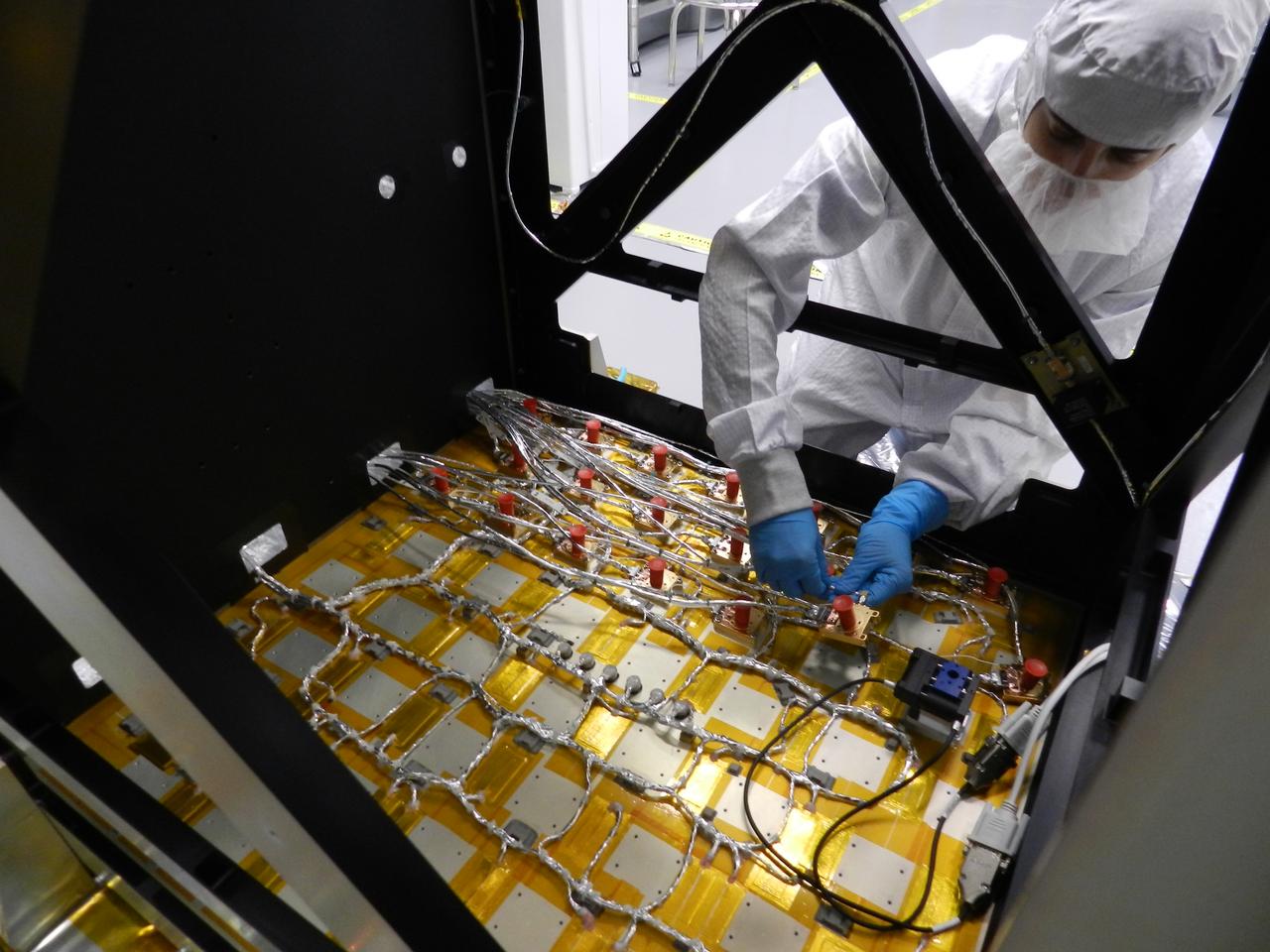
NICER engineer Steven Kenyon installs an X-ray detector onto the payload’s detector plate. The detectors are protected by red caps during installation because they are very sensitive to dust and other foreign object debris. The Neutron star Interior Composition Explorer (NICER) is a NASA Explorer Mission of Opportunity dedicated to studying the extraordinary environments — strong gravity, ultra-dense matter, and the most powerful magnetic fields in the universe — embodied by neutron stars. An attached payload aboard the International Space Station, NICER will deploy an instrument with unique capabilities for timing and spectroscopy of fast X-ray brightness fluctuations. The embedded Station Explorer for X-ray Timing and Navigation Technology demonstration (SEXTANT) will use NICER data to validate, for the first time in space, technology that exploits pulsars as natural navigation beacons. Credit: NASA/Goddard/ Keith Gendreau <b><a href="http://www.nasa.gov/audience/formedia/features/MP_Photo_Guidelines.html" rel="nofollow">NASA image use policy.</a></b> <b><a href="http://www.nasa.gov/centers/goddard/home/index.html" rel="nofollow">NASA Goddard Space Flight Center</a></b> enables NASA’s mission through four scientific endeavors: Earth Science, Heliophysics, Solar System Exploration, and Astrophysics. Goddard plays a leading role in NASA’s accomplishments by contributing compelling scientific knowledge to advance the Agency’s mission. <b>Follow us on <a href="http://twitter.com/NASAGoddardPix" rel="nofollow">Twitter</a></b> <b>Like us on <a href="http://www.facebook.com/pages/Greenbelt-MD/NASA-Goddard/395013845897?ref=tsd" rel="nofollow">Facebook</a></b> <b>Find us on <a href="http://instagrid.me/nasagoddard/?vm=grid" rel="nofollow">Instagram</a></b>
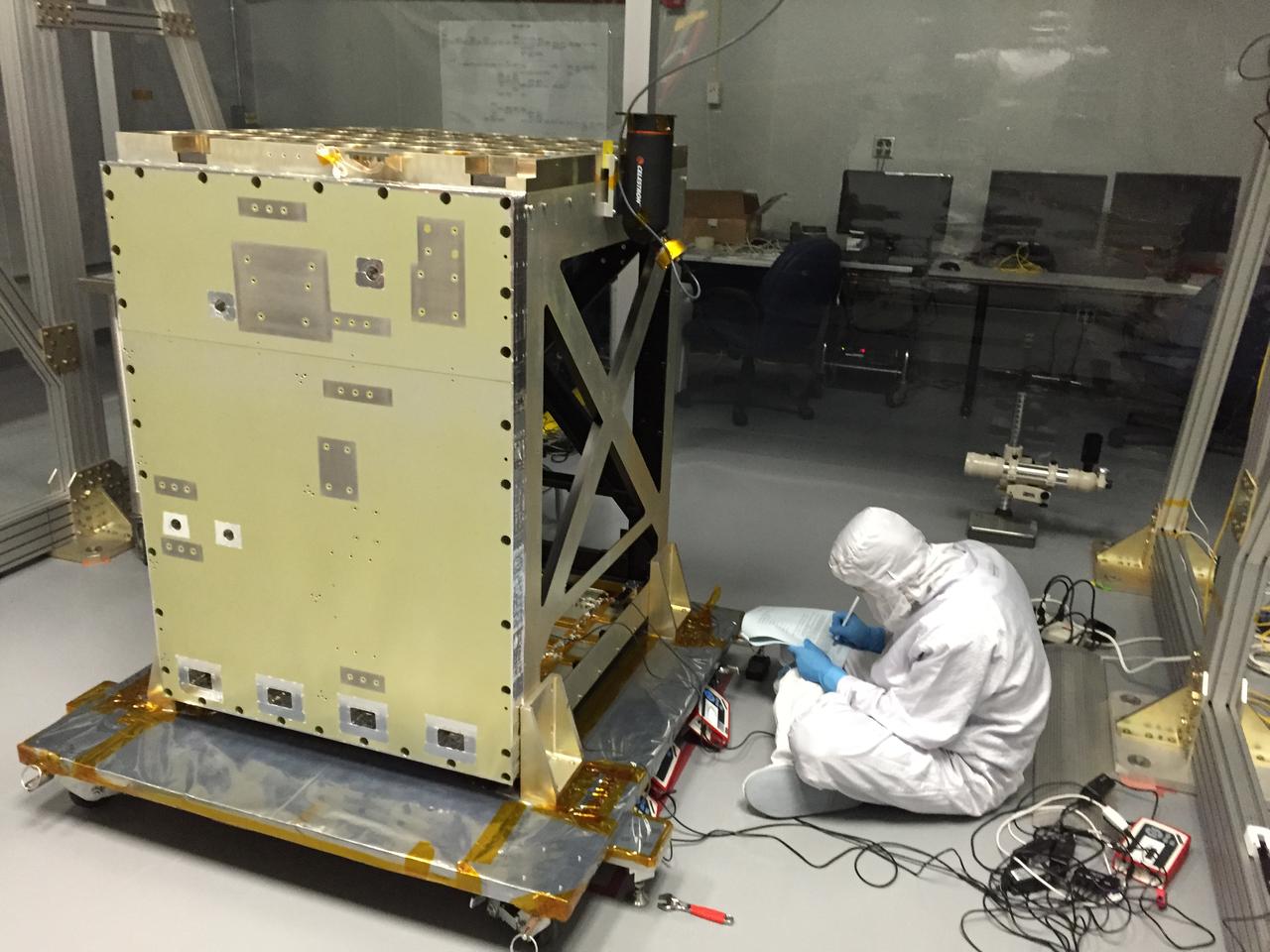
A NICER team member measures the focused optical power of each X-ray concentrator in a clean tent at NASA’s Goddard Space Flight Center. The Neutron star Interior Composition Explorer (NICER) is a NASA Explorer Mission of Opportunity dedicated to studying the extraordinary environments — strong gravity, ultra-dense matter, and the most powerful magnetic fields in the universe — embodied by neutron stars. An attached payload aboard the International Space Station, NICER will deploy an instrument with unique capabilities for timing and spectroscopy of fast X-ray brightness fluctuations. The embedded Station Explorer for X-ray Timing and Navigation Technology demonstration (SEXTANT) will use NICER data to validate, for the first time in space, technology that exploits pulsars as natural navigation beacons. Credit: NASA/Goddard/ Keith Gendreau <b><a href="http://www.nasa.gov/audience/formedia/features/MP_Photo_Guidelines.html" rel="nofollow">NASA image use policy.</a></b> <b><a href="http://www.nasa.gov/centers/goddard/home/index.html" rel="nofollow">NASA Goddard Space Flight Center</a></b> enables NASA’s mission through four scientific endeavors: Earth Science, Heliophysics, Solar System Exploration, and Astrophysics. Goddard plays a leading role in NASA’s accomplishments by contributing compelling scientific knowledge to advance the Agency’s mission. <b>Follow us on <a href="http://twitter.com/NASAGoddardPix" rel="nofollow">Twitter</a></b> <b>Like us on <a href="http://www.facebook.com/pages/Greenbelt-MD/NASA-Goddard/395013845897?ref=tsd" rel="nofollow">Facebook</a></b> <b>Find us on <a href="http://instagrid.me/nasagoddard/?vm=grid" rel="nofollow">Instagram</a></b>
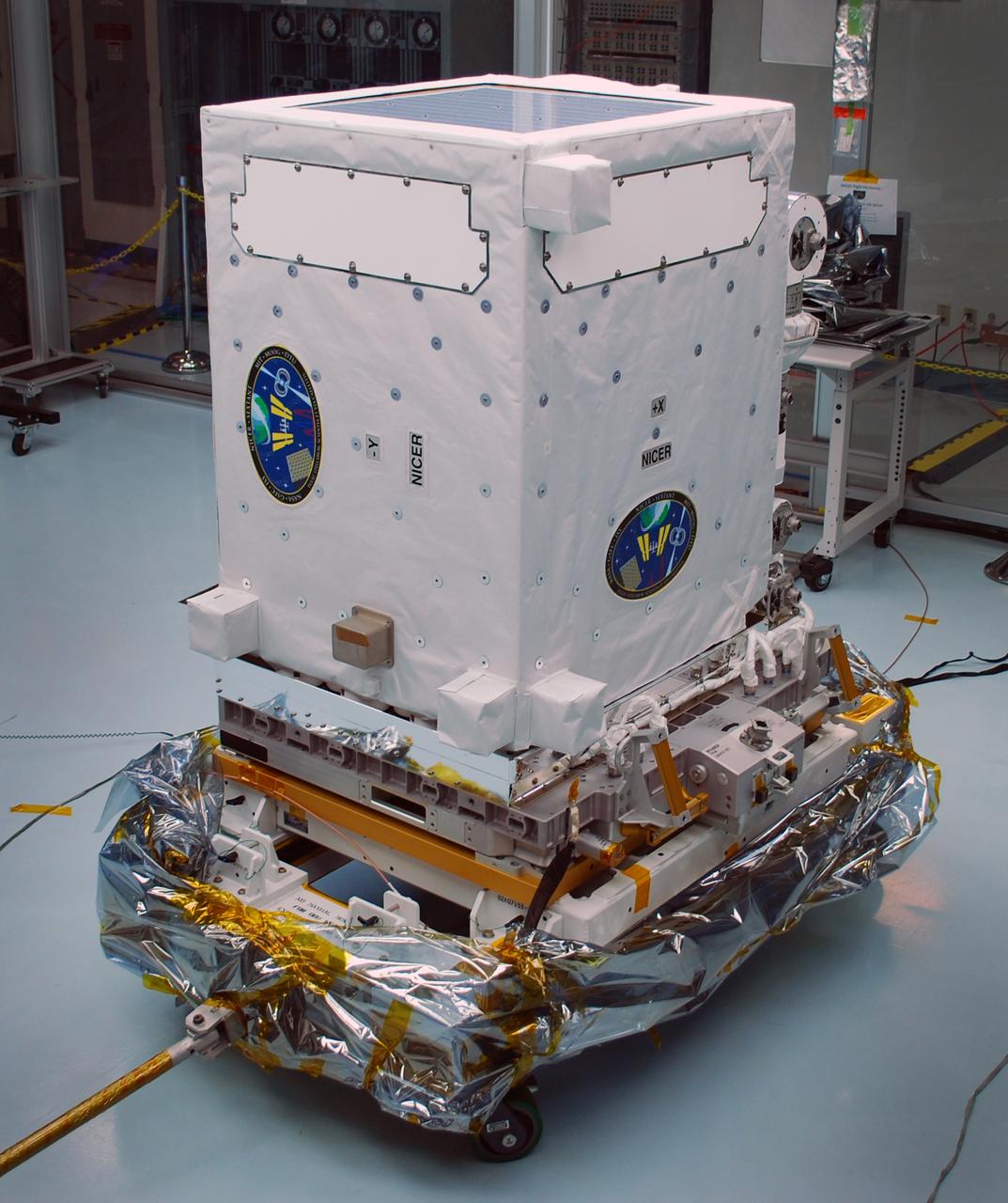
The NICER payload, blanketed and waiting for launch in the Space Station Processing Facility at NASA’s Kennedy Space Center in Cape Canaveral, Florida. The instrument is in its stowed configuration for launch. The Neutron star Interior Composition Explorer (NICER) is a NASA Explorer Mission of Opportunity dedicated to studying the extraordinary environments — strong gravity, ultra-dense matter, and the most powerful magnetic fields in the universe — embodied by neutron stars. An attached payload aboard the International Space Station, NICER will deploy an instrument with unique capabilities for timing and spectroscopy of fast X-ray brightness fluctuations. The embedded Station Explorer for X-ray Timing and Navigation Technology demonstration (SEXTANT) will use NICER data to validate, for the first time in space, technology that exploits pulsars as natural navigation beacons. Credit: NASA/Goddard/ Keith Gendreau <b><a href="http://www.nasa.gov/audience/formedia/features/MP_Photo_Guidelines.html" rel="nofollow">NASA image use policy.</a></b> <b><a href="http://www.nasa.gov/centers/goddard/home/index.html" rel="nofollow">NASA Goddard Space Flight Center</a></b> enables NASA’s mission through four scientific endeavors: Earth Science, Heliophysics, Solar System Exploration, and Astrophysics. Goddard plays a leading role in NASA’s accomplishments by contributing compelling scientific knowledge to advance the Agency’s mission. <b>Follow us on <a href="http://twitter.com/NASAGoddardPix" rel="nofollow">Twitter</a></b> <b>Like us on <a href="http://www.facebook.com/pages/Greenbelt-MD/NASA-Goddard/395013845897?ref=tsd" rel="nofollow">Facebook</a></b> <b>Find us on <a href="http://instagrid.me/nasagoddard/?vm=grid" rel="nofollow">Instagram</a></b>
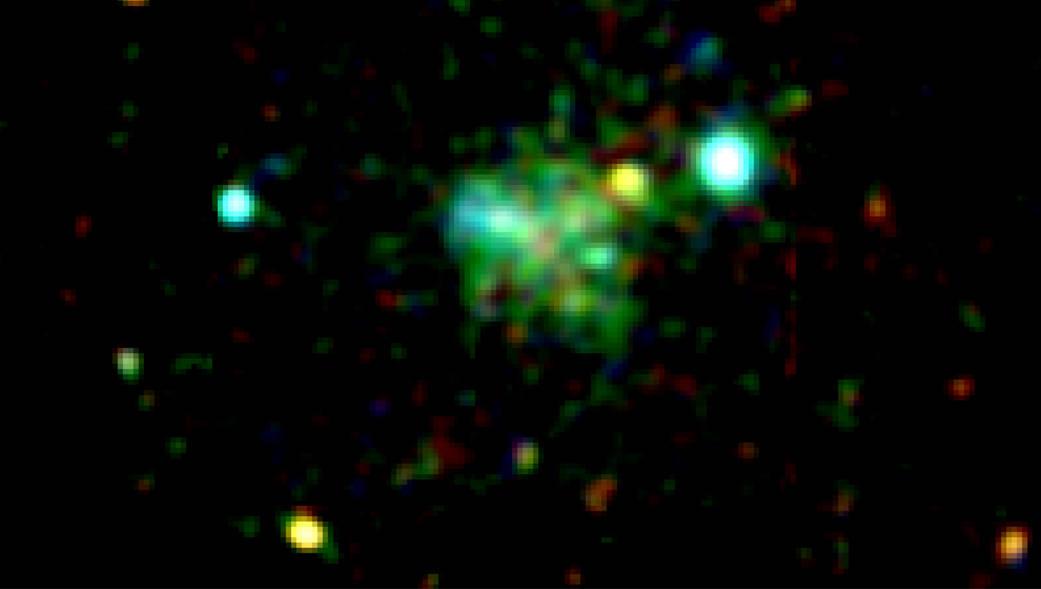
Astronomers have discovered a vast cloud of high-energy particles called a wind nebula around a rare ultra-magnetic neutron star, or magnetar, for the first time. The find offers a unique window into the properties, environment and outburst history of magnetars, which are the strongest magnets in the universe. A neutron star is the crushed core of a massive star that ran out of fuel, collapsed under its own weight, and exploded as a supernova. Each one compresses the equivalent mass of half a million Earths into a ball just 12 miles (20 kilometers) across, or about the length of New York's Manhattan Island. Neutron stars are most commonly found as pulsars, which produce radio, visible light, X-rays and gamma rays at various locations in their surrounding magnetic fields. When a pulsar spins these regions in our direction, astronomers detect pulses of emission, hence the name. Read more: <a href="http://go.nasa.gov/28PVUop" rel="nofollow">go.nasa.gov/28PVUop</a> Credit: ESA/XMM-Newton/Younes et al. 2016 <b><a href="http://go.nasa.gov/28KYHxv" rel="nofollow">NASA image use policy.</a></b> <b><a href="http://go.nasa.gov/28KYKsS" rel="nofollow">NASA Goddard Space Flight Center</a></b> enables NASA’s mission through four scientific endeavors: Earth Science, Heliophysics, Solar System Exploration, and Astrophysics. Goddard plays a leading role in NASA’s accomplishments by contributing compelling scientific knowledge to advance the Agency’s mission. <b>Follow us on <a href="http://go.nasa.gov/28KYVo7" rel="nofollow">Twitter</a></b> <b>Like us on <a href="http://go.nasa.gov/28KYGcx" rel="nofollow">Facebook</a></b> <b>Find us on <a href="http://go.nasa.gov/28KYGtf" rel="nofollow">Instagram</a></b>
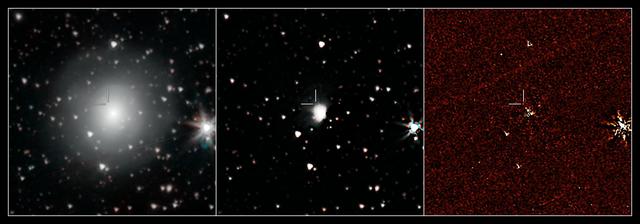
NASA's Spitzer Space Telescope has provisionally detected the faint afterglow of the explosive merger of two neutron stars in the galaxy NGC 4993. The event, labeled GW170817, was initially detected in gravitational waves and gamma rays. Subsequent observations by dozens of telescopes have monitored its afterglow across the entire spectrum of light. The event is located about 130 million light-years from Earth. Spitzer's observation on September 29, 2017, came late in the game, just over 6 weeks after the event was first seen. But if this weak detection is verified, it will play an important role in helping astronomers understand how many of the heaviest elements in the periodic table are created in explosive neutron star mergers. The left panel is a color composite of the 3.6 and 4.5 micron channels of the Spitzer IRAC instrument, rendered in cyan and red. The center panel is a median-filtered color composite showing a faint red dot at the known location of the event. The right panel shows the residual 4.5 micron data after subtracting out the light of the galaxy using an archival image that predates the event. An annotated version is at https://photojournal.jpl.nasa.gov/catalog/PIA21910
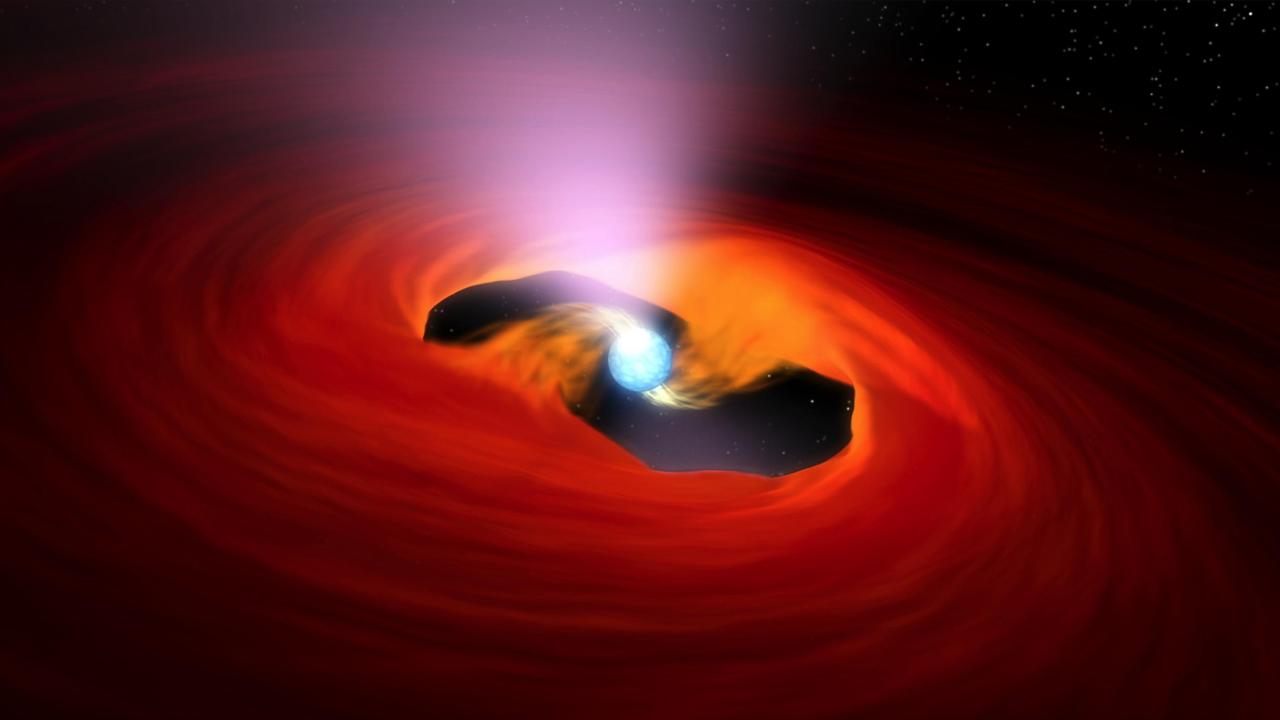
This image shows a neutron star -- the core of a star that exploded in a massive supernova. This particular neutron star is known as a pulsar because it sends out rotating beams of X-rays that sweep past Earth like lighthouse beacons.

These four images show an artist's impression of gas accreting onto the neutron star in the binary system MXB 1730-335, also known as the "Rapid Burster." In such a binary system, the gravitational pull of the dense neutron star is stripping gas away from its stellar companion (a low-mass star, not shown in these images). The gas forms an accretion disk and spirals towards the neutron star. Observations of the Rapid Burster using three X-ray space telescopes -- NASA's NuSTAR and Swift, and ESA's XMM-Newton -- have revealed what happens around the neutron star before and during a so-called "type-II" burst. These bursts are sudden, erratic and extremely intense releases of X-rays that liberate enormous amounts of energy during periods when very little emission occurs otherwise. Before the burst, the fast-spinning magnetic field of the neutron star keeps the gas flowing from the companion star at bay, preventing it from reaching closer to the neutron star and effectively creating an inner edge at the center of the disk (Figure 1, panel 1). During this phase, only small amounts of gas leak towards the neutron star. However, as the gas continues to flow and accumulate near this edge, it spins faster and faster. http://photojournal.jpl.nasa.gov/catalog/PIA21418
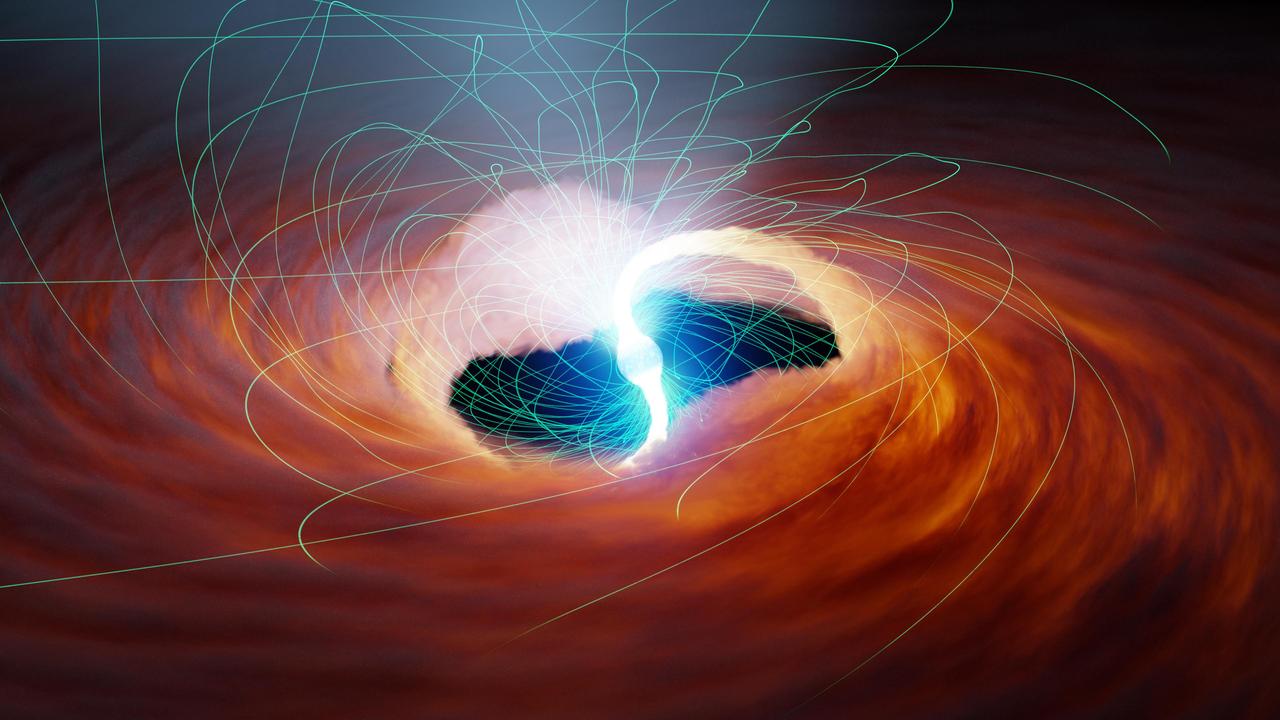
Two rivers of hot gas are siphoned onto the surface of a neutron star (the collapsed remains of a dead star) in this illustration. Neutron stars pack roughly the mass of our Sun into an area about 10 miles (6 kilometers) across. The gravity at the neutron star's surface is about 100 trillion times stronger than the gravitational pull on Earth's surface. Under those conditions, the captured gas accelerates to millions of miles per hour, releasing tremendous energy and radiation when it hits the neutron star's surface. Because these sources of light emit primarily X-rays, they are known as ultra-luminous X-ray sources (ULXs), and are visible by telescopes like NASA's NuSTAR (the Nuclear Spectroscopic Telescope Array). The neutron star's twisted magnetic field lines are illustrated in green. Some scientists hypothesize that strong magnetic fields like the ones produced by neutron stars can distort the normal shape of atoms from roughly spherical to elongated, stringy shapes. This may ultimately increase an object's maximum possible brightness. https://photojournal.jpl.nasa.gov/catalog/PIA25781

This artist's concept shows a pulsar, which is like a lighthouse, as its light appears in regular pulses as it rotates. Pulsars are dense remnants of exploded stars, and are part of a class of objects called neutron stars. Magnetars are different kinds of neutron stars -- they have violent, high-energy outbursts of X-ray and gamma ray light. A mysterious object called PSR J1119-6127 has been seen behaving as both a pulsar and a magnetar, suggesting that it could be a "missing link" between these objects. http://photojournal.jpl.nasa.gov/catalog/PIA21085
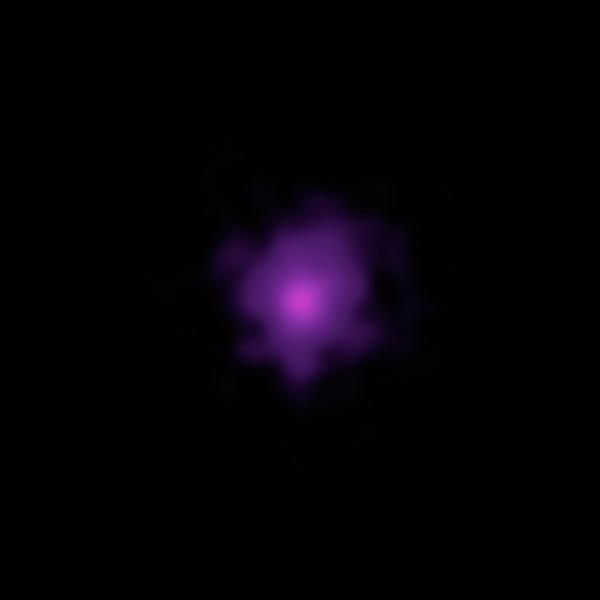
The brightest pulsar detected to date is shown in this frame from an animation that flips back and forth between images captured by NASA NuSTAR. A pulsar is a type of neutron star, the leftover core of a star that exploded in a supernova.

Inside the Space Station Processing Facility high bay at NASA's Kennedy Space Center in Florida, technicians prepare the Neutron star Interior Composition Explorer, or NICER, payload for final packaging. NICER will be delivered to the International Space Station aboard the SpaceX Dragon cargo carrier on the company’s 11th commercial resupply services mission to the space station. NICER will study neutron stars through soft X-ray timing. NICER will enable rotation-resolved spectroscopy of the thermal and non-thermal emissions of neutron stars in the soft X-ray band with unprecedented sensitivity, probing interior structure, the origins of dynamic phenomena and the mechanisms that underlie the most powerful cosmic particle accelerators known.
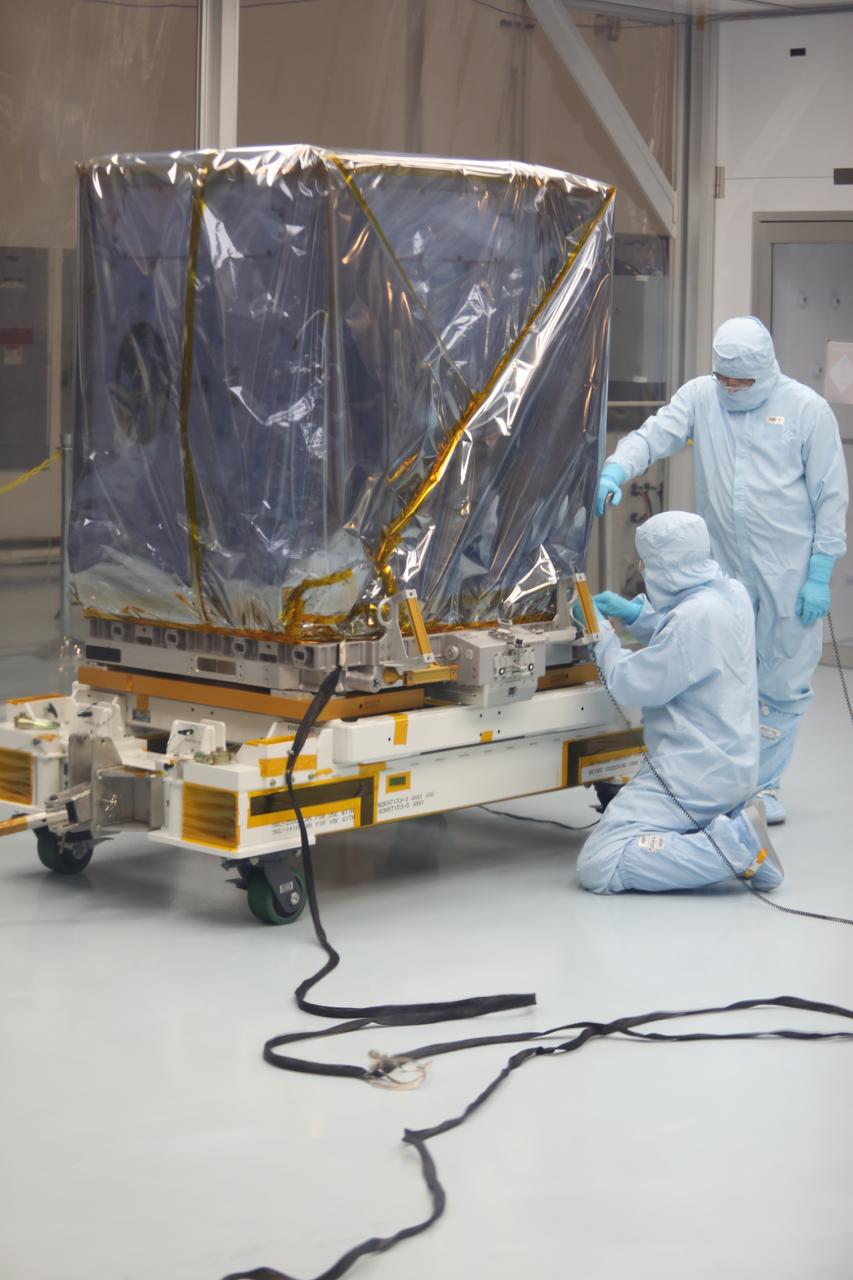
Inside the Space Station Processing Facility high bay at NASA's Kennedy Space Center in Florida, technicians prepare the Neutron star Interior Composition Explorer, or NICER, payload for final packaging. NICER will be delivered to the International Space Station aboard the SpaceX Dragon cargo carrier on the company’s 11th commercial resupply services mission to the space station. NICER will study neutron stars through soft X-ray timing. NICER will enable rotation-resolved spectroscopy of the thermal and non-thermal emissions of neutron stars in the soft X-ray band with unprecedented sensitivity, probing interior structure, the origins of dynamic phenomena and the mechanisms that underlie the most powerful cosmic particle accelerators known.
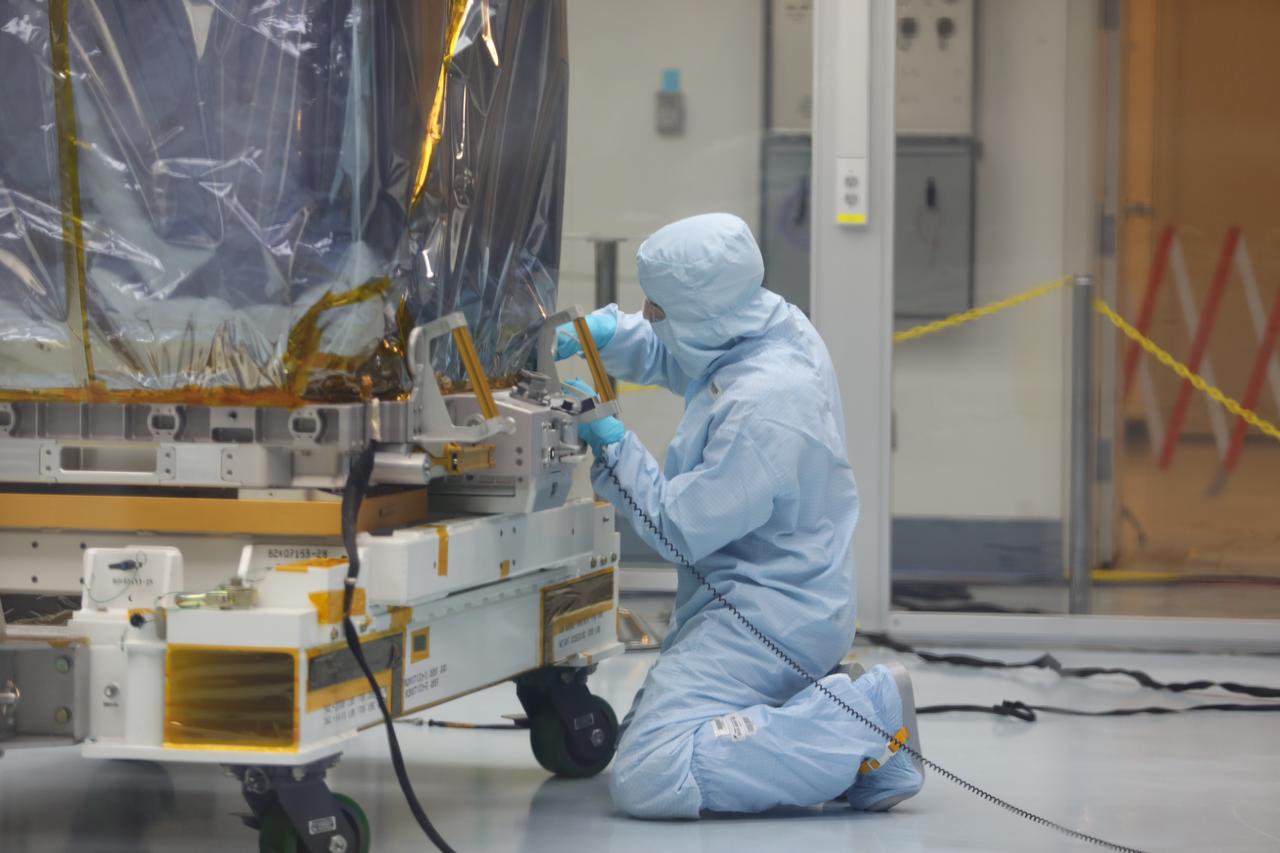
Inside the Space Station Processing Facility high bay at NASA's Kennedy Space Center in Florida, a technician prepares the Neutron star Interior Composition Explorer, or NICER, payload for final packaging. NICER will be delivered to the International Space Station aboard the SpaceX Dragon cargo carrier on the company’s 11th commercial resupply services mission to the space station. NICER will study neutron stars through soft X-ray timing. NICER will enable rotation-resolved spectroscopy of the thermal and non-thermal emissions of neutron stars in the soft X-ray band with unprecedented sensitivity, probing interior structure, the origins of dynamic phenomena and the mechanisms that underlie the most powerful cosmic particle accelerators known.
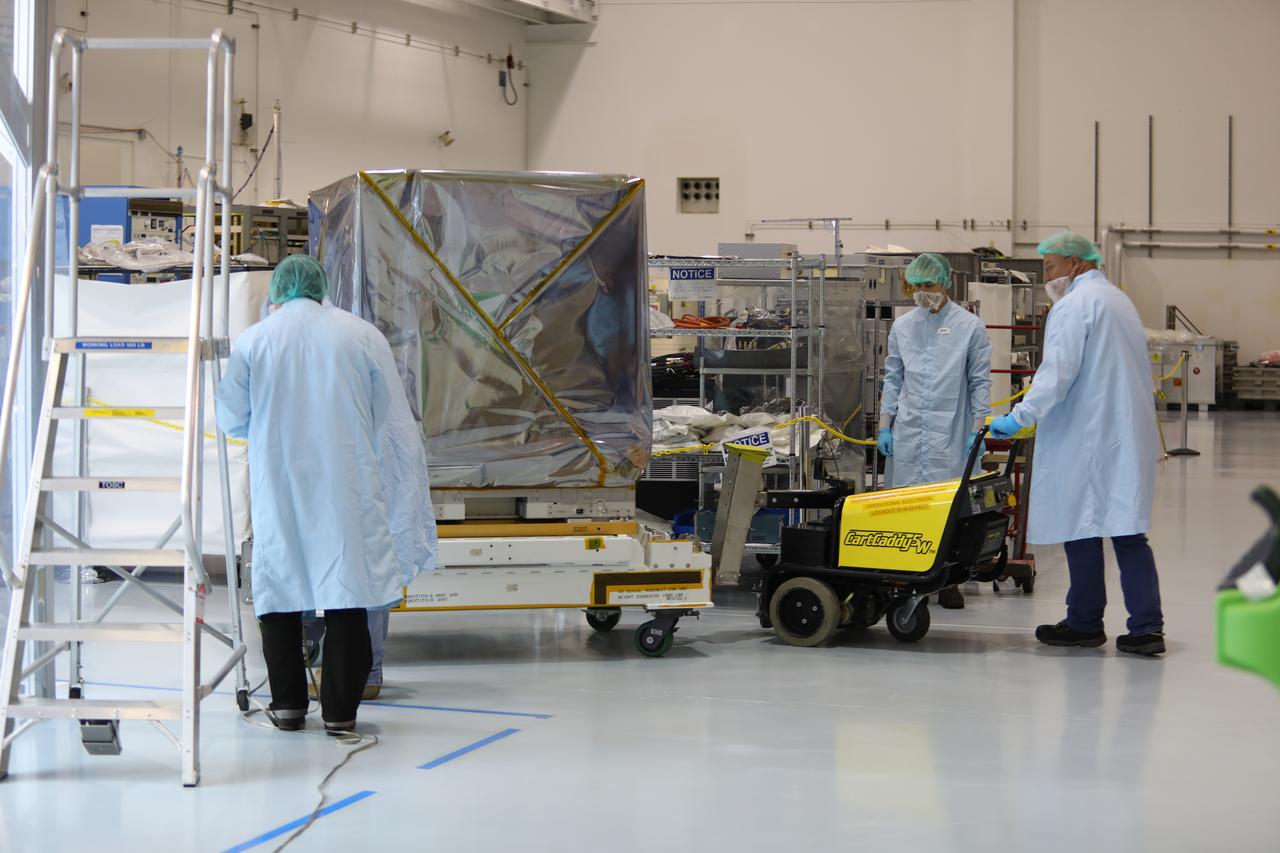
Inside the Space Station Processing Facility high bay at NASA's Kennedy Space Center in Florida, technicians prepare the Neutron star Interior Composition Explorer, or NICER, payload for final packaging. NICER will be delivered to the International Space Station aboard the SpaceX Dragon cargo carrier on the company’s 11th commercial resupply services mission to the space station. NICER will study neutron stars through soft X-ray timing. NICER will enable rotation-resolved spectroscopy of the thermal and non-thermal emissions of neutron stars in the soft X-ray band with unprecedented sensitivity, probing interior structure, the origins of dynamic phenomena and the mechanisms that underlie the most powerful cosmic particle accelerators known.
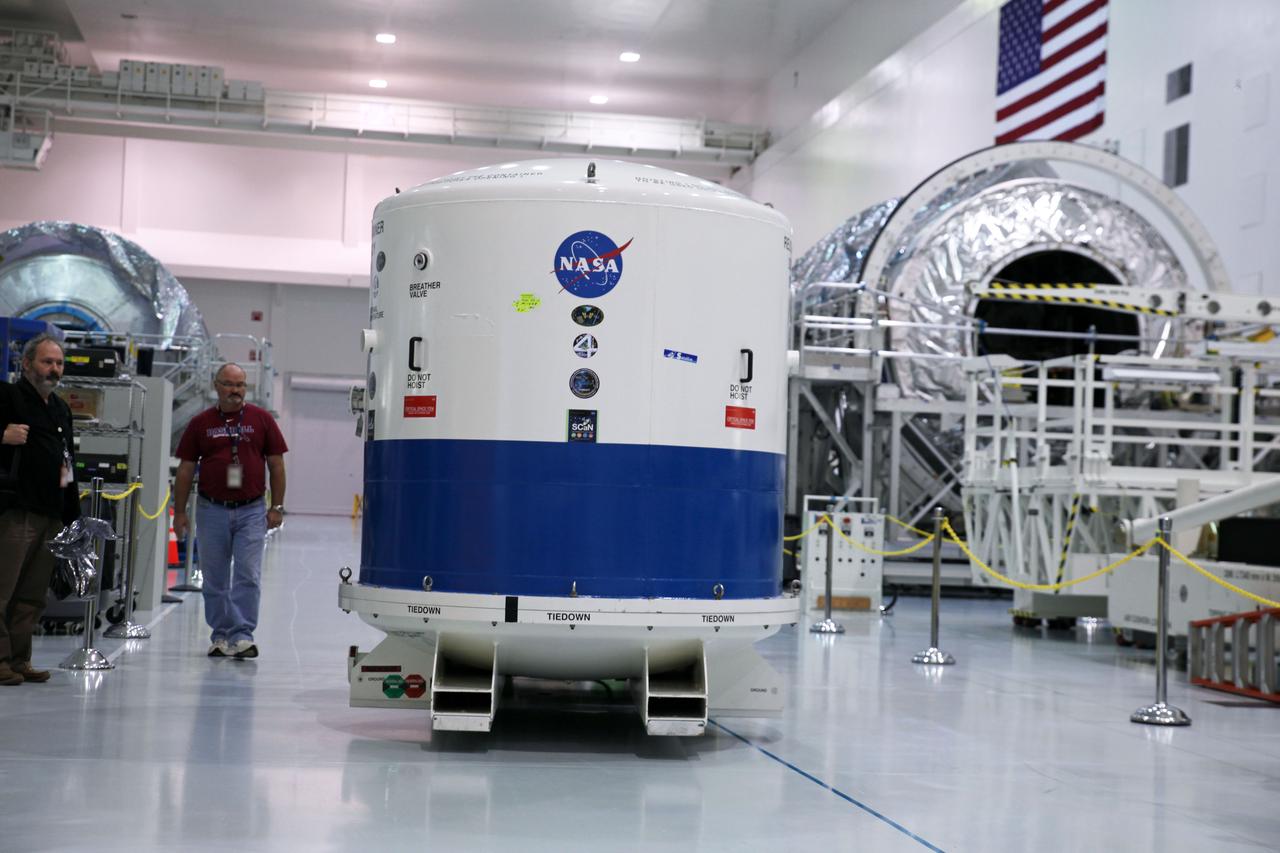
Inside the Space Station Processing Facility high bay at NASA's Kennedy Space Center in Florida, the Neutron star Interior Composition Explorer, or NICER, payload is secured inside a protective container. NICER will be delivered to the International Space Station aboard the SpaceX Dragon cargo carrier on the company’s 11th commercial resupply services mission to the space station. NICER will study neutron stars through soft X-ray timing. NICER will enable rotation-resolved spectroscopy of the thermal and non-thermal emissions of neutron stars in the soft X-ray band with unprecedented sensitivity, probing interior structure, the origins of dynamic phenomena and the mechanisms that underlie the most powerful cosmic particle accelerators known.
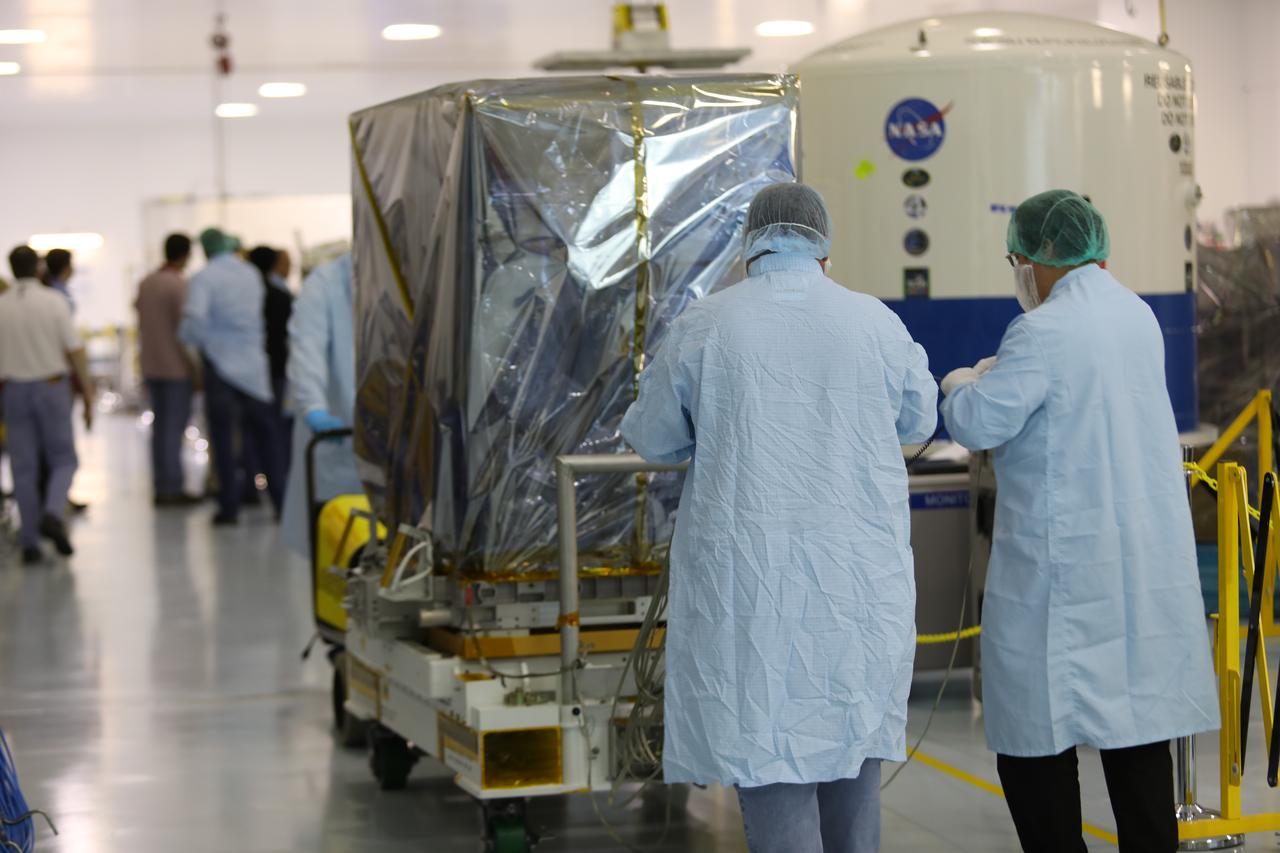
Inside the Space Station Processing Facility high bay at NASA's Kennedy Space Center in Florida, technicians prepare the Neutron star Interior Composition Explorer, or NICER, payload for final packaging. NICER will be delivered to the International Space Station aboard the SpaceX Dragon cargo carrier on the company’s 11th commercial resupply services mission to the space station. NICER will study neutron stars through soft X-ray timing. NICER will enable rotation-resolved spectroscopy of the thermal and non-thermal emissions of neutron stars in the soft X-ray band with unprecedented sensitivity, probing interior structure, the origins of dynamic phenomena and the mechanisms that underlie the most powerful cosmic particle accelerators known.
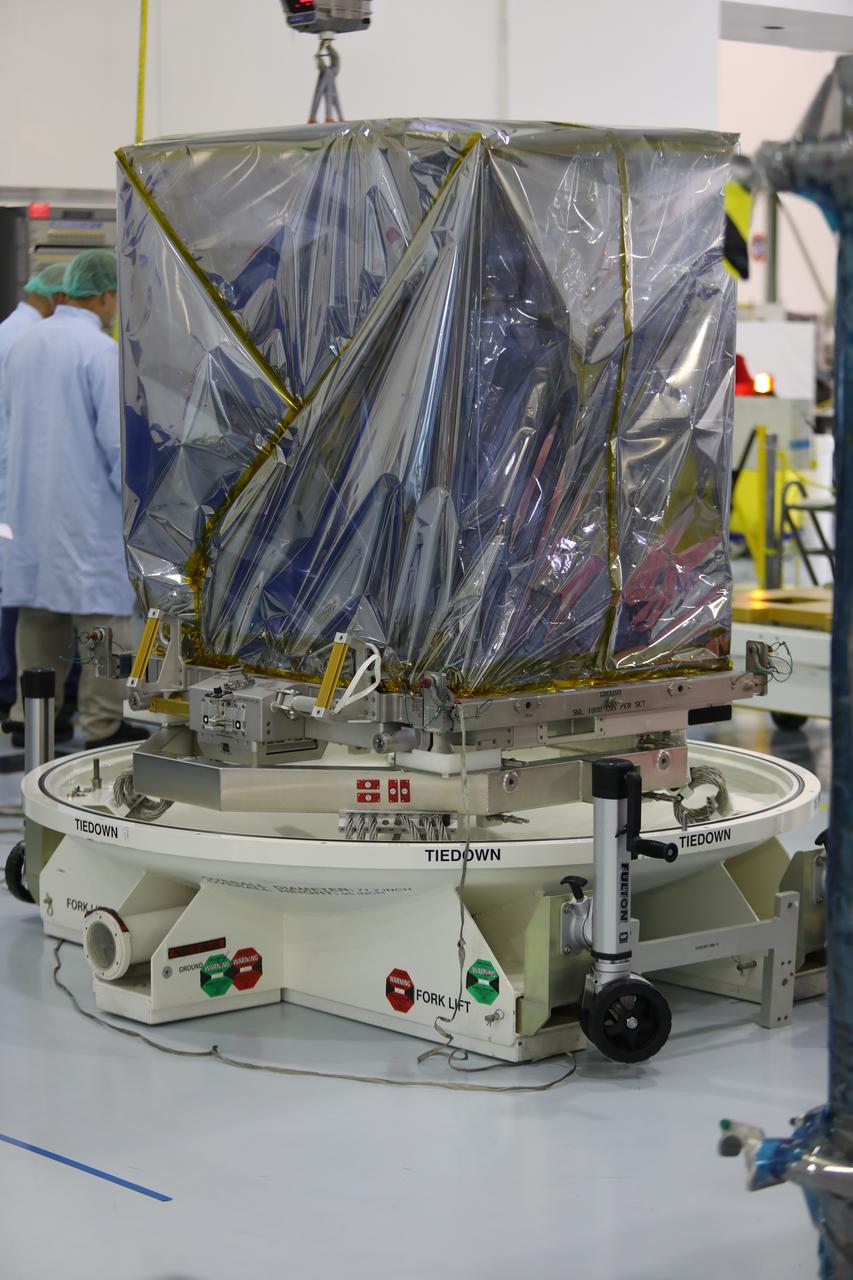
Inside the Space Station Processing Facility high bay at NASA's Kennedy Space Center in Florida, the Neutron star Interior Composition Explorer, or NICER, payload is secured on a special test stand. NICER will be delivered to the International Space Station aboard the SpaceX Dragon cargo carrier on the company’s 11th commercial resupply services mission to the space station. NICER will study neutron stars through soft X-ray timing. NICER will enable rotation-resolved spectroscopy of the thermal and non-thermal emissions of neutron stars in the soft X-ray band with unprecedented sensitivity, probing interior structure, the origins of dynamic phenomena and the mechanisms that underlie the most powerful cosmic particle accelerators known.
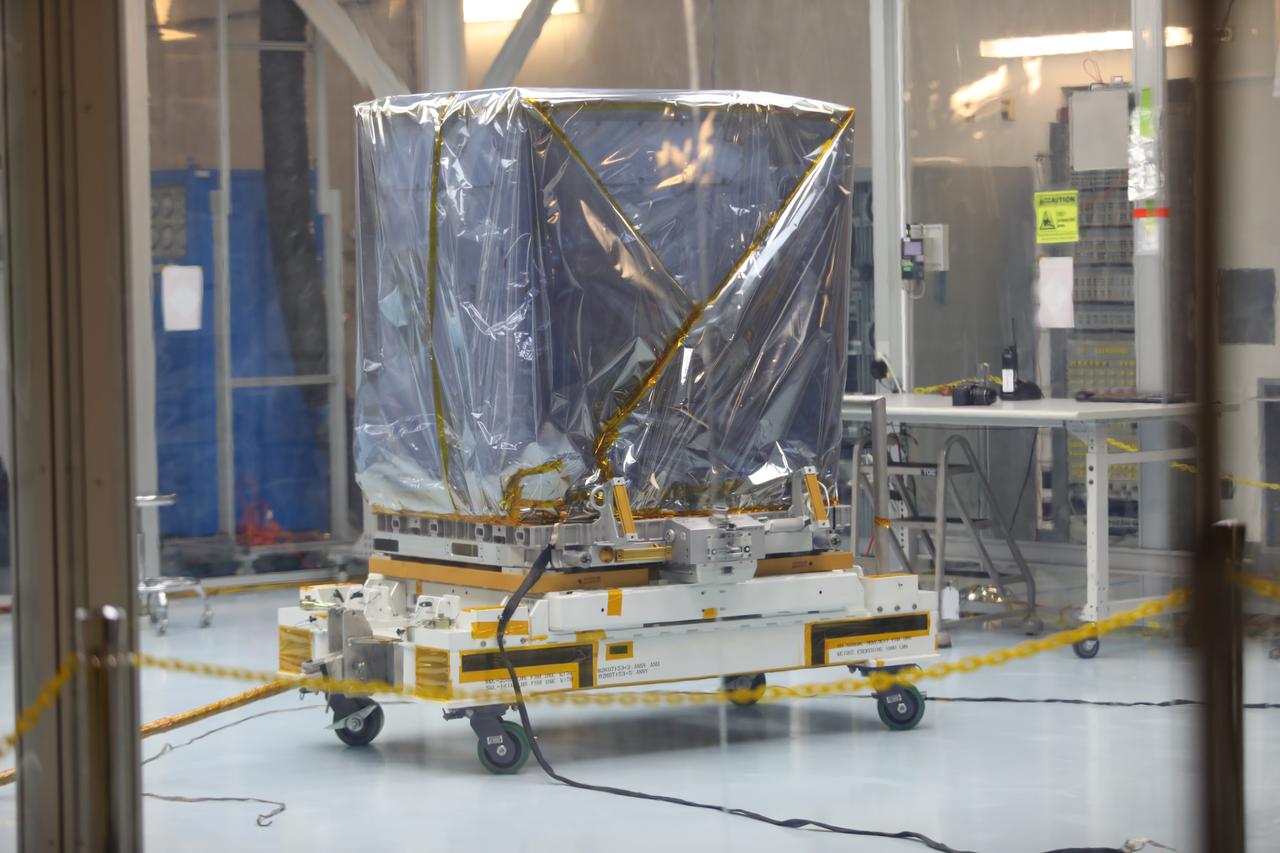
Inside the Space Station Processing Facility high bay at NASA's Kennedy Space Center in Florida, the Neutron star Interior Composition Explorer, or NICER, payload is being prepared for final packaging. NICER will be delivered to the International Space Station aboard the SpaceX Dragon cargo carrier on the company’s 11th commercial resupply services mission to the space station. NICER will study neutron stars through soft X-ray timing. NICER will enable rotation-resolved spectroscopy of the thermal and non-thermal emissions of neutron stars in the soft X-ray band with unprecedented sensitivity, probing interior structure, the origins of dynamic phenomena and the mechanisms that underlie the most powerful cosmic particle accelerators known.
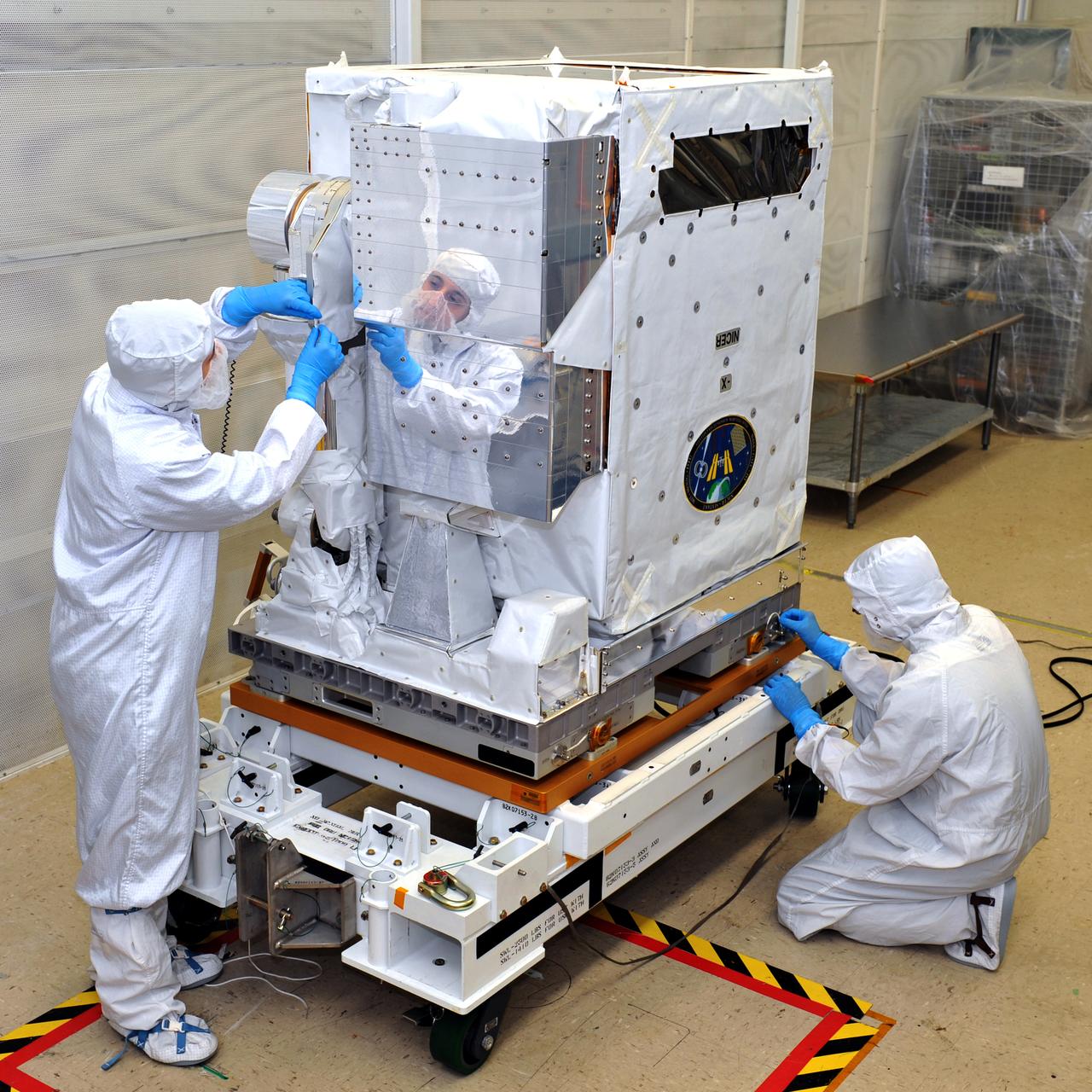
Neutron star Interior Composition Explorer (NICER) engineers prepare the instrument for a final pre-ship walkdown at Goddard Space Flight Center (GSFC)
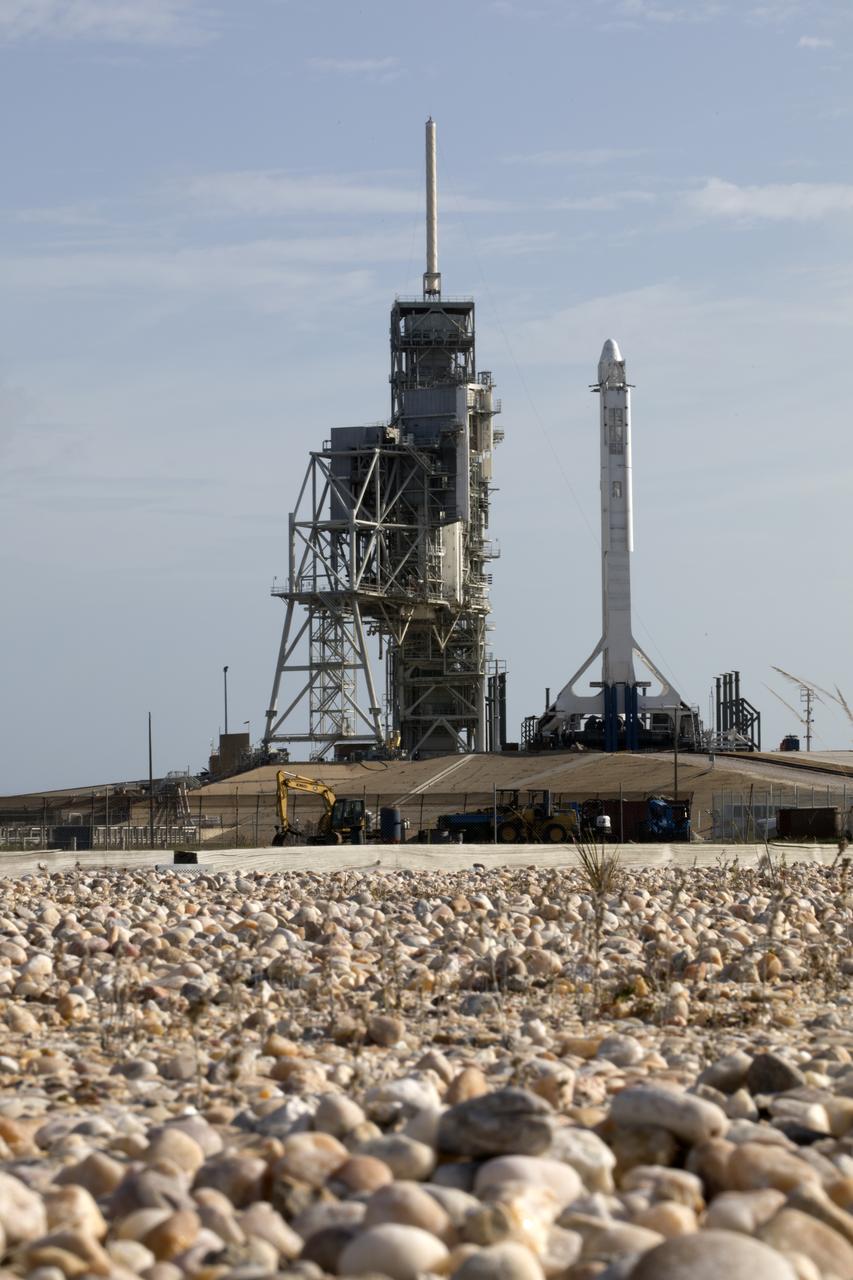
As a Falcon 9 rocket stands ready for liftoff at the Kennedy Space Center's Launch Complex 39A. The rocket will boost a Dragon resupply spacecraft to the International Space Station. Liftoff is scheduled for 5:55 p.m. EDT. On its 11th commercial resupply services mission to the space station, Dragon will bring up 6,000 pounds of supplies, such as the Neutron star Interior Composition Explorer, or NICER, instrument to study the extraordinary physics of neutron stars.
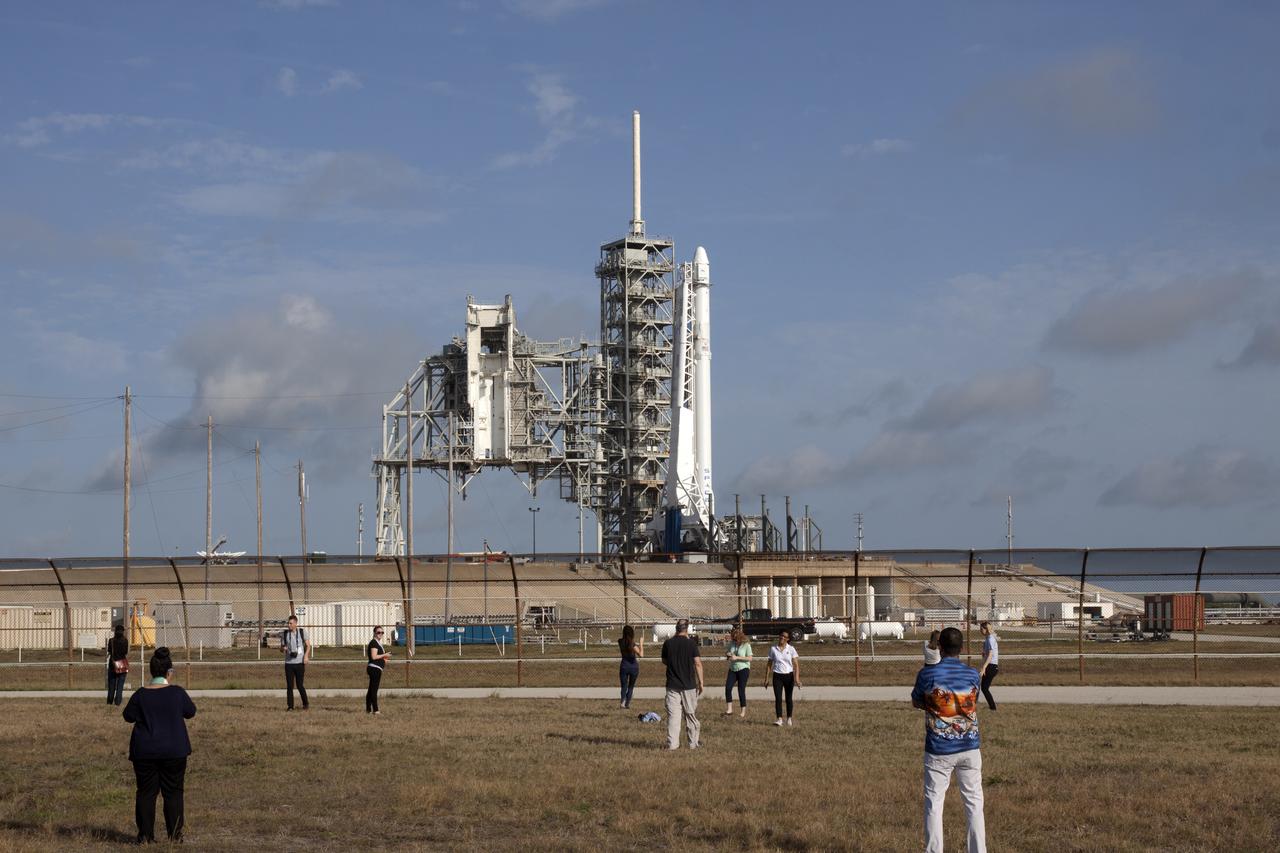
As a Falcon 9 rocket stands ready for liftoff at the Kennedy Space Center's Launch Complex 39A. The rocket will boost a Dragon resupply spacecraft to the International Space Station. Liftoff is scheduled for 5:55 p.m. EDT. On its 11th commercial resupply services mission to the space station, Dragon will bring up 6,000 pounds of supplies, such as the Neutron star Interior Composition Explorer, or NICER, instrument to study the extraordinary physics of neutron stars.
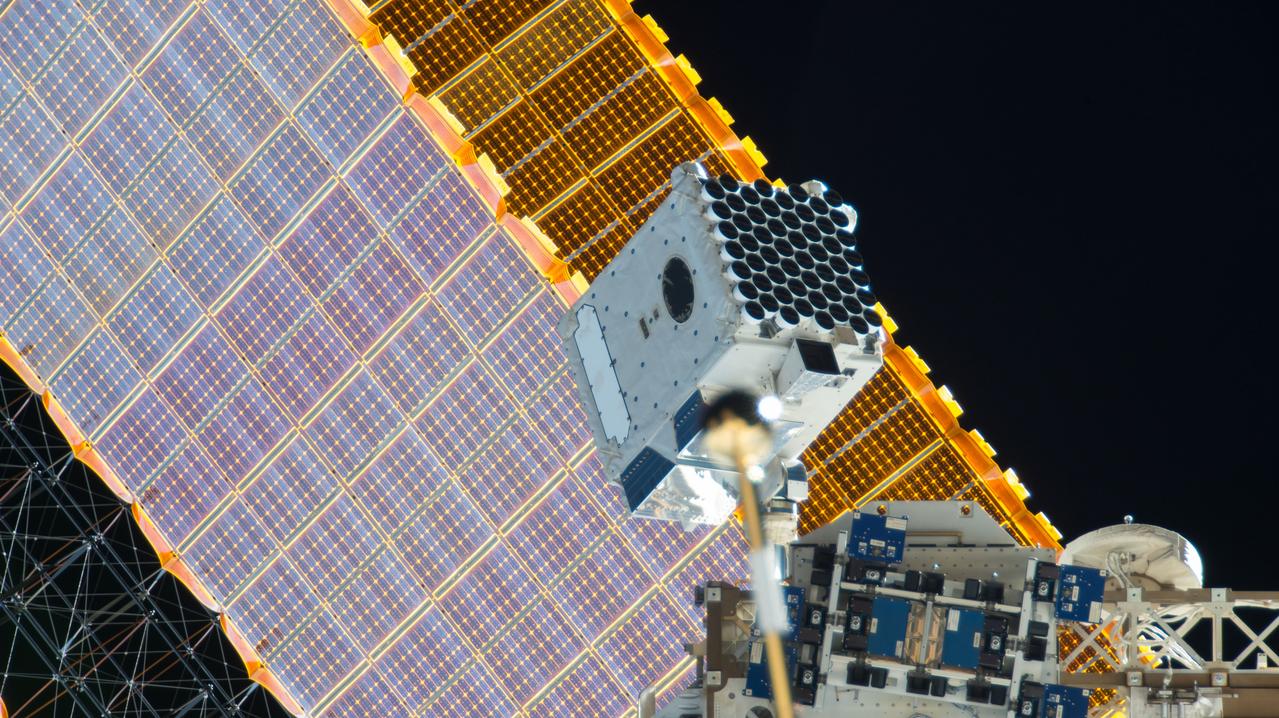
iss057e055500 (10/22/2018) --- View of the Neutron Star Interior Composition ExploreR (NICER) payload, attached to ExPRESS (Expedite the Processing of Experiments to Space Station) Logistics Carrier-2 (ELC-2) on the S3 Truss. Photo was taken by the ground-controlled External High Definition Camera 1 (EHDC1). NICER's primary mission to perform an in-depth study of neutron stars offers unrivaled astrophysics knowledge and can revolutionize the understanding of ultra-dense matter.
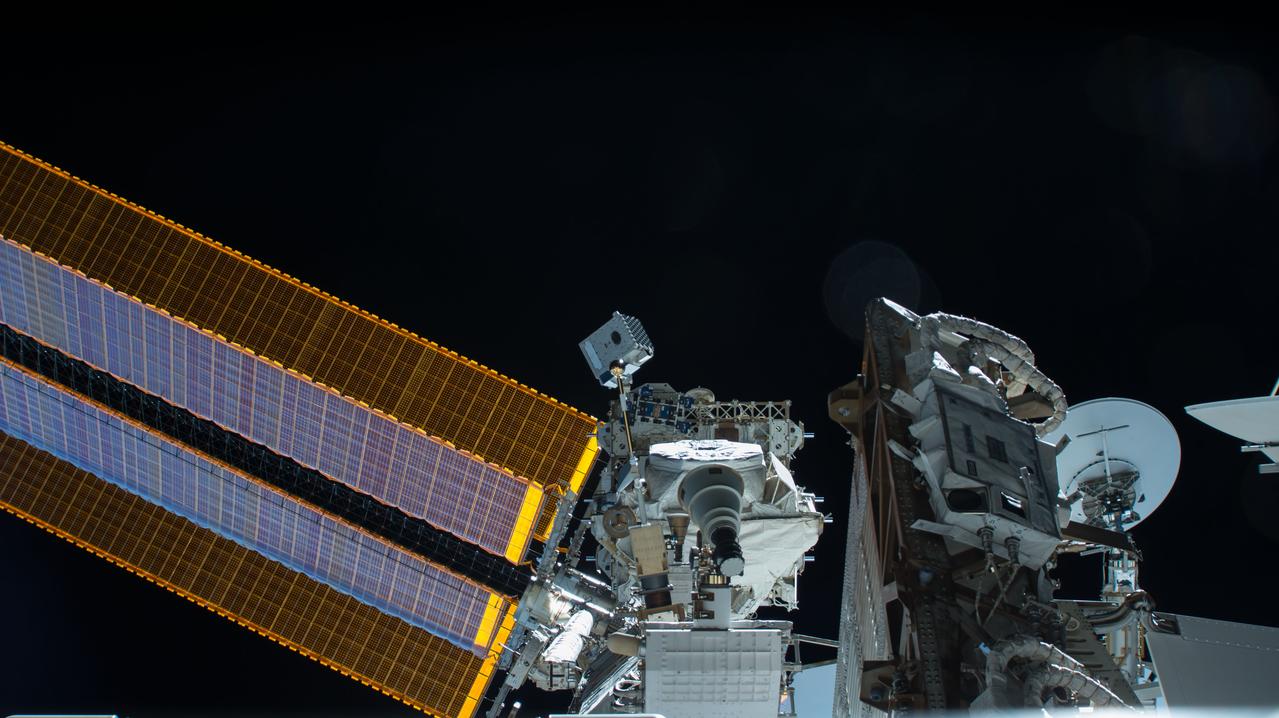
iss057e055440 (10/22/2018) --- View of the Neutron Star Interior Composition ExploreR (NICER) payload, attached to ExPRESS (Expedite the Processing of Experiments to Space Station) Logistics Carrier-2 (ELC-2) on the S3 Truss. Photo was taken by the ground-controlled External High Definition Camera 1 (EHDC1). NICER's primary mission to perform an in-depth study of neutron stars offers unrivaled astrophysics knowledge and can revolutionize the understanding of ultra-dense matter.
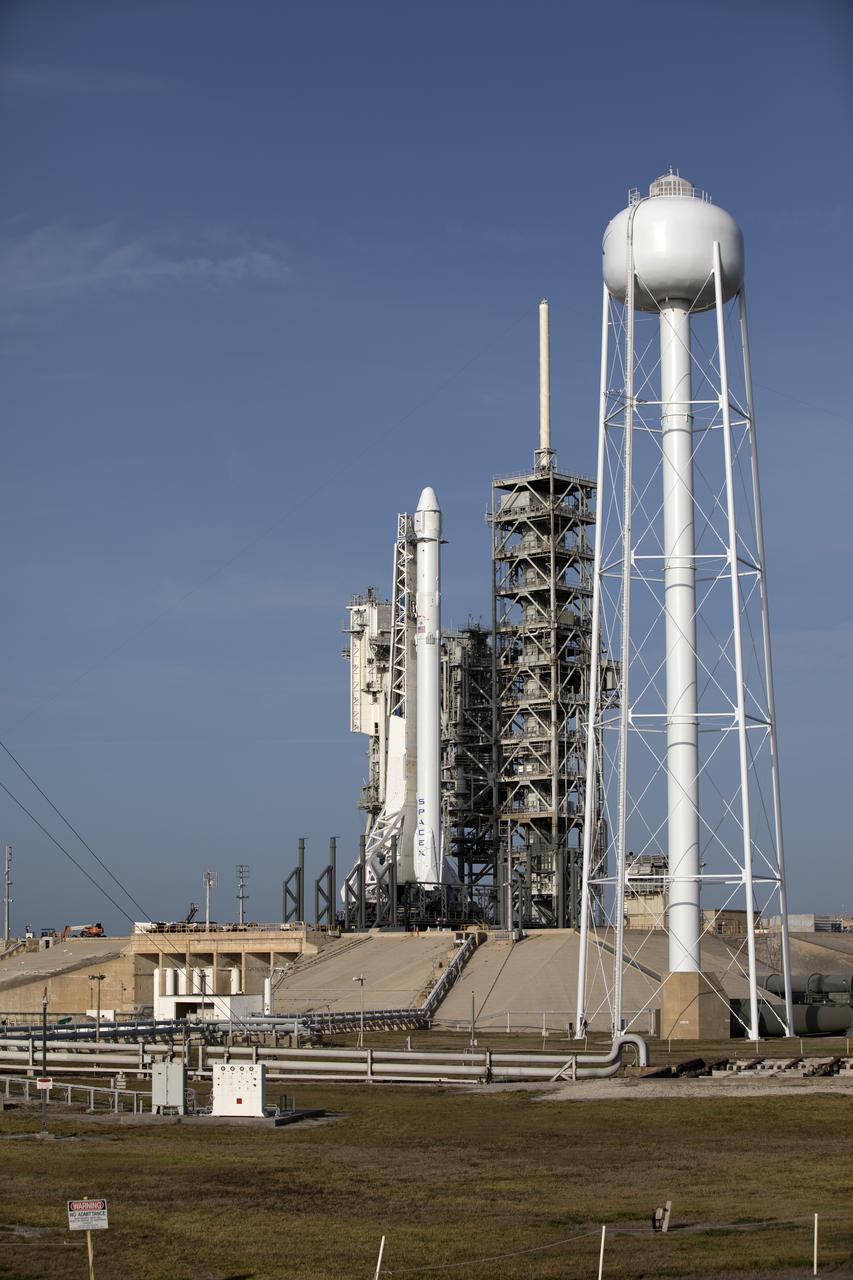
As a Falcon 9 rocket stands ready for liftoff at the Kennedy Space Center's Launch Complex 39A. The rocket will boost a Dragon resupply spacecraft to the International Space Station. Liftoff is scheduled for 5:55 p.m. EDT. On its 11th commercial resupply services mission to the space station, Dragon will bring up 6,000 pounds of supplies, such as the Neutron star Interior Composition Explorer, or NICER, instrument to study the extraordinary physics of neutron stars.
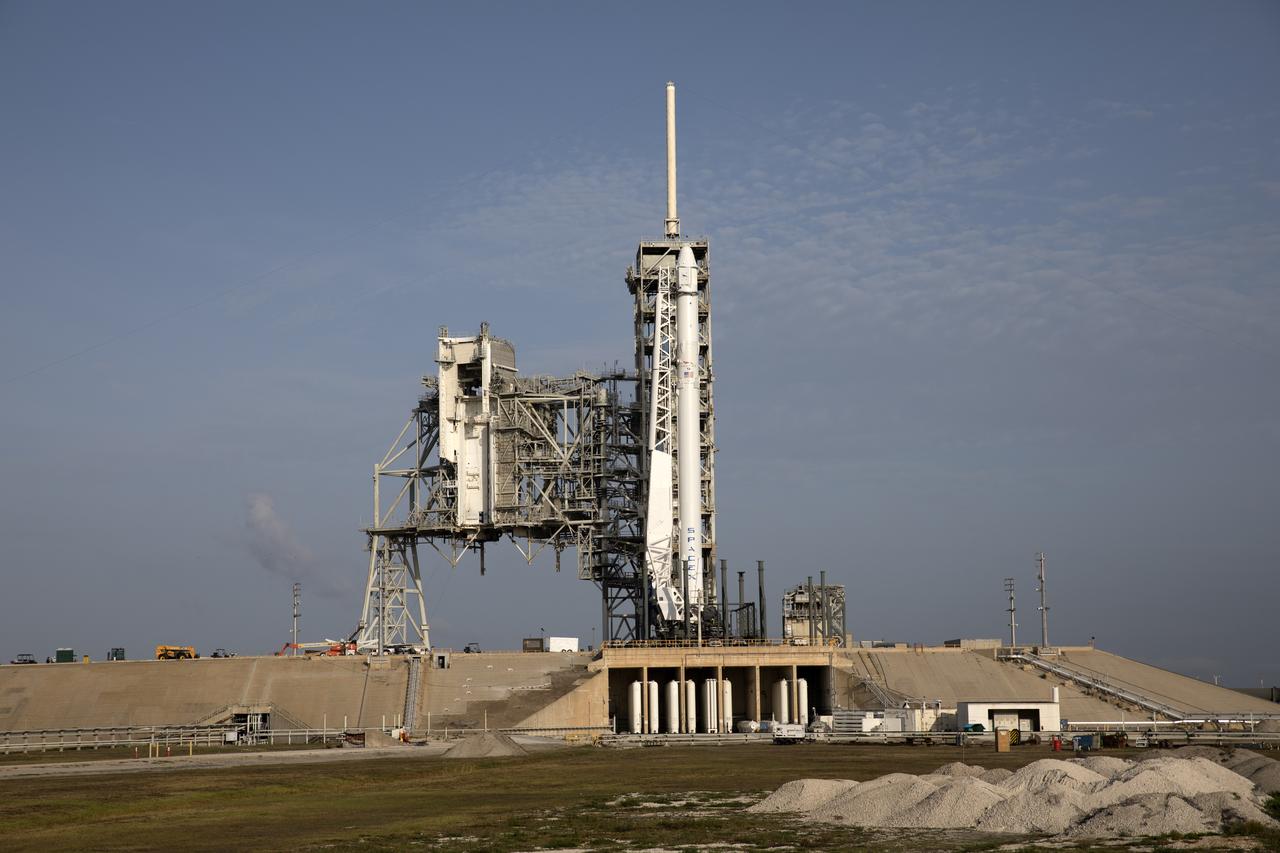
As a Falcon 9 rocket stands ready for liftoff at the Kennedy Space Center's Launch Complex 39A. The rocket will boost a Dragon resupply spacecraft to the International Space Station. Liftoff is scheduled for 5:55 p.m. EDT. On its 11th commercial resupply services mission to the space station, Dragon will bring up 6,000 pounds of supplies, such as the Neutron star Interior Composition Explorer, or NICER, instrument to study the extraordinary physics of neutron stars.
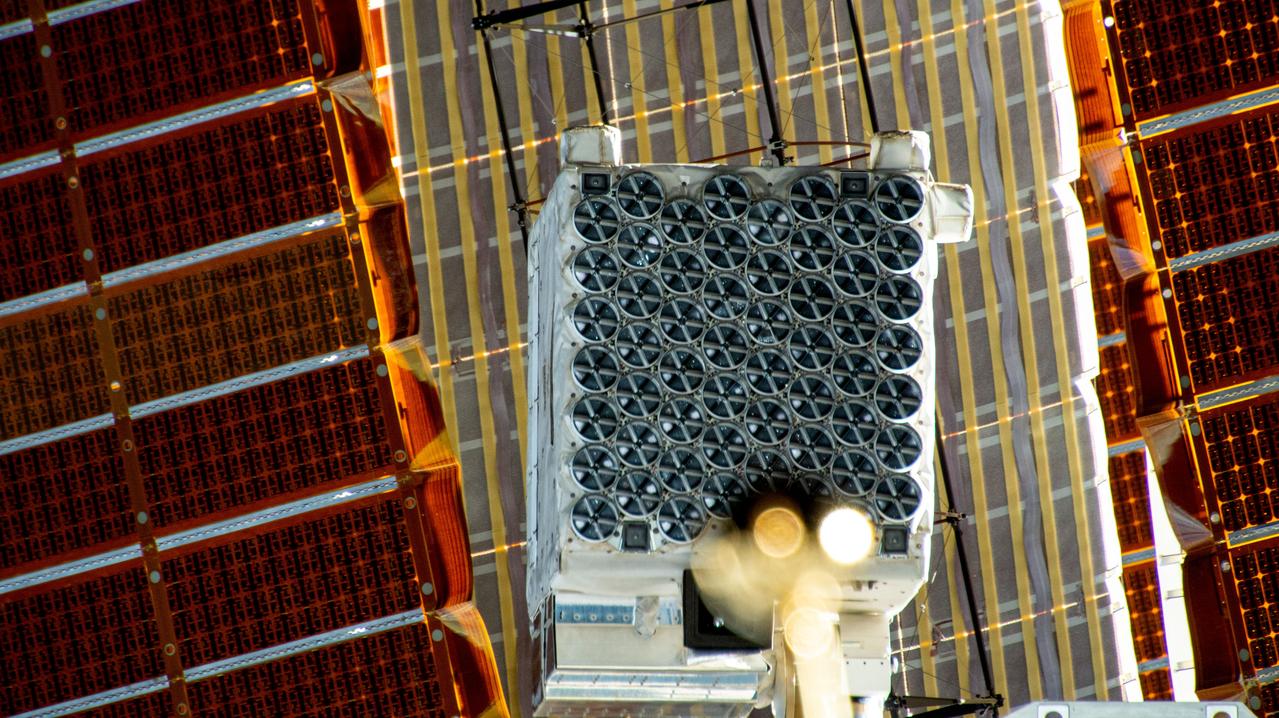
iss069e020459 (June 13, 2023) --- The Neutron star Interior Composition Explorer, or NICER, science investigation payload is pictured attached to the outside of the International Space Station. NICER studies the extraordinary physics of neutron stars providing new insights into their nature and behavior potentially revolutionizing the understanding of ultra-dense matter. Filling the background are the station's solar arrays that power the orbiting lab.
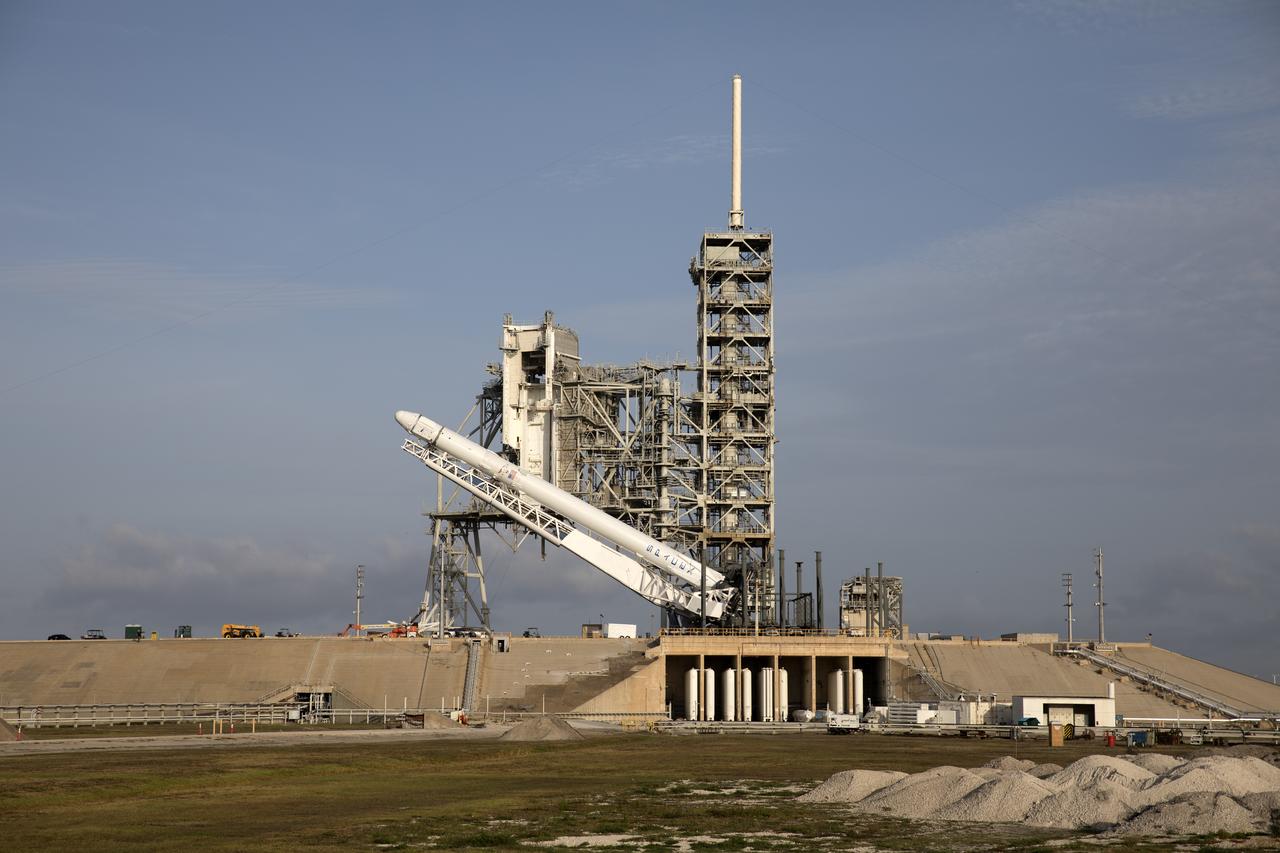
As a Falcon 9 rocket is raised into positon for liftoff at the Kennedy Space Center's Launch Complex 39A. The rocket will boost a Dragon resupply spacecraft to the International Space Station. Liftoff is scheduled for 5:55 p.m. EDT. On its 11th commercial resupply services mission to the space station, Dragon will bring up 6,000 pounds of supplies, such as the Neutron star Interior Composition Explorer, or NICER, instrument to study the extraordinary physics of neutron stars.
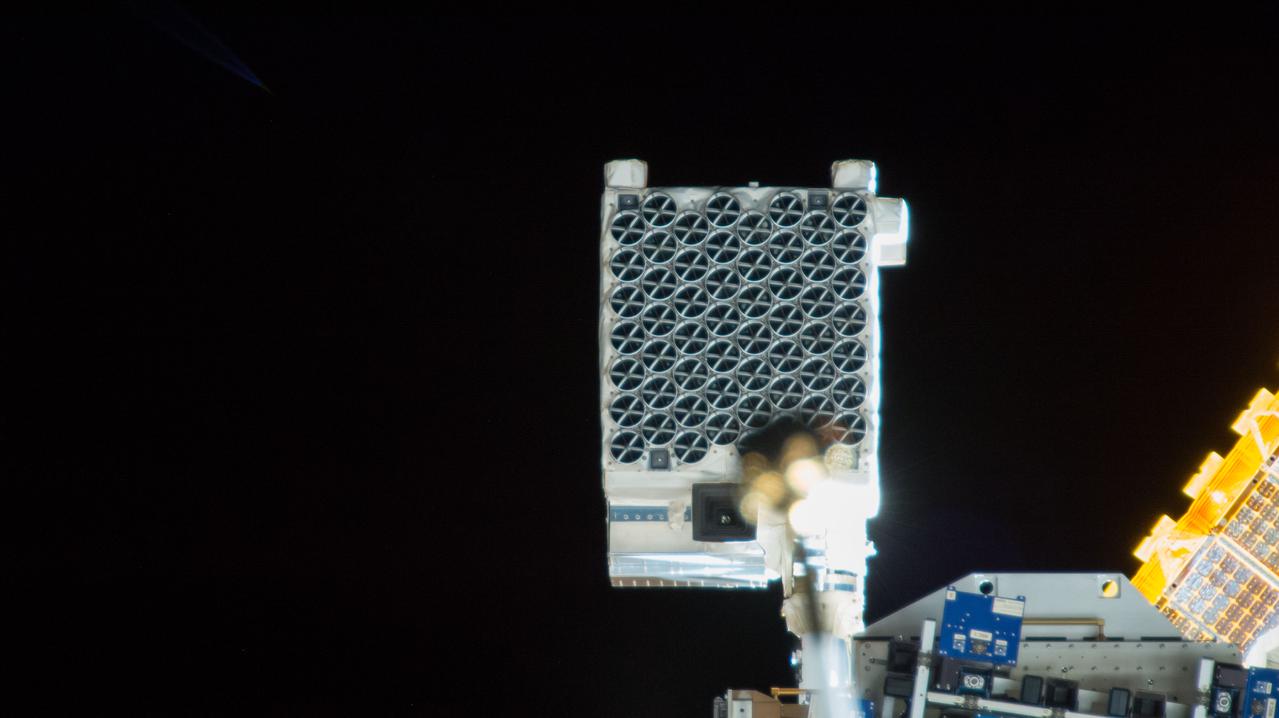
iss057e055482 (10/22/2018) --- View of the Neutron Star Interior Composition ExploreR (NICER) payload, attached to ExPRESS (Expedite the Processing of Experiments to Space Station) Logistics Carrier-2 (ELC-2) on the S3 Truss. Photo was taken by the ground-controlled External High Definition Camera 1 (EHDC1). NICER's primary mission to perform an in-depth study of neutron stars offers unrivaled astrophysics knowledge and can revolutionize the understanding of ultra-dense matter.
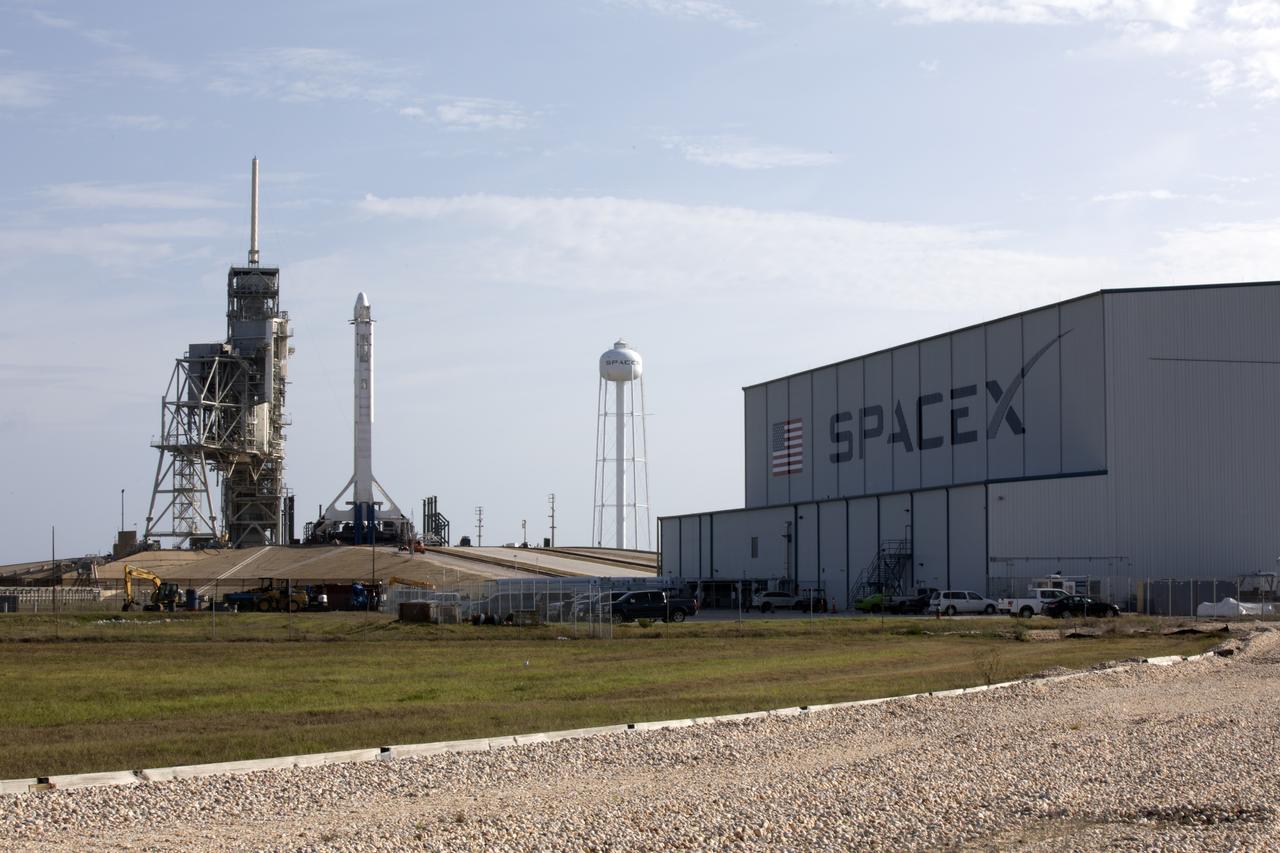
As a Falcon 9 rocket stands ready for liftoff at the Kennedy Space Center's Launch Complex 39A. The rocket will boost a Dragon resupply spacecraft to the International Space Station. Liftoff is scheduled for 5:55 p.m. EDT. On its 11th commercial resupply services mission to the space station, Dragon will bring up 6,000 pounds of supplies, such as the Neutron star Interior Composition Explorer, or NICER, instrument to study the extraordinary physics of neutron stars.
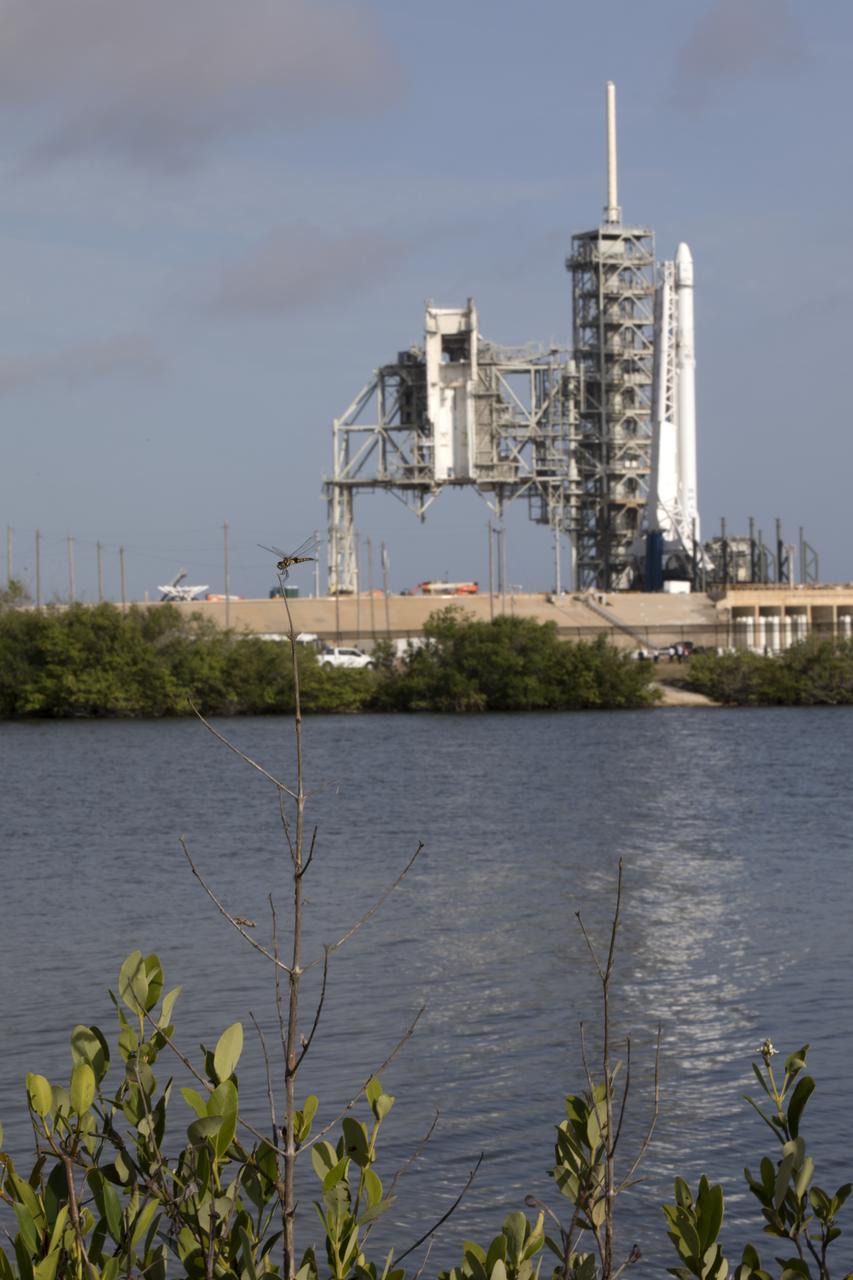
As a Falcon 9 rocket stands ready for liftoff at the Kennedy Space Center's Launch Complex 39A. The rocket will boost a Dragon resupply spacecraft to the International Space Station. Liftoff is scheduled for 5:55 p.m. EDT. On its 11th commercial resupply services mission to the space station, Dragon will bring up 6,000 pounds of supplies, such as the Neutron star Interior Composition Explorer, or NICER, instrument to study the extraordinary physics of neutron stars.
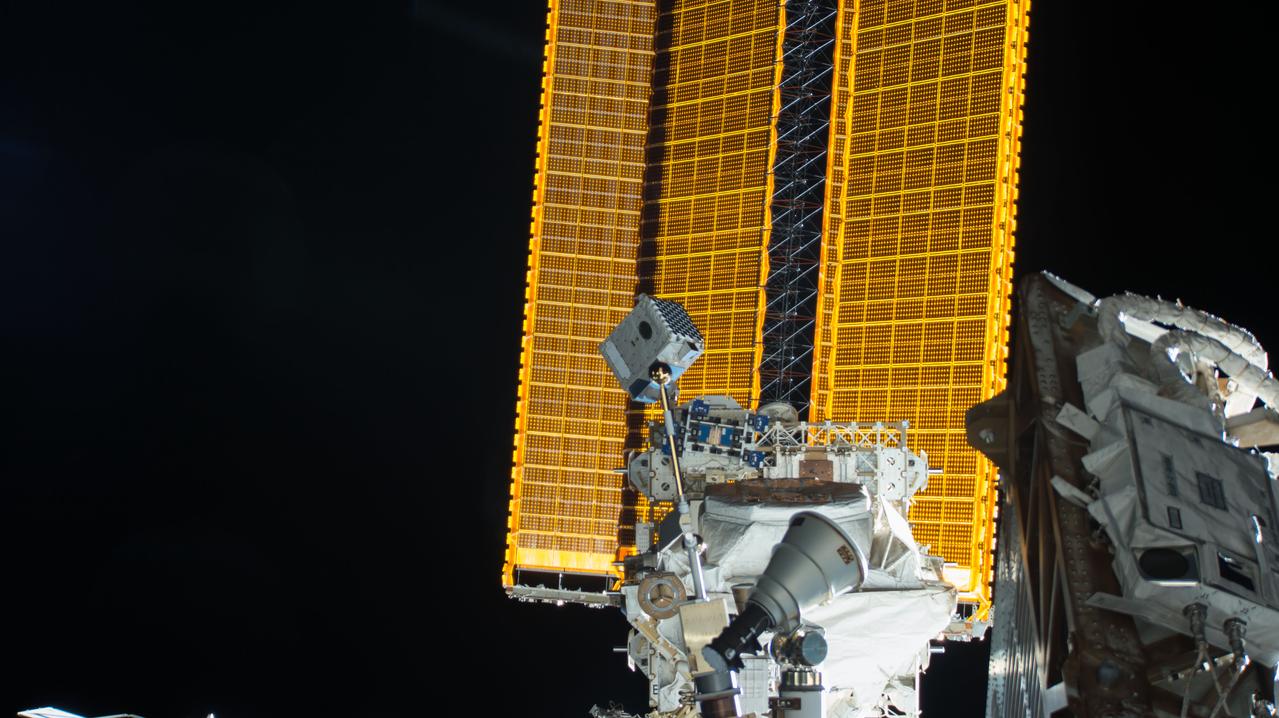
iss057e055482 (10/22/2018) --- View of the Neutron Star Interior Composition ExploreR (NICER) payload, attached to ExPRESS (Expedite the Processing of Experiments to Space Station) Logistics Carrier-2 (ELC-2) on the S3 Truss. Photo was taken by the ground-controlled External High Definition Camera 1 (EHDC1). NICER's primary mission to perform an in-depth study of neutron stars offers unrivaled astrophysics knowledge and can revolutionize the understanding of ultra-dense matter.
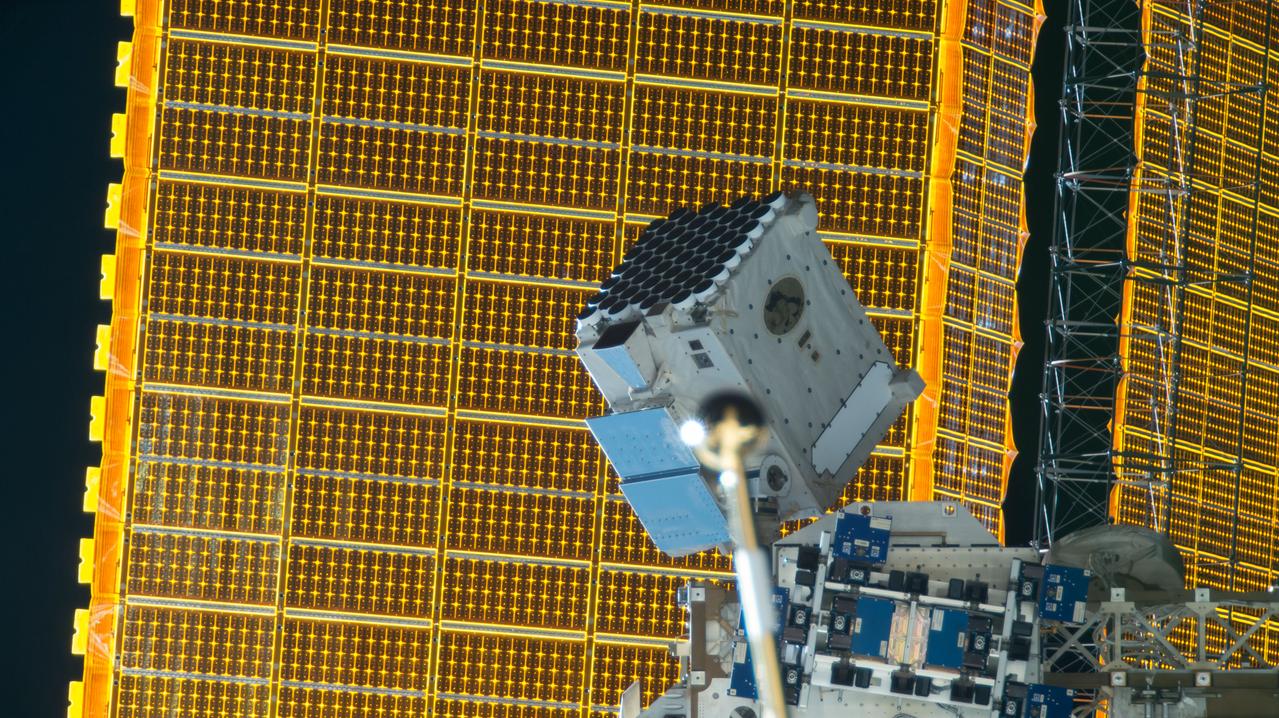
iss057e055490 (10/22/2018) --- View of the Neutron Star Interior Composition ExploreR (NICER) payload, attached to ExPRESS (Expedite the Processing of Experiments to Space Station) Logistics Carrier-2 (ELC-2) on the S3 Truss. Photo was taken by the ground-controlled External High Definition Camera 1 (EHDC1). NICER's primary mission to perform an in-depth study of neutron stars offers unrivaled astrophysics knowledge and can revolutionize the understanding of ultra-dense matter.
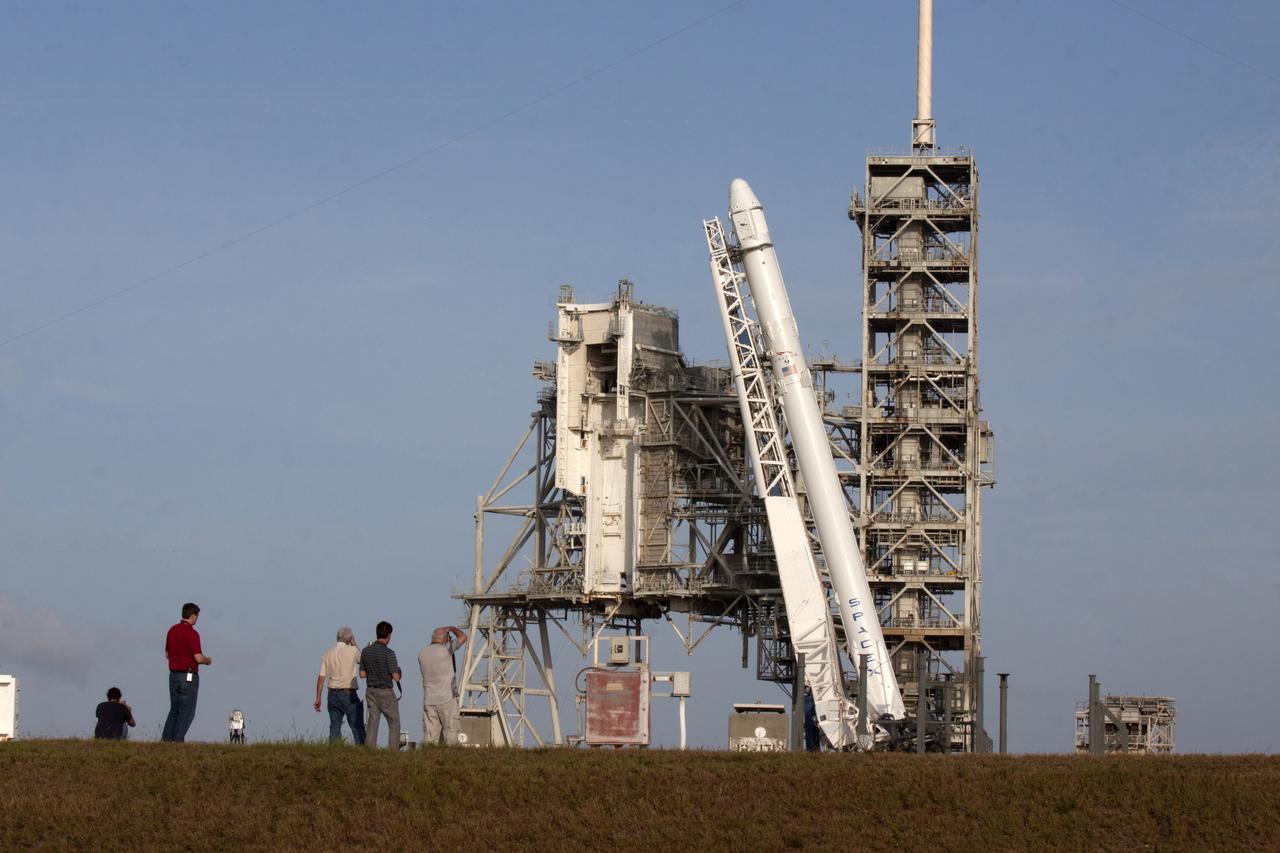
As a Falcon 9 rocket is raised into positon for liftoff at the Kennedy Space Center's Launch Complex 39A. The rocket will boost a Dragon resupply spacecraft to the International Space Station. Liftoff is scheduled for 5:55 p.m. EDT. On its 11th commercial resupply services mission to the space station, Dragon will bring up 6,000 pounds of supplies, such as the Neutron star Interior Composition Explorer, or NICER, instrument to study the extraordinary physics of neutron stars.
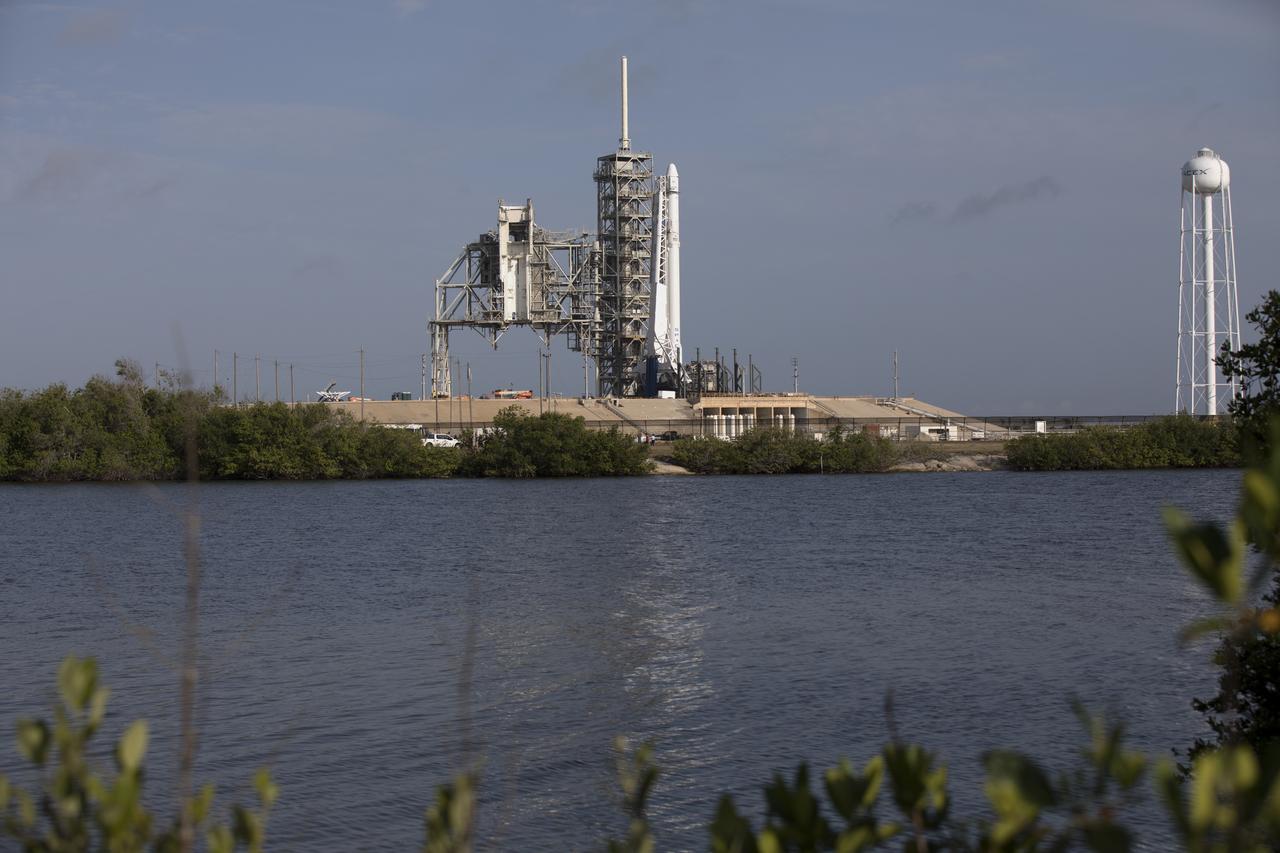
As a Falcon 9 rocket stands ready for liftoff at the Kennedy Space Center's Launch Complex 39A. The rocket will boost a Dragon resupply spacecraft to the International Space Station. Liftoff is scheduled for 5:55 p.m. EDT. On its 11th commercial resupply services mission to the space station, Dragon will bring up 6,000 pounds of supplies, such as the Neutron star Interior Composition Explorer, or NICER, instrument to study the extraordinary physics of neutron stars.
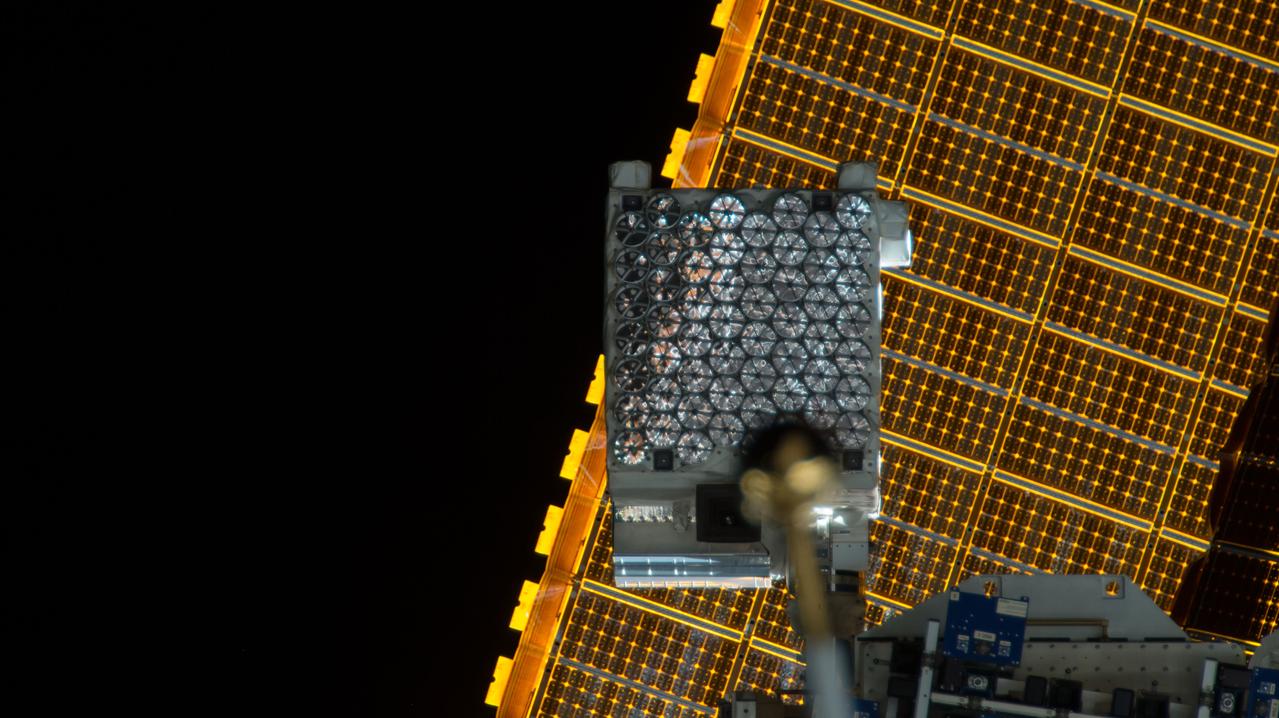
iss057e055460 (10/22/2018) --- View of the Neutron Star Interior Composition ExploreR (NICER) payload, attached to ExPRESS (Expedite the Processing of Experiments to Space Station) Logistics Carrier-2 (ELC-2) on the S3 Truss. Photo was taken by the ground-controlled External High Definition Camera 1 (EHDC1). NICER's primary mission to perform an in-depth study of neutron stars offers unrivaled astrophysics knowledge and can revolutionize the understanding of ultra-dense matter.
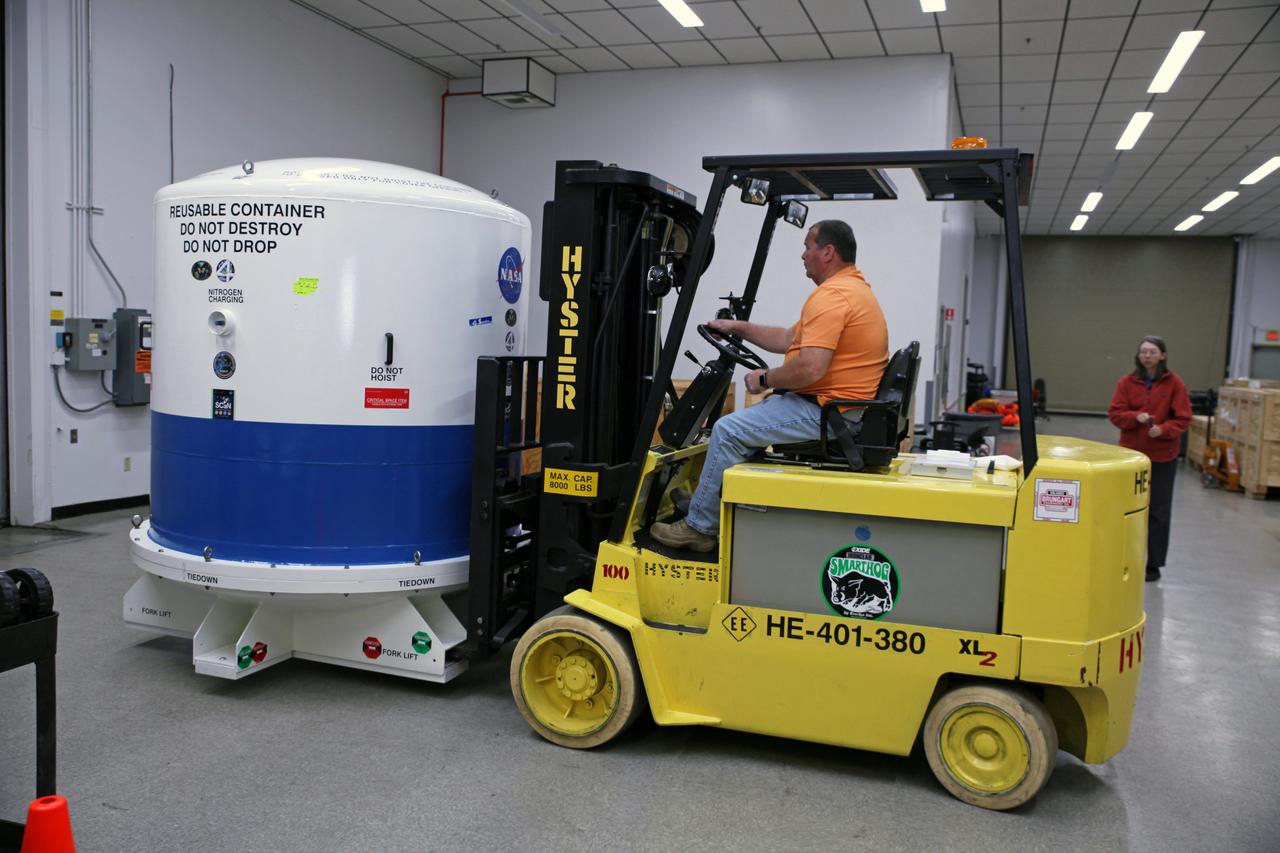
Inside the Space Station Processing Facility high bay at NASA's Kennedy Space Center in Florida, the Neutron star Interior Composition Explorer, or NICER, payload is secured inside a protective container. A technician uses a Hyster forklift to pick up the container and move it outside of the high bay. NICER will be delivered to the International Space Station aboard the SpaceX Dragon cargo carrier on the company’s 11th commercial resupply services mission to the space station. NICER will study neutron stars through soft X-ray timing. NICER will enable rotation-resolved spectroscopy of the thermal and non-thermal emissions of neutron stars in the soft X-ray band with unprecedented sensitivity, probing interior structure, the origins of dynamic phenomena and the mechanisms that underlie the most powerful cosmic particle accelerators known.
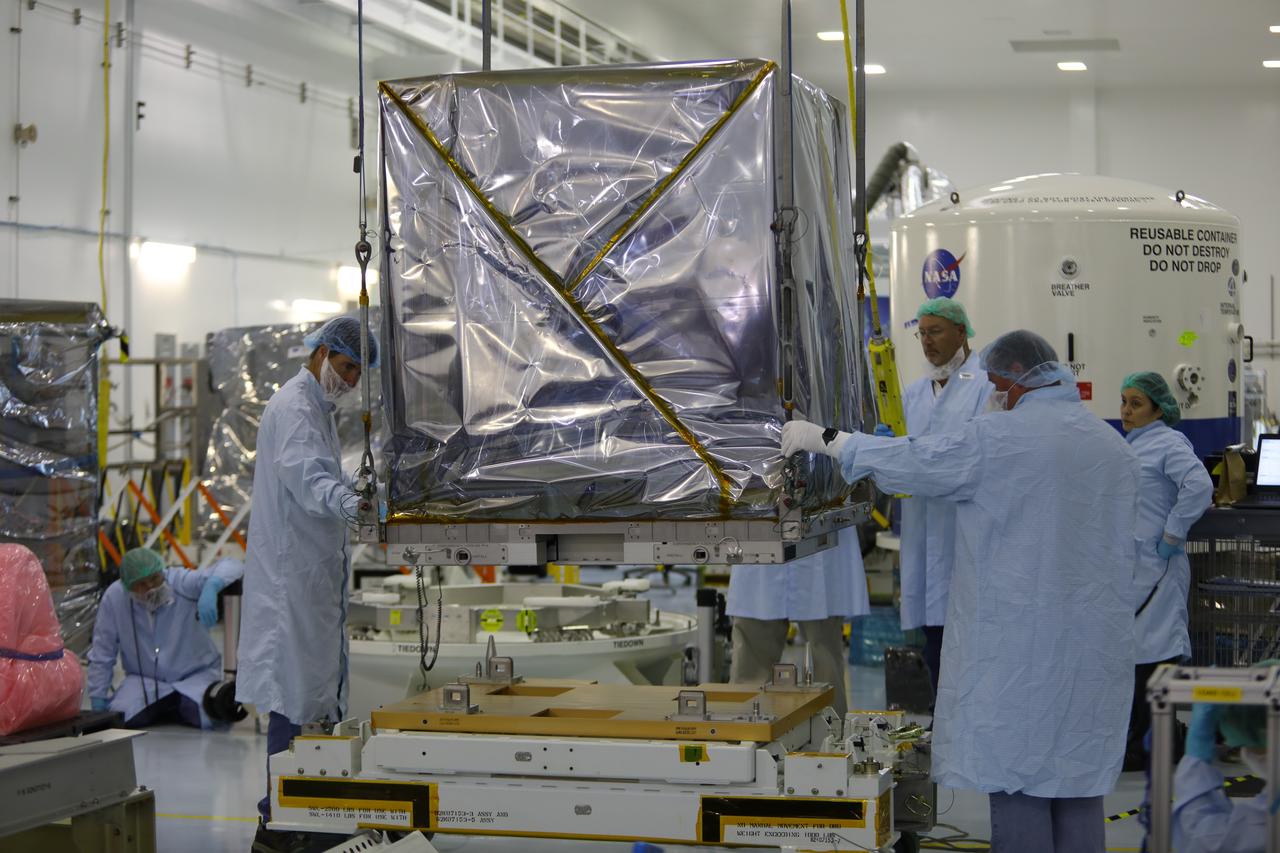
Inside the Space Station Processing Facility high bay at NASA's Kennedy Space Center in Florida, technicians assist as a crane is used to lift the Neutron star Interior Composition Explorer, or NICER, payload up from its carrier. NICER will be delivered to the International Space Station aboard the SpaceX Dragon cargo carrier on the company’s 11th commercial resupply services mission to the space station. NICER will study neutron stars through soft X-ray timing. NICER will enable rotation-resolved spectroscopy of the thermal and non-thermal emissions of neutron stars in the soft X-ray band with unprecedented sensitivity, probing interior structure, the origins of dynamic phenomena and the mechanisms that underlie the most powerful cosmic particle accelerators known.
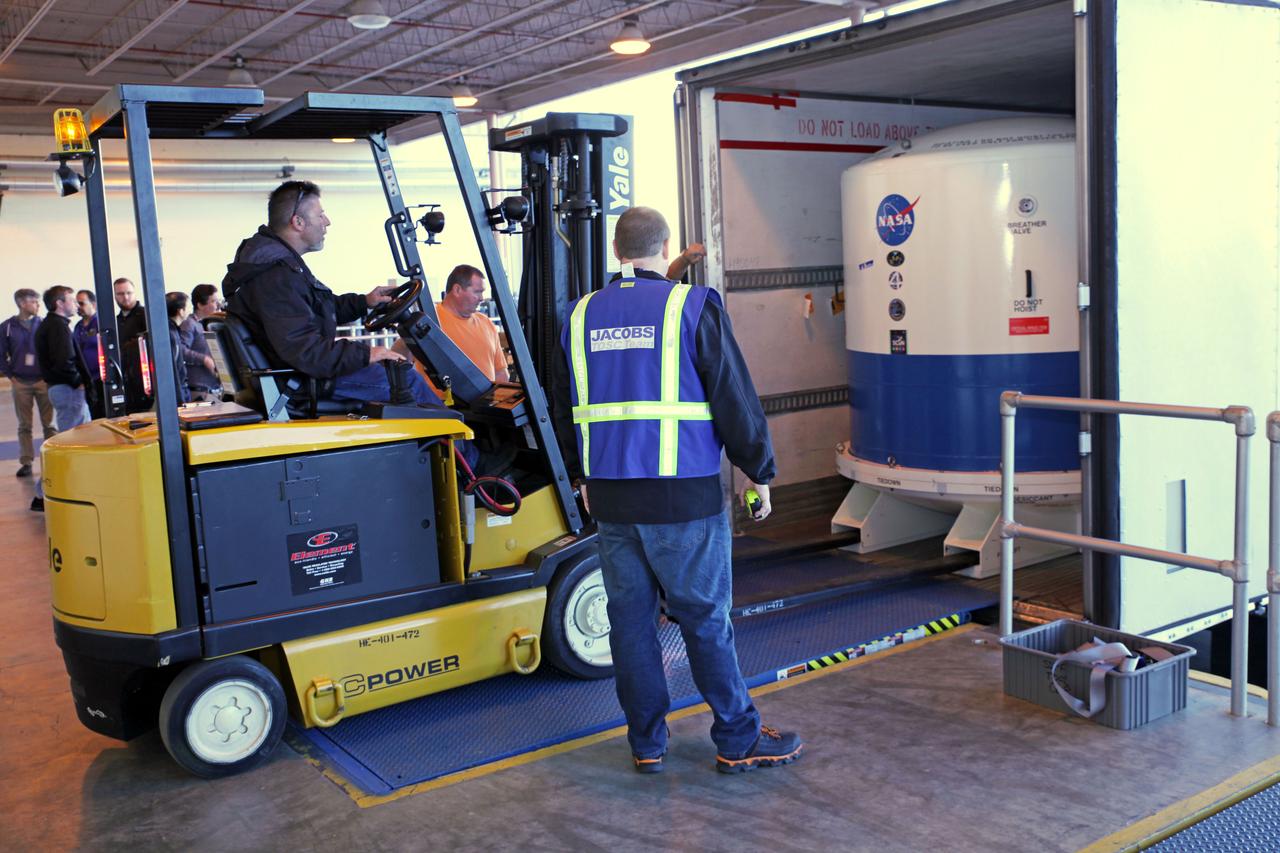
Inside the Space Station Processing Facility high bay at NASA's Kennedy Space Center in Florida, the Neutron star Interior Composition Explorer, or NICER, payload is secured inside a protective container and loaded onto a truck outside the high bay. NICER will be delivered to the International Space Station aboard the SpaceX Dragon cargo carrier on the company’s 11th commercial resupply services mission to the space station. NICER will study neutron stars through soft X-ray timing. NICER will enable rotation-resolved spectroscopy of the thermal and non-thermal emissions of neutron stars in the soft X-ray band with unprecedented sensitivity, probing interior structure, the origins of dynamic phenomena and the mechanisms that underlie the most powerful cosmic particle accelerators known.
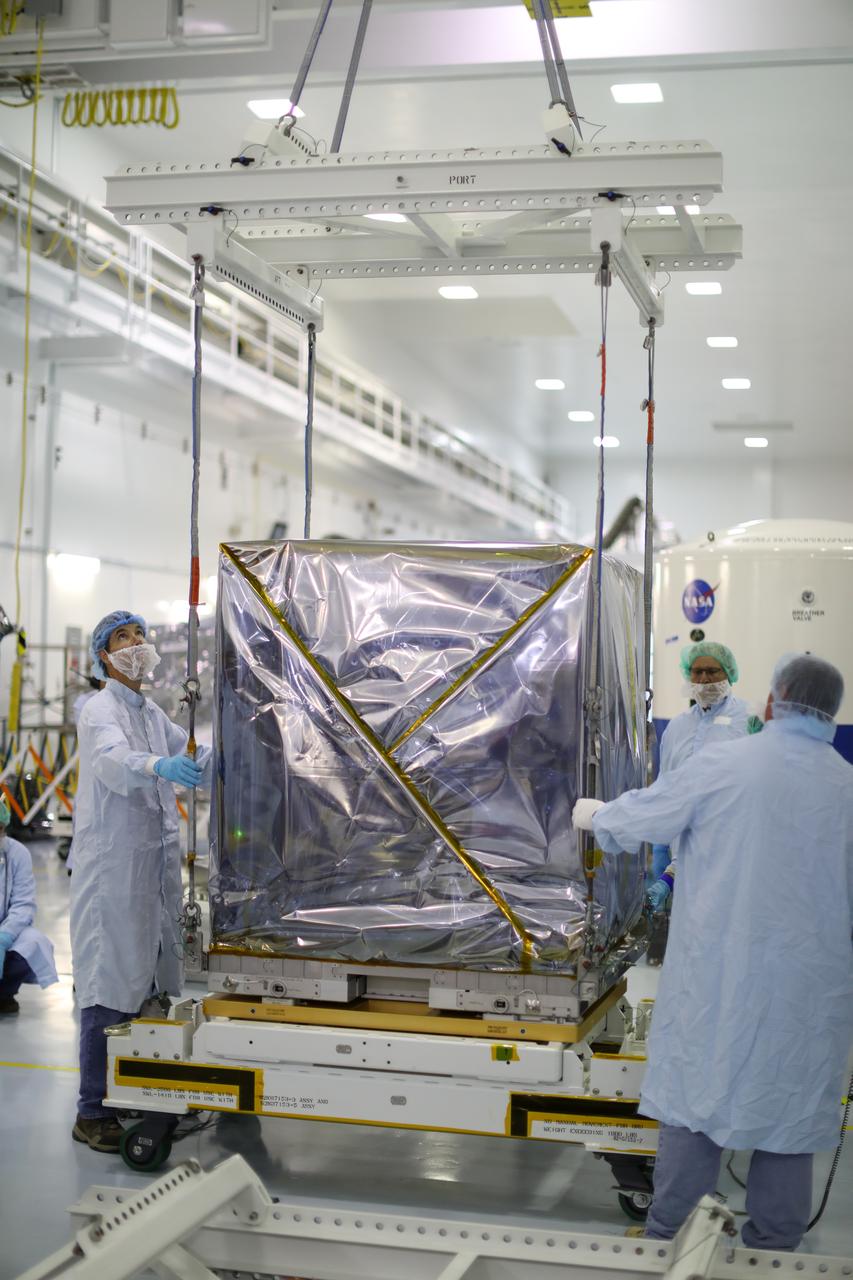
Inside the Space Station Processing Facility high bay at NASA's Kennedy Space Center in Florida, technicians assist as a crane is used to lift the Neutron star Interior Composition Explorer, or NICER, payload up from its carrier. NICER will be delivered to the International Space Station aboard the SpaceX Dragon cargo carrier on the company’s 11th commercial resupply services mission to the space station. NICER will study neutron stars through soft X-ray timing. NICER will enable rotation-resolved spectroscopy of the thermal and non-thermal emissions of neutron stars in the soft X-ray band with unprecedented sensitivity, probing interior structure, the origins of dynamic phenomena and the mechanisms that underlie the most powerful cosmic particle accelerators known.
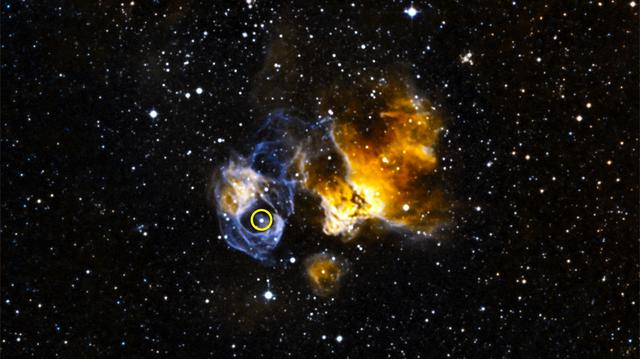
This composite image contains data from Chandra (purple) that provides evidence for the survival of a companion star from the blast of a supernova explosion. Chandra's X-rays reveal a point-like source in the supernova remnant at the location of a massive star. The data suggest that mass is being pulled away from the massive star towards a neutron star or a black hole companion. If confirmed, this would be only the third binary system containing both a massive star and a neutron star or black hole ever found in the aftermath of a supernova. This supernova remnant is found embedded in clouds of ionized hydrogen, which are shown in optical light (yellow and cyan) from the MCELS survey, along with additional optical data from the DSS (white).
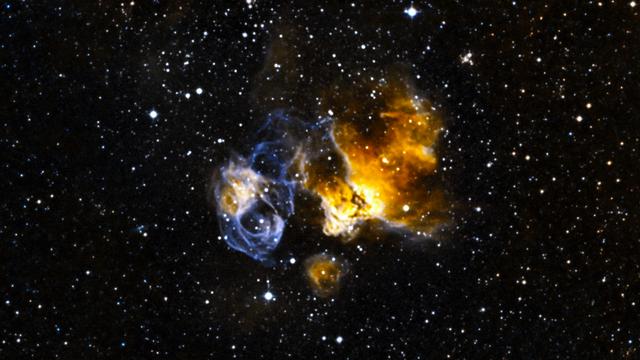
This composite image contains data from Chandra (purple) that provides evidence for the survival of a companion star from the blast of a supernova explosion. Chandra's X-rays reveal a point-like source in the supernova remnant at the location of a massive star. The data suggest that mass is being pulled away from the massive star towards a neutron star or a black hole companion. If confirmed, this would be only the third binary system containing both a massive star and a neutron star or black hole ever found in the aftermath of a supernova. This supernova remnant is found embedded in clouds of ionized hydrogen, which are shown in optical light (yellow and cyan) from the MCELS survey, along with additional optical data from the DSS (white).

This Chandra X-ray observatory image of M83 shows numerous point-like neutron stars and black hole x-ray sources scattered throughout the disk of this spiral galaxy. The bright nuclear region of the galaxy glows prominently due to a burst of star formation that is estimated to have begun about 20 million years ago in the galaxy's time frame. The nuclear region, enveloped by a 7 million degree Celsius gas cloud of carbon, neon, magnesium, silicon, and sulfur atoms, contains a much higher concentration of neutron stars and black holes than the rest of the galaxy. Hot gas with a slightly lower temperature of 4 million degrees observed along the spiral arms of the galaxy suggests that star formation in this region may be occurring at a more sedate rate.

This image, taken with the Wide Field Planetary Camera 2 on board the NASA/ESA Hubble Space Telescope, shows the globular cluster Terzan 1. Lying around 20 000 light-years from us in the constellation of Scorpius (The Scorpion), it is one of about 150 globular clusters belonging to our galaxy, the Milky Way. Typical globular clusters are collections of around a hundred thousand stars, held together by their mutual gravitational attraction in a spherical shape a few hundred light-years across. It is thought that every galaxy has a population of globular clusters. Some, like the Milky Way, have a few hundred, while giant elliptical galaxies can have several thousand. They contain some of the oldest stars in a galaxy, hence the reddish colours of the stars in this image — the bright blue ones are foreground stars, not part of the cluster. The ages of the stars in the globular cluster tell us that they were formed during the early stages of galaxy formation! Studying them can also help us to understand how galaxies formed. Terzan 1, like many globular clusters, is a source of X-rays. It is likely that these X-rays come from binary star systems that contain a dense neutron star and a normal star. The neutron star drags material from the companion star, causing a burst of X-ray emission. The system then enters a quiescent phase in which the neutron star cools, giving off X-ray emission with different characteristics, before enough material from the companion builds up to trigger another outburst.

A star's spectacular death in the constellation Taurus was observed on Earth as the supernova of 1054 A.D. Now, almost a thousand years later, a superdense neutron star left behind by the stellar death is spewing out a blizzard of extremely high-energy particles into the expanding debris field known as the Crab Nebula. This composite image uses data from three of NASA's Great Observatories. The Chandra X-ray image is shown in light blue, the Hubble Space Telescope optical images are in green and dark blue, and the Spitzer Space Telescope's infrared image is in red. The size of the X-ray image is smaller than the others because ultrahigh-energy X-ray emitting electrons radiate away their energy more quickly than the lower-energy electrons emitting optical and infrared light. The neutron star, which has the mass equivalent to the sun crammed into a rapidly spinning ball of neutrons twelve miles across, is the bright white dot in the center of the image. http://photojournal.jpl.nasa.gov/catalog/PIA01320
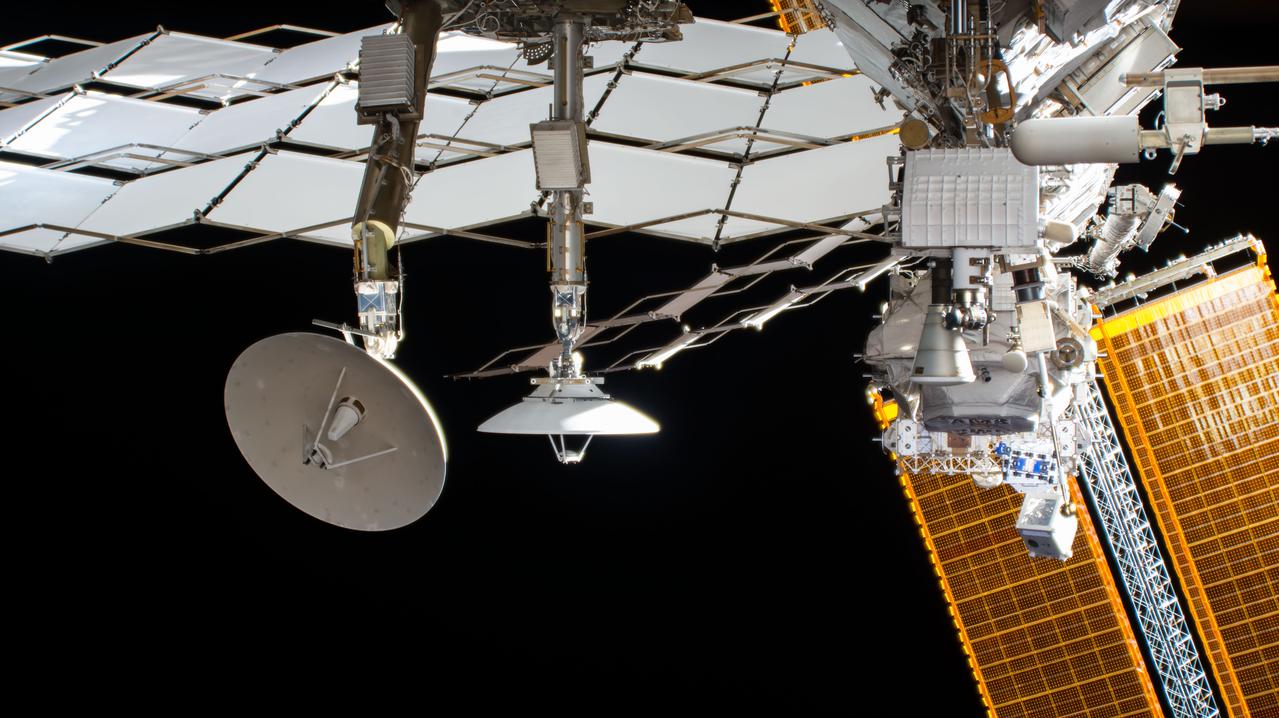
iss055e024025 (4/15/2018) - View of a radiator pane, solar array and the Alpha Magnetic Spectrometer - 02 (AMS-02) as seen by the External High Definition Camera (EHDC1). Also visible are Neutron Star Interior Composition Explorer (NICER) and Materials ISS Experiment Flight Facility (MISSE-FF).

Peering deep into the core of the Crab Nebula, this close-up image reveals the beating heart of one of the most historic and intensively studied remnants of a supernova, an exploding star. The inner region sends out clock-like pulses of radiation and tsunamis of charged particles embedded in magnetic fields. The neutron star at the very center of the Crab Nebula has about the same mass as the sun but compressed into an incredibly dense sphere that is only a few miles across. Spinning 30 times a second, the neutron star shoots out detectable beams of energy that make it look like it's pulsating. The NASA Hubble Space Telescope snapshot is centered on the region around the neutron star (the rightmost of the two bright stars near the center of this image) and the expanding, tattered, filamentary debris surrounding it. Hubble's sharp view captures the intricate details of glowing gas, shown in red, that forms a swirling medley of cavities and filaments. Inside this shell is a ghostly blue glow that is radiation given off by electrons spiraling at nearly the speed of light in the powerful magnetic field around the crushed stellar core. The neutron star is a showcase for extreme physical processes and unimaginable cosmic violence. Bright wisps are moving outward from the neutron star at half the speed of light to form an expanding ring. It is thought that these wisps originate from a shock wave that turns the high-speed wind from the neutron star into extremely energetic particles. When this "heartbeat" radiation signature was first discovered in 1968, astronomers realized they had discovered a new type of astronomical object. Now astronomers know it's the archetype of a class of supernova remnants called pulsars - or rapidly spinning neutron stars. These interstellar "lighthouse beacons" are invaluable for doing observational experiments on a variety of astronomical phenomena, including measuring gravity waves. Observations of the Crab supernova were recorded by Chinese astronomers in 1054 A.D. The nebula, bright enough to be visible in amateur telescopes, is located 6,500 light-years away in the constellation Taurus. Credits: NASA and ESA, Acknowledgment: J. Hester (ASU) and M. Weisskopf (NASA/MSFC) <b><a href="http://www.nasa.gov/audience/formedia/features/MP_Photo_Guidelines.html" rel="nofollow">NASA image use policy.</a></b> <b><a href="http://www.nasa.gov/centers/goddard/home/index.html" rel="nofollow">NASA Goddard Space Flight Center</a></b> enables NASA’s mission through four scientific endeavors: Earth Science, Heliophysics, Solar System Exploration, and Astrophysics. Goddard plays a leading role in NASA’s accomplishments by contributing compelling scientific knowledge to advance the Agency’s mission. <b>Follow us on <a href="http://twitter.com/NASAGoddardPix" rel="nofollow">Twitter</a></b> <b>Like us on <a href="http://www.facebook.com/pages/Greenbelt-MD/NASA-Goddard/395013845897?ref=tsd" rel="nofollow">Facebook</a></b> <b>Find us on <a href="http://instagrid.me/nasagoddard/?vm=grid" rel="nofollow">Instagram</a></b>
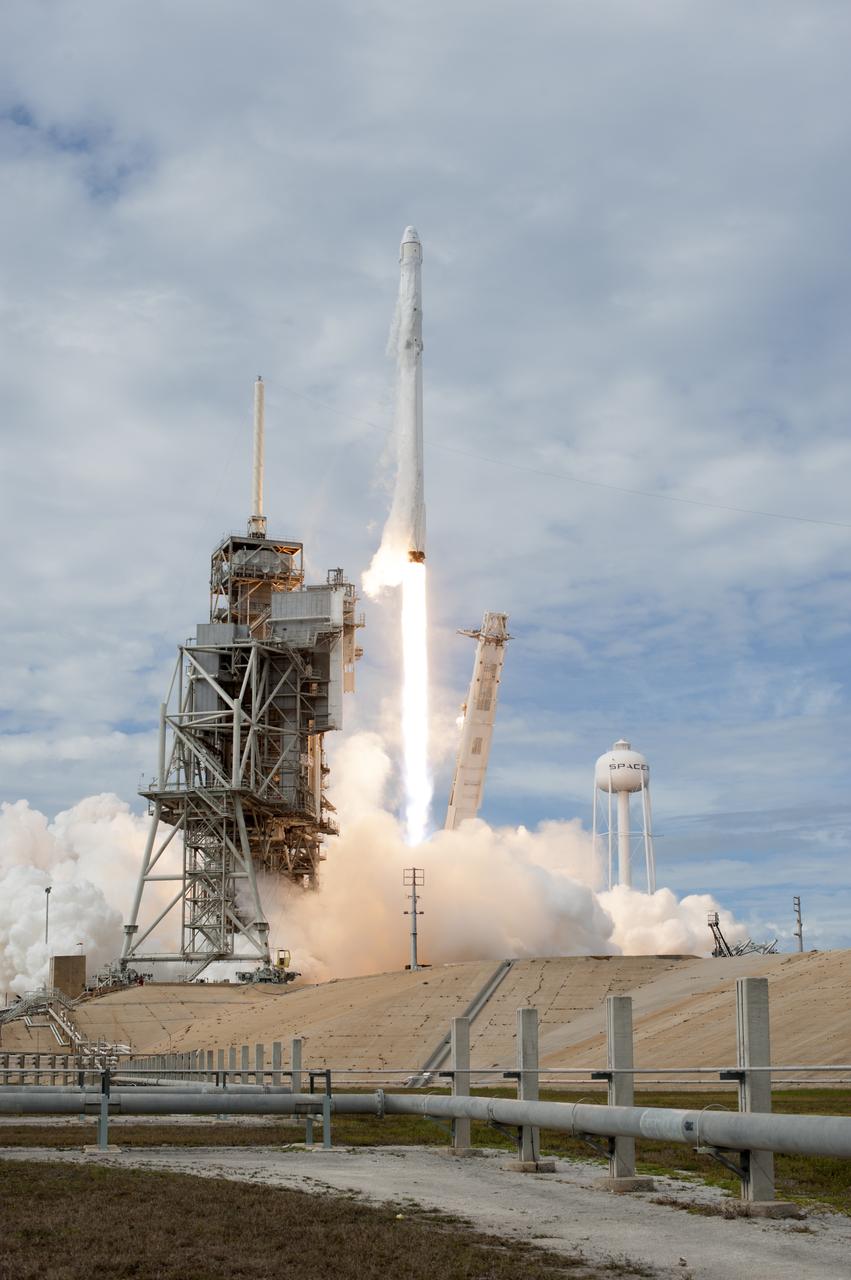
A SpaceX Falcon 9 rocket lifts off from Launch Complex 39A at NASA's Kenney Space Center in Florida, the company's 11th commercial resupply services mission to the International Space Station. Liftoff was at 5:07 p.m. EDT from the historic launch site now operated by SpaceX under a property agreement with NASA. The Dragon spacecraft will deliver 6,000 pounds of supplies, such as the Neutron star Interior Composition Explorer, or NICER, designed to study the extraordinary physics of these stars, providing insights into their nature and behavior.
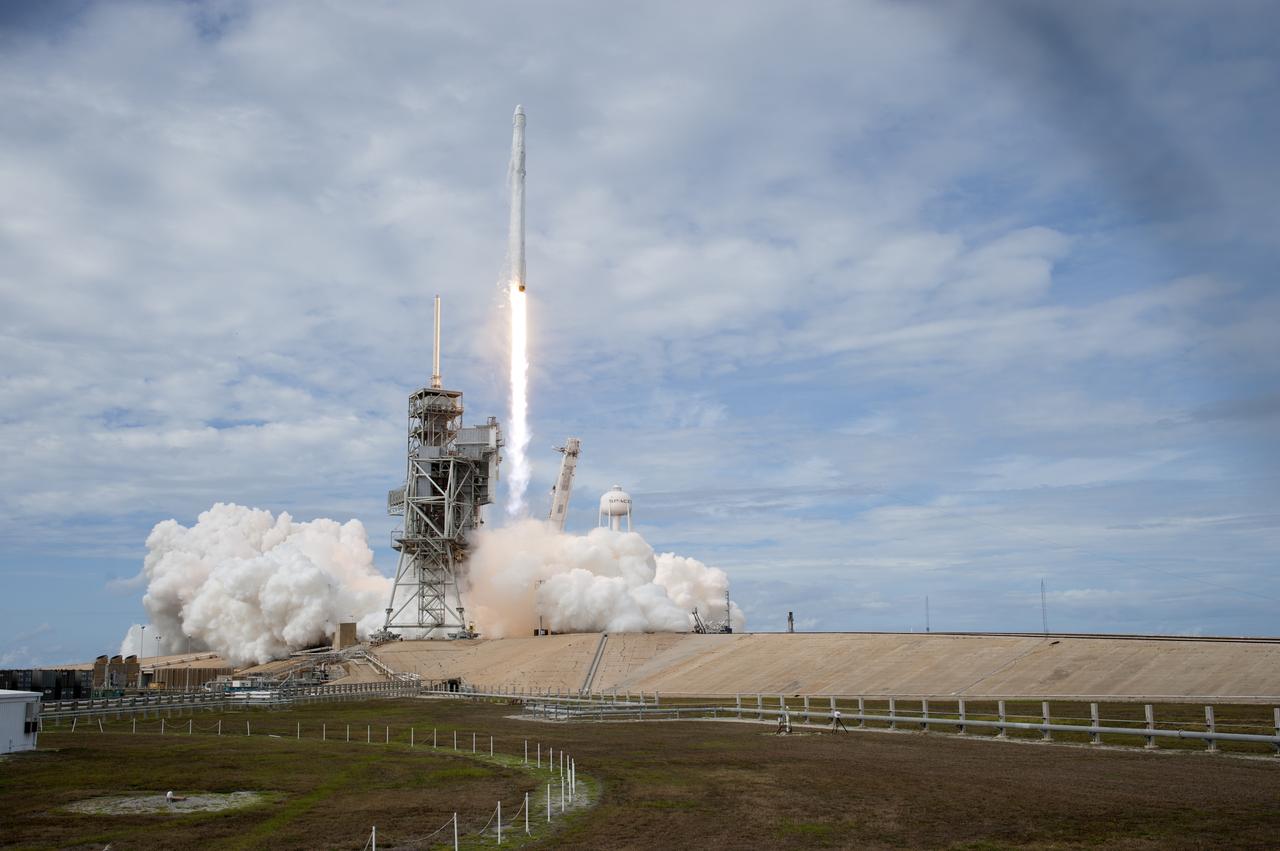
A SpaceX Falcon 9 rocket lifts off from Launch Complex 39A at NASA's Kenney Space Center in Florida, the company's 11th commercial resupply services mission to the International Space Station. Liftoff was at 5:07 p.m. EDT from the historic launch site now operated by SpaceX under a property agreement with NASA. The Dragon spacecraft will deliver 6,000 pounds of supplies, such as the Neutron star Interior Composition Explorer, or NICER, designed to study the extraordinary physics of these stars, providing insights into their nature and behavior.
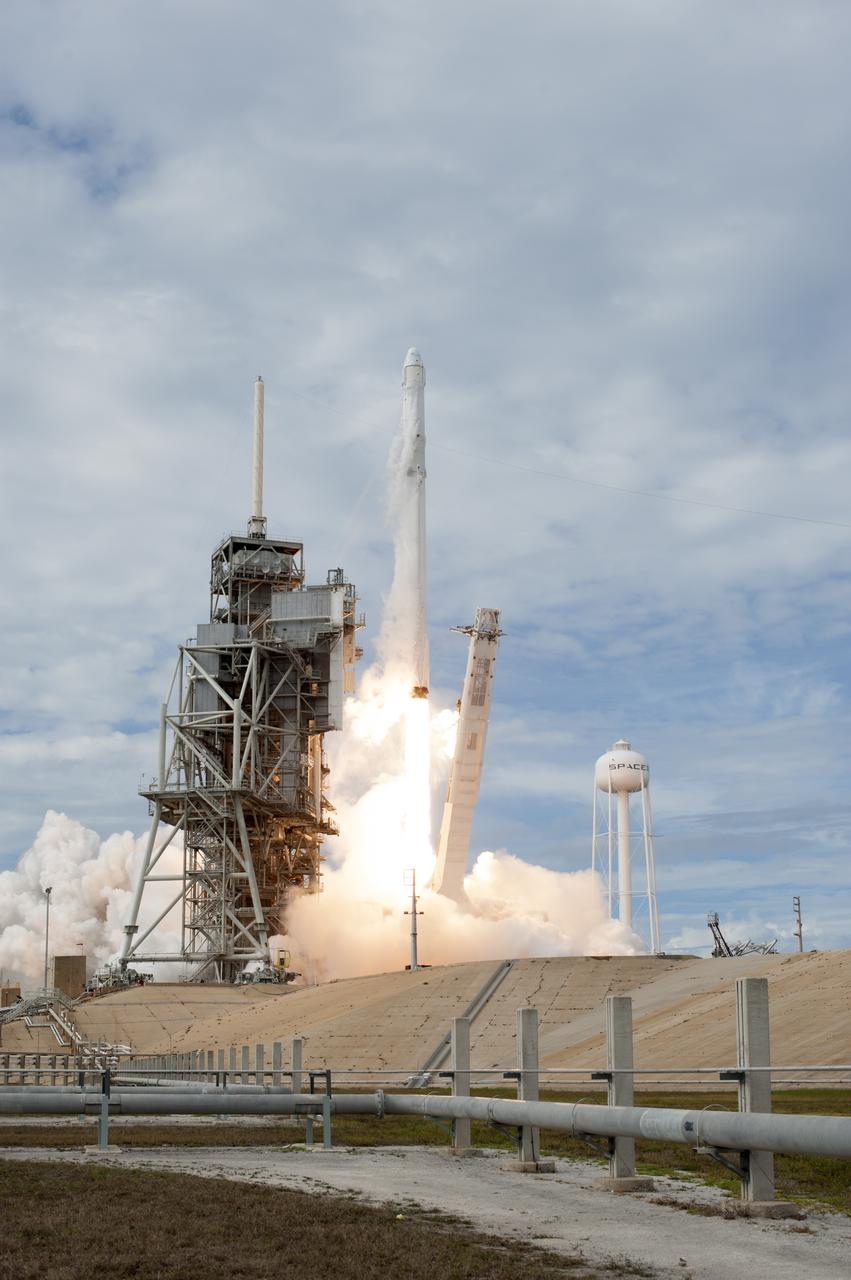
A SpaceX Falcon 9 rocket lifts off from Launch Complex 39A at NASA's Kenney Space Center in Florida, the company's 11th commercial resupply services mission to the International Space Station. Liftoff was at 5:07 p.m. EDT from the historic launch site now operated by SpaceX under a property agreement with NASA. The Dragon spacecraft will deliver 6,000 pounds of supplies, such as the Neutron star Interior Composition Explorer, or NICER, designed to study the extraordinary physics of these stars, providing insights into their nature and behavior.
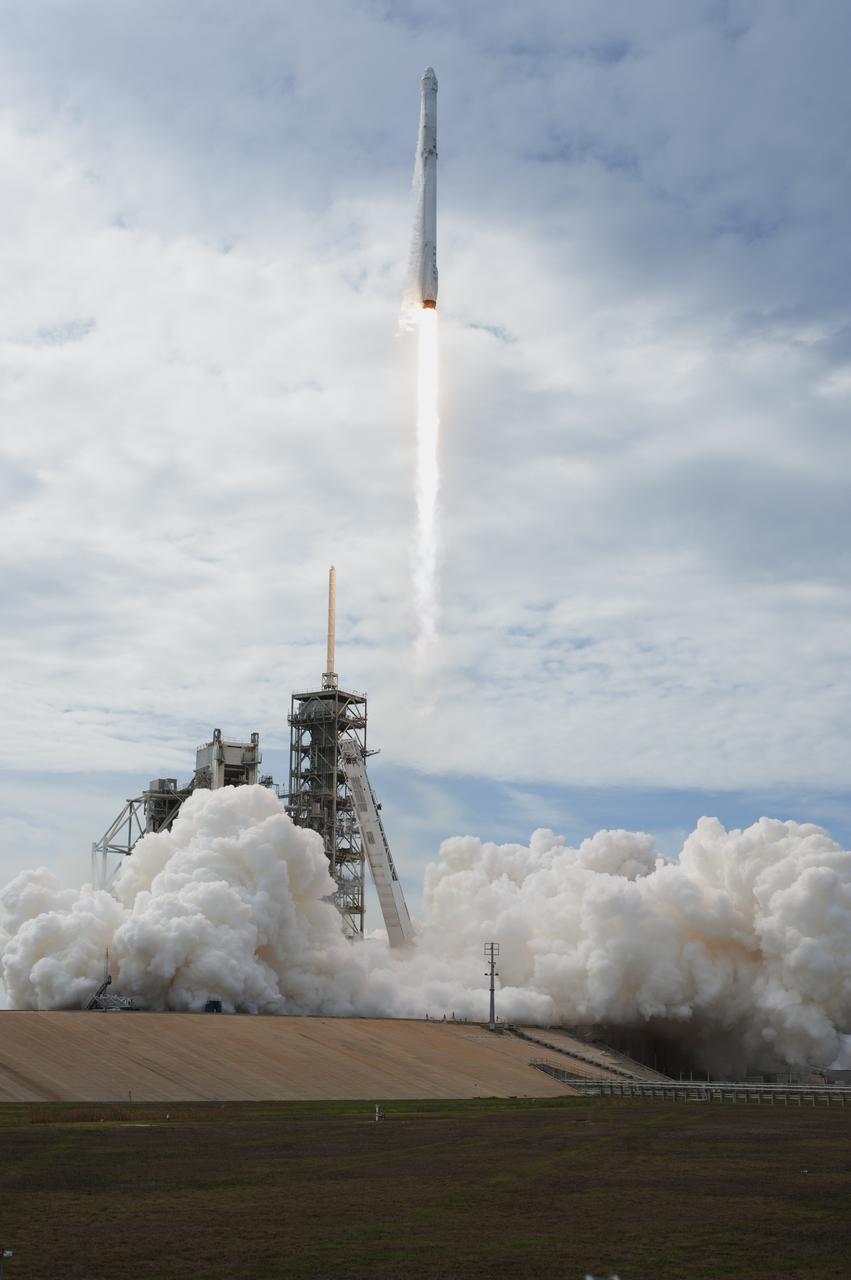
A SpaceX Falcon 9 rocket lifts off from Launch Complex 39A at NASA's Kenney Space Center in Florida, the company's 11th commercial resupply services mission to the International Space Station. Liftoff was at 5:07 p.m. EDT from the historic launch site now operated by SpaceX under a property agreement with NASA. The Dragon spacecraft will deliver 6,000 pounds of supplies, such as the Neutron star Interior Composition Explorer, or NICER, designed to study the extraordinary physics of these stars, providing insights into their nature and behavior.
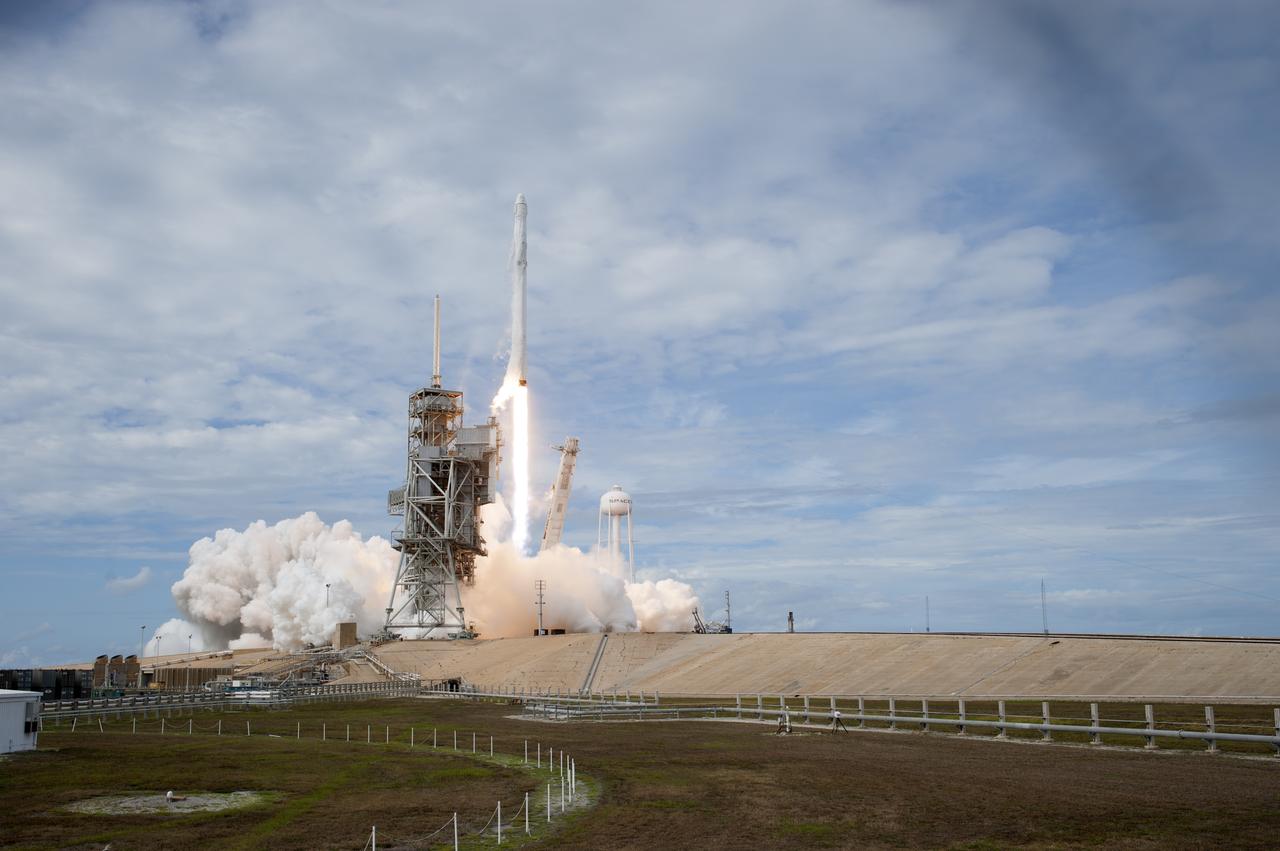
A SpaceX Falcon 9 rocket lifts off from Launch Complex 39A at NASA's Kenney Space Center in Florida, the company's 11th commercial resupply services mission to the International Space Station. Liftoff was at 5:07 p.m. EDT from the historic launch site now operated by SpaceX under a property agreement with NASA. The Dragon spacecraft will deliver 6,000 pounds of supplies, such as the Neutron star Interior Composition Explorer, or NICER, designed to study the extraordinary physics of these stars, providing insights into their nature and behavior.
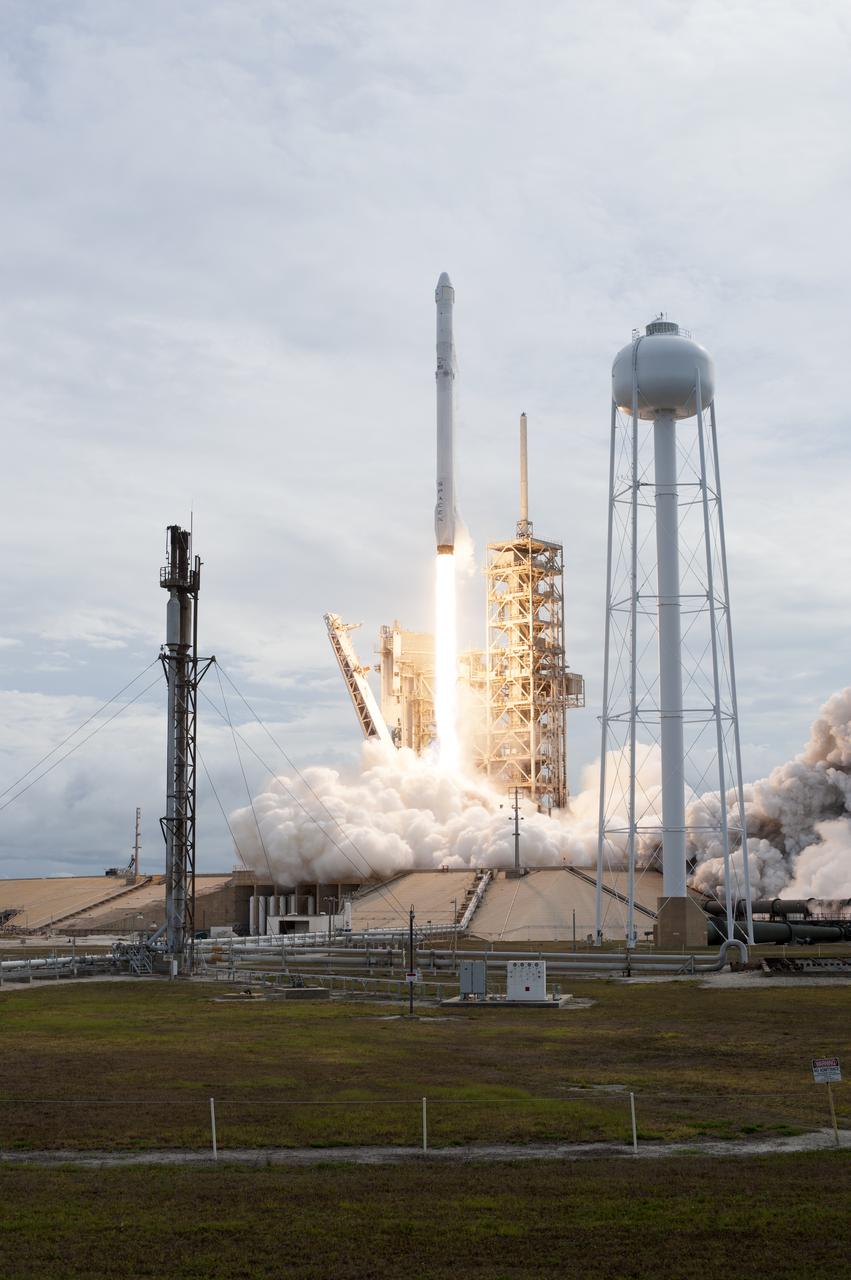
A SpaceX Falcon 9 rocket lifts off from Launch Complex 39A at NASA's Kenney Space Center in Florida, the company's 11th commercial resupply services mission to the International Space Station. Liftoff was at 5:07 p.m. EDT from the historic launch site now operated by SpaceX under a property agreement with NASA. The Dragon spacecraft will deliver 6,000 pounds of supplies, such as the Neutron star Interior Composition Explorer, or NICER, designed to study the extraordinary physics of these stars, providing insights into their nature and behavior.
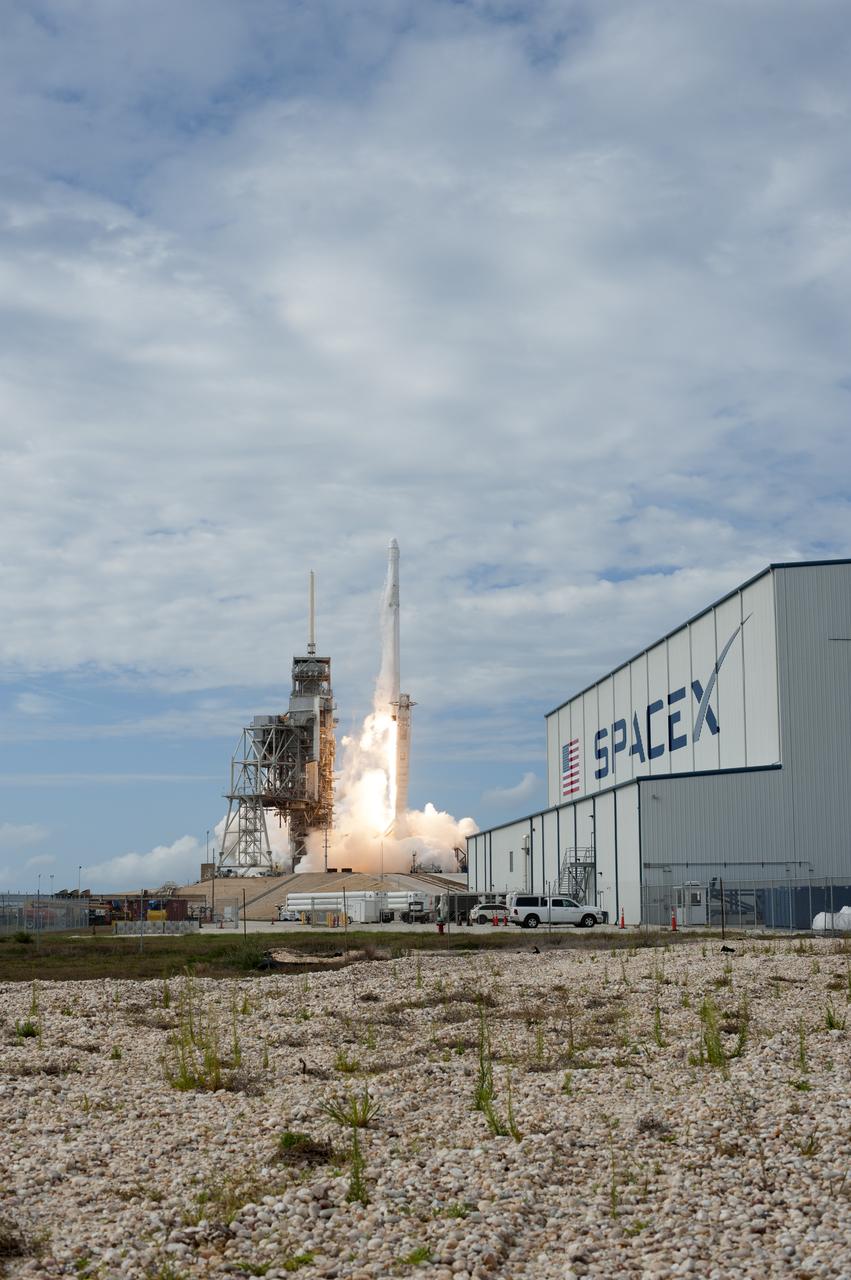
A SpaceX Falcon 9 rocket lifts off from Launch Complex 39A at NASA's Kenney Space Center in Florida, the company's 11th commercial resupply services mission to the International Space Station. Liftoff was at 5:07 p.m. EDT from the historic launch site now operated by SpaceX under a property agreement with NASA. The Dragon spacecraft will deliver 6,000 pounds of supplies, such as the Neutron star Interior Composition Explorer, or NICER, designed to study the extraordinary physics of these stars, providing insights into their nature and behavior.
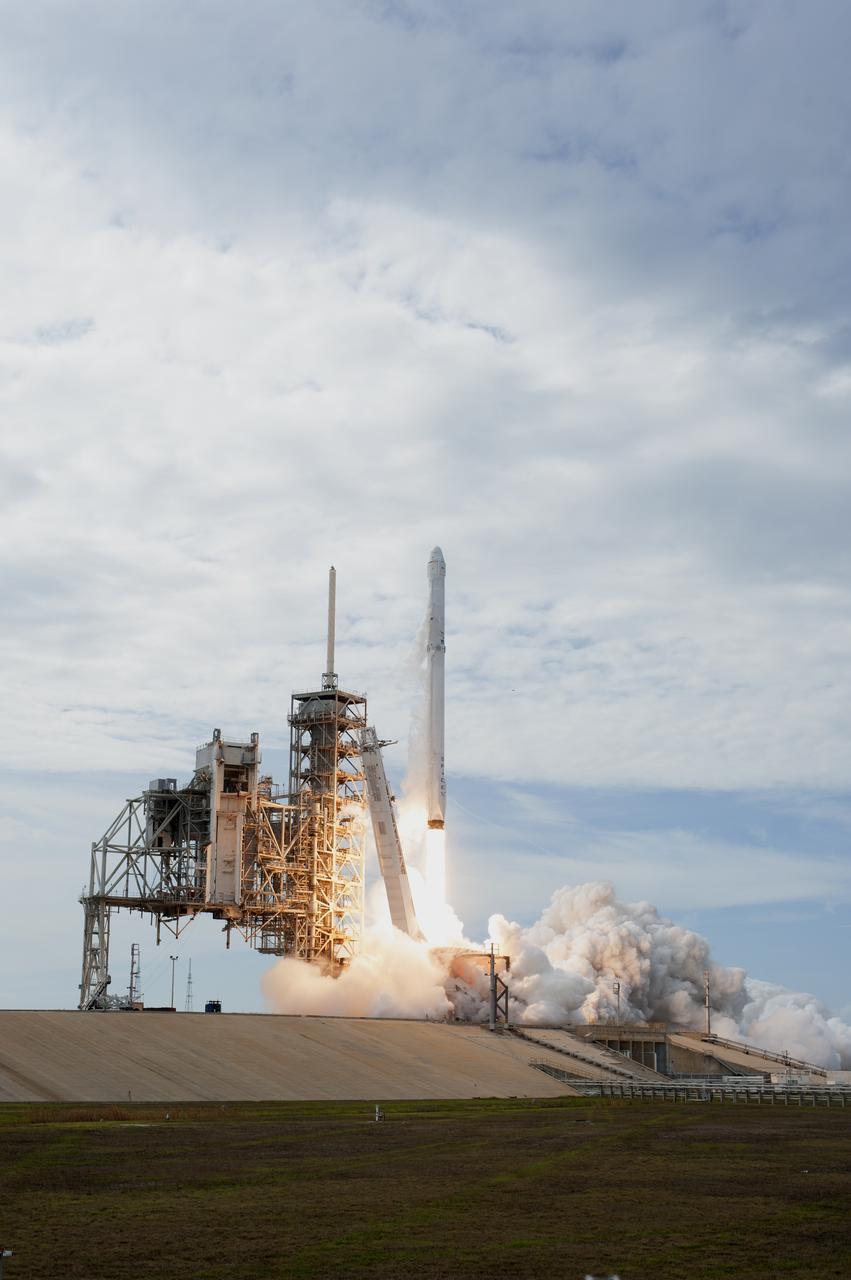
A SpaceX Falcon 9 rocket lifts off from Launch Complex 39A at NASA's Kenney Space Center in Florida, the company's 11th commercial resupply services mission to the International Space Station. Liftoff was at 5:07 p.m. EDT from the historic launch site now operated by SpaceX under a property agreement with NASA. The Dragon spacecraft will deliver 6,000 pounds of supplies, such as the Neutron star Interior Composition Explorer, or NICER, designed to study the extraordinary physics of these stars, providing insights into their nature and behavior.

A SpaceX Falcon 9 rocket lifts off from Launch Complex 39A at NASA's Kenney Space Center in Florida, the company's 11th commercial resupply services mission to the International Space Station. Liftoff was at 5:07 p.m. EDT from the historic launch site now operated by SpaceX under a property agreement with NASA. The Dragon spacecraft will deliver 6,000 pounds of supplies, such as the Neutron star Interior Composition Explorer, or NICER, designed to study the extraordinary physics of these stars, providing insights into their nature and behavior.
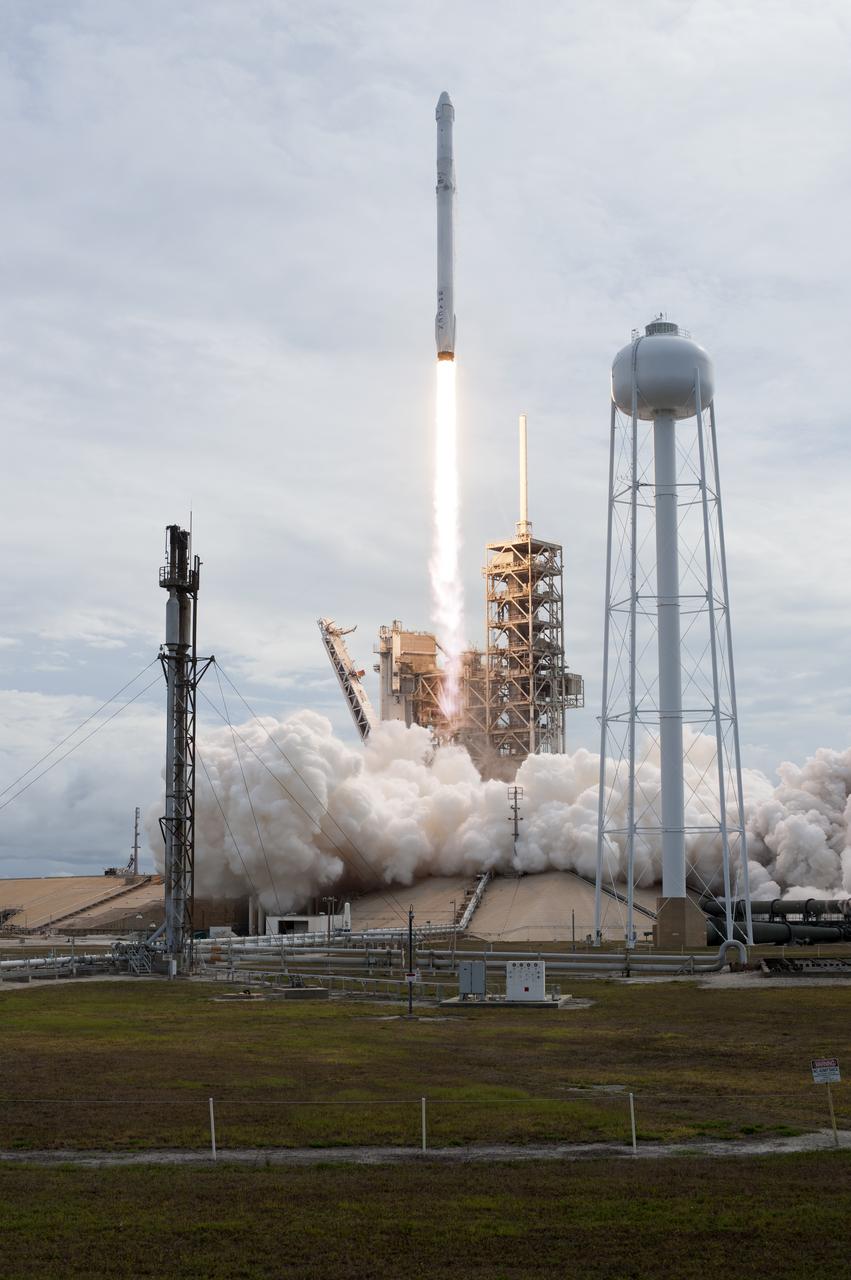
A SpaceX Falcon 9 rocket lifts off from Launch Complex 39A at NASA's Kenney Space Center in Florida, the company's 11th commercial resupply services mission to the International Space Station. Liftoff was at 5:07 p.m. EDT from the historic launch site now operated by SpaceX under a property agreement with NASA. The Dragon spacecraft will deliver 6,000 pounds of supplies, such as the Neutron star Interior Composition Explorer, or NICER, designed to study the extraordinary physics of these stars, providing insights into their nature and behavior.

A SpaceX Falcon 9 rocket lifts off from Launch Complex 39A at NASA's Kenney Space Center in Florida, the company's 11th commercial resupply services mission to the International Space Station. Liftoff was at 5:07 p.m. EDT from the historic launch site now operated by SpaceX under a property agreement with NASA. The Dragon spacecraft will deliver 6,000 pounds of supplies, such as the Neutron star Interior Composition Explorer, or NICER, designed to study the extraordinary physics of these stars, providing insights into their nature and behavior.
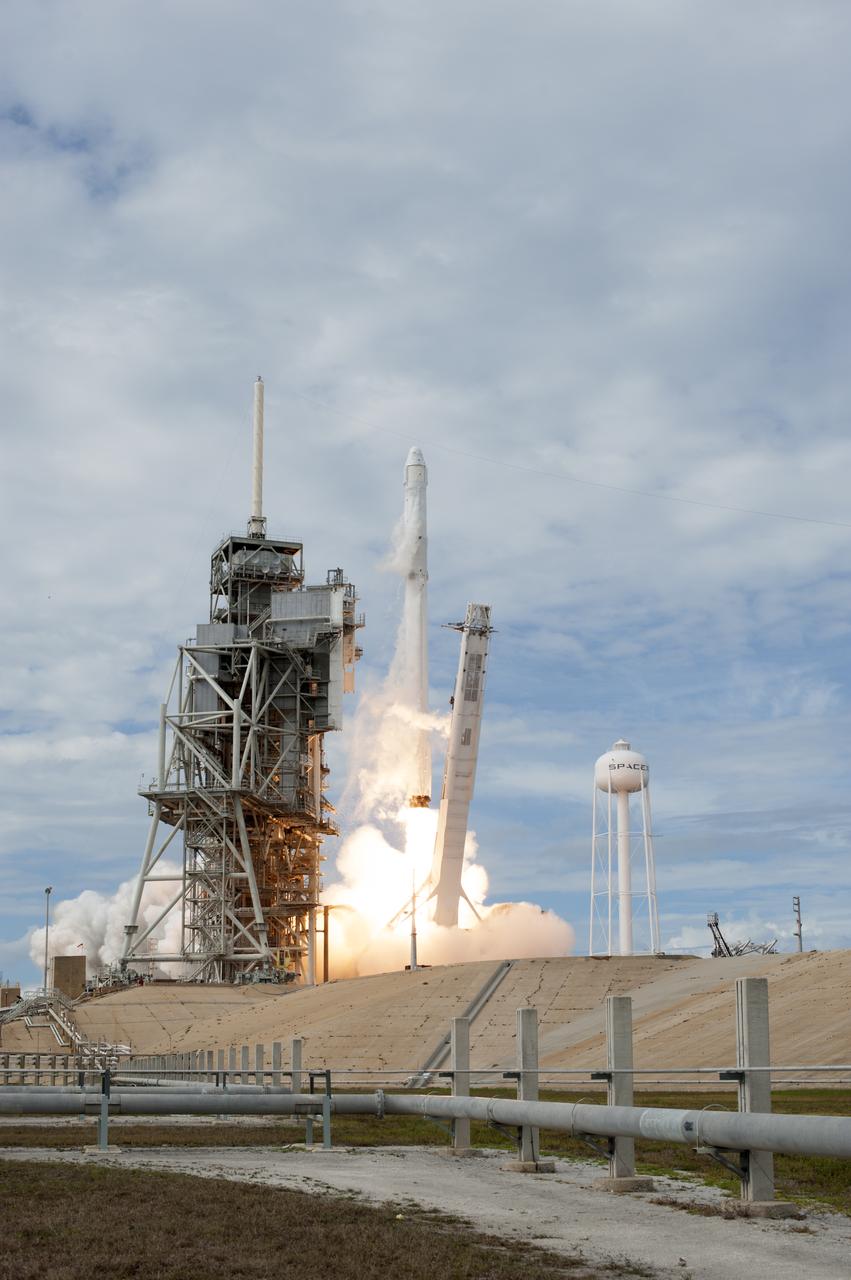
A SpaceX Falcon 9 rocket lifts off from Launch Complex 39A at NASA's Kenney Space Center in Florida, the company's 11th commercial resupply services mission to the International Space Station. Liftoff was at 5:07 p.m. EDT from the historic launch site now operated by SpaceX under a property agreement with NASA. The Dragon spacecraft will deliver 6,000 pounds of supplies, such as the Neutron star Interior Composition Explorer, or NICER, designed to study the extraordinary physics of these stars, providing insights into their nature and behavior.
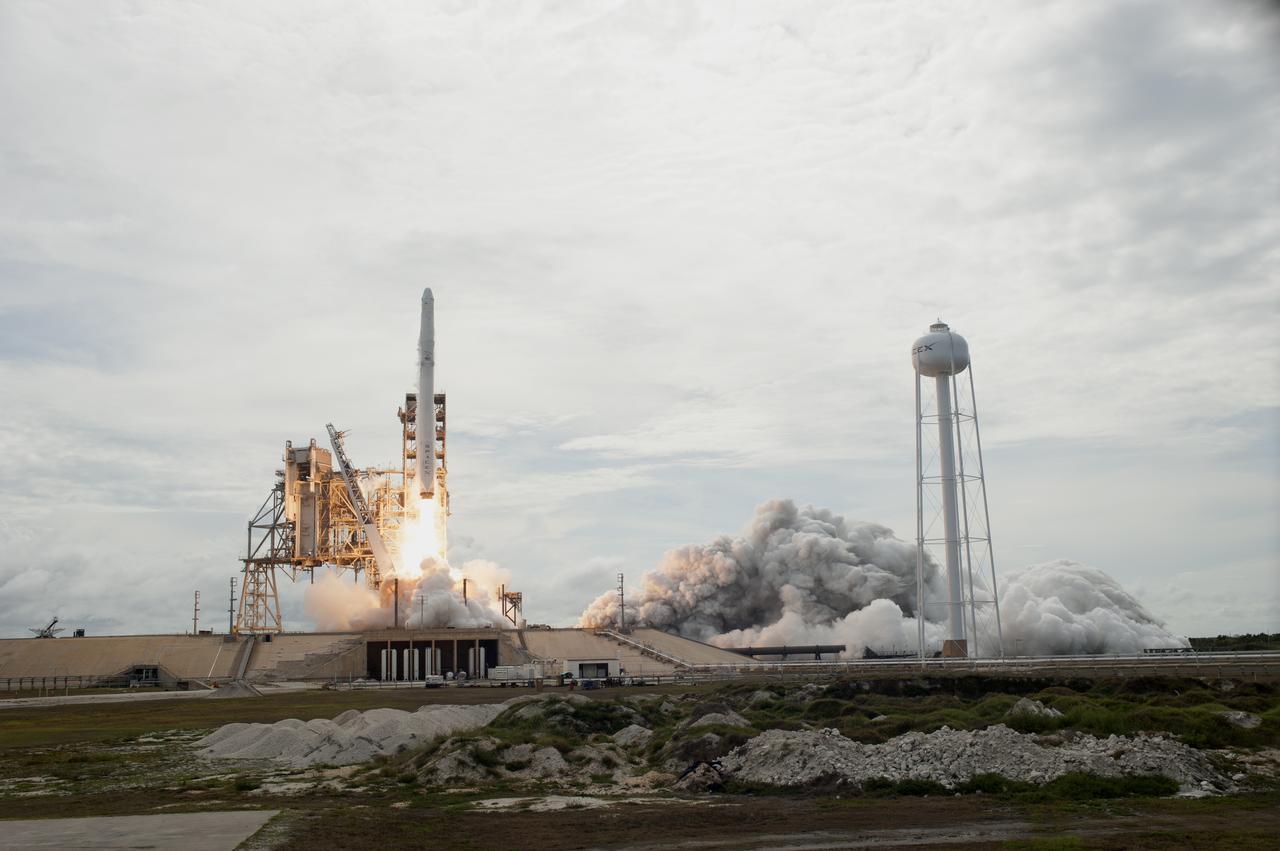
A SpaceX Falcon 9 rocket lifts off from Launch Complex 39A at NASA's Kenney Space Center in Florida, the company's 11th commercial resupply services mission to the International Space Station. Liftoff was at 5:07 p.m. EDT from the historic launch site now operated by SpaceX under a property agreement with NASA. The Dragon spacecraft will deliver 6,000 pounds of supplies, such as the Neutron star Interior Composition Explorer, or NICER, designed to study the extraordinary physics of these stars, providing insights into their nature and behavior.
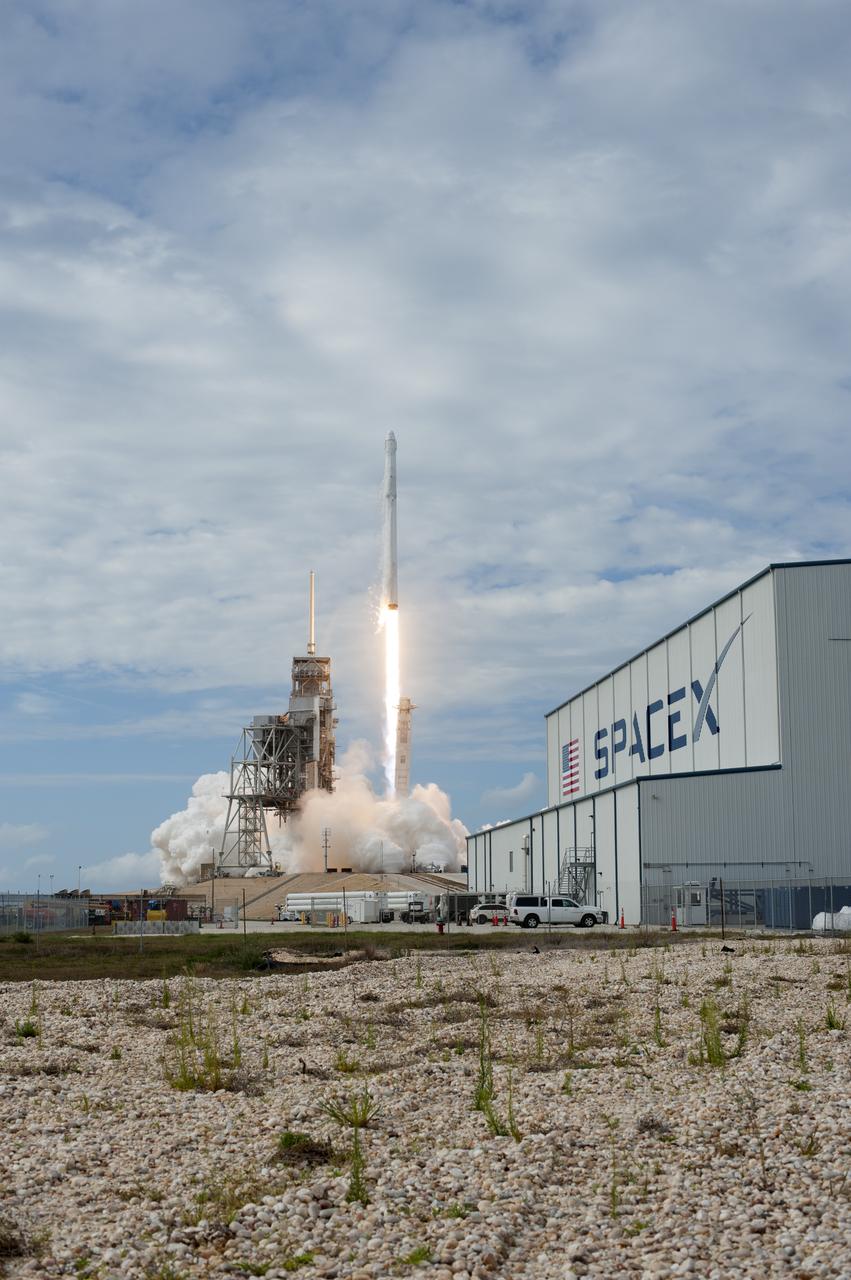
A SpaceX Falcon 9 rocket lifts off from Launch Complex 39A at NASA's Kenney Space Center in Florida, the company's 11th commercial resupply services mission to the International Space Station. Liftoff was at 5:07 p.m. EDT from the historic launch site now operated by SpaceX under a property agreement with NASA. The Dragon spacecraft will deliver 6,000 pounds of supplies, such as the Neutron star Interior Composition Explorer, or NICER, designed to study the extraordinary physics of these stars, providing insights into their nature and behavior.
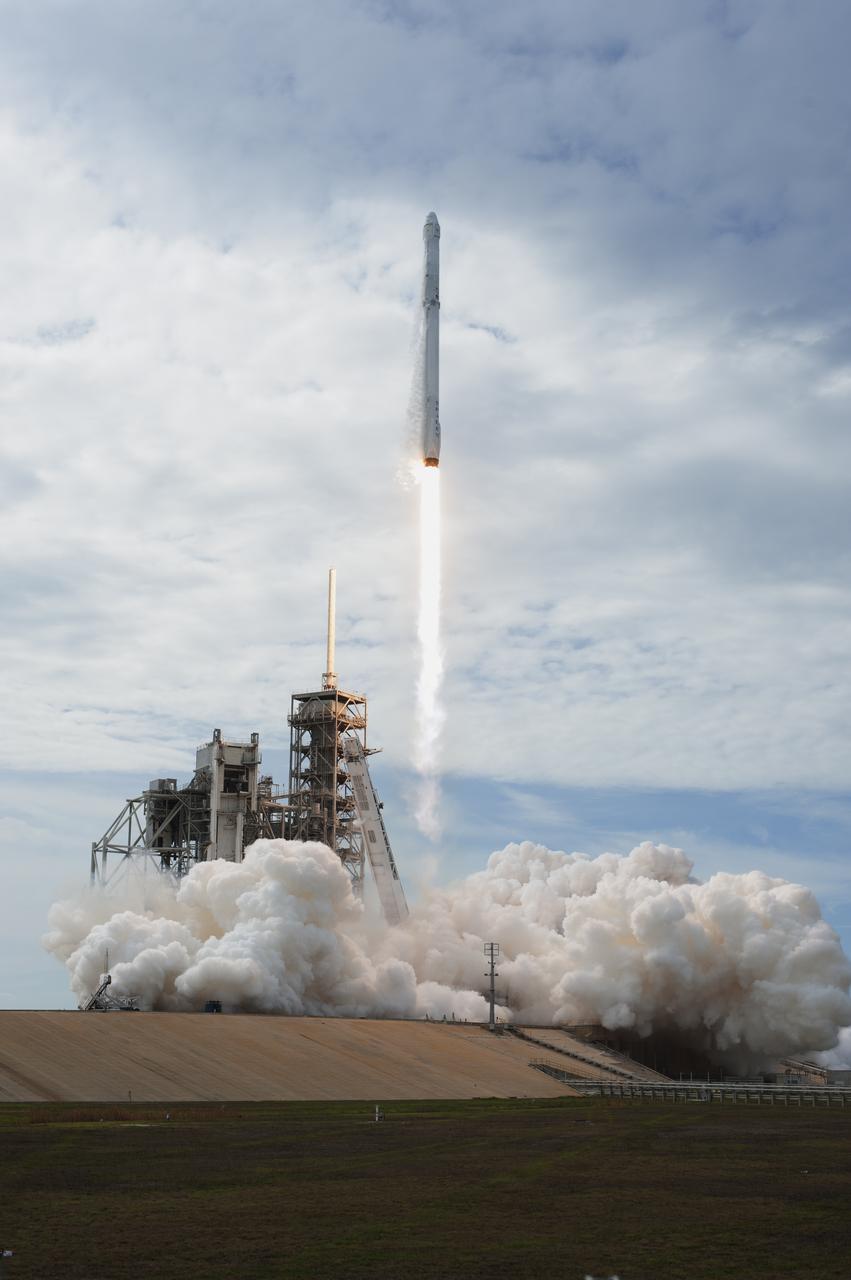
A SpaceX Falcon 9 rocket lifts off from Launch Complex 39A at NASA's Kenney Space Center in Florida, the company's 11th commercial resupply services mission to the International Space Station. Liftoff was at 5:07 p.m. EDT from the historic launch site now operated by SpaceX under a property agreement with NASA. The Dragon spacecraft will deliver 6,000 pounds of supplies, such as the Neutron star Interior Composition Explorer, or NICER, designed to study the extraordinary physics of these stars, providing insights into their nature and behavior.
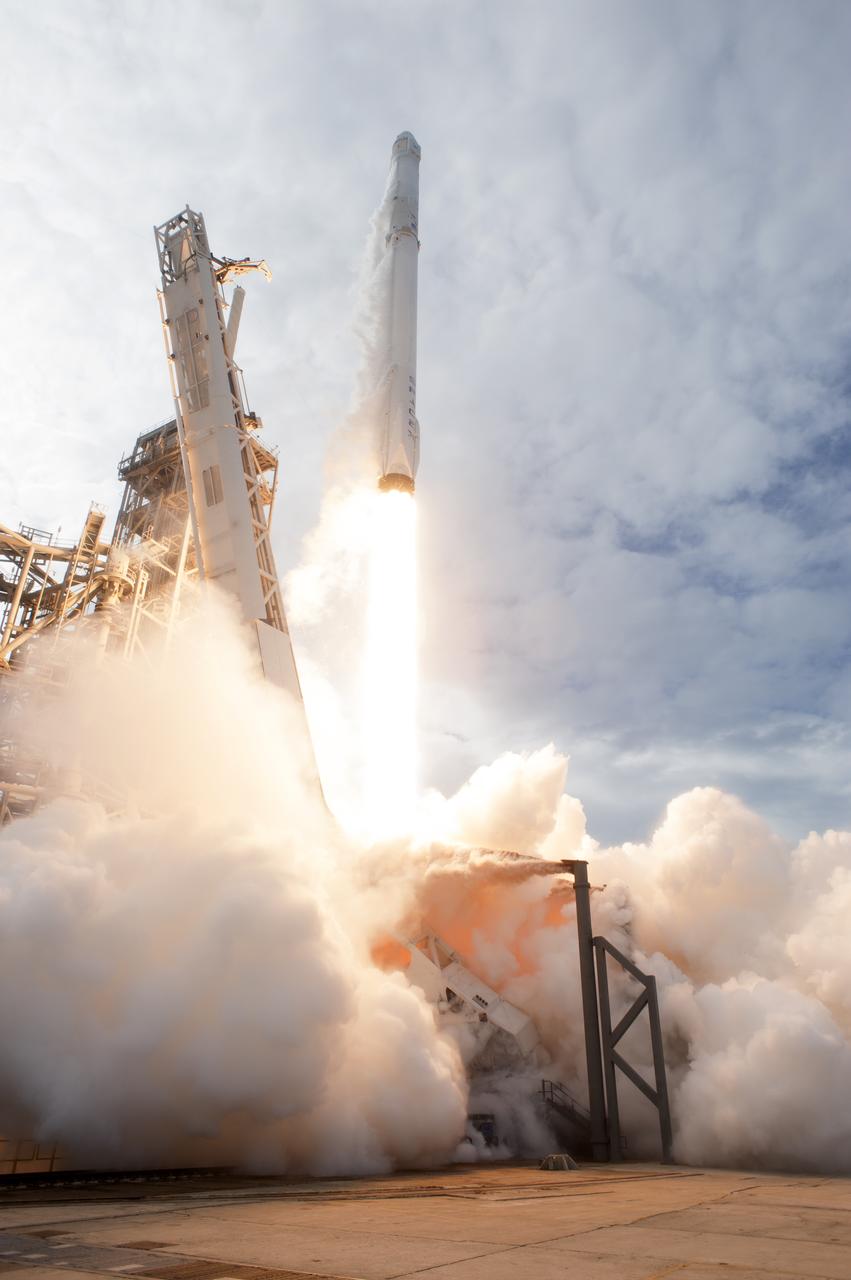
A SpaceX Falcon 9 rocket lifts off from Launch Complex 39A at NASA's Kenney Space Center in Florida, the company's 11th commercial resupply services mission to the International Space Station. Liftoff was at 5:07 p.m. EDT from the historic launch site now operated by SpaceX under a property agreement with NASA. The Dragon spacecraft will deliver 6,000 pounds of supplies, such as the Neutron star Interior Composition Explorer, or NICER, designed to study the extraordinary physics of these stars, providing insights into their nature and behavior.
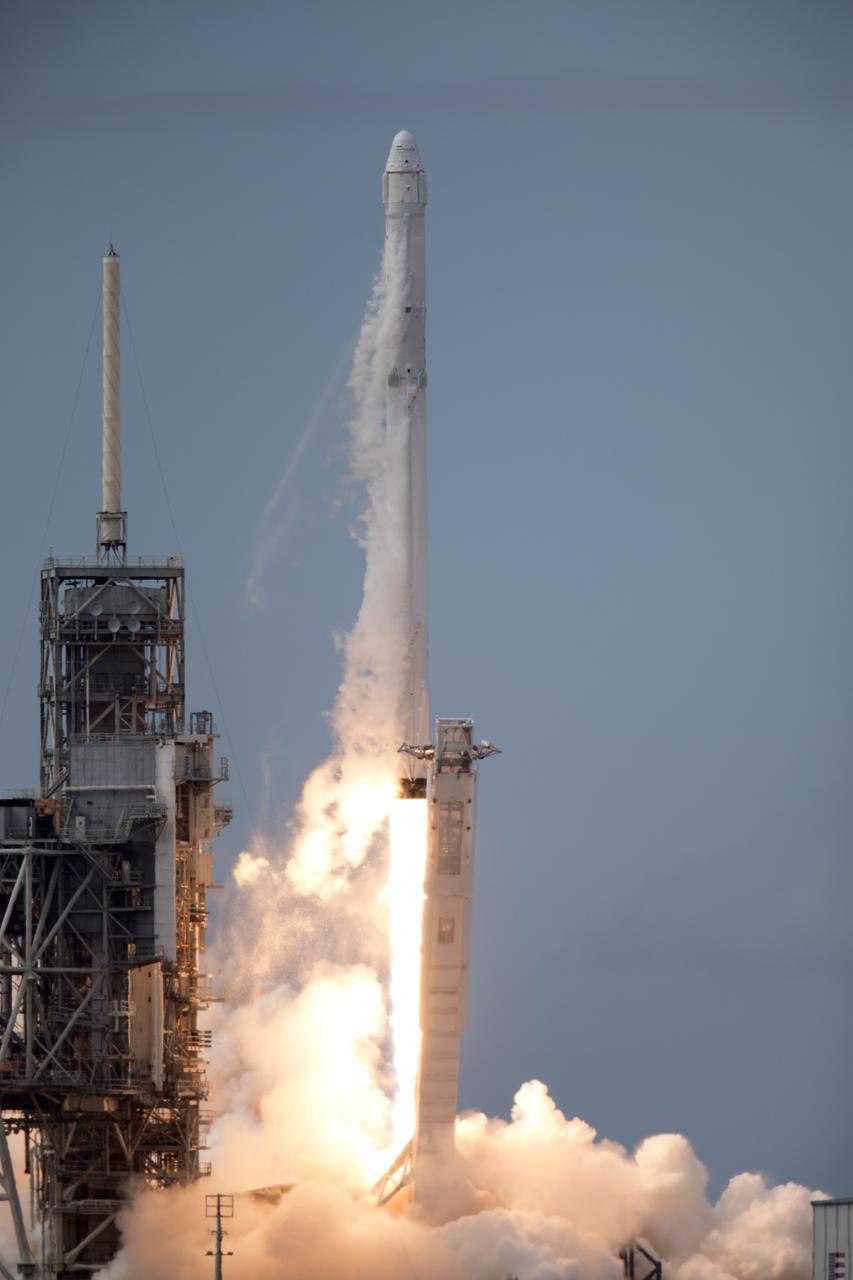
A SpaceX Falcon 9 rocket lifts off from Launch Complex 39A at NASA's Kenney Space Center in Florida, the company's 11th commercial resupply services mission to the International Space Station. Liftoff was at 5:07 p.m. EDT from the historic launch site now operated by SpaceX under a property agreement with NASA. The Dragon spacecraft will deliver 6,000 pounds of supplies, such as the Neutron star Interior Composition Explorer, or NICER, designed to study the extraordinary physics of these stars, providing insights into their nature and behavior.
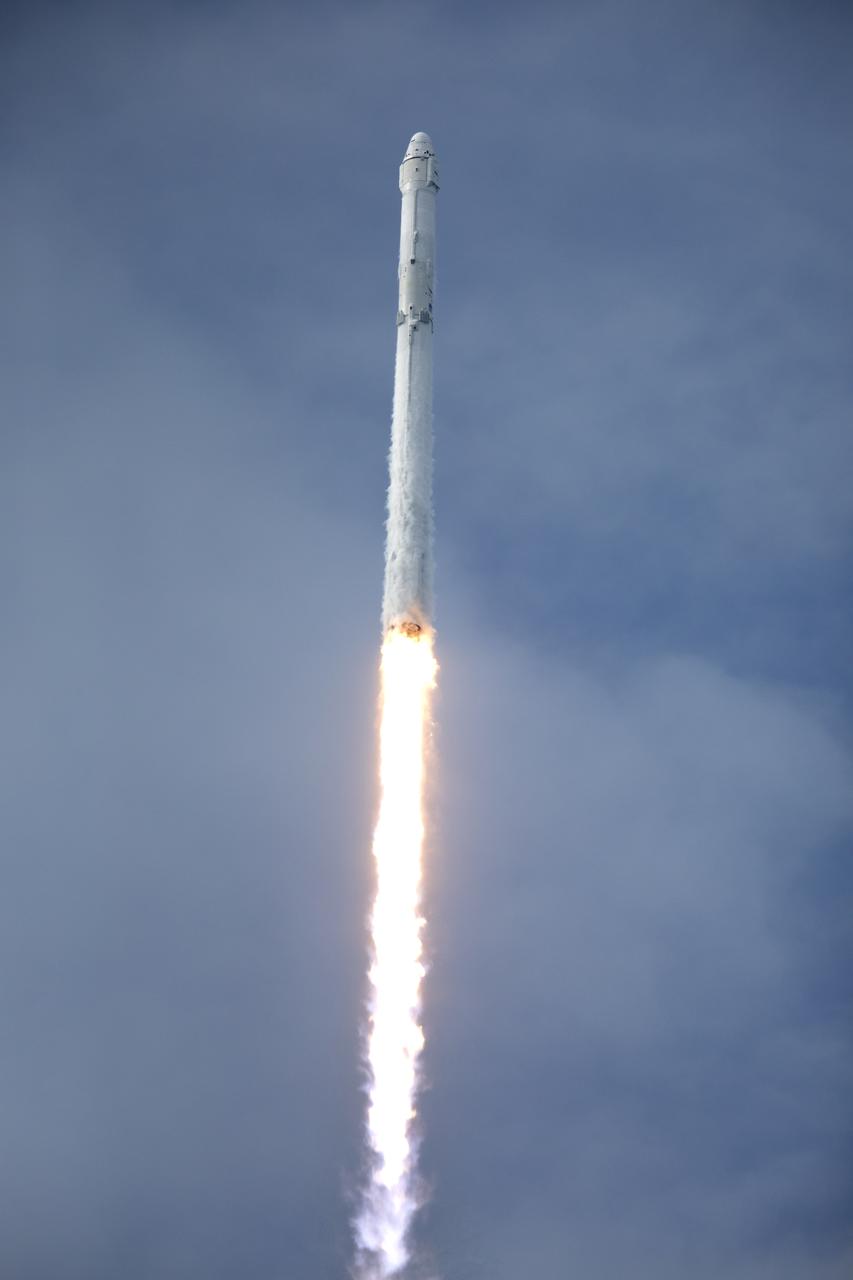
A SpaceX Falcon 9 rocket lifts off from Launch Complex 39A at NASA's Kenney Space Center in Florida, the company's 11th commercial resupply services mission to the International Space Station. Liftoff was at 5:07 p.m. EDT from the historic launch site now operated by SpaceX under a property agreement with NASA. The Dragon spacecraft will deliver 6,000 pounds of supplies, such as the Neutron star Interior Composition Explorer, or NICER, designed to study the extraordinary physics of these stars, providing insights into their nature and behavior.
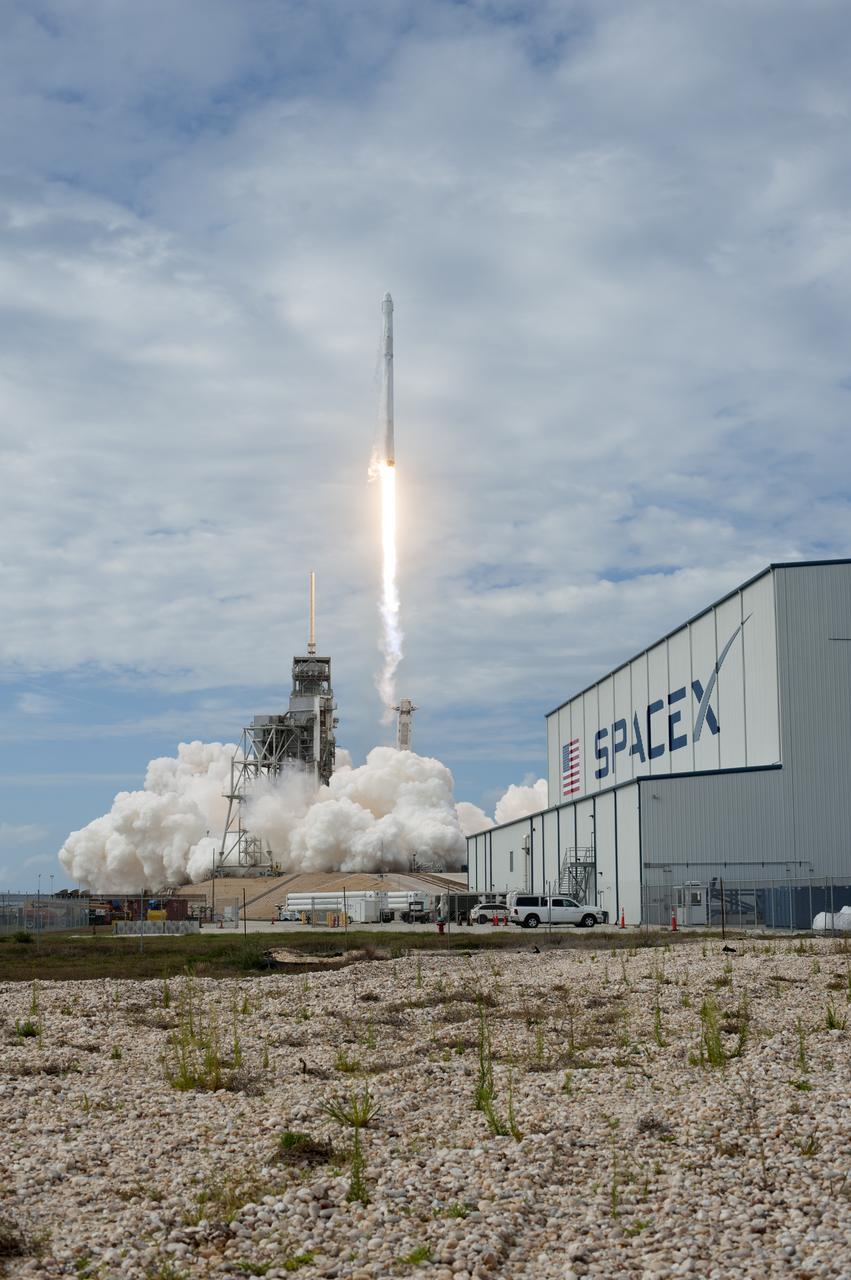
A SpaceX Falcon 9 rocket lifts off from Launch Complex 39A at NASA's Kenney Space Center in Florida, the company's 11th commercial resupply services mission to the International Space Station. Liftoff was at 5:07 p.m. EDT from the historic launch site now operated by SpaceX under a property agreement with NASA. The Dragon spacecraft will deliver 6,000 pounds of supplies, such as the Neutron star Interior Composition Explorer, or NICER, designed to study the extraordinary physics of these stars, providing insights into their nature and behavior.
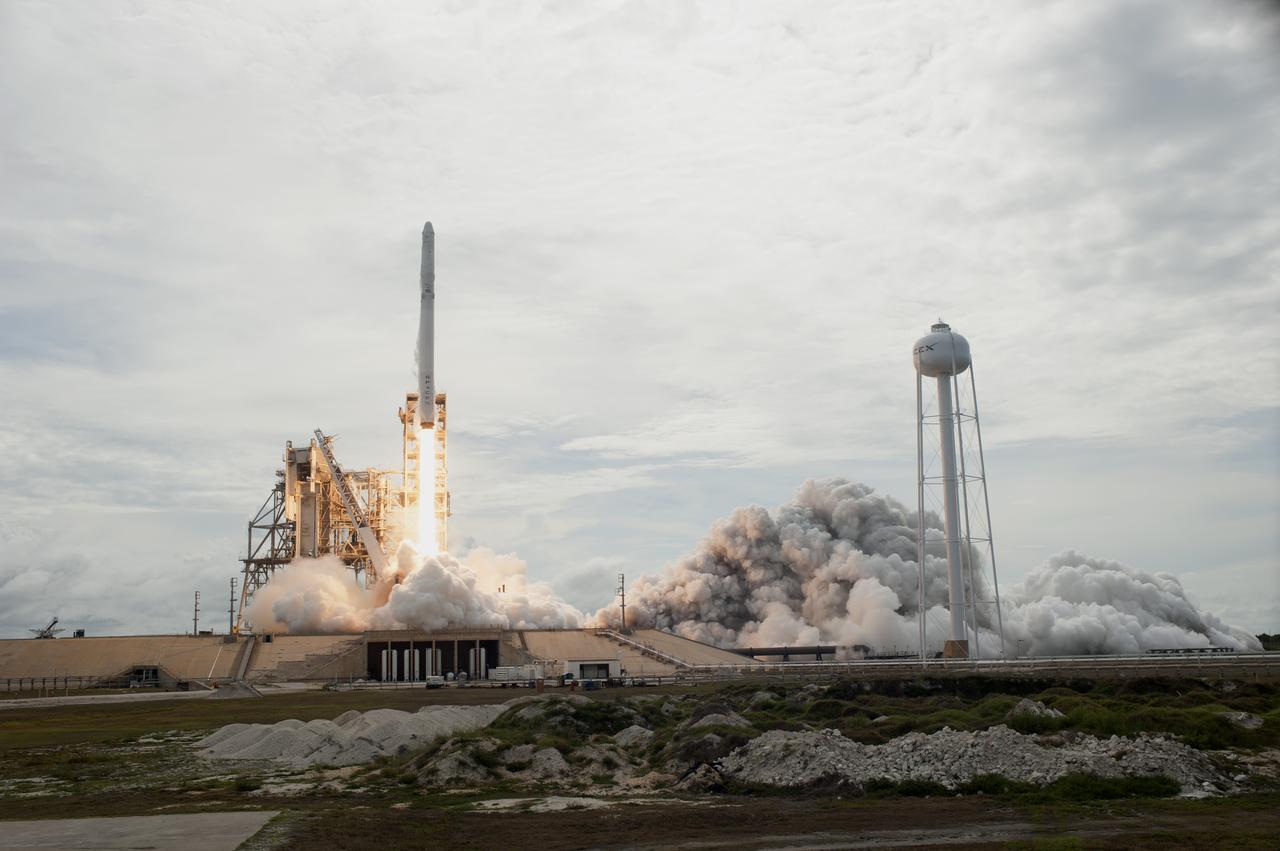
A SpaceX Falcon 9 rocket lifts off from Launch Complex 39A at NASA's Kenney Space Center in Florida, the company's 11th commercial resupply services mission to the International Space Station. Liftoff was at 5:07 p.m. EDT from the historic launch site now operated by SpaceX under a property agreement with NASA. The Dragon spacecraft will deliver 6,000 pounds of supplies, such as the Neutron star Interior Composition Explorer, or NICER, designed to study the extraordinary physics of these stars, providing insights into their nature and behavior.

A SpaceX Falcon 9 rocket lifts off from Launch Complex 39A at NASA's Kenney Space Center in Florida, the company's 11th commercial resupply services mission to the International Space Station. Liftoff was at 5:07 p.m. EDT from the historic launch site now operated by SpaceX under a property agreement with NASA. The Dragon spacecraft will deliver 6,000 pounds of supplies, such as the Neutron star Interior Composition Explorer, or NICER, designed to study the extraordinary physics of these stars, providing insights into their nature and behavior.
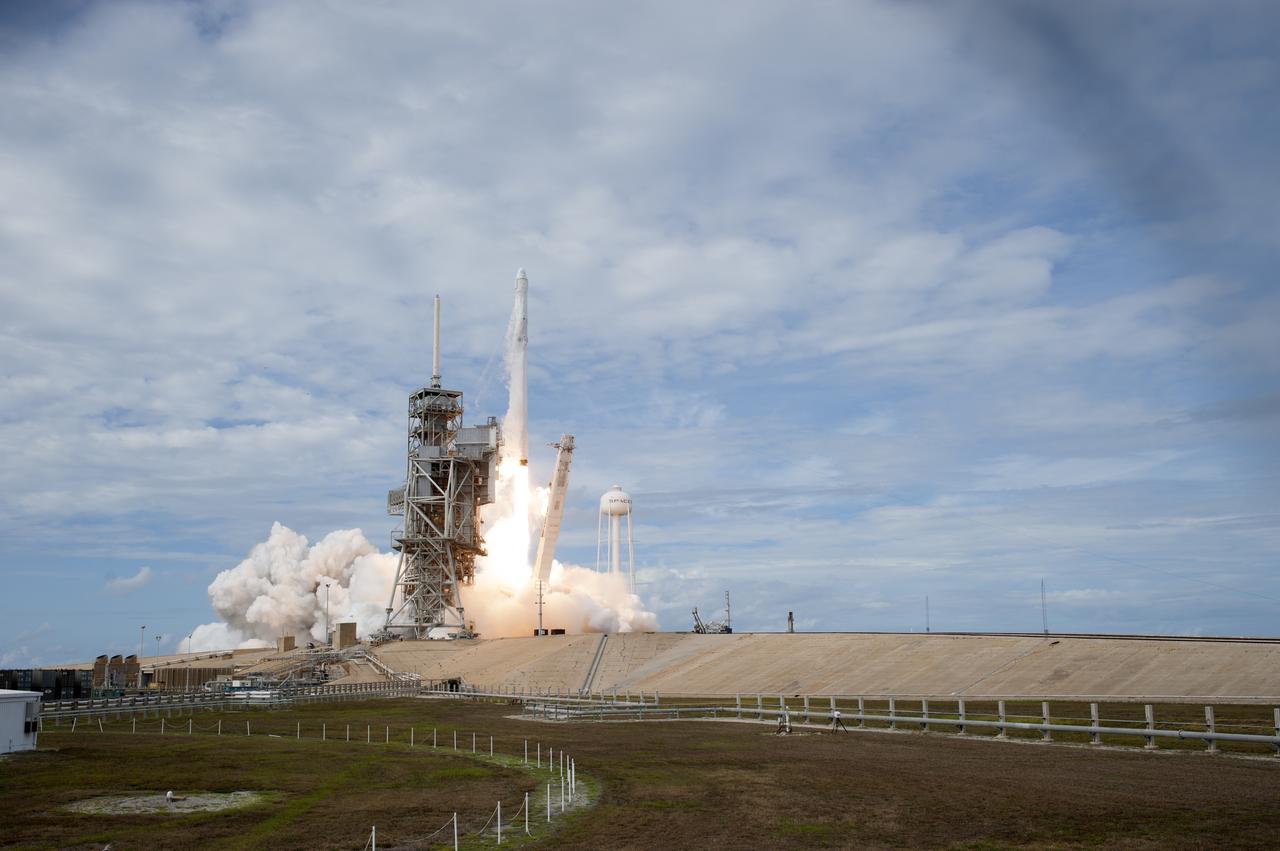
A SpaceX Falcon 9 rocket lifts off from Launch Complex 39A at NASA's Kenney Space Center in Florida, the company's 11th commercial resupply services mission to the International Space Station. Liftoff was at 5:07 p.m. EDT from the historic launch site now operated by SpaceX under a property agreement with NASA. The Dragon spacecraft will deliver 6,000 pounds of supplies, such as the Neutron star Interior Composition Explorer, or NICER, designed to study the extraordinary physics of these stars, providing insights into their nature and behavior.
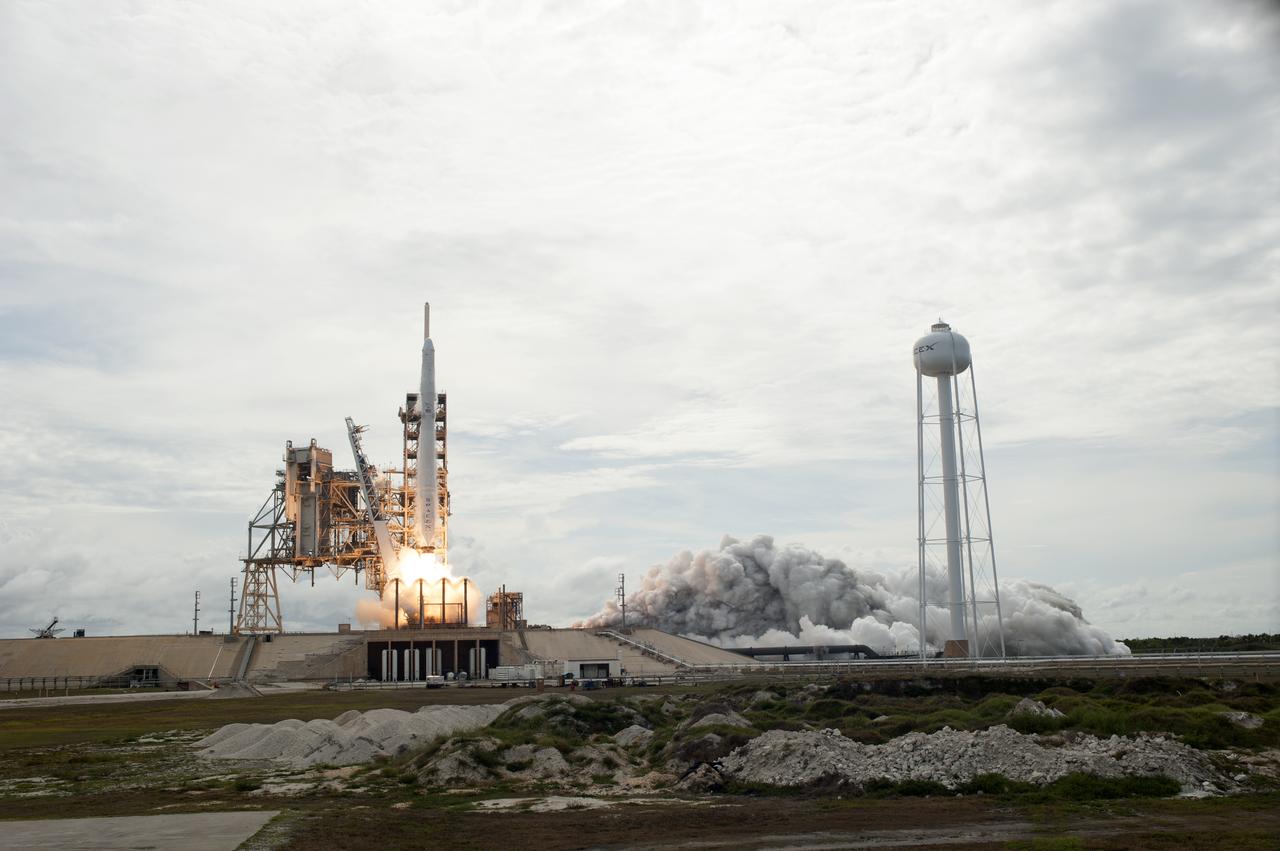
A SpaceX Falcon 9 rocket lifts off from Launch Complex 39A at NASA's Kenney Space Center in Florida, the company's 11th commercial resupply services mission to the International Space Station. Liftoff was at 5:07 p.m. EDT from the historic launch site now operated by SpaceX under a property agreement with NASA. The Dragon spacecraft will deliver 6,000 pounds of supplies, such as the Neutron star Interior Composition Explorer, or NICER, designed to study the extraordinary physics of these stars, providing insights into their nature and behavior.

A SpaceX Falcon 9 rocket lifts off from Launch Complex 39A at NASA's Kenney Space Center in Florida, the company's 11th commercial resupply services mission to the International Space Station. Liftoff was at 5:07 p.m. EDT from the historic launch site now operated by SpaceX under a property agreement with NASA. The Dragon spacecraft will deliver 6,000 pounds of supplies, such as the Neutron star Interior Composition Explorer, or NICER, designed to study the extraordinary physics of these stars, providing insights into their nature and behavior.
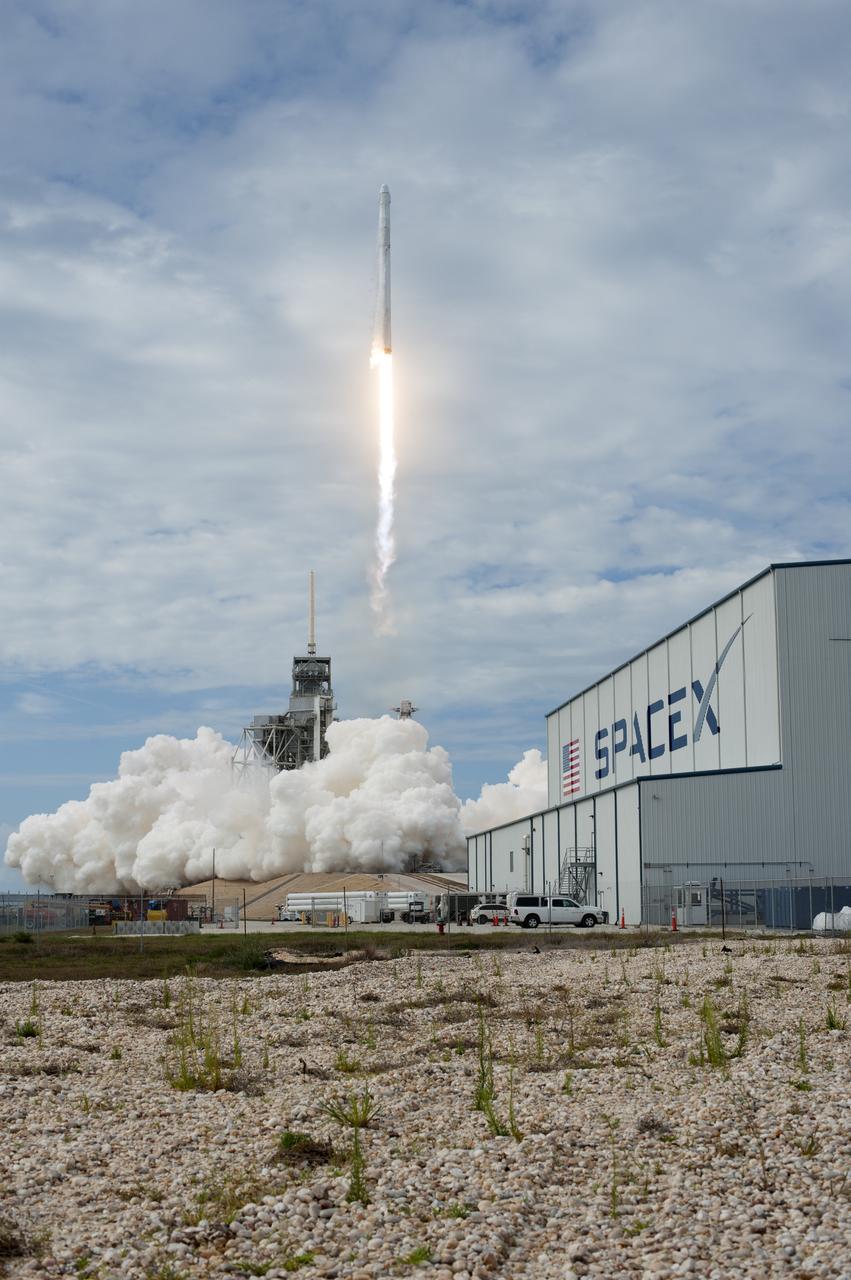
A SpaceX Falcon 9 rocket lifts off from Launch Complex 39A at NASA's Kenney Space Center in Florida, the company's 11th commercial resupply services mission to the International Space Station. Liftoff was at 5:07 p.m. EDT from the historic launch site now operated by SpaceX under a property agreement with NASA. The Dragon spacecraft will deliver 6,000 pounds of supplies, such as the Neutron star Interior Composition Explorer, or NICER, designed to study the extraordinary physics of these stars, providing insights into their nature and behavior.
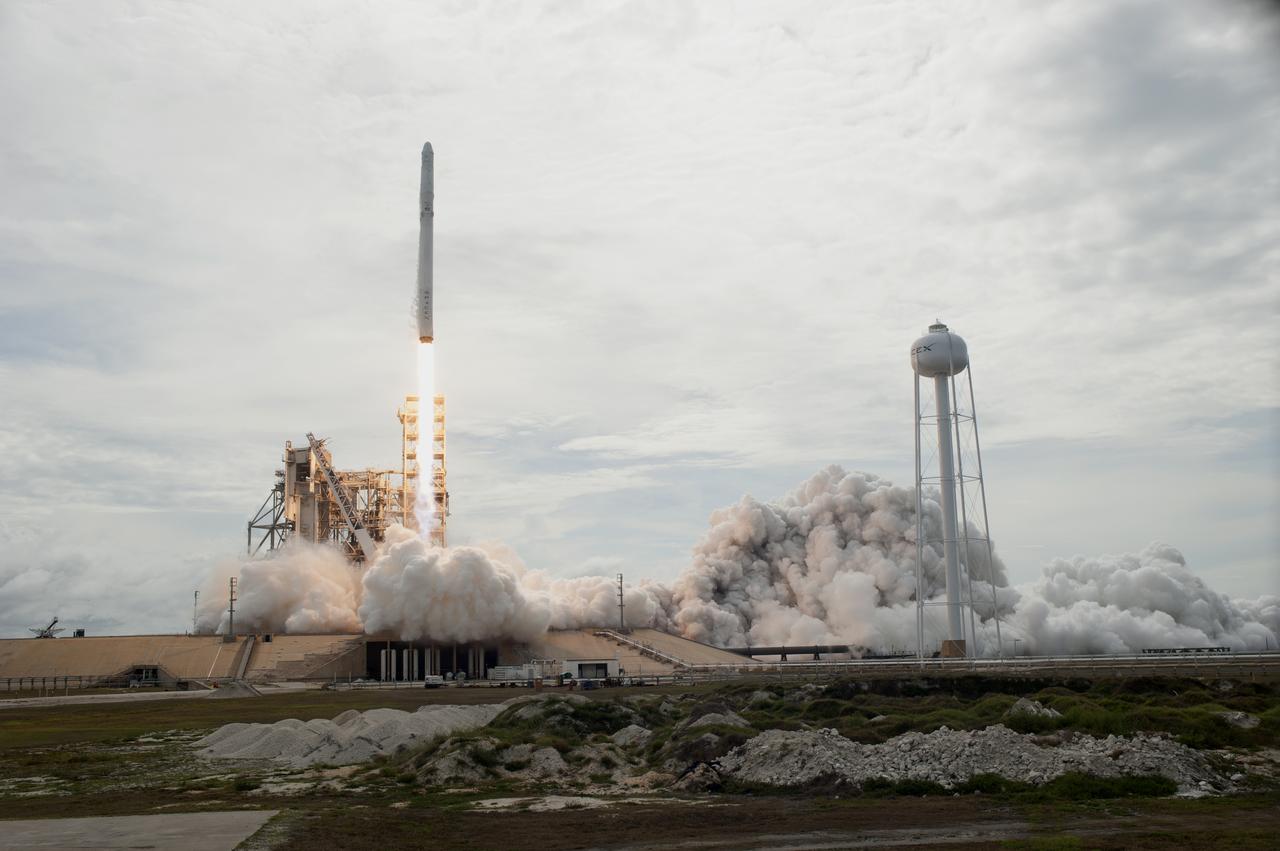
A SpaceX Falcon 9 rocket lifts off from Launch Complex 39A at NASA's Kenney Space Center in Florida, the company's 11th commercial resupply services mission to the International Space Station. Liftoff was at 5:07 p.m. EDT from the historic launch site now operated by SpaceX under a property agreement with NASA. The Dragon spacecraft will deliver 6,000 pounds of supplies, such as the Neutron star Interior Composition Explorer, or NICER, designed to study the extraordinary physics of these stars, providing insights into their nature and behavior.
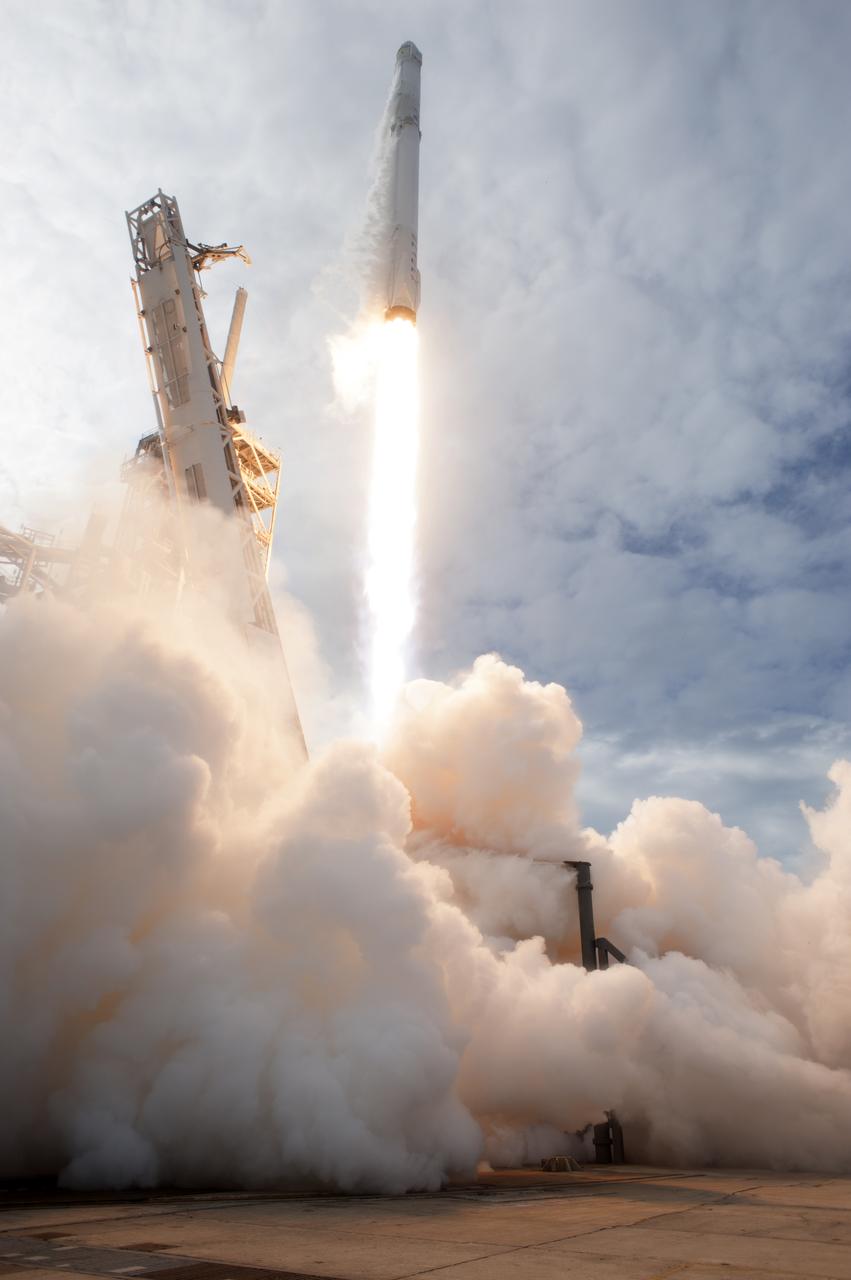
A SpaceX Falcon 9 rocket lifts off from Launch Complex 39A at NASA's Kenney Space Center in Florida, the company's 11th commercial resupply services mission to the International Space Station. Liftoff was at 5:07 p.m. EDT from the historic launch site now operated by SpaceX under a property agreement with NASA. The Dragon spacecraft will deliver 6,000 pounds of supplies, such as the Neutron star Interior Composition Explorer, or NICER, designed to study the extraordinary physics of these stars, providing insights into their nature and behavior.
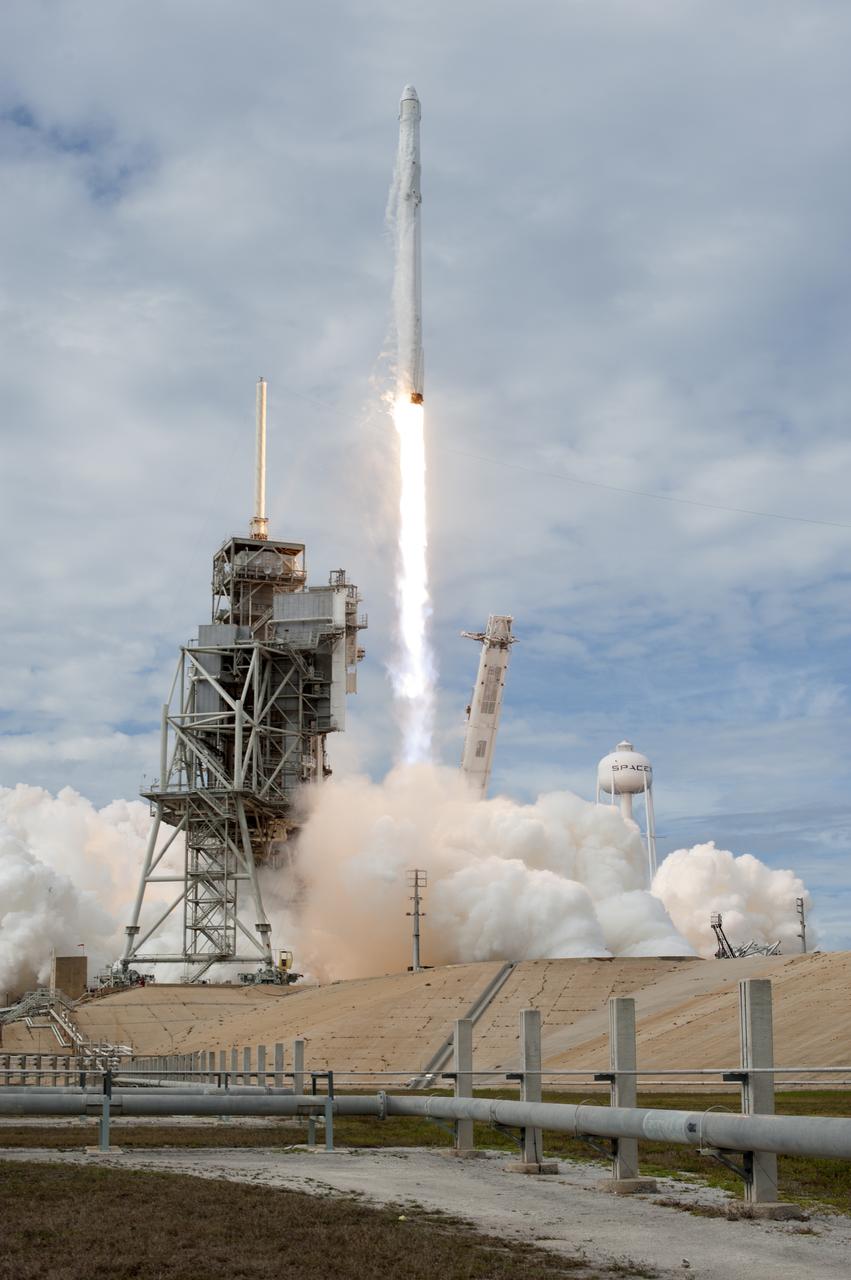
A SpaceX Falcon 9 rocket lifts off from Launch Complex 39A at NASA's Kenney Space Center in Florida, the company's 11th commercial resupply services mission to the International Space Station. Liftoff was at 5:07 p.m. EDT from the historic launch site now operated by SpaceX under a property agreement with NASA. The Dragon spacecraft will deliver 6,000 pounds of supplies, such as the Neutron star Interior Composition Explorer, or NICER, designed to study the extraordinary physics of these stars, providing insights into their nature and behavior.
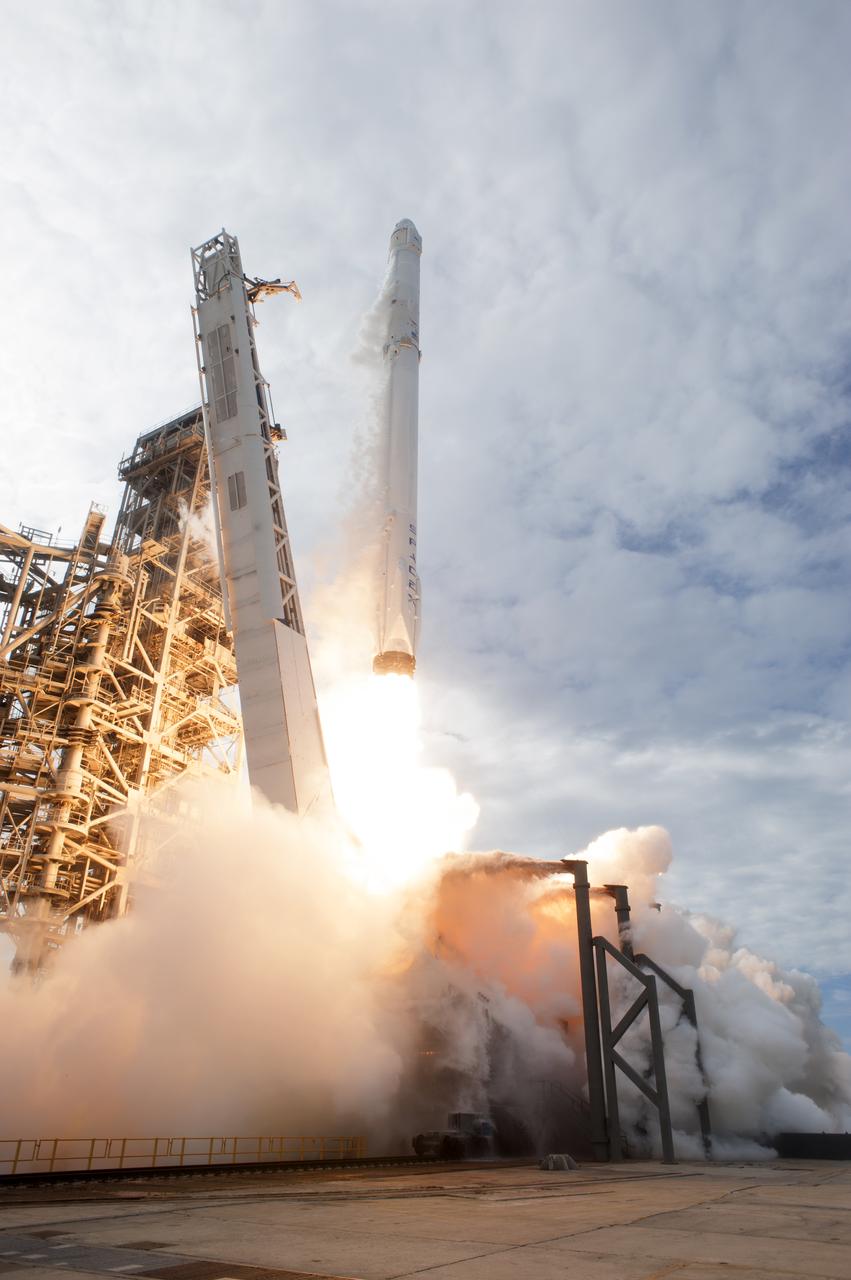
A SpaceX Falcon 9 rocket lifts off from Launch Complex 39A at NASA's Kenney Space Center in Florida, the company's 11th commercial resupply services mission to the International Space Station. Liftoff was at 5:07 p.m. EDT from the historic launch site now operated by SpaceX under a property agreement with NASA. The Dragon spacecraft will deliver 6,000 pounds of supplies, such as the Neutron star Interior Composition Explorer, or NICER, designed to study the extraordinary physics of these stars, providing insights into their nature and behavior.
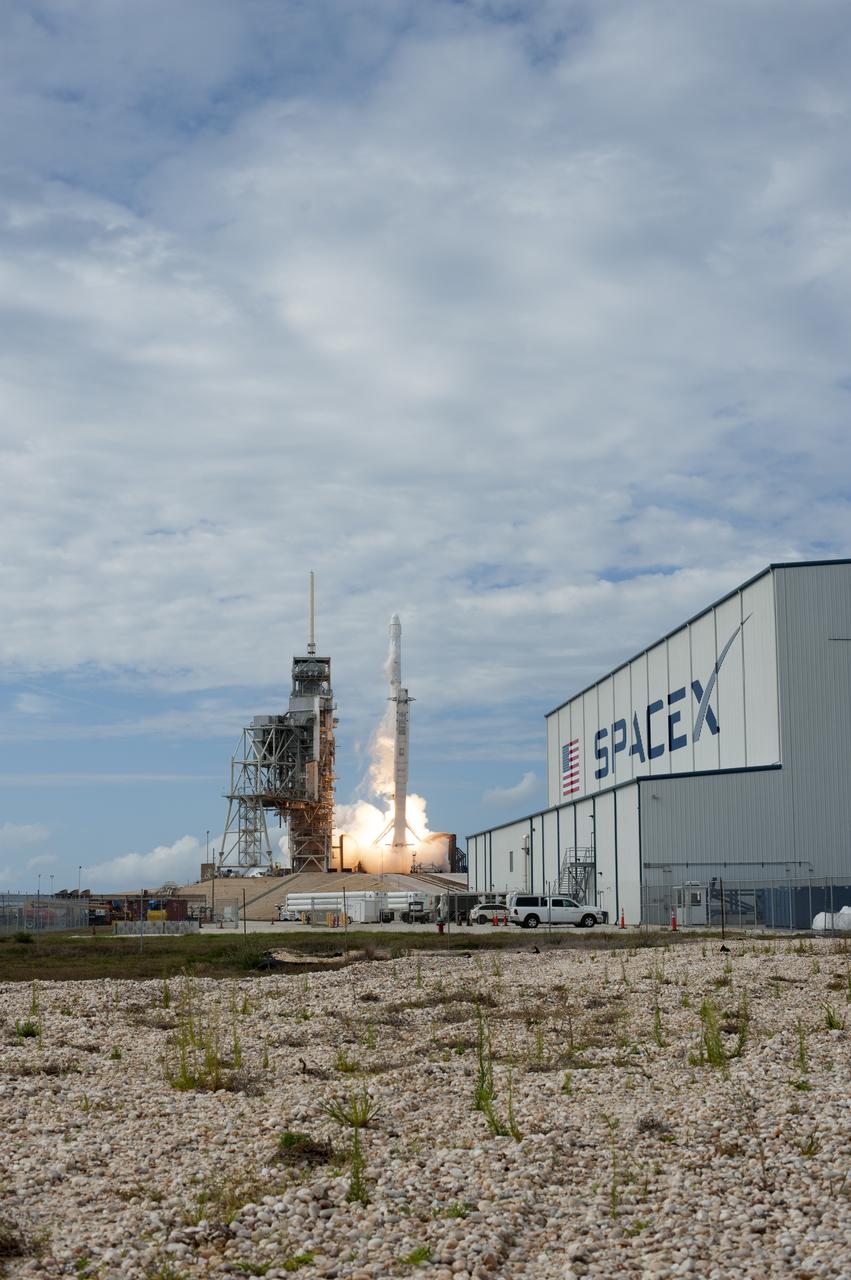
A SpaceX Falcon 9 rocket lifts off from Launch Complex 39A at NASA's Kenney Space Center in Florida, the company's 11th commercial resupply services mission to the International Space Station. Liftoff was at 5:07 p.m. EDT from the historic launch site now operated by SpaceX under a property agreement with NASA. The Dragon spacecraft will deliver 6,000 pounds of supplies, such as the Neutron star Interior Composition Explorer, or NICER, designed to study the extraordinary physics of these stars, providing insights into their nature and behavior.
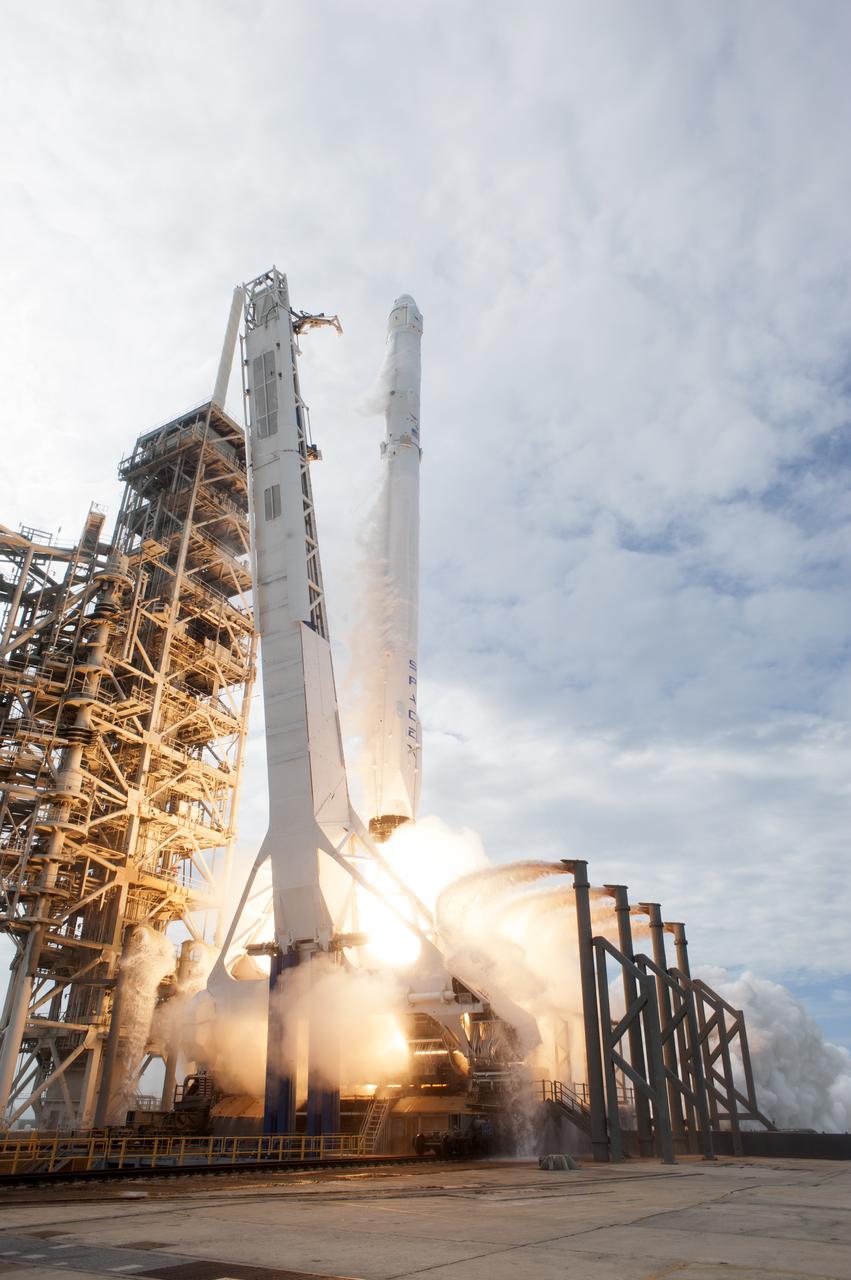
A SpaceX Falcon 9 rocket lifts off from Launch Complex 39A at NASA's Kenney Space Center in Florida, the company's 11th commercial resupply services mission to the International Space Station. Liftoff was at 5:07 p.m. EDT from the historic launch site now operated by SpaceX under a property agreement with NASA. The Dragon spacecraft will deliver 6,000 pounds of supplies, such as the Neutron star Interior Composition Explorer, or NICER, designed to study the extraordinary physics of these stars, providing insights into their nature and behavior.

A SpaceX Falcon 9 rocket lifts off from Launch Complex 39A at NASA's Kenney Space Center in Florida, the company's 11th commercial resupply services mission to the International Space Station. Liftoff was at 5:07 p.m. EDT from the historic launch site now operated by SpaceX under a property agreement with NASA. The Dragon spacecraft will deliver 6,000 pounds of supplies, such as the Neutron star Interior Composition Explorer, or NICER, designed to study the extraordinary physics of these stars, providing insights into their nature and behavior.
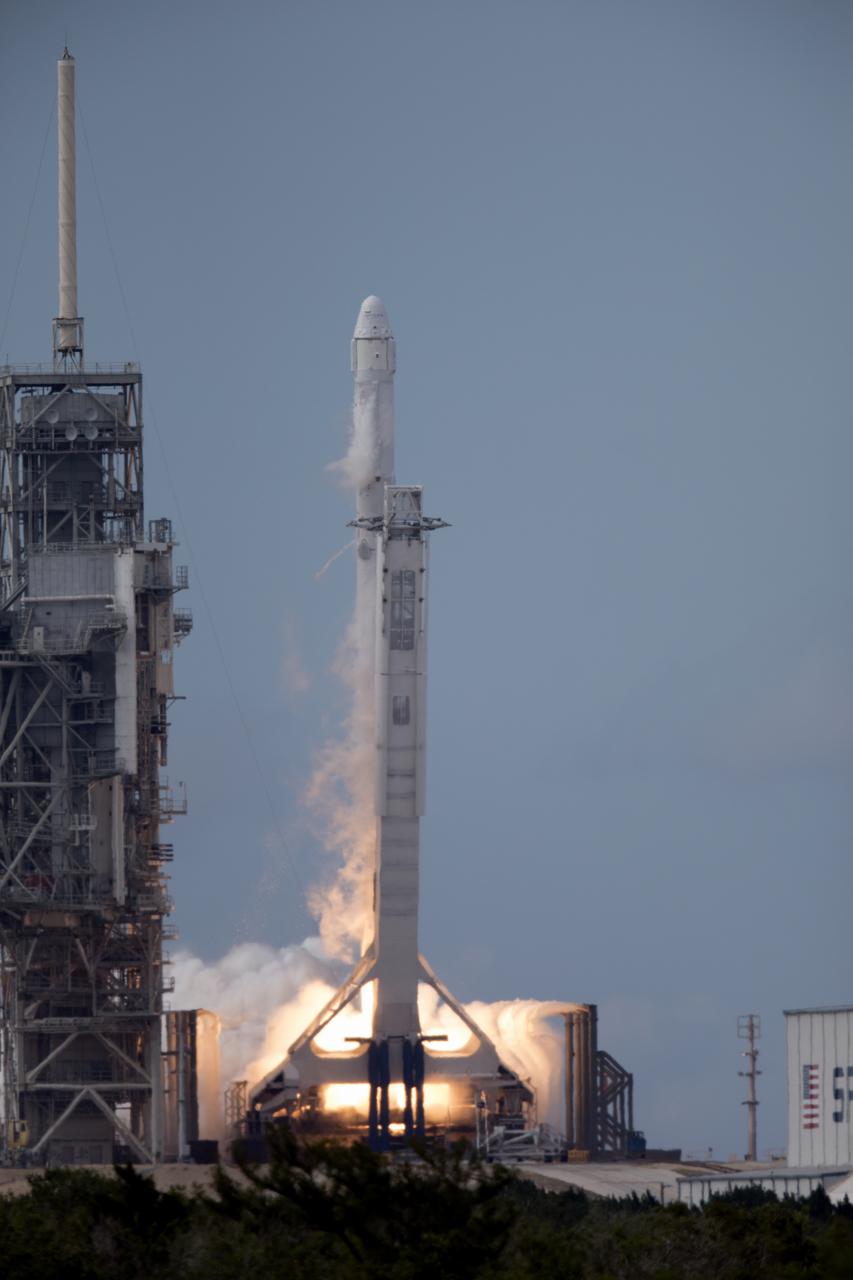
A SpaceX Falcon 9 rocket lifts off from Launch Complex 39A at NASA's Kenney Space Center in Florida, the company's 11th commercial resupply services mission to the International Space Station. Liftoff was at 5:07 p.m. EDT from the historic launch site now operated by SpaceX under a property agreement with NASA. The Dragon spacecraft will deliver 6,000 pounds of supplies, such as the Neutron star Interior Composition Explorer, or NICER, designed to study the extraordinary physics of these stars, providing insights into their nature and behavior.
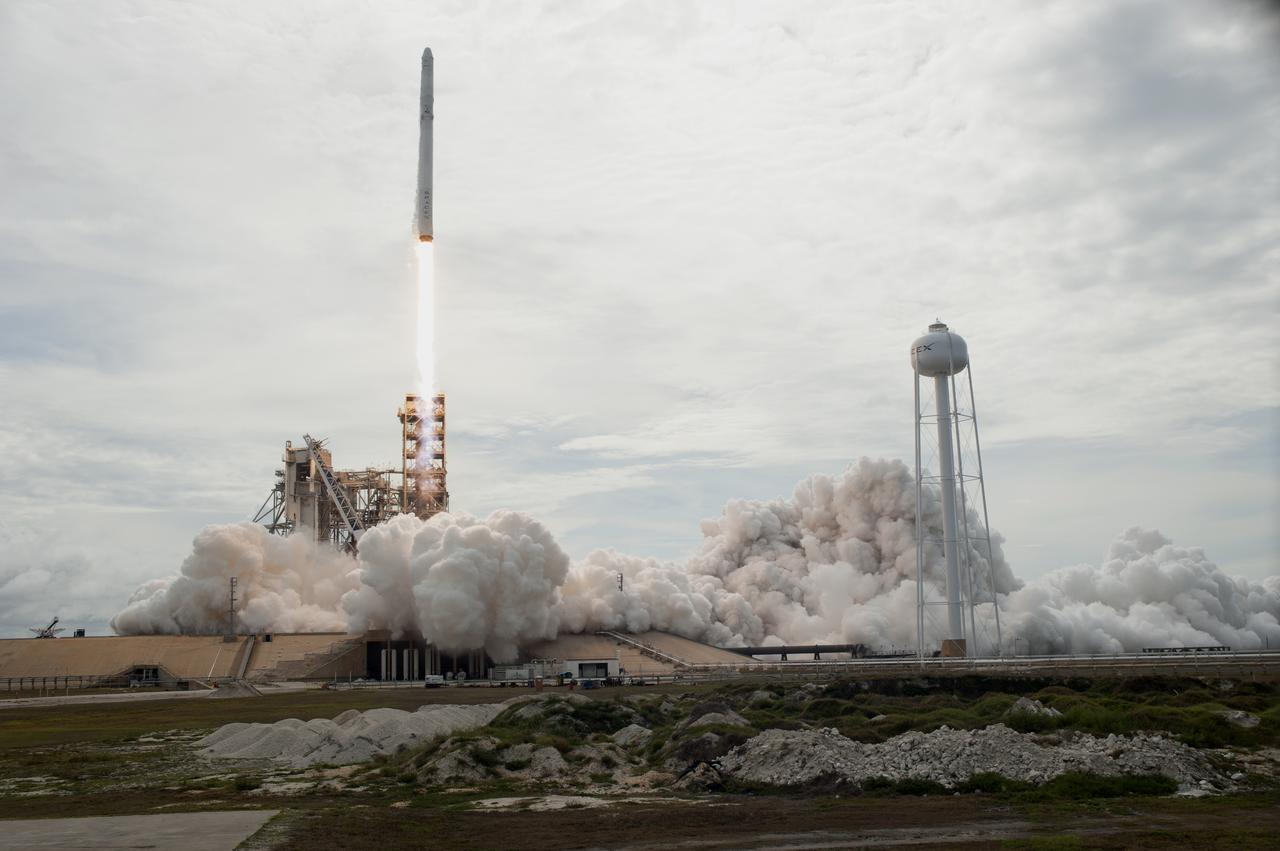
A SpaceX Falcon 9 rocket lifts off from Launch Complex 39A at NASA's Kenney Space Center in Florida, the company's 11th commercial resupply services mission to the International Space Station. Liftoff was at 5:07 p.m. EDT from the historic launch site now operated by SpaceX under a property agreement with NASA. The Dragon spacecraft will deliver 6,000 pounds of supplies, such as the Neutron star Interior Composition Explorer, or NICER, designed to study the extraordinary physics of these stars, providing insights into their nature and behavior.
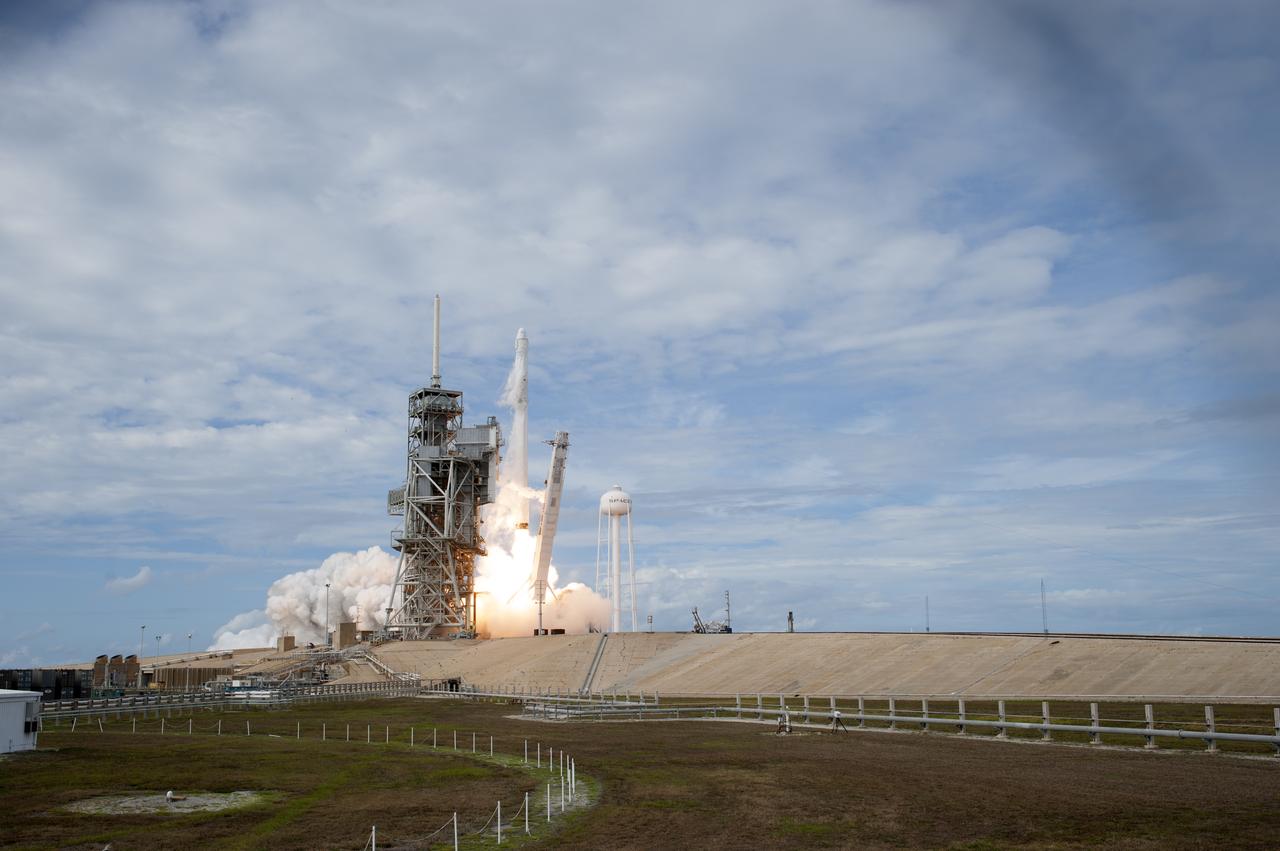
A SpaceX Falcon 9 rocket lifts off from Launch Complex 39A at NASA's Kenney Space Center in Florida, the company's 11th commercial resupply services mission to the International Space Station. Liftoff was at 5:07 p.m. EDT from the historic launch site now operated by SpaceX under a property agreement with NASA. The Dragon spacecraft will deliver 6,000 pounds of supplies, such as the Neutron star Interior Composition Explorer, or NICER, designed to study the extraordinary physics of these stars, providing insights into their nature and behavior.
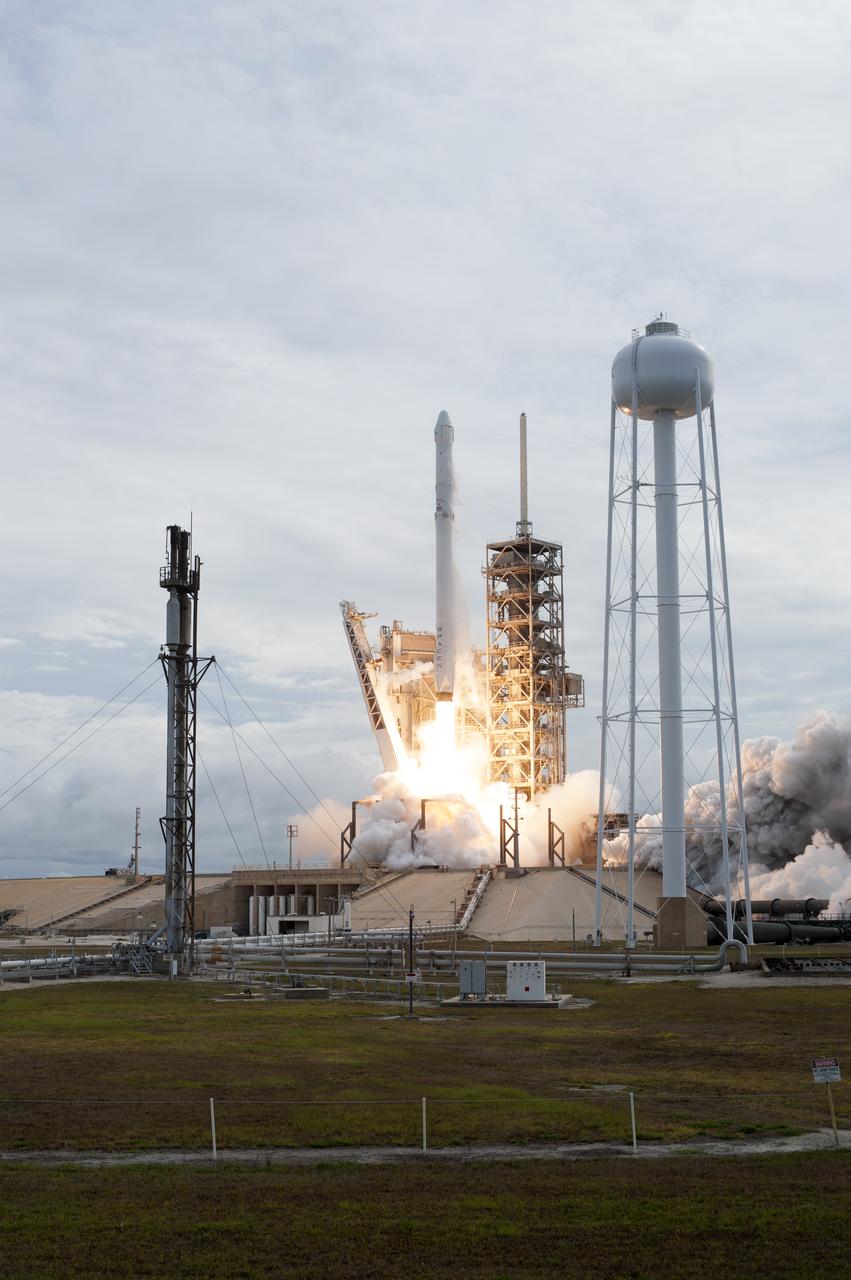
A SpaceX Falcon 9 rocket lifts off from Launch Complex 39A at NASA's Kenney Space Center in Florida, the company's 11th commercial resupply services mission to the International Space Station. Liftoff was at 5:07 p.m. EDT from the historic launch site now operated by SpaceX under a property agreement with NASA. The Dragon spacecraft will deliver 6,000 pounds of supplies, such as the Neutron star Interior Composition Explorer, or NICER, designed to study the extraordinary physics of these stars, providing insights into their nature and behavior.
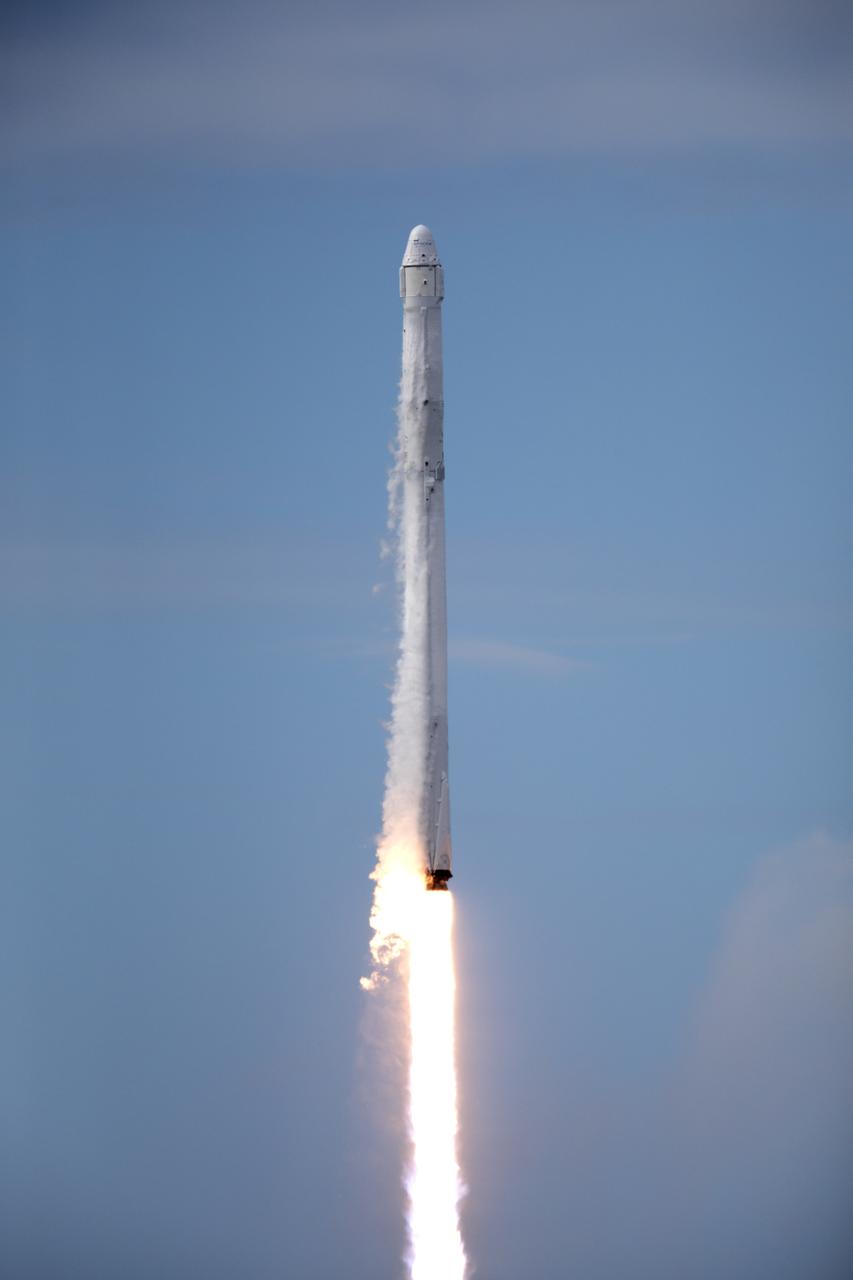
A SpaceX Falcon 9 rocket lifts off from Launch Complex 39A at NASA's Kenney Space Center in Florida, the company's 11th commercial resupply services mission to the International Space Station. Liftoff was at 5:07 p.m. EDT from the historic launch site now operated by SpaceX under a property agreement with NASA. The Dragon spacecraft will deliver 6,000 pounds of supplies, such as the Neutron star Interior Composition Explorer, or NICER, designed to study the extraordinary physics of these stars, providing insights into their nature and behavior.
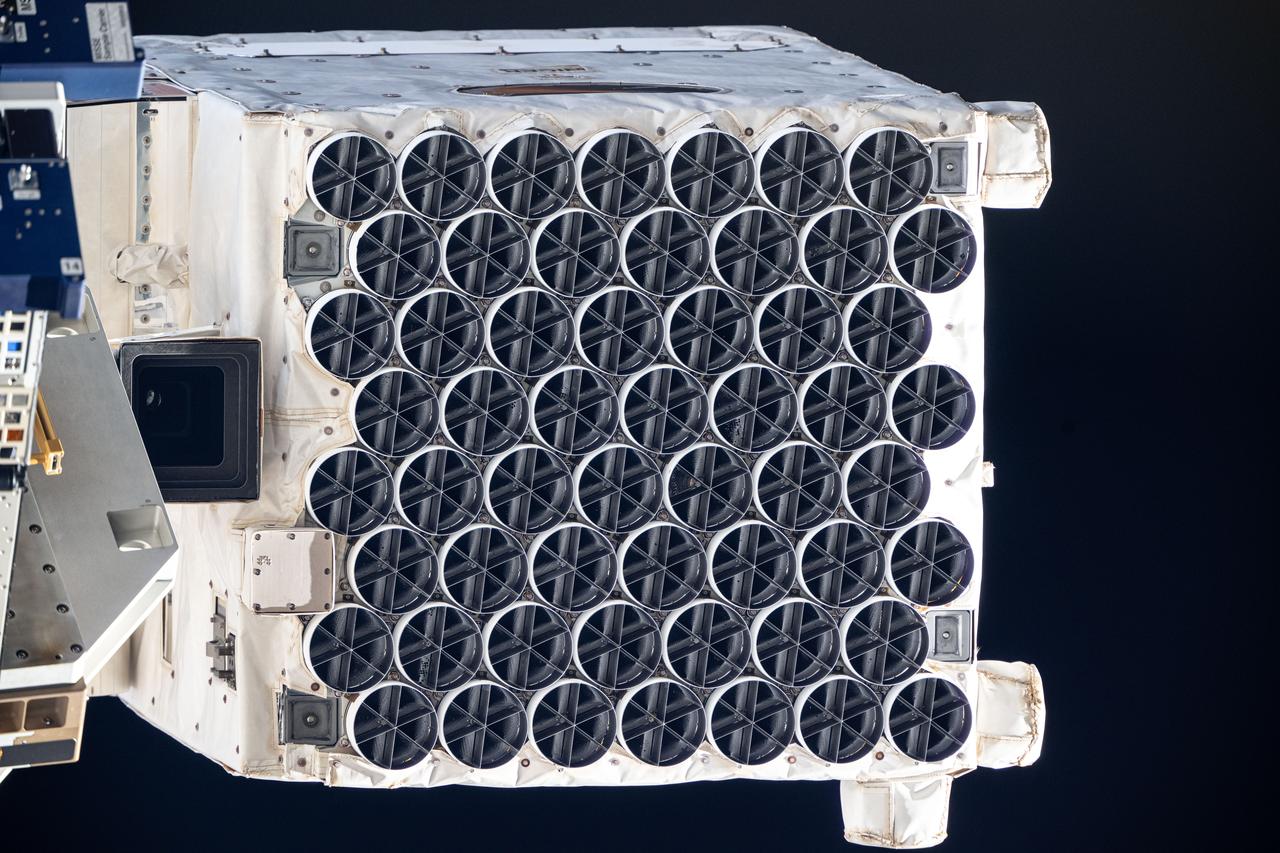
iss072e371351 (Dec. 17, 2024) --- The NICER (Neutron star Interior Composition Explorer) X-ray telescope is pictured installed on the starboard side of the International Space Station's integrated truss segment. NICER's 56 X-ray concentrators are covered by thermal shields, or filters, that block ultraviolet, infrared, and visible light while allowing X-rays to pass through to the mirrors underneath enabling the observation of neutron stars. Several thermal shields have been damaged allowing unwanted sunlight to "leak" into the astrophysics instrument interfering with X-ray measurements. NASA astronauts Nick Hague and Sun Williams will conduct a spacewalk on Jan. 16 to patch the damaged thermal shields and restore NICER for daytime scientific operations.