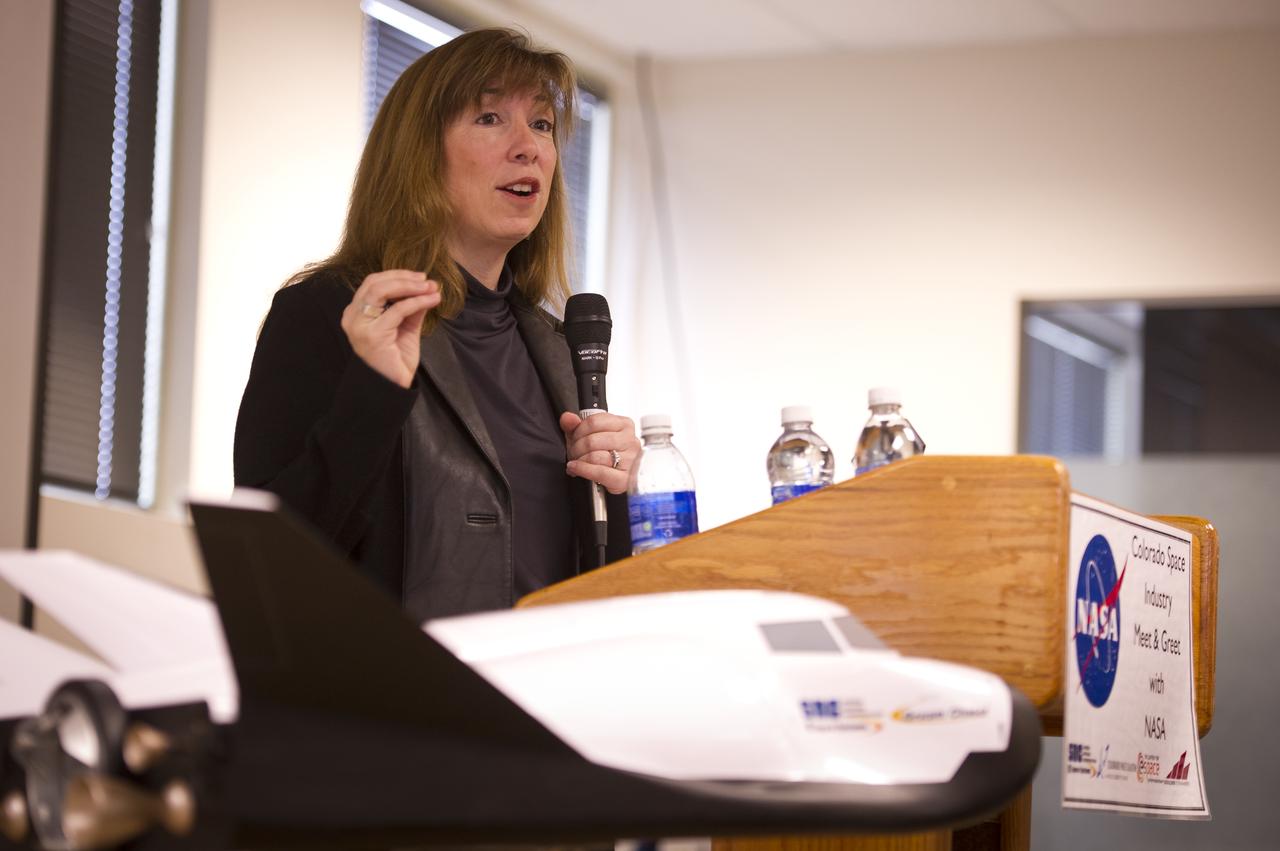
NASA Deputy Administrator Lori Garver speaks at Sierra Nevada Space Systems, on Saturday, Feb. 5, 2011, in Louisville, Colo. Sierra Nevada's Dream Chaser spacecraft is under development with support from NASA's Commercial Crew Development Program to provide crew transportation to and from low Earth orbit. NASA is helping private companies develop innovative technologies to ensure that the U.S. remains competitive in future space endeavors. Photo Credit: (NASA/Bill Ingalls)
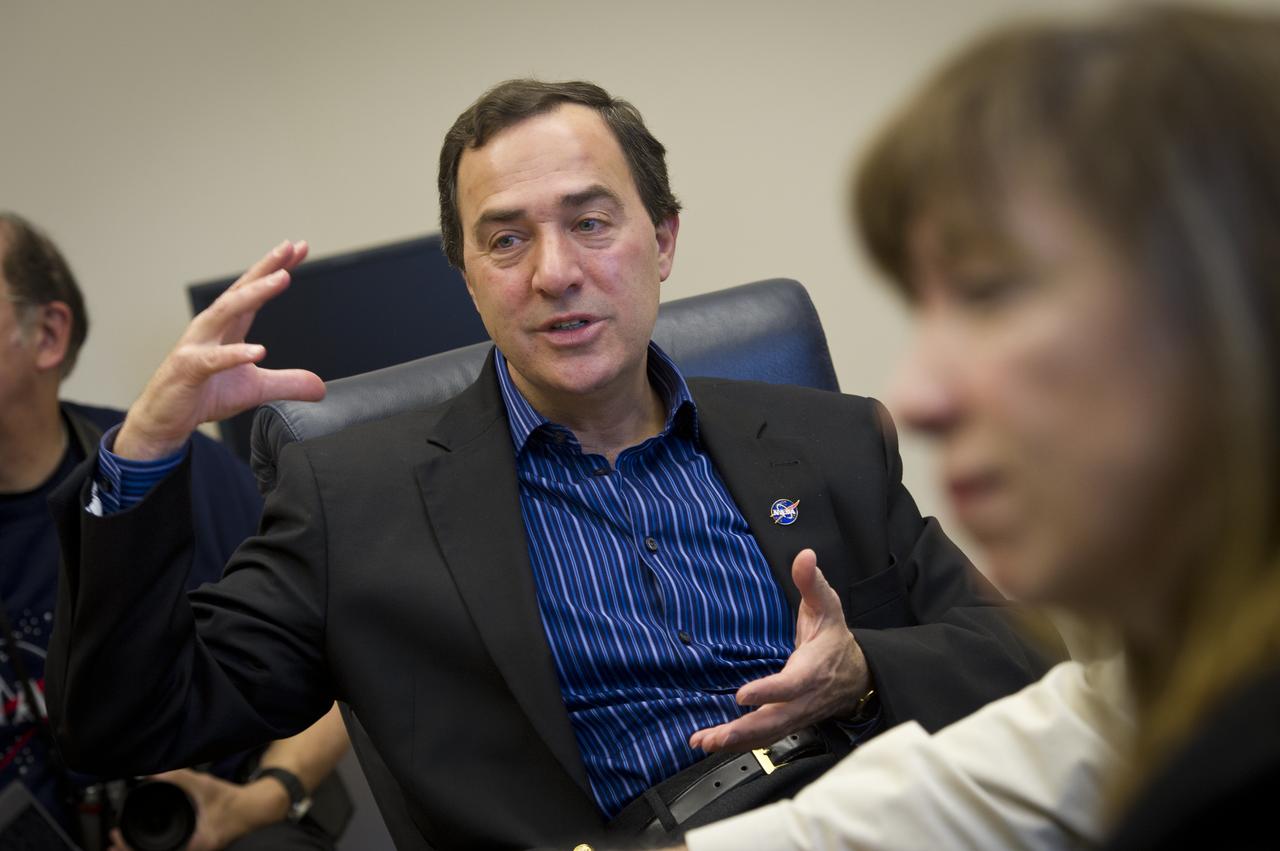
Sierra Nevada Space Systems chairman Mark Sirangello talks to NASA Deputy Administrator Lori Garver, on Saturday, Feb. 5, 2011, in Louisville, Colo. Sierra Nevada's Dream Chaser spacecraft is under development with support from NASA's Commercial Crew Development Program to provide crew transportation to and from low Earth orbit. NASA is helping private companies develop innovative technologies to ensure that the U.S. remains competitive in future space endeavors. Photo Credit: (NASA/Bill Ingalls)
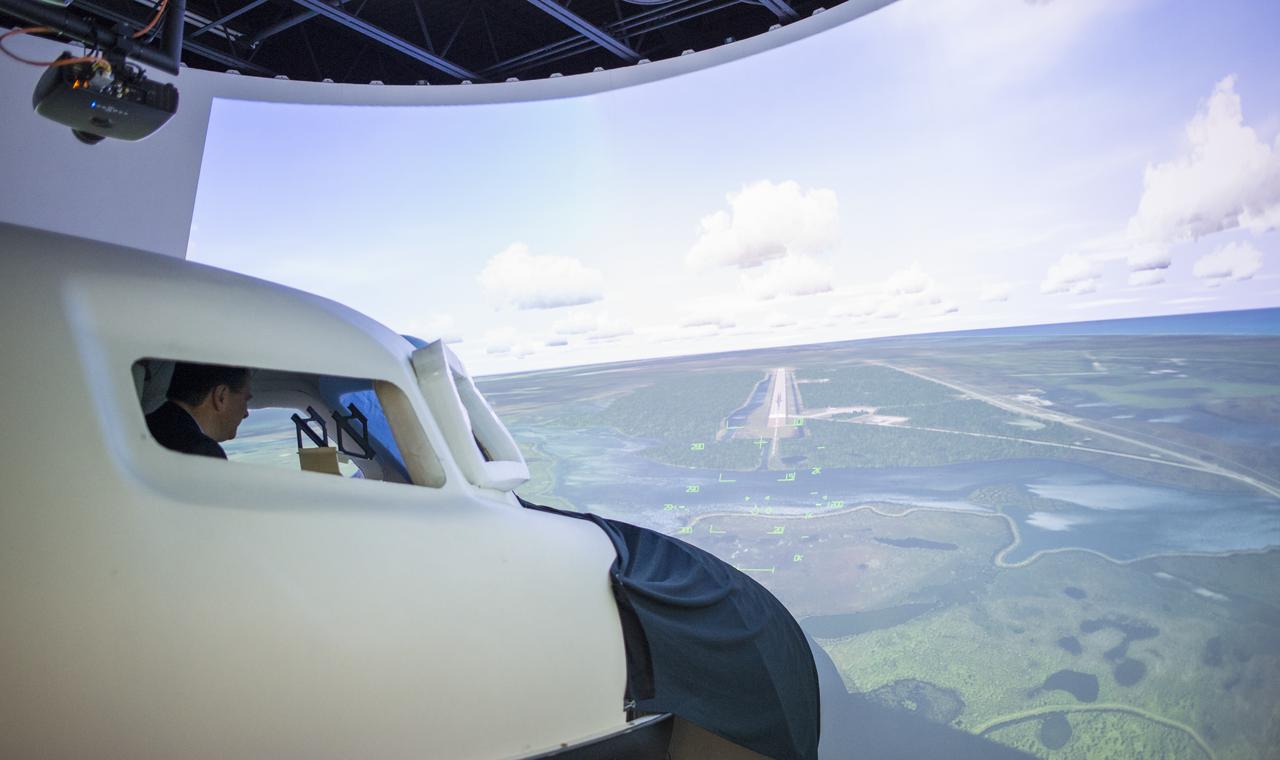
Acting NASA Administrator Robert Lightfoot is seen as he flies the Dream Chaser Space System simulator, Thursday, April 6, 2017 during a visit to Sierra Nevada Corporation in Louisville, Colo. Photo Credit: (NASA/Joel Kowsky)
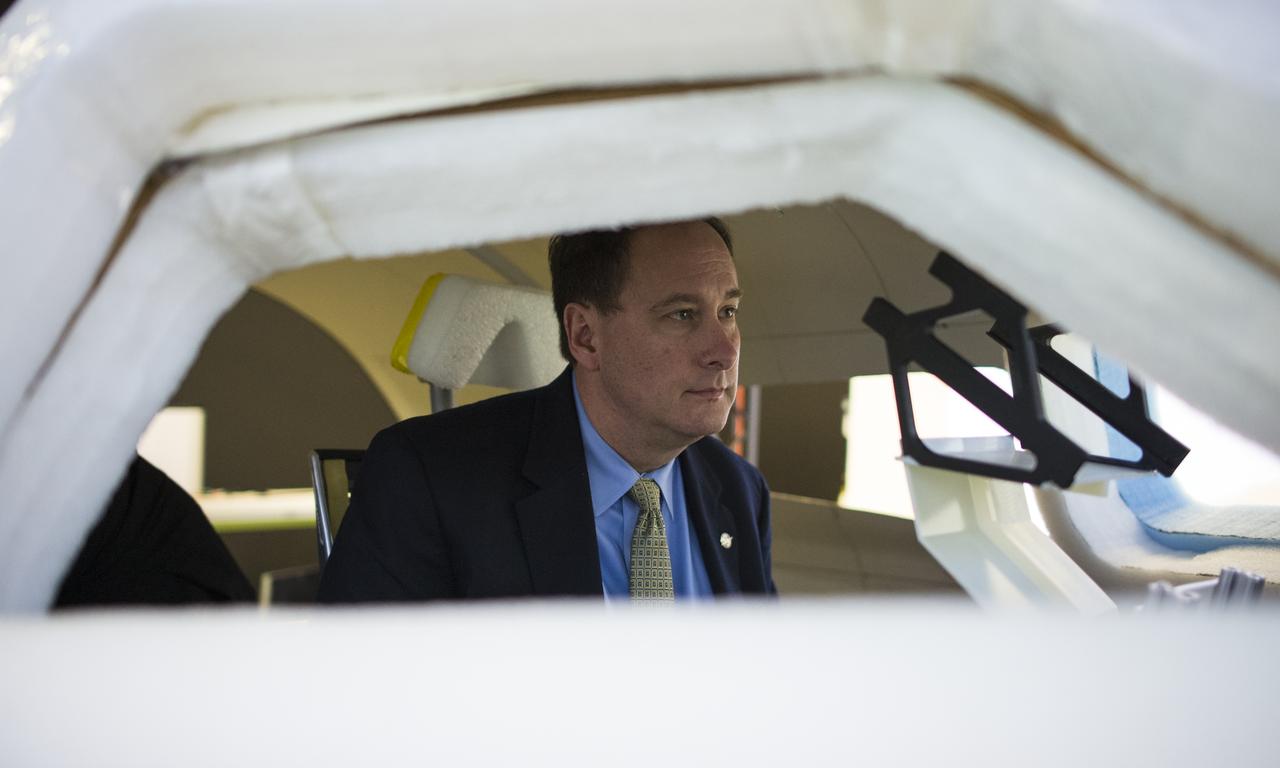
Acting NASA Administrator Robert Lightfoot is seen as he flies the Dream Chaser Space System simulator, Thursday, April 6, 2017 during a visit to Sierra Nevada Corporation in Louisville, Colo. Photo Credit: (NASA/Joel Kowsky)

Acting NASA Deputy Administrator Lesa Roe, left, and acting NASA Administrator Robert Lightfoot, right, listen as Alec Devereaux, a systems engineer with Sierra Nevada Corporation, right, discusses the Flight Control Integration Lab (FCIL), Thursday, April 6, 2017 during a visit to Sierra Nevada Corporation in Louisville, Colo. Sierra Nevada Corporation, with their Dream Chaser Cargo System, was one of three companies to be awarded Commercial Resupply Services (CRS-2) contracts designed to obtain cargo delivery services to the space station, disposal of unneeded cargo, and the return of research samples and other cargo from the station back to NASA. Photo Credit: (NASA/Joel Kowsky)
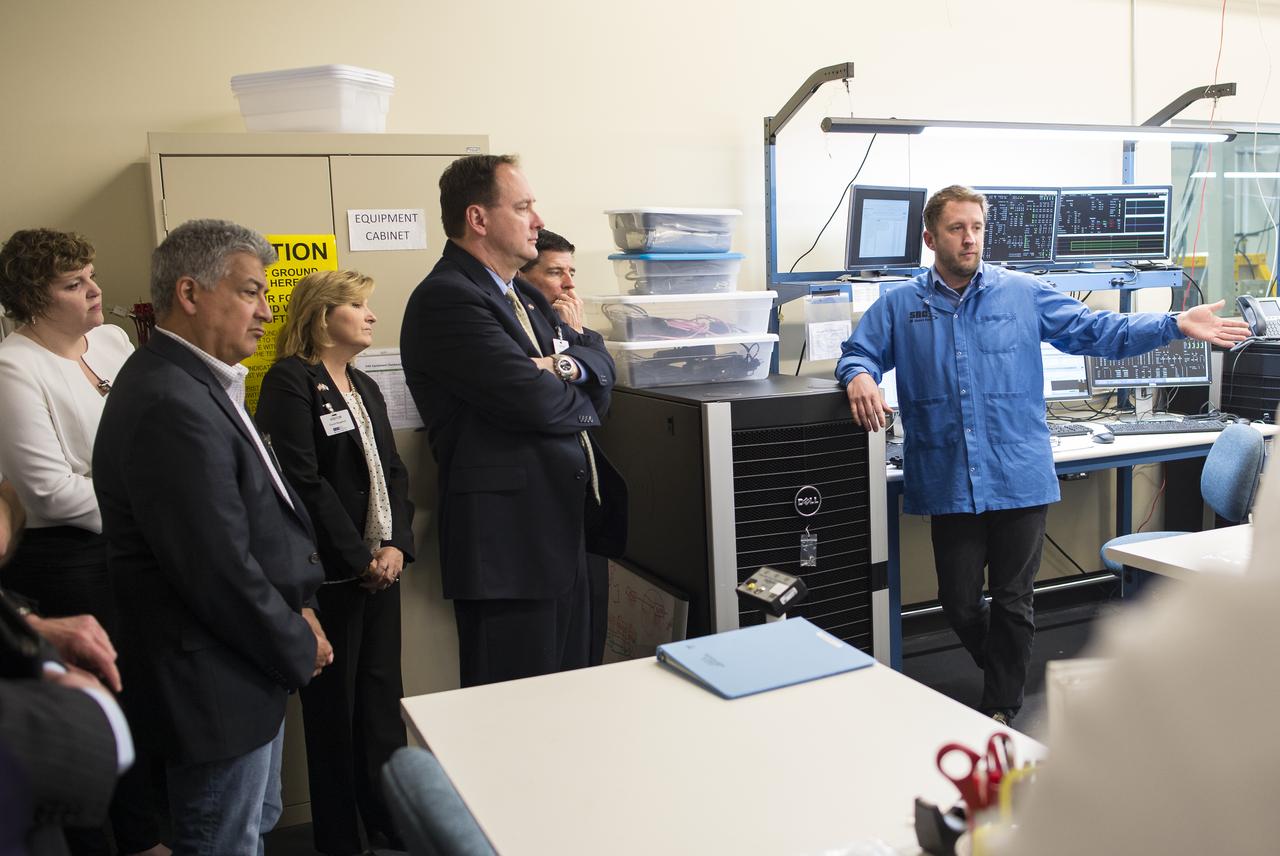
Associate administrator of NASA's Office of International and Interagency Relations Al Condes, left, acting NASA Deputy Administrator Lesa Roe, second from left, and acting NASA Administrator Robert Lightfoot, center, listen as Jude Vrazel, a senior systems engineer at Sierra Nevada Corporation, right, discusses the Vehicle Avionics Integration Lab (VAIL), Thursday, April 6, 2017 during a visit to Sierra Nevada Corporation in Louisville, Colo. Sierra Nevada Corporation, with their Dream Chaser Cargo System, was one of three companies to be awarded Commercial Resupply Services (CRS-2) contracts designed to obtain cargo delivery services to the space station, disposal of unneeded cargo, and the return of research samples and other cargo from the station back to NASA. Photo Credit: (NASA/Joel Kowsky)
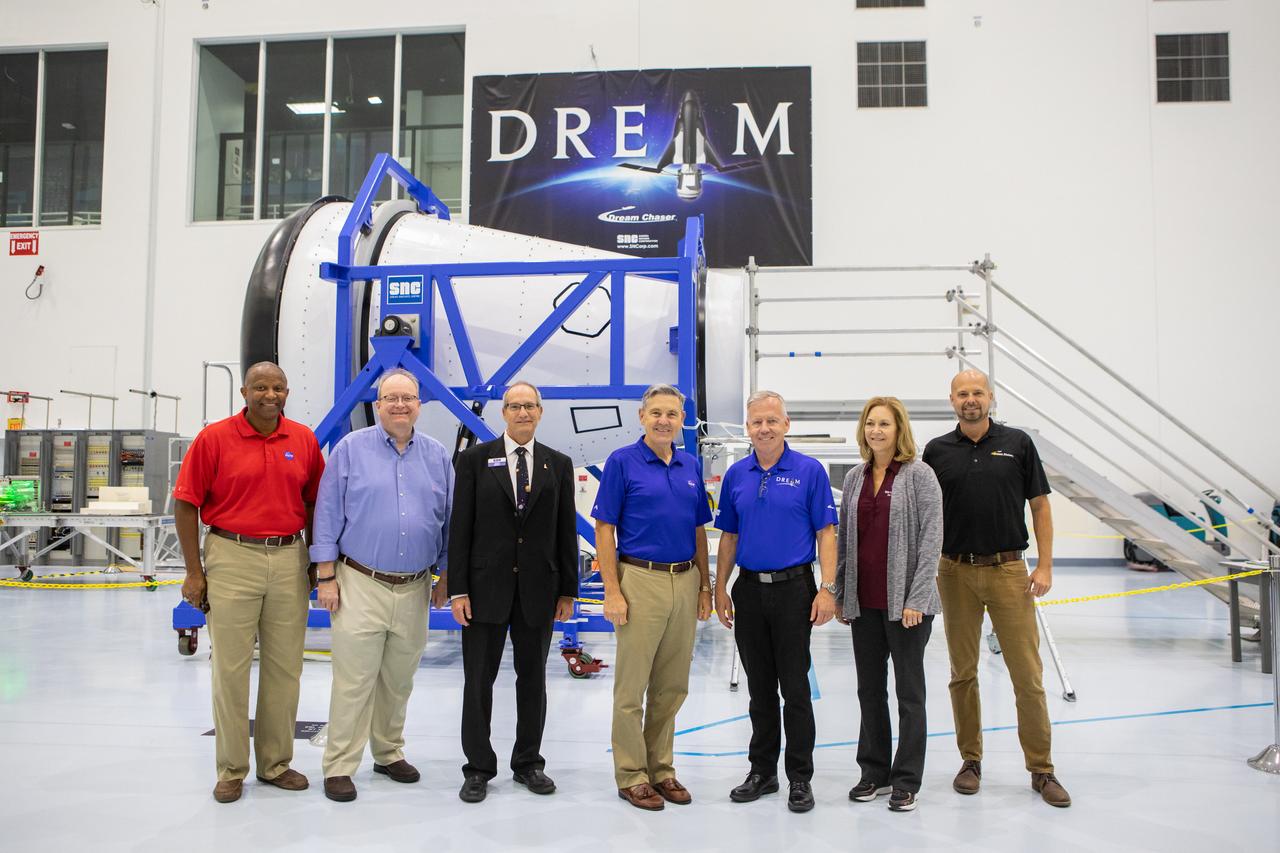
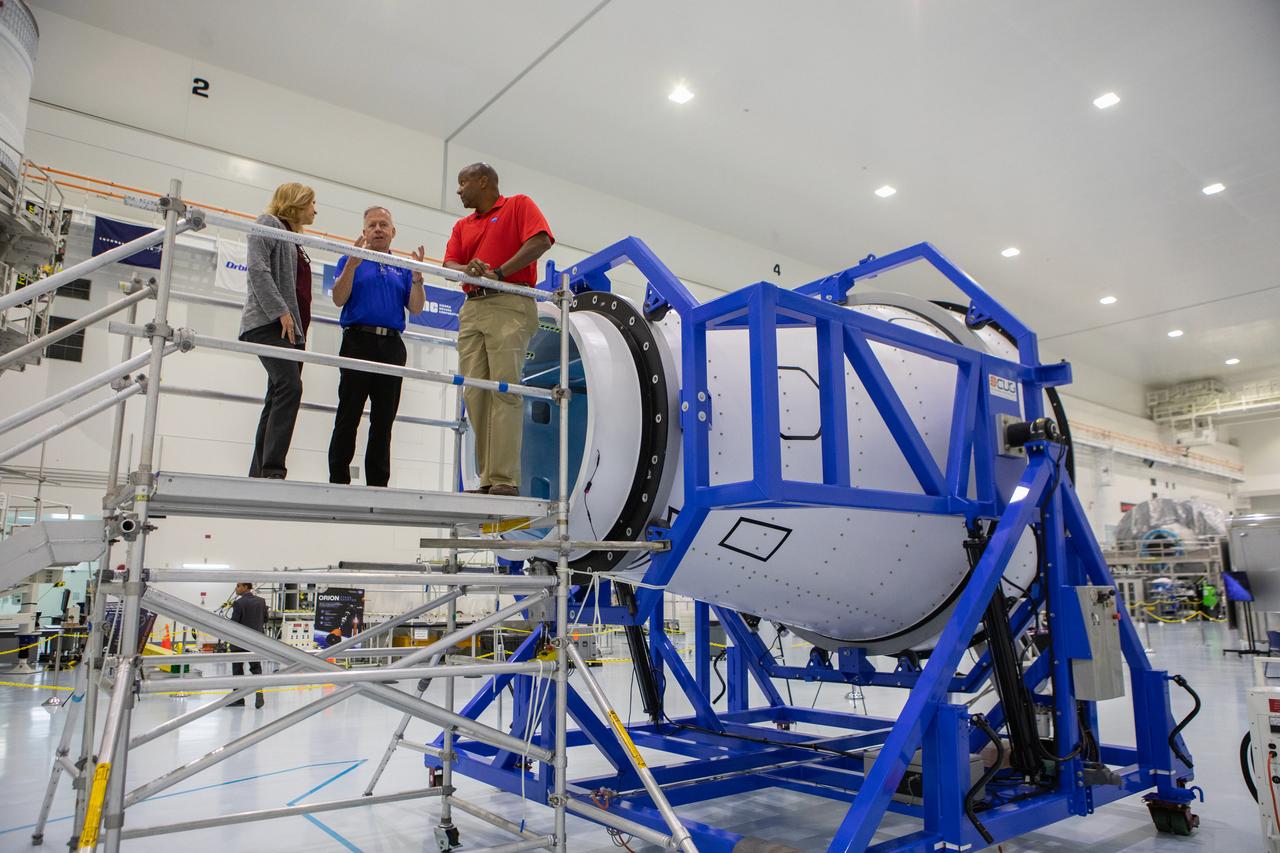
A mockup of the cargo logistics module for Sierra Nevada Corporation’s Dream Chaser, the company’s reusable spaceplane, arrived at the Space Station Processing Facility (SSPF) at NASA’s Kennedy Space Center in Florida in August. On Sept. 20, 2019, senior leadership had the opportunity to view the cargo module in the SSPF high bay. From left are Kelvin Manning, Kennedy associate director, technical; Burt Summerfield, associate director, management; John Roth, vice president, Business Development Space Systems, Sierra Nevada Corporation; Kennedy Center Director Bob Cabana; Steve Lindsey, vice president, Space Exploration Systems, Sierra Nevada Corporation; Kennedy Deputy Director Janet Petro; and Nate Wood, Sierra Nevada Corporation. The SSPF is providing support for current and future NASA and commercial provider programs, including Commercial Resupply Services, Artemis 1, sending the first woman and next man to the Moon, and deep space destinations including Mars.
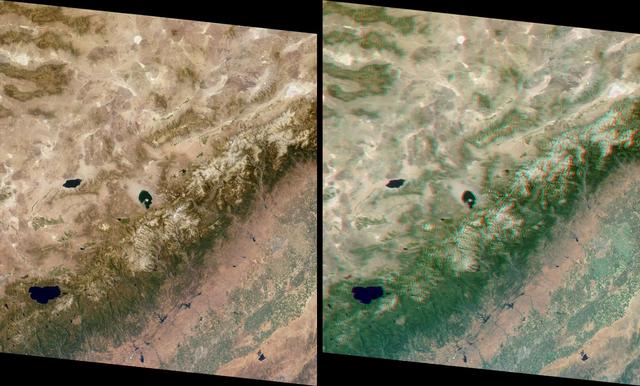
This stereo view of the Sierra Nevada mountains near the California-Nevada border was acquired on August 12, 2000 by NASA Terra satellite. 3D glasses are necessary to view this image.
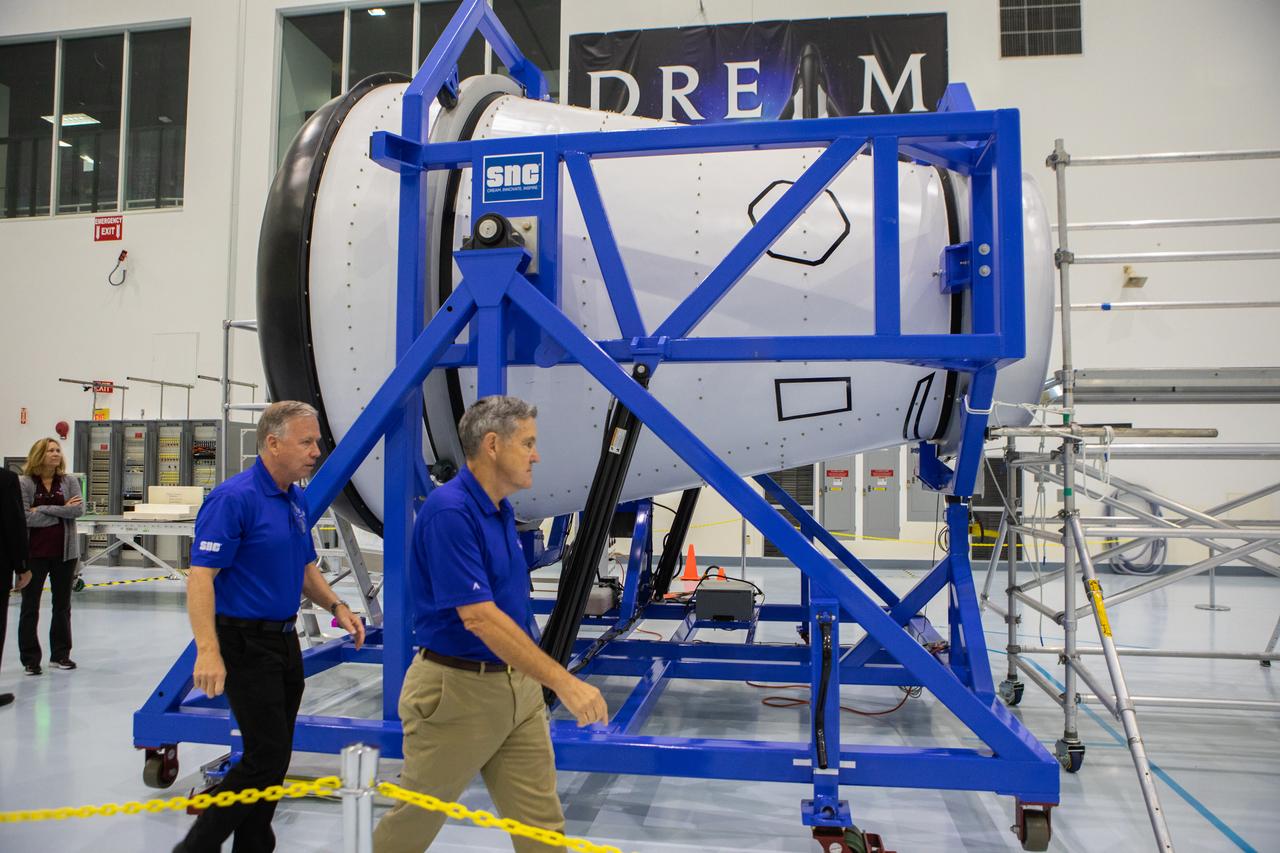
A mockup of the cargo logistics module for Sierra Nevada Corporation’s Dream Chaser, the company’s reusable spaceplane, arrived at the Space Station Processing Facility (SSPF) at NASA’s Kennedy Space Center in Florida in August. On Sept. 20, 2019, senior leadership had the opportunity to view the cargo module in the SSPF high bay. Kennedy Center Director Bob Cabana, at right, views the cargo module with Steve Lindsey, vice president, Space Exploration Systems, Sierra Nevada Corporation. The SSPF is providing support for current and future NASA and commercial provider programs, including Commercial Resupply Services, Artemis 1, sending the first woman and next man to the Moon, and deep space destinations including Mars.
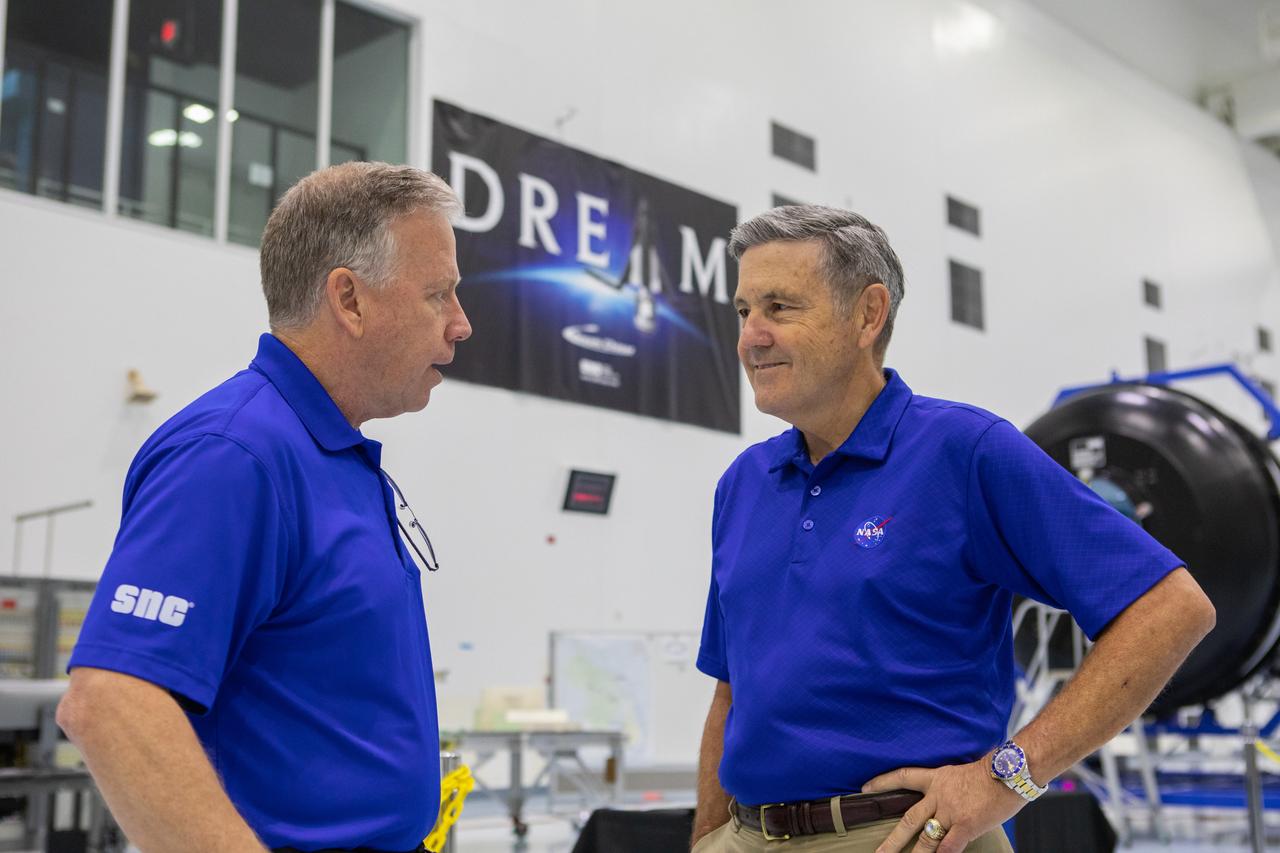
A mockup of the cargo logistics module for Sierra Nevada Corporation’s Dream Chaser, the company’s reusable spaceplane, arrived at the Space Station Processing Facility (SSPF) at NASA’s Kennedy Space Center in Florida in August. On Sept. 20, 2019, senior leadership had the opportunity to view the cargo module in the SSPF high bay. Kennedy Center Director Bob Cabana, at right, speaks with Steve Lindsey, vice president, Space Exploration Systems, Sierra Nevada Corporation. The SSPF is providing support for current and future NASA and commercial provider programs, including Commercial Resupply Services, Artemis 1, sending the first woman and next man to the Moon, and deep space destinations including Mars.
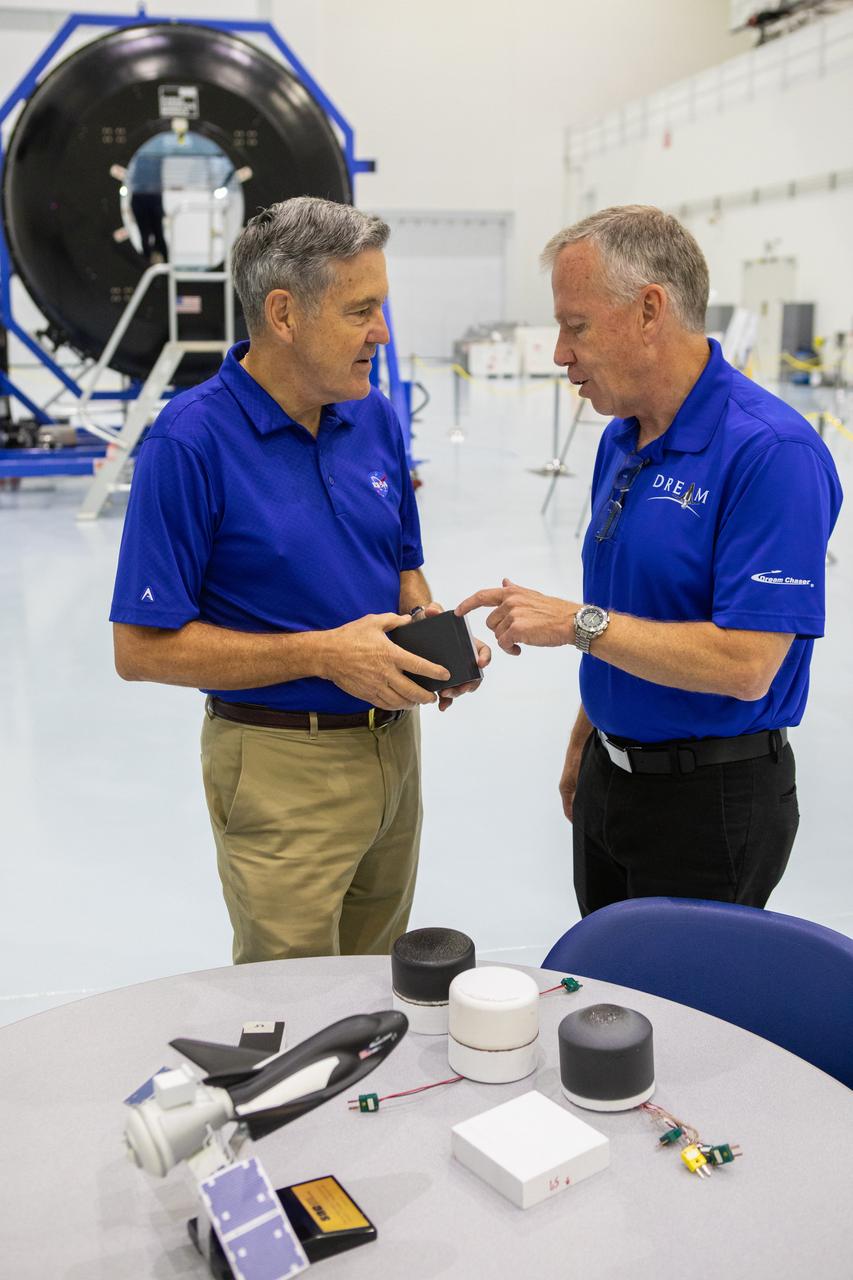
A mockup of the cargo logistics module for Sierra Nevada Corporation’s Dream Chaser, the company’s reusable spaceplane, arrived at the Space Station Processing Facility (SSPF) at NASA’s Kennedy Space Center in Florida in August. On Sept. 20, 2019, senior leadership had the opportunity to view the cargo module in the SSPF high bay. Kennedy Center Director Bob Cabana, left, speaks to Steve Lindsey, vice president, Space Exploration Systems, Sierra Nevada Corporation. The SSPF is providing support for current and future NASA and commercial provider programs, including Commercial Resupply Services, Artemis 1, sending the first woman and next man to the Moon, and deep space destinations including Mars.
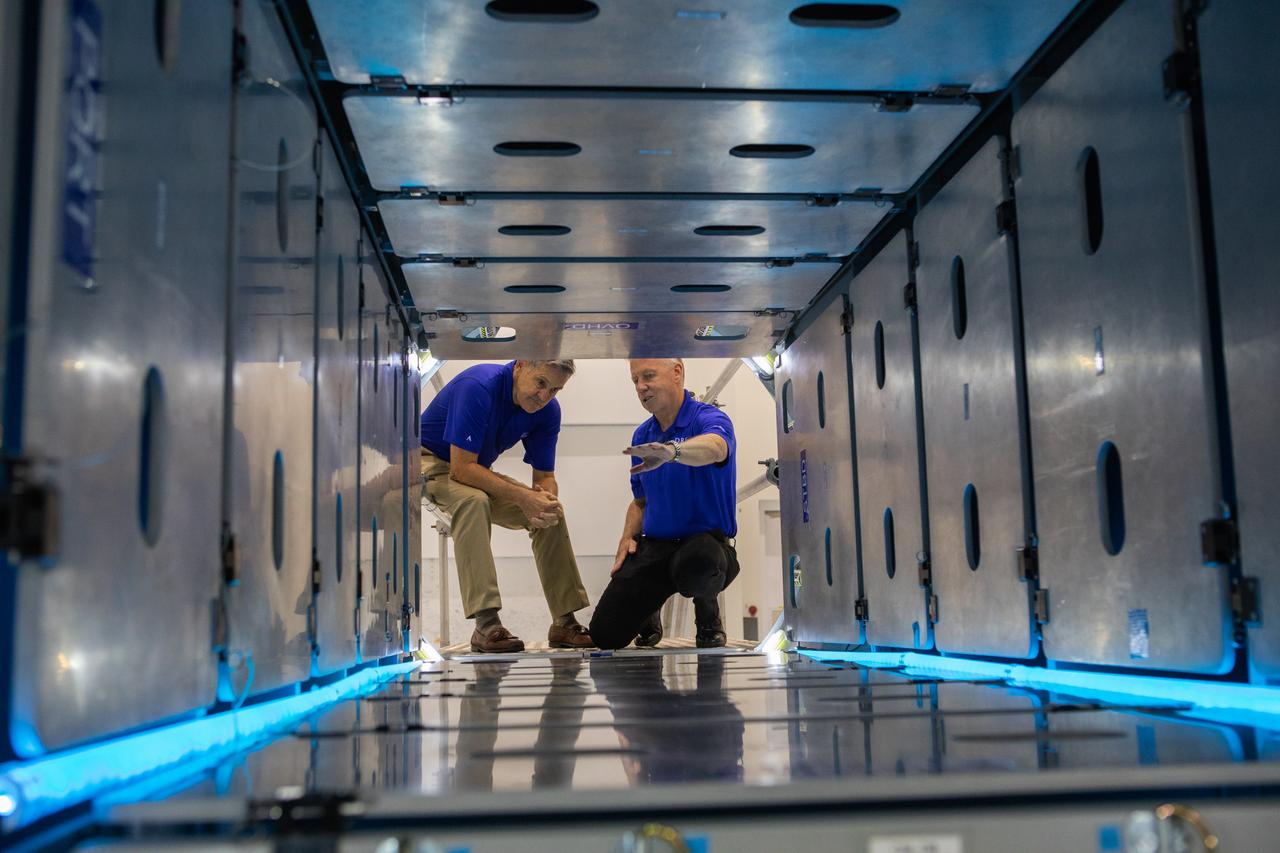
A mockup of the cargo logistics module for Sierra Nevada Corporation’s Dream Chaser, the company’s reusable spaceplane, arrived at the Space Station Processing Facility (SSPF) at NASA’s Kennedy Space Center in Florida in August. On Sept. 20, 2019, senior leadership had the opportunity to view the cargo module in the SSPF high bay. Kennedy Center Director Bob Cabana, views the interior of the cargo module with Steve Lindsey, vice president, Space Exploration Systems, Sierra Nevada Corporation. The SSPF is providing support for current and future NASA and commercial provider programs, including Commercial Resupply Services, Artemis 1, sending the first woman and next man to the Moon, and deep space destinations including Mars.
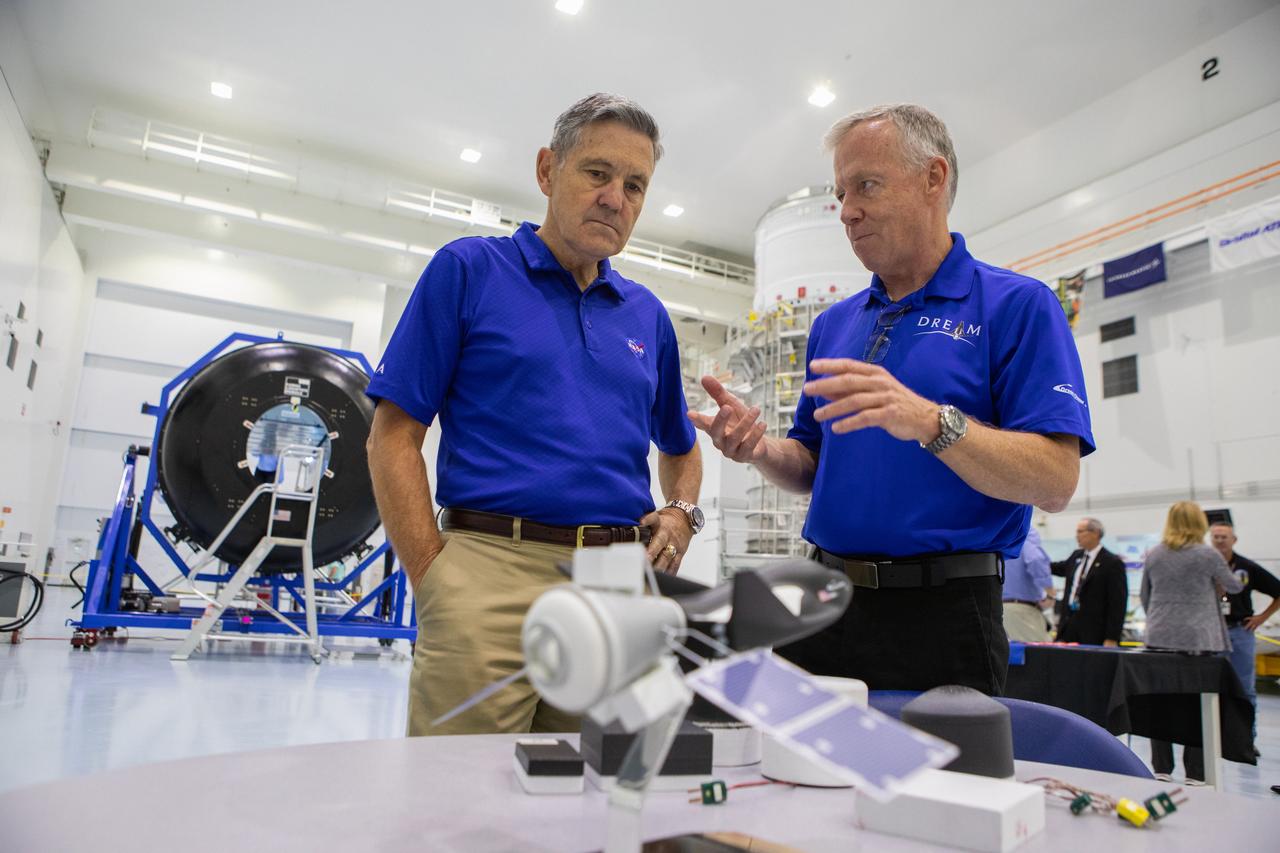
A mockup of the cargo logistics module for Sierra Nevada Corporation’s Dream Chaser, the company’s reusable spaceplane, arrived at the Space Station Processing Facility (SSPF) at NASA’s Kennedy Space Center in Florida in August. On Sept. 20, 2019, senior leadership had the opportunity to view the cargo module in the SSPF high bay. Kennedy Center Director Bob Cabana, left, speaks to Steve Lindsey, vice president, Space Exploration Systems, Sierra Nevada Corporation. The SSPF is providing support for current and future NASA and commercial provider programs, including Commercial Resupply Services, Artemis 1, sending the first woman and next man to the Moon, and deep space destinations including Mars.
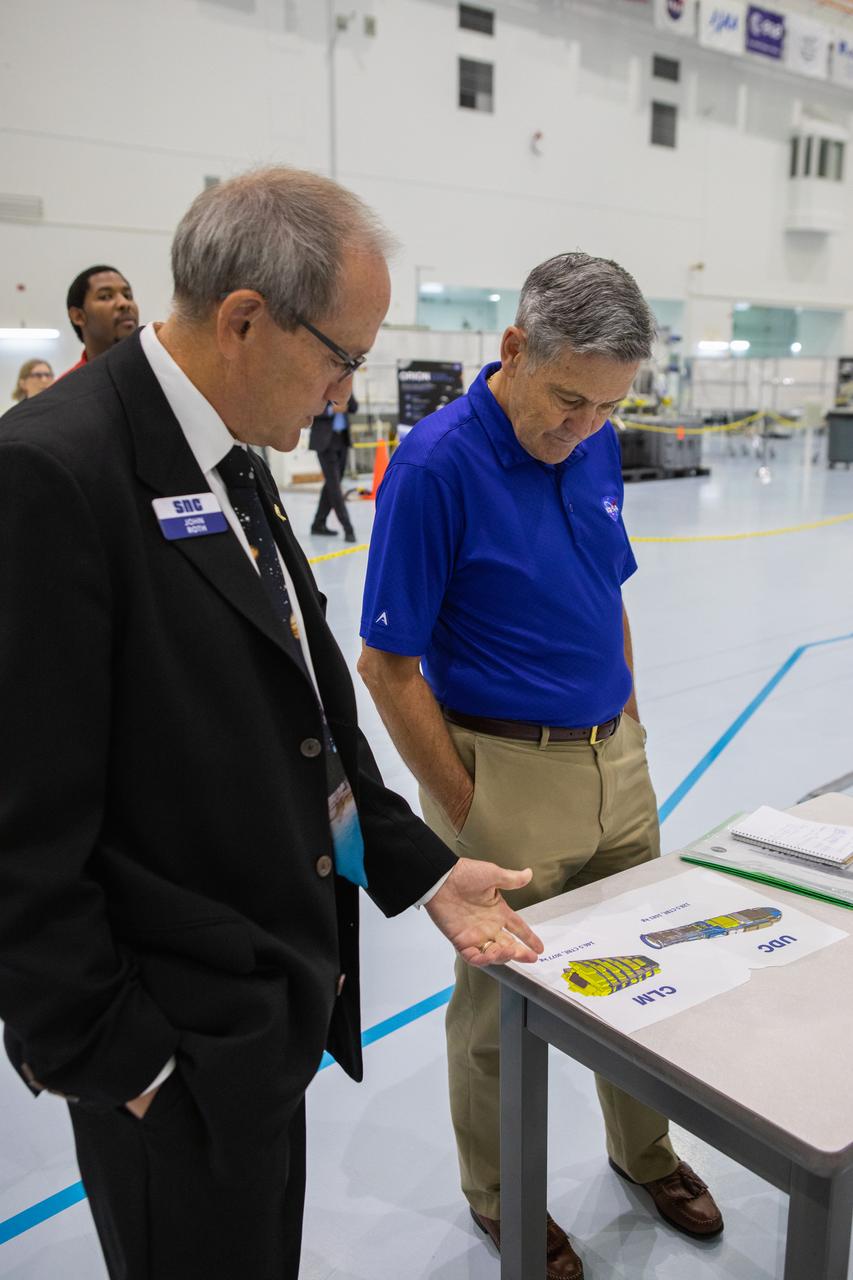
A mockup of the cargo logistics module for Sierra Nevada Corporation’s Dream Chaser, the company’s reusable spaceplane, arrived at the Space Station Processing Facility (SSPF) at NASA’s Kennedy Space Center in Florida in August. On Sept. 20, 2019, senior leadership had the opportunity to view the cargo module in the SSPF high bay. Kennedy Center Director Bob Cabana, at right, listens to John Roth, vice president, Business Development Space Systems, Sierra Nevada Corporation. The SSPF is providing support for current and future NASA and commercial provider programs, including Commercial Resupply Services, Artemis 1, sending the first woman and next man to the Moon, and deep space destinations including Mars.
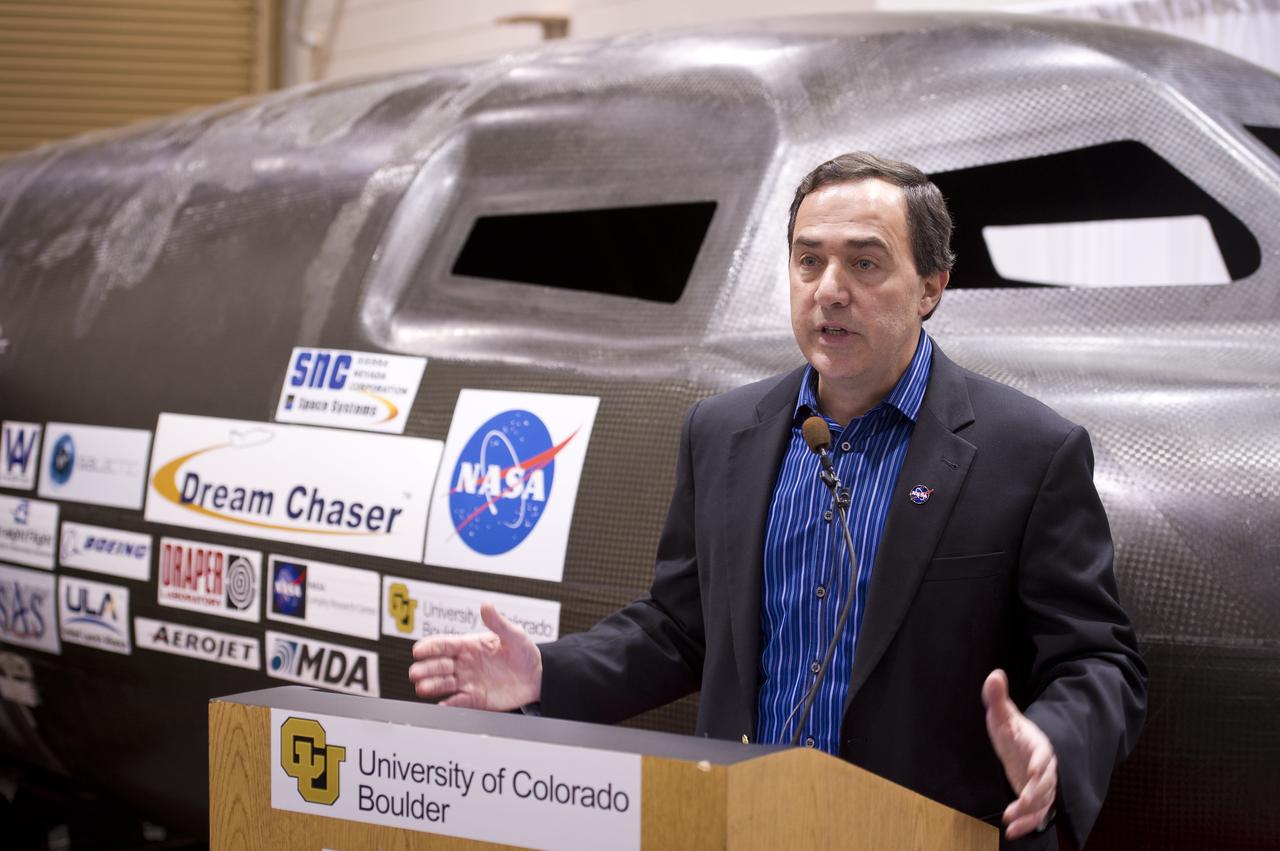
Sierra Nevada Space Systems chairman Mark Sirangello talks during a press conference with Sierra Nevada's Dream Chaser spacecraft in the background on Saturday, Feb. 5, 2011, at the University of Colorado at Boulder. Sierra Nevada's Dream Chaser spacecraft is under development with support from NASA's Commercial Crew Development Program to provide crew transportation to and from low Earth orbit. NASA is helping private companies develop innovative technologies to ensure that the U.S. remains competitive in future space endeavors. Photo Credit: (NASA/Bill Ingalls)
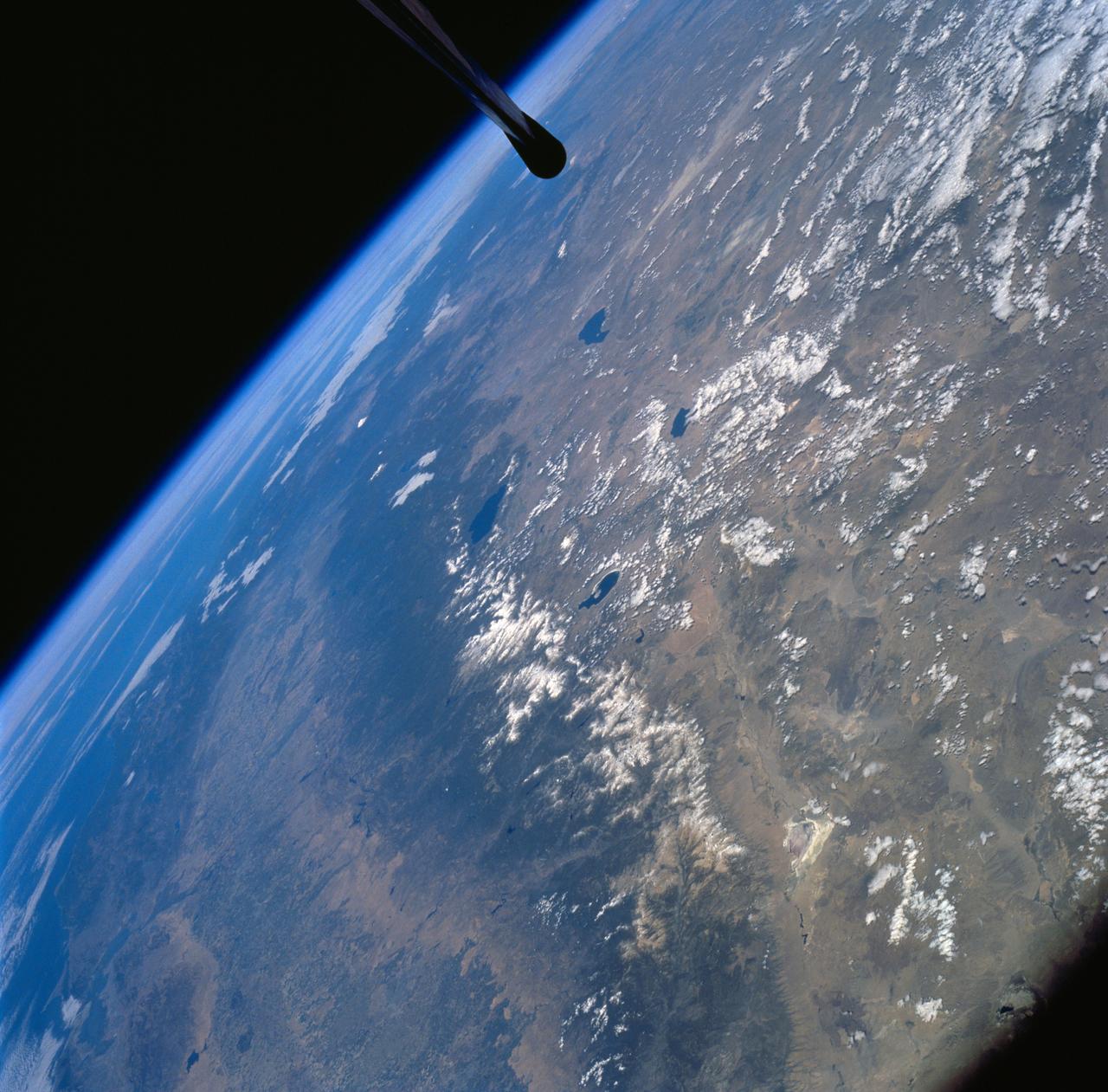
STS058-72-004 (18 Oct-1 Nov 1993) --- The Sierra Nevada Mountain Range can be seen in this north-looking high oblique view taken in October, 1993, by the STS-58 crew. Visible in the view to the west of the Sierra Nevada are the San Joaquin and Sacramento Valleys of central California. The San Francisco/Oakland Bay Area can be seen to the west of the valley at the extreme left of the photograph. To the east or right of the Sierra Nevada, the basin and Range Region of central and northern Nevada is visible. Mono Lake, Lake Tahoe and Pyramid Lake are also visible in this scene. The long northwest/southeast trending Walker Lane Shear Zone, which lies just to the east (right) of the Sierra Nevada is also visible. Near the top of the view (near the horizon), the snow covered volcanic peak Mount Shasta can be seen. Over 645 kilometers (400 miles) long and from 65 to 130 kilometers (40 to 80 miles) wide, the Sierra Nevada have many peaks in excess of 3,300 meters (11,000 feet) above sea level. A titled fault block in structure (the largest in the United States) and shaped by glaciers during the last ice age over 12,000 years ago, the Sierra Nevada eastern front rises sharply from the Great Basin of Nevada, while its western slope descends gradually to the hills bordering the Central Valley of California. Snow-fed streams supply much of the irrigation water to the Central Valley and to western Nevada and also generate hydroelectricity. Recent above normal precipitation (snowfall) of the last two years has helped in alleviating the drought conditions that had prevailed throughout most of California in the mid and late 1980's and early 1990's.
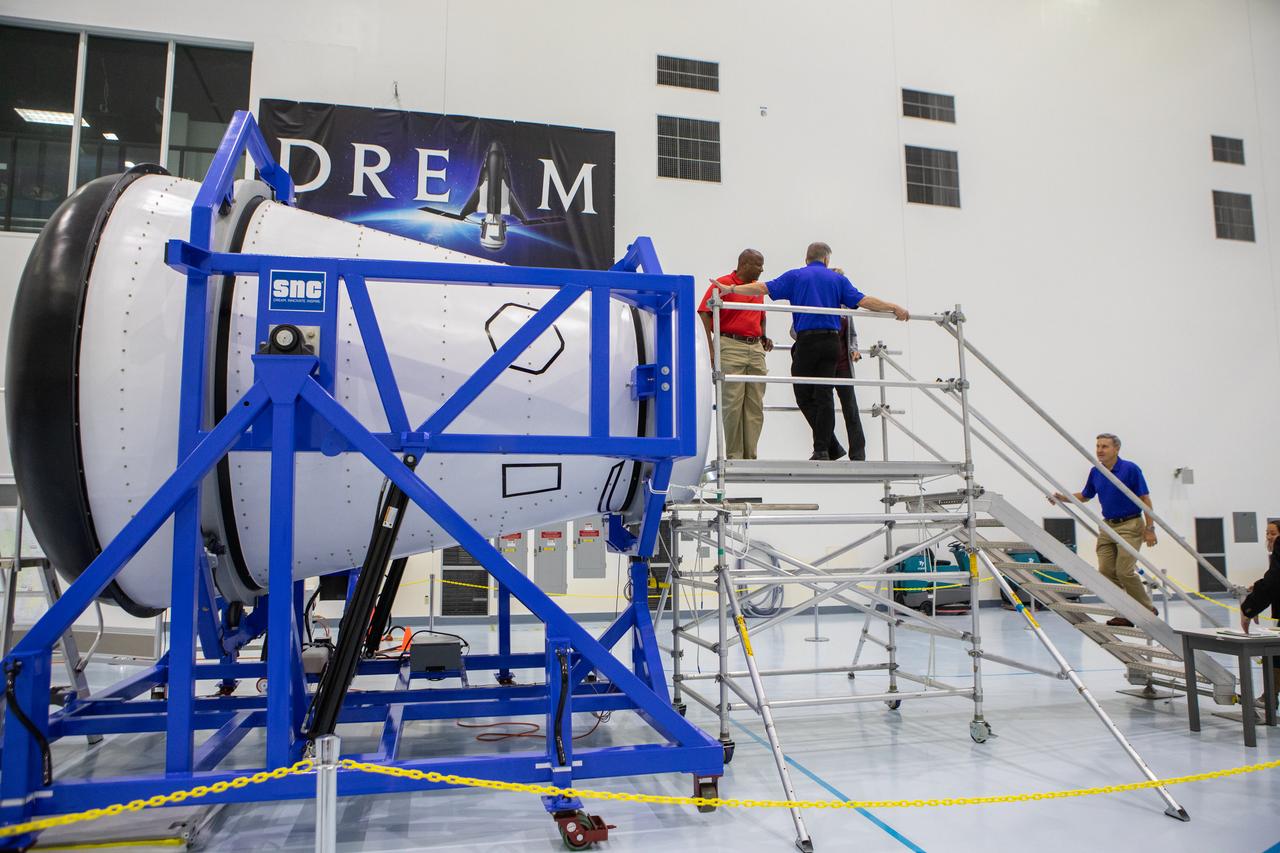
A mockup of the cargo logistics module for Sierra Nevada Corporation’s Dream Chaser, the company’s reusable spaceplane, arrived at the Space Station Processing Facility (SSPF) at NASA’s Kennedy Space Center in Florida in August. On Sept. 20, 2019, senior leadership had the opportunity to view the cargo module in the SSPF high bay. From left are Kelvin Manning, Kennedy associate director, technical; Steve Lindsey, vice president, Space Exploration Systems, Sierra Nevada Corporation; behind Lindsey is Kennedy Deputy Director Janet Petro; and ascending the stairs is Kennedy Center Director Bob Cabana. The SSPF is providing support for current and future NASA and commercial provider programs, including Commercial Resupply Services, Artemis 1, sending the first woman and next man to the Moon, and deep space destinations including Mars.
A mockup of the cargo logistics module for Sierra Nevada Corporation’s Dream Chaser, the company’s reusable spaceplane, arrived at the Space Station Processing Facility (SSPF) at NASA’s Kennedy Space Center in Florida in August. On Sept. 20, 2019, senior leadership had the opportunity to view the cargo module in the SSPF high bay. From left are Kennedy Deputy Director Janet Petro; Steve Lindsey, vice president, Space Exploration Systems, Sierra Nevada Corporation; and Kelvin Manning, Kennedy associate director, technical. The SSPF is providing support for current and future NASA and commercial provider programs, including Commercial Resupply Services, Artemis 1, sending the first woman and next man to the Moon, and deep space destinations including Mars.

A mockup of the cargo logistics module for Sierra Nevada Corporation’s Dream Chaser, the company’s reusable spaceplane, arrived at the Space Station Processing Facility (SSPF) at NASA’s Kennedy Space Center in Florida in August. On Sept. 20, 2019, senior leadership had the opportunity to view the cargo module in the SSPF high bay. From left are Kelvin Manning, Kennedy associate director, technical; Steve Lindsey, vice president, Space Exploration Systems, Sierra Nevada Corporation; Kennedy Deputy Director Janet Petro; and Kennedy Center Director Bob Cabana. The SSPF is providing support for current and future NASA and commercial provider programs, including Commercial Resupply Services, Artemis 1, sending the first woman and next man to the Moon, and deep space destinations including Mars.
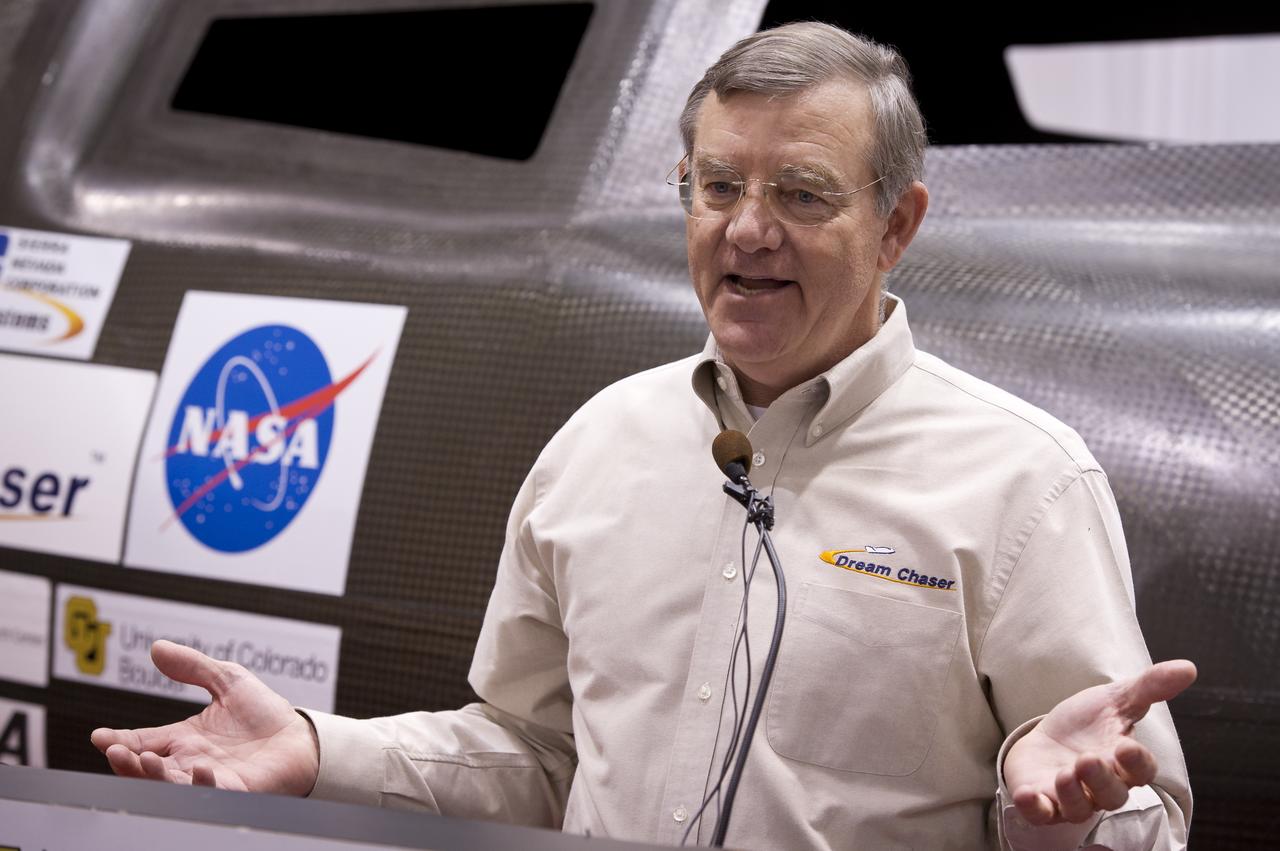
Director of Advanced Programs, Sierra Nevada Corporation, Jim Voss talks during a press conference with Sierra Nevada's Dream Chaser spacecraft in the background on Saturday, Feb. 5, 2011, at the University of Colorado at Boulder. Sierra Nevada's Dream Chaser spacecraft is under development with support from NASA's Commercial Crew Development Program to provide crew transportation to and from low Earth orbit. NASA is helping private companies develop innovative technologies to ensure that the U.S. remains competitive in future space endeavors. Photo Credit: (NASA/Bill Ingalls)
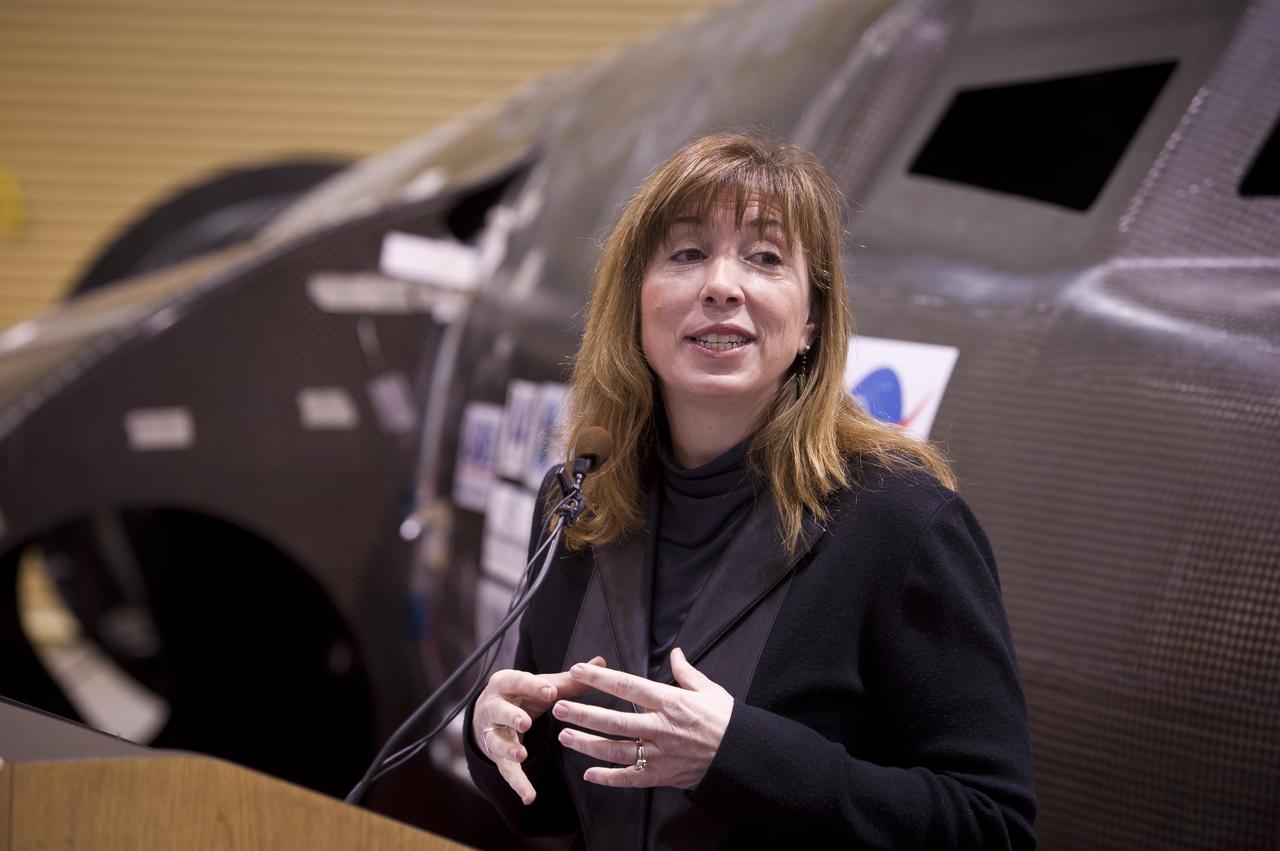
NASA Deputy Administrator Lori Garver talks during a press conference with Sierra Nevada's Dream Chaser spacecraft in the background on Saturday, Feb. 5, 2011, at the University of Colorado at Boulder. Sierra Nevada's Dream Chaser spacecraft is under development with support from NASA's Commercial Crew Development Program to provide crew transportation to and from low Earth orbit. NASA is helping private companies develop innovative technologies to ensure that the U.S. remains competitive in future space endeavors. Photo Credit: (NASA/Bill Ingalls)
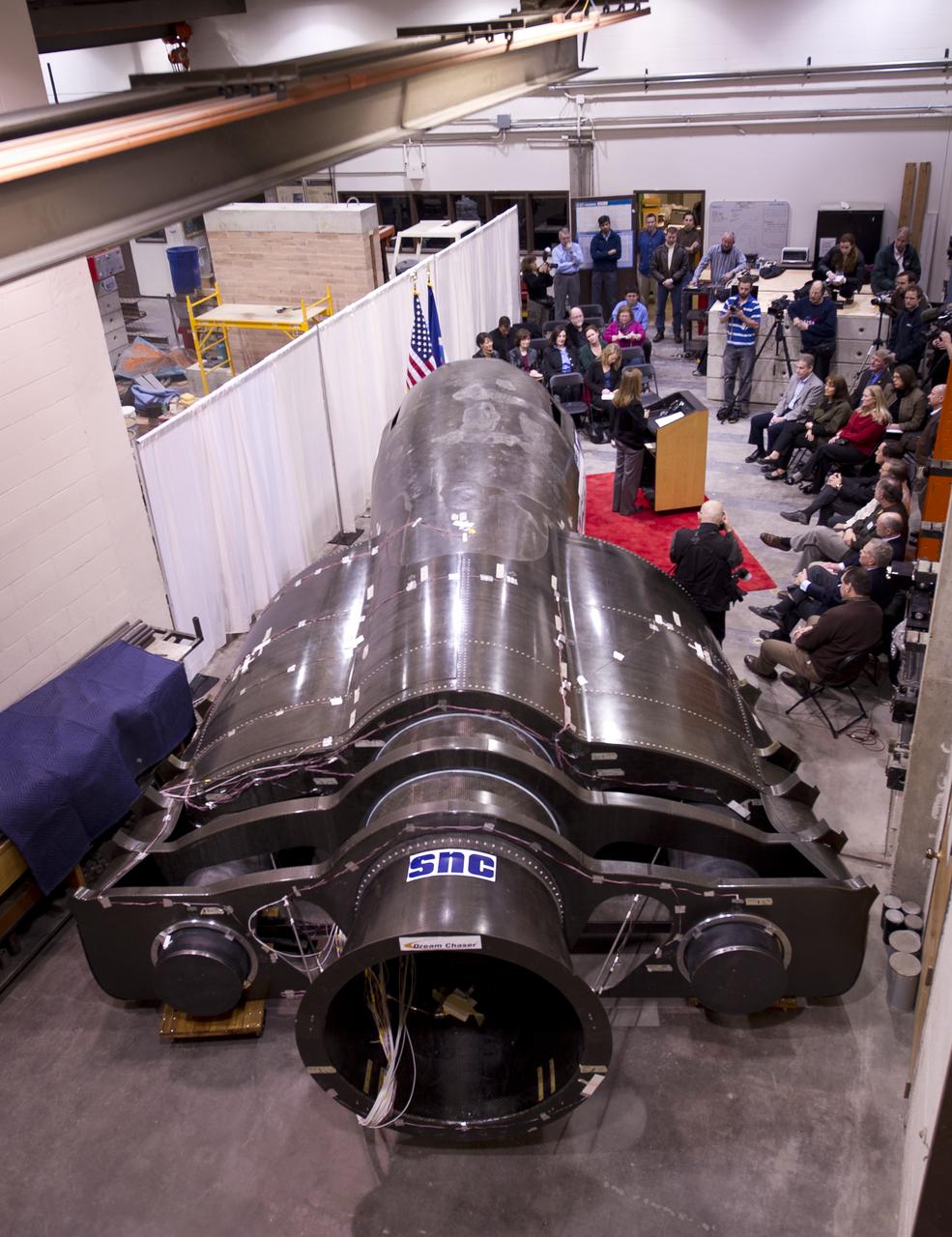
Sierra Nevada's Dream Chaser spacecraft is seen as NASA Deputy Administrator Lori Garver talks during a press conference on Saturday, Feb. 5, 2011, at the University of Colorado at Boulder. Sierra Nevada's Dream Chaser spacecraft is under development with support from NASA's Commercial Crew Development Program to provide crew transportation to and from low Earth orbit. NASA is helping private companies develop innovative technologies to ensure that the U.S. remains competitive in future space endeavors. Photo Credit: (NASA/Bill Ingalls)
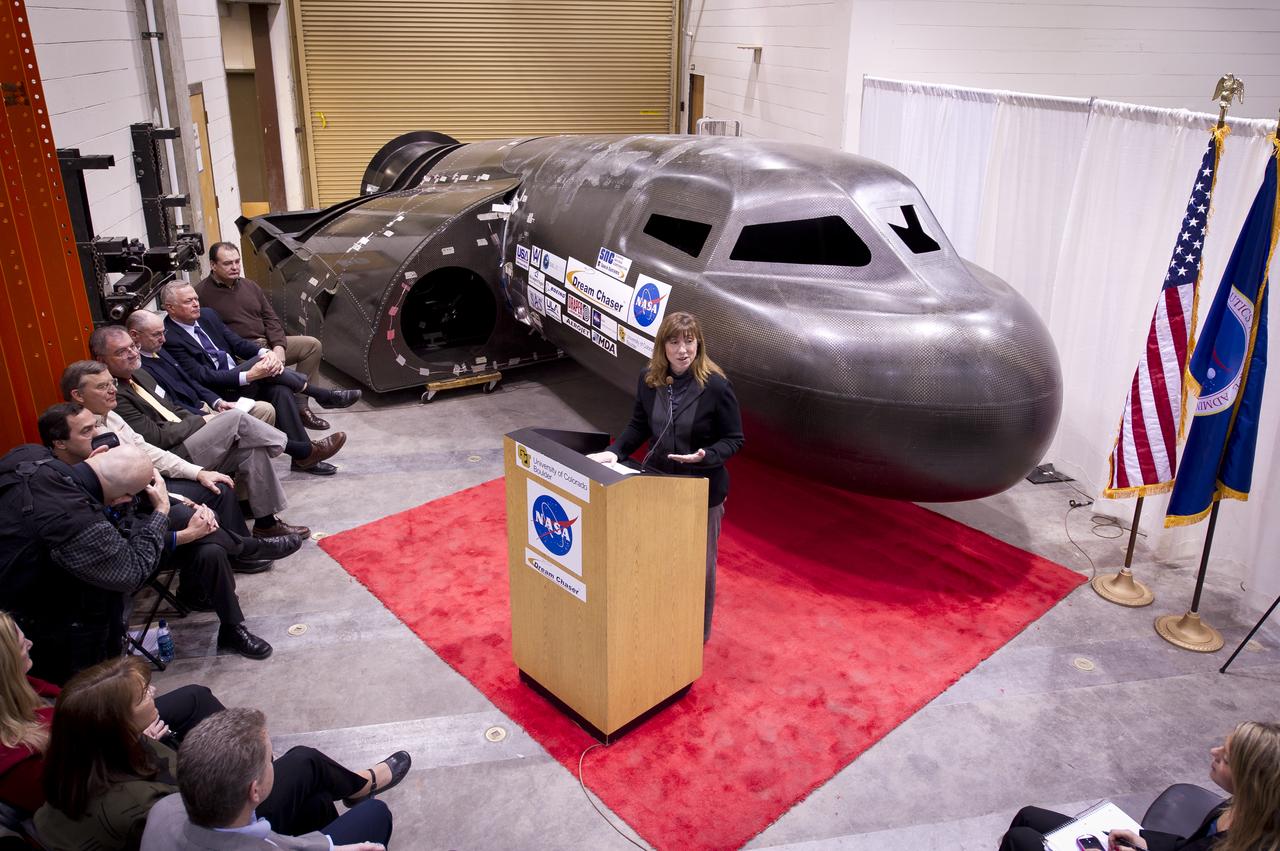
NASA Deputy Administrator Lori Garver talks during a press conference with Sierra Nevada's Dream Chaser spacecraft in the background on Saturday, Feb. 5, 2011, at the University of Colorado at Boulder. Sierra Nevada's Dream Chaser spacecraft is under development with support from NASA's Commercial Crew Development Program to provide crew transportation to and from low Earth orbit. NASA is helping private companies develop innovative technologies to ensure that the U.S. remains competitive in future space endeavors. Photo Credit: (NASA/Bill Ingalls)
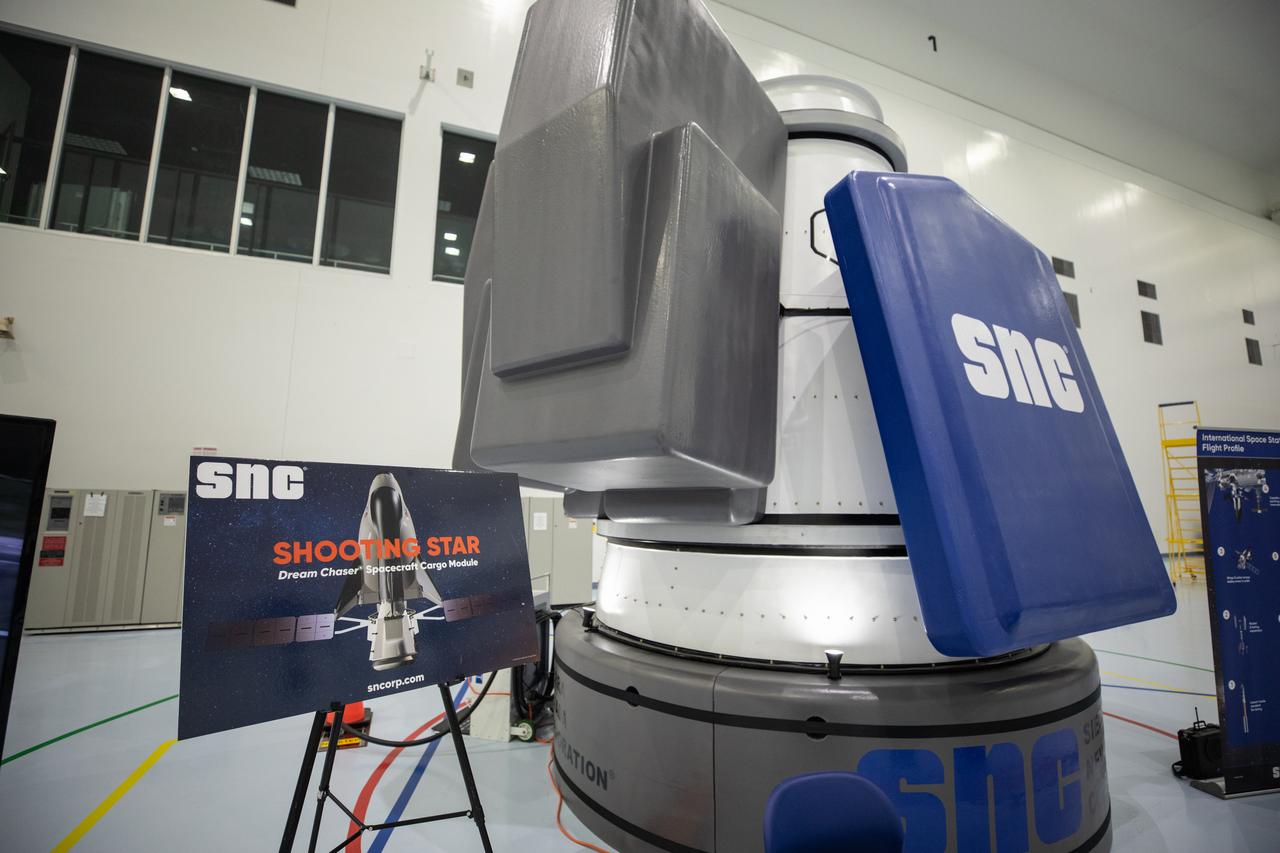
A look at a testing mockup of Sierra Nevada Corporation’s Shooting Star cargo module in the Space Station Processing Facility high bay at Kennedy Space Center on Nov. 19, 2019. Shooting Star will attach to the back of the company’s Dream Chaser spacecraft. The cargo module will deliver more than 12,000 pounds of supplies and other cargo to the International Space Station for NASA as part of the Commercial Resupply Services-2 contract.
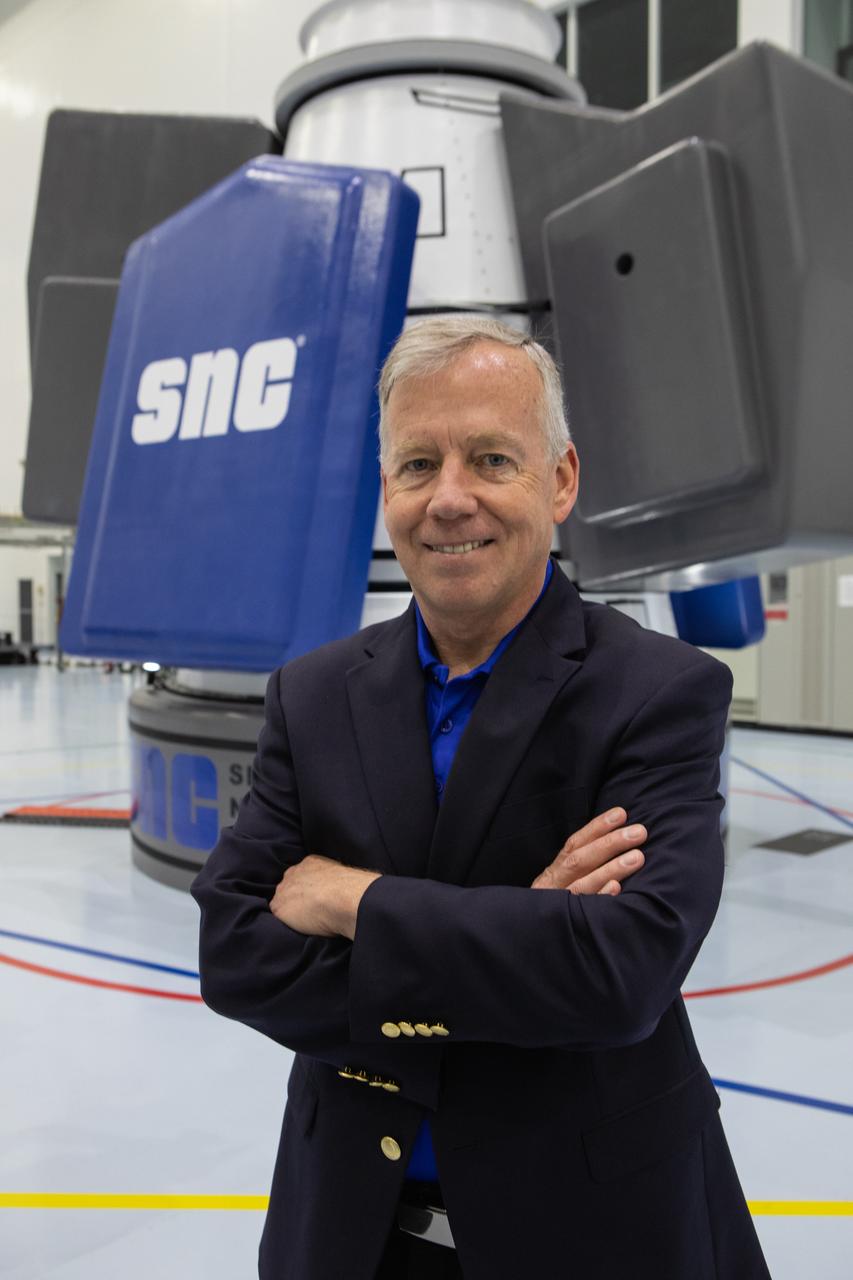
Steve Lindsey, senior vice president of strategy for Sierra Nevada Corporation Space Systems and a former NASA astronaut, poses in front of the company’s Shooting Star cargo module in the Space Station Processing Facility high bay at Kennedy Space Center on Nov. 19, 2019. Shooting Star will attach to the back of the company’s Dream Chaser spacecraft. The cargo module will deliver more than 12,000 pounds of supplies and other cargo to the International Space Station for NASA as part of the Commercial Resupply Services-2 contract.

A look at a testing mockup of Sierra Nevada Corporation’s Shooting Star cargo module in the Space Station Processing Facility high bay at Kennedy Space Center on Nov. 19, 2019. Shooting Star will attach to the back of the company’s Dream Chaser spacecraft. The cargo module will deliver more than 12,000 pounds of supplies and other cargo to the International Space Station for NASA as part of the Commercial Resupply Services-2 contract.
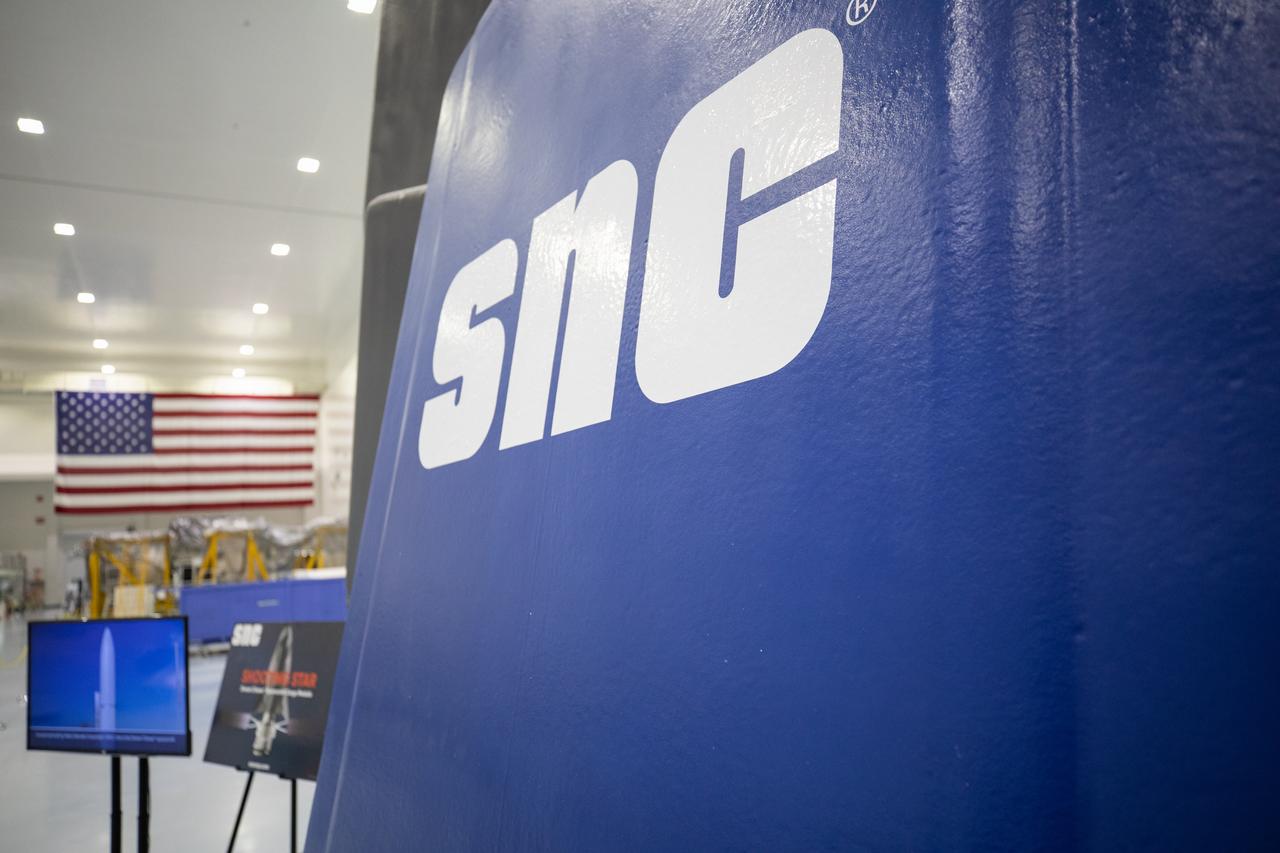
A look at a testing mockup of Sierra Nevada Corporation’s Shooting Star cargo module in the Space Station Processing Facility high bay at Kennedy Space Center on Nov. 19, 2019. Shooting Star will attach to the back of the company’s Dream Chaser spacecraft. The cargo module will deliver more than 12,000 pounds of supplies and other cargo to the International Space Station for NASA as part of the Commercial Resupply Services-2 contract.
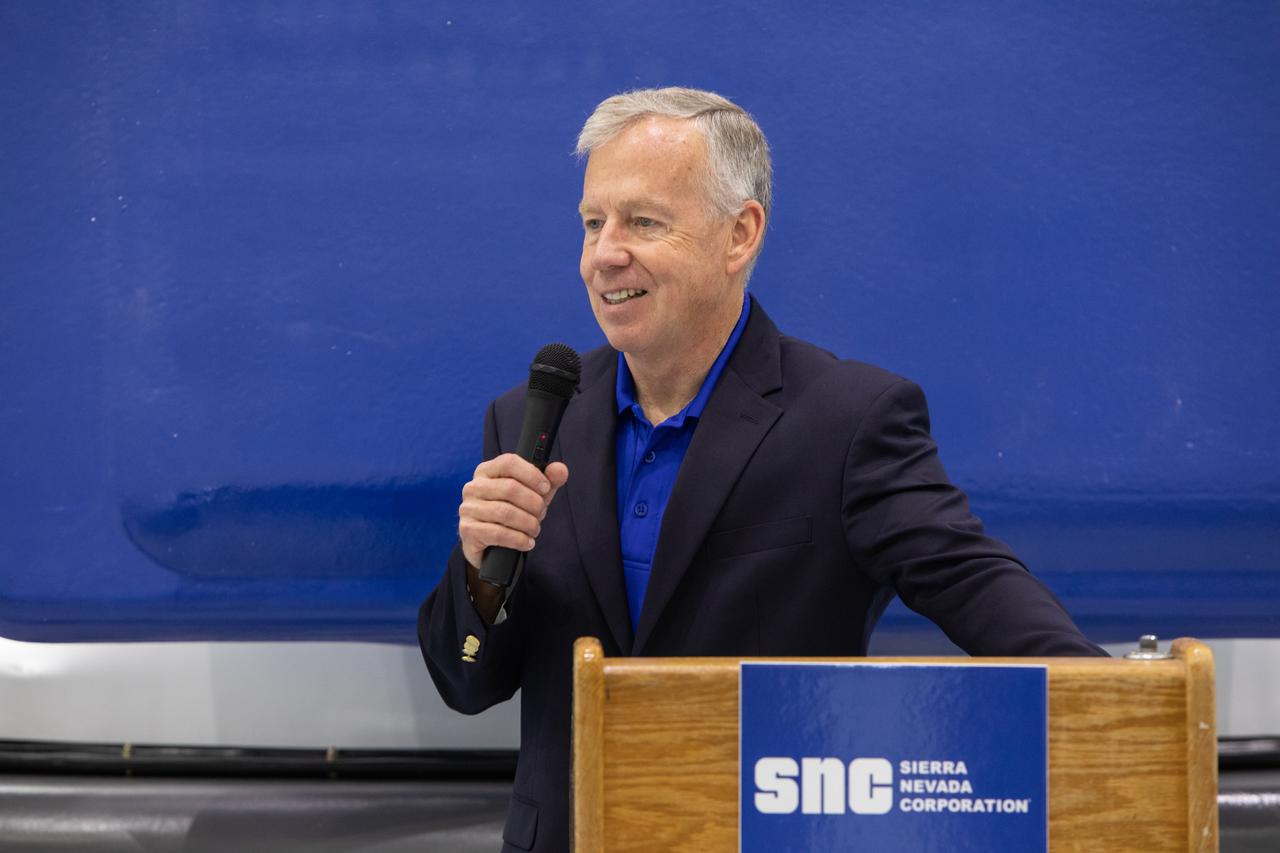
Steve Lindsey, senior vice president of strategy for Sierra Nevada Corporation Space Systems and a former NASA astronaut, discusses the capabilities of the company’s Shooting Star cargo module in the Space Station Processing Facility high bay at Kennedy Space Center on Nov. 19, 2019. Shooting Star will attach to the back of the company’s Dream Chaser spacecraft. The cargo module will deliver more than 12,000 pounds of supplies and other cargo to the International Space Station for NASA as part of the Commercial Resupply Services-2 contract.
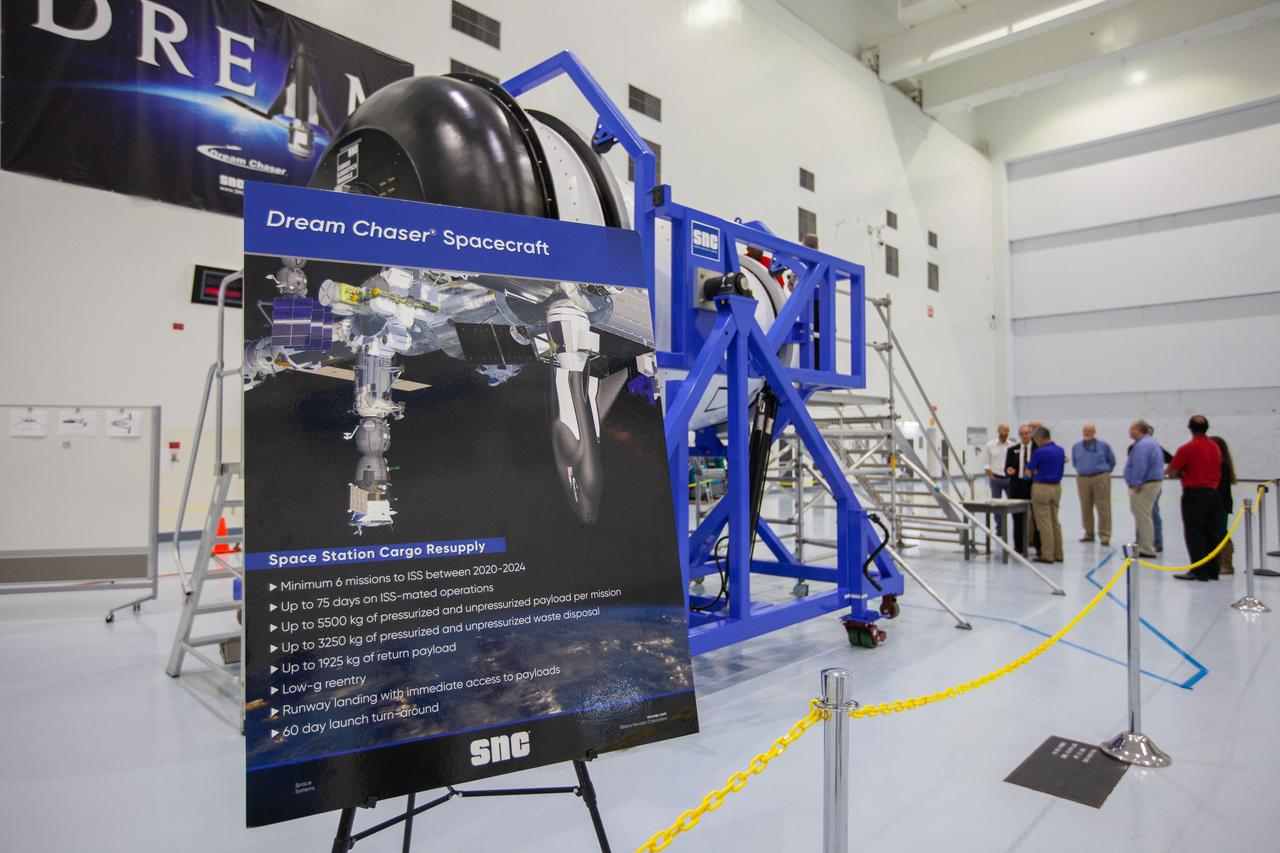
A mockup of the cargo logistics module for Sierra Nevada Corporation’s Dream Chaser, the company’s reusable spaceplane, arrived at the Space Station Processing Facility (SSPF) at NASA’s Kennedy Space Center in Florida in August. On Sept. 20, 2019, senior leadership had the opportunity to view the cargo module in the SSPF high bay. The SSPF is providing support for current and future NASA and commercial provider programs, including Commercial Resupply Services, Artemis 1, sending the first woman and next man to the Moon, and deep space destinations including Mars.
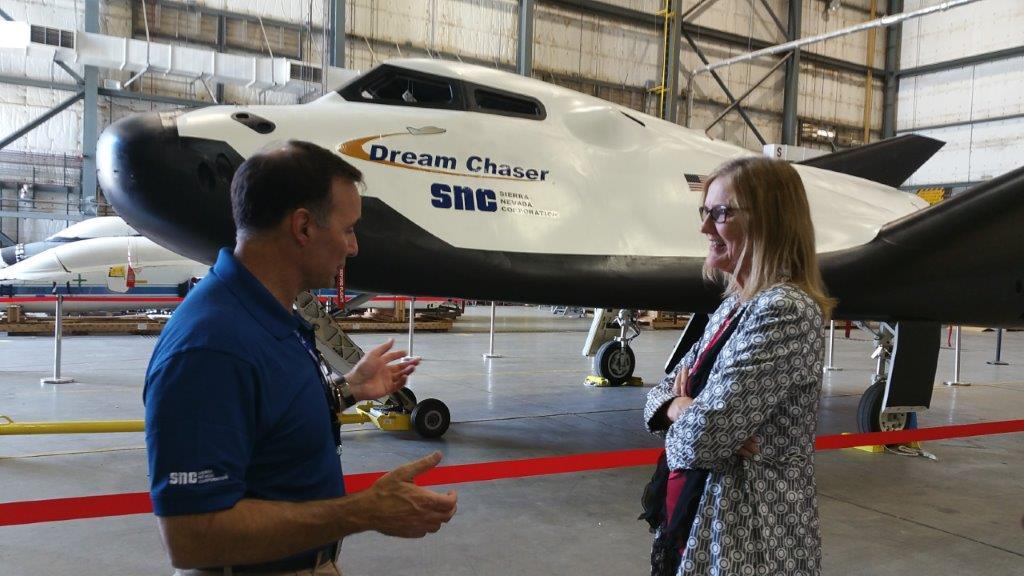
NASA Acting Deputy Chief Technologist Vicki Crisp discusses Sierra Nevada Corporation’s Dream Chaser captive carry flight and future tests with former Astronaut Lee "Bru" Archambault, who is now a test pilot for the American company. The Dream Chaser completed a successful captive carry flight at NASA’s Armstrong Flight Research Center at Edwards, California, on Aug. 30, 2017.
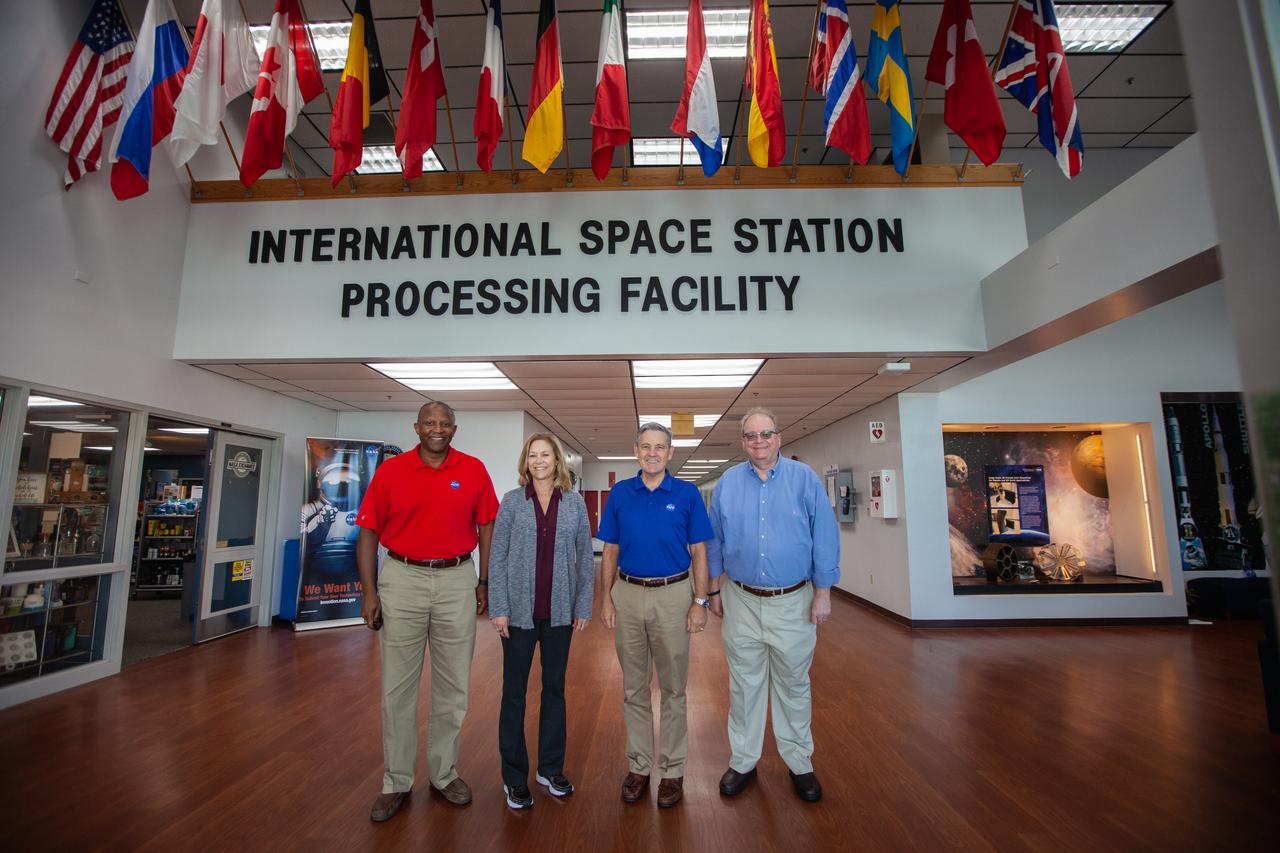
A mockup of the cargo logistics module for Sierra Nevada Corporation’s Dream Chaser, the company’s reusable spaceplane, arrived at the Space Station Processing Facility (SSPF) at NASA’s Kennedy Space Center in Florida in August. On Sept. 20, 2019, senior leadership had the opportunity to view the cargo module in the SSPF high bay. From left, are Kelvin Manning, Kennedy associate director, technical; Kennedy Deputy Director Janet Petro; Kennedy Center Director Bob Cabana; and Burt Summerfield, Kennedy associate director, management. The SSPF is providing support for current and future NASA and commercial provider programs, including Commercial Resupply Services, Artemis 1, sending the first woman and next man to the Moon, and deep space destinations including Mars.
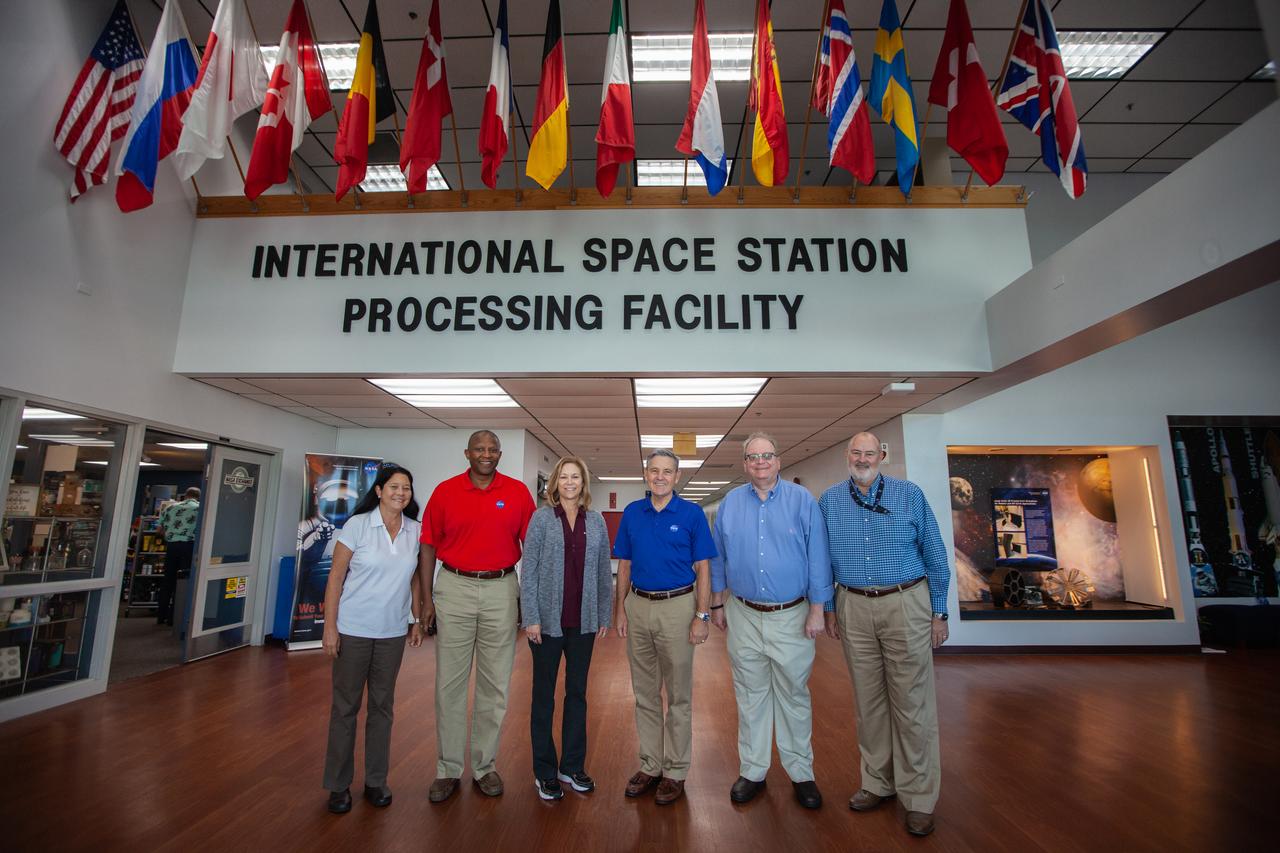
A mockup of the cargo logistics module for Sierra Nevada Corporation’s Dream Chaser, the company’s reusable spaceplane, arrived at the Space Station Processing Facility (SSPF) at NASA’s Kennedy Space Center in Florida in August. On Sept. 20, 2019, senior leadership had the opportunity to view the cargo module in the SSPF high bay. From left, are Josie Burnett, director of Exploration Research and Technology Programs; Kelvin Manning, Kennedy associate director, technical; Kennedy Deputy Director Janet Petro; Kennedy Center Director Bob Cabana; Burt Summerfield, Kennedy associate director, management; and Ronnie Lawson, deputy director of Exploration Research and Technology Programs. The SSPF is providing support for current and future NASA and commercial provider programs, including Commercial Resupply Services, Artemis 1, sending the first woman and next man to the Moon, and deep space destinations including Mars.
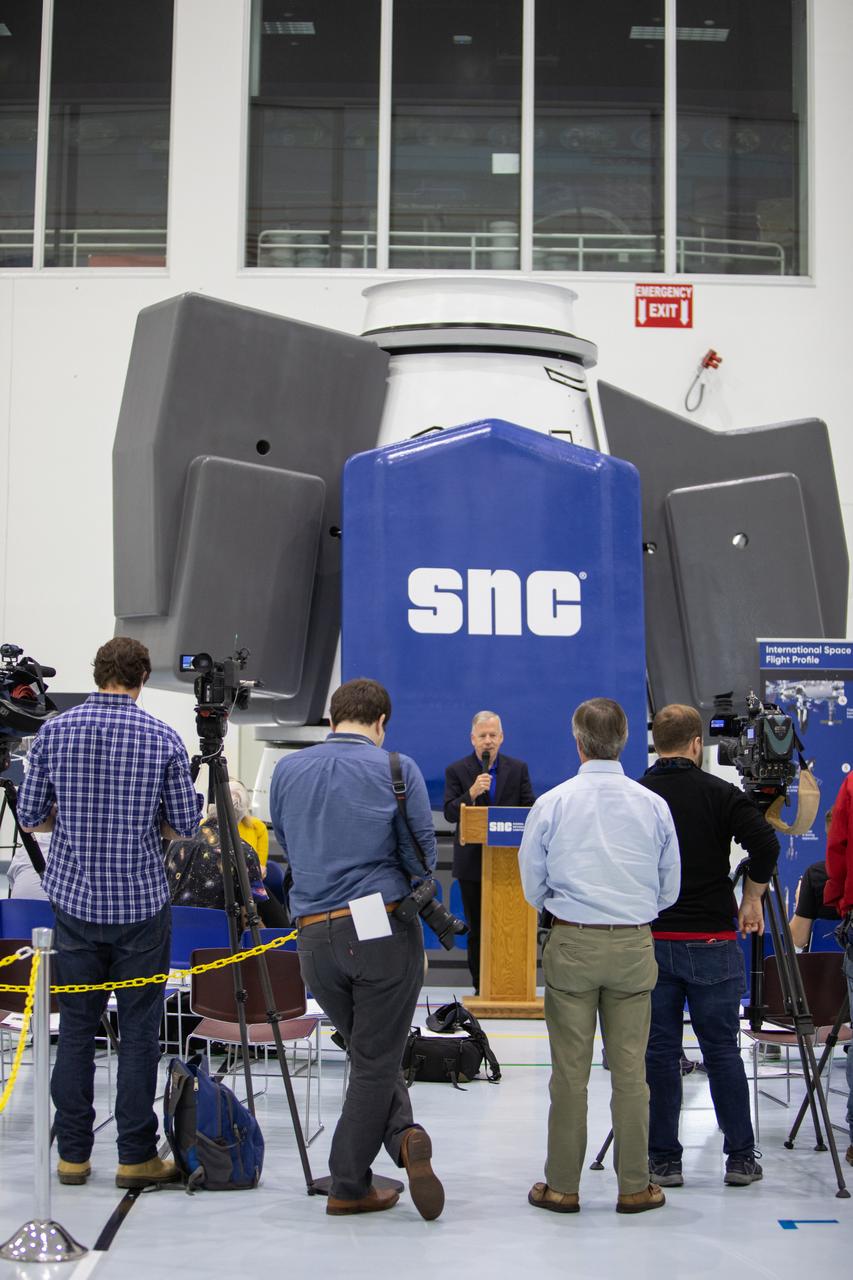
Steve Lindsey, senior vice president of strategy for Sierra Nevada Corporation Space Systems and a former NASA astronaut, discusses the capabilities of the company’s Shooting Star cargo module during a media day event in the Space Station Processing Facility high bay at Kennedy Space Center on Nov. 19, 2019. Shooting Star will attach to the back of the company’s Dream Chaser spacecraft. The cargo module will deliver more than 12,000 pounds of supplies and other cargo to the International Space Station for NASA as part of the Commercial Resupply Services-2 contract.
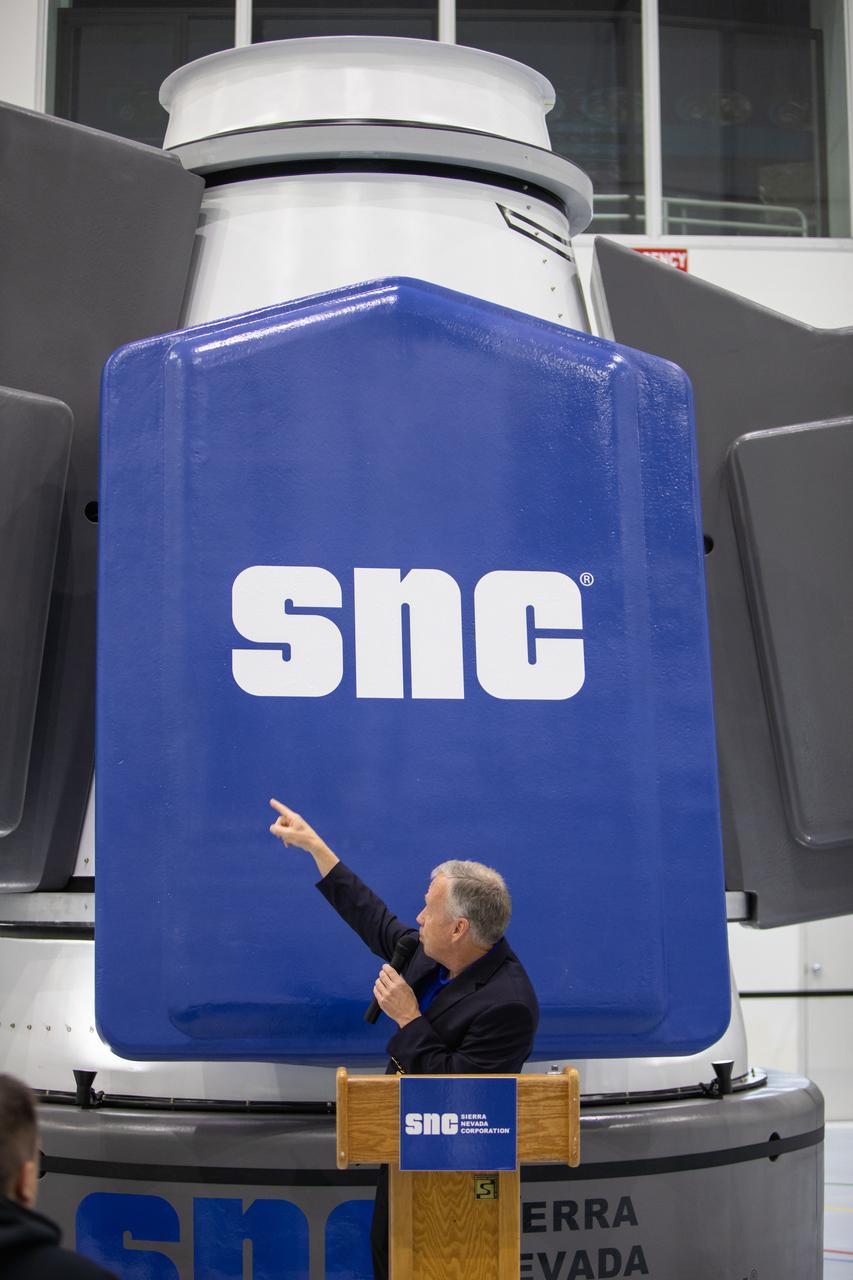
Steve Lindsey, senior vice president of strategy for Sierra Nevada Corporation Space Systems and a former NASA astronaut, discusses the capabilities of the company’s Shooting Star cargo module during a media day event in the Space Station Processing Facility high bay at Kennedy Space Center on Nov. 19, 2019. Shooting Star will attach to the back of the company’s Dream Chaser spacecraft. The cargo module will deliver more than 12,000 pounds of supplies and other cargo to the International Space Station for NASA as part of the Commercial Resupply Services-2 contract.
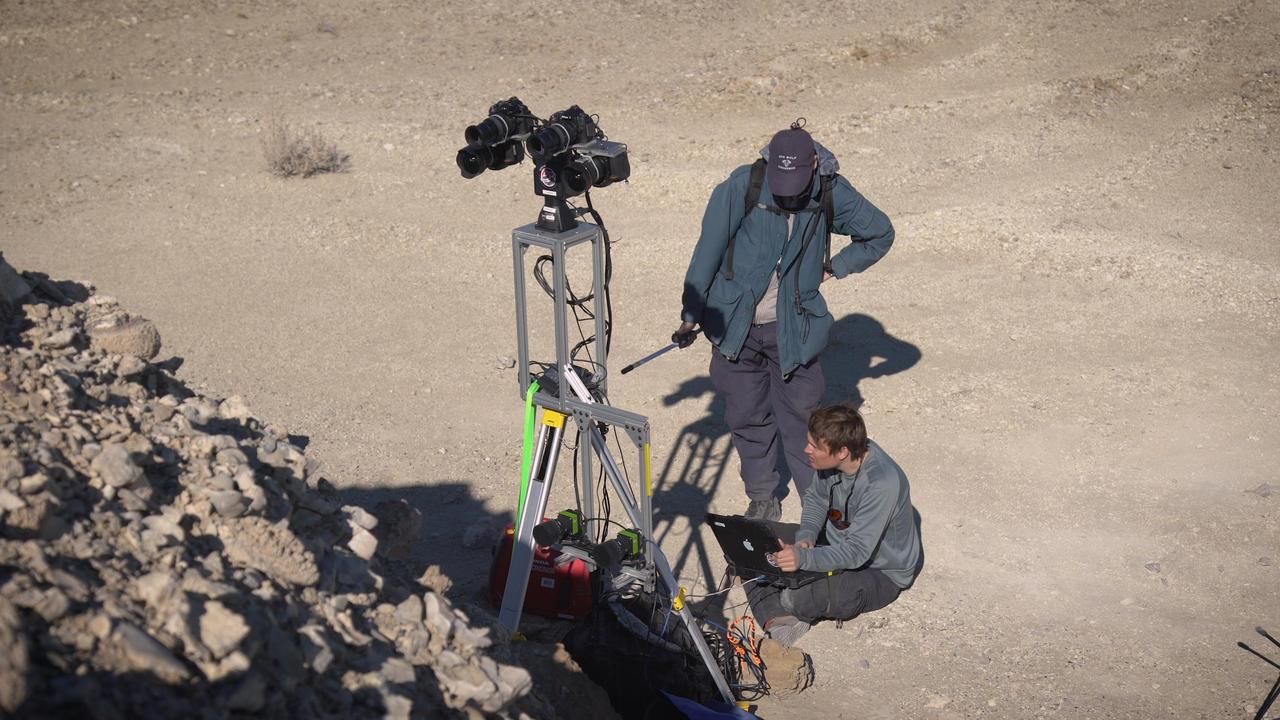
Two members of a field team set up cameras in the Nevada desert in February 2020, as part of a simulated rover operation designed to train scientists who will work with NASA's Perseverance rover after it lands on Mars in February 2021. https://photojournal.jpl.nasa.gov/catalog/PIA23777
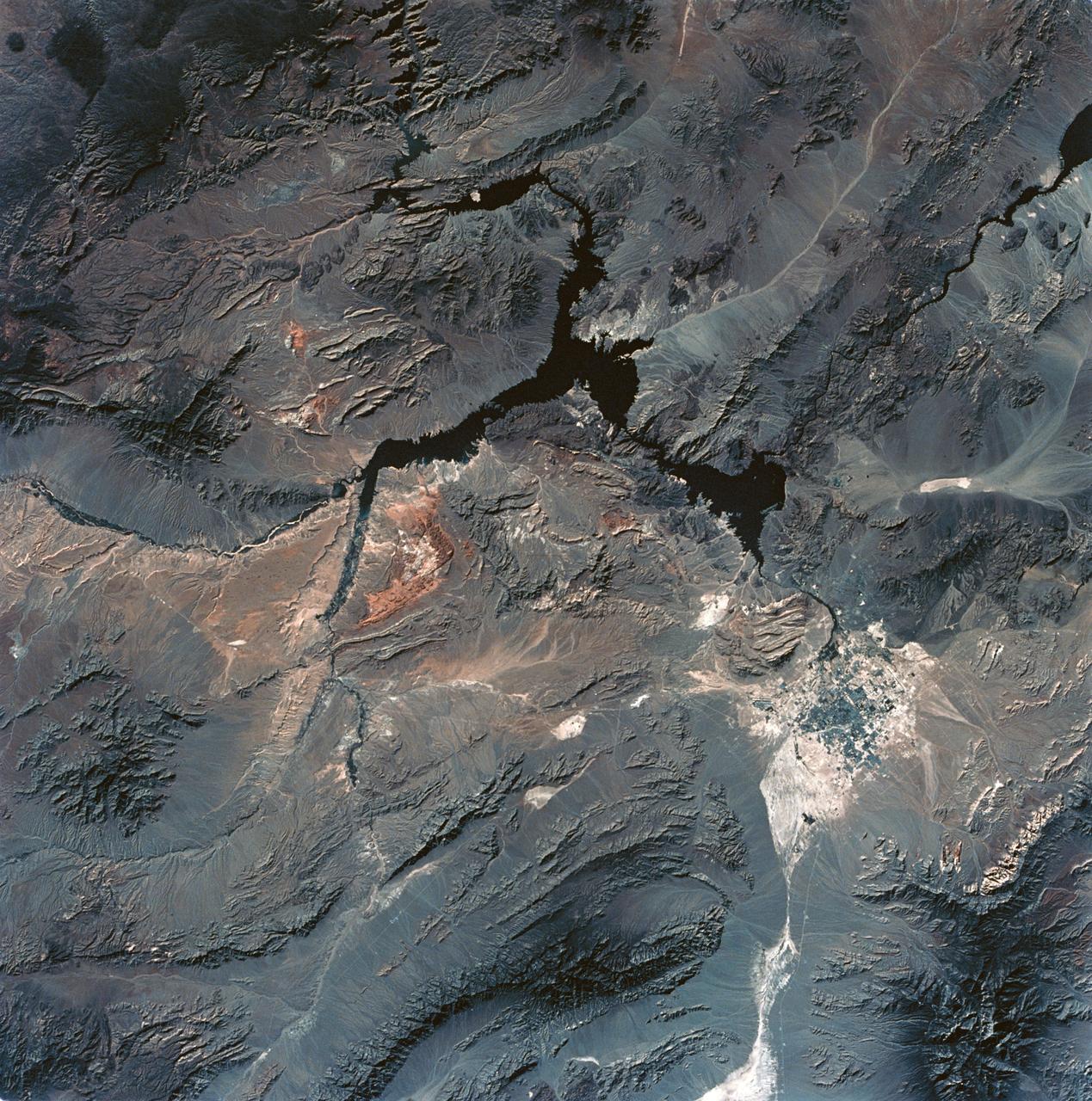
SL3-28-059 (July-September 1973) --- A vertical view of the Lake Mead and Las Vegas, Nevada area as photographed from Earth orbit by one of the six lenses of the Itek-furnished S190-A Multispectral Photographic Facility Experiment aboard the Skylab space station. Lake Mead is water of the Colorado River impounded by Hoover Dam. Most of the land in the picture is Nevada. However, a part of the northwest corner of Arizona can be seen. Federal agencies participating with NASA on the EREP project are the Departments of Agriculture, Commerce, Interior, the Environmental Protection Agency and the Corps of Engineers. All EREP photography is available to the public through the Department of Interior?s Earth Resources Observations Systems Data Center, Sioux Falls, South Dakota, 57198. Photo credit: NASA
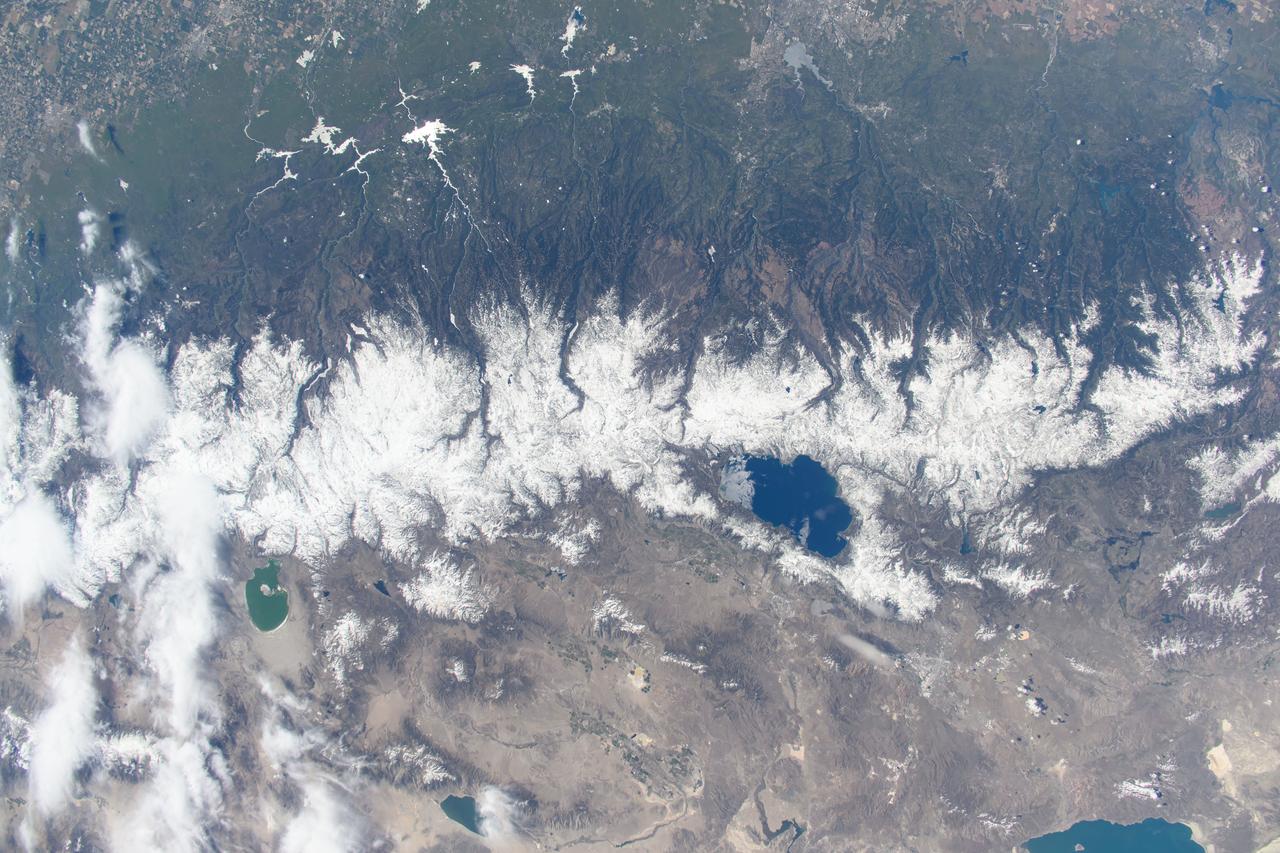
iss071e014284 (April 20, 2024) -- Lake Tahoe, situated in the Sierra Nevada Mountains and straddling the border of California and Nevada, was photographed as the International Space Station orbited 258 miles above.
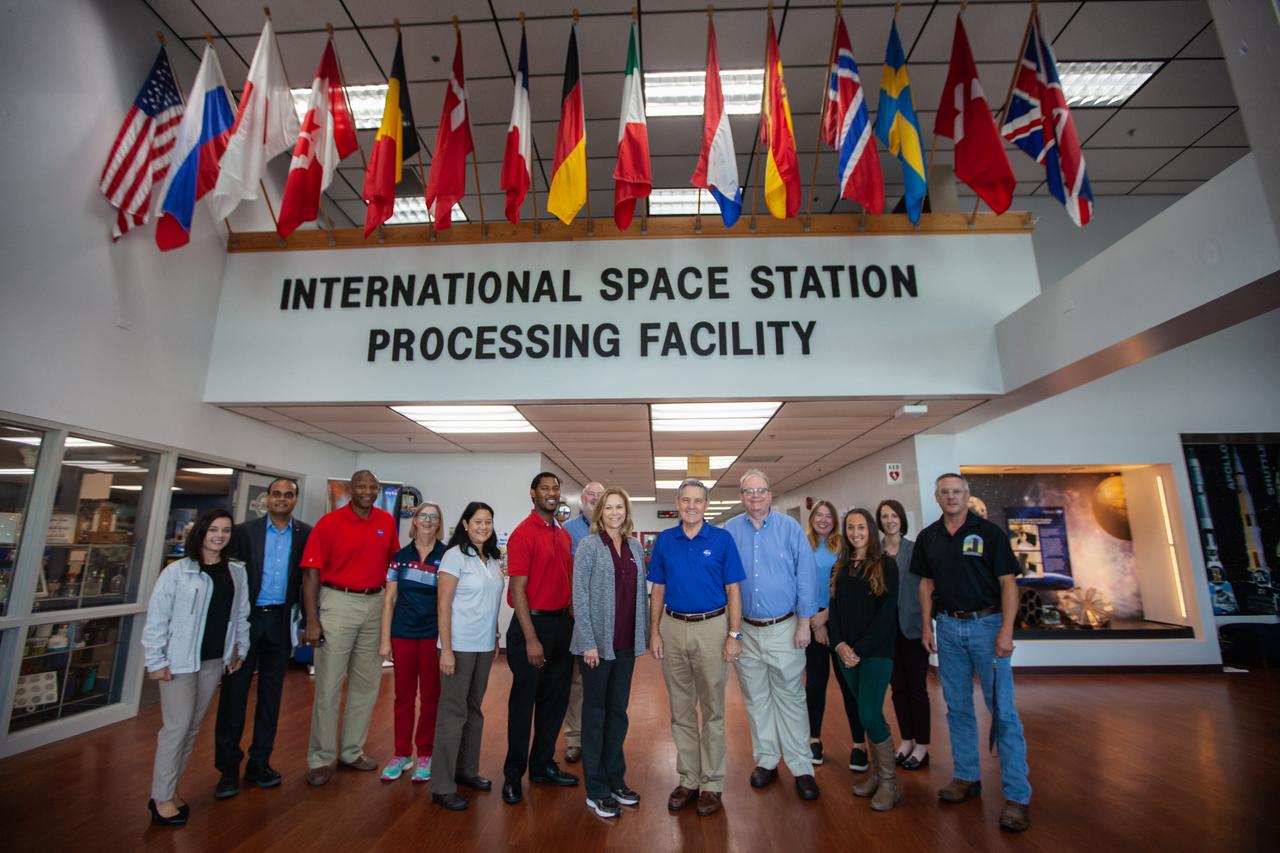
A mockup of the cargo logistics module for Sierra Nevada Corporation’s Dream Chaser, the company’s reusable spaceplane, arrived at the Space Station Processing Facility (SSPF) at NASA’s Kennedy Space Center in Florida in August. On Sept. 20, 2019, senior leadership had the opportunity to view the cargo module in the SSPF high bay. Third from left is Kelvin Manning, Kennedy associate director, technical; fifth from left is Josie Burnett, director of Exploration Research and Technology Programs. In the center are Kennedy Deputy Director Janet Petro and Kennedy Center Director Bob Cabana. Behind Petro is Ronnie Lawson, deputy director of Exploration Research and Technology Programs. To Cabana’s right is Burt Summerfield, associate director, management. At far right is James Wood, chief engineer for the Launch Services Program with the Engineering Directorate. The SSPF is providing support for current and future NASA and commercial provider programs, including Commercial Resupply Services, Artemis 1, sending the first woman and next man to the Moon, and deep space destinations including Mars.
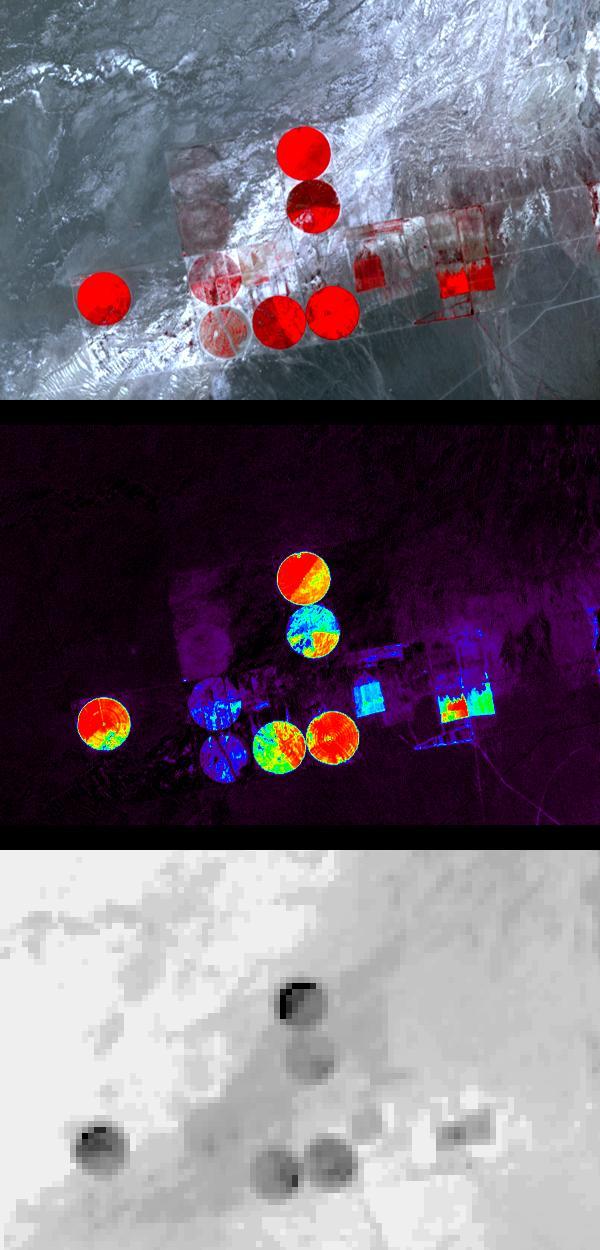
Information from images of Railroad Valley, Nevada captured on August 17, 2001 by the Advanced Spaceborne Thermal Emission and Reflection Radiometer (ASTER) may provide a powerful tool for monitoring crop health and maintenance procedures. These images cover an area of north central Nevada. The top image shows irrigated fields, with healthy vegetation in red. The middle image highlights the amount of vegetation. The color code shows highest vegetation content in red, orange, yellow, green, blue, and purple and the lowest in black. The final image is a thermal infrared channel, with warmer temperatures in white and colder in black. In the thermal image, the northernmost and westernmost fields are markedly colder on their northwest areas, even though no differences are seen in the visible image or the second, Vegetation Index image. This can be attributed to the presence of excess water, which can lead to crop damage. http://photojournal.jpl.nasa.gov/catalog/PIA03463
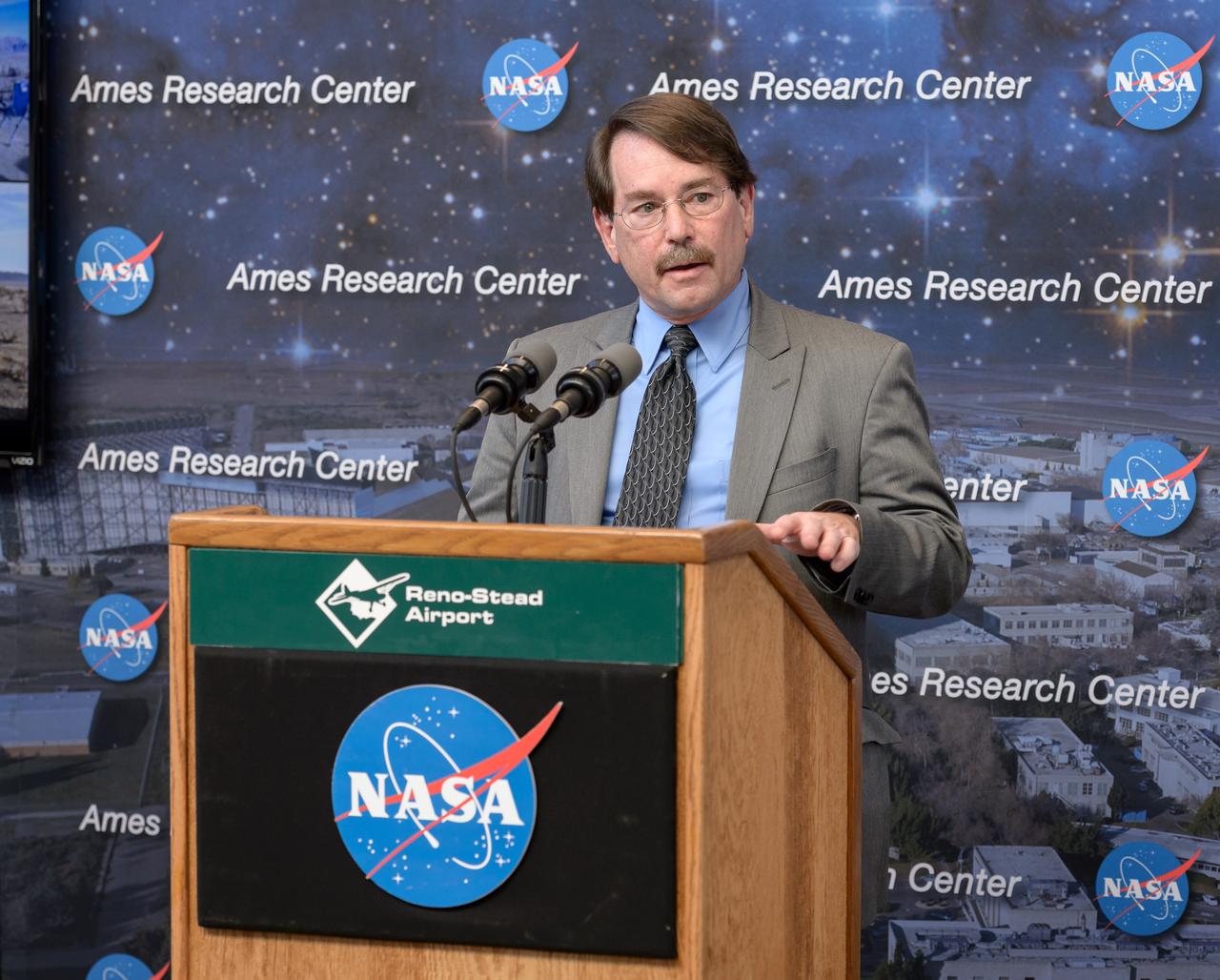
News Conference following the test of Unmanned Aircraft Systems Traffic Management (UTM) technical capability Level 2 (TCL2) at Reno-Stead Airport, Nevada. Mark Baker, Director of Business Development, Nevada Institute of Autonomous Systems.
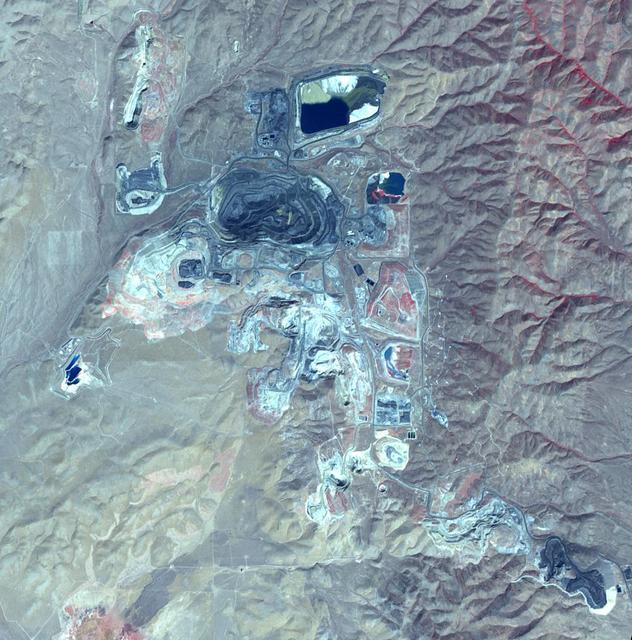
This image from NASA Terra spacecraft shows Goldstrike in northeast Nevada, the largest gold mine in North America. The mine complex, (including the Betze-Post-Screamer open-pit, and Meikle and Rodeo underground mines) is owned and operated by the world's largest gold mining company, Barrick Gold. Gold occurs as microscopically fine grains, with an average grade of 0.1 ounces per ton of ore. Estimates of reserves are as high as 35 million ounces of gold. The image was acquired September 25, 2010, covers an area of 15 by 15 km, and is located at 41 degrees north, 116.4 degrees west. https://photojournal.jpl.nasa.gov/catalog/PIA21665
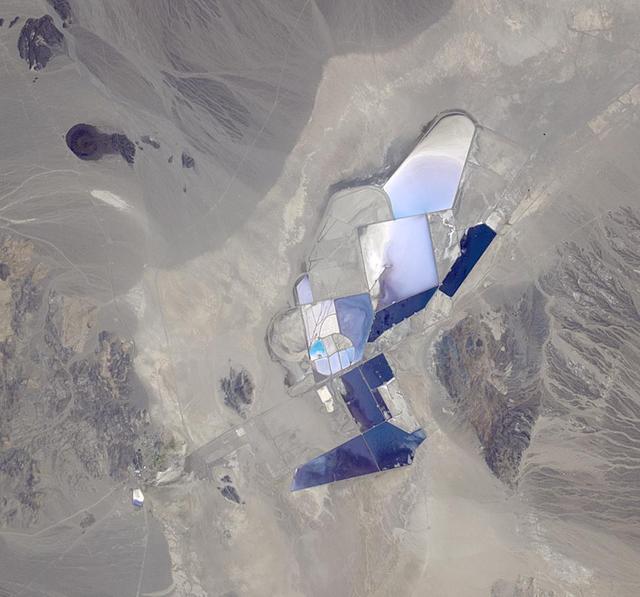
This image from NASA Terra spacecraft shows the once-abandoned mining town of Silver Peak, Nevada, which began to thrive again when Foote Mineral Company began extracting lithium from brine below the floor of Clayton Valley in 1966.
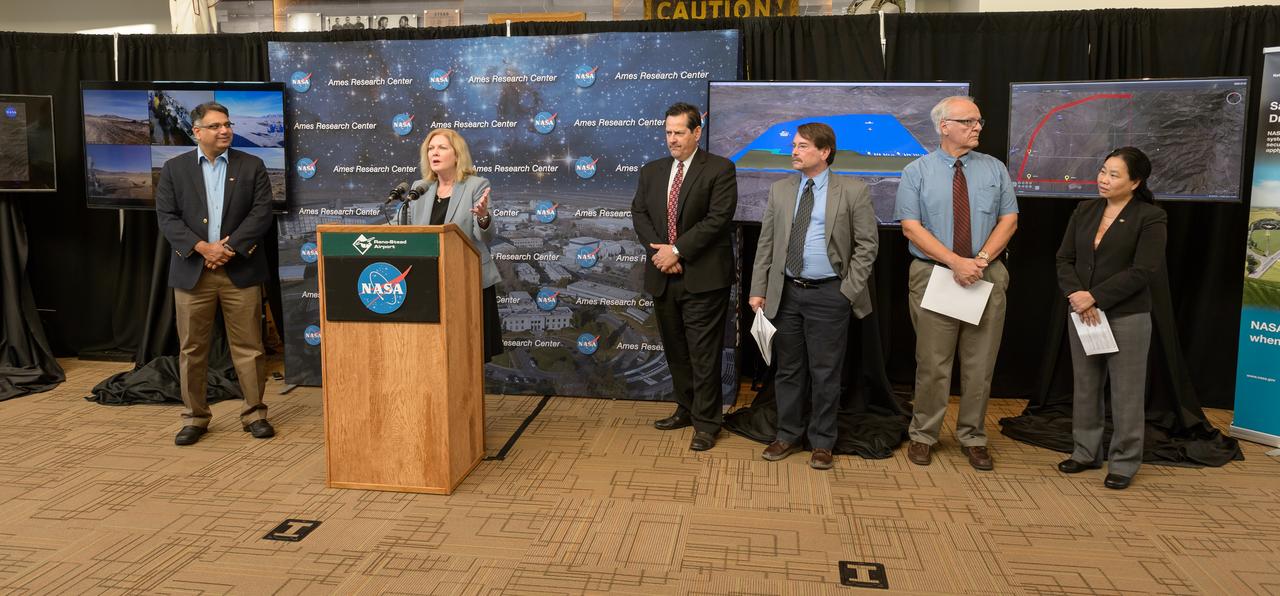
News Conference following the test of Unmanned Aircraft Systems Traffic Management (UTM) technical capability Level 2 (TCL2) at Reno-Stead Airport, Nevada. The UTM Reno Press Conference on Oct. 19, 2016. (Left to Right) Parimal Kopardekar, NASA Ames Senior Engineer for Air Transportation Systems gave an overview of UTM; Maril Mora, President / CEO of the Reno -Tahoe Airport Authority welcomes NASA and Partners; Tom Wilczek, Aerospace and Defence industry representative and Nevada Governor's Office of Economic Development; Mark Baker, Director of Business Development, Nevada Institute of Autonomous Systems; Manos Maragakis, Dean of the College of Engineering, University of Nevada, Reno.
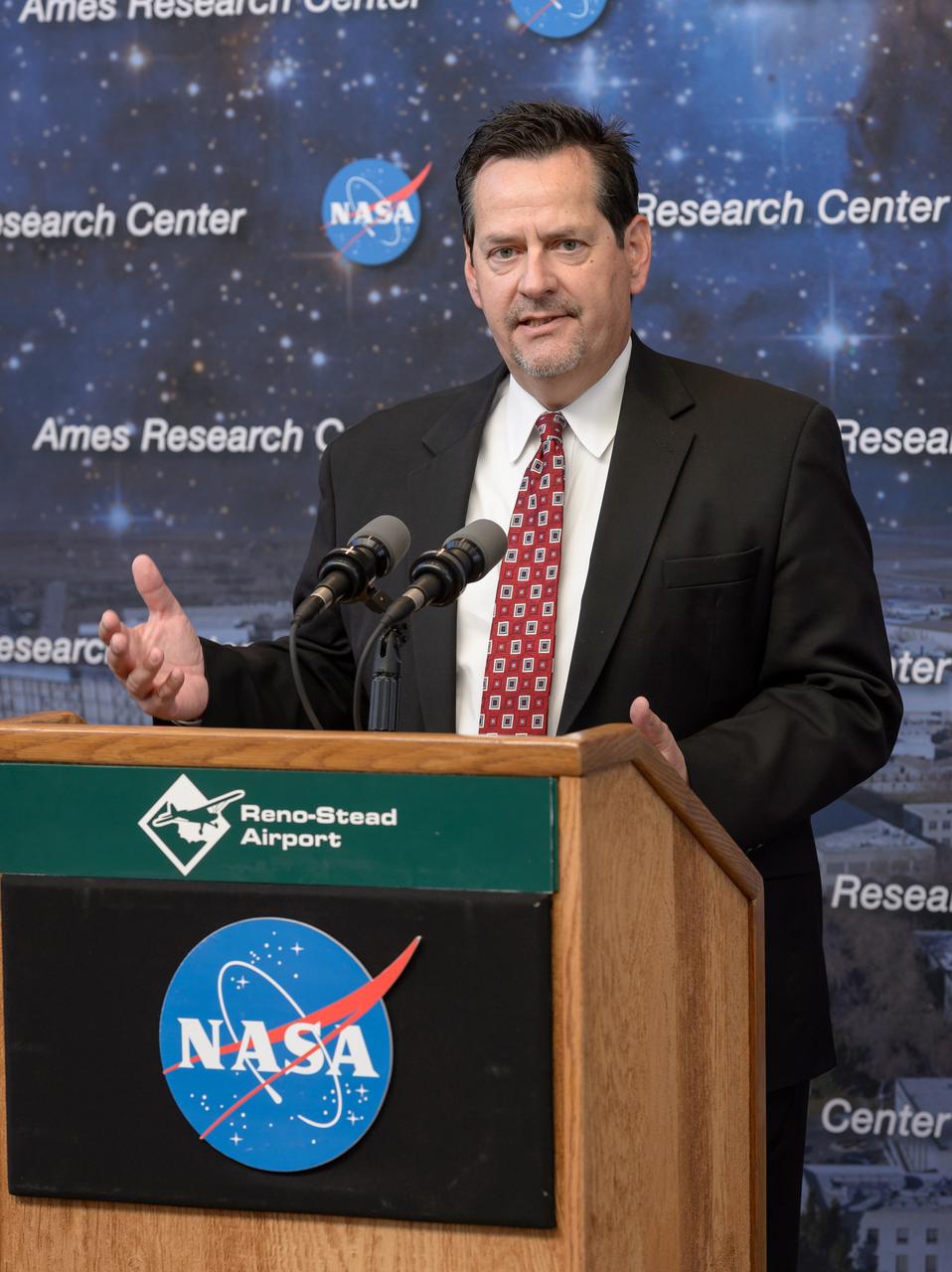
News Conference following the test of Unmanned Aircraft Systems Traffic Management (UTM) technical capability Level 2 (TCL2) at Reno-Stead Airport, Nevada. Tom Wilczek, Aerospace and Defence industry representative and Nevada Govenor's Office of Economic Development.
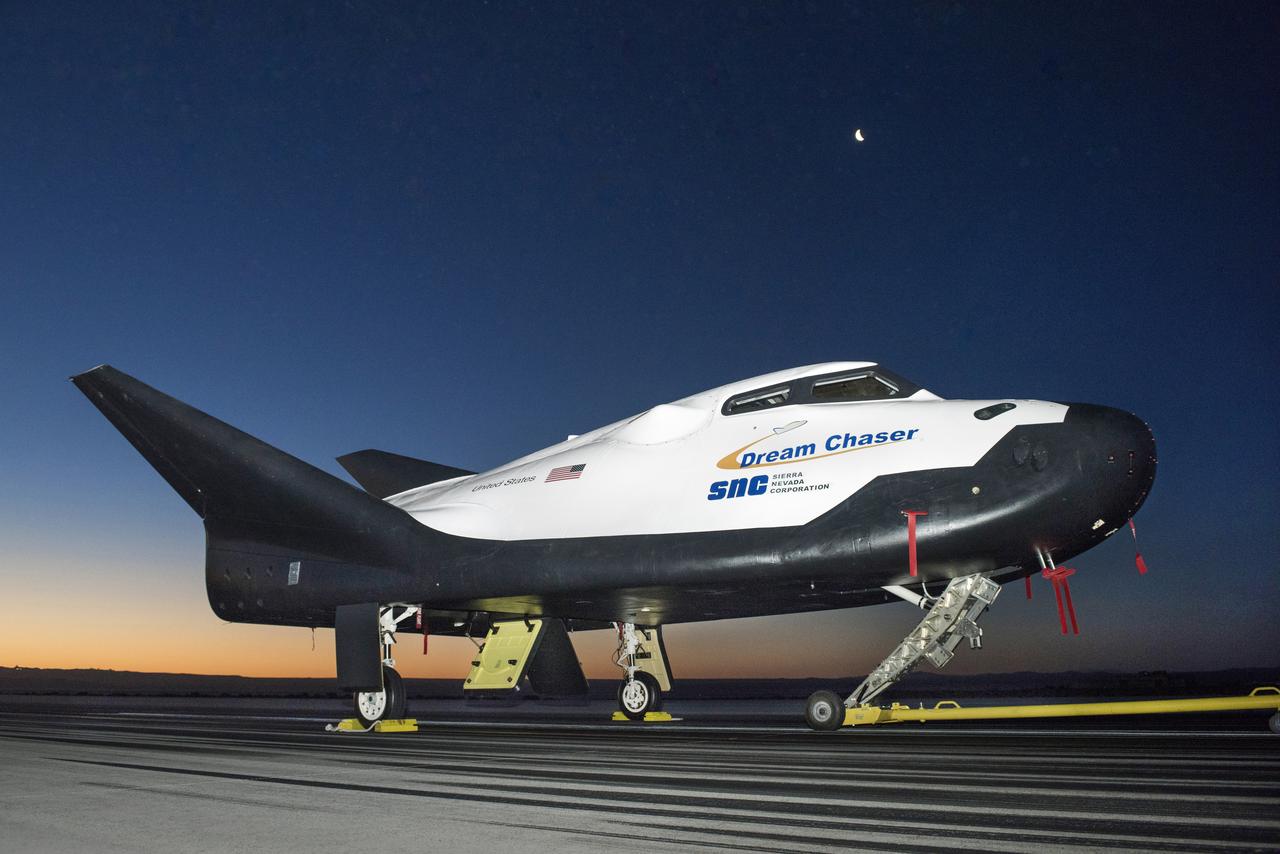
Sierra Nevada Corporation's (SNC) Dream Chaser® spacecraft shown on the runway at NASA's Armstrong Flight Research Center on May 20 preparing for a tow-test. The spacecraft is undergoing ground tests leading up to a free flight test later this year.
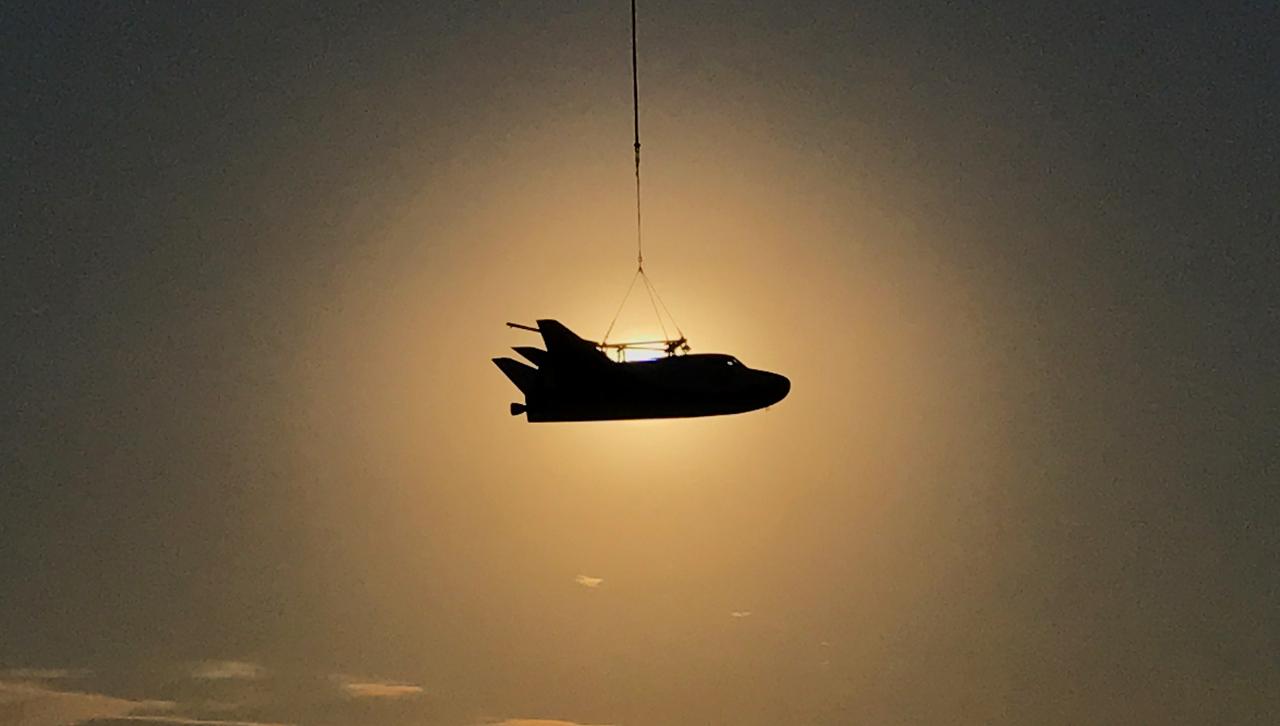
Sierra Nevada Corporation’s Dream Chaser completed an important step toward orbital flight with a successful captive carry test at NASA’s Armstrong Flight Research Center in California, located on Edwards Air Force Base. A helicopter successfully carried a Dream Chaser test article, which has the same specifications as a flight-ready spacecraft, to the same altitude and flight conditions of an upcoming free flight test. The Dream Chaser is a lifting-body, winged spacecraft that will fly back to Earth in a manner similar to NASA’s space shuttles. The successful captive carry test clears the way for a free flight test of the spacecraft later this year in which the uncrewed Dream Chaser will be released to glide on its own and land.

An ER-2 high-altitude Earth science aircraft banks away during a flight over the southern Sierra Nevada. NASA’s Armstrong Flight Research Center operates two of the Lockheed-built aircraft on a wide variety of environmental science, atmospheric sampling, and satellite data verification missions.

Test of Unmanned Aircraft Systems Traffic Management (UTM) technical capability Level 2 (TCL2) at Reno-Stead Airport, Nevada. During the test, five drones simultaneously crossed paths, separated by altitude. Two drones flew beyond visual line-of-sight and three flew within line-of-sight of their operators. Precision Hawk pilot launches UAS Lancaster Mark 3, one of 11 vehicles in the UTM TCL2 demonstration that will fly beyond line of sight of the pilot in command in Nevada test.

Test of Unmanned Aircraft Systems Traffic Management (UTM) technical capability Level 2 (TCL2) at Reno-Stead Airport, Nevada. During the test, five drones simultaneously crossed paths, separated by altitude. Two drones flew beyond visual line-of-sight and three flew within line-of-sight of their operators. Drone Co-habitation Services operates a Phantom 3 commercial multi-rotor unmanned aircraft, one of 11 vehicles in the UTM TCL2 demonstration that will fly beyond line of sight of the pilot in command in Nevada test.
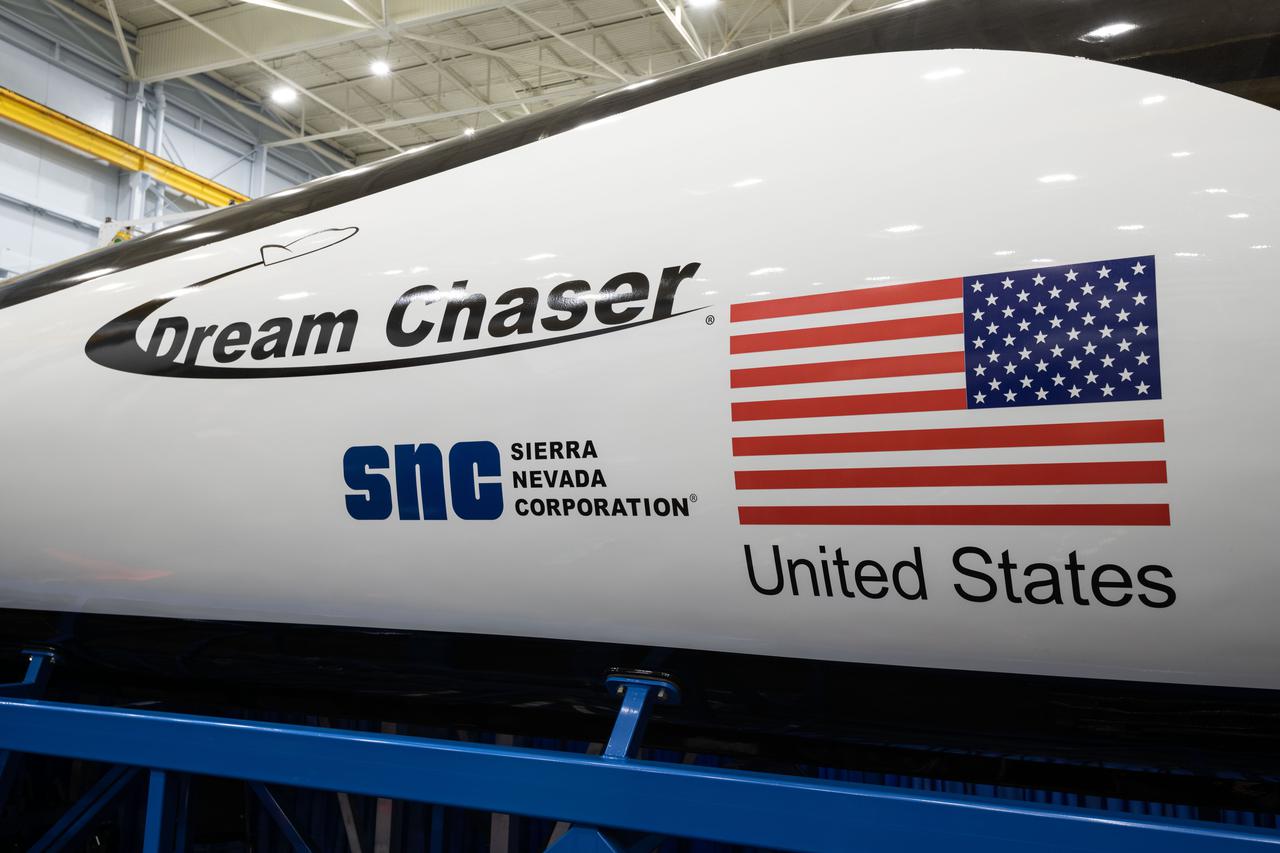
jsc2021e004388 (Jan. 21, 2021) --- External view of the Sierra Nevada Dream Chaser mockup located in Building 9N, Space Vehicle Mockup Facility (SVMF) at the NASA Johnson Space Center.
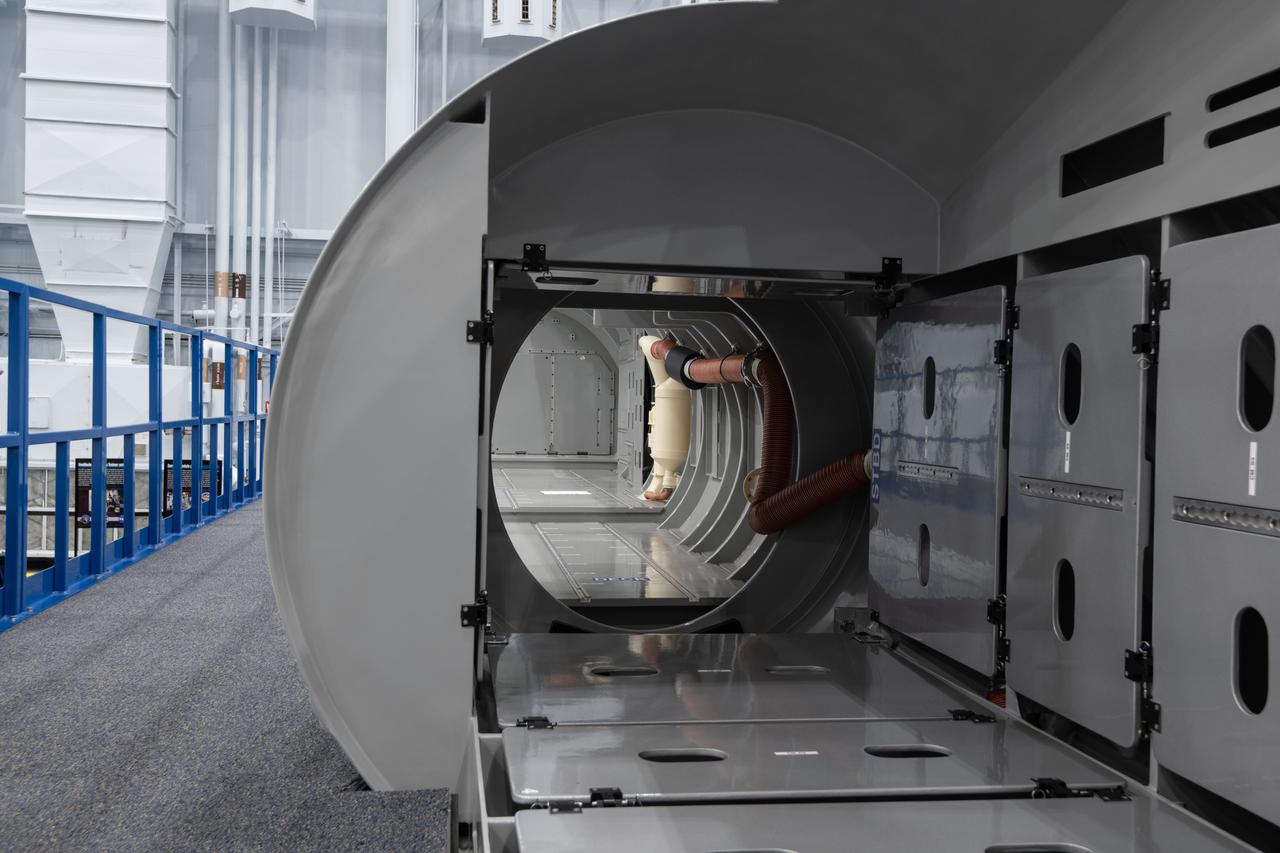
jsc2021e004397 (Jan. 21, 2021) --- Internal view of the Sierra Nevada Dream Chaser mockup located in Building 9N, Space Vehicle Mockup Facility (SVMF) at the NASA Johnson Space Center.
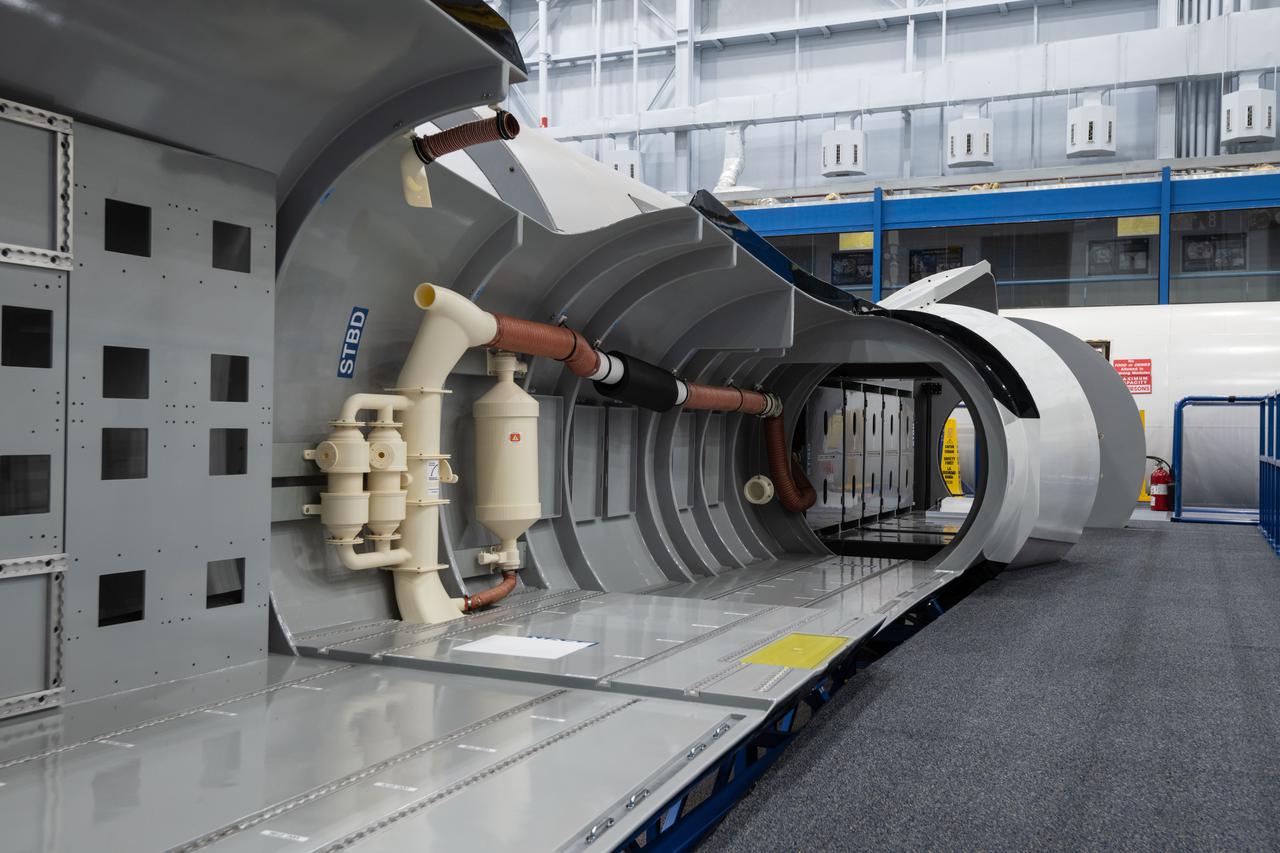
jsc2021e004398 (Jan. 21, 2021) --- Internal view of the Sierra Nevada Dream Chaser mockup located in Building 9N, Space Vehicle Mockup Facility (SVMF) at the NASA Johnson Space Center.
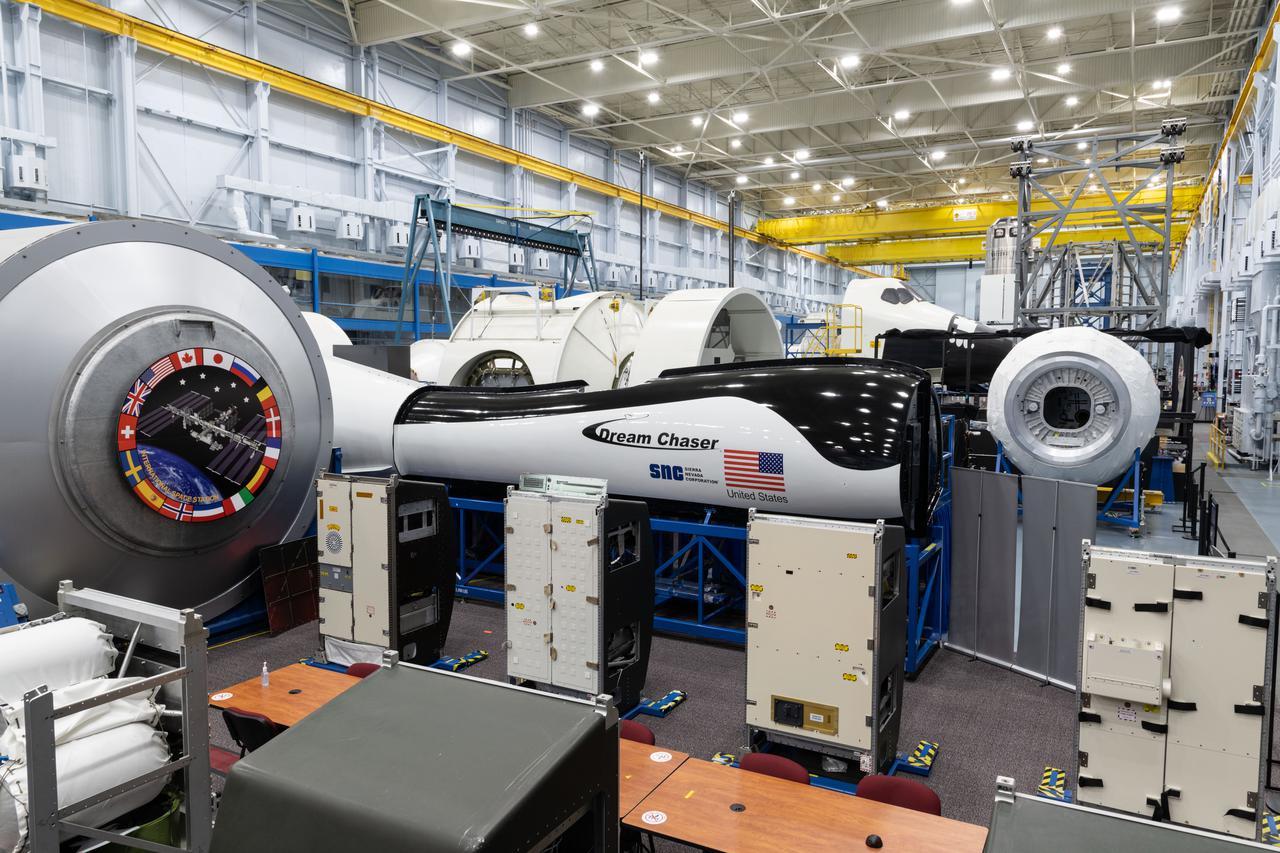
jsc2021e004391 (Jan. 21, 2021) --- External view of the Sierra Nevada Dream Chaser mockup located in Building 9N, Space Vehicle Mockup Facility (SVMF) at the NASA Johnson Space Center.
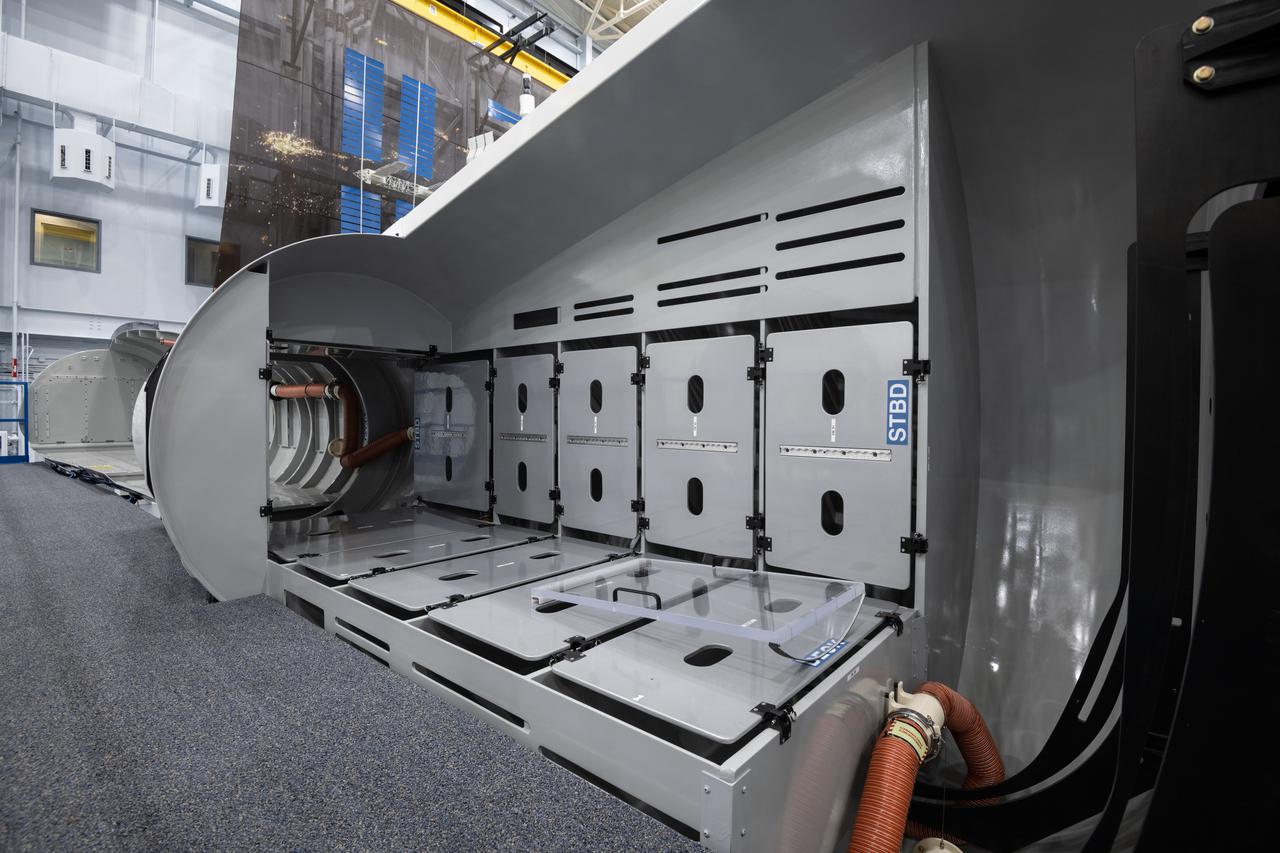
jsc2021e004395 (Jan. 21, 2021) --- Internal view of the Sierra Nevada Dream Chaser mockup located in Building 9N, Space Vehicle Mockup Facility (SVMF) at the NASA Johnson Space Center.
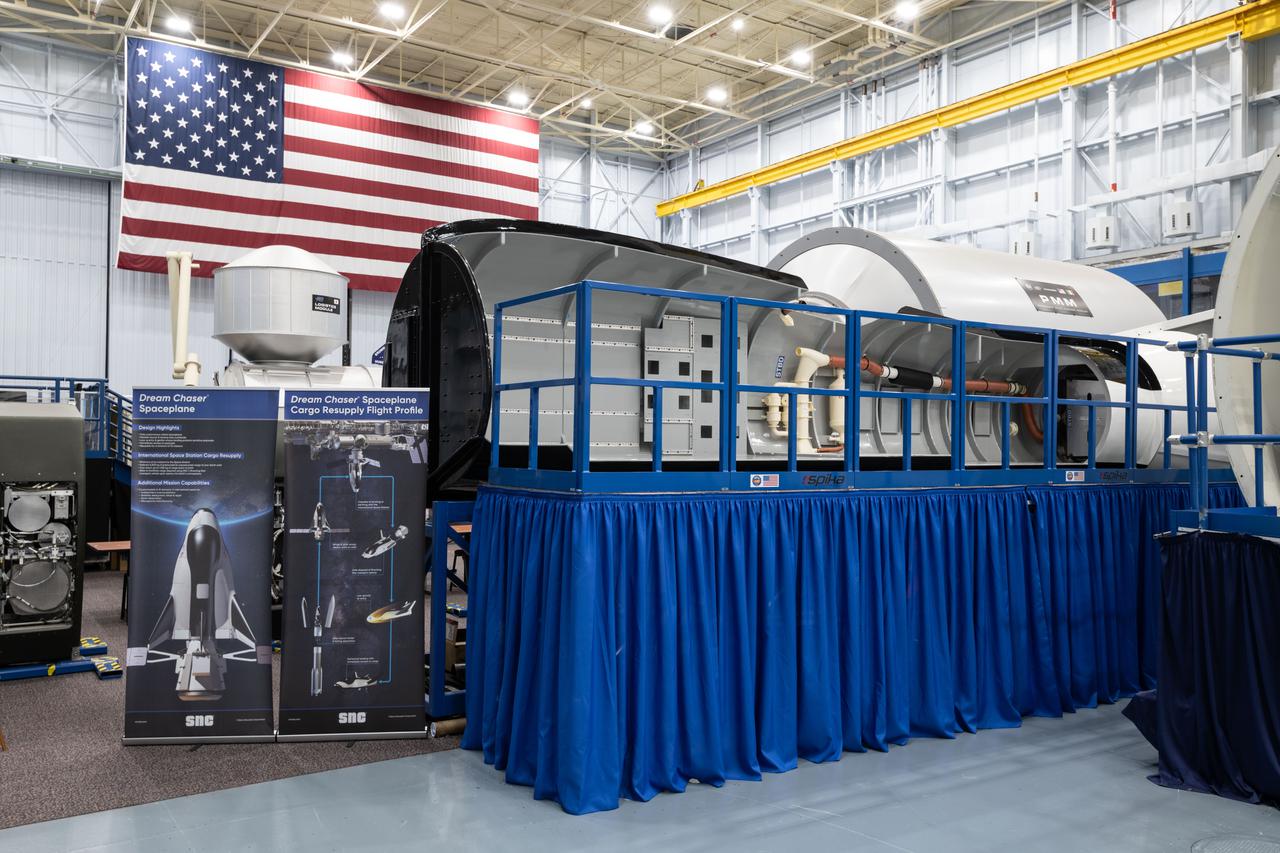
jsc2021e004389 (Jan. 21, 2021) --- External view of the Sierra Nevada Dream Chaser mockup located in Building 9N, Space Vehicle Mockup Facility (SVMF) at the NASA Johnson Space Center.
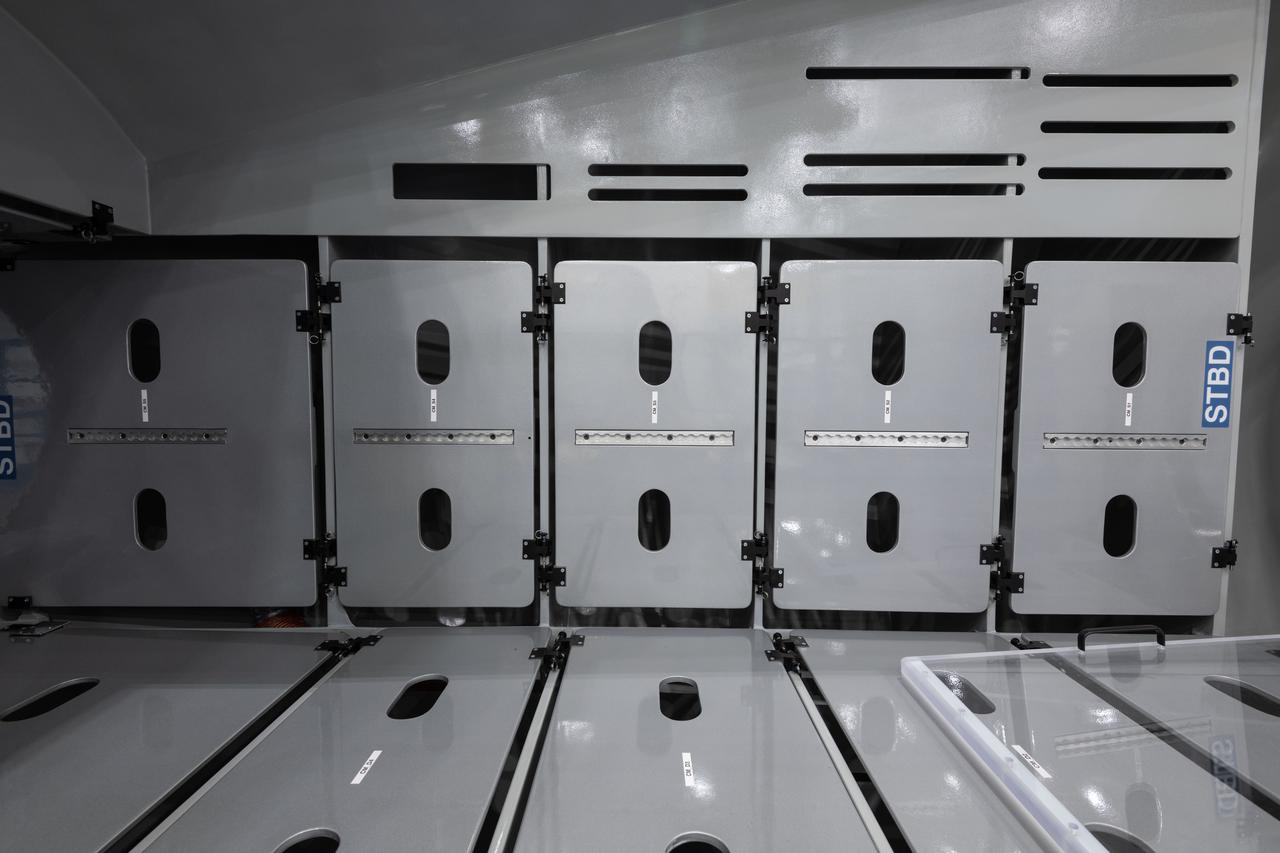
jsc2021e004396 (Jan. 21, 2021) --- Internal view of the Sierra Nevada Dream Chaser mockup located in Building 9N, Space Vehicle Mockup Facility (SVMF) at the NASA Johnson Space Center.

jsc2021e004394 (Jan. 21, 2021) --- Internal view of the Sierra Nevada Dream Chaser mockup located in Building 9N, Space Vehicle Mockup Facility (SVMF) at the NASA Johnson Space Center.
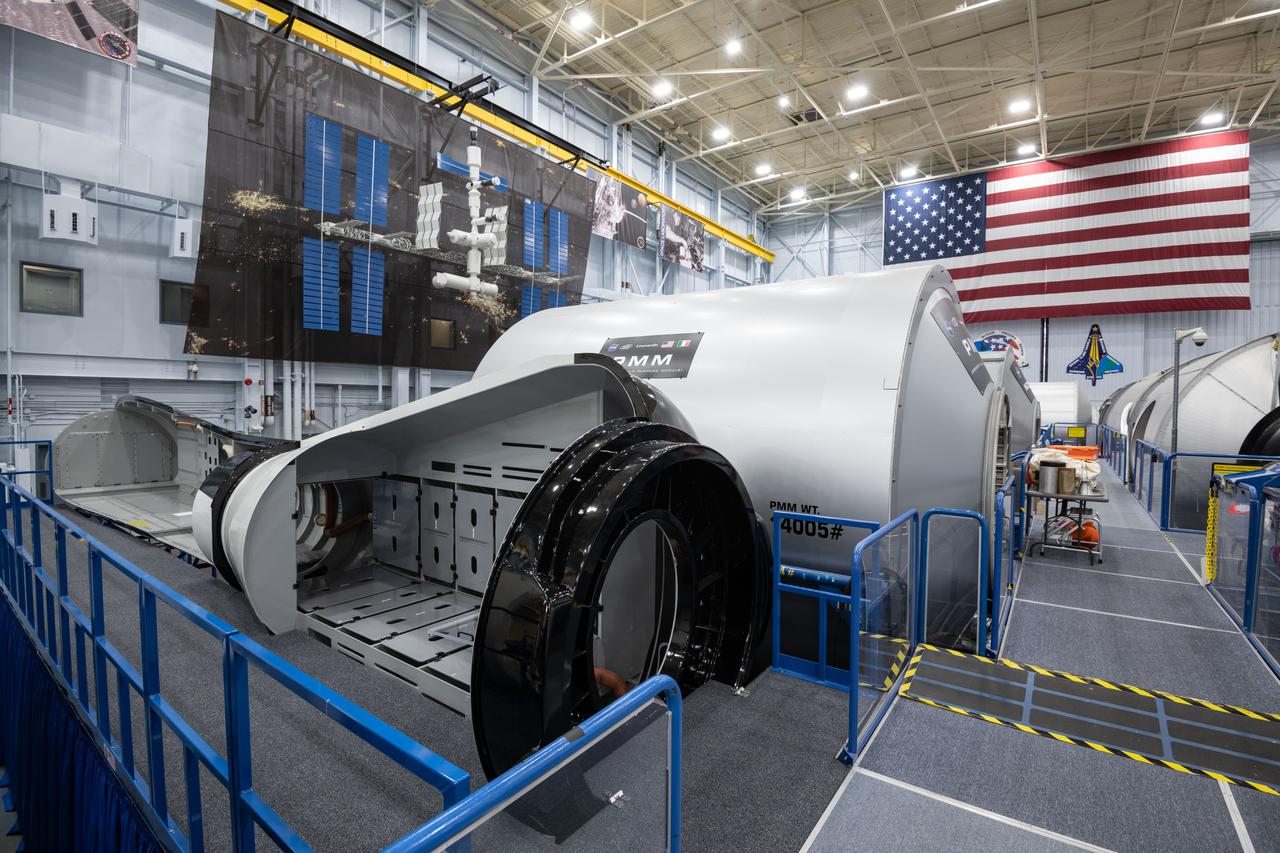
jsc2021e004393 (Jan. 21, 2021) --- Internal view of the Sierra Nevada Dream Chaser mockup located in Building 9N, Space Vehicle Mockup Facility (SVMF) at the NASA Johnson Space Center.
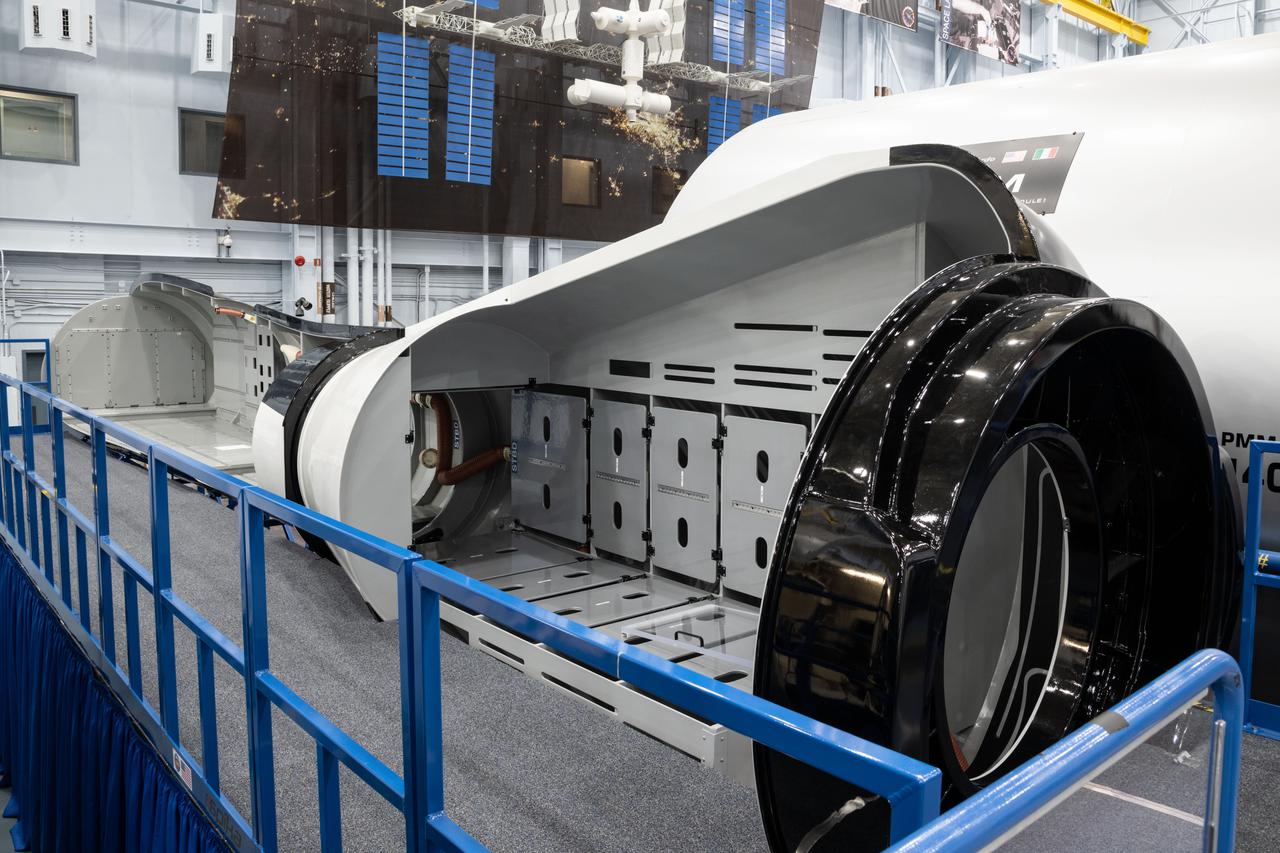
jsc2021e004392 (Jan. 21, 2021) --- Internal view of the Sierra Nevada Dream Chaser mockup located in Building 9N, Space Vehicle Mockup Facility (SVMF) at the NASA Johnson Space Center.
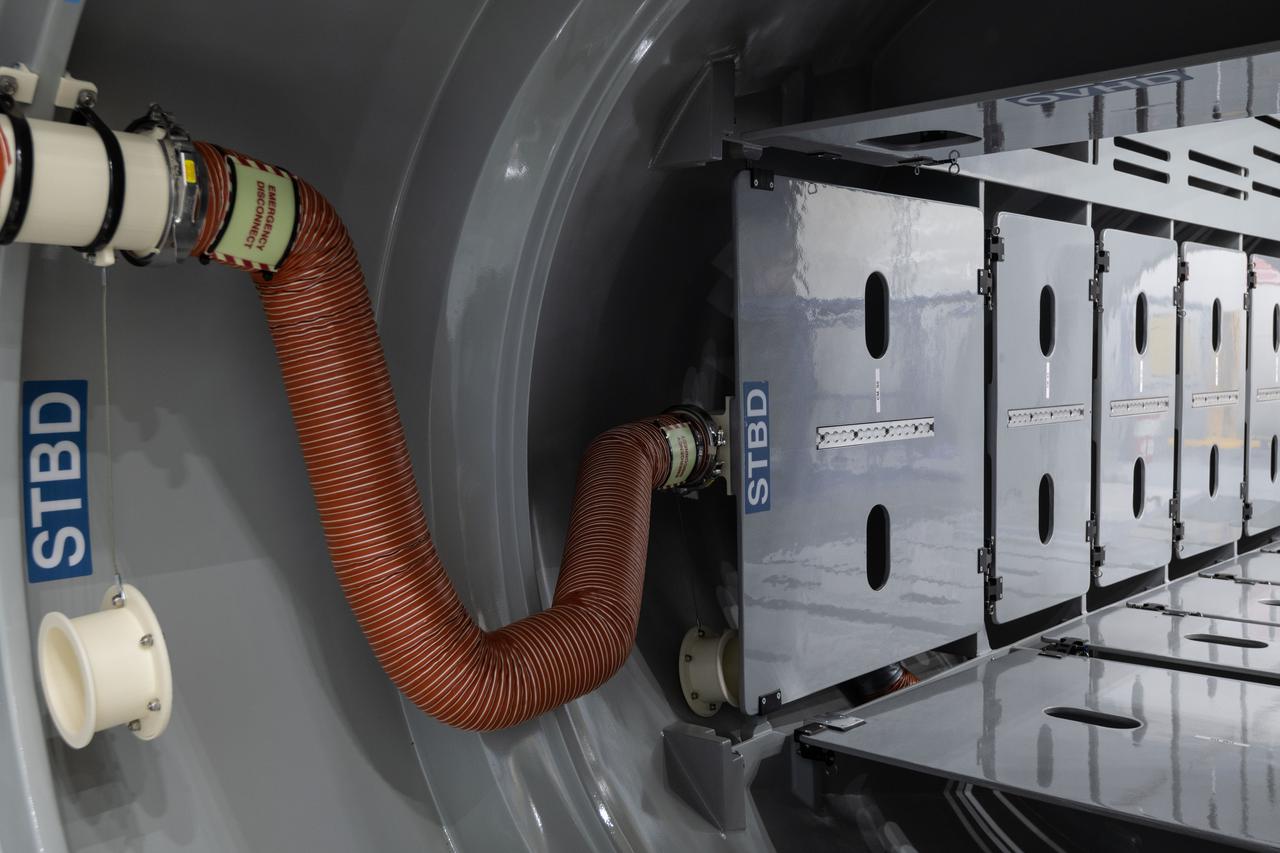
jsc2021e00439 (Jan. 21, 2021) --- Internal view of the Sierra Nevada Dream Chaser mockup located in Building 9N, Space Vehicle Mockup Facility (SVMF) at the NASA Johnson Space Center.
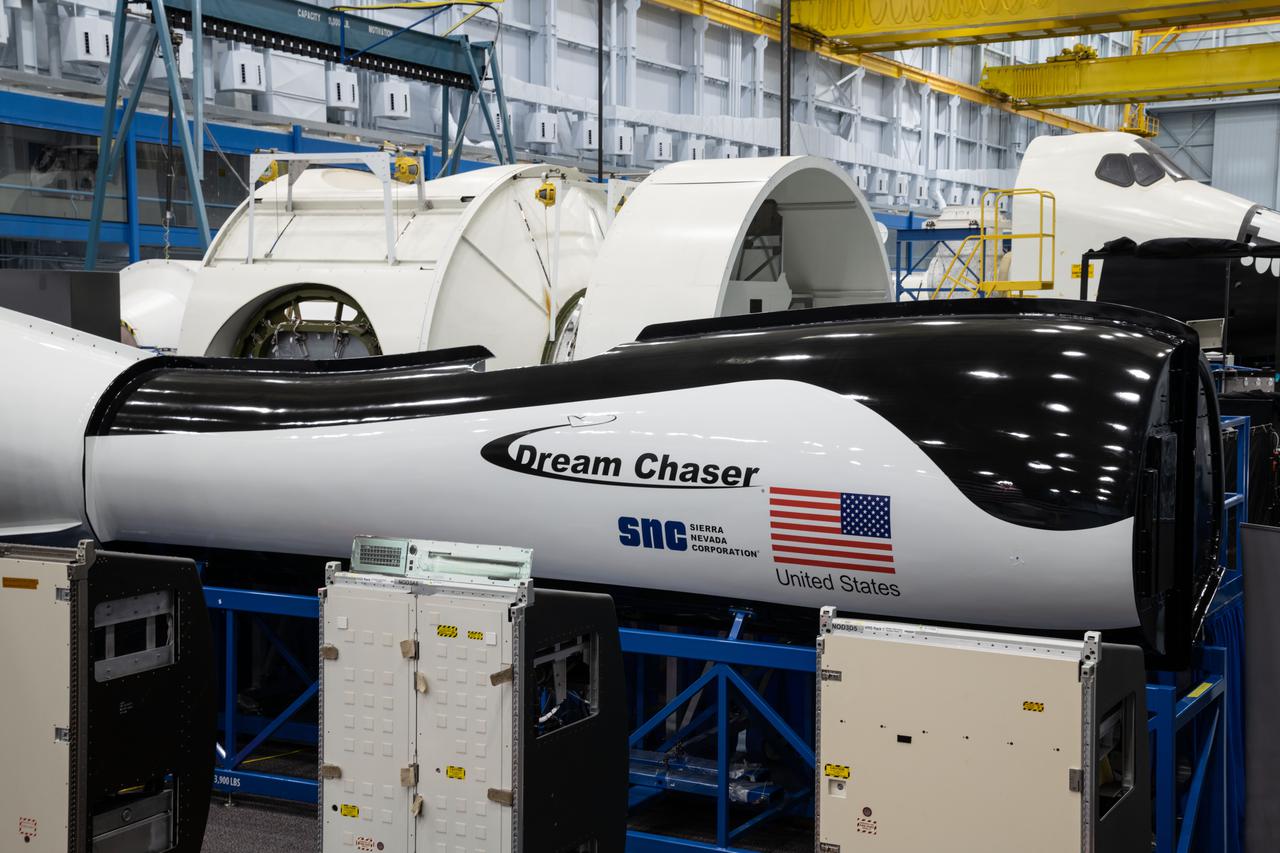
jsc2021e004390 (Jan. 21, 2021) --- External view of the Sierra Nevada Dream Chaser mockup located in Building 9N, Space Vehicle Mockup Facility (SVMF) at the NASA Johnson Space Center.
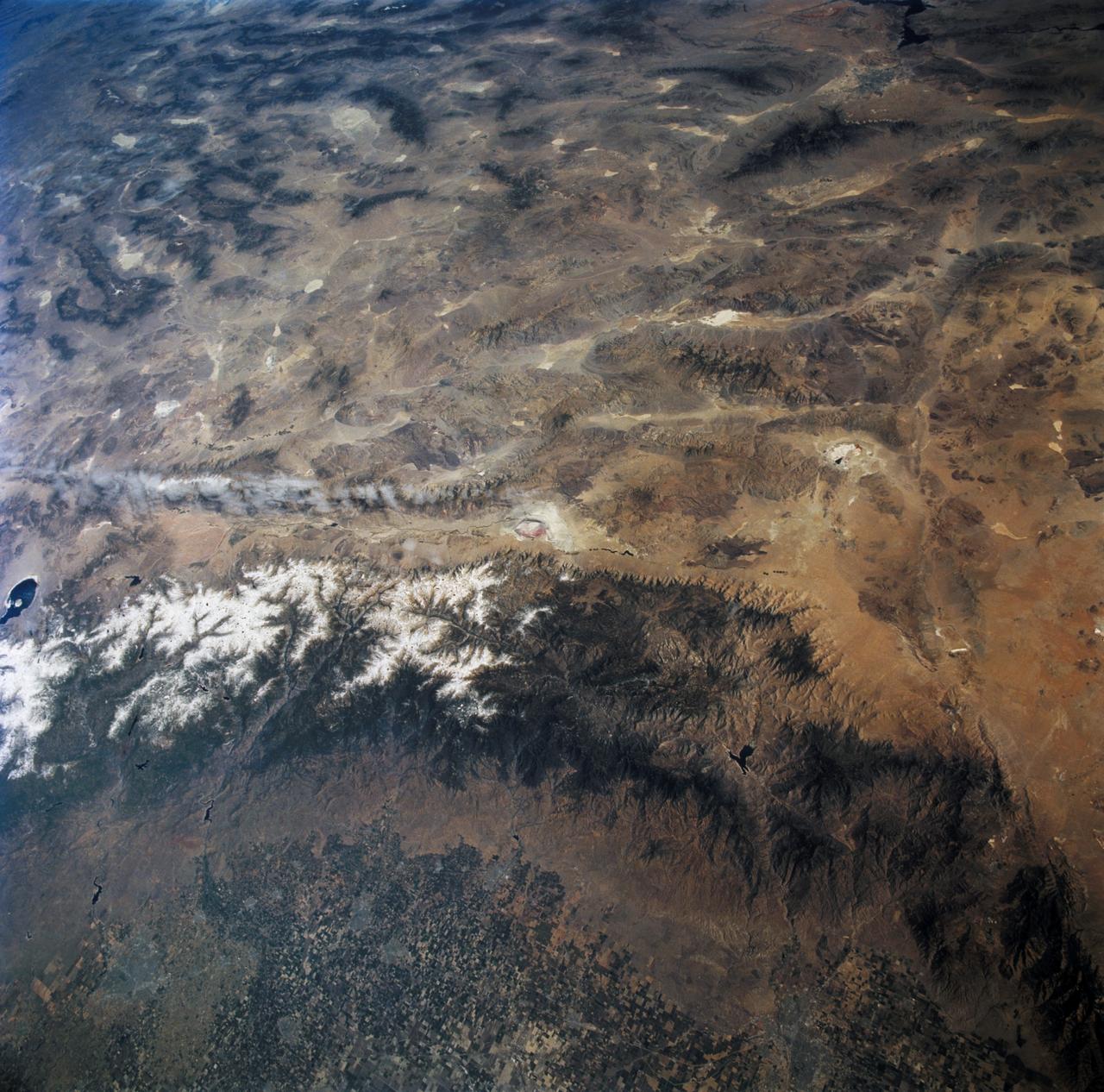
STS068-267-097 (30 September-11 October 1994) --- An extensive view eastward from the irrigated San Joaquin Valley in the foreground, across the Sierra Nevada (living up to its name in early October), into the desert of eastern California and Nevada (which has no snow, despite the name). Mono Lake is just visible at the left edge of the frame; Owens Valley extends southward to Owens Lake, the next valley is Panamint Valley, and then Death Valley. Las Vegas and Lake Mead are visible at the upper right of the frame. The Space Radar Laboratory 2 (SRL-2) obtained extensive, multiple-pass data from many test sites within the region displayed, including Mammoth Mountain ski area south of Mono Lake, and in Death Valley.
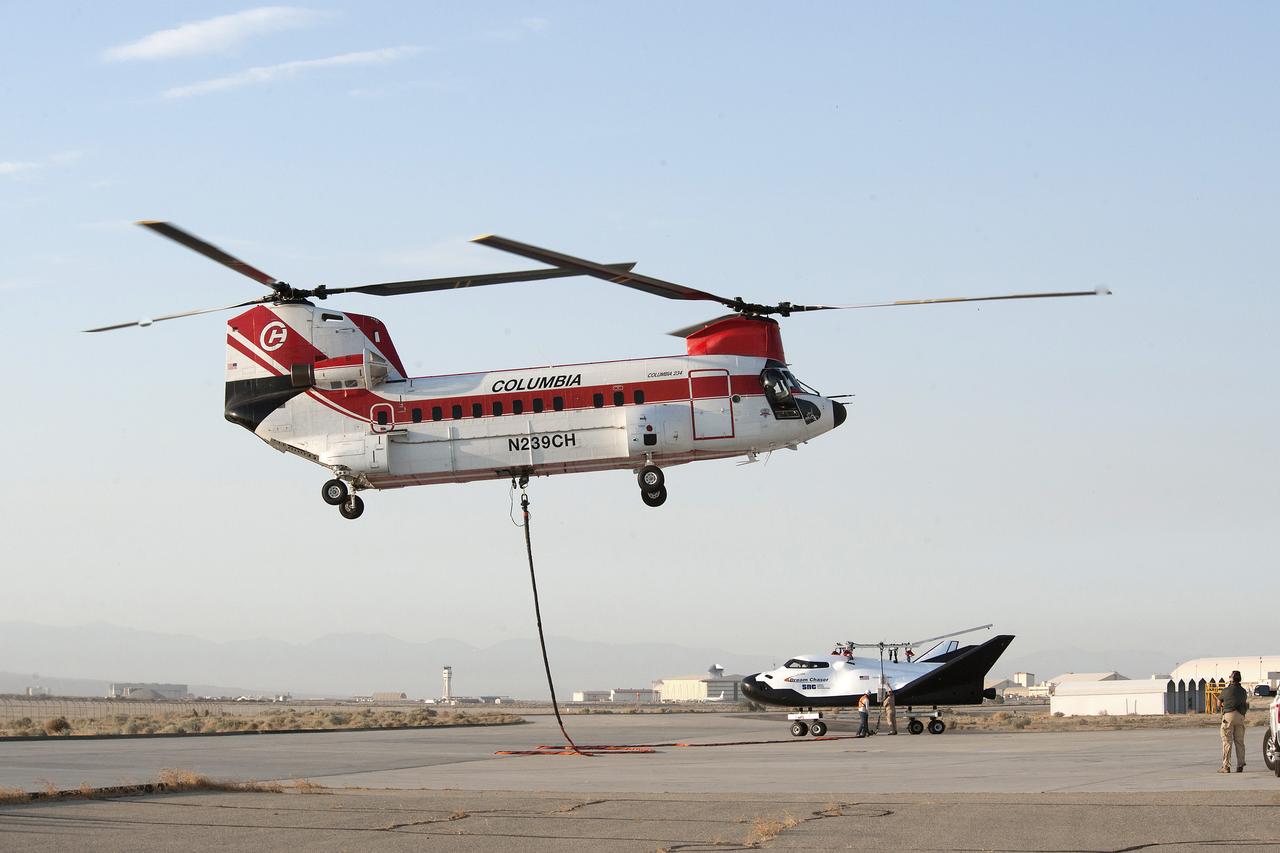
Sierra Nevada Corporation's (SNC) Dream Chaser® being lifted by Columbia 234 UT helicopter for a captive carry flight test on Wednesday, Aug. 30 at NASA Armstrong Flight Research Center.
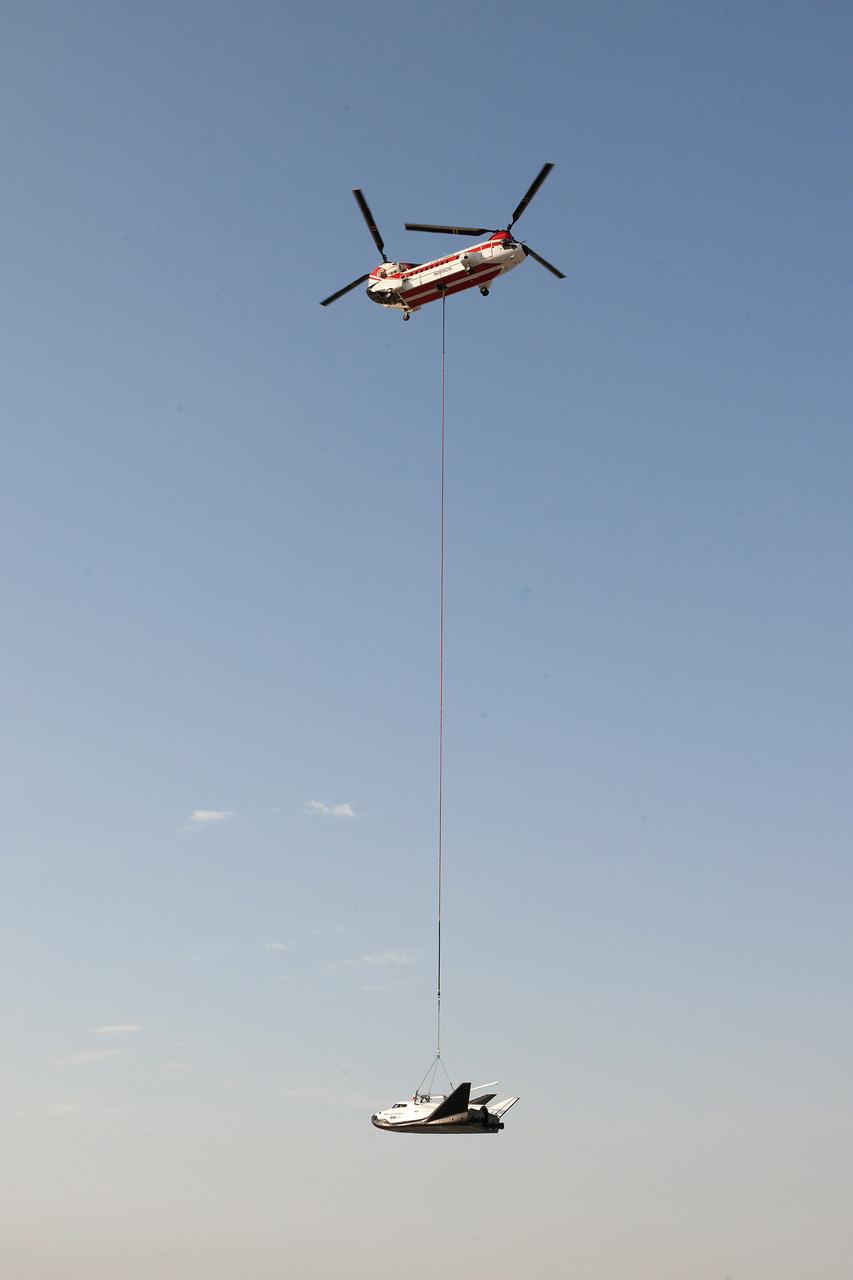
Sierra Nevada's Dream Chaser lifted off ramp on Wednesday, Aug. 30 at NASA Armstrong Flight Research Center by Columbia 234 UT helicopter for captive carry flight.
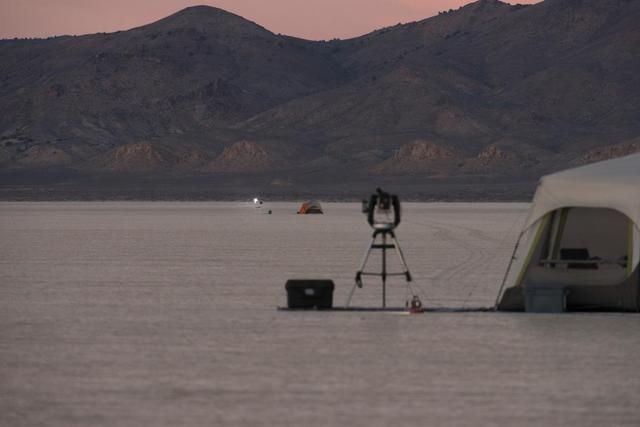
A test of a small-scale starshade model in a dry lake bed in central Nevada's Smith Creek by Northrup Grumman in May-June 2014. A telescope points toward a bright light, which mimics the conditions of starlight in space. Other lights, which are up to 10 million times fainter than the light source standing in for the star, represent the reflected light of planets. Telescopes searching for the relatively dim light of an exoplanet next to its much bright star are faced with a challenge as difficult as searching from Los Angeles for a firefly in New York– if the firefly is also beside a lighthouse. These tests determined that a starshade, or external occulter, is indeed capable of blocking starlight to a degree that reveals the light of a planet. http://photojournal.jpl.nasa.gov/catalog/PIA20908
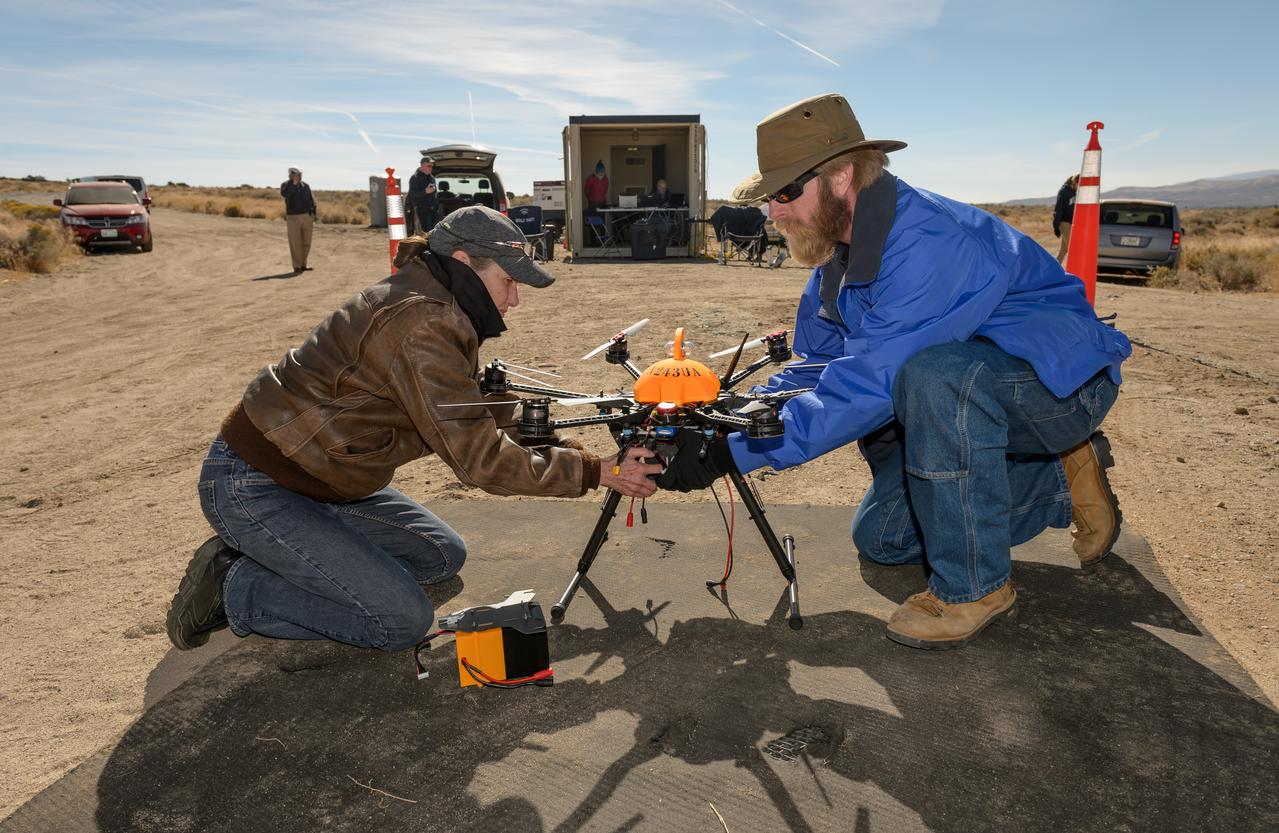
Test of Unmanned Aircraft Systems Traffic Management (UTM) technical capability Level 2 (TCL2) at Reno-Stead Airport, Nevada. During the test, five drones simultaneously crossed paths, separated by altitude. Two drones flew beyond visual line-of-sight and three flew within line-of-sight of their operators. Karen Bollinger pilot and Nick Atkins of Alaska Center for Unmanned Aircraft Systems Integration program fly Ptarmigan quadcopter, one of 11 vehicles in the UTM TCL2 demonstration that will fly beyond line of sight of the pilot in command in Nevada test.
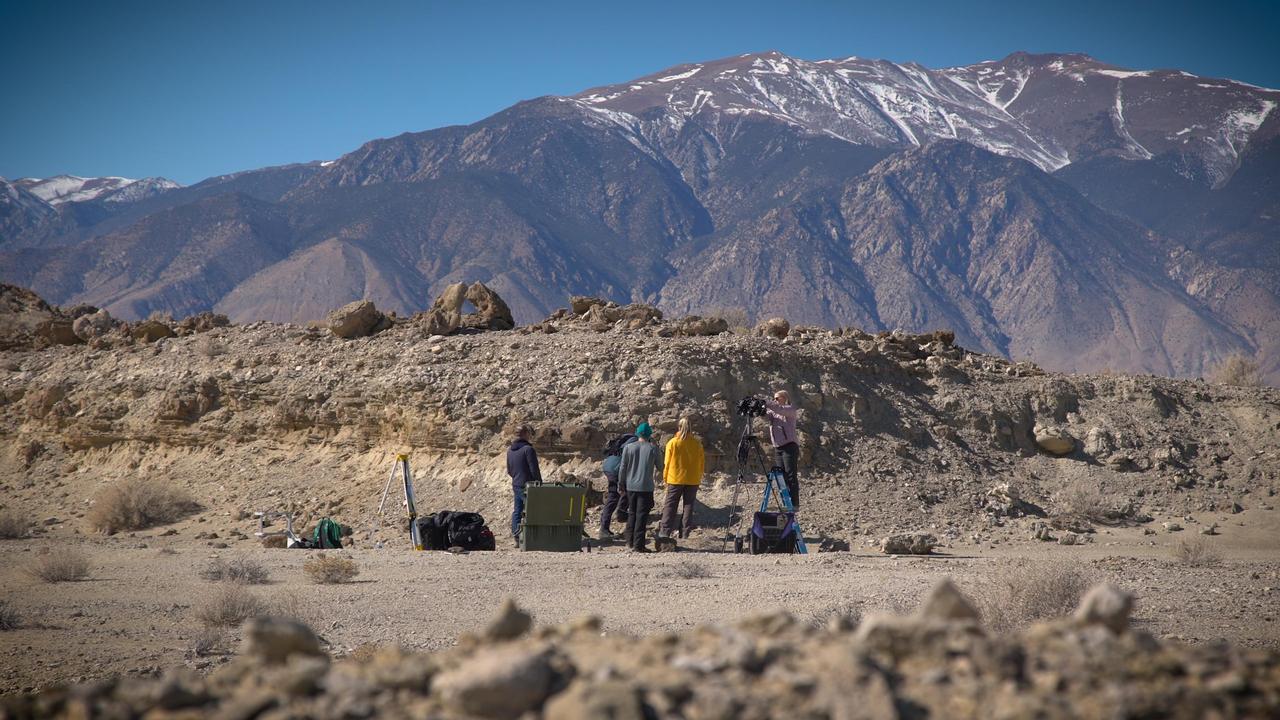
A field team sets up equipment in the Nevada desert in February 2020 as part of a training session for scientists who will work with NASA's Perseverance Mars rover after it lands. Cameras and instruments carried by the field team stood in for an actual rover; the scientists, based in offices around the world, sent commands for images and data, as they will with Perseverance. https://photojournal.jpl.nasa.gov/catalog/PIA23776
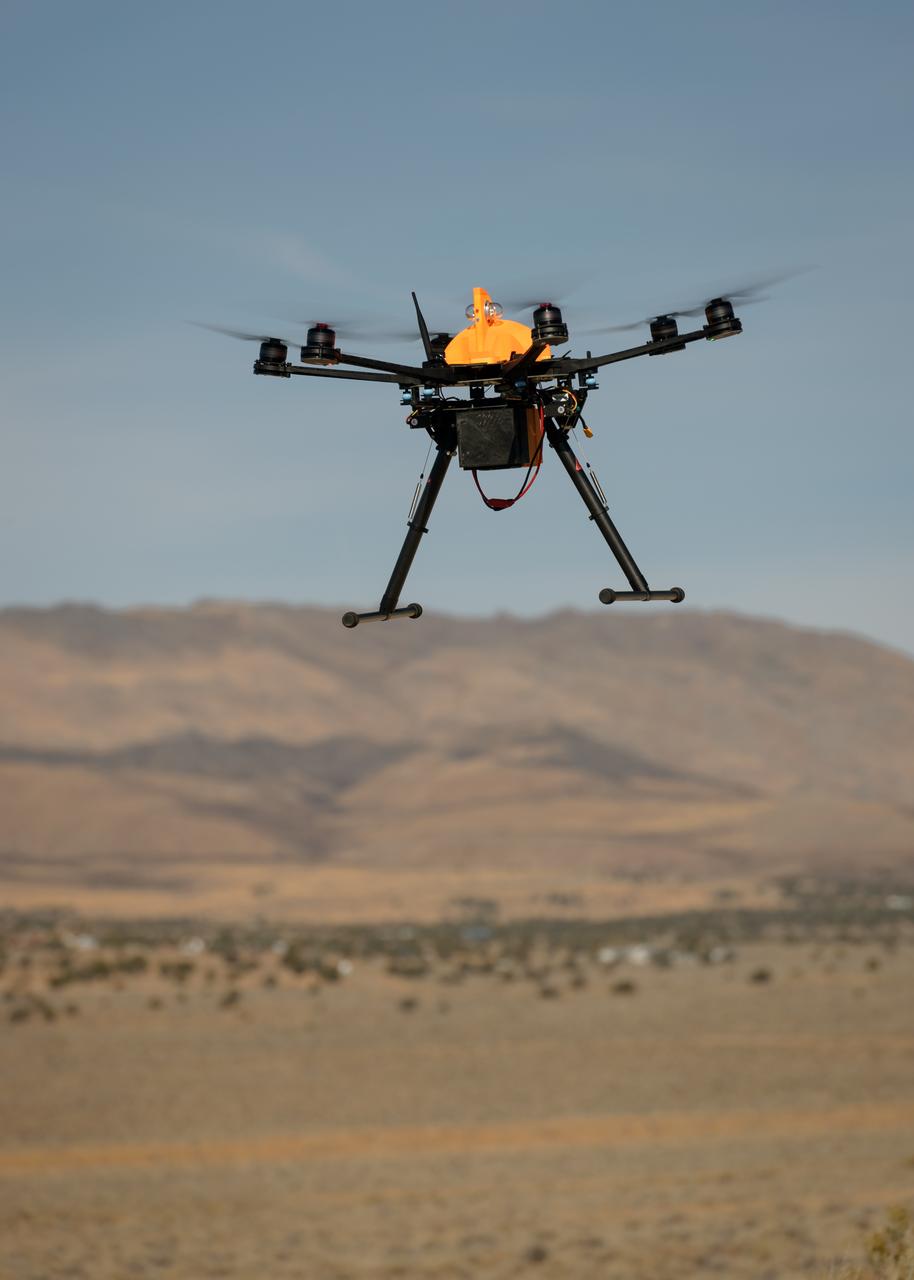
Test of Unmanned Aircraft Systems Traffic Management (UTM) technical capability Level 2 (TCL2) at Reno-Stead Airport, Nevada. During the test, five drones simultaneously crossed paths, separated by altitude. Two drones flew beyond visual line-of-sight and three flew within line-of-sight of their operators.
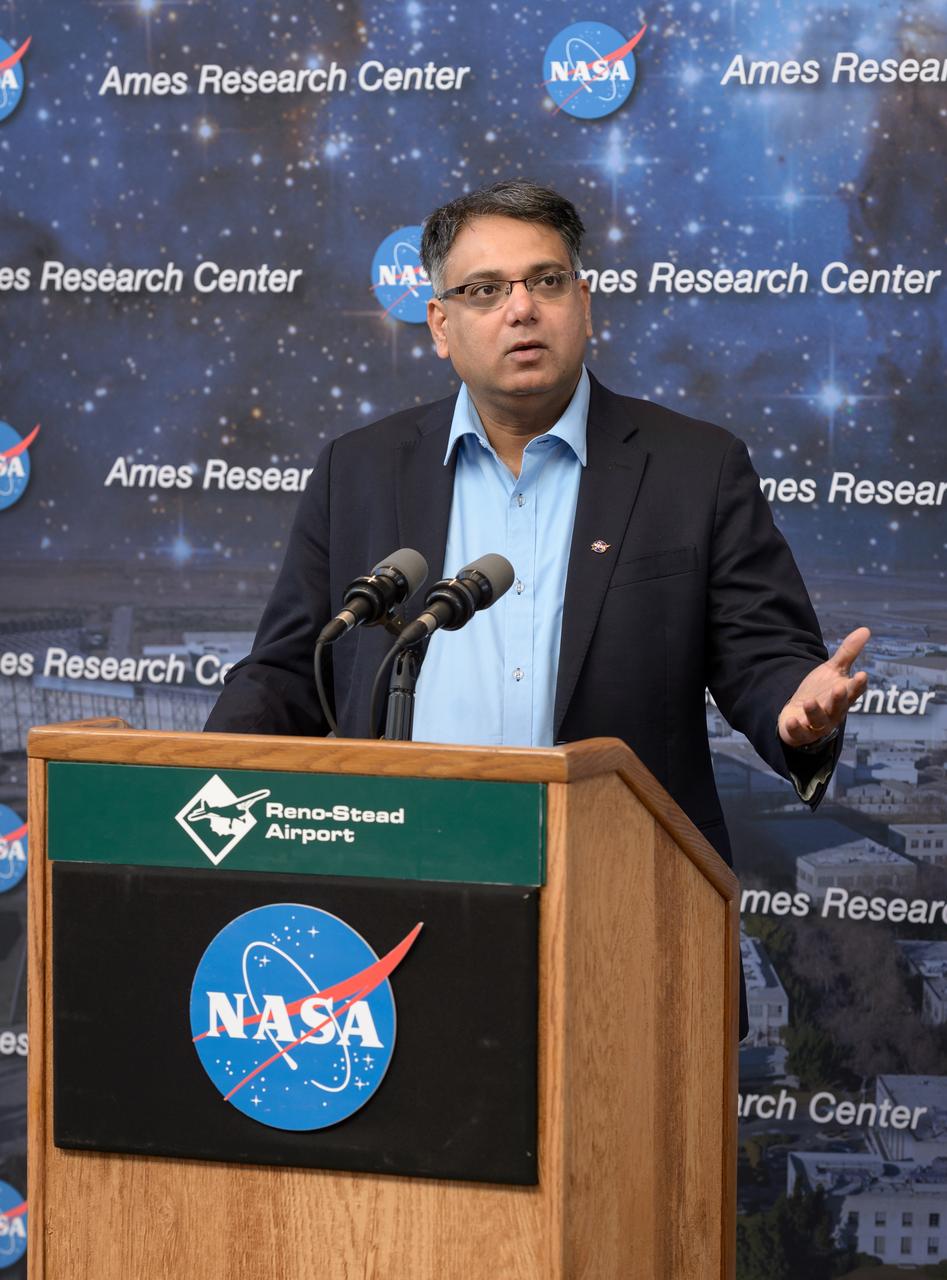
News Conference following the test of Unmanned Aircraft Systems Traffic Management (UTM) technical capability Level 2 (TCL2) at Reno-Stead Airport, Nevada. Parimal Kopardekar, NASA Ames Senior Engineer for Ait Transportation Systems gave an overview of UTM.
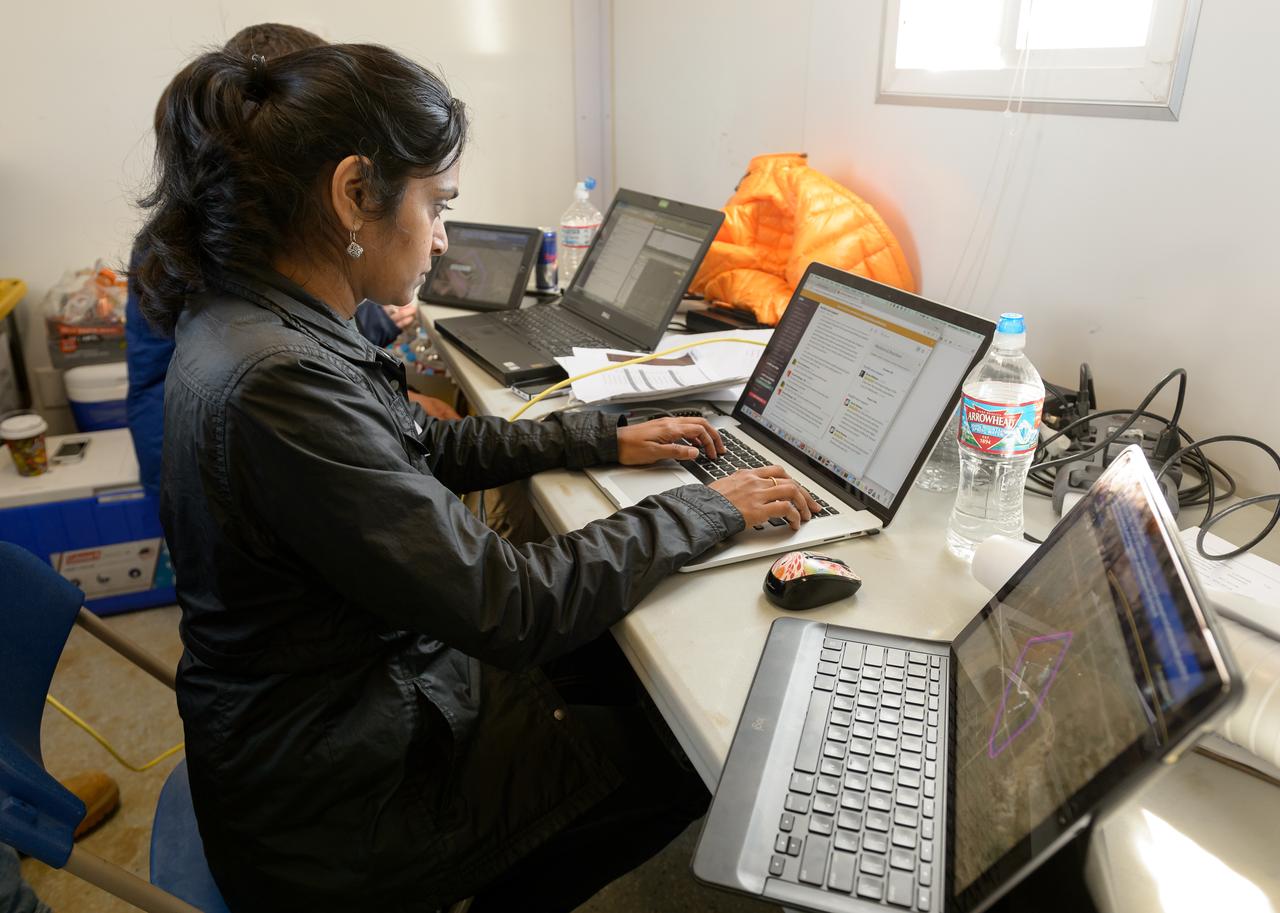
Test of Unmanned Aircraft Systems Traffic Management (UTM) technical capability Level 2 (TCL2) at Reno-Stead Airport, Nevada. During the test, five drones simultaneously crossed paths, separated by altitude. Two drones flew beyond visual line-of-sight and three flew within line-of-sight of their operators.
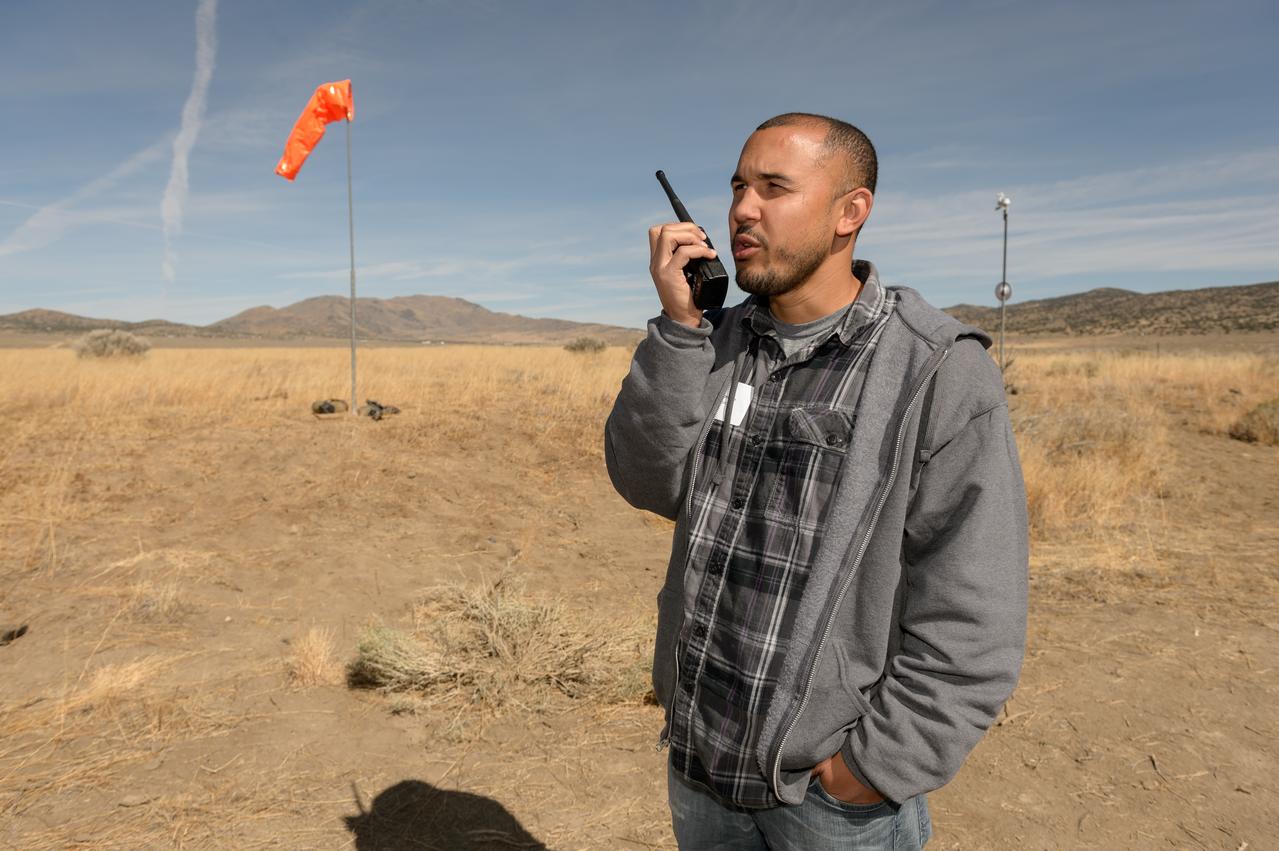
Test of Unmanned Aircraft Systems Traffic Management (UTM) technical capability Level 2 (TCL2) at Reno-Stead Airport, Nevada. During the test, five drones simultaneously crossed paths, separated by altitude. Two drones flew beyond visual line-of-sight and three flew within line-of-sight of their operators.
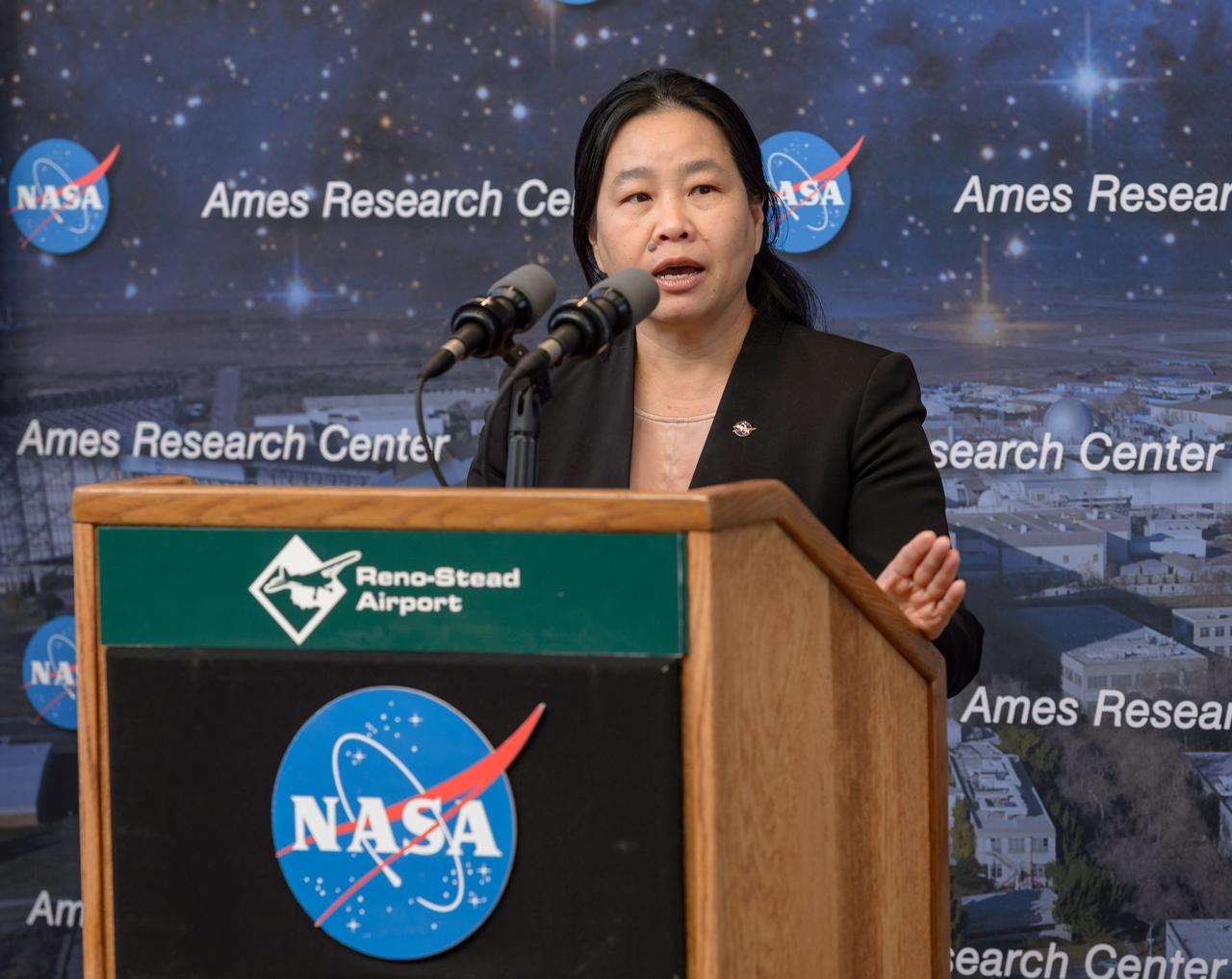
News Conference following the test of Unmanned Aircraft Systems Traffic Management (UTM) technical capability Level 2 (TCL2) at Reno-Stead Airport, Nevada. Huy Tran, NASA Ames Aeronautics Director gives a NASA UTM Project Overview.

Test of Unmanned Aircraft Systems Traffic Management (UTM) technical capability Level 2 (TCL2) at Reno-Stead Airport, Nevada. During the test, five drones simultaneously crossed paths, separated by altitude. Two drones flew beyond visual line-of-sight and three flew within line-of-sight of their operators.
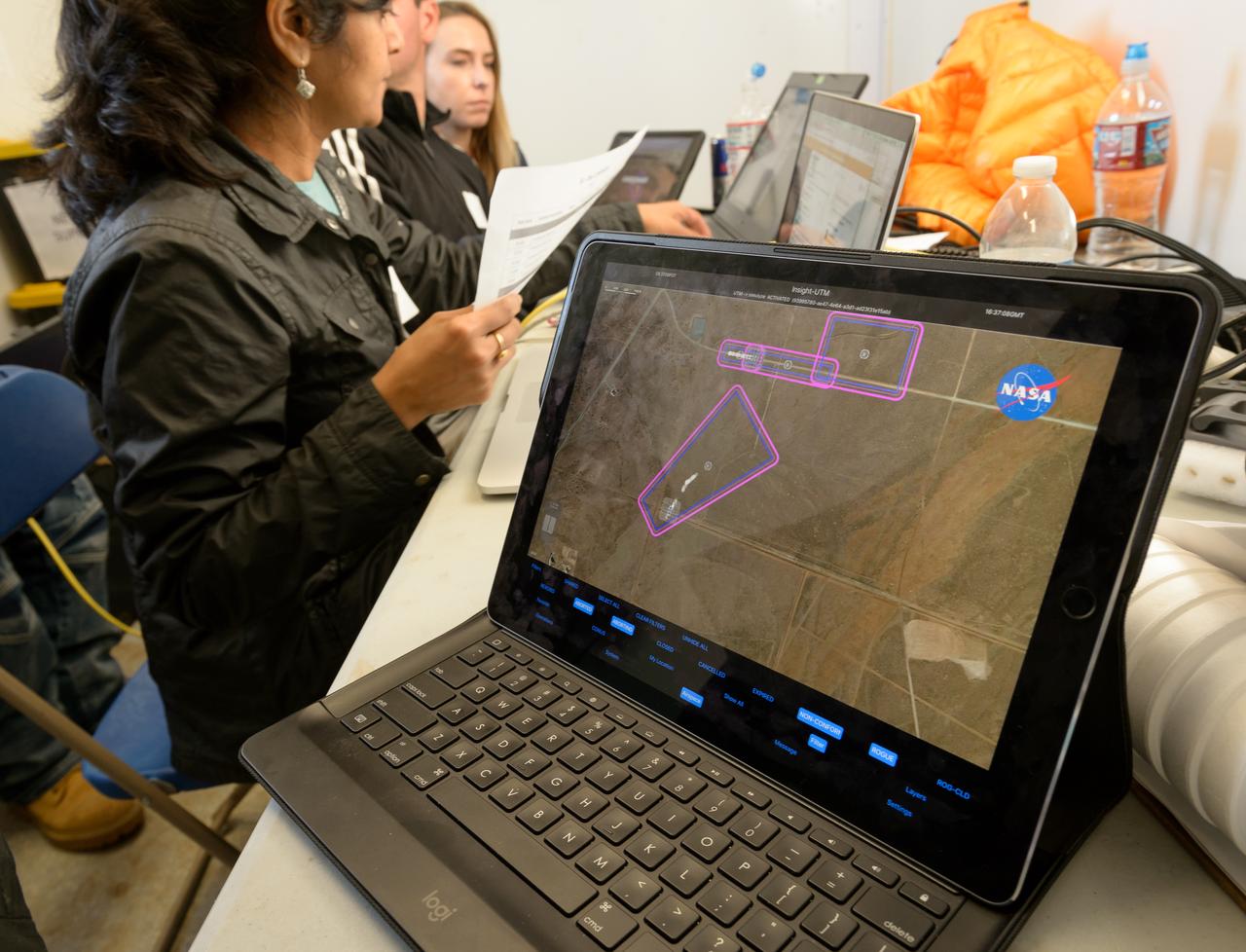
Test of Unmanned Aircraft Systems Traffic Management (UTM) technical capability Level 2 (TCL2) at Reno-Stead Airport, Nevada. During the test, five drones simultaneously crossed paths, separated by altitude. Two drones flew beyond visual line-of-sight and three flew within line-of-sight of their operators.
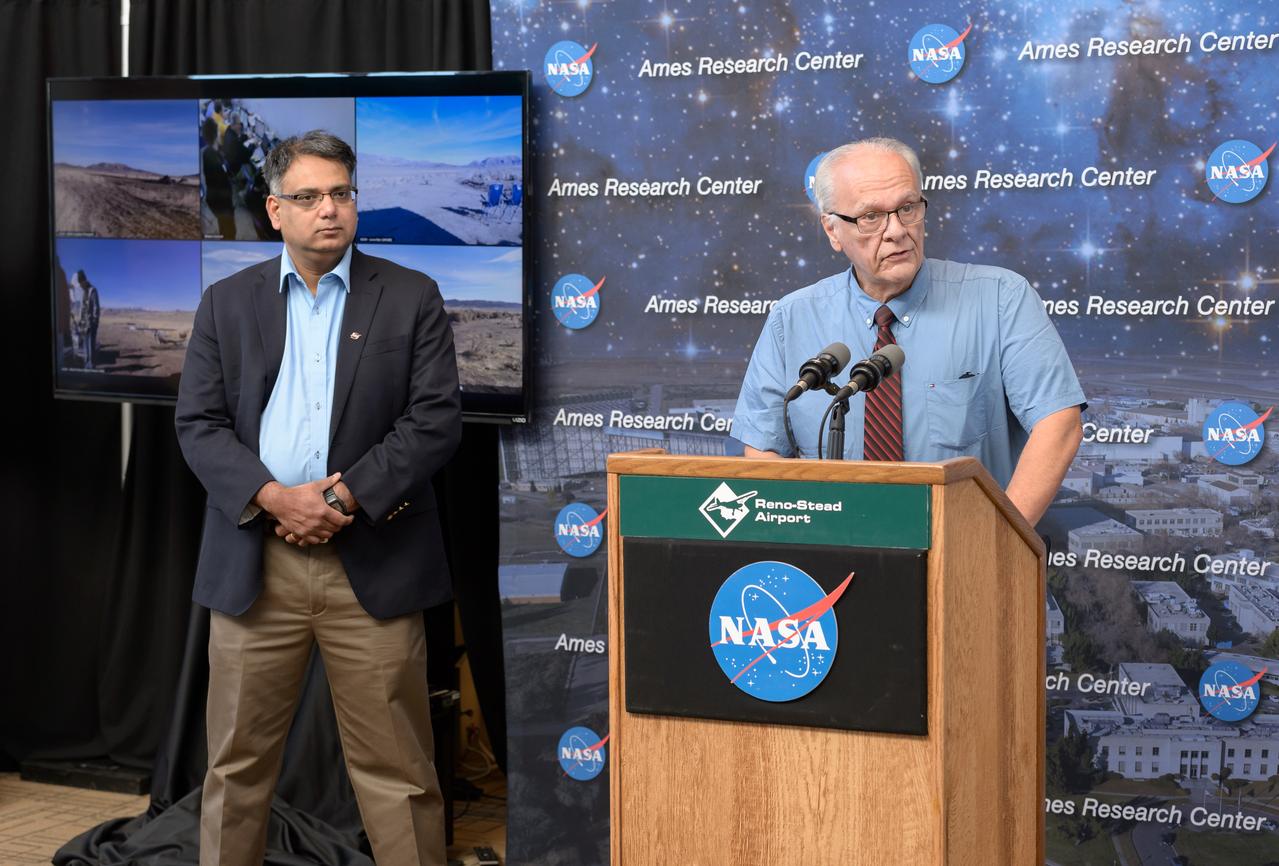
News Conference following the test of Unmanned Aircraft Systems Traffic Management (UTM) technical capability Level 2 (TCL2) at Reno-Stead Airport, Nevada. Parimal Kopardekar, NASA Ames Senior Engineer for Ait Transportation Systems gave an overview of UTM (Left).
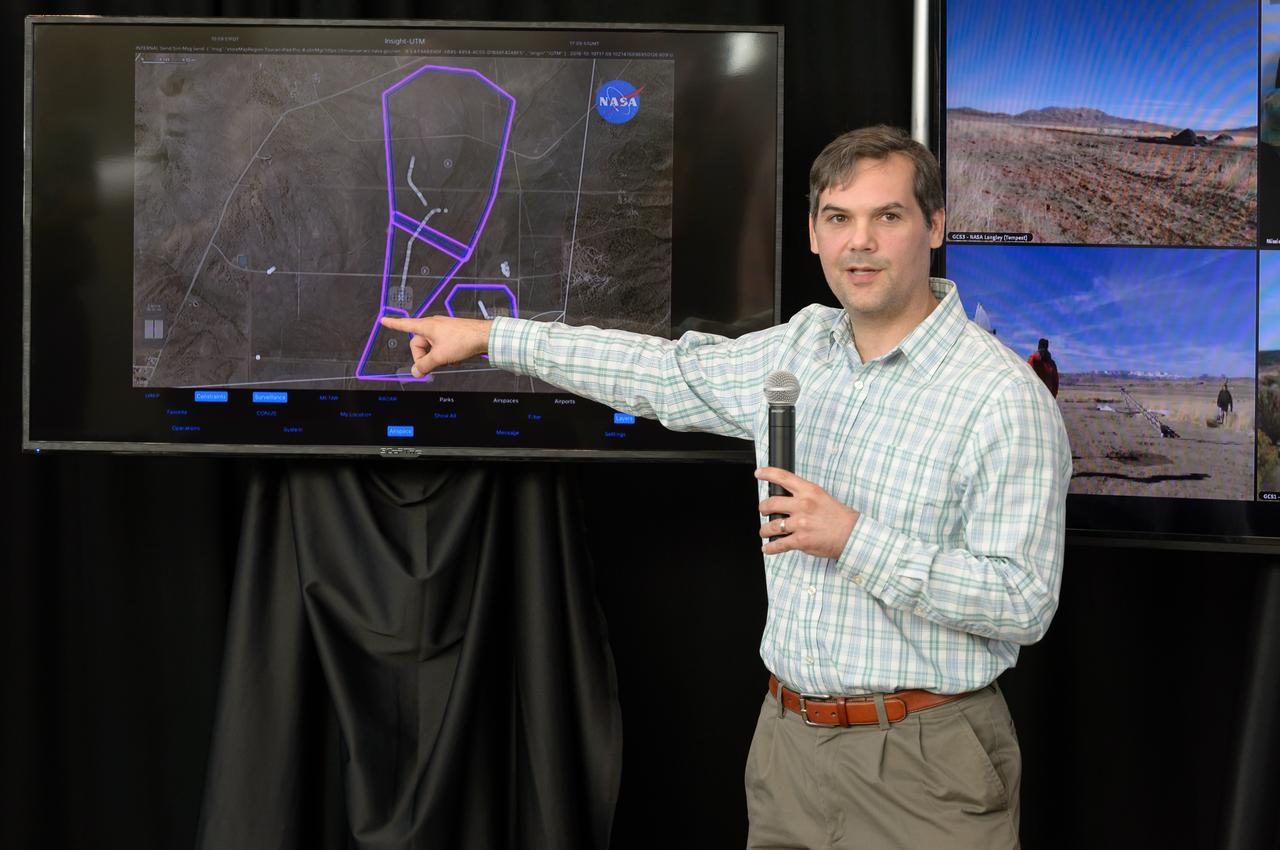
News Conference following the test of Unmanned Aircraft Systems Traffic Management (UTM) technical capability Level 2 (TCL2) at Reno-Stead Airport, Nevada. Joseph Rios, NASA Ames Aerospace Engineer and UTM Technical Lead, describes the purpose of the test and flight scenarios.
Test of Unmanned Aircraft Systems Traffic Management (UTM) technical capability Level 2 (TCL2) at Reno-Stead Airport, Nevada. During the test, five drones simultaneously crossed paths, separated by altitude. Two drones flew beyond visual line-of-sight and three flew within line-of-sight of their operators.
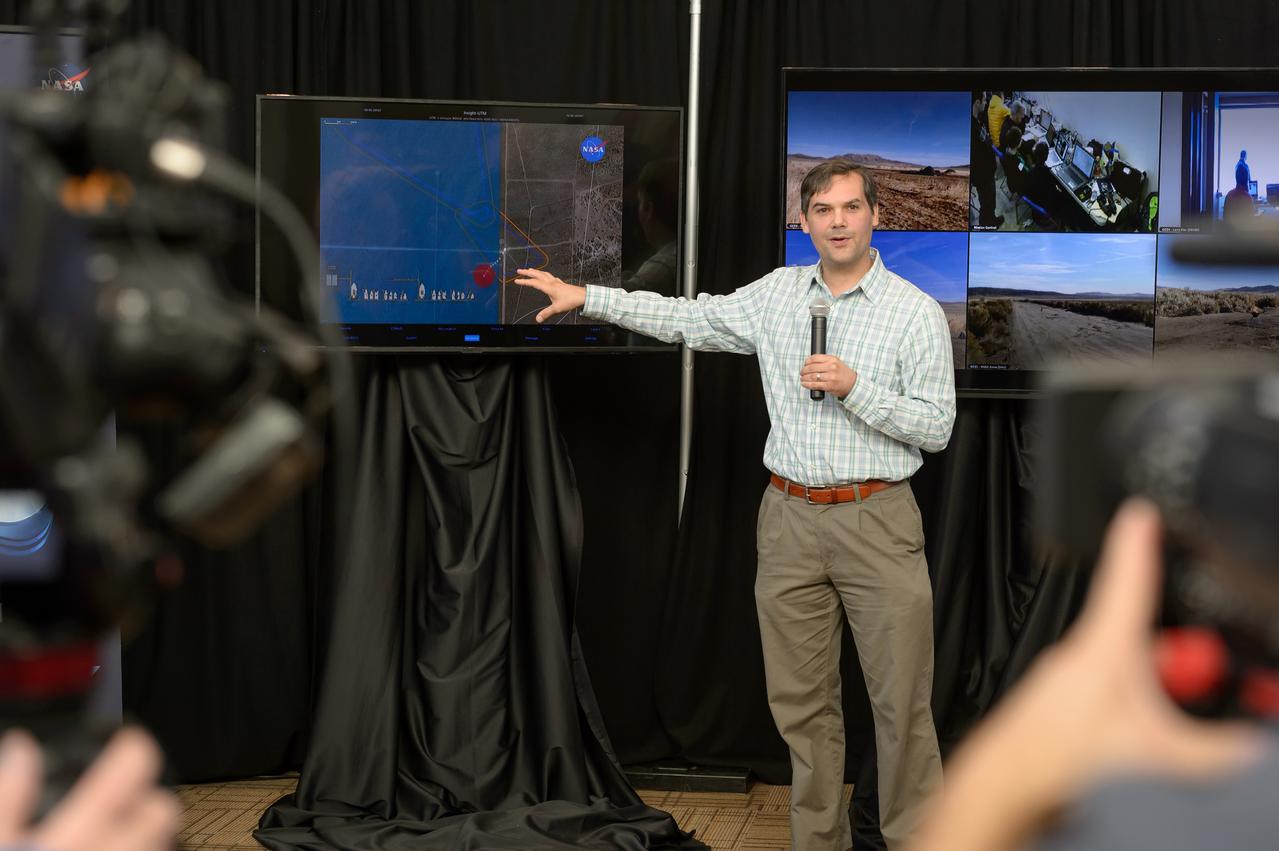
News Conference following the test of Unmanned Aircraft Systems Traffic Management (UTM) technical capability Level 2 (TCL2) at Reno-Stead Airport, Nevada. Joseph Rios, NASA Ames Aerospace Engineer and UTM Technical Lead, describes the purpose of the test and flight scenarios.

Test of Unmanned Aircraft Systems Traffic Management (UTM) technical capability Level 2 (TCL2) at Reno-Stead Airport, Nevada. During the test, five drones simultaneously crossed paths, separated by altitude. Two drones flew beyond visual line-of-sight and three flew within line-of-sight of their operators.
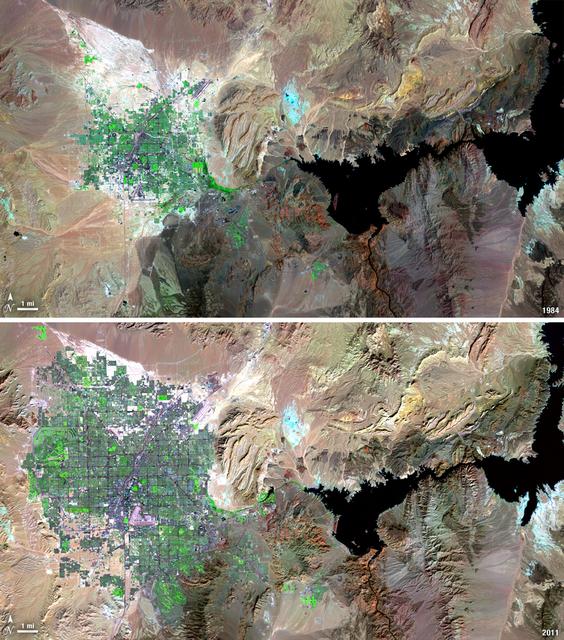
Over the years of the Landsat program, the desert city of Las Vegas has gone through a massive growth spurt. The outward expansion of the city over the last quarter of a century is shown here with two false-color Landsat 5 images (August 3, 1984, and November 2, 2011). The dark purple grid of city streets and the green of irrigated vegetation grow out in every direction into the surrounding desert. These images were created using reflected light from the shortwave infrared, near-infrared, and green portions of the electromagnetic spectrum (Landsat 5 TM bands 7,4,2). ---- NASA and the U.S. Department of the Interior through the U.S. Geological Survey (USGS) jointly manage Landsat, and the USGS preserves a 40-year archive of Landsat images that is freely available over the Internet. The next Landsat satellite, now known as the Landsat Data Continuity Mission (LDCM) and later to be called Landsat 8, is scheduled for launch in 2013. In honor of Landsat’s 40th anniversary in July 2012, the USGS released the LandsatLook viewer – a quick, simple way to go forward and backward in time, pulling images of anywhere in the world out of the Landsat archive. <b><a href="http://www.nasa.gov/audience/formedia/features/MP_Photo_Guidelines.html" rel="nofollow">NASA image use policy.</a></b> <b><a href="http://www.nasa.gov/centers/goddard/home/index.html" rel="nofollow">NASA Goddard Space Flight Center</a></b> enables NASA’s mission through four scientific endeavors: Earth Science, Heliophysics, Solar System Exploration, and Astrophysics. Goddard plays a leading role in NASA’s accomplishments by contributing compelling scientific knowledge to advance the Agency’s mission. <b>Follow us on <a href="http://twitter.com/NASA_GoddardPix" rel="nofollow">Twitter</a></b> <b>Like us on <a href="http://www.facebook.com/pages/Greenbelt-MD/NASA-Goddard/395013845897?ref=tsd" rel="nofollow">Facebook</a></b> <b>Find us on <a href="http://instagrid.me/nasagoddard/?vm=grid" rel="nofollow">Instagram</a></b>
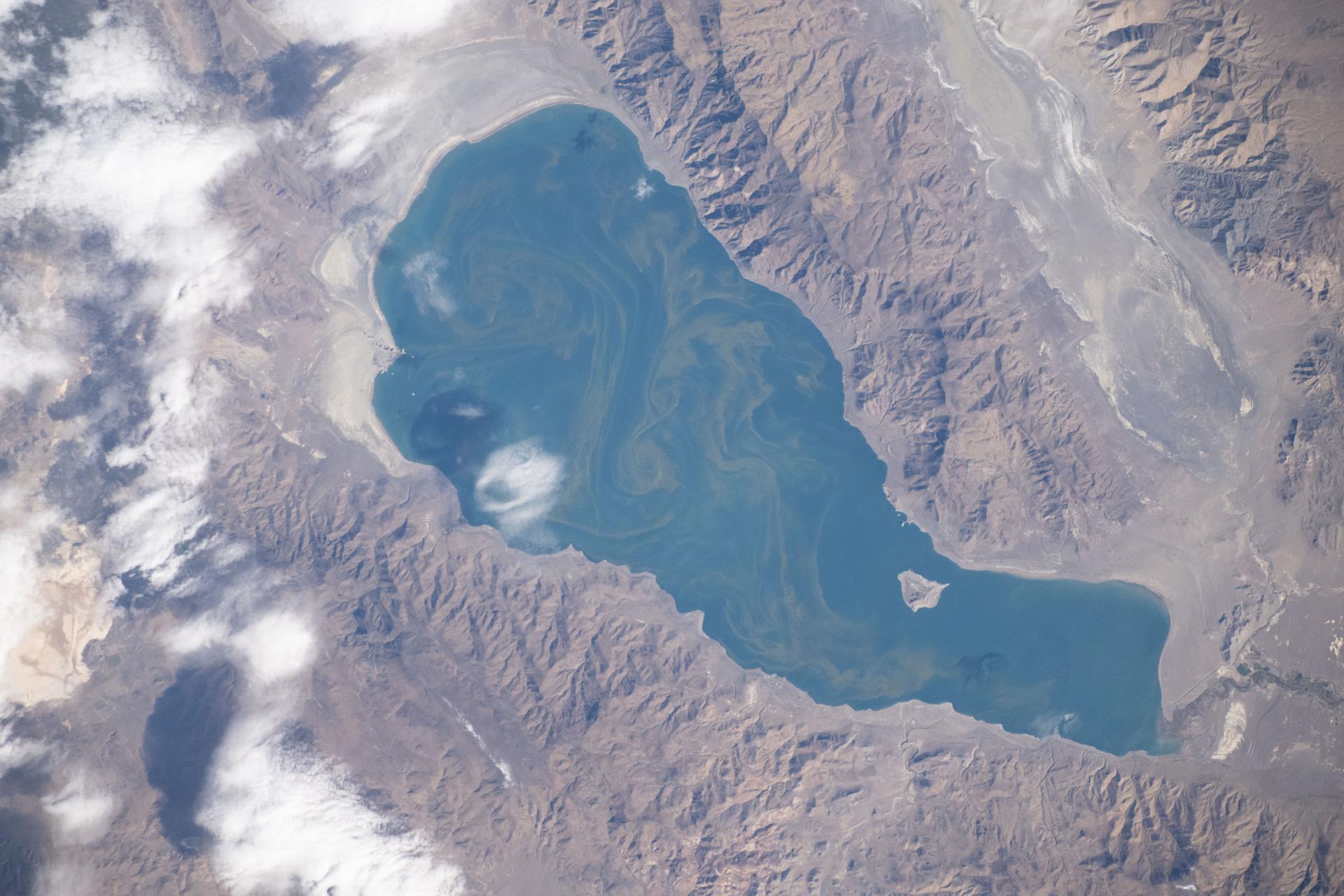
iss073e0919979 (Oct. 19, 2025) --- Pyramid Lake, located northeast of Reno, Nevada, is pictured from the International Space Station as it orbited 265 miles above North America. Surrounded by dramatic desert terrain, the lake is a popular destination for fishing, camping, and birdwatching.
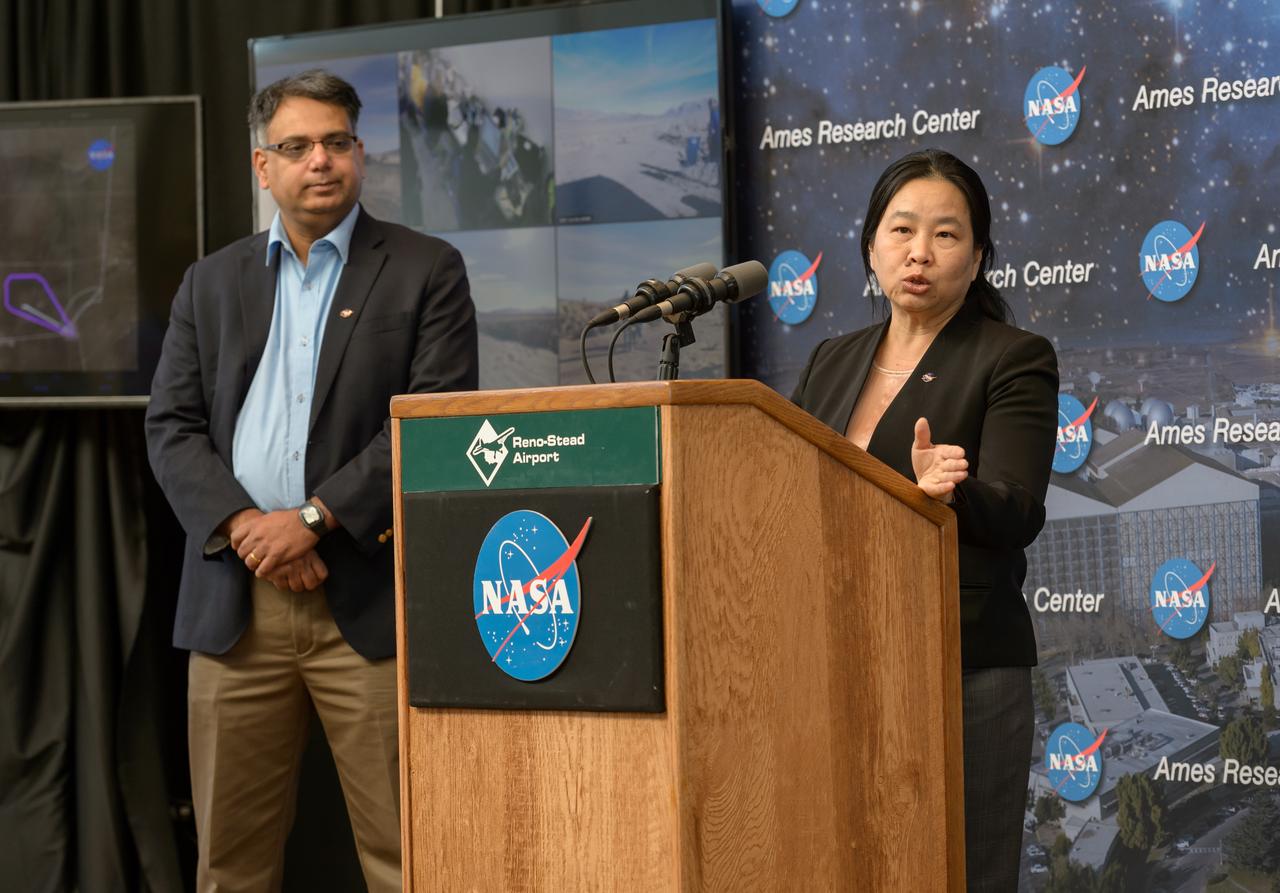
News Conference following the test of Unmanned Aircraft Systems Traffic Management (UTM) technical capability Level 2 (TCL2) at Reno-Stead Airport, Nevada. Parimal Kopardekar, NASA Ames Senior Engineer for Ait Transportation Systems gave an overview of UTM (Left). Huy Tran, NASA Ames Aeronautics Director, presents NASA UTM Project Overview.

Test of Unmanned Aircraft Systems Traffic Management (UTM) technical capability Level 2 (TCL2) at Reno-Stead Airport, Nevada. During the test, five drones simultaneously crossed paths, separated by altitude. Two drones flew beyond visual line-of-sight and three flew within line-of-sight of their operators. Precision Hawk pilot readies Lancaster Mark 3 UAS for test flight.

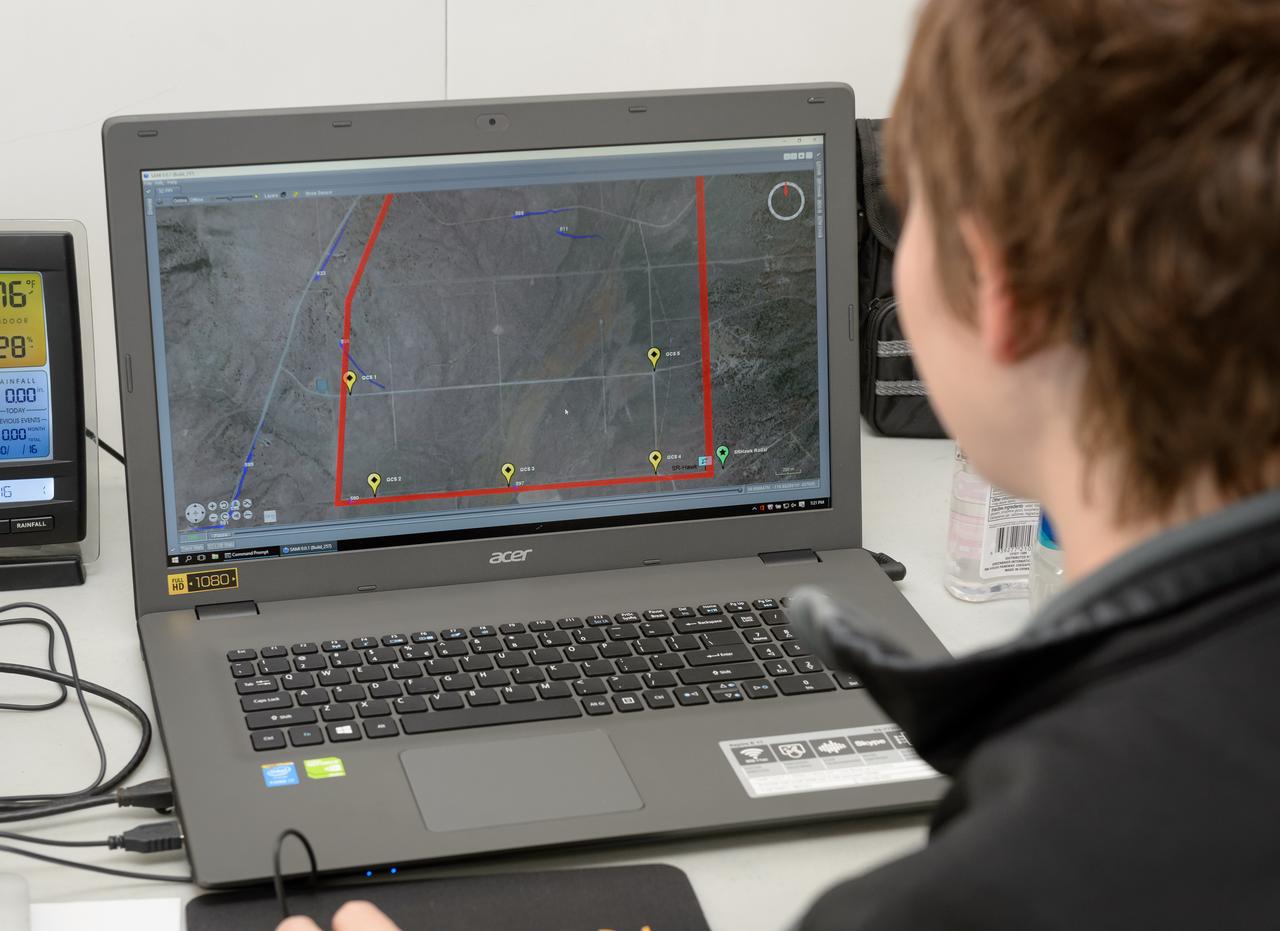
Test of Unmanned Aircraft Systems Traffic Management (UTM) technical capability Level 2 (TCL2) at Reno-Stead Airport, Nevada. During the test, five drones simultaneously crossed paths, separated by altitude. Two drones flew beyond visual line-of-sight and three flew within line-of-sight of their operators. Engineers Priya Venkatesan and Joey Mercer review flight paths using the UAS traffic management research platform at flight operations mission control at NASA’s UTM TCL2 test.

Test of Unmanned Aircraft Systems Traffic Management (UTM) technical capability Level 2 (TCL2) at Reno-Stead Airport, Nevada. During the test, five drones simultaneously crossed paths, separated by altitude. Two drones flew beyond visual line-of-sight and three flew within line-of-sight of their operators. Engineer Joey Mercer reviews flight paths using the UAS traffic management research platform UTM coordinator app to verify and validate flight paths.
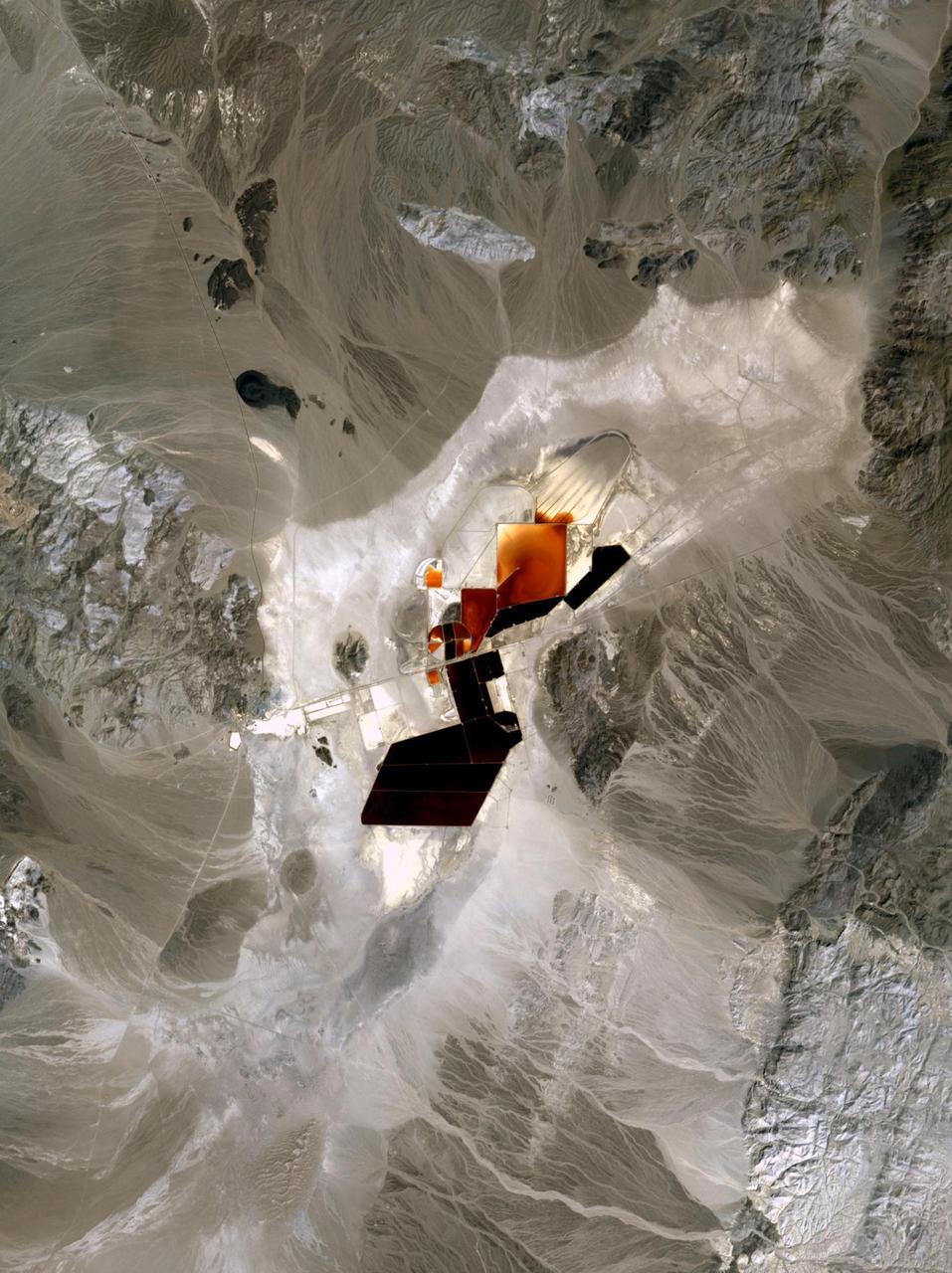
In Clayton Valley, Nevada, lithium has been produced since 1966. Currently it is produced by pumping lithium-rich brine to the surface to evaporate, or processed through direct lithium extraction. About 5,000 metric tons of lithium carbonate are produced annually at Nevada's only lithium-producing site. In the future, newly discovered deposits will produce more lithium than any other state. The image was acquired April 23, 2023, covers an area of 21.5 by 28.8 km, and is located at 37.75 degrees north, 117.6 degrees west. https://photojournal.jpl.nasa.gov/catalog/PIA26505
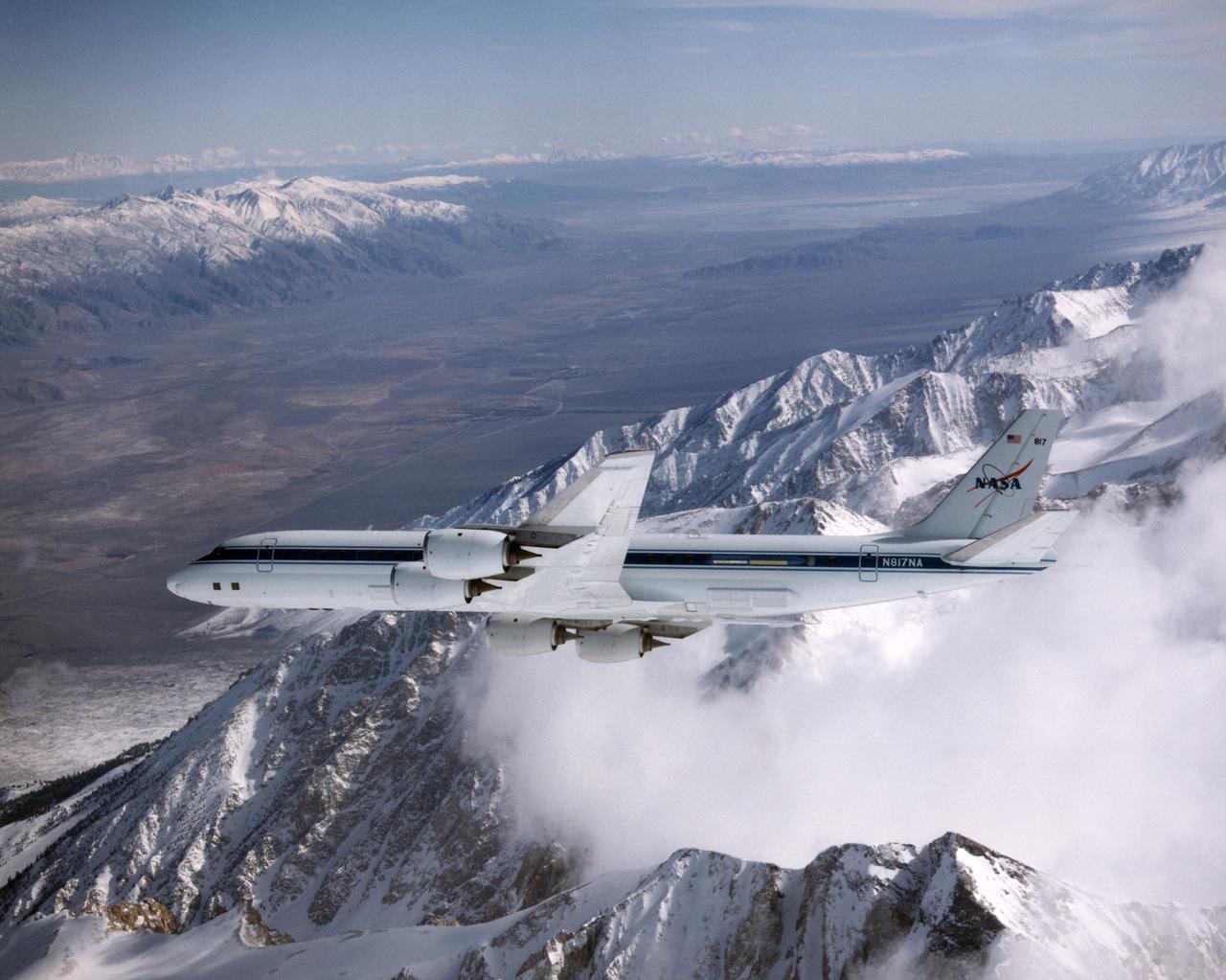
DC-8 Airborne Laboratory in banked flight over snow-capped Sierra Nevada mountain range
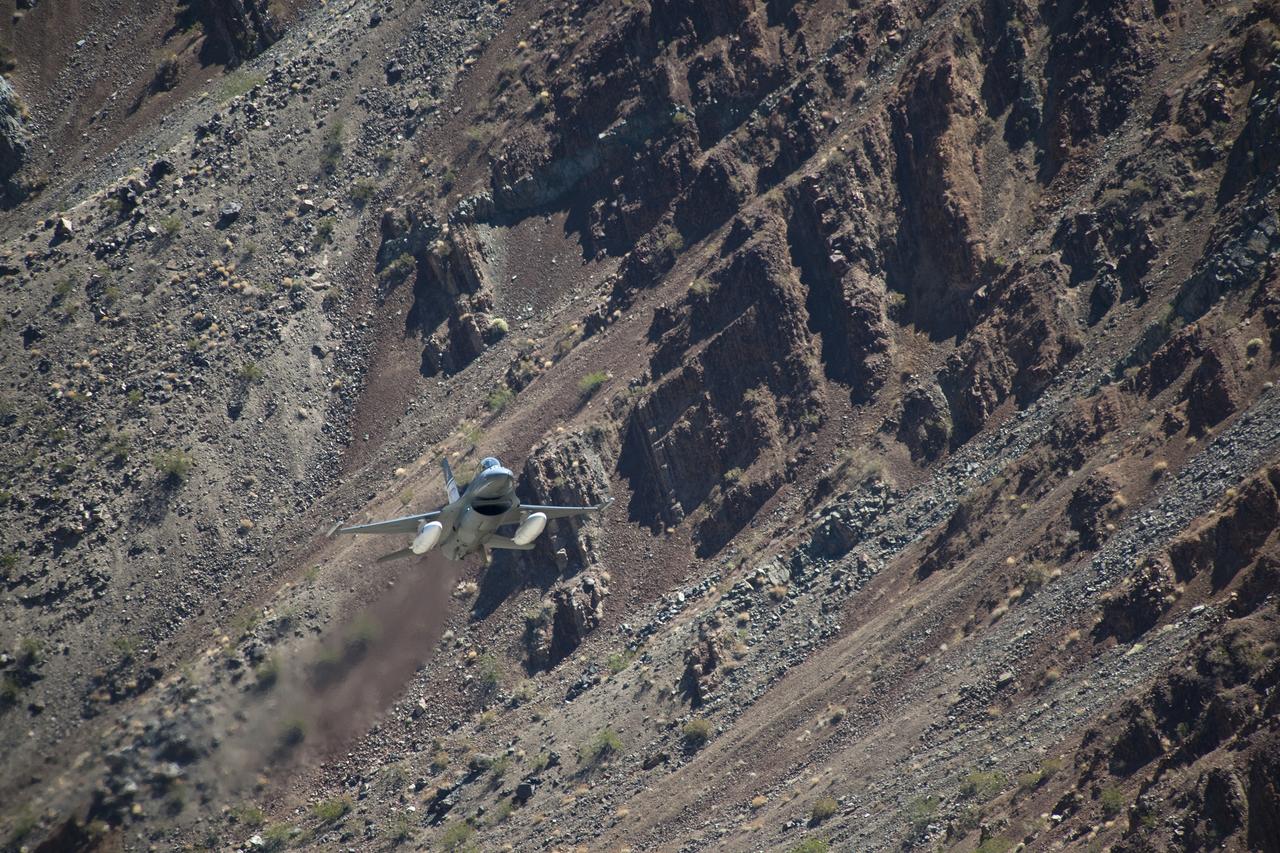
The Air Force F-16D Automatic Collision Avoidance Technology aircraft flew at low levels above the Sierra Nevada Mountains to test the ACAT Fighter Risk Reduction Project to develop collision avoidance technologies for aircraft, to reduce the risk of ground collisions.
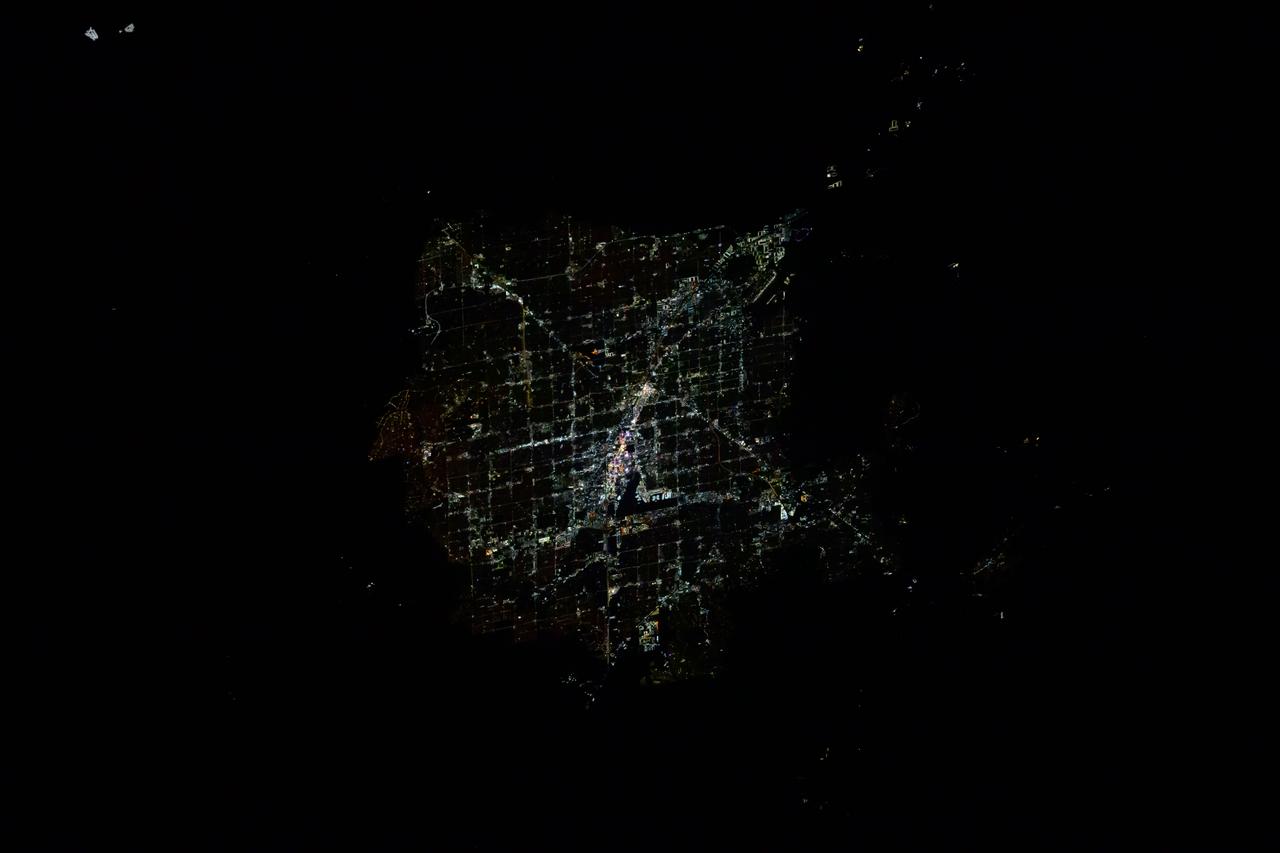
iss072e399146 (Dec. 19, 2024) --- Downtown Las Vegas, Nevada, with its famous well-lit strip and Harry Reid International Airport at center, is pictured at approximately 4:16 a.m. local time from the International Space Station as it orbited 256 miles above.
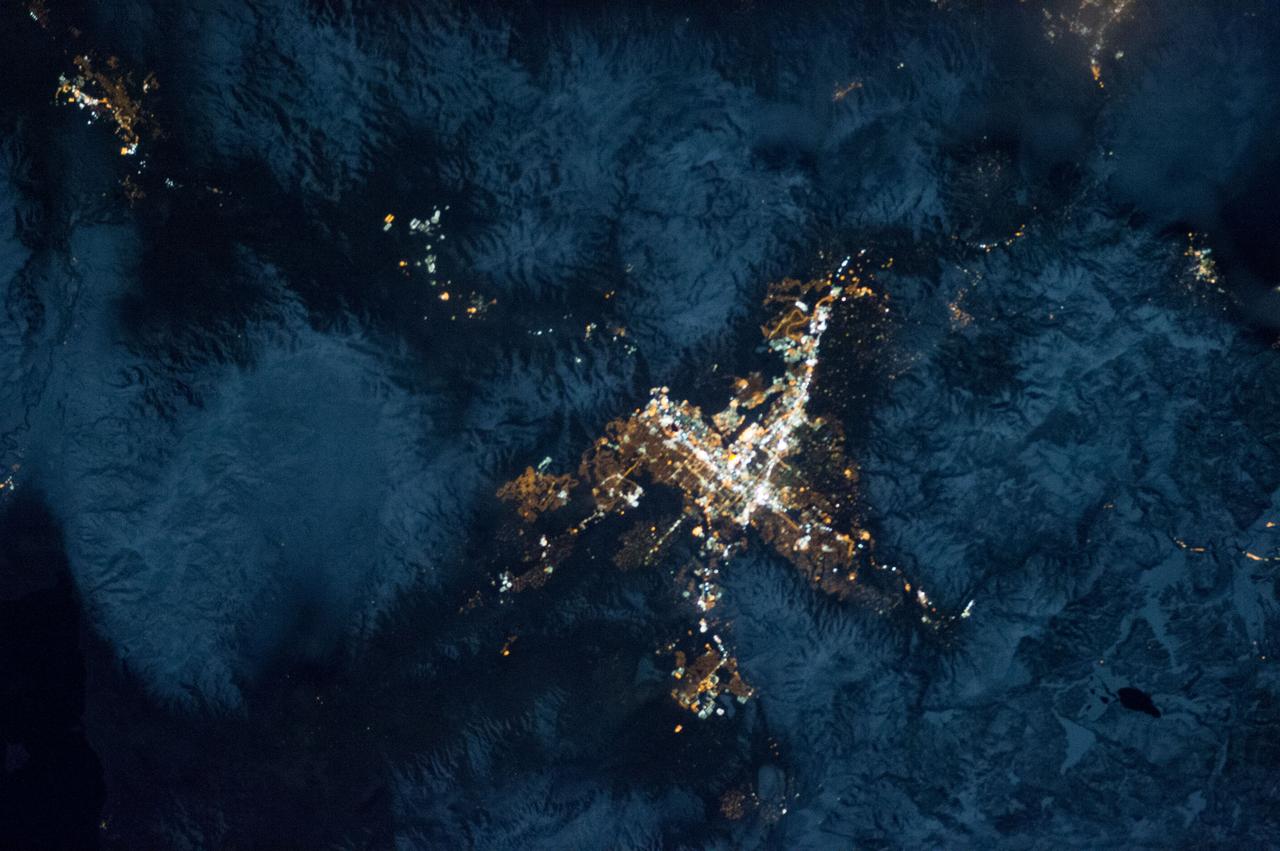
ISS034-E-035548 (28 Jan. 2013) --- A nighttime view of the Reno, Nevada metropolitan area is featured in this image photographed by an Expedition 34 crew member on the International Space Station. Known as ?the biggest little city in the world?, the city of Reno is located in Truckee Meadows along the eastern foothills of the Sierra Nevada near the California border. It forms part of the Reno-Sparks metropolitan area?the largest such area in northern Nevada, and the second largest in the state after Las Vegas. Lake Tahoe, a major destination for skiing and other outdoor recreational activities, is located less than 50 kilometers to the southwest of the Reno-Sparks metro area. The relatively isolated nature of the metropolitan area within the surrounding terrain is highlighted in this nighttime image. The major industrial and commercial areas of both Reno and Sparks are brightly lit at center. The major street grid is visible as orange linear features adjacent to the industrial/commercial areas. Residential areas appear dark in contrast. The Reno-Tahoe International Airport (center) is visible as a dark, dagger-shaped region in the southeast quarter of the metropolitan area. At the time this photograph was taken, the moon was in a waning gibbous phase (98 percent of a full moon). Moonlight provided enough illumination of the ground surface such that the topography, accentuated by snow cover, surrounding the Reno-Sparks area is clearly visible (upper right, lower right) following color enhancement.
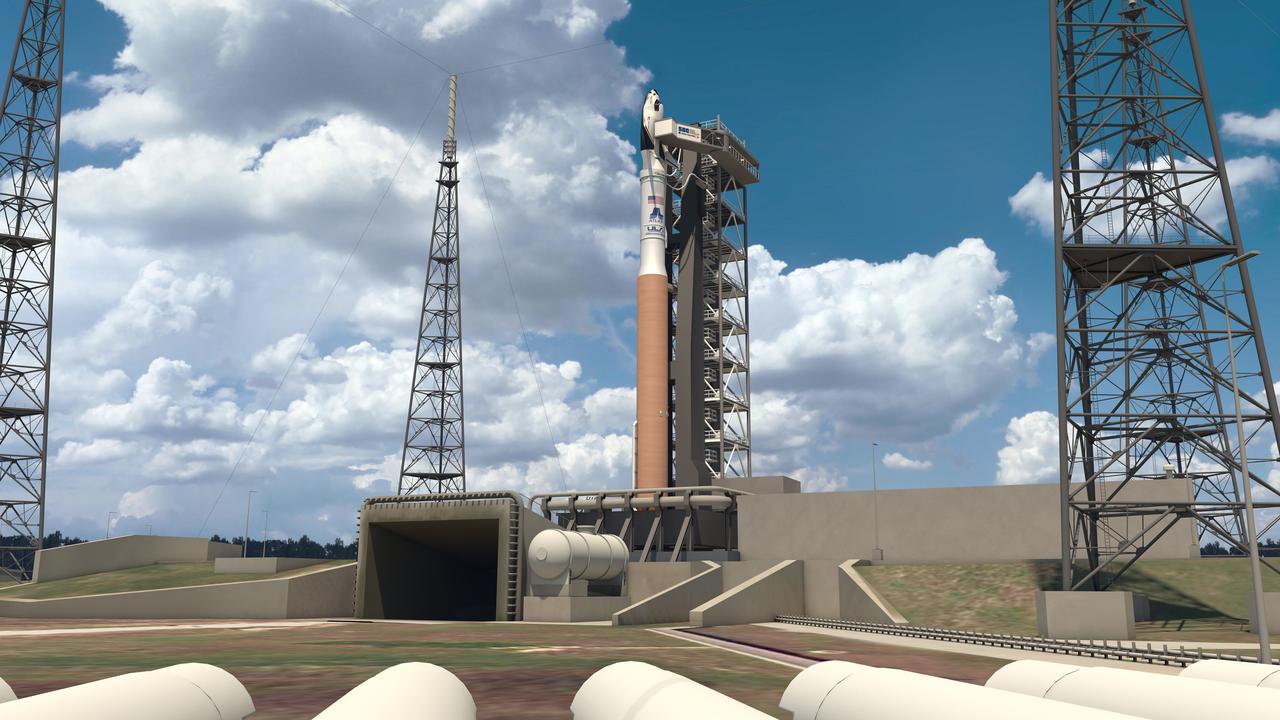
CAPE CANAVERAL, Fla. -- This is an artist's conception of Sierra Nevada Corp. SNC Space System's Dream Chaser spacecraft atop a United Launch Alliance ULA Atlas V rocket under development for NASA's Commercial Crew Program, or CCP. The integrated system was selected for CCP's Commercial Crew Integrated Capability, or CCiCap, initiative to propel America's next human space transportation system to low Earth orbit forward. Operating under a funded Space Act Agreement, or SAA, SNC will spend the next 21 months completing its design, conducting critical risk reduction testing on its spacecraft and launch vehicle, and showcasing how it would operate and manage missions from launch through orbit and landing, setting the stage for a future demonstration mission. To learn more about CCP, which is based at NASA's Kennedy Space Center in Florida and supported by NASA's Johnson Space Center in Houston, visit www.nasa.gov/commercialcrew. Image credit: SNC
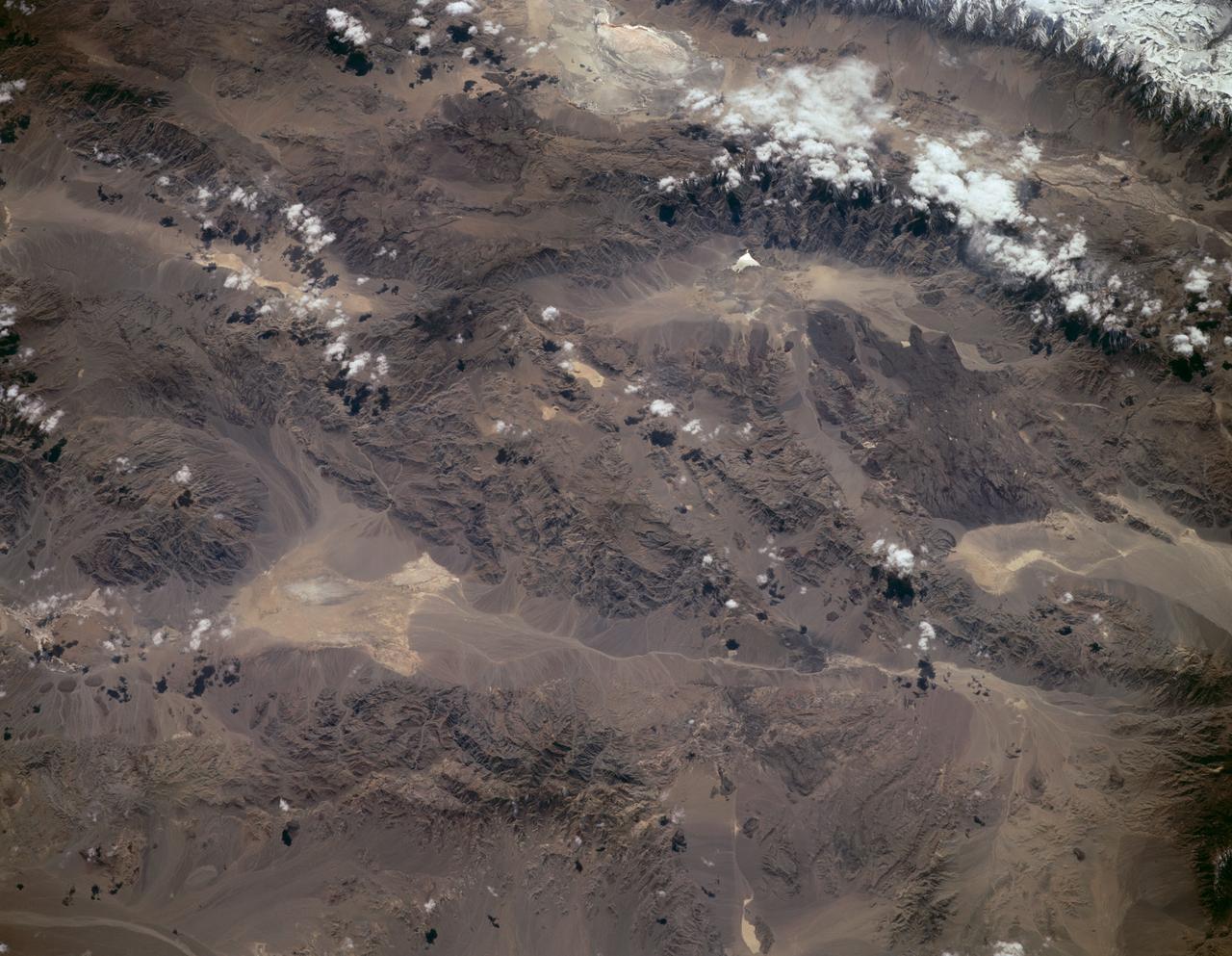
STS059-L09-162 (9-20 April 1994) --- Orient with the snow-covered mountains (Sierra Nevada of California) in the upper right corner. Then Owens Valley runs along the top of the photograph to Owens Lake playa at top center. The upper end of Death Valley extends from right to left in the foreground, with the drainage running down to a playa at Stovepipe Wells in the left foreground. Geologists are studying microwave signatures of the different playa surfaces, and the coatings on alluvial fans that extend from mountain masses, to try to sort out the history of different climates in this formerly wet but now hyperarid region.
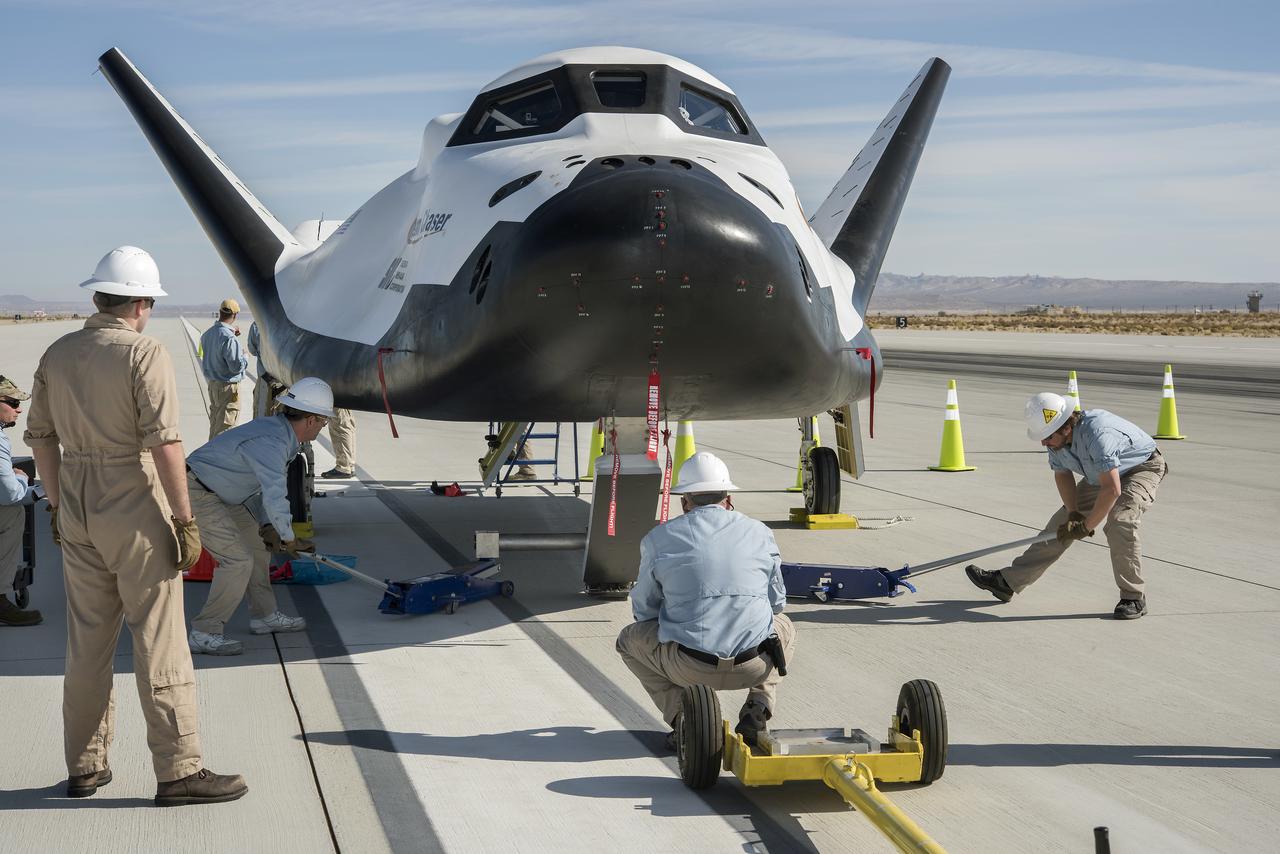
After successfully landing on an Edwards Air Force Base runway on Nov. 11, 2017, Sierra Nevada Corp’s Dream Chaser was prepared for its tow back to NASA Armstrong Flight Research Center in California.
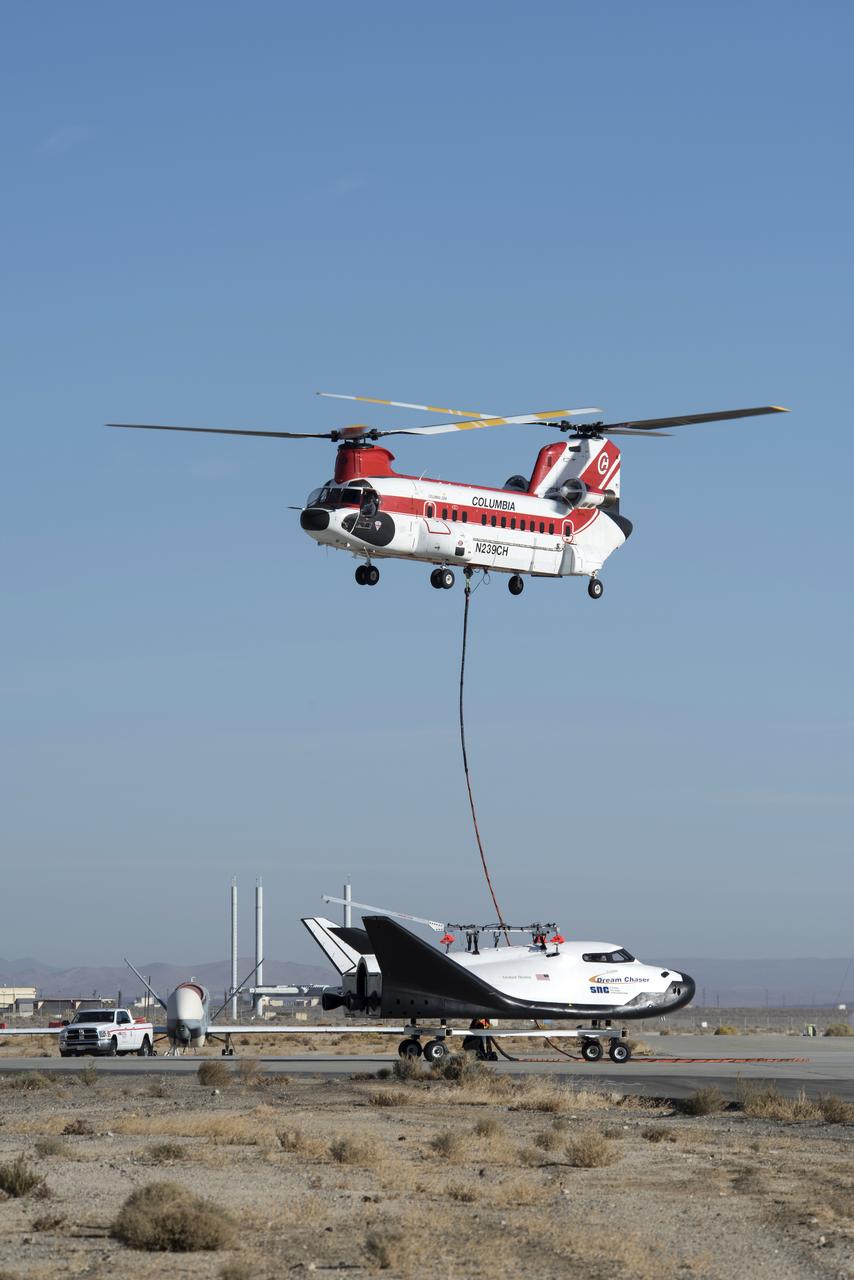
Sierra Nevada Corp’s Dream Chaser was lifted by helicopter from the ramp at NASA’s Armstrong Flight Research Center in Edwards, California, before its successful approach and landing flight test on Nov. 11, 2017.
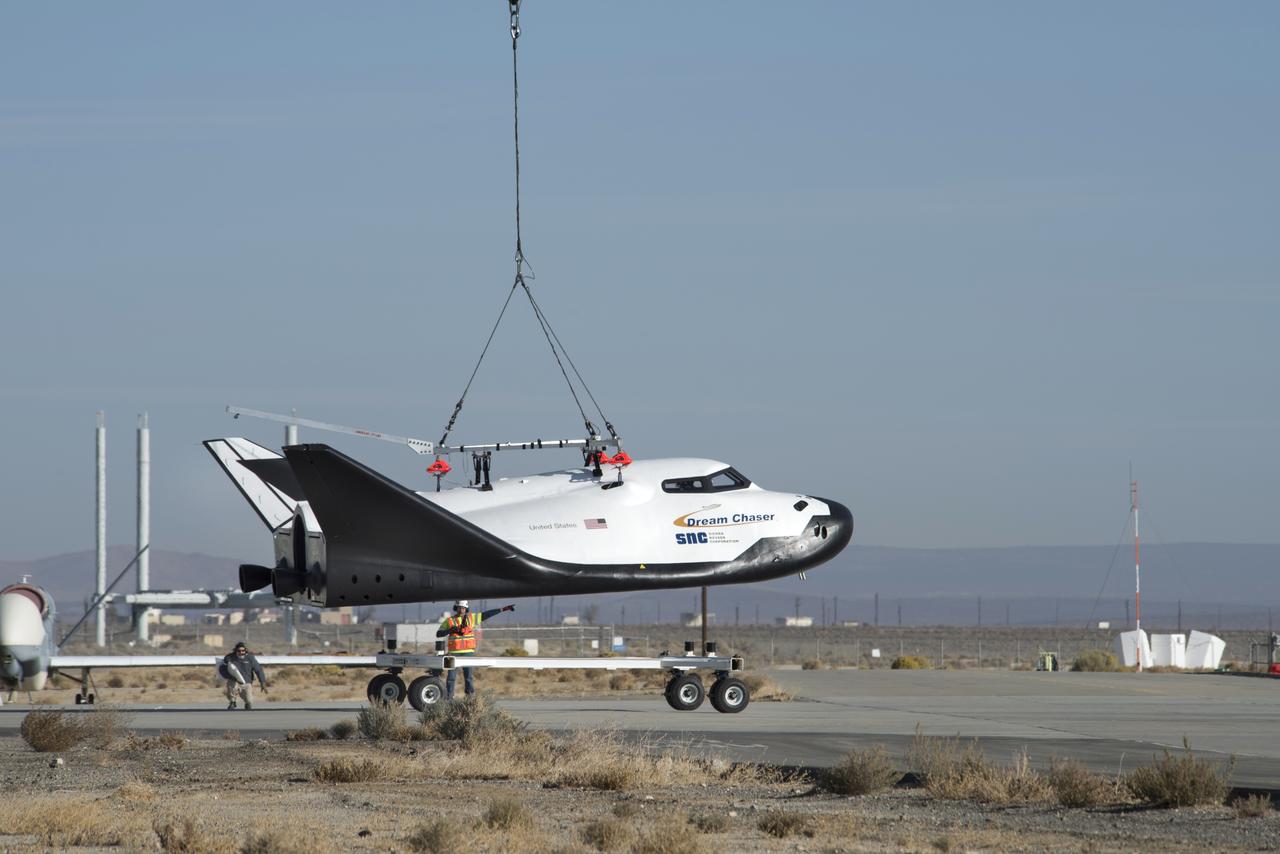
Sierra Nevada Corp’s Dream Chaser was lifted by helicopter from the ramp at NASA’s Armstrong Flight Research Center in Edwards, California, before its successful approach and landing flight test on Nov. 11, 2017.
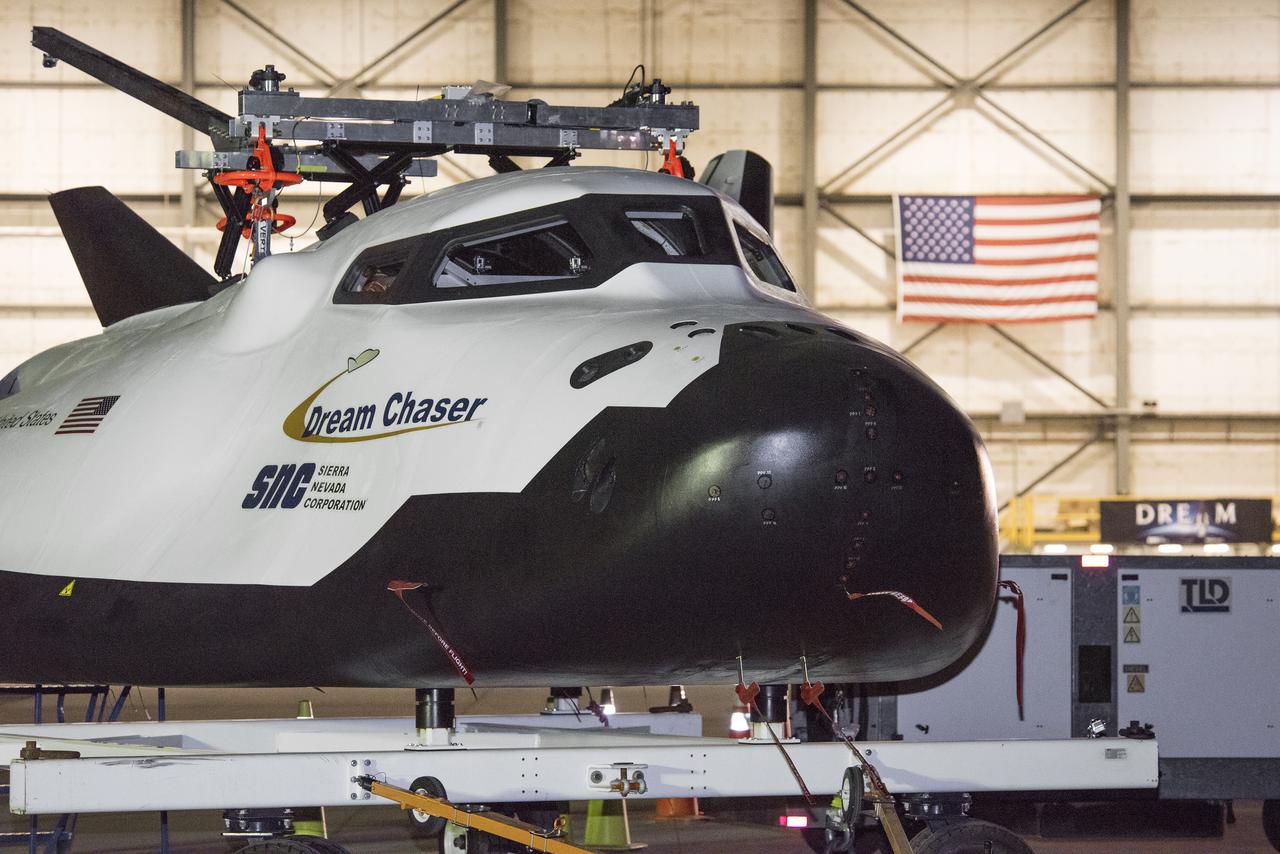
A lift device was attached to Sierra Nevada Corp’s Dream Chaser for a helicopter to pick it up to drop for its successful approach and landing test at NASA’s Armstrong Flight Research Center in California on Nov. 11, 2017.
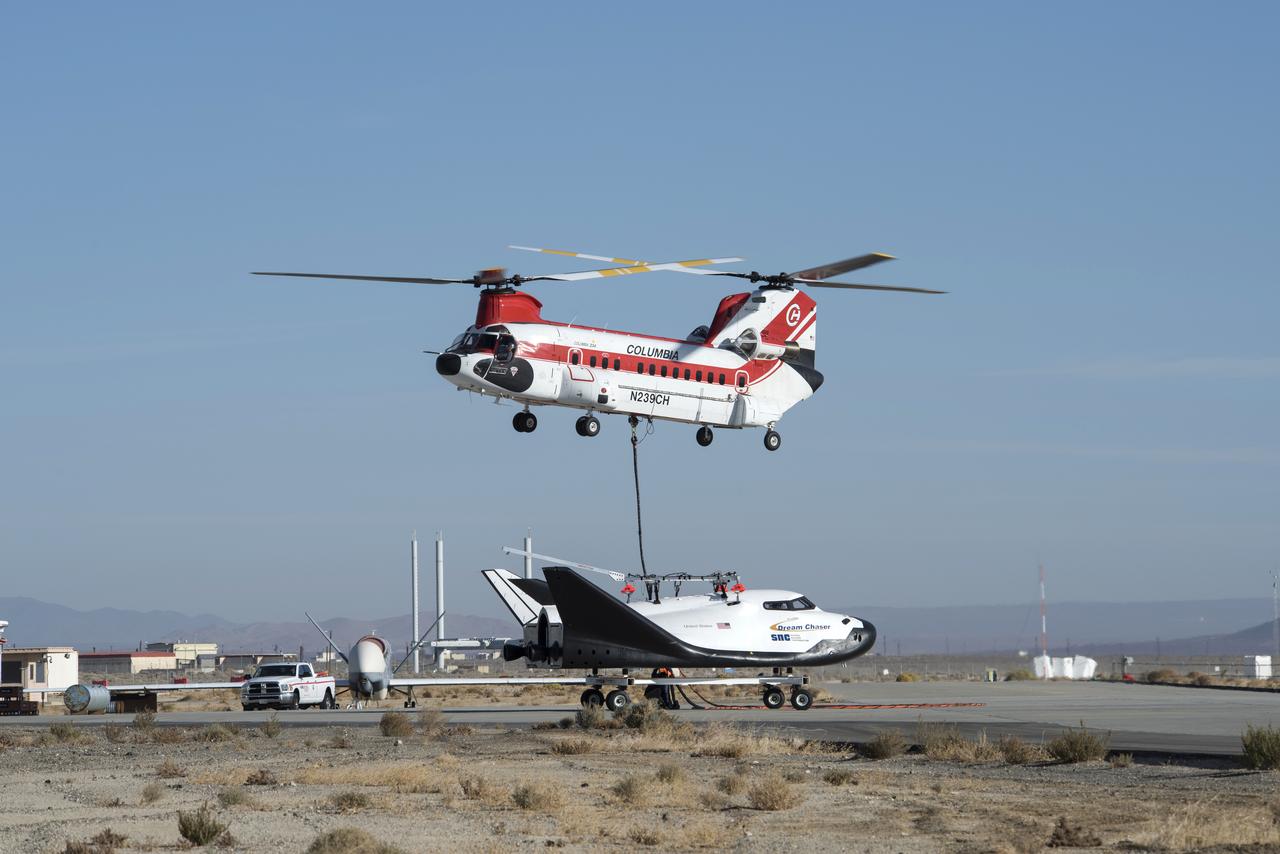
Sierra Nevada Corp’s Dream Chaser was lifted by helicopter from the ramp at NASA’s Armstrong Flight Research Center in Edwards, California, before its successful approach and landing flight test on Nov. 11, 2017.
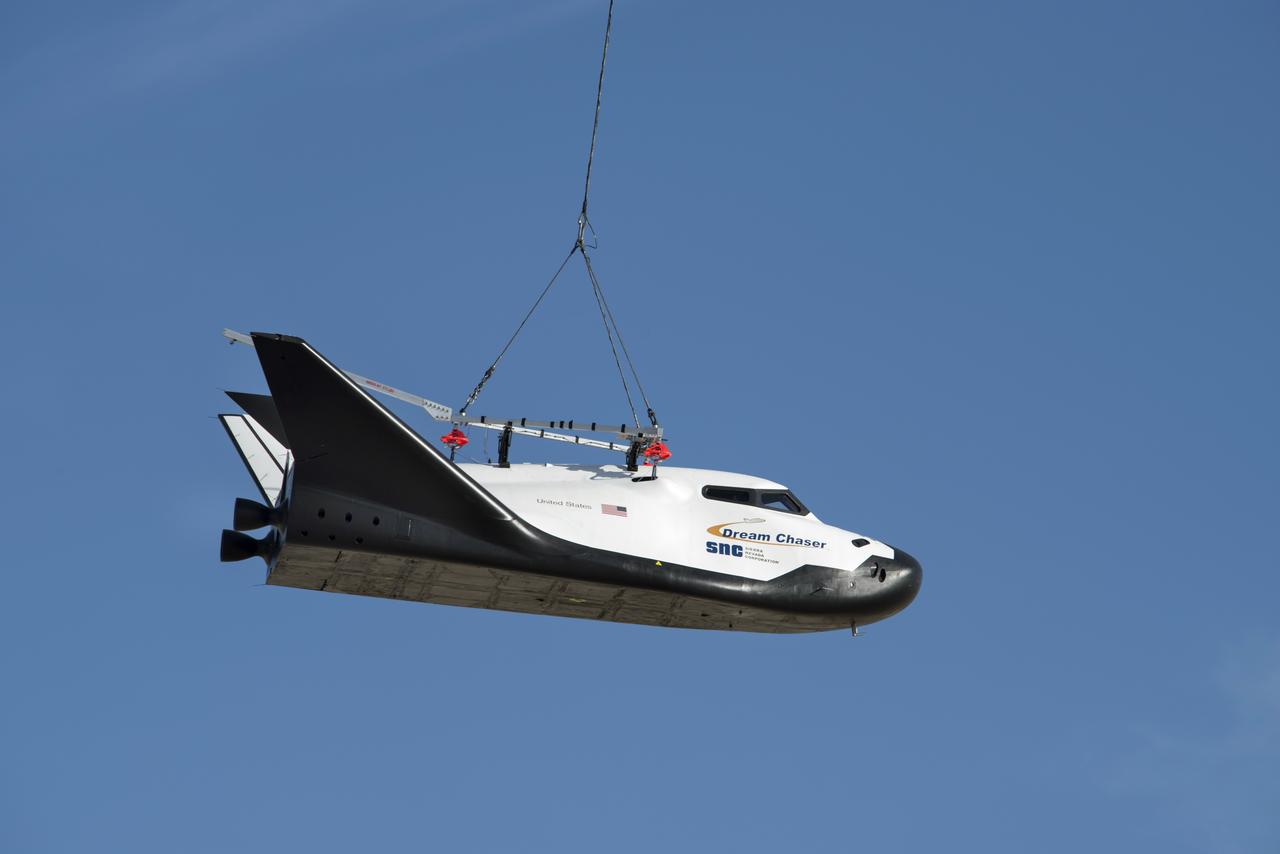
Sierra Nevada Corp’s Dream Chaser was lifted by helicopter from the ramp at NASA’s Armstrong Flight Research Center in Edwards, California, before its successful approach and landing flight test on Nov. 11, 2017.
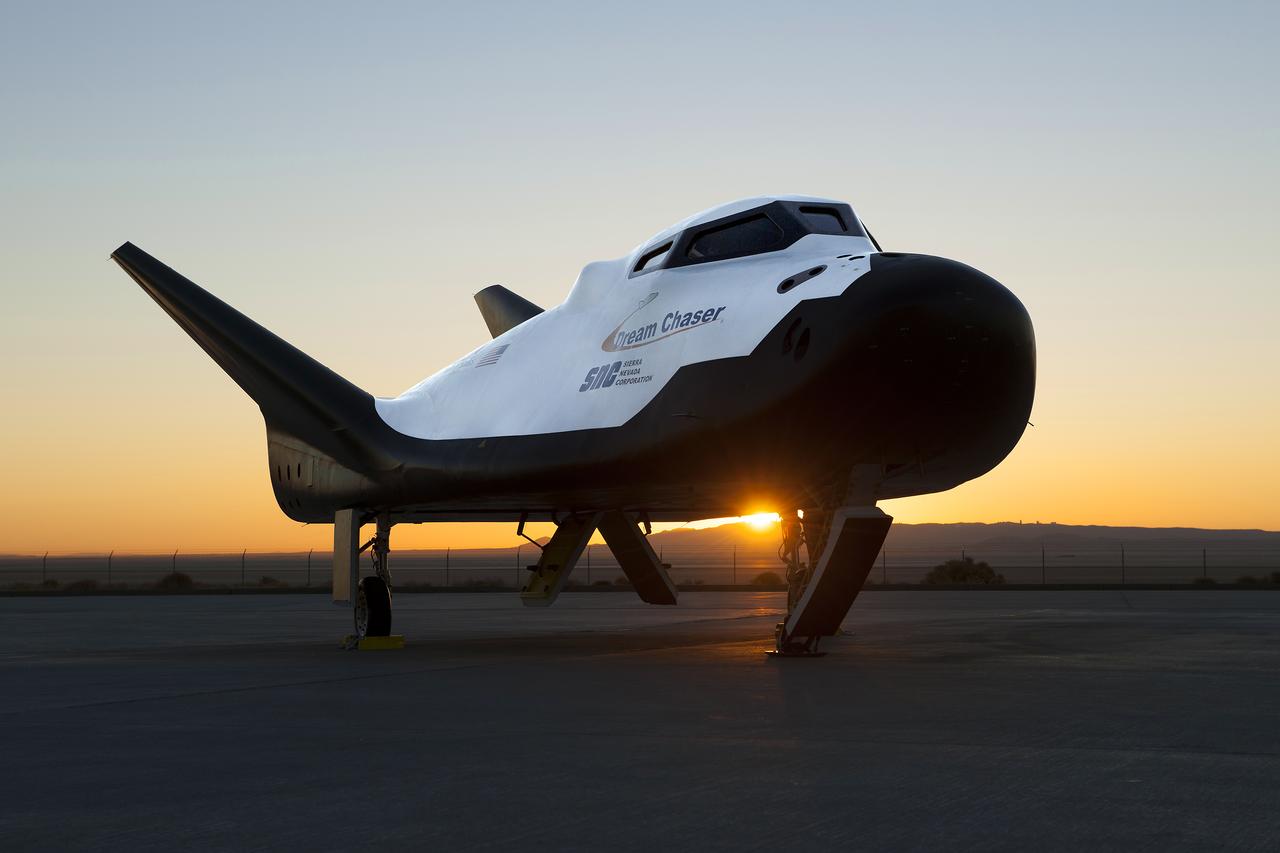
Sierra Nevada Corp’s Dream Chaser posed on ramp at sunrise at NASA Armstrong Flight Research Center in California where the aircraft has gone through a series of tests in preparation for flight.

Sierra Nevada Corp’s Dream Chaser crew prepared for helicopter lift off ramp at NASA’s Armstrong Flight Research Center in California, for its successful approach and landing flight test on Nov. 11, 2017.