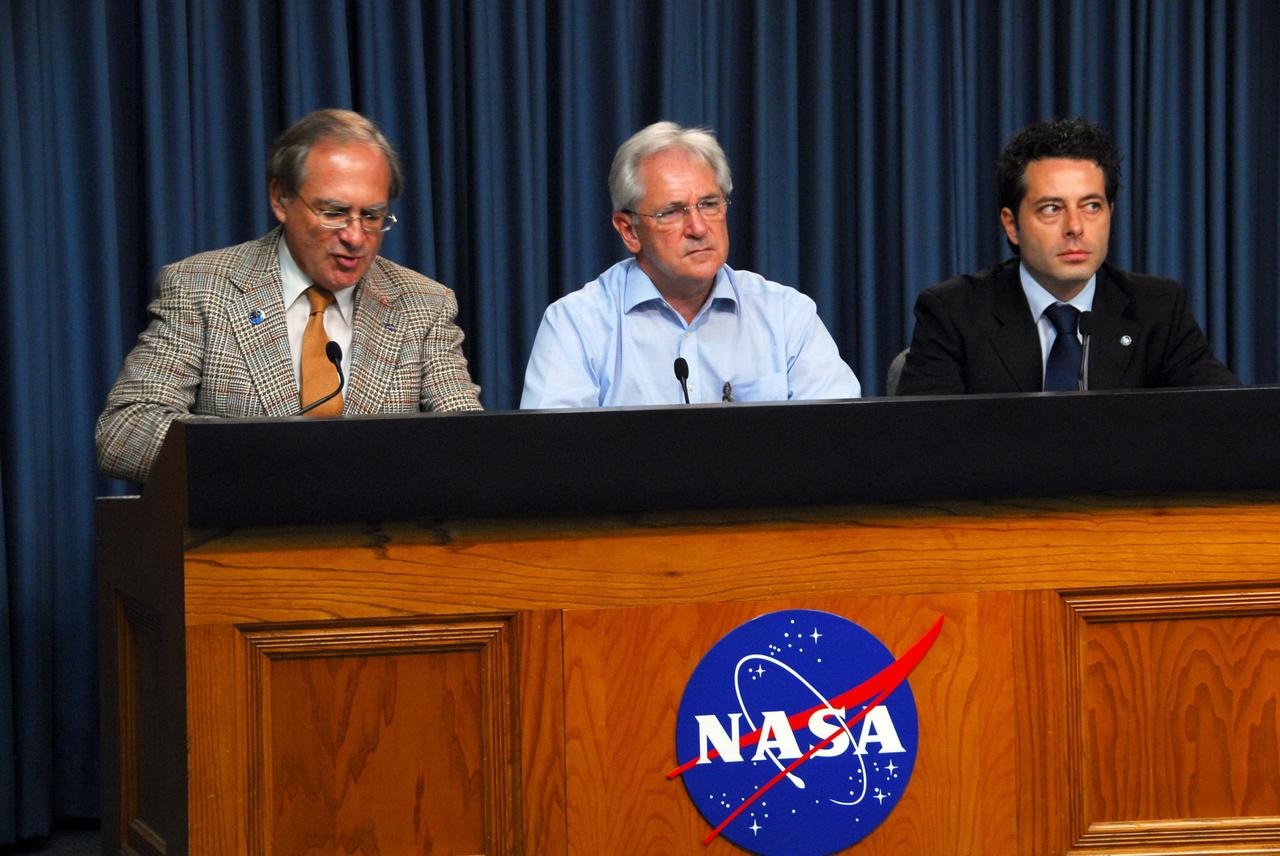
KENNEDY SPACE CENTER, FLA. -- Representatives of NASA's international partners participate in a news briefing on the launch readiness of space shuttle mission STS-120. From left are George Diller, briefing moderator for NASA; Alan Thirkettle, International Space Station Program Manager for ESA, the European Space Agency; and Mauro Piermaria, ESPERIA mission manager for ASI, the Italian Space Agency. The STS-120 mission will be the 23rd shuttle flight to the International Space Station, delivering the Italian-built U.S. Node 2, called Harmony. The seven-member crew includes ESA astronaut Paolo Nespoli from Italy. The 14-day mission includes five spacewalks -- four by shuttle crew members and one by the station's Expedition 16 crew -- to install Harmony and move the P6 solar arrays to their permanent position and deploy them. Launch aboard space shuttle Discovery is planned for 11:38 a.m. EDT Oct. 23, and Discovery is scheduled to complete its mission and return home on Nov. 6. Photo credit: NASA/George Shelton
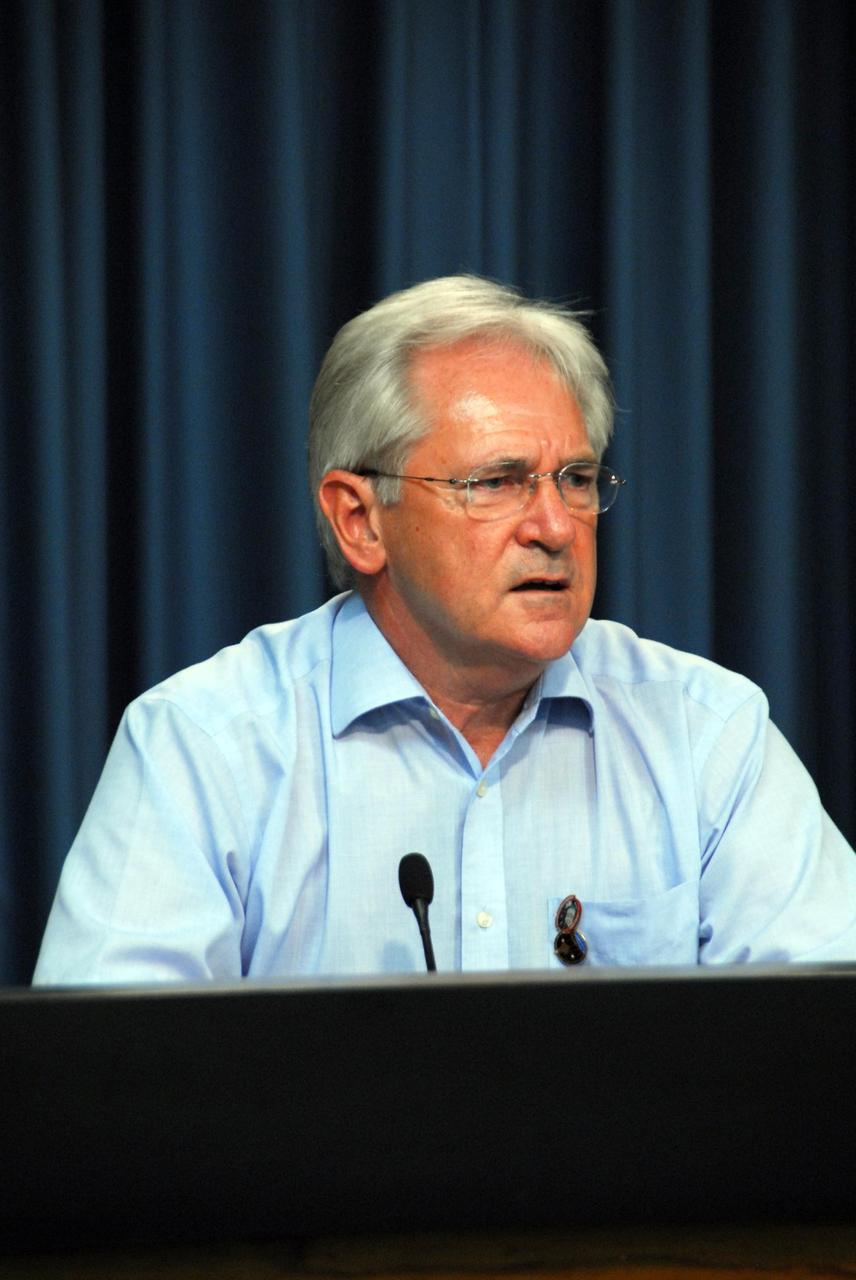
KENNEDY SPACE CENTER, FLA. -- Alan Thirkettle, the International Space Station Program Manager for ESA, the European Space Agency, participates in a news briefing on the launch readiness of space shuttle mission STS-120. The STS-120 mission will be the 23rd shuttle flight to the International Space Station, delivering the Italian-built U.S. Node 2, called Harmony. The seven-member crew includes ESA astronaut Paolo Nespoli from Italy. The 14-day mission includes five spacewalks -- four by shuttle crew members and one by the station's Expedition 16 crew -- to install Harmony and move the P6 solar arrays to their permanent position and deploy them. Launch aboard space shuttle Discovery is planned for 11:38 a.m. EDT Oct. 23, and Discovery is scheduled to complete its mission and return home on Nov. 6. Photo credit: NASA/George Shelton
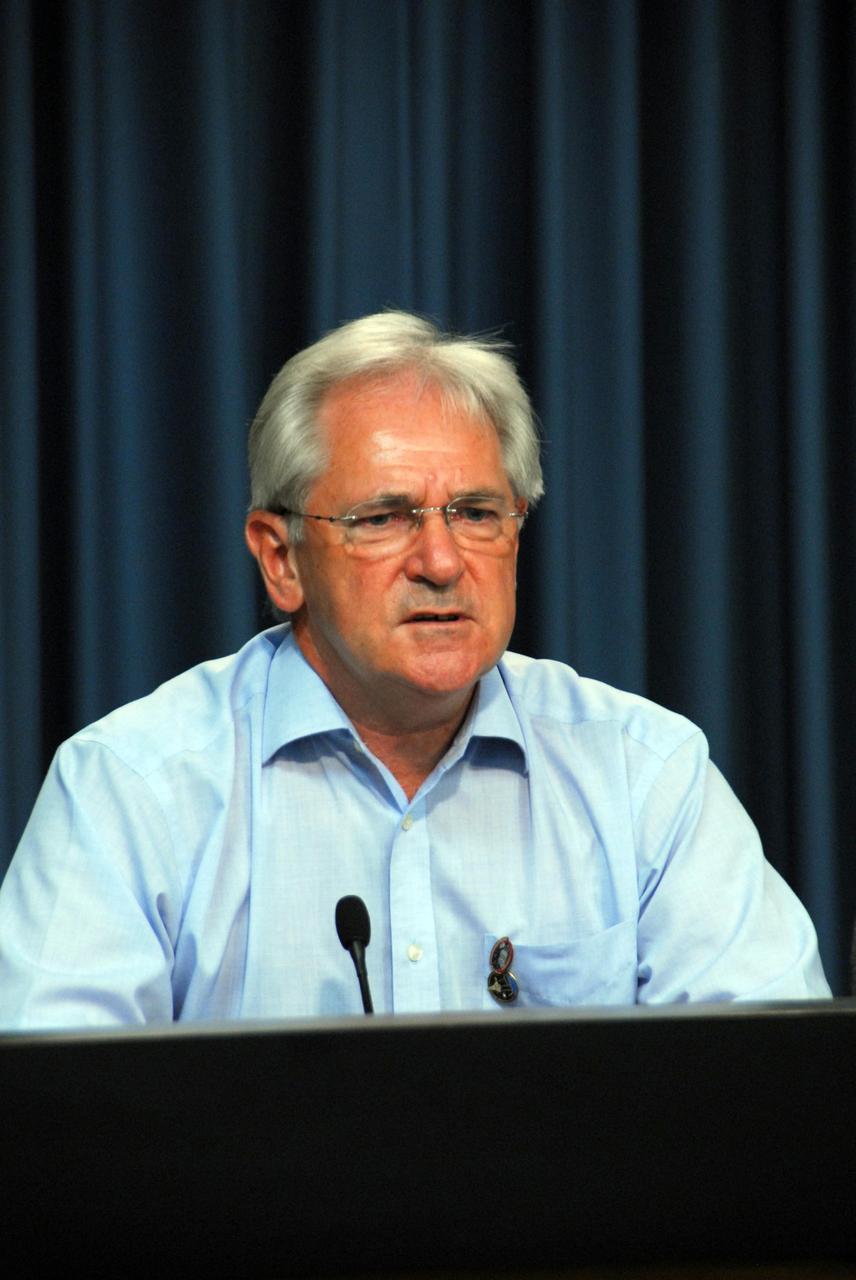
KENNEDY SPACE CENTER, FLA. -- Alan Thirkettle, the International Space Station Program Manager for ESA, the European Space Agency, answers questions from the media during a news briefing on the launch readiness of space shuttle mission STS-120. The STS-120 mission will be the 23rd shuttle flight to the International Space Station, delivering the Italian-built U.S. Node 2, called Harmony. The seven-member crew includes ESA astronaut Paolo Nespoli from Italy. The 14-day mission includes five spacewalks -- four by shuttle crew members and one by the station's Expedition 16 crew -- to install Harmony and move the P6 solar arrays to their permanent position and deploy them. Launch aboard space shuttle Discovery is planned for 11:38 a.m. EDT Oct. 23, and Discovery is scheduled to complete its mission and return home on Nov. 6. Photo credit: NASA/George Shelton
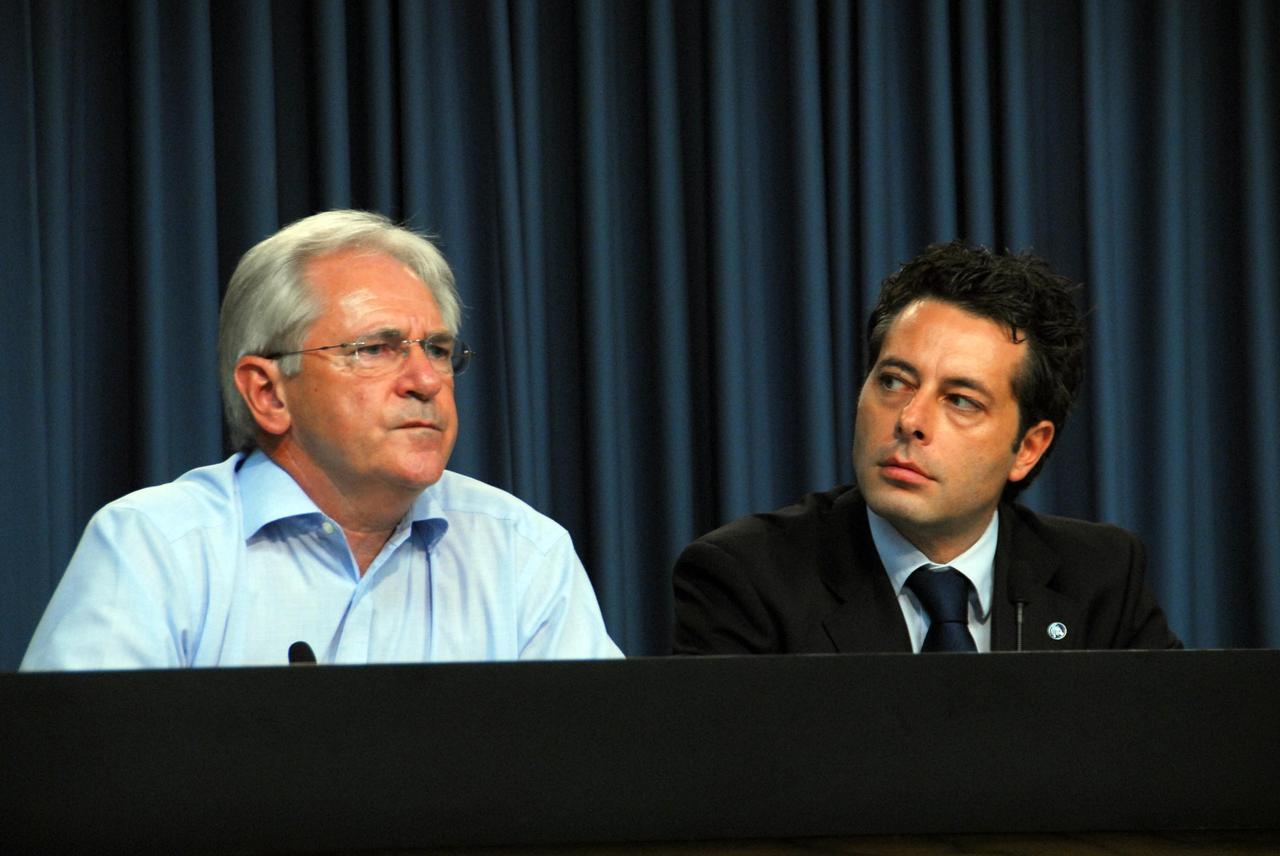
KENNEDY SPACE CENTER, FLA. -- Alan Thirkettle, the International Space Station Program Manager for ESA, the European Space Agency, and Mauro Piermaria, the ESPERIA mission manager for ASI, the Italian Space Agency, participate in a news briefing on the launch readiness of space shuttle mission STS-120. The STS-120 mission will be the 23rd shuttle flight to the International Space Station, delivering the Italian-built U.S. Node 2, called Harmony. The seven-member crew includes ESA astronaut Paolo Nespoli from Italy. The 14-day mission includes five spacewalks -- four by shuttle crew members and one by the station's Expedition 16 crew -- to install Harmony and move the P6 solar arrays to their permanent position and deploy them. Launch aboard space shuttle Discovery is planned for 11:38 a.m. EDT Oct. 23, and Discovery is scheduled to complete its mission and return home on Nov. 6. Photo credit: NASA/George Shelton
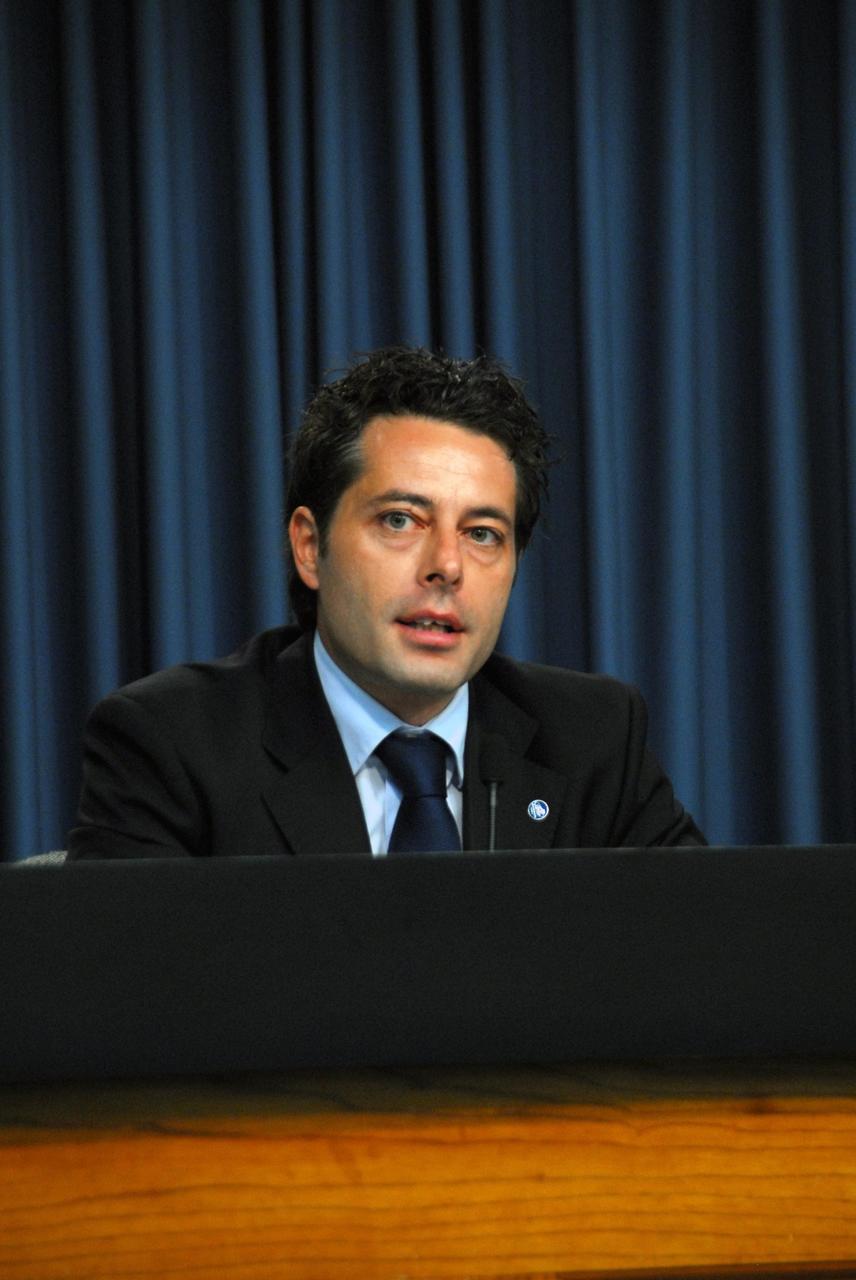
KENNEDY SPACE CENTER, FLA. -- Mauro Piermaria, the ESPERIA mission manager for ASI, the Italian Space Agency, answers questions from the media during a news briefing on the launch readiness of space shuttle mission STS-120. The STS-120 mission will be the 23rd shuttle flight to the International Space Station, delivering the Italian-built U.S. Node 2, called Harmony. The seven-member crew includes ESA astronaut Paolo Nespoli from Italy. The 14-day mission includes five spacewalks -- four by shuttle crew members and one by the station's Expedition 16 crew -- to install Harmony and move the P6 solar arrays to their permanent position and deploy them. Launch aboard space shuttle Discovery is planned for 11:38 a.m. EDT Oct. 23, and Discovery is scheduled to complete its mission and return home on Nov. 6. Photo credit: NASA/George Shelton
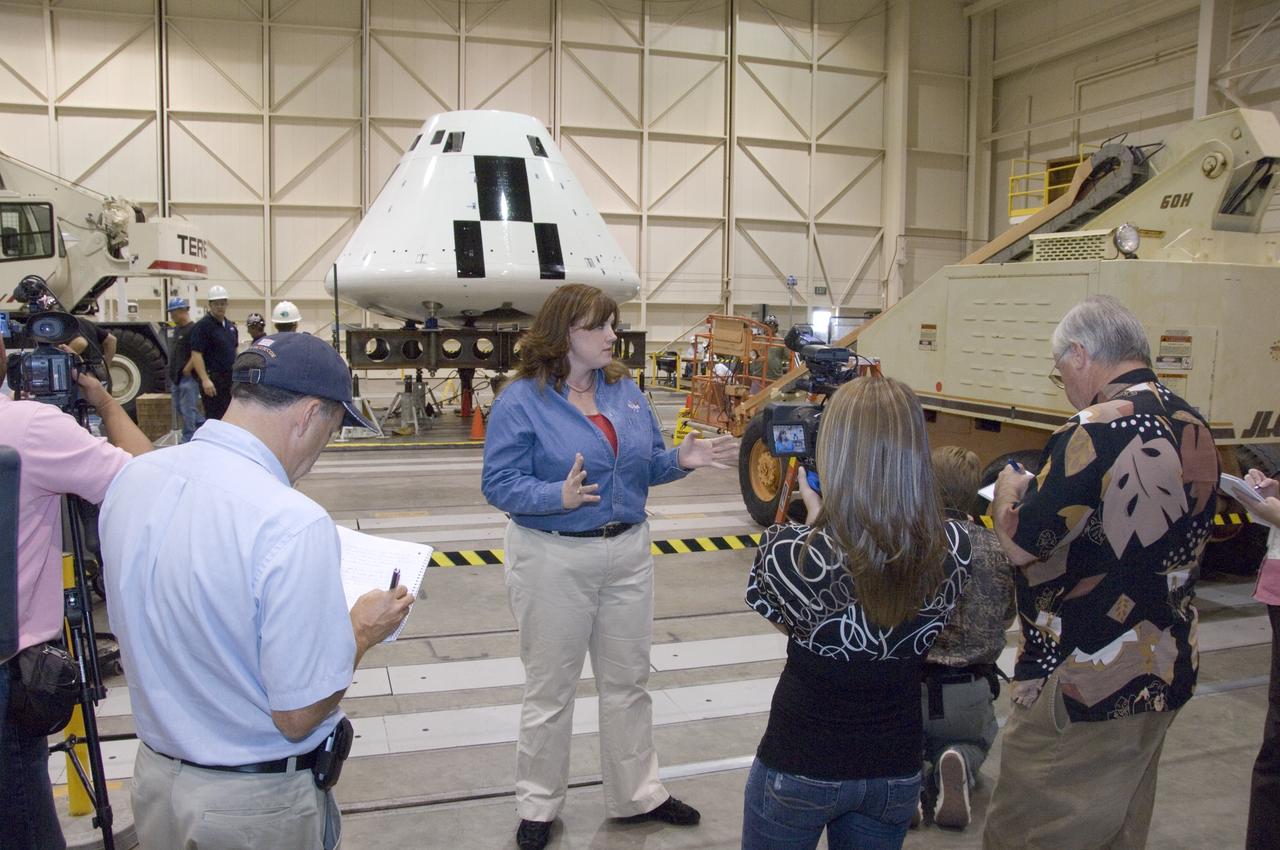
Cathy Bahm, Orion Abort Flight Test integration deputy project manager, briefs news media on the progress of testing in NASA Dryden's Flight Loads Laboratory.
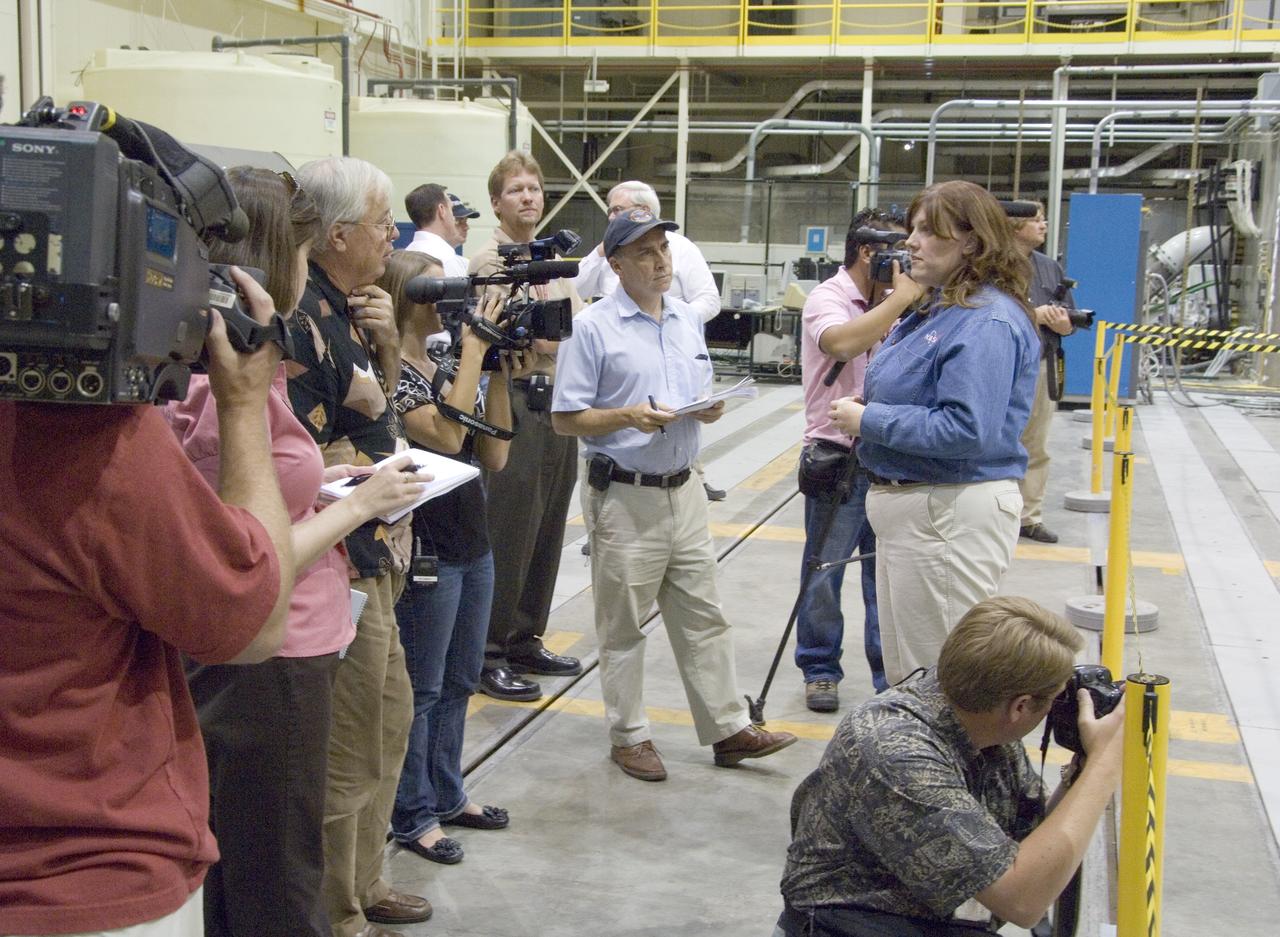
Cathy Bahm, Orion Abort Flight Test integration deputy project manager, briefs news media on the progress of testing in NASA Dryden's Flight Loads Laboratory.
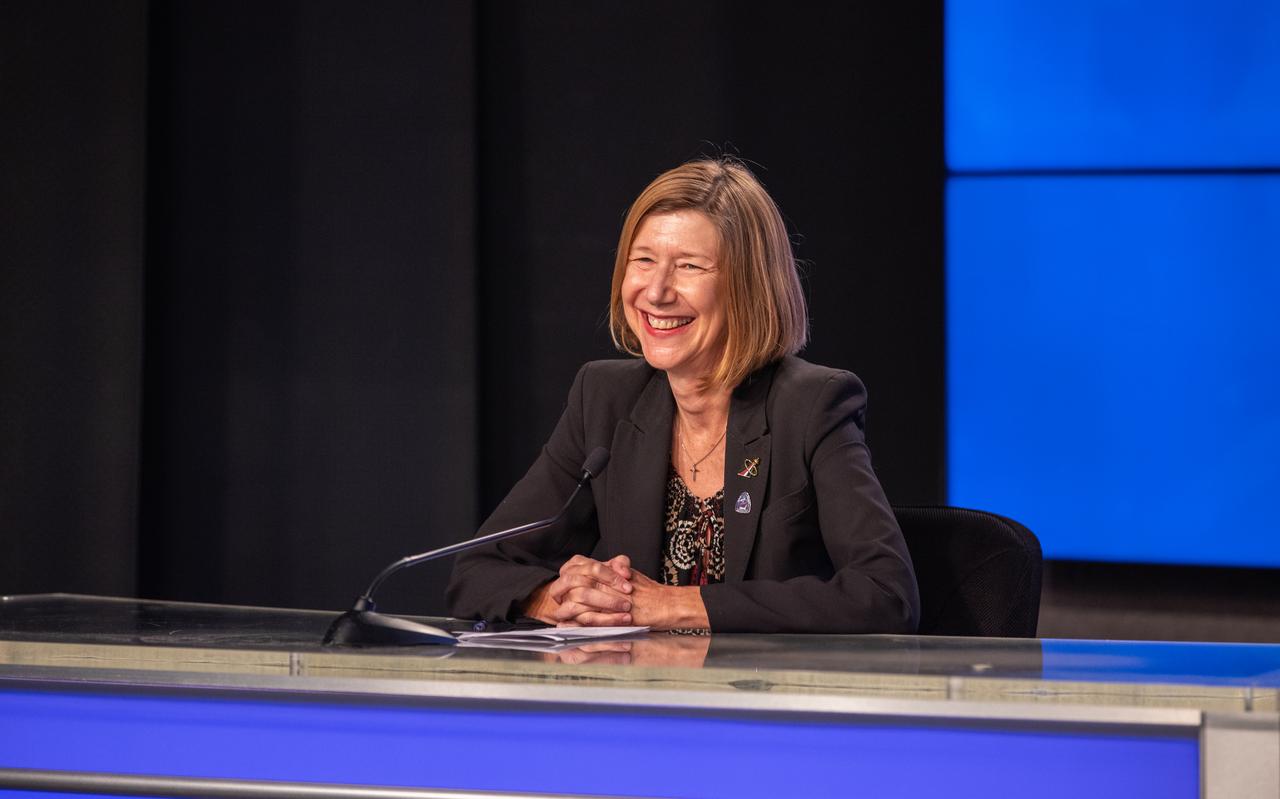
NASA’s Commercial Crew Program Manager, Kathy Lueders, participates in a postlaunch news conference inside the Press Site auditorium at the agency’s Kennedy Space Center in Florida on May 30, 2020, following the launch of NASA’s SpaceX Demo-2 mission to the International Space Station. Liftoff of the SpaceX Falcon 9 rocket and Crew Dragon spacecraft, carrying NASA astronauts Robert Behnken and Douglas Hurley, occurred at 3:22 p.m. EDT from historic Launch Complex 39A. Behnken and Hurley are the first astronauts to launch to the space station from U.S. soil since the end of the Space Shuttle Program in 2011. Part of NASA’s Commercial Crew Program, this will be SpaceX’s final flight test, paving the way for the agency to certify the crew transportation system for regular, crewed flights to the orbiting laboratory.
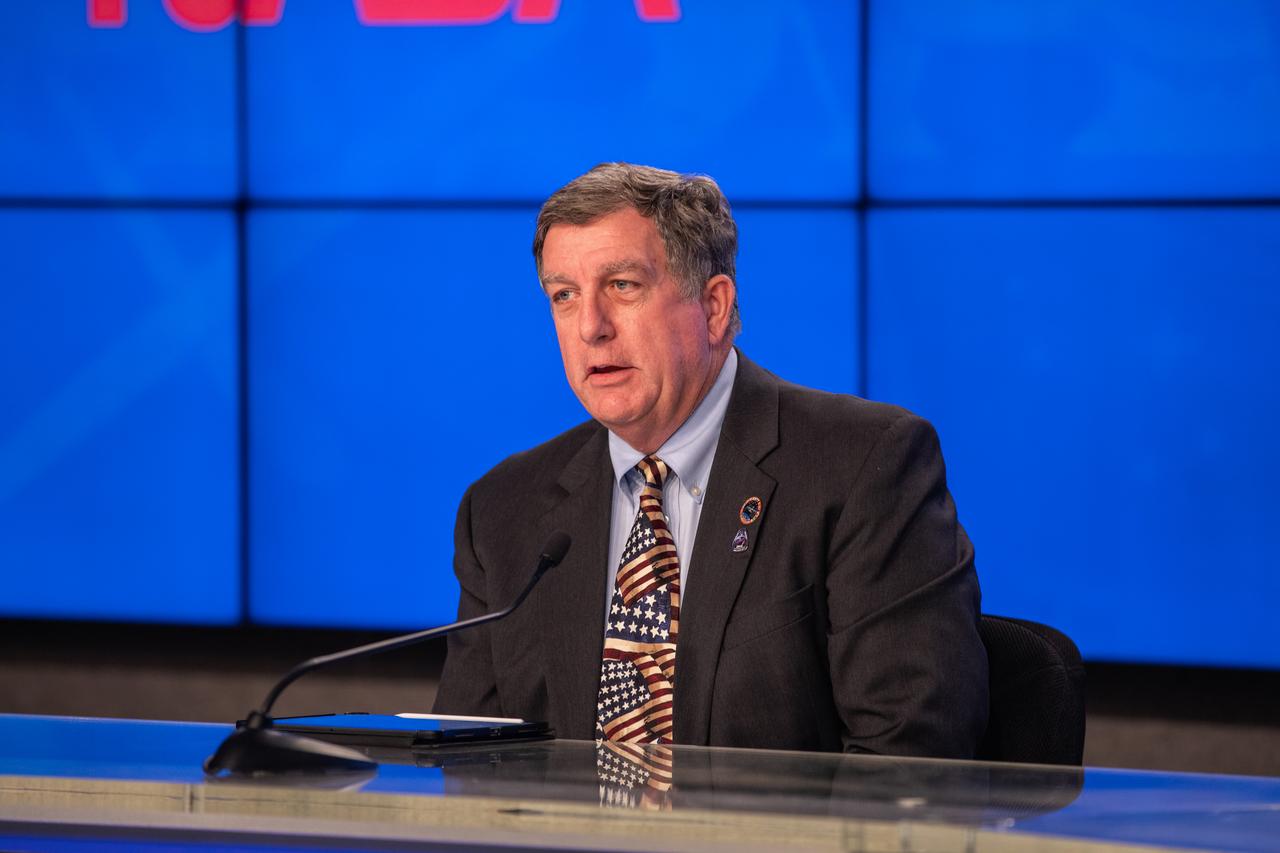
NASA’s International Space Station Program Manager, Kirk Shireman, participates in a postlaunch news conference inside the Press Site auditorium at the agency’s Kennedy Space Center in Florida on May 30, 2020, following the launch of NASA’s SpaceX Demo-2 mission to the International Space Station. Liftoff of the SpaceX Falcon 9 rocket and Crew Dragon spacecraft, carrying NASA astronauts Robert Behnken and Douglas Hurley, occurred at 3:22 p.m. EDT from historic Launch Complex 39A. Behnken and Hurley are the first astronauts to launch to the space station from U.S. soil since the end of the Space Shuttle Program in 2011. Part of NASA’s Commercial Crew Program, this will be SpaceX’s final flight test, paving the way for the agency to certify the crew transportation system for regular, crewed flights to the orbiting laboratory.
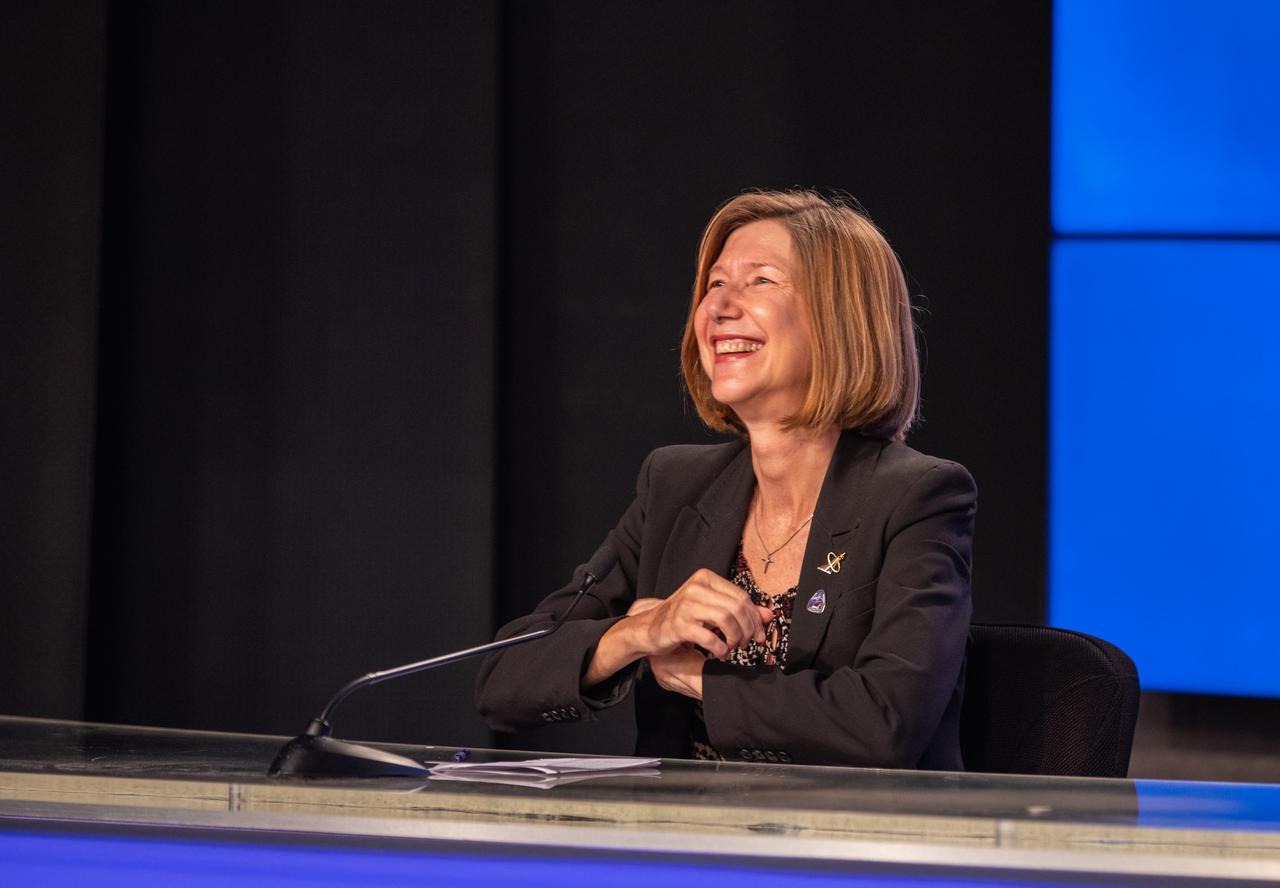
NASA’s Commercial Crew Program Manager, Kathy Lueders, participates in a postlaunch news conference inside the Press Site auditorium at the agency’s Kennedy Space Center in Florida on May 30, 2020, following the launch of NASA’s SpaceX Demo-2 mission to the International Space Station. Liftoff of the SpaceX Falcon 9 rocket and Crew Dragon spacecraft, carrying NASA astronauts Robert Behnken and Douglas Hurley, occurred at 3:22 p.m. EDT from historic Launch Complex 39A. Behnken and Hurley are the first astronauts to launch to the space station from U.S. soil since the end of the Space Shuttle Program in 2011. Part of NASA’s Commercial Crew Program, this will be SpaceX’s final flight test, paving the way for the agency to certify the crew transportation system for regular, crewed flights to the orbiting laboratory.
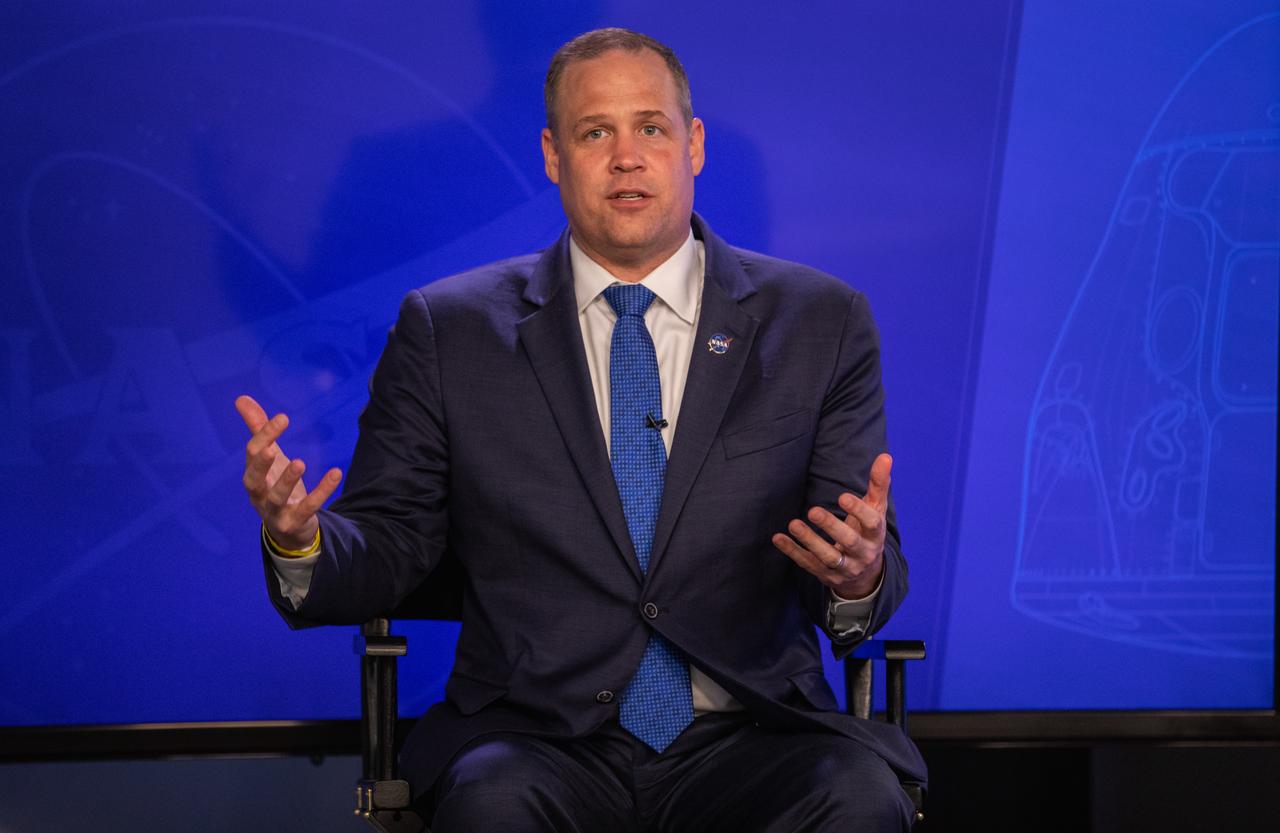
NASA Administrator Jim Bridenstine participates in a postlaunch news conference inside the Press Site auditorium at NASA’s Kennedy Space Center in Florida on May 30, 2020, following the launch of the agency’s SpaceX Demo-2 mission to the International Space Station. Liftoff of the SpaceX Falcon 9 rocket and Crew Dragon spacecraft, carrying NASA astronauts Robert Behnken and Douglas Hurley, occurred at 3:22 p.m. EDT from historic Launch Complex 39A. Behnken and Hurley are the first astronauts to launch to the space station from U.S. soil since the end of the Space Shuttle Program in 2011. Part of NASA’s Commercial Crew Program, this will be SpaceX’s final flight test, paving the way for the agency to certify the crew transportation system for regular, crewed flights to the orbiting laboratory.
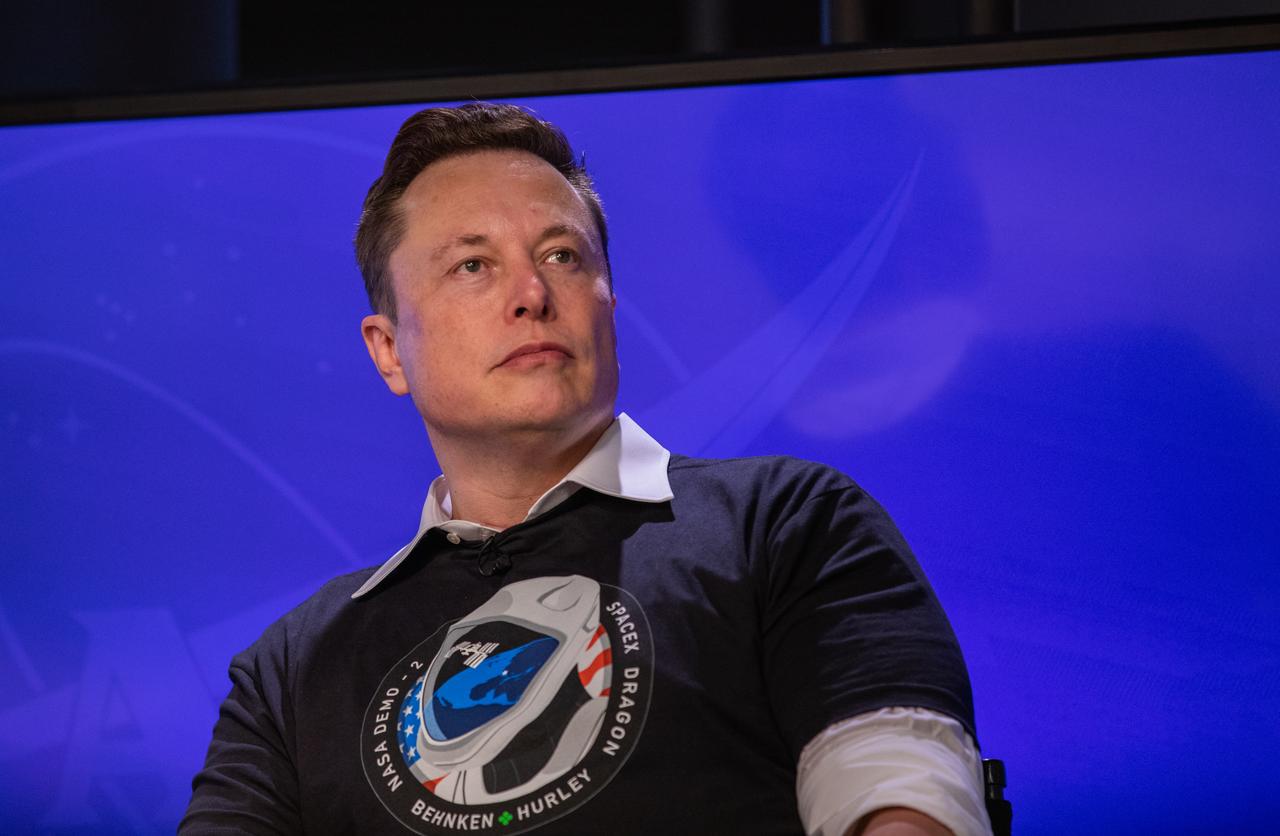
Chief Engineer of SpaceX Elon Musk participates in a postlaunch news conference inside the Press Site auditorium at NASA’s Kennedy Space Center in Florida on May 30, 2020, following the launch of the agency’s SpaceX Demo-2 mission to the International Space Station. Liftoff of the SpaceX Falcon 9 rocket and Crew Dragon spacecraft, carrying NASA astronauts Robert Behnken and Douglas Hurley, occurred at 3:22 p.m. EDT from historic Launch Complex 39A. Behnken and Hurley are the first astronauts to launch to the space station from U.S. soil since the end of the Space Shuttle Program in 2011. Part of NASA’s Commercial Crew Program, this will be SpaceX’s final flight test, paving the way for the agency to certify the crew transportation system for regular, crewed flights to the orbiting laboratory.
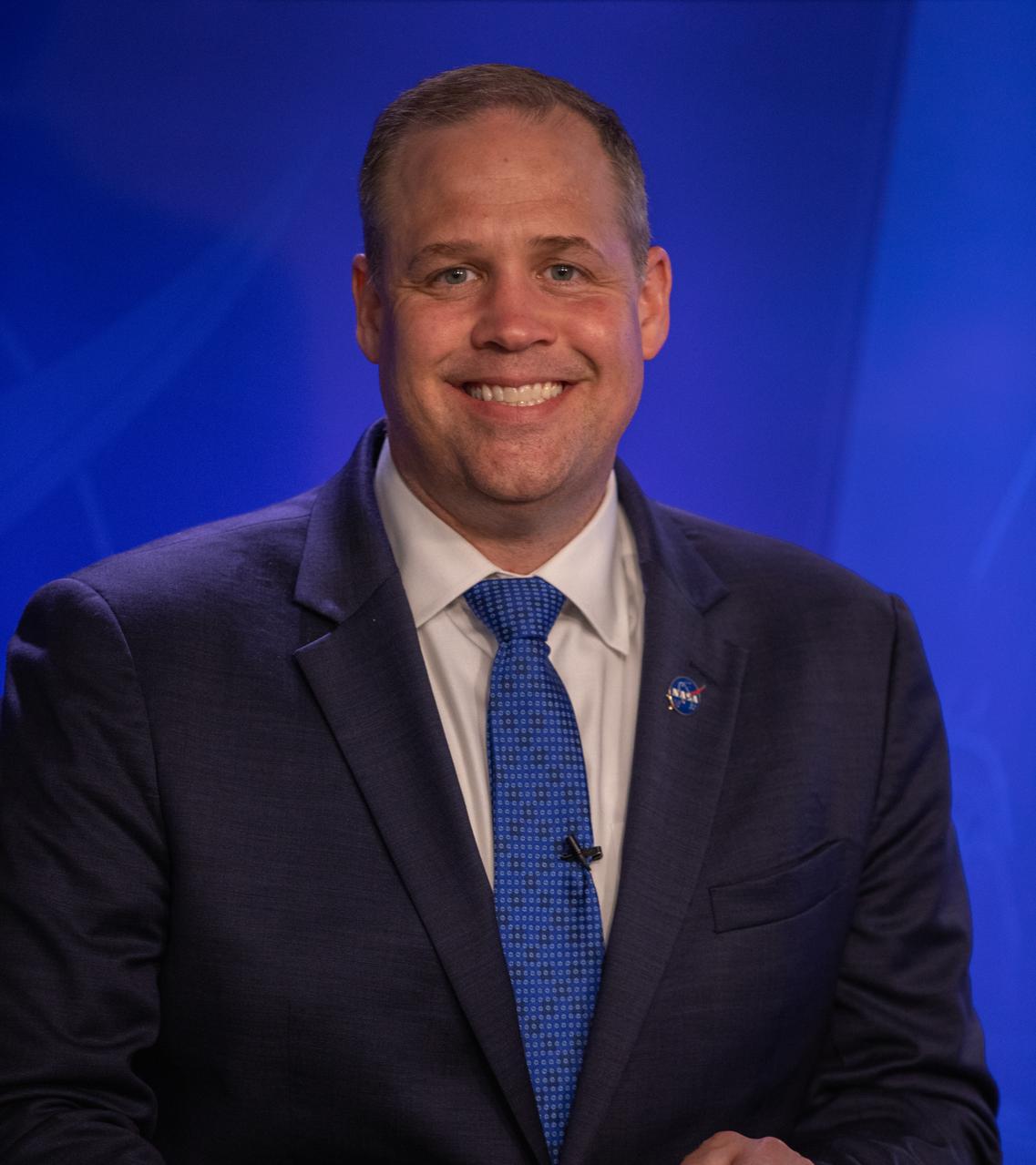
NASA Administrator Jim Bridenstine participates in a postlaunch news conference inside the Press Site auditorium at NASA’s Kennedy Space Center in Florida on May 30, 2020, following the launch of the agency’s SpaceX Demo-2 mission to the International Space Station. Liftoff of the SpaceX Falcon 9 rocket and Crew Dragon spacecraft, carrying NASA astronauts Robert Behnken and Douglas Hurley, occurred at 3:22 p.m. EDT from historic Launch Complex 39A. Behnken and Hurley are the first astronauts to launch to the space station from U.S. soil since the end of the Space Shuttle Program in 2011. Part of NASA’s Commercial Crew Program, this will be SpaceX’s final flight test, paving the way for the agency to certify the crew transportation system for regular, crewed flights to the orbiting laboratory.
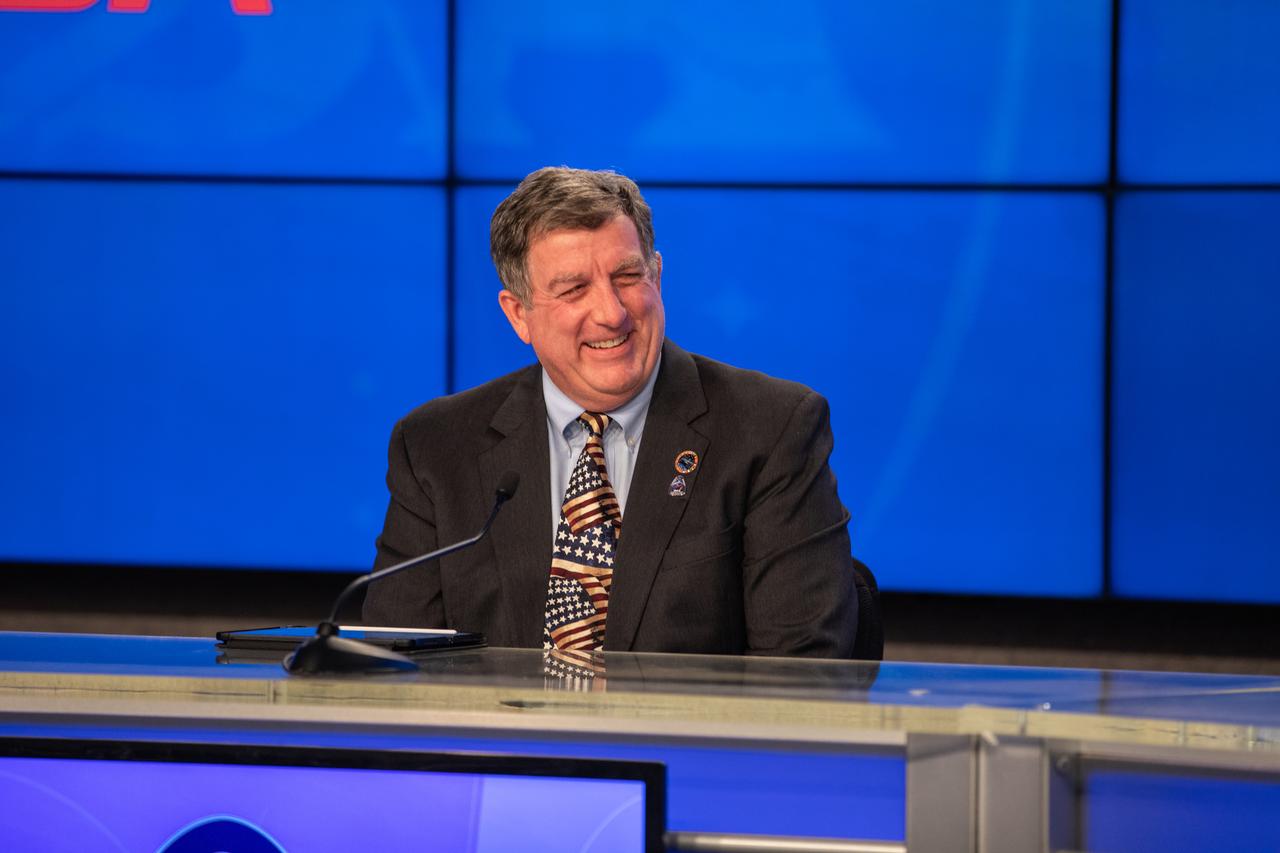
NASA’s International Space Station Program Manager, Kirk Shireman, participates in a postlaunch news conference inside the Press Site auditorium at the agency’s Kennedy Space Center in Florida on May 30, 2020, following the launch of NASA’s SpaceX Demo-2 mission to the International Space Station. Liftoff of the SpaceX Falcon 9 rocket and Crew Dragon spacecraft, carrying NASA astronauts Robert Behnken and Douglas Hurley, occurred at 3:22 p.m. EDT from historic Launch Complex 39A. Behnken and Hurley are the first astronauts to launch to the space station from U.S. soil since the end of the Space Shuttle Program in 2011. Part of NASA’s Commercial Crew Program, this will be SpaceX’s final flight test, paving the way for the agency to certify the crew transportation system for regular, crewed flights to the orbiting laboratory.
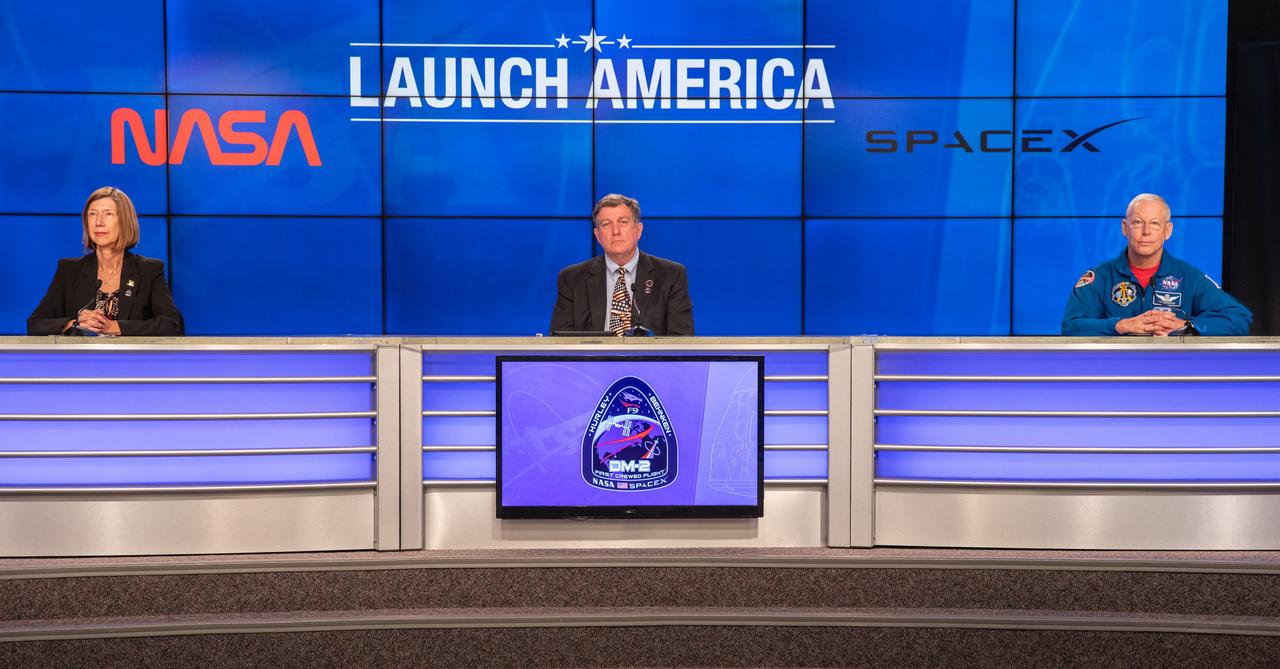
From left, NASA Commercial Crew Program Manager Kathy Lueders, NASA International Space Station Program Manager Kirk Shireman and NASA Chief Astronaut Pat Forrester participate in a postlaunch news conference inside the Press Site auditorium at NASA’s Kennedy Space Center in Florida on May 30, 2020, following the launch of the agency’s SpaceX Demo-2 mission to the International Space Station. Liftoff of the SpaceX Falcon 9 rocket and Crew Dragon spacecraft, carrying NASA astronauts Robert Behnken and Douglas Hurley, occurred at 3:22 p.m. EDT from historic Launch Complex 39A. Behnken and Hurley are the first astronauts to launch to the space station from U.S. soil since the end of the Space Shuttle Program in 2011. Part of NASA’s Commercial Crew Program, this will be SpaceX’s final flight test, paving the way for the agency to certify the crew transportation system for regular, crewed flights to the orbiting laboratory.
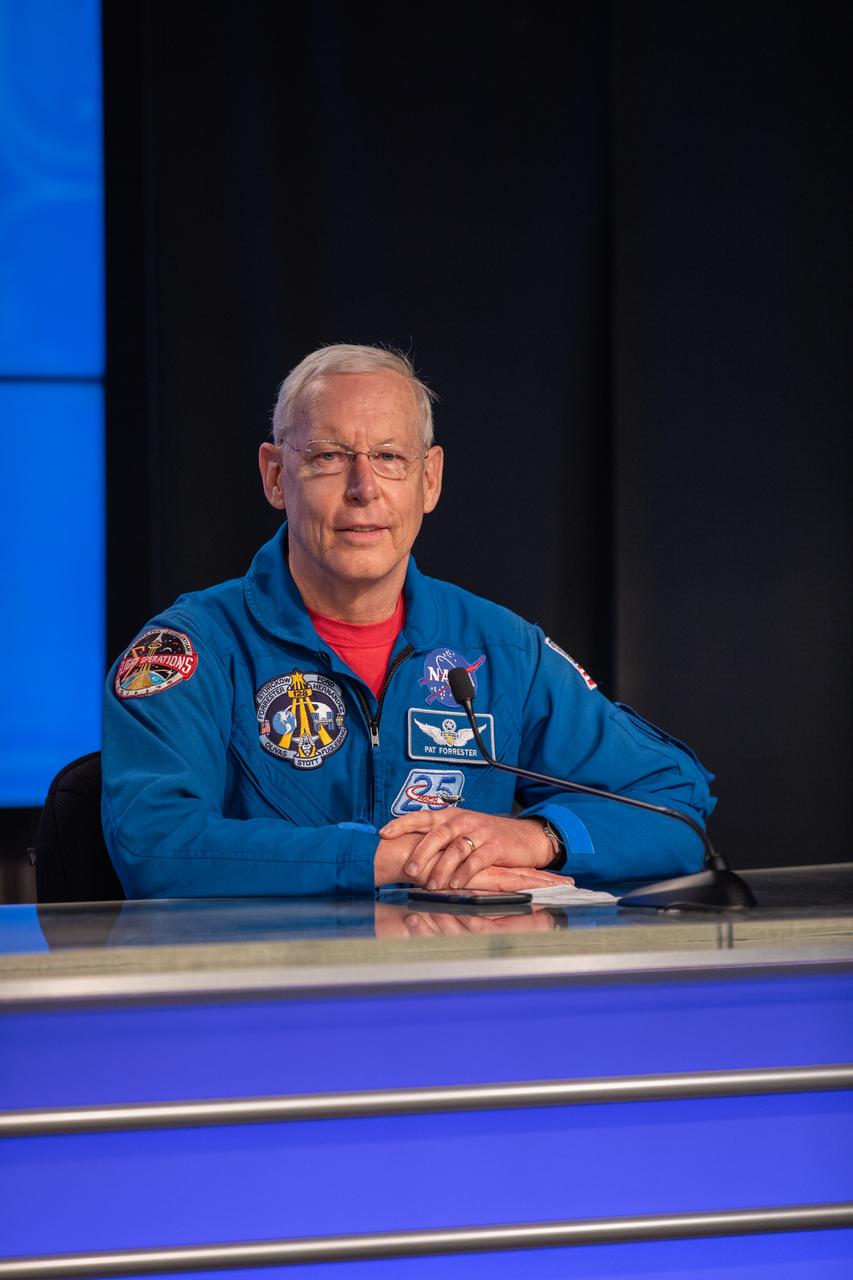
NASA Chief Astronaut Pat Forrester participates in a postlaunch news conference inside the Press Site auditorium at NASA’s Kennedy Space Center in Florida on May 30, 2020, following the launch of the agency’s SpaceX Demo-2 mission to the International Space Station. Liftoff of the SpaceX Falcon 9 rocket and Crew Dragon spacecraft, carrying NASA astronauts Robert Behnken and Douglas Hurley, occurred at 3:22 p.m. EDT from historic Launch Complex 39A. Behnken and Hurley are the first astronauts to launch to the space station from U.S. soil since the end of the Space Shuttle Program in 2011. Part of NASA’s Commercial Crew Program, this will be SpaceX’s final flight test, paving the way for the agency to certify the crew transportation system for regular, crewed flights to the orbiting laboratory.
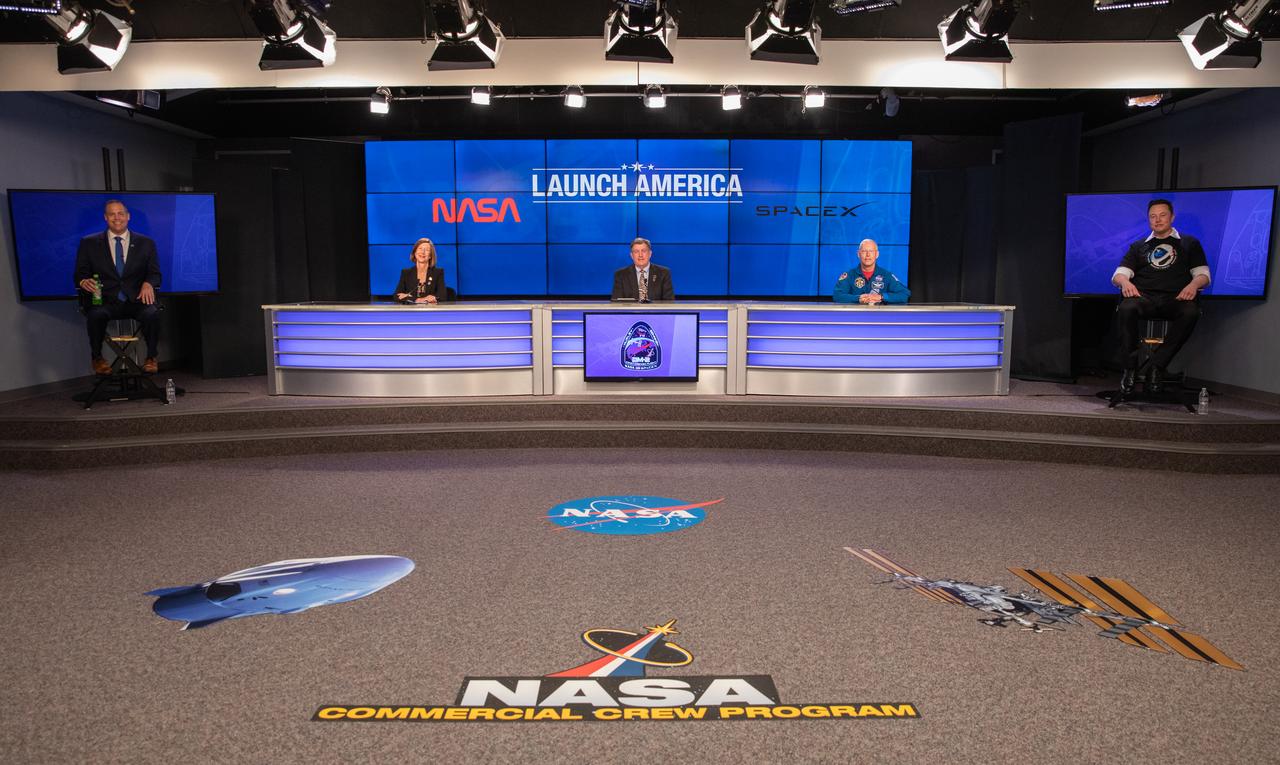
Inside the Press Site auditorium at NASA’s Kennedy Space Center in Florida, NASA and SpaceX officials conduct a postlaunch news conference on May 30, 2020, following the launch of the agency’s SpaceX Demo-2 mission to the International Space Station. From left are: NASA Administrator Jim Bridenstine; NASA Commercial Crew Program Manager Kathy Lueders; NASA International Space Station Program Manager Kirk Shireman; NASA Chief Astronaut Pat Forrester; and Chief Engineer Elon Musk. Liftoff of the SpaceX Falcon 9 rocket and Crew Dragon spacecraft, carrying NASA astronauts Robert Behnken and Douglas Hurley, occurred at 3:22 p.m. EDT from historic Launch Complex 39A. Behnken and Hurley are the first astronauts to launch to the space station from U.S. soil since the end of the Space Shuttle Program in 2011. Part of NASA’s Commercial Crew Program, this will be SpaceX’s final flight test, paving the way for the agency to certify the crew transportation system for regular, crewed flights to the orbiting laboratory.
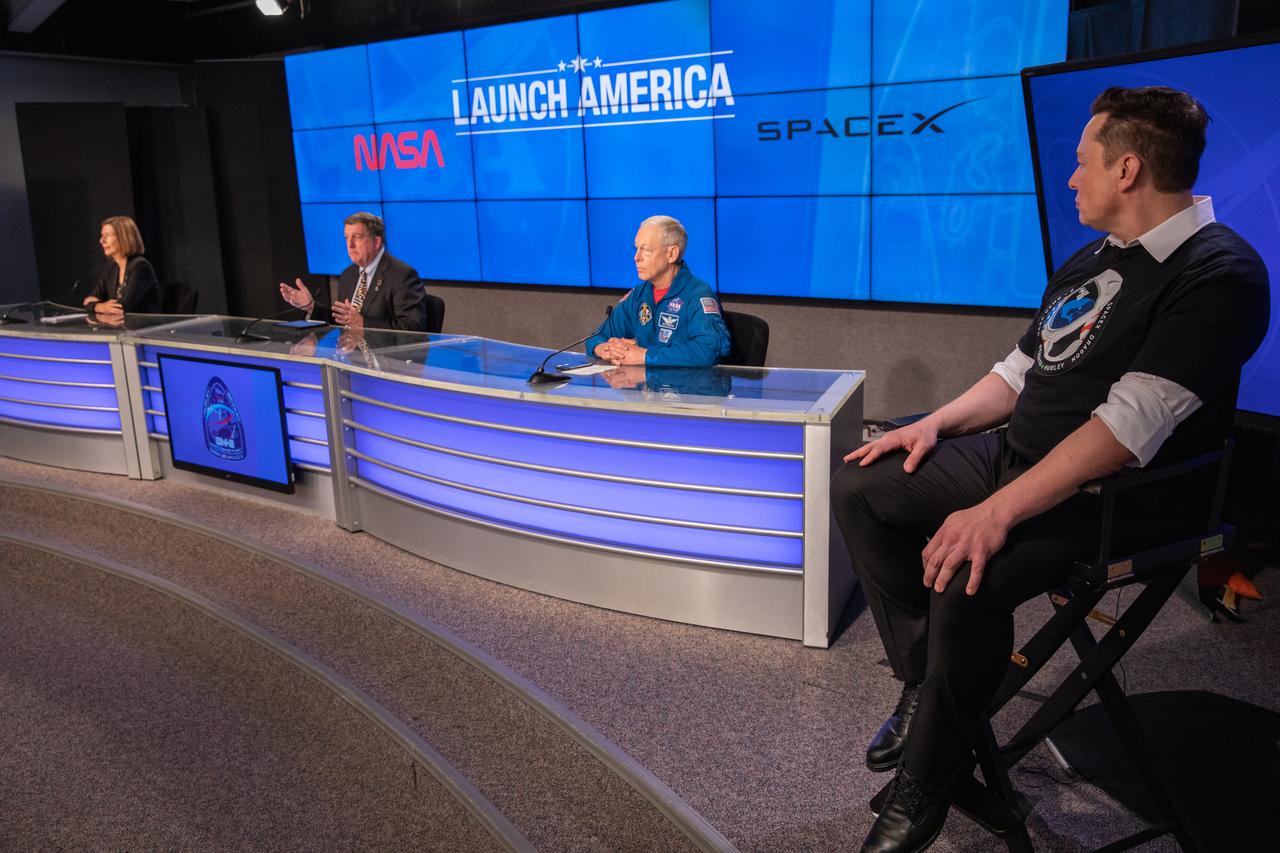
Inside the Press Site auditorium at NASA’s Kennedy Space Center in Florida, NASA and SpaceX officials conduct a postlaunch news conference on May 30, 2020, following the launch of the agency’s SpaceX Demo-2 mission to the International Space Station. From left are: Commercial Crew Program Manager Kathy Lueders; International Space Station Program Manager Kirk Shireman; NASA Chief Astronaut Pat Forrester; and Chief Engineer Elon Musk. Liftoff of the SpaceX Falcon 9 rocket and Crew Dragon spacecraft, carrying NASA astronauts Robert Behnken and Douglas Hurley, occurred at 3:22 p.m. EDT from historic Launch Complex 39A. Behnken and Hurley are the first astronauts to launch to the space station from U.S. soil since the end of the Space Shuttle Program in 2011. Part of NASA’s Commercial Crew Program, this will be SpaceX’s final flight test, paving the way for the agency to certify the crew transportation system for regular, crewed flights to the orbiting laboratory.
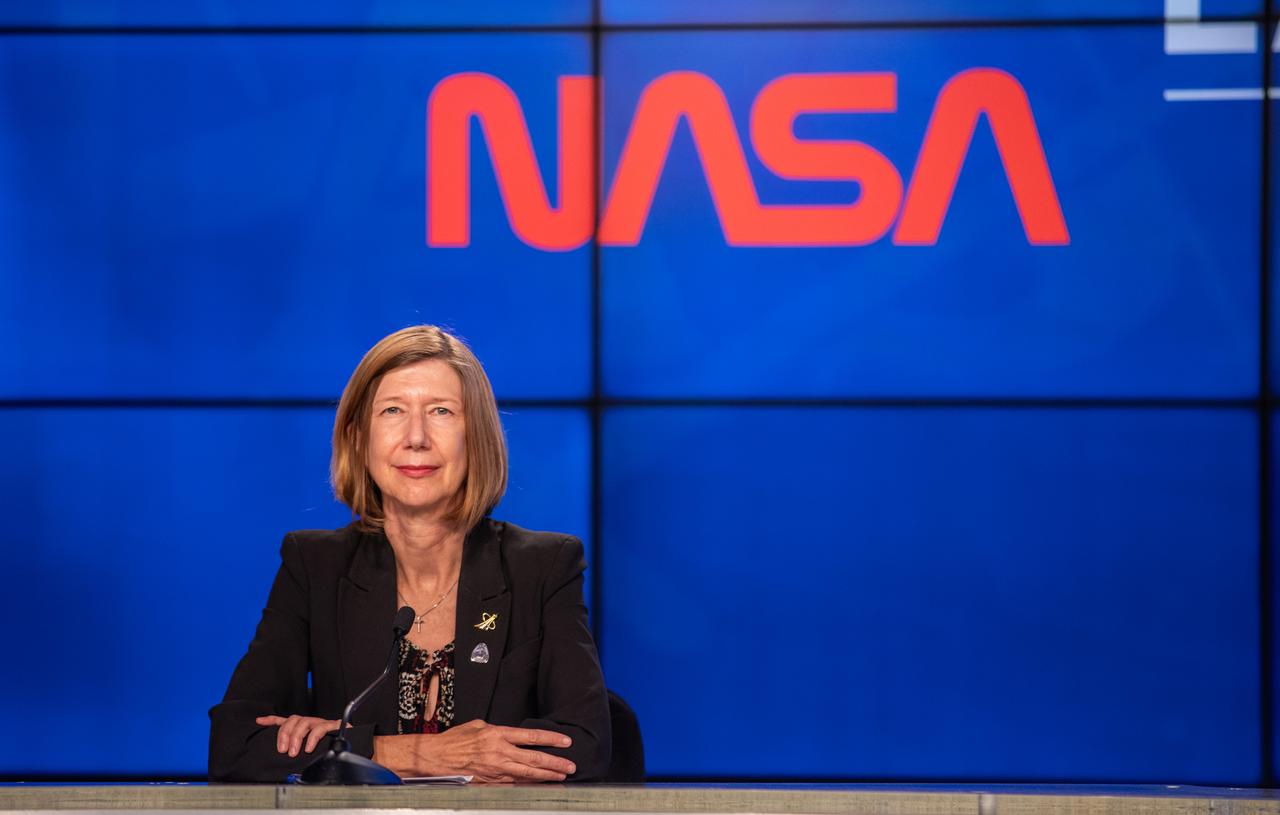
NASA’s Commercial Crew Program Manager, Kathy Lueders, participates in a postlaunch news conference inside the Press Site auditorium at the agency’s Kennedy Space Center in Florida on May 30, 2020, following the launch of NASA’s SpaceX Demo-2 mission to the International Space Station. Liftoff of the SpaceX Falcon 9 rocket and Crew Dragon spacecraft, carrying NASA astronauts Robert Behnken and Douglas Hurley, occurred at 3:22 p.m. EDT from historic Launch Complex 39A. Behnken and Hurley are the first astronauts to launch to the space station from U.S. soil since the end of the Space Shuttle Program in 2011. Part of NASA’s Commercial Crew Program, this will be SpaceX’s final flight test, paving the way for the agency to certify the crew transportation system for regular, crewed flights to the orbiting laboratory.
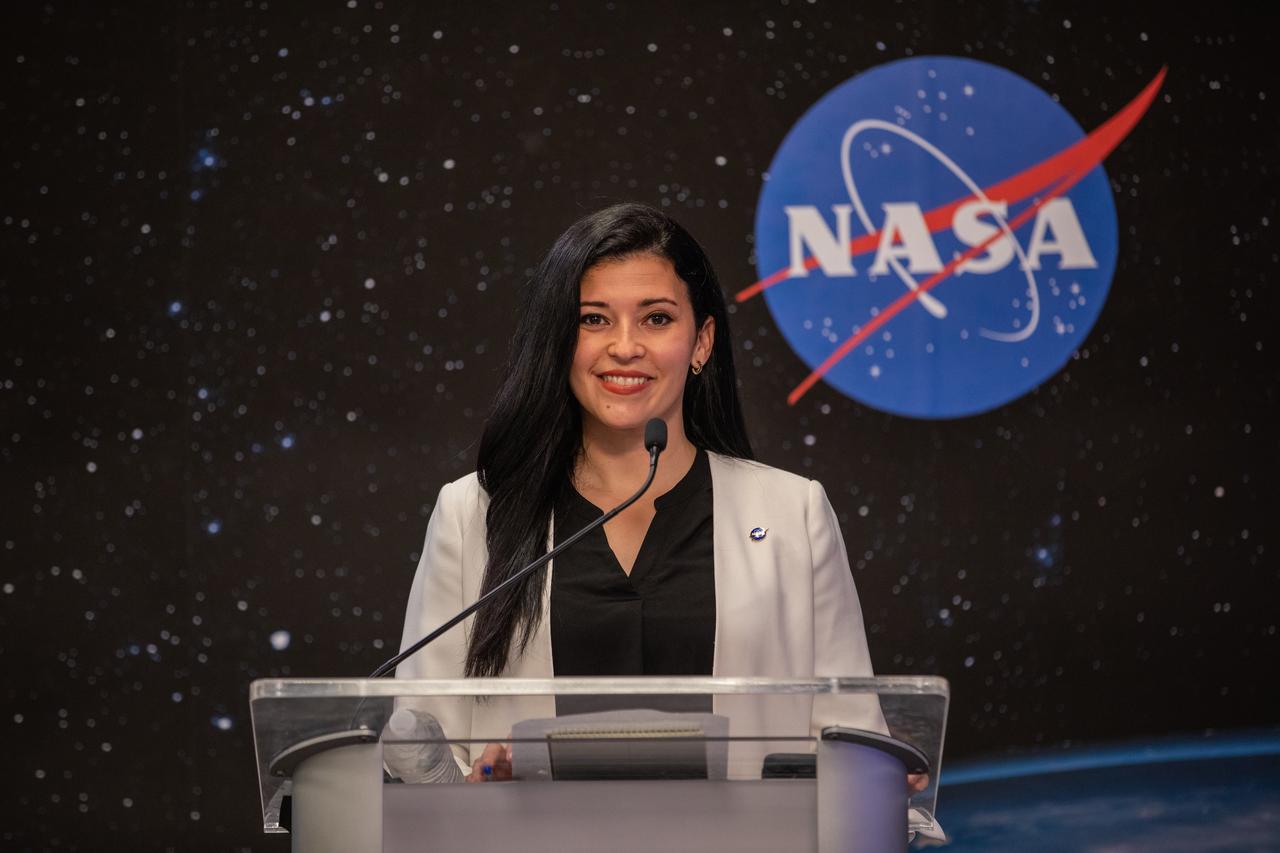
NASA’s Associate Administrator for Communications, Bettina Inclán, moderates a postlaunch news conference inside the Press Site auditorium at NASA’s Kennedy Space Center in Florida on May 30, 2020, following the launch of the agency’s SpaceX Demo-2 mission to the International Space Station. Liftoff of the SpaceX Falcon 9 rocket and Crew Dragon spacecraft, carrying NASA astronauts Robert Behnken and Douglas Hurley, occurred at 3:22 p.m. EDT from historic Launch Complex 39A. Behnken and Hurley are the first astronauts to launch to the space station from U.S. soil since the end of the Space Shuttle Program in 2011. Part of NASA’s Commercial Crew Program, this will be SpaceX’s final flight test, paving the way for the agency to certify the crew transportation system for regular, crewed flights to the orbiting laboratory.

Chief Engineer of SpaceX Elon Musk participates in a postlaunch news conference inside the Press Site auditorium at NASA’s Kennedy Space Center in Florida on May 30, 2020, following the launch of the agency’s SpaceX Demo-2 mission to the International Space Station. Liftoff of the SpaceX Falcon 9 rocket and Crew Dragon spacecraft, carrying NASA astronauts Robert Behnken and Douglas Hurley, occurred at 3:22 p.m. EDT from historic Launch Complex 39A. Behnken and Hurley are the first astronauts to launch to the space station from U.S. soil since the end of the Space Shuttle Program in 2011. Part of NASA’s Commercial Crew Program, this will be SpaceX’s final flight test, paving the way for the agency to certify the crew transportation system for regular, crewed flights to the orbiting laboratory.
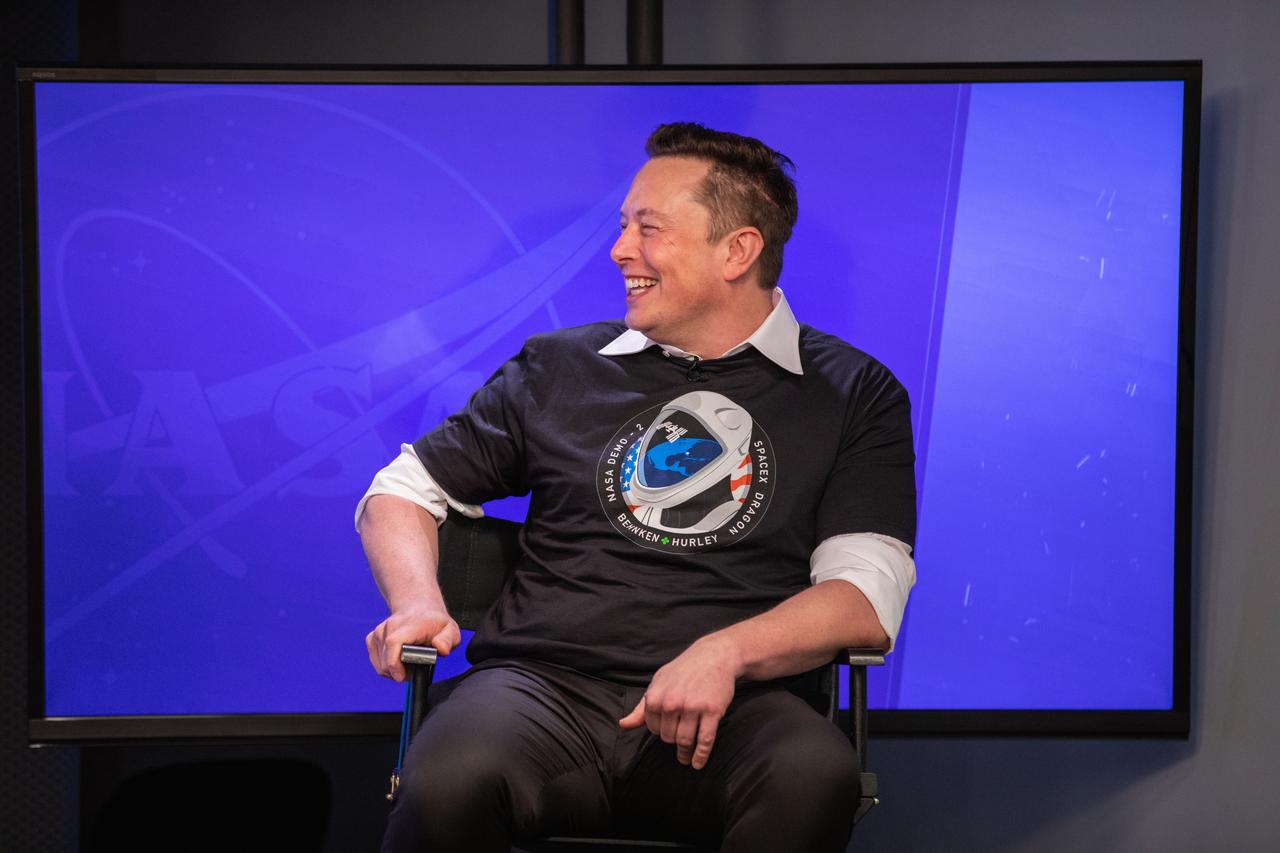
Chief Engineer of SpaceX Elon Musk participates in a postlaunch news conference inside the Press Site auditorium at NASA’s Kennedy Space Center in Florida on May 30, 2020, following the launch of the agency’s SpaceX Demo-2 mission to the International Space Station. Liftoff of the SpaceX Falcon 9 rocket and Crew Dragon spacecraft, carrying NASA astronauts Robert Behnken and Douglas Hurley, occurred at 3:22 p.m. EDT from historic Launch Complex 39A. Behnken and Hurley are the first astronauts to launch to the space station from U.S. soil since the end of the Space Shuttle Program in 2011. Part of NASA’s Commercial Crew Program, this will be SpaceX’s final flight test, paving the way for the agency to certify the crew transportation system for regular, crewed flights to the orbiting laboratory.
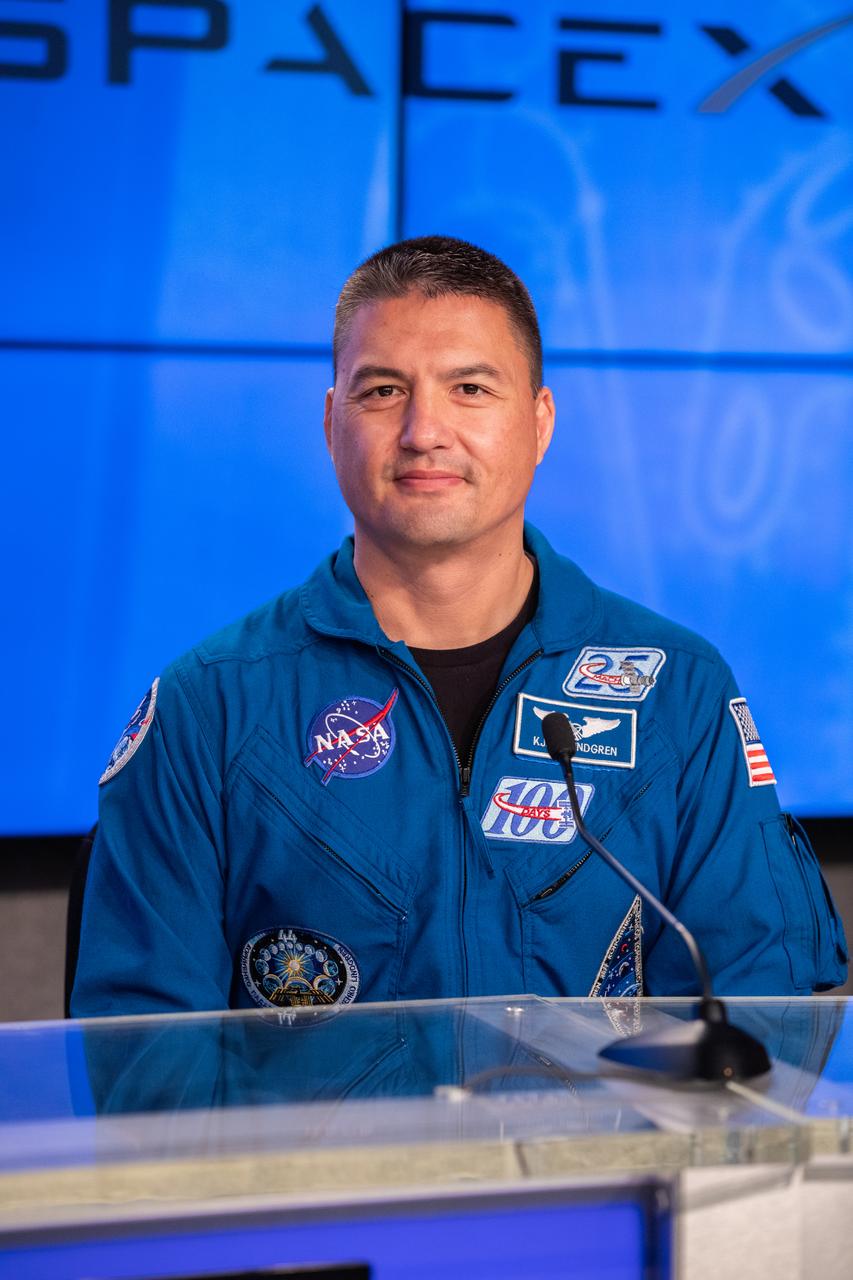
NASA astronaut Kjell Lindgren participates in a press briefing inside the Press Site auditorium on May 26, 2020, at the agency’s Kennedy Space Center in Florida ahead of NASA’s SpaceX Demo-2 launch, slated for Wednesday, May 27. A SpaceX Falcon 9 rocket and Crew Dragon spacecraft are scheduled to lift off from Kennedy’s Launch Complex 39A, carrying NASA astronauts Robert Behnken and Douglas Hurley to the International Space Station. This will mark the first launch of astronauts from U.S. soil to the space station since the conclusion of the Space Shuttle Program in 2011. Part of the agency’s Commercial Crew Program, this will be SpaceX’s final flight test, paving the way for NASA to certify the crew transportation system for regular, crewed flights to the orbiting laboratory. Liftoff is scheduled for 4:33 p.m. EDT.
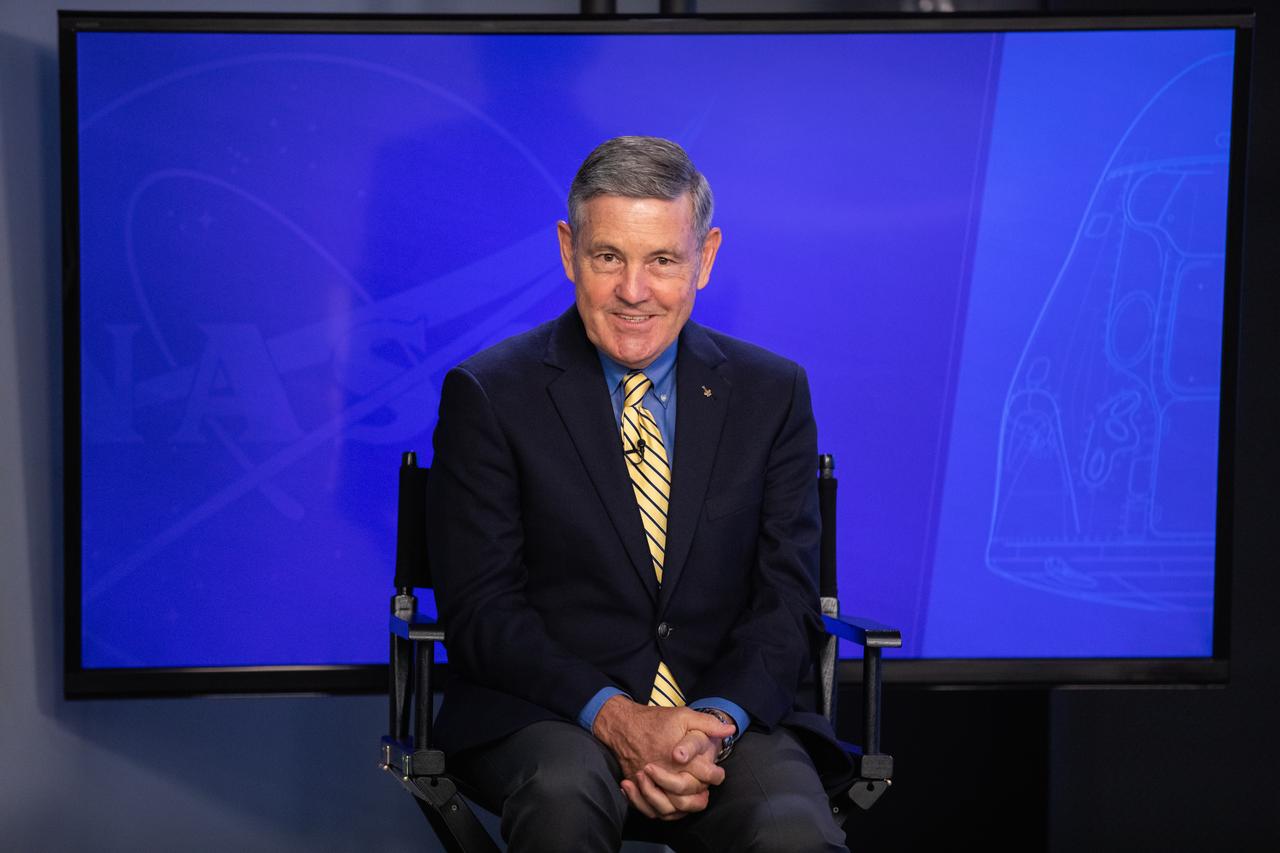
Kennedy Space Center Director Bob Cabana participates in a press briefing inside the Press Site auditorium on May 26, 2020, at Kennedy ahead of NASA’s SpaceX Demo-2 launch, slated for Wednesday, May 27. A SpaceX Falcon 9 rocket and Crew Dragon spacecraft are scheduled to lift off from Kennedy’s Launch Complex 39A, carrying NASA astronauts Robert Behnken and Douglas Hurley to the International Space Station. This will mark the first launch of astronauts from U.S. soil to the space station since the conclusion of the Space Shuttle Program in 2011. Part of the agency’s Commercial Crew Program, this will be SpaceX’s final flight test, paving the way for NASA to certify the crew transportation system for regular, crewed flights to the orbiting laboratory. Liftoff is scheduled for 4:33 p.m. EDT.
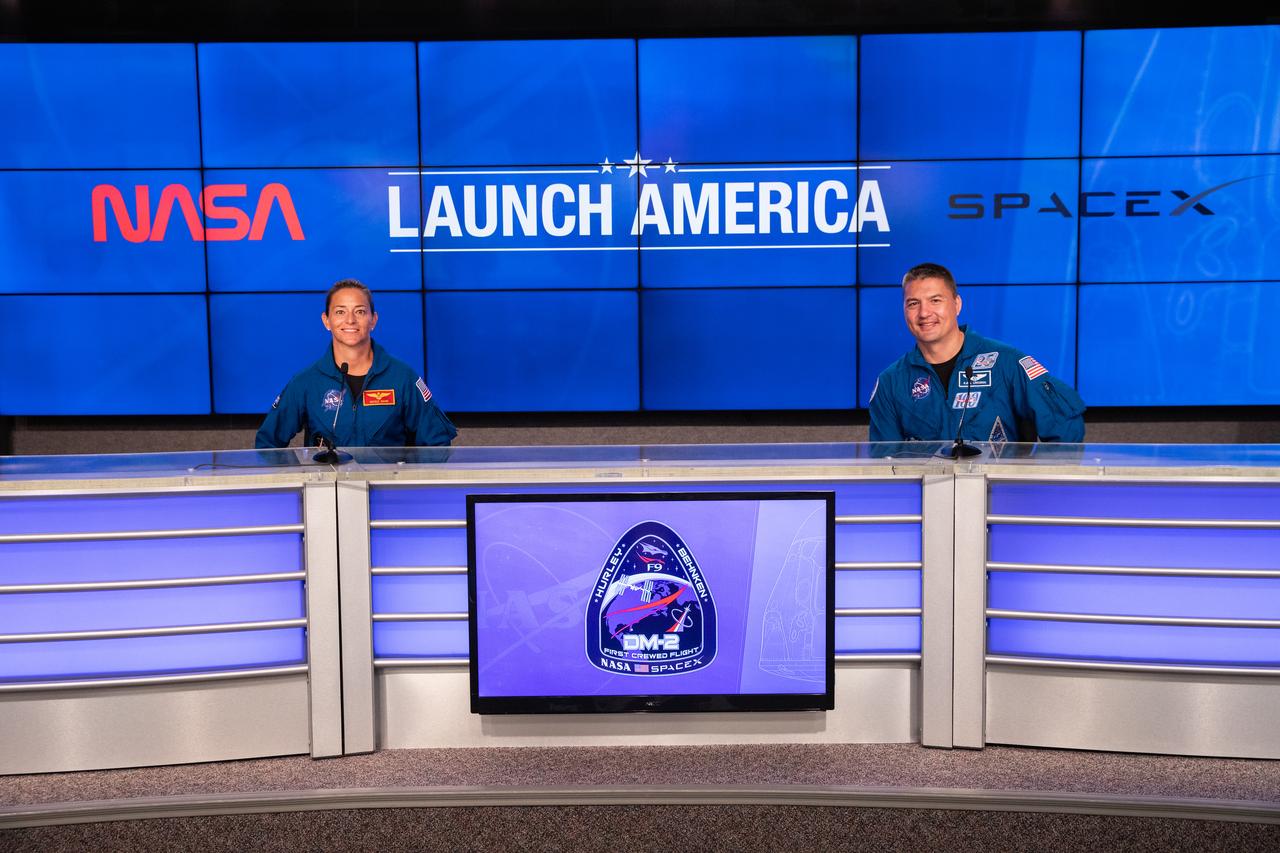
NASA astronauts Nicole Mann (left) and Kjell Lindgren participate in a press briefing inside the Press Site auditorium on May 26, 2020, at the agency’s Kennedy Space Center in Florida ahead of NASA’s SpaceX Demo-2 launch, slated for Wednesday, May 27. A SpaceX Falcon 9 rocket and Crew Dragon spacecraft are scheduled to lift off from Kennedy’s Launch Complex 39A, carrying NASA astronauts Robert Behnken and Douglas Hurley to the International Space Station. This will mark the first launch of astronauts from U.S. soil to the space station since the conclusion of the Space Shuttle Program in 2011. Part of the agency’s Commercial Crew Program, this will be SpaceX’s final flight test, paving the way for NASA to certify the crew transportation system for regular, crewed flights to the orbiting laboratory. Liftoff is scheduled for 4:33 p.m. EDT.
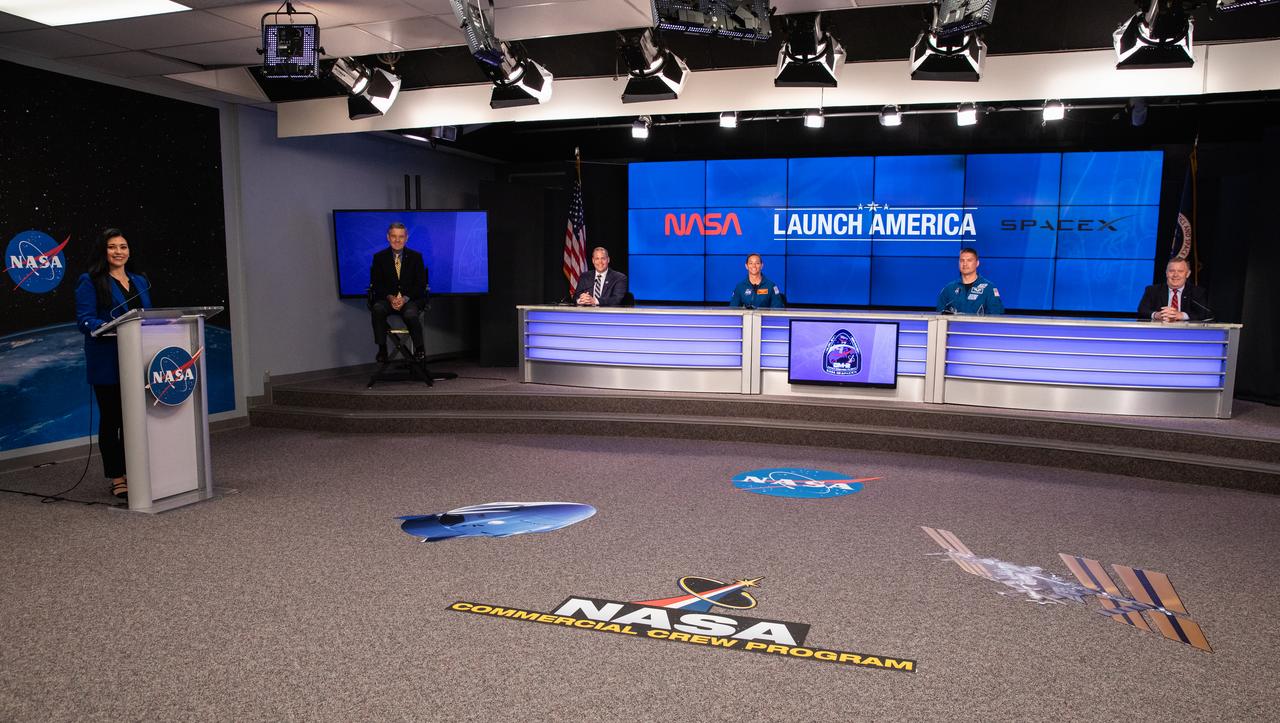
From left, NASA Communications’ Bettina Inclan, Kennedy Space Center Director Bob Cabana, NASA Administrator Jim Bridenstine, NASA astronauts Nicole Mann and Kjell Lindgren, and NASA Deputy Administrator Jim Morhard participate in a press briefing inside Kennedy’s Press Site auditorium on May 26, 2020, ahead of NASA’s SpaceX Demo-2 launch. A SpaceX Falcon 9 rocket and Crew Dragon spacecraft are scheduled to lift off from historic Launch Complex 39A on Wednesday, May 27, carrying NASA astronauts Robert Behnken and Douglas Hurley to the International Space Station. This will mark the first launch of astronauts from U.S. soil to the space station since the conclusion of the Space Shuttle Program in 2011. Part of the agency’s Commercial Crew Program, this will be SpaceX’s final flight test, paving the way for NASA to certify the crew transportation system for regular, crewed flights to the orbiting laboratory. Liftoff is scheduled for 4:33 p.m. EDT.
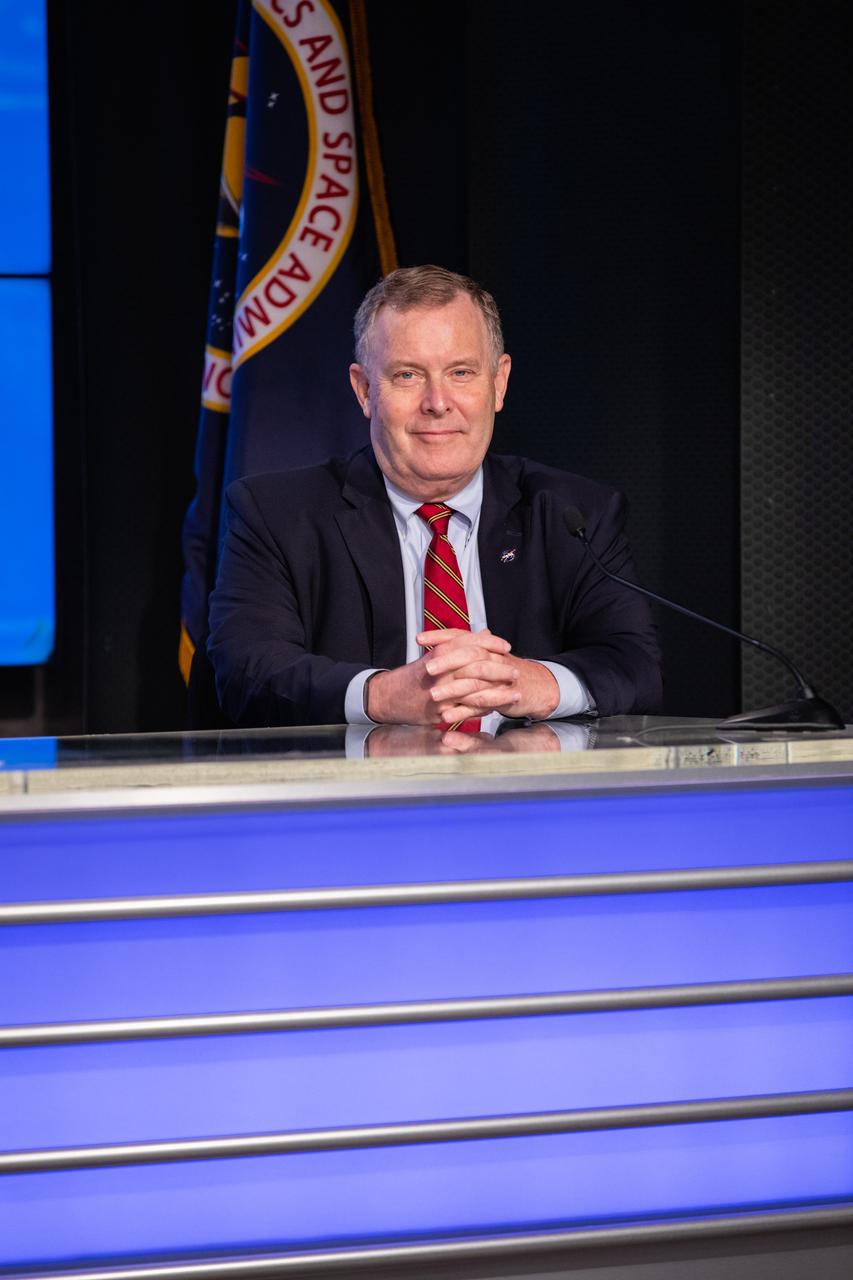
NASA Deputy Administrator Jim Morhard participates in a press briefing inside the Press Site auditorium on May 26, 2020, at the agency’s Kennedy Space Center in Florida ahead of NASA’s SpaceX Demo-2 launch, slated for Wednesday, May 27. A SpaceX Falcon 9 rocket and Crew Dragon spacecraft are scheduled to lift off from Kennedy’s Launch Complex 39A, carrying NASA astronauts Robert Behnken and Douglas Hurley to the International Space Station. This will mark the first launch of astronauts from U.S. soil to the space station since the conclusion of the Space Shuttle Program in 2011. Part of the agency’s Commercial Crew Program, this will be SpaceX’s final flight test, paving the way for NASA to certify the crew transportation system for regular, crewed flights to the orbiting laboratory. Liftoff is scheduled for 4:33 p.m. EDT.
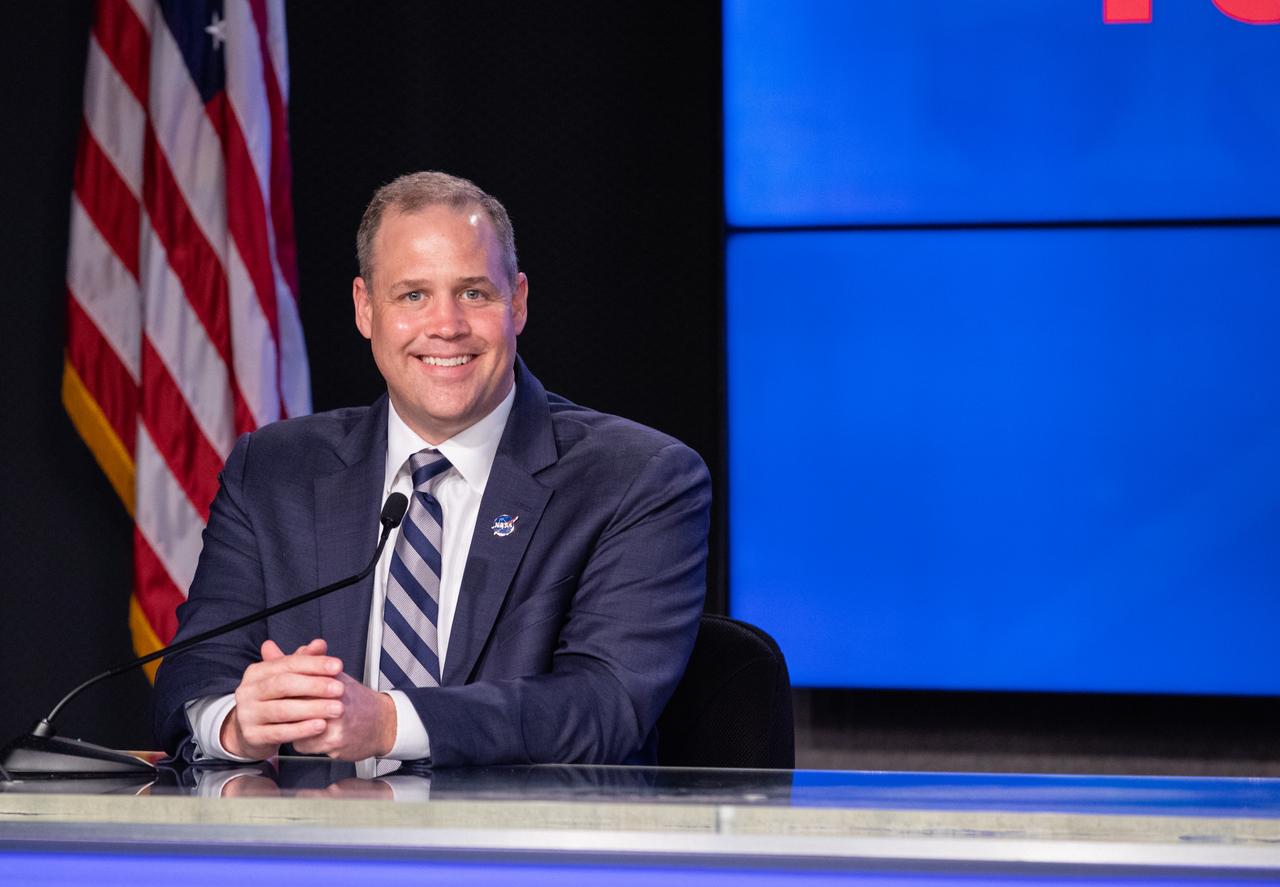
NASA Administrator Jim Bridenstine participates in a press briefing inside the Press Site auditorium on May 26, 2020, at the agency’s Kennedy Space Center in Florida ahead of NASA’s SpaceX Demo-2 launch, slated for Wednesday, May 27. A SpaceX Falcon 9 rocket and Crew Dragon spacecraft are scheduled to lift off from Kennedy’s Launch Complex 39A, carrying NASA astronauts Robert Behnken and Douglas Hurley to the International Space Station. This will mark the first launch of astronauts from U.S. soil to the space station since the conclusion of the Space Shuttle Program in 2011. Part of the agency’s Commercial Crew Program, this will be SpaceX’s final flight test, paving the way for NASA to certify the crew transportation system for regular, crewed flights to the orbiting laboratory. Liftoff is scheduled for 4:33 p.m. EDT.
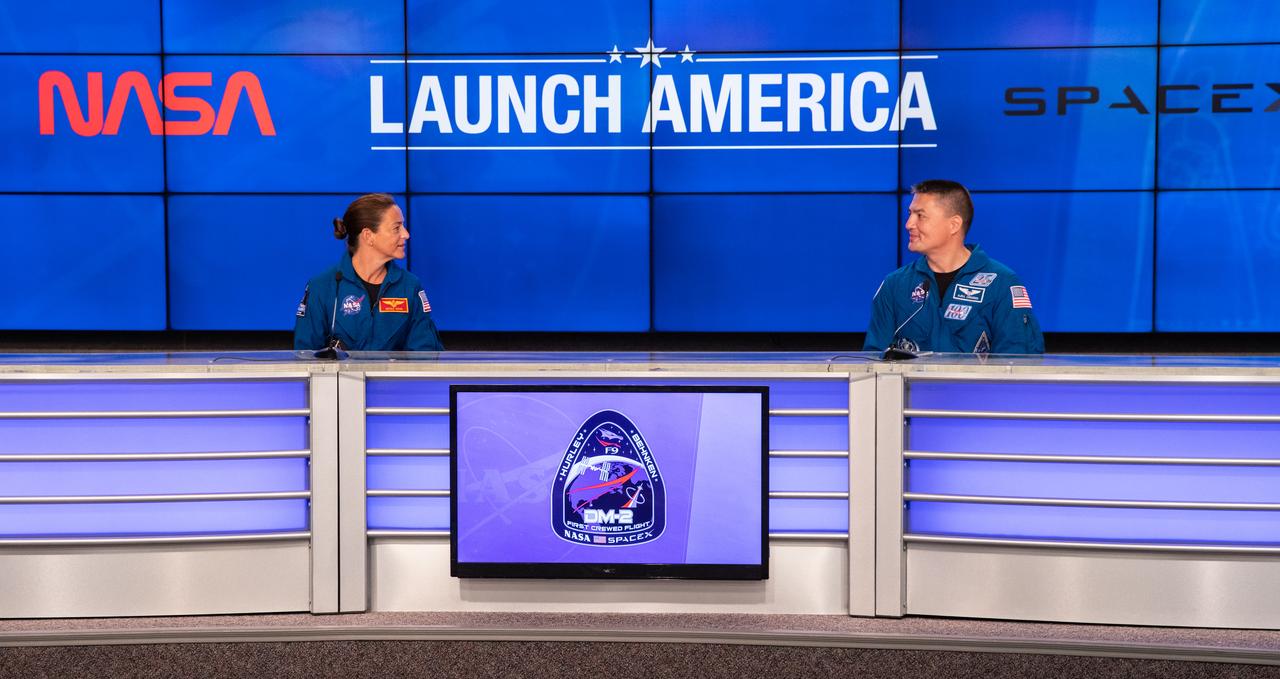
NASA astronauts Nicole Mann (left) and Kjell Lindgren participate in a press briefing inside the Press Site auditorium on May 26, 2020, at the agency’s Kennedy Space Center in Florida ahead of NASA’s SpaceX Demo-2 launch, slated for Wednesday, May 27. A SpaceX Falcon 9 rocket and Crew Dragon spacecraft are scheduled to lift off from Kennedy’s Launch Complex 39A, carrying NASA astronauts Robert Behnken and Douglas Hurley to the International Space Station. This will mark the first launch of astronauts from U.S. soil to the space station since the conclusion of the Space Shuttle Program in 2011. Part of the agency’s Commercial Crew Program, this will be SpaceX’s final flight test, paving the way for NASA to certify the crew transportation system for regular, crewed flights to the orbiting laboratory. Liftoff is scheduled for 4:33 p.m. EDT.
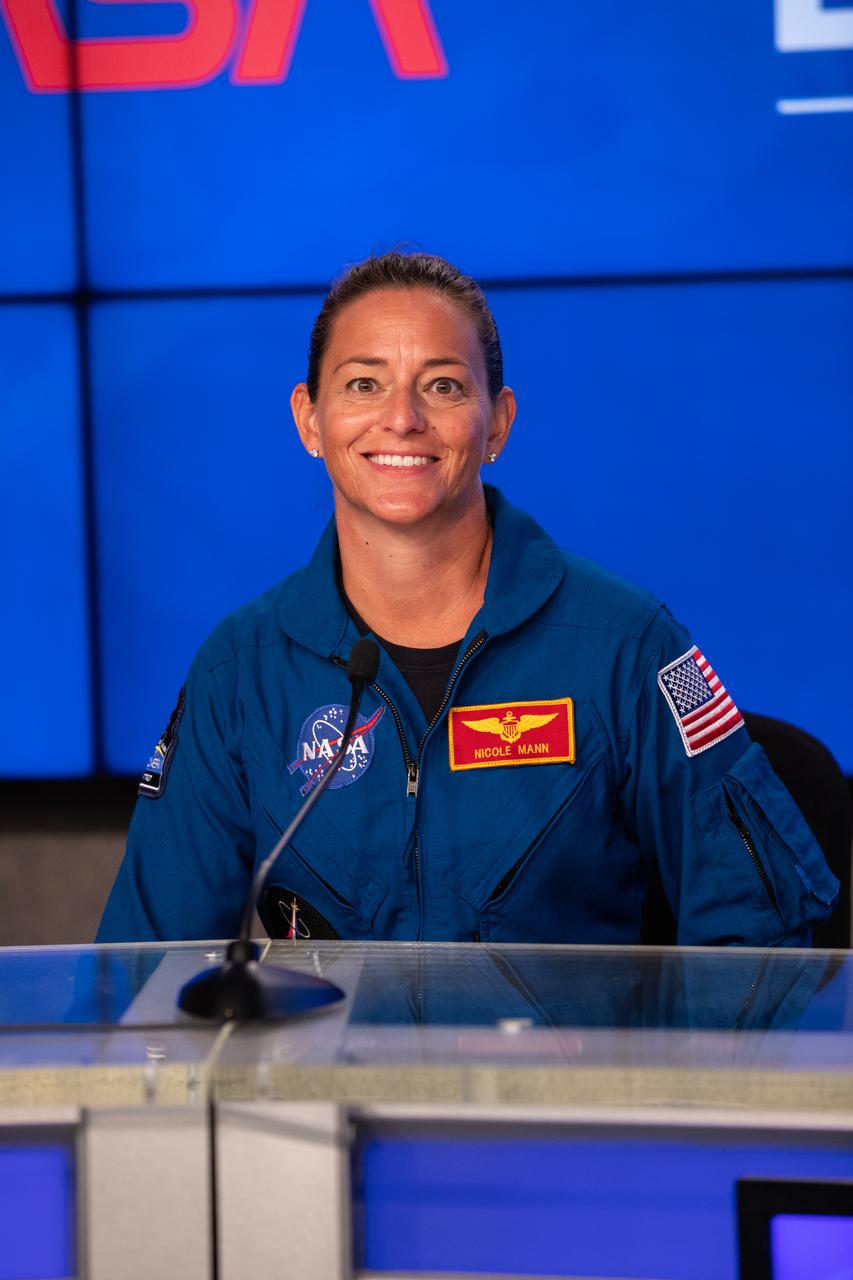
NASA astronaut Nicole Mann participates in a press briefing inside the Press Site auditorium on May 26, 2020, at the agency’s Kennedy Space Center in Florida ahead of NASA’s SpaceX Demo-2 launch, slated for Wednesday, May 27. A SpaceX Falcon 9 rocket and Crew Dragon spacecraft are scheduled to lift off from Kennedy’s Launch Complex 39A, carrying NASA astronauts Robert Behnken and Douglas Hurley to the International Space Station. This will mark the first launch of astronauts from U.S. soil to the space station since the conclusion of the Space Shuttle Program in 2011. Part of the agency’s Commercial Crew Program, this will be SpaceX’s final flight test, paving the way for NASA to certify the crew transportation system for regular, crewed flights to the orbiting laboratory. Liftoff is scheduled for 4:33 p.m. EDT.
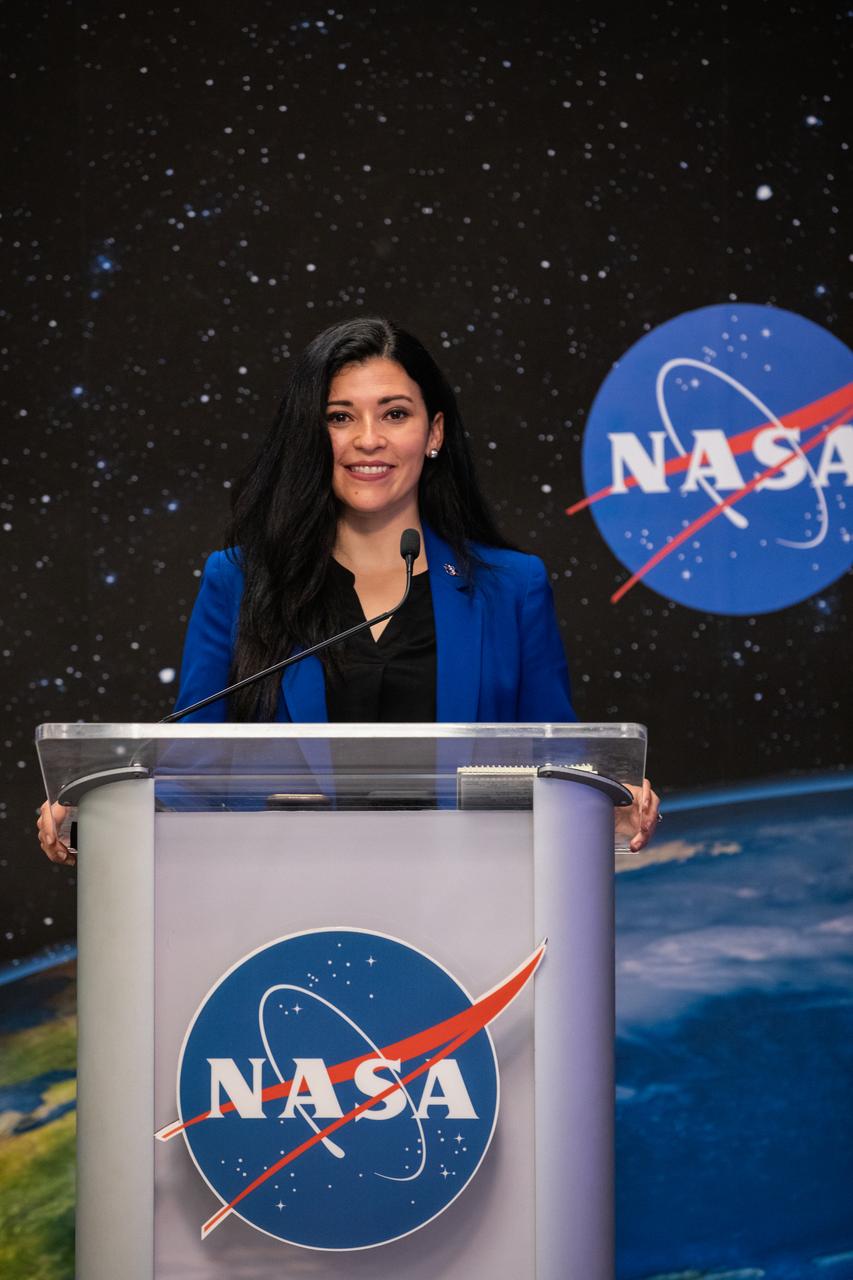
Bettina Inclan, with NASA Communications, moderates a press briefing inside the Press Site auditorium at NASA’s Kennedy Space Center in Florida on May 26, 2020, ahead of NASA’s SpaceX Demo-2 launch. A SpaceX Falcon 9 rocket and Crew Dragon spacecraft are scheduled to lift off from Kennedy’s Launch Complex 39A on Wednesday, May 27, carrying NASA astronauts Robert Behnken and Douglas Hurley to the International Space Station. This will mark the first launch of astronauts from U.S. soil to the space station since the conclusion of the Space Shuttle Program in 2011. Part of the agency’s Commercial Crew Program, this will be SpaceX’s final flight test, paving the way for NASA to certify the crew transportation system for regular, crewed flights to the orbiting laboratory. Liftoff is scheduled for 4:33 p.m. EDT.
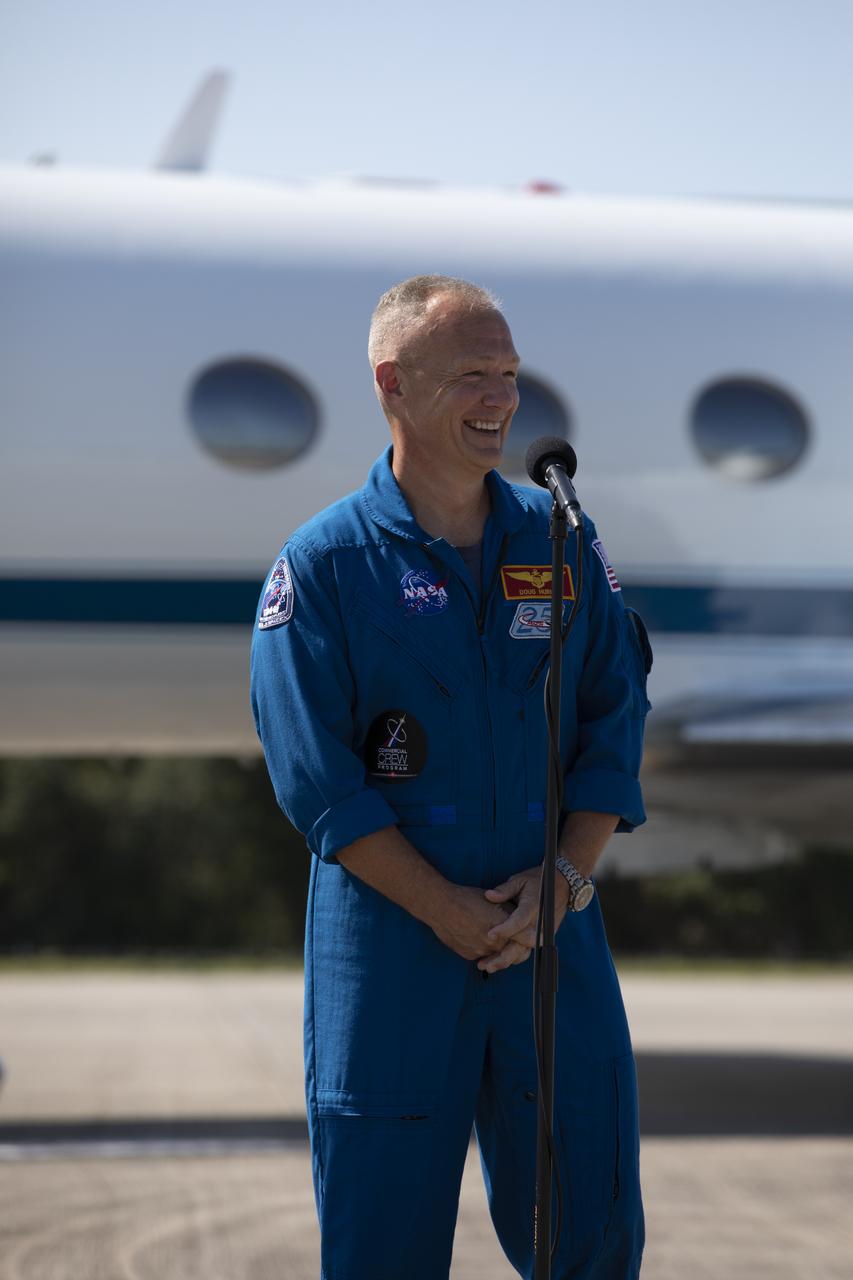
Demo-2 crew member Douglas Hurley speaks to members of the media at the Launch and Landing Facility runway at the agency’s Kennedy Space Center in Florida on May 20, 2020, following his arrival from Houston, Texas. Under the agency’s Commercial Crew Program, Hurley and crewmate Robert Behnken will be the first astronauts to launch to the International Space Station from U.S. soil since the end of the Space Shuttle Program in 2011. Liftoff of the SpaceX Falcon 9 rocket and Crew Dragon spacecraft is scheduled for 4:33 p.m. on May 27 from Kennedy’s Launch Complex 39A.
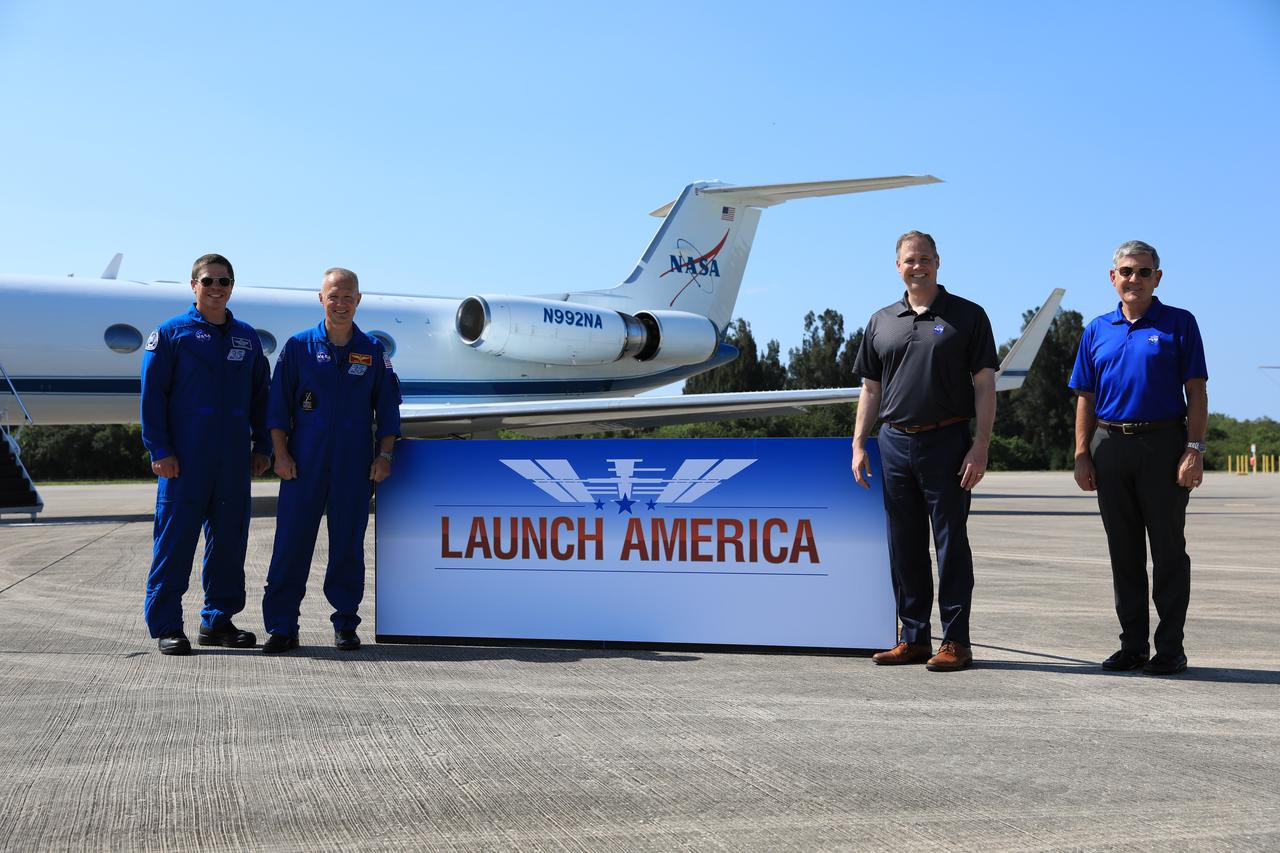
From left, Demo-2 crew members Robert Behnken and Douglas Hurley, NASA Administrator Jim Bridenstine and Kennedy Space Center Director Bob Cabana pose for a photo after speaking to members of the media on May 20, 2020, at the Launch and Landing Facility runway following the crew’s arrival to the Florida spaceport. Under NASA’s Commercial Crew Program, Behnken and Hurley will be the first astronauts launching to the International Space Station from U.S. soil since the end of the Space Shuttle Program in 2011. Liftoff of the SpaceX Falcon 9 rocket and Crew Dragon spacecraft is scheduled for 4:33 p.m. on May 27 from Kennedy’s Launch Complex 39A.
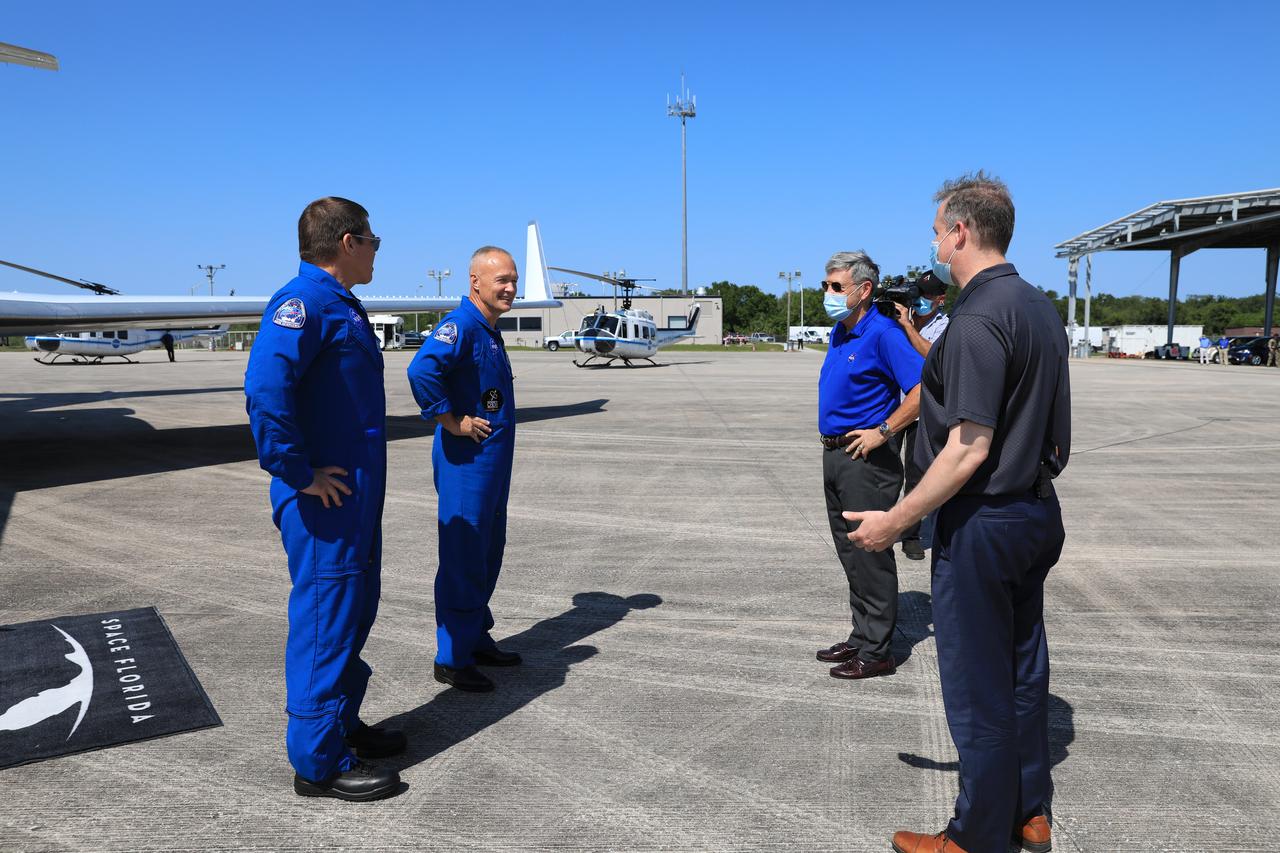
Demo-2 crew members Robert Behnken (far left) and Douglas Hurley are greeted by NASA Administrator Jim Bridenstine (far right) Kennedy Space Center Director Bob Cabana at the Launch and Landing Facility runway following their arrival to the Florida spaceport from Houston, Texas. Under NASA’s Commercial Crew Program, Behnken and Hurley will be the first astronauts launching to the International Space Station from U.S. soil since the end of the Space Shuttle Program in 2011. Liftoff of the SpaceX Falcon 9 rocket and Crew Dragon spacecraft is scheduled for 4:33 p.m. on May 27 from Kennedy’s Launch Complex 39A.
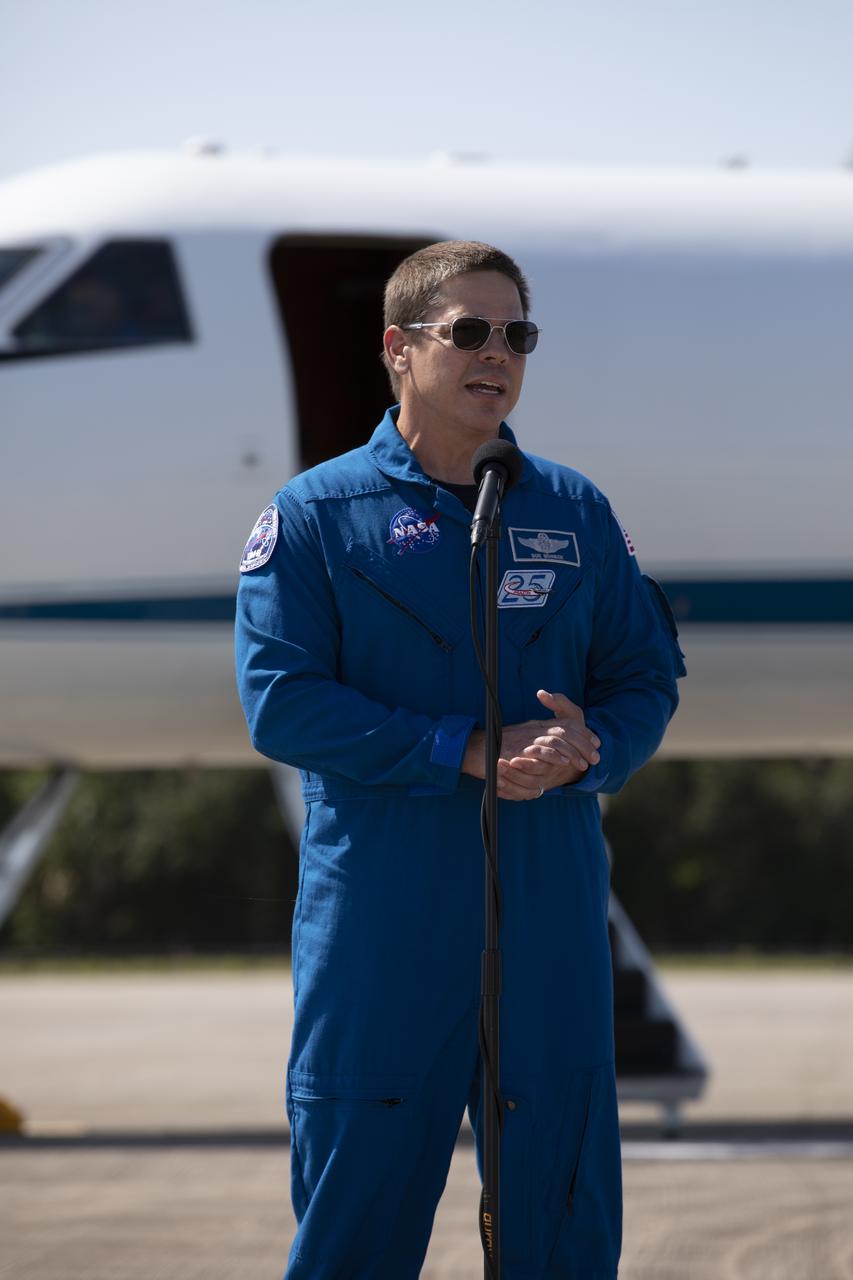
Demo-2 crew member Robert Behnken speaks to members of the media at the Launch and Landing Facility runway at the agency’s Kennedy Space Center in Florida on May 20, 2020, following his arrival from Houston, Texas. Under the agency’s Commercial Crew Program, Behnken and crewmate Douglas Hurley will be the first astronauts to launch to the International Space Station from U.S. soil since the end of the Space Shuttle Program in 2011. Liftoff of the SpaceX Falcon 9 rocket and Crew Dragon spacecraft is scheduled for 4:33 p.m. on May 27 from Kennedy’s Launch Complex 39A.
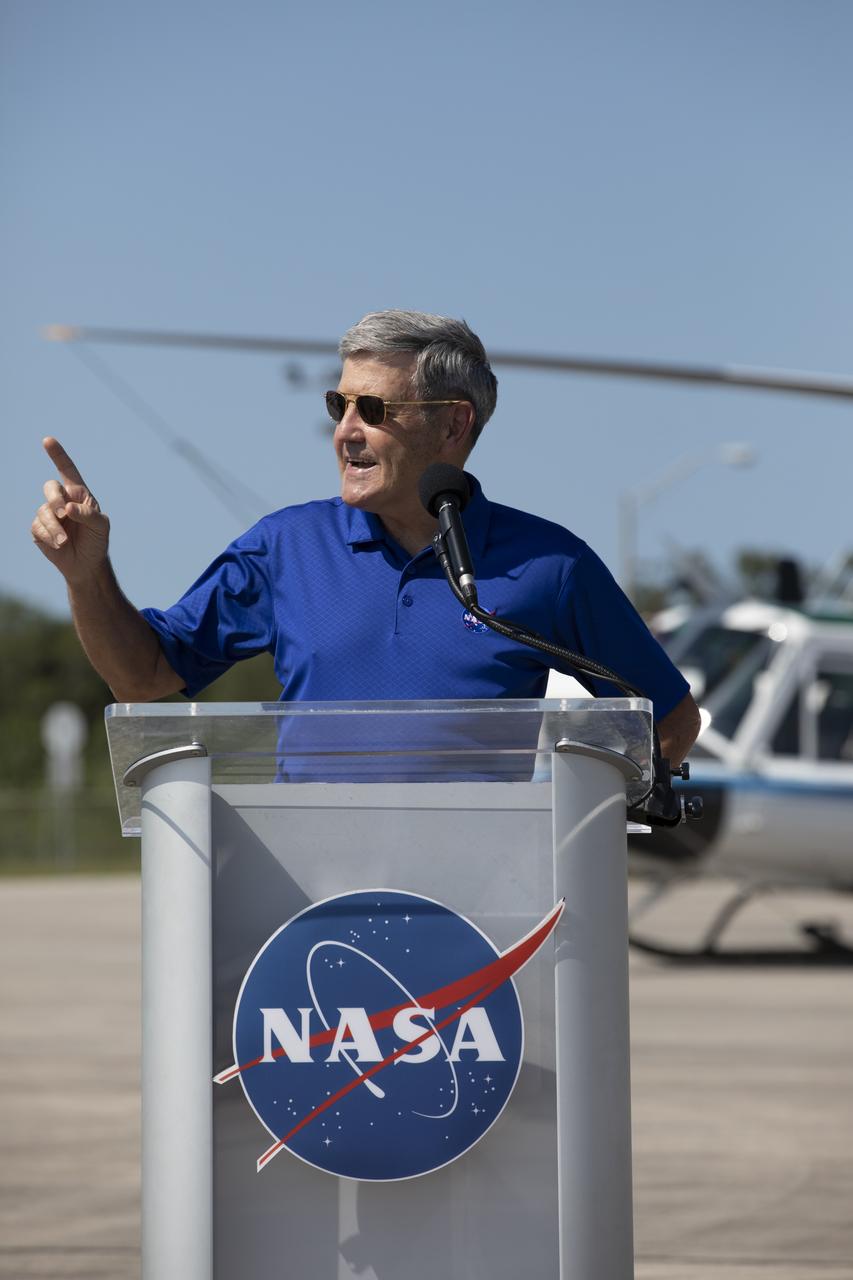
Kennedy Space Center Director Bob Cabana speaks to members of the media at the Launch and Landing Facility runway at the Florida spaceport on May 20, 2020, following Demo-2 crew members Robert Behnken and Douglas Hurley’s arrival from Houston, Texas. Under the agency’s Commercial Crew Program, Behnken and Hurley will be the first astronauts to launch to the International Space Station from U.S. soil since the end of the Space Shuttle Program in 2011. Liftoff of the SpaceX Falcon 9 rocket and Crew Dragon spacecraft is scheduled for 4:33 p.m. on May 27 from Kennedy’s Launch Complex 39A.
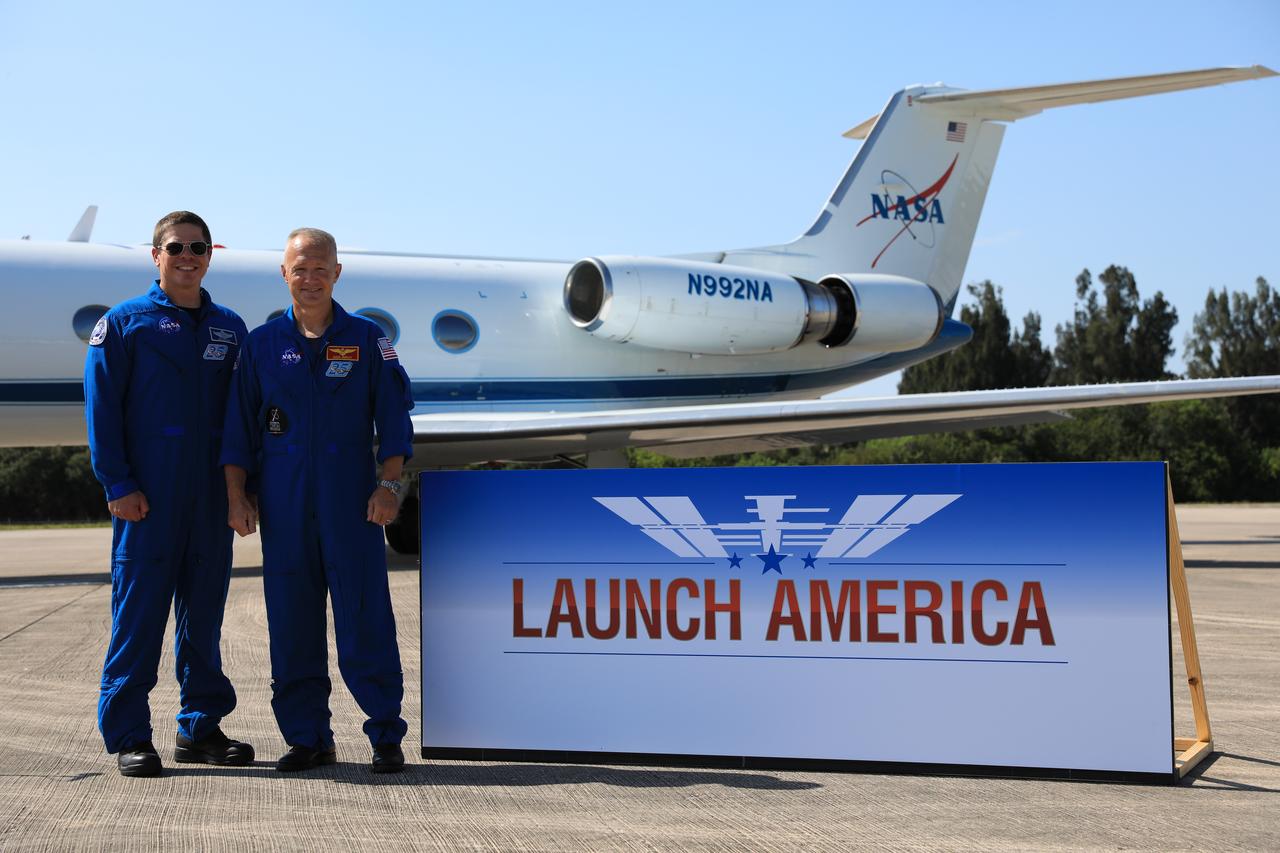
From left, Demo-2 crew members Robert Behnken and Douglas Hurley pose for a photo after speaking to members of the media on May 20, 2020, at the Launch and Landing Facility runway following the crew’s arrival to the Florida spaceport. Under NASA’s Commercial Crew Program, Behnken and Hurley will be the first astronauts launching to the International Space Station from U.S. soil since the end of the Space Shuttle Program in 2011. Liftoff of the SpaceX Falcon 9 rocket and Crew Dragon spacecraft is scheduled for 4:33 p.m. on May 27 from Kennedy’s Launch Complex 39A.

CAPE CANAVERAL, Fla. - NASA managers participate in a post-landing media briefing at NASA's Kennedy Space Center in Florida following the completion of the STS-133 mission. From left are Allard Beutel, NASA Public Affairs; Bill Gerstenmaier, associate administrator for Space Operations; Mike Moses, space shuttle launch integration manager; and Mike Leinbach, shuttle launch director. Space shuttle Discovery's final return from space on Runway 15 at Kennedy's Shuttle Landing Facility completed the 13-day, 5.3-million-mile STS-133 mission. Main gear touchdown was at 11:57:17 a.m., followed by nose gear touchdown at 11:57:28, and wheelstop at 11:58:14 a.m. On board are Commander Steve Lindsey, Pilot Eric Boe, and Mission Specialists Nicole Stott, Michael Barratt, Alvin Drew and Steve Bowen. Discovery and its six-member crew delivered the Permanent Multipurpose Module, packed with supplies and critical spare parts, as well as Robonaut 2, the dexterous humanoid astronaut helper, to the orbiting outpost. STS-133 was Discovery's 39th and final mission. This was the 133rd Space Shuttle Program mission and the 35th shuttle voyage to the space station. Photo credit: NASA/Jack Pfaller
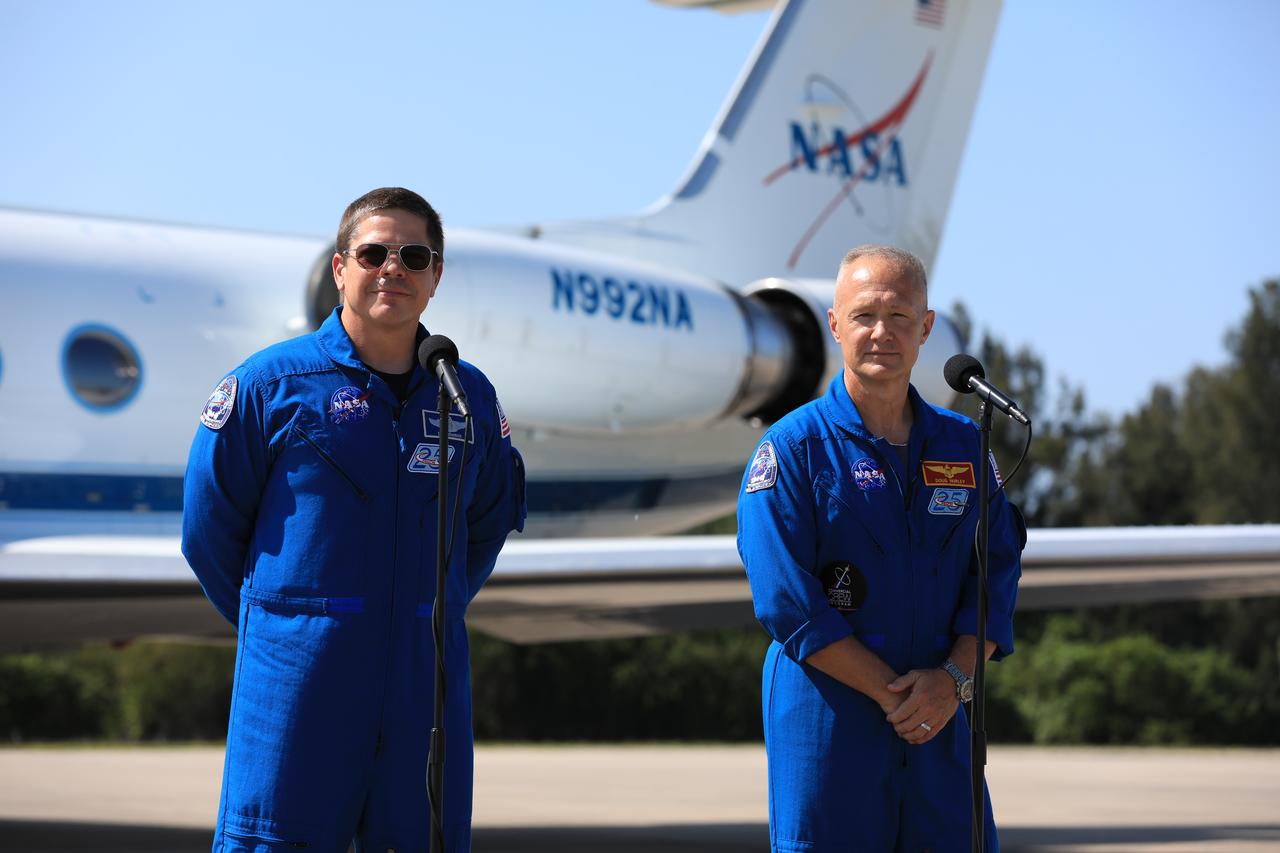
Demo-2 crew members Robert Behnken (left) and Douglas Hurley speak to members of the media at the Launch and Landing Facility runway following their arrival to NASA’s Kennedy Space Center in Florida from Houston, Texas. Under NASA’s Commercial Crew Program, Behnken and Hurley will be the first astronauts launching to the International Space Station from U.S. soil since the end of the Space Shuttle Program in 2011. Liftoff of the SpaceX Falcon 9 rocket and Crew Dragon spacecraft is scheduled for 4:33 p.m. on May 27 from Kennedy’s Launch Complex 39A.
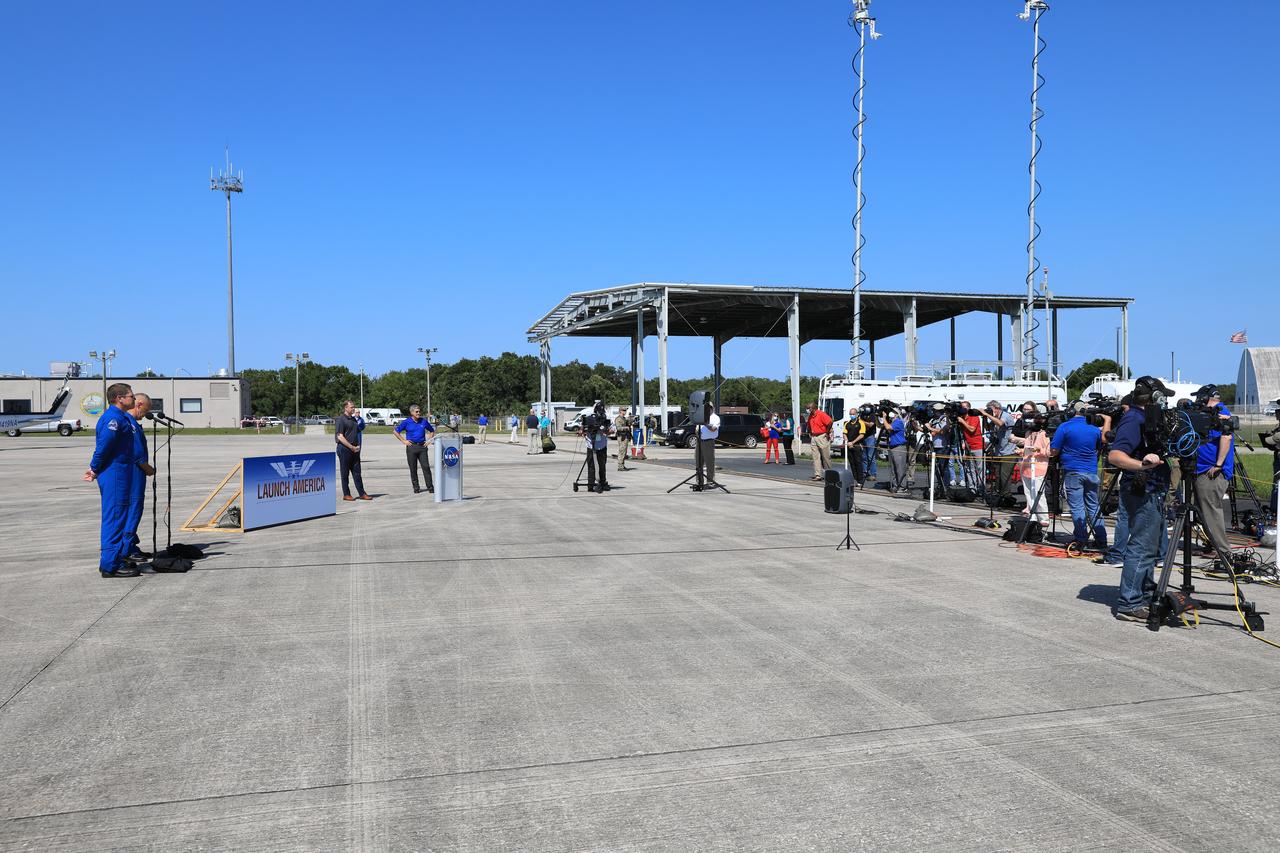
From left, Demo-2 crew members Robert Behnken and Douglas Hurley, NASA Administrator Jim Bridenstine and Kennedy Space Center Director Bob Cabana speak to members of the media on May 20, 2020, at the Launch and Landing Facility runway following the crew’s arrival to the Florida spaceport. Under NASA’s Commercial Crew Program, Behnken and Hurley will be the first astronauts launching to the International Space Station from U.S. soil since the end of the Space Shuttle Program in 2011. Liftoff of the SpaceX Falcon 9 rocket and Crew Dragon spacecraft is scheduled for 4:33 p.m. on May 27 from Kennedy’s Launch Complex 39A.
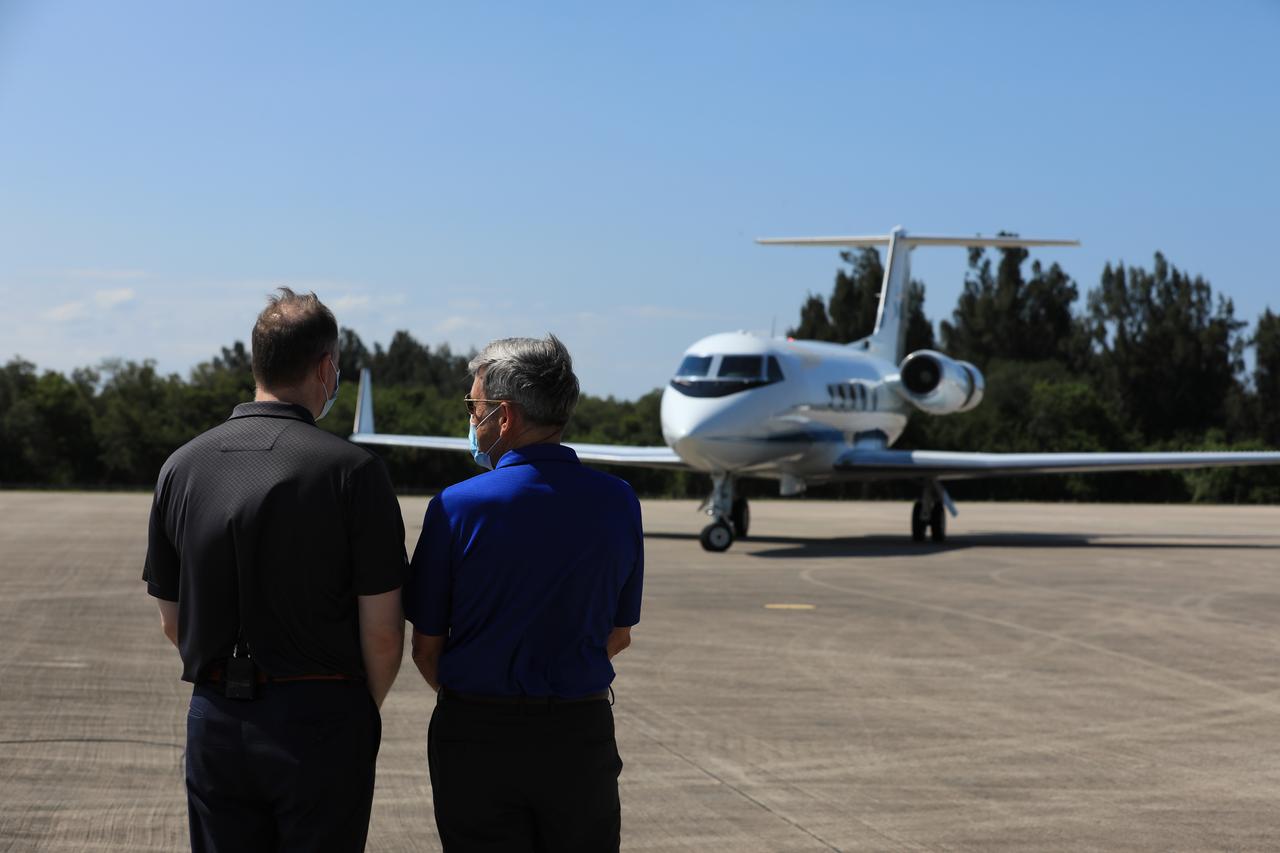
NASA Administrator Jim Bridenstine (left) and Kennedy Space Center Director Bob Cabana watch as the Gulfstream jet, carrying NASA astronauts Robert Behnken and Douglas Hurley, who will fly on the agency’s SpaceX Demo-2 mission to the International Space Station, lands at the Launch and Landing Facility runway at the Florida spaceport on May 20, 2020. Under NASA’s Commercial Crew Program, Behnken and Hurley will be the first astronauts to launch to the orbiting laboratory from U.S. soil since the end of the Space Shuttle Program in 2011. Liftoff of the SpaceX Falcon 9 rocket and Crew Dragon spacecraft is scheduled for 4:33 p.m. on May 27 from Kennedy’s Launch Complex 39A.
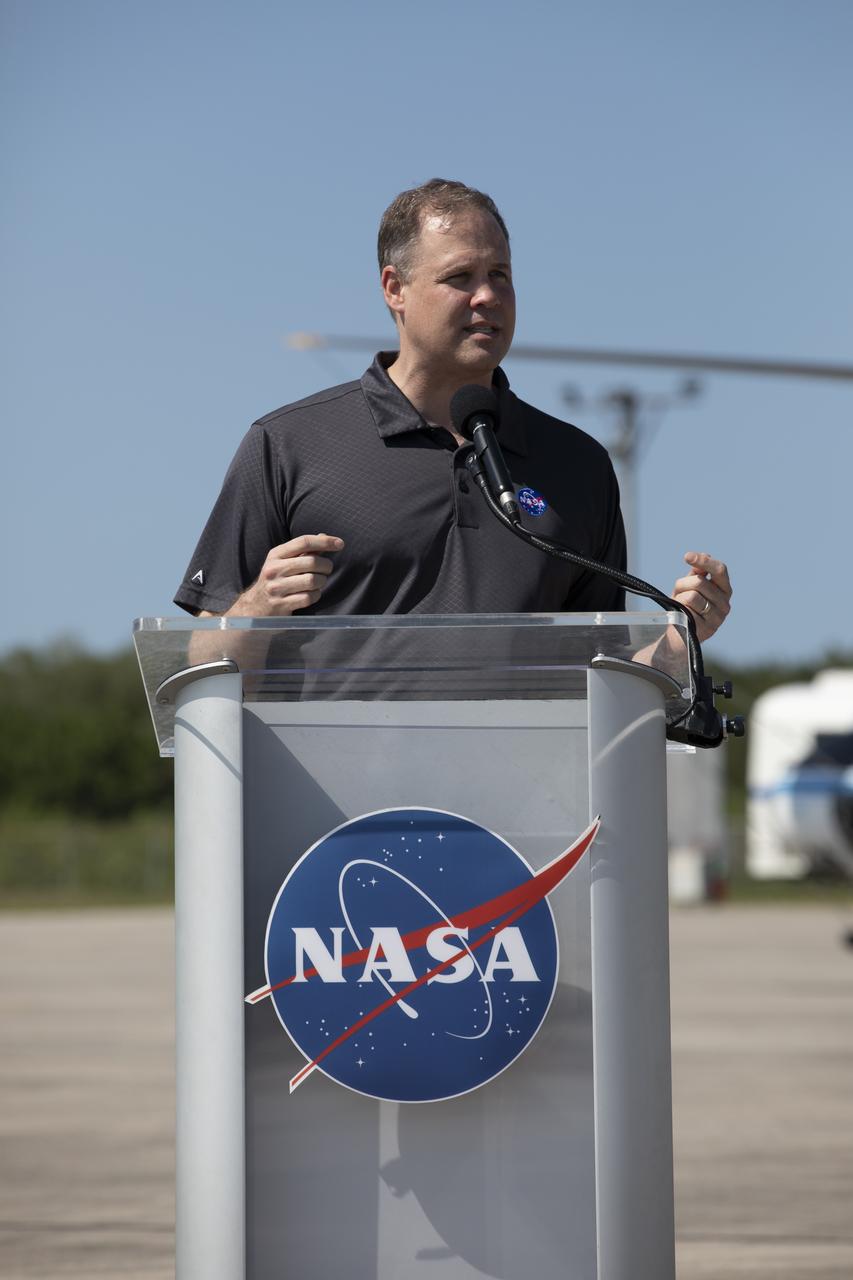
NASA Administrator Jim Bridenstine speaks to members of the media at the Launch and Landing Facility runway at the agency’s Kennedy Space Center in Florida on May 20, 2020, following Demo-2 crew members Robert Behnken and Douglas Hurley’s arrival from Houston, Texas. Under the agency’s Commercial Crew Program, Behnken and Hurley will be the first astronauts to launch to the International Space Station from U.S. soil since the end of the Space Shuttle Program in 2011. Liftoff of the SpaceX Falcon 9 rocket and Crew Dragon spacecraft is scheduled for 4:33 p.m. on May 27 from Kennedy’s Launch Complex 39A.

NASA astronaut Douglas Hurley exits the Gulfstream jet that carried him from Houston, Texas, to the Launch and Landing Facility runway at NASA’s Kennedy Space Center in Florida on May 20, 2020, ahead of the agency’s SpaceX Demo-2 mission. Under NASA’s Commercial Crew Program, Hurley and crewmate Robert Behnken will be the first astronauts to launch to the International Space Station from U.S. soil since the end of the Space Shuttle Program in 2011. Liftoff of the SpaceX Falcon 9 rocket and Crew Dragon spacecraft is scheduled for 4:33 p.m. on May 27 from Kennedy’s Launch Complex 39A.
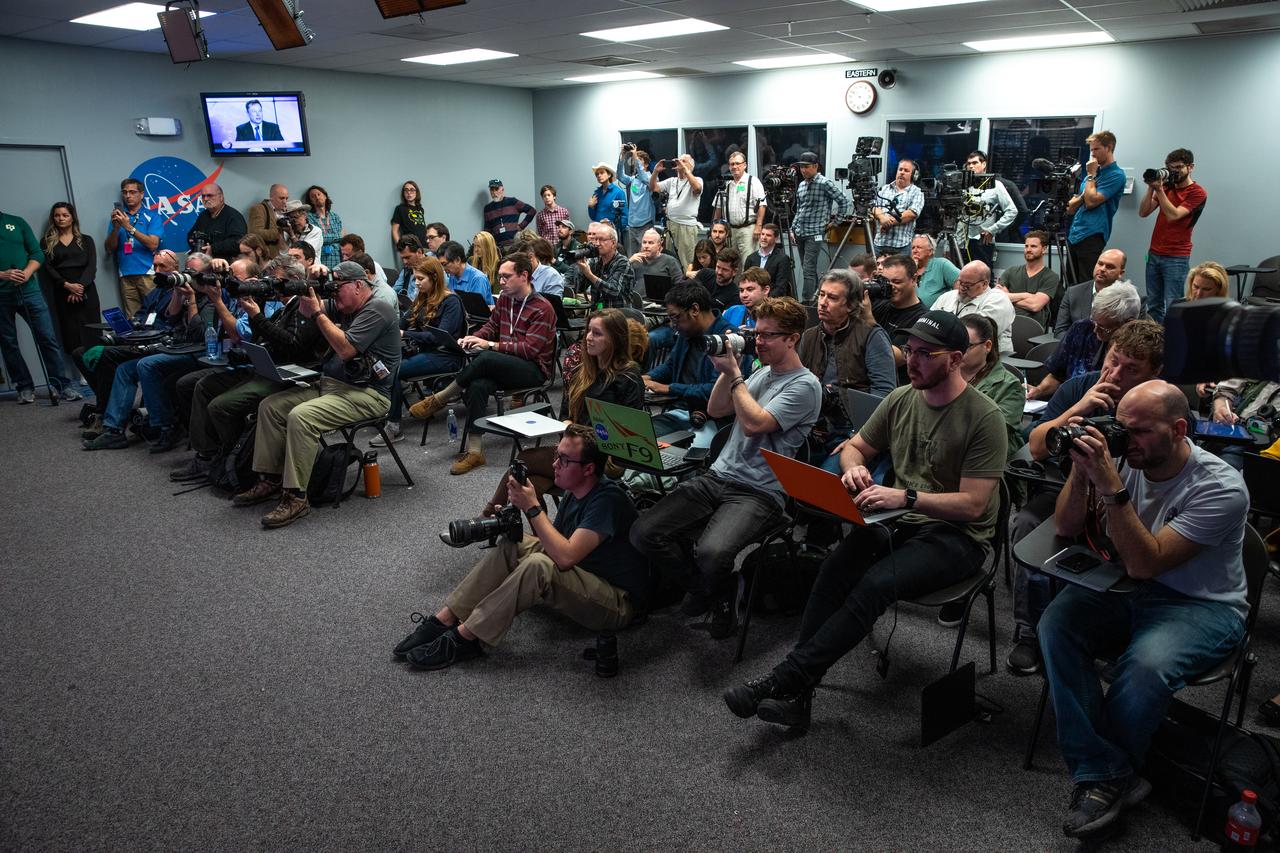
Members of the news media listen as officials from NASA and SpaceX participate in a briefing at the agency’s Kennedy Space Center in Florida following the company’s uncrewed In-Flight Abort Test on Jan. 19, 2020. During the flight test, a SpaceX Falcon 9 rocket and Crew Dragon spacecraft lifted off from Kennedy’s Launch Complex 39A and began a planned launch-abort sequence demonstrating the spacecraft’s escape capabilities. The Crew Dragon splashed down in the Atlantic Ocean as expected. The In-Flight Abort Test is a critical milestone in preparation for crewed flights to the International Space Station as part of the agency’s Commercial Crew Program.
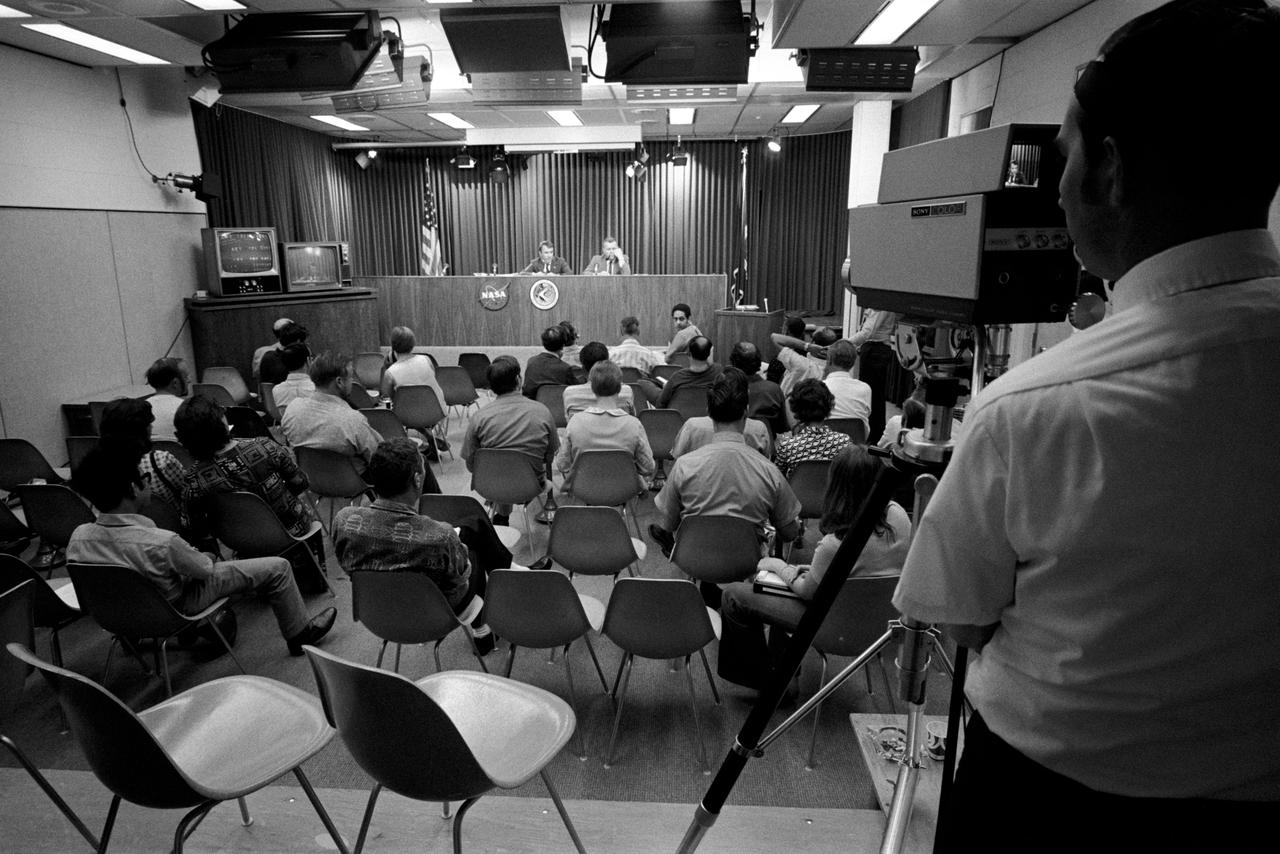
S71-41842 (July 1971) --- Newsmen put questions to Gerald D. Griffin, left at lectern, a flight director for the Apollo 15 lunar landing mission, during a change of shift briefing in the small briefing room in Building One at the Manned Spacecraft Center (MSC). Representing Public Affairs Office at the briefing is Terry White, right at lectern.
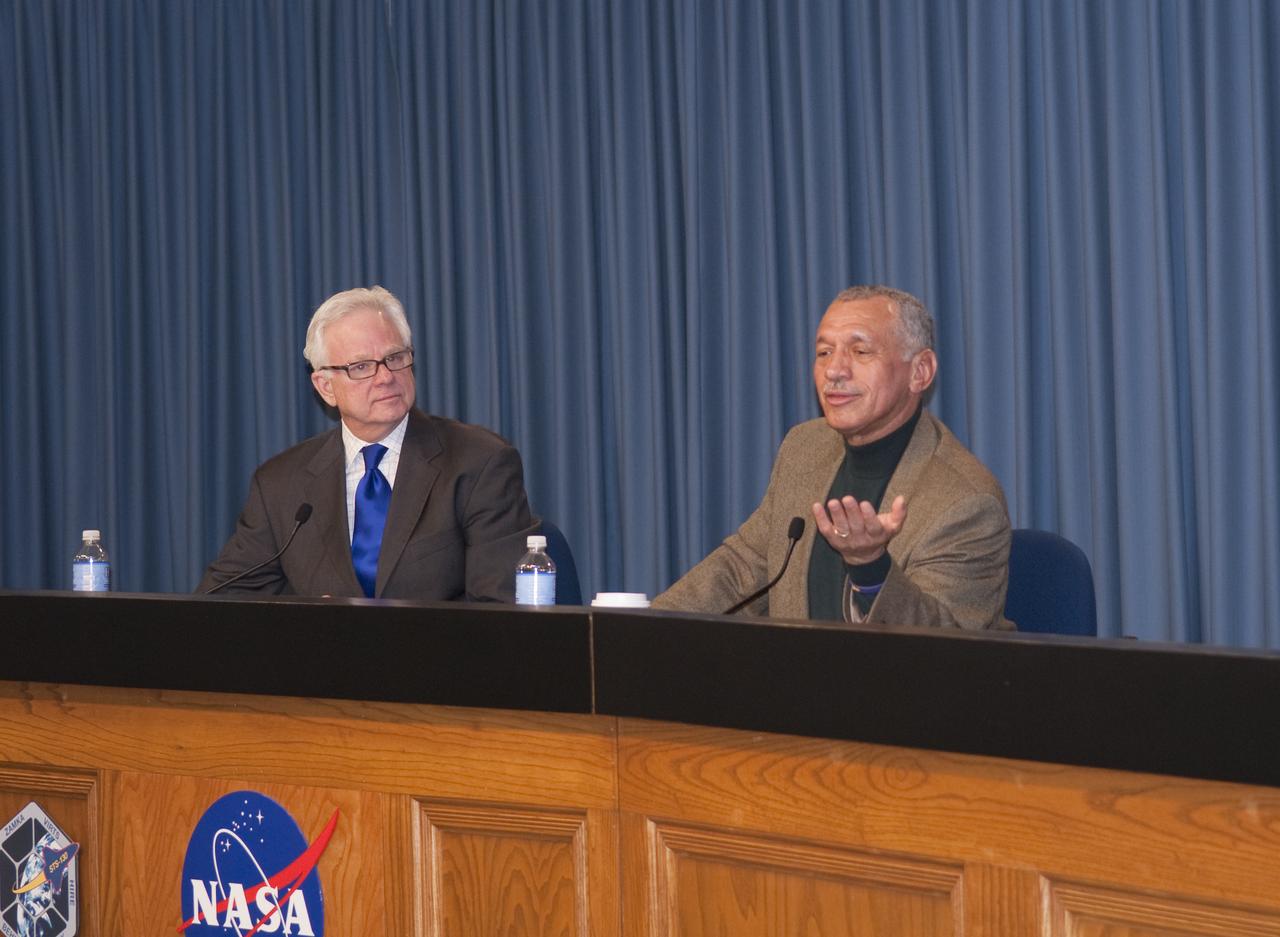
NASA ADMINISTRATOR CHARLIE BOLDEN BRIEFS MEDIA ON NEW NASA BUDGET
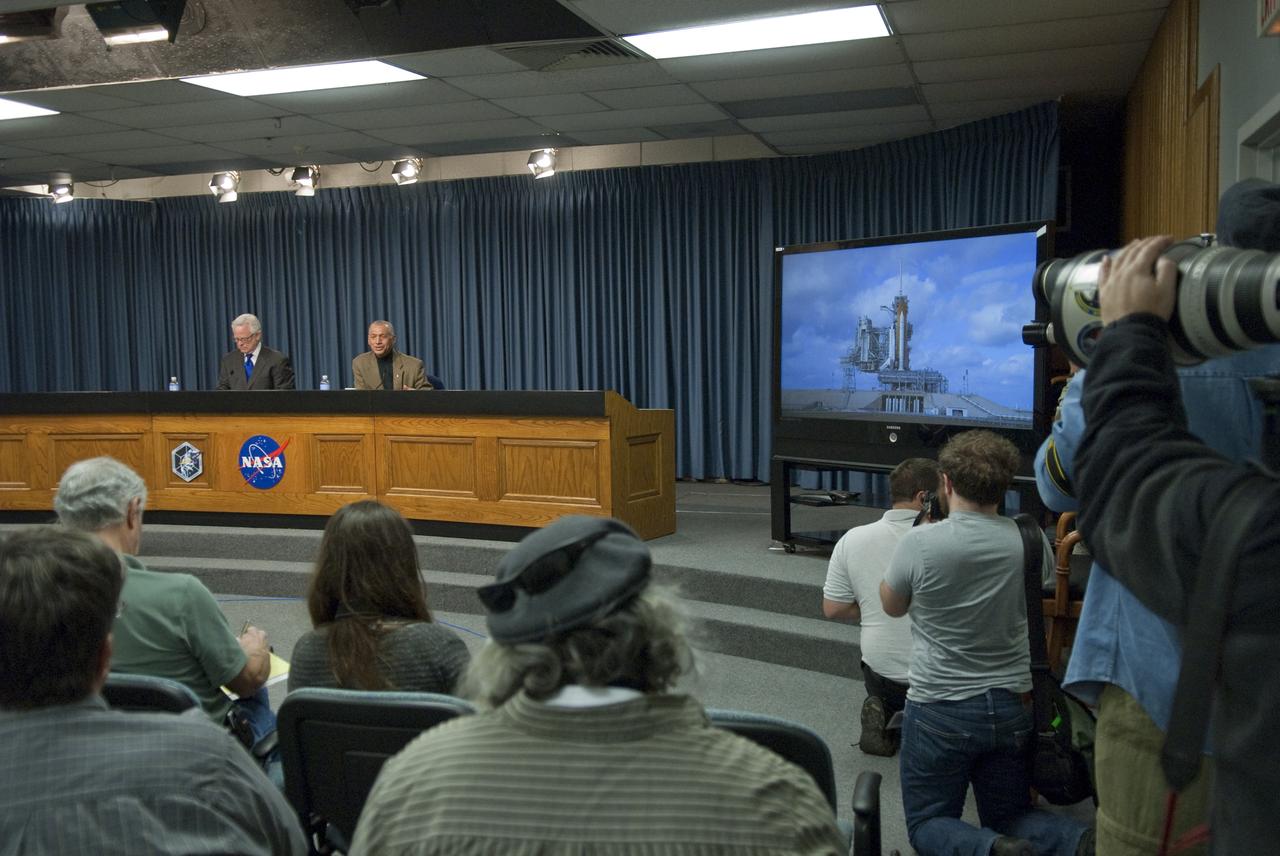
NASA ADMINISTRATOR CHARLIE BOLDEN BRIEFS MEDIA ON NEW NASA BUDGET
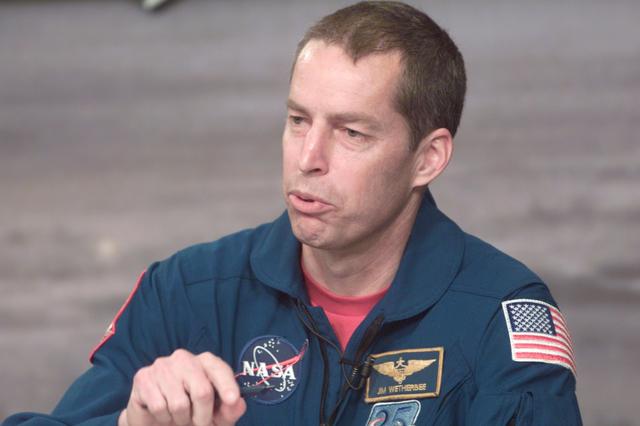
JSC2001-E-05530 (28 February 2001) --- Astronaut James D. Wetherbee, STS-102 mission commander, follows a news representative's question with a brief explanation during a press briefing at the Johnson Space Center (JSC).
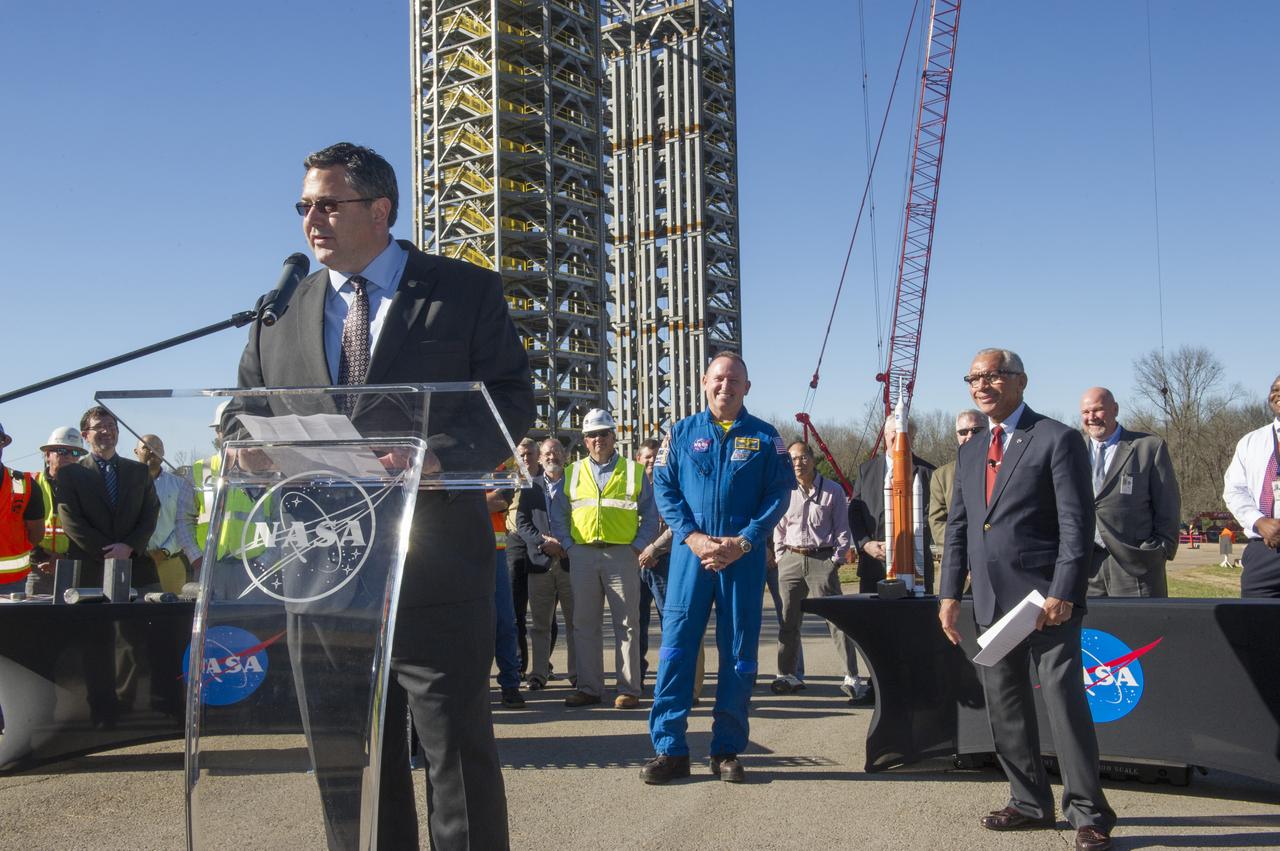
TODD MAY,CHARLIE BOLDEN AND ASTRONAUT BUTCH WILMORE BRIEF NEWS MEDIA ON PROGRESS OF NEW TEST STAND CONSTRUCTION FOR SLS TESTING
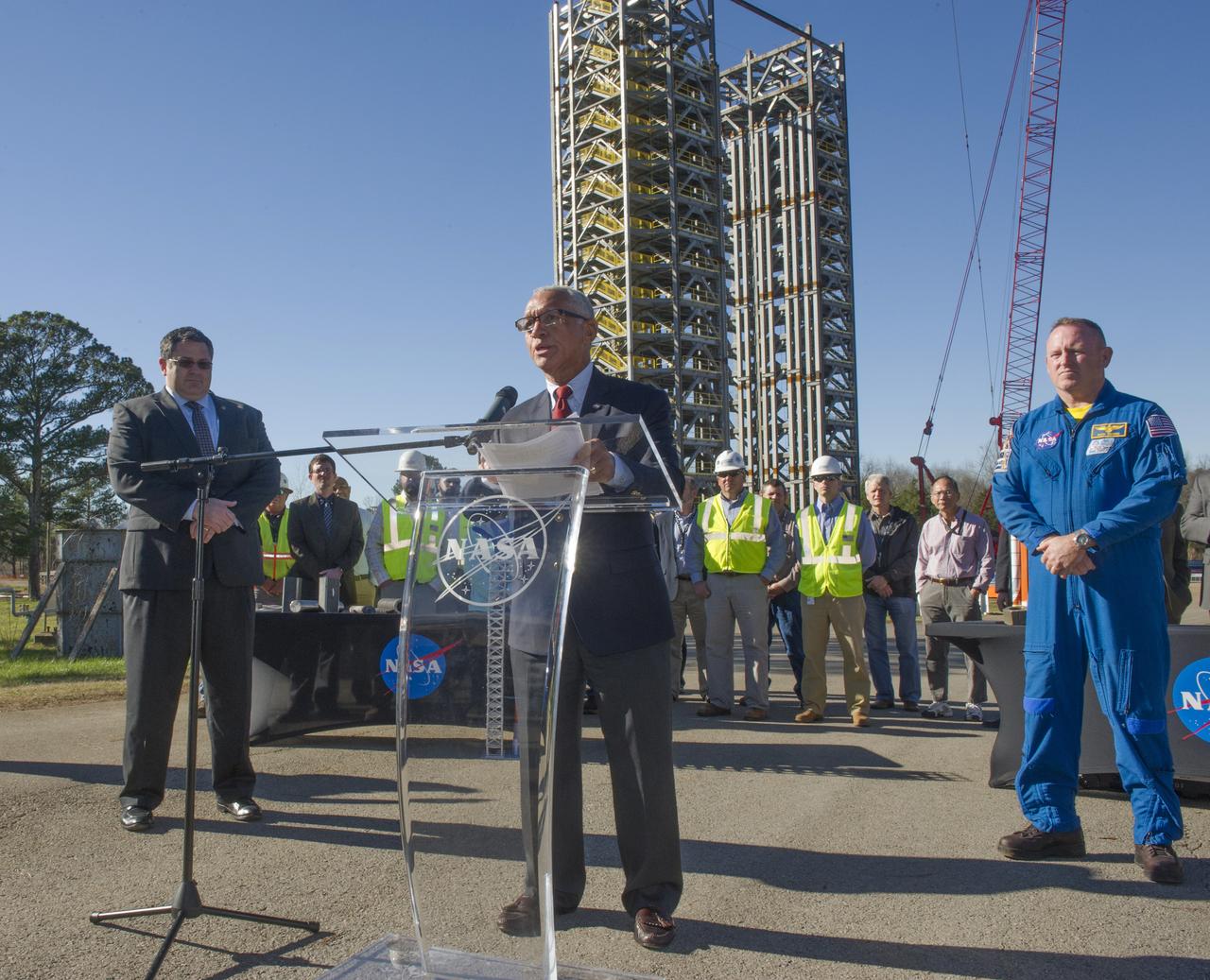
TODD MAY,CHARLIE BOLDEN AND ASTRONAUT BUTCH WILMORE BRIEF NEWS MEDIA ON PROGRESS OF NEW TEST STAND CONSTRUCTION FOR SLS TESTING
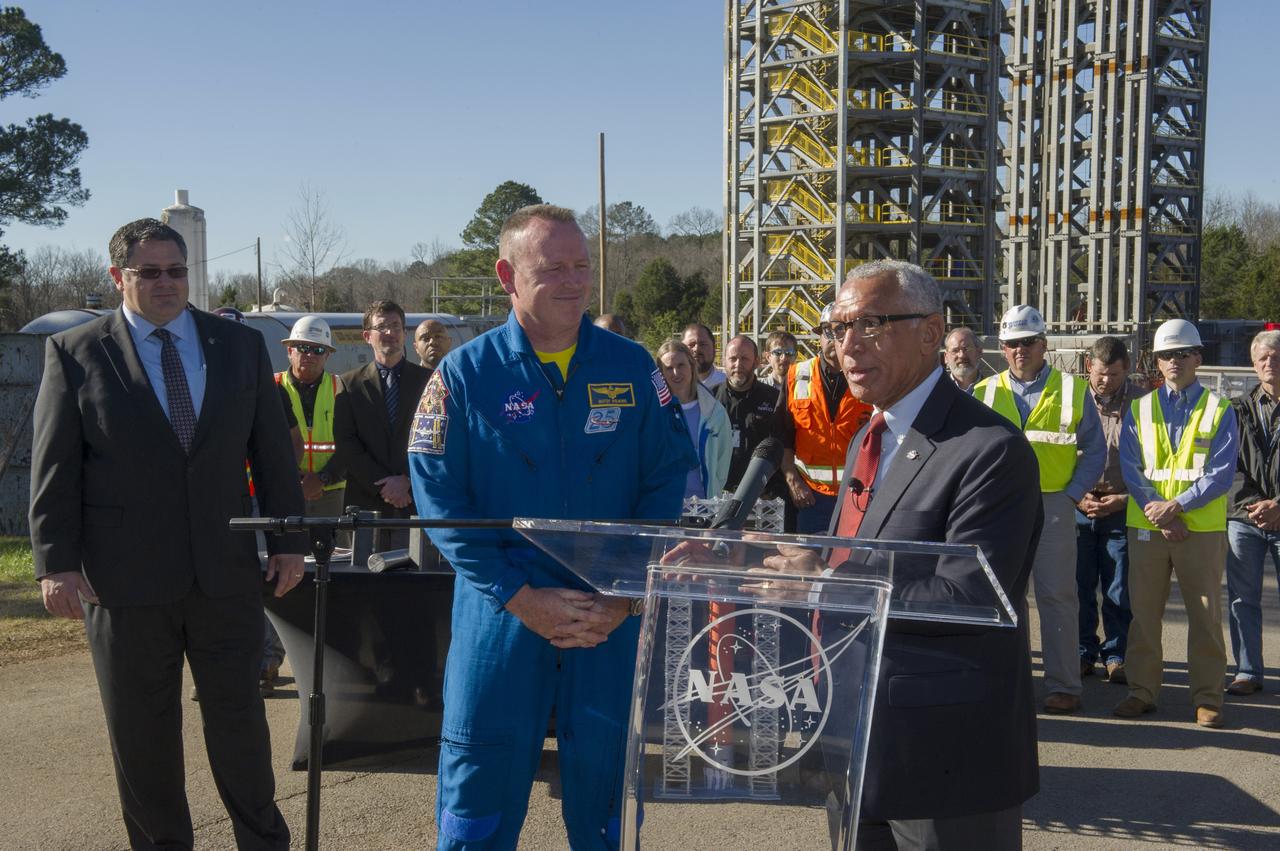
TODD MAY,CHARLIE BOLDEN AND ASTRONAUT BUTCH WILMORE BRIEF NEWS MEDIA ON PROGRESS OF NEW TEST STAND CONSTRUCTION FOR SLS TESTING
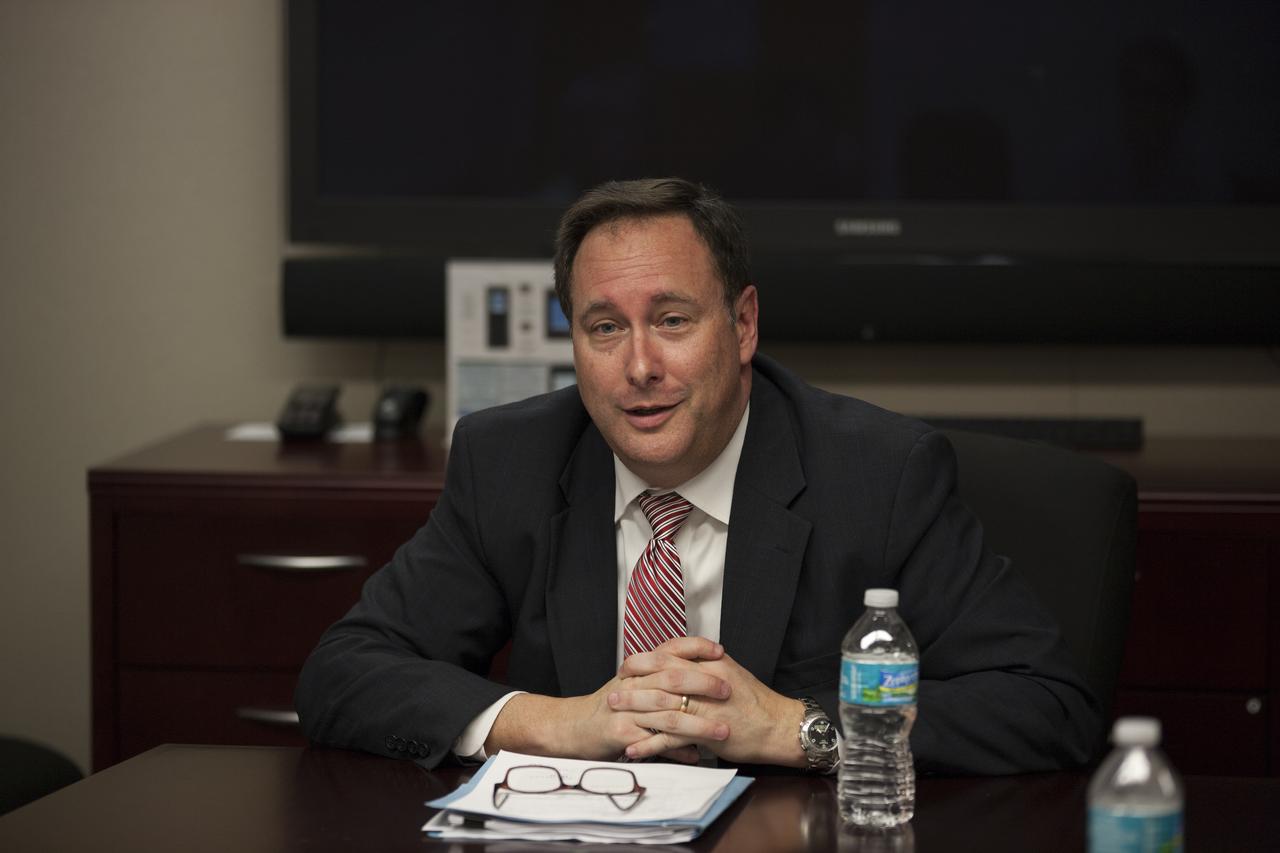
NASA Associate Administrator Robert Lightfoot addresses journalists at the agency's Kennedy Space Center in Florida to discuss the Asteroid Redirect Mission.
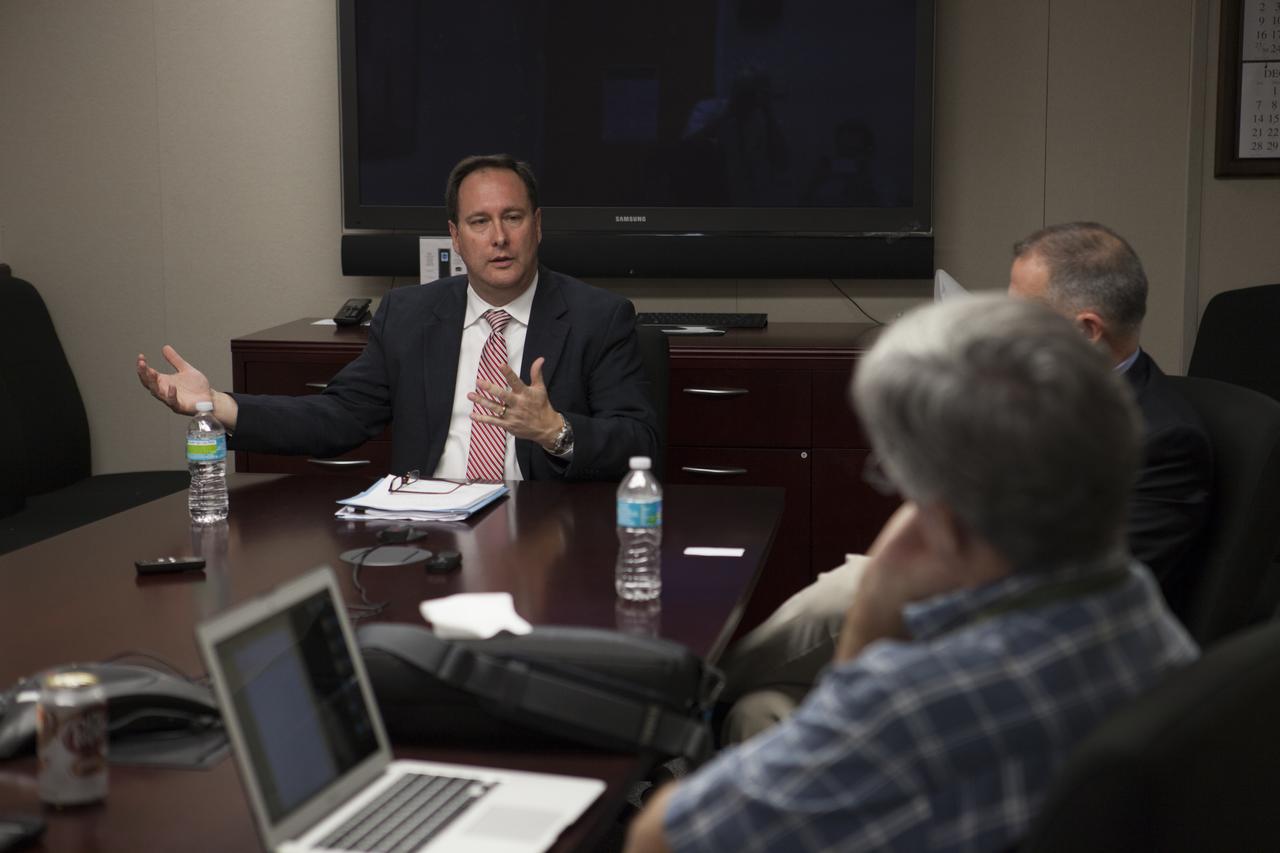
NASA Associate Administrator Robert Lightfoot briefs journalists on the Asteroid Redirect Mission during a roundtable discussion at the agency's Kennedy Space Center in Florida.
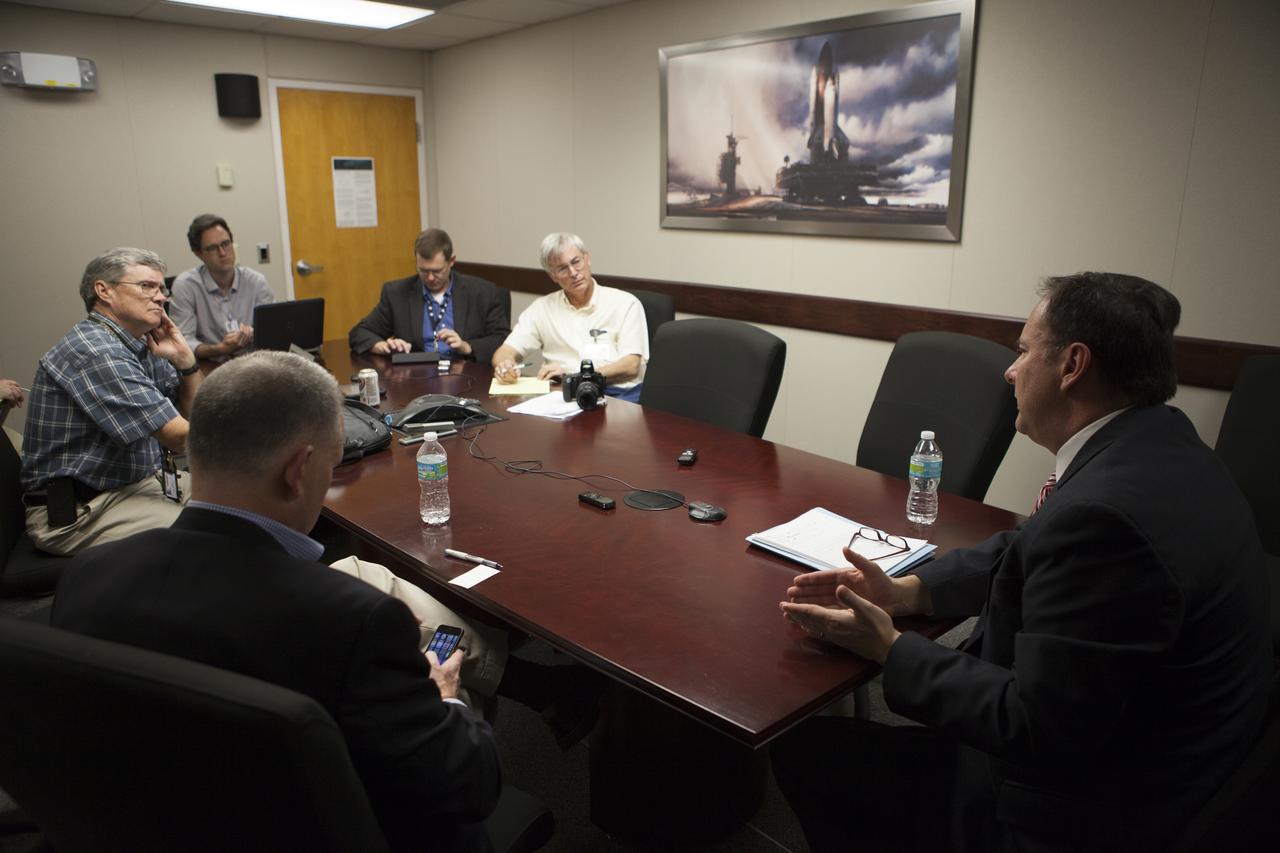
Journalists listen as NASA Associate Administrator Robert Lightfoot provides information on the Asteroid Redirect Mission during a roundtable discussion at the agency's Kennedy Space Center in Florida.
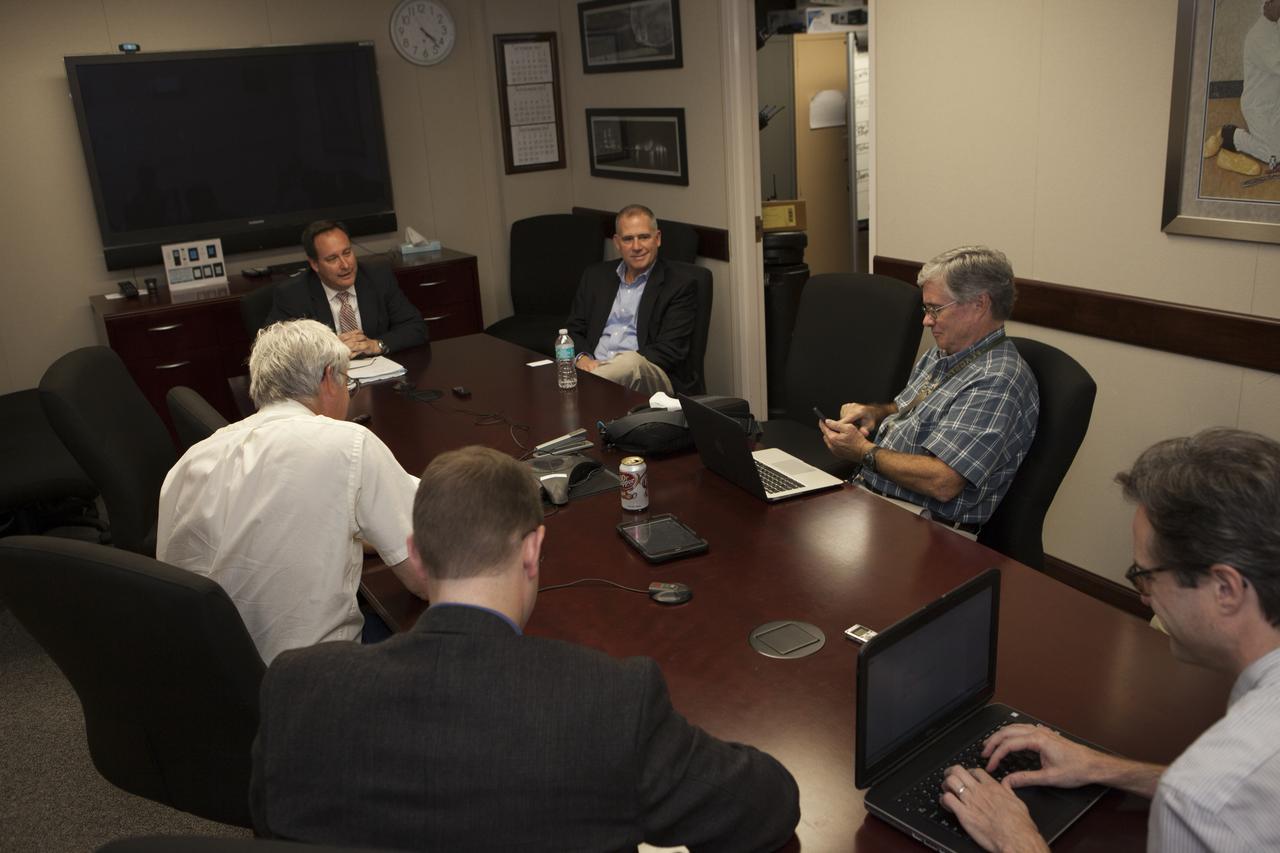
NASA Associate Administrator Robert Lightfoot speaks with journalists at the agency's Kennedy Space Center in Florida to discuss the Asteroid Redirect Mission.
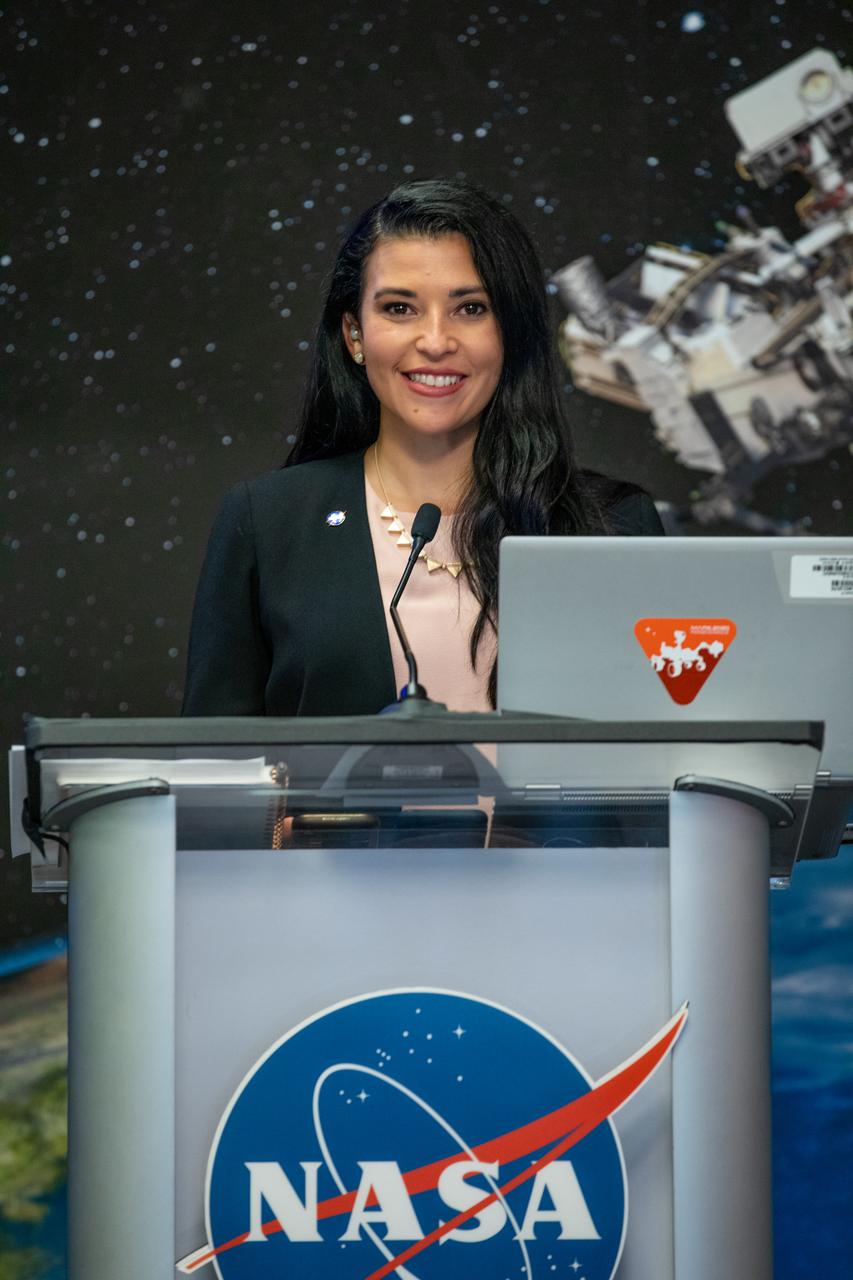
Bettina Inclan, NASA Headquarters, moderates a Mars 2020 prelaunch news briefing at NASA’s Kennedy Space Center in Florida on July 27, 2020. The Mars Perseverance rover is scheduled to launch on July 30, on a United Launch Alliance Atlas V 541 rocket from Space Launch Complex 41 at nearby Cape Canaveral Air Force Station. The rover is part of NASA’s Mars Exploration Program, a long-term effort of robotic exploration of the Red Planet. The rover will search for habitable conditions in the ancient past and signs of past microbial life on Mars. The Launch Services Program at Kennedy is responsible for launch management.
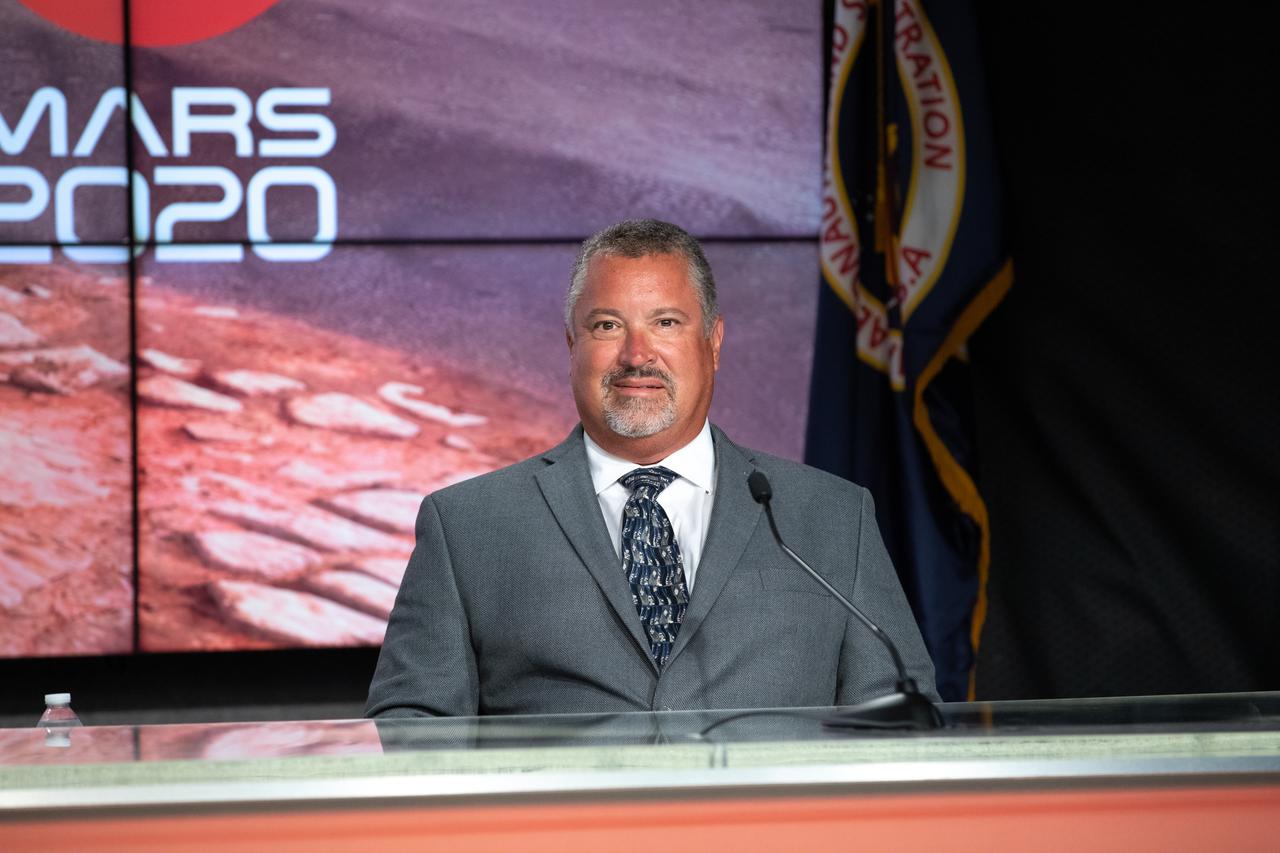
Launch Director Omar Baez, with NASA’s Launch Services Program, participates in a Mars 2020 prelaunch news briefing at NASA’s Kennedy Space Center in Florida on July 27, 2020. The Mars Perseverance rover is scheduled to launch on July 30, on a United Launch Alliance Atlas V 541 rocket from Space Launch Complex 41 at nearby Cape Canaveral Air Force Station. The rover is part of NASA’s Mars Exploration Program, a long-term effort of robotic exploration of the Red Planet. The rover will search for habitable conditions in the ancient past and signs of past microbial life on Mars. The Launch Services Program at Kennedy is responsible for launch management.
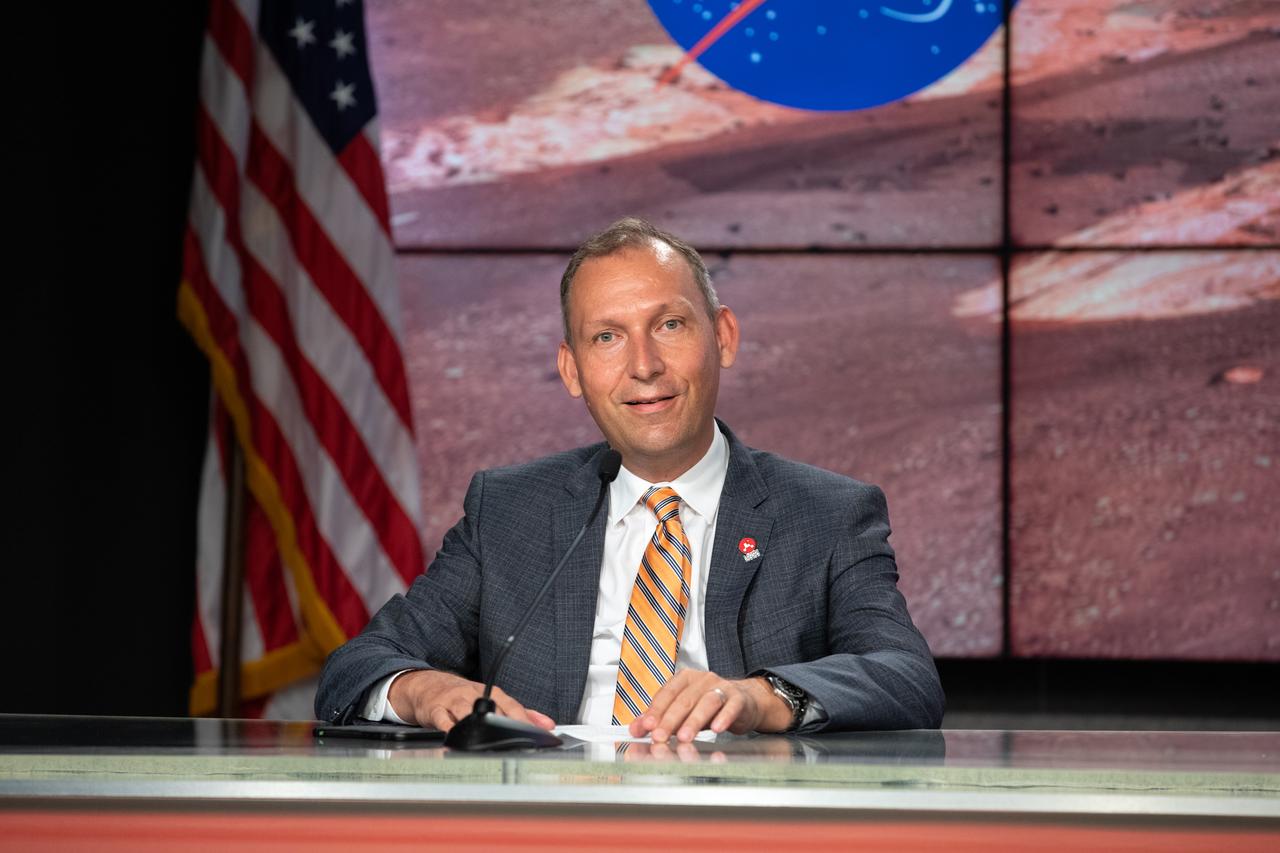
Thomas Zurbuchen, NASA Associate Administrator, Science Mission Directorate, participates in a Mars 2020 prelaunch news briefing at NASA’s Kennedy Space Center in Florida on July 27, 2020. The Mars Perseverance rover is scheduled to launch on July 30, on a United Launch Alliance Atlas V 541 rocket from Space Launch Complex 41 at nearby Cape Canaveral Air Force Station. The rover is part of NASA’s Mars Exploration Program, a long-term effort of robotic exploration of the Red Planet. The rover will search for habitable conditions in the ancient past and signs of past microbial life on Mars. The Launch Services Program at Kennedy is responsible for launch management.
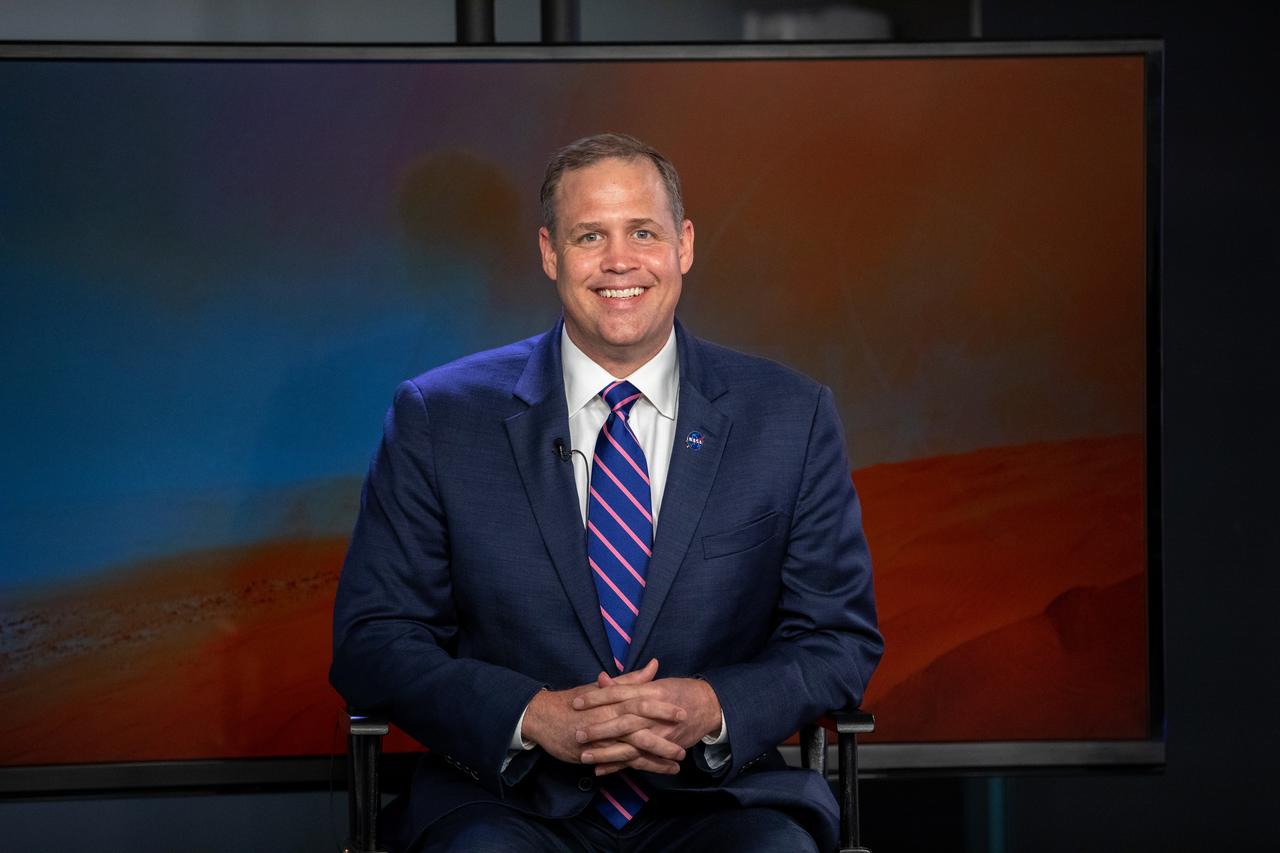
NASA Administrator Jim Bridenstine participates in a Mars 2020 prelaunch news briefing at NASA’s Kennedy Space Center in Florida on July 27, 2020. The Mars Perseverance rover is scheduled to launch on July 30, on a United Launch Alliance Atlas V 541 rocket from Space Launch Complex 41 at nearby Cape Canaveral Air Force Station. The rover is part of NASA’s Mars Exploration Program, a long-term effort of robotic exploration of the Red Planet. The rover will search for habitable conditions in the ancient past and signs of past microbial life on Mars. The Launch Services Program at Kennedy is responsible for launch management.
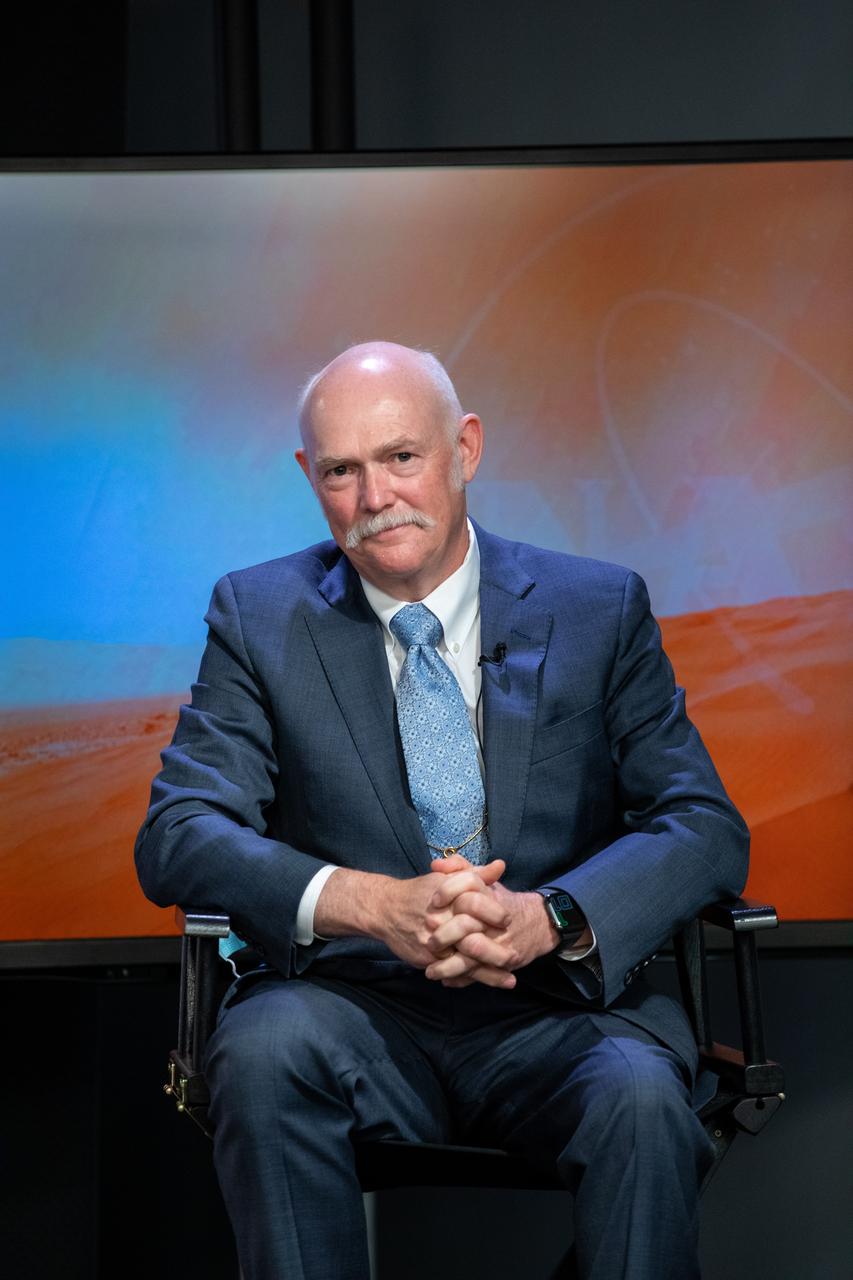
Tory Bruno, CEO with United Launch Alliance, participates in a Mars 2020 prelaunch news briefing at NASA’s Kennedy Space Center in Florida on July 27, 2020. The Mars Perseverance rover is scheduled to launch on July 30, on a United Launch Alliance Atlas V 541 rocket from Space Launch Complex 41 at nearby Cape Canaveral Air Force Station. The rover is part of NASA’s Mars Exploration Program, a long-term effort of robotic exploration of the Red Planet. The rover will search for habitable conditions in the ancient past and signs of past microbial life on Mars. The Launch Services Program at Kennedy is responsible for launch management.
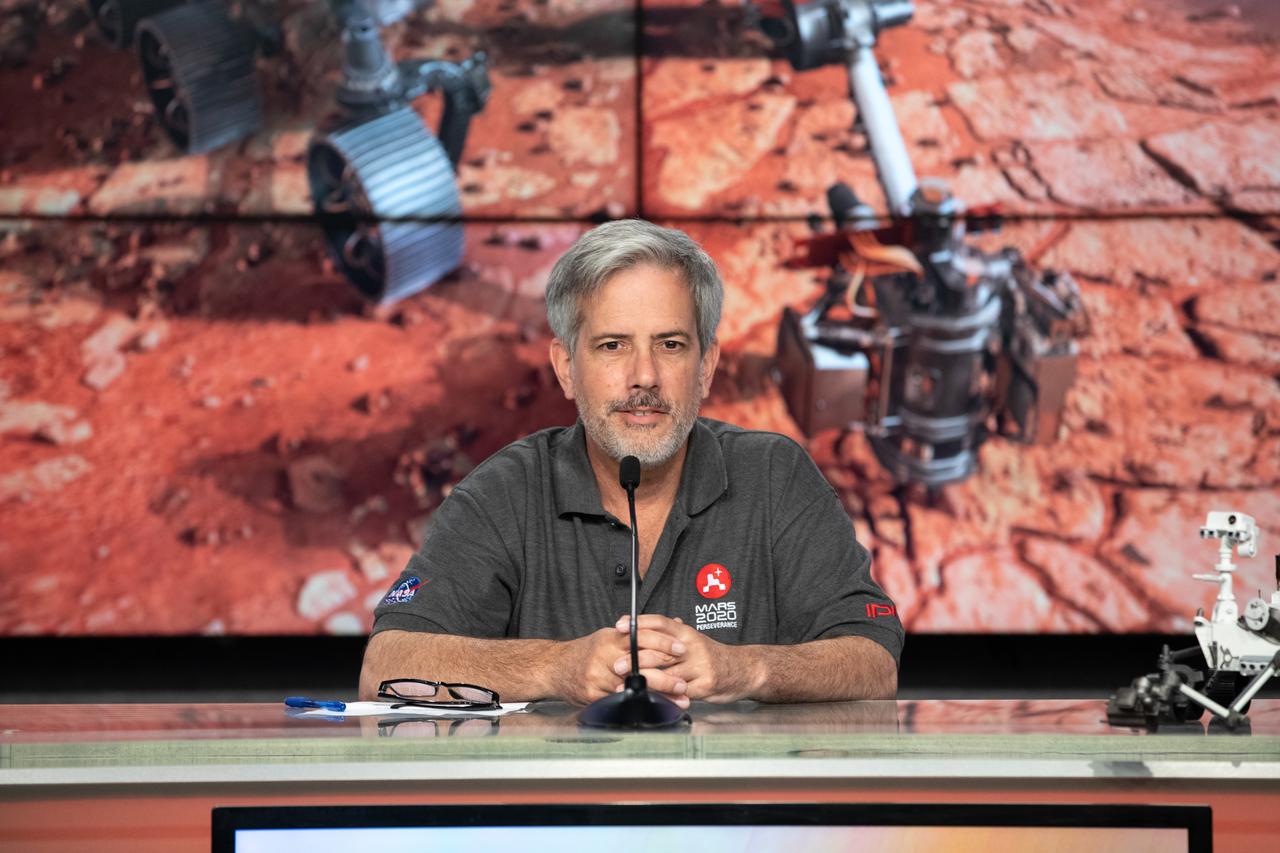
Matt Wallace, deputy project manager, NASA’s Jet Propulsion Laboratory, participates in a Mars 2020 prelaunch news briefing at NASA’s Kennedy Space Center in Florida on July 27, 2020. The Mars Perseverance rover is scheduled to launch on July 30, on a United Launch Alliance Atlas V 541 rocket from Space Launch Complex 41 at nearby Cape Canaveral Air Force Station. The rover is part of NASA’s Mars Exploration Program, a long-term effort of robotic exploration of the Red Planet. The rover will search for habitable conditions in the ancient past and signs of past microbial life on Mars. The Launch Services Program at Kennedy is responsible for launch management.
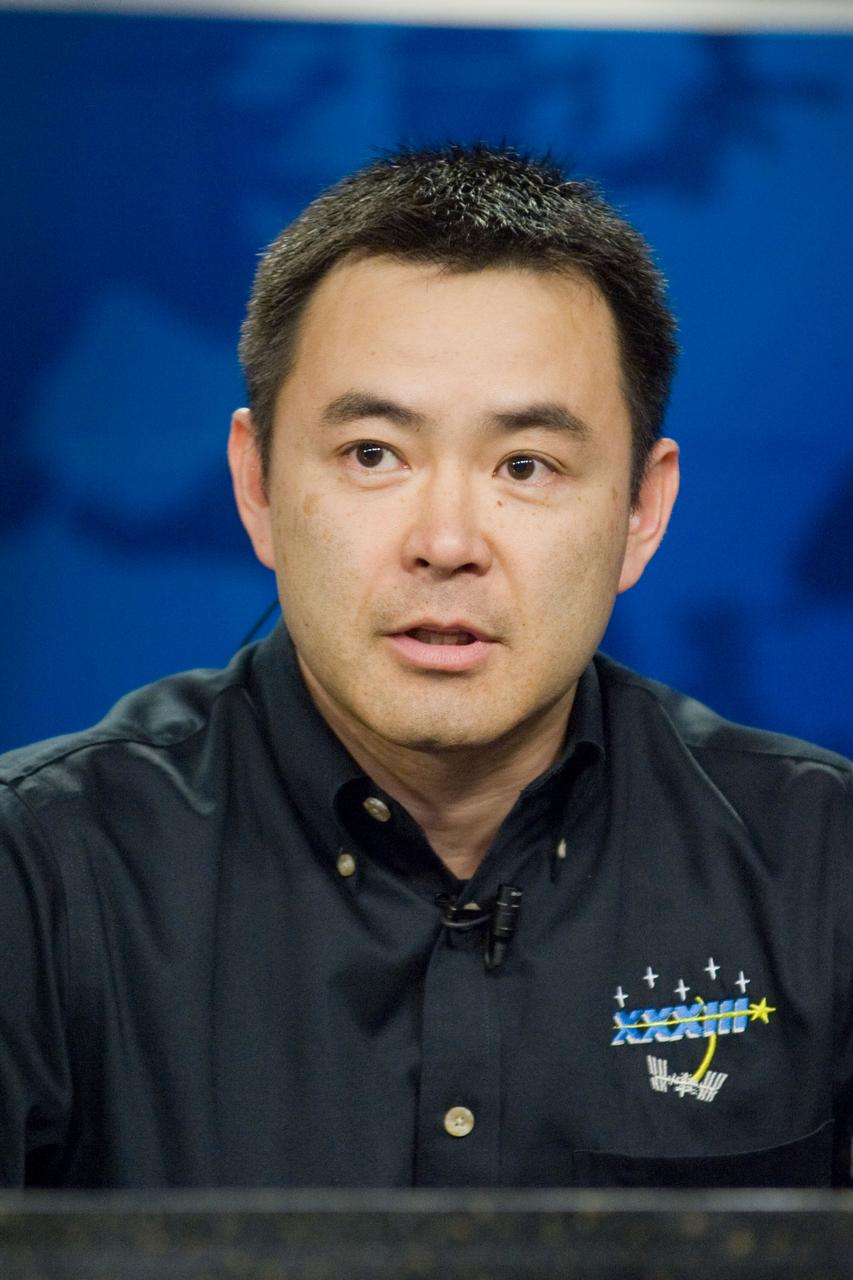
Date: 03-20-12 Location: Bldg 2, Briefing Room Subject: Expedition 32/33 Crew News Conference. Photograher: James Blair
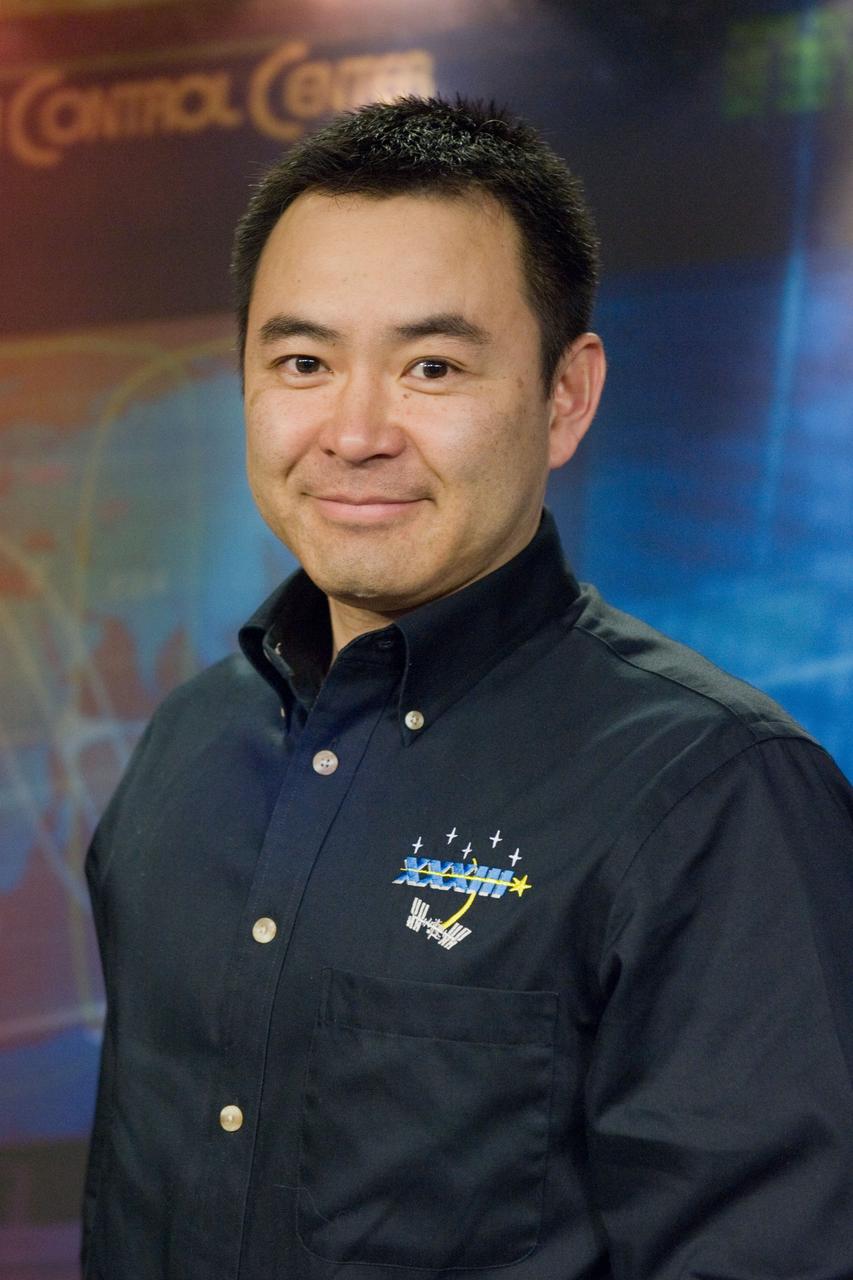
Date: 03-20-12 Location: Bldg 2, Briefing Room Subject: Expedition 32/33 Crew News Conference. Photograher: James Blair
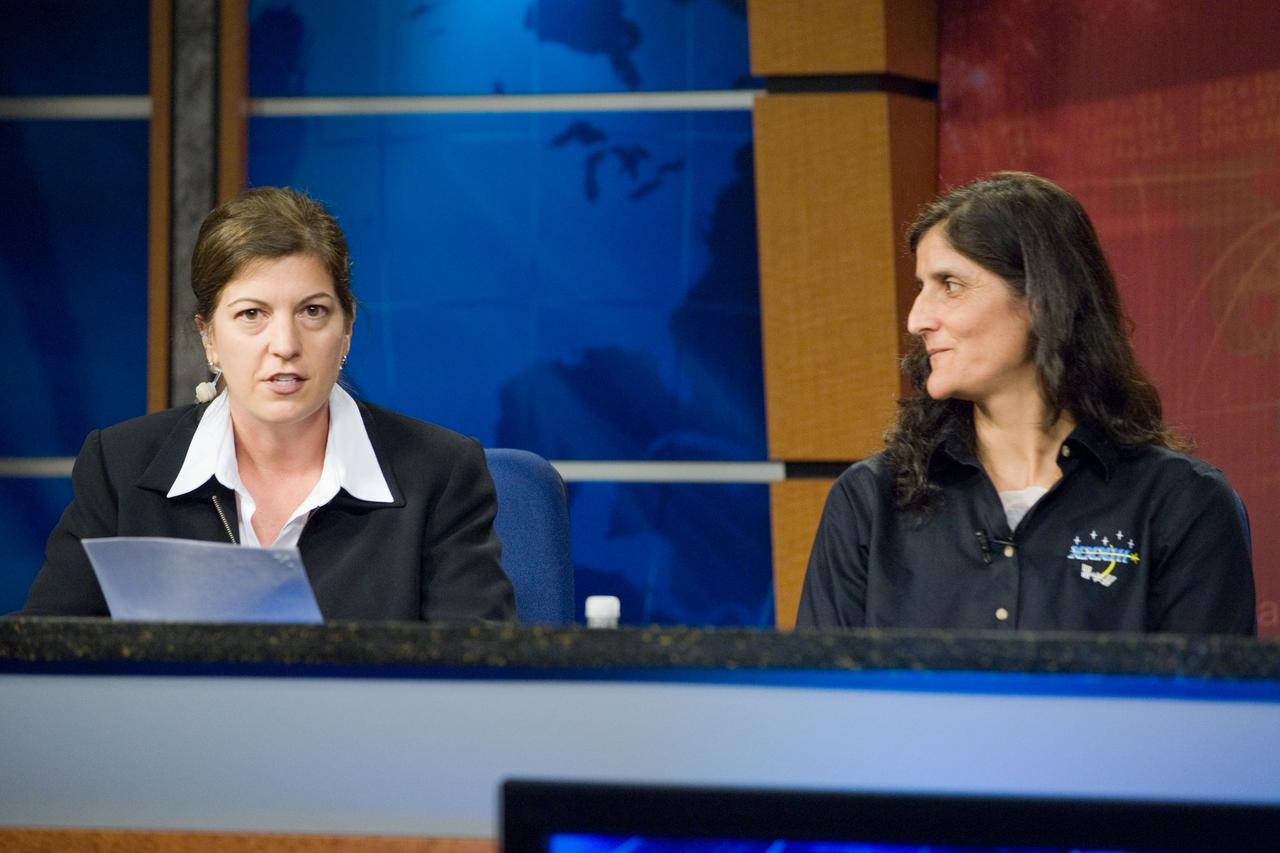
Date: 03-20-12 Location: Bldg 2, Briefing Room Subject: Expedition 32/33 Crew News Conference. Photograher: James Blair
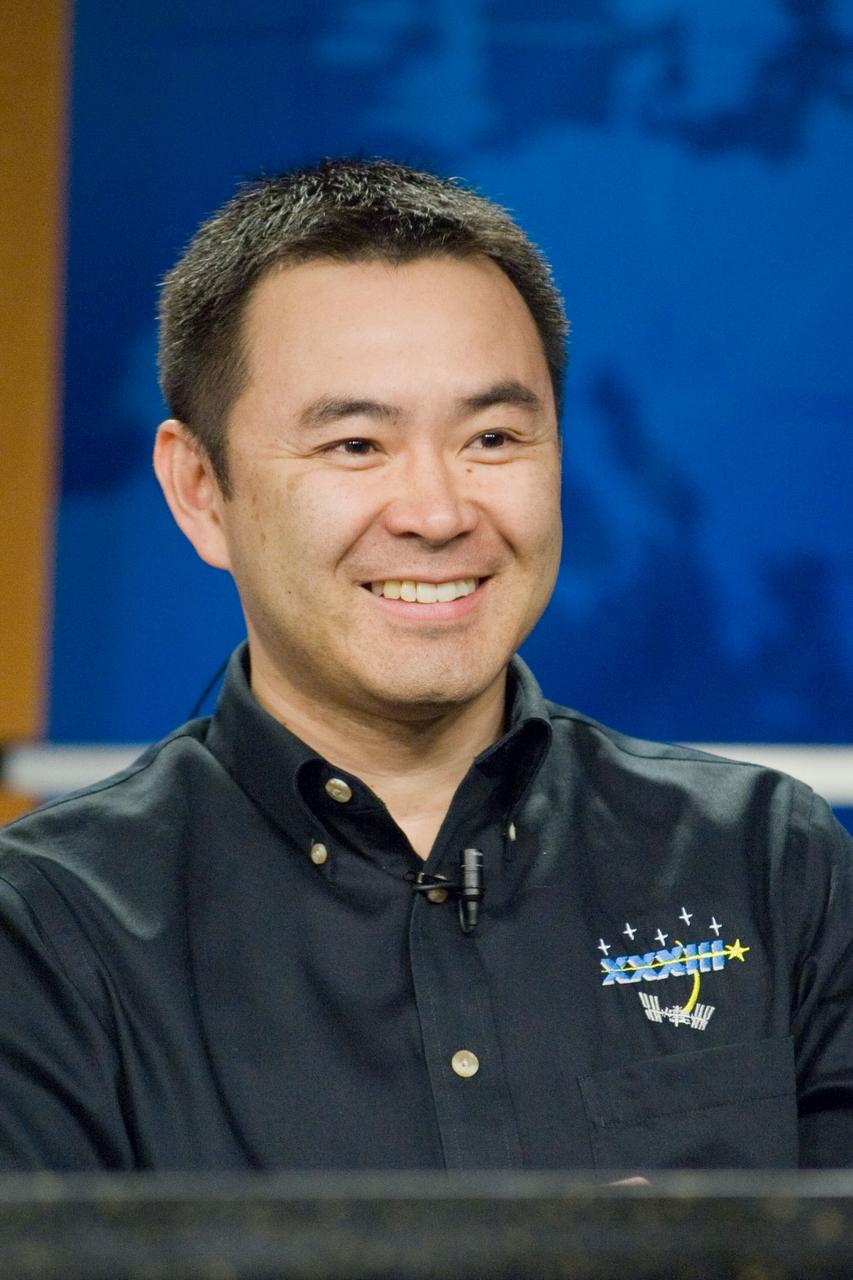
Date: 03-20-12 Location: Bldg 2, Briefing Room Subject: Expedition 32/33 Crew News Conference. Photograher: James Blair
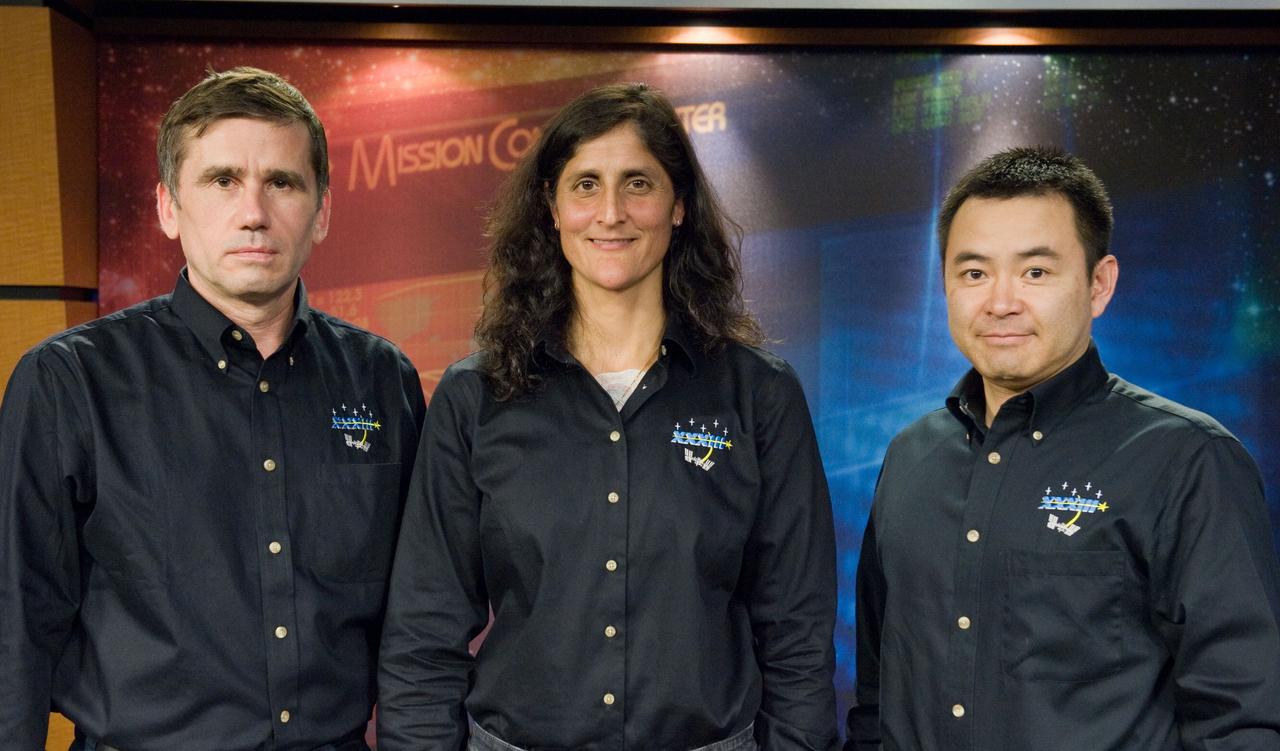
Date: 03-20-12 Location: Bldg 2, Briefing Room Subject: Expedition 32/33 Crew News Conference. Photograher: James Blair
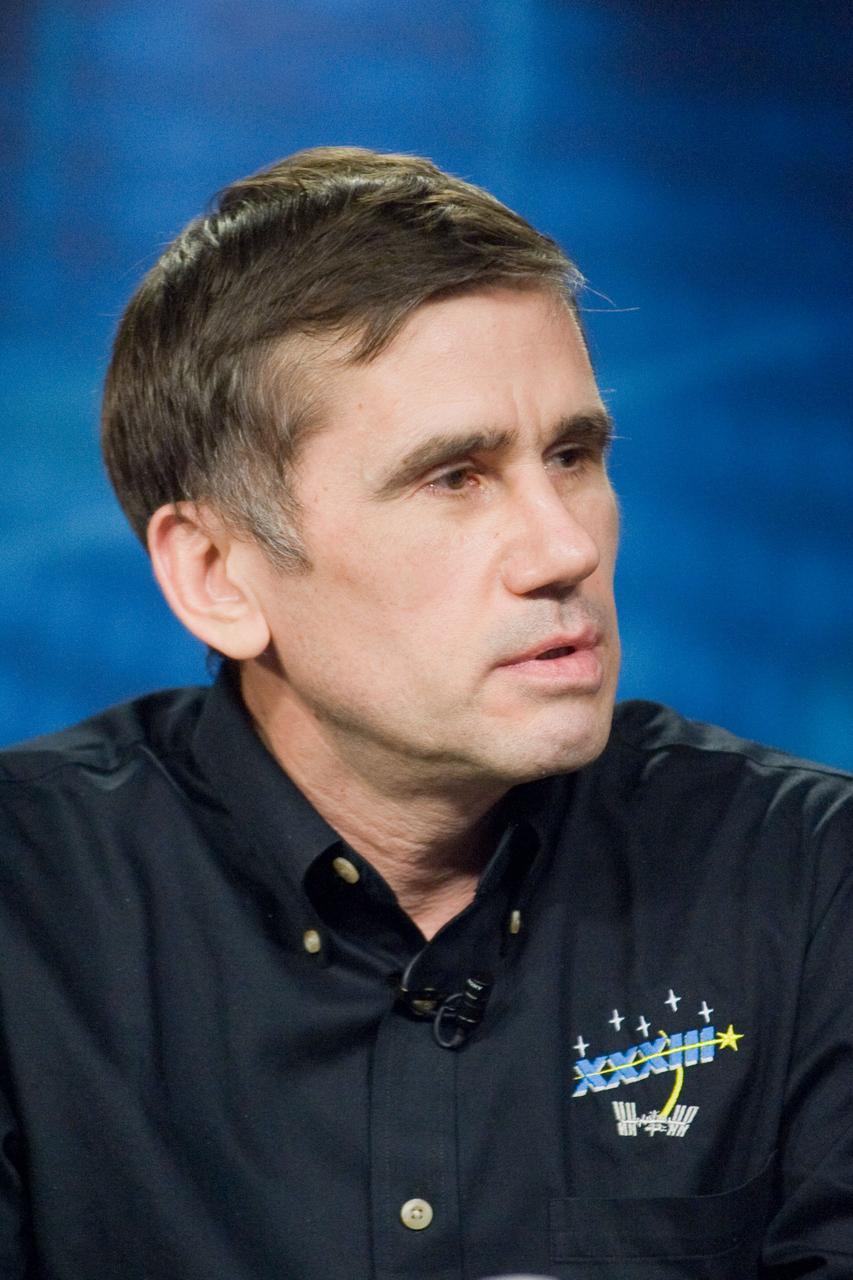
Date: 03-20-12 Location: Bldg 2, Briefing Room Subject: Expedition 32/33 Crew News Conference. Photograher: James Blair
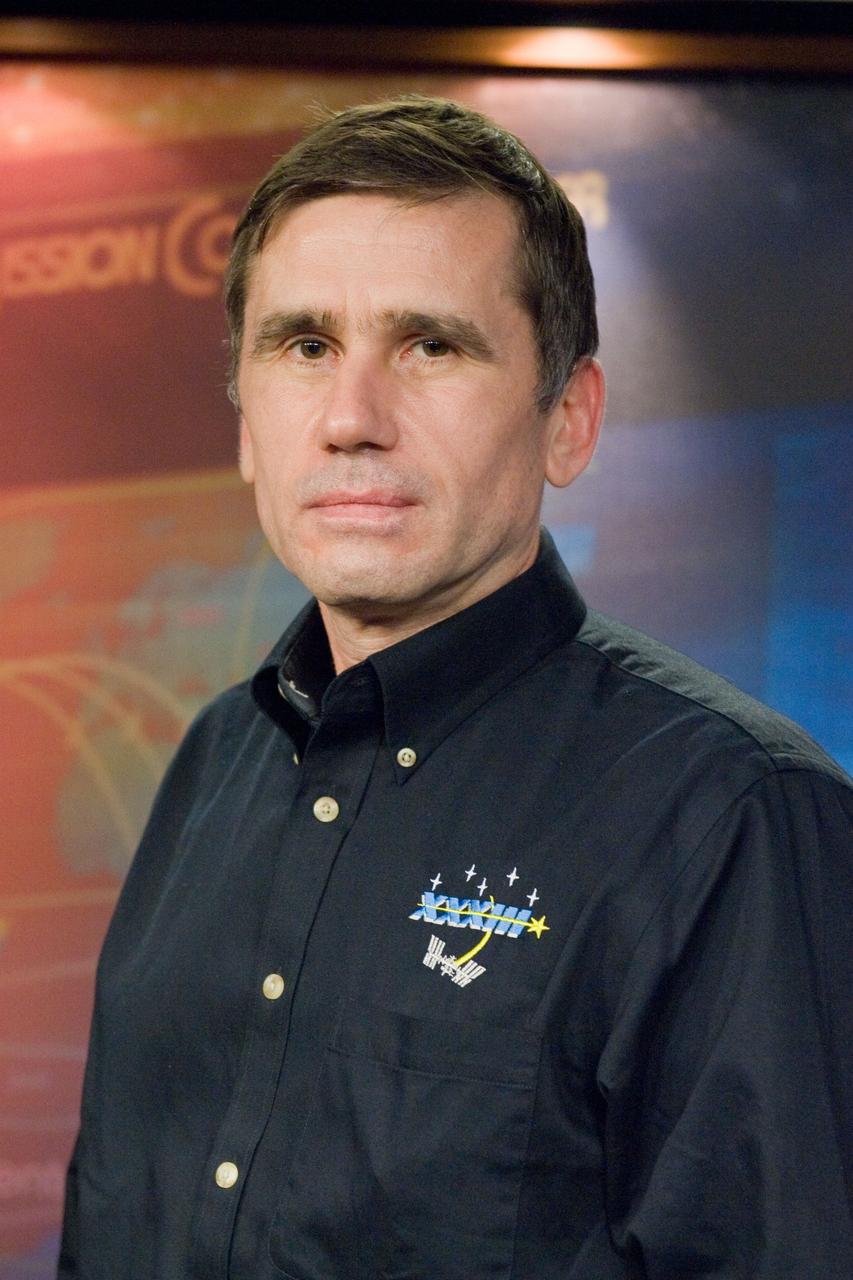
Date: 03-20-12 Location: Bldg 2, Briefing Room Subject: Expedition 32/33 Crew News Conference. Photograher: James Blair
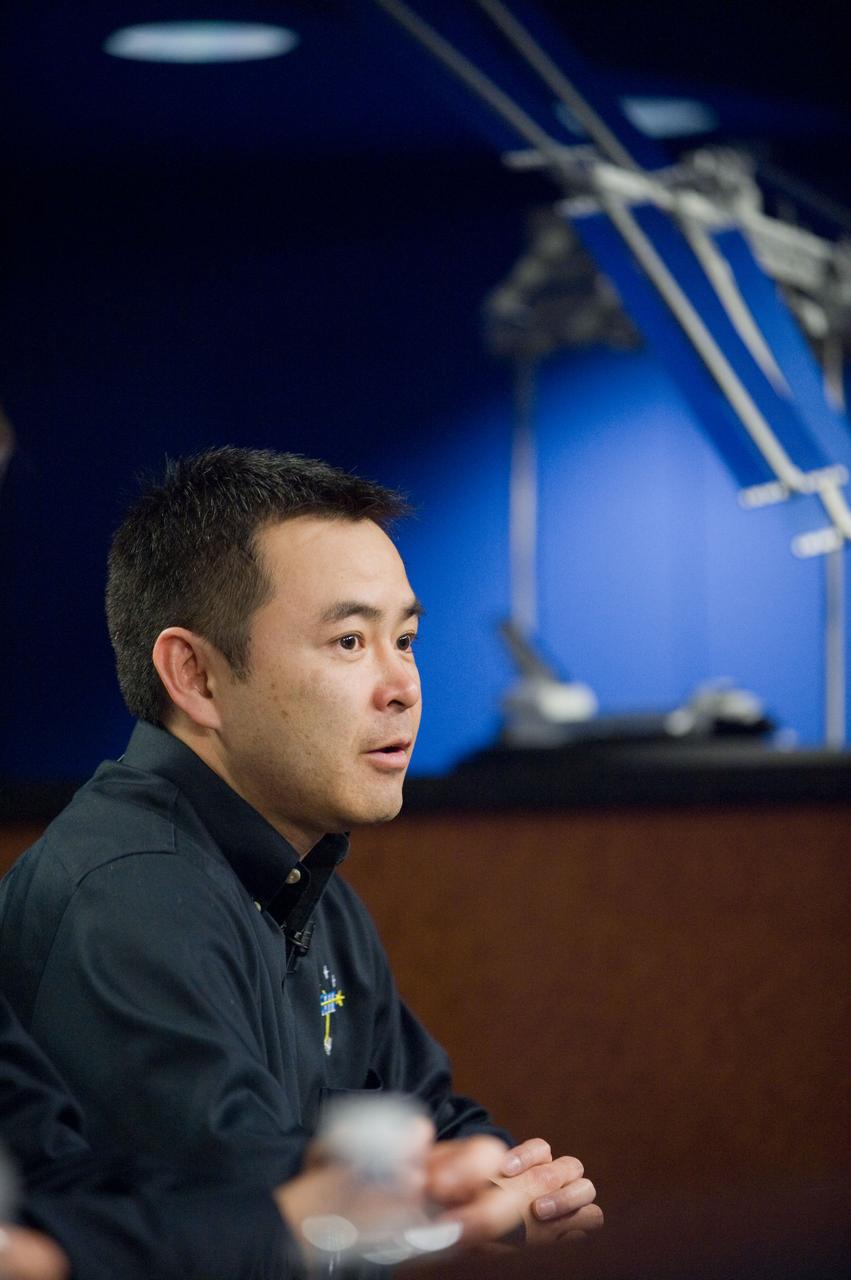
Date: 03-20-12 Location: Bldg 2, Briefing Room Subject: Expedition 32/33 Crew News Conference. Photograher: James Blair
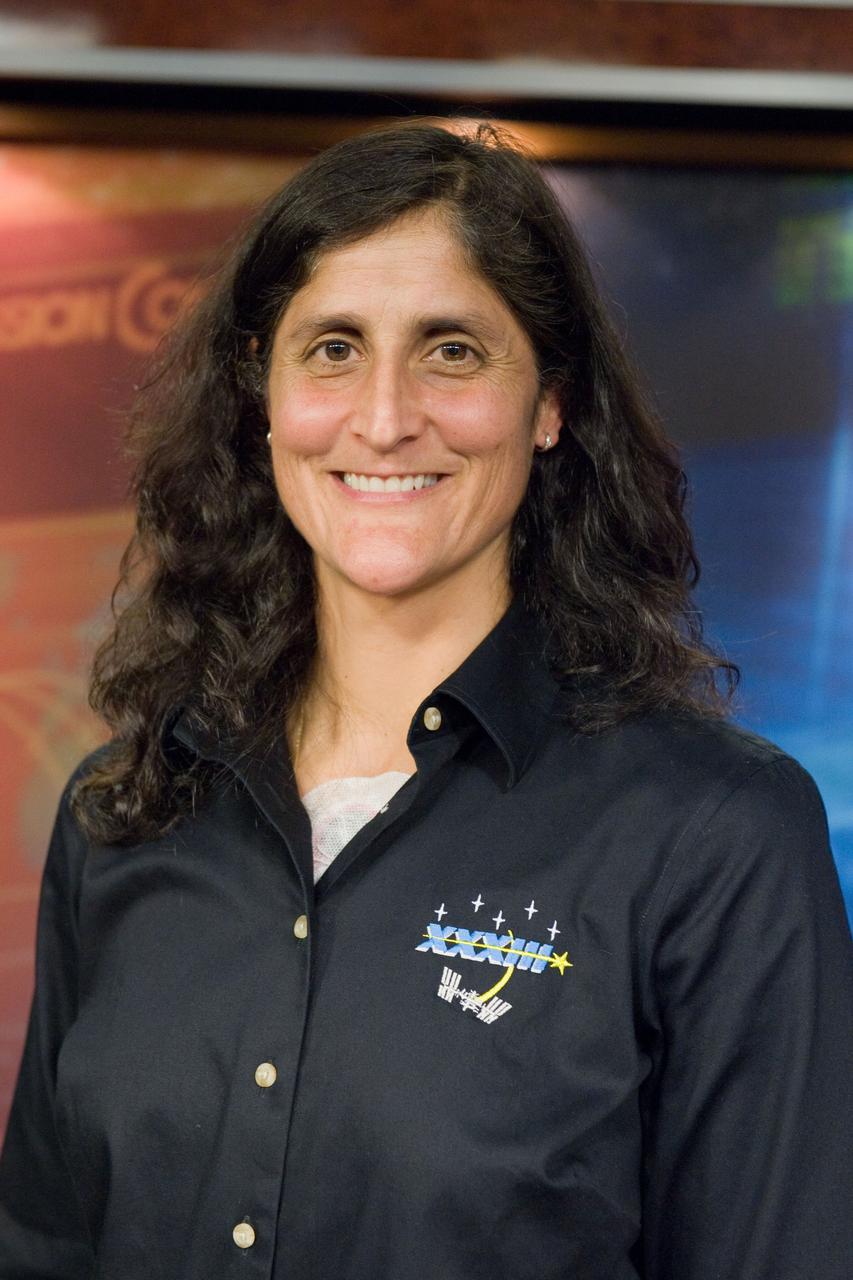
Date: 03-20-12 Location: Bldg 2, Briefing Room Subject: Expedition 32/33 Crew News Conference. Photograher: James Blair
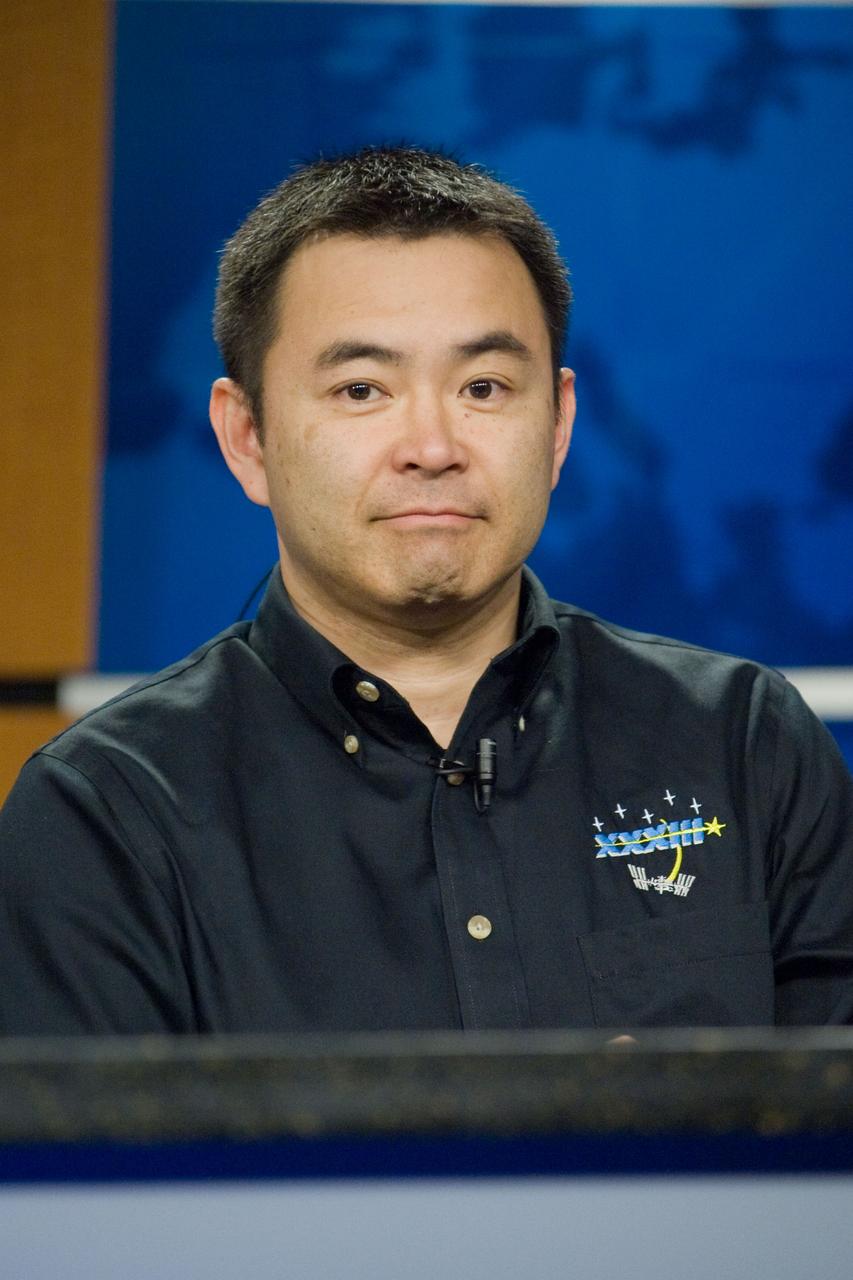
Date: 03-20-12 Location: Bldg 2, Briefing Room Subject: Expedition 32/33 Crew News Conference. Photograher: James Blair
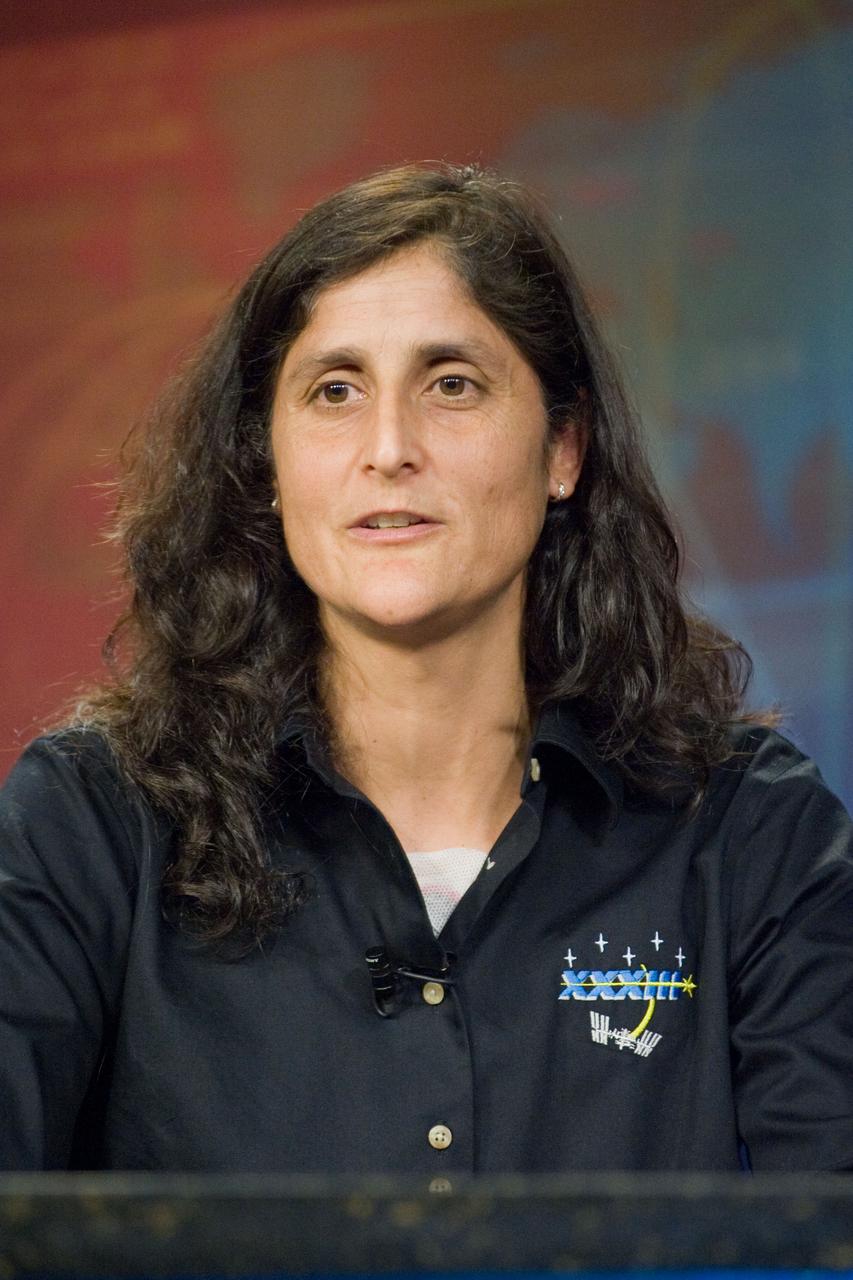
Date: 03-20-12 Location: Bldg 2, Briefing Room Subject: Expedition 32/33 Crew News Conference. Photograher: James Blair
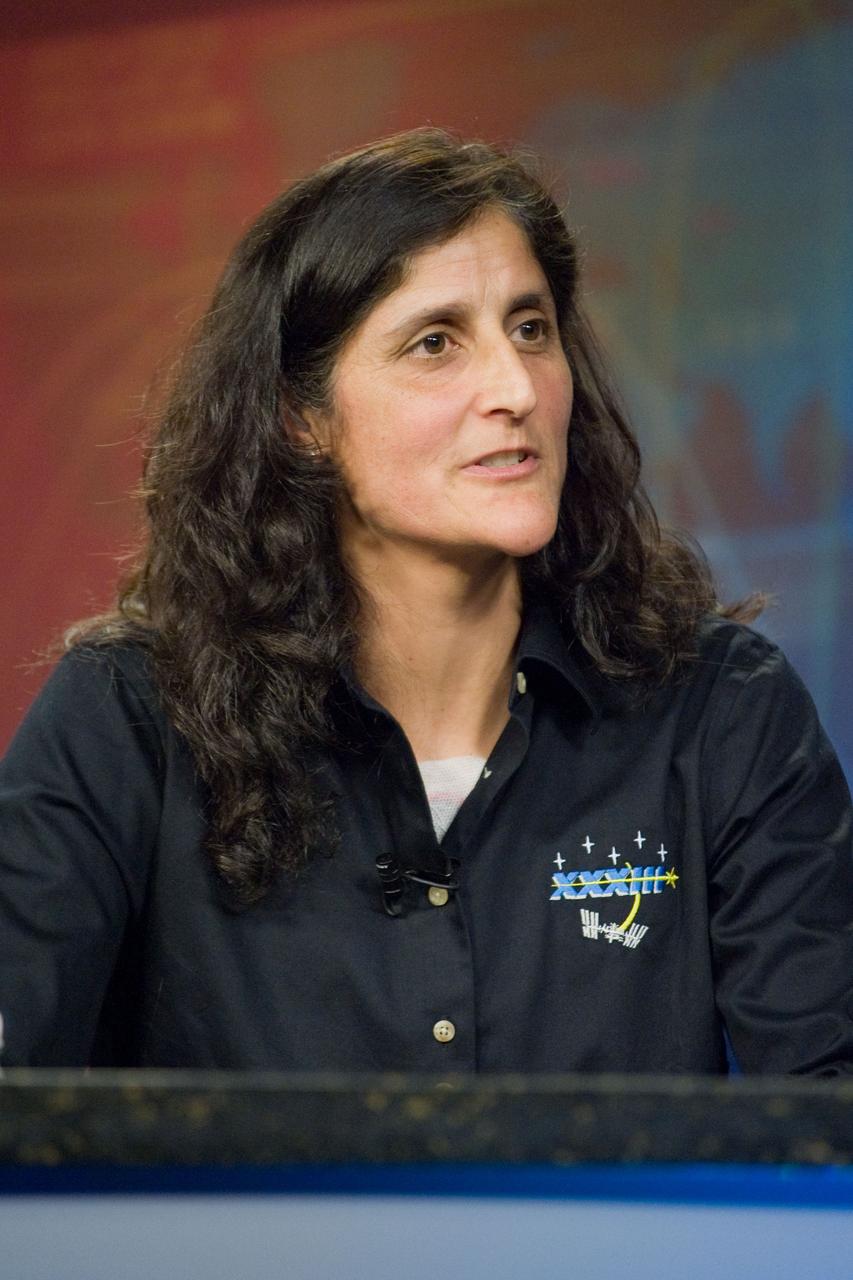
Date: 03-20-12 Location: Bldg 2, Briefing Room Subject: Expedition 32/33 Crew News Conference. Photograher: James Blair
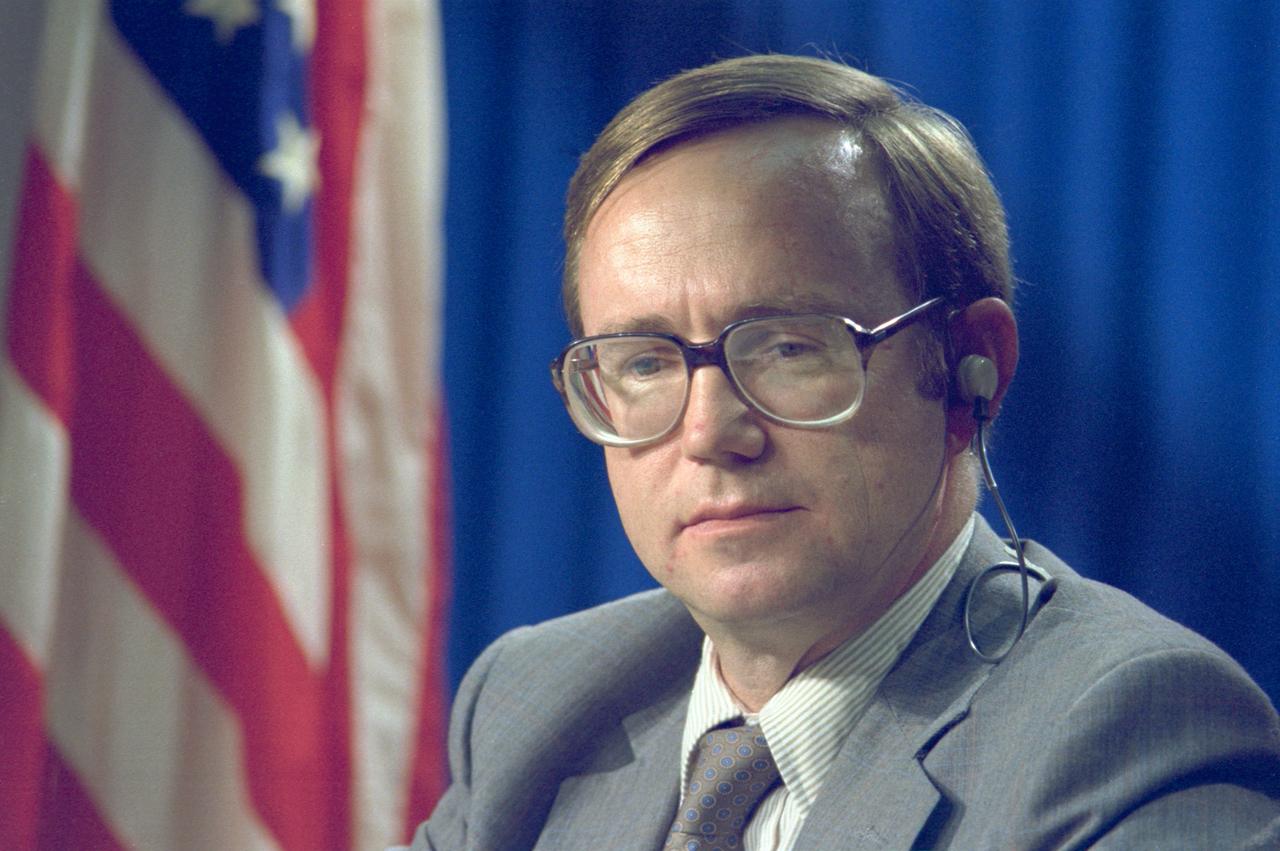
Flight Director Tommy Holloway listens to a question from a news media representative during a STS-5 pre-flight press briefing.
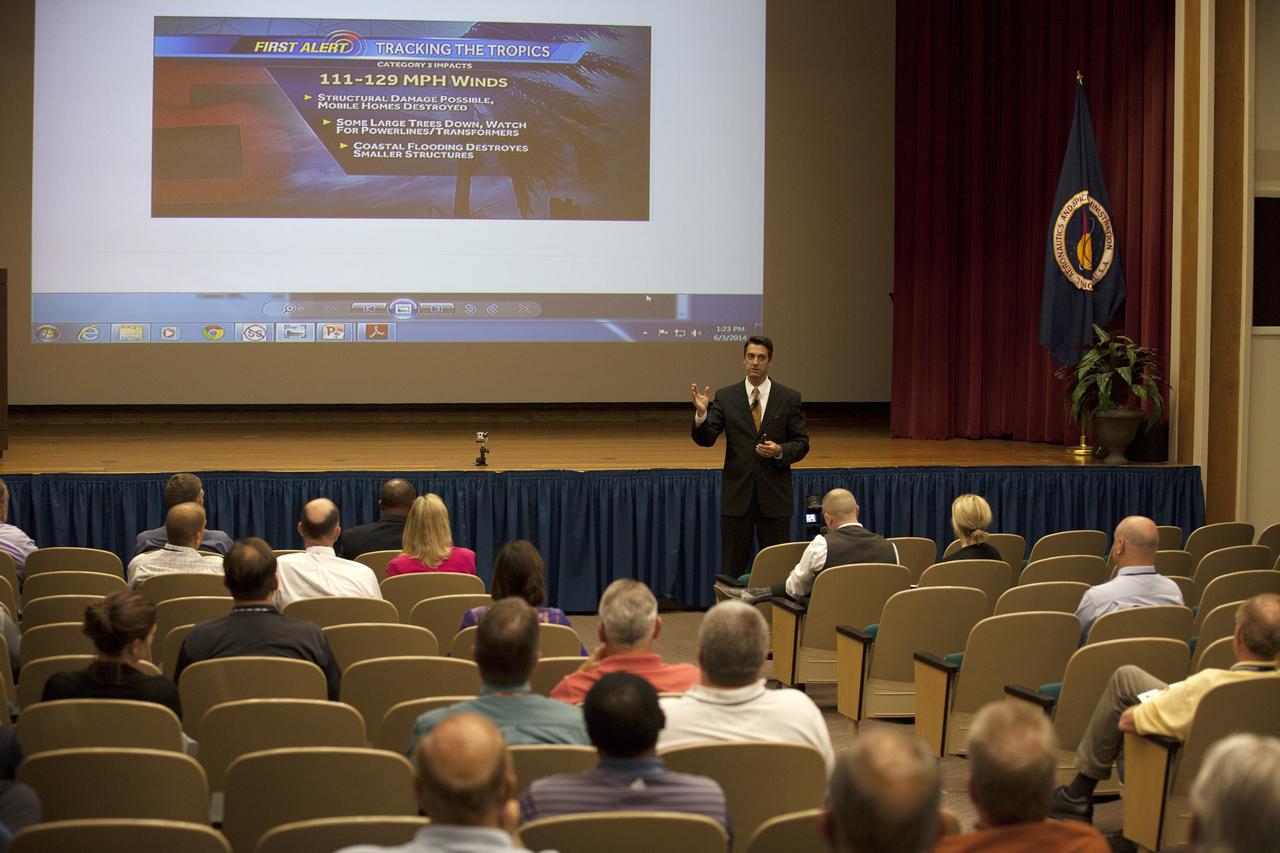
CAPE CANAVERAL, Fla. -- Tony Mainolfi, chief meteorologist of WESH 2 news, explains the categories of tropical weather disturbances to the audience of the annual hurricane awareness briefing at NASA's Kennedy Space Center in Florida. The briefing, held at the start of the 2014 hurricane season, is attended by the center's emergency hurricane coordinators and other interested employees in the KSC Training Auditorium. The briefing also is broadcast to the workforce. For more information, visit http://www.patrick.af.mil/weather. Photo credit: NASA/Kim Shiflett
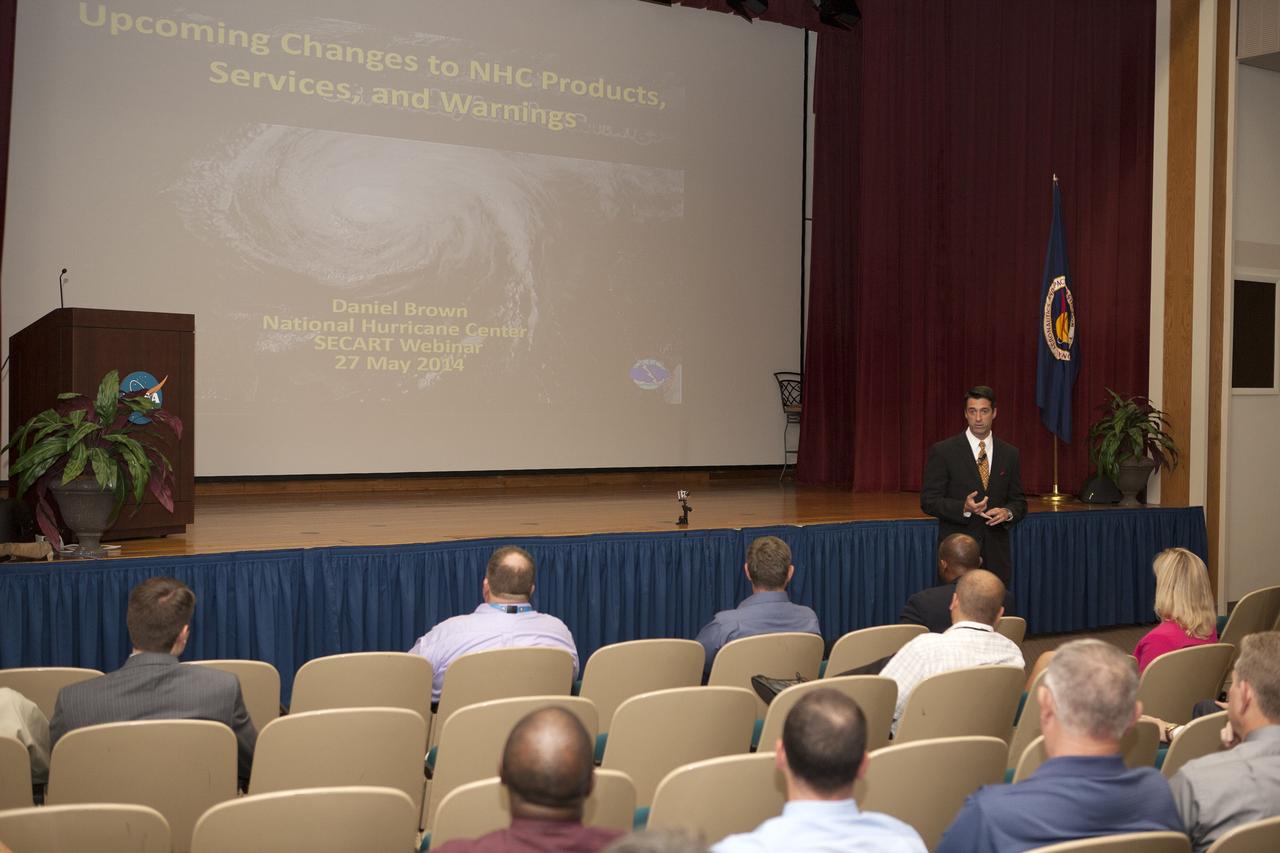
CAPE CANAVERAL, Fla. -- Tony Mainolfi, chief meteorologist of WESH 2 news, outlines the products, services and warnings provided by the National Hurricane Center for the audience of the annual hurricane awareness briefing at NASA's Kennedy Space Center in Florida. The briefing, held at the start of the 2014 hurricane season, is attended by the center's emergency hurricane coordinators and other interested employees in the KSC Training Auditorium. The briefing also is broadcast to the workforce. For more information, visit http://www.patrick.af.mil/weather. Photo credit: NASA/Kim Shiflett
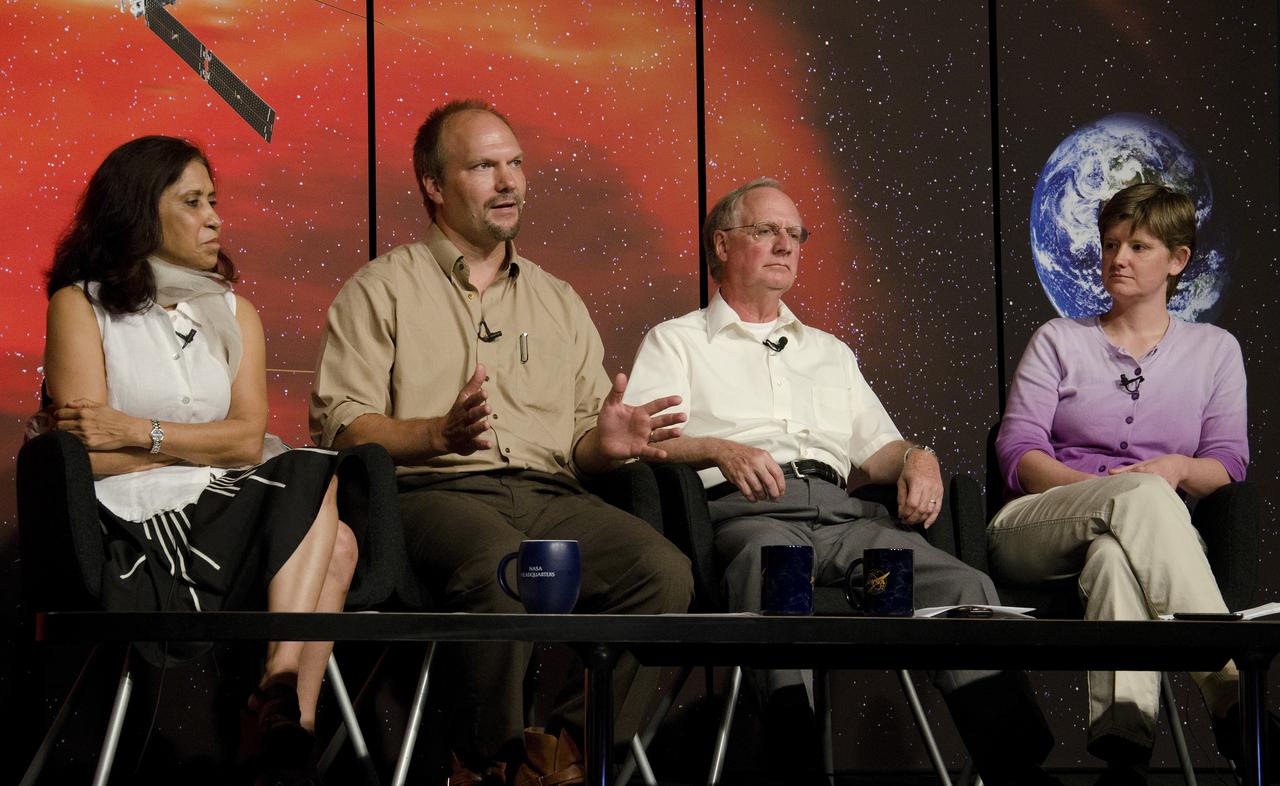
Craig DeForest, second from left, speaks during a press briefing, Thursday, Aug. 18, 2011, at NASA Headquarters in Washington as Madhulika Guhathakurta, left, David Webb and Alysha Reinard look on. The briefing was held to discusses new details about the structure of solar storms and the impact they have on Earth. The new information comes from NASA's Solar Terrestrial Relations Observatory, or STEREO, spacecraft and other NASA probes. Photo Credit: (NASA/GSFC/Rebecca Roth)

Madhulika Guhathakurta, seated left, STEREO program scientist, speaks during a press briefing, Thursday, Aug. 18, 2011, at NASA Headquarters in Washington. The briefing was held to discusses new details about the structure of solar storms and the impact they have on Earth. The new information comes from NASA's Solar Terrestrial Relations Observatory, or STEREO, spacecraft and other NASA probes. Photo Credit: (NASA/GSFC/Rebecca Roth)
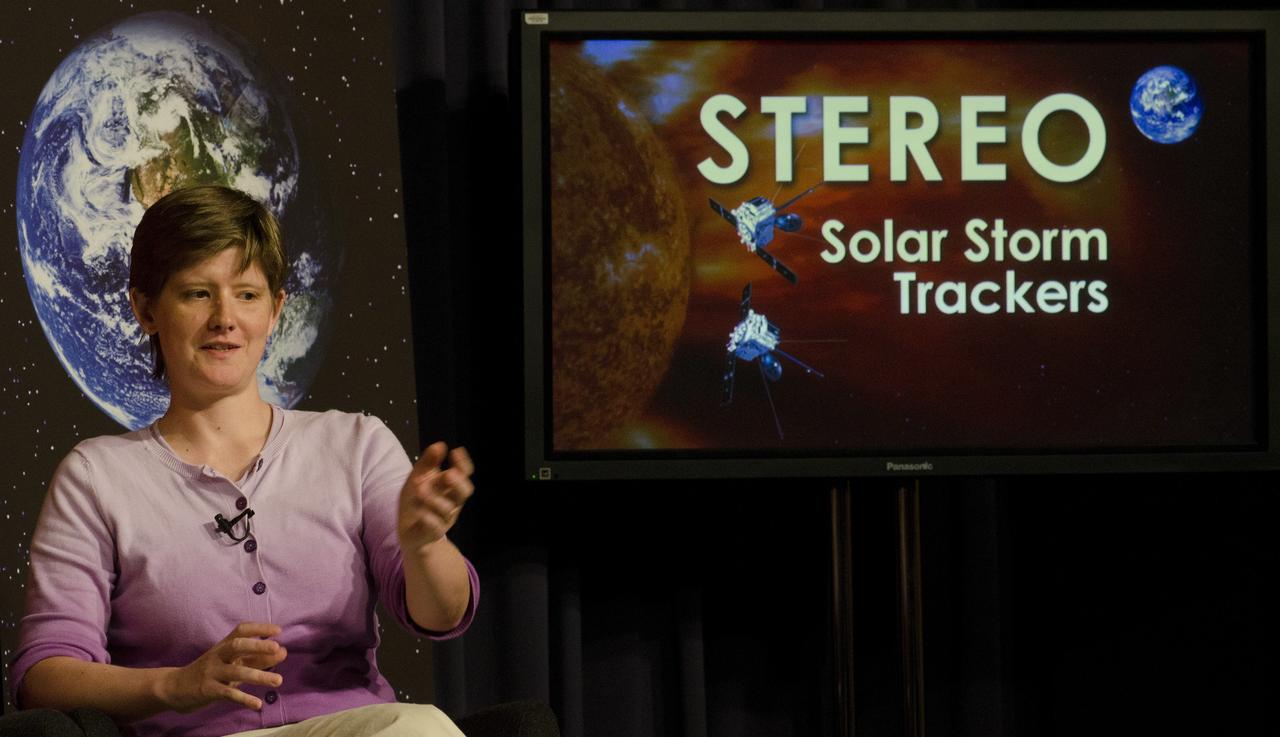
Alysha Reinard, as research scientist with National Oceanic and Atmospheric Administration and the University of Colorado Boulder, speaks during a press briefing, Thursday, Aug. 18, 2011, at NASA Headquarters in Washington. The briefing was held to discusses new details about the structure of solar storms and the impact they have on Earth. The new information comes from NASA's Solar Terrestrial Relations Observatory, or STEREO, spacecraft and other NASA probes. Photo Credit: (NASA/GSFC/Rebecca Roth)
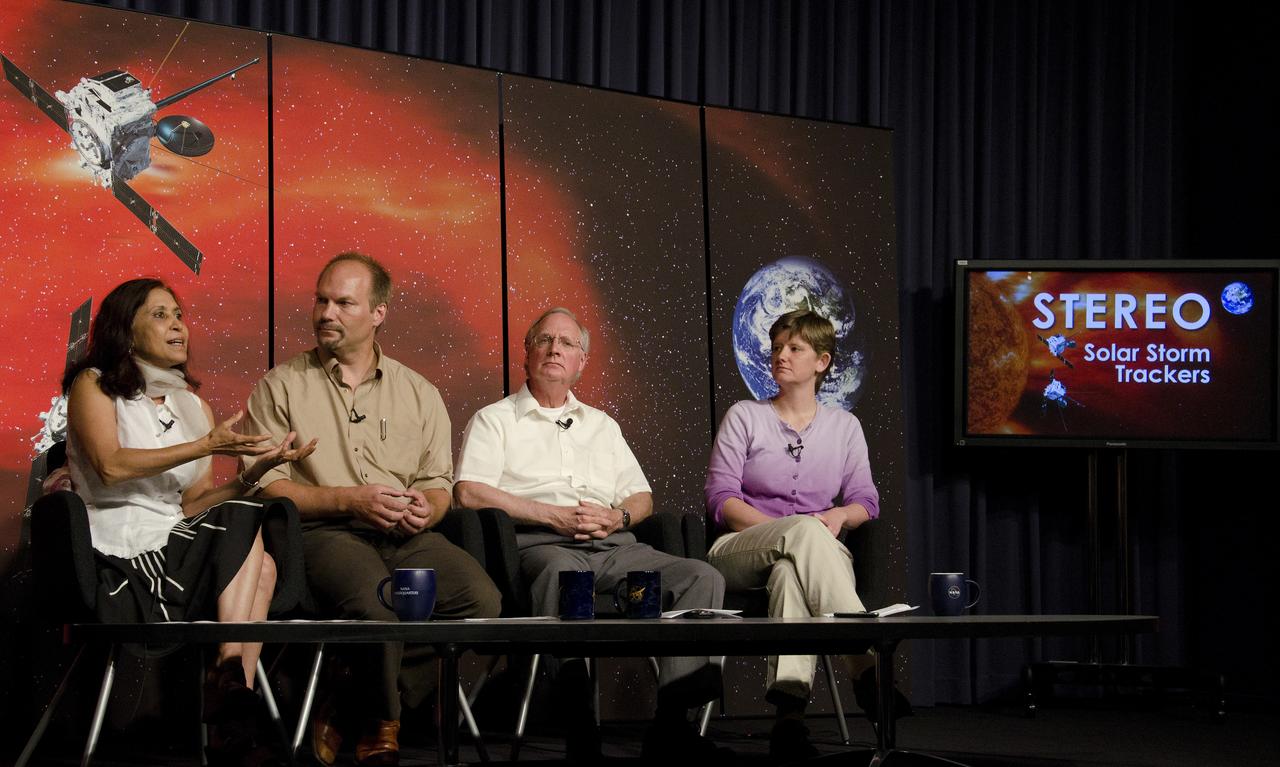
Madhulika Guhathakurta, seated left, STEREO program scientist, speaks during a press briefing, Thursday, Aug. 18, 2011, at NASA Headquarters in Washington as Craig DeForest, David Webb and Alysha Reinard, look on. The briefing was held to discusses new details about the structure of solar storms and the impact they have on Earth. The new information comes from NASA's Solar Terrestrial Relations Observatory, or STEREO, spacecraft and other NASA probes. Photo Credit: (NASA/GSFC/Rebecca Roth).
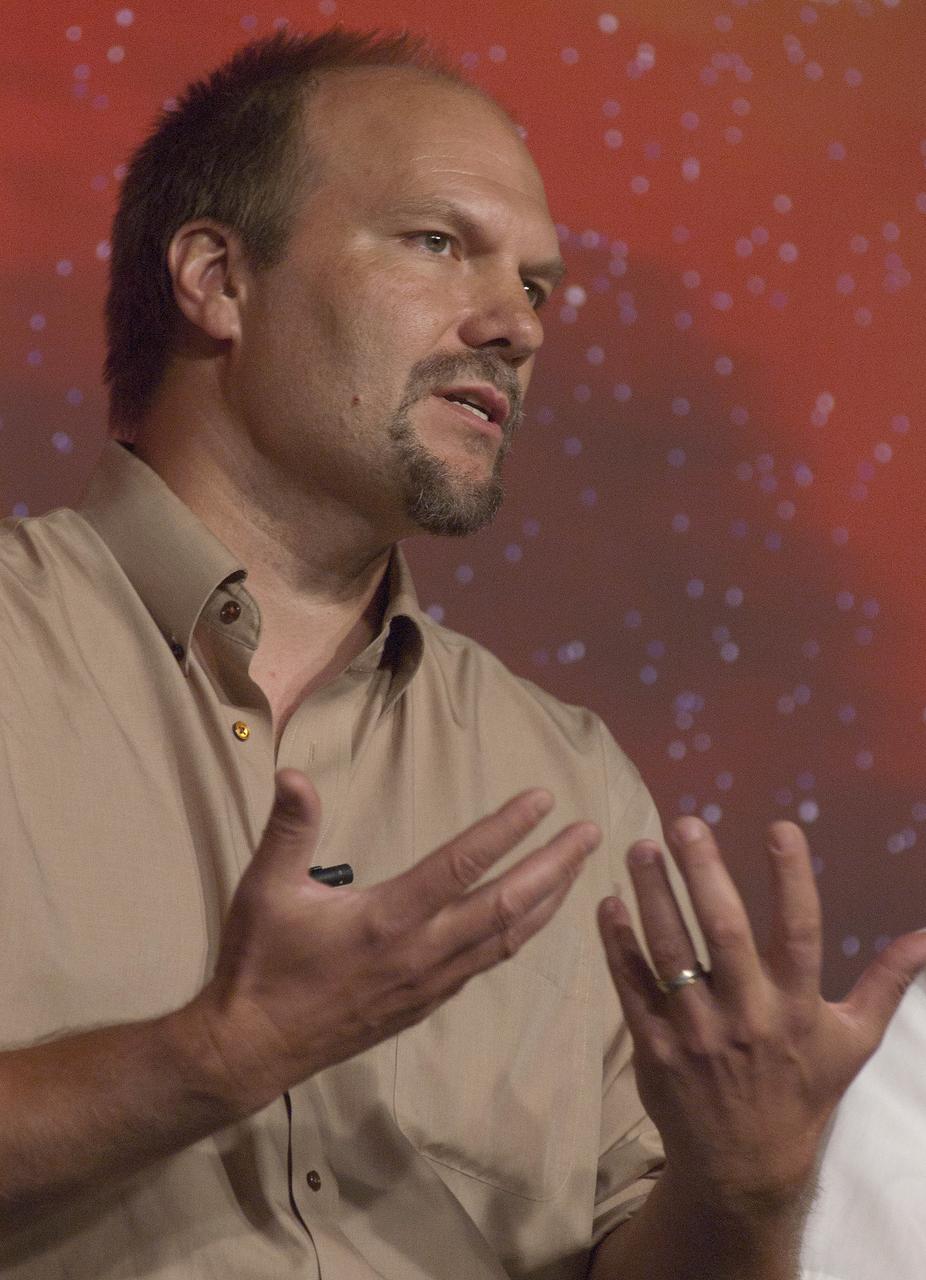
Craig DeForest, a staff scientist at the Southwest Research Institute in Boulder, Colo., speaks during a press briefing, Thursday, Aug. 18, 2011, at NASA Headquarters in Washington. The briefing was held to discusses new details about the structure of solar storms and the impact they have on Earth. The new information comes from NASA's Solar Terrestrial Relations Observatory, or STEREO, spacecraft and other NASA probes. Photo Credit: (NASA/GSFC/Rebecca Roth)
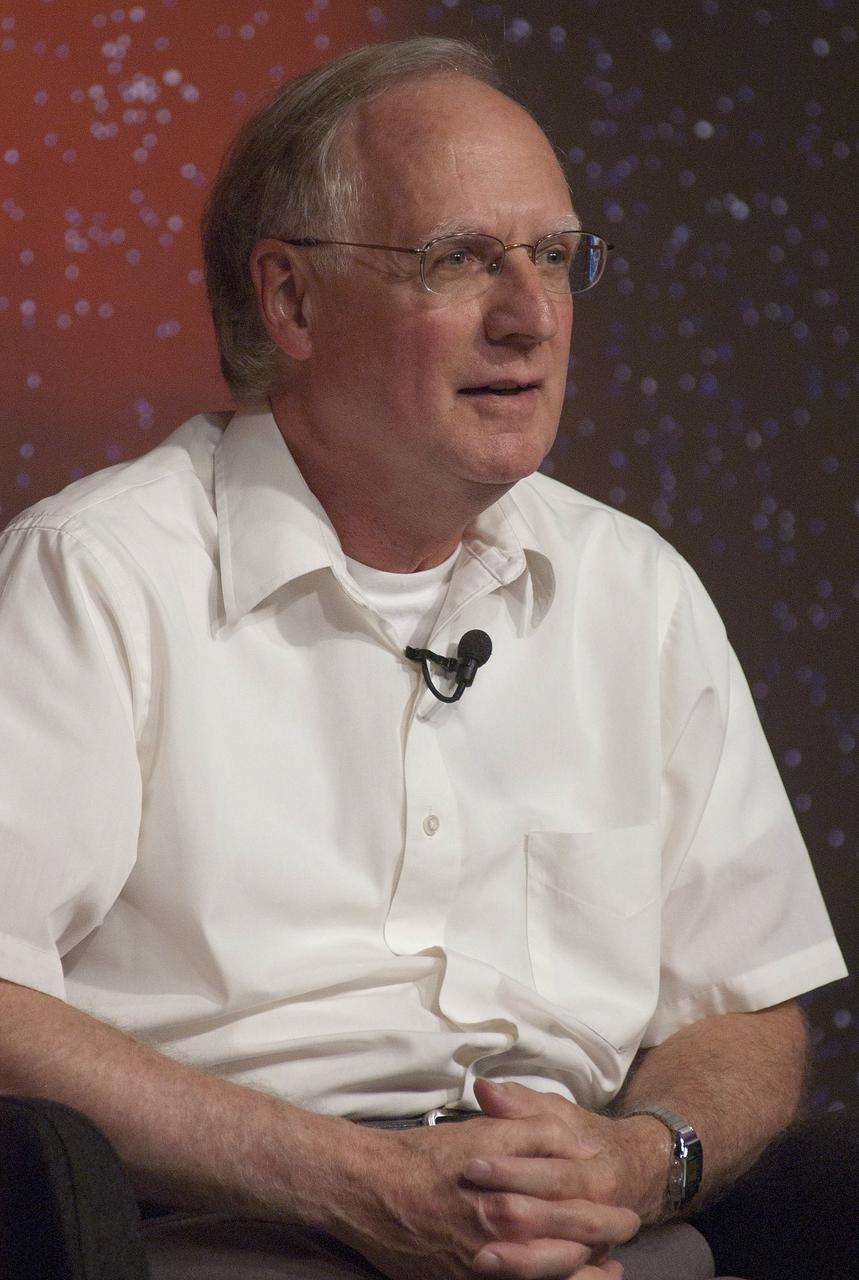
David Webb, a research physicist from the Institute for Scientific Research at Boston College speaks during a press briefing, Thursday, Aug. 18, 2011, at NASA Headquarters in Washington. The briefing was held to discuss new details about the structure of solar storms and the impact they have on Earth. The new information comes from NASA's Solar Terrestrial Relations Observatory, or STEREO, spacecraft and other NASA probes. Photo Credit: (NASA/GSFC/Rebecca Roth)
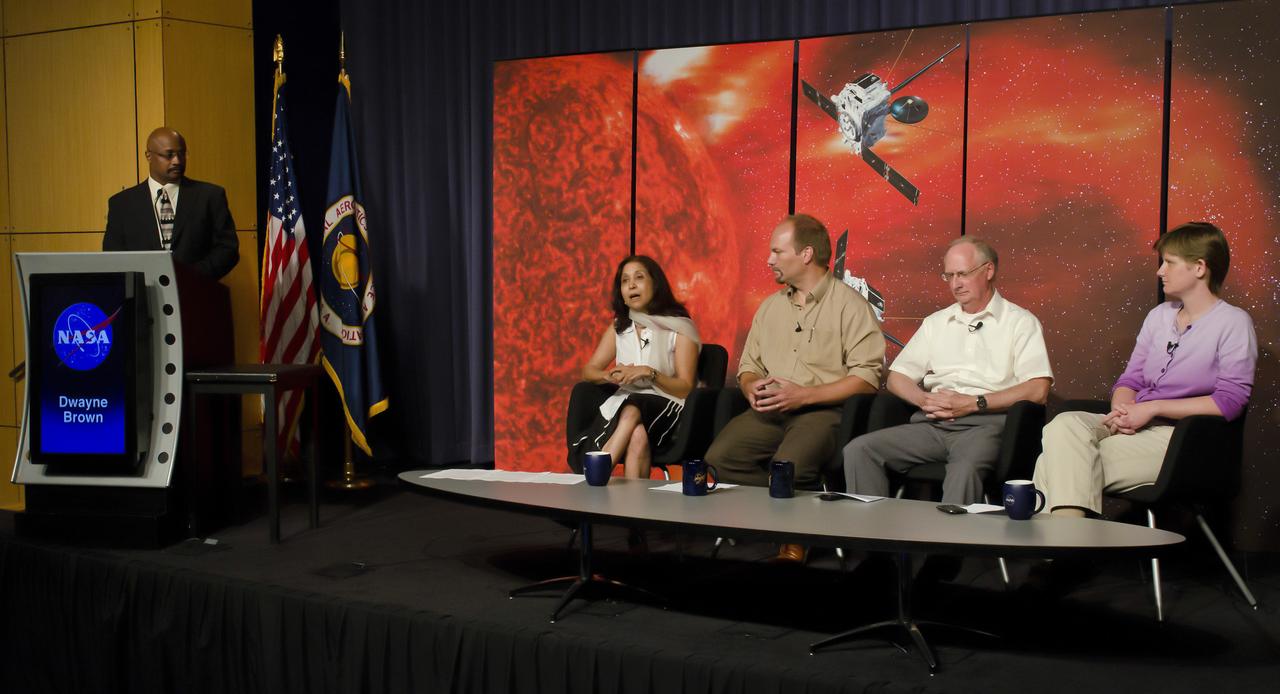
Madhulika Guhathakurta, seated left, STEREO program scientist, speaks during a press briefing, Thursday, Aug. 18, 2011, at NASA Headquarters in Washington as Craig DeForest, David Webb and Alysha Reinard, look on. The briefing was held to discusses new details about the structure of solar storms and the impact they have on Earth. The new information comes from NASA's Solar Terrestrial Relations Observatory, or STEREO, spacecraft and other NASA probes. Photo Credit: (NASA/GSFC/Rebecca Roth)
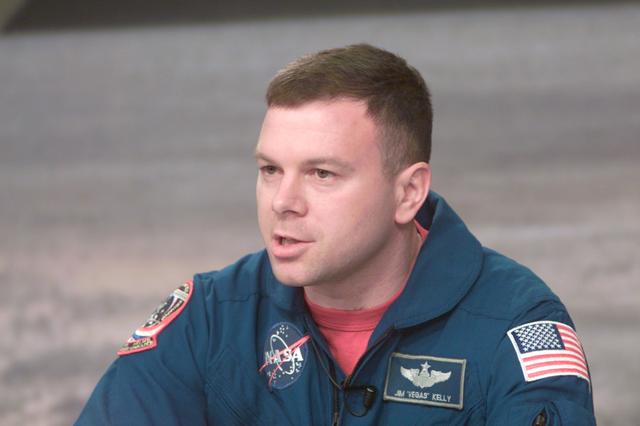
JSC2001-E-05531 (28 February 2001) --- Astronaut James M. Kelly, STS-102 pilot, responds to a news media representative's question during a press briefing at the Johnson Space Center (JSC).

JSC2001-E-05527 (28 February 2001) --- Astronaut Andrew S.W. Thomas, STS-102 mission specialist, greets the news media during a press briefing at the Johnson Space Center (JSC).
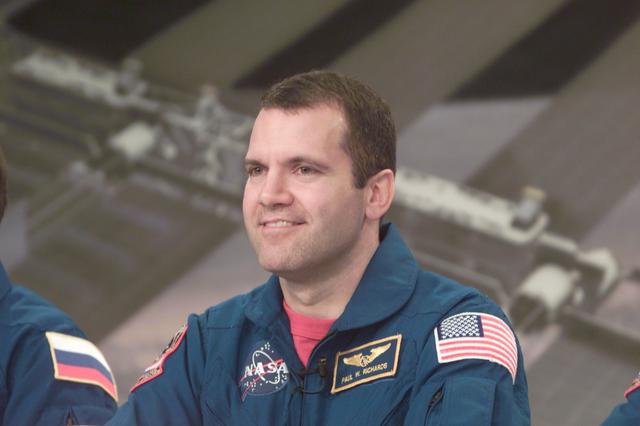
JSC2001-E-05529 (28 February 2001) --- Astronaut Paul W. Richards, STS-102 mission specialist, responds to a news representative's question during a press briefing at the Johnson Space Center (JSC).
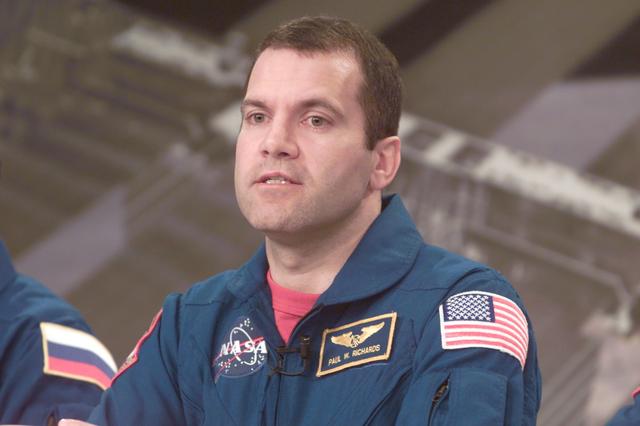
JSC2001-E-05533 (28 February 2001) --- Astronaut Paul W. Richards, STS-102 mission specialist, responds to a news media representative's question during a press briefing at the Johnson Space Center (JSC).
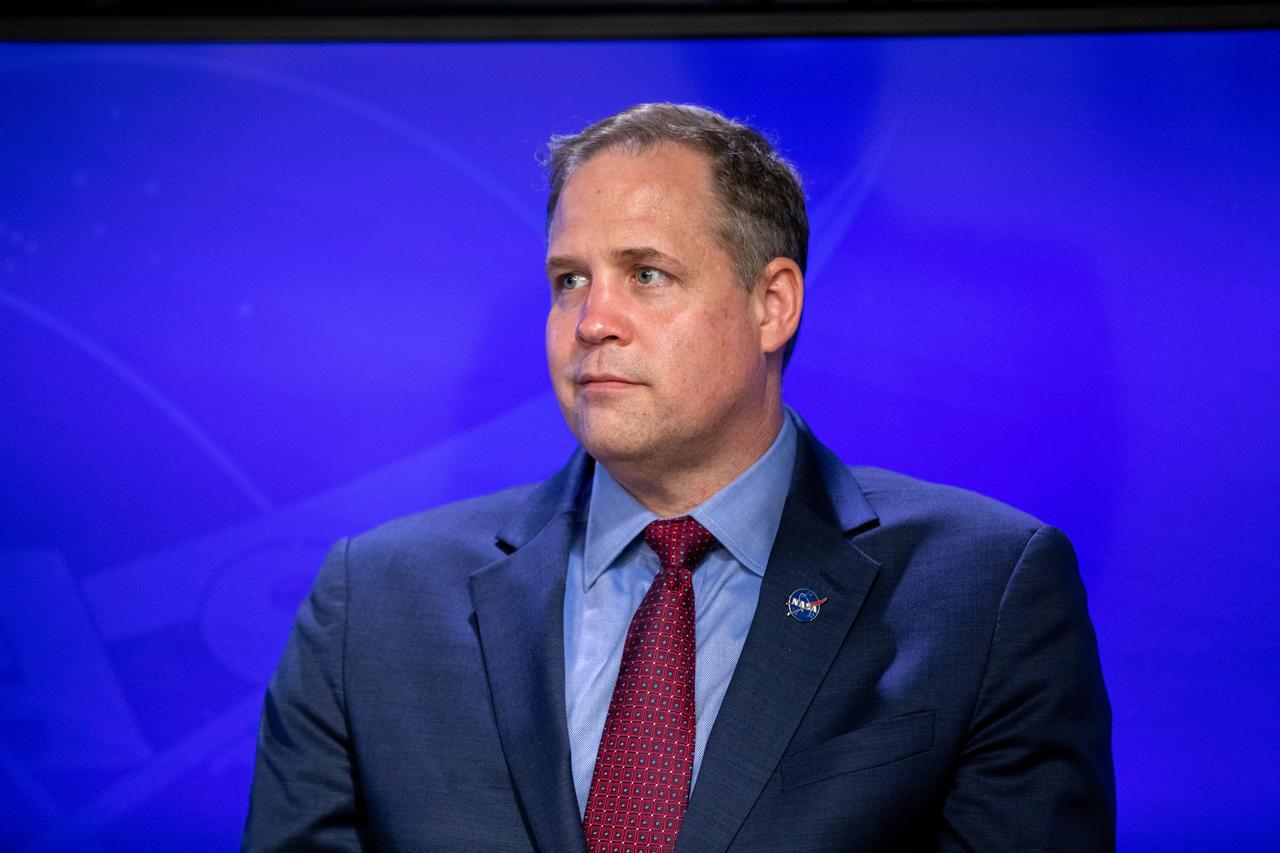
NASA Administrator Jim Bridenstine participates in a news briefing inside the Press Site auditorium at the agency’s Kennedy Space Center in Florida on May 22, 2020, following the conclusion of the flight readiness review for NASA’s SpaceX Demo-2 mission, with NASA astronauts Robert Behnken and Douglas Hurley, to the International Space Station. This will be SpaceX’s final flight test for NASA’s Commercial Crew Program. Behnken and Hurley will fly to the orbiting laboratory in a SpaceX Crew Dragon spacecraft, launching atop a Falcon 9 rocket from Kennedy’s Launch Complex 39A. Liftoff is scheduled for 4:33 p.m. EDT on Wednesday, May 27.
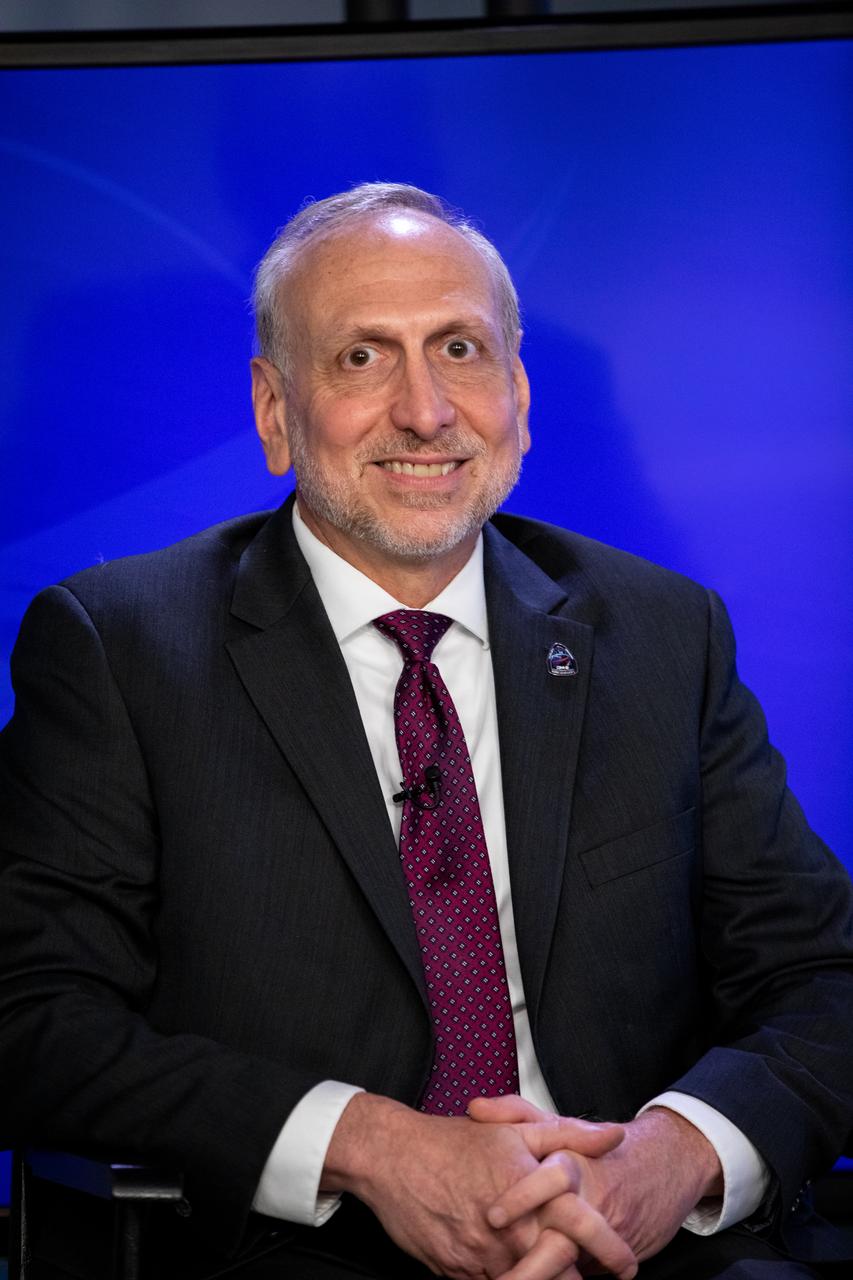
NASA Associate Administrator Steve Jurczyk participates in a news briefing inside the Press Site auditorium at the agency’s Kennedy Space Center in Florida on May 22, 2020, following the conclusion of the flight readiness review for NASA’s SpaceX Demo-2 mission, with NASA astronauts Robert Behnken and Douglas Hurley, to the International Space Station. This will be SpaceX’s final flight test for NASA’s Commercial Crew Program. Behnken and Hurley will fly to the orbiting laboratory in a SpaceX Crew Dragon spacecraft, launching atop a Falcon 9 rocket from Kennedy’s Launch Complex 39A. Liftoff is scheduled for 4:33 p.m. EDT on Wednesday, May 27.
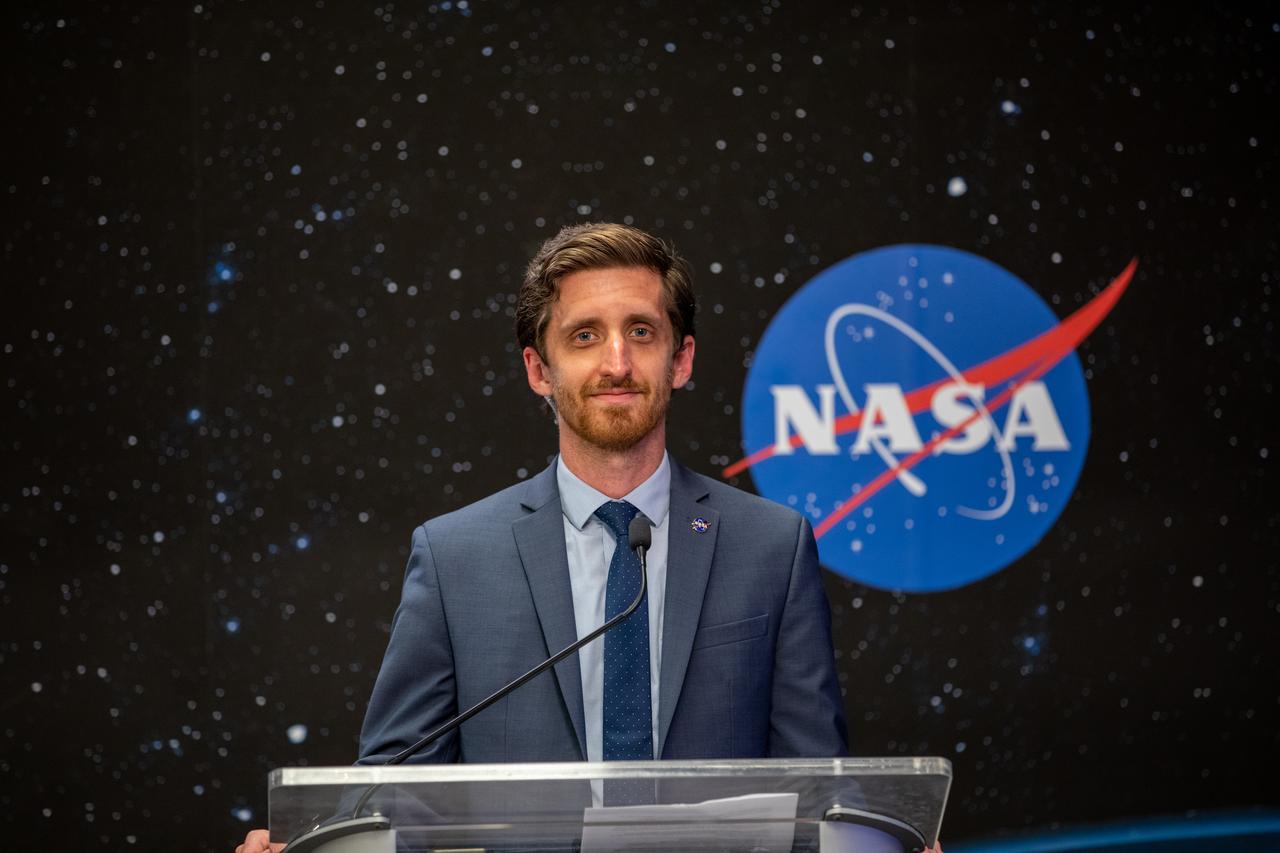
Josh Finch with NASA Communications moderates a news briefing inside the Press Site auditorium at the agency’s Kennedy Space Center in Florida on May 22, 2020, following the conclusion of the flight readiness review for NASA’s SpaceX Demo-2 mission, with NASA astronauts Robert Behnken and Douglas Hurley, to the International Space Station. This will be SpaceX’s final flight test for NASA’s Commercial Crew Program. Behnken and Hurley will fly to the orbiting laboratory in a SpaceX Crew Dragon spacecraft, launching atop a Falcon 9 rocket from Kennedy’s Launch Complex 39A. Liftoff is scheduled for 4:33 p.m. EDT on Wednesday, May 27.
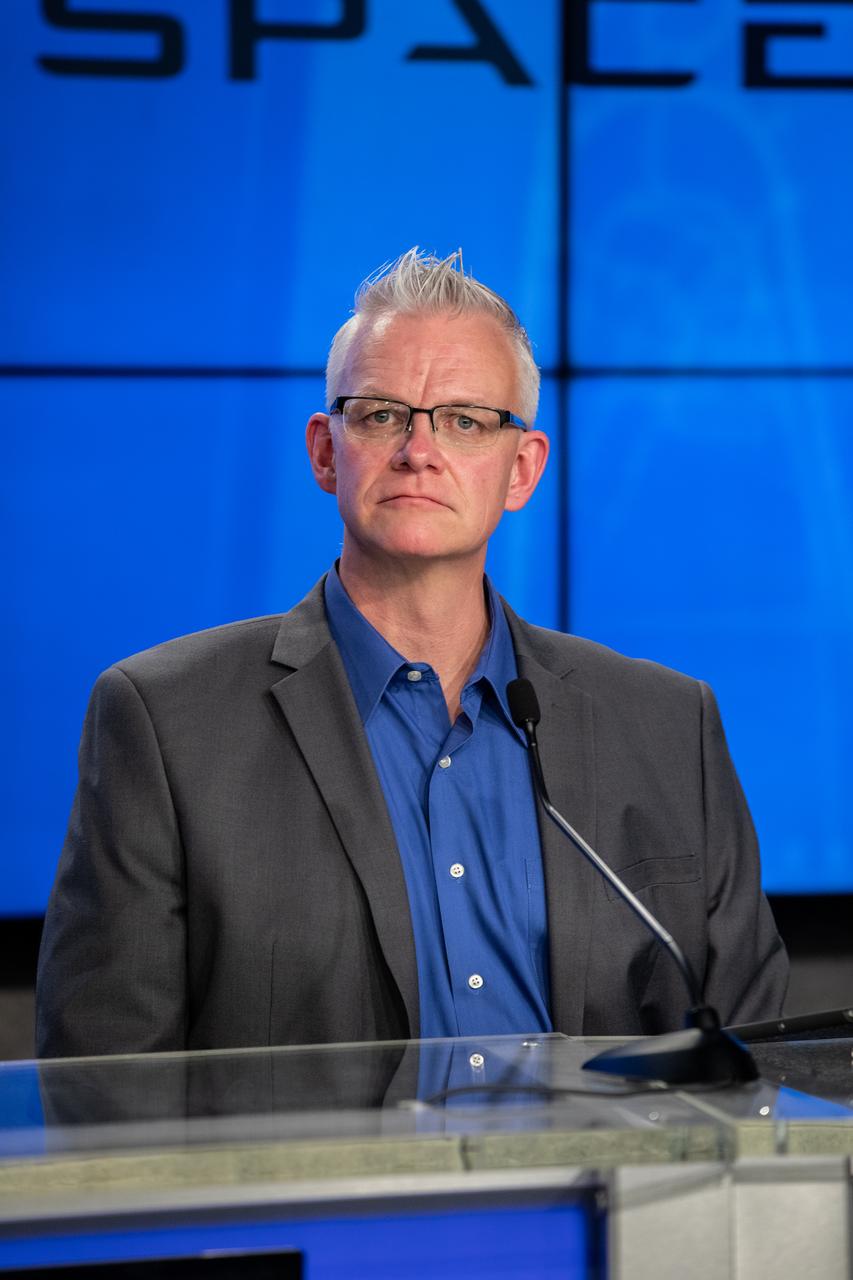
Benji Reed, director of Crew Mission Management at SpaceX, participates in a news briefing inside the Press Site auditorium at NASA’s Kennedy Space Center in Florida on May 22, 2020, following the conclusion of the flight readiness review for the agency’s SpaceX Demo-2 mission, with NASA astronauts Robert Behnken and Douglas Hurley, to the International Space Station. This will be SpaceX’s final flight test for NASA’s Commercial Crew Program. Behnken and Hurley will fly to the orbiting laboratory in a SpaceX Crew Dragon spacecraft, launching atop a Falcon 9 rocket from Kennedy’s Launch Complex 39A. Liftoff is scheduled for 4:33 p.m. EDT on Wednesday, May 27.
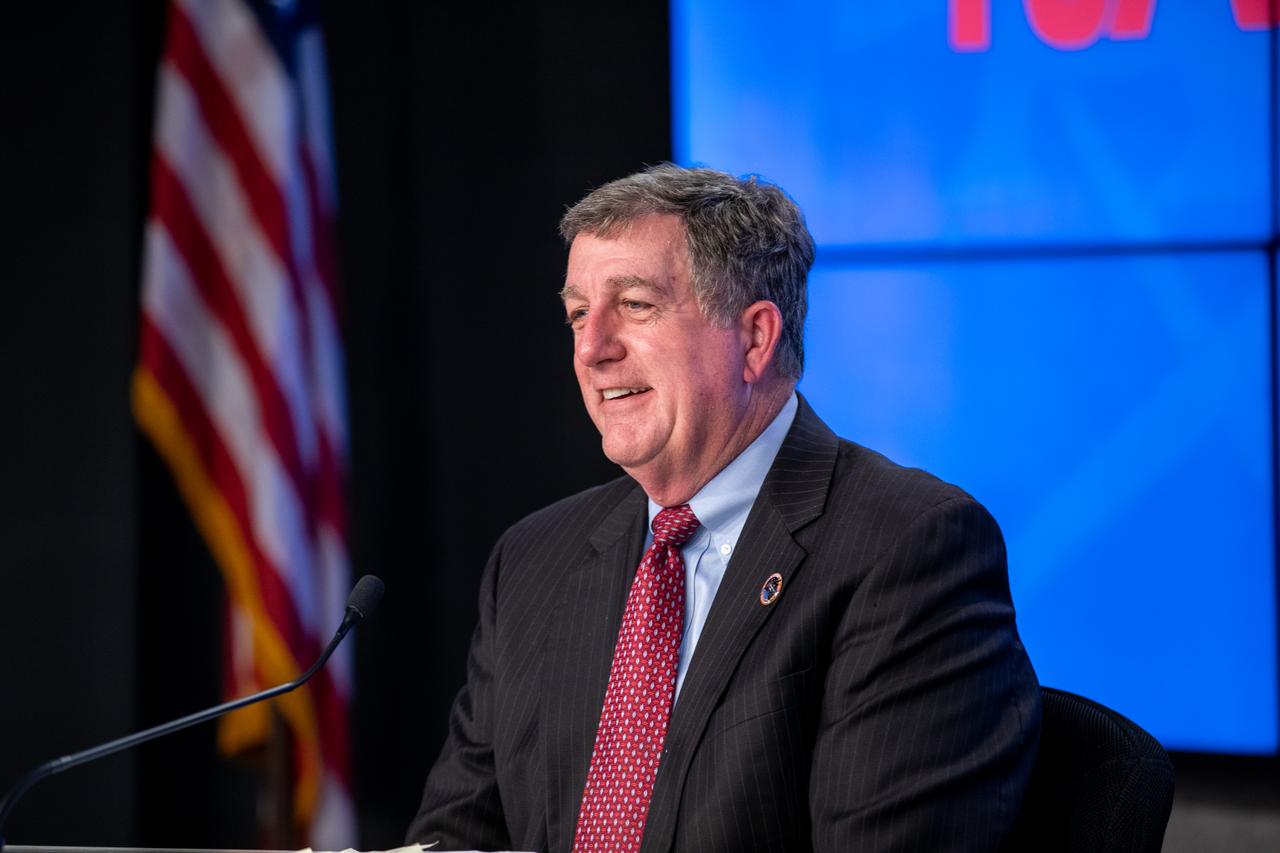
International Space Station Program Manager Kirk Shireman participates in a news briefing inside the Press Site auditorium at NASA’s Kennedy Space Center in Florida on May 22, 2020, following the conclusion of the flight readiness review for NASA’s SpaceX Demo-2 mission, with NASA astronauts Robert Behnken and Douglas Hurley, to the International Space Station. This will be SpaceX’s final flight test for NASA’s Commercial Crew Program. Behnken and Hurley will fly to the orbiting laboratory in a SpaceX Crew Dragon spacecraft, launching atop a Falcon 9 rocket from Kennedy’s Launch Complex 39A. Liftoff is scheduled for 4:33 p.m. EDT on Wednesday, May 27.
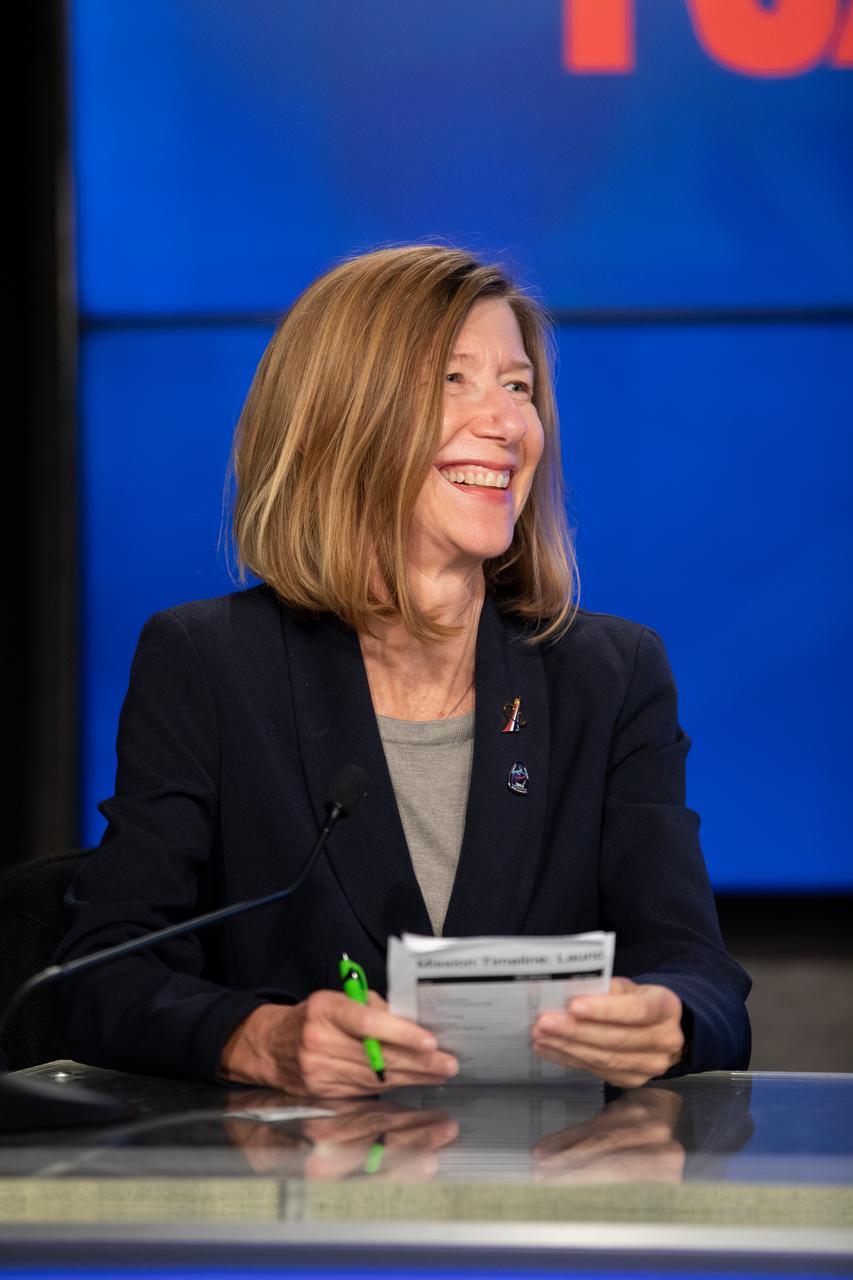
Commercial Crew Program Manager Kathy Lueders participates in a news briefing inside the Press Site auditorium at NASA’s Kennedy Space Center in Florida on May 22, 2020, following the conclusion of the flight readiness review for NASA’s SpaceX Demo-2 mission, with NASA astronauts Robert Behnken and Douglas Hurley, to the International Space Station. This will be SpaceX’s final flight test for NASA’s Commercial Crew Program. Behnken and Hurley will fly to the orbiting laboratory in a SpaceX Crew Dragon spacecraft, launching atop a Falcon 9 rocket from Kennedy’s Launch Complex 39A. Liftoff is scheduled for 4:33 p.m. EDT on Wednesday, May 27.
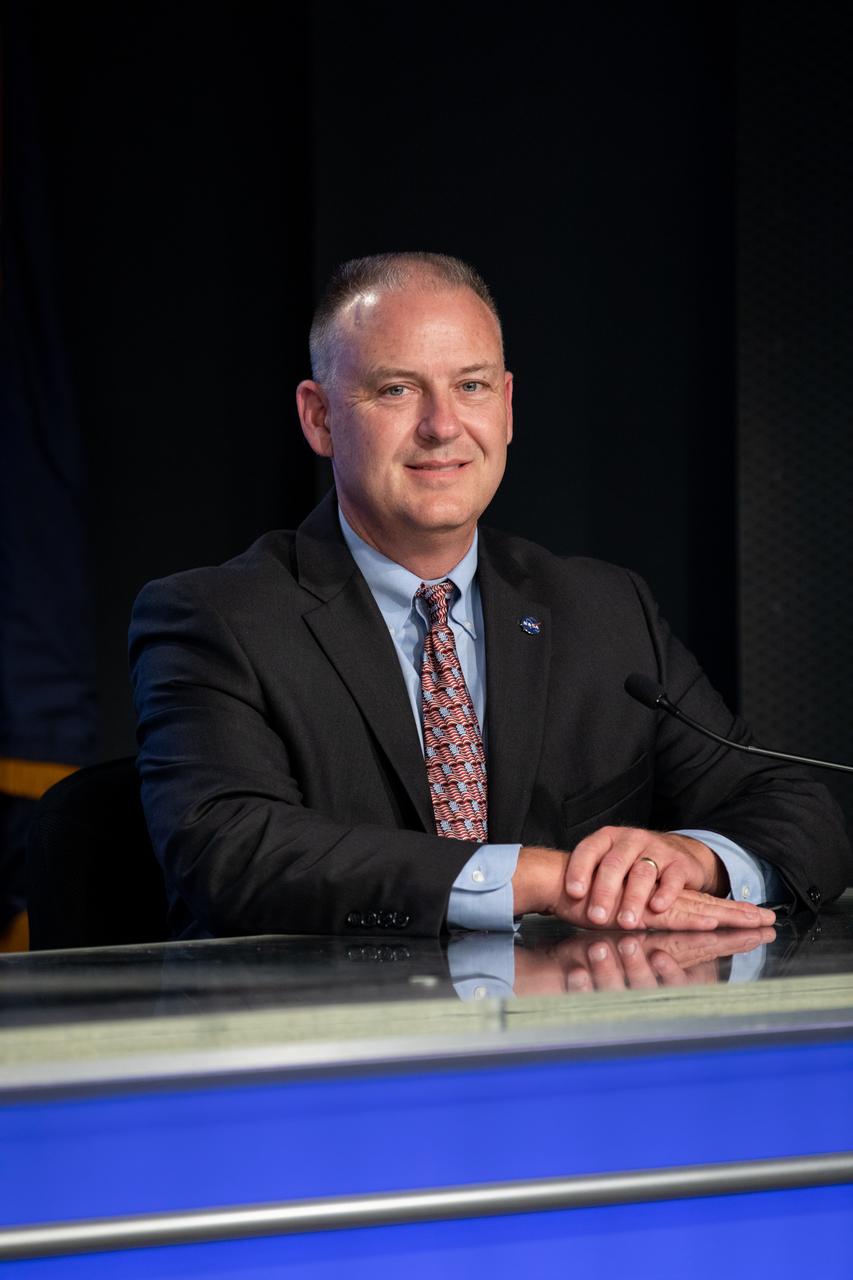
Norm Knight, deputy director of NASA’s Johnson Space Center’s Flight Control, participates in a news briefing inside the Press Site auditorium at the agency’s Kennedy Space Center in Florida on May 22, 2020, following the conclusion of the flight readiness review for the NASA’s SpaceX Demo-2 mission, with NASA astronauts Robert Behnken and Douglas Hurley, to the International Space Station. This will be SpaceX’s final flight test for NASA’s Commercial Crew Program. Behnken and Hurley will fly to the orbiting laboratory in a SpaceX Crew Dragon spacecraft, launching atop a Falcon 9 rocket from Kennedy’s Launch Complex 39A. Liftoff is scheduled for 4:33 p.m. EDT on Wednesday, May 27.
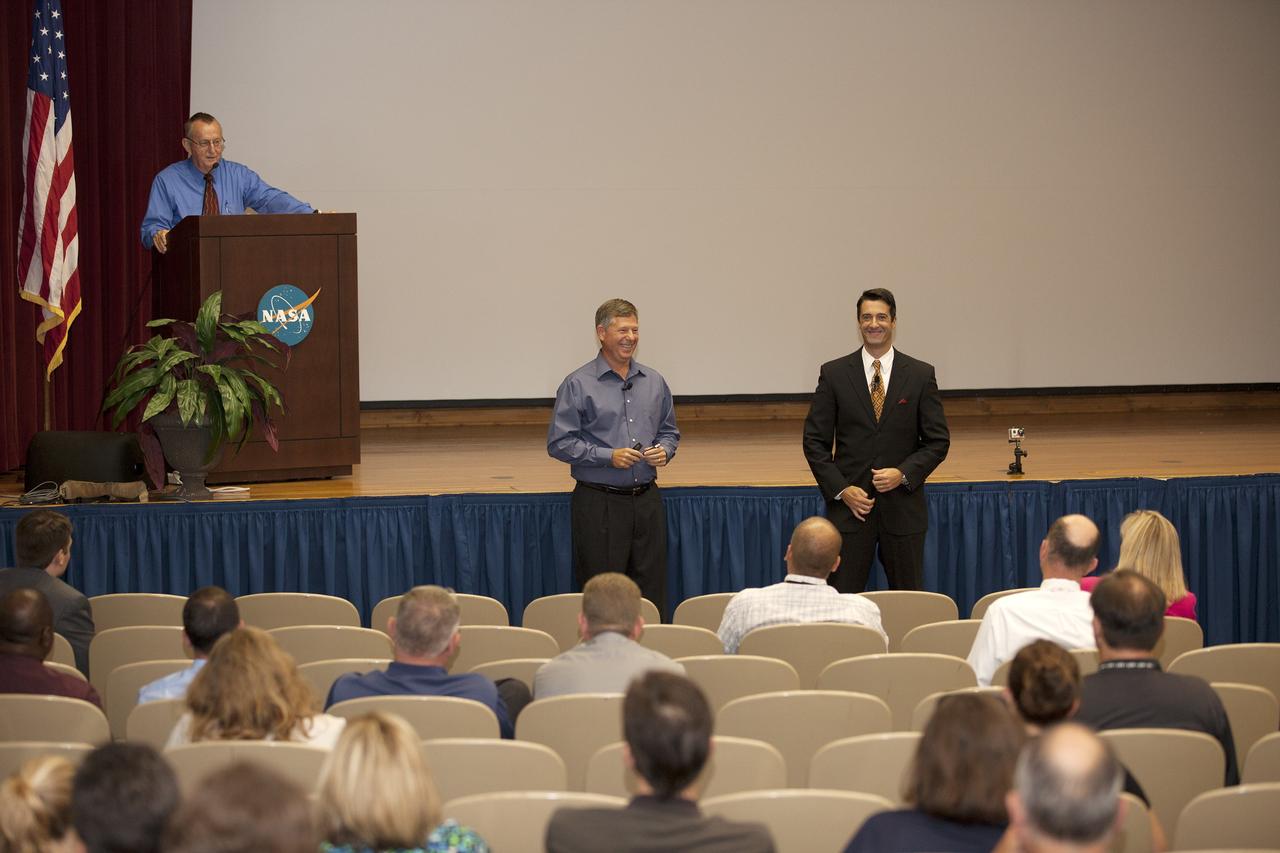
CAPE CANAVERAL, Fla. -- Todd McNamara, center, meteorologist with the 45th Weather Squadron at Patrick Air Force Base, and Tony Mainolfi, right, chief meteorologist of WESH 2 news, take questions from the audience of the annual hurricane awareness briefing at NASA's Kennedy Space Center in Florida. At the podium is moderator Wayne Kee, NASA emergency manager for the center. The briefing, held at the start of the 2014 hurricane season, is attended by the center's emergency hurricane coordinators and other interested employees in the KSC Training Auditorium. The briefing also is broadcast to the workforce. For more information, visit http://www.patrick.af.mil/weather. Photo credit: NASA/Kim Shiflett
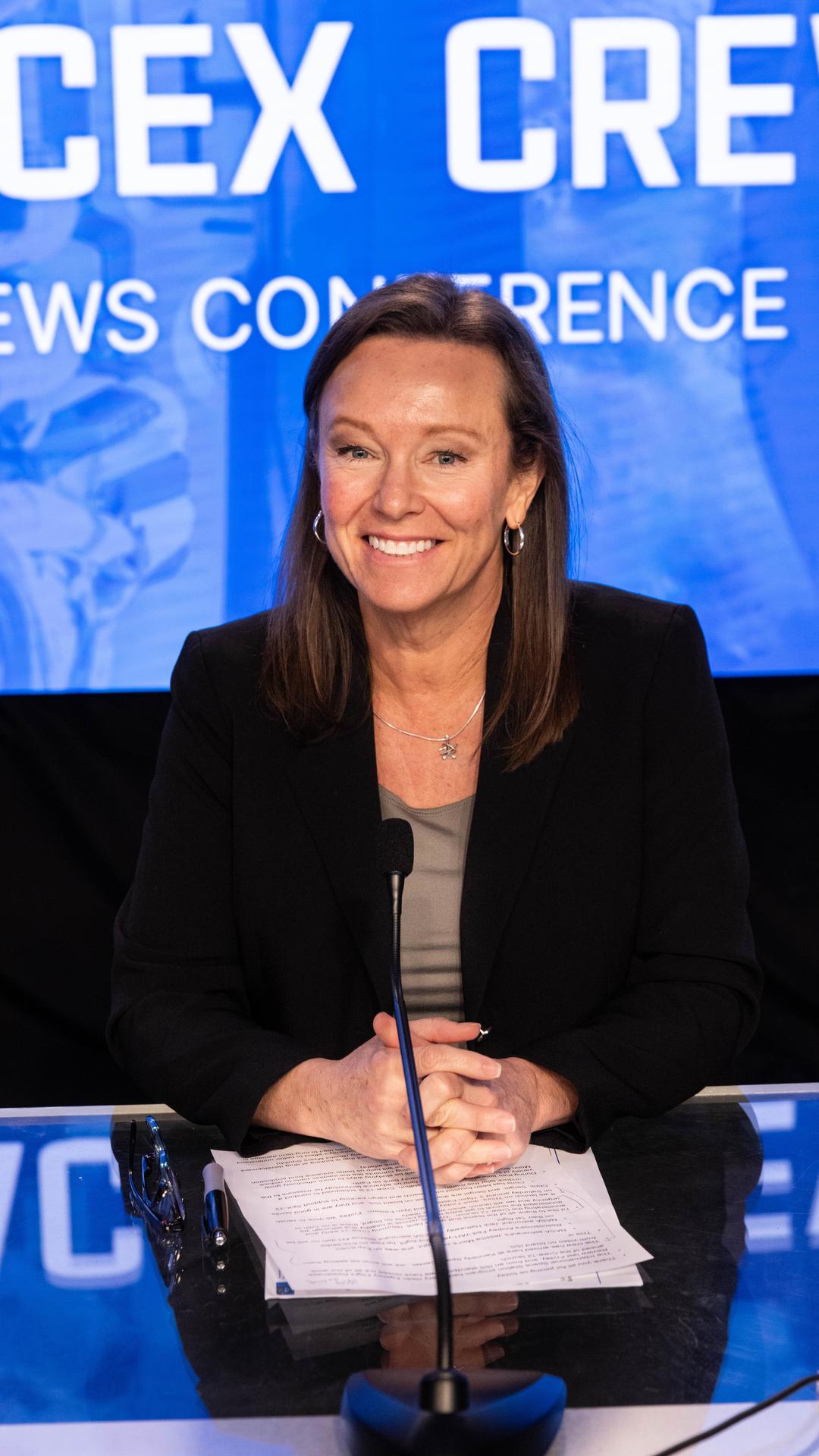
Dina Contella, deputy manager, NASA's International Space Station Program participates in a prelaunch news conference for NASA’s SpaceX Crew-12 mission inside the John Holliman Auditorium of the NASA News Center at the agency’s Kennedy Space Center in Florida on Monday, Feb. 9, 2026. The Crew-12 mission will send NASA astronauts Jessica Meir and Jack Hathaway, ESA (European Space Agency) astronaut Sophie Adenot, and Roscosmos cosmonaut Andrey Fedyaev to the International Space Station aboard SpaceX’s Dragon spacecraft and Falcon 9 rocket no earlier than 5:38 a.m. EST, Thursday, Feb. 12, from Cape Canaveral Space Force Station’s Space Launch Complex 40.
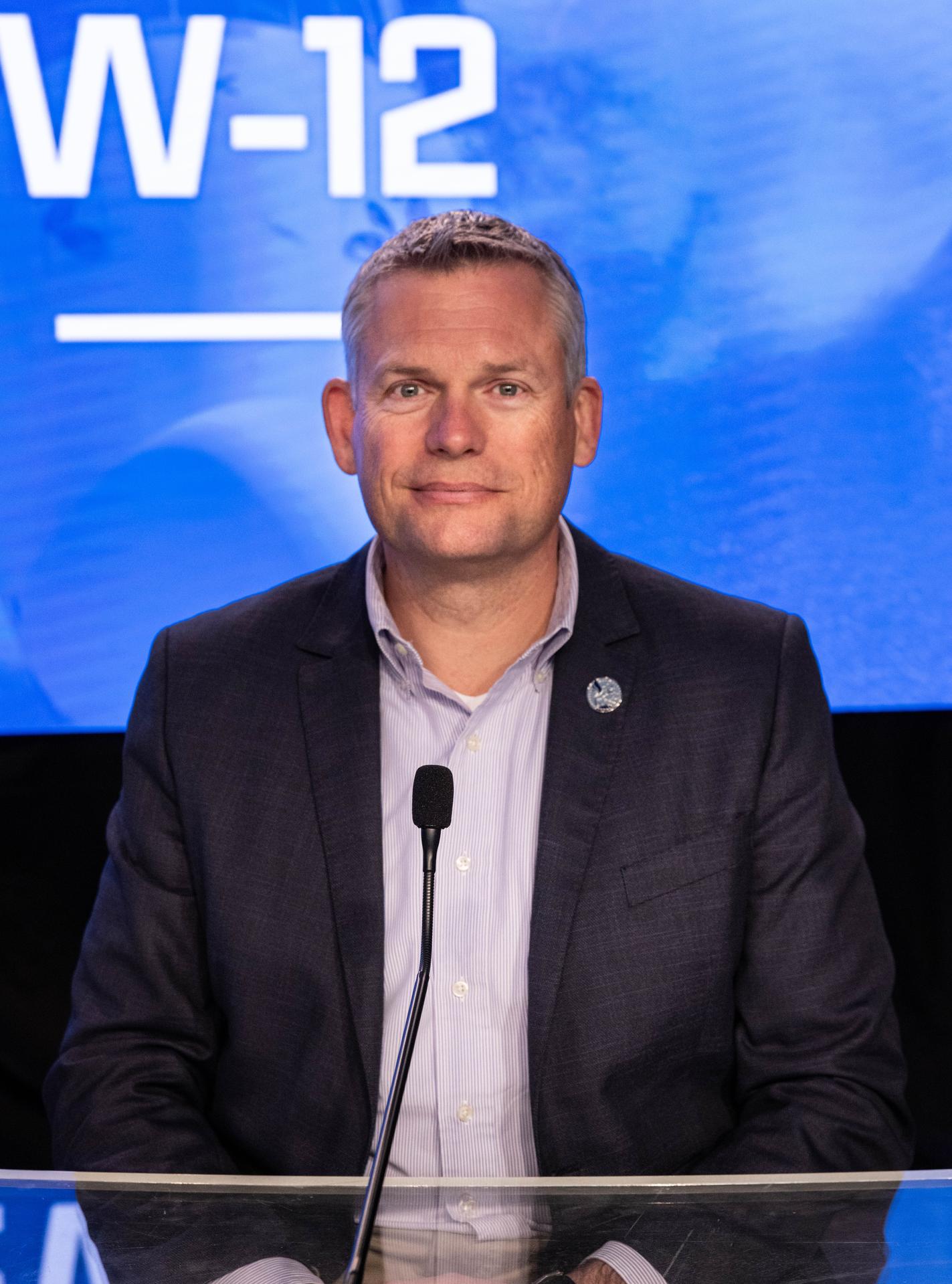
Andreas Mogensen, ESA (European Space Agency) Human Exploration Group Leader participates in a prelaunch news conference for NASA’s SpaceX Crew-12 mission inside the John Holliman Auditorium of the NASA News Center at the agency’s Kennedy Space Center in Florida on Monday, Feb. 9, 2026. The Crew-12 mission will send NASA astronauts Jessica Meir and Jack Hathaway, ESA (European Space Agency) astronaut Sophie Adenot, and Roscosmos cosmonaut Andrey Fedyaev to the International Space Station aboard SpaceX’s Dragon spacecraft and Falcon 9 rocket no earlier than 5:38 a.m. EST, Thursday, Feb. 12, from Cape Canaveral Space Force Station’s Space Launch Complex 40.
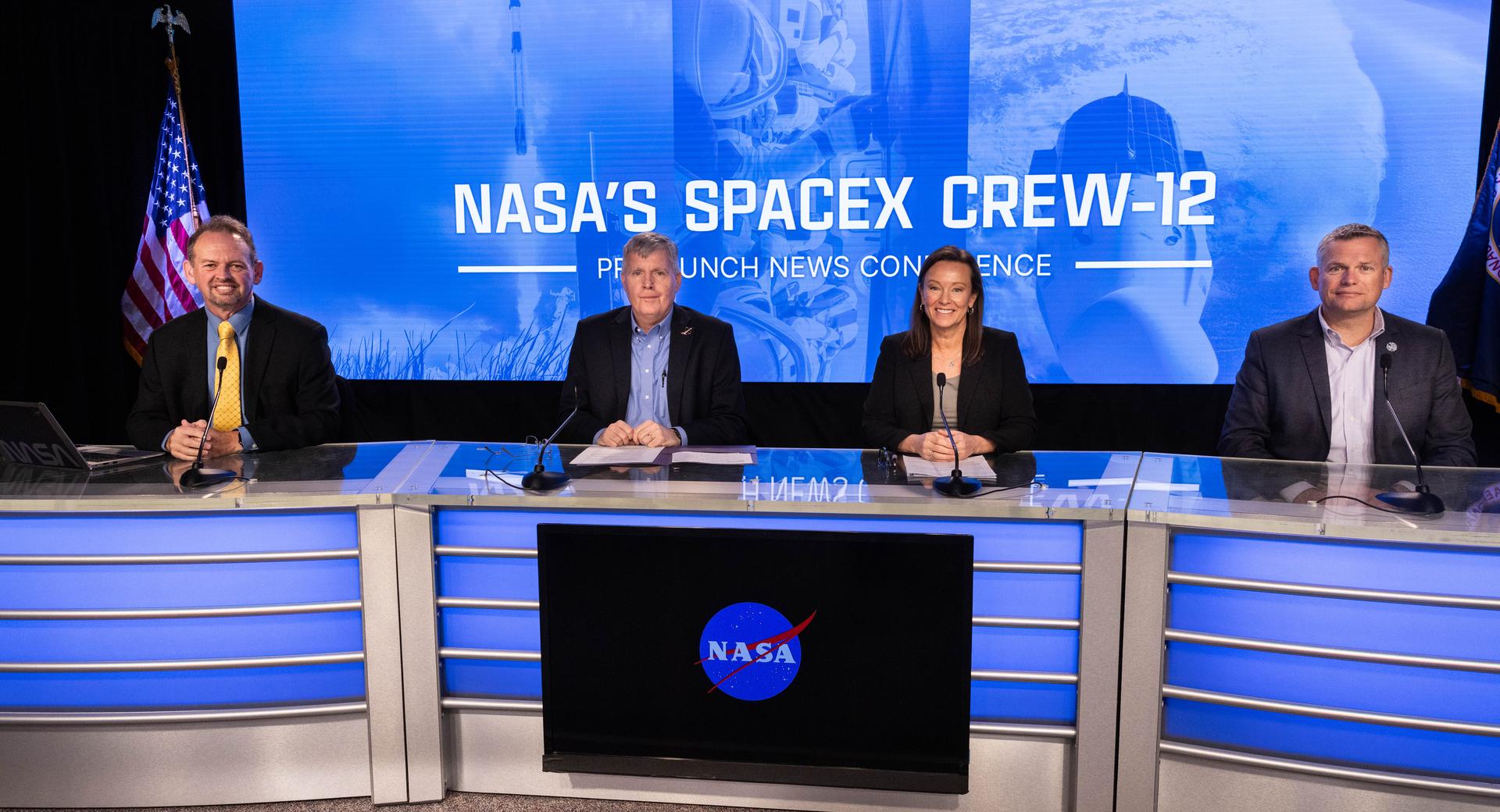
NASA leaders hold a prelaunch news conference inside the John Holliman Auditorium of the NASA News Center at the agency’s Kennedy Space Center in Florida on Monday, Feb. 9, 2026, ahead of NASA’s SpaceX Crew-12 mission. From left to right, participants include Steven Siceloff, NASA Communications; Steve Stich, manager, NASA's Commercial Crew Program; Dina Contella, deputy manager, NASA's International Space Station Program; Andreas Mogensen, ESA (European Space Agency) Human Exploration Group Leader. The Crew-12 mission will send NASA astronauts Jessica Meir and Jack Hathaway, ESA (European Space Agency) astronaut Sophie Adenot, and Roscosmos cosmonaut Andrey Fedyaev to the International Space Station aboard SpaceX’s Dragon spacecraft and Falcon 9 rocket no earlier than 5:38 a.m. EST, Thursday, Feb. 12, from Cape Canaveral Space Force Station’s Space Launch Complex 40.
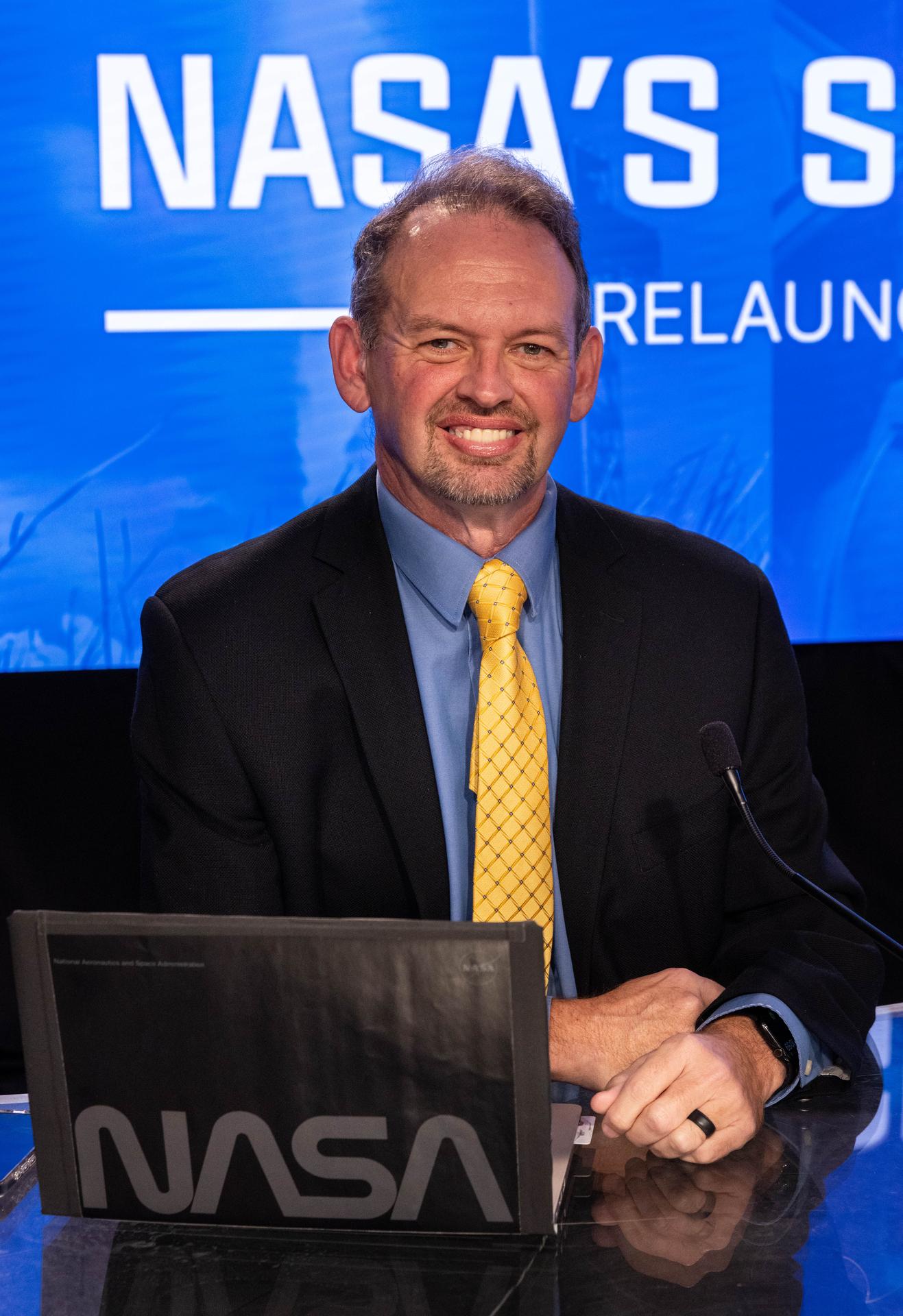
Steven Siceloff, NASA Communications, participates in a prelaunch news conference for NASA’s SpaceX Crew-12 mission inside the John Holliman Auditorium of the NASA News Center at the agency’s Kennedy Space Center in Florida on Monday, Feb. 9, 2026. The Crew-12 mission will send NASA astronauts Jessica Meir and Jack Hathaway, ESA (European Space Agency) astronaut Sophie Adenot, and Roscosmos cosmonaut Andrey Fedyaev to the International Space Station aboard SpaceX’s Dragon spacecraft and Falcon 9 rocket no earlier than 5:38 a.m. EST, Thursday, Feb. 12, from Cape Canaveral Space Force Station’s Space Launch Complex 40.
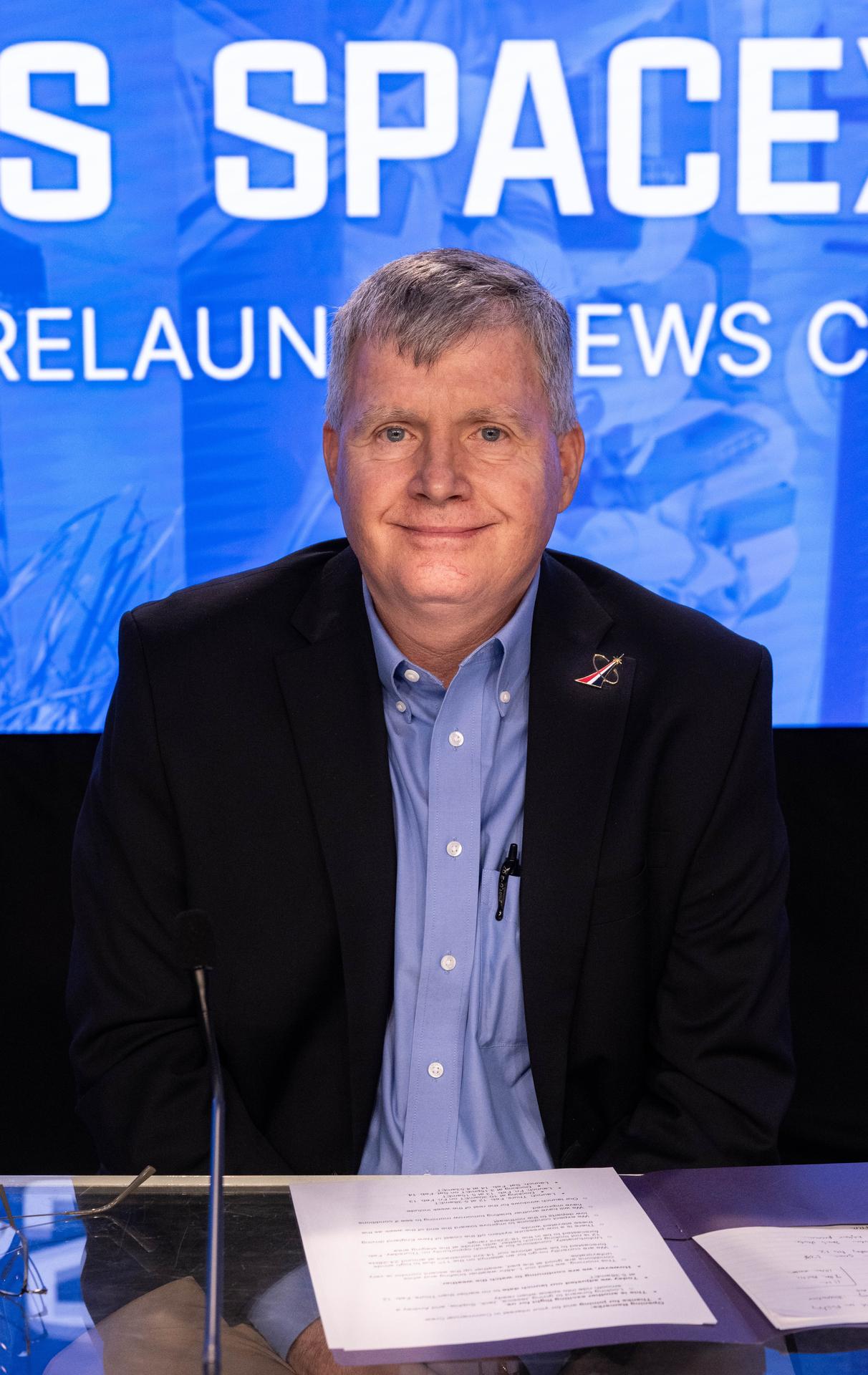
Steve Stich, manager, NASA's Commercial Crew Program, participates in a prelaunch news conference for NASA’s SpaceX Crew-12 mission inside the John Holliman Auditorium of the NASA News Center at the agency’s Kennedy Space Center in Florida on Monday, Feb. 9, 2026. The Crew-12 mission will send NASA astronauts Jessica Meir and Jack Hathaway, ESA (European Space Agency) astronaut Sophie Adenot, and Roscosmos cosmonaut Andrey Fedyaev to the International Space Station aboard SpaceX’s Dragon spacecraft and Falcon 9 rocket no earlier than 5:38 a.m. EST, Thursday, Feb. 12, from Cape Canaveral Space Force Station’s Space Launch Complex 40.