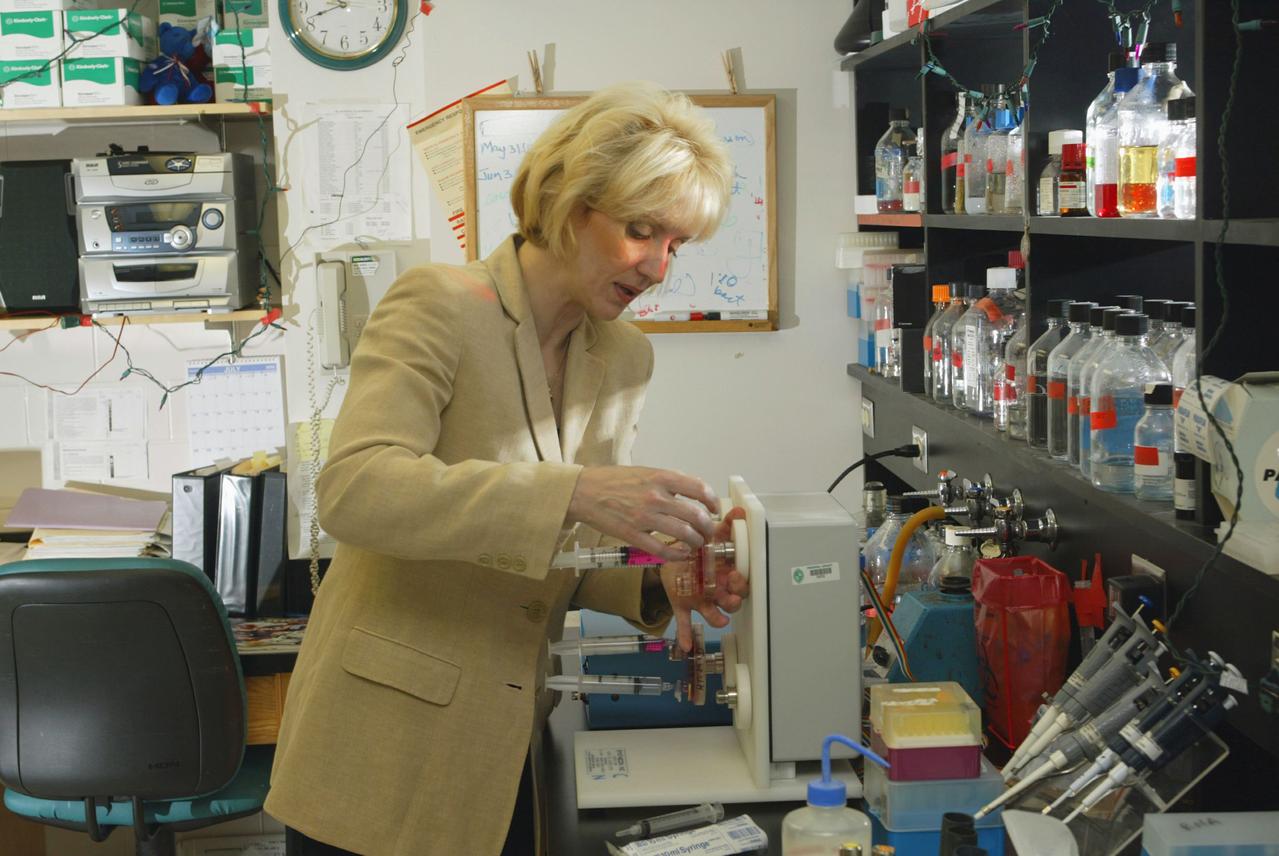
Dr. Cheryl Nickerson of Tulane University is studying the effects of simulated low-g on a well-known pathogen, Salmonella typhimurium, a bacterium that causes two to four million cases of gastrointestinal illness in the United States each year. While most healthy people recover readily, S. typhimurium can kill people with weakened immune systems. Thus, a simple case of food poisoning could disrupt a space mission. Using the NASA rotating-wall bioreactor, Nickerson cultured S. typhimurium in modeled microgravity. Mice infected with the bacterium died an average of three days faster than the control mice, indicating that S. typhimurium's virulence was enhanced by the bioreactor. Earlier research showed that 3 percent of the genes were altered by exposure to the bioreactor. Nickerson's work earned her a 2001 Presidential Early Career Award for Scientists and Engineers.
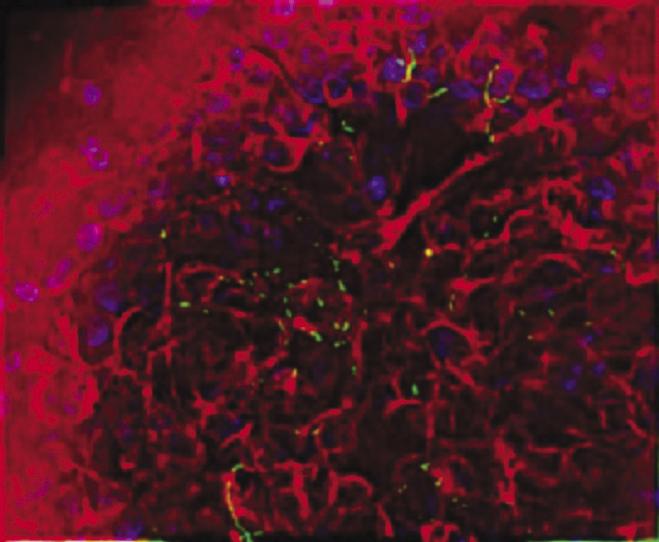
Salmonella typhimurium appears green in on human intestinal tissue (stained red) cultured in a NASA rotating wall bioreactor. Dr. Cheryl Nickerson of Tulane University is studying the effects of simulated low-g on a well-known pathogen, Salmonella typhimurium, a bacterium that causes two to four million cases of gastrointestinal illness in the United States each year. While most healthy people recover readily, S. typhimurium can kill people with weakened immune systems. Thus, a simple case of food poisoning could disrupt a space mission. Using the NASA rotating-wall bioreactor, Nickerson cultured S. typhimurium in modeled microgravity. Mice infected with the bacterium died an average of three days faster than the control mice, indicating that S. typhimurium's virulence was enhanced by the bioreactor. Earlier research showed that 3 percent of the genes were altered by exposure to the bioreactor. Nickerson's work earned her a 2001 Presidential Early Career Award for Scientists and Engineers.
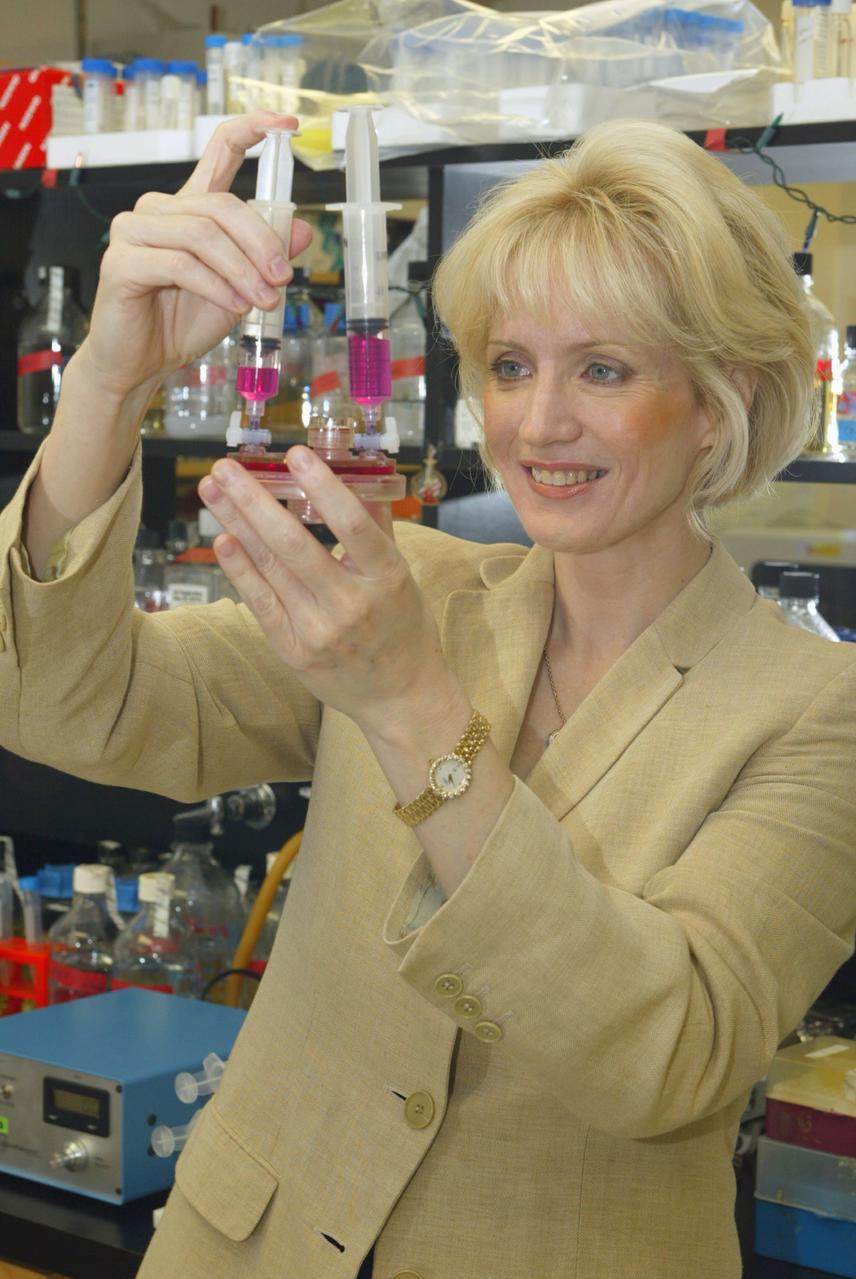
Dr. Cheryl Nickerson of Tulane University is studying the effects of simulated low-g on a well-known pathogen, Salmonella typhimurium, a bacterium that causes two to four million cases of gastrointestinal illness in the United States each year. While most healthy people recover readily, S. typhimurium can kill people with weakened immune systems. Thus, a simple case of food poisoning could disrupt a space mission. Using the NASA rotating-wall bioreactor, Nickerson cultured S. typhimurium in modeled microgravity. Mice infected with the bacterium died an average of three days faster than the control mice, indicating that S. typhimurium's virulence was enhanced by the bioreactor. Earlier research showed that 3 percent of the genes were altered by exposure to the bioreactor. Nickerson's work earned her a 2001 Presidential Early Career Award for Scientists and Engineers.
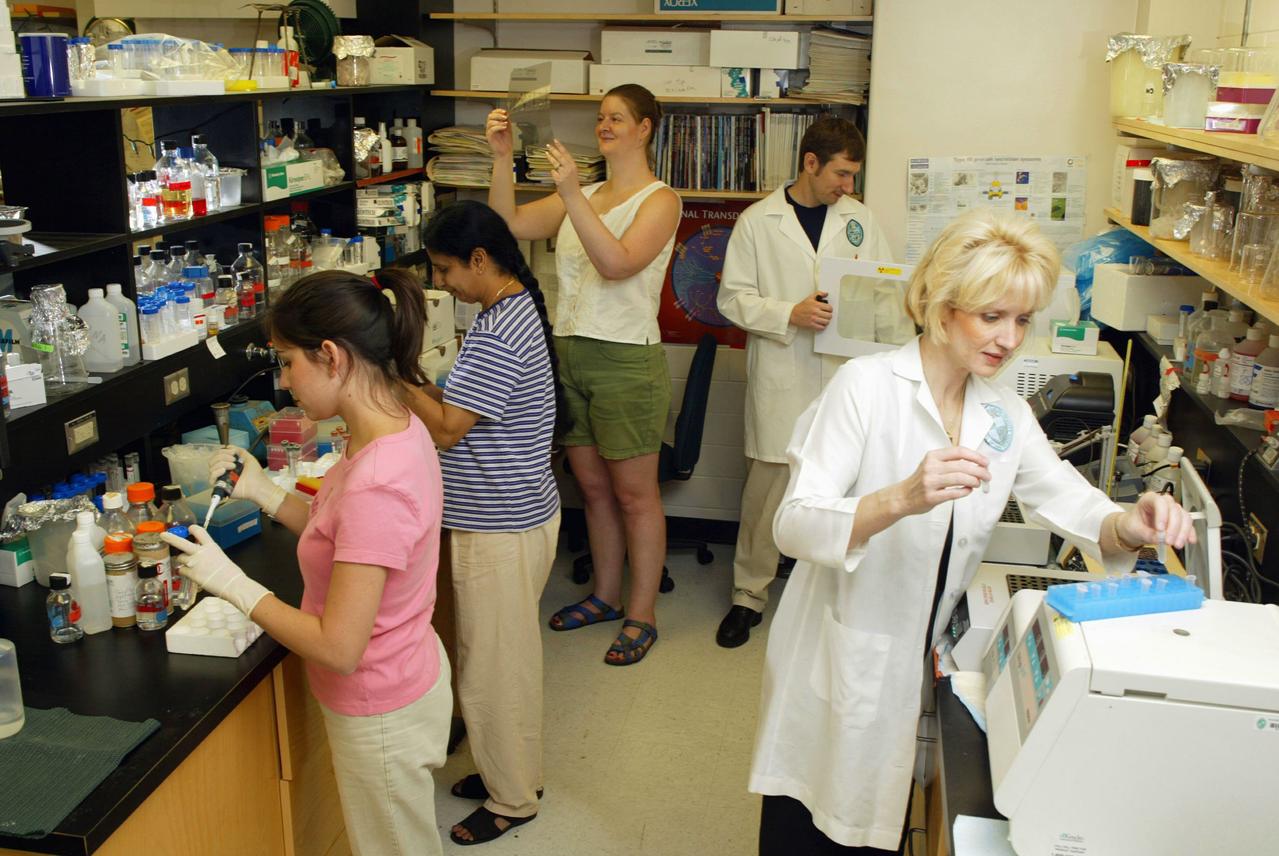
Dr. Cheryl Nickerson (right) of Tulane University is studying the effects of simulated low-g on a well-known pathogen, Salmonella typhimurium, a bacterium that causes two to four million cases of gastrointestinal illness in the United States each year. While most healthy people recover readily, S. typhimurium can kill people with weakened immune systems. Thus, a simple case of food poisoning could disrupt a space mission. Using the NASA rotating-wall bioreactor, Nickerson cultured S. typhimurium in modeled microgravity. Mice infected with the bacterium died an average of three days faster than the control mice, indicating that S. typhimurium's virulence was enhanced by the bioreactor. Earlier research showed that 3 percent of the genes were altered by exposure to the bioreactor. Nickerson's work earned her a 2001 Presidential Early Career Award for Scientists and Engineers.
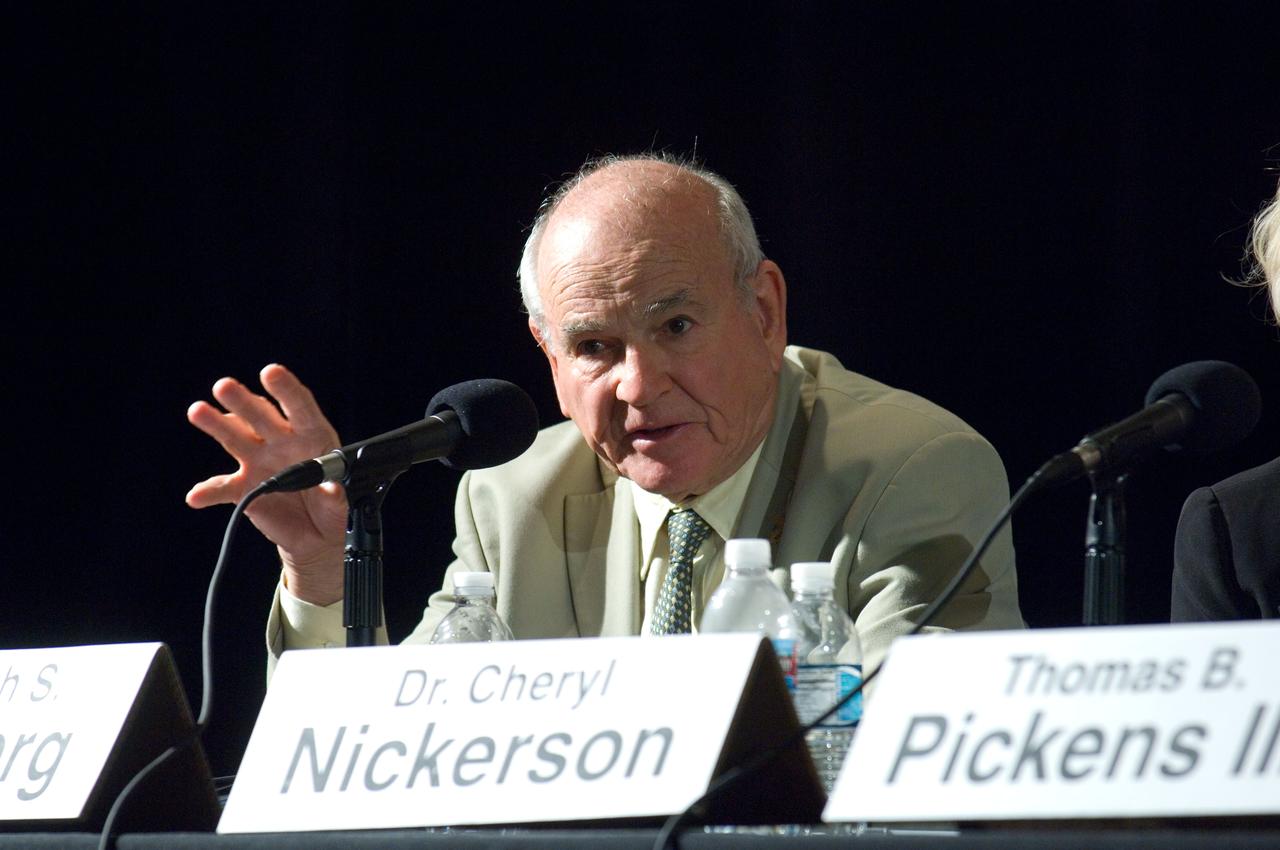
International Space Station (ISS) National Laboratory Workshop Public Presentation; The Internaional Space Station: Your Laboratory of the Future in NASA's Eagle Room Conference Ctr - panel for Q & A L-R Baruch Blumberg and Cheryl Nickerson
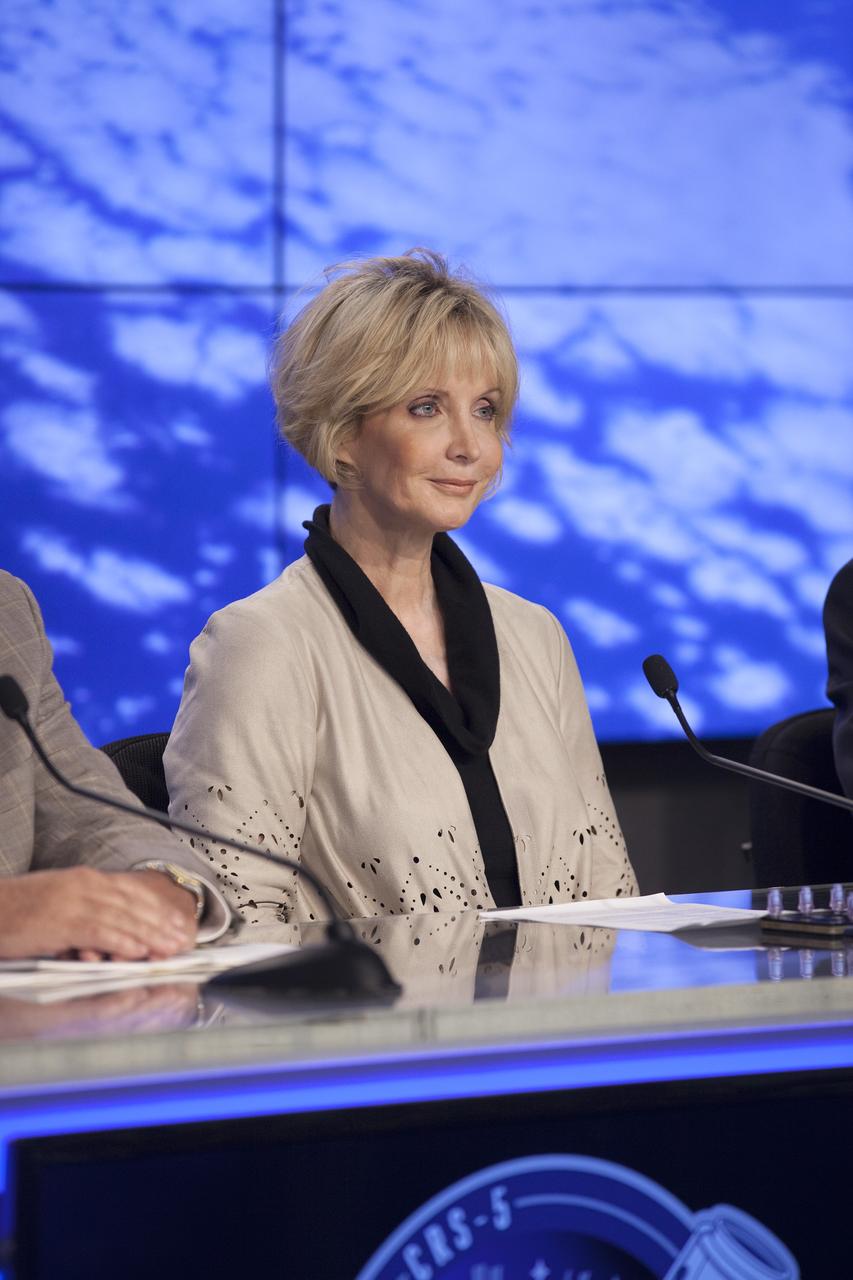
CAPE CANAVERAL, Fla. -- In the Kennedy Space Center’s Press Site auditorium, agency and industry leaders spoke to members of the news media on International Space Station research and technology developments. Participants included Cheryl Nickerson of Arizona State University, and principal investigator for the Micro-5 experiment. Photo credit: NASA/ Kim Shiflett
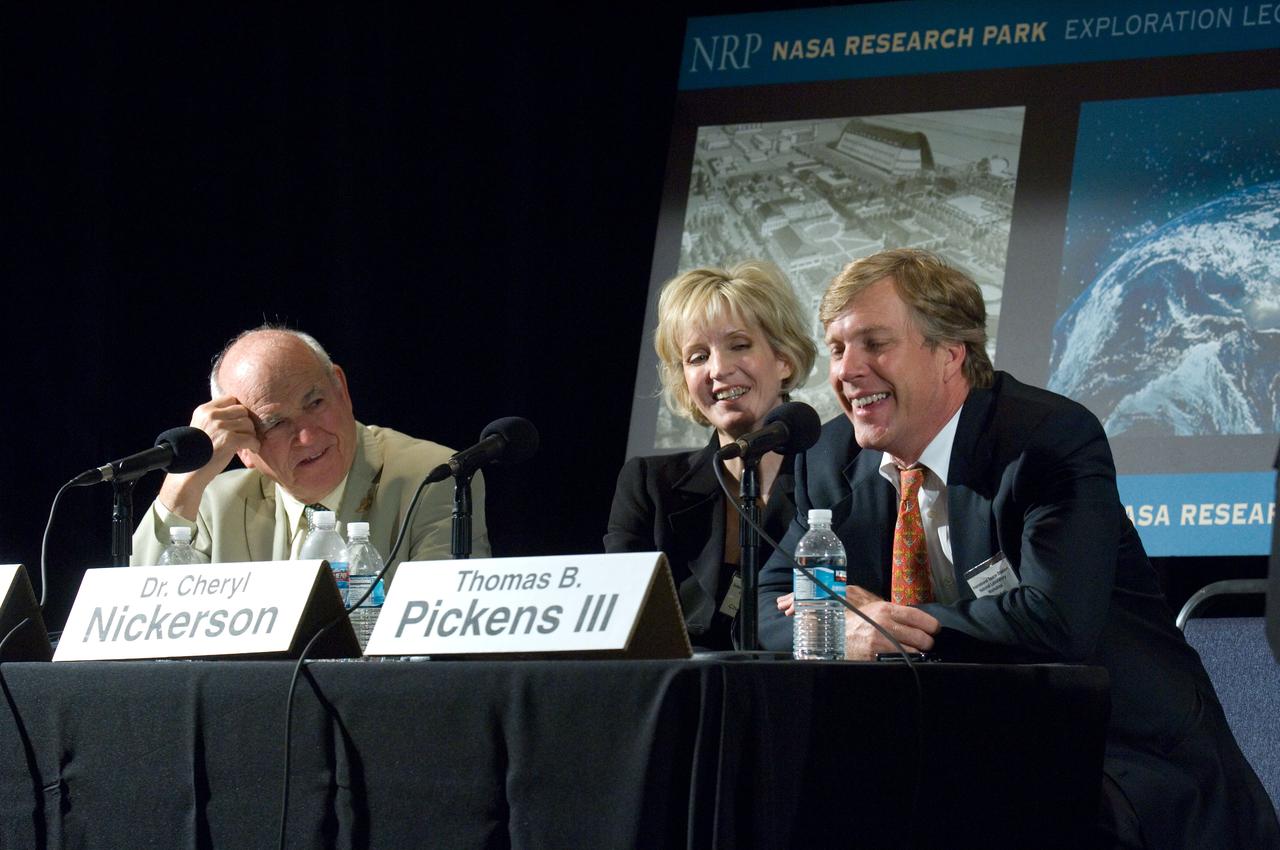
International Space Station (ISS) National Laboratory Workshop Public Presentation; The Internaional Space Station: Your Laboratory of the Future in NASA's Eagle Room Conference Center Panel for Q & A; L-R Baruch Blumberg, Cheryl Nickerson, and Thomas Pickens III
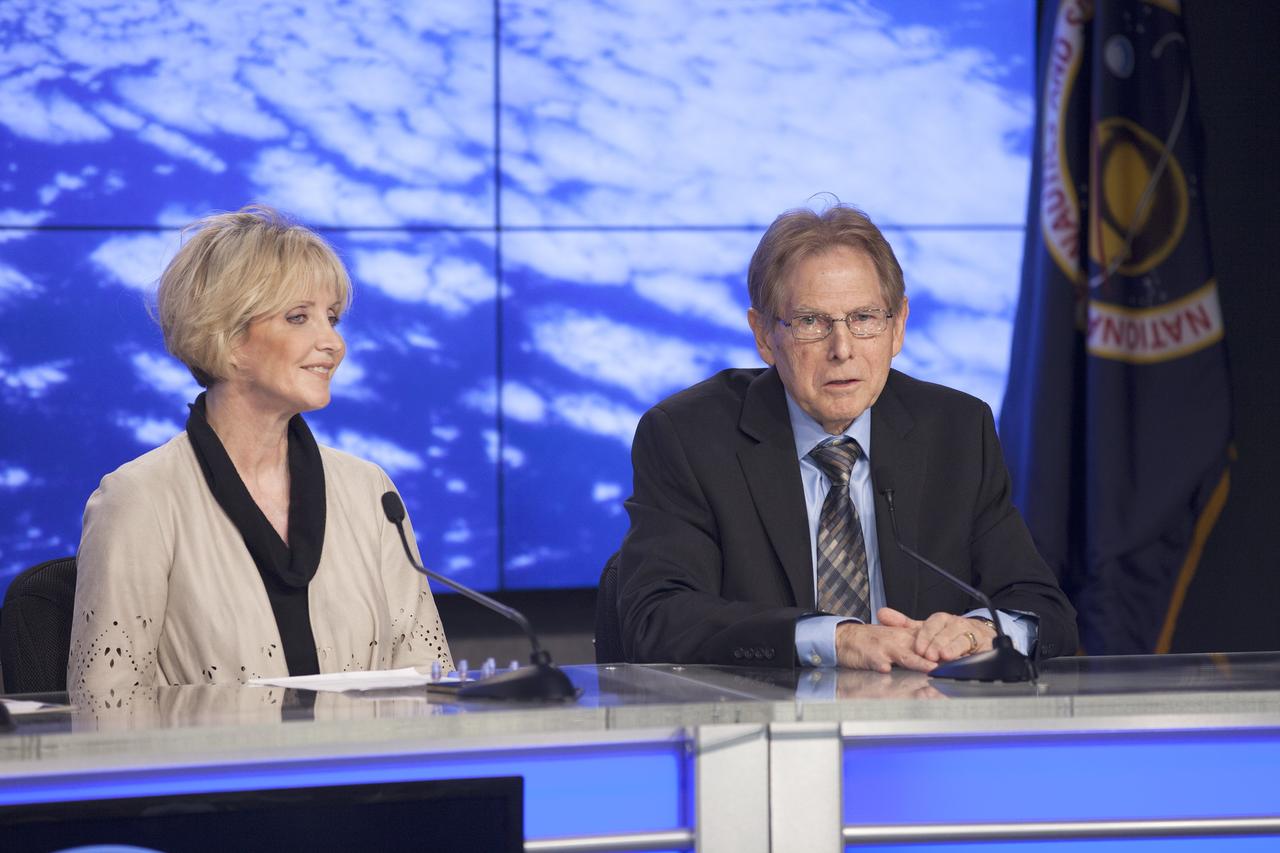
CAPE CANAVERAL, Fla. -- In the Kennedy Space Center’s Press Site auditorium, agency and industry leaders spoke to members of the news media on International Space Station research and technology developments. Participants included Cheryl Nickerson of Arizona State University, and principal investigator for the Micro-5 experiment, and Samuel Durrance of the Florida Institute of Technology, principal investigator for the NR-SABOL experiment. Photo credit: NASA/ Kim Shiflett
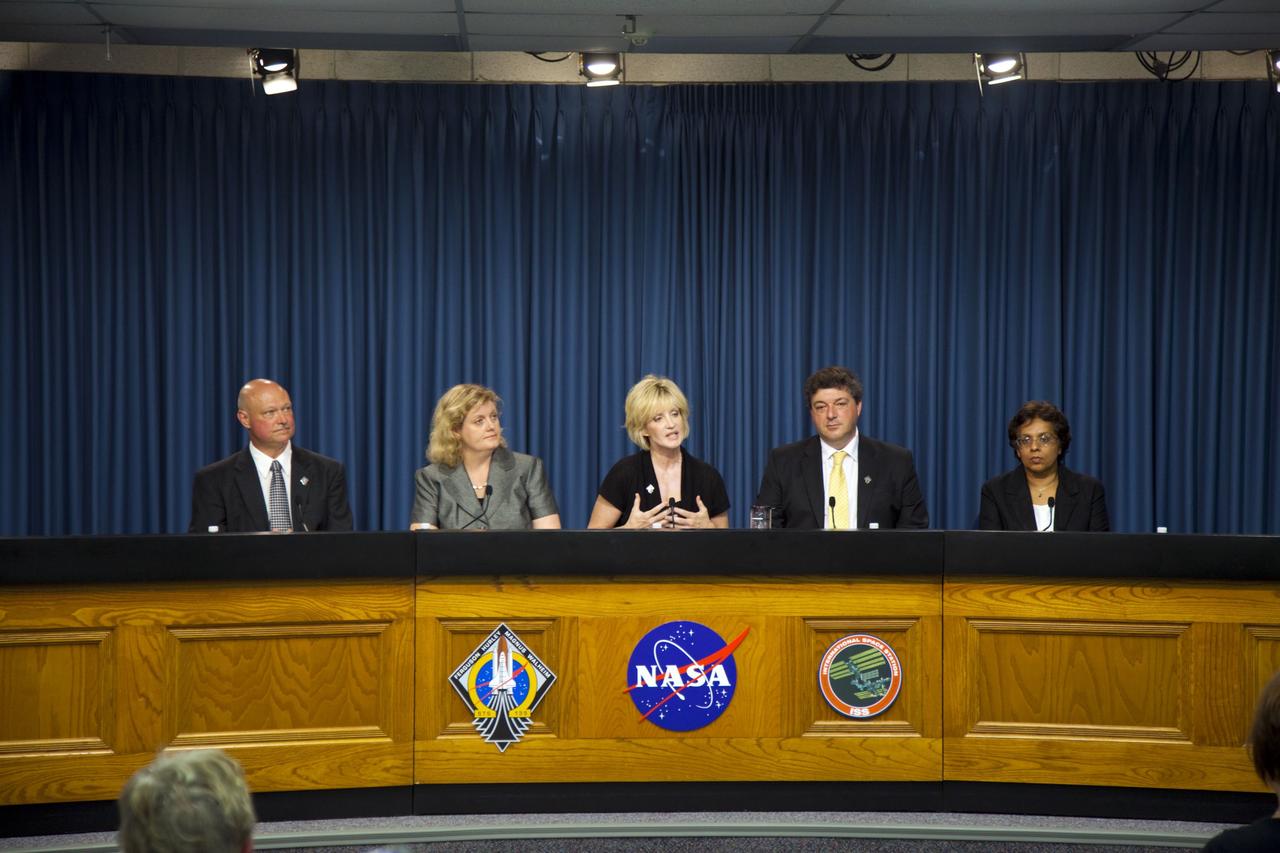
CAPE CANAVERAL, Fla. -- The Press Site auditorium at NASA's Kennedy Space Center in Florida hosted an International Space Station Science and Technology news conference. Seen here are NASA Public Affairs Officer Make Curie, moderator (left); Julie Robinson, International Space Station Program scientist; Cheryl Nickerson, Recombinant Attenuated Salmonella Vaccine investigator; Eduardo Almeda, investigator and Imara Perera, Plant Signaling investigator Photo credit: NASA/Frankie Martin
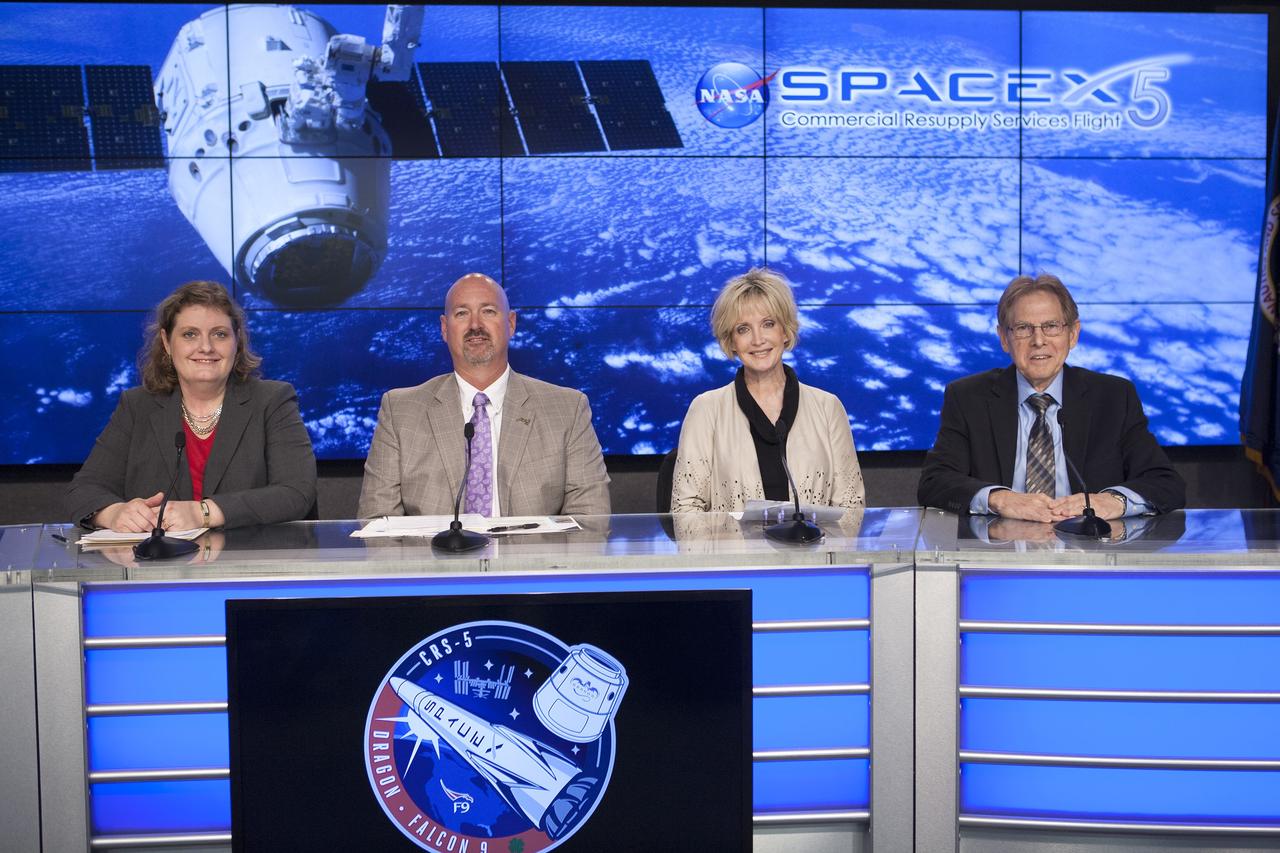
CAPE CANAVERAL, Fla. – In the Kennedy Space Center’s Press Site auditorium, agency and industry leaders spoke to members of the news media on International Space Station research and technology developments. From left are: Julie Robinson, ISS Program chief scientist at NASA’s Johnson Space Center, Kenneth Shields, director of operations and education for the Center for the Advancement of Science in Space, Cheryl Nickerson of Arizona State University, and principal investigator for the Micro-5 experiment, and Samuel Durrance of the Florida Institute of Technology, principal investigator for the NR-SABOL experiment. Photo credit: NASA/ Kim Shiflett
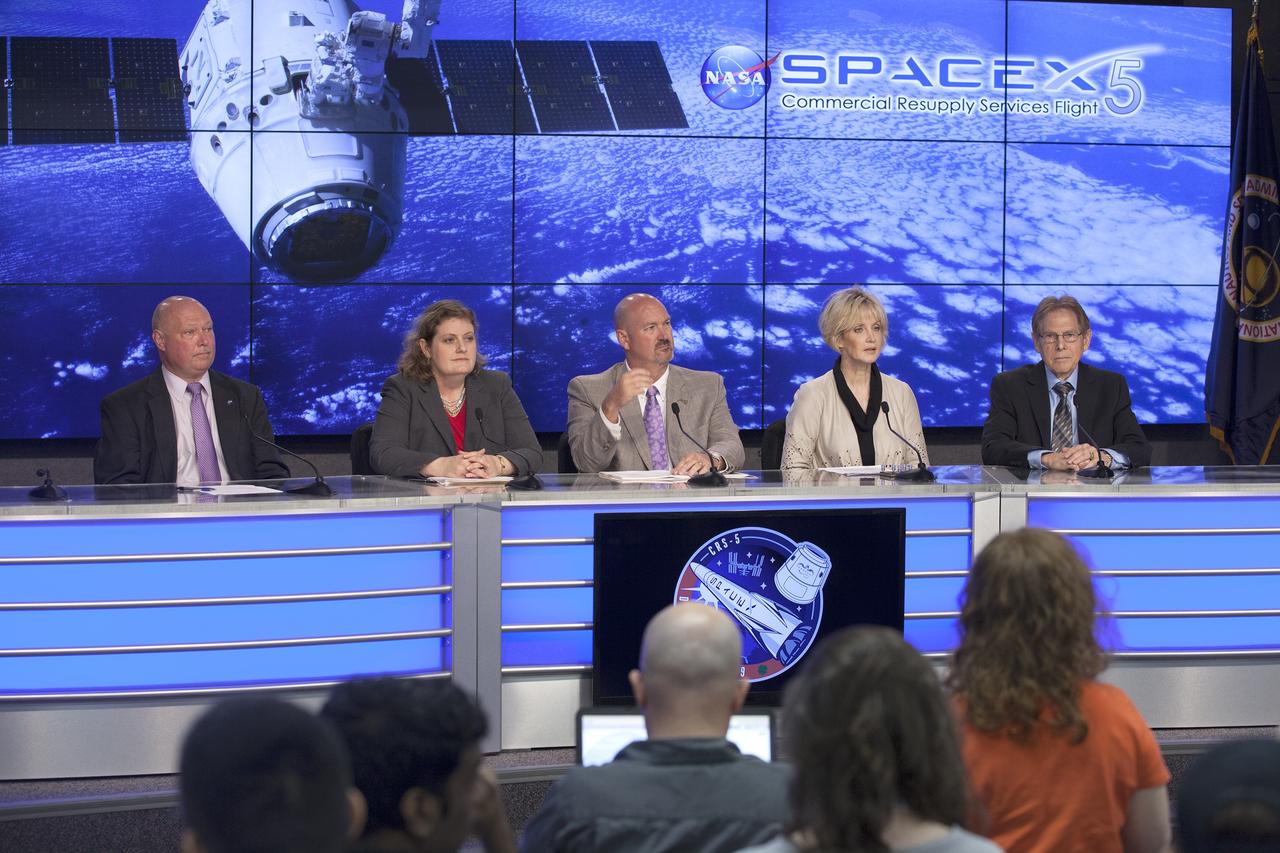
CAPE CANAVERAL, Fla. -- In the Kennedy Space Center’s Press Site auditorium, agency and industry leaders spoke to members of the news media on International Space Station research and technology developments. From left are: Mike Curie of NASA Public Affairs, Julie Robinson, ISS Program chief scientist at NASA’s Johnson Space Center, Kenneth Shields, director of operations and education for the Center for the Advancement of Science in Space, Cheryl Nickerson of Arizona State University, and principal investigator for the Micro-5 experiment, and Samuel Durrance of the Florida Institute of Technology, principal investigator for the NR-SABOL experiment. Photo credit: NASA/ Kim Shiflett