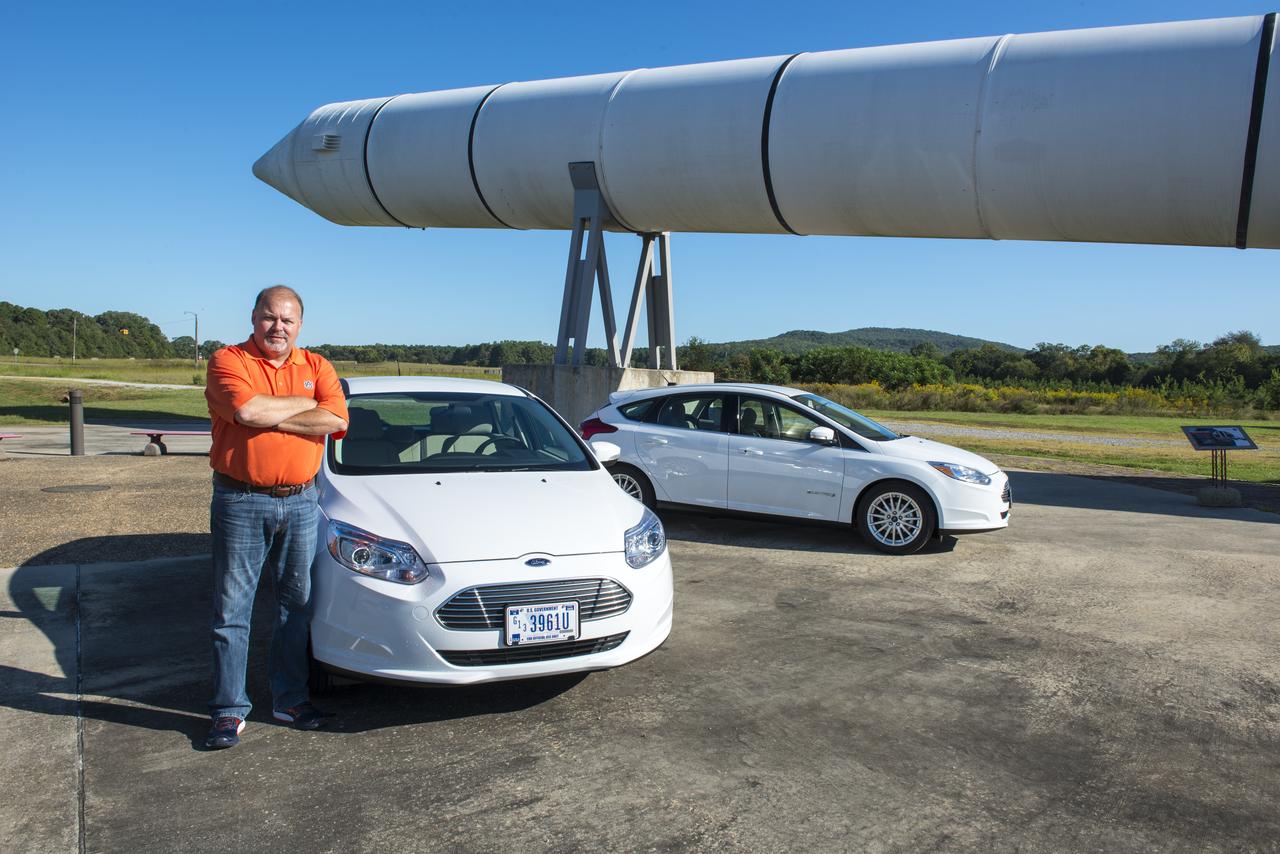
David Norris, Marshall transportation specialist, stands alongside two new, fully electric cars capable of traveling approximately 115 miles on a 5 1/2-hour charge using Marshall's 240-volt charging station. The electric cars join five "green" vehicles in use at Marshall since spring 2016.
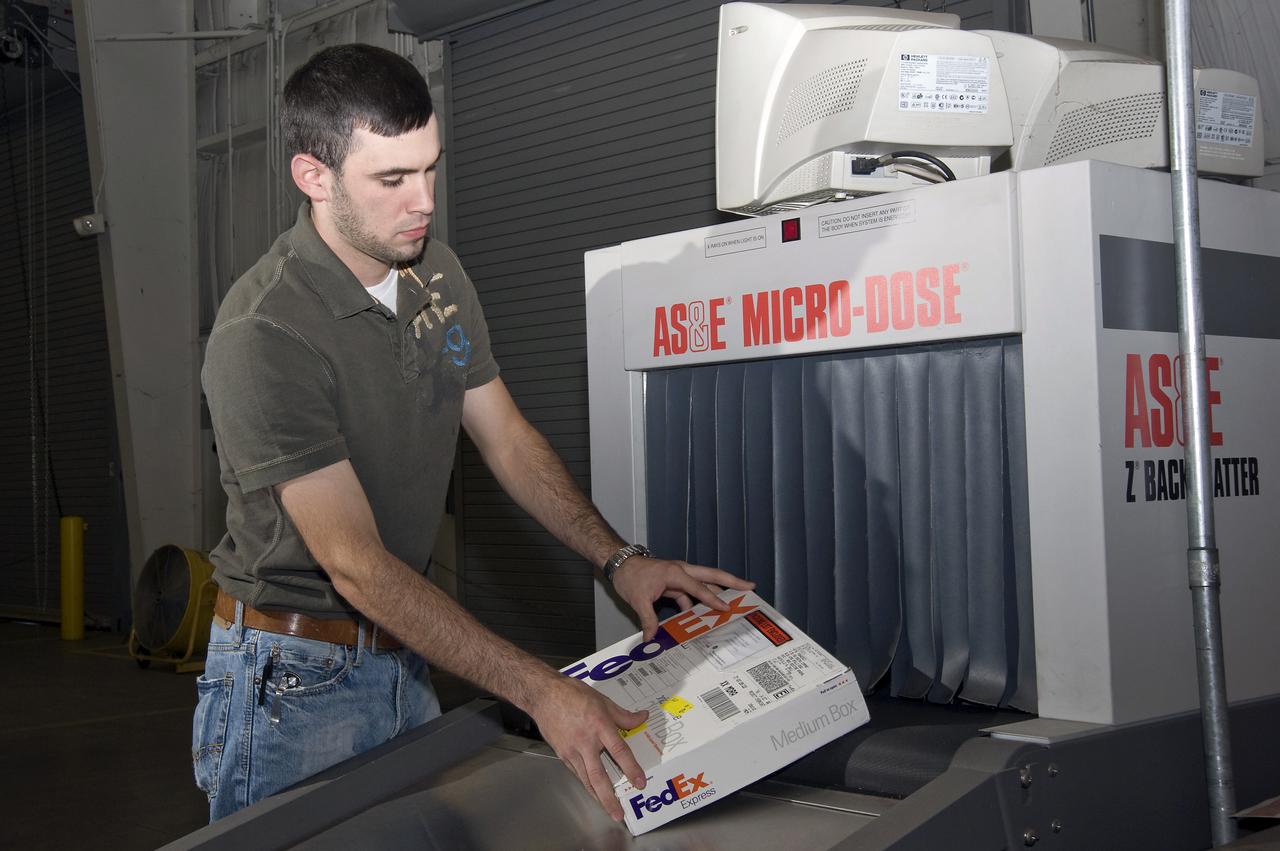
JOE WALTER NORRIS, MSFC RECEIVING
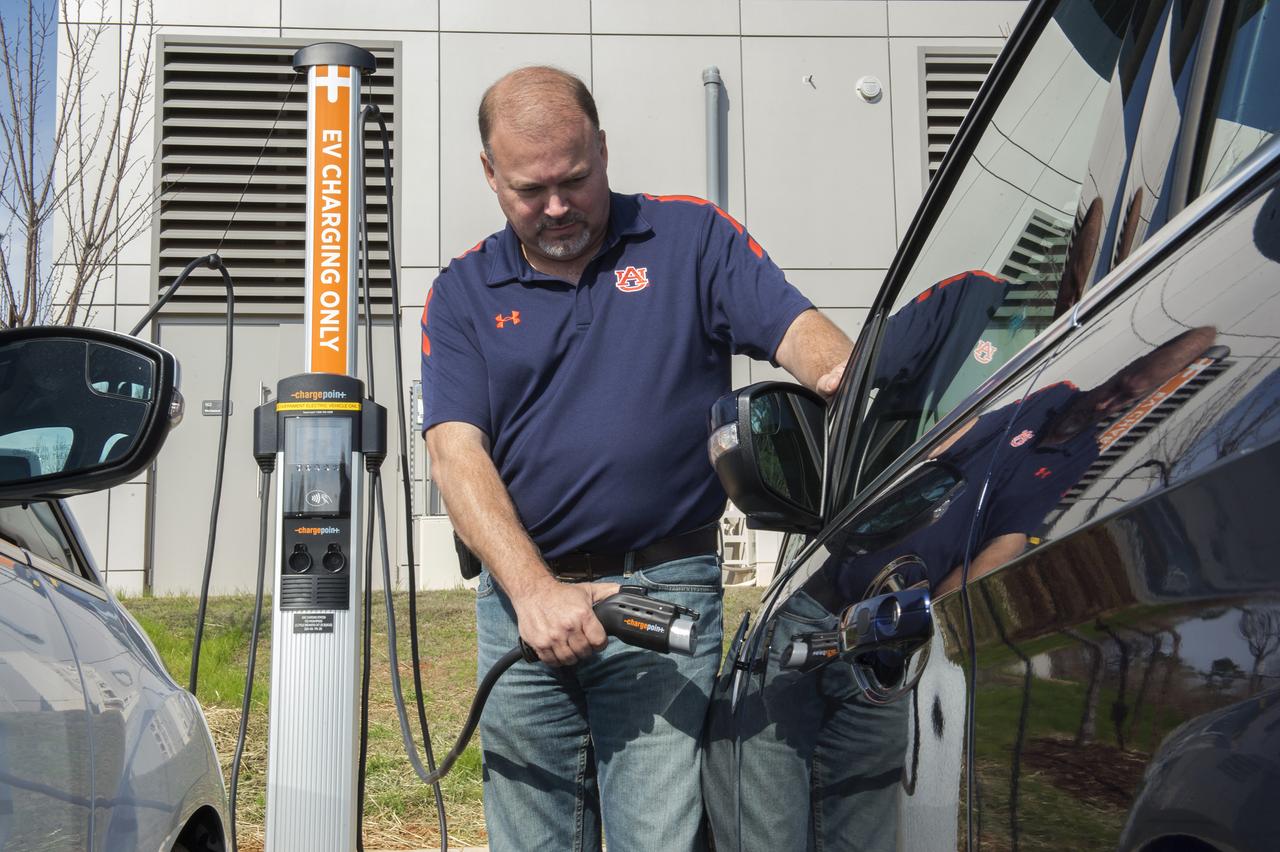
TRANSPORTATION SPECIALIST DAVID NORRIS DEMONSTRATES MARSHALL'S FIRST ELECTRIC VEHICLE CHARGING STATION, WHICH IS PART OF A PROGRAM DESIGNED TO REDUCE THE AGENCY'S ENVIRONMENTAL FOOTPRINT.
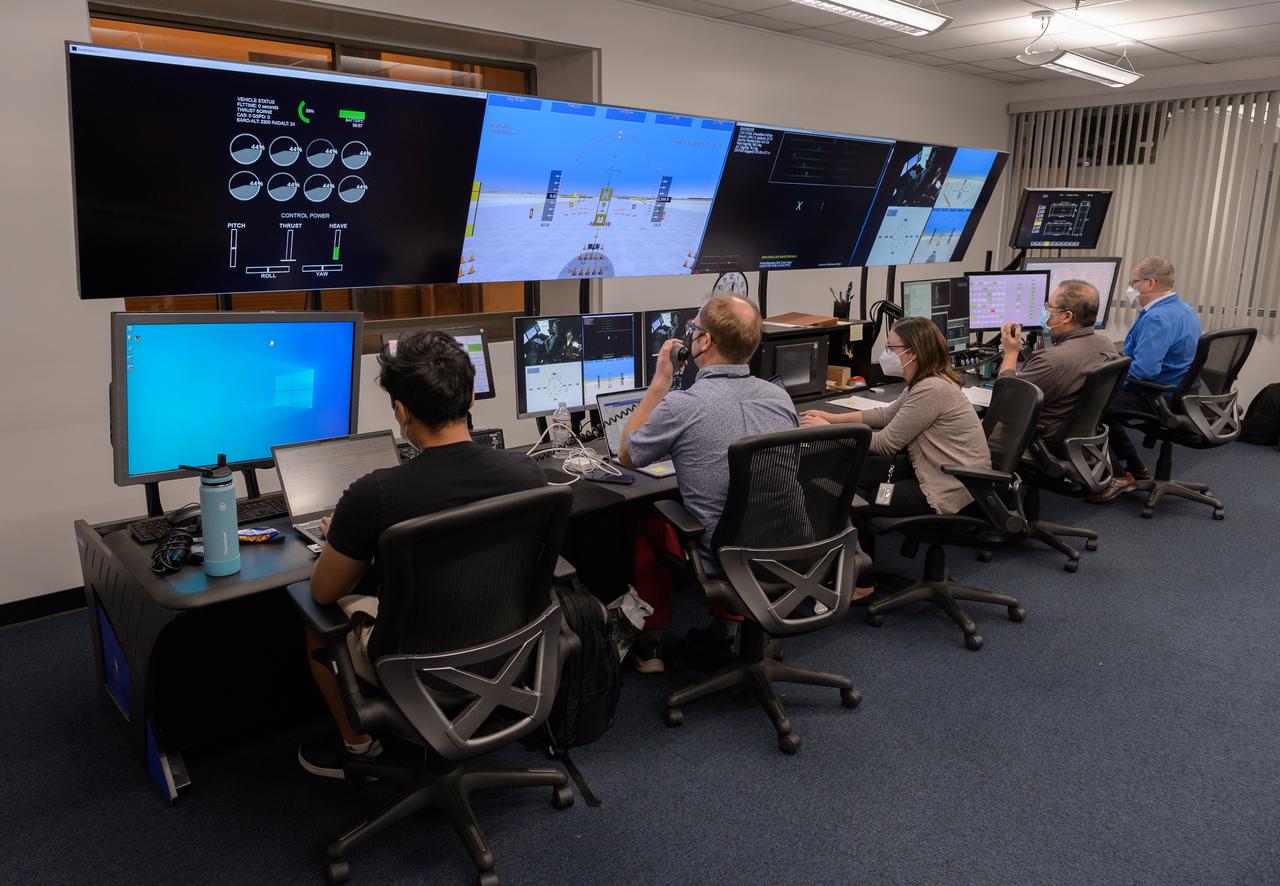
AFCM subproject simulation FAA-2 flight test team members Allen Ruan, left, Thomas Lombaerts, Kimberlee Shish, Edgar Torres, and Stephen Norris, right, in the VMS control room, N243 during a simulation.
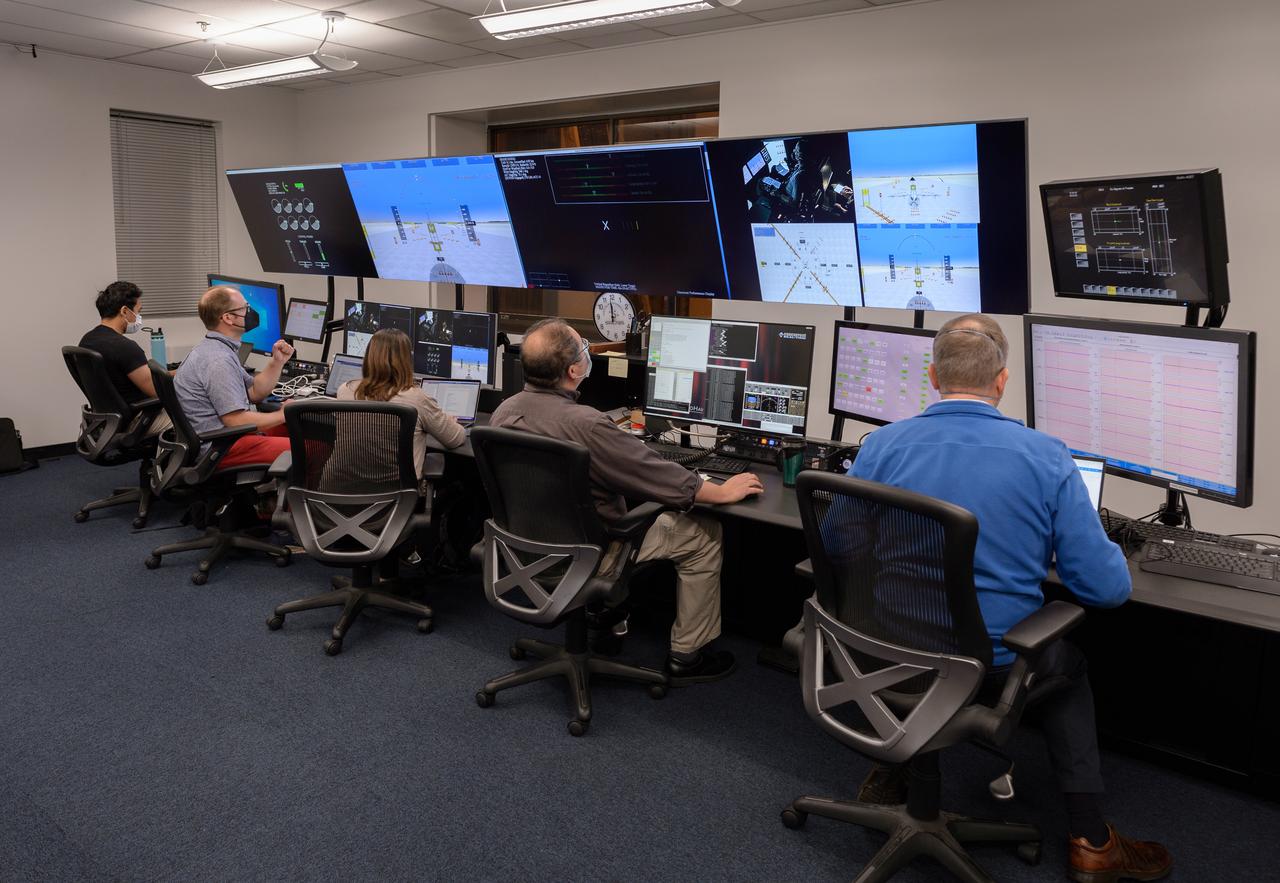
AFCM subproject simulation FAA-2 flight test team members Allen Ruan, left, Thomas Lombaerts, Kimberlee Shish, Edgar Torres, and Stephen Norris, right, in the VMS control room, N243 during a simulation.
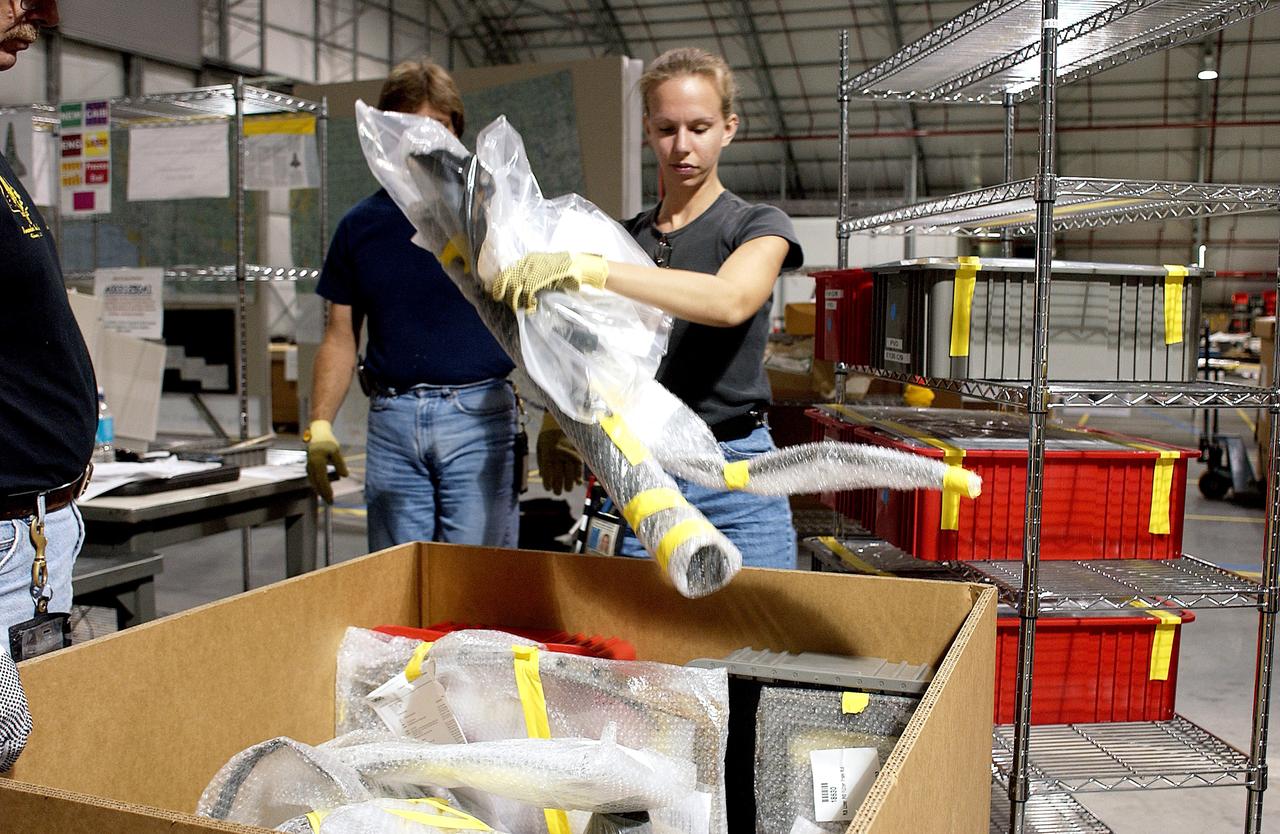
KENNEDY SPACE CENTER, FLA. - James Harrison (left), Jack Nowling (center) and Amy Norris (right) pack up some of the debris stored in the Columbia Debris Hangar. About 83,000 pieces were shipped to KSC during search and recovery efforts in East Texas. An area of the Vehicle Assembly Building is being prepared to store the debris.
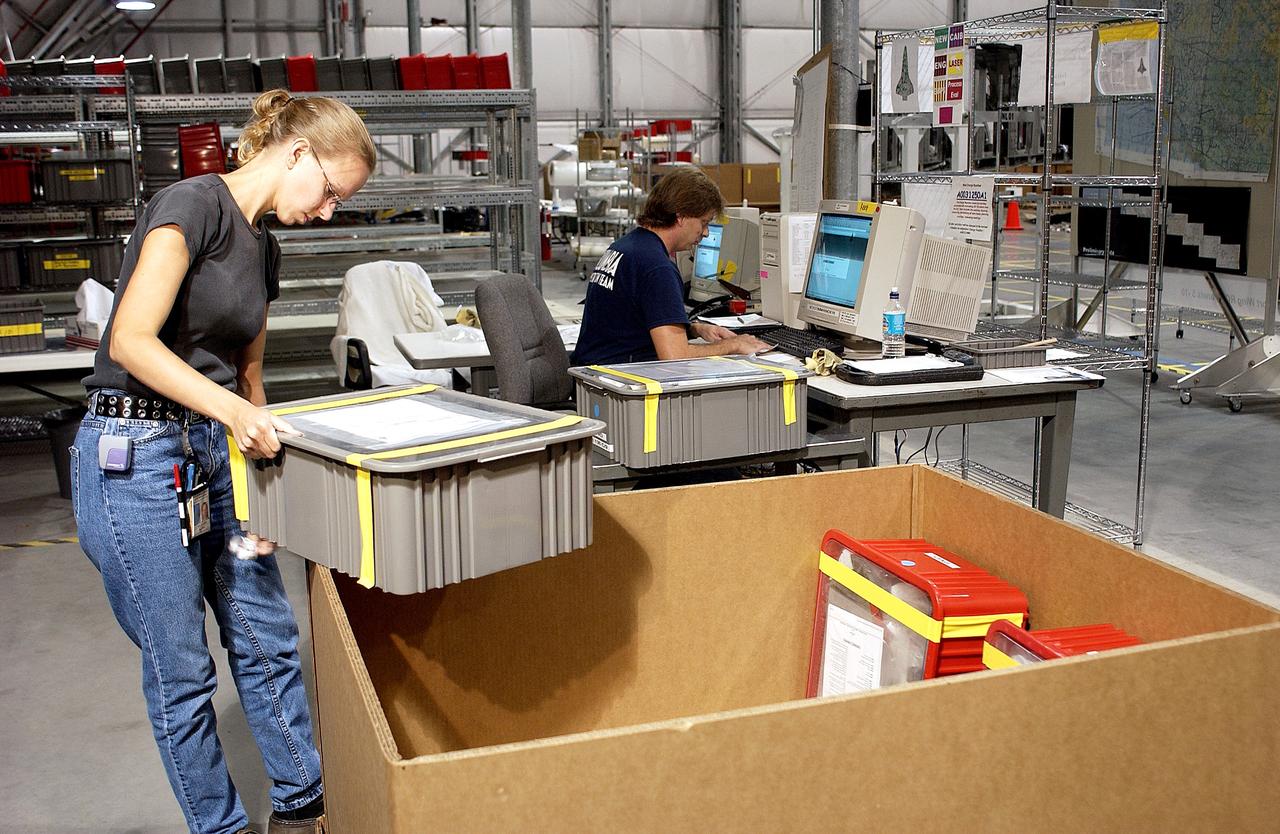
KENNEDY SPACE CENTER, FLA. - Amy Norris (left) packs some of the debris stored in the Columbia Debris Hangar. Jack Nowling works on the computer. About 83,000 pieces of debris were shipped to KSC during search and recovery efforts in East Texas. That represents about 38 percent of the dry weight of Columbia, equaling almost 85,000 pounds. An area of the Vehicle Assembly Building is being prepared to store the debris.
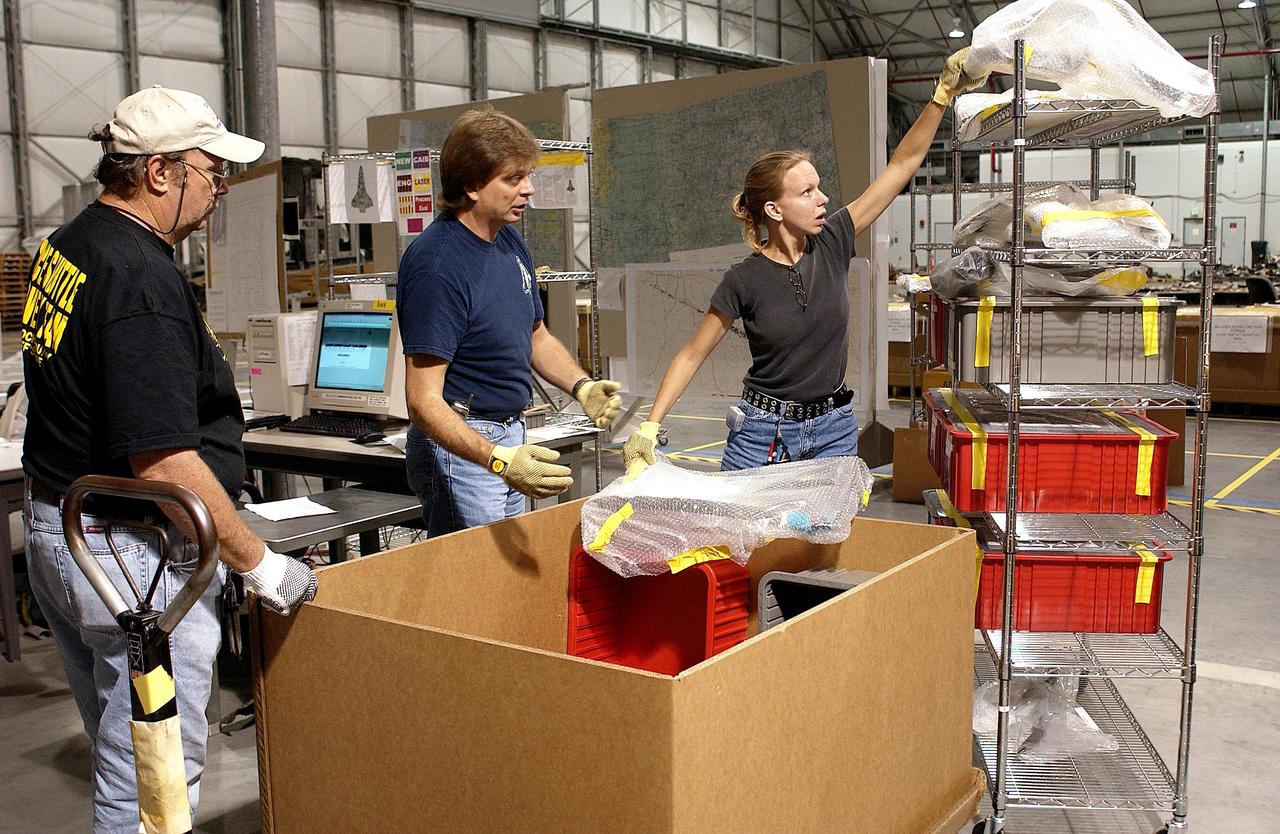
KENNEDY SPACE CENTER, FLA. - James Harrison (left), Jack Nowling (center) and Amy Norris (right) pack up part of the debris stored in the Columbia Debris Hangar. An area of the Vehicle Assembly Building is being prepared to store the debris. About 83,000 pieces were shipped to KSC during search and recovery efforts in East Texas.
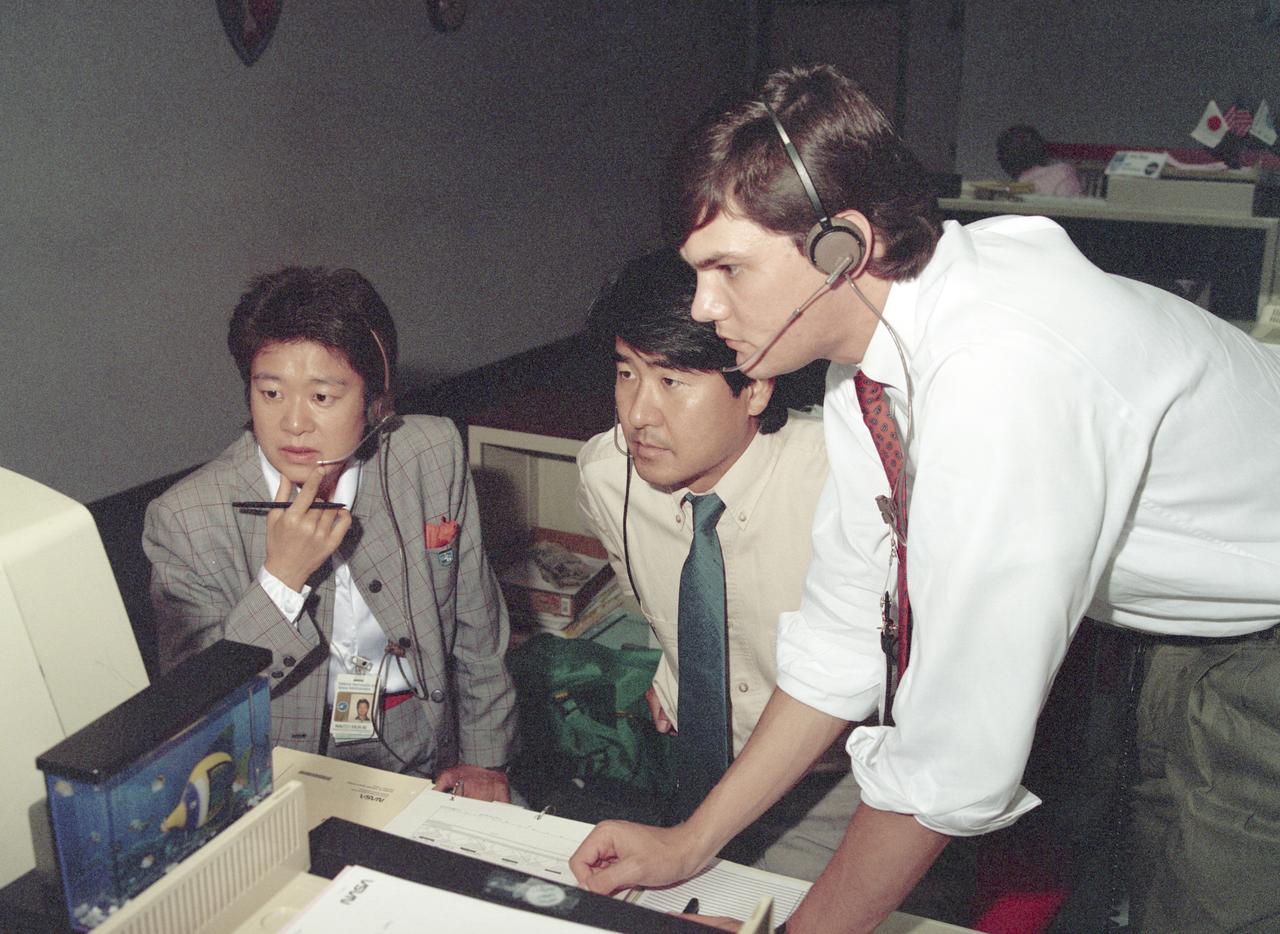
The science laboratory, Spacelab-J (SL-J), flown aboard the STS-47 flight was a joint venture between NASA and the National Space Development Agency of Japan (NASDA) utilizing a manned Spacelab module. The mission conducted 24 materials science and 20 life science experiments, of which 35 were sponsored by NASDA, 7 by NASA, and two collaborative efforts. Materials science investigations covered such fields as biotechnology, electronic materials, fluid dynamics and transport phenomena, glasses and ceramics, metals and alloys, and acceleration measurements. Life sciences included experiments on human health, cell separation and biology, developmental biology, animal and human physiology and behavior, space radiation, and biological rhythms. Test subjects included the crew, Japanese koi fish (carp), cultured animal and plant cells, chicken embryos, fruit flies, fungi and plant seeds, and frogs and frog eggs. Pictured along with George Norris in the Huntsville Operations Support Center (HOSC) Spacelab Payload Operations Control Center (SL POCC) at Marshall Space Flight Center (MSFC) are NASDA alternate payload specialists Dr. Doi and Dr. Mukai.
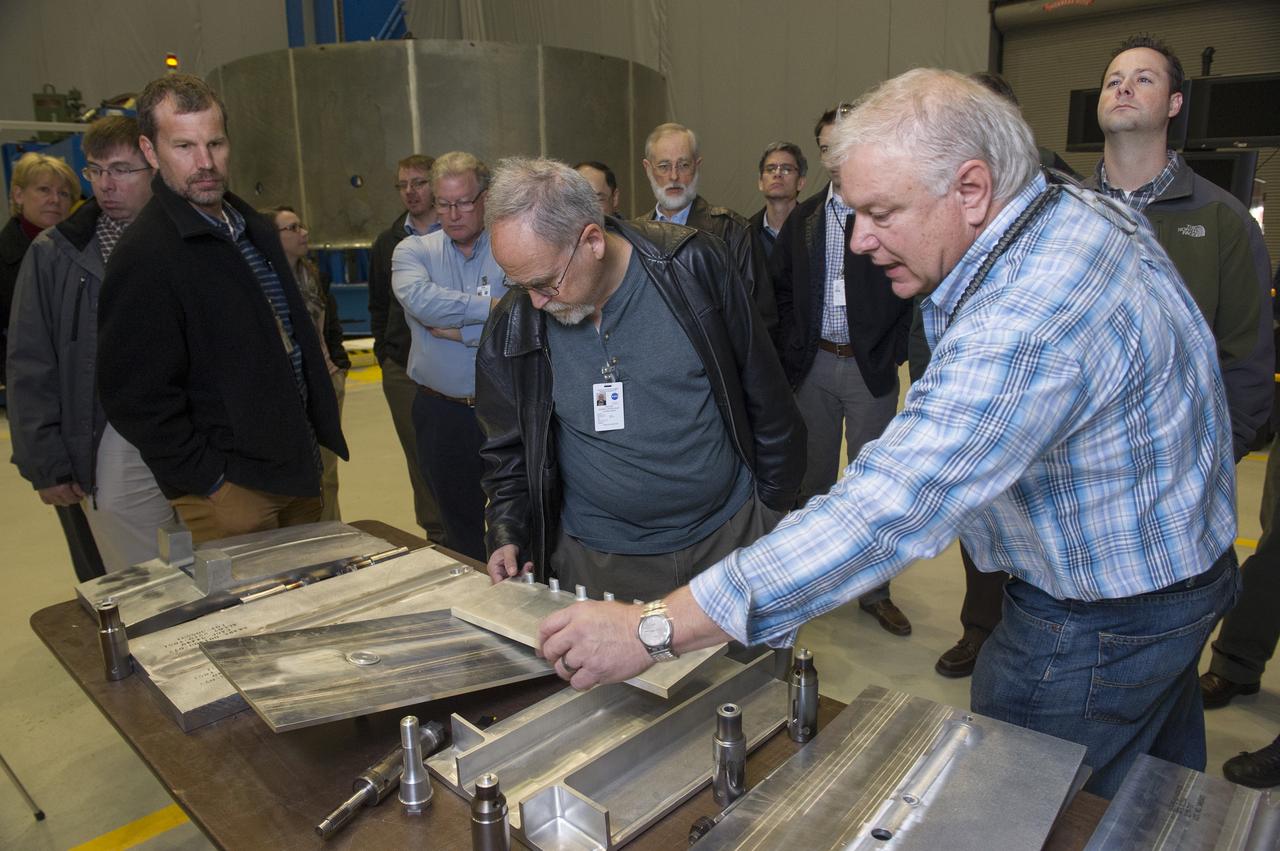
5TH SBKF (SHELL BUCKLE KNOCKDOWN FACTOR) WORKSHOP, MSFC, FEB. 3-4, 2015
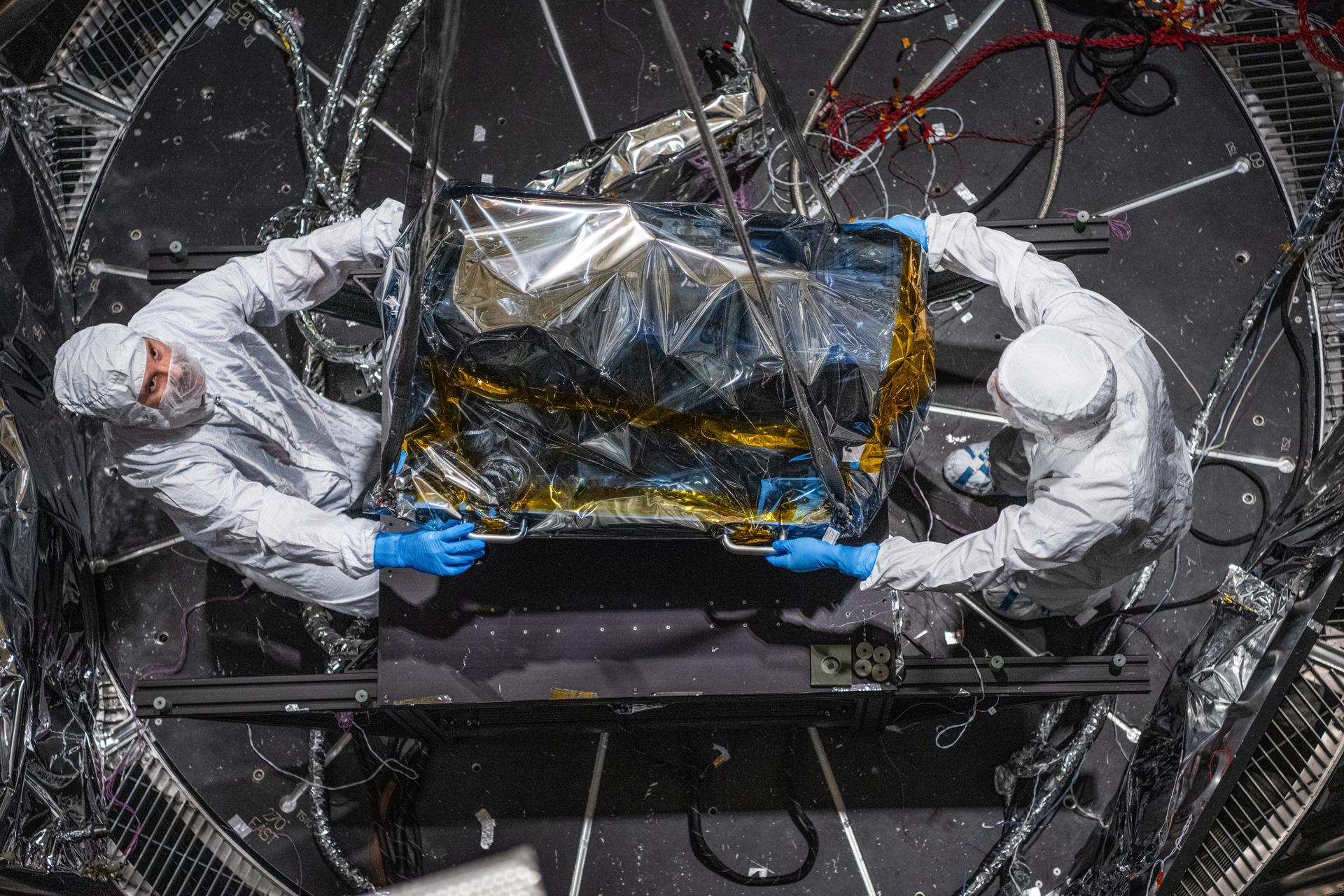
Engineering Technician Eric Norris, and Mechanical Engineer Mitchell Hamann guide the Lunar Environment Monitoring Station (LEMS) instrument in to the Thermal Vacuum Chamber preparation for testing at Goddard Space Flight Center, Greenbelt Md., March 30, 2026. LEMS is a compact, autonomous, and self-sustaining seismometer suite designed to carry out continuous, long-term, monitoring of the lunar seismic environment at the South Polar region. Photo Credit: NASA/Denny Henry
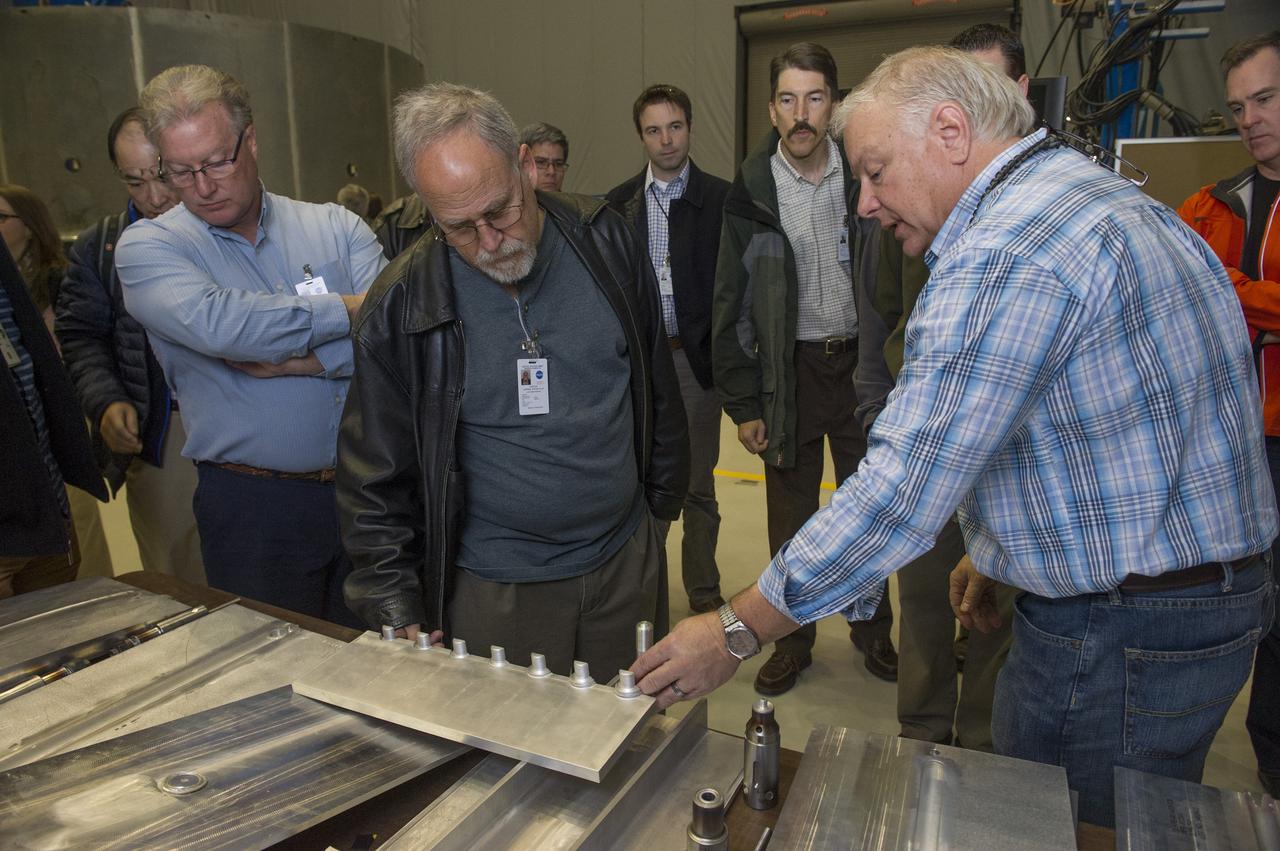
5TH SBKF (SHELL BUCKLE KNOCKDOWN FACTOR) WORKSHOP, MSFC, FEB. 3-4, 2015
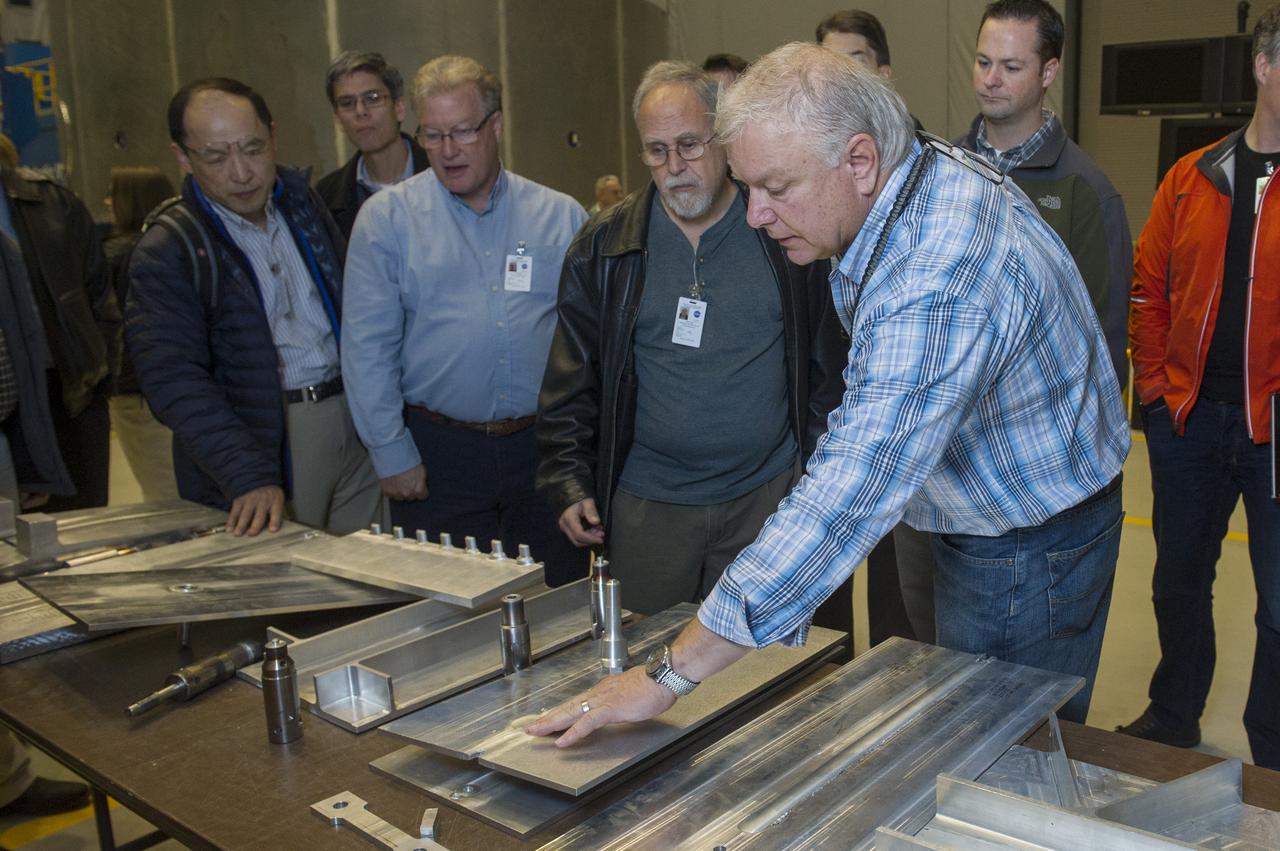
5TH SBKF (SHELL BUCKLE KNOCKDOWN FACTOR) WORKSHOP, MSFC, FEB 3-4, 2015
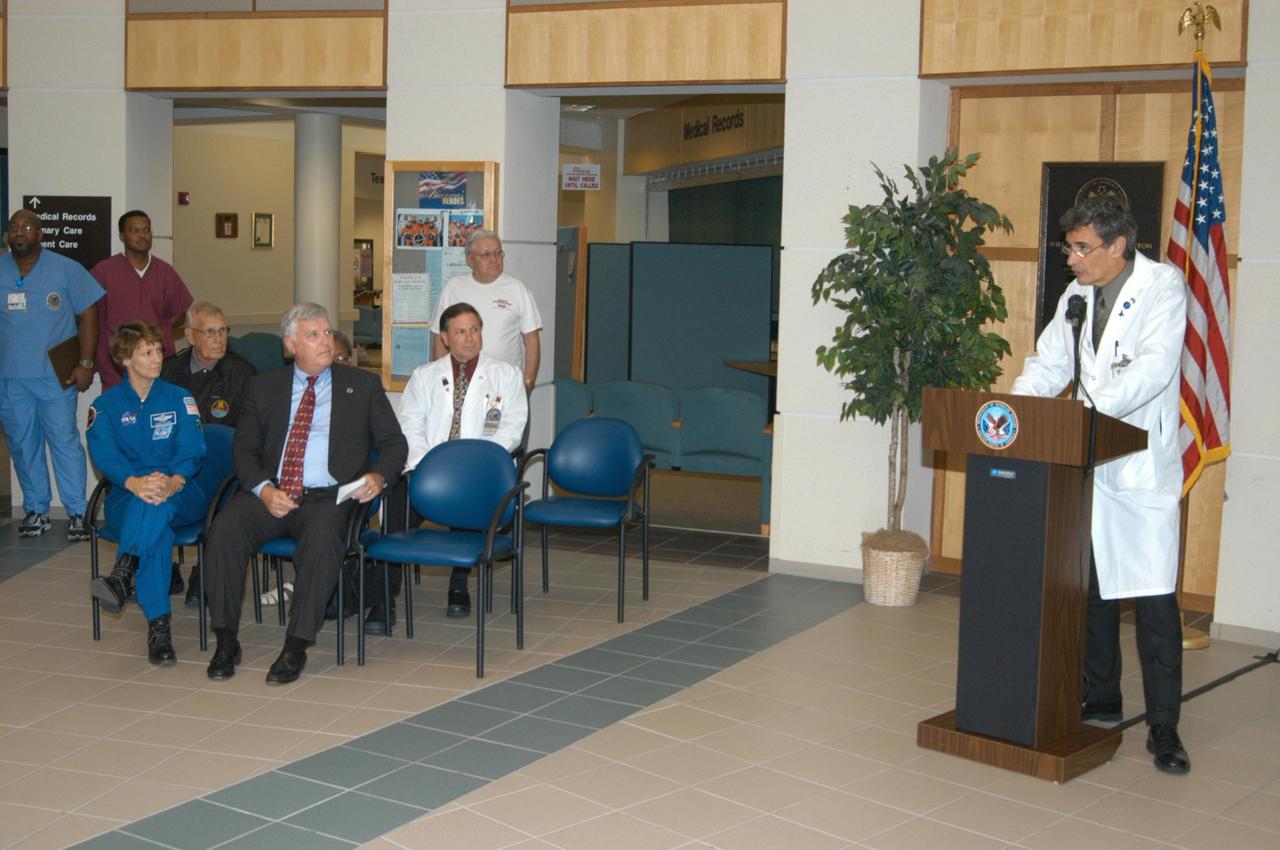
KENNEDY SPACE CENTER, FLA. - Dr. Thomas Howard, chief medical officer at the V.A. Outpatient Clinic in Viera, Fla., speaks to guests during the dedication of a hospital wing in honor of space shuttle Discovery, to be known as the Discovery wing. Joining in the dedication are, seated at left, STS-114 Mission Commander Eileen Collins, Norris Gray and Center Director Jim Kennedy. Gray was a long-time employee of Kennedy Space Center, in charge of fire safety from 1949 until his retirement in 1984. Collins and her crew have returned to Florida especially for a celebration in the KSC Visitor Complex of the successful return to flight mission that launched July 26 of this year.
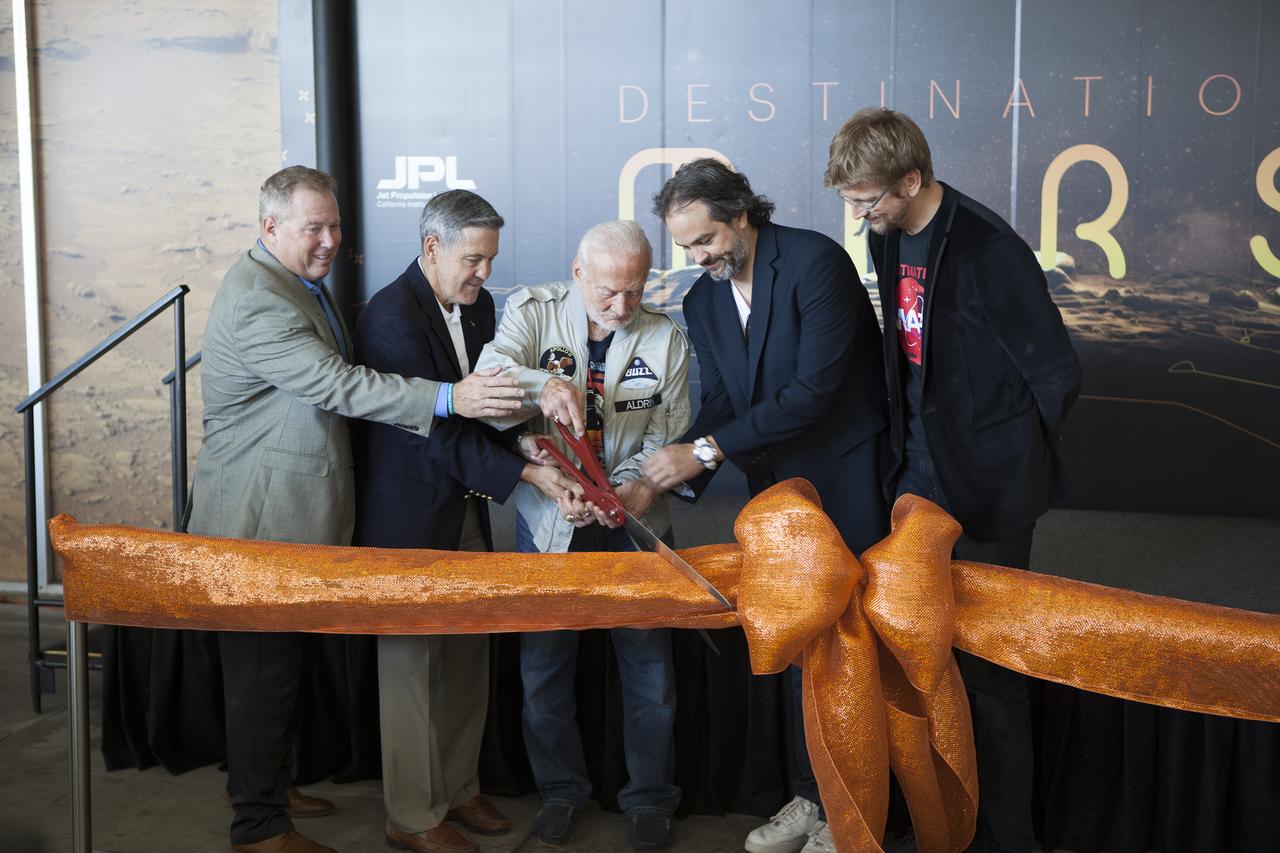
A ceremonial ribbon is cut for the opening of new Destination: Mars experience at the Kennedy Space Center Visitor Complex. From the left are Therrin Protze, chief operating officer of the visitor complex, center director Bob Cabana, Apollo 11 astronaut Buzz Aldrin, Kudo Tsunoda of Microsoft, and Jeff Norris of NASA’s Jet Propulsion Laboratory (JPL) in Pasadena, California. Destination: Mars gives guests an opportunity to “visit” several sites on Mars using real imagery from NASA’s Curiosity Mars Rover. Based on OnSight, a tool created by JPL, the experience brings guests together with a holographic version of Aldrin as they are guided to Mars using Microsoft HoloLens mixed reality headset. Photo credit: NASA/Charles Babir
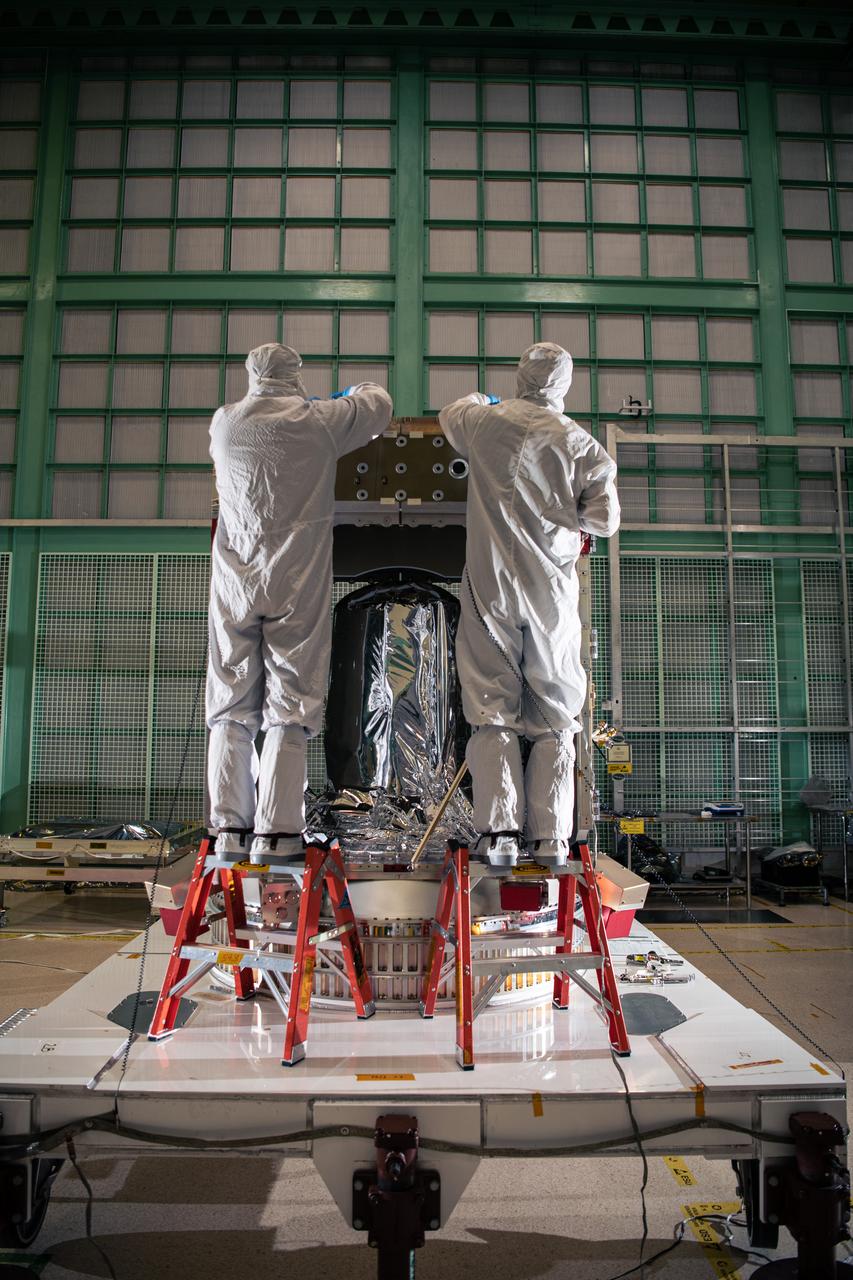
Engineering Technicians Alex Schaeffer and Eric Norris assemble the Plankton, Aerosol, Cloud, ocean Ecosystem (PACE) Spacecraft structure in the cleanroom at NASA Goddard Space Flight Center in Greenbelt, Maryland on February 24th, 2022. PACE's unprecedented spectral coverage will provide the first-ever global measurements designed to identify phytoplankton community composition. The mission will make global ocean color measurements, using the Ocean Color Instrument (OCI), to provide extended data records on ocean ecology and global biogeochemistry along with polarimetry measurements, using the Spectro-polarimeter for Planetary Exploration (SPEXone) and the Hyper Angular Research Polarimeter (HARP2) to provide extended data records on clouds and aerosols. The Earth-observing satellite mission, built at Goddard Space Flight Center in Greenbelt, MD, will continue and advance observations of global ocean color, biogeochemistry, and ecology, as well as the carbon cycle, aerosols and clouds.
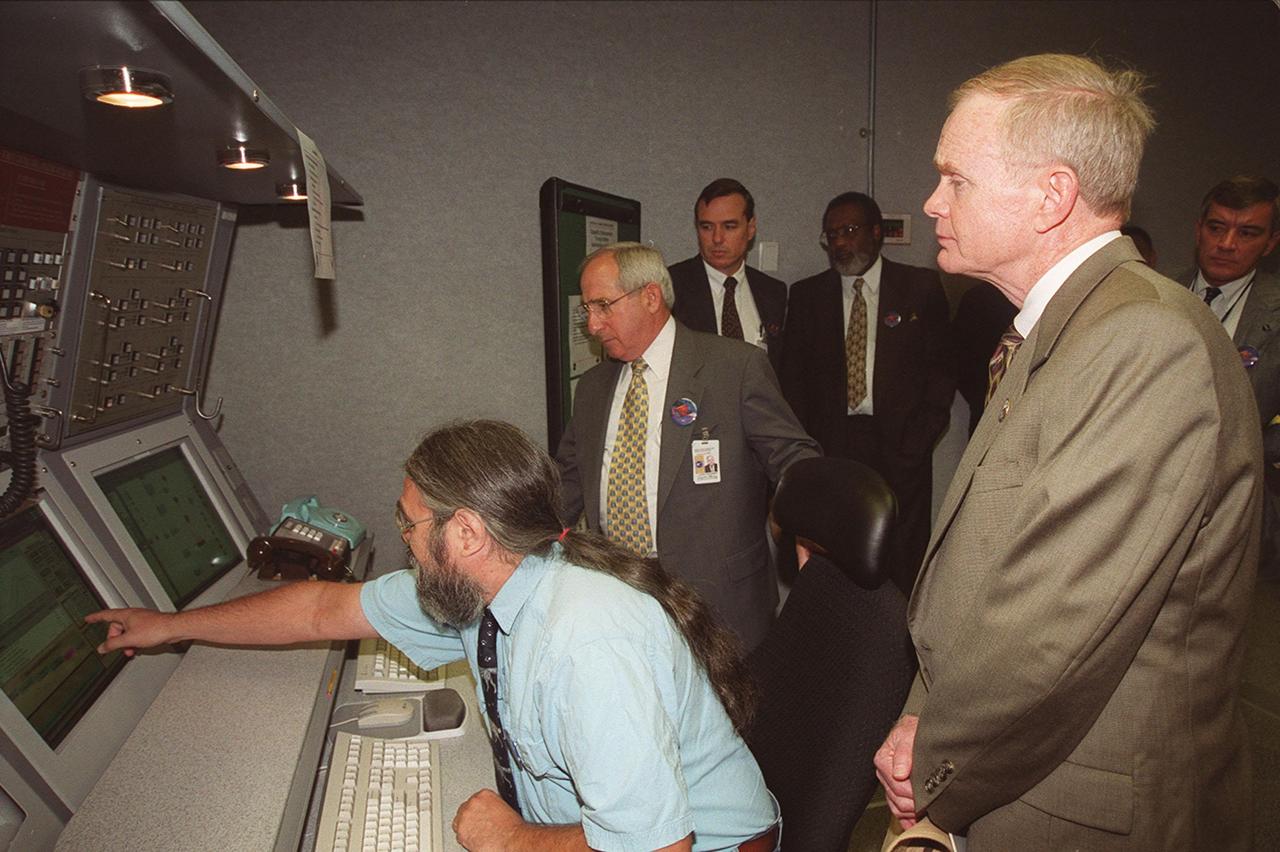
KSC Director Roy Bridges (right) views the new Checkout and Launch Control System (CLCS) at the Hypergolic Maintenance Facility (HMF). Looking on (left to right)are NASA Associate Administrator for Space Flight Joseph Rothenberg, United Space Alliance Lead IPT Frank Norris, KSC Deputy Center Director Jim Jennings, and Deputy Director of External Relations & Business Development Joe Gordon (behind Bridges). At the controls is Charles Novak, HMF programmer, United Space Alliance. The CLCS was declared operational in a ribbon cutting ceremony earlier. The new control room will be used to process the Orbital Maneuvering System pods and Forward Reaction Control System modules at the HMF. This hardware is removed from Space Shuttle orbiters and routinely taken to the HMF for checkout and servicing
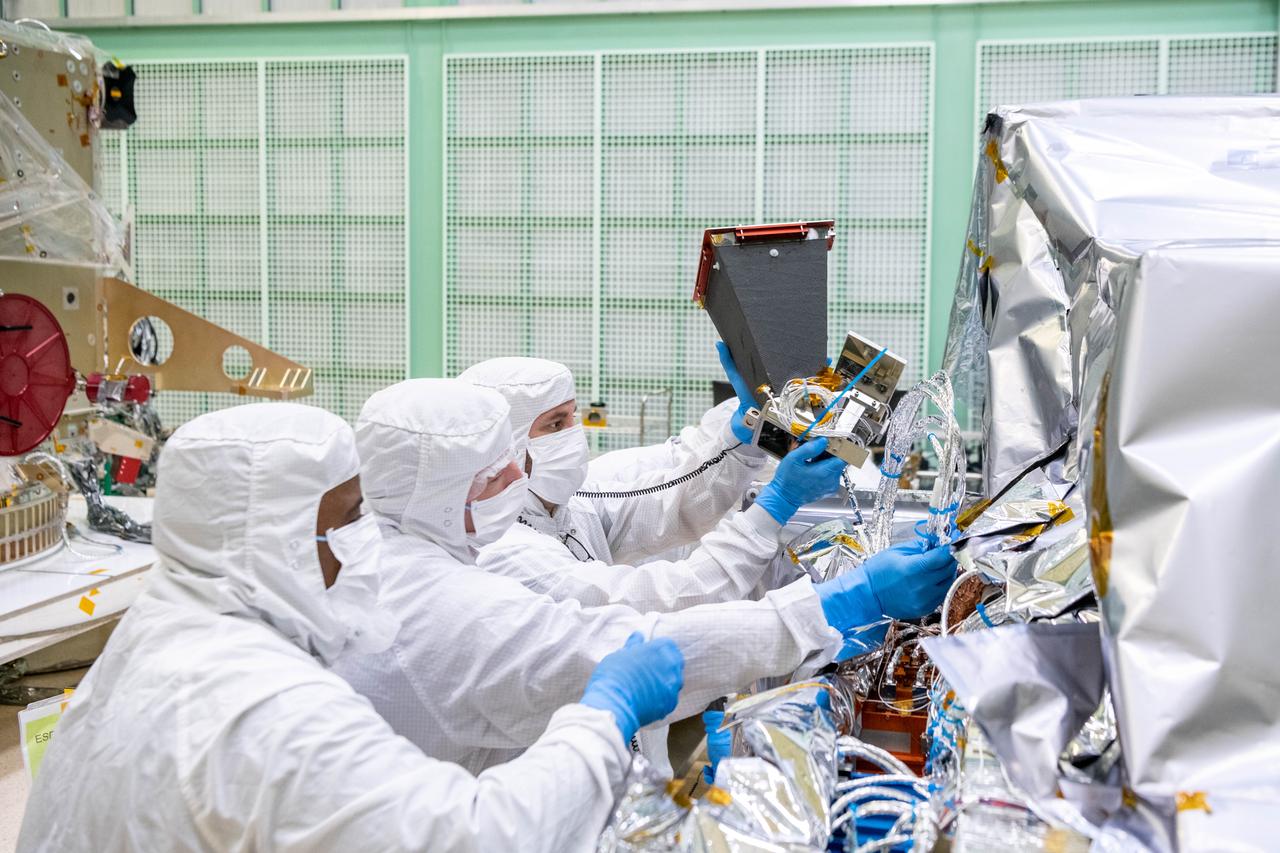
Engineer, Marton Sharpe, and mechanical technicians, Alexander Schaeffer and Eric Norris, install the Star Tracker to the Ocean Color Instrument (OCI) prior to integration to the Plankton, Aerosol, Cloud, ocean Ecosystem (PACE) spacecraft. The Star Tracker is a specially designed sextant to measure the angle between different celestial bodies in relation to each other or the horizon. This is important not just for navigation but for providing better images and science data. OCI is a highly advanced optical spectrometer that will be used to measure properties of light over portions of the electromagnetic spectrum. It will enable continuous measurement of light at finer wavelength resolution than previous NASA satellite sensors, extending key system ocean color data records for climate studies. OCI is PACE's primary sensor built at Goddard Space Flight Center in Greenbelt, MD.
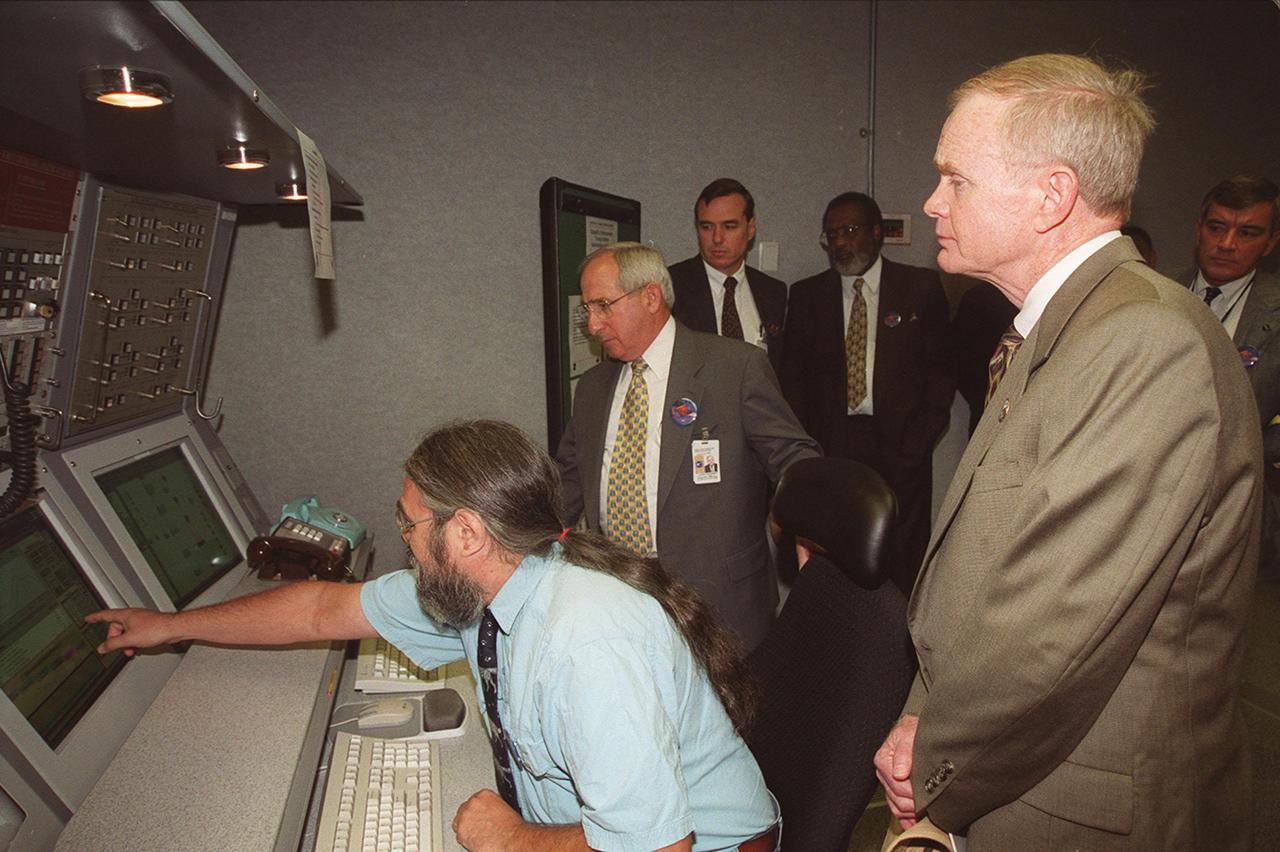
KSC Director Roy Bridges (right) views the new Checkout and Launch Control System (CLCS) at the Hypergolic Maintenance Facility (HMF). Looking on (left to right)are NASA Associate Administrator for Space Flight Joseph Rothenberg, United Space Alliance Lead IPT Frank Norris, KSC Deputy Center Director Jim Jennings, and Deputy Director of External Relations & Business Development Joe Gordon (behind Bridges). At the controls is Charles Novak, HMF programmer, United Space Alliance. The CLCS was declared operational in a ribbon cutting ceremony earlier. The new control room will be used to process the Orbital Maneuvering System pods and Forward Reaction Control System modules at the HMF. This hardware is removed from Space Shuttle orbiters and routinely taken to the HMF for checkout and servicing
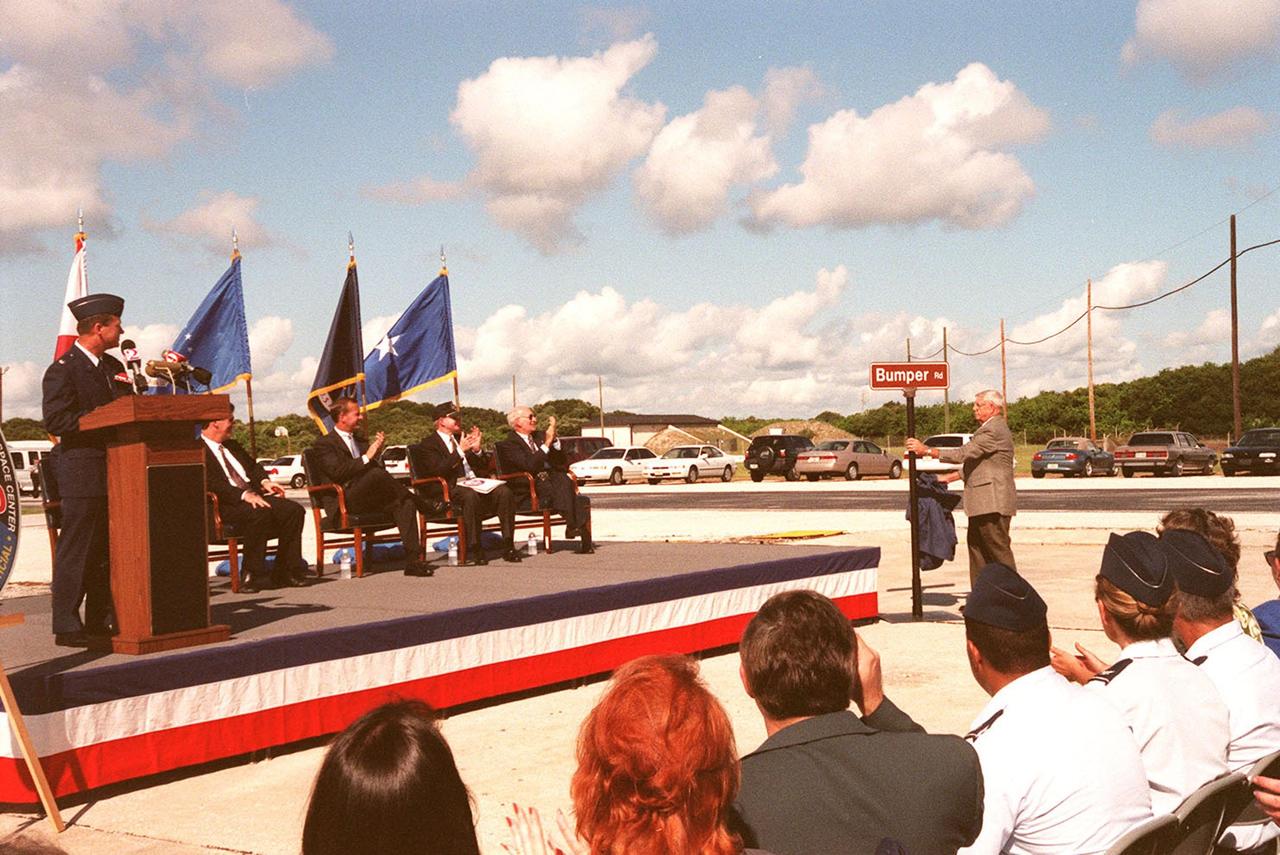
At Cape Canaveral Air Station's (CCAS) Complex 3/4, officials held a ceremony kicking off a year-long series of events commemorating 50 years of launches from the Space Coast that began with the Bumper rockets. At right, Norris Gray, a Bumper Program veteran, unveils a street sign that will be used to mark the road leading to the launch complex from which Bumper was launched. Seen on the stage are, left to right, Lt. Col. Randall K. Horn (at the podium), Commander, CCAS; Congressman David Weldon, 15th Congressional District of the State of Florida; Lieutenant Governor of the State of Florida Frank T. Brogan; Center Director Roy D. Bridges; and Executive Director Edward F. Gormel, Joint Performance Management Office. Also present (but not seen) is Brig. Gen. Donald P. Pettit, Commander, 45th Space Wing. After six Bumper launches at White Sands Proving Grounds, N.M., and a failed Bumper 7, a successful Bumper 8 lifted off July 24, 1950, from Complex 3/4 to conduct aerodynamic investigations around Mach 7 at relatively low altitudes. The kick-off event also inaugurated a student art contest to design a commemorative etching. The winning artwork will be permanently displayed on a 24-inch black granite square in the U.S. Space Walk Hall of Fame in Titusville, Fla