
Oslo, the capital and largest city in Norway, as seen by the Advanced Spaceborne Thermal Emission and Reflection Radiometer instrument aboard NASA Terra spacecraft.

This image from NASA Terra spacecraft shows the town of Kirkenes in northernmost Norway, with its 3400 inhabitants, as they prepare for an expected boom as a shipping hub, as global warming has led to the opening up of the Northern Sea Route.

The Arctic Circle cuts through the western coast of Norway and the Saltfjellet-Svartisen National Park. This image was acquired by NASA Terra satellite on August 23, 2006.

Longyearbyen is the administrative center of Svalbard and is located on Spitsbergen, the largest island of the Svalbard archipelago, part of the Kingdom of Norway. NASA Terra satellite captured this image on July 12, 2003.

Lofoten Islands, Norway. Norway is deeply indented by fjords, rises precipitously to high plateaus, and is united with the ocean by numerous islands. This image from NASA Terra satellite is MISR Mystery Image Quiz #2.

The Atlantic Ocean Road is an 8.3 kilometer road that runs through an archipelago in Eide and Averoy in More of Romsdal, Norway. It consists of eight bridges and four resting places and viewpoints. The road was originally proposed as a railway line, but that was abandoned. The road was opened in July 1989, and has been declared the world's best road trip. The image was acquired July 2, 2008, covers an area of 8.9 by 11.8 kilometers, and is located at 63 degrees north, 7.3 degrees east. https://photojournal.jpl.nasa.gov/catalog/PIA23096

In this mostly cloud-free true-color scene, much of Scandinavia can be seen to be still covered by snow. From left to right across the top of this image are the countries of Norway, Sweden, Finland, and northwestern Russia. The Baltic Sea is located in the bottom center of this scene, with the Gulf of Bothnia to the north (in the center of this scene) and the Gulf of Finland to the northeast. This image was acquired on March 15, 2002, by the Moderate-resolution Imaging Spectroradiometer (MODIS), flying aboard NASA's Terra satellite. Image courtesy Jacques Descloitres, rapidfire.sci.gsfc.nasa.gov/ MODIS Land Rapid Response Team at NASA GSFC Credit: <b><a href="http://www.earthobservatory.nasa.gov/" rel="nofollow"> NASA Earth Observatory</a></b> <b><a href="http://www.nasa.gov/audience/formedia/features/MP_Photo_Guidelines.html" rel="nofollow">NASA image use policy.</a></b> <b><a href="http://www.nasa.gov/centers/goddard/home/index.html" rel="nofollow">NASA Goddard Space Flight Center</a></b> enables NASA’s mission through four scientific endeavors: Earth Science, Heliophysics, Solar System Exploration, and Astrophysics. Goddard plays a leading role in NASA’s accomplishments by contributing compelling scientific knowledge to advance the Agency’s mission. <b>Follow us on <a href="http://twitter.com/NASAGoddardPix" rel="nofollow">Twitter</a></b> <b>Like us on <a href="http://www.facebook.com/pages/Greenbelt-MD/NASA-Goddard/395013845897?ref=tsd" rel="nofollow">Facebook</a></b> <b>Find us on <a href="http://instagram.com/nasagoddard?vm=grid" rel="nofollow">Instagram</a></b>
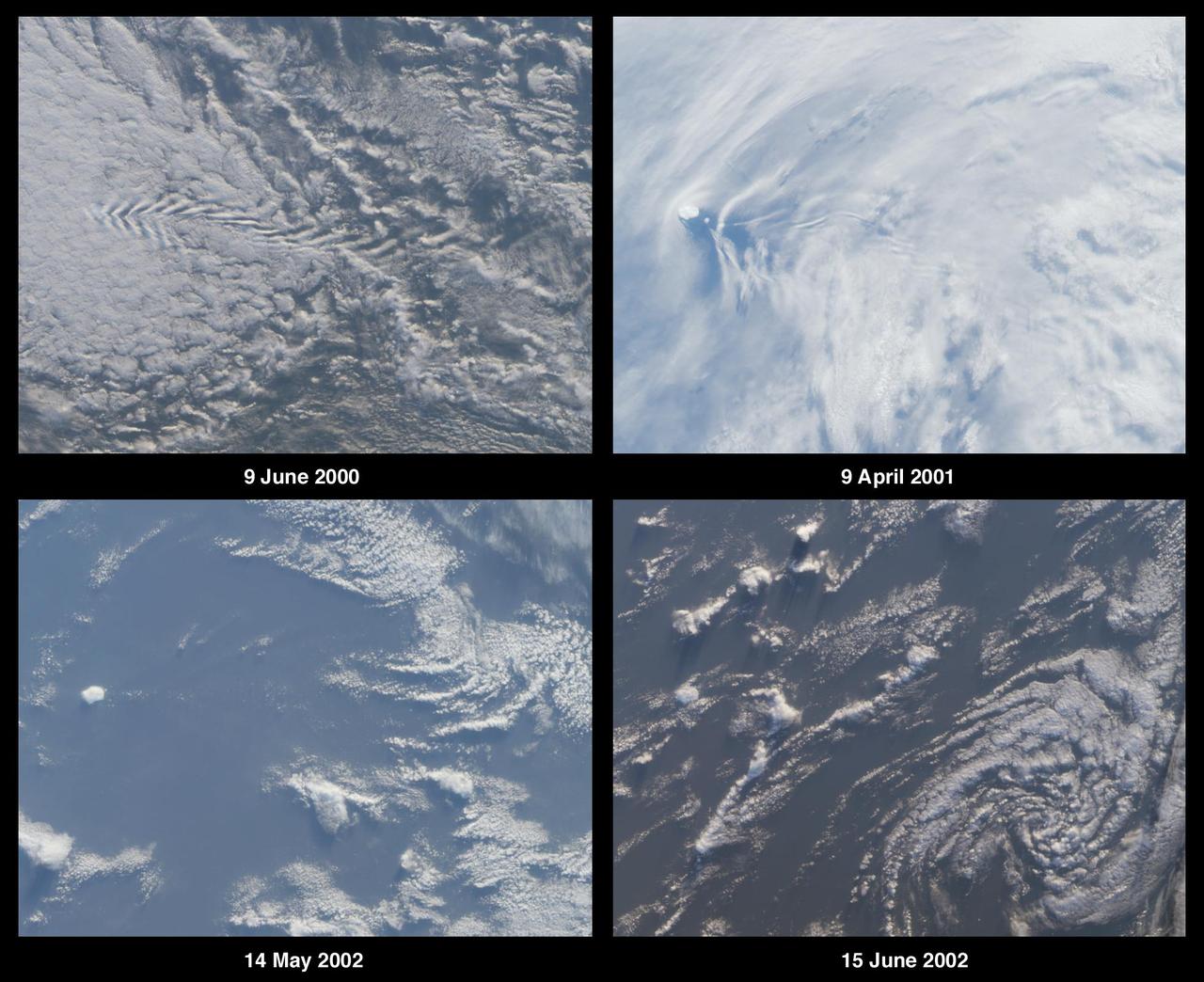
This island is Bouvet Island or Bouvetøya and is a territory of Norway. This image from NASA Terra satellite is MISR Mystery Image Quiz #9.
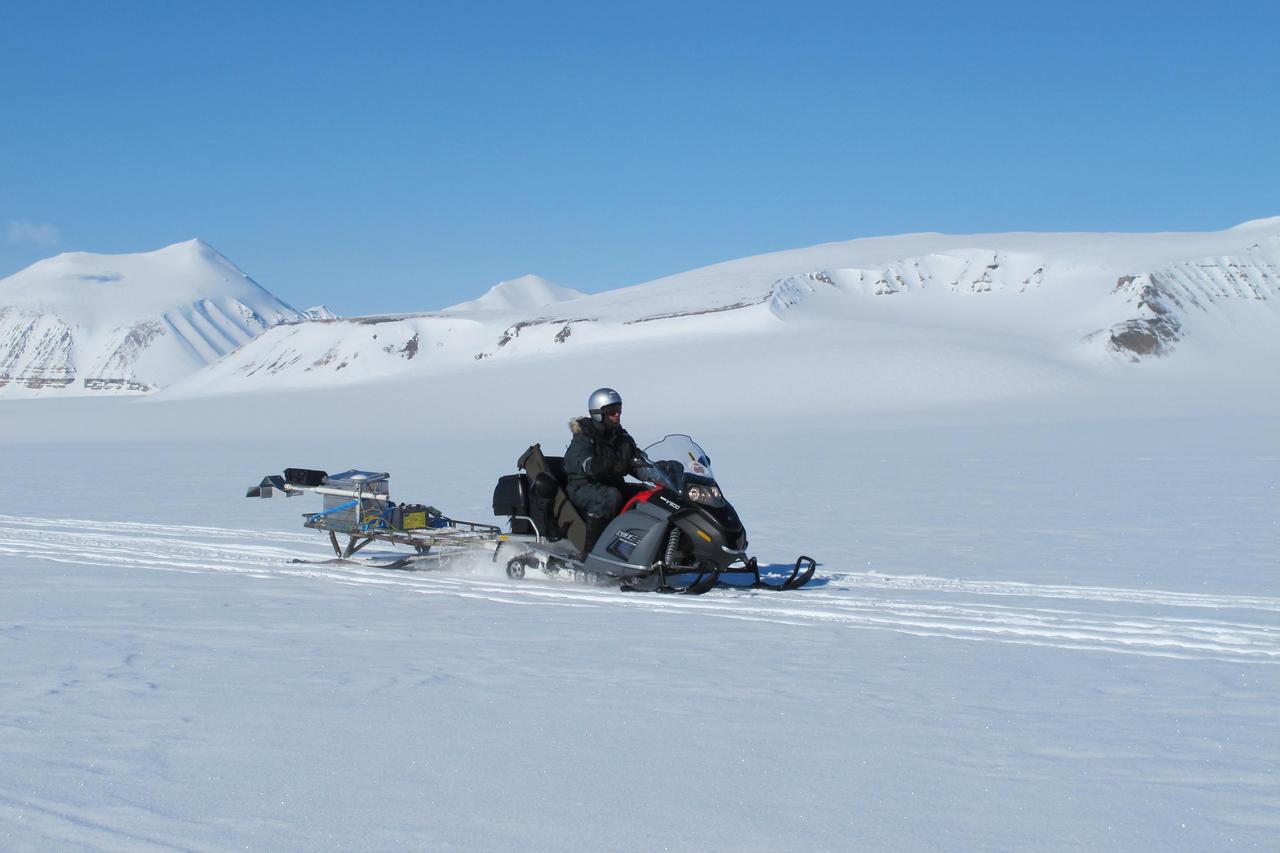
A test model of the RIMFAX instrument — aboard the trailer behind the snow mobile — undergoes field testing in Svalbard, Norway. The first ground-penetrating radar set on the surface of Mars, RIMFAX can provide a highly detailed view of subsurface structures down to at least 30 feet (10 meters) underground. In doing so, the instrument will reveal hidden layers of geology and help find clues to past environments on Mars, especially those with conditions necessary for supporting life. https://photojournal.jpl.nasa.gov/catalog/PIA24048
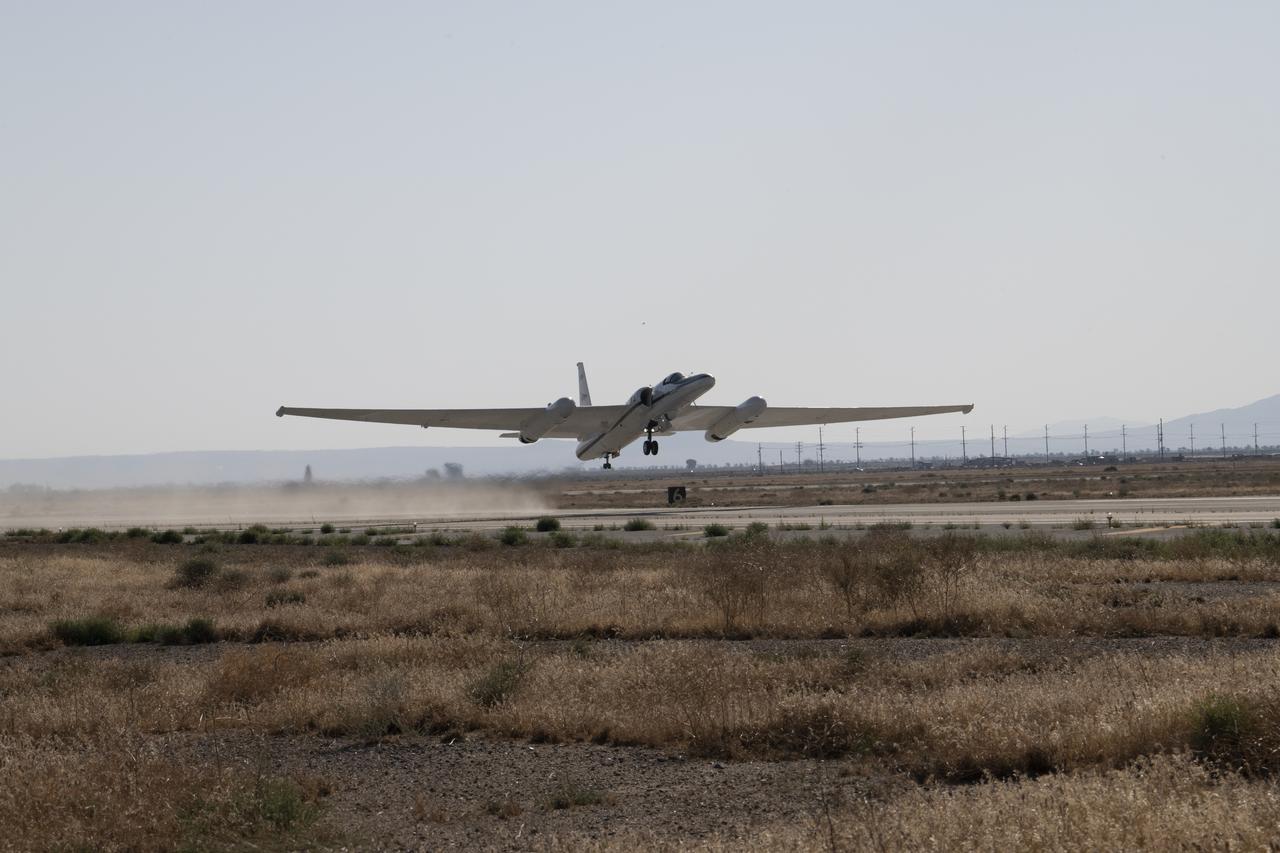
NASA Armstrong’s ER-2 aircraft deploys for its ALOFT mission. The ER-2 will fly at high altitudes above the Floridian coastline to collect data about the energetic characteristics and behavior of lightning and thunderclouds. A NASA pilot will operate the aircraft while scientists from the University of Bergen, Norway will interpret the data from the ground.
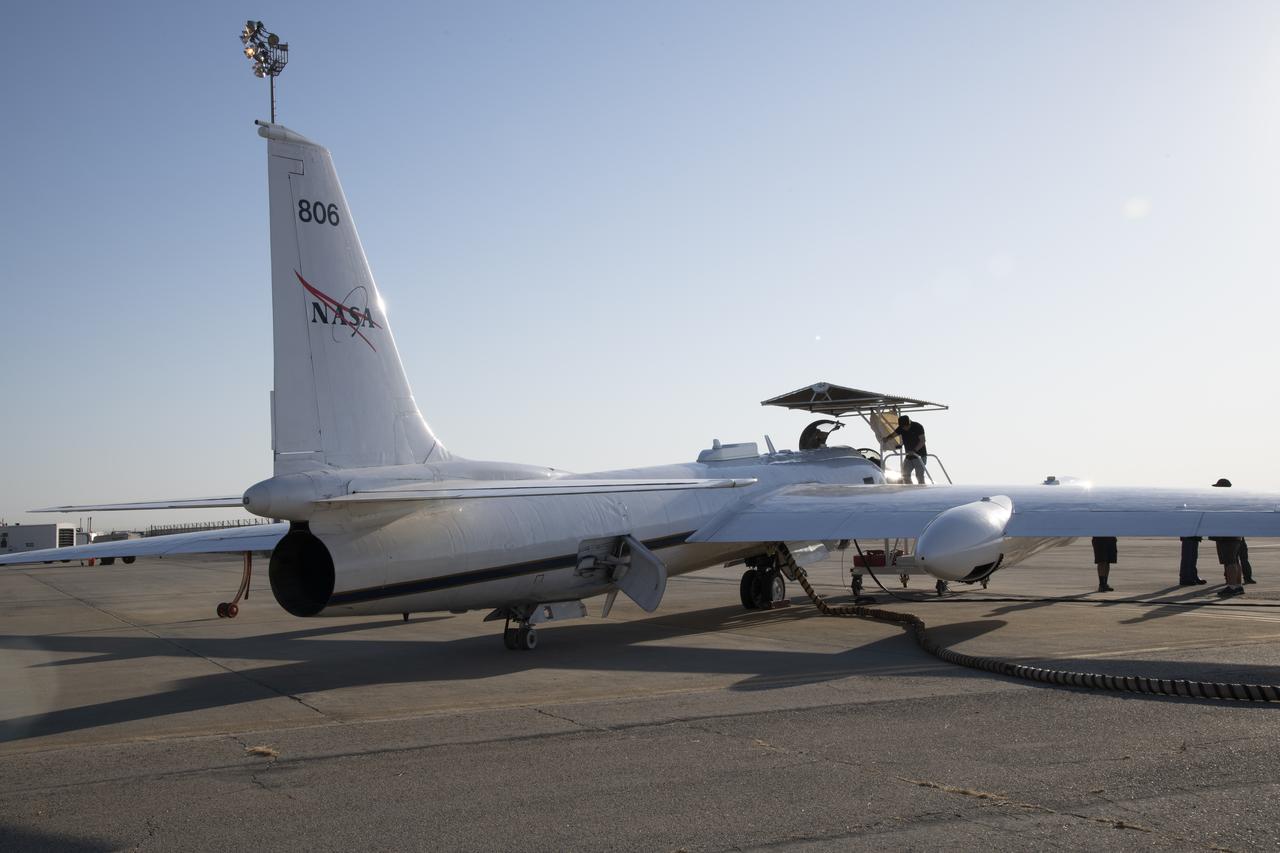
NASA Armstrong’s ER-2 aircraft deploys for its ALOFT mission. The ER-2 will fly at high altitudes above the Floridian coastline to collect data about the energetic characteristics and behavior of lightning and thunderclouds. A NASA pilot will operate the aircraft while scientists from the University of Bergen, Norway will interpret the data from the ground.
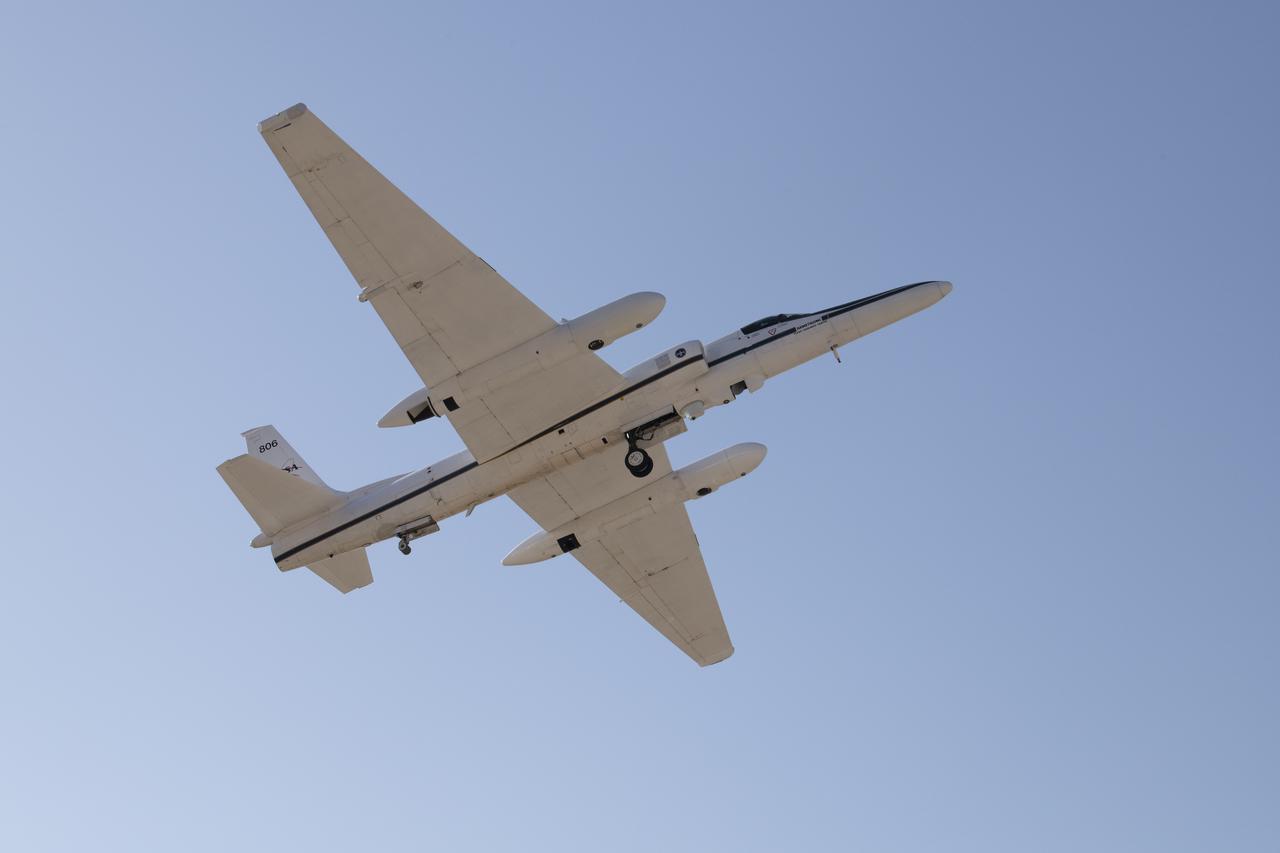
NASA Armstrong’s ER-2 aircraft deploys for its ALOFT mission. The ER-2 will fly at high altitudes above the Floridian coastline to collect data about the energetic characteristics and behavior of lightning and thunderclouds. A NASA pilot will operate the aircraft while scientists from the University of Bergen, Norway will interpret the data from the ground.
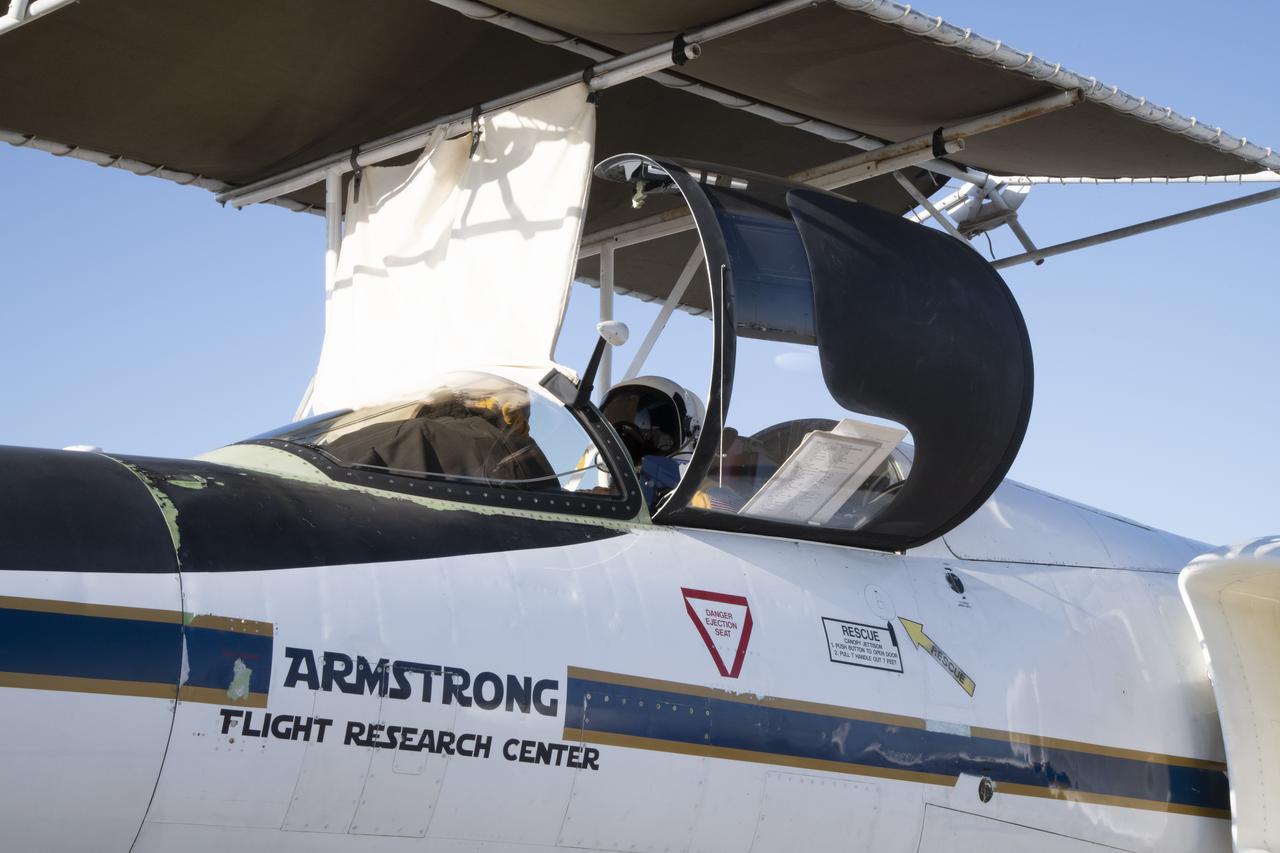
NASA Armstrong’s ER-2 aircraft deploys for its ALOFT mission. The ER-2 will fly at high altitudes above the Floridian coastline to collect data about the energetic characteristics and behavior of lightning and thunderclouds. A NASA pilot will operate the aircraft while scientists from the University of Bergen, Norway will interpret the data from the ground.
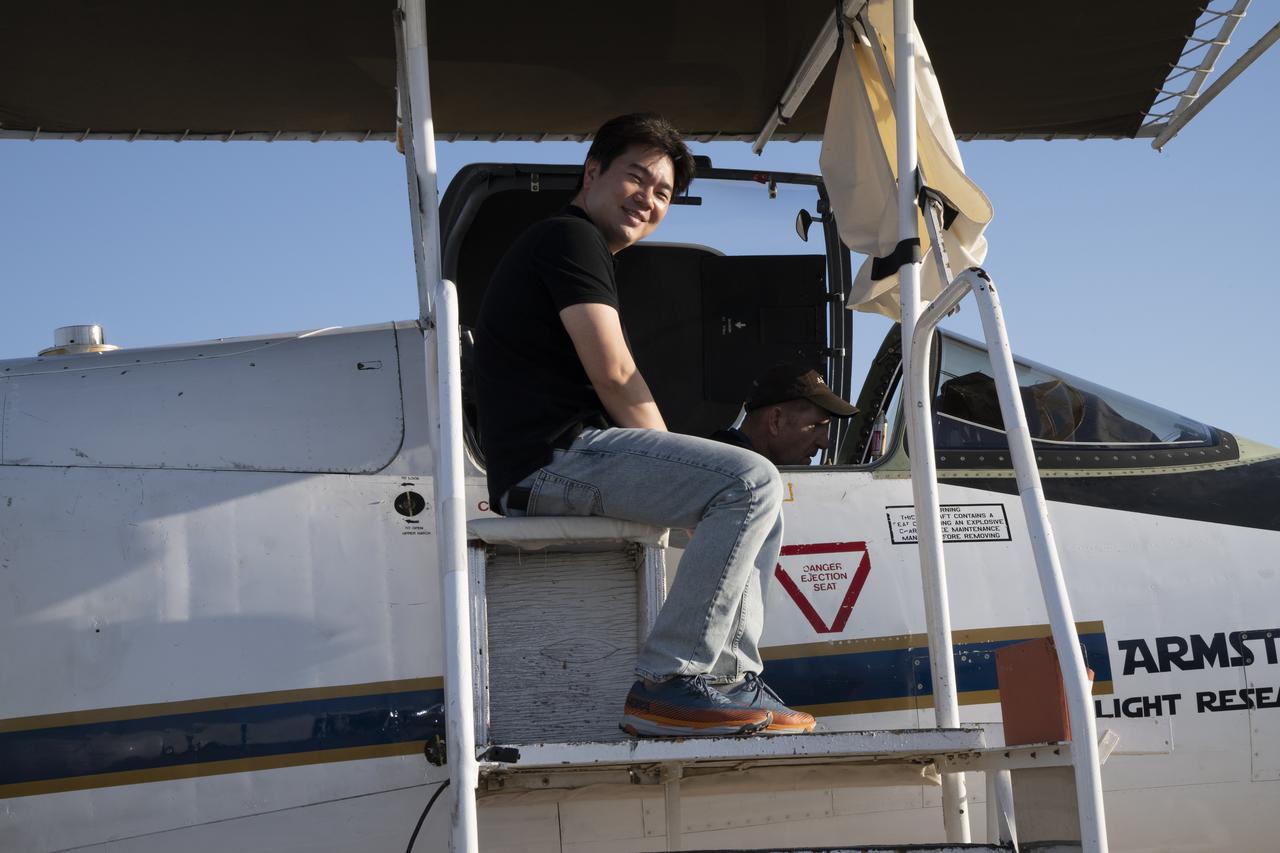
NASA Armstrong’s ER-2 aircraft deploys for its ALOFT mission. The ER-2 will fly at high altitudes above the Floridian coastline to collect data about the energetic characteristics and behavior of lightning and thunderclouds. A NASA pilot will operate the aircraft while scientists from the University of Bergen, Norway will interpret the data from the ground.
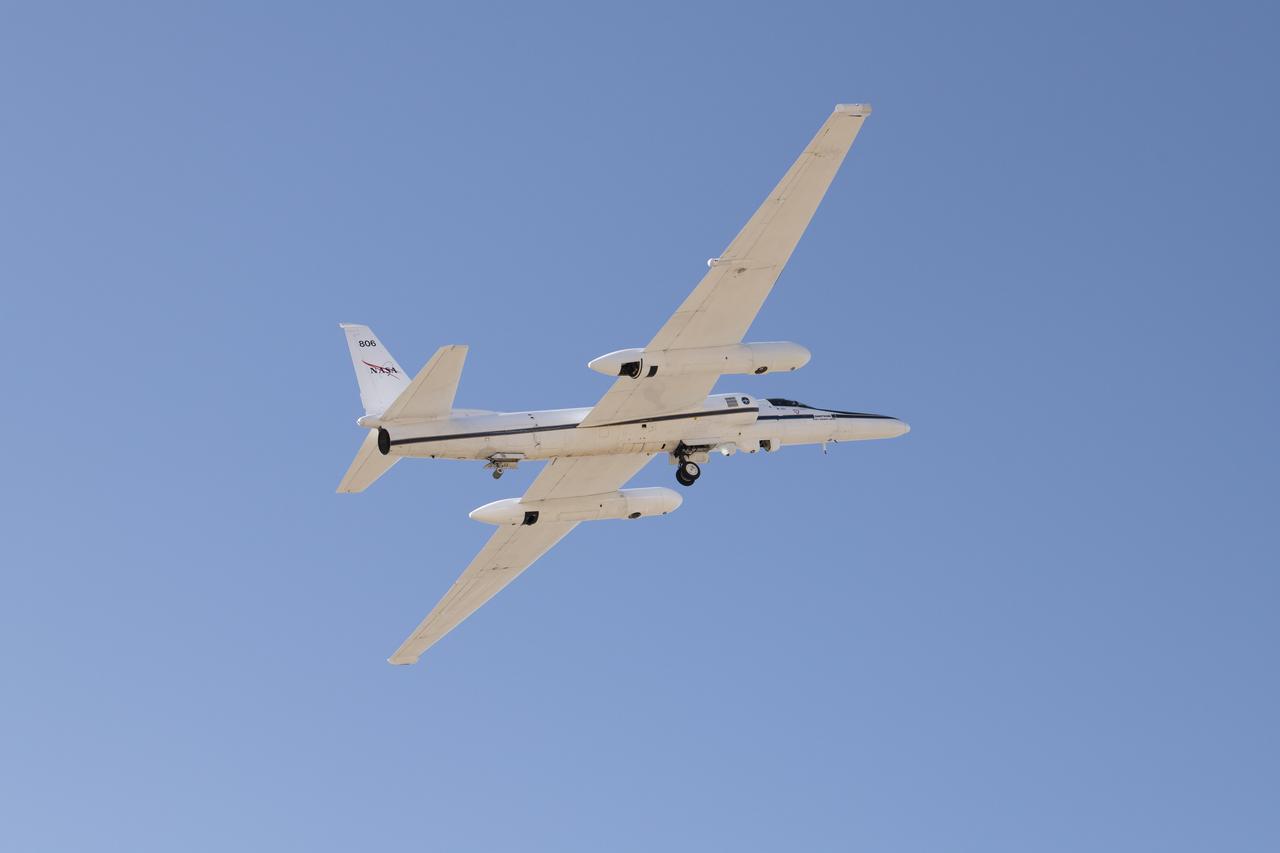
NASA Armstrong’s ER-2 aircraft deploys for its ALOFT mission. The ER-2 will fly at high altitudes above the Floridian coastline to collect data about the energetic characteristics and behavior of lightning and thunderclouds. A NASA pilot will operate the aircraft while scientists from the University of Bergen, Norway will interpret the data from the ground.
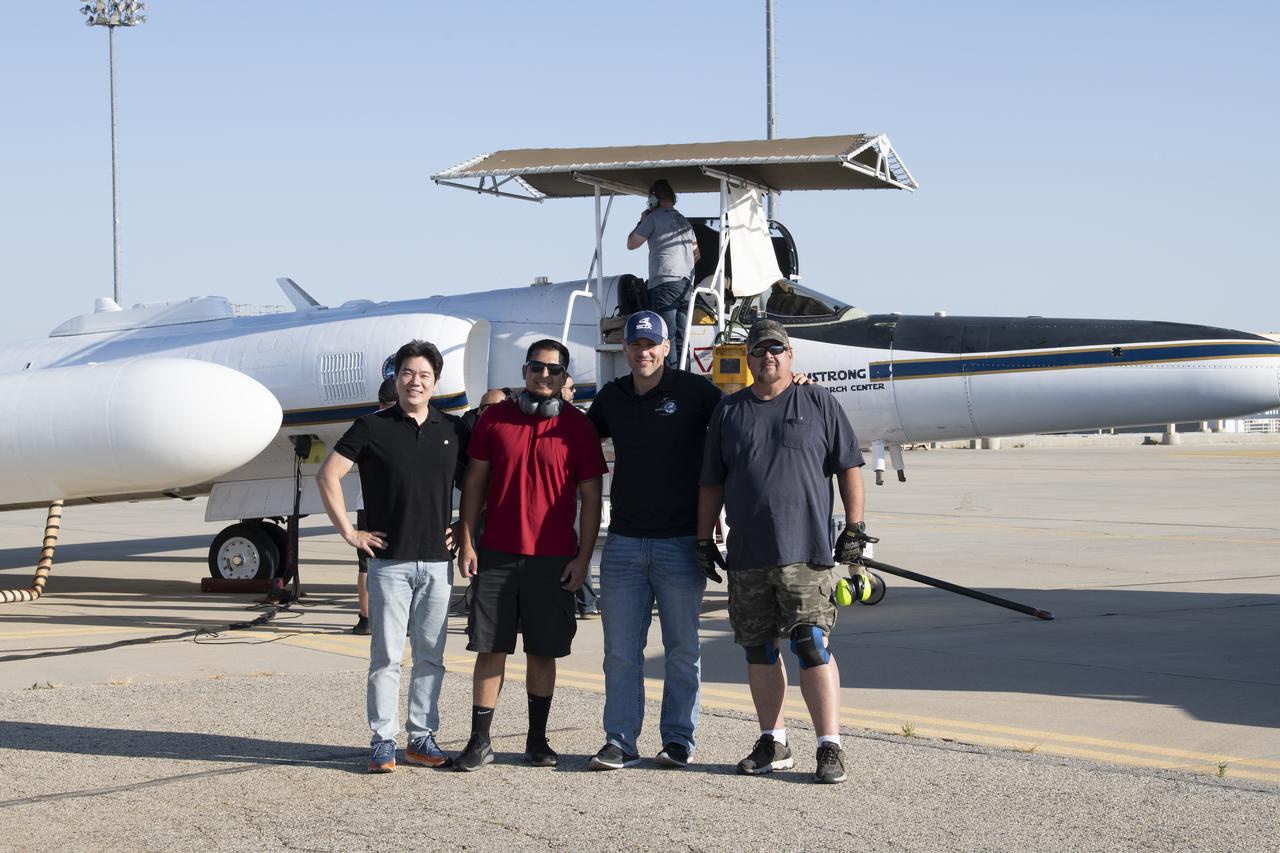
NASA Armstrong’s ER-2 aircraft deploys for its ALOFT mission. The ER-2 will fly at high altitudes above the Floridian coastline to collect data about the energetic characteristics and behavior of lightning and thunderclouds. A NASA pilot will operate the aircraft while scientists from the University of Bergen, Norway will interpret the data from the ground.
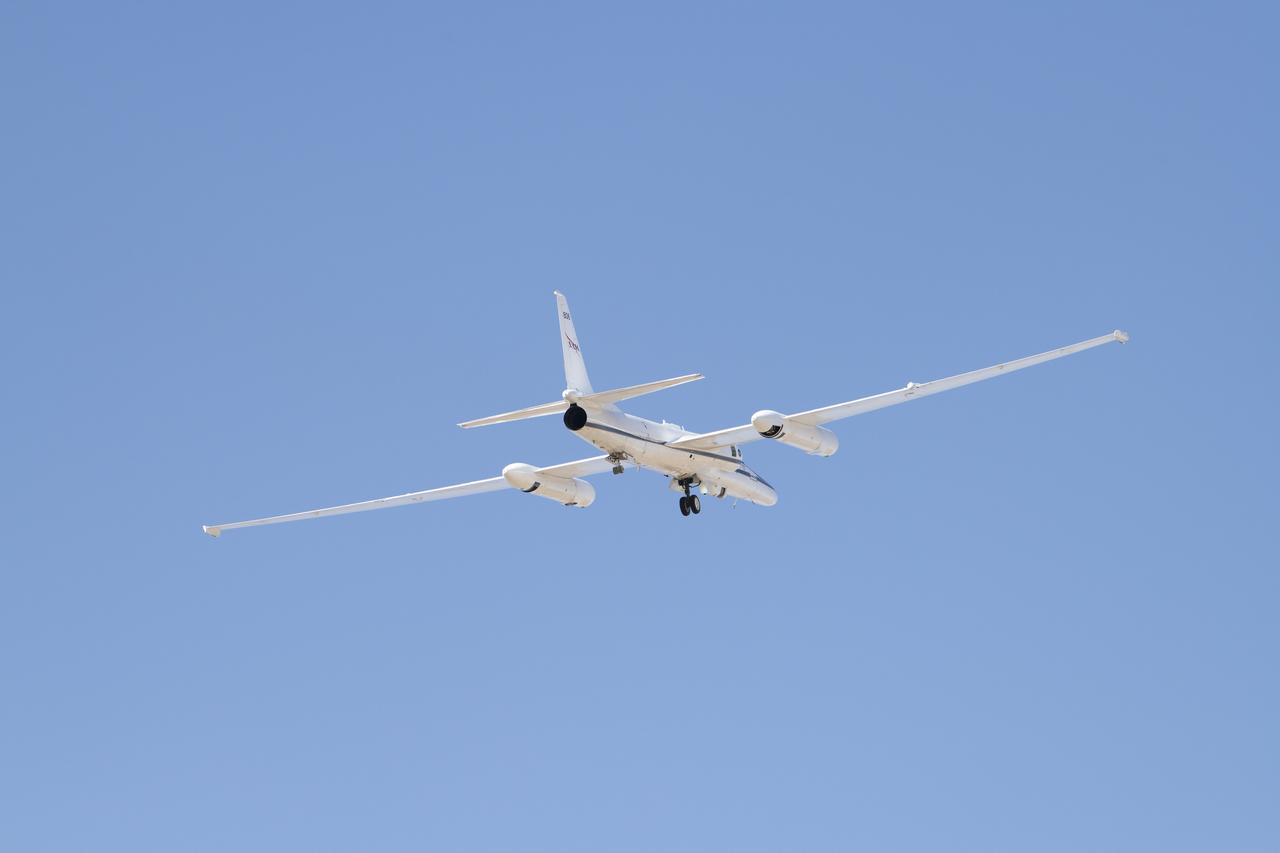
NASA Armstrong’s ER-2 aircraft deploys for its ALOFT mission. The ER-2 will fly at high altitudes above the Floridian coastline to collect data about the energetic characteristics and behavior of lightning and thunderclouds. A NASA pilot will operate the aircraft while scientists from the University of Bergen, Norway will interpret the data from the ground.
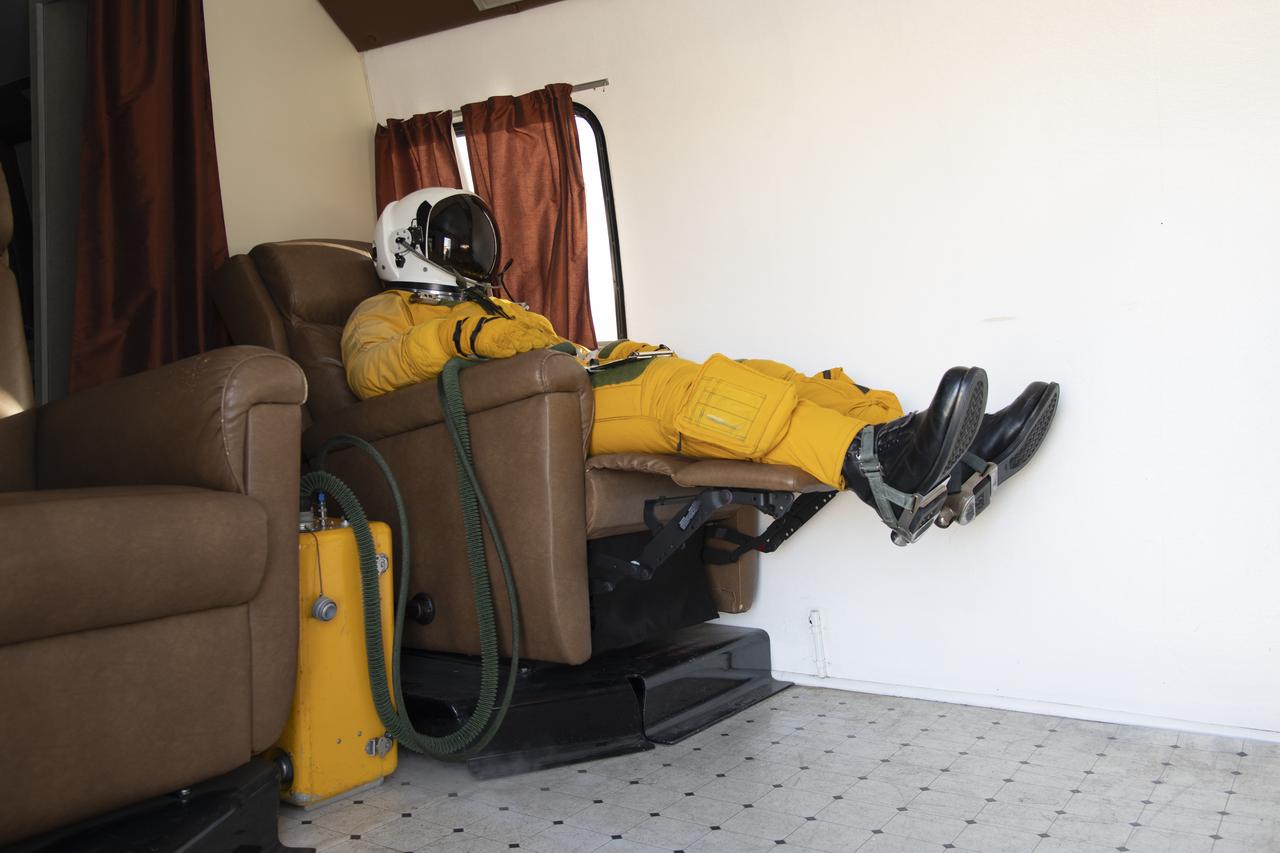
NASA Armstrong’s ER-2 aircraft deploys for its ALOFT mission. The ER-2 will fly at high altitudes above the Floridian coastline to collect data about the energetic characteristics and behavior of lightning and thunderclouds. A NASA pilot will operate the aircraft while scientists from the University of Bergen, Norway will interpret the data from the ground.

The ALOFT mission, Airborne Lightning Observatory for Fly’s eye simulator and Terrestrial gamma ray flashes, is a collaboration between NASA and the University of Bergen, Norway. NASA Armstrong Flight Research Center’s ER-2 aircraft flies just above the height of thunderclouds over the Floridian and Caribbean coastlines to collect data about lightning glows and terrestrial gamma ray flashes. Scientists expect to collect more accurate data than ever before that can advance the study of high-energy radiation emissions from thunderstorms.

The ALOFT mission, Airborne Lightning Observatory for Fly’s eye simulator and Terrestrial gamma ray flashes, is a collaboration between NASA and the University of Bergen, Norway. NASA Armstrong Flight Research Center’s ER-2 aircraft flies just above the height of thunderclouds over the Floridian and Caribbean coastlines to collect data about lightning glows and terrestrial gamma ray flashes. Scientists expect to collect more accurate data than ever before that can advance the study of high-energy radiation emissions from thunderstorms.
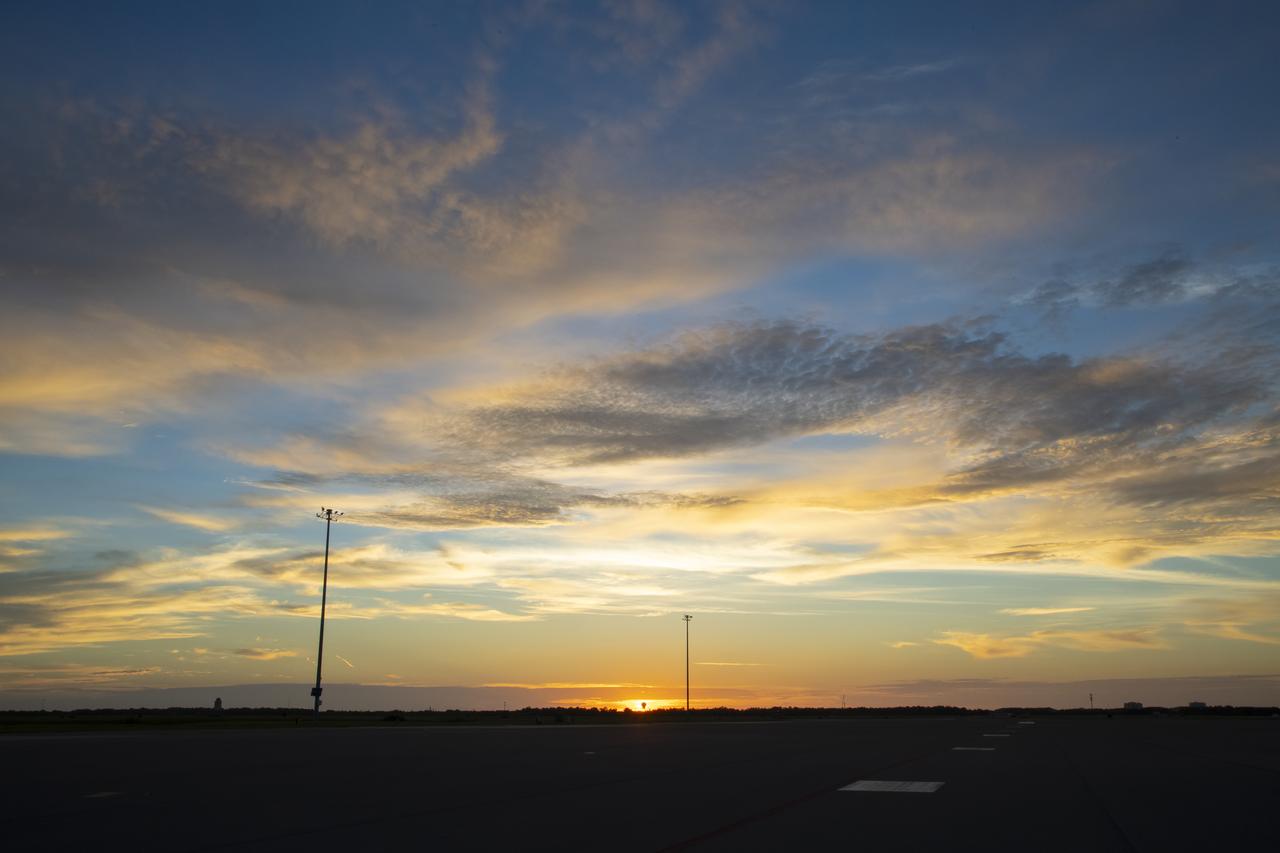
The ALOFT mission, Airborne Lightning Observatory for Fly’s eye simulator and Terrestrial gamma ray flashes, is a collaboration between NASA and the University of Bergen, Norway. NASA Armstrong Flight Research Center’s ER-2 aircraft flies just above the height of thunderclouds over the Floridian and Caribbean coastlines to collect data about lightning glows and terrestrial gamma ray flashes. Scientists expect to collect more accurate data than ever before that can advance the study of high-energy radiation emissions from thunderstorms.

The ALOFT mission, Airborne Lightning Observatory for Fly’s eye simulator and Terrestrial gamma ray flashes, is a collaboration between NASA and the University of Bergen, Norway. NASA Armstrong Flight Research Center’s ER-2 aircraft flies just above the height of thunderclouds over the Floridian and Caribbean coastlines to collect data about lightning glows and terrestrial gamma ray flashes. Scientists expect to collect more accurate data than ever before that can advance the study of high-energy radiation emissions from thunderstorms.
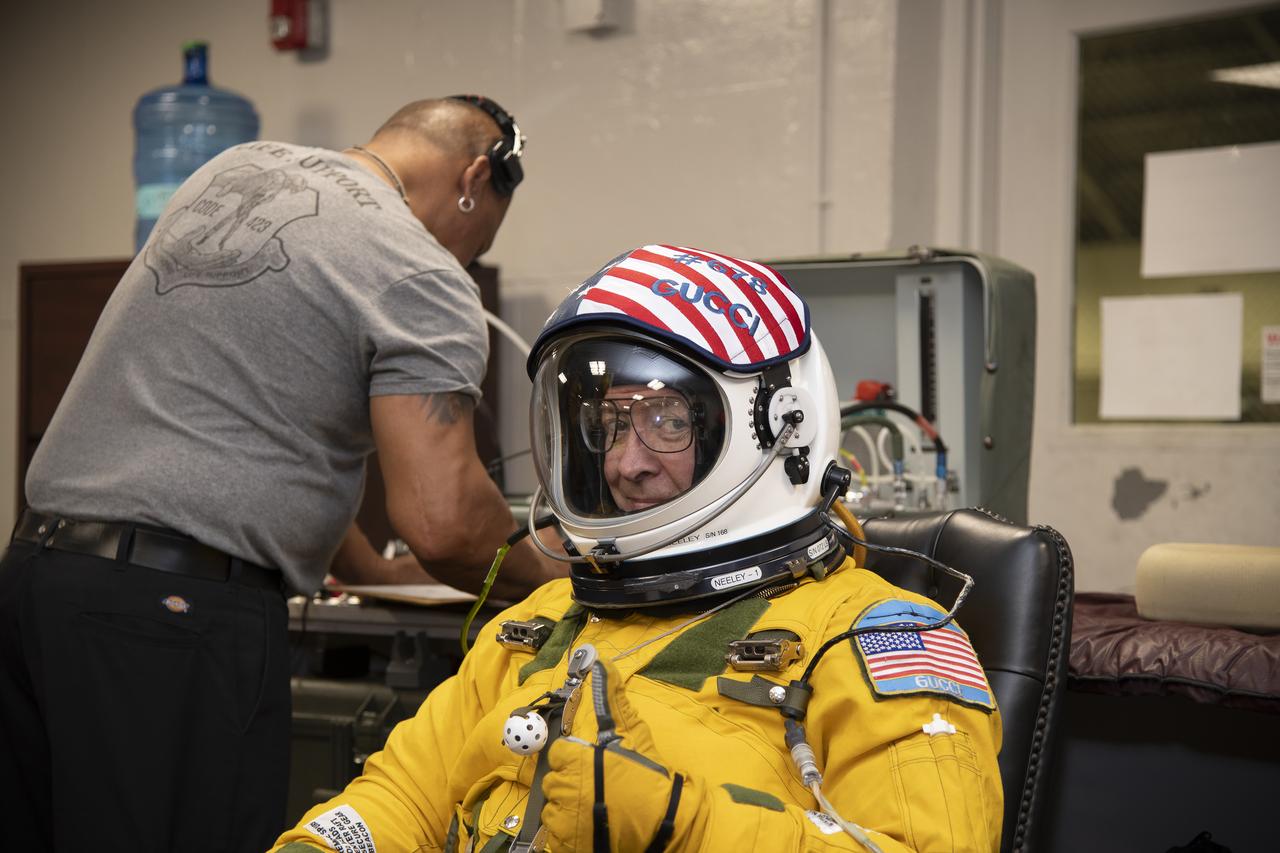
The ALOFT mission, Airborne Lightning Observatory for Fly’s eye simulator and Terrestrial gamma ray flashes, is a collaboration between NASA and the University of Bergen, Norway. NASA Armstrong Flight Research Center’s ER-2 aircraft flies just above the height of thunderclouds over the Floridian and Caribbean coastlines to collect data about lightning glows and terrestrial gamma ray flashes. Scientists expect to collect more accurate data than ever before that can advance the study of high-energy radiation emissions from thunderstorms.
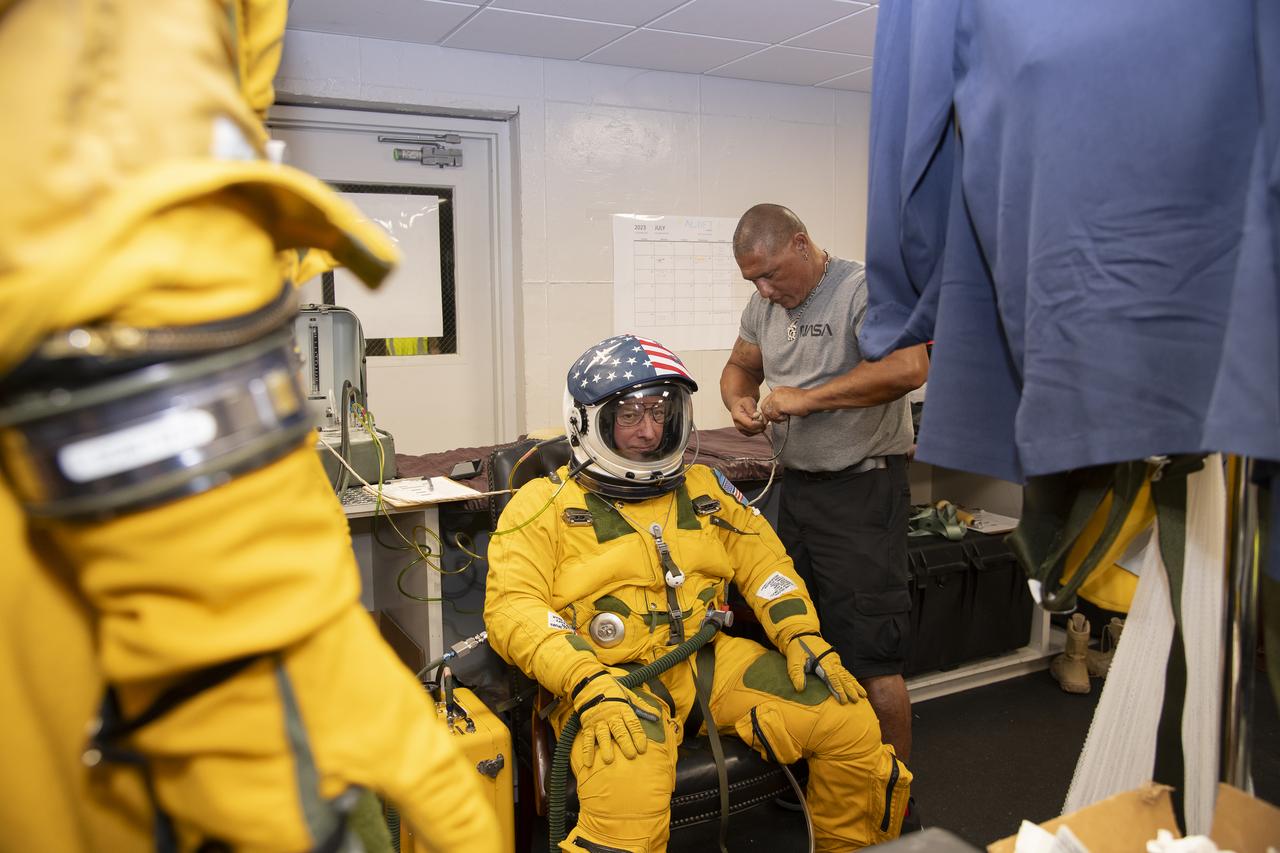
The ALOFT mission, Airborne Lightning Observatory for Fly’s eye simulator and Terrestrial gamma ray flashes, is a collaboration between NASA and the University of Bergen, Norway. NASA Armstrong Flight Research Center’s ER-2 aircraft flies just above the height of thunderclouds over the Floridian and Caribbean coastlines to collect data about lightning glows and terrestrial gamma ray flashes. Scientists expect to collect more accurate data than ever before that can advance the study of high-energy radiation emissions from thunderstorms.

The ALOFT mission, Airborne Lightning Observatory for Fly’s eye simulator and Terrestrial gamma ray flashes, is a collaboration between NASA and the University of Bergen, Norway. NASA Armstrong Flight Research Center’s ER-2 aircraft flies just above the height of thunderclouds over the Floridian and Caribbean coastlines to collect data about lightning glows and terrestrial gamma ray flashes. Scientists expect to collect more accurate data than ever before that can advance the study of high-energy radiation emissions from thunderstorms.
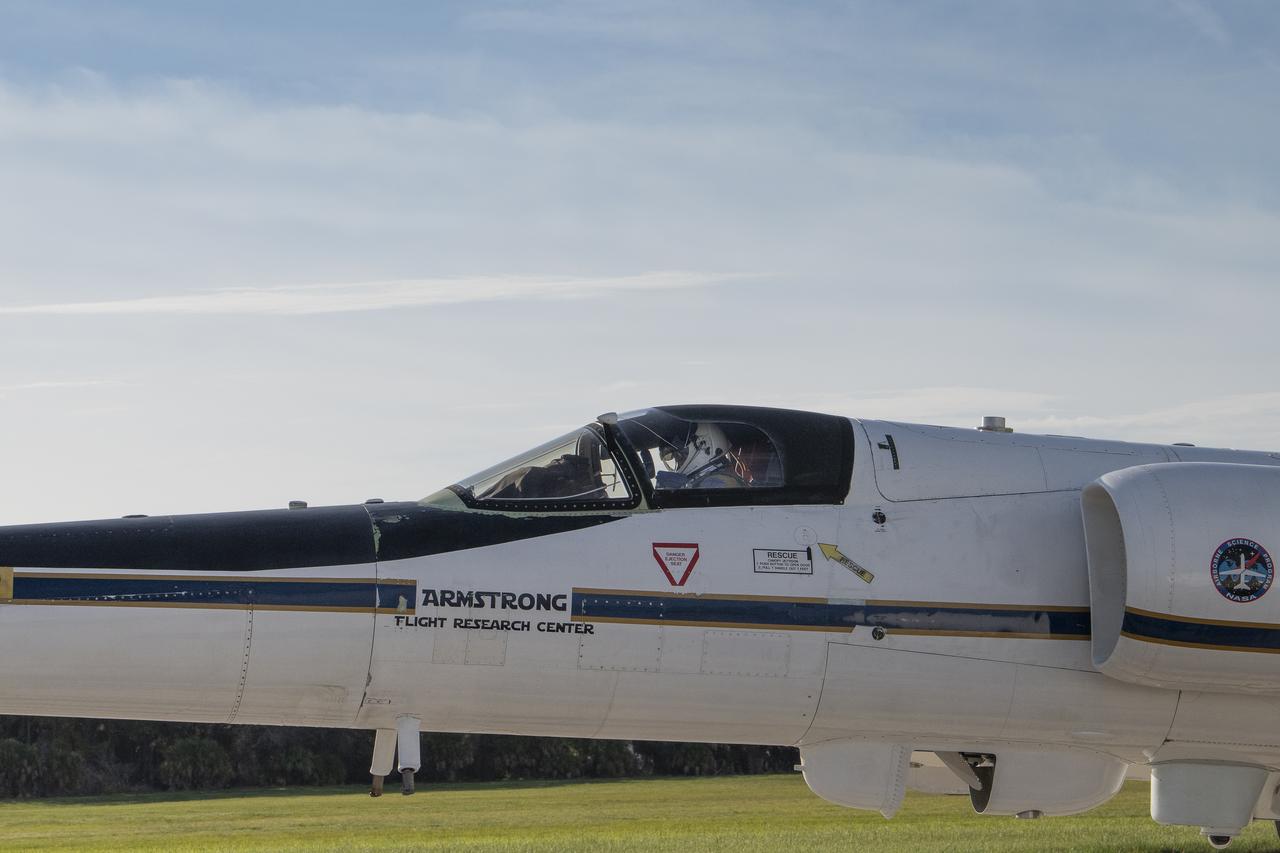
The ALOFT mission, Airborne Lightning Observatory for Fly’s eye simulator and Terrestrial gamma ray flashes, is a collaboration between NASA and the University of Bergen, Norway. NASA Armstrong Flight Research Center’s ER-2 aircraft flies just above the height of thunderclouds over the Floridian and Caribbean coastlines to collect data about lightning glows and terrestrial gamma ray flashes. Scientists expect to collect more accurate data than ever before that can advance the study of high-energy radiation emissions from thunderstorms.
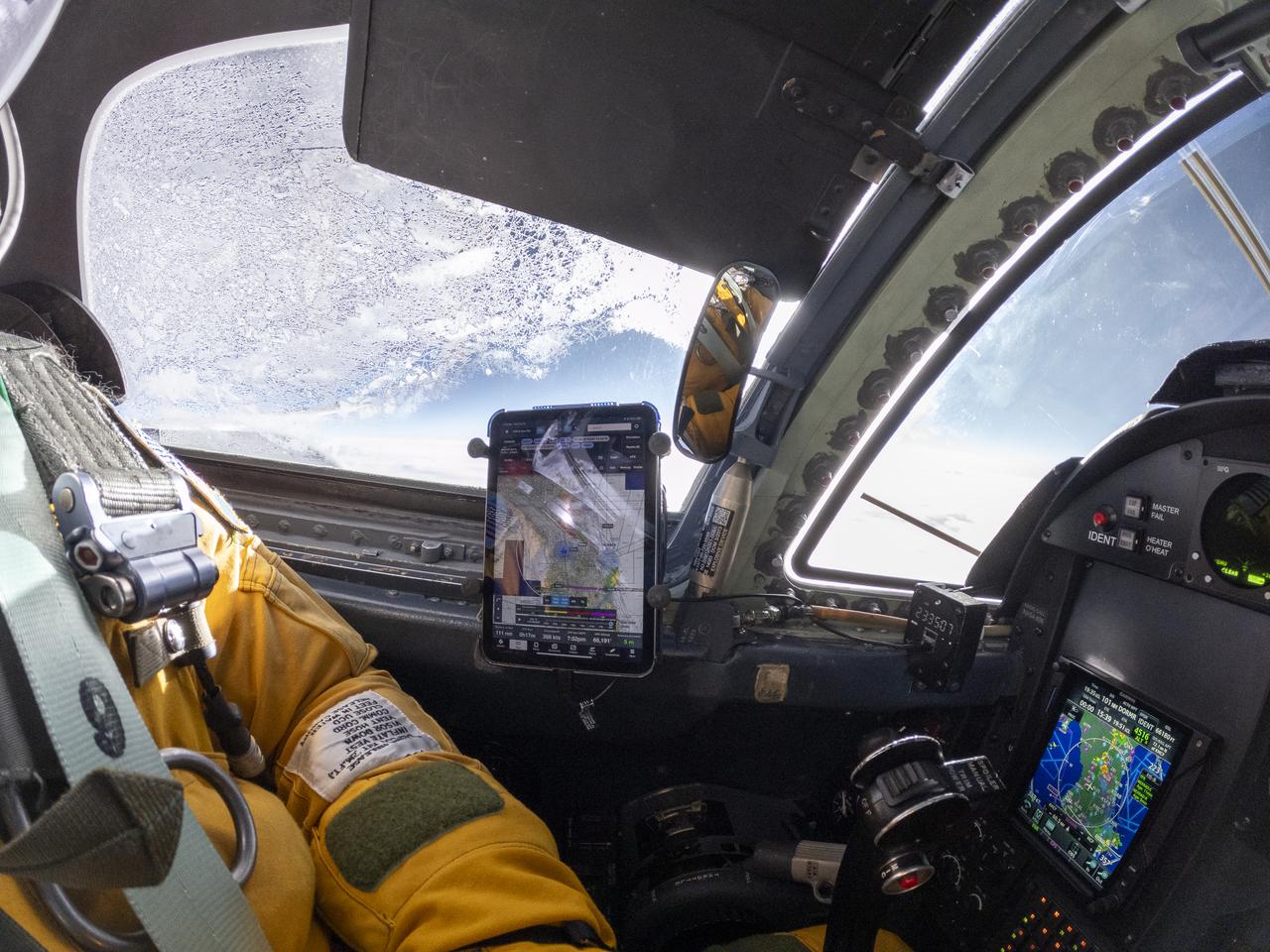
The ALOFT mission, Airborne Lightning Observatory for Fly’s eye simulator and Terrestrial gamma ray flashes, is a collaboration between NASA and the University of Bergen, Norway. NASA Armstrong Flight Research Center’s ER-2 aircraft flies just above the height of thunderclouds over the Floridian and Caribbean coastlines to collect data about lightning glows and terrestrial gamma ray flashes. Scientists expect to collect more accurate data than ever before that can advance the study of high-energy radiation emissions from thunderstorms.
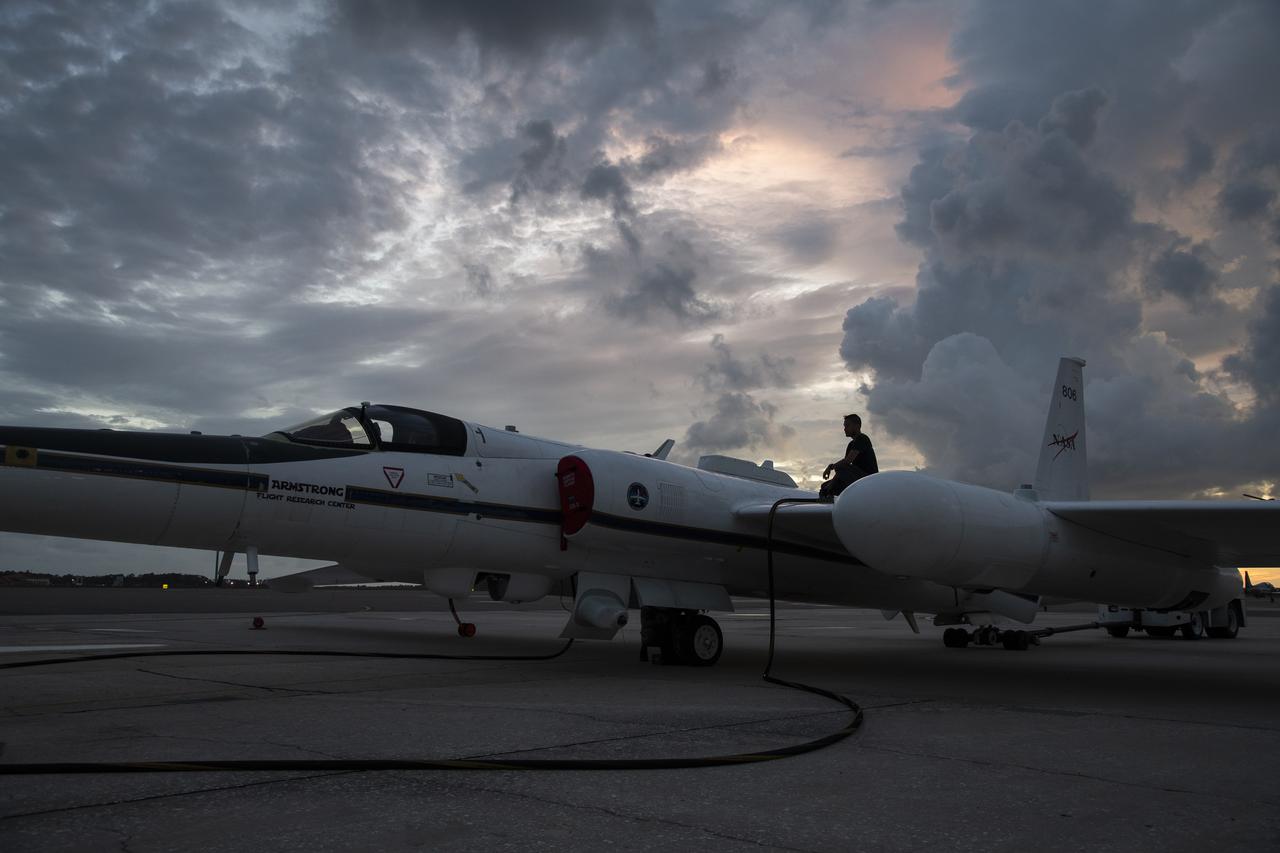
The ALOFT mission, Airborne Lightning Observatory for Fly’s eye simulator and Terrestrial gamma ray flashes, is a collaboration between NASA and the University of Bergen, Norway. NASA Armstrong Flight Research Center’s ER-2 aircraft flies just above the height of thunderclouds over the Floridian and Caribbean coastlines to collect data about lightning glows and terrestrial gamma ray flashes. Scientists expect to collect more accurate data than ever before that can advance the study of high-energy radiation emissions from thunderstorms.
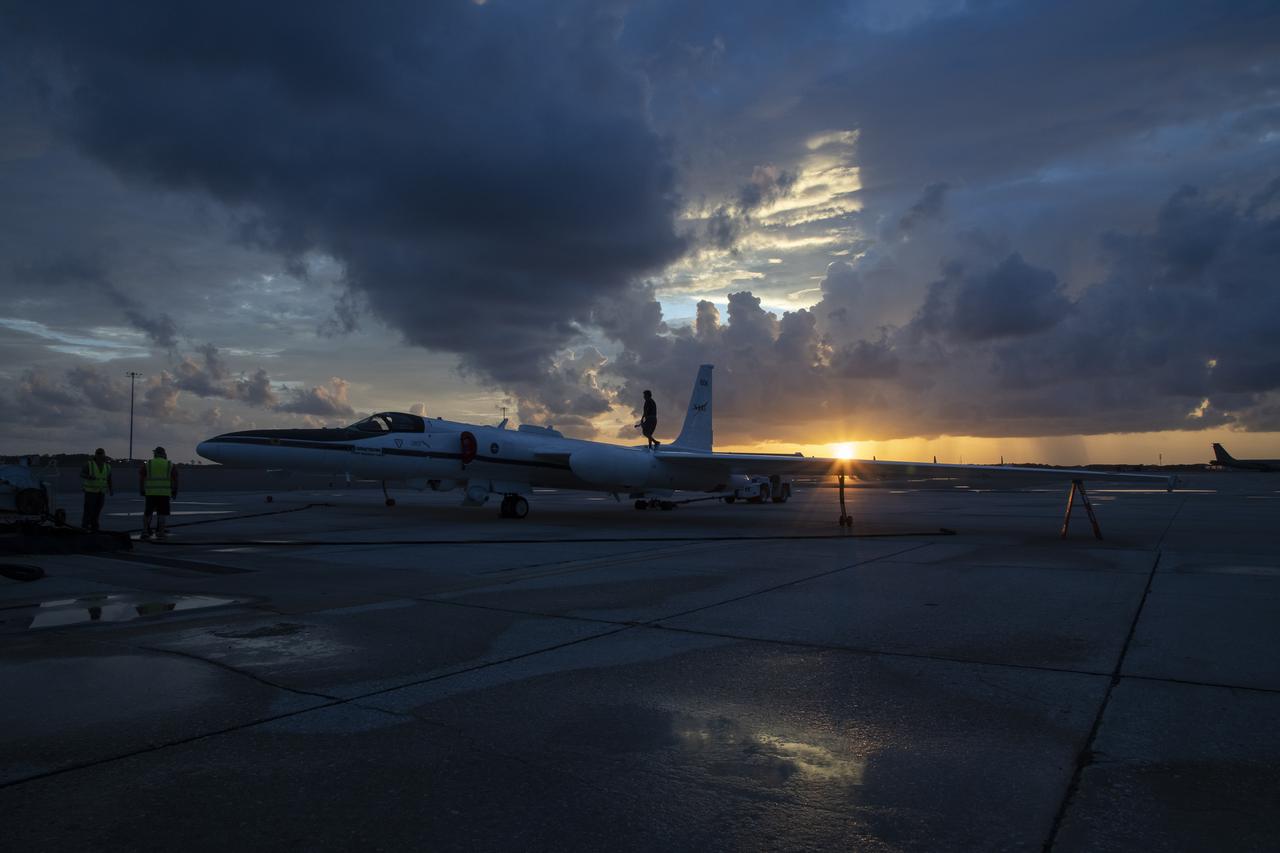
The ALOFT mission, Airborne Lightning Observatory for Fly’s eye simulator and Terrestrial gamma ray flashes, is a collaboration between NASA and the University of Bergen, Norway. NASA Armstrong Flight Research Center’s ER-2 aircraft flies just above the height of thunderclouds over the Floridian and Caribbean coastlines to collect data about lightning glows and terrestrial gamma ray flashes. Scientists expect to collect more accurate data than ever before that can advance the study of high-energy radiation emissions from thunderstorms.
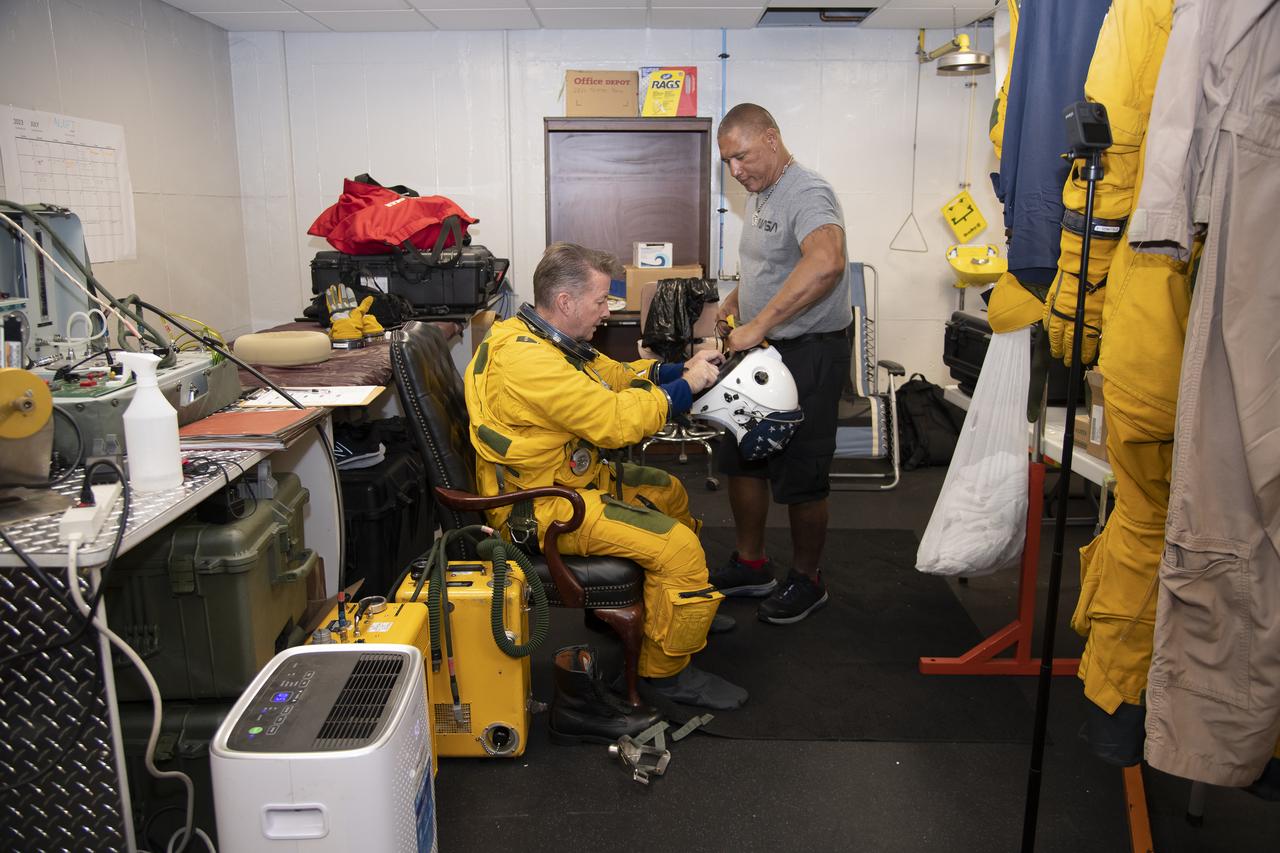
The ALOFT mission, Airborne Lightning Observatory for Fly’s eye simulator and Terrestrial gamma ray flashes, is a collaboration between NASA and the University of Bergen, Norway. NASA Armstrong Flight Research Center’s ER-2 aircraft flies just above the height of thunderclouds over the Floridian and Caribbean coastlines to collect data about lightning glows and terrestrial gamma ray flashes. Scientists expect to collect more accurate data than ever before that can advance the study of high-energy radiation emissions from thunderstorms.

The ALOFT mission, Airborne Lightning Observatory for Fly’s eye simulator and Terrestrial gamma ray flashes, is a collaboration between NASA and the University of Bergen, Norway. NASA Armstrong Flight Research Center’s ER-2 aircraft flies just above the height of thunderclouds over the Floridian and Caribbean coastlines to collect data about lightning glows and terrestrial gamma ray flashes. Scientists expect to collect more accurate data than ever before that can advance the study of high-energy radiation emissions from thunderstorms.

The ALOFT mission, Airborne Lightning Observatory for Fly’s eye simulator and Terrestrial gamma ray flashes, is a collaboration between NASA and the University of Bergen, Norway. NASA Armstrong Flight Research Center’s ER-2 aircraft flies just above the height of thunderclouds over the Floridian and Caribbean coastlines to collect data about lightning glows and terrestrial gamma ray flashes. Scientists expect to collect more accurate data than ever before that can advance the study of high-energy radiation emissions from thunderstorms.
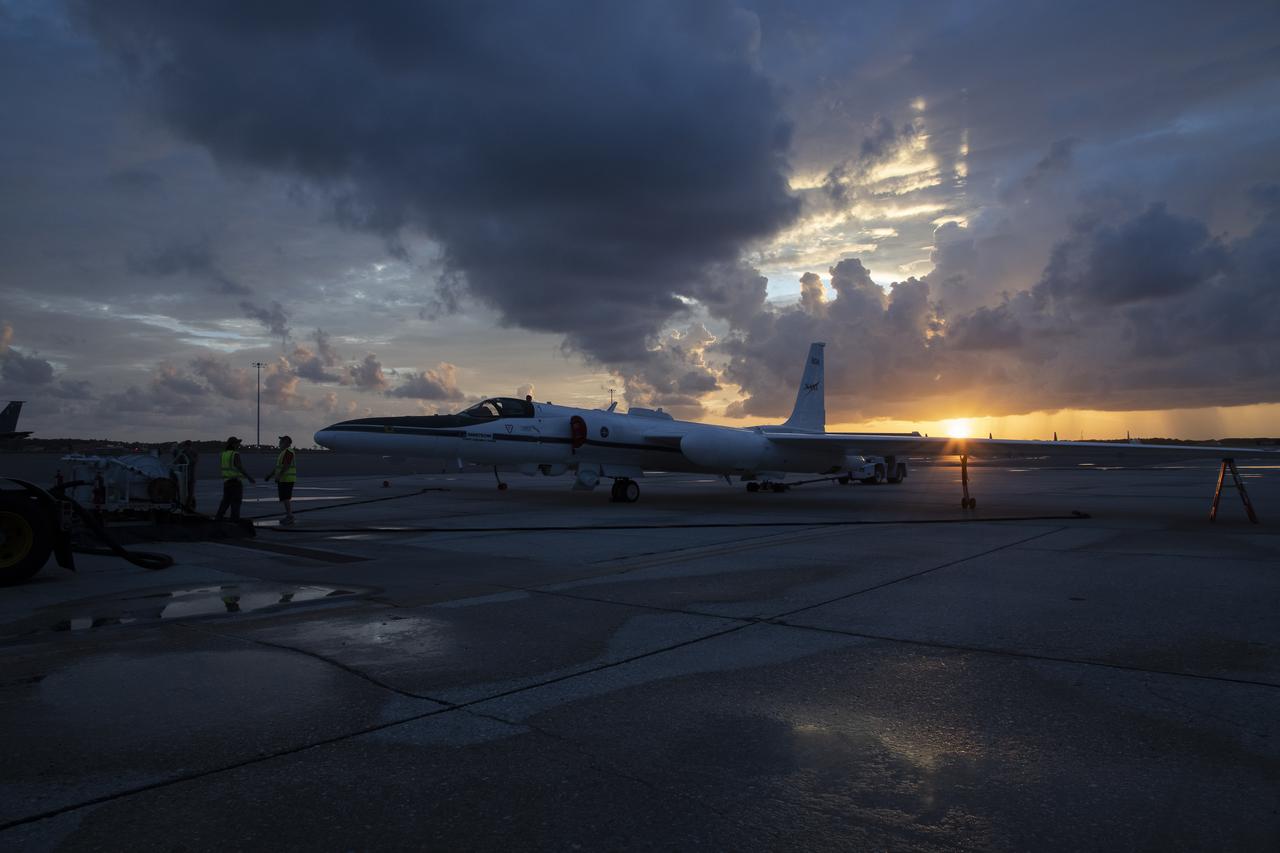
The ALOFT mission, Airborne Lightning Observatory for Fly’s eye simulator and Terrestrial gamma ray flashes, is a collaboration between NASA and the University of Bergen, Norway. NASA Armstrong Flight Research Center’s ER-2 aircraft flies just above the height of thunderclouds over the Floridian and Caribbean coastlines to collect data about lightning glows and terrestrial gamma ray flashes. Scientists expect to collect more accurate data than ever before that can advance the study of high-energy radiation emissions from thunderstorms.
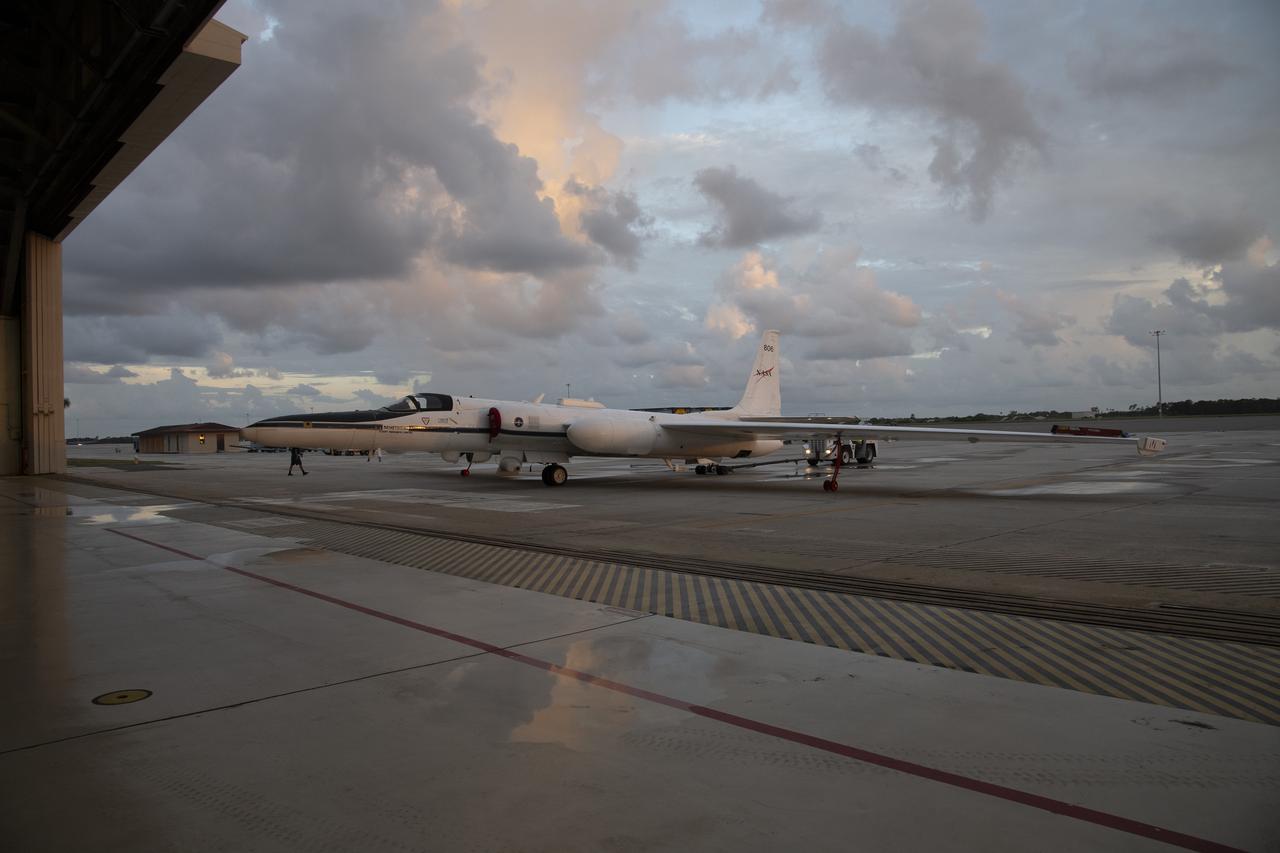
The ALOFT mission, Airborne Lightning Observatory for Fly’s eye simulator and Terrestrial gamma ray flashes, is a collaboration between NASA and the University of Bergen, Norway. NASA Armstrong Flight Research Center’s ER-2 aircraft flies just above the height of thunderclouds over the Floridian and Caribbean coastlines to collect data about lightning glows and terrestrial gamma ray flashes. Scientists expect to collect more accurate data than ever before that can advance the study of high-energy radiation emissions from thunderstorms.
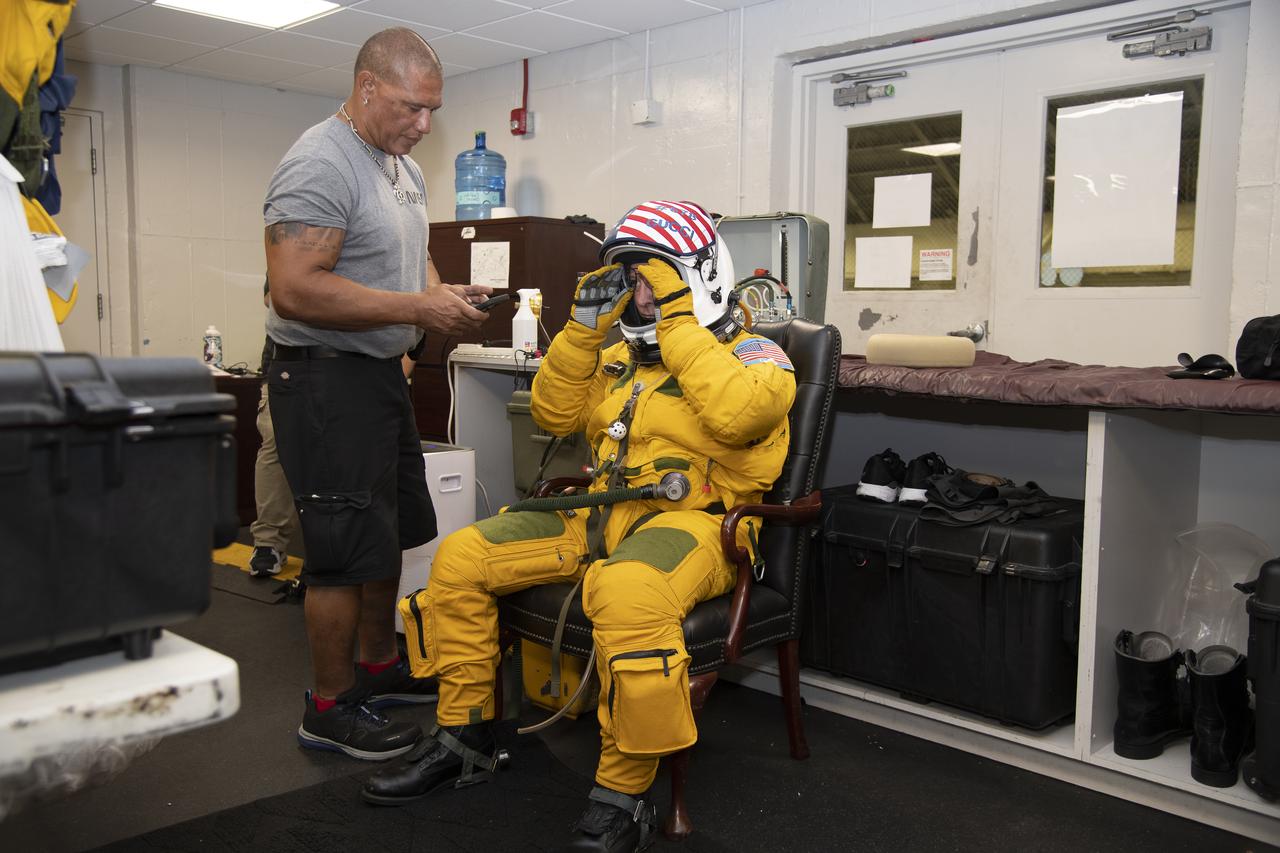
The ALOFT mission, Airborne Lightning Observatory for Fly’s eye simulator and Terrestrial gamma ray flashes, is a collaboration between NASA and the University of Bergen, Norway. NASA Armstrong Flight Research Center’s ER-2 aircraft flies just above the height of thunderclouds over the Floridian and Caribbean coastlines to collect data about lightning glows and terrestrial gamma ray flashes. Scientists expect to collect more accurate data than ever before that can advance the study of high-energy radiation emissions from thunderstorms.
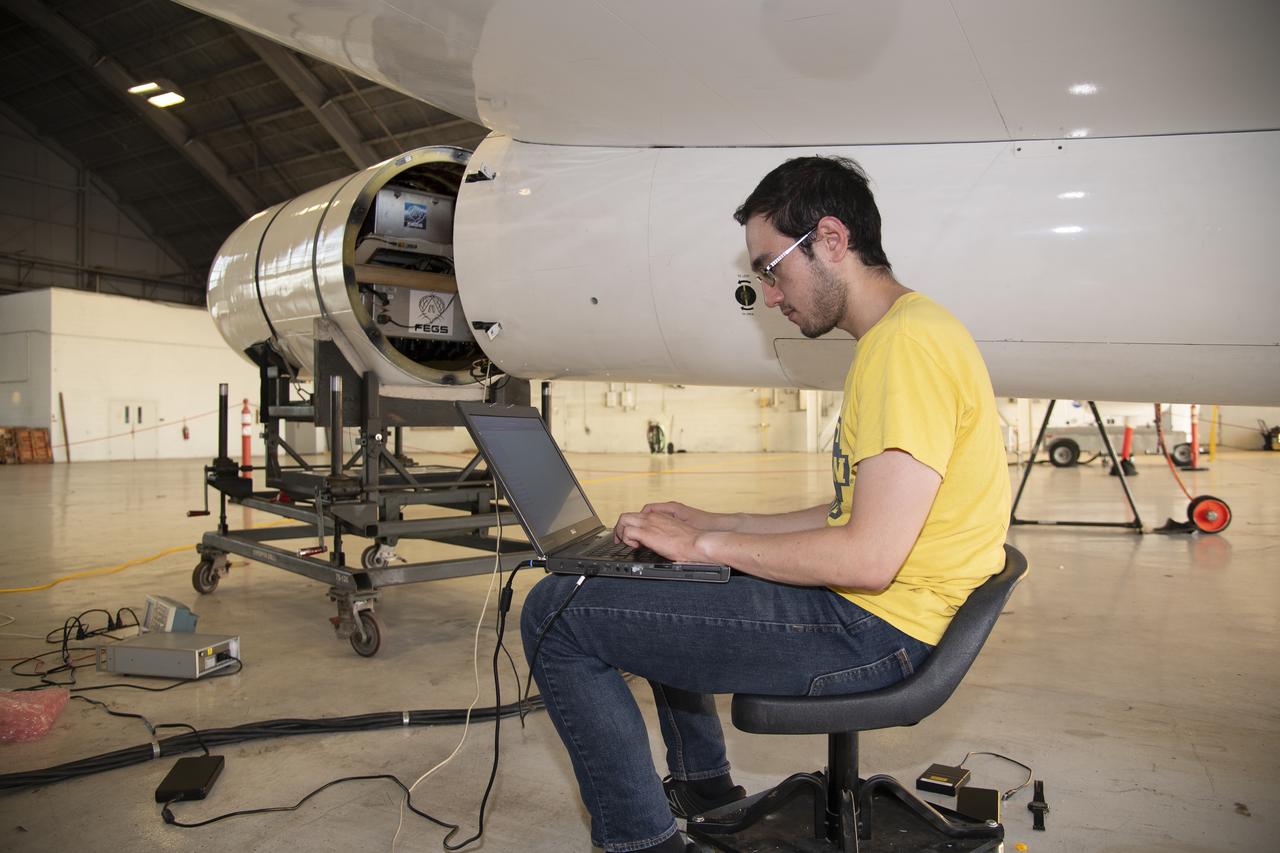
The ALOFT mission, Airborne Lightning Observatory for Fly’s eye simulator and Terrestrial gamma ray flashes, is a collaboration between NASA and the University of Bergen, Norway. NASA Armstrong Flight Research Center’s ER-2 aircraft flies just above the height of thunderclouds over the Floridian and Caribbean coastlines to collect data about lightning glows and terrestrial gamma ray flashes. Scientists expect to collect more accurate data than ever before that can advance the study of high-energy radiation emissions from thunderstorms.
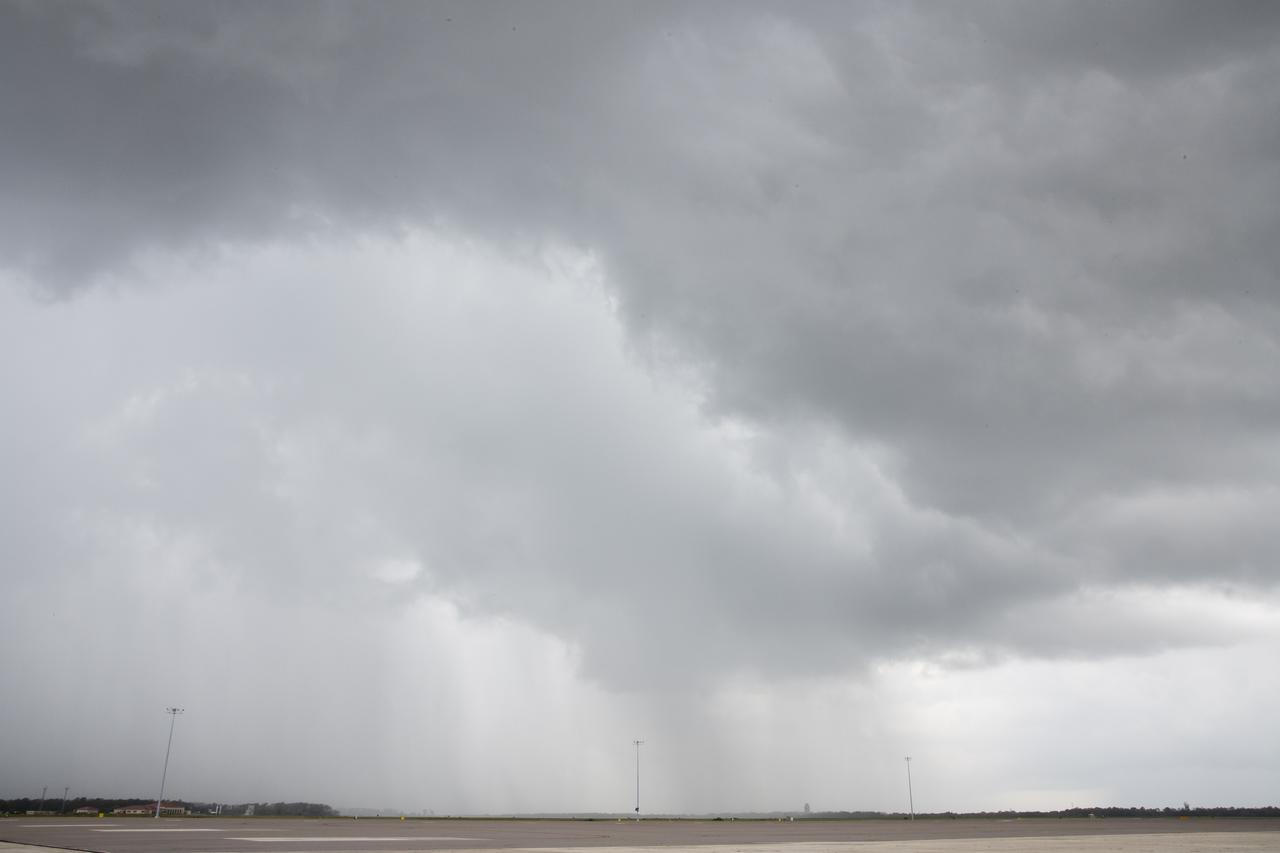
The ALOFT mission, Airborne Lightning Observatory for Fly’s eye simulator and Terrestrial gamma ray flashes, is a collaboration between NASA and the University of Bergen, Norway. NASA Armstrong Flight Research Center’s ER-2 aircraft flies just above the height of thunderclouds over the Floridian and Caribbean coastlines to collect data about lightning glows and terrestrial gamma ray flashes. Scientists expect to collect more accurate data than ever before that can advance the study of high-energy radiation emissions from thunderstorms.
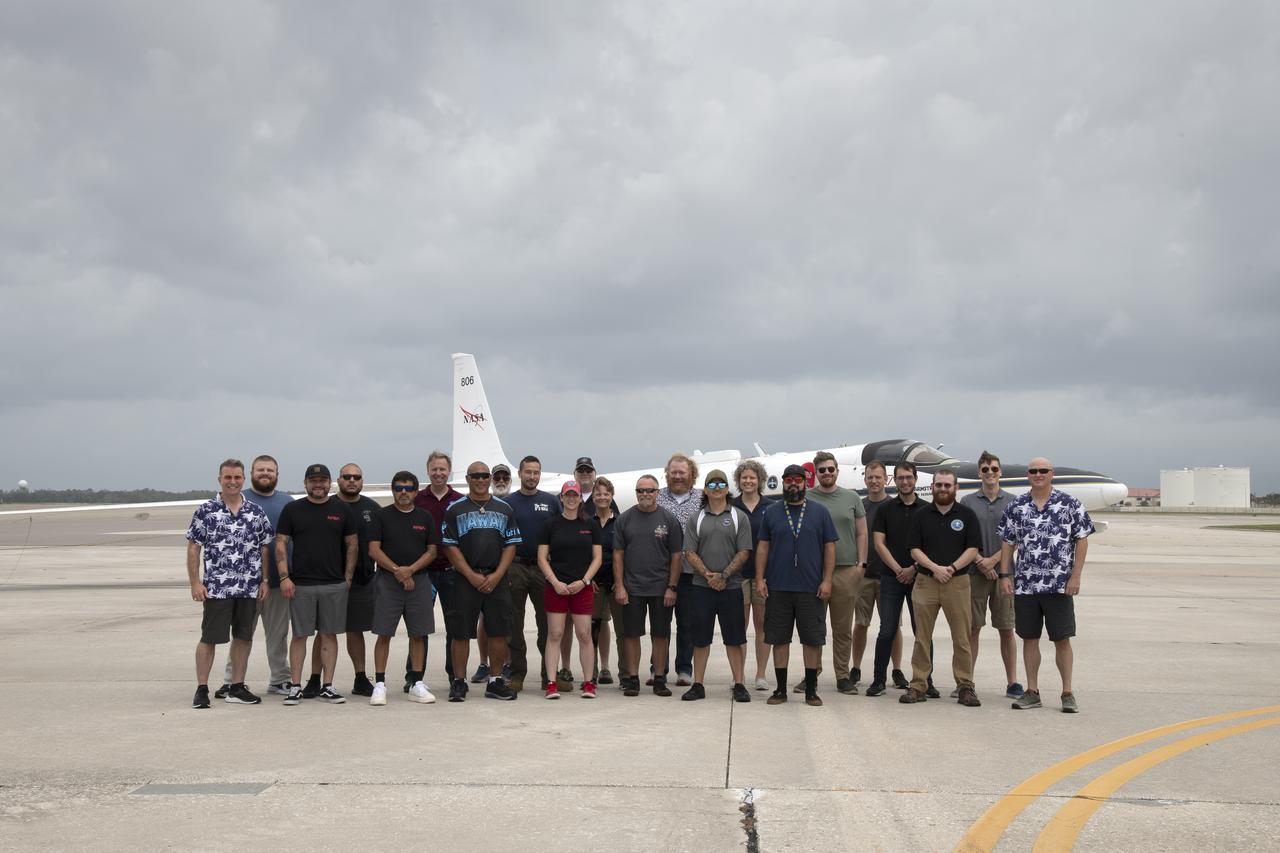
The ALOFT mission, Airborne Lightning Observatory for Fly’s eye simulator and Terrestrial gamma ray flashes, is a collaboration between NASA and the University of Bergen, Norway. NASA Armstrong Flight Research Center’s ER-2 aircraft flies just above the height of thunderclouds over the Floridian and Caribbean coastlines to collect data about lightning glows and terrestrial gamma ray flashes. Scientists expect to collect more accurate data than ever before that can advance the study of high-energy radiation emissions from thunderstorms.
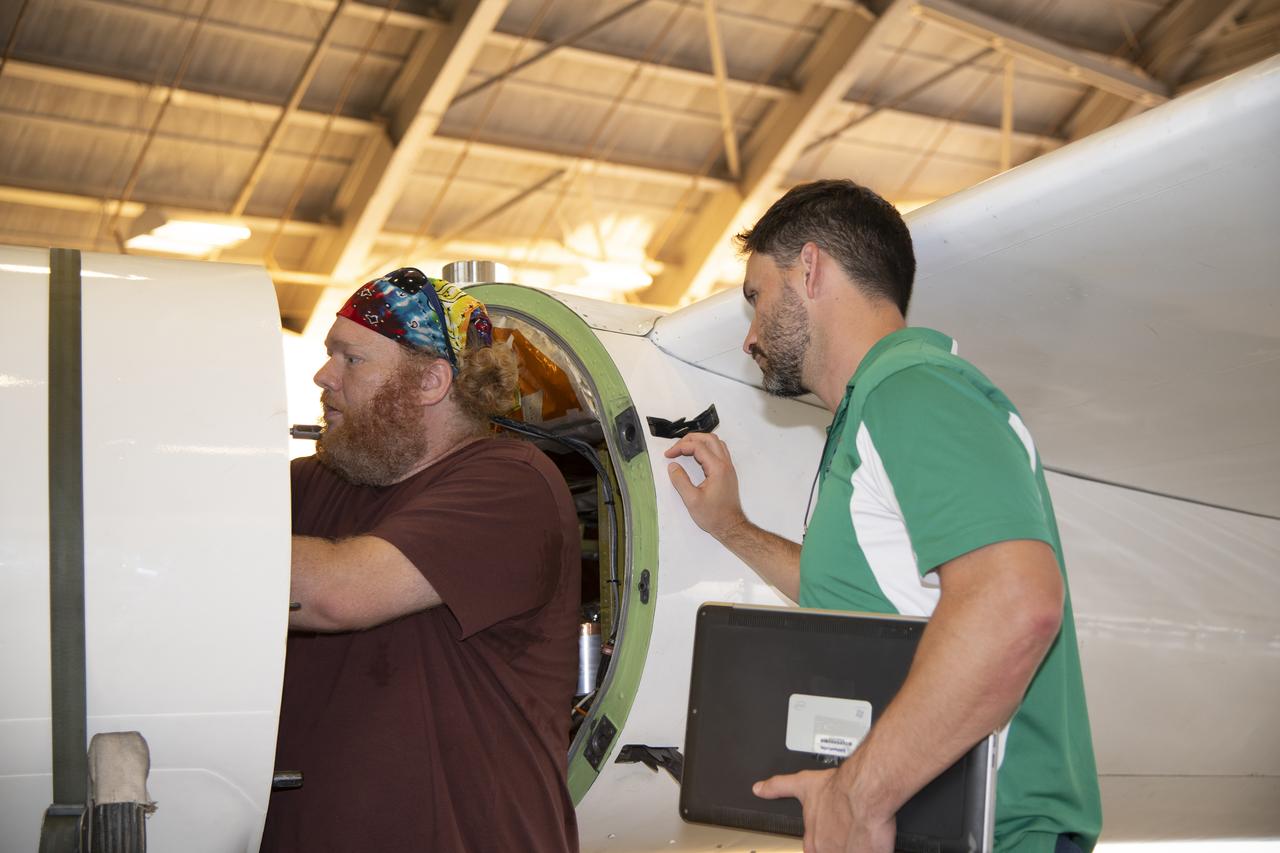
The ALOFT mission, Airborne Lightning Observatory for Fly’s eye simulator and Terrestrial gamma ray flashes, is a collaboration between NASA and the University of Bergen, Norway. NASA Armstrong Flight Research Center’s ER-2 aircraft flies just above the height of thunderclouds over the Floridian and Caribbean coastlines to collect data about lightning glows and terrestrial gamma ray flashes. Scientists expect to collect more accurate data than ever before that can advance the study of high-energy radiation emissions from thunderstorms.
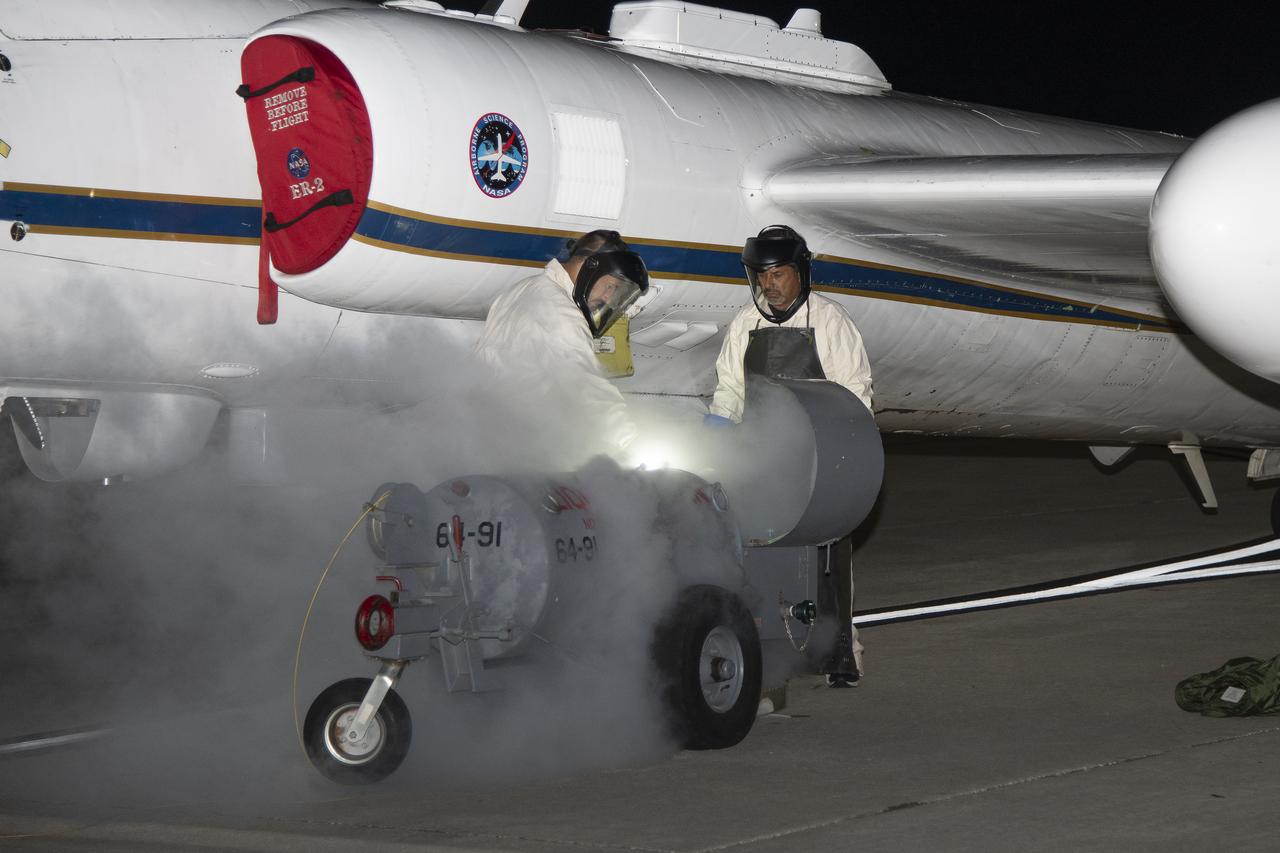
The ALOFT mission, Airborne Lightning Observatory for Fly’s eye simulator and Terrestrial gamma ray flashes, is a collaboration between NASA and the University of Bergen, Norway. NASA Armstrong Flight Research Center’s ER-2 aircraft flies just above the height of thunderclouds over the Floridian and Caribbean coastlines to collect data about lightning glows and terrestrial gamma ray flashes. Scientists expect to collect more accurate data than ever before that can advance the study of high-energy radiation emissions from thunderstorms.

The ALOFT mission, Airborne Lightning Observatory for Fly’s eye simulator and Terrestrial gamma ray flashes, is a collaboration between NASA and the University of Bergen, Norway. NASA Armstrong Flight Research Center’s ER-2 aircraft flies just above the height of thunderclouds over the Floridian and Caribbean coastlines to collect data about lightning glows and terrestrial gamma ray flashes. Scientists expect to collect more accurate data than ever before that can advance the study of high-energy radiation emissions from thunderstorms.
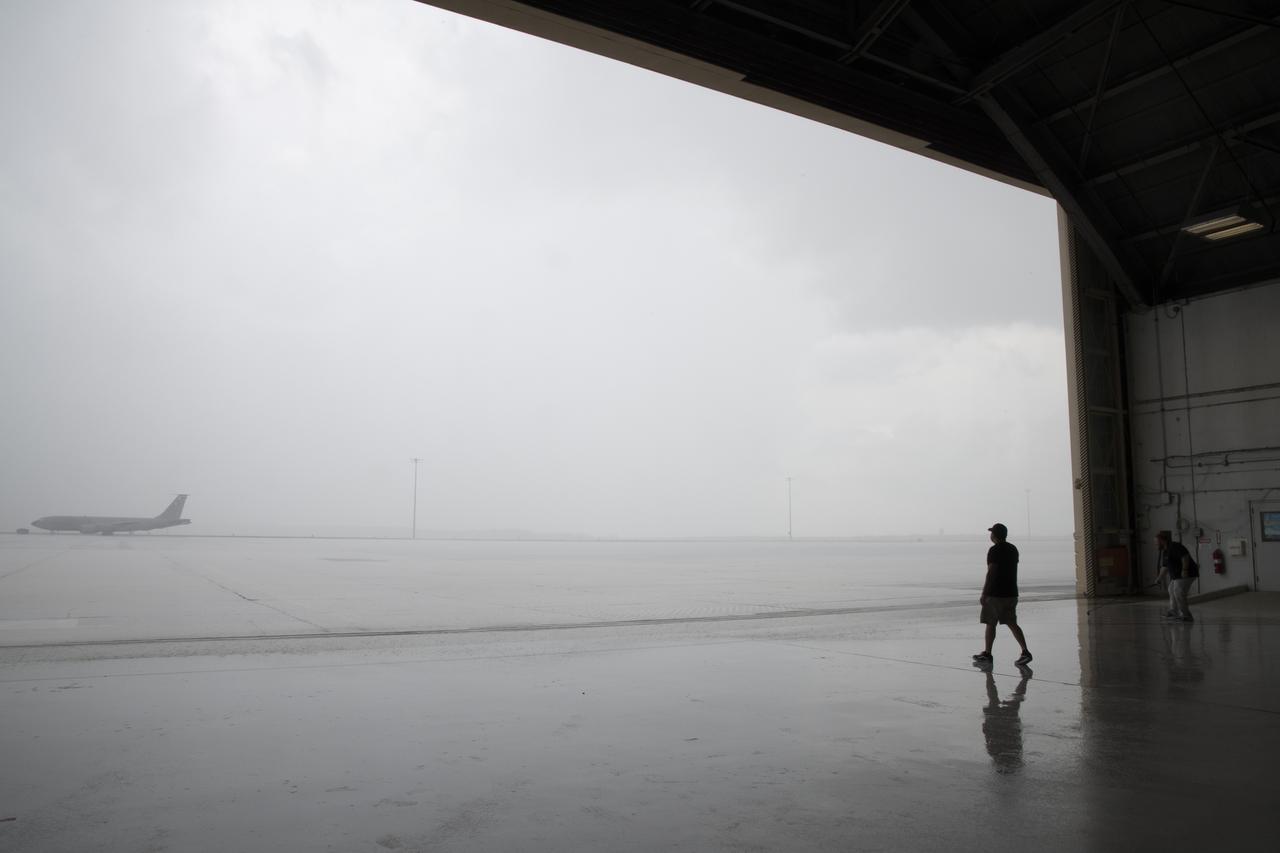
The ALOFT mission, Airborne Lightning Observatory for Fly’s eye simulator and Terrestrial gamma ray flashes, is a collaboration between NASA and the University of Bergen, Norway. NASA Armstrong Flight Research Center’s ER-2 aircraft flies just above the height of thunderclouds over the Floridian and Caribbean coastlines to collect data about lightning glows and terrestrial gamma ray flashes. Scientists expect to collect more accurate data than ever before that can advance the study of high-energy radiation emissions from thunderstorms.
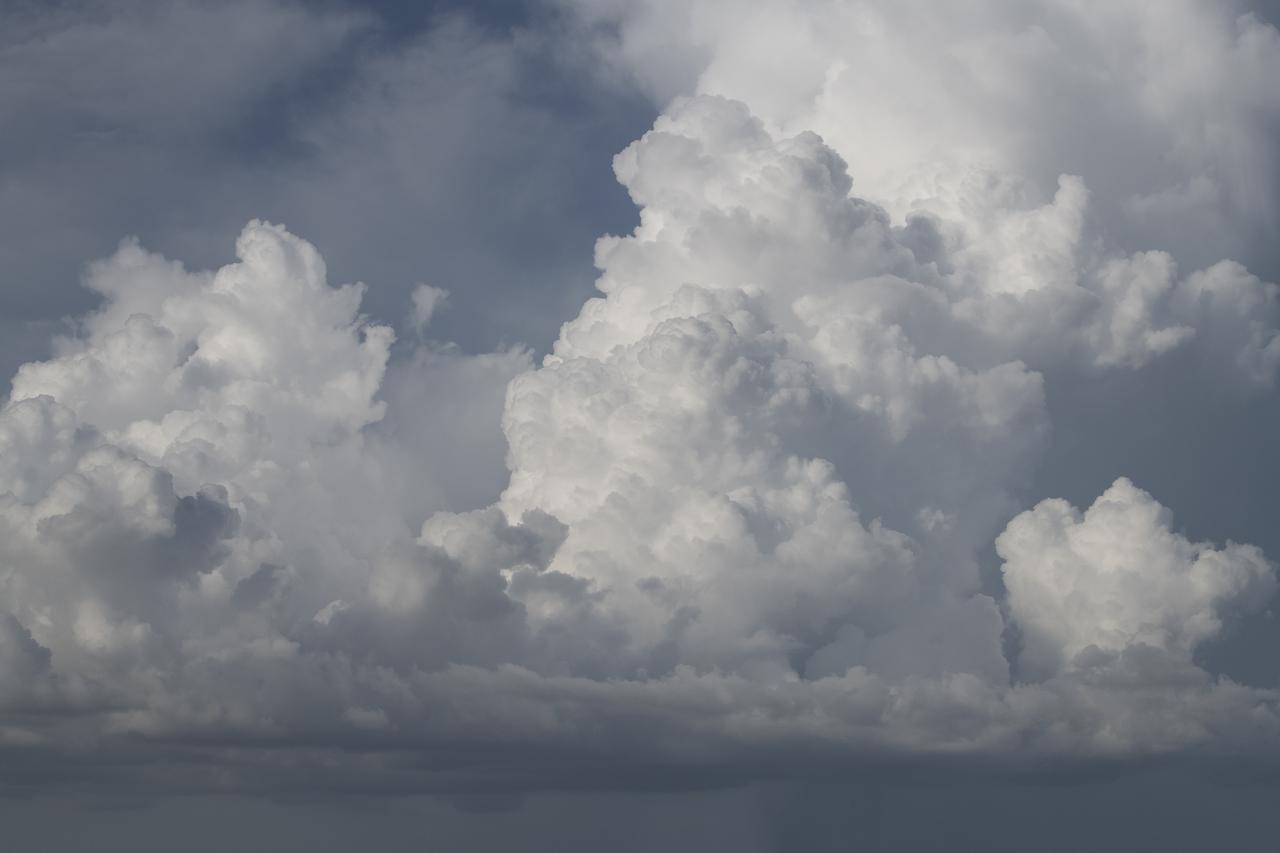
The ALOFT mission, Airborne Lightning Observatory for Fly’s eye simulator and Terrestrial gamma ray flashes, is a collaboration between NASA and the University of Bergen, Norway. NASA Armstrong Flight Research Center’s ER-2 aircraft flies just above the height of thunderclouds over the Floridian and Caribbean coastlines to collect data about lightning glows and terrestrial gamma ray flashes. Scientists expect to collect more accurate data than ever before that can advance the study of high-energy radiation emissions from thunderstorms.

NASA's Gulfstream III was one of several research aircraft that NASA's Oceans Melting Greenland mission used during its six-year field campaign to record the temperature, salinity, and depth of the ocean around the entire island. OMG used airports in Greenland, Iceland, and Norway as bases for research flights. This image was taken at Thule Air Base, Greenland, on Sept. 18, 2016. https://photojournal.jpl.nasa.gov/catalog/PIA24984
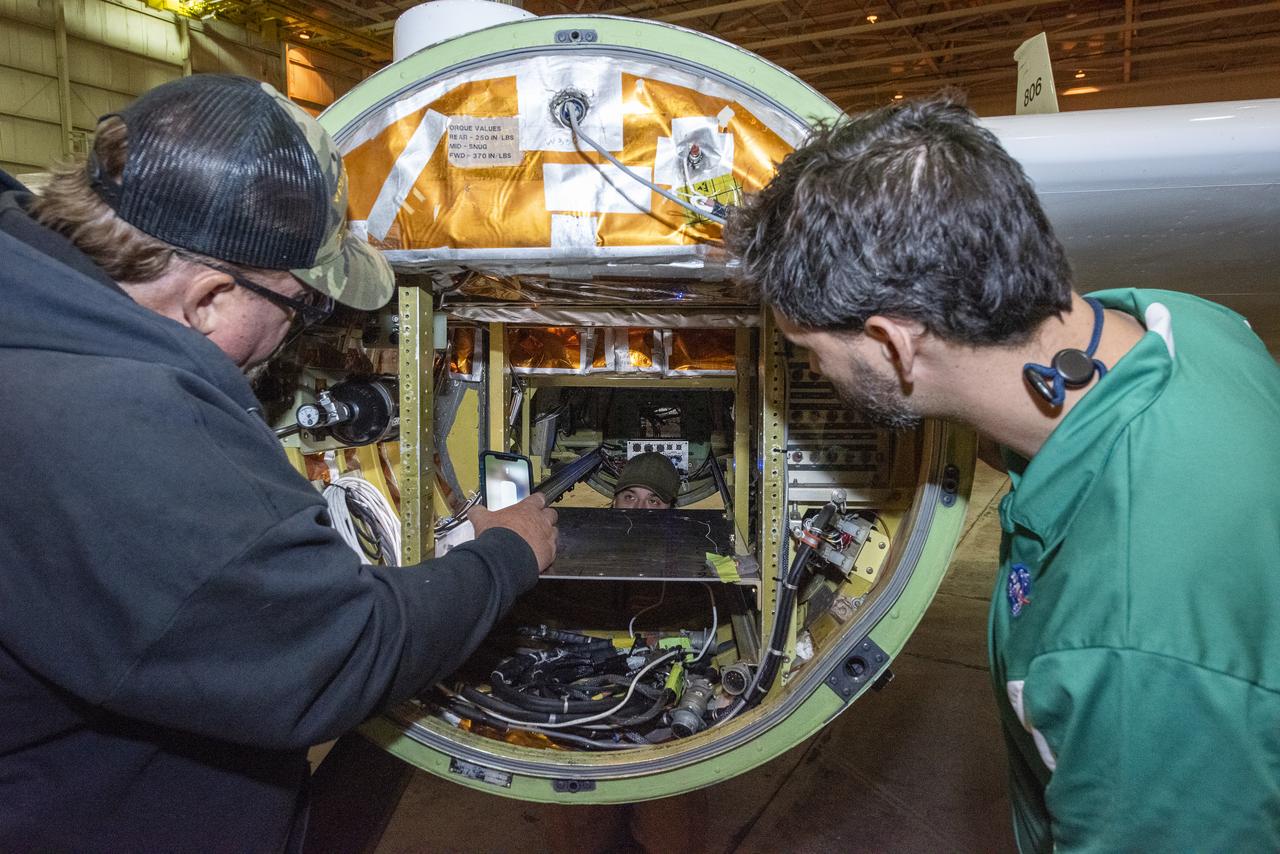
NASA Armstrong’s ER-2 aircraft is uploaded with instruments for its ALOFT mission. The ER-2 will fly at high altitudes above the Floridian coastline to collect data about the energetic characteristics and behavior of lightning and thunderclouds. Scientists from the University of Bergen, Norway will interpret that data from the ground and collaborate with NASA pilots to safely collect the most accurate data for this project about the power of lightning.
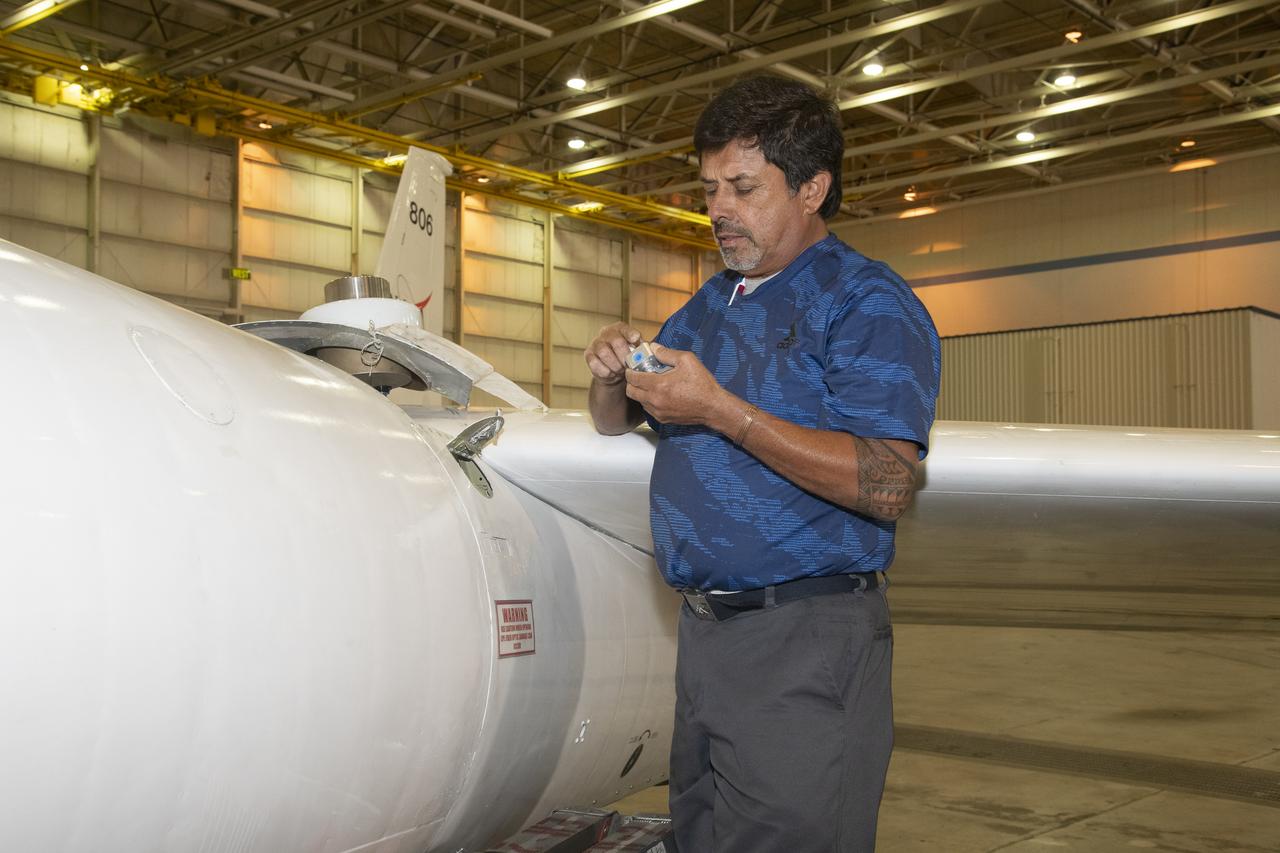
NASA Armstrong’s ER-2 aircraft is uploaded with instruments for its ALOFT mission. The ER-2 will fly at high altitudes above the Floridian coastline to collect data about the energetic characteristics and behavior of lightning and thunderclouds. Scientists from the University of Bergen, Norway will interpret that data from the ground and collaborate with NASA pilots to safely collect the most accurate data for this project about the power of lightning.
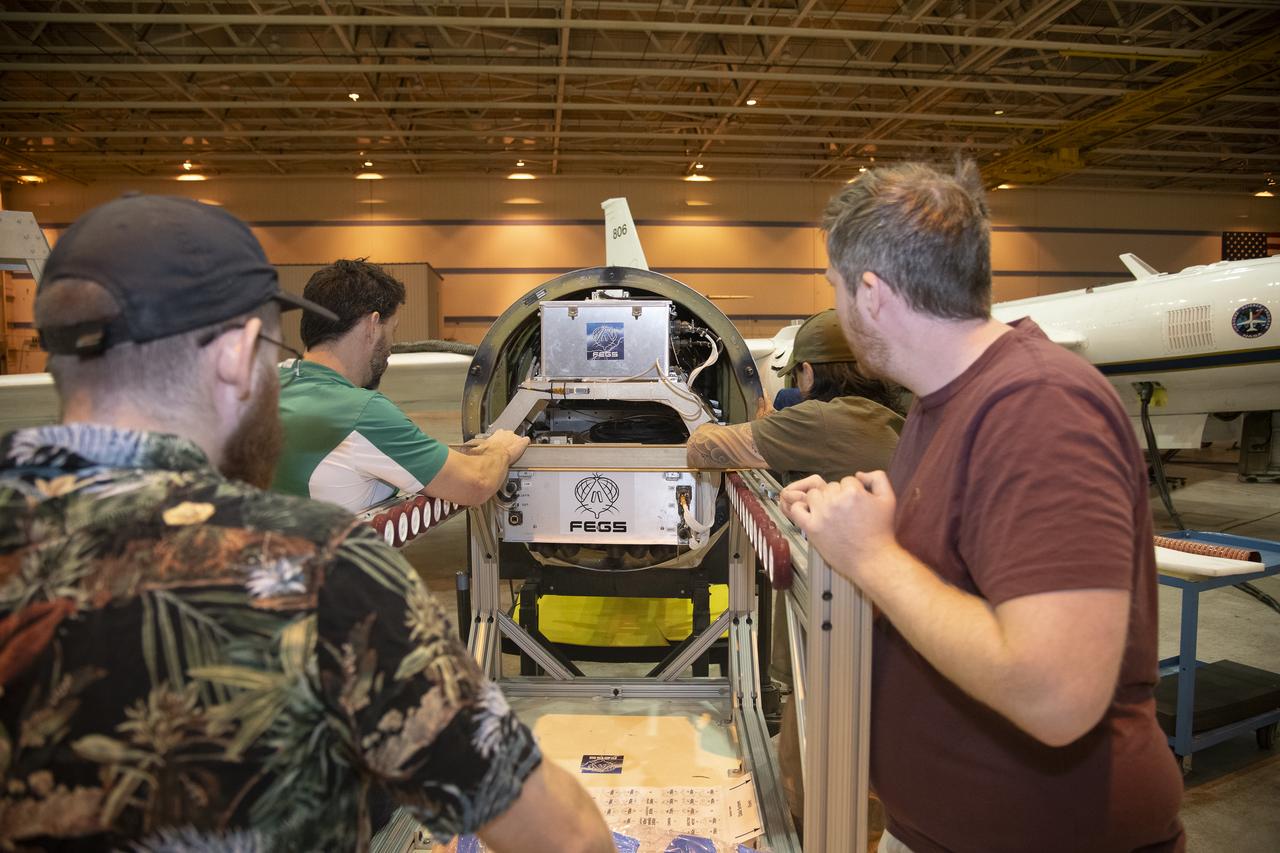
NASA Armstrong’s ER-2 aircraft is uploaded with instruments for its ALOFT mission. The ER-2 will fly at high altitudes above the Floridian coastline to collect data about the energetic characteristics and behavior of lightning and thunderclouds. Scientists from the University of Bergen, Norway will interpret that data from the ground and collaborate with NASA pilots to safely collect the most accurate data for this project about the power of lightning.
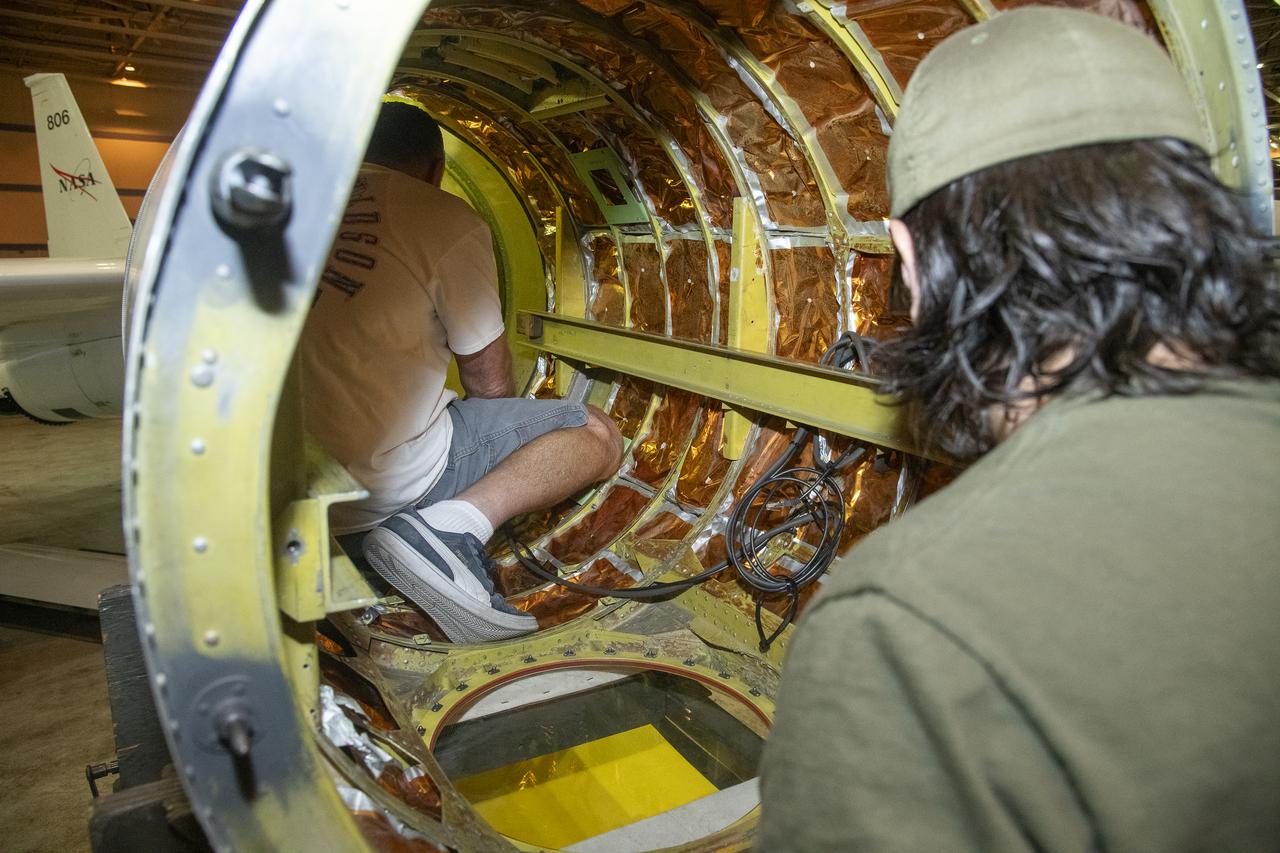
NASA Armstrong’s ER-2 aircraft is uploaded with instruments for its ALOFT mission. The ER-2 will fly at high altitudes above the Floridian coastline to collect data about the energetic characteristics and behavior of lightning and thunderclouds. Scientists from the University of Bergen, Norway will interpret that data from the ground and collaborate with NASA pilots to safely collect the most accurate data for this project about the power of lightning.
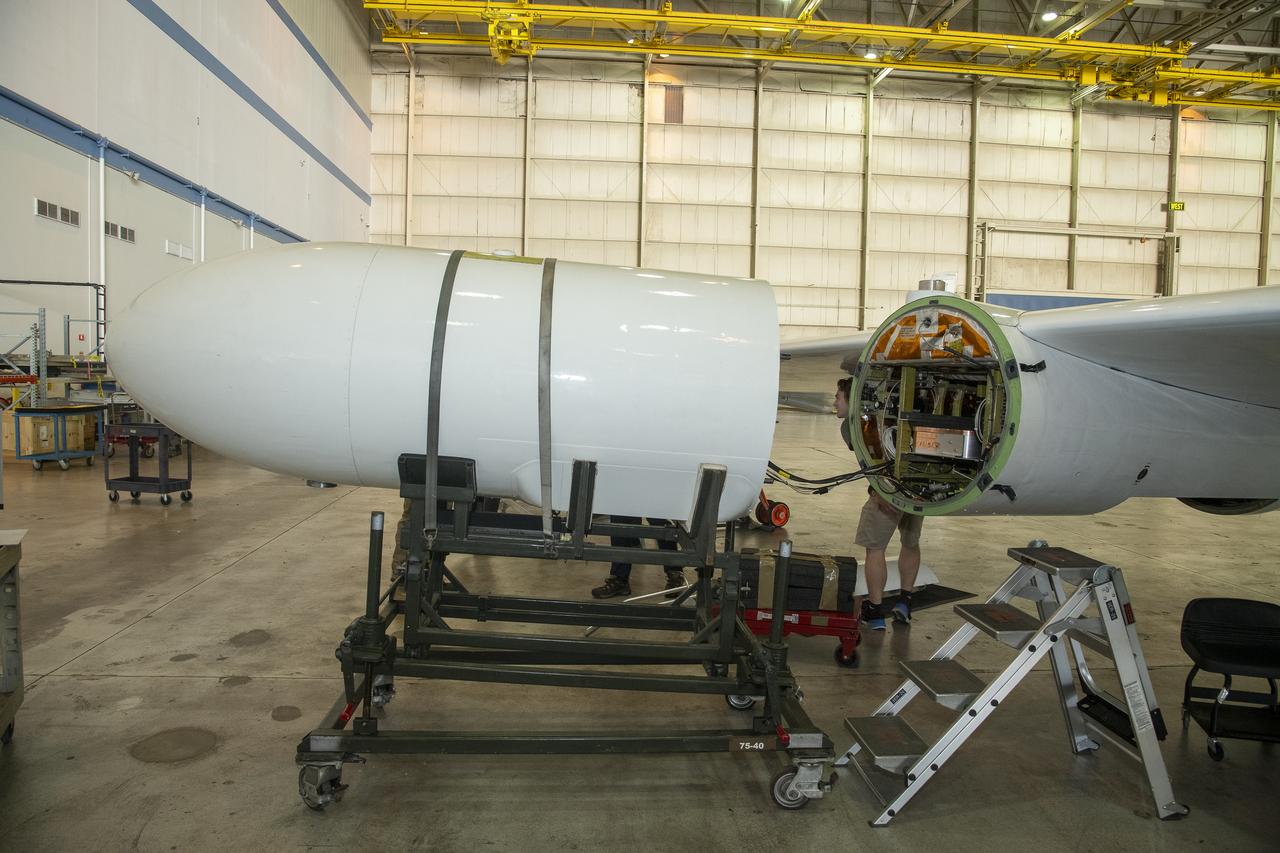
NASA Armstrong’s ER-2 aircraft is uploaded with instruments for its ALOFT mission. The ER-2 will fly at high altitudes above the Floridian coastline to collect data about the energetic characteristics and behavior of lightning and thunderclouds. Scientists from the University of Bergen, Norway will interpret that data from the ground and collaborate with NASA pilots to safely collect the most accurate data for this project about the power of lightning.

NASA Armstrong’s ER-2 aircraft is uploaded with instruments for its ALOFT mission. The ER-2 will fly at high altitudes above the Floridian coastline to collect data about the energetic characteristics and behavior of lightning and thunderclouds. Scientists from the University of Bergen, Norway will interpret that data from the ground and collaborate with NASA pilots to safely collect the most accurate data for this project about the power of lightning.
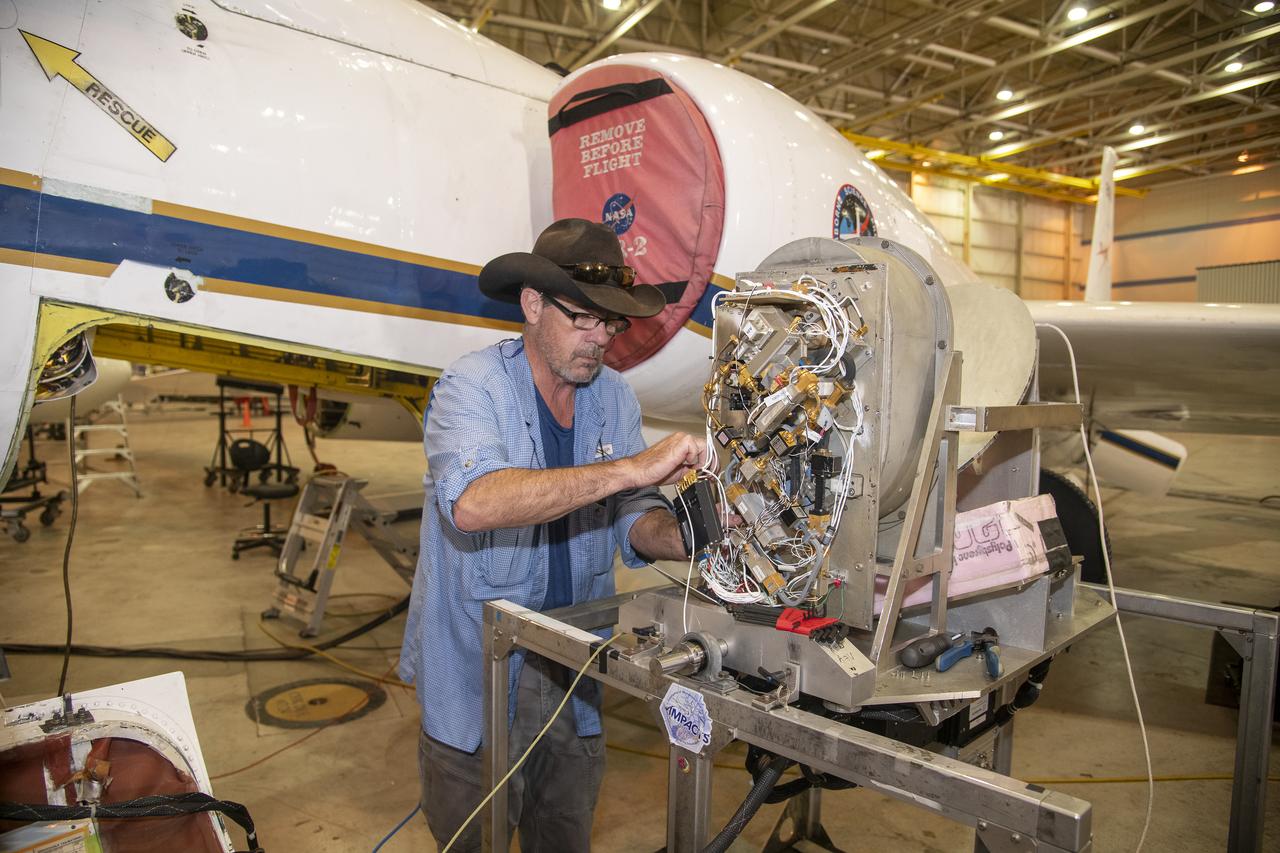
NASA Armstrong’s ER-2 aircraft is uploaded with instruments for its ALOFT mission. The ER-2 will fly at high altitudes above the Floridian coastline to collect data about the energetic characteristics and behavior of lightning and thunderclouds. Scientists from the University of Bergen, Norway will interpret that data from the ground and collaborate with NASA pilots to safely collect the most accurate data for this project about the power of lightning.
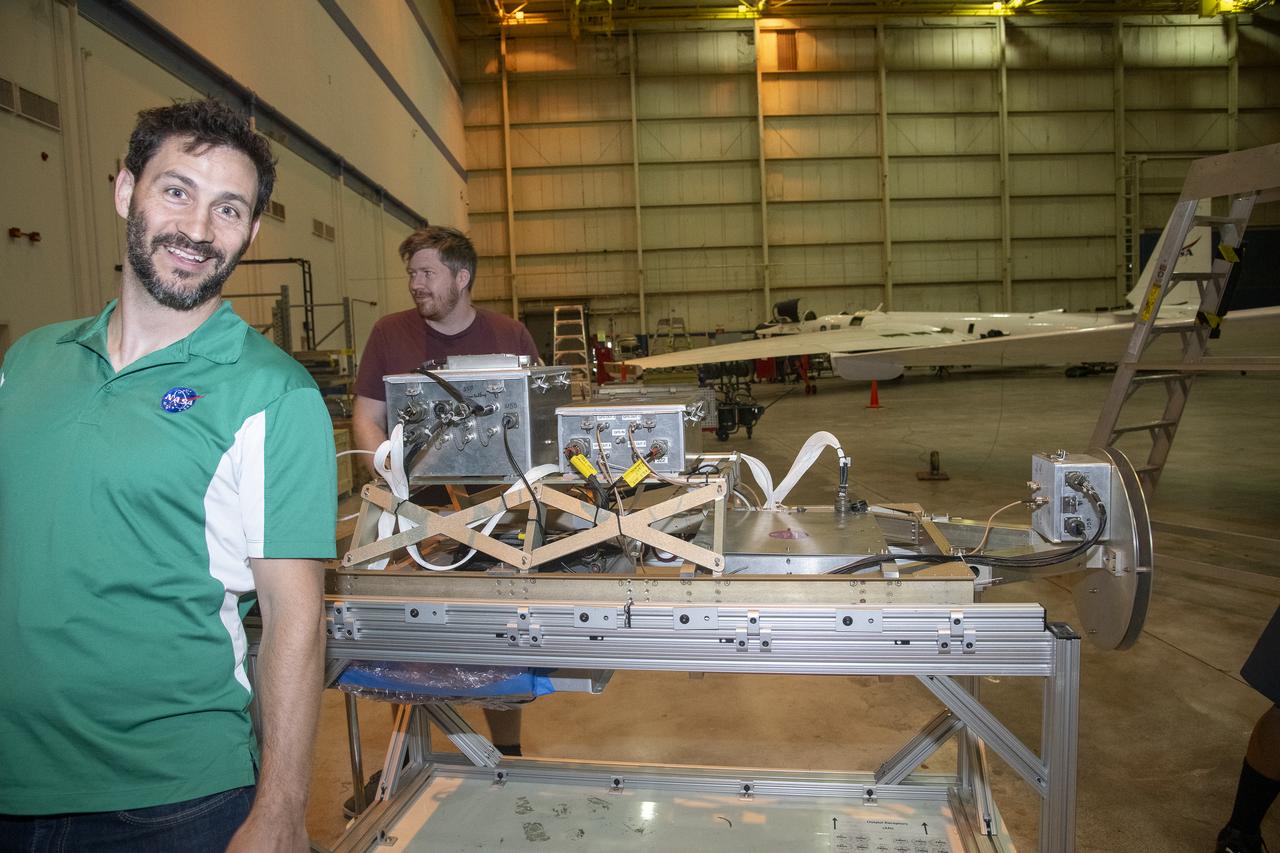
NASA Armstrong’s ER-2 aircraft is uploaded with instruments for its ALOFT mission. The ER-2 will fly at high altitudes above the Floridian coastline to collect data about the energetic characteristics and behavior of lightning and thunderclouds. Scientists from the University of Bergen, Norway will interpret that data from the ground and collaborate with NASA pilots to safely collect the most accurate data for this project about the power of lightning.
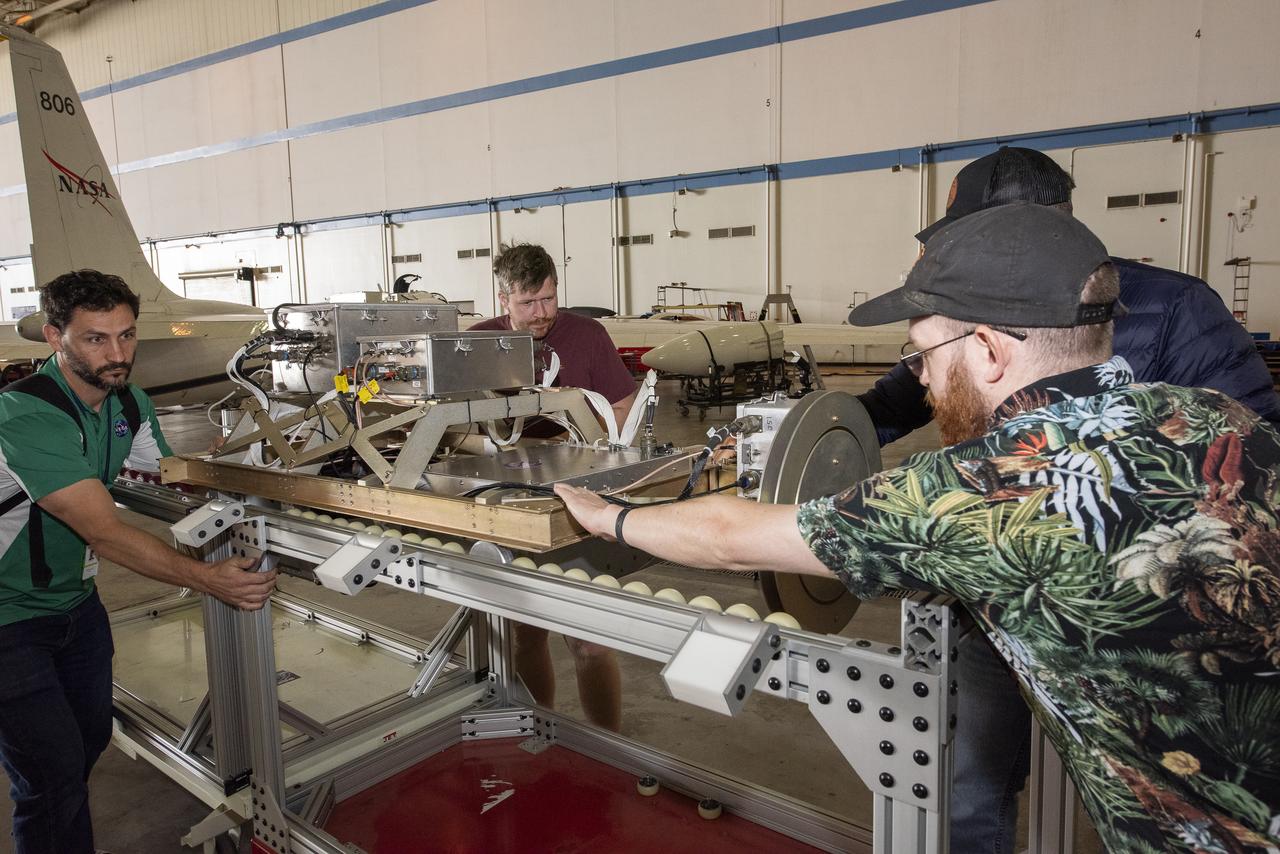
NASA Armstrong’s ER-2 aircraft is uploaded with instruments for its ALOFT mission. The ER-2 will fly at high altitudes above the Floridian coastline to collect data about the energetic characteristics and behavior of lightning and thunderclouds. Scientists from the University of Bergen, Norway will interpret that data from the ground and collaborate with NASA pilots to safely collect the most accurate data for this project about the power of lightning.
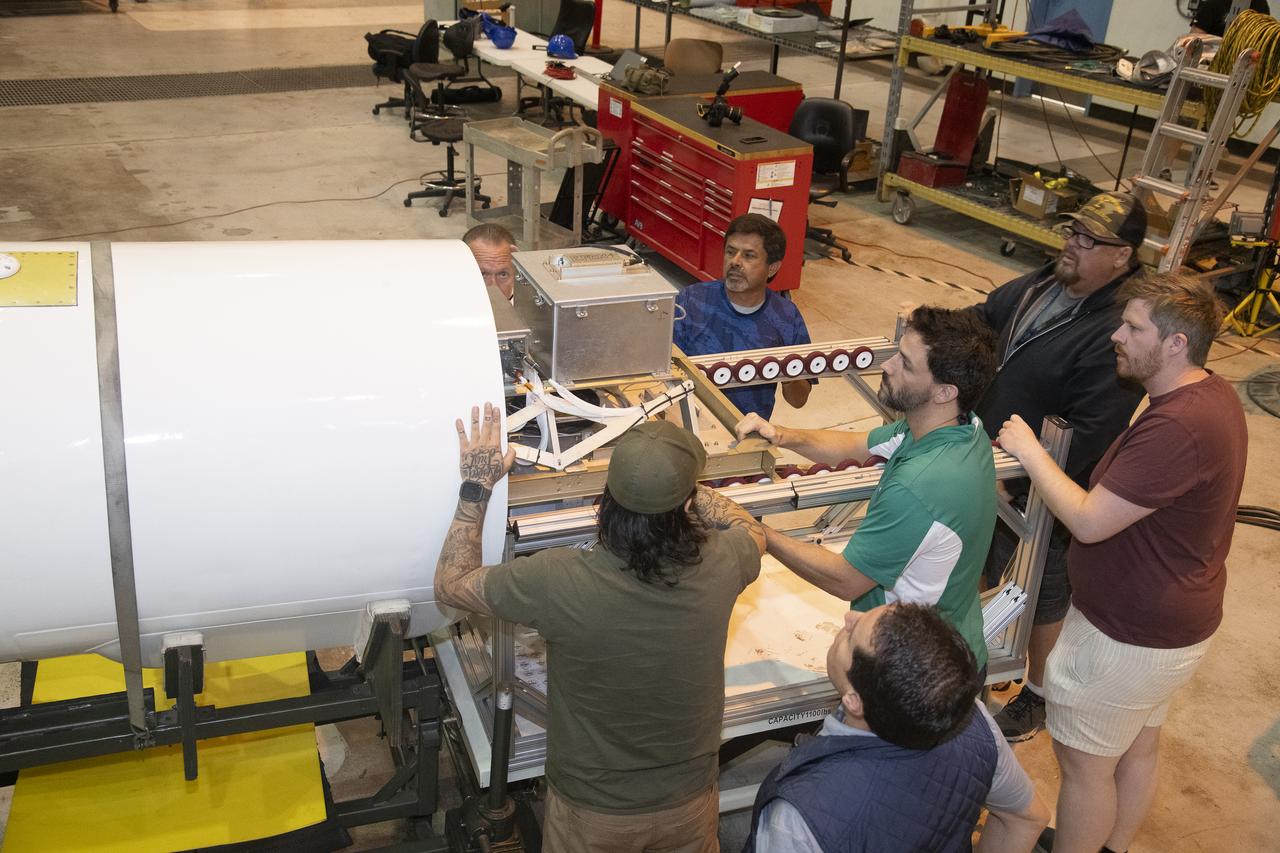
NASA Armstrong’s ER-2 aircraft is uploaded with instruments for its ALOFT mission. The ER-2 will fly at high altitudes above the Floridian coastline to collect data about the energetic characteristics and behavior of lightning and thunderclouds. Scientists from the University of Bergen, Norway will interpret that data from the ground and collaborate with NASA pilots to safely collect the most accurate data for this project about the power of lightning.
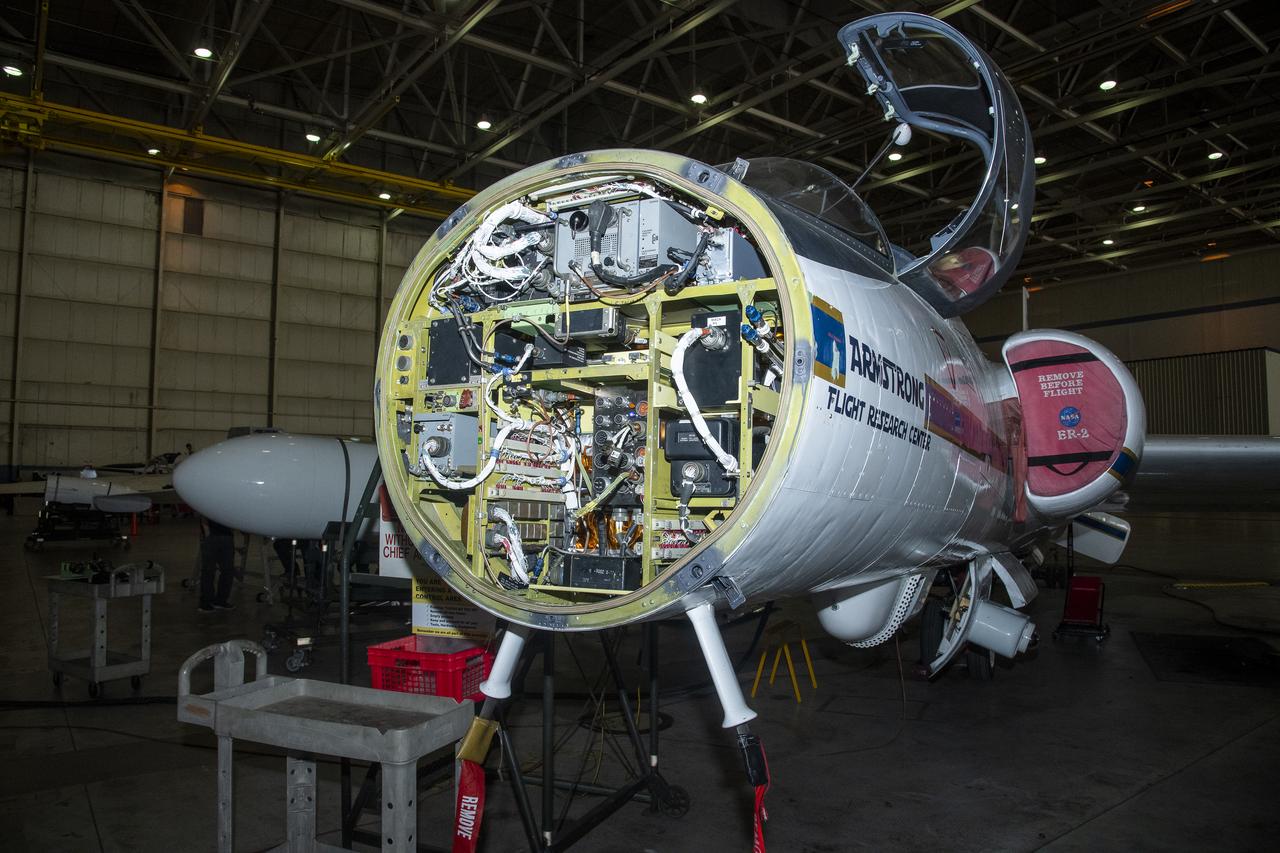
NASA Armstrong’s ER-2 aircraft is uploaded with instruments for its ALOFT mission. The ER-2 will fly at high altitudes above the Floridian coastline to collect data about the energetic characteristics and behavior of lightning and thunderclouds. Scientists from the University of Bergen, Norway will interpret that data from the ground and collaborate with NASA pilots to safely collect the most accurate data for this project about the power of lightning.
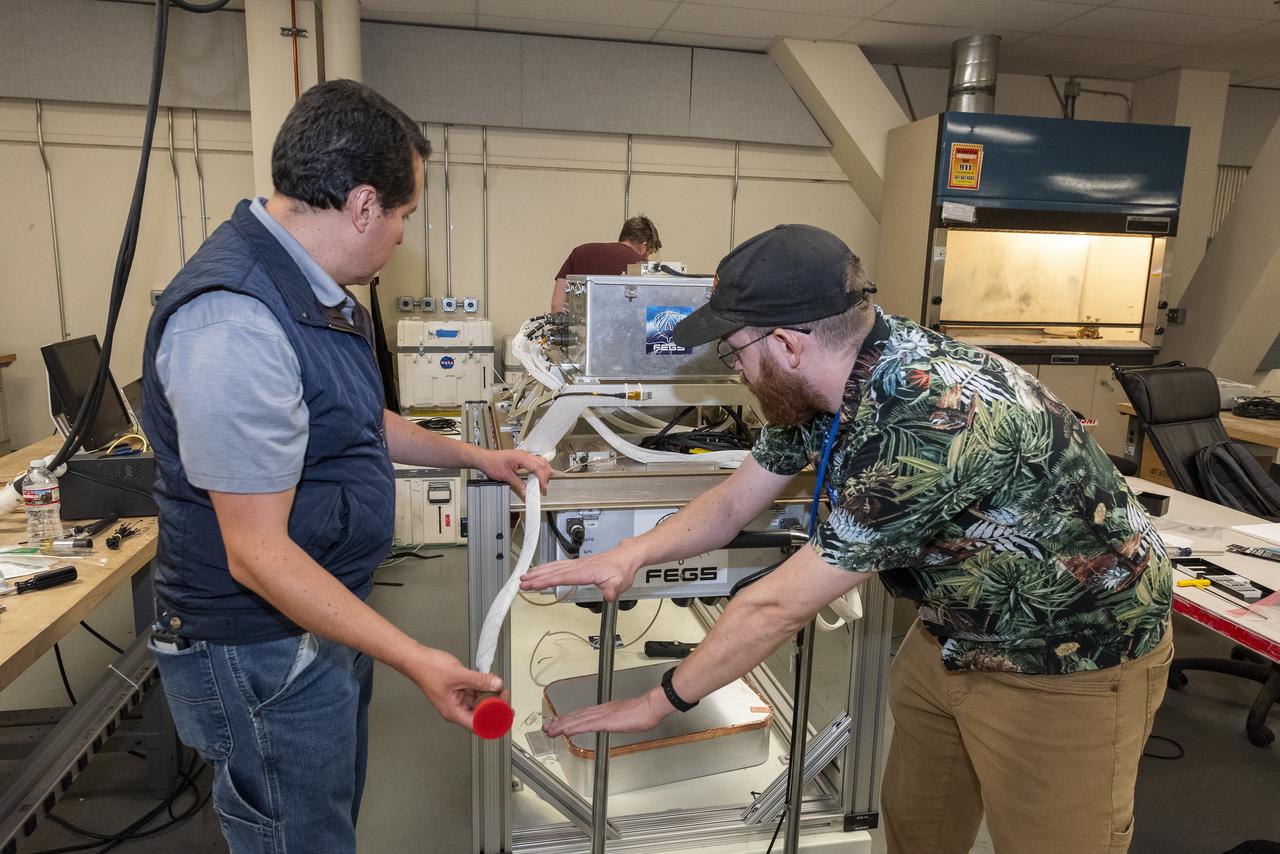
NASA Armstrong’s ER-2 aircraft is uploaded with instruments for its ALOFT mission. The ER-2 will fly at high altitudes above the Floridian coastline to collect data about the energetic characteristics and behavior of lightning and thunderclouds. Scientists from the University of Bergen, Norway will interpret that data from the ground and collaborate with NASA pilots to safely collect the most accurate data for this project about the power of lightning.
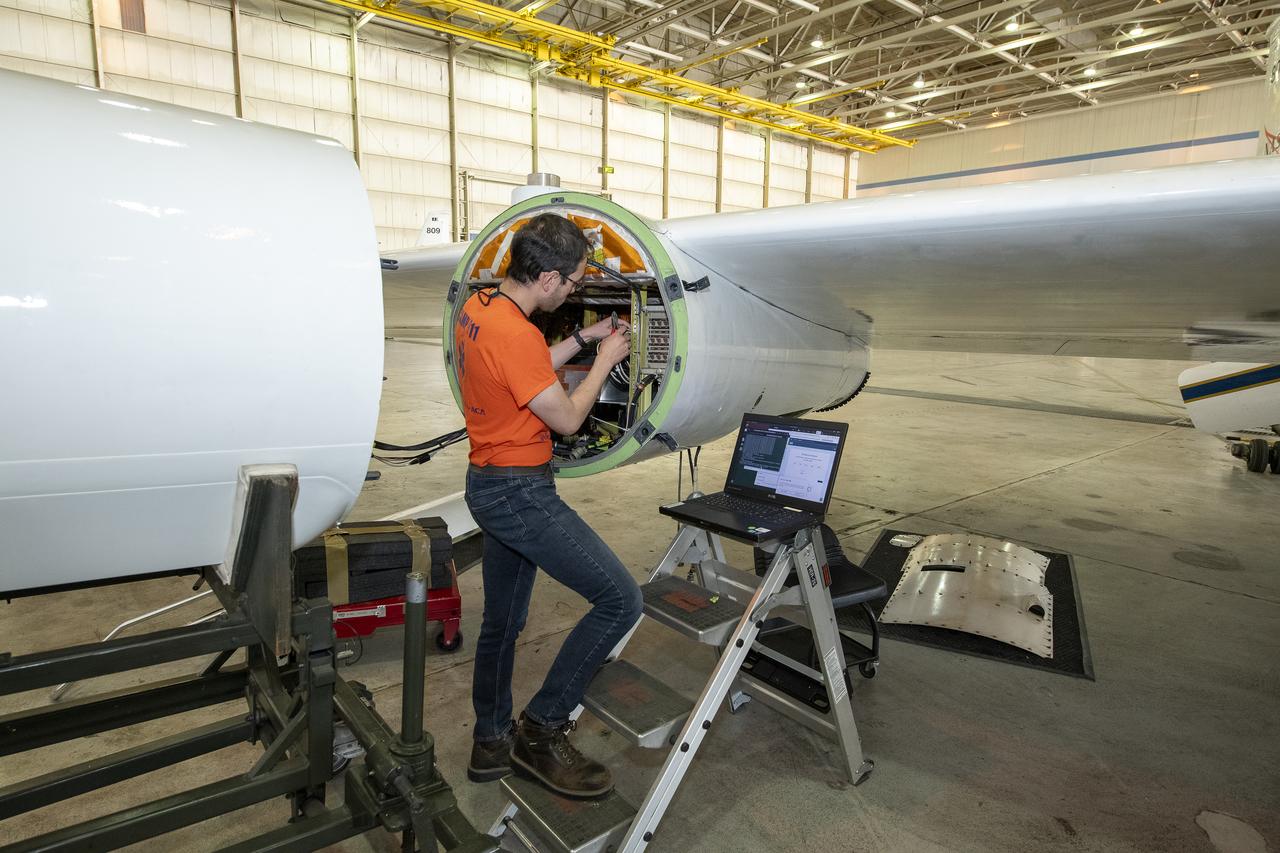
NASA Armstrong’s ER-2 aircraft is uploaded with instruments for its ALOFT mission. The ER-2 will fly at high altitudes above the Floridian coastline to collect data about the energetic characteristics and behavior of lightning and thunderclouds. Scientists from the University of Bergen, Norway will interpret that data from the ground and collaborate with NASA pilots to safely collect the most accurate data for this project about the power of lightning.
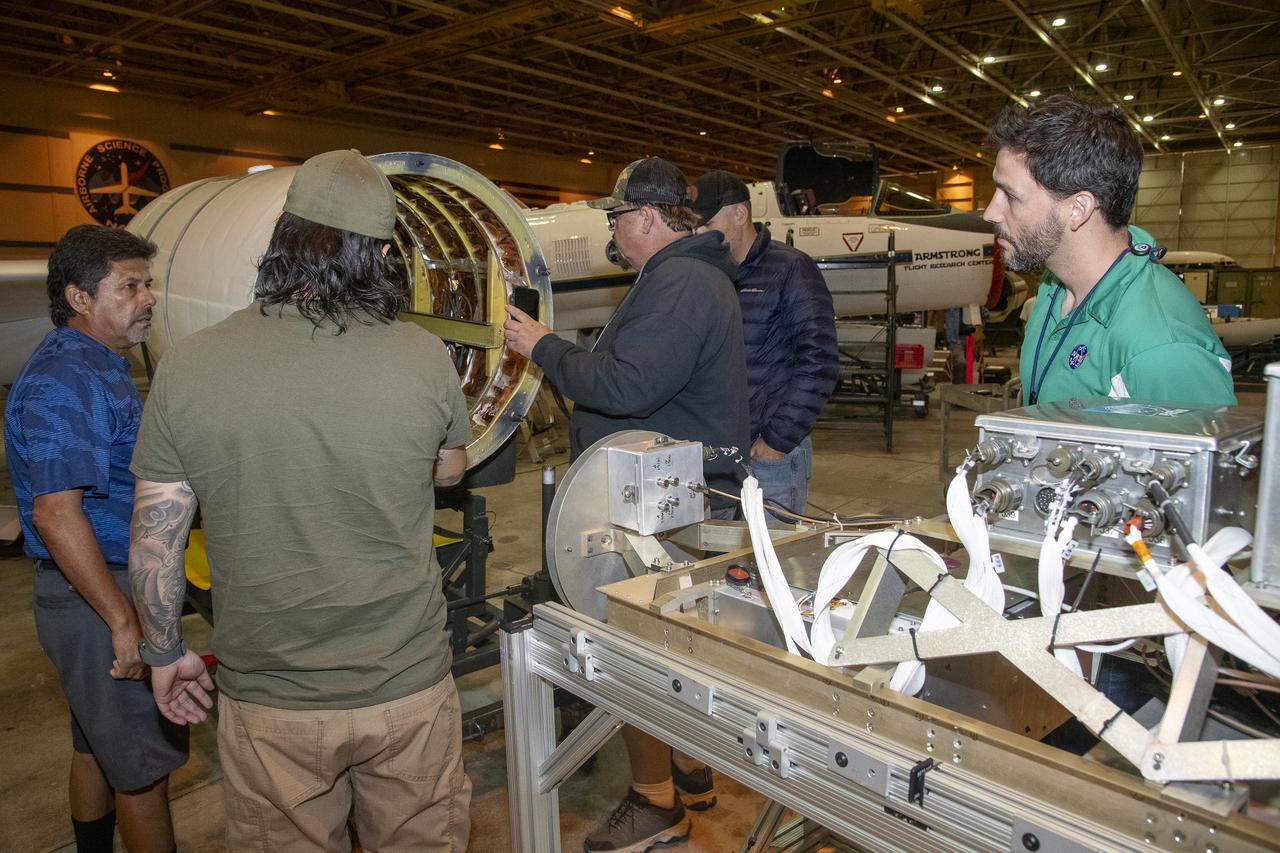
NASA Armstrong’s ER-2 aircraft is uploaded with instruments for its ALOFT mission. The ER-2 will fly at high altitudes above the Floridian coastline to collect data about the energetic characteristics and behavior of lightning and thunderclouds. Scientists from the University of Bergen, Norway will interpret that data from the ground and collaborate with NASA pilots to safely collect the most accurate data for this project about the power of lightning.
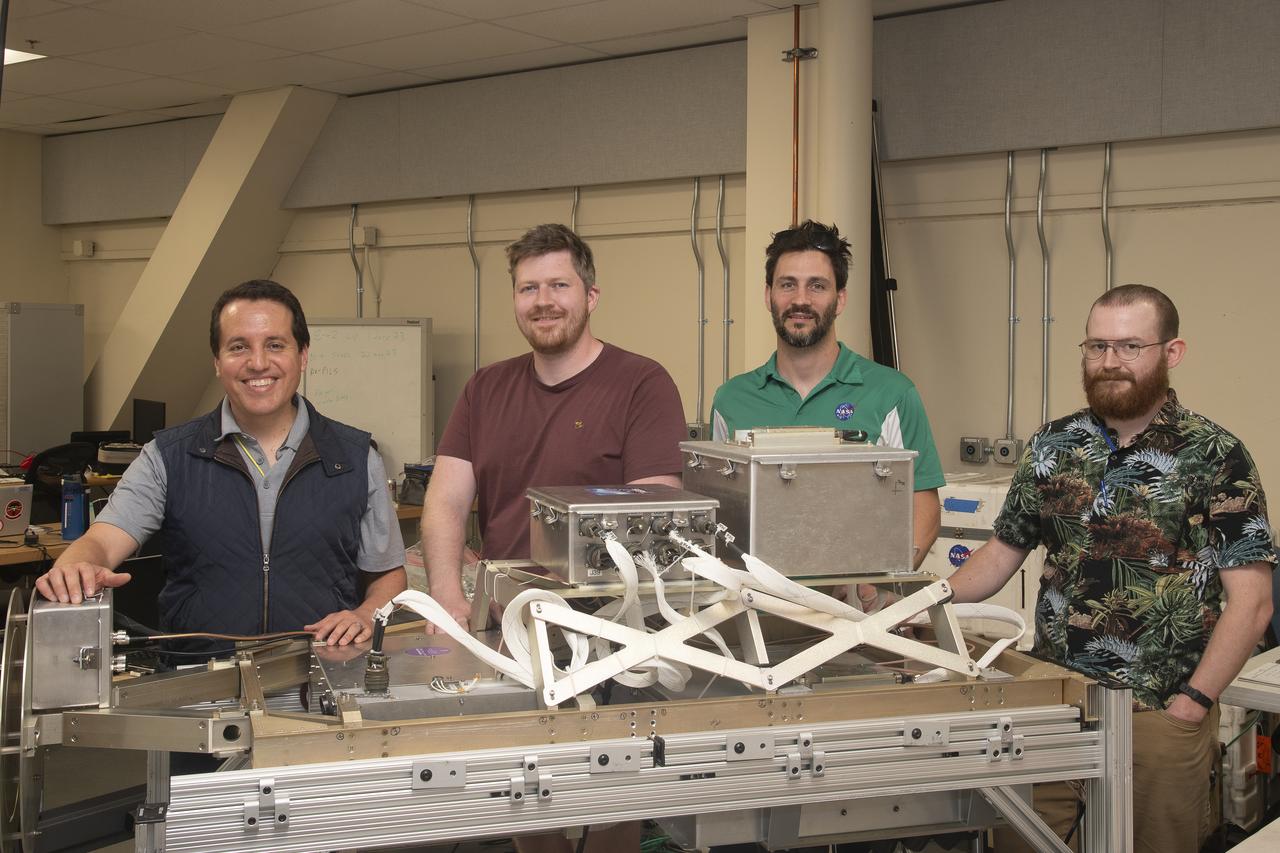
NASA Armstrong’s ER-2 aircraft is uploaded with instruments for its ALOFT mission. The ER-2 will fly at high altitudes above the Floridian coastline to collect data about the energetic characteristics and behavior of lightning and thunderclouds. Scientists from the University of Bergen, Norway will interpret that data from the ground and collaborate with NASA pilots to safely collect the most accurate data for this project about the power of lightning.
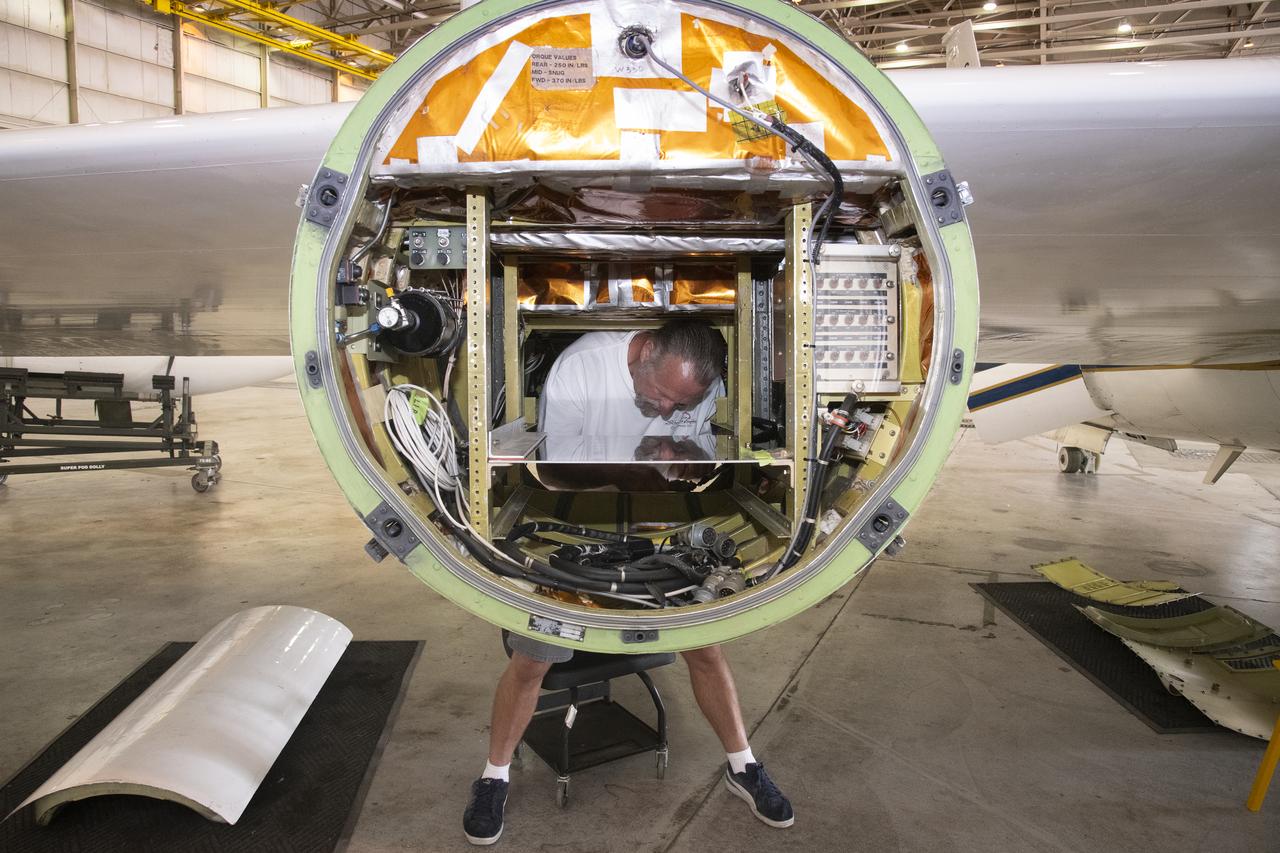
NASA Armstrong’s ER-2 aircraft is uploaded with instruments for its ALOFT mission. The ER-2 will fly at high altitudes above the Floridian coastline to collect data about the energetic characteristics and behavior of lightning and thunderclouds. Scientists from the University of Bergen, Norway will interpret that data from the ground and collaborate with NASA pilots to safely collect the most accurate data for this project about the power of lightning.
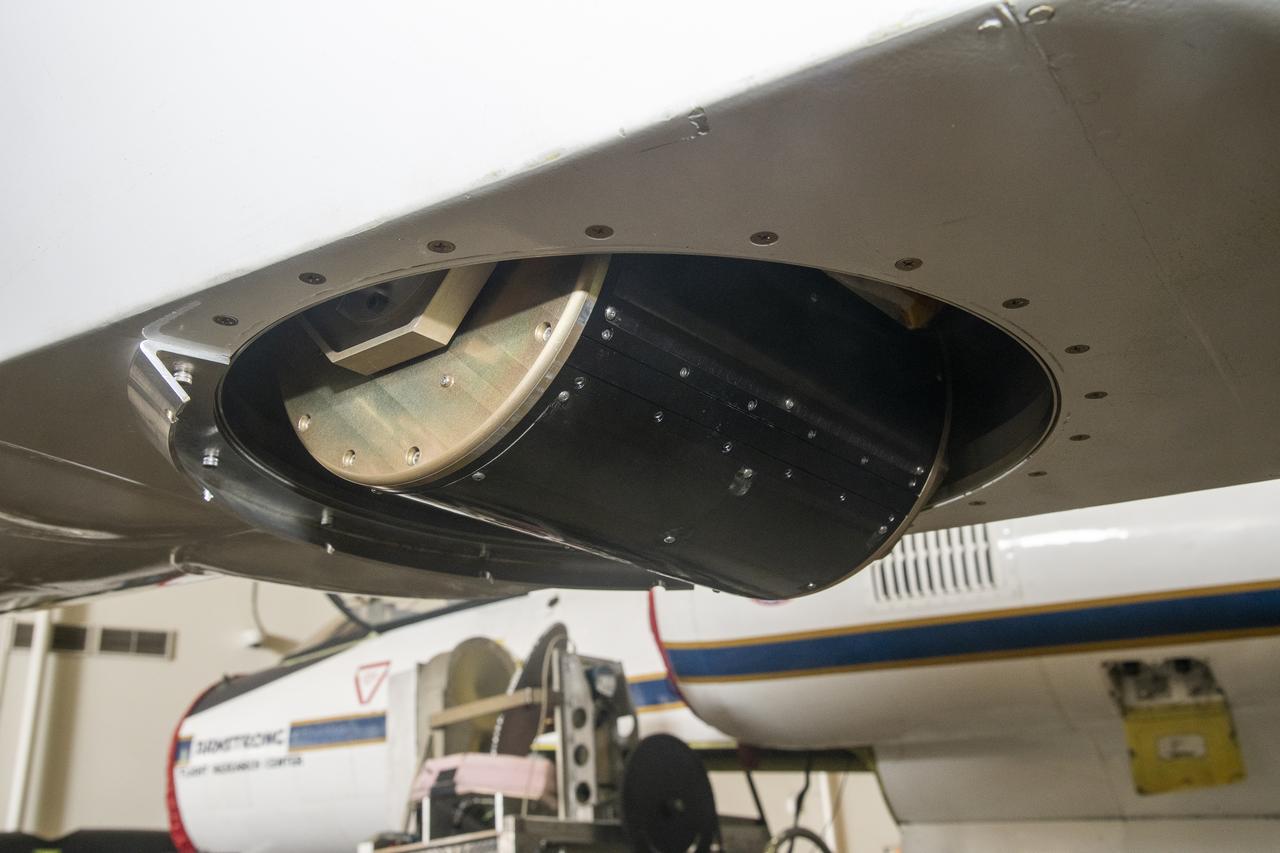
NASA Armstrong’s ER-2 aircraft is uploaded with instruments for its ALOFT mission. The ER-2 will fly at high altitudes above the Floridian coastline to collect data about the energetic characteristics and behavior of lightning and thunderclouds. Scientists from the University of Bergen, Norway will interpret that data from the ground and collaborate with NASA pilots to safely collect the most accurate data for this project about the power of lightning.
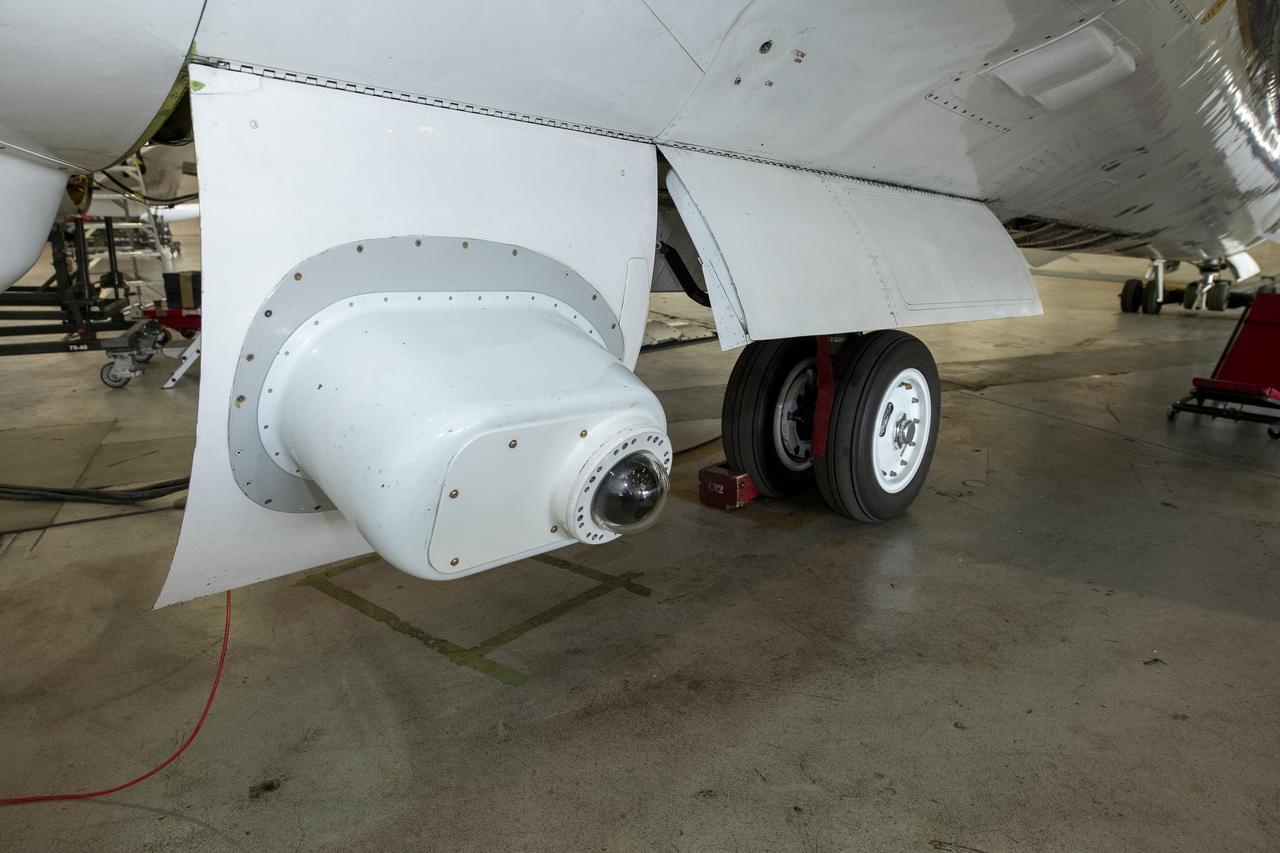
NASA Armstrong’s ER-2 aircraft is uploaded with instruments for its ALOFT mission. The ER-2 will fly at high altitudes above the Floridian coastline to collect data about the energetic characteristics and behavior of lightning and thunderclouds. Scientists from the University of Bergen, Norway will interpret that data from the ground and collaborate with NASA pilots to safely collect the most accurate data for this project about the power of lightning.
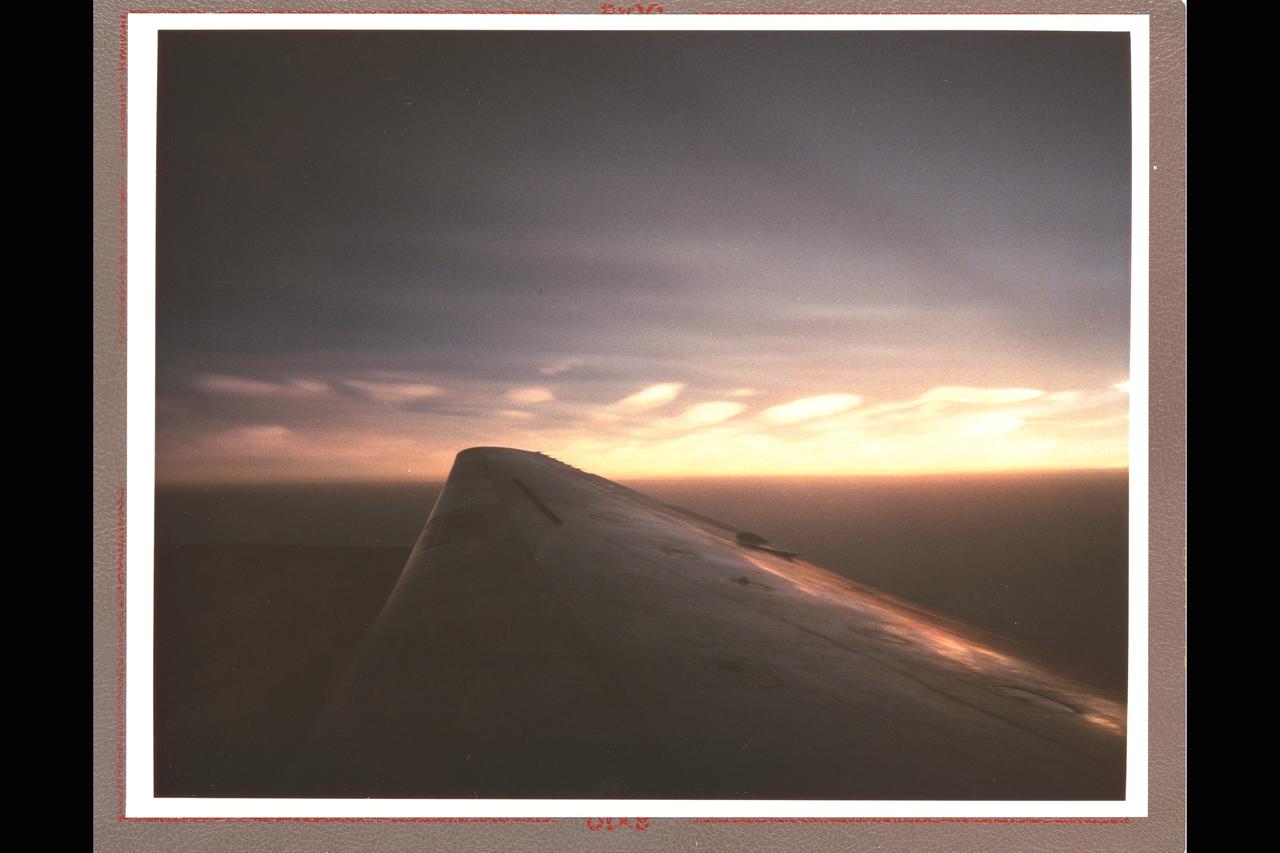
Airborne Arctic Stratospheric (Ozone) Expedition Stavanger Norway Jan-Feb 1989: The clouds seen from the NASA DC-8 aircraft at nearly 39,000 feet in the polar regions north of Stravanger, Norway, are representative of what are called 'Type II' polar stratospheric clouds. This type consists mostly of water molecules frozen as ice. These particular clouds are also exhibiting what is called orographic effects - the clouds have taken on a wave-like form because of motion associated with underlying topographic features of the earth's surface; in this case, some mountains in Iceland.
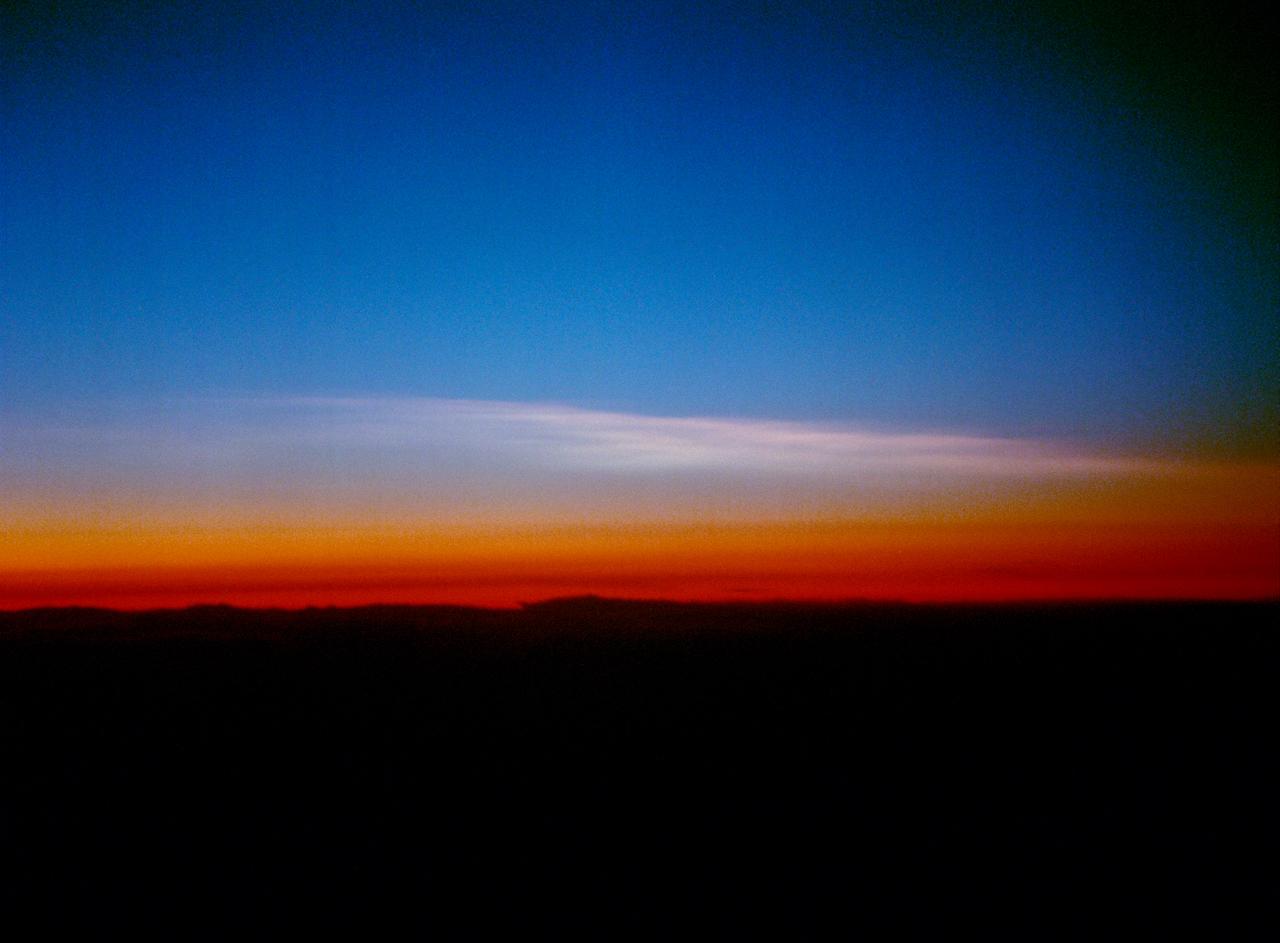
Arctic Ozone Expedition Stavanger Norway These clouds in the polar regions north of Stravanger, Norway are representative of what are called 'Type 1' and Type 2' polar stratospheric clouds. Type 1 are seen in the lower portion and consist of cloud particles comprised of nitrogen trihydrates. Seen edge-on as in this view, they appear as a thin dark orange or brown layer. Multiple layering can be seen. The Type 2 clouds are above and consist mostly of water molecules frozen as ice. The size of the particles in Type 2 clouds, the water-ice clouds, are much larger than the particle size of the Type 1 clouds - which are on the order of the wavelength of light.
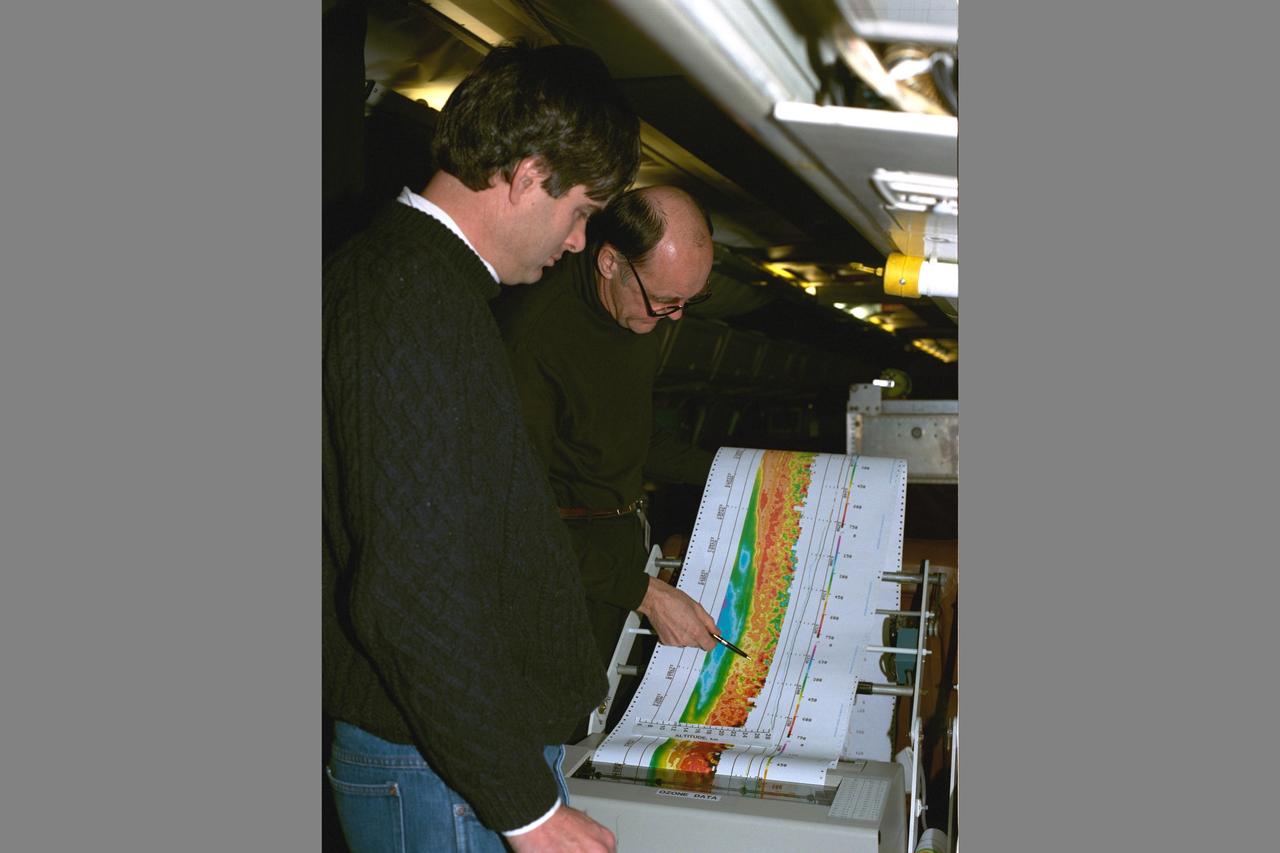
Arctic Ozone Expedition Stavanger Norway: Arlin Carter, NASA Langley Research Center, is shown here with colleague during flight collecting data on the laser ozone mapping experiment. This experiment uses laser beams to determine the extent of column ozone above the DC-8 flying laboratory on which the laser experiment flys.

iss066e116300 (Jan. 17, 2022) --- A faint aurora and the Earth's atmospheric glow crown this night time photograph of Northern Europe, as the International Space Station orbited 262 miles above. Prominent city lights include those of (from right to left) Berlin, Germany; Copenhagen, Denmark; and Oslo, Norway. At center, is the Baltic Sea separating the Scandinavian nations of Sweden and Finland from the Baltic states of Estonia, Latvia and Lithuania

This artist's concept depicts the completely assembled International Space Station (ISS) passing over Florida and the Bahamas. As a gateway to permanent human presence in space, the Space Station Program is to expand knowledge benefiting all people and nations. The ISS is a multidisciplinary laboratory, technology test bed, and observatory that will provide unprecedented undertakings in scientific, technological, and international experimentation. Experiments to be conducted in the ISS include: microgravity research, Earth science, space science, life sciences, space product development, and engineering research and technology. The sixteen countries participating in the ISS are: United States, Russian Federation, Canada, Japan, United Kingdom, Germany, Italy, France, Norway, Netherlands, Belgium, Spain, Denmark, Sweden, Switzerland, and Brazil.

This artist's digital concept depicts the completely assembled International Space Station (ISS) passing over Florida. As a gateway to permanent human presence in space, the Space Station Program is to expand knowledge benefiting all people and nations. The ISS is a multidisciplinary laboratory, technology test bed, and observatory that will provide unprecedented undertakings in scientific, technological, and international experimentation. Experiments to be conducted in the ISS include: microgravity research, Earth science, space science, life sciences, space product development, and engineering research and technology. The sixteen countries participating the ISS are: United States, Russian Federation, Canada, Japan, United Kingdom, Germany, Italy, France, Norway, Netherlands, Belgium, Spain, Denmark, Sweden, Switzerland, and Brazil.

This artist's concept depicts the completely assembled International Space Station (ISS) passing over the Straits of Gibraltar and the Mediterranean Sea. As a gateway to permanent human presence in space, the Space Station Program is to expand knowledge benefiting all people and nations. The ISS is a multidisciplinary laboratory, technology test bed, and observatory that will provide unprecedented undertakings in scientific, technological, and international experimentation. Experiments to be conducted in the ISS include: microgravity research, Earth science, space science, life sciences, space product development, and engineering research and technology. The sixteen countries participating the ISS are: United States, Russian Federation, Canada, Japan, United Kingdom, Germany, Italy, France, Norway, Netherlands, Belgium, Spain, Denmark, Sweden, Switzerland, and Brazil.
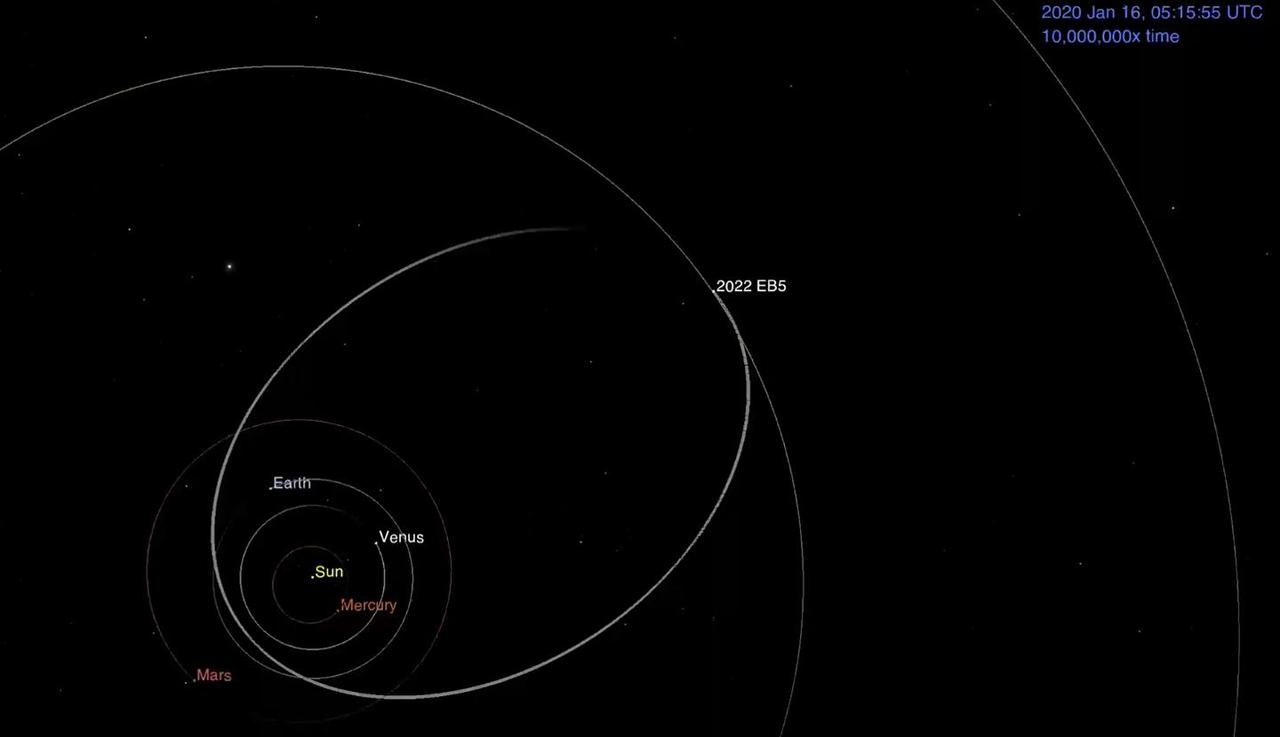
This animation shows asteroid 2022 EB5's predicted orbit around the Sun before impacting into the Earth's atmosphere on March 11, 2022. The asteroid – estimated to be about 6 ½ feet (2 meters) wide – was discovered two hours before impact. Using NASA's Scout impact hazard assessment system, members of the Center for Near Earth Object Studies (CNEOS) – which is managed by NASA's Jet Propulsion Laboratory in Southern California – accurately predicted where and when the asteroid would harmlessly break up in Earth's atmosphere. Infrasound sensors, which can detect low frequency sound waves as they travel through the atmosphere, confirmed the impact occurred over the Norwegian Sea, southwest of Norway's Jan Mayen island. Animation available at https://photojournal.jpl.nasa.gov/catalog/PIA24568

ISS043E194350 (05/15/2015) --- NASA astronaut Scott Kelly on the International Space Station tweeted this image out of an Earth observation image as part of his Space Geo trivia contest. Scott tweeted this comment and clue: "#SpaceGeo Four international borders in one photo from the International @Space_Station. Name them"! Two winners! Congrats to @TeacherWithTuba & @PC101!. The correct answer is :#SpaceGeo A: #Denmark #Norway #Sweden #Germany & #Poland. The winners will receive an autographed copy of this image when Scott returns to Earth in March 2016. Learn more about #SpaceGeo and play along every Wednesday for your chance to win: <a href="http://www.nasa.gov/feature/where-over-the-world-is-astronaut-scott-kelly/" rel="nofollow">www.nasa.gov/feature/where-over-the-world-is-astronaut-sc...</a>
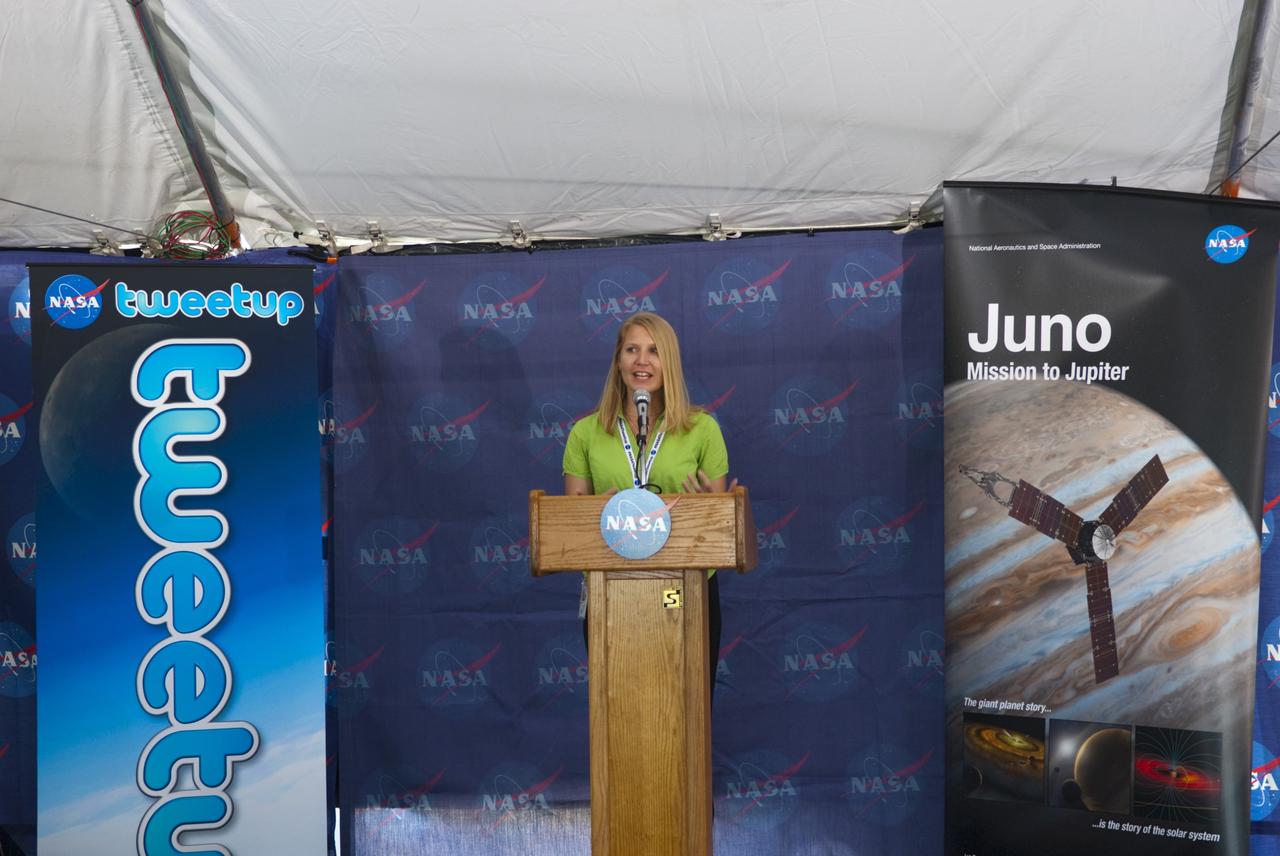
CAPE CANAVERAL, Fla. – At NASA’s Kennedy Space Center in Florida, NASA Tweetup coordinator Stephanie Schierholz welcomes about 150 tweeters to Juno Tweetup activities inside a tent at the Press Site. The tweeters are at the center for two days of prelaunch activities. Juno is NASA’s mission to Jupiter to study the giant planet and improve our understanding of the planet’s formation and evolution. The tweeters will share their experiences with followers through the social networking site Twitter. Attendees represent 28 states, the District of Columbia and five other countries: Canada, Finland, Norway, Spain and the United Kingdom. This is the first time NASA has invited Twitter followers to experience the launch of a planetary spacecraft. The Juno spacecraft is scheduled to launch on an Atlas V rocket from Space Launch Complex 41 at Cape Canaveral Air Force Station in Florida, Aug. 5, at 11:34 a.m. EDT. For more information, visit http://www.nasa.gov/juno. Photo credit: Jim Grossmann

CAPE CANAVERAL, Fla. – At NASA’s Kennedy Space Center in Florida, about 150 followers of the agency’s Twitter account arrived at the Tweetup tent at the Press Site for two days of Juno prelaunch activities. Juno is NASA’s mission to Jupiter to study the giant planet and improve our understanding of the planet’s formation and evolution. The tweeters will share their experiences with followers through the social networking site Twitter. Attendees represent 28 states, the District of Columbia and five other countries: Canada, Finland, Norway, Spain and the United Kingdom. This is the first time NASA has invited Twitter followers to experience the launch of a planetary spacecraft. The Juno spacecraft is scheduled to launch on an Atlas V rocket from Space Launch Complex 41 at Cape Canaveral Air Force Station in Florida, Aug. 5, at 11:34 a.m. EDT. For more information, visit http://www.nasa.gov/juno. Photo credit: Jim Grossmann
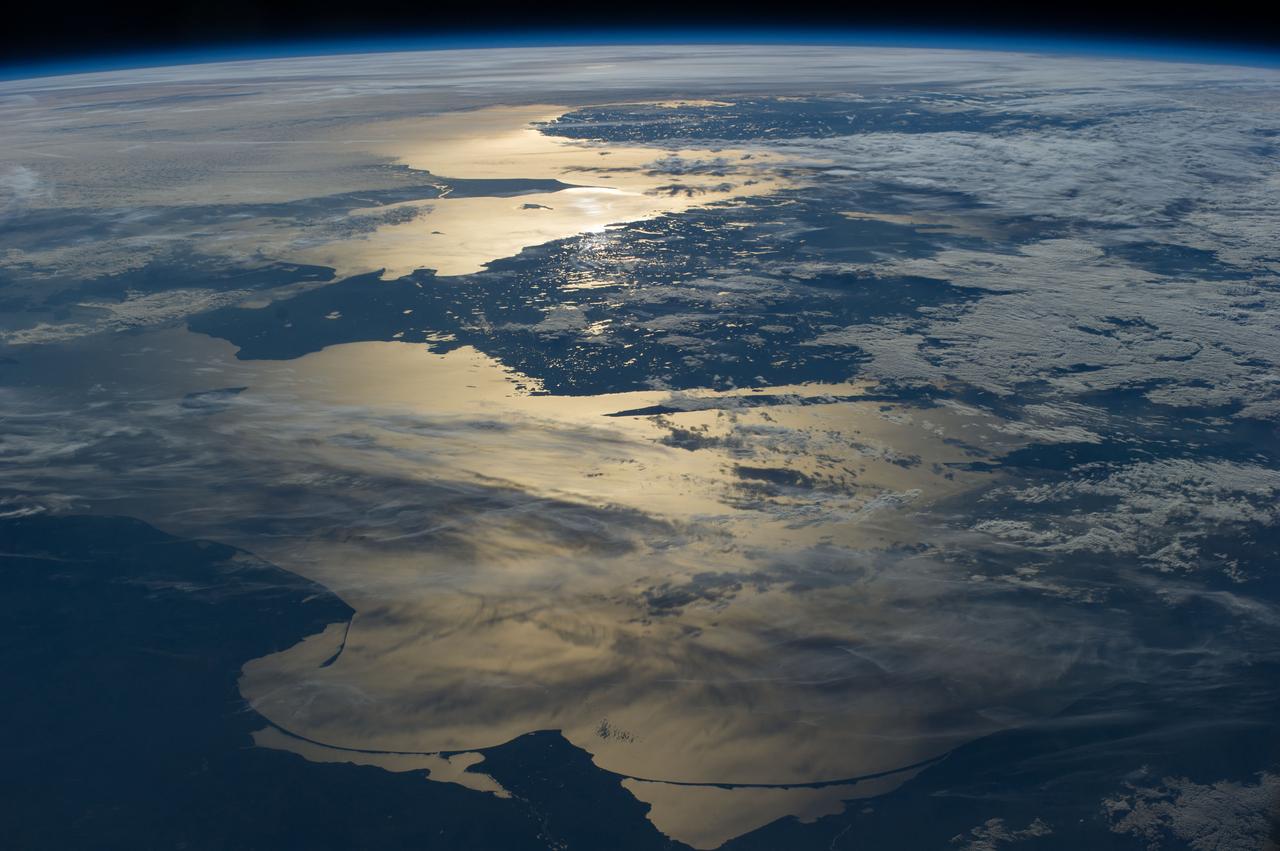
ISS040-E-012110 (15 June 2014) --- Coastlines of the southern Baltic Sea are featured in this image photographed by an Expedition 40 crew member on the International Space Station. The crew photographed this panorama looking aft (back along the orbital path) of the spacecraft as the sun was setting over the North Sea. Seen from the space station, the sun’s reflection point moves quickly across the landscape, momentarily lighting up water bodies. In this fleeting view the coast of southern Norway is outlined near the horizon. The strongest reflection of the sun highlights the narrow sea passage known as the Skagerrak—revealing the thin tip of Denmark. Numerous small lakes in southern Sweden appear at center, and scattered clouds cast complex shadows on the southern Baltic Sea. The sweeping curves of the sand spit on the Polish coast, and the long barrier islands on the Russian coast appear in the foreground at the edge of the sun’s reflection disc.
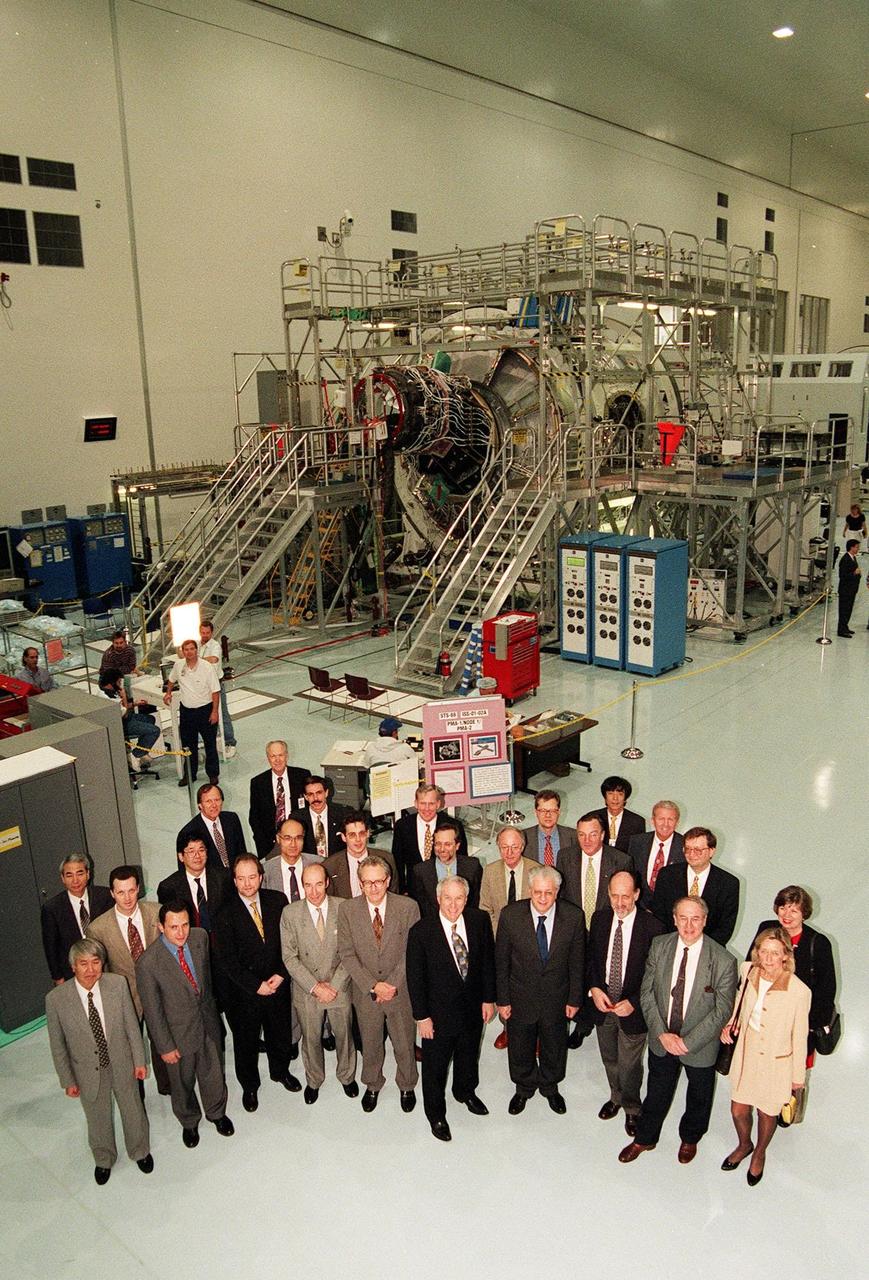
CAPE CANAVERAL, Fla. -- In the International Space Station Processing Facility at NASA's Kennedy Space Center in Florida, senior government officials from 15 countries participating in the space station program signed agreements in Washington D.C. on Jan. 29 to establish the framework of cooperation among the partners on the design, development, operation and utilization of the space station. Acting Secretary of State Strobe Talbott signed the 1998 Intergovernmental Agreement on Space Station Cooperation with representatives of Russia, Japan, Canada, and participating countries of the European Space Agency ESA -- Belgium, Denmark, France, Germany, Italy, the Netherlands, Norway, Spain, Sweden, Switzerland, and the United Kingdom. Some of these officials then toured Kennedy's Space Station Processing Facility SSPF with NASA Administrator Daniel Goldin, at front, sixth from the left. They are, left to right, front to back: Hidetoshi Murayama, National Space Development Agency of Japan NASDA Louis Laurent, Embassy of France Haakon Blankenborg, Norwegian Parliament Standing Committee on Foreign Affairs His Excellency Joris Vos, ambassador of the Netherlands His Excellency Tom Vraalsen, ambassador of Norway Goldin Luigi Berlinguer, Italian minister for education, scientific, and technological research Antonio Rodota, director general, ESA Yvan Ylieff, Belgian minister of science and chairman of the ESA Ministerial Council Jacqueline Ylieff Masaaki Komatsu, Kennedy local NASDA representative and interpreter Serge Ivanets, space attache, Embassy of Russia Hiroshi Fujita, Science and Technology Agency of Japan Akira Mizutani, Japanese Ministry of Foreign Affairs Peter Grognard, science attache', Royal Embassy of Belgium Michelangelo Pipan, Italian diplomatic counselor to the minister His Excellency Gerhard Fulda, German Federal Foreign Office Jorg Feustel-Buechl, ESA director of manned space flight and microgravity A. Yakovenko, Russian Ministry of Foreign Affairs JoAnn Morgan, Kennedy associate director for Advanced Development and Shuttle Upgrades Steve Francois, director, International Space Station and Shuttle Processing Roy Tharpe, Boeing launch site manager Jon Cowart, ISS elements manager John Schumacher, NASA associate administrator for external relations Didier Kechemair, space advistor to the French minister for education, research, and technology Yoshinori Yoshimura, NASDA and Loren Shriver, Kennedy deputy director for launch and payload processing. Node 1 of the ISS is in the background. Photo Credit: NASA
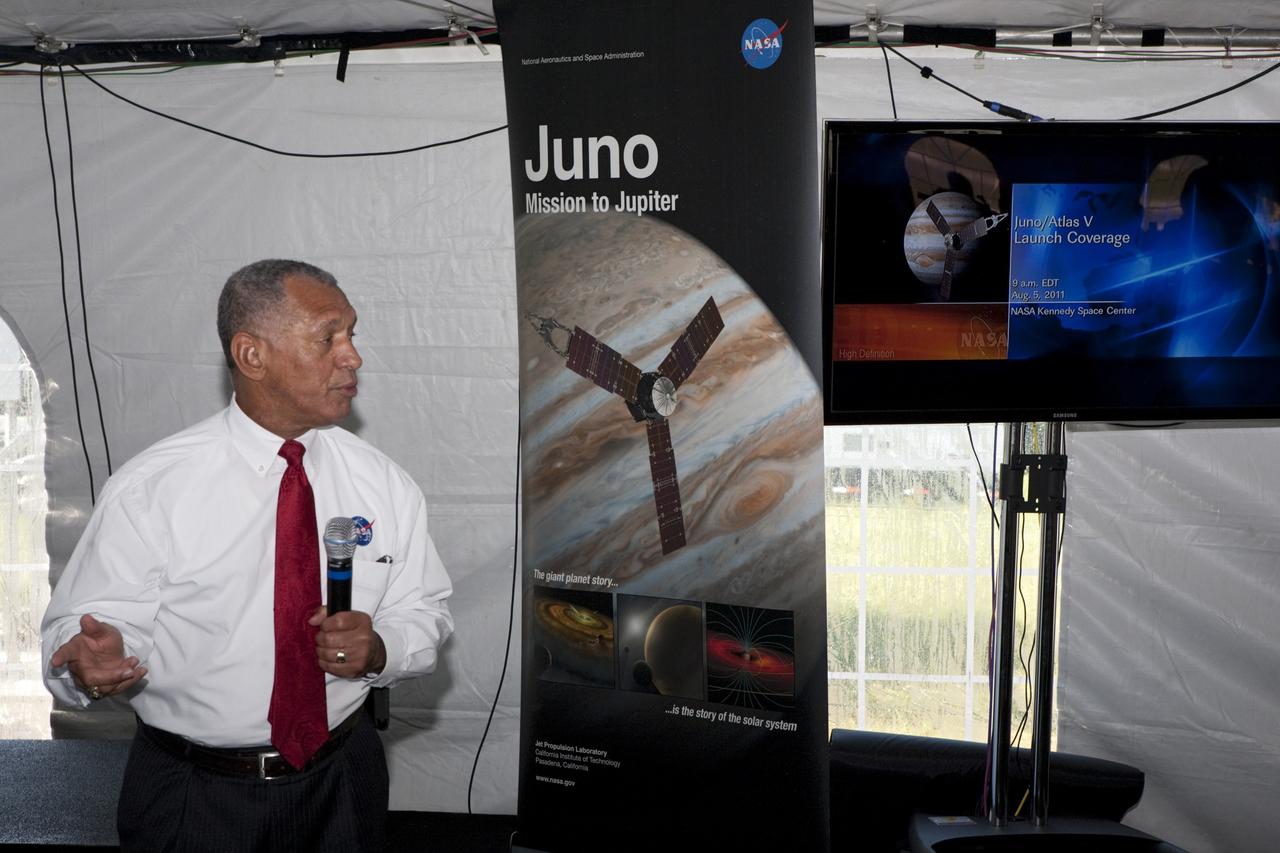
CAPE CANAVERAL, Fla. – At NASA’s Kennedy Space Center in Florida, NASA Administrator Charles Bolden speaks to about 150 followers of the agency’s Twitter account during Juno Tweetup activities inside a tent at the Press Site. The tweeters are at the center for two days of prelaunch activities. Juno is NASA’s mission to Jupiter to study the giant planet and improve our understanding of the planet’s formation and evolution. The tweeters will share their experiences with followers through the social networking site Twitter. Attendees represent 28 states, the District of Columbia and five other countries: Canada, Finland, Norway, Spain and the United Kingdom. This is the first time NASA has invited Twitter followers to experience the launch of a planetary spacecraft. The Juno spacecraft is scheduled to launch on an Atlas V rocket from Space Launch Complex 41 at Cape Canaveral Air Force Station in Florida, Aug. 5, at 11:34 a.m. EDT. For more information, visit http://www.nasa.gov/juno. Photo credit: NASA/Gianni M. Woods

The International Space Station (ISS) Payload Operations Center (POC) at NASA's Marshall Space Flight Center (MSFC) in Huntsville, Alabama, is the world's primary science command post for the International Space Station (ISS), the most ambitious space research facility in human history. The Payload Operations team is responsible for managing all science research experiments aboard the Station. The center is also home for coordination of the mission-plarning work of variety of international sources, all science payload deliveries and retrieval, and payload training and safety programs for the Station crew and all ground personnel. Within the POC, critical payload information from the ISS is displayed on a dedicated workstation, reading both S-band (low data rate) and Ku-band (high data rate) signals from a variety of experiments and procedures operated by the ISS crew and their colleagues on Earth. The POC is the focal point for incorporating research and experiment requirements from all international partners into an integrated ISS payload mission plan. This photograph is an overall view of the MSFC Payload Operations Center displaying the flags of the countries participating the ISS. The flags at the left portray The United States, Canada, France, Switzerland, Netherlands, Japan, Brazil, and Sweden. The flags at the right portray The Russian Federation, Italy, Germany, Belgium, Spain, United Kingdom, Denmark, and Norway.
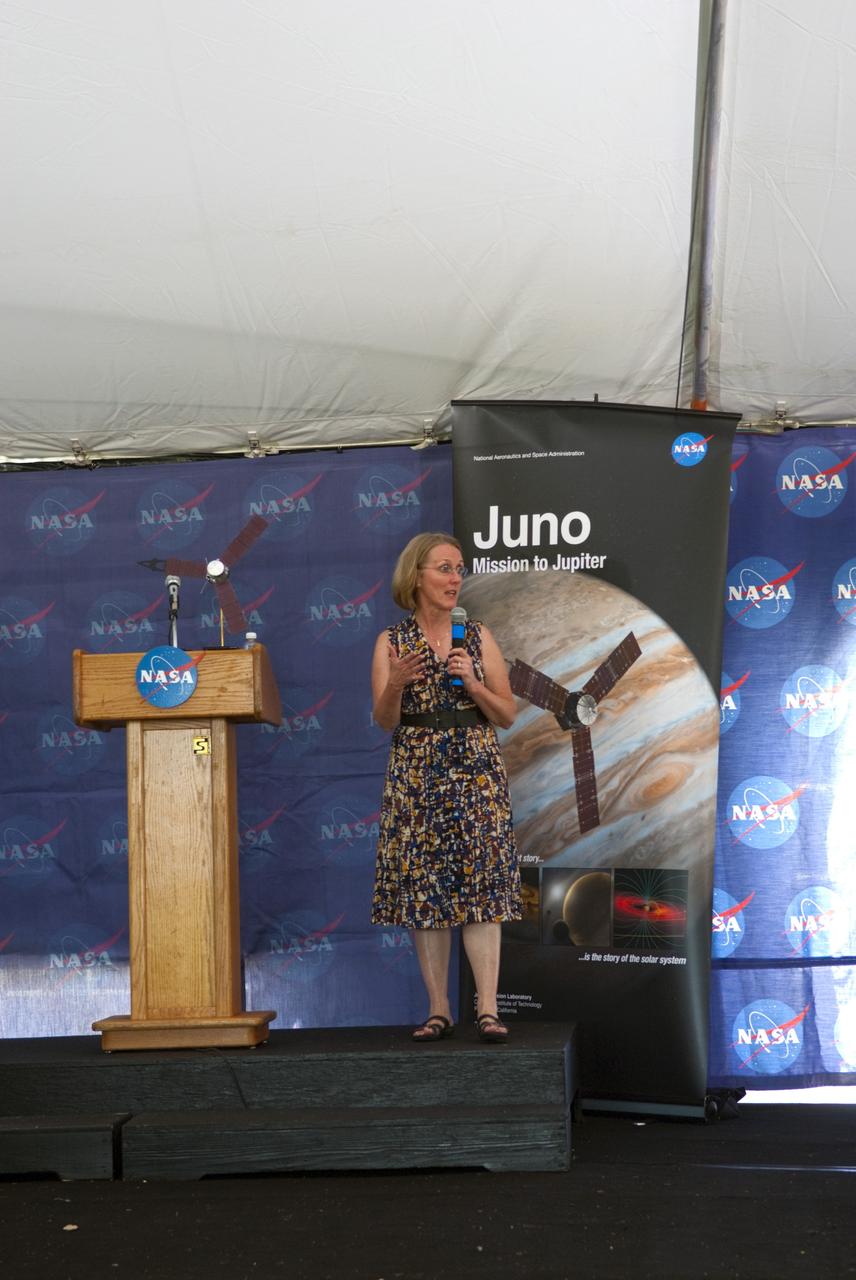
CAPE CANAVERAL, Fla. – At NASA’s Kennedy Space Center in Florida, Jan Chodas, Juno project manager from the Jet Propulsion Laboratory in Pasadena, Calif., speaks to about 150 followers of the agency’s Twitter account during Juno Tweetup activities inside a tent at the Press Site. The tweeters are at the center for two days of prelaunch activities. Juno is NASA’s mission to Jupiter to study the giant planet and improve our understanding of the planet’s formation and evolution. The tweeters will share their experiences with followers through the social networking site Twitter. Attendees represent 28 states, the District of Columbia and five other countries: Canada, Finland, Norway, Spain and the United Kingdom. This is the first time NASA has invited Twitter followers to experience the launch of a planetary spacecraft. The Juno spacecraft is scheduled to launch on an Atlas V rocket from Space Launch Complex 41 at Cape Canaveral Air Force Station in Florida, Aug. 5, at 11:34 a.m. EDT. For more information, visit http://www.nasa.gov/juno. Photo credit: Jim Grossmann
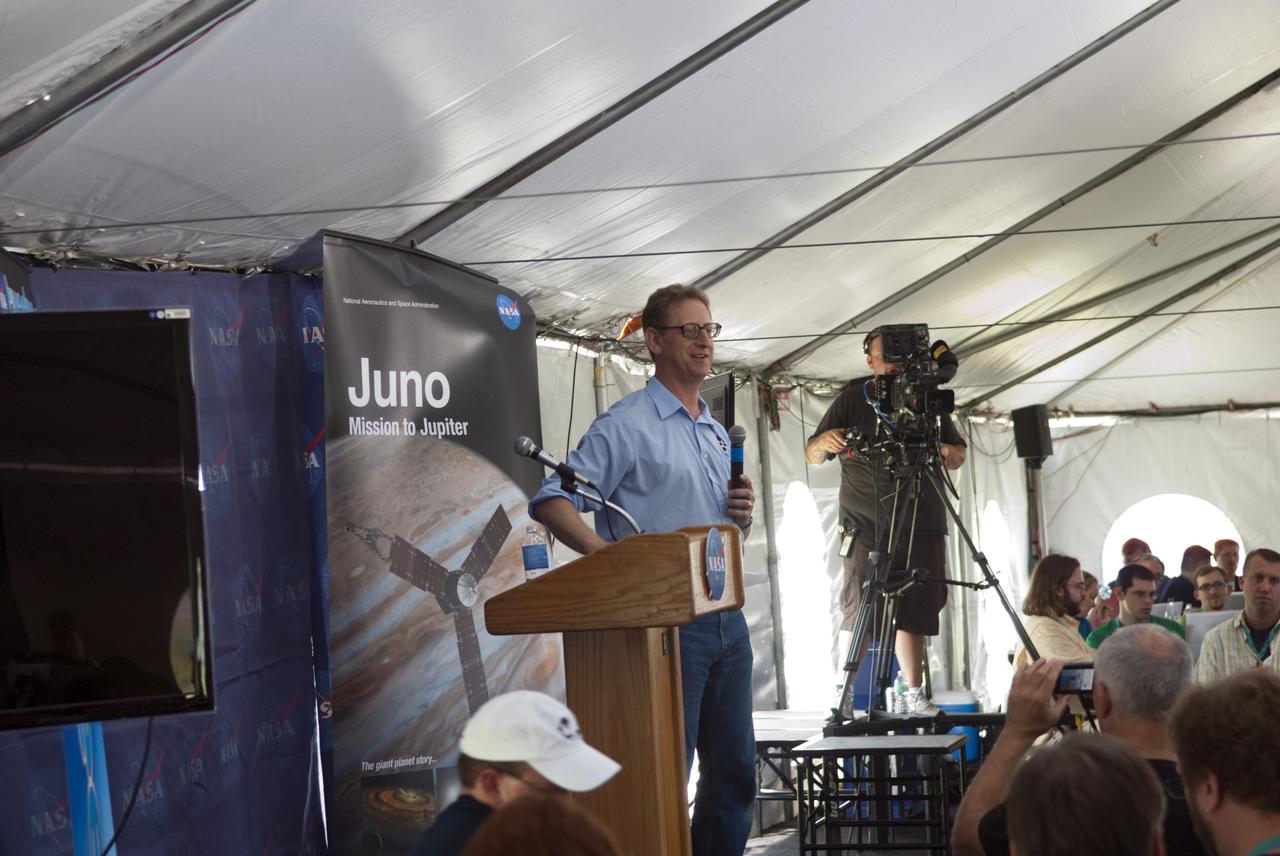
CAPE CANAVERAL, Fla. – At NASA’s Kennedy Space Center in Florida, Steve Levin, Juno project scientist from the Jet Propulsion Laboratory in Pasadena, Calif., speaks to about 150 followers of the agency’s Twitter account during Juno Tweetup activities inside a tent at the Press Site. The tweeters are at the center for two days of prelaunch activities. Juno is NASA’s mission to Jupiter to study the giant planet and improve our understanding of the planet’s formation and evolution. The tweeters will share their experiences with followers through the social networking site Twitter. Attendees represent 28 states, the District of Columbia and five other countries: Canada, Finland, Norway, Spain and the United Kingdom. This is the first time NASA has invited Twitter followers to experience the launch of a planetary spacecraft. The Juno spacecraft is scheduled to launch on an Atlas V rocket from Space Launch Complex 41 at Cape Canaveral Air Force Station in Florida, Aug. 5, at 11:34 a.m. EDT. For more information, visit http://www.nasa.gov/juno. Photo credit: Jim Grossmann
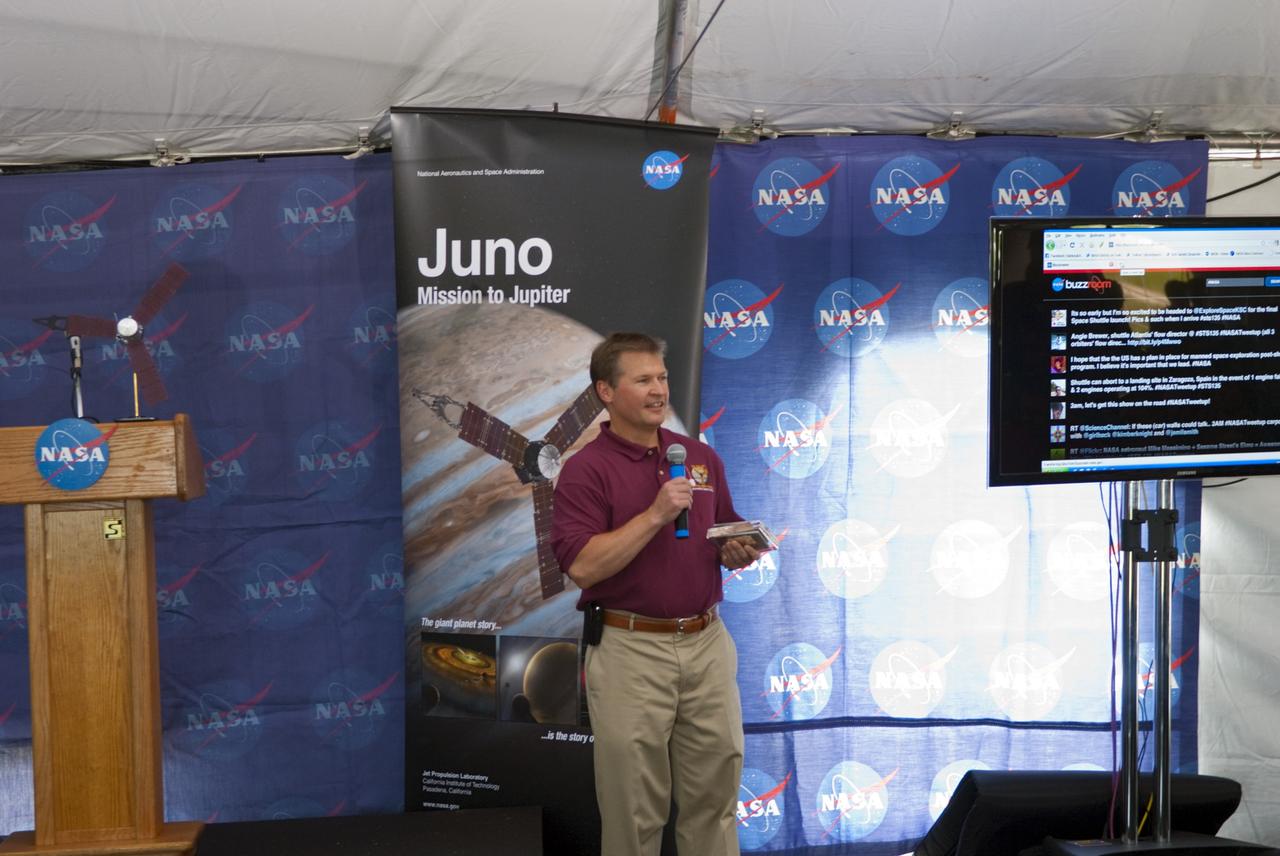
CAPE CANAVERAL, Fla. – At NASA’s Kennedy Space Center in Florida, Chris Brosious, Juno chief systems engineer for Lockheed Martin, speaks to about 150 followers of the agency’s Twitter account during Juno Tweetup activities inside a tent at the Press Site. The tweeters are at the center for two days of prelaunch activities. Juno is NASA’s mission to Jupiter to study the giant planet and improve our understanding of the planet’s formation and evolution. The tweeters will share their experiences with followers through the social networking site Twitter. Attendees represent 28 states, the District of Columbia and five other countries: Canada, Finland, Norway, Spain and the United Kingdom. This is the first time NASA has invited Twitter followers to experience the launch of a planetary spacecraft. The Juno spacecraft is scheduled to launch on an Atlas V rocket from Space Launch Complex 41 at Cape Canaveral Air Force Station in Florida, Aug. 5, at 11:34 a.m. EDT. For more information, visit http://www.nasa.gov/juno. Photo credit: Jim Grossmann

CAPE CANAVERAL, Fla. – At NASA’s Kennedy Space Center in Florida, about 150 followers of the agency’s Twitter account listen to presentations about NASA’s Juno mission to Jupiter during Tweetup activities inside a tent at the Press Site. The tweeters are at the center for two days of Juno prelaunch activities. Juno is NASA’s mission to Jupiter to study the giant planet and improve our understanding of the planet’s formation and evolution. The tweeters will share their experiences with followers through the social networking site Twitter. Attendees represent 28 states, the District of Columbia and five other countries: Canada, Finland, Norway, Spain and the United Kingdom. This is the first time NASA has invited Twitter followers to experience the launch of a planetary spacecraft. The Juno spacecraft is scheduled to launch on an Atlas V rocket from Space Launch Complex 41 at Cape Canaveral Air Force Station in Florida, Aug. 5, at 11:34 a.m. EDT. For more information, visit http://www.nasa.gov/juno. Photo credit: NASA/Fletcher Hildreth

CAPE CANAVERAL, Fla. – At NASA’s Kennedy Space Center in Florida, Andrew Aldrin, director of Business Development and Advanced Programs for the United Launch Alliance, speaks to about 150 followers of the agency’s Twitter account during Juno Tweetup activities inside a tent at the Press Site. The tweeters are at the center for two days of prelaunch activities. Juno is NASA’s mission to Jupiter to study the giant planet and improve our understanding of the planet’s formation and evolution. The tweeters will share their experiences with followers through the social networking site Twitter. Attendees represent 28 states, the District of Columbia and five other countries: Canada, Finland, Norway, Spain and the United Kingdom. This is the first time NASA has invited Twitter followers to experience the launch of a planetary spacecraft. The Juno spacecraft is scheduled to launch on an Atlas V rocket from Space Launch Complex 41 at Cape Canaveral Air Force Station in Florida, Aug. 5, at 11:34 a.m. EDT. For more information, visit http://www.nasa.gov/juno. Photo credit: NASA/Gianni M. Woods

The International Space Station (ISS) Payload Operations Center (POC) at NASA's Marshall Space Flight Center (MSFC) in Huntsville, Alabama, is the world's primary science command post for the (ISS), the most ambitious space research facility in human history. The Payload Operations team is responsible for managing all science research experiments aboard the Station. The center is also home for coordination of the mission-plarning work of variety of international sources, all science payload deliveries and retrieval, and payload training and safety programs for the Station crew and all ground personnel. Within the POC, critical payload information from the ISS is displayed on a dedicated workstation, reading both S-band (low data rate) and Ku-band (high data rate) signals from a variety of experiments and procedures operated by the ISS crew and their colleagues on Earth. The POC is the focal point for incorporating research and experiment requirements from all international partners into an integrated ISS payload mission plan. This photograph is an overall view of the MSFC Payload Operations Center displaying the flags of the countries participating in the ISS. The flags at the left portray The United States, Canada, France, Switzerland, Netherlands, Japan, Brazil, and Sweden. The flags at the right portray The Russian Federation, Italy, Germany, Belgium, Spain, United Kingdom, Denmark, and Norway.
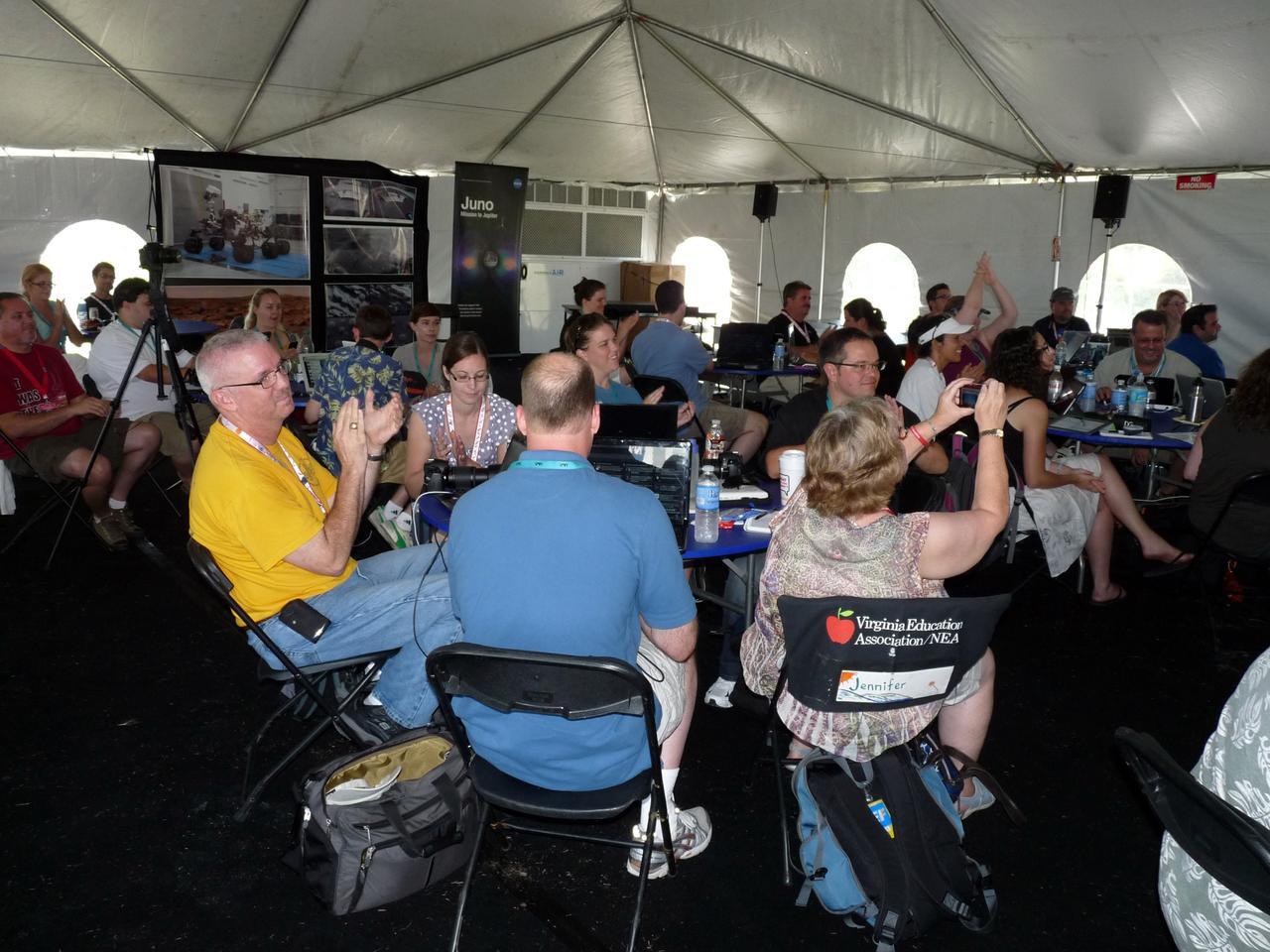
CAPE CANAVERAL, Fla. – At NASA’s Kennedy Space Center in Florida, about 150 followers of the agency’s Twitter account listen to presentations about NASA’s Juno mission to Jupiter during Tweetup activities inside a tent at the Press Site. The tweeters are at the center for two days of Juno prelaunch activities. Juno is NASA’s mission to Jupiter to study the giant planet and improve our understanding of the planet’s formation and evolution. The tweeters will share their experiences with followers through the social networking site Twitter. Attendees represent 28 states, the District of Columbia and five other countries: Canada, Finland, Norway, Spain and the United Kingdom. This is the first time NASA has invited Twitter followers to experience the launch of a planetary spacecraft. The Juno spacecraft is scheduled to launch on an Atlas V rocket from Space Launch Complex 41 at Cape Canaveral Air Force Station in Florida, Aug. 5, at 11:34 a.m. EDT. For more information, visit http://www.nasa.gov/juno. Photo credit: NASA/Fletcher Hildreth

CAPE CANAVERAL, Fla. – At NASA’s Kennedy Space Center in Florida, Steve Levin, Juno project scientist from the Jet Propulsion Laboratory in Pasadena, Calif., speaks to about 150 followers of the agency’s Twitter account during Juno Tweetup activities inside a tent at the Press Site. The tweeters are at the center for two days of prelaunch activities. Juno is NASA’s mission to Jupiter to study the giant planet and improve our understanding of the planet’s formation and evolution. The tweeters will share their experiences with followers through the social networking site Twitter. Attendees represent 28 states, the District of Columbia and five other countries: Canada, Finland, Norway, Spain and the United Kingdom. This is the first time NASA has invited Twitter followers to experience the launch of a planetary spacecraft. The Juno spacecraft is scheduled to launch on an Atlas V rocket from Space Launch Complex 41 at Cape Canaveral Air Force Station in Florida, Aug. 5, at 11:34 a.m. EDT. For more information, visit http://www.nasa.gov/juno. Photo credit: Jim Grossmann
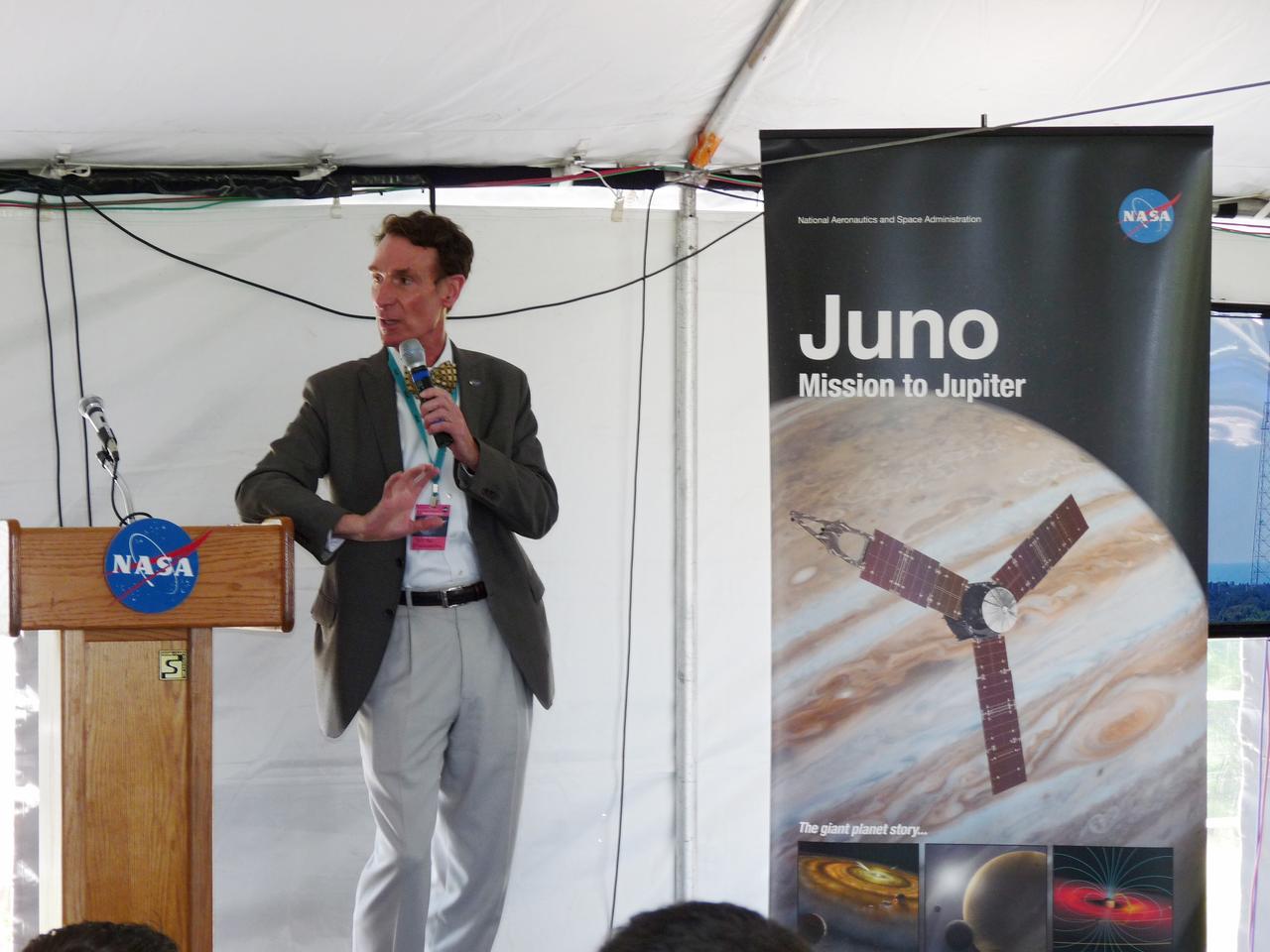
CAPE CANAVERAL, Fla. – At NASA’s Kennedy Space Center in Florida, television personality Bill Nye, the science guy, speaks to about 150 followers of the agency’s Twitter account during Juno Tweetup activities inside a tent at the Press Site. The tweeters are at the center for two days of prelaunch activities. Juno is NASA’s mission to Jupiter to study the giant planet and improve our understanding of the planet’s formation and evolution. The tweeters will share their experiences with followers through the social networking site Twitter. Attendees represent 28 states, the District of Columbia and five other countries: Canada, Finland, Norway, Spain and the United Kingdom. This is the first time NASA has invited Twitter followers to experience the launch of a planetary spacecraft. The Juno spacecraft is scheduled to launch on an Atlas V rocket from Space Launch Complex 41 at Cape Canaveral Air Force Station in Florida, Aug. 5, at 11:34 a.m. EDT. For more information, visit http://www.nasa.gov/juno. Photo credit: NASA/Fletcher Hildreth
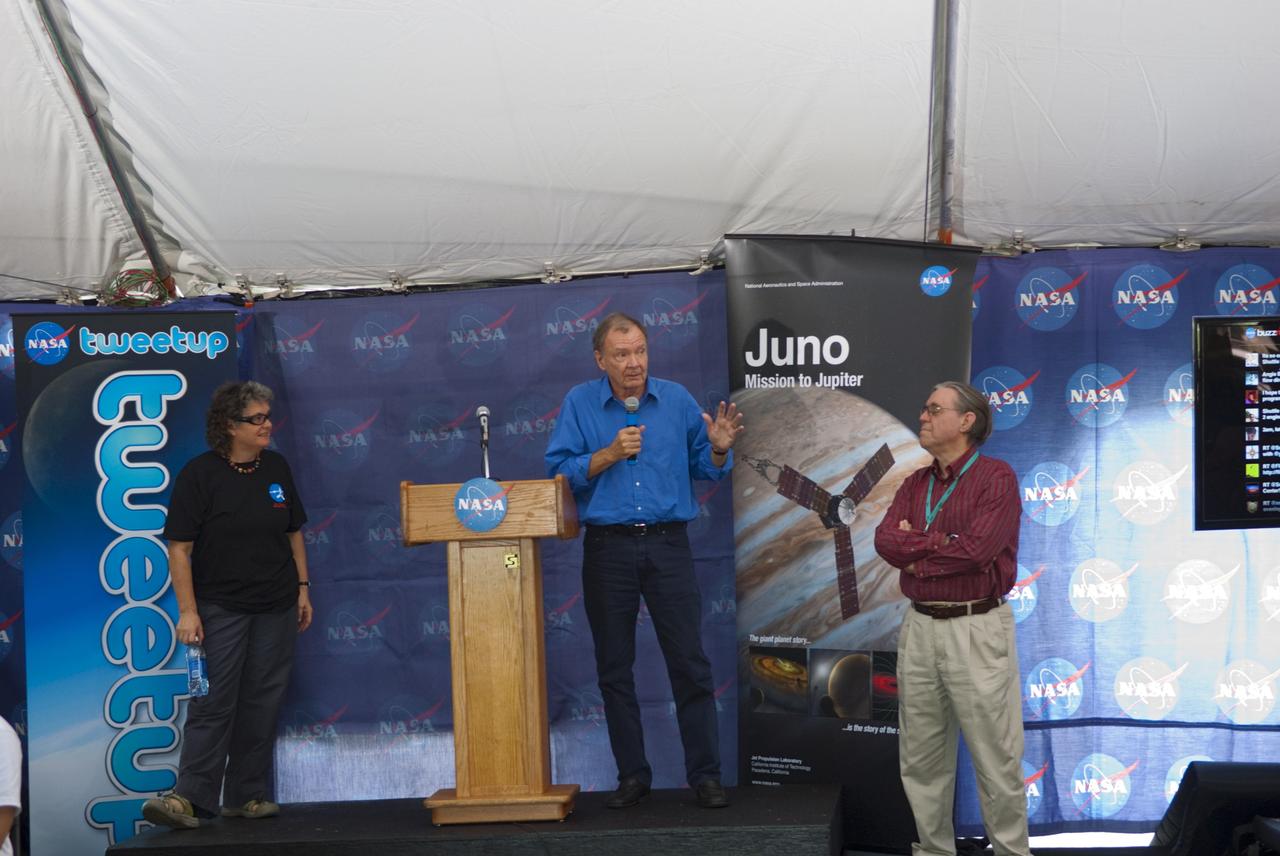
CAPE CANAVERAL, Fla. – At NASA’s Kennedy Space Center in Florida, Toby Owen, Juno co-investigator from the University of Hawaii, speaks to about 150 followers of the agency’s Twitter account during Juno Tweetup activities inside a tent at the Press Site. The tweeters are at the center for two days of prelaunch activities. Juno is NASA’s mission to Jupiter to study the giant planet and improve our understanding of the planet’s formation and evolution. The tweeters will share their experiences with followers through the social networking site Twitter. Attendees represent 28 states, the District of Columbia and five other countries: Canada, Finland, Norway, Spain and the United Kingdom. This is the first time NASA has invited Twitter followers to experience the launch of a planetary spacecraft. The Juno spacecraft is scheduled to launch on an Atlas V rocket from Space Launch Complex 41 at Cape Canaveral Air Force Station in Florida, Aug. 5, at 11:34 a.m. EDT. For more information, visit http://www.nasa.gov/juno. Photo credit: Jim Grossmann
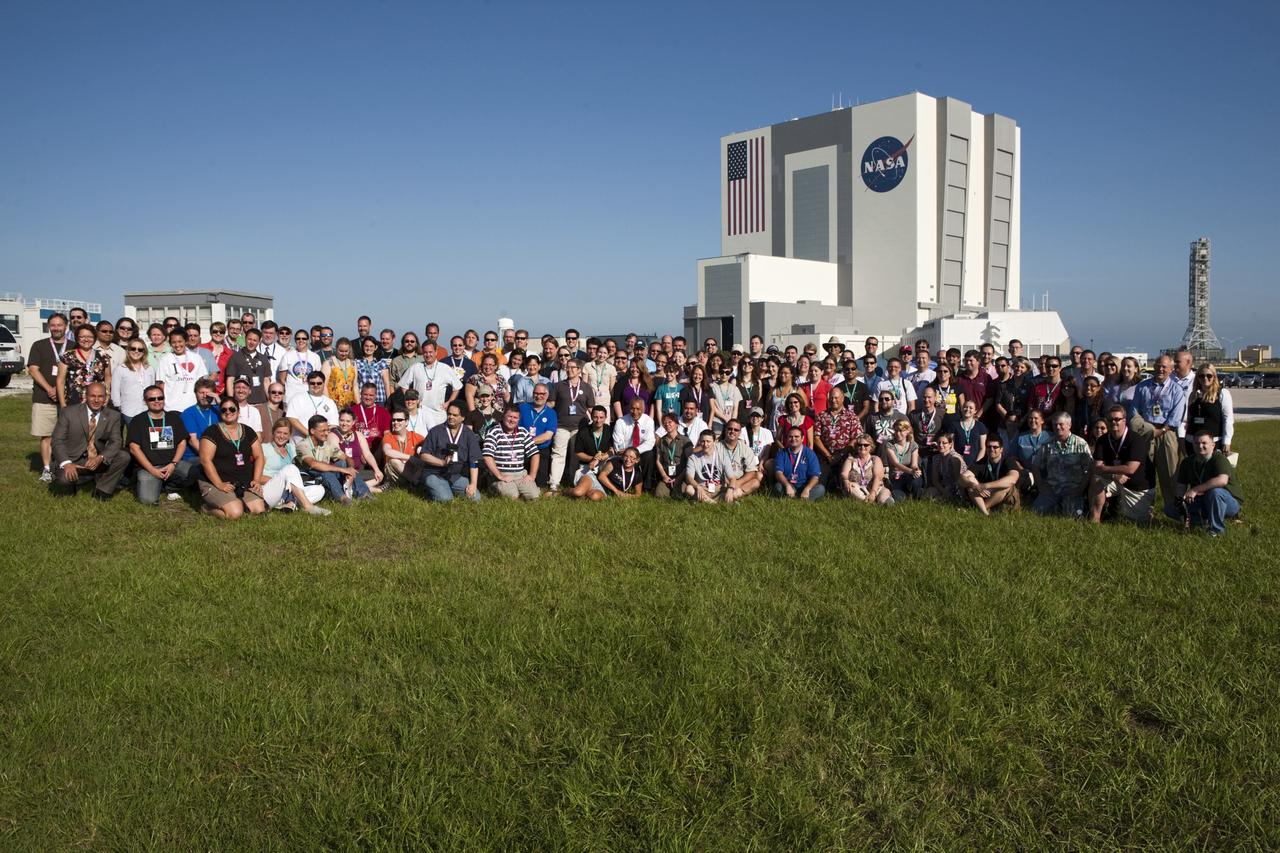
CAPE CANAVERAL, Fla. – At NASA’s Kennedy Space Center in Florida, NASA Administrator Charles Bolden (front row center, red tie) poses for a group portrait with about 150 followers of the agency’s Twitter account during Juno Tweetup activities at the Press Site. In the background is the 525-foot-tall Vehicle Assembly Building. The tweeters are at the center for two days of prelaunch activities. Juno is NASA’s mission to Jupiter to study the giant planet and improve our understanding of the planet’s formation and evolution. The tweeters will share their experiences with followers through the social networking site Twitter. Attendees represent 28 states, the District of Columbia and five other countries: Canada, Finland, Norway, Spain and the United Kingdom. This is the first time NASA has invited Twitter followers to experience the launch of a planetary spacecraft. The Juno spacecraft is scheduled to launch on an Atlas V rocket from Space Launch Complex 41 at Cape Canaveral Air Force Station in Florida, Aug. 5, at 11:34 a.m. EDT. For more information, visit http://www.nasa.gov/juno. Photo credit: NASA/Gianni M. Woods
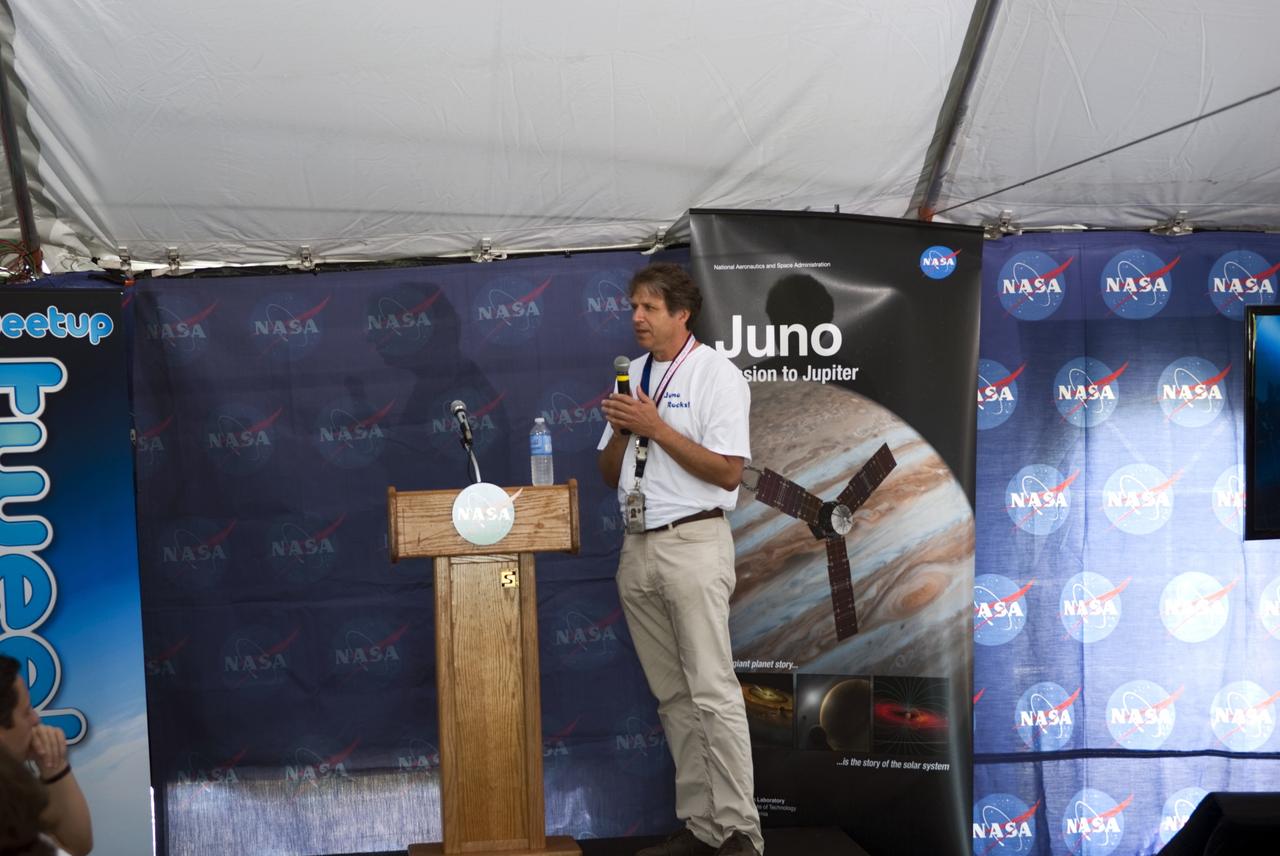
CAPE CANAVERAL, Fla. – At NASA’s Kennedy Space Center in Florida, Scott Bolton, Juno primary investigator from the Southwest Research Institute in San Antonio, speaks to about 150 followers of the agency’s Twitter account during Juno Tweetup activities inside a tent at the Press Site. The tweeters are at the center for two days of prelaunch activities. Juno is NASA’s mission to Jupiter to study the giant planet and improve our understanding of the planet’s formation and evolution. The tweeters will share their experiences with followers through the social networking site Twitter. Attendees represent 28 states, the District of Columbia and five other countries: Canada, Finland, Norway, Spain and the United Kingdom. This is the first time NASA has invited Twitter followers to experience the launch of a planetary spacecraft. The Juno spacecraft is scheduled to launch on an Atlas V rocket from Space Launch Complex 41 at Cape Canaveral Air Force Station in Florida, Aug. 5, at 11:34 a.m. EDT. For more information, visit http://www.nasa.gov/juno. Photo credit: Jim Grossmann

CAPE CANAVERAL, Fla. – At NASA’s Kennedy Space Center in Florida, about 150 followers of the agency’s Twitter account listen to presentations about NASA’s Juno mission to Jupiter during Tweetup activities inside a tent at the Press Site. The tweeters are at the center for two days of Juno prelaunch activities. Juno is NASA’s mission to Jupiter to study the giant planet and improve our understanding of the planet’s formation and evolution. The tweeters will share their experiences with followers through the social networking site Twitter. Attendees represent 28 states, the District of Columbia and five other countries: Canada, Finland, Norway, Spain and the United Kingdom. This is the first time NASA has invited Twitter followers to experience the launch of a planetary spacecraft. The Juno spacecraft is scheduled to launch on an Atlas V rocket from Space Launch Complex 41 at Cape Canaveral Air Force Station in Florida, Aug. 5, at 11:34 a.m. EDT. For more information, visit http://www.nasa.gov/juno. Photo credit: Jim Grossmann
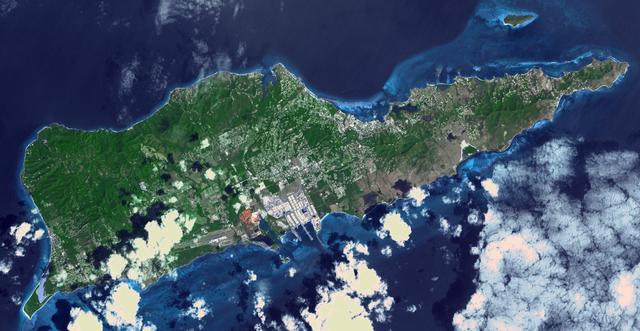
Saint Croix is a district of the U.S. Virgin Islands, in the Caribbean Sea. First inhabited by indigenous groups, the island was visited by Columbus in 1493. By the end of the 16th century, the island was uninhabited, the native population dispersed or killed. Starting in the 17th century, the island was successively claimed by the Spanish, the French, the French West India Company, and, for the next 200 years, the Danish West India Company. In 1801 the British invaded and took control; followed by Denmark-Norway a year later. Then again the British, and again Denmark in 1815. One hundred years later, in 1915, Denmark sold the Virgin Islands to the United States, and the inhabitants were granted US citizenship. Saint Croix was home to HOVENSA, one of the world's largest oil refineries. In 2012, the refinery closed, and tourism is now the main source of revenue (Wikipedia). The image covers an area of 18.7 by 36.2 km, was acquired March 10, 2011, and is located at 17.7 degrees north, 64.7 degrees west. https://photojournal.jpl.nasa.gov/catalog/PIA22894
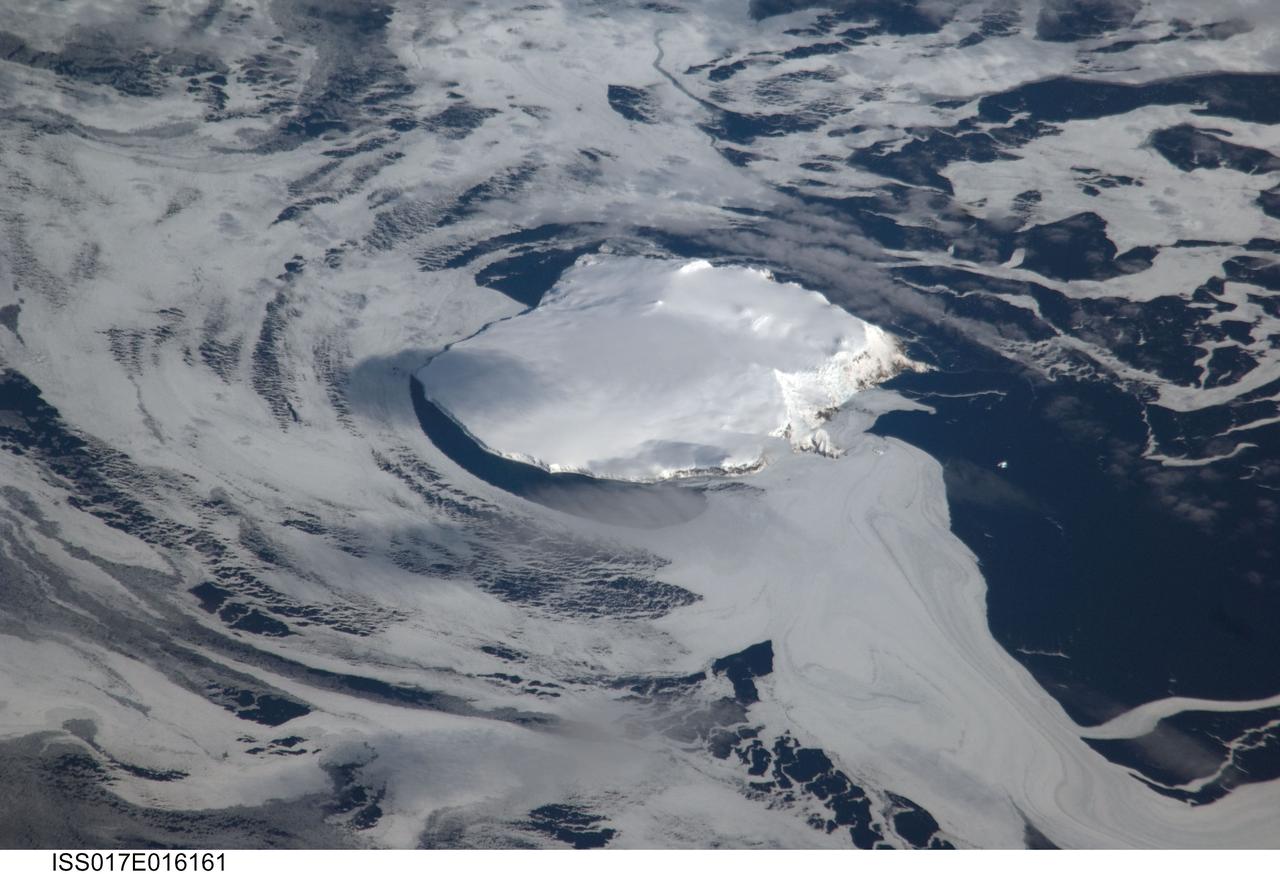
ISS017-E-016161 (13 Sept. 2008) --- Bouvet Island in the South Atlantic Ocean is featured in this image photographed by an Expedition 17 crewmember on the International Space Station. Bouvet Island is known as the most remote island in the world. Antarctica, over 1600 kilometers to the south, is the nearest land mass. Located near the junction between the South American, African, and Antarctic tectonic plates, the island is mostly formed from a shield volcano -- a broad, gently sloping cone formed by thin, fluid lavas -- that is almost entirely covered by glaciers. The prominent Kapp (Cape) Valdivia on the northern coastline is a peninsula formed by a lava dome -- a volcanic feature built by viscous lavas with a high silica content. It is only along the steep cliffs of the coastline that the underlying dark volcanic rock is visible against the white snow and ice blanketing the island. Bouvet Island was discovered by the French Captain Lozier-Bouvet in 1739, and was subsequently visited by representatives of different nations several times during the 19th century. The island was annexed by the Kingdom of Norway in 1927 following a Norwegian expedition's stay on the island. Bouvet is uninhabited, and its extremely harsh environment precludes anything but short-duration stays. Nevertheless, the island supports some flora (such as lichens) and fauna (seabirds and seals). Abundant sea ice surrounds the island in this view (center).
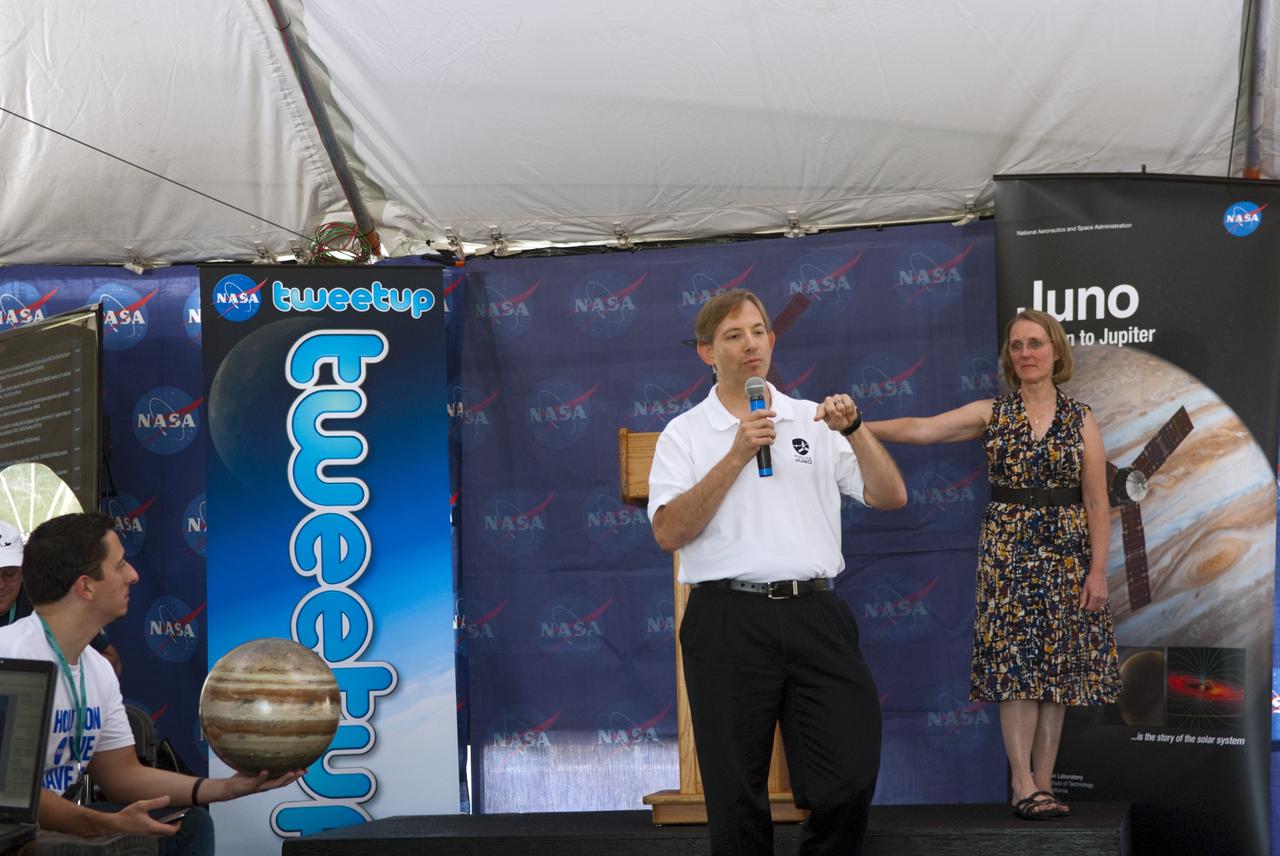
CAPE CANAVERAL, Fla. – At NASA’s Kennedy Space Center in Florida, Steve Matousek (left), former Juno mission manager, and Jan Chodas, Juno project manager, both from the Jet Propulsion Laboratory in Pasadena, Calif., speak to about 150 followers of the agency’s Twitter account during Juno Tweetup activities inside a tent at the Press Site. The tweeters are at the center for two days of prelaunch activities. Juno is NASA’s mission to Jupiter to study the giant planet and improve our understanding of the planet’s formation and evolution. The tweeters will share their experiences with followers through the social networking site Twitter. Attendees represent 28 states, the District of Columbia and five other countries: Canada, Finland, Norway, Spain and the United Kingdom. This is the first time NASA has invited Twitter followers to experience the launch of a planetary spacecraft. The Juno spacecraft is scheduled to launch on an Atlas V rocket from Space Launch Complex 41 at Cape Canaveral Air Force Station in Florida, Aug. 5, at 11:34 a.m. EDT. For more information, visit http://www.nasa.gov/juno. Photo credit: Jim Grossmann
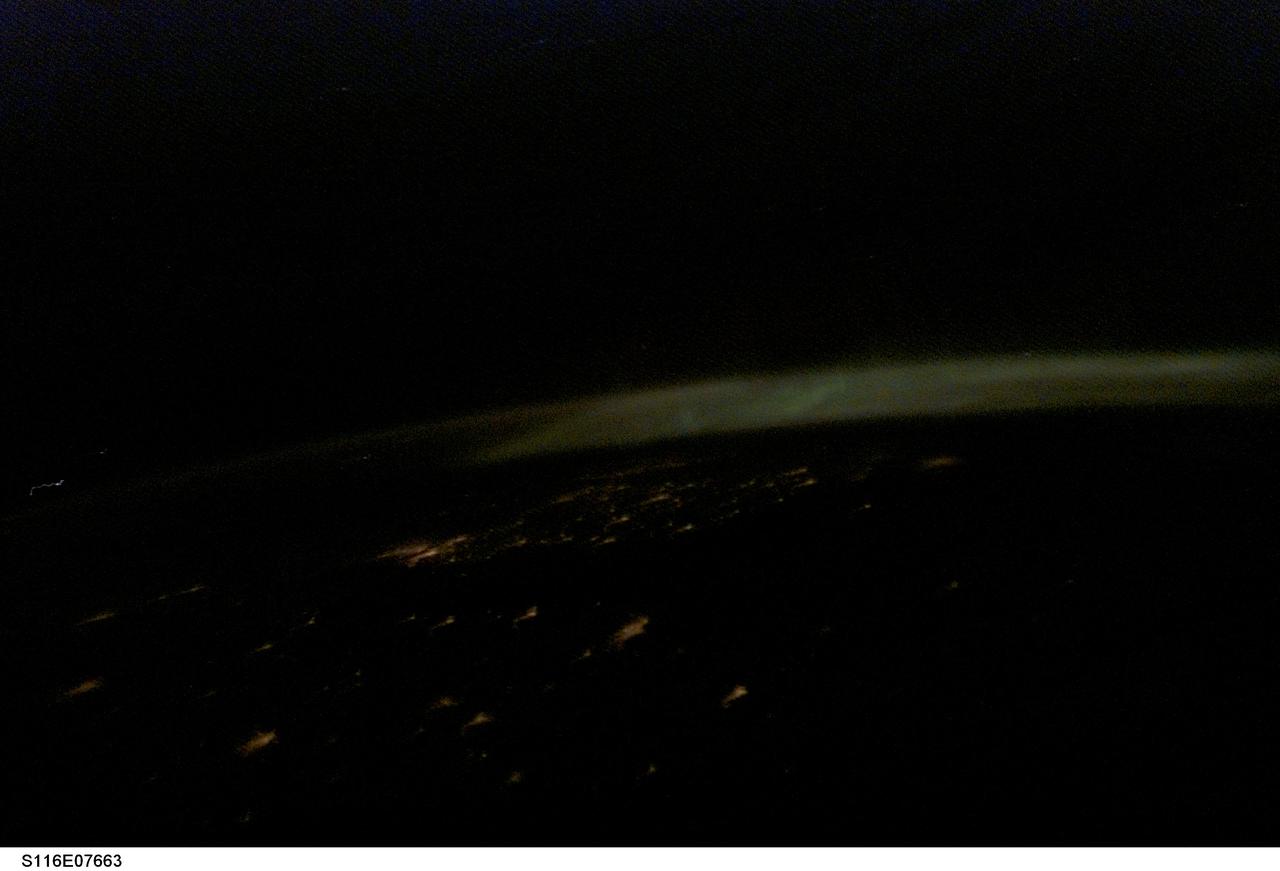
S116-E-07663 (20 Dec. 2006) --- One of the STS-116 crewmembers onboard the Space Shuttle Discovery captured this picture of Aurora Borealis over Norway, Poland and Sweden, as the crew made preparations for a Dec. 22 landing. European Space Agency astronaut Christer Fuglesang onboard the shuttle noted the rarity of pictures over this area from shuttle missions, and especially pictures that included the Northern Lights. Fuglesang is from Sweden. The city lights of Copenhagen (bright cluster of lights in the middle left portion of the image), Stockholm (under the aurora on the far right side of the image), and Gdansk (in the center forefront) are seen. The formation of the aurora starts with the sun releasing solar particles. The Earth's magnetic field captures and channels the solar particles toward the Earth's two magnetic poles (north and south). As the solar particles move towards the poles they collide with the Earth's atmosphere, which acts as an effective shield against these deadly particles. The collision between the solar particles and the atmospheric gas molecule emits a light particle (photon). When there are many collisions the aurora is formed.
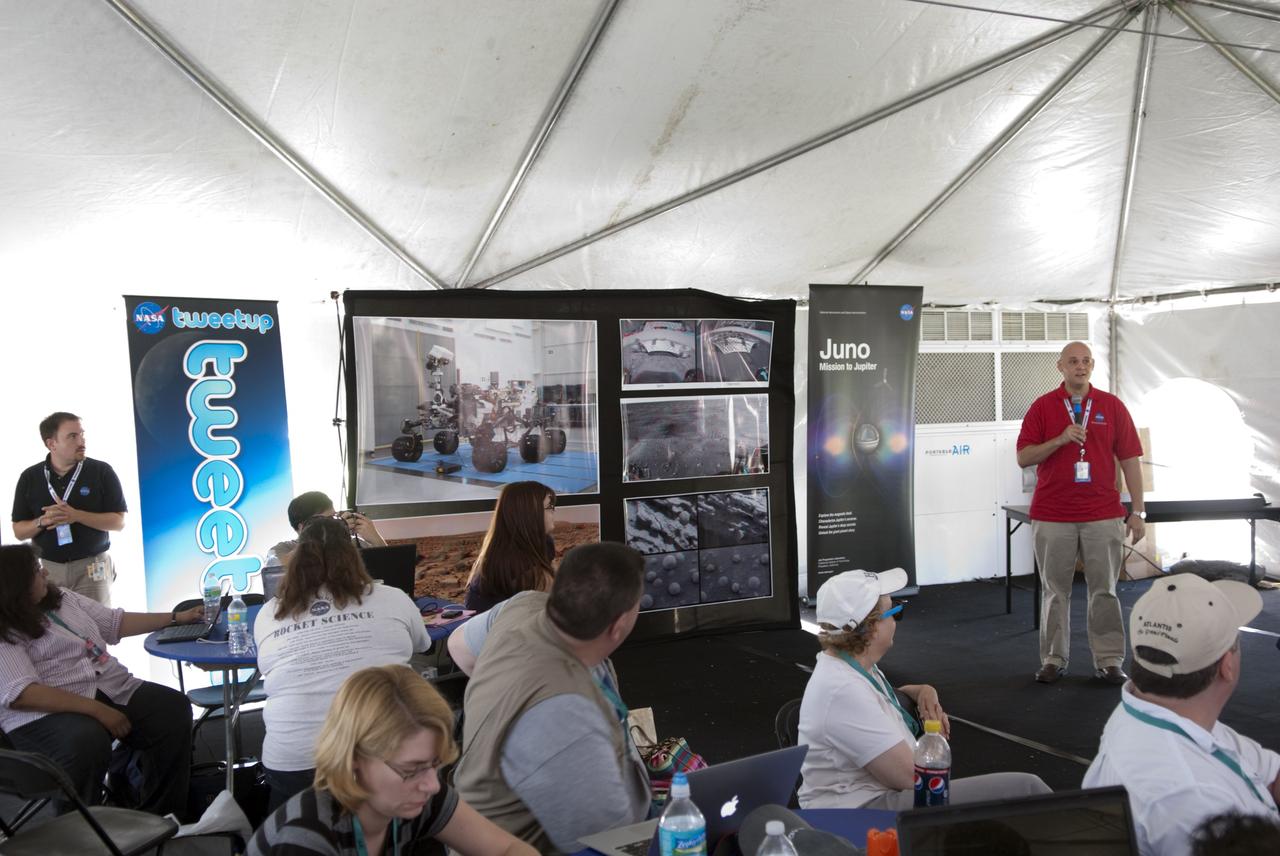
CAPE CANAVERAL, Fla. – At NASA’s Kennedy Space Center in Florida, about 150 followers of the agency’s Twitter account listen to presentations about NASA’s Juno mission to Jupiter during Tweetup activities inside a tent at the Press Site. The tweeters are at the center for two days of Juno prelaunch activities. Juno is NASA’s mission to Jupiter to study the giant planet and improve our understanding of the planet’s formation and evolution. The tweeters will share their experiences with followers through the social networking site Twitter. Attendees represent 28 states, the District of Columbia and five other countries: Canada, Finland, Norway, Spain and the United Kingdom. This is the first time NASA has invited Twitter followers to experience the launch of a planetary spacecraft. The Juno spacecraft is scheduled to launch on an Atlas V rocket from Space Launch Complex 41 at Cape Canaveral Air Force Station in Florida, Aug. 5, at 11:34 a.m. EDT. For more information, visit http://www.nasa.gov/juno. Photo credit: Jim Grossmann
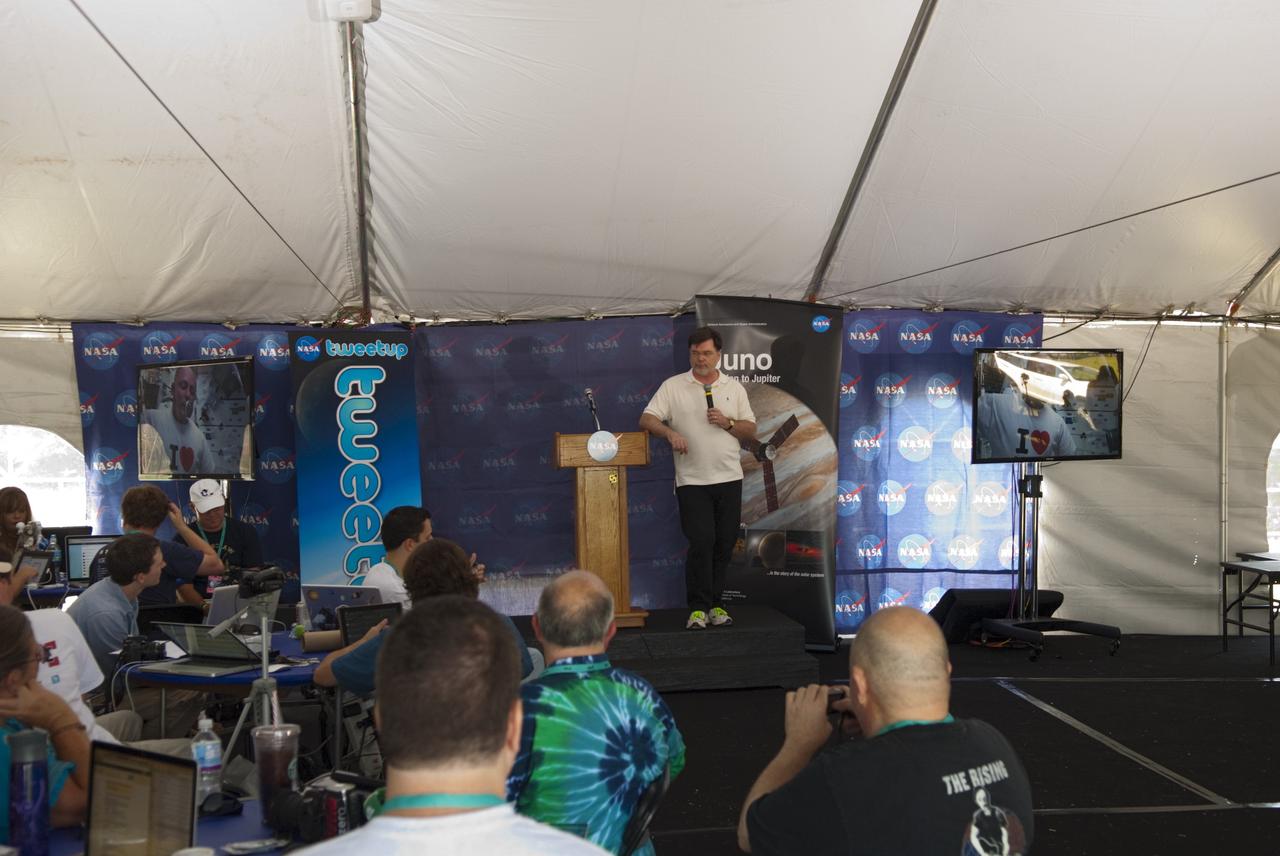
CAPE CANAVERAL, Fla. – At NASA’s Kennedy Space Center in Florida, Jim Adams, NASA deputy director of Planetary Science, speaks to about 150 followers of the agency’s Twitter account during Juno Tweetup activities inside a tent at the Press Site. The tweeters are at the center for two days of prelaunch activities. Juno is NASA’s mission to Jupiter to study the giant planet and improve our understanding of the planet’s formation and evolution. The tweeters will share their experiences with followers through the social networking site Twitter. Attendees represent 28 states, the District of Columbia and five other countries: Canada, Finland, Norway, Spain and the United Kingdom. This is the first time NASA has invited Twitter followers to experience the launch of a planetary spacecraft. The Juno spacecraft is scheduled to launch on an Atlas V rocket from Space Launch Complex 41 at Cape Canaveral Air Force Station in Florida, Aug. 5, at 11:34 a.m. EDT. For more information, visit http://www.nasa.gov/juno. Photo credit: Jim Grossmann

CAPE CANAVERAL, Fla. -- NASA Administrator Charlie Bolden talks to the International Space Station's Expedition 25 crew from the Operations Support Building II at NASA's Kennedy Space Center in Florida. The call to the station is part of a global celebration of 10 years of continuous human presence aboard the orbiting laboratory. More than 196 people have visited the station, which has completed more than 57,000 orbits of Earth and traveled about 1.5 billion miles. The station is a venture of international cooperation among NASA, the Russian Federal Space Agency, Canadian Space Agency, Japan Aerospace Exploration Agency (JAXA), and 11 members of the European Space Agency (ESA): Belgium, Denmark, France, Germany, Italy, the Netherlands, Norway, Spain, Sweden, Switzerland and the United Kingdom. More than 100,000 people in space agencies and contractor facilities in 37 U.S. states and throughout the world are involved in this endeavor. For more information about the work and experiments taking place aboard the station today, visit www.nasa.gov/mission_pages/station/main/index.html. Photo credit: NASA/Jack Pfaller

CAPE CANAVERAL, Fla. – At NASA’s Kennedy Space Center in Florida, NASA Chief Scientist Waleed Abdalati speaks to about 150 followers of the agency’s Twitter account during Juno Tweetup activities inside a tent at the Press Site. The tweeters are at the center for two days of prelaunch activities. Juno is NASA’s mission to Jupiter to study the giant planet and improve our understanding of the planet’s formation and evolution. The tweeters will share their experiences with followers through the social networking site Twitter. Attendees represent 28 states, the District of Columbia and five other countries: Canada, Finland, Norway, Spain and the United Kingdom. This is the first time NASA has invited Twitter followers to experience the launch of a planetary spacecraft. The Juno spacecraft is scheduled to launch on an Atlas V rocket from Space Launch Complex 41 at Cape Canaveral Air Force Station in Florida, Aug. 5, at 11:34 a.m. EDT. For more information, visit http://www.nasa.gov/juno. Photo credit: NASA/Gianni M. Woods
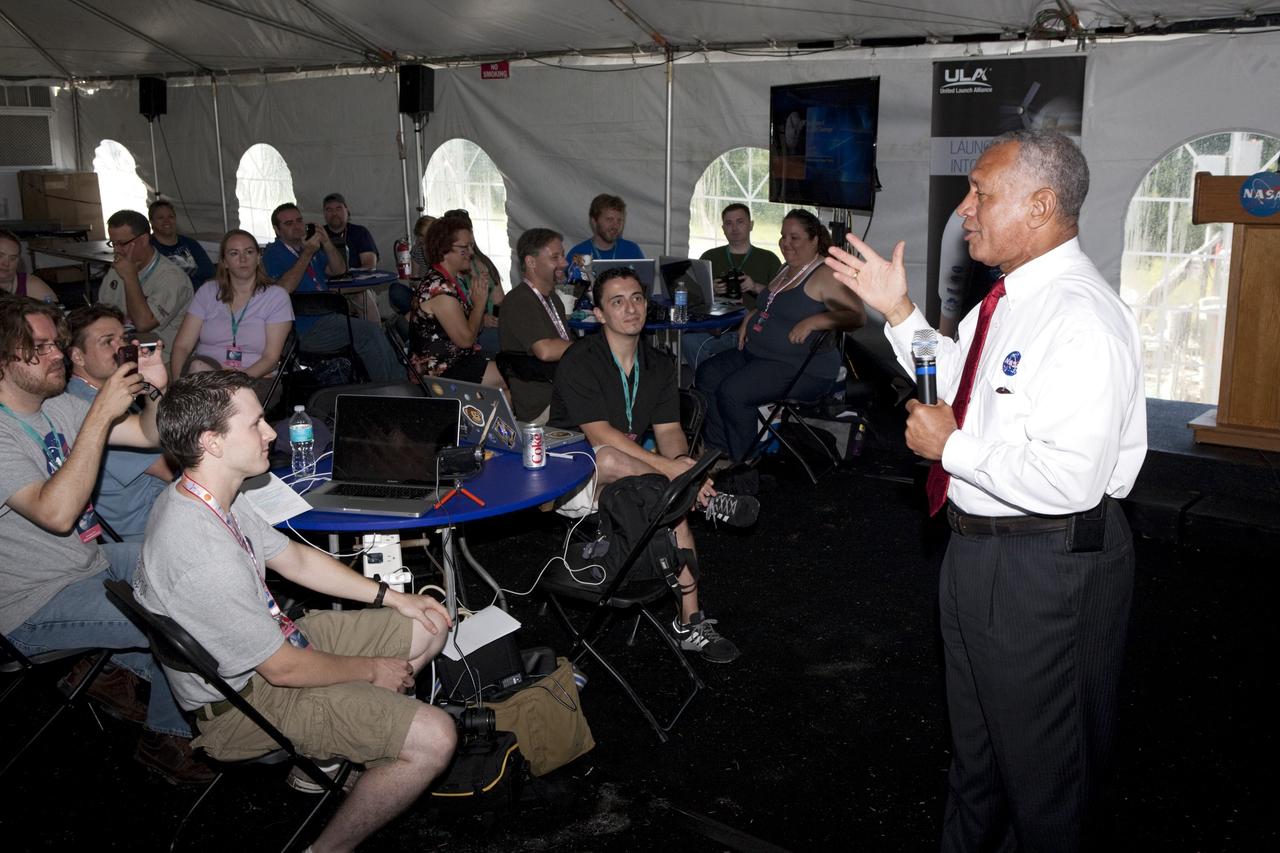
CAPE CANAVERAL, Fla. – At NASA’s Kennedy Space Center in Florida, NASA Administrator Charles Bolden speaks to about 150 followers of the agency’s Twitter account during Juno Tweetup activities inside a tent at the Press Site. The tweeters are at the center for two days of prelaunch activities. Juno is NASA’s mission to Jupiter to study the giant planet and improve our understanding of the planet’s formation and evolution. The tweeters will share their experiences with followers through the social networking site Twitter. Attendees represent 28 states, the District of Columbia and five other countries: Canada, Finland, Norway, Spain and the United Kingdom. This is the first time NASA has invited Twitter followers to experience the launch of a planetary spacecraft. The Juno spacecraft is scheduled to launch on an Atlas V rocket from Space Launch Complex 41 at Cape Canaveral Air Force Station in Florida, Aug. 5, at 11:34 a.m. EDT. For more information, visit http://www.nasa.gov/juno. Photo credit: NASA/Gianni M. Woods
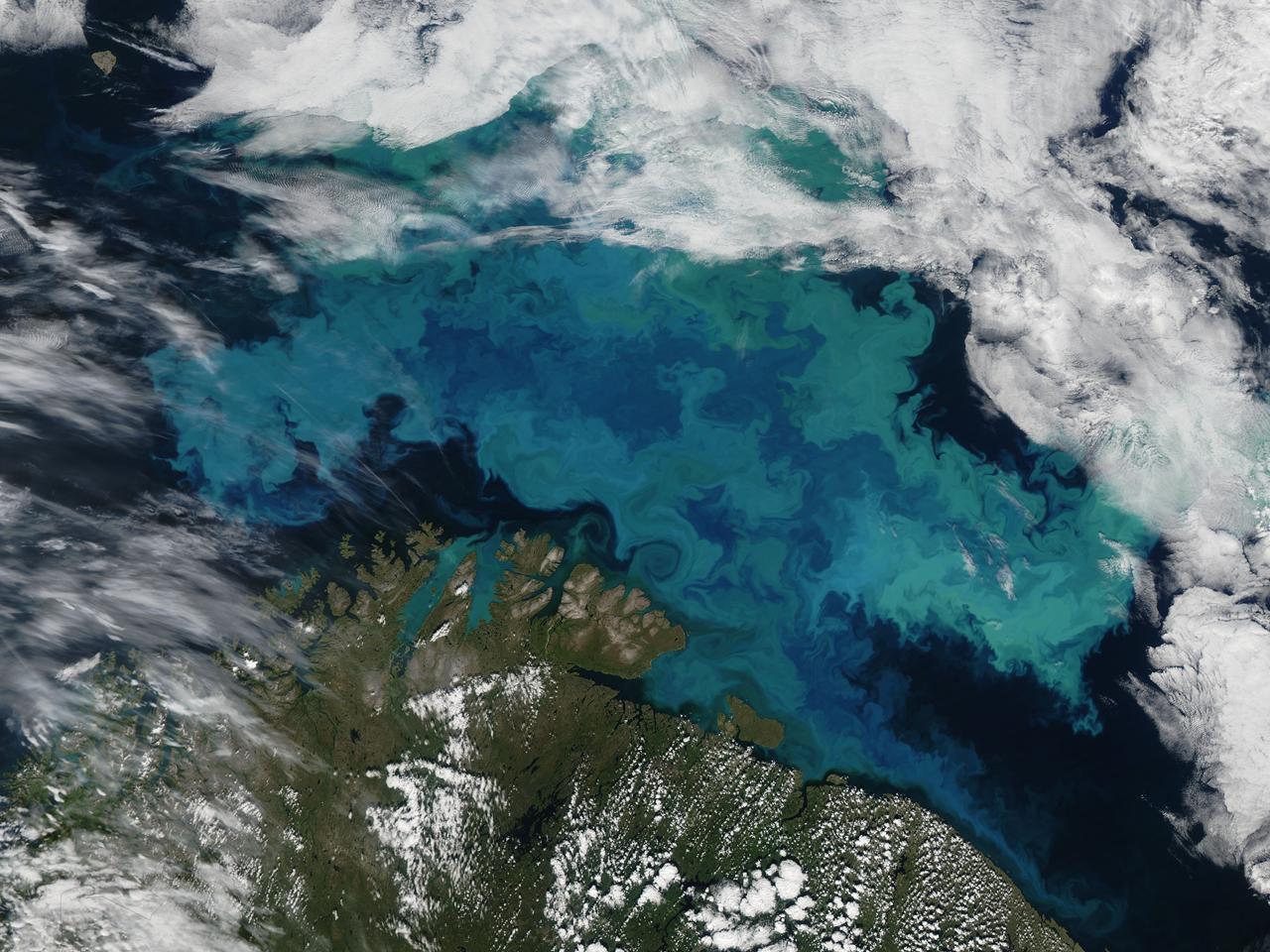
Phytoplankton bloom in the Barents Sea captured August 14, 2011. At times nature exceeds the ability of the artist’s brush to blend brilliant colors, interweave textures and combine patterns to create stunning panoramas, while using only the palette of land, water, cloud and vegetation. This stunning and artistic image of a phytoplankton bloom in the Barents Sea was by the Moderate Resolution Imaging Spectroradiometer (MODIS) aboard the Aqua satellite was captured on August 14, 2011. The peacock-hued swirls of blues and green that paint the navy-blue sea water are created by light reflecting off of millions of phytoplankton, microscopic plants that grow in the sunlit surface water of the world’s oceans. Different types of phytoplankton reflect different colored light, so a multi-color bloom such as this typically contains multiple species. The depth of the bloom also affects coloration – the deeper the organism, the less light is reflected and the duller the color. Coccolithophores, a type of phytoplankton which flourish in nutrient-poor, sub-polar waters, have unique limestone (calcite) scales. This white coating makes the plant highly reflective, and thus a bloom can appear to be a bright, almost iridescent blue. The chalky coating can also cause whitish swirls in the water, making the blues washed out with a milky hue. August is a highly active month for phytoplankton blooms in the Barents Sea, but the timing, development, abundance and species composition is variable in this area. The distribution of phytoplankton is largely controlled by the polar front, ice cover, freshwater runoff and ice melting. Each water source – the Artic, the Atlantic and the coastal water – all bring their own characteristic species into the Barents Sea, creating a multi-specie and multi-color spectacle. Because phytoplankton are the base of the marine food chain, places were blooms are large and frequent often support a thriving marine population. This is certainly the case in the Barents Sea where the fisheries, particularly the cod fisheries, are of great importance for both Norway and Russia. The coastlines of both of these countries can be seen in the bottom of the image. Russia forms the south-eastern most coast, while the remaining three-quarters of the coastline belongs to Norway. Two fjords in the west, Porsangerfjorden and Laksefjord are tinted bright blue with phytoplankton. Just to the east of these fjords, freshwater from the Tana River flows through Tanafjord, turning the waters here are a duller blue. As fresh water flows into the Barents Sea, phytoplankton bloom is affected by the flowing water, creating paisley-like patterns in the coastal eddies. Credit: NASA/GSFC/Jeff Schmaltz/MODIS Land Rapid Response Team <b><a href="http://www.nasa.gov/centers/goddard/home/index.html" rel="nofollow">NASA Goddard Space Flight Center</a></b> enables NASA’s mission through four scientific endeavors: Earth Science, Heliophysics, Solar System Exploration, and Astrophysics. Goddard plays a leading role in NASA’s accomplishments by contributing compelling scientific knowledge to advance the Agency’s mission. <b>Follow us on <a href="http://twitter.com/NASA_GoddardPix" rel="nofollow">Twitter</a></b> <b>Like us on <a href="http://www.facebook.com/pages/Greenbelt-MD/NASA-Goddard/395013845897?ref=tsd" rel="nofollow">Facebook</a></b> <b>Find us on <a href="http://web.stagram.com/n/nasagoddard/?vm=grid" rel="nofollow">Instagram</a></b>