
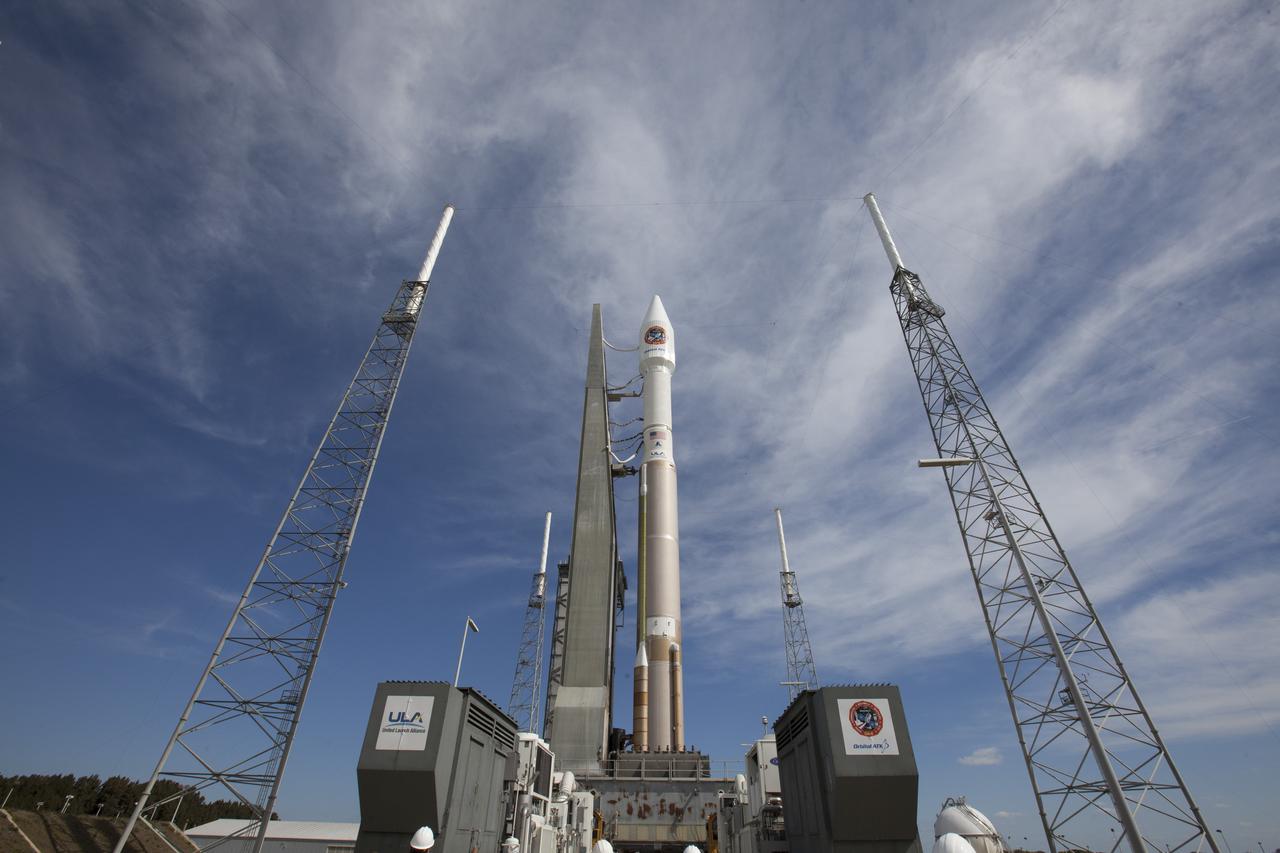
A United Launch Alliance Atlas V rocket arrives at the launch pad at Cape Canaveral Air Force Station's Space Launch Complex 41. A Cygnus spacecraft is scheduled to deliver 7,700 pounds of supplies and research experiments on the Orbital ATK CRS-6 mission to the International Space Station.
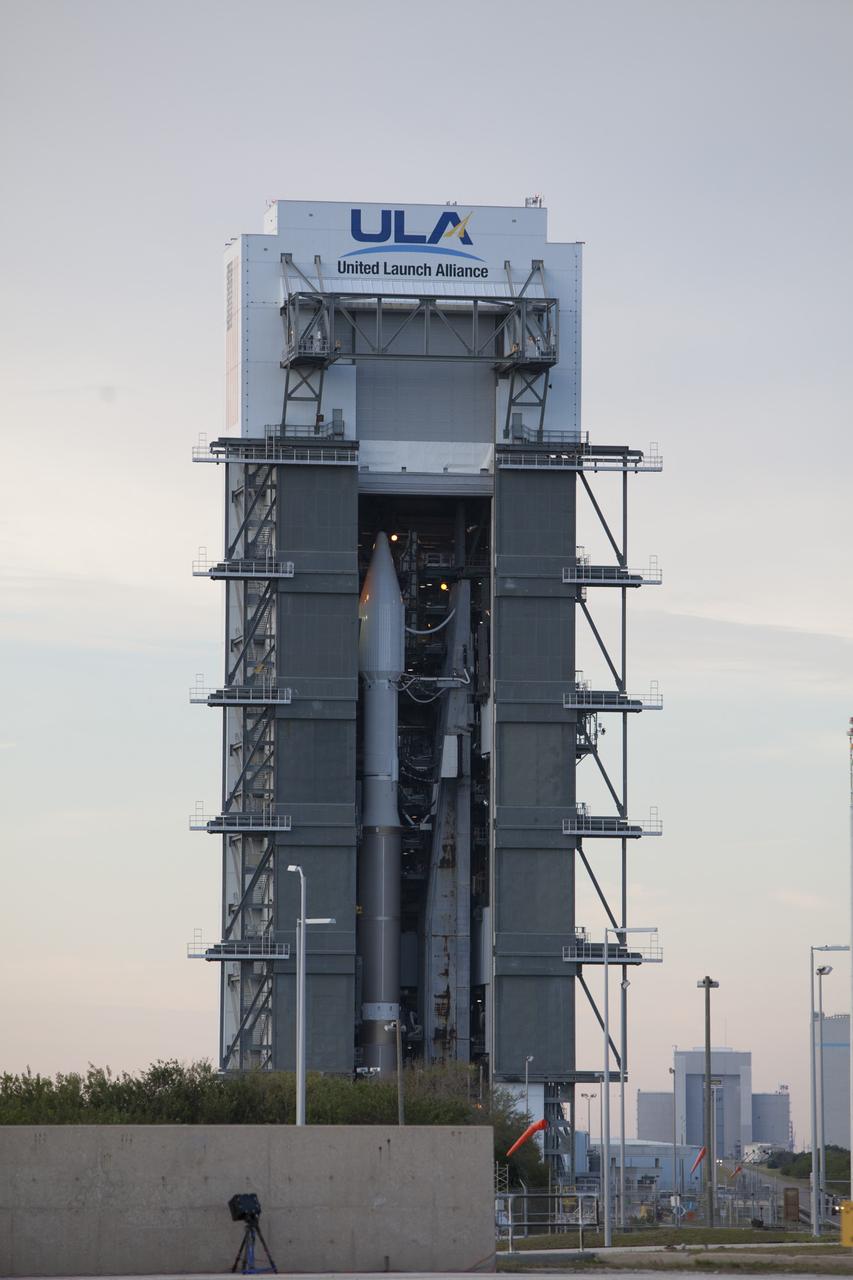
A United Launch Alliance Atlas V rocket is moved from the Vertical Integration Facility to the launch pad at Cape Canaveral Air Force Station's Space Launch Complex 41. A Cygnus spacecraft is scheduled to deliver 7,700 pounds of supplies and research experiments on the Orbital ATK CRS-6 mission to the International Space Station.
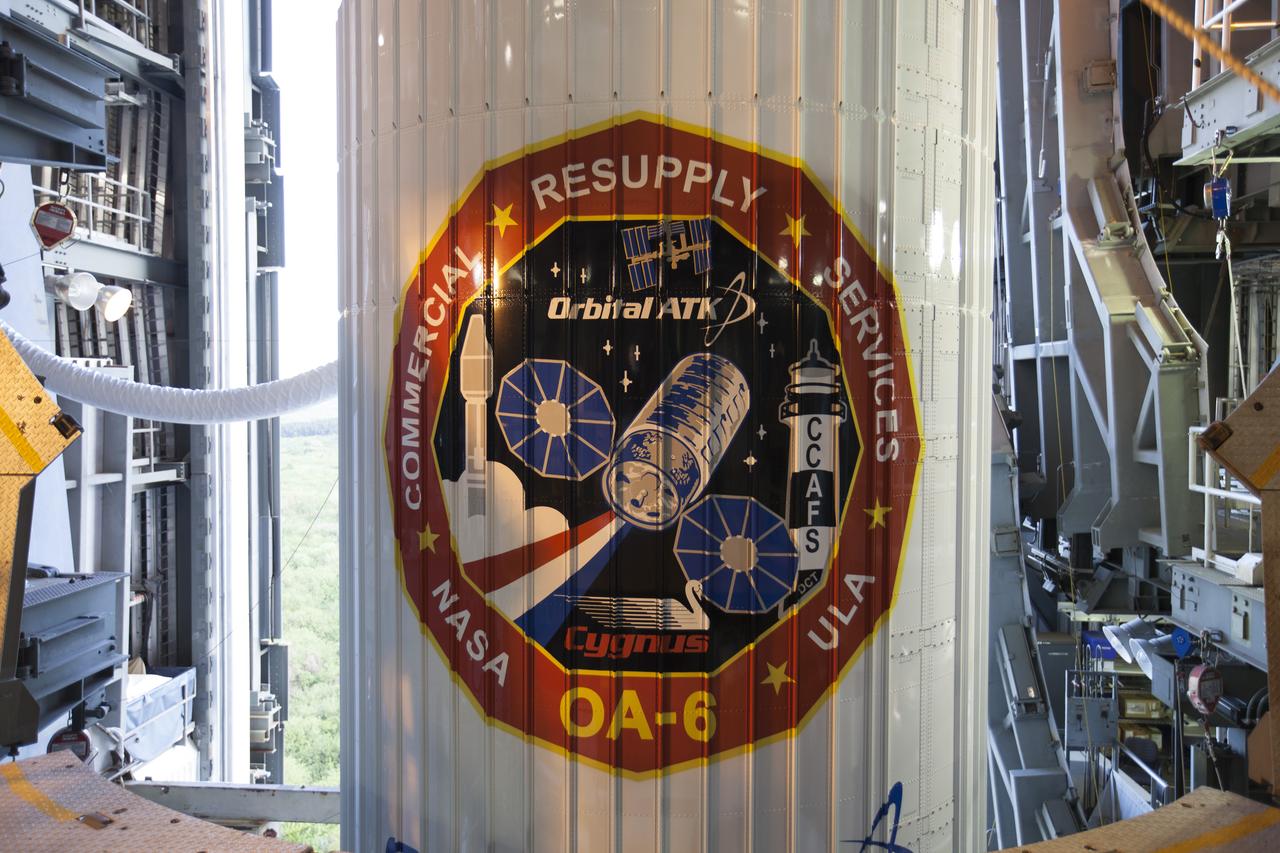
The mission logo for the Orbital ATK CRS-6 mission is visible on the payload fairing encapsulating a Cygnus spacecraft as it is prepared for its move from the Vertical Integration Facility at Cape Canaveral Air Force Station's Space Launch Complex 41. Mounted atop a United Launch Alliance Atlas V rocket, the vehicle will be moved to the launch pad. The Cygnus spacecraft will boost a resupply mission delving science payloads to the International Space Station.
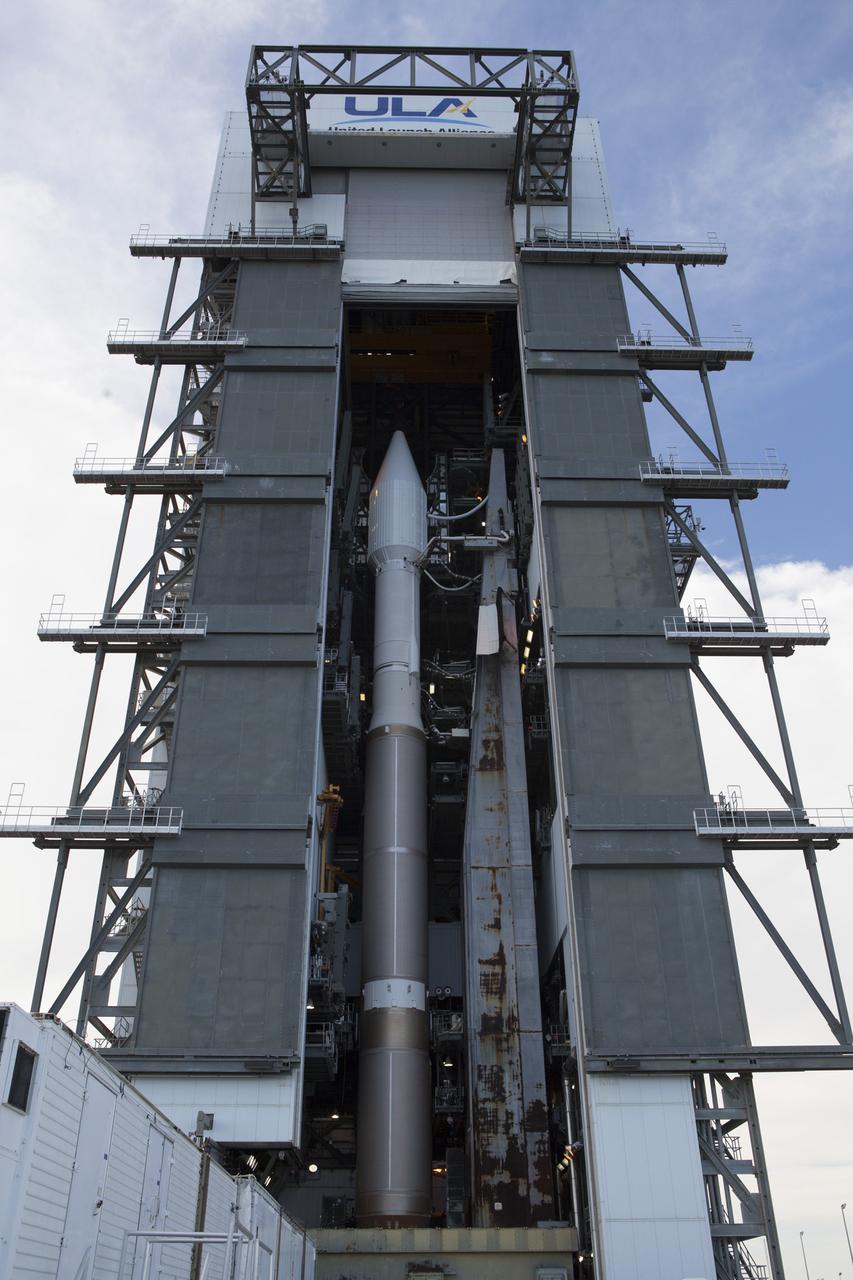
A United Launch Alliance Atlas V rocket is moved from the Vertical Integration Facility to the launch pad at Cape Canaveral Air Force Station's Space Launch Complex 41. A Cygnus spacecraft is scheduled to deliver 7,700 pounds of supplies and research experiments on the Orbital ATK CRS-6 mission to the International Space Station.
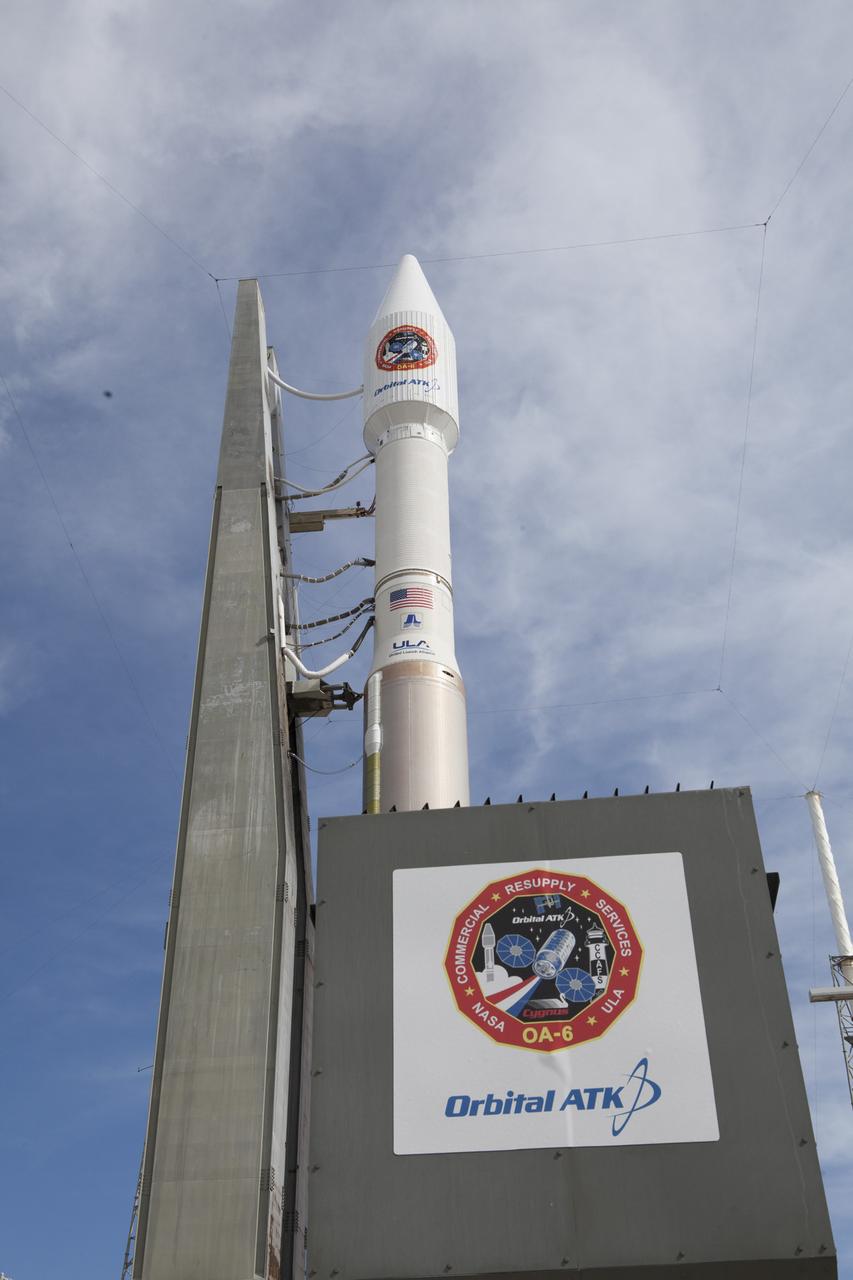
A United Launch Alliance Atlas V rocket arrives at the launch pad at Cape Canaveral Air Force Station's Space Launch Complex 41. A Cygnus spacecraft is scheduled to deliver 7,700 pounds of supplies and research experiments on the Orbital ATK CRS-6 mission to the International Space Station.
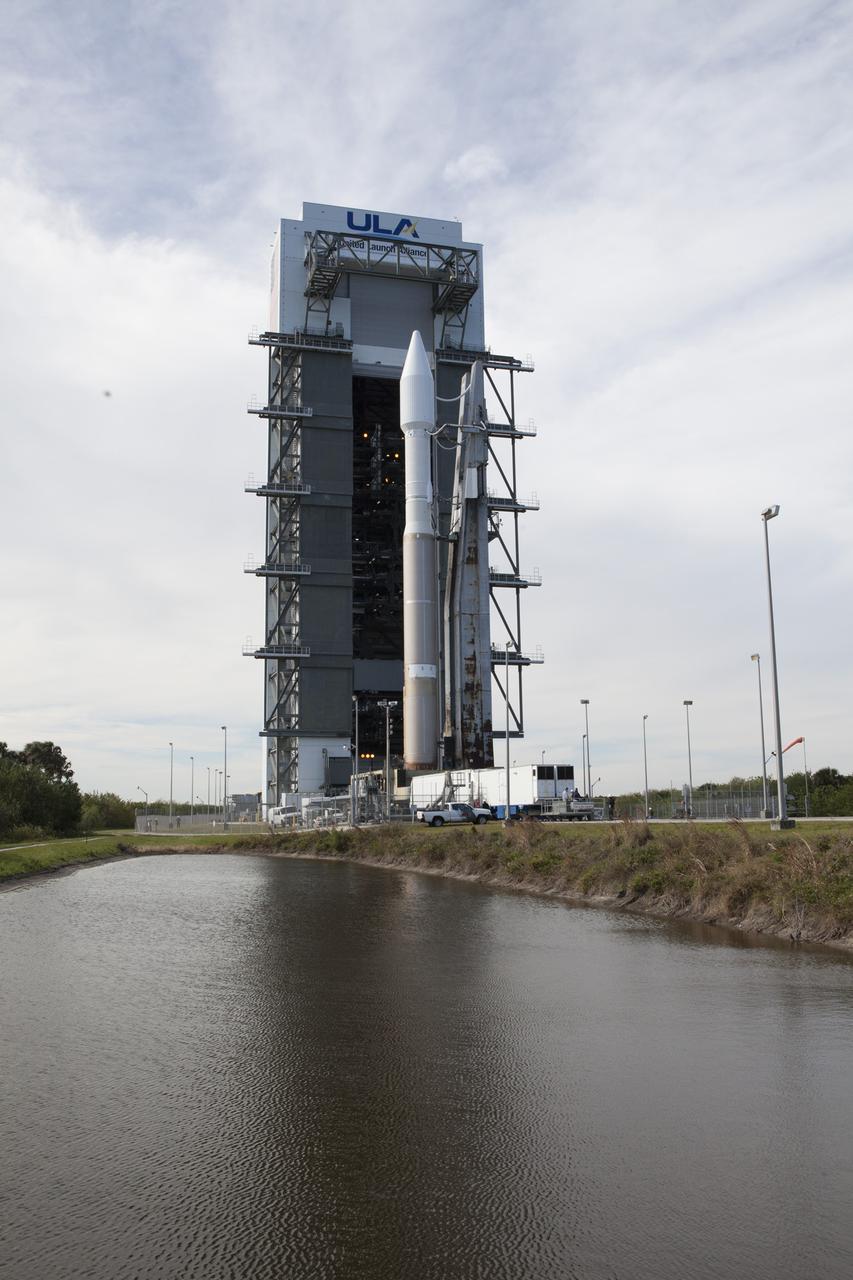
A United Launch Alliance Atlas V rocket is moved from the Vertical Integration Facility to the launch pad at Cape Canaveral Air Force Station's Space Launch Complex 41. A Cygnus spacecraft is scheduled to deliver 7,700 pounds of supplies and research experiments on the Orbital ATK CRS-6 mission to the International Space Station.
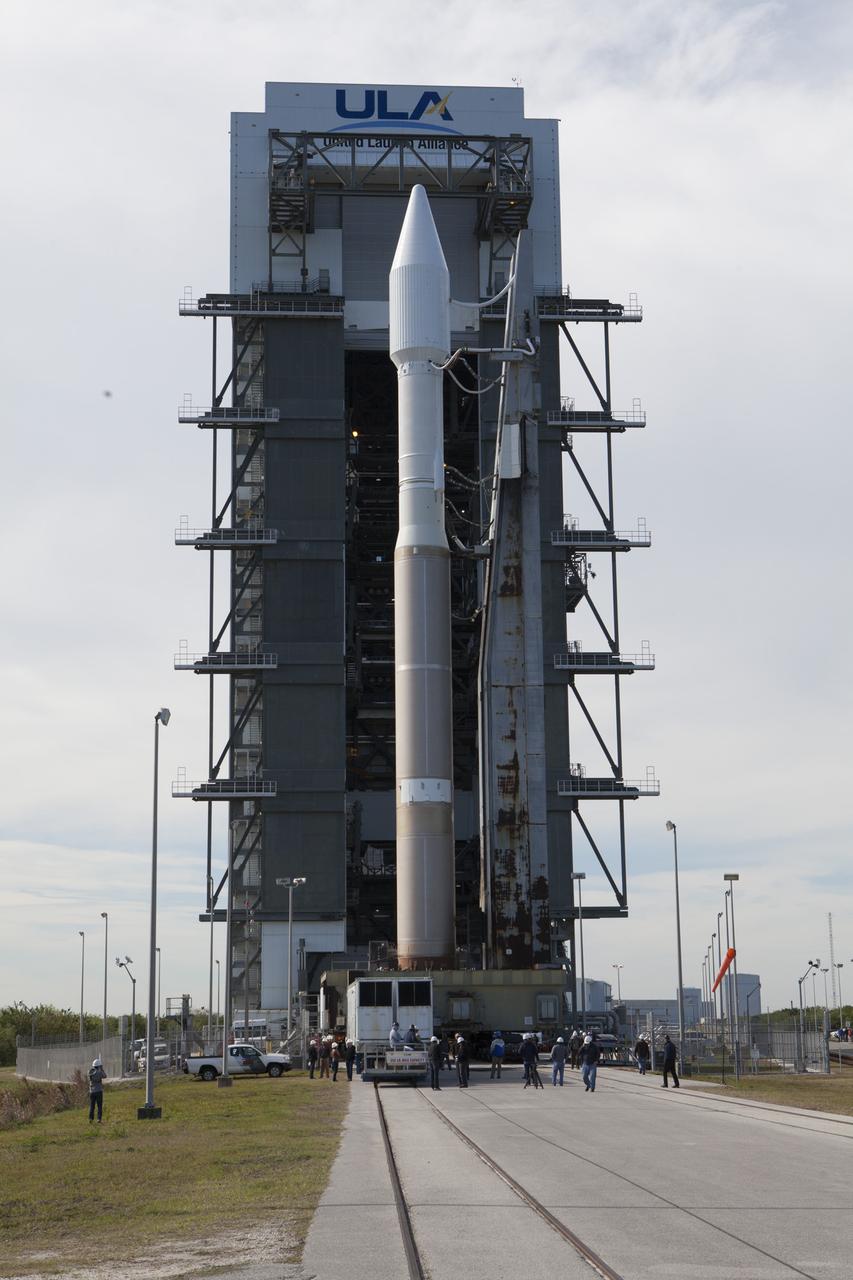
A United Launch Alliance Atlas V rocket is moved from the Vertical Integration Facility to the launch pad at Cape Canaveral Air Force Station's Space Launch Complex 41. A Cygnus spacecraft is scheduled to deliver 7,700 pounds of supplies and research experiments on the Orbital ATK CRS-6 mission to the International Space Station.
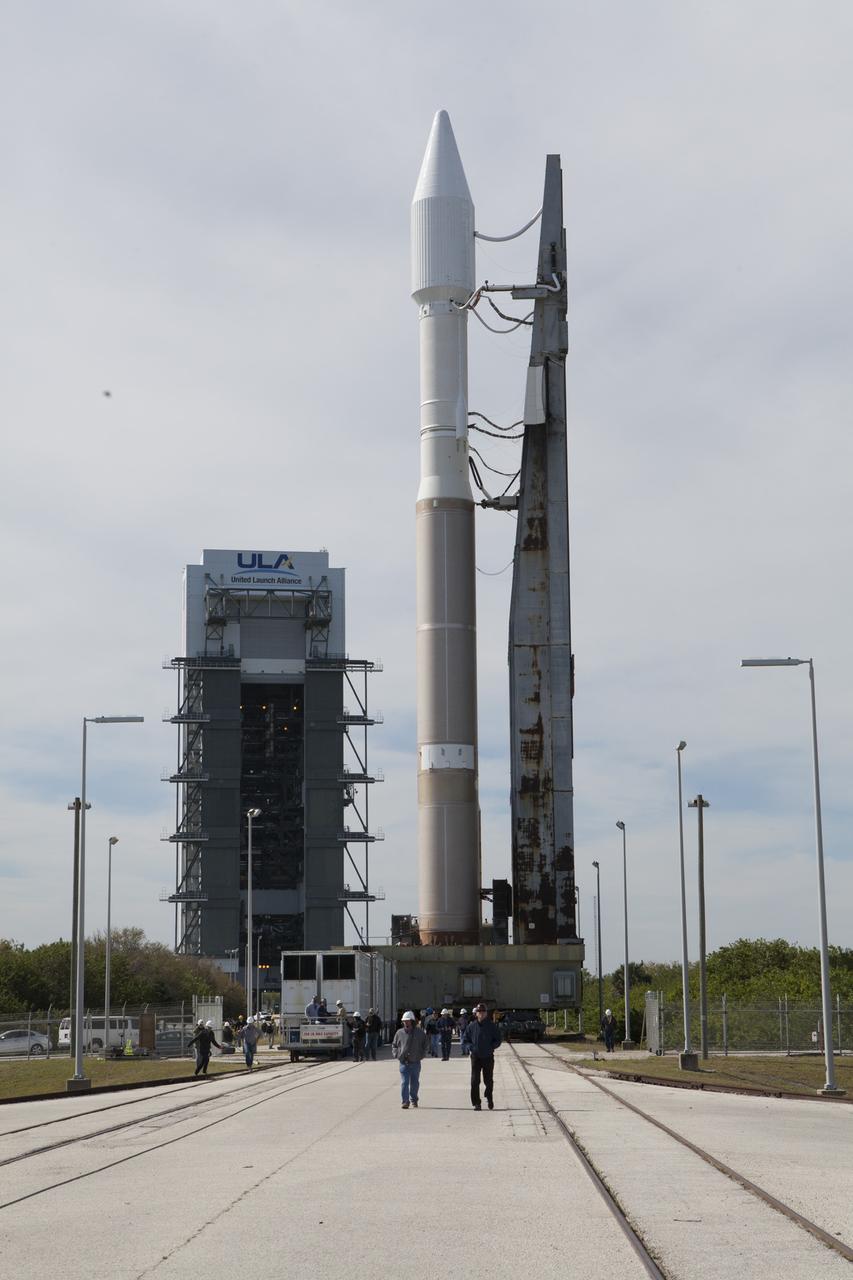
A United Launch Alliance Atlas V rocket is moved from the Vertical Integration Facility to the launch pad at Cape Canaveral Air Force Station's Space Launch Complex 41. A Cygnus spacecraft is scheduled to deliver 7,700 pounds of supplies and research experiments on the Orbital ATK CRS-6 mission to the International Space Station.
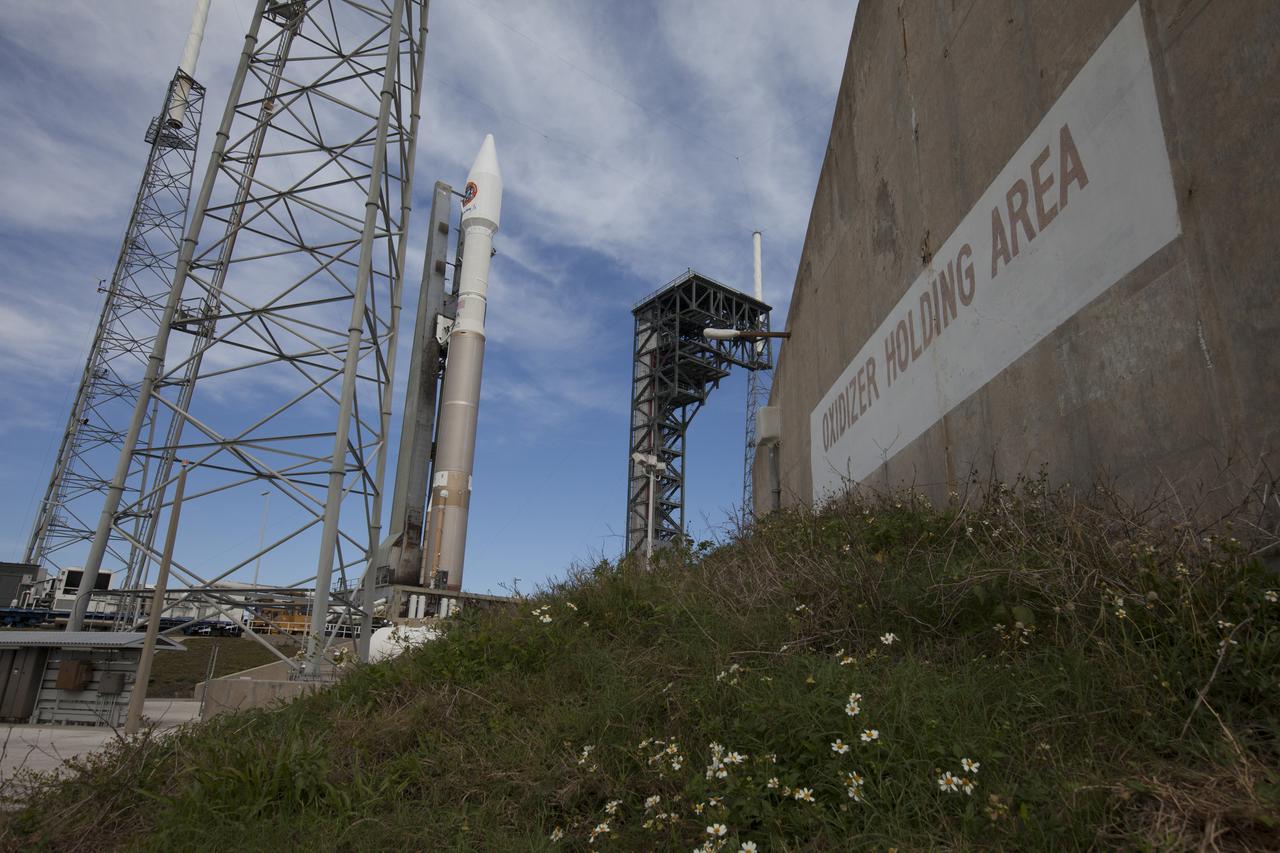
A United Launch Alliance Atlas V rocket is moved from the Vertical Integration Facility to the launch pad at Cape Canaveral Air Force Station's Space Launch Complex 41. A Cygnus spacecraft is scheduled to deliver 7,700 pounds of supplies and research experiments on the Orbital ATK CRS-6 mission to the International Space Station.
A United Launch Alliance Atlas V rocket is moved from the Vertical Integration Facility to the launch pad at Cape Canaveral Air Force Station's Space Launch Complex 41. A Cygnus spacecraft is scheduled to deliver 7,700 pounds of supplies and research experiments on the Orbital ATK CRS-6 mission to the International Space Station.
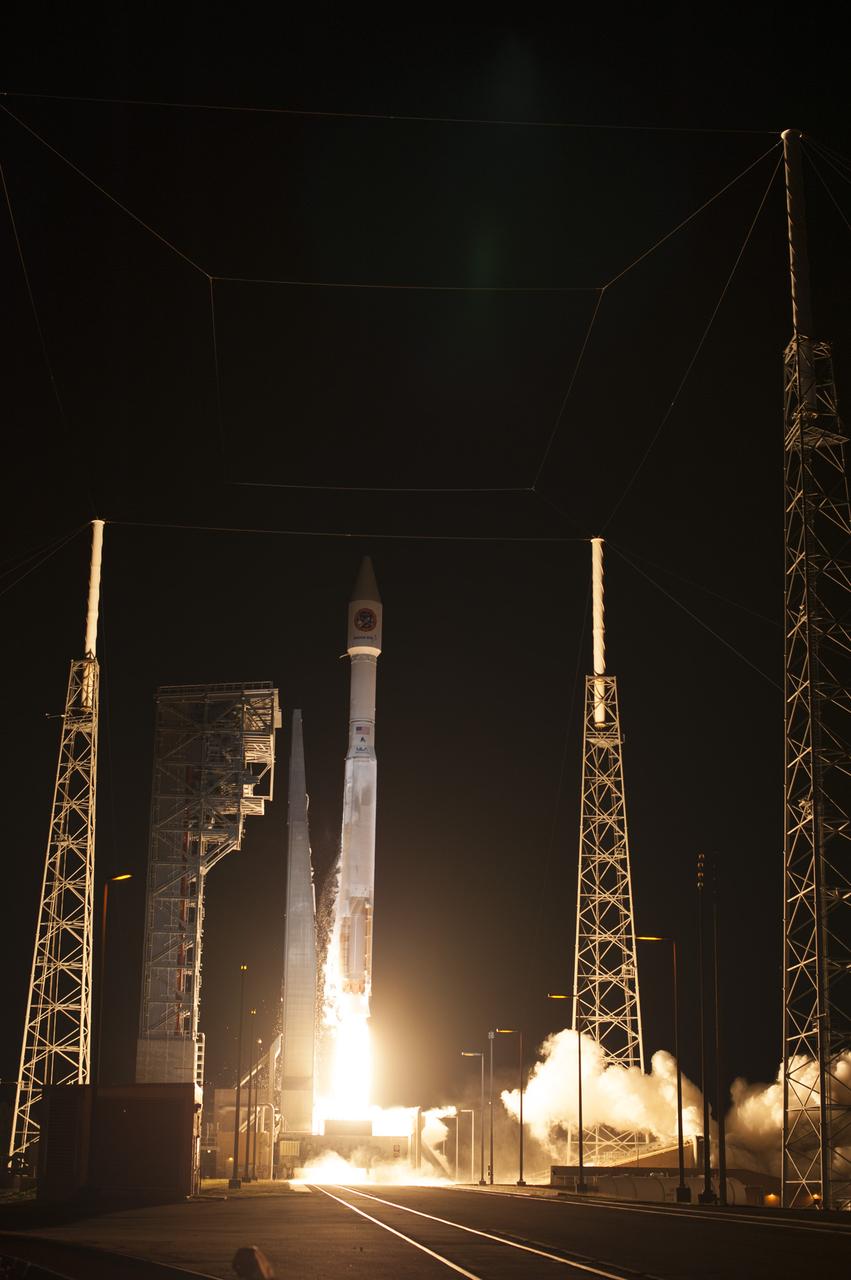
A United Launch Alliance Atlas V rocket lifts off from Space Launch Complex 41 at Cape Canaveral Air Force Station carrying an Orbital ATK Cygnus resupply spacecraft on a commercial resupply services mission to the International Space Station. Liftoff was at 11:05 p.m. EDT. Cygnus will deliver the second generation of a portable onboard printer to demonstrate 3-D printing, an instrument for first space-based observations of the chemical composition of meteors entering Earth’s atmosphere and an experiment to study how fires burn in microgravity.
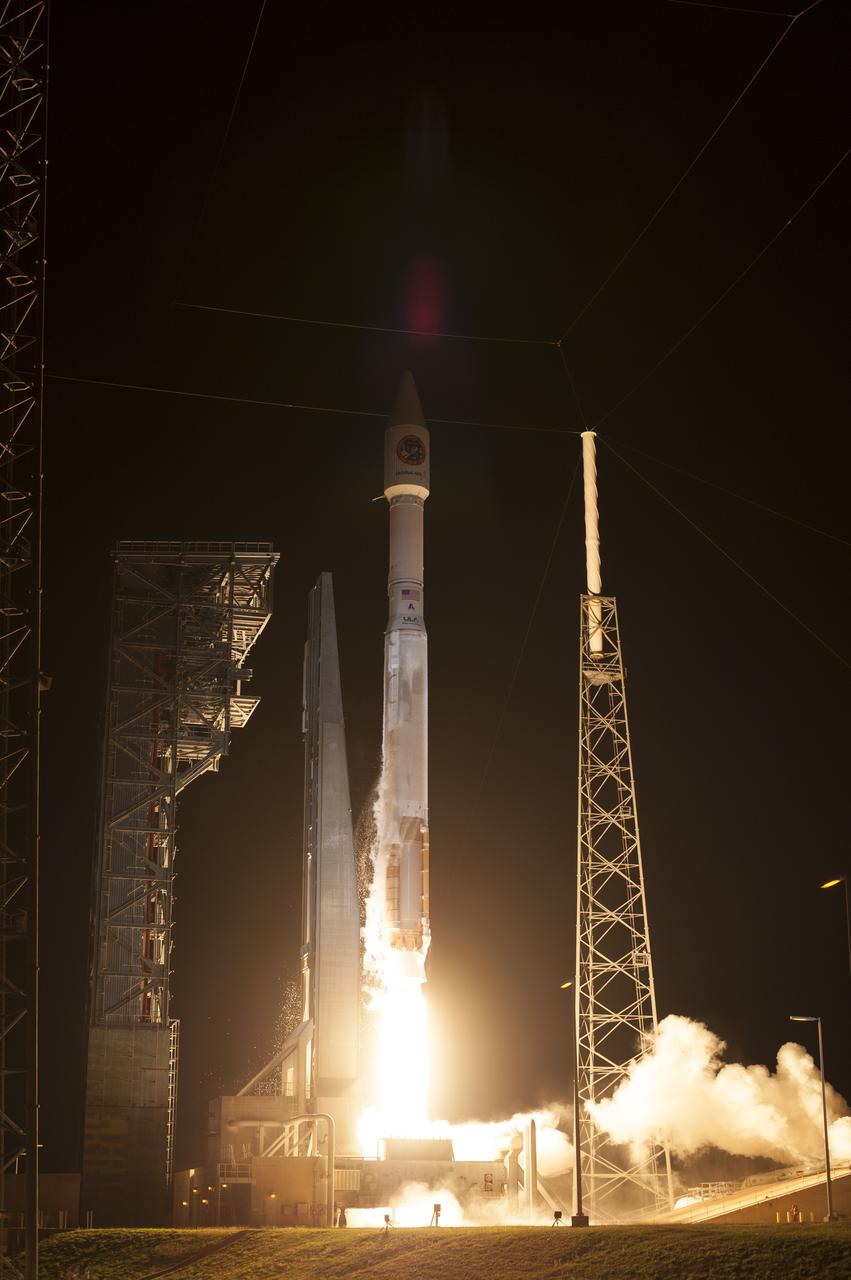
A United Launch Alliance Atlas V rocket lifts off from Space Launch Complex 41 at Cape Canaveral Air Force Station carrying an Orbital ATK Cygnus resupply spacecraft on a commercial resupply services mission to the International Space Station. Liftoff was at 11:05 p.m. EDT. Cygnus will deliver the second generation of a portable onboard printer to demonstrate 3-D printing, an instrument for first space-based observations of the chemical composition of meteors entering Earth’s atmosphere and an experiment to study how fires burn in microgravity.
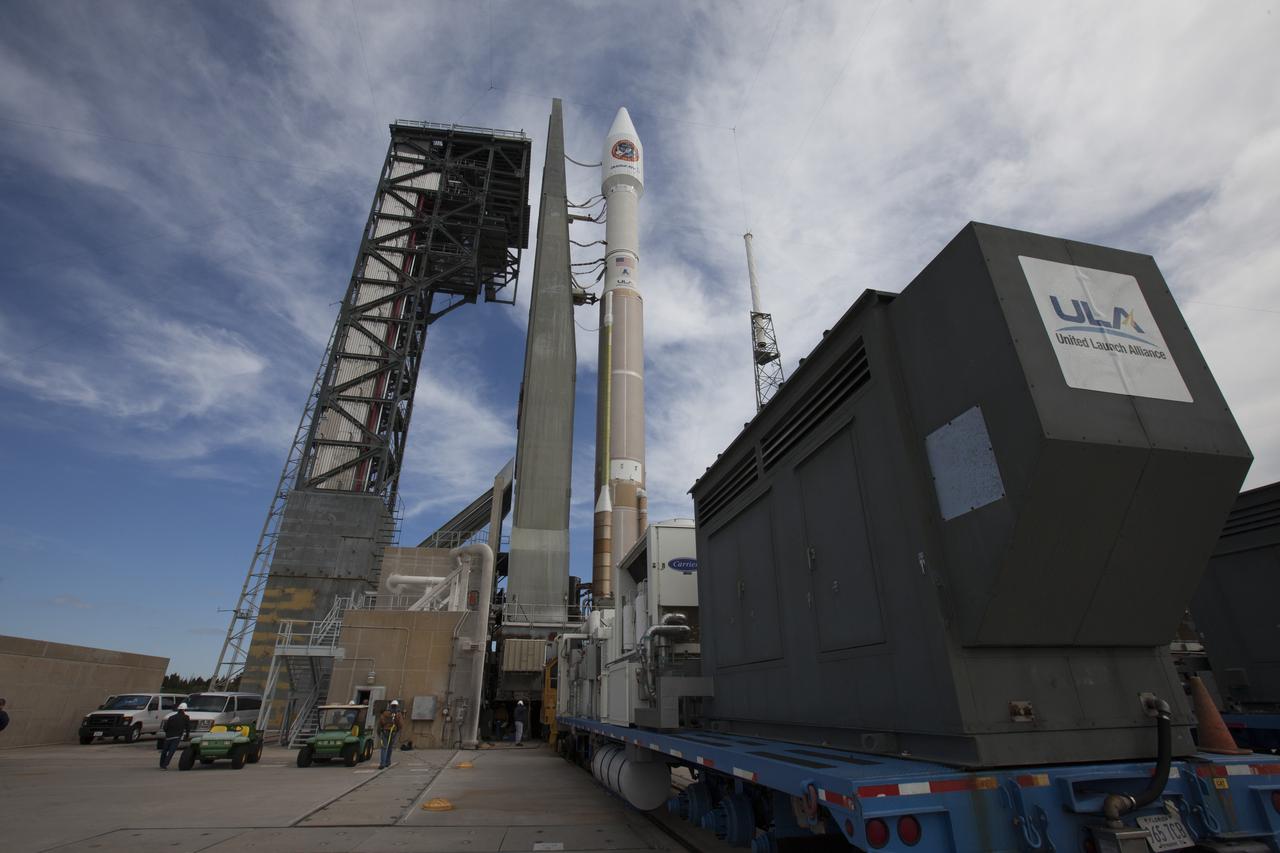
A United Launch Alliance Atlas V rocket arrives at the launch pad at Cape Canaveral Air Force Station's Space Launch Complex 41. A Cygnus spacecraft is scheduled to deliver 7,700 pounds of supplies and research experiments on the Orbital ATK CRS-6 mission to the International Space Station.
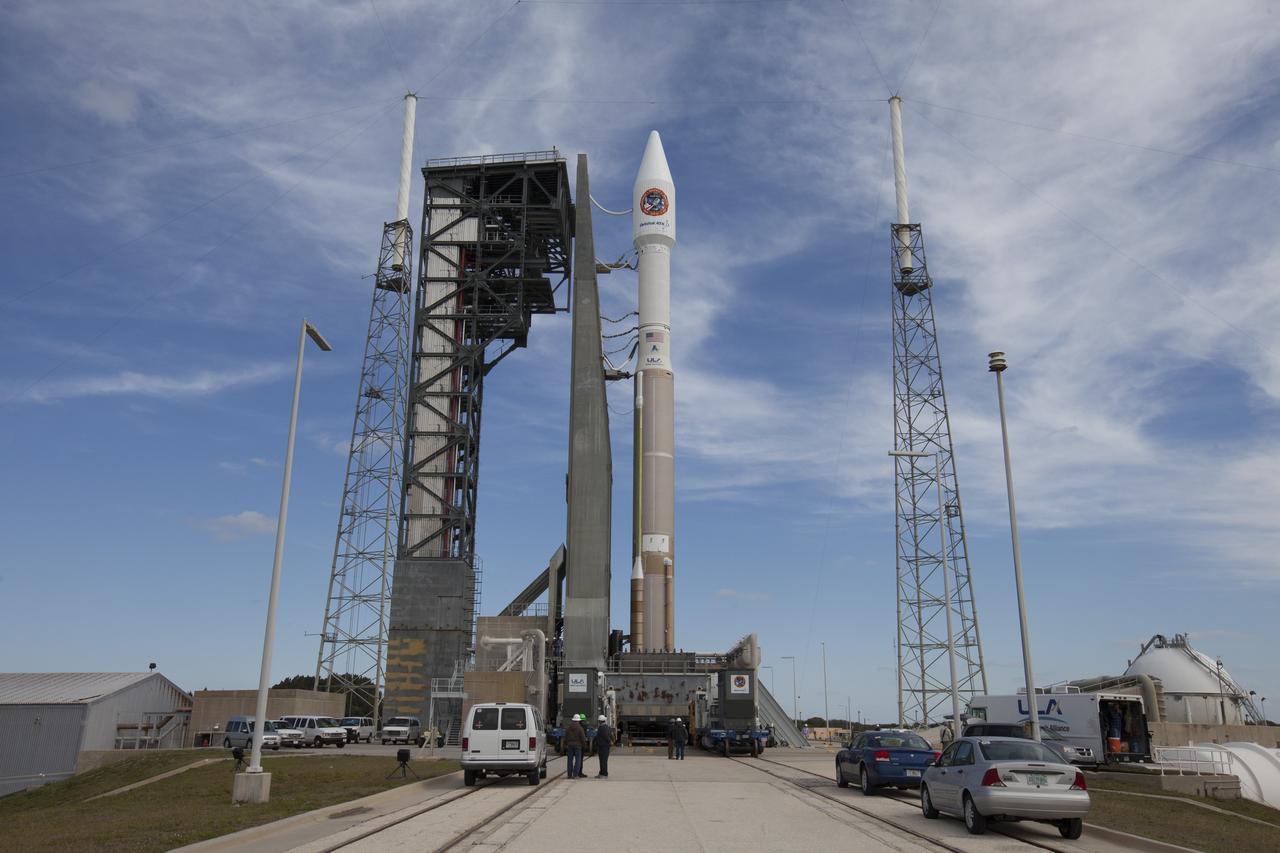
A United Launch Alliance Atlas V rocket arrives at the launch pad at Cape Canaveral Air Force Station's Space Launch Complex 41. A Cygnus spacecraft is scheduled to deliver 7,700 pounds of supplies and research experiments on the Orbital ATK CRS-6 mission to the International Space Station.
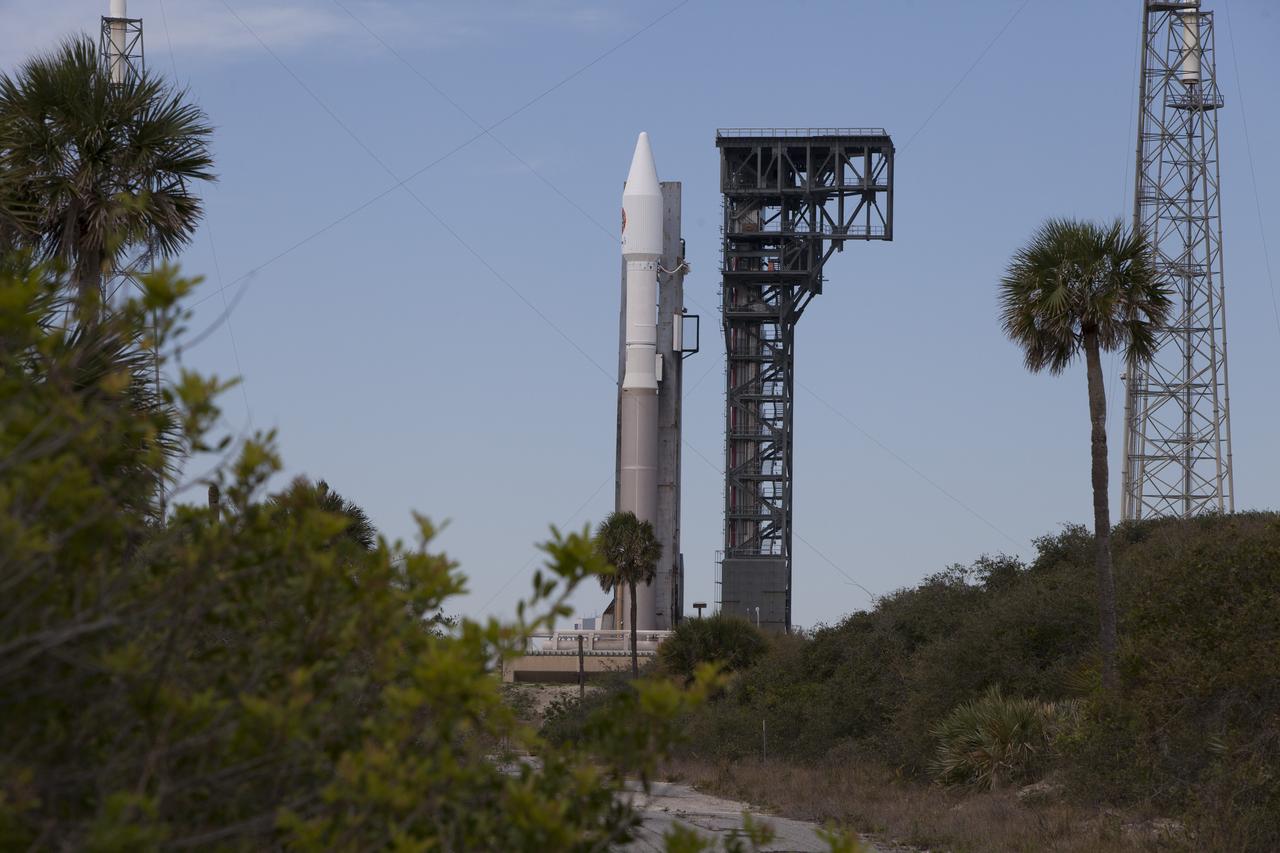
At Cape Canaveral Air Force Station's Space Launch Complex 41, a United Launch Alliance Atlas V rocket with a single-engine Centaur upper stage stands ready to boost an Orbital ATK Cygnus spacecraft on a resupply mission to the International Space Station. Science payloads include the second generation of a portable onboard printer to demonstrate three-dimensional printing, an instrument for first space-based observations of the chemical composition of meteors entering Earth’s atmosphere and an experiment to study how fires burn in microgravity.
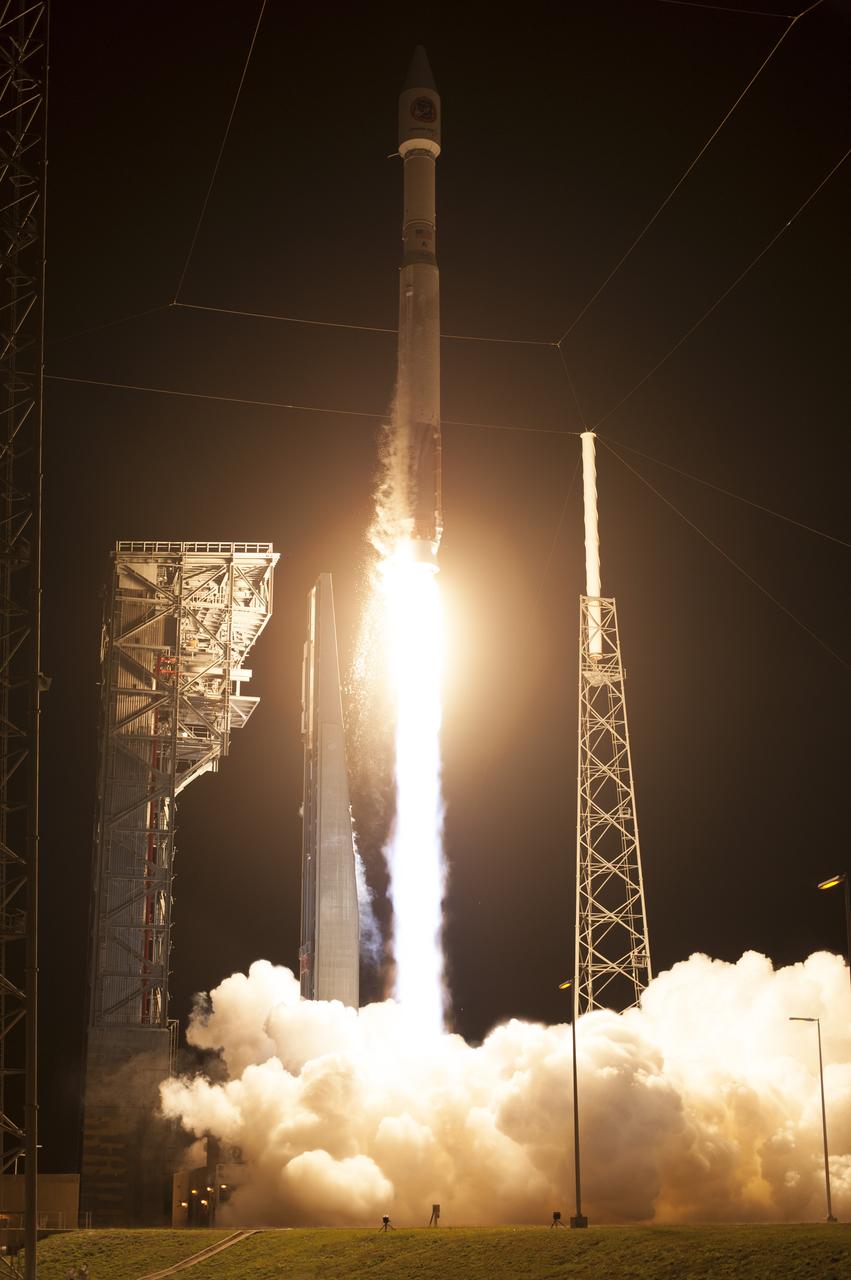
A United Launch Alliance Atlas V rocket lifts off from Space Launch Complex 41 at Cape Canaveral Air Force Station carrying an Orbital ATK Cygnus resupply spacecraft on a commercial resupply services mission to the International Space Station. Liftoff was at 11:05 p.m. EDT. Cygnus will deliver the second generation of a portable onboard printer to demonstrate 3-D printing, an instrument for first space-based observations of the chemical composition of meteors entering Earth’s atmosphere and an experiment to study how fires burn in microgravity.
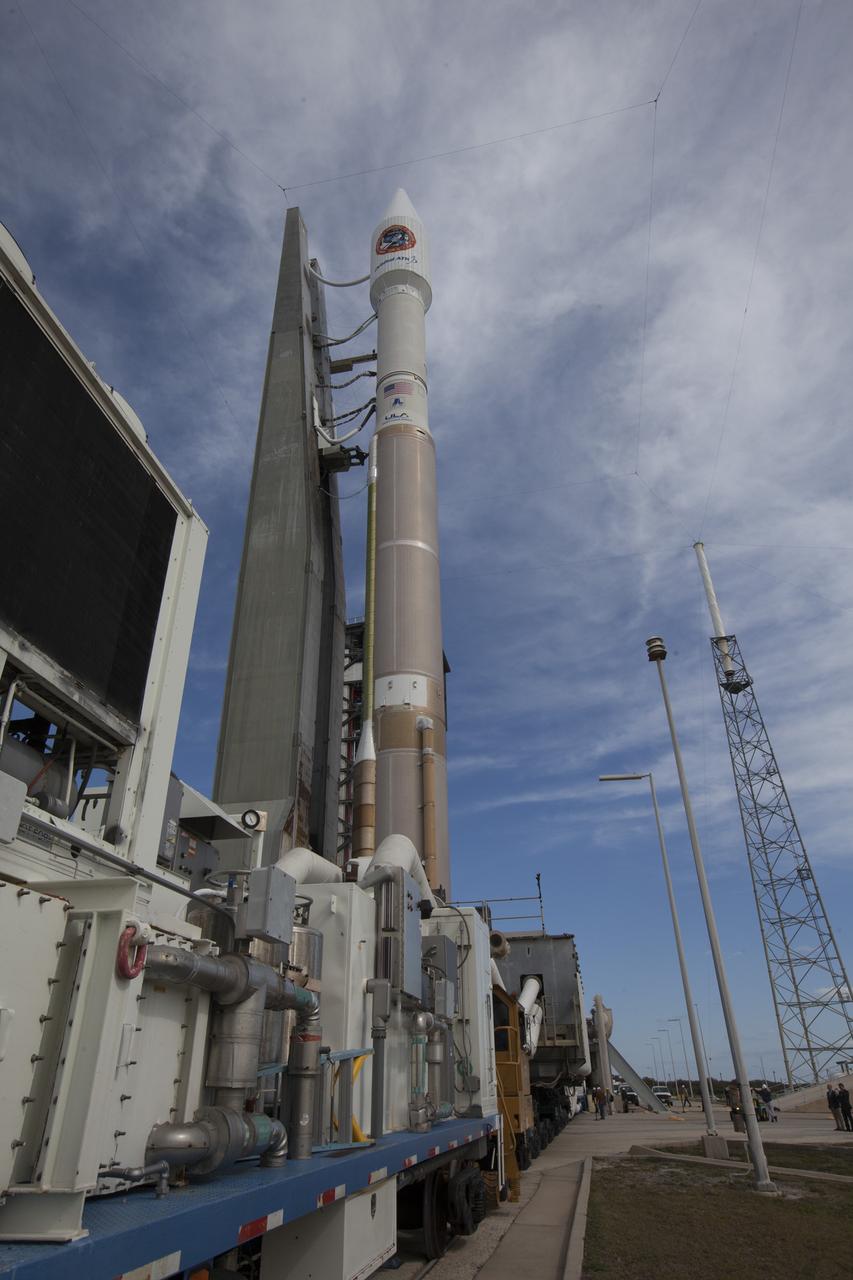
A United Launch Alliance Atlas V rocket is moved from the Vertical Integration Facility to the launch pad at Cape Canaveral Air Force Station's Space Launch Complex 41. A Cygnus spacecraft is scheduled to deliver 7,700 pounds of supplies and research experiments on the Orbital ATK CRS-6 mission to the International Space Station.
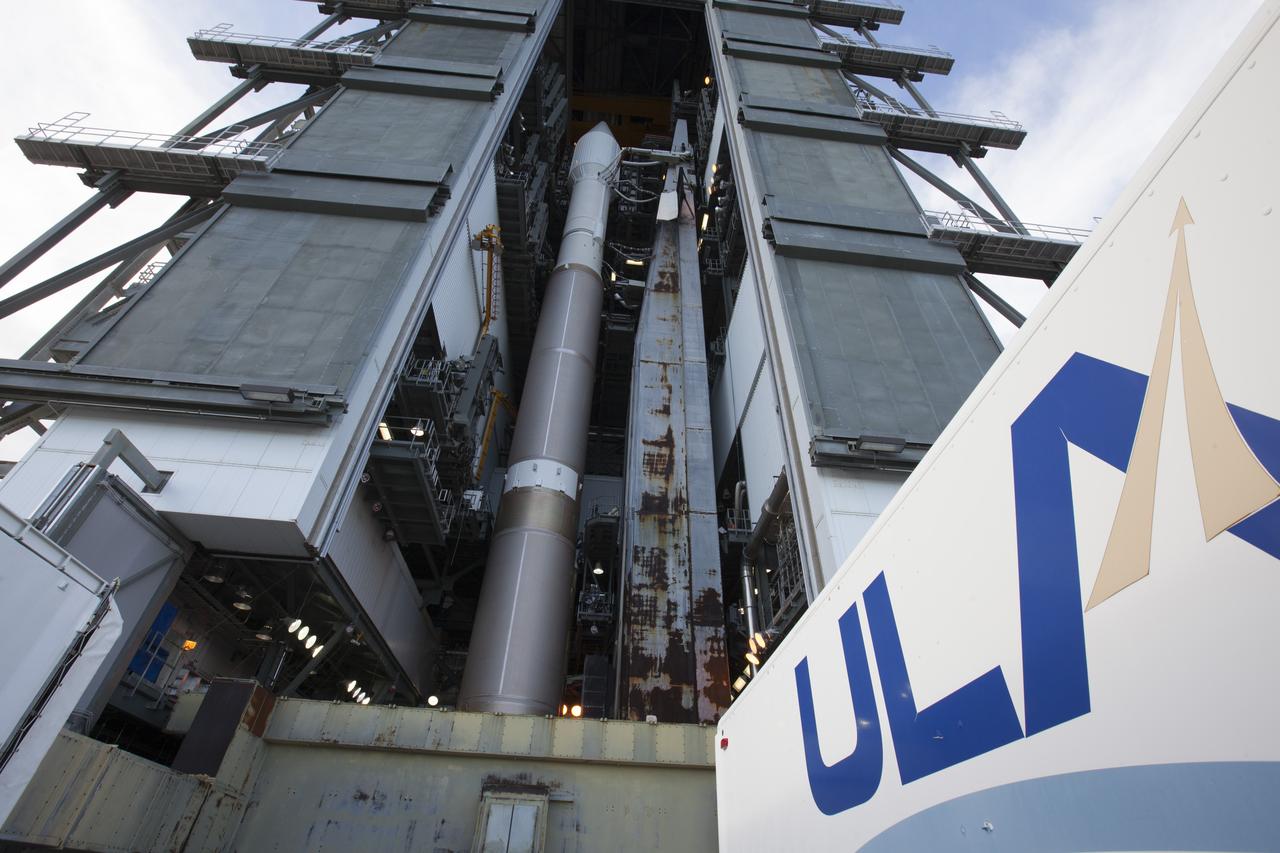
A United Launch Alliance Atlas V rocket is prepared for its move from the Vertical Integration Facility to the launch pad at Cape Canaveral Air Force Station's Space Launch Complex 41. A Cygnus spacecraft is scheduled to deliver 7,700 pounds of supplies and research experiments on the Orbital ATK CRS-6 mission to the International Space Station.
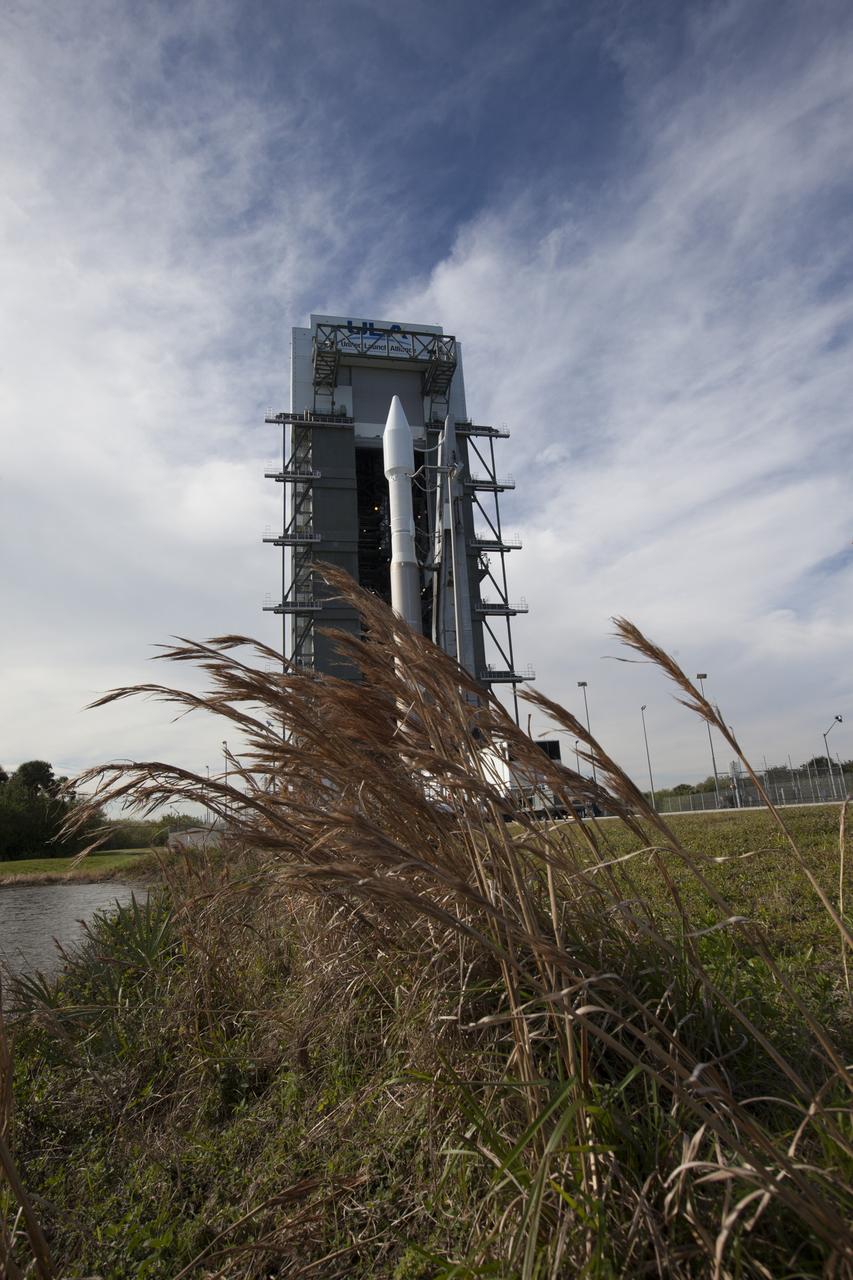
At Cape Canaveral Air Force Station's Space Launch Complex 41, a United Launch Alliance Atlas V rocket with a single-engine Centaur upper stage stands ready to boost an Orbital ATK Cygnus spacecraft on a resupply mission to the International Space Station. Science payloads include the second generation of a portable onboard printer to demonstrate three-dimensional printing, an instrument for first space-based observations of the chemical composition of meteors entering Earth’s atmosphere and an experiment to study how fires burn in microgravity.
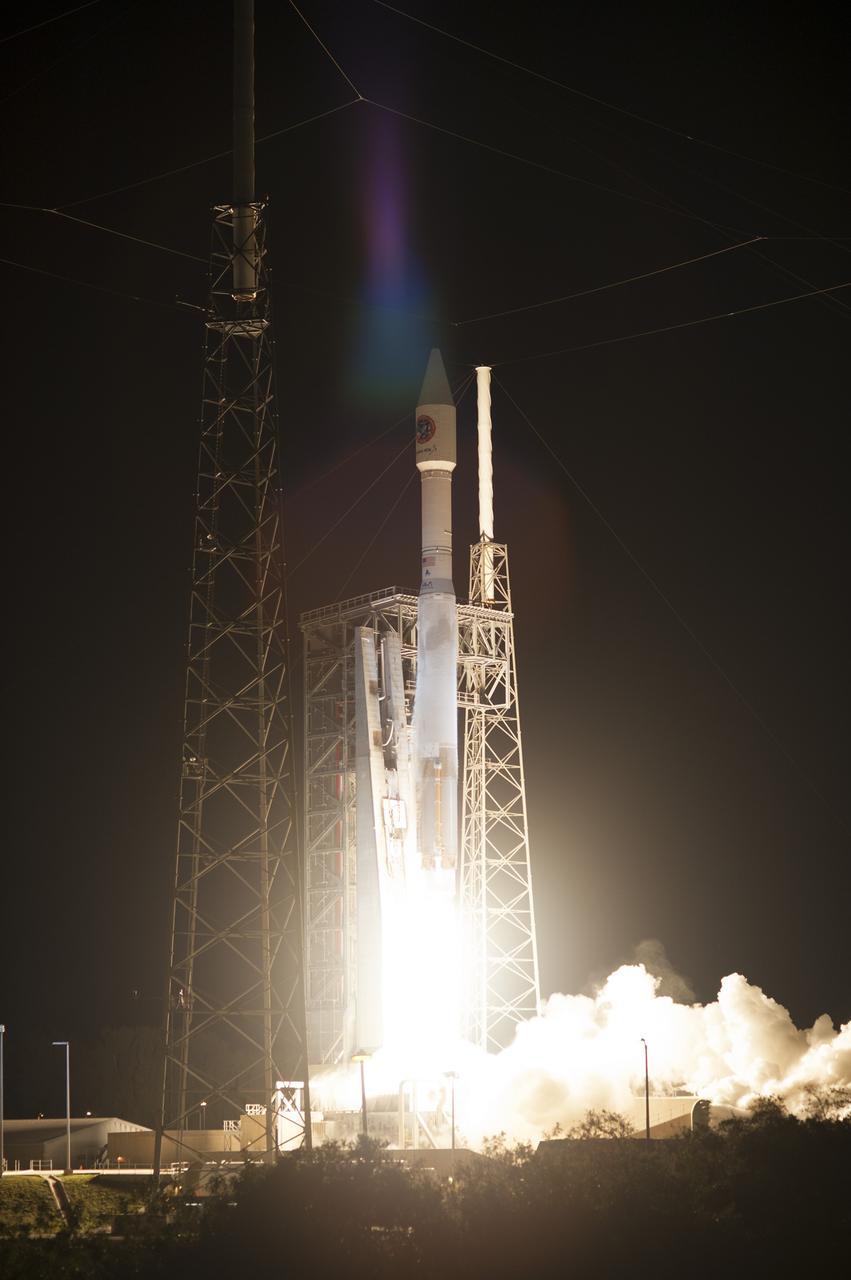
Cape Canaveral Air Force Station carrying an Orbital ATK Cygnus resupply spacecraft on a commercial resupply services mission to the International Space Station. Liftoff was at 11:05 p.m. EDT. Cygnus will deliver the second generation of a portable onboard printer to demonstrate 3-D printing, an instrument for first space-based observations of the chemical composition of meteors entering Earth’s atmosphere and an experiment to study how fires burn in microgravity.
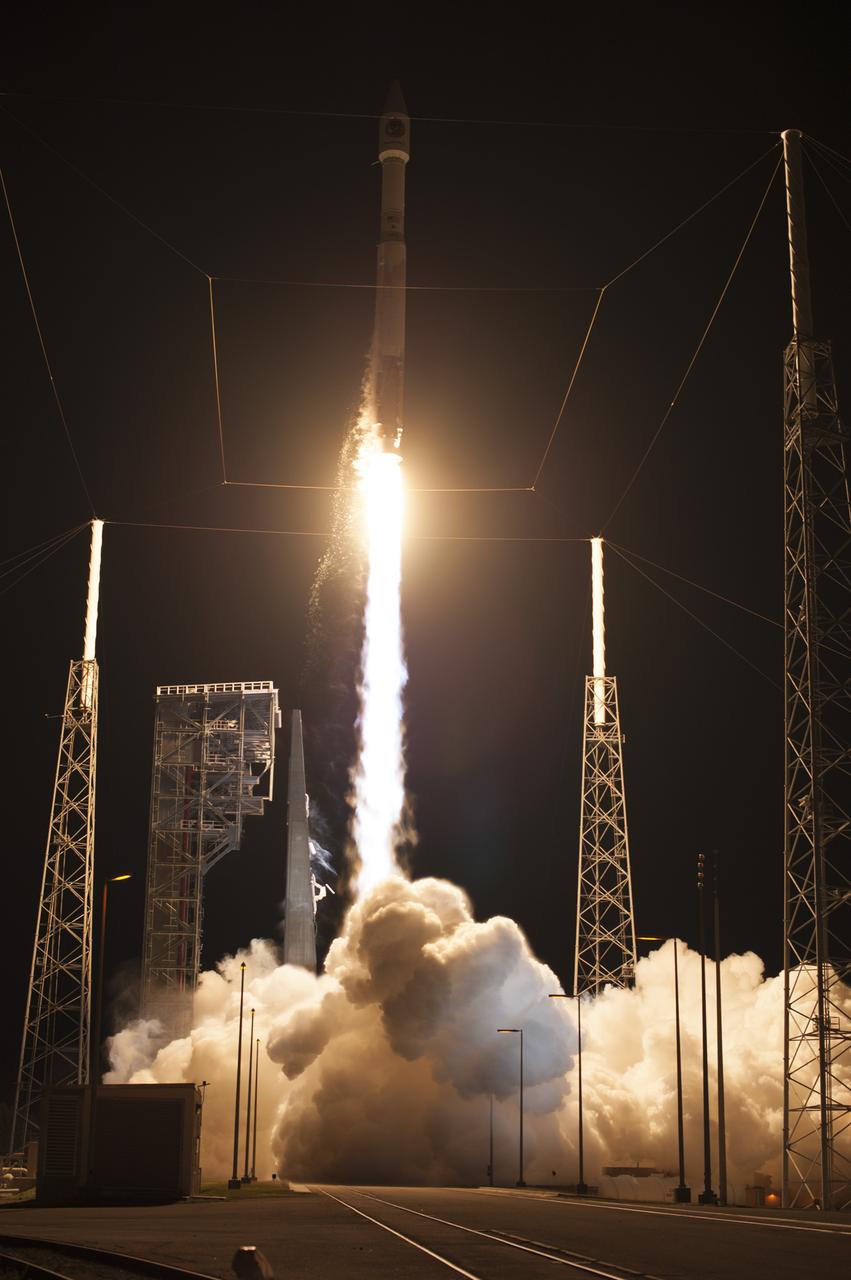
A United Launch Alliance Atlas V rocket lifts off from Space Launch Complex 41 at Cape Canaveral Air Force Station carrying an Orbital ATK Cygnus resupply spacecraft on a commercial resupply services mission to the International Space Station. Liftoff was at 11:05 p.m. EDT. Cygnus will deliver the second generation of a portable onboard printer to demonstrate 3-D printing, an instrument for first space-based observations of the chemical composition of meteors entering Earth’s atmosphere and an experiment to study how fires burn in microgravity.
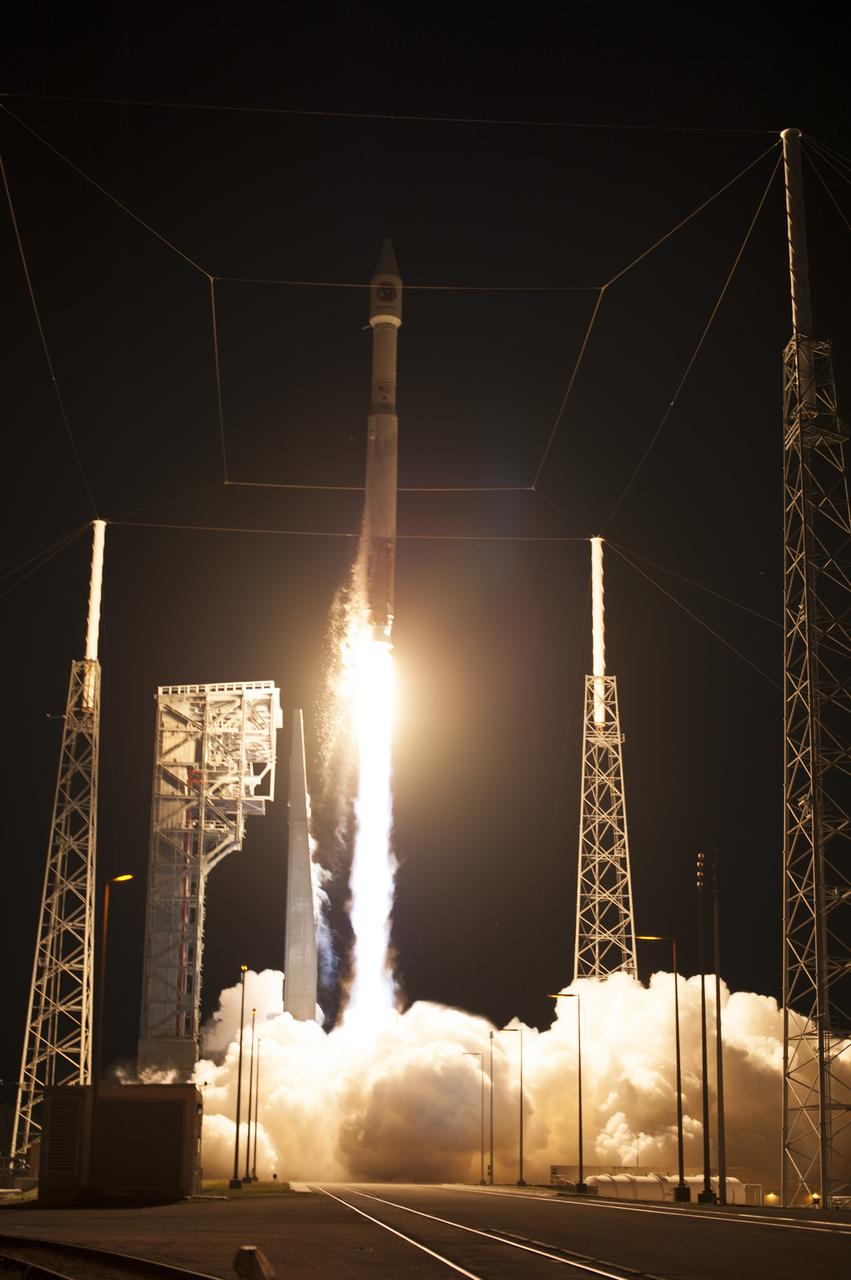
A United Launch Alliance Atlas V rocket lifts off from Space Launch Complex 41 at Cape Canaveral Air Force Station carrying an Orbital ATK Cygnus resupply spacecraft on a commercial resupply services mission to the International Space Station. Liftoff was at 11:05 p.m. EDT. Cygnus will deliver the second generation of a portable onboard printer to demonstrate 3-D printing, an instrument for first space-based observations of the chemical composition of meteors entering Earth’s atmosphere and an experiment to study how fires burn in microgravity.
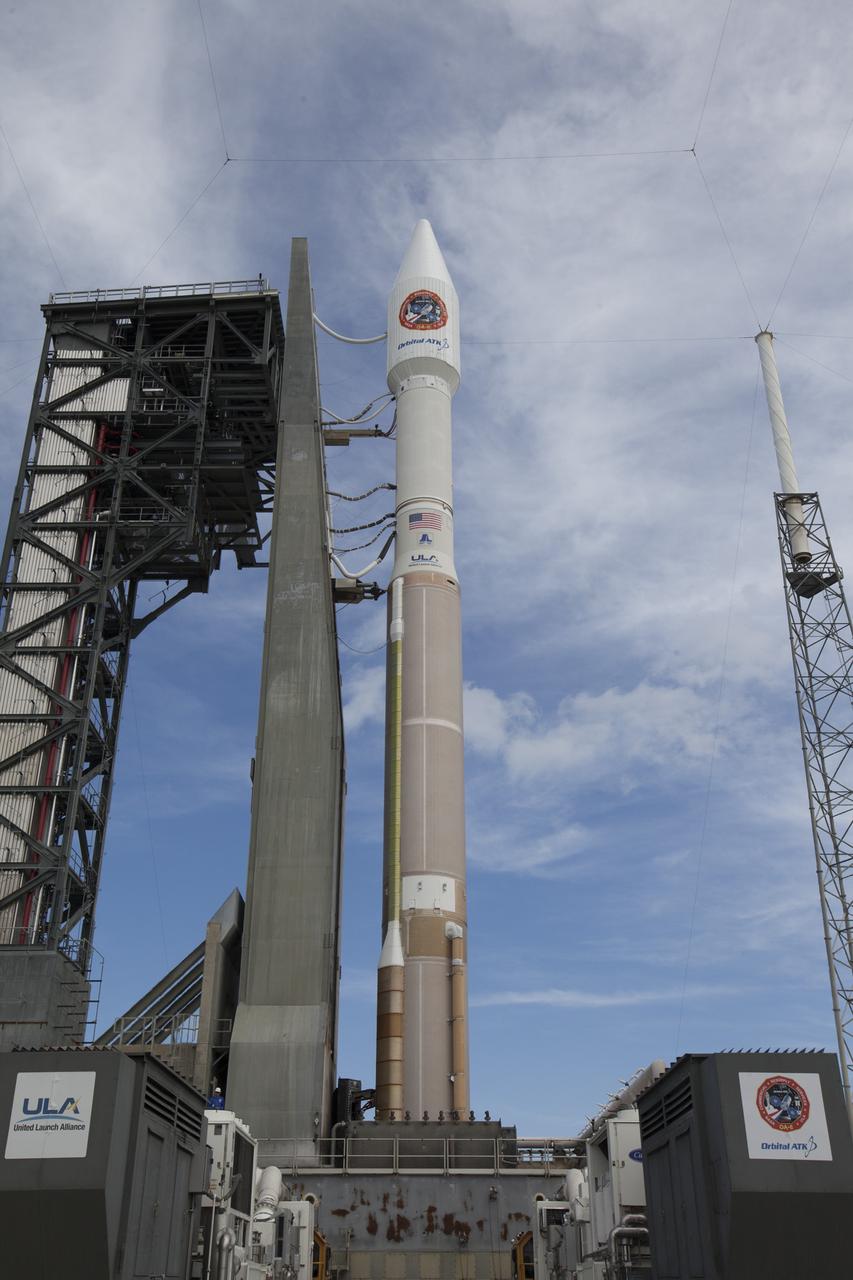
At Cape Canaveral Air Force Station's Space Launch Complex 41, a United Launch Alliance Atlas V rocket with a single-engine Centaur upper stage stands ready to boost an Orbital ATK Cygnus spacecraft on a resupply mission to the International Space Station. Science payloads include the second generation of a portable onboard printer to demonstrate three-dimensional printing, an instrument for first space-based observations of the chemical composition of meteors entering Earth’s atmosphere and an experiment to study how fires burn in microgravity.
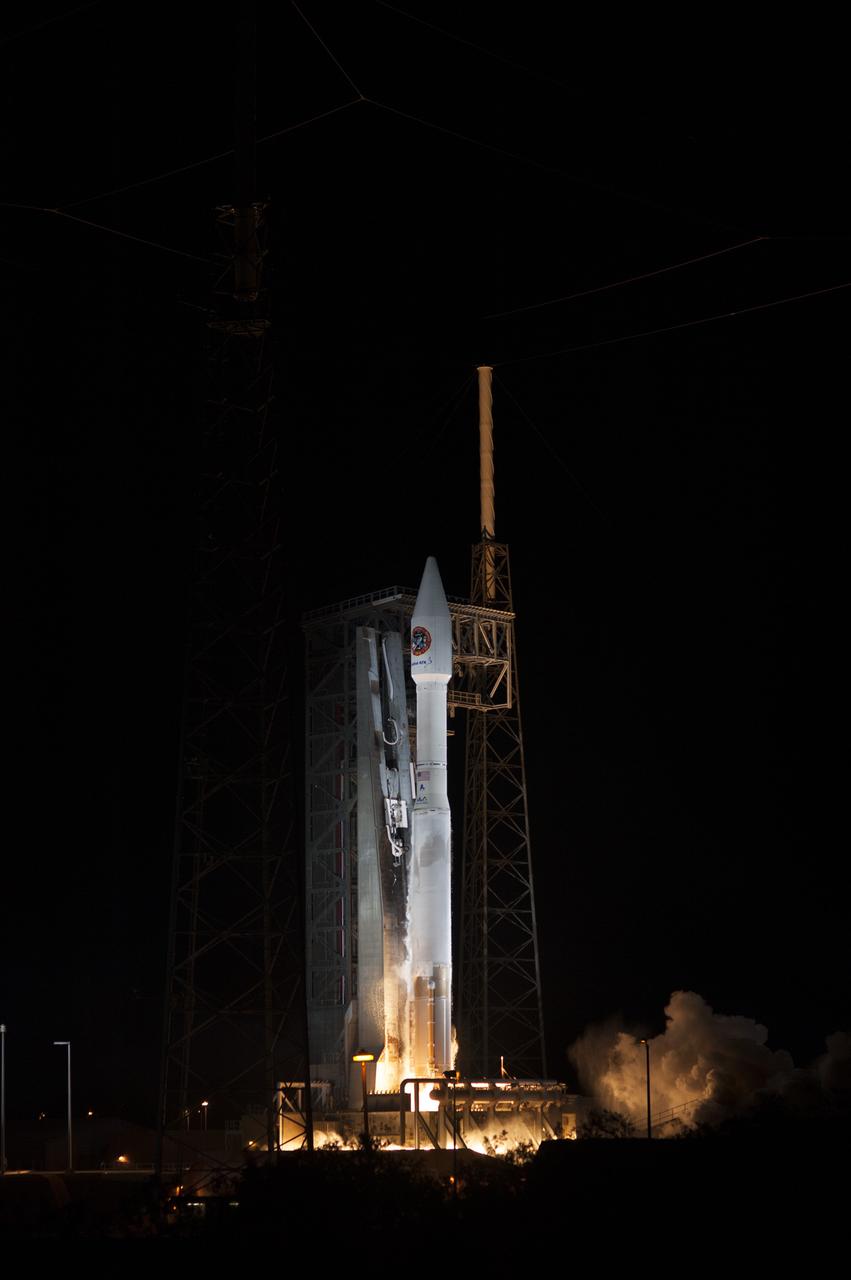
Cape Canaveral Air Force Station carrying an Orbital ATK Cygnus resupply spacecraft on a commercial resupply services mission to the International Space Station. Liftoff was at 11:05 p.m. EDT. Cygnus will deliver the second generation of a portable onboard printer to demonstrate 3-D printing, an instrument for first space-based observations of the chemical composition of meteors entering Earth’s atmosphere and an experiment to study how fires burn in microgravity.
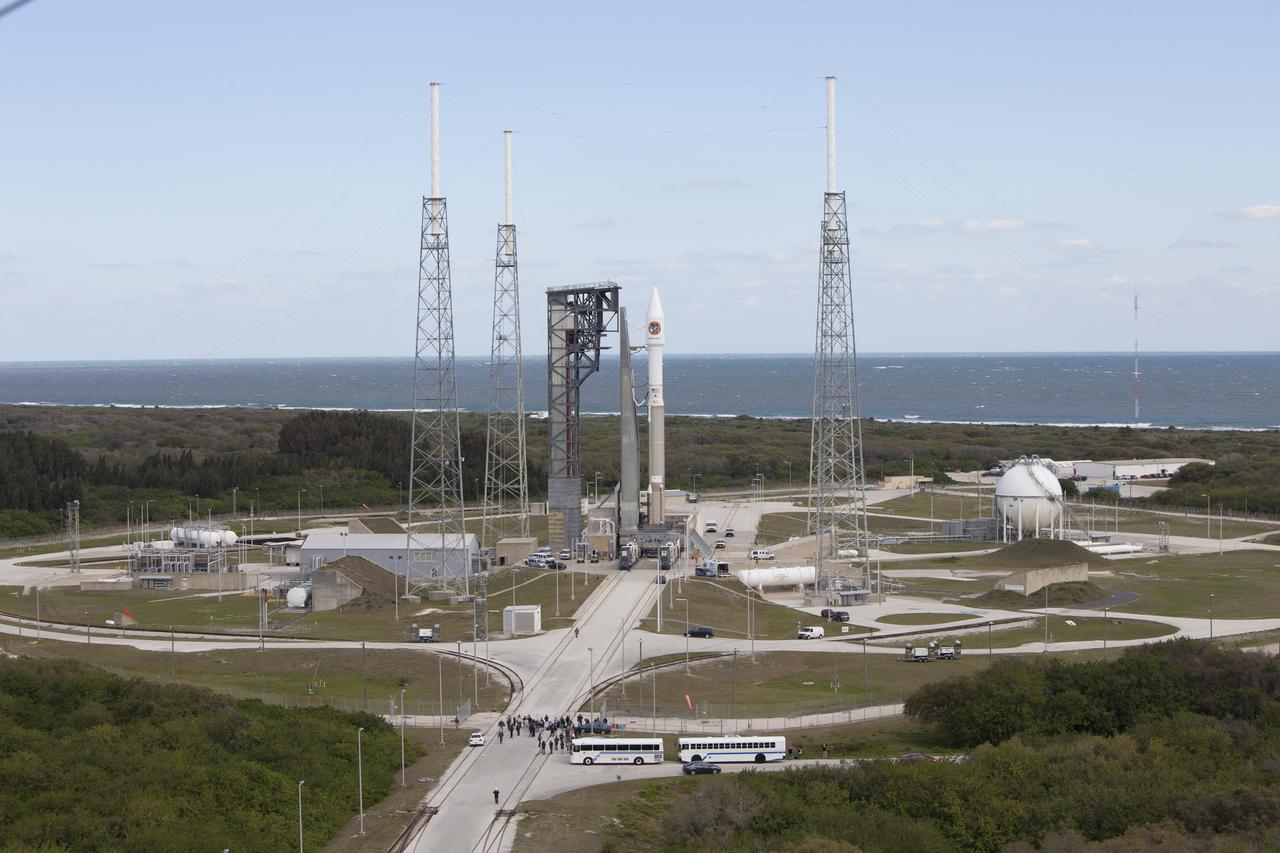
At Cape Canaveral Air Force Station's Space Launch Complex 41, a United Launch Alliance Atlas V rocket with a single-engine Centaur upper stage stands ready to boost an Orbital ATK Cygnus spacecraft on a resupply mission to the International Space Station. Science payloads include the second generation of a portable onboard printer to demonstrate three-dimensional printing, an instrument for first space-based observations of the chemical composition of meteors entering Earth’s atmosphere and an experiment to study how fires burn in microgravity.
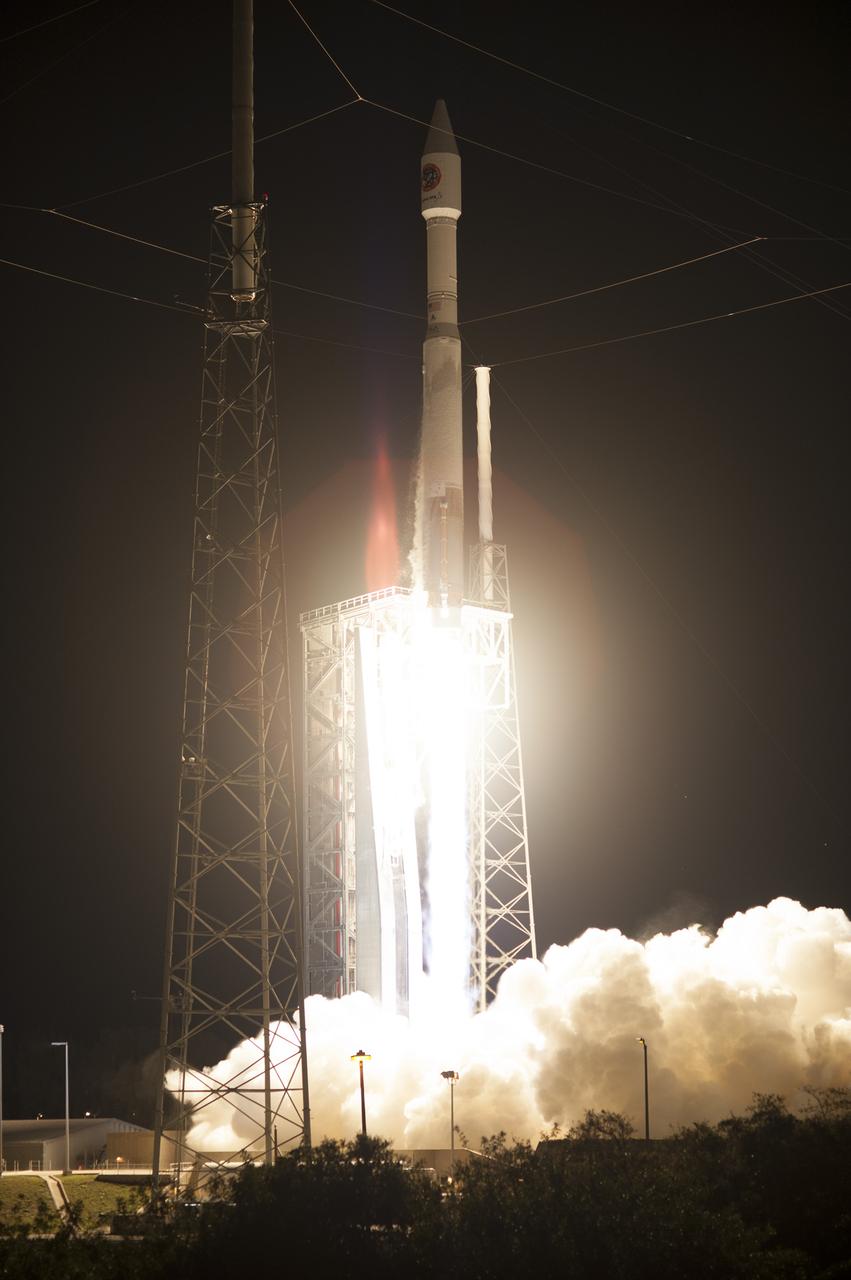
Cape Canaveral Air Force Station carrying an Orbital ATK Cygnus resupply spacecraft on a commercial resupply services mission to the International Space Station. Liftoff was at 11:05 p.m. EDT. Cygnus will deliver the second generation of a portable onboard printer to demonstrate 3-D printing, an instrument for first space-based observations of the chemical composition of meteors entering Earth’s atmosphere and an experiment to study how fires burn in microgravity.
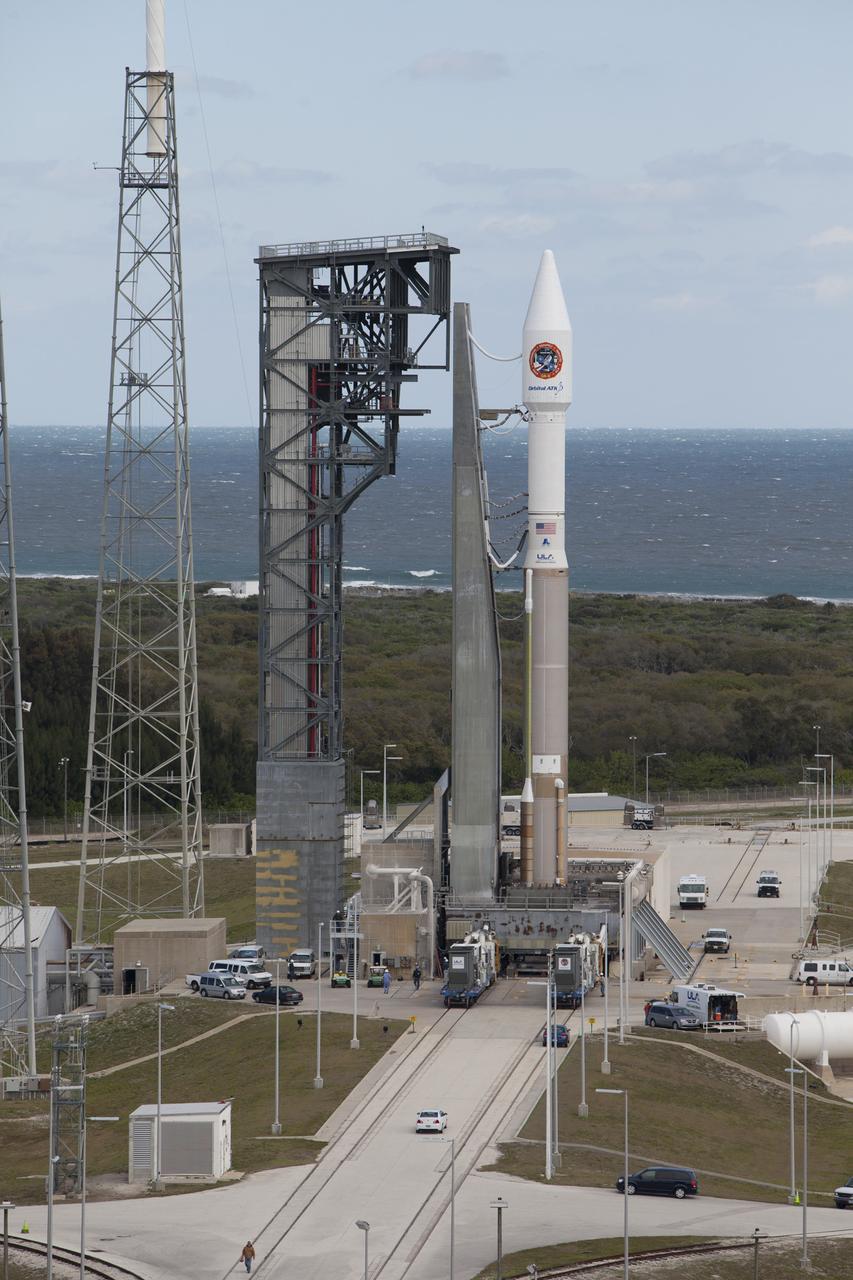
At Cape Canaveral Air Force Station's Space Launch Complex 41, a United Launch Alliance Atlas V rocket with a single-engine Centaur upper stage stands ready to boost an Orbital ATK Cygnus spacecraft on a resupply mission to the International Space Station. Science payloads include the second generation of a portable onboard printer to demonstrate three-dimensional printing, an instrument for first space-based observations of the chemical composition of meteors entering Earth’s atmosphere and an experiment to study how fires burn in microgravity.
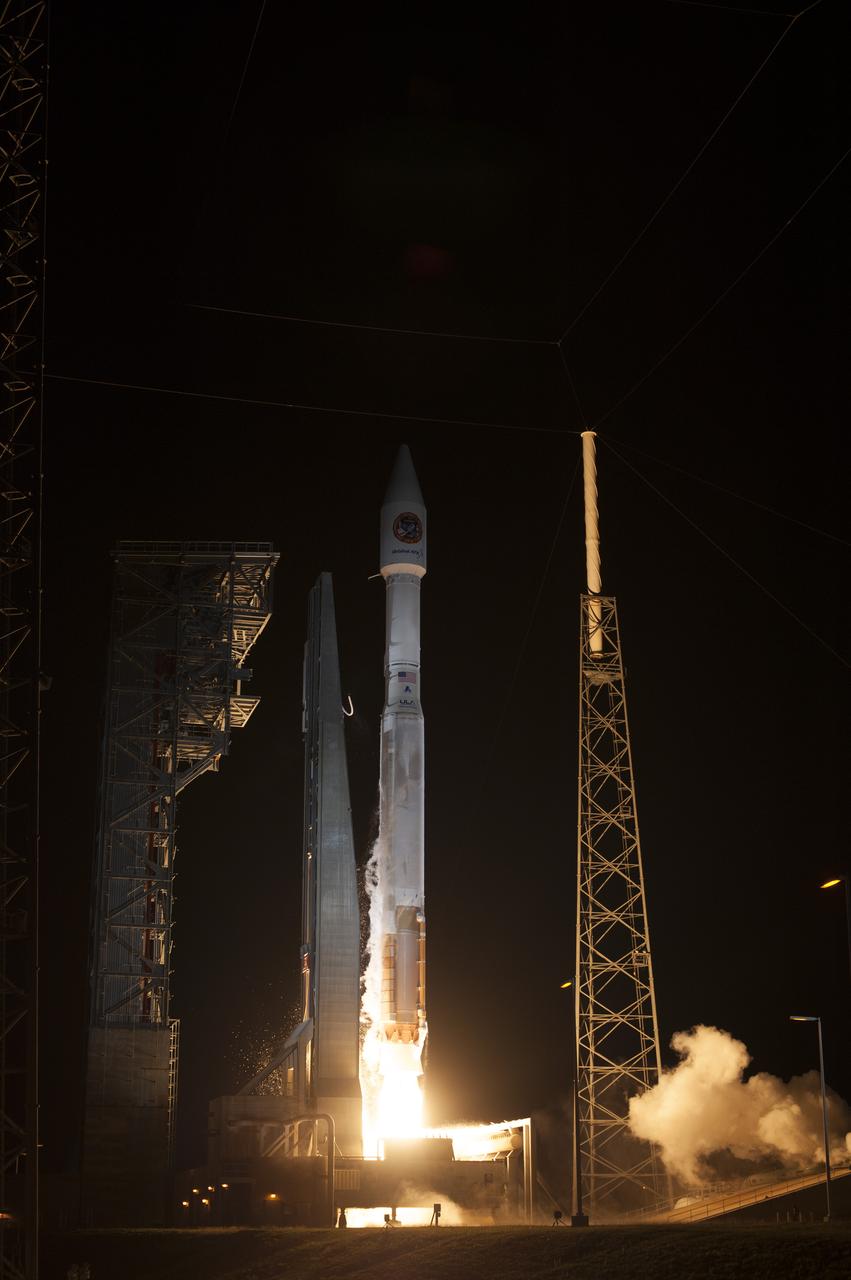
A United Launch Alliance Atlas V rocket lifts off from Space Launch Complex 41 at Cape Canaveral Air Force Station carrying an Orbital ATK Cygnus resupply spacecraft on a commercial resupply services mission to the International Space Station. Liftoff was at 11:05 p.m. EDT. Cygnus will deliver the second generation of a portable onboard printer to demonstrate 3-D printing, an instrument for first space-based observations of the chemical composition of meteors entering Earth’s atmosphere and an experiment to study how fires burn in microgravity.
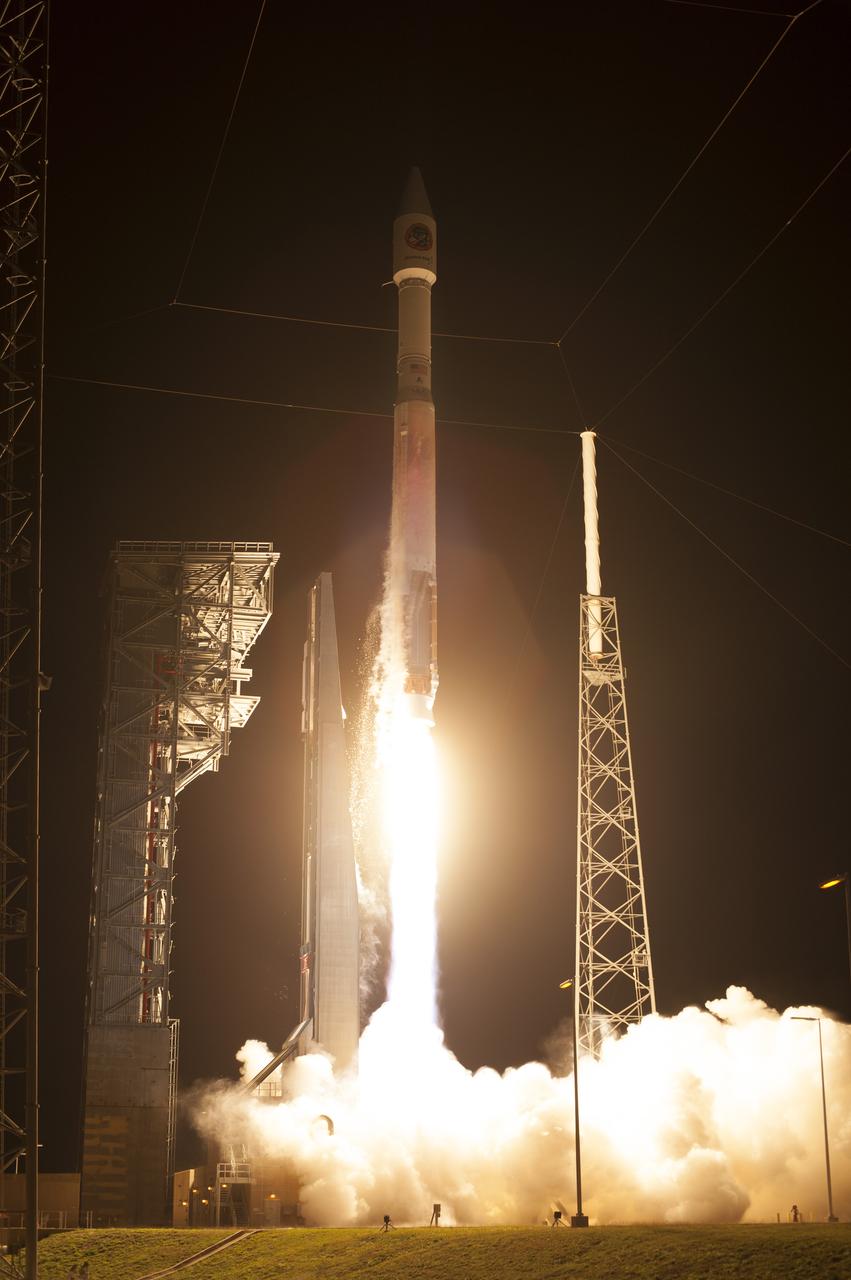
A United Launch Alliance Atlas V rocket lifts off from Space Launch Complex 41 at Cape Canaveral Air Force Station carrying an Orbital ATK Cygnus resupply spacecraft on a commercial resupply services mission to the International Space Station. Liftoff was at 11:05 p.m. EDT. Cygnus will deliver the second generation of a portable onboard printer to demonstrate 3-D printing, an instrument for first space-based observations of the chemical composition of meteors entering Earth’s atmosphere and an experiment to study how fires burn in microgravity.
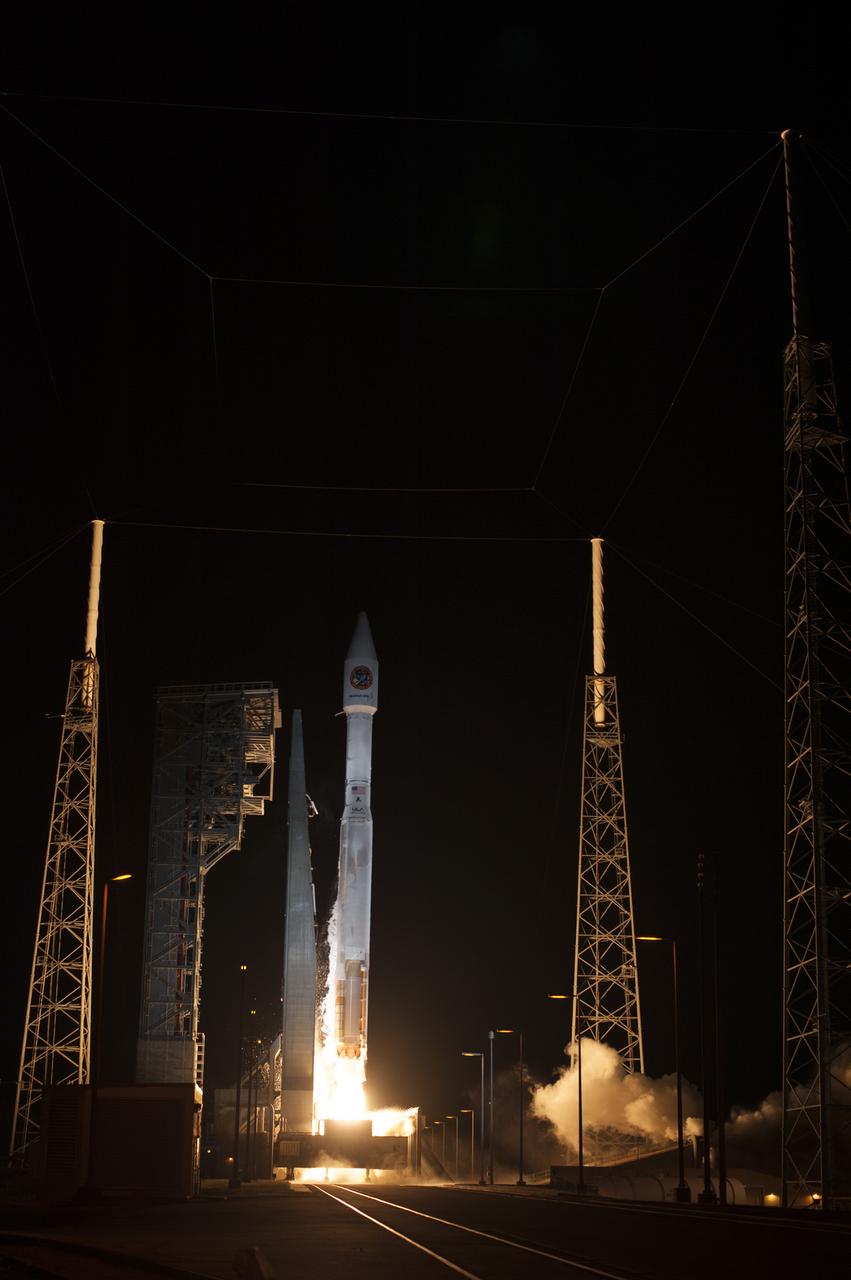
A United Launch Alliance Atlas V rocket lifts off from Space Launch Complex 41 at Cape Canaveral Air Force Station carrying an Orbital ATK Cygnus resupply spacecraft on a commercial resupply services mission to the International Space Station. Liftoff was at 11:05 p.m. EDT. Cygnus will deliver the second generation of a portable onboard printer to demonstrate 3-D printing, an instrument for first space-based observations of the chemical composition of meteors entering Earth’s atmosphere and an experiment to study how fires burn in microgravity.
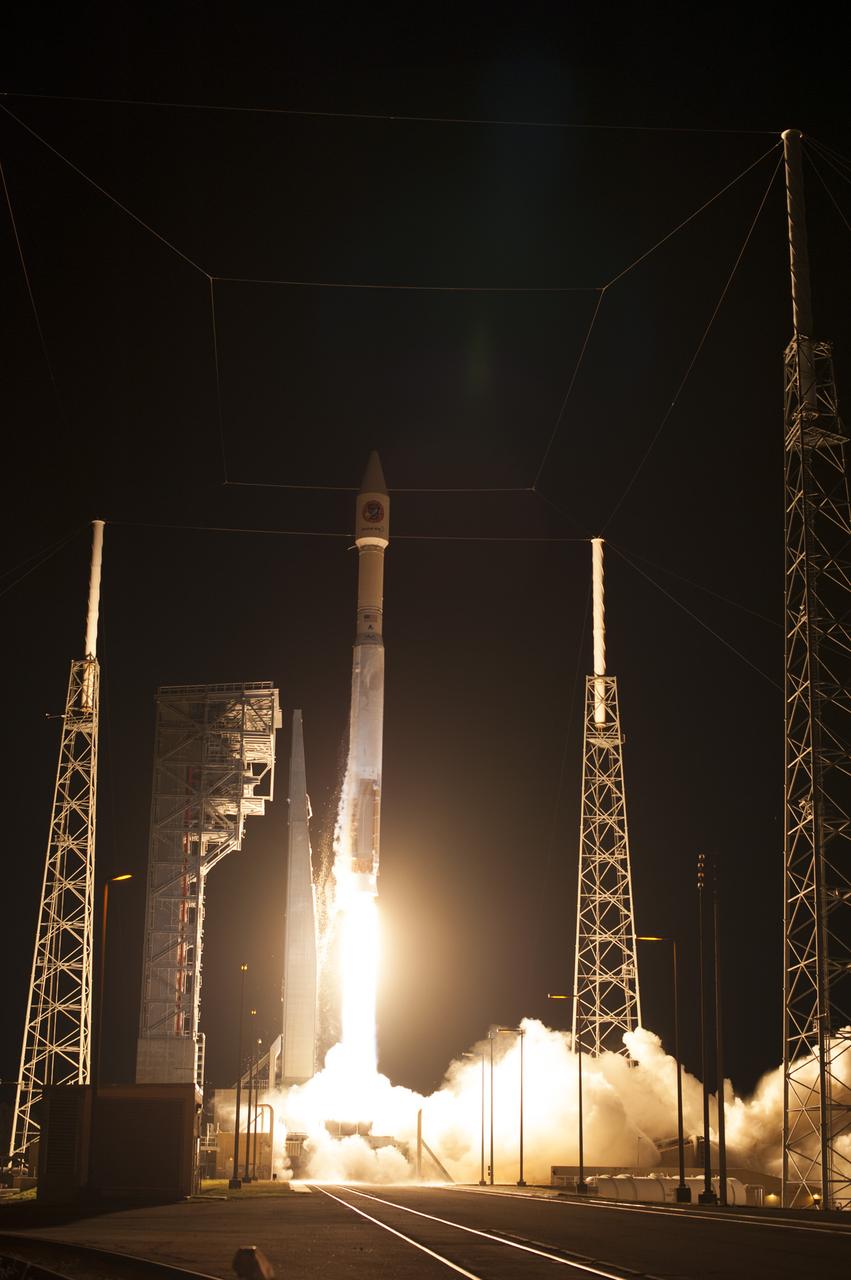
A United Launch Alliance Atlas V rocket lifts off from Space Launch Complex 41 at Cape Canaveral Air Force Station carrying an Orbital ATK Cygnus resupply spacecraft on a commercial resupply services mission to the International Space Station. Liftoff was at 11:05 p.m. EDT. Cygnus will deliver the second generation of a portable onboard printer to demonstrate 3-D printing, an instrument for first space-based observations of the chemical composition of meteors entering Earth’s atmosphere and an experiment to study how fires burn in microgravity.
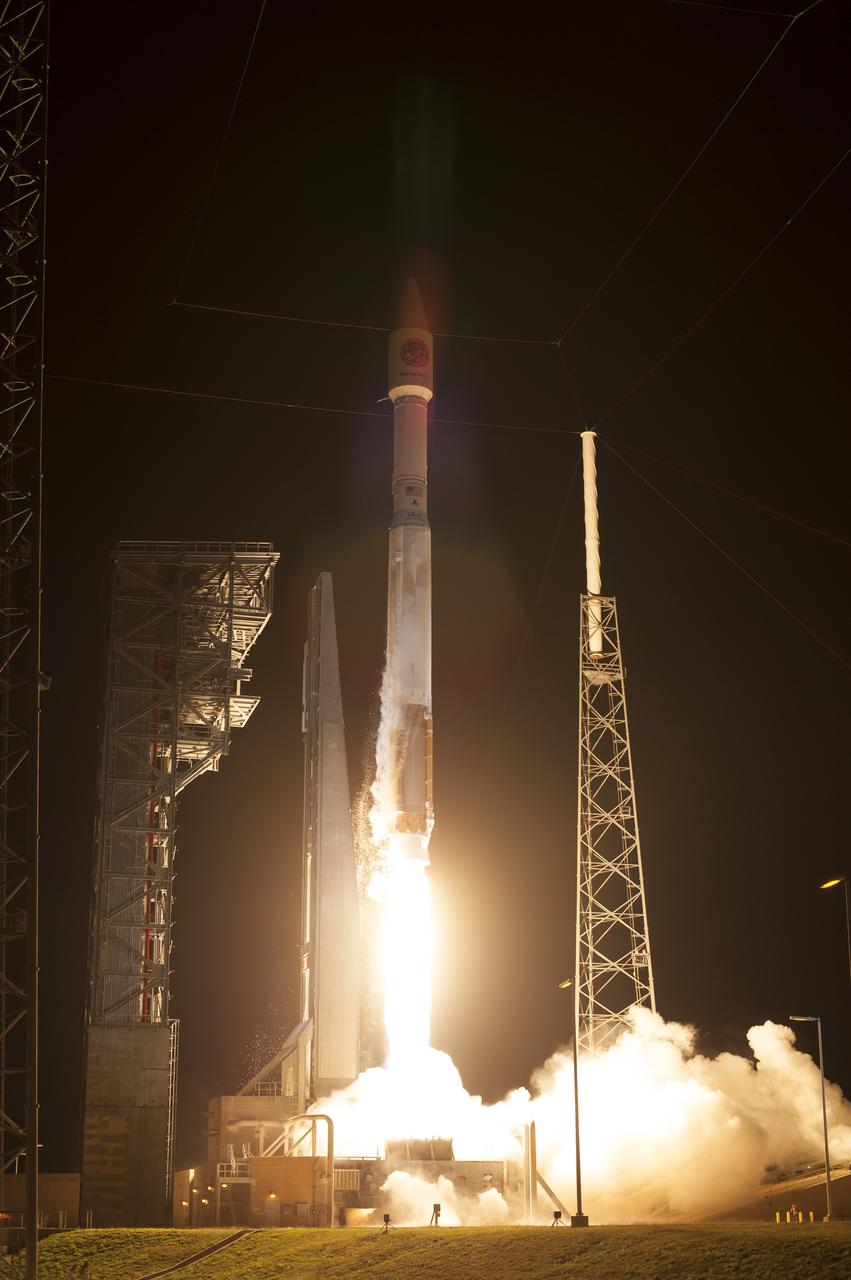
A United Launch Alliance Atlas V rocket lifts off from Space Launch Complex 41 at Cape Canaveral Air Force Station carrying an Orbital ATK Cygnus resupply spacecraft on a commercial resupply services mission to the International Space Station. Liftoff was at 11:05 p.m. EDT. Cygnus will deliver the second generation of a portable onboard printer to demonstrate 3-D printing, an instrument for first space-based observations of the chemical composition of meteors entering Earth’s atmosphere and an experiment to study how fires burn in microgravity.
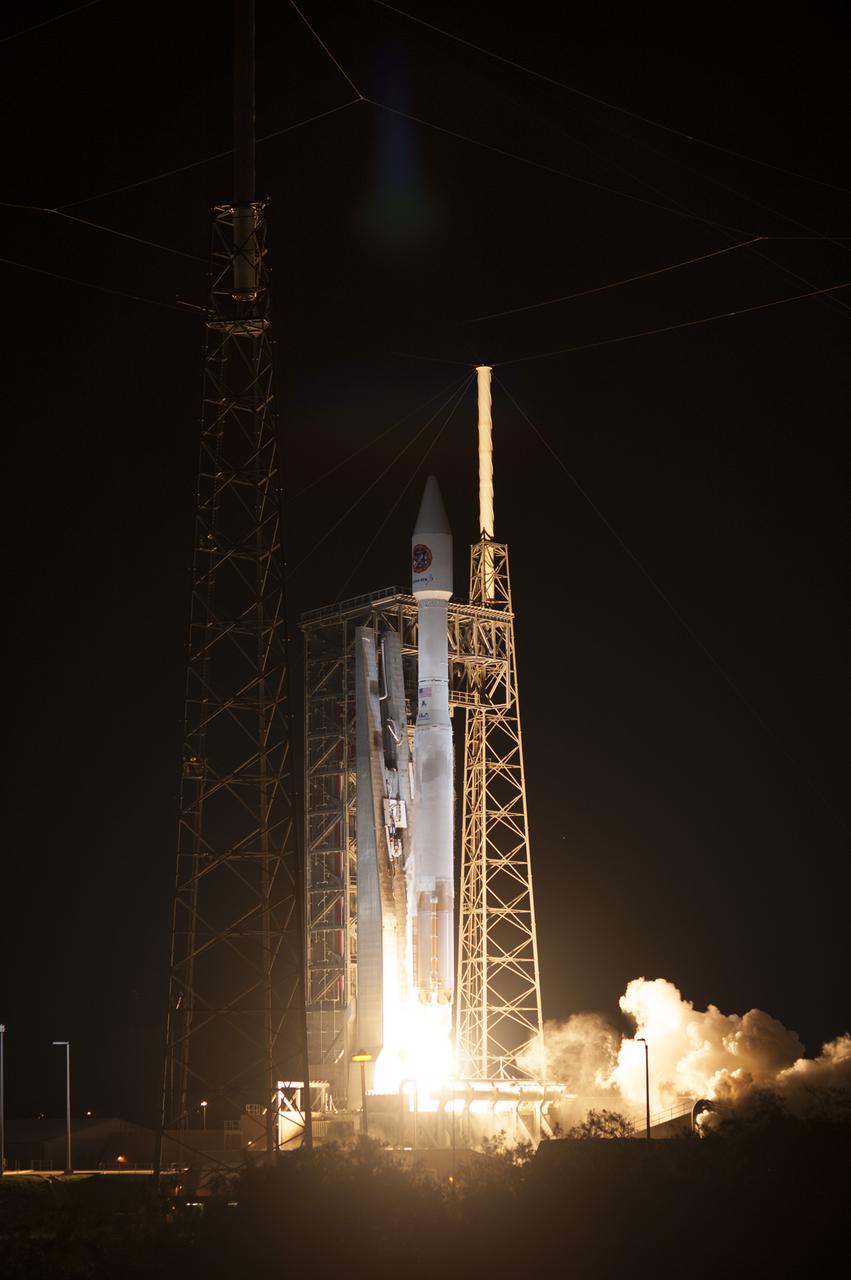
Cape Canaveral Air Force Station carrying an Orbital ATK Cygnus resupply spacecraft on a commercial resupply services mission to the International Space Station. Liftoff was at 11:05 p.m. EDT. Cygnus will deliver the second generation of a portable onboard printer to demonstrate 3-D printing, an instrument for first space-based observations of the chemical composition of meteors entering Earth’s atmosphere and an experiment to study how fires burn in microgravity.
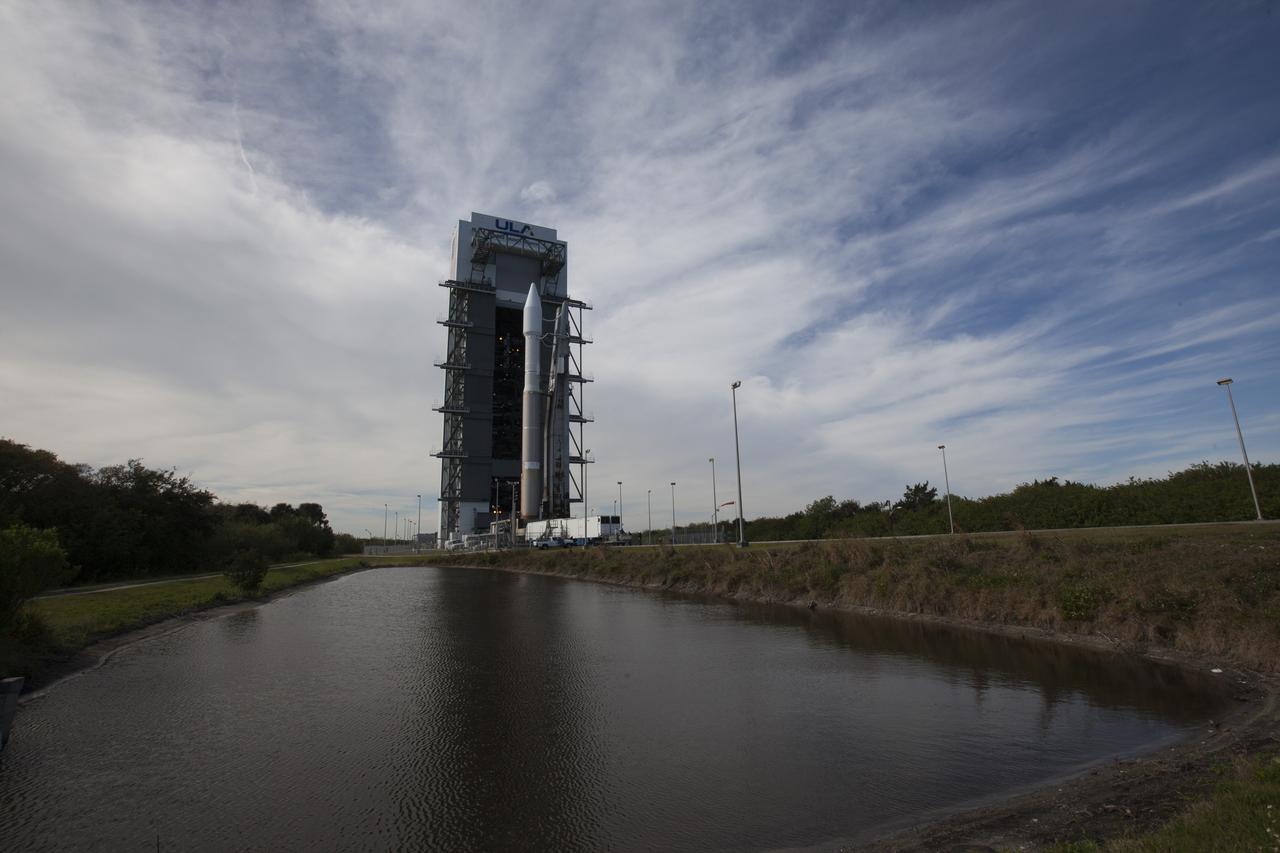
A United Launch Alliance Atlas V rocket is moved from the Vertical Integration Facility to the launch pad at Cape Canaveral Air Force Station's Space Launch Complex 41. A Cygnus spacecraft is scheduled to deliver 7,700 pounds of supplies and research experiments on the Orbital ATK CRS-6 mission to the International Space Station.
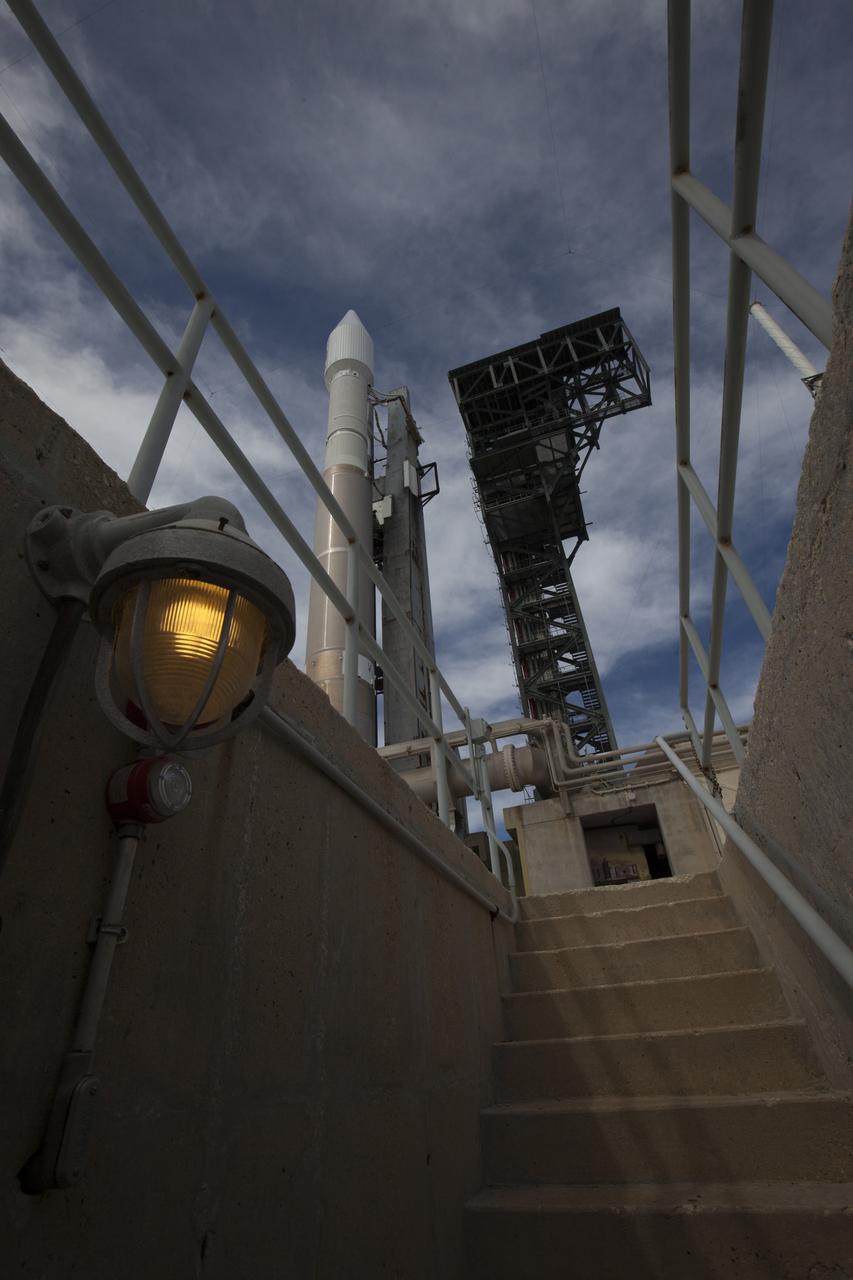
At Cape Canaveral Air Force Station's Space Launch Complex 41, a United Launch Alliance Atlas V rocket with a single-engine Centaur upper stage stands ready to boost an Orbital ATK Cygnus spacecraft on a resupply mission to the International Space Station. Science payloads include the second generation of a portable onboard printer to demonstrate three-dimensional printing, an instrument for first space-based observations of the chemical composition of meteors entering Earth’s atmosphere and an experiment to study how fires burn in microgravity.
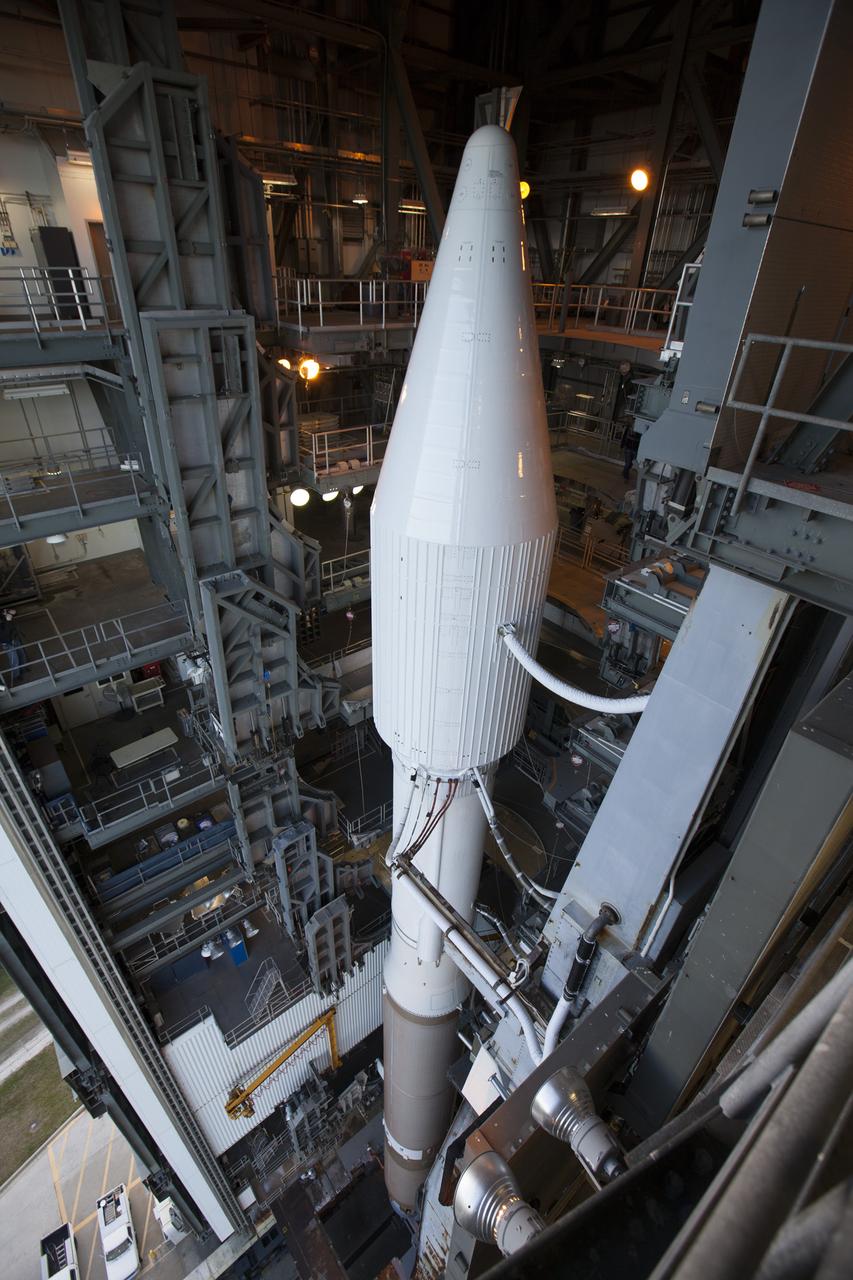
A United Launch Alliance Atlas V rocket is prepared for its move from the Vertical Integration Facility to the launch pad at Cape Canaveral Air Force Station's Space Launch Complex 41. A Cygnus spacecraft is scheduled to deliver 7,700 pounds of supplies and research experiments on the Orbital ATK CRS-6 mission to the International Space Station.
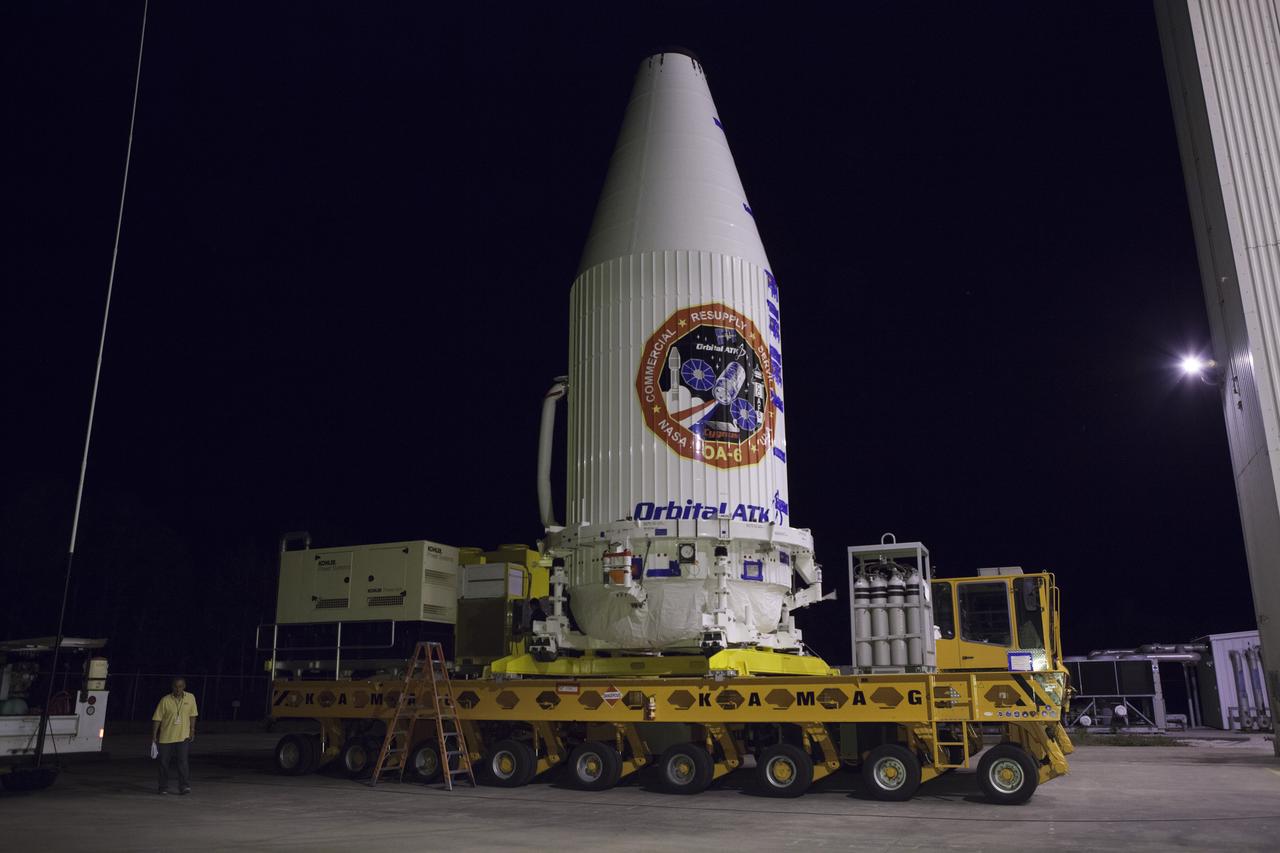
Encapsulated inside its payload fairing, the Cygnus spacecraft for the upcoming Orbital ATK Commercial Resupply Services-6 mission departs the Payload Hazardous Servicing Facility at NASA's Kennedy Space Center in Florida. Mounted atop a KAMAG transporter, Cygnus is being moved to Space Launch Complex-41 at Cape Canaveral Air Force Station where it will be mounted atop a United Launch Alliance Atlas V rocket. The Cygnus is scheduled to lift off atop a United Launch Alliance Atlas V rocket on March 22 to deliver hardware and supplies to the International Space Station.
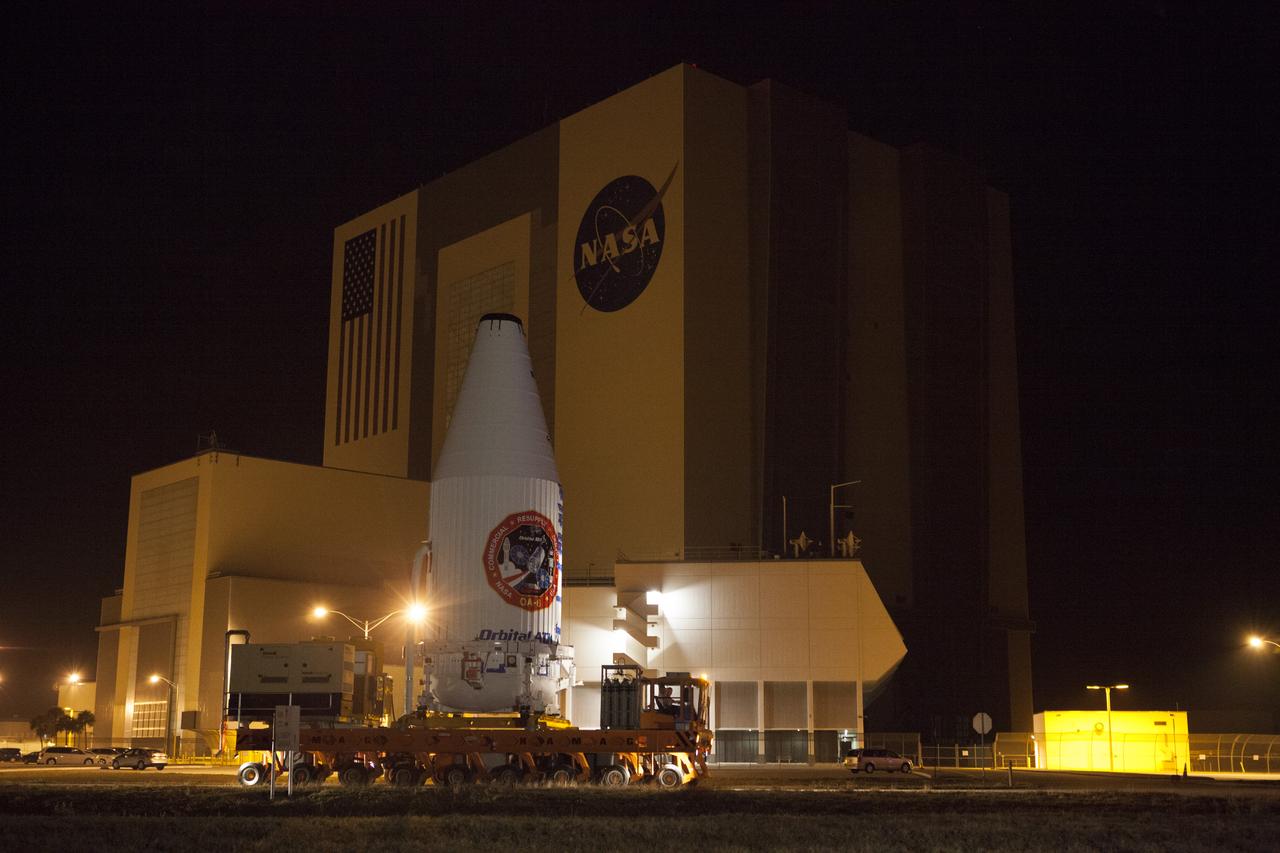
Encapsulated inside its payload fairing, the Cygnus spacecraft for the upcoming Orbital ATK Commercial Resupply Services-6 mission moves past the Vehicle Assembly Building at NASA's Kennedy Space Center in Florida. Mounted atop a KAMAG transporter, Cygnus is being moved to Space Launch Complex-41 at Cape Canaveral Air Force Station where it will be mounted atop a United Launch Alliance Atlas V rocket. The Cygnus is scheduled to lift off atop a United Launch Alliance Atlas V rocket on March 22 to deliver hardware and supplies to the International Space Station.
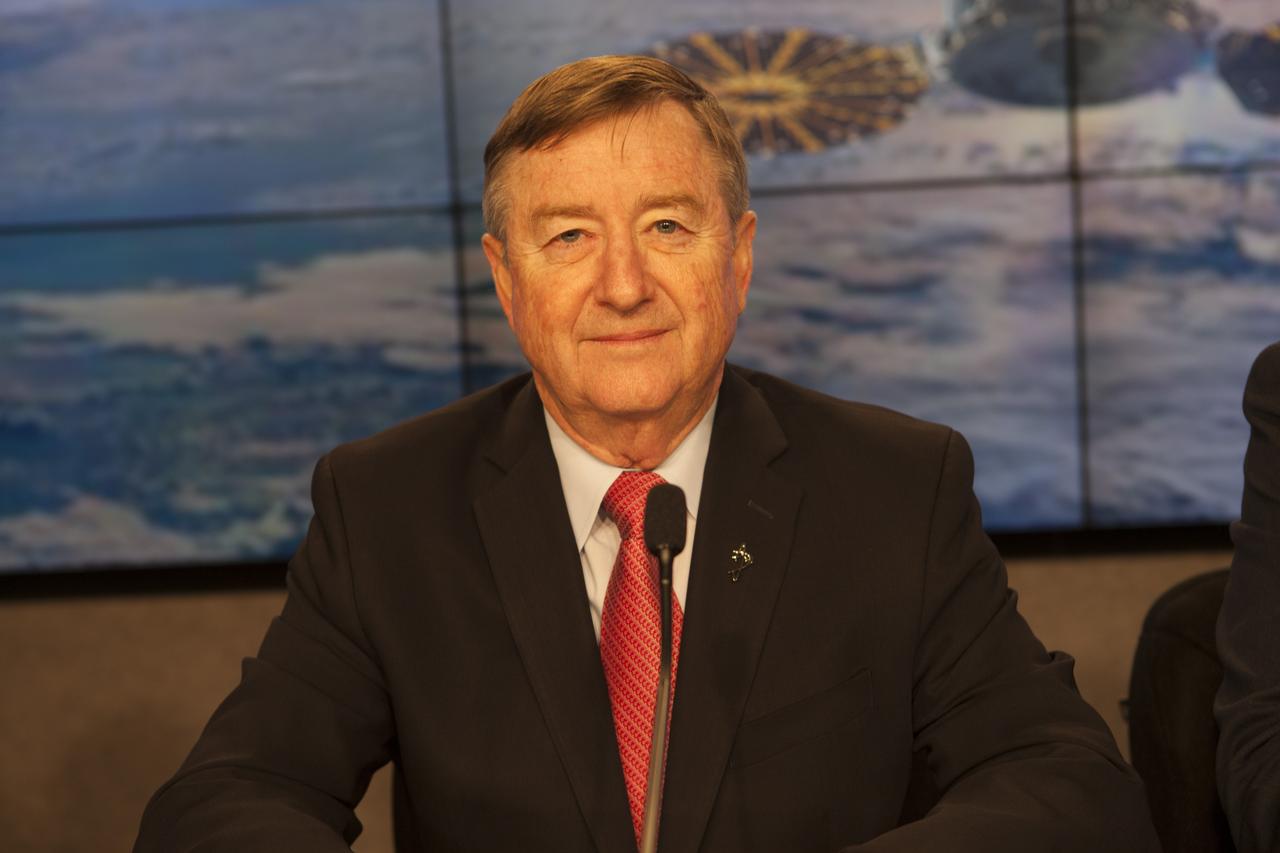
In the Kennedy Space Center’s Press Site auditorium, Frank Culbertson, president of Orbital ATK's Space System Group, speaks to members of the media at a prelaunch news conference for Orbital ATK CRS-6 commercial resupply services mission to the International Space Station.
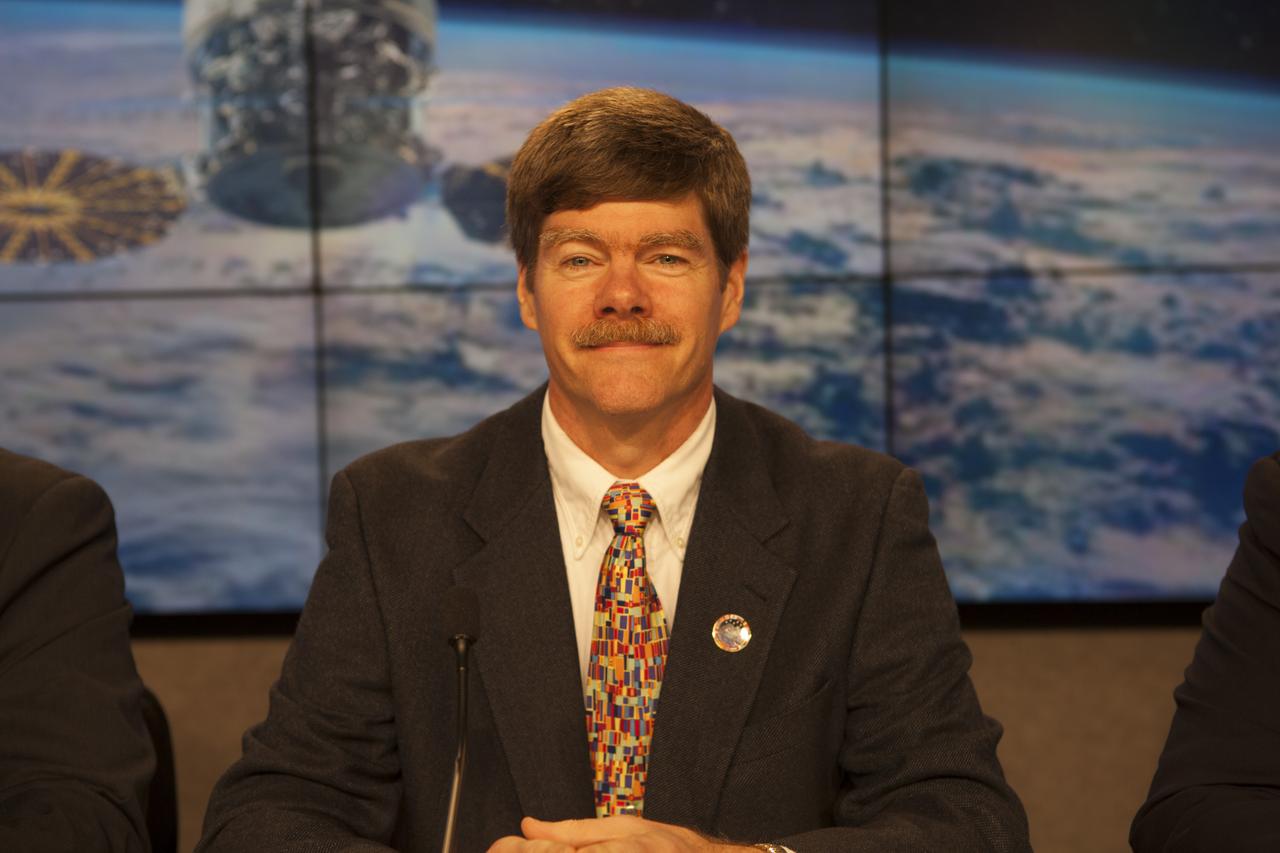
In the Kennedy Space Center’s Press Site auditorium, Pete Hasbrook, NASA associate program scientist for the ISS Program at the Johnson Space Center in Houston, speaks to members of the media at a prelaunch news conference for Orbital ATK CRS-6 commercial resupply services mission to the International Space Station.
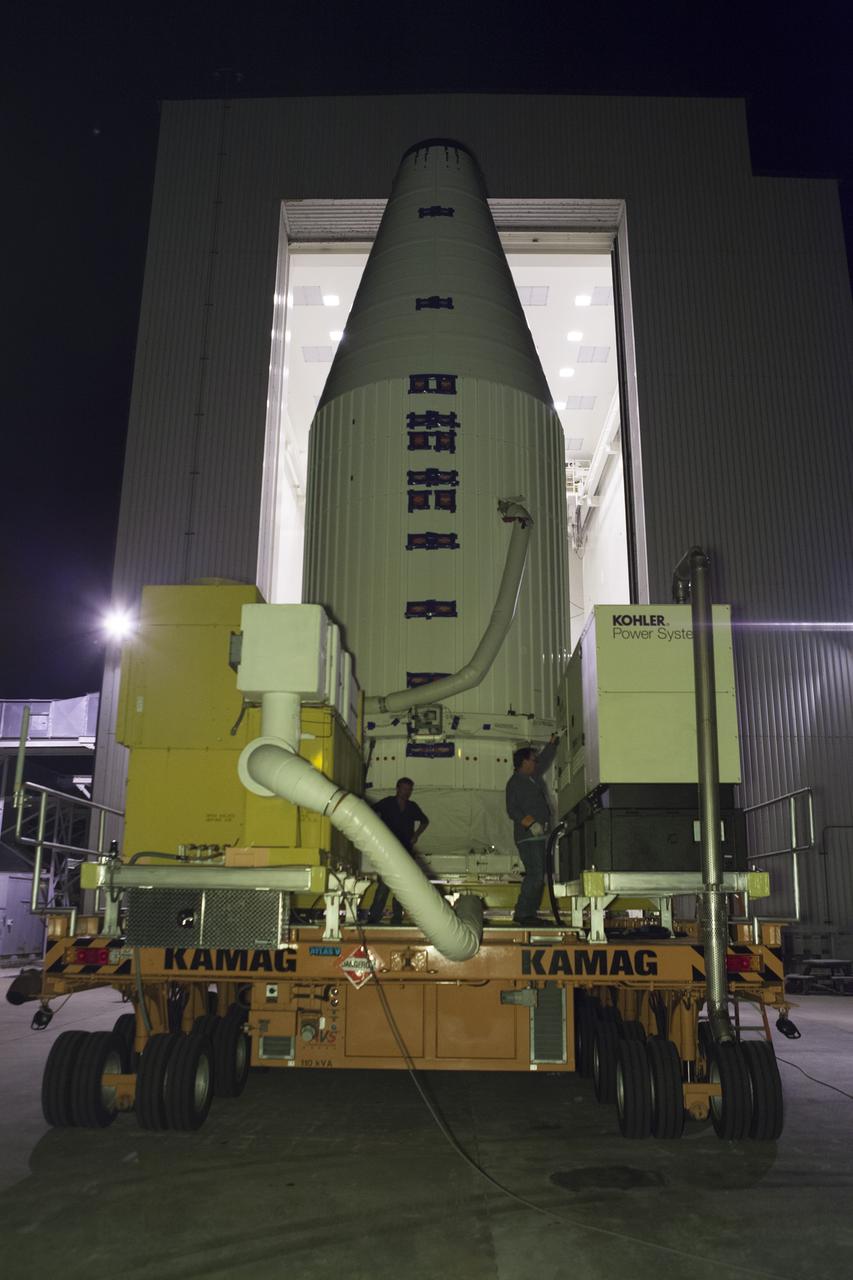
Encapsulated inside its payload fairing, the Cygnus spacecraft for the upcoming Orbital ATK Commercial Resupply Services-6 mission departs the Payload Hazardous Servicing Facility at NASA's Kennedy Space Center in Florida. Mounted atop a KAMAG transporter, Cygnus is being moved to Space Launch Complex-41 at Cape Canaveral Air Force Station where it will be mounted atop a United Launch Alliance Atlas V rocket. The Cygnus is scheduled to lift off atop a United Launch Alliance Atlas V rocket on March 22 to deliver hardware and supplies to the International Space Station.
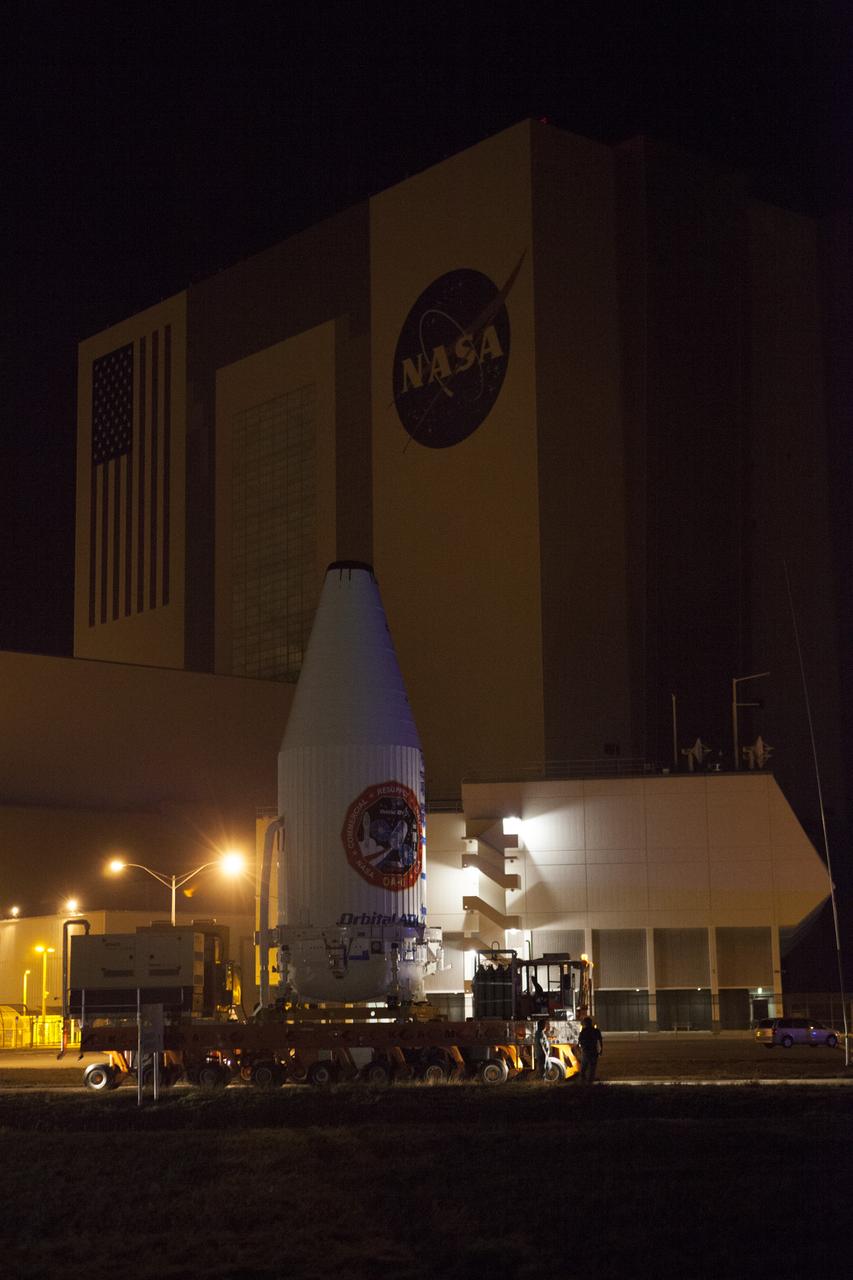
Encapsulated inside its payload fairing, the Cygnus spacecraft for the upcoming Orbital ATK Commercial Resupply Services-6 mission moves past the Vehicle Assembly Building at NASA's Kennedy Space Center in Florida. Mounted atop a KAMAG transporter, Cygnus is being moved to Space Launch Complex-41 at Cape Canaveral Air Force Station where it will be mounted atop a United Launch Alliance Atlas V rocket. The Cygnus is scheduled to lift off atop a United Launch Alliance Atlas V rocket on March 22 to deliver hardware and supplies to the International Space Station.
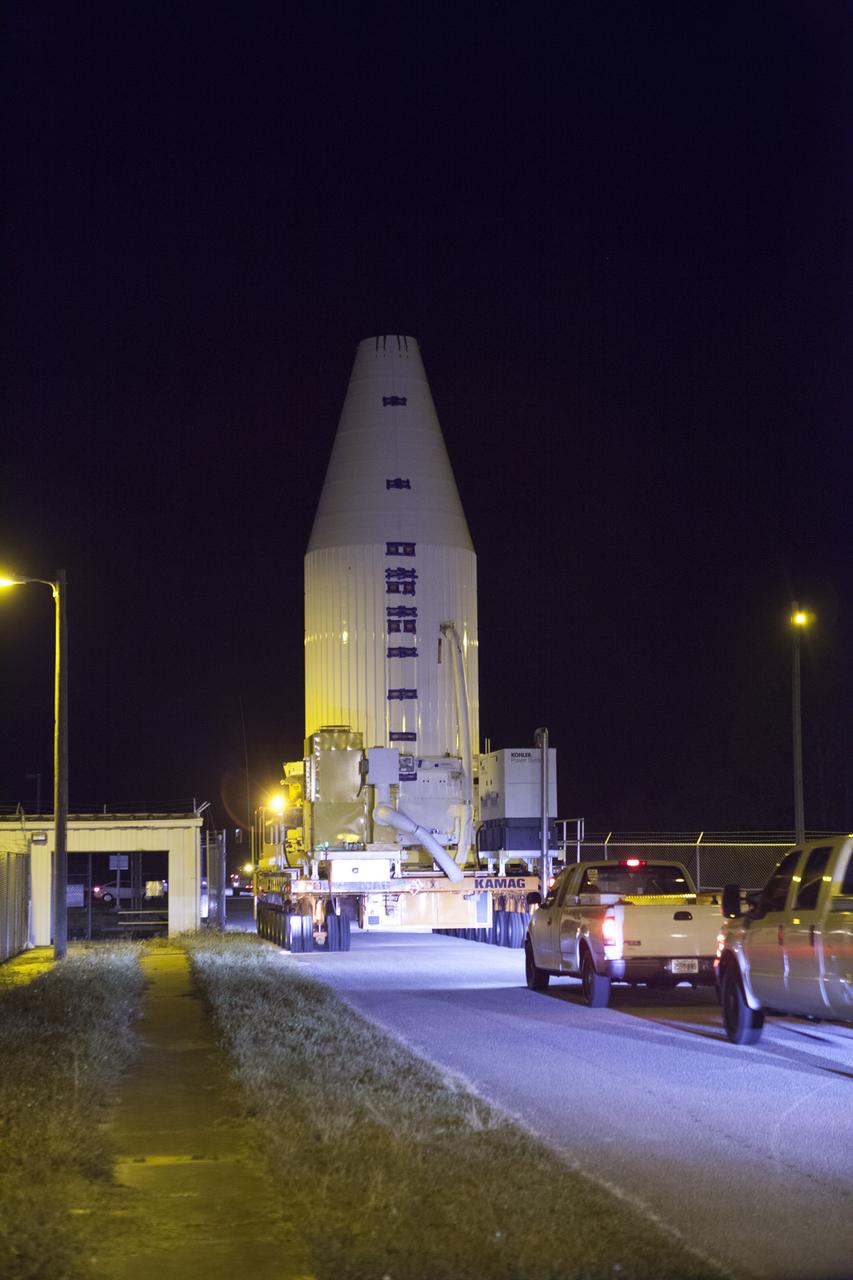
Encapsulated inside its payload fairing, the Cygnus spacecraft for the upcoming Orbital ATK Commercial Resupply Services-6 mission departs the Payload Hazardous Servicing Facility at NASA's Kennedy Space Center in Florida. Mounted atop a KAMAG transporter, Cygnus is being moved to Space Launch Complex-41 at Cape Canaveral Air Force Station where it will be mounted atop a United Launch Alliance Atlas V rocket. The Cygnus is scheduled to lift off atop a United Launch Alliance Atlas V rocket on March 22 to deliver hardware and supplies to the International Space Station.
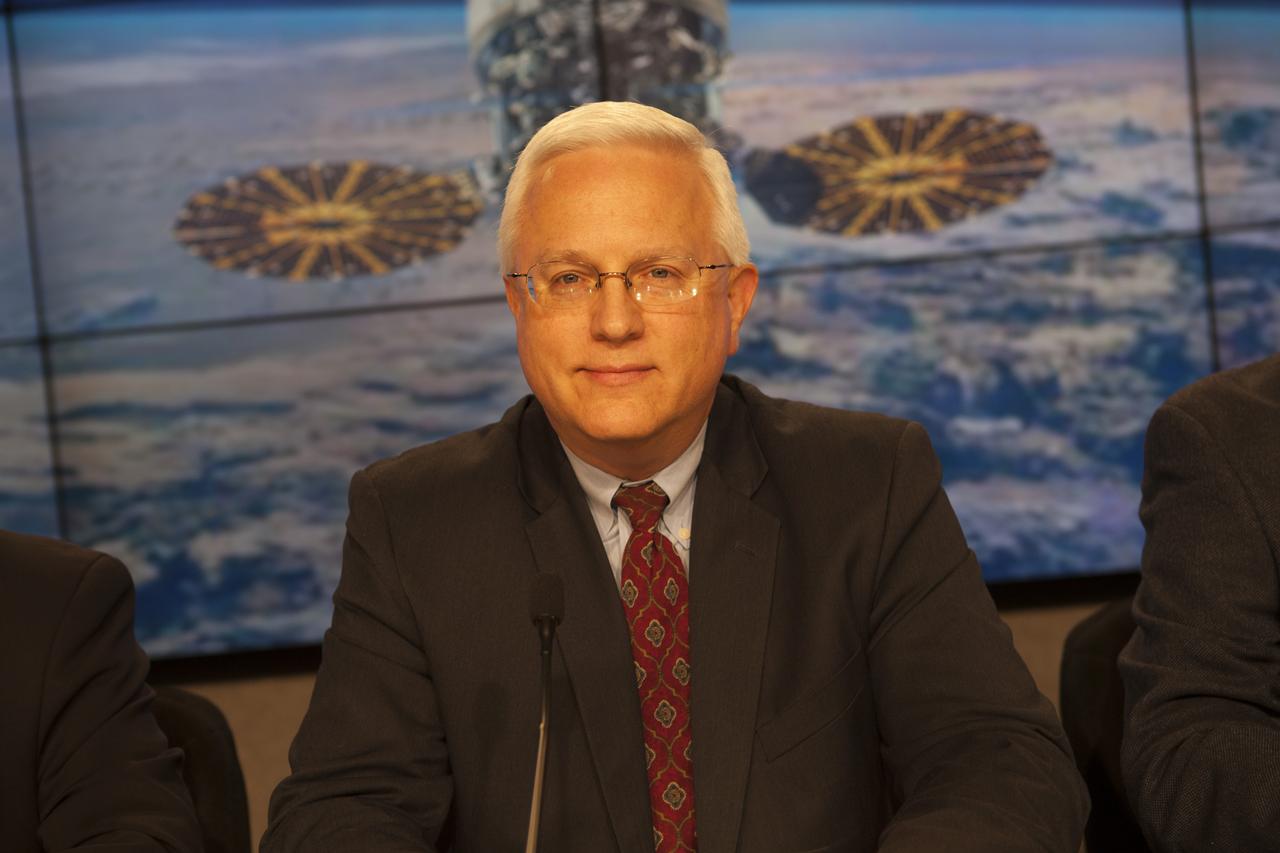
In the Kennedy Space Center’s Press Site auditorium, Vern Thorp, United Space Alliance's program manager for NASA missions, speaks to members of the media at a prelaunch news conference for Orbital ATK CRS-6 commercial resupply services mission to the International Space Station.

In the Kennedy Space Center’s Press Site auditorium, Kenneth Todd, NASA ISS Operations Integration manager; speaks to members of the media at a prelaunch news conference for Orbital ATK CRS-6 commercial resupply services mission to the International Space Station.
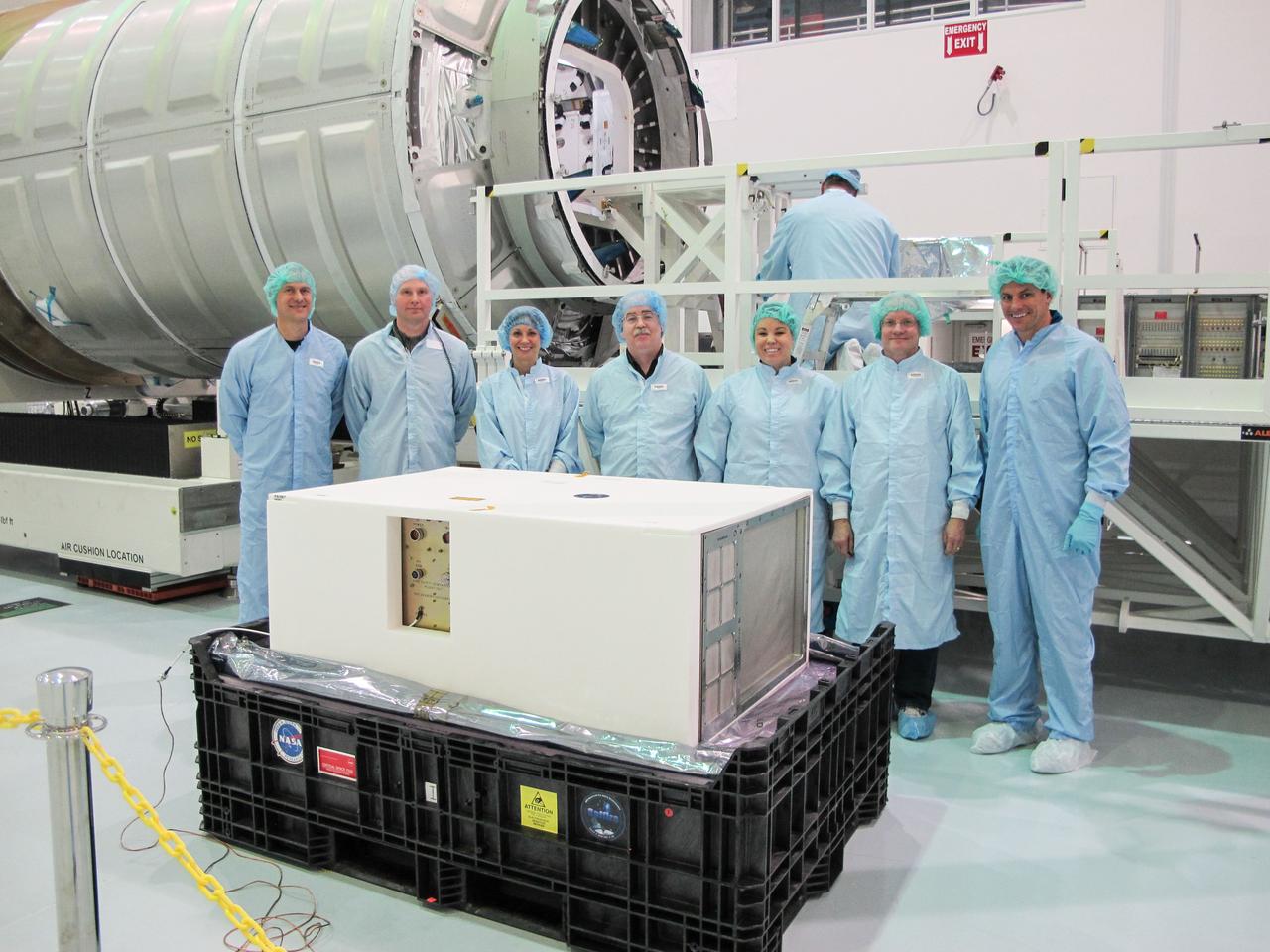
jsc2016e017570 (1/22/2016) --- Photographic documentation of Saffire-I taken during the OA-6 Crew Equipment Interface Test (CEIT) at KSC/Space Station Processing Facility (SSPF). The NASA Advanced Exploration Systems program began a project to develop and demonstrate spacecraft fire safety technologies in relevant environments. The keystone of these demonstrations is a large-scale fire safety experiment conducted on an International Space Station (ISS) re-supply vehicle after it has undocked from the ISS and before it enters the atmosphere.
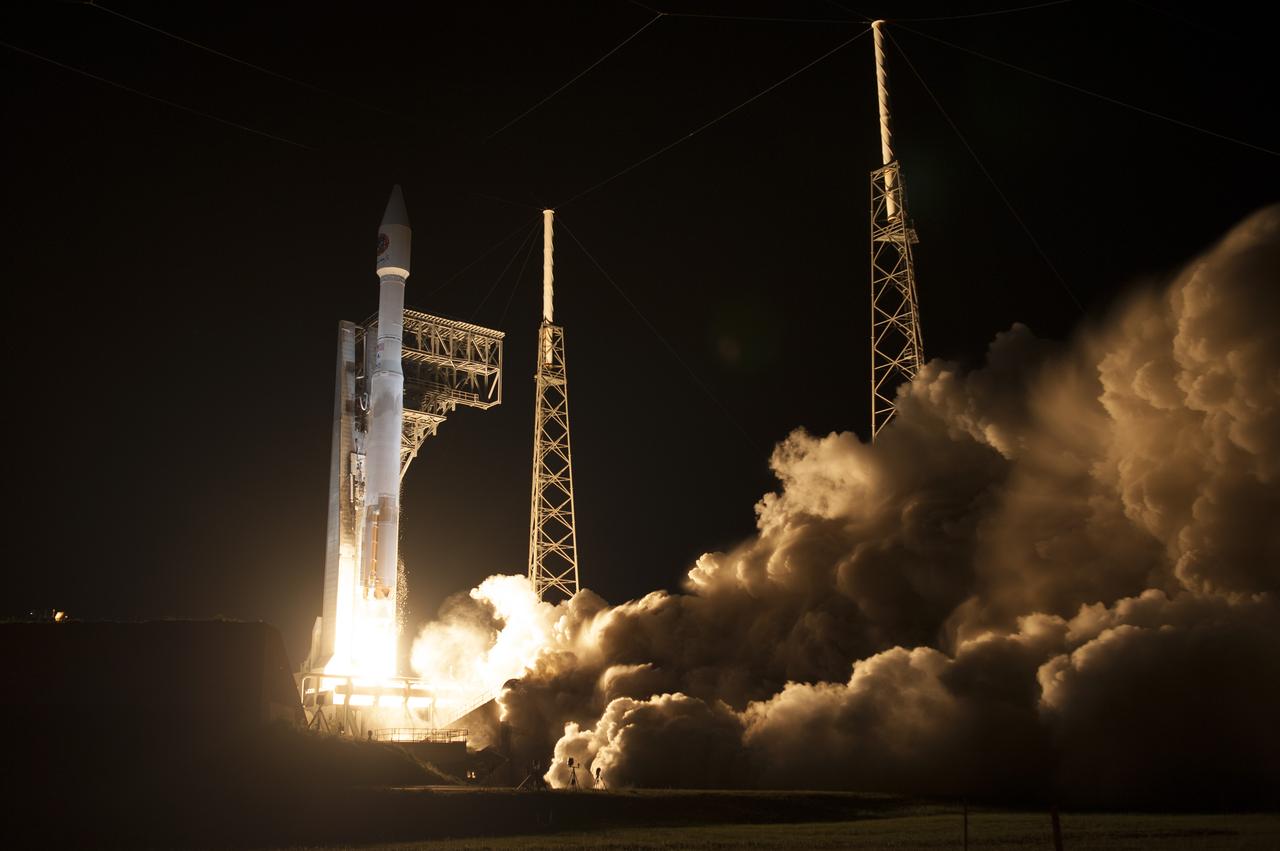
A United Launch Alliance Atlas V rocket lifts off from Space Launch Complex 41 at Cape Canaveral Air Force Station in Florida carrying an Orbital ATK Cygnus resupply spacecraft on a commercial resupply services mission to the International Space Station. Liftoff was at 11:05 p.m. EDT. Cygnus will deliver the second generation of a portable onboard printer to demonstrate 3-D printing, an instrument for first space-based observations of the chemical composition of meteors entering Earth’s atmosphere and an experiment to study how fires burn in microgravity.
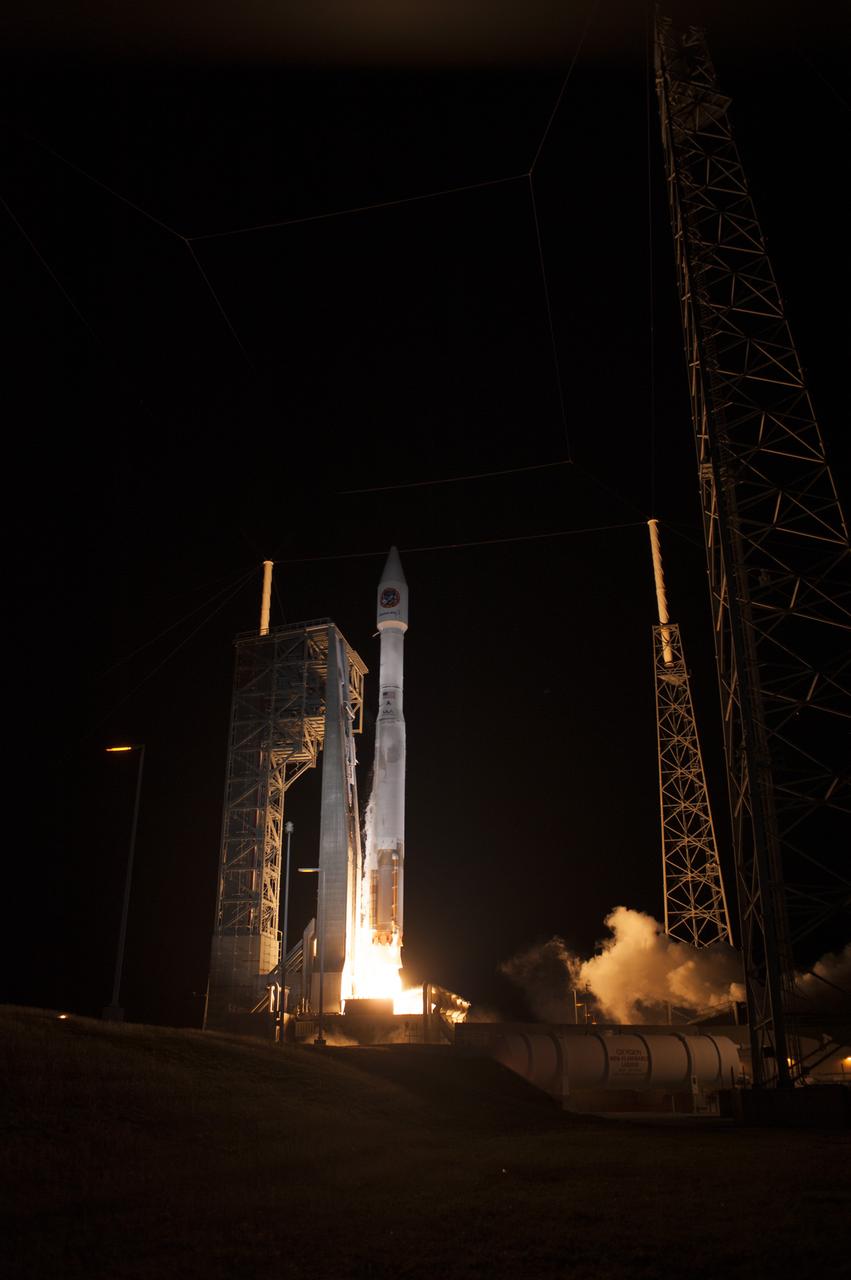
A United Launch Alliance Atlas V rocket lifts off from Space Launch Complex 41 at Cape Canaveral Air Force Station in Florida carrying an Orbital ATK Cygnus resupply spacecraft on a commercial resupply services mission to the International Space Station. Liftoff was at 11:05 p.m. EDT. Cygnus will deliver the second generation of a portable onboard printer to demonstrate 3-D printing, an instrument for first space-based observations of the chemical composition of meteors entering Earth’s atmosphere and an experiment to study how fires burn in microgravity.
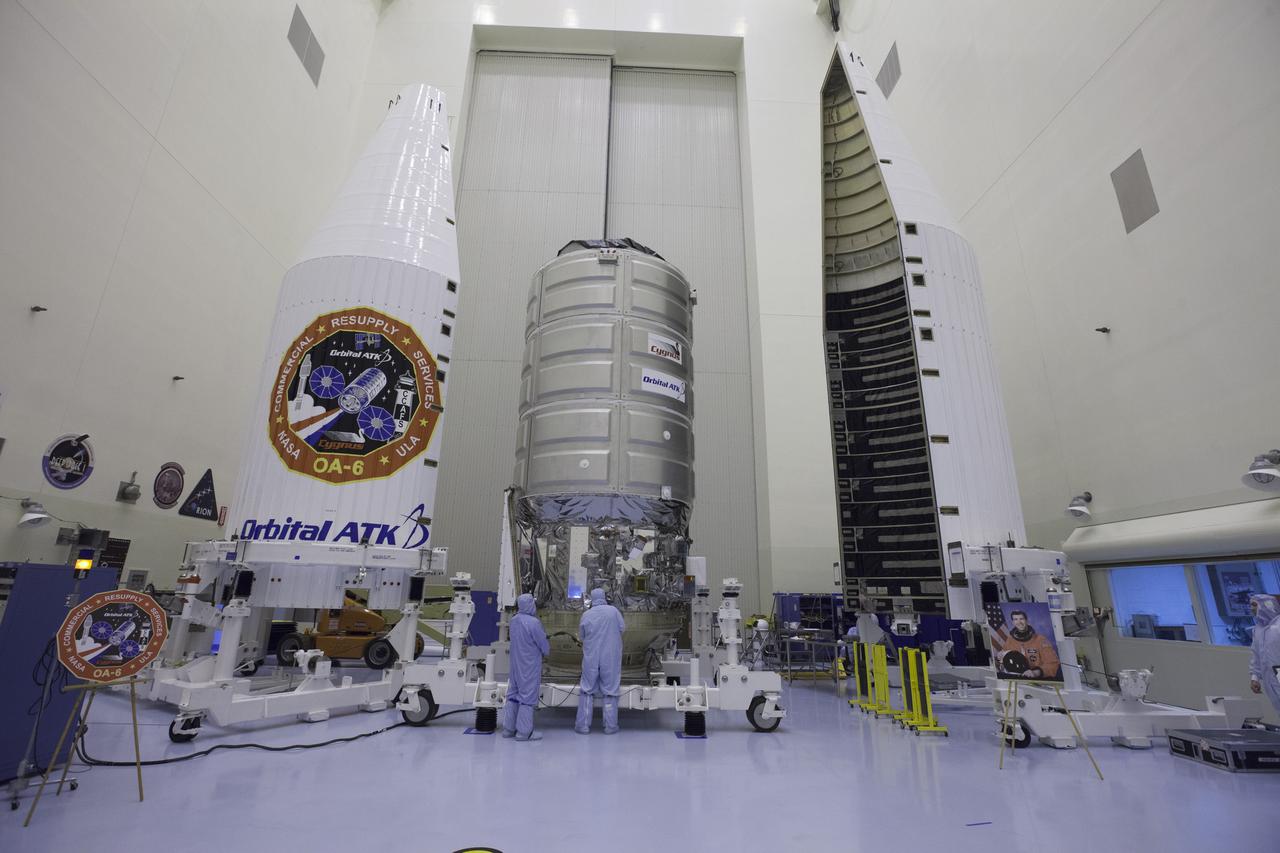
Inside the Payload Hazardous Servicing Facility at NASA's Kennedy Space Center in Florida, a Cygnus cargo spacecraft is being prepared for the upcoming Orbital ATK Commercial Resupply Services-6 mission to deliver hardware and supplies to the International Space Station. Technicians and engineers are clad in "bunny suits." The cleanroom garments are worn to prevent contamination in the controlled environment. The Cygnus is scheduled to lift off atop a United Launch Alliance Atlas V rocket on March 22.
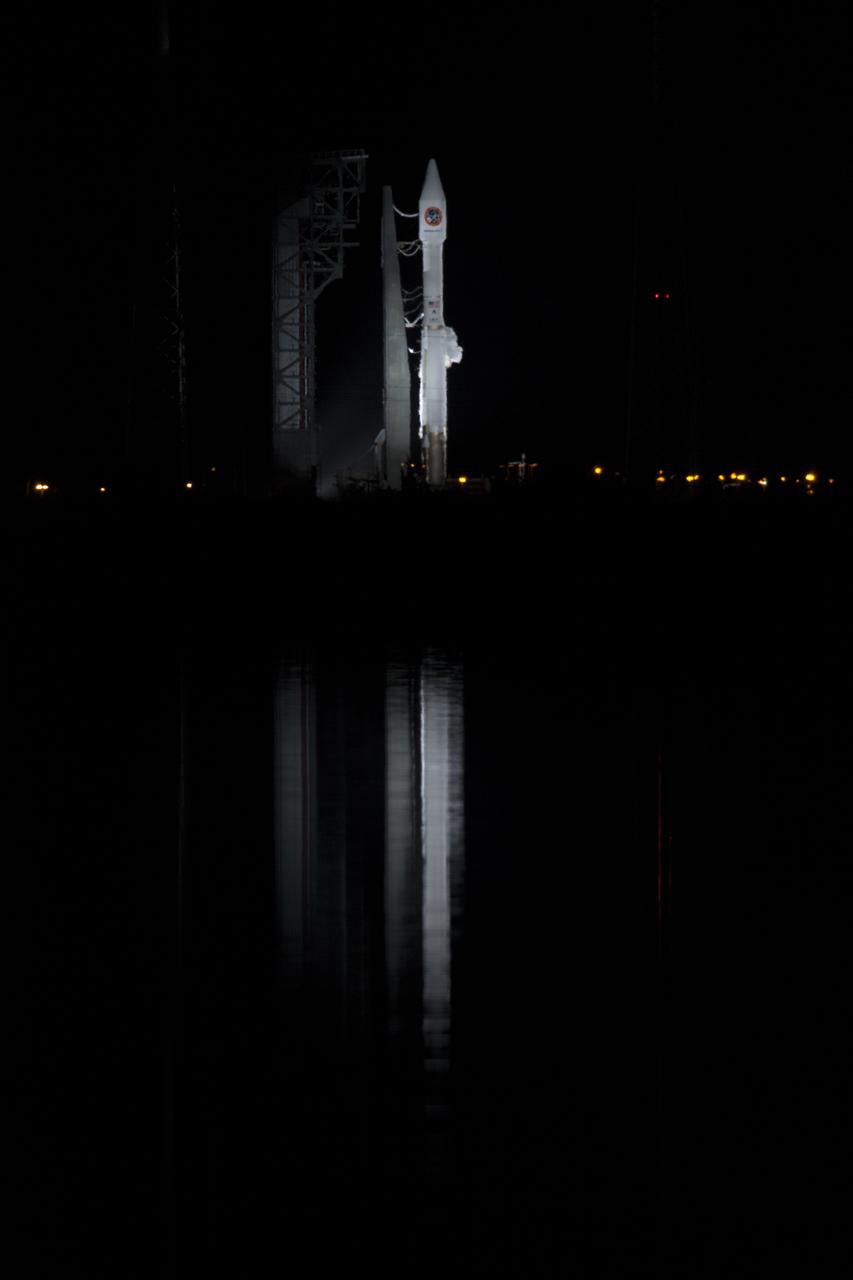
At Cape Canaveral Air Force Station's Space Launch Complex 41, a United Launch Alliance Atlas V rocket with a single-engine Centaur upper stage stands ready to boost an Orbital ATK Cygnus spacecraft on a resupply mission to the International Space Station. Science payloads include the second generation of a portable onboard printer to demonstrate three-dimensional printing, an instrument for first space-based observations of the chemical composition of meteors entering Earth’s atmosphere and an experiment to study how fires burn in microgravity.
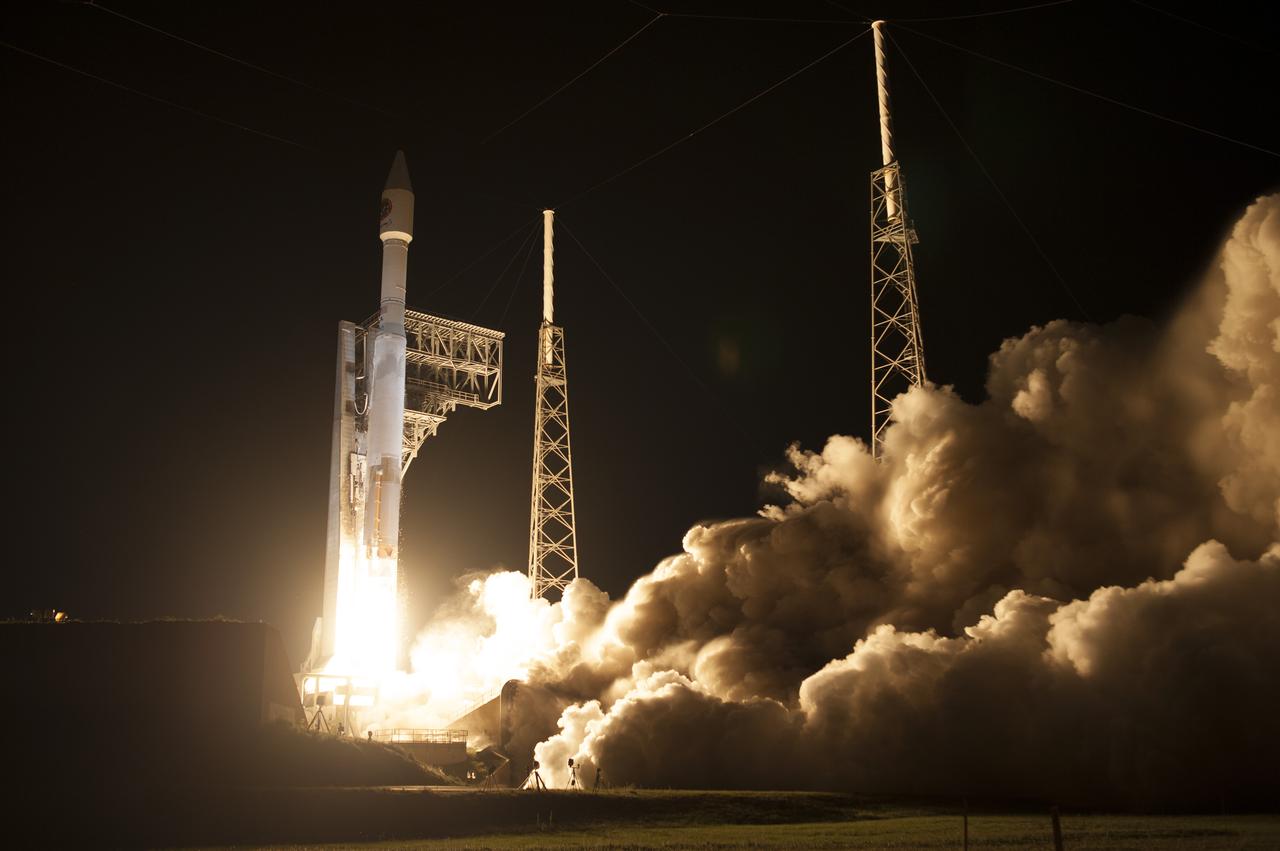
A United Launch Alliance Atlas V rocket lifts off from Space Launch Complex 41 at Cape Canaveral Air Force Station in Florida carrying an Orbital ATK Cygnus resupply spacecraft on a commercial resupply services mission to the International Space Station. Liftoff was at 11:05 p.m. EDT. Cygnus will deliver the second generation of a portable onboard printer to demonstrate 3-D printing, an instrument for first space-based observations of the chemical composition of meteors entering Earth’s atmosphere and an experiment to study how fires burn in microgravity.
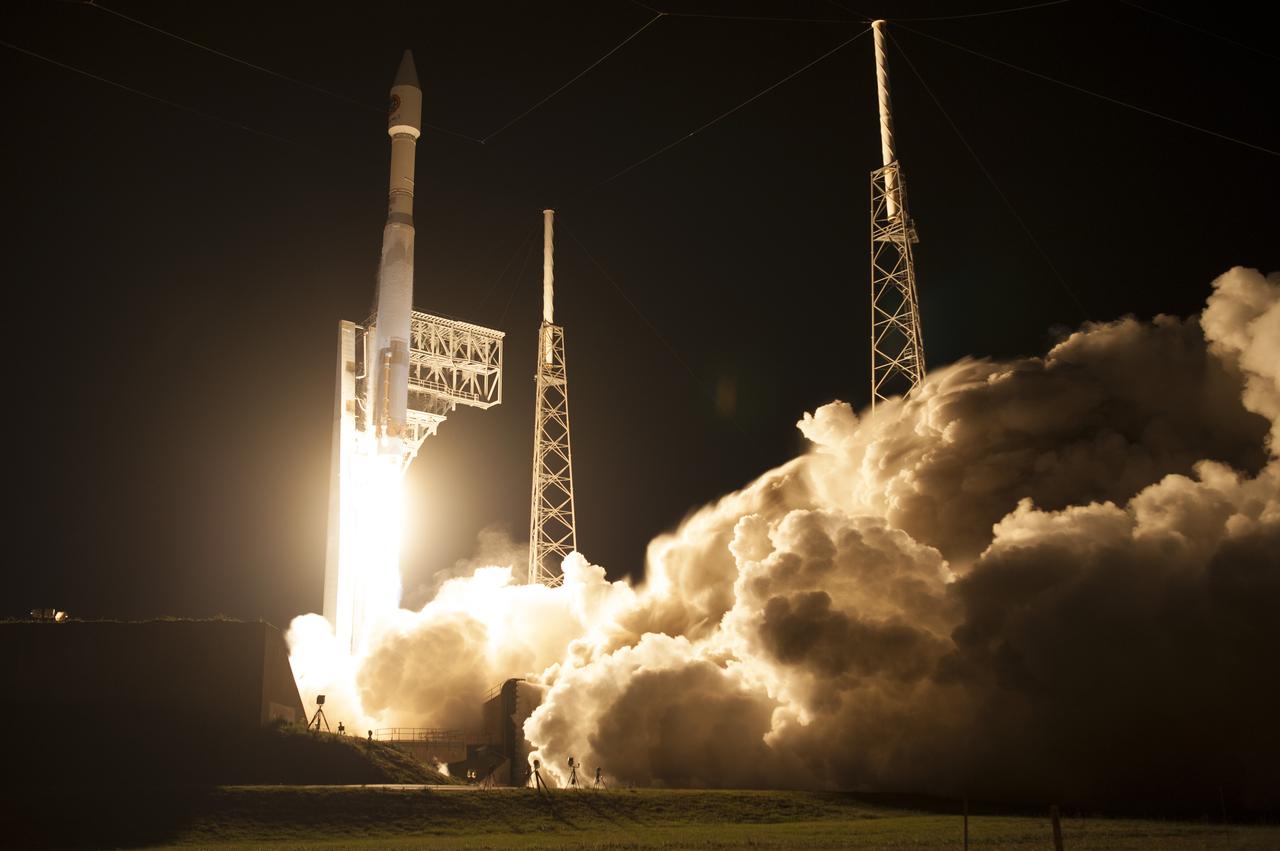
A United Launch Alliance Atlas V rocket lifts off from Space Launch Complex 41 at Cape Canaveral Air Force Station in Florida carrying an Orbital ATK Cygnus resupply spacecraft on a commercial resupply services mission to the International Space Station. Liftoff was at 11:05 p.m. EDT. Cygnus will deliver the second generation of a portable onboard printer to demonstrate 3-D printing, an instrument for first space-based observations of the chemical composition of meteors entering Earth’s atmosphere and an experiment to study how fires burn in microgravity.
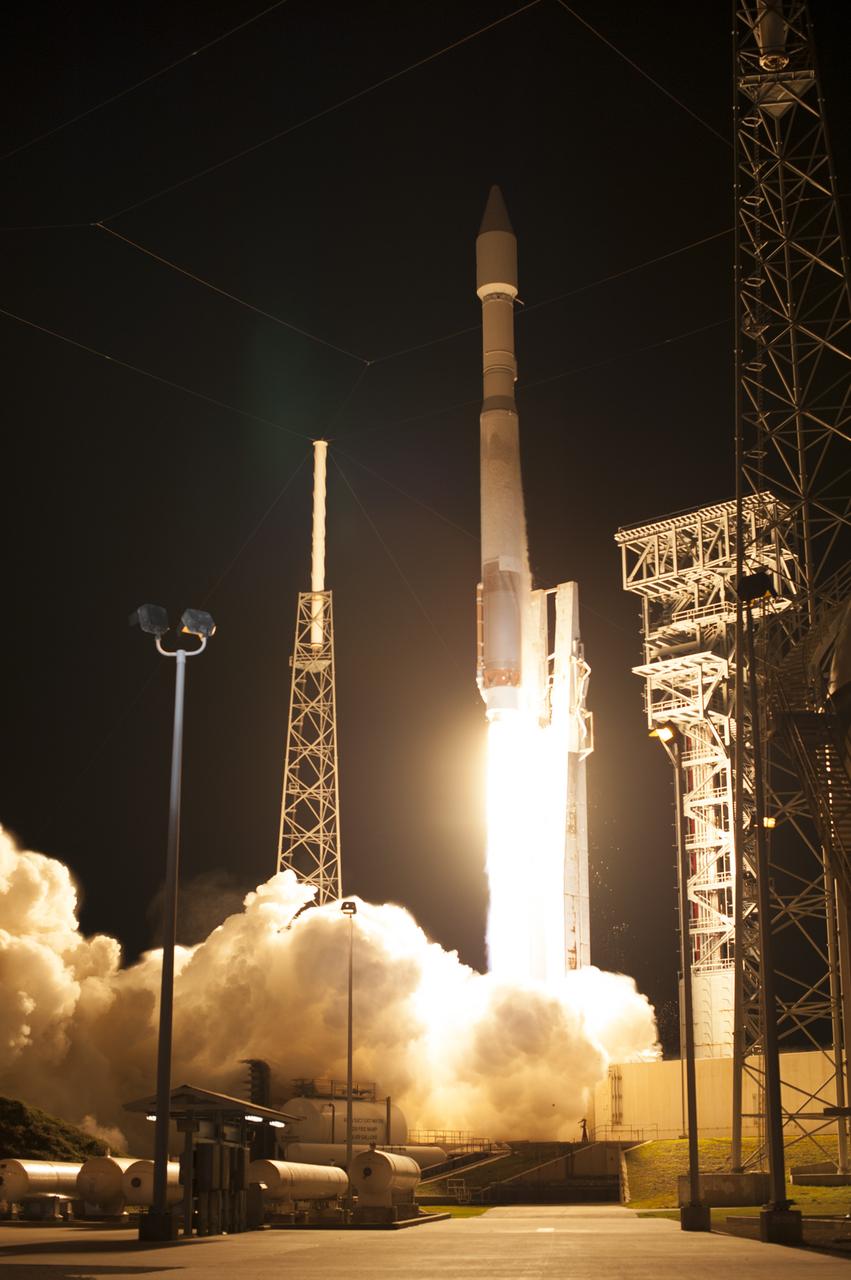
A United Launch Alliance Atlas V rocket lifts off from Space Launch Complex 41 at Cape Canaveral Air Force Station in Florida carrying an Orbital ATK Cygnus resupply spacecraft on a commercial resupply services mission to the International Space Station. Liftoff was at 11:05 p.m. EDT. Cygnus will deliver the second generation of a portable onboard printer to demonstrate 3-D printing, an instrument for first space-based observations of the chemical composition of meteors entering Earth’s atmosphere and an experiment to study how fires burn in microgravity.
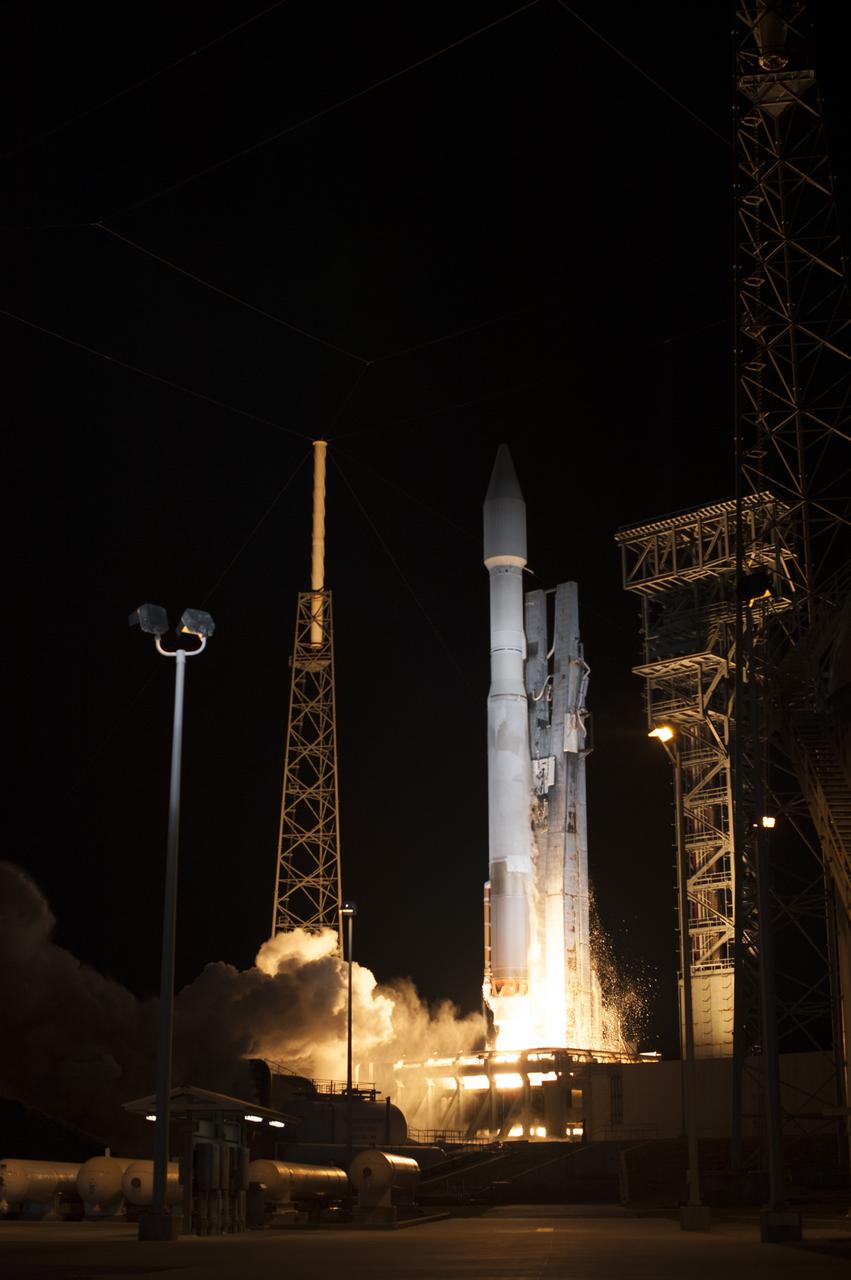
A United Launch Alliance Atlas V rocket lifts off from Space Launch Complex 41 at Cape Canaveral Air Force Station in Florida carrying an Orbital ATK Cygnus resupply spacecraft on a commercial resupply services mission to the International Space Station. Liftoff was at 11:05 p.m. EDT. Cygnus will deliver the second generation of a portable onboard printer to demonstrate 3-D printing, an instrument for first space-based observations of the chemical composition of meteors entering Earth’s atmosphere and an experiment to study how fires burn in microgravity.
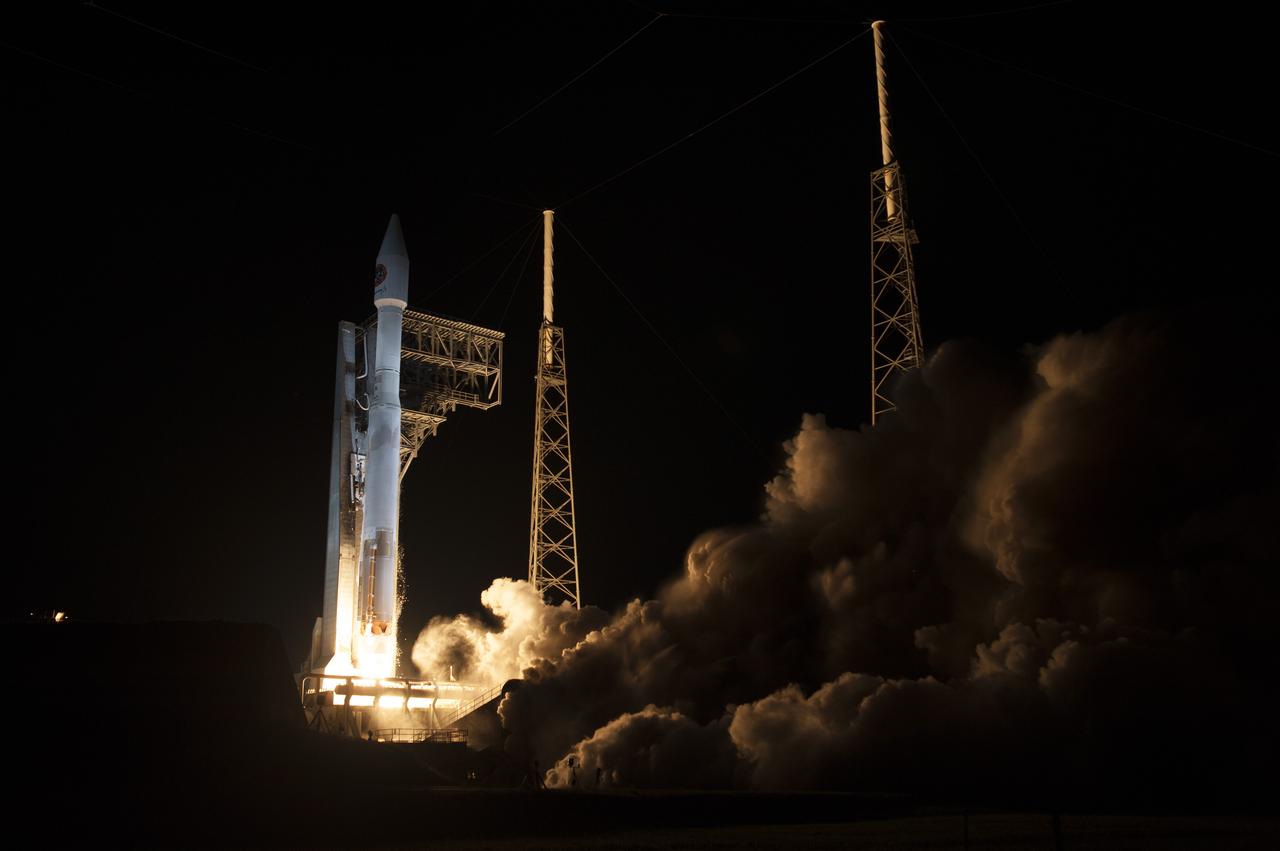
A United Launch Alliance Atlas V rocket lifts off from Space Launch Complex 41 at Cape Canaveral Air Force Station in Florida carrying an Orbital ATK Cygnus resupply spacecraft on a commercial resupply services mission to the International Space Station. Liftoff was at 11:05 p.m. EDT. Cygnus will deliver the second generation of a portable onboard printer to demonstrate 3-D printing, an instrument for first space-based observations of the chemical composition of meteors entering Earth’s atmosphere and an experiment to study how fires burn in microgravity.
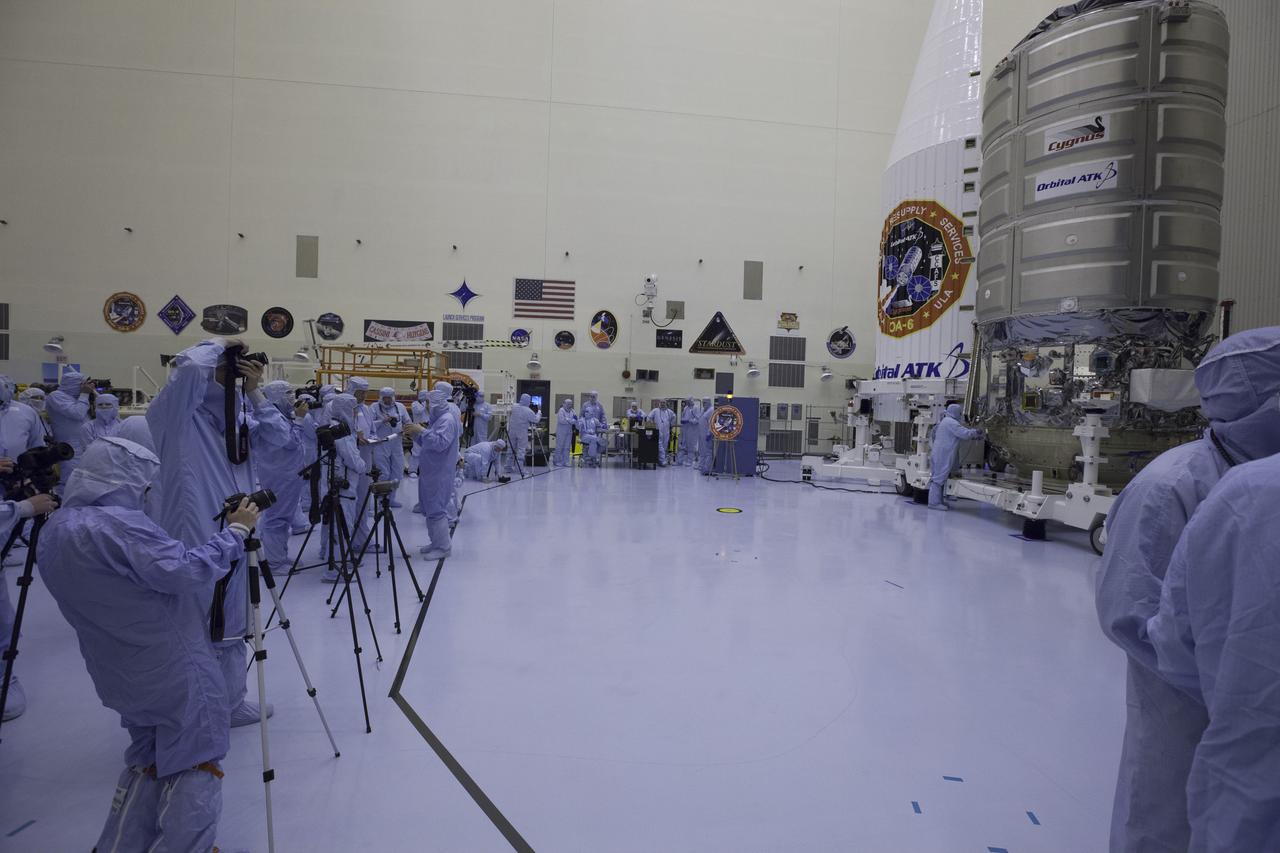
Inside the Payload Hazardous Servicing Facility at NASA's Kennedy Space Center in Florida, members of the news media get a close-up view of a Cygnus cargo vessel. The spacecraft is scheduled for the upcoming Orbital ATK Commercial Resupply Services-6 mission to deliver hardware and supplies to the International Space Station. Reporters, technicians and engineers are clad in "bunny suits." The cleanroom garments are worn to prevent contamination in the controlled environment. The Cygnus is scheduled to lift off atop a United Launch Alliance Atlas V rocket on March 22.
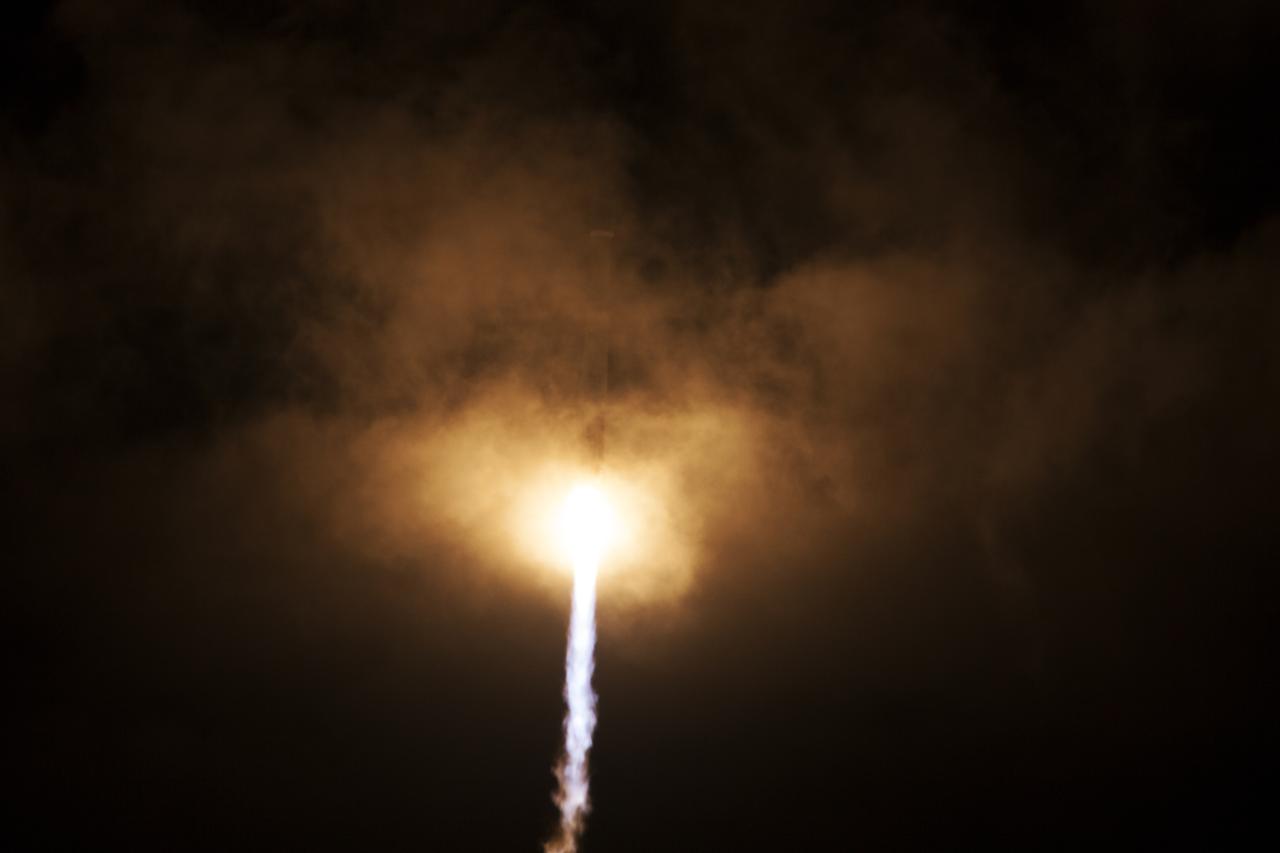
A United Launch Alliance Atlas V rocket lifts off from Space Launch Complex 41 at Cape Canaveral Air Force Station carrying an Orbital ATK Cygnus resupply spacecraft on a commercial resupply services mission to the International Space Station. Liftoff was at 11:05 p.m. EDT. Cygnus will deliver the second generation of a portable onboard printer to demonstrate 3-D printing, an instrument for first space-based observations of the chemical composition of meteors entering Earth’s atmosphere and an experiment to study how fires burn in microgravity.
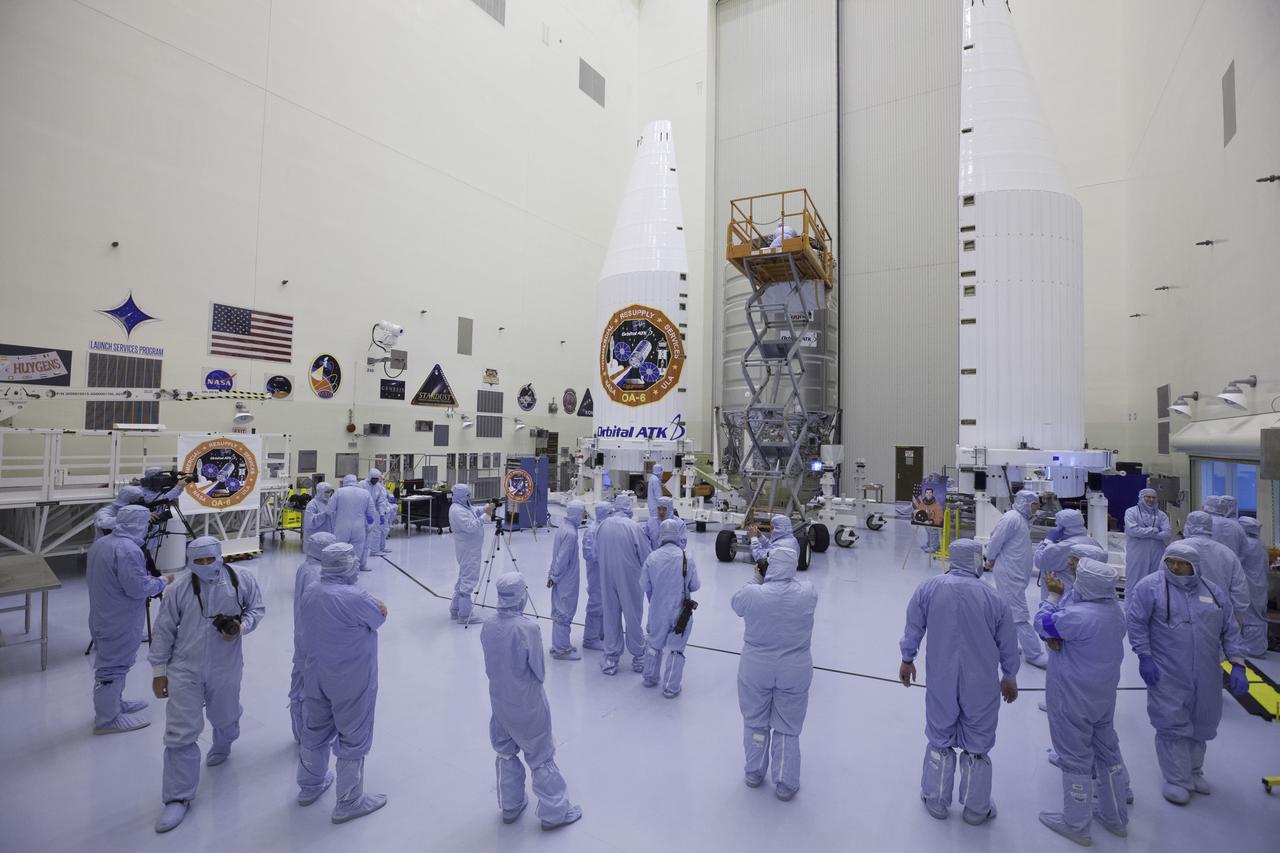
Inside the Payload Hazardous Servicing Facility at NASA's Kennedy Space Center in Florida, members of the news media get a close-up view of a Cygnus cargo vessel. The spacecraft is scheduled for the upcoming Orbital ATK Commercial Resupply Services-6 mission to deliver hardware and supplies to the International Space Station. Reporters, technicians and engineers are clad in "bunny suits." The cleanroom garments are worn to prevent contamination in the controlled environment. The Cygnus is scheduled to lift off atop a United Launch Alliance Atlas V rocket on March 22.
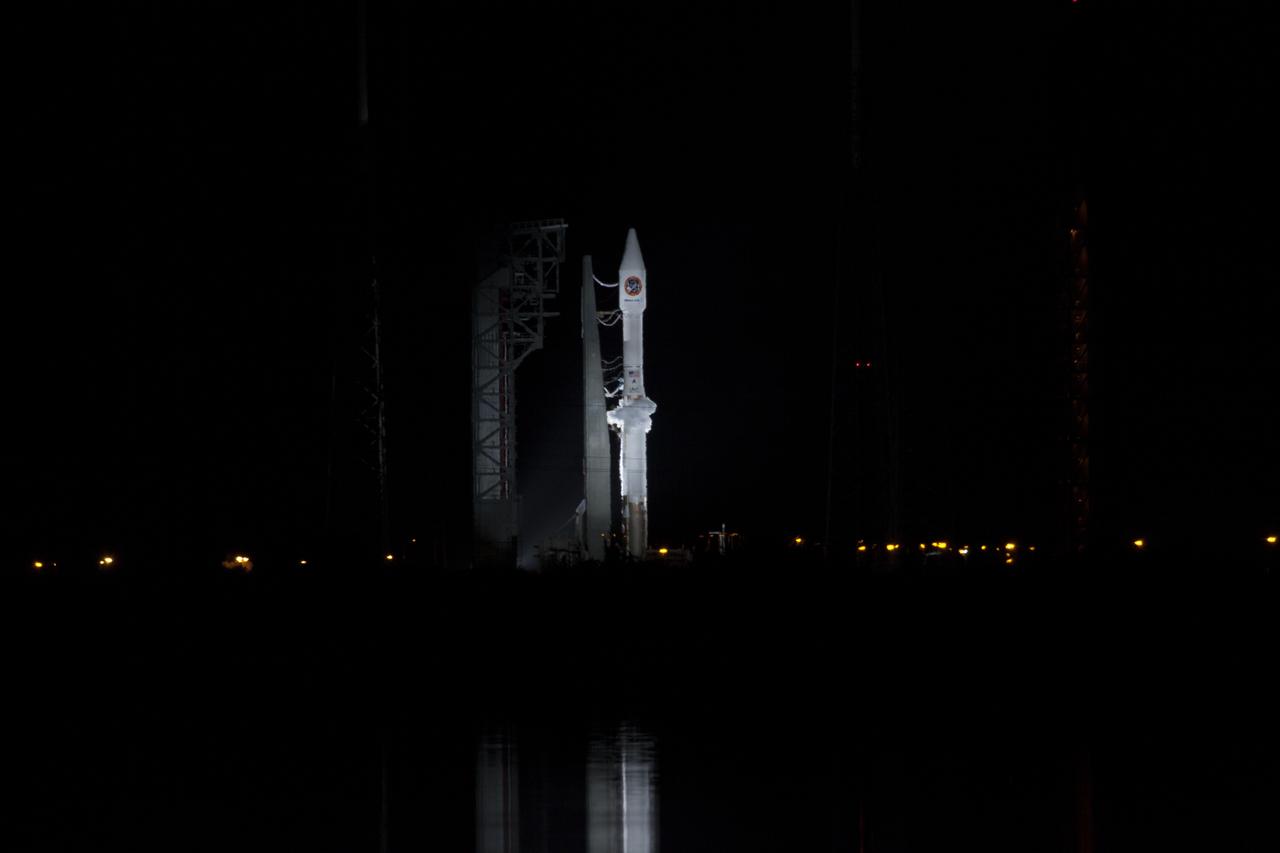
At Cape Canaveral Air Force Station's Space Launch Complex 41, a United Launch Alliance Atlas V rocket with a single-engine Centaur upper stage stands ready to boost an Orbital ATK Cygnus spacecraft on a resupply mission to the International Space Station. Science payloads include the second generation of a portable onboard printer to demonstrate three-dimensional printing, an instrument for first space-based observations of the chemical composition of meteors entering Earth’s atmosphere and an experiment to study how fires burn in microgravity.
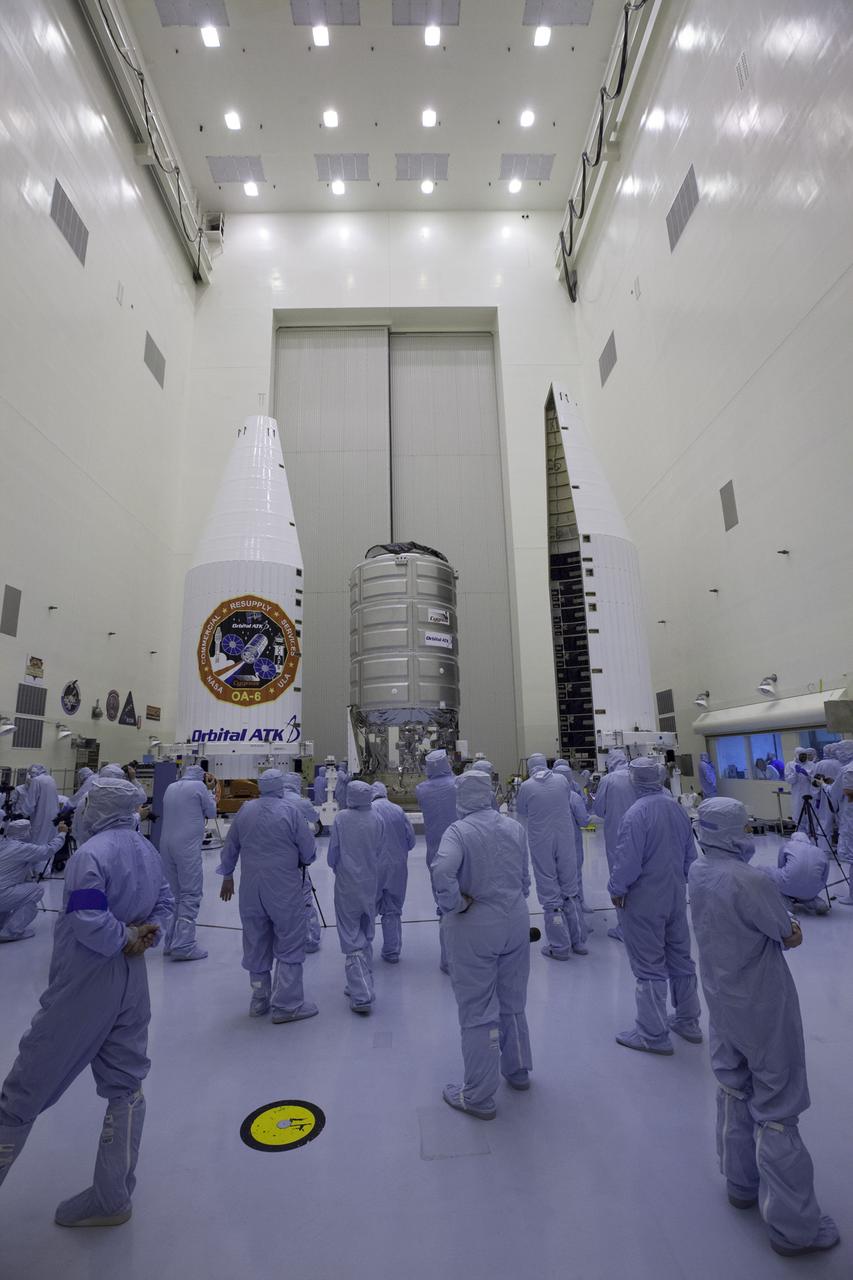
Inside the Payload Hazardous Servicing Facility at NASA's Kennedy Space Center in Florida, members of the news media get a close-up view of a Cygnus cargo vessel. The spacecraft is scheduled for the upcoming Orbital ATK Commercial Resupply Services-6 mission to deliver hardware and supplies to the International Space Station. Reporters, technicians and engineers are clad in "bunny suits." The cleanroom garments are worn to prevent contamination in the controlled environment. The Cygnus is scheduled to lift off atop a United Launch Alliance Atlas V rocket on March 22.
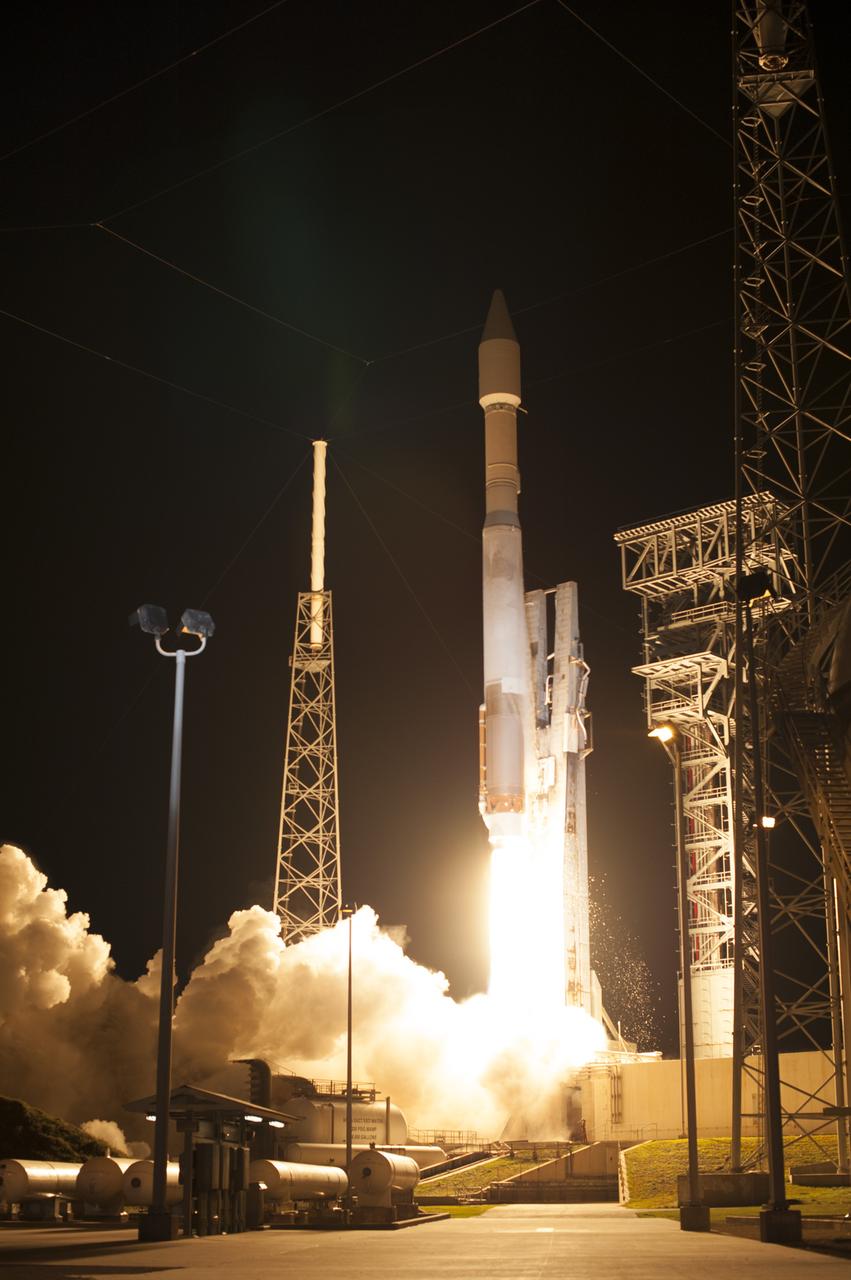
A United Launch Alliance Atlas V rocket lifts off from Space Launch Complex 41 at Cape Canaveral Air Force Station in Florida carrying an Orbital ATK Cygnus resupply spacecraft on a commercial resupply services mission to the International Space Station. Liftoff was at 11:05 p.m. EDT. Cygnus will deliver the second generation of a portable onboard printer to demonstrate 3-D printing, an instrument for first space-based observations of the chemical composition of meteors entering Earth’s atmosphere and an experiment to study how fires burn in microgravity.
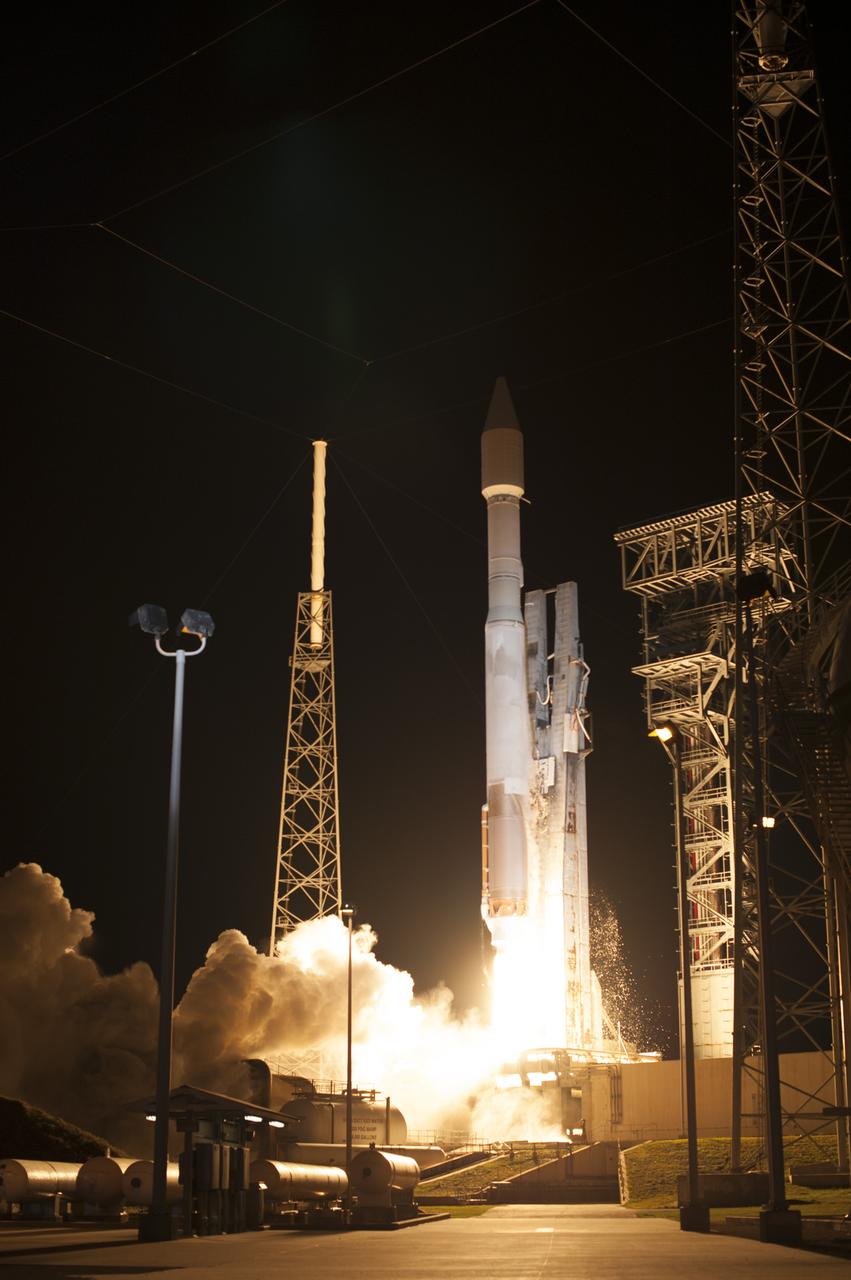
A United Launch Alliance Atlas V rocket lifts off from Space Launch Complex 41 at Cape Canaveral Air Force Station in Florida carrying an Orbital ATK Cygnus resupply spacecraft on a commercial resupply services mission to the International Space Station. Liftoff was at 11:05 p.m. EDT. Cygnus will deliver the second generation of a portable onboard printer to demonstrate 3-D printing, an instrument for first space-based observations of the chemical composition of meteors entering Earth’s atmosphere and an experiment to study how fires burn in microgravity.
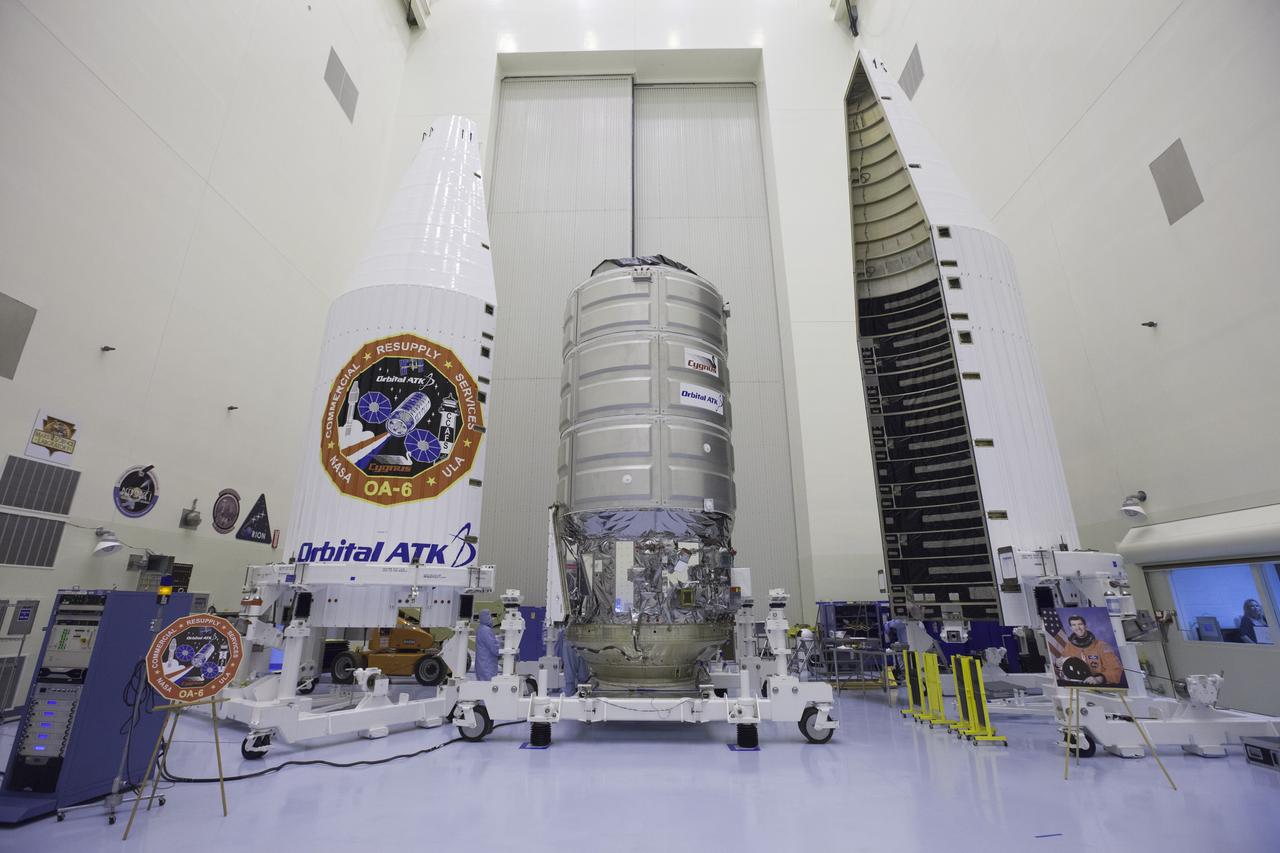
Inside the Payload Hazardous Servicing Facility at NASA's Kennedy Space Center in Florida, a Cygnus cargo spacecraft is being prepared for the upcoming Orbital ATK Commercial Resupply Services-6 mission to deliver hardware and supplies to the International Space Station. The Cygnus is scheduled to lift off atop a United Launch Alliance Atlas V rocket on March 22.
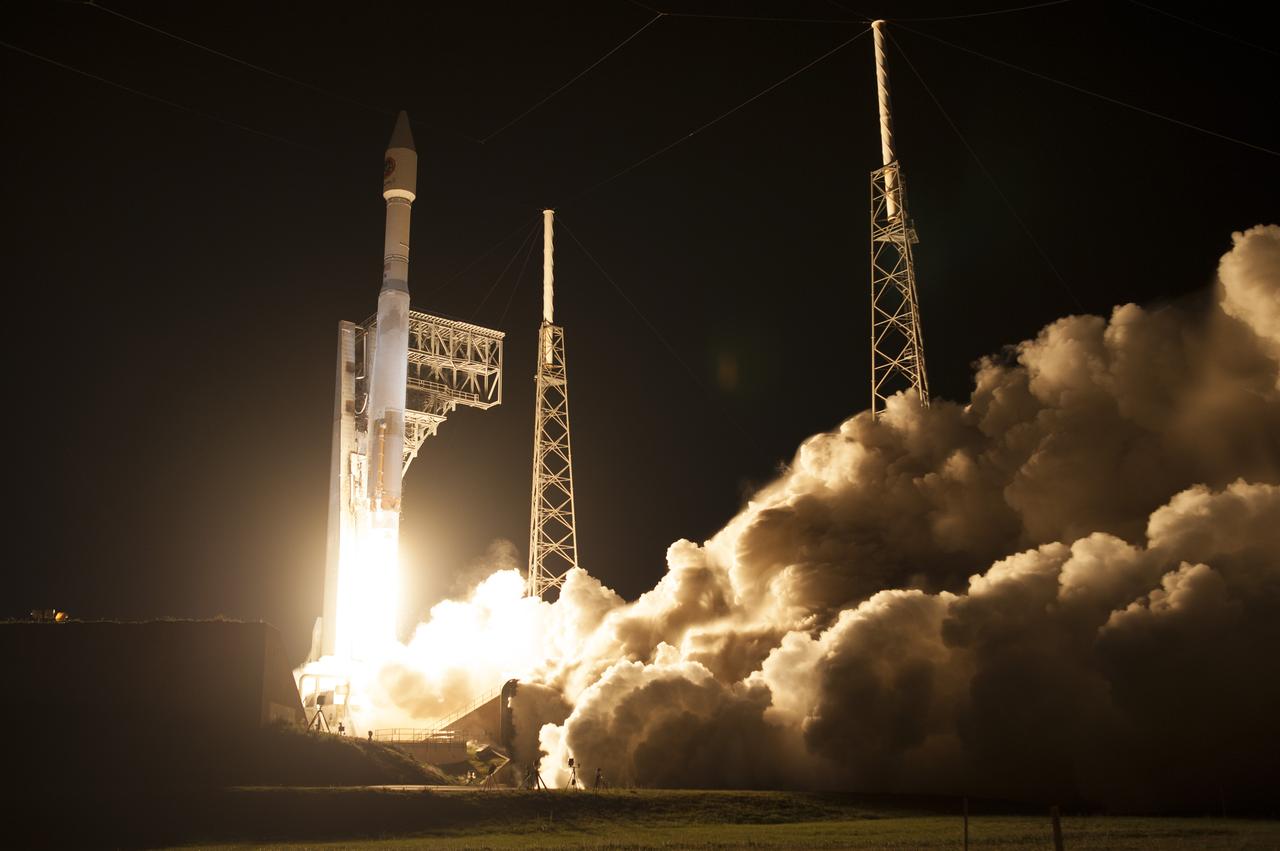
A United Launch Alliance Atlas V rocket lifts off from Space Launch Complex 41 at Cape Canaveral Air Force Station in Florida carrying an Orbital ATK Cygnus resupply spacecraft on a commercial resupply services mission to the International Space Station. Liftoff was at 11:05 p.m. EDT. Cygnus will deliver the second generation of a portable onboard printer to demonstrate 3-D printing, an instrument for first space-based observations of the chemical composition of meteors entering Earth’s atmosphere and an experiment to study how fires burn in microgravity.
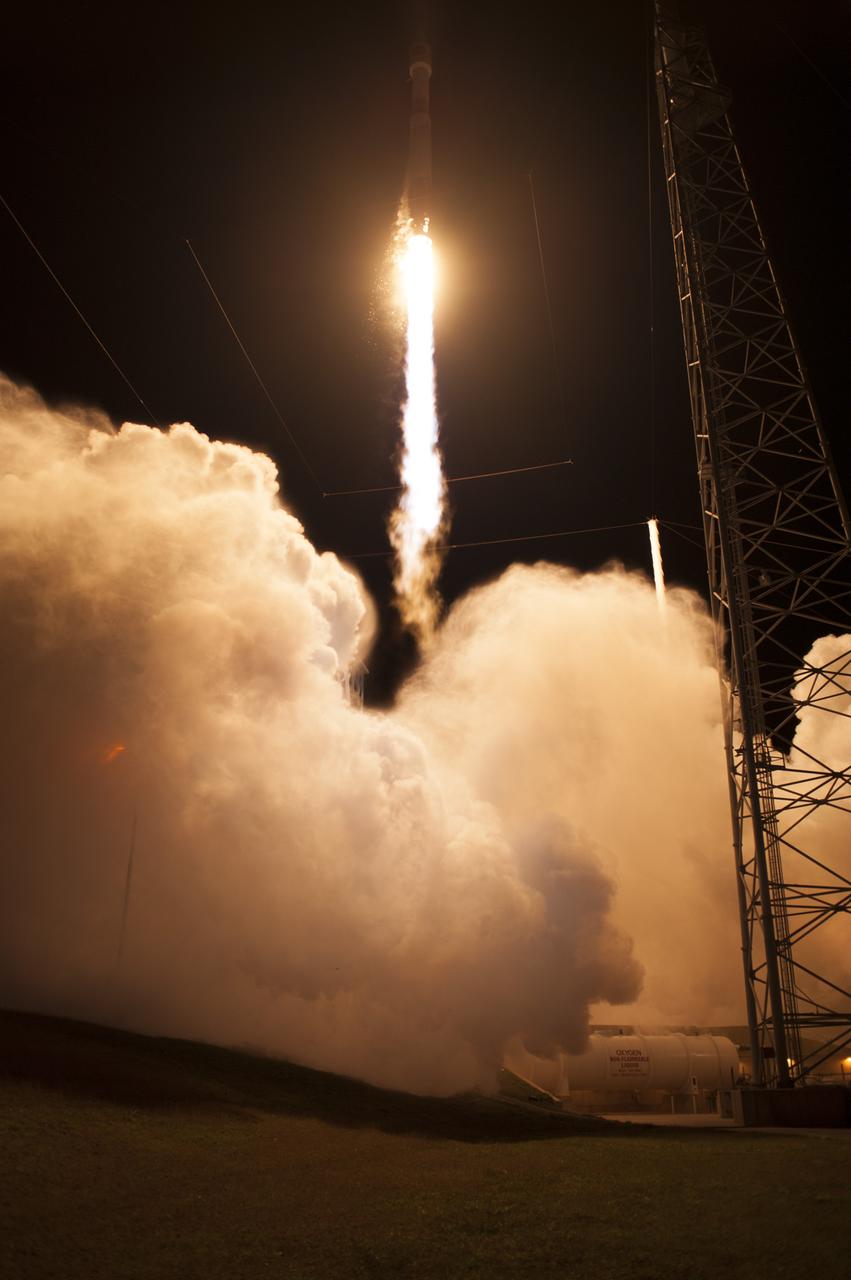
A United Launch Alliance Atlas V rocket lifts off from Space Launch Complex 41 at Cape Canaveral Air Force Station in Florida carrying an Orbital ATK Cygnus resupply spacecraft on a commercial resupply services mission to the International Space Station. Liftoff was at 11:05 p.m. EDT. Cygnus will deliver the second generation of a portable onboard printer to demonstrate 3-D printing, an instrument for first space-based observations of the chemical composition of meteors entering Earth’s atmosphere and an experiment to study how fires burn in microgravity.
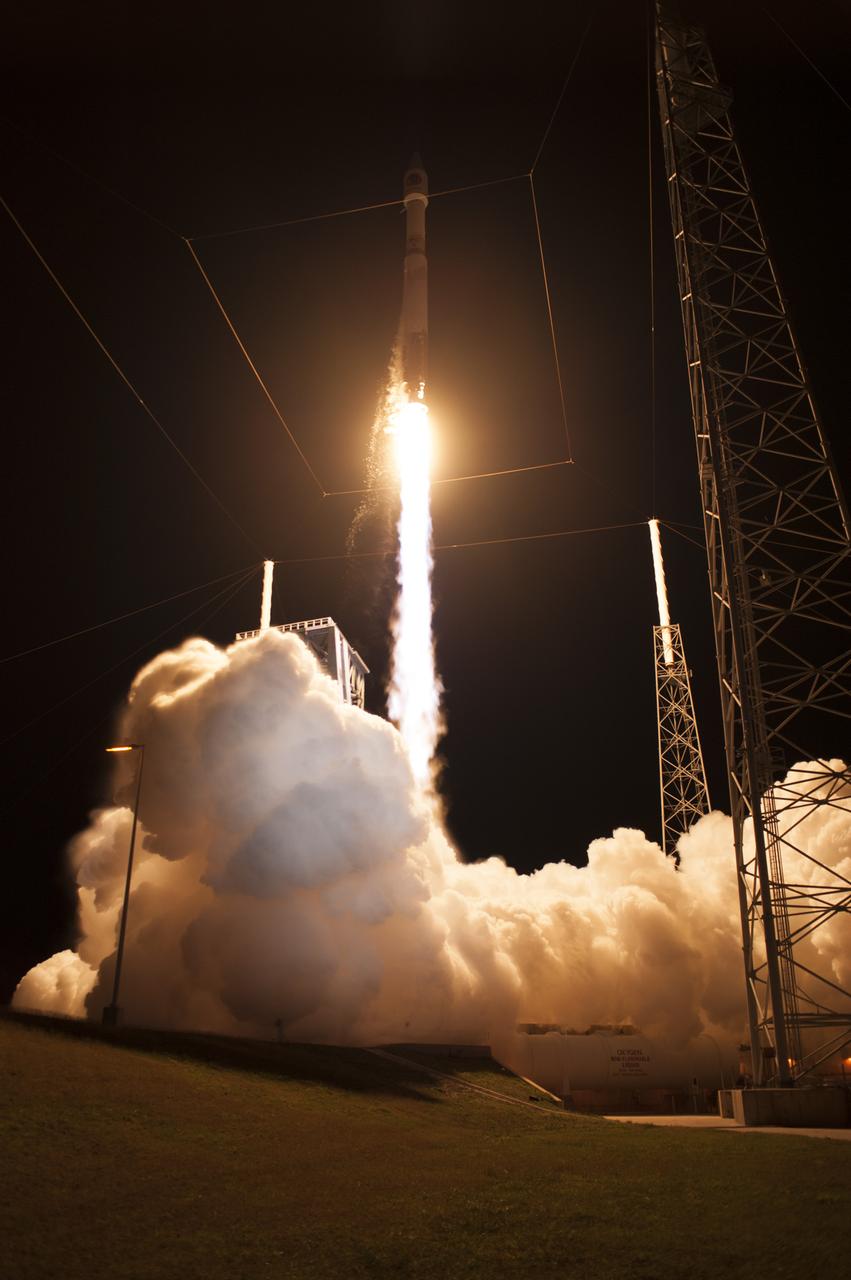
A United Launch Alliance Atlas V rocket lifts off from Space Launch Complex 41 at Cape Canaveral Air Force Station in Florida carrying an Orbital ATK Cygnus resupply spacecraft on a commercial resupply services mission to the International Space Station. Liftoff was at 11:05 p.m. EDT. Cygnus will deliver the second generation of a portable onboard printer to demonstrate 3-D printing, an instrument for first space-based observations of the chemical composition of meteors entering Earth’s atmosphere and an experiment to study how fires burn in microgravity.
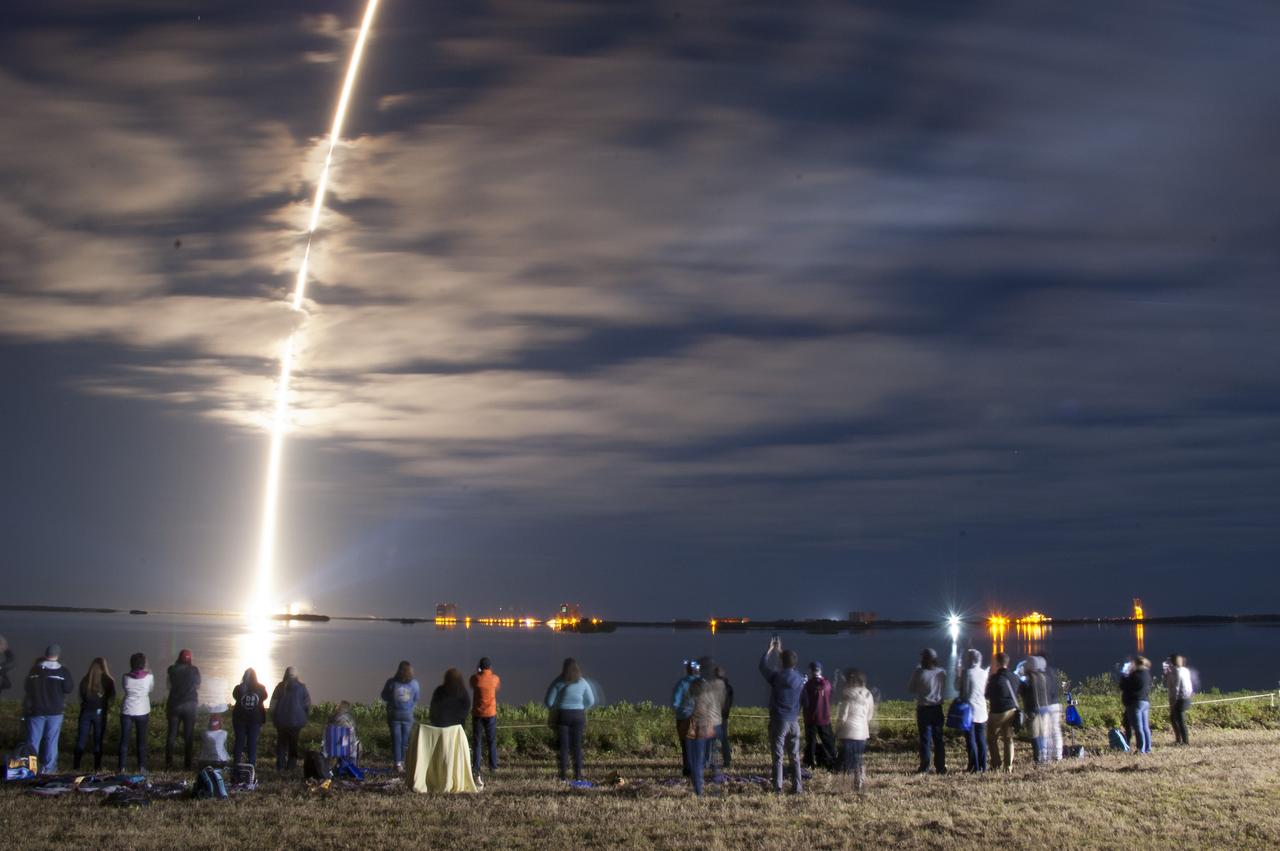
In a time-lapse exposure, a United Launch Alliance Atlas V rocket lifts off from Space Launch Complex 41 at Cape Canaveral Air Force Station carrying an Orbital ATK Cygnus resupply spacecraft on a commercial resupply services mission to the International Space Station. Liftoff was at 11:05 p.m. EDT. Cygnus will deliver the second generation of a portable onboard printer to demonstrate 3-D printing, an instrument for first space-based observations of the chemical composition of meteors entering Earth’s atmosphere and an experiment to study how fires burn in microgravity.
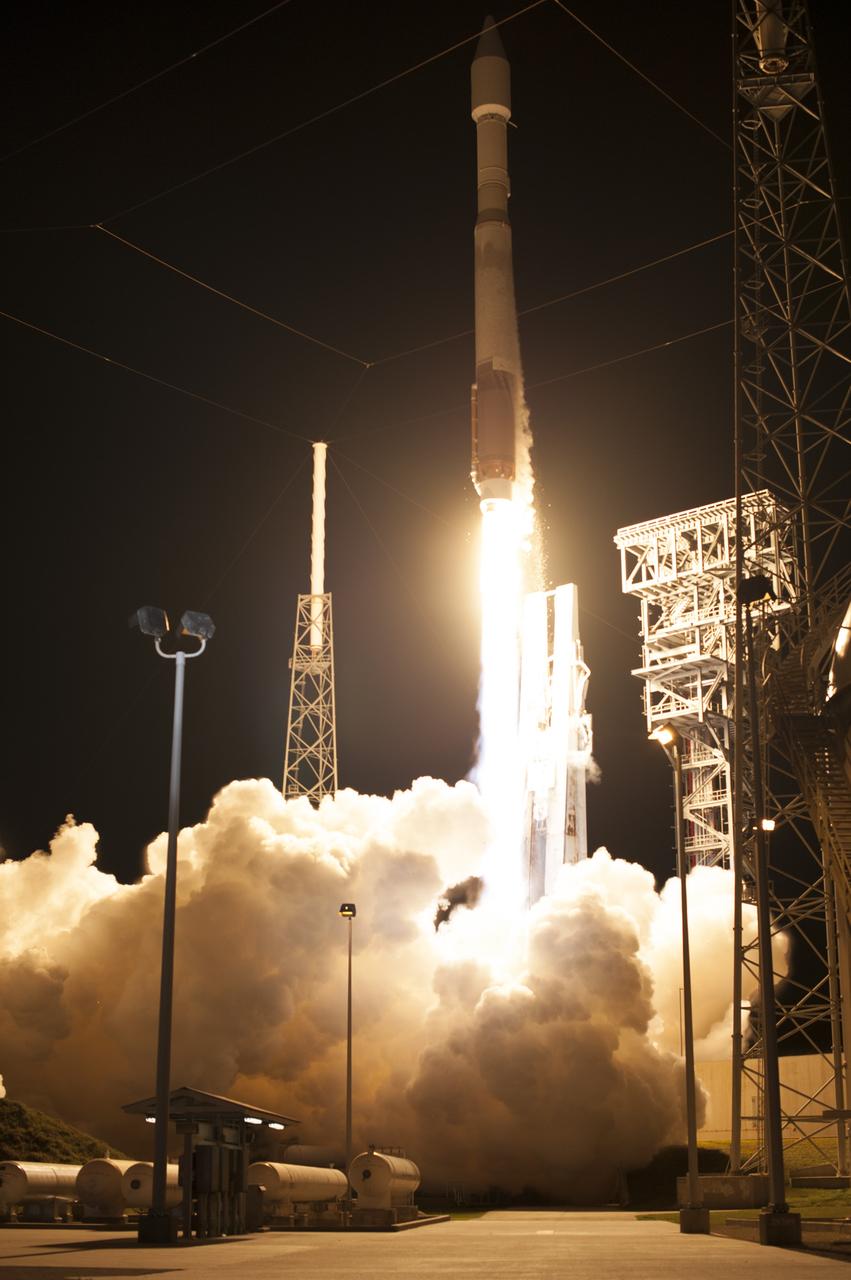
A United Launch Alliance Atlas V rocket lifts off from Space Launch Complex 41 at Cape Canaveral Air Force Station in Florida carrying an Orbital ATK Cygnus resupply spacecraft on a commercial resupply services mission to the International Space Station. Liftoff was at 11:05 p.m. EDT. Cygnus will deliver the second generation of a portable onboard printer to demonstrate 3-D printing, an instrument for first space-based observations of the chemical composition of meteors entering Earth’s atmosphere and an experiment to study how fires burn in microgravity.
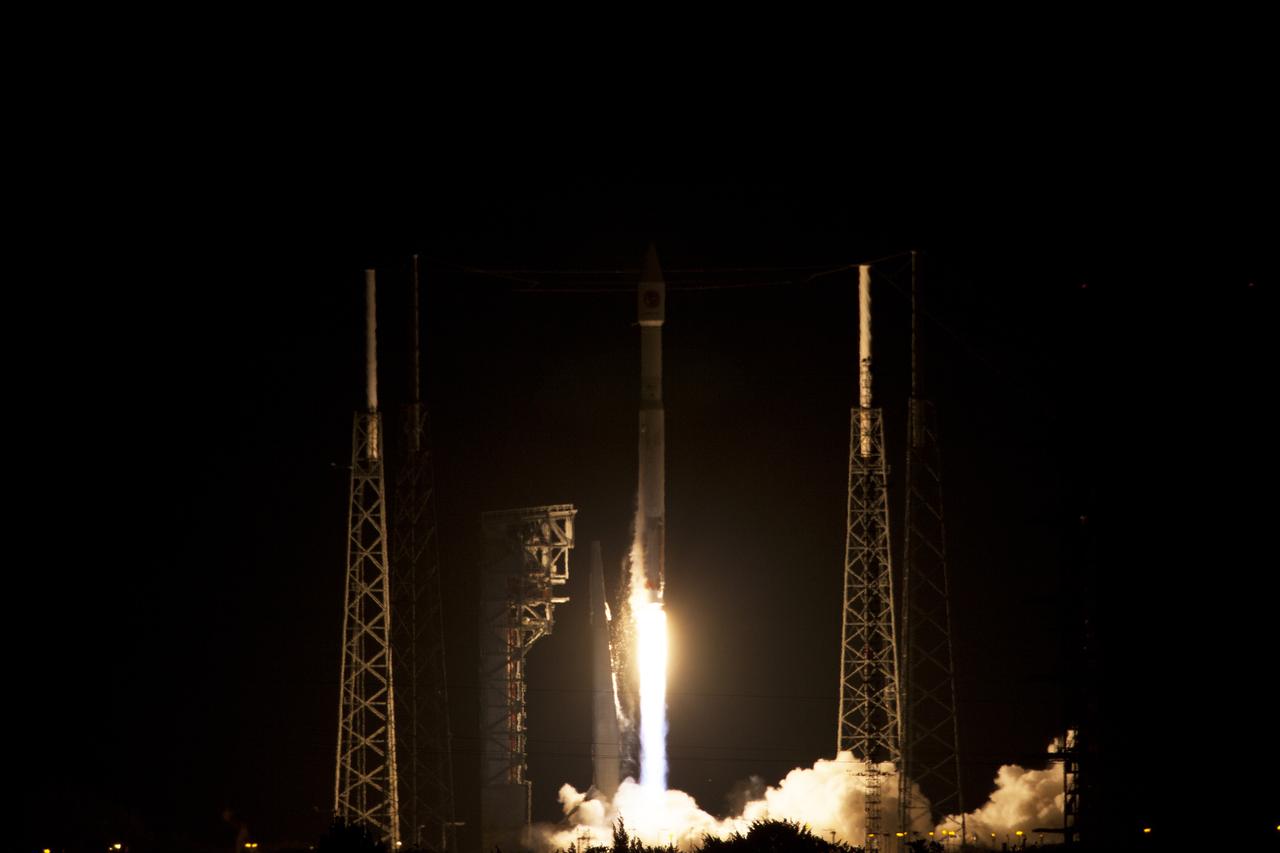
A United Launch Alliance Atlas V rocket lifts off from Space Launch Complex 41 at Cape Canaveral Air Force Station carrying an Orbital ATK Cygnus resupply spacecraft on a commercial resupply services mission to the International Space Station. Liftoff was at 11:05 p.m. EDT. Cygnus will deliver the second generation of a portable onboard printer to demonstrate 3-D printing, an instrument for first space-based observations of the chemical composition of meteors entering Earth’s atmosphere and an experiment to study how fires burn in microgravity.
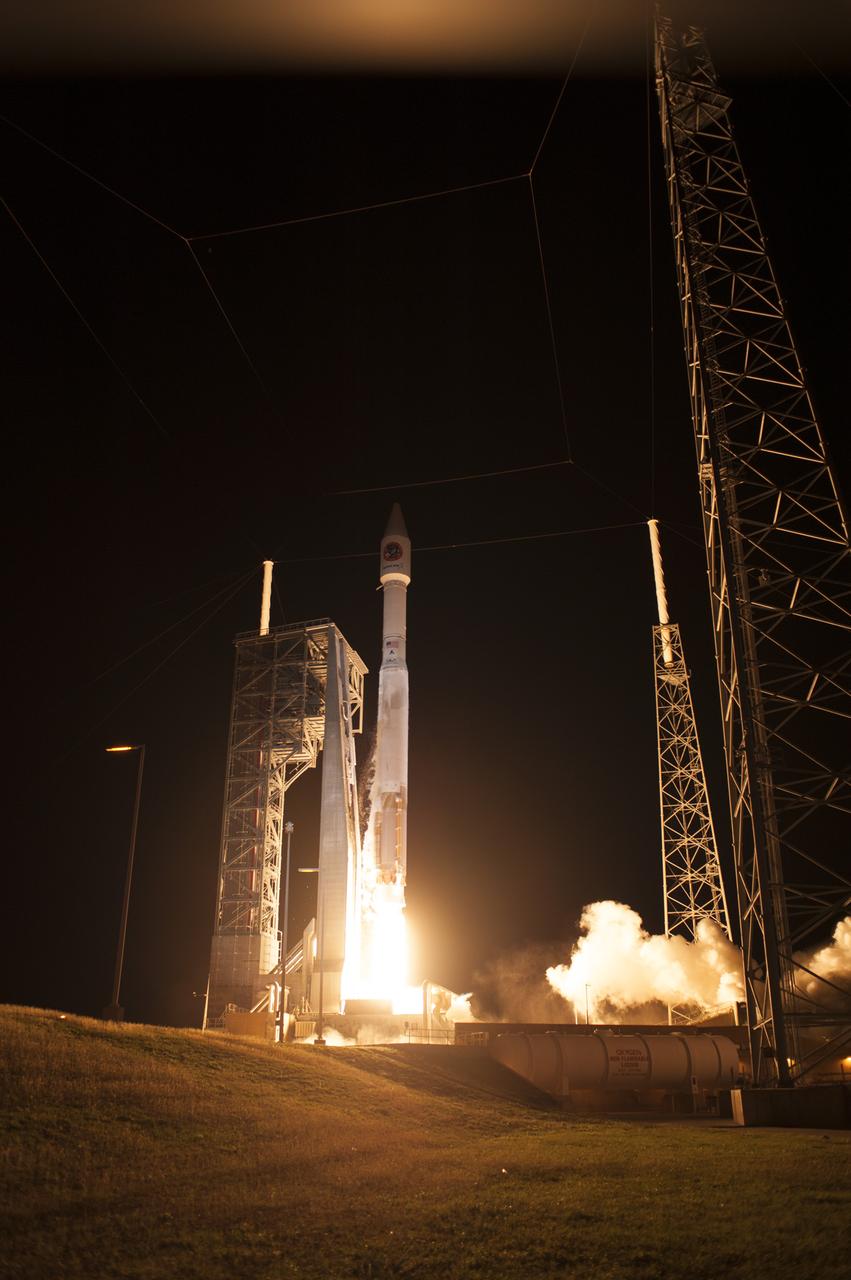
A United Launch Alliance Atlas V rocket lifts off from Space Launch Complex 41 at Cape Canaveral Air Force Station in Florida carrying an Orbital ATK Cygnus resupply spacecraft on a commercial resupply services mission to the International Space Station. Liftoff was at 11:05 p.m. EDT. Cygnus will deliver the second generation of a portable onboard printer to demonstrate 3-D printing, an instrument for first space-based observations of the chemical composition of meteors entering Earth’s atmosphere and an experiment to study how fires burn in microgravity.
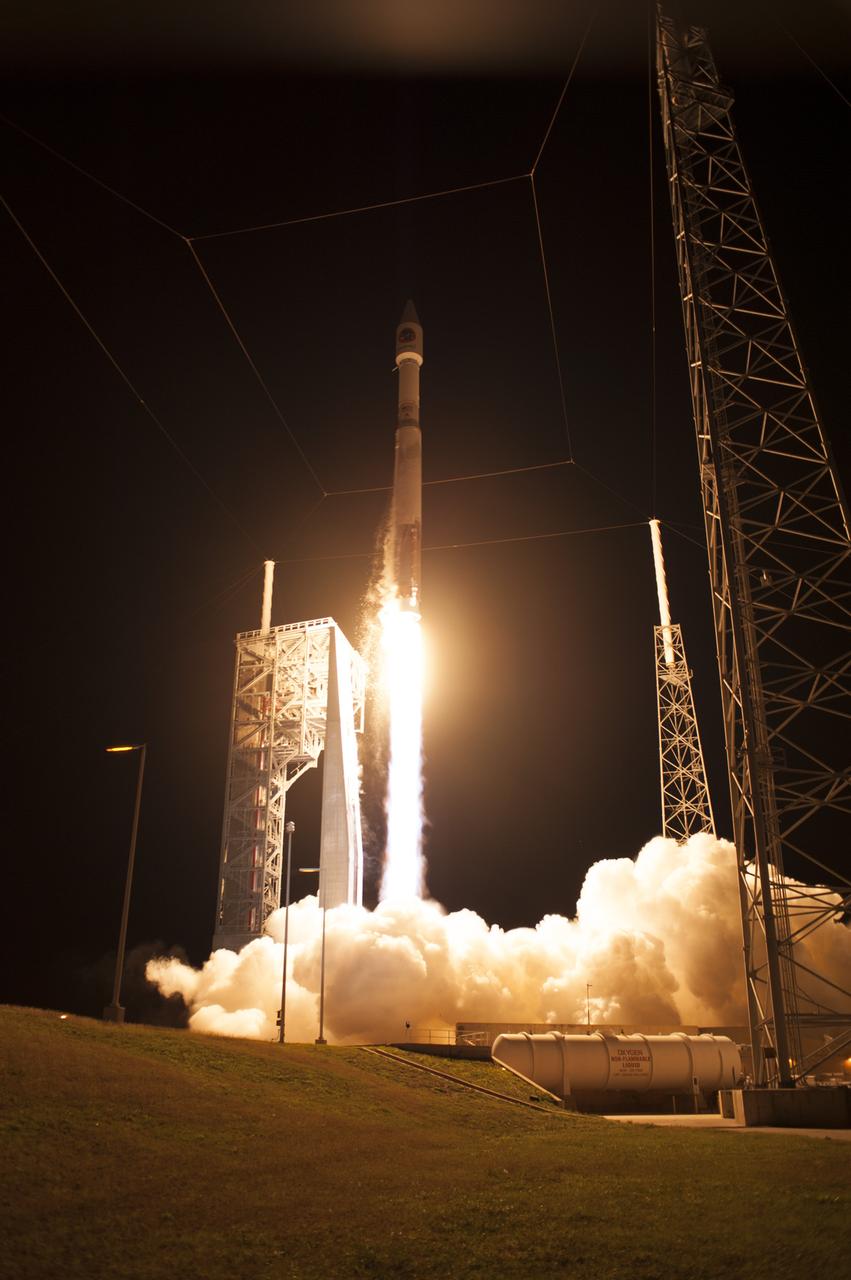
A United Launch Alliance Atlas V rocket lifts off from Space Launch Complex 41 at Cape Canaveral Air Force Station in Florida carrying an Orbital ATK Cygnus resupply spacecraft on a commercial resupply services mission to the International Space Station. Liftoff was at 11:05 p.m. EDT. Cygnus will deliver the second generation of a portable onboard printer to demonstrate 3-D printing, an instrument for first space-based observations of the chemical composition of meteors entering Earth’s atmosphere and an experiment to study how fires burn in microgravity.
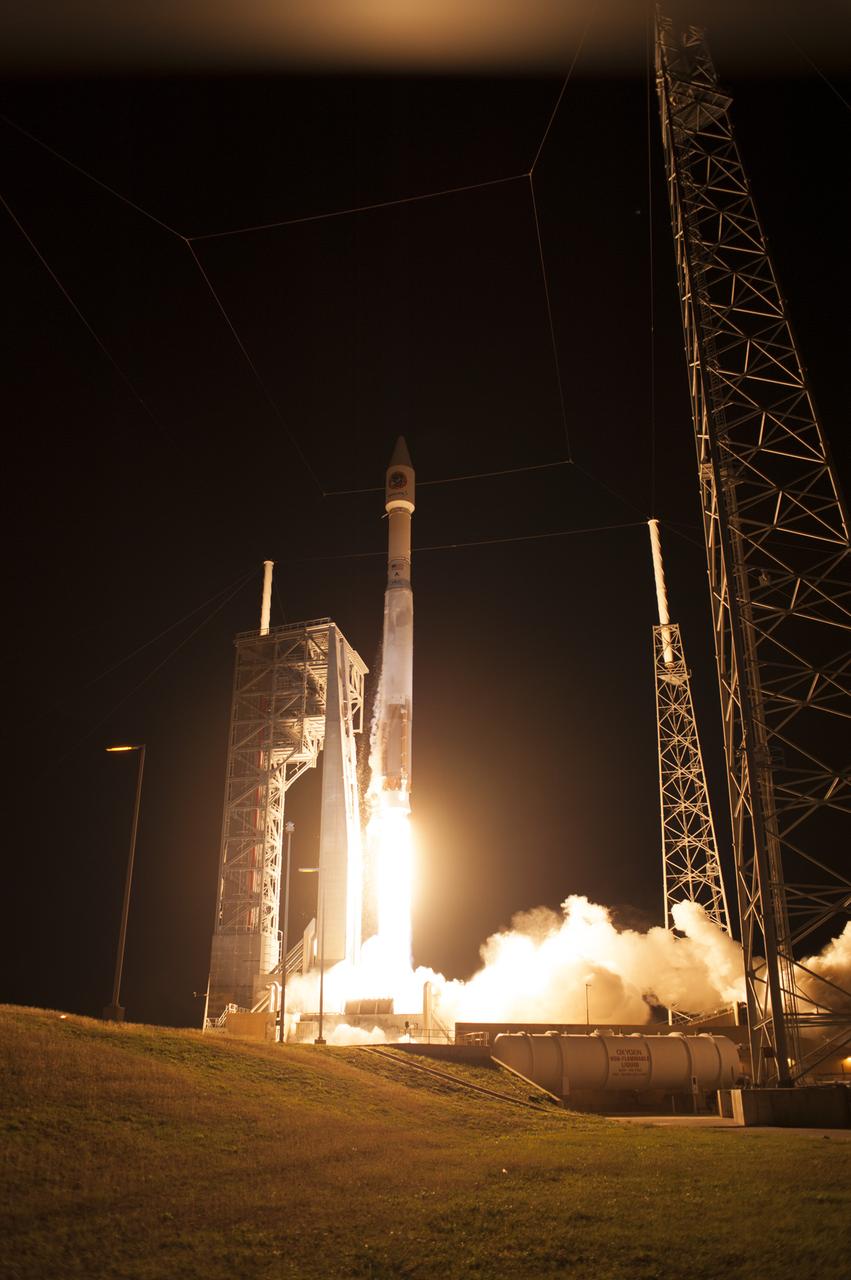
A United Launch Alliance Atlas V rocket lifts off from Space Launch Complex 41 at Cape Canaveral Air Force Station in Florida carrying an Orbital ATK Cygnus resupply spacecraft on a commercial resupply services mission to the International Space Station. Liftoff was at 11:05 p.m. EDT. Cygnus will deliver the second generation of a portable onboard printer to demonstrate 3-D printing, an instrument for first space-based observations of the chemical composition of meteors entering Earth’s atmosphere and an experiment to study how fires burn in microgravity.
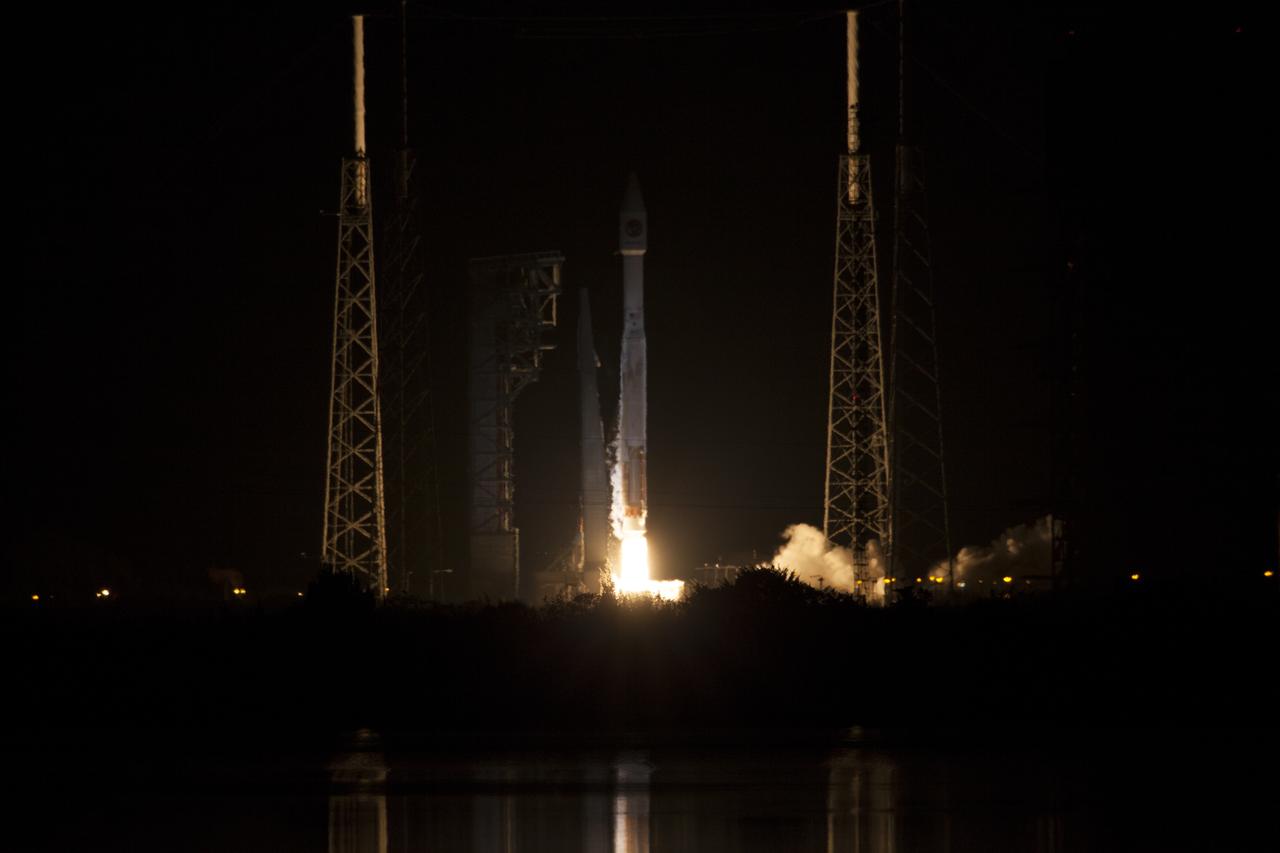
A United Launch Alliance Atlas V rocket lifts off from Space Launch Complex 41 at Cape Canaveral Air Force Station carrying an Orbital ATK Cygnus resupply spacecraft on a commercial resupply services mission to the International Space Station. Liftoff was at 11:05 p.m. EDT. Cygnus will deliver the second generation of a portable onboard printer to demonstrate 3-D printing, an instrument for first space-based observations of the chemical composition of meteors entering Earth’s atmosphere and an experiment to study how fires burn in microgravity.

In the Kennedy Space Center’s Press Site auditorium, Capt. Laura Godoy, launch weather officer of the U.S. Air Force 45th Weather Squadron, speaks to members of the media at a prelaunch news conference for Orbital ATK CRS-6 commercial resupply services mission to the International Space Station.
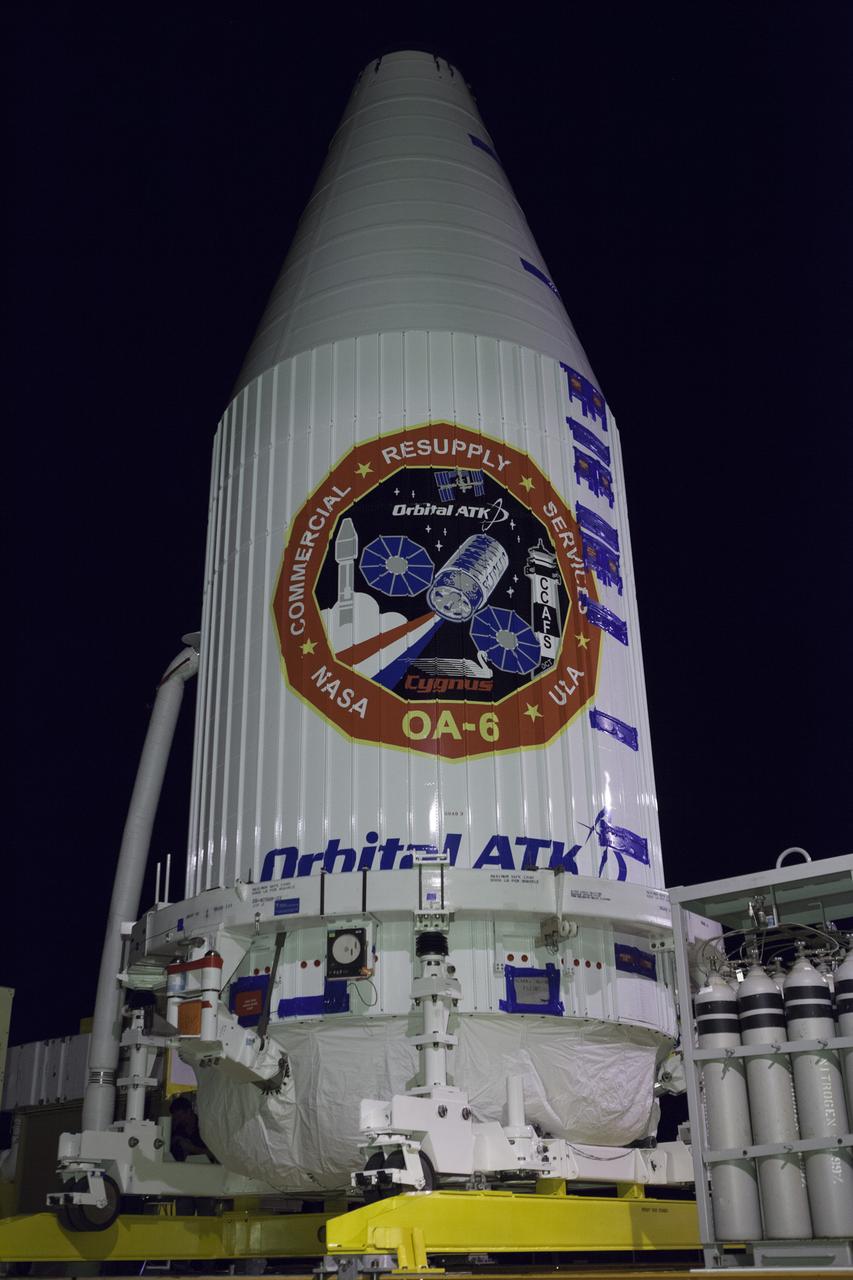
Encapsulated inside its payload fairing, the Cygnus spacecraft for the upcoming Orbital ATK Commercial Resupply Services-6 mission departs the Payload Hazardous Servicing Facility at NASA's Kennedy Space Center in Florida. Mounted atop a KAMAG transporter, Cygnus is being moved to Space Launch Complex-41 at Cape Canaveral Air Force Station where it will be mounted atop a United Launch Alliance Atlas V rocket. The Cygnus is scheduled to lift off atop a United Launch Alliance Atlas V rocket on March 22 to deliver hardware and supplies to the International Space Station.
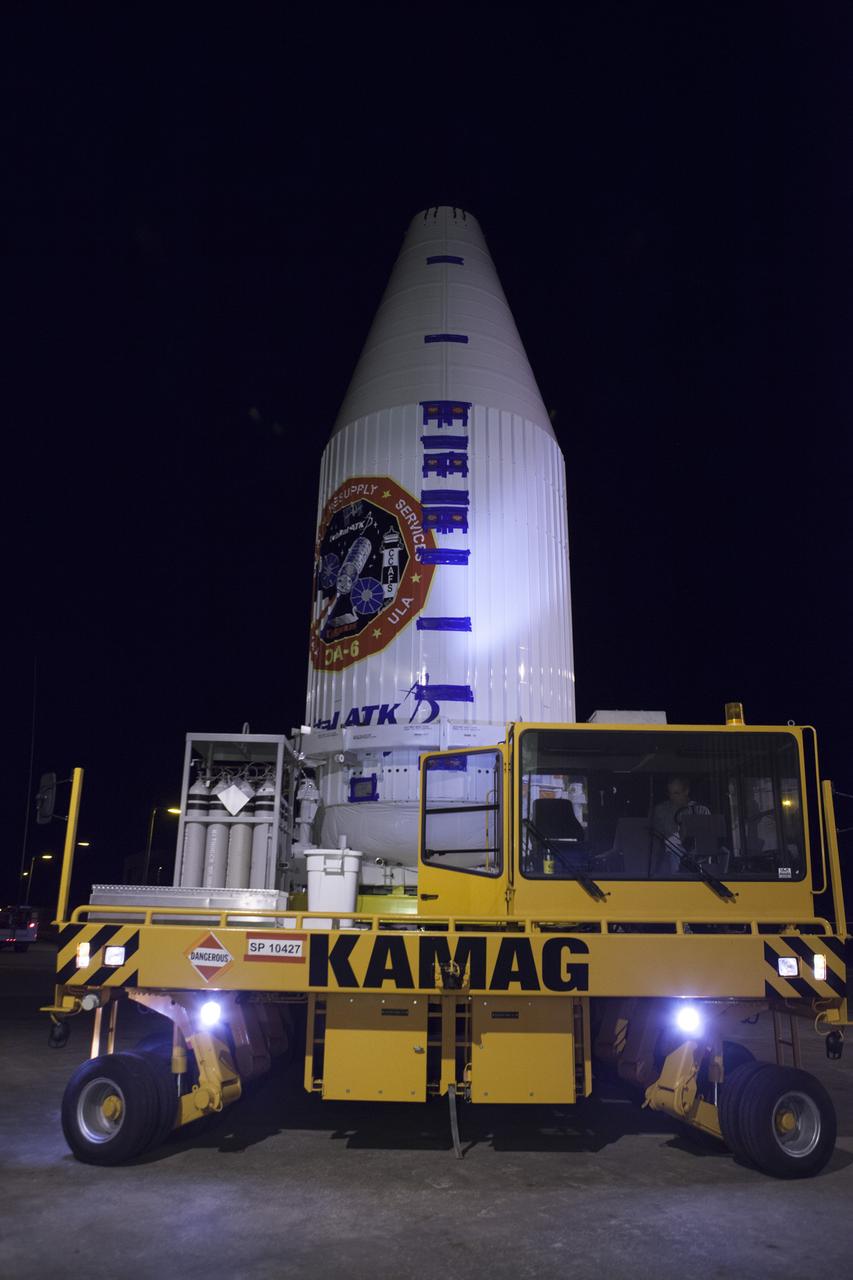
Encapsulated inside its payload fairing, the Cygnus spacecraft for the upcoming Orbital ATK Commercial Resupply Services-6 mission departs the Payload Hazardous Servicing Facility at NASA's Kennedy Space Center in Florida. Mounted atop a KAMAG transporter, Cygnus is being moved to Space Launch Complex-41 at Cape Canaveral Air Force Station where it will be mounted atop a United Launch Alliance Atlas V rocket. The Cygnus is scheduled to lift off atop a United Launch Alliance Atlas V rocket on March 22 to deliver hardware and supplies to the International Space Station.
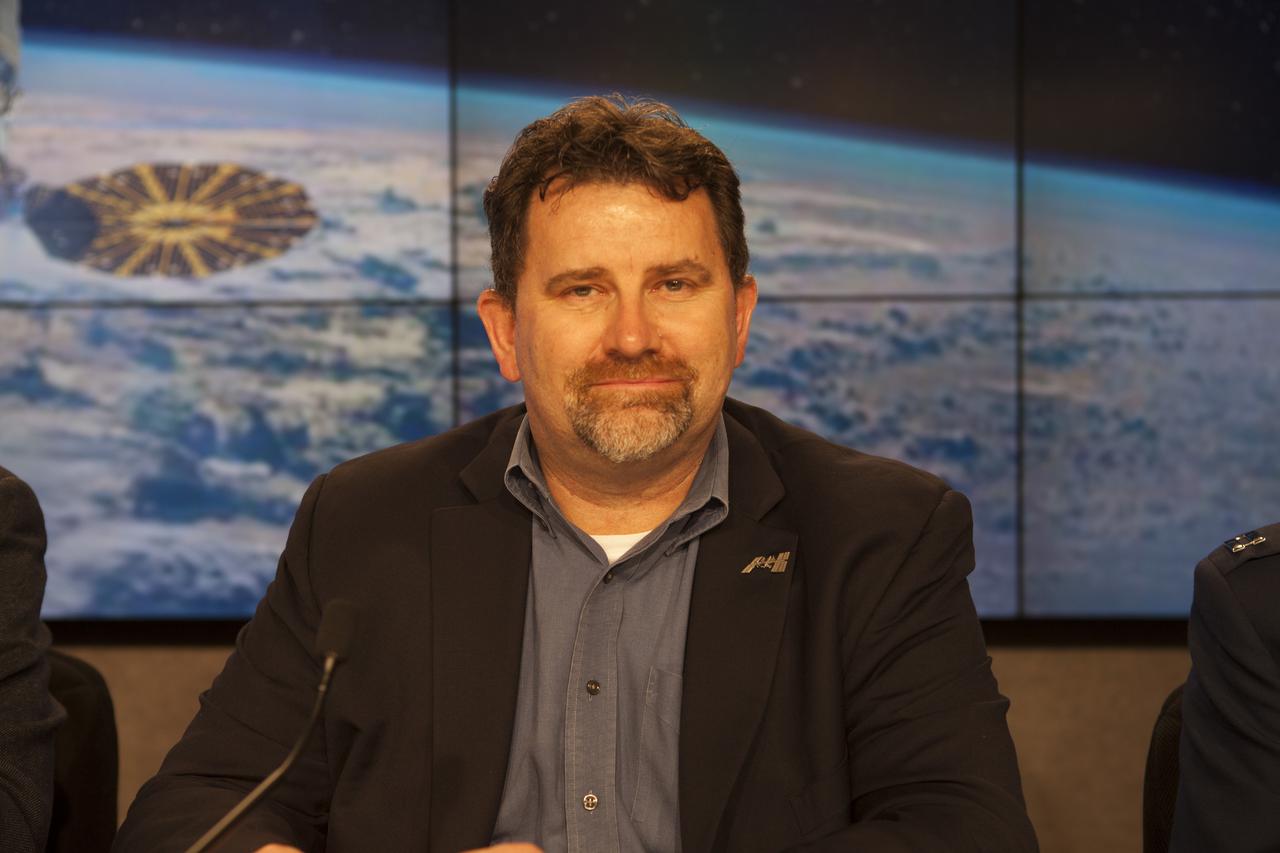
In the Kennedy Space Center’s Press Site auditorium, Dr. Michael Roberts deputy chief scientist for the Center for the Advancement for Science in Space, or CASIS, speaks to members of the media at a prelaunch news conference for Orbital ATK CRS-6 commercial resupply services mission to the International Space Station.
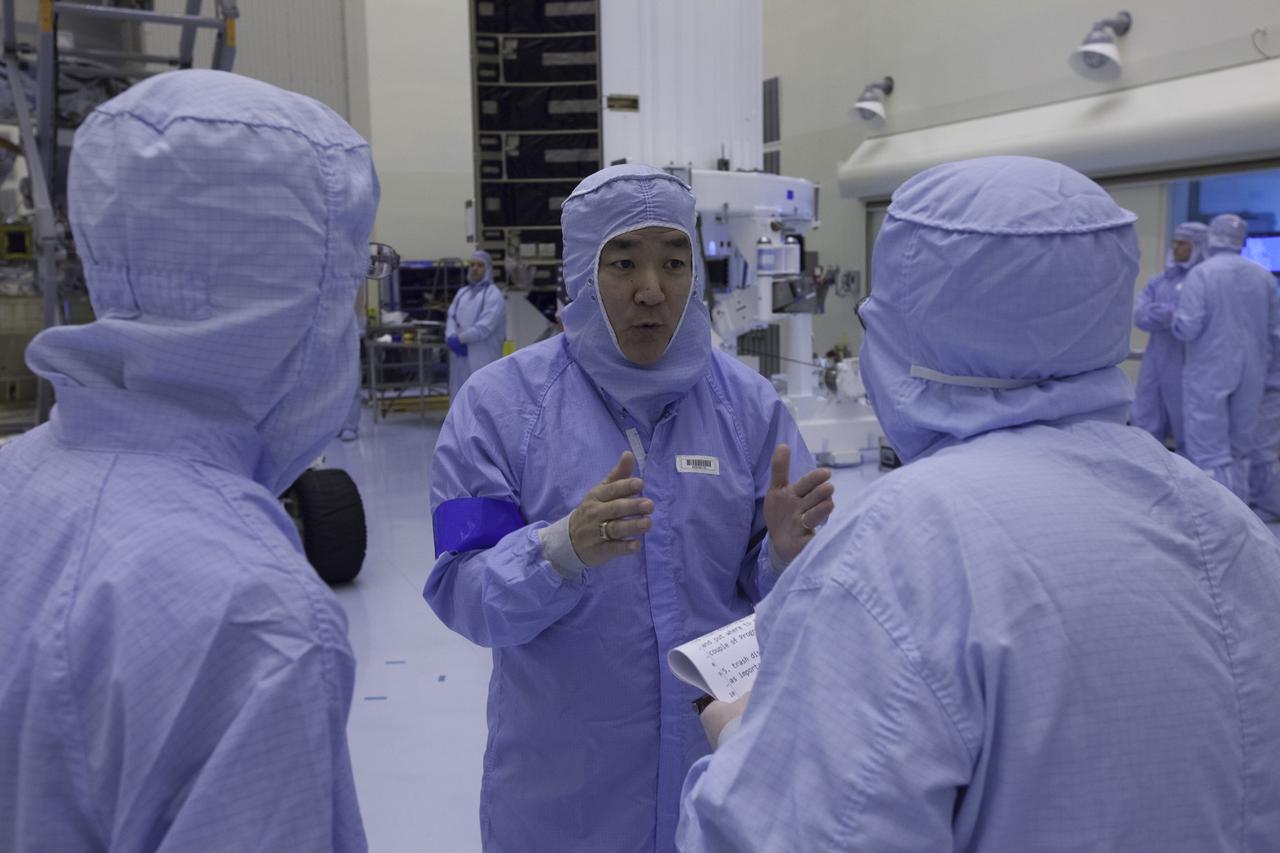
Inside the Payload Hazardous Servicing Facility at NASA's Kennedy Space Center, former NASA astronaut Dan Tani, who now is senior director of Missions and Cargo Operations for Orbital ATK in Dulles, Virginia, participates in a press interview. In the background is the Cygnus spacecraft scheduled to deliver hardware and supplies to the International Space Station on the upcoming Orbital ATK Commercial Resupply Services-6 mission.
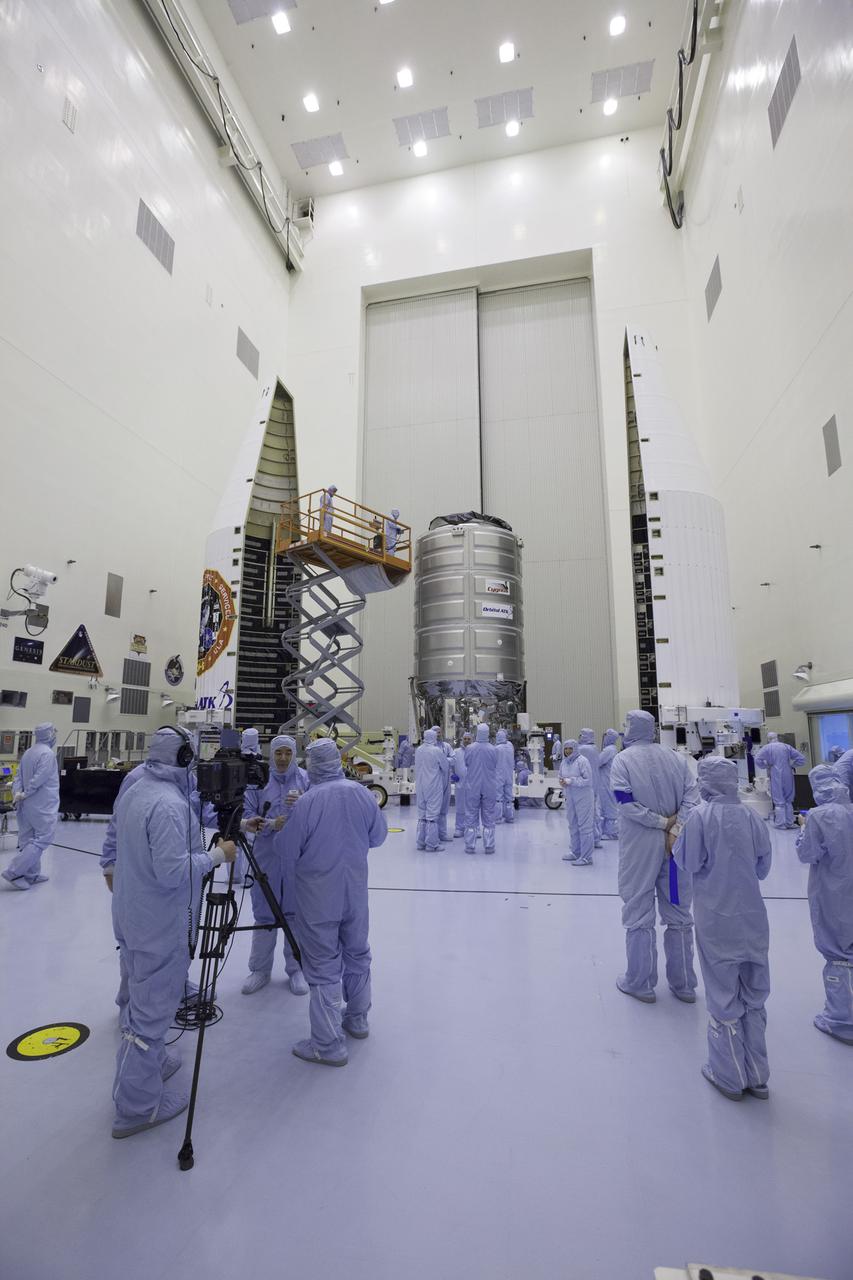
Inside the Payload Hazardous Servicing Facility at NASA's Kennedy Space Center, former NASA astronaut Dan Tani, who now is senior director of Missions and Cargo Operations for Orbital ATK in Dulles, Virginia, participates in a press interview. In the background is the Cygnus spacecraft scheduled to deliver hardware and supplies to the International Space Station on the upcoming Orbital ATK Commercial Resupply Services-6 mission.
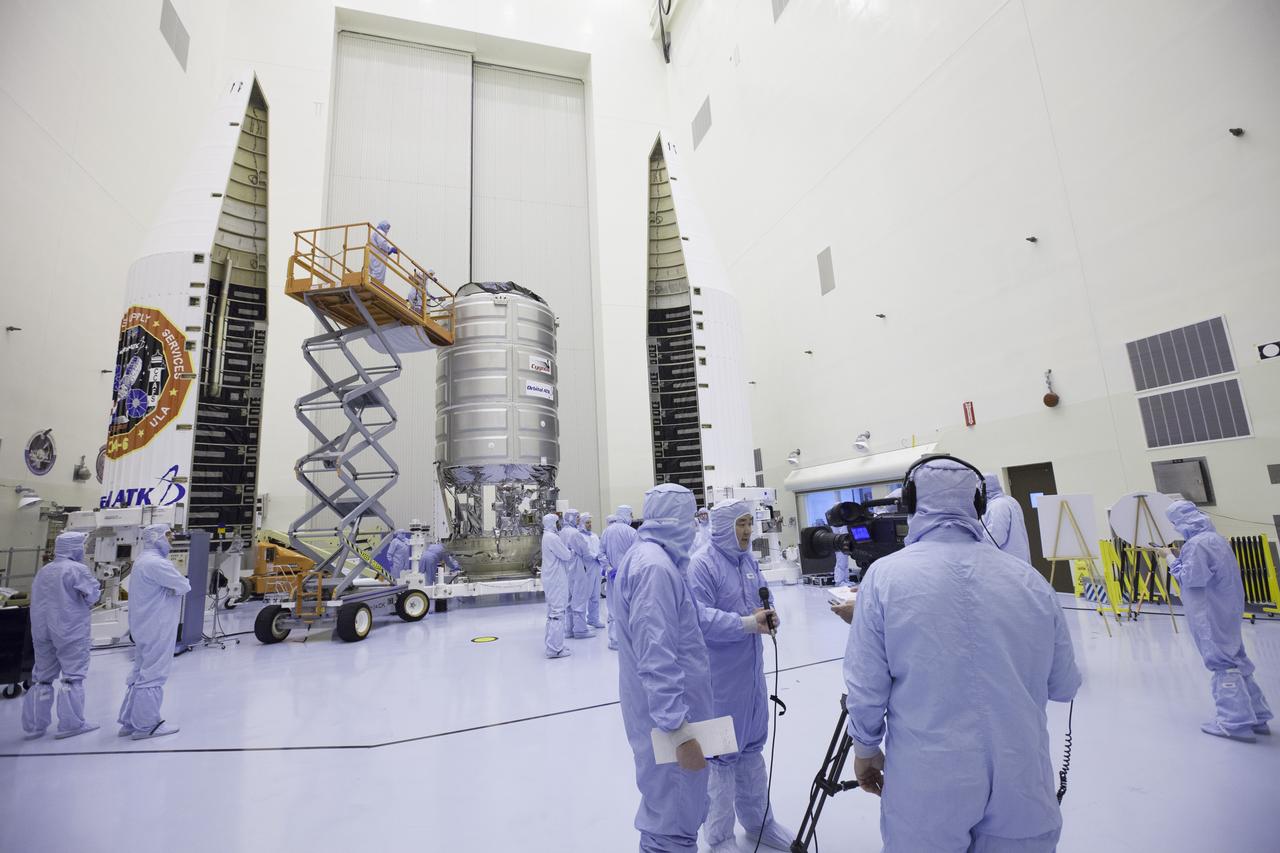
Inside the Payload Hazardous Servicing Facility at NASA's Kennedy Space Center, former NASA astronaut Dan Tani, who now is senior director of Missions and Cargo Operations for Orbital ATK in Dulles, Virginia, participates in a press interview. In the background is the Cygnus spacecraft scheduled to deliver hardware and supplies to the International Space Station on the upcoming Orbital ATK Commercial Resupply Services-6 mission.
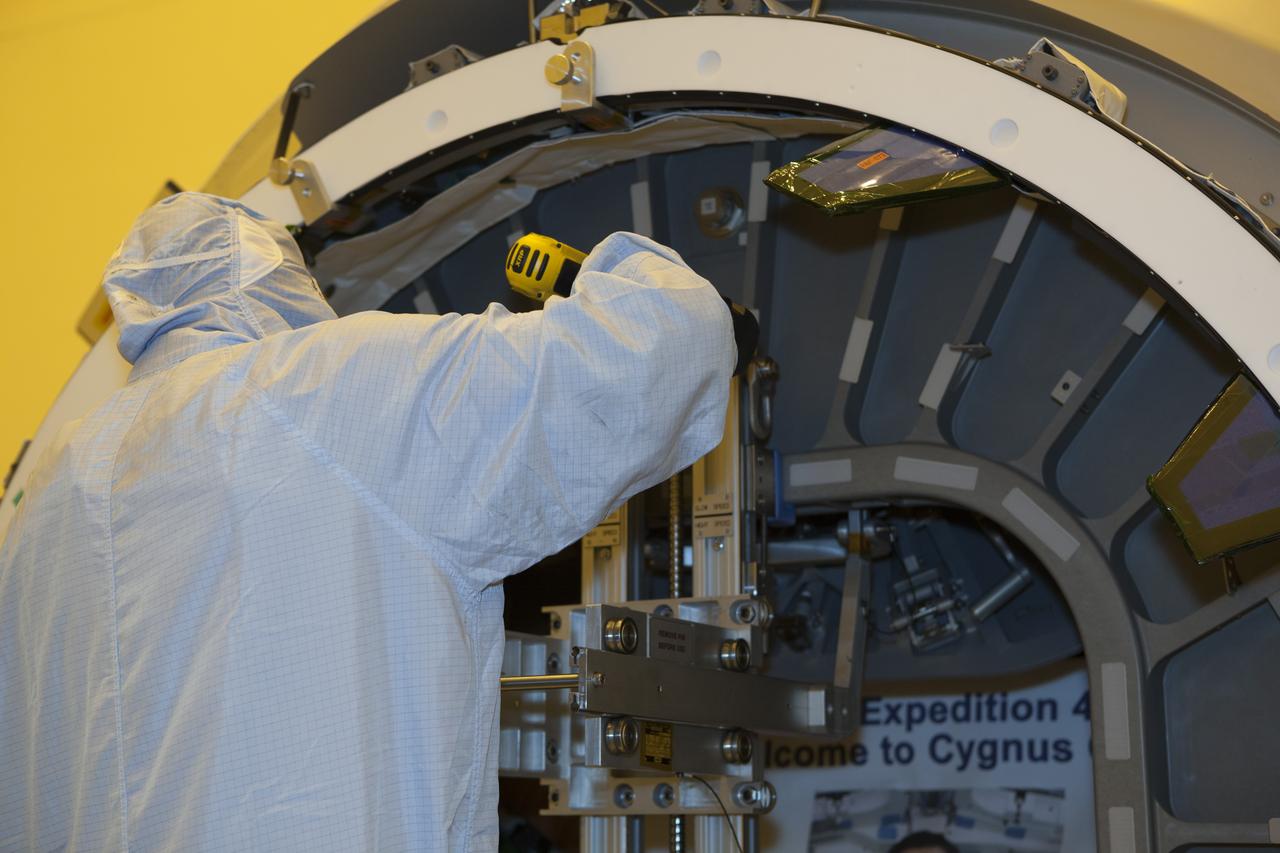
Inside the Payload Hazardous Servicing Facility at NASA's Kennedy Space Center in Florida, the hatch is closed for the upcoming flight of a Cygnus cargo vessel. The spacecraft is scheduled for the upcoming Orbital ATK Commercial Resupply Services-6 mission to deliver hardware and supplies to the International Space Station. The Cygnus is scheduled to lift off atop a United Launch Alliance Atlas V rocket on March 22.
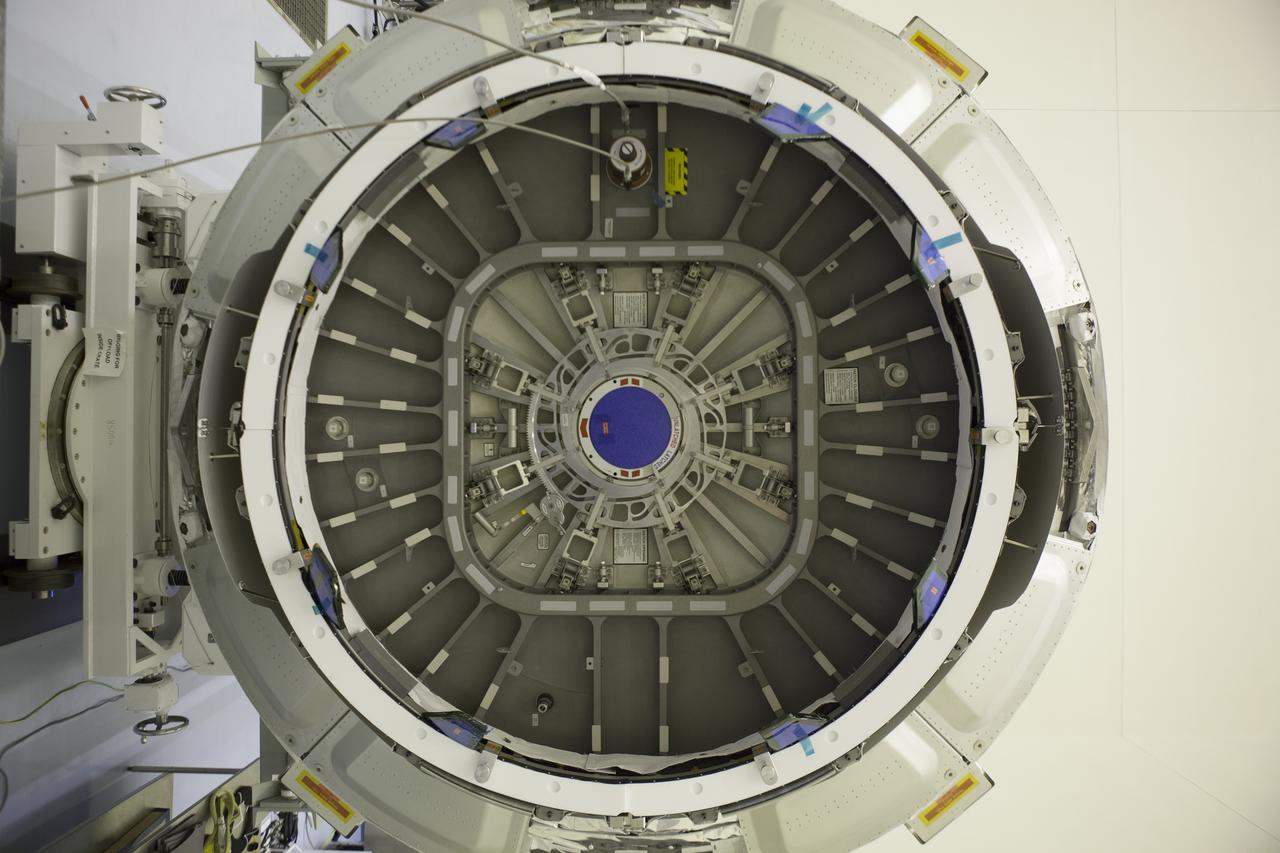
Inside the Payload Hazardous Servicing Facility at NASA's Kennedy Space Center in Florida, the hatch has been closed for the upcoming flight of a Cygnus cargo vessel. The spacecraft is scheduled for the upcoming Orbital ATK Commercial Resupply Services-6 mission to deliver hardware and supplies to the International Space Station. The Cygnus is scheduled to lift off atop a United Launch Alliance Atlas V rocket on March 22.
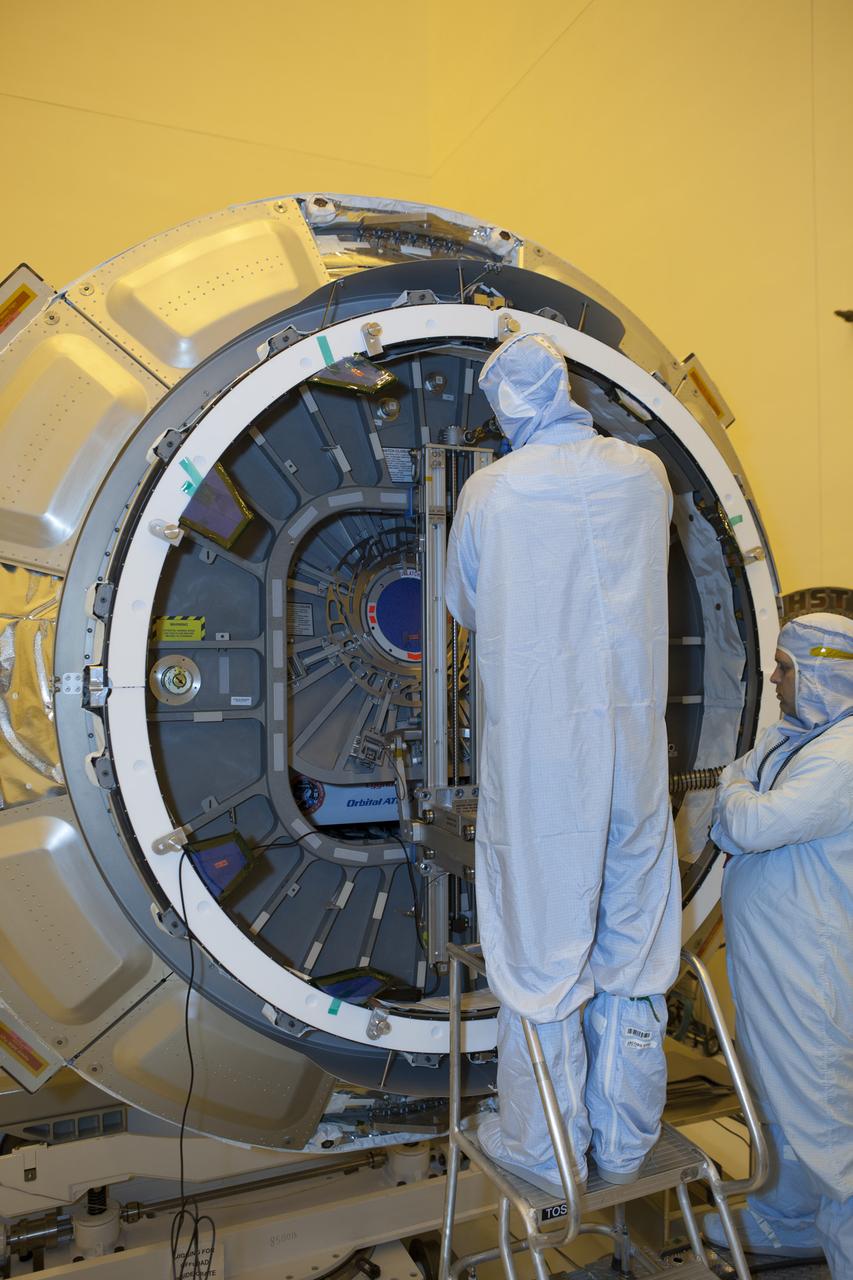
Inside the Payload Hazardous Servicing Facility at NASA's Kennedy Space Center in Florida, the hatch is closed for the upcoming flight of a Cygnus cargo vessel. The spacecraft is scheduled for the upcoming Orbital ATK Commercial Resupply Services-6 mission to deliver hardware and supplies to the International Space Station. The Cygnus is scheduled to lift off atop a United Launch Alliance Atlas V rocket on March 22.

Encapsulated inside its payload fairing, the Cygnus spacecraft for the upcoming Orbital ATK Commercial Resupply Services-6 is prepared for lifting to be mated atop a United Launch Alliance Atlas V rocket in the Vertical Integration Facility at Launch Complex-41 at Cape Canaveral Air Force Station. The Cygnus is scheduled to lift off atop a United Launch Alliance Atlas V rocket on March 22 to deliver hardware and supplies to the International Space Station.
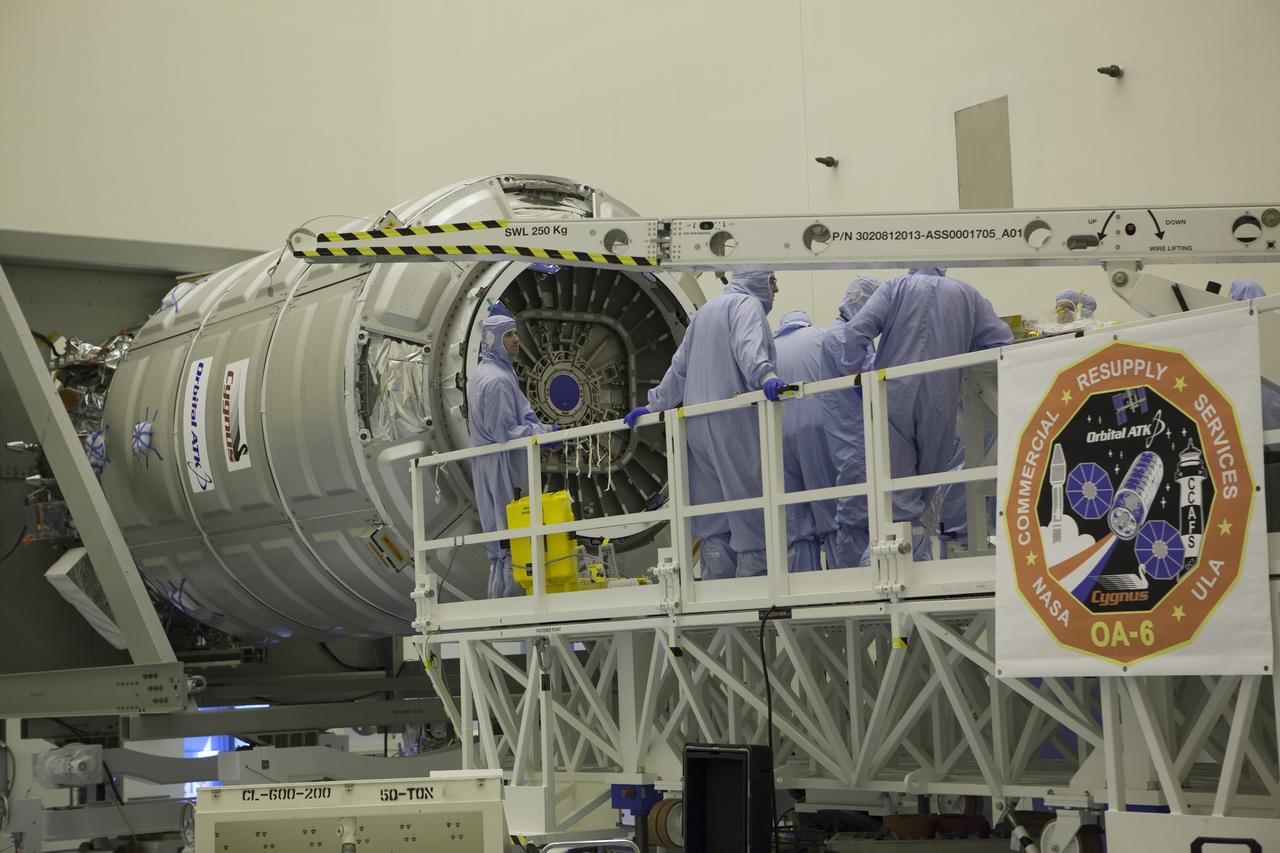
Inside the Payload Hazardous Servicing Facility at NASA's Kennedy Space Center in Florida, the hatch is closed for the upcoming flight of a Cygnus cargo vessel. The spacecraft is scheduled for the upcoming Orbital ATK Commercial Resupply Services-6 mission to deliver hardware and supplies to the International Space Station. The Cygnus is scheduled to lift off atop a United Launch Alliance Atlas V rocket on March 22.
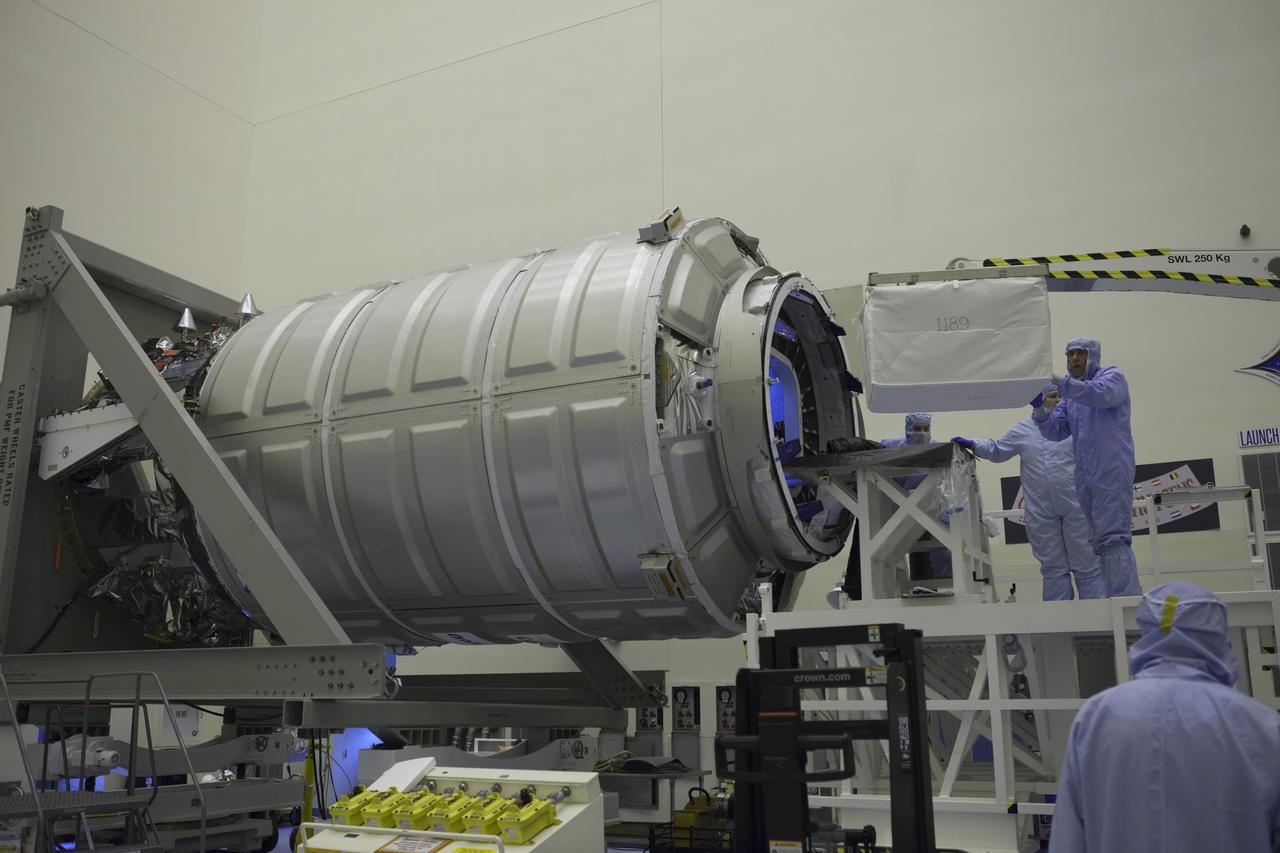
Technicians move cargo into the Orbital ATK CRS-6 pressurized cargo module during late stowage inside the Payload Hazardous Servicing Facility at NASA’s Kennedy Space Center in Florida. The spacecraft is scheduled for the upcoming Orbital ATK Commercial Resupply Services-6 mission to deliver hardware and supplies to the International Space Station. The Cygnus is scheduled to lift off atop a United Launch Alliance Atlas V rocket on March 22.
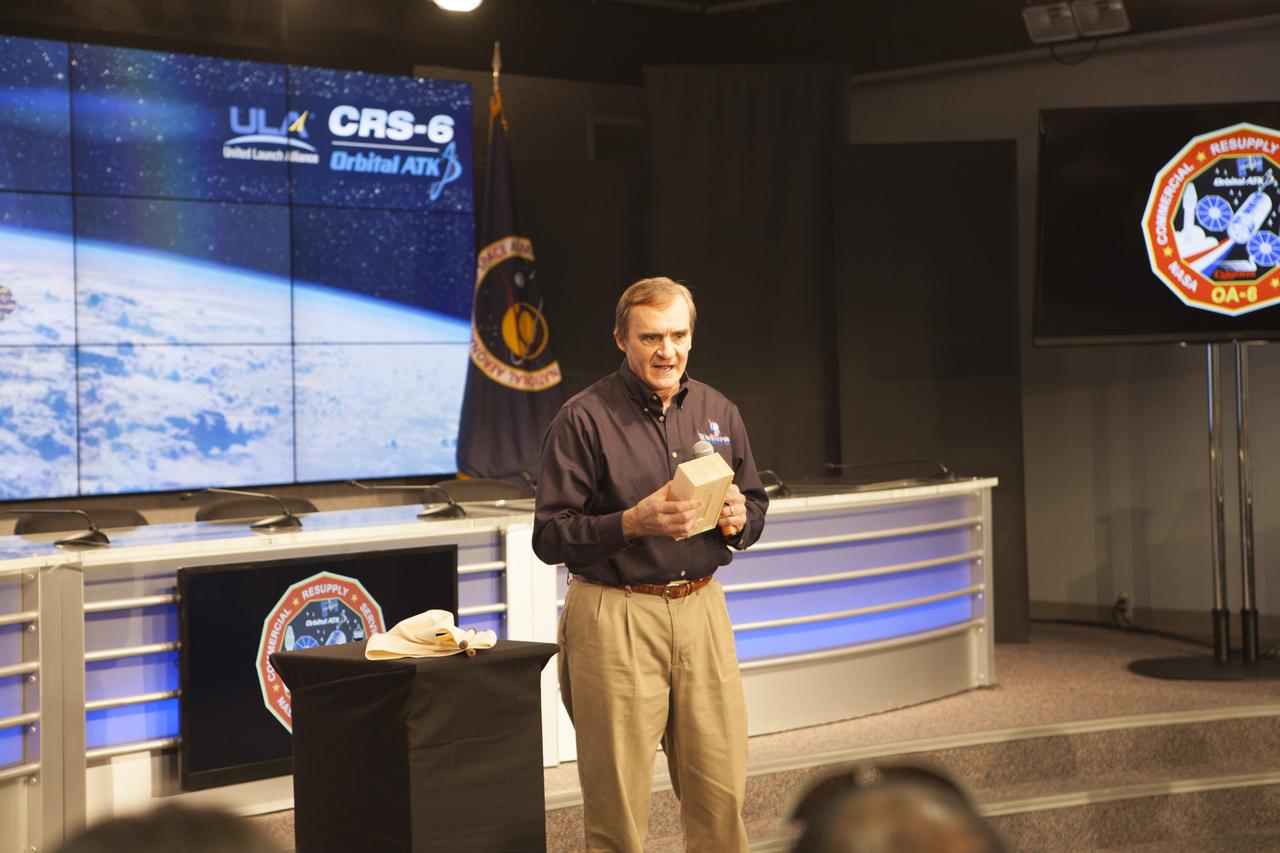
Gary Ruff, NASA project manager and co-investigator for the Spacecraft Fire Safety Demonstration Project, or Saffire, at the Glenn Research Center in Cleveland, speaks to members of the media in the Kennedy Space Center’s Press Site auditorium. The briefing focused on science research and technology work planned for the International Space Station, or ISS, following the arrival of a Cygnus spacecraft. The Cygnus is scheduled to be launched March 22 atop a United Launch Alliance Atlas V rocket on the Orbital ATK CRS-6 commercial resupply services mission.
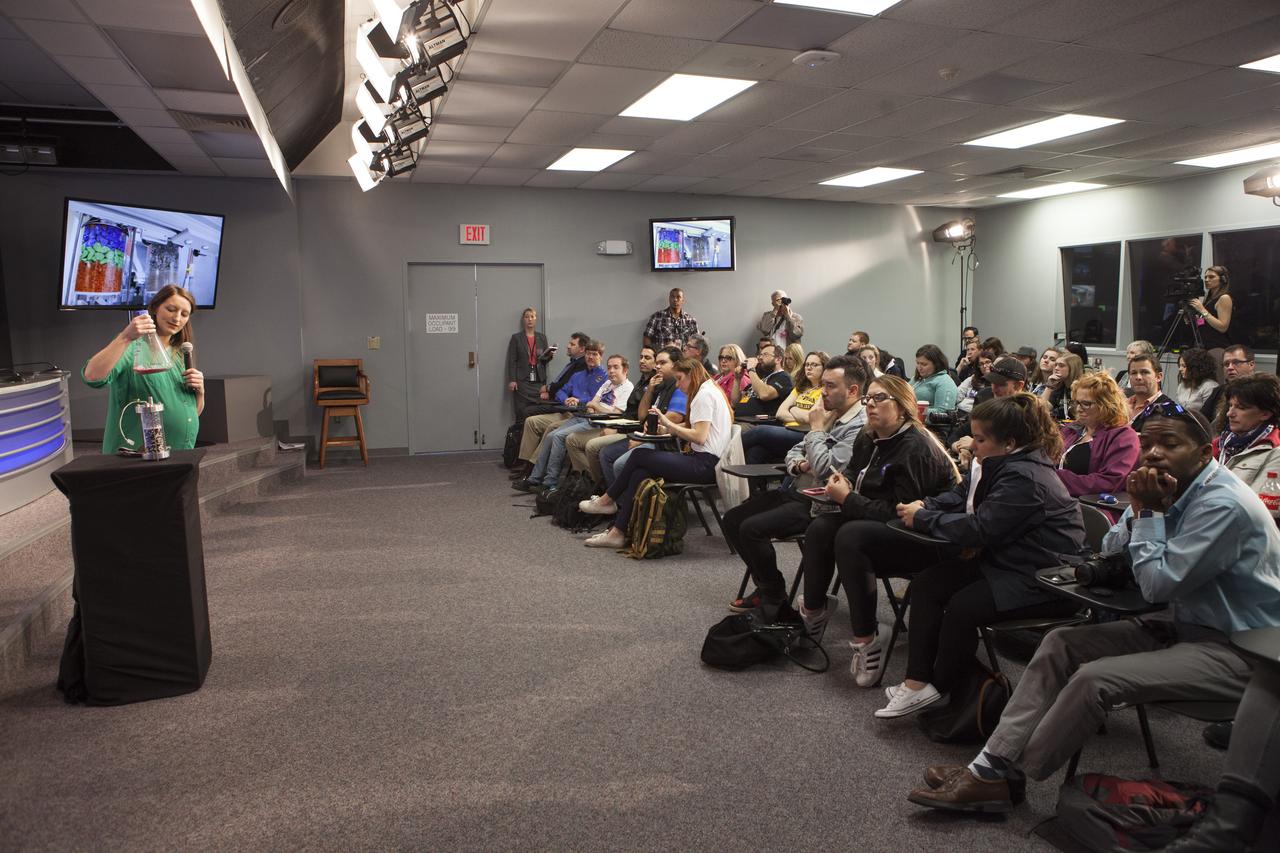
Dr. Kristen John, deputy project manager and co-investigator for the Strata-1 experiment at the Johnson Space Center in Houston , speaks to members of the media in the Kennedy Space Center’s Press Site auditorium. The briefing focused on science research and technology work planned for the International Space Station, or ISS, following the arrival of a Cygnus spacecraft. The Cygnus is scheduled to be launched March 22 atop a United Launch Alliance Atlas V rocket on the Orbital ATK CRS-6 commercial resupply services mission.
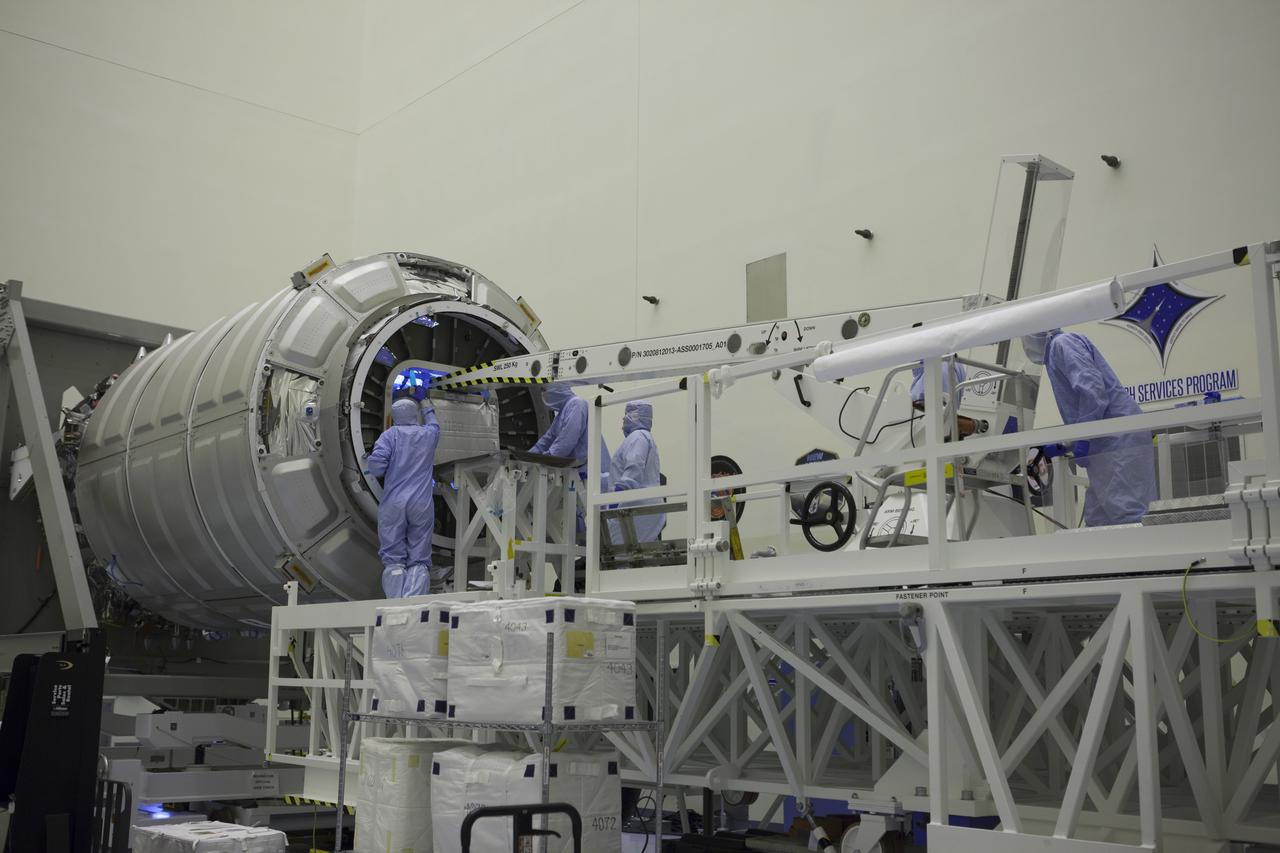
Technicians move cargo into the Orbital ATK CRS-6 pressurized cargo module during late stowage inside the Payload Hazardous Servicing Facility at NASA’s Kennedy Space Center in Florida. The spacecraft is scheduled for the upcoming Orbital ATK Commercial Resupply Services-6 mission to deliver hardware and supplies to the International Space Station. The Cygnus is scheduled to lift off atop a United Launch Alliance Atlas V rocket on March 22.
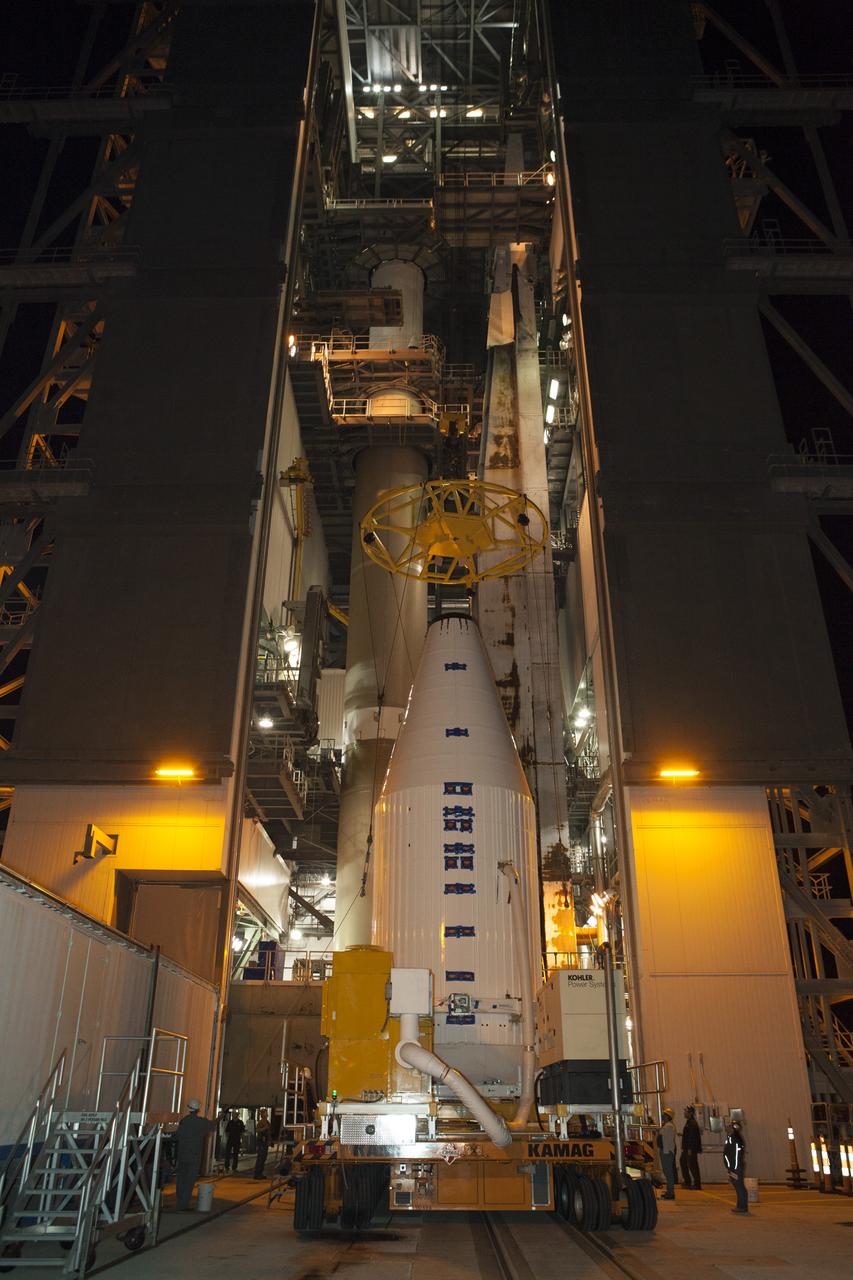
Encapsulated inside its payload fairing, the Cygnus spacecraft for the upcoming Orbital ATK Commercial Resupply Services-6 mission arrives at the Vertical Integration Facility at Launch Complex-41 at Cape Canaveral Air Force Station where it will be mounted atop a United Launch Alliance Atlas V rocket. The Cygnus is scheduled to lift off atop a United Launch Alliance Atlas V rocket on March 22 to deliver hardware and supplies to the International Space Station.
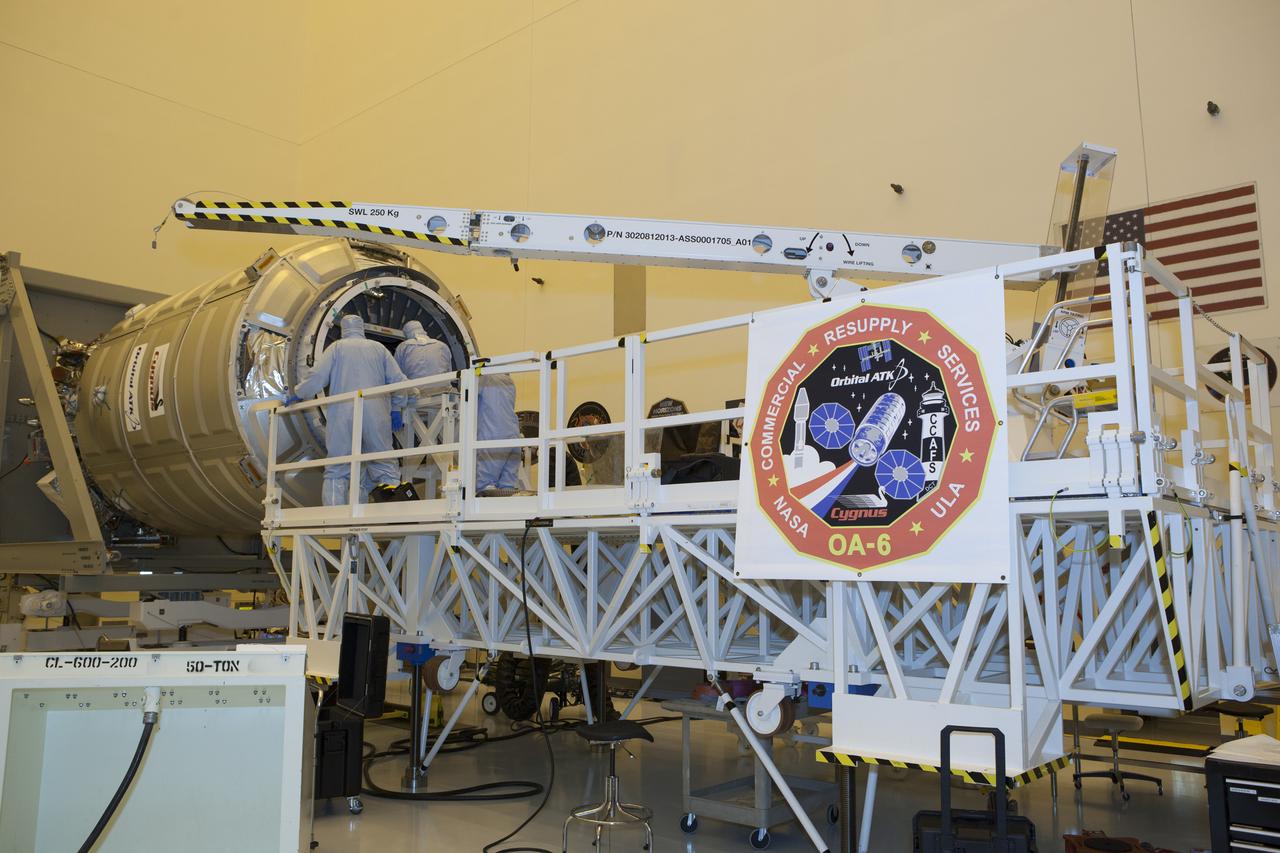
Inside the Payload Hazardous Servicing Facility at NASA's Kennedy Space Center in Florida, the hatch is closed for the upcoming flight of a Cygnus cargo vessel. The spacecraft is scheduled for the upcoming Orbital ATK Commercial Resupply Services-6 mission to deliver hardware and supplies to the International Space Station. The Cygnus is scheduled to lift off atop a United Launch Alliance Atlas V rocket on March 22.
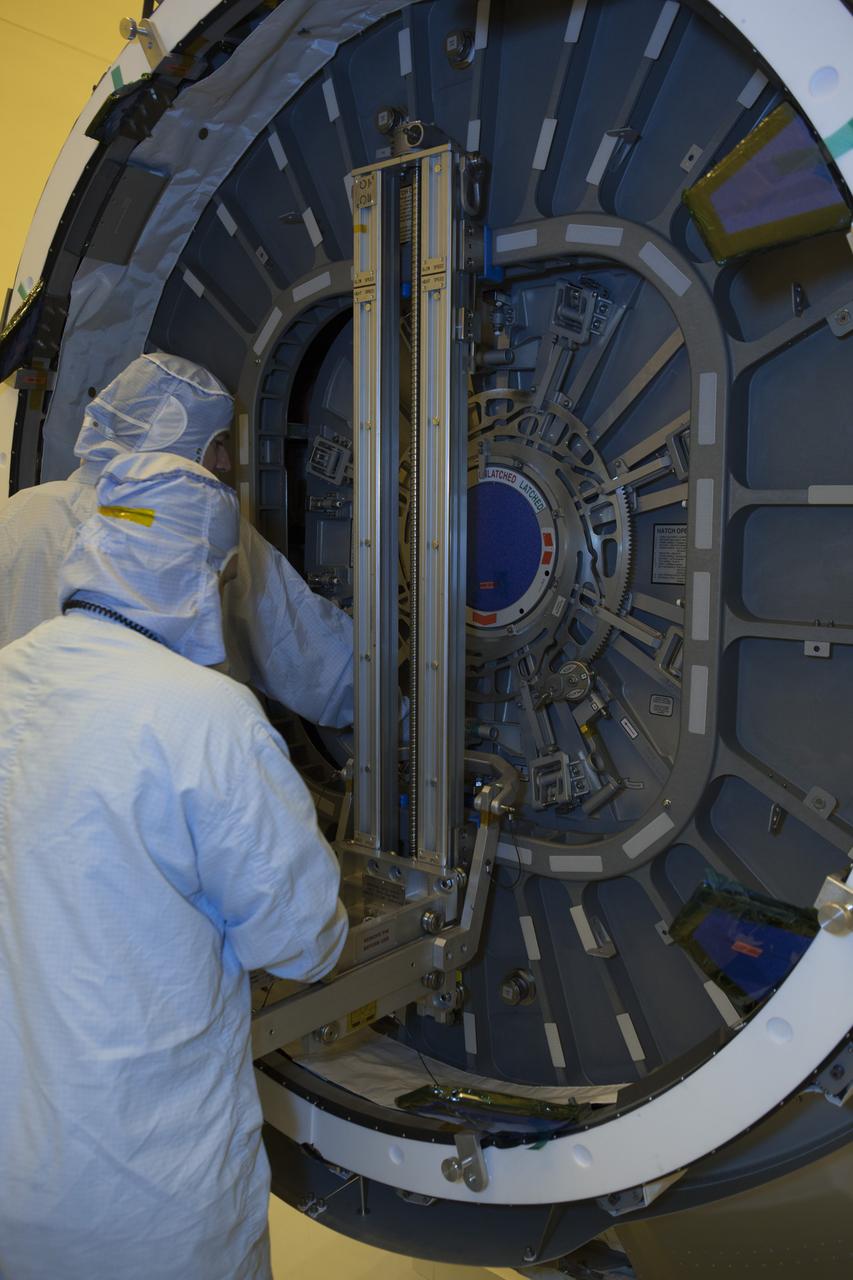
Inside the Payload Hazardous Servicing Facility at NASA's Kennedy Space Center in Florida, the hatch is closed for the upcoming flight of a Cygnus cargo vessel. The spacecraft is scheduled for the upcoming Orbital ATK Commercial Resupply Services-6 mission to deliver hardware and supplies to the International Space Station. The Cygnus is scheduled to lift off atop a United Launch Alliance Atlas V rocket on March 22.
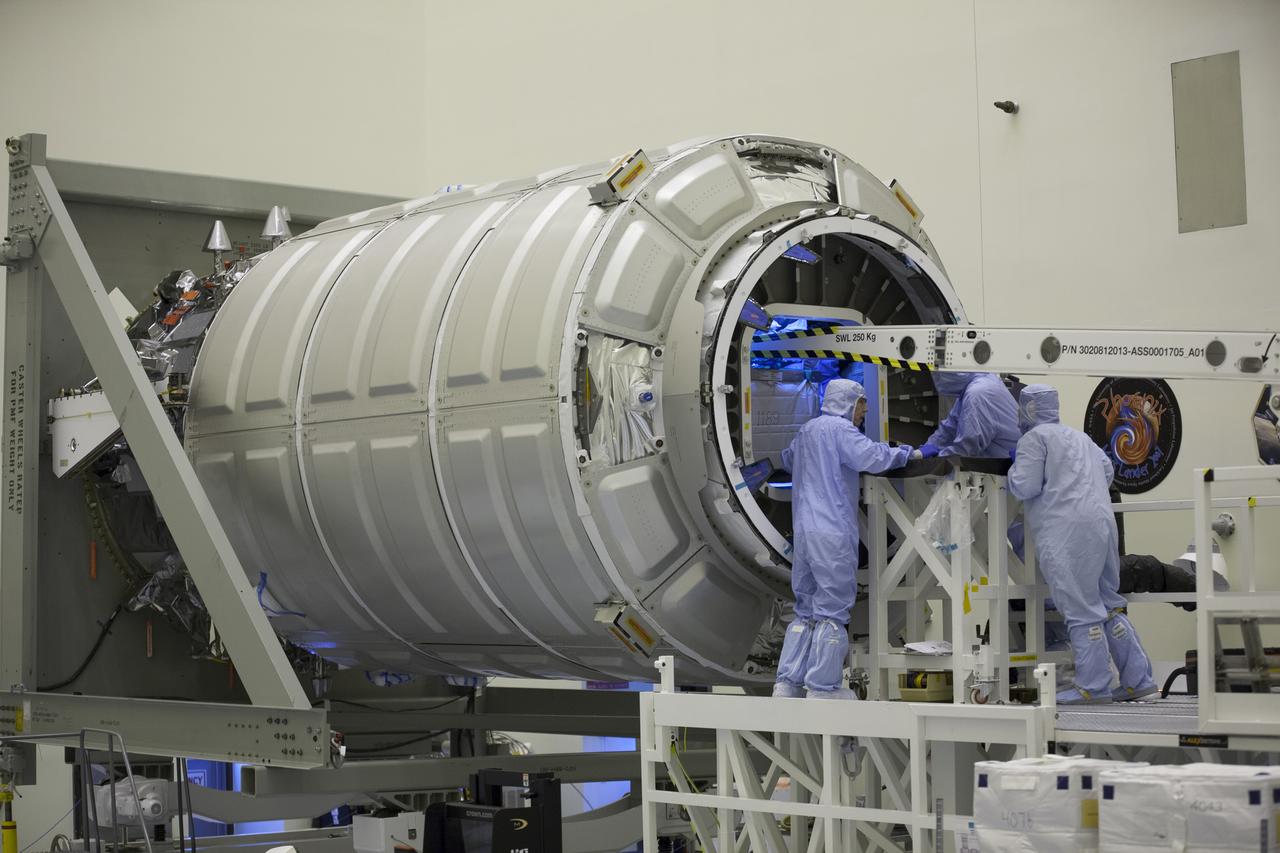
Technicians move cargo into the Orbital ATK CRS-6 pressurized cargo module during late stowage inside the Payload Hazardous Servicing Facility at NASA’s Kennedy Space Center in Florida. The spacecraft is scheduled for the upcoming Orbital ATK Commercial Resupply Services-6 mission to deliver hardware and supplies to the International Space Station. The Cygnus is scheduled to lift off atop a United Launch Alliance Atlas V rocket on March 22.
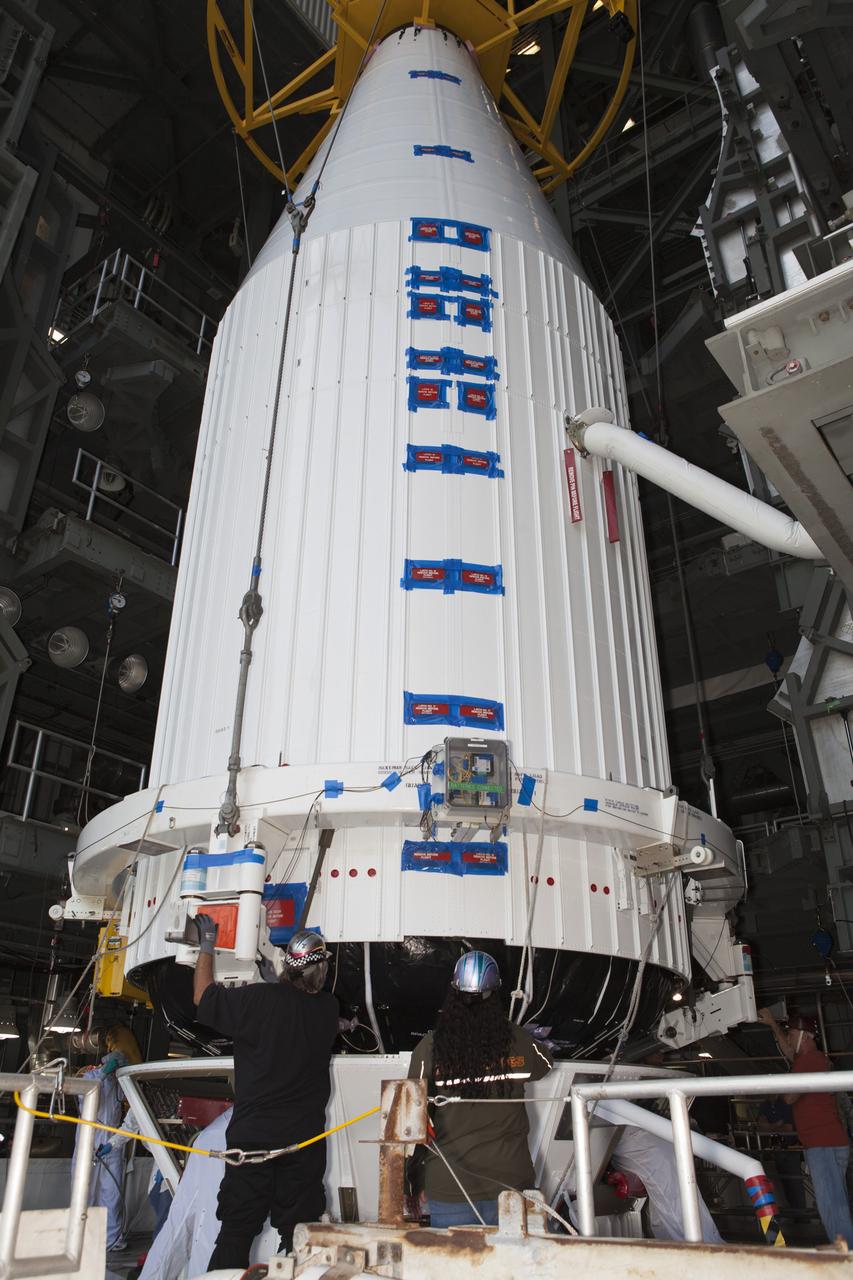
Encapsulated inside its payload fairing, the Cygnus spacecraft for the upcoming Orbital ATK Commercial Resupply Services-6 is positioned for mating atop a United Launch Alliance Atlas V rocket in the Vertical Integration Facility at Launch Complex-41 at Cape Canaveral Air Force Station. The Cygnus is scheduled to lift off atop a United Launch Alliance Atlas V rocket on March 22 to deliver hardware and supplies to the International Space Station.
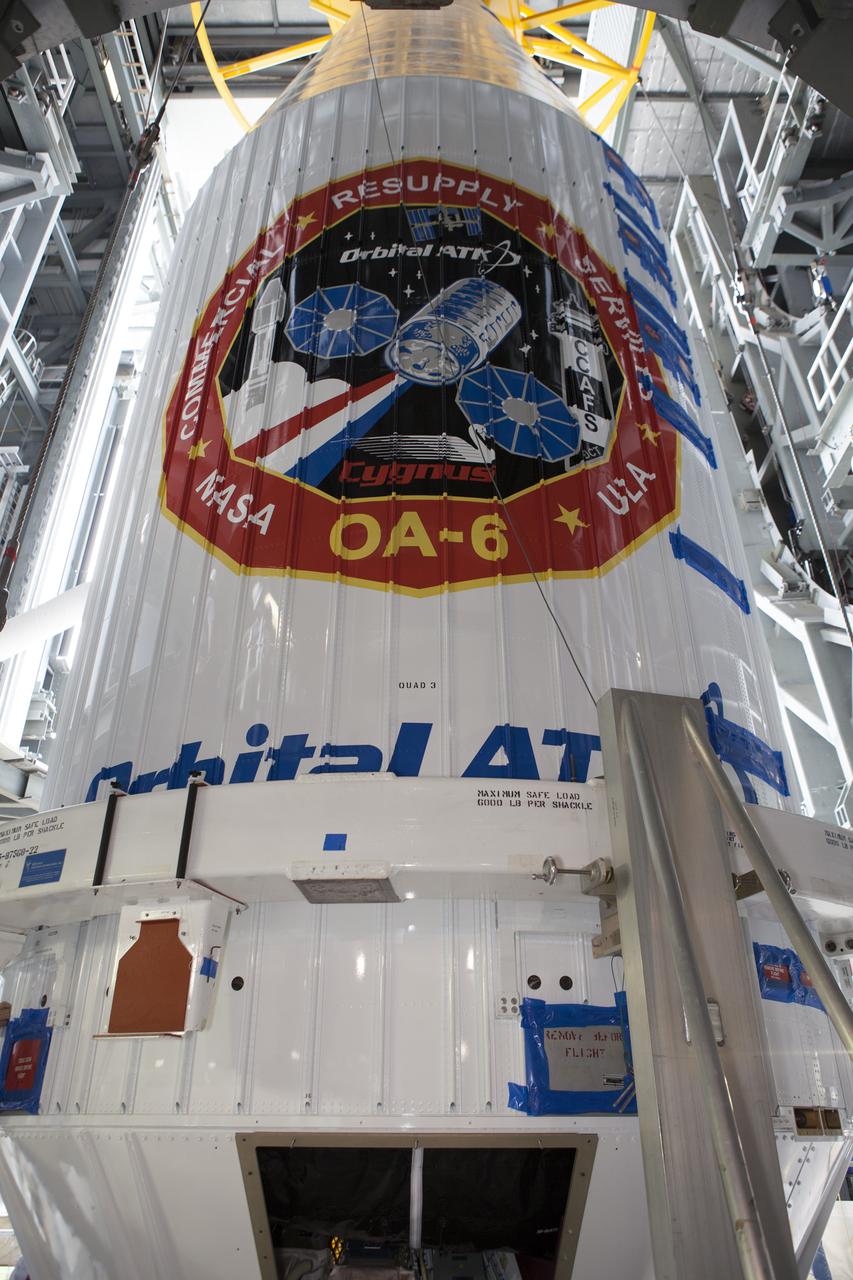
Encapsulated inside its payload fairing, the Cygnus spacecraft for the upcoming Orbital ATK Commercial Resupply Services-6 is mated atop a United Launch Alliance Atlas V rocket in the Vertical Integration Facility at Launch Complex-41 at Cape Canaveral Air Force Station. The Cygnus is scheduled to lift off atop a United Launch Alliance Atlas V rocket on March 22 to deliver hardware and supplies to the International Space Station.
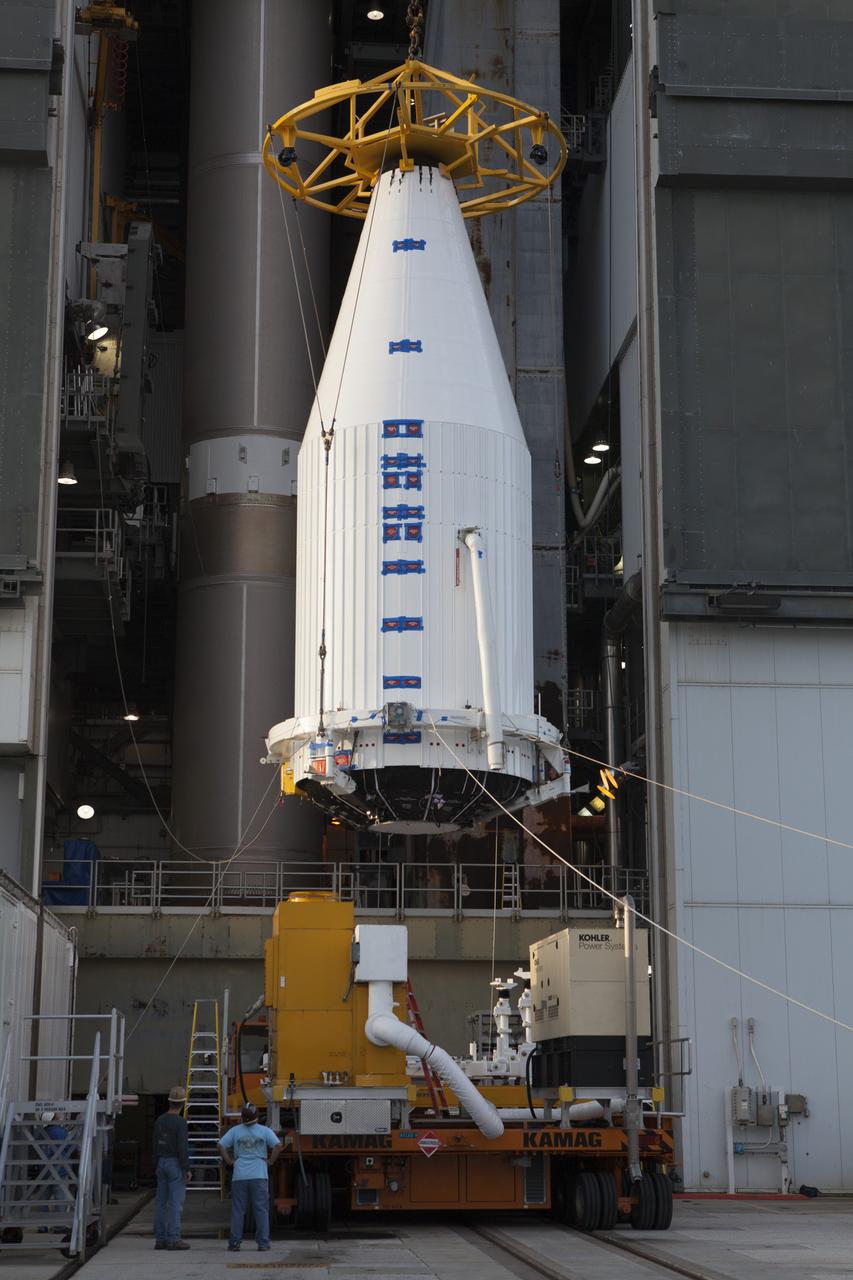
Encapsulated inside its payload fairing, the Cygnus spacecraft for the upcoming Orbital ATK Commercial Resupply Services-6 is lifted to be mated atop a United Launch Alliance Atlas V rocket in the Vertical Integration Facility at Launch Complex-41 at Cape Canaveral Air Force Station. The Cygnus is scheduled to lift off atop a United Launch Alliance Atlas V rocket on March 22 to deliver hardware and supplies to the International Space Station.
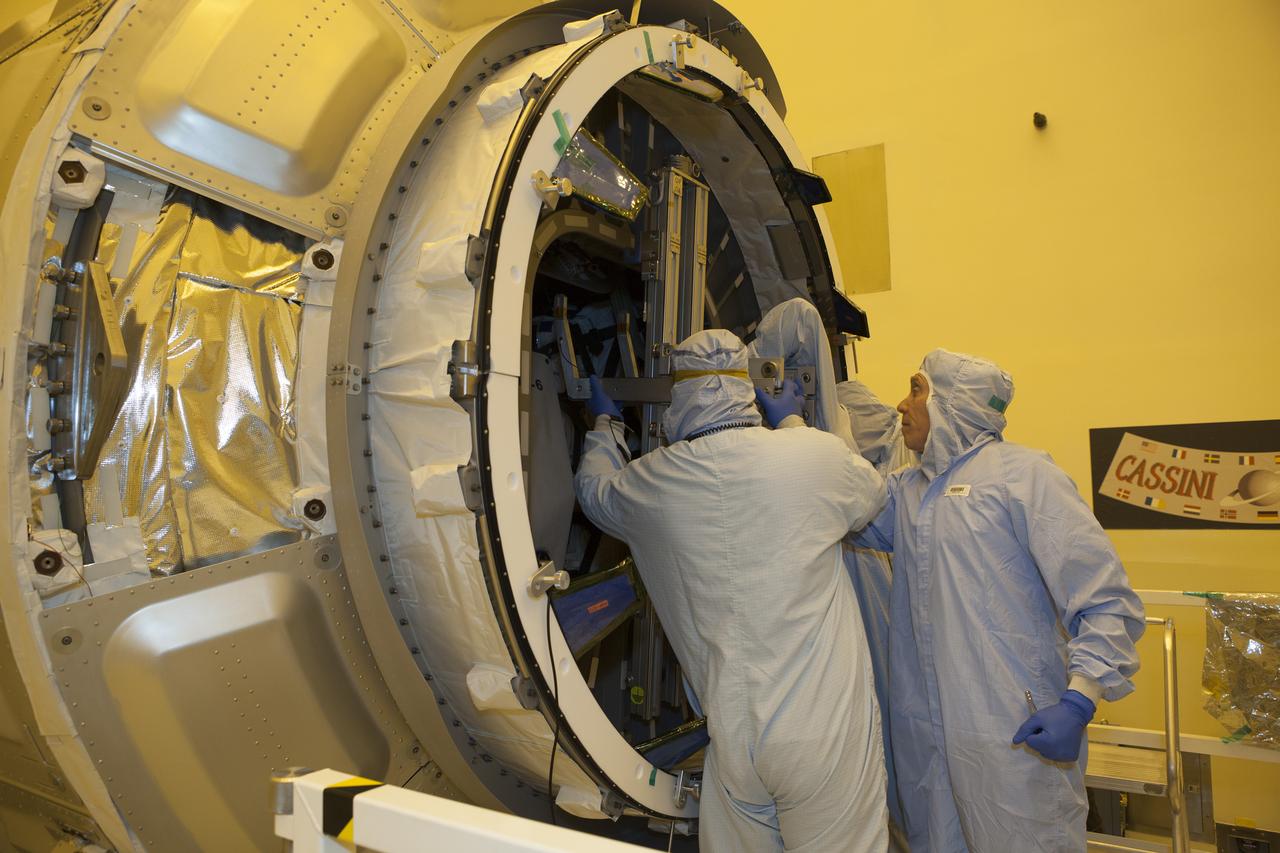
Inside the Payload Hazardous Servicing Facility at NASA's Kennedy Space Center in Florida, the hatch is closed for the upcoming flight of a Cygnus cargo vessel. The spacecraft is scheduled for the upcoming Orbital ATK Commercial Resupply Services-6 mission to deliver hardware and supplies to the International Space Station. The Cygnus is scheduled to lift off atop a United Launch Alliance Atlas V rocket on March 22.
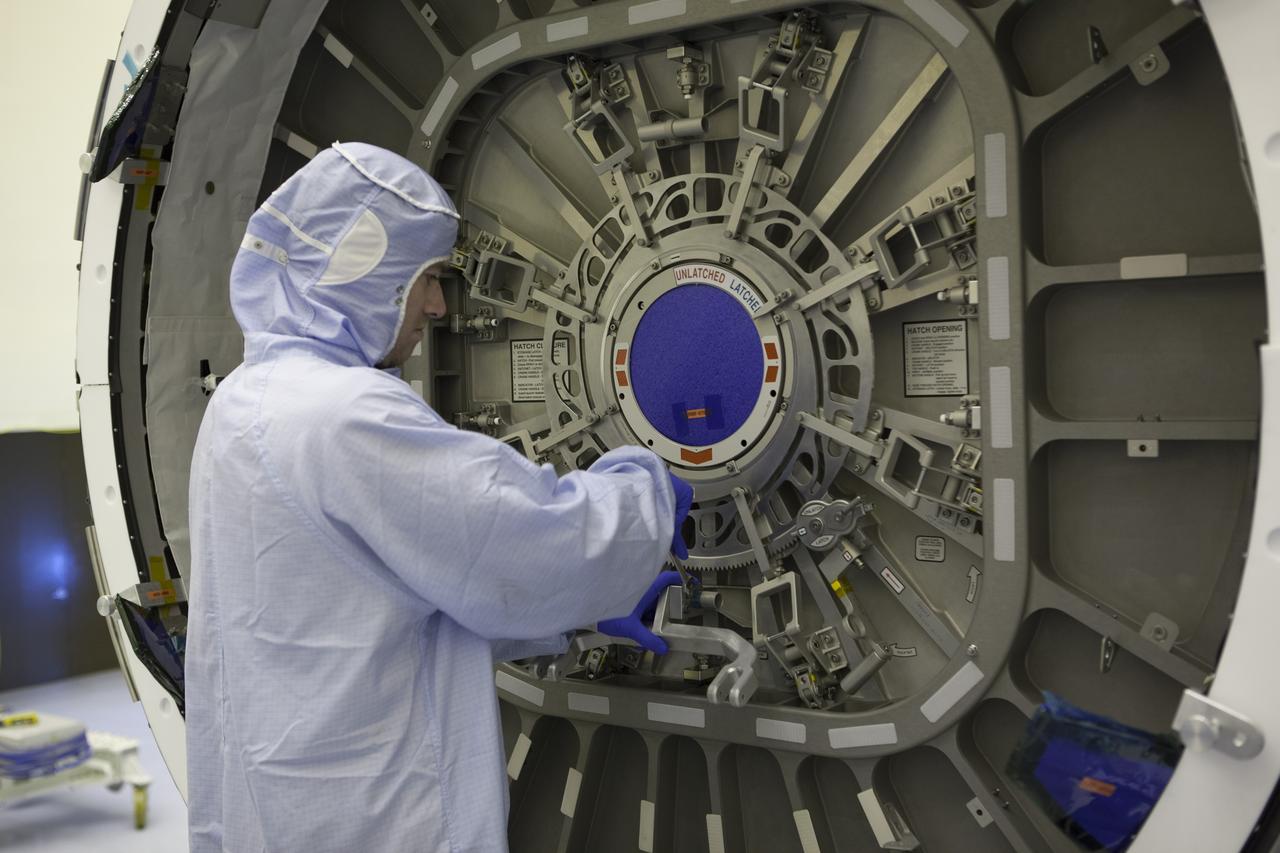
Inside the Payload Hazardous Servicing Facility at NASA's Kennedy Space Center in Florida, the hatch is closed for the upcoming flight of a Cygnus cargo vessel. The spacecraft is scheduled for the upcoming Orbital ATK Commercial Resupply Services-6 mission to deliver hardware and supplies to the International Space Station. The Cygnus is scheduled to lift off atop a United Launch Alliance Atlas V rocket on March 22.
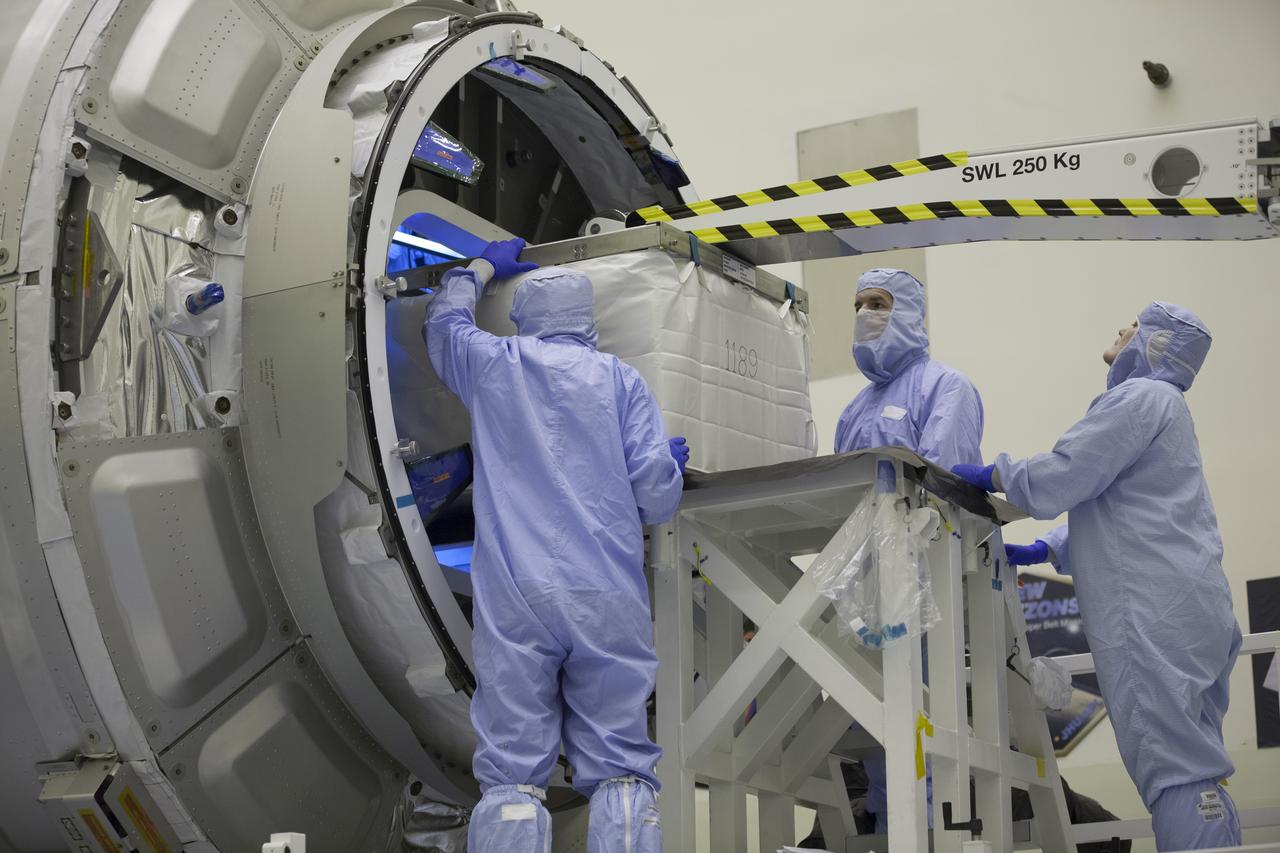
Technicians move cargo into the Orbital ATK CRS-6 pressurized cargo module during late stowage inside the Payload Hazardous Servicing Facility at NASA’s Kennedy Space Center in Florida. The spacecraft is scheduled for the upcoming Orbital ATK Commercial Resupply Services-6 mission to deliver hardware and supplies to the International Space Station. The Cygnus is scheduled to lift off atop a United Launch Alliance Atlas V rocket on March 22.
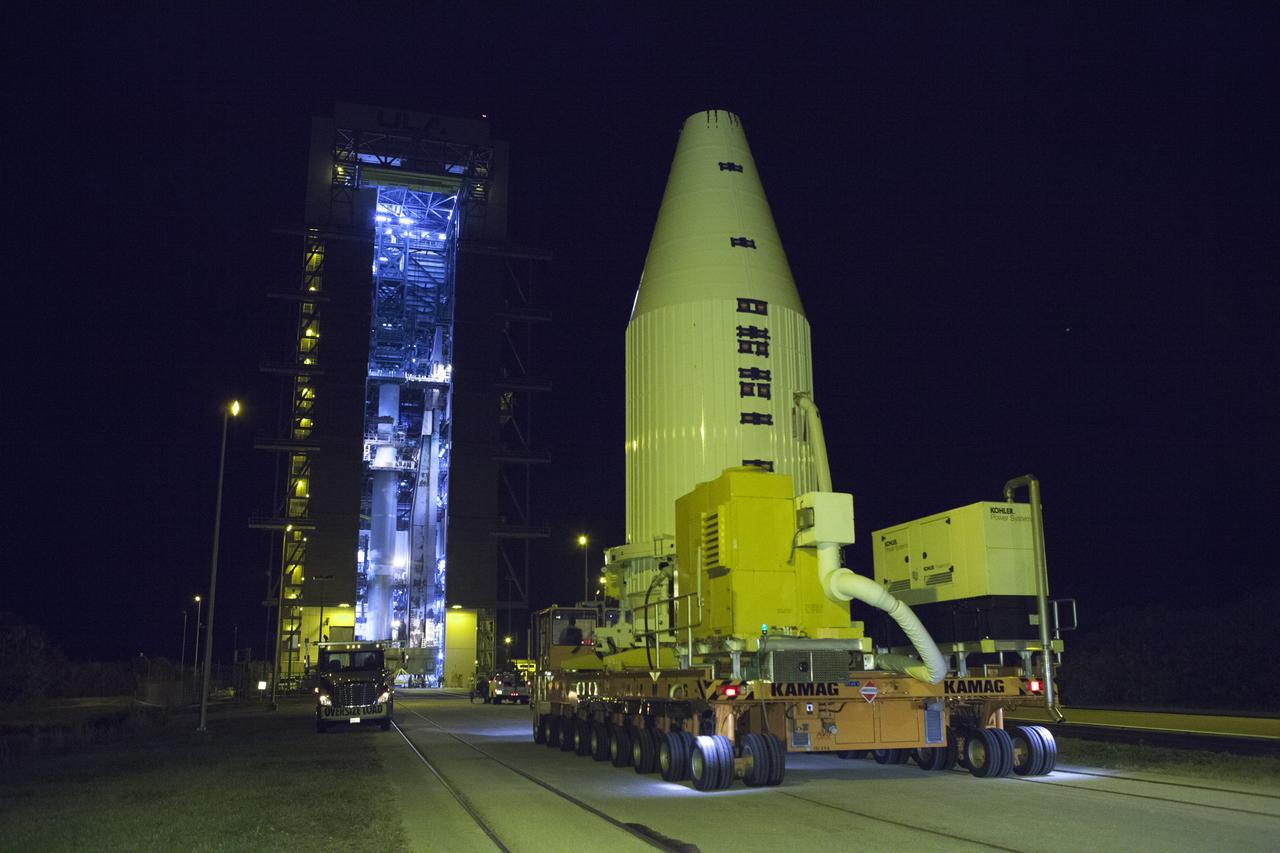
Encapsulated inside its payload fairing, the Cygnus spacecraft for the upcoming Orbital ATK Commercial Resupply Services-6 mission arrives at the Vertical Integration Facility at Launch Complex-41 at Cape Canaveral Air Force Station where it will be mounted atop a United Launch Alliance Atlas V rocket. The Cygnus is scheduled to lift off atop a United Launch Alliance Atlas V rocket on March 22 to deliver hardware and supplies to the International Space Station.