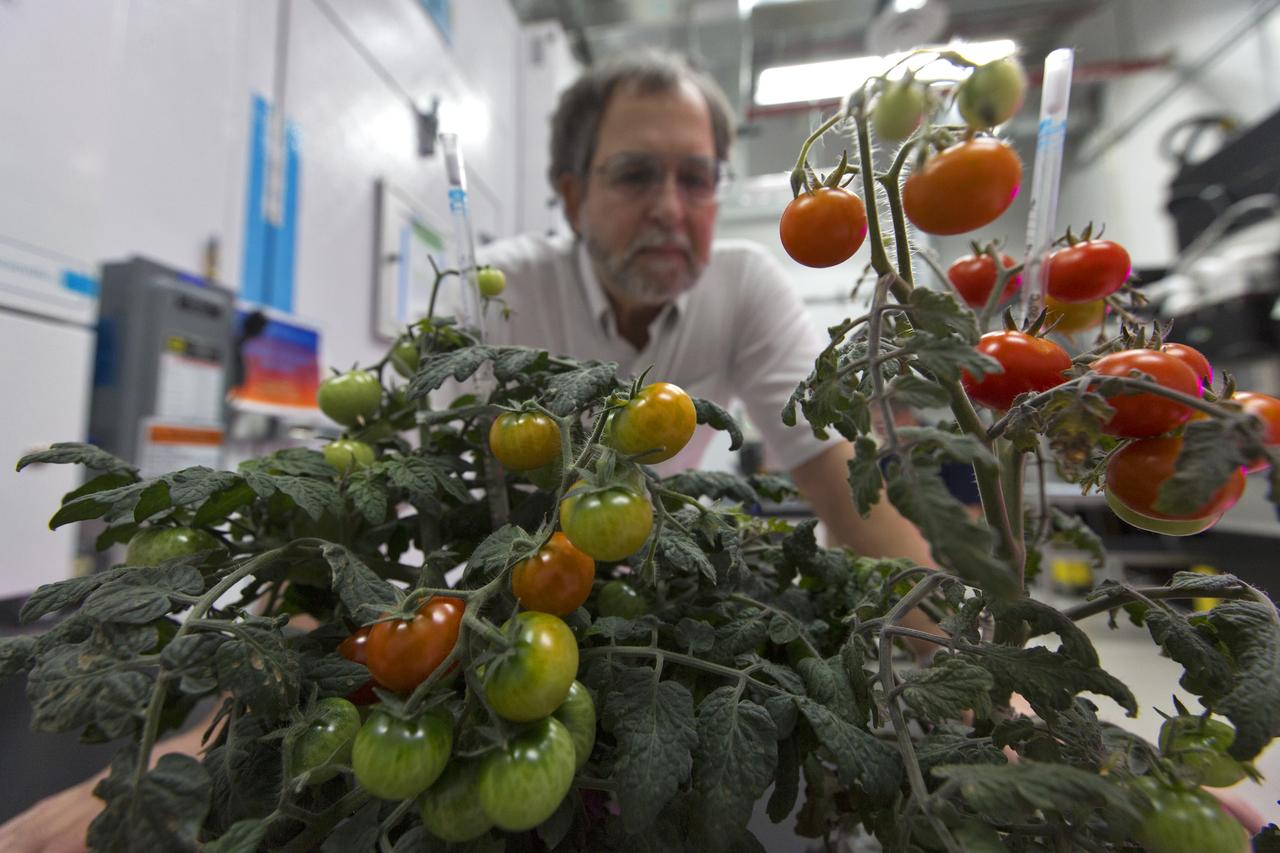
Howard Levine, Ph.D., a research scientist at NASA's Kennedy Space Center in Florida, reviews the growth of several tomato plants in a laboratory in the Space Station Processing Facility. The tomato plants are growing in the Veggie Passive Orbital Nutrient Delivery System (PONDS). Veggie PONDS is a direct follow-on to the Veg-01 and Veg-03 hardware and plant growth validation tests. The primary goal of this newly developed plant growing system, Veggie PONDS, is to demonstrate uniform plant growth. PONDS units have features that are designed to mitigate microgravity effects on water distribution, increase oxygen exchange and provide sufficient room for root zone growth. PONDS is planned for use during Veg-04 and Veg-05 on the International Space Station after the Veggie PONDS Validation flights on SpaceX-14 and OA-9.
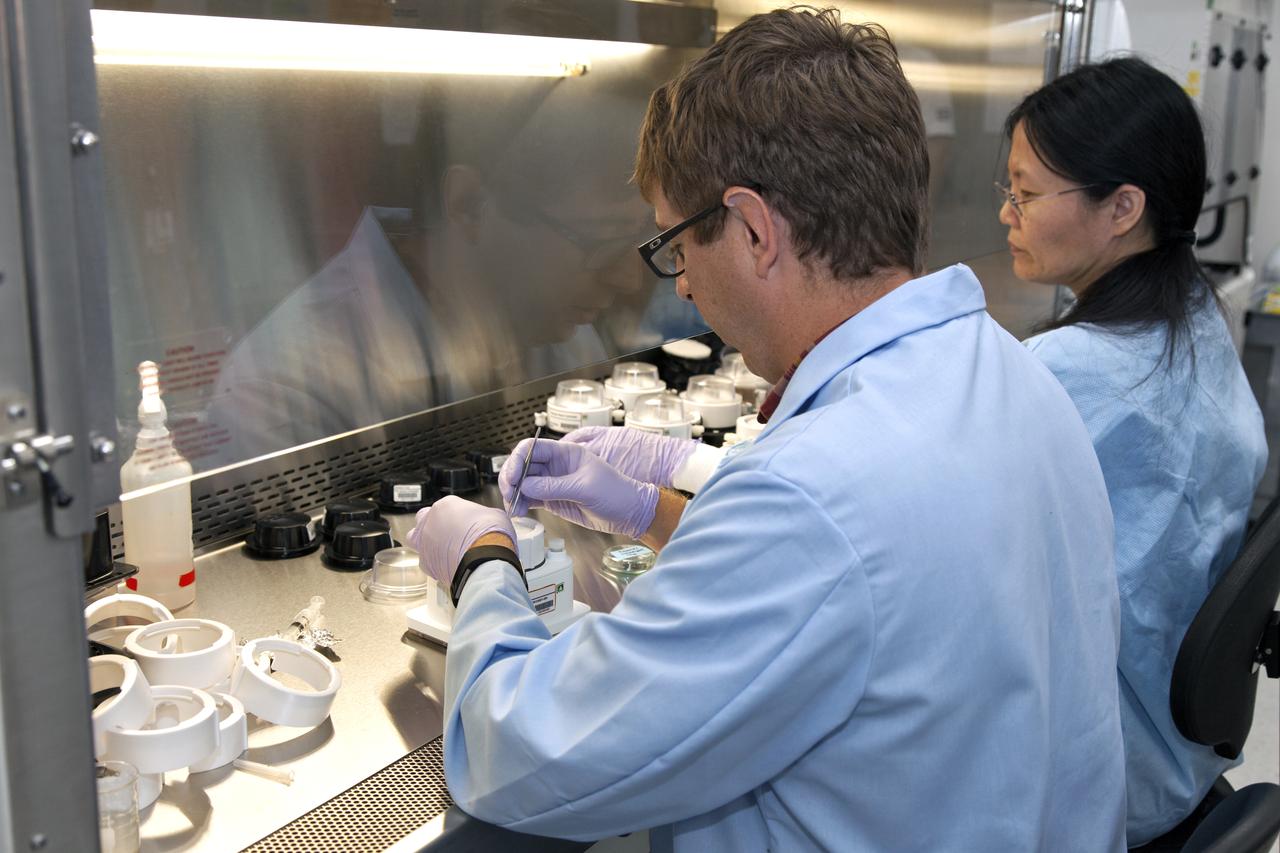
From left, Matthew Romeyn and Dr. Ye Zhang, project scientists, place seeds in Veggie Passive Orbital Nutrient Delivery System (PONDS) units inside a laboratory at the Space Station Processing Facility at NASA’s Kennedy Space Center in Florida. Veggie PONDS is a direct follow-on to the Veg-01 and Veg-03 hardware and plant growth validation tests. The primary goal of this newly developed plant growing system, Veggie PONDS, is to demonstrate uniform plant growth. PONDS units have features that are designed to mitigate microgravity effects on water distribution, increase oxygen exchange and provide sufficient room for root zone growth. PONDS is planned for use during Veg-04 and Veg-05 on the International Space Station after the Veggie PONDS Validation flights on SpaceX-14 and OA-9.
Tomato plants are growing inside a laboratory at the Space Station Processing Facility at NASA’s Kennedy Space Center in Florida. The plant growth is being tested in the Veggie Passive Orbital Nutrient Delivery System (PONDS). Veggie PONDS is a direct follow-on to the Veg-01 and Veg-03 hardware and plant growth validation tests. The primary goal of this newly developed plant growing system, Veggie PONDS, is to demonstrate uniform plant growth. PONDS units have features that are designed to mitigate microgravity effects on water distribution, increase oxygen exchange and provide sufficient room for root zone growth. PONDS is planned for use during Veg-04 and Veg-05 on the International Space Station after the Veggie PONDS Validation flights on SpaceX-14 and OA-9.
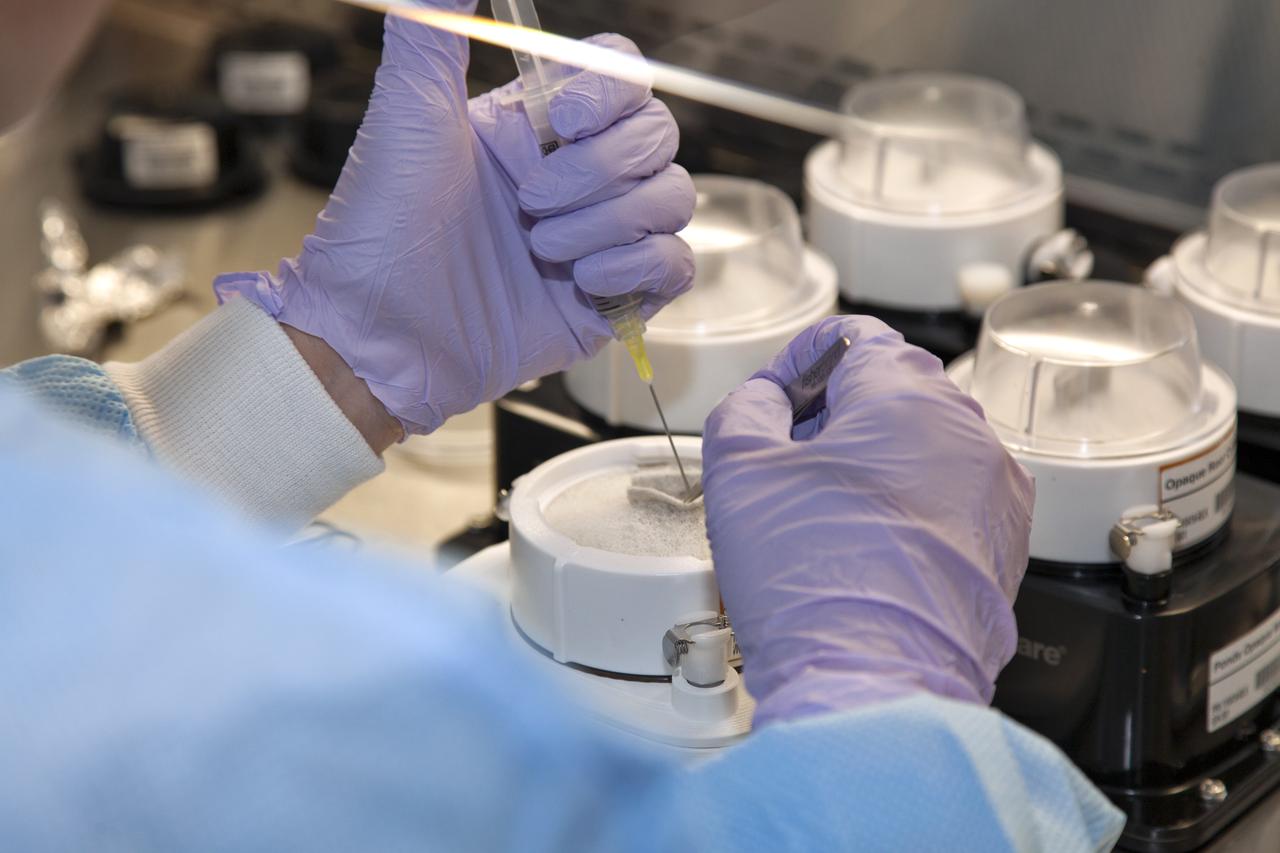
Seeds are being planted in Veggie Passive Orbital Nutrient Delivery System (PONDS) units inside a laboratory at the Space Station Processing Facility at NASA’s Kennedy Space Center in Florida. Veggie PONDS is a direct follow-on to the Veg-01 and Veg-03 hardware and plant growth validation tests. The primary goal of this newly developed plant growing system, Veggie PONDS, is to demonstrate uniform plant growth. PONDS units have features that are designed to mitigate microgravity effects on water distribution, increase oxygen exchange and provide sufficient room for root zone growth. PONDS is planned for use during Veg-04 and Veg-05 on the International Space Station after the Veggie PONDS Validation flights on SpaceX-14 and OA-9.
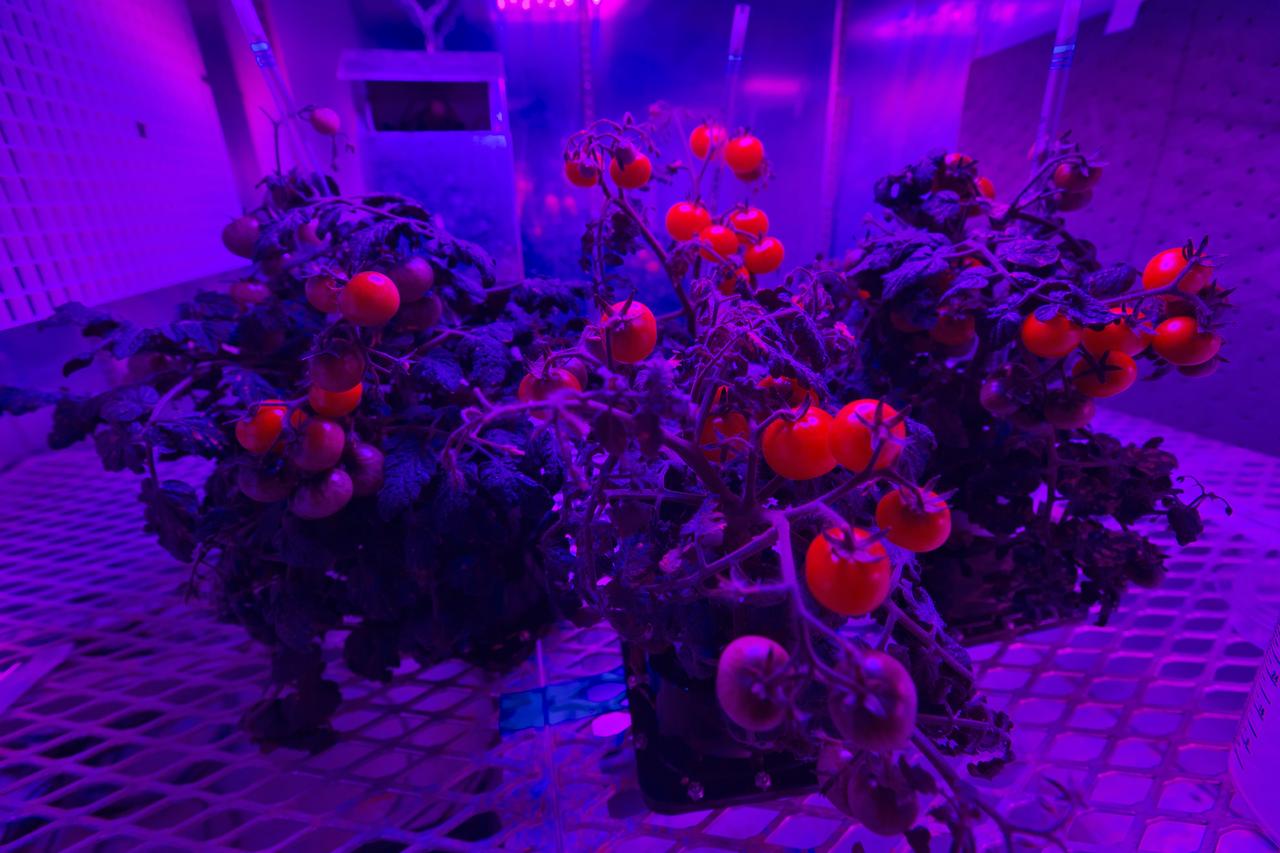
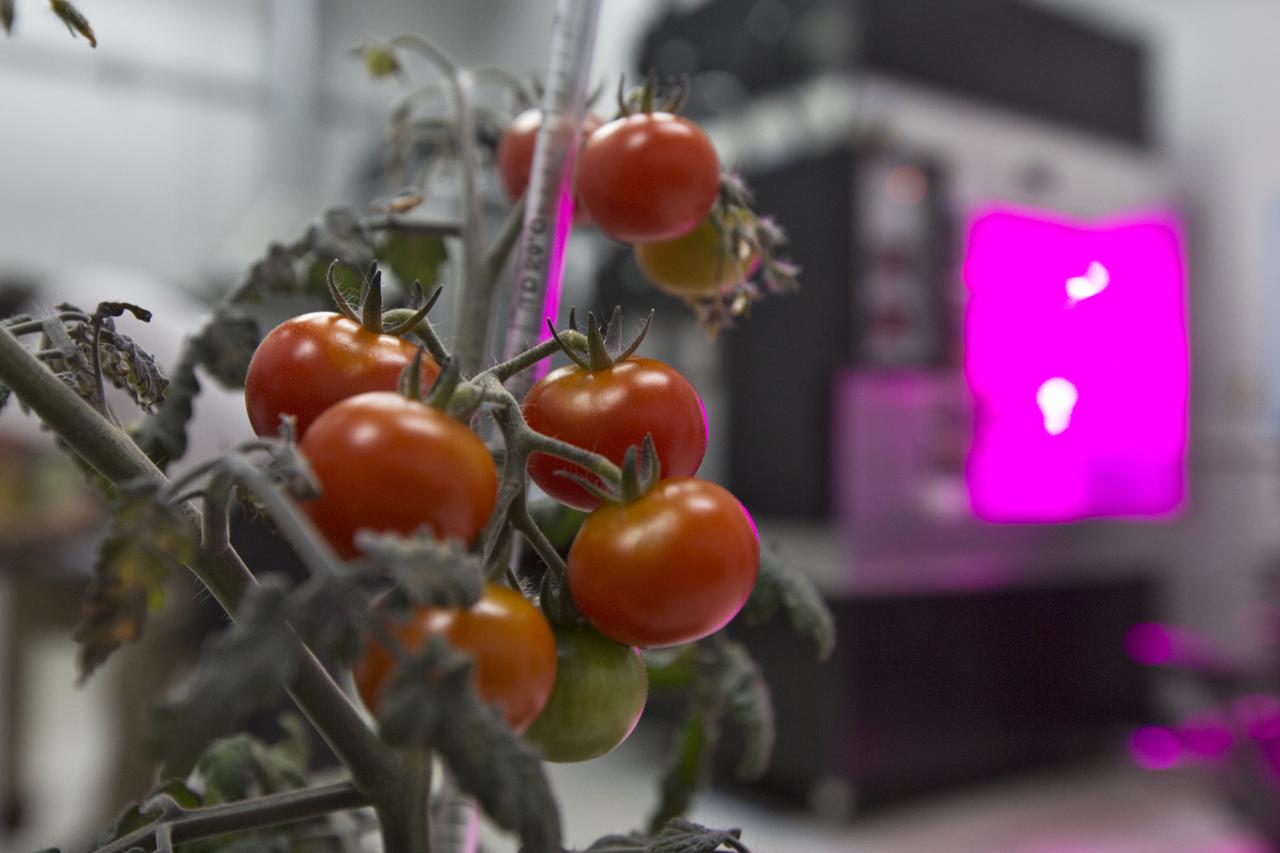
Tomato plants are growing under red and blue LED lights in a growth chamber inside a laboratory at the Space Station Processing Facility at NASA’s Kennedy Space Center in Florida. The plant growth is being tested in the Veggie Passive Orbital Nutrient Delivery System (PONDS). Veggie PONDS is a direct follow-on to the Veg-01 and Veg-03 hardware and plant growth validation tests. The primary goal of this newly developed plant growing system, Veggie PONDS, is to demonstrate uniform plant growth. PONDS units have features that are designed to mitigate microgravity effects on water distribution, increase oxygen exchange and provide sufficient room for root zone growth. PONDS is planned for use during Veg-04 and Veg-05 on the International Space Station after the Veggie PONDS Validation flights on SpaceX-14 and OA-9.
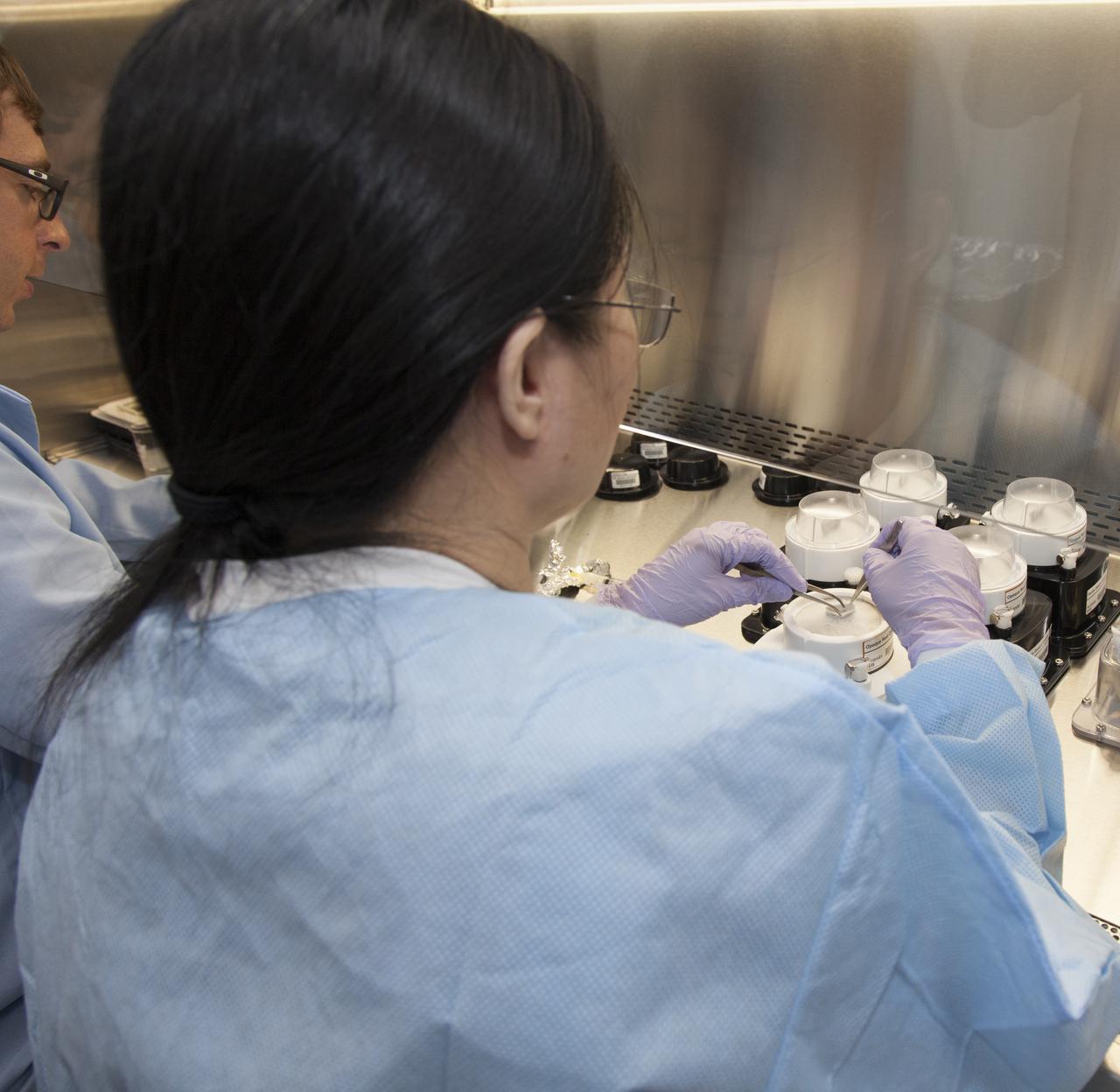
Dr. Ye Zhang, a project scientists, places seeds in Veggie Passive Orbital Nutrient Delivery System (PONDS) units inside a laboratory at the Space Station Processing Facility at NASA's Kennedy Space Center in Florida. Veggie PONDS is a direct follow-on to the Veg-01 and Veg-03 hardware and plant growth validation tests. The primary goal of this newly developed plant growing system, Veggie PONDS, is to demonstrate uniform plant growth. PONDS units have features that are designed to mitigate microgravity effects on water distribution, increase oxygen exchange and provide sufficient room for root zone growth. PONDS is planned for use during Veg-04 and Veg-05 on the International Space Station after the Veggie PONDS Validation flights on SpaceX-14 and OA-9.
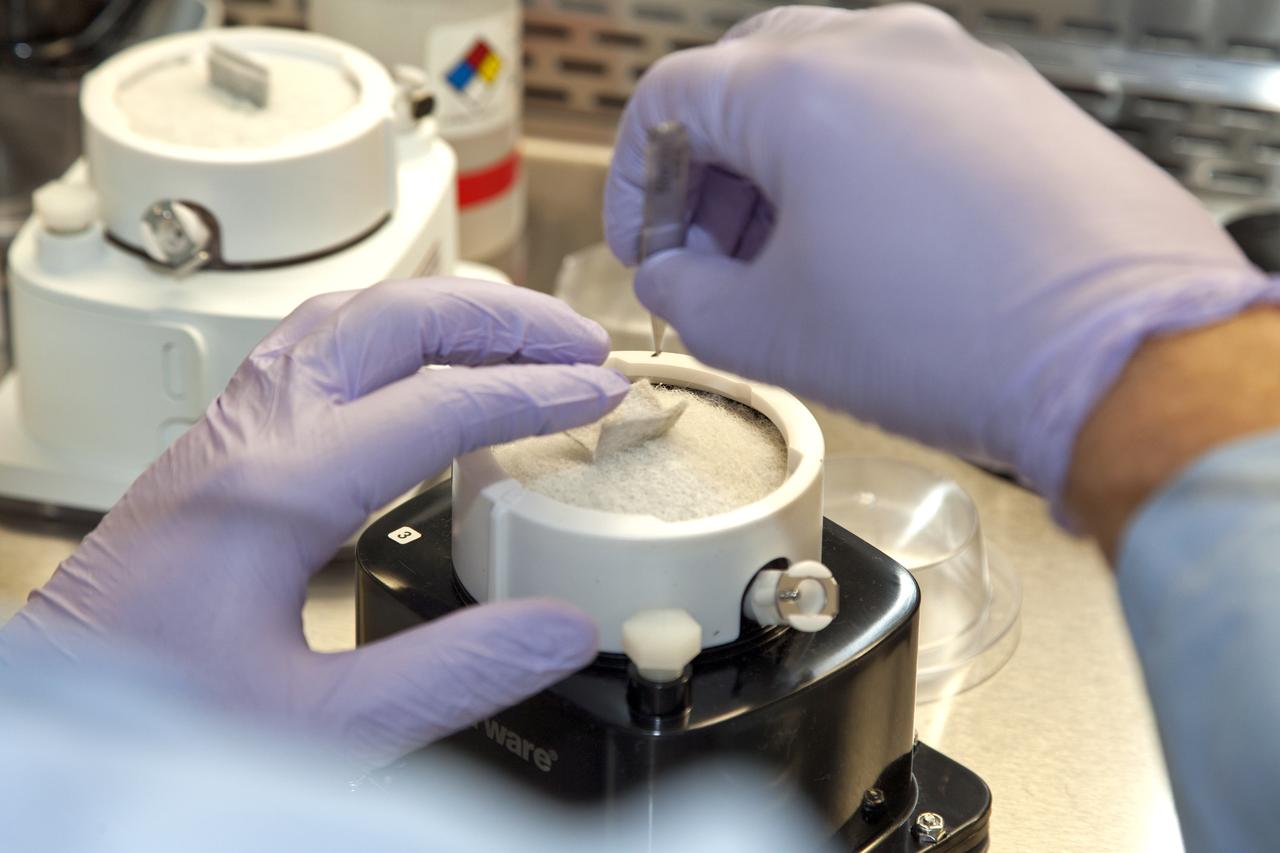
Seeds are being planted in Veggie Passive Orbital Nutrient Delivery System (PONDS) units inside a laboratory at the Space Station Processing Facility at NASA’s Kennedy Space Center in Florida. Veggie PONDS is a direct follow-on to the Veg-01 and Veg-03 hardware and plant growth validation tests. The primary goal of this newly developed plant growing system, Veggie PONDS, is to demonstrate uniform plant growth. PONDS units have features that are designed to mitigate microgravity effects on water distribution, increase oxygen exchange and provide sufficient room for root zone growth. PONDS is planned for use during Veg-04 and Veg-05 on the International Space Station after the Veggie PONDS Validation flights on SpaceX-14 and OA-9.
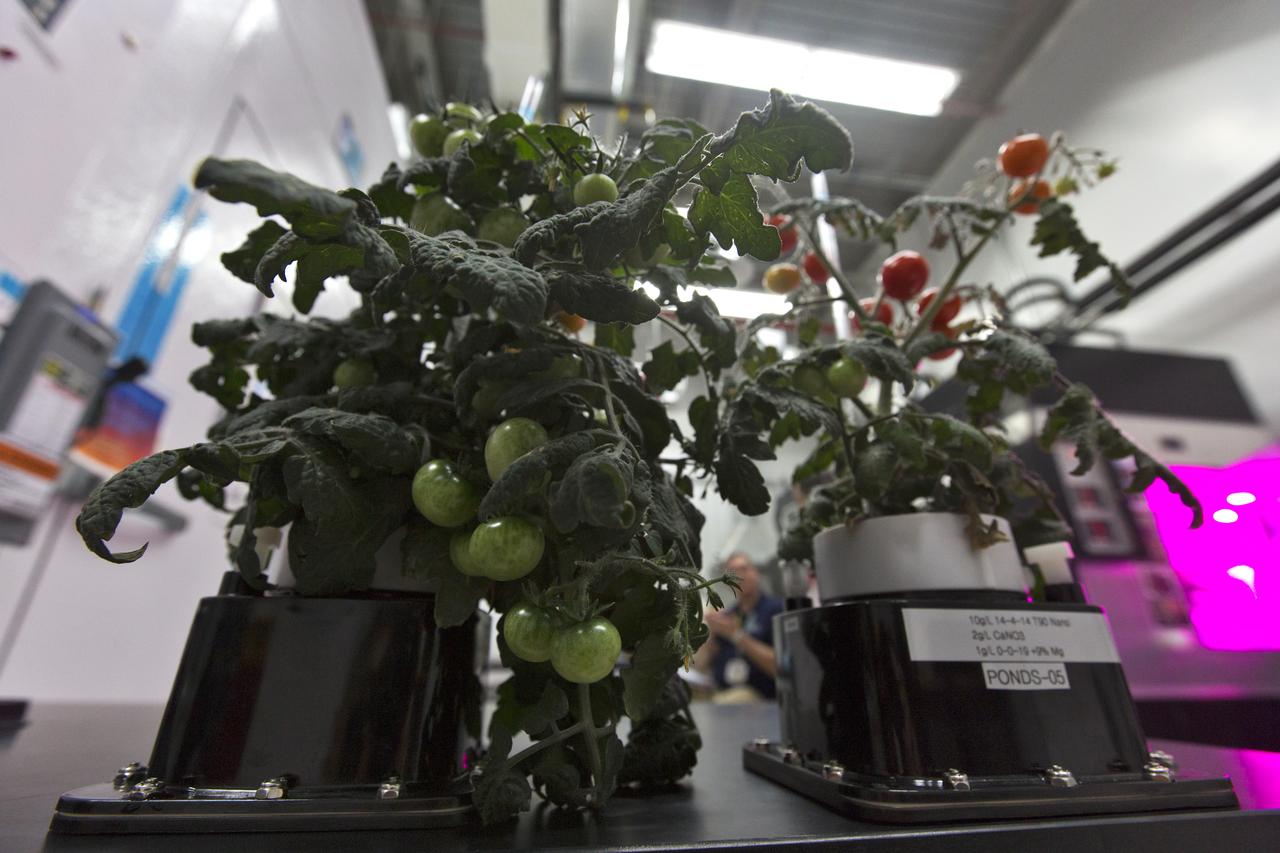
Tomato plants are growing inside a laboratory at the Space Station Processing Facility at NASA’s Kennedy Space Center in Florida. The plant growth is being tested in the Veggie Passive Orbital Nutrient Delivery System (PONDS). Veggie PONDS is a direct follow-on to the Veg-01 and Veg-03 hardware and plant growth validation tests. The primary goal of this newly developed plant growing system, Veggie PONDS, is to demonstrate uniform plant growth. PONDS units have features that are designed to mitigate microgravity effects on water distribution, increase oxygen exchange and provide sufficient room for root zone growth. PONDS is planned for use during Veg-04 and Veg-05 on the International Space Station after the Veggie PONDS Validation flights on SpaceX-14 and OA-9.
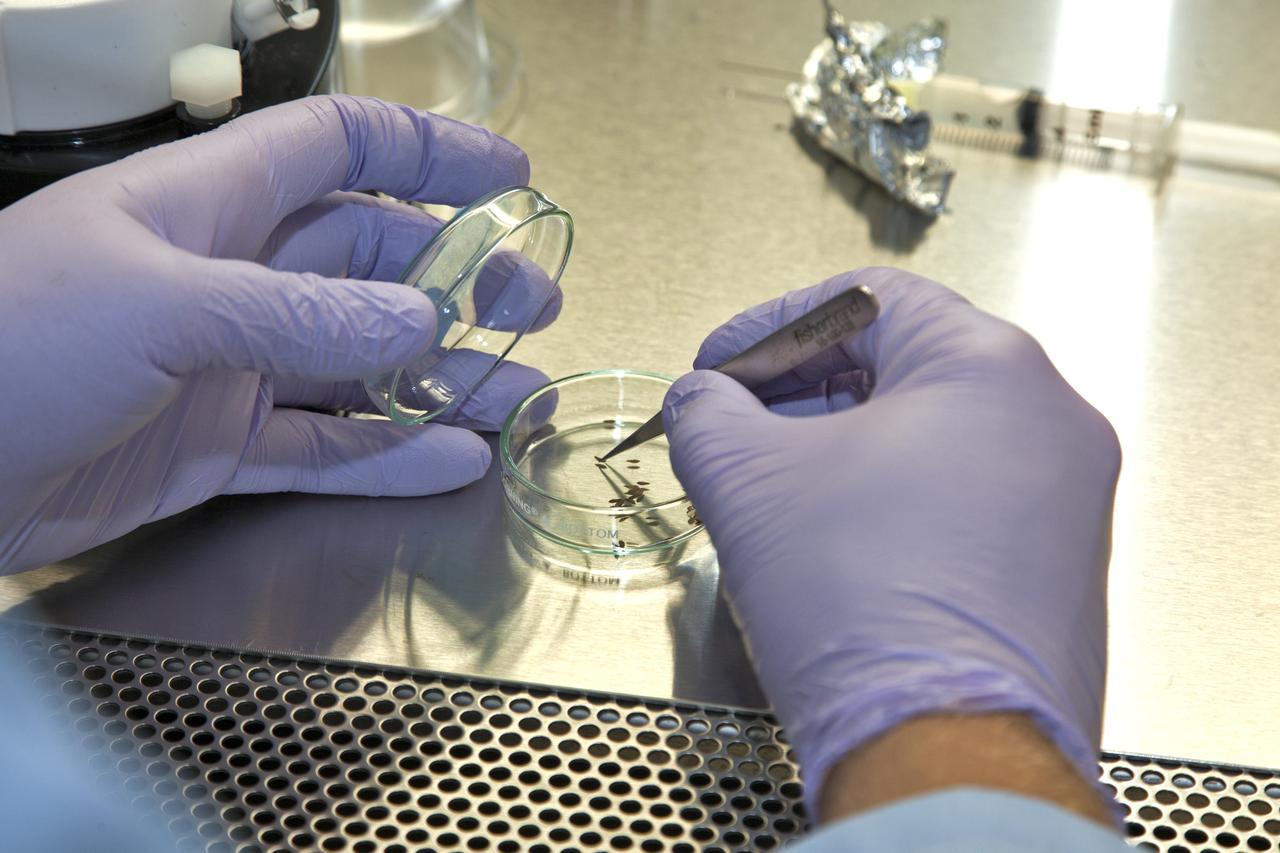
Seeds are being planted in Veggie Passive Orbital Nutrient Delivery System (PONDS) units inside a laboratory at the Space Station Processing Facility at NASA’s Kennedy Space Center in Florida. Veggie PONDS is a direct follow-on to the Veg-01 and Veg-03 hardware and plant growth validation tests. The primary goal of this newly developed plant growing system, Veggie PONDS, is to demonstrate uniform plant growth. PONDS units have features that are designed to mitigate microgravity effects on water distribution, increase oxygen exchange and provide sufficient room for root zone growth. PONDS is planned for use during Veg-04 and Veg-05 on the International Space Station after the Veggie PONDS Validation flights on SpaceX-14 and OA-9.
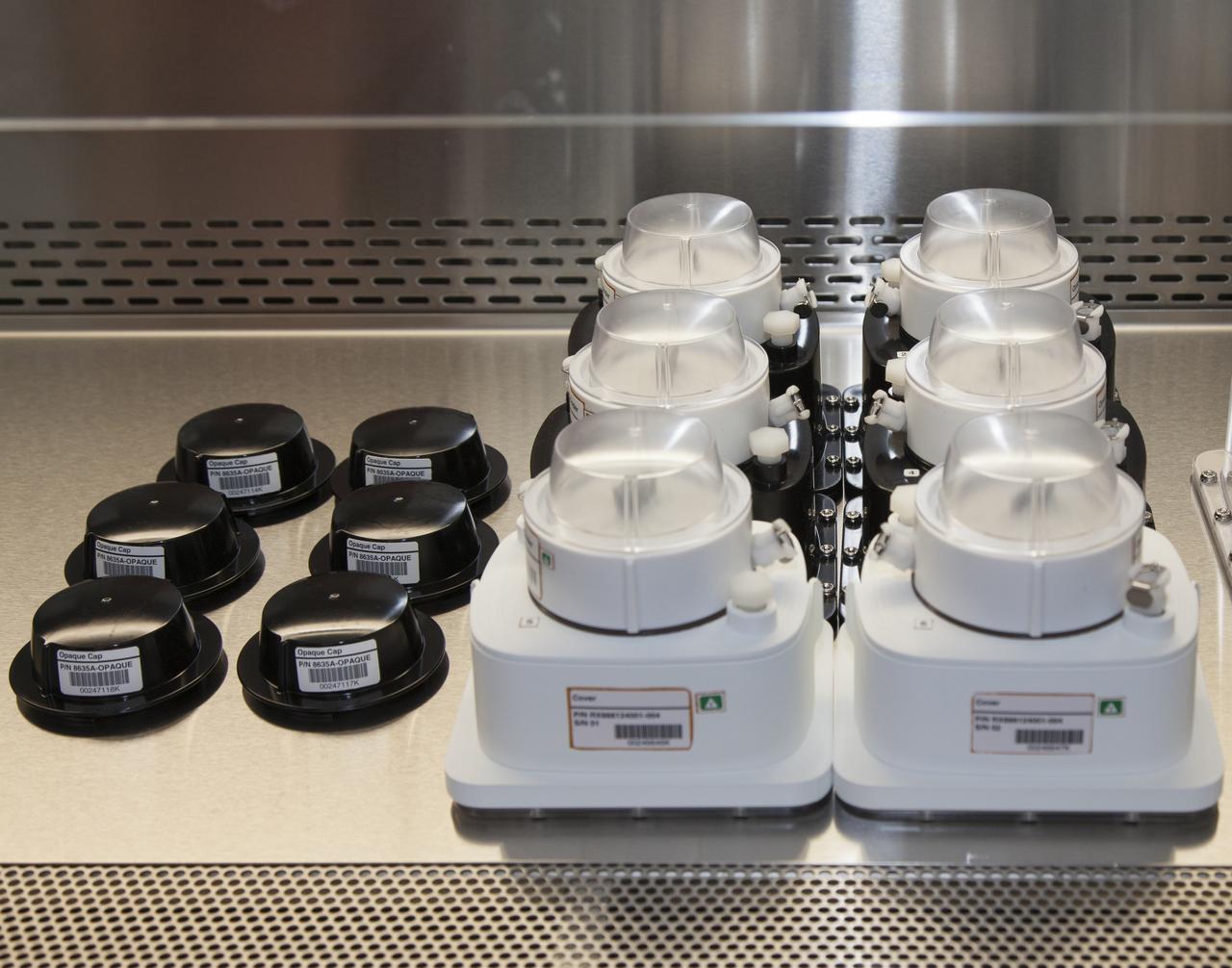
Veggie Passive Orbital Nutrient Delivery System (PONDS) units are being prepared for seed planting inside a laboratory at the Space Station Processing Facility at NASA's Kennedy Space Center in Florida. Veggie PONDS is a direct follow-on to the Veg-01 and Veg-03 hardware and plant growth validation tests. The primary goal of this newly developed plant growing system, Veggie PONDS, is to demonstrate uniform plant growth. PONDS units have features that are designed to mitigate microgravity effects on water distribution, increase oxygen exchange and provide sufficient room for root zone growth. PONDS is planned for use during Veg-04 and Veg-05 on the International Space Station after the Veggie PONDS Validation flights on SpaceX-14 and OA-9.
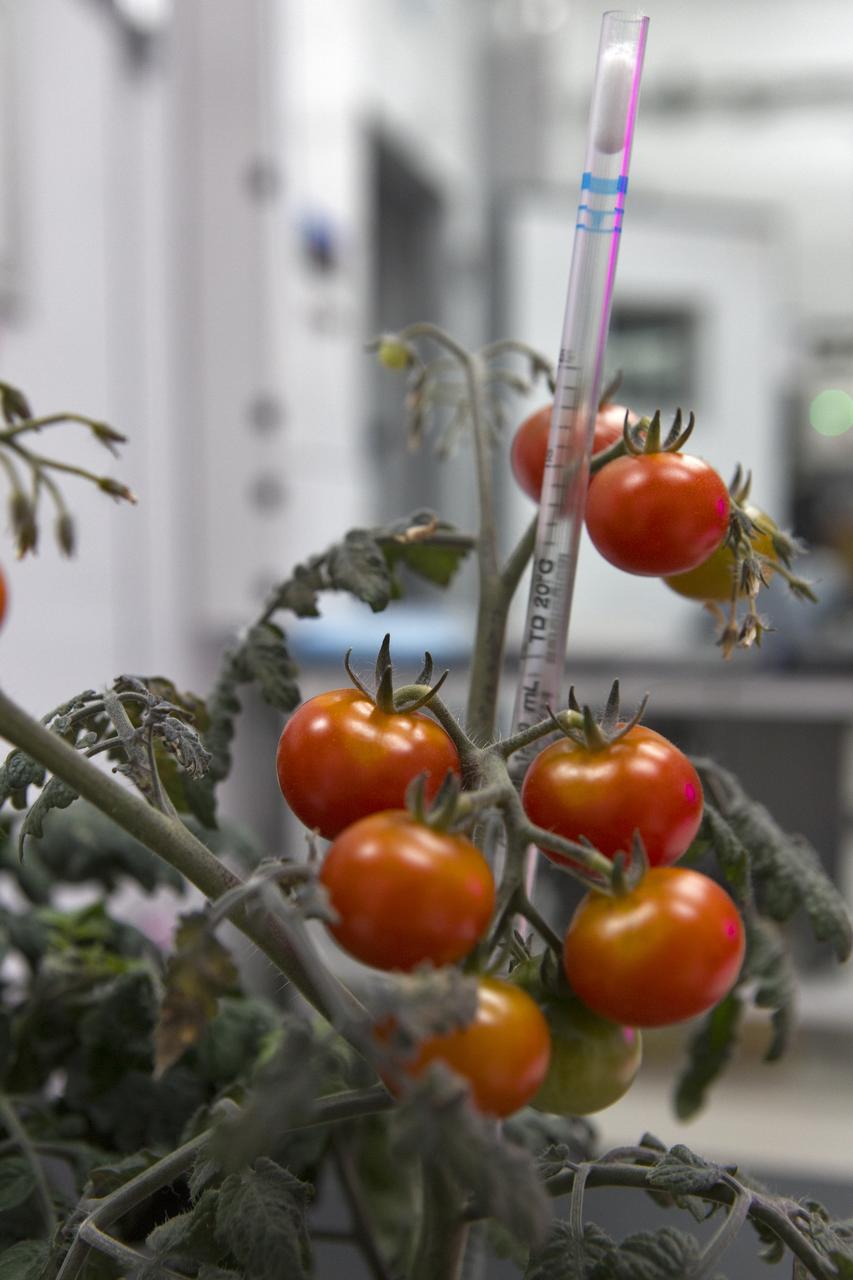
Tomato plants are growing inside a laboratory at the Space Station Processing Facility at NASA’s Kennedy Space Center in Florida. The plant growth is being tested in the Veggie Passive Orbital Nutrient Delivery System (PONDS). Veggie PONDS is a direct follow-on to the Veg-01 and Veg-03 hardware and plant growth validation tests. The primary goal of this newly developed plant growing system, Veggie PONDS, is to demonstrate uniform plant growth. PONDS units have features that are designed to mitigate microgravity effects on water distribution, increase oxygen exchange and provide sufficient room for root zone growth. PONDS is planned for use during Veg-04 and Veg-05 on the International Space Station after the Veggie PONDS Validation flights on SpaceX-14 and OA-9.

The Orbital ATK Antares rocket, with the Cygnus spacecraft onboard, launches from Pad-0A, Monday, May 21, 2018 at NASA's Wallops Flight Facility in Virginia. Orbital ATK’s ninth contracted cargo resupply mission with NASA to the International Space Station will deliver approximately 7,400 pounds of science and research, crew supplies and vehicle hardware to the orbital laboratory and its crew. Photo Credit: (NASA/Aubrey Gemignani)
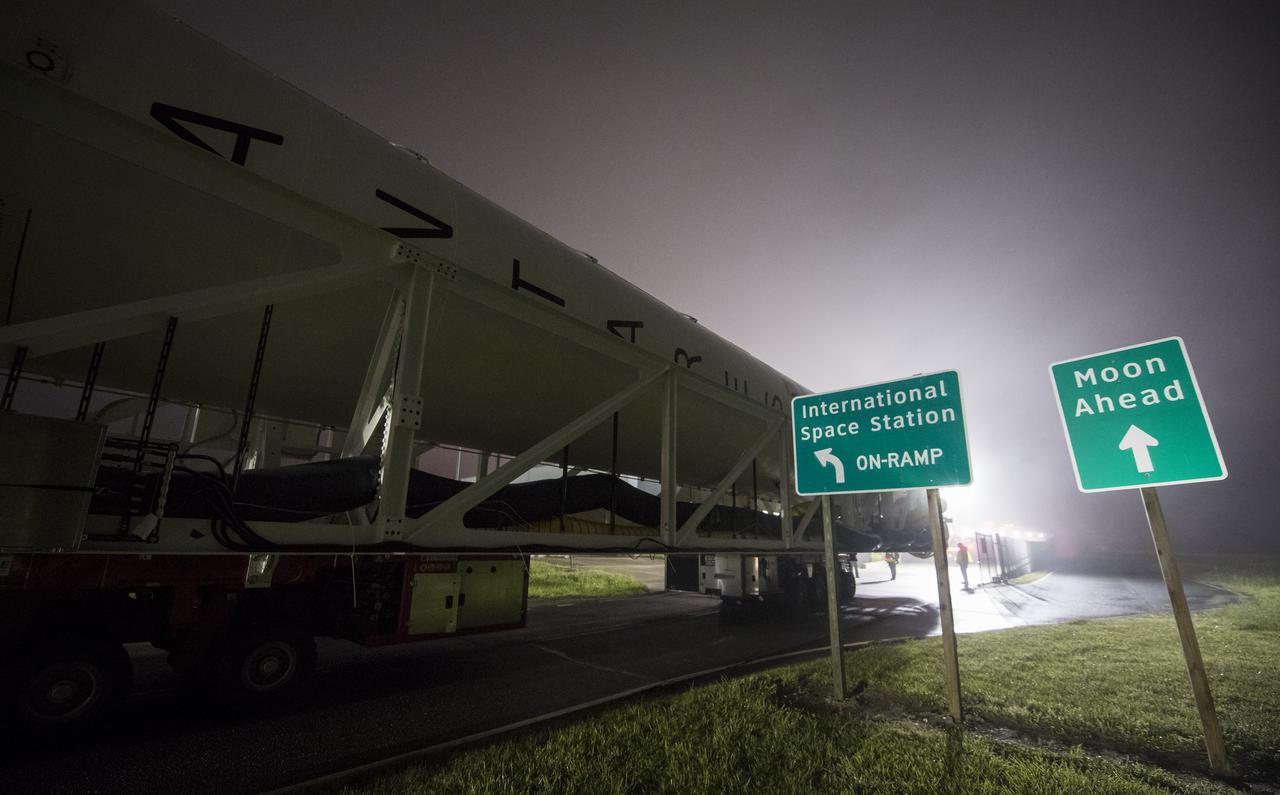
An Orbital ATK rocket is seen as it is rolled out to launch Pad-0A at Wallops Flight Facility Thursday, May 17, 2018 at Wallops Island, VA. The Antares will launch a Cygnus spacecraft on a cargo resupply mission to the International Space Station. The mission is Orbital ATK’s ninth contracted cargo delivery flight to the space station for NASA. Included in the 7,400 pounds of cargo onboard Cygnus, are science experiments, crew supplies, and vehicle hardware. Photo Credit: (NASA/Aubrey Gemignani)
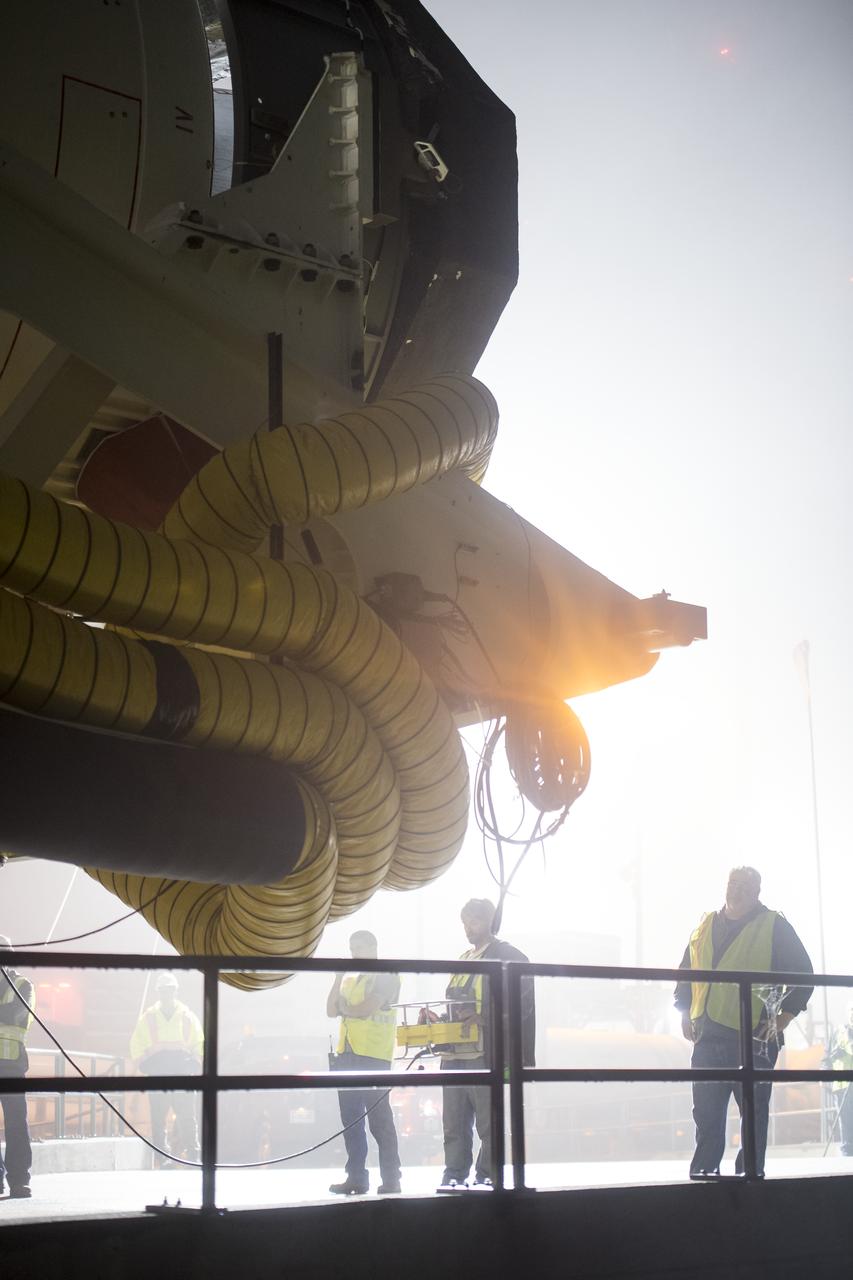
An Orbital ATK rocket is seen as it is rolled out to launch Pad-0A at Wallops Flight Facility Thursday, May 17, 2018 at Wallops Island, VA. The Antares will launch a Cygnus spacecraft on a cargo resupply mission to the International Space Station. The mission is Orbital ATK’s ninth contracted cargo delivery flight to the space station for NASA. Included in the 7,400 pounds of cargo onboard Cygnus, are science experiments, crew supplies, and vehicle hardware. Photo Credit: (NASA/Aubrey Gemignani)
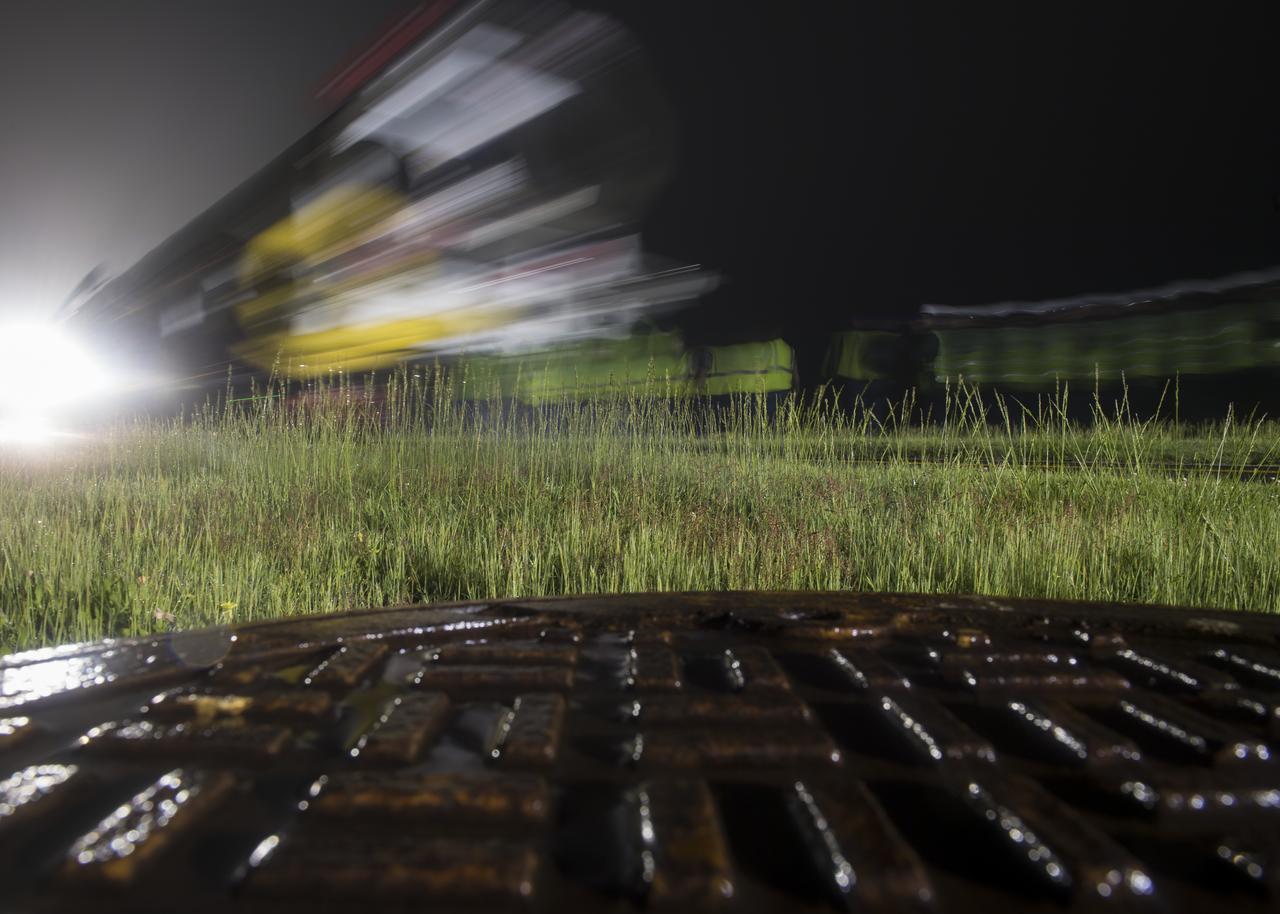
An Orbital ATK rocket is seen in this long exposure as it is rolled out to launch Pad-0A at Wallops Flight Facility Thursday, May 17, 2018 at Wallops Island, VA. The Antares will launch a Cygnus spacecraft on a cargo resupply mission to the International Space Station. The mission is Orbital ATK’s ninth contracted cargo delivery flight to the space station for NASA. Included in the 7,400 pounds of cargo onboard Cygnus, are science experiments, crew supplies, and vehicle hardware. Photo Credit: (NASA/Aubrey Gemignani)
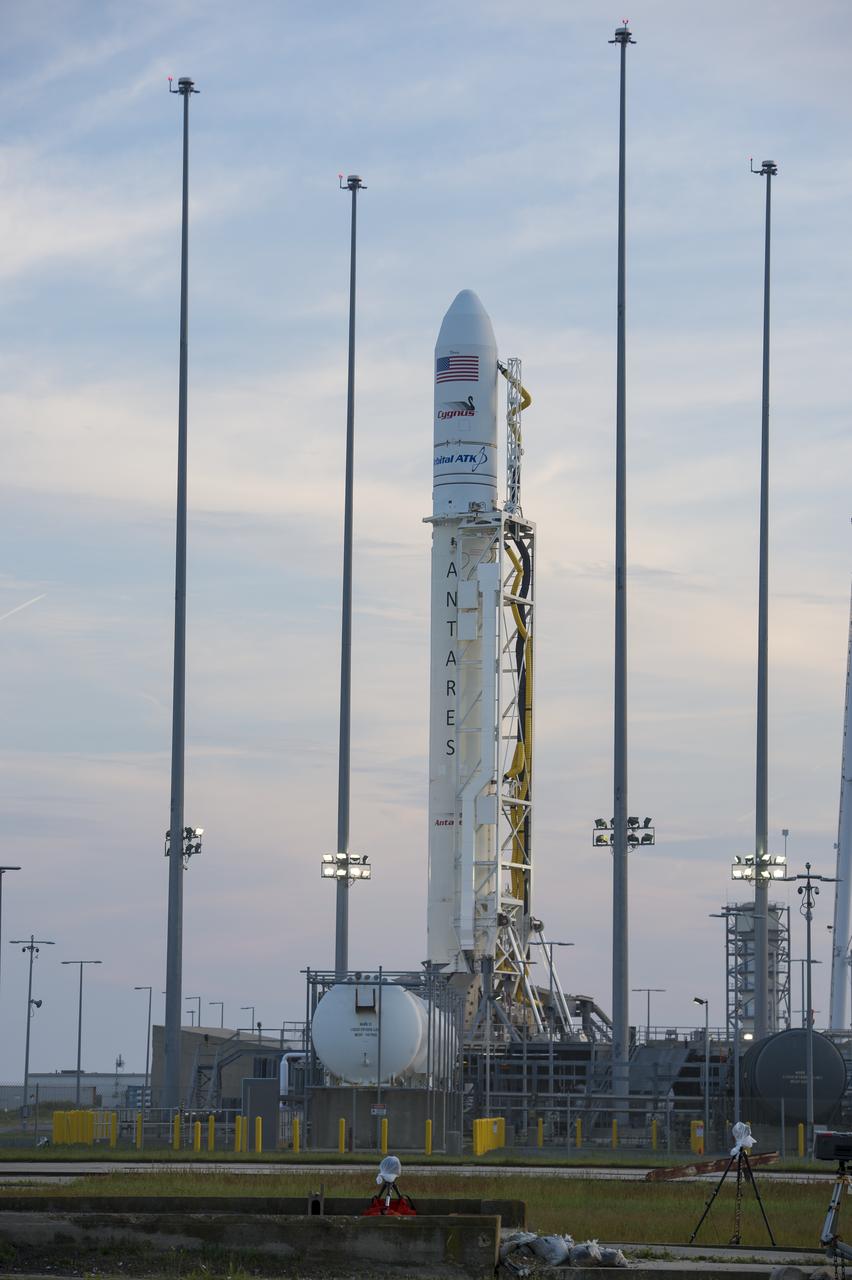
The Orbital ATK Antares rocket, with the Cygnus spacecraft onboard, is seen at launch Pad-0A, Sunday, May 20, 2018 at Wallops Flight Facility in Virginia. The Antares will launch with the Cygnus spacecraft filled with 7,400 pounds of cargo for the International Space Station (ISS), including science experiments, crew supplies, and vehicle hardware. The mission is Orbital ATK's ninth contracted cargo delivery flight to ISS for NASA. Photo Credit: (NASA/Aubrey Gemignani)
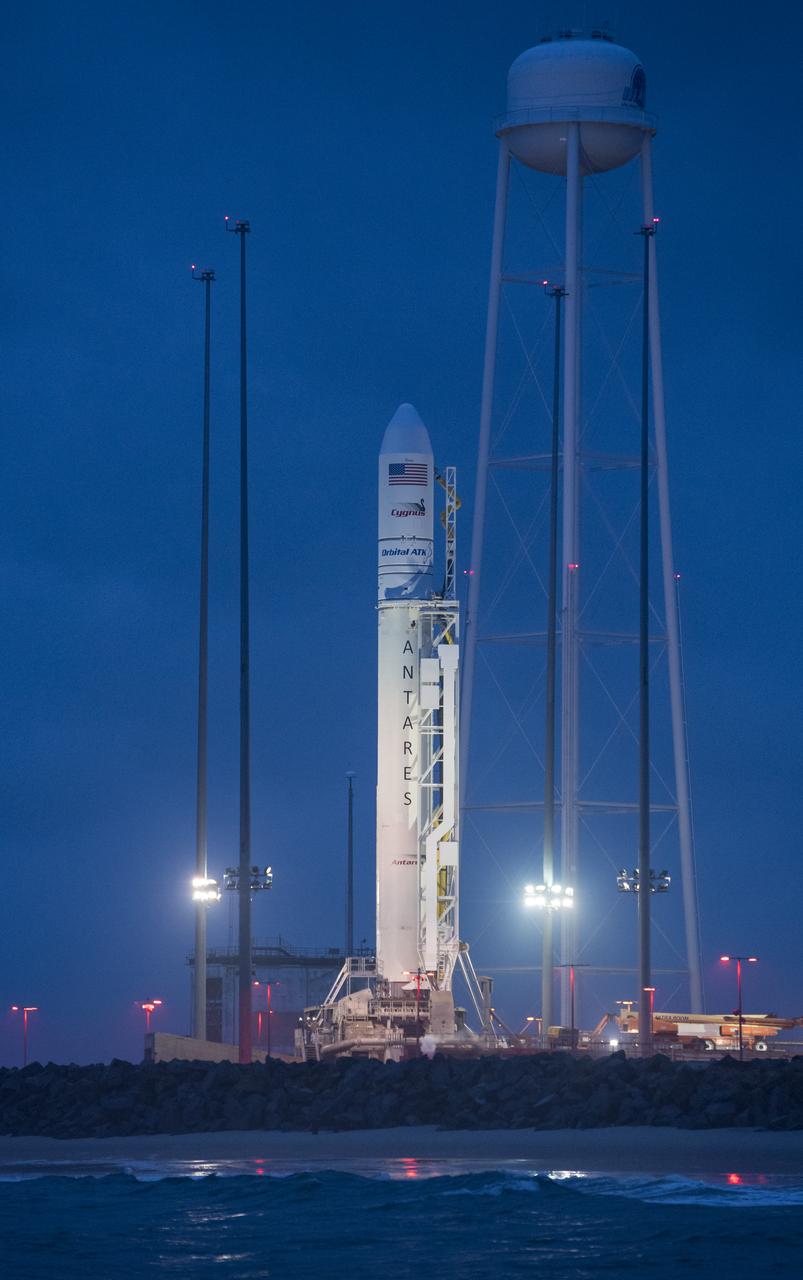
The Orbital ATK Antares rocket, with the Cygnus spacecraft onboard, is seen at launch Pad-0A, at sunrise Sunday, May 20, 2018 at Wallops Flight Facility in Virginia. The Antares will launch with the Cygnus spacecraft filled with 7,400 pounds of cargo for the International Space Station (ISS), including science experiments, crew supplies, and vehicle hardware. The mission is Orbital ATK's ninth contracted cargo delivery flight to ISS for NASA. Photo Credit: (NASA/Aubrey Gemignani)
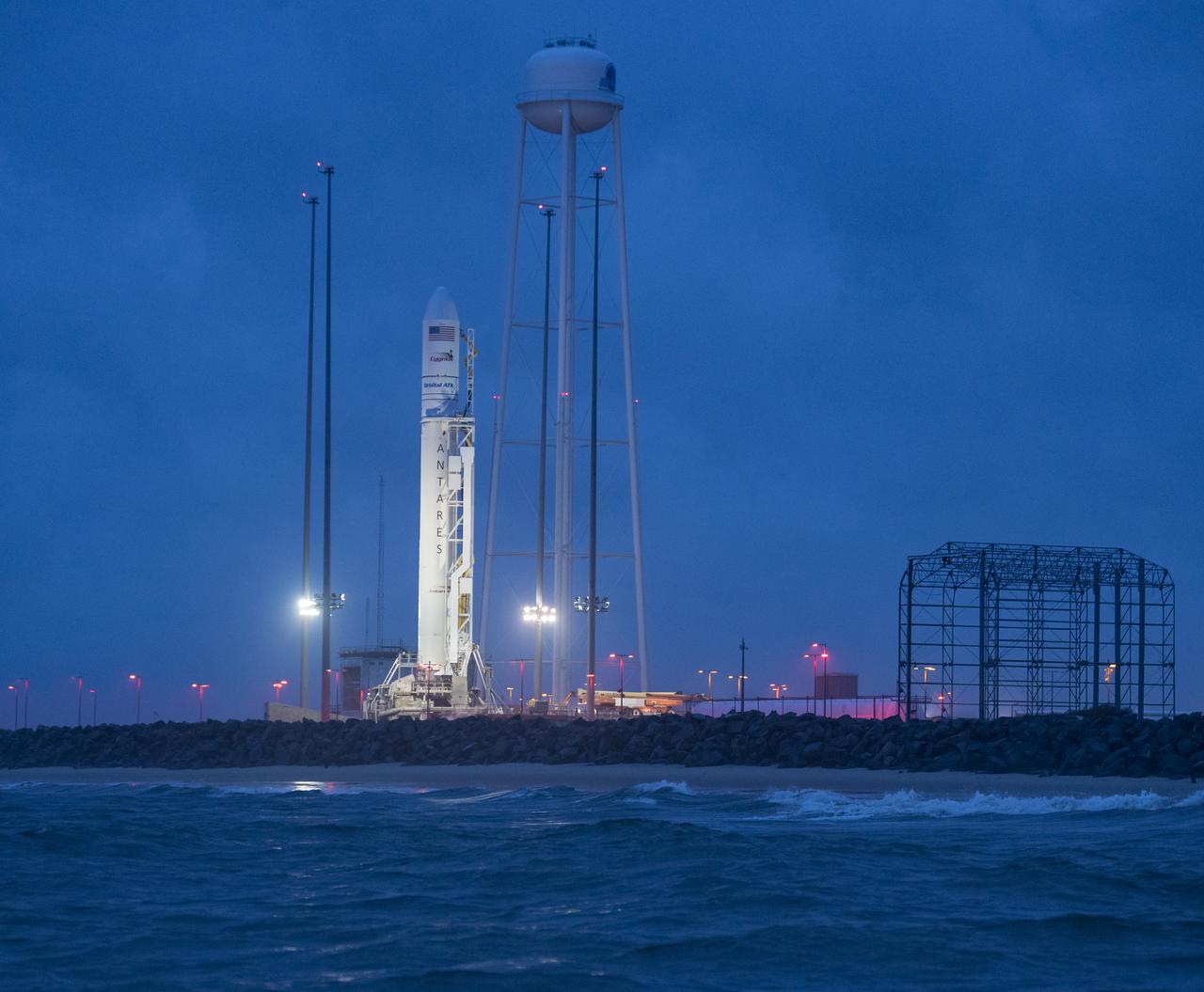
The Orbital ATK Antares rocket, with the Cygnus spacecraft onboard, is seen at launch Pad-0A, early Sunday, May 20, 2018 at Wallops Flight Facility in Virginia. The Antares will launch with the Cygnus spacecraft filled with 7,400 pounds of cargo for the International Space Station (ISS), including science experiments, crew supplies, and vehicle hardware. The mission is Orbital ATK's ninth contracted cargo delivery flight to ISS for NASA. Photo Credit: (NASA/Aubrey Gemignani)

The Orbital ATK Antares rocket, with the Cygnus spacecraft onboard, launches from Pad-0A, Monday, May 21, 2018 at NASA's Wallops Flight Facility in Virginia. Orbital ATK’s ninth contracted cargo resupply mission with NASA to the International Space Station will deliver approximately 7,400 pounds of science and research, crew supplies and vehicle hardware to the orbital laboratory and its crew. Photo Credit: (NASA/Aubrey Gemignani)
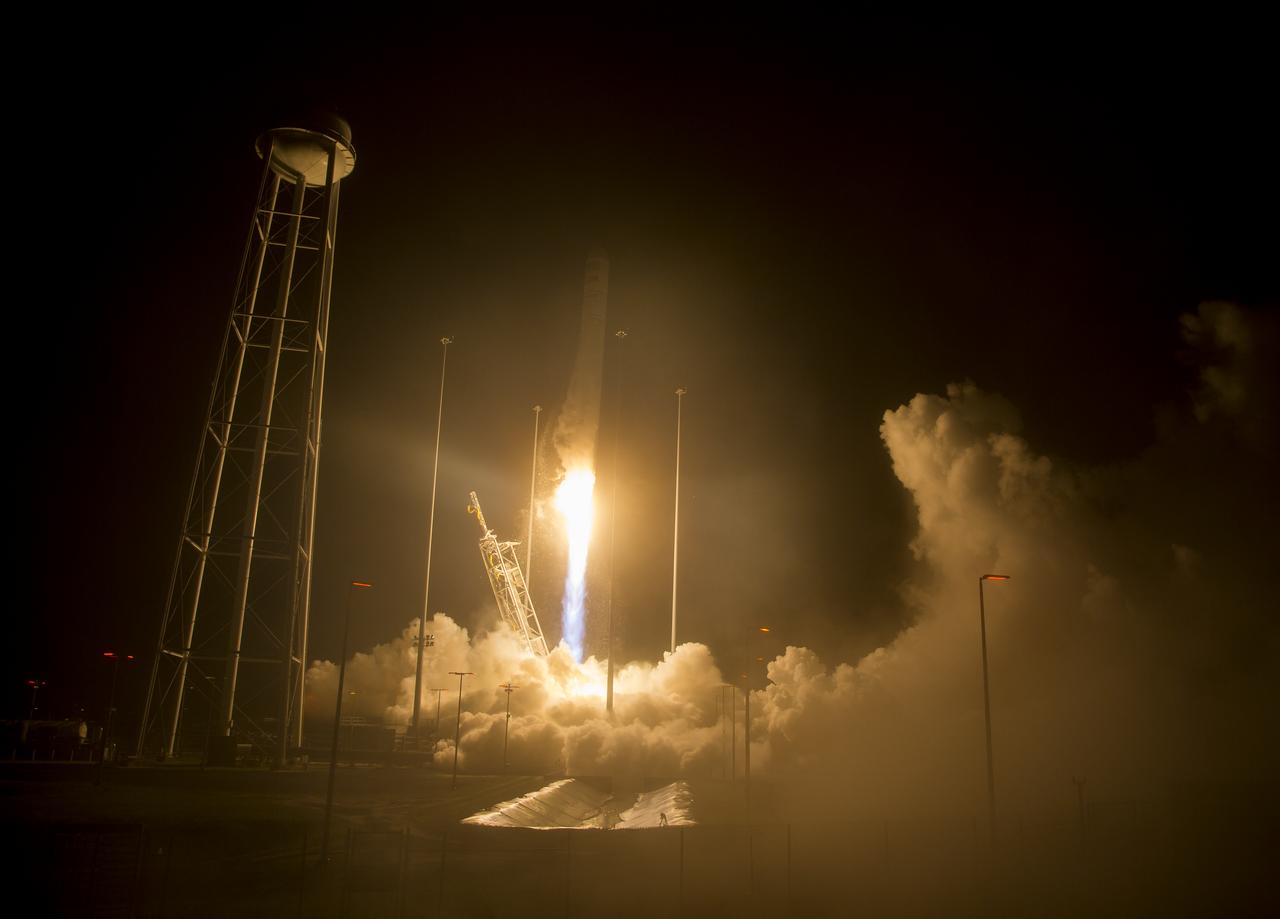
The Orbital ATK Antares rocket, with the Cygnus spacecraft onboard, launches from Pad-0A, Monday, May 21, 2018 at NASA's Wallops Flight Facility in Virginia. Orbital ATK’s ninth contracted cargo resupply mission with NASA to the International Space Station will deliver approximately 7,400 pounds of science and research, crew supplies and vehicle hardware to the orbital laboratory and its crew. Photo Credit: (NASA/Aubrey Gemignani)

The Orbital ATK Antares rocket, with the Cygnus spacecraft onboard, is raised at launch Pad-0A, Friday, May 18, 2018 at Wallops Flight Facility in Virginia. The Antares will launch with the Cygnus spacecraft filled with 7,400 pounds of cargo for the International Space Station (ISS), including science experiments, crew supplies, and vehicle hardware. The mission is Orbital ATK's ninth contracted cargo delivery flight to ISS for NASA. Photo Credit: (NASA/Aubrey Gemignani)
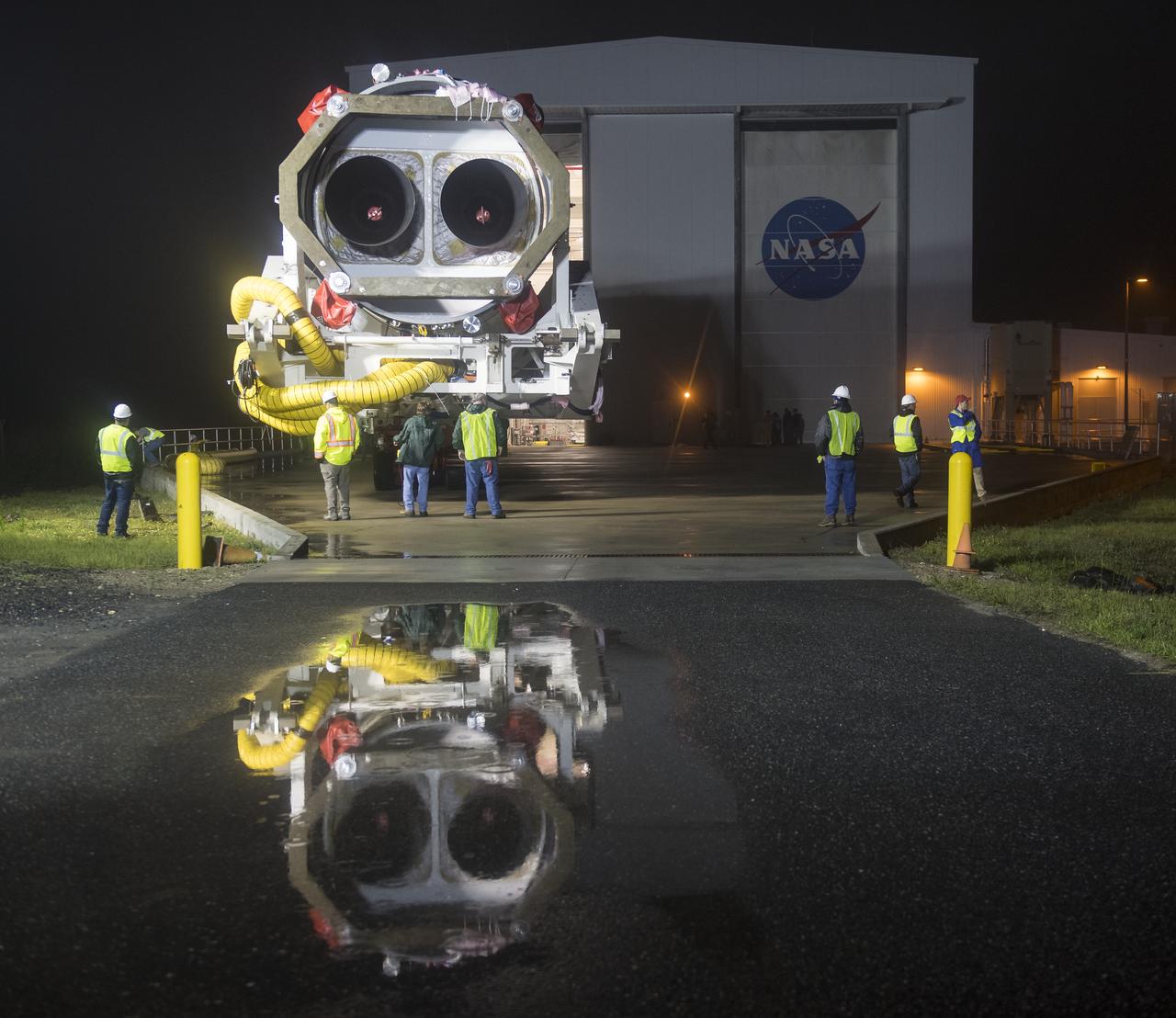
An Orbital ATK rocket is seen as it is rolled out to launch Pad-0A at Wallops Flight Facility Thursday, May 17, 2018 at Wallops Island, VA. The Antares will launch a Cygnus spacecraft on a cargo resupply mission to the International Space Station. The mission is Orbital ATK’s ninth contracted cargo delivery flight to the space station for NASA. Included in the 7,400 pounds of cargo onboard Cygnus, are science experiments, crew supplies, and vehicle hardware. Photo Credit: (NASA/Aubrey Gemignani)
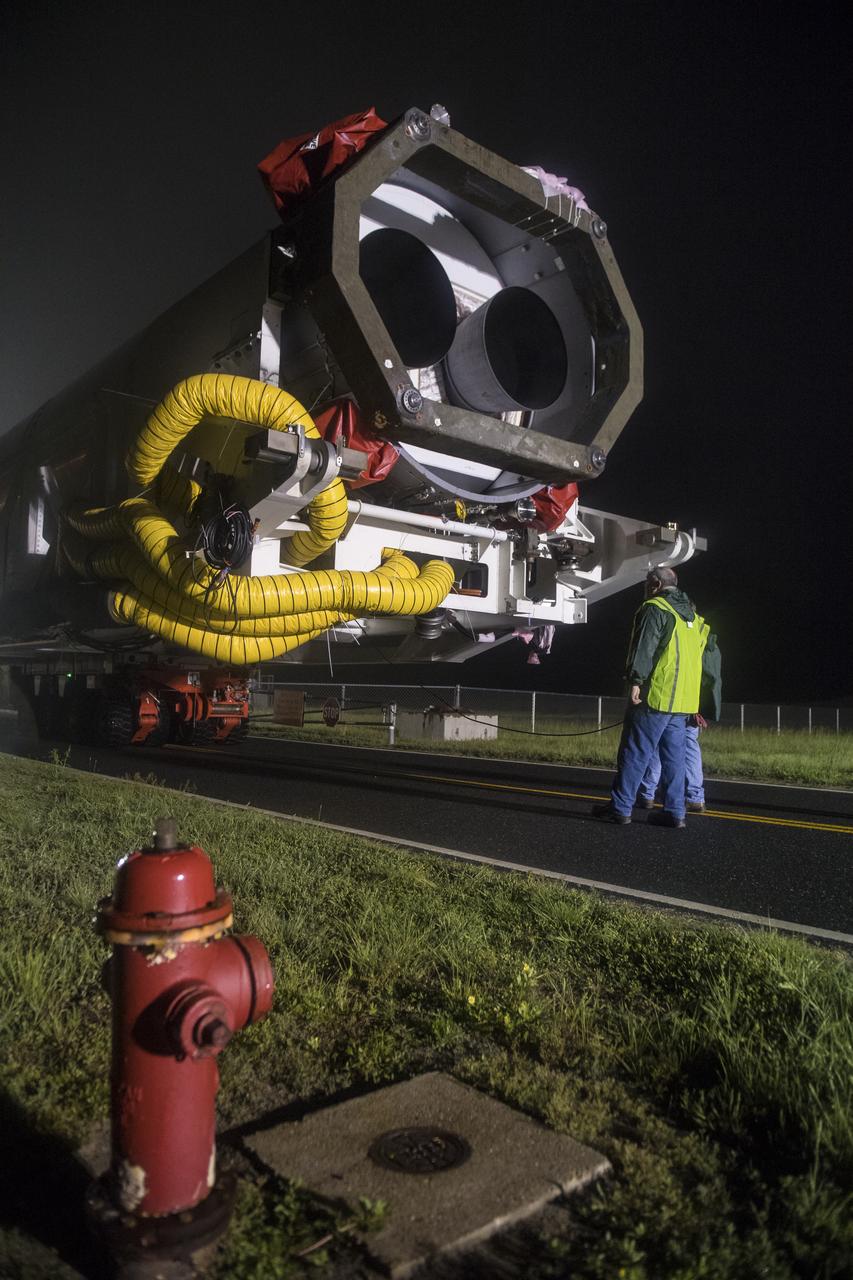
An Orbital ATK rocket is seen as it is rolled out to launch Pad-0A at Wallops Flight Facility Thursday, May 17, 2018 at Wallops Island, VA. The Antares will launch a Cygnus spacecraft on a cargo resupply mission to the International Space Station. The mission is Orbital ATK’s ninth contracted cargo delivery flight to the space station for NASA. Included in the 7,400 pounds of cargo onboard Cygnus, are science experiments, crew supplies, and vehicle hardware. Photo Credit: (NASA/Aubrey Gemignani)
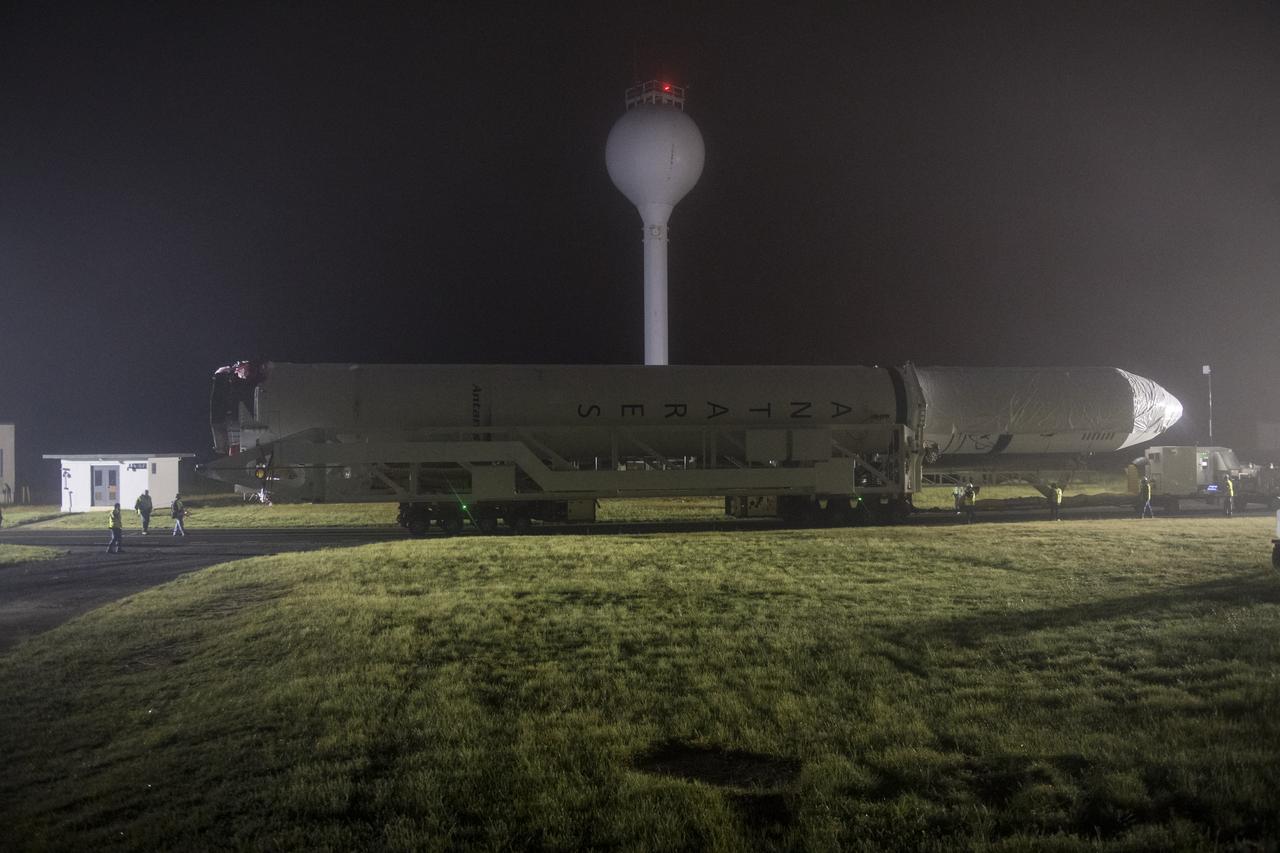
An Orbital ATK rocket is seen as it is rolled out to launch Pad-0A at Wallops Flight Facility Thursday, May 17, 2018 at Wallops Island, VA. The Antares will launch a Cygnus spacecraft on a cargo resupply mission to the International Space Station. The mission is Orbital ATK’s ninth contracted cargo delivery flight to the space station for NASA. Included in the 7,400 pounds of cargo onboard Cygnus, are science experiments, crew supplies, and vehicle hardware. Photo Credit: (NASA/Aubrey Gemignani)
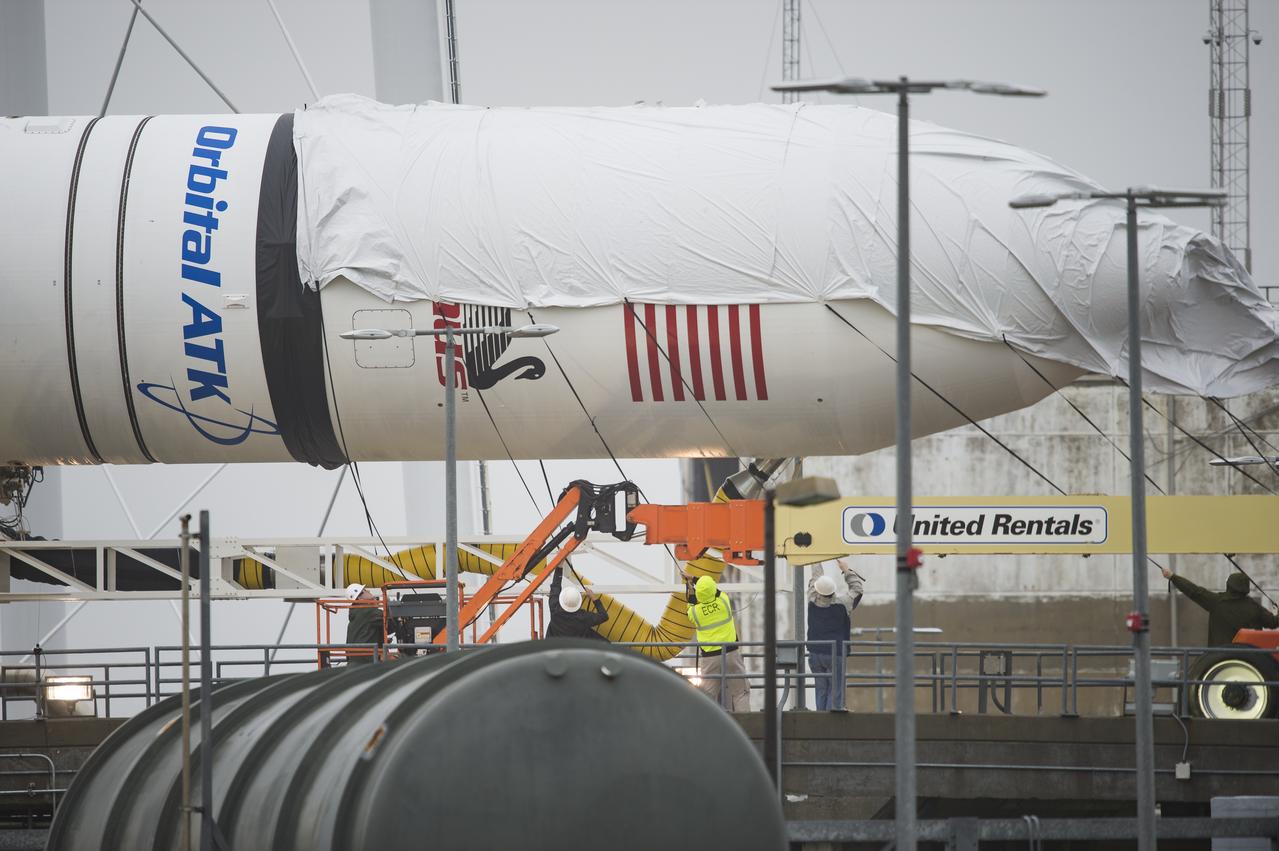
The Orbital ATK Antares rocket, with the Cygnus spacecraft onboard, is prepared to be raised at launch Pad-0A, Friday, May 18, 2018 at Wallops Flight Facility in Virginia. The Antares will launch with the Cygnus spacecraft filled with 7,400 pounds of cargo for the International Space Station (ISS), including science experiments, crew supplies, and vehicle hardware. The mission is Orbital ATK's ninth contracted cargo delivery flight to ISS for NASA. Photo Credit: (NASA/Aubrey Gemignani)
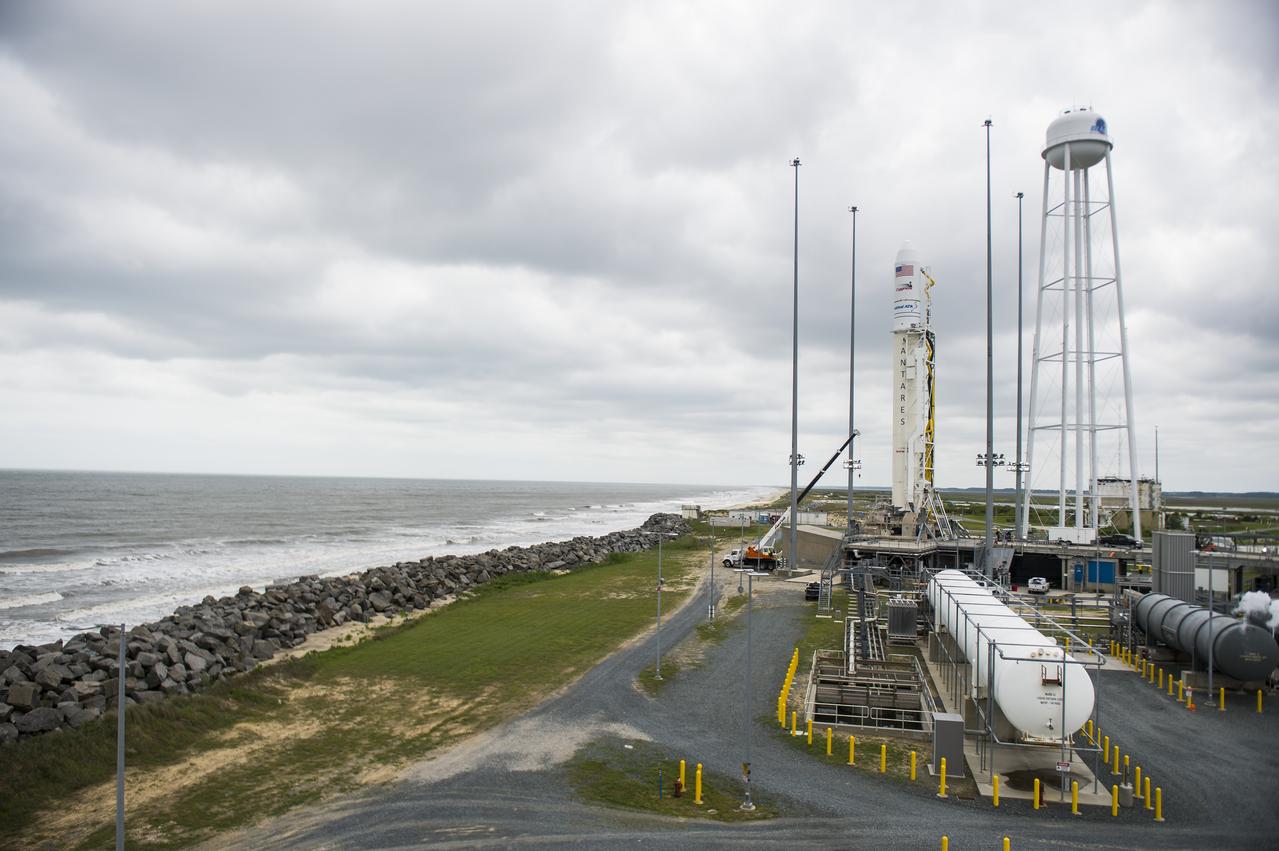
The Orbital ATK Antares rocket, with the Cygnus spacecraft onboard, is seen at launch Pad-0A, Sunday, May 20, 2018 at Wallops Flight Facility in Virginia. The Antares will launch with the Cygnus spacecraft filled with 7,400 pounds of cargo for the International Space Station (ISS), including science experiments, crew supplies, and vehicle hardware. The mission is Orbital ATK's ninth contracted cargo delivery flight to ISS for NASA. Photo Credit: (NASA/Aubrey Gemignani)

The Orbital ATK Antares rocket, with the Cygnus spacecraft onboard, is raised at launch Pad-0A, Friday, May 18, 2018 at Wallops Flight Facility in Virginia. The Antares will launch with the Cygnus spacecraft filled with 7,400 pounds of cargo for the International Space Station (ISS), including science experiments, crew supplies, and vehicle hardware. The mission is Orbital ATK's ninth contracted cargo delivery flight to ISS for NASA. Photo Credit: (NASA/Aubrey Gemignani)
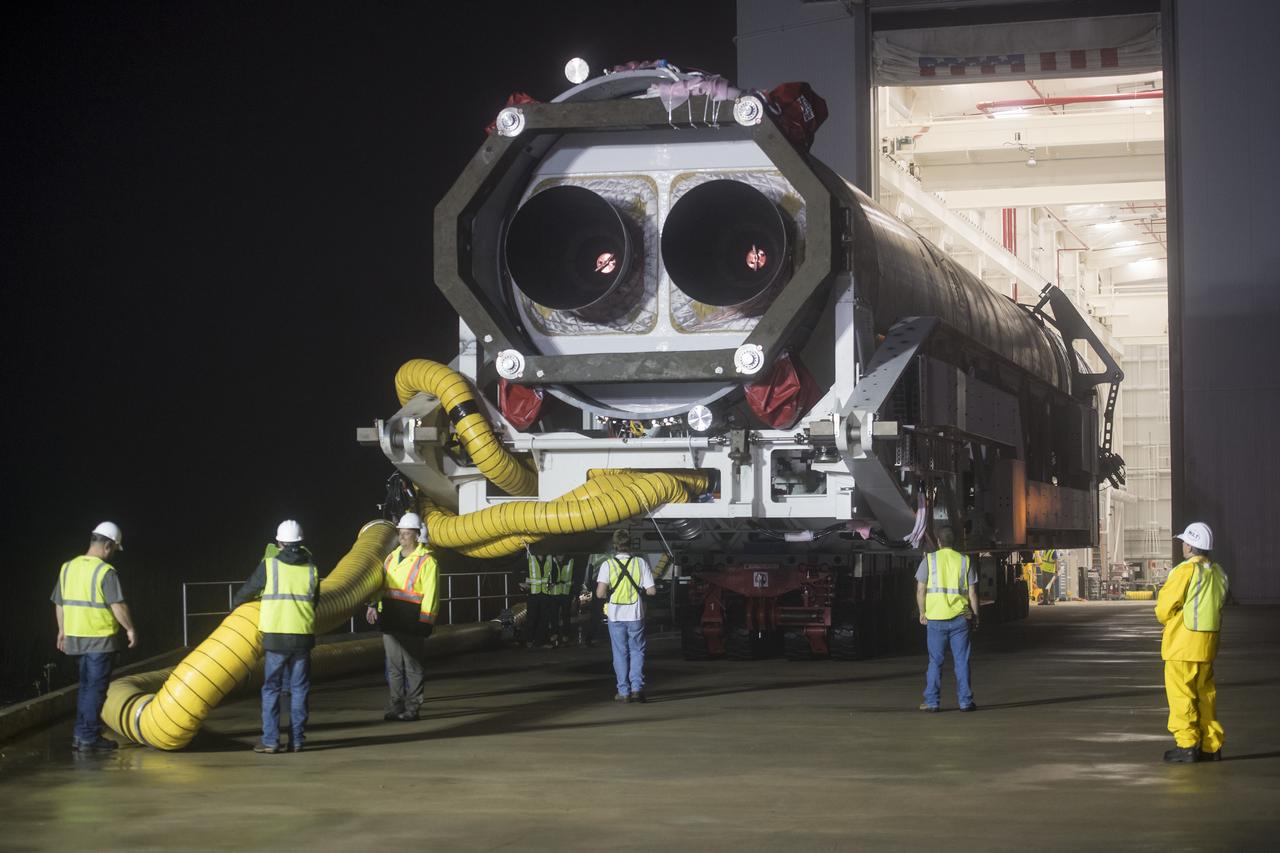
An Orbital ATK rocket is seen as it is rolled out to launch Pad-0A at Wallops Flight Facility Thursday, May 17, 2018 at Wallops Island, VA. The Antares will launch a Cygnus spacecraft on a cargo resupply mission to the International Space Station. The mission is Orbital ATK’s ninth contracted cargo delivery flight to the space station for NASA. Included in the 7,400 pounds of cargo onboard Cygnus, are science experiments, crew supplies, and vehicle hardware. Photo Credit: (NASA/Aubrey Gemignani)
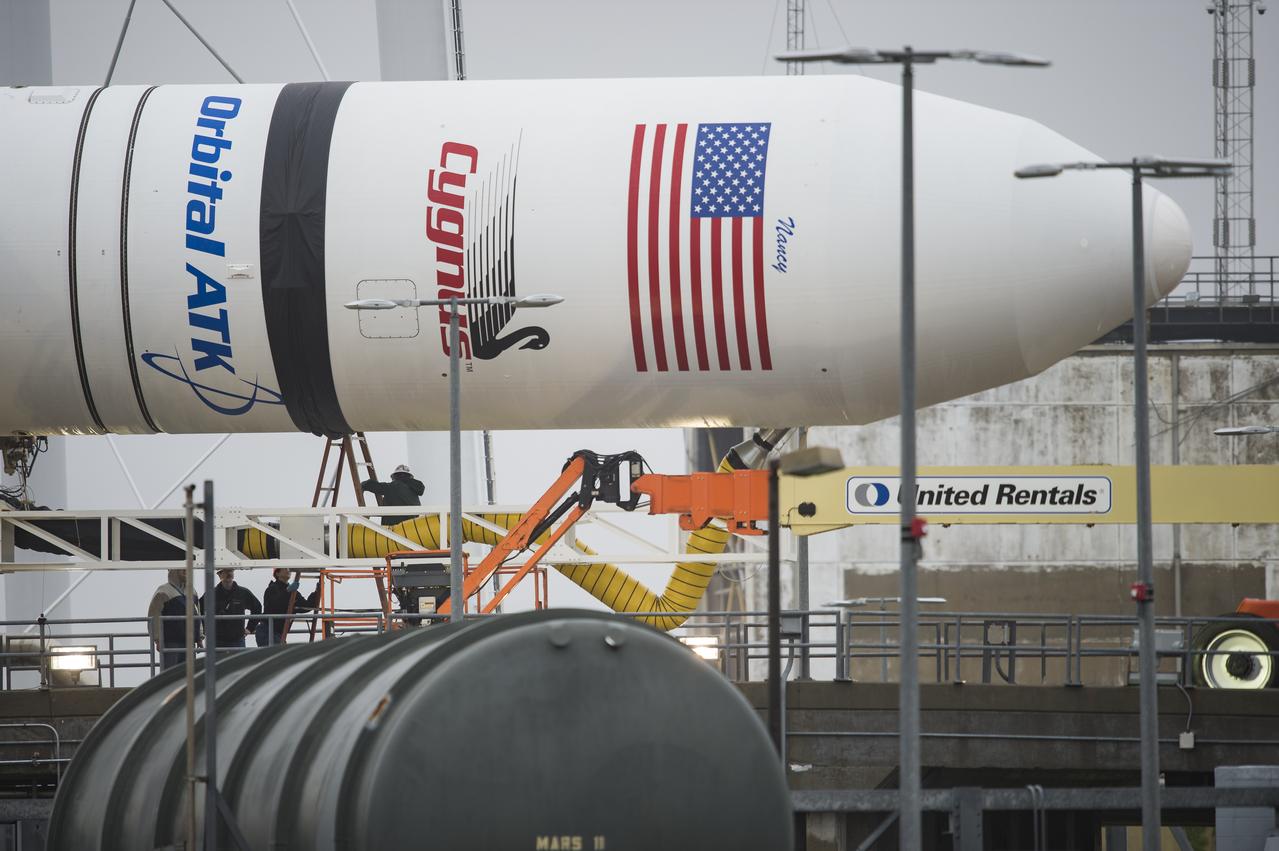
The Orbital ATK Antares rocket, with the Cygnus spacecraft onboard, is prepared to be raised at launch Pad-0A, Friday, May 18, 2018 at Wallops Flight Facility in Virginia. The Antares will launch with the Cygnus spacecraft filled with 7,400 pounds of cargo for the International Space Station (ISS), including science experiments, crew supplies, and vehicle hardware. The mission is Orbital ATK's ninth contracted cargo delivery flight to ISS for NASA. Photo Credit: (NASA/Aubrey Gemignani)
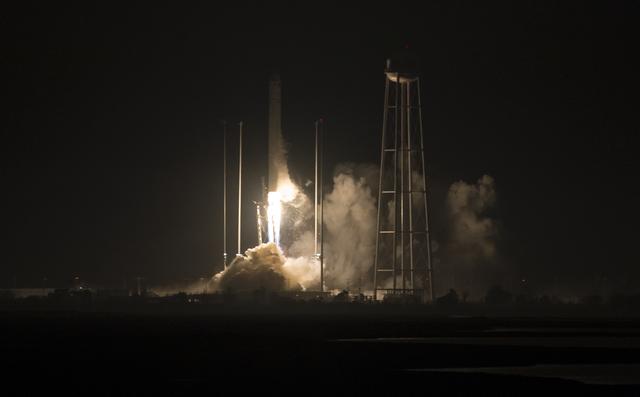
The Orbital ATK Antares rocket, with the Cygnus spacecraft onboard, launches from Pad-0A, Monday, May 21, 2018 at NASA's Wallops Flight Facility in Virginia. Orbital ATK’s ninth contracted cargo resupply mission with NASA to the International Space Station will deliver approximately 7,400 pounds of science and research, crew supplies and vehicle hardware to the orbital laboratory and its crew. Photo Credit: (NASA/Aubrey Gemignani)
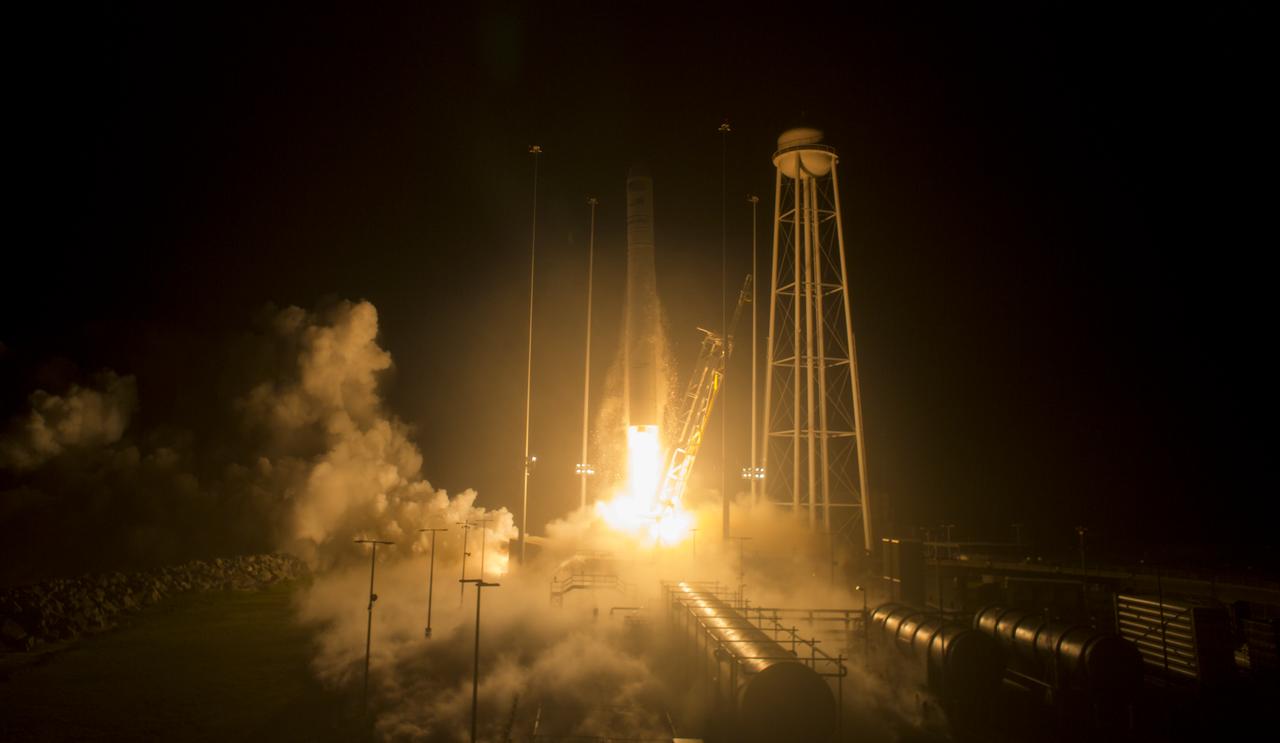
The Orbital ATK Antares rocket, with the Cygnus spacecraft onboard, launches from Pad-0A, Monday, May 21, 2018 at NASA's Wallops Flight Facility in Virginia. Orbital ATK’s ninth contracted cargo resupply mission with NASA to the International Space Station will deliver approximately 7,400 pounds of science and research, crew supplies and vehicle hardware to the orbital laboratory and its crew. Photo Credit: (NASA/Aubrey Gemignani)
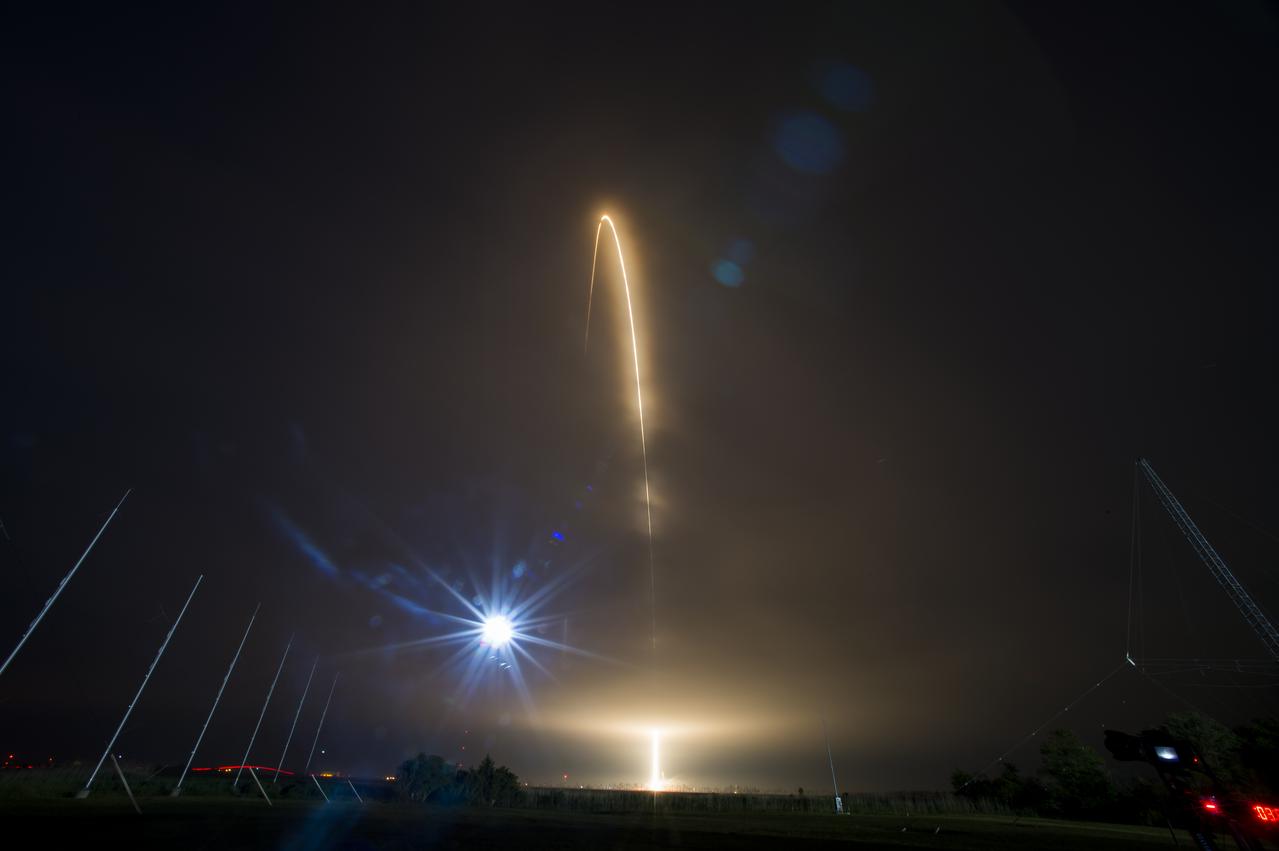
The Orbital ATK Antares rocket, with the Cygnus spacecraft onboard, launches from Pad-0A, Monday, May 21, 2018 at NASA's Wallops Flight Facility in Virginia. Orbital ATK’s ninth contracted cargo resupply mission with NASA to the International Space Station will deliver approximately 7,400 pounds of science and research, crew supplies and vehicle hardware to the orbital laboratory and its crew. Photo Credit: (NASA/Aubrey Gemignani)
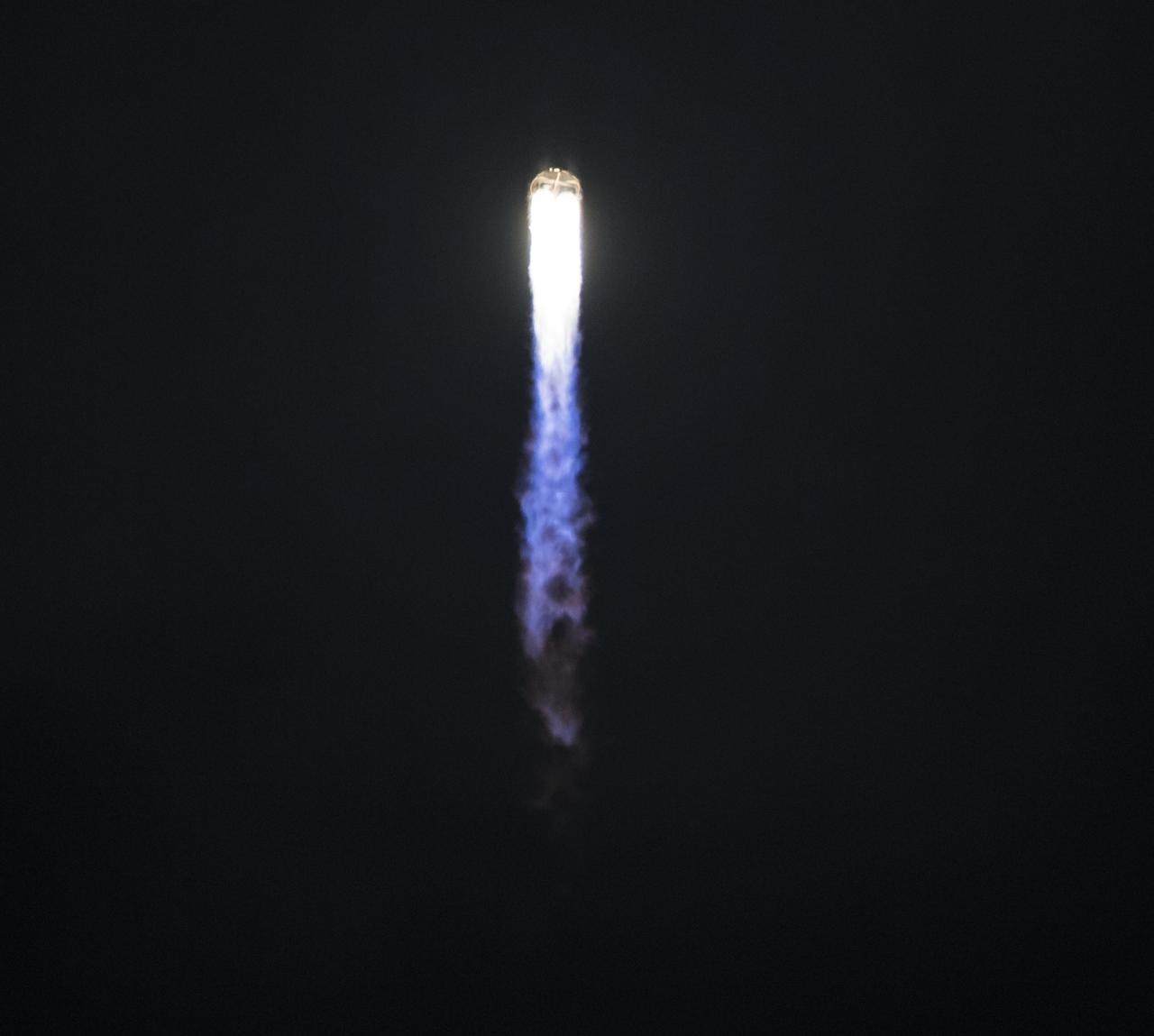
The Orbital ATK Antares rocket, with the Cygnus spacecraft onboard, launches from Pad-0A, Monday, May 21, 2018 at NASA's Wallops Flight Facility in Virginia. Orbital ATK’s ninth contracted cargo resupply mission with NASA to the International Space Station will deliver approximately 7,400 pounds of science and research, crew supplies and vehicle hardware to the orbital laboratory and its crew. Photo Credit: (NASA/Aubrey Gemignani)
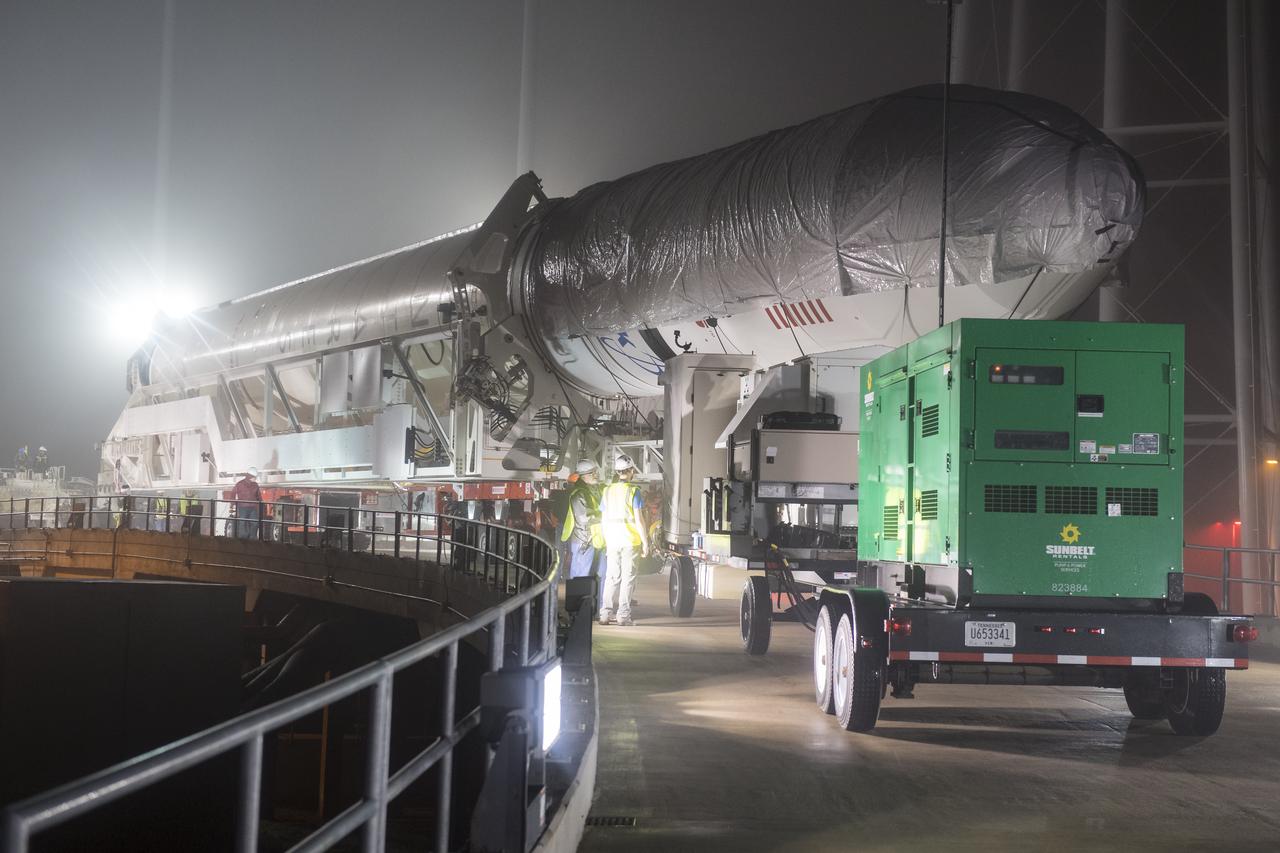
An Orbital ATK rocket is seen as it makes its final approach to launch Pad-0A at Wallops Flight Facility Thursday, May 17, 2018 at Wallops Island, VA. The Antares will launch a Cygnus spacecraft on a cargo resupply mission to the International Space Station. The mission is Orbital ATK’s ninth contracted cargo delivery flight to the space station for NASA. Included in the 7,400 pounds of cargo onboard Cygnus, are science experiments, crew supplies, and vehicle hardware. Photo Credit: (NASA/Aubrey Gemignani)
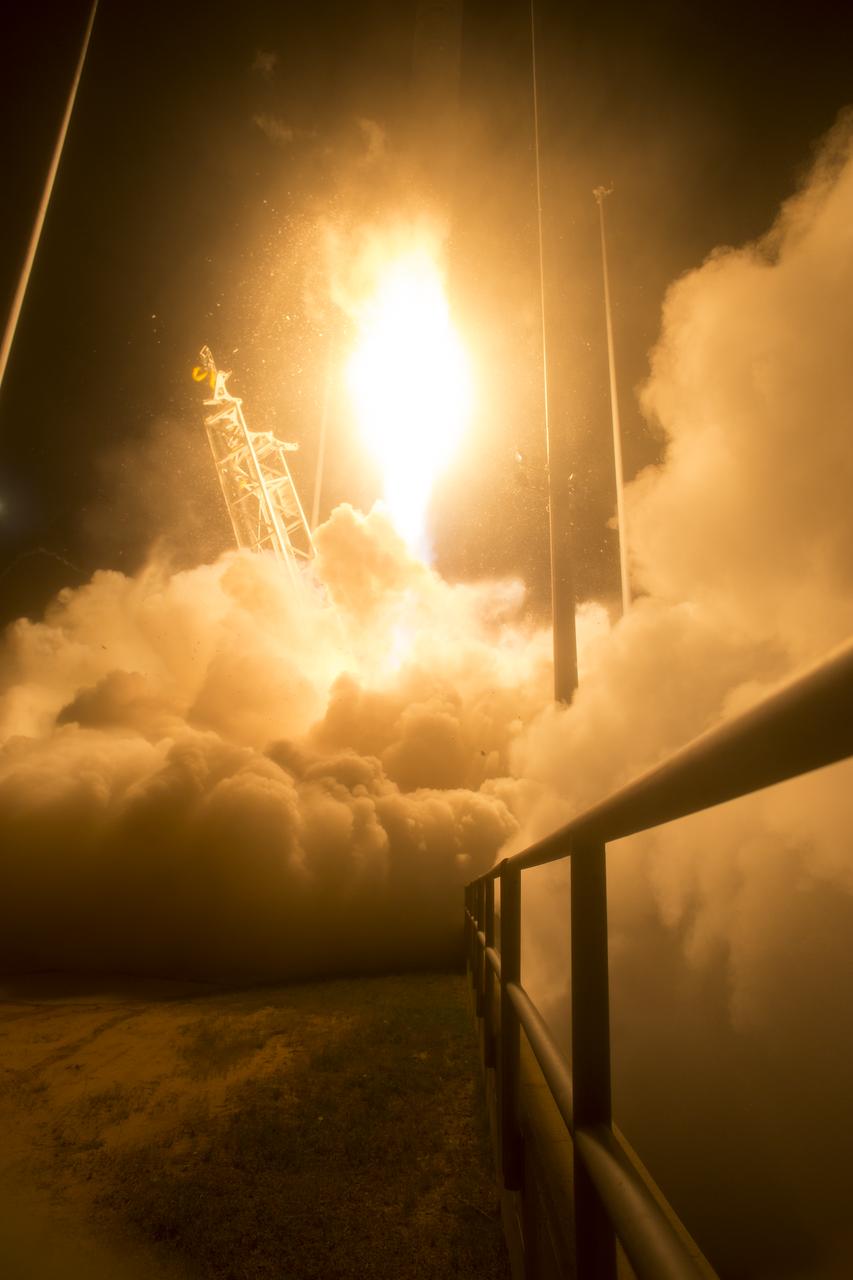
The Orbital ATK Antares rocket, with the Cygnus spacecraft onboard, launches from Pad-0A, Monday, May 21, 2018 at NASA's Wallops Flight Facility in Virginia. Orbital ATK’s ninth contracted cargo resupply mission with NASA to the International Space Station will deliver approximately 7,400 pounds of science and research, crew supplies and vehicle hardware to the orbital laboratory and its crew. Photo Credit: (NASA/Aubrey Gemignani)

A worker watches the Orbital ATK rocket closely just before it makes its final approach to launch Pad-0A at Wallops Flight Facility Thursday, May 17, 2018 at Wallops Island, VA. The Antares will launch a Cygnus spacecraft on a cargo resupply mission to the International Space Station. The mission is Orbital ATK’s ninth contracted cargo delivery flight to the space station for NASA. Included in the 7,400 pounds of cargo onboard Cygnus, are science experiments, crew supplies, and vehicle hardware. Photo Credit: (NASA/Aubrey Gemignani)

The Orbital ATK Antares rocket, with the Cygnus spacecraft onboard, launches from Pad-0A, Monday, May 21, 2018 at NASA's Wallops Flight Facility in Virginia. Orbital ATK’s ninth contracted cargo resupply mission with NASA to the International Space Station will deliver approximately 7,400 pounds of science and research, crew supplies and vehicle hardware to the orbital laboratory and its crew. Photo Credit: (NASA/Aubrey Gemignani)
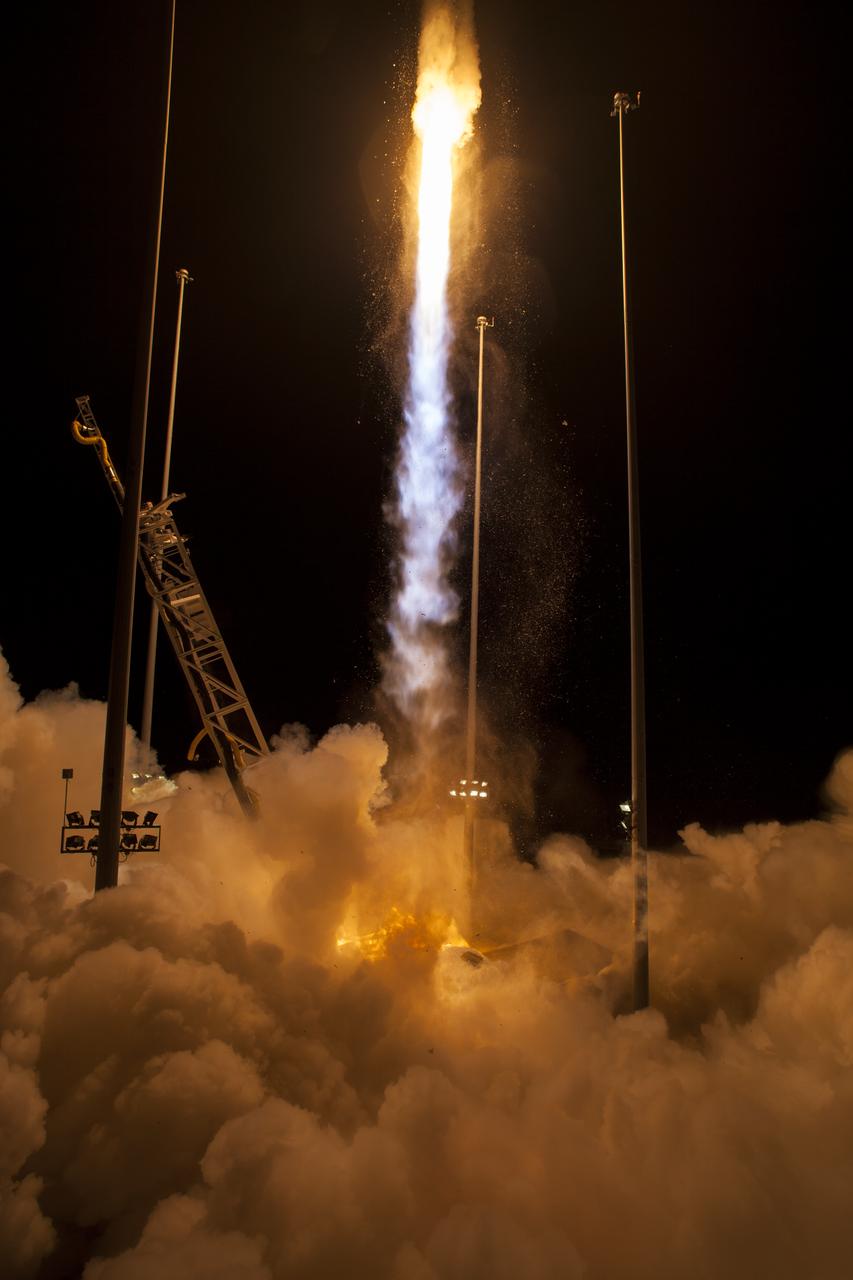
The Orbital ATK Antares rocket, with the Cygnus spacecraft onboard, launches from Pad-0A, Monday, May 21, 2018 at NASA's Wallops Flight Facility in Virginia. Orbital ATK’s ninth contracted cargo resupply mission with NASA to the International Space Station will deliver approximately 7,400 pounds of science and research, crew supplies and vehicle hardware to the orbital laboratory and its crew. Photo Credit: (NASA/Aubrey Gemignani)
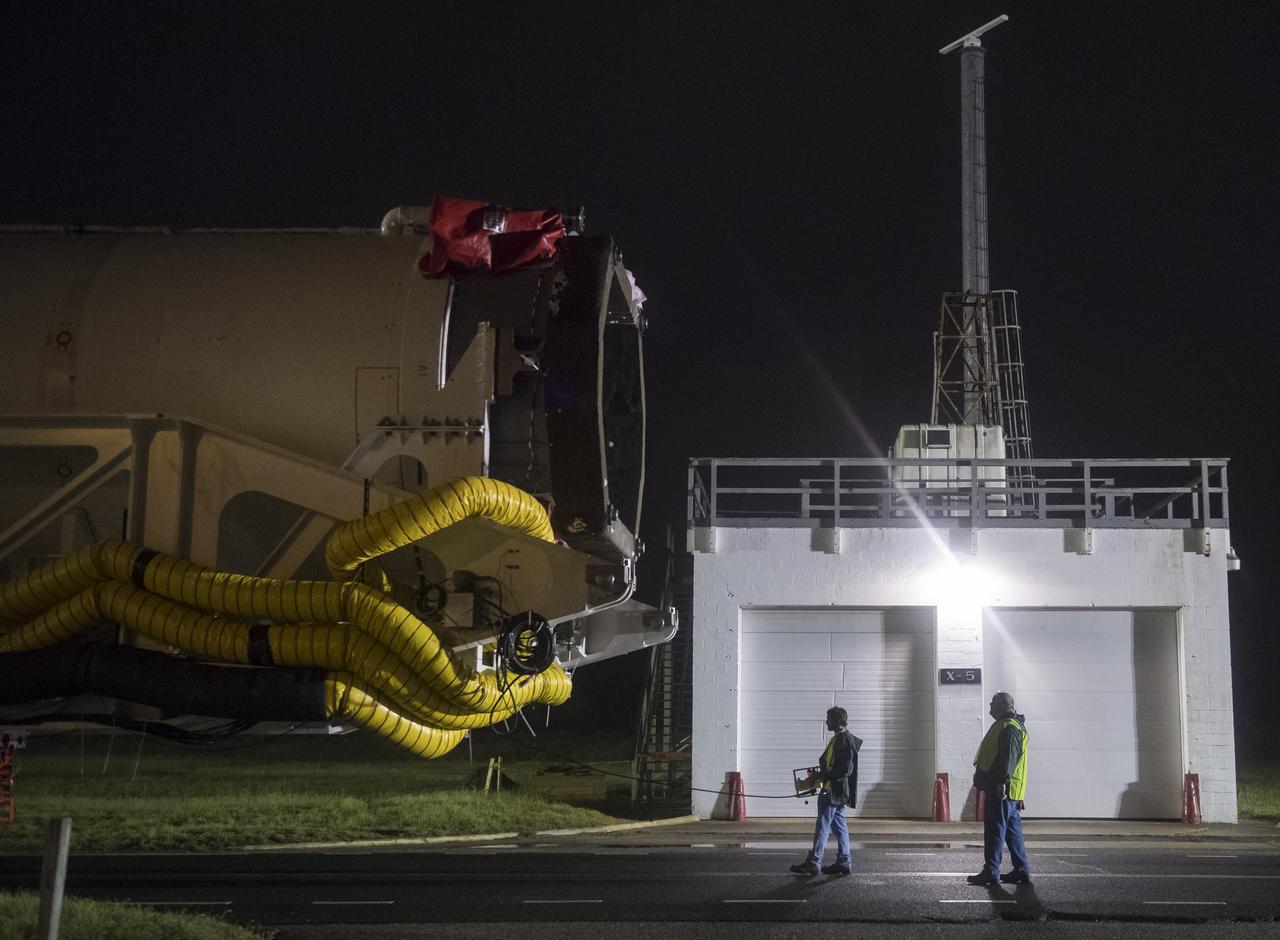
An Orbital ATK rocket is seen as it is rolled out to launch Pad-0A at Wallops Flight Facility Thursday, May 17, 2018 at Wallops Island, VA. The Antares will launch a Cygnus spacecraft on a cargo resupply mission to the International Space Station. The mission is Orbital ATK’s ninth contracted cargo delivery flight to the space station for NASA. Included in the 7,400 pounds of cargo onboard Cygnus, are science experiments, crew supplies, and vehicle hardware. Photo Credit: (NASA/Aubrey Gemignani)

The Orbital ATK Antares rocket, with the Cygnus spacecraft onboard, is seen at launch Pad-0A, Saturday, May 19, 2018 at Wallops Flight Facility in Virginia. The Antares will launch with the Cygnus spacecraft filled with 7,400 pounds of cargo for the International Space Station (ISS), including science experiments, crew supplies, and vehicle hardware. The mission is Orbital ATK's ninth contracted cargo delivery flight to ISS for NASA. Photo Credit: (NASA/Aubrey Gemignani)
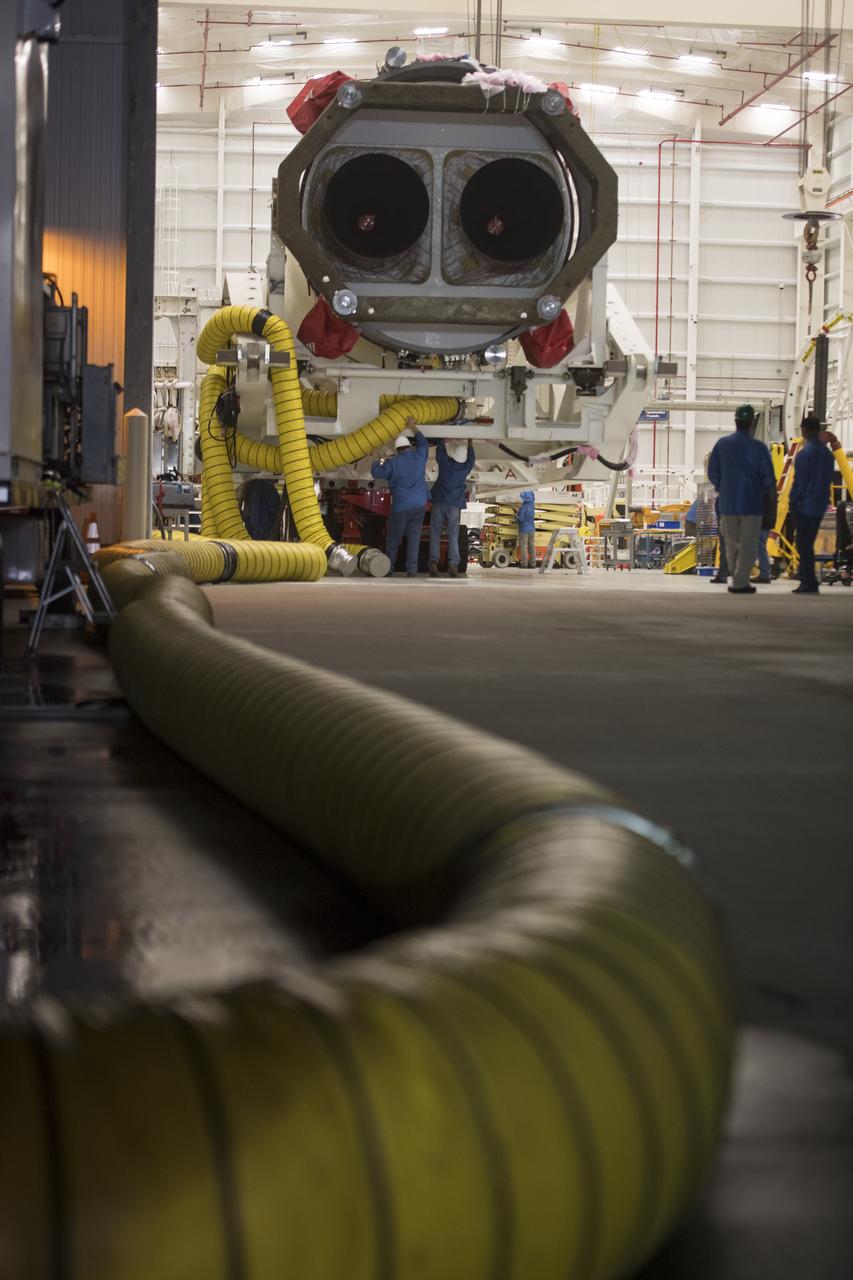
An Orbital ATK rocket is seen just before it is rolled out to launch Pad-0A at Wallops Flight Facility Thursday, May 17, 2018 at Wallops Island, VA. The Antares will launch a Cygnus spacecraft on a cargo resupply mission to the International Space Station. The mission is Orbital ATK’s ninth contracted cargo delivery flight to the space station for NASA. Included in the 7,400 pounds of cargo onboard Cygnus, are science experiments, crew supplies, and vehicle hardware. Photo Credit: (NASA/Aubrey Gemignani)
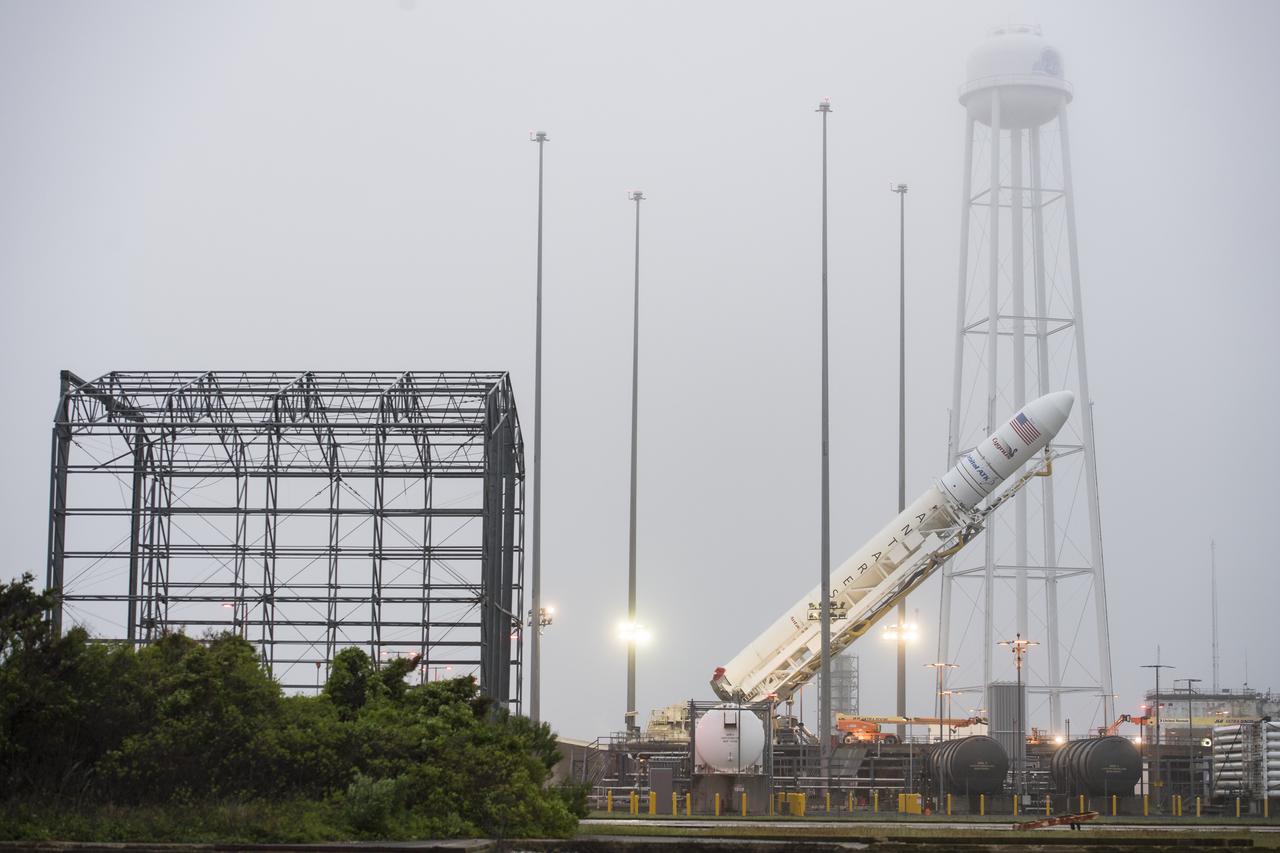
The Orbital ATK Antares rocket, with the Cygnus spacecraft onboard, is raised at launch Pad-0A, Friday, May 18, 2018 at Wallops Flight Facility in Virginia. The Antares will launch with the Cygnus spacecraft filled with 7,400 pounds of cargo for the International Space Station (ISS), including science experiments, crew supplies, and vehicle hardware. The mission is Orbital ATK's ninth contracted cargo delivery flight to ISS for NASA. Photo Credit: (NASA/Aubrey Gemignani)
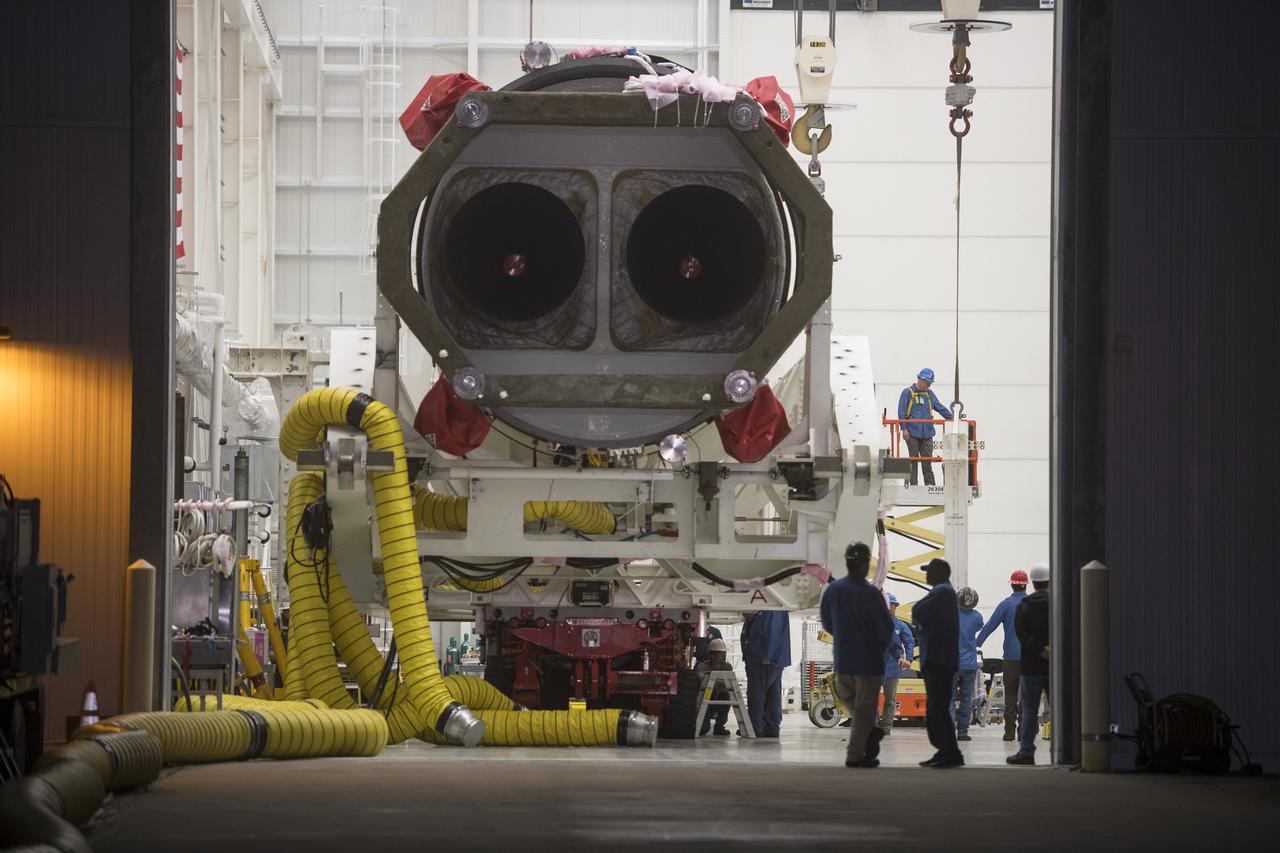
An Orbital ATK rocket is seen just before it is rolled out to launch Pad-0A at Wallops Flight Facility Thursday, May 17, 2018 at Wallops Island, VA. The Antares will launch a Cygnus spacecraft on a cargo resupply mission to the International Space Station. The mission is Orbital ATK’s ninth contracted cargo delivery flight to the space station for NASA. Included in the 7,400 pounds of cargo onboard Cygnus, are science experiments, crew supplies, and vehicle hardware. Photo Credit: (NASA/Aubrey Gemignani)

Workers survey the Orbital ATK rocket just before it makes its final approach to launch Pad-0A at Wallops Flight Facility Thursday, May 17, 2018 at Wallops Island, VA. The Antares will launch a Cygnus spacecraft on a cargo resupply mission to the International Space Station. The mission is Orbital ATK’s ninth contracted cargo delivery flight to the space station for NASA. Included in the 7,400 pounds of cargo onboard Cygnus, are science experiments, crew supplies, and vehicle hardware. Photo Credit: (NASA/Aubrey Gemignani)

The Orbital ATK Antares rocket, with the Cygnus spacecraft onboard, launches from Pad-0A, Monday, May 21, 2018 at NASA's Wallops Flight Facility in Virginia. Orbital ATK’s ninth contracted cargo resupply mission with NASA to the International Space Station will deliver approximately 7,400 pounds of science and research, crew supplies and vehicle hardware to the orbital laboratory and its crew. Photo Credit: (NASA/Aubrey Gemignani)
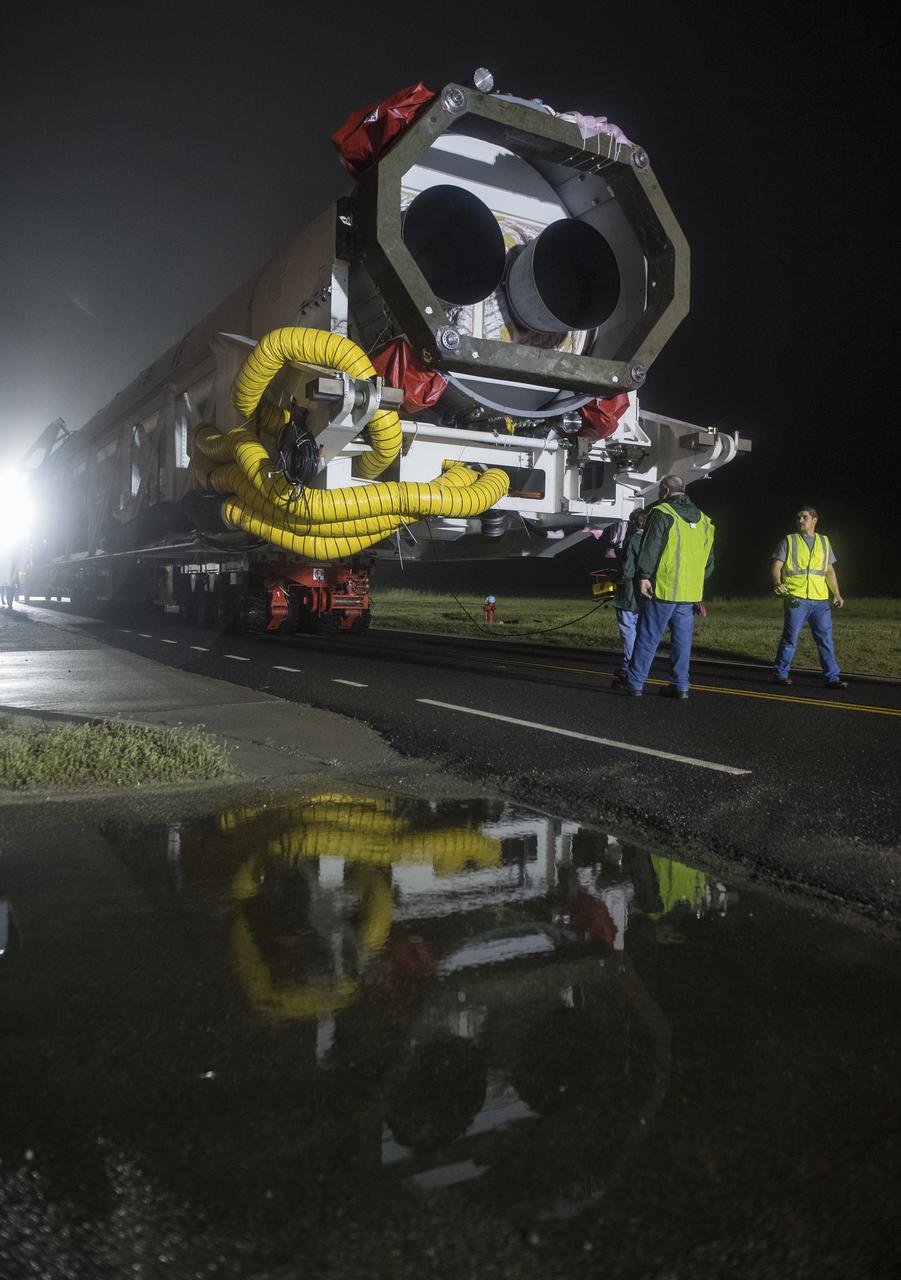
An Orbital ATK rocket is seen as it is rolled out to launch Pad-0A at Wallops Flight Facility Thursday, May 17, 2018 at Wallops Island, VA. The Antares will launch a Cygnus spacecraft on a cargo resupply mission to the International Space Station. The mission is Orbital ATK’s ninth contracted cargo delivery flight to the space station for NASA. Included in the 7,400 pounds of cargo onboard Cygnus, are science experiments, crew supplies, and vehicle hardware. Photo Credit: (NASA/Aubrey Gemignani)
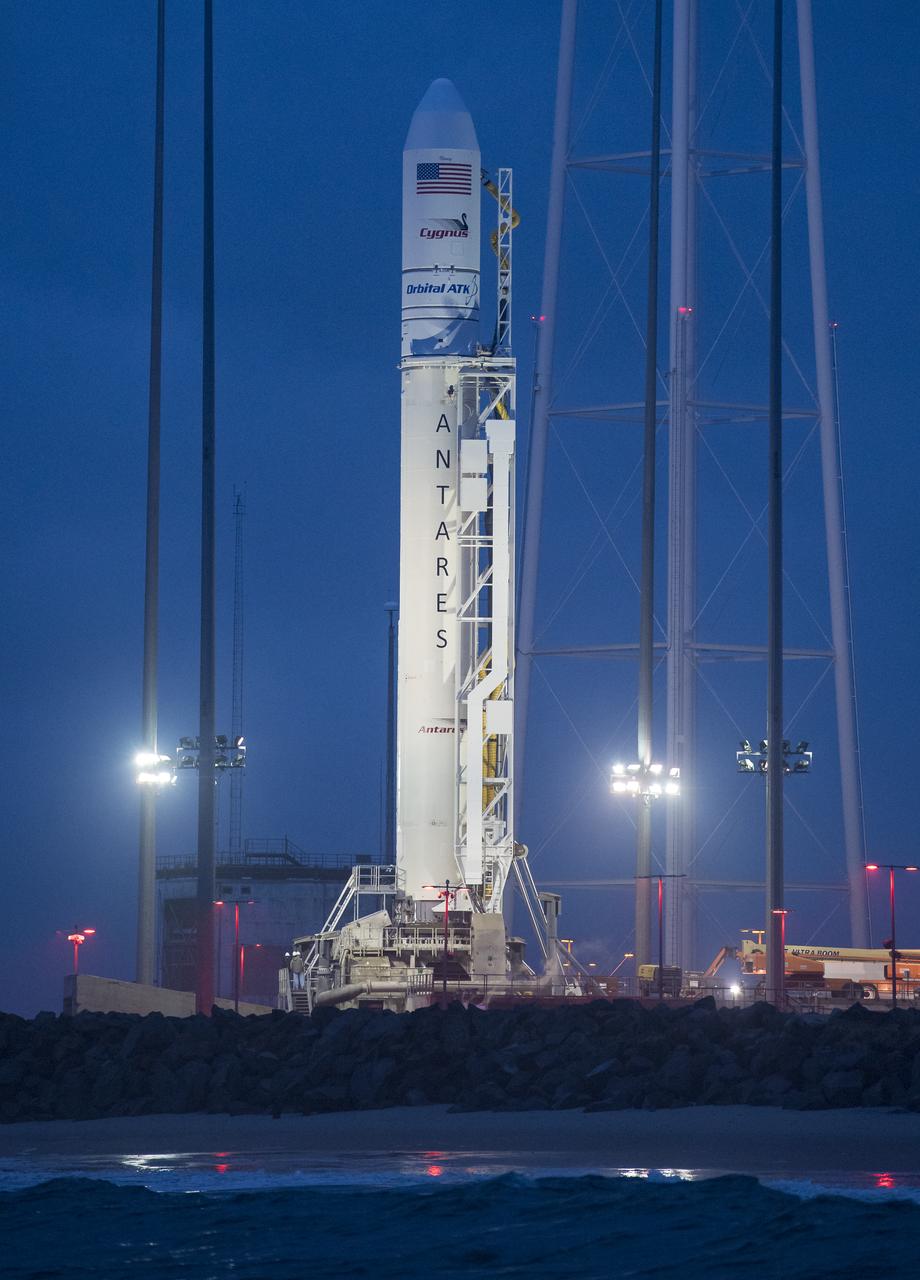
The Orbital ATK Antares rocket, with the Cygnus spacecraft onboard, is seen at launch Pad-0A, early Sunday, May 20, 2018 at Wallops Flight Facility in Virginia. The Antares will launch with the Cygnus spacecraft filled with 7,400 pounds of cargo for the International Space Station (ISS), including science experiments, crew supplies, and vehicle hardware. The mission is Orbital ATK's ninth contracted cargo delivery flight to ISS for NASA. Photo Credit: (NASA/Aubrey Gemignani)
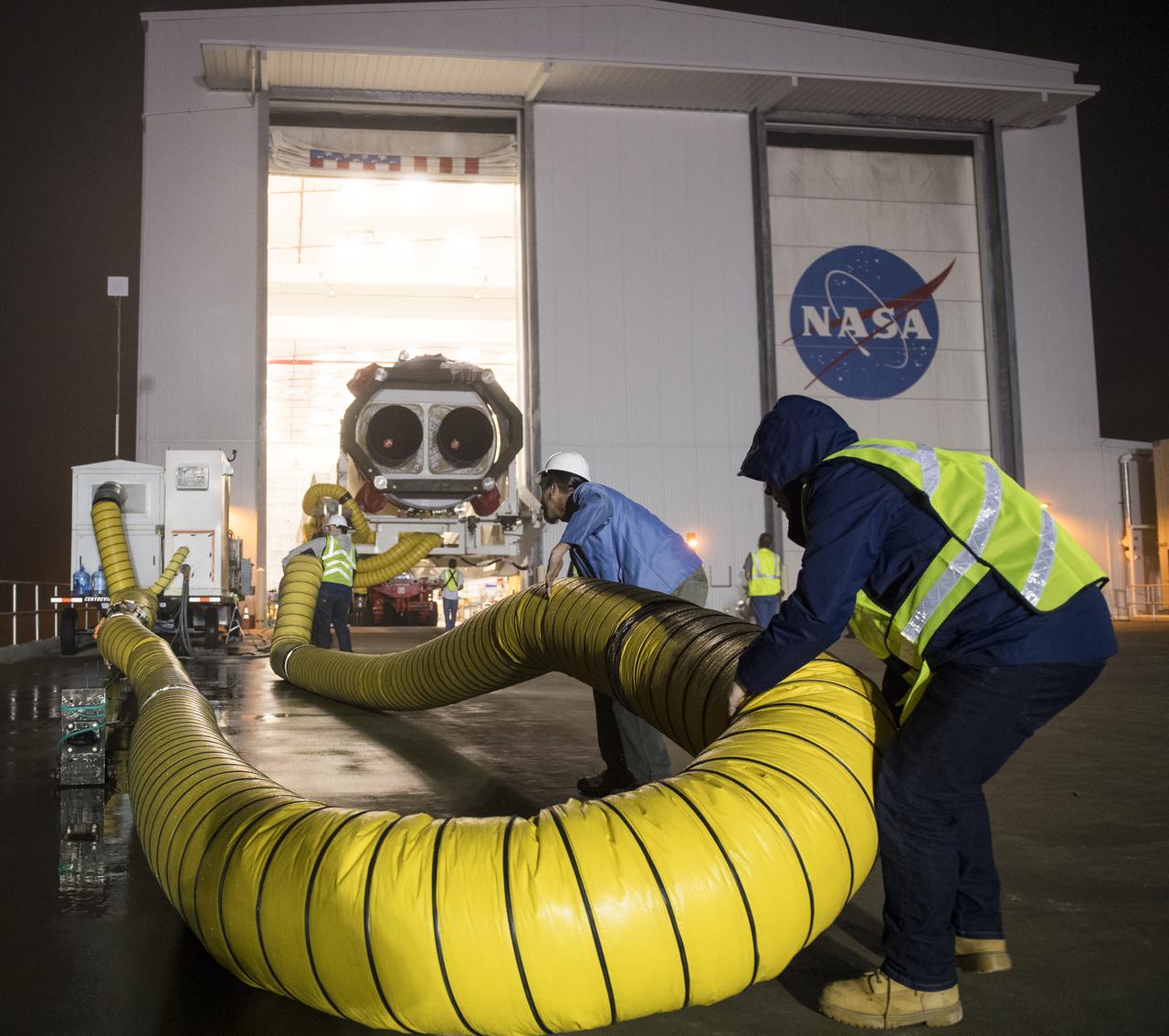
An Orbital ATK rocket is seen as it is rolled out to launch Pad-0A at Wallops Flight Facility Thursday, May 17, 2018 at Wallops Island, VA. The Antares will launch a Cygnus spacecraft on a cargo resupply mission to the International Space Station. The mission is Orbital ATK’s ninth contracted cargo delivery flight to the space station for NASA. Included in the 7,400 pounds of cargo onboard Cygnus, are science experiments, crew supplies, and vehicle hardware. Photo Credit: (NASA/Aubrey Gemignani)

An Orbital ATK rocket is seen as it is rolled out to launch Pad-0A at Wallops Flight Facility Thursday, May 17, 2018 at Wallops Island, VA. The Antares will launch a Cygnus spacecraft on a cargo resupply mission to the International Space Station. The mission is Orbital ATK’s ninth contracted cargo delivery flight to the space station for NASA. Included in the 7,400 pounds of cargo onboard Cygnus, are science experiments, crew supplies, and vehicle hardware. Photo Credit: (NASA/Aubrey Gemignani)
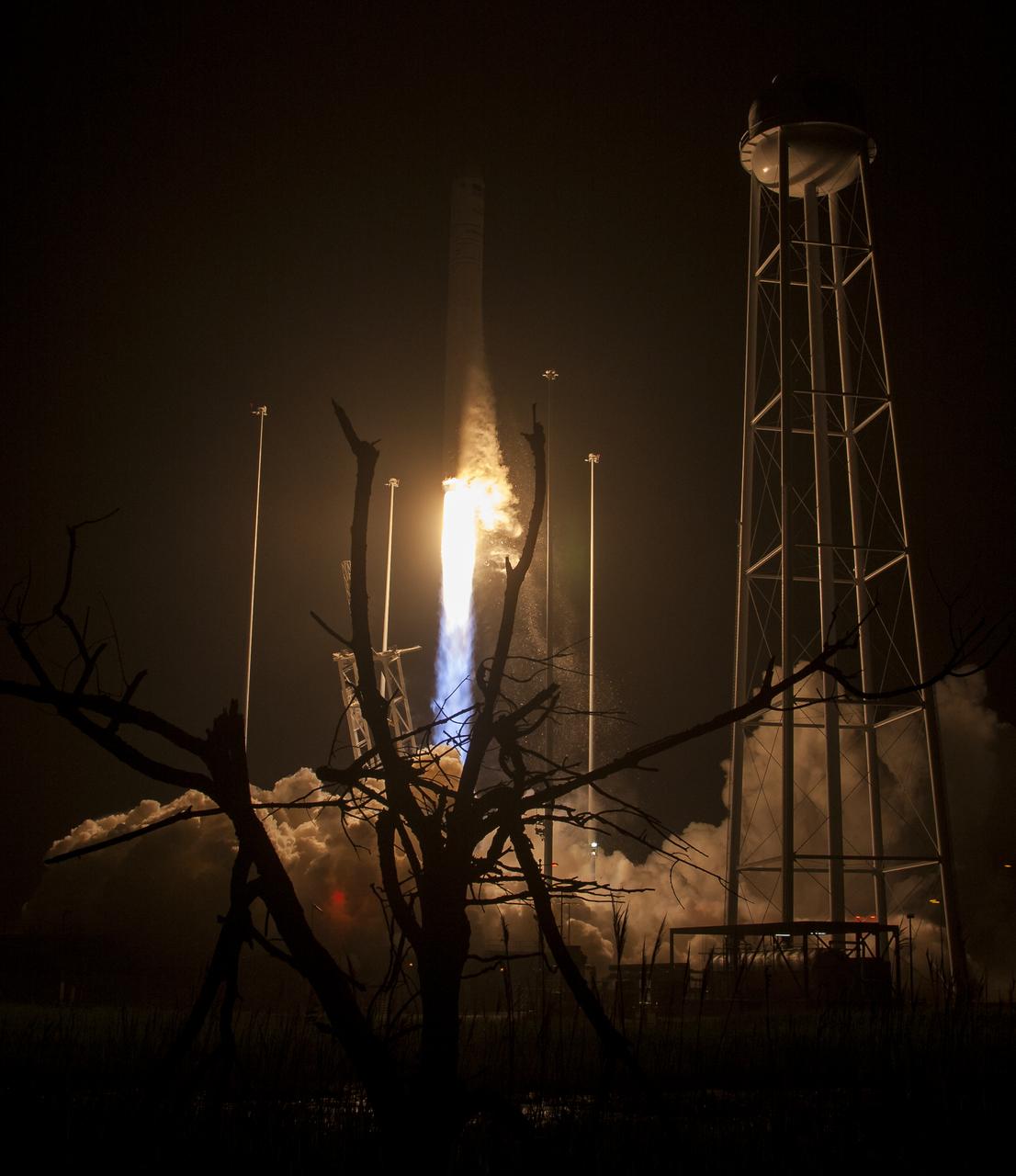
The Orbital ATK Antares rocket, with the Cygnus spacecraft onboard, launches from Pad-0A, Monday, May 21, 2018 at NASA's Wallops Flight Facility in Virginia. Orbital ATK’s ninth contracted cargo resupply mission with NASA to the International Space Station will deliver approximately 7,400 pounds of science and research, crew supplies and vehicle hardware to the orbital laboratory and its crew. Photo Credit: (NASA/Aubrey Gemignani)
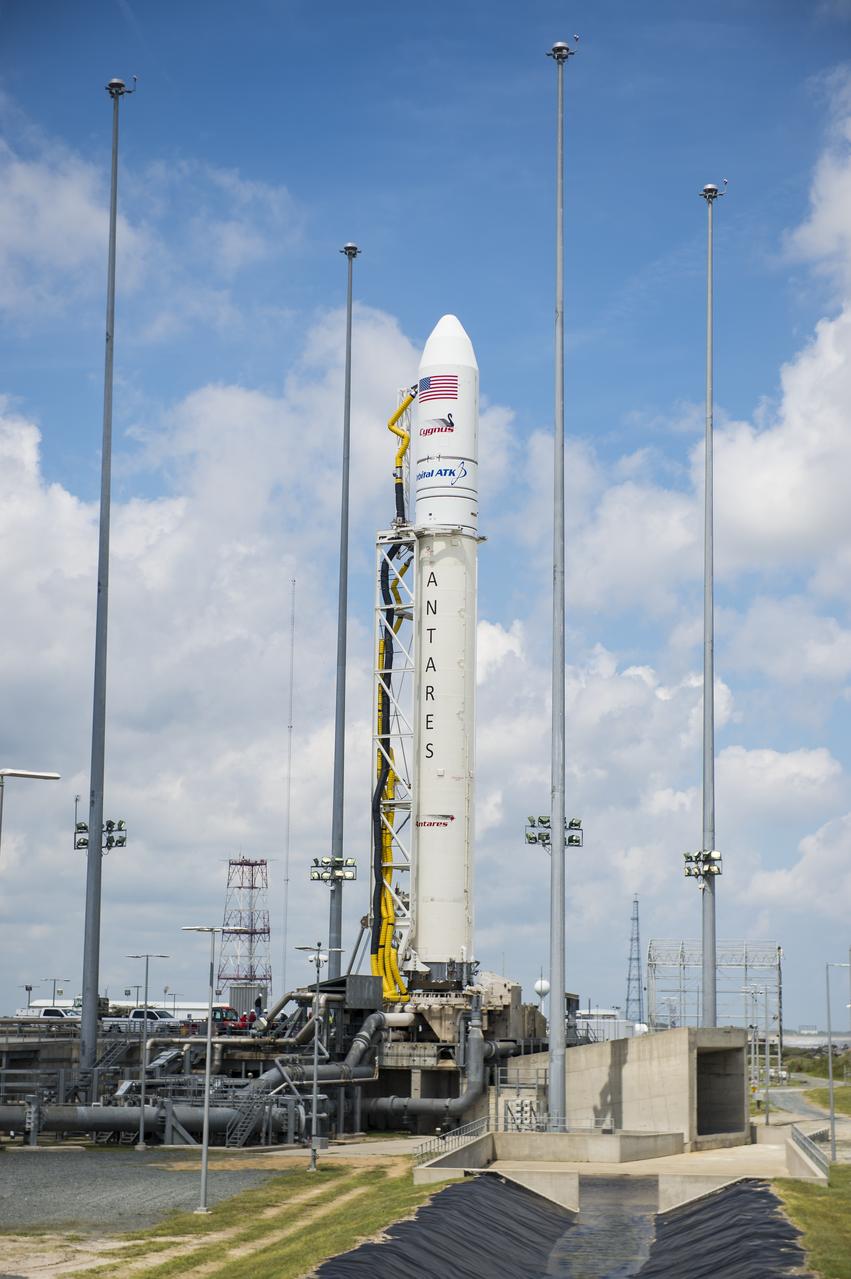
The Orbital ATK Antares rocket, with the Cygnus spacecraft onboard, is seen at launch Pad-0A, Sunday, May 20, 2018 at Wallops Flight Facility in Virginia. The Antares will launch with the Cygnus spacecraft filled with 7,400 pounds of cargo for the International Space Station (ISS), including science experiments, crew supplies, and vehicle hardware. The mission is Orbital ATK's ninth contracted cargo delivery flight to ISS for NASA. Photo Credit: (NASA/Aubrey Gemignani)
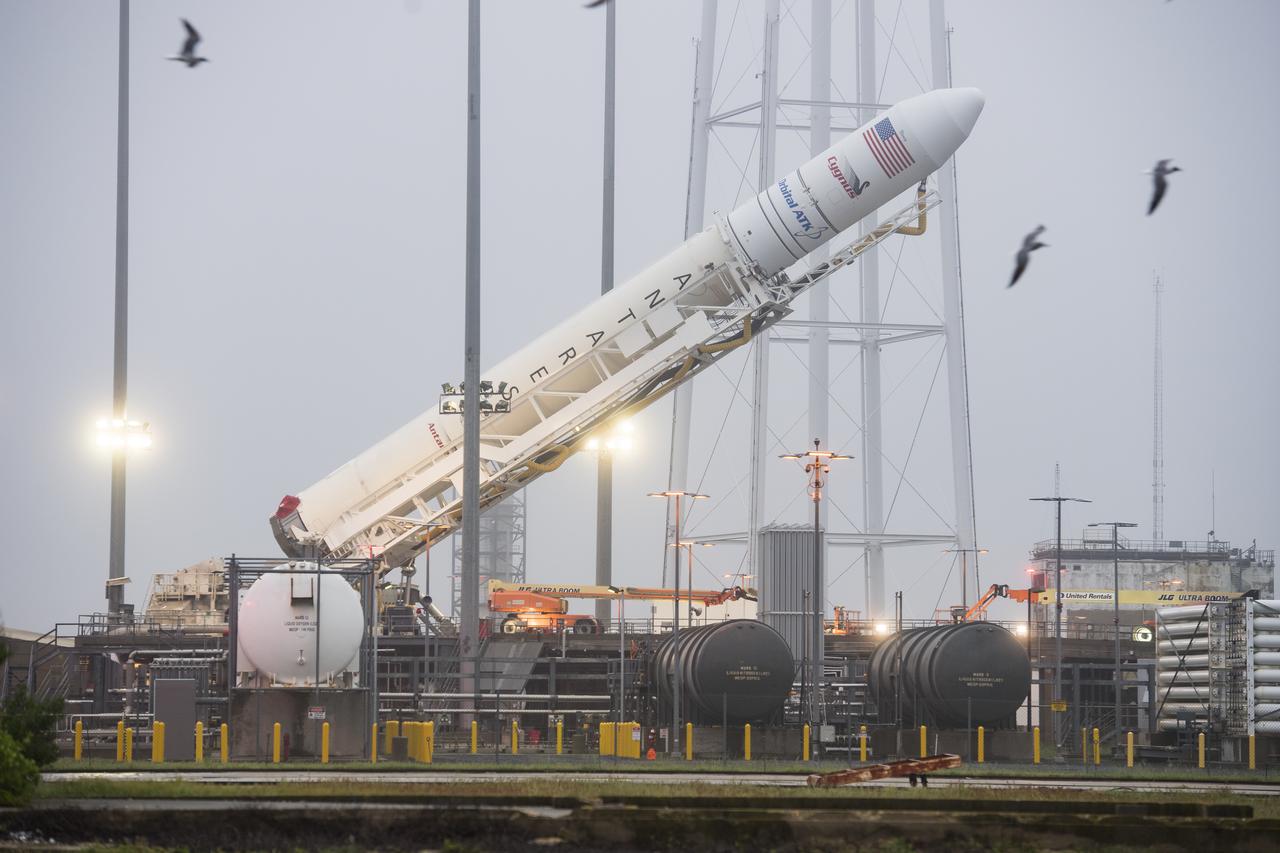
The Orbital ATK Antares rocket, with the Cygnus spacecraft onboard, is raised at launch Pad-0A, Friday, May 18, 2018 at Wallops Flight Facility in Virginia. The Antares will launch with the Cygnus spacecraft filled with 7,400 pounds of cargo for the International Space Station (ISS), including science experiments, crew supplies, and vehicle hardware. The mission is Orbital ATK's ninth contracted cargo delivery flight to ISS for NASA. Photo Credit: (NASA/Aubrey Gemignani)
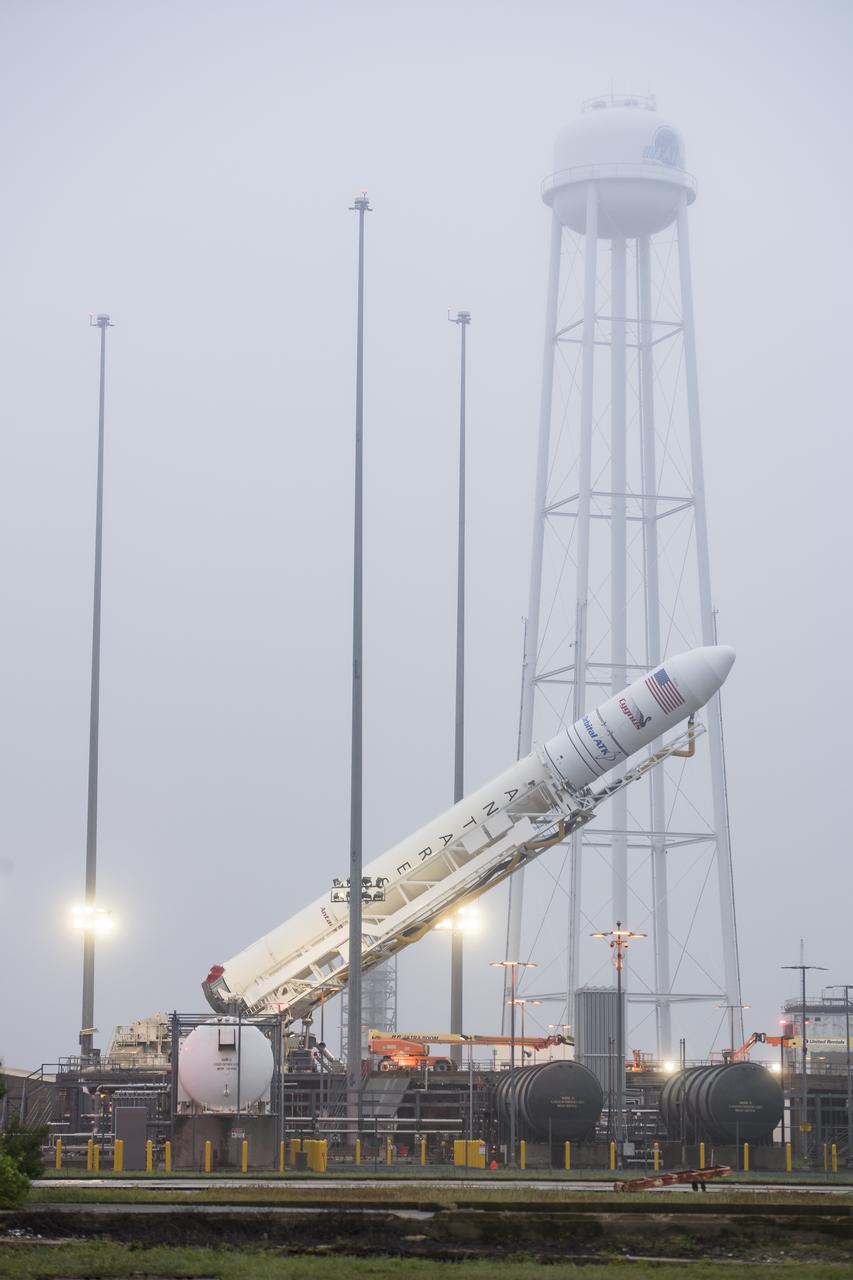
The Orbital ATK Antares rocket, with the Cygnus spacecraft onboard, is raised at launch Pad-0A, Friday, May 18, 2018 at Wallops Flight Facility in Virginia. The Antares will launch with the Cygnus spacecraft filled with 7,400 pounds of cargo for the International Space Station (ISS), including science experiments, crew supplies, and vehicle hardware. The mission is Orbital ATK's ninth contracted cargo delivery flight to ISS for NASA. Photo Credit: (NASA/Aubrey Gemignani)
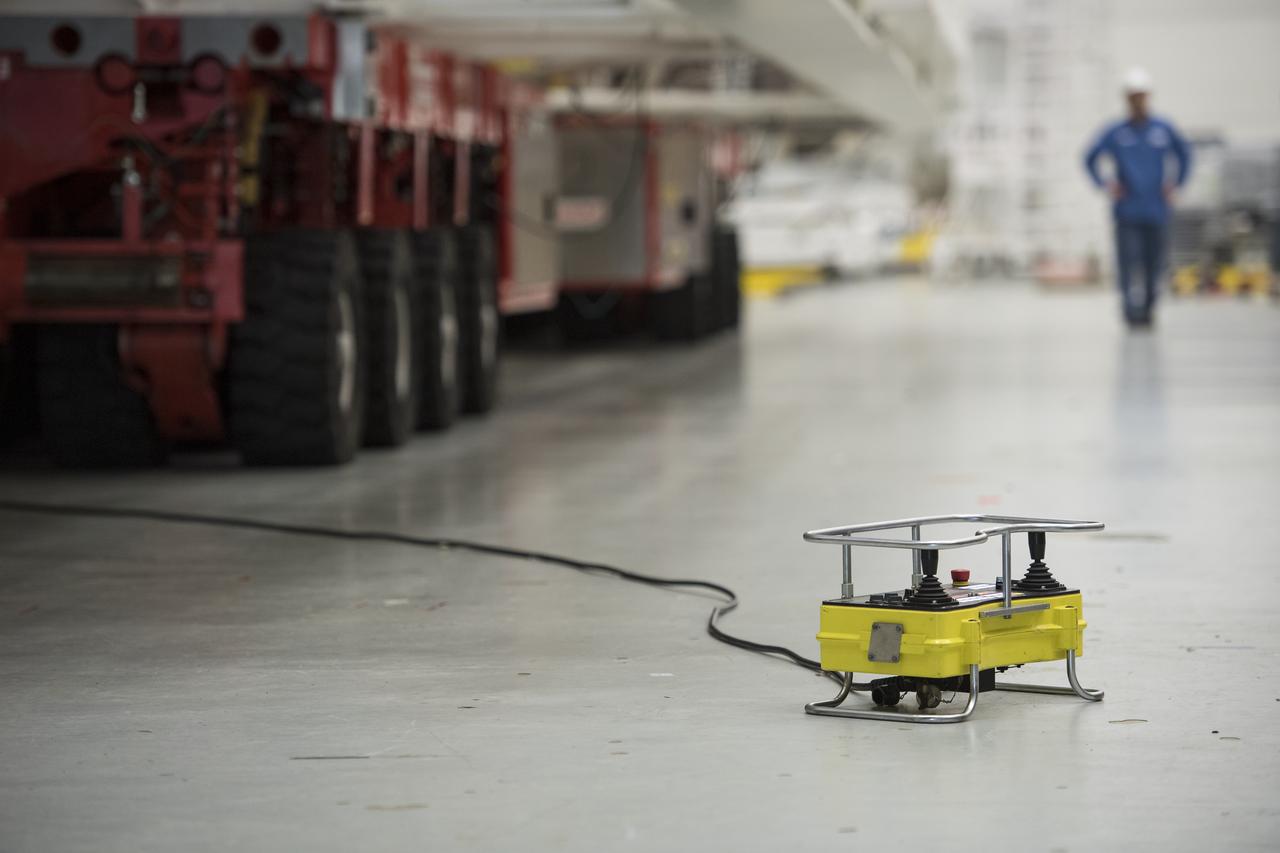
The controller for an Orbital ATK rocket is seen just before it is rolled out to launch Pad-0A at Wallops Flight Facility Thursday, May 17, 2018 at Wallops Island, VA. The Antares will launch a Cygnus spacecraft on a cargo resupply mission to the International Space Station. The mission is Orbital ATK’s ninth contracted cargo delivery flight to the space station for NASA. Included in the 7,400 pounds of cargo onboard Cygnus, are science experiments, crew supplies, and vehicle hardware. Photo Credit: (NASA/Aubrey Gemignani)
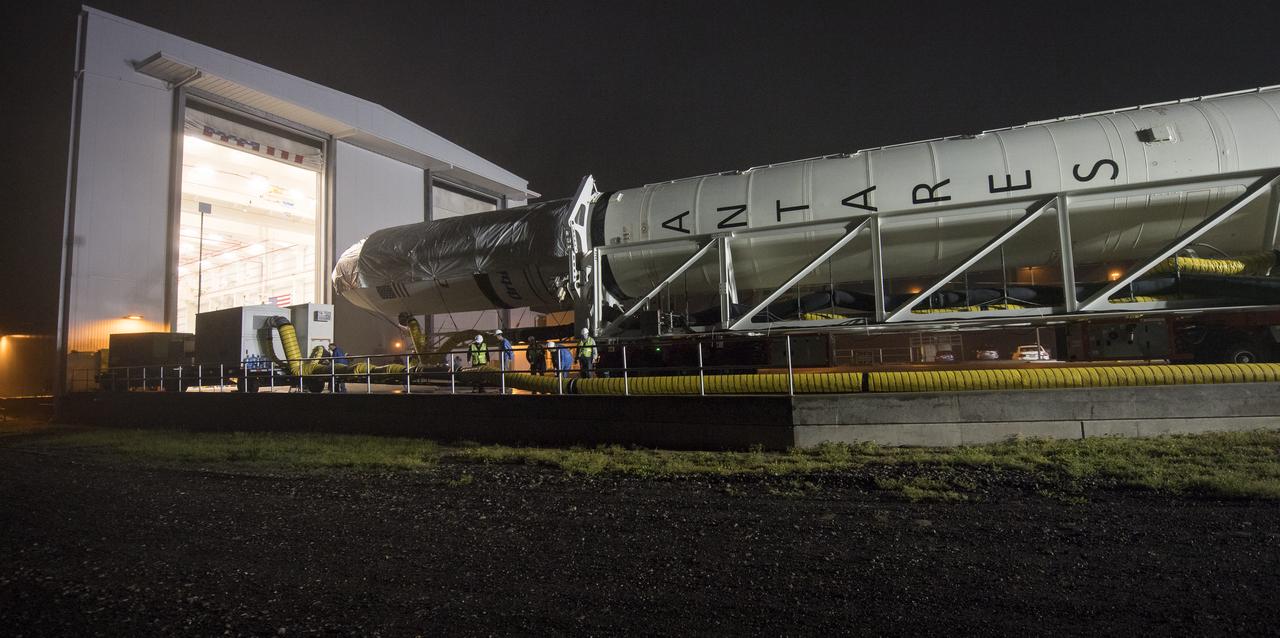
An Orbital ATK rocket is seen as it is rolled out to launch Pad-0A at Wallops Flight Facility Thursday, May 17, 2018 at Wallops Island, VA. The Antares will launch a Cygnus spacecraft on a cargo resupply mission to the International Space Station. The mission is Orbital ATK’s ninth contracted cargo delivery flight to the space station for NASA. Included in the 7,400 pounds of cargo onboard Cygnus, are science experiments, crew supplies, and vehicle hardware. Photo Credit: (NASA/Aubrey Gemignani)
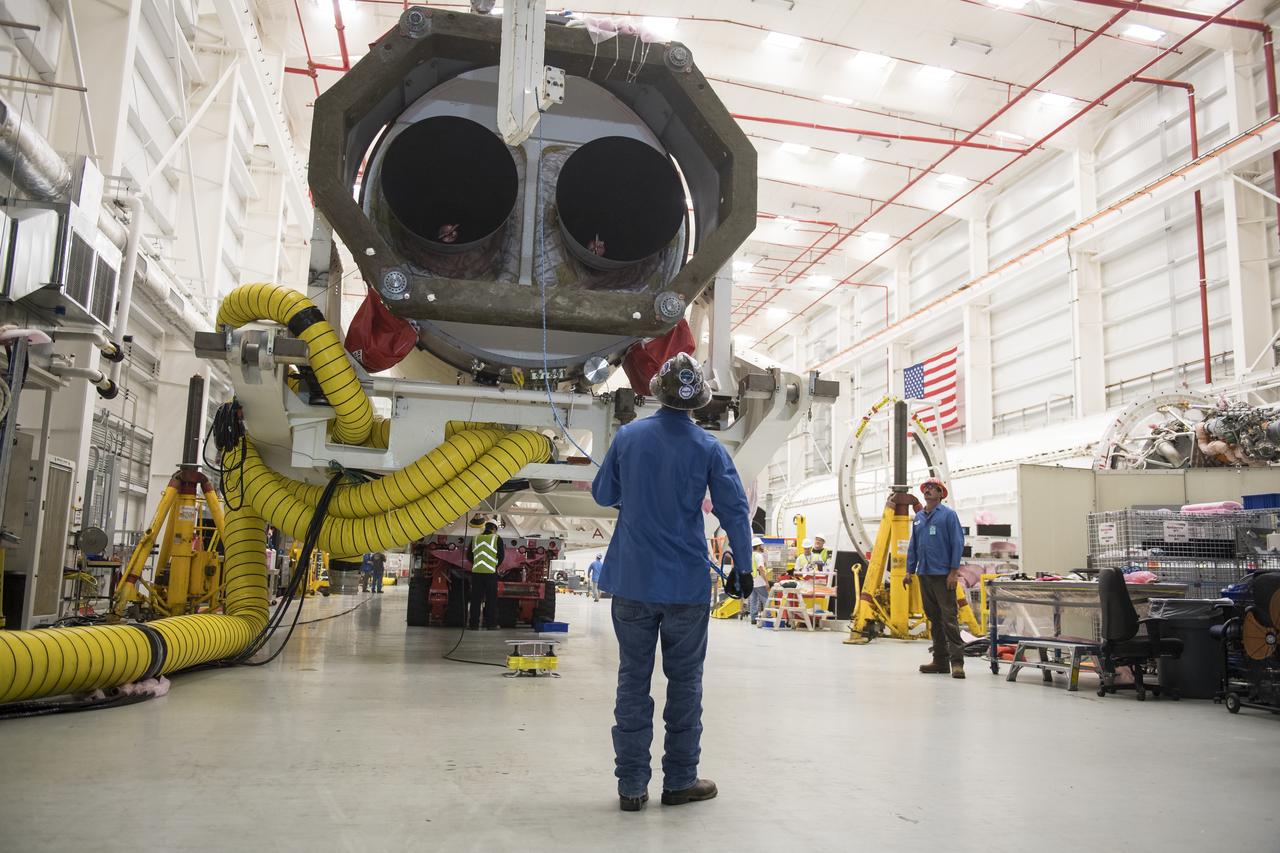
An Orbital ATK rocket is seen just before it is rolled out to launch Pad-0A at Wallops Flight Facility Thursday, May 17, 2018 at Wallops Island, VA. The Antares will launch a Cygnus spacecraft on a cargo resupply mission to the International Space Station. The mission is Orbital ATK’s ninth contracted cargo delivery flight to the space station for NASA. Included in the 7,400 pounds of cargo onboard Cygnus, are science experiments, crew supplies, and vehicle hardware. Photo Credit: (NASA/Aubrey Gemignani)
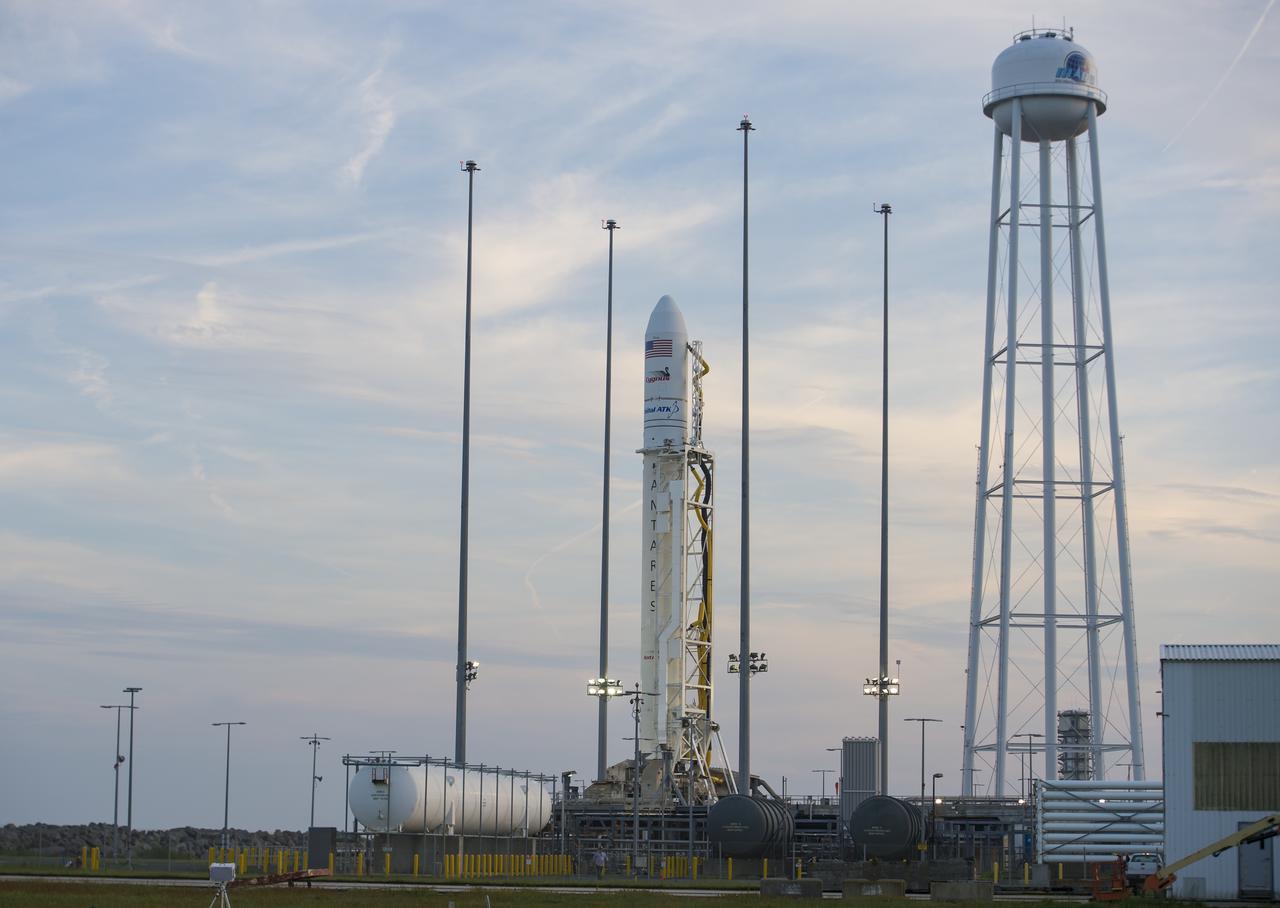
The Orbital ATK Antares rocket, with the Cygnus spacecraft onboard, is seen at launch Pad-0A, Sunday, May 20, 2018 at Wallops Flight Facility in Virginia. The Antares will launch with the Cygnus spacecraft filled with 7,400 pounds of cargo for the International Space Station (ISS), including science experiments, crew supplies, and vehicle hardware. The mission is Orbital ATK's ninth contracted cargo delivery flight to ISS for NASA. Photo Credit: (NASA/Aubrey Gemignani)
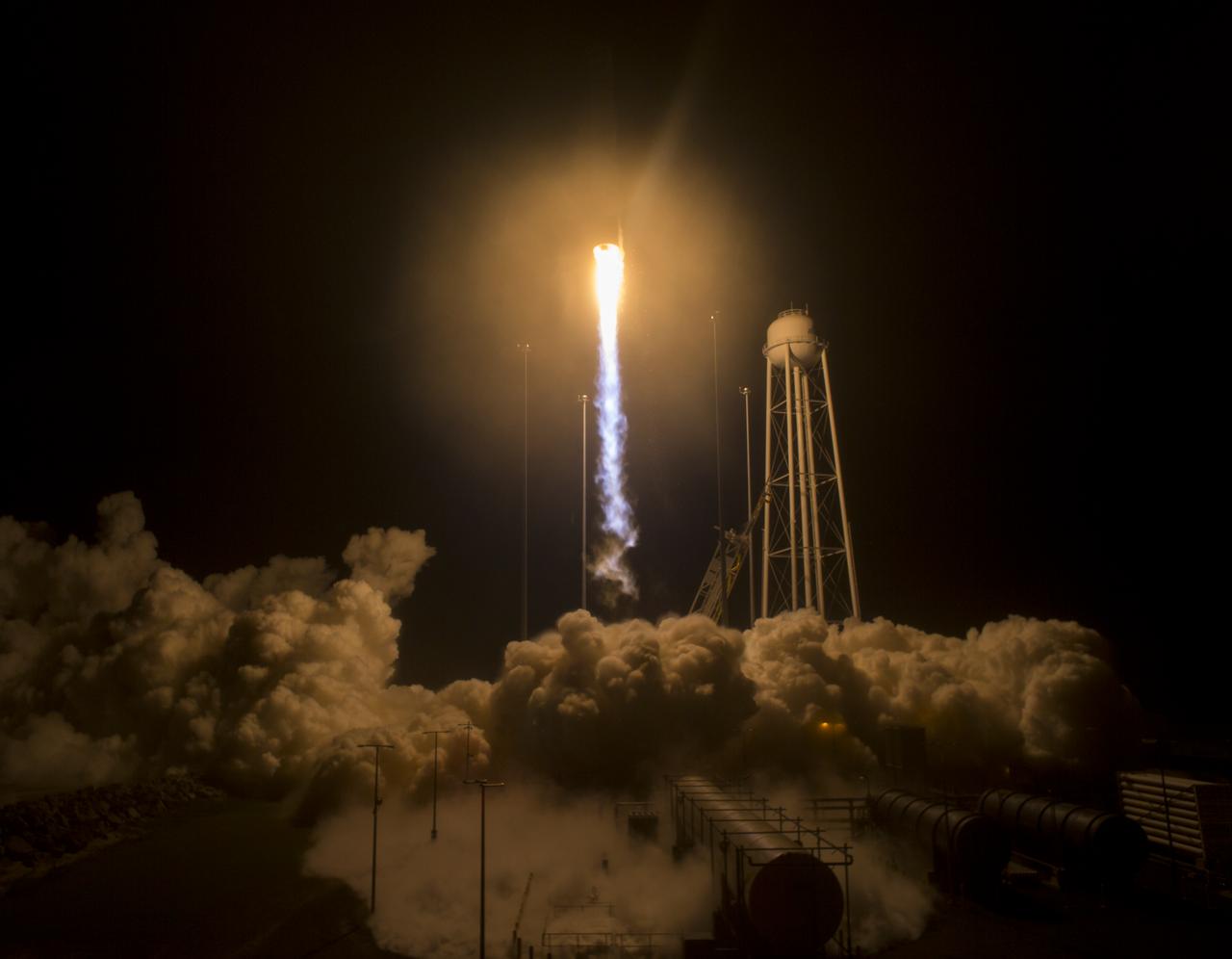
The Orbital ATK Antares rocket, with the Cygnus spacecraft onboard, launches from Pad-0A, Monday, May 21, 2018 at NASA's Wallops Flight Facility in Virginia. Orbital ATK’s ninth contracted cargo resupply mission with NASA to the International Space Station will deliver approximately 7,400 pounds of science and research, crew supplies and vehicle hardware to the orbital laboratory and its crew. Photo Credit: (NASA/Aubrey Gemignani)

The Orbital ATK Antares rocket, with the Cygnus spacecraft onboard, is seen at launch Pad-0A, Saturday, May 19, 2018 at Wallops Flight Facility in Virginia. The Antares will launch with the Cygnus spacecraft filled with 7,400 pounds of cargo for the International Space Station (ISS), including science experiments, crew supplies, and vehicle hardware. The mission is Orbital ATK's ninth contracted cargo delivery flight to ISS for NASA. Photo Credit: (NASA/Aubrey Gemignani)
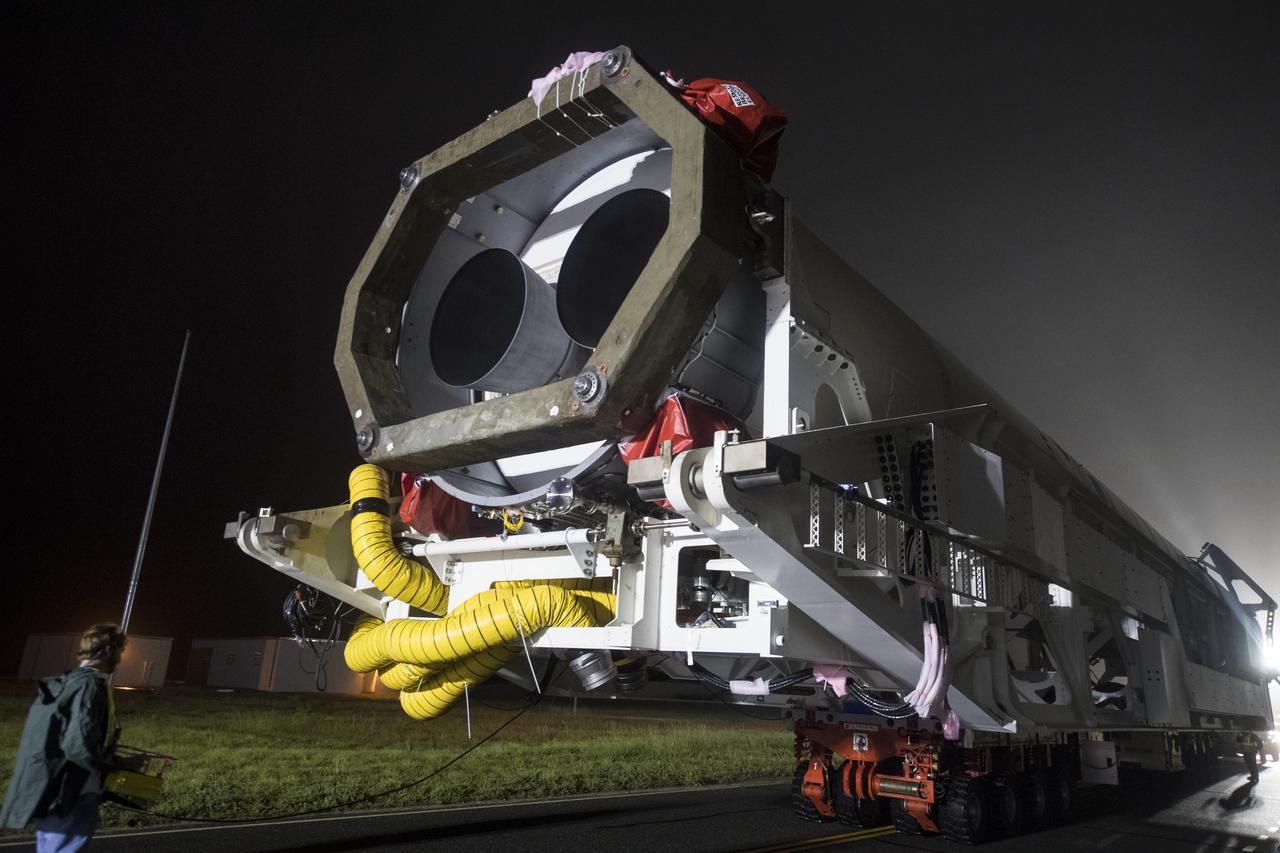
An Orbital ATK rocket is seen as it is rolled out to launch Pad-0A at Wallops Flight Facility Thursday, May 17, 2018 at Wallops Island, VA. The Antares will launch a Cygnus spacecraft on a cargo resupply mission to the International Space Station. The mission is Orbital ATK’s ninth contracted cargo delivery flight to the space station for NASA. Included in the 7,400 pounds of cargo onboard Cygnus, are science experiments, crew supplies, and vehicle hardware. Photo Credit: (NASA/Aubrey Gemignani)
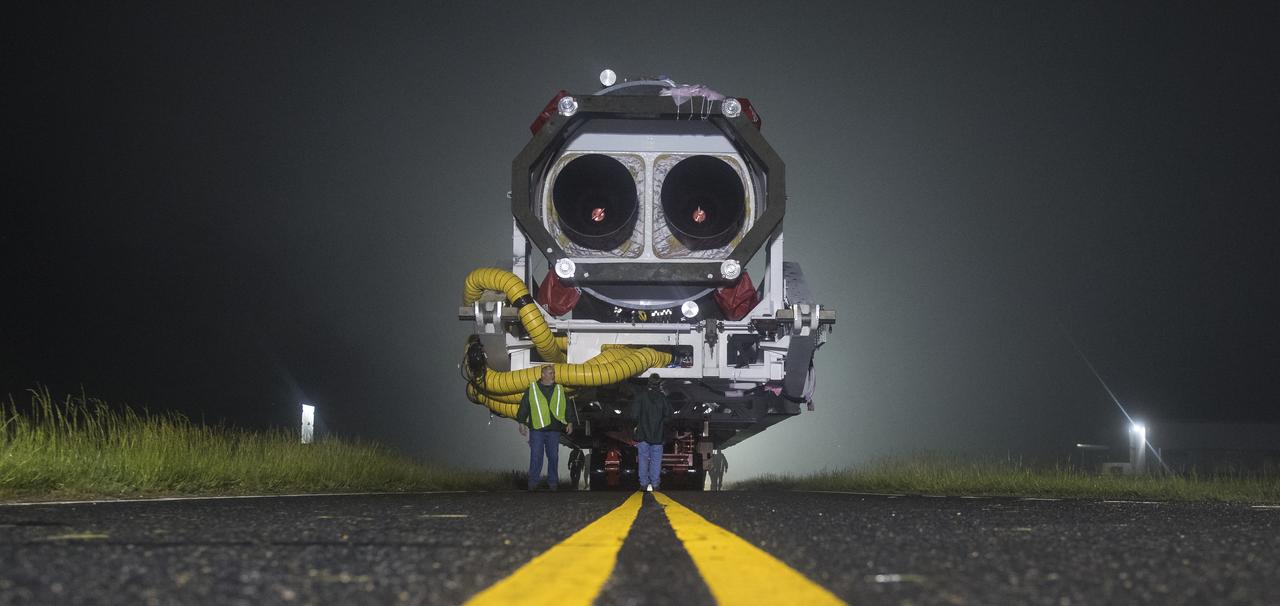
An Orbital ATK rocket is seen as it is rolled out to launch Pad-0A at Wallops Flight Facility Thursday, May 17, 2018 at Wallops Island, VA. The Antares will launch a Cygnus spacecraft on a cargo resupply mission to the International Space Station. The mission is Orbital ATK’s ninth contracted cargo delivery flight to the space station for NASA. Included in the 7,400 pounds of cargo onboard Cygnus, are science experiments, crew supplies, and vehicle hardware. Photo Credit: (NASA/Aubrey Gemignani)
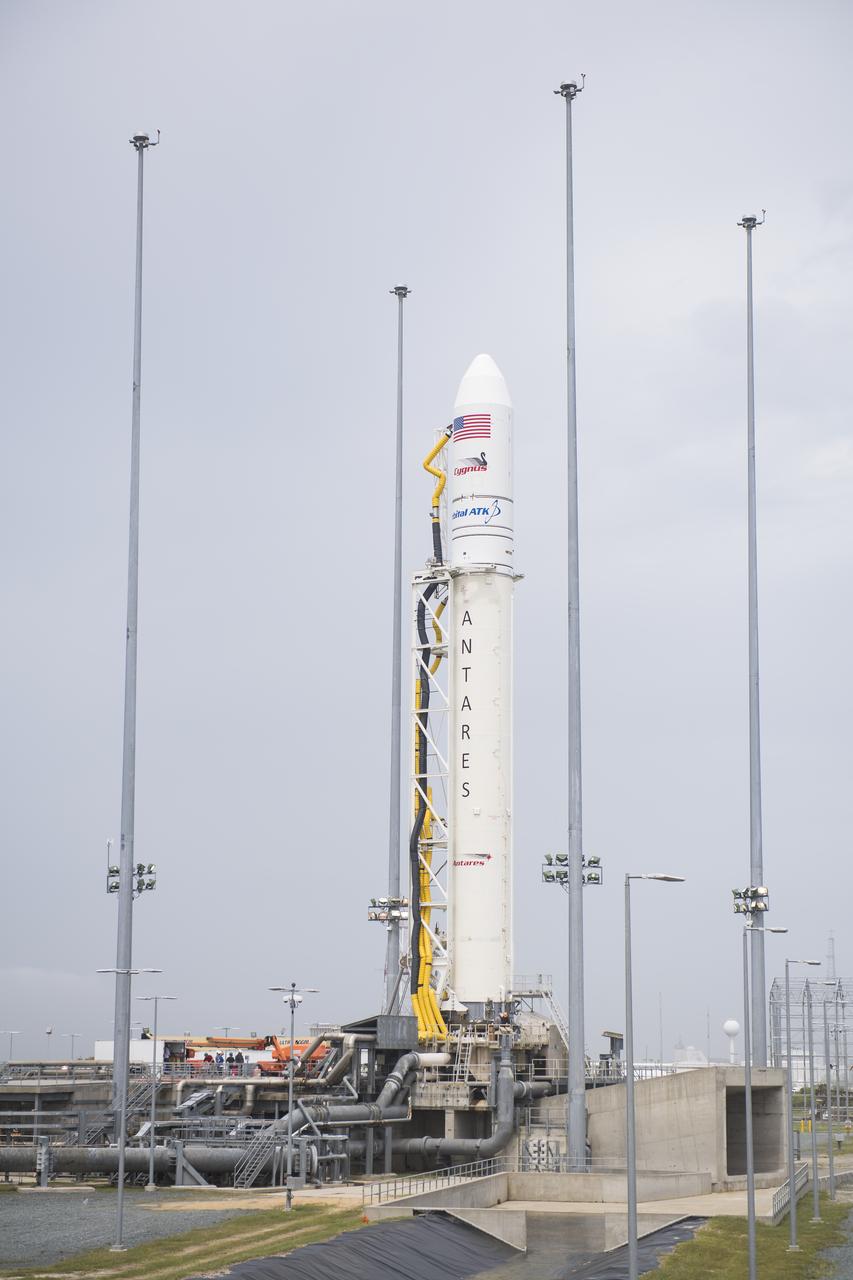
The Orbital ATK Antares rocket, with the Cygnus spacecraft onboard, is seen at launch Pad-0A, Saturday, May 19, 2018 at Wallops Flight Facility in Virginia. The Antares will launch with the Cygnus spacecraft filled with 7,400 pounds of cargo for the International Space Station (ISS), including science experiments, crew supplies, and vehicle hardware. The mission is Orbital ATK's ninth contracted cargo delivery flight to ISS for NASA. Photo Credit: (NASA/Aubrey Gemignani)
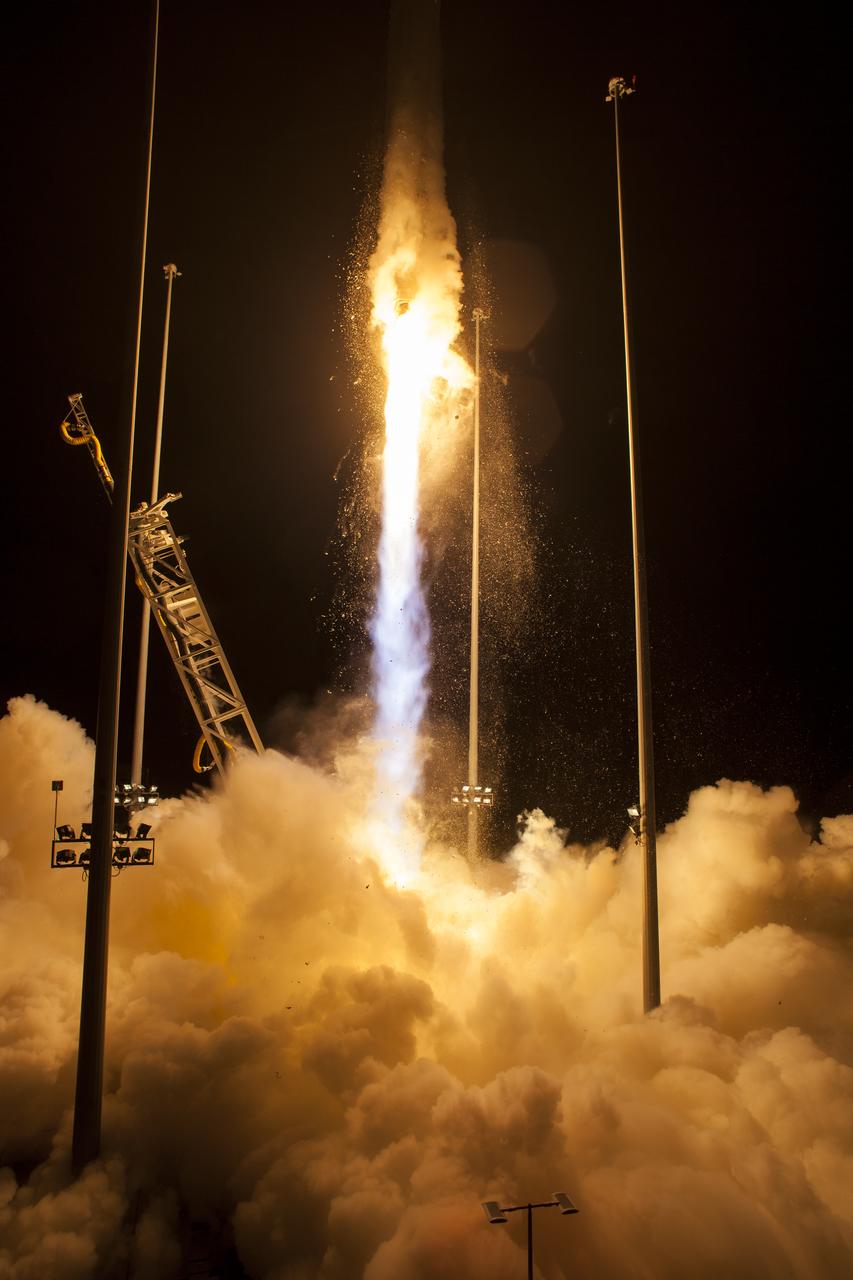
The Orbital ATK Antares rocket, with the Cygnus spacecraft onboard, launches from Pad-0A, Monday, May 21, 2018 at NASA's Wallops Flight Facility in Virginia. Orbital ATK’s ninth contracted cargo resupply mission with NASA to the International Space Station will deliver approximately 7,400 pounds of science and research, crew supplies and vehicle hardware to the orbital laboratory and its crew. Photo Credit: (NASA/Aubrey Gemignani)
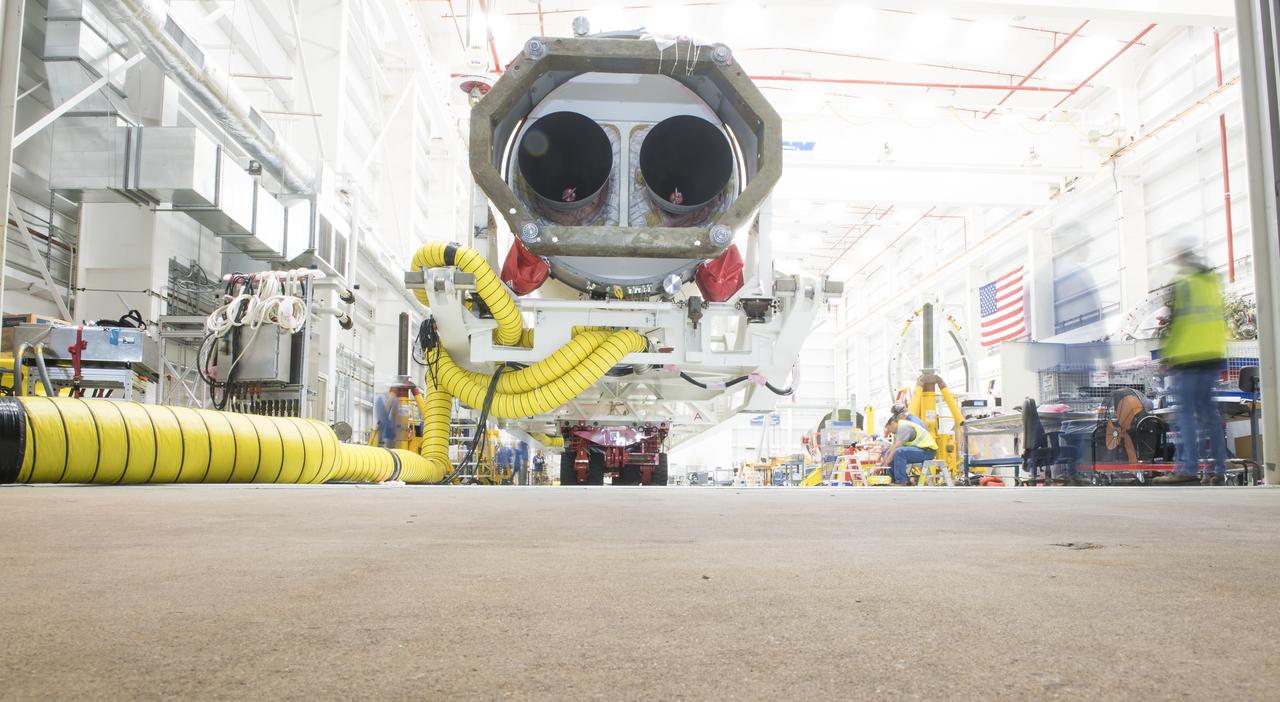
An Orbital ATK rocket is seen in this long exposure, as workers prepare to roll it out to launch Pad-0A at Wallops Flight Facility Thursday, May 17, 2018 at Wallops Island, VA. The Antares will launch a Cygnus spacecraft on a cargo resupply mission to the International Space Station. The mission is Orbital ATK’s ninth contracted cargo delivery flight to the space station for NASA. Included in the 7,400 pounds of cargo onboard Cygnus, are science experiments, crew supplies, and vehicle hardware. Photo Credit: (NASA/Aubrey Gemignani)
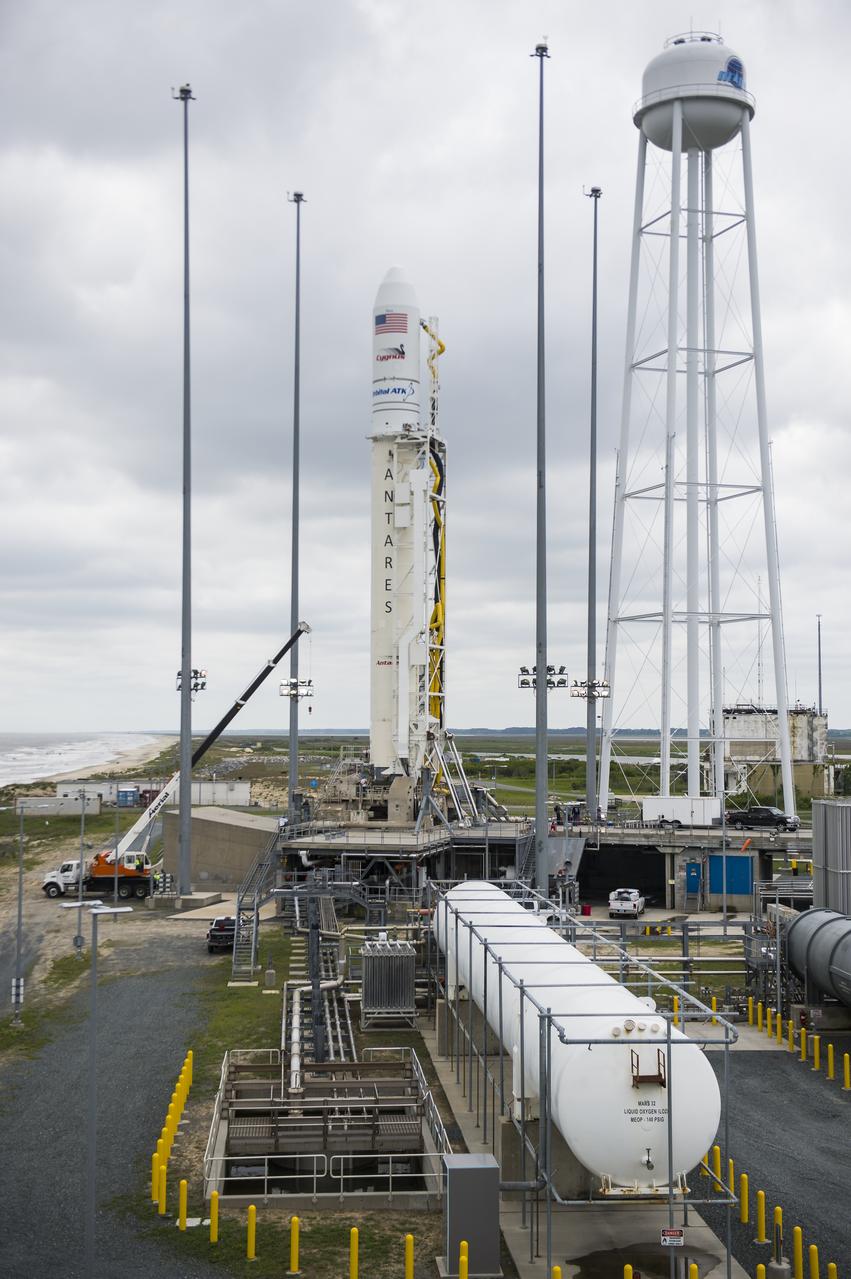
The Orbital ATK Antares rocket, with the Cygnus spacecraft onboard, is seen at launch Pad-0A, Sunday, May 20, 2018 at Wallops Flight Facility in Virginia. The Antares will launch with the Cygnus spacecraft filled with 7,400 pounds of cargo for the International Space Station (ISS), including science experiments, crew supplies, and vehicle hardware. The mission is Orbital ATK's ninth contracted cargo delivery flight to ISS for NASA. Photo Credit: (NASA/Aubrey Gemignani)

The Orbital ATK Antares rocket, with the Cygnus spacecraft onboard, is seen at launch Pad-0A, Sunday, May 20, 2018 at Wallops Flight Facility in Virginia. The Antares will launch with the Cygnus spacecraft filled with 7,400 pounds of cargo for the International Space Station (ISS), including science experiments, crew supplies, and vehicle hardware. The mission is Orbital ATK's ninth contracted cargo delivery flight to ISS for NASA. Photo Credit: (NASA/Aubrey Gemignani)

Jeffrey Richards, a project science coordinator with URS Federal Services, uses a fixative to secure Arabidopsis seeds, commonly known as thale cress, in the science carrier, or base, of the Advanced Plant Habitat (APH) inside a laboratory in the Space Station Processing Facility at NASA's Kennedy Space Center in Florida on Wednesday, May 9. The APH base will be delivered to the International Space Station aboard Orbital ATK's Cygnus spacecraft on the company's ninth Commercial Resupply Services mission for NASA. The APH is the largest plant chamber built for the agency. It is a fully automated plant growth facility that is being used to conduct bioscience research on the space station. Cygnus will launch on Orbital ATK's Antares rocket from Wallops Flight Facility in Wallops Island, Virginia. Launch is targeted for May 20, 2018.

Inside a laboratory in the Space Station Processing Facility at NASA's Kennedy Space Center in Florida, research scientists prepare the science carrier, or base, of the Advanced Plant Habitat (APH) for planting of Arabidopsis seeds, commonly known as thale cress, on Wednesday, May 9. The APH base will be delivered to the International Space Station aboard Orbital ATK's Cygnus spacecraft on the company's ninth Commercial Resupply Services mission for NASA. The APH is the largest plant chamber built for the agency. It is a fully automated plant growth facility that is being used to conduct bioscience research on the space station. Cygnus will launch on Orbital ATK's Antares rocket from Wallops Flight Facility in Wallops Island, Virginia. Launch is targeted for May 20, 2018.

Jeffrey Richards, at left, a project science coordinator with URS Federal Services, secures Arabidopsis seeds, commonly known as thale cress, in the science carrier, or base, of the Advanced Plant Habitat (APH) inside a laboratory in the Space Station Processing Facility at NASA's Kennedy Space Center in Florida on Wednesday, May 9. The APH base will be delivered to the International Space Station aboard Orbital ATK's Cygnus spacecraft on the company's ninth Commercial Resupply Services mission for NASA. The APH is the largest plant chamber built for the agency. It is a fully automated plant growth facility that is being used to conduct bioscience research on the space station. Cygnus will launch on Orbital ATK's Antares rocket from Wallops Flight Facility in Wallops Island, Virginia. Launch is targeted for May 20, 2018.

Jeffrey Richards, a project science coordinator with URS Federal Services, secures Arabidopsis seeds, commonly known as thale cress, in the science carrier, or base, of the Advanced Plant Habitat (APH) inside a laboratory in the Space Station Processing Facility at NASA's Kennedy Space Center in Florida on Wednesday, May 9. The APH base will be delivered to the International Space Station aboard Orbital ATK's Cygnus spacecraft on the company's ninth Commercial Resupply Services mission for NASA. The APH is the largest plant chamber built for the agency. It is a fully automated plant growth facility that is being used to conduct bioscience research on the space station. Cygnus will launch on Orbital ATK's Antares rocket from Wallops Flight Facility in Wallops Island, Virginia. Launch is targeted for May 20, 2018.

Jeffrey Richards, a project science coordinator with URS Federal Services, secures Arabidopsis seeds, commonly known as thale cress, in the science carrier, or base, of the Advanced Plant Habitat (APH) inside a laboratory in the Space Station Processing Facility at NASA's Kennedy Space Center in Florida on Wednesday, May 9. The APH base will be delivered to the International Space Station aboard Orbital ATK's Cygnus spacecraft on the company's ninth Commercial Resupply Services mission for NASA. The APH is the largest plant chamber built for the agency. It is a fully automated plant growth facility that is being used to conduct bioscience research on the space station. Cygnus will launch on Orbital ATK's Antares rocket from Wallops Flight Facility in Wallops Island, Virginia. Launch is targeted for May 20, 2018.

Inside a laboratory in the Space Station Processing Facility at NASA's Kennedy Space Center in Florida, several varieties of Arabidopsis seeds, commonly known as thale cress, are being prepared for securing in the science carrier, or base, of the Advanced Plant Habitat (APH) on Wednesday, May 9. The APH base will be delivered to the International Space Station aboard Orbital ATK's Cygnus spacecraft on the company's ninth Commercial Resupply Services mission for NASA. The APH is the largest plant chamber built for the agency. It is a fully automated plant growth facility that is being used to conduct bioscience research on the space station. Cygnus will launch on Orbital ATK's Antares rocket from Wallops Flight Facility in Wallops Island, Virginia. Launch is targeted for May 20, 2018.

Inside a laboratory in the Space Station Processing Facility at NASA's Kennedy Space Center in Florida, research scientists prepare the science carrier, or base, of the Advanced Plant Habitat (APH) for planting of Arabidopsis seeds, commonly known as thale cress, on Wednesday, May 9. The APH base will be delivered to the International Space Station aboard Orbital ATK's Cygnus spacecraft on the company's ninth Commercial Resupply Services mission for NASA. The APH is the largest plant chamber built for the agency. It is a fully automated plant growth facility that is being used to conduct bioscience research on the space station. Cygnus will launch on Orbital ATK's Antares rocket from Wallops Flight Facility in Wallops Island, Virginia. Launch is targeted for May 20, 2018.

Inside a laboratory in the Space Station Processing Facility at NASA's Kennedy Space Center in Florida, a research scientist prepares a fixative which will be used to secure Arabidopsis seeds, commonly known as thale cress, inside the science carrier, or base, of the Advanced Plant Habitat (APH) on Wednesday, May 9. The APH base will be delivered to the International Space Station aboard Orbital ATK's Cygnus spacecraft on the company's ninth Commercial Resupply Services mission for NASA. The APH is the largest plant chamber built for the agency. It is a fully automated plant growth facility that is being used to conduct bioscience research on the space station. Cygnus will launch on Orbital ATK's Antares rocket from Wallops Flight Facility in Wallops Island, Virginia. Launch is targeted for May 20, 2018.