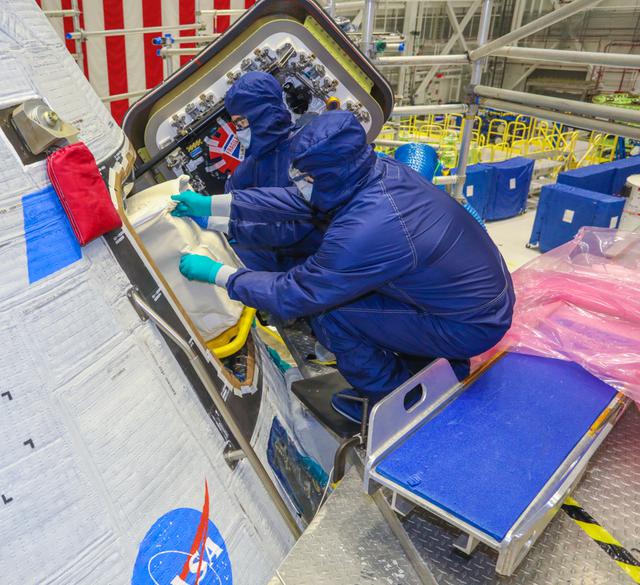
Technicians place cargo inside Boeing’s CST-100 Starliner ahead of Orbital Flight Test-2 (OFT-2) in the Commercial Crew and Cargo Processing Facility at NASA’s Kennedy Space Center in Florida on May 28, 2021. Part of the agency’s Commercial Crew Program, OFT-2 is a critical developmental milestone on the company’s path to fly crew missions for NASA.
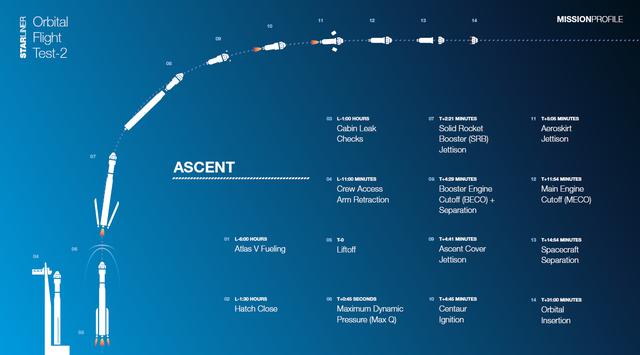
This graphic details ascent operations for NASA’s Boeing Orbital Flight Test-2 (OFT-2). OFT-2 is the second uncrewed flight test of the company’s CST-100 Starliner spacecraft for the agency’s Commercial Crew Program.
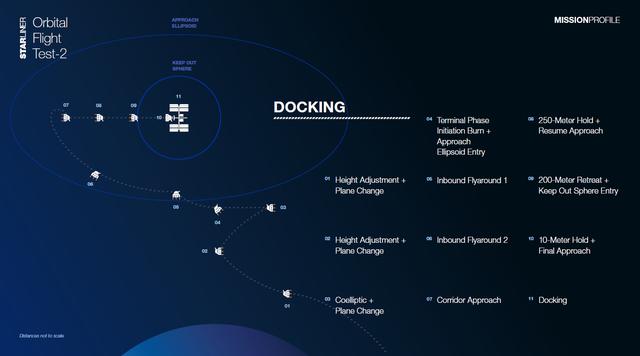
This graphic details docking operations for NASA’s Boeing Orbital Flight Test-2 (OFT-2). OFT-2 is the second uncrewed flight test of the company’s CST-100 Starliner spacecraft for the agency’s Commercial Crew Program.
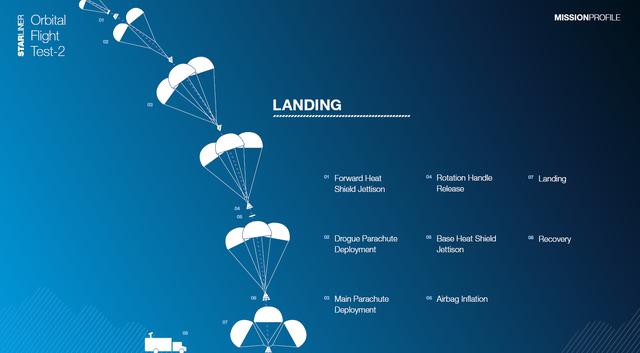
This graphic details landing operations for NASA’s Boeing Orbital Flight Test-2 (OFT-2). OFT-2 is the second uncrewed flight test of the company’s CST-100 Starliner spacecraft for the agency’s Commercial Crew Program.
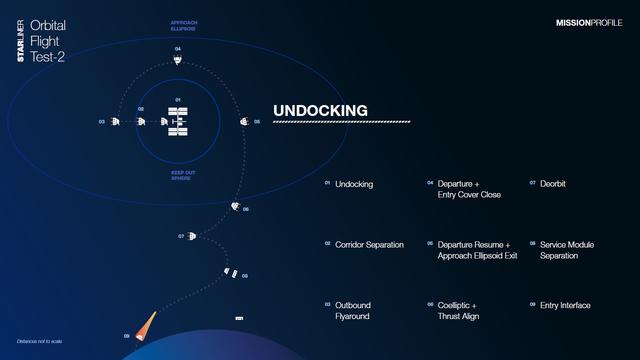
This graphic details undocking operations for NASA’s Boeing Orbital Flight Test-2 (OFT-2). OFT-2 is the second uncrewed flight test of the company’s CST-100 Starliner spacecraft for the agency’s Commercial Crew Program.
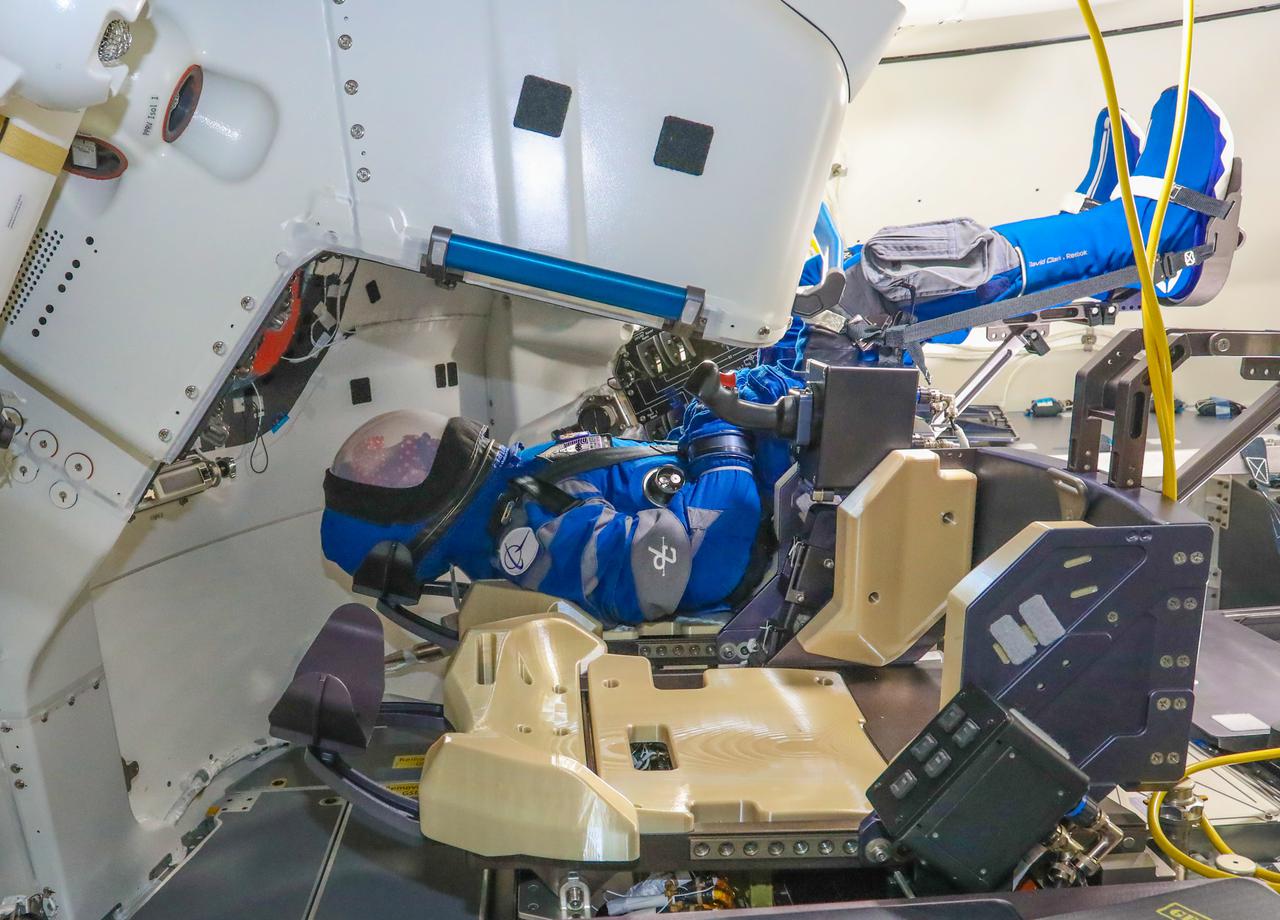
Rosie the Rocketeer, Boeing’s anthropometric test device, claimed her spot once again in the commander’s seat inside the company’s CST-100 Starliner spacecraft for its second uncrewed Orbital Flight Test (OFT-2) for NASA’s Commercial Crew Program. Rosie’s first flight, OFT, provided hundreds of data points about what astronauts will experience during flight. For OFT-2, she will help maintain Starliner’s center of gravity during ascent, docking, undocking and landing. OFT-2 is scheduled to lift off at 2:53 p.m. ET Friday, July 30, from Space Launch Complex 41 at Cape Canaveral Space Force Station in Florida bound for the International Space Station.
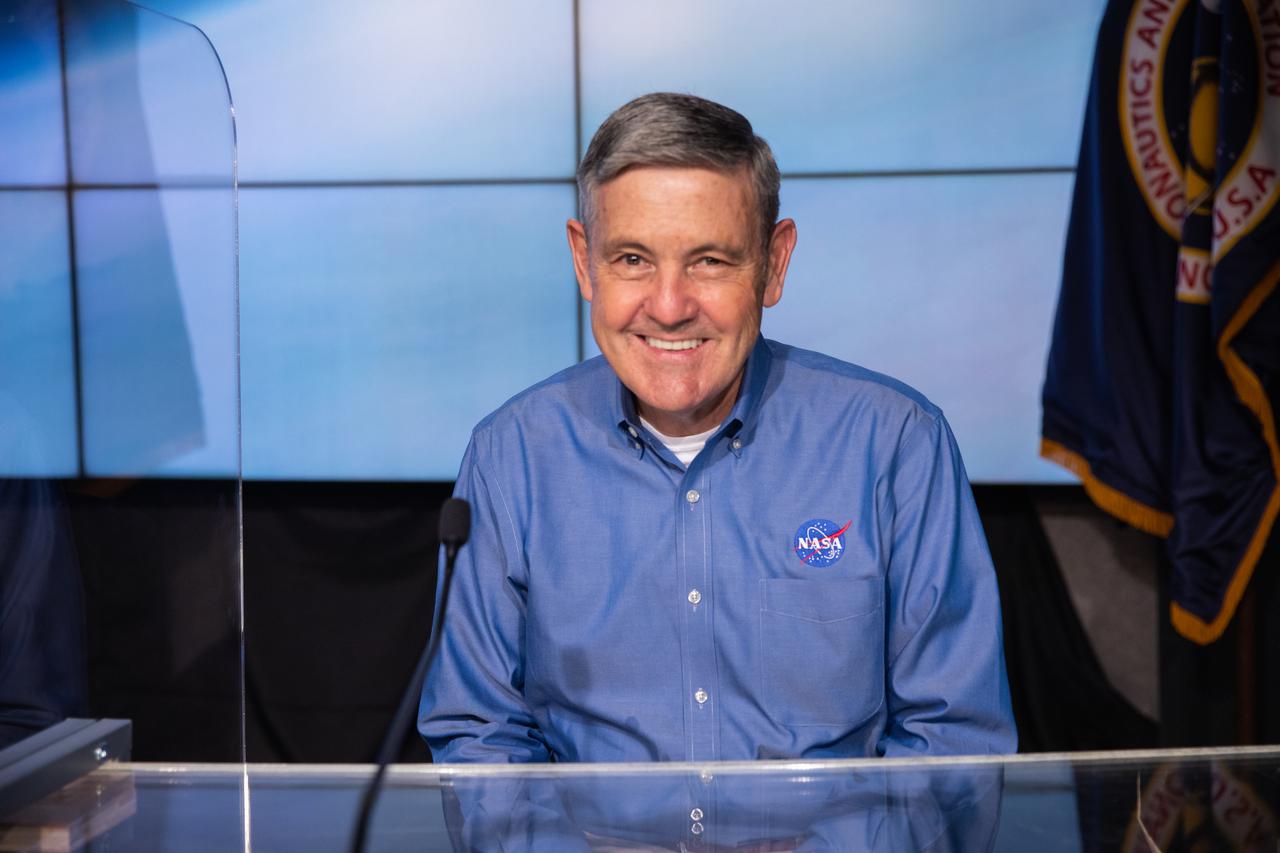
NASA Associate Administrator Bob Cabana participates in the NASA Administrator Media Briefing ahead of Boeing’s Orbital Flight Test-2 (OFT-2) at the agency’s Kennedy Space Center in Florida, July 29, 2021. Boeing’s CST-100 Starliner spacecraft will launch atop a United Launch Alliance Atlas V rocket from Space Launch Complex-41 at Cape Canaveral Space Force Station. The uncrewed OFT-2 will be the Starliner’s second flight for NASA’s Commercial Crew Program.
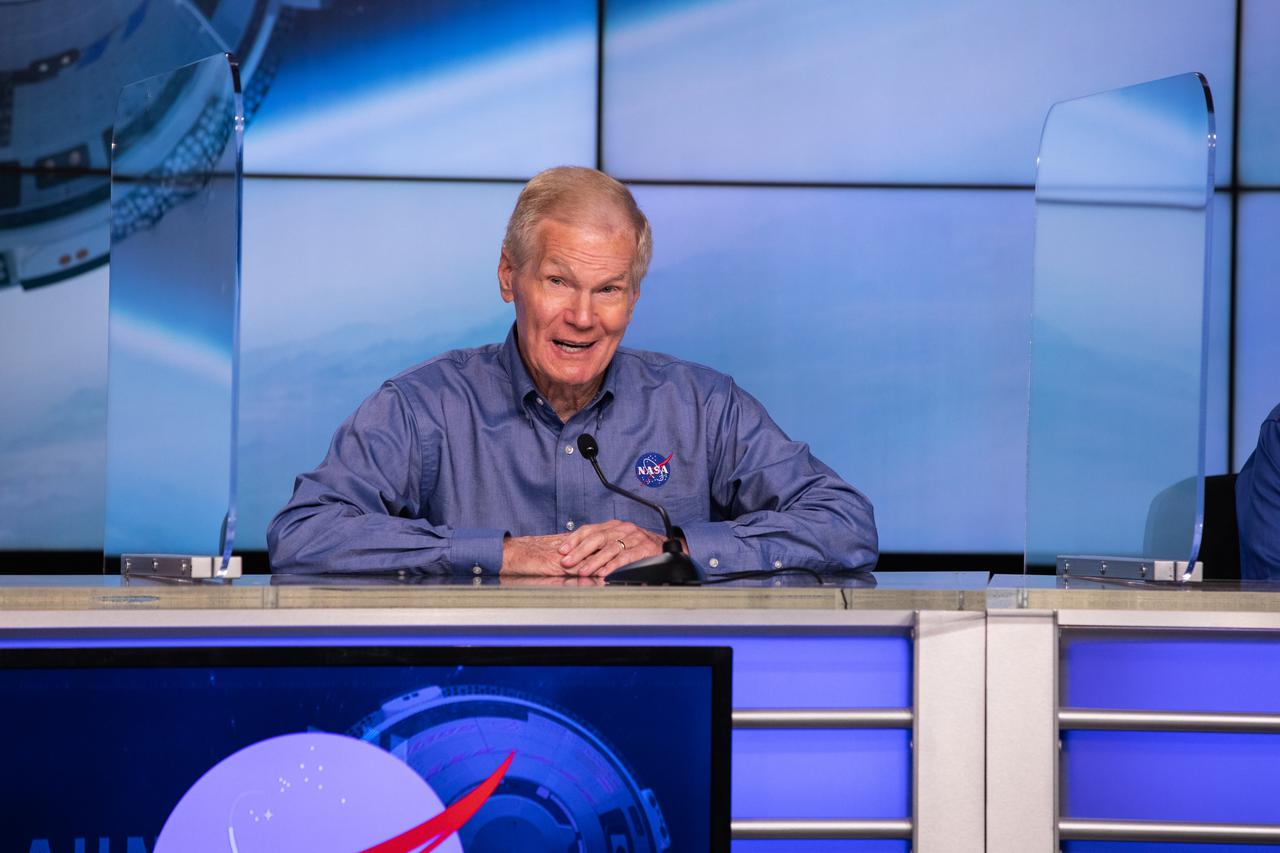
NASA Administrator Bill Nelson (center) speaks to the media ahead of Boeing’s Orbital Flight Test-2 (OFT-2) at the agency’s Kennedy Space Center in Florida, July 29, 2021. Boeing’s CST-100 Starliner spacecraft will launch atop a United Launch Alliance Atlas V rocket from Space Launch Complex-41 at Cape Canaveral Space Force Station. The uncrewed OFT-2 will be the Starliner’s second flight for NASA’s Commercial Crew Program.
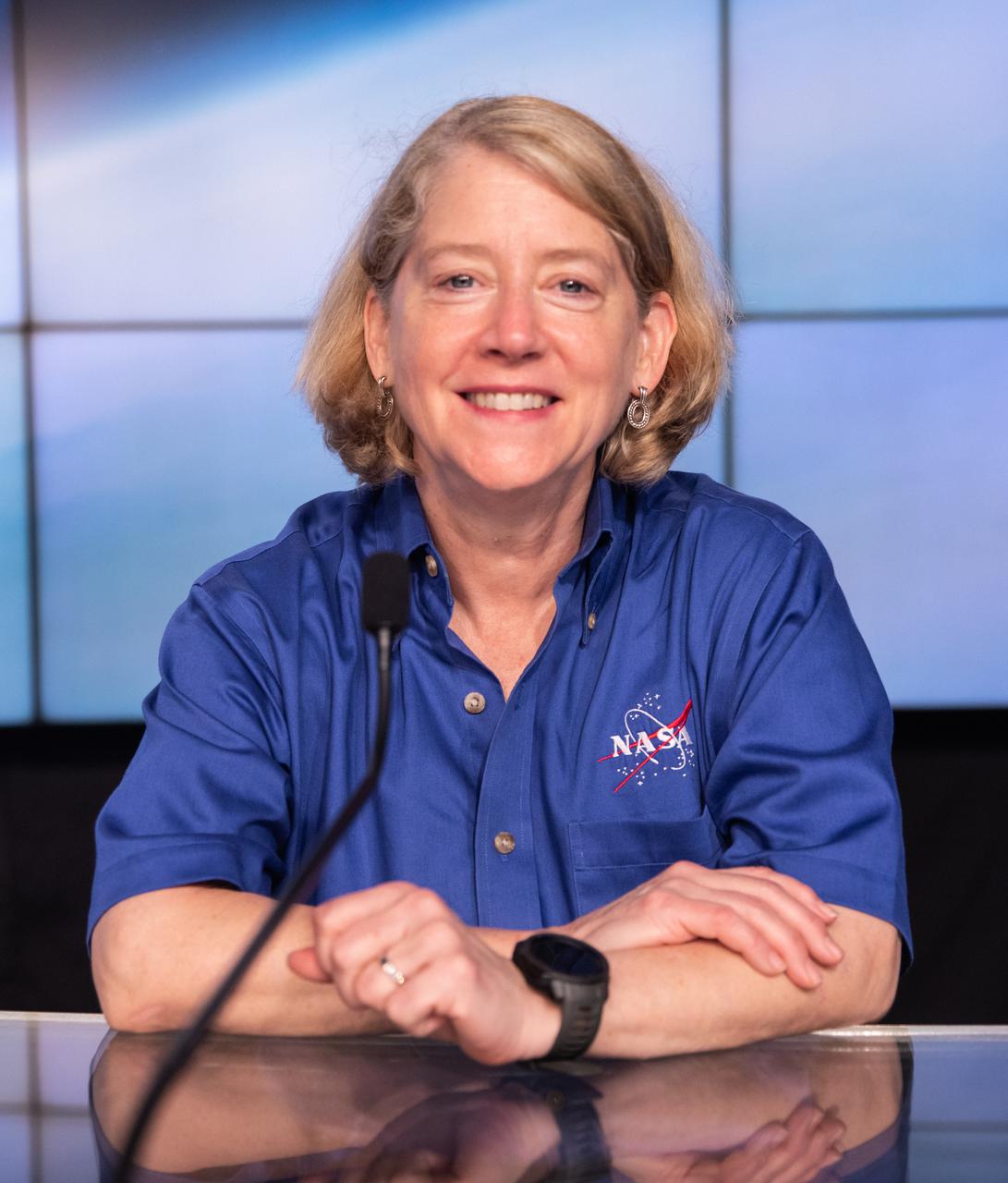
NASA Deputy Administrator Pam Melroy participates in the NASA Administrator Media Briefing ahead of Boeing’s Orbital Flight Test-2 (OFT-2) at the agency’s Kennedy Space Center in Florida, July 29, 2021. Boeing’s CST-100 Starliner spacecraft will launch atop a United Launch Alliance Atlas V rocket from Space Launch Complex-41 at Cape Canaveral Space Force Station. The uncrewed OFT-2 will be the Starliner’s second flight for NASA’s Commercial Crew Program.
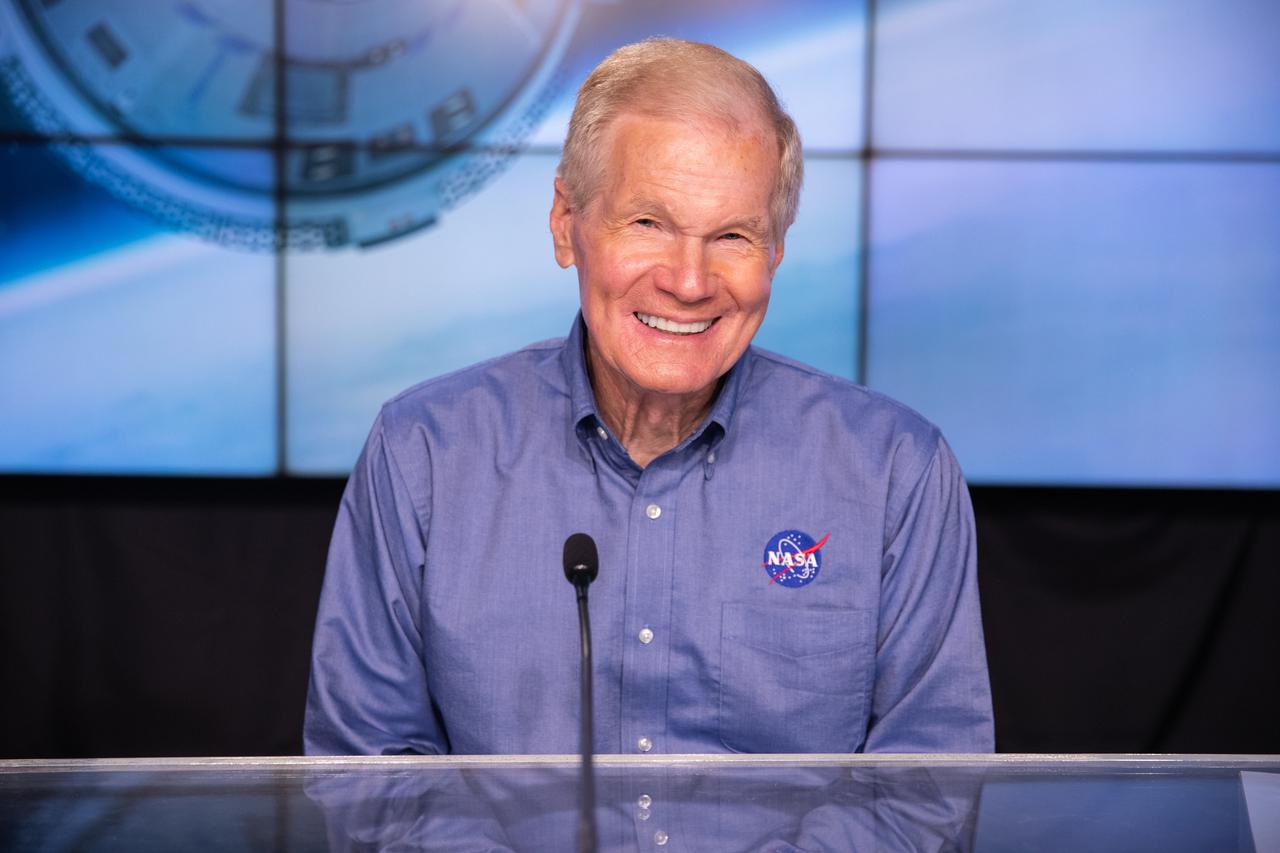
NASA Administrator Bill Nelson participates in the NASA Administrator Media Briefing ahead of Boeing’s Orbital Flight Test-2 (OFT-2) at the agency’s Kennedy Space Center in Florida, July 29, 2021. Boeing’s CST-100 Starliner spacecraft will launch atop a United Launch Alliance Atlas V rocket from Space Launch Complex-41 at Cape Canaveral Space Force Station. The uncrewed OFT-2 will be the Starliner’s second flight for NASA’s Commercial Crew Program.
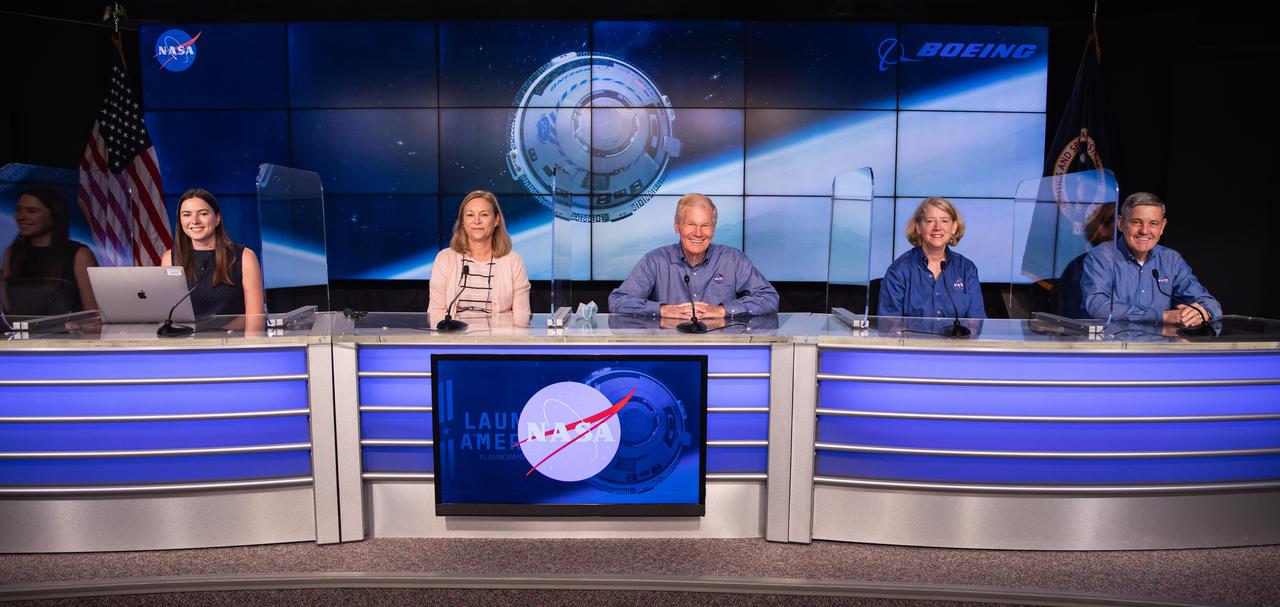
Officials from NASA participate in the NASA Administrator Media Briefing ahead of Boeing’s Orbital Flight Test-2 (OFT-2) at the agency’s Kennedy Space Center in Florida, July 29, 2021. From left to right are Jackie McGuinness, NASA Press Secretary; Janet Petro, director, NASA’s Kennedy Space Center; NASA Administrator Bill Nelson; NASA Deputy Administrator Pam Melroy; NASA Associate Administrator Bob Cabana. The uncrewed OFT-2 will be the Starliner’s second flight for NASA’s Commercial Crew Program.
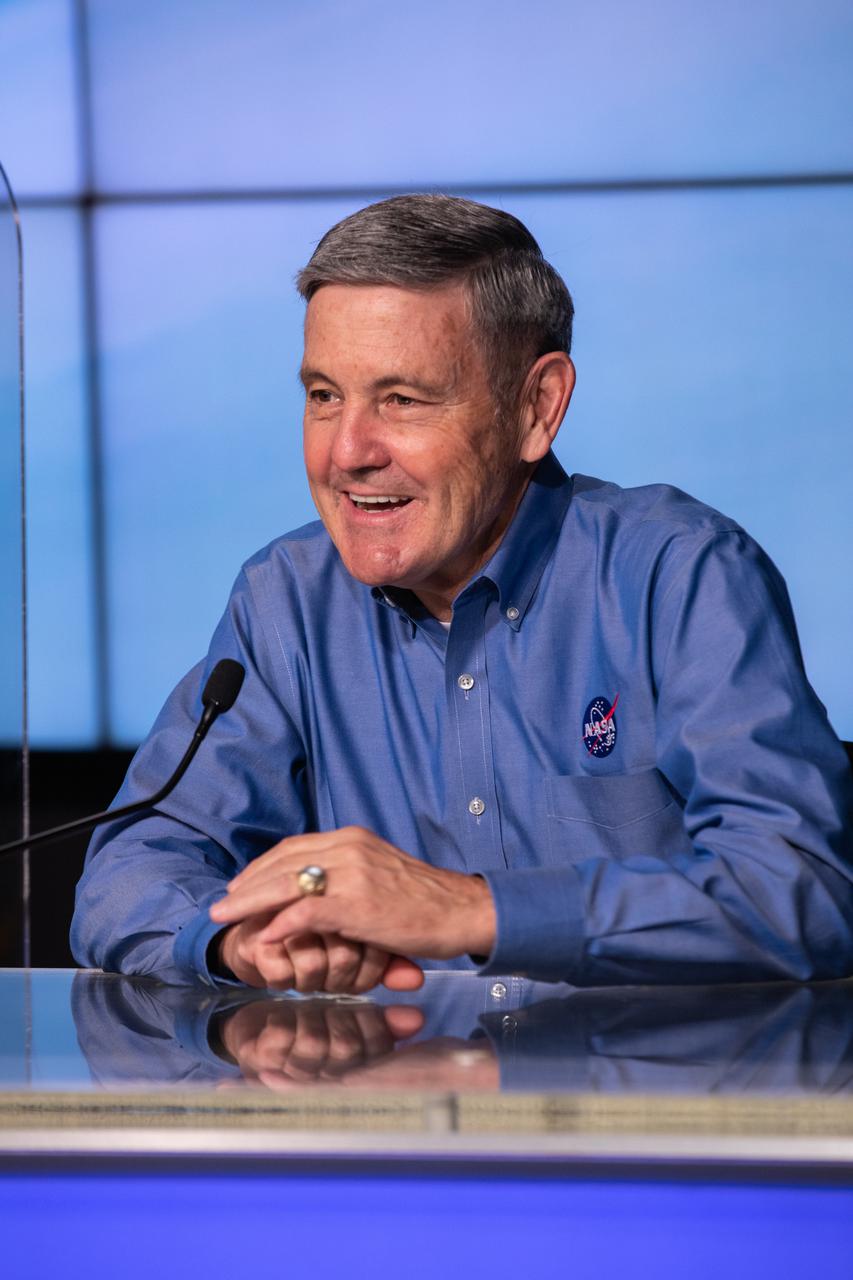
NASA Associate Administrator Bob Cabana speaks to the media ahead of Boeing’s Orbital Flight Test-2 (OFT-2) at the agency’s Kennedy Space Center in Florida, July 29, 2021. Boeing’s CST-100 Starliner spacecraft will launch atop a United Launch Alliance Atlas V rocket from Space Launch Complex-41 at Cape Canaveral Space Force Station. The uncrewed OFT-2 will be the Starliner’s second flight for NASA’s Commercial Crew Program.
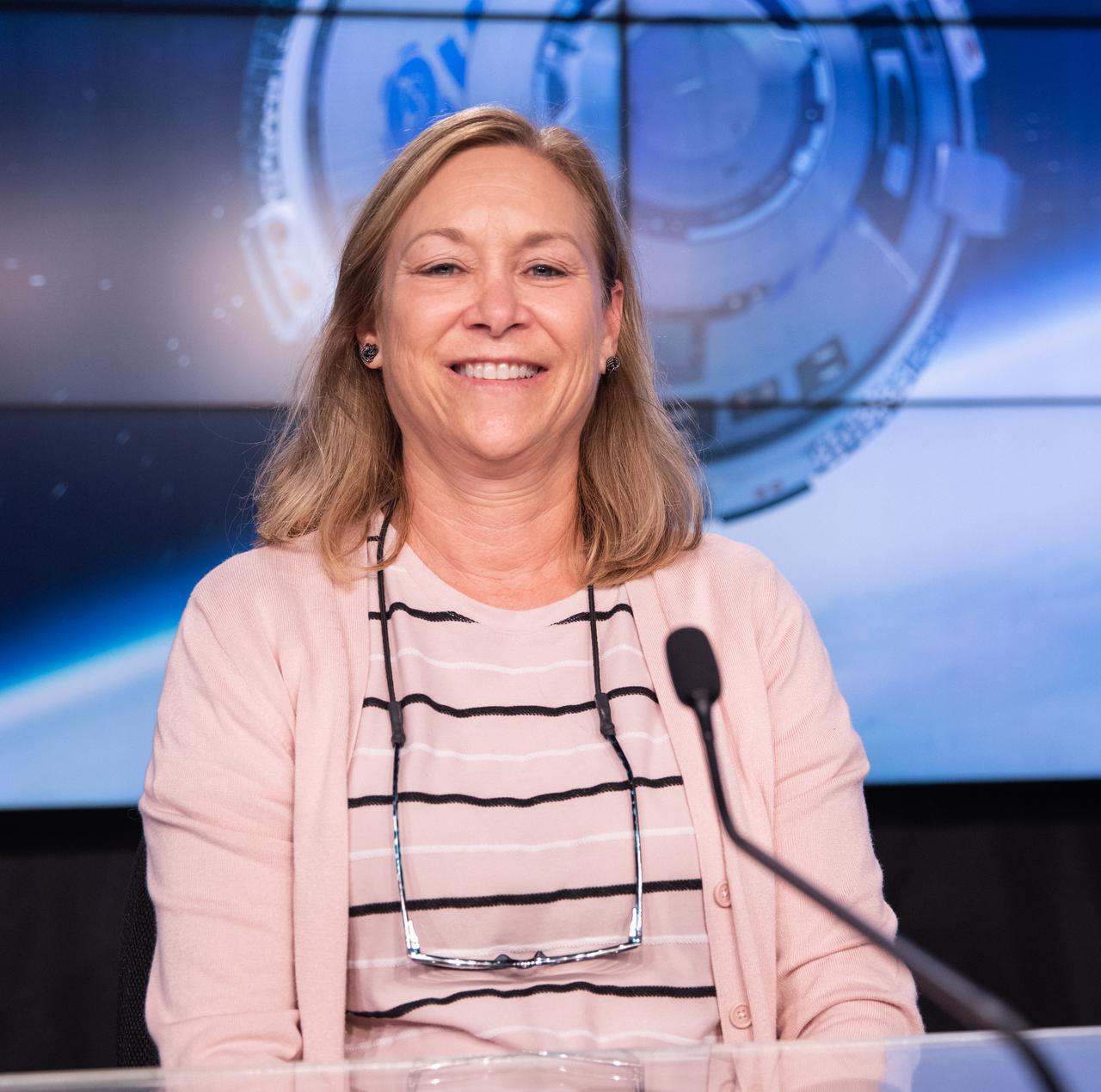
Janet Petro, director, NASA’s Kennedy Space Center, participates in the NASA Administrator Media Briefing ahead of Boeing’s Orbital Flight Test-2 (OFT-2) at the agency’s Kennedy Space Center in Florida, July 29, 2021. Boeing’s CST-100 Starliner spacecraft will launch atop a United Launch Alliance Atlas V rocket from Space Launch Complex-41 at Cape Canaveral Space Force Station. The uncrewed OFT-2 will be the Starliner’s second flight for NASA’s Commercial Crew Program.
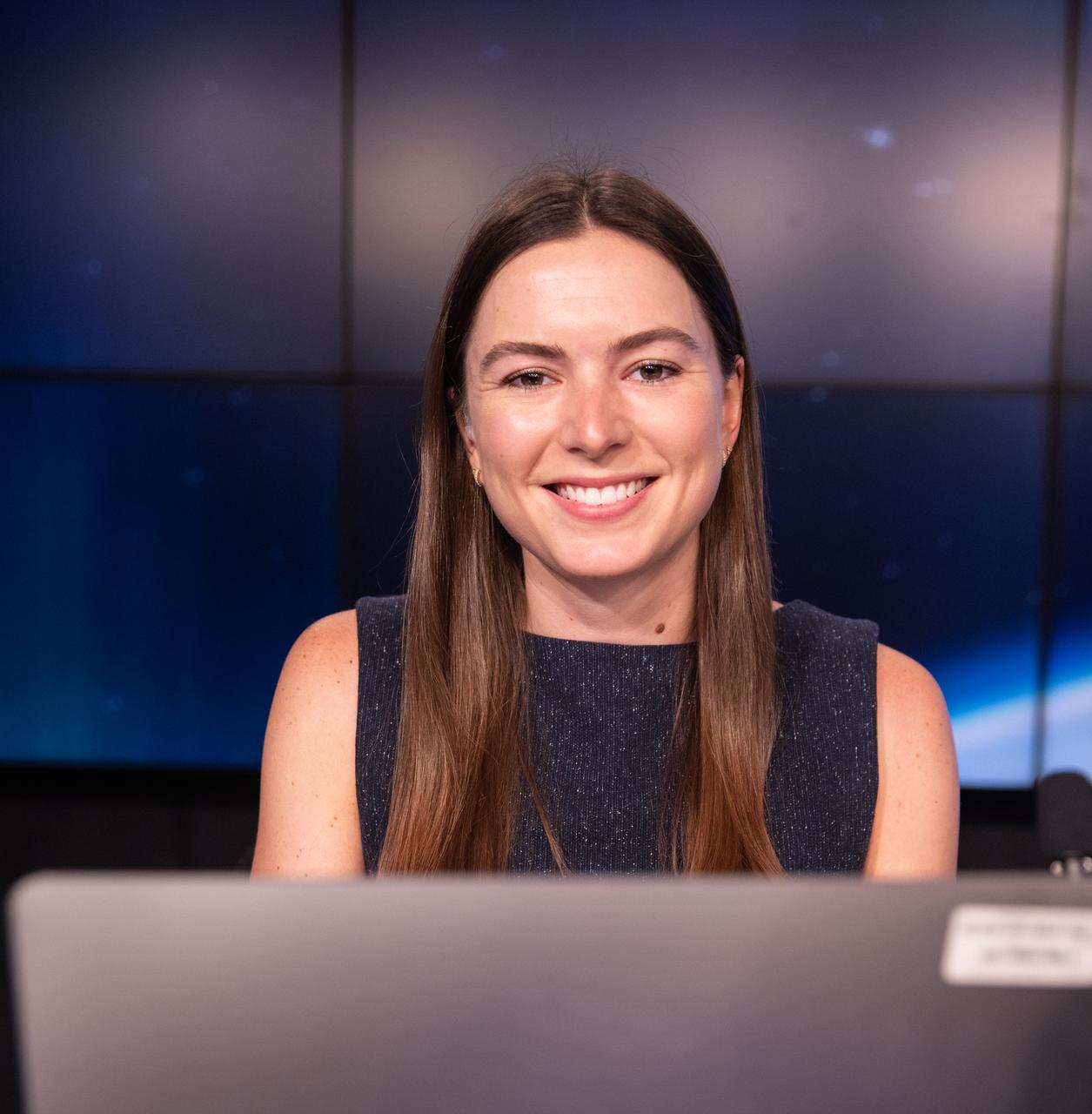
NASA Press Secretary Jackie McGuiness participates in the NASA Administrator Media Briefing ahead of Boeing’s Orbital Flight Test-2 (OFT-2) at the agency’s Kennedy Space Center in Florida, July 29, 2021. Boeing’s CST-100 Starliner spacecraft will launch atop a United Launch Alliance Atlas V rocket from Space Launch Complex-41 at Cape Canaveral Space Force Station. The uncrewed OFT-2 will be the Starliner’s second flight for NASA’s Commercial Crew Program.
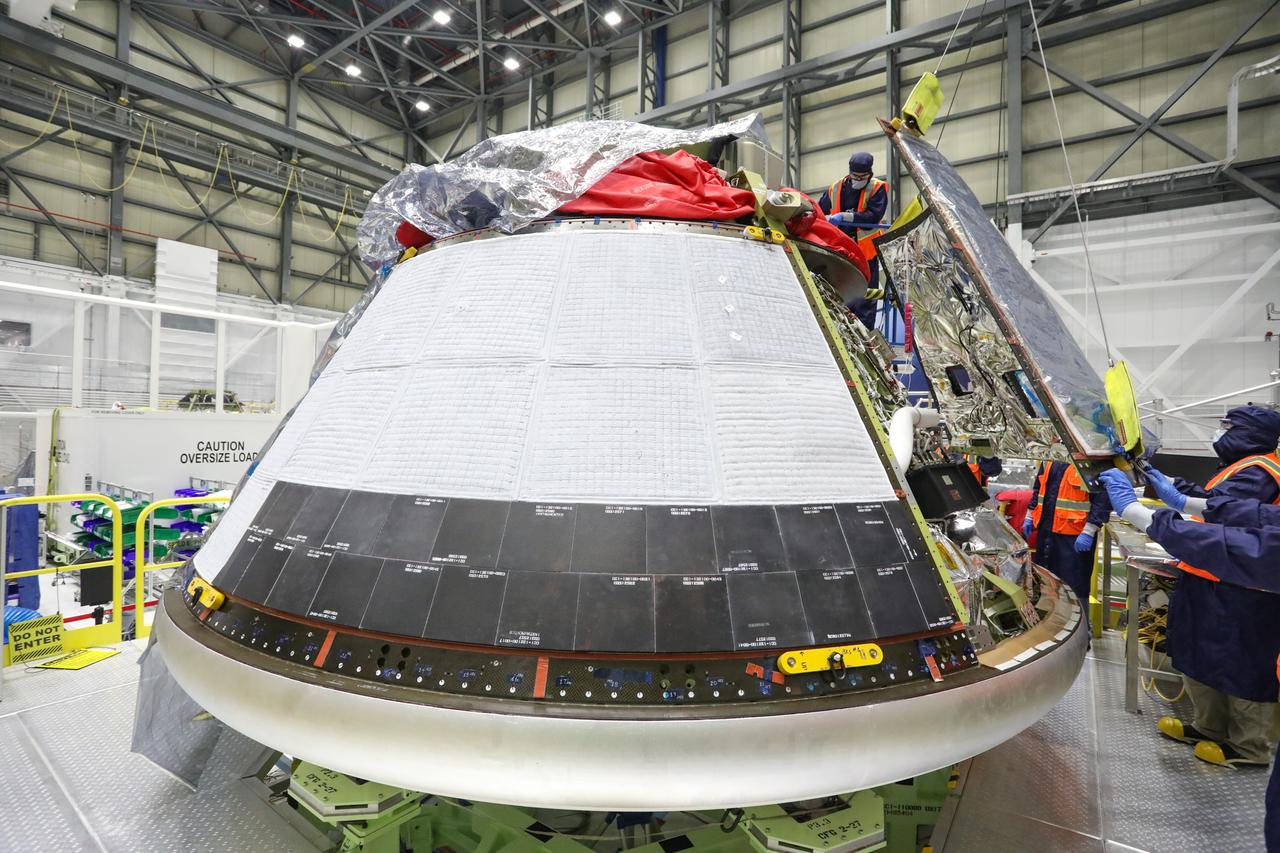
Boeing technicians install back shells on the Orbital Flight Test-2 (OFT-2) Starliner crew module inside the company’s Commercial Crew and Cargo Processing Facility at NASA’s Kennedy Space Center in Florida on December 2, 2020. During the OFT-2 mission, the uncrewed Starliner spacecraft will fly to the International Space Station for NASA’s Commercial Crew Program.
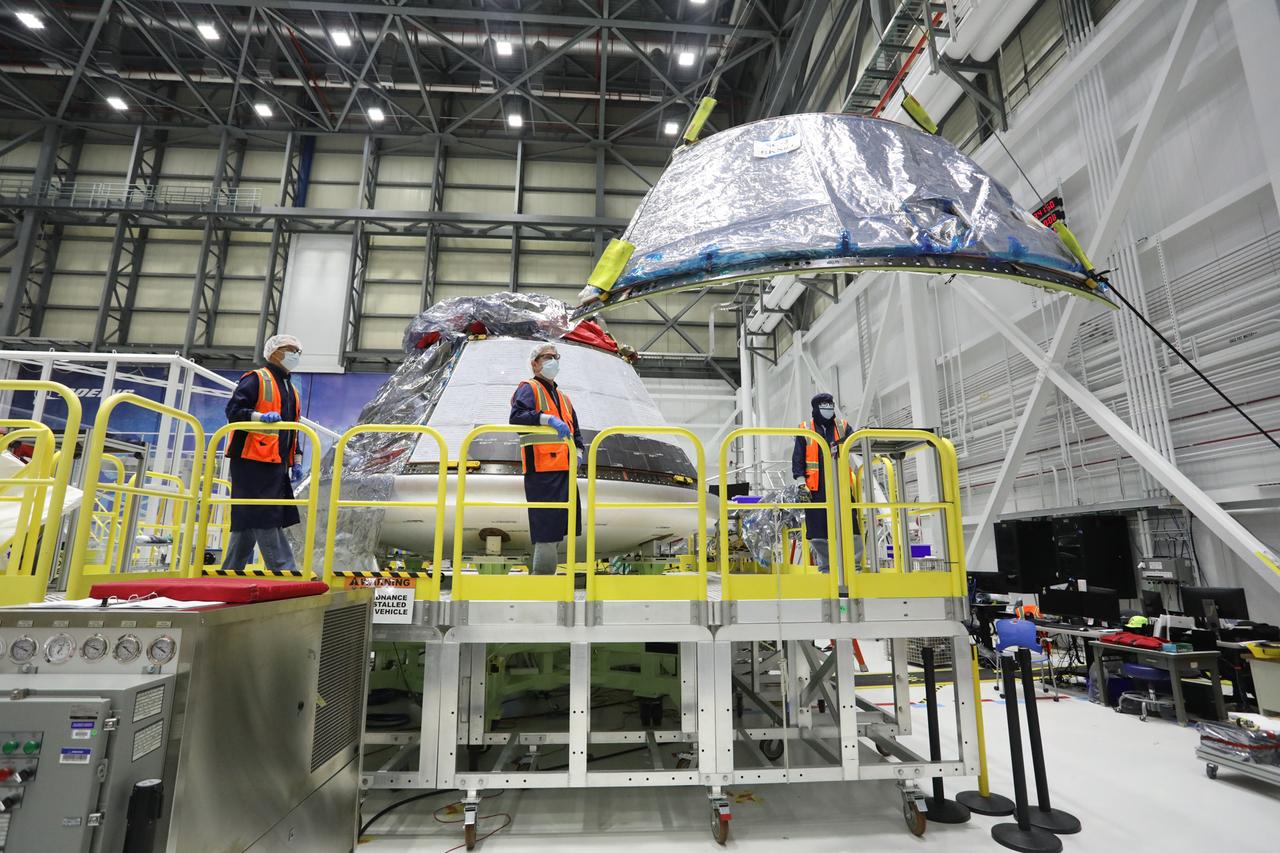
Boeing technicians install back shells on the Orbital Flight Test-2 (OFT-2) Starliner crew module inside the company’s Commercial Crew and Cargo Processing Facility at NASA’s Kennedy Space Center in Florida on December 2, 2020. During the OFT-2 mission, the uncrewed Starliner spacecraft will fly to the International Space Station for NASA’s Commercial Crew Program.
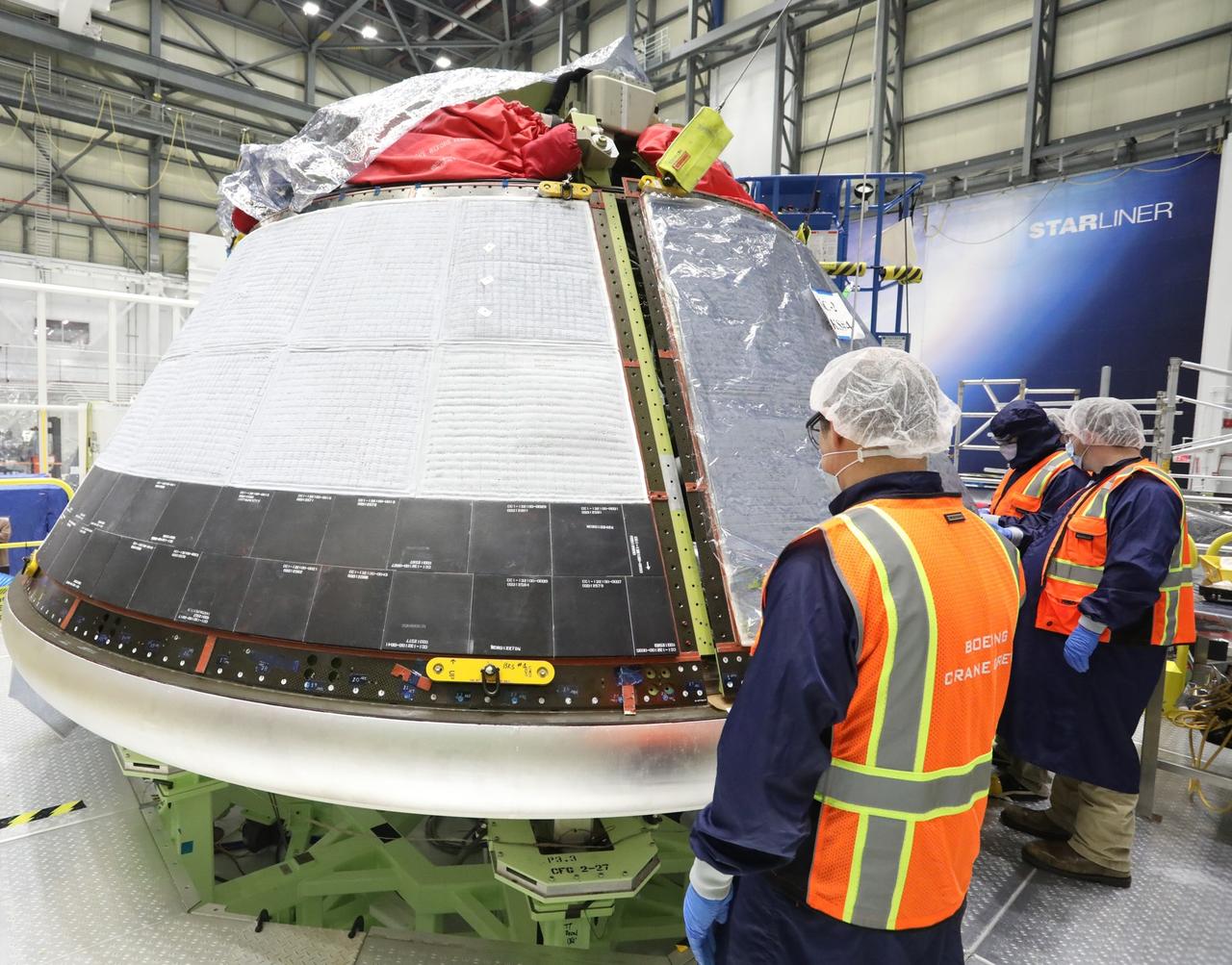
Boeing technicians install back shells on the Orbital Flight Test-2 (OFT-2) Starliner crew module inside the company’s Commercial Crew and Cargo Processing Facility at NASA’s Kennedy Space Center in Florida on December 2, 2020. During the OFT-2 mission, the uncrewed Starliner spacecraft will fly to the International Space Station for NASA’s Commercial Crew Program.
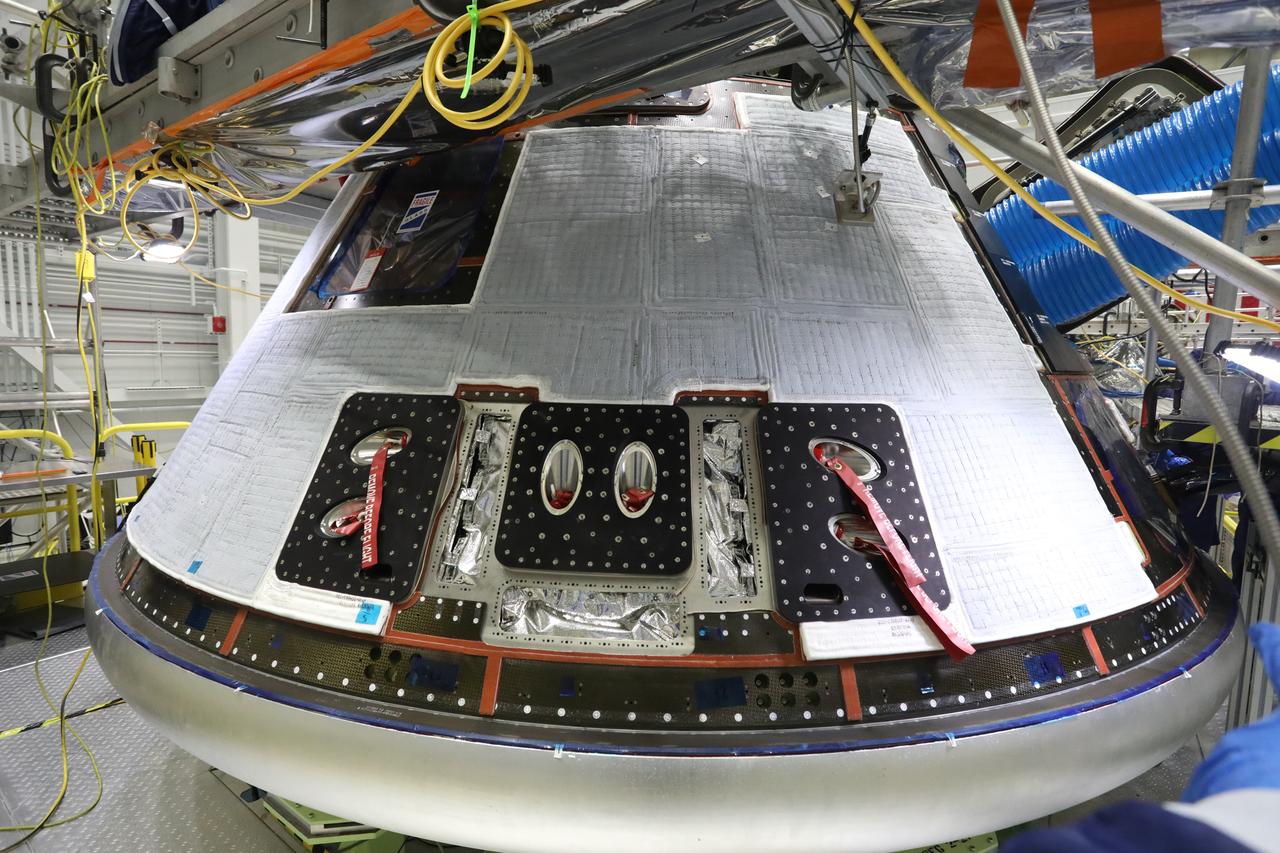
Boeing’s Starliner crew module, with back shells installed, is inside the company’s Commercial Crew and Cargo Processing Facility at Kennedy Space Center on December 8, 2020, in preparation for the Orbital Flight Test-2 (OFT-2). During the OFT-2 mission, the uncrewed Starliner spacecraft will fly to the International Space Station for NASA’s Commercial Crew Program.
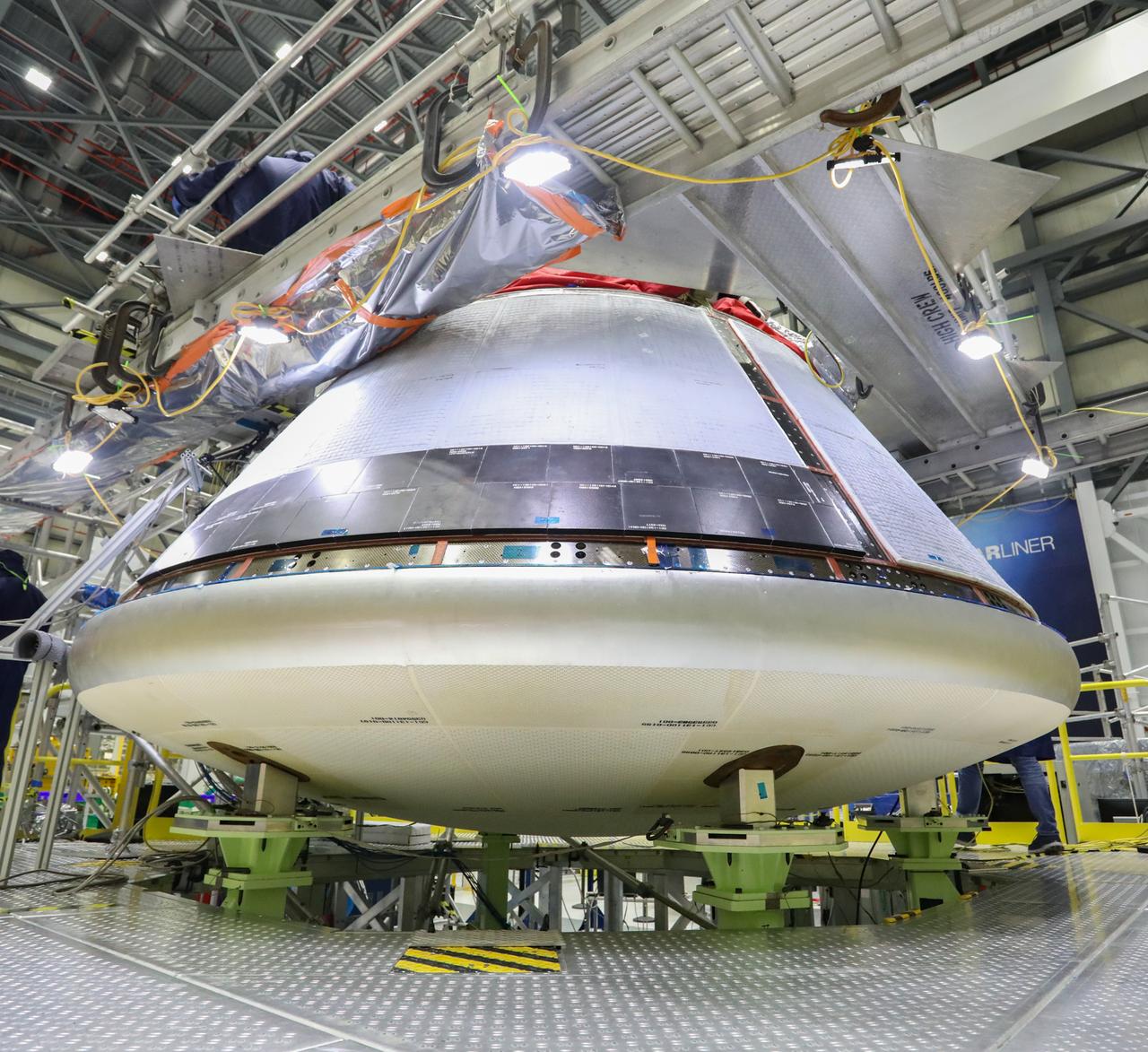
Boeing’s Starliner crew module, with back shells installed, is inside the company’s Commercial Crew and Cargo Processing Facility at Kennedy Space Center on December 8, 2020, in preparation for the Orbital Flight Test-2 (OFT-2). During the OFT-2 mission, the uncrewed Starliner spacecraft will fly to the International Space Station for NASA’s Commercial Crew Program.
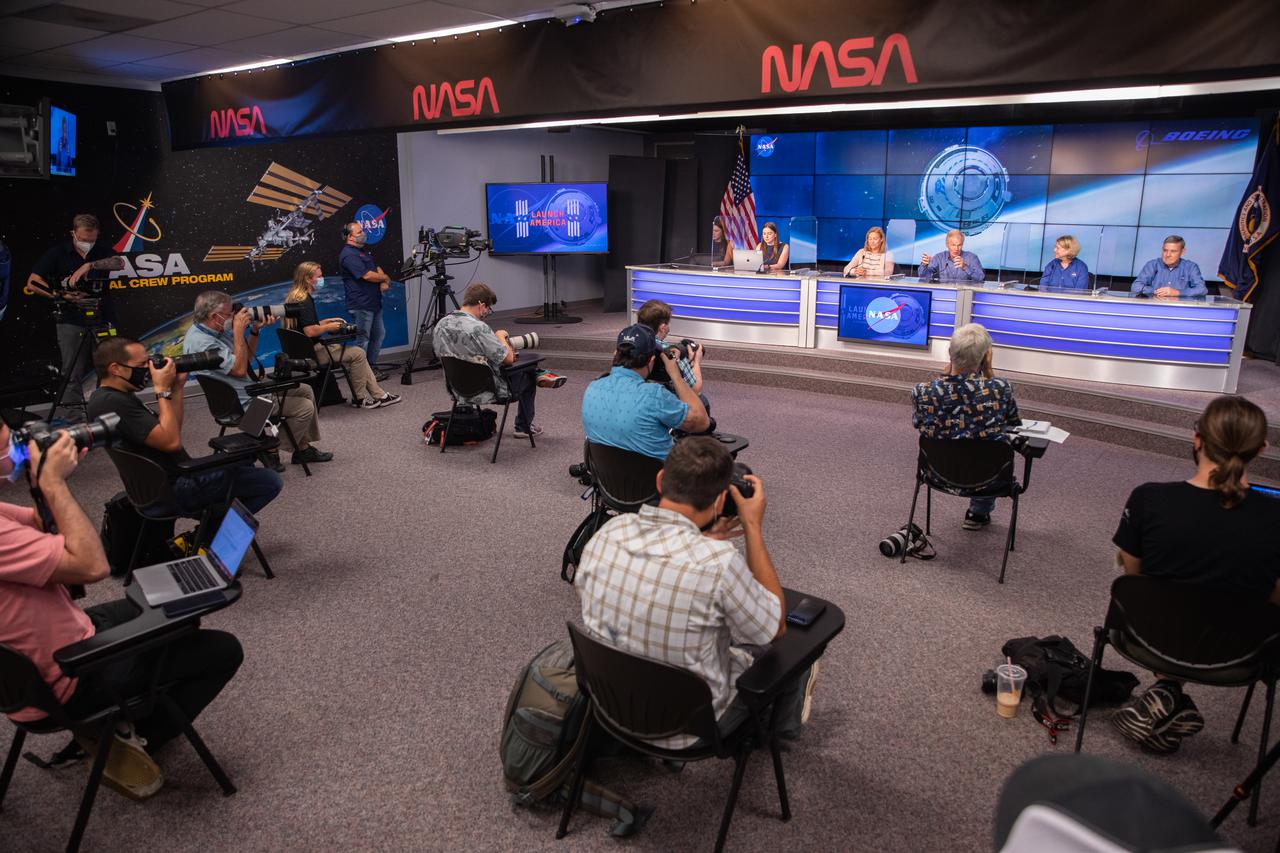
NASA officials take questions from members of the media in the Kennedy Space Center’s Press Site auditorium in Florida during the NASA Administrator Media Briefing ahead of Boeing’s Orbital Flight Test-2 (OFT-2), July 29, 2021. From left to right are Jackie McGuinness, NASA Press Secretary; Janet Petro, director, NASA’s Kennedy Space Center; NASA Administrator Bill Nelson; NASA Deputy Administrator Pam Melroy; NASA Associate Administrator Bob Cabana. The uncrewed OFT-2 will be the Starliner’s second flight for NASA’s Commercial Crew Program.
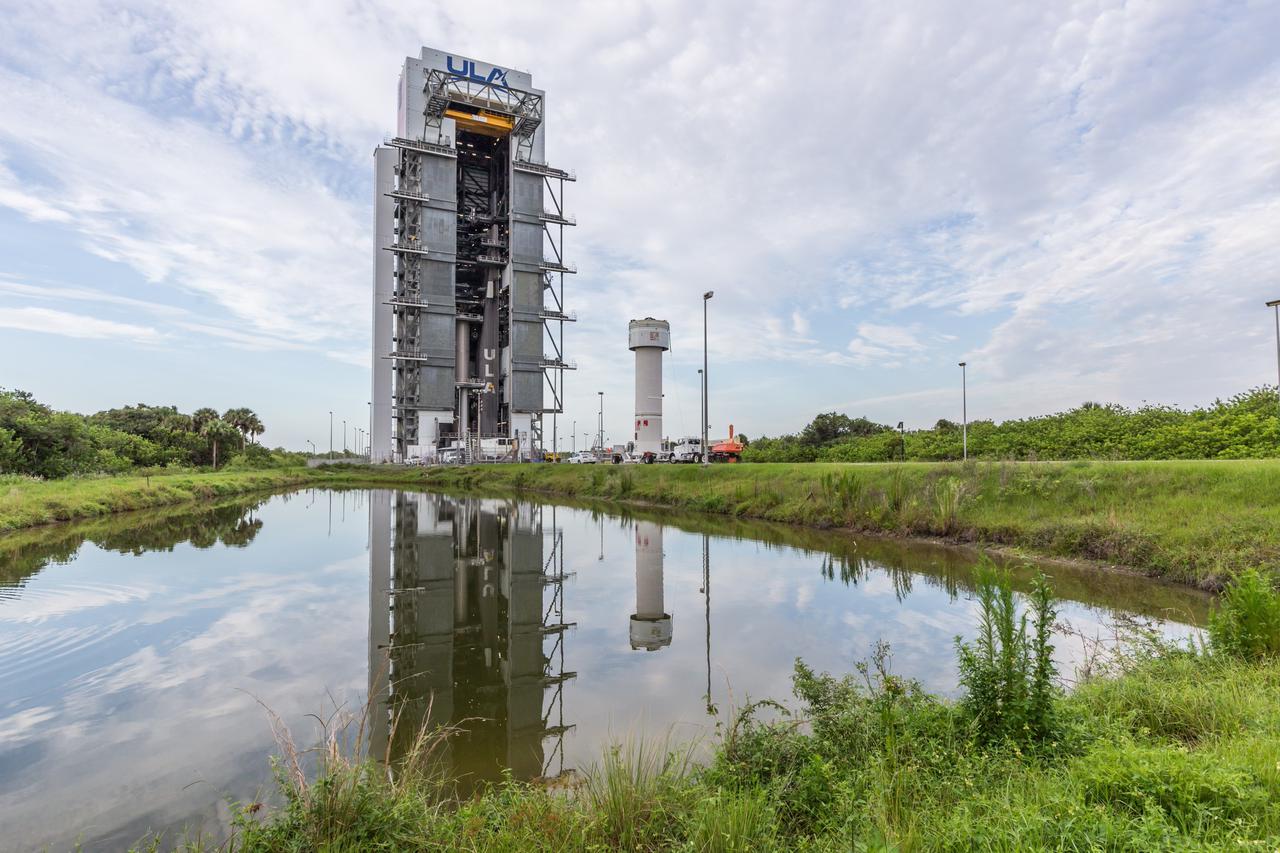
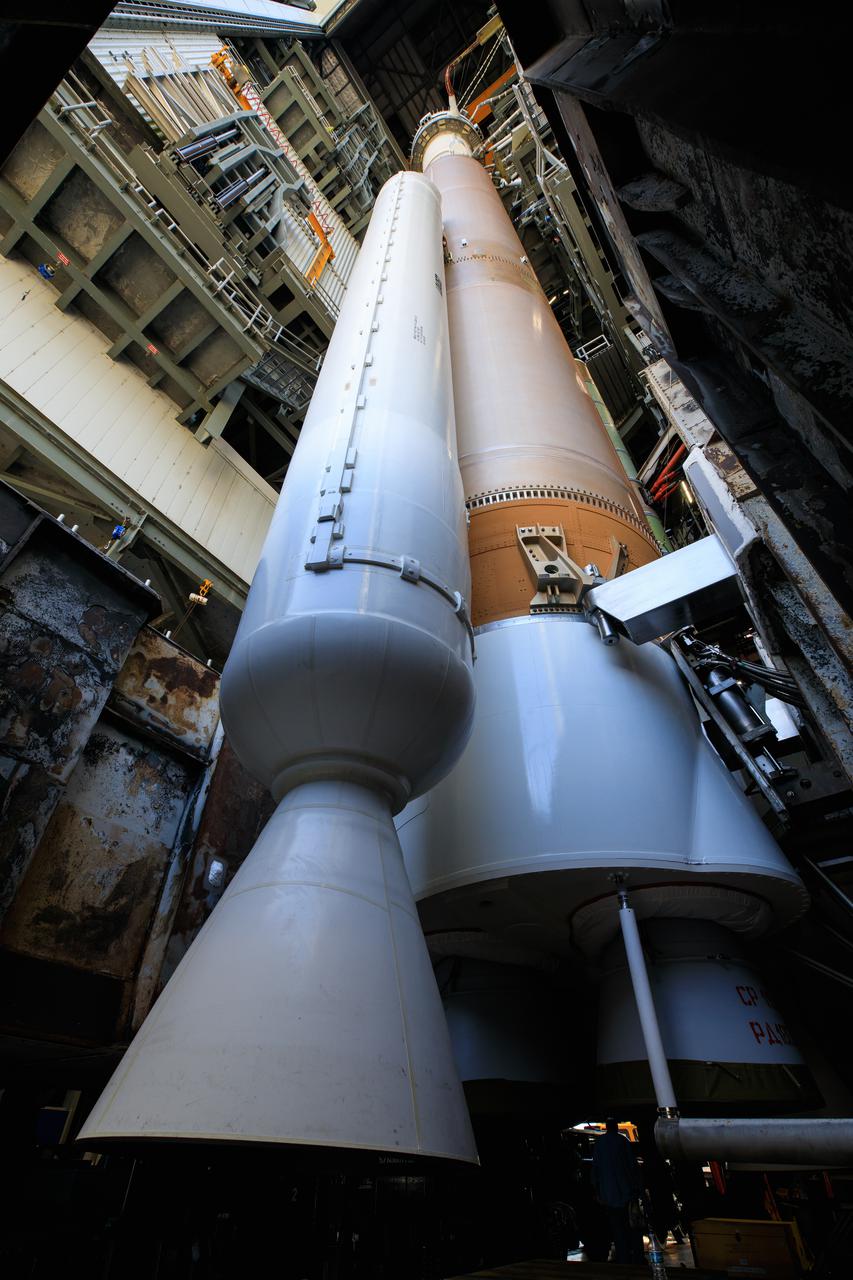
Engineers in United Launch Alliance’s Vertical Integration Facility used large cranes to assemble the stages of the company’s Atlas V rocket, in preparation for Boeing’s Orbital Flight Test-2 (OFT-2) launch to the International Space Station for NASA’s Commercial Crew Program. OFT-2 is scheduled to lift off at 2:53 p.m. ET Friday, July 30, from Space Launch Complex 41 at Cape Canaveral Space Force Station in Florida bound for the International Space Station.
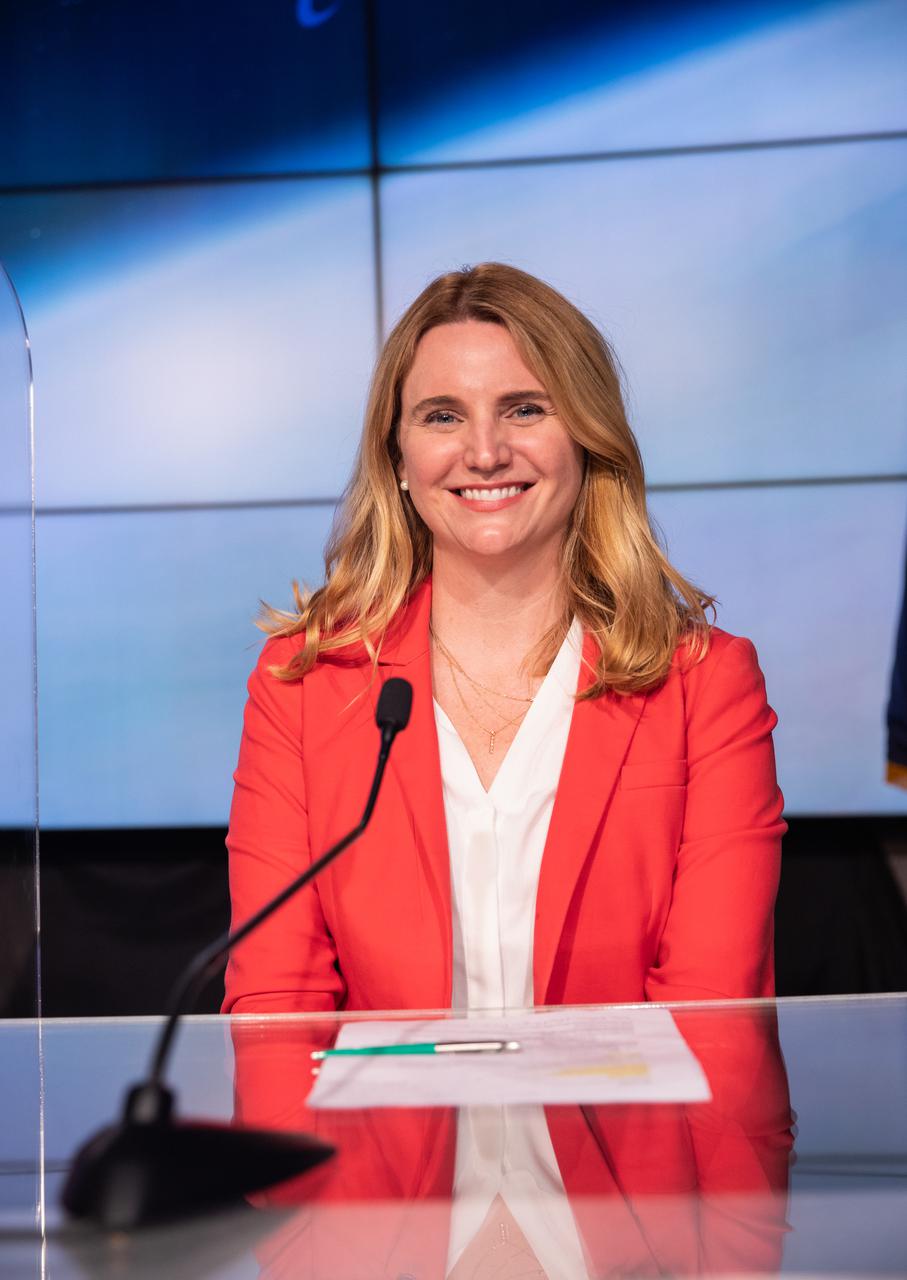
Jennifer Buchli, deputy chief scientist, NASA’s International Space Station Program, participates in a crew and science media briefing ahead of Boeing’s Orbital Flight Test-2 (OFT-2) at the agency’s Kennedy Space Center in Florida, July 29, 2021. Boeing’s CST-100 Starliner spacecraft will launch atop a United Launch Alliance Atlas V rocket from Space Launch Complex-41 at Cape Canaveral Space Force Station. The uncrewed OFT-2 will be the Starliner’s second flight for NASA’s Commercial Crew Program.
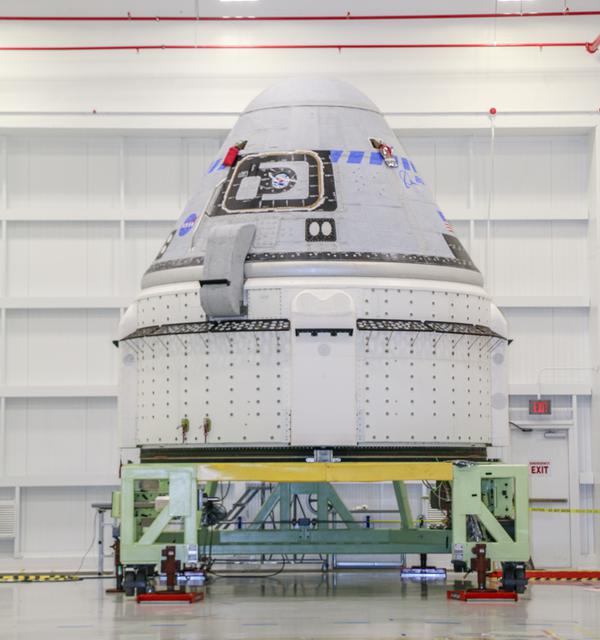
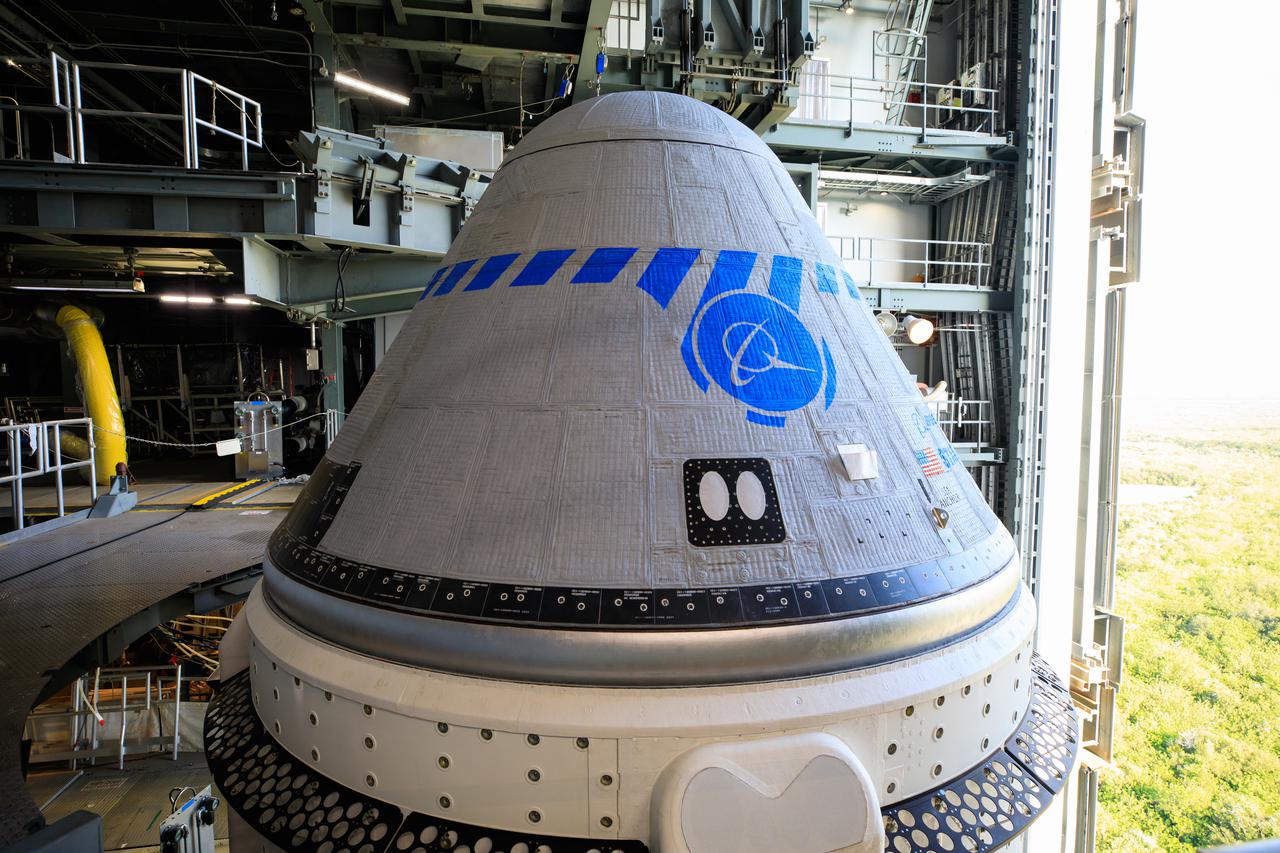
The Boeing CST-100 Starliner spacecraft to be flown on Orbital Flight Test-2 (OFT-2) is seen in the Commercial Crew and Cargo Processing Facility at NASA’s Kennedy Space Center in Florida on July 12, 2021. Part of the agency’s Commercial Crew Program, OFT-2 is a critical developmental milestone on the company’s path to fly crew missions for NASA.
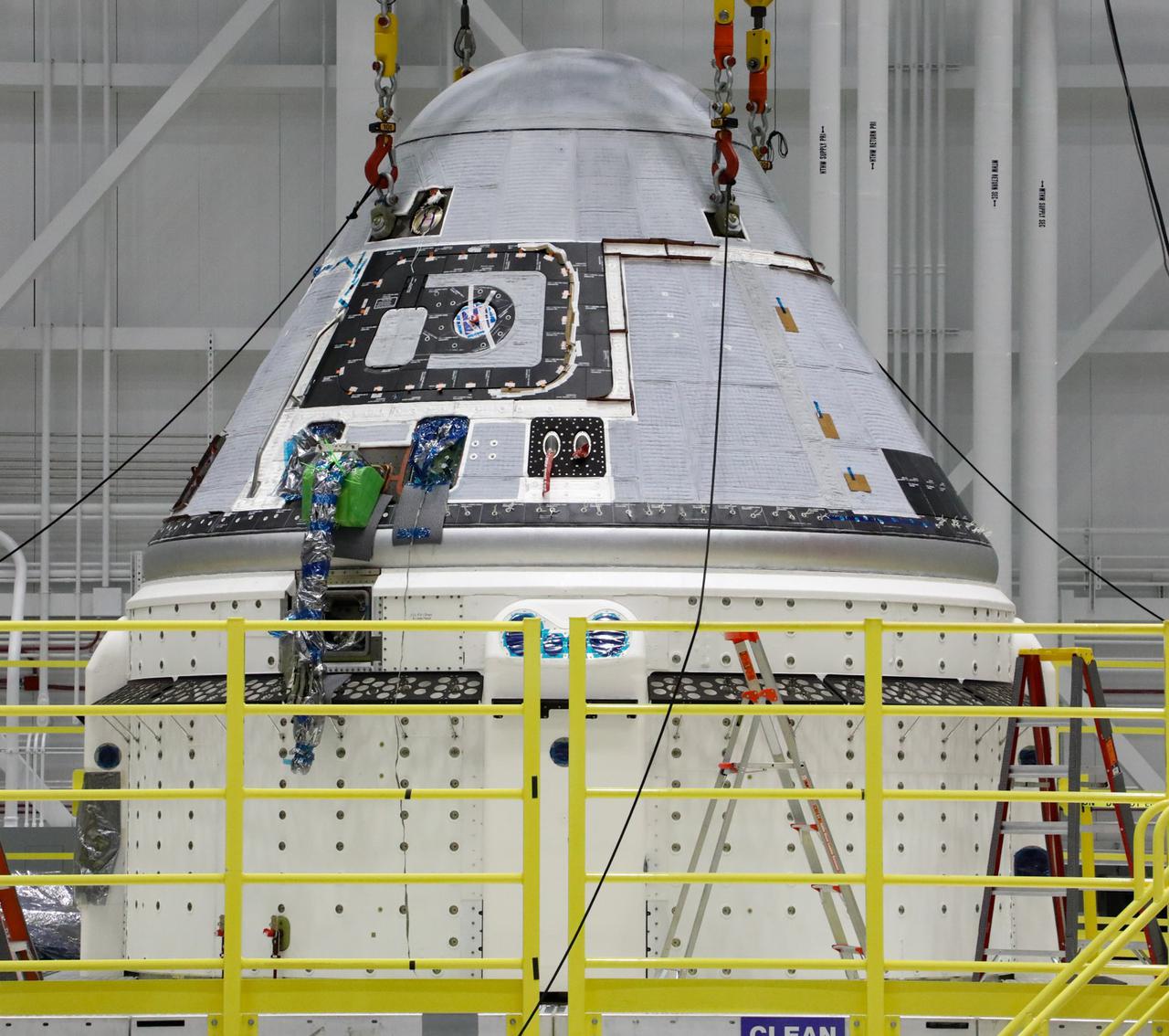
The completed Boeing Starliner vehicle for the second Orbital Flight Test (OFT-2) is seen in the Commercial Crew and Cargo Processing Facility at NASA’s Kennedy Space Center in Florida following the mating of the crew module and service module on Jan. 14, 2021. As part of the agency’s Commercial Crew Program, OFT-2 is a critical developmental milestone on the company’s path to fly crew missions for NASA.
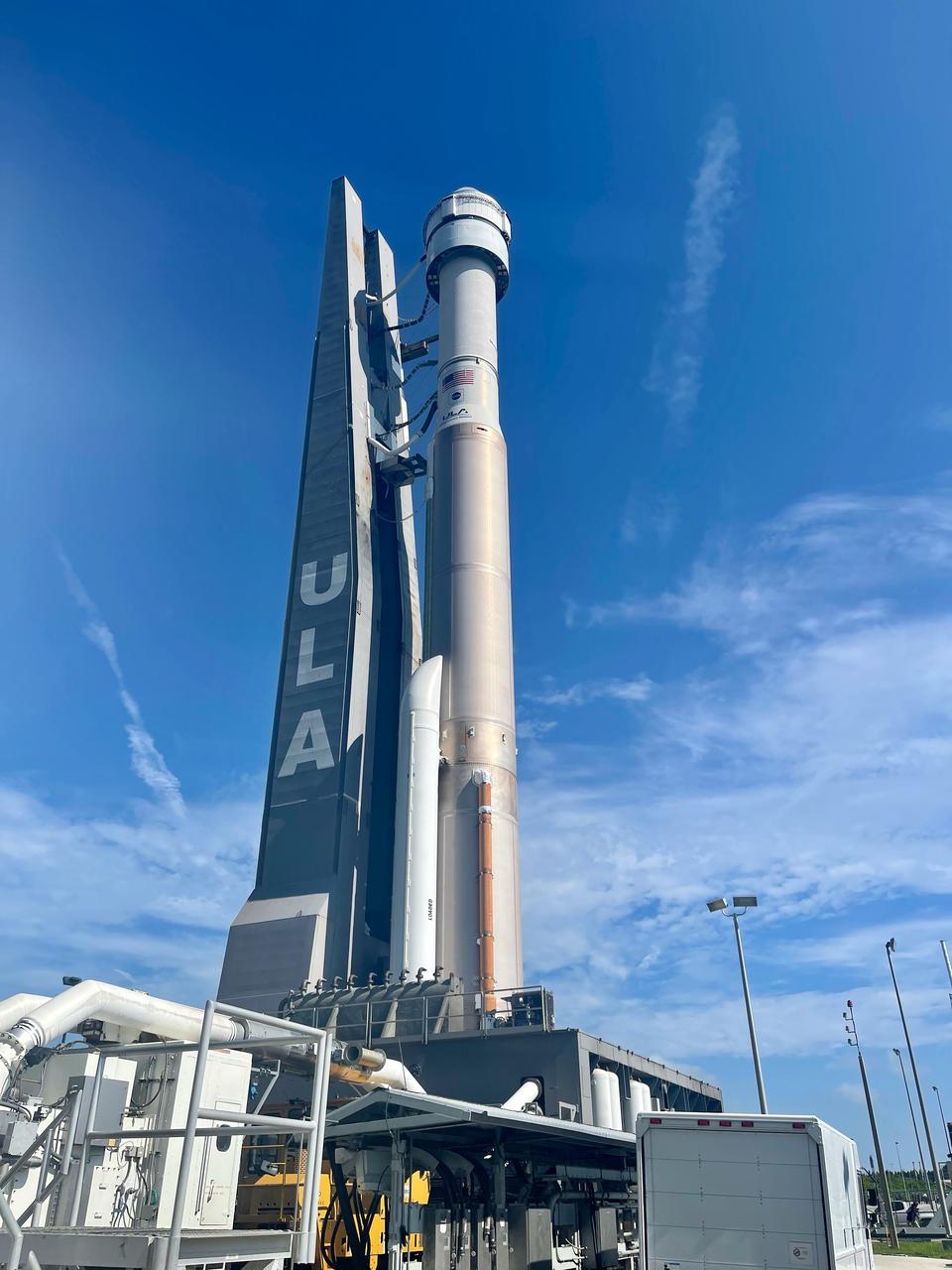
On July 29, 2021, Boeing’s CST-100 Starliner spacecraft and the United Launch Alliance Atlas V rocket rolled out of the Vertical Integration Facility to the launch pad at Space Launch Complex-41 on Cape Canaveral Space Force Station in Florida. Starliner will launch on the Atlas V for Boeing’s second uncrewed Orbital Flight Test (OFT-2) for NASA’s Commercial Crew Program.; OFT-2 is an important uncrewed mission designed to test the end-to-end capabilities of the new system for NASA’s Commercial Crew Program.
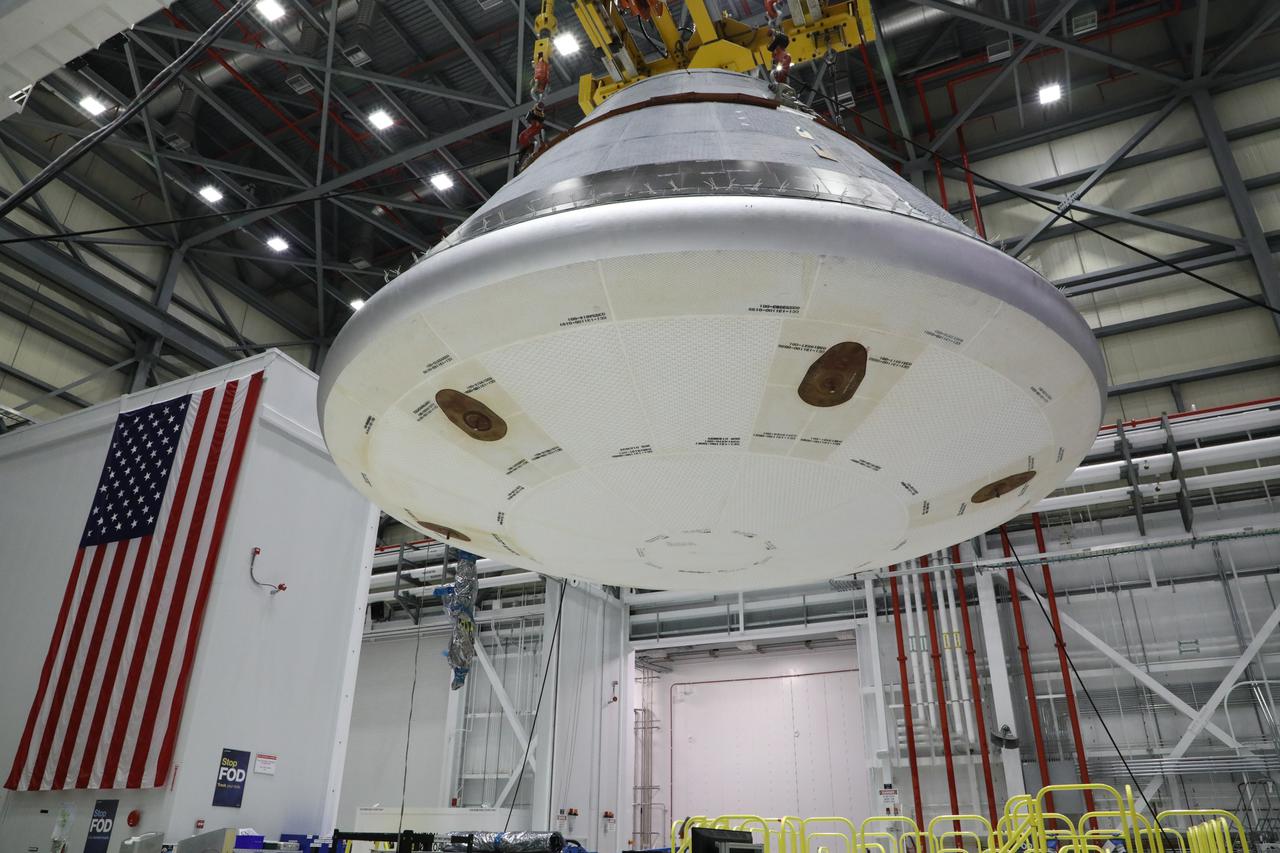
The Boeing Starliner crew module is hoisted across the Commercial Crew and Cargo Processing Facility at NASA’s Kennedy Space Center in Florida on Jan. 14, 2021, to be mated with the service module. The Starliner spacecraft is being prepared for Boeing’s second Orbital Flight Test (OFT-2). As part of the agency’s Commercial Crew Program, OFT-2 is a critical developmental milestone on the company’s path to fly crew missions for NASA.
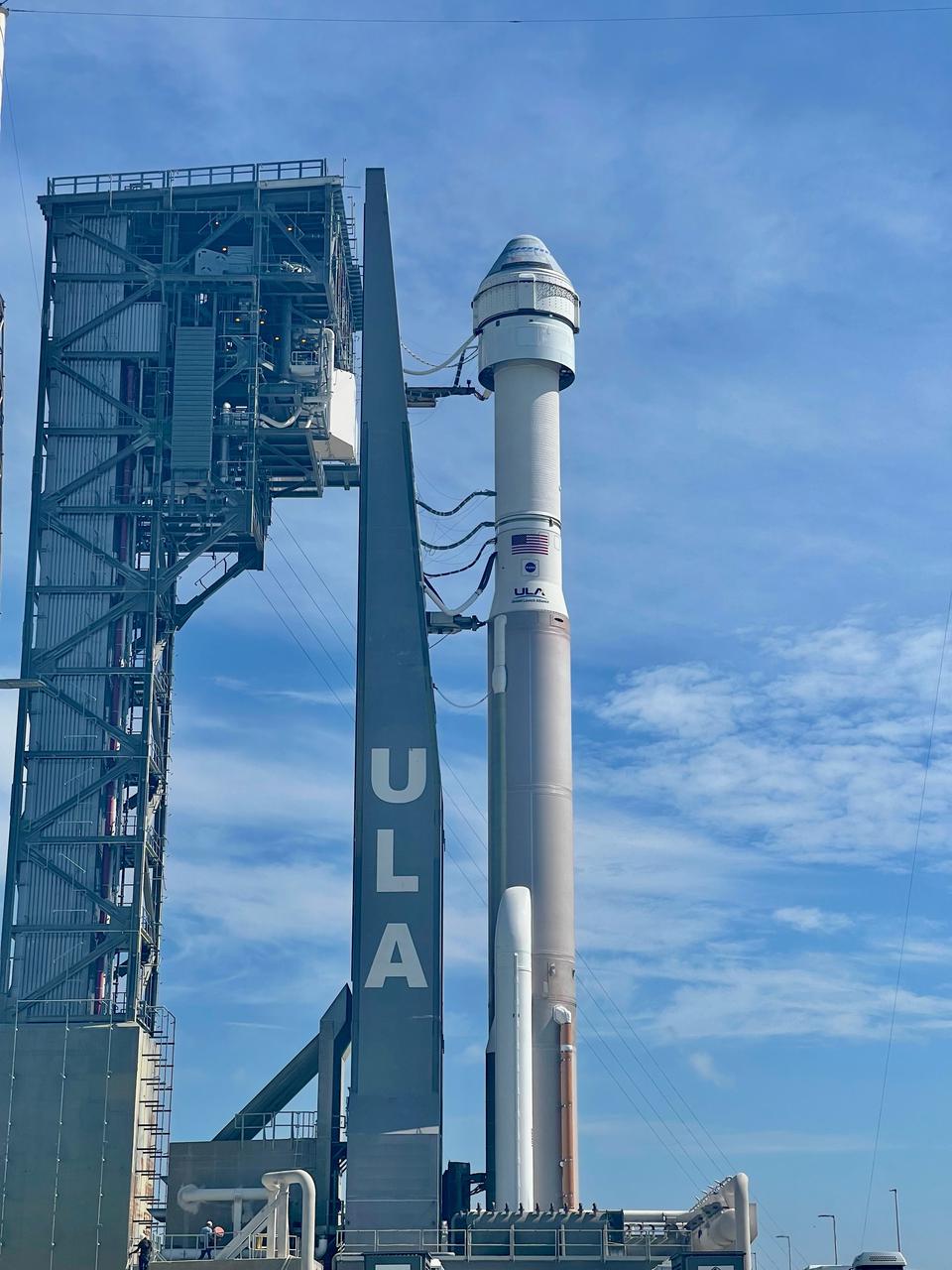
On July 29, 2021, Boeing’s CST-100 Starliner spacecraft and the United Launch Alliance Atlas V rocket rolled out of the Vertical Integration Facility to the launch pad at Space Launch Complex-41 on Cape Canaveral Space Force Station in Florida. Starliner will launch on the Atlas V for Boeing’s second uncrewed Orbital Flight Test (OFT-2) for NASA’s Commercial Crew Program. OFT-2 is an important uncrewed mission designed to test the end-to-end capabilities of the new system for NASA’s Commercial Crew Program.
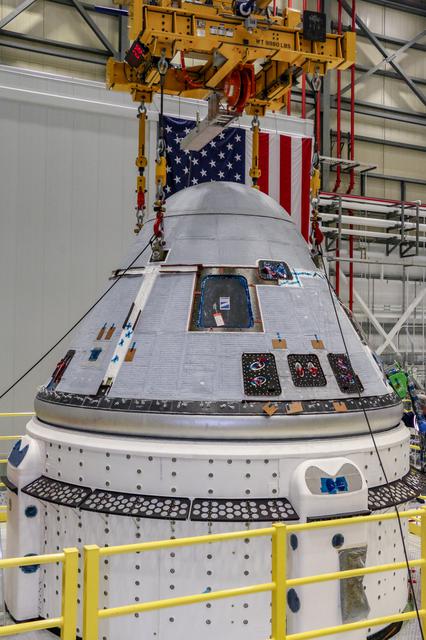
The completed Boeing Starliner vehicle for the second Orbital Flight Test (OFT-2) is seen in the Commercial Crew and Cargo Processing Facility at NASA’s Kennedy Space Center in Florida following the mating of the crew module and service module on Jan. 14, 2021. As part of the agency’s Commercial Crew Program, OFT-2 is a critical developmental milestone on the company’s path to fly crew missions for NASA.
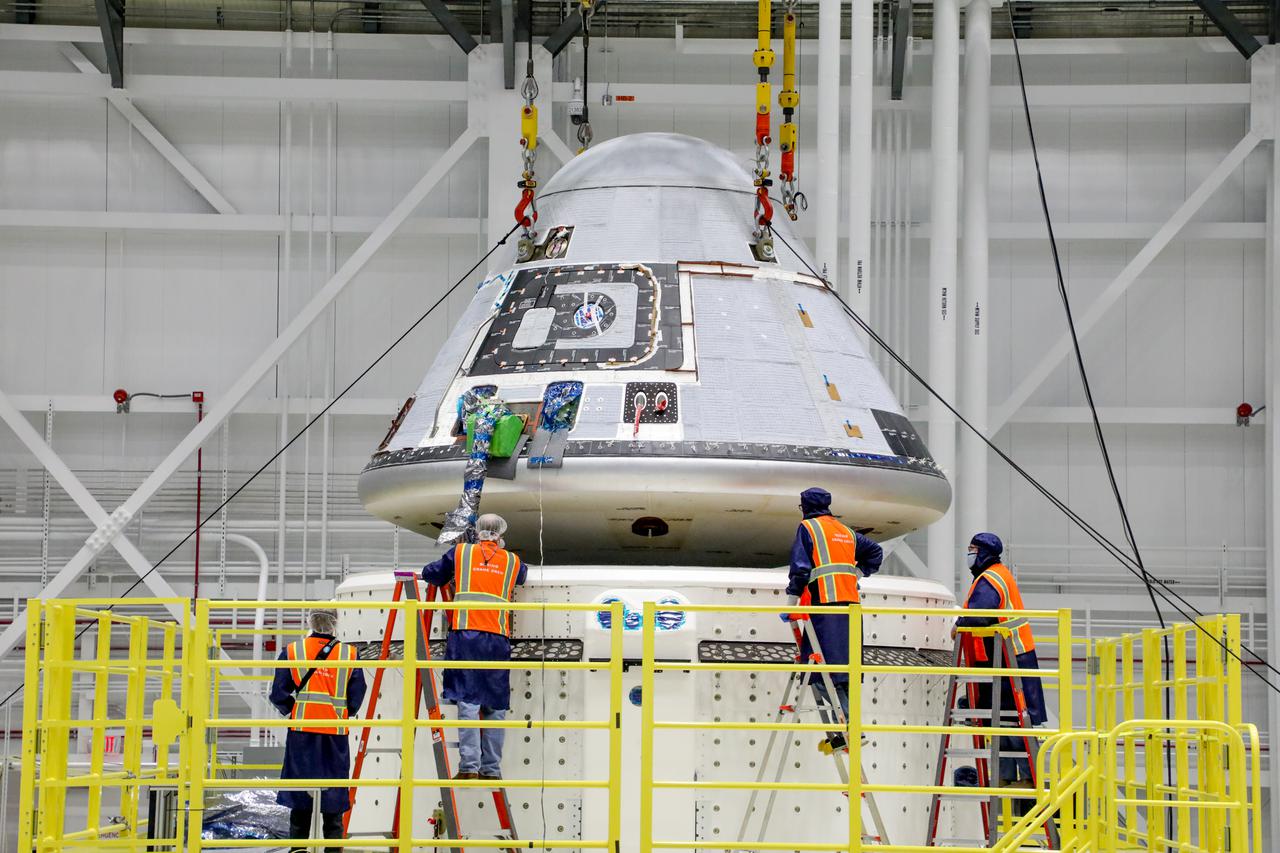
Technicians observe Boeing’s Starliner crew module being placed on top of the service module in the Commercial Crew and Cargo Processing Facility at NASA’s Kennedy Space Center in Florida on Jan. 14, 2021. The Starliner spacecraft is being prepared for Boeing’s second Orbital Flight Test (OFT-2). As part of the agency’s Commercial Crew Program, OFT-2 is a critical developmental milestone on the company’s path to fly crew missions for NASA.
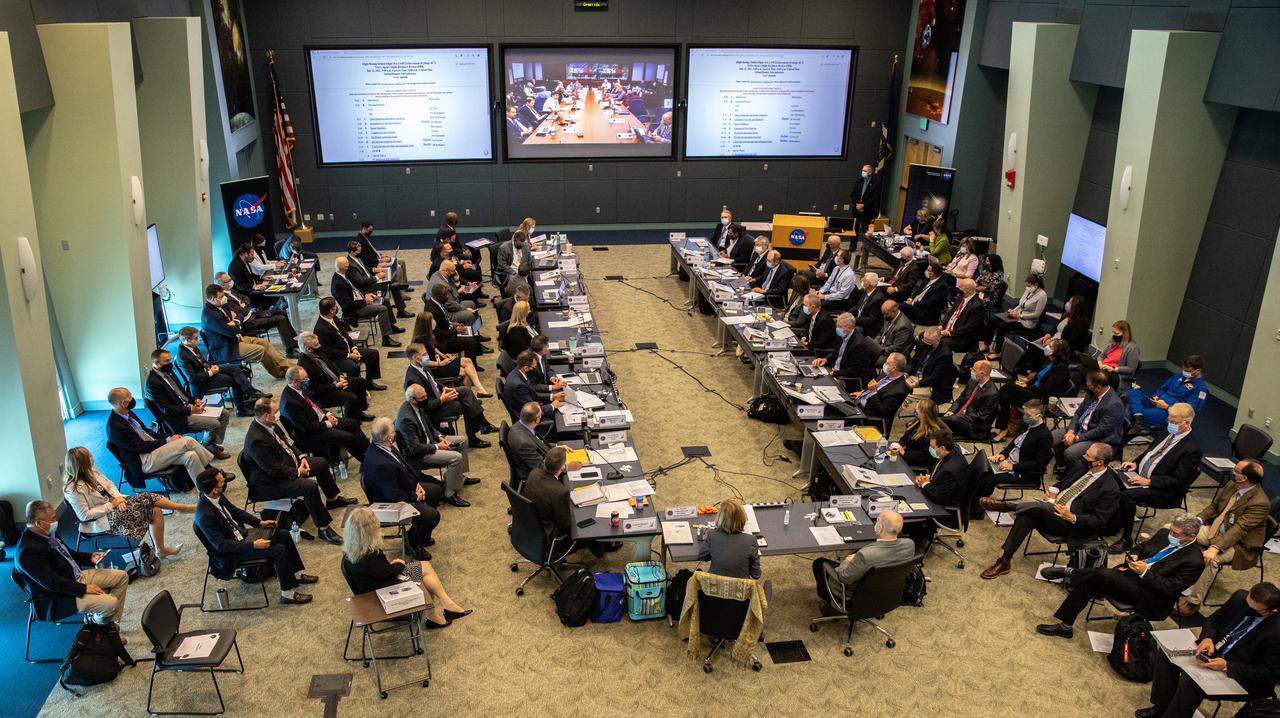
NASA and Boeing managers take part in the Flight Readiness Review for Boeing's upcoming Orbital Flight Test-2 (OFT-2) in Operations Support Building 2 at NASA's Kennedy Space Center in Florida, July 22, 2021. Boeing's CST-100 Starliner spacecraft will launch atop a United Launch Alliance Atlas V rocket from Space Launch Complex 41 at Cape Canaveral Space Force Station at 2:53 p.m. EDT Friday, July 30. The uncrewed OFT-2 will be the Starliner's second flight to the International Space Station for NASA's Commercial Crew Program.
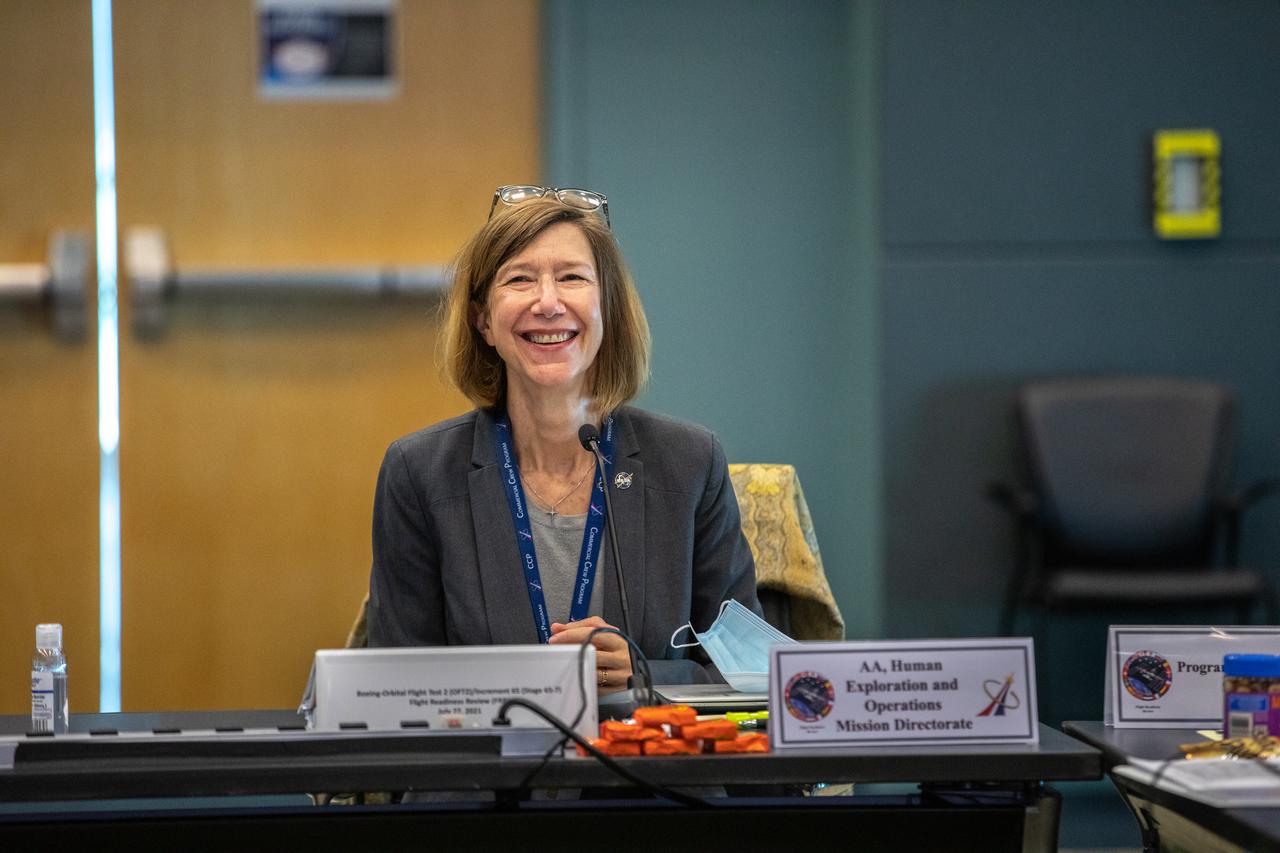
Associate Administrator of the Human Exploration and Operations (HEO) Mission Directorate Kathryn Lueders takes part in the Flight Readiness Review for Boeing's upcoming Orbital Flight Test-2 (OFT-2) in Operations Support Building 2 at NASA's Kennedy Space Center in Florida, July 22, 2021. Boeing's CST-100 Starliner spacecraft will launch atop a United Launch Alliance Atlas V rocket from Space Launch Complex 41 at Cape Canaveral Space Force Station at 2:53 p.m. EDT Friday, July 30. The uncrewed OFT-2 will be the Starliner's second flight to the International Space Station for NASA's Commercial Crew Program.
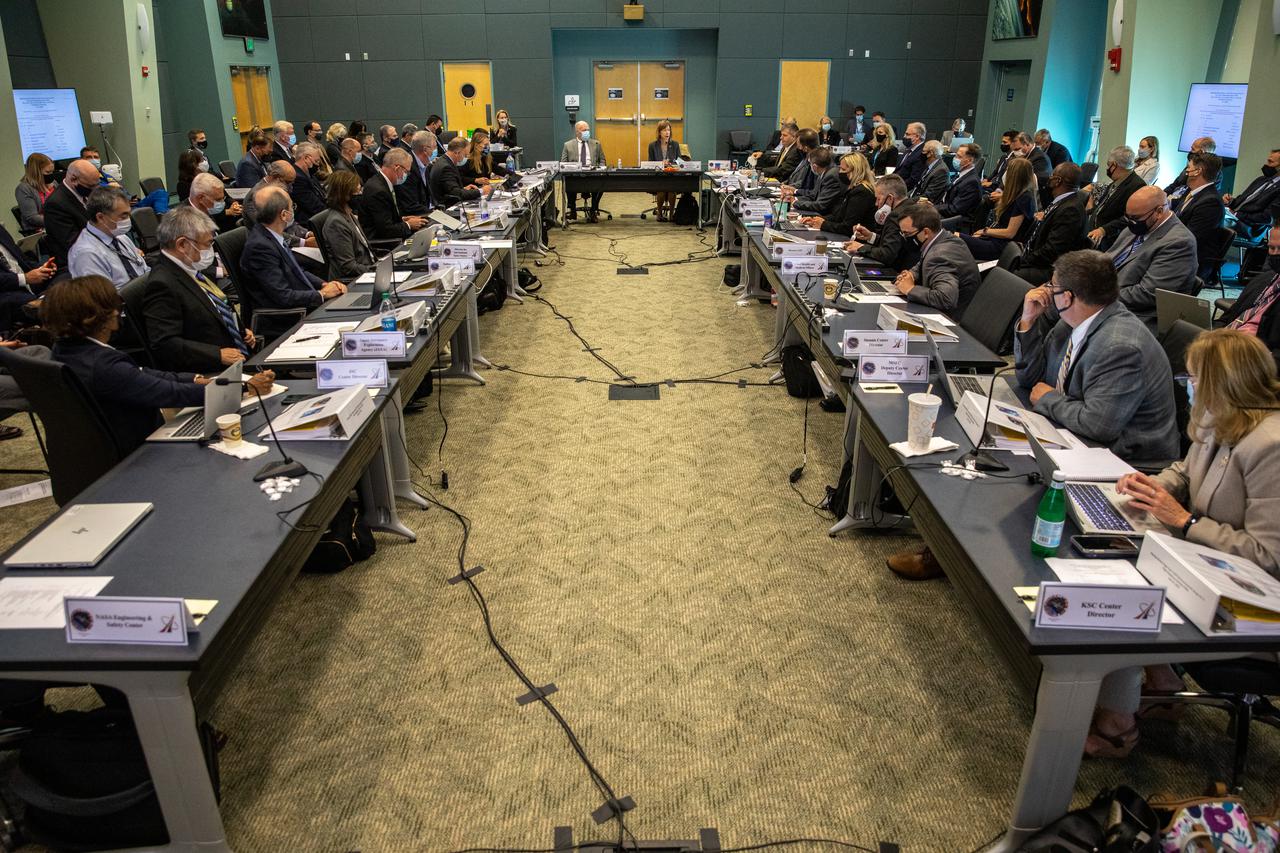
NASA and Boeing managers take part in the Flight Readiness Review for Boeing's upcoming Orbital Flight Test-2 (OFT-2) in Operations Support Building 2 at NASA's Kennedy Space Center in Florida, July 22, 2021. Boeing's CST-100 Starliner spacecraft will launch atop a United Launch Alliance Atlas V rocket from Space Launch Complex 41 at Cape Canaveral Space Force Station at 2:53 p.m. EDT Friday, July 30. The uncrewed OFT-2 will be the Starliner's second flight to the International Space Station for NASA's Commercial Crew Program.
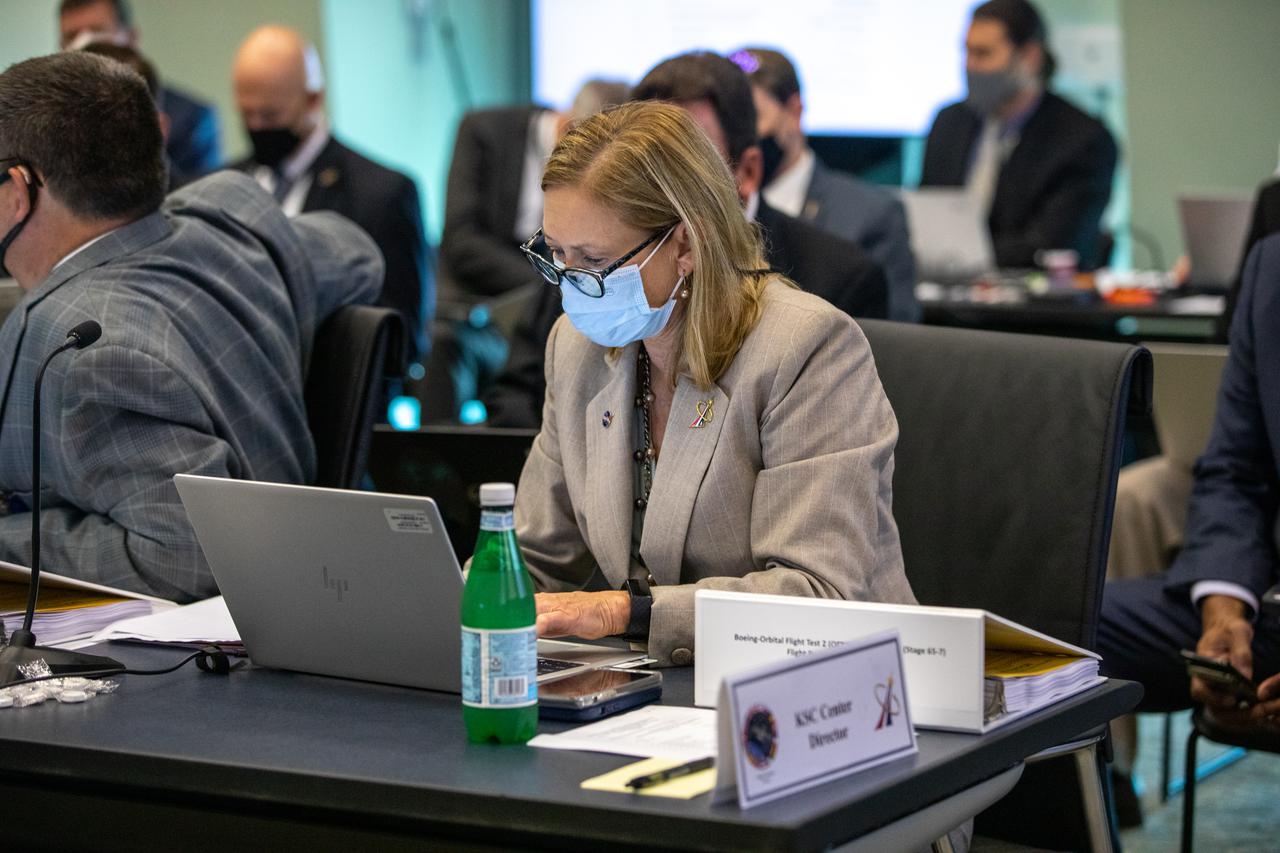
Kennedy Space Center Director Janet Petro takes part in the Flight Readiness Review for Boeing's upcoming Orbital Flight Test-2 (OFT-2) in Operations Support Building 2 at NASA's Kennedy Space Center in Florida, July 22, 2021. Boeing's CST-100 Starliner spacecraft will launch atop a United Launch Alliance Atlas V rocket from Space Launch Complex 41 at Cape Canaveral Space Force Station at 2:53 p.m. EDT Friday, July 30. The uncrewed OFT-2 will be the Starliner's second flight to the International Space Station for NASA's Commercial Crew Program.
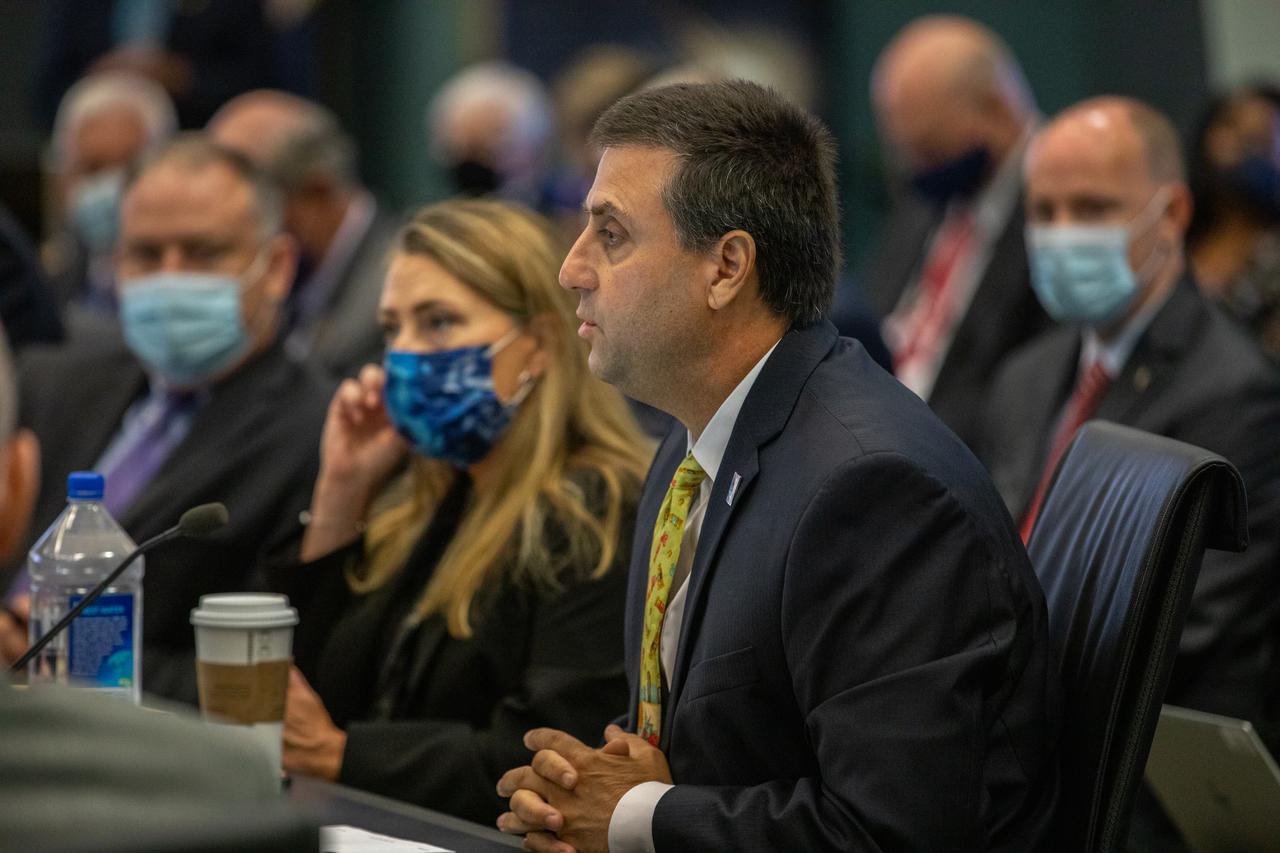
International Space Station Program Manager Joel Montalbano takes part in the Flight Readiness Review for Boeing's upcoming Orbital Flight Test-2 (OFT-2) in Operations Support Building 2 at NASA's Kennedy Space Center in Florida, July 22, 2021. Boeing's CST-100 Starliner spacecraft will launch atop a United Launch Alliance Atlas V rocket from Space Launch Complex 41 at Cape Canaveral Space Force Station at 2:53 p.m. EDT Friday, July 30. The uncrewed OFT-2 will be the Starliner's second flight to the International Space Station for NASA's Commercial Crew Program.
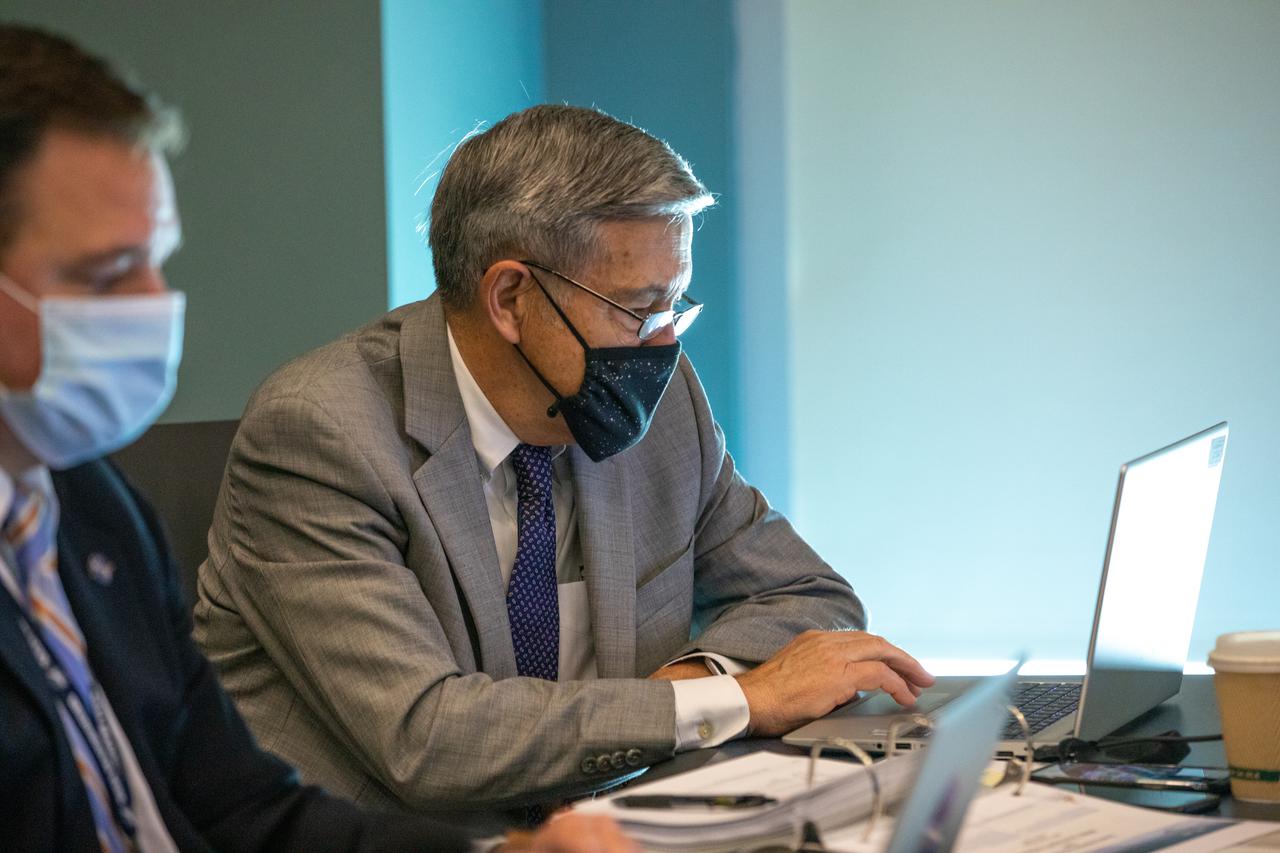
NASA Associate Administrator Bob Cabana takes part in the Flight Readiness Review for Boeing's upcoming Orbital Flight Test-2 (OFT-2) in Operations Support Building 2 at NASA's Kennedy Space Center in Florida, July 22, 2021. Boeing's CST-100 Starliner spacecraft will launch atop a United Launch Alliance Atlas V rocket from Space Launch Complex 41 at Cape Canaveral Space Force Station at 2:53 p.m. EDT Friday, July 30. The uncrewed OFT-2 will be the Starliner's second flight to the International Space Station for NASA's Commercial Crew Program.
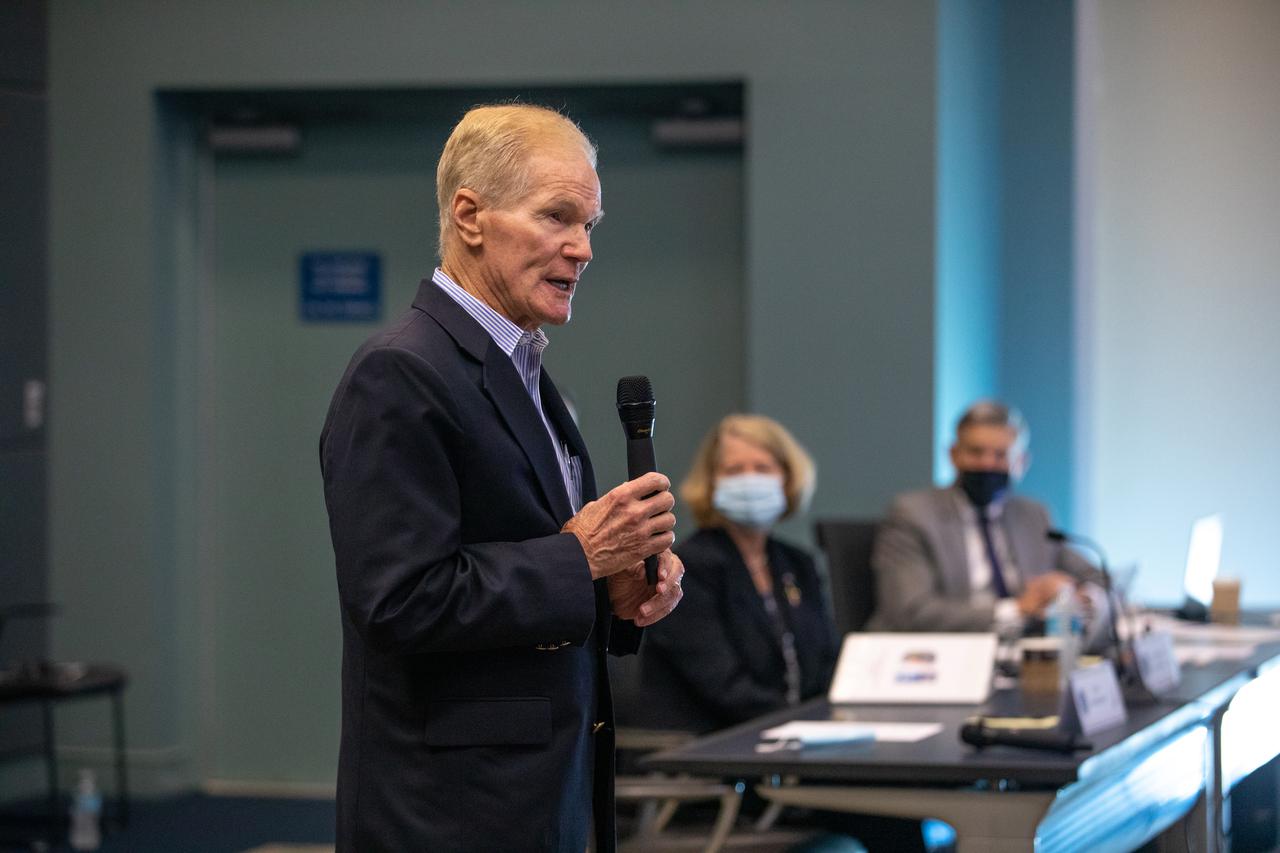
NASA Administrator Bill Nelson kicks off the Flight Readiness Review for the upcoming Orbital Flight Test-2 (OFT-2) mission, in Operations Support Building 2 at NASA's Kennedy Space Center in Florida, July 22, 2021. Boeing's CST-100 Starliner spacecraft will launch atop a United Launch Alliance Atlas V rocket from Space Launch Complex 41 at Cape Canaveral Space Force Station at 2:53 p.m. EDT Friday, July 30. The uncrewed OFT-2 will be the Starliner's second flight to the International Space Station for NASA's Commercial Crew Program.
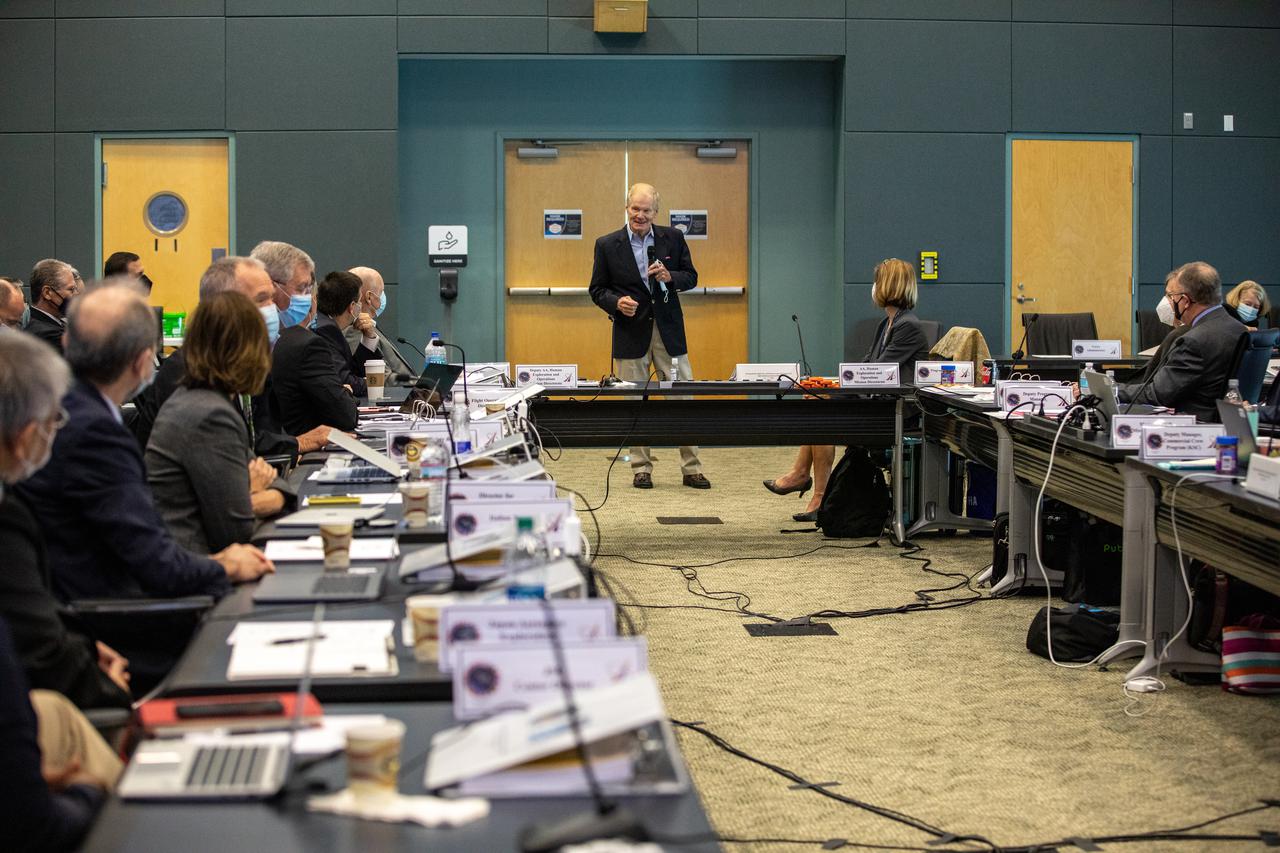
NASA Administrator Bill Nelson kicks off the Flight Readiness Review for the upcoming Orbital Flight Test-2 (OFT-2) mission, in Operations Support Building 2 at NASA's Kennedy Space Center in Florida, July 22, 2021. Boeing's CST-100 Starliner spacecraft will launch atop a United Launch Alliance Atlas V rocket from Space Launch Complex 41 at Cape Canaveral Space Force Station at 2:53 p.m. EDT Friday, July 30. The uncrewed OFT-2 will be the Starliner's second flight to the International Space Station for NASA's Commercial Crew Program.
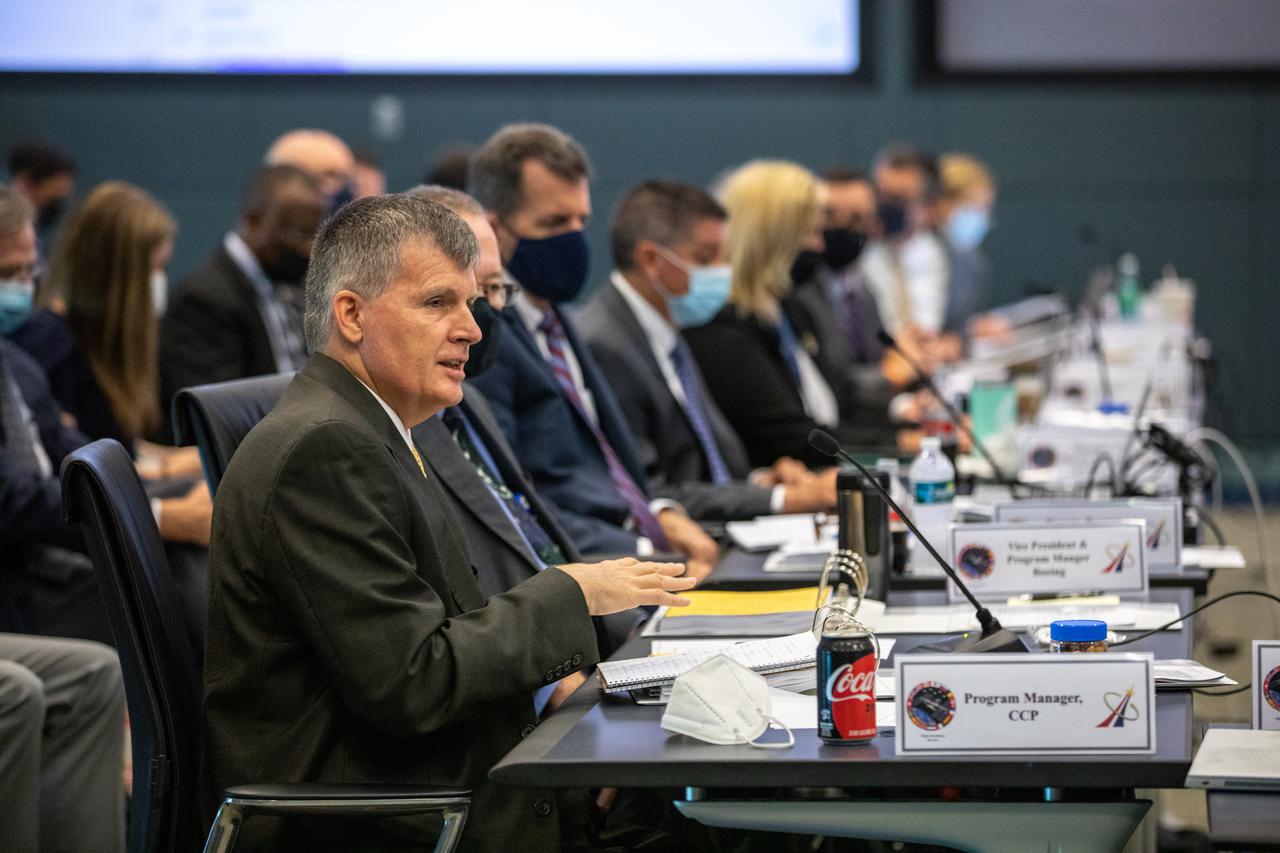
Commercial Crew Program Manager Steve Stich takes part in the Flight Readiness Review for Boeing's upcoming Orbital Flight Test-2 (OFT-2) in Operations Support Building 2 at NASA's Kennedy Space Center in Florida, July 22, 2021. Boeing's CST-100 Starliner spacecraft will launch atop a United Launch Alliance Atlas V rocket from Space Launch Complex 41 at Cape Canaveral Space Force Station at 2:53 p.m. EDT Friday, July 30. The uncrewed OFT-2 will be the Starliner's second flight to the International Space Station for NASA's Commercial Crew Program.
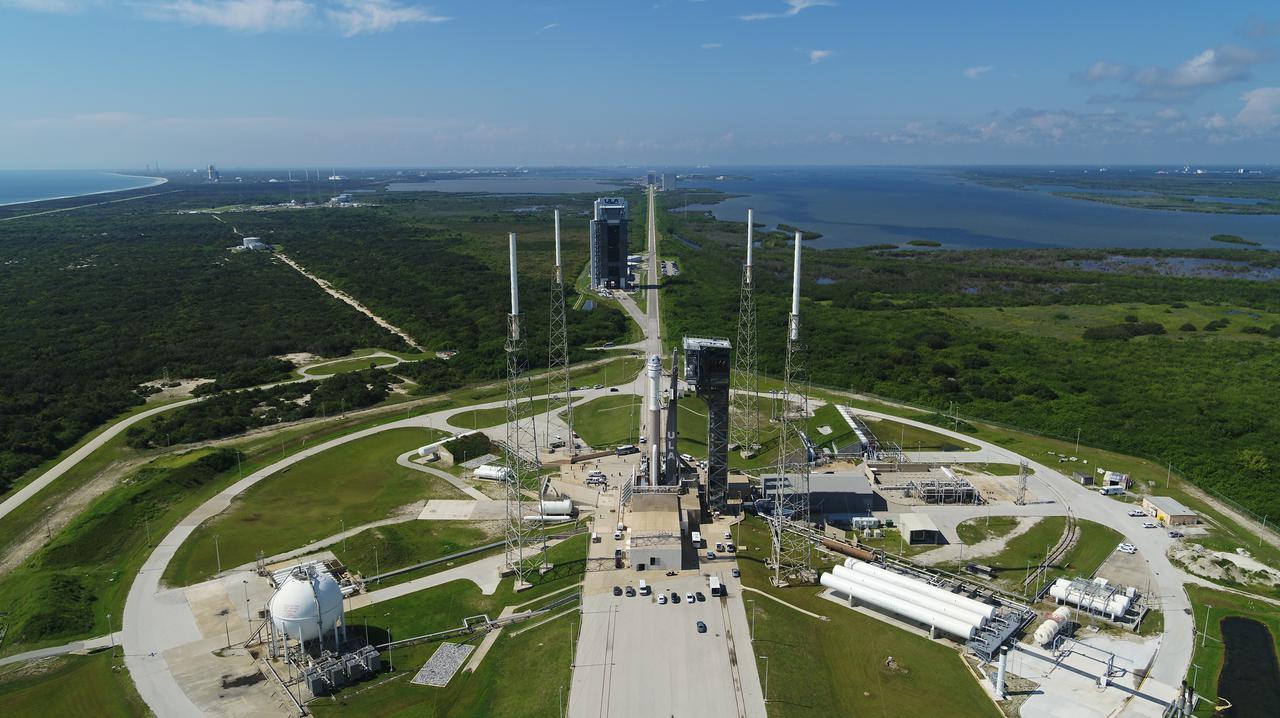
On July 29, 2021, Boeing’s CST-100 Starliner spacecraft and the United Launch Alliance Atlas V rocket rolled out of the Vertical Integration Facility to the launch pad at Space Launch Complex-41 on Cape Canaveral Space Force Station in Florida. Starliner will launch on the Atlas V for Boeing’s second uncrewed Orbital Flight Test (OFT-2) for NASA’s Commercial Crew Program. OFT-2 is an important uncrewed mission designed to test the end-to-end capabilities of the new system for NASA’s Commercial Crew Program.
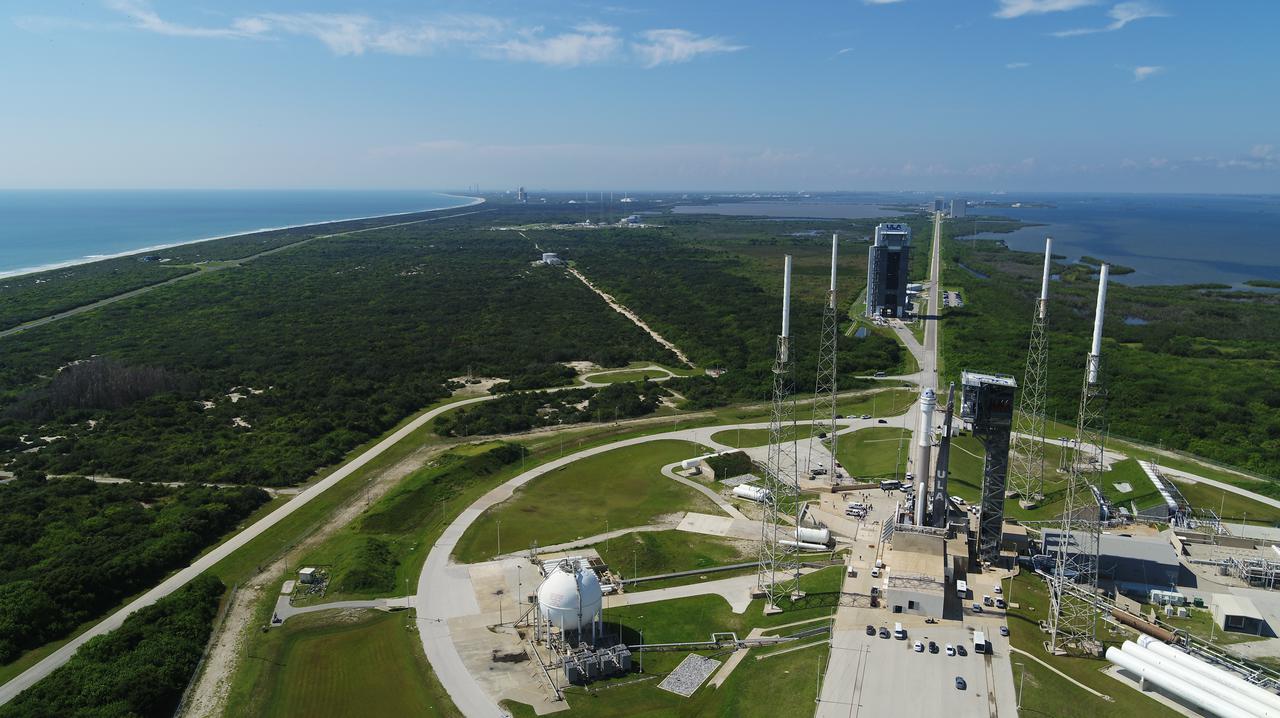
On July 29, 2021, Boeing’s CST-100 Starliner spacecraft and the United Launch Alliance Atlas V rocket rolled out of the Vertical Integration Facility to the launch pad at Space Launch Complex-41 on Cape Canaveral Space Force Station in Florida. Starliner will launch on the Atlas V for Boeing’s second uncrewed Orbital Flight Test (OFT-2) for NASA’s Commercial Crew Program. OFT-2 is an important uncrewed mission designed to test the end-to-end capabilities of the new system for NASA’s Commercial Crew Program.
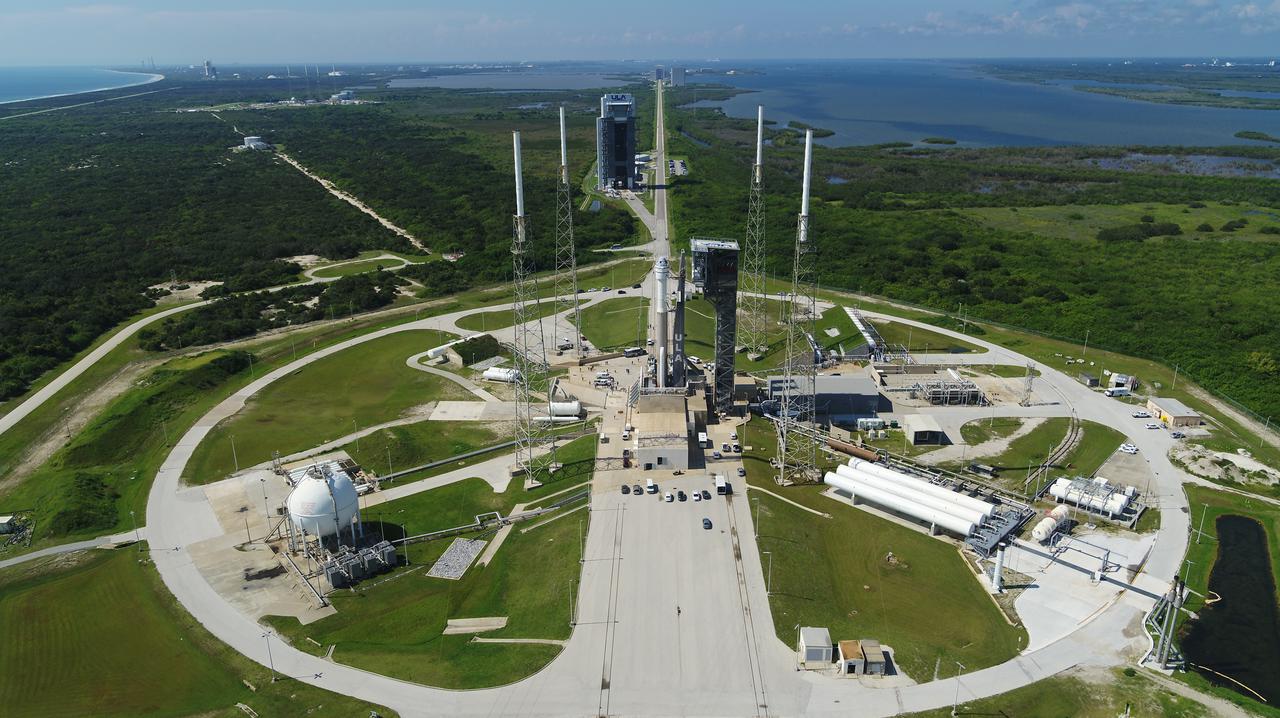
On July 29, 2021, Boeing’s CST-100 Starliner spacecraft and the United Launch Alliance Atlas V rocket rolled out of the Vertical Integration Facility to the launch pad at Space Launch Complex-41 on Cape Canaveral Space Force Station in Florida. Starliner will launch on the Atlas V for Boeing’s second uncrewed Orbital Flight Test (OFT-2) for NASA’s Commercial Crew Program. OFT-2 is an important uncrewed mission designed to test the end-to-end capabilities of the new system for NASA’s Commercial Crew Program.
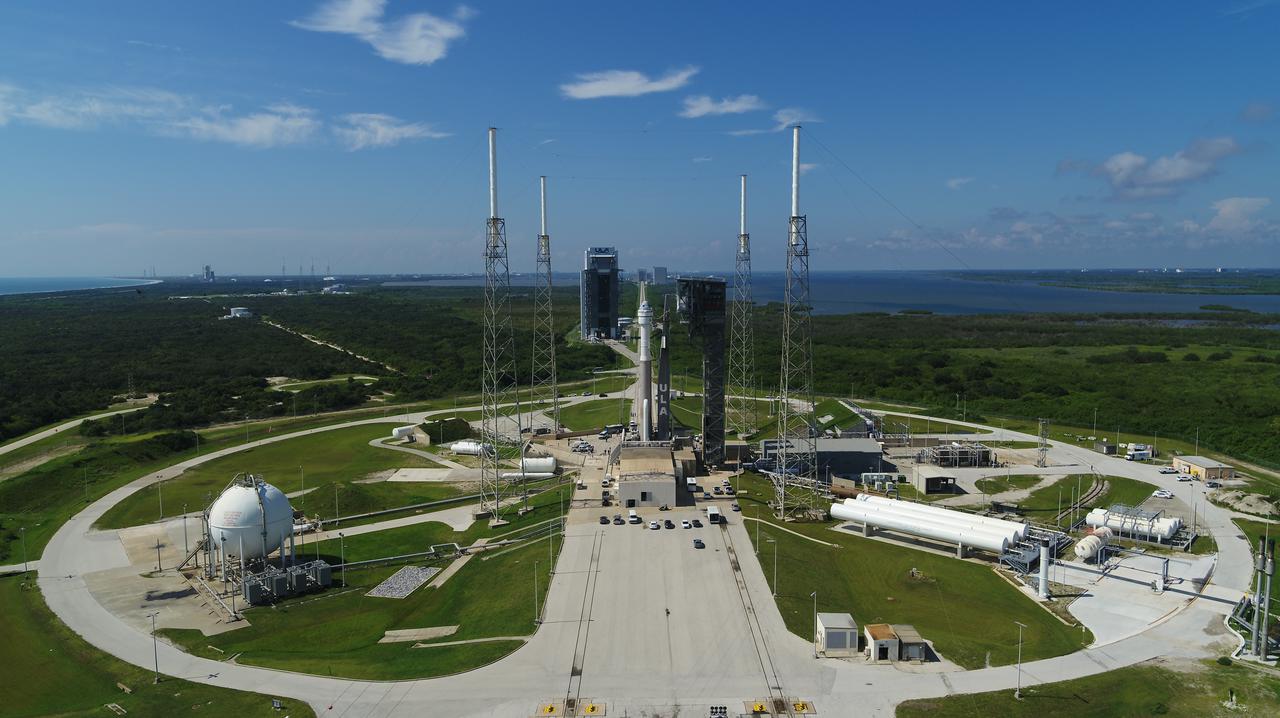
On July 29, 2021, Boeing’s CST-100 Starliner spacecraft and the United Launch Alliance Atlas V rocket rolled out of the Vertical Integration Facility to the launch pad at Space Launch Complex-41 on Cape Canaveral Space Force Station in Florida. Starliner will launch on the Atlas V for Boeing’s second uncrewed Orbital Flight Test (OFT-2) for NASA’s Commercial Crew Program. OFT-2 is an important uncrewed mission designed to test the end-to-end capabilities of the new system for NASA’s Commercial Crew Program.
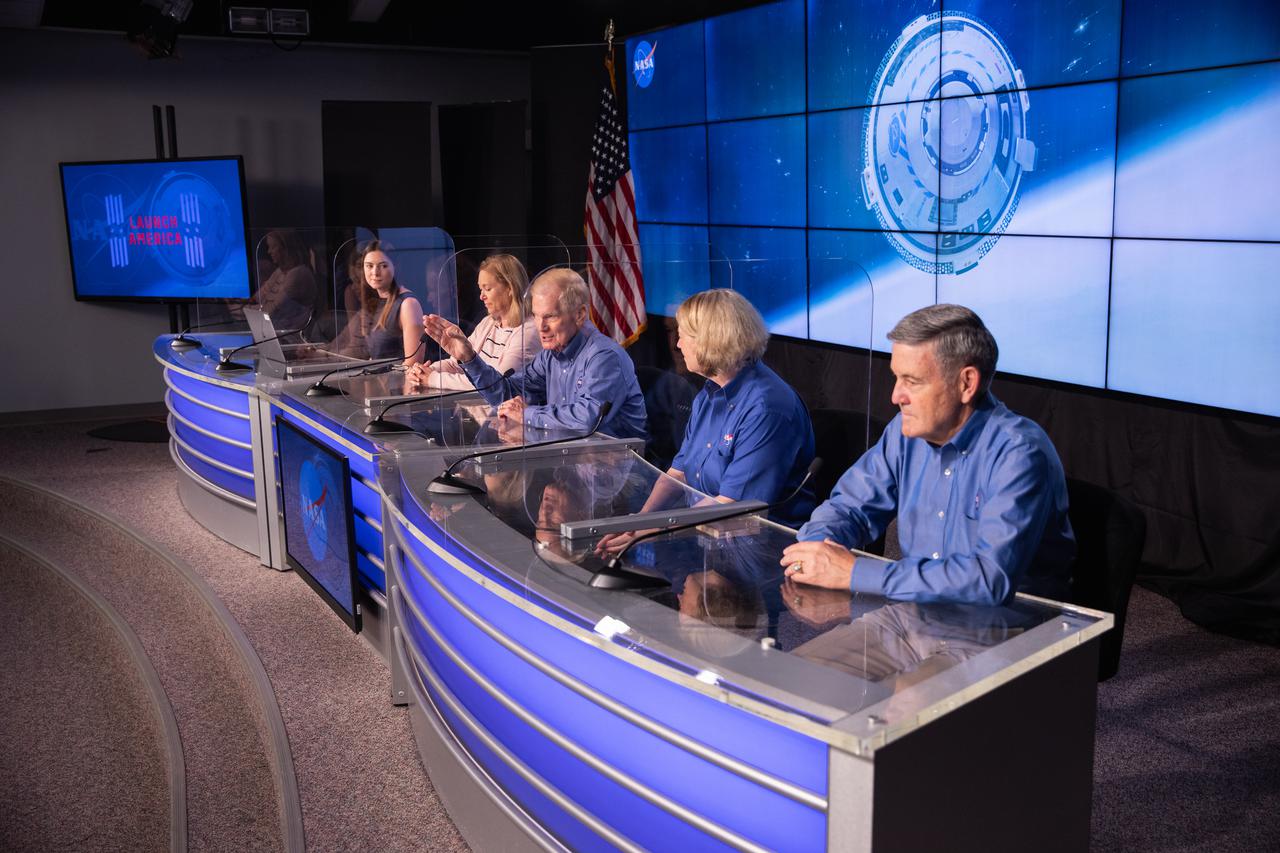
NASA Administrator Bill Nelson (center) speaks to the media ahead of Boeing’s Orbital Flight Test-2 (OFT-2) at the agency’s Kennedy Space Center in Florida, July 29, 2021. NASA officials participating from left to right are Jackie McGuinness, NASA Press Secretary; Janet Petro, director, NASA’s Kennedy Space Center; Nelson; NASA Deputy Administrator Pam Melroy; NASA Associate Administrator Bob Cabana. Boeing’s CST-100 Starliner spacecraft will launch atop a United Launch Alliance Atlas V rocket from Space Launch Complex-41 at Cape Canaveral Space Force Station. The uncrewed OFT-2 will be the Starliner’s second flight for NASA’s Commercial Crew Program.
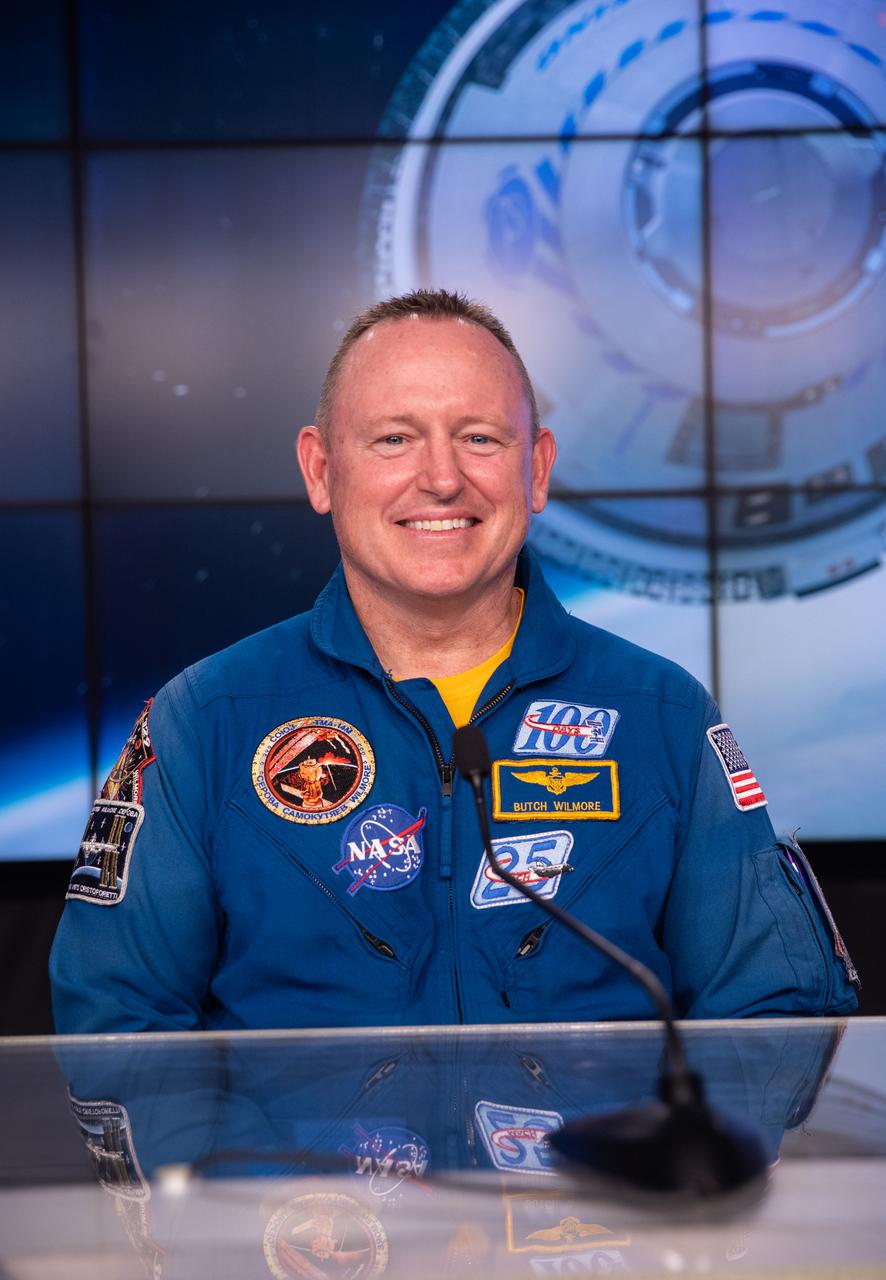
Barry “Butch” Wilmore, NASA astronaut, Crew Flight Test, participates in a crew and science media briefing ahead of Boeing’s Orbital Flight Test-2 (OFT-2) during a crew and science briefing at the agency’s Kennedy Space Center in Florida, July 29, 2021. Boeing’s CST-100 Starliner spacecraft will launch atop a United Launch Alliance Atlas V rocket from Space Launch Complex-41 at Cape Canaveral Space Force Station. The uncrewed OFT-2 will be the Starliner’s second flight for NASA’s Commercial Crew Program.
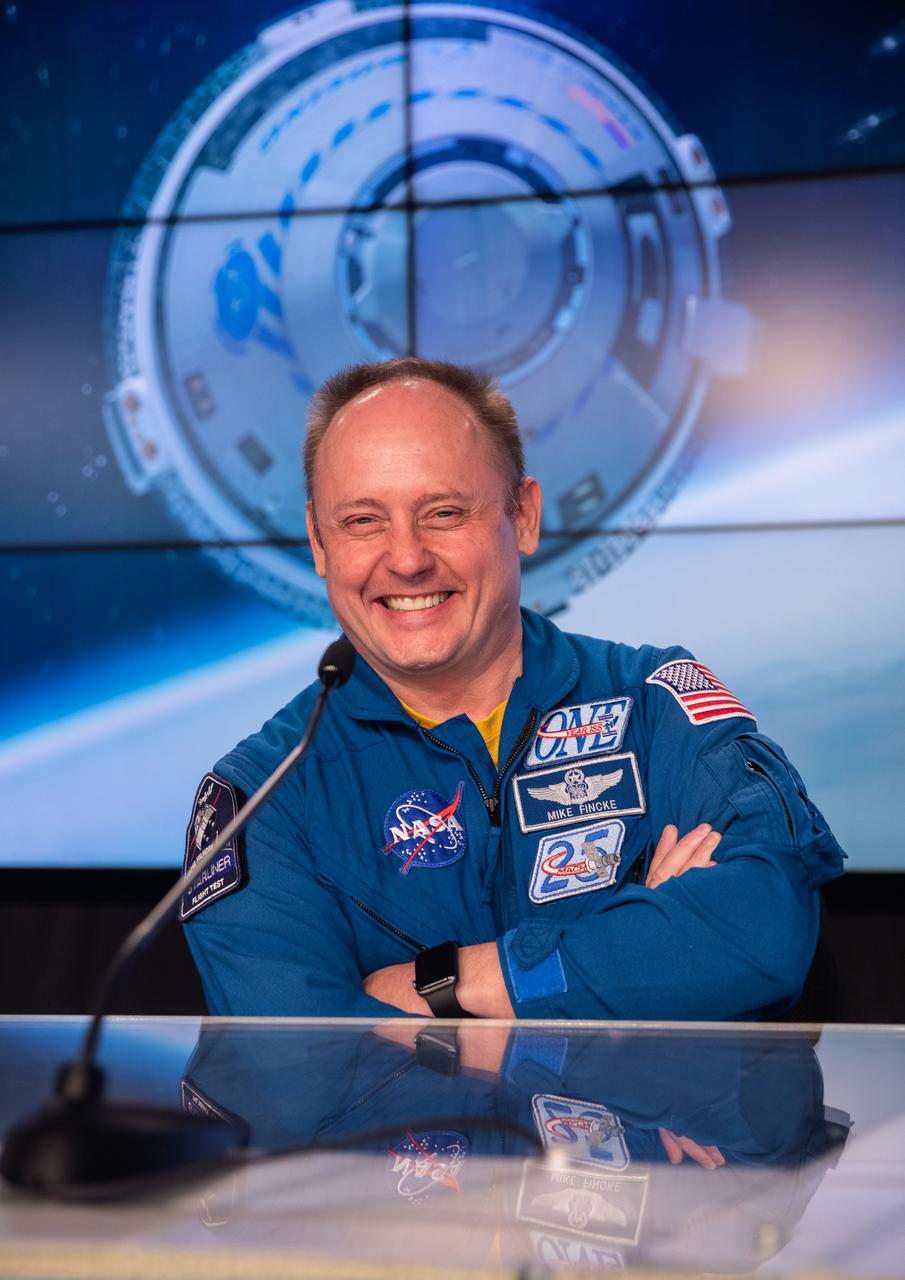
E. Michael “Mike” Fincke, NASA astronaut, Crew Flight Test, participates in a crew and science media briefing ahead of Boeing’s Orbital Flight Test-2 (OFT-2) during a crew and science briefing at the agency’s Kennedy Space Center in Florida, July 29, 2021. Boeing’s CST-100 Starliner spacecraft will launch atop a United Launch Alliance Atlas V rocket from Space Launch Complex-41 at Cape Canaveral Space Force Station. The uncrewed OFT-2 will be the Starliner’s second flight for NASA’s Commercial Crew Program.
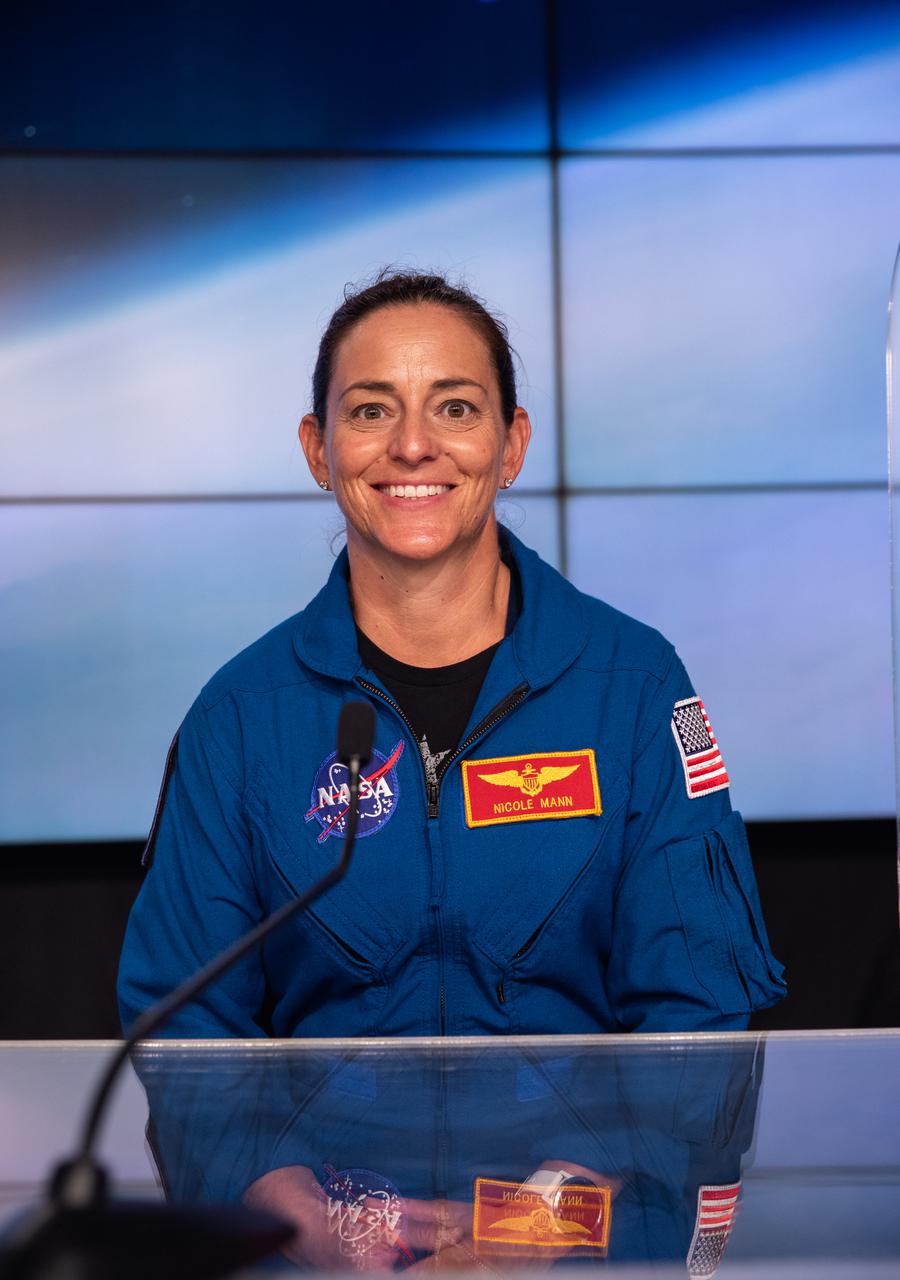
Nicole Mann, NASA astronaut, Crew Flight Test, participates in a crew and science media briefing ahead of Boeing’s Orbital Flight Test-2 (OFT-2) during a crew and science briefing at the agency’s Kennedy Space Center in Florida, July 29, 2021. Boeing’s CST-100 Starliner spacecraft will launch atop a United Launch Alliance Atlas V rocket from Space Launch Complex-41 at Cape Canaveral Space Force Station. The uncrewed OFT-2 will be the Starliner’s second flight for NASA’s Commercial Crew Program.
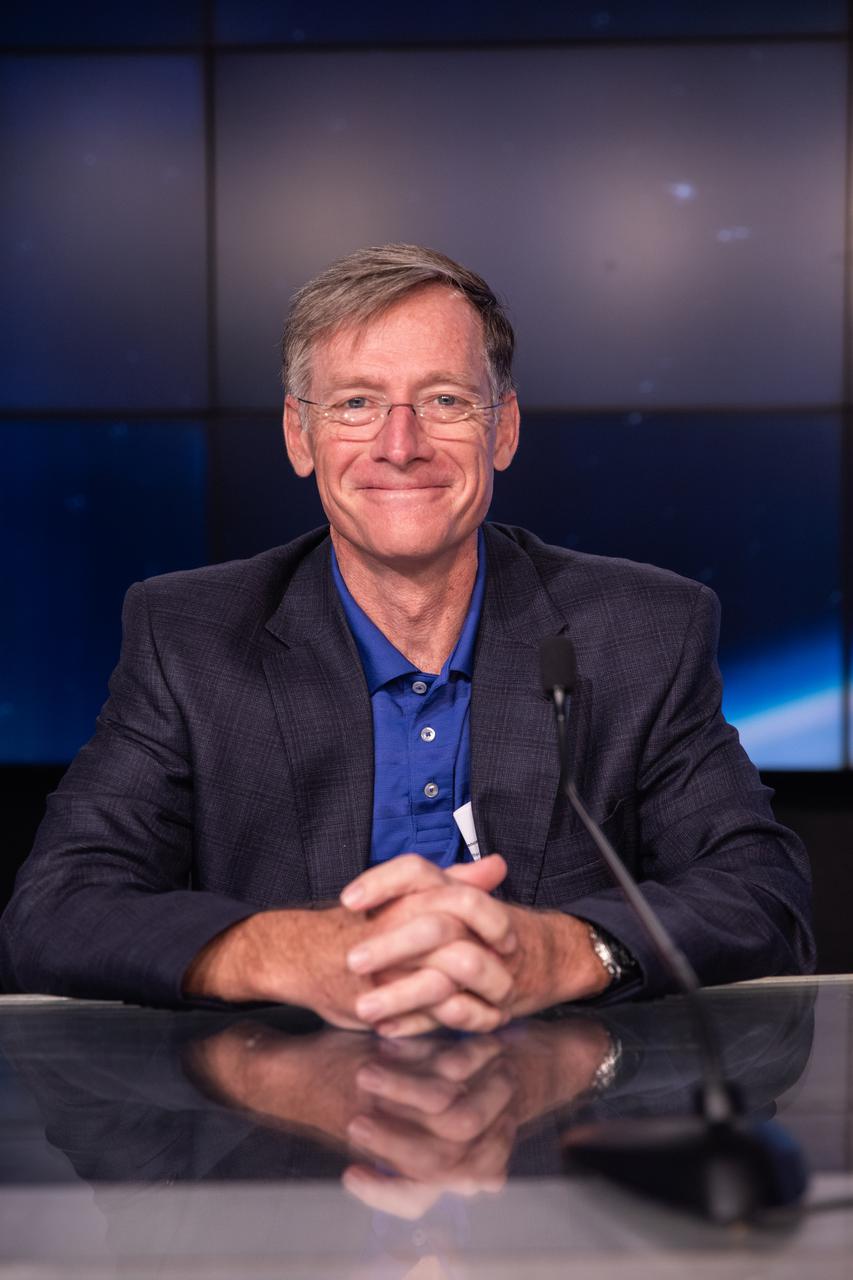
Chris Ferguson, director, Starliner Mission Operations and Integration/Crew Systems, participates in a crew and science media briefing ahead of Boeing’s Orbital Flight Test-2 (OFT-2) during a crew and science briefing at the agency’s Kennedy Space Center in Florida, July 29, 2021. Boeing’s CST-100 Starliner spacecraft will launch atop a United Launch Alliance Atlas V rocket from Space Launch Complex-41 at Cape Canaveral Space Force Station. The uncrewed OFT-2 will be the Starliner’s second flight for NASA’s Commercial Crew Program.
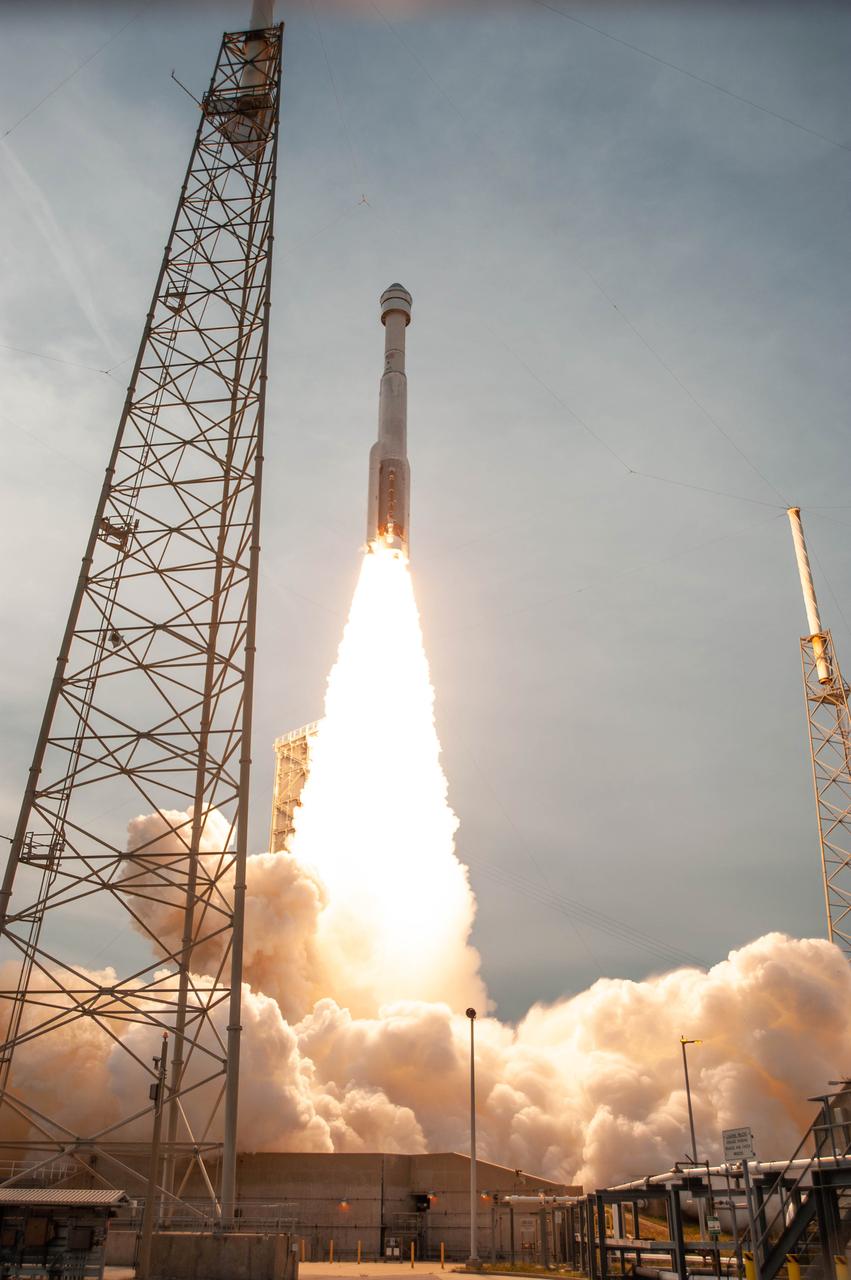
A United Launch Alliance Atlas V rocket lifts off on May 19, 2022, from Space Launch Complex-41 at Cape Canaveral Space Force Station in Florida for NASA Boeing’s uncrewed Orbital Flight Test-2 (OFT-2) for the agency’s Commercial Crew Program. Liftoff for OFT-2 occurred at 6:54 p.m. EDT. Starliner is expected to arrive at the space station for docking about 24 hours later with more than 500 pounds of NASA cargo. The flight test is designed to test the system’s end-to-end capabilities for NASA’s Commercial Crew Program providing valuable data towards NASA certifying Boeing’s crew transportation system for regular crewed flights to and from the International Space Station.
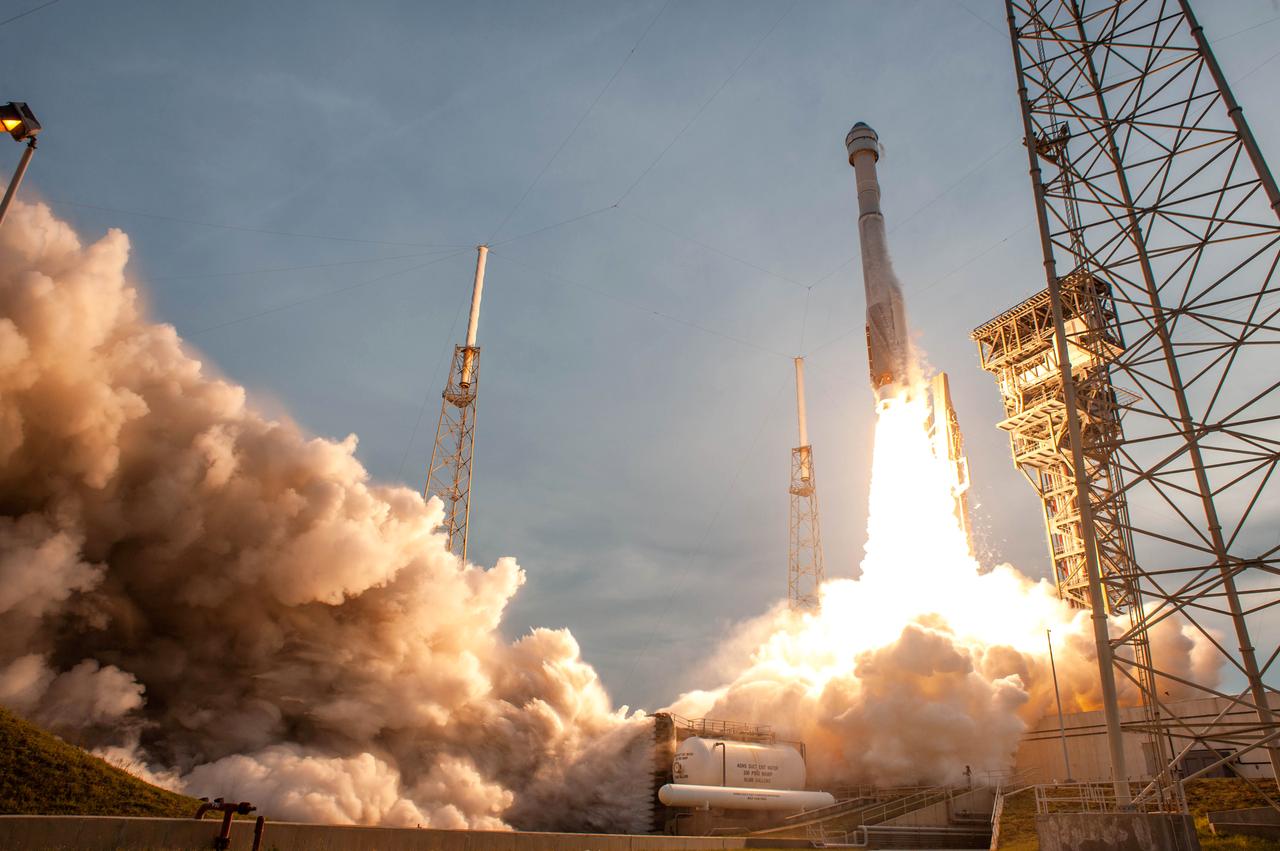
A United Launch Alliance Atlas V rocket lifts off on May 19, 2022, from Space Launch Complex-41 at Cape Canaveral Space Force Station in Florida for NASA Boeing’s uncrewed Orbital Flight Test-2 (OFT-2) for the agency’s Commercial Crew Program. Liftoff for OFT-2 occurred at 6:54 p.m. EDT. Starliner is expected to arrive at the space station for docking about 24 hours later with more than 500 pounds of NASA cargo. The flight test is designed to test the system’s end-to-end capabilities for NASA’s Commercial Crew Program providing valuable data towards NASA certifying Boeing’s crew transportation system for regular crewed flights to and from the International Space Station.
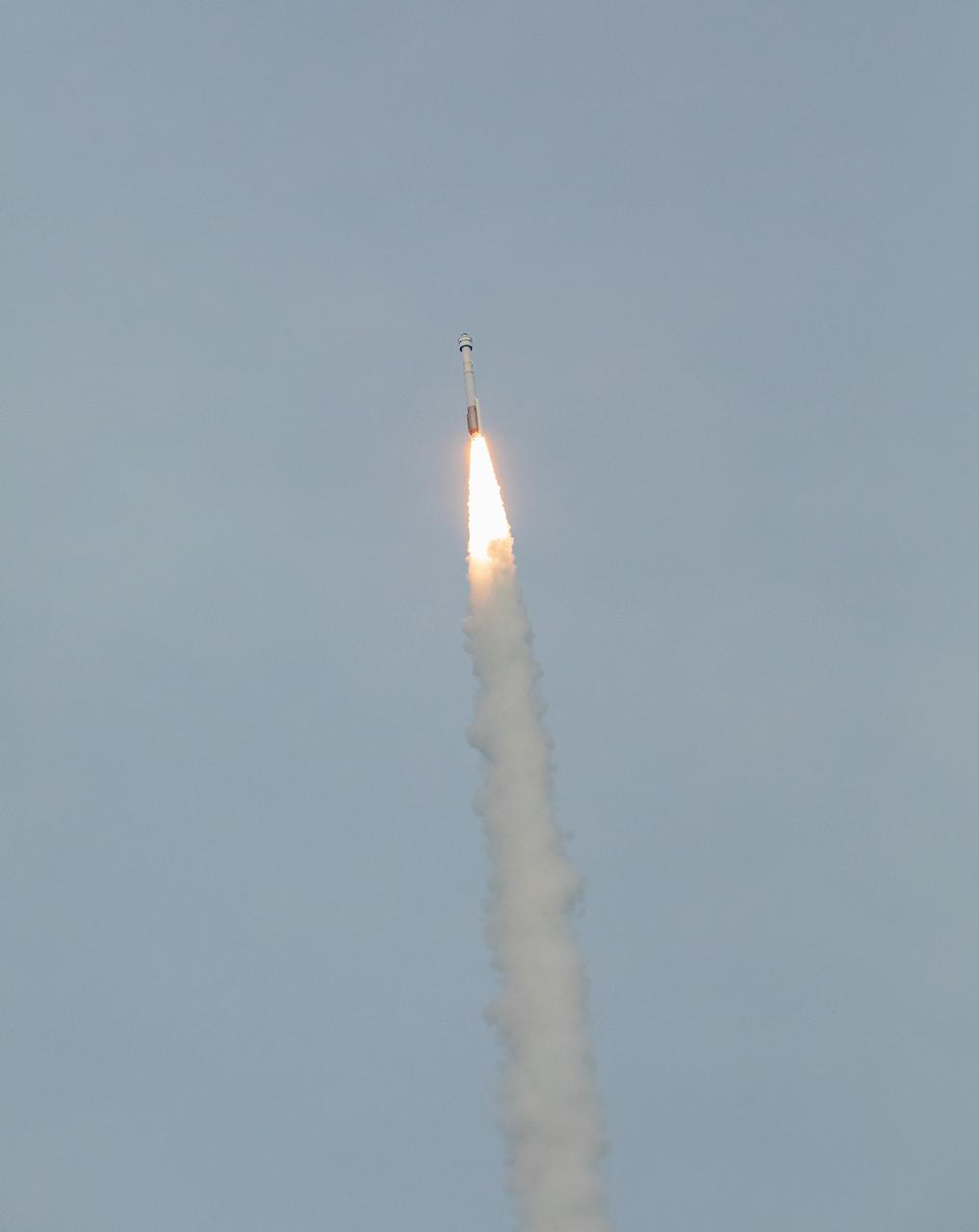
A United Launch Alliance Atlas V rocket lifts off over Space Launch Complex-41 at Cape Canaveral Space Force Station in Florida for NASA Boeing’s uncrewed Orbital Flight Test-2 (OFT-2). Launch for OFT-2 occurred at 6:54 p.m. EDT. Expected to arrive at the space station for docking about 24 hours later, the Starliner will carry more than 500 pounds of NASA cargo and crew supplies to the orbiting laboratory and return to Earth with more than 500 pounds of cargo. The flight test is designed to test the system’s end-to-end capabilities for NASA’s Commercial Crew Program providing valuable data towards NASA certifying Boeing’s crew transportation system for regular crewed flights to and from the International Space Station.
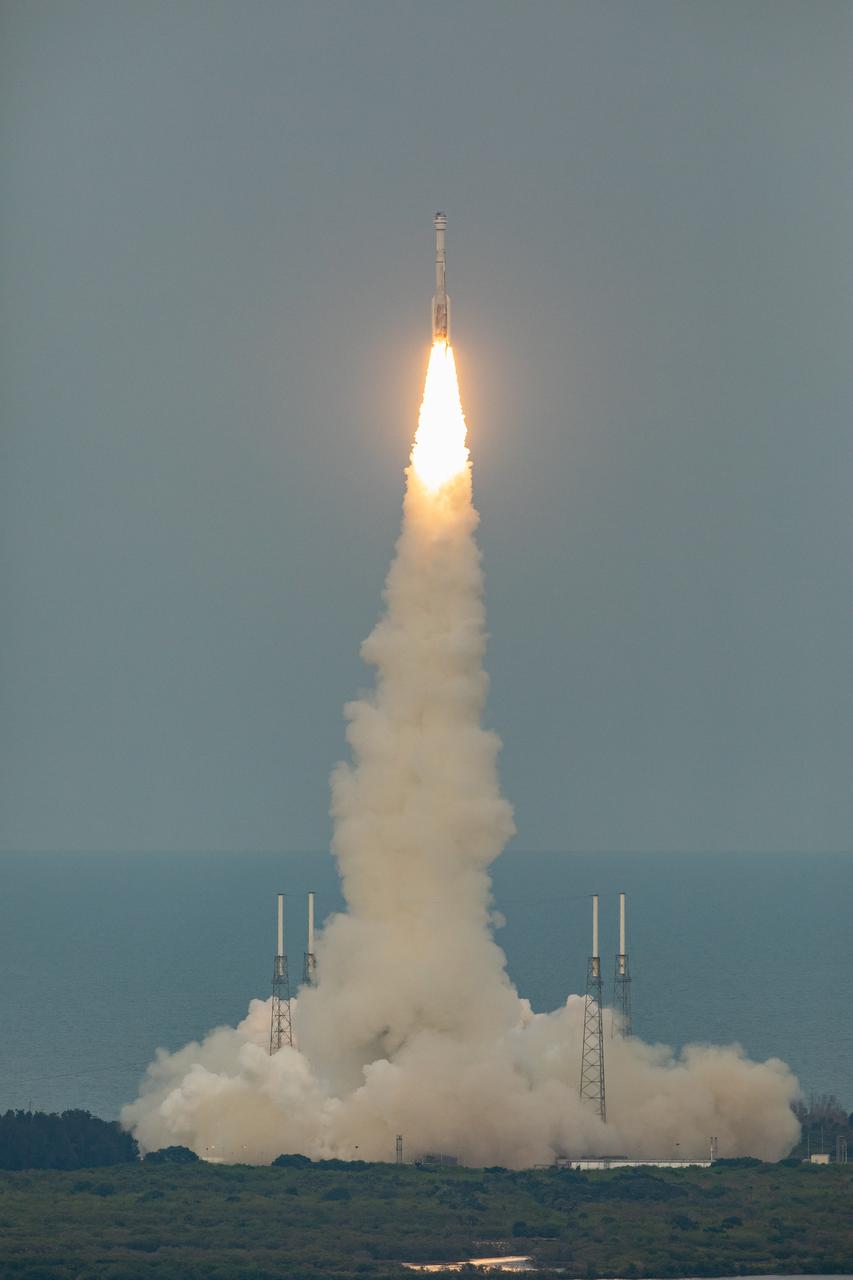
A United Launch Alliance Atlas V rocket lifts off on May 19, 2022, from Space Launch Complex-41 at Cape Canaveral Space Force Station in Florida for NASA Boeing’s uncrewed Orbital Flight Test-2 (OFT-2) for the agency’s Commercial Crew Program. Liftoff for OFT-2 occurred at 6:54 p.m. EDT. Starliner is expected to arrive at the space station for docking about 24 hours later with more than 500 pounds of NASA cargo. The flight test is designed to test the system’s end-to-end capabilities for NASA’s Commercial Crew Program providing valuable data towards NASA certifying Boeing’s crew transportation system for regular crewed flights to and from the International Space Station.

A United Launch Alliance Atlas V rocket lifts off on May 19, 2022, from Space Launch Complex-41 at Cape Canaveral Space Force Station in Florida for NASA Boeing’s uncrewed Orbital Flight Test-2 (OFT-2) for the agency’s Commercial Crew Program. Liftoff for OFT-2 occurred at 6:54 p.m. EDT. Starliner is expected to arrive at the space station for docking about 24 hours later with more than 500 pounds of NASA cargo. The flight test is designed to test the system’s end-to-end capabilities for NASA’s Commercial Crew Program providing valuable data towards NASA certifying Boeing’s crew transportation system for regular crewed flights to and from the International Space Station.

A United Launch Alliance Atlas V rocket lifts off on May 19, 2022, from Space Launch Complex-41 at Cape Canaveral Space Force Station in Florida for NASA Boeing’s uncrewed Orbital Flight Test-2 (OFT-2) for the agency’s Commercial Crew Program. Liftoff for OFT-2 occurred at 6:54 p.m. EDT. Starliner is expected to arrive at the space station for docking about 24 hours later with more than 500 pounds of NASA cargo. The flight test is designed to test the system’s end-to-end capabilities for NASA’s Commercial Crew Program providing valuable data towards NASA certifying Boeing’s crew transportation system for regular crewed flights to and from the International Space Station.
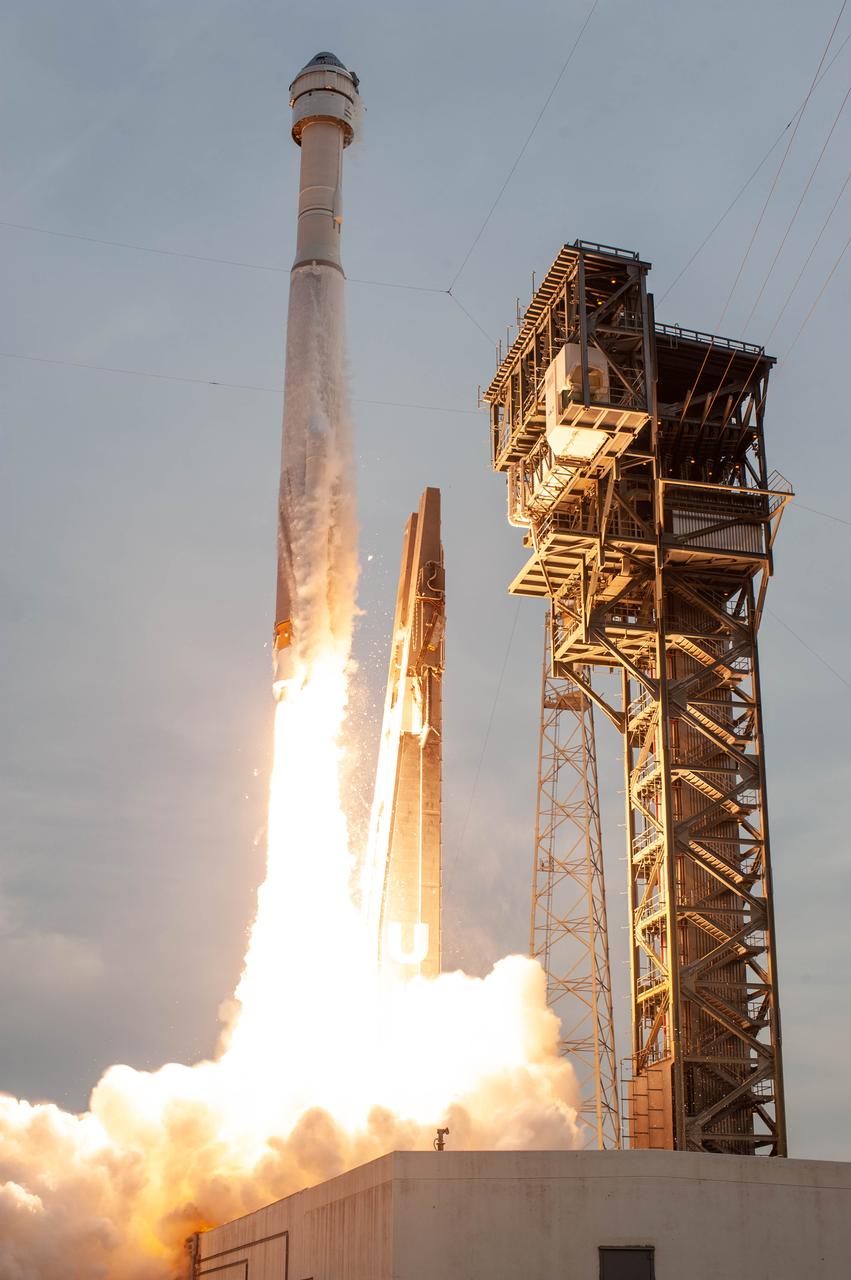
A United Launch Alliance Atlas V rocket lifts off on May 19, 2022, from Space Launch Complex-41 at Cape Canaveral Space Force Station in Florida for NASA Boeing’s uncrewed Orbital Flight Test-2 (OFT-2) for the agency’s Commercial Crew Program. Liftoff for OFT-2 occurred at 6:54 p.m. EDT. Starliner is expected to arrive at the space station for docking about 24 hours later with more than 500 pounds of NASA cargo. The flight test is designed to test the system’s end-to-end capabilities for NASA’s Commercial Crew Program providing valuable data towards NASA certifying Boeing’s crew transportation system for regular crewed flights to and from the International Space Station.
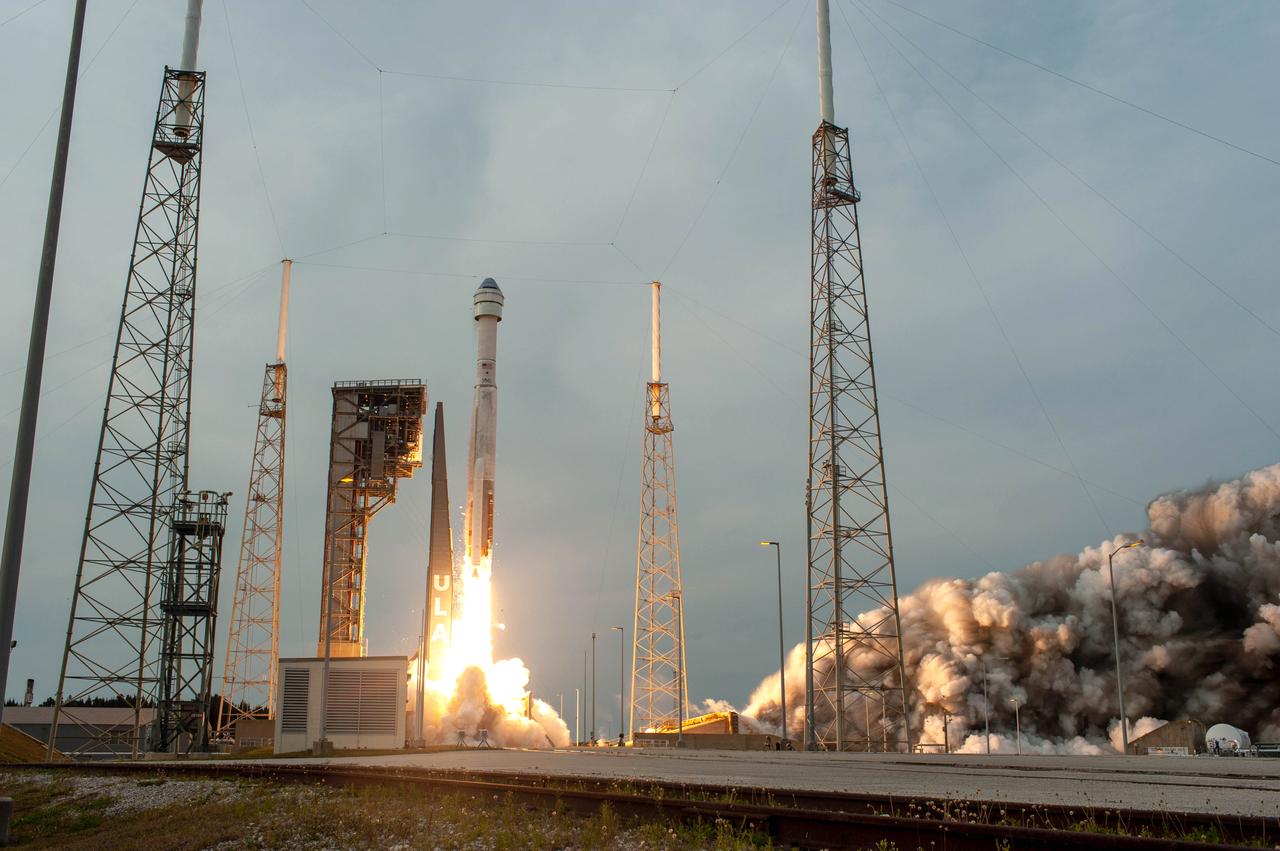
A United Launch Alliance Atlas V rocket lifts off on May 19, 2022, from Space Launch Complex-41 at Cape Canaveral Space Force Station in Florida for NASA Boeing’s uncrewed Orbital Flight Test-2 (OFT-2) for the agency’s Commercial Crew Program. Liftoff for OFT-2 occurred at 6:54 p.m. EDT. Starliner is expected to arrive at the space station for docking about 24 hours later with more than 500 pounds of NASA cargo. The flight test is designed to test the system’s end-to-end capabilities for NASA’s Commercial Crew Program providing valuable data towards NASA certifying Boeing’s crew transportation system for regular crewed flights to and from the International Space Station.
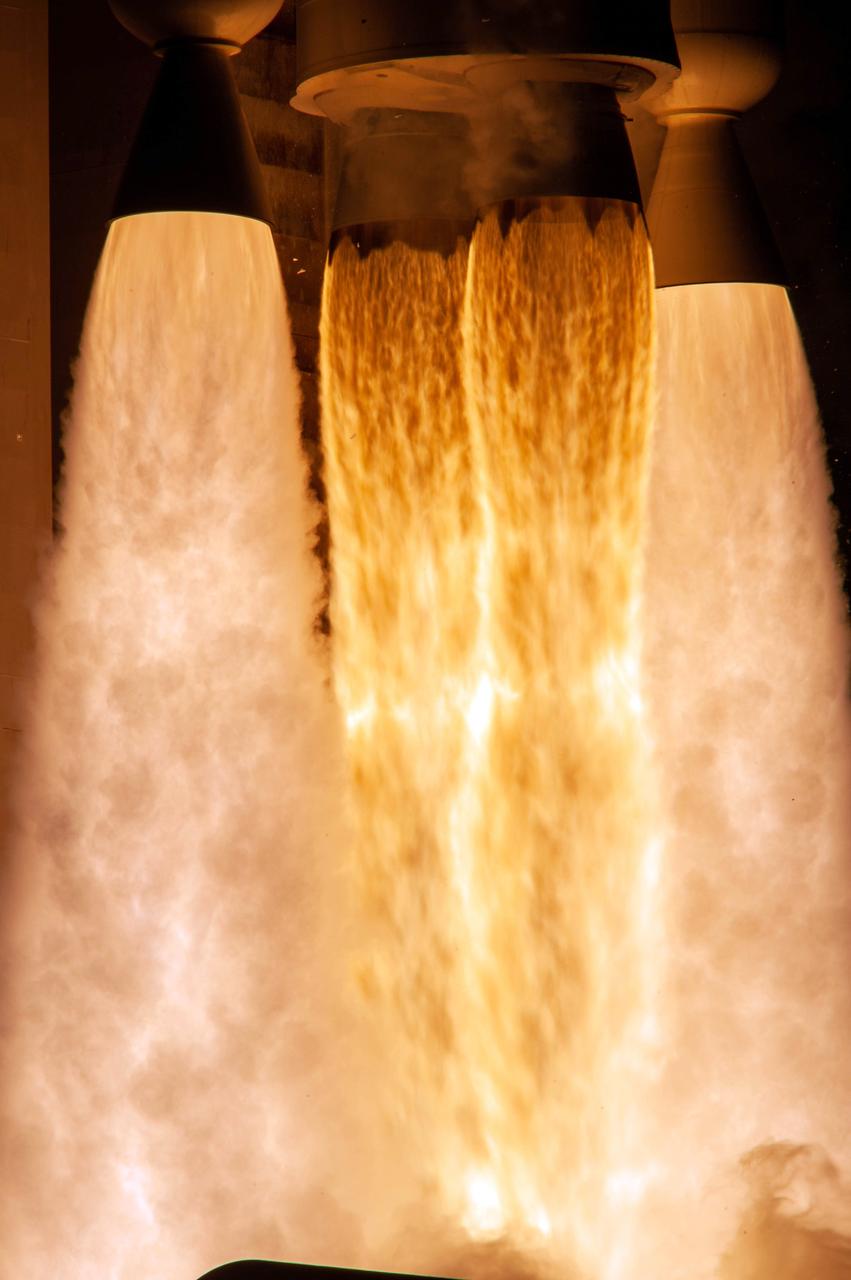
A United Launch Alliance Atlas V rocket lifts off on May 19, 2022, from Space Launch Complex-41 at Cape Canaveral Space Force Station in Florida for NASA Boeing’s uncrewed Orbital Flight Test-2 (OFT-2) for the agency’s Commercial Crew Program. Liftoff for OFT-2 occurred at 6:54 p.m. EDT. Starliner is expected to arrive at the space station for docking about 24 hours later with more than 500 pounds of NASA cargo. The flight test is designed to test the system’s end-to-end capabilities for NASA’s Commercial Crew Program providing valuable data towards NASA certifying Boeing’s crew transportation system for regular crewed flights to and from the International Space Station.
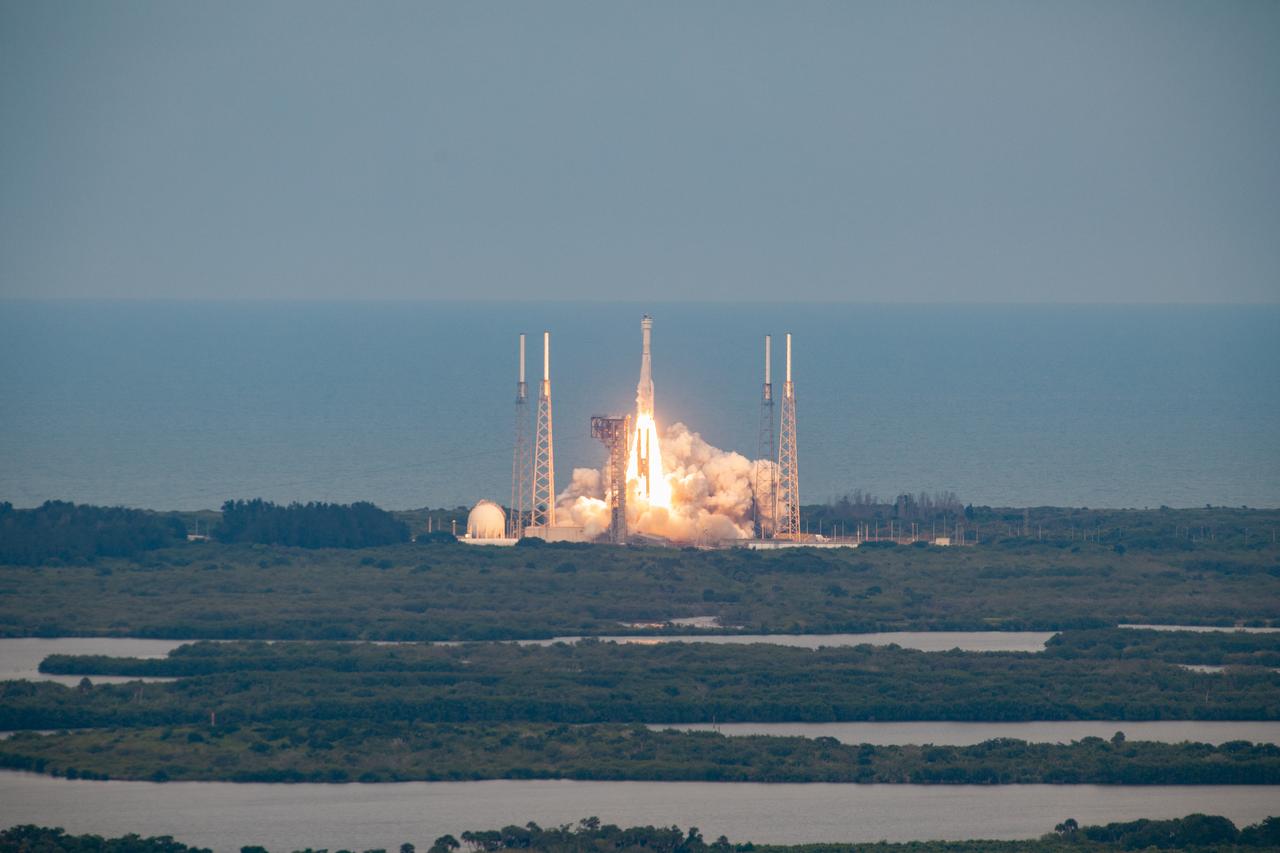
A United Launch Alliance Atlas V rocket lifts off on May 19, 2022, from Space Launch Complex-41 at Cape Canaveral Space Force Station in Florida for NASA Boeing’s uncrewed Orbital Flight Test-2 (OFT-2) for the agency’s Commercial Crew Program. Liftoff for OFT-2 occurred at 6:54 p.m. EDT. Starliner is expected to arrive at the space station for docking about 24 hours later with more than 500 pounds of NASA cargo. The flight test is designed to test the system’s end-to-end capabilities for NASA’s Commercial Crew Program providing valuable data towards NASA certifying Boeing’s crew transportation system for regular crewed flights to and from the International Space Station.
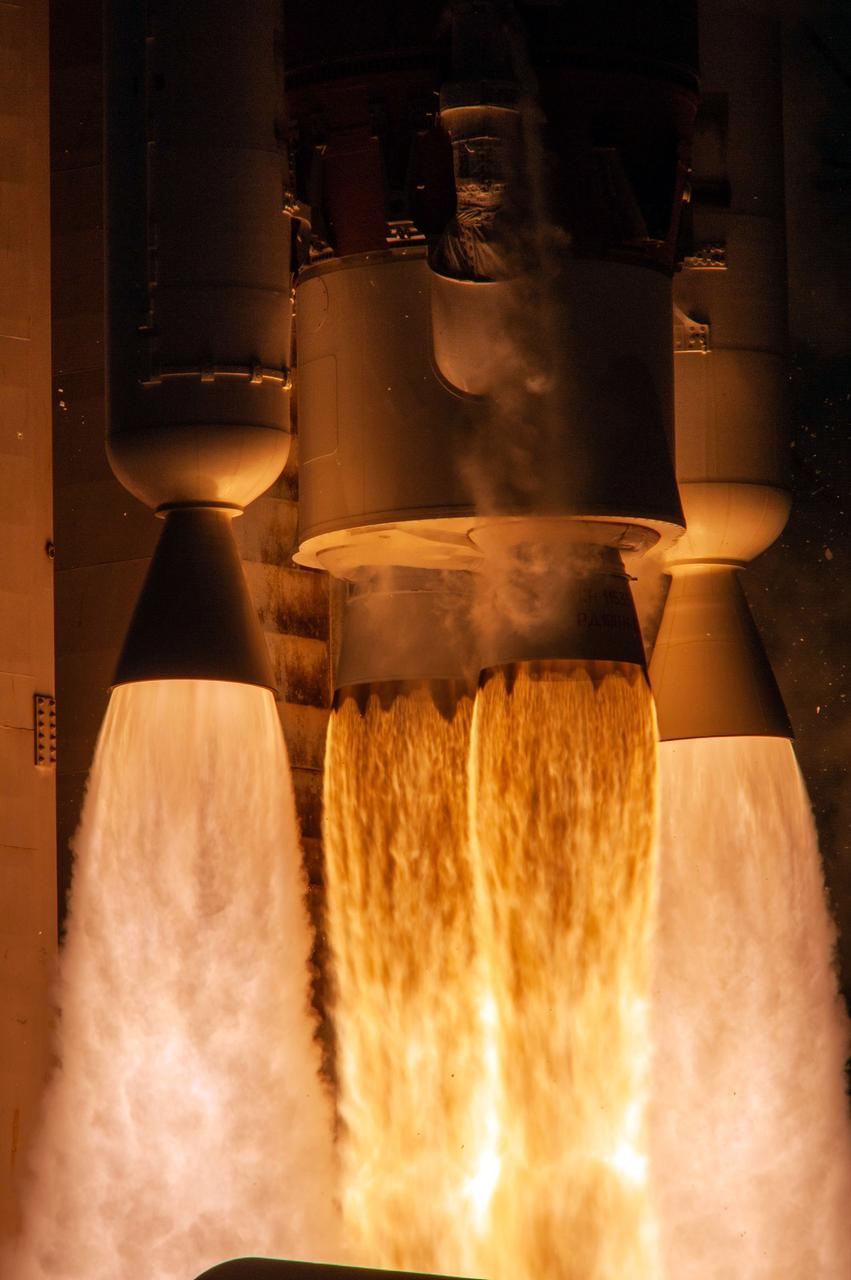
A United Launch Alliance Atlas V rocket lifts off on May 19, 2022, from Space Launch Complex-41 at Cape Canaveral Space Force Station in Florida for NASA Boeing’s uncrewed Orbital Flight Test-2 (OFT-2) for the agency’s Commercial Crew Program. Liftoff for OFT-2 occurred at 6:54 p.m. EDT. Starliner is expected to arrive at the space station for docking about 24 hours later with more than 500 pounds of NASA cargo. The flight test is designed to test the system’s end-to-end capabilities for NASA’s Commercial Crew Program providing valuable data towards NASA certifying Boeing’s crew transportation system for regular crewed flights to and from the International Space Station.
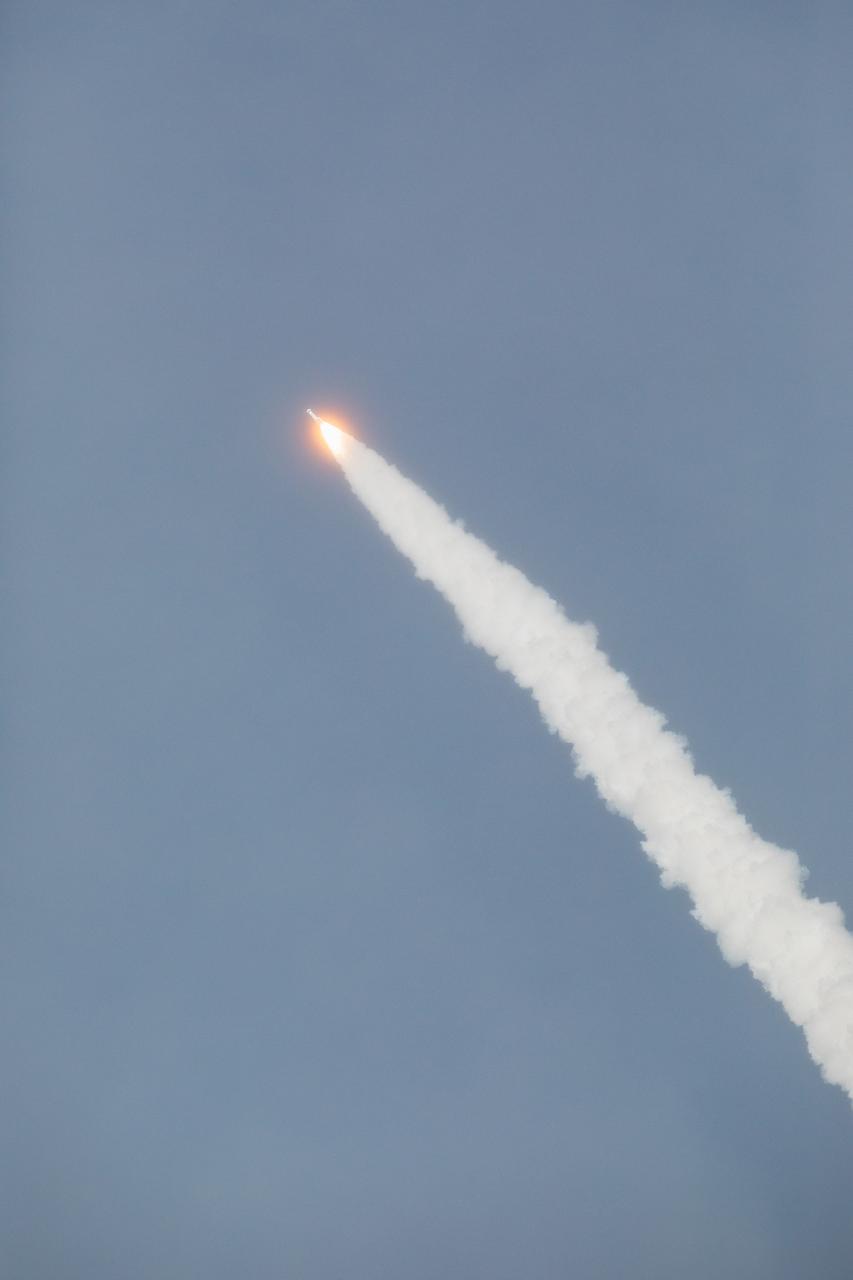
A United Launch Alliance Atlas V rocket lifts off over Space Launch Complex-41 at Cape Canaveral Space Force Station in Florida for NASA Boeing’s uncrewed Orbital Flight Test-2 (OFT-2). Launch for OFT-2 occurred at 6:54 p.m. EDT. Expected to arrive at the space station for docking about 24 hours later, the Starliner will carry more than 500 pounds of NASA cargo and crew supplies to the orbiting laboratory and return to Earth with more than 500 pounds of cargo. The flight test is designed to test the system’s end-to-end capabilities for NASA’s Commercial Crew Program providing valuable data towards NASA certifying Boeing’s crew transportation system for regular crewed flights to and from the International Space Station.

Will Ulrich, launch weather officer, U.S. Space Force, 45th Weather Squadron, participates in a prelaunch briefing for Boeing’s Orbital Flight Test-2 (OFT-2) at the agency’s Kennedy Space Center in Florida, July 27, 2021. Boeing’s CST-100 Starliner spacecraft will launch atop a United Launch Alliance Atlas V rocket from Space Launch Complex-41 at Cape Canaveral Space Force Station. The uncrewed OFT-2 will be the Starliner’s second flight NASA’s Commercial Crew Program.
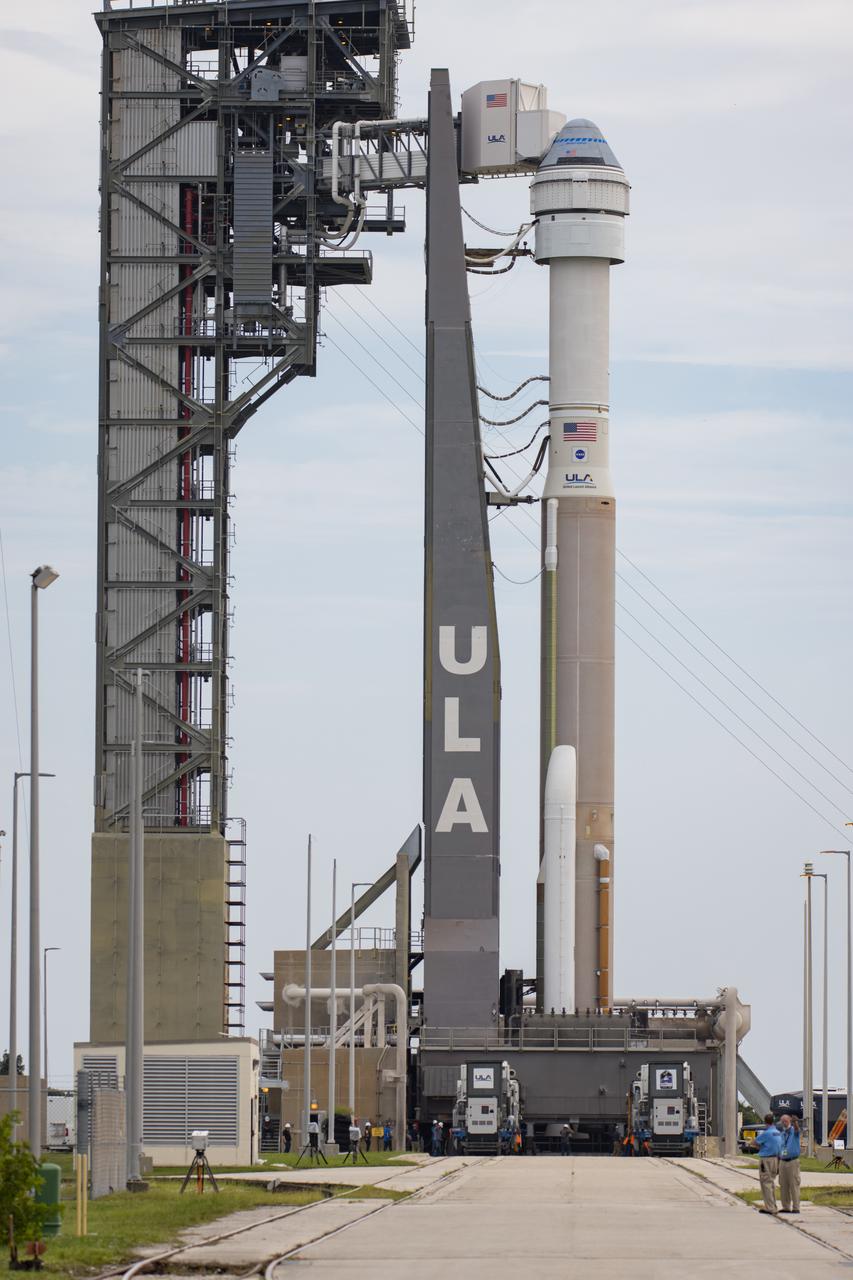
On August 2, 2021, Boeing’s CST-100 Starliner spacecraft and the United Launch Alliance Atlas V rocket rolls out from the Vertical Integration Facility to the launch pad at Space Launch Complex-41 on Cape Canaveral Space Force Station in Florida. Starliner will launch on the Atlas V for Boeing’s second uncrewed Orbital Flight Test (OFT-2) for NASA’s Commercial Crew Program. OFT-2 is an important uncrewed mission designed to test the end-to-end capabilities of the new system for NASA’s Commercial Crew Program.
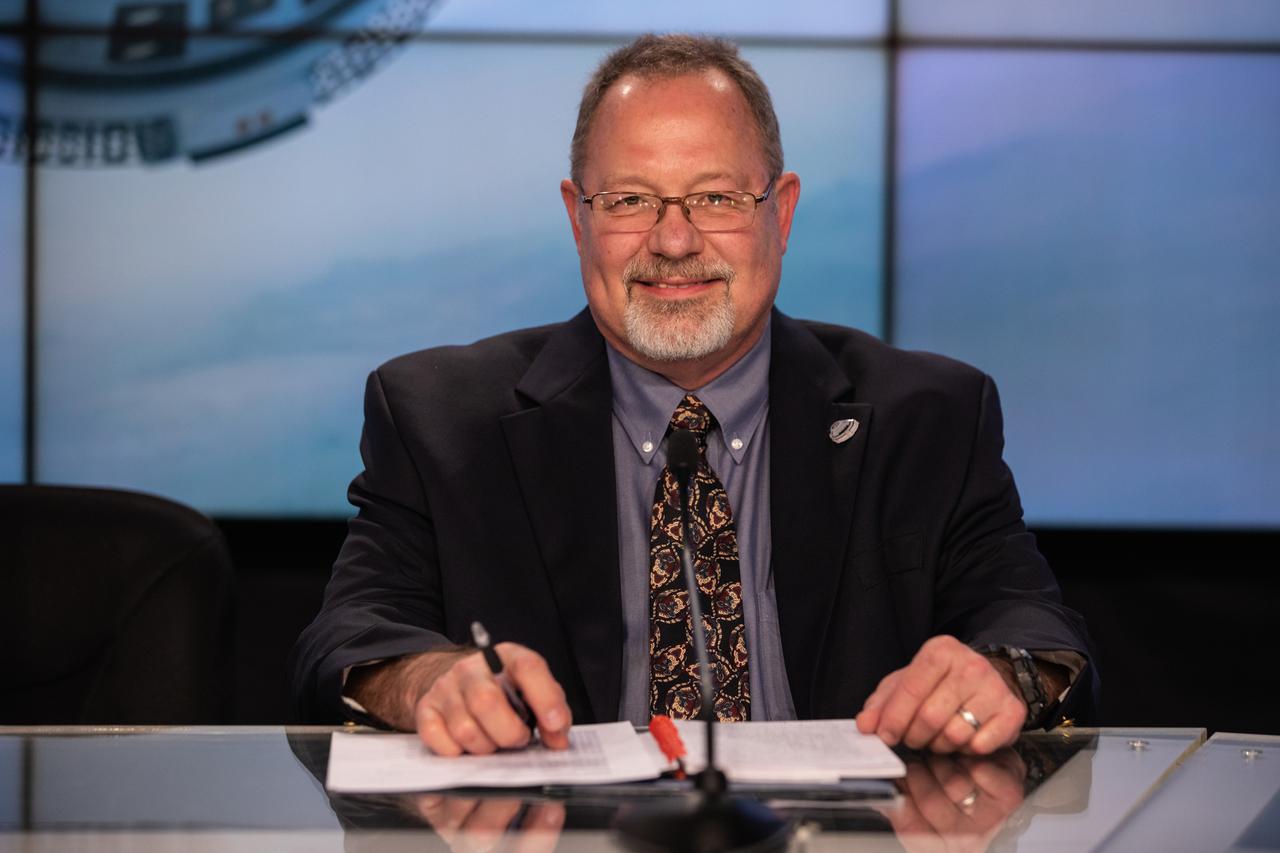
John Vollmer, vice president and program manager, Boeing Commercial Crew Program, participates in a prelaunch briefing for Boeing’s Orbital Flight Test-2 (OFT-2) at the agency’s Kennedy Space Center in Florida, July 27, 2021. Boeing’s CST-100 Starliner spacecraft will launch atop a United Launch Alliance Atlas V rocket from Space Launch Complex-41 at Cape Canaveral Space Force Station. The uncrewed OFT-2 will be the Starliner’s second flight for NASA’s Commercial Crew Program.
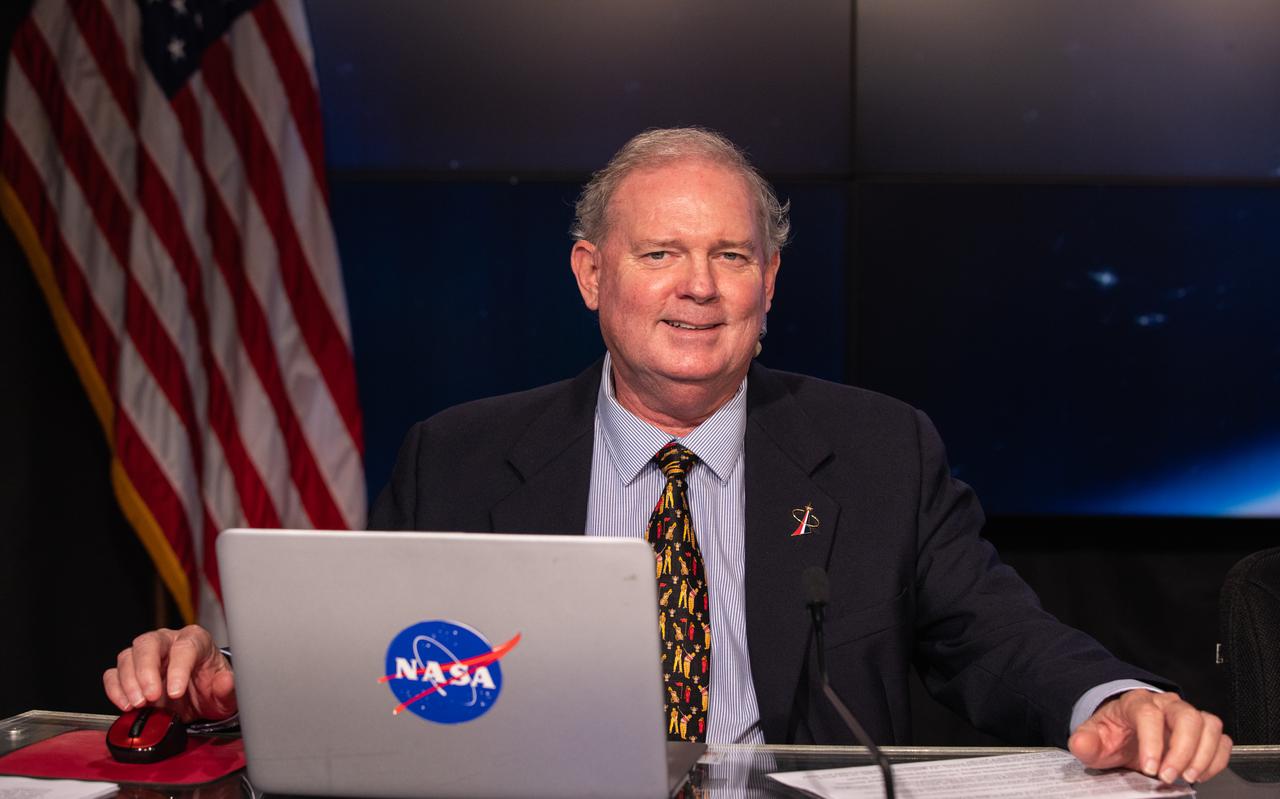
Kyle Herring, NASA Communications, participates in a prelaunch briefing for Boeing’s Orbital Flight Test-2 (OFT-2) at the agency’s Kennedy Space Center in Florida, July 27, 2021. Boeing’s CST-100 Starliner spacecraft will launch atop a United Launch Alliance Atlas V rocket from Space Launch Complex-41 at Cape Canaveral Space Force Station. The uncrewed OFT-2 will be the Starliner’s second flight NASA’s Commercial Crew Program.
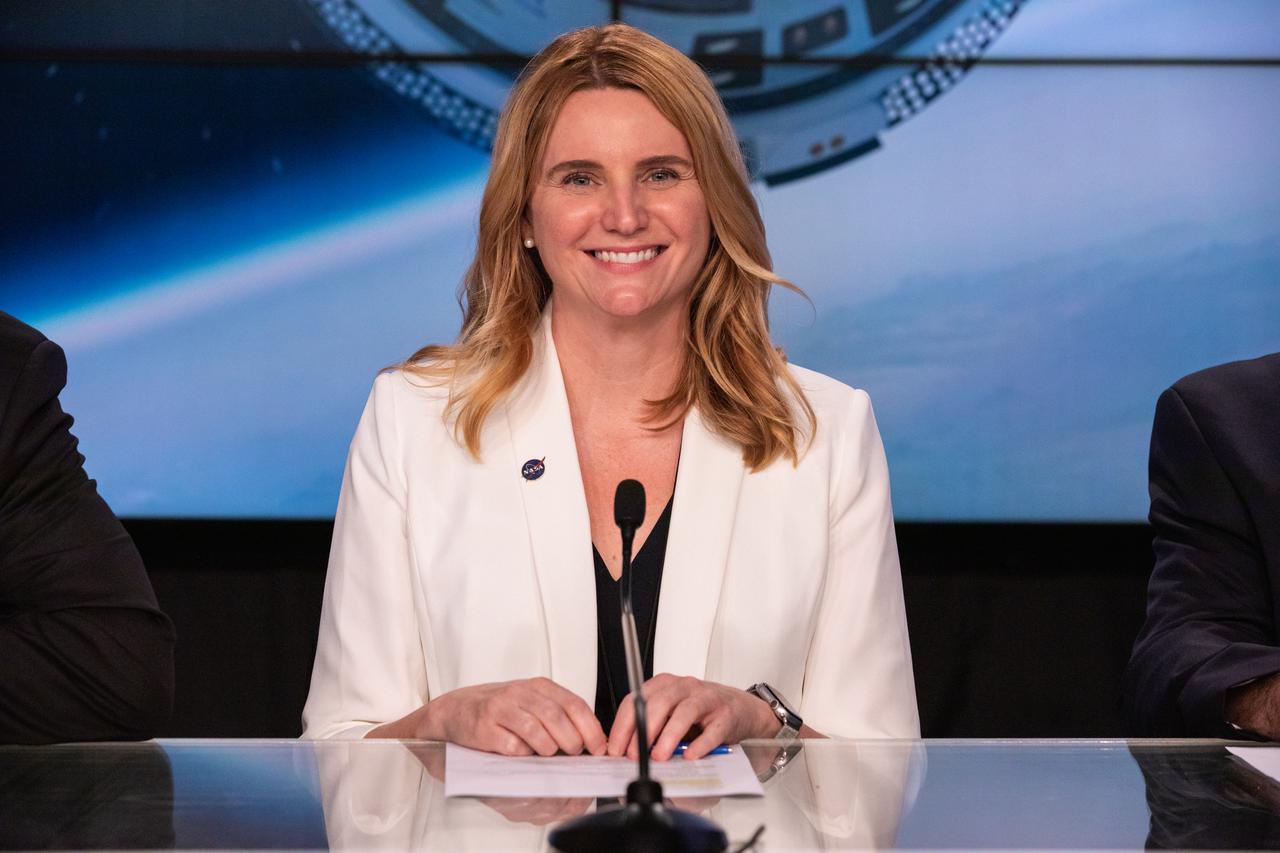
Jennifer Buchli, deputy chief scientist, NASA’s International Space Station Program, participates in a prelaunch briefing for Boeing’s Orbital Flight Test-2 (OFT-2) at the agency’s Kennedy Space Center in Florida, July 27, 2021. Boeing’s CST-100 Starliner spacecraft will launch atop a United Launch Alliance Atlas V rocket from Space Launch Complex-41 at Cape Canaveral Space Force Station. The uncrewed OFT-2 will be the Starliner’s second flight for NASA’s Commercial Crew Program.
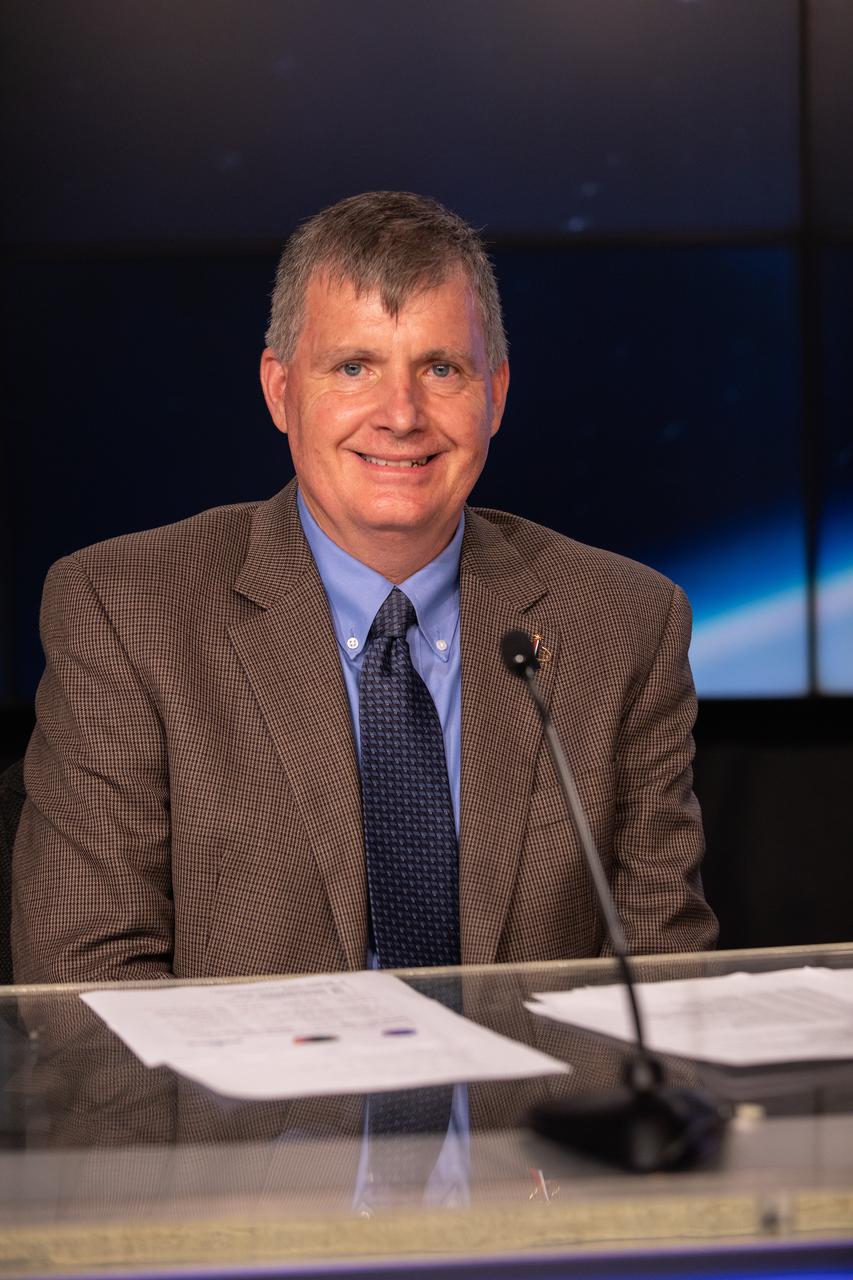
Steve Stich, manager, NASA’s Commercial Crew Program, participates in a prelaunch briefing for Boeing’s Orbital Flight Test-2 (OFT-2) at the agency’s Kennedy Space Center in Florida, July 27, 2021. Boeing’s CST-100 Starliner spacecraft will launch atop a United Launch Alliance Atlas V rocket from Space Launch Complex-41 at Cape Canaveral Space Force Station. The uncrewed OFT-2 will be the Starliner’s second flight for NASA’s Commercial Crew Program.

On August 2, 2021, Boeing’s CST-100 Starliner spacecraft and the United Launch Alliance Atlas V rocket rolls out from the Vertical Integration Facility to the launch pad at Space Launch Complex-41 on Cape Canaveral Space Force Station in Florida. Starliner will launch on the Atlas V for Boeing’s second uncrewed Orbital Flight Test (OFT-2) for NASA’s Commercial Crew Program. OFT-2 is an important uncrewed mission designed to test the end-to-end capabilities of the new system for NASA’s Commercial Crew Program.
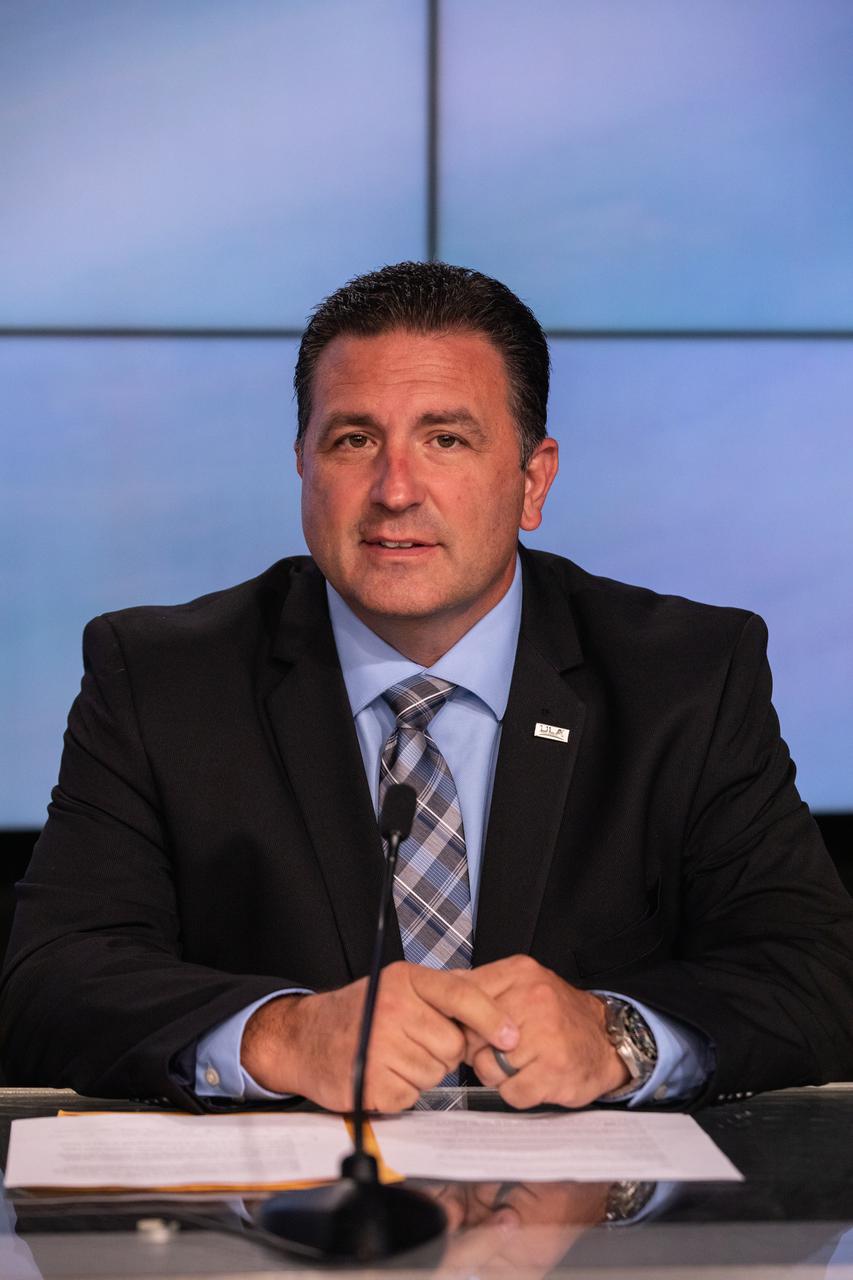
Gary Wentz, vice president, Government and Commercial Programs, United Launch Alliance (ULA), participates in a prelaunch briefing for Boeing’s Orbital Flight Test-2 (OFT-2) at the agency’s Kennedy Space Center in Florida, July 27, 2021. Boeing’s CST-100 Starliner spacecraft will launch atop a ULA Atlas V rocket from Space Launch Complex-41 at Cape Canaveral Space Force Station on a mission to dock with the space station. The uncrewed OFT-2 will be the Starliner’s second flight for NASA’s Commercial Crew Program.
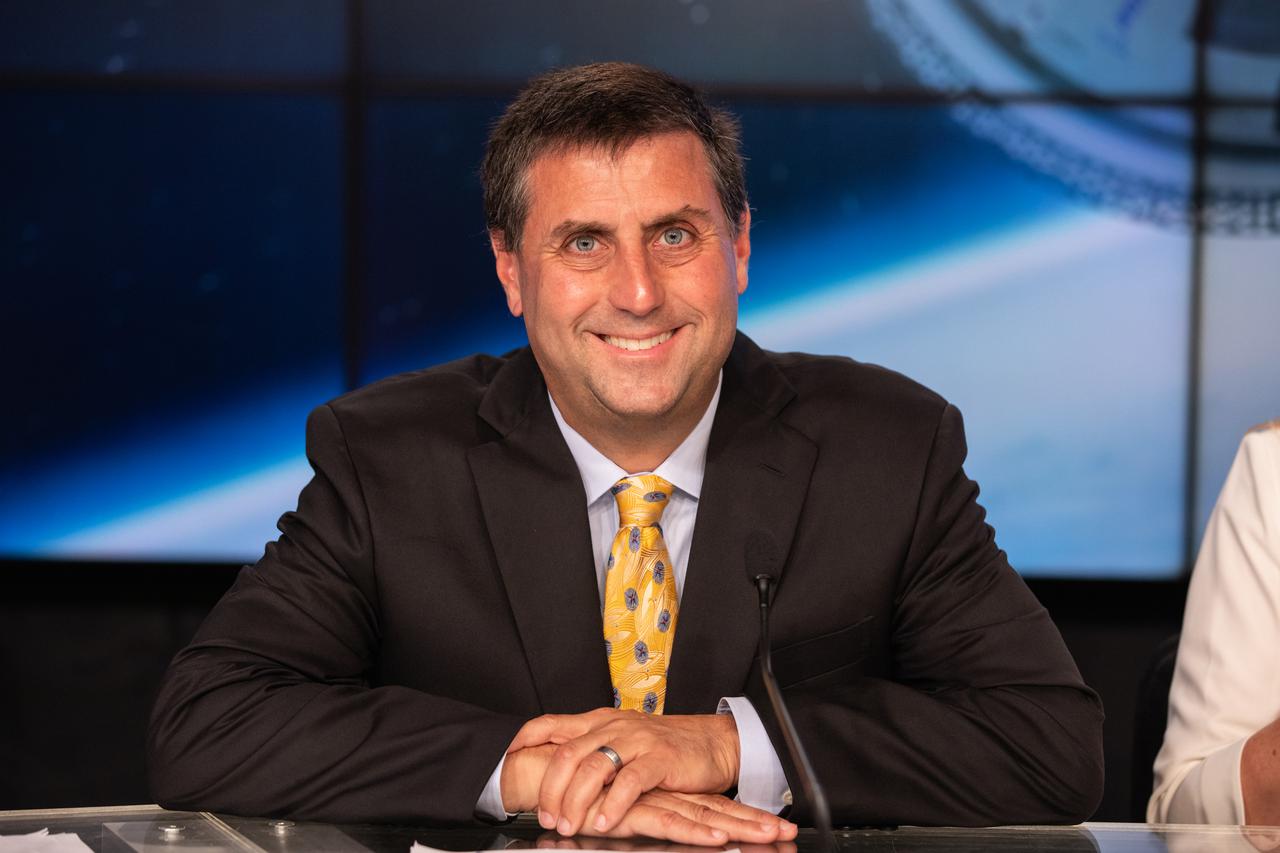
Joel Montalbano, manager, NASA’s International Space Station Program, participates in a prelaunch briefing for Boeing’s Orbital Flight Test-2 (OFT-2) at the agency’s Kennedy Space Center in Florida, July 27, 2021. Boeing’s CST-100 Starliner spacecraft will launch atop a United Launch Alliance Atlas V rocket from Space Launch Complex-41 at Cape Canaveral Space Force Station. The uncrewed OFT-2 will be the Starliner’s second flight for NASA’s Commercial Crew Program.
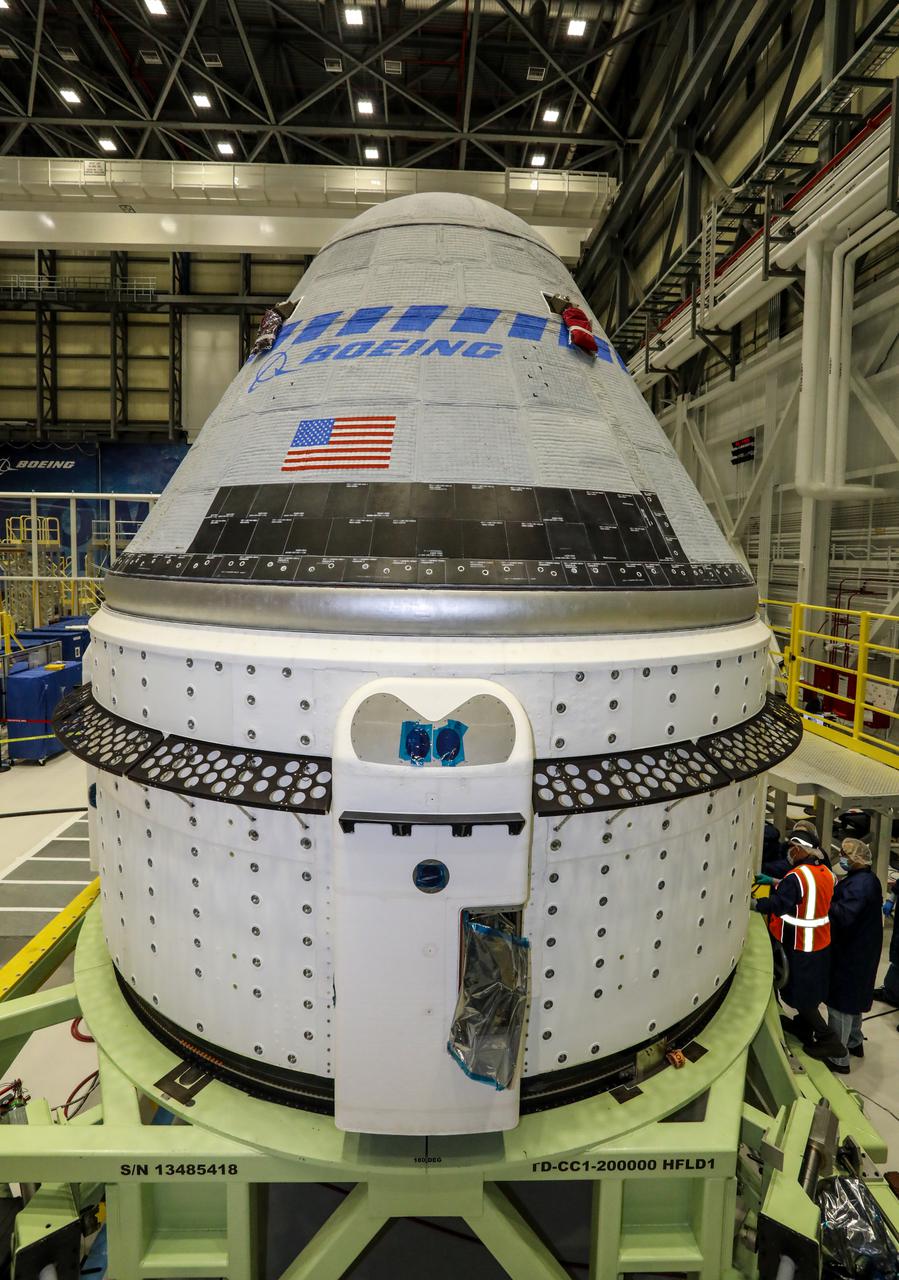
The Boeing CST-100 Starliner spacecraft to be flown on Orbital Flight Test-2 (OFT-2) is seen in the Commercial Crew and Cargo Processing Facility at NASA’s Kennedy Space Center in Florida on June 2. Part of the agency’s Commercial Crew Program, OFT-2 is a critical developmental milestone on the company’s path to fly crew missions for NASA.
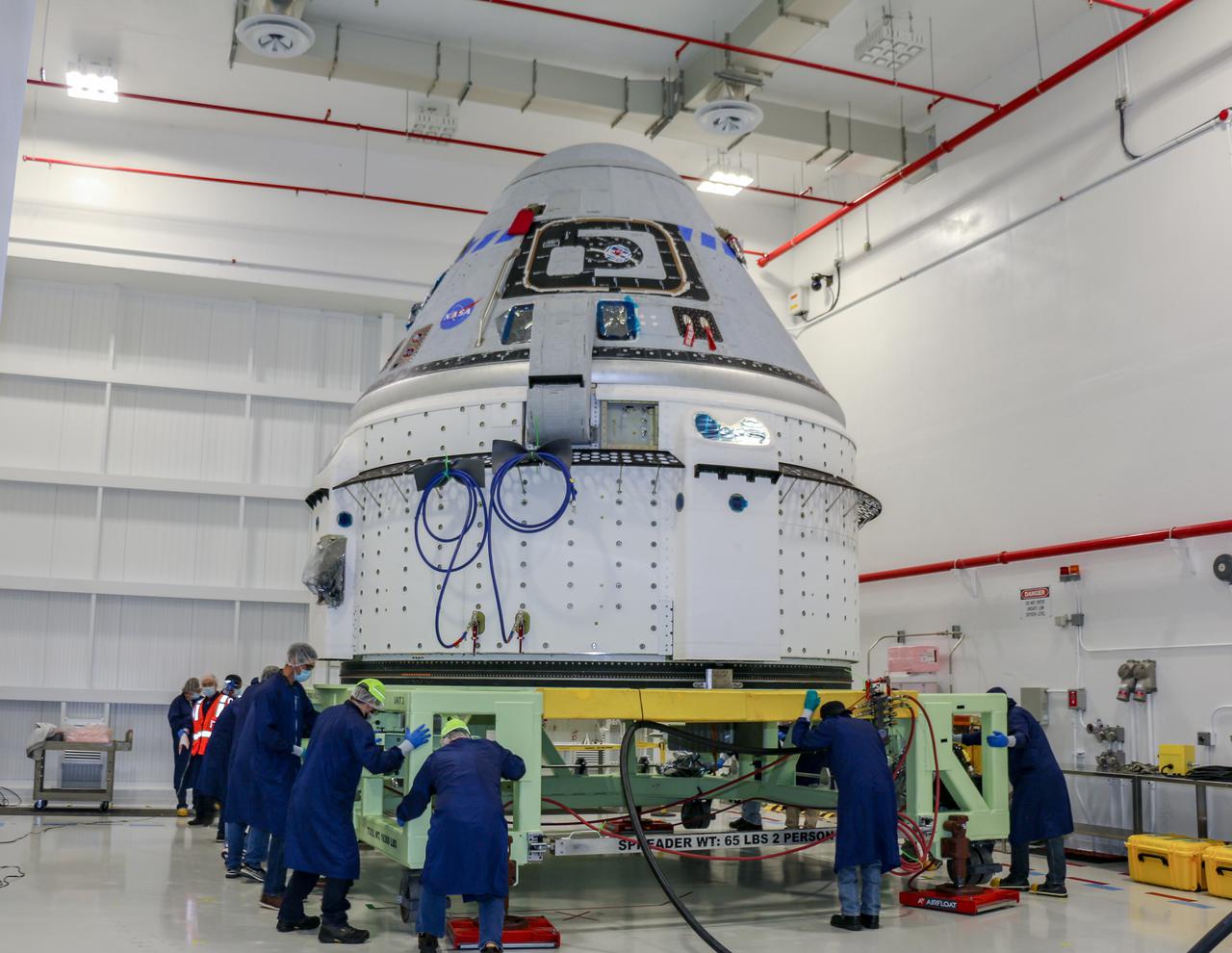
Technicians prepare Boeing’s CST-100 Starliner for the company’s Orbital Flight Test-2 (OFT-2) in the Commercial Crew and Cargo Processing Facility at NASA’s Kennedy Space Center in Florida on June 2. Part of the agency’s Commercial Crew Program, OFT-2 is a critical developmental milestone on the company’s path to fly crew missions for NASA.
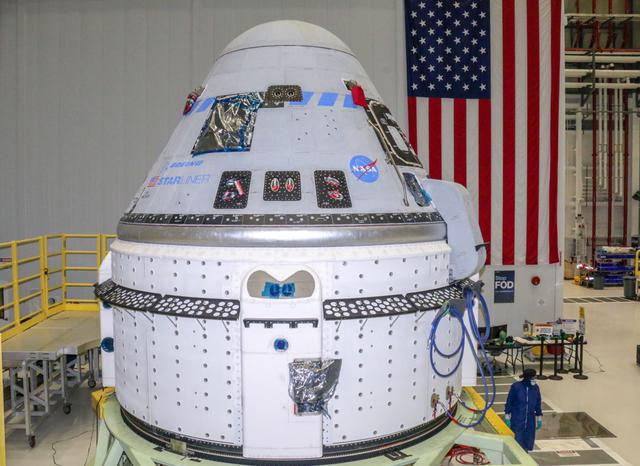
The Boeing CST-100 Starliner spacecraft to be flown on Orbital Flight Test-2 (OFT-2) is seen in the Commercial Crew and Cargo Processing Facility at NASA’s Kennedy Space Center in Florida on June 2. Part of the agency’s Commercial Crew Program, OFT-2 is a critical developmental milestone on the company’s path to fly crew missions for NASA.
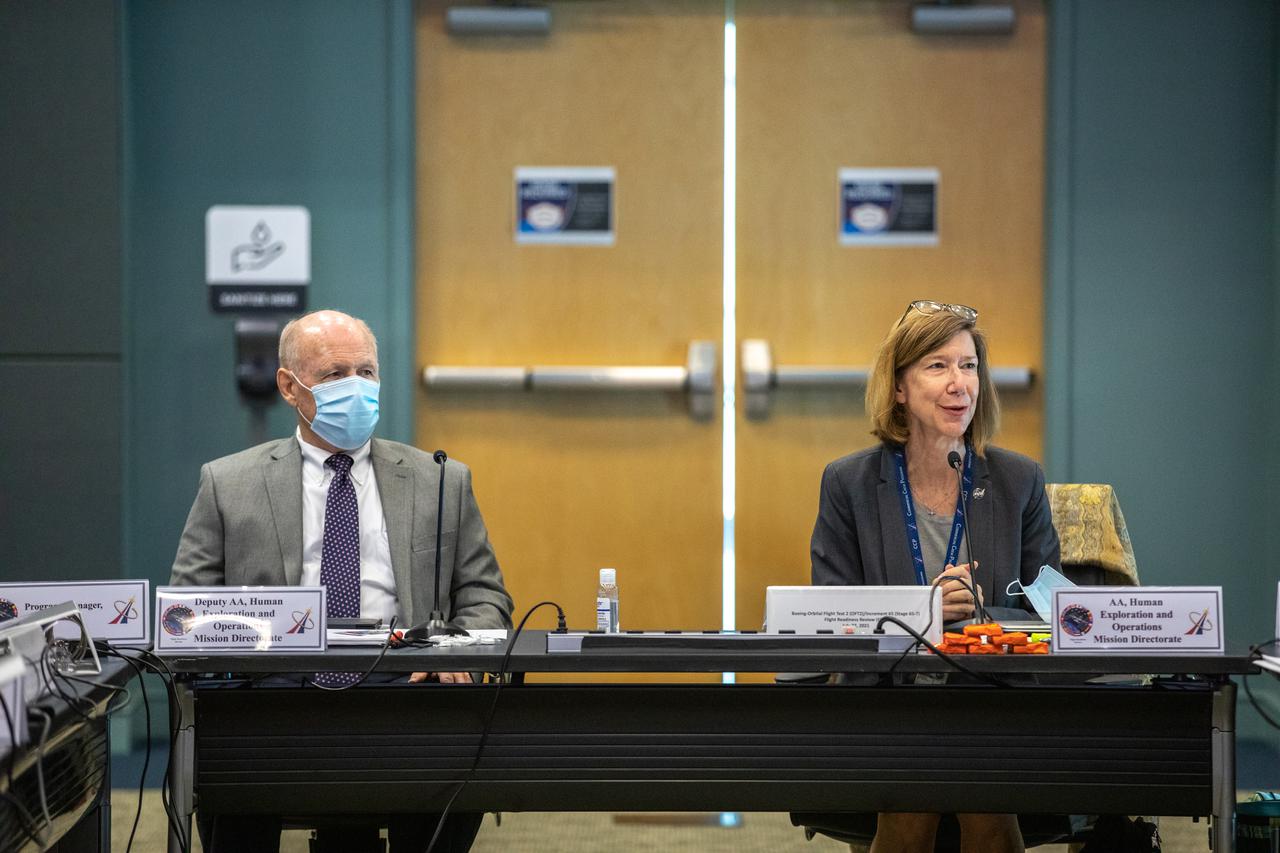
Deputy Associate Administrator of the Human Exploration and Operations (HEO) Mission Directorate Ken Bowersox (left) and Associate Administrator of the Human Exploration and Operations (HEO) Mission Directorate Kathryn Lueders take part in the Flight Readiness Review for Boeing's upcoming Orbital Flight Test-2 (OFT-2) in Operations Support Building 2 at NASA's Kennedy Space Center in Florida, July 22, 2021. Boeing's CST-100 Starliner spacecraft will launch atop a United Launch Alliance Atlas V rocket from Space Launch Complex 41 at Cape Canaveral Space Force Station at 2:53 p.m. EDT Friday, July 30. The uncrewed OFT-2 will be the Starliner's second flight to the International Space Station for NASA's Commercial Crew Program.
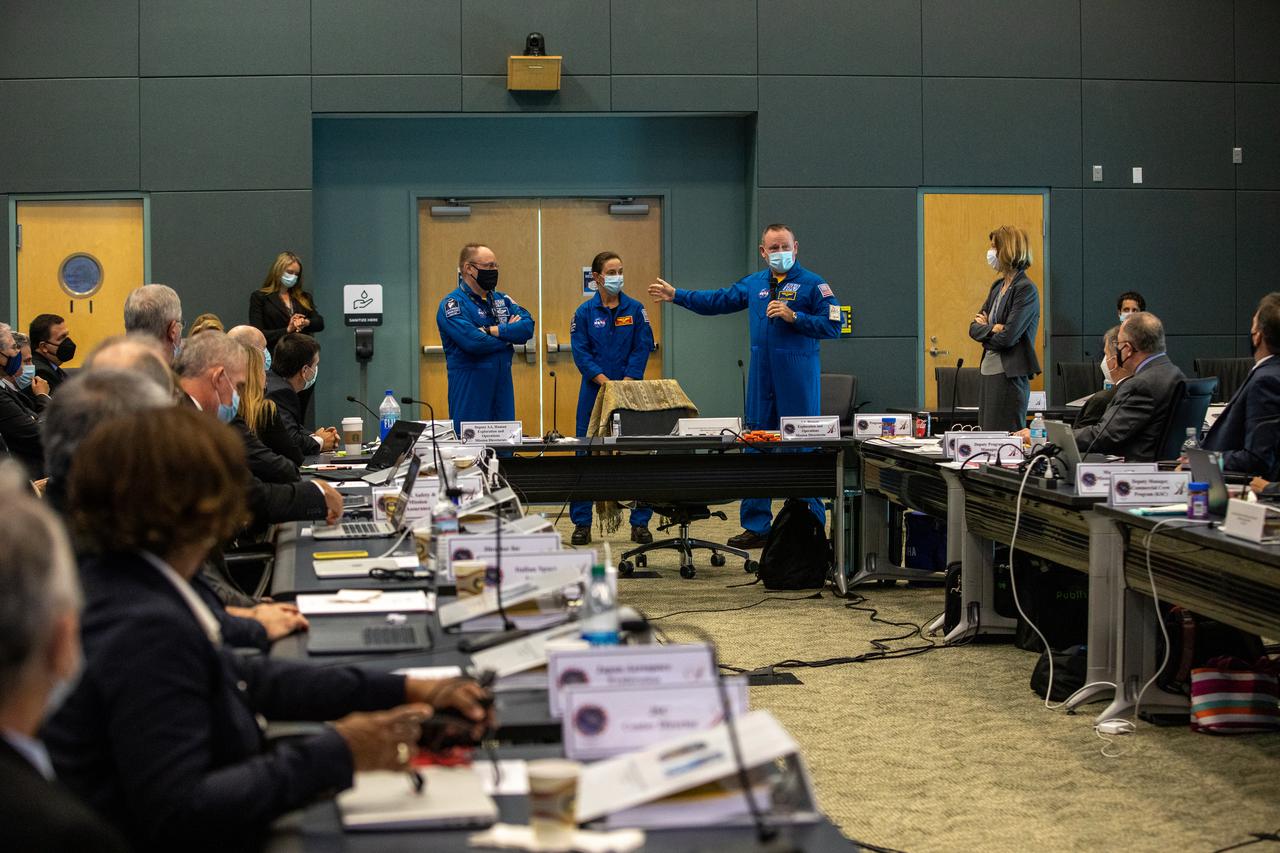
As part of the Flight Readiness Review for Boeing's uncrewed Orbital Flight Test-2 (OFT-2), NASA astronauts for Boeing’s Crew Flight Test (CFT), Commander Barry “Butch” Wilmore, Pilot Nicole Mann, and Joint Ops Commander E. Michael “Mike” Fincke address NASA and Boeing managers in Operations Support Building 2 at NASA's Kennedy Space Center in Florida, July 22, 2021. Boeing's CST-100 Starliner spacecraft will launch atop a United Launch Alliance Atlas V rocket from Space Launch Complex 41 at Cape Canaveral Space Force Station at 2:53 p.m. EDT Friday, July 30. The uncrewed OFT-2 will be the Starliner's second flight to the International Space Station for NASA's Commercial Crew Program. CFT is currently targeted for late 2021.
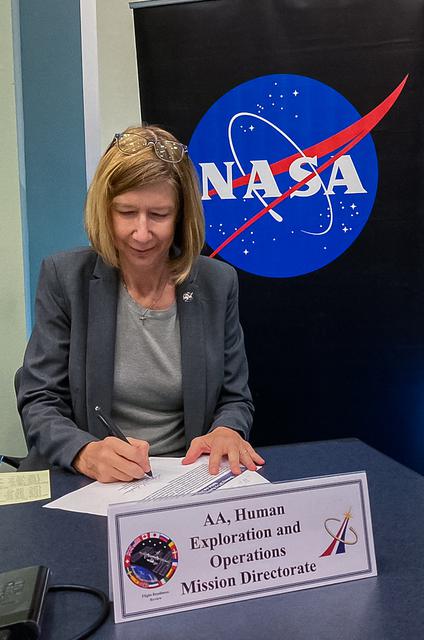
Associate Administrator of the Human Exploration and Operations (HEO) Mission Directorate Kathryn Lueders chaired the Flight Readiness Review for Boeing's upcoming Orbital Flight Test-2 (OFT-2) in Operations Support Building 2 at NASA's Kennedy Space Center in Florida, July 22, 2021. At the conclusion of the meeting, all board members sign the Certificate of Flight Readiness certifying their readiness to proceed to the next milestones and launch of Boeing's CST-100 Starliner atop a United Launch Alliance Atlas V rocket from Space Launch Complex 41 at Cape Canaveral Space Force Station. Launch time remains 2:53 p.m. EDT Friday, July 30 for the uncrewed OFT-2 mission – Starliner's second flight to the International Space Station for NASA's Commercial Crew Program.
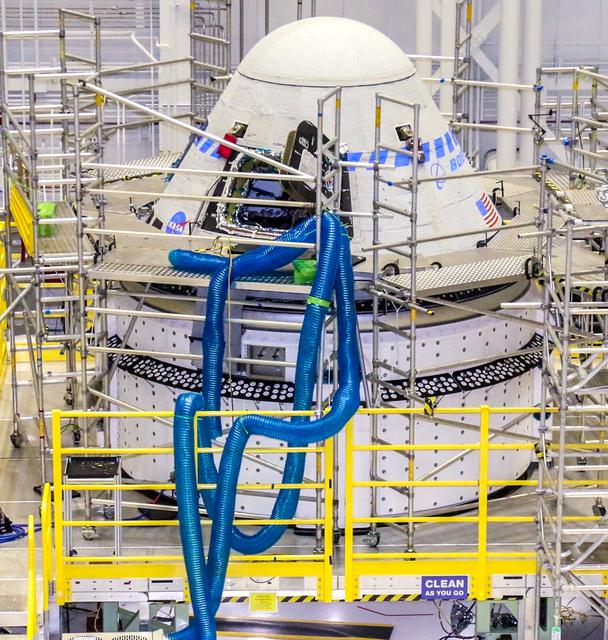
Boeing’s CST-100 Starliner spacecraft undergoes preparations for the company’s Orbital Flight Test-2 (OFT-2) in the Commercial Crew and Cargo Processing Facility at NASA’s Kennedy Space Center in Florida, Wednesday, April 28, 2021. As part of NASA’s Commercial Crew Program, OFT-2 is a critical developmental milestone on Boeing’s path to fly crew missions for NASA.
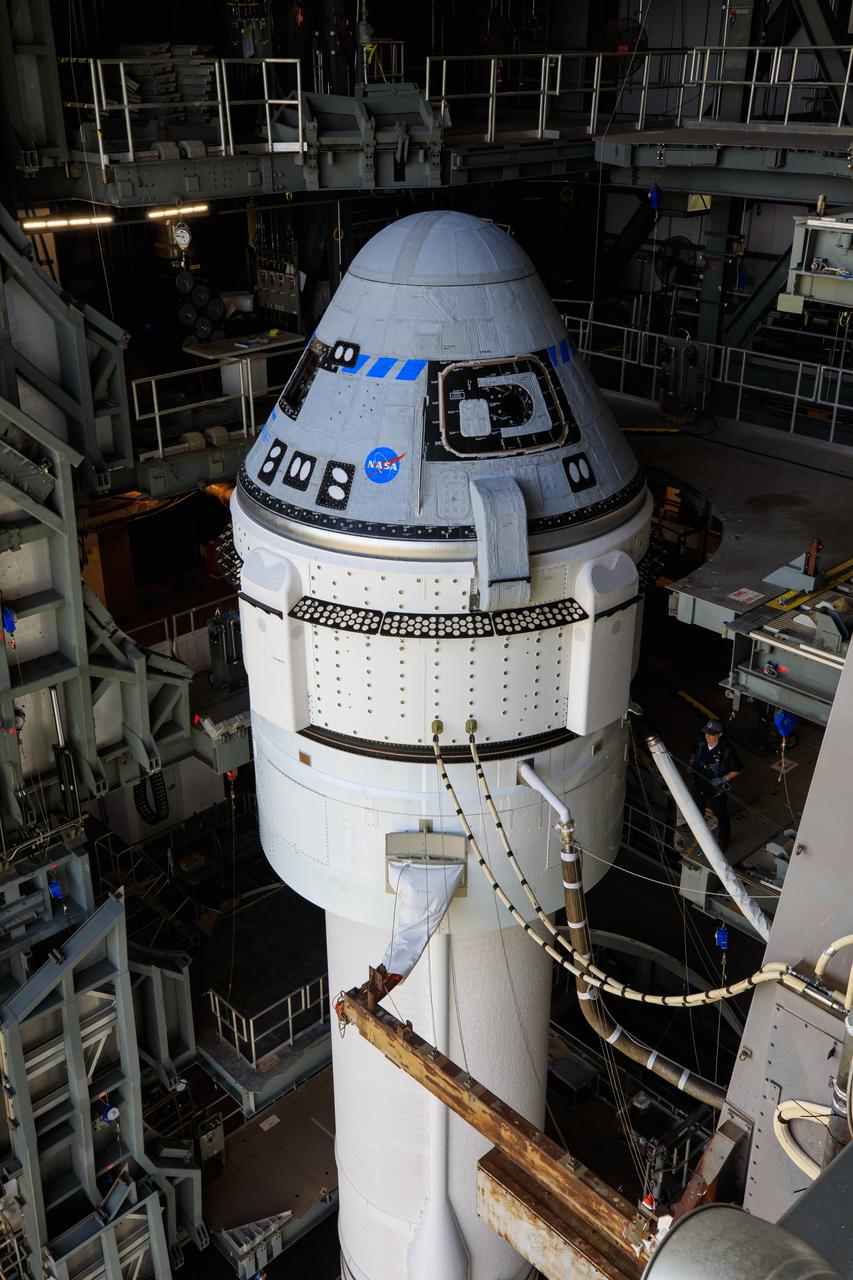
On July 29, 2021, Boeing’s CST-100 Starliner spacecraft and the United Launch Alliance Atlas V rocket begins rollout from the Vertical Integration Facility to the launch pad at Space Launch Complex-41 on Cape Canaveral Space Force Station in Florida. Starliner will launch on the Atlas V for Boeing’s second uncrewed Orbital Flight Test (OFT-2) for NASA’s Commercial Crew Program. OFT-2 is an important uncrewed mission designed to test the end-to-end capabilities of the new system for NASA’s Commercial Crew Program.
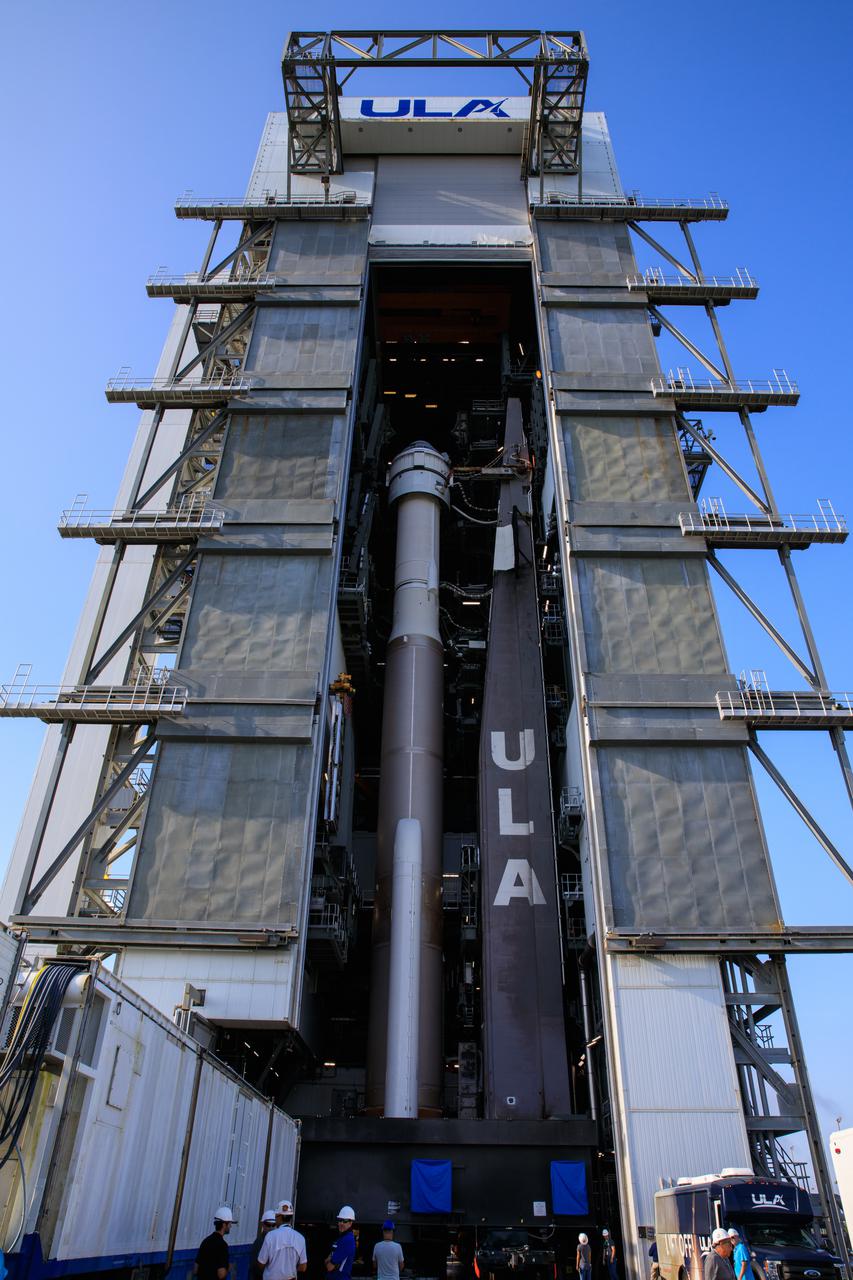
On July 29, 2021, Boeing’s CST-100 Starliner spacecraft and the United Launch Alliance Atlas V rocket begins rollout from the Vertical Integration Facility to the launch pad at Space Launch Complex-41 on Cape Canaveral Space Force Station in Florida. Starliner will launch on the Atlas V for Boeing’s second uncrewed Orbital Flight Test (OFT-2) for NASA’s Commercial Crew Program. OFT-2 is an important uncrewed mission designed to test the end-to-end capabilities of the new system for NASA’s Commercial Crew Program.
On July 29, 2021, Boeing’s CST-100 Starliner spacecraft and the United Launch Alliance Atlas V rocket begins rollout from the Vertical Integration Facility to the launch pad at Space Launch Complex-41 on Cape Canaveral Space Force Station in Florida. Starliner will launch on the Atlas V for Boeing’s second uncrewed Orbital Flight Test (OFT-2) for NASA’s Commercial Crew Program. OFT-2 is an important uncrewed mission designed to test the end-to-end capabilities of the new system for NASA’s Commercial Crew Program.
On July 29, 2021, Boeing’s CST-100 Starliner spacecraft and the United Launch Alliance Atlas V rocket begins rollout from the Vertical Integration Facility to the launch pad at Space Launch Complex-41 on Cape Canaveral Space Force Station in Florida. Starliner will launch on the Atlas V for Boeing’s second uncrewed Orbital Flight Test (OFT-2) for NASA’s Commercial Crew Program. OFT-2 is an important uncrewed mission designed to test the end-to-end capabilities of the new system for NASA’s Commercial Crew Program.
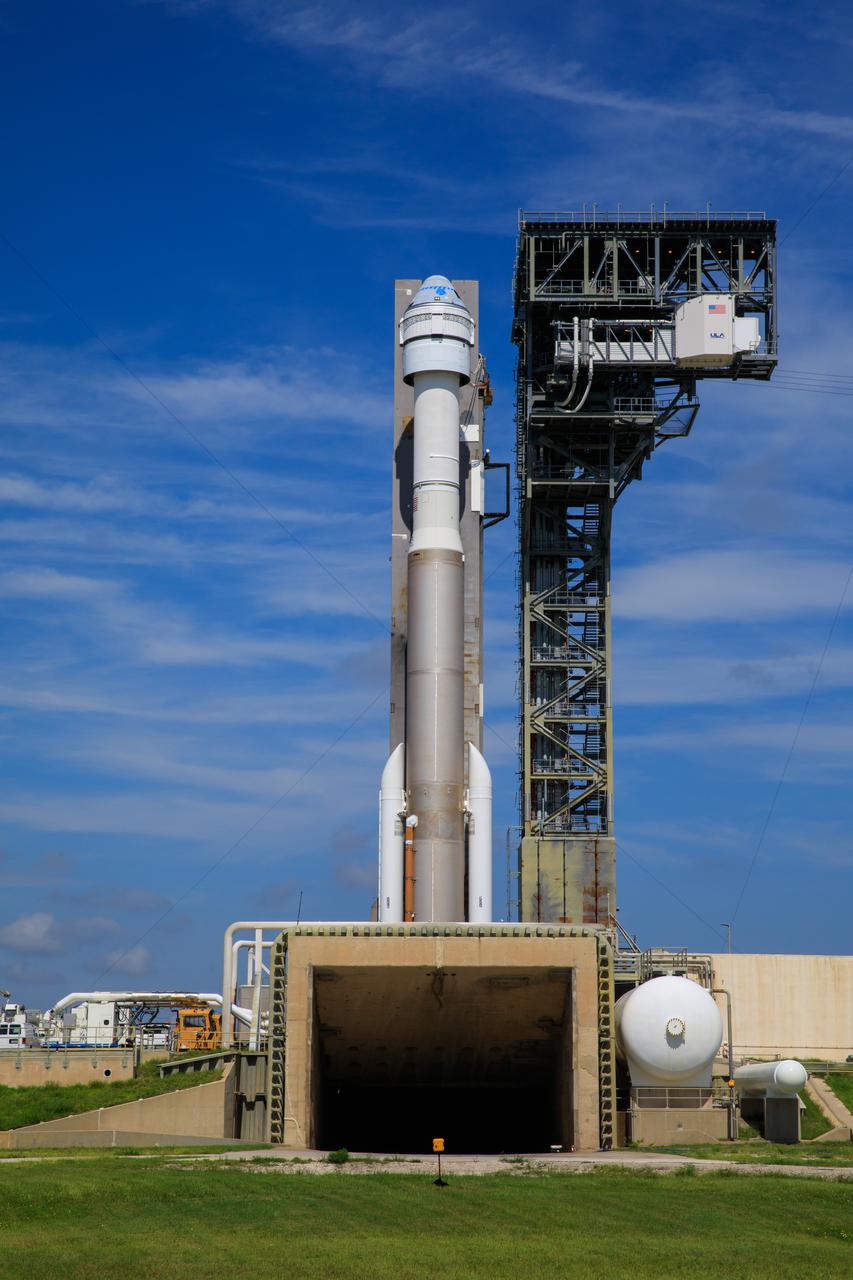
On July 29, 2021, Boeing’s CST-100 Starliner spacecraft and the United Launch Alliance Atlas V rocket rolled out of the Vertical Integration Facility to the launch pad at Space Launch Complex-41 on Cape Canaveral Space Force Station in Florida. Starliner will launch on the Atlas V for Boeing’s second uncrewed Orbital Flight Test (OFT-2) for NASA’s Commercial Crew Program. OFT-2 is an important uncrewed mission designed to test the end-to-end capabilities of the new system for NASA’s Commercial Crew Program.
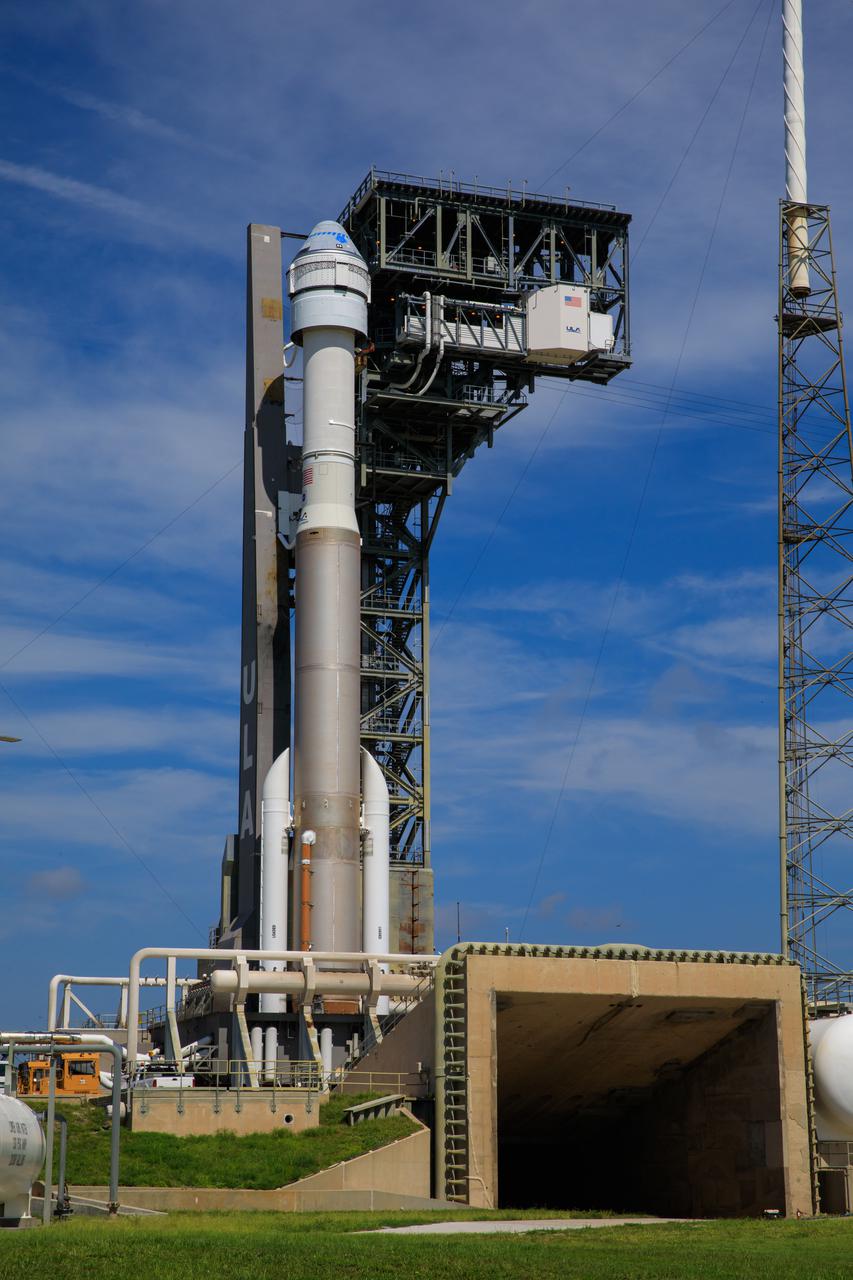
On July 29, 2021, Boeing’s CST-100 Starliner spacecraft and the United Launch Alliance Atlas V rocket rolled out of the Vertical Integration Facility to the launch pad at Space Launch Complex-41 on Cape Canaveral Space Force Station in Florida. Starliner will launch on the Atlas V for Boeing’s second uncrewed Orbital Flight Test (OFT-2) for NASA’s Commercial Crew Program. OFT-2 is an important uncrewed mission designed to test the end-to-end capabilities of the new system for NASA’s Commercial Crew Program.
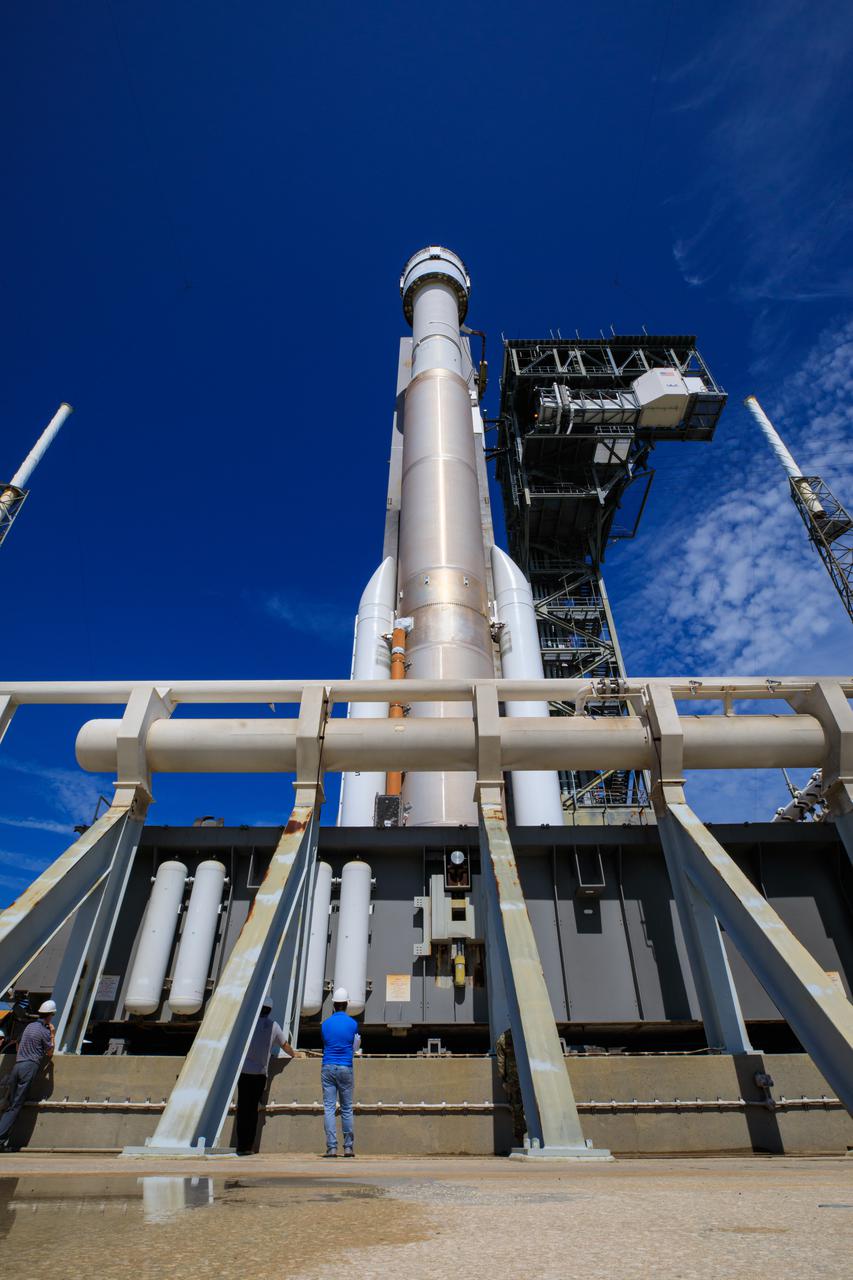
On July 29, 2021, Boeing’s CST-100 Starliner spacecraft and the United Launch Alliance Atlas V rocket rolled out of the Vertical Integration Facility to the launch pad at Space Launch Complex-41 on Cape Canaveral Space Force Station in Florida. Starliner will launch on the Atlas V for Boeing’s second uncrewed Orbital Flight Test (OFT-2) for NASA’s Commercial Crew Program. OFT-2 is an important uncrewed mission designed to test the end-to-end capabilities of the new system for NASA’s Commercial Crew Program.
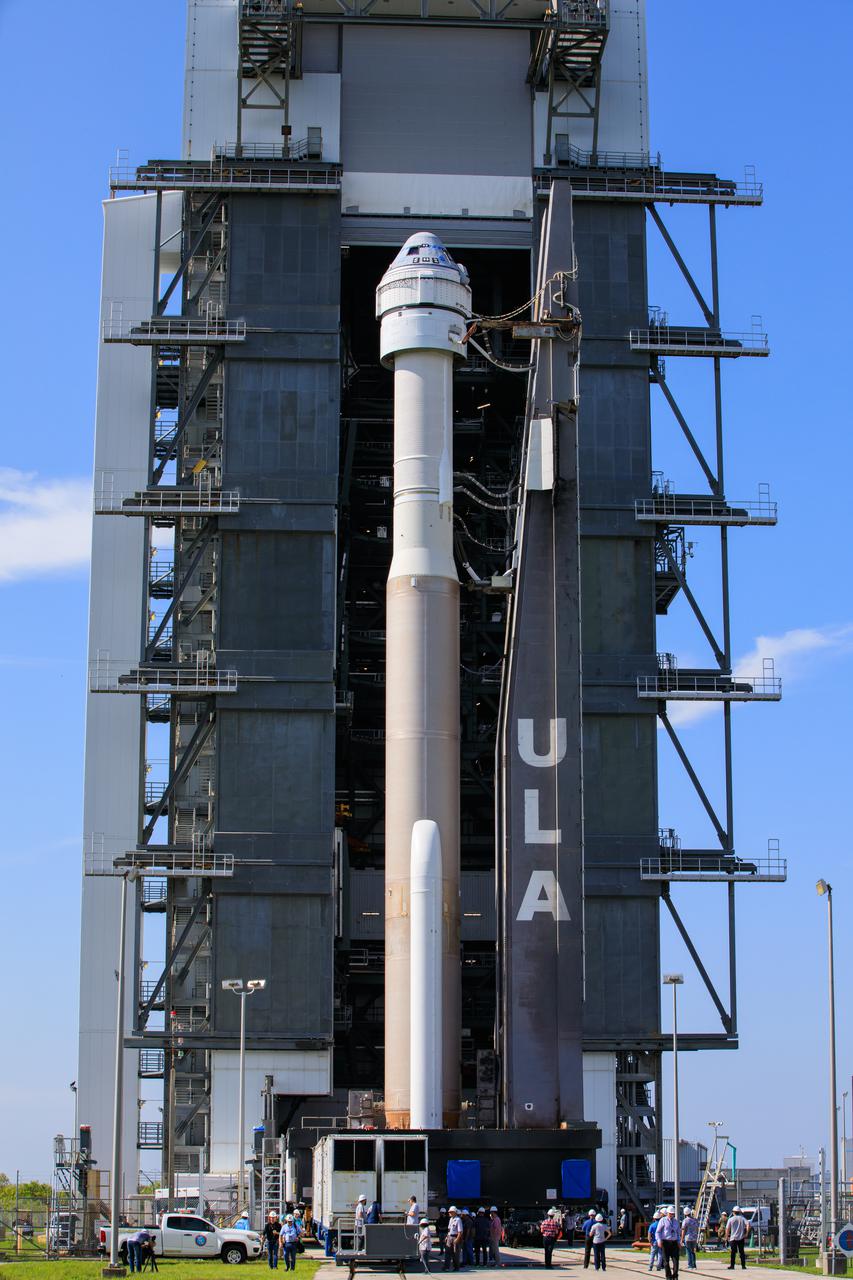
On July 29, 2021, Boeing’s CST-100 Starliner spacecraft and the United Launch Alliance Atlas V rocket rolled out of the Vertical Integration Facility to the launch pad at Space Launch Complex-41 on Cape Canaveral Space Force Station in Florida. Starliner will launch on the Atlas V for Boeing’s second uncrewed Orbital Flight Test (OFT-2) for NASA’s Commercial Crew Program. OFT-2 is an important uncrewed mission designed to test the end-to-end capabilities of the new system for NASA’s Commercial Crew Program.
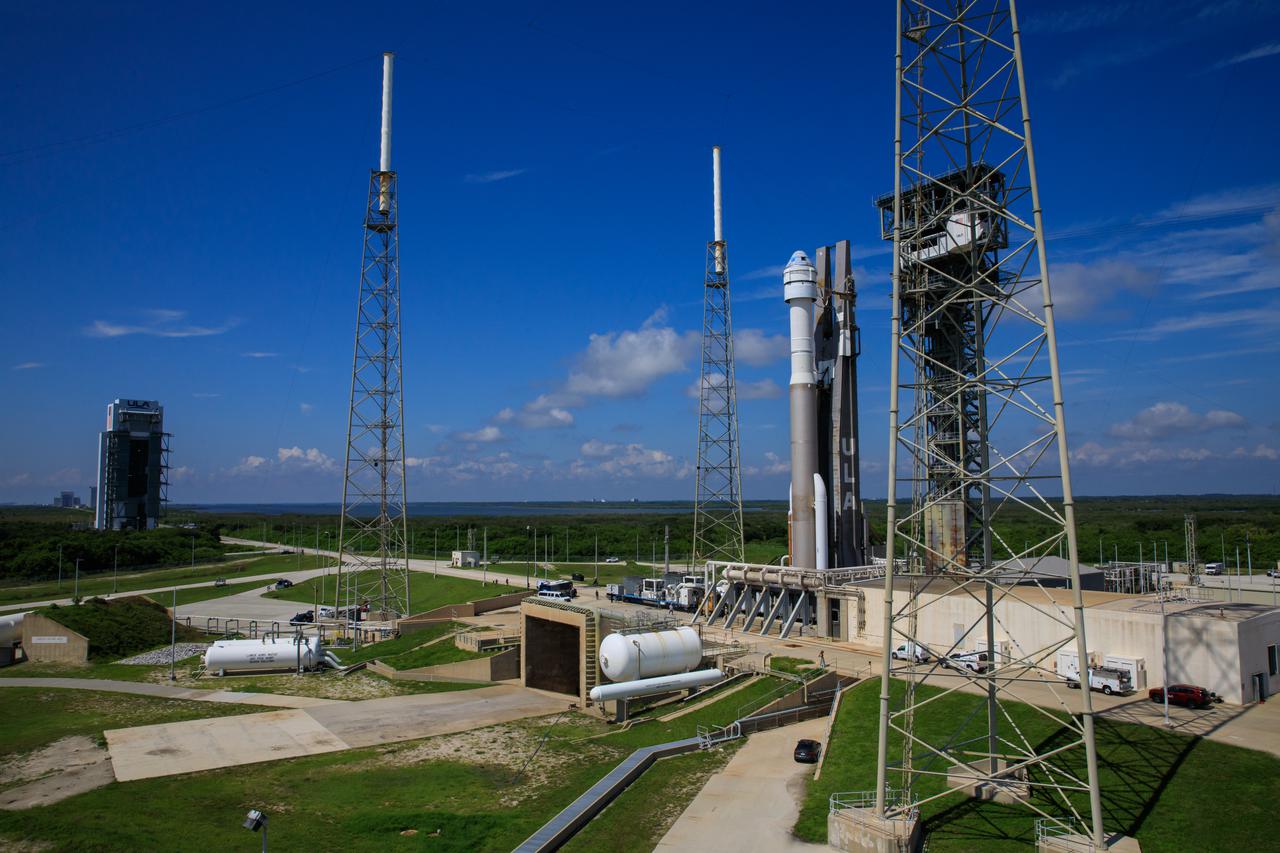
On July 29, 2021, Boeing’s CST-100 Starliner spacecraft and the United Launch Alliance Atlas V rocket rolled out of the Vertical Integration Facility to the launch pad at Space Launch Complex-41 on Cape Canaveral Space Force Station in Florida. Starliner will launch on the Atlas V for Boeing’s second uncrewed Orbital Flight Test (OFT-2) for NASA’s Commercial Crew Program. OFT-2 is an important uncrewed mission designed to test the end-to-end capabilities of the new system for NASA’s Commercial Crew Program.
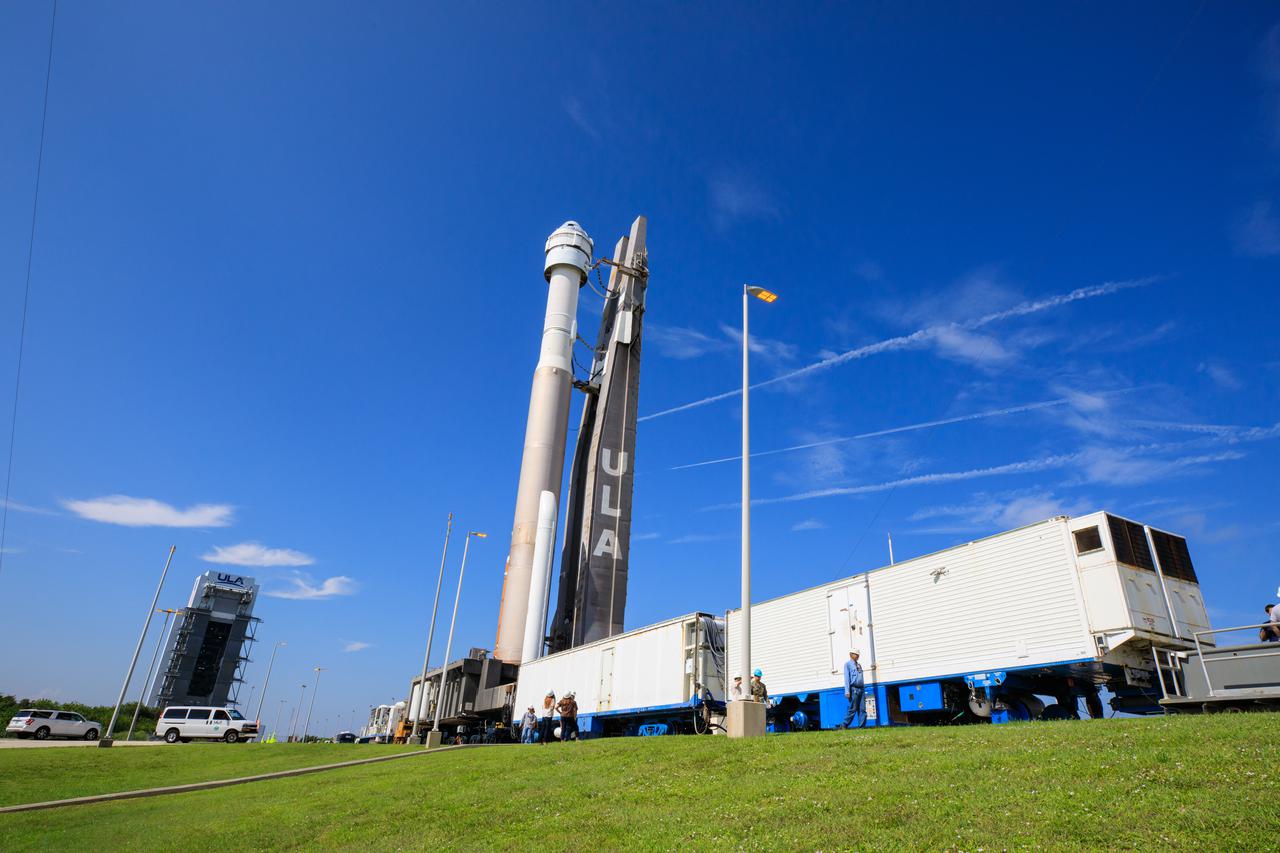
On July 29, 2021, Boeing’s CST-100 Starliner spacecraft and the United Launch Alliance Atlas V rocket rolled out of the Vertical Integration Facility to the launch pad at Space Launch Complex-41 on Cape Canaveral Space Force Station in Florida. Starliner will launch on the Atlas V for Boeing’s second uncrewed Orbital Flight Test (OFT-2) for NASA’s Commercial Crew Program. OFT-2 is an important uncrewed mission designed to test the end-to-end capabilities of the new system for NASA’s Commercial Crew Program.
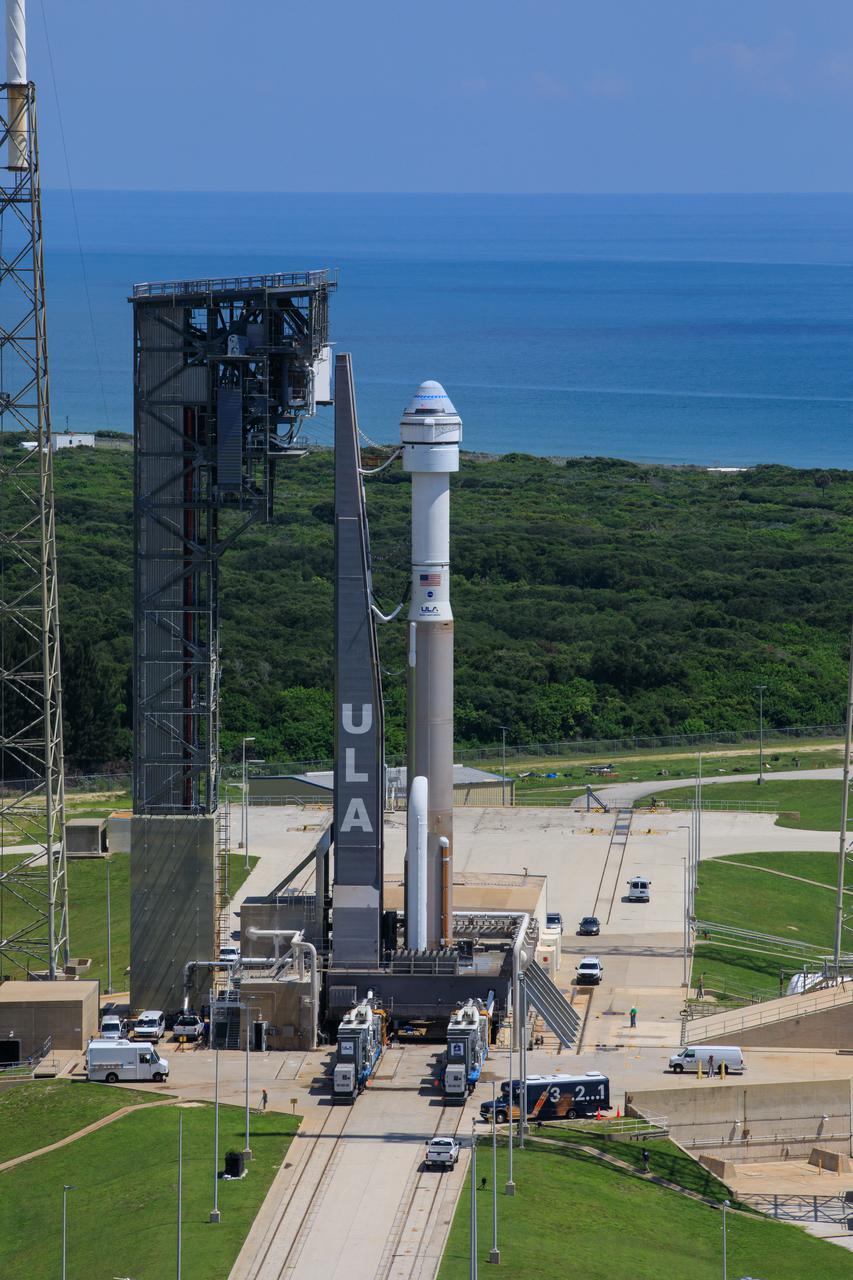
On July 29, 2021, Boeing’s CST-100 Starliner spacecraft and the United Launch Alliance Atlas V rocket rolled out of the Vertical Integration Facility to the launch pad at Space Launch Complex-41 on Cape Canaveral Space Force Station in Florida. Starliner will launch on the Atlas V for Boeing’s second uncrewed Orbital Flight Test (OFT-2) for NASA’s Commercial Crew Program. OFT-2 is an important uncrewed mission designed to test the end-to-end capabilities of the new system for NASA’s Commercial Crew Program.
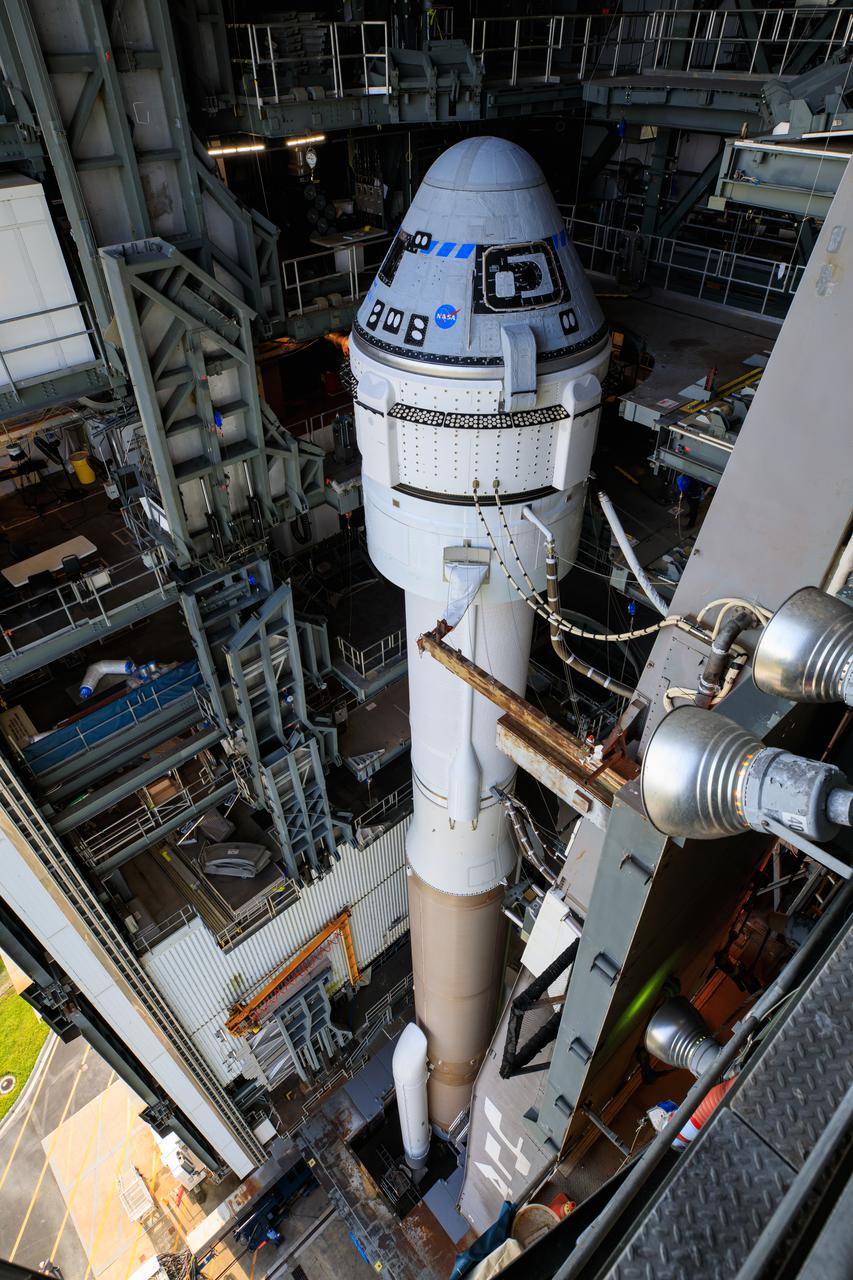
On July 29, 2021, Boeing’s CST-100 Starliner spacecraft and the United Launch Alliance Atlas V rocket begins rollout from the Vertical Integration Facility to the launch pad at Space Launch Complex-41 on Cape Canaveral Space Force Station in Florida. Starliner will launch on the Atlas V for Boeing’s second uncrewed Orbital Flight Test (OFT-2) for NASA’s Commercial Crew Program. OFT-2 is an important uncrewed mission designed to test the end-to-end capabilities of the new system for NASA’s Commercial Crew Program.
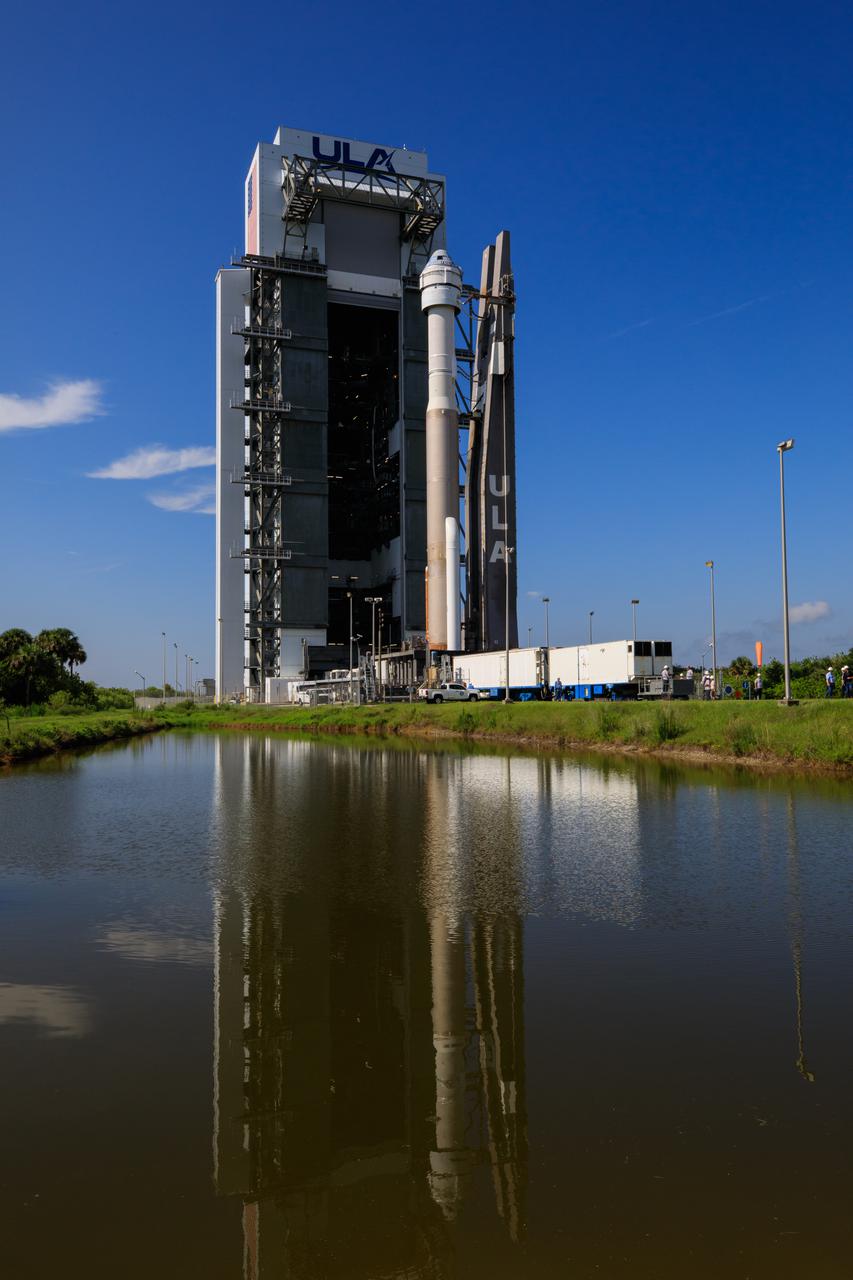
On July 29, 2021, Boeing’s CST-100 Starliner spacecraft and the United Launch Alliance Atlas V rocket rolled out of the Vertical Integration Facility to the launch pad at Space Launch Complex-41 on Cape Canaveral Space Force Station in Florida. Starliner will launch on the Atlas V for Boeing’s second uncrewed Orbital Flight Test (OFT-2) for NASA’s Commercial Crew Program. OFT-2 is an important uncrewed mission designed to test the end-to-end capabilities of the new system for NASA’s Commercial Crew Program.
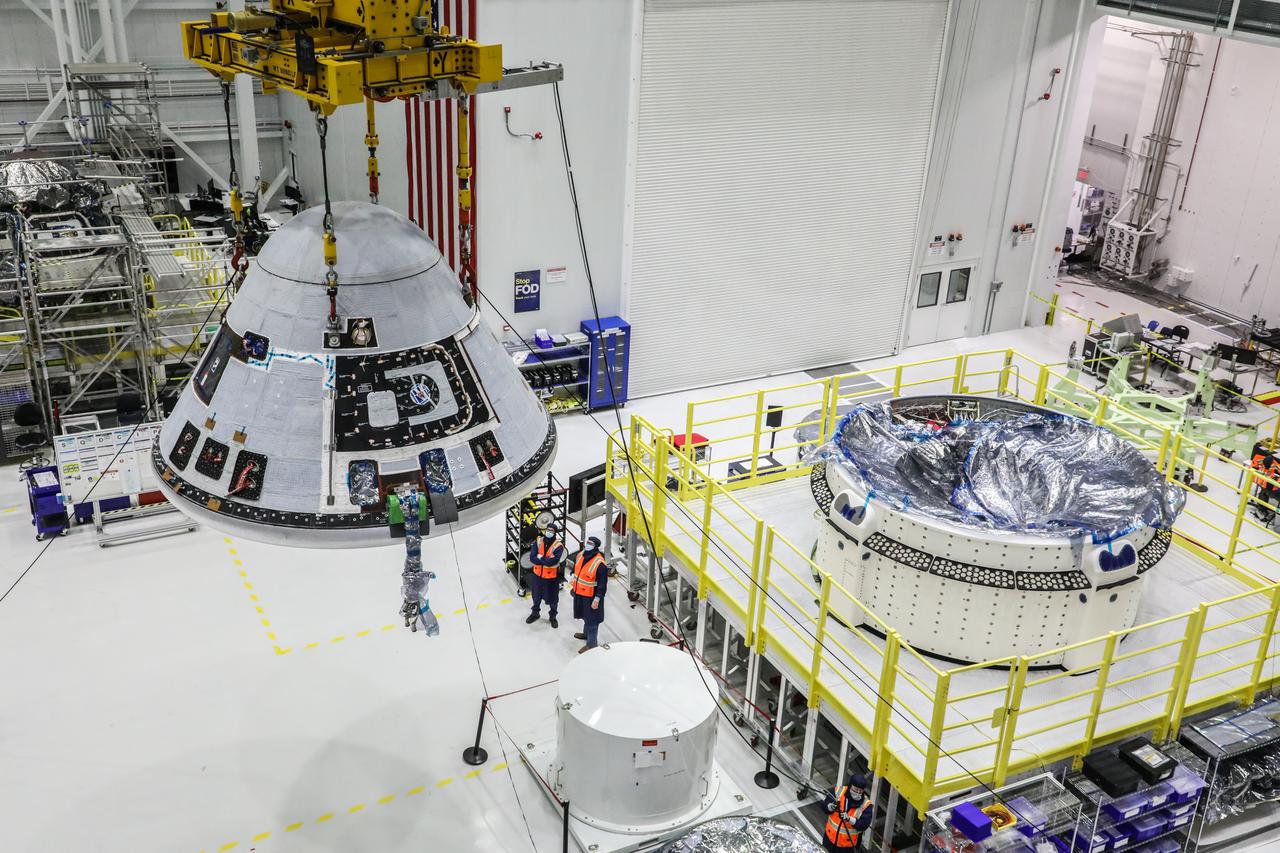
Boeing’s Starliner crew module is hoisted and moves past the service module in the Commercial Crew and Cargo Processing Facility at Kennedy Space Center in Florida on Wednesday, Jan. 13, 2021, prior to the weight and center of gravity test. The crew module and service module will soon be mated, making the spacecraft complete for the company’s second Orbital Flight Test (OFT-2) for NASA’s Commercial Crew Program. OFT-2 is a critical developmental milestone on the company’s path toward flying crew missions for NASA.
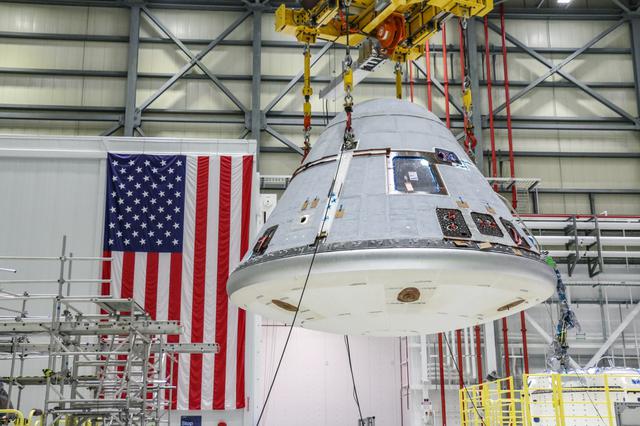
Boeing’s Starliner crew module for the company’s second Orbital Flight Test (OFT-2) is lifted Wednesday, Jan. 13, 2021, in the Commercial Crew and Cargo Processing Facility at Kennedy Space Center in Florida prior to the vehicle having a weight and center of gravity test. OFT-2 is a critical developmental milestone on the company’s path toward flying crew missions for NASA, as part of the agency’s Commercial Crew Program.
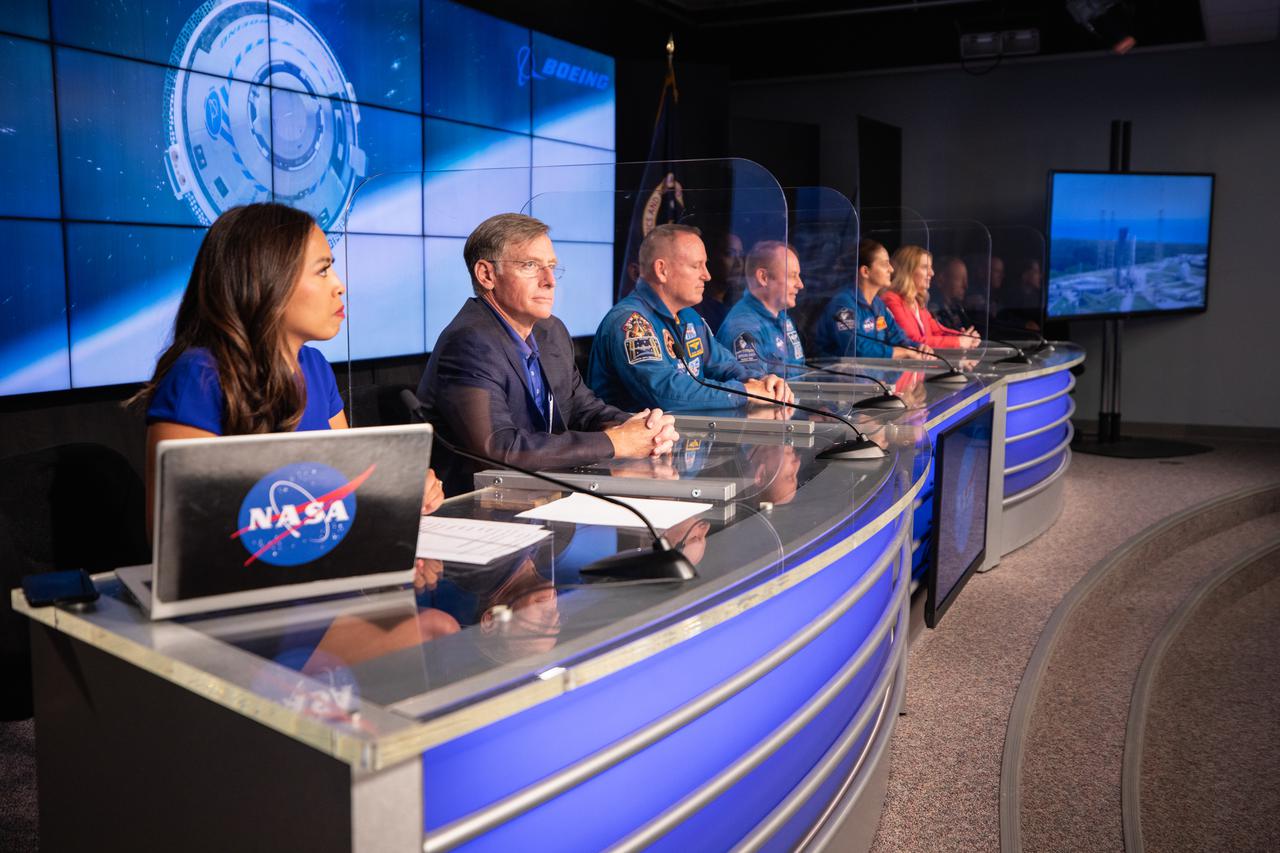
Officials from NASA participate in a crew and science media briefing ahead or Boeing’s Orbital Flight Test-2 (OFT-2) at the agency’s Kennedy Space Center in Florida, July 29, 2021. From left to right are Megan Cruz, NASA Communications; Chris Ferguson, director, Starliner Mission Operations and Integration/Crew Systems; Barry “Butch” Wilmore, NASA astronaut, Crew Flight Test; E. Michael “Mike” Fincke, NASA astronaut, Crew Flight Test; Nicole Mann, NASA astronaut, Crew Flight Test; Jennifer Buchli, deputy chief scientist, NASA’s International Space Station Program. Boeing’s CST-100 Starliner spacecraft will launch atop a ULA Atlas V rocket from Space Launch Complex-41 at Cape Canaveral Space Force Station on a mission to dock with the space station. The uncrewed OFT-2 will be the Starliner’s second flight for NASA’s Commercial Crew Program.
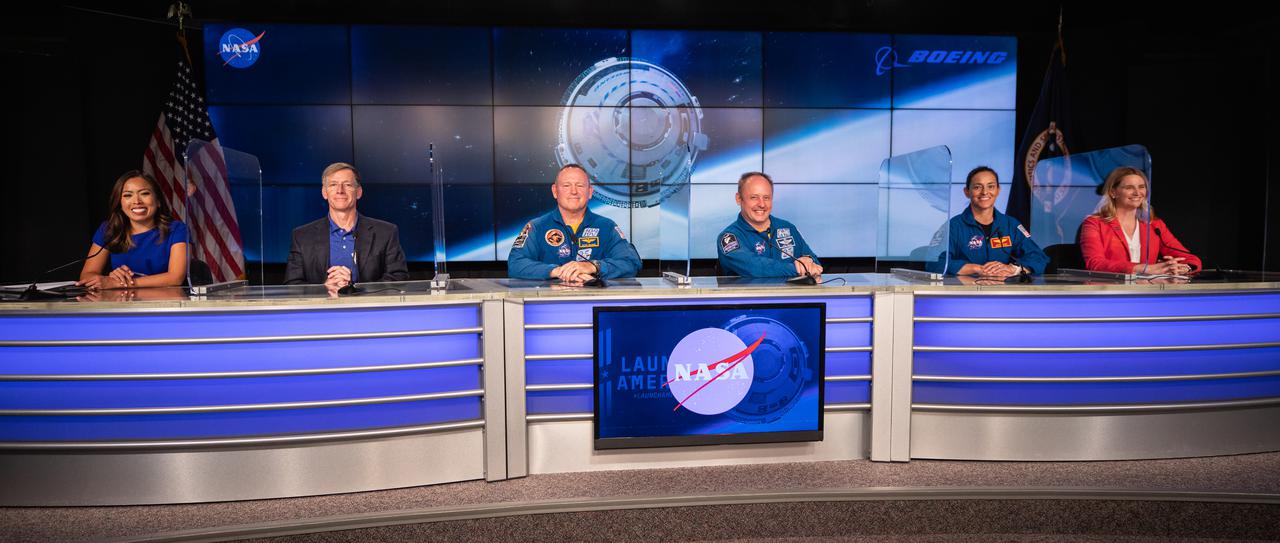
Officials from NASA participate in a crew and science media briefing ahead or Boeing’s Orbital Flight Test-2 (OFT-2) at the agency’s Kennedy Space Center in Florida, July 29, 2021. From left to right are Megan Cruz, NASA Communications; Chris Ferguson, director, Starliner Mission Operations and Integration/Crew Systems; Barry “Butch” Wilmore, NASA astronaut, Crew Flight Test; E. Michael “Mike” Fincke, NASA astronaut, Crew Flight Test; Nicole Mann, NASA astronaut, Crew Flight Test; Jennifer Buchli, deputy chief scientist, NASA’s International Space Station Program. Boeing’s CST-100 Starliner spacecraft will launch atop a ULA Atlas V rocket from Space Launch Complex-41 at Cape Canaveral Space Force Station on a mission to dock with the space station. The uncrewed OFT-2 will be the Starliner’s second flight for NASA’s Commercial Crew Program.
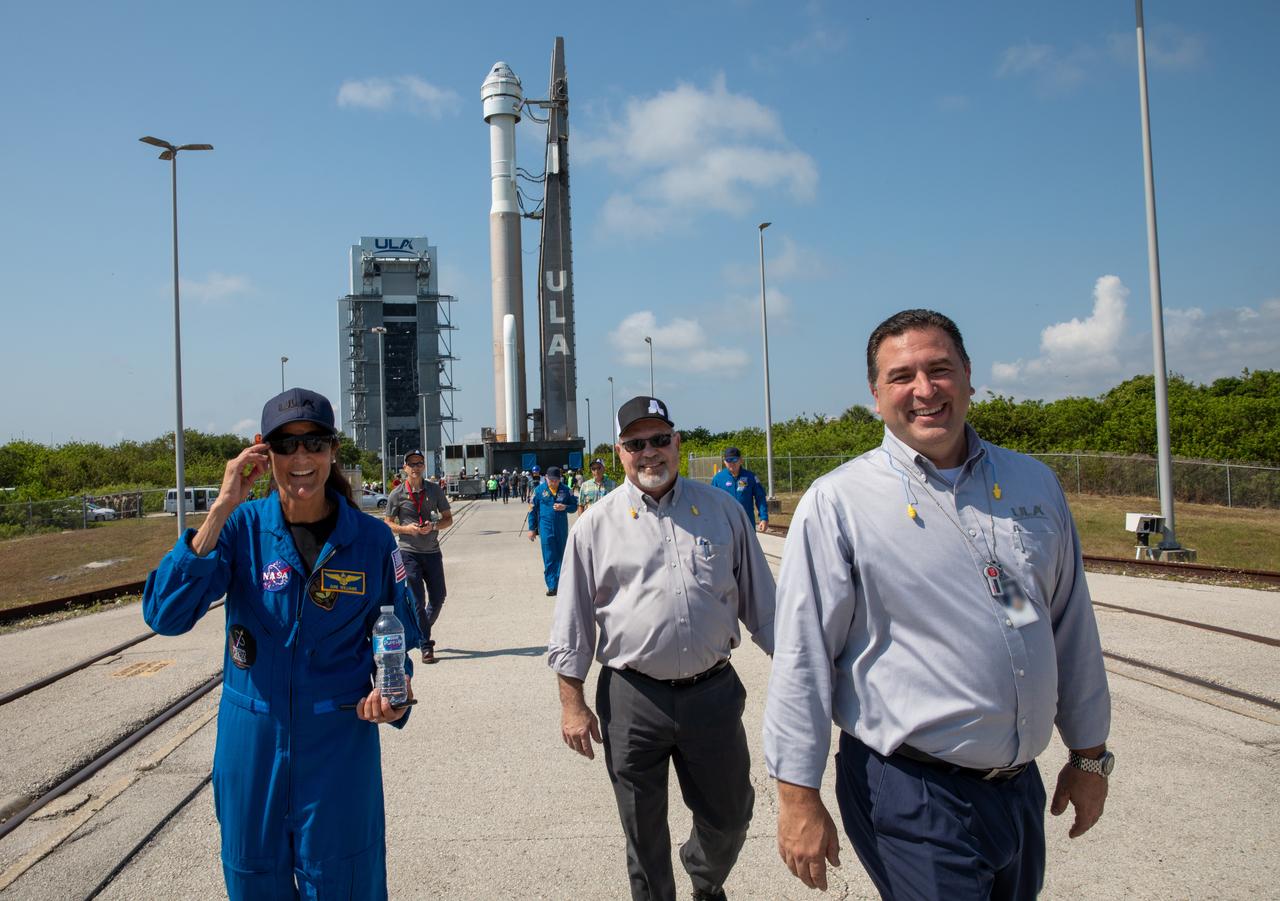
NASA astronaut Suni Williams, left, watches as a United Launch Alliance Atlas V rocket with Boeing’s CST-100 Starliner spacecraft aboard is rolled out of the Vertical Integration Facility to the launch pad at Space Launch Complex 41 ahead of the Orbital Flight Test-2 (OFT-2), Wednesday, May 18, 2022 at Cape Canaveral Space Force Station in Florida. Starliner is targeted to launch at 6:54 p.m. EDT on Thursday, May 19. OFT-2 is an important uncrewed flight test designed to test the end-to-end capabilities of the system to help the agency certify Starliner to carry astronauts to and from the International Space Station.
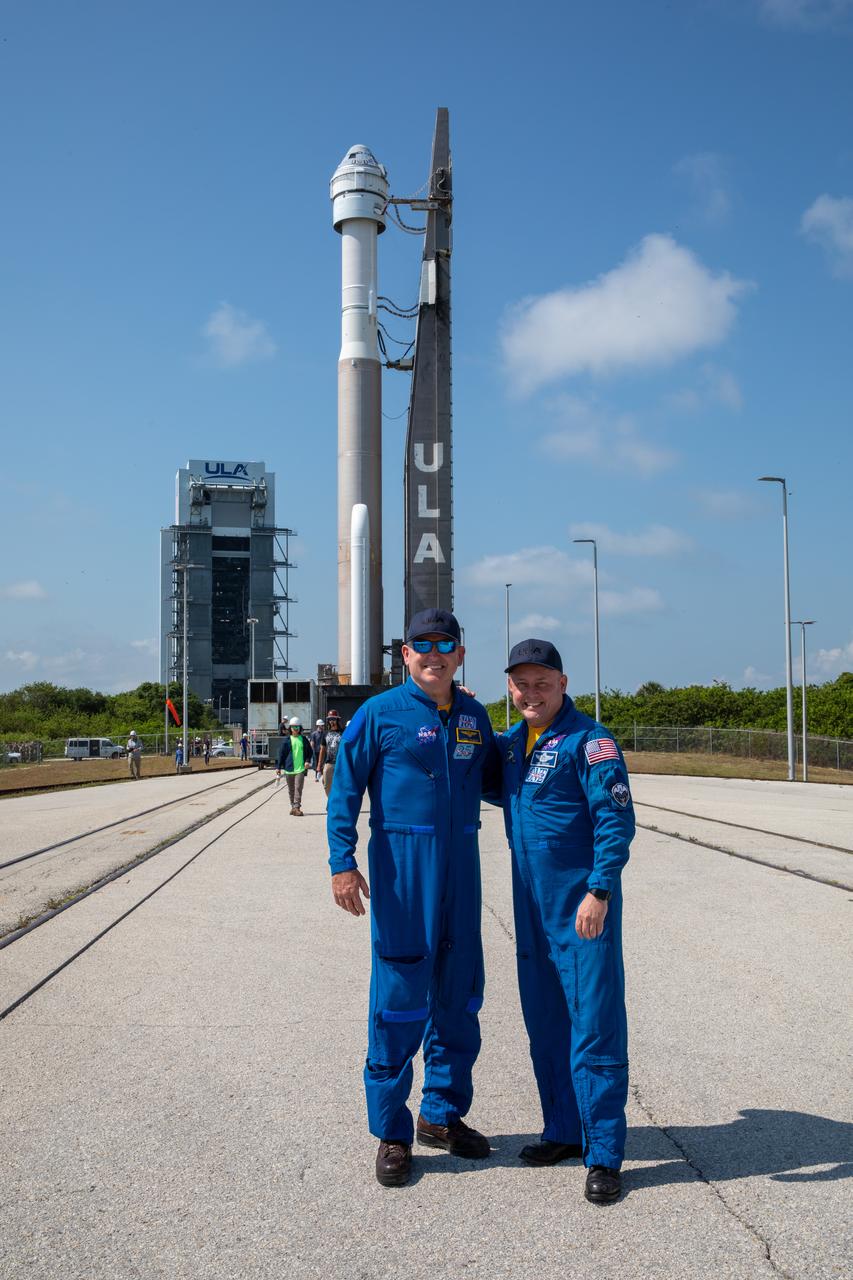
NASA astronauts Butch Wilmore, left, and Mike Fincke, right, watch as a United Launch Alliance Atlas V rocket with Boeing’s CST-100 Starliner spacecraft aboard is rolled out of the Vertical Integration Facility to the launch pad at Space Launch Complex 41 ahead of the Orbital Flight Test-2 (OFT-2), Wednesday, May 18, 2022 at Cape Canaveral Space Force Station in Florida. Starliner is targeted to launch at 6:54 p.m. EDT on Thursday, May 19. OFT-2 is an important uncrewed flight test designed to test the end-to-end capabilities of the system to help the agency certify Starliner to carry astronauts to and from the International Space Station.
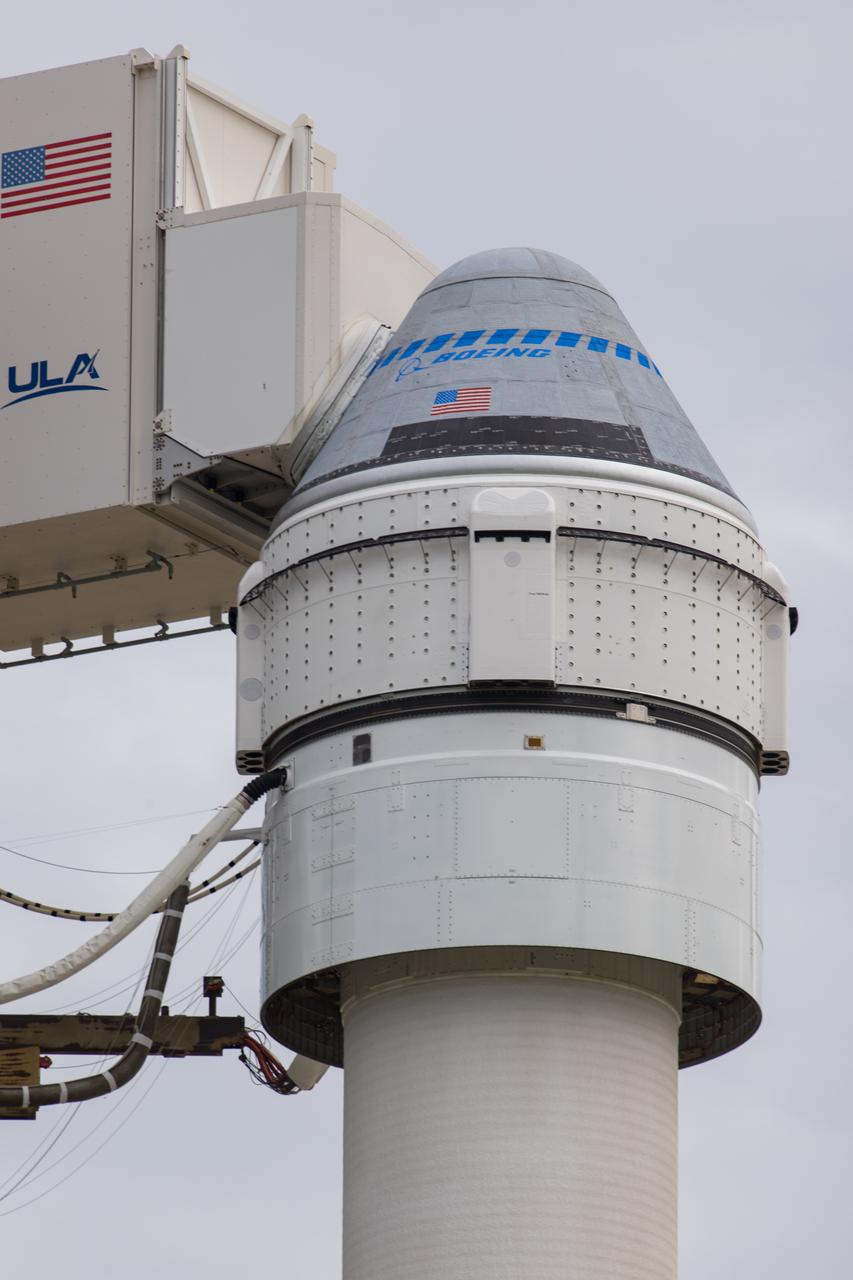
Boeing’s CST-100 Starliner spacecraft sits atop a United Launch Alliance Atlas V rocket during rollout from the Vertical Integration Facility to the launch pad at Space Launch Complex-41 on Cape Canaveral Space Force Station in Florida on August 2, 2021. Starliner will launch on the Atlas V for Boeing’s second uncrewed Orbital Flight Test (OFT-2) for NASA’s Commercial Crew Program. OFT-2 is an important uncrewed mission designed to test the end-to-end capabilities of the new system for NASA’s Commercial Crew Program.
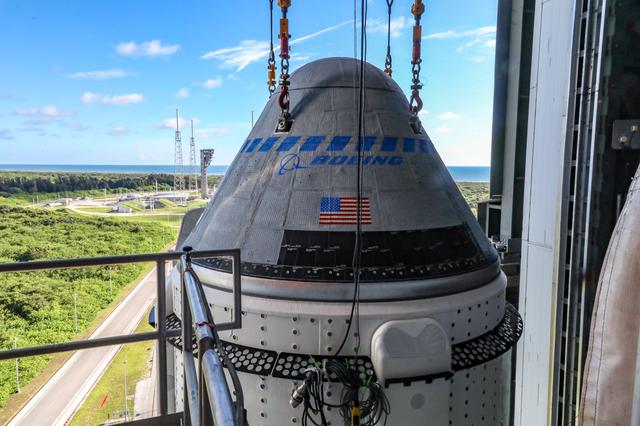
The Boeing CST-100 Starliner spacecraft is secured atop a United Launch Alliance Atlas V rocket at the Vertical Integration Facility at Space Launch Complex 41 at Cape Canaveral Space Force Station in Florida on July 17, 2021. Starliner will launch on the Atlas V for Boeing’s second Orbital Flight Test (OFT-2) for NASA’s Commercial Crew Program. The spacecraft rolled out from Boeing’s Commercial Crew and Cargo Processing Facility at NASA’s Kennedy Space Center earlier in the day.
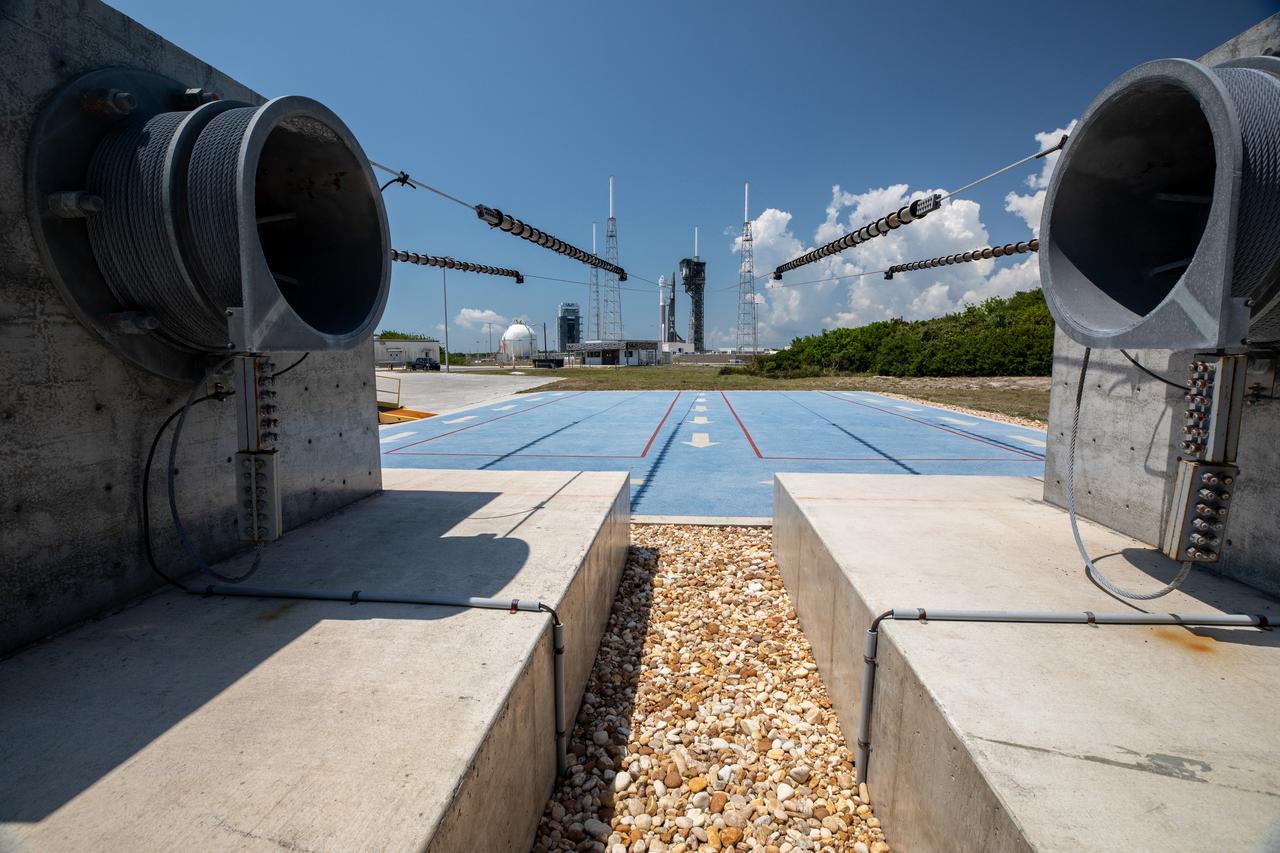
On May 18, 2022, Boeing’s CST-100 Starliner spacecraft and the United Launch Alliance Atlas V rocket roll out from the Vertical Integration Facility to the launch pad at Space Launch Complex-41 on Cape Canaveral Space Force Station in Florida. Starliner will launch on the Atlas V for Boeing’s Orbital Flight Test (OFT-2) for NASA’s Commercial Crew Program at 6:54 p.m. EDT on Thursday, May 19. OFT-2 is an important uncrewed flight test designed to test the end-to-end capabilities of the system to help the agency certify Starliner to carry astronauts to and from the International Space Station.
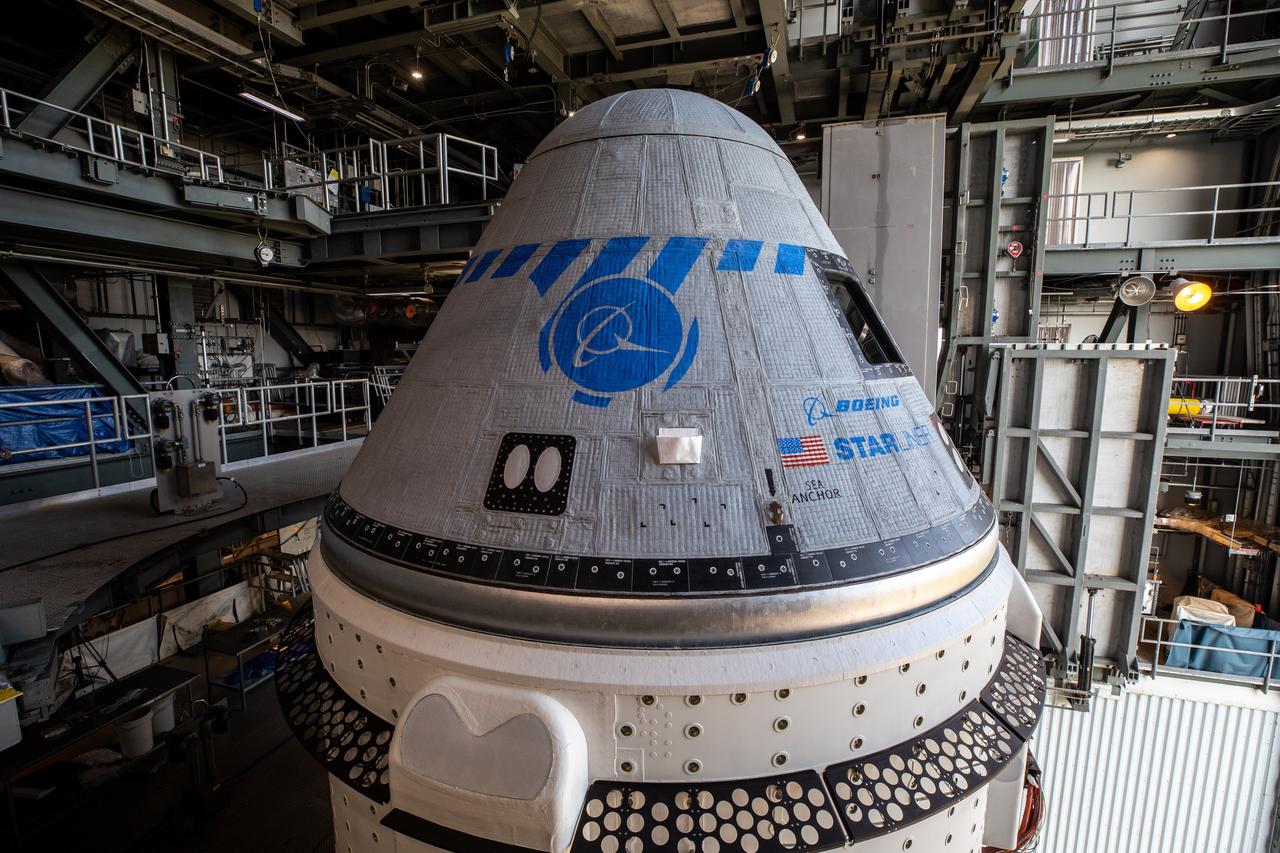
Boeing’s CST-100 Starliner spacecraft sits atop a United Launch Alliance Atlas V rocket during rollout from the Vertical Integration Facility to the launch pad at Space Launch Complex-41 on Cape Canaveral Space Force Station in Florida on May 18, 2022. Starliner will launch on the Atlas V for Boeing’s Orbital Flight Test (OFT-2) for NASA’s Commercial Crew Program at 6:54 p.m. EDT on Thursday, May 19. OFT-2 is an important uncrewed flight test designed to test the end-to-end capabilities of the system to help the agency certify Starliner to carry astronauts to and from the International Space Station.
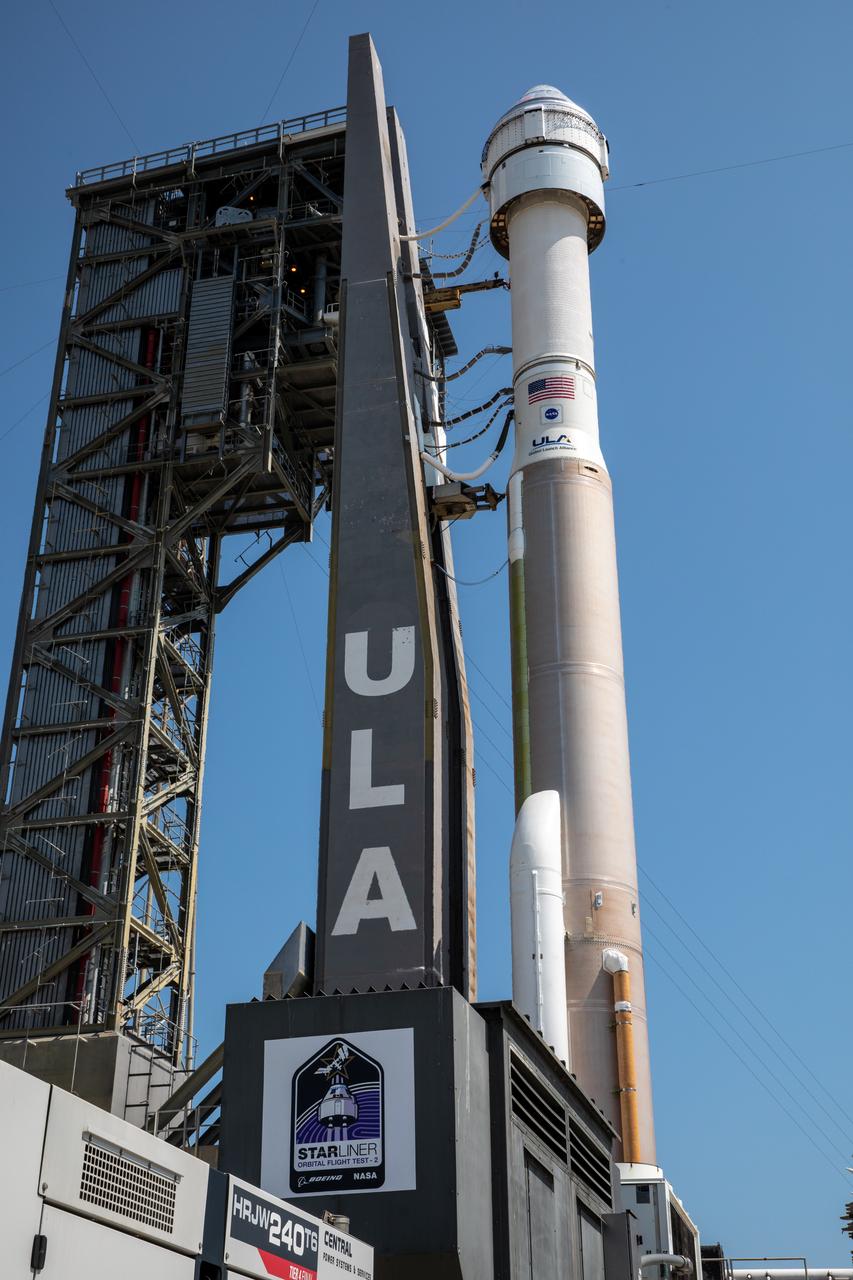
On May 18, 2022, Boeing’s CST-100 Starliner spacecraft and the United Launch Alliance Atlas V rocket roll out from the Vertical Integration Facility to the launch pad at Space Launch Complex-41 on Cape Canaveral Space Force Station in Florida. Starliner will launch on the Atlas V for Boeing’s Orbital Flight Test (OFT-2) for NASA’s Commercial Crew Program at 6:54 p.m. EDT on Thursday, May 19. OFT-2 is an important uncrewed flight test designed to test the end-to-end capabilities of the system to help the agency certify Starliner to carry astronauts to and from the International Space Station.
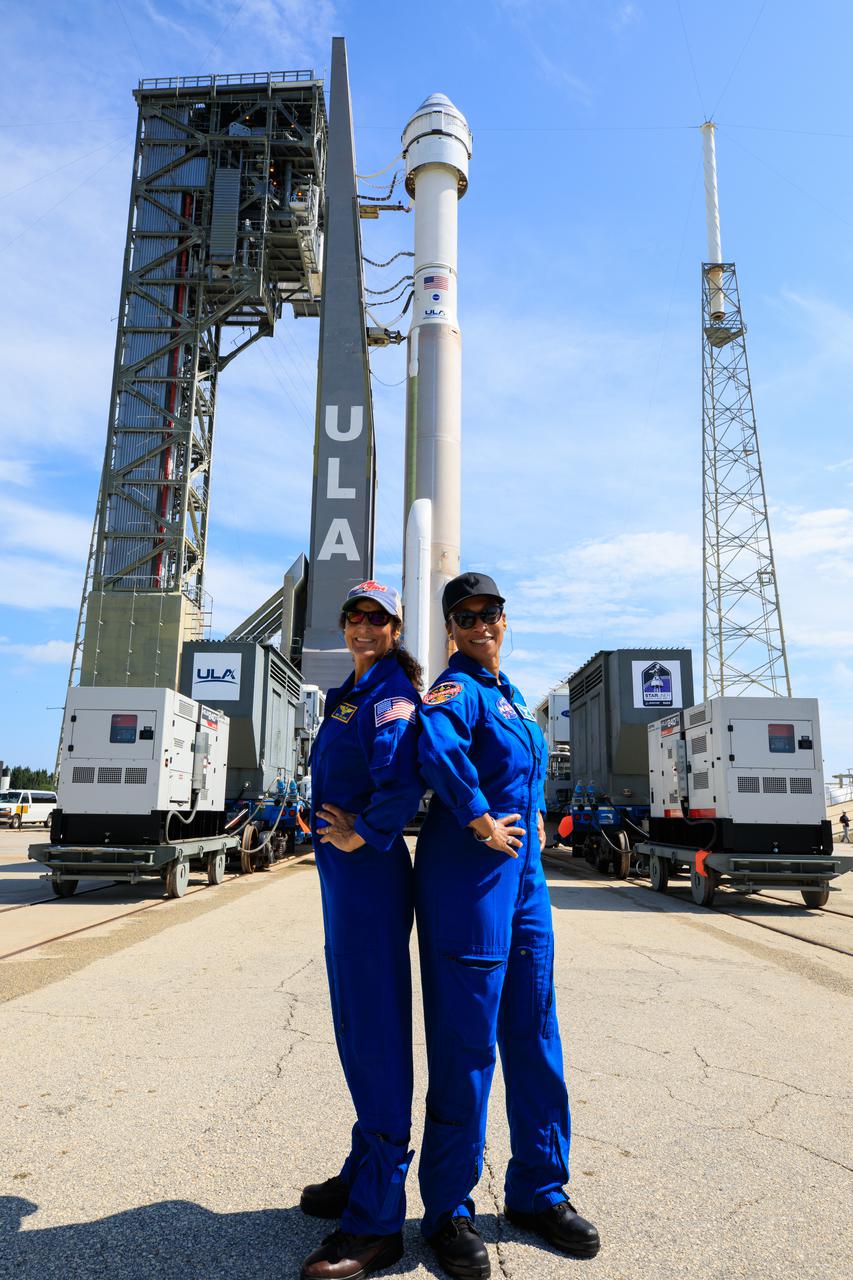
Suni Williams, left, and Jeanette Epps, NASA astronauts, Starliner-1, watch as Boeing’s CST-100 Starliner spacecraft and the United Launch Alliance Atlas V rocket is rolled out of the Vertical Integration Facility to the launch pad at Space Launch Complex-41 on July 29, 2021, at Cape Canaveral Space Force Station in Florida. Starliner will launch on the Atlas V for Boeing’s second uncrewed Orbital Flight Test (OFT-2) for NASA’s Commercial Crew Program. OFT-2 is an important uncrewed mission designed to test the end-to-end capabilities of the new system for NASA’s Commercial Crew Program.