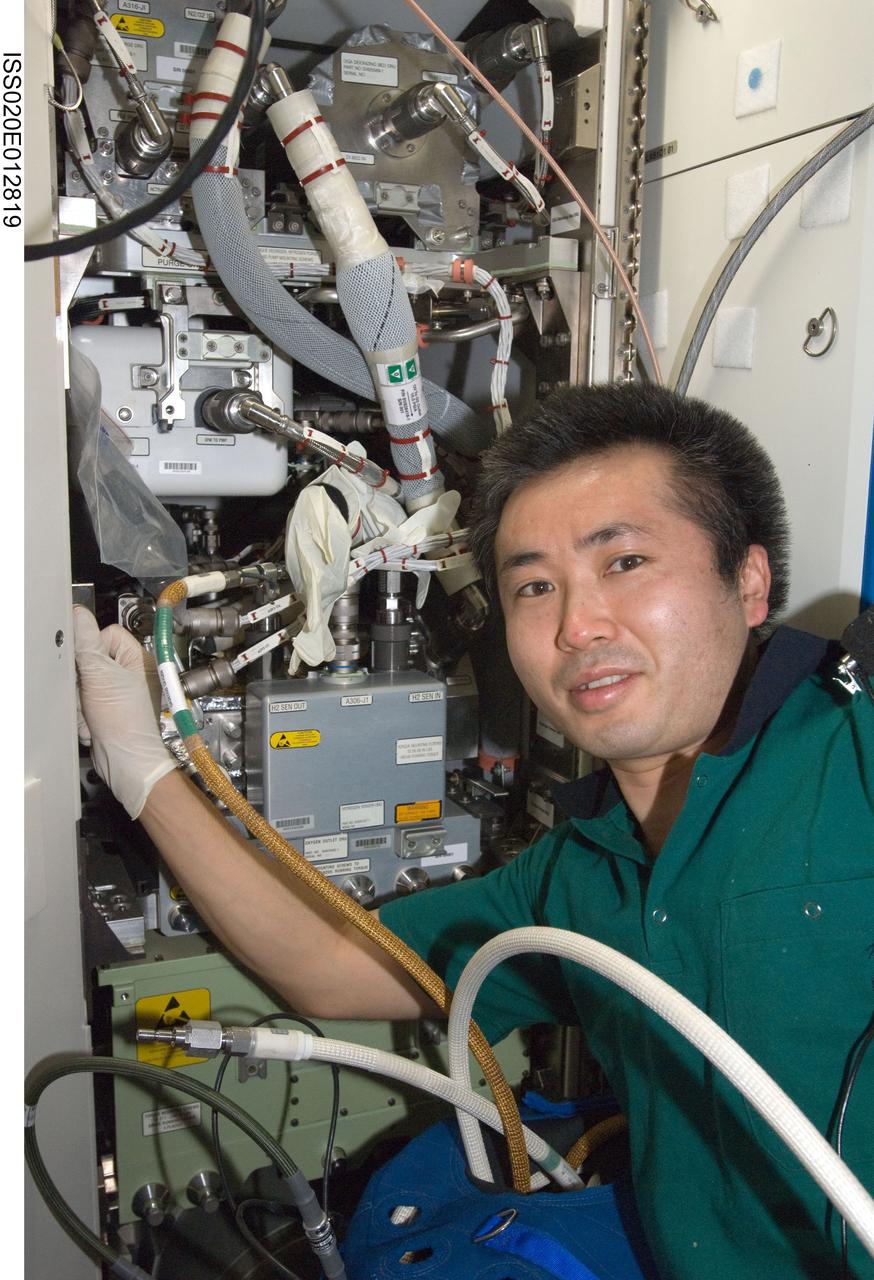
ISS020-E-012819 (22 June 2009) --- Japan Aerospace Exploration Agency (JAXA) astronaut Koichi Wakata, Expedition 20 flight engineer, performs in-flight maintenance on the Oxygen Generator System (OGS) in the Destiny laboratory of the International Space Station.
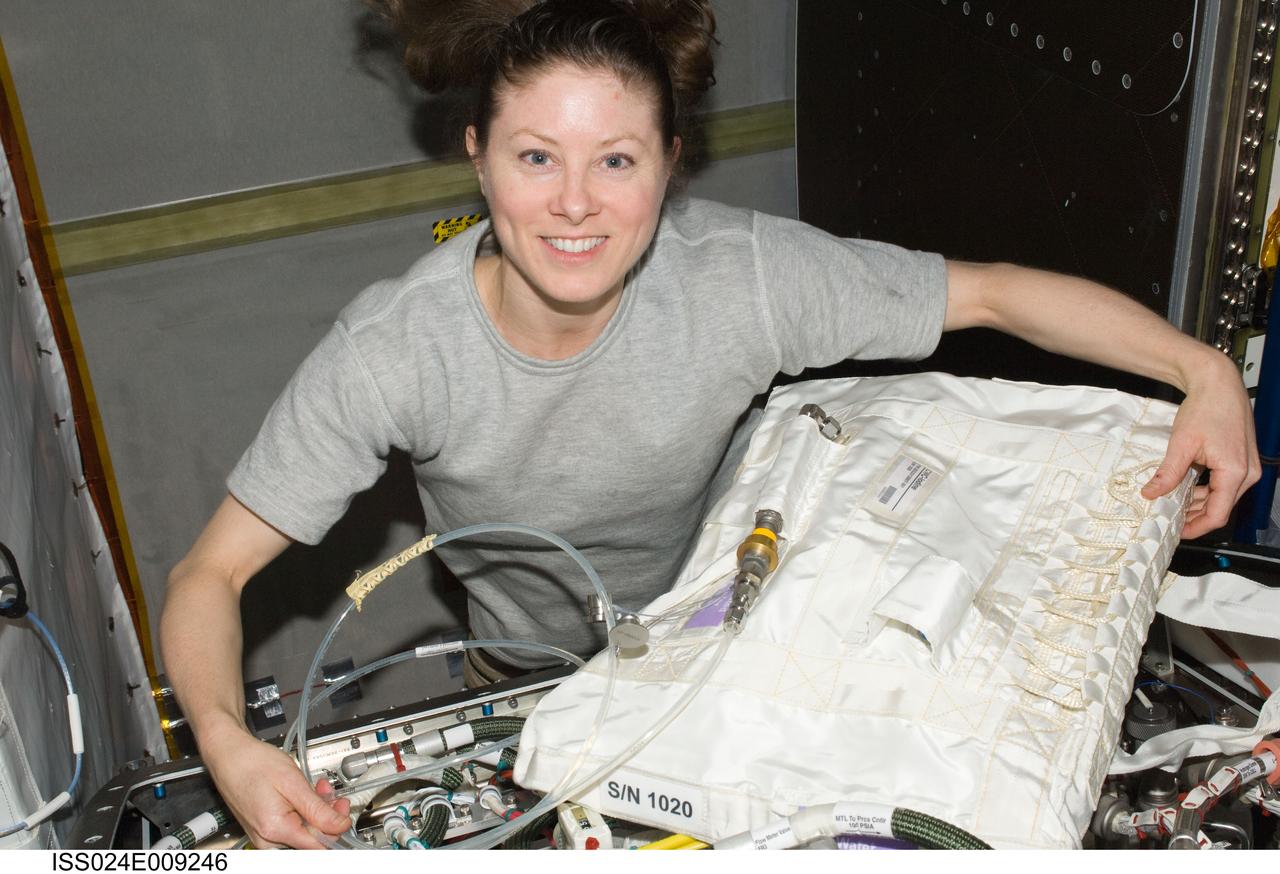
ISS024-E-009246 (21 July 2010) --- NASA astronaut Tracy Caldwell Dyson, Expedition 24 flight engineer, is pictured during troubleshooting operations of the Oxygen Generator System (OGS) hardware and replacement of an H2 (hydrogen) Dome Orbit Replaceable Unit (ORU) in the Destiny laboratory of the International Space Station.
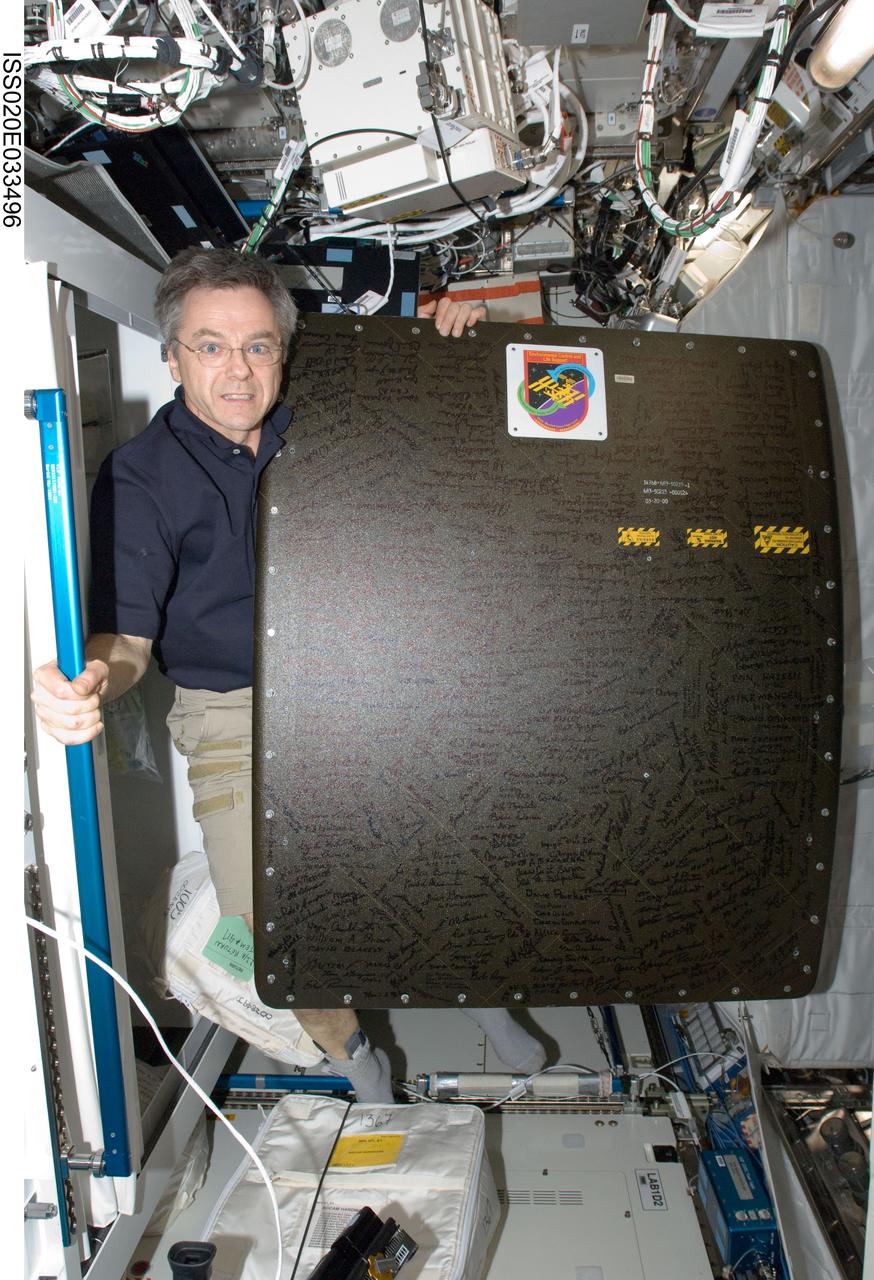
ISS020-E-033496 (21 Aug. 2009) --- Canadian Space Agency astronaut Robert Thirsk, Expedition 20 flight engineer, is pictured with the oxygen generator system (OGS) rack cover in the Destiny laboratory of the International Space Station.
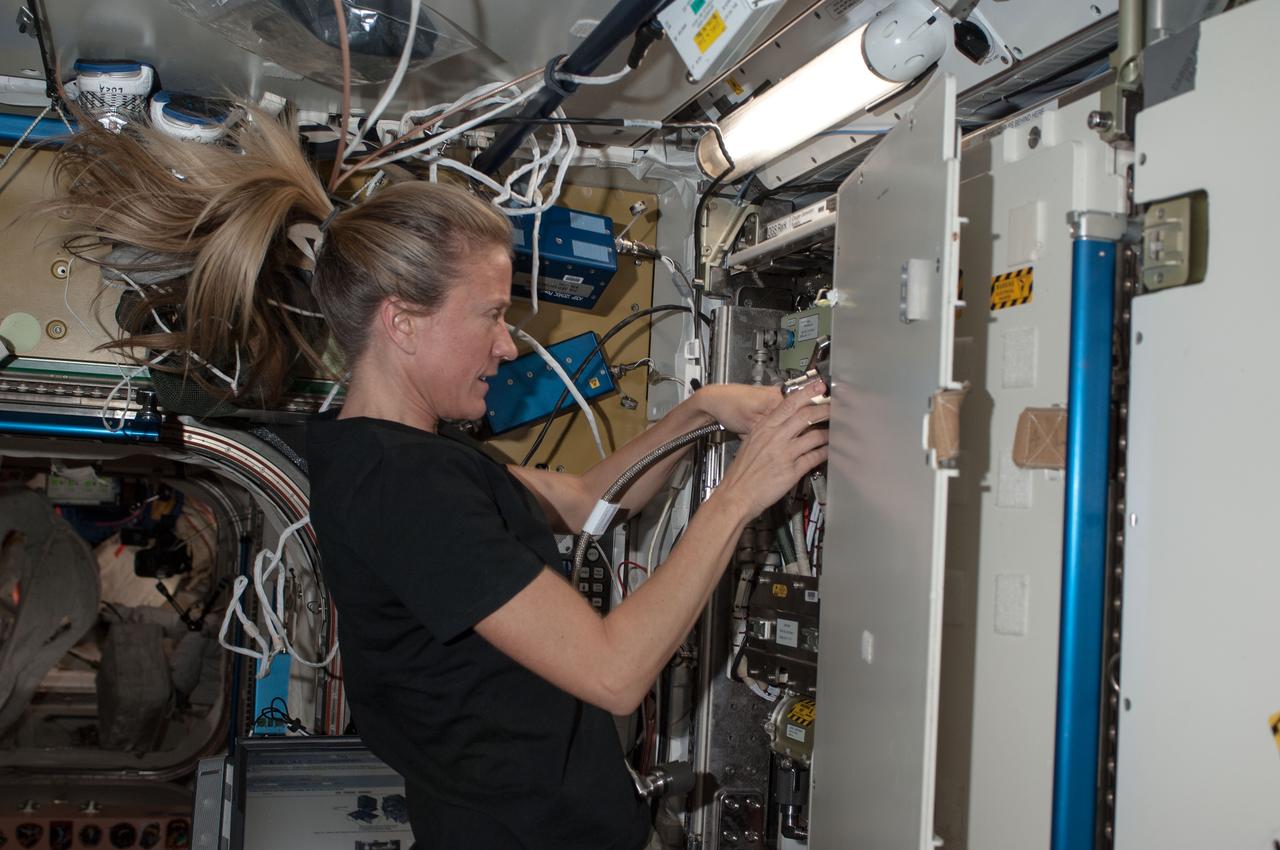
ISS036-E-021797 (18 July 2013) --- NASA astronaut Karen Nyberg, Expedition 36 flight engineer, performs a remove and replace of the Oxygen Generation System (OGS) Hydrogen (H2) Sensor in the Tranquility node of the International Space Station.
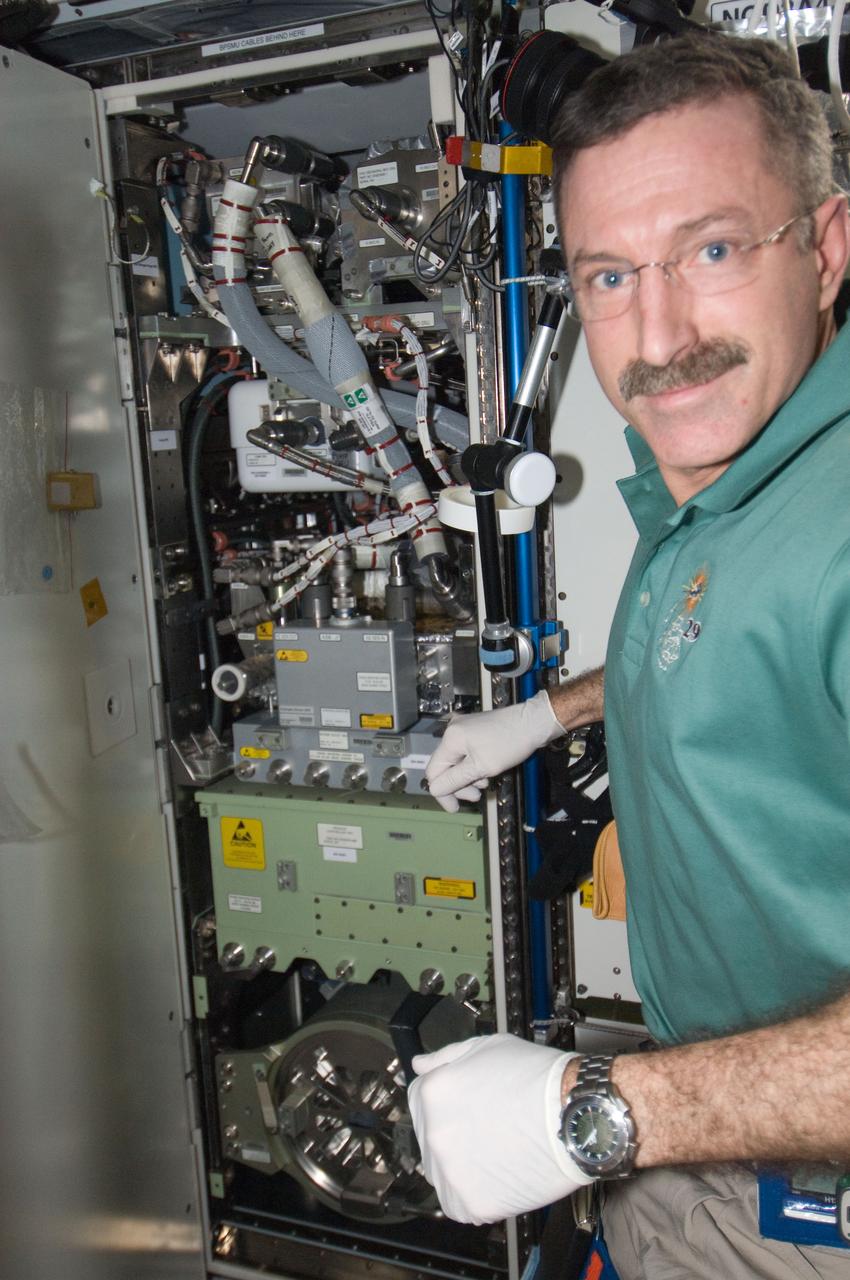
ISS030-E-236919 (18 April 2012) --- NASA astronaut Dan Burbank, Expedition 30 commander, works with the Oxygen Generator System (OGS) rack in the Tranquility node of the International Space Station. Burbank unpowered the OGS, purged the hydrogen sensor Orbital Replacement Unit (ORU) with the Hydrogen Sensor ORU Purge Adapter (HOPA) for return to Earth, and replaced the hydrogen sensor with a new spare, then cleaned the rack Avionics Air Assembly (AAA).
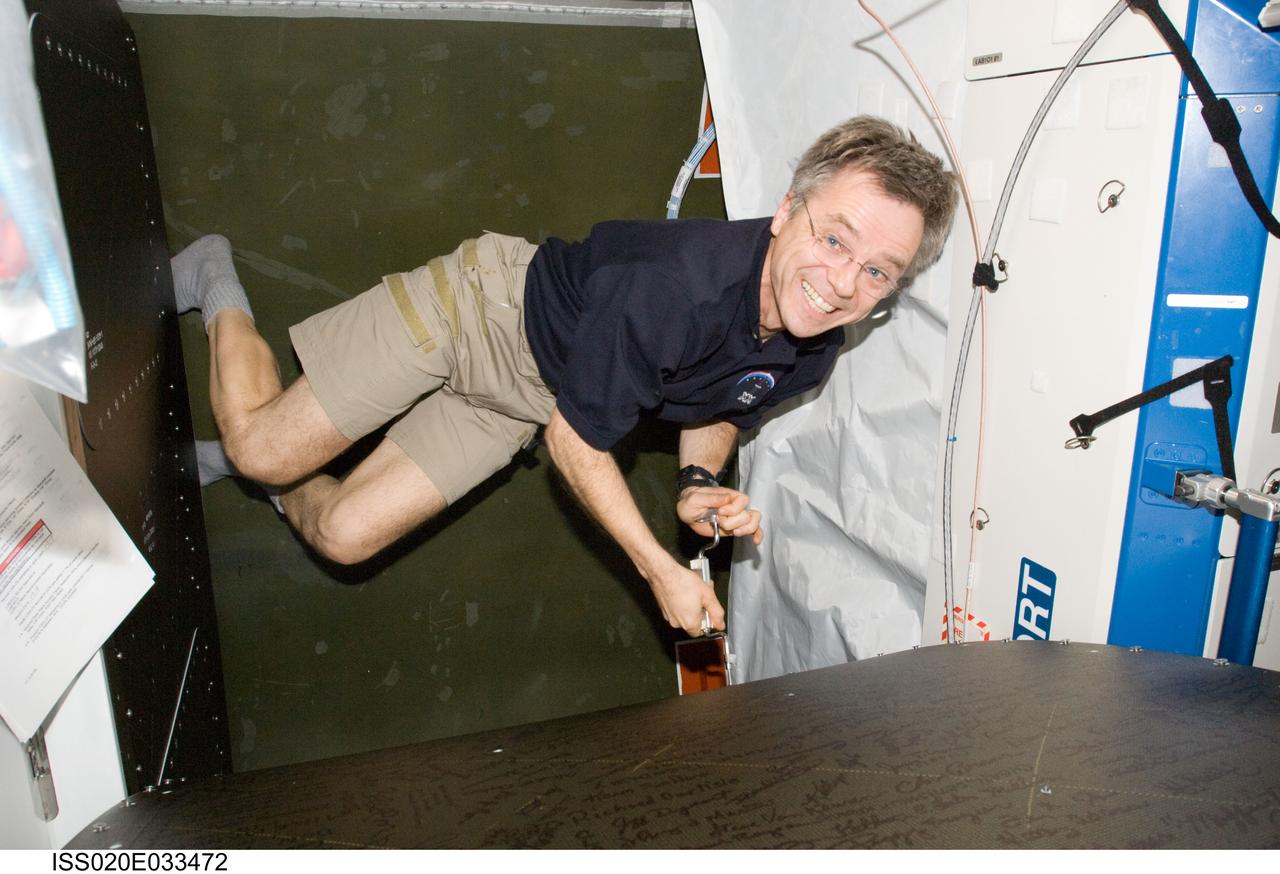
ISS020-E-033472 (21 Aug. 2009) --- Canadian Space Agency astronaut Robert Thirsk, Expedition 20 flight engineer, prepares to perform in-flight maintenance (IFM) on the oxygen generator system (OGS) rack in the Destiny laboratory of the International Space Station.
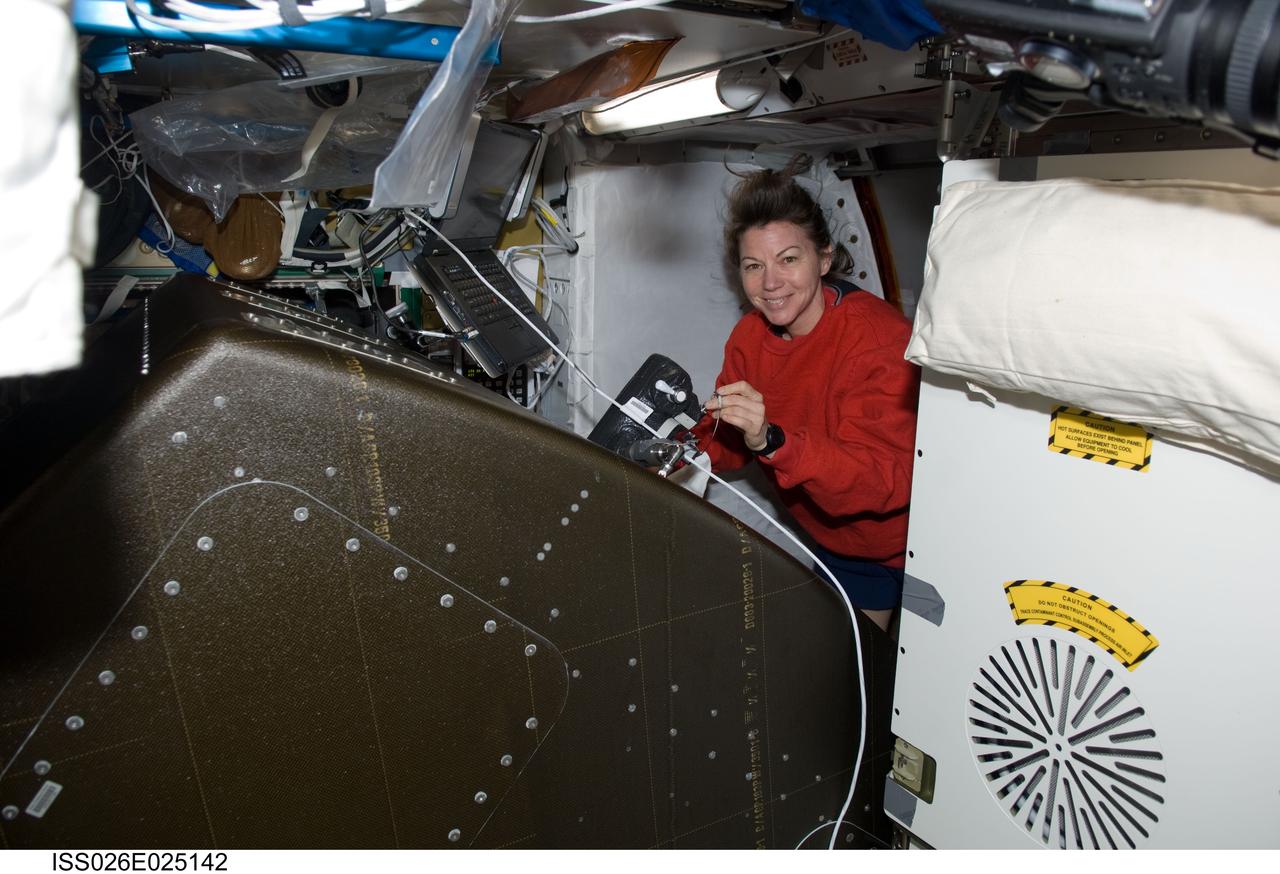
ISS026-E-025142 (8 Feb. 2011) --- NASA astronaut Catherine (Cady) Coleman, Expedition 26 flight engineer, works at the Atmosphere Revitalization / Oxygen Generation System (AR OGS) rack in the Harmony node of the International Space Station. Coleman collected recirculation loop samples for subsequent analysis for pH value.
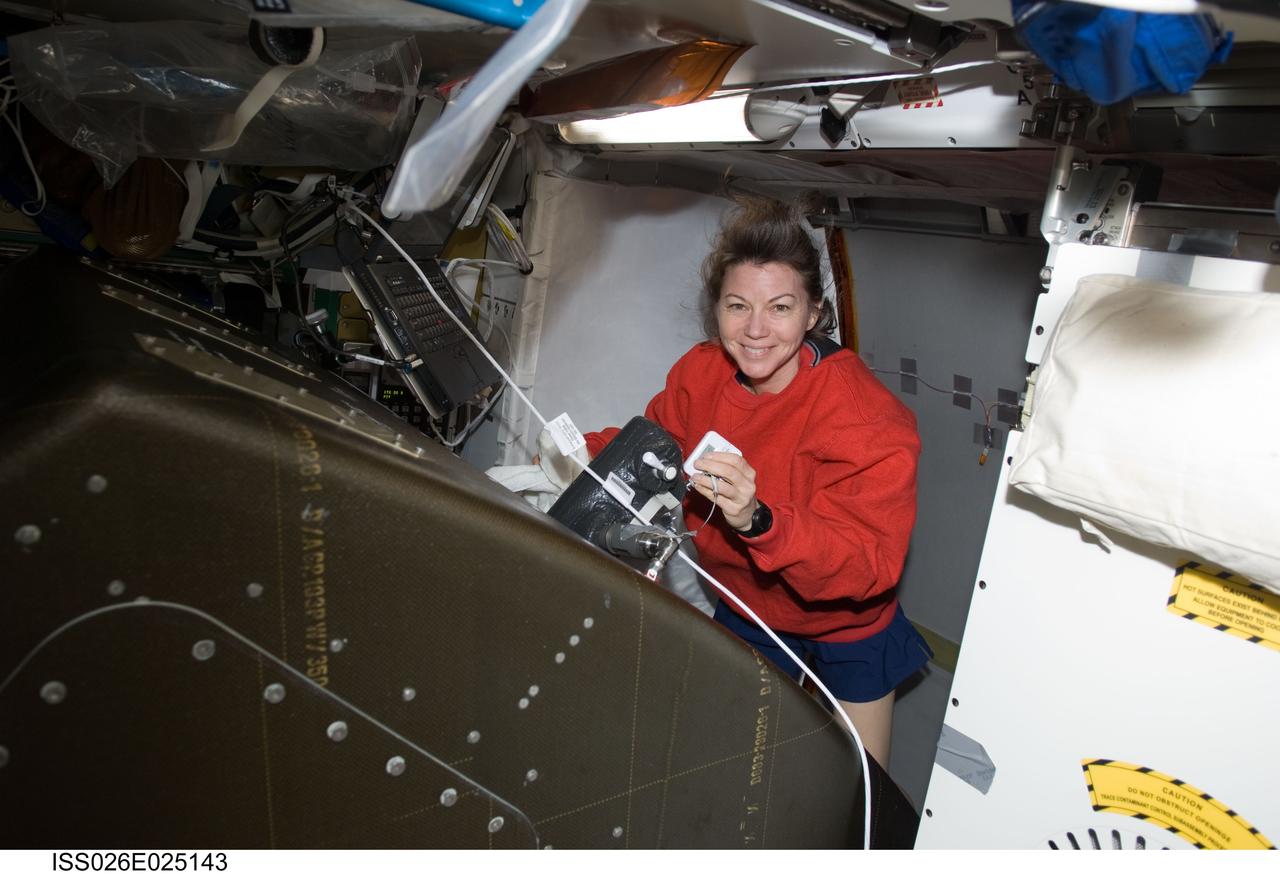
ISS026-E-025143 (8 Feb. 2011) --- NASA astronaut Catherine (Cady) Coleman, Expedition 26 flight engineer, works at the Atmosphere Revitalization / Oxygen Generation System (AR OGS) rack in the Harmony node of the International Space Station. Coleman collected recirculation loop samples for subsequent analysis for pH value.
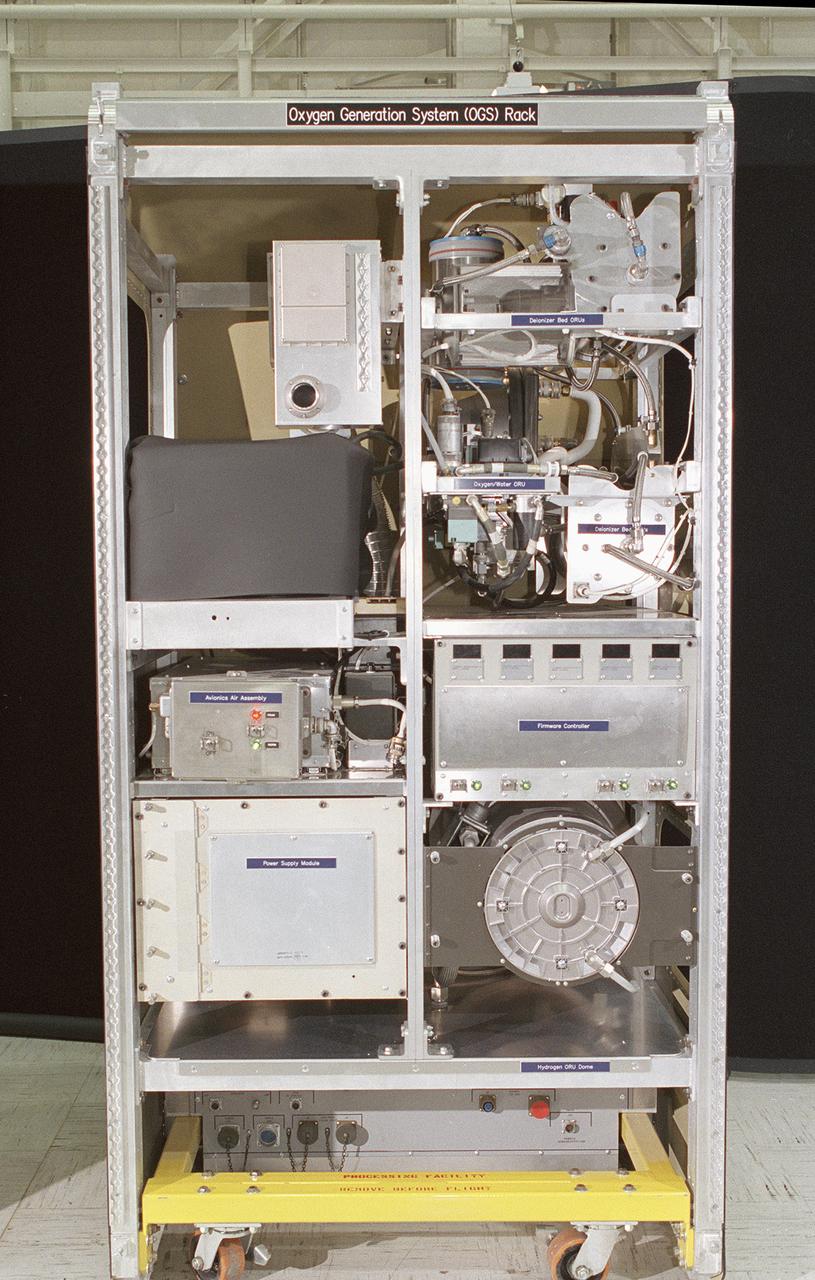
The Environmental Control and Life Support System (ECLSS) Group of the Flight Projects Directorate at the Marshall Space Flight Center (MSFC) in Huntsville, Alabama, is responsible for designing and building the life support systems that will provide the crew of the International Space Station (ISS) a comfortable environment in which to live and work. This is a close-up view of ECLSS Oxygen Generation System (OGS) rack. The ECLSS Group at the MSFC oversees the development of the OGS, which produces oxygen for breathing air for the crew and laboratory animals, as well as for replacing oxygen lost due to experiment use, airlock depressurization, module leakage, and carbon dioxide venting. The OGS consists primarily of the Oxygen Generator Assembly (OGA), provided by the prime contractor, the Hamilton Sundstrand Space Systems, International (HSSSI) in Windsor Locks, Cornecticut and a Power Supply Module (PSM), supplied by the MSFC. The OGA is comprised of a cell stack that electrolyzes (breaks apart the hydrogen and oxygen molecules) some of the clean water provided by the Water Recovery System and the separators that remove the gases from water after electrolysis. The PSM provides the high power to the OGA needed to electrolyze the water.
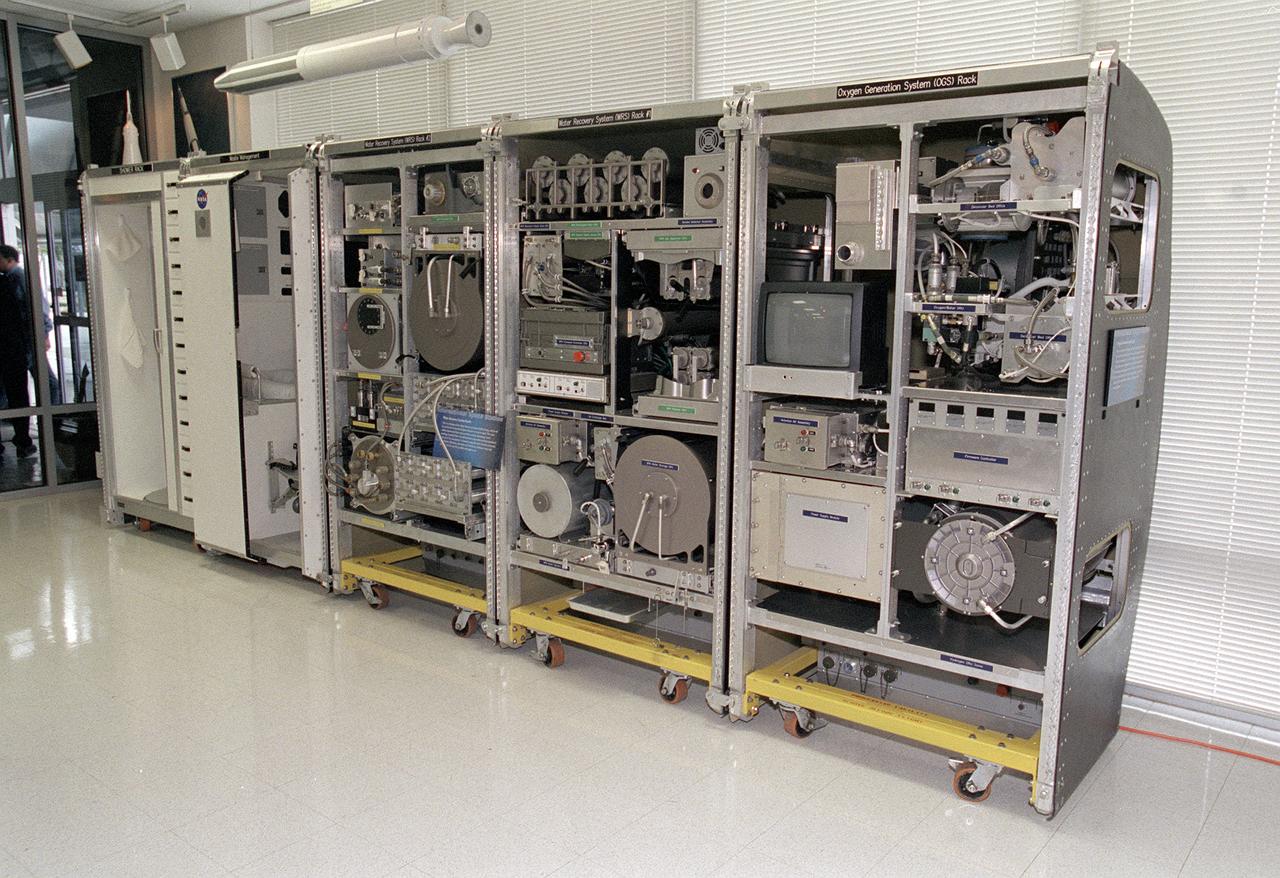
The Environmental Control and Life Support System (ECLSS) Group of the Flight Projects Directorate at the Marshall Space Flight Center in Huntsville, Alabama, is responsible for designing and building the life support systems that will provide the crew of the International Space Station (ISS) a comfortable environment in which to live and work. This photograph shows the mockup of the the ECLSS to be installed in the Node 3 module of the ISS. From left to right, shower rack, waste management rack, Water Recovery System (WRS) Rack #2, WRS Rack #1, and Oxygen Generation System (OGS) rack are shown. The WRS provides clean water through the reclamation of wastewaters and is comprised of a Urine Processor Assembly (UPA) and a Water Processor Assembly (WPA). The UPA accepts and processes pretreated crewmember urine to allow it to be processed along with other wastewaters in the WPA. The WPA removes free gas, organic, and nonorganic constituents before the water goes through a series of multifiltration beds for further purification. The OGS produces oxygen for breathing air for the crew and laboratory animals, as well as for replacing oxygen loss. The OGS is comprised of a cell stack, which electrolyzes (breaks apart the hydrogen and oxygen molecules) some of the clean water provided by the WRS, and the separators that remove the gases from the water after electrolysis.
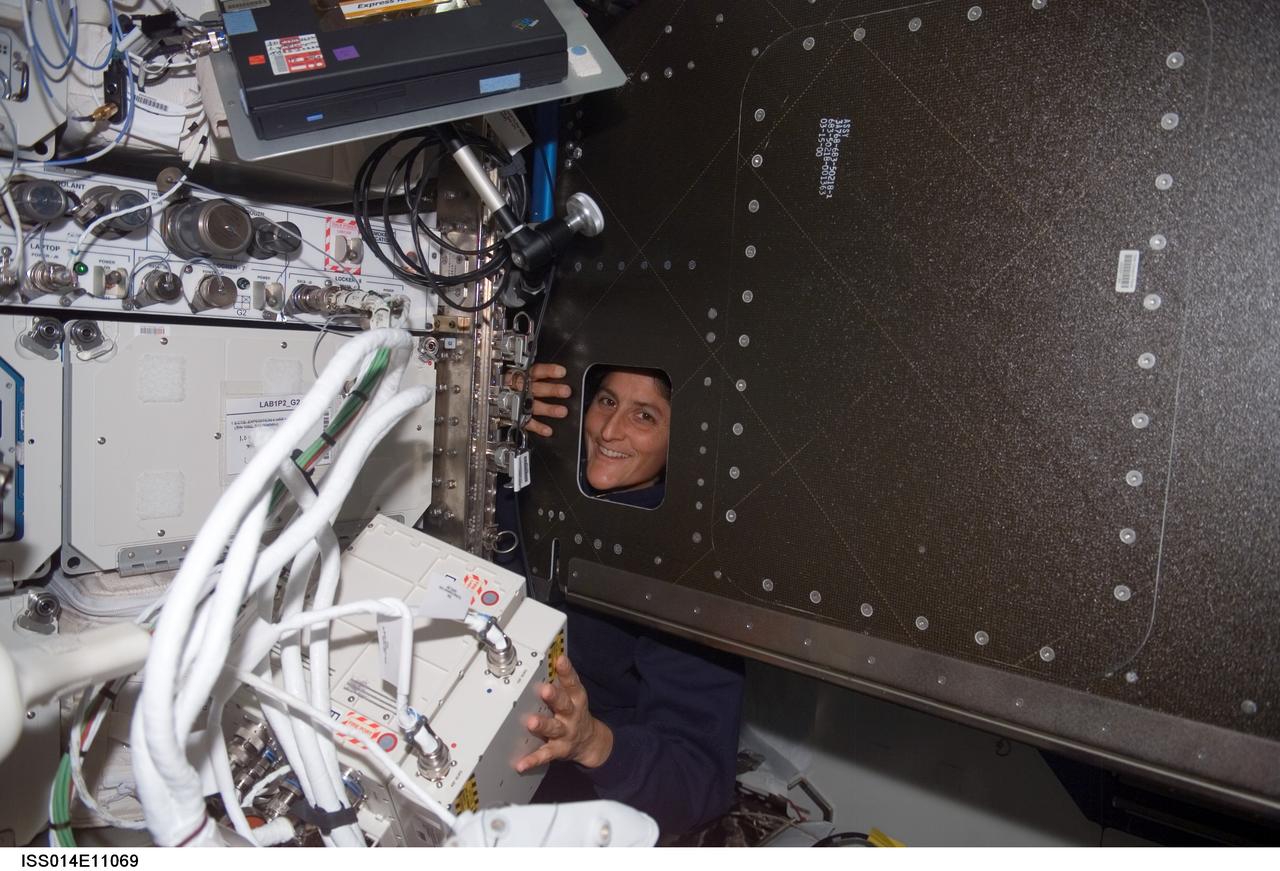
ISS014-E-11069 (3 Jan. 2007) --- Astronaut Sunita L. Williams, Expedition 14 flight engineer, looks through an opening during the Oxygen Generator System (OGS) rack rotation in the Destiny laboratory of the International Space Station.
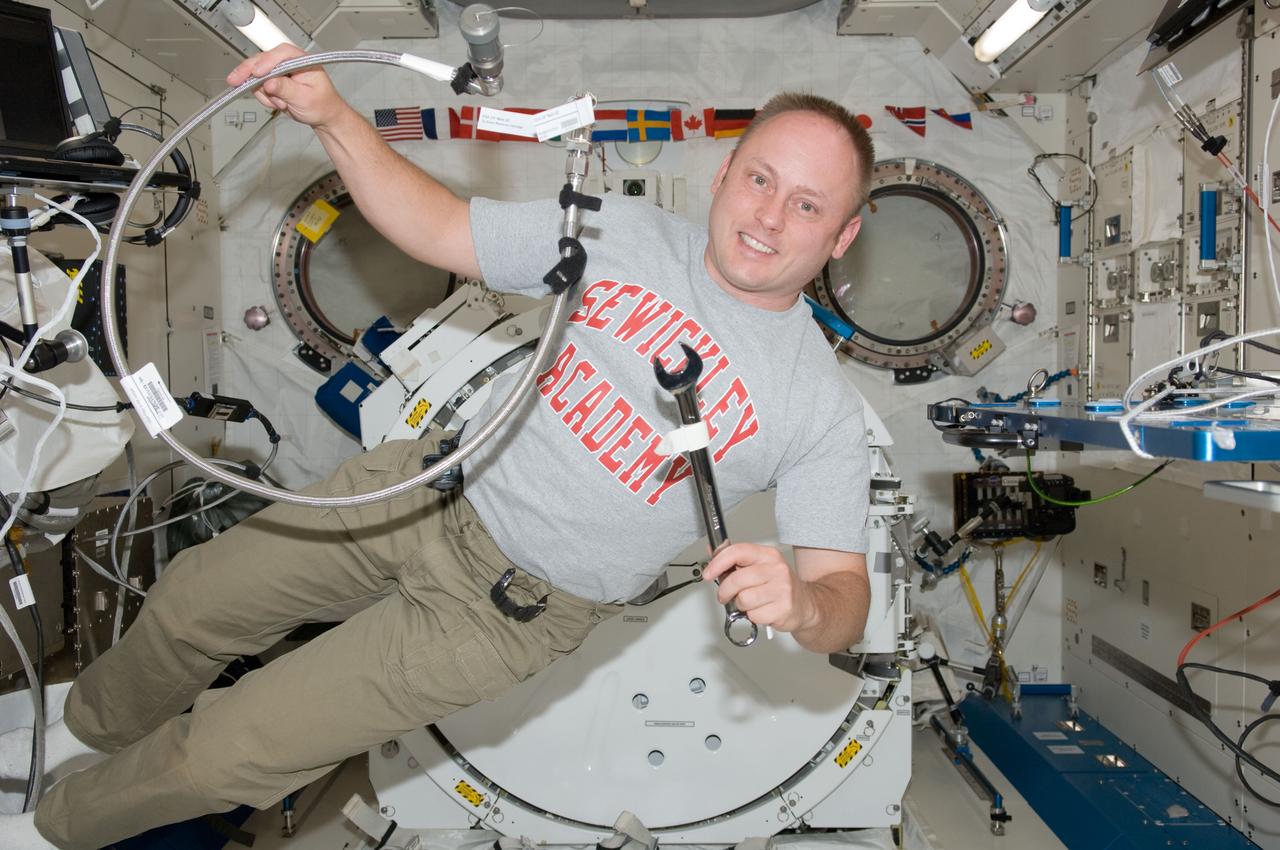
ISS027-E-035354(20 May 2011) --- NASA astronaut Michael Fincke, STS-134 mission specialist, appears to be on the verge of some sort of in-flight maintenance in the Kibo lab aboard the International Space Station (ISS). While the space shuttle Endeavour is docked with the ISS, Fincke is one of a dozen crew members on the joint complex.
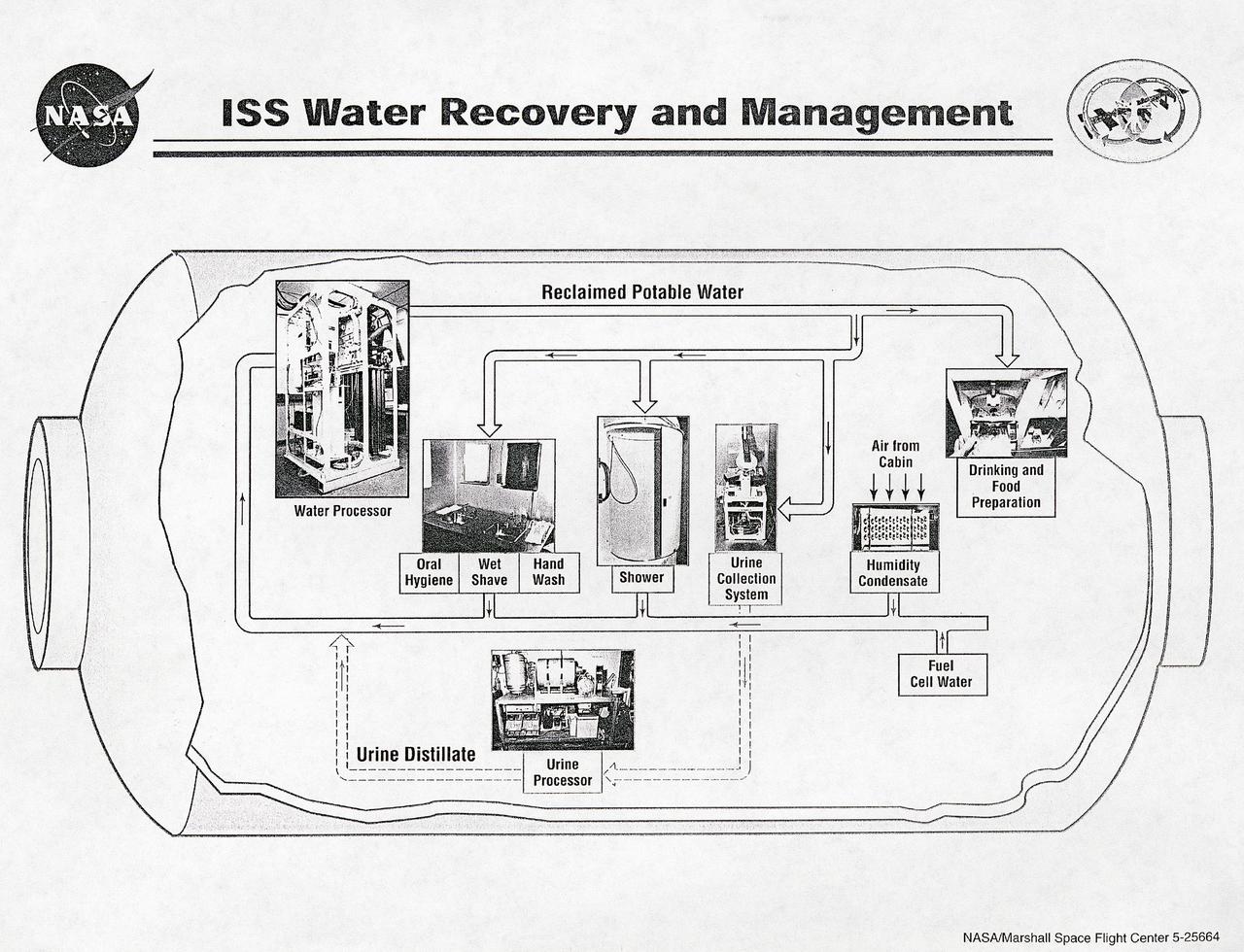
This diagram shows the flow of water recovery and management in the International Space Station (ISS). The Environmental Control and Life Support System (ECLSS) Group of the Flight Projects Directorate at the Marshall Space Flight Center is responsible for the regenerative ECLSS hardware, as well as providing technical support for the rest of the system. The regenerative ECLSS, whose main components are the Water Recovery System (WRS), and the Oxygen Generation System (OGS), reclaims and recycles water oxygen. The ECLSS maintains a pressurized habitation environment, provides water recovery and storage, maintains and provides fire detection/ suppression, and provides breathable air and a comfortable atmosphere in which to live and work within the ISS. The ECLSS hardware will be located in the Node 3 module of the ISS.
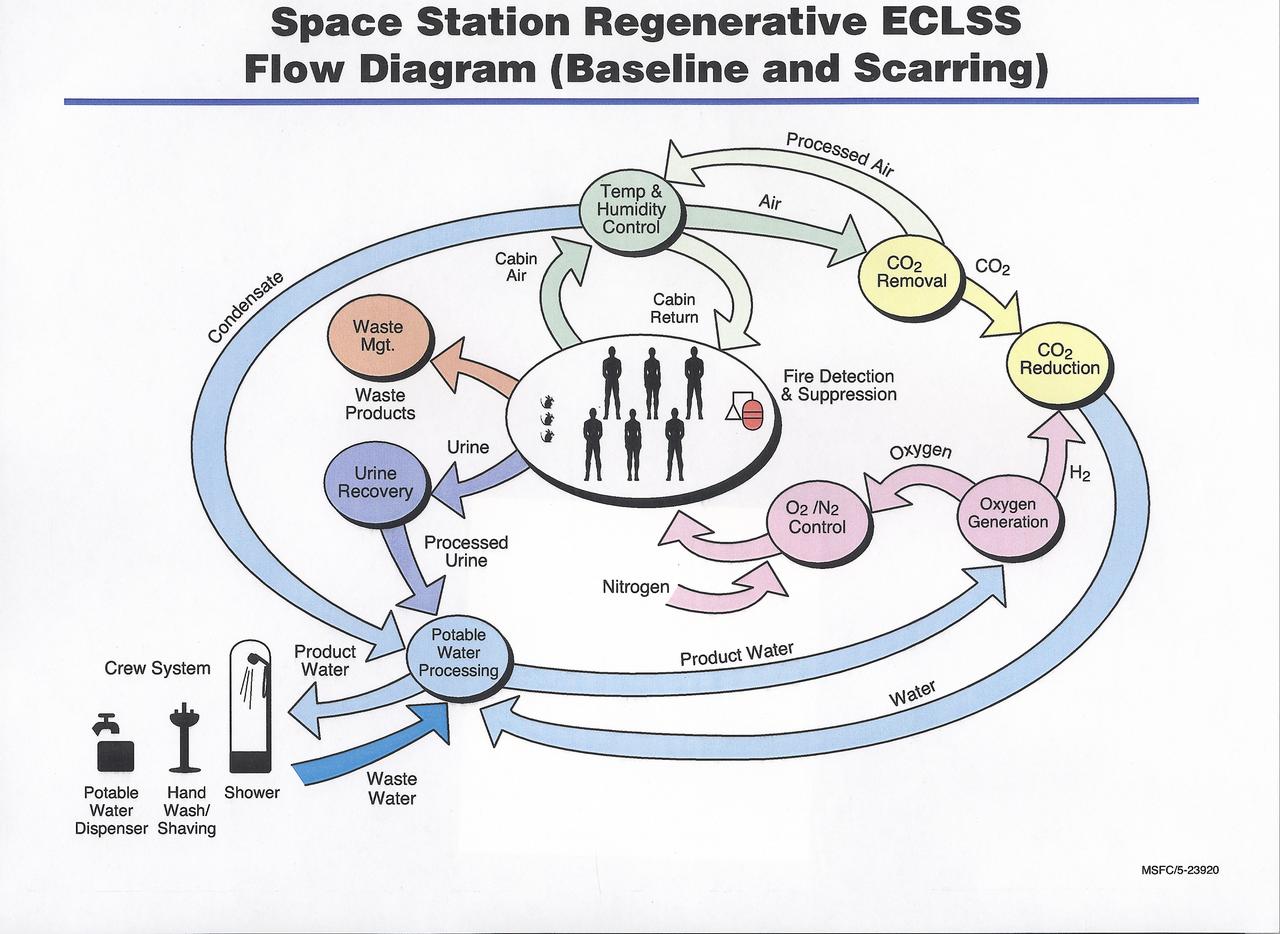
This diagram shows the flow of recyclable resources in the International Space Station (ISS). The Environmental Control and Life Support System (ECLSS) Group of the Flight Projects Directorate at the Marshall Space Flight Center is responsible for the regenerative ECLSS hardware, as well as providing technical support for the rest of the system. The regenerative ECLSS, whose main components are the Water Recovery System (WRS), and the Oxygen Generation System (OGS), reclaims and recycles water and oxygen. The ECLSS maintains a pressurized habitation environment, provides water recovery and storage, maintains and provides fire detection / suppression, and provides breathable air and a comfortable atmosphere in which to live and work within the ISS. The ECLSS hardware will be located in the Node 3 module of the ISS.
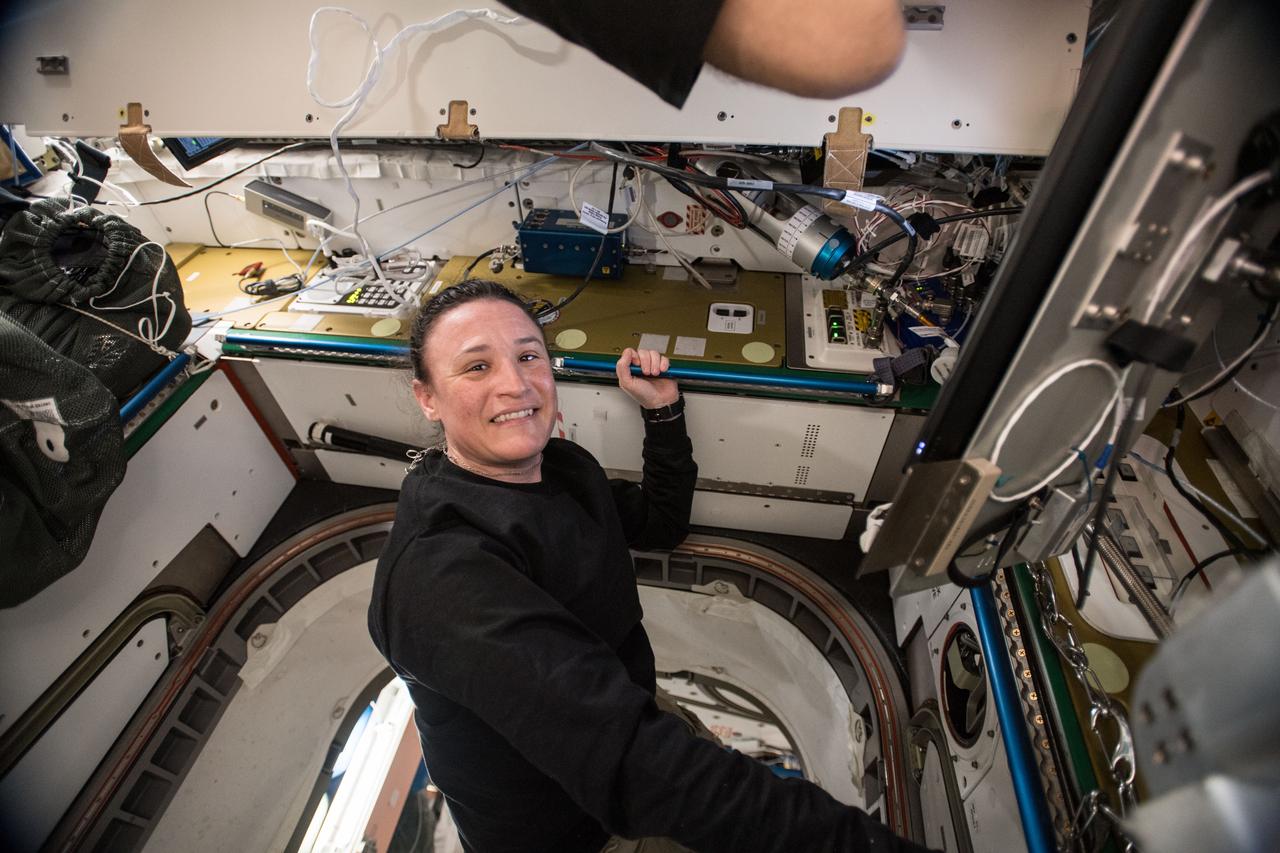
iss056e014502 (June 18, 2018) --- Expedition 56 Flight Engineer Serena Auñón-Chancellor of NASA is pictured in the Unity module during life support maintenance work to remove and replace an Oxygen Generation System Hydrogen Sensor.
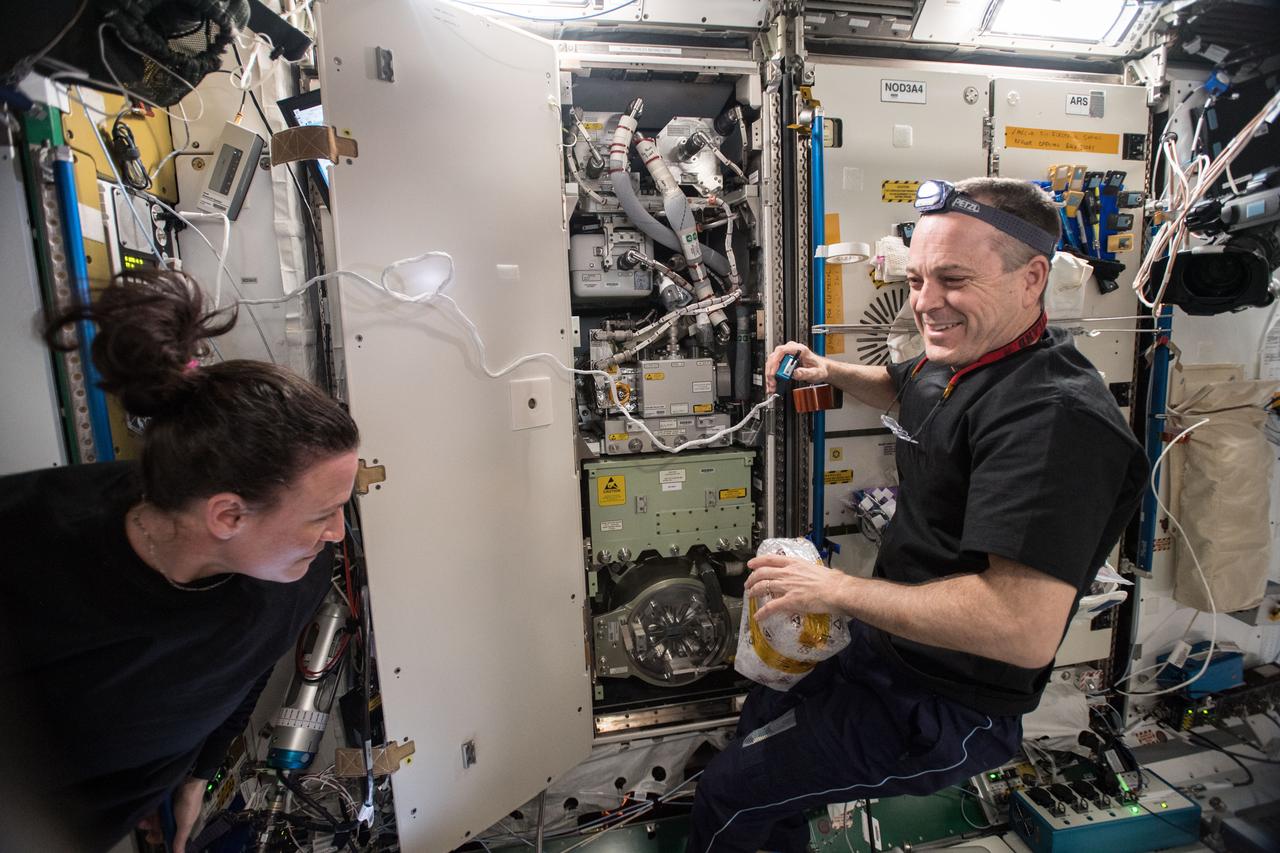
iss056e014488 (June 18, 2018) --- Expedition 56 Flight Engineers Serena Auñón-Chancellor (right) and Ricky Arnold of NASA are pictured in the Unity module during life support maintenance work to remove and replace an Oxygen Generation System Hydrogen Sensor.
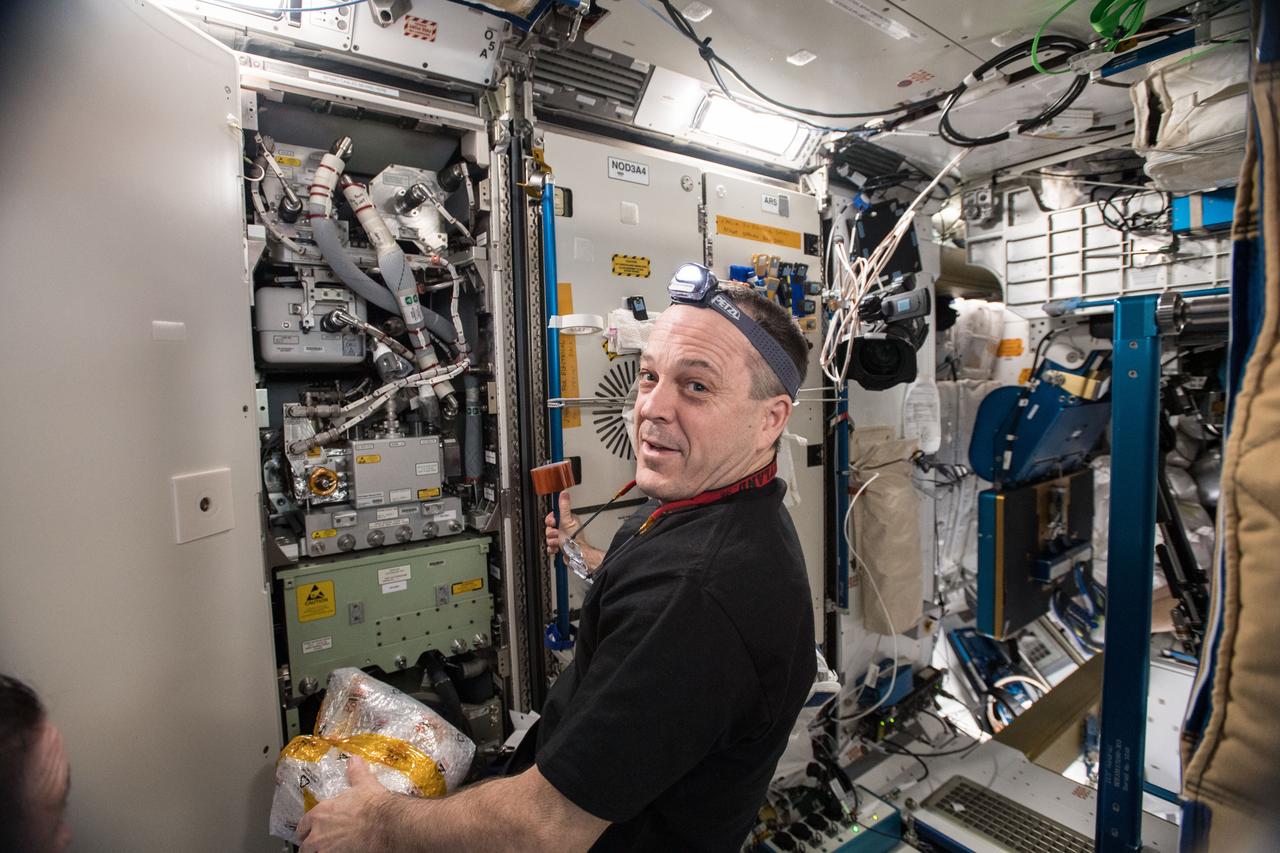
iss056e014487 (June 18, 2018) --- Expedition 56 Flight Engineer Ricky Arnold of NASA is pictured in the Unity module during life support maintenance work to remove and replace an Oxygen Generation System Hydrogen Sensor.