
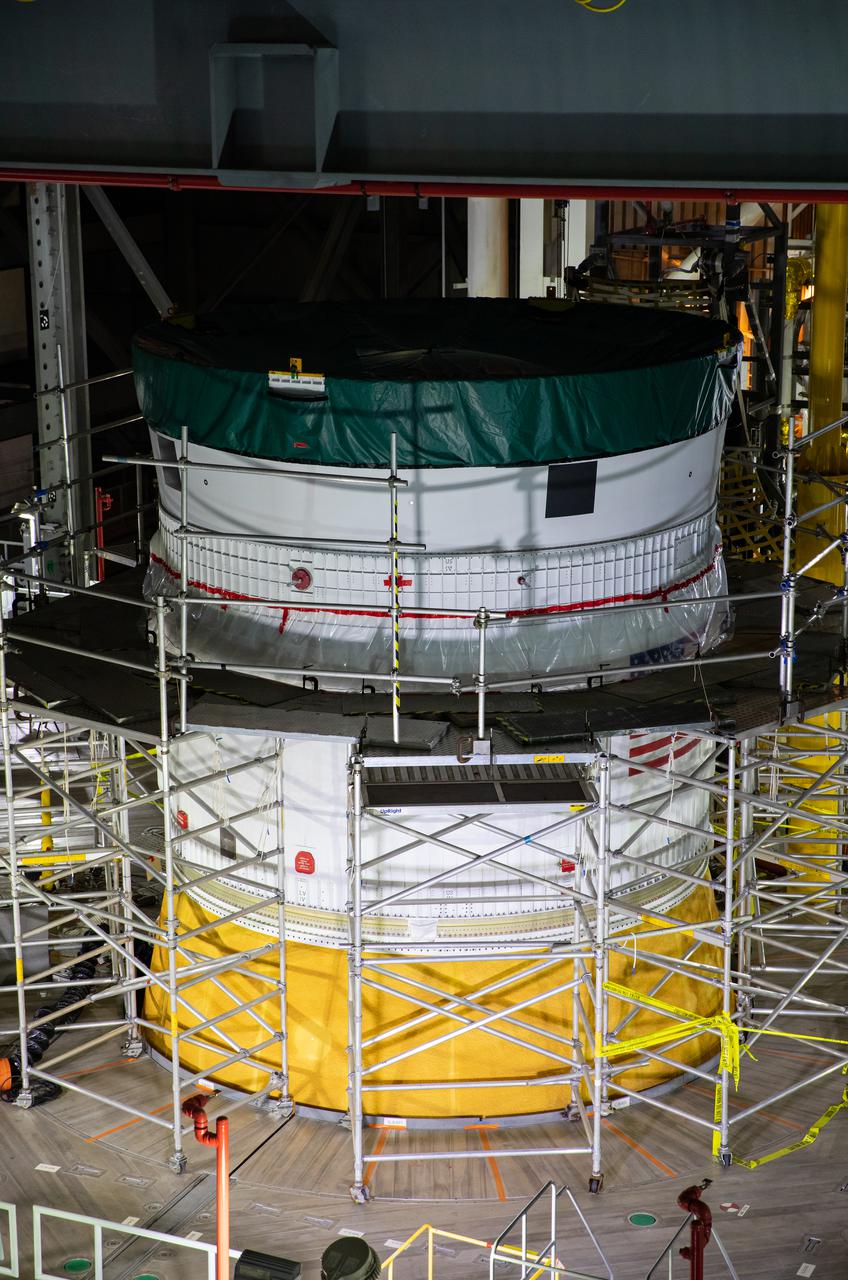
Seen here is a close-up view of the Orion stage adapter (OSA) structural test article atop the Space Launch System (SLS) rocket inside the Vehicle Assembly Building (VAB) at NASA’s Kennedy Space Center in Florida on Aug. 12, 2021. The test article, representing the mass and weight of the actual flight hardware, is being used for various tests inside the VAB ahead of OSA stacking operations. The first in an increasingly complex set of missions, Artemis I will test SLS and the Orion spacecraft as an integrated system prior to crewed flights to the Moon. Through Artemis, NASA will send the first woman and the first person of color to the lunar surface, as well as establish a sustainable presence on and around the Moon.

Seen here is a close-up view of the Orion stage adapter (OSA) structural test article atop the Space Launch System (SLS) rocket inside the Vehicle Assembly Building (VAB) at NASA’s Kennedy Space Center in Florida on Aug. 12, 2021. The test article, representing the mass and weight of the actual flight hardware, is being used for various tests inside the VAB ahead of OSA stacking operations. The first in an increasingly complex set of missions, Artemis I will test SLS and the Orion spacecraft as an integrated system prior to crewed flights to the Moon. Through Artemis, NASA will send the first woman and the first person of color to the lunar surface, as well as establish a sustainable presence on and around the Moon.
Inside NASA’s iconic Vehicle Assembly Building at Kennedy Space Center in Florida, teams from Exploration Ground Systems and contractor Jacobs mate the Orion Stage Adapter (OSA) to the Interim Cryogenic Propulsion Stage (ICPS) on top of the Space Launch System (SLS) on Oct. 9, 2021. The addition of the OSA marks the last piece of SLS rocket hardware to be added before crews soon add the Orion spacecraft and its launch abort system on top of the OSA. The ring-shaped OSA is filled with 10 shoebox-sized CubeSats that will deploy when the ICPS separates from Orion on its way to the Moon during Artemis I, which will be the first integrated flight test of the SLS and Orion spacecraft. In later missions, NASA will land the first woman and the first person of color on the surface of the Moon, paving the way for a long-term lunar presence and serving as a steppingstone on the way to Mars.
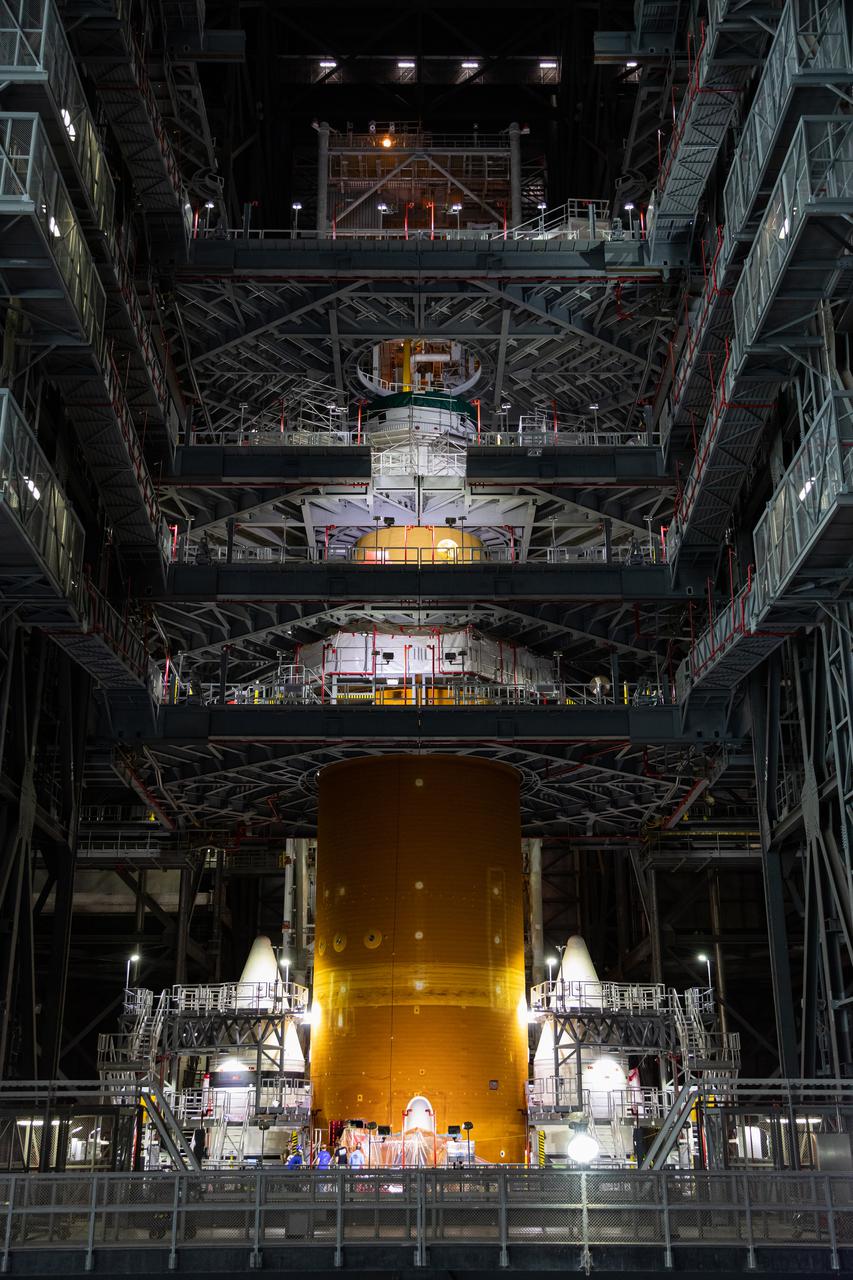
Inside NASA’s iconic Vehicle Assembly Building at Kennedy Space Center in Florida, teams from Exploration Ground Systems and contractor Jacobs mate the Orion Stage Adapter (OSA) to the Interim Cryogenic Propulsion Stage (ICPS) on top of the Space Launch System (SLS) on Oct. 9, 2021. The addition of the OSA marks the last piece of SLS rocket hardware to be added before crews soon add the Orion spacecraft and its launch abort system on top of the OSA. The ring-shaped OSA is filled with 10 shoebox-sized CubeSats that will deploy when the ICPS separates from Orion on its way to the Moon during Artemis I, which will be the first integrated flight test of the SLS and Orion spacecraft. In later missions, NASA will land the first woman and the first person of color on the surface of the Moon, paving the way for a long-term lunar presence and serving as a steppingstone on the way to Mars.
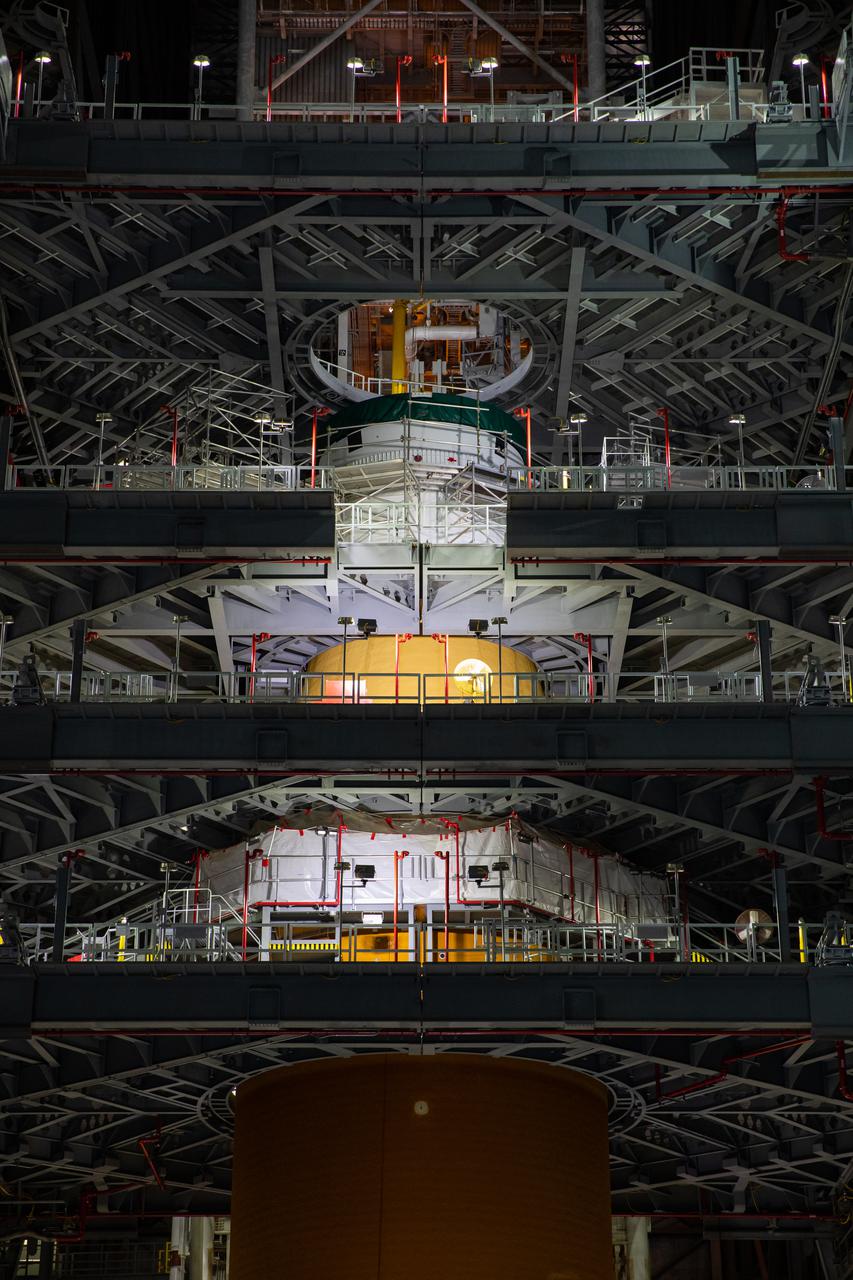
Inside NASA’s iconic Vehicle Assembly Building at Kennedy Space Center in Florida, teams from Exploration Ground Systems and contractor Jacobs mate the Orion Stage Adapter (OSA) to the Interim Cryogenic Propulsion Stage (ICPS) on top of the Space Launch System (SLS) on Oct. 9, 2021. The addition of the OSA marks the last piece of SLS rocket hardware to be added before crews soon add the Orion spacecraft and its launch abort system on top of the OSA. The ring-shaped OSA is filled with 10 shoebox-sized CubeSats that will deploy when the ICPS separates from Orion on its way to the Moon during Artemis I, which will be the first integrated flight test of the SLS and Orion spacecraft. In later missions, NASA will land the first woman and the first person of color on the surface of the Moon, paving the way for a long-term lunar presence and serving as a steppingstone on the way to Mars.

Inside NASA’s iconic Vehicle Assembly Building at Kennedy Space Center in Florida, teams from Exploration Ground Systems and contractor Jacobs mate the Orion Stage Adapter (OSA) to the Interim Cryogenic Propulsion Stage (ICPS) on top of the Space Launch System (SLS) on Oct. 9, 2021. The addition of the OSA marks the last piece of SLS rocket hardware to be added before crews soon add the Orion spacecraft and its launch abort system on top of the OSA. The ring-shaped OSA is filled with 10 shoebox-sized CubeSats that will deploy when the ICPS separates from Orion on its way to the Moon during Artemis I, which will be the first integrated flight test of the SLS and Orion spacecraft. In later missions, NASA will land the first woman and the first person of color on the surface of the Moon, paving the way for a long-term lunar presence and serving as a steppingstone on the way to Mars.
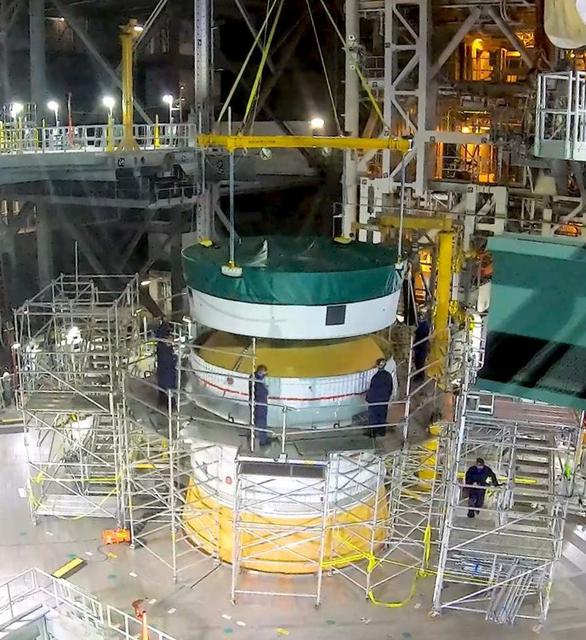
Inside NASA’s iconic Vehicle Assembly Building at Kennedy Space Center in Florida, teams from Exploration Ground Systems and contractor Jacobs mate the Orion Stage Adapter (OSA) to the interim cryogenic propulsion stage (ICPS) on top of the Space Launch System (SLS) on Oct. 9, 2021. The addition of the OSA marks the last piece of SLS rocket hardware to be added before crews soon add the Orion spacecraft and its launch abort system on top of the OSA. The ring-shaped OSA is filled with 10 shoebox-sized CubeSats that will deploy when the ICPS separates from Orion on its way to the Moon during Artemis I, which will be the first integrated flight test of the SLS and Orion spacecraft. In later missions, NASA will land the first woman and the first person of color on the surface of the Moon, paving the way for a long-term lunar presence and serving as a steppingstone on the way to Mars.
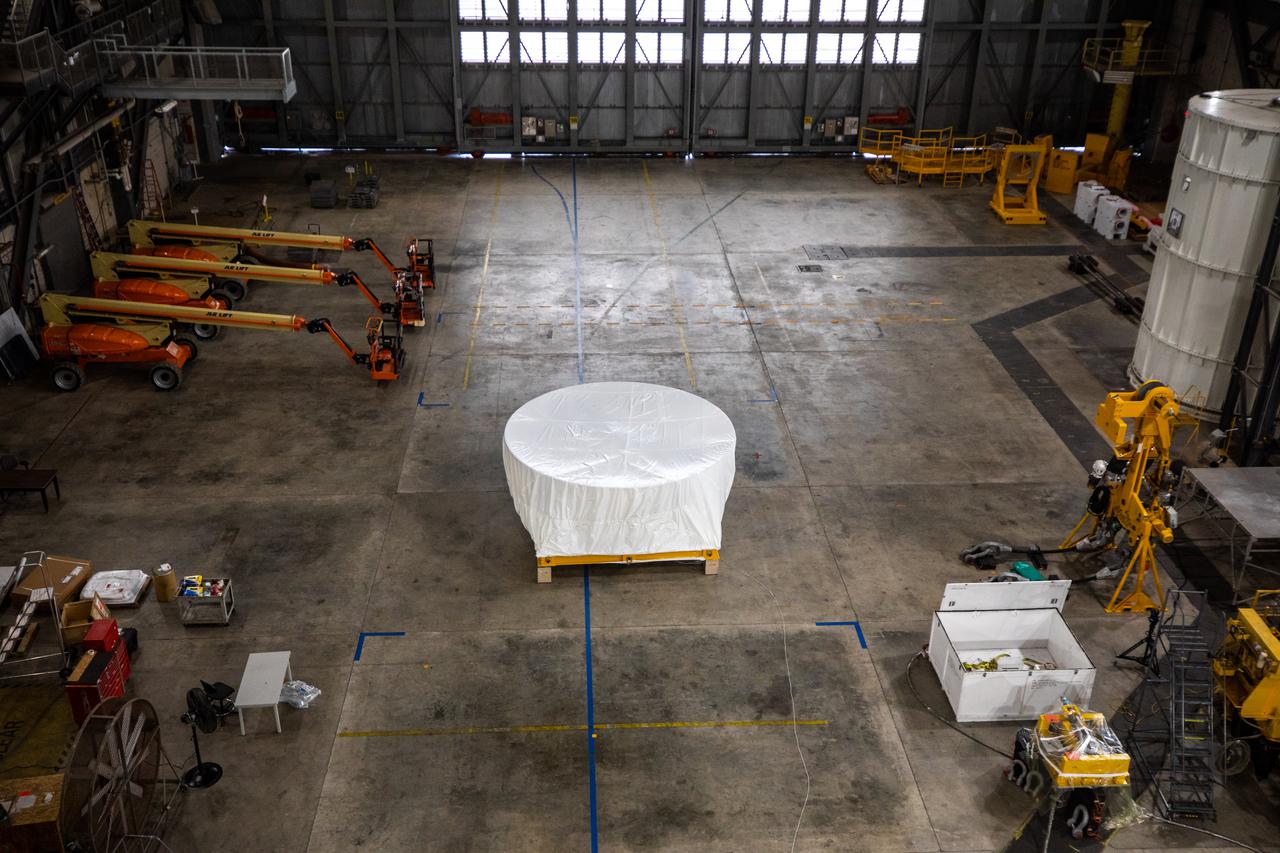
Under a protective cover, the Orion Stage Adapter (OSA) arrives in High Bay 4 of the Vehicle Assembly Building on Oct. 4, 2021, at NASA's Kennedy Space Center in Florida. Teams will lift the ring-shaped OSA, filled with shoebox-sized CubeSats, and connect it to the Interim Cryogenic Propulsion Stage (ICPS). The Orion spacecraft will be secured on top of the Space Launch System (SLS) rocket to complete the stack ahead of the Artemis I launch. This mission will be the first integrated flight test of the SLS and Orion spacecraft. In later missions, NASA will land the first woman and the first person of color on the surface of the Moon, paving the way for a long-term lunar presence and serving as a steppingstone on the way to Mars.
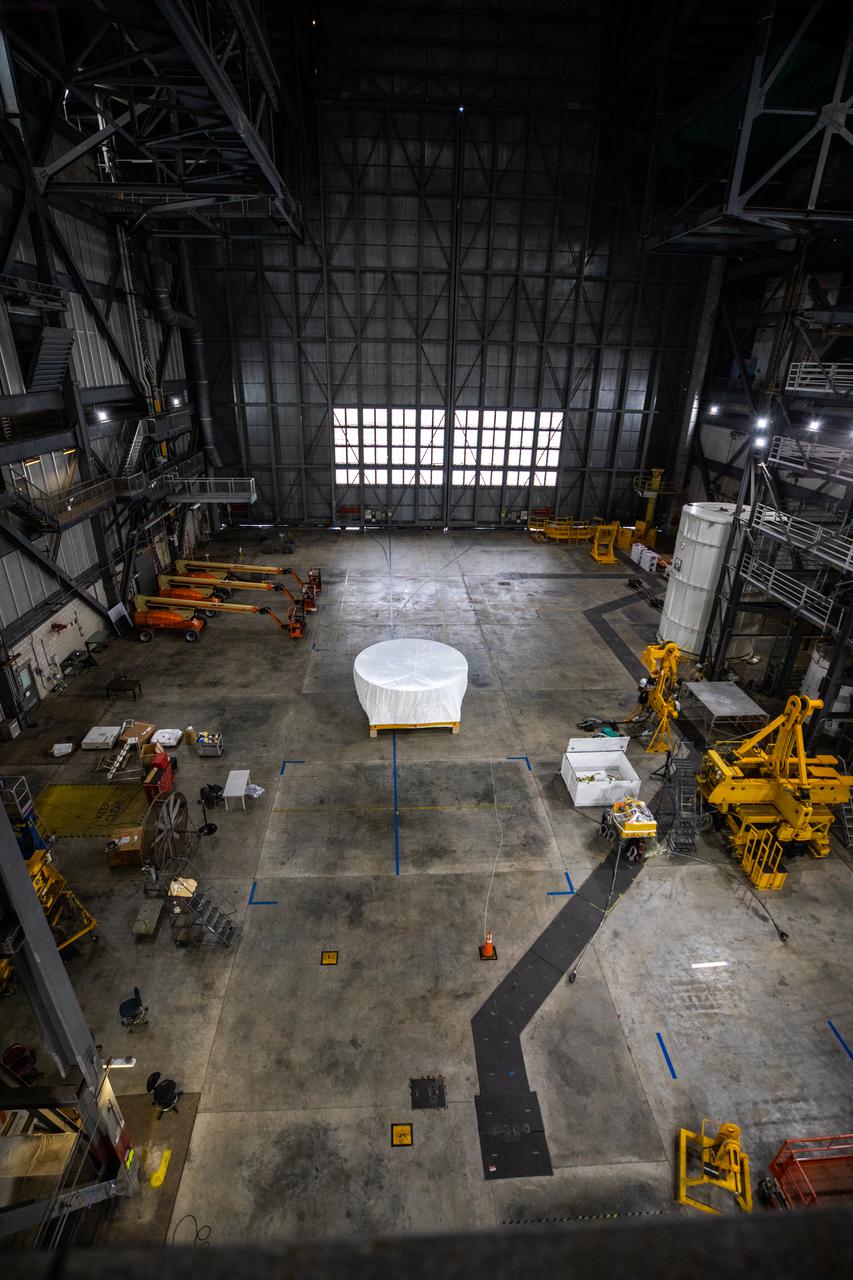
Under a protective cover, the Orion Stage Adapter (OSA) arrives in High Bay 4 of the Vehicle Assembly Building on Oct. 4, 2021, at NASA's Kennedy Space Center in Florida. Teams will lift the ring-shaped OSA, filled with shoebox-sized CubeSats, and connect it to the Interim Cryogenic Propulsion Stage (ICPS). The Orion spacecraft will be secured on top of the Space Launch System (SLS) rocket to complete the stack ahead of the Artemis I launch. This mission will be the first integrated flight test of the SLS and Orion spacecraft. In later missions, NASA will land the first woman and the first person of color on the surface of the Moon, paving the way for a long-term lunar presence and serving as a steppingstone on the way to Mars.
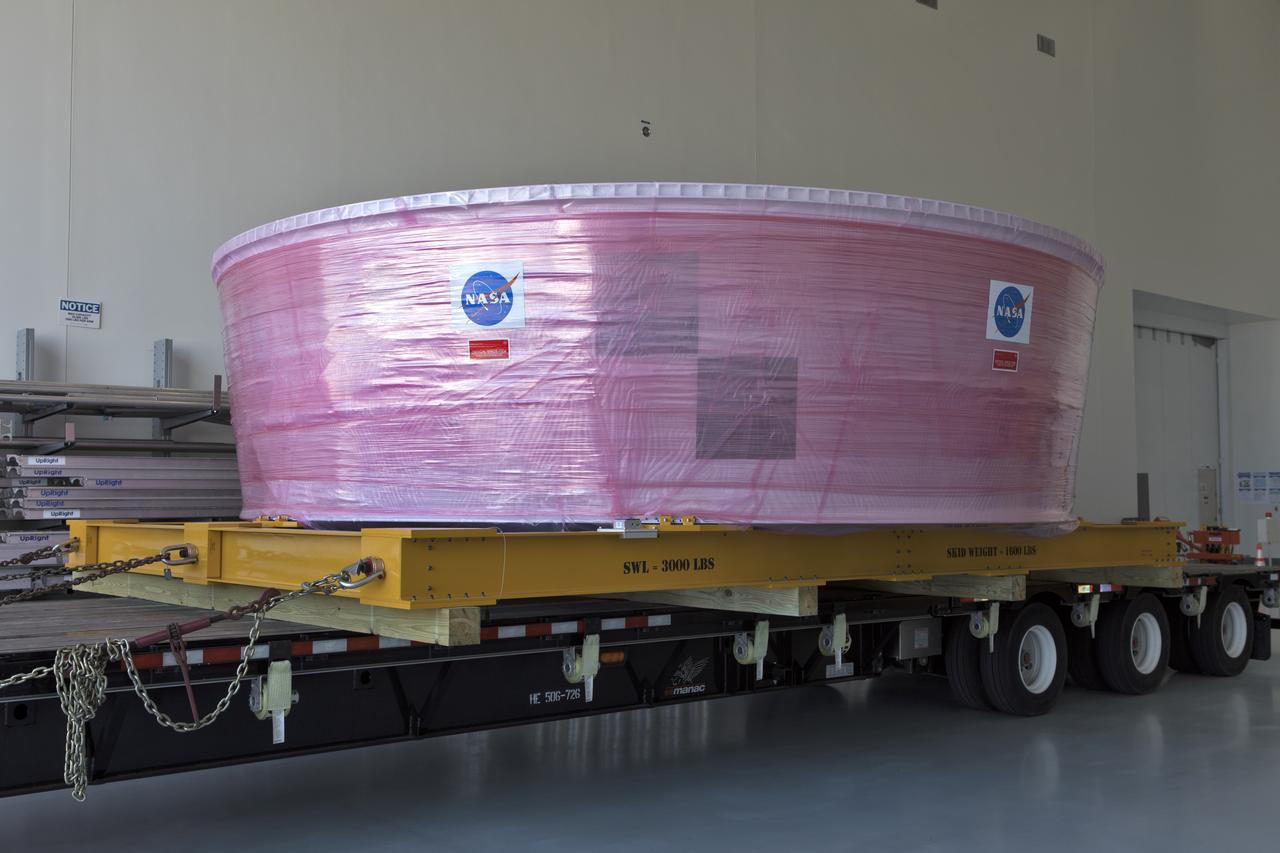
The Orion Stage Adapter (OSA), secured on flatbed transporter, is inside the low bay at the Space Station Processing Facility (SSPF) at NASA's Kennedy Space Center in Florida. The OSA is the second flight-hardware section of the agency's Space Launch System (SLS) rocket to arrive at Kennedy. The OSA will connect the Orion spacecraft to the upper part of the SLS, the interim cryogenic propulsion stage (ICPS). Both the OSA and ICPS are being stored for processing in the SSPF in preparation for Exploration Mission-1, the first uncrewed, integrated launch of the SLS rocket and Orion spacecraft.
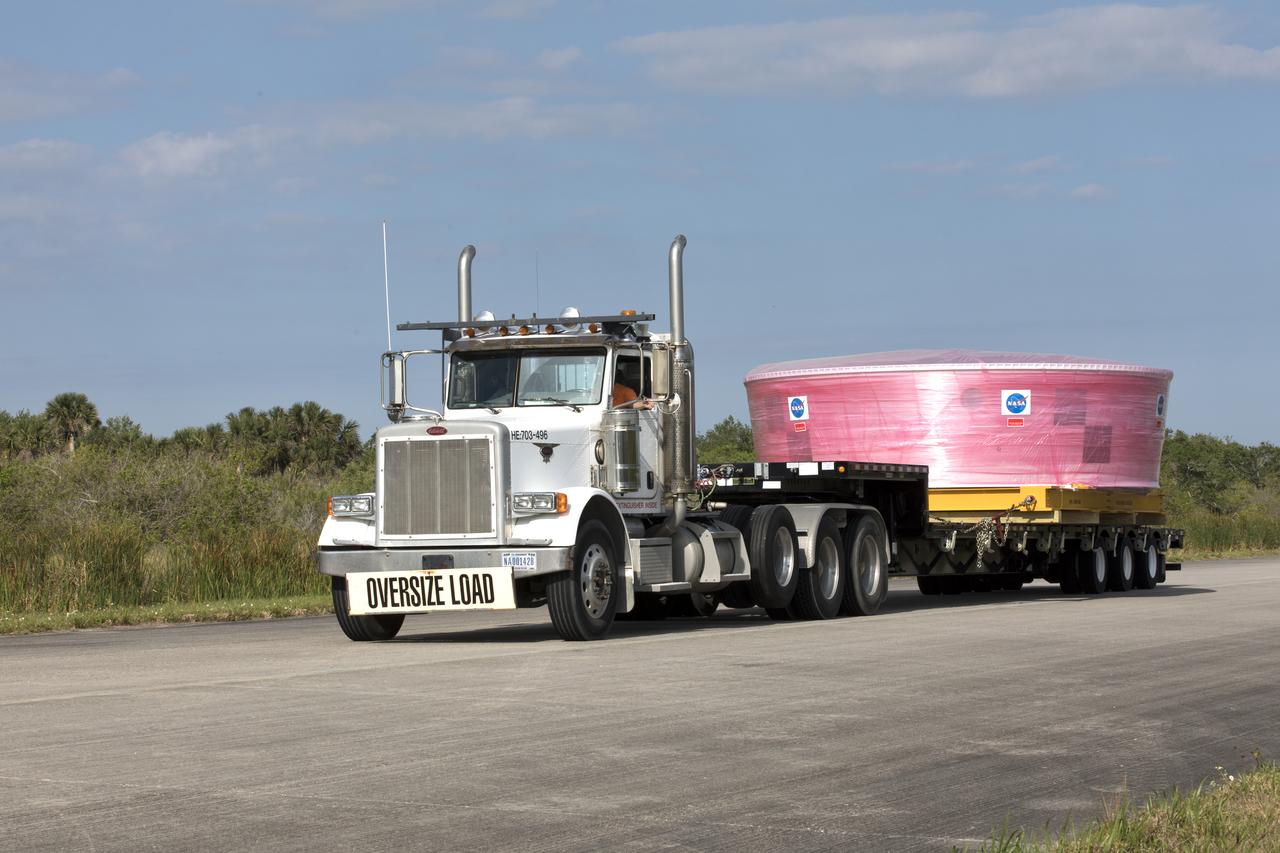
The Orion Stage Adapter (OSA) is secured on a flatbed transporter for the move to the Space Station Processing Facility (SSPF) at NASA's Kennedy Space Center in Florida. The OSA is the second flight-hardware section of the agency's Space Launch System (SLS) rocket to arrive at Kennedy. The OSA will connect the Orion spacecraft to the upper part of the SLS, the interim cryogenic propulsion stage (ICPS). Both the OSA and ICPS are being stored for processing in the SSPF in preparation for Exploration Mission-1, the first uncrewed, integrated launch of the SLS rocket and Orion spacecraft.
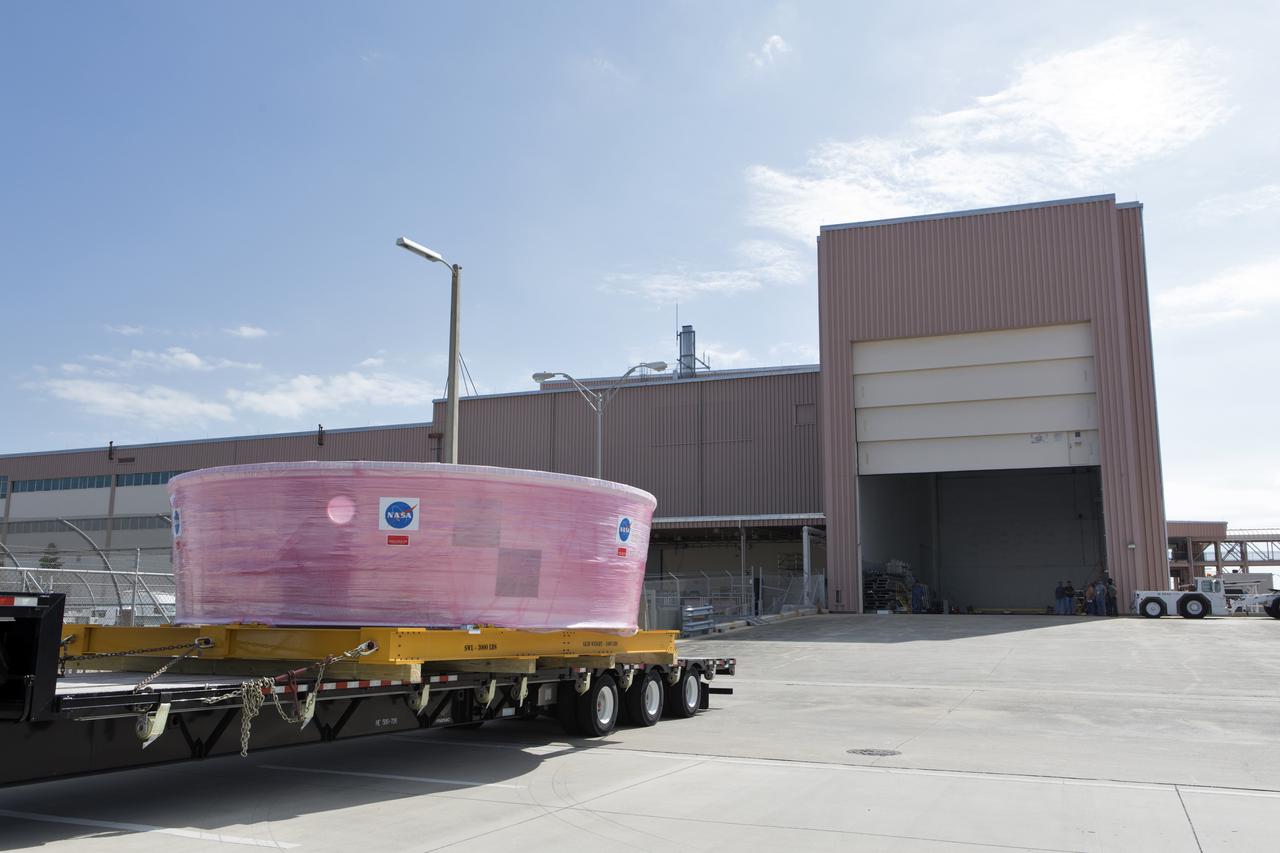
The Orion Stage Adapter (OSA), secured on flatbed transporter, arrives at the entrance to the airlock at the Space Station Processing Facility (SSPF) at NASA's Kennedy Space Center in Florida. The OSA is the second flight-hardware section of the agency's Space Launch System (SLS) rocket to arrive at Kennedy. The OSA will connect the Orion spacecraft to the upper part of the SLS, the interim cryogenic propulsion stage (ICPS). Both the OSA and ICPS are being stored for processing in the SSPF in preparation for Exploration Mission-1, the first uncrewed, integrated launch of the SLS rocket and Orion spacecraft.
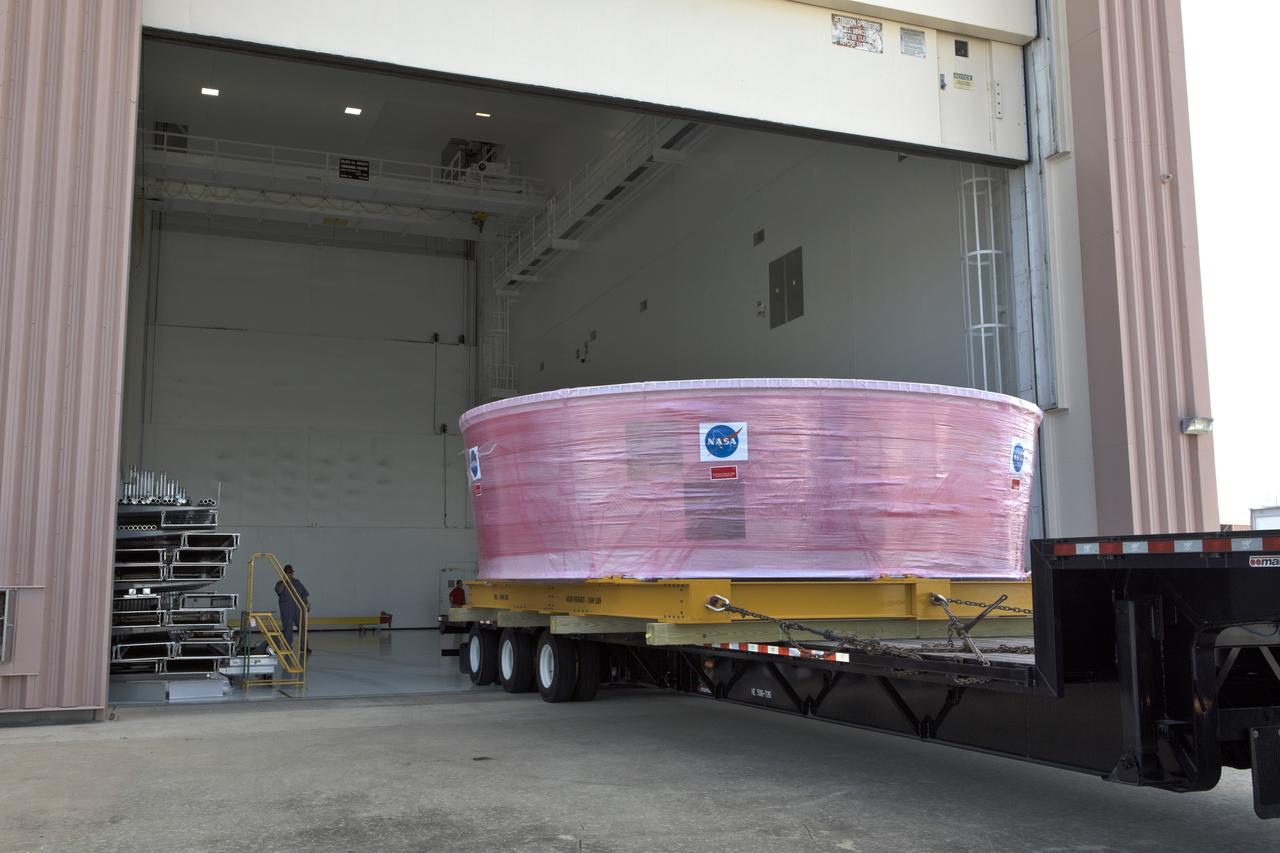
The Orion Stage Adapter (OSA), secured on flatbed transporter, is moved into the airlock at the Space Station Processing Facility (SSPF) at NASA's Kennedy Space Center in Florida. The OSA is the second flight-hardware section of the agency's Space Launch System (SLS) rocket to arrive at Kennedy. The OSA will connect the Orion spacecraft to the upper part of the SLS, the interim cryogenic propulsion stage (ICPS). Both the OSA and ICPS are being stored for processing in the SSPF in preparation for Exploration Mission-1, the first uncrewed, integrated launch of the SLS rocket and Orion spacecraft.
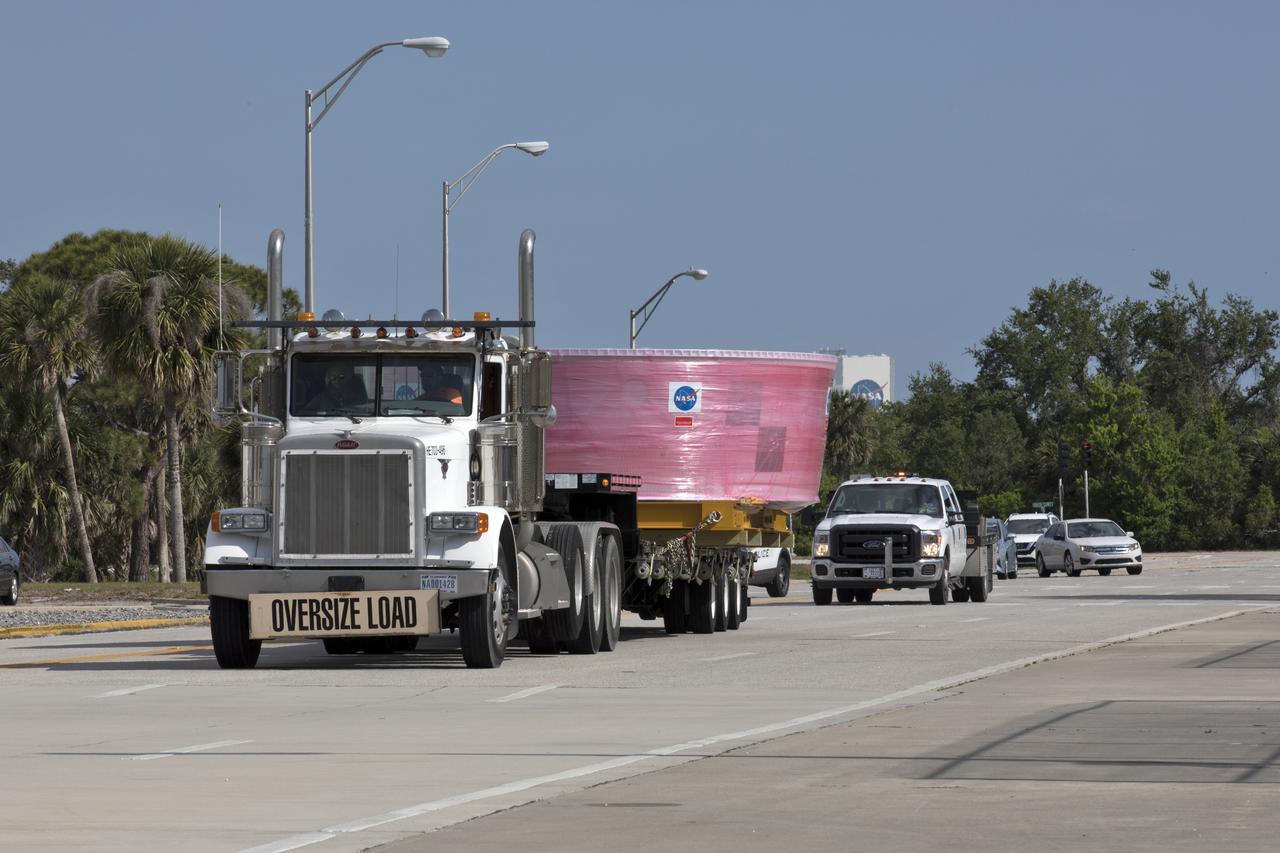
The Orion Stage Adapter (OSA), secured on flatbed transporter, is moved along State Road 3 to the Space Station Processing Facility (SSPF) at NASA's Kennedy Space Center in Florida. The OSA is the second flight-hardware section of the agency's Space Launch System (SLS) rocket to arrive at Kennedy. The OSA will connect the Orion spacecraft to the upper part of the SLS, the interim cryogenic propulsion stage (ICPS). Both the OSA and ICPS are being stored for processing in the SSPF in preparation for Exploration Mission-1, the first uncrewed, integrated launch of the SLS rocket and Orion spacecraft.
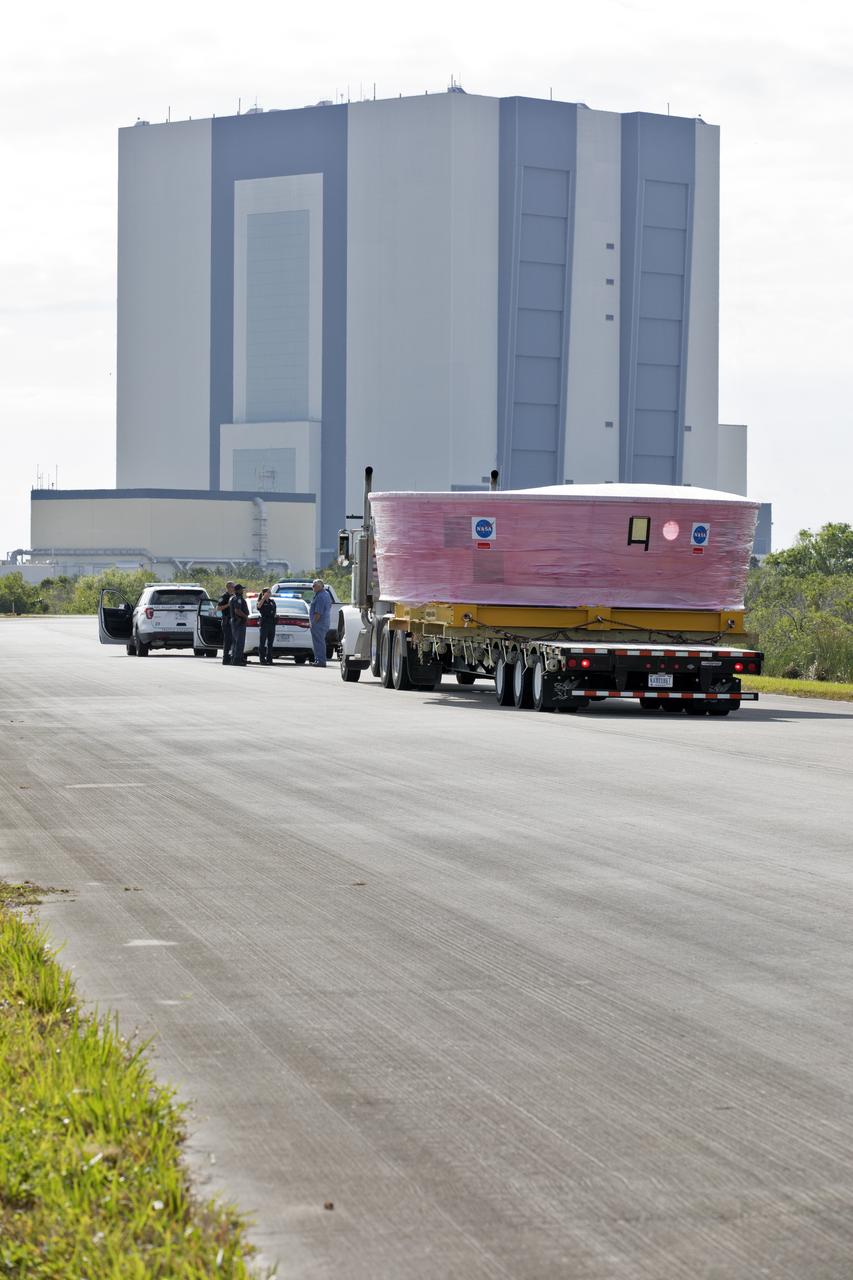
NASA Kennedy Space Center security officers prepare to escort the Orion Stage Adapter (OSA), secured on a flatbed transporter, along State Road 3 to the Space Station Processing Facility (SSPF) at NASA's Kennedy Space Center in Florida. The OSA is the second flight-hardware section of the agency's Space Launch System (SLS) rocket to arrive at Kennedy. The OSA will connect the Orion spacecraft to the upper part of the SLS, the interim cryogenic propulsion stage (ICPS). Both the OSA and ICPS are being stored for processing in the SSPF in preparation for Exploration Mission-1, the first uncrewed, integrated launch of the SLS rocket and Orion spacecraft.
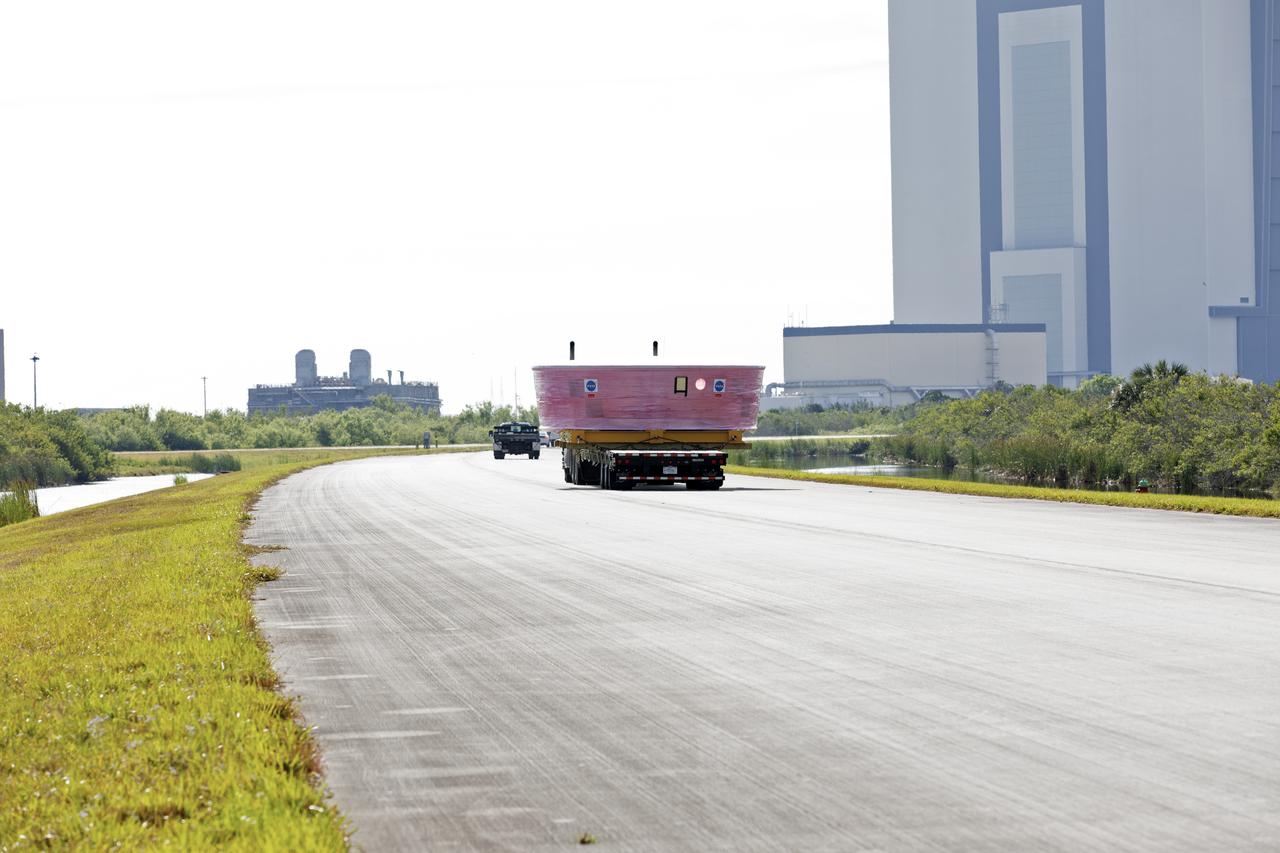
The Orion Stage Adapter (OSA), secured on a flatbed transporter, is moved along State Road 3 to the Space Station Processing Facility (SSPF) at NASA's Kennedy Space Center in Florida. The OSA is the second flight-hardware section of the agency's Space Launch System (SLS) rocket to arrive at Kennedy. The OSA will connect the Orion spacecraft to the upper part of the SLS, the interim cryogenic propulsion stage (ICPS). Both the OSA and ICPS are being stored for processing in the SSPF in preparation for Exploration Mission-1, the first uncrewed, integrated launch of the SLS rocket and Orion spacecraft.

Inside the Space Station Processing Facility (SSPF) high bay at NASA's Kennedy Space Center in Florida, workers assist as a crane moves the Orion Stage Adapter (OSA) to a work area. The OSA is the second flight-hardware section of the agency's Space Launch System (SLS) rocket to arrive at Kennedy. The OSA will connect the Orion spacecraft to the upper part of the SLS, the interim cryogenic propulsion stage (ICPS). Both the OSA and ICPS, in view behind the OSA, are being stored for processing in the center's SSPF in preparation for Exploration Mission-1, the first uncrewed, integrated launch of the SLS rocket and Orion spacecraft.
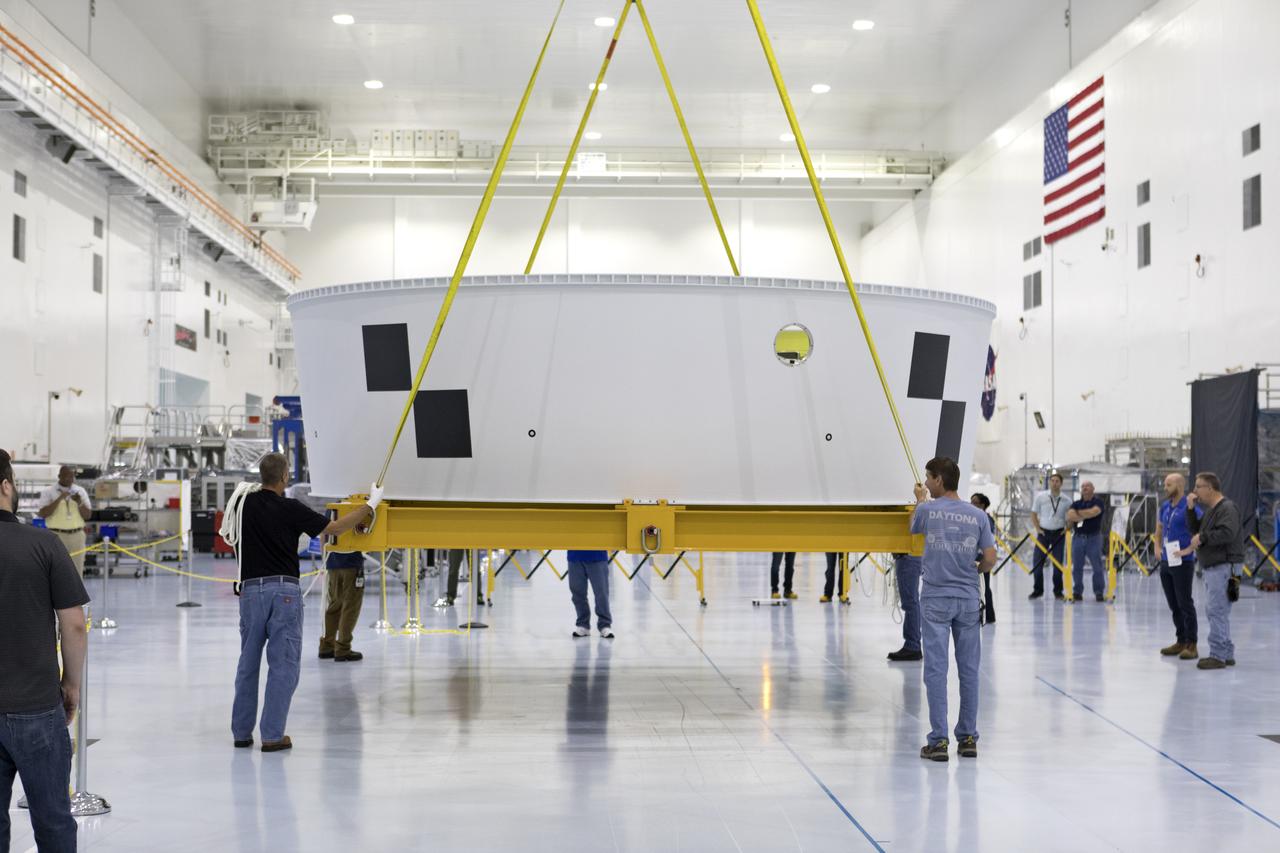
Inside the Space Station Processing Facility (SSPF) high bay at NASA's Kennedy Space Center in Florida, workers assist as a crane moves the Orion Stage Adapter (OSA) to a work area. The OSA is the second flight-hardware section of the agency's Space Launch System (SLS) rocket to arrive at Kennedy. The OSA will connect the Orion spacecraft to the upper part of the SLS, the interim cryogenic propulsion stage (ICPS). Both the OSA and ICPS are being stored for processing in the center's SSSPF in preparation for Exploration Mission-1, the first uncrewed, integrated launch of the SLS rocket and Orion spacecraft.
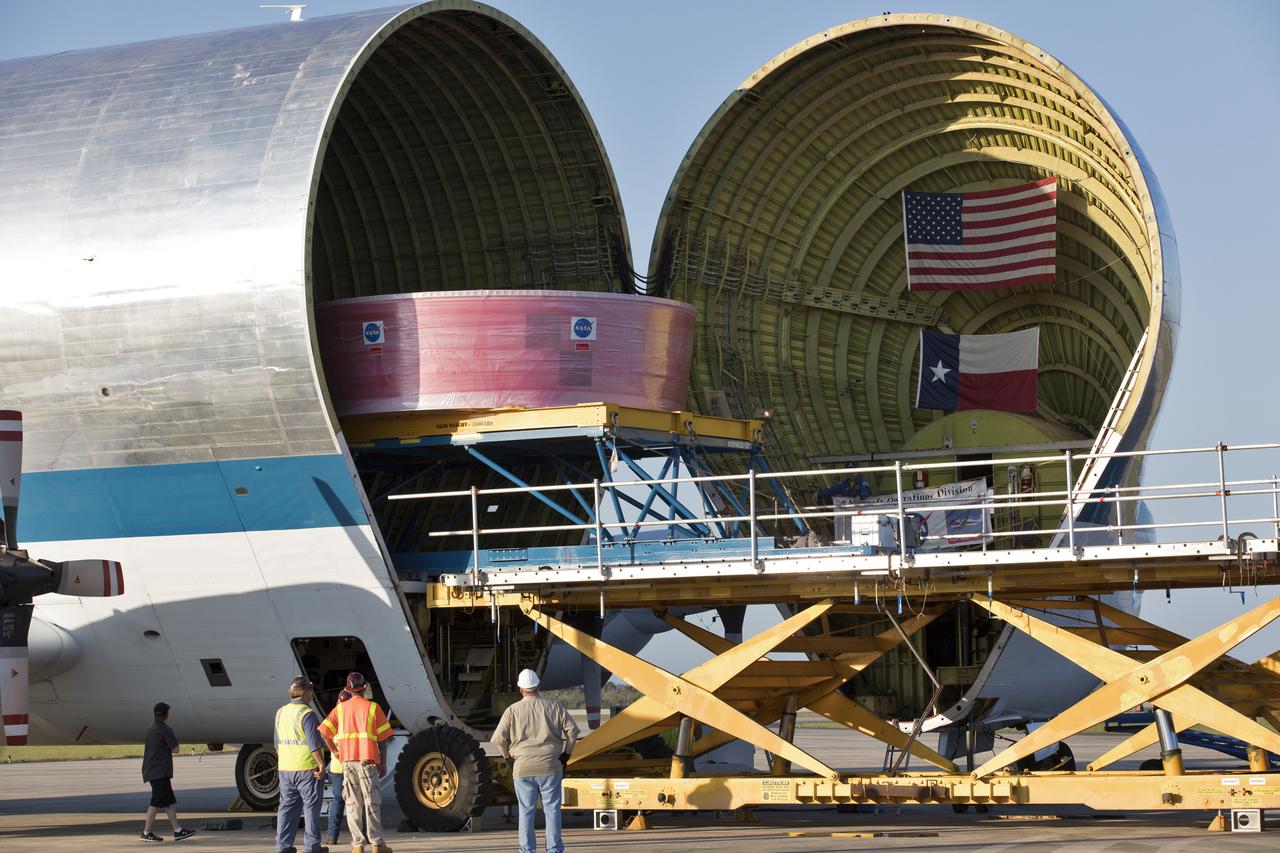
The Orion Stage Adapter (OSA) is moved out of NASA's Super Guppy aircraft onto a special payload handler at the Shuttle Landing Facility at Kennedy Space Center in Florida. The OSA is the second flight-hardware section of NASA's Space Launch System (SLS) rocket to arrive at Kennedy. The OSA will connect the Orion spacecraft to the upper part of the SLS, the interim cryogenic propulsion stage (ICPS). Both the OSA and ICPS are being stored for processing in the center's Space Station Processing Facility in preparation for Exploration Mission-1, the first uncrewed, integrated launch of the SLS rocket and Orion spacecraft.

Inside the Space Station Processing Facility (SSPF) high bay at NASA's Kennedy Space Center in Florida, workers assist as a crane lifts the Orion Stage Adapter (OSA) away from the flatbed of a transport truck. The OSA is the second flight-hardware section of the agency's Space Launch System (SLS) rocket to arrive at Kennedy. The OSA will connect the Orion spacecraft to the upper part of the SLS, the interim cryogenic propulsion stage (ICPS). Both the OSA and ICPS are being stored for processing in the center's SSPF in preparation for Exploration Mission-1, the first uncrewed, integrated launch of the SLS rocket and Orion spacecraft.
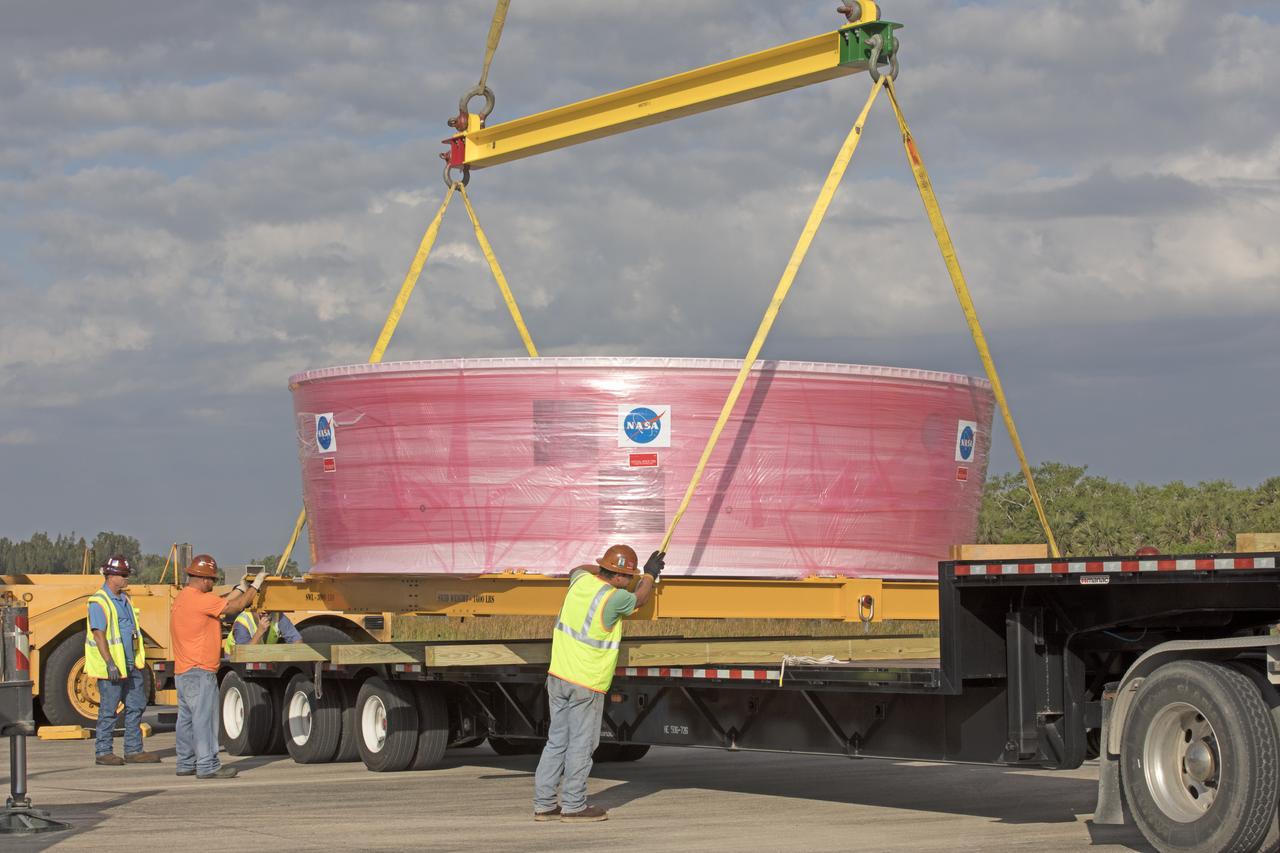
The Orion Stage Adapter (OSA) is lowered by crane onto a flatbed transporter at the Shuttle Landing Facility at NASA's Kennedy Space Center in Florida, for the move to the center's Space Station Processing Facility (SSPF). The OSA is the second flight-hardware section of the agency's Space Launch System (SLS) rocket to arrive at Kennedy. The OSA will connect the Orion spacecraft to the upper part of the SLS, the interim cryogenic propulsion stage (ICPS). Both the OSA and ICPS are being stored for processing in the SSPF in preparation for Exploration Mission-1, the first uncrewed, integrated launch of the SLS rocket and Orion spacecraft.

After arriving at the Shuttle Landing Facility at NASA's Kennedy Space Center in Florida, the agency's Super Guppy aircraft was opened to begin offloading the Orion Stage Adapter (OSA), the second flight-hardware section of NASA's Space Launch System (SLS) rocket to arrive at Kennedy. The OSA will be moved out of the Super Guppy and lowered onto a flatbed transporter. The OSA will connect the Orion spacecraft to the upper part of the SLS, the interim cryogenic propulsion stage (ICPS). Both the OSA and ICPS are being stored for processing in the center's Space Station Processing Facility in preparation for Exploration Mission-1, the first uncrewed, integrated launch of the SLS rocket and Orion spacecraft.

The Orion Stage Adapter (OSA) is moved out of NASA's Super Guppy aircraft onto a flatbed transporter at the Shuttle Landing Facility at Kennedy Space Center in Florida. The OSA is the second flight-hardware section of NASA's Space Launch System (SLS) rocket to arrive at Kennedy. The OSA will connect the Orion spacecraft to the upper part of the SLS, the interim cryogenic propulsion stage (ICPS). Both the OSA and ICPS are being stored for processing in the center's Space Station Processing Facility in preparation for Exploration Mission-1, the first uncrewed, integrated launch of the SLS rocket and Orion spacecraft.
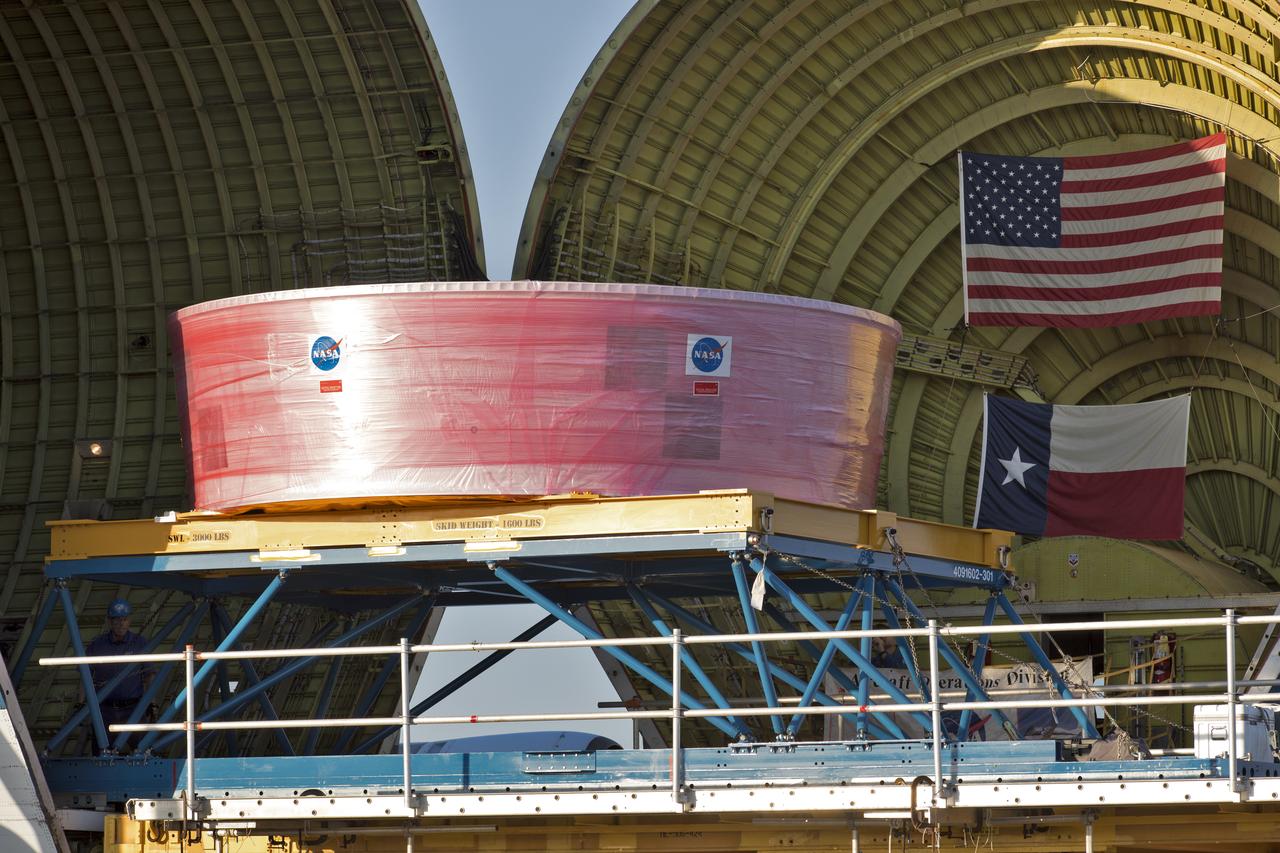
The Orion Stage Adapter (OSA) is moved out of NASA's Super Guppy aircraft onto a special payload handler at the Shuttle Landing Facility at Kennedy Space Center in Florida. The OSA is the second flight-hardware section of NASA's Space Launch System (SLS) rocket to arrive at Kennedy. The OSA will connect the Orion spacecraft to the upper part of the SLS, the interim cryogenic propulsion stage (ICPS). Both the OSA and ICPS are being stored for processing in the center's Space Station Processing Facility in preparation for Exploration Mission-1, the first uncrewed, integrated launch of the SLS rocket and Orion spacecraft.
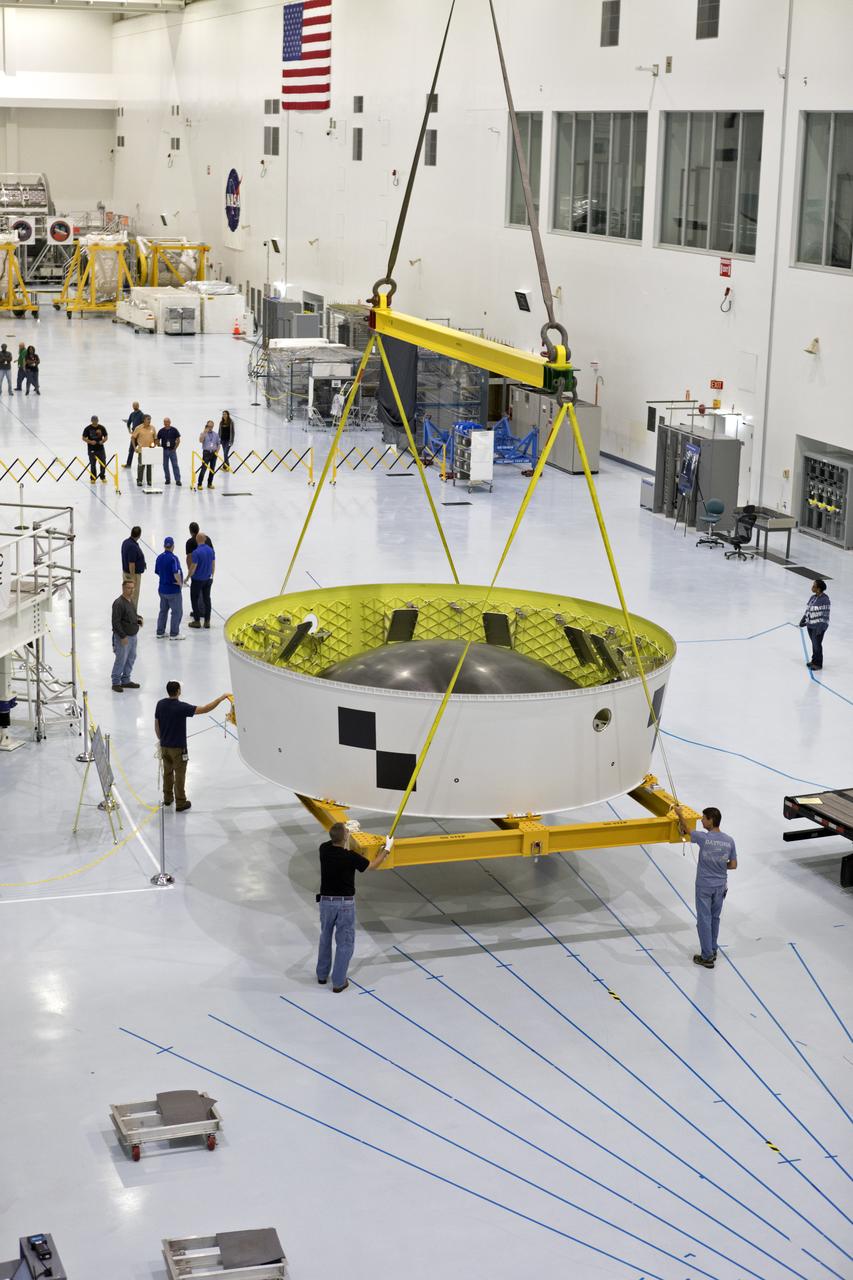
Inside the Space Station Processing Facility (SSPF) high bay at NASA's Kennedy Space Center in Florida, workers assist as a crane moves the Orion Stage Adapter (OSA) to a work area. The OSA is the second flight-hardware section of the agency's Space Launch System (SLS) rocket to arrive at Kennedy. The OSA will connect the Orion spacecraft to the upper part of the SLS, the interim cryogenic propulsion stage (ICPS). Both the OSA and ICPS are being stored for processing in the center's SSPF in preparation for Exploration Mission-1, the first uncrewed, integrated launch of the SLS rocket and Orion spacecraft.
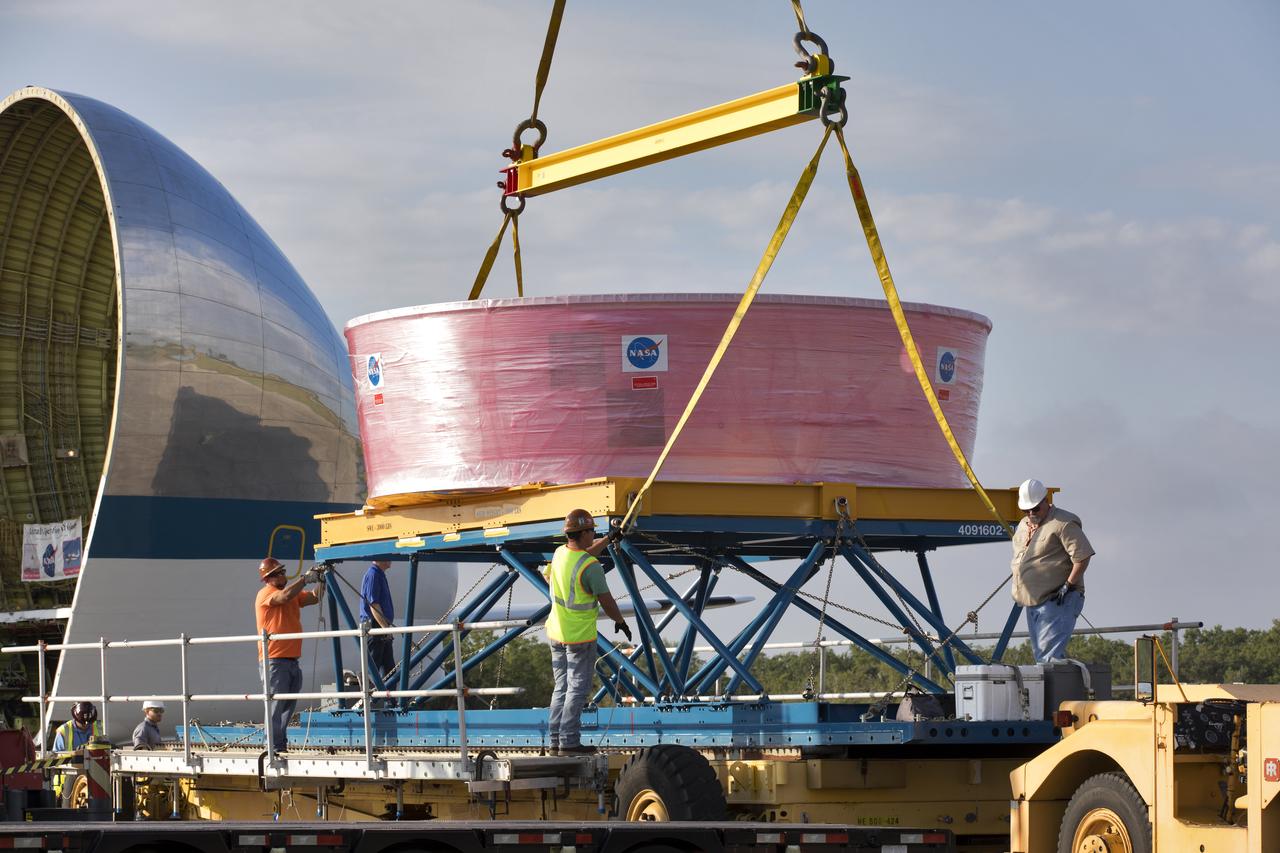
The Orion Stage Adapter (OSA) was moved out of NASA's Super Guppy aircraft onto a special payload handler at the Shuttle Landing Facility at Kennedy Space Center in Florida. The OSA is the second flight-hardware section of NASA's Space Launch System (SLS) rocket to arrive at Kennedy. The OSA will connect the Orion spacecraft to the upper part of the SLS, the interim cryogenic propulsion stage (ICPS). Both the OSA and ICPS are being stored for processing in the center's Space Station Processing Facility in preparation for Exploration Mission-1, the first uncrewed, integrated launch of the SLS rocket and Orion spacecraft.
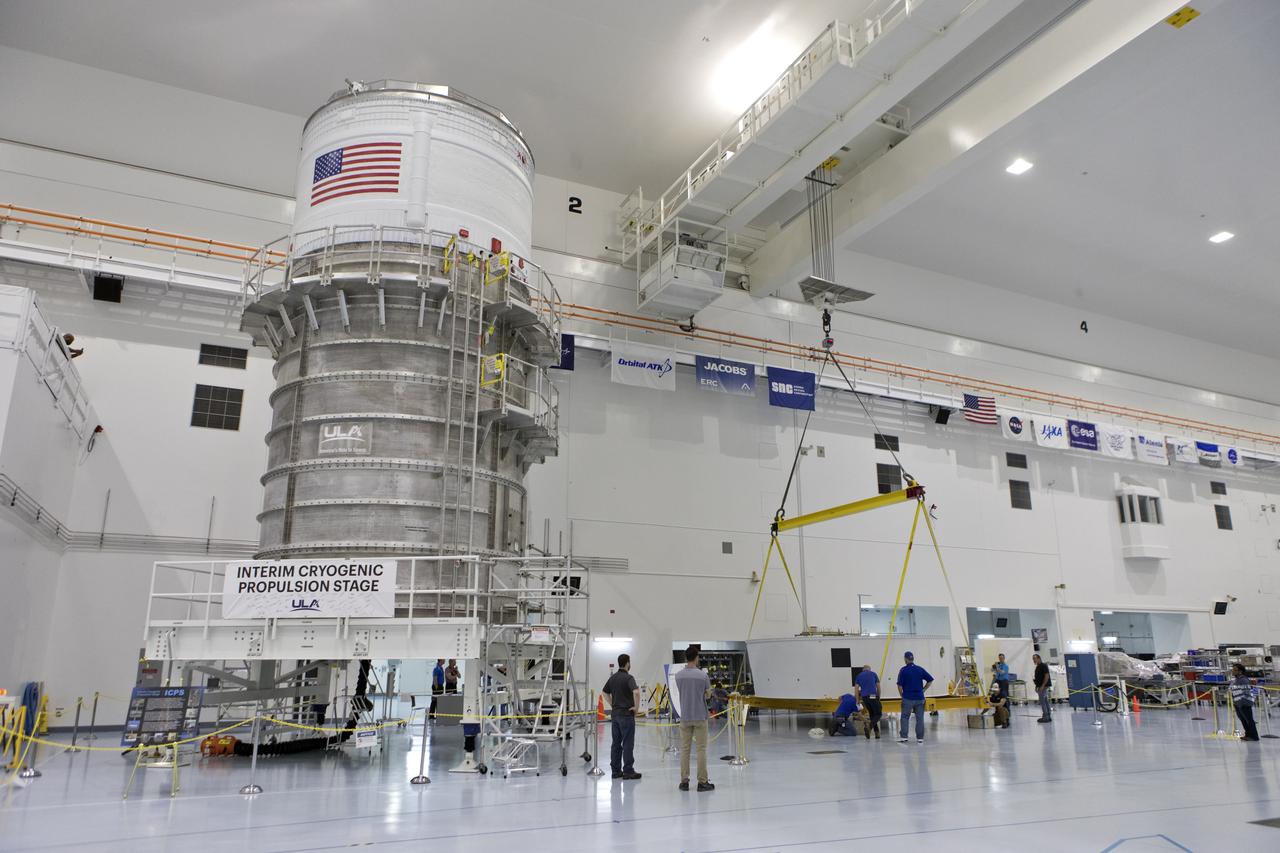
The Orion Stage Adapter (OSA) is lowered by crane into a work area in the high bay of the Space Station Processing Facility (SSPF) at NASA's Kennedy Space Center in Florida. The OSA is the second flight-hardware section of the agency's Space Launch System (SLS) rocket to arrive at Kennedy. The OSA will connect the Orion spacecraft to the upper part of the SLS, the interim cryogenic propulsion stage (ICPS). Both the OSA and ICPS, at left, are being stored for processing in the SSPF in preparation for Exploration Mission-1, the first uncrewed, integrated launch of the SLS rocket and Orion spacecraft.
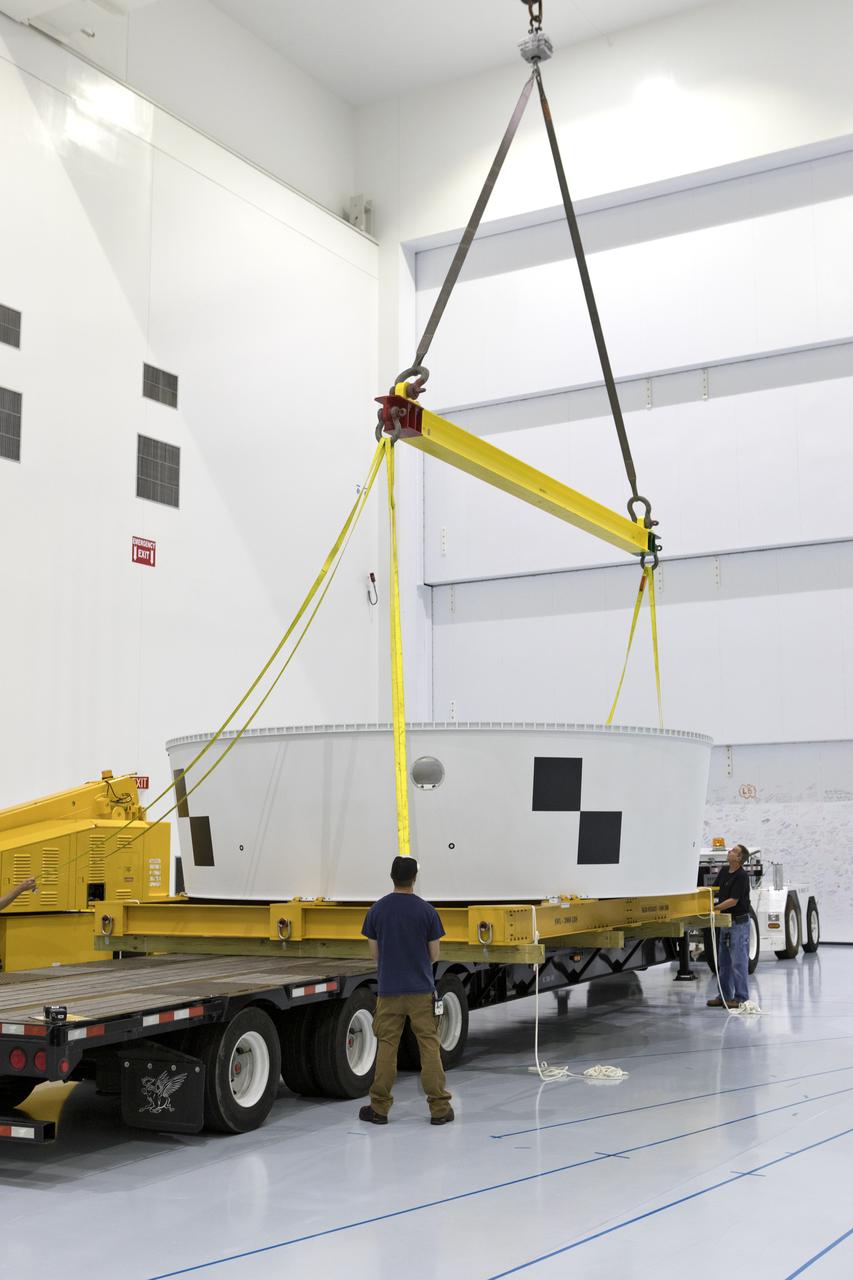
Inside the Space Station Processing Facility (SSPF) high bay at NASA's Kennedy Space Center in Florida, workers assist as a crane lifts the Orion Stage Adapter (OSA) up from the flatbed of a transport truck. The OSA is the second flight-hardware section of the agency's Space Launch System (SLS) rocket to arrive at Kennedy. The OSA will connect the Orion spacecraft to the upper part of the SLS, the interim cryogenic propulsion stage (ICPS). Both the OSA and ICPS are being stored for processing in the center's SSPF in preparation for Exploration Mission-1, the first uncrewed, integrated launch of the SLS rocket and Orion spacecraft.
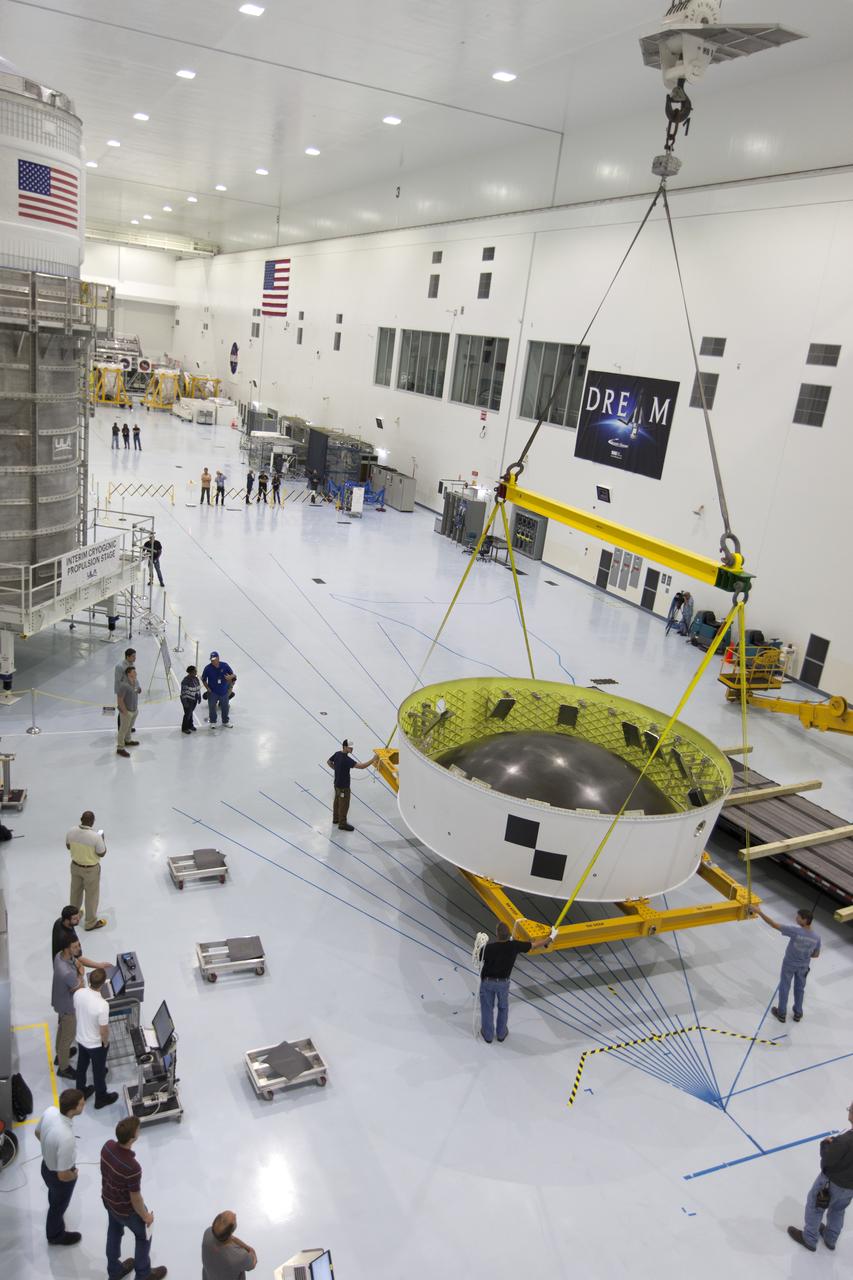
In this view from above in the Space Station Processing Facility (SSPF) high bay at NASA's Kennedy Space Center in Florida, technicians assist as a crane moves the Orion Stage Adapter (OSA) to a work area. The OSA is the second flight-hardware section of NASA's Space Launch System (SLS) rocket to arrive at Kennedy. The OSA will connect the Orion spacecraft to the upper part of the SLS, the interim cryogenic propulsion stage (ICPS). Both the OSA and ICPS, at left, are being stored for processing in the center's SSPF in preparation for Exploration Mission-1, the first uncrewed, integrated launch of the SLS rocket and Orion spacecraft.
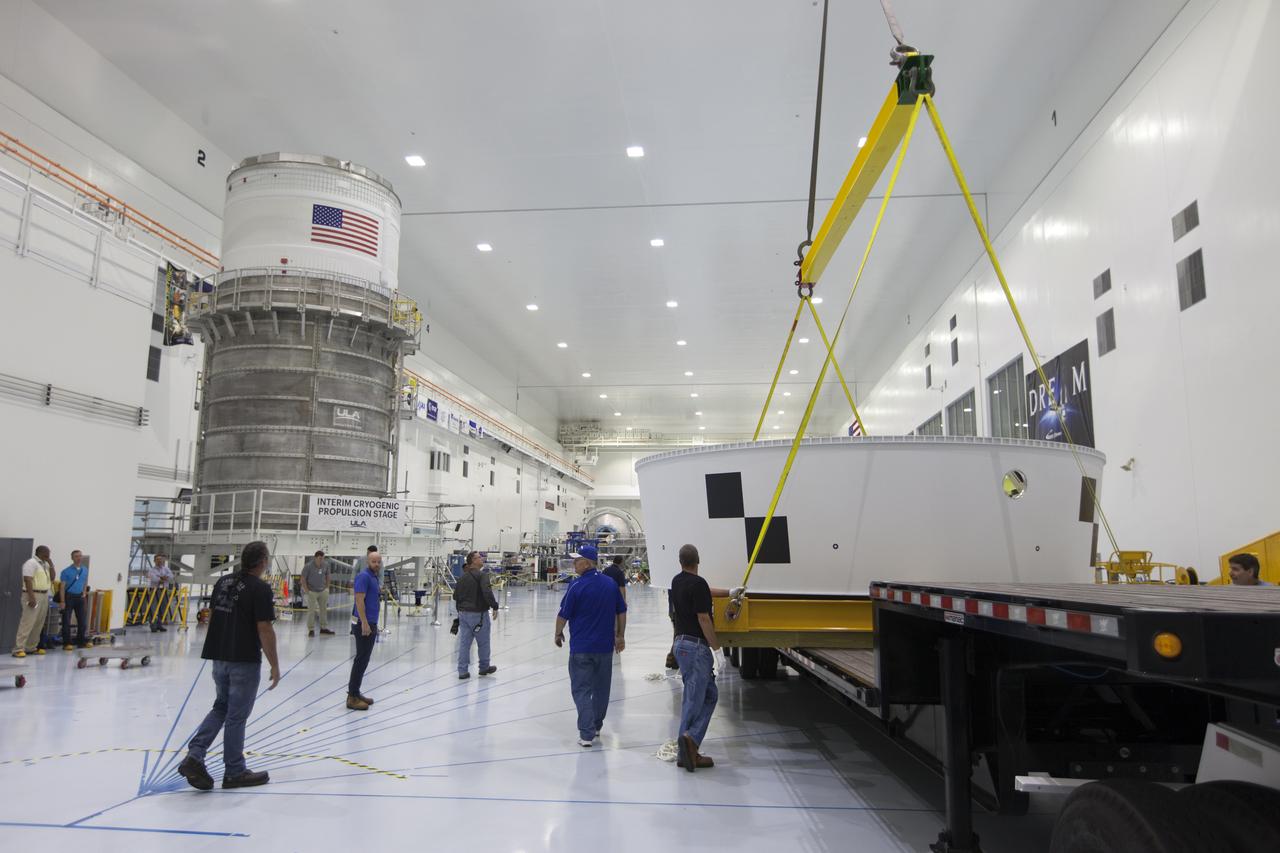
Inside the Space Station Processing Facility (SSPF) high bay at NASA's Kennedy Space Center in Florida, workers assist as a crane lifts the Orion Stage Adapter (OSA) up from the flatbed of a transport truck. The OSA is the second flight-hardware section of the agency's Space Launch System (SLS) rocket to arrive at Kennedy. The OSA will connect the Orion spacecraft to the upper part of the SLS, the interim cryogenic propulsion stage (ICPS). Both the OSA and ICPS, at left, are being stored for processing in the center's SSPF in preparation for Exploration Mission-1, the first uncrewed, integrated launch of the SLS rocket and Orion spacecraft.
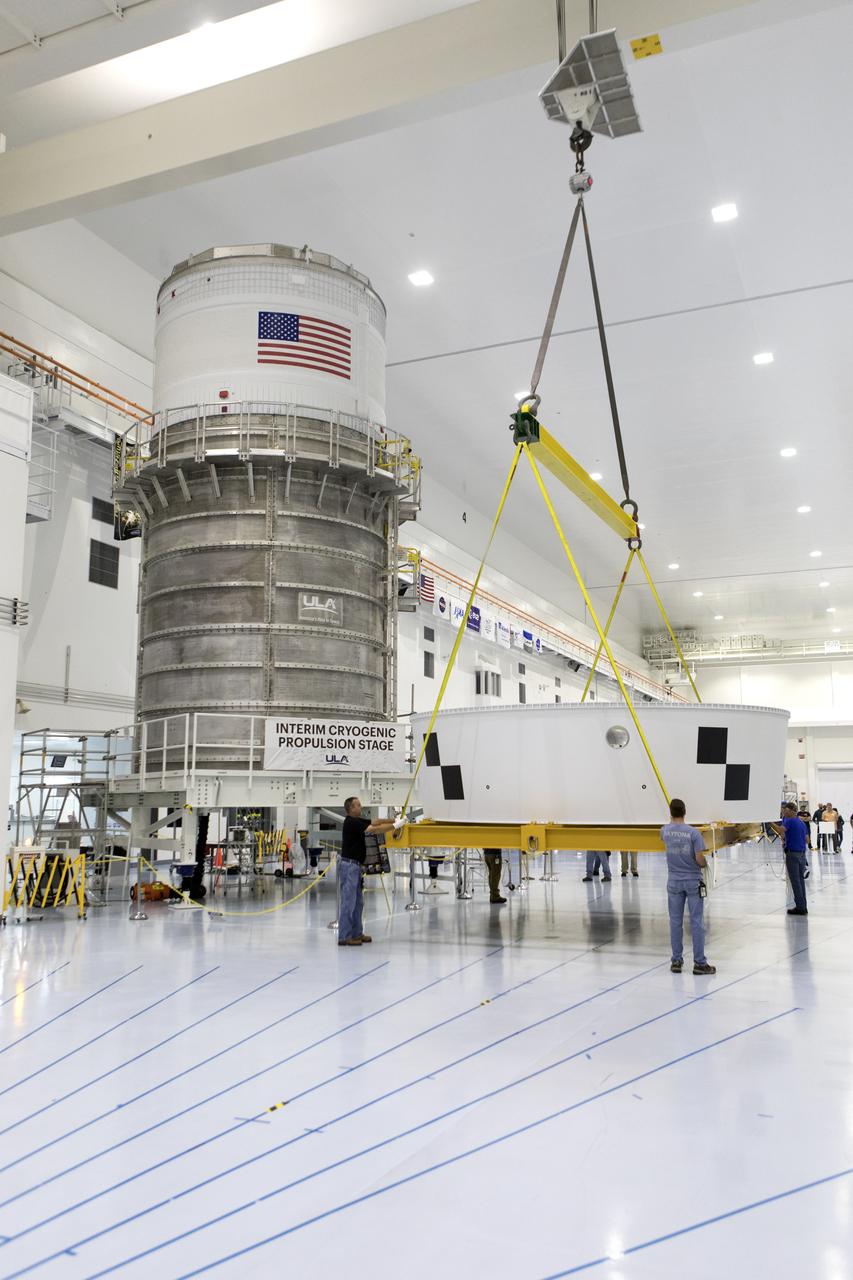
Inside the Space Station Processing Facility (SSPF) high bay at NASA's Kennedy Space Center in Florida, workers assist as a crane moves the Orion Stage Adapter (OSA) to a work area. The OSA is the second flight-hardware section of the agency's Space Launch System (SLS) rocket to arrive at Kennedy. The OSA will connect the Orion spacecraft to the upper part of the SLS, the interim cryogenic propulsion stage (ICPS). Both the OSA and ICPS, at left, are being stored for processing in the center's SSPF in preparation for Exploration Mission-1, the first uncrewed, integrated launch of the SLS rocket and Orion spacecraft.
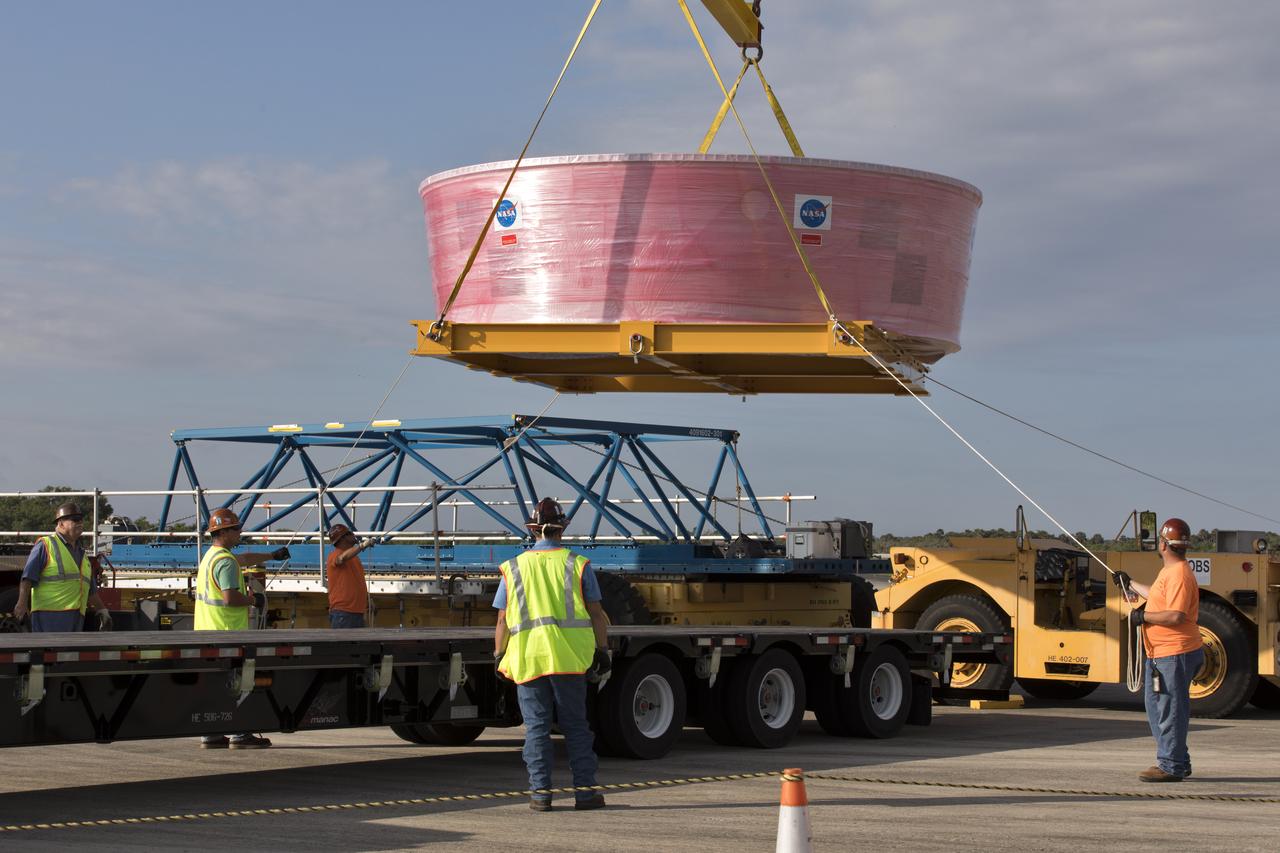
The Orion Stage Adapter (OSA) is lifted by crane up from its transport platform at the Shuttle Landing Facility at NASA's Kennedy Space Center in Florida. The OSA is the second flight-hardware section of the agency's Space Launch System (SLS) rocket to arrive at Kennedy. The OSA will connect the Orion spacecraft to the upper part of the SLS, the interim cryogenic propulsion stage (ICPS). Both the OSA and ICPS are being stored for processing in the center's Space Station Processing Facility in preparation for Exploration Mission-1, the first uncrewed, integrated launch of the SLS rocket and Orion spacecraft.
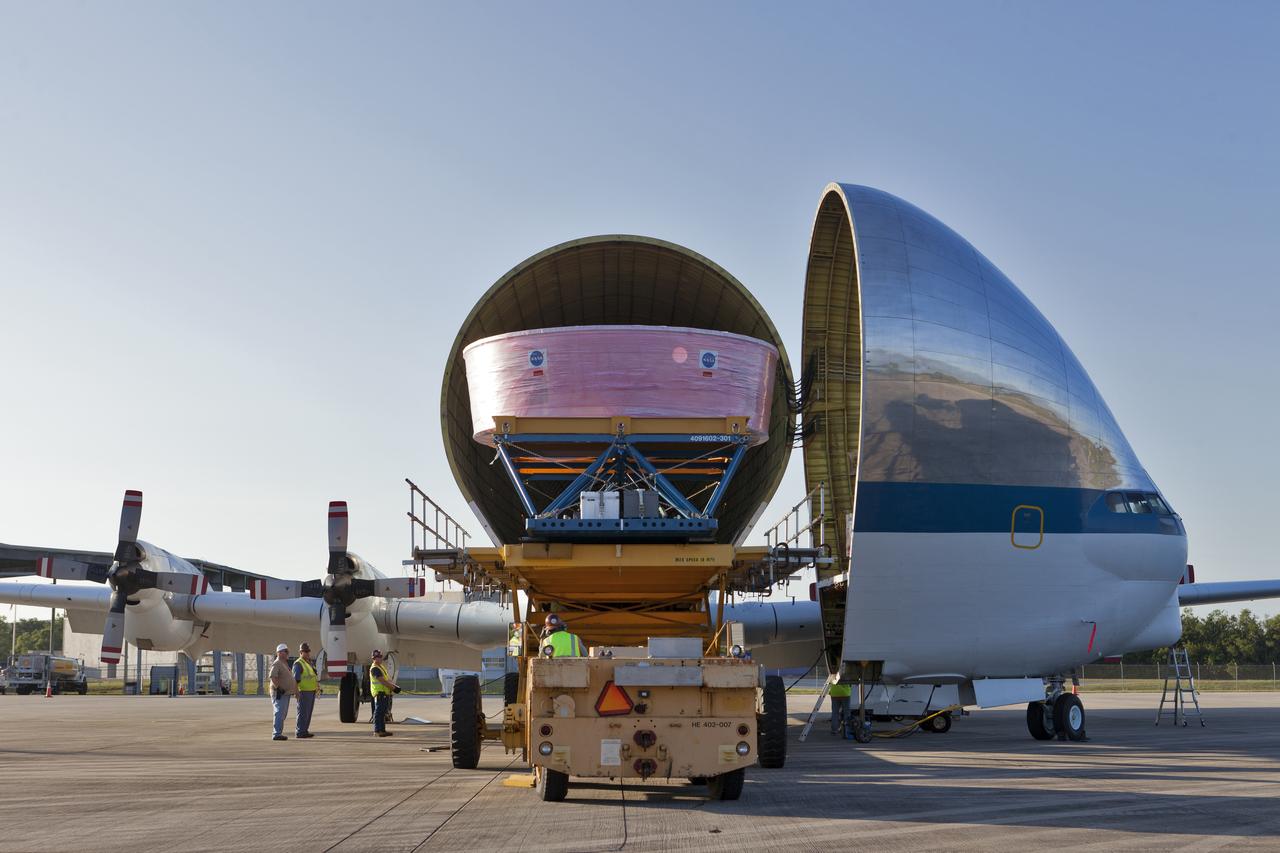
The Orion Stage Adapter (OSA) is moved out of NASA's Super Guppy aircraft onto a special payload handler at the Shuttle Landing Facility at Kennedy Space Center in Florida. The OSA is the second flight-hardware section of NASA's Space Launch System (SLS) rocket to arrive at Kennedy. The OSA will connect the Orion spacecraft to the upper part of the SLS, the interim cryogenic propulsion stage (ICPS). Both the OSA and ICPS are being stored for processing in the center's Space Station Processing Facility in preparation for Exploration Mission-1, the first uncrewed, integrated launch of the SLS rocket and Orion spacecraft.
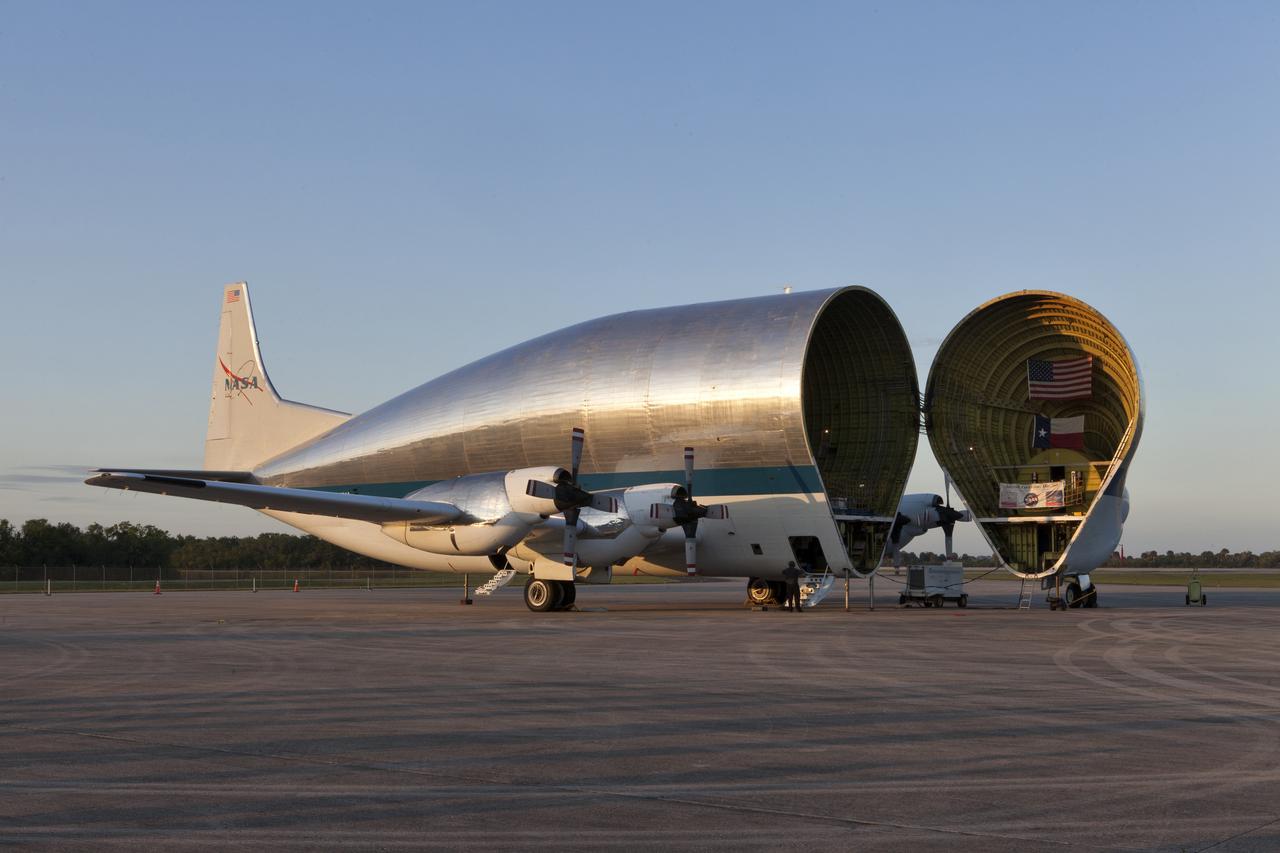
After arriving at the Shuttle Landing Facility at NASA's Kennedy Space Center in Florida, the agency's Super Guppy aircraft has been opened to begin offloading the Orion Stage Adapter (OSA), the second flight-hardware section of NASA's Space Launch System (SLS) rocket to arrive at Kennedy. The OSA will connect the Orion spacecraft to the upper part of the SLS, the interim cryogenic propulsion stage (ICPS). Both the OSA and ICPS are being stored for processing in the center's Space Station Processing Facility in preparation for Exploration Mission-1, the first uncrewed, integrated launch of the SLS rocket and Orion spacecraft.
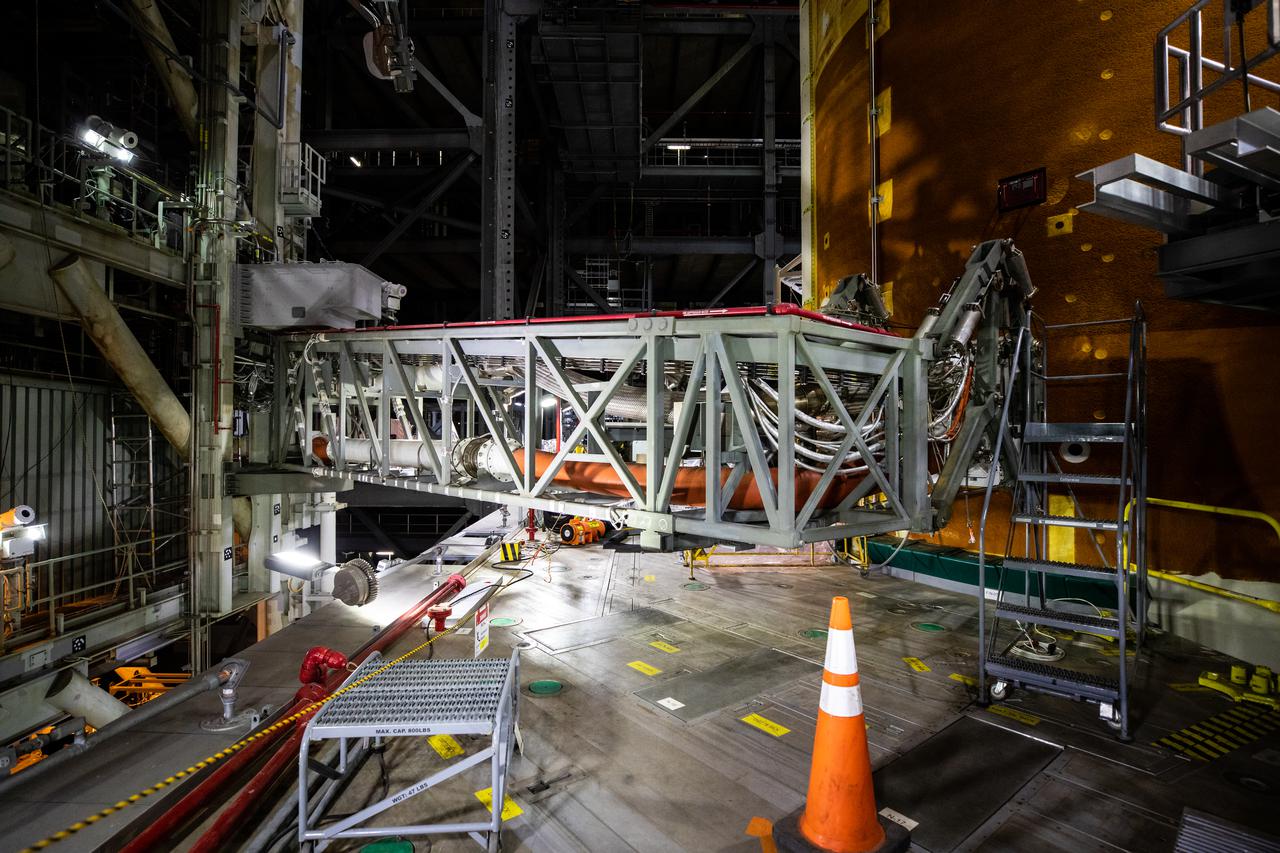
The core stage inter-tank umbilical – one of multiple connections on the mobile launcher that will provide power, communications, and pressurized gases to the rocket – is attached to the Space Launch System (SLS) core stage inside the Vehicle Assembly Building at NASA’s Kennedy Space Center in Florida on Aug. 12, 2021. Before the Orion spacecraft can be stacked atop the SLS, teams are conducting various tests to ensure the rocket can properly communicate with the ground systems equipment that will be used for launch. The first in an increasingly complex set of missions, Artemis I will test SLS and Orion as an integrated system prior to crewed flights to the Moon. Through Artemis, NASA will send the first woman and the first person of color to the lunar surface, as well as establish a sustainable presence on and around the Moon.

The core stage inter-tank umbilical – one of multiple connections on the mobile launcher that will provide power, communications, and pressurized gases to the rocket – is attached to the Space Launch System (SLS) core stage inside the Vehicle Assembly Building at NASA’s Kennedy Space Center in Florida on Aug. 12, 2021. Before the Orion spacecraft can be stacked atop the SLS, teams are conducting various tests to ensure the rocket can properly communicate with the ground systems equipment that will be used for launch. The first in an increasingly complex set of missions, Artemis I will test SLS and Orion as an integrated system prior to crewed flights to the Moon. Through Artemis, NASA will send the first woman and the first person of color to the lunar surface, as well as establish a sustainable presence on and around the Moon.
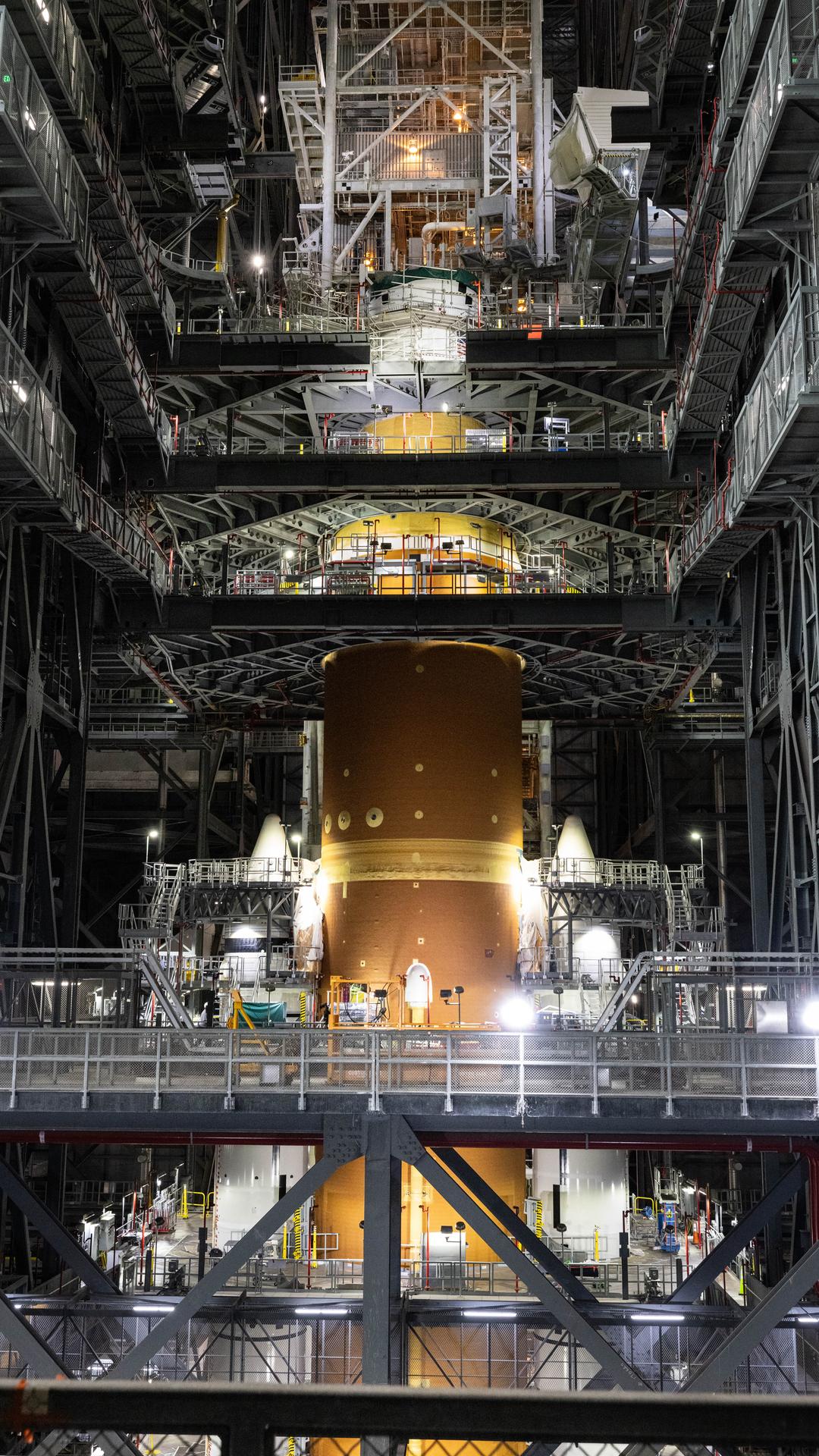
Technicians with NASA’s Exploration Ground Systems Program attach the Orion stage adapter to the interim cryogenic propulsion stage atop the agency’s SLS (Space Launch System) Moon rocket inside Vehicle Assembly Building at NASA’s Kennedy Space Center on Wednesday, Sept. 30, 2025. During the Artemis II test flight, the Orion stage adapter separates from the interim cryogenic propulsion stage, deploying four science payloads into high-Earth orbit. Up next, the Orion spacecraft and its launch abort system will stack atop the Orion stage adapter to complete integration and prepare for the launch of four astronauts around the Moon and back in early 2026.
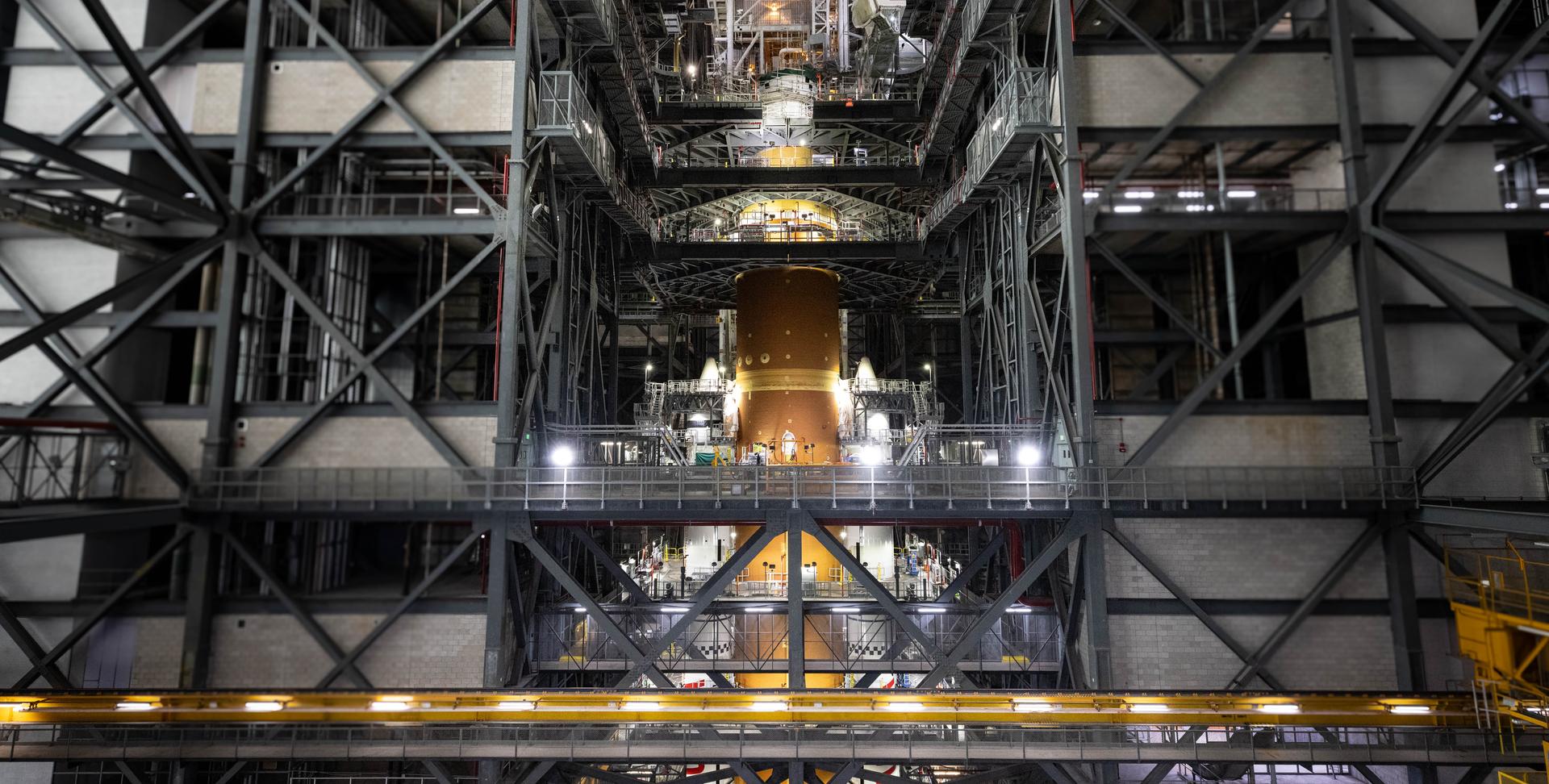
Technicians with NASA’s Exploration Ground Systems Program attach the Orion stage adapter to the interim cryogenic propulsion stage atop the agency’s SLS (Space Launch System) Moon rocket inside Vehicle Assembly Building at NASA’s Kennedy Space Center on Wednesday, Sept. 30, 2025. During the Artemis II test flight, the Orion stage adapter separates from the interim cryogenic propulsion stage, deploying four science payloads into high-Earth orbit. Up next, the Orion spacecraft and its launch abort system will stack atop the Orion stage adapter to complete integration and prepare for the launch of four astronauts around the Moon and back in early 2026.
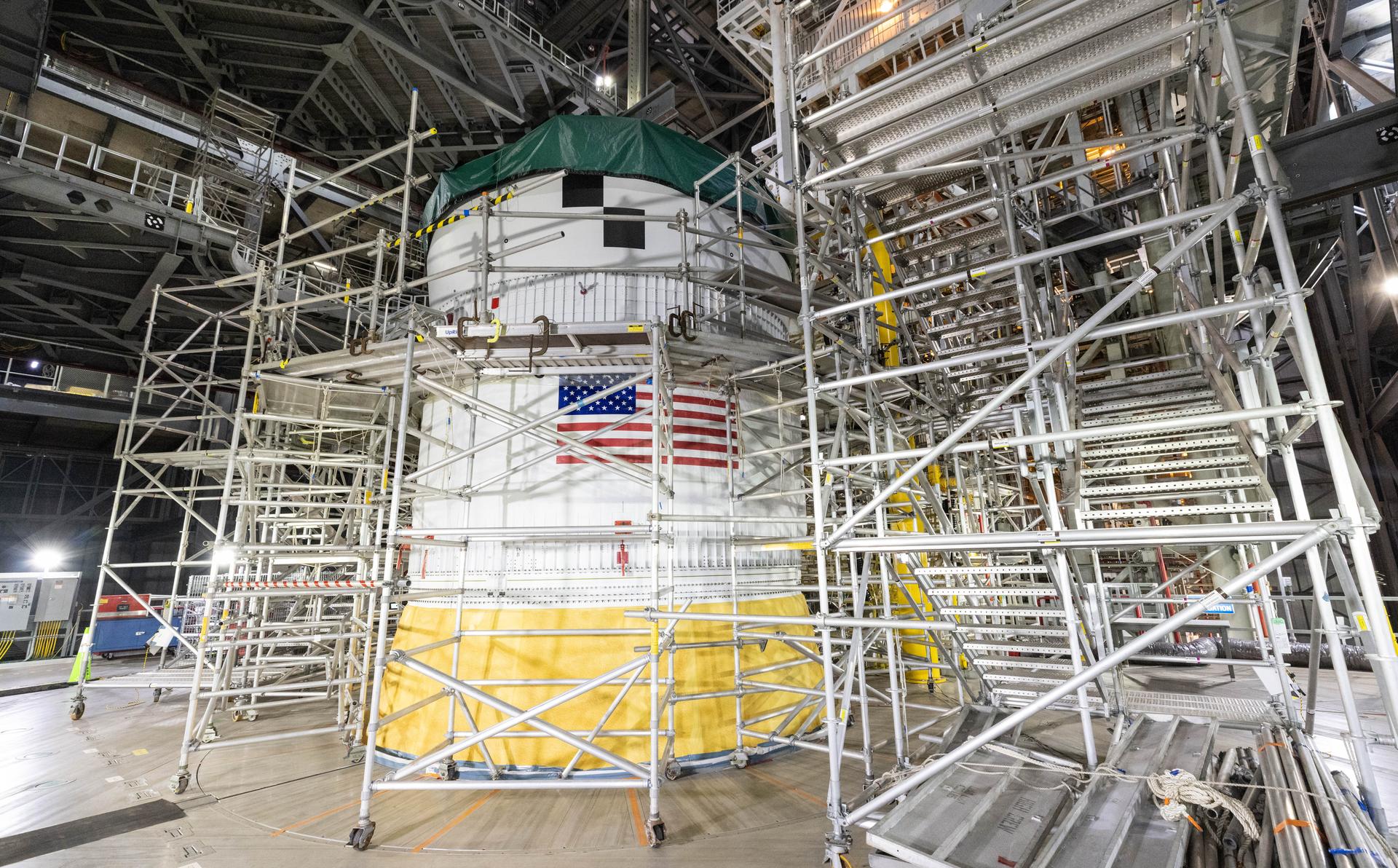
Technicians with NASA’s Exploration Ground Systems Program attach the Orion stage adapter to the interim cryogenic propulsion stage atop the agency’s SLS (Space Launch System) Moon rocket inside Vehicle Assembly Building at NASA’s Kennedy Space Center on Wednesday, Sept. 30, 2025. During the Artemis II test flight, the Orion stage adapter separates from the interim cryogenic propulsion stage, deploying four science payloads into high-Earth orbit. Up next, the Orion spacecraft and its launch abort system will stack atop the Orion stage adapter to complete integration and prepare for the launch of four astronauts around the Moon and back in early 2026.
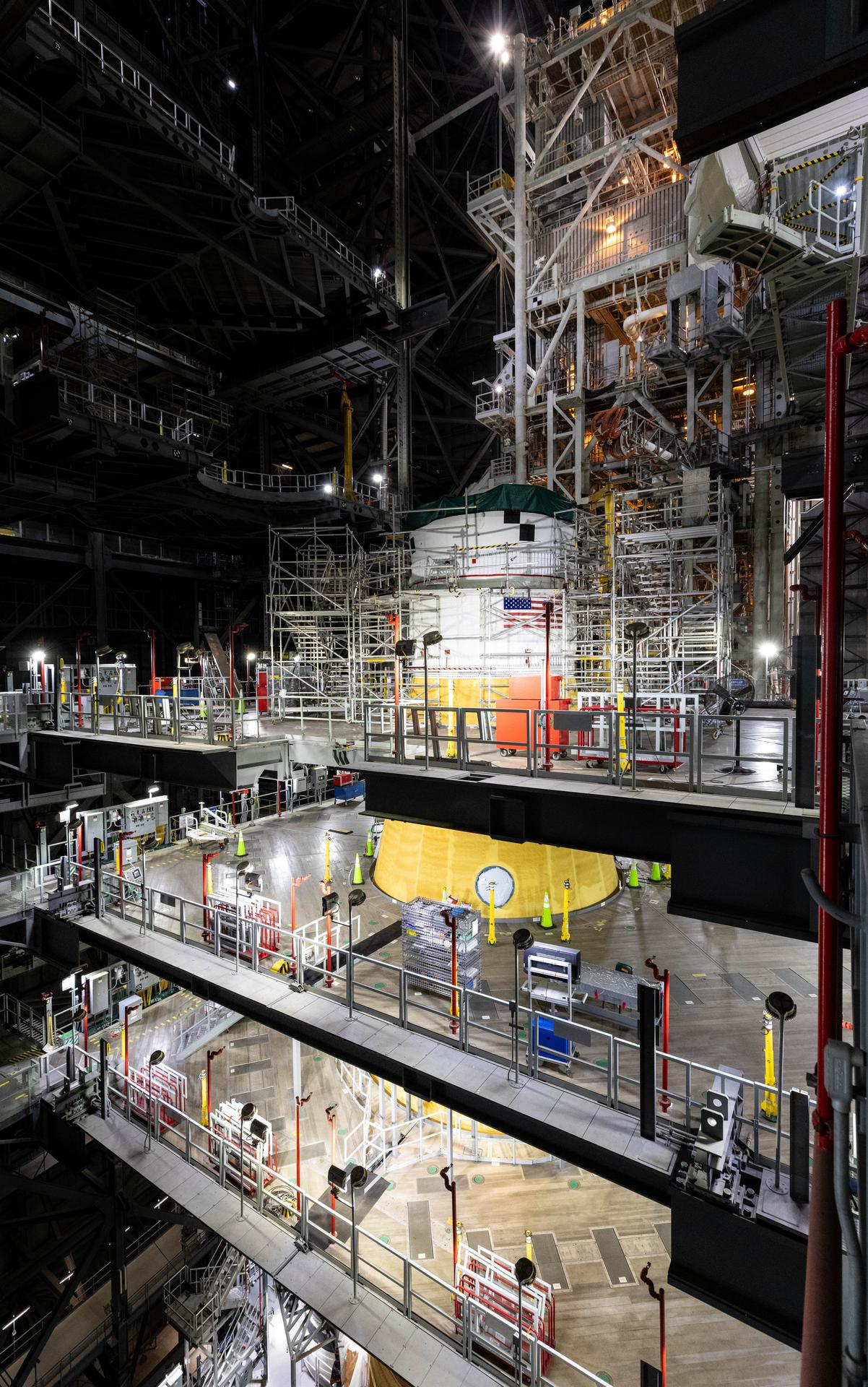
Technicians with NASA’s Exploration Ground Systems Program attach the Orion stage adapter to the interim cryogenic propulsion stage atop the agency’s SLS (Space Launch System) Moon rocket inside Vehicle Assembly Building at NASA’s Kennedy Space Center on Wednesday, Sept. 30, 2025. During the Artemis II test flight, the Orion stage adapter separates from the interim cryogenic propulsion stage, deploying four science payloads into high-Earth orbit. Up next, the Orion spacecraft and its launch abort system will stack atop the Orion stage adapter to complete integration and prepare for the launch of four astronauts around the Moon and back in early 2026.
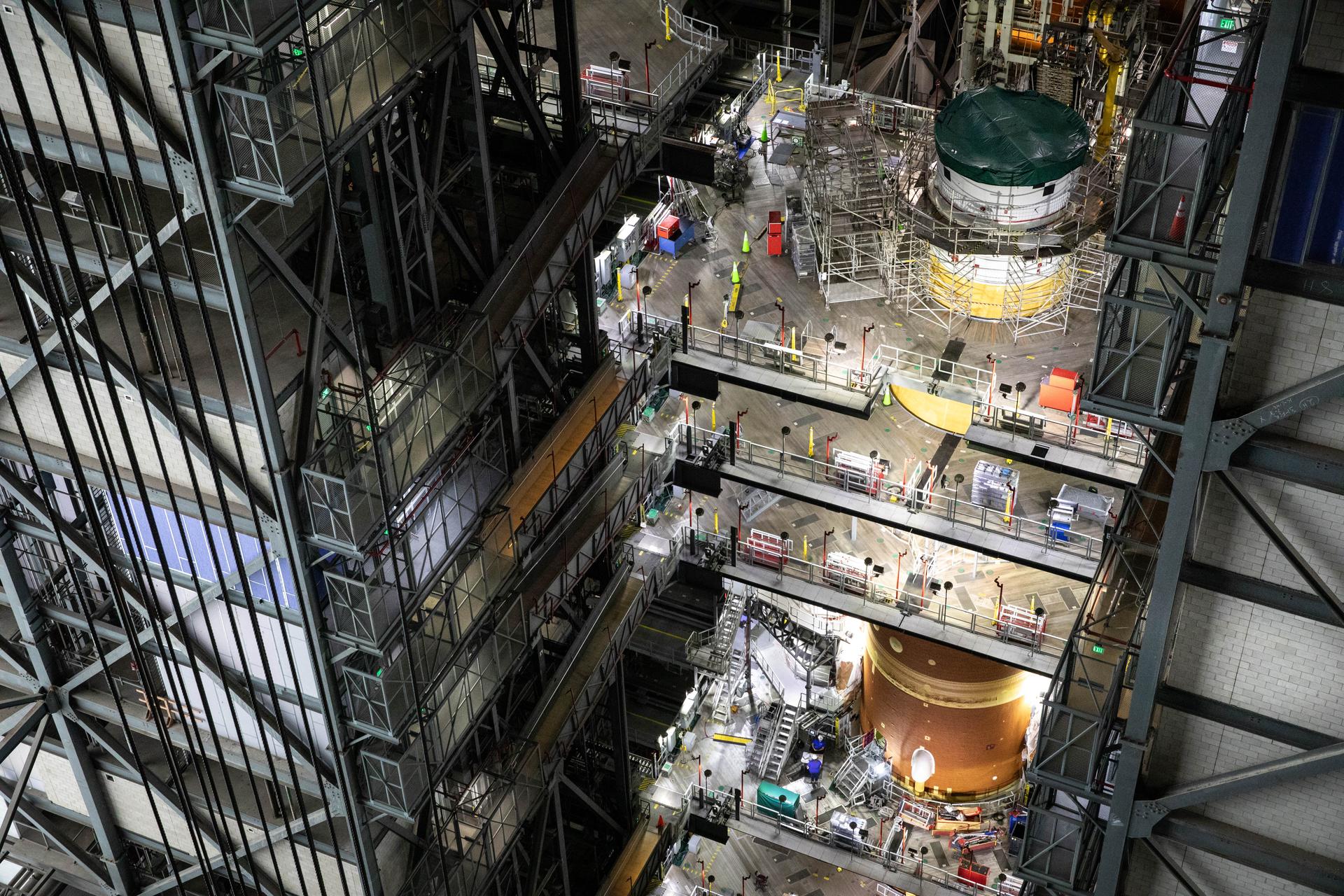
Technicians with NASA’s Exploration Ground Systems Program attach the Orion stage adapter to the interim cryogenic propulsion stage atop the agency’s SLS (Space Launch System) Moon rocket inside Vehicle Assembly Building at NASA’s Kennedy Space Center on Wednesday, Sept. 30, 2025. During the Artemis II test flight, the Orion stage adapter separates from the interim cryogenic propulsion stage, deploying four science payloads into high-Earth orbit. Up next, the Orion spacecraft and its launch abort system will stack atop the Orion stage adapter to complete integration and prepare for the launch of four astronauts around the Moon and back in early 2026.
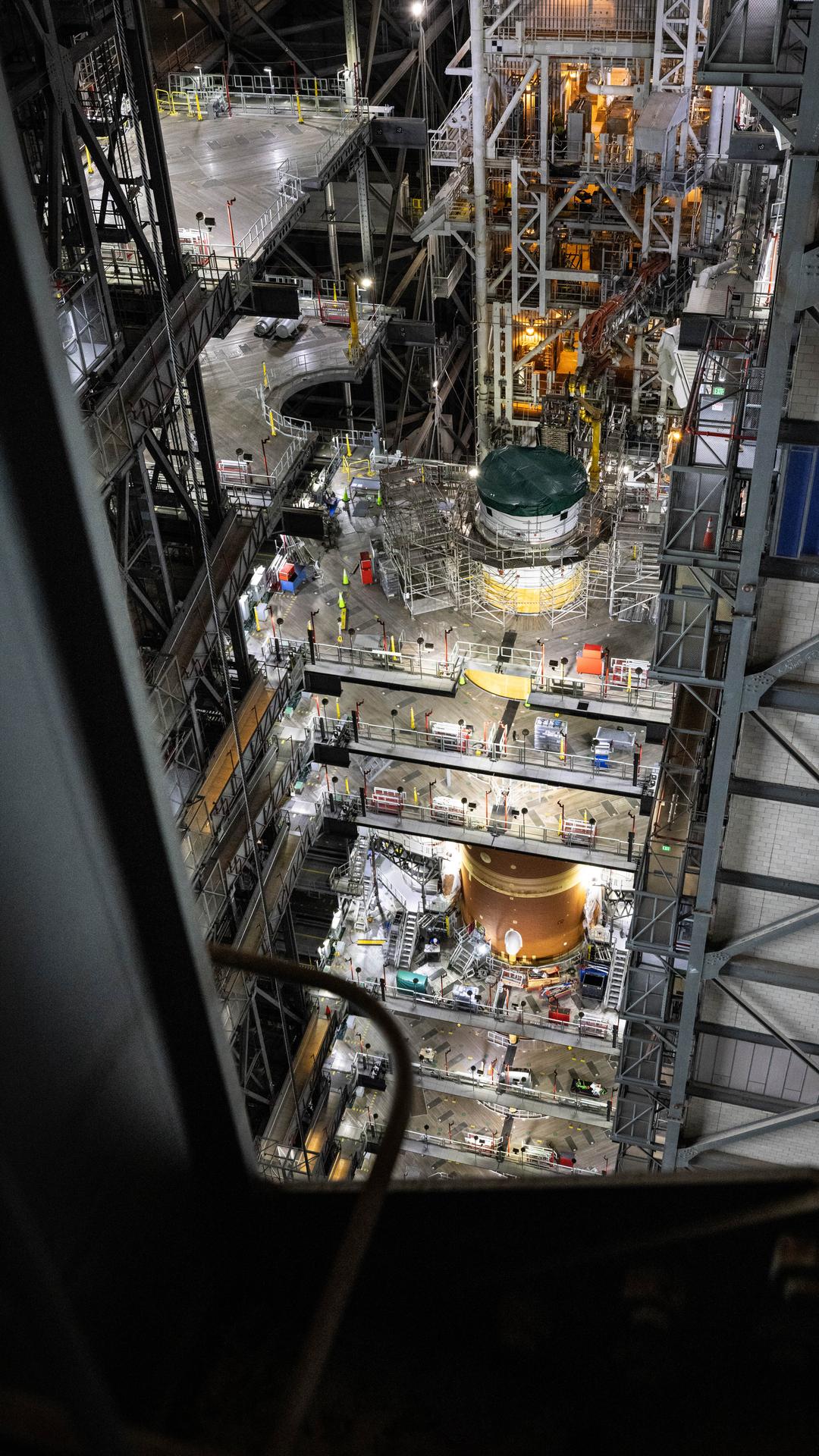
Technicians with NASA’s Exploration Ground Systems Program attach the Orion stage adapter to the interim cryogenic propulsion stage atop the agency’s SLS (Space Launch System) Moon rocket inside Vehicle Assembly Building at NASA’s Kennedy Space Center on Wednesday, Sept. 30, 2025. During the Artemis II test flight, the Orion stage adapter separates from the interim cryogenic propulsion stage, deploying four science payloads into high-Earth orbit. Up next, the Orion spacecraft and its launch abort system will stack atop the Orion stage adapter to complete integration and prepare for the launch of four astronauts around the Moon and back in early 2026.
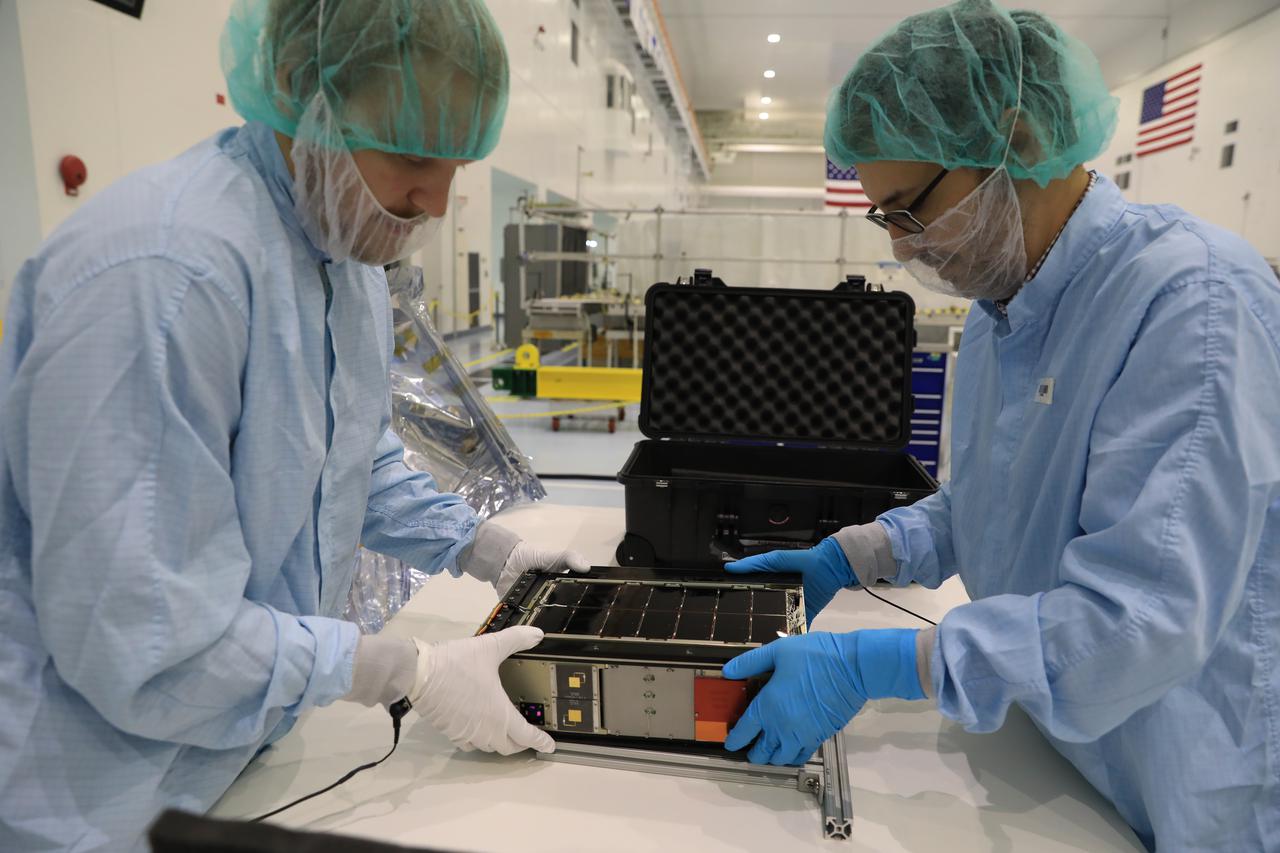
A team prepares the LunaH-Map before its installation in the Space Launch System rocket Orion stage adapter at NASA’s Kennedy Space Center in Florida. Once deployed from the rocket, the CubeSat will orbit the Moon for two months while searching for water deposits near the South Pole.

Teams worked on the final processing of their payloads that will fly aboard Artemis I. Housed within the Orion stage adapter, the satellites – called CubeSats – are roughly the size of a large shoe box and weigh no more than 30 pounds. Despite their small size, they enable science and technology experiments that may enhance our understanding of the deep space environment, expand our knowledge of the Moon, and demonstrate new technologies that could be used on future missions.
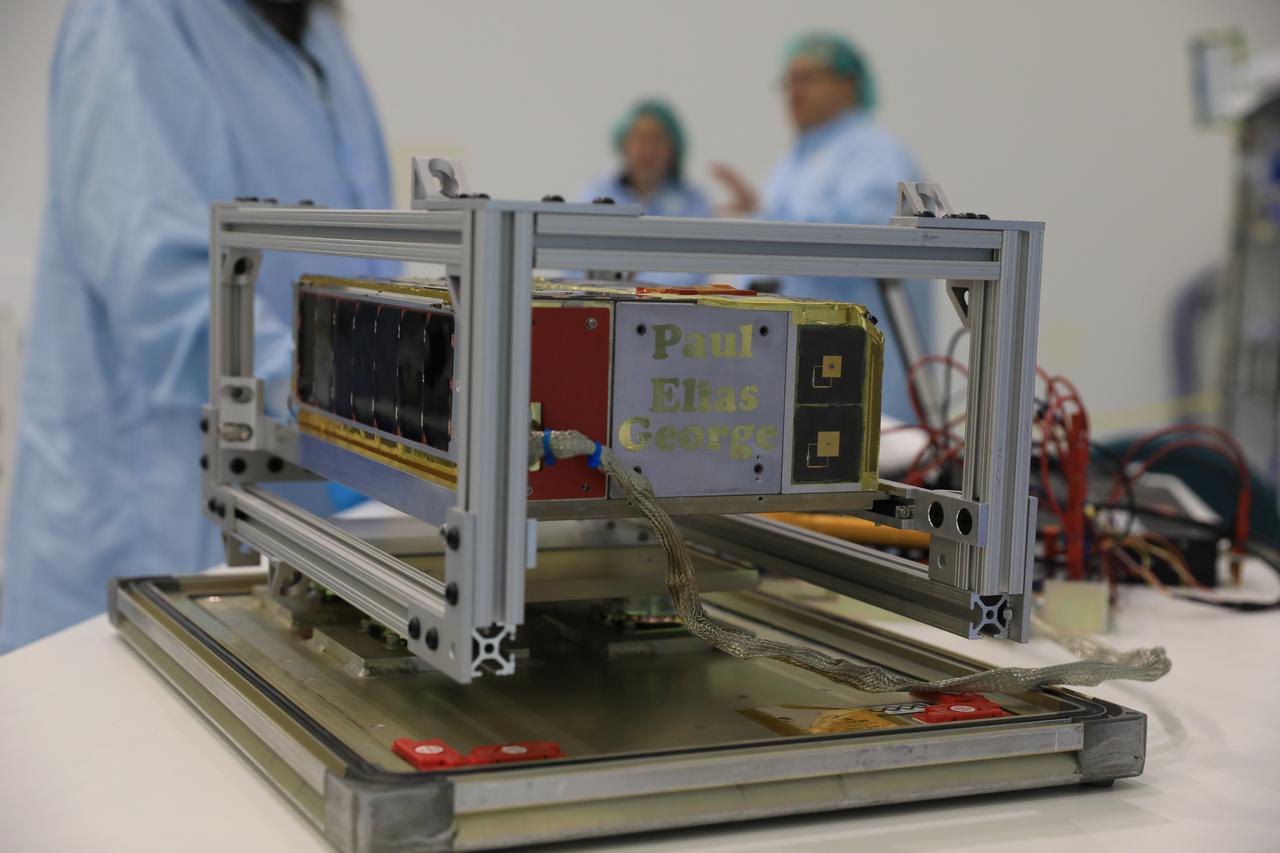
Teams worked on the final processing of their payloads that will fly aboard Artemis I. Housed within the Orion stage adapter, the satellites – called CubeSats – are roughly the size of a large shoe box and weigh no more than 30 pounds. Despite their small size, they enable science and technology experiments that may enhance our understanding of the deep space environment, expand our knowledge of the Moon, and demonstrate new technologies that could be used on future missions.
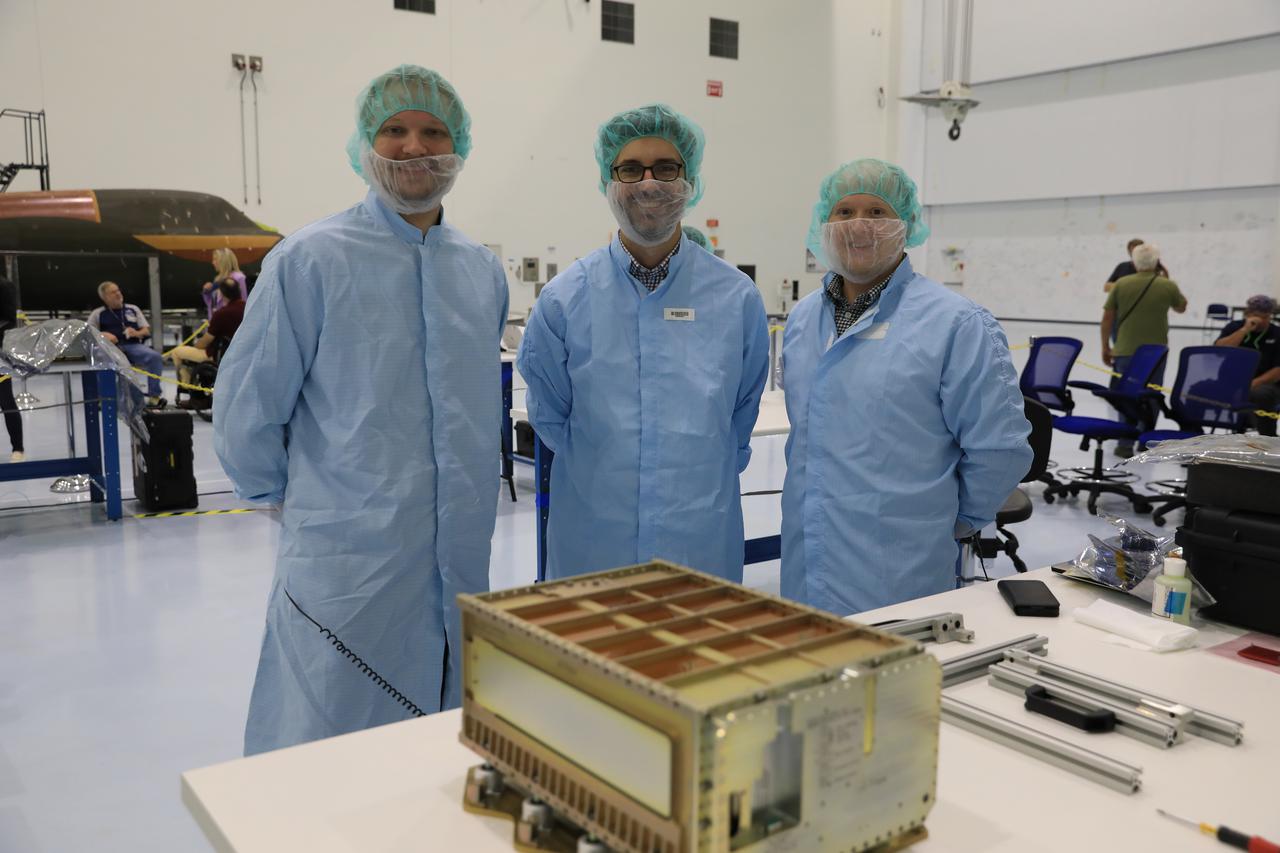
Teams worked on the final processing of their payloads that will fly aboard Artemis I. Housed within the Orion stage adapter, the satellites – called CubeSats – are roughly the size of a large shoe box and weigh no more than 30 pounds. Despite their small size, they enable science and technology experiments that may enhance our understanding of the deep space environment, expand our knowledge of the Moon, and demonstrate new technologies that could be used on future missions.
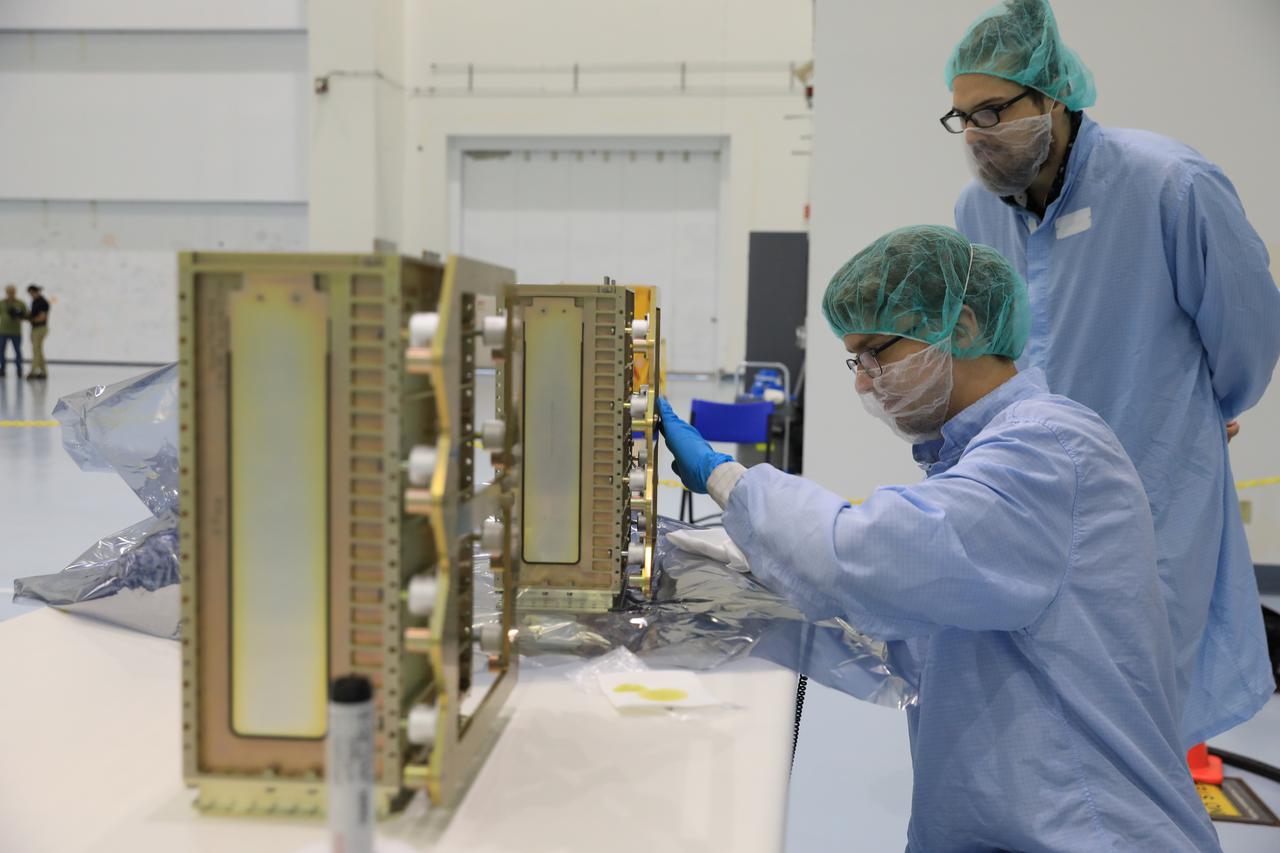
Teams worked on the final processing of their payloads that will fly aboard Artemis I. Housed within the Orion stage adapter, the satellites – called CubeSats – are roughly the size of a large shoe box and weigh no more than 30 pounds. Despite their small size, they enable science and technology experiments that may enhance our understanding of the deep space environment, expand our knowledge of the Moon, and demonstrate new technologies that could be used on future missions.
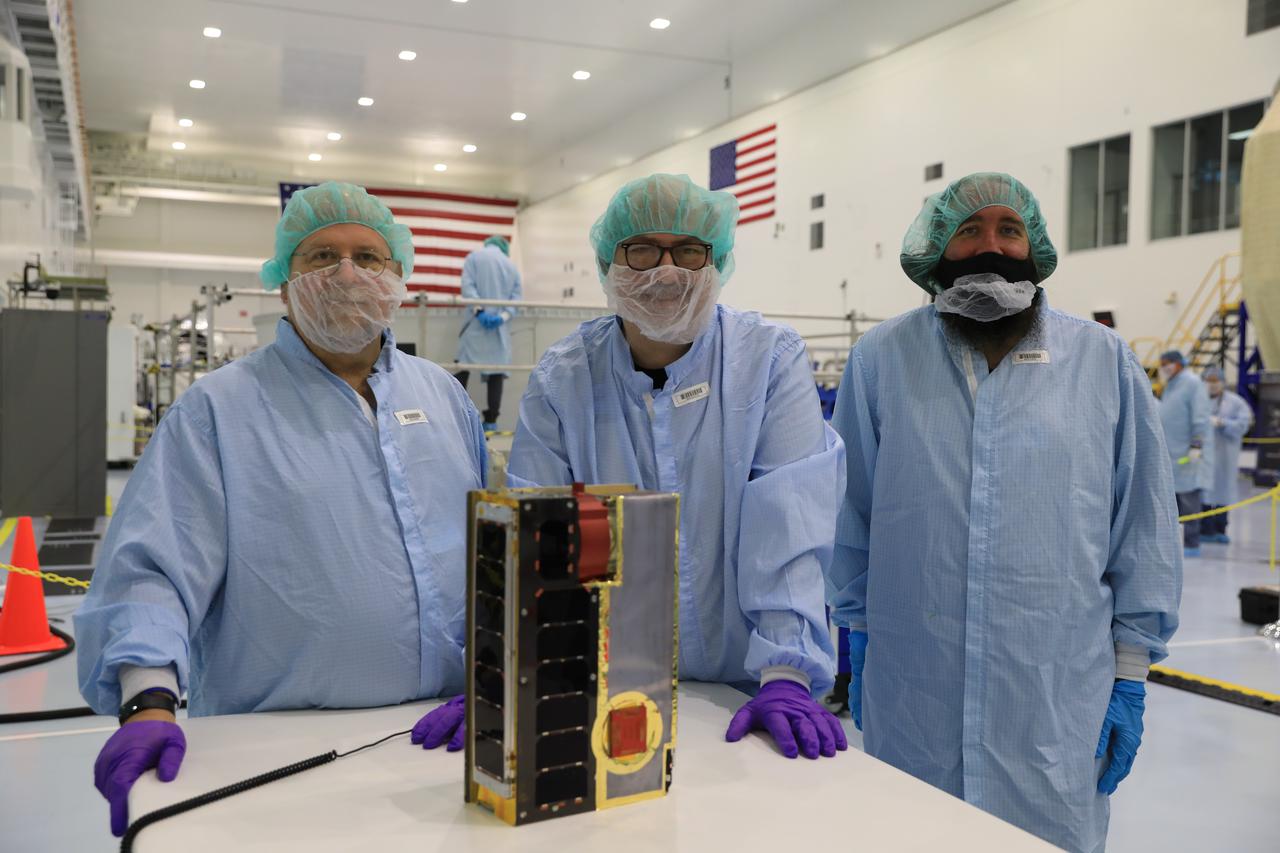
Team CuSP cheers on the solar CubeSat prior to loading it in the Space Launch System rocket Orion stage adapter at NASA’s Kennedy Space Center in Florida.
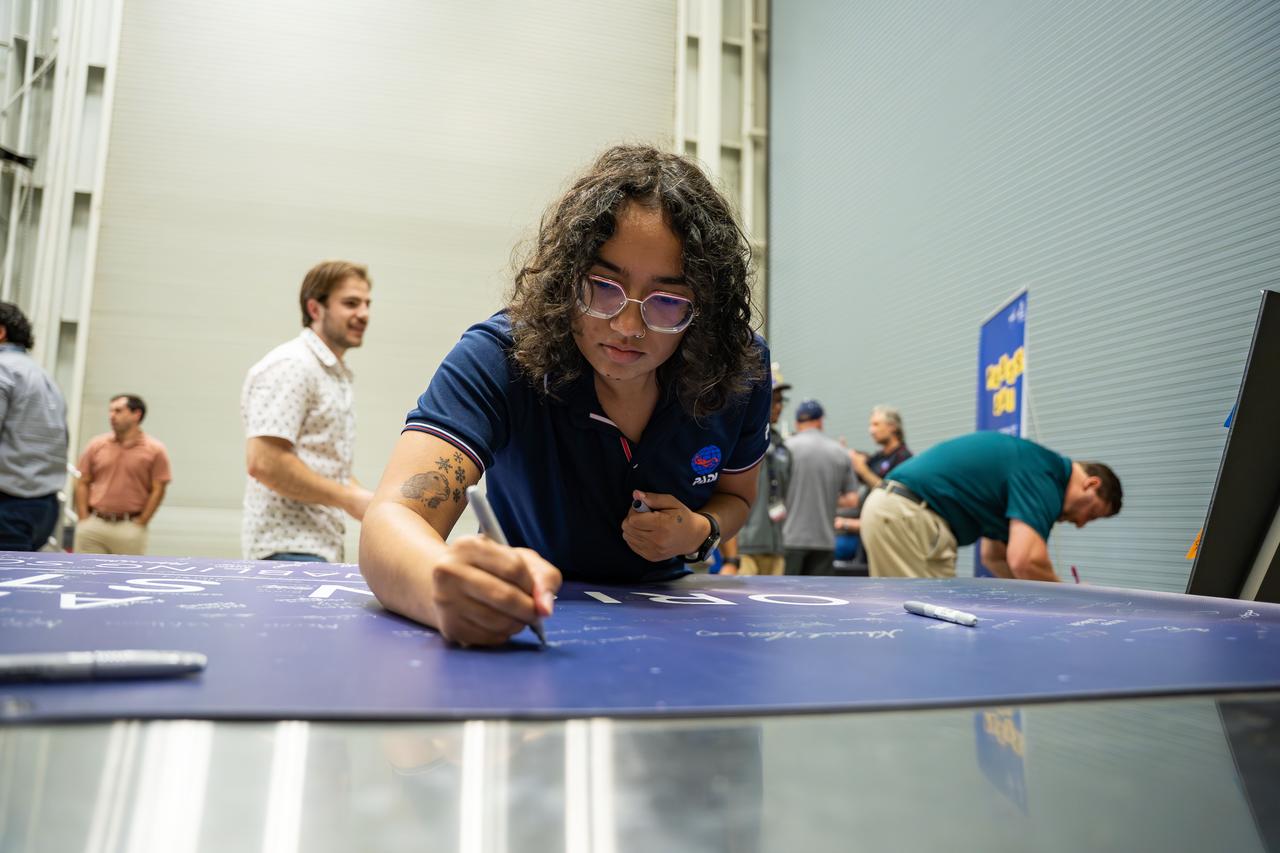
These images show NASA employees attending an event August 14, 2025, at Marshall Space Flight Center in Huntsville, Alabama, to view the Orion stage adapter for Artemis II before it is transported to NASA’s Kennedy Space Center in Florida. Manufactured entirely at NASA Marshall, the adapter plays a crucial role in connecting the SLS (Space Launch System) rocket’s interim cryogenic propulsion stage to the Orion spacecraft. This adapter is the final piece of SLS hardware to be delivered to Kennedy Space Center in preparation for the Artemis II mission.

These images show NASA employees attending an event August 14, 2025, at Marshall Space Flight Center in Huntsville, Alabama, to view the Orion stage adapter for Artemis II before it is transported to NASA’s Kennedy Space Center in Florida. Manufactured entirely at NASA Marshall, the adapter plays a crucial role in connecting the SLS (Space Launch System) rocket’s interim cryogenic propulsion stage to the Orion spacecraft. This adapter is the final piece of SLS hardware to be delivered to Kennedy Space Center in preparation for the Artemis II mission.
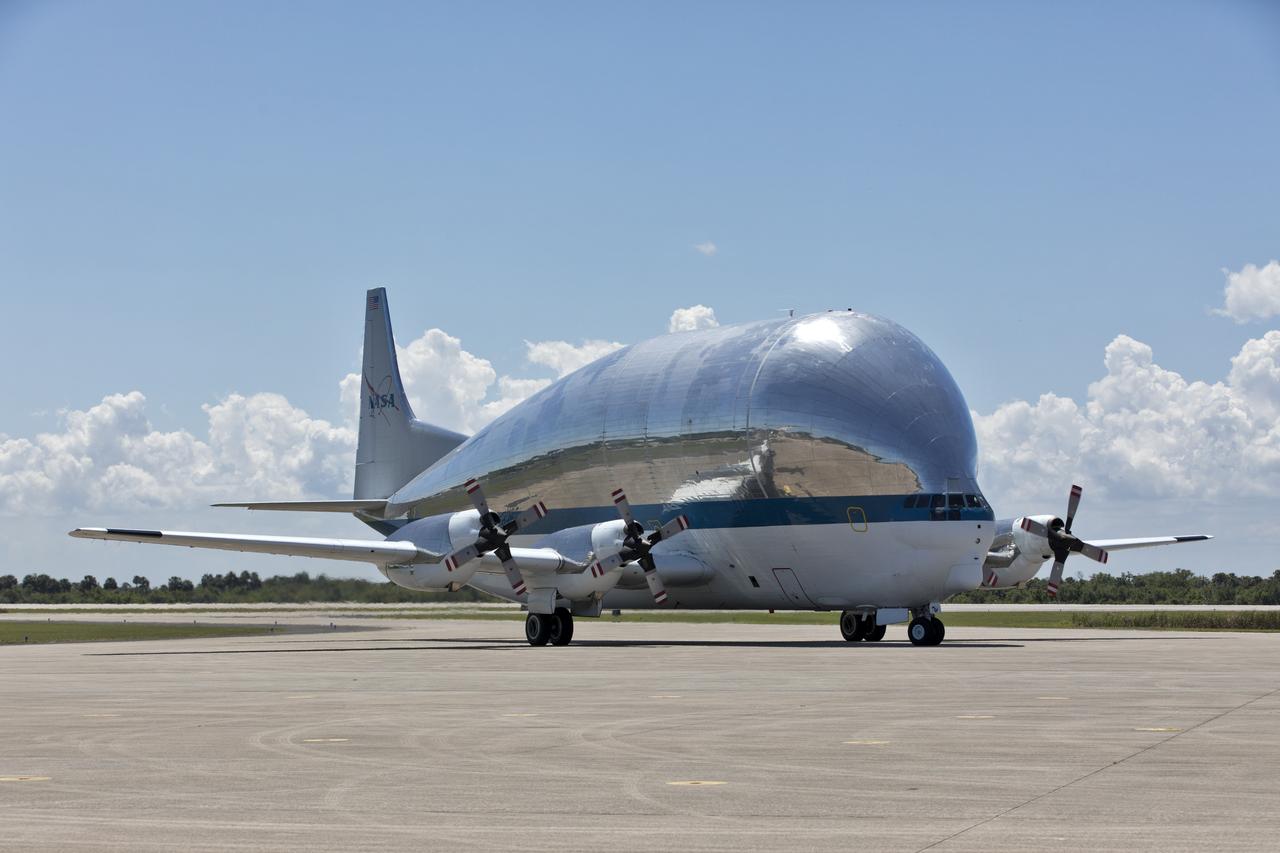
NASA's Super Guppy aircraft taxies onto the tarmac after touching down at the Shuttle Landing Facility at the agency's Kennedy Space Center in Florida. The Super Guppy is carrying the Orion Stage Adapter (OSA), the second flight-hardware section of NASA's Space Launch System (SLS) rocket that has arrived at Kennedy. The OSA will connect the Orion spacecraft to the upper part of the SLS rocket, the interim cryogenic propulsion stage (ICPS). Both the OSA and ICPS are being stored for processing in the center's Space Station Processing Facility in preparation for Exploration Mission-1, the first uncrewed, integrated launch of the SLS rocket and Orion spacecraft.

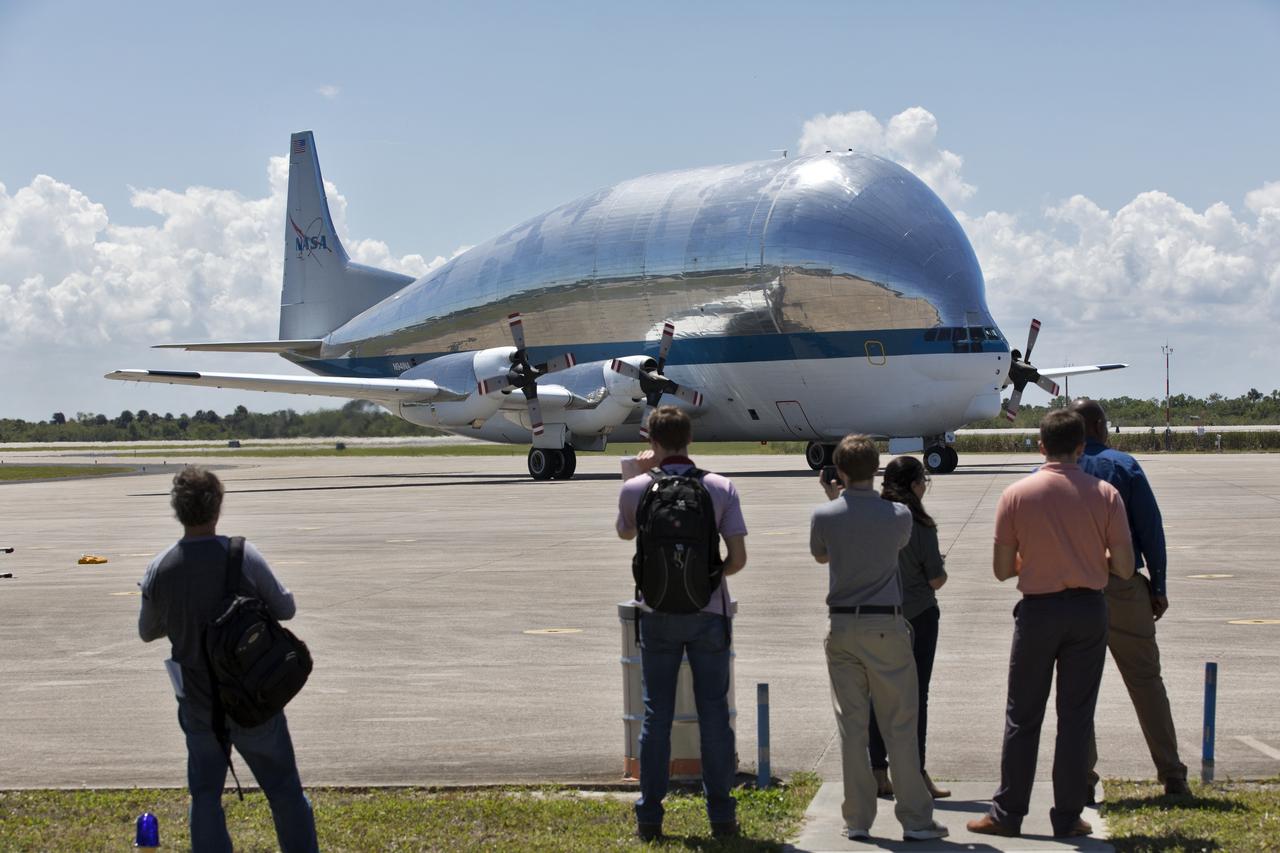
NASA's Super Guppy aircraft touches down at the Shuttle Landing Facility at the agency's Kennedy Space Center in Florida. The Super Guppy is carrying the Orion Stage Adapter (OSA), the second flight-hardware section of NASA's Space Launch System (SLS) rocket that has arrived at Kennedy. The OSA will connect the Orion spacecraft to the upper part of the SLS rocket, the interim cryogenic propulsion stage (ICPS). Both the OSA and ICPS are being stored for processing in the center's Space Station Processing Facility in preparation for Exploration Mission-1, the first uncrewed, integrated launch of the SLS rocket and Orion spacecraft.
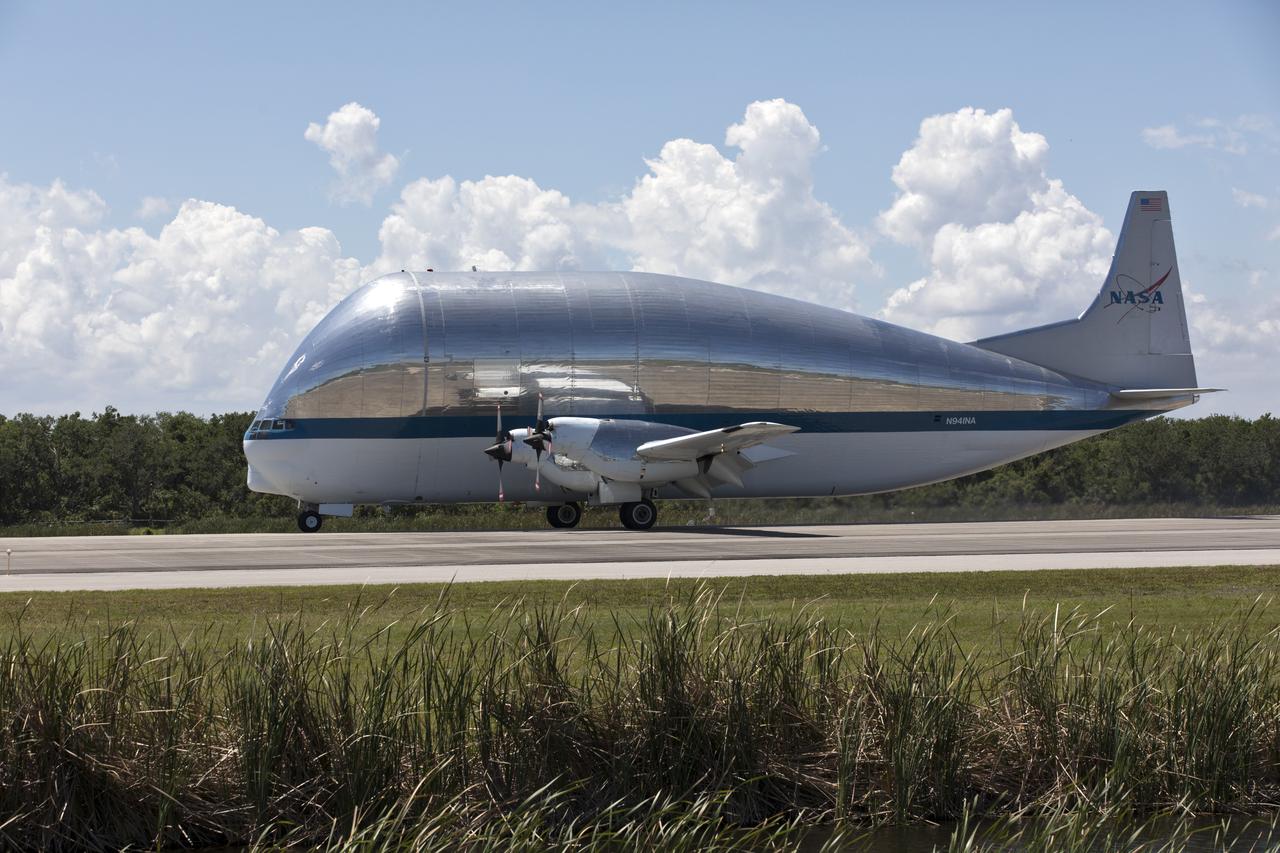
NASA's Super Guppy aircraft glides to a stop at the Shuttle Landing Facility at the agency's Kennedy Space Center in Florida. The Super Guppy is carrying the Orion Stage Adapter (OSA), the second flight-hardware section of NASA's Space Launch System (SLS) rocket that has arrived at Kennedy. The OSA will connect the Orion spacecraft to the upper part of the SLS rocket, the interim cryogenic propulsion stage (ICPS). Both the OSA and ICPS are being stored for processing in the center's Space Station Processing Facility in preparation for Exploration Mission-1, the first uncrewed, integrated launch of the SLS rocket and Orion spacecraft.
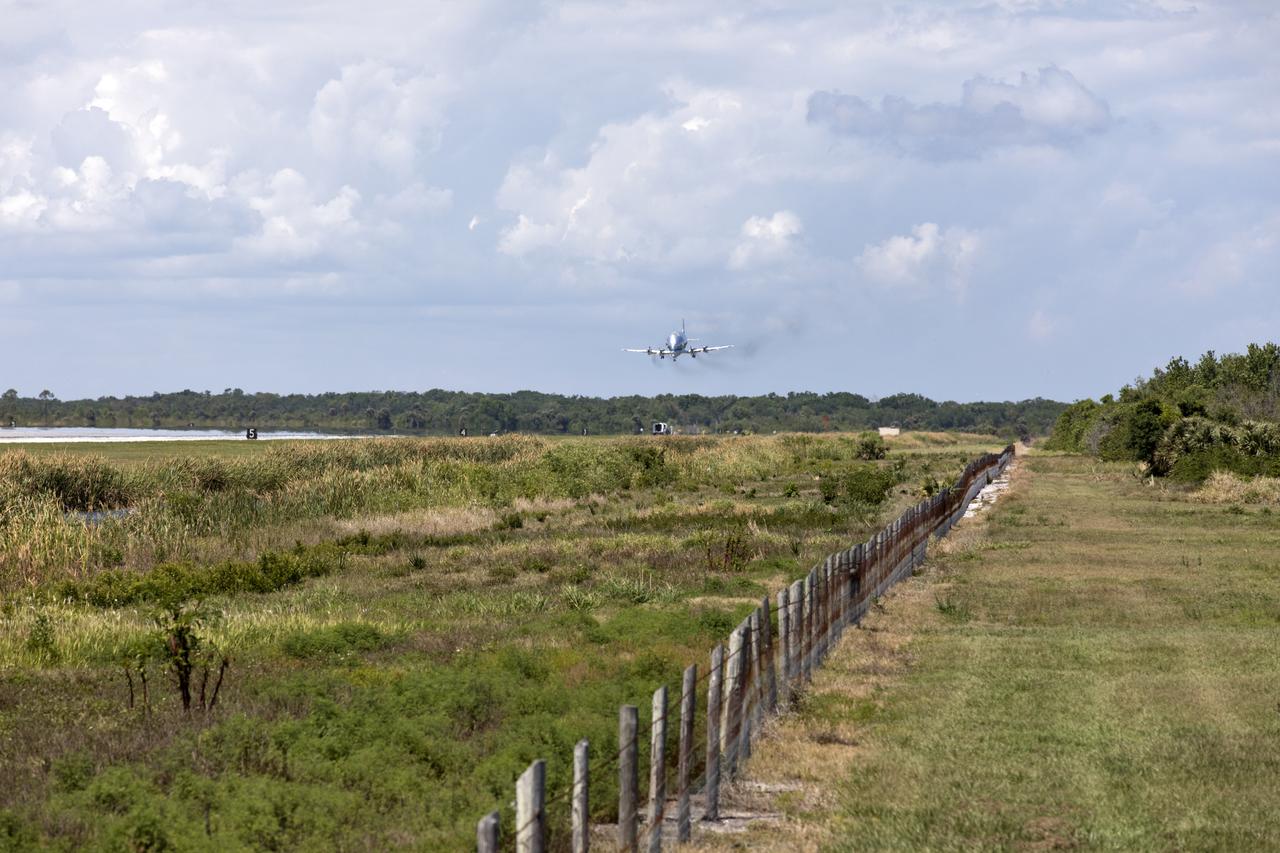
NASA's Super Guppy aircraft prepares to touch down at the Shuttle Landing Facility at the agency's Kennedy Space Center in Florida. The Super Guppy is carrying the Orion Stage Adapter (OSA), the second flight-hardware section of NASA's Space Launch System (SLS) rocket that has arrived at Kennedy. The OSA will connect the Orion spacecraft to the upper part of the SLS rocket, the interim cryogenic propulsion stage (ICPS). Both the OSA and ICPS are being stored for processing in the center's Space Station Processing Facility in preparation for Exploration Mission-1, the first uncrewed, integrated launch of the SLS rocket and Orion spacecraft.
NASA's Super Guppy aircraft taxies onto the tarmac after touching down at the Shuttle Landing Facility at the agency's Kennedy Space Center in Florida. The Super Guppy is carrying the Orion Stage Adapter (OSA), the second flight-hardware section of NASA's Space Launch System (SLS) rocket that has arrived at Kennedy. The OSA will connect the Orion spacecraft to the upper part of the SLS rocket, the interim cryogenic propulsion stage (ICPS). Both the OSA and ICPS are being stored for processing in the center's Space Station Processing Facility in preparation for Exploration Mission-1, the first uncrewed, integrated launch of the SLS rocket and Orion spacecraft.
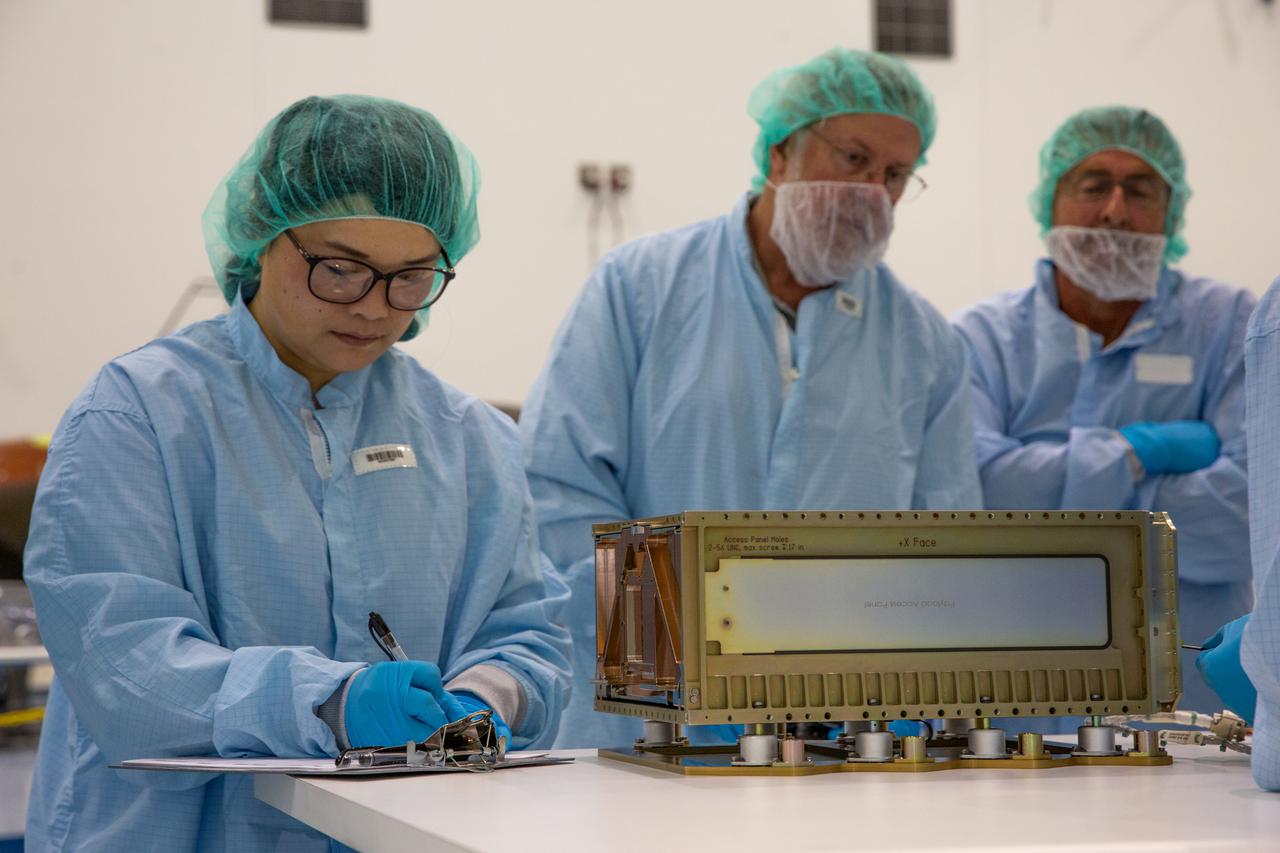
Teams worked on the final processing of their payloads that will fly aboard Artemis I. Housed within the Orion stage adapter, the satellites – called CubeSats – are roughly the size of a large shoe box and weigh no more than 30 pounds. Despite their small size, they enable science and technology experiments that may enhance our understanding of the deep space environment, expand our knowledge of the Moon, and demonstrate new technologies that could be used on future missions.
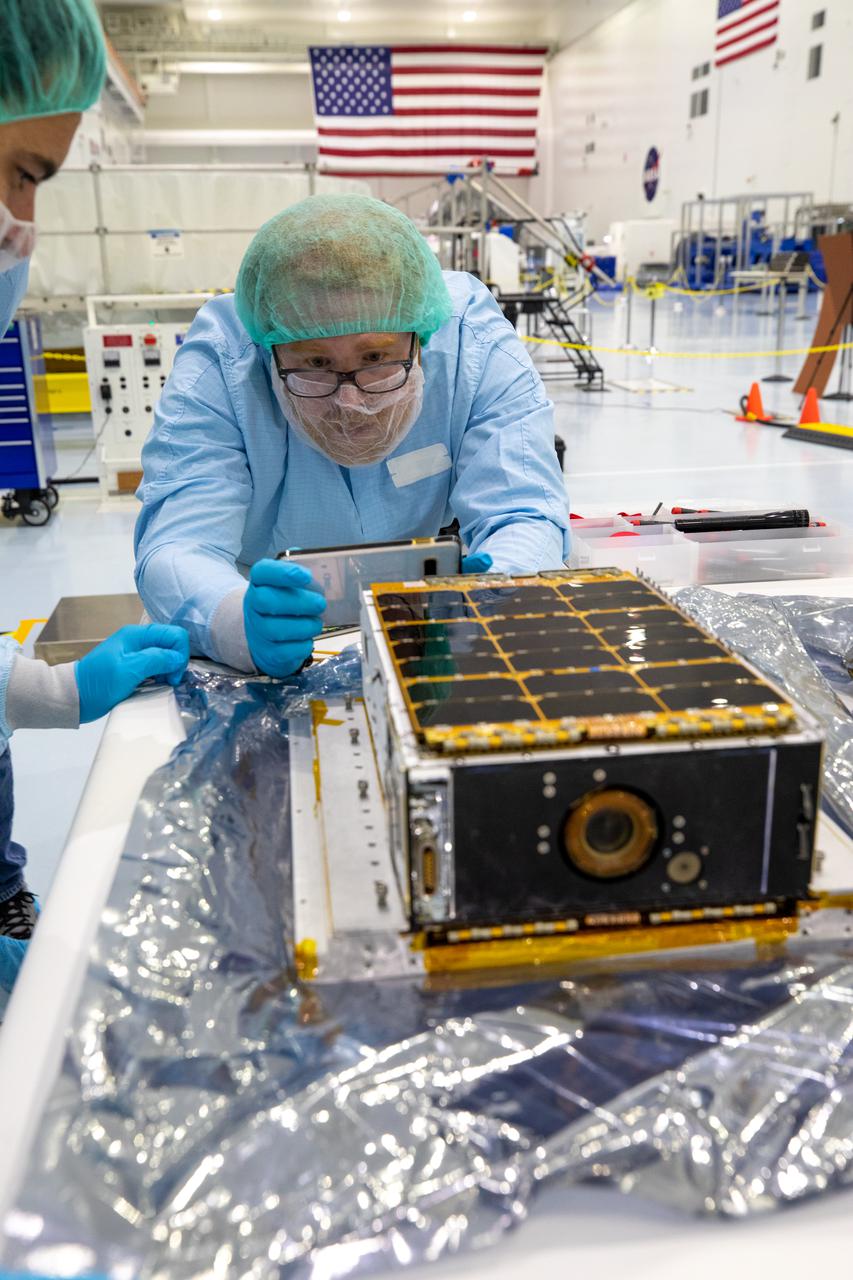
Teams prepare the Lunar IceCube before its installation in the Space Launch System rocket Orion stage adapter at NASA’s Kennedy Space Center in Florida. This small satellite will be deployed from the rocket and will orbit the Moon for six months and search for water and ice with an infrared spectrometer.
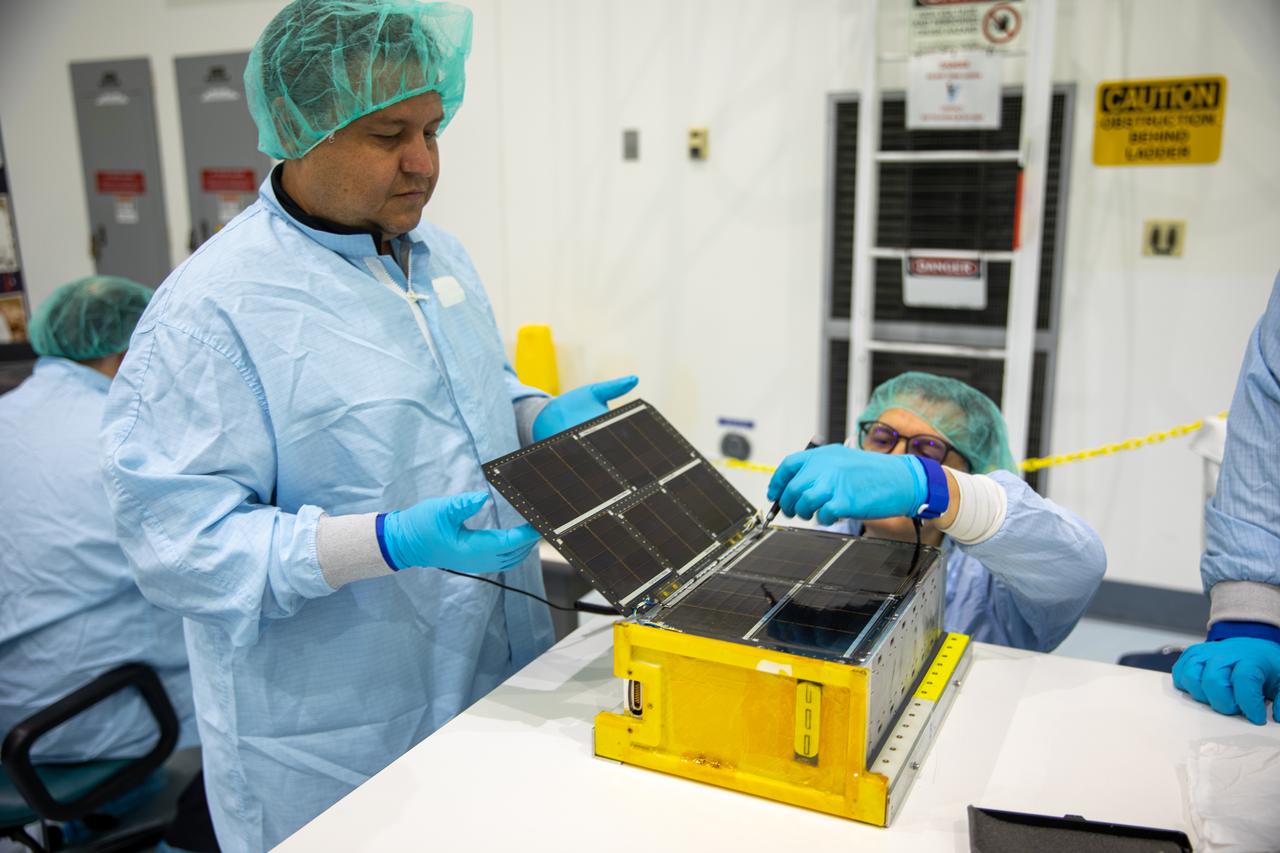
Teams worked on the final processing of their payloads that will fly aboard Artemis I. Housed within the Orion stage adapter, the satellites – called CubeSats – are roughly the size of a large shoe box and weigh no more than 30 pounds. Despite their small size, they enable science and technology experiments that may enhance our understanding of the deep space environment, expand our knowledge of the Moon, and demonstrate new technologies that could be used on future missions.
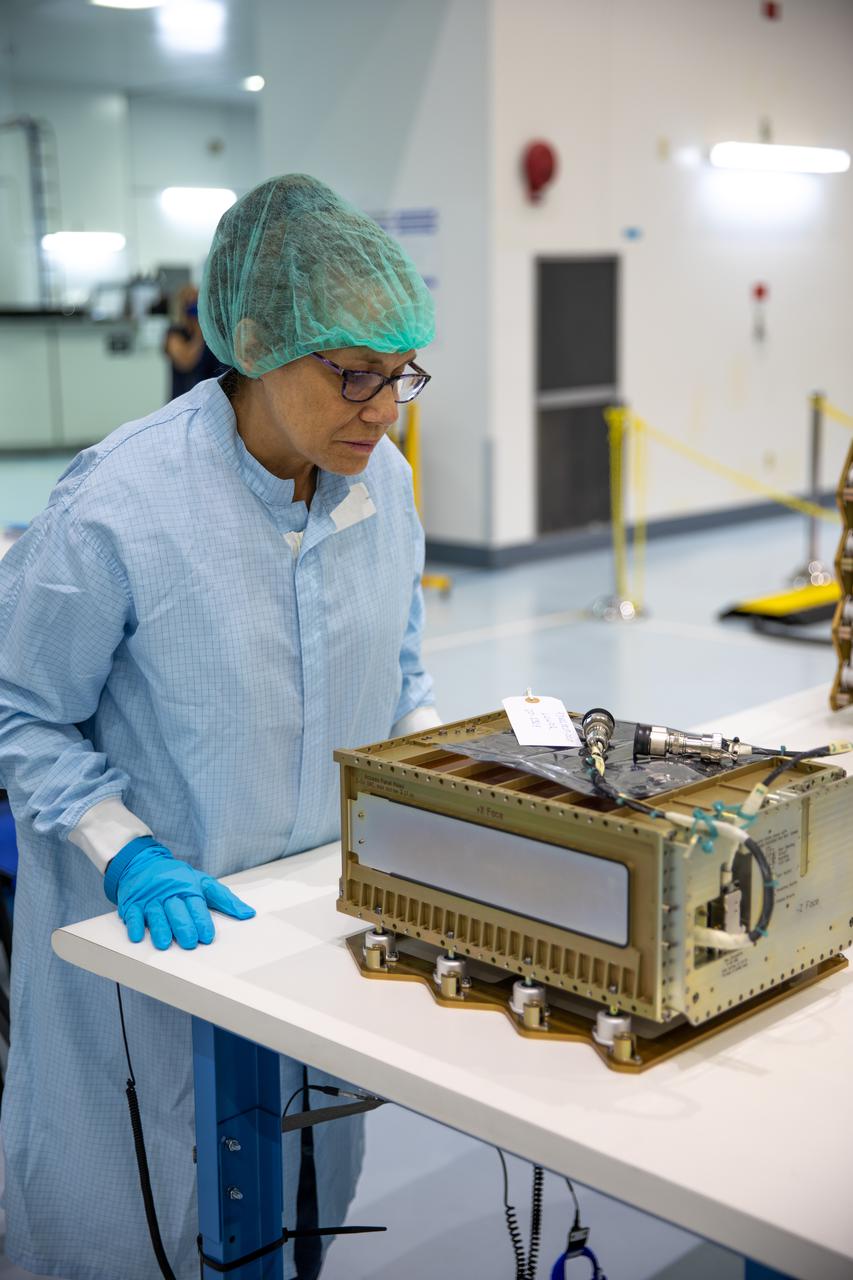
The LunIR undergoes inspection prior to being loaded in the Space Launch System (SLS) rocket’s Orion stage adapter for the Artemis I mission on July 14 at NASA’s Kennedy Space Center in Florida. During lunar orbit, the satellite will use an infrared sensor to map the Moon’s surface and search for potential landing sites and critical resources for future missions to Mars and beyond.
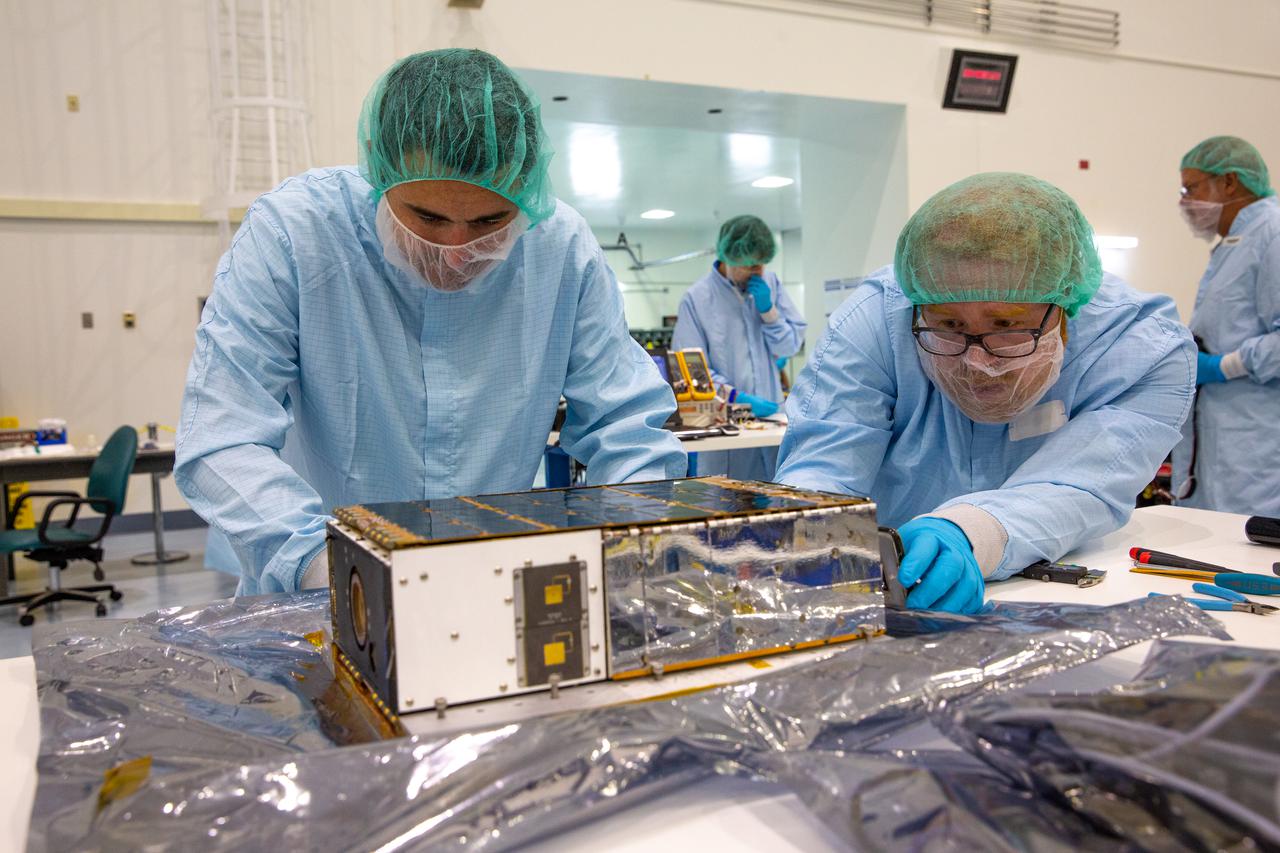
Teams worked on the final processing of their payloads that will fly aboard Artemis I. Housed within the Orion stage adapter, the satellites – called CubeSats – are roughly the size of a large shoe box and weigh no more than 30 pounds. Despite their small size, they enable science and technology experiments that may enhance our understanding of the deep space environment, expand our knowledge of the Moon, and demonstrate new technologies that could be used on future missions.
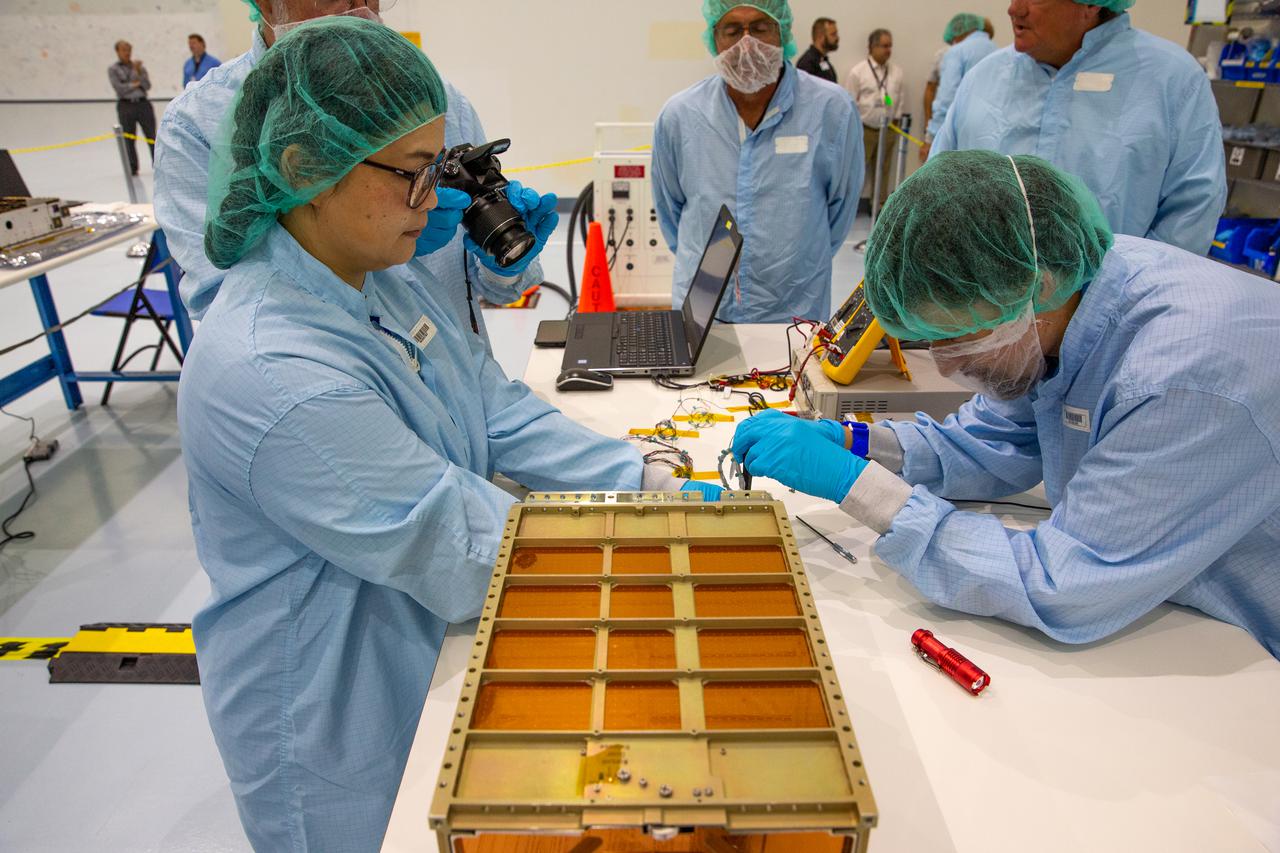
The Near-Earth Asteroid Scout team prepares their secondary payload for installation in the Space Launch System rocket’s Orion stage adapter at NASA’s Kennedy Space Center in Florida. NEA Scout will be deployed and go to an asteroid after the Orion spacecraft separates from the Space Launch System rocket and heads to the Moon during the Artemis I mission.
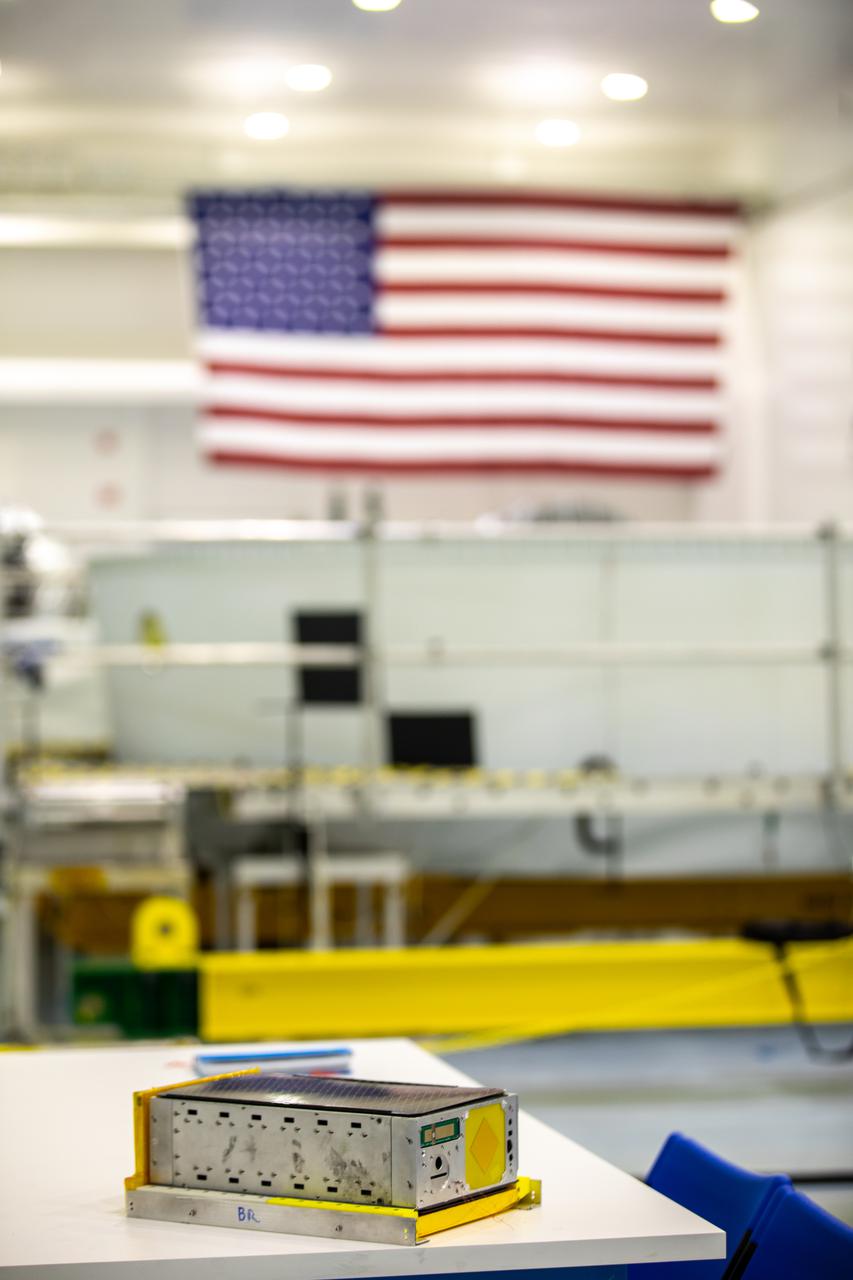
Teams worked on the final processing of their payloads that will fly aboard Artemis I. Housed within the Orion stage adapter, the satellites – called CubeSats – are roughly the size of a large shoe box and weigh no more than 30 pounds. Despite their small size, they enable science and technology experiments that may enhance our understanding of the deep space environment, expand our knowledge of the Moon, and demonstrate new technologies that could be used on future missions.
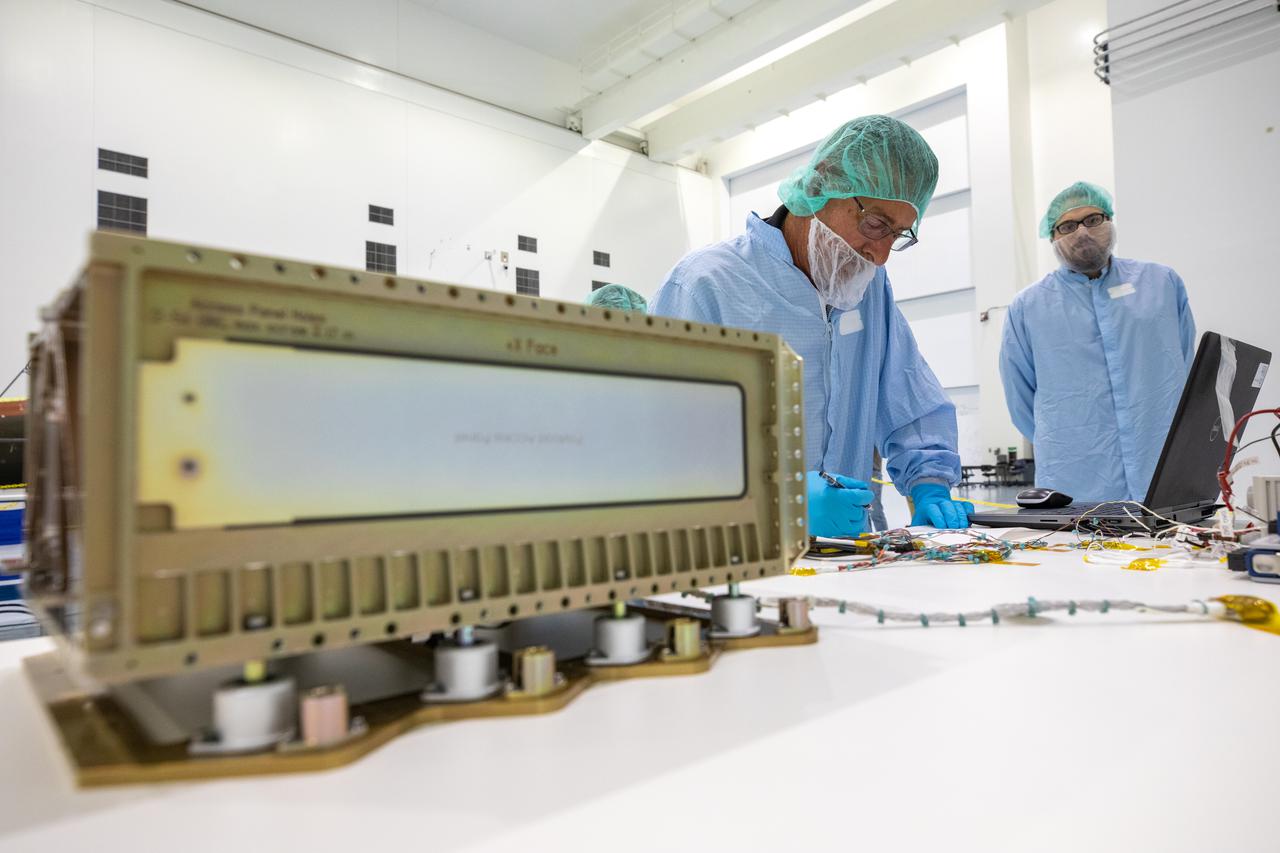
Teams worked on the final processing of their payloads that will fly aboard Artemis I. Housed within the Orion stage adapter, the satellites – called CubeSats – are roughly the size of a large shoe box and weigh no more than 30 pounds. Despite their small size, they enable science and technology experiments that may enhance our understanding of the deep space environment, expand our knowledge of the Moon, and demonstrate new technologies that could be used on future missions.
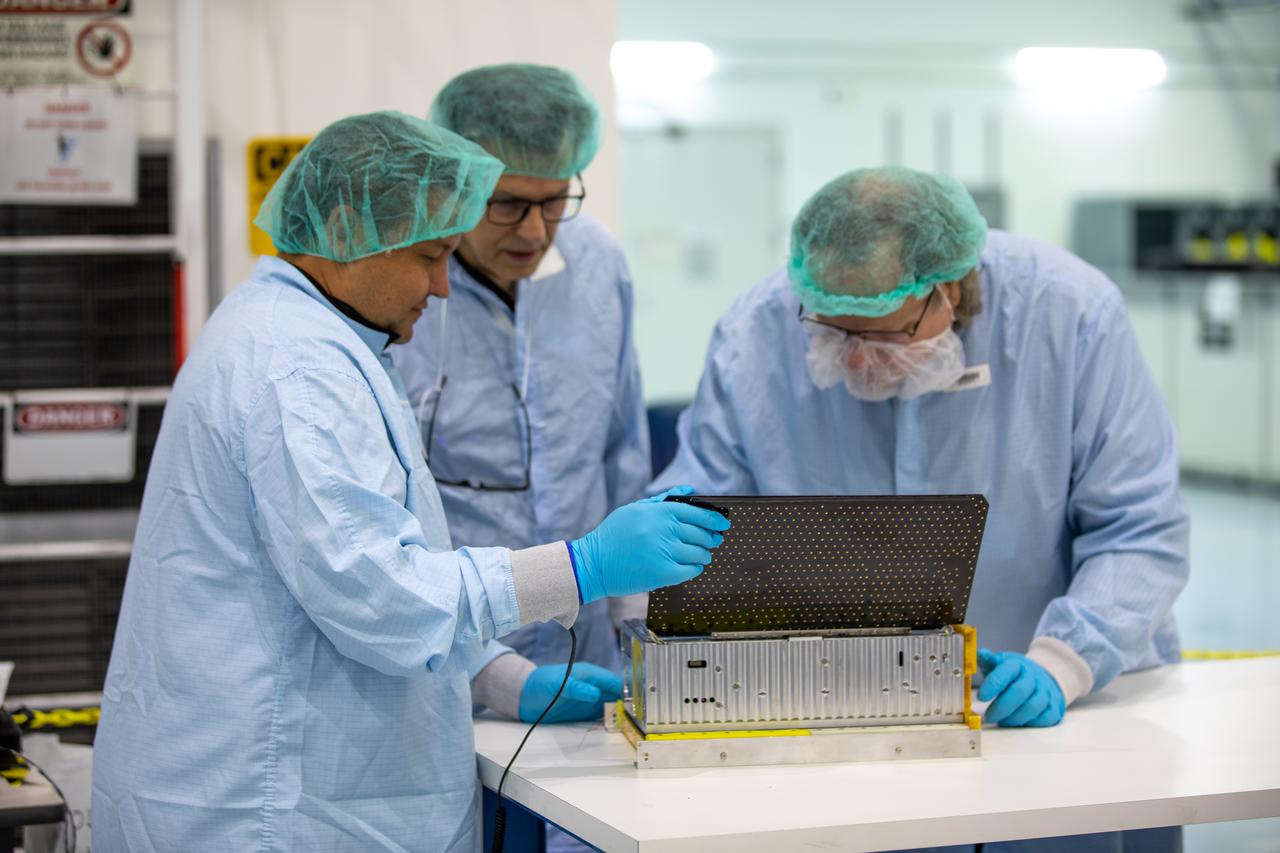
Teams worked on the final processing of their payloads that will fly aboard Artemis I. Housed within the Orion stage adapter, the satellites – called CubeSats – are roughly the size of a large shoe box and weigh no more than 30 pounds. Despite their small size, they enable science and technology experiments that may enhance our understanding of the deep space environment, expand our knowledge of the Moon, and demonstrate new technologies that could be used on future missions.
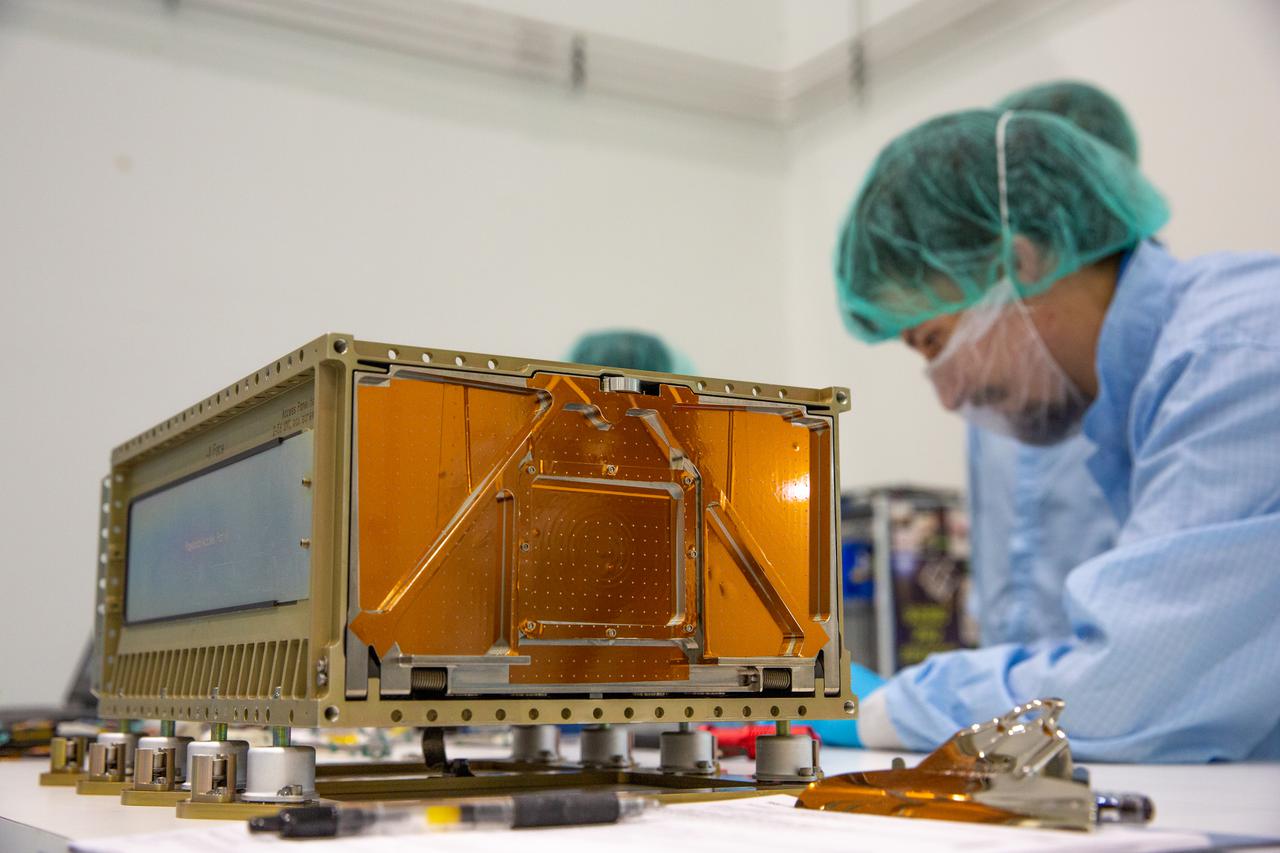
Teams worked on the final processing of their payloads that will fly aboard Artemis I. Housed within the Orion stage adapter, the satellites – called CubeSats – are roughly the size of a large shoe box and weigh no more than 30 pounds. Despite their small size, they enable science and technology experiments that may enhance our understanding of the deep space environment, expand our knowledge of the Moon, and demonstrate new technologies that could be used on future missions.
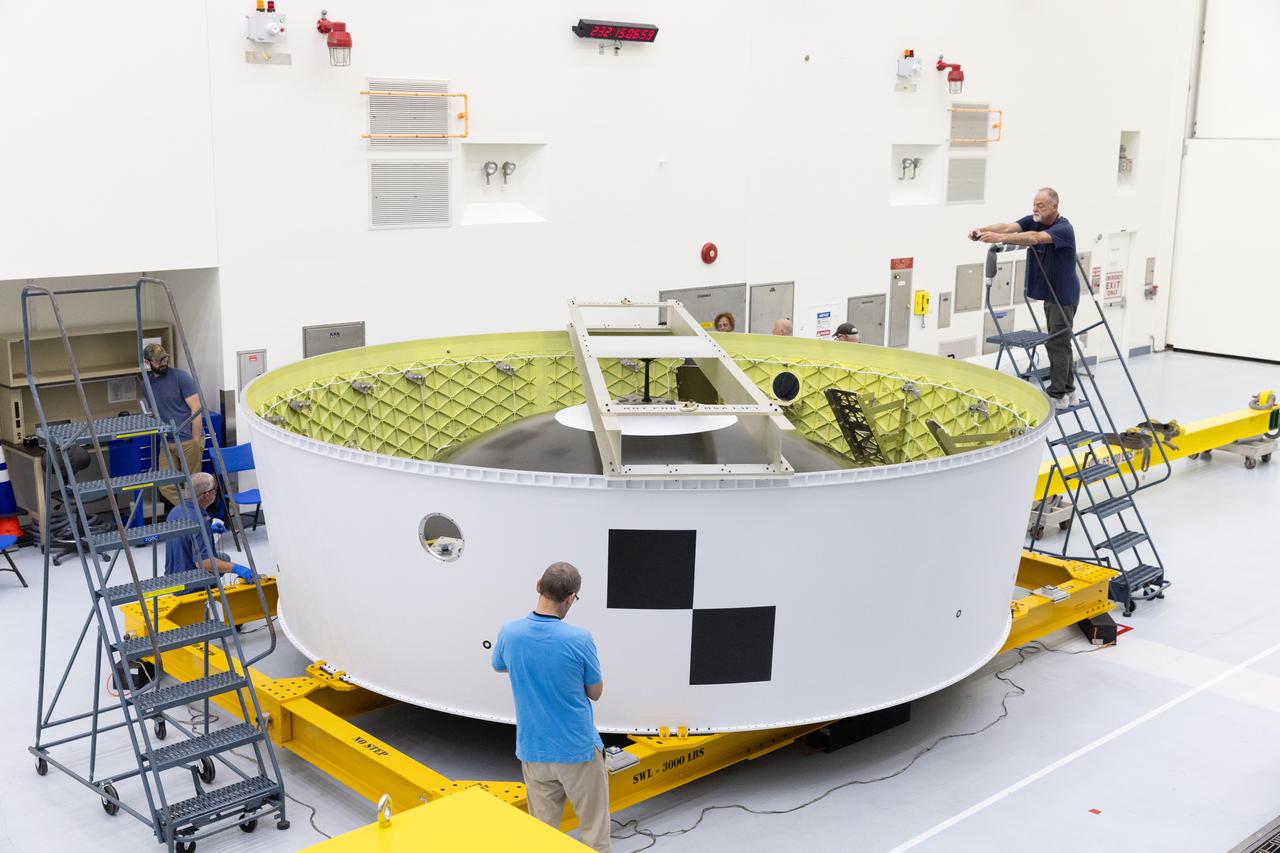
Technicians at NASA’s Kennedy Space Center in Florida complete routine inspections the Artemis II Orion stage adapter on Wednesday, Aug. 20, 2025, to the spaceport’s Multi-Payload Processing Facility to undergo CubeSat integration following its arrival from the agency’s Marshall Space Flight Center in Huntsville, Alabama. NASA Marshall built the Orion stage adapter which connects to the SLS (Space Launch System) rocket’s interim cryogenic propulsion stage to the Orion spacecraft and protects Orion from flammable gases generated during launch. The Artemis II test flight will take four astronauts around the Moon and return them back home in early 2026.

Technicians at NASA’s Kennedy Space Center in Florida complete routine inspections the Artemis II Orion stage adapter on Wednesday, Aug. 20, 2025, to the spaceport’s Multi-Payload Processing Facility to undergo CubeSat integration following its arrival from the agency’s Marshall Flight Center in Huntsville, Alabama. NASA Marshall built the Orion stage adapter which connects to the SLS (Space Launch System) rocket’s interim cryogenic propulsion stage to the Orion spacecraft and protects Orion from flammable gases generated during launch. The Artemis II test flight will take four astronauts around the Moon and return them back home in early 2026.
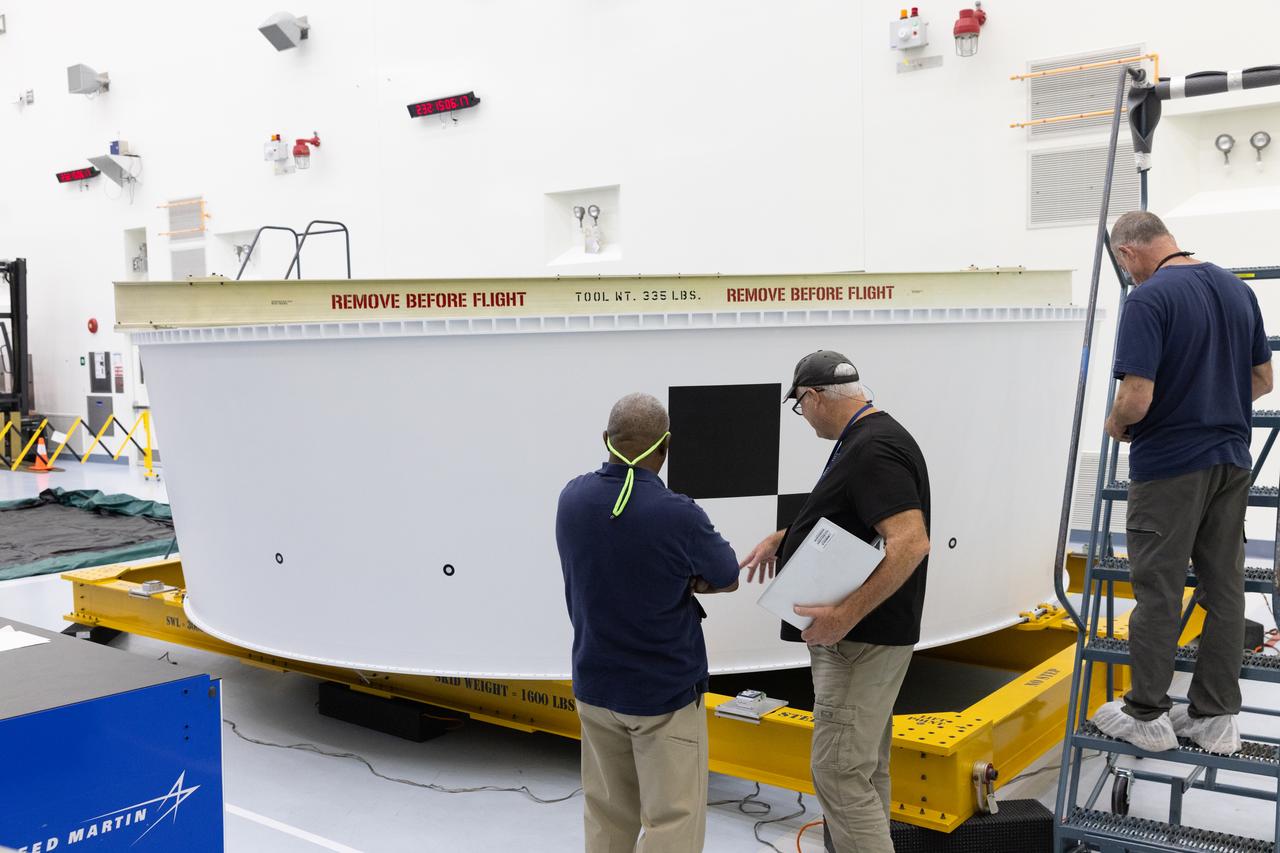
Technicians at NASA’s Kennedy Space Center in Florida complete routine inspections the Artemis II Orion stage adapter on Wednesday, Aug. 20, 2025, to the spaceport’s Multi-Payload Processing Facility to undergo CubeSat integration following its arrival from the agency’s Marshall Space Flight Center in Huntsville, Alabama. NASA Marshall built the Orion stage adapter which connects to the SLS (Space Launch System) rocket’s interim cryogenic propulsion stage to the Orion spacecraft and protects Orion from flammable gases generated during launch. The Artemis II test flight will take four astronauts around the Moon and return them back home in early 2026.
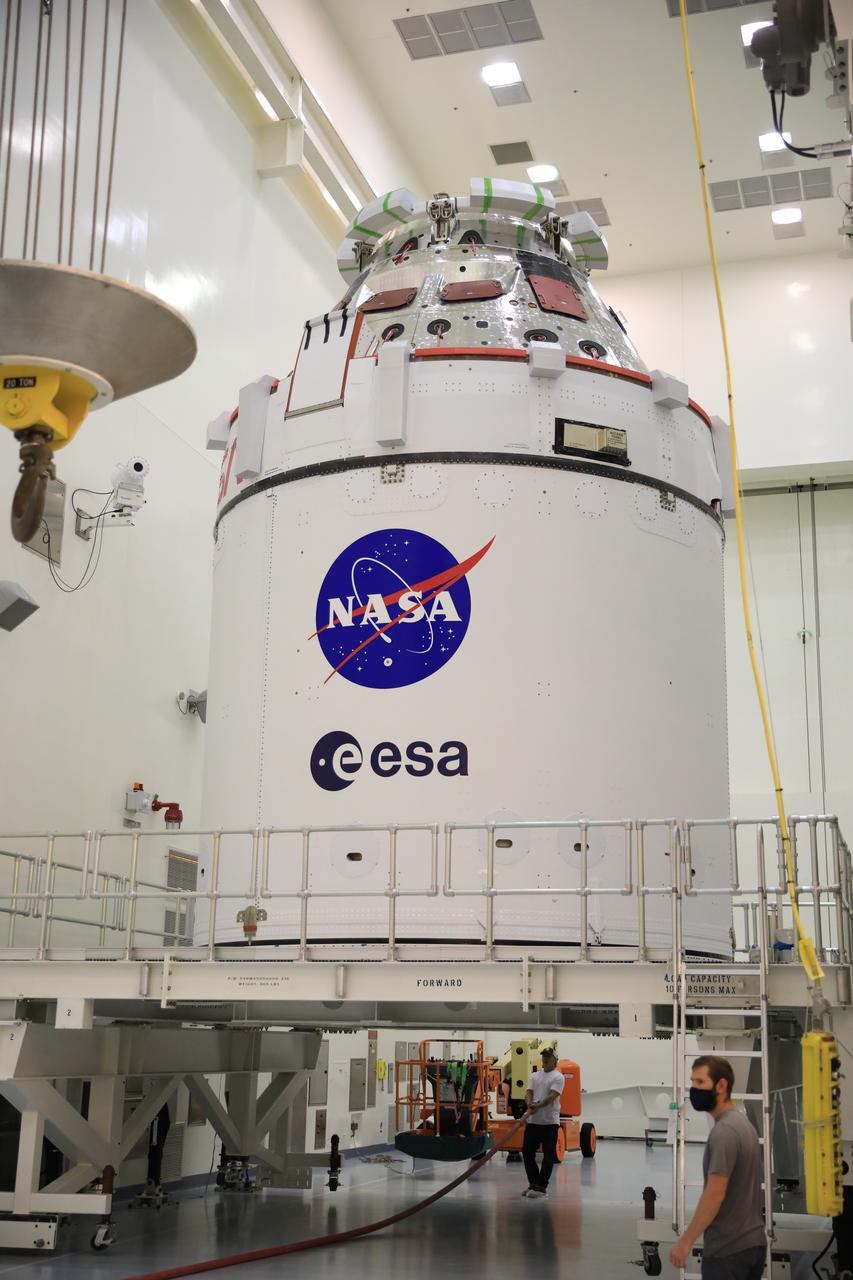
Fueling and servicing checks on the Orion spacecraft for the Artemis I mission are completed inside Kennedy Space Center’s Multi-Payload Processing Facility on July 8, 2021. The capsule will be transported to the Florida spaceport’s Launch Abort System Facility, where teams with Exploration Ground Systems and contractor Jacobs will work to add parts of the launch abort system onto the spacecraft. Launching later this year, Artemis I will be a test of the Orion spacecraft and SLS rocket as an integrated system ahead of crewed flights to the Moon.
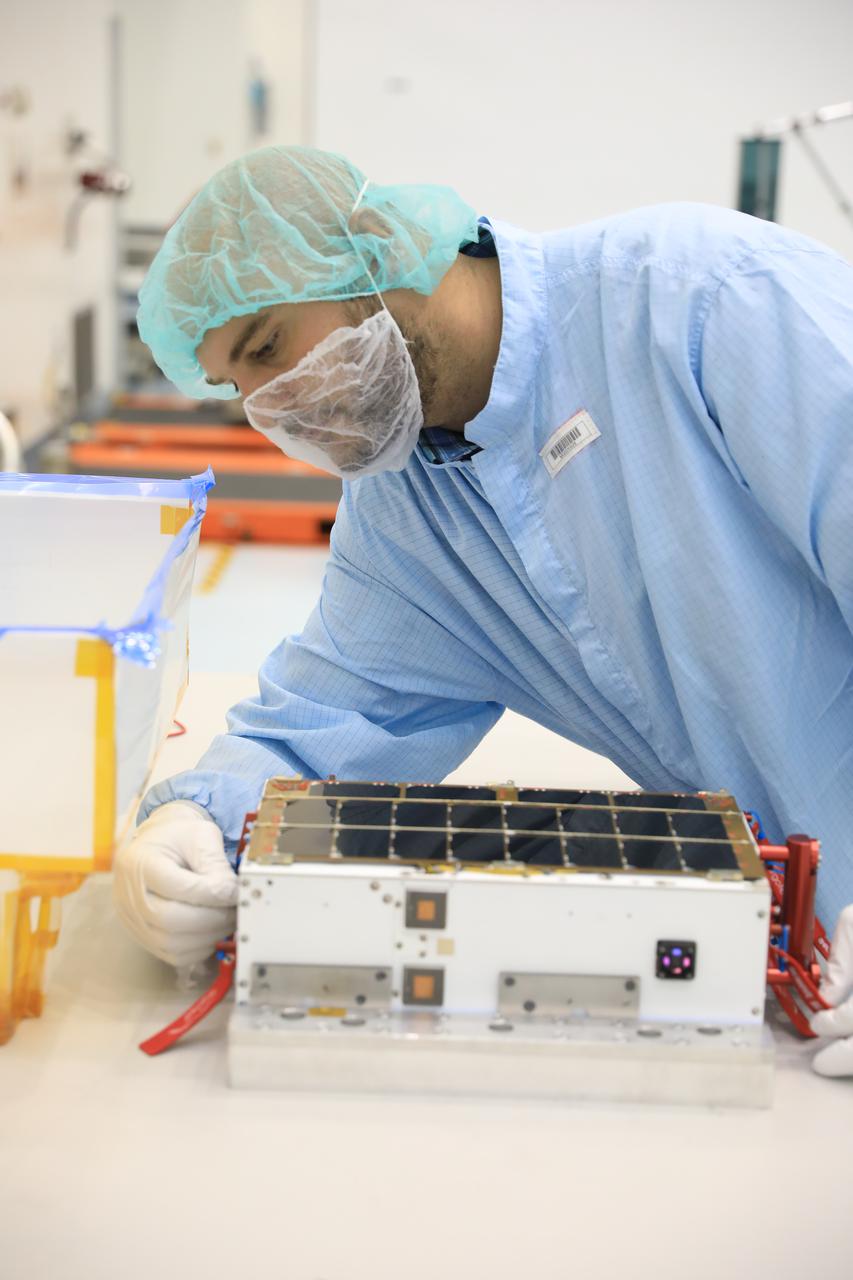
Teams worked on the final processing of their payloads that will fly aboard Artemis I. Housed within the Orion stage adapter, the satellites – called CubeSats – are roughly the size of a large shoe box and weigh no more than 30 pounds. Despite their small size, they enable science and technology experiments that may enhance our understanding of the deep space environment, expand our knowledge of the Moon, and demonstrate new technologies that could be used on future missions.
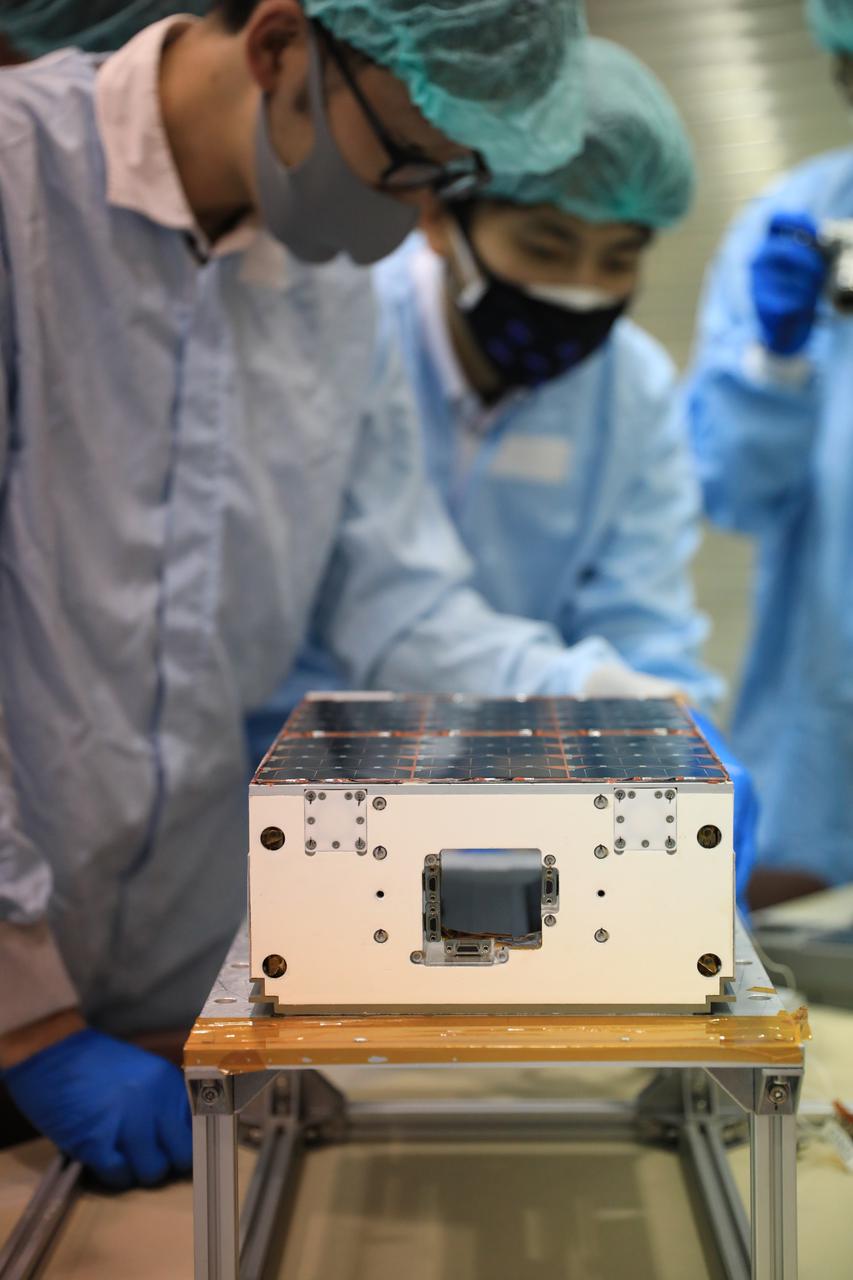
Teams worked on the final processing of their payloads that will fly aboard Artemis I. Housed within the Orion stage adapter, the satellites – called CubeSats – are roughly the size of a large shoe box and weigh no more than 30 pounds. Despite their small size, they enable science and technology experiments that may enhance our understanding of the deep space environment, expand our knowledge of the Moon, and demonstrate new technologies that could be used on future missions.
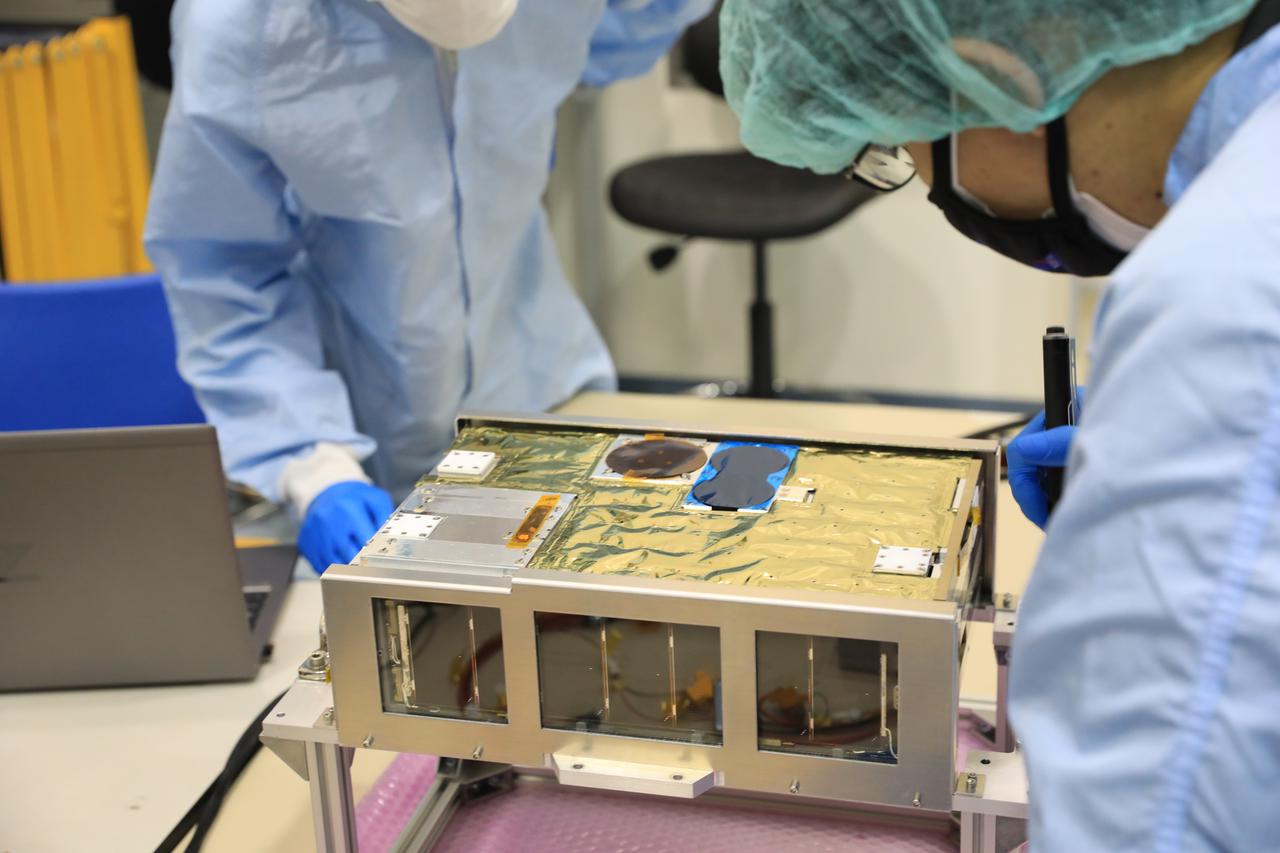
Teams worked on the final processing of their payloads that will fly aboard Artemis I. Housed within the Orion stage adapter, the satellites – called CubeSats – are roughly the size of a large shoe box and weigh no more than 30 pounds. Despite their small size, they enable science and technology experiments that may enhance our understanding of the deep space environment, expand our knowledge of the Moon, and demonstrate new technologies that could be used on future missions.
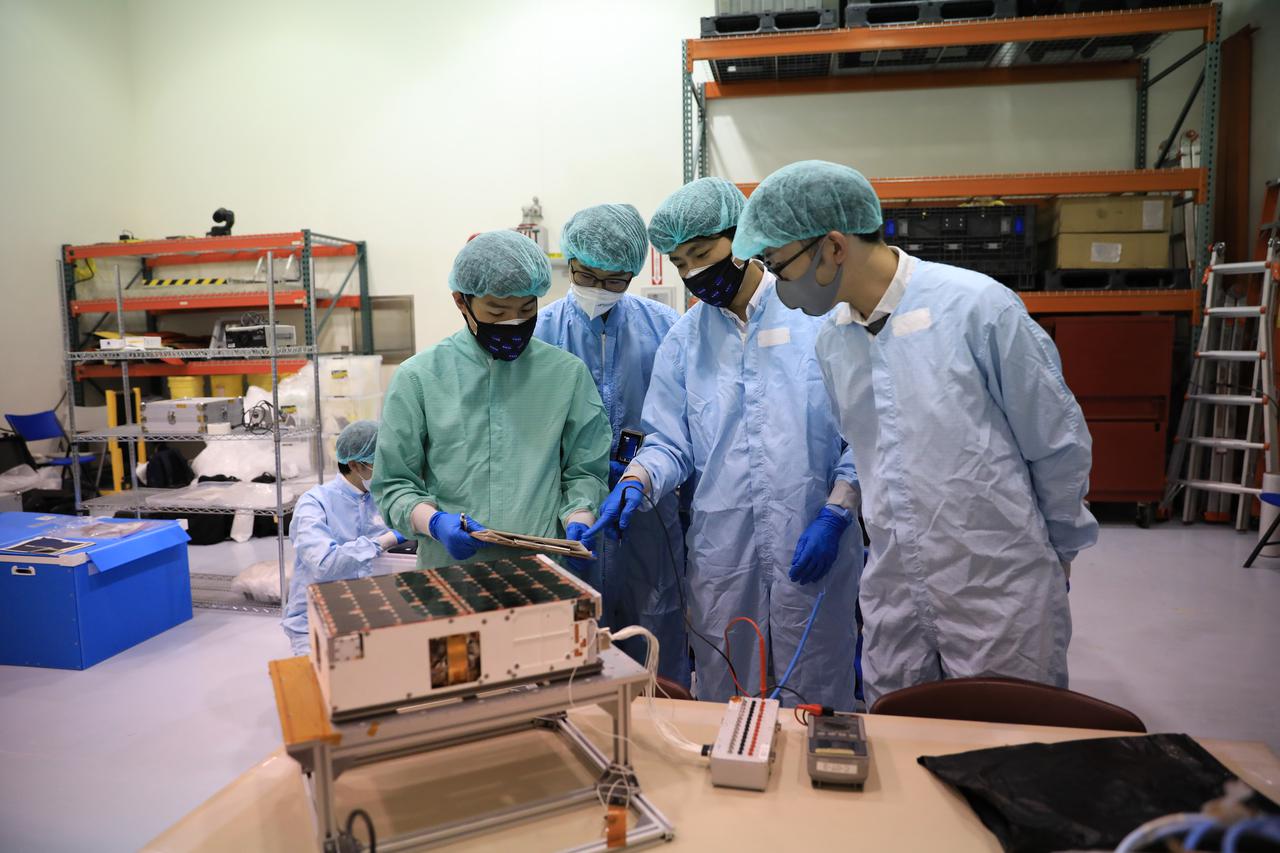
Teams worked on the final processing of their payloads that will fly aboard Artemis I. Housed within the Orion stage adapter, the satellites – called CubeSats – are roughly the size of a large shoe box and weigh no more than 30 pounds. Despite their small size, they enable science and technology experiments that may enhance our understanding of the deep space environment, expand our knowledge of the Moon, and demonstrate new technologies that could be used on future missions.
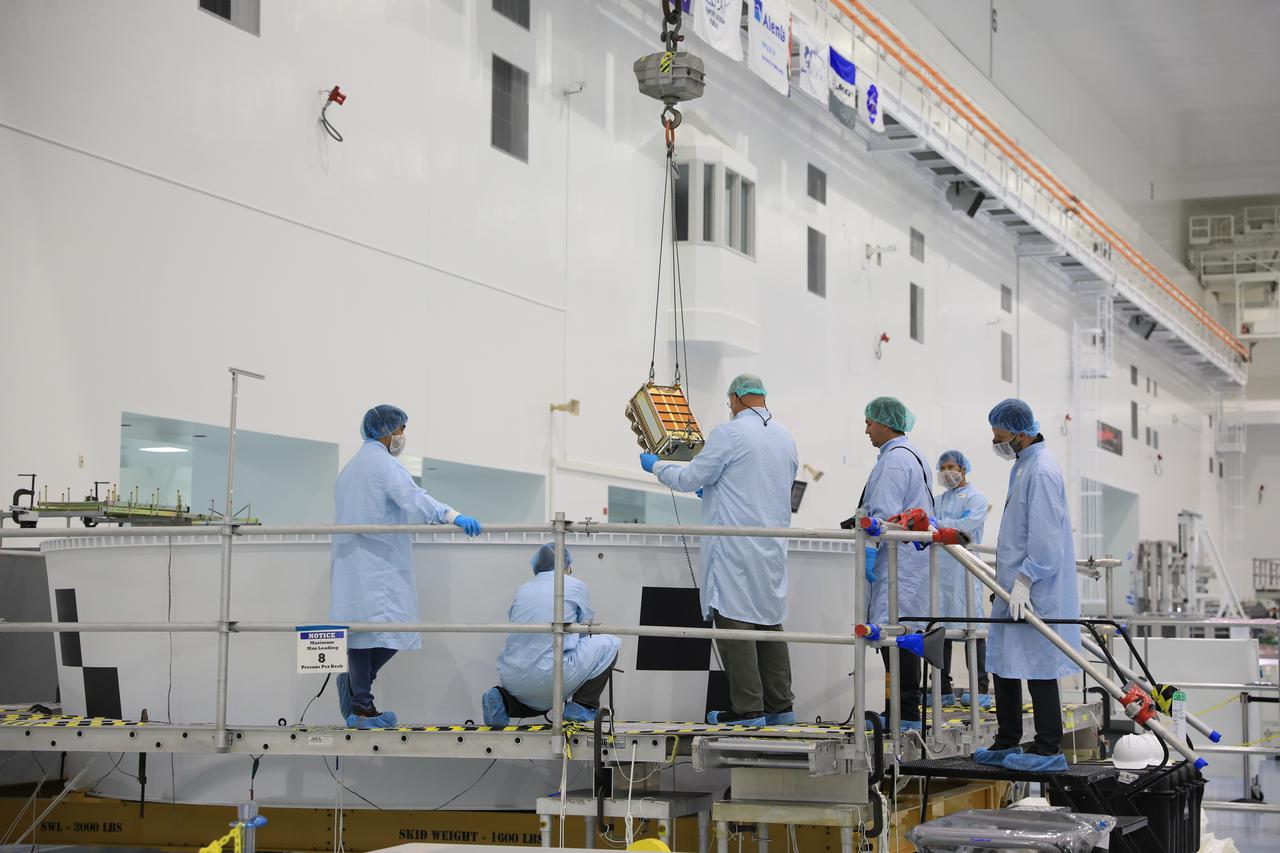
The NEA Scout and Lunar IceCube secondary payloads are the first to be installed in the Space Launch System (SLS) rocket’s Orion stage adapter for the Artemis I mission on July 14 at NASA’s Kennedy Space Center in Florida.
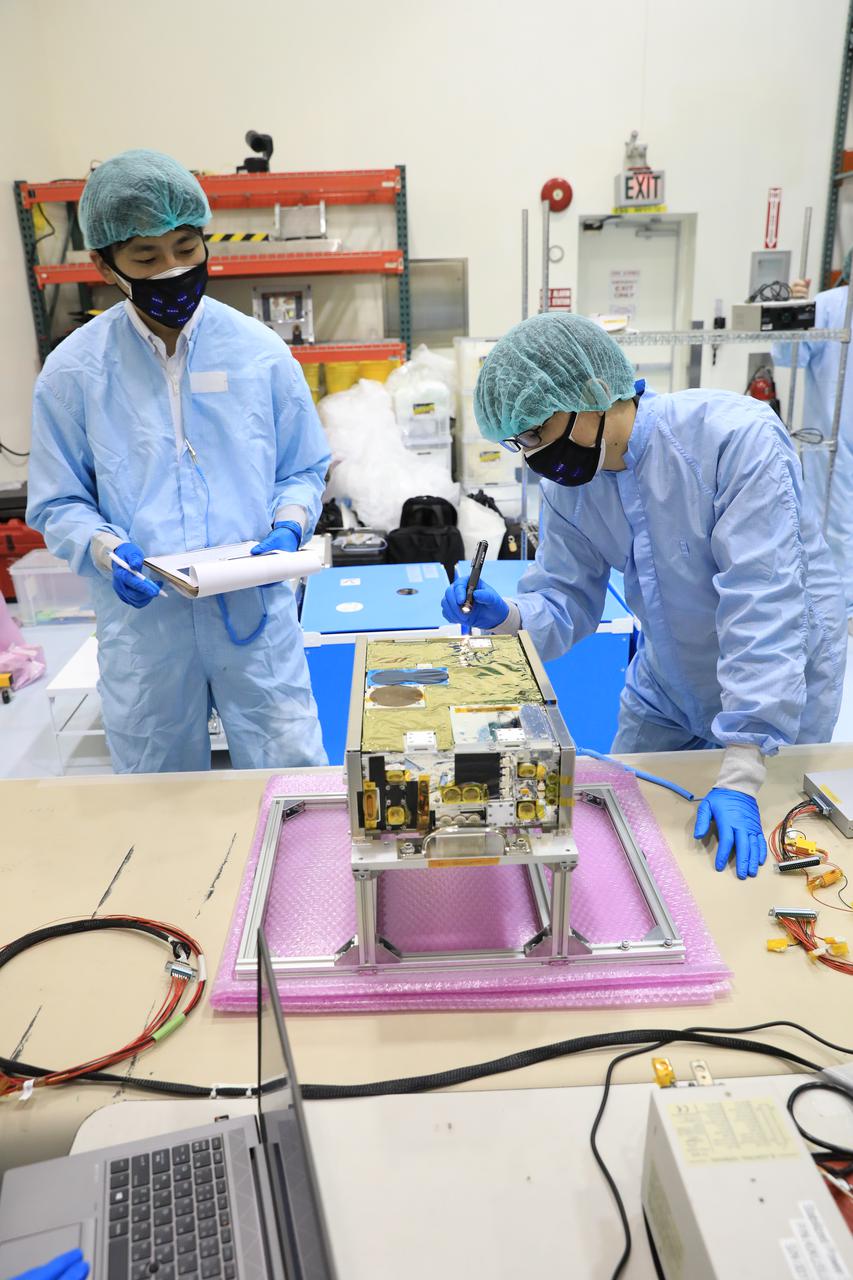
Teams worked on the final processing of their payloads that will fly aboard Artemis I. Housed within the Orion stage adapter, the satellites – called CubeSats – are roughly the size of a large shoe box and weigh no more than 30 pounds. Despite their small size, they enable science and technology experiments that may enhance our understanding of the deep space environment, expand our knowledge of the Moon, and demonstrate new technologies that could be used on future missions.
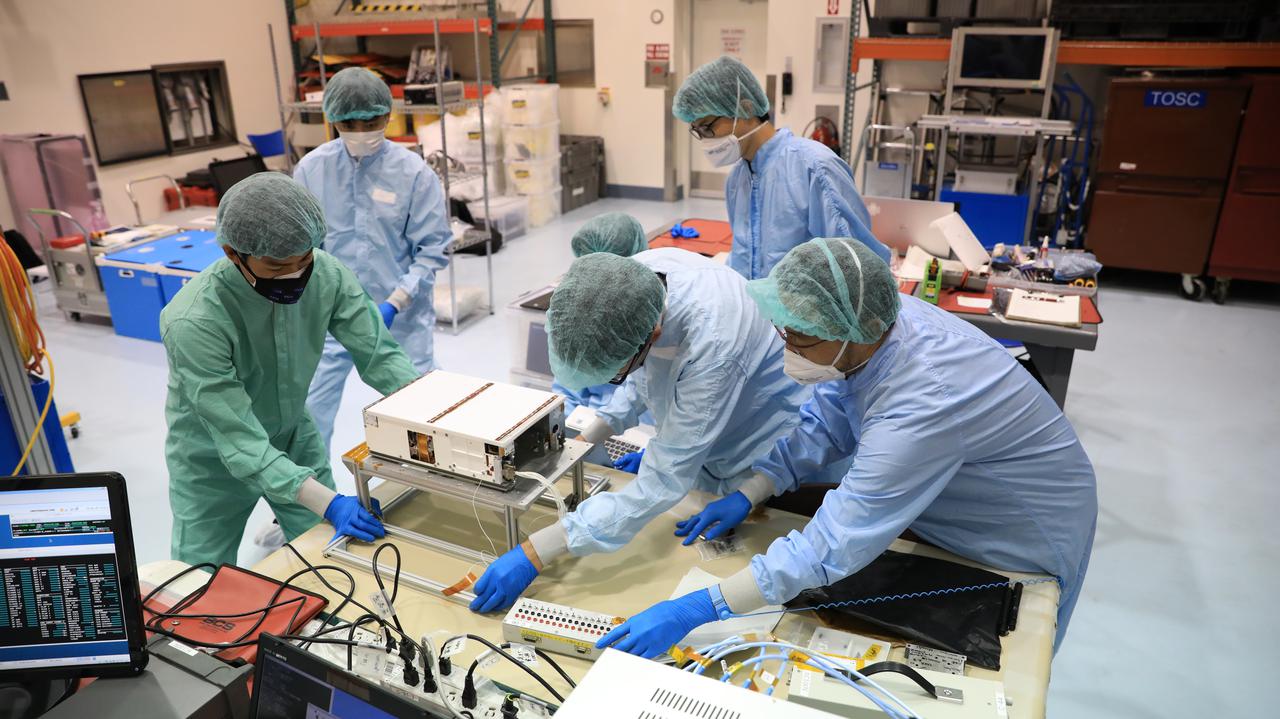
Teams worked on the final processing of their payloads that will fly aboard Artemis I. Housed within the Orion stage adapter, the satellites – called CubeSats – are roughly the size of a large shoe box and weigh no more than 30 pounds. Despite their small size, they enable science and technology experiments that may enhance our understanding of the deep space environment, expand our knowledge of the Moon, and demonstrate new technologies that could be used on future missions.
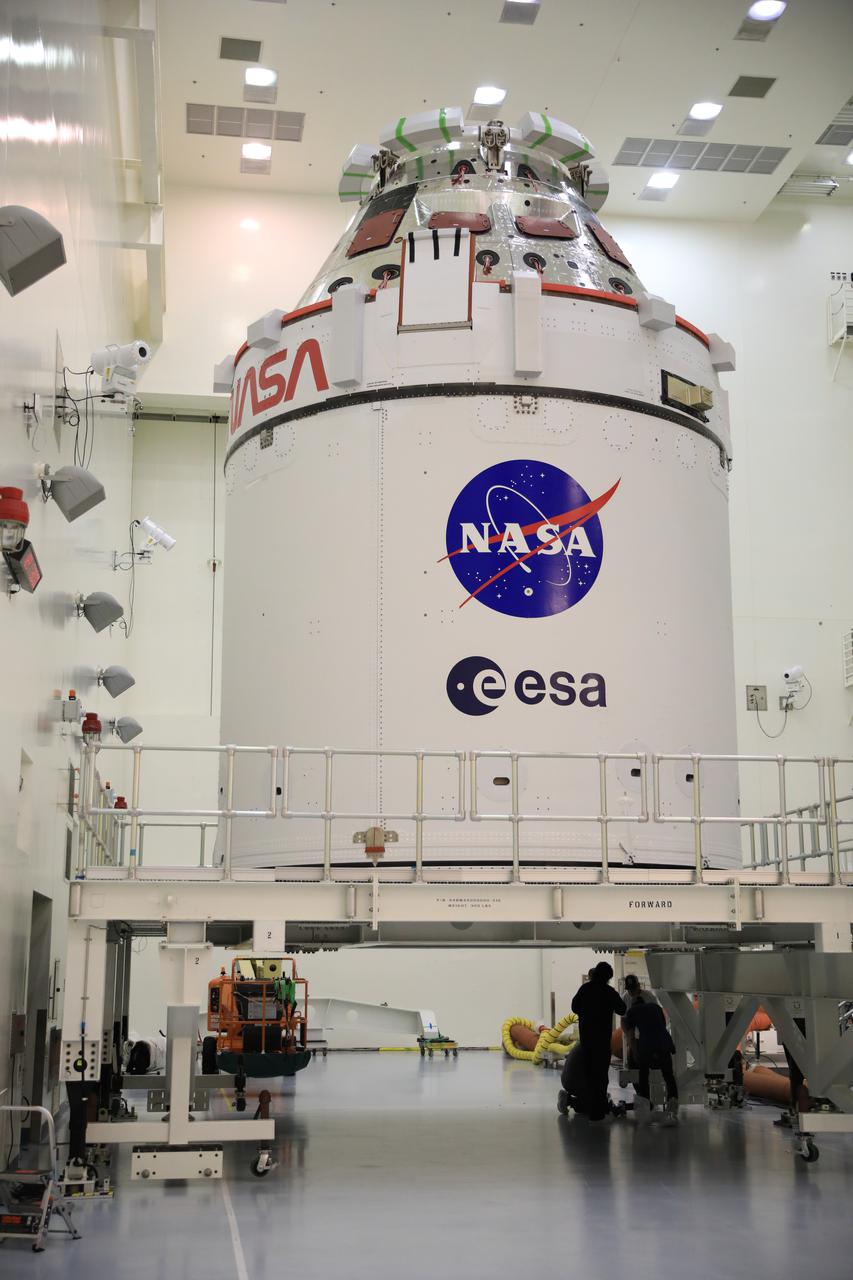
Fueling and servicing checks on the Orion spacecraft for the Artemis I mission are completed inside Kennedy Space Center’s Multi-Payload Processing Facility on July 8, 2021. The capsule will be transported to the Florida spaceport’s Launch Abort System Facility, where teams with Exploration Ground Systems and contractor Jacobs will work to add parts of the launch abort system onto the spacecraft. Launching later this year, Artemis I will be a test of the Orion spacecraft and SLS rocket as an integrated system ahead of crewed flights to the Moon.
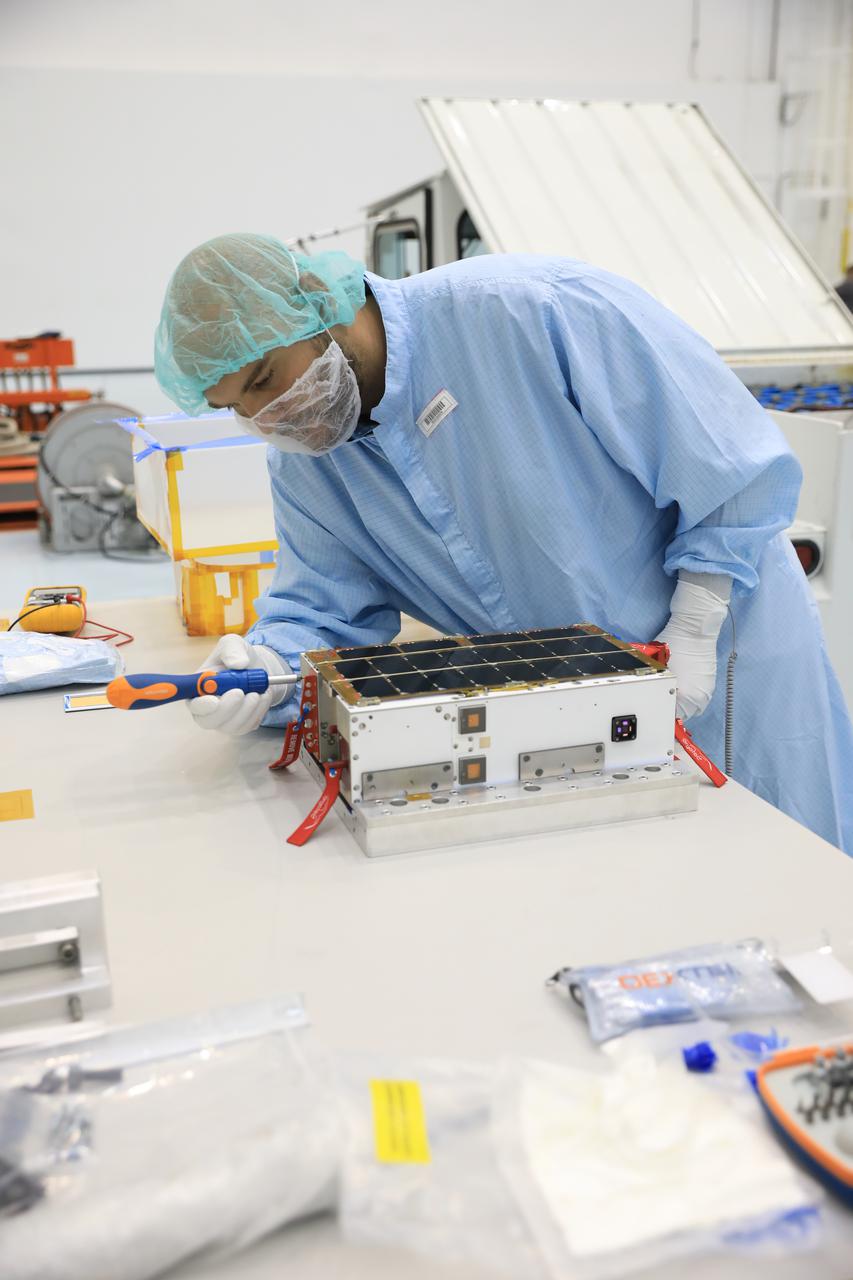
Teams worked on the final processing of their payloads that will fly aboard Artemis I. Housed within the Orion stage adapter, the satellites – called CubeSats – are roughly the size of a large shoe box and weigh no more than 30 pounds. Despite their small size, they enable science and technology experiments that may enhance our understanding of the deep space environment, expand our knowledge of the Moon, and demonstrate new technologies that could be used on future missions.
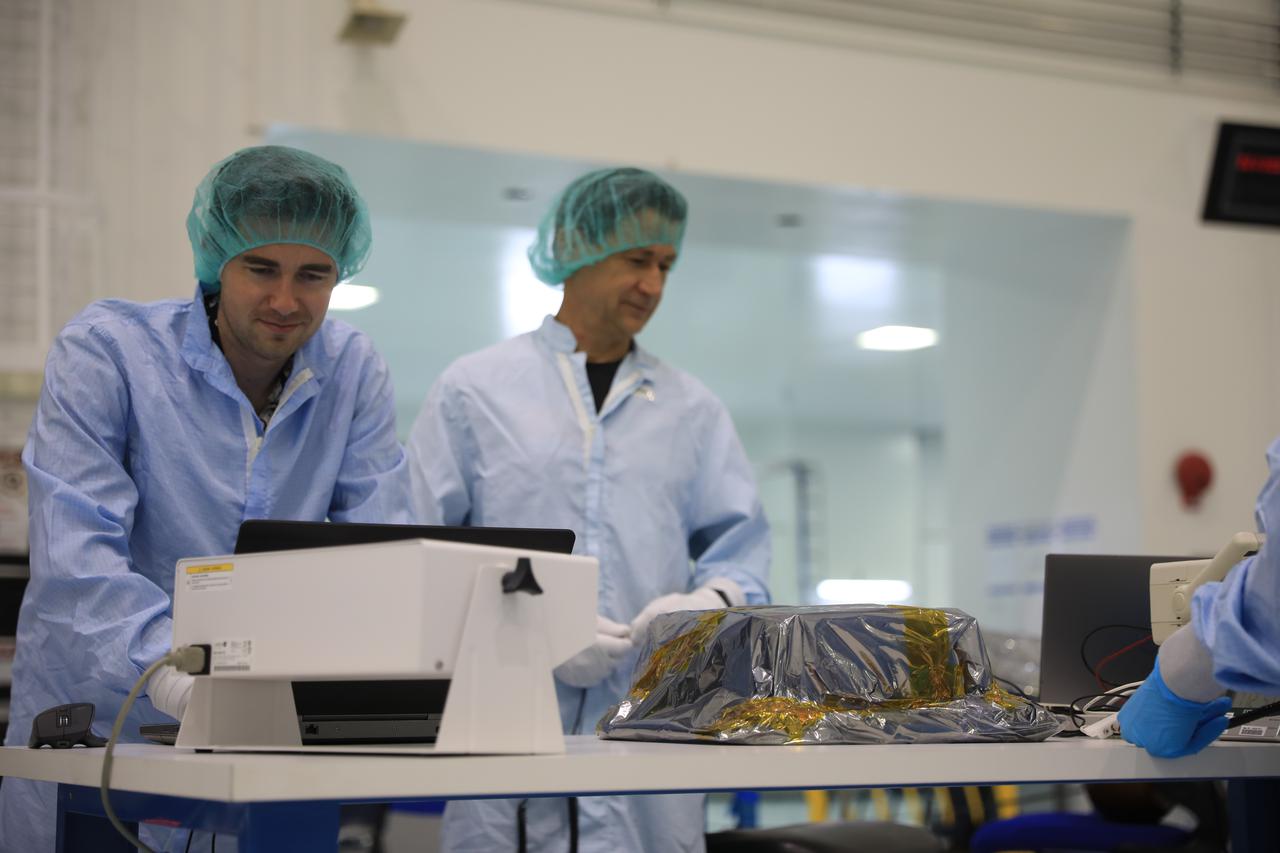
Teams worked on the final processing of their payloads that will fly aboard Artemis I. Housed within the Orion stage adapter, the satellites – called CubeSats – are roughly the size of a large shoe box and weigh no more than 30 pounds. Despite their small size, they enable science and technology experiments that may enhance our understanding of the deep space environment, expand our knowledge of the Moon, and demonstrate new technologies that could be used on future missions.
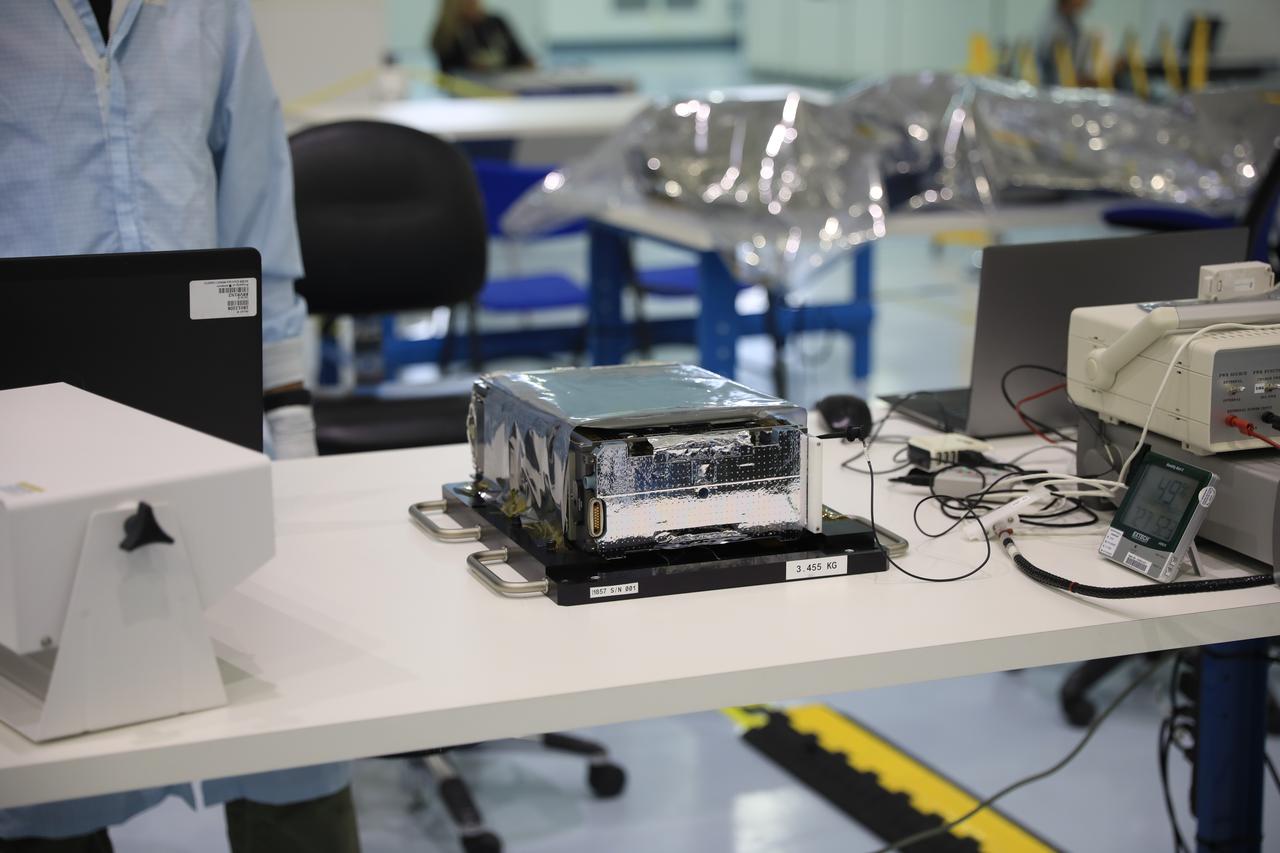
Teams worked on the final processing of their payloads that will fly aboard Artemis I. Housed within the Orion stage adapter, the satellites – called CubeSats – are roughly the size of a large shoe box and weigh no more than 30 pounds. Despite their small size, they enable science and technology experiments that may enhance our understanding of the deep space environment, expand our knowledge of the Moon, and demonstrate new technologies that could be used on future missions.
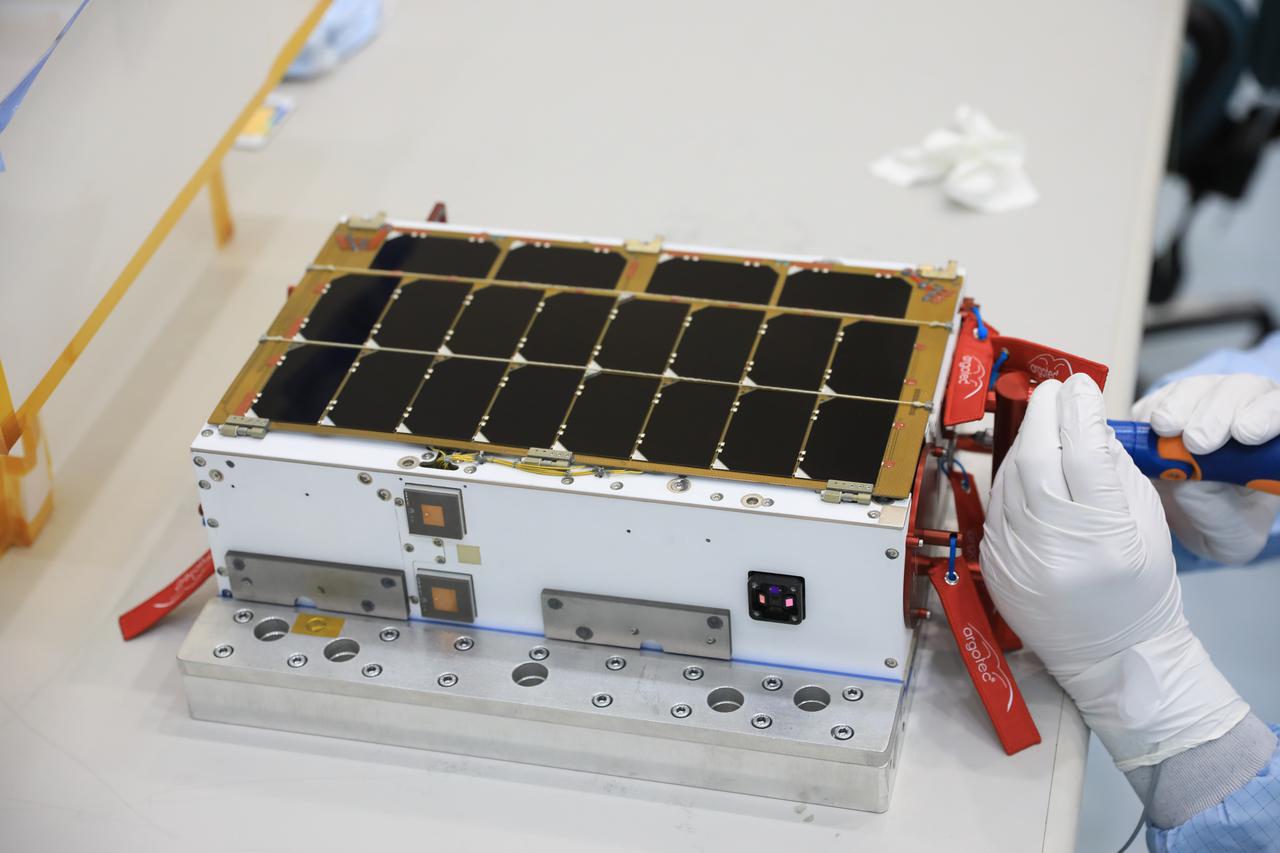
Teams worked on the final processing of their payloads that will fly aboard Artemis I. Housed within the Orion stage adapter, the satellites – called CubeSats – are roughly the size of a large shoe box and weigh no more than 30 pounds. Despite their small size, they enable science and technology experiments that may enhance our understanding of the deep space environment, expand our knowledge of the Moon, and demonstrate new technologies that could be used on future missions.
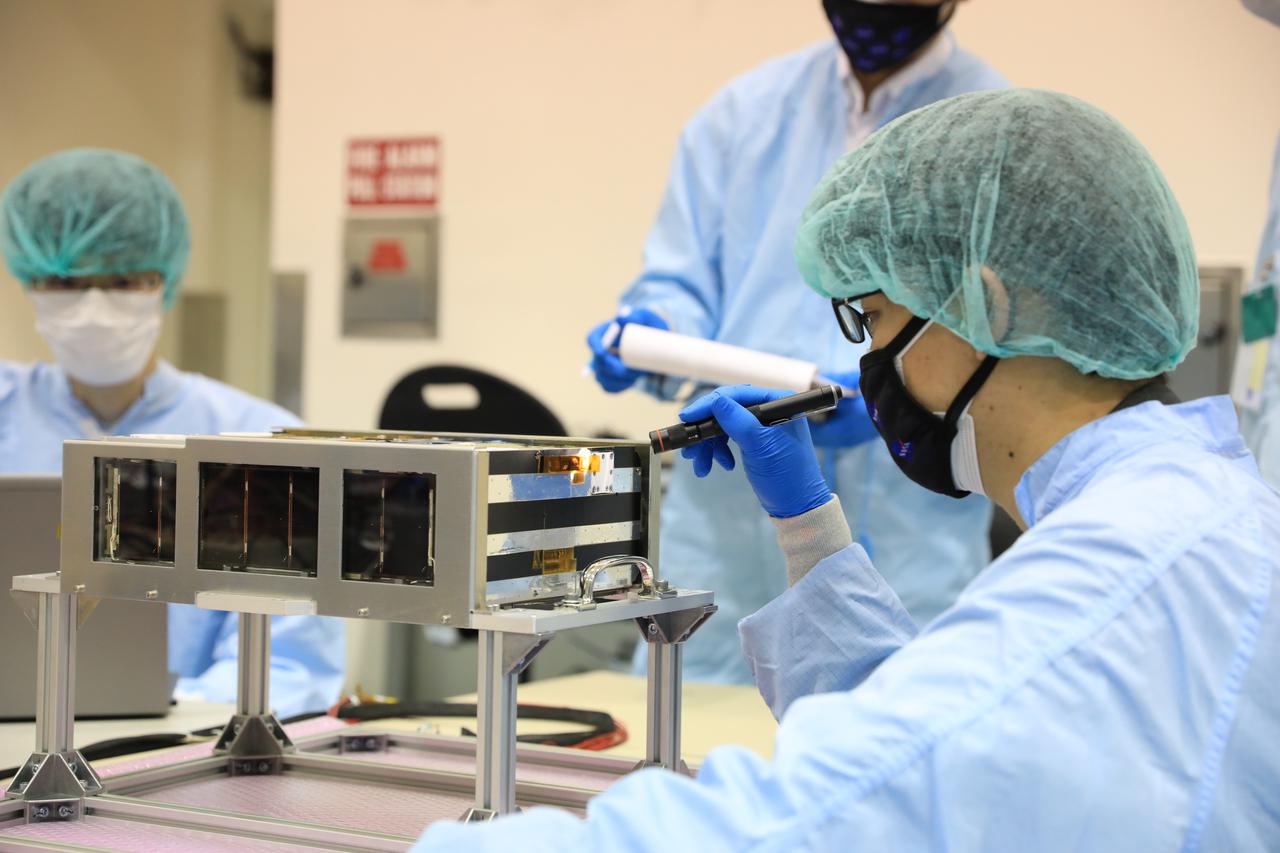
Teams worked on the final processing of their payloads that will fly aboard Artemis I. Housed within the Orion stage adapter, the satellites – called CubeSats – are roughly the size of a large shoe box and weigh no more than 30 pounds. Despite their small size, they enable science and technology experiments that may enhance our understanding of the deep space environment, expand our knowledge of the Moon, and demonstrate new technologies that could be used on future missions.
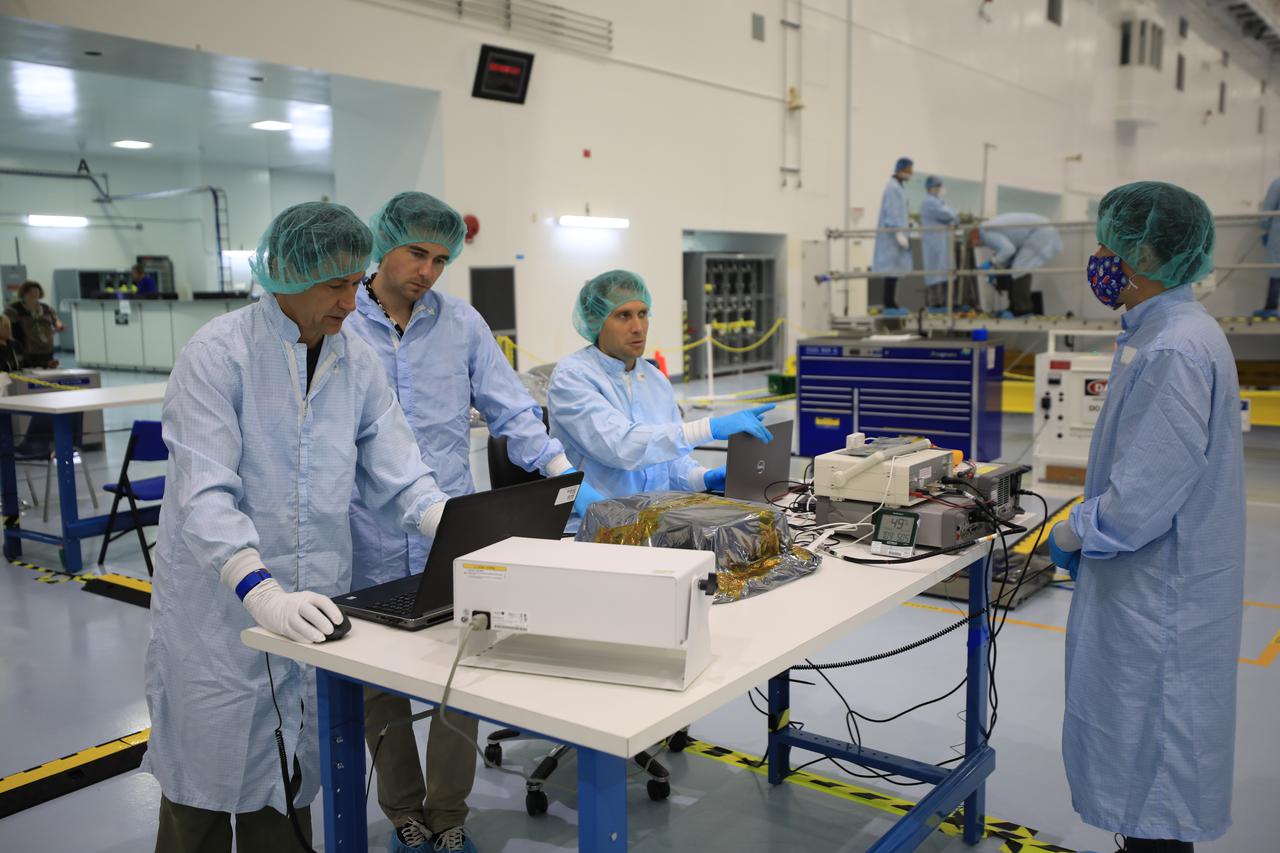
Teams worked on the final processing of their payloads that will fly aboard Artemis I. Housed within the Orion stage adapter, the satellites – called CubeSats – are roughly the size of a large shoe box and weigh no more than 30 pounds. Despite their small size, they enable science and technology experiments that may enhance our understanding of the deep space environment, expand our knowledge of the Moon, and demonstrate new technologies that could be used on future missions.
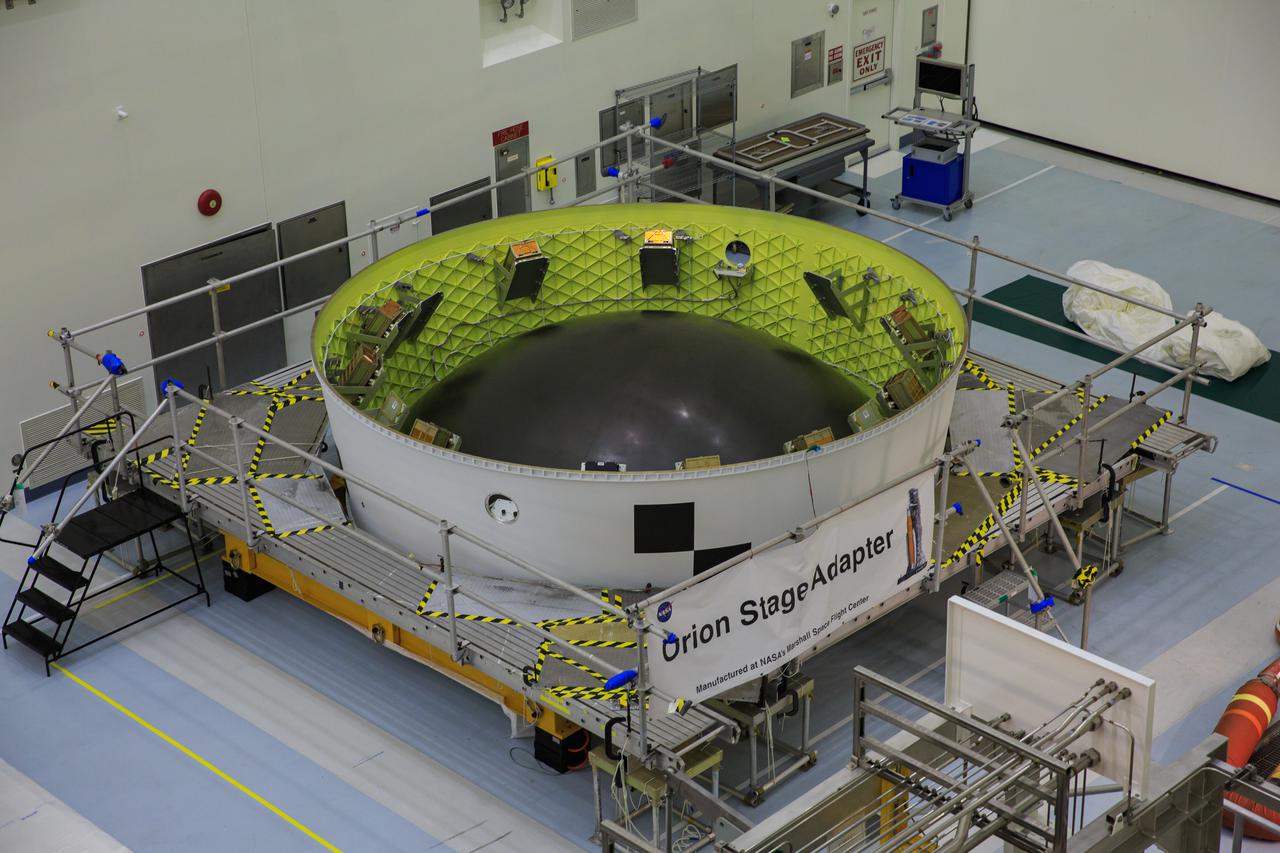
Small satellites, called CubeSats, are shown secured inside NASA’s Orion stage adapter at NASA’s Kennedy Space Center in Florida on Aug. 5, 2021. Technicians from Exploration Ground Systems and Jacobs teams are working with developers of the shoebox-sized secondary payloads as they undergo final processing. The ring-shaped stage adapter will be connected to the Space Launch System’s Interim Cryogenic Propulsion Stage, and the Orion spacecraft will be secured on top. The CubeSats will conduct a variety of science experiments and technology demonstrations that will expand our knowledge of the lunar surface during the Artemis I mission.

Small satellites, called CubeSats, are shown secured inside NASA’s Orion stage adapter at NASA’s Kennedy Space Center in Florida on Aug. 5, 2021. Technicians from Exploration Ground Systems and Jacobs teams are working with developers of the shoebox-sized secondary payloads as they undergo final processing. The ring-shaped stage adapter will be connected to the Space Launch System’s Interim Cryogenic Propulsion Stage, and the Orion spacecraft will be secured on top. The CubeSats will conduct a variety of science experiments and technology demonstrations that will expand our knowledge of the lunar surface during the Artemis I mission.
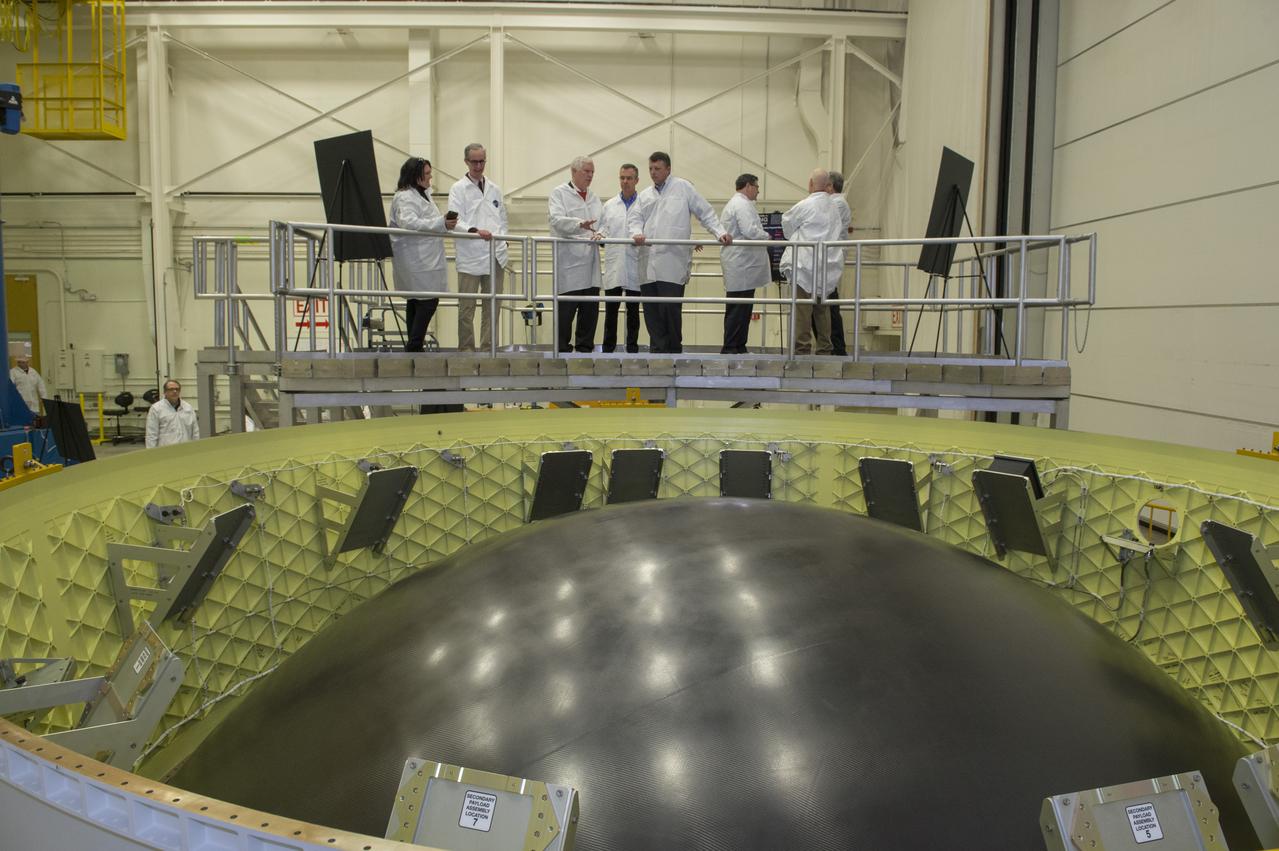
Congressman Mo Brooks visits MSFC to view Orion Stage Adapter flight hardware in bldg. 4708 and Robotic Tape Laying and Additive Manufacturing Facility in bldg. 4707.
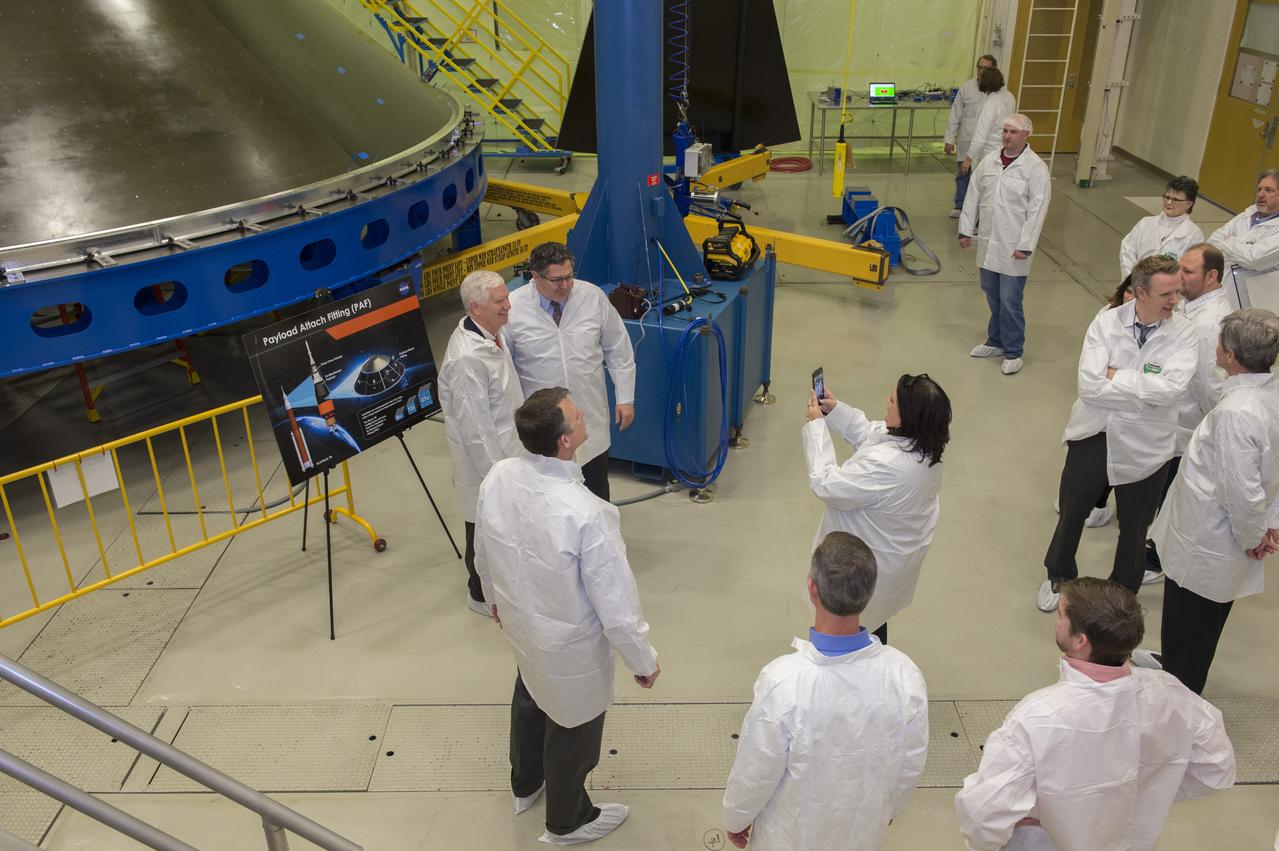
Congressman Mo Brooks visits MSFC to view Orion Stage Adapter flight hardware in bldg. 4708 and Robotic Tape Laying and Additive Manufacturing Facility in bldg. 4707.
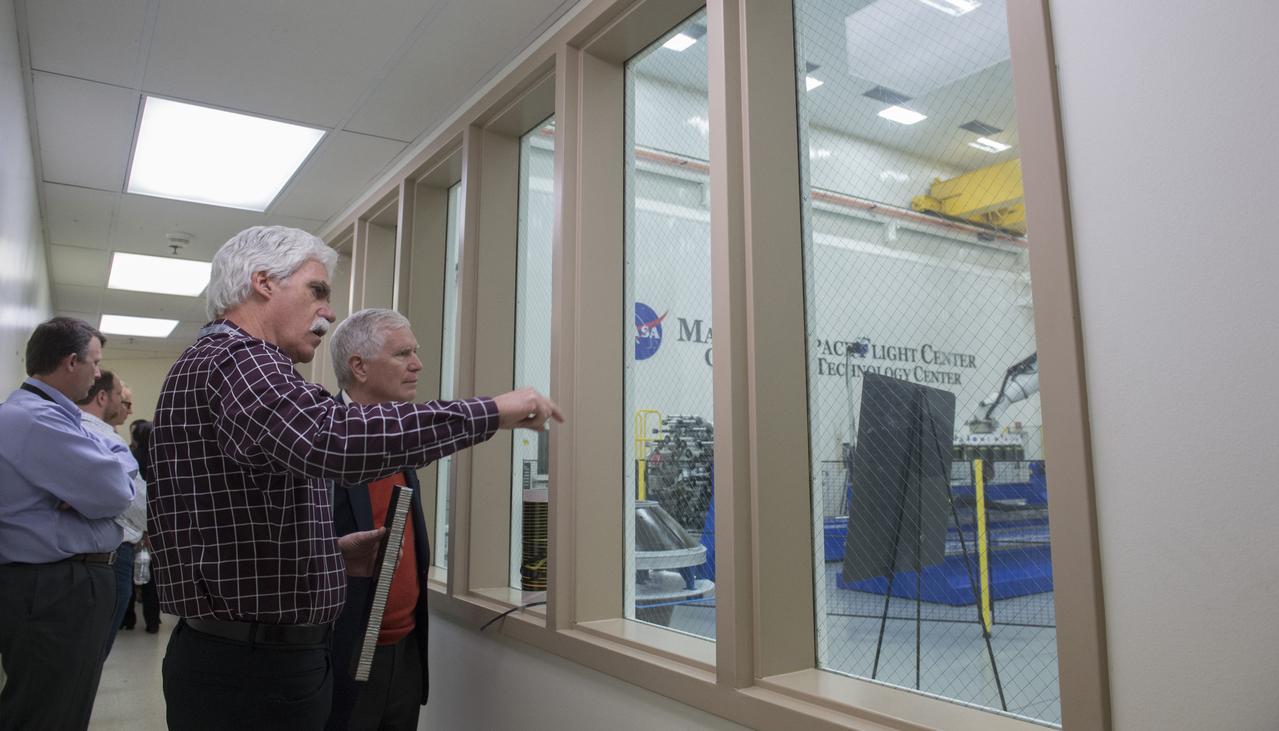
Congressman Mo Brooks visits MSFC to view Orion Stage Adapter flight hardware in bldg. 4708 and Robotic Tape Laying and Additive Manufacturing Facility in bldg. 4707.
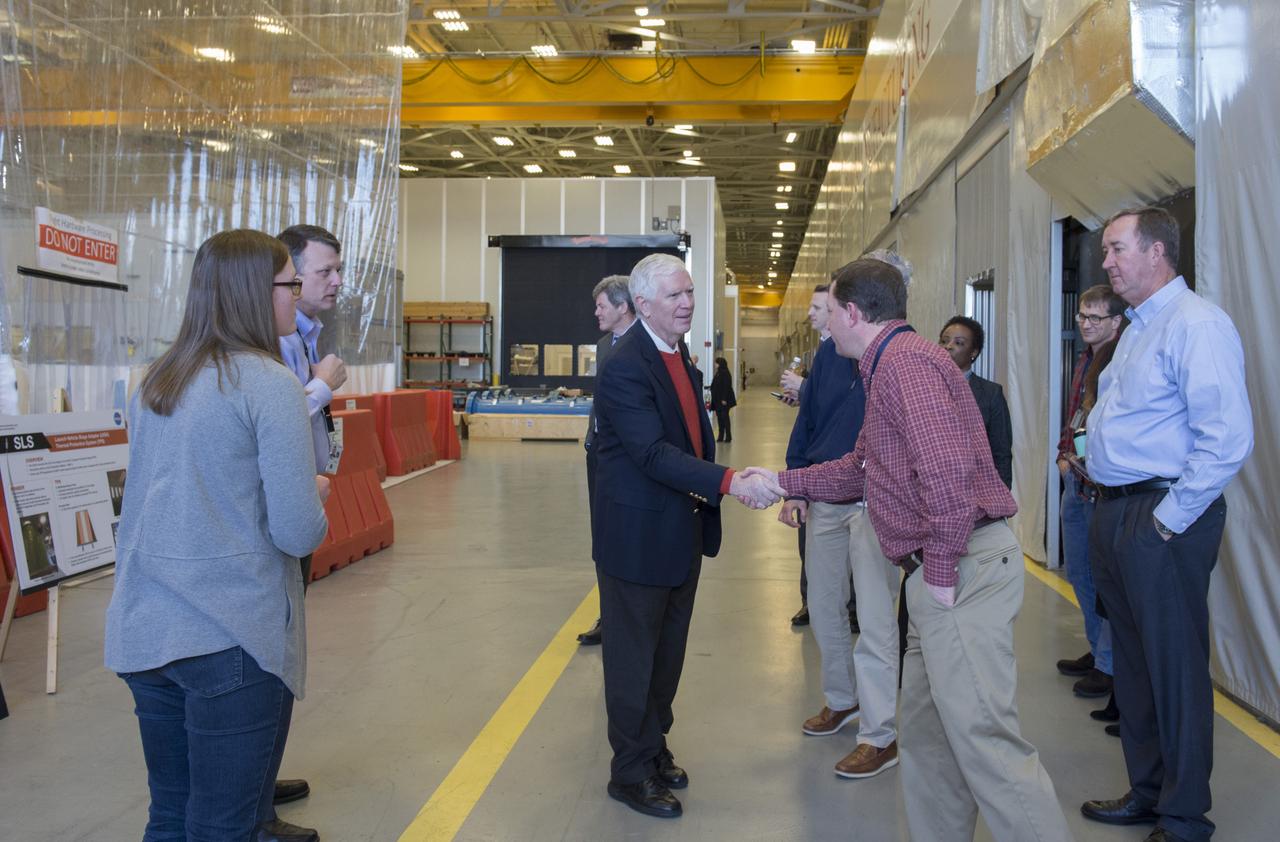
Congressman Mo Brooks visits MSFC to view Orion Stage Adapter flight hardware in bldg. 4708 and Robotic Tape Laying and Additive Manufacturing Facility in bldg. 4707.

Congressman Mo Brooks visits MSFC to view Orion Stage Adapter flight hardware in bldg. 4708 and Robotic Tape Laying and Additive Manufacturing Facility in bldg. 4707.
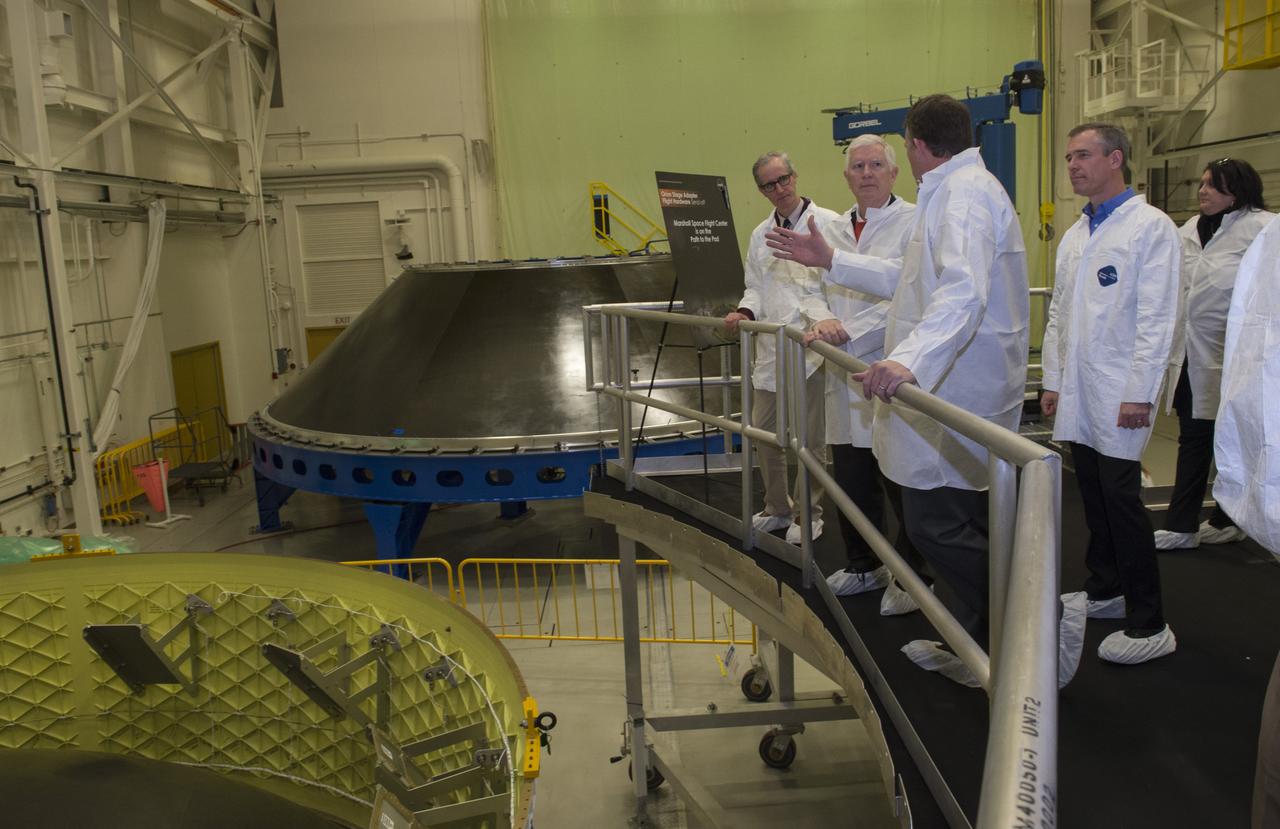
Congressman Mo Brooks visits MSFC to view Orion Stage Adapter flight hardware in bldg. 4708 and Robotic Tape Laying and Additive Manufacturing Facility in bldg. 4707.
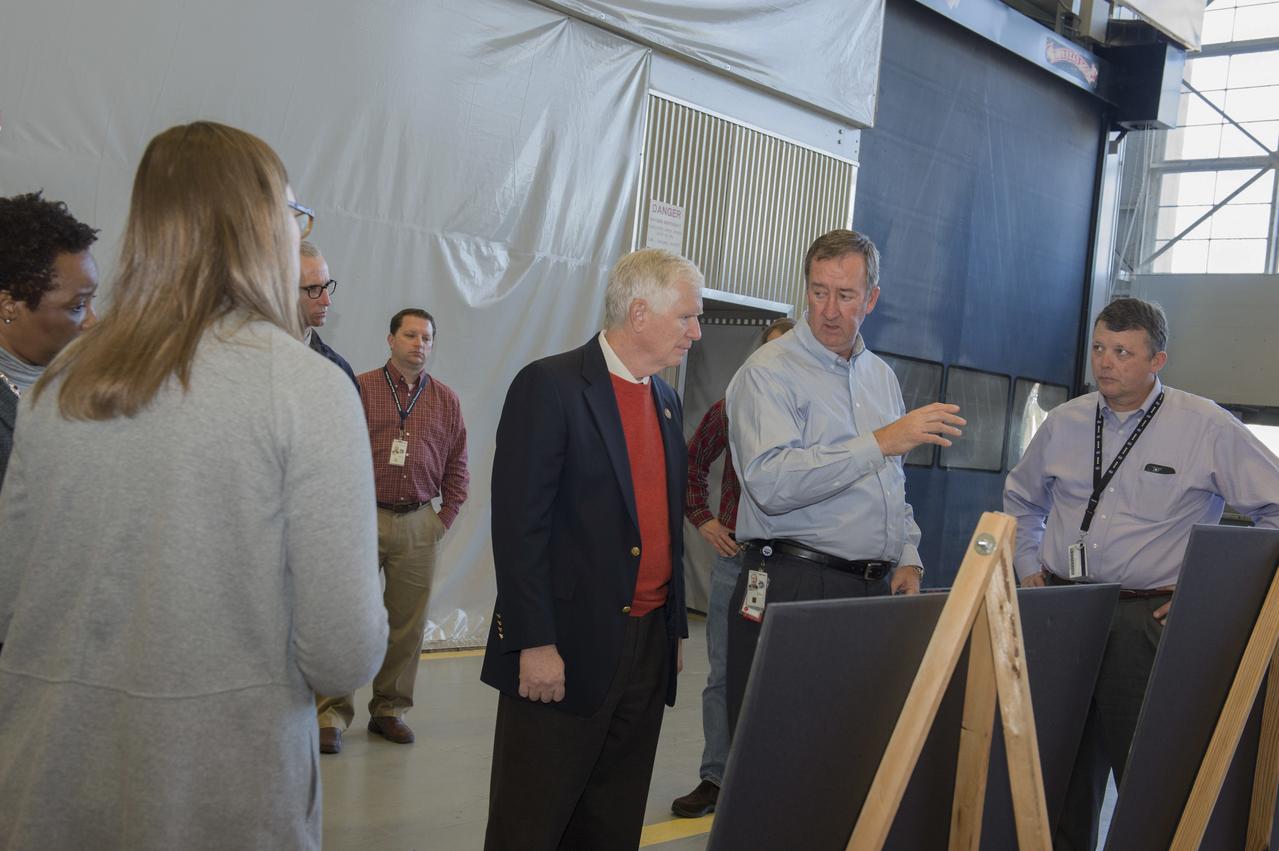
Congressman Mo Brooks visits MSFC to view Orion Stage Adapter flight hardware in bldg. 4708 and Robotic Tape Laying and Additive Manufacturing Facility in bldg. 4707.

Congressman Mo Brooks visits MSFC to view Orion Stage Adapter flight hardware in bldg. 4708 and Robotic Tape Laying and Additive Manufacturing Facility in bldg. 4707.
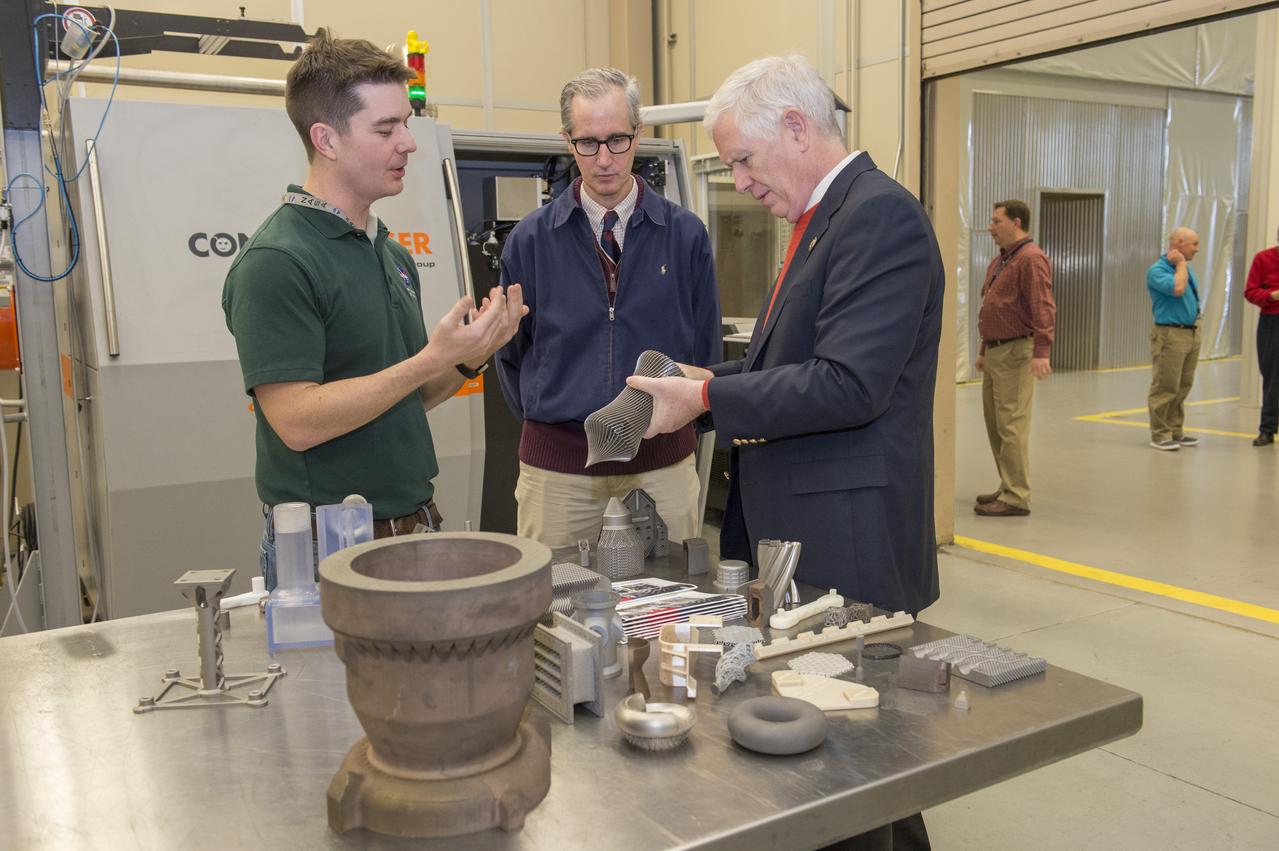
Congressman Mo Brooks visits MSFC to view Orion Stage Adapter flight hardware in bldg. 4708 and Robotic Tape Laying and Additive Manufacturing Facility in bldg. 4707.
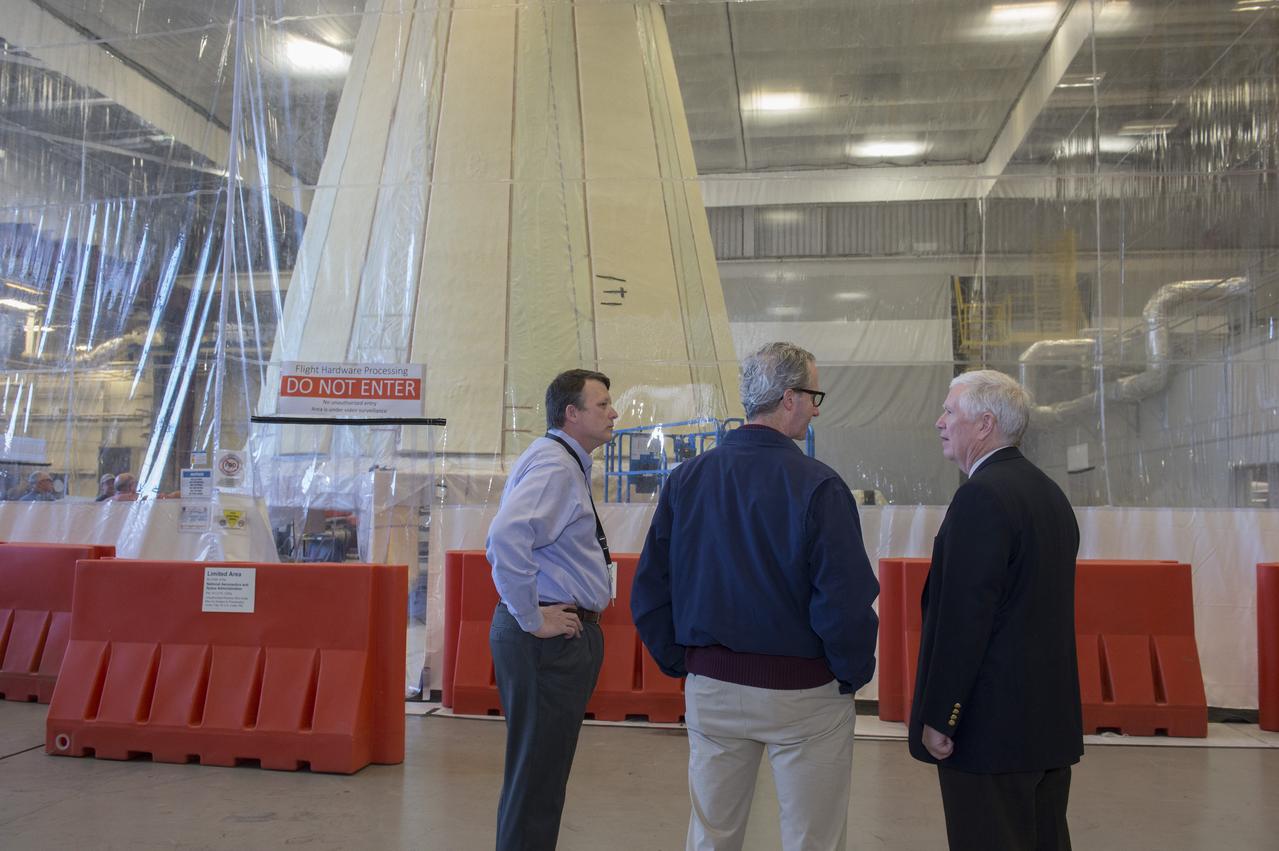
Congressman Mo Brooks visits MSFC to view Orion Stage Adapter flight hardware in bldg. 4708 and Robotic Tape Laying and Additive Manufacturing Facility in bldg. 4707.
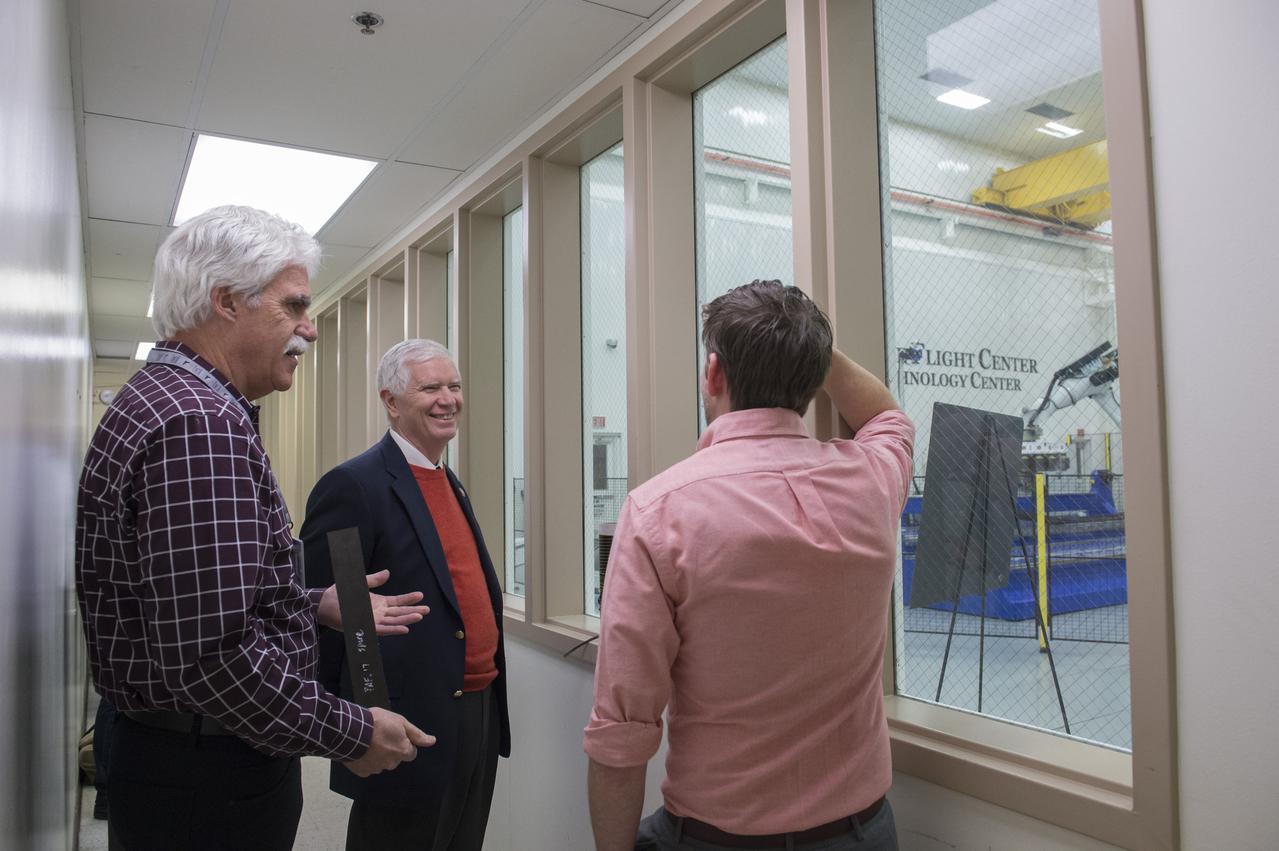
Congressman Mo Brooks visits MSFC to view Orion Stage Adapter flight hardware in bldg. 4708 and Robotic Tape Laying and Additive Manufacturing Facility in bldg. 4707.
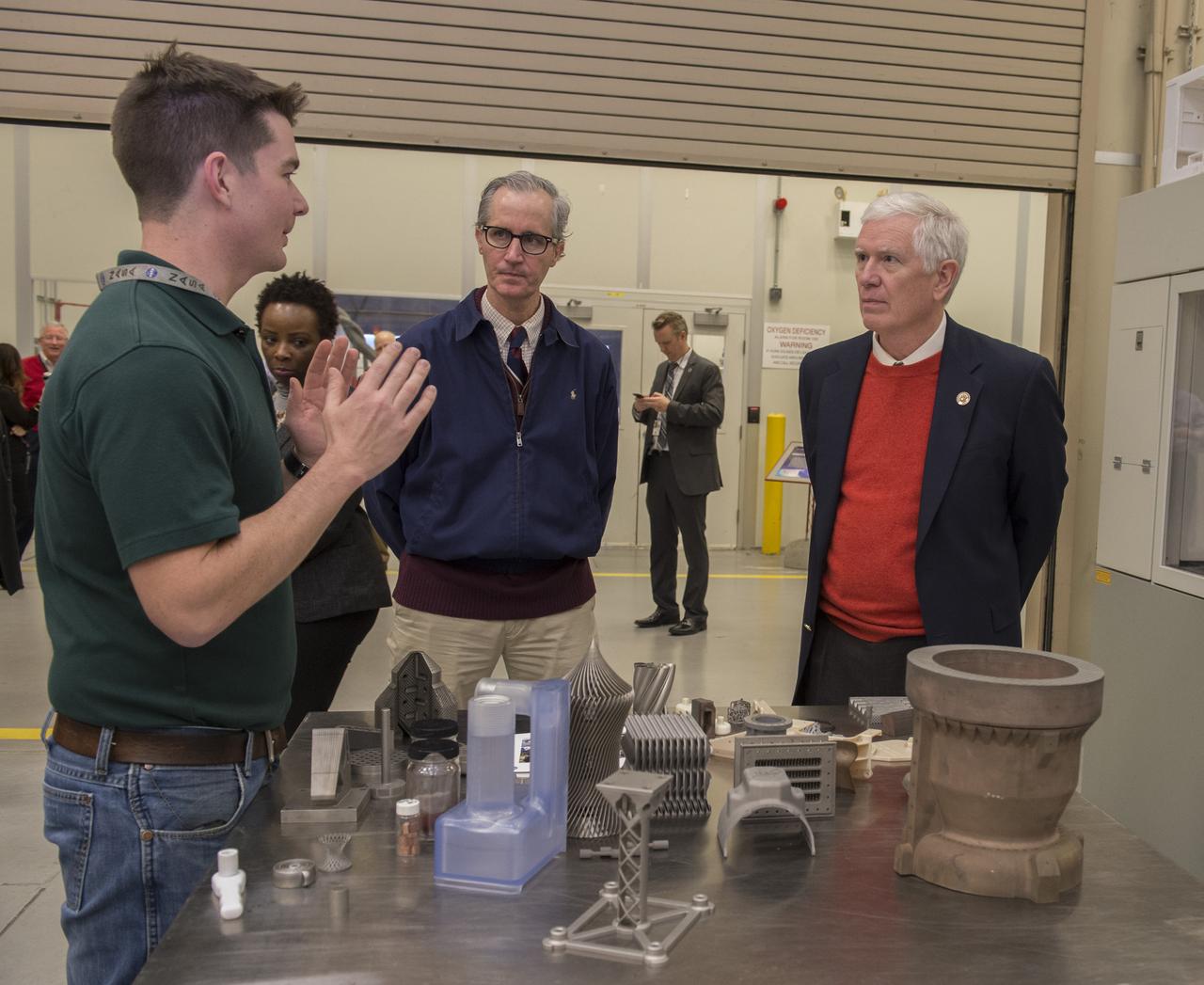
Congressman Mo Brooks visits MSFC to view Orion Stage Adapter flight hardware in bldg. 4708 and Robotic Tape Laying and Additive Manufacturing Facility in bldg. 4707.

In High Bay 3 inside the Vehicle Assembly Building at NASA’s Kennedy Space Center in Florida, teams with Exploration Ground Systems and Jacobs use the Orion stage adapter structural test article and the Mass Simulator for Orion for testing on Aug. 13, 2021. They are stacked atop the Space Launch System (SLS) rocket. These test articles represent the mass and weight of the actual Orion stage adapter and Orion spacecraft that will be used for various tests. Launching in 2021, Artemis I will be an uncrewed test of the Orion spacecraft and SLS rocket as an integrated system ahead of crewed flights to the Moon. Under Artemis, NASA aims to land the first woman and first person of color on the Moon and establish sustainable lunar exploration.
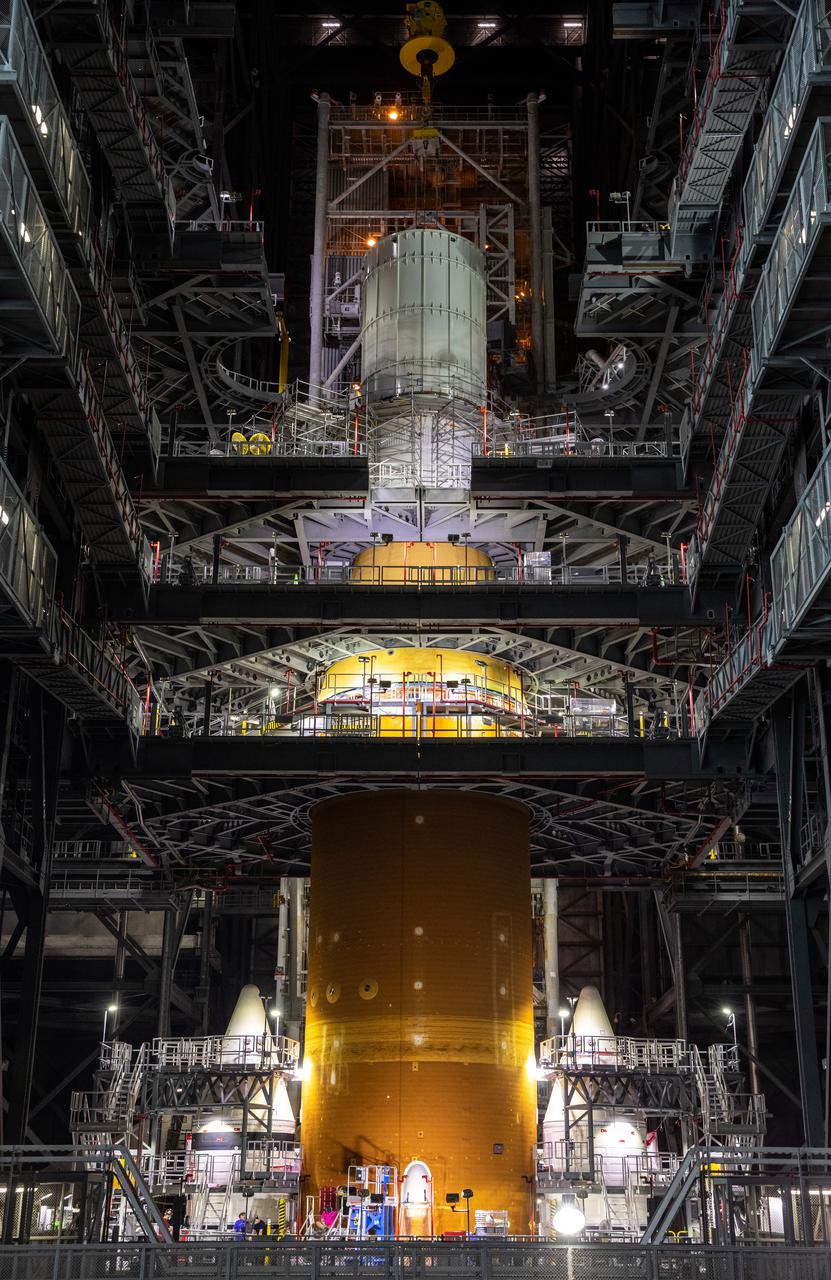
Tests are underway in High Bay 3 inside the Vehicle Assembly Building at NASA’s Kennedy Space Center in Florida on Aug. 13, 2021, using the Orion stage adapter structural test article and the Mass Simulator for Orion. Stacked atop the Space Launch System (SLS) rocket, these test articles represent the mass and weight of the actual Orion stage adapter and Orion spacecraft. Launching in 2021, Artemis I will be an uncrewed test of the Orion spacecraft and SLS rocket as an integrated system ahead of crewed flights to the Moon. Under Artemis, NASA aims to land the first woman and first person of color on the Moon and establish sustainable lunar exploration.

In High Bay 3 inside the Vehicle Assembly Building at NASA’s Kennedy Space Center in Florida, teams with Exploration Ground Systems and Jacobs use the Orion stage adapter structural test article and the Mass Simulator for Orion for testing on Aug. 13, 2021. They are stacked atop the Space Launch System (SLS) rocket. These test articles represent the mass and weight of the actual Orion stage adapter and Orion spacecraft that will be used for various tests. Launching in 2021, Artemis I will be an uncrewed test of the Orion spacecraft and SLS rocket as an integrated system ahead of crewed flights to the Moon. Under Artemis, NASA aims to land the first woman and first person of color on the Moon and establish sustainable lunar exploration.