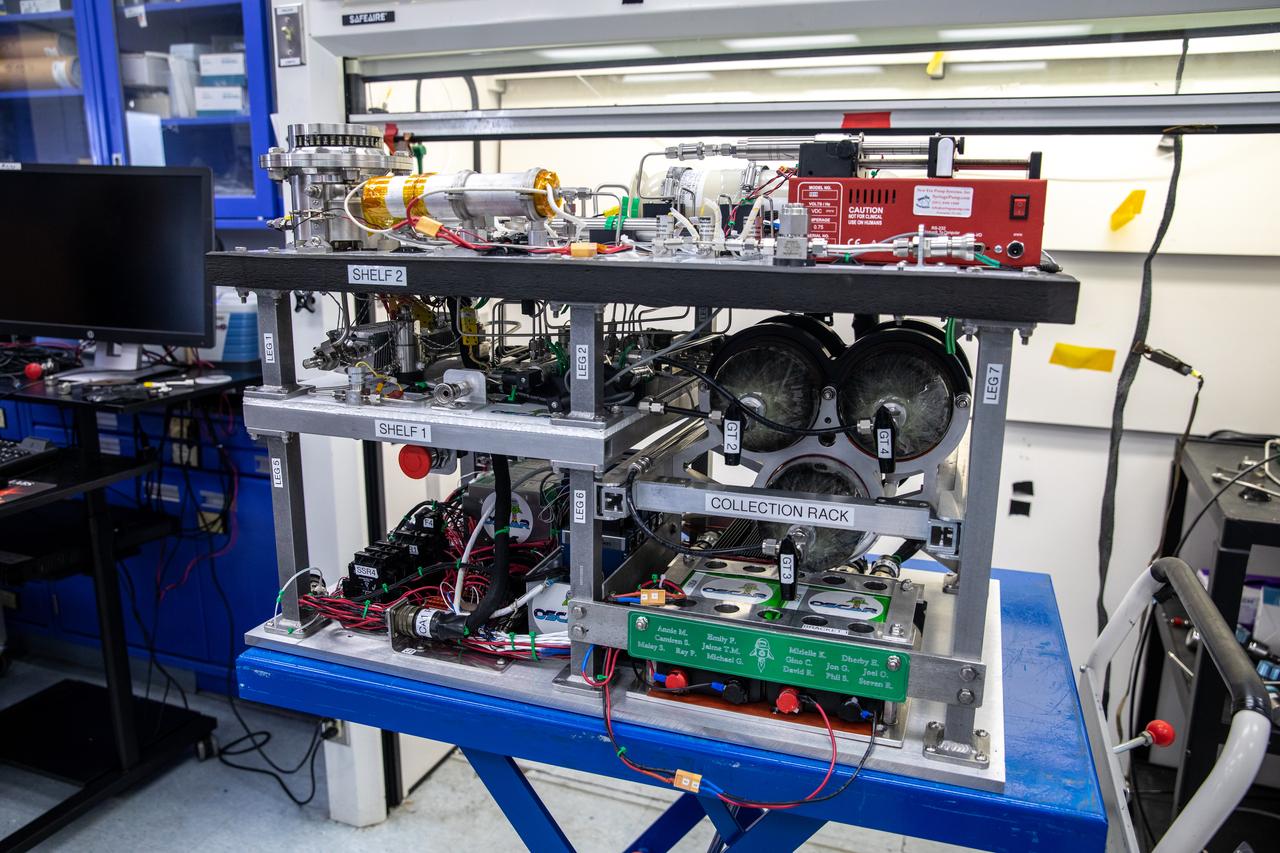
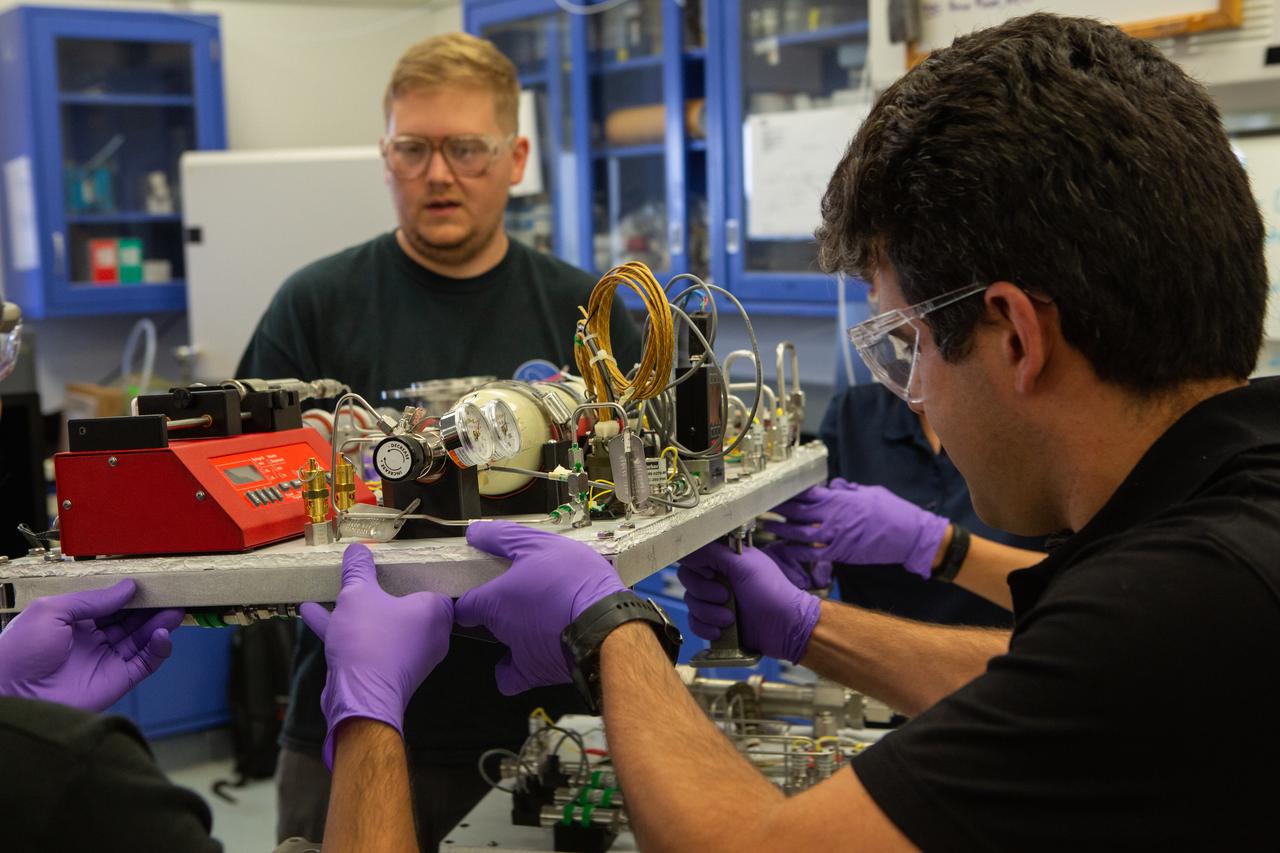
Flight hardware for NASA’s Orbital Syngas Commodity Augmentation Reactor, or OSCAR, is inside the Applied Physics Lab inside the Neil Armstrong Operations and Checkout Facility at the agency’s Kennedy Space Center in Florida on July 21, 2022. OSCAR began as an Early Career Initiative project at the spaceport that studies technology to convert trash and human waste into useful gasses such as methane, hydrogen, and carbon dioxide. By processing small pieces of trash in a high-temperature reactor, OSCAR is advancing new and innovative technology for managing waste in space.
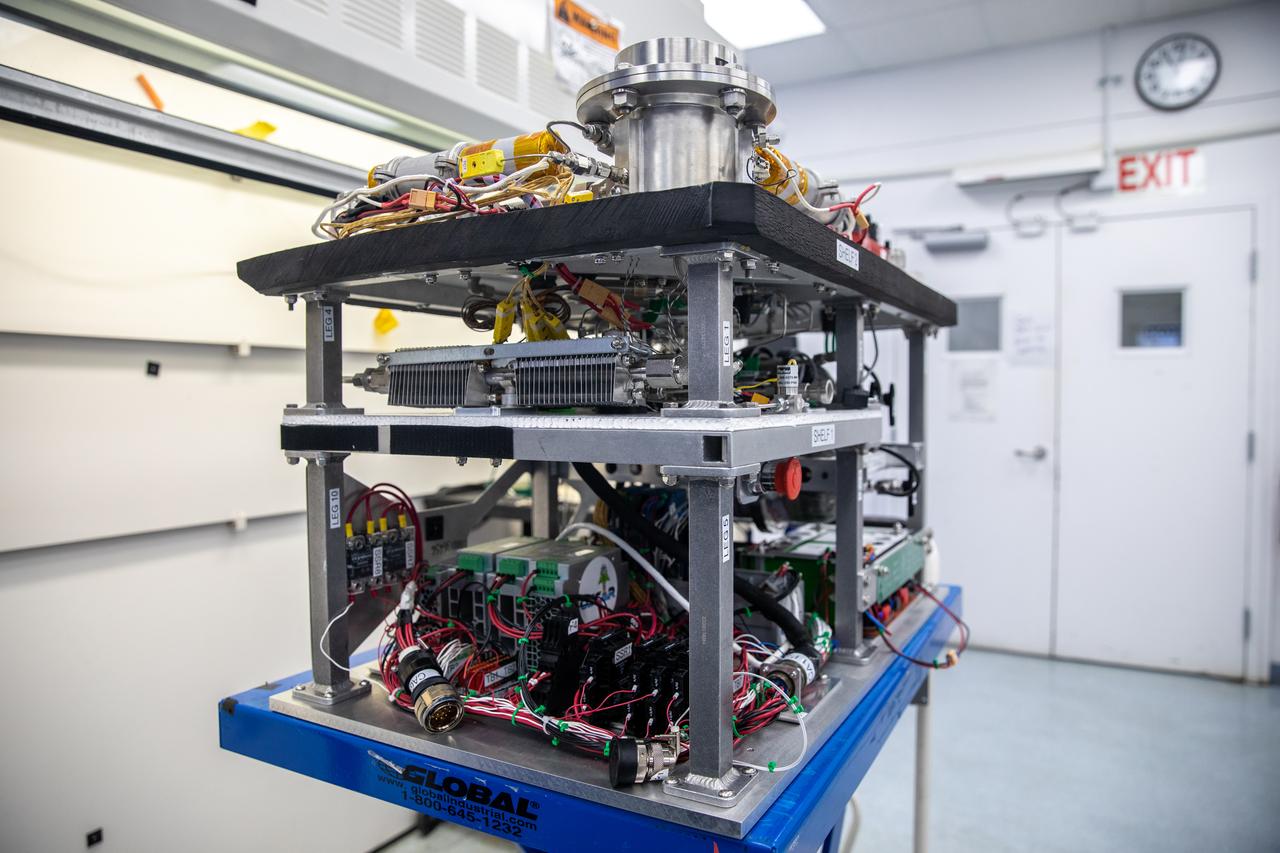
Flight hardware for NASA’s Orbital Syngas Commodity Augmentation Reactor, or OSCAR, is inside the Applied Physics Lab inside the Neil Armstrong Operations and Checkout Facility at the agency’s Kennedy Space Center in Florida on July 21, 2022. OSCAR began as an Early Career Initiative project at the spaceport that studies technology to convert trash and human waste into useful gasses such as methane, hydrogen, and carbon dioxide. By processing small pieces of trash in a high-temperature reactor, OSCAR is advancing new and innovative technology for managing waste in space.

Flight hardware for NASA’s Orbital Syngas Commodity Augmentation Reactor, or OSCAR, is inside the Applied Physics Lab inside the Neil Armstrong Operations and Checkout Facility at the agency’s Kennedy Space Center in Florida on July 21, 2022. OSCAR began as an Early Career Initiative project at the spaceport that studies technology to convert trash and human waste into useful gasses such as methane, hydrogen, and carbon dioxide. By processing small pieces of trash in a high-temperature reactor, OSCAR is advancing new and innovative technology for managing waste in space.

Flight hardware for NASA’s Orbital Syngas Commodity Augmentation Reactor, or OSCAR, is in view inside the Applied Physics Lab in the Neil Armstrong Operations and Checkout Facility at the agency’s Kennedy Space Center in Florida on July 21, 2022. OSCAR began as an Early Career Initiative project at the spaceport that studies technology to convert trash and human waste into useful gasses such as methane, hydrogen, and carbon dioxide. By processing small pieces of trash in a high-temperature reactor, OSCAR is advancing new and innovative technology for managing waste in space.
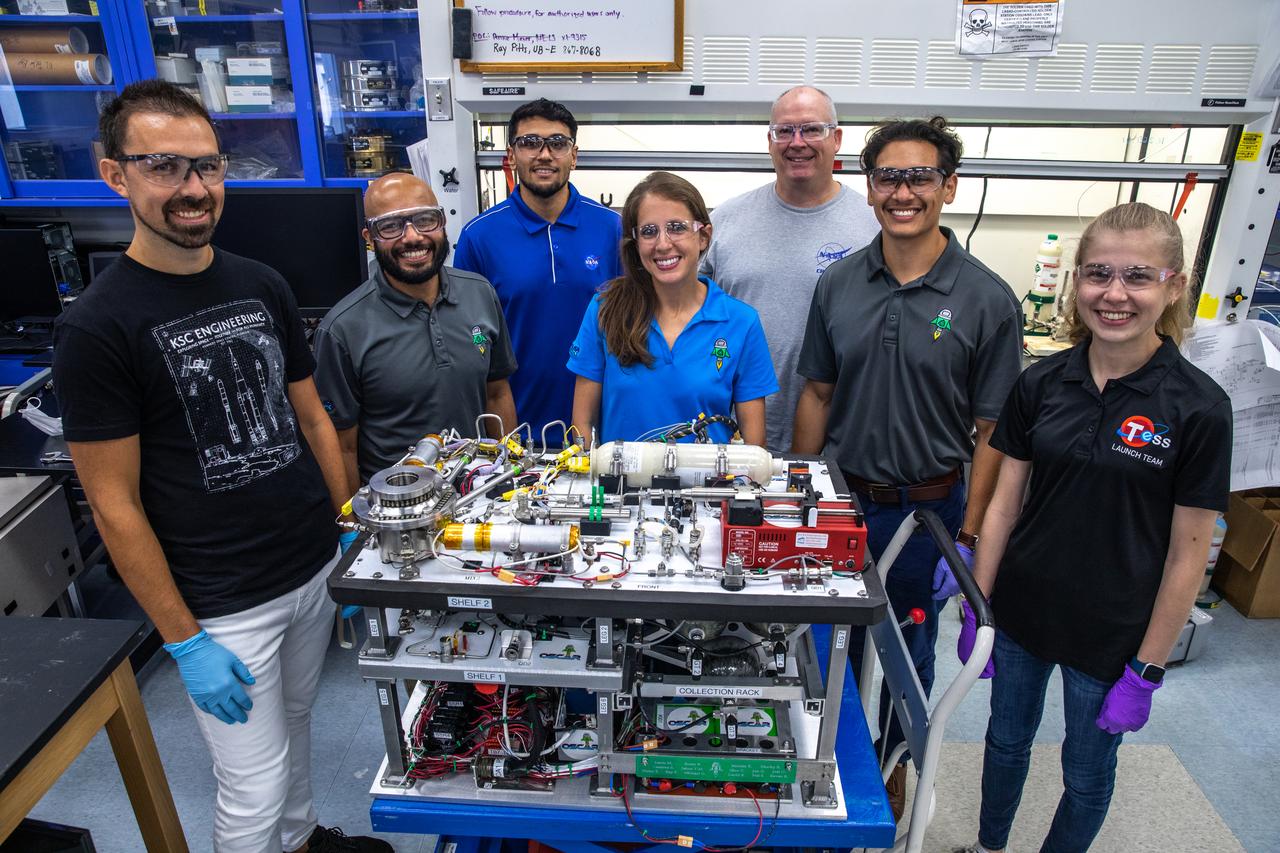
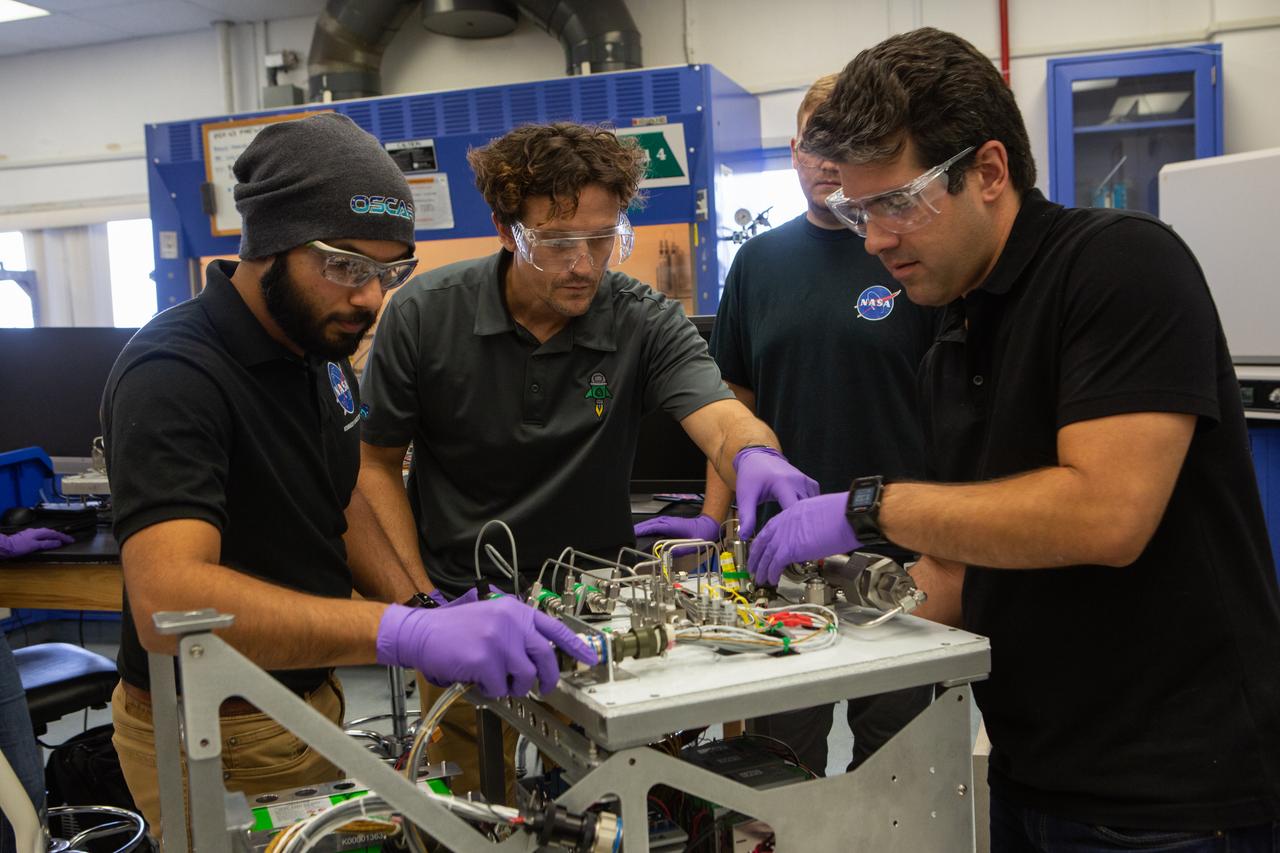
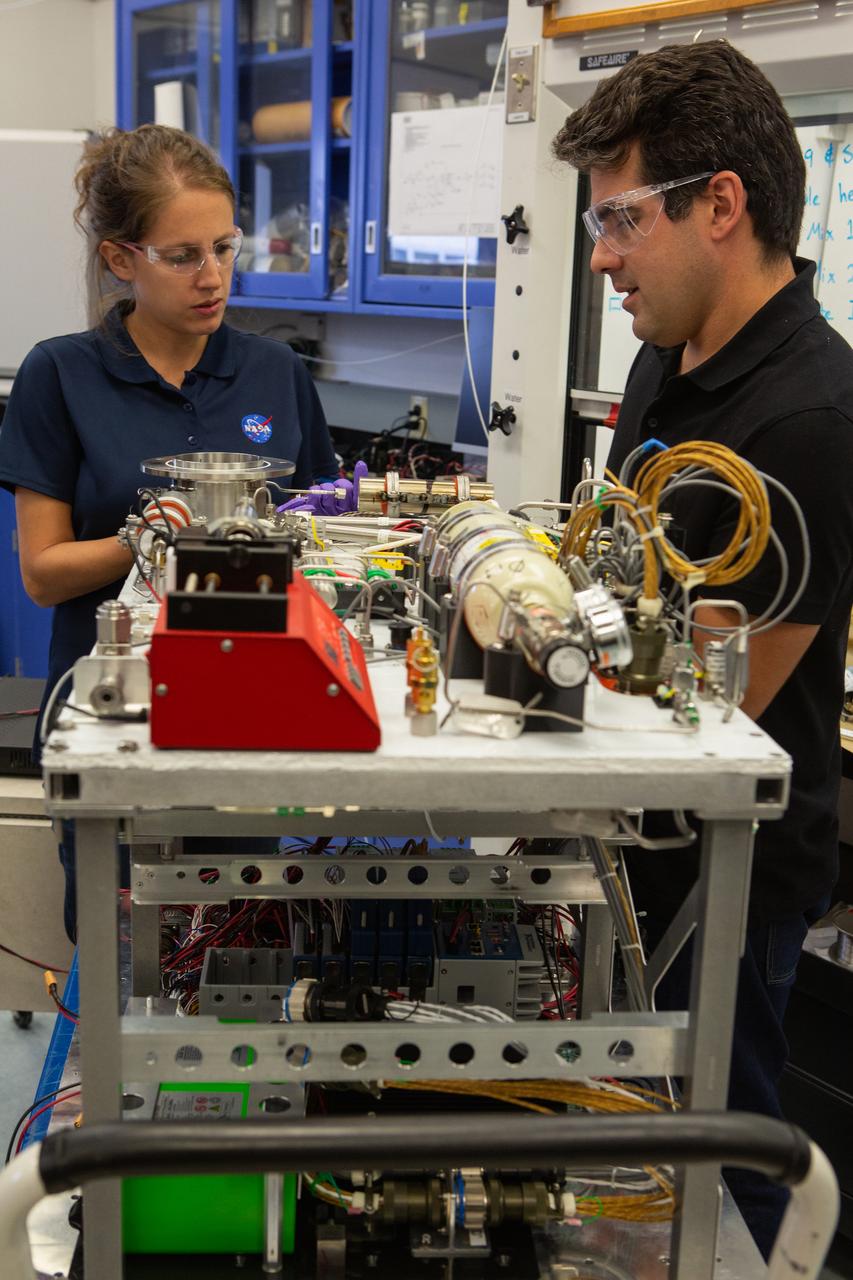
The Trash to Gas team members prepare flight hardware for NASA’s Orbital Syngas Commodity Augmentation Reactor, or OSCAR, inside the Applied Physics Lab in the Neil Armstrong Operations and Checkout Facility at the agency’s Kennedy Space Center in Florida on July 21, 2022. OSCAR began as an Early Career Initiative project at the spaceport that studies technology to convert trash and human waste into useful gasses such as methane, hydrogen, and carbon dioxide. By processing small pieces of trash in a high-temperature reactor, OSCAR is advancing new and innovative technology for managing waste in space.
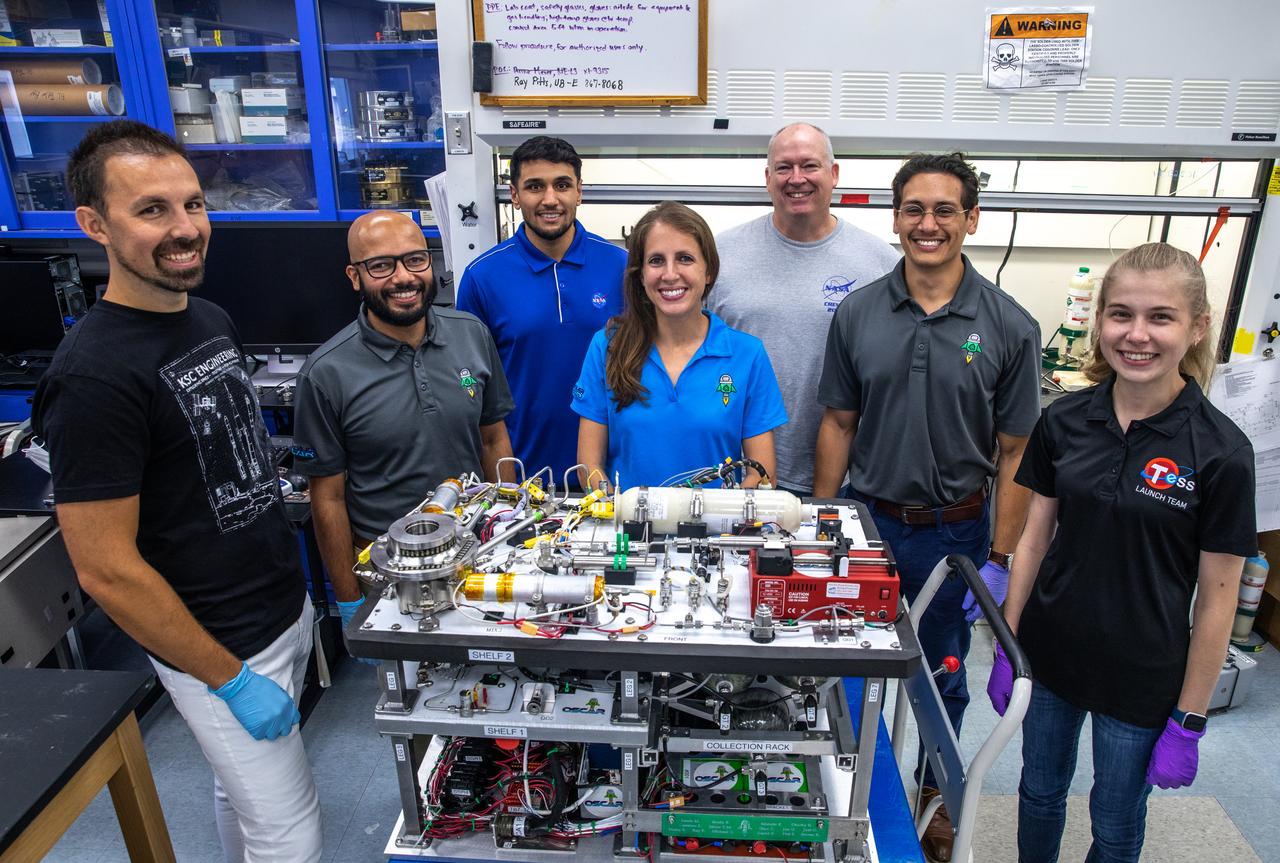
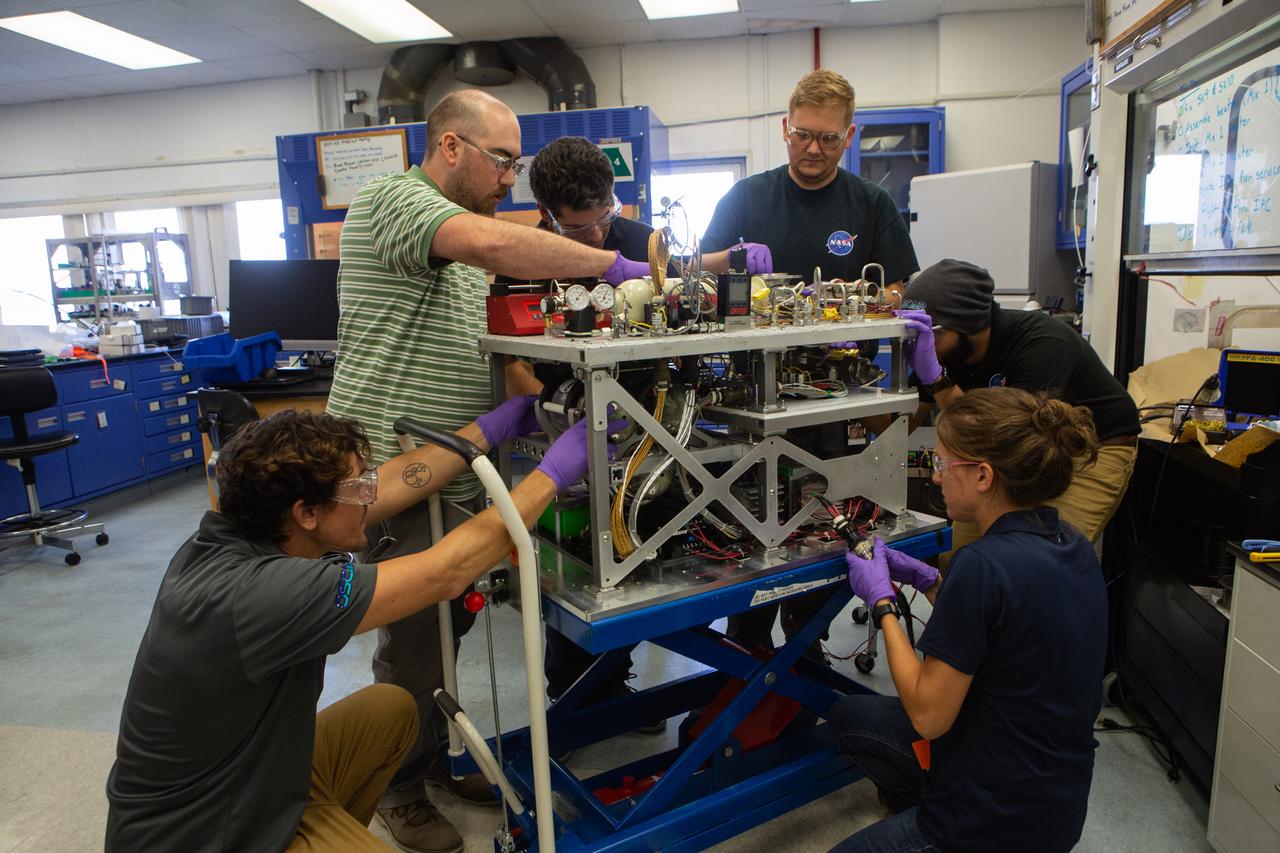
The Trash to Gas team members gather around the flight hardware for NASA’s Orbital Syngas Commodity Augmentation Reactor, or OSCAR, inside the Applied Physics Lab in the Neil Armstrong Operations and Checkout Facility at the agency’s Kennedy Space Center in Florida on July 21, 2022. OSCAR began as an Early Career Initiative project at the spaceport that studies technology to convert trash and human waste into useful gasses such as methane, hydrogen, and carbon dioxide. By processing small pieces of trash in a high-temperature reactor, OSCAR is advancing new and innovative technology for managing waste in space.
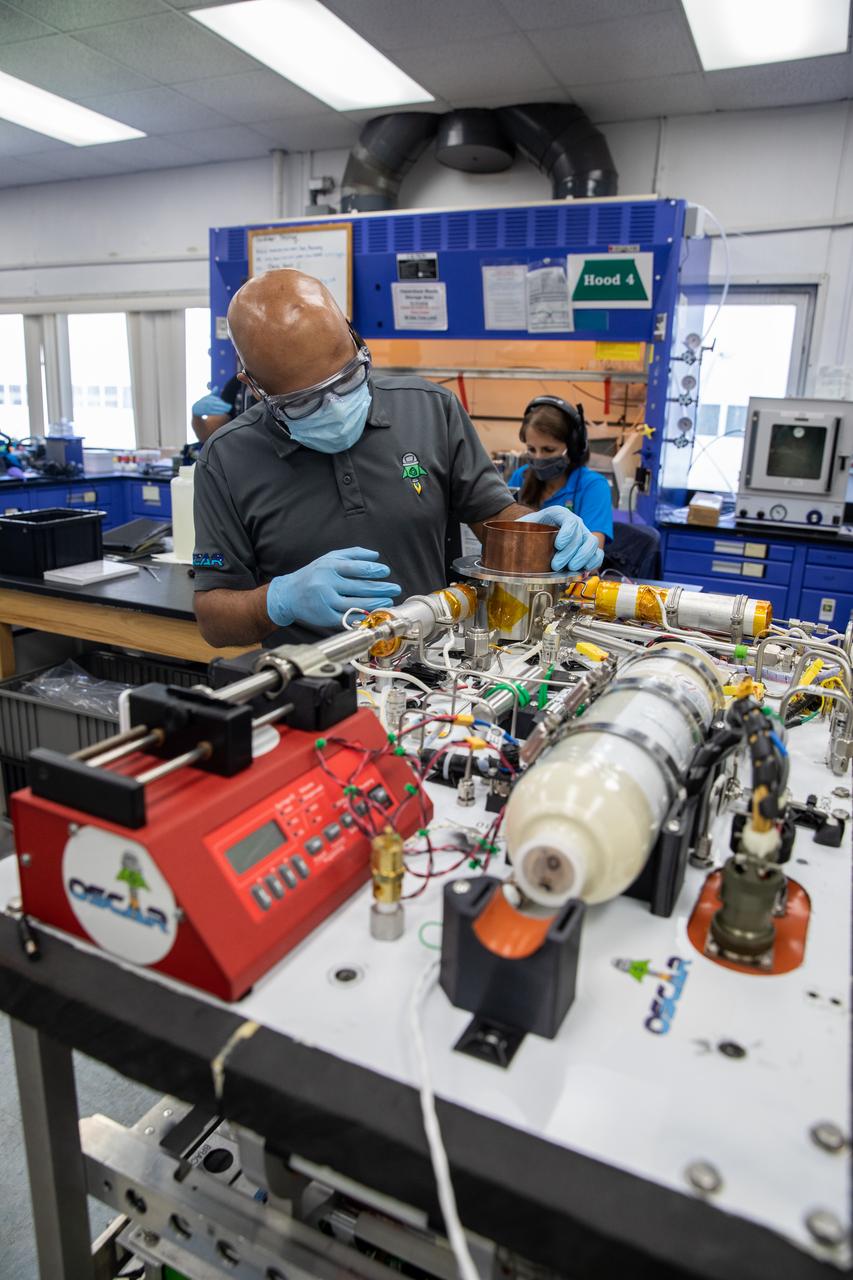
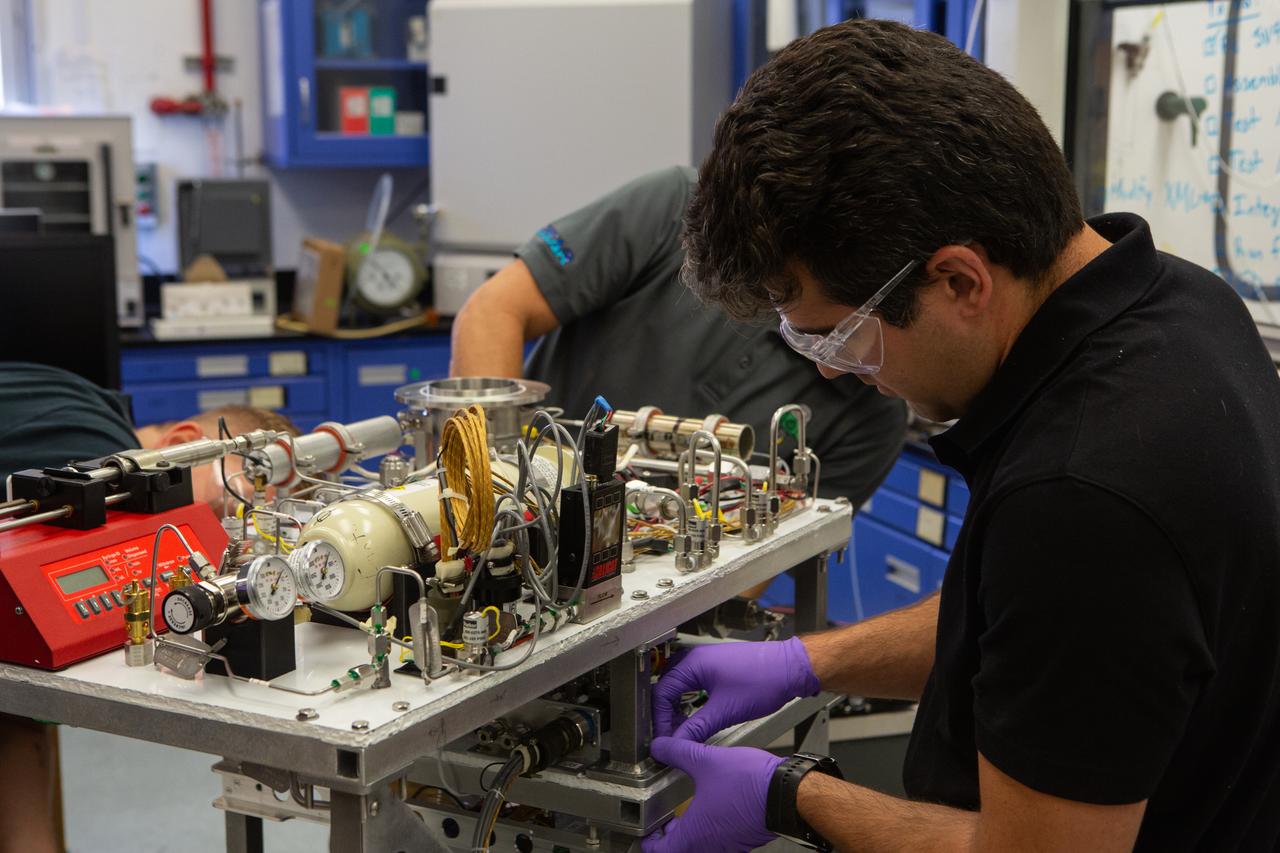
A Trash to Gas team member prepares flight hardware for NASA’s Orbital Syngas Commodity Augmentation Reactor, or OSCAR, inside the Applied Physics Lab in the Neil Armstrong Operations and Checkout Facility at the agency’s Kennedy Space Center in Florida on July 21, 2022. OSCAR began as an Early Career Initiative project at the spaceport that studies technology to convert trash and human waste into useful gasses such as methane, hydrogen, and carbon dioxide. By processing small pieces of trash in a high-temperature reactor, OSCAR is advancing new and innovative technology for managing waste in space.

The Trash to Gas team members prepare flight hardware for NASA’s Orbital Syngas Commodity Augmentation Reactor, or OSCAR, inside Applied Physics lab in the Neil Armstrong Operations and Checkout Facility at the agency’s Kennedy Space Center in Florida on July 21, 2022. OSCAR began as an Early Career Initiative project at the spaceport that studies technology to convert trash and human waste into useful gasses such as methane, hydrogen, and carbon dioxide. By processing small pieces of trash in a high-temperature reactor, OSCAR is advancing new and innovative technology for managing waste in space.
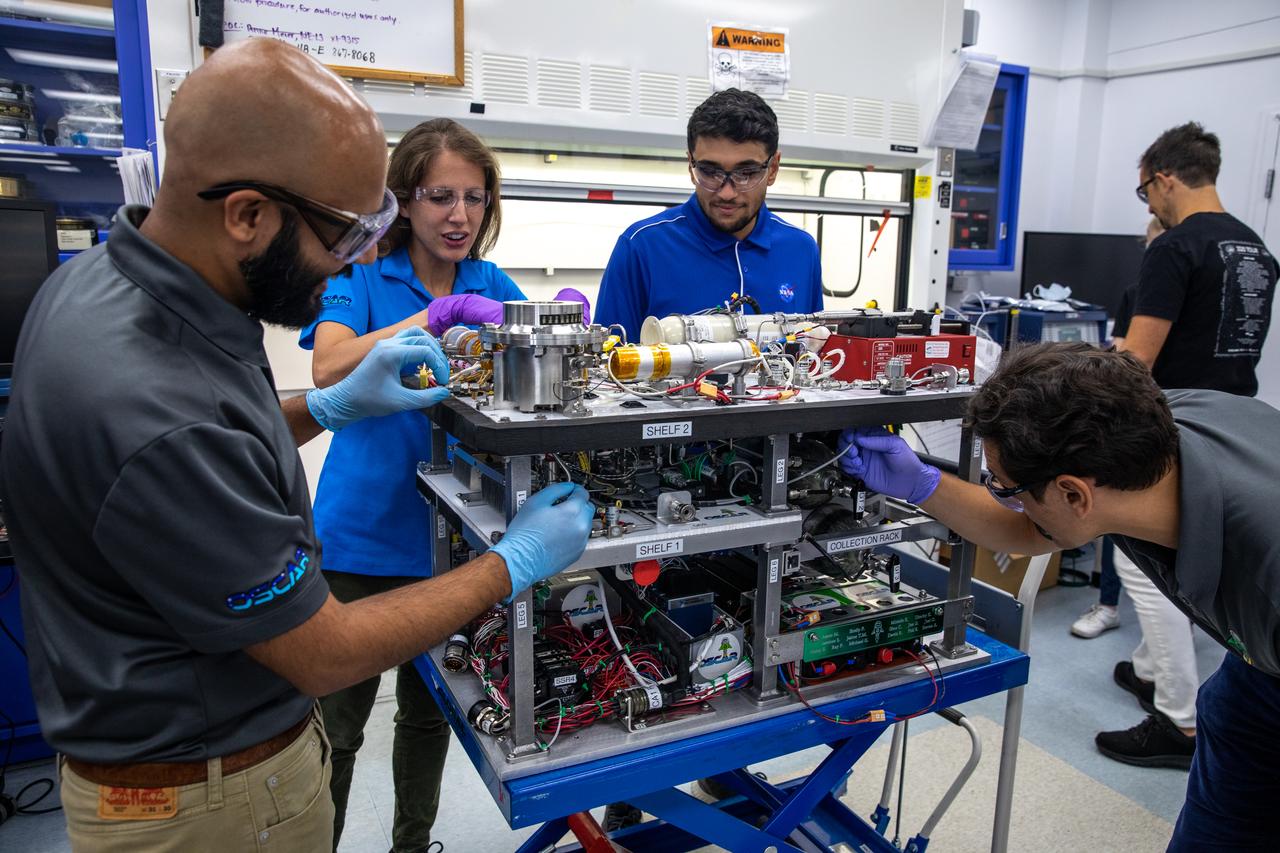
The Trash to Gas team members prepare flight hardware for NASA’s Orbital Syngas Commodity Augmentation Reactor, or OSCAR, inside the Applied Physics Lab in the Neil Armstrong Operations and Checkout Facility at the agency’s Kennedy Space Center in Florida on July 21, 2022. OSCAR began as an Early Career Initiative project at the spaceport that studies technology to convert trash and human waste into useful gasses such as methane, hydrogen, and carbon dioxide. By processing small pieces of trash in a high-temperature reactor, OSCAR is advancing new and innovative technology for managing waste in space.
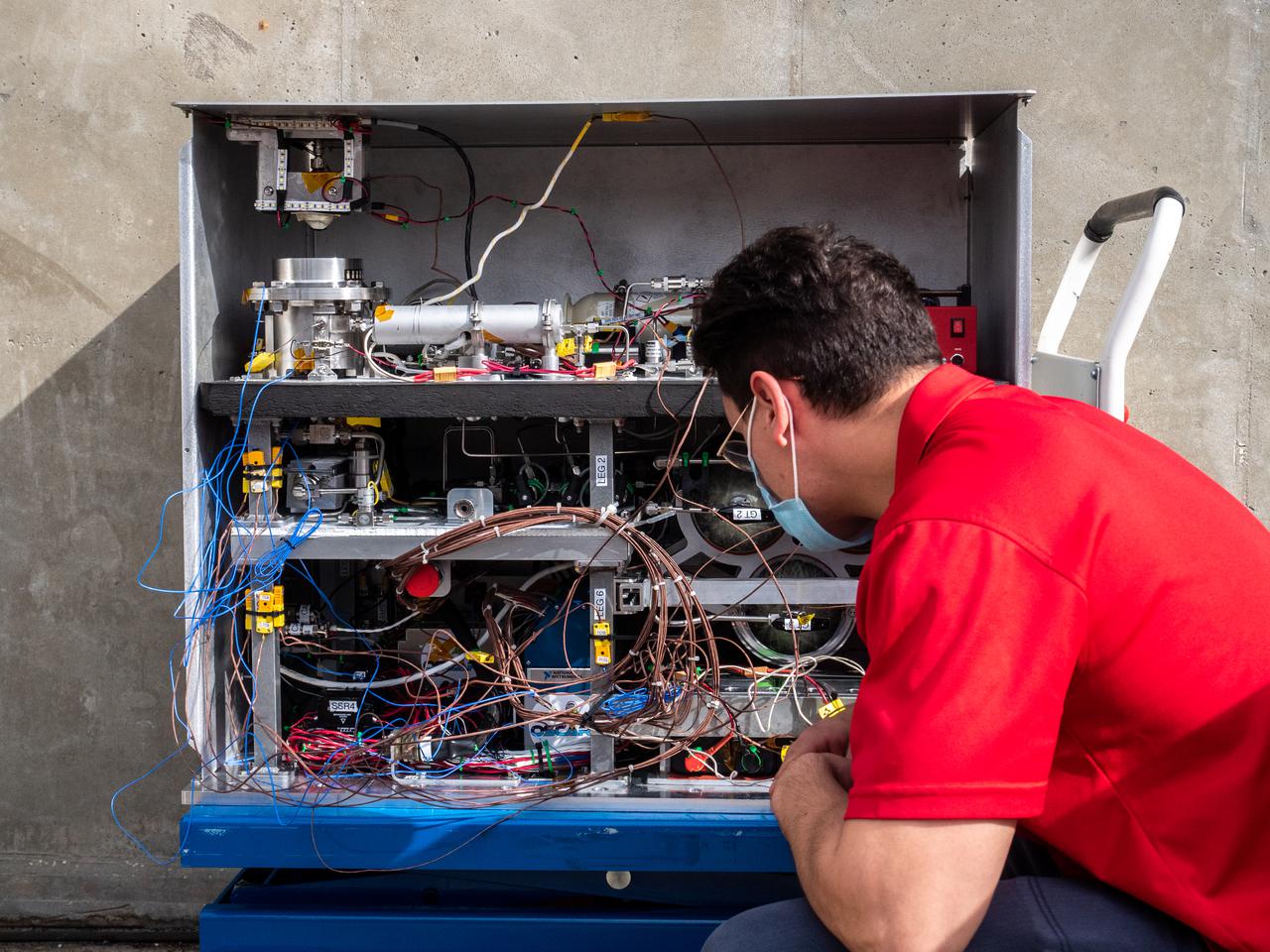
Ray Pitts, co-principal investigator for OSCAR, prepares the Orbital Syngas Commodity Augmentation Reactor (OSCAR) for thermal testing Jan. 26, 2021, at NASA’s Kennedy Space Center in Florida. The tests are in preparation for a scheduled suborbital flight test later this year facilitated by NASA’s Flight Opportunities program. The testing ensures the thermal environment of the payload won’t create additional hazards during flight and that OSCAR can successfully operate within the temperature range it may encounter as it performs tests in microgravity.
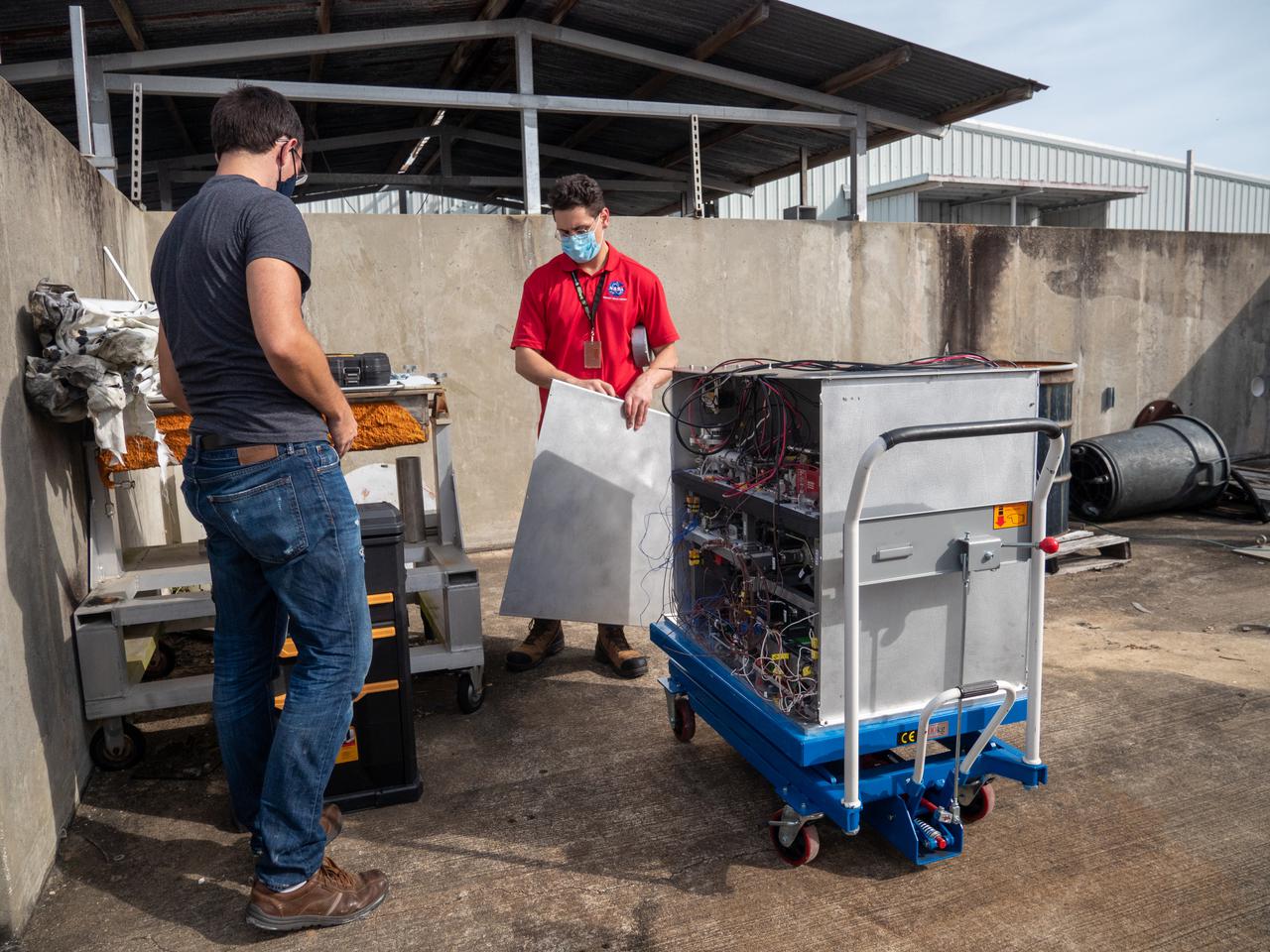
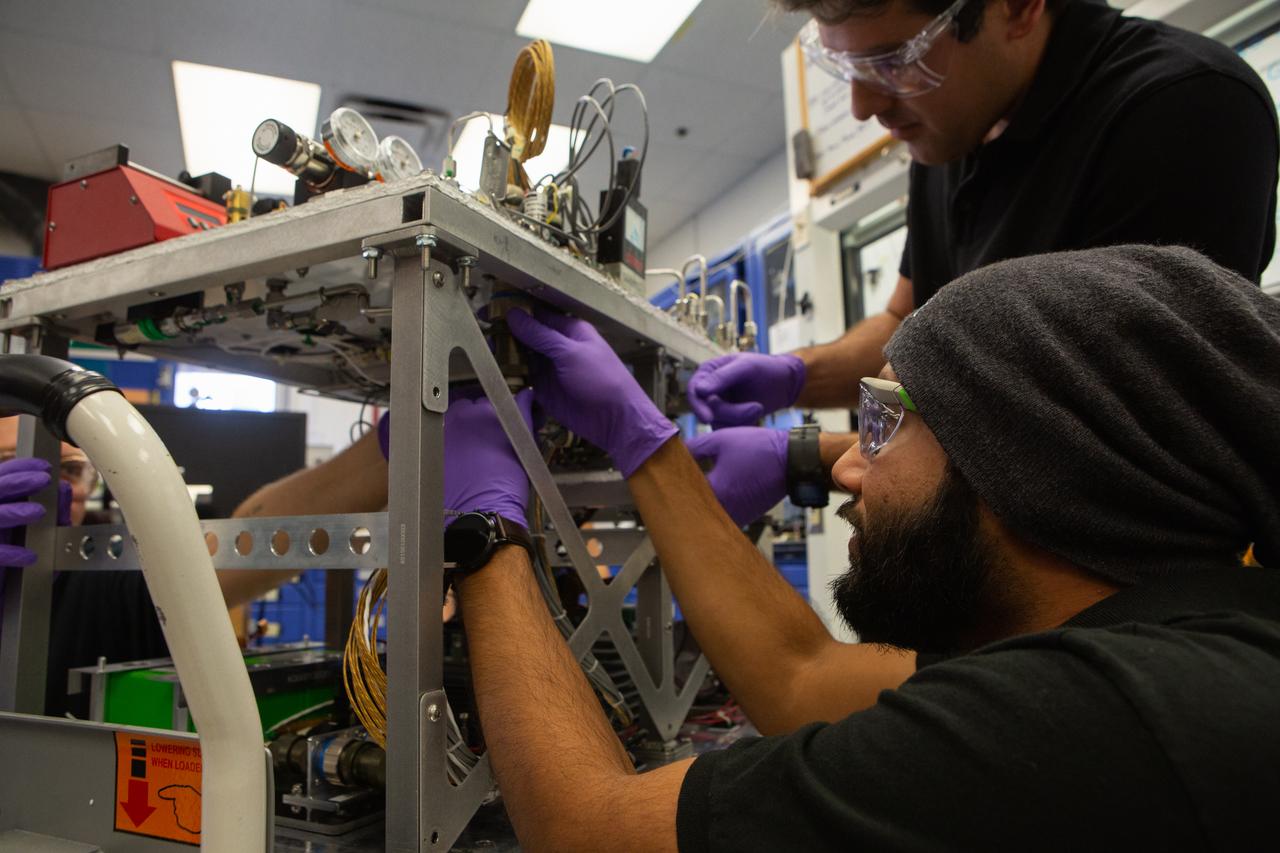
Chemical Engineer David Rinderknecht, left, and Ray Pitts, co-principal investigator for the Orbital Syngas Commodity Augmentation Reactor (OSCAR), prepare OSCAR for thermal testing Jan. 26, 2021, at NASA’s Kennedy Space Center in Florida. The tests are in preparation for a scheduled suborbital flight test later this year facilitated by NASA’s Flight Opportunities program. The testing ensures the thermal environment of the payload won’t create additional hazards during flight and that OSCAR can successfully operate within the temperature range it may encounter as it performs tests in microgravity.

Kennedy Space Center employees assemble the flight hardware of NASA’s Orbital Syngas Commodity Augmentation Reactor, or OSCAR – an Early Career Initiative project at the Florida spaceport that studies technology to convert trash and human waste into useful gasses such as methane, hydrogen and carbon dioxide. By processing small pieces of trash in a high-temperature reactor, OSCAR is advancing new and innovative technology for managing waste in space. OSCAR would reduce the amount of space needed for waste storage within a spacecraft, turn some waste into gasses that have energy storage and life support applications and ensure waste is no longer biologically active. A prototype has already been developed, and a team of Kennedy employees are in the process of constructing a new rig for suborbital flight testing.
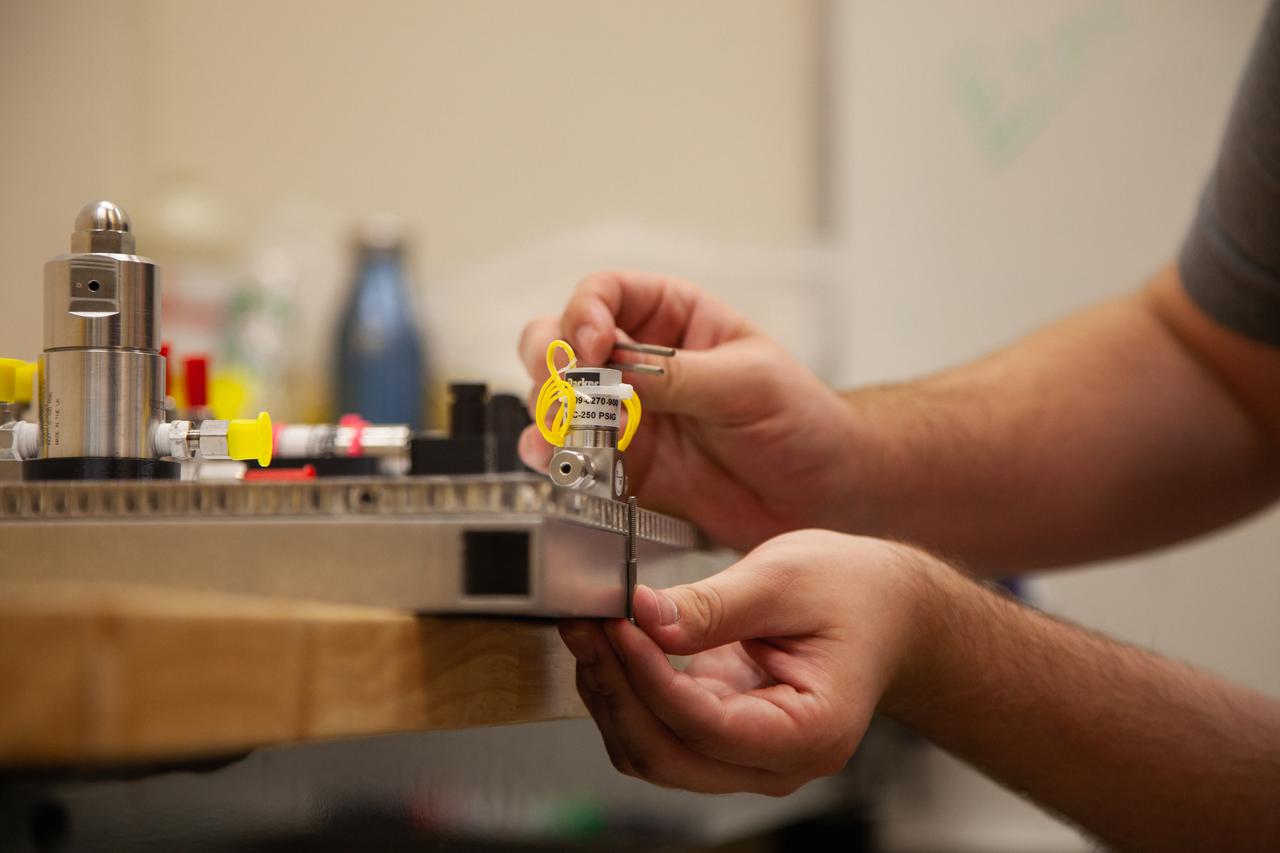
A Kennedy Space Center employee works on assembling the flight hardware of NASA’s Orbital Syngas Commodity Augmentation Reactor, or OSCAR – an Early Career Initiative project at the Florida spaceport that studies technology to convert trash and human waste into useful gasses such as methane, hydrogen and carbon dioxide. By processing small pieces of trash in a high-temperature reactor, OSCAR is advancing new and innovative technology for managing waste in space. OSCAR would reduce the amount of space needed for waste storage within a spacecraft, turn some waste into gasses that have energy storage and life support applications and ensure waste is no longer biologically active. A prototype has already been developed, and a team of Kennedy employees are in the process of constructing a new rig for suborbital flight testing.
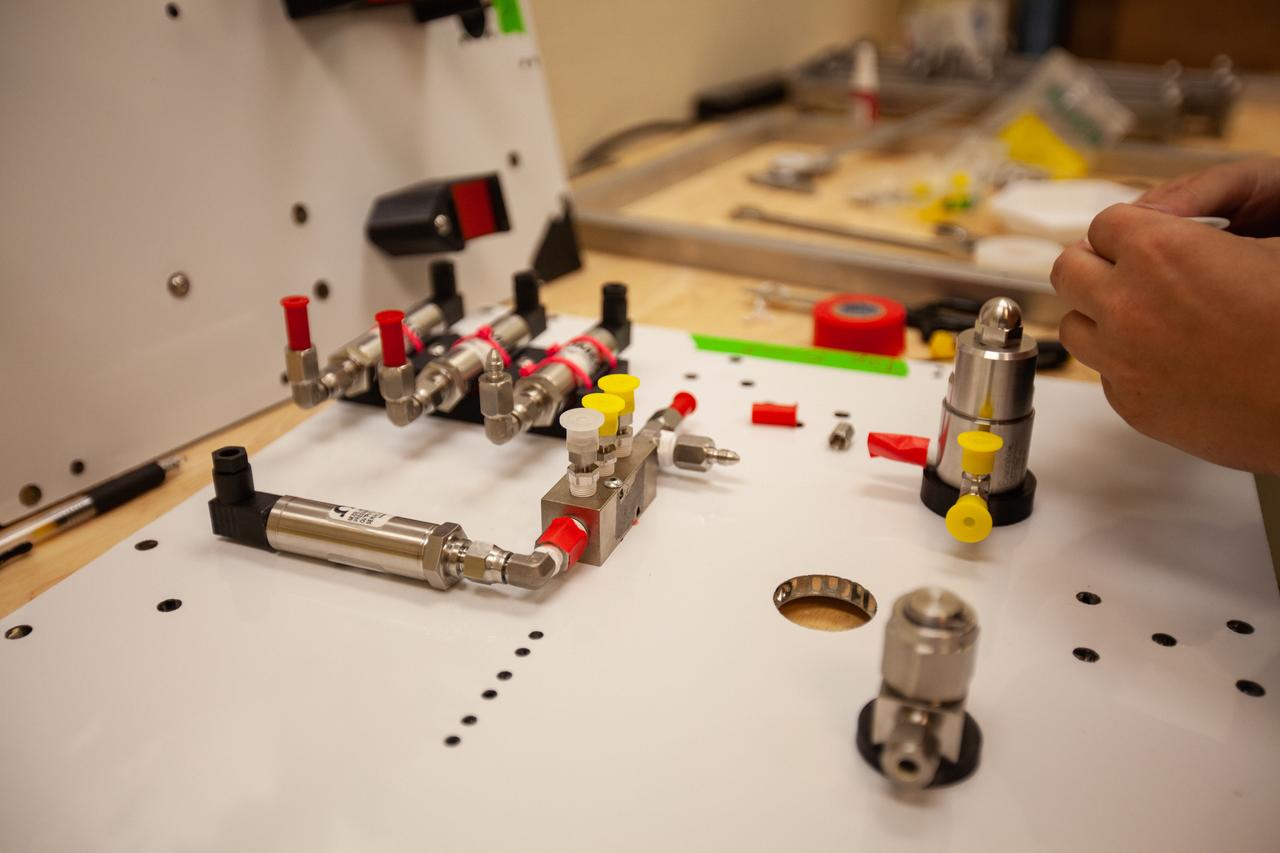
A Kennedy Space Center employee works on assembling the flight hardware of NASA’s Orbital Syngas Commodity Augmentation Reactor, or OSCAR – an Early Career Initiative project at the Florida spaceport that studies technology to convert trash and human waste into useful gasses such as methane, hydrogen and carbon dioxide. By processing small pieces of trash in a high-temperature reactor, OSCAR is advancing new and innovative technology for managing waste in space. OSCAR would reduce the amount of space needed for waste storage within a spacecraft, turn some waste into gasses that have energy storage and life support applications and ensure waste is no longer biologically active. A prototype has already been developed, and a team of Kennedy employees are in the process of constructing a new rig for suborbital flight testing.
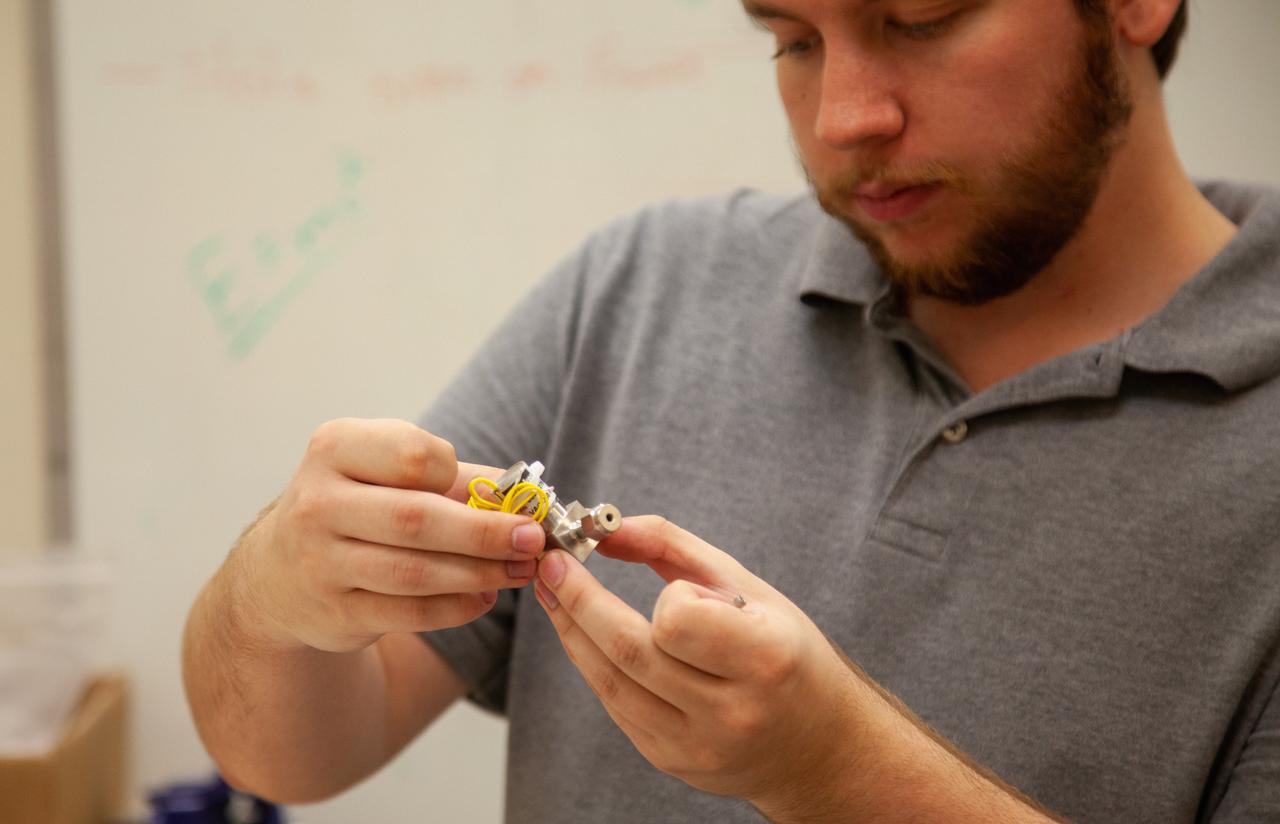
A Kennedy Space Center employee works on assembling the flight hardware of NASA’s Orbital Syngas Commodity Augmentation Reactor, or OSCAR – an Early Career Initiative project at the Florida spaceport that studies technology to convert trash and human waste into useful gasses such as methane, hydrogen and carbon dioxide. By processing small pieces of trash in a high-temperature reactor, OSCAR is advancing new and innovative technology for managing waste in space. OSCAR would reduce the amount of space needed for waste storage within a spacecraft, turn some waste into gasses that have energy storage and life support applications and ensure waste is no longer biologically active. A prototype has already been developed, and a team of Kennedy employees are in the process of constructing a new rig for suborbital flight testing.
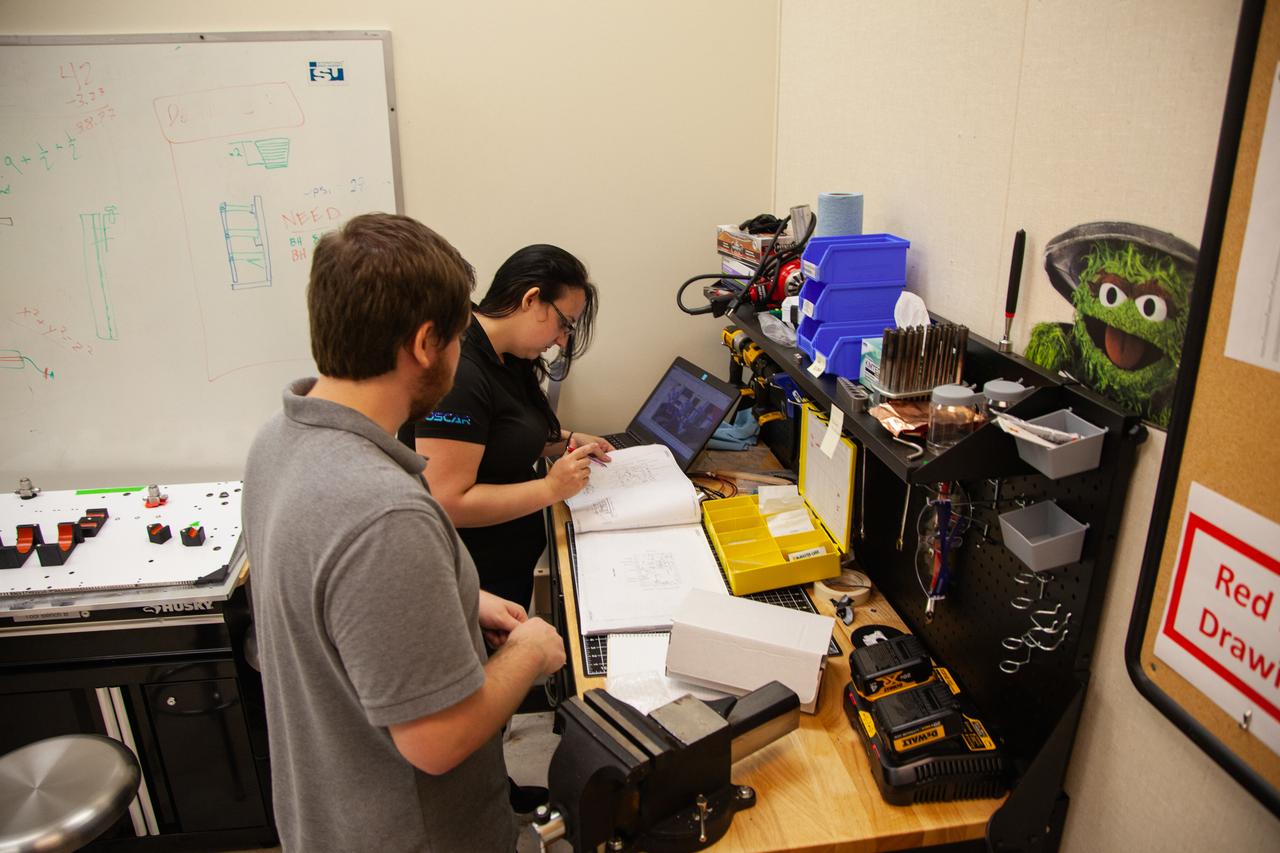
Kennedy Space Center employees are working on assembling the flight hardware of NASA’s Orbital Syngas Commodity Augmentation Reactor, or OSCAR – an Early Career Initiative project at the Florida spaceport that studies technology to convert trash and human waste into useful gasses such as methane, hydrogen and carbon dioxide. By processing small pieces of trash in a high-temperature reactor, OSCAR is advancing new and innovative technology for managing waste in space. OSCAR would reduce the amount of space needed for waste storage within a spacecraft, turn some waste into gasses that have energy storage and life support applications and ensure waste is no longer biologically active. A prototype has already been developed, and a team of Kennedy employees are in the process of constructing a new rig for suborbital flight testing.
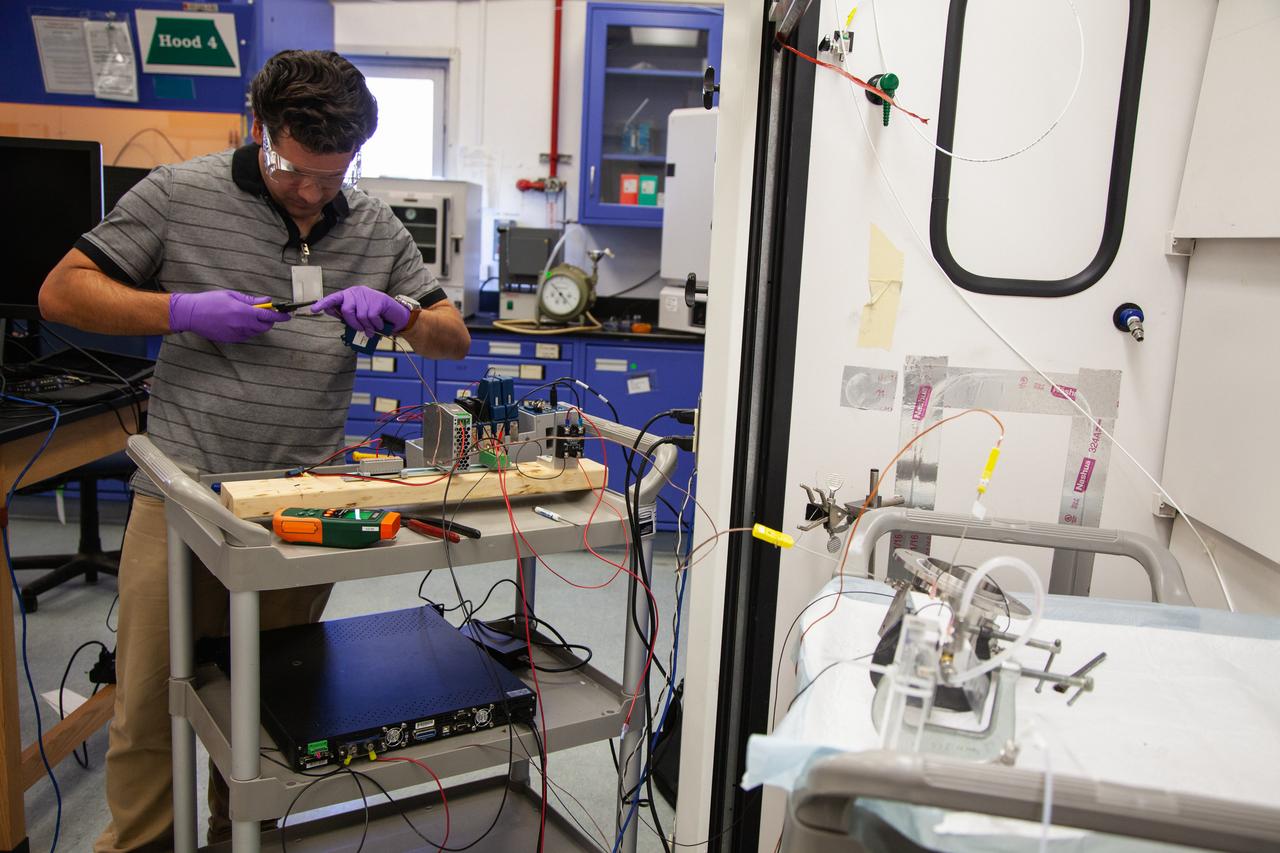
A Kennedy Space Center employee works on assembling the flight hardware of NASA’s Orbital Syngas Commodity Augmentation Reactor, or OSCAR – an Early Career Initiative project at the Florida spaceport that studies technology to convert trash and human waste into useful gasses such as methane, hydrogen and carbon dioxide. By processing small pieces of trash in a high-temperature reactor, OSCAR is advancing new and innovative technology for managing waste in space. OSCAR would reduce the amount of space needed for waste storage within a spacecraft, turn some waste into gasses that have energy storage and life support applications and ensure waste is no longer biologically active. A prototype has already been developed, and a team of Kennedy employees are in the process of constructing a new rig for suborbital flight testing.
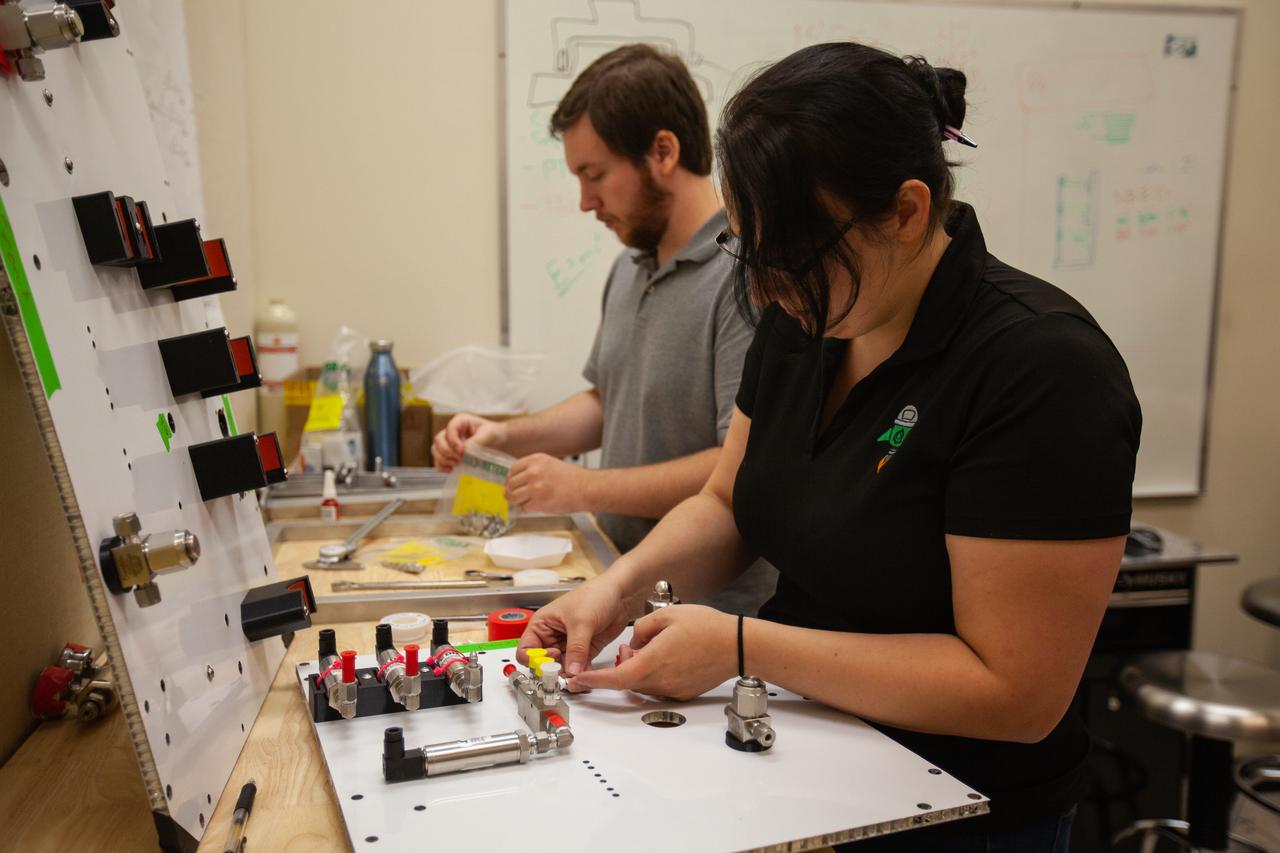
Kennedy Space Center employees assemble the flight hardware of NASA’s Orbital Syngas Commodity Augmentation Reactor, or OSCAR – an Early Career Initiative project at the Florida spaceport that studies technology to convert trash and human waste into useful gasses such as methane, hydrogen and carbon dioxide. By processing small pieces of trash in a high-temperature reactor, OSCAR is advancing new and innovative technology for managing waste in space. OSCAR would reduce the amount of space needed for waste storage within a spacecraft, turn some waste into gasses that have energy storage and life support applications and ensure waste is no longer biologically active. A prototype has already been developed, and a team of Kennedy employees are in the process of constructing a new rig for suborbital flight testing.
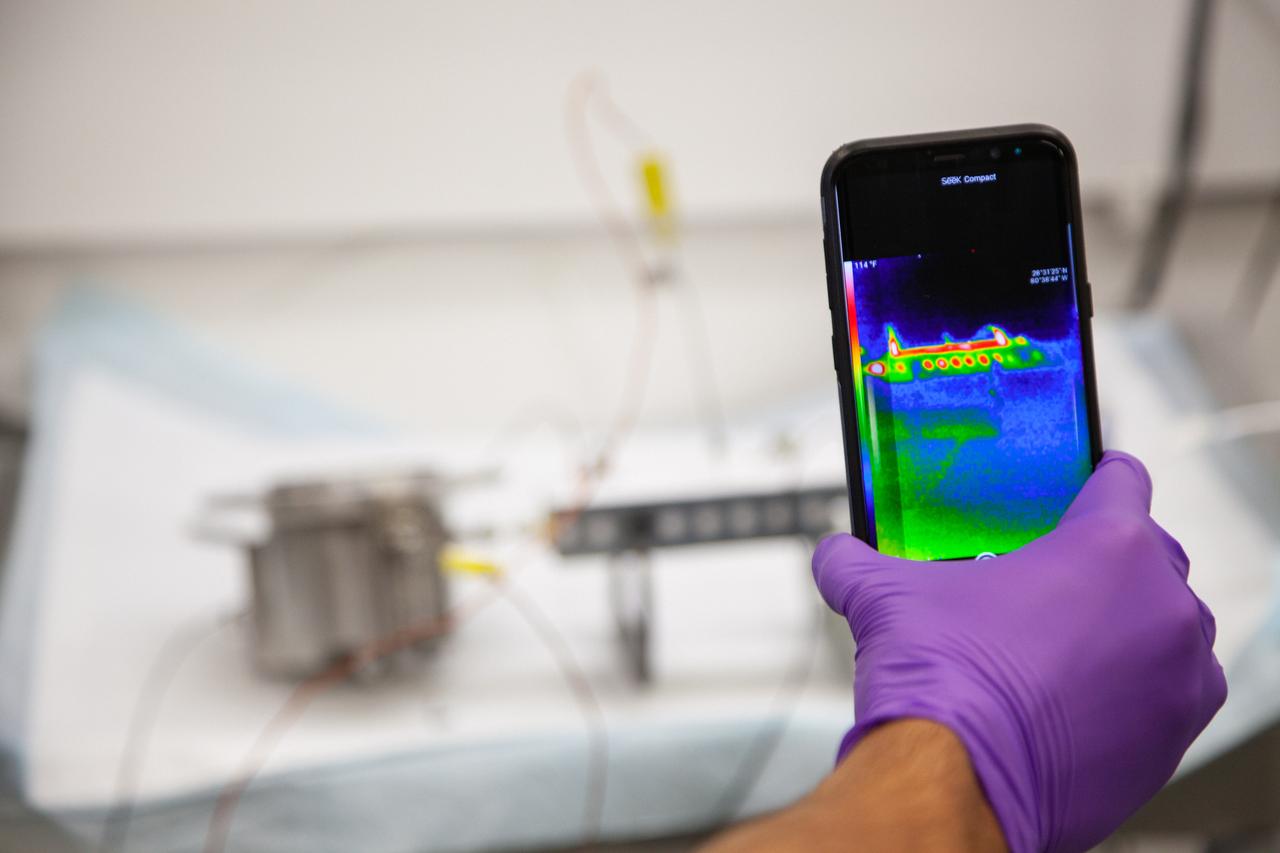
A Kennedy Space Center employee conducts thermal testing of NASA’s Orbital Syngas Commodity Augmentation Reactor, or OSCAR – an Early Career Initiative project at the Florida spaceport that studies technology to convert trash and human waste into useful gasses such as methane, hydrogen and carbon dioxide. By processing small pieces of trash in a high-temperature reactor, OSCAR is advancing new and innovative technology for managing waste in space. OSCAR would reduce the amount of space needed for waste storage within a spacecraft, turn some waste into gasses that have energy storage and life support applications and ensure waste is no longer biologically active. A prototype has already been developed, and a team of Kennedy employees are in the process of constructing a new rig for suborbital flight testing.
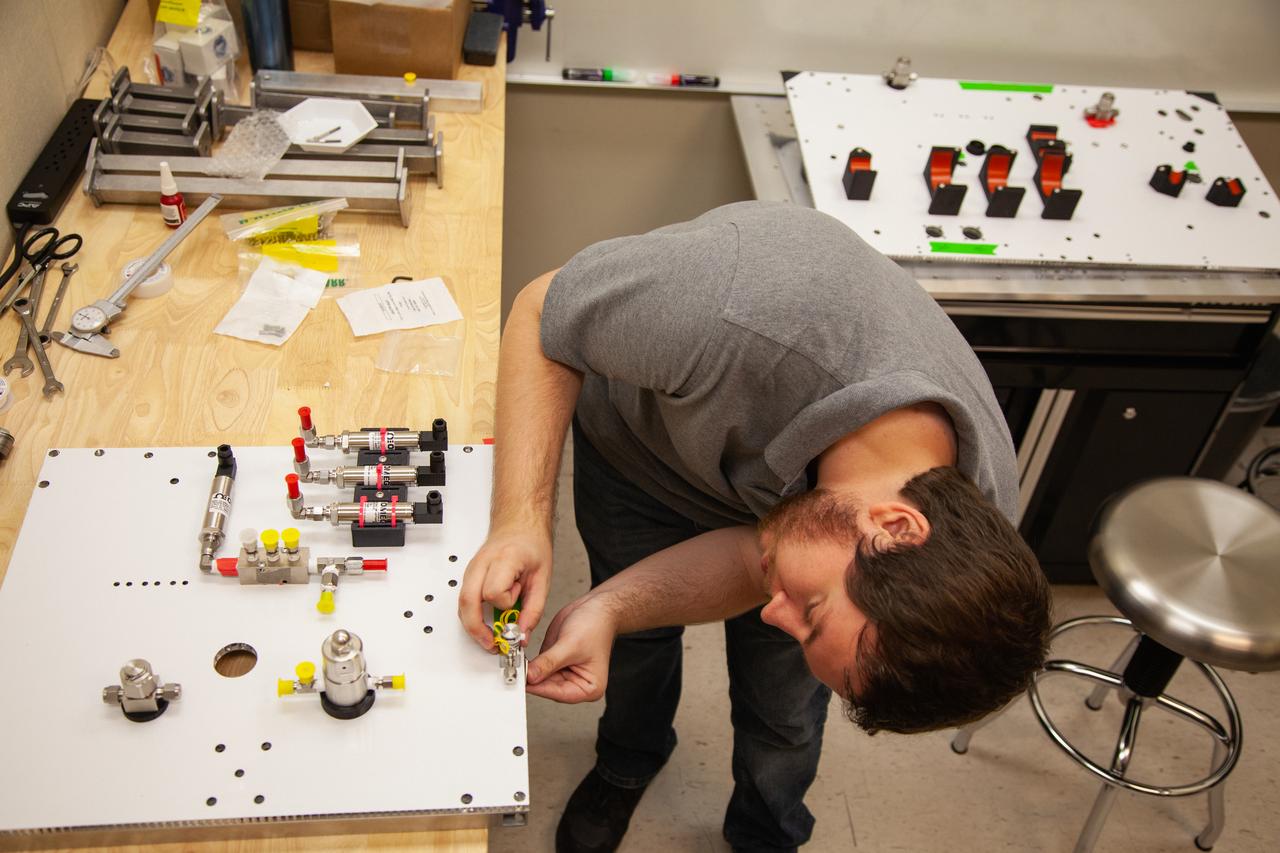
A Kennedy Space Center employee works on assembling the flight hardware of NASA’s Orbital Syngas Commodity Augmentation Reactor, or OSCAR – an Early Career Initiative project at the Florida spaceport that studies technology to convert trash and human waste into useful gasses such as methane, hydrogen and carbon dioxide. By processing small pieces of trash in a high-temperature reactor, OSCAR is advancing new and innovative technology for managing waste in space. OSCAR would reduce the amount of space needed for waste storage within a spacecraft, turn some waste into gasses that have energy storage and life support applications and ensure waste is no longer biologically active. A prototype has already been developed, and a team of Kennedy employees are in the process of constructing a new rig for suborbital flight testing.
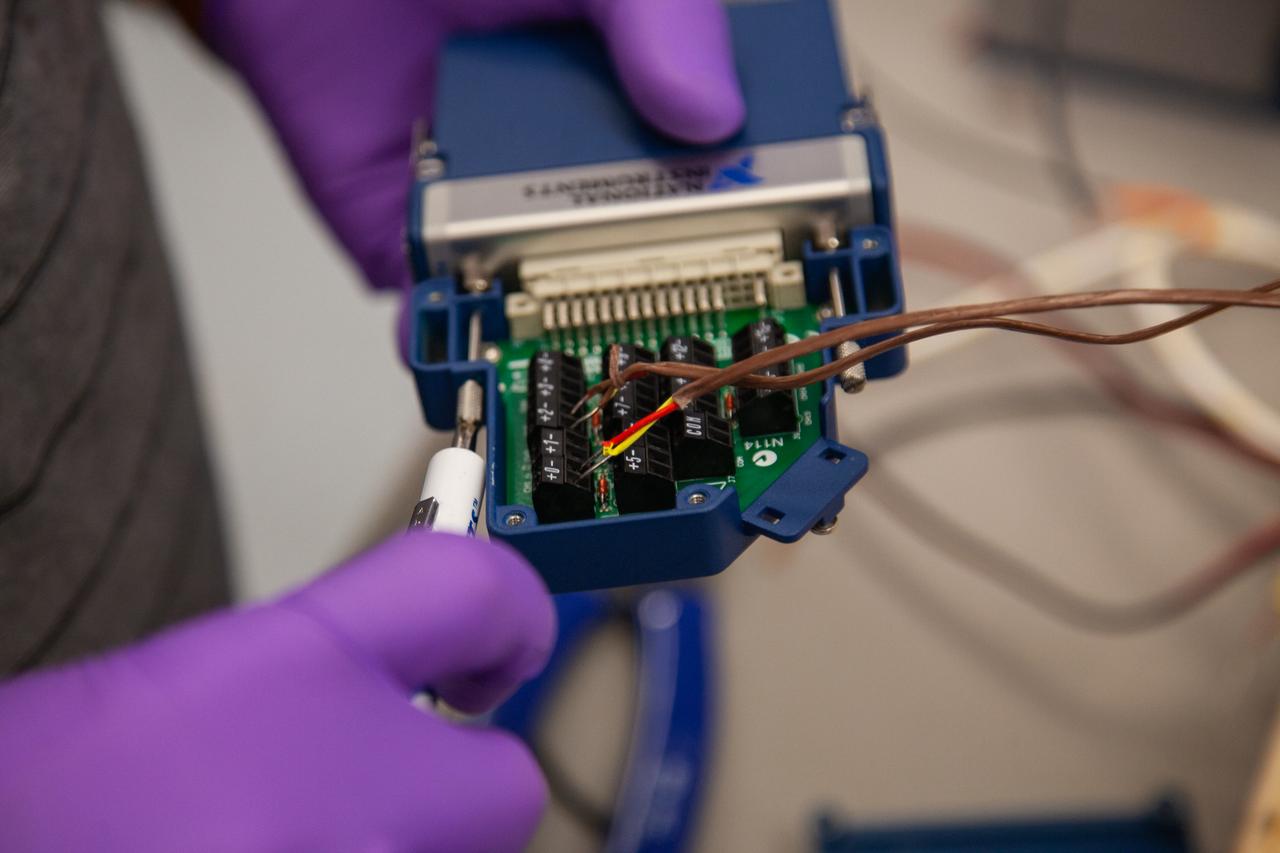
A Kennedy Space Center employee works on assembling the flight hardware of NASA’s Orbital Syngas Commodity Augmentation Reactor, or OSCAR – an Early Career Initiative project at the Florida spaceport that studies technology to convert trash and human waste into useful gasses such as methane, hydrogen and carbon dioxide. By processing small pieces of trash in a high-temperature reactor, OSCAR is advancing new and innovative technology for managing waste in space. OSCAR would reduce the amount of space needed for waste storage within a spacecraft, turn some waste into gasses that have energy storage and life support applications and ensure waste is no longer biologically active. A prototype has already been developed, and a team of Kennedy employees are in the process of constructing a new rig for suborbital flight testing.
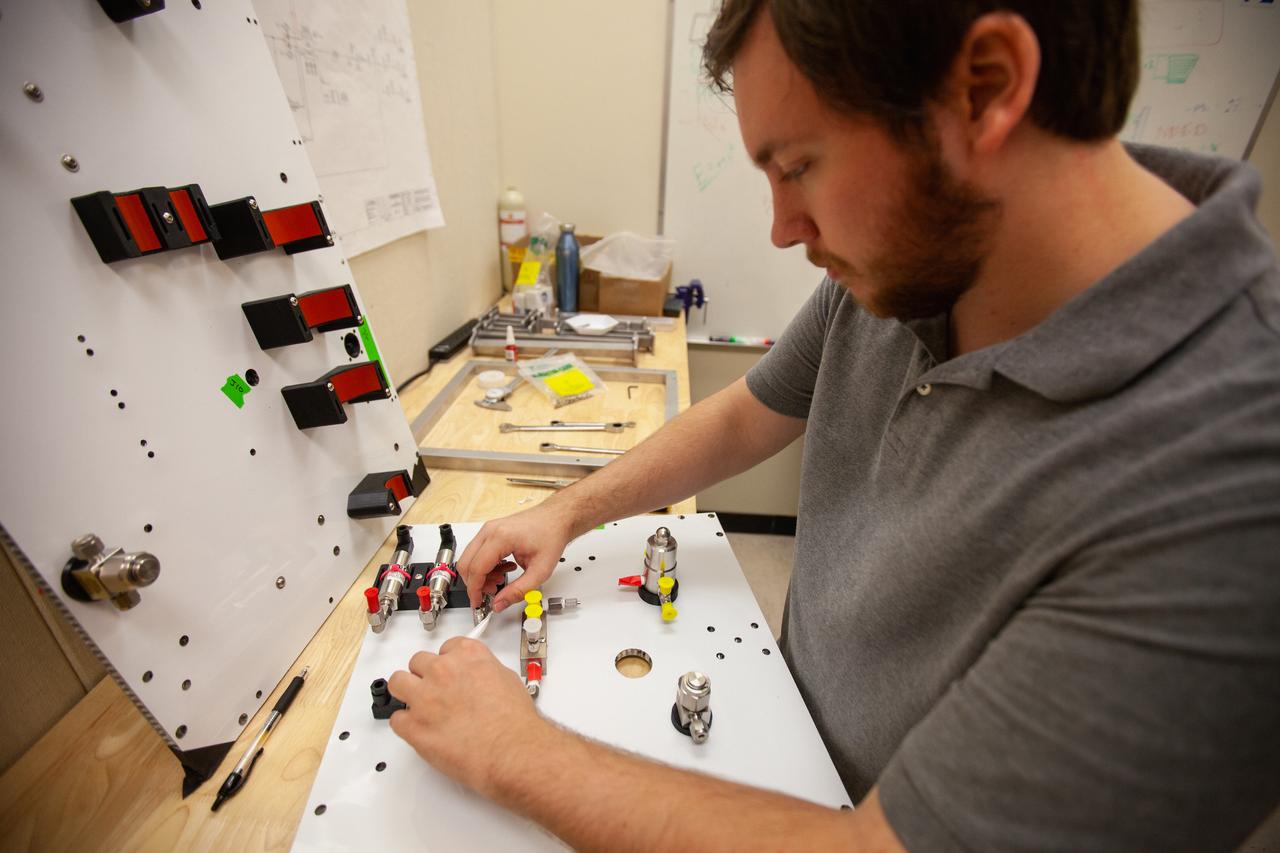
A Kennedy Space Center employee works on assembling the flight hardware of NASA’s Orbital Syngas Commodity Augmentation Reactor, or OSCAR – an Early Career Initiative project at the Florida spaceport that studies technology to convert trash and human waste into useful gasses such as methane, hydrogen and carbon dioxide. By processing small pieces of trash in a high-temperature reactor, OSCAR is advancing new and innovative technology for managing waste in space. OSCAR would reduce the amount of space needed for waste storage within a spacecraft, turn some waste into gasses that have energy storage and life support applications and ensure waste is no longer biologically active. A prototype has already been developed, and a team of Kennedy employees are in the process of constructing a new rig for suborbital flight testing.
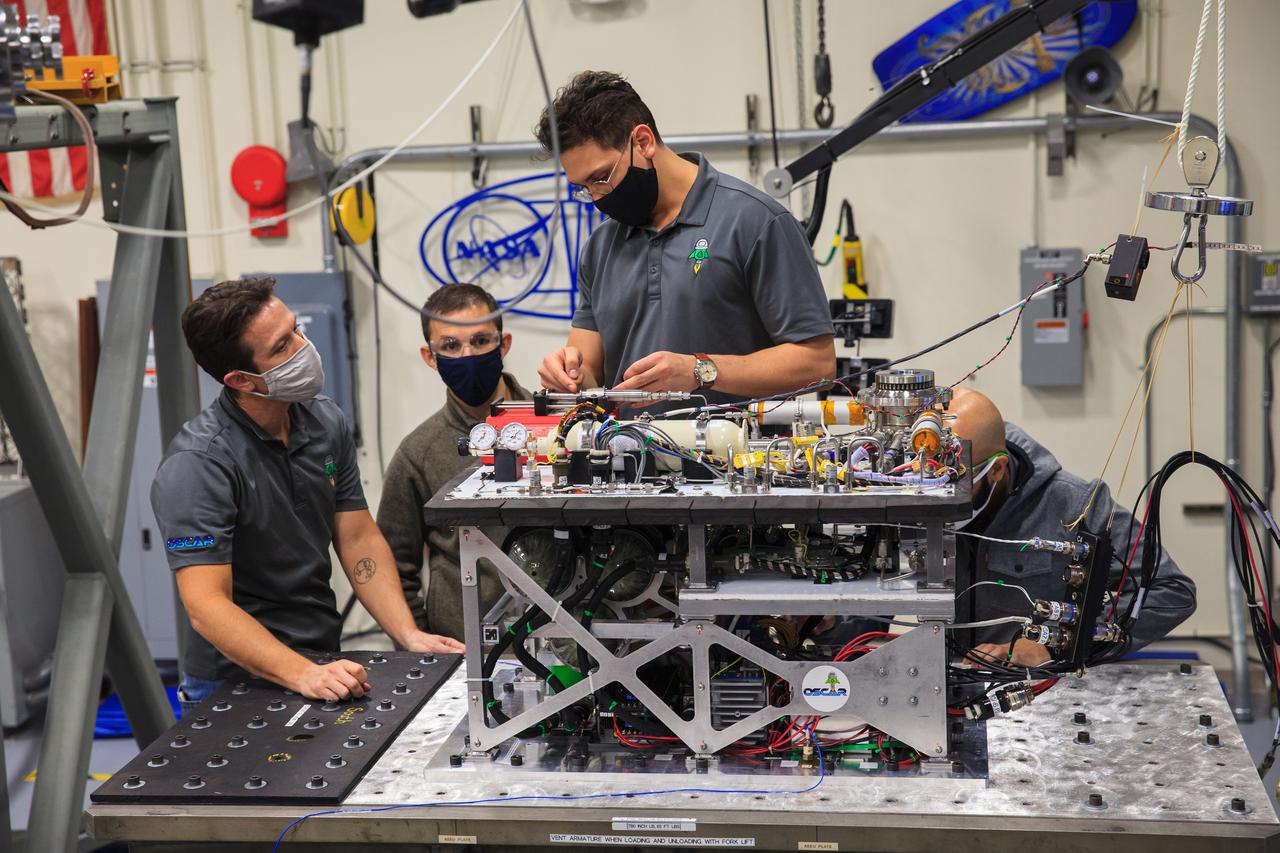
Kennedy Space Center engineers conduct vibration tests inside the Florida spaceport’s Vibration Test Lab on Jan. 14, 2021, in preparation for the suborbital flight of NASA’s Orbital Syngas Commodity Augmentation Reactor, or OSCAR, slated for later this year. From left are Gino Carro, a pressure vessels and systems engineer for the center’s Laboratory Support Services and Operations contract; David Rinderknecht, NASA chemical engineer; Ray Pitts, co-principal investigator for OSCAR; and Malay Shah, NASA thermal/fluid analysis engineer. Beginning as an Early Career Initiative project, OSCAR studies technology to convert trash and human waste into useful gasses such as methane, hydrogen, and carbon dioxide. By processing small pieces of trash in a high-temperature reactor, OSCAR is advancing new and innovative technology for managing waste in space.
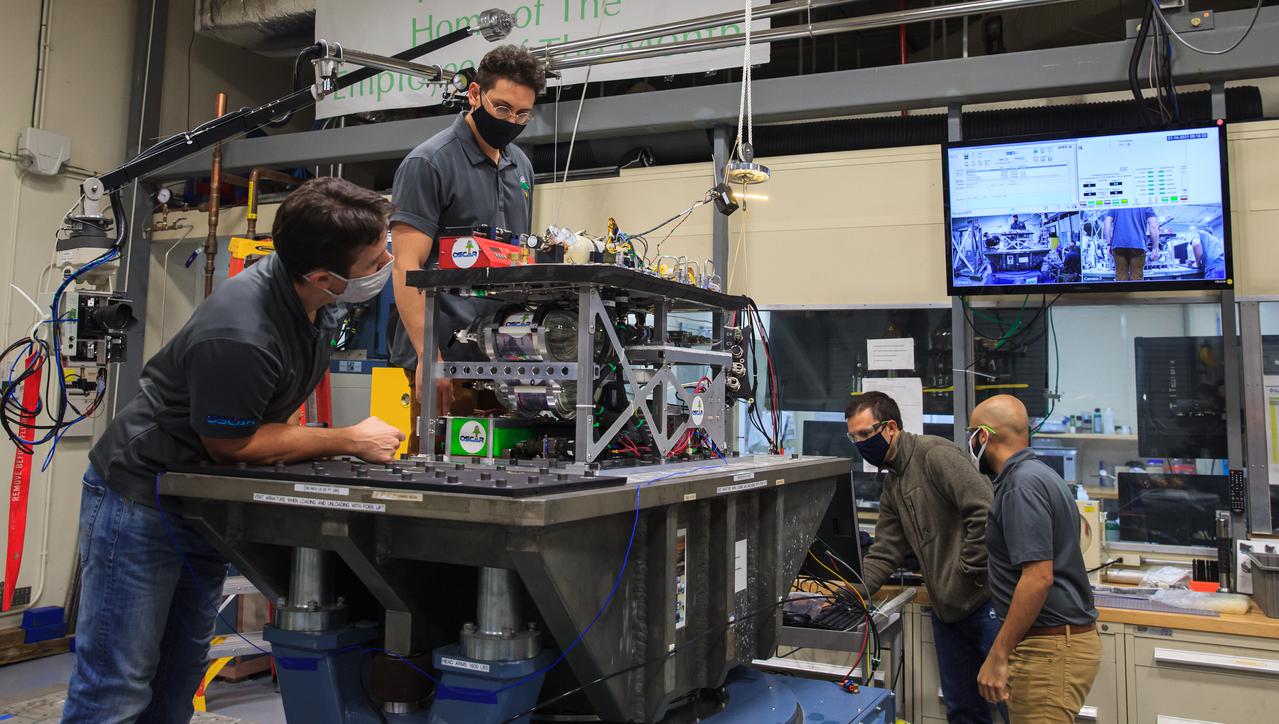
Kennedy Space Center engineers conduct vibration tests inside the Florida spaceport’s Vibration Test Lab on Jan. 14, 2021, in preparation for the suborbital flight of NASA’s Orbital Syngas Commodity Augmentation Reactor, or OSCAR, slated for later this year. From left are Gino Carro, a pressure vessels and systems engineer for the center’s Laboratory Support Services and Operations contract; Ray Pitts, co-principal investigator for OSCAR; David Rinderknecht, NASA chemical engineer; and Malay Shah, NASA thermal/fluid analysis engineer. Beginning as an Early Career Initiative project, OSCAR studies technology to convert trash and human waste into useful gasses such as methane, hydrogen, and carbon dioxide. By processing small pieces of trash in a high-temperature reactor, OSCAR is advancing new and innovative technology for managing waste in space.

Ray Pitts, co-principal investigator for NASA’s Orbital Syngas Commodity Augmentation Reactor (OSCAR), prepares OSCAR for vibration tests inside the Vibration Test Lab at the agency’s Kennedy Space Center in Florida on Jan. 14, 2021. The tests are part of ongoing preparation for a scheduled suborbital flight test later this year. Beginning as an Early Career Initiative project, OSCAR studies technology to convert trash and human waste into useful gasses such as methane, hydrogen, and carbon dioxide. By processing small pieces of trash in a high-temperature reactor, OSCAR would reduce the amount of space needed for waste storage within a spacecraft, turn some waste into gasses that have energy storage and life support applications, and ensure waste is no longer biologically active.
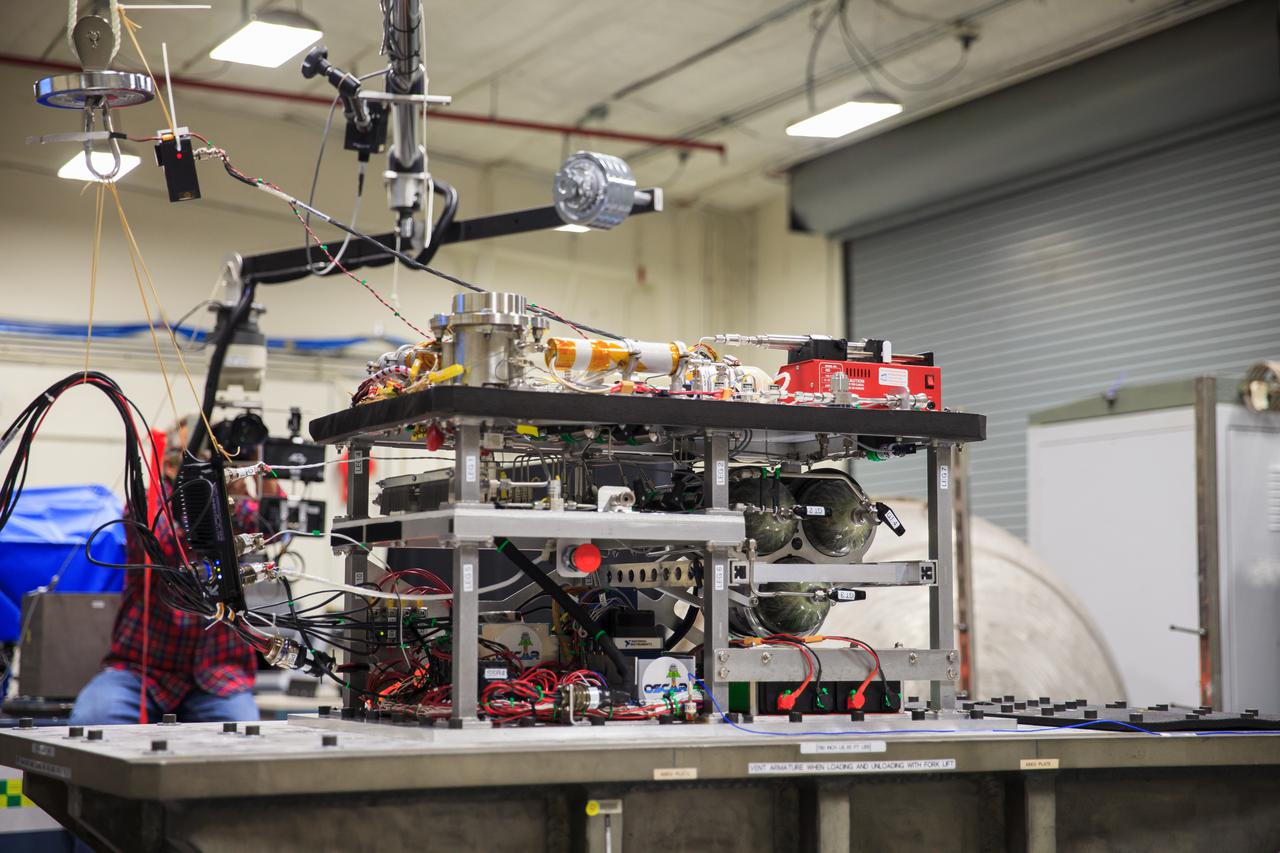
NASA’s Orbital Syngas Commodity Augmentation Reactor, or OSCAR, undergoes vibration testing inside the Vibration Test Lab at the agency’s Kennedy Space Center in Florida on Jan. 14, 2021, in preparation for a scheduled suborbital flight later this year. Beginning as an Early Career Initiative project, OSCAR studies technology to convert trash and human waste into useful gasses such as methane, hydrogen, and carbon dioxide. By processing small pieces of trash in a high-temperature reactor, OSCAR would reduce the amount of space needed for waste storage within a spacecraft, turn some waste into gasses that have energy storage and life support applications, and ensure waste is no longer biologically active.
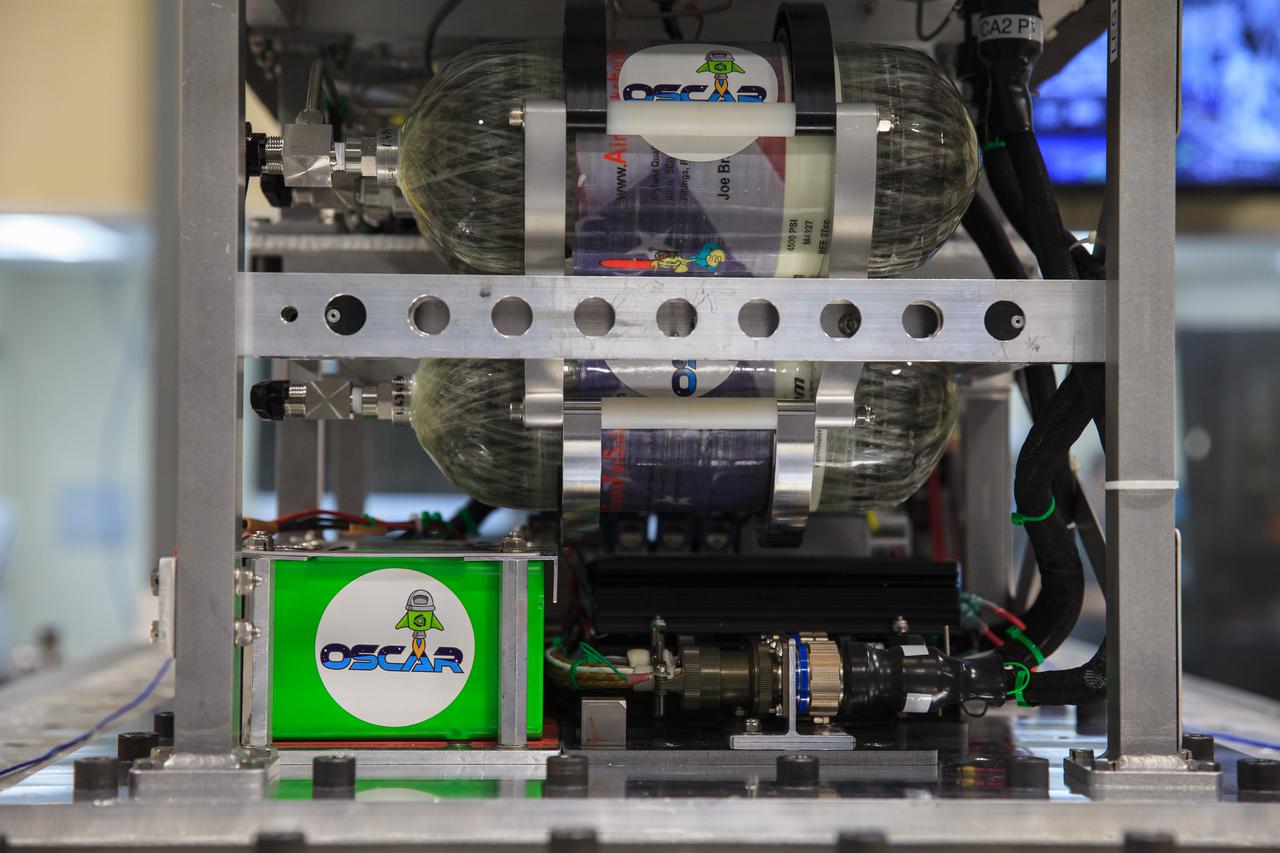
NASA’s Orbital Syngas Commodity Augmentation Reactor, or OSCAR, undergoes vibration testing inside the Vibration Test Lab at the agency’s Kennedy Space Center in Florida on Jan. 14, 2021. The tests are part of ongoing preparation for a scheduled suborbital flight test later this year. Beginning as an Early Career Initiative project, OSCAR studies technology to convert trash and human waste into useful gasses such as methane, hydrogen, and carbon dioxide. By processing small pieces of trash in a high-temperature reactor, OSCAR would reduce the amount of space needed for waste storage within a spacecraft, turn some waste into gasses that have energy storage and life support applications, and ensure waste is no longer biologically active.
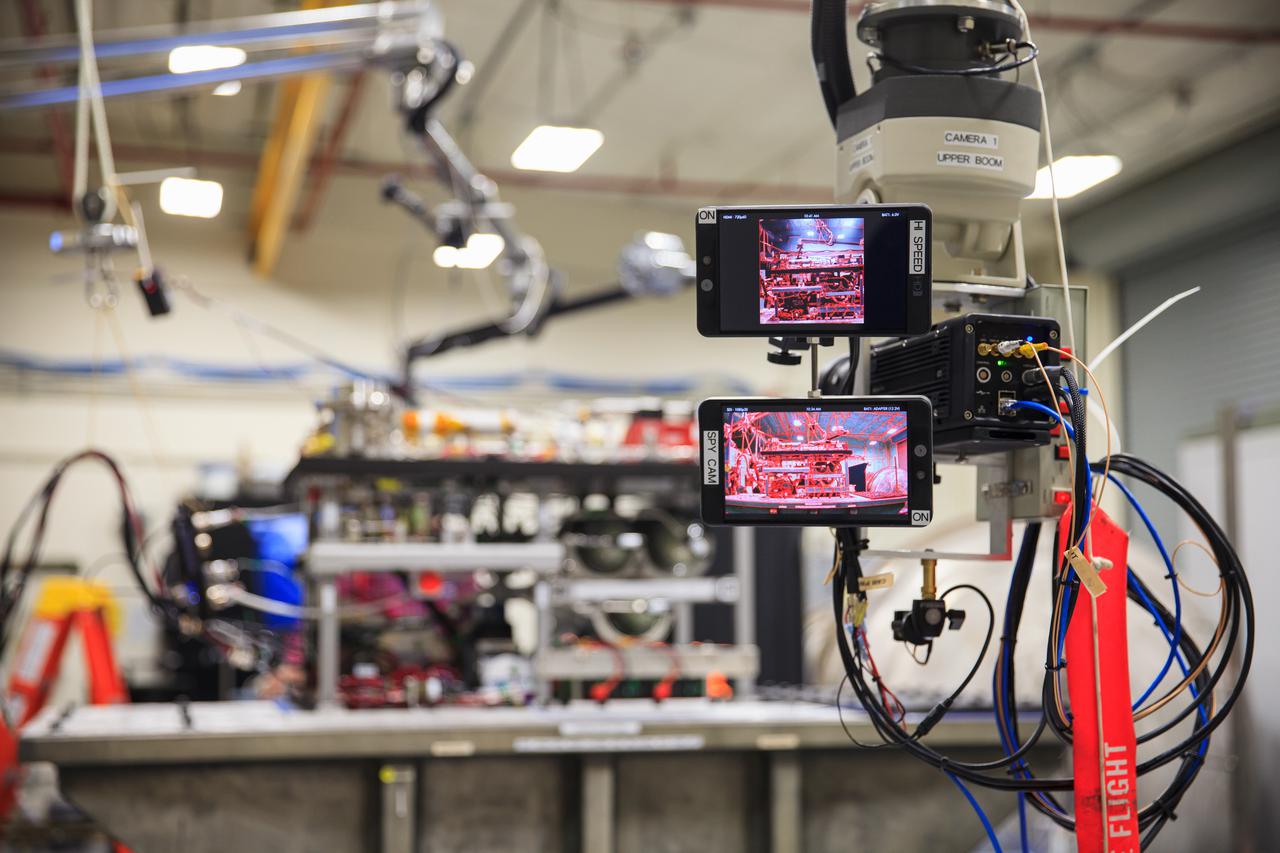
NASA’s Orbital Syngas Commodity Augmentation Reactor, or OSCAR, undergoes vibration testing inside the Vibration Test Lab at the agency’s Kennedy Space Center in Florida on Jan. 14, 2021, in preparation for a scheduled suborbital flight later this year. Beginning as an Early Career Initiative project, OSCAR studies technology to convert trash and human waste into useful gasses such as methane, hydrogen, and carbon dioxide. By processing small pieces of trash in a high-temperature reactor, OSCAR would reduce the amount of space needed for waste storage within a spacecraft, turn some waste into gasses that have energy storage and life support applications, and ensure waste is no longer biologically active.
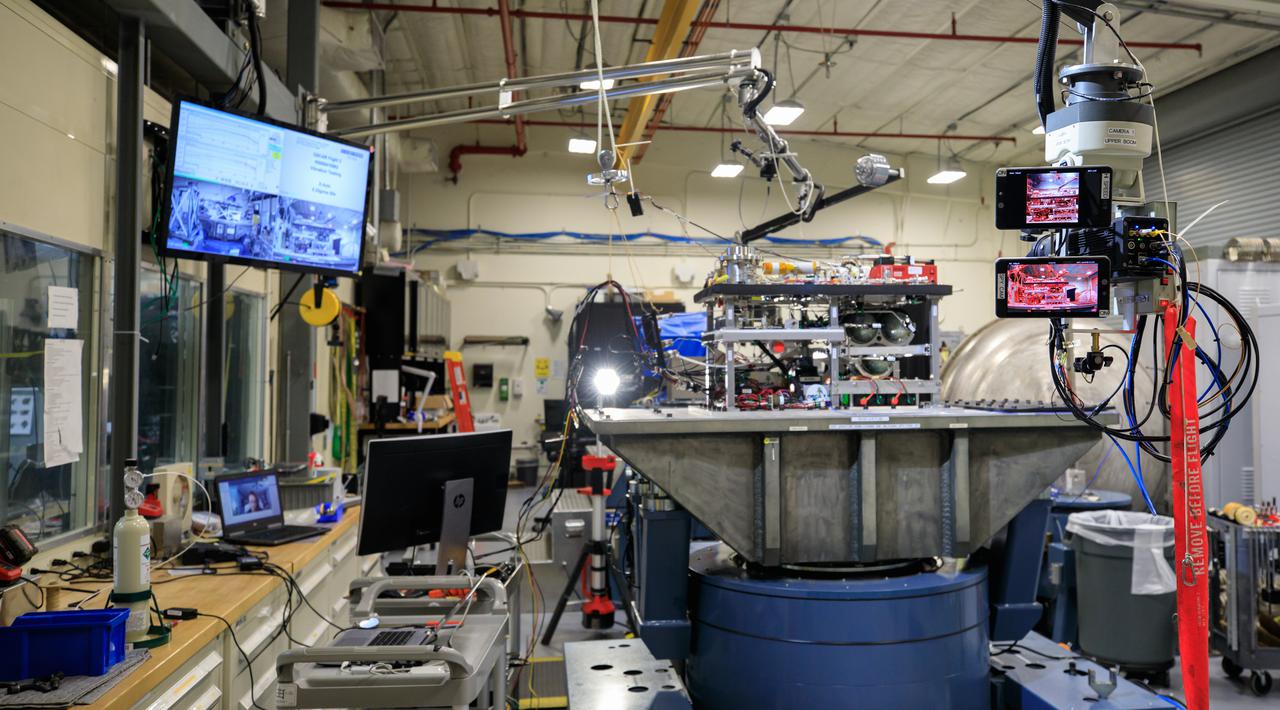
NASA’s Orbital Syngas Commodity Augmentation Reactor, or OSCAR, undergoes vibration testing inside the Vibration Test Lab at the agency’s Kennedy Space Center in Florida on Jan. 14, 2021. The tests are part of ongoing preparation for a scheduled suborbital flight test later this year. Beginning as an Early Career Initiative project, OSCAR studies technology to convert trash and human waste into useful gasses such as methane, hydrogen, and carbon dioxide. By processing small pieces of trash in a high-temperature reactor, OSCAR would reduce the amount of space needed for waste storage within a spacecraft, turn some waste into gasses that have energy storage and life support applications, and ensure waste is no longer biologically active.
Inside the Vibration Test Lab at NASA’s Kennedy Space Center in Florida, the agency’s Orbital Syngas Commodity Augmentation Reactor (OSCAR) undergoes vibration testing on Jan. 14, 2021, in preparation for a scheduled suborbital flight test later this year. Beginning as an Early Career Initiative project, OSCAR studies technology to convert trash and human waste into useful gasses such as methane, hydrogen, and carbon dioxide. By processing small pieces of trash in a high-temperature reactor, OSCAR would reduce the amount of space needed for waste storage within a spacecraft, turn some waste into gasses that have energy storage and life support applications, and ensure waste is no longer biologically active.
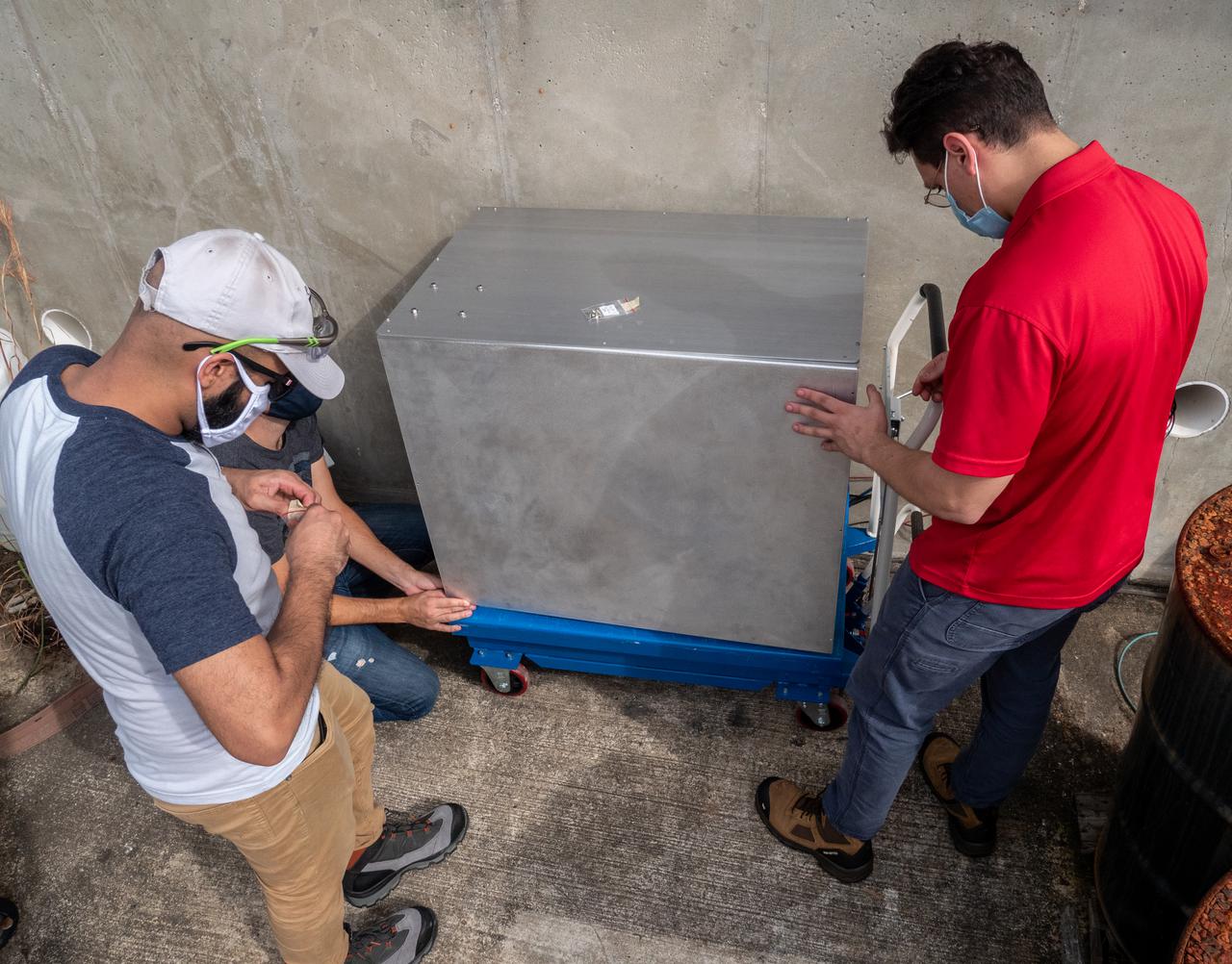
Thermal/Fluid Analysis Engineer Malay Shah, left, and Ray Pitts, co-principal investigator for the Orbital Syngas Commodity Augmentation Reactor (OSCAR), prepare OSCAR for thermal testing Jan. 26, 2021, at NASA’s Kennedy Space Center in Florida. The tests are in preparation for a scheduled suborbital flight test later this year facilitated by NASA’s Flight Opportunities program. The testing ensures the thermal environment of the payload won’t create additional hazards during flight and that OSCAR can successfully operate within the temperature range it may encounter as it performs tests in microgravity.
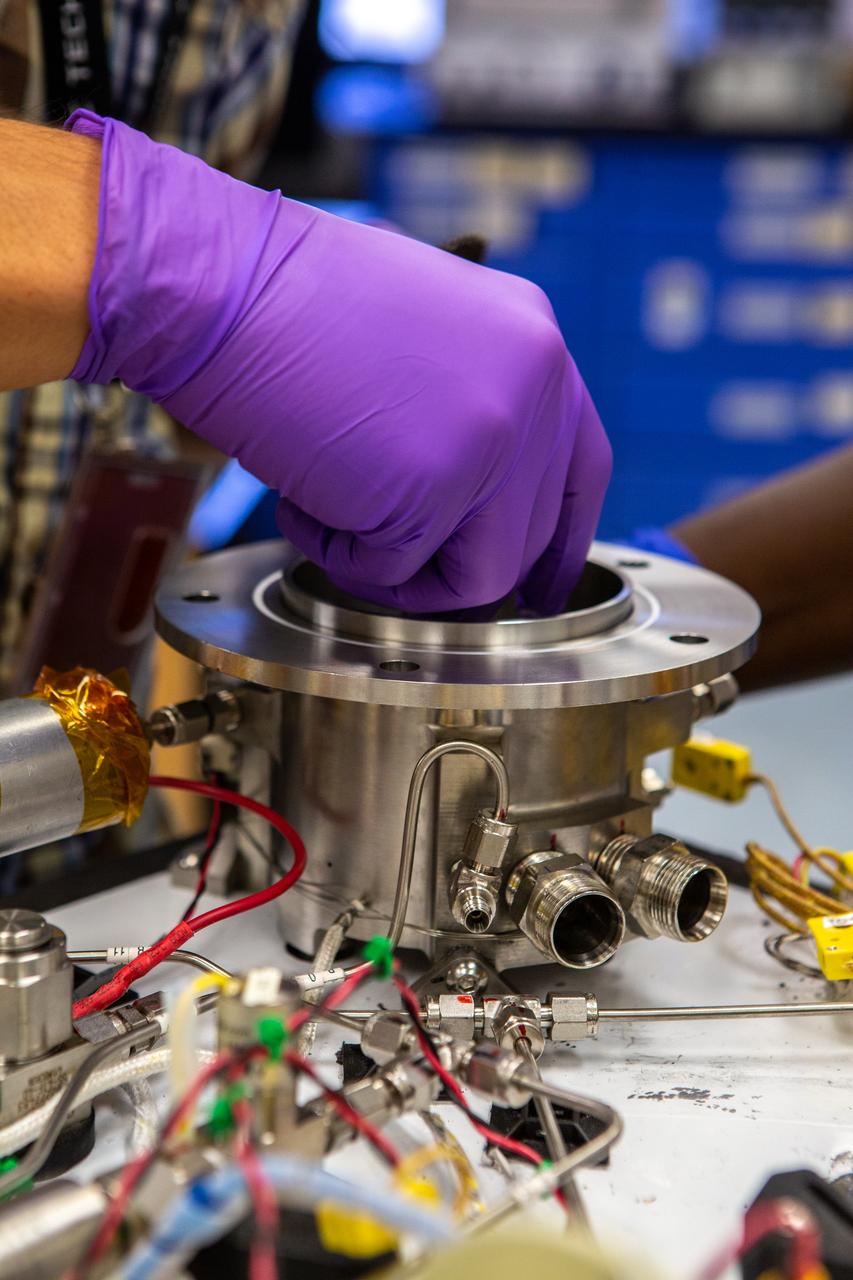
Technicians wearing protective equipment perform work for a future mission on flight hardware for NASA’s Orbital Syngas Commodity Augmentation Reactor, or OSCAR, at the Neil Armstrong Operations and Checkout Facility at the agency’s Kennedy Space Center in Florida on Aug. 10, 2020. OSCAR began as an Early Career Initiative project at the spaceport that studies technology to convert trash and human waste into useful gasses such as methane, hydrogen, and carbon dioxide. By processing small pieces of trash in a high-temperature reactor, OSCAR is advancing new and innovative technology for managing waste in space.
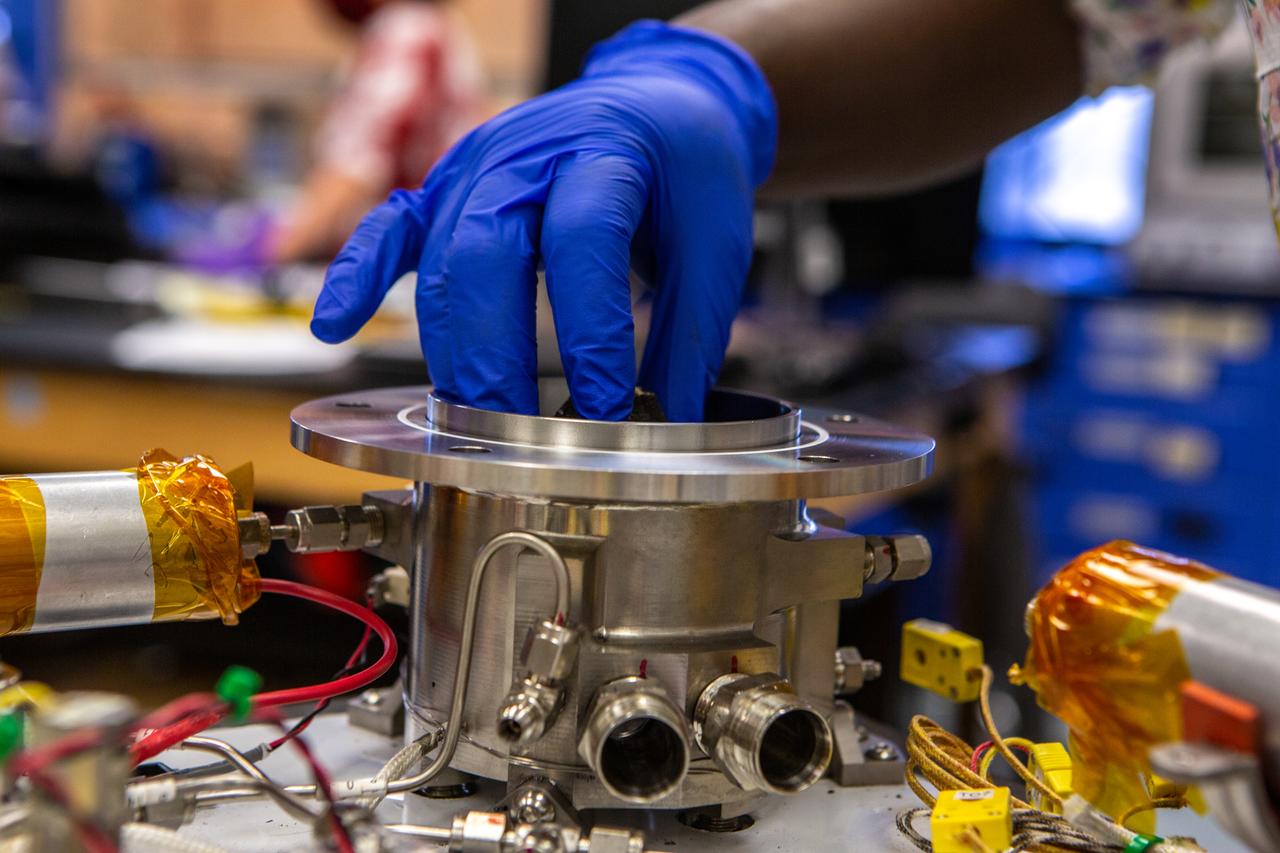
Technicians wearing protective equipment perform work for a future mission on flight hardware for NASA’s Orbital Syngas Commodity Augmentation Reactor, or OSCAR, at the Neil Armstrong Operations and Checkout Facility at the agency’s Kennedy Space Center in Florida on Aug. 10, 2020. OSCAR began as an Early Career Initiative project at the spaceport that studies technology to convert trash and human waste into useful gasses such as methane, hydrogen, and carbon dioxide. By processing small pieces of trash in a high-temperature reactor, OSCAR is advancing new and innovative technology for managing waste in space.
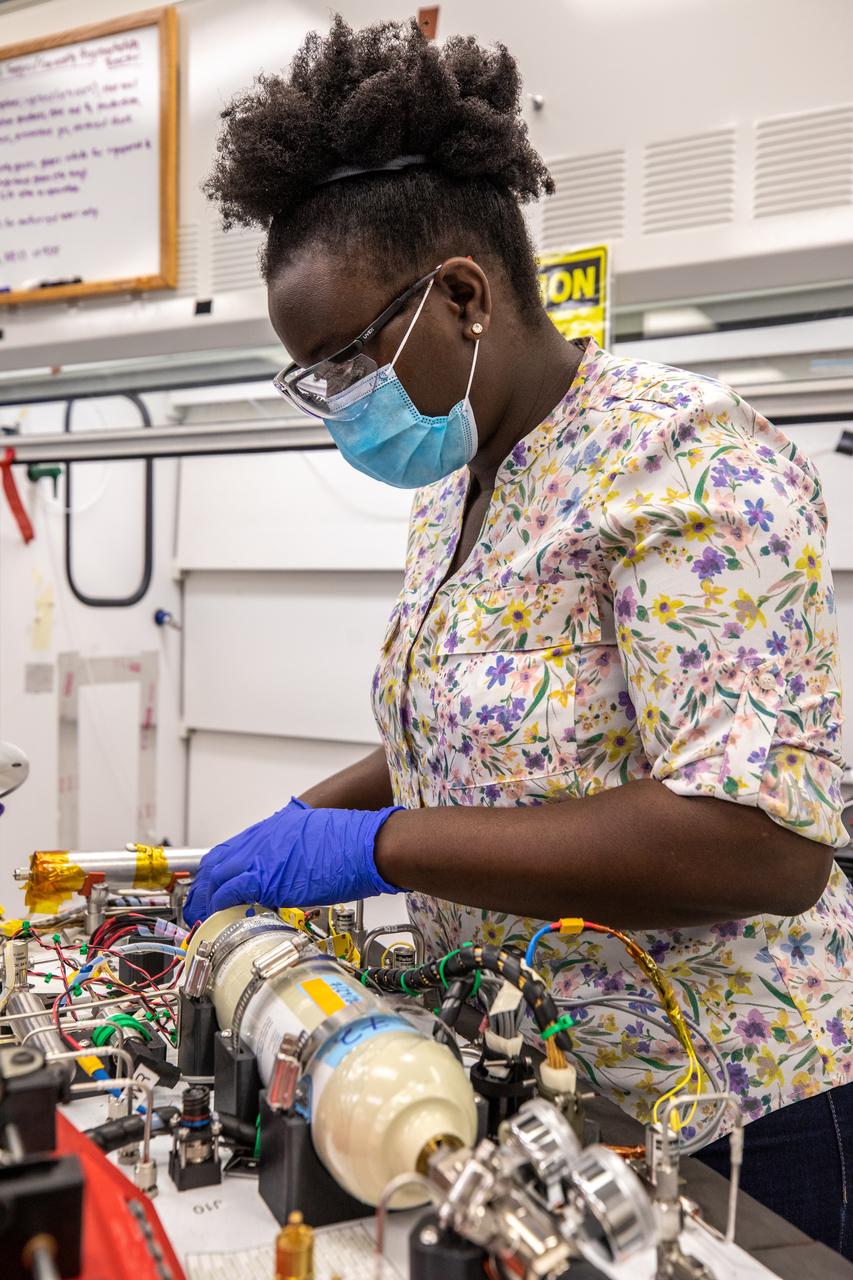
Technicians wearing protective equipment perform work for a future mission on flight hardware for NASA’s Orbital Syngas Commodity Augmentation Reactor, or OSCAR, at the Neil Armstrong Operations and Checkout Facility at the agency’s Kennedy Space Center in Florida on Aug. 10, 2020. OSCAR began as an Early Career Initiative project at the spaceport that studies technology to convert trash and human waste into useful gasses such as methane, hydrogen, and carbon dioxide. By processing small pieces of trash in a high-temperature reactor, OSCAR is advancing new and innovative technology for managing waste in space.
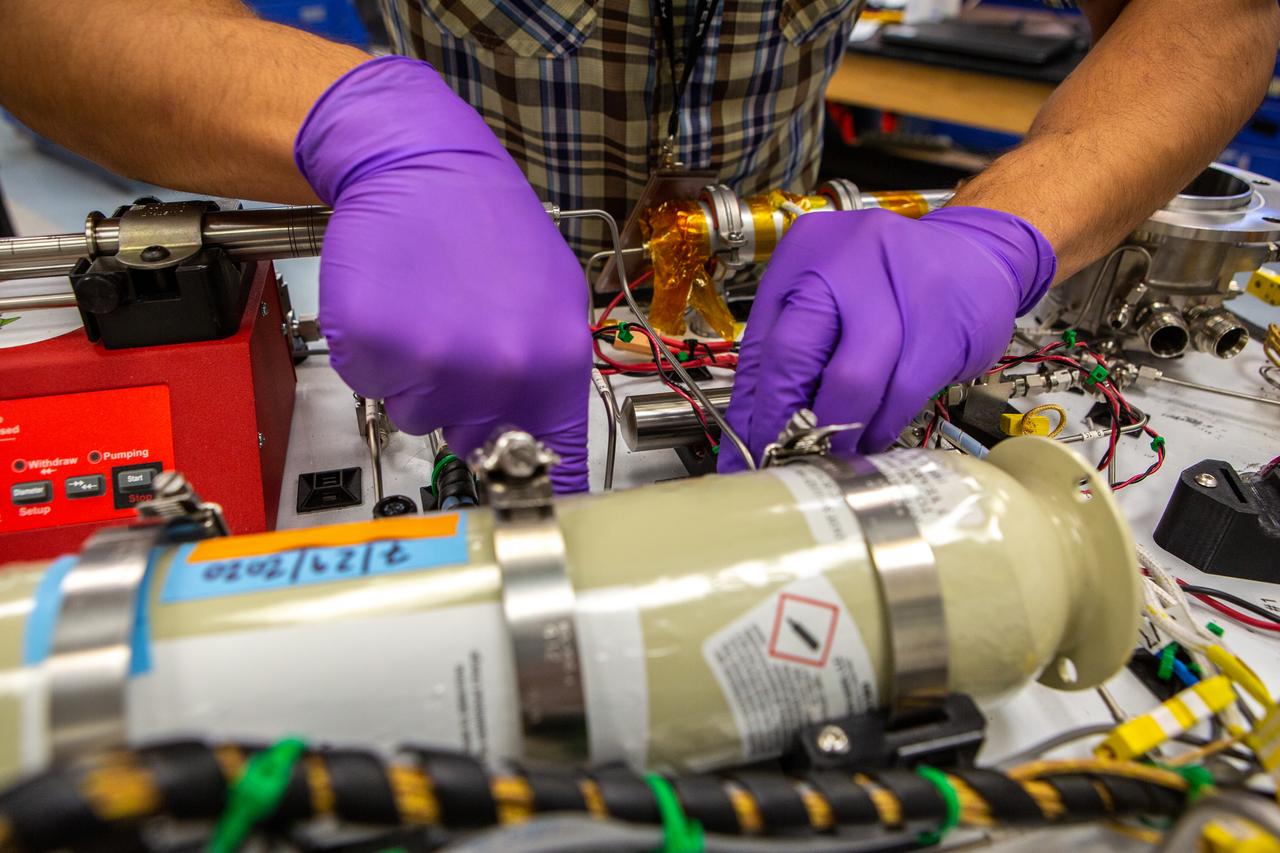
Technicians wearing protective equipment perform work for a future mission on flight hardware for NASA’s Orbital Syngas Commodity Augmentation Reactor, or OSCAR, at the Neil Armstrong Operations and Checkout Facility at the agency’s Kennedy Space Center in Florida on Aug. 10, 2020. OSCAR began as an Early Career Initiative project at the spaceport that studies technology to convert trash and human waste into useful gasses such as methane, hydrogen, and carbon dioxide. By processing small pieces of trash in a high-temperature reactor, OSCAR is advancing new and innovative technology for managing waste in space.
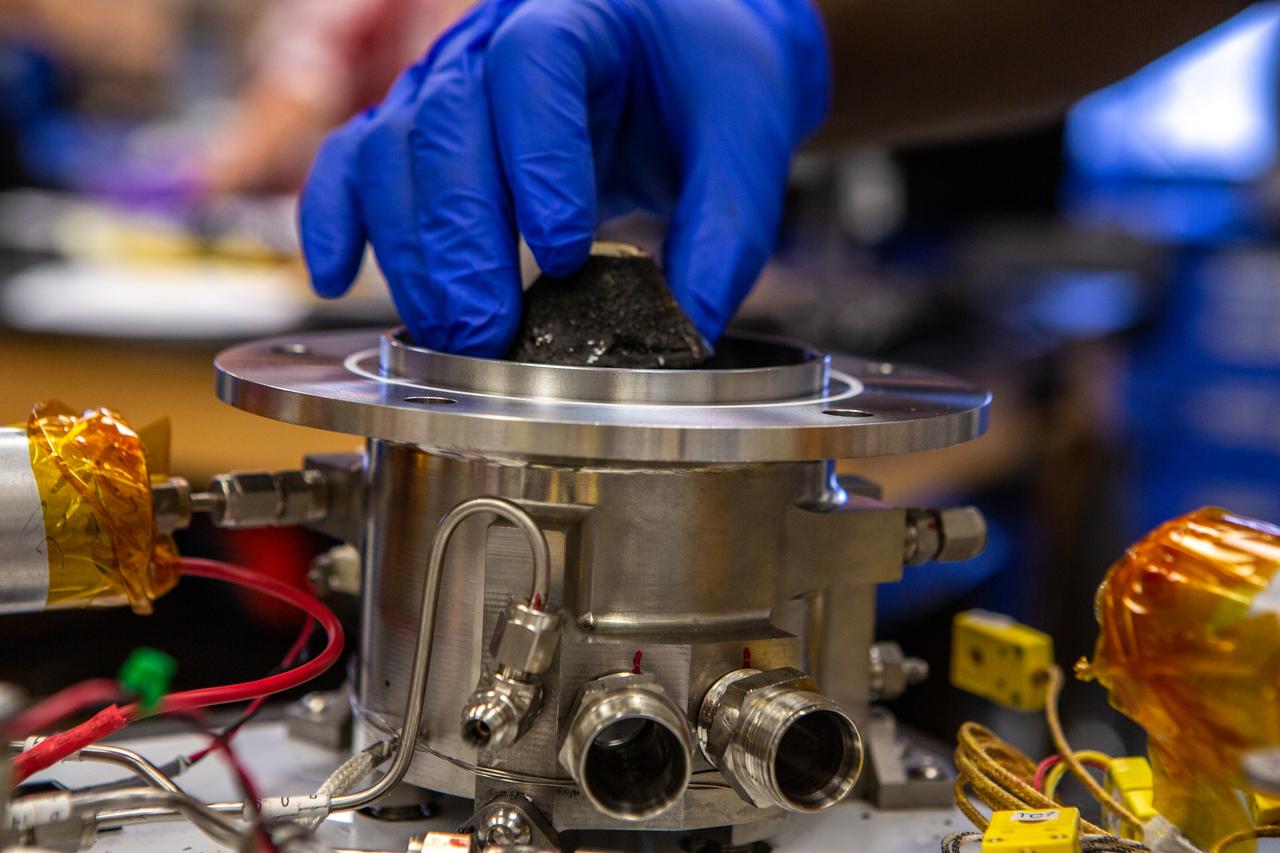
Technicians wearing protective equipment perform work for a future mission on flight hardware for NASA’s Orbital Syngas Commodity Augmentation Reactor, or OSCAR, at the Neil Armstrong Operations and Checkout Facility at the agency’s Kennedy Space Center in Florida on Aug. 10, 2020. OSCAR began as an Early Career Initiative project at the spaceport that studies technology to convert trash and human waste into useful gasses such as methane, hydrogen, and carbon dioxide. By processing small pieces of trash in a high-temperature reactor, OSCAR is advancing new and innovative technology for managing waste in space.
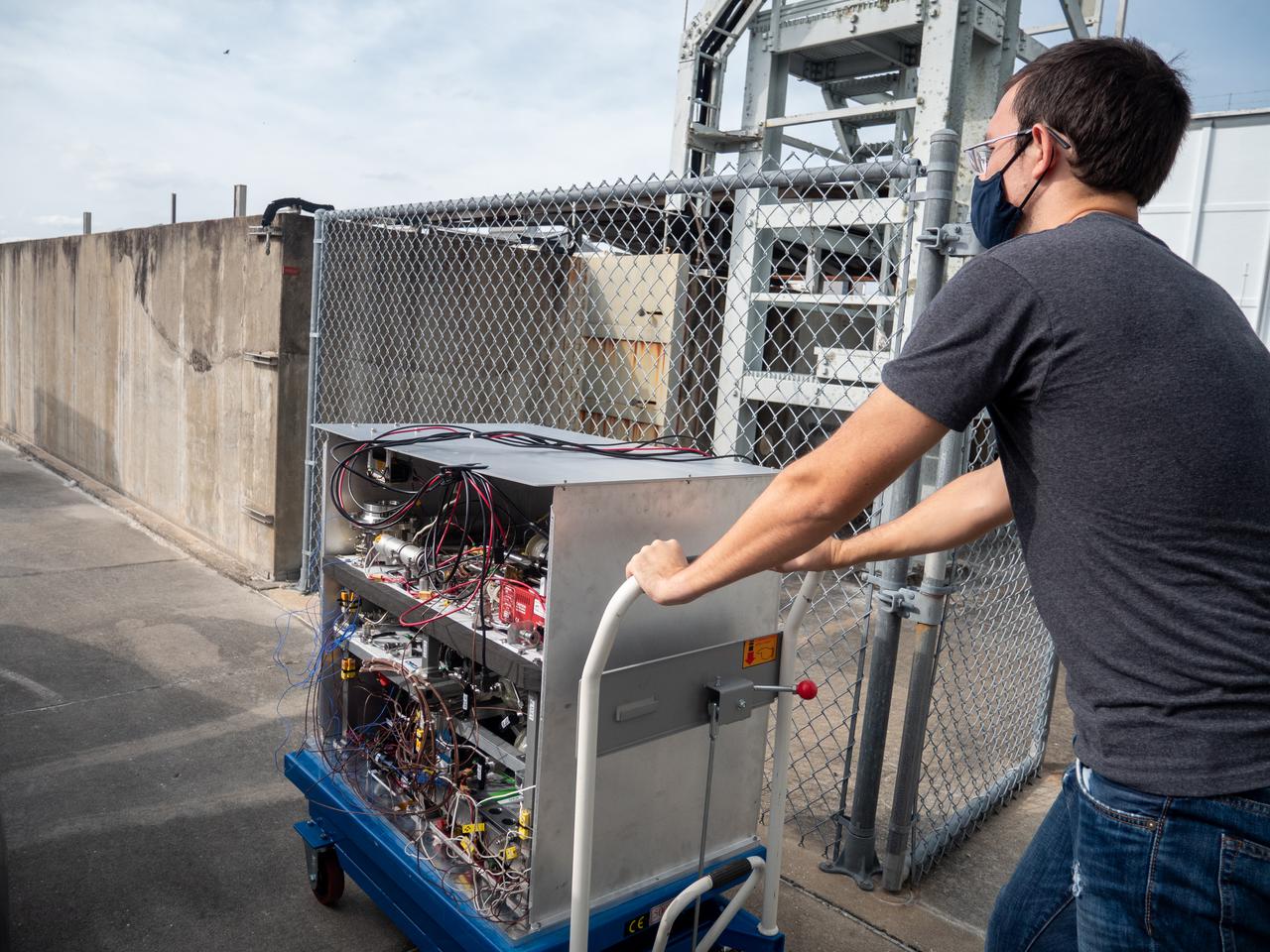
Chemical Engineer David Rinderknecht prepares the Orbital Syngas Commodity Augmentation Reactor (OSCAR) for thermal testing Jan. 26, 2021, at NASA’s Kennedy Space Center in Florida. The tests are in preparation for a scheduled suborbital flight test later this year facilitated by NASA’s Flight Opportunities program. The testing ensures the thermal environment of the payload won’t create additional hazards during flight and that OSCAR can successfully operate within the temperature range it may encounter as it performs tests in microgravity.
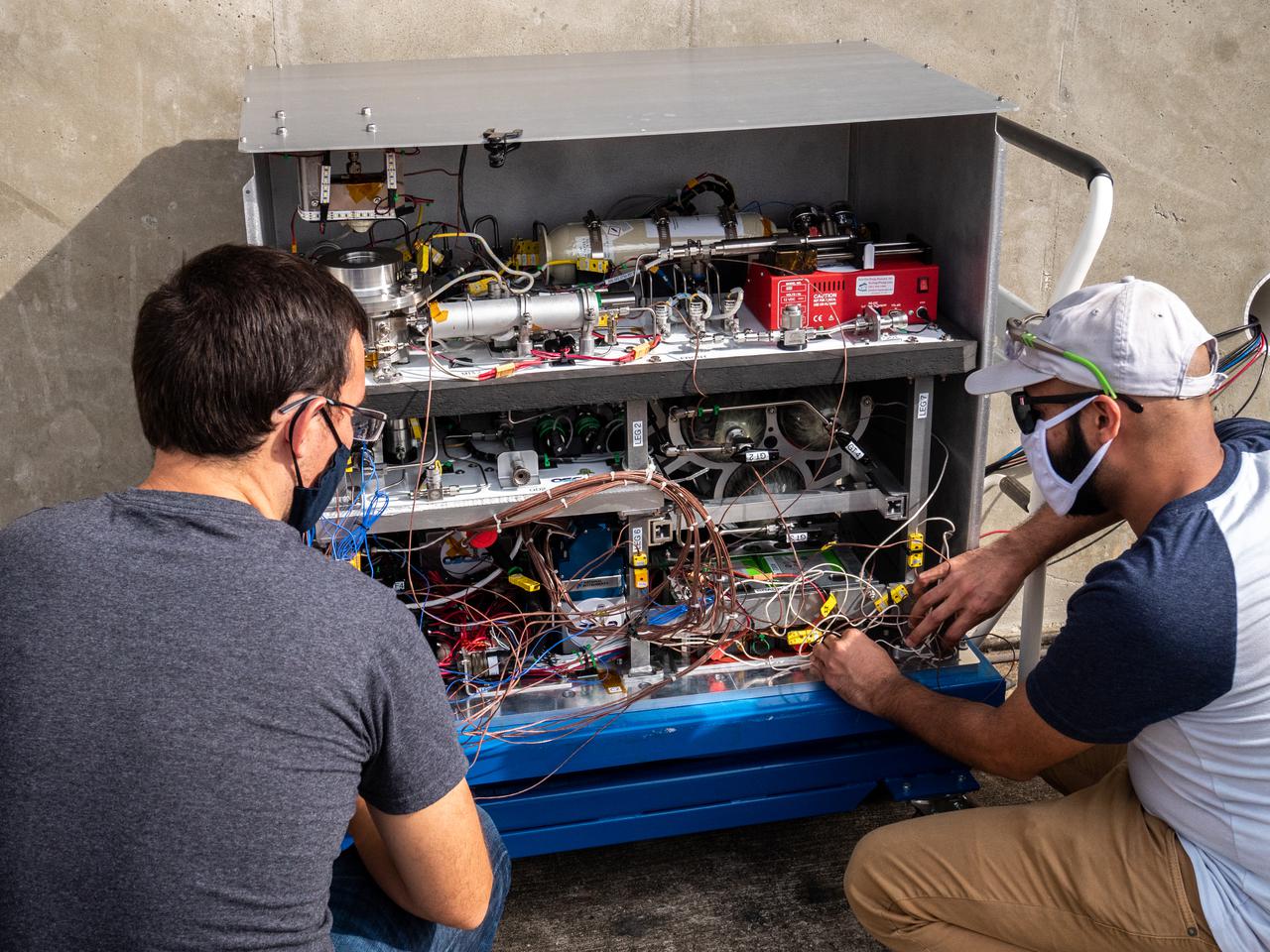
Chemical Engineer David Rinderknecht, left, and Thermal/Fluid Analysis Engineer Malay Shah prepare the Orbital Syngas Commodity Augmentation Reactor (OSCAR) for thermal testing Jan. 26, 2021, at NASA’s Kennedy Space Center in Florida. The tests are in preparation for a scheduled suborbital flight test later this year facilitated by NASA’s Flight Opportunities program. The testing ensures the thermal environment of the payload won’t create additional hazards during flight and that OSCAR can successfully operate within the temperature range it may encounter as it performs tests in microgravity.
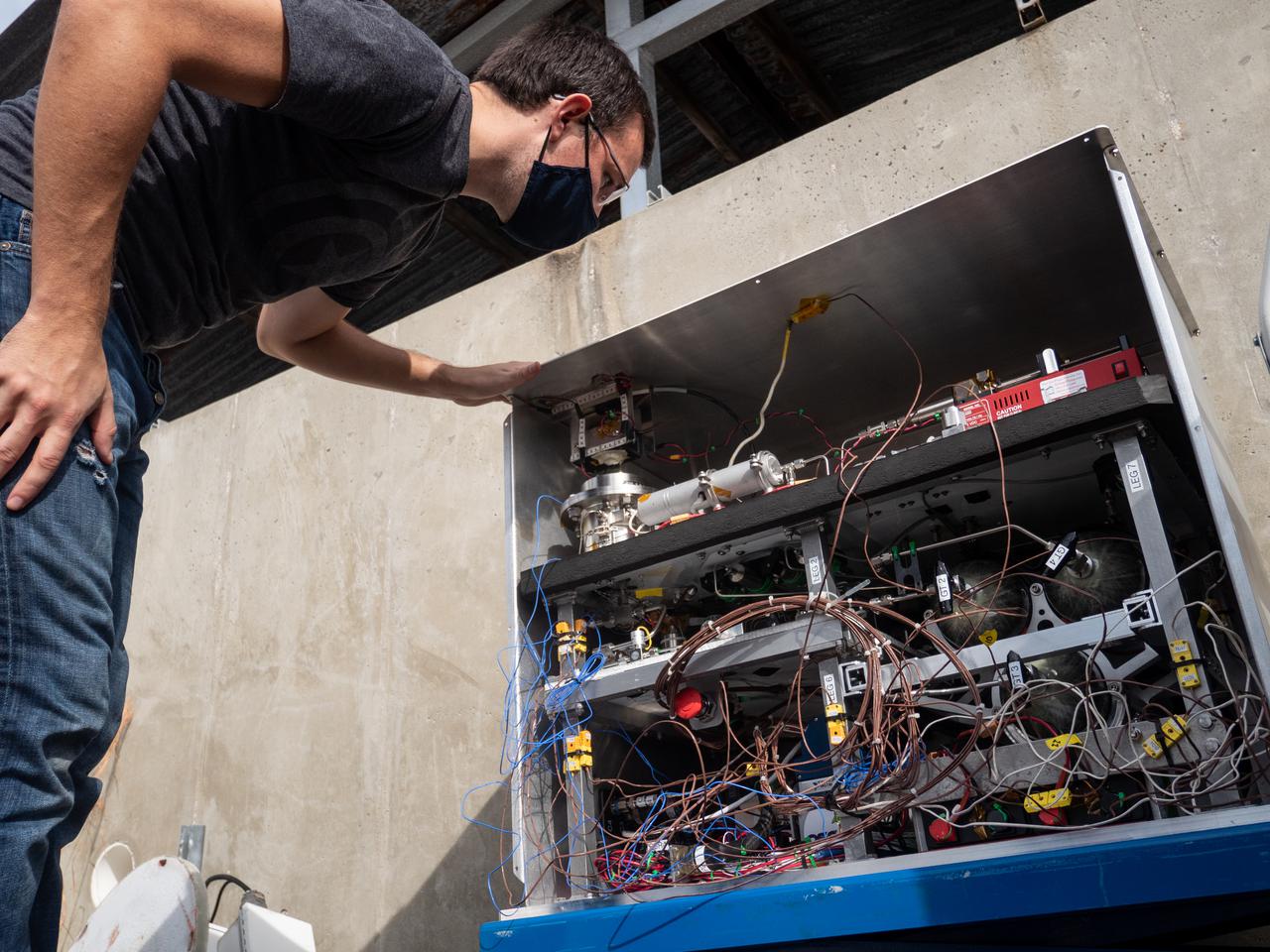
Chemical Engineer David Rinderknecht prepares the Orbital Syngas Commodity Augmentation Reactor (OSCAR) for thermal testing Jan. 26, 2021, at NASA’s Kennedy Space Center in Florida. The tests are in preparation for a scheduled suborbital flight test later this year facilitated by NASA’s Flight Opportunities program. The testing ensures the thermal environment of the payload won’t create additional hazards during flight and that OSCAR can successfully operate within the temperature range it may encounter as it performs tests in microgravity.
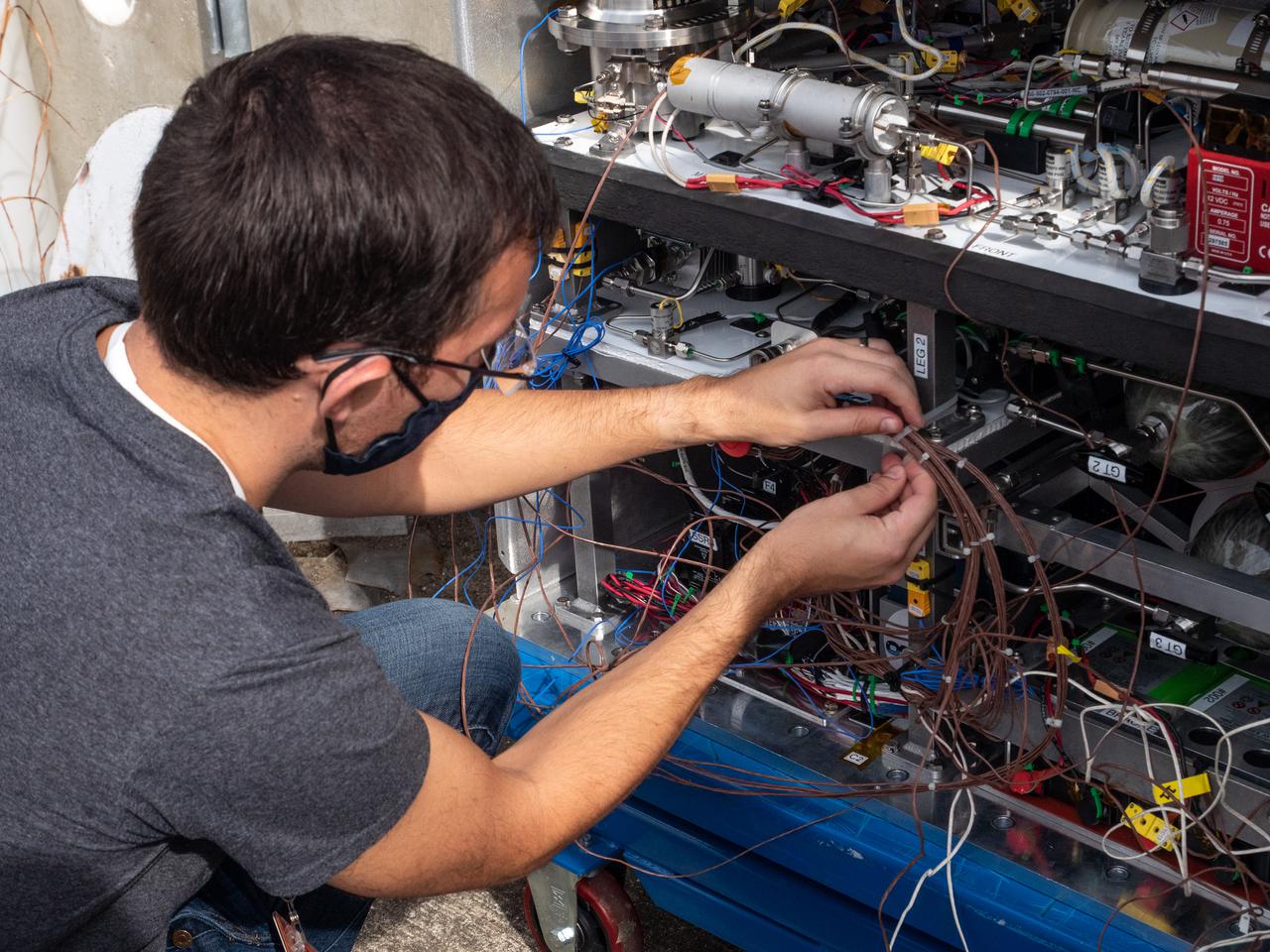
Chemical Engineer David Rinderknecht prepares the Orbital Syngas Commodity Augmentation Reactor (OSCAR) for thermal testing Jan. 26, 2021, at NASA’s Kennedy Space Center in Florida. The tests are in preparation for a scheduled suborbital flight test later this year facilitated by NASA’s Flight Opportunities program. The testing ensures the thermal environment of the payload won’t create additional hazards during flight and that OSCAR can successfully operate within the temperature range it may encounter as it performs tests in microgravity.
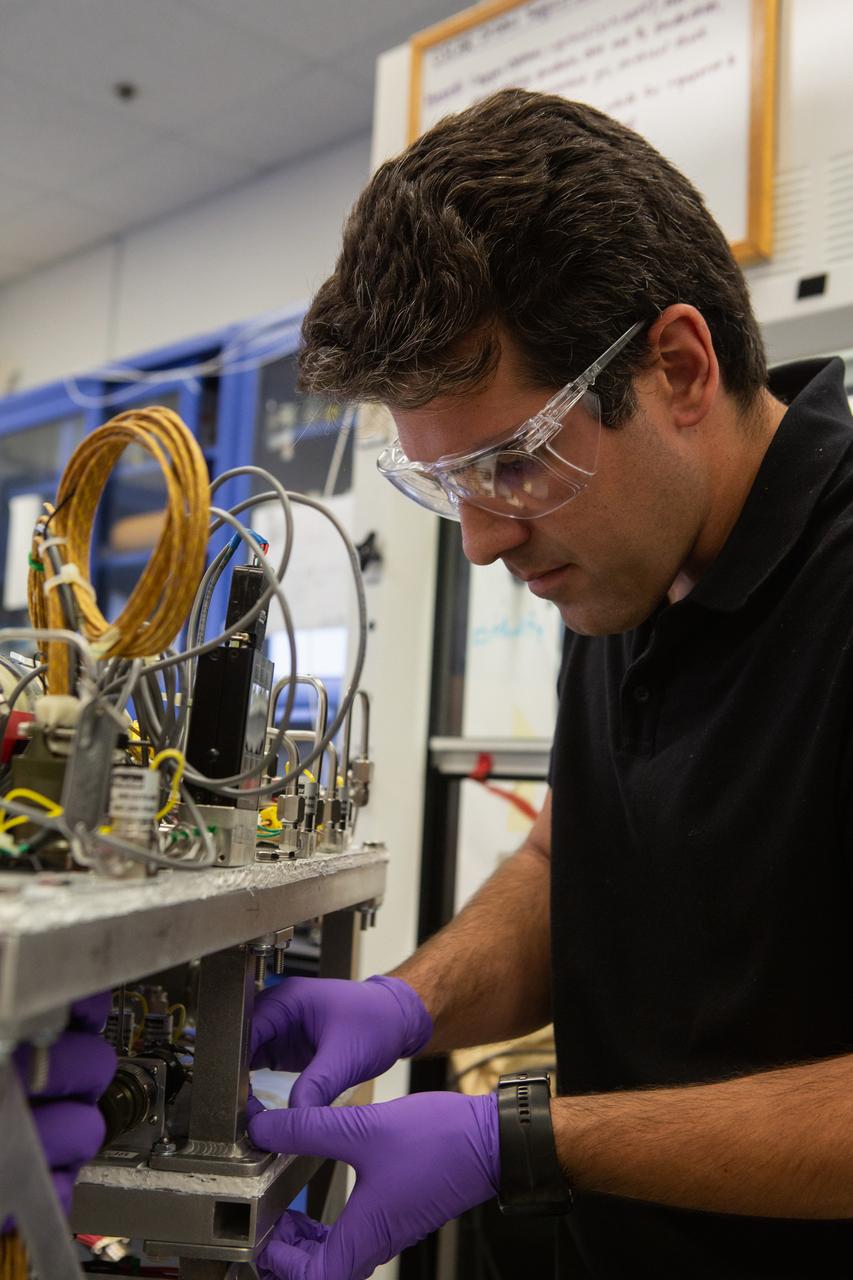
Jaime Toro assembles the flight hardware for NASA’s Orbital Syngas Commodity Augmentation Reactor, or OSCAR, on Oct. 10, 2019, in the Space Station Processing Facility at the agency’s Kennedy Space Center in Florida. OSCAR is an Early Career Initiative project at the spaceport that studies technology to convert trash and human waste into useful gasses such as methane, hydrogen and carbon dioxide. By processing small pieces of trash in a high-temperature reactor, OSCAR is advancing new and innovative technology for managing waste in space. A prototype has been developed, and the team is in the process of constructing a new rig for a suborbital flight test.
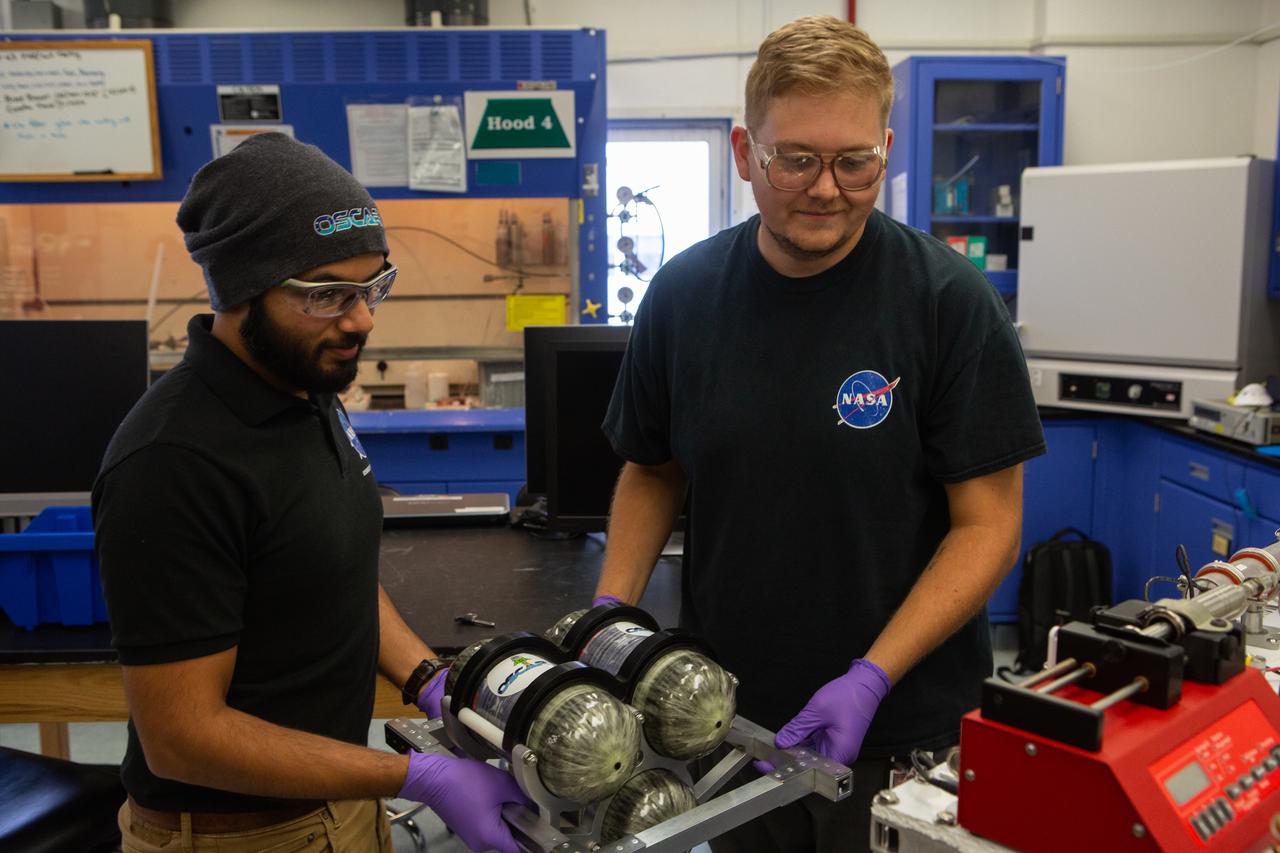
Team members Malay Shah, left, and Evan Bell assemble the flight hardware for NASA’s Orbital Syngas Commodity Augmentation Reactor, or OSCAR, on Oct. 10, 2019, in the Space Station Processing Facility at the agency’s Kennedy Space Center in Florida. OSCAR is an Early Career Initiative project at the spaceport that studies technology to convert trash and human waste into useful gasses such as methane, hydrogen and carbon dioxide. By processing small pieces of trash in a high-temperature reactor, OSCAR is advancing new and innovative technology for managing waste in space. A prototype has been developed, and the team is in the process of constructing a new rig for a suborbital flight test.
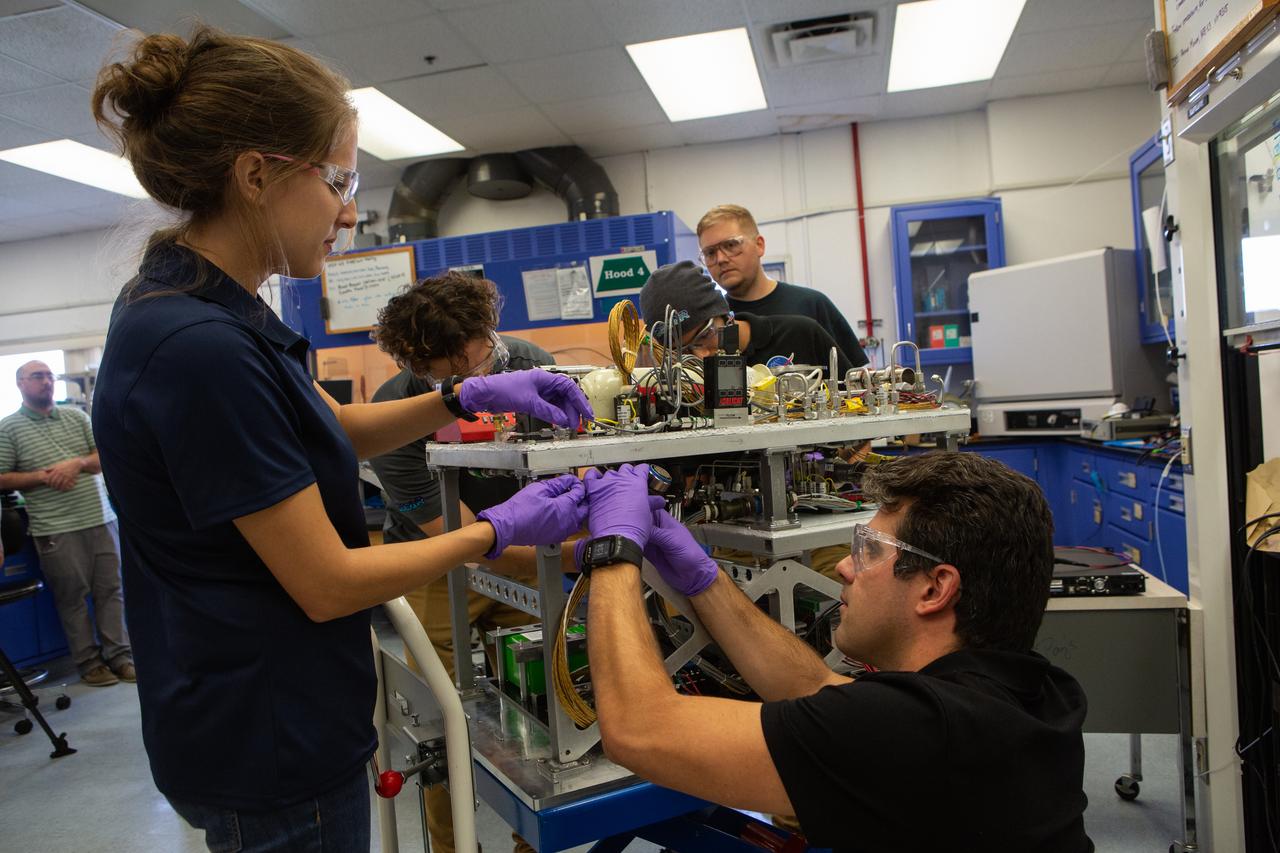
Team members assemble the flight hardware for NASA’s Orbital Syngas Commodity Augmentation Reactor, or OSCAR, on Oct. 10, 2019, in the Space Station Processing Facility at the agency’s Kennedy Space Center in Florida. From left are Annie Meier, Gino Carro, Evan Bell and Jamie Toro. OSCAR is an Early Career Initiative project at the spaceport that studies technology to convert trash and human waste into useful gasses such as methane, hydrogen and carbon dioxide. By processing small pieces of trash in a high-temperature reactor, OSCAR is advancing new and innovative technology for managing waste in space. A prototype has been developed, and the team is in the process of constructing a new rig for a suborbital flight test.
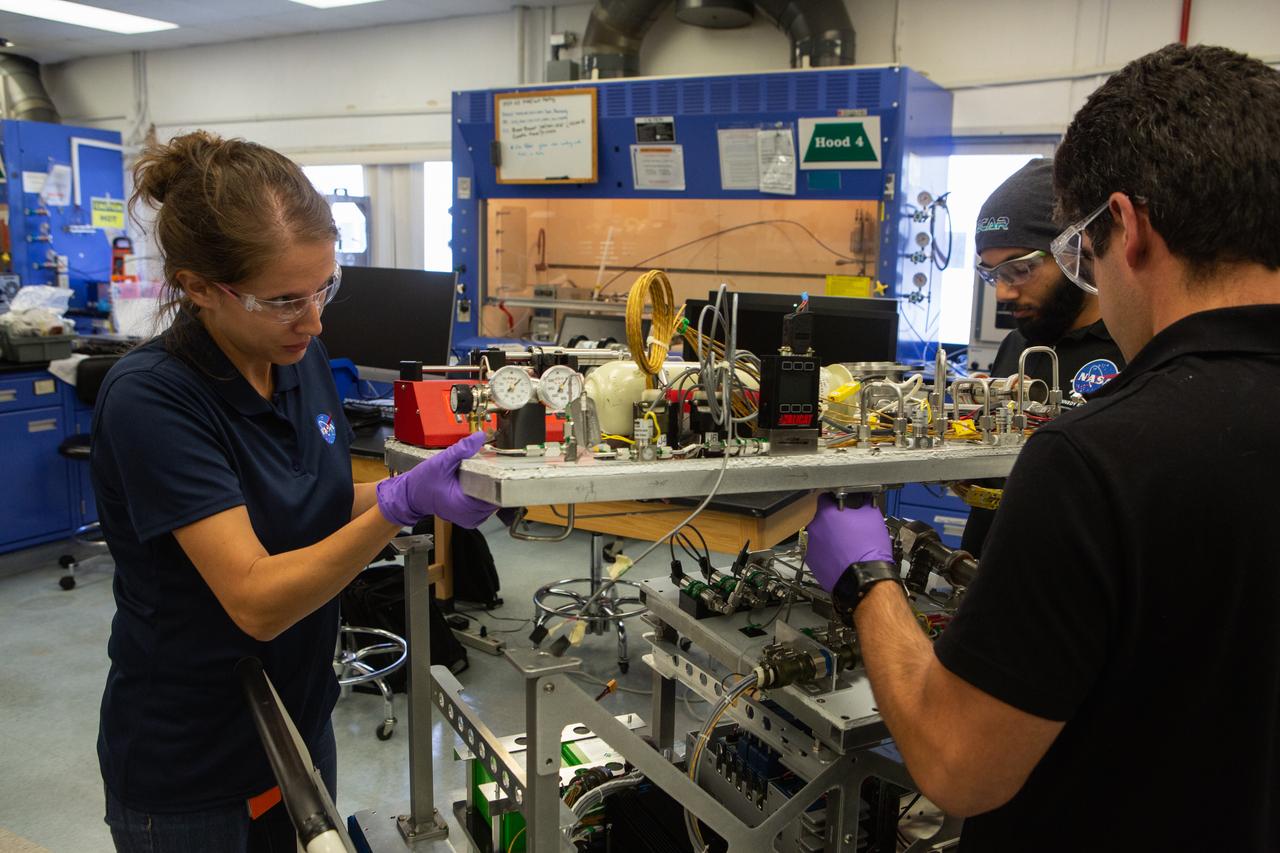
From left, team members Annie Meier, Malay Shah and Jamie Toro assemble the flight hardware for NASA’s Orbital Syngas Commodity Augmentation Reactor, or OSCAR, on Oct. 10, 2019, in the Space Station Processing Facility at the agency’s Kennedy Space Center in Florida. OSCAR is an Early Career Initiative project at the spaceport that studies technology to convert trash and human waste into useful gasses such as methane, hydrogen and carbon dioxide. By processing small pieces of trash in a high-temperature reactor, OSCAR is advancing new and innovative technology for managing waste in space. A prototype has been developed, and the team is in the process of constructing a new rig for a suborbital flight test.
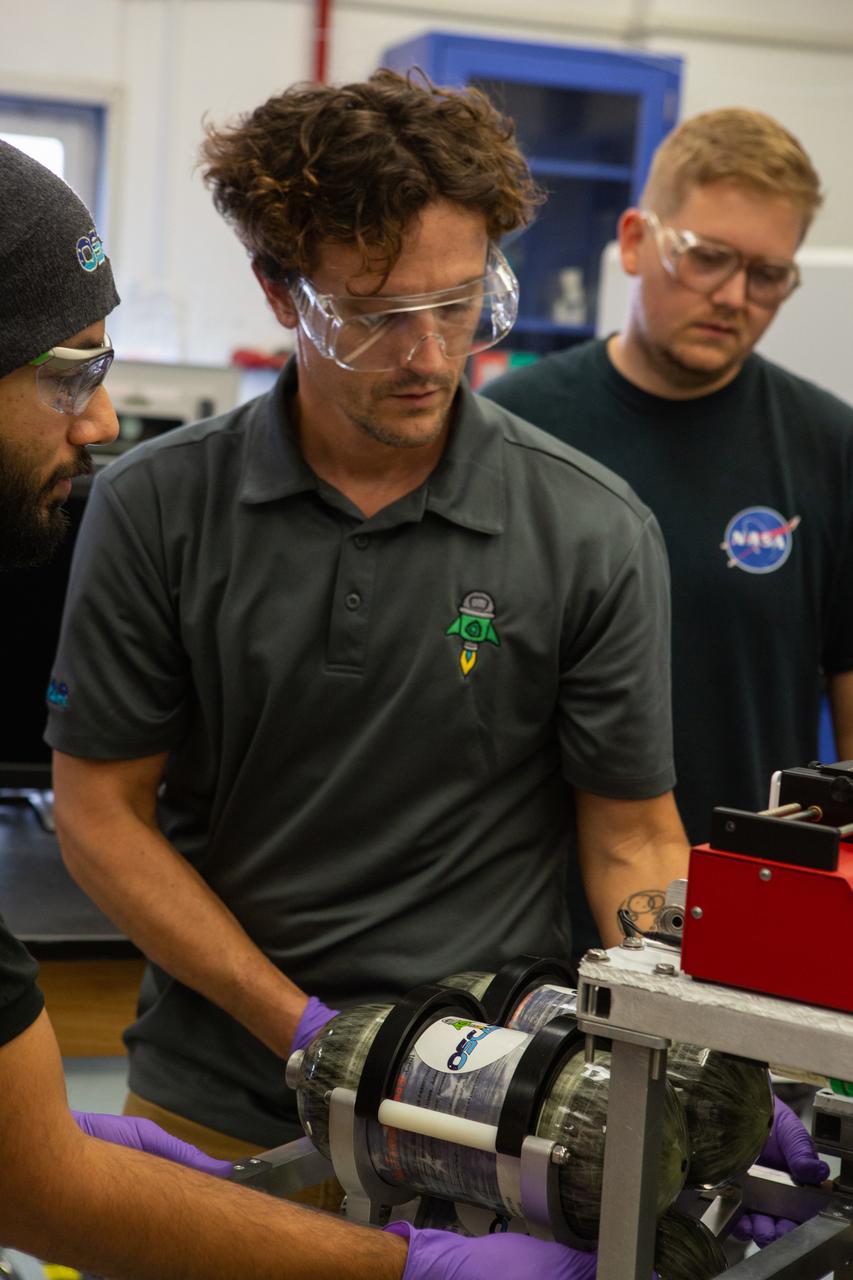
From left, team members Malay Shah, Gino Carro and Evan Bell assemble the flight hardware for NASA’s Orbital Syngas Commodity Augmentation Reactor, or OSCAR, on Oct. 10, 2019, in the Space Station Processing Facility at the agency’s Kennedy Space Center in Florida. OSCAR is an Early Career Initiative project at the spaceport that studies technology to convert trash and human waste into useful gasses such as methane, hydrogen and carbon dioxide. By processing small pieces of trash in a high-temperature reactor, OSCAR is advancing new and innovative technology for managing waste in space. A prototype has been developed, and the team is in the process of constructing a new rig for a suborbital flight test.
Jaime Toro assembles the flight hardware for NASA’s Orbital Syngas Commodity Augmentation Reactor, or OSCAR, on Oct. 10, 2019, in the Space Station Processing Facility at the agency’s Kennedy Space Center in Florida. OSCAR is an Early Career Initiative project at the spaceport that studies technology to convert trash and human waste into useful gasses such as methane, hydrogen and carbon dioxide. By processing small pieces of trash in a high-temperature reactor, OSCAR is advancing new and innovative technology for managing waste in space. A prototype has been developed, and the team is in the process of constructing a new rig for a suborbital flight test.
From left, team members Malay Shah, Gino Carro, Evan Bell and Jamie Toro assemble the flight hardware for NASA’s Orbital Syngas Commodity Augmentation Reactor, or OSCAR, on Oct. 10, 2019, in the Space Station Processing Facility at the agency’s Kennedy Space Center in Florida. OSCAR is an Early Career Initiative project at the spaceport that studies technology to convert trash and human waste into useful gasses such as methane, hydrogen and carbon dioxide. By processing small pieces of trash in a high-temperature reactor, OSCAR is advancing new and innovative technology for managing waste in space. A prototype has been developed, and the team is in the process of constructing a new rig for a suborbital flight test.
Team members Evan Bell, left, and Jaime Toro assemble the flight hardware for NASA’s Orbital Syngas Commodity Augmentation Reactor, or OSCAR, on Oct. 10, 2019, in the Space Station Processing Facility at the agency’s Kennedy Space Center in Florida. OSCAR is an Early Career Initiative project at the spaceport that studies technology to convert trash and human waste into useful gasses such as methane, hydrogen and carbon dioxide. By processing small pieces of trash in a high-temperature reactor, OSCAR is advancing new and innovative technology for managing waste in space. A prototype has been developed, and the team is in the process of constructing a new rig for a suborbital flight test.
Team members assemble the flight hardware for NASA’s Orbital Syngas Commodity Augmentation Reactor, or OSCAR, on Oct. 10, 2019, in the Space Station Processing Facility at the agency’s Kennedy Space Center in Florida. From left are Gino Carro, Tom Cauvel, Jaime Toro, Evan Bell, Malay Shah and Annie Meier. OSCAR is an Early Career Initiative project at the spaceport that studies technology to convert trash and human waste into useful gasses such as methane, hydrogen and carbon dioxide. By processing small pieces of trash in a high-temperature reactor, OSCAR is advancing new and innovative technology for managing waste in space. A prototype has been developed, and the team is in the process of constructing a new rig for a suborbital flight test.
Team members Annie Meier, left, and Jamie Toro assemble the flight hardware for NASA’s Orbital Syngas Commodity Augmentation Reactor, or OSCAR, on Oct. 10, 2019, in the Space Station Processing Facility at the agency’s Kennedy Space Center in Florida. OSCAR is an Early Career Initiative project at the spaceport that studies technology to convert trash and human waste into useful gasses such as methane, hydrogen and carbon dioxide. By processing small pieces of trash in a high-temperature reactor, OSCAR is advancing new and innovative technology for managing waste in space. A prototype has been developed, and the team is in the process of constructing a new rig for a suborbital flight test.
Team members Malay Shah, foreground, and Gino Carro assemble the flight hardware for NASA’s Orbital Syngas Commodity Augmentation Reactor, or OSCAR, on Oct. 10, 2019, in the Space Station Processing Facility at the agency’s Kennedy Space Center in Florida. OSCAR is an Early Career Initiative project at the spaceport that studies technology to convert trash and human waste into useful gasses such as methane, hydrogen and carbon dioxide. By processing small pieces of trash in a high-temperature reactor, OSCAR is advancing new and innovative technology for managing waste in space. A prototype has been developed, and the team is in the process of constructing a new rig for a suborbital flight test.
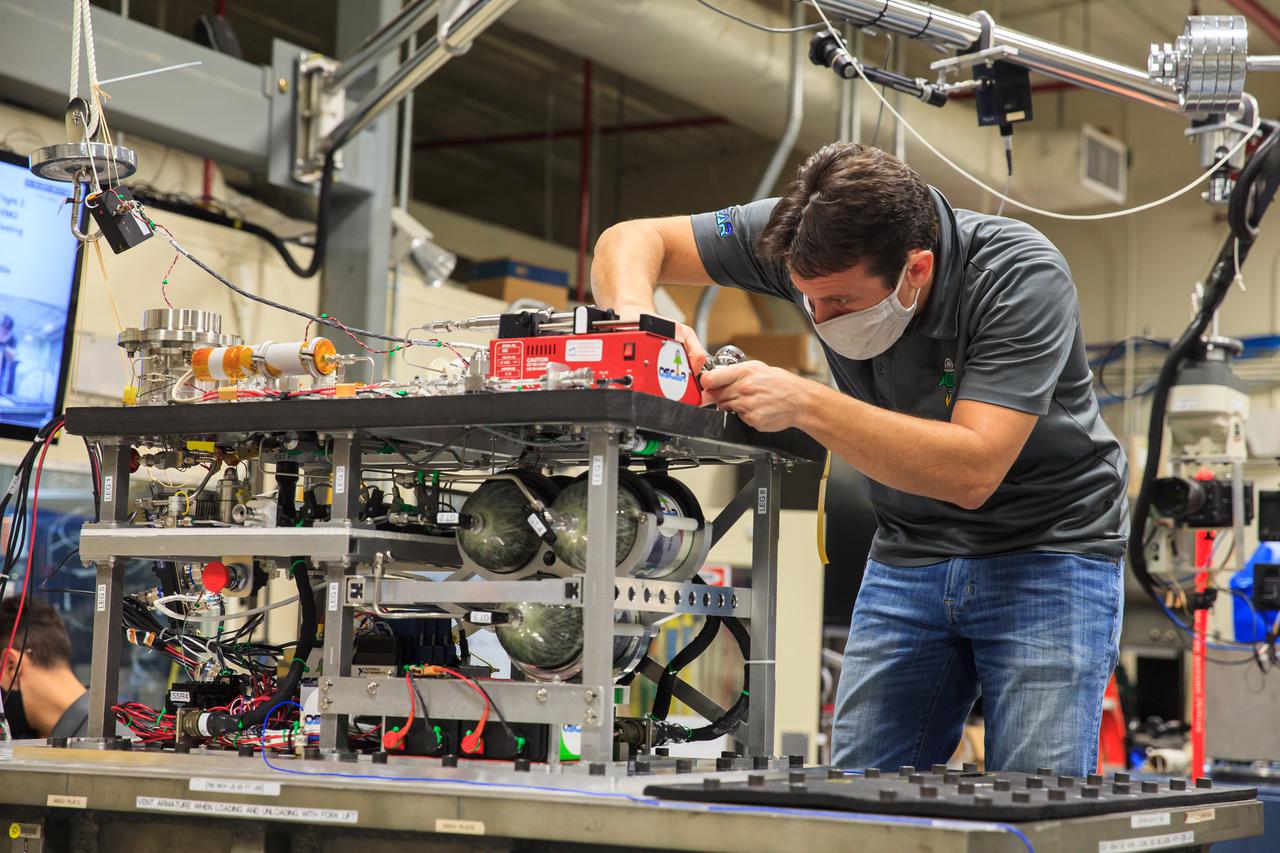
Gino Carro, a pressure vessels and systems engineer for Kennedy Space Center’s Laboratory Support Services and Operations contract, prepares NASA’s Orbital Syngas Commodity Augmentation Reactor (OSCAR) for vibration tests inside the Vibration Test Lab at the Florida spaceport on Jan. 14, 2021. The tests are part of ongoing preparation for a scheduled suborbital flight test later this year. Beginning as an Early Career Initiative project, OSCAR studies technology to convert trash and human waste into useful gasses such as methane, hydrogen, and carbon dioxide. By processing small pieces of trash in a high-temperature reactor, OSCAR would reduce the amount of space needed for waste storage within a spacecraft, turn some waste into gasses that have energy storage and life support applications, and ensure waste is no longer biologically active.
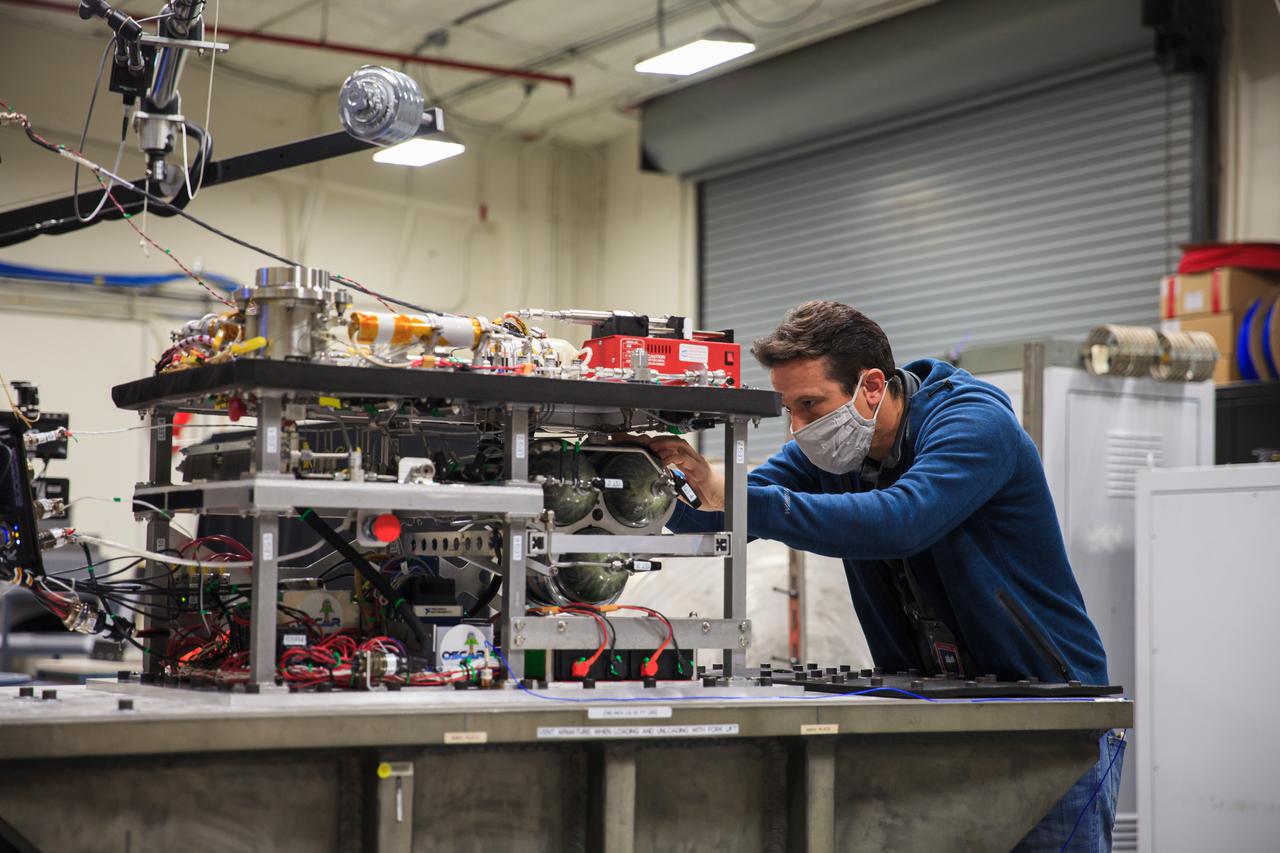
Gino Carro, a pressure vessels and systems engineer for Kennedy Space Center’s Laboratory Support Services and Operations contract, prepares NASA’s Orbital Syngas Commodity Augmentation Reactor (OSCAR) for vibration tests inside the Vibration Test Lab at the Florida spaceport on Jan. 14, 2021. The tests are part of ongoing preparation for a scheduled suborbital flight test later this year. Beginning as an Early Career Initiative project, OSCAR studies technology to convert trash and human waste into useful gasses such as methane, hydrogen, and carbon dioxide. By processing small pieces of trash in a high-temperature reactor, OSCAR would reduce the amount of space needed for waste storage within a spacecraft, turn some waste into gasses that have energy storage and life support applications, and ensure waste is no longer biologically active.
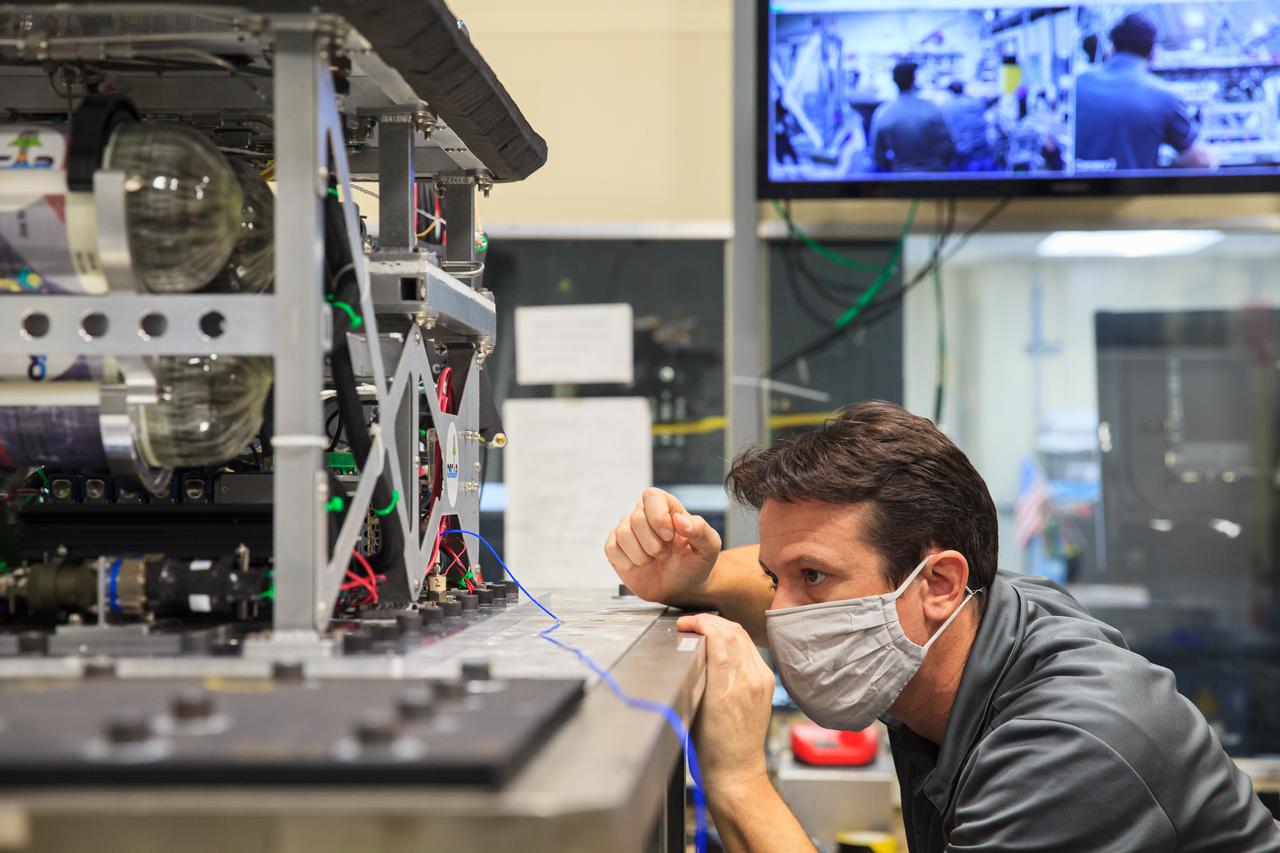
Gino Carro, a pressure vessels and systems engineer for Kennedy Space Center’s Laboratory Support Services and Operations contract, prepares NASA’s Orbital Syngas Commodity Augmentation Reactor (OSCAR) for vibration tests inside the Vibration Test Lab at the Florida spaceport on Jan. 14, 2021. The tests are part of ongoing preparation for a scheduled suborbital flight test later this year. Beginning as an Early Career Initiative project, OSCAR studies technology to convert trash and human waste into useful gasses such as methane, hydrogen, and carbon dioxide. By processing small pieces of trash in a high-temperature reactor, OSCAR would reduce the amount of space needed for waste storage within a spacecraft, turn some waste into gasses that have energy storage and life support applications, and ensure waste is no longer biologically active.
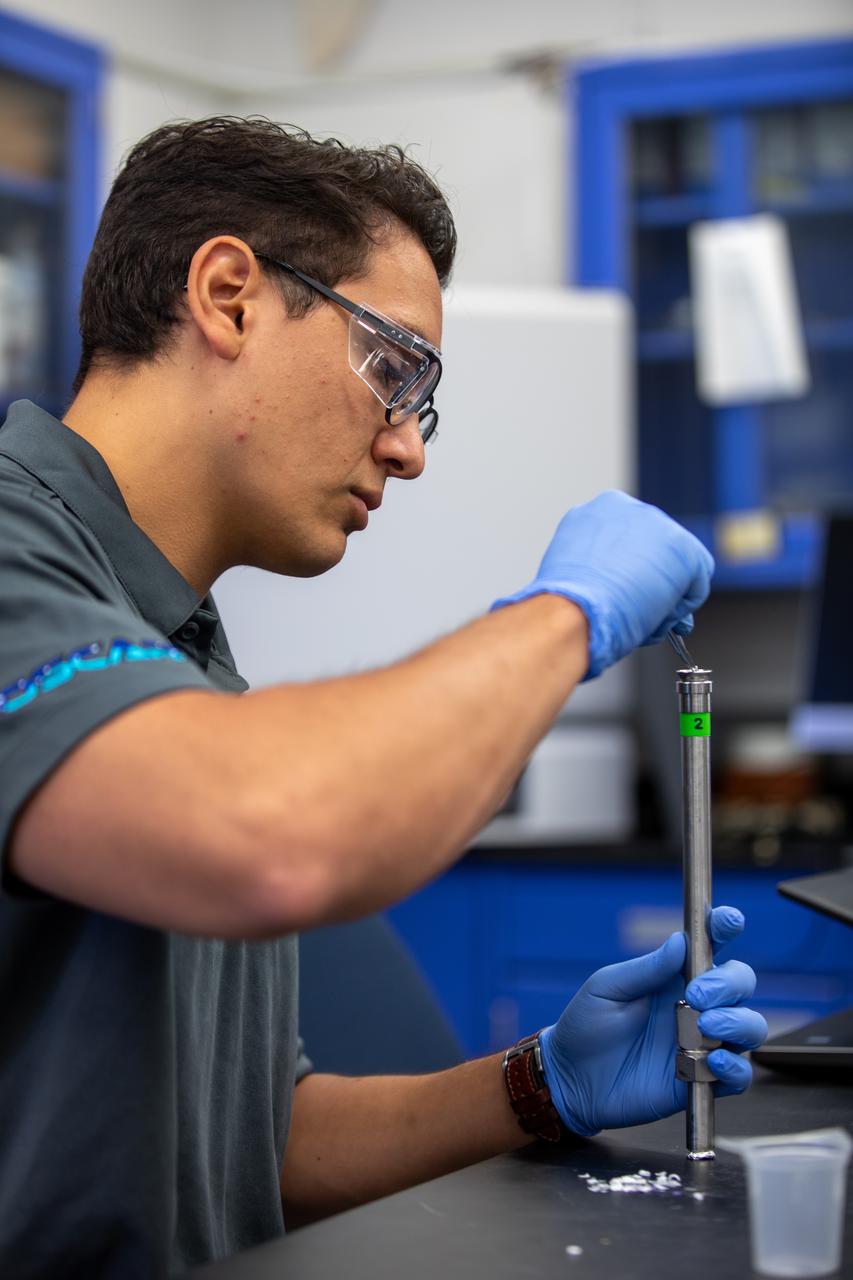
Ray Pitts, co-principal investigator for the Orbital Syngas Commodity Augmentation Reactor (OSCAR), performs ground testing at NASA’s Kennedy Space Center in Florida. The tests are in preparation for a scheduled suborbital flight test later this year, facilitated by NASA’s Flight Opportunities program. Begun as an Early Career Initiative project, OSCAR evaluates technology to make use of trash and human waste generated during long-duration spaceflight.
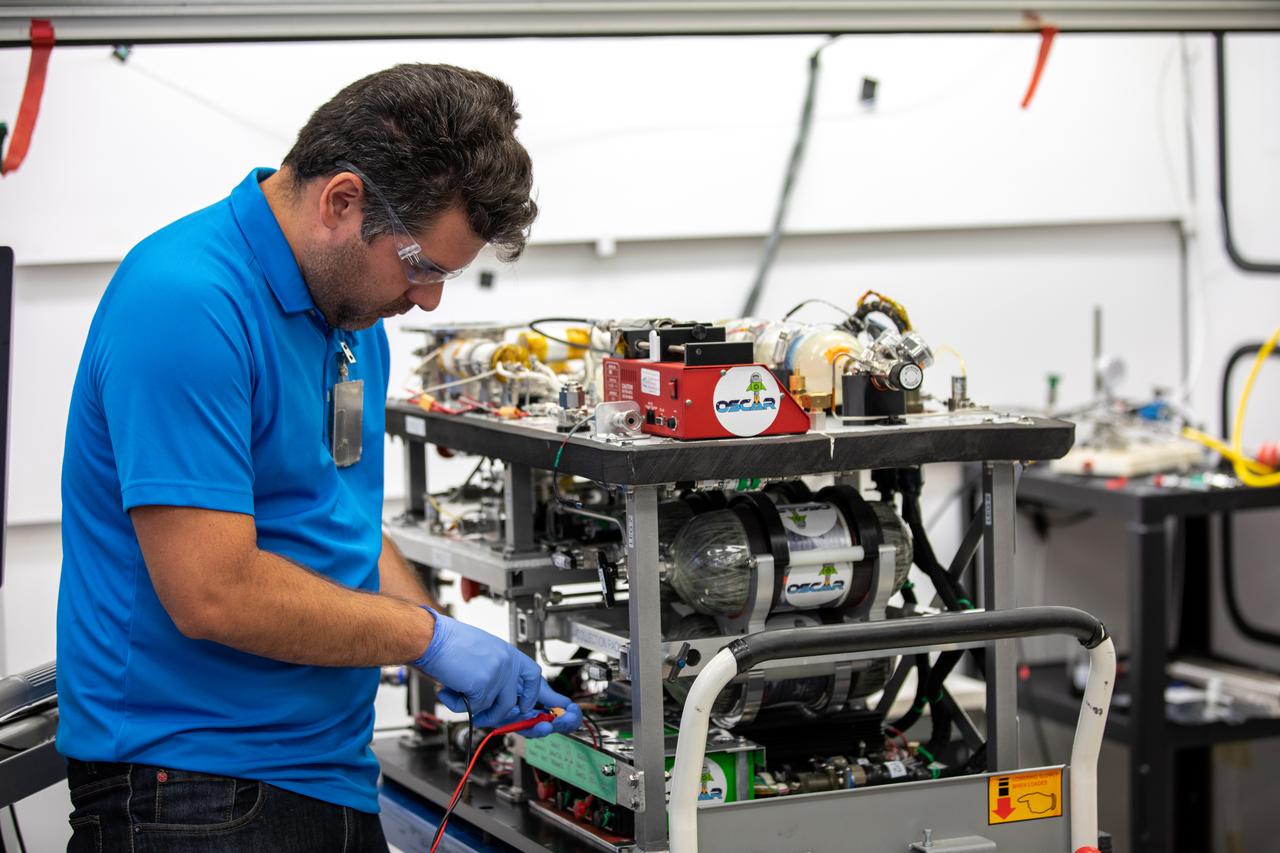
Jaime Toro, an aerospace/mechanical engineer and member of the Orbital Syngas Commodity Augmentation Reactor (OSCAR) team, performs ground testing at NASA’s Kennedy Space Center in Florida. The tests are in preparation for a scheduled suborbital flight test later this year, facilitated by NASA’s Flight Opportunities program. Begun as an Early Career Initiative project, OSCAR evaluates technology to make use of trash and human waste generated during long-duration spaceflight.
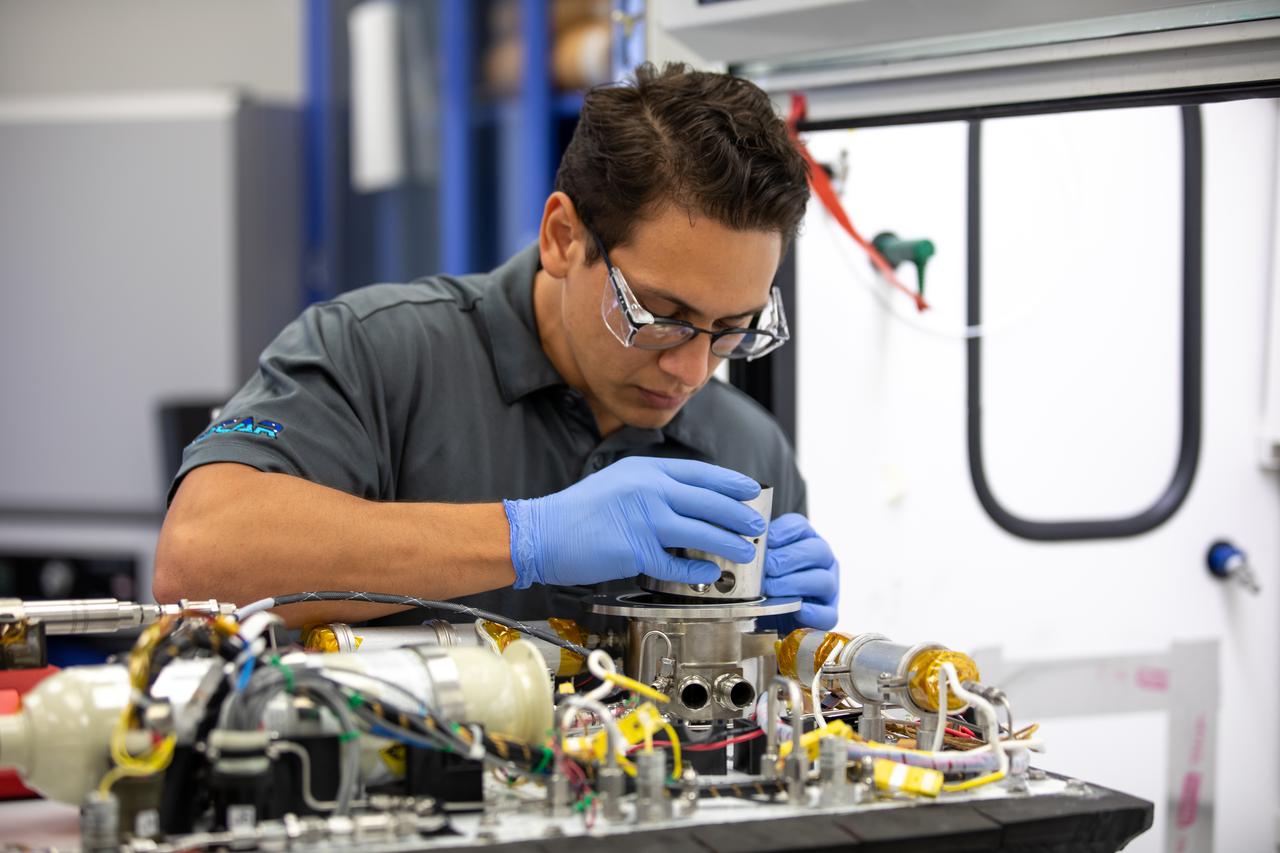
Ray Pitts, co-principal investigator for the Orbital Syngas Commodity Augmentation Reactor (OSCAR), performs ground testing at NASA’s Kennedy Space Center in Florida. The tests are in preparation for a scheduled suborbital flight test later this year, facilitated by NASA’s Flight Opportunities program. Begun as an Early Career Initiative project, OSCAR evaluates technology to make use of trash and human waste generated during long-duration spaceflight.
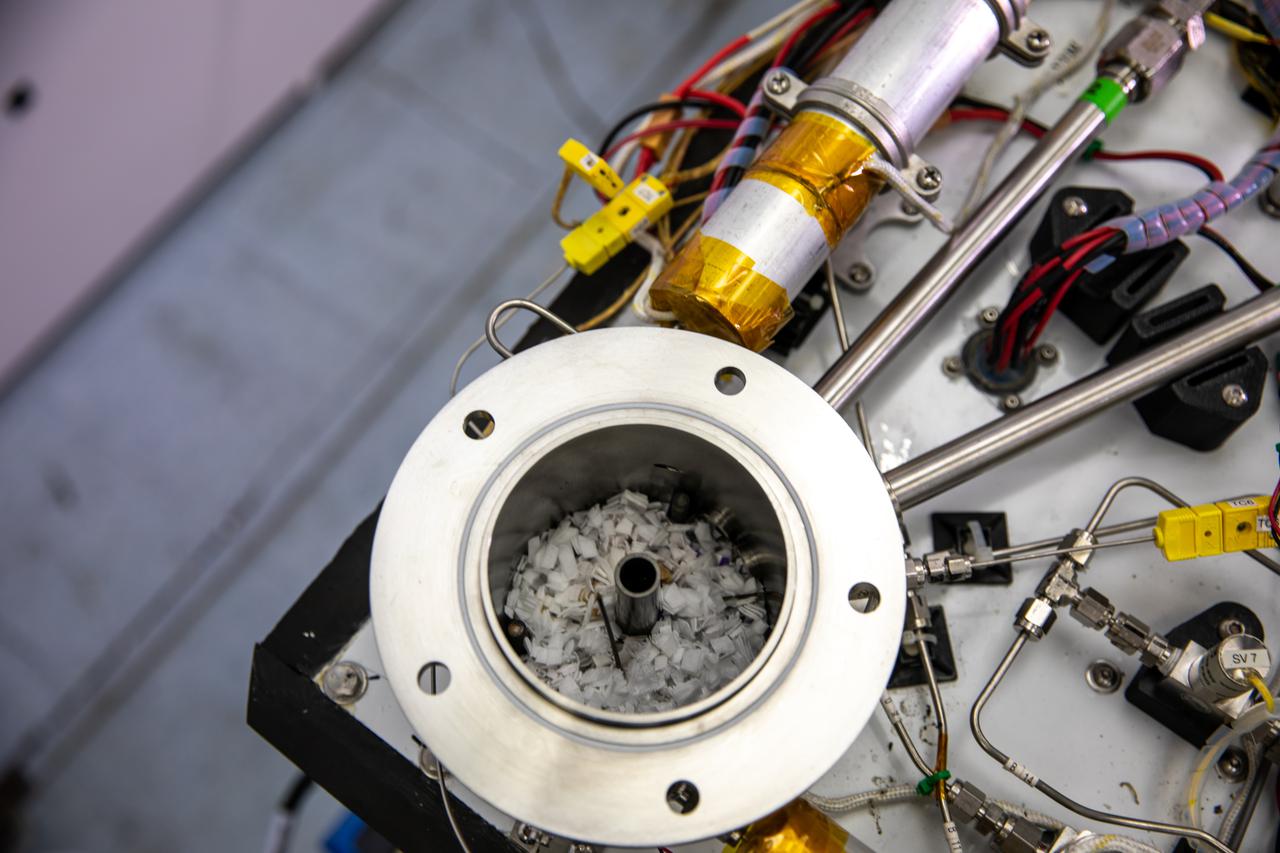
A member of the Orbital Syngas Commodity Augmentation Reactor (OSCAR) team performs ground testing at NASA’s Kennedy Space Center in Florida. The tests are in preparation for a scheduled suborbital flight test later this year, facilitated by NASA’s Flight Opportunities program. Begun as an Early Career Initiative project, OSCAR evaluates technology to make use of trash and human waste generated during long-duration spaceflight.
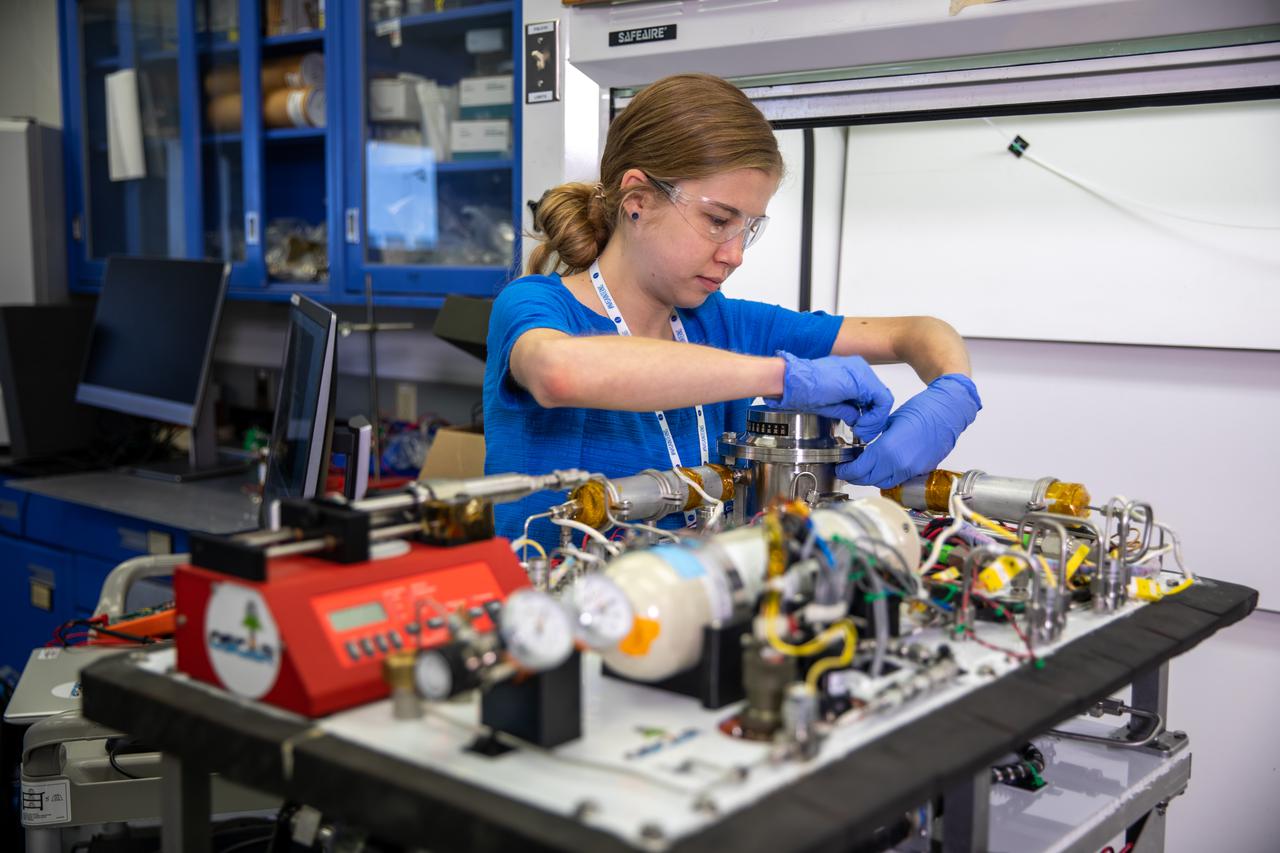
A member of the Orbital Syngas Commodity Augmentation Reactor (OSCAR) team performs ground testing at NASA’s Kennedy Space Center in Florida. The tests are in preparation for a scheduled suborbital flight test later this year, facilitated by NASA’s Flight Opportunities program. Begun as an Early Career Initiative project, OSCAR evaluates technology to make use of trash and human waste generated during long-duration spaceflight.
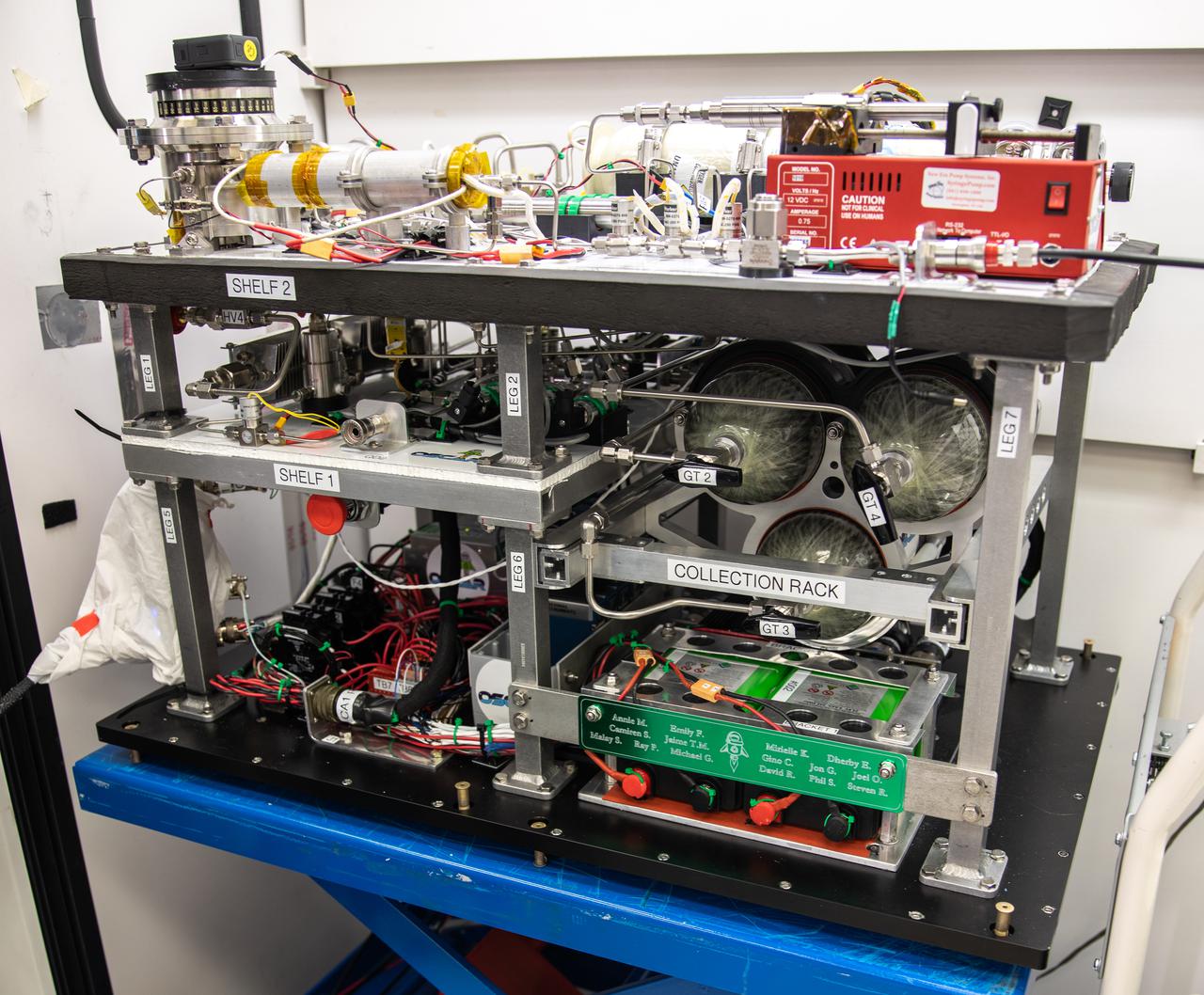
Members of the Orbital Syngas Commodity Augmentation Reactor (OSCAR) team perform ground testing at NASA’s Kennedy Space Center in Florida. The tests are in preparation for a scheduled suborbital flight test later this year, facilitated by NASA’s Flight Opportunities program. Begun as an Early Career Initiative project, OSCAR evaluates technology to make use of trash and human waste generated during long-duration spaceflight.
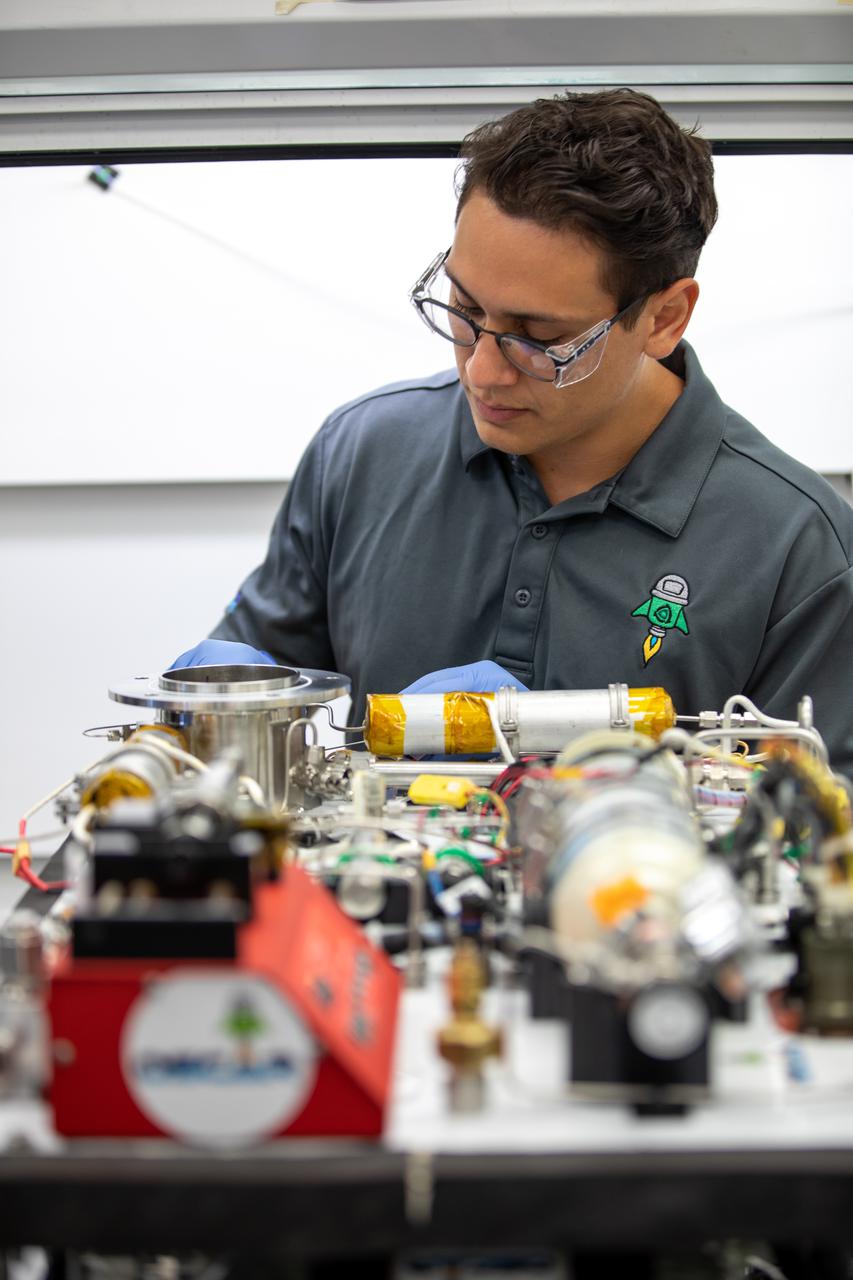
Ray Pitts, co-principal investigator for the Orbital Syngas Commodity Augmentation Reactor (OSCAR), performs ground testing at NASA’s Kennedy Space Center in Florida. The tests are in preparation for a scheduled suborbital flight test later this year, facilitated by NASA’s Flight Opportunities program. Begun as an Early Career Initiative project, OSCAR evaluates technology to make use of trash and human waste generated during long-duration spaceflight.
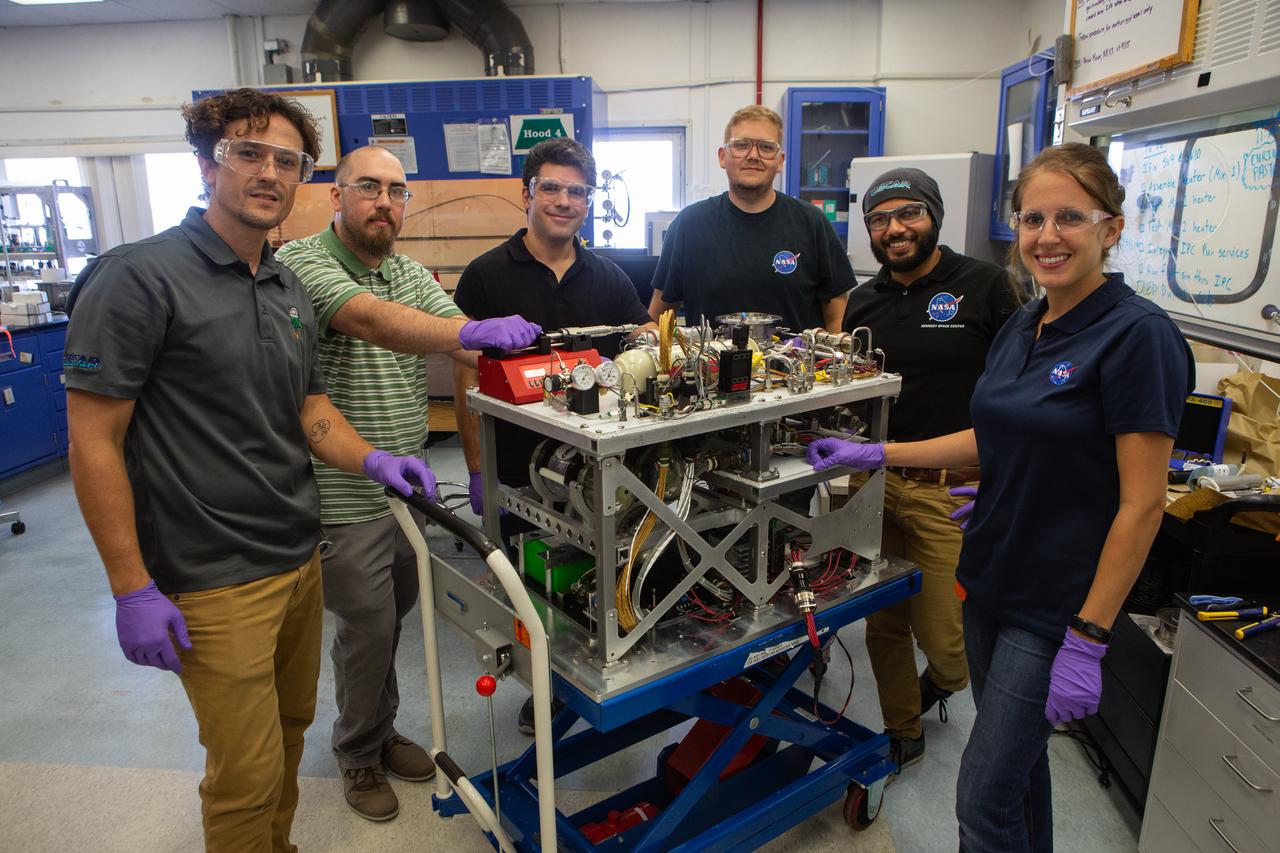
Members of NASA’s Orbital Syngas Commodity Augmentation Reactor, or OSCAR, team pause for a photo with the flight hardware on Oct. 10, 2019, in the Space Station Processing Facility at the agency’s Kennedy Space Center in Florida. From left are Gino Carro, Tom Cauvel, Jaime Toro, Evan Bell, Malay Shah and Annie Meier. OSCAR is an Early Career Initiative project at the spaceport that studies technology to convert trash and human waste into useful gasses such as methane, hydrogen and carbon dioxide. By processing small pieces of trash in a high-temperature reactor, OSCAR is advancing new and innovative technology for managing waste in space. A prototype has been developed, and the team is in the process of constructing a new rig for a suborbital flight test.
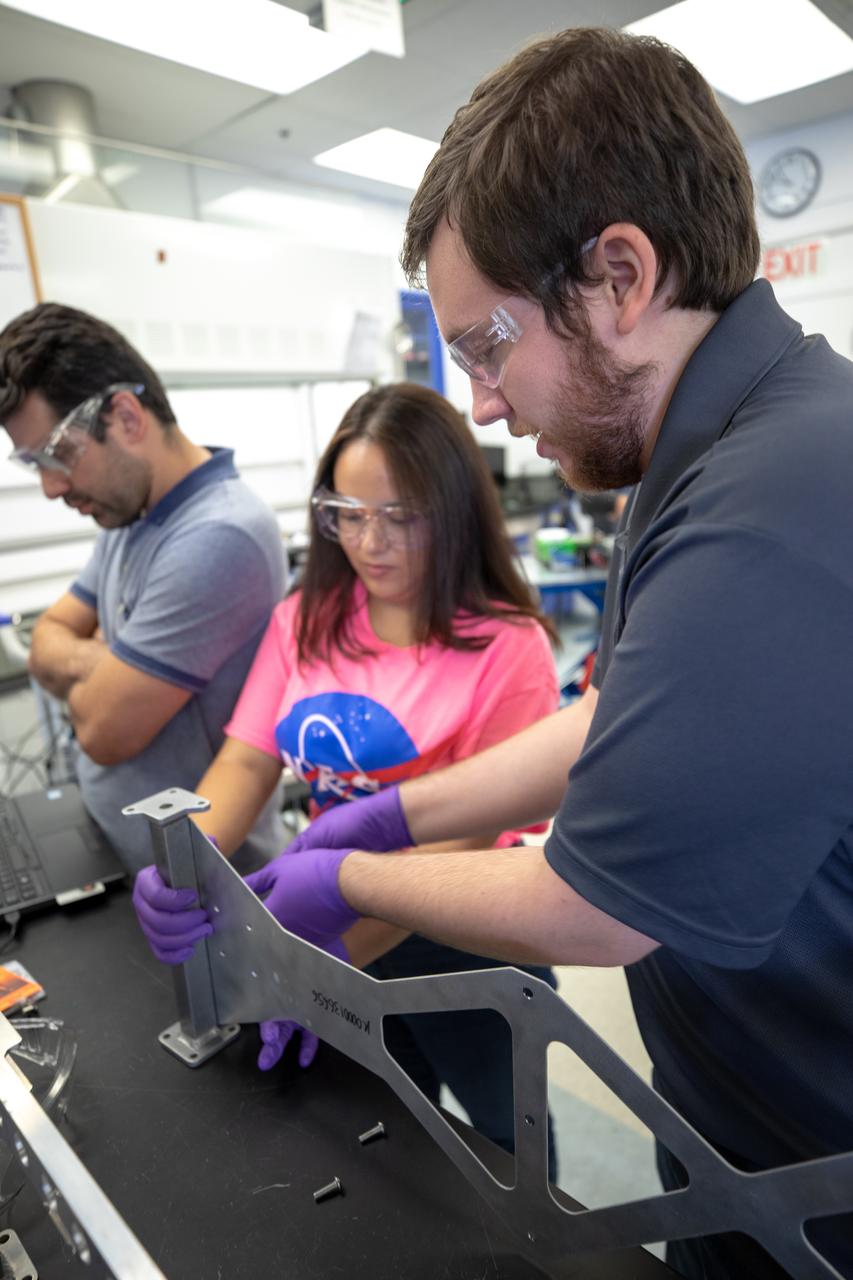
From left, Kennedy Space Center Mechanical Engineer Jaime Toro, NASA’s Orbital Syngas Commodity Augmentation Reactor (OSCAR) data acquisition and testing; Brianna Sandoval, OSCAR intern; and Jonathan Gleeson, Kennedy employee providing support for OSCAR under the center’s Laboratory Support Services and Operations contract, assemble the flight hardware of OSCAR. OSCAR is an Early Career Initiative project at the Florida spaceport that studies technology to convert trash and human waste into useful gasses such as methane, hydrogen and carbon dioxide. By processing small pieces of trash in a high-temperature reactor, OSCAR is advancing new and innovative technology for managing waste in space. OSCAR would reduce the amount of space needed for waste storage within a spacecraft, turn some waste into gasses that have energy storage and life support applications, and ensure waste is no longer biologically active. A prototype has been developed, and a team of Kennedy employees are in the process of constructing a new rig for suborbital flight testing.
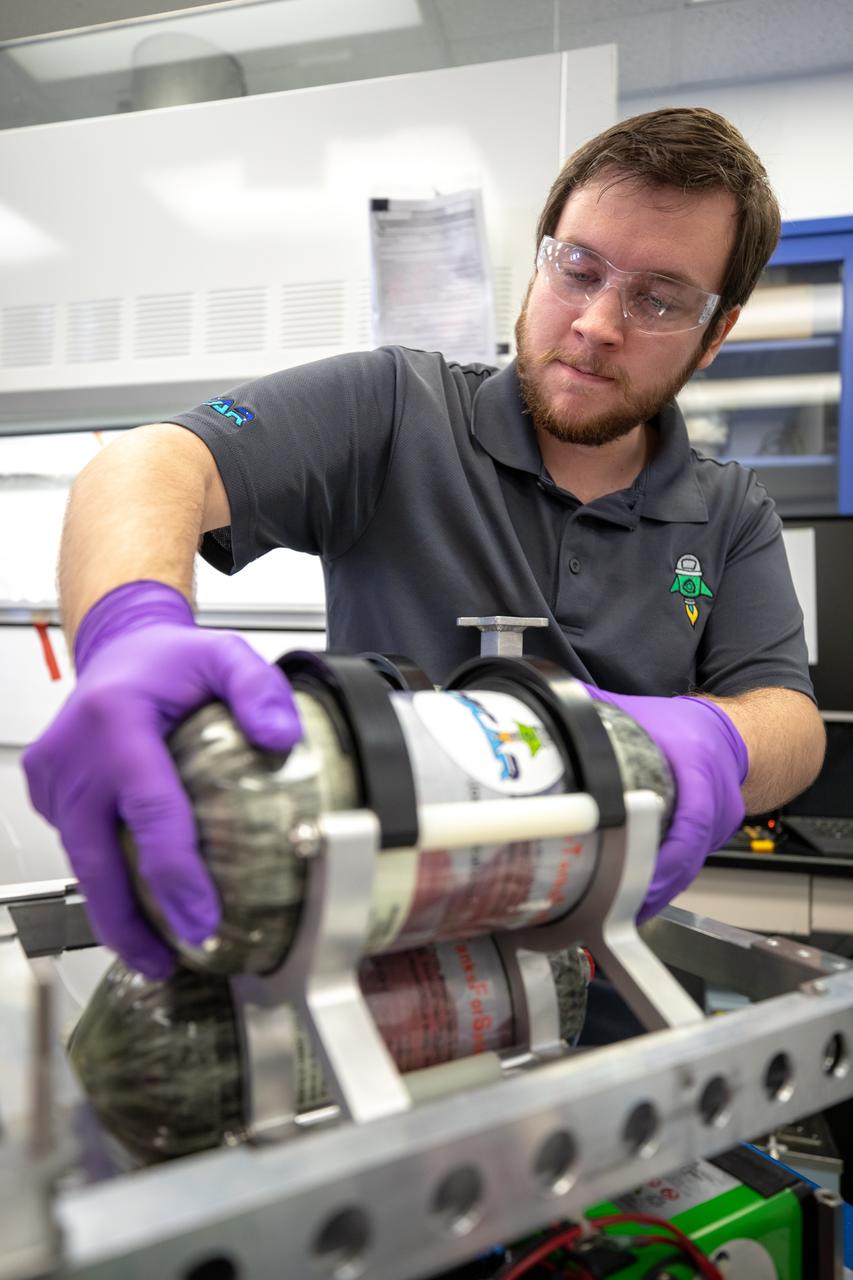
Jonathan Gleeson, Kennedy Space Center employee providing support for NASA’s Orbital Syngas Commodity Augmentation Reactor (OSCAR) under the center’s Laboratory Support Services and Operations contract, assembles the flight hardware of OSCAR. OSCAR is an Early Career Initiative project at the Florida spaceport that studies technology to convert trash and human waste into useful gasses such as methane, hydrogen and carbon dioxide. By processing small pieces of trash in a high-temperature reactor, OSCAR is advancing new and innovative technology for managing waste in space. OSCAR would reduce the amount of space needed for waste storage within a spacecraft, turn some waste into gasses that have energy storage and life support applications, and ensure waste is no longer biologically active. A prototype has been developed, and a team of Kennedy employees are in the process of constructing a new rig for suborbital flight testing.
Jonathan Gleeson, Kennedy Space Center employee providing support for NASA’s Orbital Syngas Commodity Augmentation Reactor (OSCAR) under the center’s Laboratory Support Services and Operations contract, installs OSCAR to the flight hardware that will carry it on its suborbital flight test. OSCAR is an Early Career Initiative project at the Florida spaceport that studies technology to convert trash and human waste into useful gasses such as methane, hydrogen and carbon dioxide. By processing small pieces of trash in a high-temperature reactor, OSCAR is advancing new and innovative technology for managing waste in space. OSCAR would reduce the amount of space needed for waste storage within a spacecraft, turn some waste into gasses that have energy storage and life support applications, and ensure waste is no longer biologically active. A prototype has been developed, and a team of Kennedy employees have worked on constructing a new rig for suborbital flight testing.
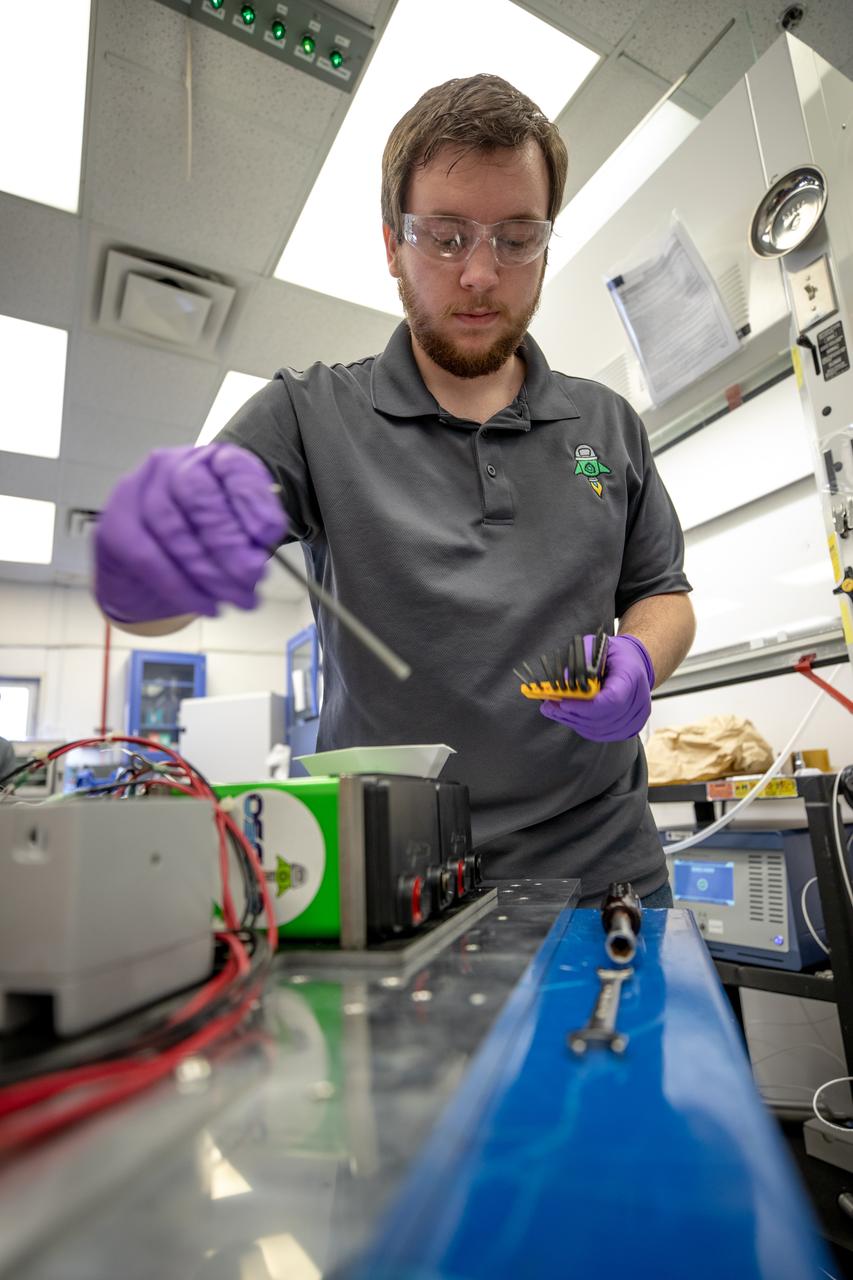
Jonathan Gleeson, Kennedy Space Center employee providing support for NASA’s Orbital Syngas Commodity Augmentation Reactor (OSCAR) under the center’s Laboratory Support Services and Operations contract, assembles the flight hardware of OSCAR. OSCAR is an Early Career Initiative project at the Florida spaceport that studies technology to convert trash and human waste into useful gasses such as methane, hydrogen and carbon dioxide. By processing small pieces of trash in a high-temperature reactor, OSCAR is advancing new and innovative technology for managing waste in space. OSCAR would reduce the amount of space needed for waste storage within a spacecraft, turn some waste into gasses that have energy storage and life support applications, and ensure waste is no longer biologically active. A prototype has been developed, and a team of Kennedy employees are in the process of constructing a new rig for suborbital flight testing.

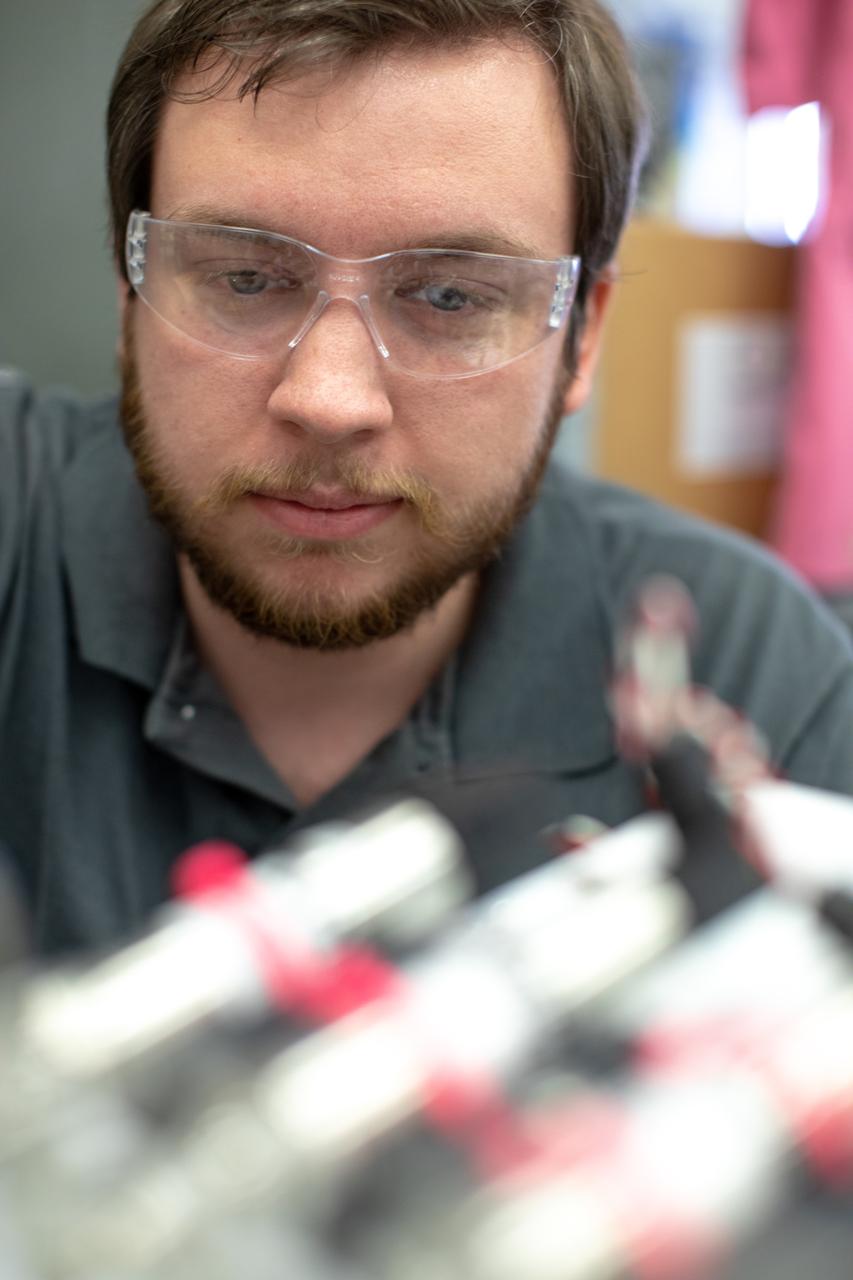
Patrick Follis, an intern at NASA’s Kennedy Space Center in Florida, assembles the flight hardware for the agency’s Orbital Syngas Commodity Augmentation Reactor, or OSCAR. OSCAR is an Early Career Initiative project at the spaceport that studies technology to convert trash and human waste into useful gasses such as methane, hydrogen and carbon dioxide. By processing small pieces of trash in a high-temperature reactor, OSCAR is advancing new and innovative technology for managing waste in space. OSCAR would reduce the amount of space needed for waste storage within a spacecraft, turn some waste into gasses that have energy storage and life support applications, and ensure waste is no longer biologically active. A prototype has been developed, and a team of Kennedy employees are in the process of constructing a new rig for suborbital flight testing.
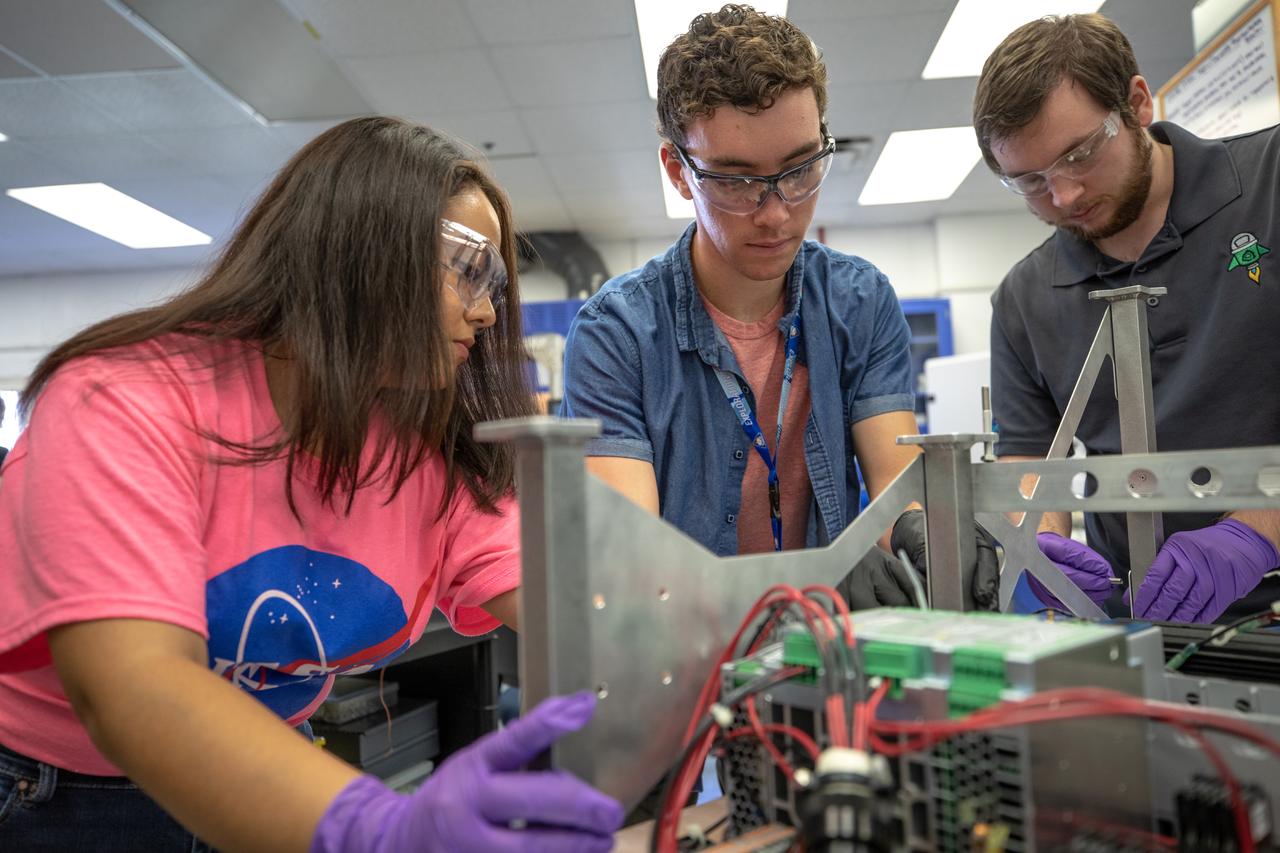
From left, Kennedy Space Center interns Brianna Sandoval and Patrick Follis, and Kennedy employee Jonathan Gleeson assemble the flight hardware of NASA’s Orbital Syngas Commodity Augmentation Reactor, or OSCAR. OSCAR is an Early Career Initiative project at the Florida spaceport that studies technology to convert trash and human waste into useful gasses such as methane, hydrogen and carbon dioxide. By processing small pieces of trash in a high-temperature reactor, OSCAR is advancing new and innovative technology for managing waste in space. OSCAR would reduce the amount of space needed for waste storage within a spacecraft, turn some waste into gasses that have energy storage and life support applications, and ensure waste is no longer biologically active. A prototype has been developed, and a team of Kennedy employees are in the process of constructing a new rig for suborbital flight testing.
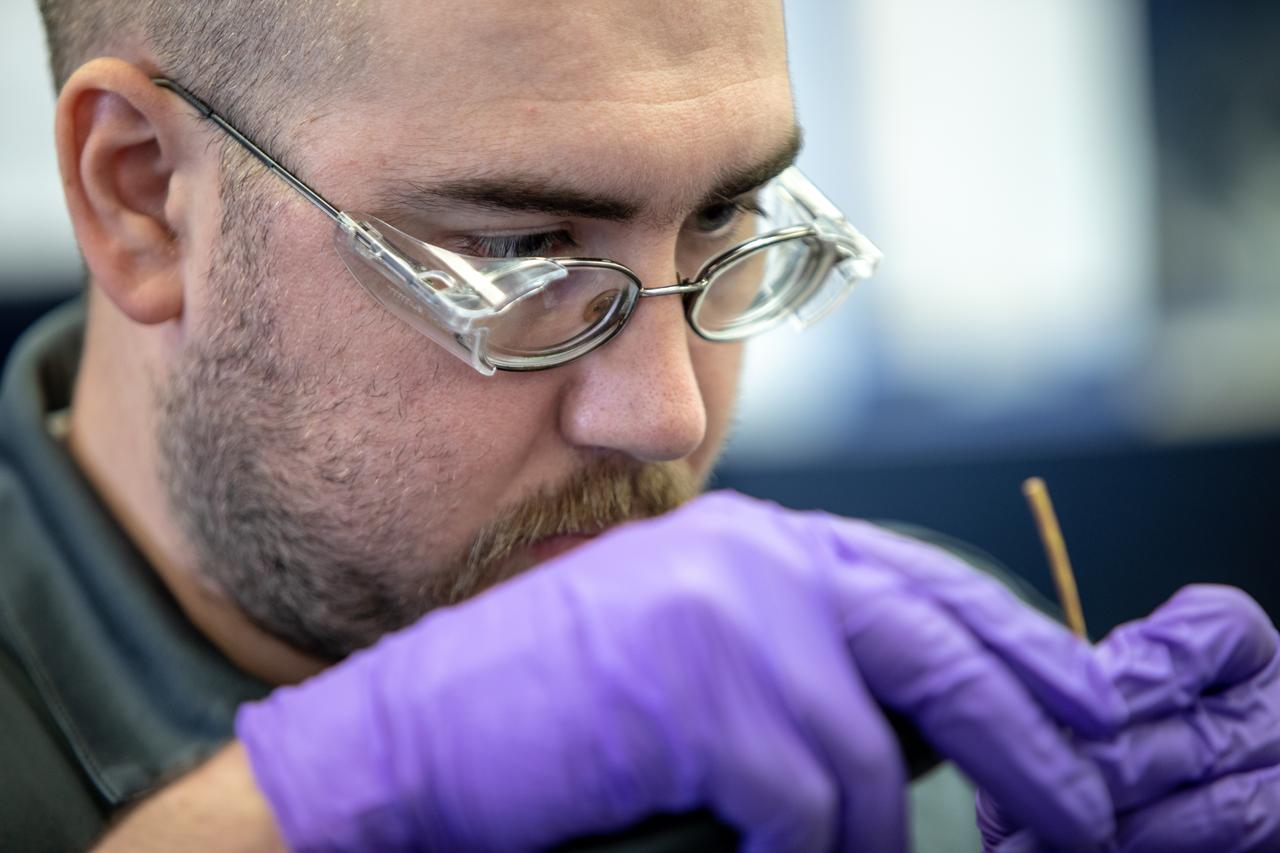
Thomas Cauvel, an intern assisting with software/electrical engineering on NASA’s Orbital Syngas Commodity Augmentation Reactor, or OSCAR, at Kennedy Space Center assembles the flight hardware. OSCAR is an Early Career Initiative project at the Florida spaceport that studies technology to convert trash and human waste into useful gasses such as methane, hydrogen and carbon dioxide. By processing small pieces of trash in a high-temperature reactor, OSCAR is advancing new and innovative technology for managing waste in space. OSCAR would reduce the amount of space needed for waste storage within a spacecraft, turn some waste into gasses that have energy storage and life support applications, and ensure waste is no longer biologically active. A prototype has been developed, and a team of Kennedy employees are in the process of constructing a new rig for suborbital flight testing.

NASA’s Orbital Syngas Commodity Augmentation Reactor, or OSCAR, is being prepared for suborbital flight testing at the agency’s Kennedy Space Center in Florida. OSCAR is an Early Career Initiative project at the spaceport that studies technology to convert trash and human waste into useful gasses such as methane, hydrogen and carbon dioxide. By processing small pieces of trash in a high-temperature reactor, OSCAR is advancing new and innovative technology for managing waste in space. OSCAR would reduce the amount of space needed for waste storage within a spacecraft, turn some waste into gasses that have energy storage and life support applications, and ensure waste is no longer biologically active. A prototype has been developed, and a team of Kennedy employees are in the process of constructing a new rig for the suborbital flight test.
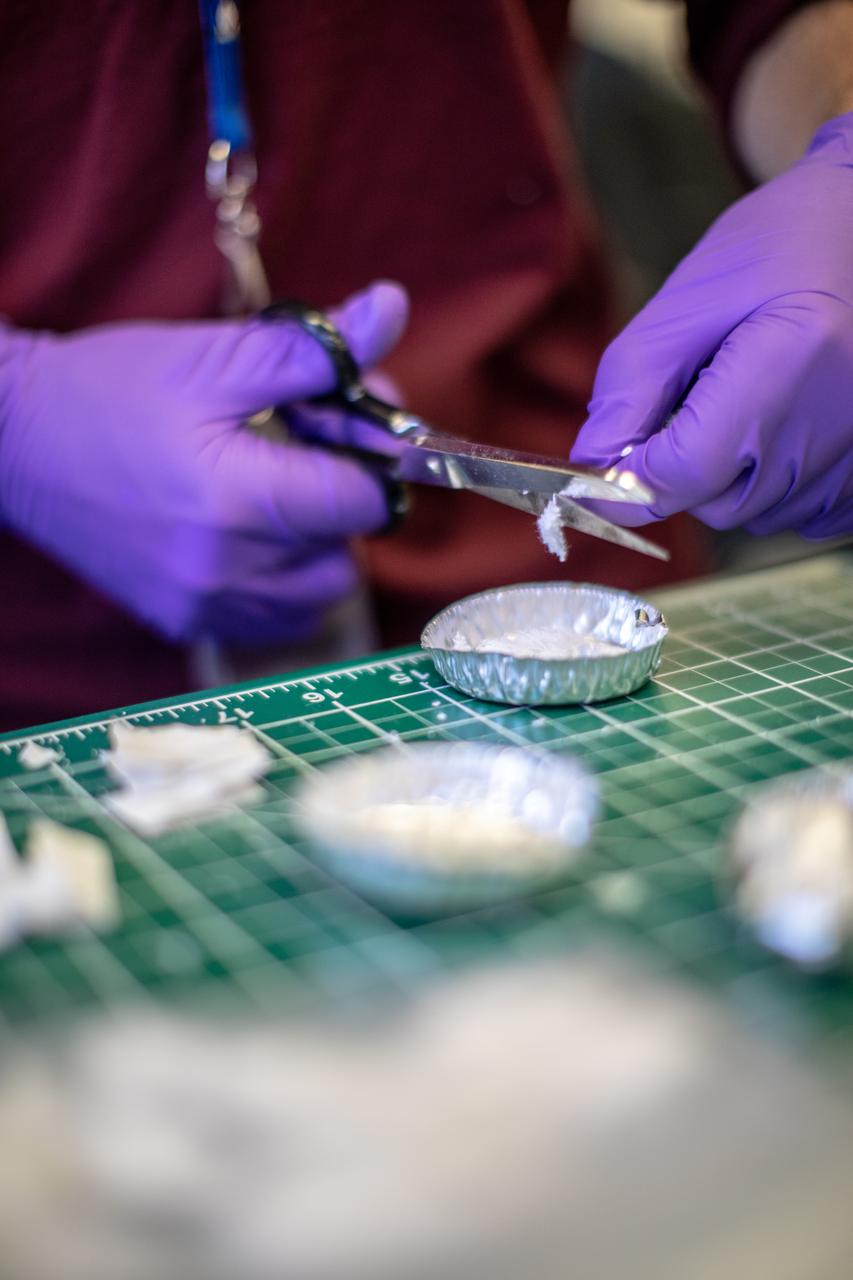
An intern at NASA’s Kennedy Space Center in Florida cuts up different types of material to be utilized as trash simulant for the agency’s Orbital Syngas Commodity Augmentation Reactor, or OSCAR. OSCAR is an Early Career Initiative project at the spaceport that studies technology to convert trash and human waste into useful gasses such as methane, hydrogen and carbon dioxide. By processing small pieces of trash in a high-temperature reactor, OSCAR is advancing new and innovative technology for managing waste in space. OSCAR would reduce the amount of space needed for waste storage within a spacecraft, turn some waste into gasses that have energy storage and life support applications, and ensure waste is no longer biologically active. A prototype has been developed, and a team of Kennedy employees are in the process of constructing a new rig for suborbital flight testing.
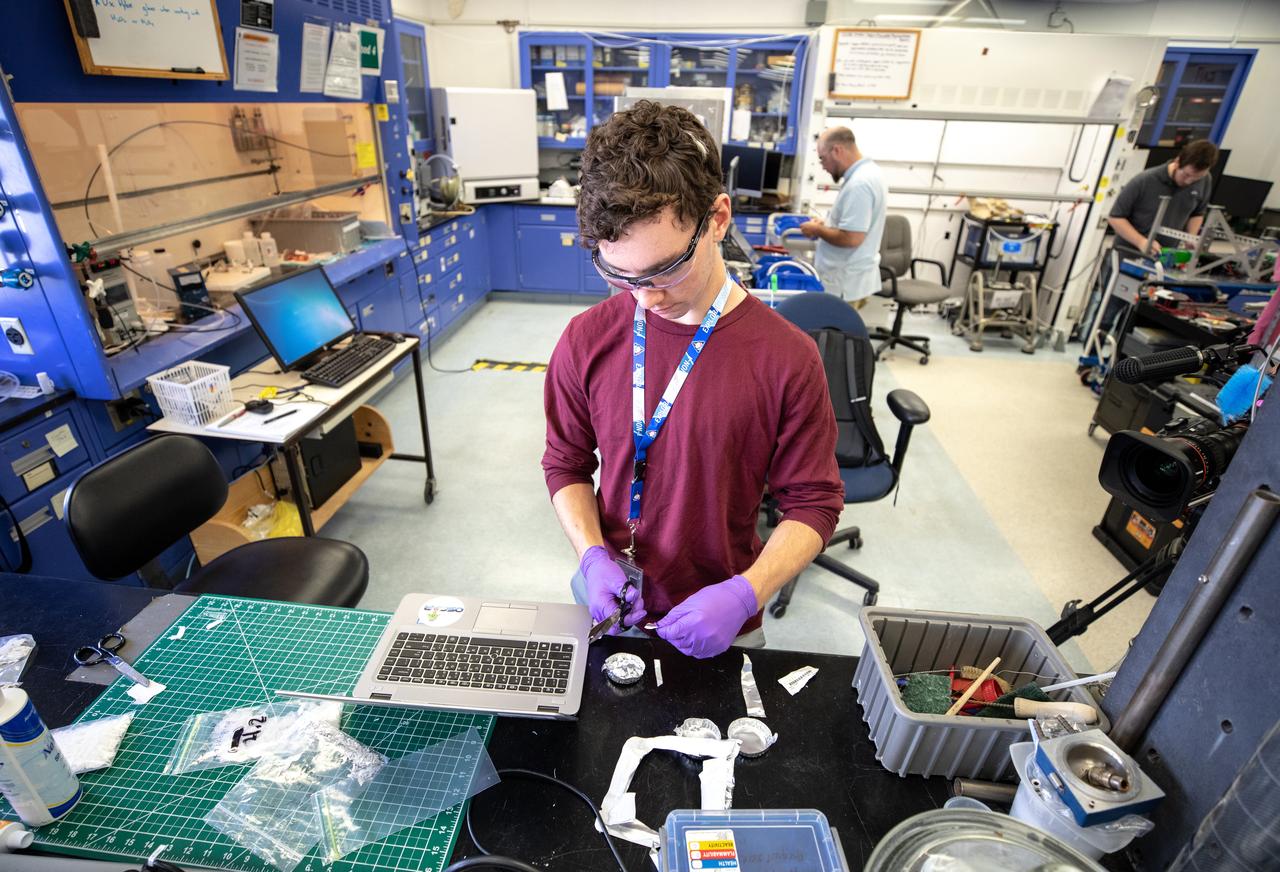
Patrick Follis, an intern at NASA’s Kennedy Space Center in Florida, cuts up different types of material for the agency’s Orbital Syngas Commodity Augmentation Reactor, or OSCAR, to use as a trash simulant during microgravity testing. OSCAR is an Early Career Initiative project at the spaceport that studies technology to convert trash and human waste into useful gasses such as methane, hydrogen and carbon dioxide. By processing small pieces of trash in a high-temperature reactor, OSCAR is advancing new and innovative technology for managing waste in space. OSCAR would reduce the amount of space needed for waste storage within a spacecraft, turn some waste into gasses that have energy storage and life support applications, and ensure waste is no longer biologically active. A prototype has been developed, and a team of Kennedy employees are in the process of constructing a new rig for suborbital flight testing.
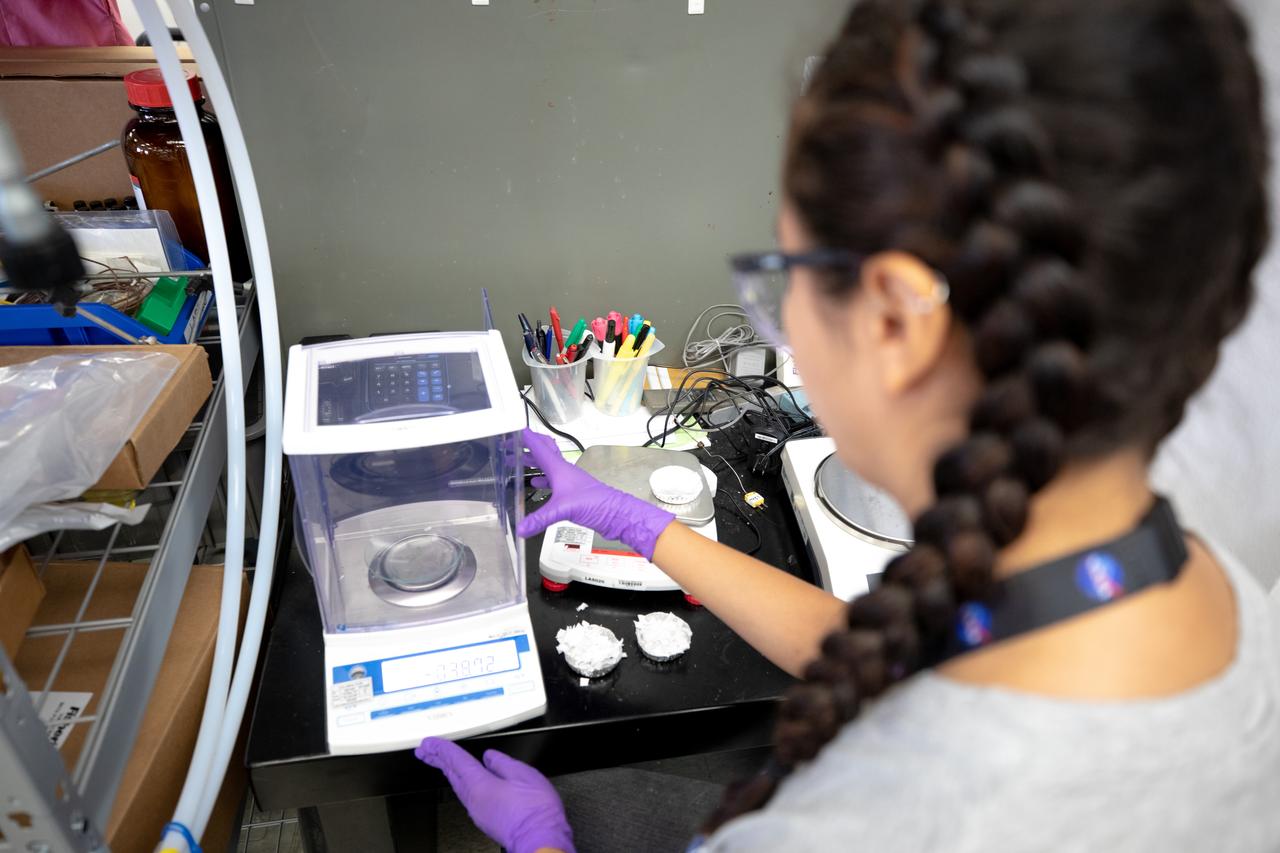
Isabella Aviles, an intern at NASA’s Kennedy Space Center in Florida, weighs trash simulant – comprised of different types of material that have been cut into tiny pieces – that will be utilized for the agency’s Orbital Syngas Commodity Augmentation Reactor, or OSCAR. OSCAR is an Early Career Initiative project at the Florida spaceport that studies technology to convert trash and human waste into useful gasses such as methane, hydrogen and carbon dioxide. By processing small pieces of trash in a high-temperature reactor, OSCAR is advancing new and innovative technology for managing waste in space. OSCAR would reduce the amount of space needed for waste storage within a spacecraft, turn some waste into gasses that have energy storage and life support applications, and ensure waste is no longer biologically active. A prototype has been developed, and a team of Kennedy employees are in the process of constructing a new rig for suborbital flight testing.
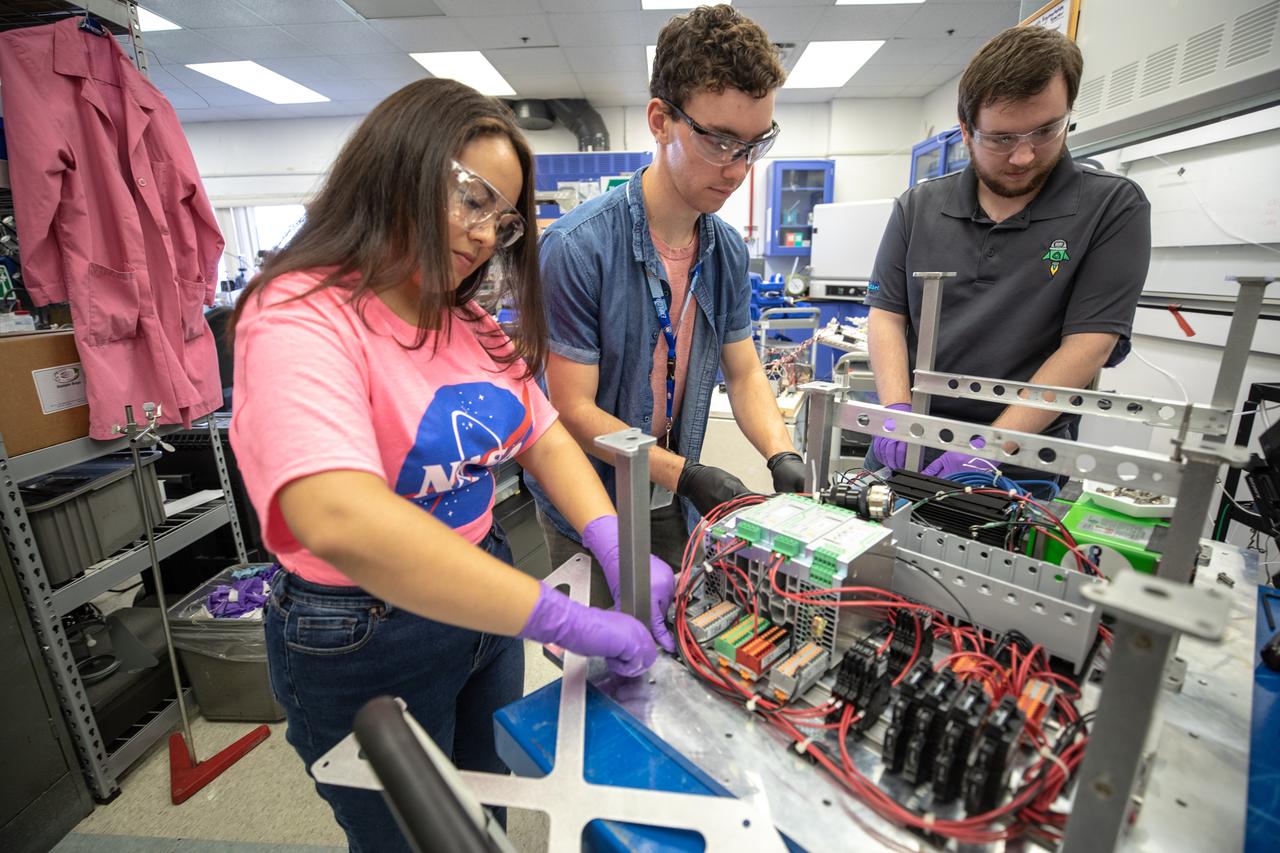
From left, Kennedy Space Center interns Brianna Sandoval and Patrick Follis, and Kennedy employee Jonathan Gleeson assemble the flight hardware of NASA’s Orbital Syngas Commodity Augmentation Reactor, or OSCAR. OSCAR is an Early Career Initiative project at the Florida spaceport that studies technology to convert trash and human waste into useful gasses such as methane, hydrogen and carbon dioxide. By processing small pieces of trash in a high-temperature reactor, OSCAR is advancing new and innovative technology for managing waste in space. OSCAR would reduce the amount of space needed for waste storage within a spacecraft, turn some waste into gasses that have energy storage and life support applications, and ensure waste is no longer biologically active. A prototype has been developed, and a team of Kennedy employees are in the process of constructing a new rig for suborbital flight testing.
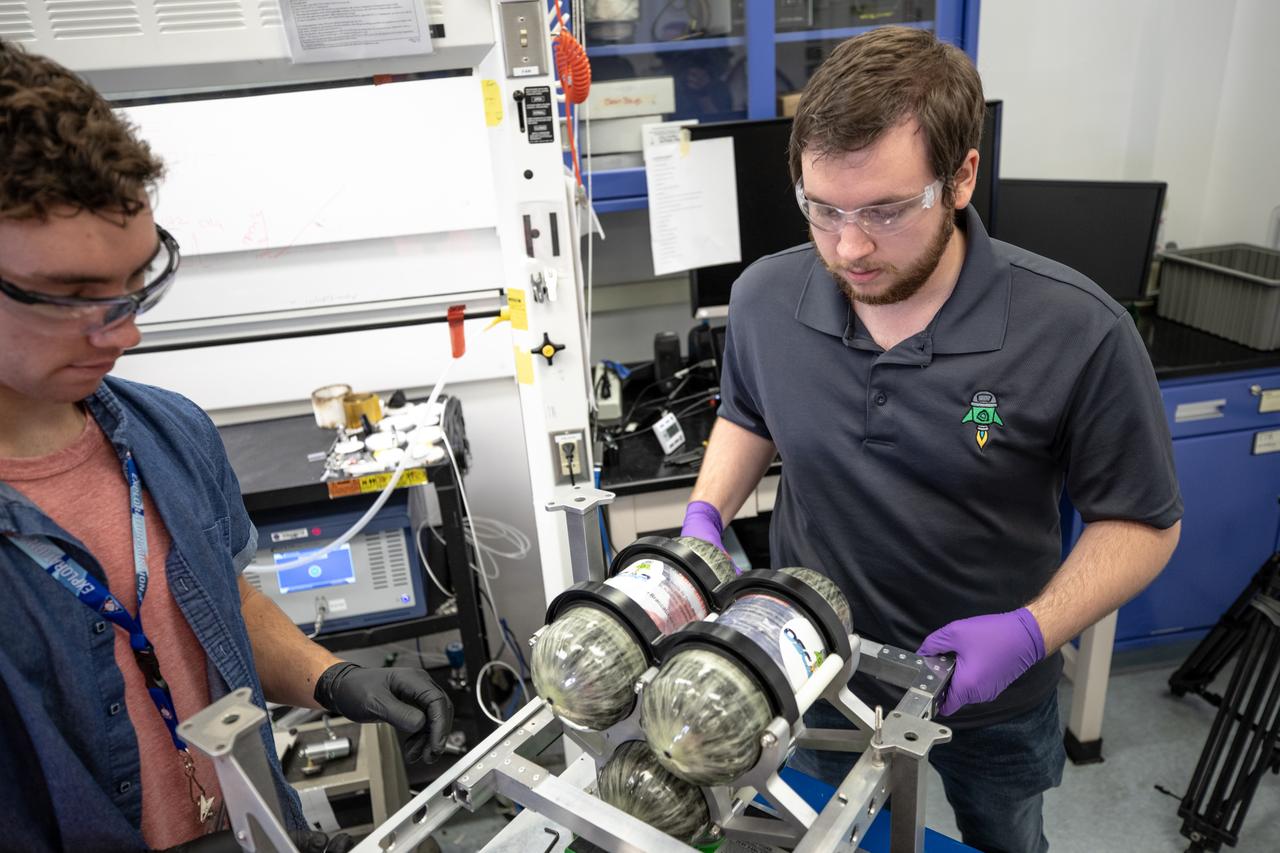
Kennedy Space Center employee Jonathan Gleeson (right) and Kennedy intern Patrick Follis assemble the flight hardware of NASA’s Orbital Syngas Commodity Augmentation Reactor, or OSCAR. OSCAR is an Early Career Initiative project at the Florida spaceport that studies technology to convert trash and human waste into useful gasses such as methane, hydrogen and carbon dioxide. By processing small pieces of trash in a high-temperature reactor, OSCAR is advancing new and innovative technology for managing waste in space. OSCAR would reduce the amount of space needed for waste storage within a spacecraft, turn some waste into gasses that have energy storage and life support applications, and ensure waste is no longer biologically active. A prototype has been developed, and a team of Kennedy employees are in the process of constructing a new rig for suborbital flight testing.
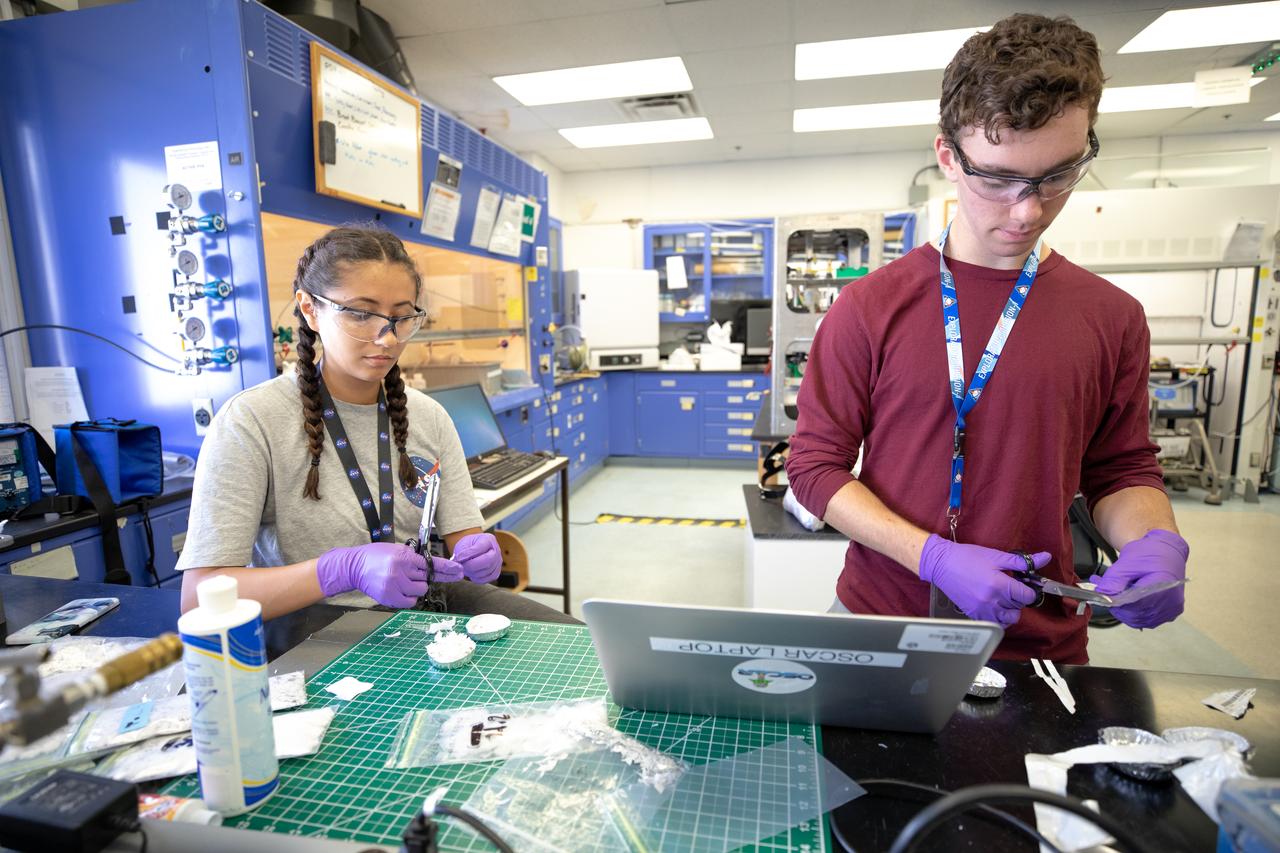
From left, interns Isabella Aviles and Patrick Follis at NASA’s Kennedy Space Center in Florida cut up different types of material for the agency’s Orbital Syngas Commodity Augmentation Reactor, or OSCAR, to use as a trash simulant during microgravity testing. OSCAR is an Early Career Initiative project at the spaceport that studies technology to convert trash and human waste into useful gasses such as methane, hydrogen and carbon dioxide. By processing small pieces of trash in a high-temperature reactor, OSCAR is advancing new and innovative technology for managing waste in space. OSCAR would reduce the amount of space needed for waste storage within a spacecraft, turn some waste into gasses that have energy storage and life support applications, recover water from trash and ensure waste is no longer biologically active. A prototype has been developed, and a team of Kennedy employees are in the process of constructing a new rig for suborbital flight testing.
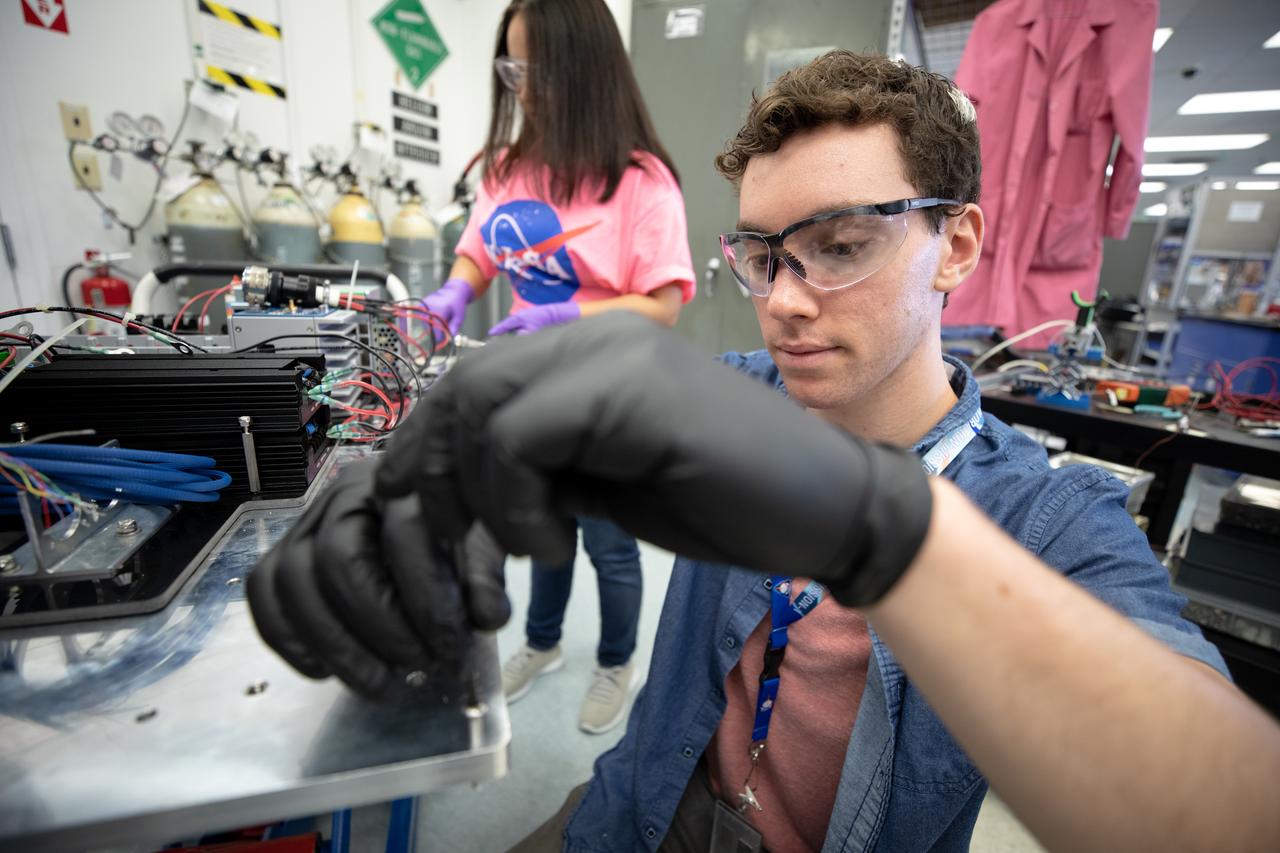
Interns Brianna Sandoval (left) and Patrick Follis at NASA’s Kennedy Space Center in Florida assemble the flight hardware for the agency’s Orbital Syngas Commodity Augmentation Reactor, or OSCAR. OSCAR is an Early Career Initiative project at the spaceport that studies technology to convert trash and human waste into useful gasses such as methane, hydrogen and carbon dioxide. By processing small pieces of trash in a high-temperature reactor, OSCAR is advancing new and innovative technology for managing waste in space. OSCAR would reduce the amount of space needed for waste storage within a spacecraft, turn some waste into gasses that have energy storage and life support applications, and ensure waste is no longer biologically active. A prototype has been developed, and a team of Kennedy employees are in the process of constructing a new rig for suborbital flight testing.
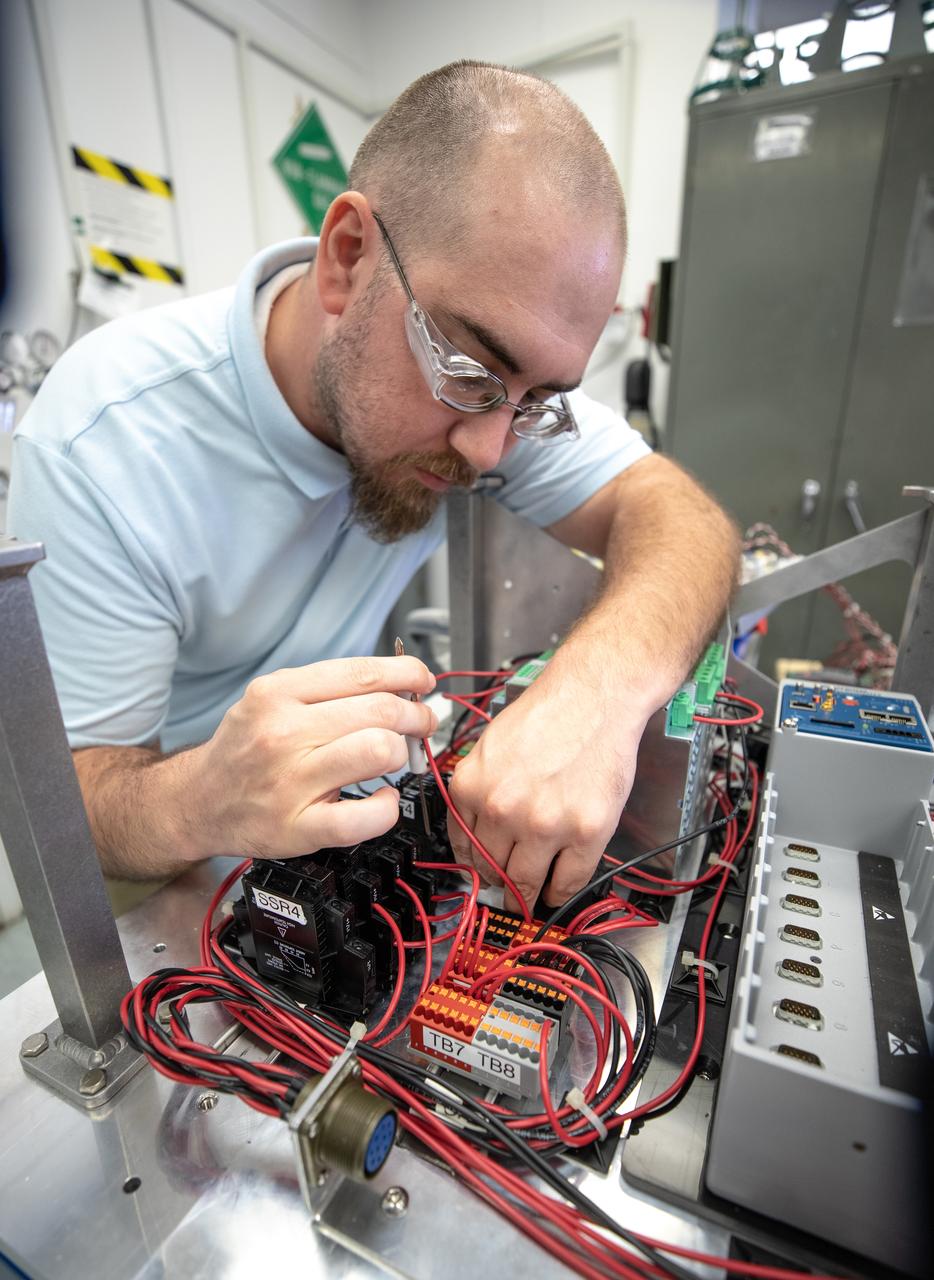
Thomas Cauvel, an intern assisting with software/electrical engineering on NASA’s Orbital Syngas Commodity Augmentation Reactor, or OSCAR, at Kennedy Space Center assembles the flight hardware. OSCAR is an Early Career Initiative project at the Florida spaceport that studies technology to convert trash and human waste into useful gasses such as methane, hydrogen and carbon dioxide. By processing small pieces of trash in a high-temperature reactor, OSCAR is advancing new and innovative technology for managing waste in space. OSCAR would reduce the amount of space needed for waste storage within a spacecraft, turn some waste into gasses that have energy storage and life support applications, and ensure waste is no longer biologically active. A prototype has been developed, and a team of Kennedy employees are in the process of constructing a new rig for suborbital flight testing.
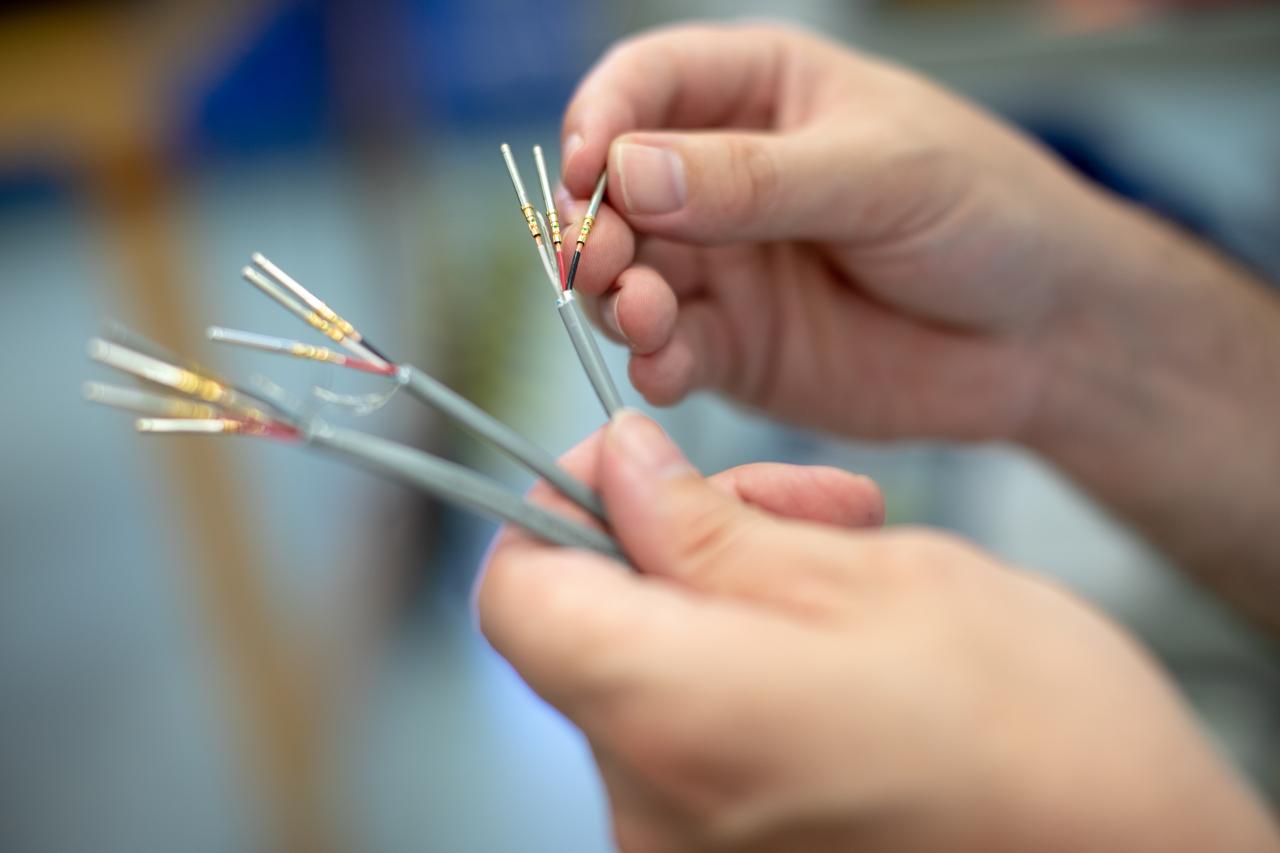
Flight hardware for NASA’s Orbital Syngas Commodity Augmentation Rector, or OSCAR, is photographed at the agency’s Kennedy Space Center in Florida. OSCAR is an Early Career Initiative project at the spaceport that studies technology to convert trash and human waste into useful gasses such as methane, hydrogen and carbon dioxide. By processing small pieces of trash in a high-temperature reactor, OSCAR is advancing new and innovative technology for managing waste in space. OSCAR would reduce the amount of space needed for waste storage within a spacecraft, turn some waste into gasses that have energy storage and life support applications, and ensure waste is no longer biologically active. A prototype has been developed, and a team of Kennedy employees are in the process of constructing a new rig for suborbital flight testing.
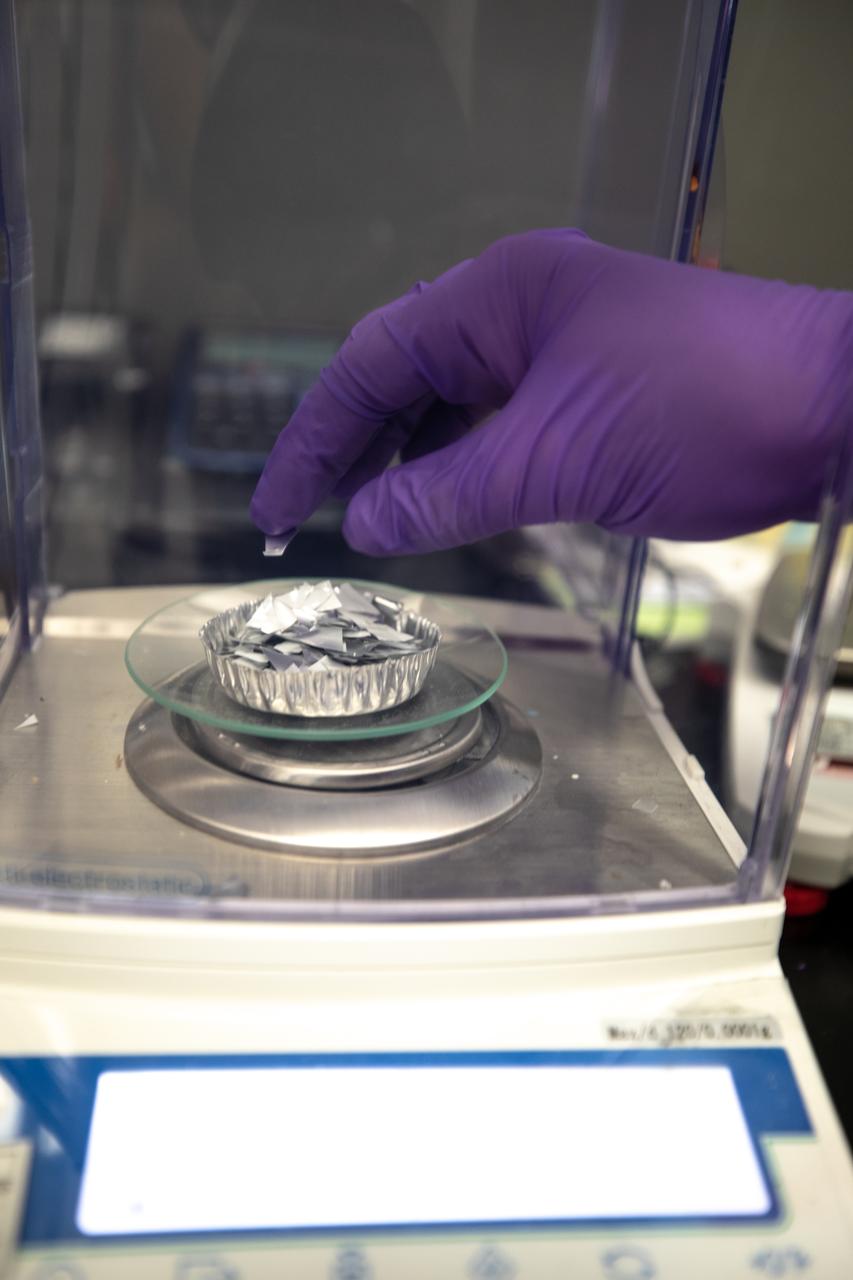
A Kennedy Space Center intern weighs trash simulant – comprised of different types of material that have been cut into tiny pieces – that will be utilized for the agency’s Orbital Syngas Commodity Augmentation Reactor, or OSCAR. OSCAR is an Early Career Initiative project at the Florida spaceport that studies technology to convert trash and human waste into useful gasses such as methane, hydrogen and carbon dioxide. By processing small pieces of trash in a high-temperature reactor, OSCAR is advancing new and innovative technology for managing waste in space. OSCAR would reduce the amount of space needed for waste storage within a spacecraft, turn some waste into gasses that have energy storage and life support applications, and ensure waste is no longer biologically active. A prototype has been developed, and a team of Kennedy employees are in the process of constructing a new rig for suborbital flight testing.
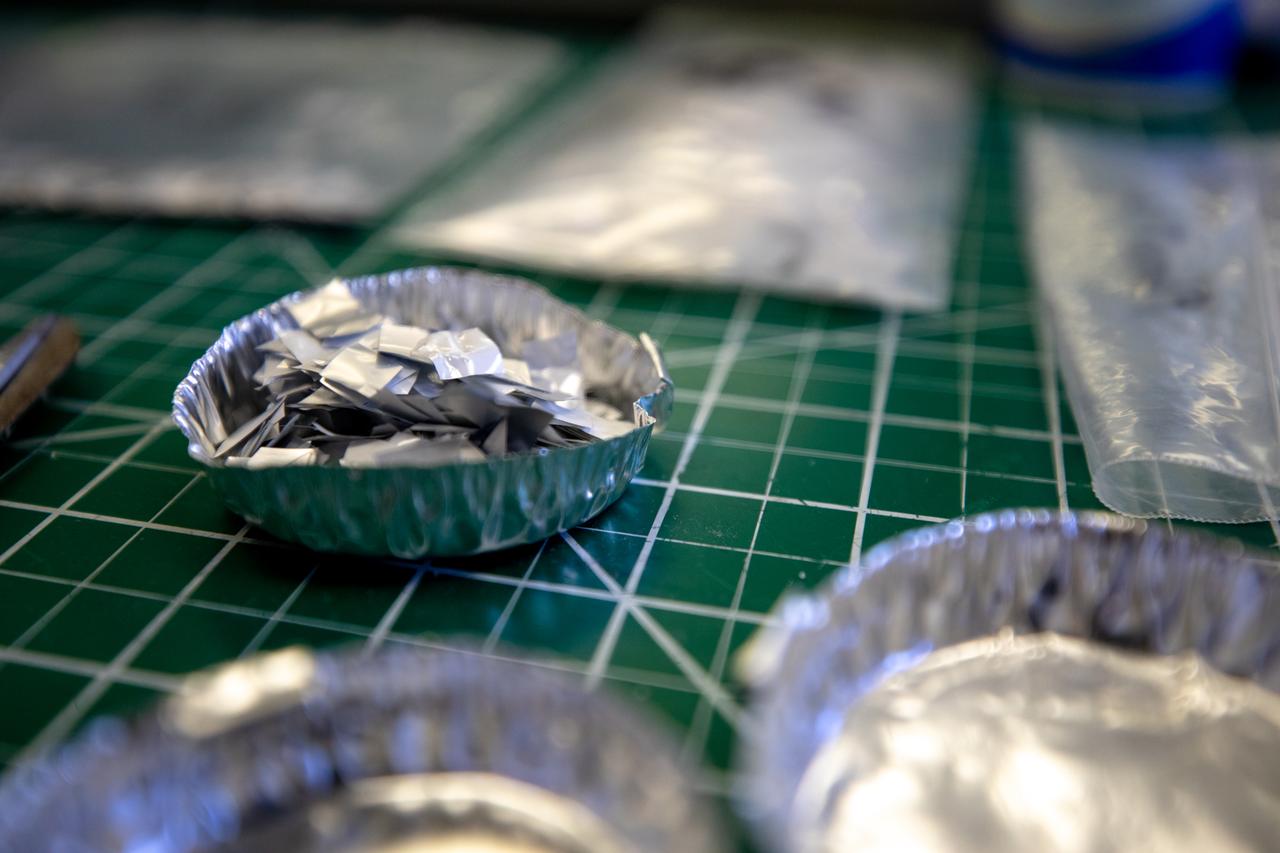
Pictured at Kennedy Space Center is trash simulant – comprised of different types of material that have been cut into tiny pieces – that will be utilized for NASA’s Orbital Syngas Commodity Augmentation Reactor, or OSCAR. OSCAR is an Early Career Initiative project at the Florida spaceport that studies technology to convert trash and human waste into useful gasses such as methane, hydrogen and carbon dioxide. By processing small pieces of trash in a high-temperature reactor, OSCAR is advancing new and innovative technology for managing waste in space. OSCAR would reduce the amount of space needed for waste storage within a spacecraft, turn some waste into gasses that have energy storage and life support applications, and ensure waste is no longer biologically active. A prototype has been developed, and a team of Kennedy employees are in the process of constructing a new rig for suborbital flight testing.
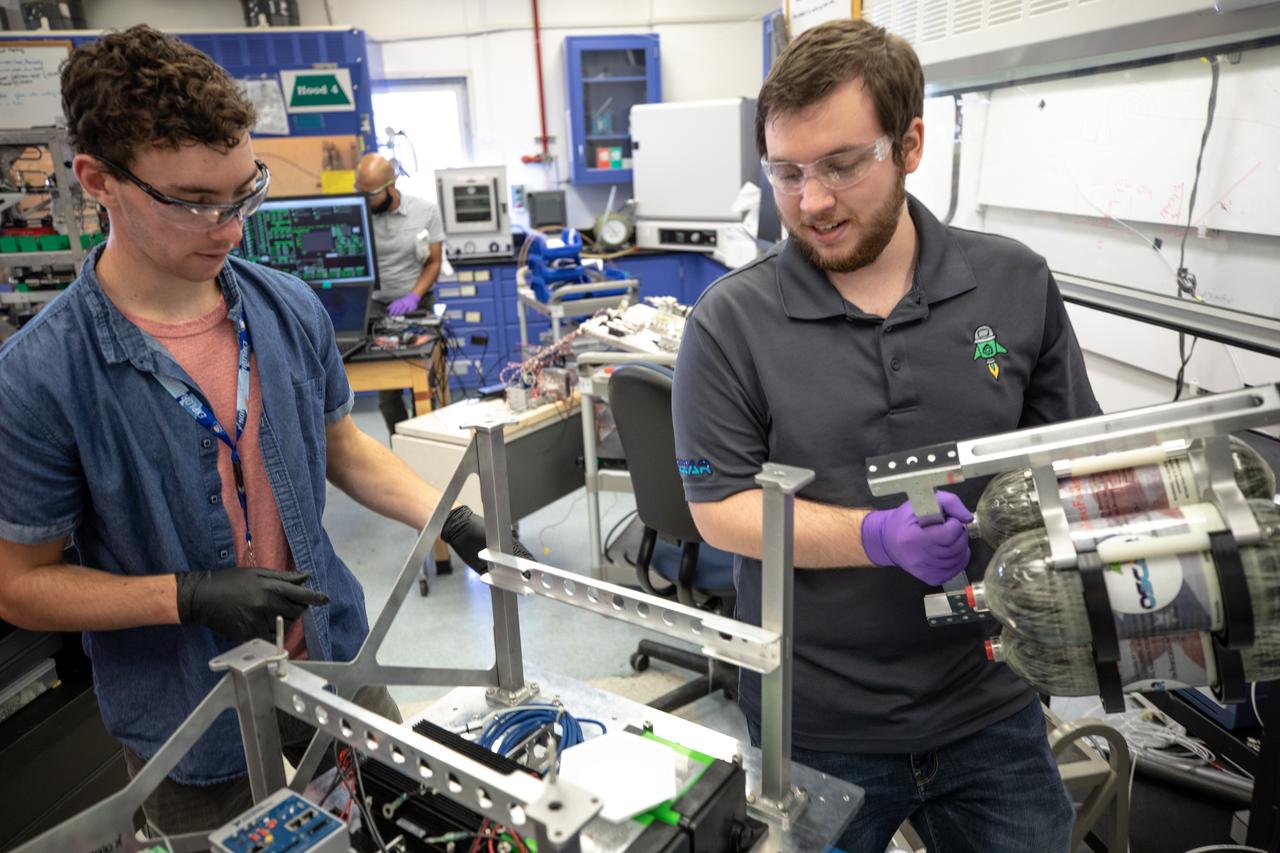
Kennedy Space Center employee Jonathan Gleeson (right) and Kennedy intern Patrick Follis assemble the flight hardware of NASA’s Orbital Syngas Commodity Augmentation Reactor, or OSCAR. OSCAR is an Early Career Initiative project at the Florida spaceport that studies technology to convert trash and human waste into useful gasses such as methane, hydrogen and carbon dioxide. By processing small pieces of trash in a high-temperature reactor, OSCAR is advancing new and innovative technology for managing waste in space. OSCAR would reduce the amount of space needed for waste storage within a spacecraft, turn some waste into gasses that have energy storage and life support applications, and ensure waste is no longer biologically active. A prototype has been developed, and a team of Kennedy employees are in the process of constructing a new rig for suborbital flight testing.
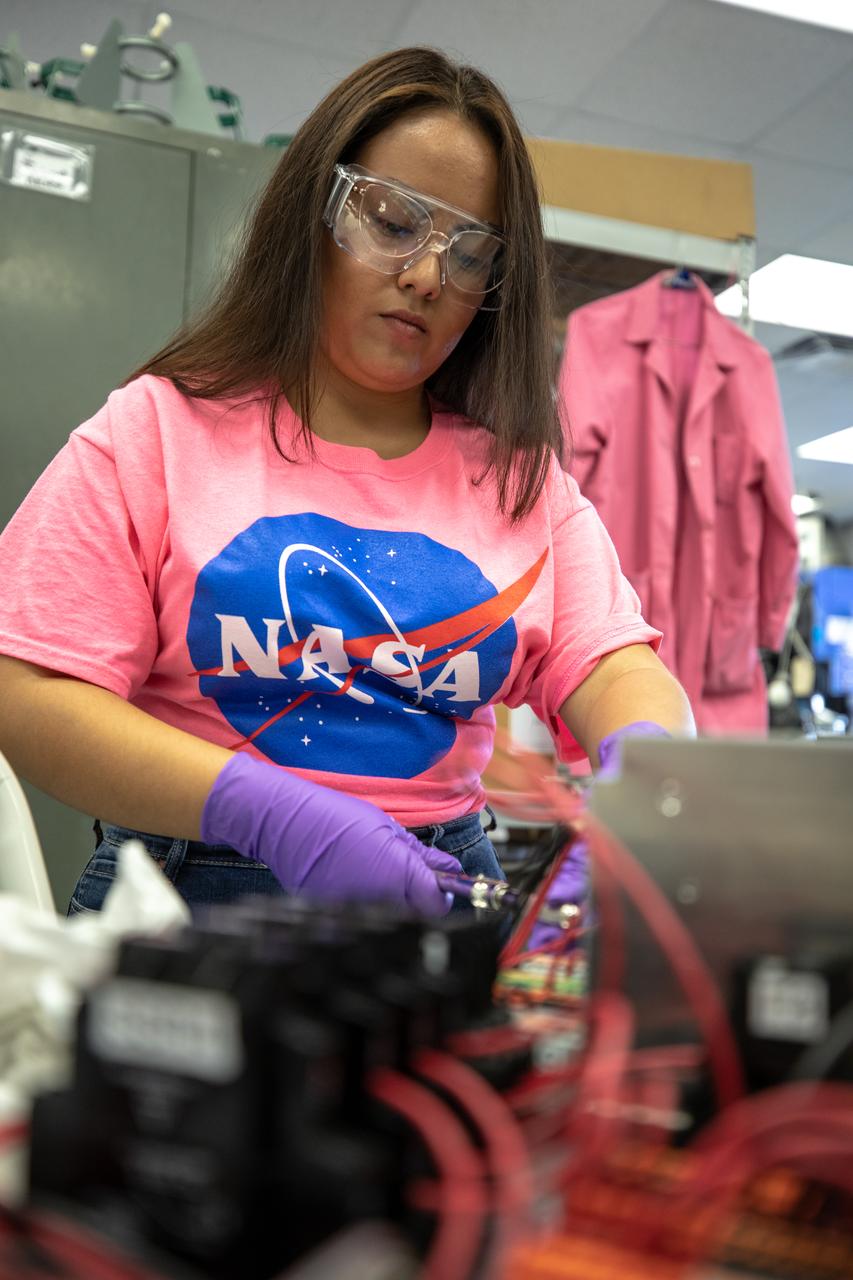
Brianna Sandoval, an intern at NASA’s Kennedy Space Center in Florida, assembles the flight hardware of the agency’s Orbital Syngas Commodity Augmentation Reactor, or OSCAR. OSCAR is an Early Career Initiative project at the spaceport that studies technology to convert trash and human waste into useful gasses such as methane, hydrogen and carbon dioxide. By processing small pieces of trash in a high-temperature reactor, OSCAR is advancing new and innovative technology for managing waste in space. OSCAR would reduce the amount of space needed for waste storage within a spacecraft, turn some waste into gasses that have energy storage and life support applications, and ensure waste is no longer biologically active. A prototype has been developed, and a team of Kennedy employees are in the process of constructing a new rig for suborbital flight testing.
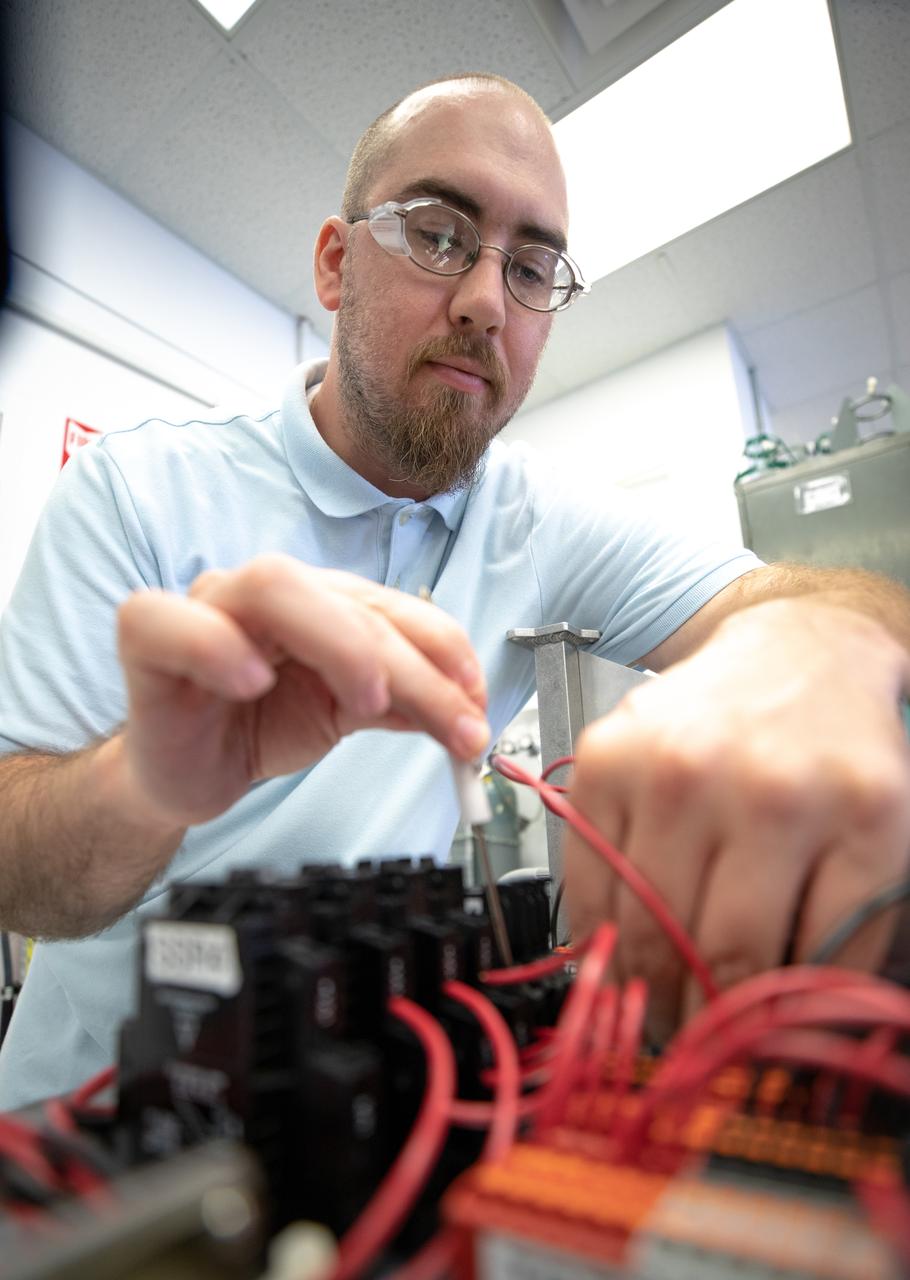
Thomas Cauvel, an intern assisting with software/electrical engineering on NASA’s Orbital Syngas Commodity Augmentation Reactor, or OSCAR, at Kennedy Space Center assembles the flight hardware. OSCAR is an Early Career Initiative project at the Florida spaceport that studies technology to convert trash and human waste into useful gasses such as methane, hydrogen and carbon dioxide. By processing small pieces of trash in a high-temperature reactor, OSCAR is advancing new and innovative technology for managing waste in space. OSCAR would reduce the amount of space needed for waste storage within a spacecraft, turn some waste into gasses that have energy storage and life support applications, and ensure waste is no longer biologically active. A prototype has been developed, and a team of Kennedy employees are in the process of constructing a new rig for suborbital flight testing.

Kennedy Space Center intern Patrick Follis (left) and Kennedy employee Jonathan Gleeson assemble the flight hardware of NASA’s Orbital Syngas Commodity Augmentation Reactor, or OSCAR – an Early Career Initiative project at the Florida spaceport that studies technology to convert trash and human waste into useful gasses such as methane, hydrogen and carbon dioxide. By processing small pieces of trash in a high-temperature reactor, OSCAR is advancing new and innovative technology for managing waste in space. OSCAR would reduce the amount of space needed for waste storage within a spacecraft, turn some waste into gasses that have energy storage and life support applications, and ensure waste is no longer biologically active. A prototype has been developed, and a team of Kennedy employees are in the process of constructing a new rig for suborbital flight testing.
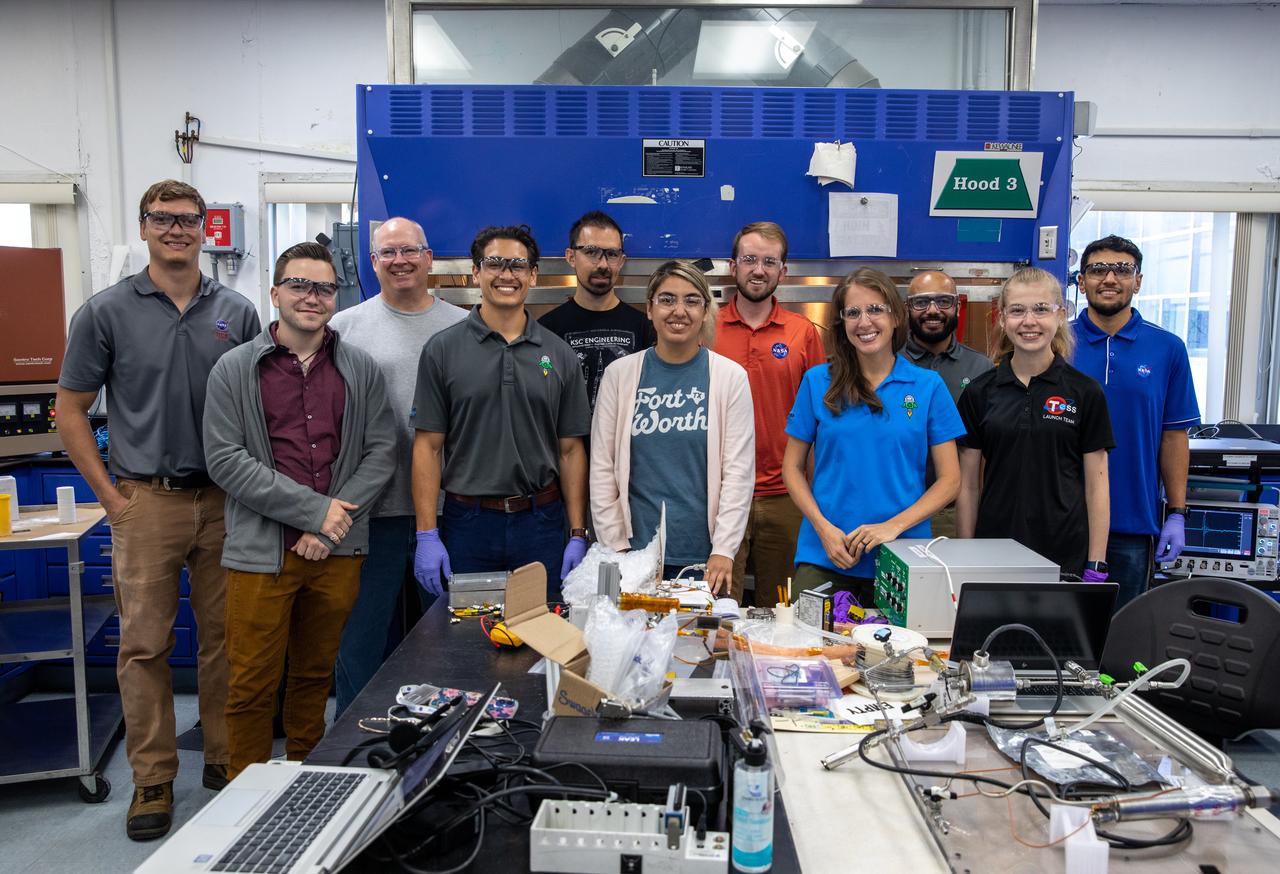
The In-Situ Resource Reutilization team gathers inside the Applied Physics Lab in the Neil Armstrong Operations and Checkout Facility at the agency’s Kennedy Space Center in Florida on July 21, 2022.
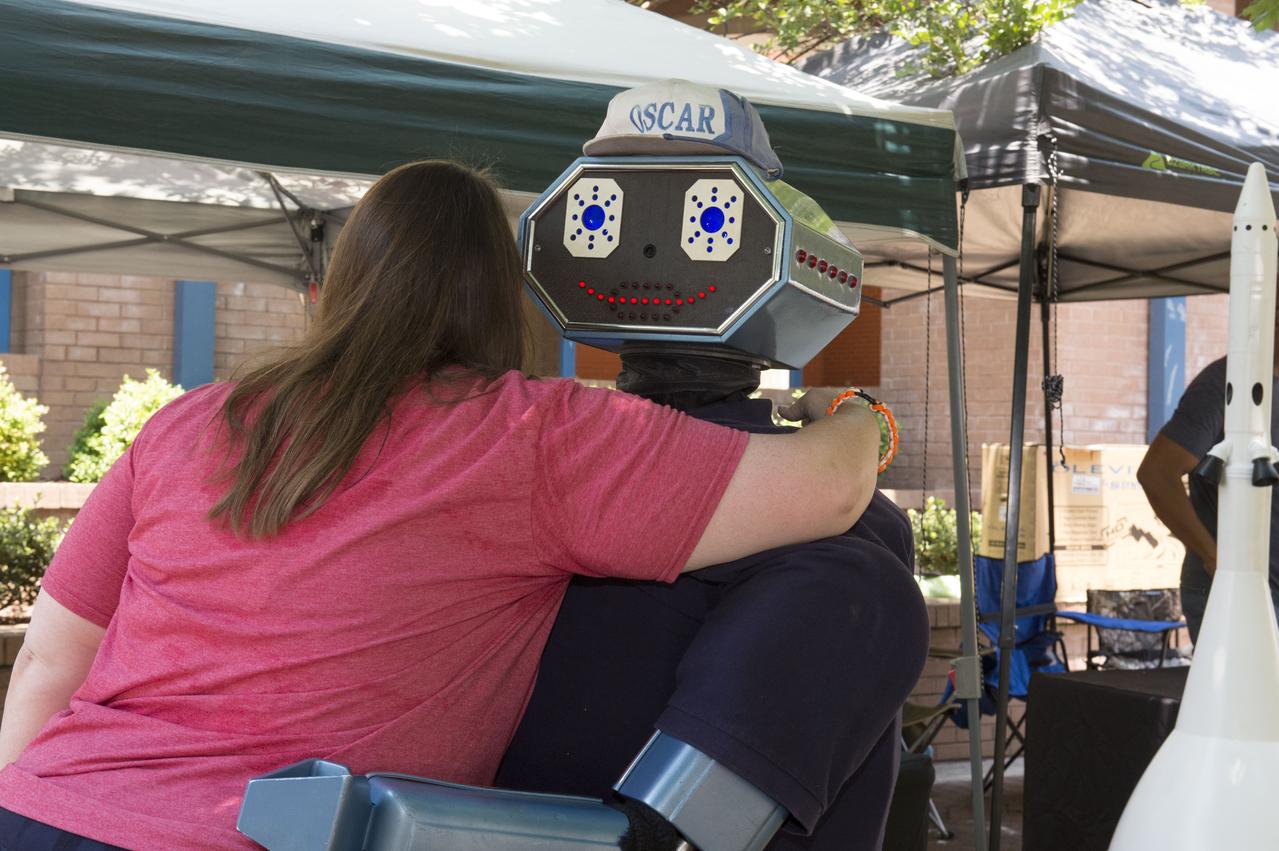
NASA in the Park on June 16 in Huntsville featured more than 60 exhibits and demonstrations by NASA experts, as well as performances by Marshall musicians, educational opportunities, games and hands-on activities for all ages. â€Oscar the Robot†gets and gives lots of hugs.
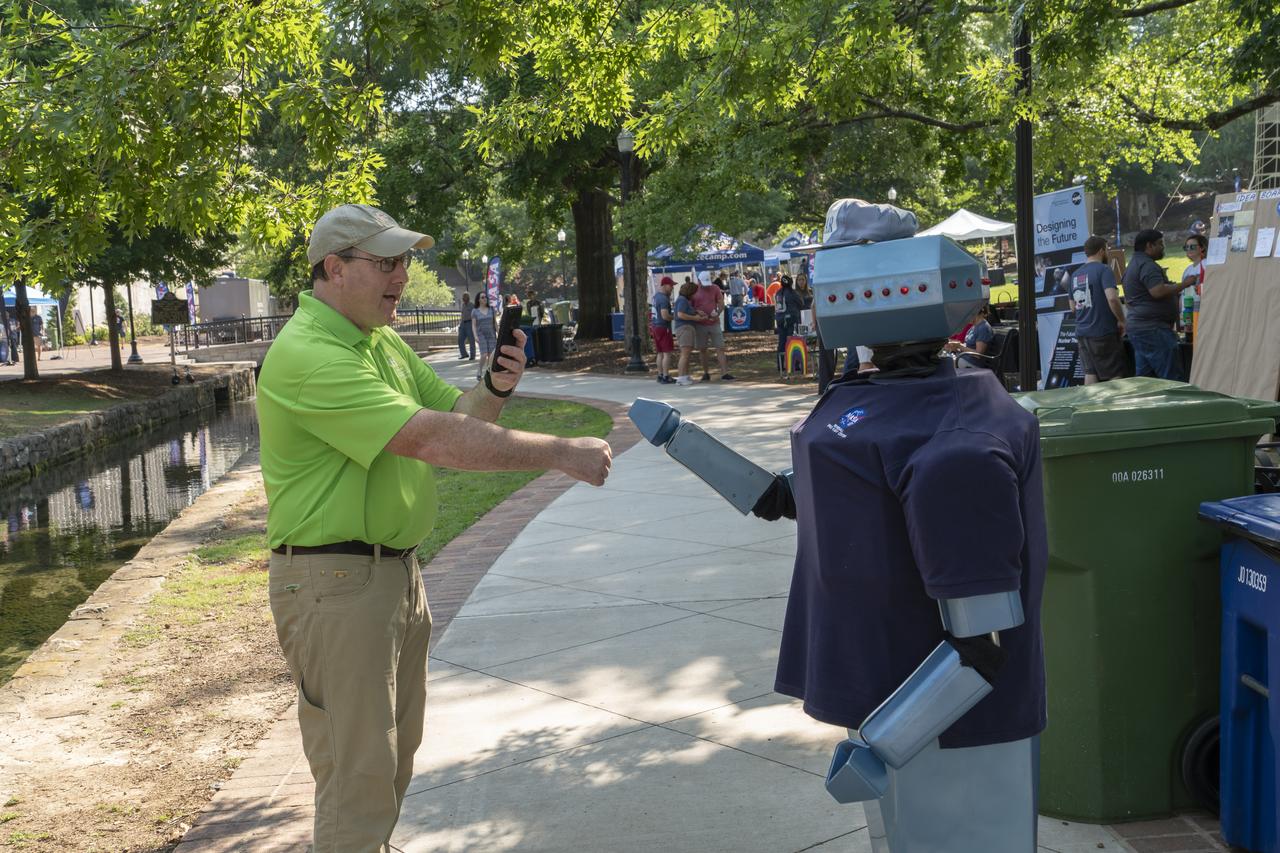
NASA's Marshall Space Flight Center showcased it's various projects for the public in Huntsville, Alabama's Big Spring Park. Exhibits were displayed by all of the various directorates of the Center with employee volunteers explaining all aspects of their projects. Adding to the festivities was the attendance of retired NASA astronaut Robert "Hoot" Gibson.Chad Emerson, President of Downtown Huntsville, Inc., fist bumps with Oscar the Robot.
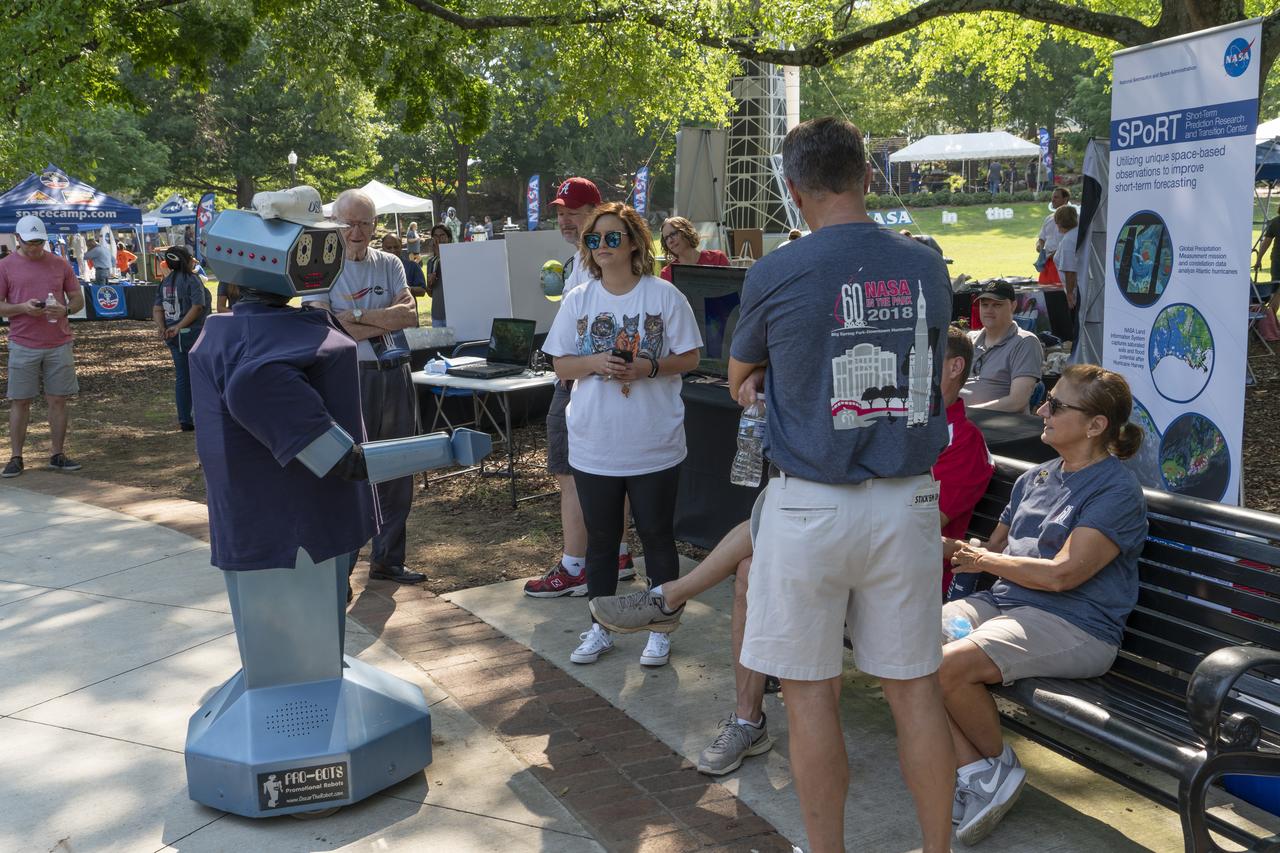
NASA's Marshall Space Flight Center showcased it's various projects for the public in Huntsville, Alabama's Big Spring Park. Exhibits were displayed by all of the various directorates of the Center with employee volunteers explaining all aspects of their projects. Adding to the festivities was the attendance of retired NASA astronaut Robert "Hoot" Gibson. Oscar the Robot greets volunteers at NASA Day in the Park.
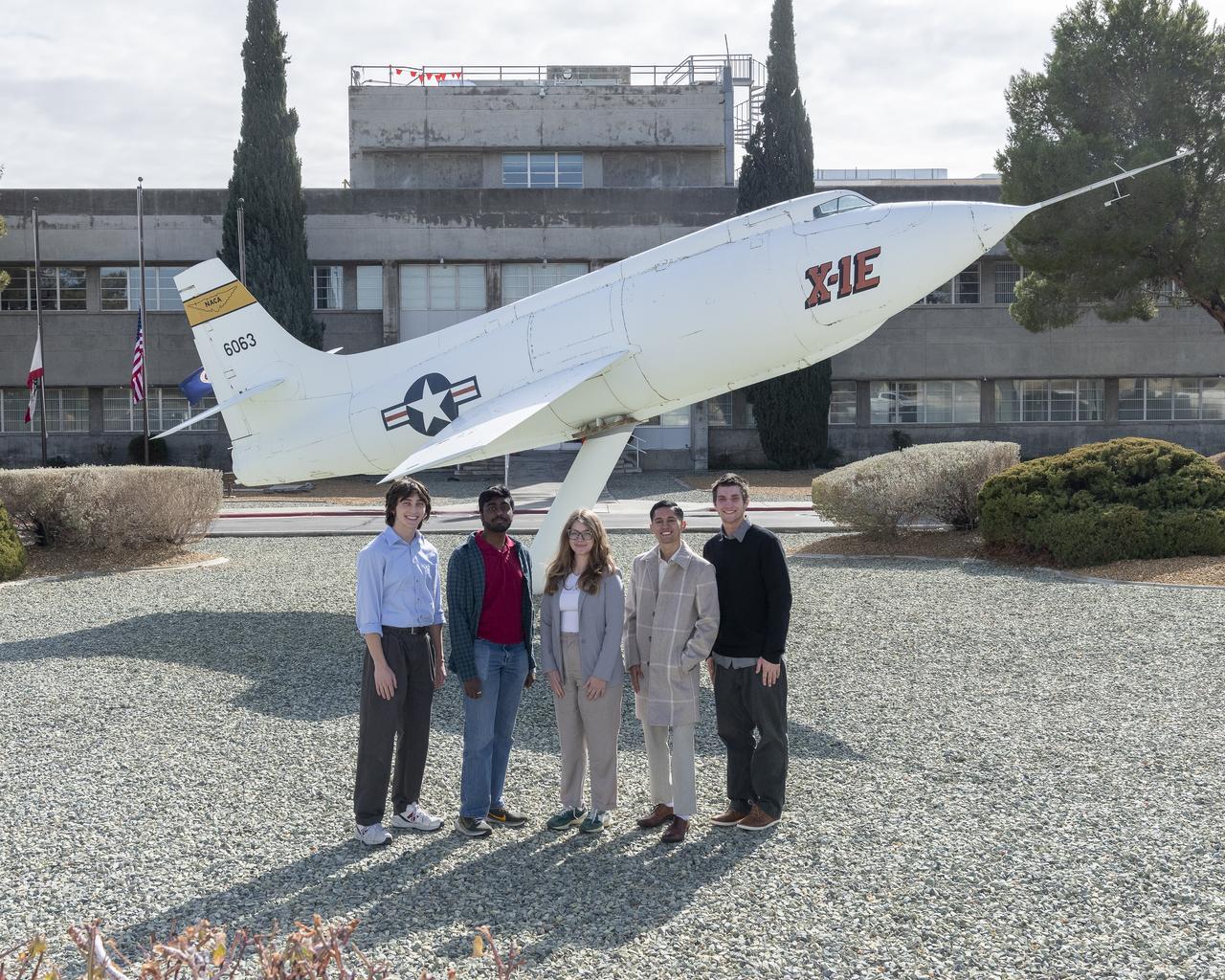
The 2025 internship class at NASA’s Armstrong Flight Research Center in Edwards, California, stand in front of the historic X-1E aircraft on display at the center. From left, are interns: Tyler Requa, Gokul Nookula, Madeleine Phillips, Oscar Keiloht Chavez Ramirez, and Nicolas Marzocchetti.
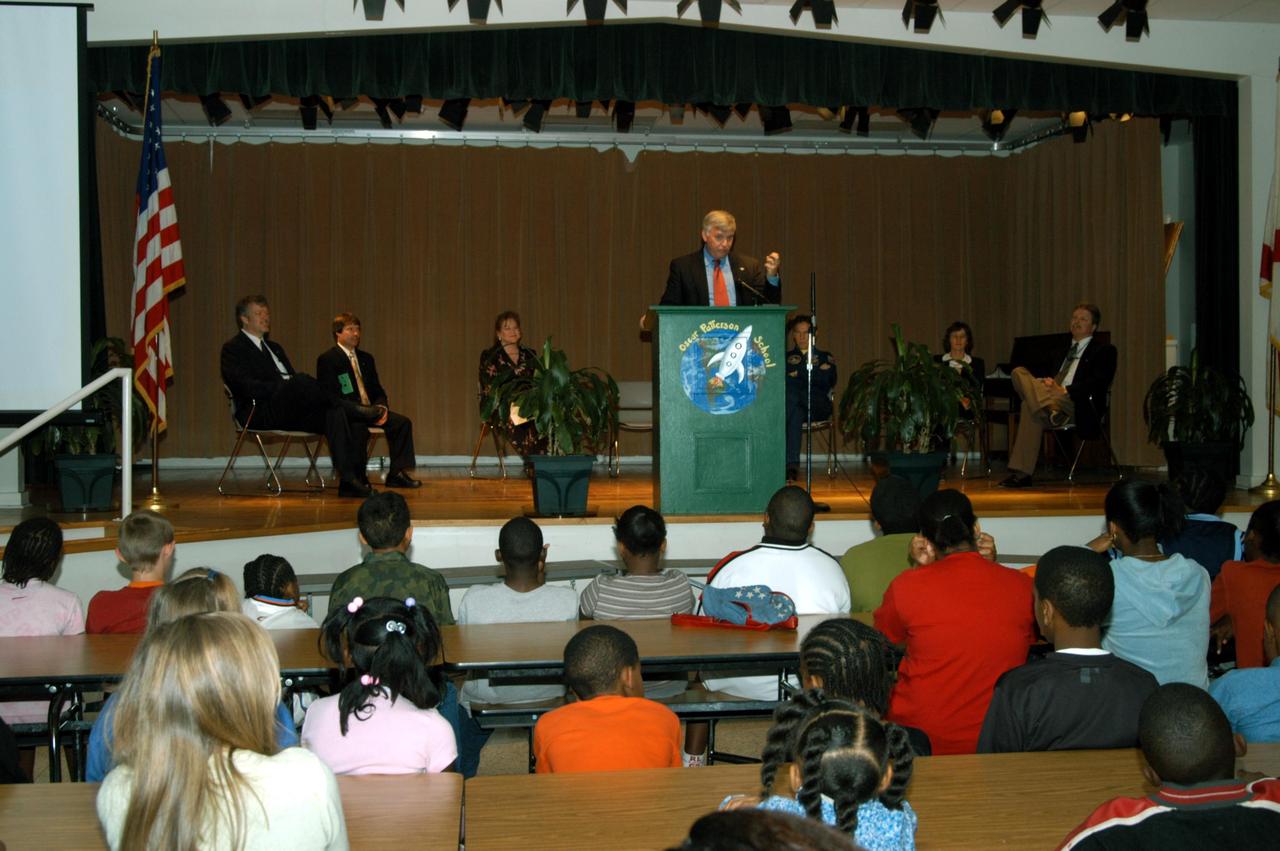
KENNEDY SPACE CENTER, FLA. -- Center Director Jim Kennedy talks to students at Oscar Patterson Elementary Magnet School in Panama City, Fla. Kennedy is visiting NASA Explorer Schools in Florida and Georgia to share America’s new vision for space exploration with the next generation of explorers. Kennedy is talking with students about our destiny as explorers, NASA’s stepping stone approach to exploring Earth, the Moon, Mars and beyond, how space impacts our lives, and how people and machines rely on each other in space.
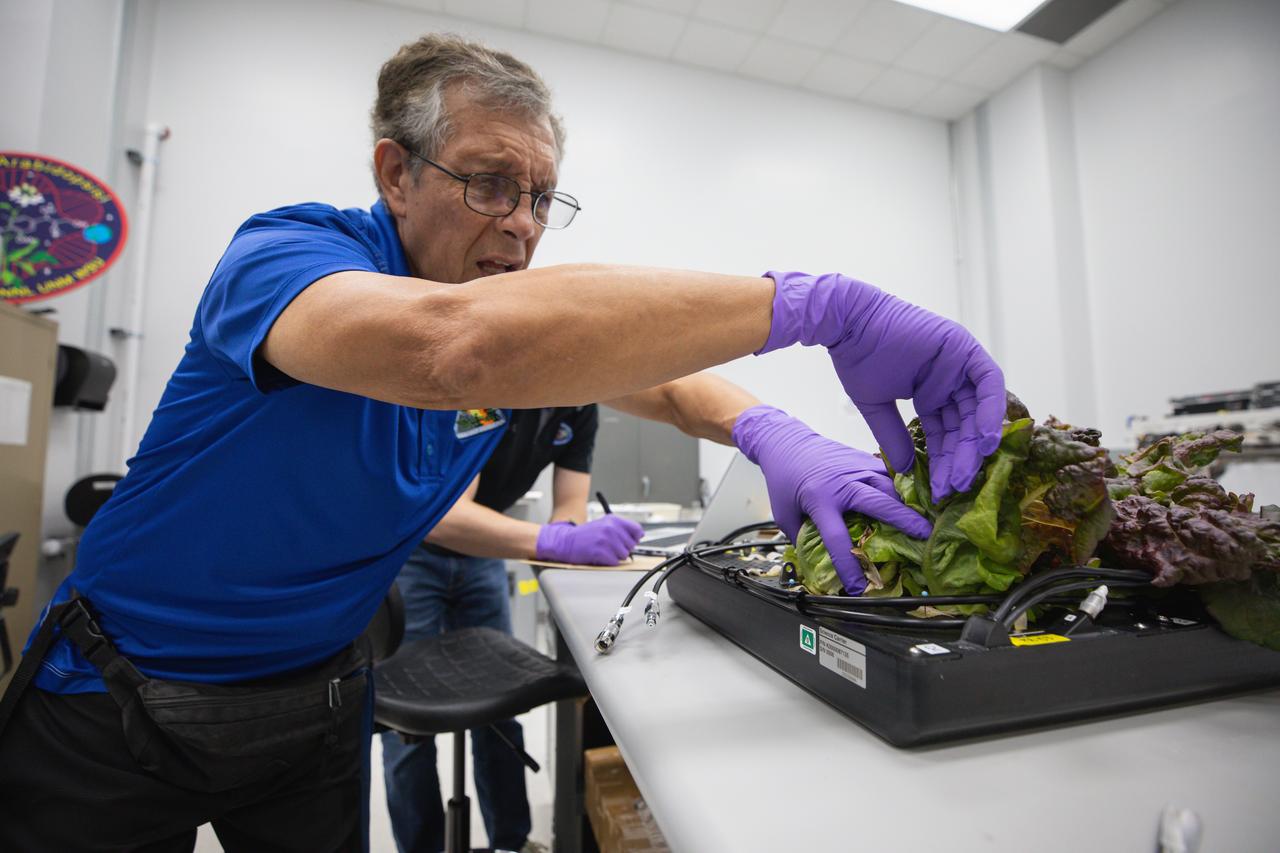
Space crop production scientist Oscar Monje harvests Outredgeous romaine lettuce for preflight testing of the Plant Habitat-07 (PH-07) experiment inside a laboratory at the Space Systems Processing Facility at NASA’s Kennedy Space Center in Florida on Thursday, Aug. 29, 2024. PH-07 will be sent to the International Space Station on NASA’s SpaceX 31st commercial resupply services mission to study how optimal and suboptimal moisture conditions impact plant growth, nutrient content, and the plant microbiome.
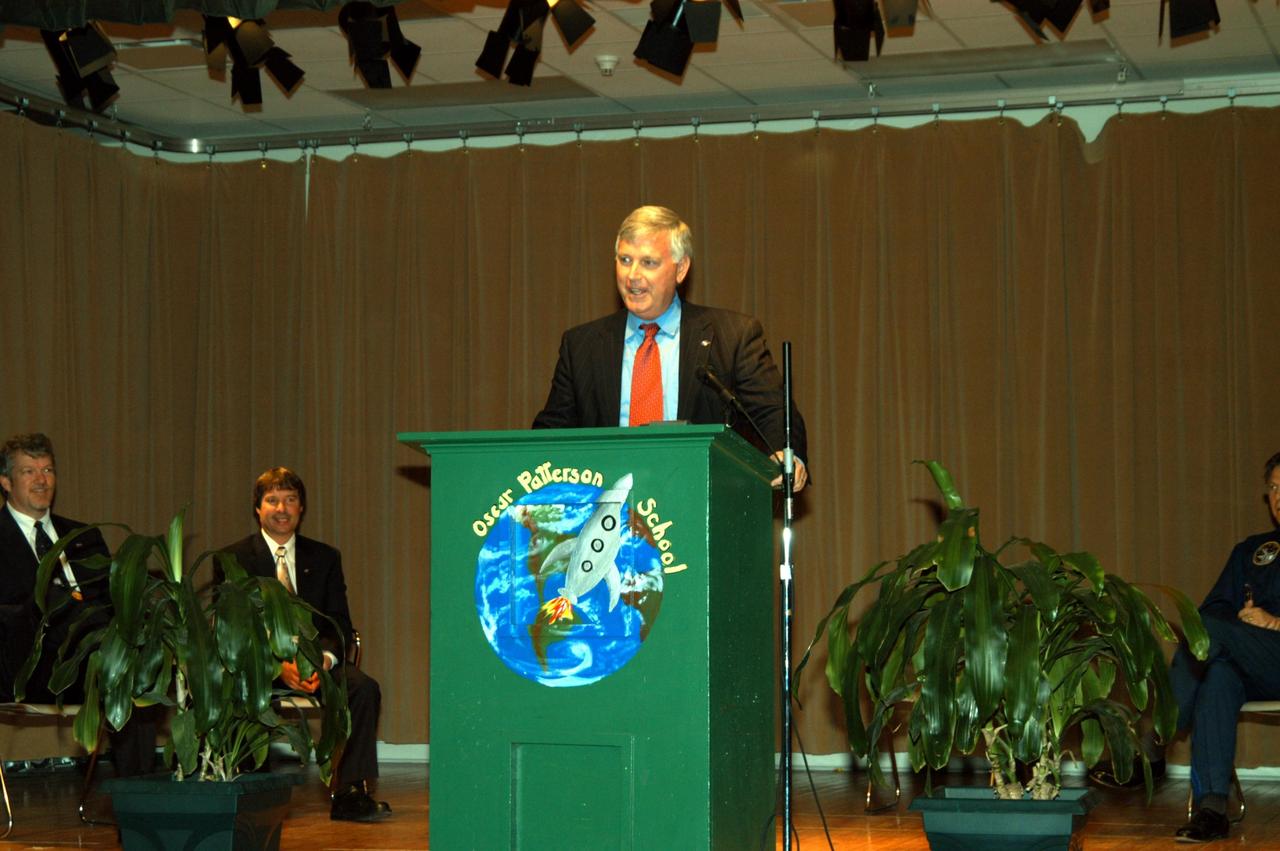
KENNEDY SPACE CENTER, FLA. -- Center Director Jim Kennedy talks to students at Oscar Patterson Elementary Magnet School in Panama City, Fla. Kennedy is visiting NASA Explorer Schools in Florida and Georgia to share America’s new vision for space exploration with the next generation of explorers. Kennedy is talking with students about our destiny as explorers, NASA’s stepping stone approach to exploring Earth, the Moon, Mars and beyond, how space impacts our lives, and how people and machines rely on each other in space.

A test unit, or prototype, of NASA's Advanced Plant Habitat (APH) was delivered to the Space Station Processing Facility at the agency's Kennedy Space Center in Florida. The APH is the largest plant chamber built for the agency. Oscar Monje, a scientist on the Engineering Services Contract, prepares the base of the APH for engineering development tests to see how the science will integrate with the various systems of the plant habitat. The APH will have about 180 sensors and fourt times the light output of Veggie. The APH will be delivered to the International Space Station in March 2017.
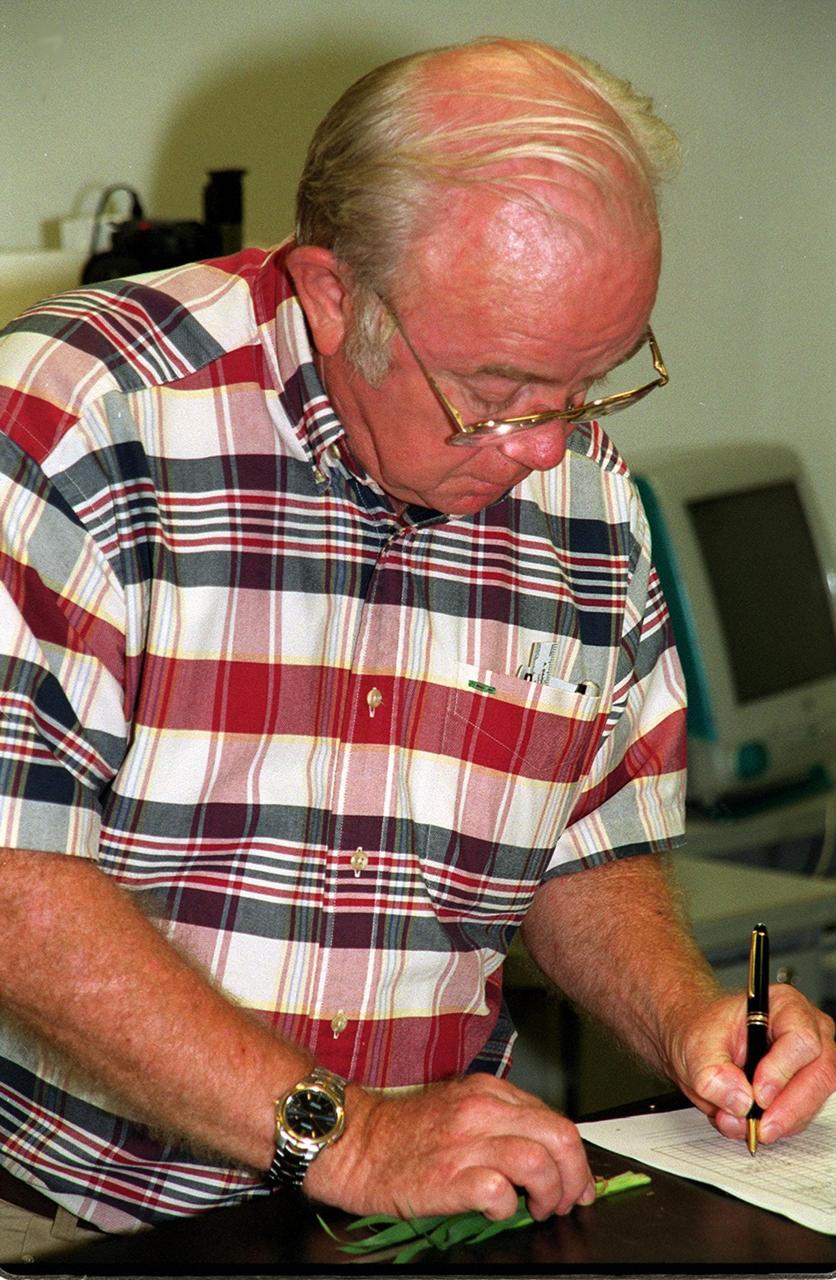
Research scientist Oscar Monje records data associated with ground testing for the first International Space Station plant experiment, scheduled to fly in October 2001. The payload process testing is one of many studies being performed at the Biological Sciences Branch in the Spaceport Engineering and Technology Directorate at Kennedy Space Center. The branch's operations and research areas include life sciences Space Shuttle payloads, bioregenerative life-support for long-duration spaceflight and environmental/ecological stewardship

Dr. Oscar Monje, a research scientist, pours a growing substrate called arcillite in the science carrier, or base, of the Advanced Plant Habitat (APH) inside a laboratory at the Space Station Processing Facility at NASA's Kennedy Space Center in Florida. Developed by NASA and ORBITEC of Madison, Wisconsin, the APH is the largest plant chamber built for the agency. It is a fully automated plant growth facility that will be used to conduct bioscience research on the International Space Station. The APH will be delivered to the space station aboard future Commercial Resupply Services missions.
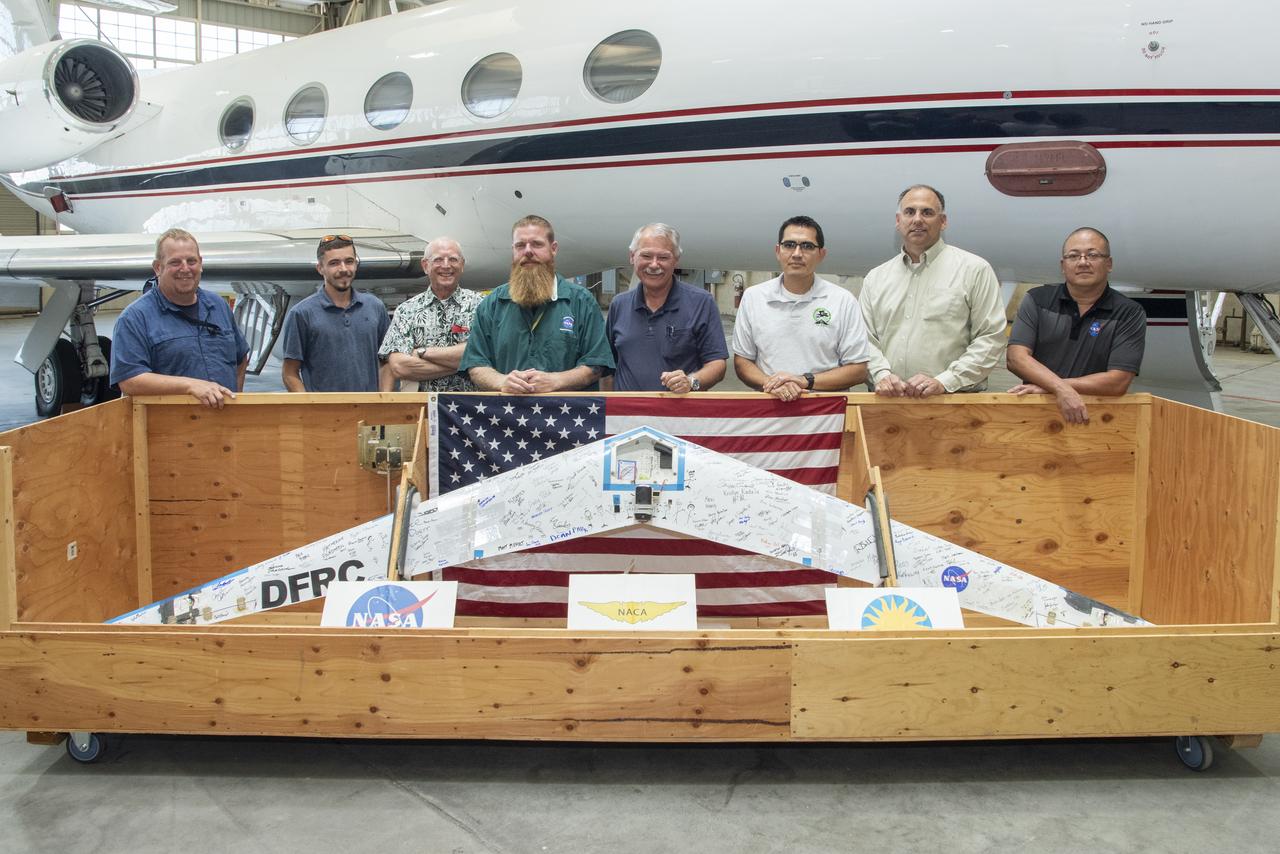
Preliminary Research Aerodynamic Design to Lower Drag, or Prandtl-D1, will be displayed in an upcoming Innovations Gallery at the National Air and Space Museum, the Smithsonian Institute. The aircraft, which flew from NASA's Armstrong Flight Research Center in California, uses a method of aircraft design that introduces a twist that results in a more efficient wing. From left are Robert "Red" Jensen, Logan Shaw, Christian Gelzer, Justin Hall, Al Bowers, Oscar Murillo, Brian Eslinger and Derek Abramson
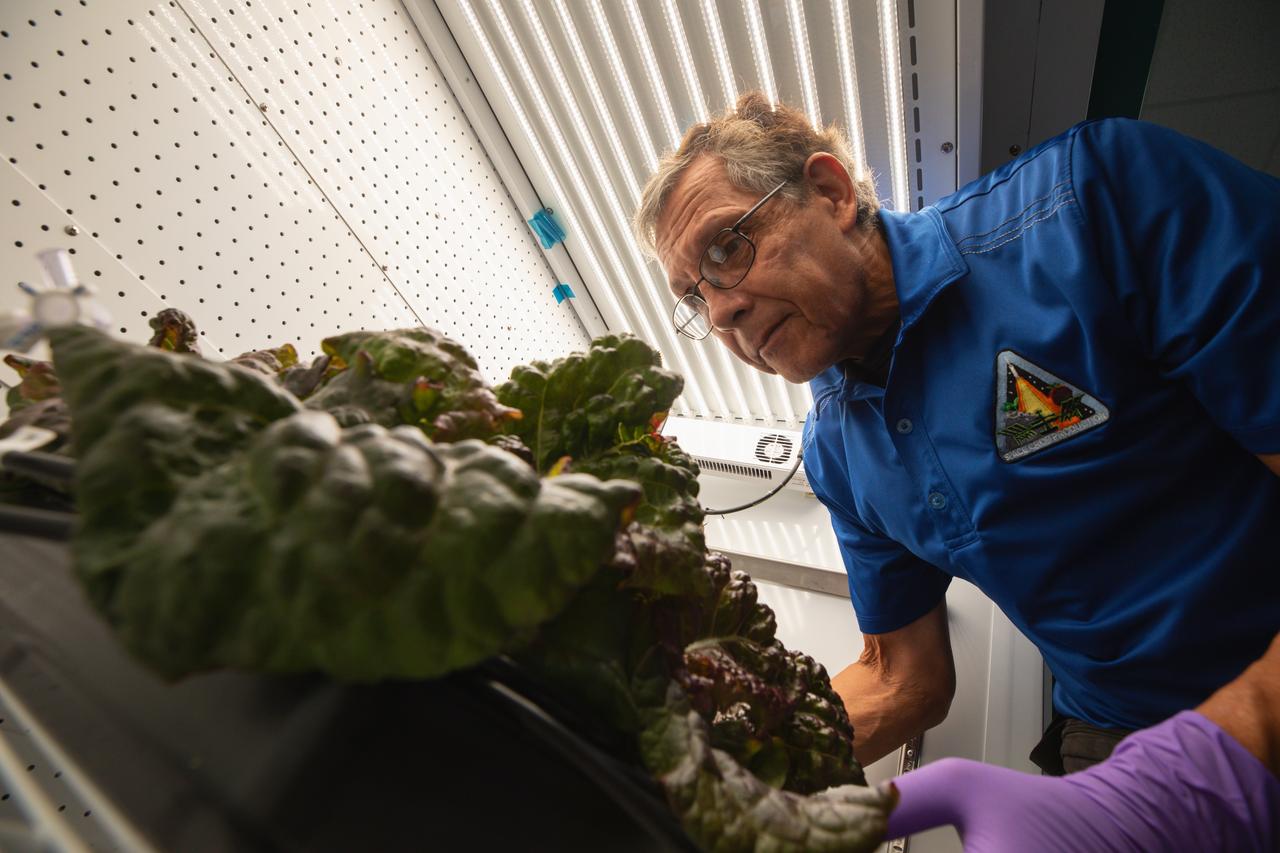
Space crop production scientist Oscar Monje harvests Outredgeous romaine lettuce for preflight testing of the Plant Habitat-07 (PH-07) experiment inside a laboratory at the Space Systems Processing Facility at NASA’s Kennedy Space Center in Florida on Thursday, Aug. 29, 2024. PH-07 will be sent to the International Space Station on NASA’s SpaceX 31st commercial resupply services mission to study how optimal and suboptimal moisture conditions impact plant growth, nutrient content, and the plant microbiome.

Dr. Oscar Monje, a research scientist, packs a growing substrate called arcillite in the science carrier, or base, of the Advanced Plant Habitat (APH) inside a laboratory at the Space Station Processing Facility at NASA's Kennedy Space Center in Florida. Developed by NASA and ORBITEC of Madison, Wisconsin, the APH is the largest plant chamber built for the agency. It is a fully automated plant growth facility that will be used to conduct bioscience research on the International Space Station. The APH will be delivered to the space station aboard future Commercial Resupply Services missions.
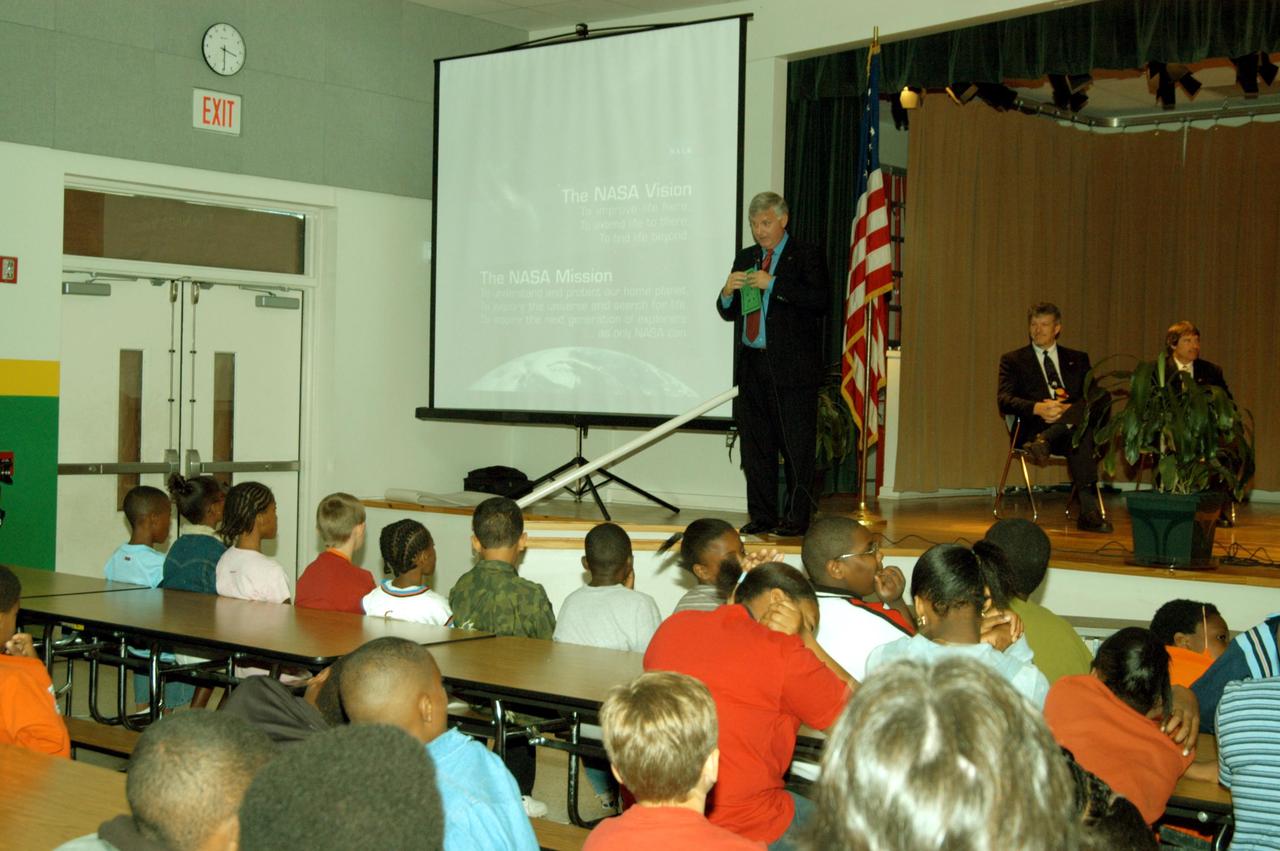
KENNEDY SPACE CENTER, FLA. -- Students at Oscar Patterson Elementary Magnet School in Panama City, Fla., listen to Center Director Jim Kennedy as he shares America’s new vision for space exploration. Kennedy is visiting NASA Explorer Schools in Florida and Georgia, talking with students about our destiny as explorers, NASA’s stepping stone approach to exploring Earth, the Moon, Mars and beyond, how space impacts our lives, and how people and machines rely on each other in space.