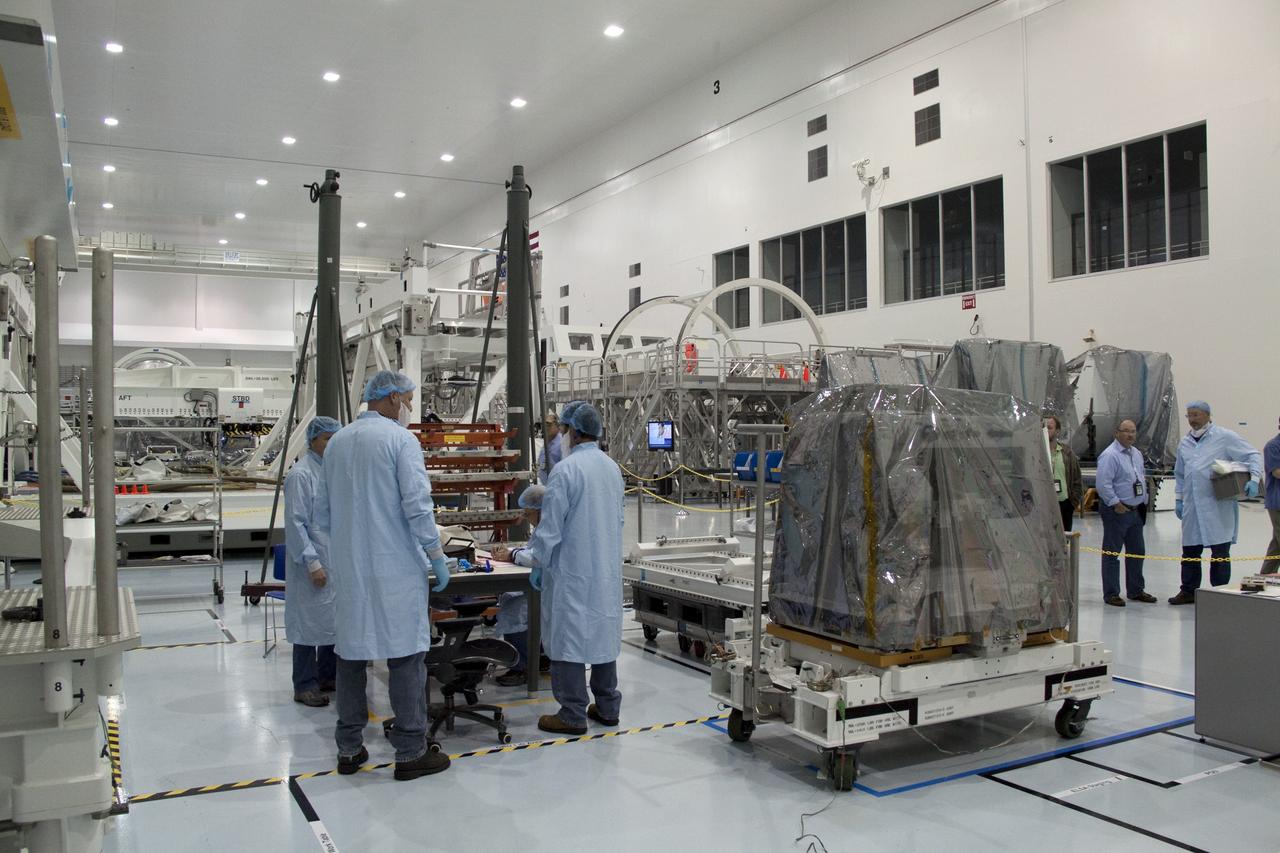
CAPE CANAVERAL, Fla. -- Technicians move a system that will investigate the potential for robotically refueling existing spacecraft in orbit from a processing lab to a high bay in the Space Station Processing Facility at NASA's Kennedy Space Center in Florida. The move prepares the system for its lift into the Lightweight Multi-Purpose Experiment Support Structure Carrier (LMC), which will carry it into orbit. Called the Robotic Refueling Mission (RRM), the system will be processed to fly aboard space shuttle Atlantis on the STS-135 mission to the International Space Station. Also going up will be the Raffaello multipurpose logistics module packed with supplies, logistics and spare parts. The mission also will return a failed ammonia pump module to help NASA better understand the failure mechanism and improve pump designs for future systems. STS-135, targeted to launch June 28, will be the 33rd flight of Atlantis, the 37th shuttle mission to the space station, and the 135th and final mission of NASA's Space Shuttle Program. For more information visit, www.nasa.gov/mission_pages/shuttle/shuttlemissions/sts135/index.html. Photo credit: NASA/Jack Pfaller
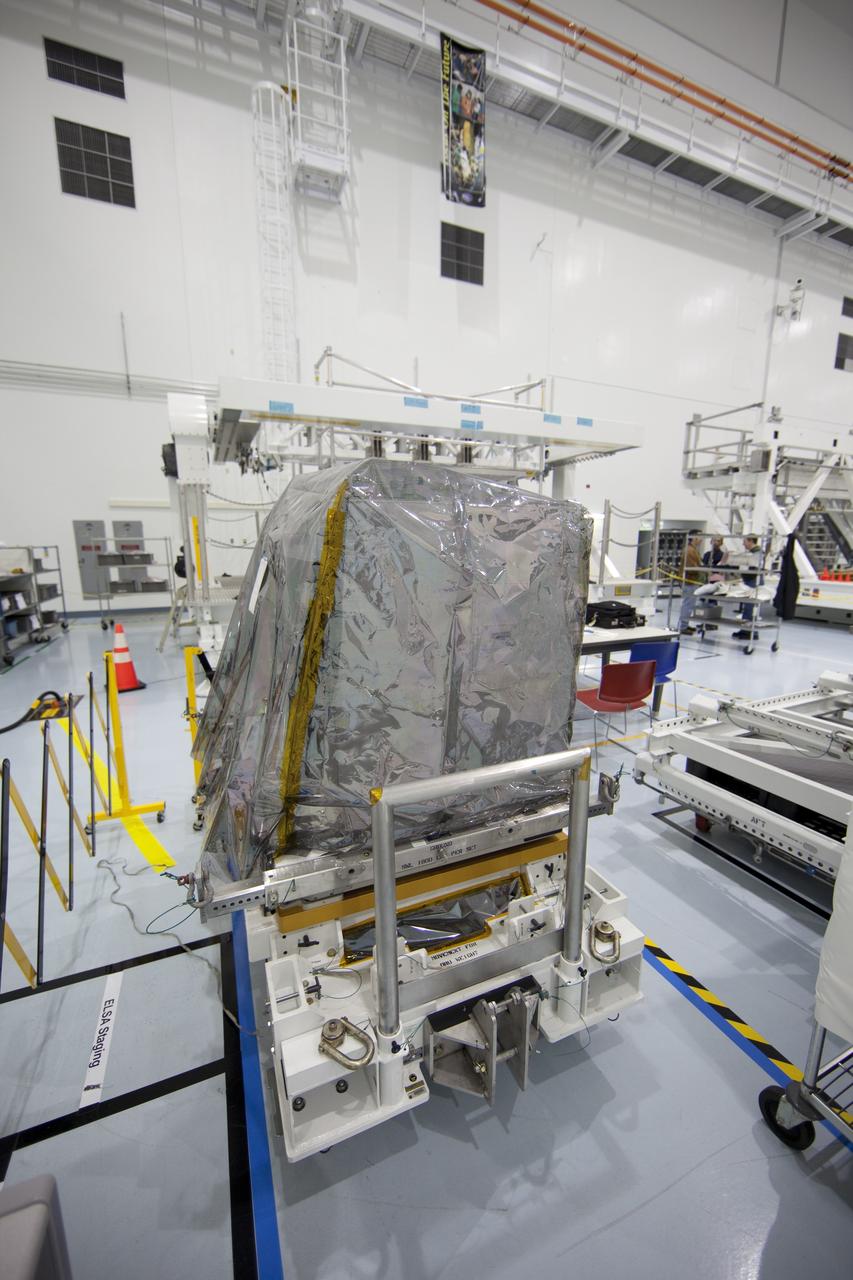
CAPE CANAVERAL, Fla. -- In the Space Station Processing Facility at NASA's Kennedy Space Center in Florida, a system that will investigate the potential for robotically refueling existing spacecraft in orbit will be moved into the Lightweight Multi-Purpose Experiment Support Structure Carrier (LMC). Called the Robotic Refueling Mission (RRM), the system is being processed to fly aboard space shuttle Atlantis in the LMC on the STS-135 mission to the International Space Station. Also going up will be the Raffaello multipurpose logistics module packed with supplies, logistics and spare parts. The mission also will return a failed ammonia pump module to help NASA better understand the failure mechanism and improve pump designs for future systems. STS-135, targeted to launch June 28, will be the 33rd flight of Atlantis, the 37th shuttle mission to the space station, and the 135th and final mission of NASA's Space Shuttle Program. For more information visit, www.nasa.gov/mission_pages/shuttle/shuttlemissions/sts135/index.html. Photo credit: NASA/Ben Smegelsky
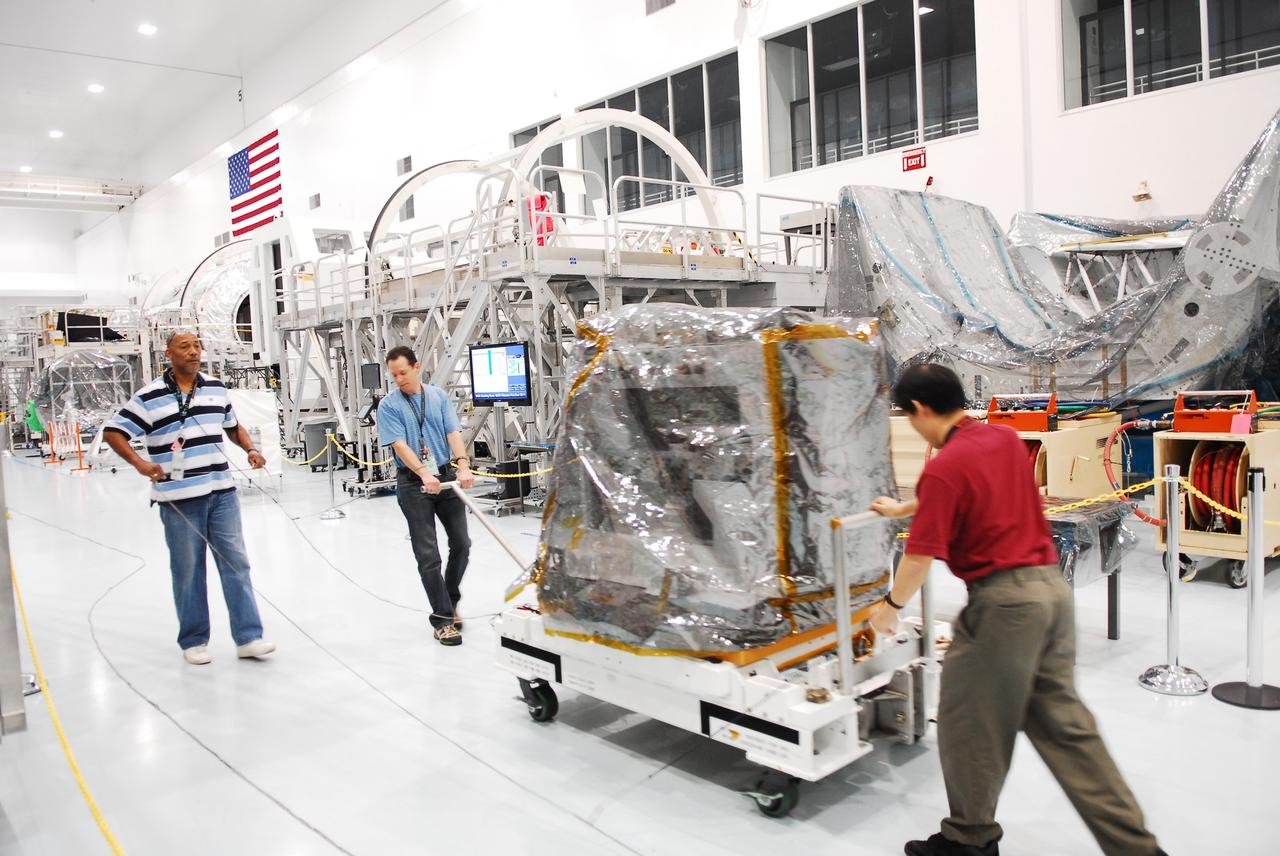
CAPE CANAVERAL, Fla. -- Technicians transport a system that will investigate the potential for robotically refueling existing spacecraft in orbit to a low bay test cell in the Space Station Processing Facility at NASA's Kennedy Space Center in Florida. Called the Robotic Refueling Mission RRM, the system will be processed to fly aboard space shuttle Atlantis on the STS-135 mission to the International Space Station. Atlantis and its STS-135 crew are scheduled to carry the Raffaello multipurpose logistics module packed with supplies, logistics and spare parts to the space station. The mission also will return a failed ammonia pump module to help NASA better understand the failure mechanism and improve pump designs for future systems. STS-135, targeted to launch June 28, will be the 33rd flight of Atlantis, the 37th shuttle mission to the space station, and the 135th and final mission of NASA's Space Shuttle Program. For more information visit, www.nasa.gov/mission_pages/shuttle/shuttlemissions/sts135/index.html. Photo credit: NASA/Jim Grossmann
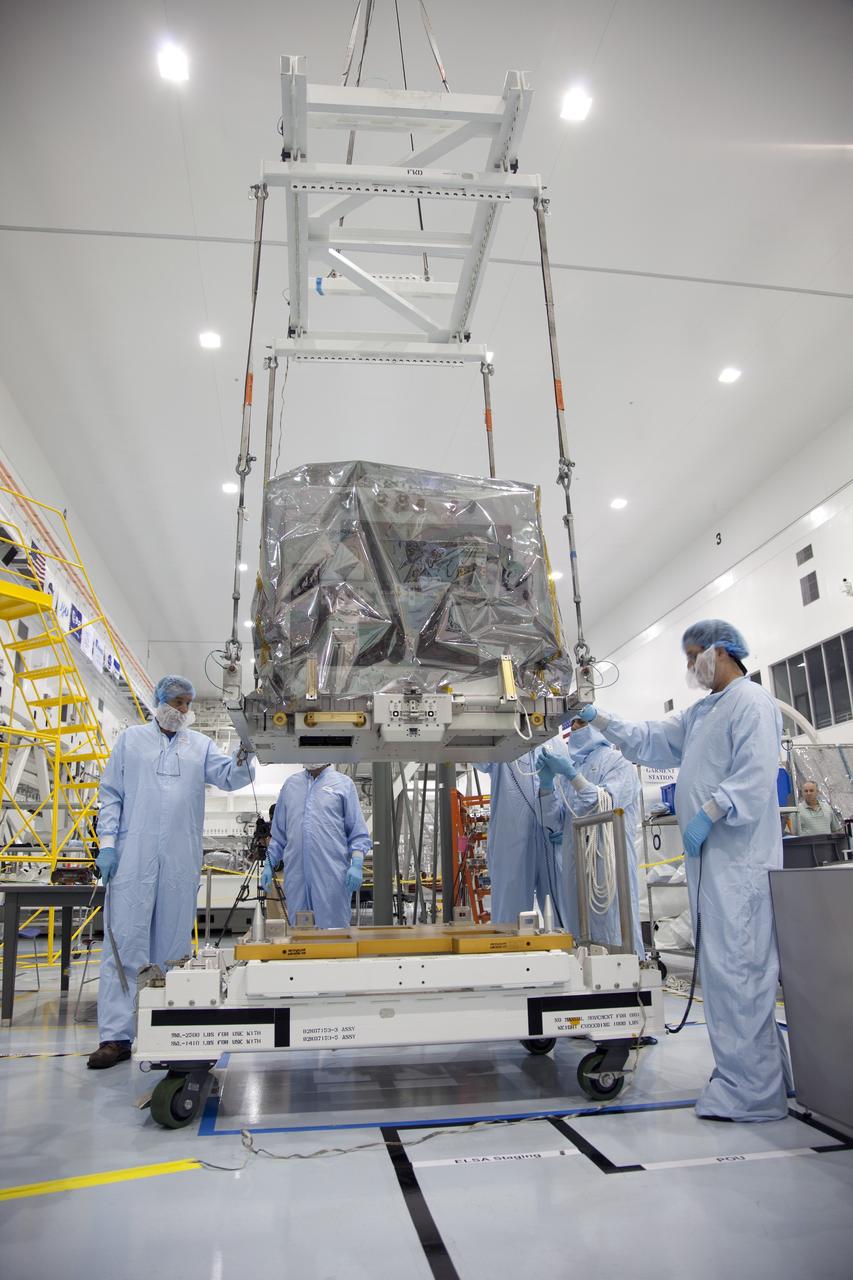
CAPE CANAVERAL, Fla. -- In the Space Station Processing Facility at NASA's Kennedy Space Center in Florida, technicians begin to move a system that will investigate the potential for robotically refueling existing spacecraft in orbit into the Lightweight Multi-Purpose Experiment Support Structure Carrier (LMC). Called the Robotic Refueling Mission (RRM), the system is being processed to fly aboard space shuttle Atlantis in the LMC on the STS-135 mission to the International Space Station. Also going up will be the Raffaello multipurpose logistics module packed with supplies, logistics and spare parts. The mission also will return a failed ammonia pump module to help NASA better understand the failure mechanism and improve pump designs for future systems. STS-135, targeted to launch June 28, will be the 33rd flight of Atlantis, the 37th shuttle mission to the space station, and the 135th and final mission of NASA's Space Shuttle Program. For more information visit, www.nasa.gov/mission_pages/shuttle/shuttlemissions/sts135/index.html. Photo credit: NASA/Ben Smegelsky
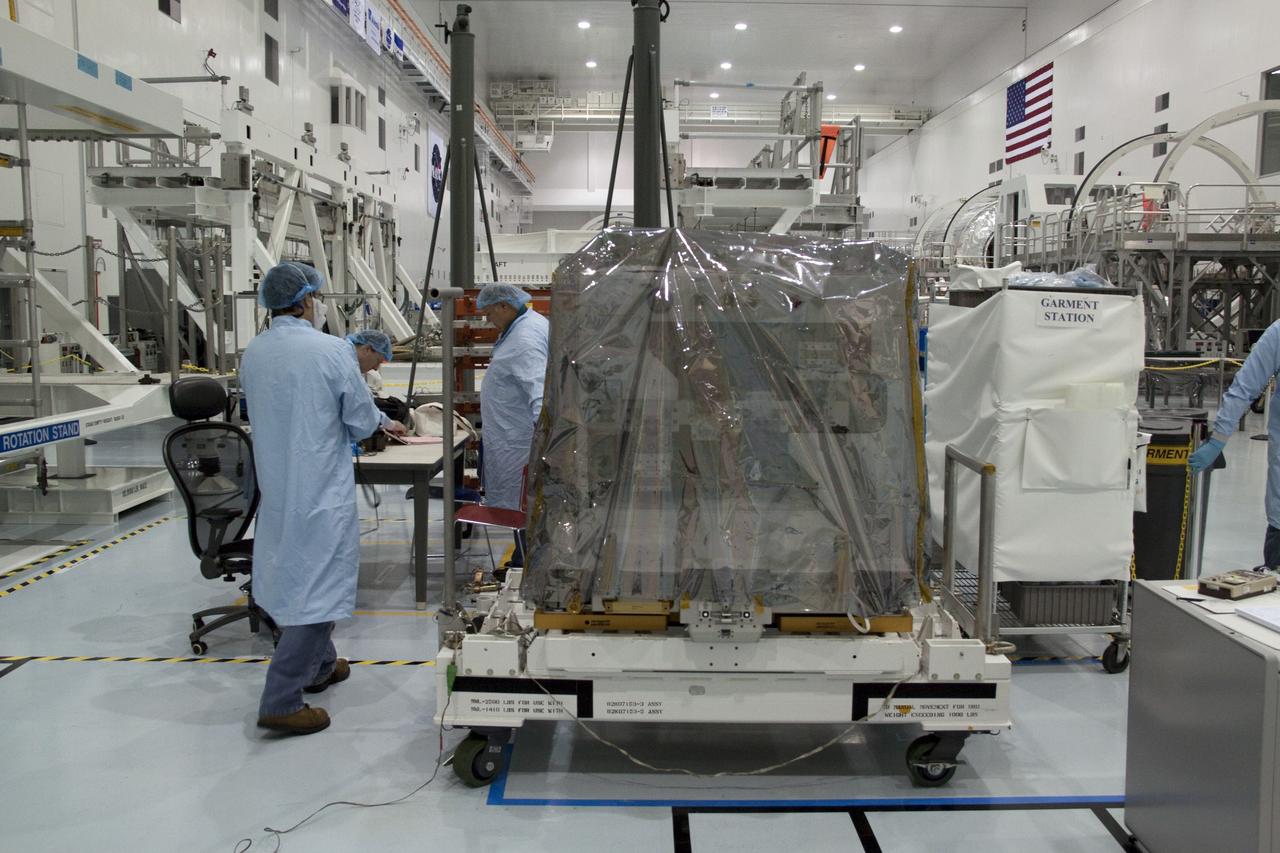
CAPE CANAVERAL, Fla. -- Technicians move a system that will investigate the potential for robotically refueling existing spacecraft in orbit from a processing lab to a high bay in the Space Station Processing Facility at NASA's Kennedy Space Center in Florida. The move prepares the system for its lift into the Lightweight Multi-Purpose Experiment Support Structure Carrier (LMC), which will carry it into orbit. Called the Robotic Refueling Mission (RRM), the system will be processed to fly aboard space shuttle Atlantis on the STS-135 mission to the International Space Station. Also going up will be the Raffaello multipurpose logistics module packed with supplies, logistics and spare parts. The mission also will return a failed ammonia pump module to help NASA better understand the failure mechanism and improve pump designs for future systems. STS-135, targeted to launch June 28, will be the 33rd flight of Atlantis, the 37th shuttle mission to the space station, and the 135th and final mission of NASA's Space Shuttle Program. For more information visit, www.nasa.gov/mission_pages/shuttle/shuttlemissions/sts135/index.html. Photo credit: NASA/Jack Pfaller
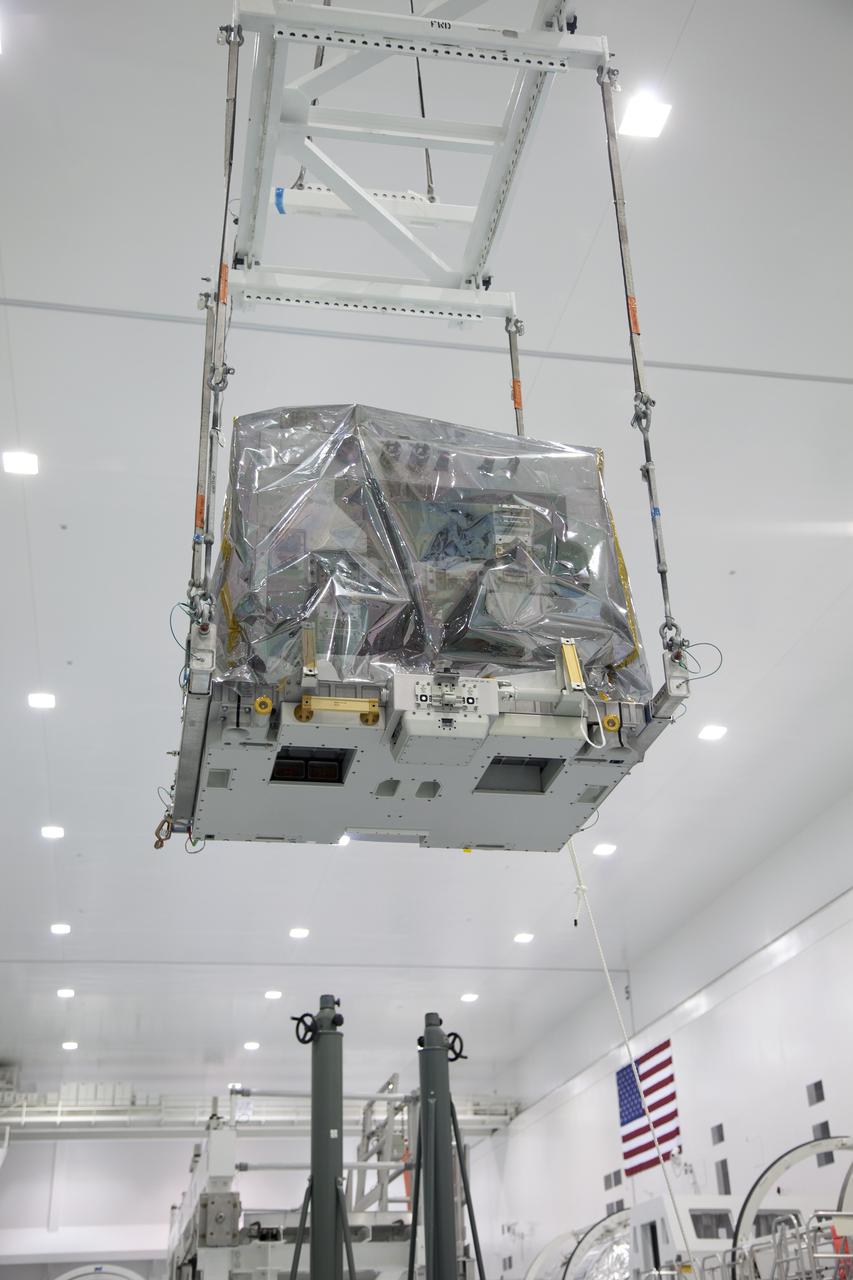
CAPE CANAVERAL, Fla. -- In the Space Station Processing Facility at NASA's Kennedy Space Center in Florida, a system that will investigate the potential for robotically refueling existing spacecraft in orbit moves toward the Lightweight Multi-Purpose Experiment Support Structure Carrier (LMC). Called the Robotic Refueling Mission (RRM), the system is being processed to fly aboard space shuttle Atlantis in the LMC on the STS-135 mission to the International Space Station. Also going up will be the Raffaello multipurpose logistics module packed with supplies, logistics and spare parts. The mission also will return a failed ammonia pump module to help NASA better understand the failure mechanism and improve pump designs for future systems. STS-135, targeted to launch June 28, will be the 33rd flight of Atlantis, the 37th shuttle mission to the space station, and the 135th and final mission of NASA's Space Shuttle Program. For more information visit, www.nasa.gov/mission_pages/shuttle/shuttlemissions/sts135/index.html. Photo credit: NASA/Ben Smegelsky
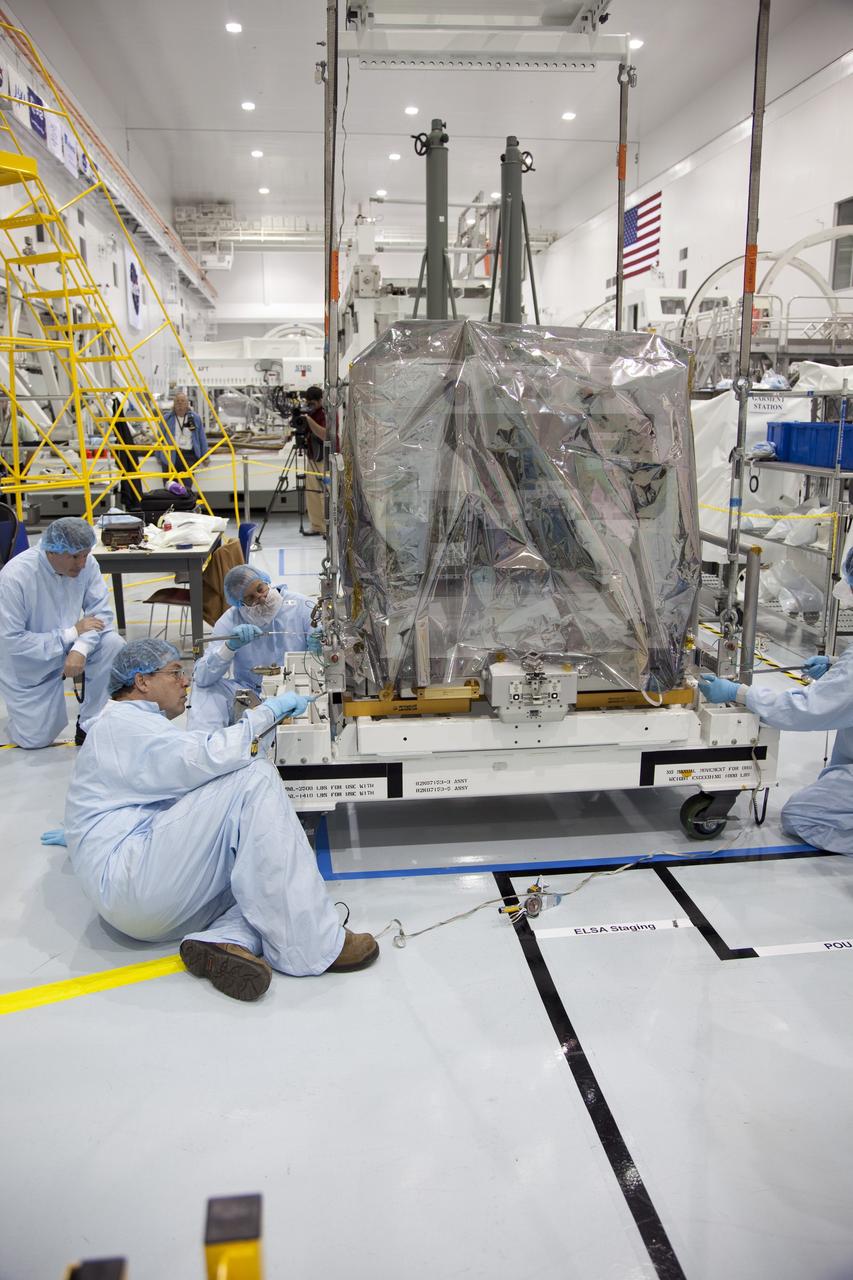
CAPE CANAVERAL, Fla. -- In the Space Station Processing Facility at NASA's Kennedy Space Center in Florida, technicians prepare to move a system that will investigate the potential for robotically refueling existing spacecraft in orbit into the Lightweight Multi-Purpose Experiment Support Structure Carrier (LMC). Called the Robotic Refueling Mission (RRM), the system is being processed to fly aboard space shuttle Atlantis in the LMC on the STS-135 mission to the International Space Station. Also going up will be the Raffaello multipurpose logistics module packed with supplies, logistics and spare parts. The mission also will return a failed ammonia pump module to help NASA better understand the failure mechanism and improve pump designs for future systems. STS-135, targeted to launch June 28, will be the 33rd flight of Atlantis, the 37th shuttle mission to the space station, and the 135th and final mission of NASA's Space Shuttle Program. For more information visit, www.nasa.gov/mission_pages/shuttle/shuttlemissions/sts135/index.html. Photo credit: NASA/Ben Smegelsky

CAPE CANAVERAL, Fla. -- In the Space Station Processing Facility at NASA's Kennedy Space Center in Florida, technicians install a system that will investigate the potential for robotically refueling existing spacecraft in orbit in the Lightweight Multi-Purpose Experiment Support Structure Carrier (LMC). Called the Robotic Refueling Mission (RRM), the system is being processed to fly aboard space shuttle Atlantis in the LMC on the STS-135 mission to the International Space Station. Also going up will be the Raffaello multipurpose logistics module packed with supplies, logistics and spare parts. The mission also will return a failed ammonia pump module to help NASA better understand the failure mechanism and improve pump designs for future systems. STS-135, targeted to launch June 28, will be the 33rd flight of Atlantis, the 37th shuttle mission to the space station, and the 135th and final mission of NASA's Space Shuttle Program. For more information visit, www.nasa.gov/mission_pages/shuttle/shuttlemissions/sts135/index.html. Photo credit: NASA/Ben Smegelsky
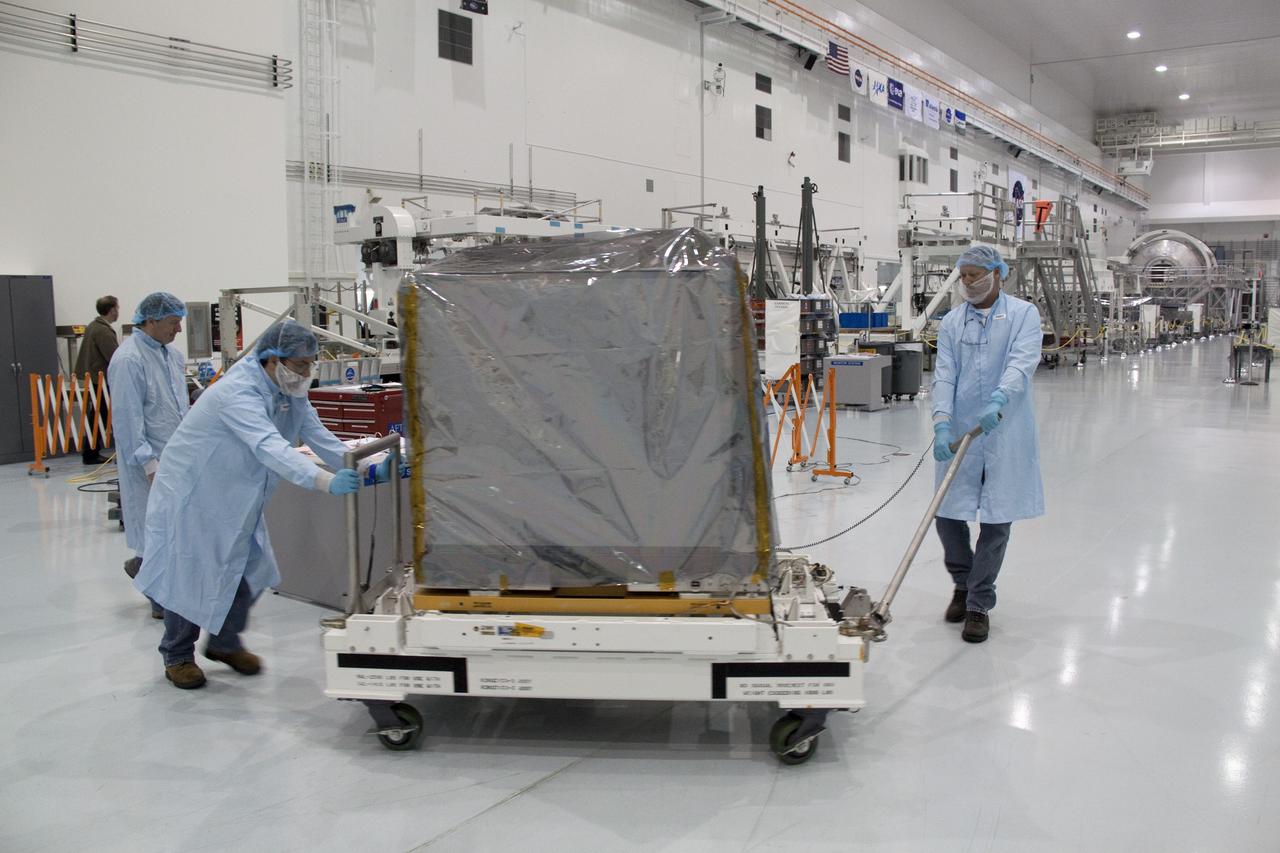
CAPE CANAVERAL, Fla. -- Technicians move a system that will investigate the potential for robotically refueling existing spacecraft in orbit from a processing lab to a high bay in the Space Station Processing Facility at NASA's Kennedy Space Center in Florida. The move prepares the system for its lift into the Lightweight Multi-Purpose Experiment Support Structure Carrier (LMC), which will carry it into orbit. Called the Robotic Refueling Mission (RRM), the system will be processed to fly aboard space shuttle Atlantis on the STS-135 mission to the International Space Station. Also going up will be the Raffaello multipurpose logistics module packed with supplies, logistics and spare parts. The mission also will return a failed ammonia pump module to help NASA better understand the failure mechanism and improve pump designs for future systems. STS-135, targeted to launch June 28, will be the 33rd flight of Atlantis, the 37th shuttle mission to the space station, and the 135th and final mission of NASA's Space Shuttle Program. For more information visit, www.nasa.gov/mission_pages/shuttle/shuttlemissions/sts135/index.html. Photo credit: NASA/Jack Pfaller
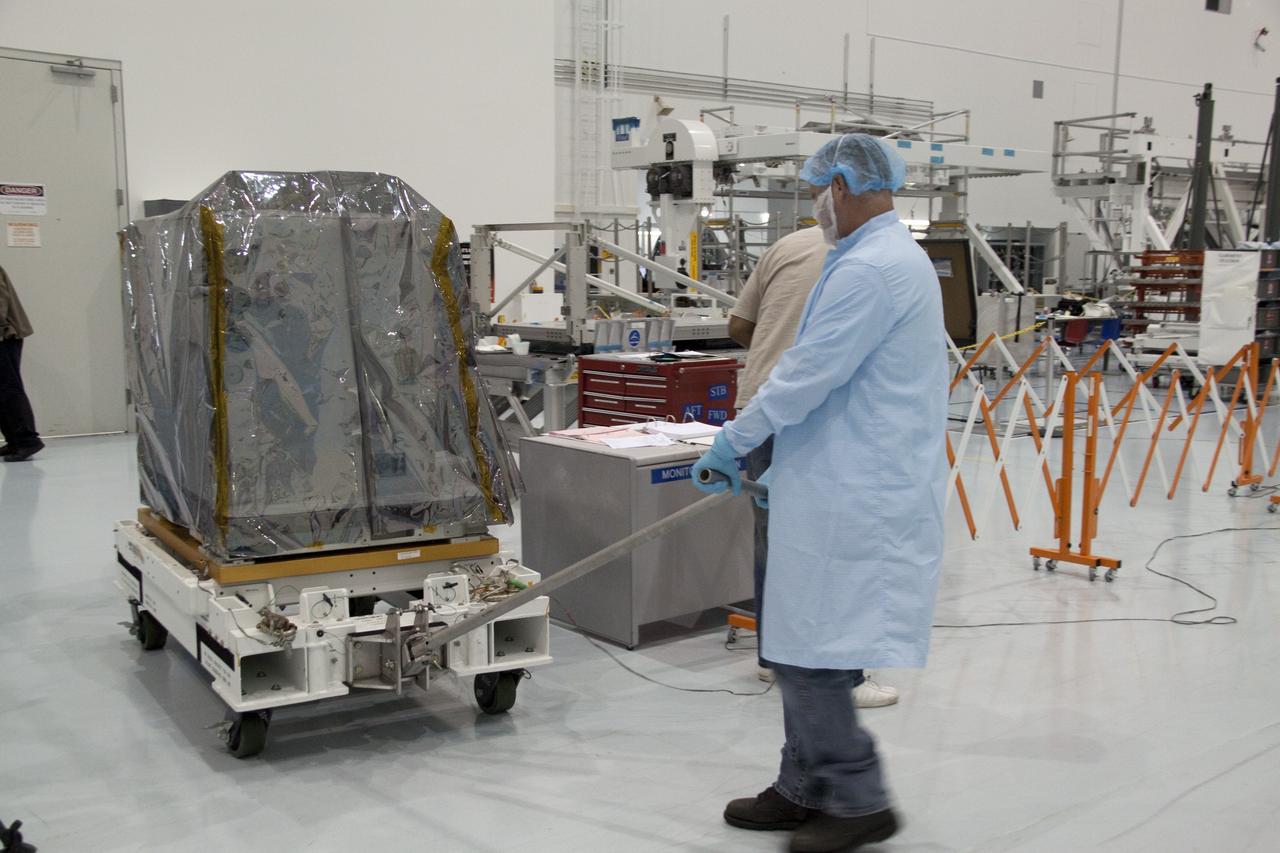
CAPE CANAVERAL, Fla. -- Technicians move a system that will investigate the potential for robotically refueling existing spacecraft in orbit from a processing lab to a high bay in the Space Station Processing Facility at NASA's Kennedy Space Center in Florida. The move prepares the system for its lift into the Lightweight Multi-Purpose Experiment Support Structure Carrier (LMC), which will carry it into orbit. Called the Robotic Refueling Mission (RRM), the system will be processed to fly aboard space shuttle Atlantis on the STS-135 mission to the International Space Station. Also going up will be the Raffaello multipurpose logistics module packed with supplies, logistics and spare parts. The mission also will return a failed ammonia pump module to help NASA better understand the failure mechanism and improve pump designs for future systems. STS-135, targeted to launch June 28, will be the 33rd flight of Atlantis, the 37th shuttle mission to the space station, and the 135th and final mission of NASA's Space Shuttle Program. For more information visit, www.nasa.gov/mission_pages/shuttle/shuttlemissions/sts135/index.html. Photo credit: NASA/Jack Pfaller
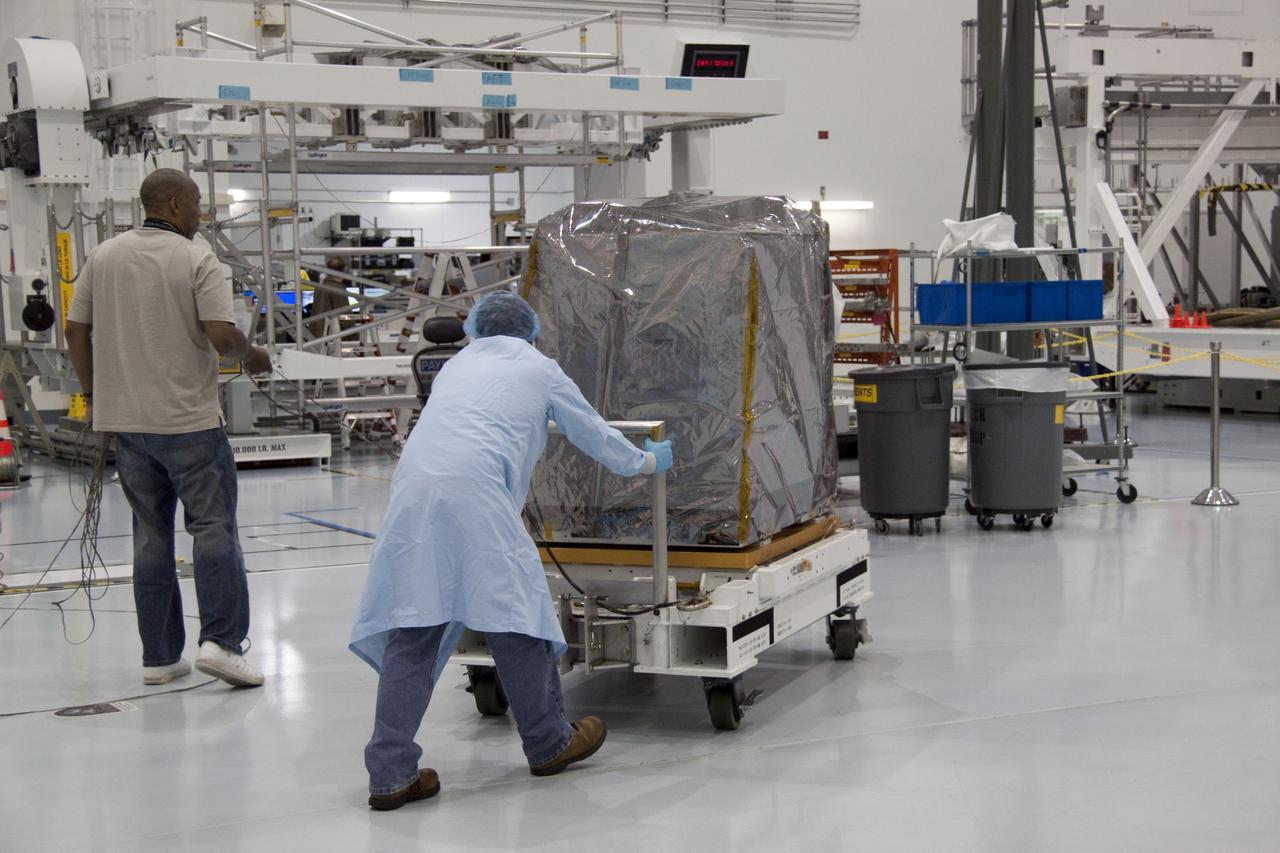
CAPE CANAVERAL, Fla. -- Technicians move a system that will investigate the potential for robotically refueling existing spacecraft in orbit from a processing lab to a high bay in the Space Station Processing Facility at NASA's Kennedy Space Center in Florida. The move prepares the system for its lift into the Lightweight Multi-Purpose Experiment Support Structure Carrier (LMC), which will carry it into orbit. Called the Robotic Refueling Mission (RRM), the system will be processed to fly aboard space shuttle Atlantis on the STS-135 mission to the International Space Station. Also going up will be the Raffaello multipurpose logistics module packed with supplies, logistics and spare parts. The mission also will return a failed ammonia pump module to help NASA better understand the failure mechanism and improve pump designs for future systems. STS-135, targeted to launch June 28, will be the 33rd flight of Atlantis, the 37th shuttle mission to the space station, and the 135th and final mission of NASA's Space Shuttle Program. For more information visit, www.nasa.gov/mission_pages/shuttle/shuttlemissions/sts135/index.html. Photo credit: NASA/Jack Pfaller
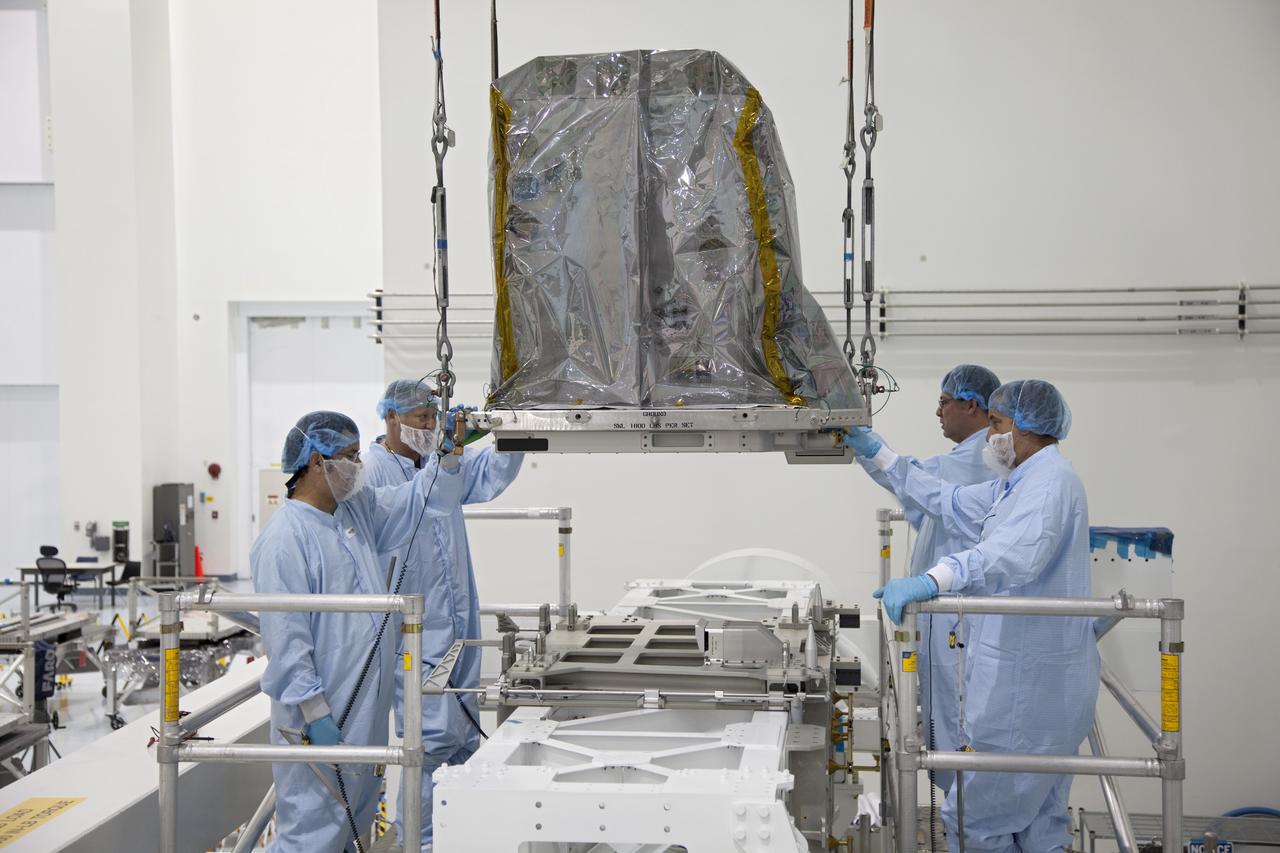
CAPE CANAVERAL, Fla. -- In the Space Station Processing Facility at NASA's Kennedy Space Center in Florida, technicians move a system that will investigate the potential for robotically refueling existing spacecraft in orbit into the Lightweight Multi-Purpose Experiment Support Structure Carrier (LMC). Called the Robotic Refueling Mission (RRM), the system is being processed to fly aboard space shuttle Atlantis in the LMC on the STS-135 mission to the International Space Station. Also going up will be the Raffaello multipurpose logistics module packed with supplies, logistics and spare parts. The mission also will return a failed ammonia pump module to help NASA better understand the failure mechanism and improve pump designs for future systems. STS-135, targeted to launch June 28, will be the 33rd flight of Atlantis, the 37th shuttle mission to the space station, and the 135th and final mission of NASA's Space Shuttle Program. For more information visit, www.nasa.gov/mission_pages/shuttle/shuttlemissions/sts135/index.html. Photo credit: NASA/Ben Smegelsky
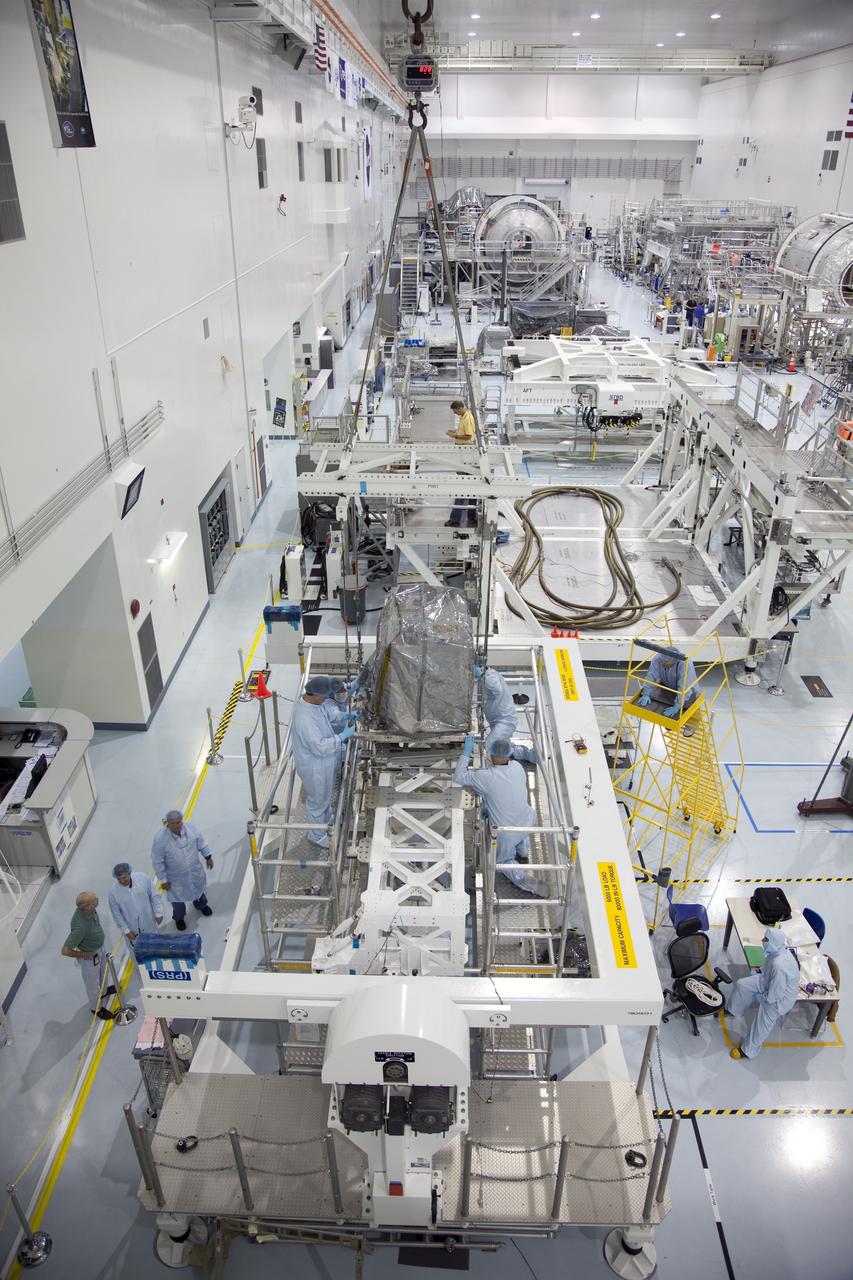
CAPE CANAVERAL, Fla. -- In the Space Station Processing Facility at NASA's Kennedy Space Center in Florida, technicians install a system that will investigate the potential for robotically refueling existing spacecraft in orbit in the Lightweight Multi-Purpose Experiment Support Structure Carrier (LMC). Called the Robotic Refueling Mission (RRM), the system is being processed to fly aboard space shuttle Atlantis in the LMC on the STS-135 mission to the International Space Station. Also going up will be the Raffaello multipurpose logistics module packed with supplies, logistics and spare parts. The mission also will return a failed ammonia pump module to help NASA better understand the failure mechanism and improve pump designs for future systems. STS-135, targeted to launch June 28, will be the 33rd flight of Atlantis, the 37th shuttle mission to the space station, and the 135th and final mission of NASA's Space Shuttle Program. For more information visit, www.nasa.gov/mission_pages/shuttle/shuttlemissions/sts135/index.html. Photo credit: NASA/Ben Smegelsky
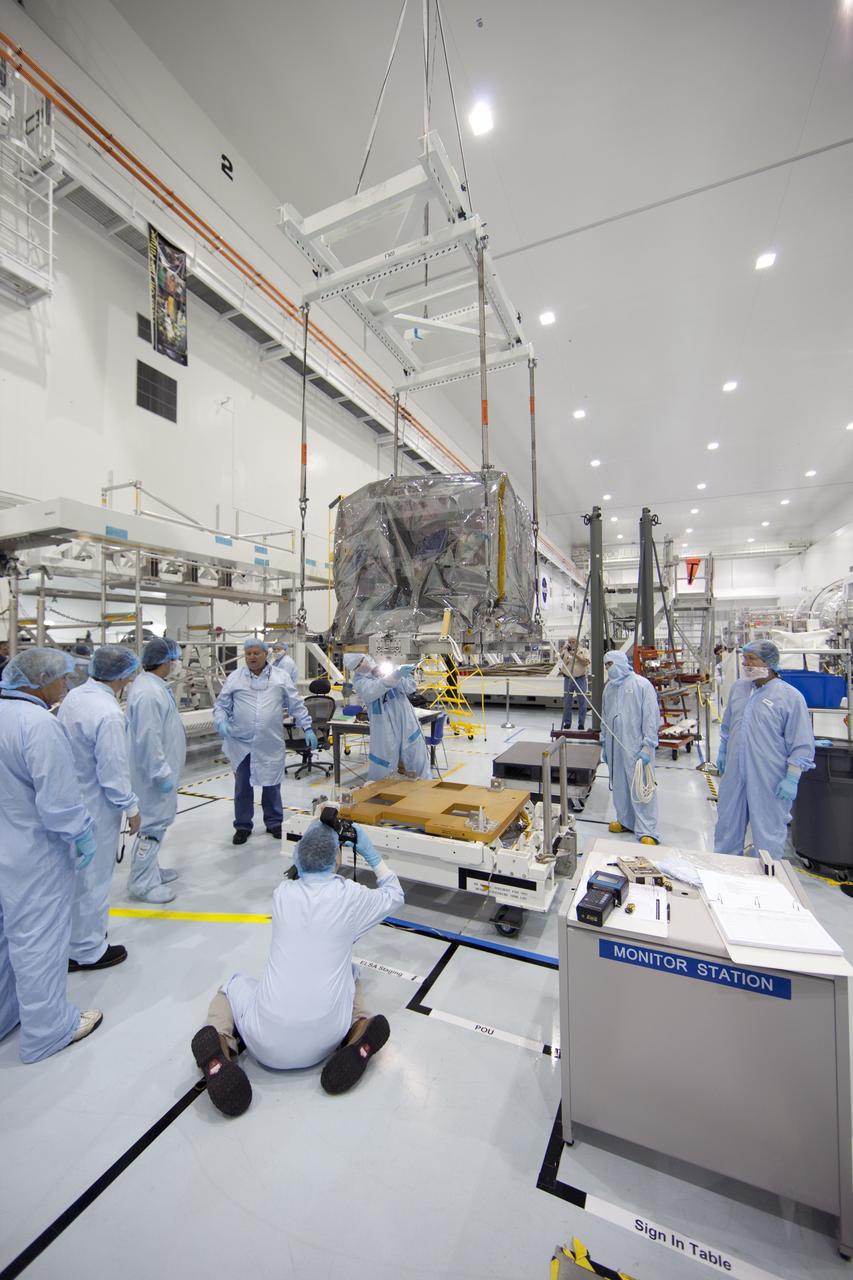
CAPE CANAVERAL, Fla. -- In the Space Station Processing Facility at NASA's Kennedy Space Center in Florida, technicians move a system that will investigate the potential for robotically refueling existing spacecraft in orbit into the Lightweight Multi-Purpose Experiment Support Structure Carrier (LMC). Called the Robotic Refueling Mission (RRM), the system is being processed to fly aboard space shuttle Atlantis in the LMC on the STS-135 mission to the International Space Station. Also going up will be the Raffaello multipurpose logistics module packed with supplies, logistics and spare parts. The mission also will return a failed ammonia pump module to help NASA better understand the failure mechanism and improve pump designs for future systems. STS-135, targeted to launch June 28, will be the 33rd flight of Atlantis, the 37th shuttle mission to the space station, and the 135th and final mission of NASA's Space Shuttle Program. For more information visit, www.nasa.gov/mission_pages/shuttle/shuttlemissions/sts135/index.html. Photo credit: NASA/Ben Smegelsky
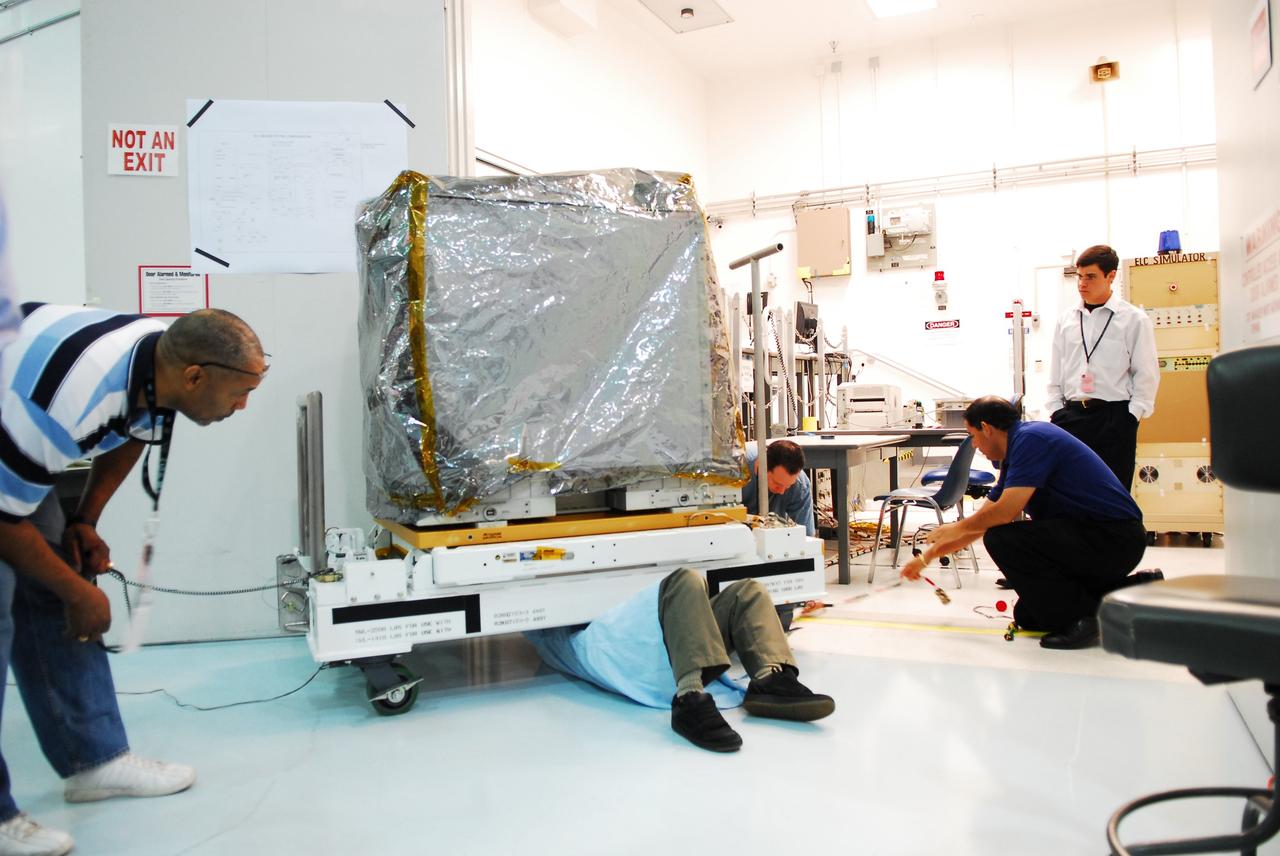
CAPE CANAVERAL, Fla. -- Technicians transport a system that will investigate the potential for robotically refueling existing spacecraft in orbit to a low bay test cell in the Space Station Processing Facility at NASA's Kennedy Space Center in Florida. Called the Robotic Refueling Mission RRM, the system will be processed to fly aboard space shuttle Atlantis on the STS-135 mission to the International Space Station. Atlantis and its STS-135 crew are scheduled to carry the Raffaello multipurpose logistics module packed with supplies, logistics and spare parts to the space station. The mission also will return a failed ammonia pump module to help NASA better understand the failure mechanism and improve pump designs for future systems. STS-135, targeted to launch June 28, will be the 33rd flight of Atlantis, the 37th shuttle mission to the space station, and the 135th and final mission of NASA's Space Shuttle Program. For more information visit, www.nasa.gov/mission_pages/shuttle/shuttlemissions/sts135/index.html. Photo credit: NASA/Jim Grossmann
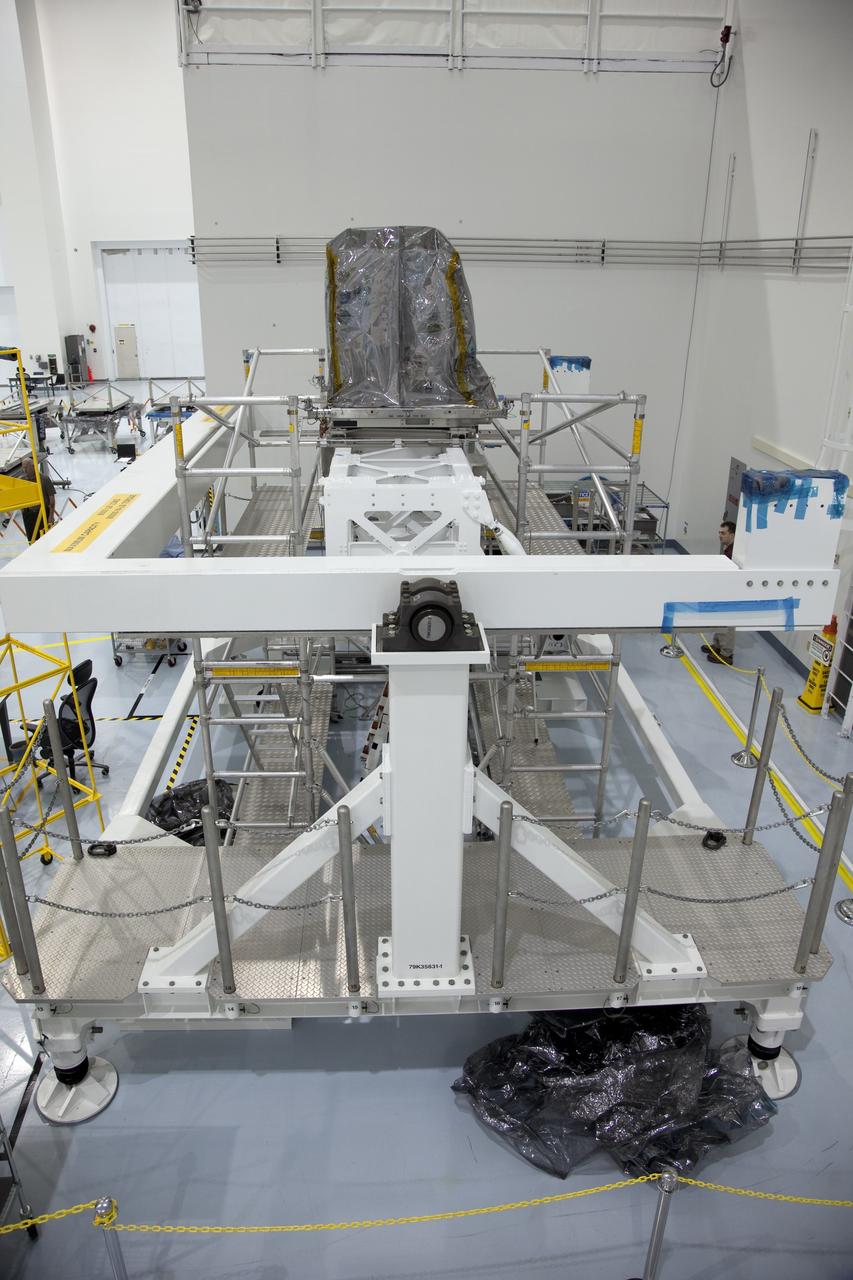
CAPE CANAVERAL, Fla. -- In the Space Station Processing Facility at NASA's Kennedy Space Center in Florida, a system that will investigate the potential for robotically refueling existing spacecraft in orbit is installed in the Lightweight Multi-Purpose Experiment Support Structure Carrier (LMC). Called the Robotic Refueling Mission (RRM), the system is being processed to fly aboard space shuttle Atlantis in the LMC on the STS-135 mission to the International Space Station. Also going up will be the Raffaello multipurpose logistics module packed with supplies, logistics and spare parts. The mission also will return a failed ammonia pump module to help NASA better understand the failure mechanism and improve pump designs for future systems. STS-135, targeted to launch June 28, will be the 33rd flight of Atlantis, the 37th shuttle mission to the space station, and the 135th and final mission of NASA's Space Shuttle Program. For more information visit, www.nasa.gov/mission_pages/shuttle/shuttlemissions/sts135/index.html. Photo credit: NASA/Ben Smegelsky

CAPE CANAVERAL, Fla. -- Technicians move a system that will investigate the potential for robotically refueling existing spacecraft in orbit from a processing lab to a high bay in the Space Station Processing Facility at NASA's Kennedy Space Center in Florida. The move prepares the system for its lift into the Lightweight Multi-Purpose Experiment Support Structure Carrier (LMC), which will carry it into orbit. Called the Robotic Refueling Mission (RRM), the system will be processed to fly aboard space shuttle Atlantis on the STS-135 mission to the International Space Station. Also going up will be the Raffaello multipurpose logistics module packed with supplies, logistics and spare parts. The mission also will return a failed ammonia pump module to help NASA better understand the failure mechanism and improve pump designs for future systems. STS-135, targeted to launch June 28, will be the 33rd flight of Atlantis, the 37th shuttle mission to the space station, and the 135th and final mission of NASA's Space Shuttle Program. For more information visit, www.nasa.gov/mission_pages/shuttle/shuttlemissions/sts135/index.html. Photo credit: NASA/Jack Pfaller
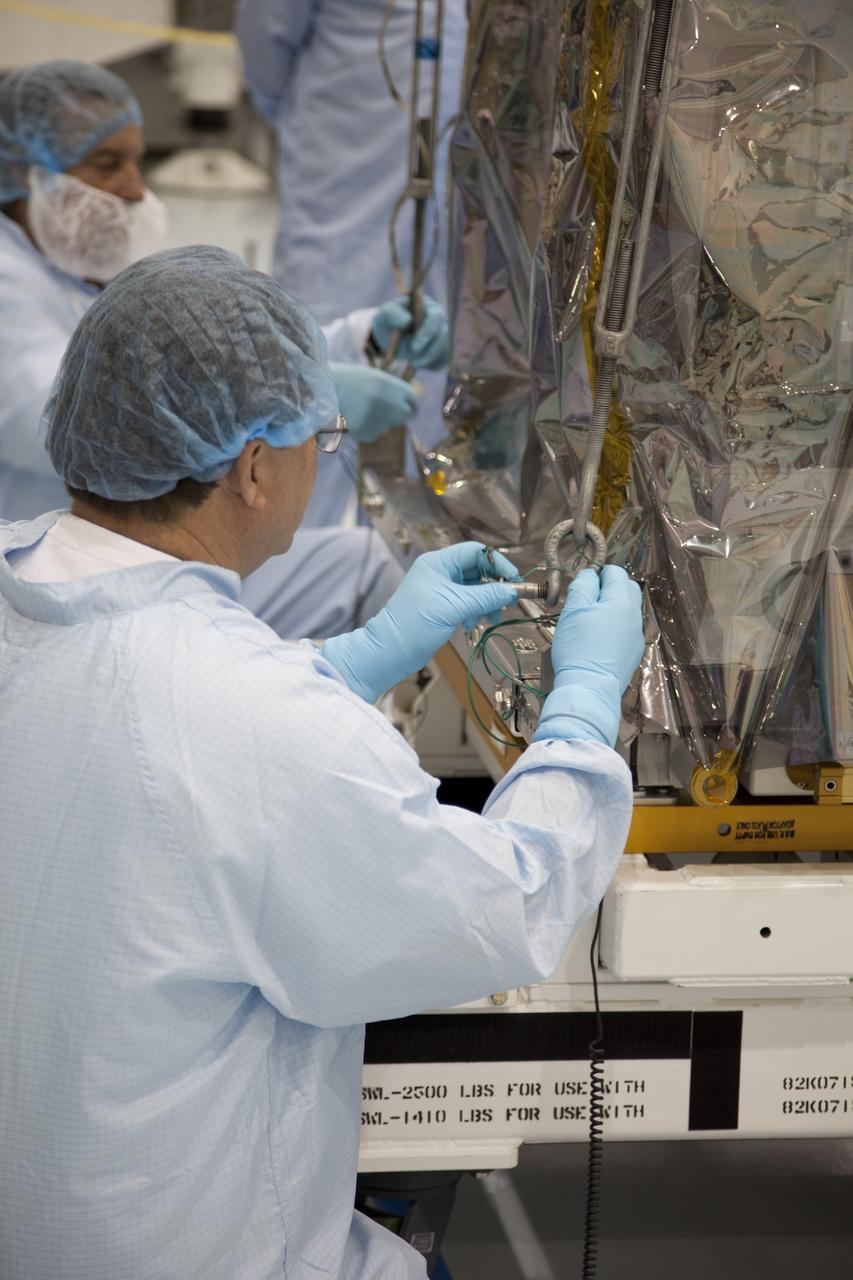
CAPE CANAVERAL, Fla. -- In the Space Station Processing Facility at NASA's Kennedy Space Center in Florida, technicians prepare to move a system that will investigate the potential for robotically refueling existing spacecraft in orbit into the Lightweight Multi-Purpose Experiment Support Structure Carrier (LMC). Called the Robotic Refueling Mission (RRM), the system is being processed to fly aboard space shuttle Atlantis in the LMC on the STS-135 mission to the International Space Station. Also going up will be the Raffaello multipurpose logistics module packed with supplies, logistics and spare parts. The mission also will return a failed ammonia pump module to help NASA better understand the failure mechanism and improve pump designs for future systems. STS-135, targeted to launch June 28, will be the 33rd flight of Atlantis, the 37th shuttle mission to the space station, and the 135th and final mission of NASA's Space Shuttle Program. For more information visit, www.nasa.gov/mission_pages/shuttle/shuttlemissions/sts135/index.html. Photo credit: NASA/Ben Smegelsky
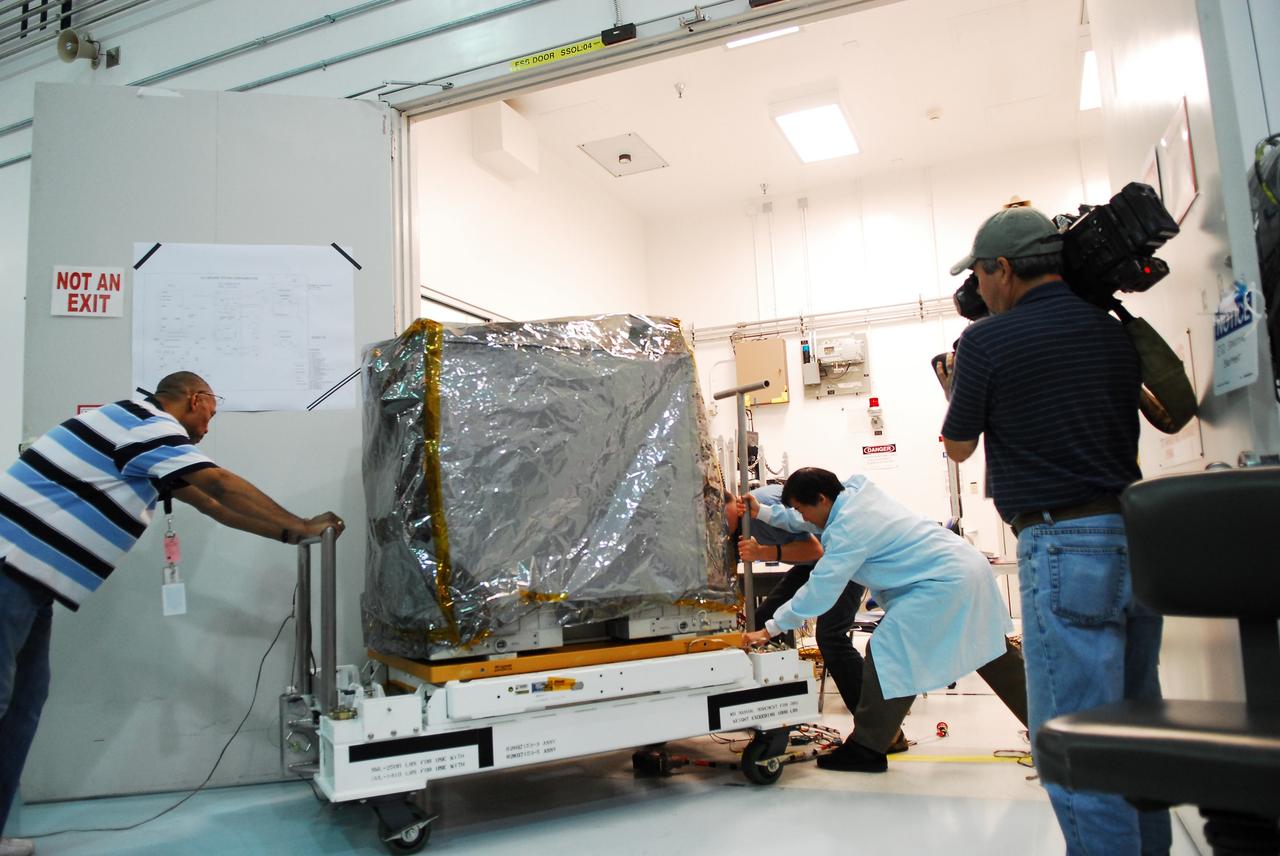
CAPE CANAVERAL, Fla. -- Technicians transport a system that will investigate the potential for robotically refueling existing spacecraft in orbit to a low bay test cell in the Space Station Processing Facility at NASA's Kennedy Space Center in Florida. Called the Robotic Refueling Mission RRM, the system will be processed to fly aboard space shuttle Atlantis on the STS-135 mission to the International Space Station. Atlantis and its STS-135 crew are scheduled to carry the Raffaello multipurpose logistics module packed with supplies, logistics and spare parts to the space station. The mission also will return a failed ammonia pump module to help NASA better understand the failure mechanism and improve pump designs for future systems. STS-135, targeted to launch June 28, will be the 33rd flight of Atlantis, the 37th shuttle mission to the space station, and the 135th and final mission of NASA's Space Shuttle Program. For more information visit, www.nasa.gov/mission_pages/shuttle/shuttlemissions/sts135/index.html. Photo credit: NASA/Jim Grossmann
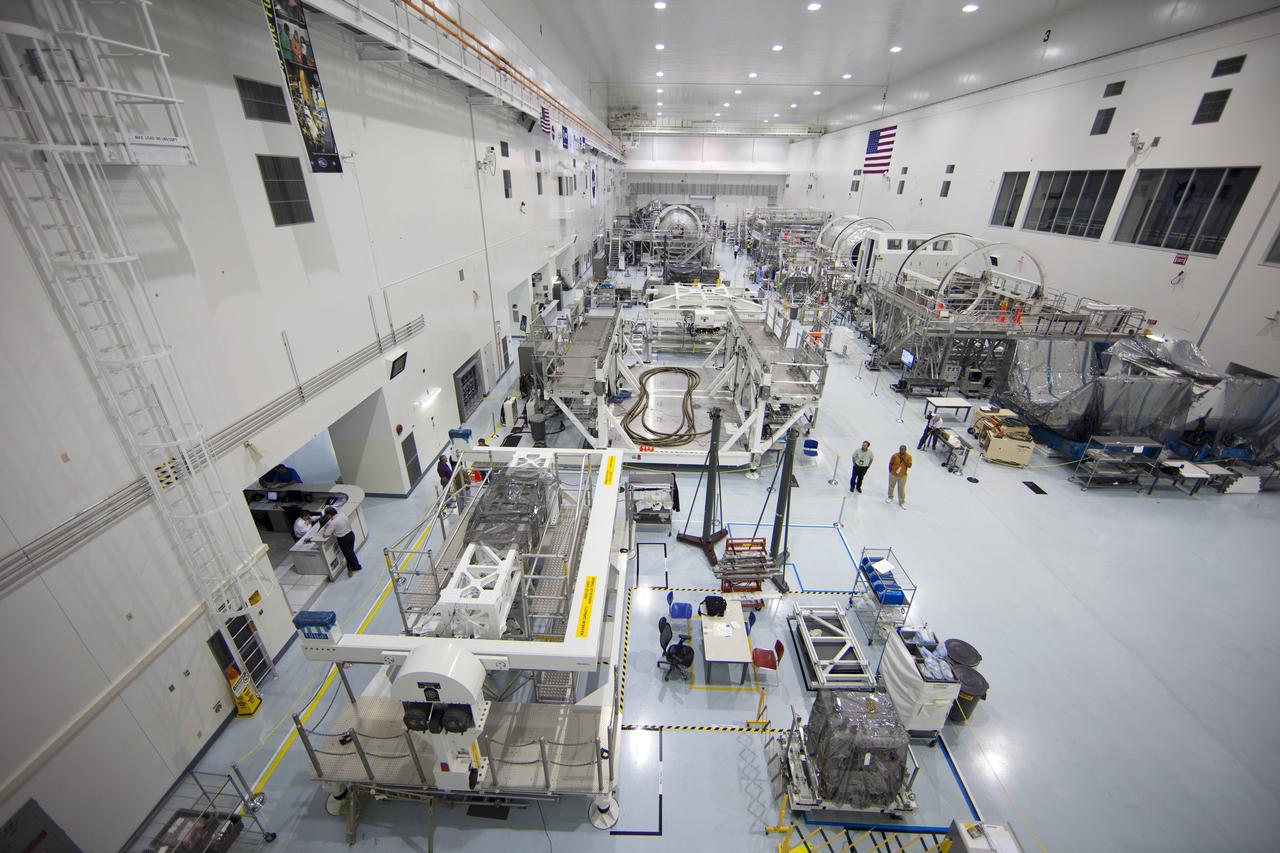
CAPE CANAVERAL, Fla. -- In the Space Station Processing Facility at NASA's Kennedy Space Center in Florida, a system that will investigate the potential for robotically refueling existing spacecraft in orbit will be moved into the Lightweight Multi-Purpose Experiment Support Structure Carrier (LMC). Called the Robotic Refueling Mission (RRM), the system is being processed to fly aboard space shuttle Atlantis in the LMC on the STS-135 mission to the International Space Station. Also going up will be the Raffaello multipurpose logistics module packed with supplies, logistics and spare parts. The mission also will return a failed ammonia pump module to help NASA better understand the failure mechanism and improve pump designs for future systems. STS-135, targeted to launch June 28, will be the 33rd flight of Atlantis, the 37th shuttle mission to the space station, and the 135th and final mission of NASA's Space Shuttle Program. For more information visit, www.nasa.gov/mission_pages/shuttle/shuttlemissions/sts135/index.html. Photo credit: NASA/Ben Smegelsky
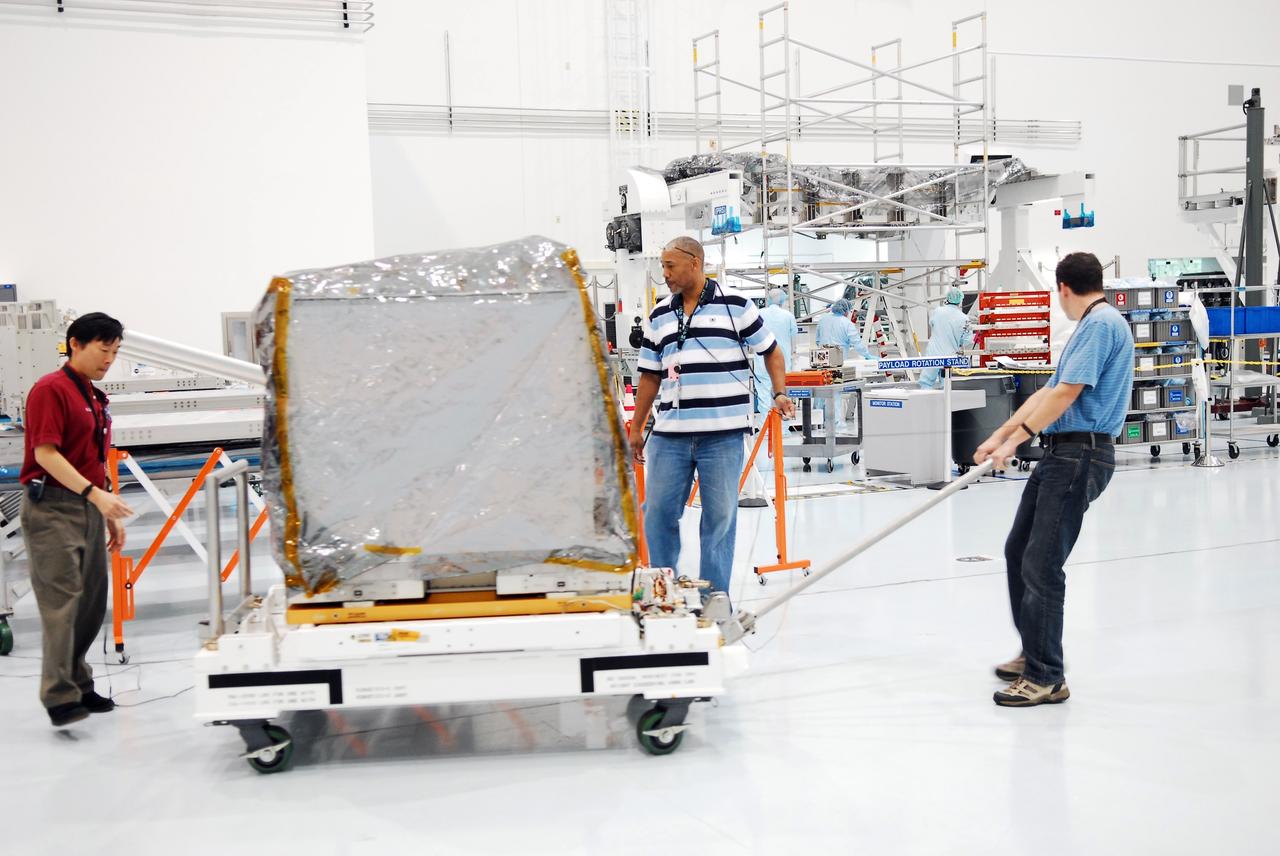
CAPE CANAVERAL, Fla. -- Technicians transport a system that will investigate the potential for robotically refueling existing spacecraft in orbit to a low bay test cell in the Space Station Processing Facility at NASA's Kennedy Space Center in Florida. Called the Robotic Refueling Mission RRM, the system will be processed to fly aboard space shuttle Atlantis on the STS-135 mission to the International Space Station. Atlantis and its STS-135 crew are scheduled to carry the Raffaello multipurpose logistics module packed with supplies, logistics and spare parts to the space station. The mission also will return a failed ammonia pump module to help NASA better understand the failure mechanism and improve pump designs for future systems. STS-135, targeted to launch June 28, will be the 33rd flight of Atlantis, the 37th shuttle mission to the space station, and the 135th and final mission of NASA's Space Shuttle Program. For more information visit, www.nasa.gov/mission_pages/shuttle/shuttlemissions/sts135/index.html. Photo credit: NASA/Jim Grossmann