
Astronomers using NASA Hubble Space Telescope stumbled upon a mysterious object that grudgingly yielded clues to its identity. The object is classified as a planetary nebula, the glowing remains of a dying, lightweight star.
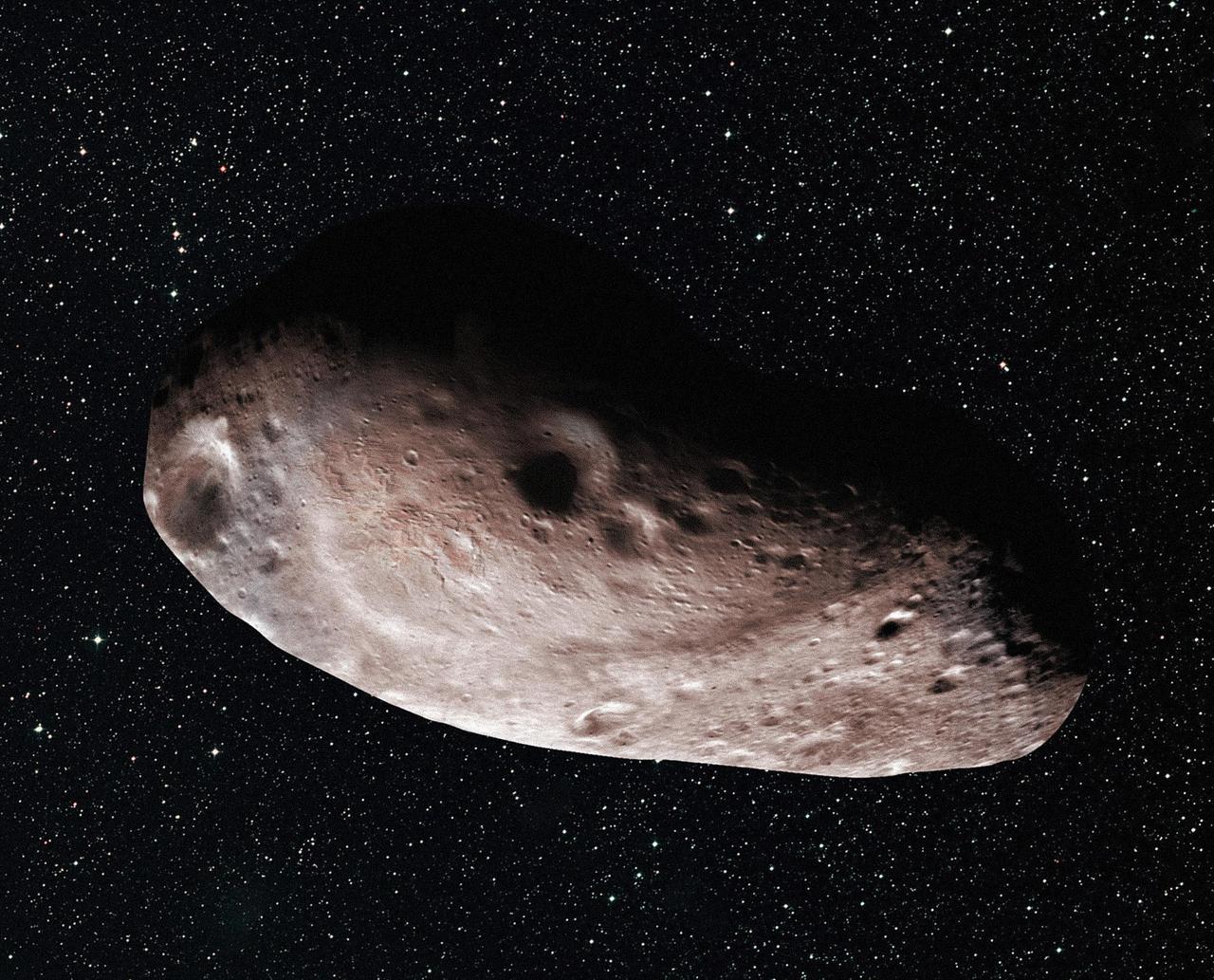
Artist's concept of Kuiper Belt object 2014 MU69, which is the next flyby target for NASA's New Horizons mission. Scientists speculate that the Kuiper Belt object could be a single body (above) with a large chunk taken out of it, or two bodies that are close together or even touching. https://photojournal.jpl.nasa.gov/catalog/PIA21868
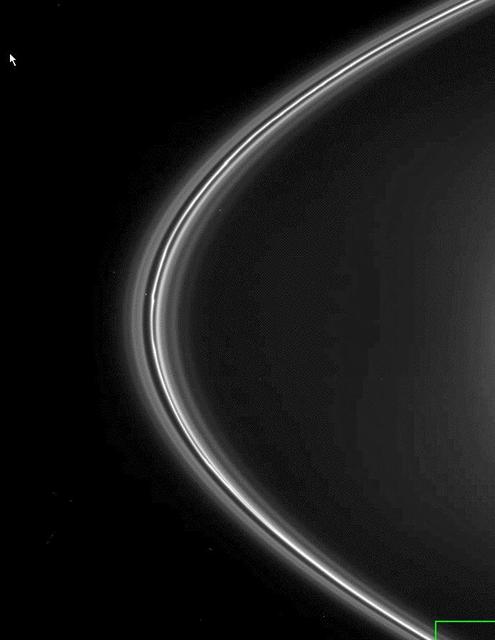
Unidentified F Ring Objects
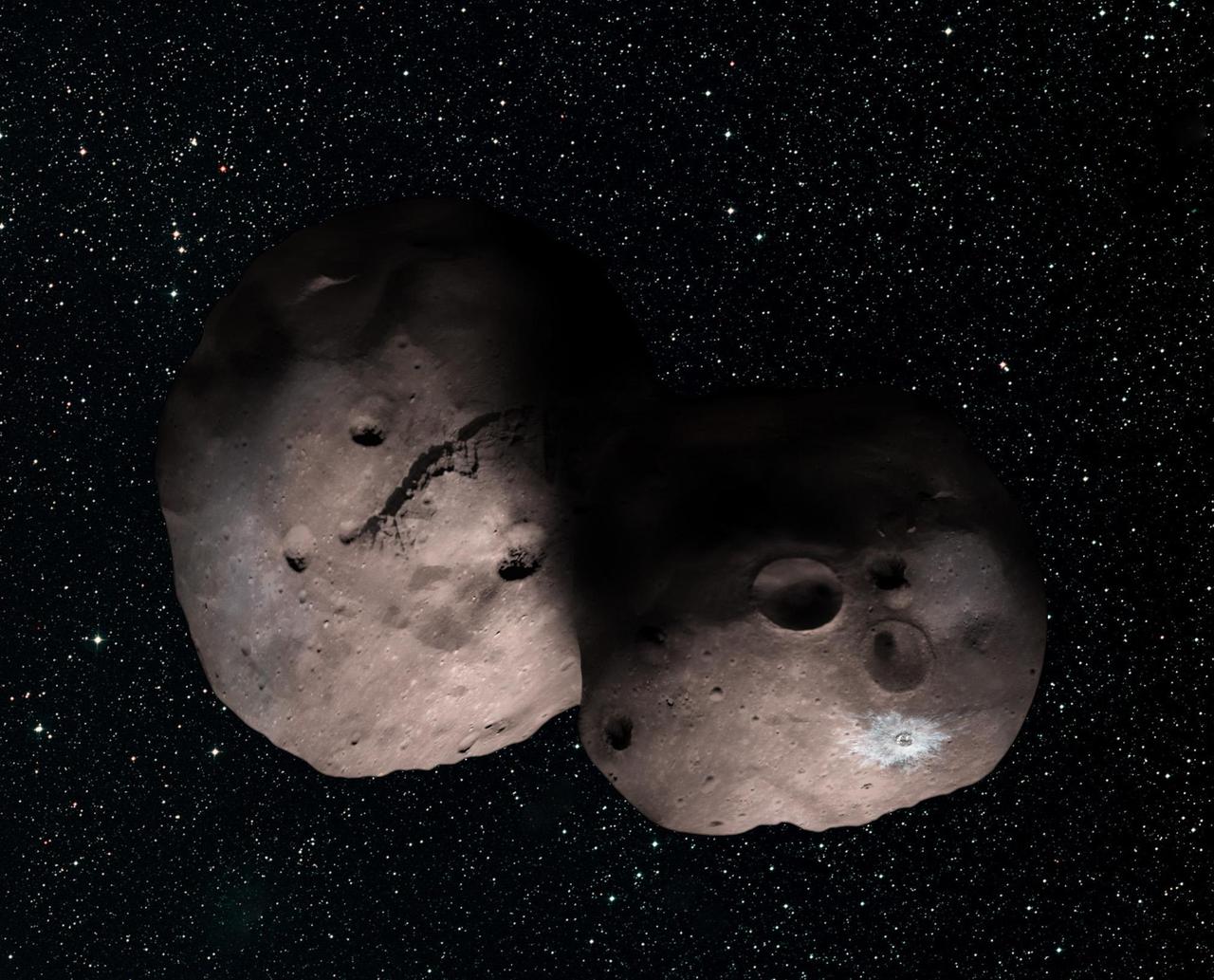
This is one artist's concept of Kuiper Belt object 2014 MU69, the next flyby target for NASA's New Horizons mission. This binary concept is based on telescope observations made at Patagonia, Argentina, on July 17, 2017, when MU69 passed in front of a star. New Horizons scientists theorize that it could be a single body with a large chunk taken out of it, or two bodies that are close together or even touching. https://photojournal.jpl.nasa.gov/catalog/PIA21867
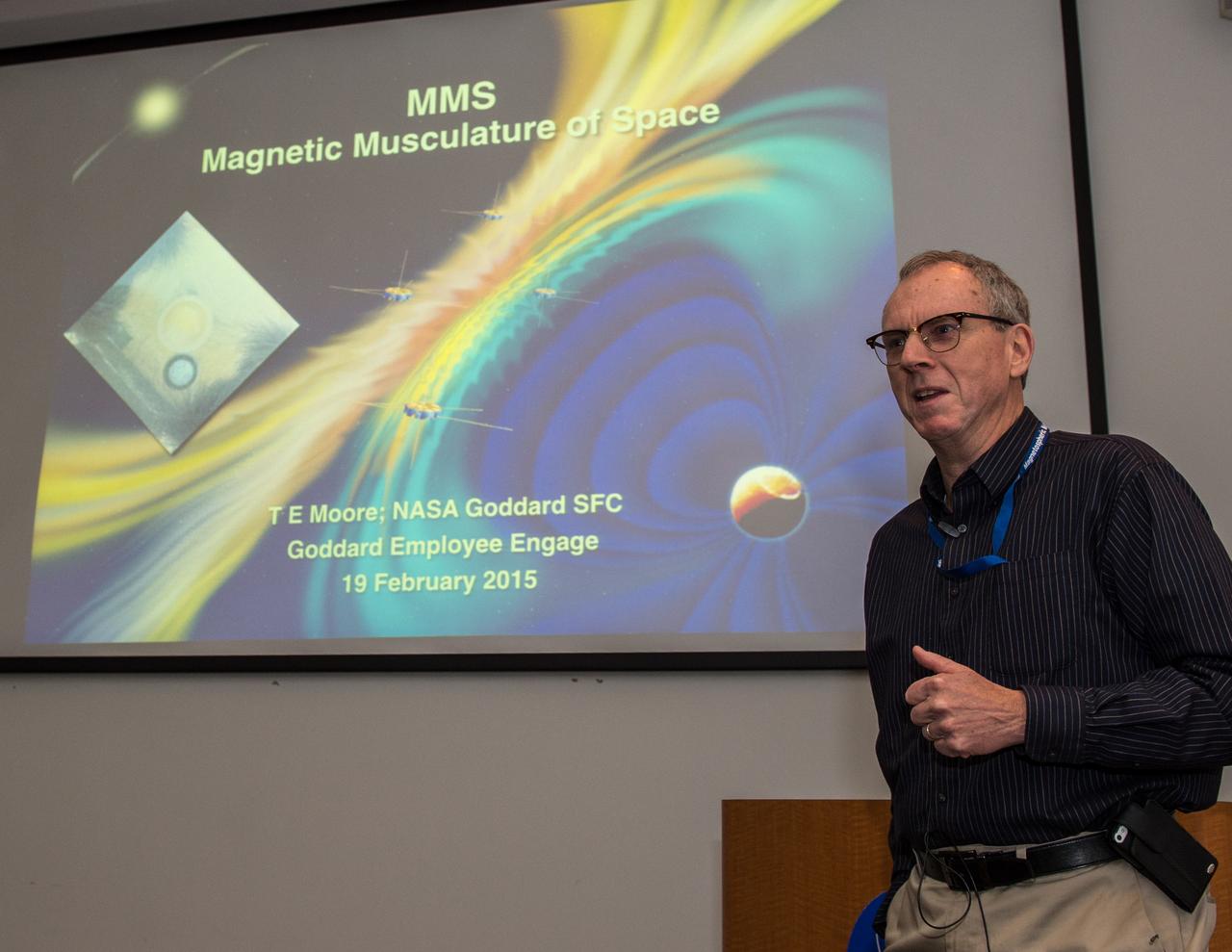
Dr. Tom Moore discusses the MMS mission objectives, Engage series,

These artist concepts show some of the best known objects found outside Neptune orbit. Included are Pluto and fellow plutinos, Kuiper Belt Objects, and an Oort Cloud object.
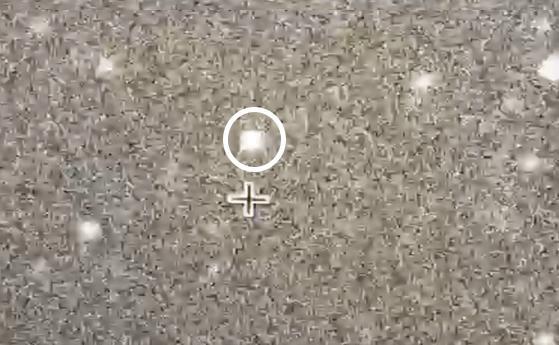
NASA's New Horizons team trained mobile telescopes on an unnamed star (circled) from a remote area of Argentina on July 17, 2017. A Kuiper Belt object 4.1 billion miles from Earth -- known as 2014 MU69 -- briefly blocked the light from the background star, in what's known as an occultation. The time difference between frames is 200 milliseconds, or 0.2 seconds. This data will help scientists better measure the shape, size and environment around the object. The New Horizons spacecraft will fly by this ancient relic of solar system formation on Jan. 1, 2019. It will be the most distant object ever explored by a spacecraft. A video is available at https://photojournal.jpl.nasa.gov/catalog/PIA21865
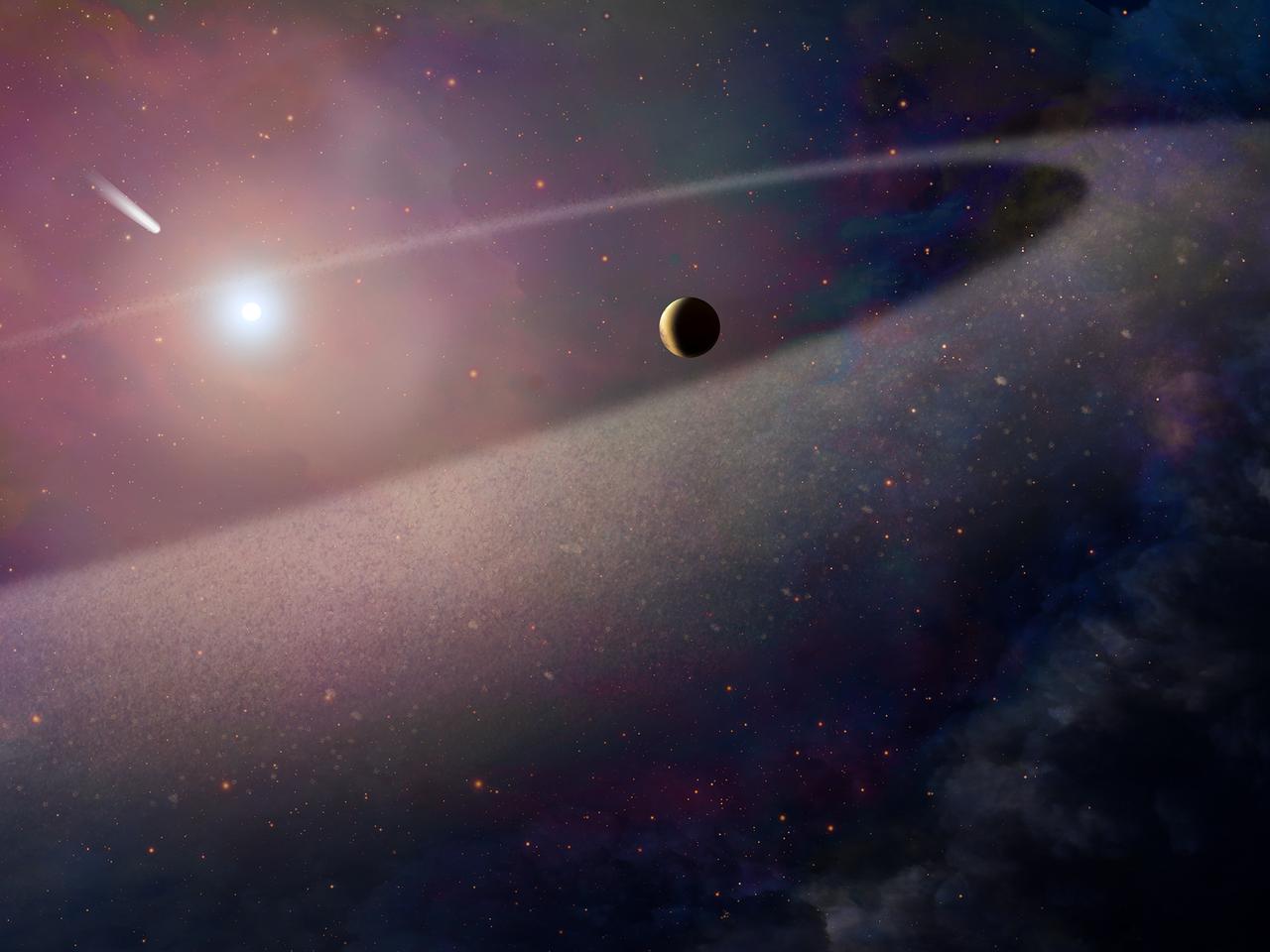
For the first time, scientists using NASA’s Hubble Space Telescope have witnessed a massive object with the makeup of a comet being ripped apart and scattered in the atmosphere of a white dwarf, the burned-out remains of a compact star. The object has a chemical composition similar to Halley’s Comet, but it is 100,000 times more massive and has a much higher amount of water. It is also rich in the elements essential for life, including nitrogen, carbon, oxygen, and sulfur. These findings are evidence for a belt of comet-like bodies orbiting the white dwarf, similar to our solar system’s Kuiper Belt. These icy bodies apparently survived the star’s evolution as it became a bloated red giant and then collapsed to a small, dense white dwarf. Caption: This artist's concept shows a massive, comet-like object falling toward a white dwarf. New Hubble Space Telescope findings are evidence for a belt of comet-like bodies orbiting the white dwarf, similar to our solar system's Kuiper Belt. The findings also suggest the presence of one or more unseen surviving planets around the white dwarf, which may have perturbed the belt to hurl icy objects into the burned-out star. Credits: NASA, ESA, and Z. Levay (STScI) <b><a href="http://www.nasa.gov/audience/formedia/features/MP_Photo_Guidelines.html" rel="nofollow">NASA image use policy.</a></b> <b><a href="http://www.nasa.gov/centers/goddard/home/index.html" rel="nofollow">NASA Goddard Space Flight Center</a></b> enables NASA’s mission through four scientific endeavors: Earth Science, Heliophysics, Solar System Exploration, and Astrophysics. Goddard plays a leading role in NASA’s accomplishments by contributing compelling scientific knowledge to advance the Agency’s mission. <b>Follow us on <a href="http://twitter.com/NASAGoddardPix" rel="nofollow">Twitter</a></b> <b>Like us on <a href="http://www.facebook.com/pages/Greenbelt-MD/NASA-Goddard/395013845897?ref=tsd" rel="nofollow">Facebook</a></b> <b>Find us on <a href="http://instagrid.me/nasagoddard/?vm=grid" rel="nofollow">Instagram</a></b>
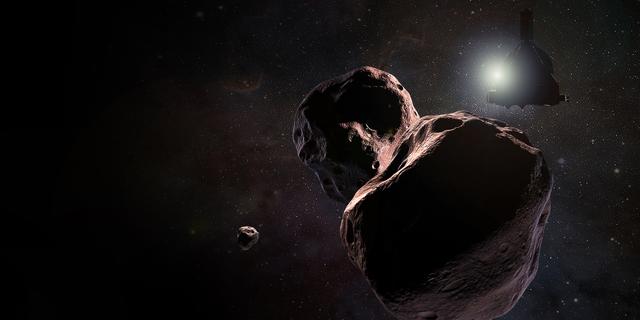
Artist's impression of NASA's New Horizons spacecraft encountering 2014 MU69, a Kuiper Belt object that orbits one billion miles (1.6 billion kilometers) beyond Pluto, on Jan. 1, 2019. https://photojournal.jpl.nasa.gov/catalog/PIA22190
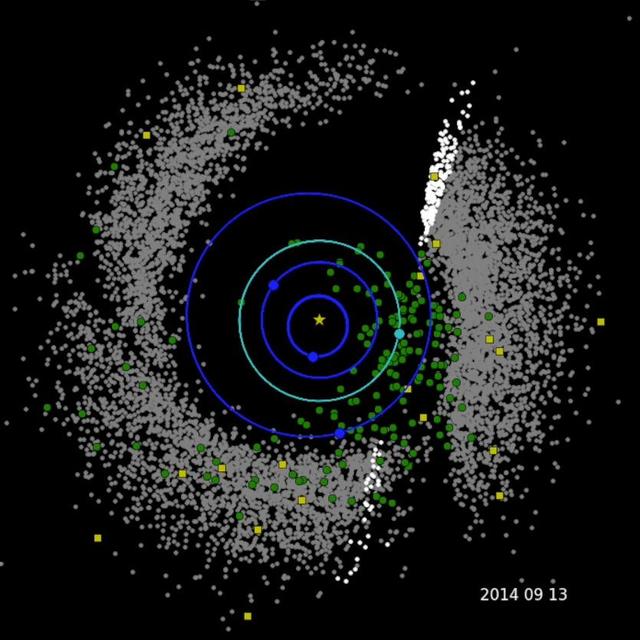
This frame from a movie shows the progression of NASA's Near-Earth Object Wide-field Survey Explorer (NEOWISE) investigation for the mission's first three years following its restart in December 2013. Green circles represent near-Earth objects (asteroids and comets that come within 1.3 astronomical units of the sun; one astronomical unit is Earth's distance from the sun). Yellow squares represent comets. Gray dots represent all other asteroids, which are mostly in the main asteroid belt between Mars and Jupiter. The orbits of Mercury, Venus, Earth and Mars are shown. The spacecraft has characterized a total of 693 near-Earth objects since the mission was restarted in December 2013. Of these, 114 are new discoveries. A movie is avaiable at https://photojournal.jpl.nasa.gov/catalog/PIA21653
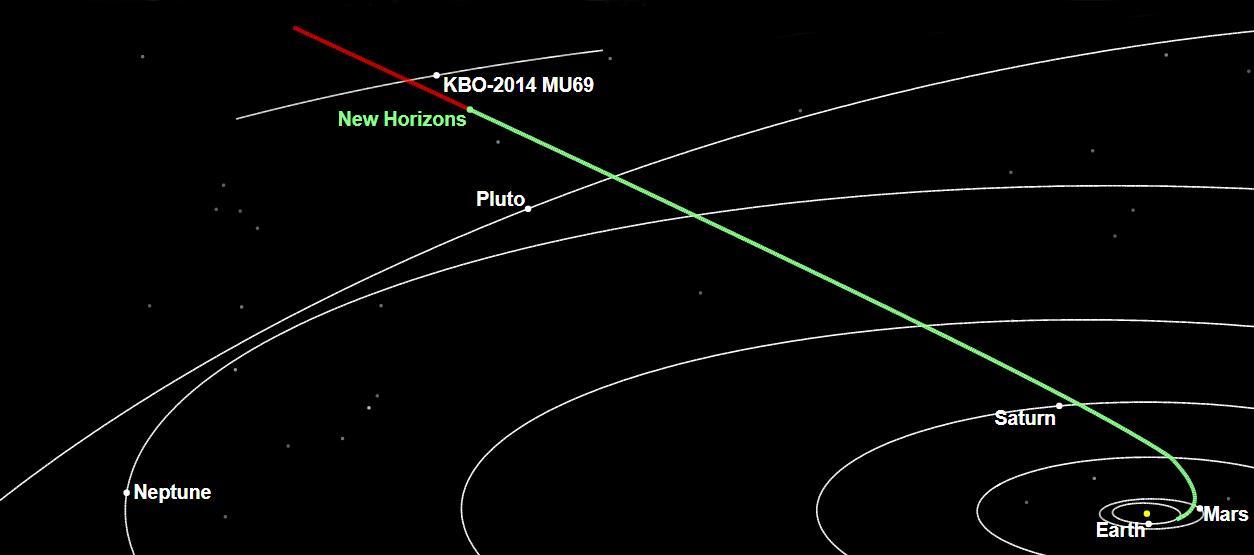
The New Horizons spacecraft is about 300 million miles (483 million kilometers) from 2014 MU69, the Kuiper Belt object it will encounter on Jan. 1, 2019. https://photojournal.jpl.nasa.gov/catalog/PIA22188
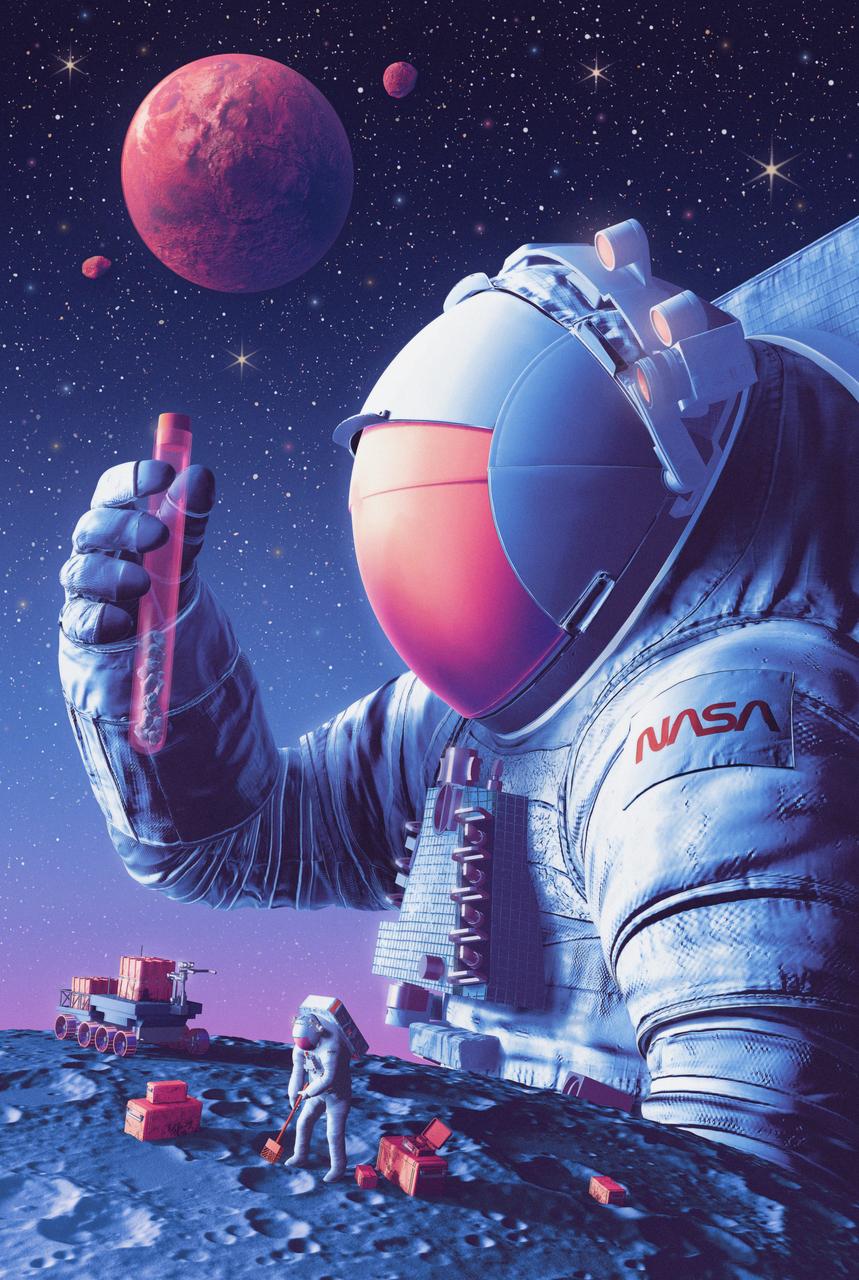
This illustration of Moon to Mars multidisciplinary science shows astronauts collecting and analyzing lunar regolith. NASA’s Moon to Mars Objectives establish an objectives-based approach to the agency's human deep space exploration efforts; NASA’s Moon to Mars Architecture approach distills the objectives into operational capabilities and elements.
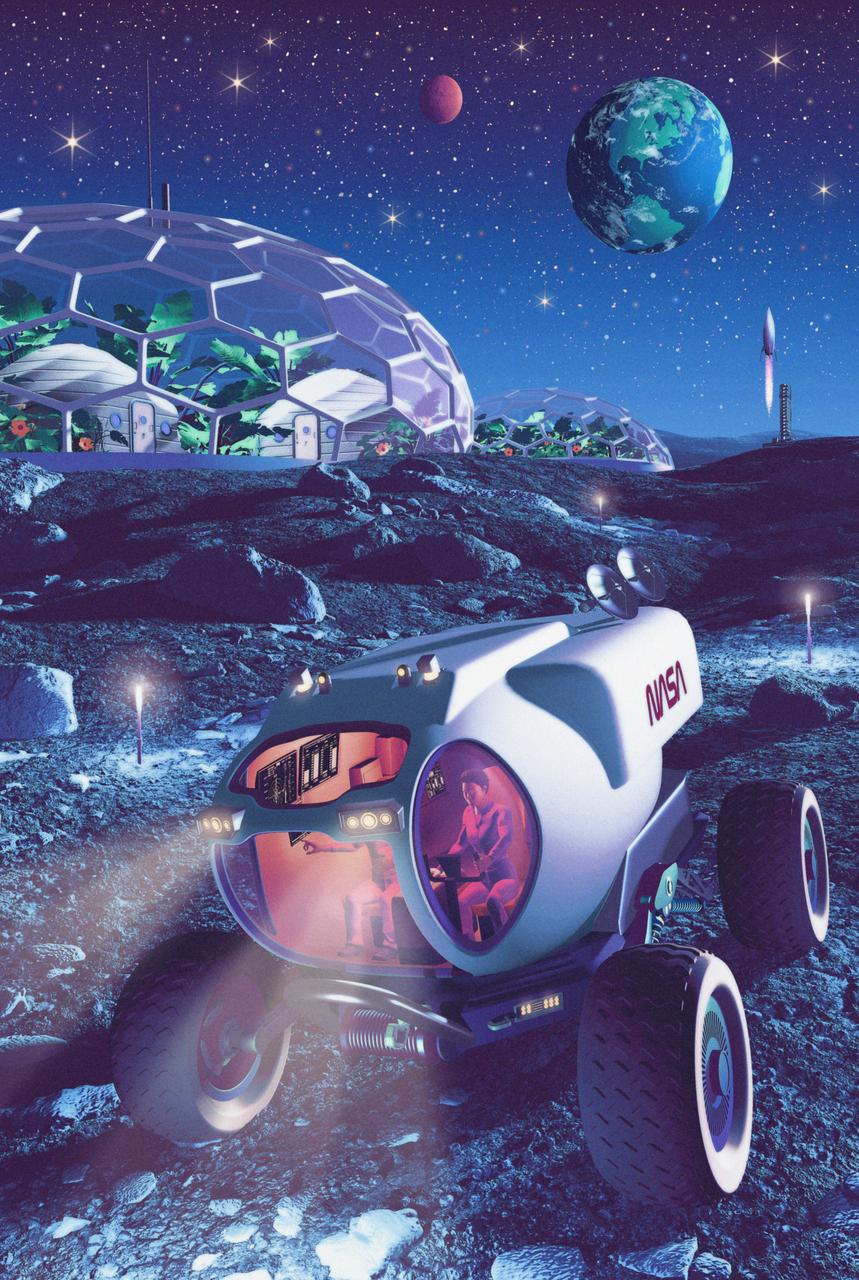
This illustration of Moon to Mars transportation and habitation shows astronauts driving a pressurized rover away from the dome of a translucent lunar habitat. NASA’s Moon to Mars Objectives establish an objectives-based approach to the agency's human deep space exploration efforts; NASA’s Moon to Mars Architecture approach distills the objectives into operational capabilities and elements.
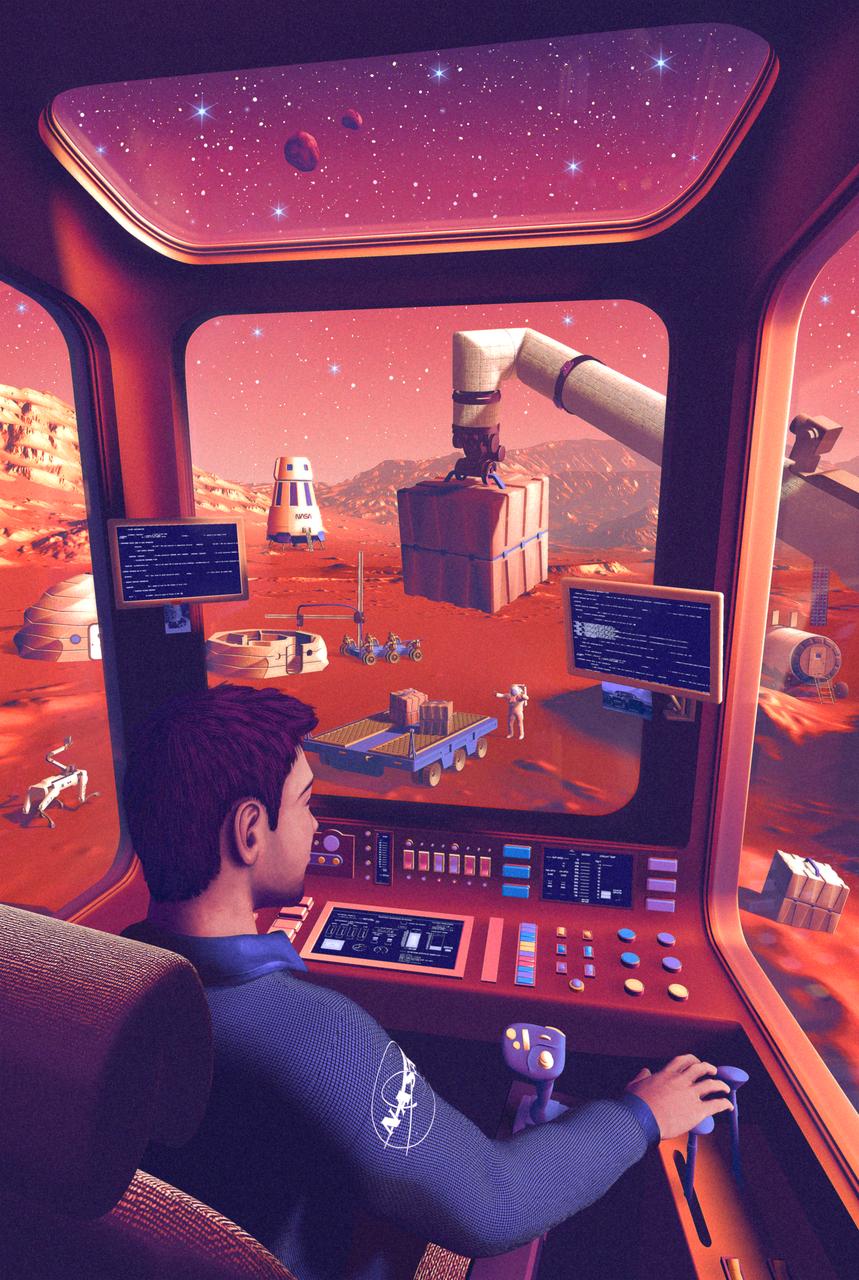
This illustration of Moon to Mars operations shows an astronaut piloting a robotic arm to manipulate cargo on Mars. NASA’s Moon to Mars Objectives establish an objectives-based approach to the agency's human deep space exploration efforts; NASA’s Moon to Mars Architecture approach distills the objectives into operational capabilities and elements.
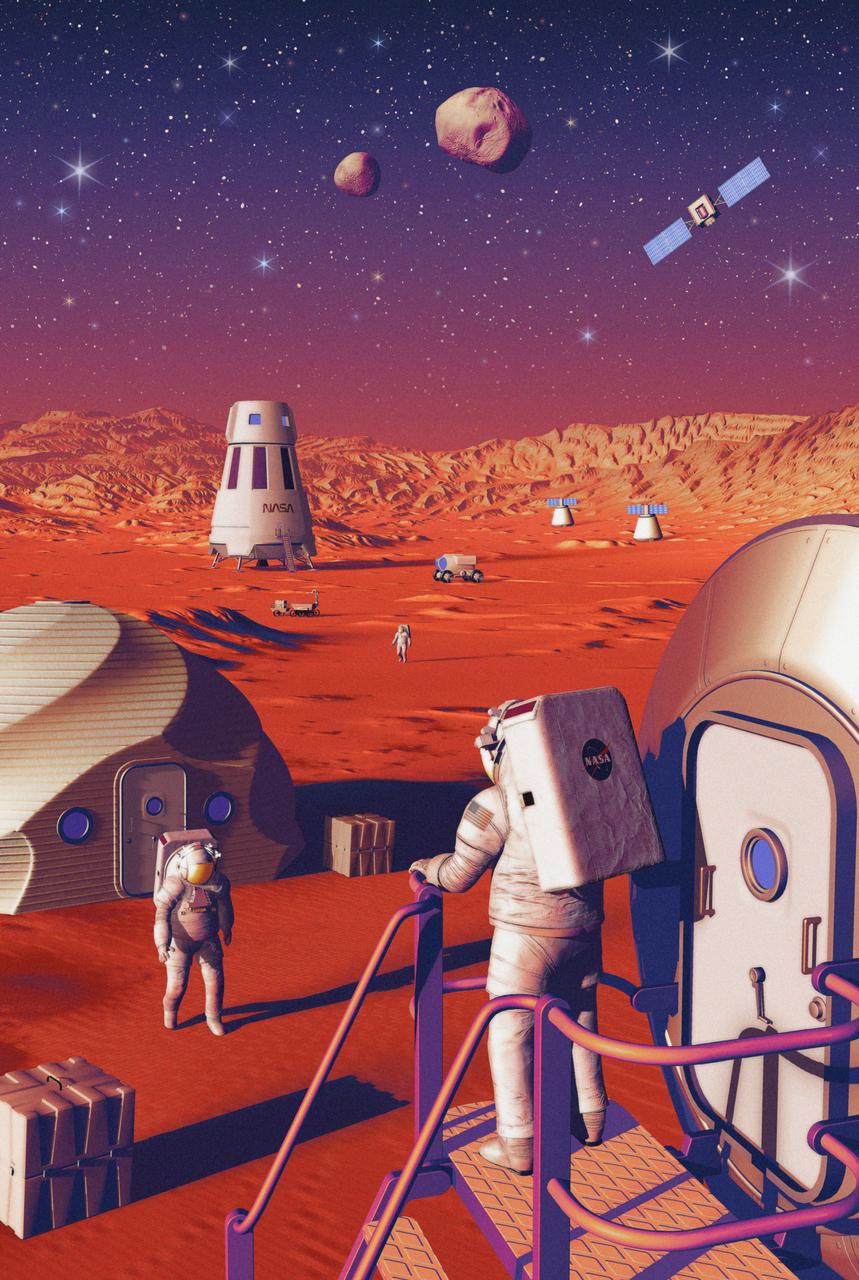
This illustration of Moon to Mars infrastructure shows astronauts living and working on the surface of Mars. NASA’s Moon to Mars Objectives establish an objectives-based approach to the agency's human deep space exploration efforts; NASA’s Moon to Mars Architecture approach distills the objectives into operational capabilities and elements.
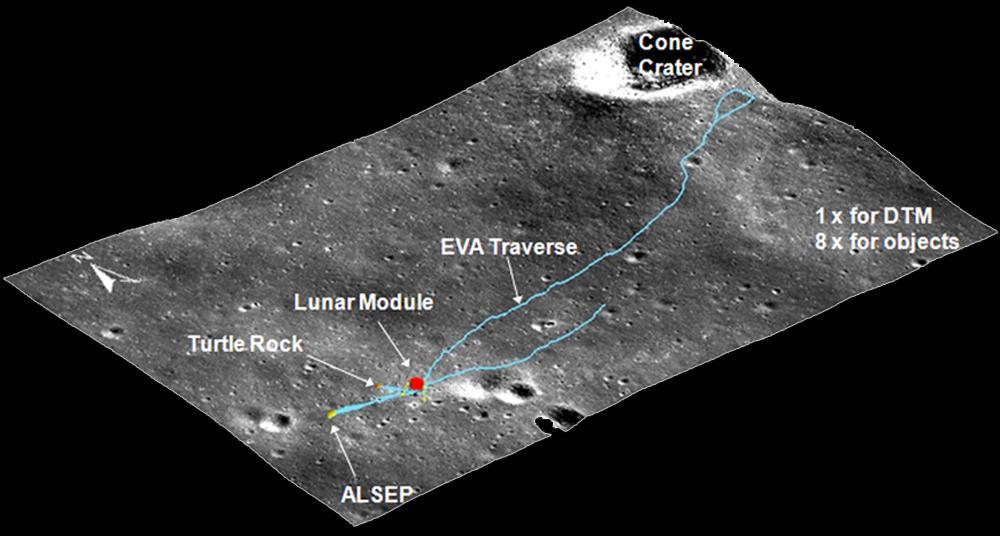
Precise 3D Measurements of Objects at Apollo 14 Landing Site
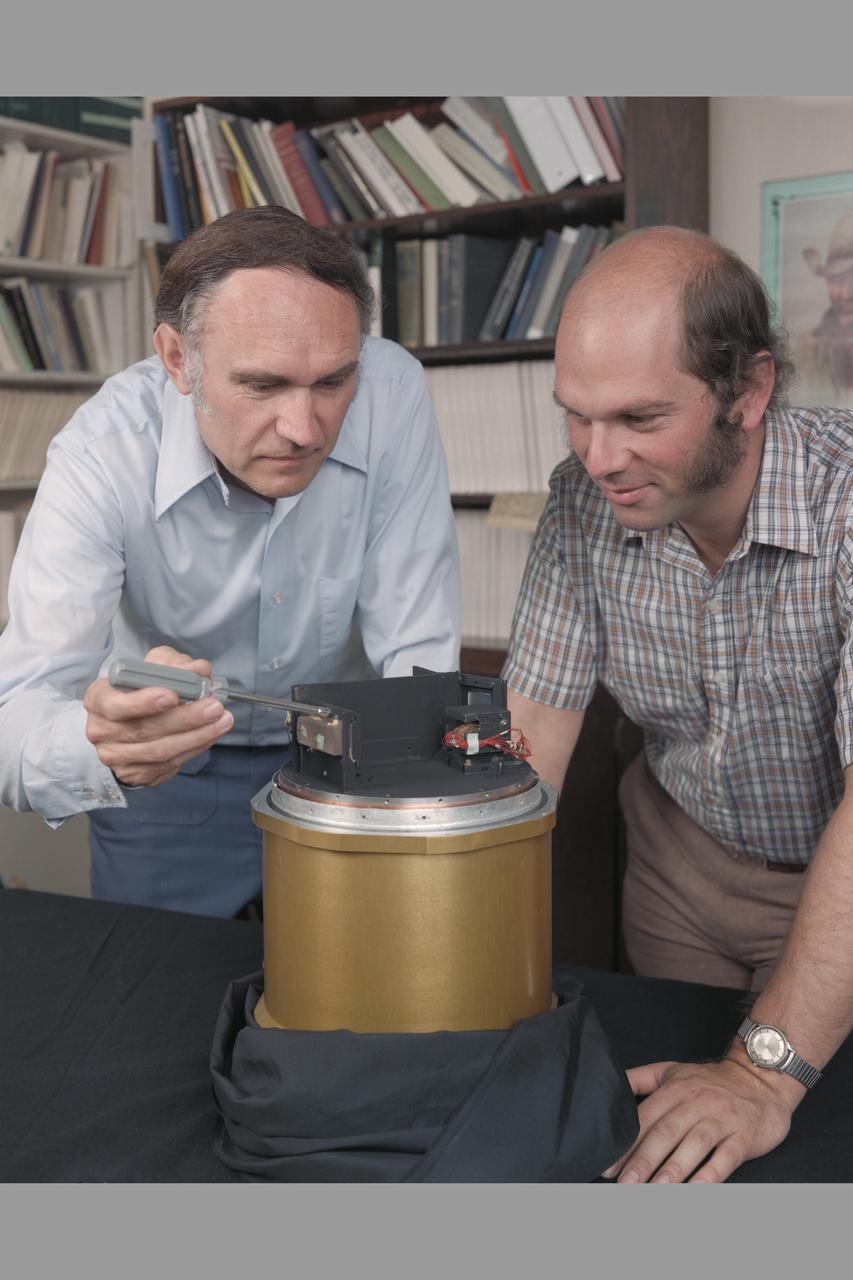
Laser Faint Object Grating Spectrometer (Frogs) with F. Witteborn and Jesse Bregman.
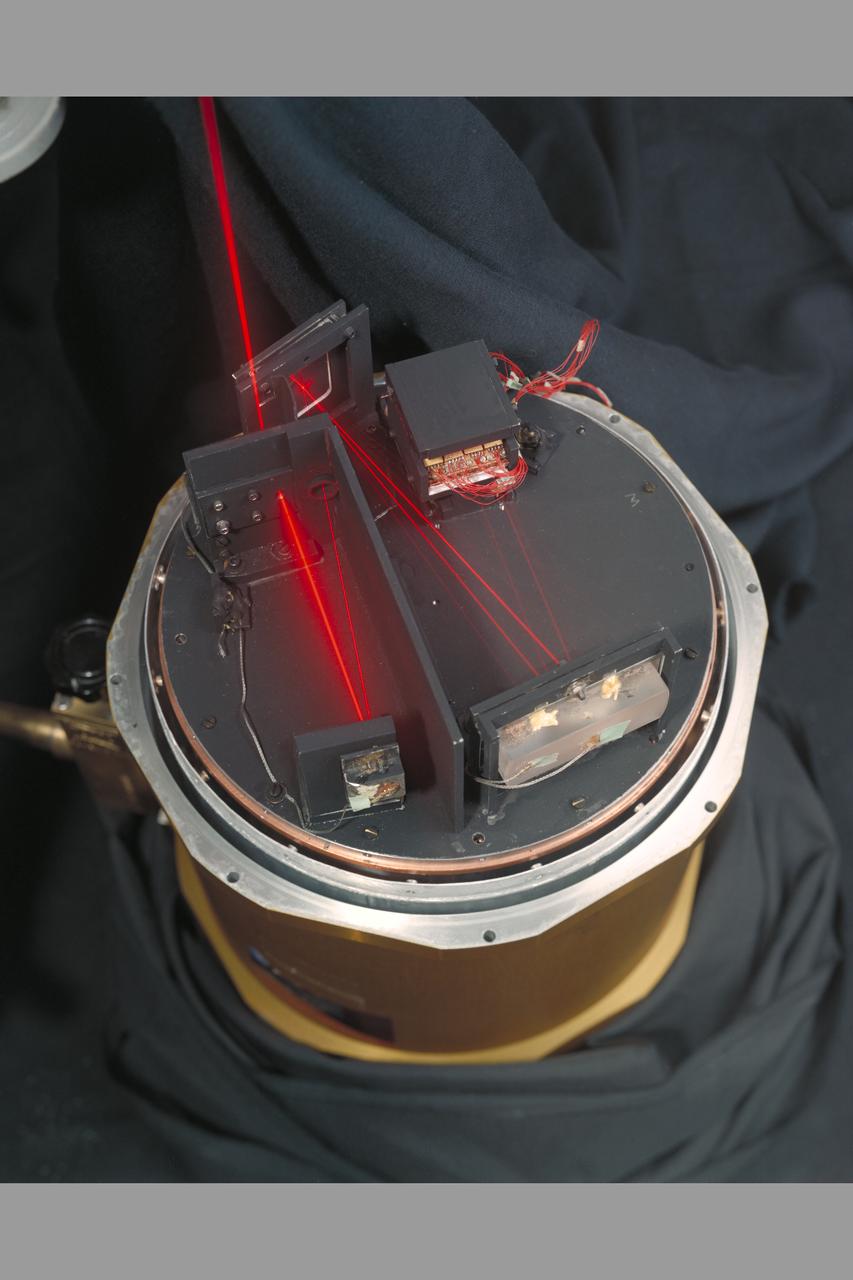
Laser Faint Object Grating Spectrometer (Frogs) with F. Witteborn and Jesse Bregman.
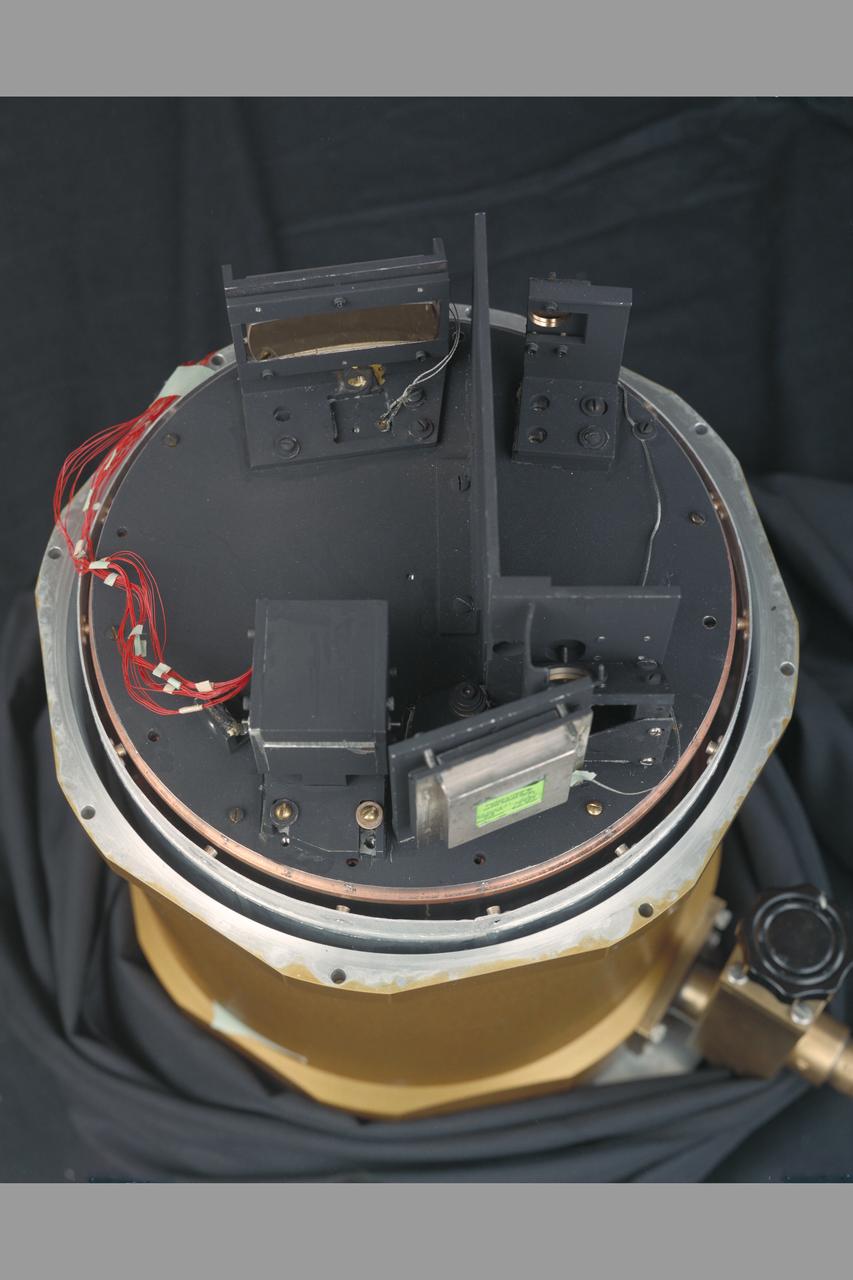
Laser Faint Object Grating Spectrometer (Frogs) with F. Witteborn and Jesse Bregman.
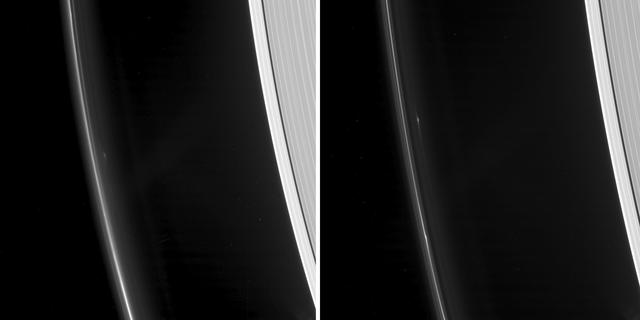
As NASA's Cassini spacecraft continues its weekly ring-grazing orbits, diving just past the outside of Saturn F ring, it is tracking several small, persistent objects there. These images show two such objects that Cassini originally detected in spring 2016, as the spacecraft transitioned from more equatorial orbits to orbits at increasingly high inclination about the planet's equator. Imaging team members studying these objects gave them the informal designations F16QA (right image) and F16QB (left image). The researchers have observed that objects such as these occasionally crash through the F ring's bright core, producing spectacular collisional structures.While these objects may be mostly loose agglomerations of tiny ring particles, scientists suspect that small, fairly solid bodies lurk within each object, given that they have survived several collisions with the ring since their discovery. The faint retinue of dust around them is likely the result of the most recent collision each underwent before these images were obtained. The researchers think these objects originally form as loose clumps in the F ring core as a result of perturbations triggered by Saturn's moon Prometheus. . If they survive subsequent encounters with Prometheus, their orbits can evolve, eventually leading to core-crossing clumps that produce spectacular features, even though they collide with the ring at low speeds. The images were obtained using the Cassini spacecraft narrow-angle camera on Feb. 5, 2017, at a distance of 610,000 miles (982,000 kilometers, left image) and 556,000 miles (894,000 kilometers, right image) from the F ring. Image scale is about 4 miles (6 kilometers) per pixel. http://photojournal.jpl.nasa.gov/catalog/PIA21432

Star clusters such as the Pleiades are often considered some of the most beautiful objects in the sky. This image of the star cluster NGC 2259 is from NASA Wide-field Infrared Survey Explorer.
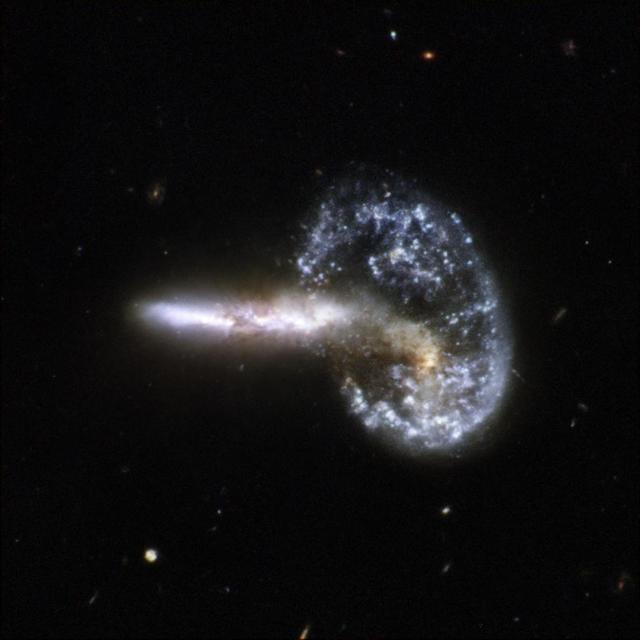
Arp 148 is nicknamed Mayall object and is located in the constellation of Ursa Major, the Great Bear, about 500 million light-years away. This image is part of a large collection of images of merging galaxies taken by NASA Hubble Space Telescope.
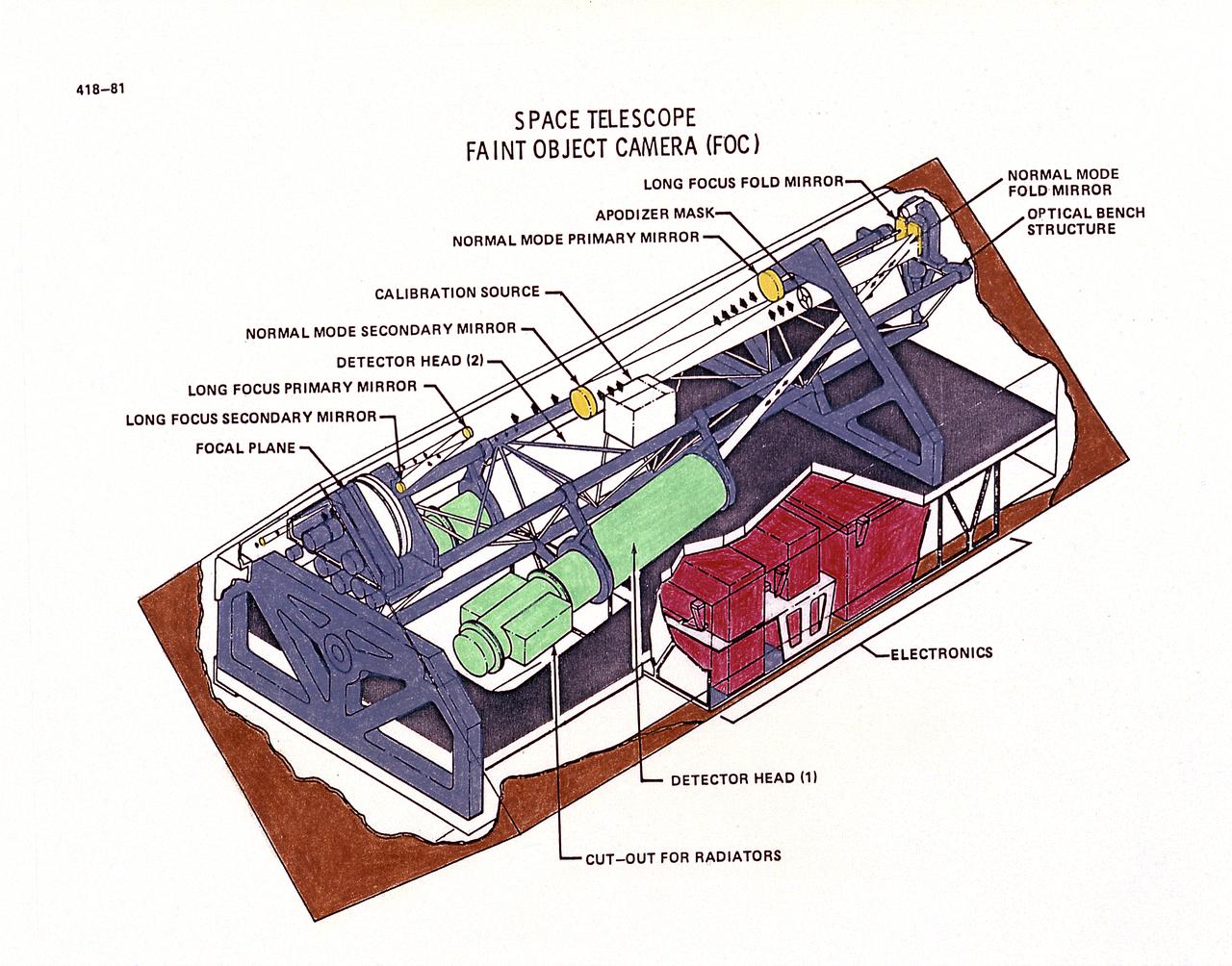
This drawing illustrates Hubble Space Telescope's (HST's), Faint Object Camera (FOC). The FOC reflects light down one of two optical pathways. The light enters a detector after passing through filters or through devices that can block out light from bright objects. Light from bright objects is blocked out to enable the FOC to see background images. The detector intensifies the image, then records it much like a television camera. For faint objects, images can be built up over long exposure times. The total image is translated into digital data, transmitted to Earth, and then reconstructed. The purpose of the HST, the most complex and sensitive optical telescope ever made, is to study the cosmos from a low-Earth orbit. By placing the telescope in space, astronomers are able to collect data that is free of the Earth's atmosphere. The HST detects objects 25 times fainter than the dimmest objects seen from Earth and provides astronomers with an observable universe 250 times larger than visible from ground-based telescopes, perhaps as far away as 14 billion light-years. The HST views galaxies, stars, planets, comets, possibly other solar systems, and even unusual phenomena such as quasars, with 10 times the clarity of ground-based telescopes. The HST was deployed from the Space Shuttle Discovery (STS-31 mission) into Earth orbit in April 1990. The Marshall Space Flight Center had responsibility for design, development, and construction of the HST. The Perkin-Elmer Corporation, in Danbury, Cornecticut, developed the optical system and guidance sensors.
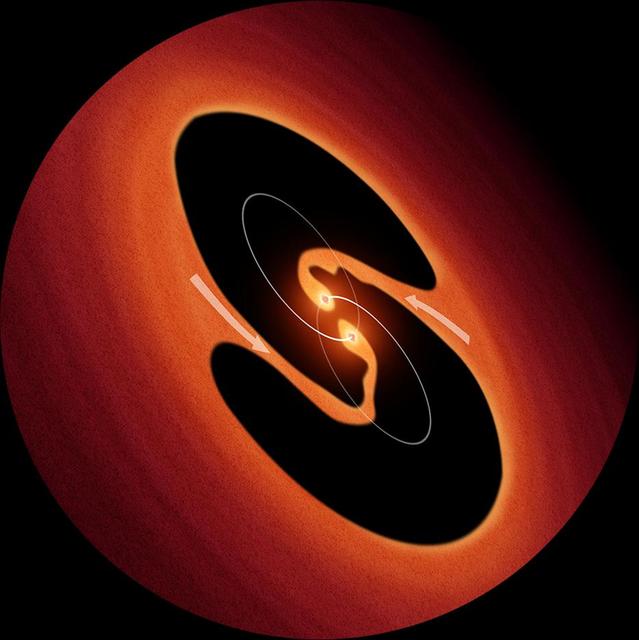
Two young binary stars may be the source of mysterious clock-like bursts of light from an object called LRLL 54361 that lies inside the star-forming region IC 348, located 950 light-years away.
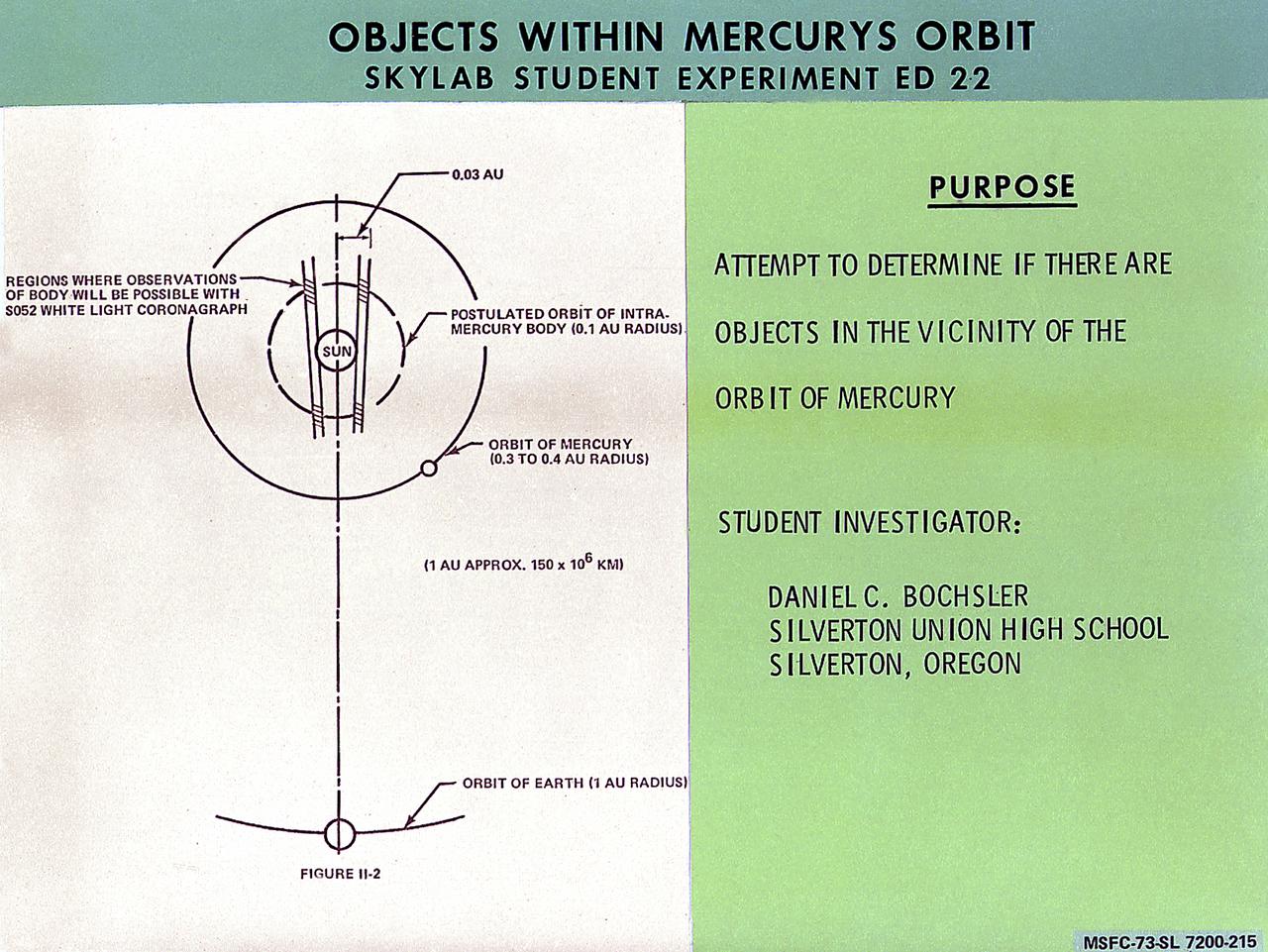
This chart describes the Skylab student experiment Objects Within Mercury's Orbit, proposed by Daniel C. Bochsler of Silverton, Oregon. This experiment utilized Skylab's White Light Coronagraph telescope to identify any objects orbiting the Sun within the orbit of Mercury. In March 1972, NASA and the National Science Teachers Association selected 25 experiment proposals for flight on Skylab. Science advisors from the Marshall Space Flight Center aided and assisted the students in developing the proposals for flight on Skylab.

This graphic illustrates the main science objectives of NASA's Europa Clipper mission to Jupiter's moon Europa: to understand the nature of Europa's icy shell and confirm the existence of a subsurface ocean, investigate Europa's composition, characterize its geology, and determine the level of activity, such as possible water plumes. Clockwise from top left: an artist's concept of Europa's interior, which likely contains a global ocean beneath the icy surface, with possible hydrothermal activity on the ocean floor; water signatures at Europa's Manannán Crater made visible by mapping colors onto infrared data from NASA's Galileo mission to Jupiter; ultraviolet observations by the Hubble Space Telescope showing evidence of a possible plume at Europa and indicating possible activity at the moon; and a color view of Europa's Conamara Chaos region based on an image from NASA's Galileo mission. Europa Clipper's three main science objectives are to determine the thickness of the moon's icy shell and its interactions with the ocean below, to investigate its composition, and to characterize its geology. The mission's detailed exploration of Europa will help scientists better understand the astrobiological potential for habitable worlds beyond our planet. https://photojournal.jpl.nasa.gov/catalog/PIA26461
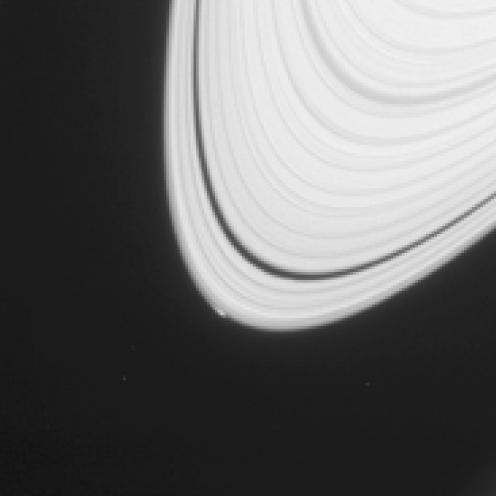
The disturbance visible at the outer edge of Saturn A ring in this image from NASA Cassini spacecraft could be caused by an object replaying the birth process of icy moons.
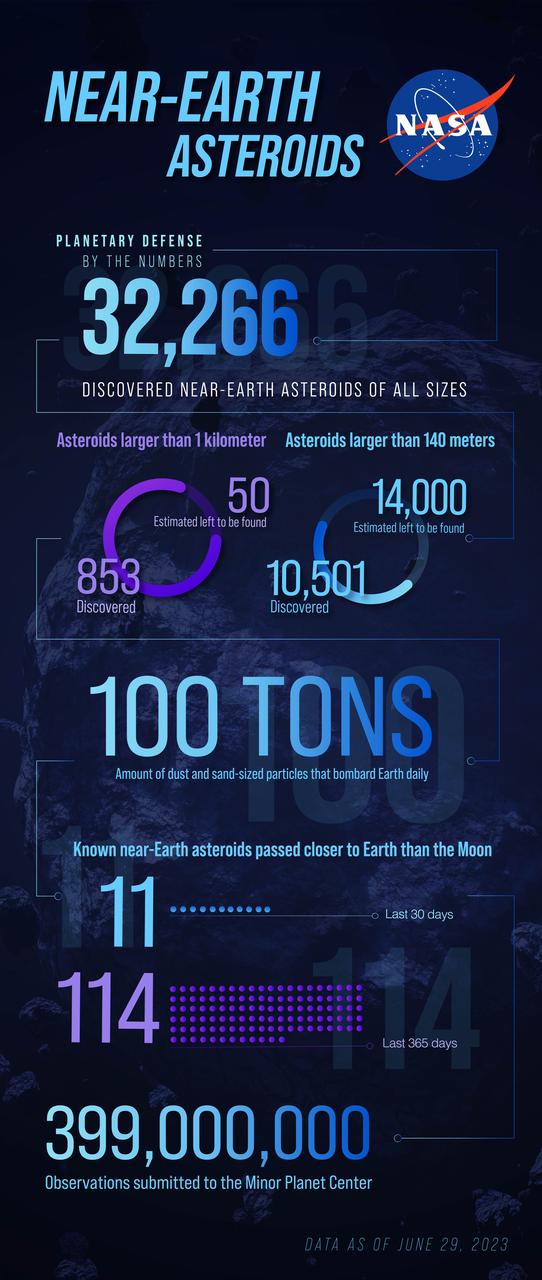
Near-Earth objects (NEOs) are asteroids and comets that orbit the Sun like the planets with orbits that come within 30 million miles of Earth’s orbit. NASA established the Planetary Defense Coordination Office (PDCO) to manage the agency’s ongoing efforts in Planetary Defense, which is the “applied planetary science” to address the NEO impact hazard. One key element of the PDCO is NASA’s NEO Observations program, which is composed of projects to find, track, and characterize NEOs. Here’s what we’ve found so far. This page is updated monthly with the most up-to-date numbers.
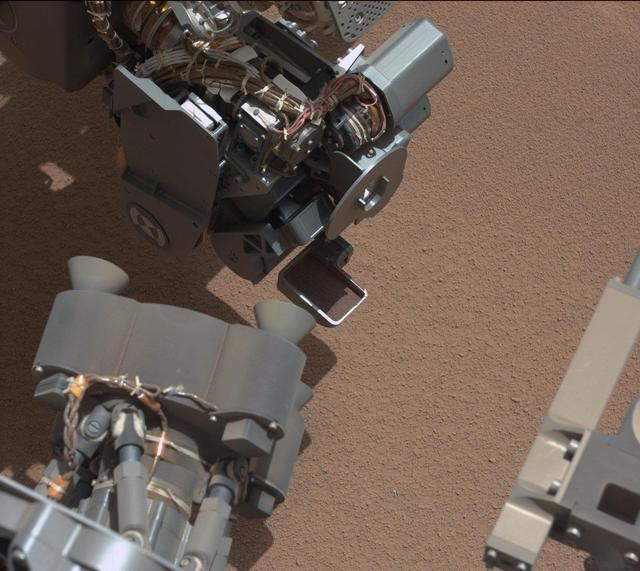
This image from NASA Curiosity shows a scoop full of sand and dust lifted by the rover first use of the scoop on its robotic arm. In the foreground, near bottom of this image, the bright object visible on the ground might be a piece of rover hardware.
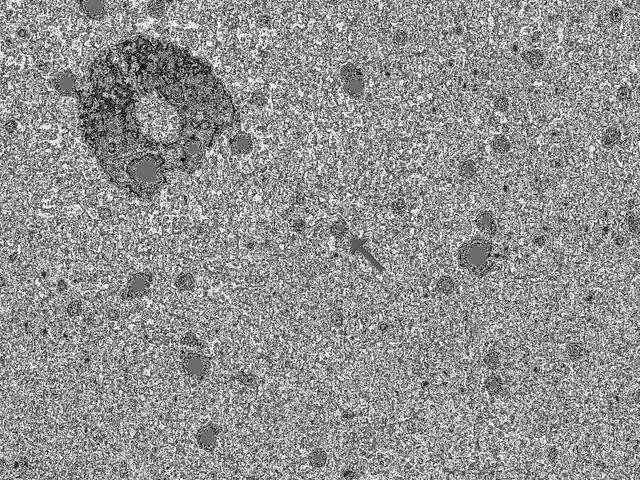
In April 2016, NASA New Horizons spacecraft observed 1994 JR1, a 90-mile 145-kilometer wide Kuiper Belt object KBO orbiting more than 3 billion miles 5 billion kilometers from the sun.
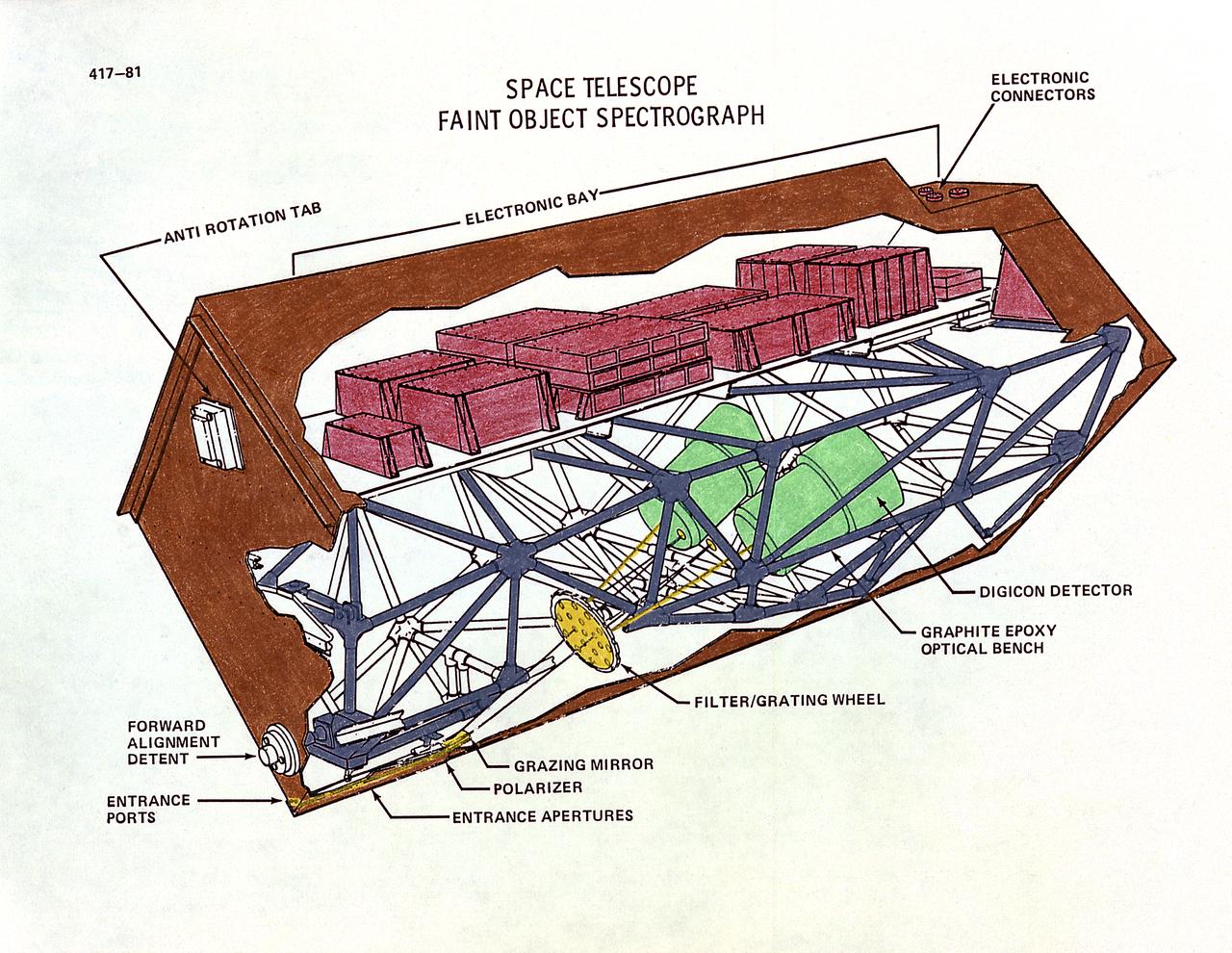
This drawing illustrates the Hubble Space Telescope's (HST's), Faint Object Spectrograph (FOS). The HST's two spectrographs, the Goddard High-Resolution Spectrograph and the FOS, can detect a broader range of wavelengths than is possible from the Earth because there is no atmosphere to absorb certain wavelengths. Scientists can determine the chemical composition, temperature, pressure, and turbulence of the stellar atmosphere producing the light, all from spectral data. The FOC can detect detail in very faint objects, such as those at great distances, and light ranging from ultraviolet to red spectral bands. Both spectrographs operate in essentially the same way. The incoming light passes through a small entrance aperture, then passes through filters and diffraction gratings, that work like prisms. The filter or grating used determines what range of wavelength will be examined and in what detail. Then the spectrograph detectors record the strength of each wavelength band and sends it back to Earth. The purpose of the HST, the most complex and sensitive optical telescope ever made, is to study the cosmos from a low-Earth orbit. By placing the telescope in space, astronomers are able to collect data that is free of the Earth's atmosphere. The HST views galaxies, stars, planets, comets, possibly other solar systems, and even unusual phenomena such as quasars, with 10 times the clarity of ground-based telescopes. The HST was deployed from the Space Shuttle Discovery (STS-31 mission) into Earth orbit in April 1990. The Marshall Space Flight Center had responsibility for design, development, and construction of the HST. The Perkin-Elmer Corporation, in Danbury, Cornecticut, developed the optical system and guidance sensors.

Members of NASA's Artemis geology team discuss science objectives during a mission simulation at NASA's Johnson Space Center on Oct. 22, 2025. Credits: NASA/Robert Markowitz

This is an artist concept of Kuiper Belt object 2003 UB313 nicknamed Xena and its satellite Gabrielle. Xena is the large object at the bottom of this artist concept.
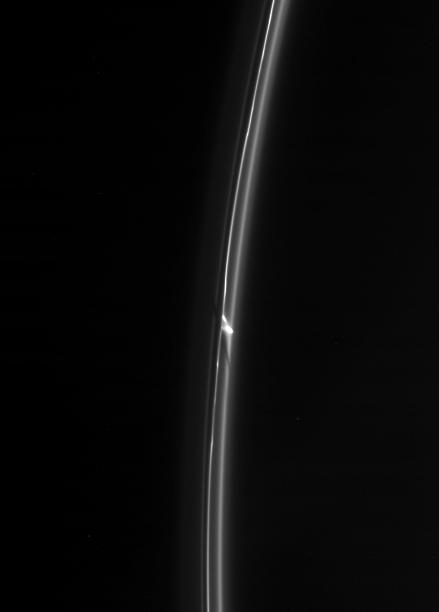
The Cassini spacecraft spies an intriguing bright clump in Saturn F ring. Also of interest is the dark gash that appears to cut through the ring immediately below the clump
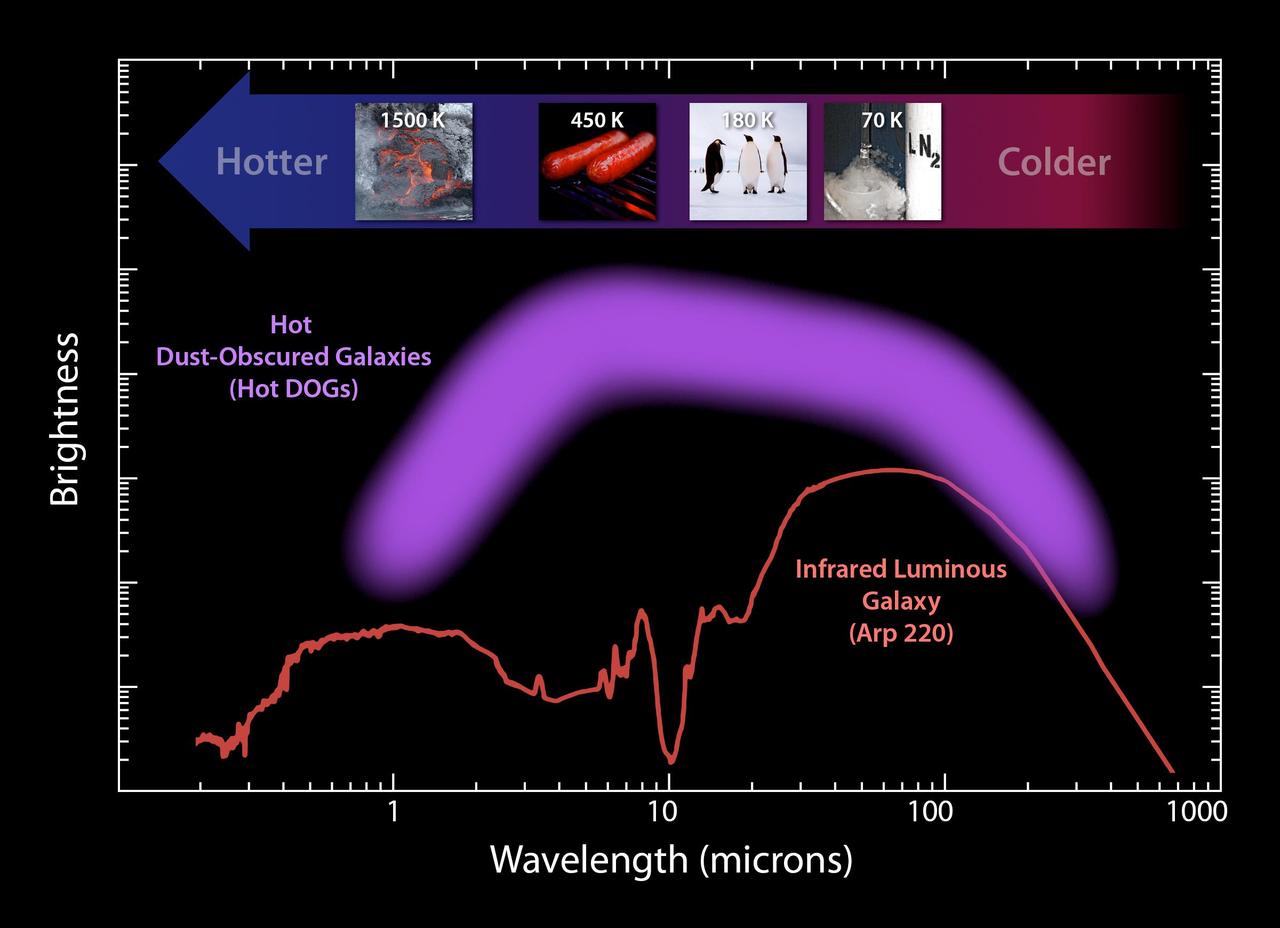
This plot illustrates the new population of hot DOGs, or hot dust-obscured objects, found by WISE. The purple band represents the range of brightness observed for the extremely dusty objects.
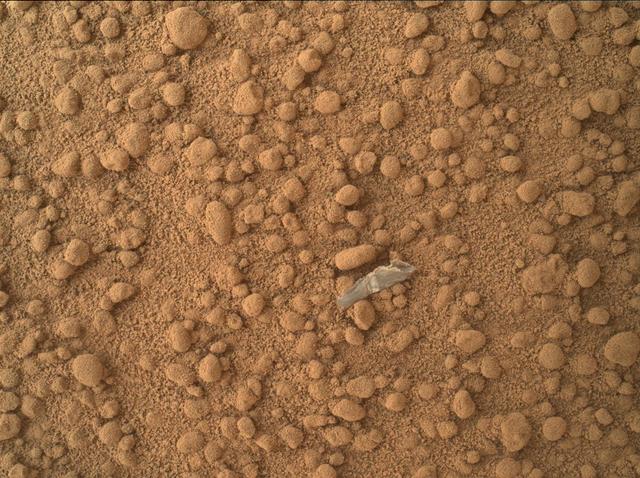
This image from NASA Mars rover Curiosity shows a small bright object on the ground beside the rover at the Rocknest site. The rover team has assessed this object as debris from the spacecraft, possibly from the events of landing on Mars.

Astronomers using the Hubble Space Telescope (HST) have identified what may be the most luminous star known; a celestial mammoth that releases up to 10-million times the power of the Sun and is big enough to fill the diameter of Earth's orbit. The star unleashes as much energy in six seconds as our Sun does in one year. The image, taken by a UCLA-led team with the recently installed Near-Infrared Camera and Multi-Object Spectrometer (NICMOS) aboard the HST, also reveals a bright nebula, created by extremely massive stellar eruptions. The UCLA astronomers estimate that the star, called the Pistol Star, (for the pistol shaped nebula surrounding it), is approximately 25,000 light-years from Earth, near the center of our Milky Way galaxy. The Pistol Star is not visible to the eye, but is located in the direction of the constellation Sagittarius, hidden behind the great dust clouds along the Milky Way
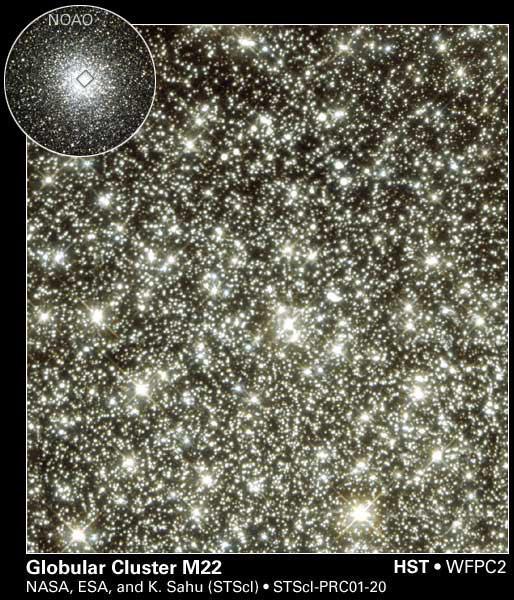
Scientists are mystified by what may be unexpected, wandering, planet-sized objects. This image taken by NASA Hubble Space Telescope implies the presence of these objects.
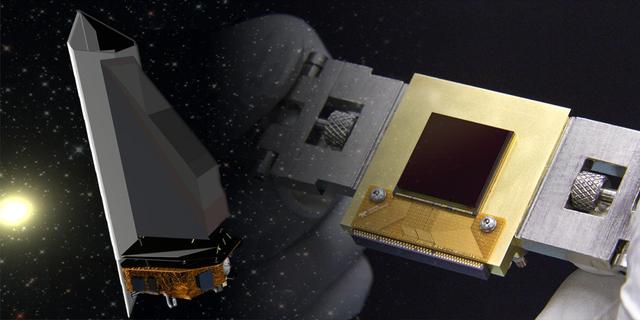
The NEOCam sensor right is the lynchpin for the proposed Near Earth Object Camera, or NEOCam, space mission left.

Gravity is the force that is responsible for the weight of an object and is determined by how the material that makes up the Earth is distributed throughout the Earth.
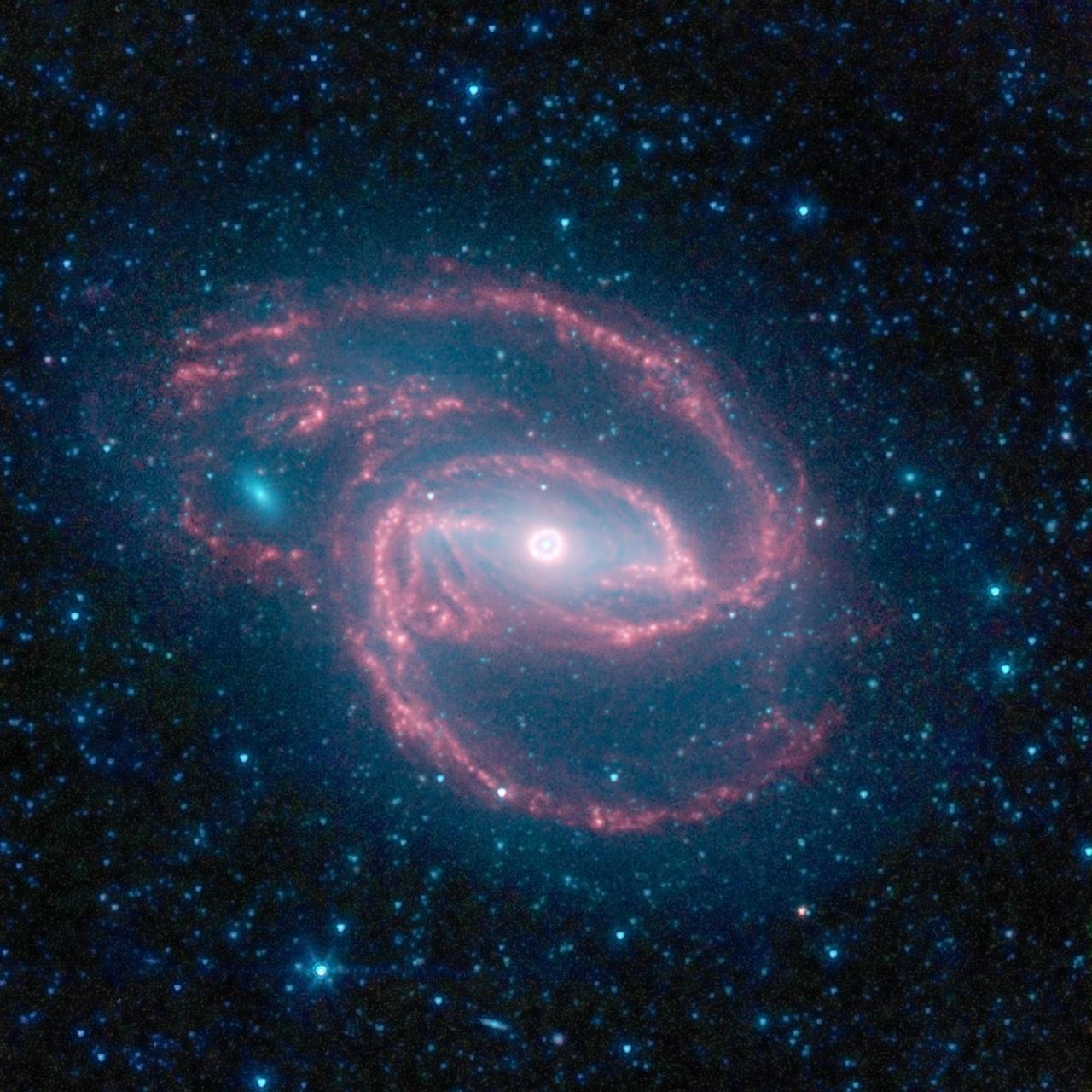
NASA Spitzer Space Telescope has imaged a wild creature of the dark -- a coiled galaxy with an eye-like object at its center.
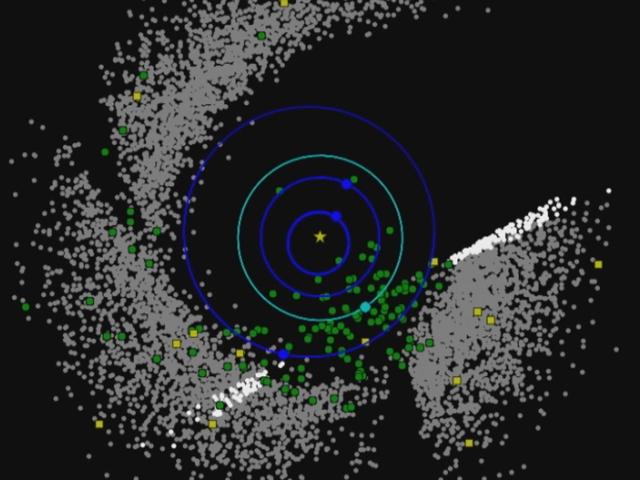
This frame from a movie shows the progression of NASA Near-Earth Object Wide-field Survey Explorer NEOWISE investigation for the mission first two years following its restart in December 2013. Green circles represent near-Earth objects.

NASA Administrator Bill Nelson points to a model of the Near-Earth Object Surveyor space telescope (NEO Surveyor) as he testifies before the Senate Committee on Commerce, Science, and Transportation during a hearing titled “Examining NASA’s Budget and Priorities,” Tuesday, May 16, 2023, at the Russell Senate Office Building in Washington. Photo Credit: (NASA/Bill Ingalls)

This artist's concept shows a pulsar, which is like a lighthouse, as its light appears in regular pulses as it rotates. Pulsars are dense remnants of exploded stars, and are part of a class of objects called neutron stars. Magnetars are different kinds of neutron stars -- they have violent, high-energy outbursts of X-ray and gamma ray light. A mysterious object called PSR J1119-6127 has been seen behaving as both a pulsar and a magnetar, suggesting that it could be a "missing link" between these objects. http://photojournal.jpl.nasa.gov/catalog/PIA21085
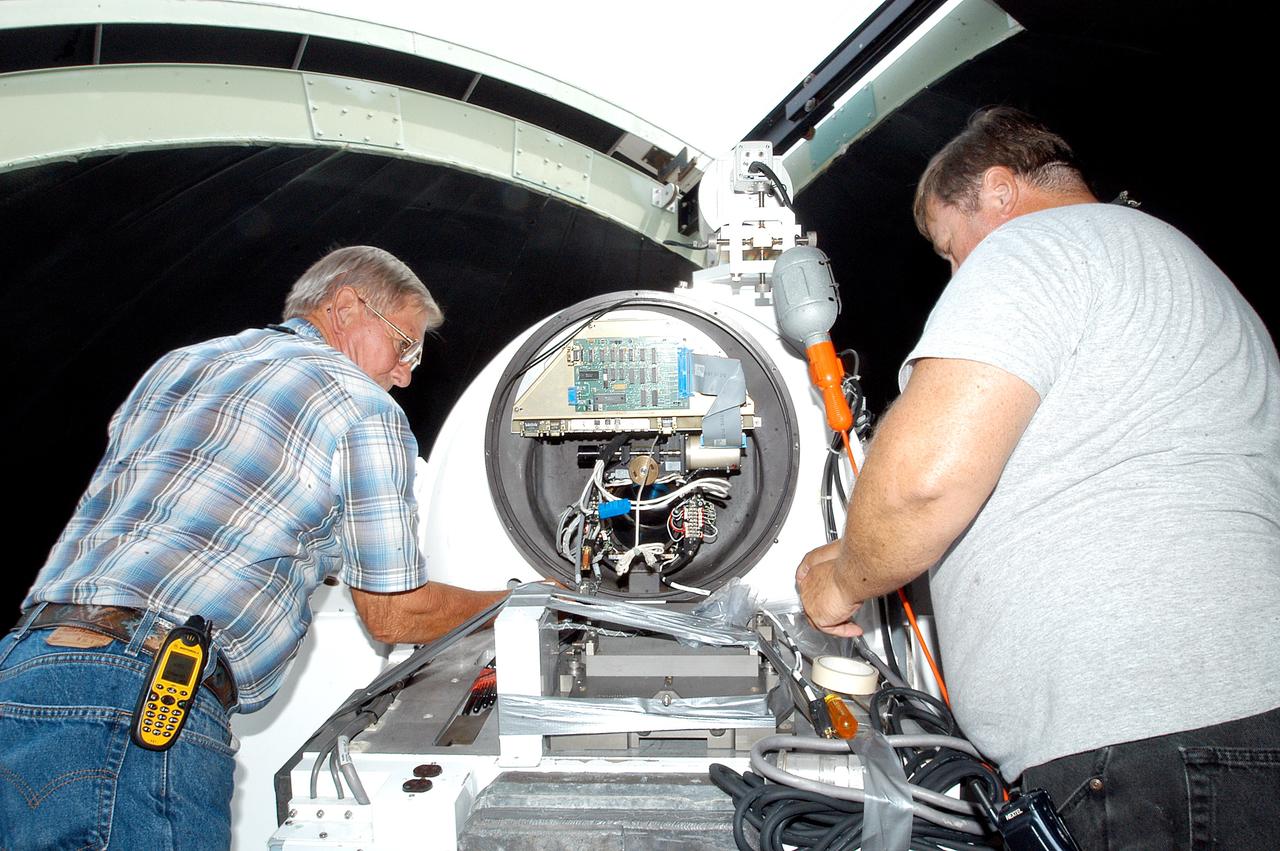
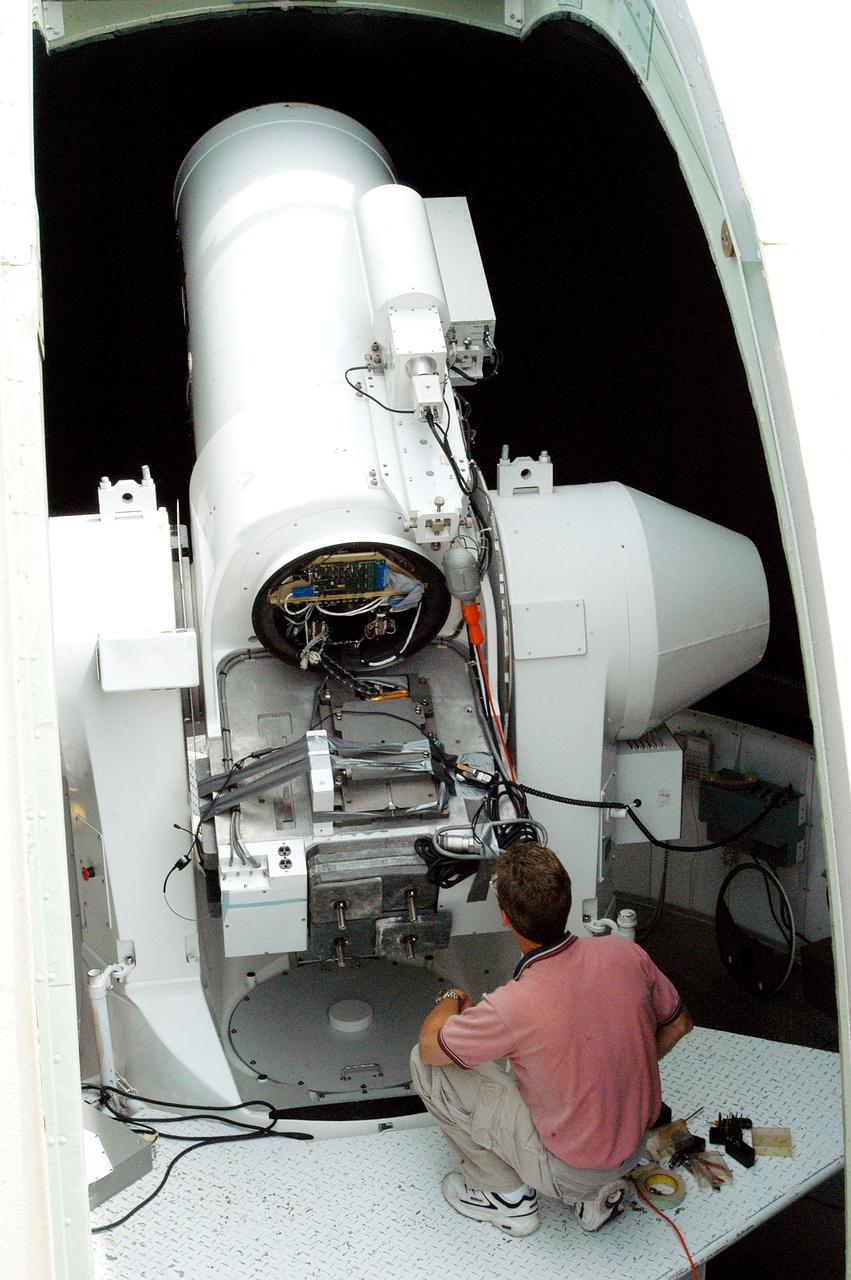
KENNEDY SPACE CENTER, FLA. - A worker calibrates a tracking telescope, part of the Distant Object Attitude Measurement System (DOAMS), located in Cocoa Beach, Fla. The telescope provides optical support for launches from KSC and Cape Canaveral.
KENNEDY SPACE CENTER, FLA. - Workers calibrate a tracking telescope, part of the Distant Object Attitude Measurement System (DOAMS), located in Cocoa Beach, Fla. The telescope provides optical support for launches from KSC and Cape Canaveral.
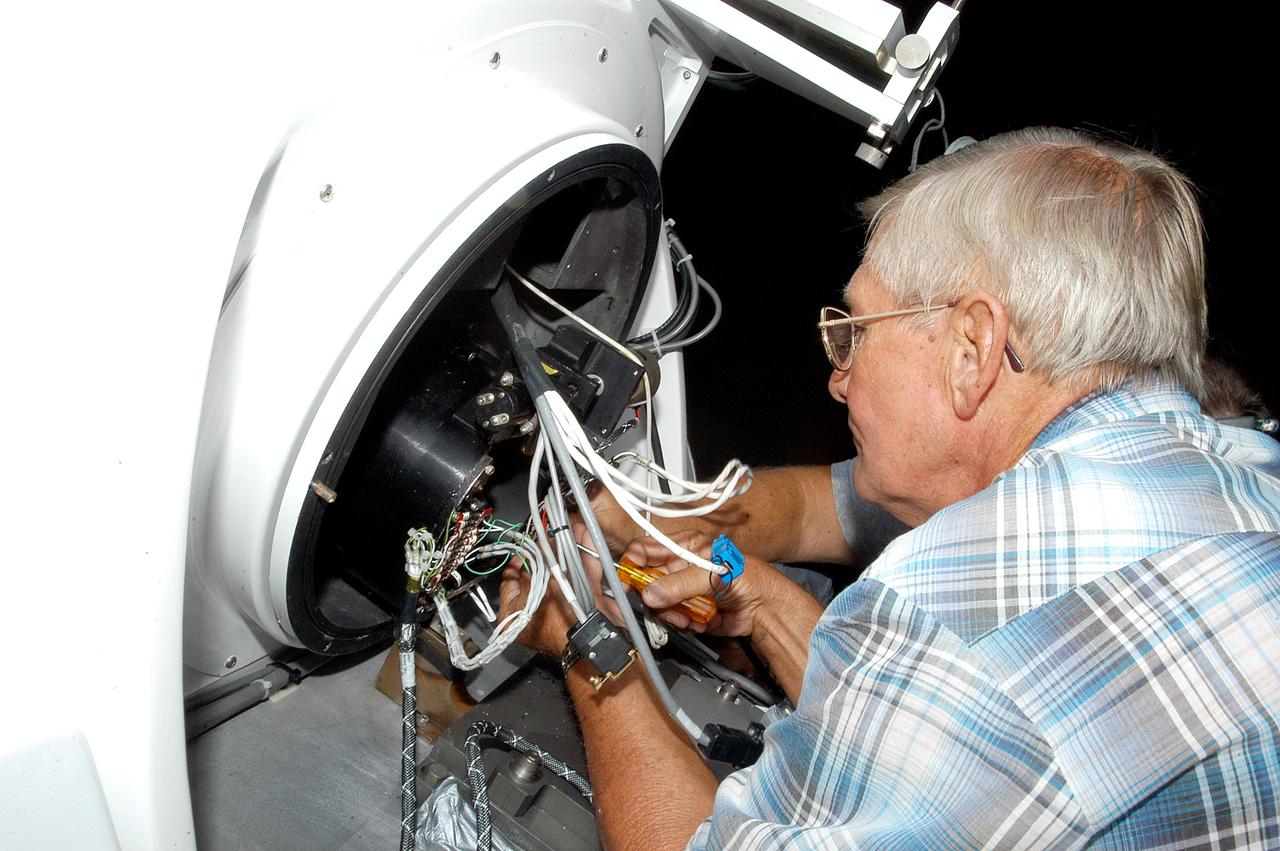
KENNEDY SPACE CENTER, FLA. - A worker calibrates a tracking telescope, part of the Distant Object Attitude Measurement System (DOAMS), located in Cocoa Beach, Fla. The telescope provides optical support for launches from KSC and Cape Canaveral.
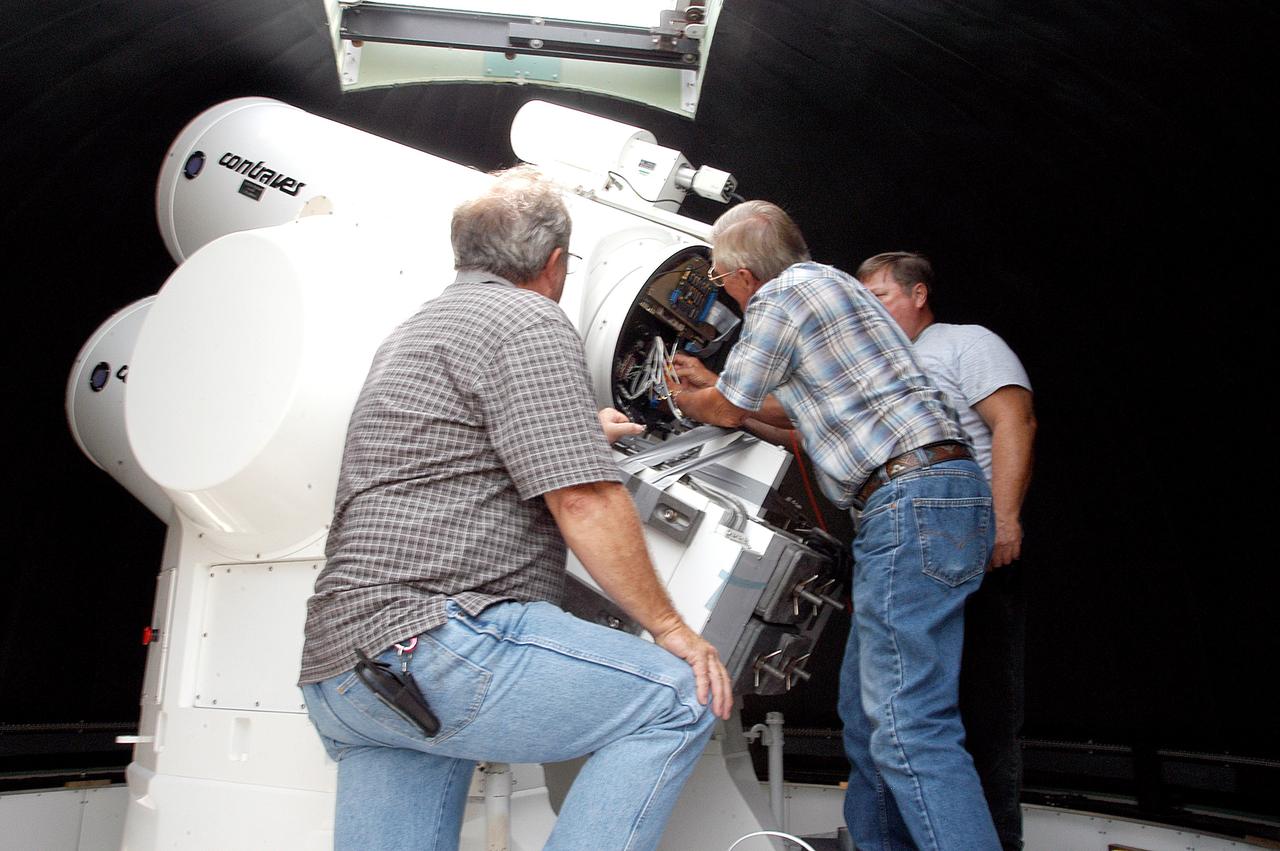
KENNEDY SPACE CENTER, FLA. - Workers calibrate a tracking telescope, part of the Distant Object Attitude Measurement System (DOAMS), located in Cocoa Beach, Fla. The telescope provides optical support for launches from KSC and Cape Canaveral.
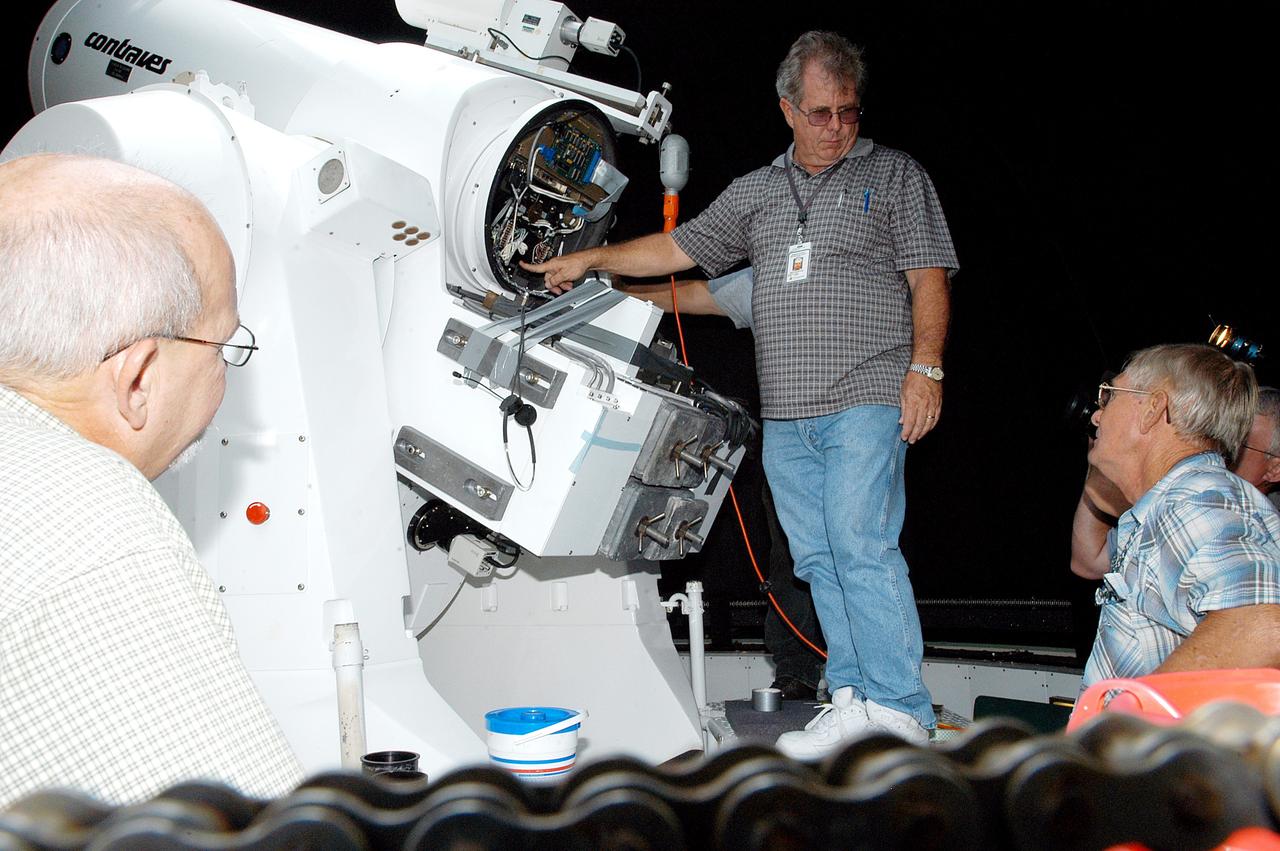
KENNEDY SPACE CENTER, FLA. - Workers calibrate a tracking telescope, part of the Distant Object Attitude Measurement System (DOAMS), located in Cocoa Beach, Fla. The telescope provides optical support for launches from KSC and Cape Canaveral.
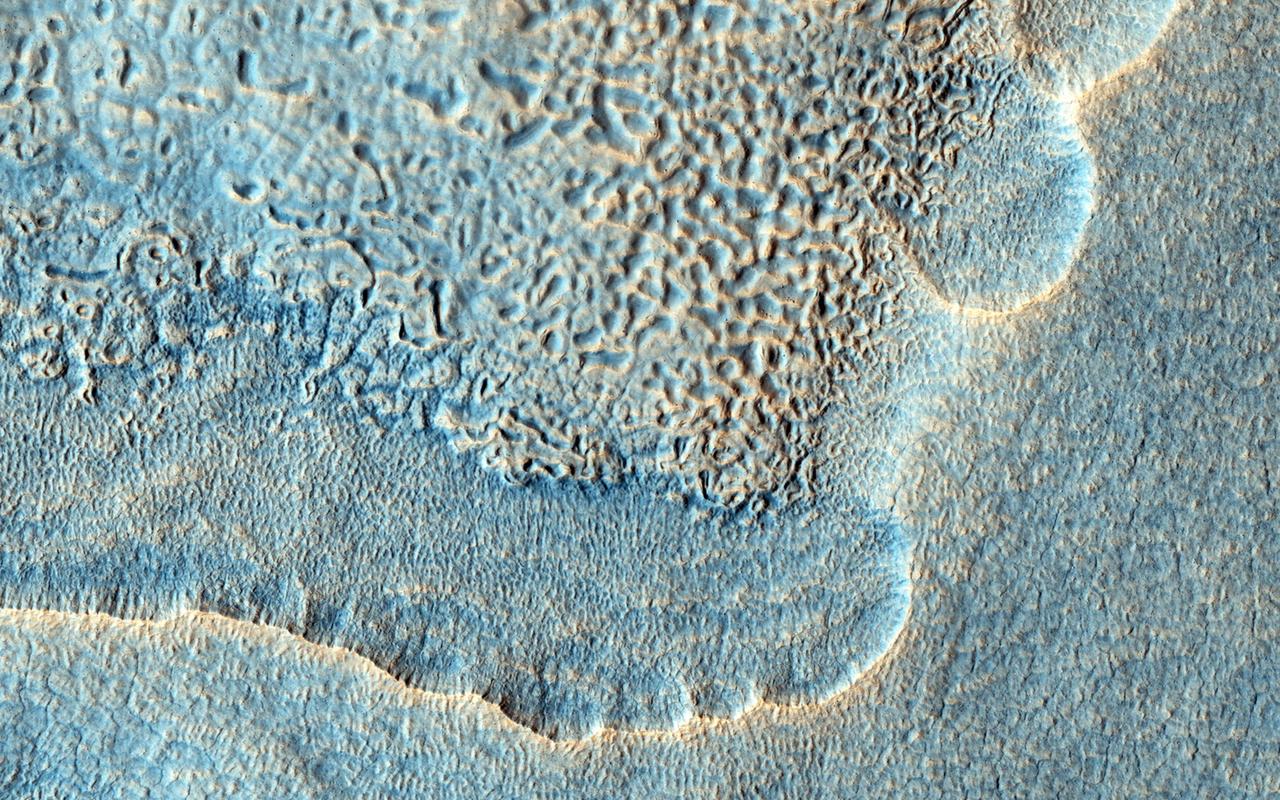
The objective of this observation by NASA Mars Reconnaissance Orbiter was to examine the edge of impact ejecta from a crater to the north-west of this area north is up, west is to the left.
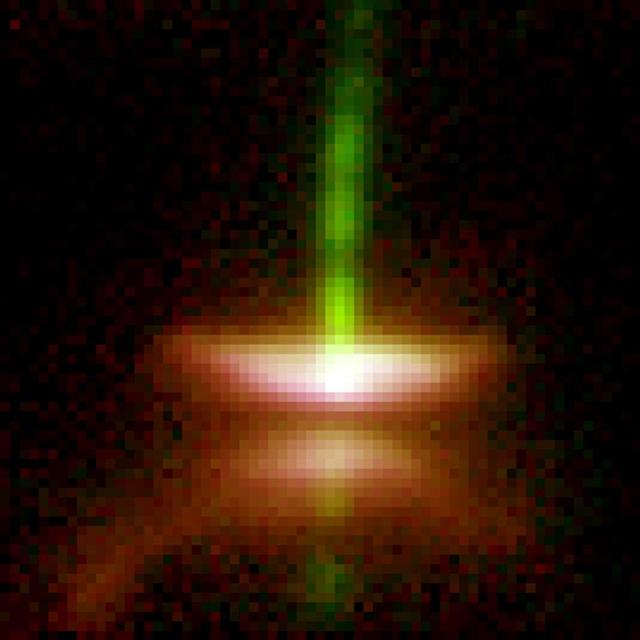
This image from NASA Hubble Space Telescope shows Herbig-Haro 30, the prototype of a gas-rich young stellar object disk around a star.
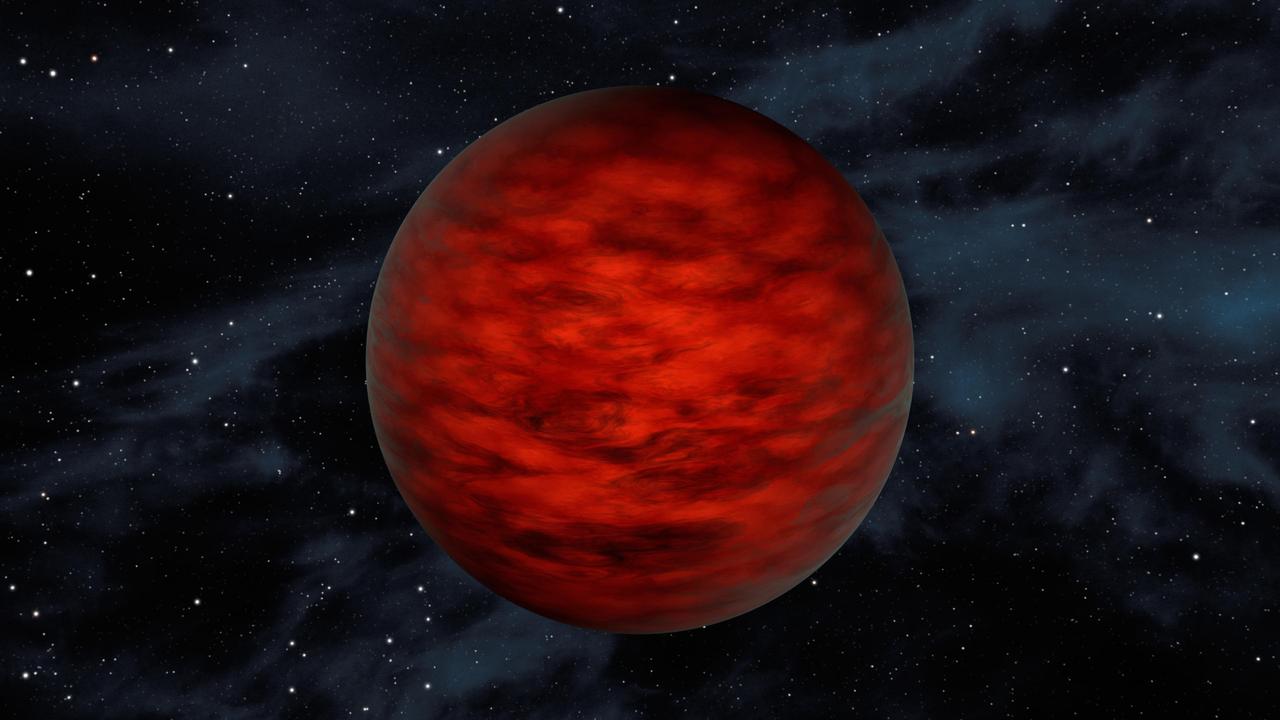
A young, free-floating world sits alone in space in this illustration. The object, called WISEA J114724.10-204021.3, is thought to be an exceptionally low-mass brown dwarf.

This image from NASA Hubble Space Telescope image of a celestial object called the Ant Nebula may shed new light on the future demise of our Sun.
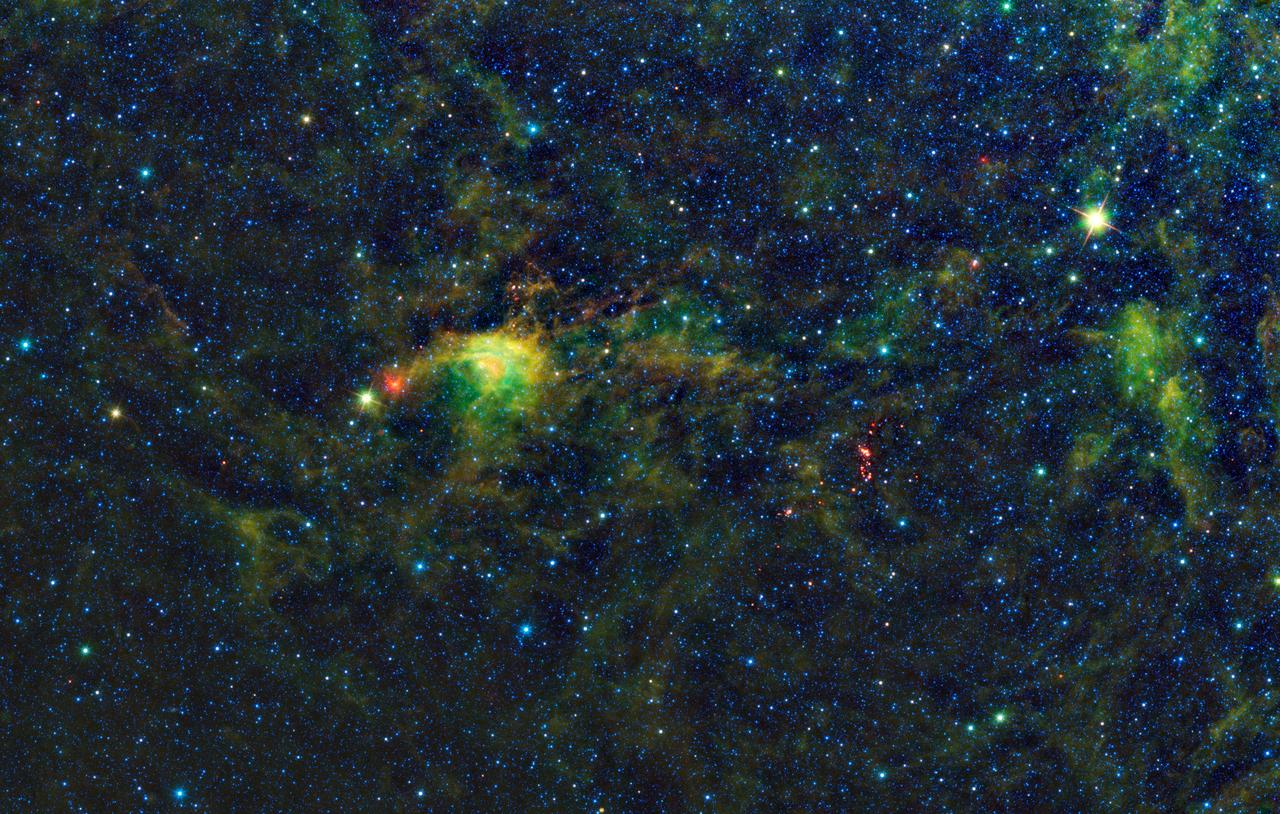
NASA Wide-Field Infrared Survey Explorer has uncovered a striking population of young stellar objects in a complex of dense, dark clouds in the southern constellation of Circinus.

Nicknamed the Hand of God, this object is called a pulsar wind nebula, imaged by NASA NuSTAR. It powered by the leftover, dense core of a star that blew up in a supernova explosion.
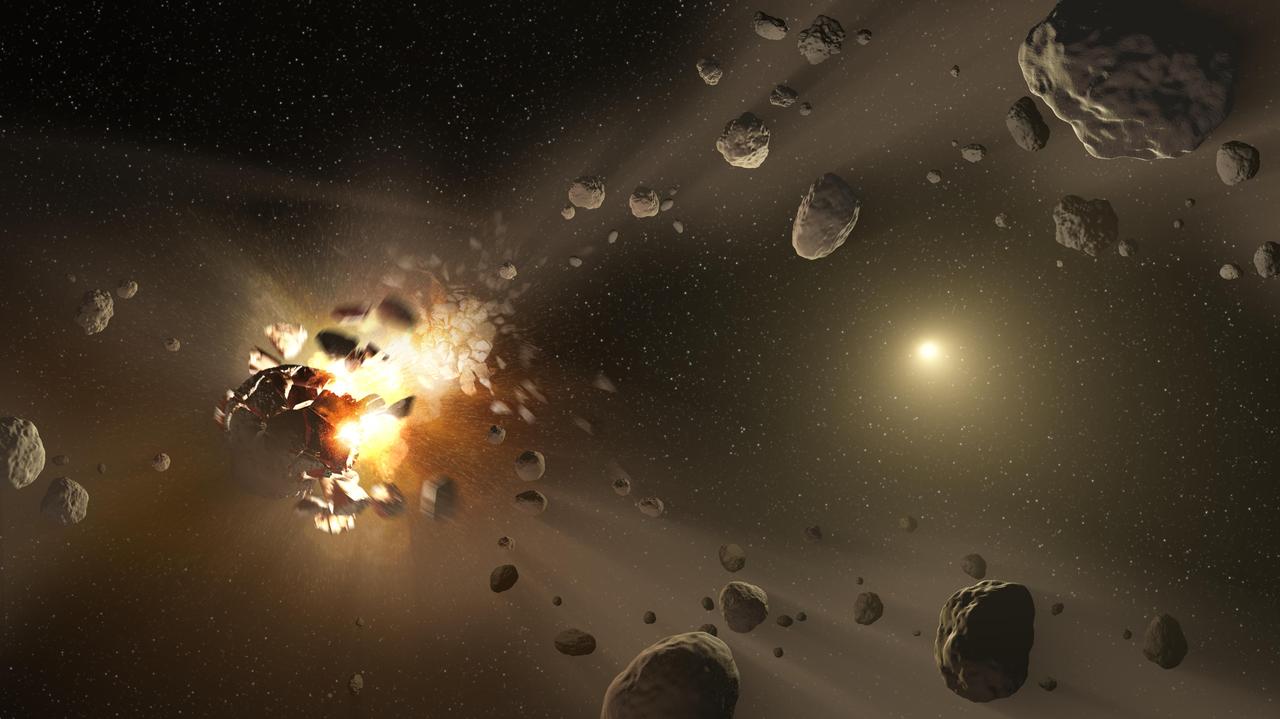
This artist concept catastrophic collisions between asteroids located in the belt between Mars and Jupiter and how they have formed families of objects on similar orbits around the sun.
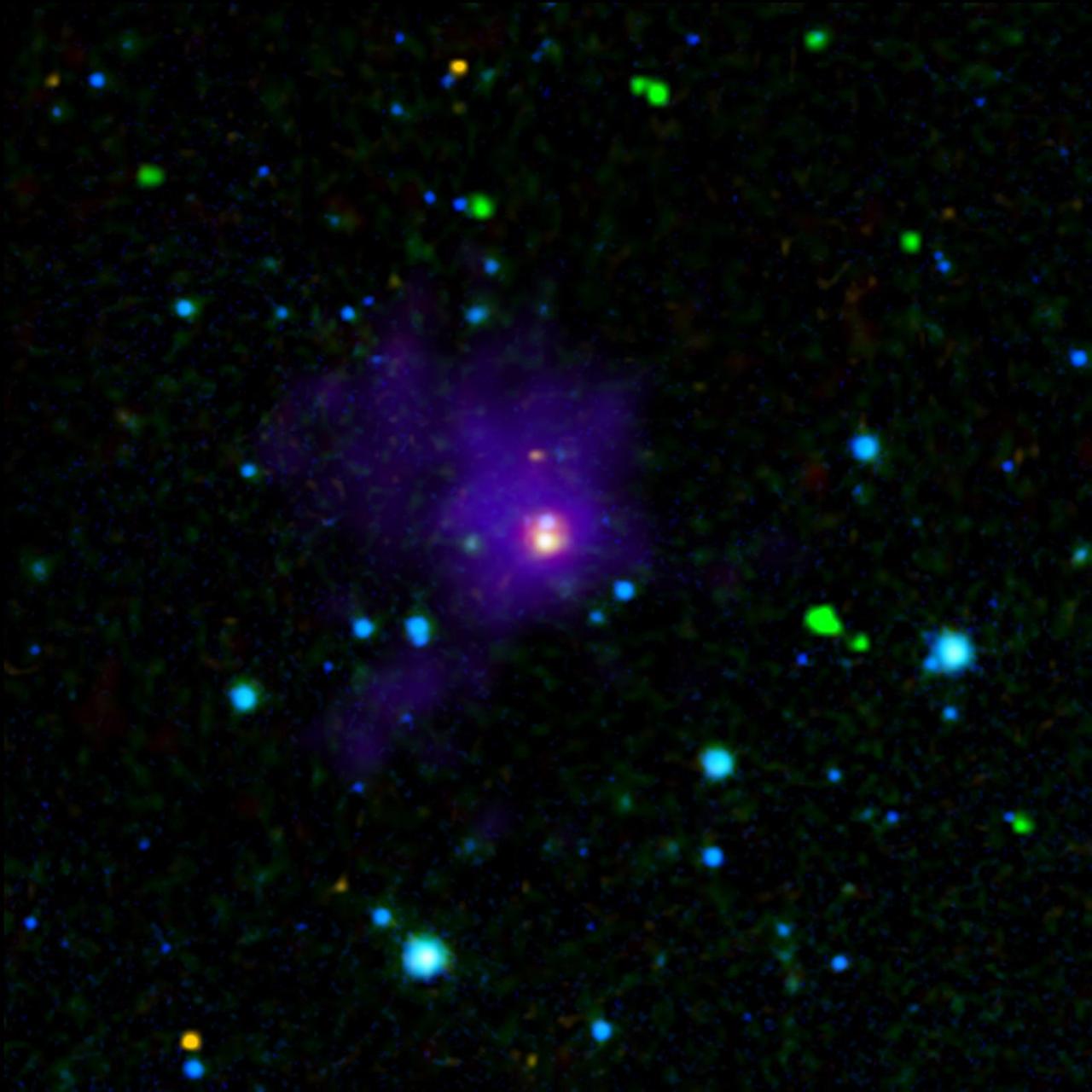
This image from NASA Spitzer Space Telescope shows two young brown dwarfs, objects that fall somewhere between planets and stars in terms of their temperature and mass.
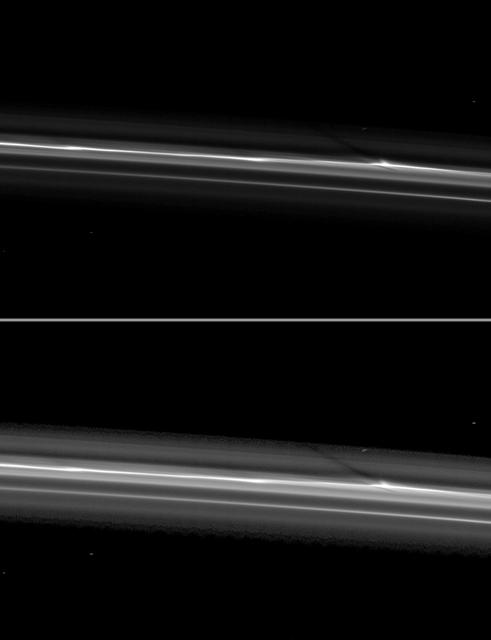
Cassini spies a shadow cast by a vertically extended structure or object in the F ring in this image taken as Saturn approaches its August 2009 equinox.
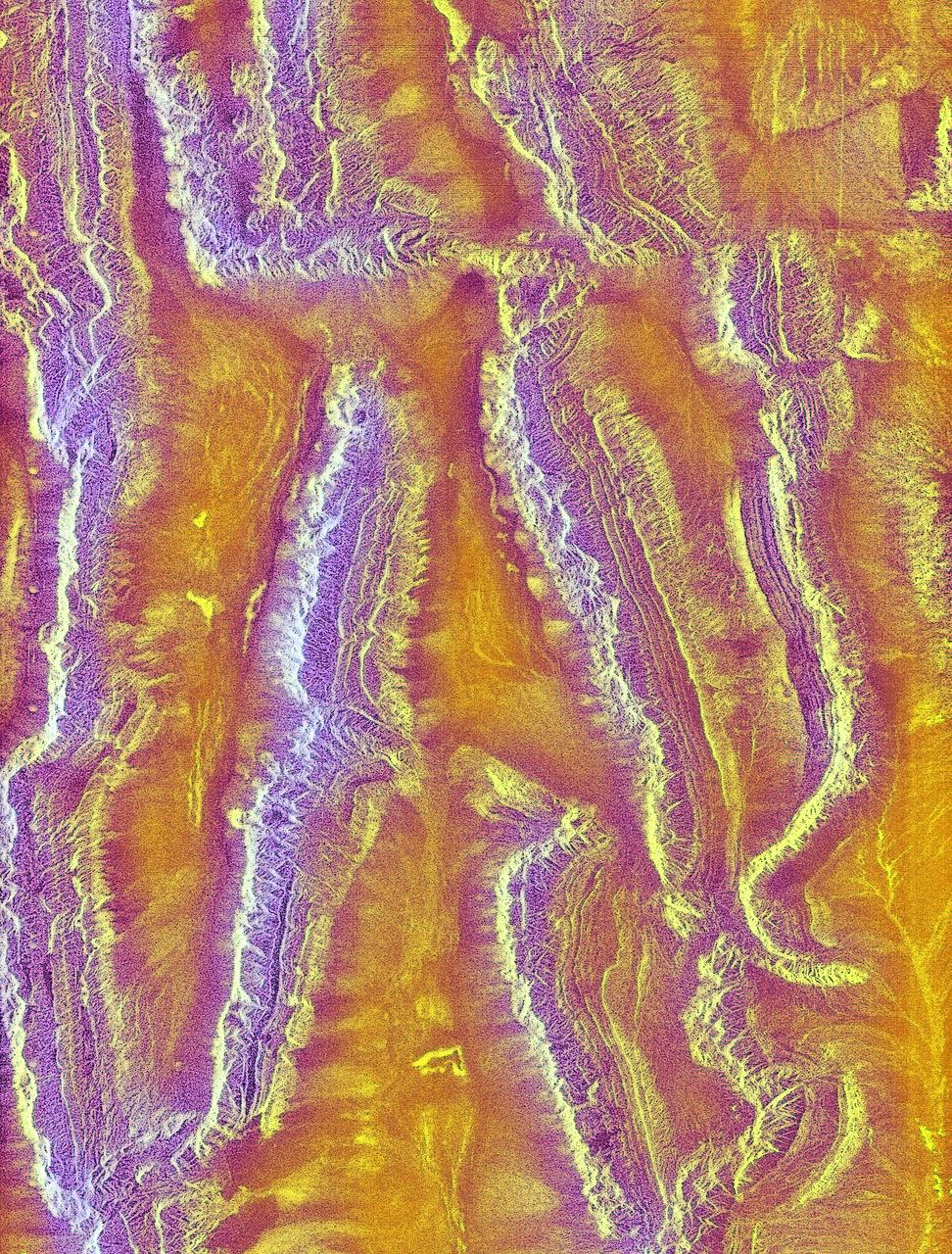
The objective of NASA Shuttle Imaging Radar A SIR-A was to observe the Earth by use of radar imagery, acquire and transmit data of different geologic regions. This is a view of China in 2000.
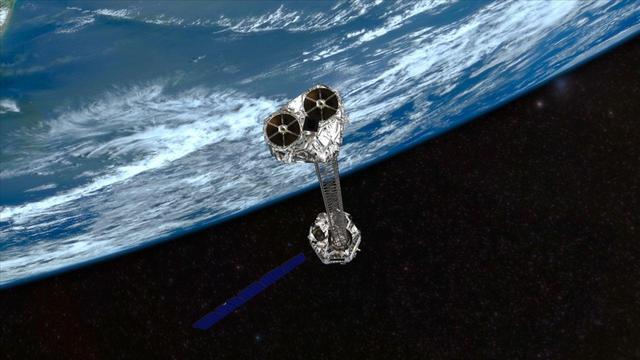
This artist concept shows NASA NuSTAR mission orbiting Earth. NuSTAR will hunt for hidden black holes and other exotic cosmic objects.
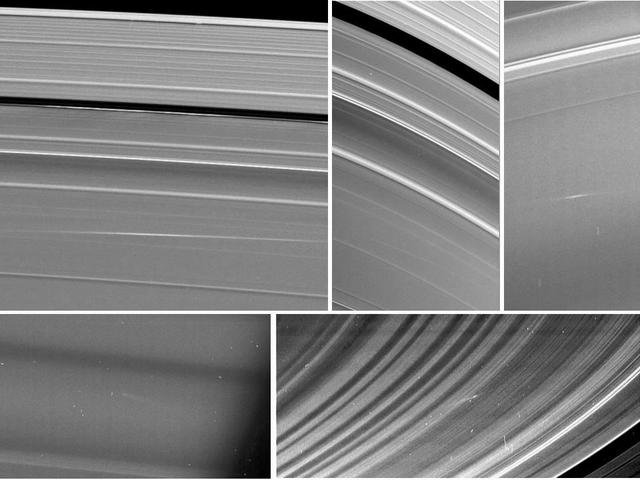
Five images of Saturn rings, taken by NASA Cassini spacecraft between 2009 and 2012, show clouds of material ejected from impacts of small objects into the rings.
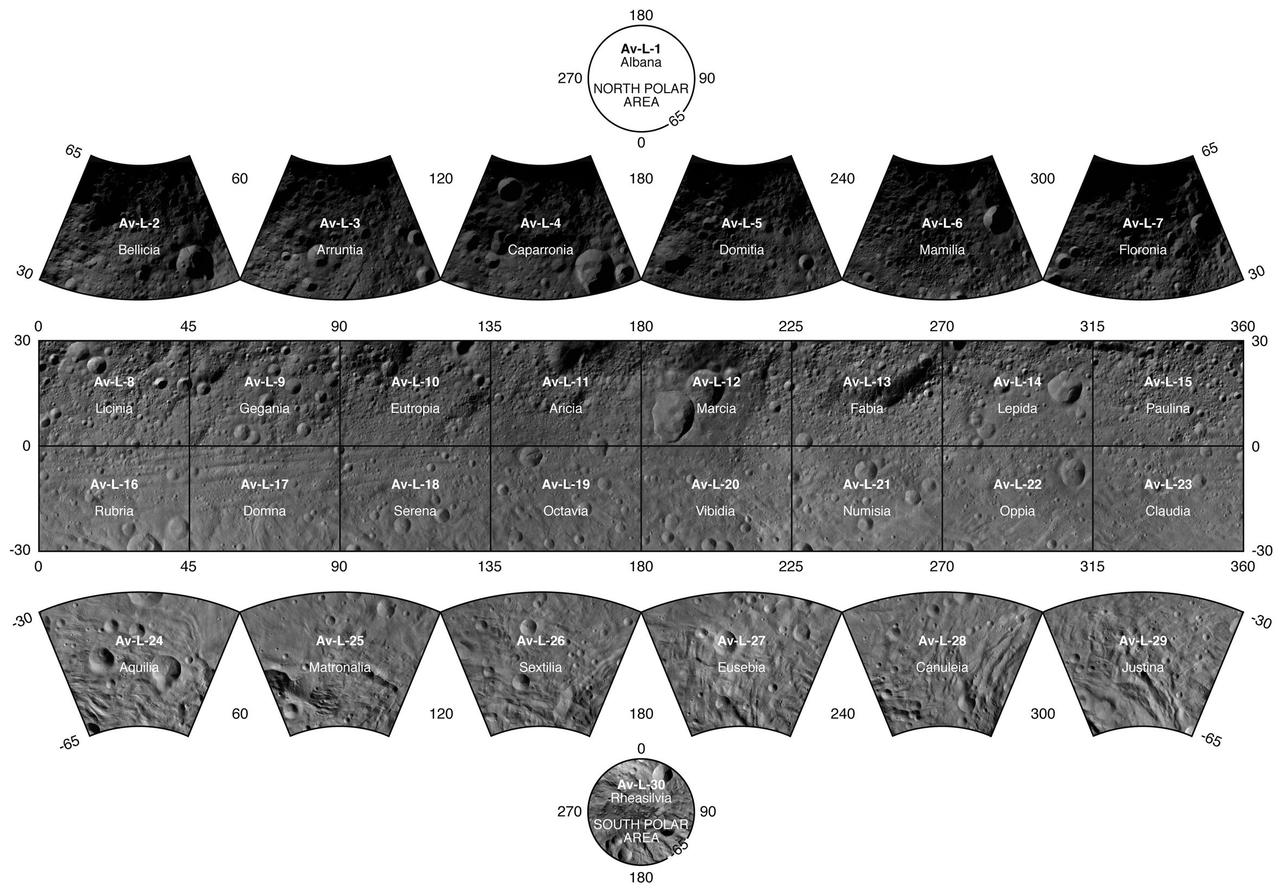
This atlas of the giant asteroid Vesta was created from images taken as NASA Dawn mission flew around the object, also known as a protoplanet.
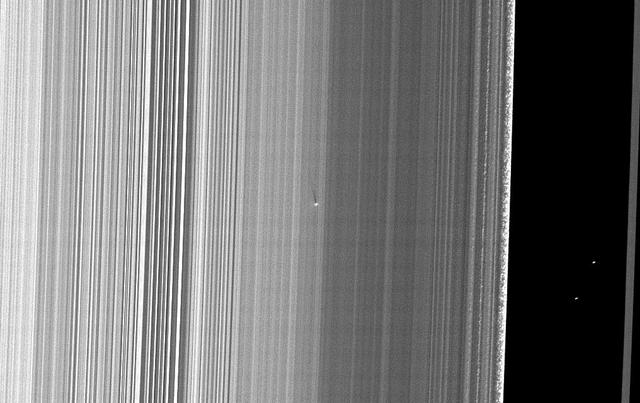
The Cassini spacecraft captured this image of a small object in the outer portion of Saturn B ring casting a shadow on the rings as Saturn approaches its August 2009 equinox.
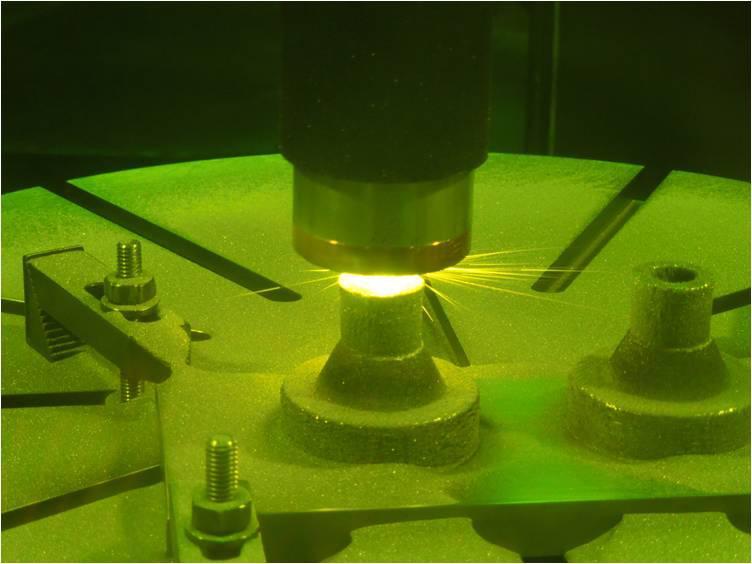
Scientists at NASA Jet Propulsion Laboratory make a rocket nozzle using a new 3-D printing technique that allows for multiple metallic properties in the same object.

This is an illustration of a planet that is four times the mass of Jupiter and orbits 5 billion miles from a brown-dwarf companion the bright red object seen in the background.
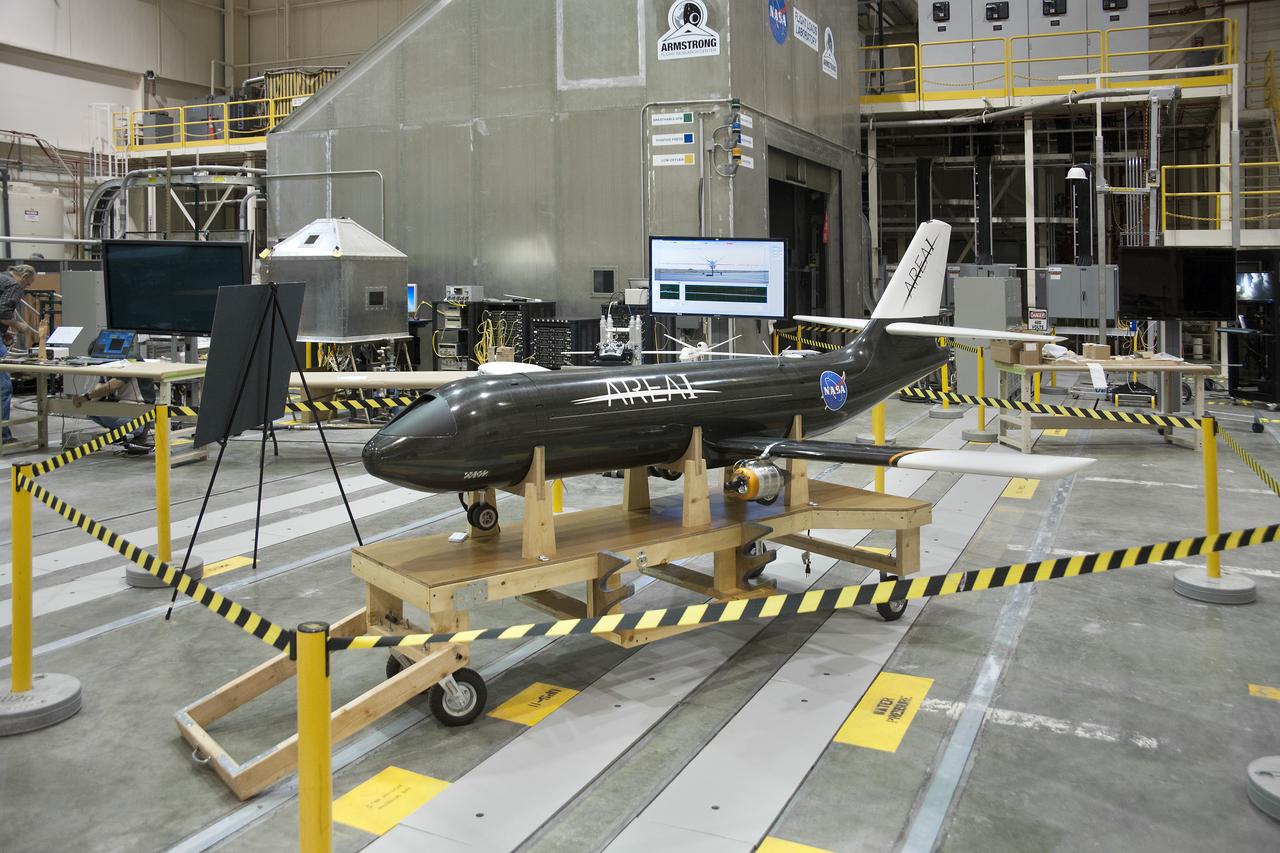
The objectives of testing on PTERA include the development of tools and vetting of system integration, evaluation of vehicle control law, and analysis of SAW airworthiness to examine benefits to in-flight efficiency.
This is a NASA Hubble Space Telescope color image of dwarf planet Ceres, the largest object in the asteroid belt. The contrast has been enhanced to reveal surface details.
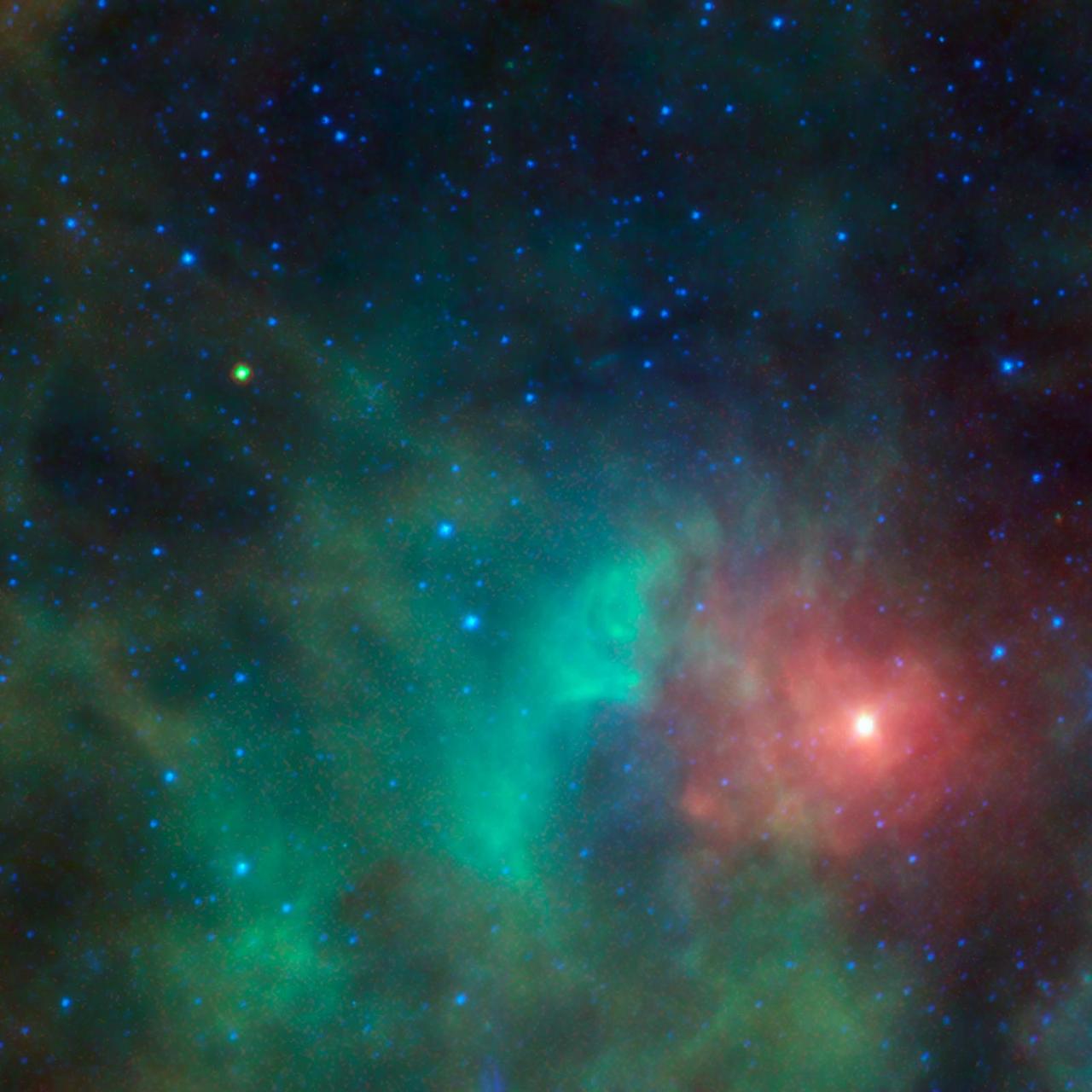
NASA NEOWISE, snapped this infrared picture of near-Earth object 1998 KN3 as it zips past a cloud of dense gas and dust near the Orion nebula.
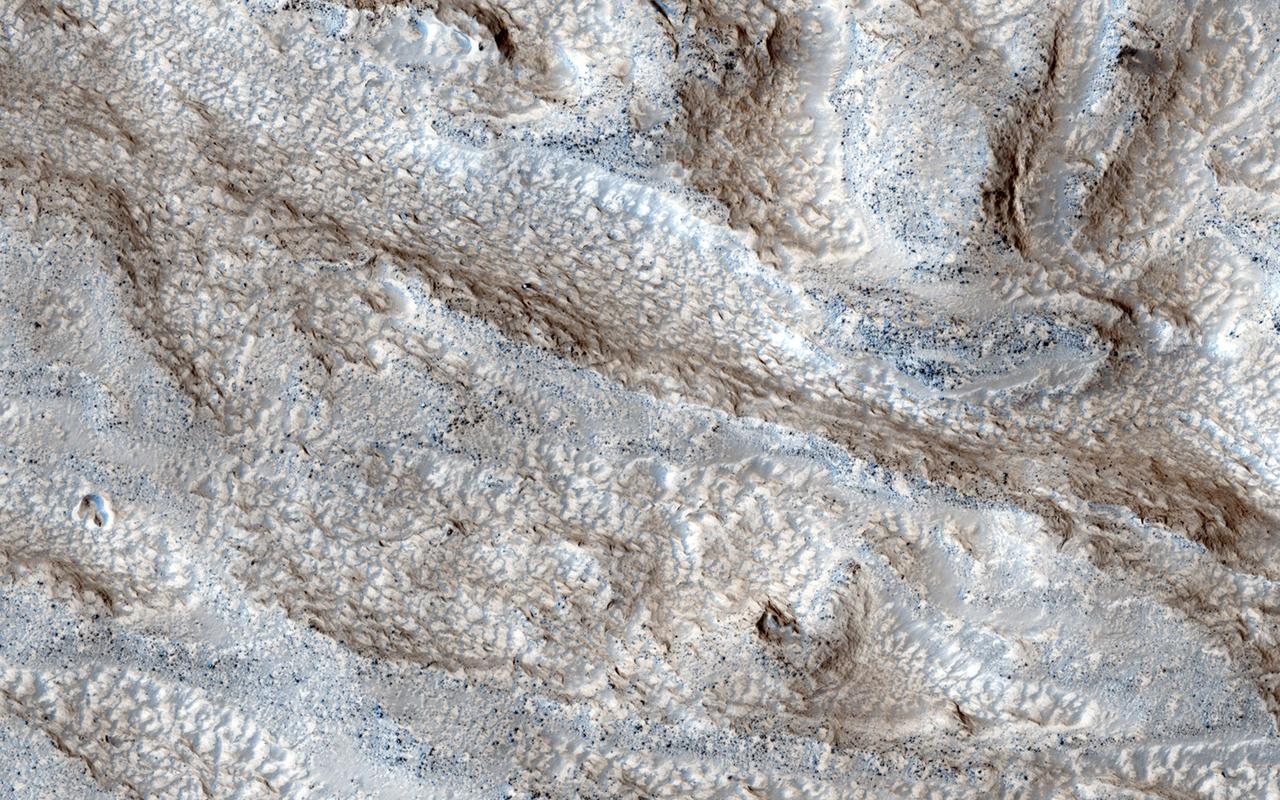
The objective of this observation from NASA Mars Reconnaissance Orbiter is to determine the nature of a group of what appears to be channels that trend in a west-east direction.
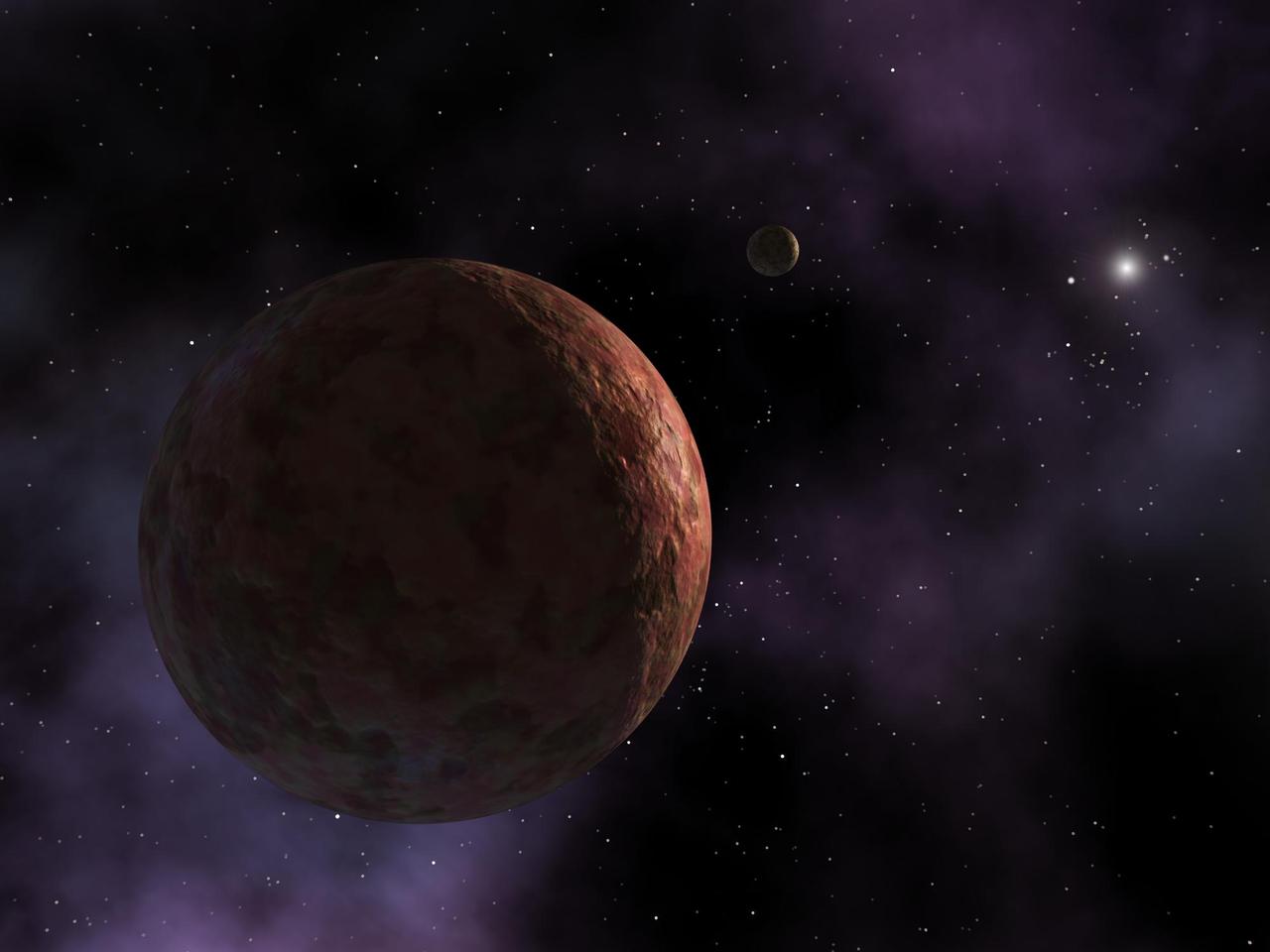
In this artist's visualization, the newly discovered planet-like object, dubbed "Sedna," is shown where it resides at the outer edges of the known solar system. The object is so far away that the Sun appears as an extremely bright star instead of a large, warm disc observed from Earth. All that is known about Sedna's appearance is that it has a reddish hue, almost as red and reflective as the planet Mars. In the distance is a hypothetical small moon, which scientists believe may be orbiting this distant body. http://photojournal.jpl.nasa.gov/catalog/PIA05566

This VIS image shows a double impact - two meteors hitting simultaneously. The two meteors would have started as a single object, at some point prior to impact the object separated into parts. The two parts followed the same path to the surface, hitting at the same time in close proximity. The linear feature at the center is where the shock waves intersect, its straightness showing the impacts were simultaneous (and nearly equal in size). The ejecta created from the impact tends to be focused to the sides of the doublet, often forming a butterfly-like ejecta blanket. The butterfly pattern is most common at oblique angle impacts, but can also form by the interaction of the impact shock waves. These craters are located in Utopia Planitia. Orbit Number: 72448 Latitude: 27.1977 Longitude: 95.4916 Instrument: VIS Captured: 2018-04-14 13:36 https://photojournal.jpl.nasa.gov/catalog/PIA22606
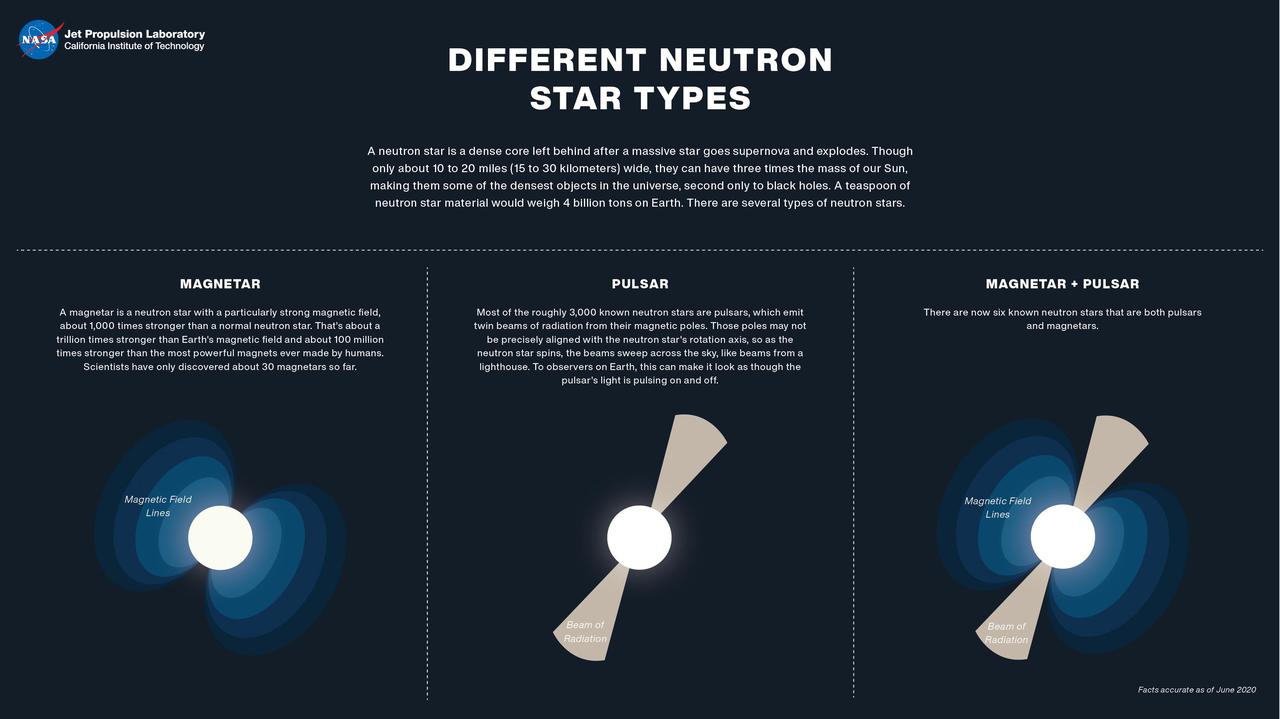
Neutron stars, or cores leftover from exploded stars, are some of the densest objects in the universe. There are several types of neutron stars, including magnetars and pulsars. https://photojournal.jpl.nasa.gov/catalog/PIA23863

The artist's rendition shows the newly discovered planet-like object, dubbed "Sedna," in relation to other bodies in the solar system, including Earth and its Moon; Pluto; and Quaoar, a planetoid beyond Pluto that was until now the largest known object beyond Pluto. The diameter of Sedna is slightly smaller than Pluto's but likely somewhat larger than Quaoar. http://photojournal.jpl.nasa.gov/catalog/PIA05567
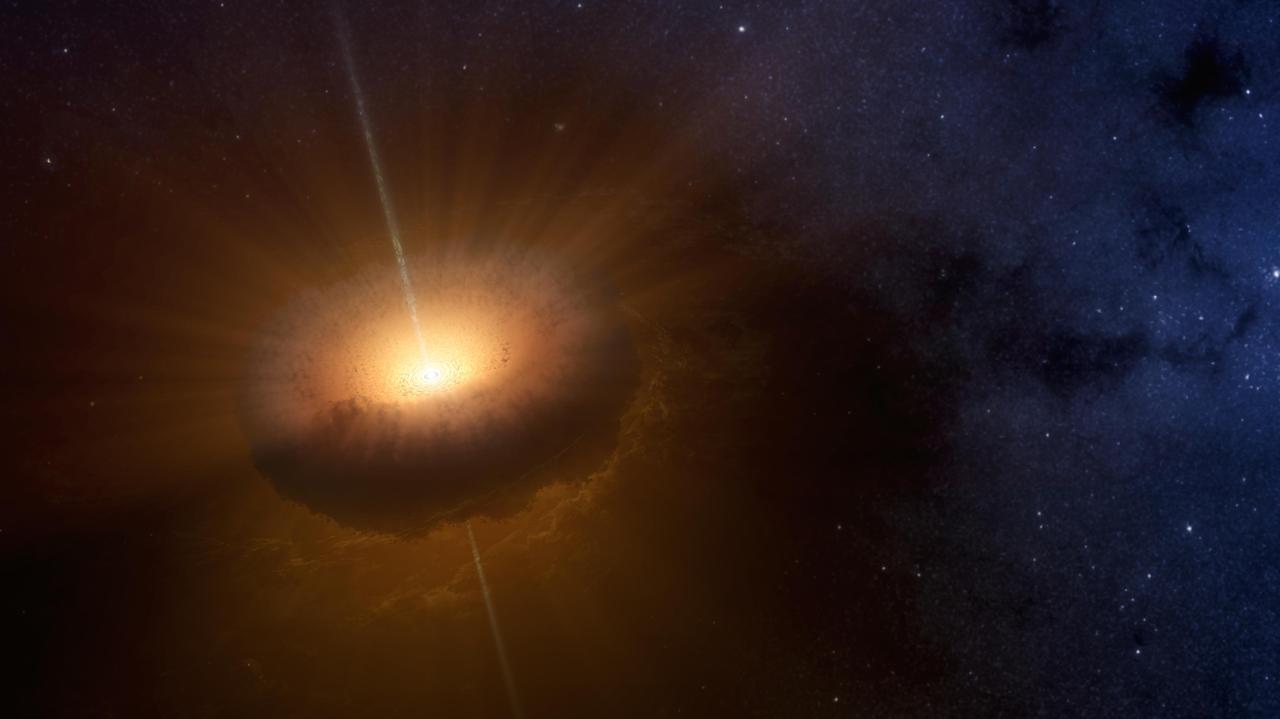
This artist's concept shows an unusual celestial object called CX330 was first detected as a source of X-ray light in 2009 by NASA's Chandra X-Ray Observatory while it was surveying the bulge in the central region of the Milky Way. A 2016 study in the Monthly Notices of the Royal Astronomical Society found that CX330 is the most isolated young star that has been discovered. Researchers compared NASA's Wide-field Infrared Survey Explorer (WISE) data from 2010 with NASA's Spitzer Space Telescope data from 2007 to come to this conclusion. CX330 is not near any star-forming region. As of the most recent observation, which was August 2015, this object was outbursting, meaning it was launching "jets" of material that slam into the gas and dust around it. Astronomers plan to continue studying the object, including with future telescopes that could view CX330 in other wavelengths of light. http://photojournal.jpl.nasa.gov/catalog/PIA20700
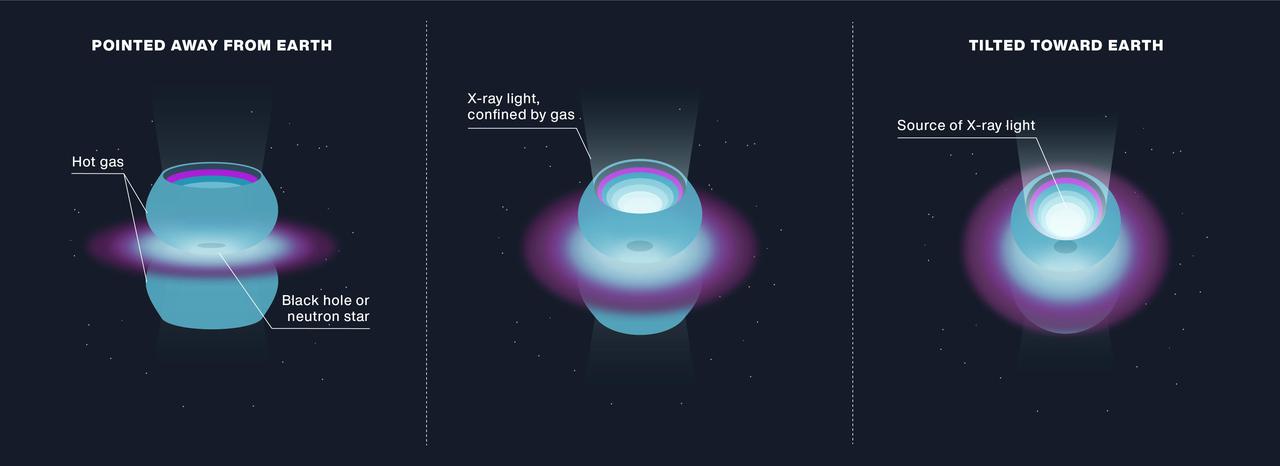
This illustration shows the object known as SS 433, located in the Milky Way galaxy and only about 20,000 light-years from Earth. Researchers think SS 433 is an ultraluminous X-ray source, or ULX, a compact cosmic object that must have an X-ray luminosity that is about a million times the total luminosity output of the Sun (at all wavelengths). ULXs are so bright, they can be seen millions of light-years away, in other galaxies. SS 433 appears to be about 1,000 times dimmer than the minimum threshold to be considered a ULX. This faintness is likely a trick of perspective: The high-energy X-rays from SS 433 are initially confined within two cones of gas extending outward from opposite sides of the central object. These cones are similar to a mirrored bowl that surrounds a flashlight bulb: They corral the X-ray light from SS 433 into a narrow beam, until it escapes and is detected by NuSTAR. But because the cones are not pointing directly at Earth, NuSTAR can't see the object's full brightness. Animation available at https://photojournal.jpl.nasa.gov/catalog/PIA24574
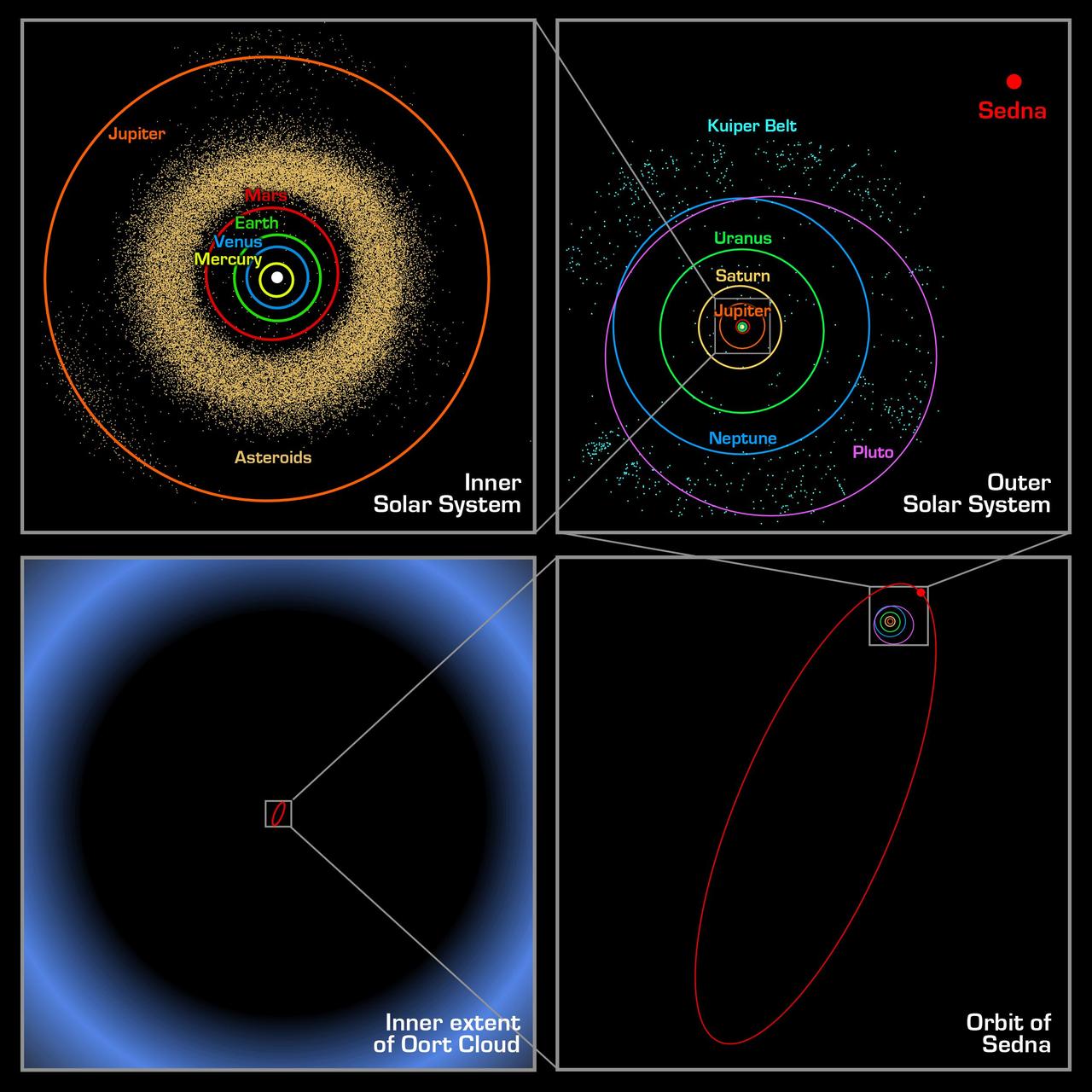
These four panels show the location of the newly discovered planet-like object, dubbed "Sedna," which lies in the farthest reaches of our solar system. Each panel, moving counterclockwise from the upper left, successively zooms out to place Sedna in context. The first panel shows the orbits of the inner planets, including Earth, and the asteroid belt that lies between Mars and Jupiter. In the second panel, Sedna is shown well outside the orbits of the outer planets and the more distant Kuiper Belt objects. Sedna's full orbit is illustrated in the third panel along with the object's current location. Sedna is nearing its closest approach to the Sun; its 10,000 year orbit typically takes it to far greater distances. The final panel zooms out much farther, showing that even this large elliptical orbit falls inside what was previously thought to be the inner edge of the Oort cloud. The Oort cloud is a spherical distribution of cold, icy bodies lying at the limits of the Sun's gravitational pull. Sedna's presence suggests that this Oort cloud is much closer than scientists believed. http://photojournal.jpl.nasa.gov/catalog/PIA05569
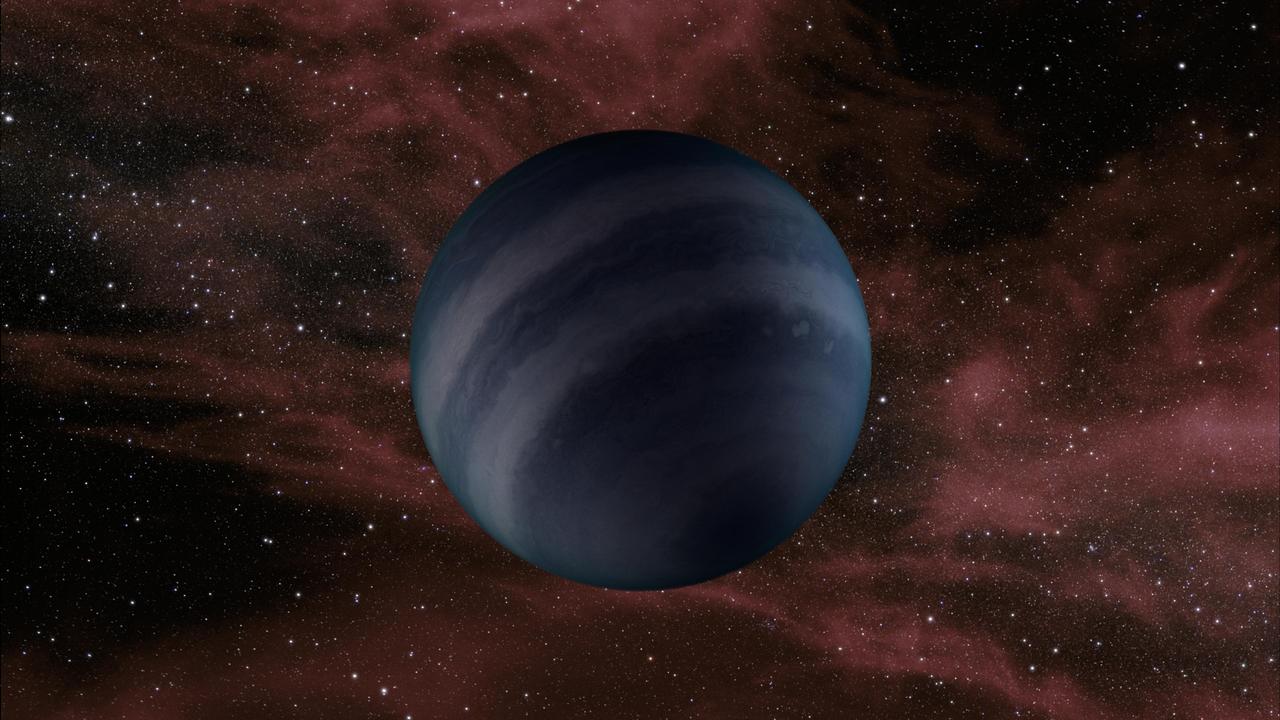
This artist concept portrays a free-floating brown dwarf, or failed star. A new study using data from NASA Spitzer Space Telescope shows that several of these objects are warmer than previously thought.

The Crab Nebula is one of the most intricately structured and highly dynamical objects ever observed. The new Hubble image of the Crab was assembled from 24 individual exposures taken with the NASA/ESA Hubble Space Telescope
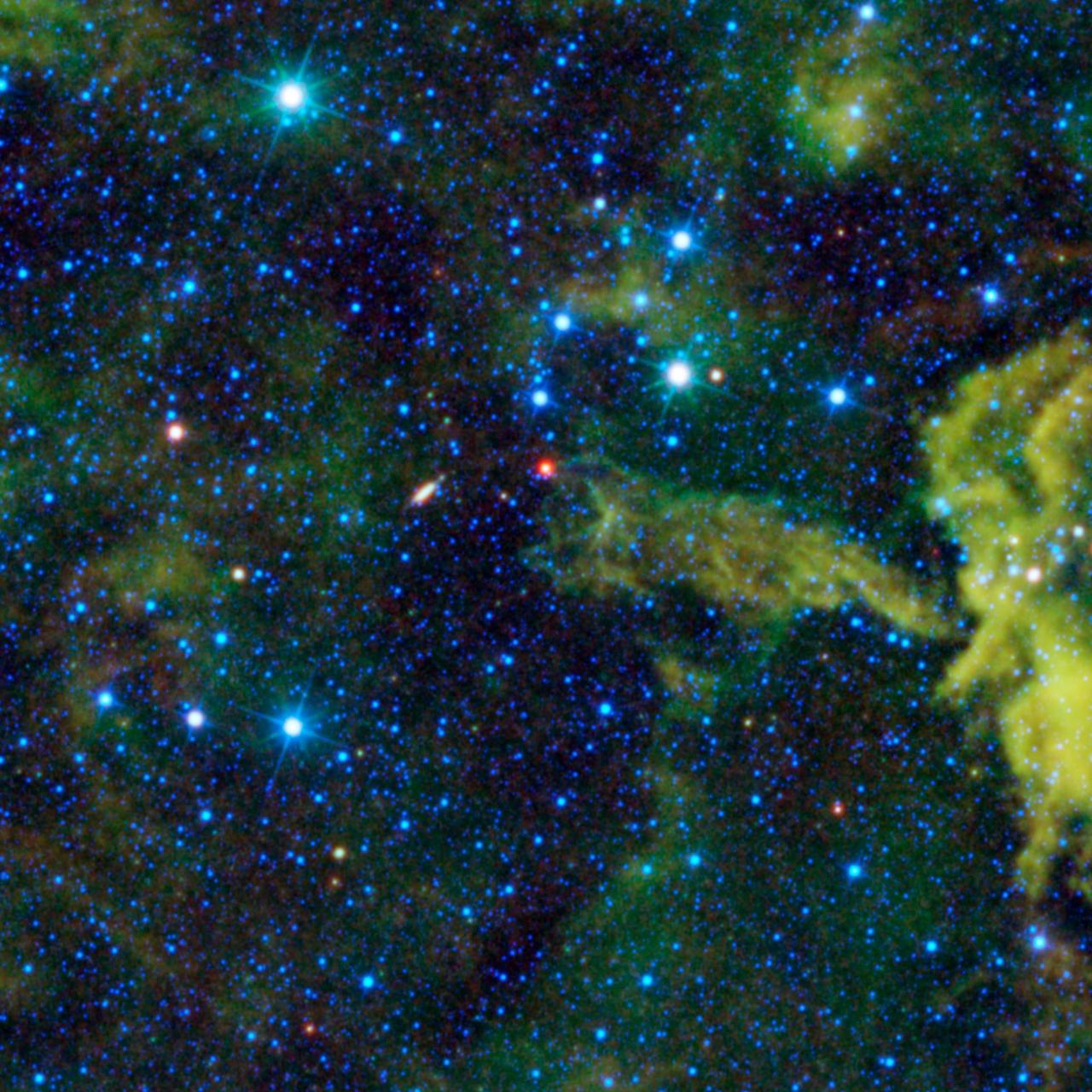
This stellar object is called Spitzer 073425.3-465409, as seen by NASA Wide-field Infrared Survey Explorer; the cloud CG4 might be imagined as a cosmic alligator eating its way across the sky.

Black holes are tremendous objects whose immense gravity can distort and twist space-time, the fabric that shapes our universe as this chart from NASA NuSTAR and ESA XMM-Newton telescope illustrates.
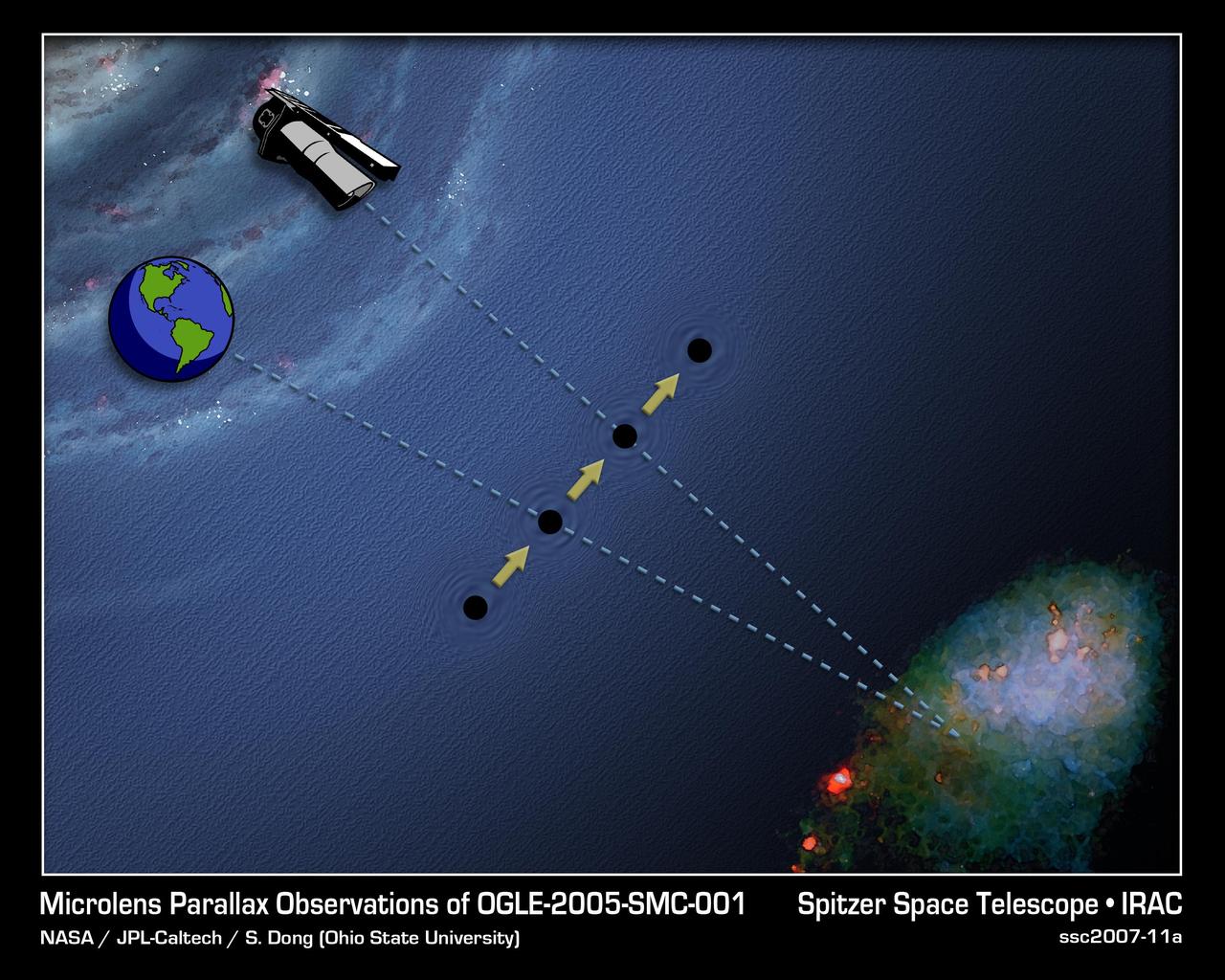
Using the unique orbit of NASA Spitzer Space Telescope and a depth-perceiving trick called parallax, astronomers have determined the distance to an invisible Milky Way object called OGLE-2005-SMC-001.
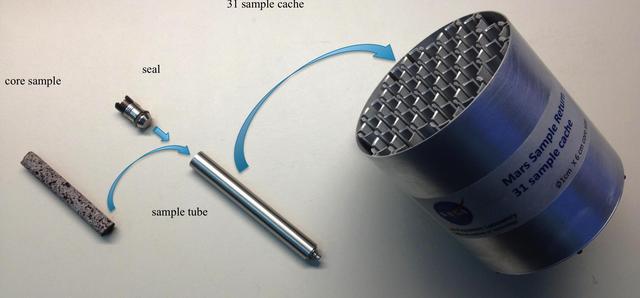
This picture shows one prototype for hardware to cache samples of cores drilled from Martian rocks for possible future return to Earth; a major objective for NASA Mars 2020 rover.
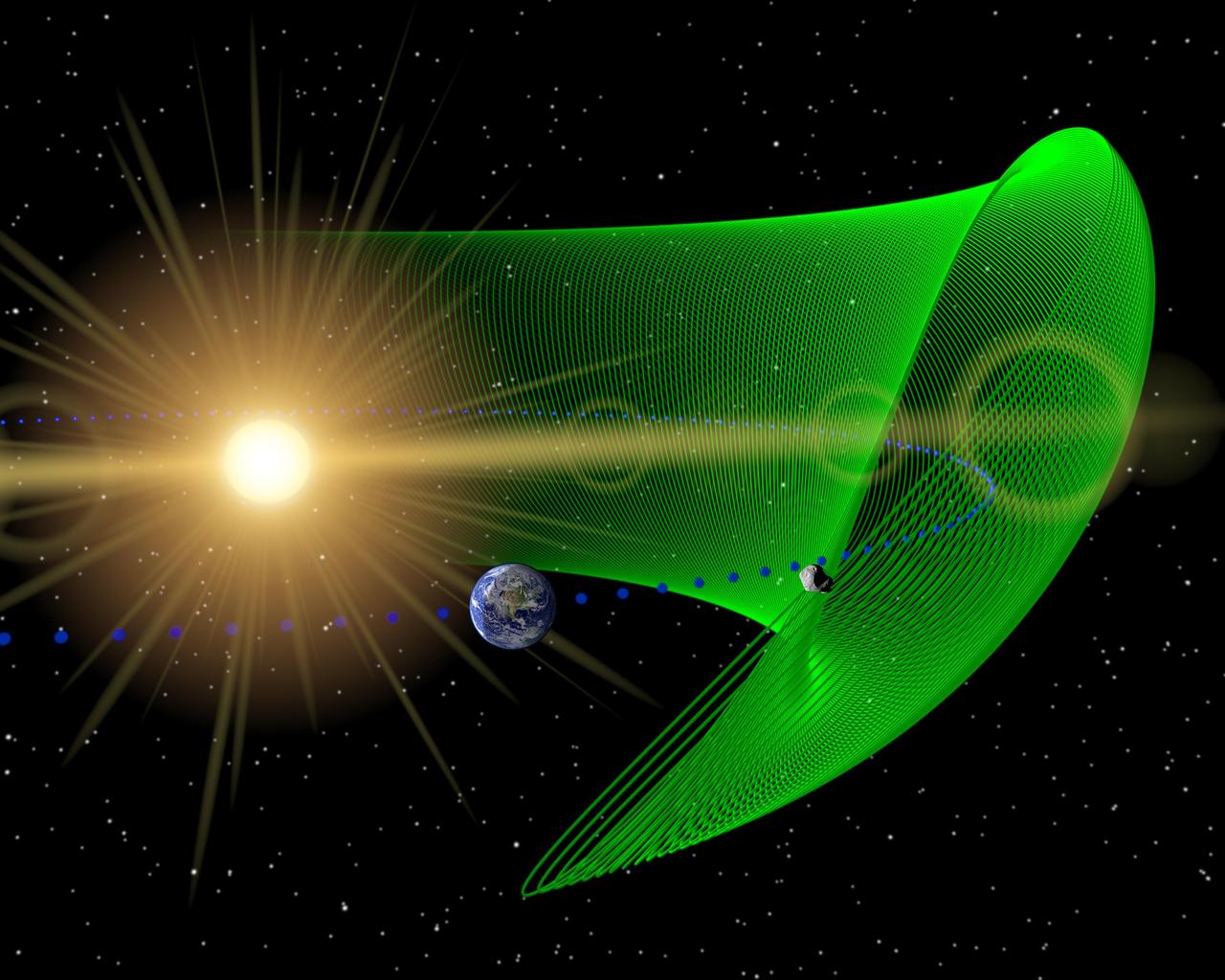
This artist concept illustrates the first known Earth Trojan asteroid, discovered by NEOWISE, the asteroid-hunting portion of NASA WISE mission. The asteroid is shown in gray and its extreme orbit is shown in green. Objects are not drawn to scale.
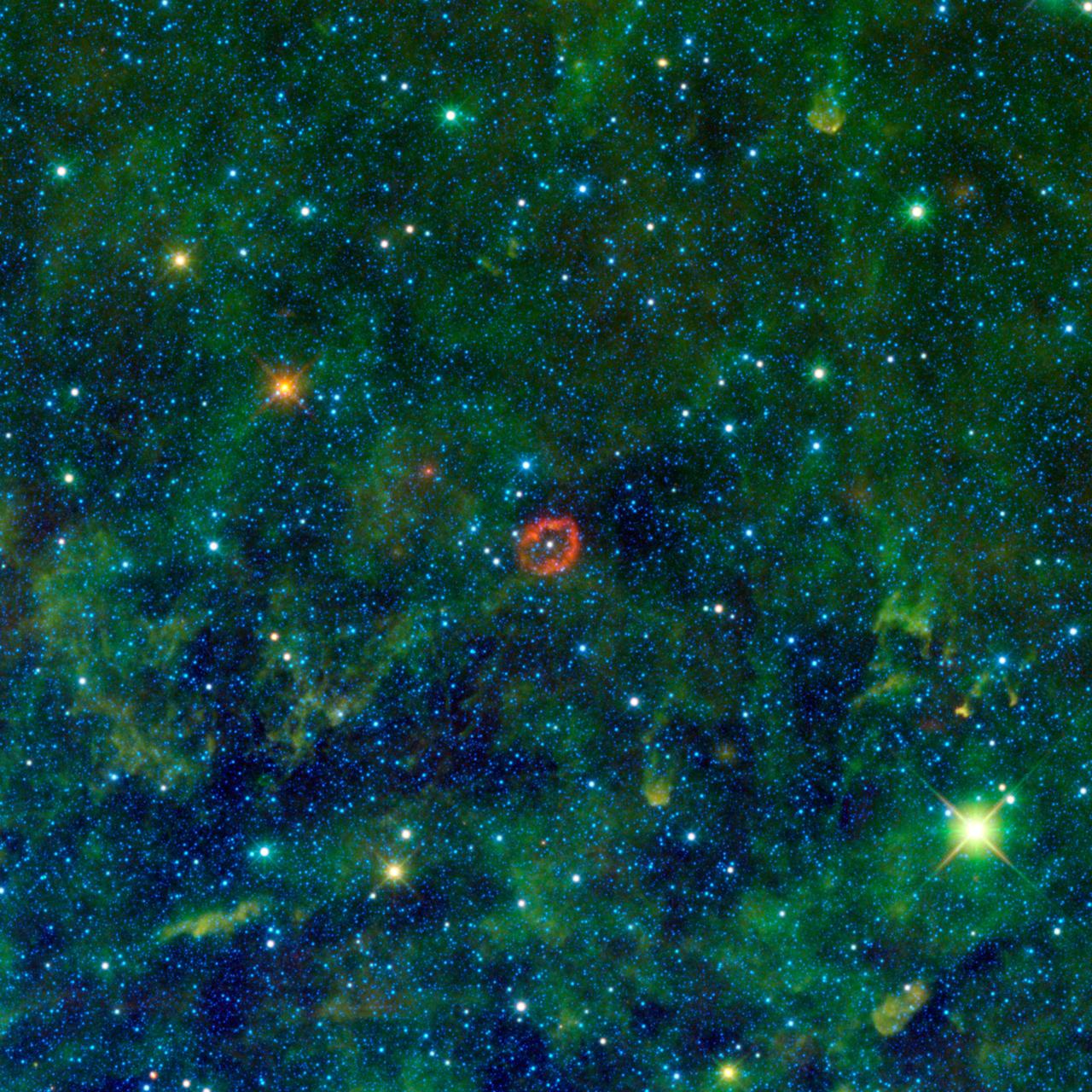
Some might see a blood-red jellyfish, while others might see a pair of lips. In fact, the red-colored object in this new image from NASA Wide-field Infrared Survey Explorer is a sphere of stellar innards.

This artist concept illustrates a supermassive black hole with millions to billions times the mass of our sun. Supermassive black holes are enormously dense objects buried at the hearts of galaxies.
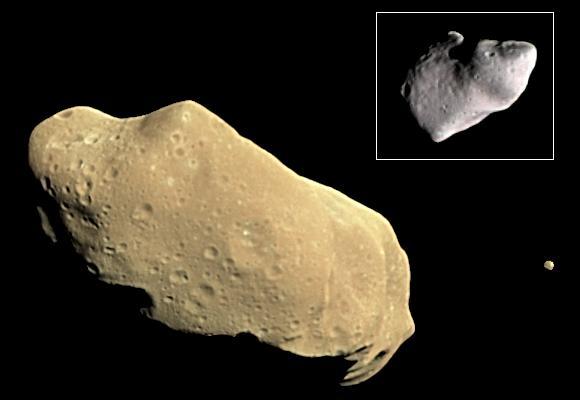
During its examination of the asteroid Ida, NASA Galileo spacecraft returned images of a second object, Dactyl--the first confirmed satellite or moon of an asteroid; the much smaller moon is visible to the right of Ida. http://photojournal.jpl.nasa.gov/catalog/PIA00333
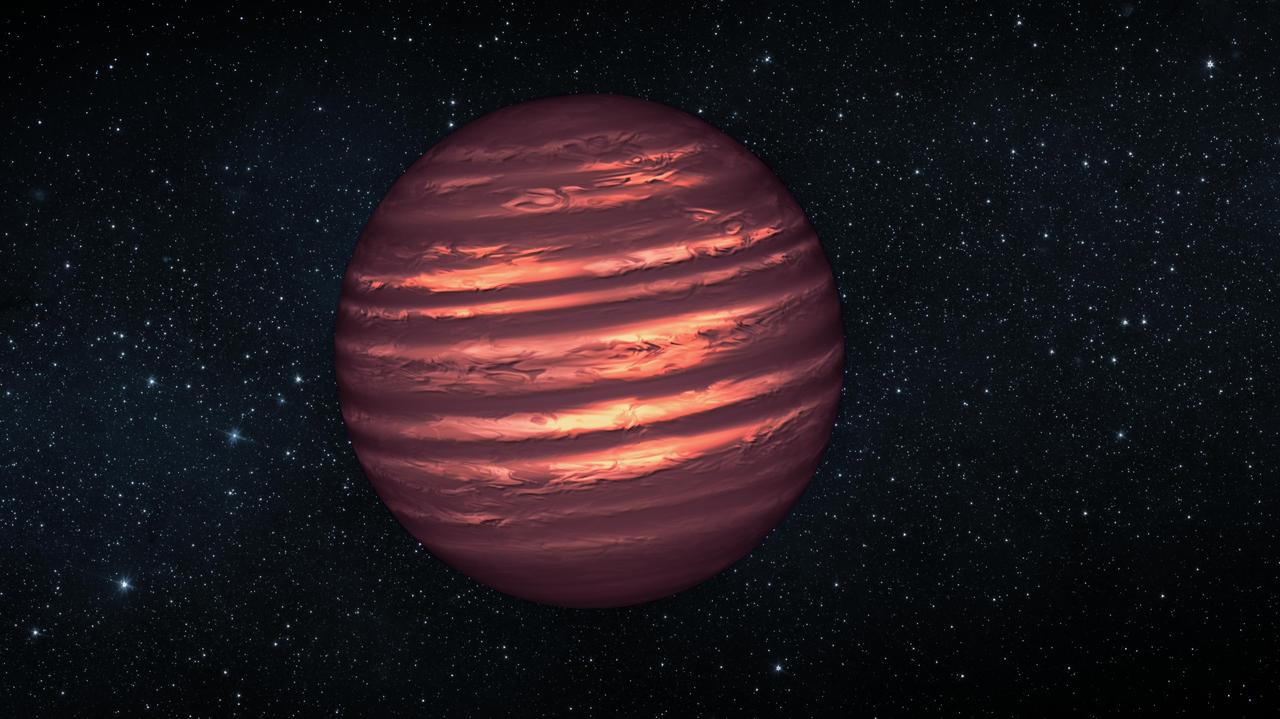
This artist conception illustrates the brown dwarf named 2MASSJ22282889-431026. NASA Hubble and Spitzer space telescopes observed the object to learn more about its turbulent atmosphere.
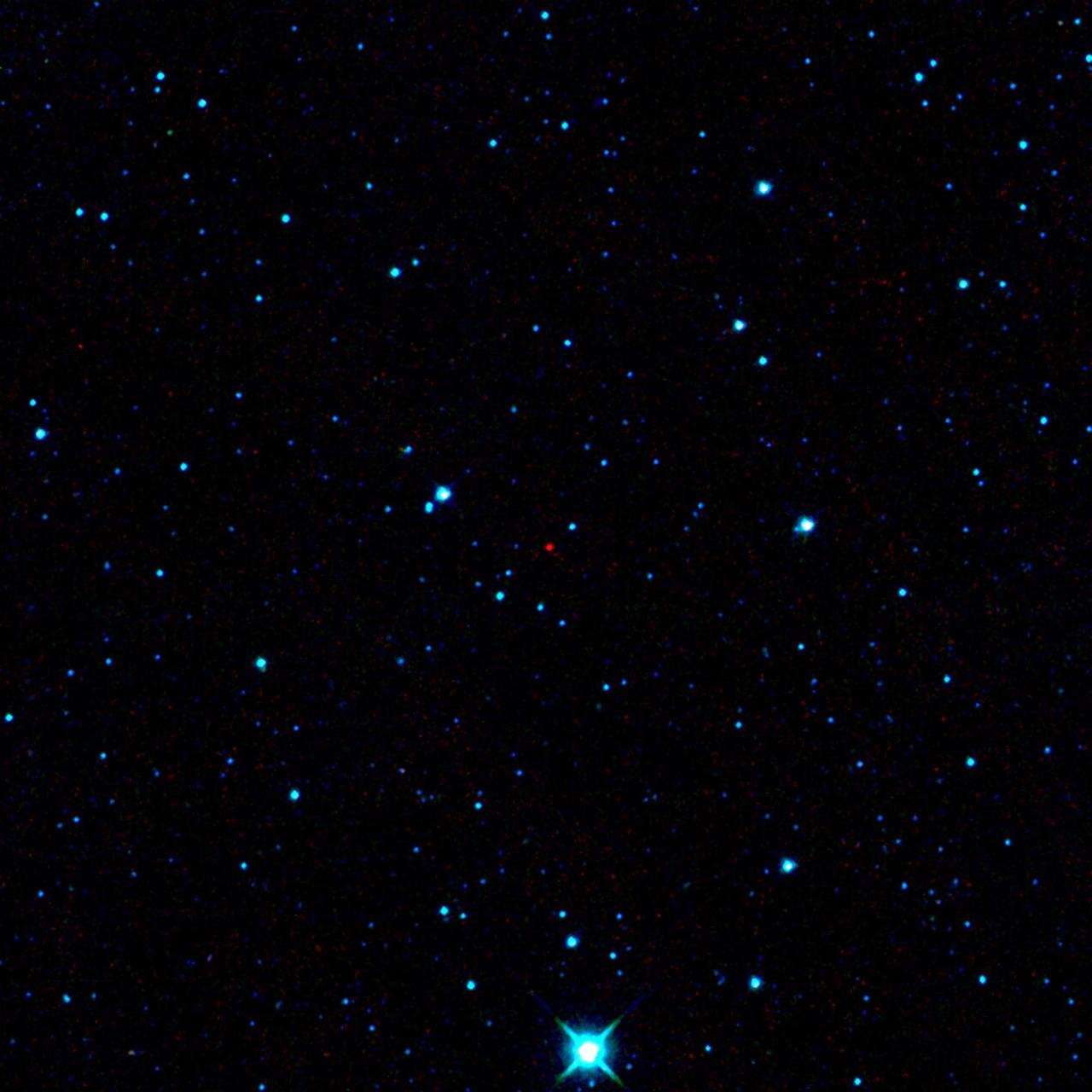
The red dot at the center of this image is the first near-Earth asteroid discovered by NASA Wide-Field Infrared Survey Explorer, or WISE -- an all-sky mapping infrared mission designed to see all sorts of cosmic objects.
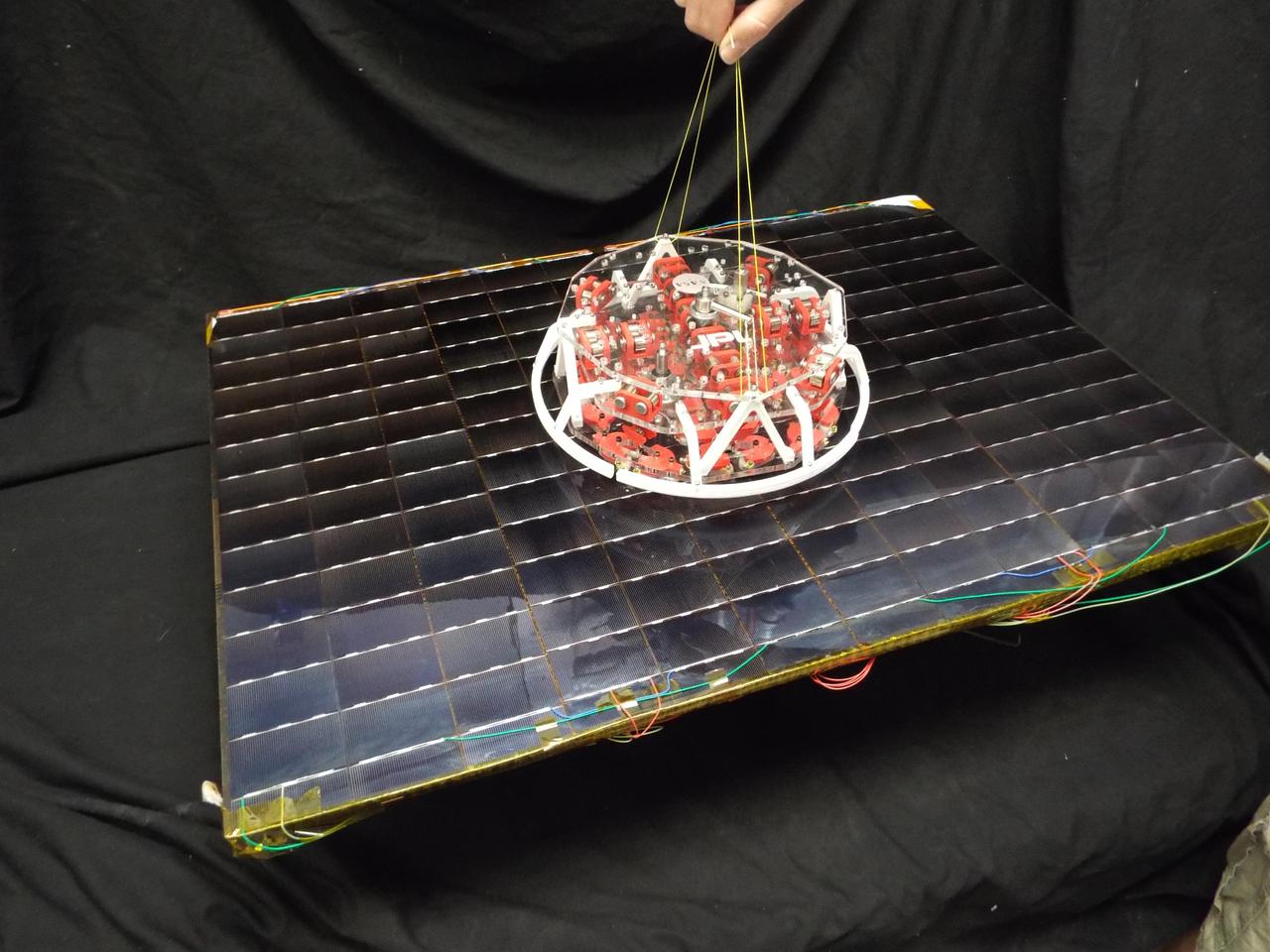
Scientists at NASA Jet Propulsion Laboratory have developed a tool for grappling non-cooperative objects that incorporates gecko-like adhesives. The adhesives are reusable and can be turned on and off.
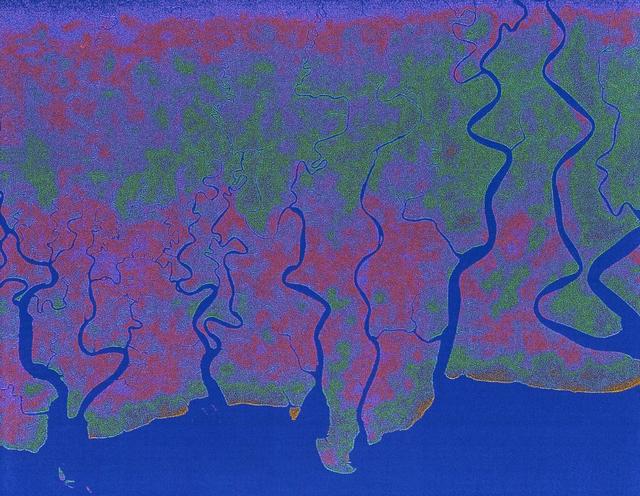
The objective of NASA Shuttle Imaging Radar A SIR-A was to observe the Earth by use of radar imagery, acquire and transmit data of different geologic regions. This is a view of New Guinea in 2000.
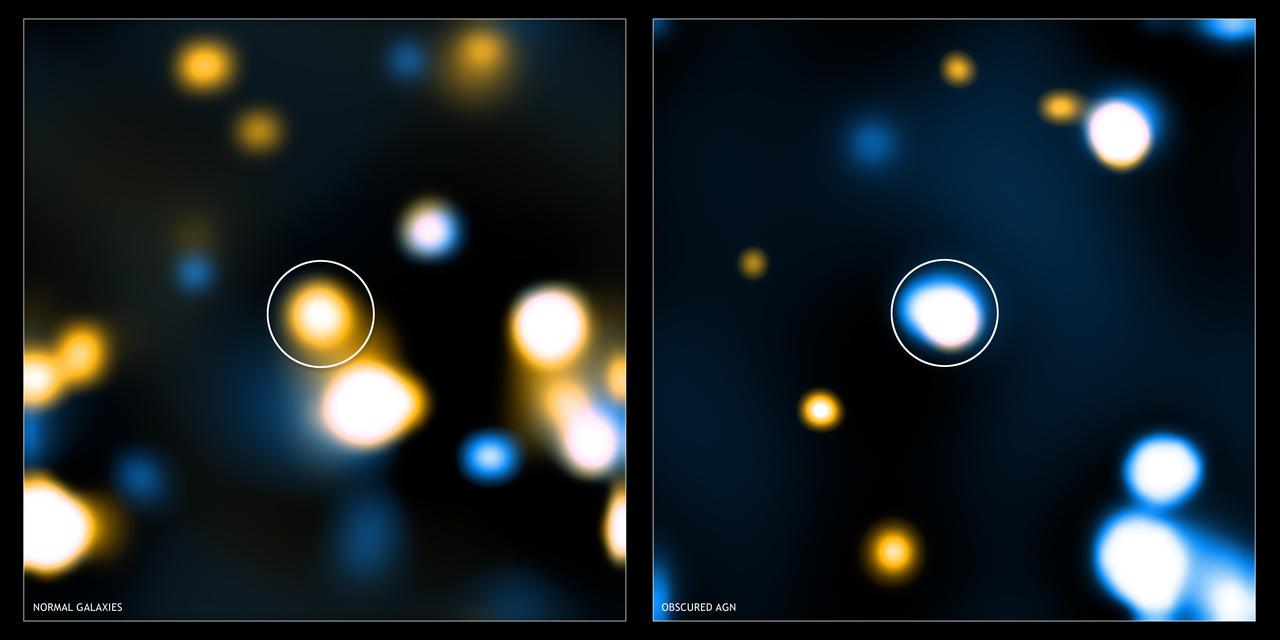
These two images show tacked Chandra images for two different classes of distant, massive galaxy detected with NASA Spitzer. Image stacking is a procedure used to detect emission from objects that is too faint to be detected in single images.

This Hubble telescope snapshot of MyCn18, a young planetary nebula, reveals that the object has an hourglass shape with an intricate pattern of etchings in its walls. A planetary nebula is the glowing relic of a dying, Sun-like star.
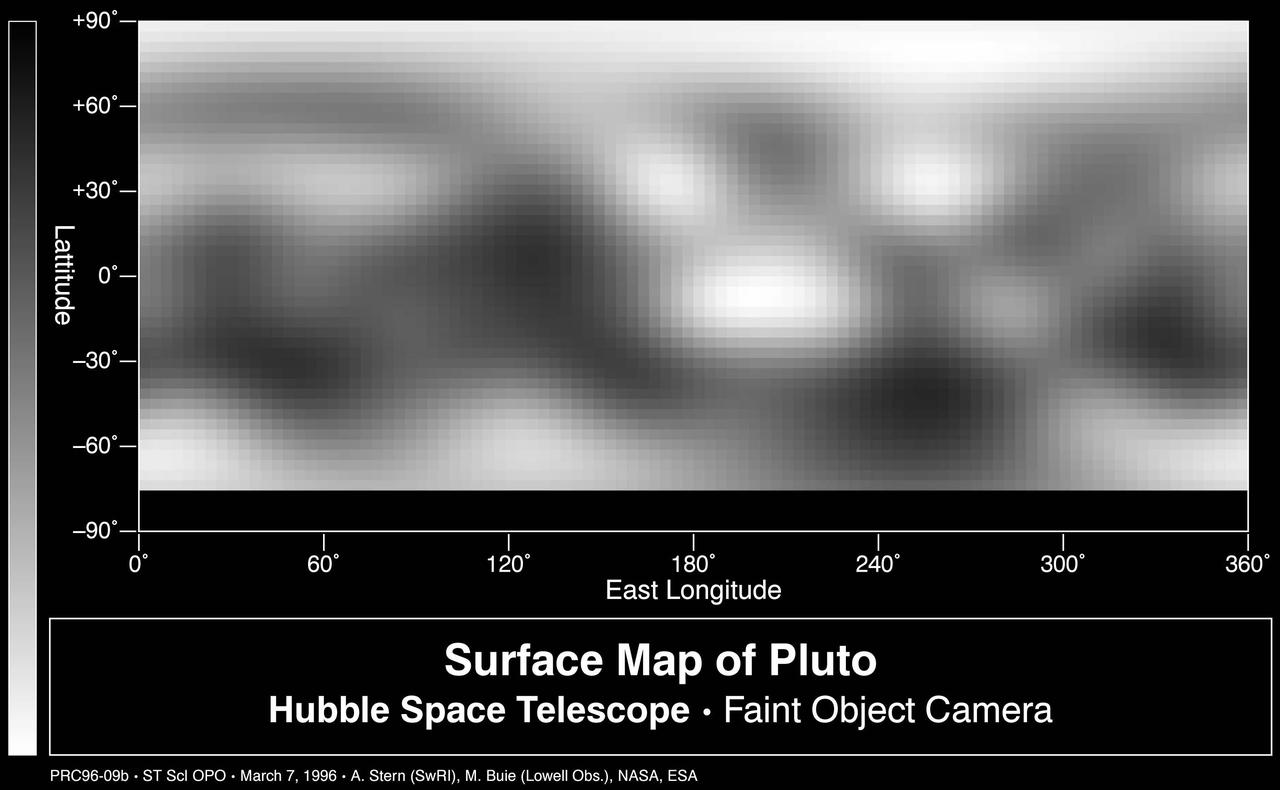
This image-based surface map of Pluto was assembled by computer image processing software from four separate images of Pluto disk taken with the European Space Agency Faint Object Camera aboard NASA Hubble Space Telescope.
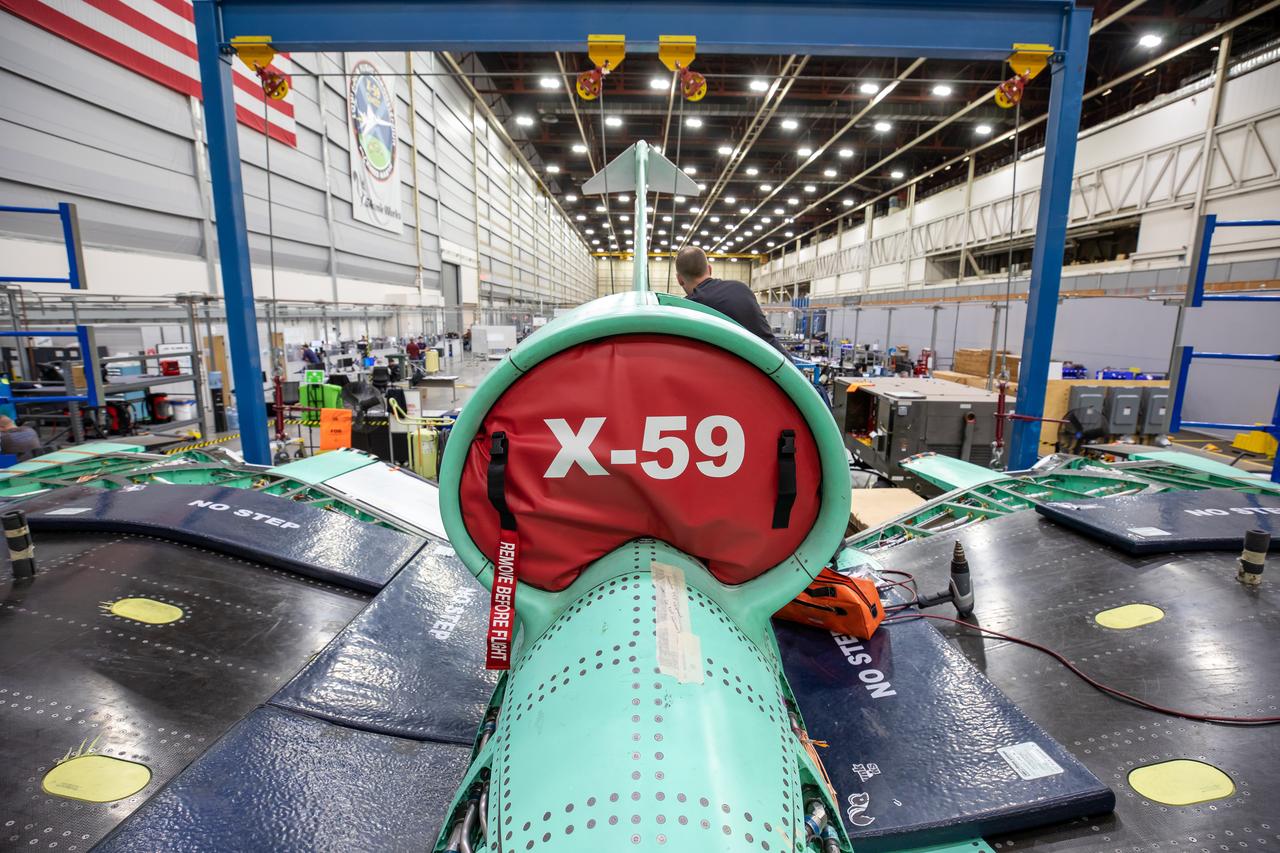
This is an image of the X-59 inlet with a safety covering. The inlet’s purpose is to adjust air speeds before they pass through the aircraft’s engine. The purpose of the covering is to protect the inlet and engine from foreign objects.
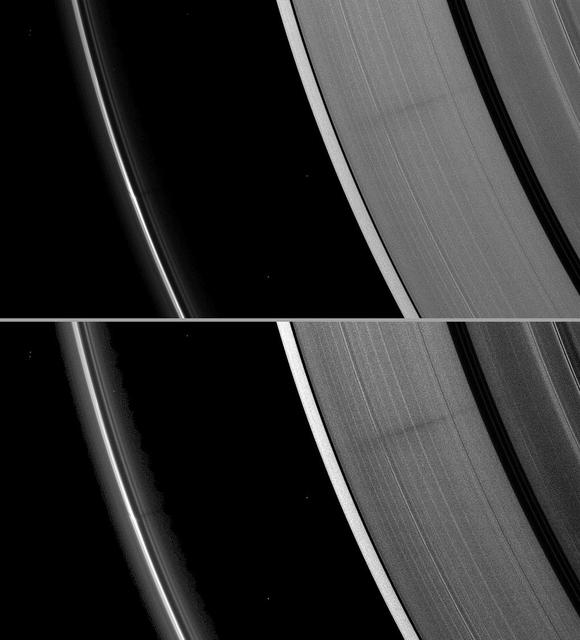
A vertically extended structure or object in Saturn F ring casts a shadow long enough to reach the A ring in this Cassini image taken just days before planet August 2009 equinox.

By spying on a neighboring galaxy, NASA Hubble Space Telescope has captured an image of a young, globular-like star cluster—a type of object unknown in our Milky Way Galaxy.

This diagram illustrates how astronomers using NASA Spitzer Space Telescope can capture the elusive spectra of hot-Jupiter planets. Spectra are an object light spread apart into its basic components, or wavelengths.
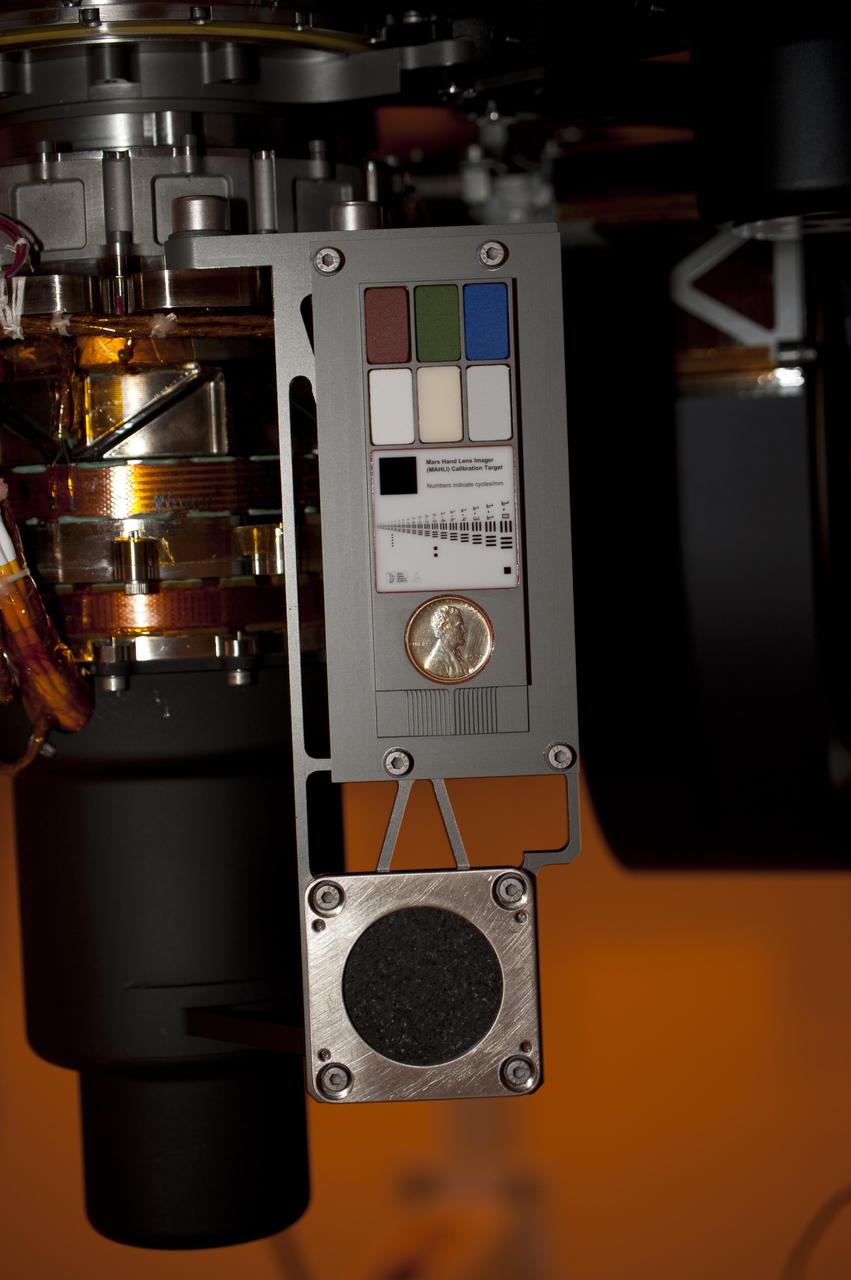
Two instruments at the end of the robotic arm on NASA Mars rover Curiosity will use calibration targets attached to a shoulder joint of the arm. The penny is a size reference giving the public a familiar object for perceiving size on Mars easily.
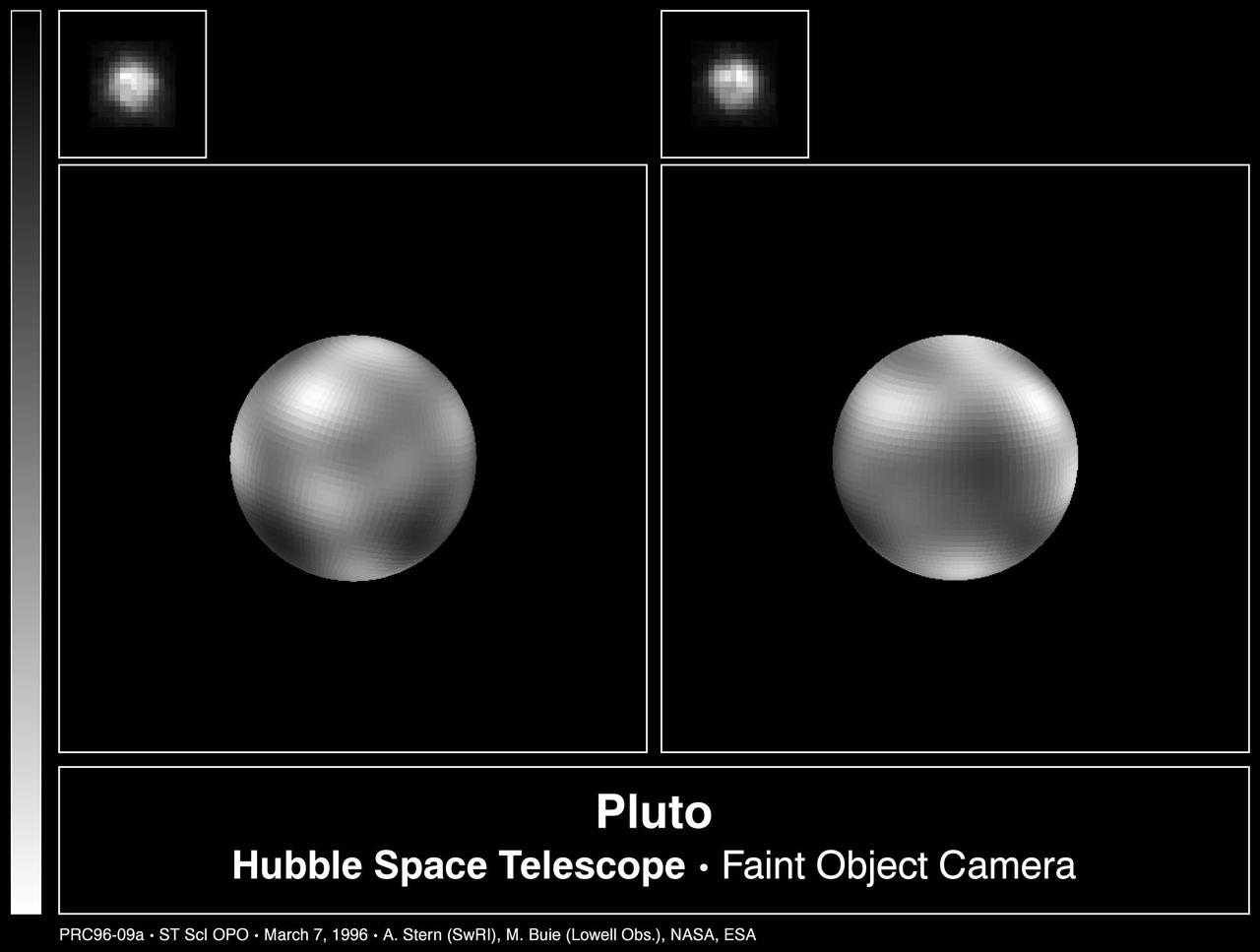
The never-before-seen surface of the distant planet Pluto is resolved in these NASA Hubble Space Telescope pictures, taken with the European Space Agency Faint Object Camera FOC aboard Hubble.

This is the clearest view yet of the distant planet Pluto and its moon, Charon, as revealed by NASA Hubble Space Telescope. The image was taken by the European Space Agency Faint Object Camera on February 21, 1994.