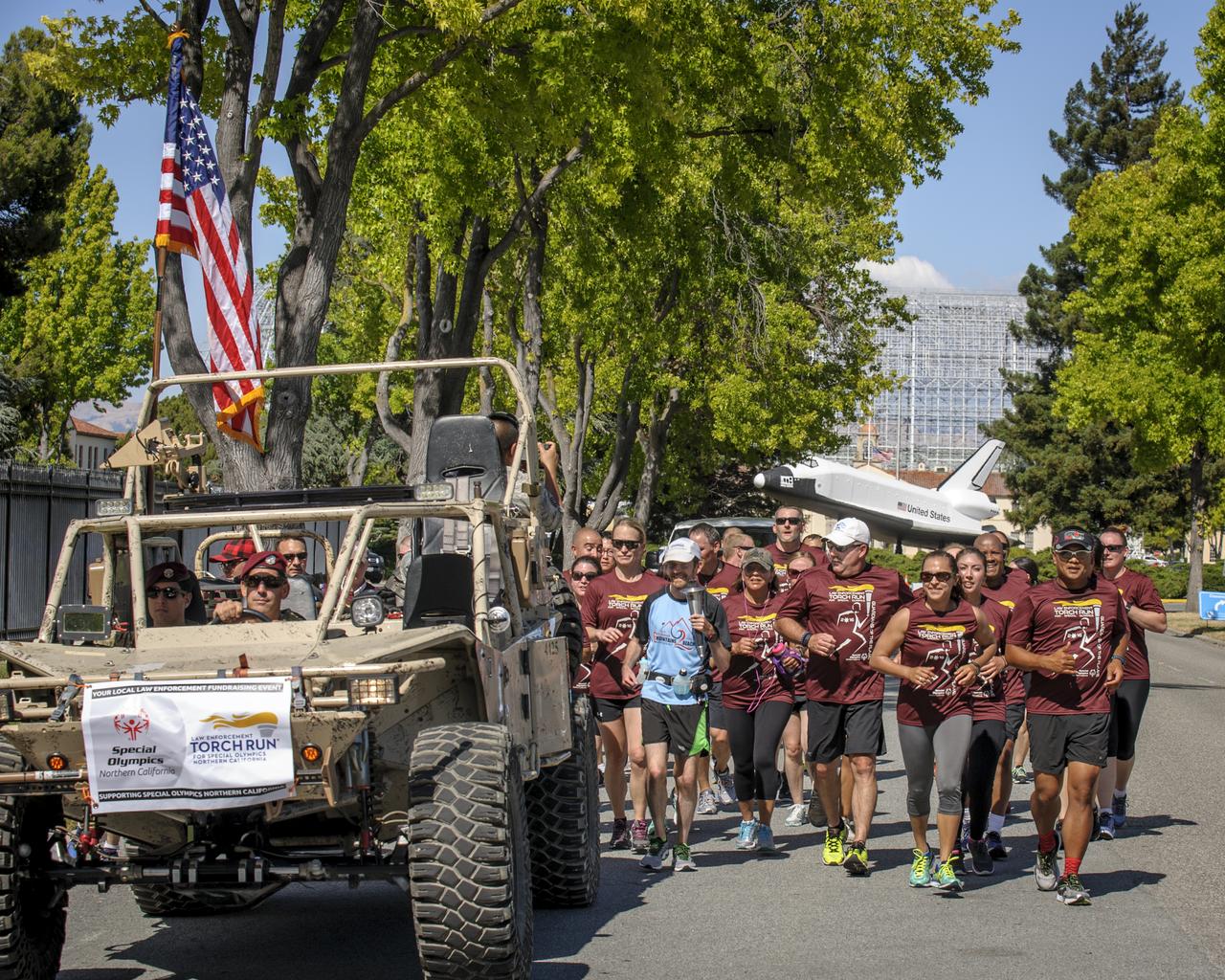
The Special Olympics torch make it's way through the NASA Ames Research Park on it's way to a hand-off in Mountain View, CA
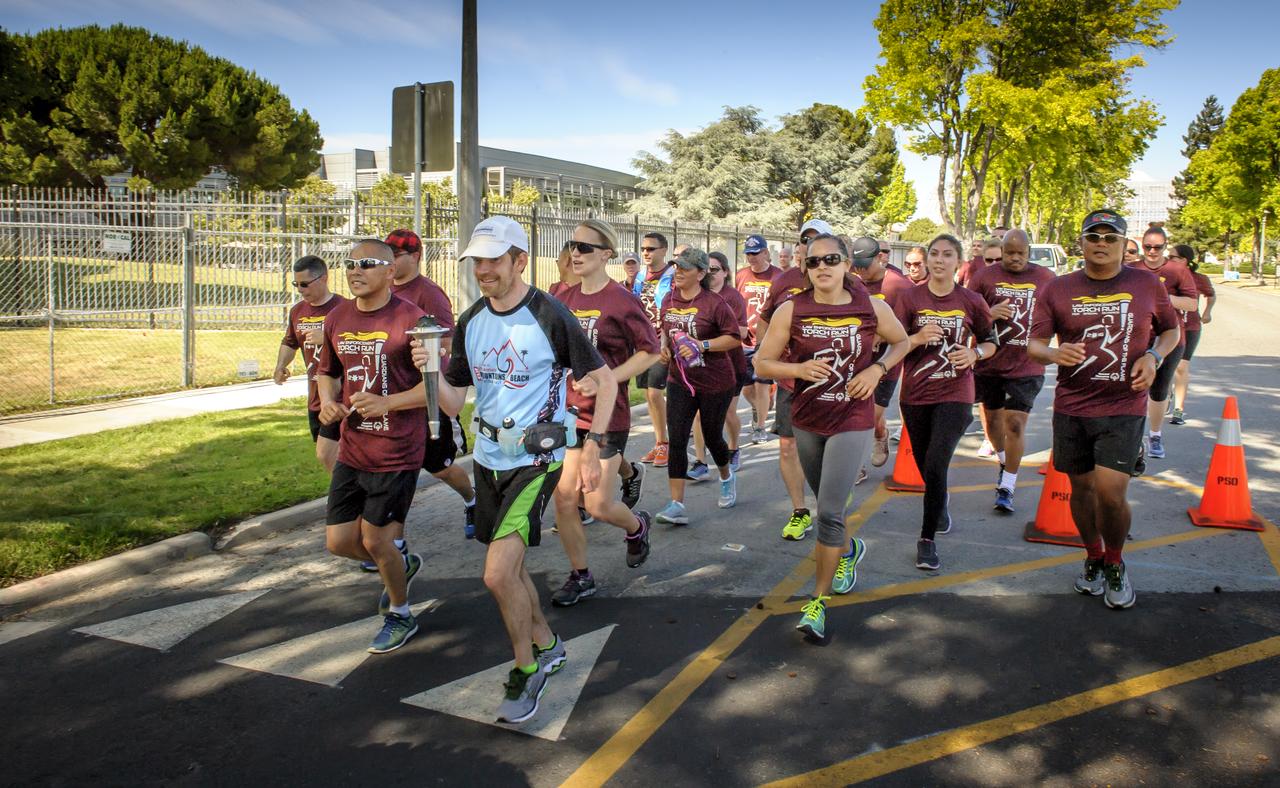
The Special Olympics Torch makes it’s way through NASA Ames Research Park on it’s way to a hand-off in Mountain View, CA.
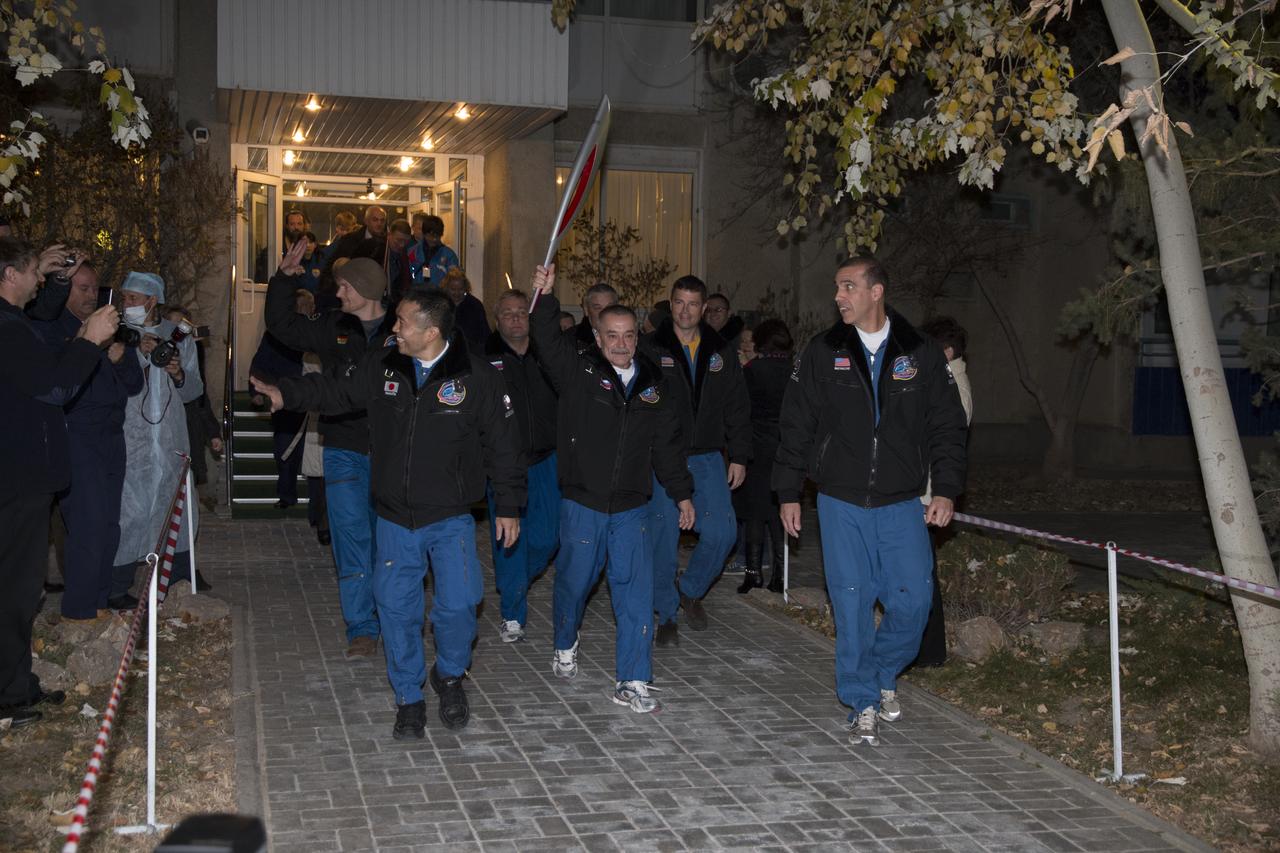
Expedition 38 Flight Engineer Koichi Wakata of the Japan Aerospace Exploration Agency, left, Soyuz Commander Mikhail Tyurin of Roscosmos, and, Flight Engineer Rick Mastracchio of NASA, right, are seen as they depart the Cosmonaut hotel with the Olympic Torch that will be launched with them on a Soyuz rocket to the International Space Station, Thursday, Nov. 7, 2013, in Baikonur, Kazakhstan. The Olympic torch will have a four-day visit to station and will return to Earth with another trio of station residents on Nov. 11 and will be part of the torch relay that ends with the lighting of the flame at the Fisht Stadium in Sochi, Russia Feb. 7 to mark the opening of the 2014 Winter Olympics. Photo Credit: (NASA/Victor Zelentsov)
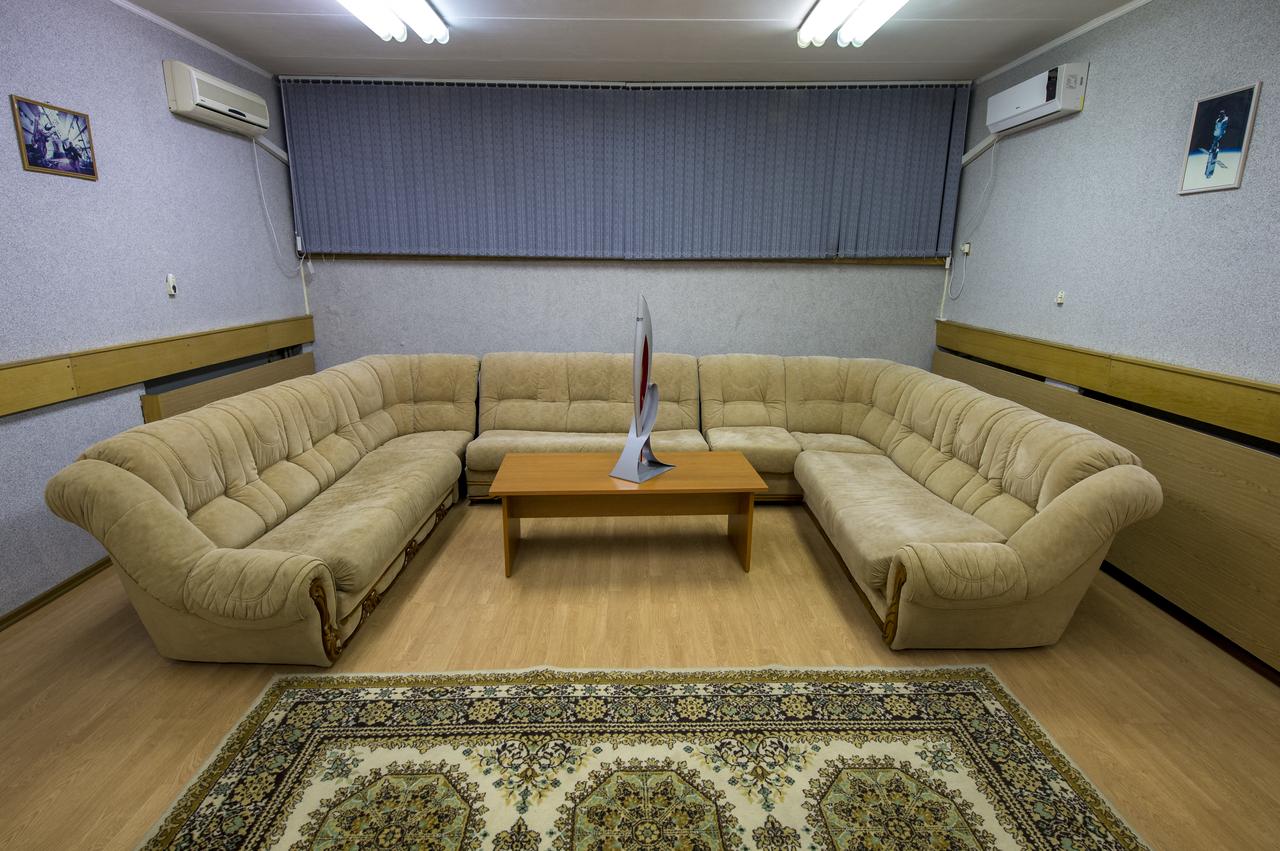
The 2014 Sochi Olympic torch that is to be launched with Expedition 38 Soyuz Commander Mikhail Tyurin of Roscosmos, Flight Engineer Koichi Wakata of the Japan Aerospace Exploration Agency, and, Flight Engineer Rick Mastracchio of NASA, is seen in the Cosmonaut hotel hours ahead of the soyuz launch, Thursday, Nov. 7, 2013, in Baikonur, Kazakhstan. The Olympic torch will be on the International Space Station for a four-day visit and will return to Earth with another trio of station residents on Nov. 11 and will be part of the torch relay that ends with the lighting of the flame at the Fisht Stadium in Sochi, Russia Feb. 7 to mark the opening of the 2014 Winter Olympics. Photo Credit (NASA/Bill Ingalls)
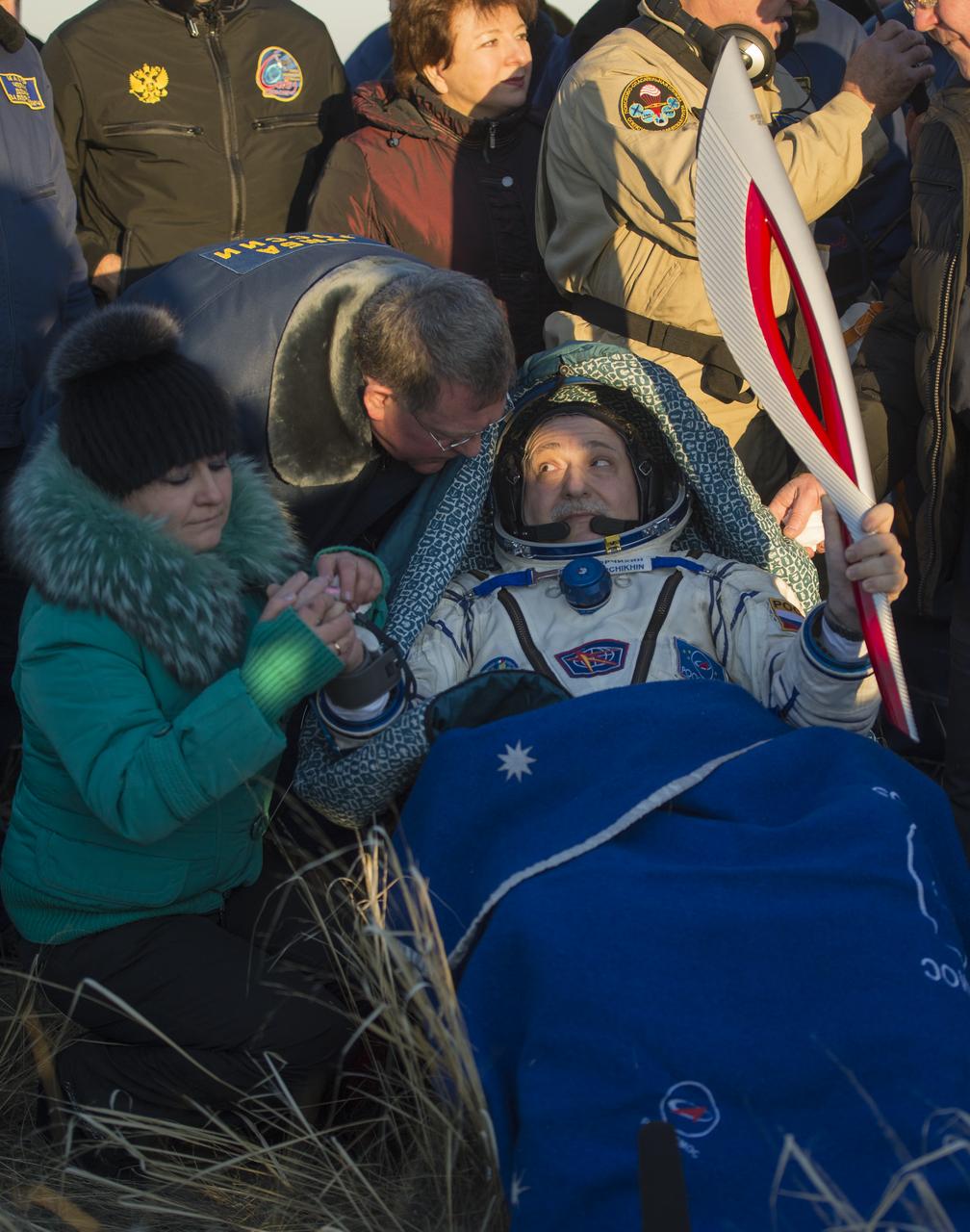
Expedition 37 Commander Fyodor Yurchikhin is seen holding the Olympic torch minutes after he and his crew landed in a remote area southeast of the town of Zhezkazgan, Kazakhstan, on Monday, Nov. 11, 2013. The Olympic torch was launched with the crew of Expedition 38 to the International Space Station on November 7. It was passed from one module to the next and had its first spacewalk on November 9 with two Russian cosmonauts as part of its international relay. Now back on earth it will continue its journey to Sochi, Russia for the 2014 Winter Games. Photo Credit: (NASA/Carla Cioffi)
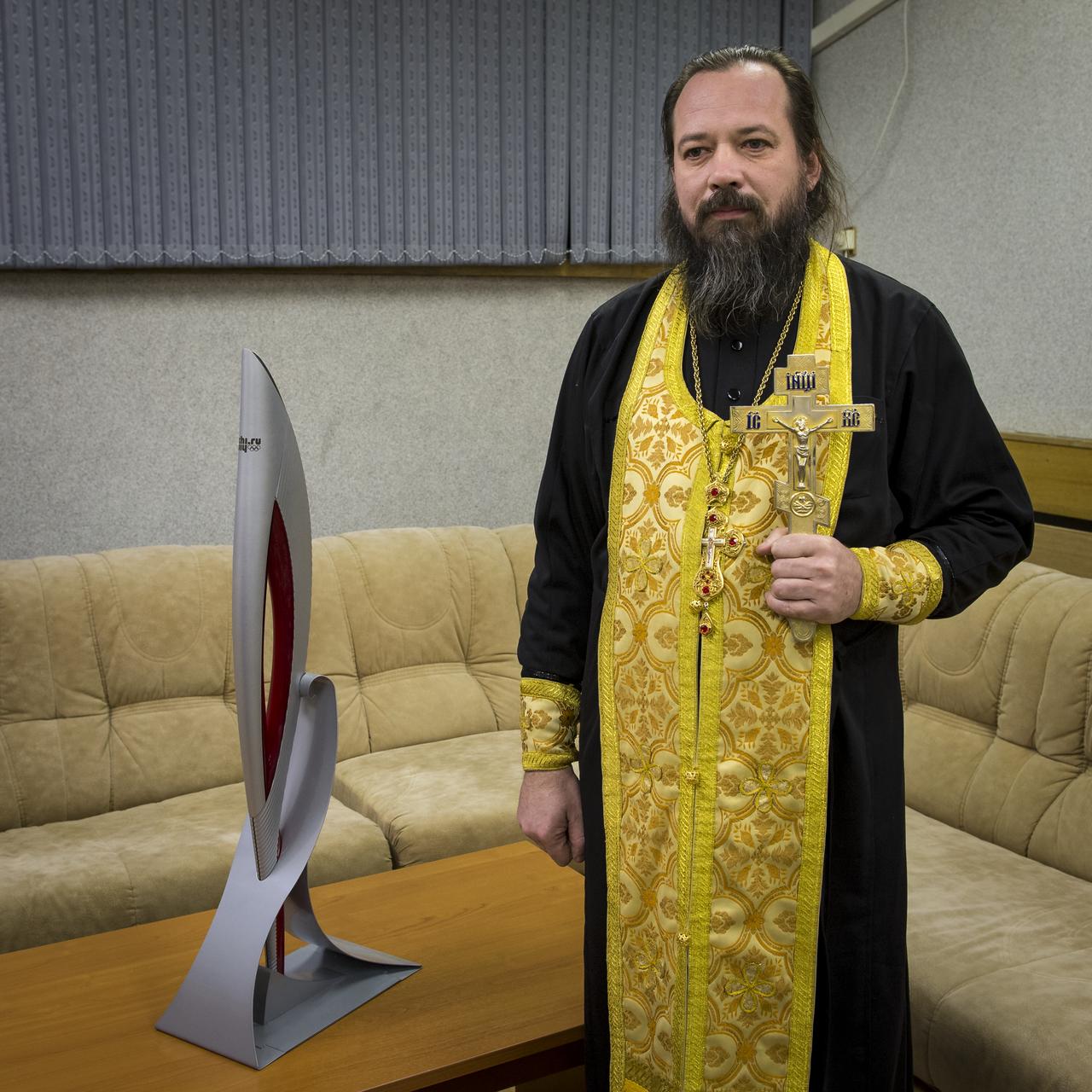
Portrait of Orthodox priest, Father Sergei with the 2014 Sochi Olympic torch that is to be launched with Expedition 38 Soyuz Commander Mikhail Tyurin of Roscosmos, Flight Engineer Koichi Wakata of the Japan Aerospace Exploration Agency, and, Flight Engineer Rick Mastracchio of NASA, Cosmonaut hotel, Thursday, Nov. 7, 2013, in Baikonur, Kazakhstan. Father Sergei was waiting to provide the traditional blessing for the crew prior to their departure from the hotel. The Olympic torch will have a four-day visit to the International Space Station and will return to Earth with another trio of station residents on Nov. 11 and will be part of the torch relay that ends with the lighting of the flame at the Fisht Stadium in Sochi, Russia Feb. 7 to mark the opening of the 2014 Winter Olympics. Photo Credit (NASA/Bill Ingalls)
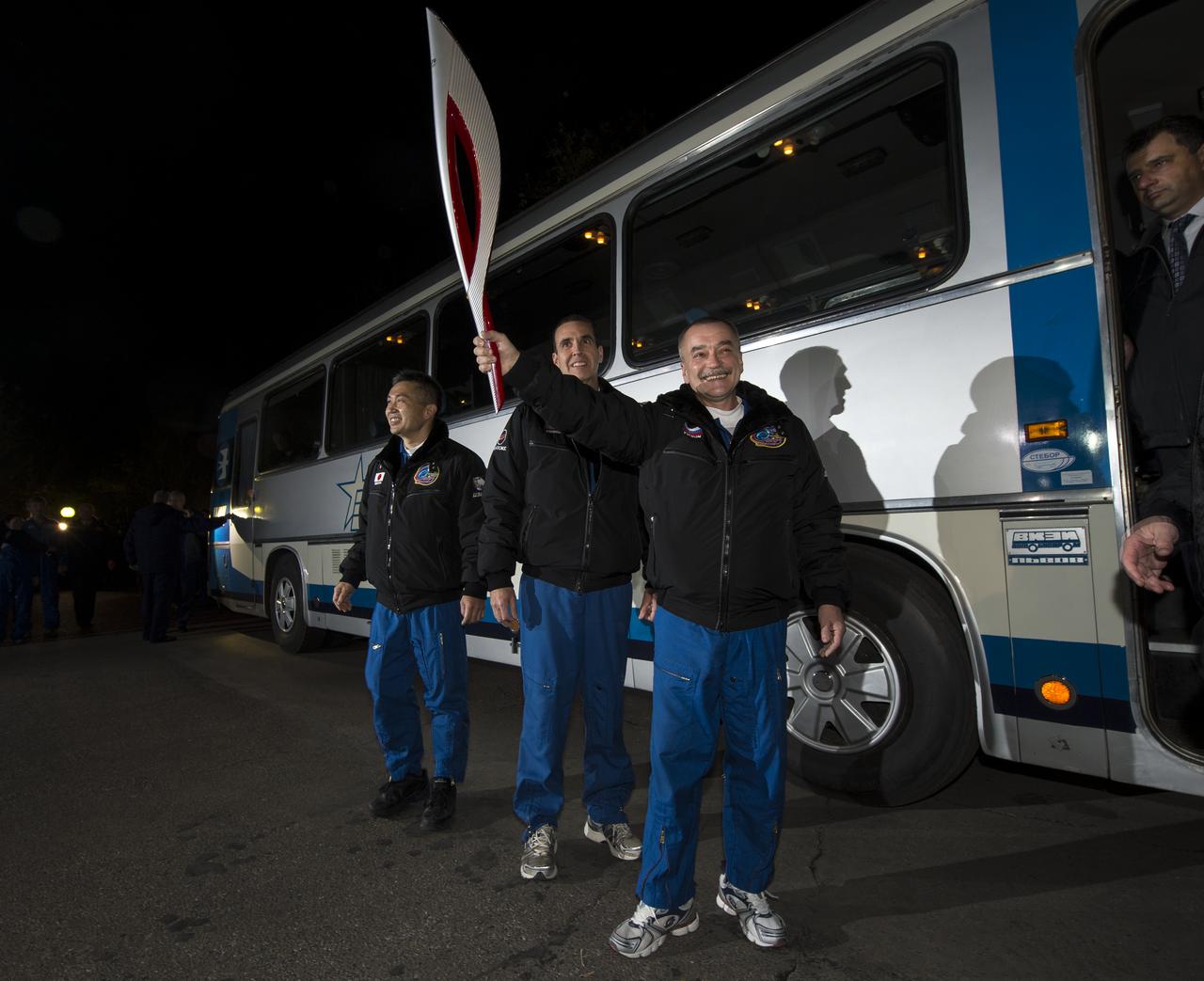
Expedition 38 Flight Engineer Koichi Wakata of the Japan Aerospace Exploration Agency, left, Flight Engineer Rick Mastracchio of NASA, and, Soyuz Commander Mikhail Tyurin of Roscosmos, right, are seen as they depart the Cosmonaut hotel with the Olympic Torch that will be launched with them on the Soyuz rocket to the International Space Station, Thursday, Nov. 7, 2013, in Baikonur, Kazakhstan. The Olympic torch will have a four-day visit to station and will return to Earth with another trio of station residents on Nov. 11 and will be part of the torch relay that ends with the lighting of the flame at the Fisht Stadium in Sochi, Russia Feb. 7 to mark the opening of the 2014 Winter Olympics. Photo Credit: (NASA/Bill Ingalls)
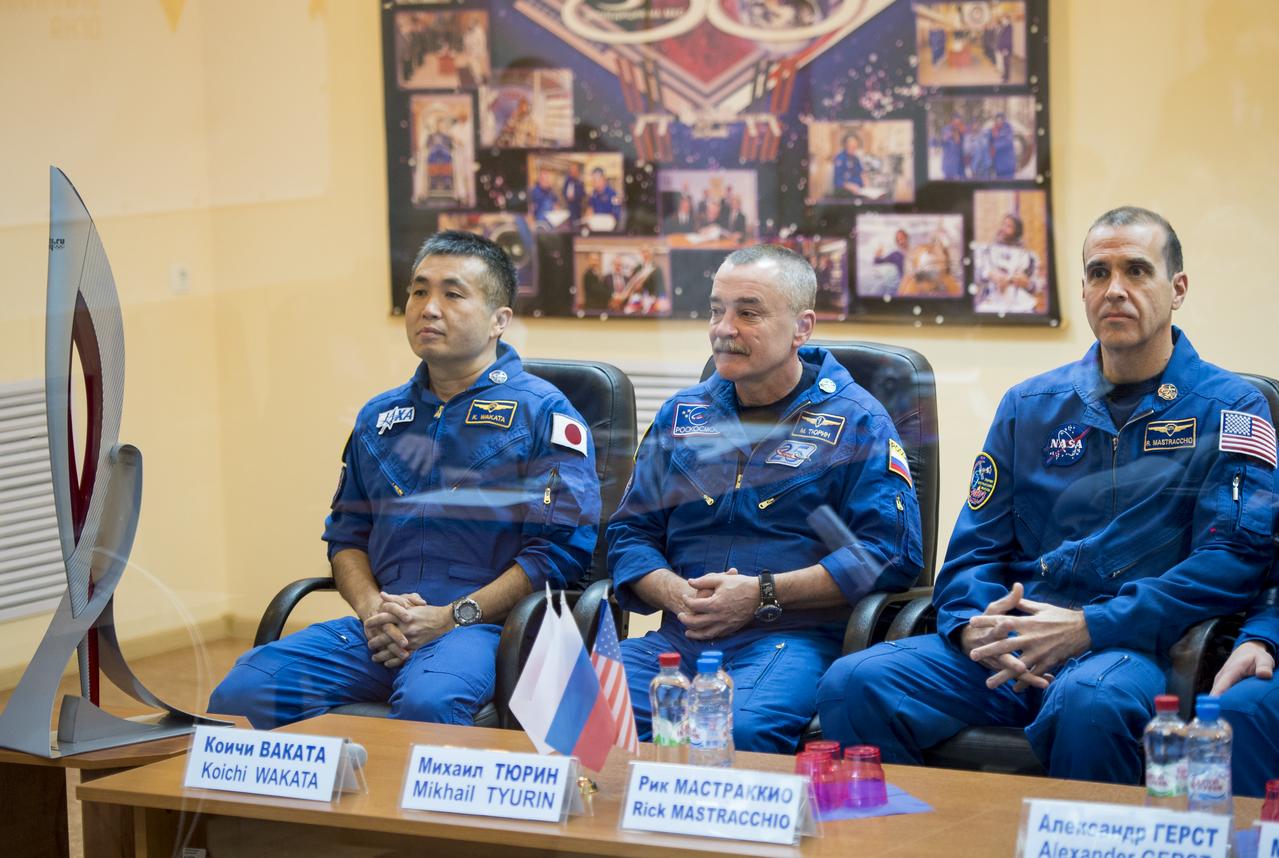
Expedition 38 Flight Engineer Koichi Wakata of the Japan Aerospace Exploration Agency, left, Soyuz Commander Mikhail Tyurin of Roscosmos, and, Flight Engineer Rick Mastracchio of NASA, right, are seen behind glass, while in quarantine, during the State Commission meeting held to approve the Soyuz launch of the crew for a six month mission aboard the International Space Station, Wednesday, Nov. 6, 2013 at the Cosmonaut Hotel in Baikonur, Kazakhstan. An Olympic torch that will be launched with the crew for a four-day visit to the station is seen on the left. The torch will return to Earth with another trio of station residents on Nov. 11 and will be part of the torch relay that ends with the lighting of the flame at the Fisht Stadium in Sochi, Russia Feb. 7 to mark the opening of the 2014 Winter Olympics. Photo Credit: (NASA/Bill Ingalls)
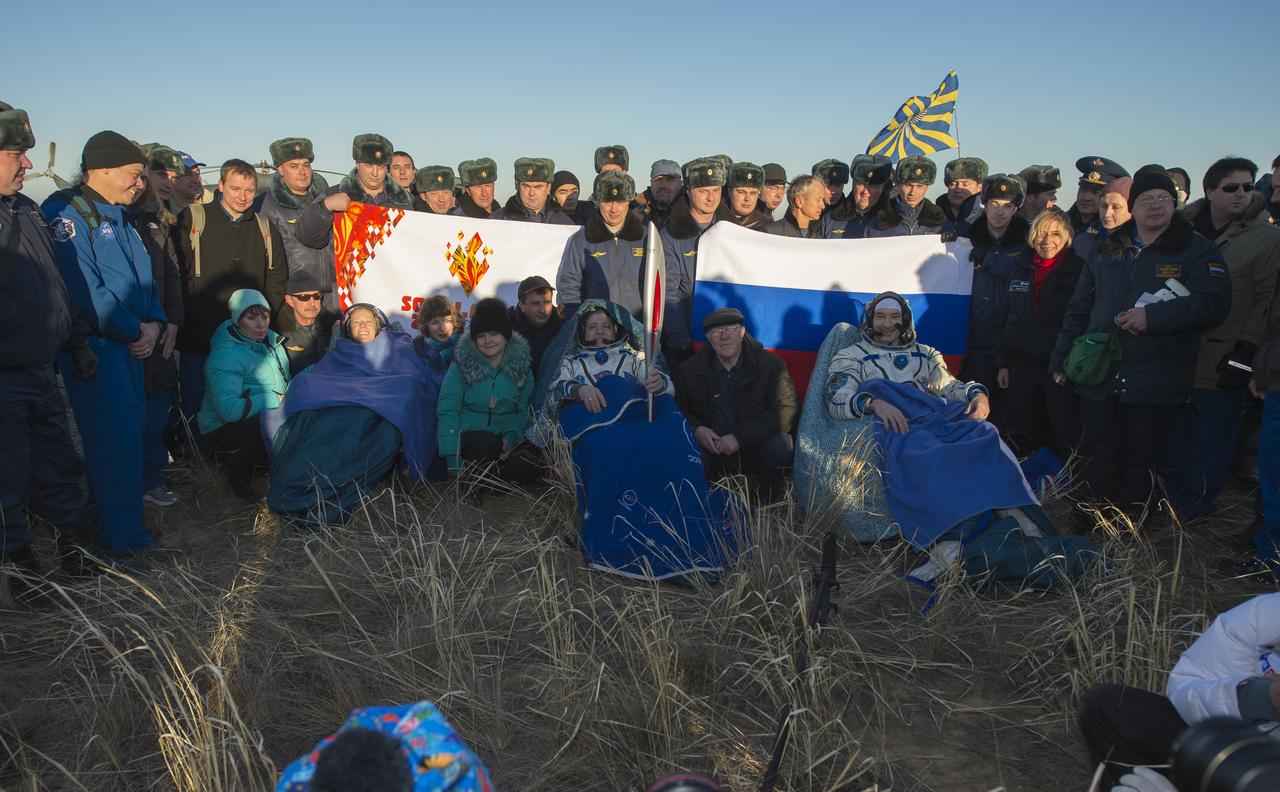
NASA Flight Engineer Karen Nyberg, left, Expedition 37 Commander Fyodor Yurchikhin of Roscosmos, center holding the Olympic torch, and European Space Agency Flight Engineer Luca Parmitano sit in chairs outside the Soyuz capsule just minutes after they landed in a remote area outside the town of Zhezkazgan, Kazakhstan, on Monday, Nov. 11, 2013. The Olympic torch was launched with the crew of Expedition 38 to the International Space Station on November 7. It was passed from one module to the next and had its first spacewalk on November 9 with two Russian cosmonauts as part of its international relay. Now back on earth it will continue its journey to Sochi, Russia for the 2014 Winter Games. Yurchikhin, Nyberg and Parmitano returned from five and a half months onboard the International Space Station. Photo Credit: (NASA/Carla Cioffi)
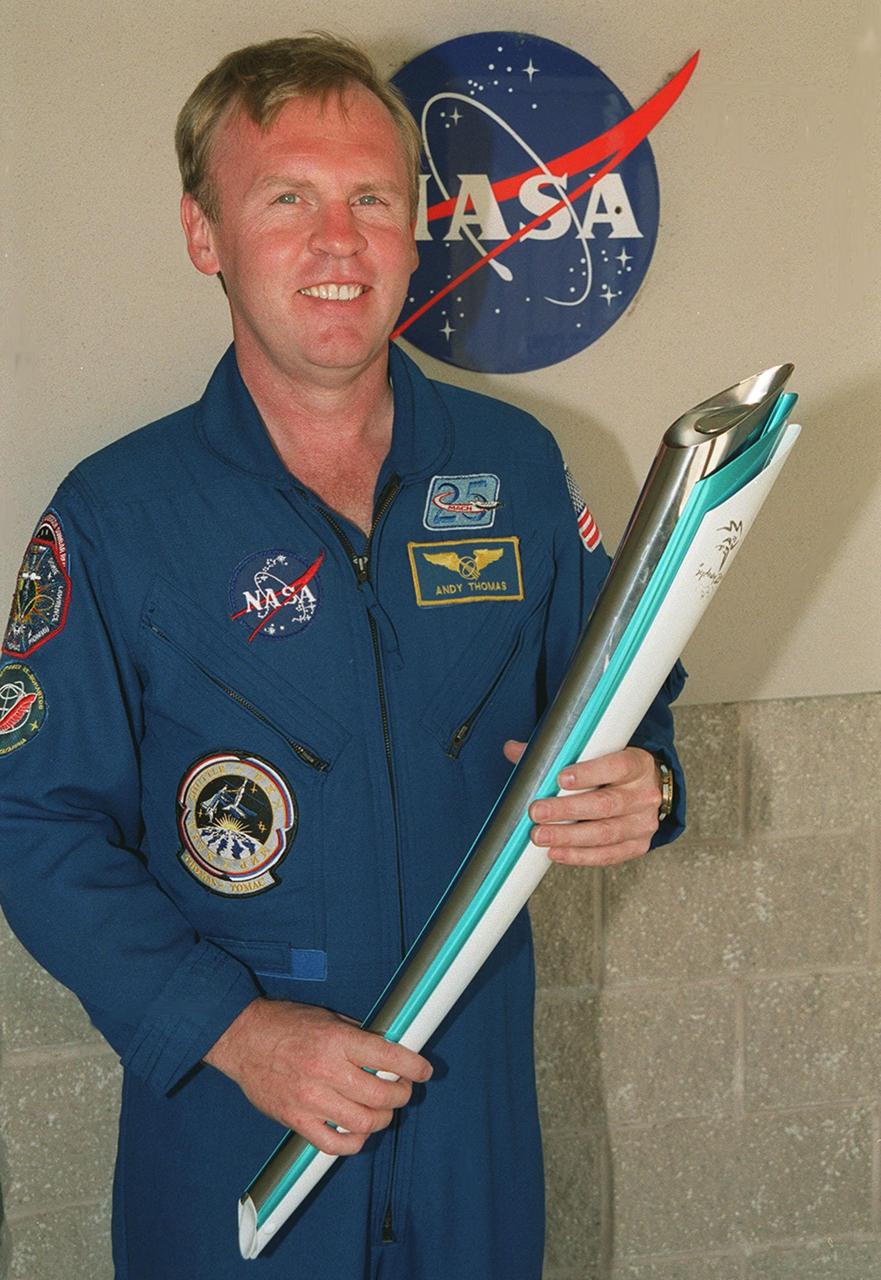
Astronaut Andy Thomas holds a facsimile of the Olympic torch that is being carried on Space Shuttle Atlantis during mission STS-101. Thomas is from Australia, which is the site of the 2000 Olympics. He coordinated the effort to have the torch added to the manifest so that it would truly circle the Earth in the spirit of the worldwide sporting event. The Sydney Olympic Torch Relay will arrive in Australia on June 8. The games begin Sept. 1

Alexey B. Krasnov, director of human spaceflight at the Russian space agency, Roscosmos, left, holds the Olympic Torch as he and, Division Chief, GCTC, Valery Korzun, assist, Expedition 38 Flight Engineer Koichi Wakata of the Japan Aerospace Exploration Agency, as Wakata and fellow crew members, Expedition 38 Soyuz Commander Mikhail Tyurin of Roscosmos, and, Flight Engineer Rick Mastracchio of NASA, walk to the soyuz rocket for their launch to the International Space Station, Thursday, Nov. 7, 2013, in Baikonur, Kazakhstan. Tyurin, Wakata, and, Mastracchio will launch in their Soyuz TMA-11M spacecraft to the International Space Station to begin a six-month mission. Photo Credit: (NASA/Bill Ingalls)
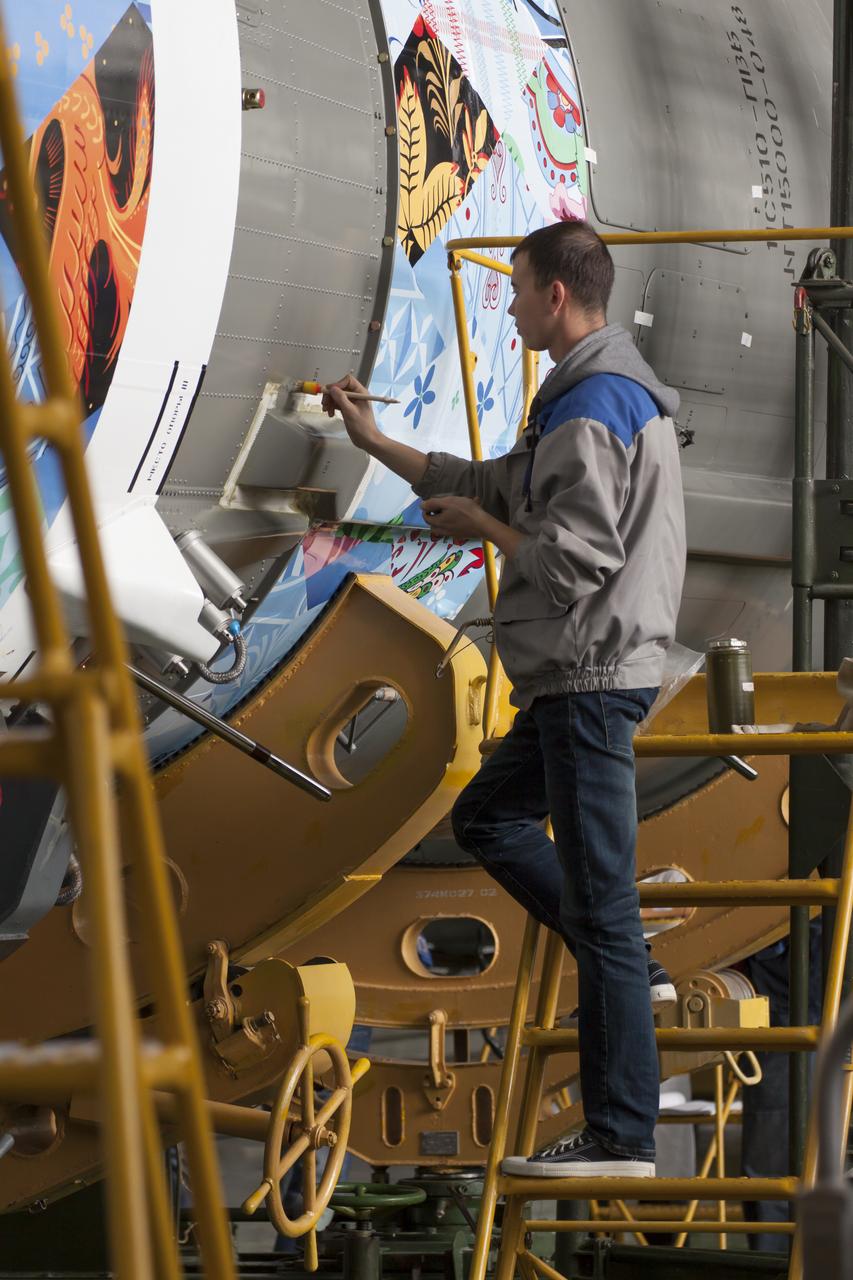
Workers make final preperations to a Soyuz TMA-11M spacecraft on Monday, Nov. 4, 2013, at the Baikonur Cosmodome in Baikonur, Kazakhstan. The rocket is adorned with the logo of the Sochi Olympic Organizing Committee and other related artwork to commemorate the launch of the Olympic torch with the crew for a four-day visit to the station. The torch will return to Earth with another trio of station residents on Nov. 11 and will be part of the torch relay that ends with the lighting of the flame at the Fisht Stadium in Sochi, Russia Feb. 7 to mark the opening of the 2014 Winter Olympics. Photo Credit: (NASA/Victor Zelentsov)
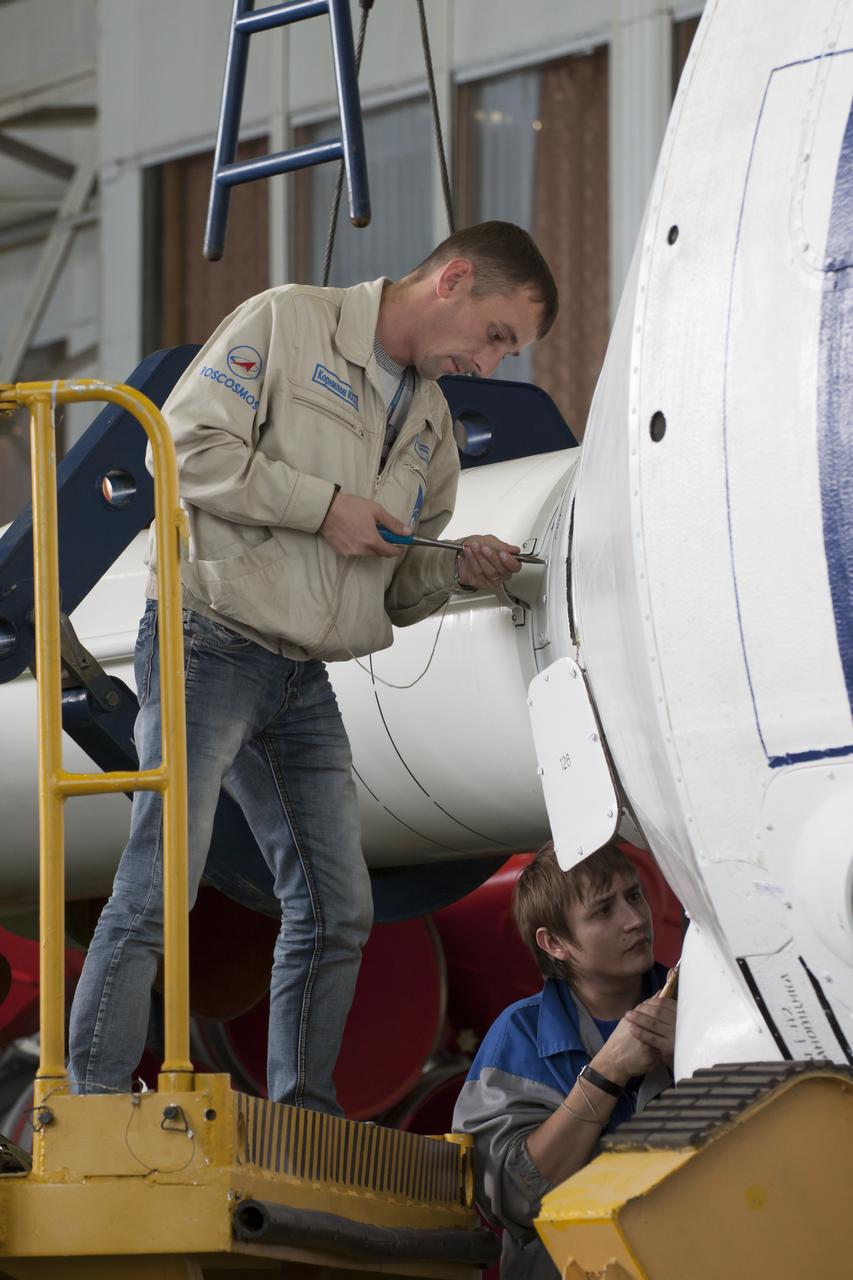
Workers make final preperations to a Soyuz TMA-11M spacecraft on Monday, Nov. 4, 2013, at the Baikonur Cosmodome in Baikonur, Kazakhstan. The rocket is adorned with the logo of the Sochi Olympic Organizing Committee and other related artwork to commemorate the launch of the Olympic torch with the crew for a four-day visit to the station. The torch will return to Earth with another trio of station residents on Nov. 11 and will be part of the torch relay that ends with the lighting of the flame at the Fisht Stadium in Sochi, Russia Feb. 7 to mark the opening of the 2014 Winter Olympics. Photo Credit: (NASA/Victor Zelentsov)
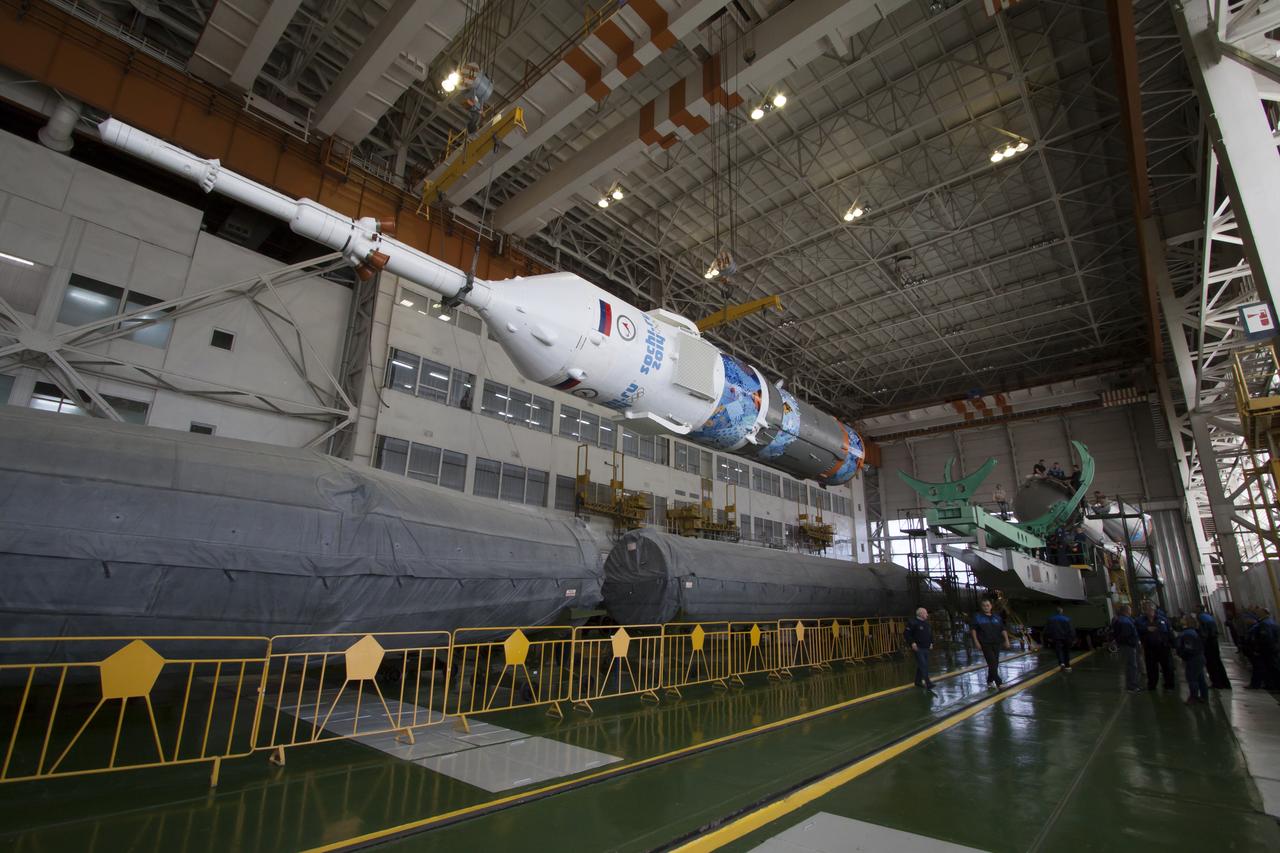
Workers make final preperations to a Soyuz TMA-11M spacecraft on Monday, Nov. 4, 2013, at the Baikonur Cosmodome in Baikonur, Kazakhstan. The rocket is adorned with the logo of the Sochi Olympic Organizing Committee and other related artwork to commemorate the launch of the Olympic torch with the crew for a four-day visit to the station. The torch will return to Earth with another trio of station residents on Nov. 11 and will be part of the torch relay that ends with the lighting of the flame at the Fisht Stadium in Sochi, Russia Feb. 7 to mark the opening of the 2014 Winter Olympics. Photo Credit: (NASA/Victor Zelentsov)
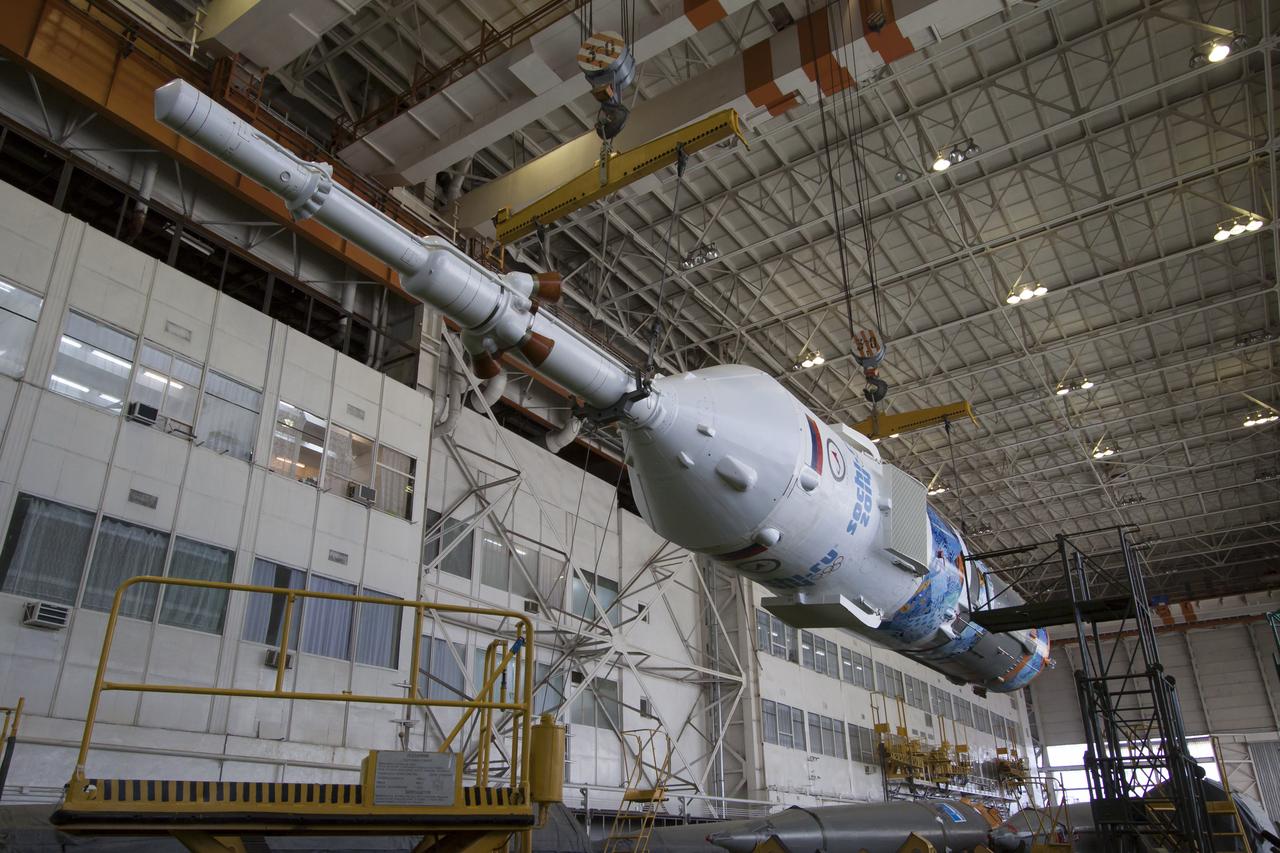
Workers make final preperations to a Soyuz TMA-11M spacecraft on Monday, Nov. 4, 2013, at the Baikonur Cosmodome in Baikonur, Kazakhstan. The rocket is adorned with the logo of the Sochi Olympic Organizing Committee and other related artwork to commemorate the launch of the Olympic torch with the crew for a four-day visit to the station. The torch will return to Earth with another trio of station residents on Nov. 11 and will be part of the torch relay that ends with the lighting of the flame at the Fisht Stadium in Sochi, Russia Feb. 7 to mark the opening of the 2014 Winter Olympics. Photo Credit: (NASA/Victor Zelentsov)
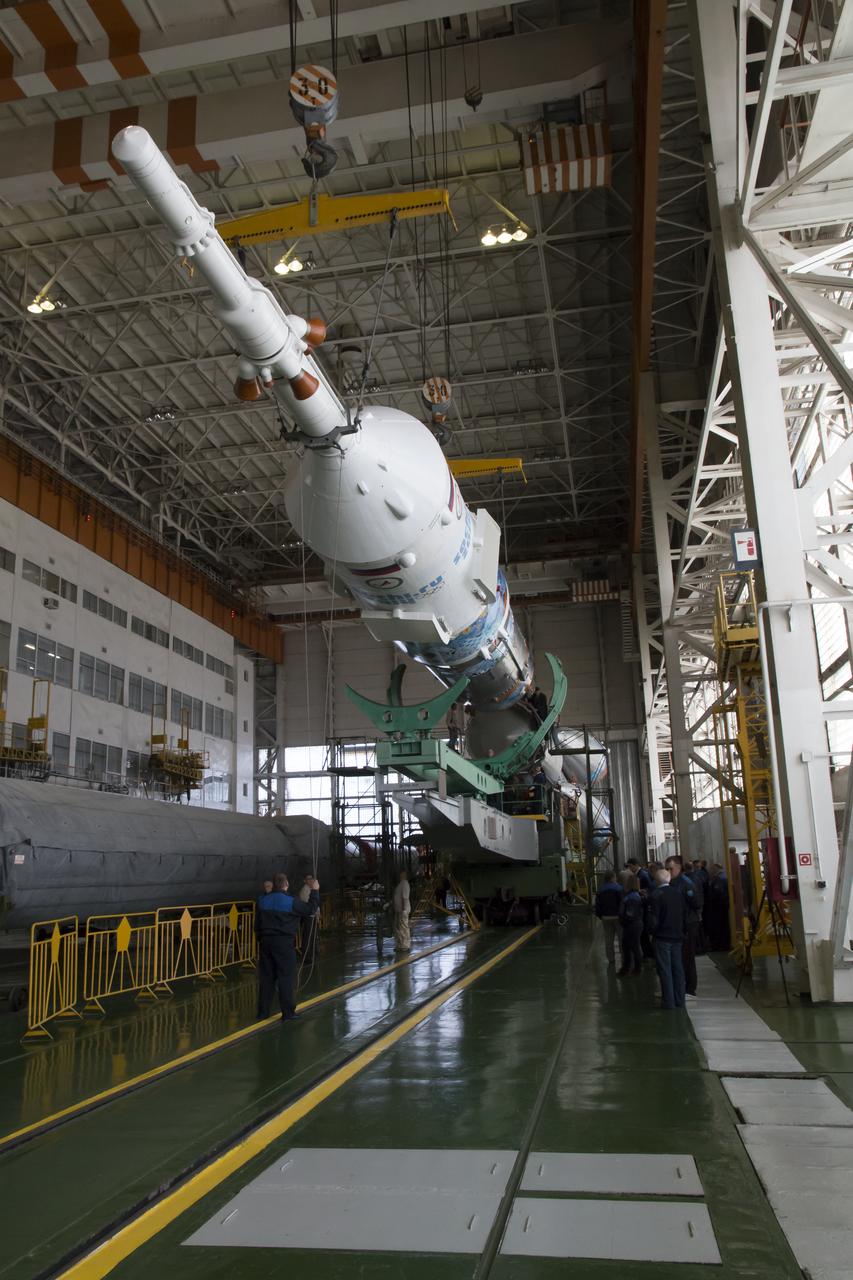
Workers make final preperations to a Soyuz TMA-11M spacecraft on Monday, Nov. 4, 2013, at the Baikonur Cosmodome in Baikonur, Kazakhstan. The rocket is adorned with the logo of the Sochi Olympic Organizing Committee and other related artwork to commemorate the launch of the Olympic torch with the crew for a four-day visit to the station. The torch will return to Earth with another trio of station residents on Nov. 11 and will be part of the torch relay that ends with the lighting of the flame at the Fisht Stadium in Sochi, Russia Feb. 7 to mark the opening of the 2014 Winter Olympics. Photo Credit: (NASA/Victor Zelentsov)
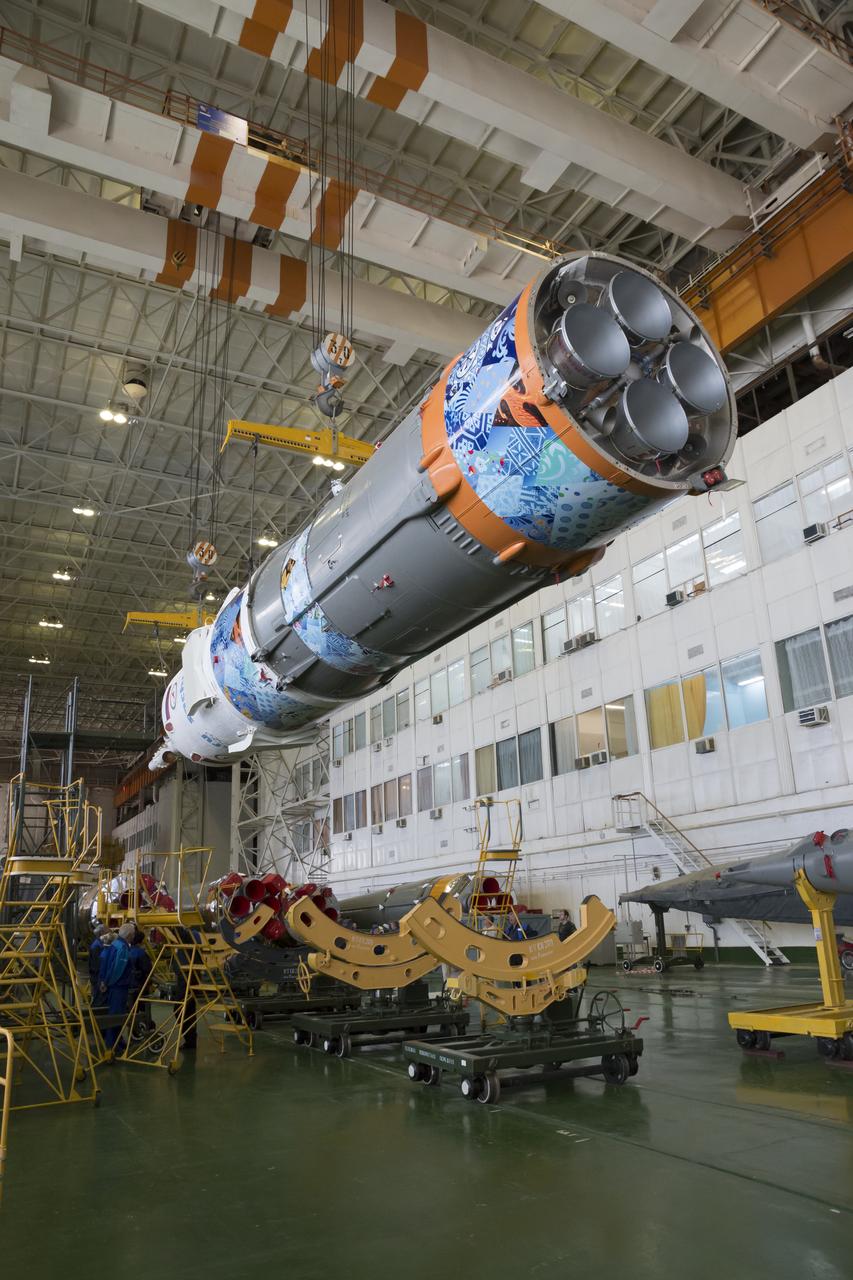
Workers make final preperations to a Soyuz TMA-11M spacecraft on Monday, Nov. 4, 2013, at the Baikonur Cosmodome in Baikonur, Kazakhstan. The rocket is adorned with the logo of the Sochi Olympic Organizing Committee and other related artwork to commemorate the launch of the Olympic torch with the crew for a four-day visit to the station. The torch will return to Earth with another trio of station residents on Nov. 11 and will be part of the torch relay that ends with the lighting of the flame at the Fisht Stadium in Sochi, Russia Feb. 7 to mark the opening of the 2014 Winter Olympics. Photo Credit: (NASA/Victor Zelentsov)
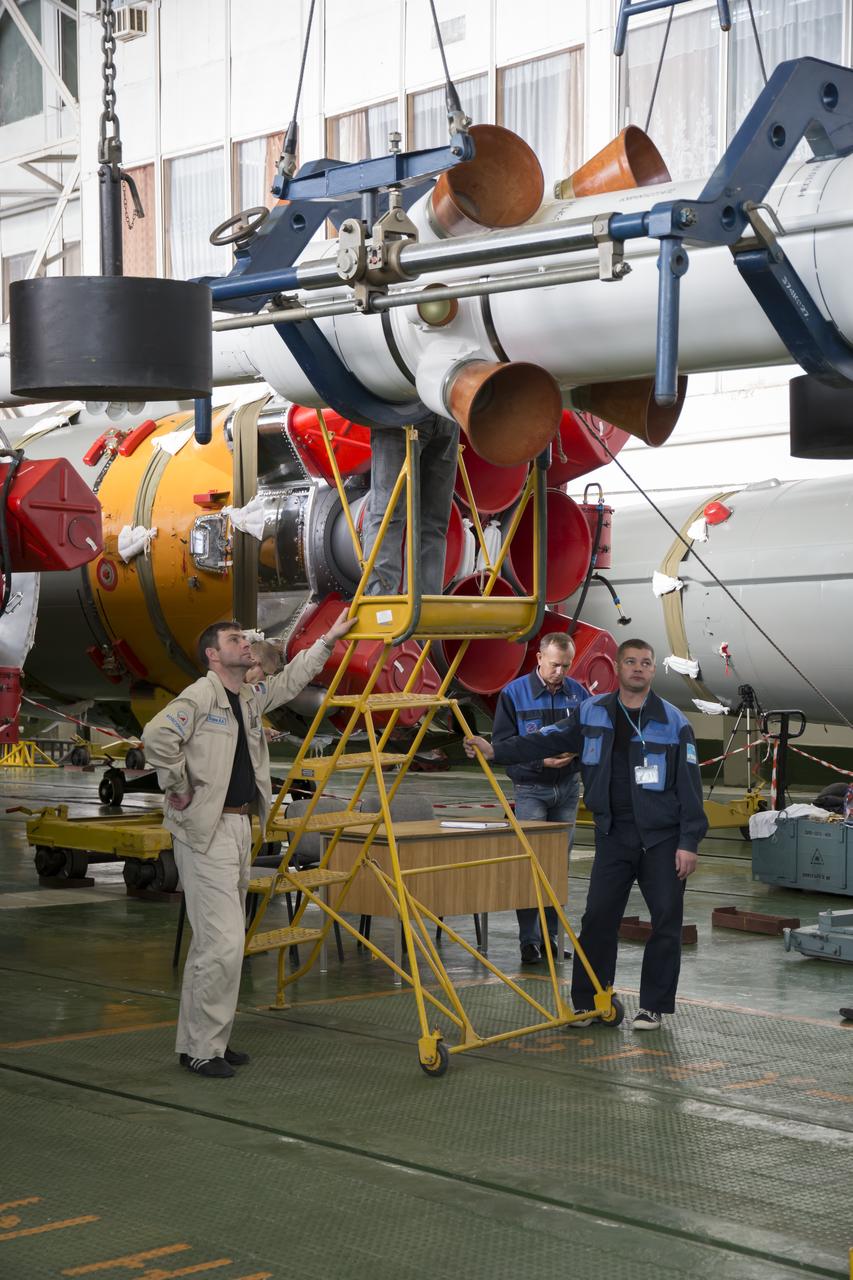
Workers make final preperations to a Soyuz TMA-11M spacecraft on Monday, Nov. 4, 2013, at the Baikonur Cosmodome in Baikonur, Kazakhstan. The rocket is adorned with the logo of the Sochi Olympic Organizing Committee and other related artwork to commemorate the launch of the Olympic torch with the crew for a four-day visit to the station. The torch will return to Earth with another trio of station residents on Nov. 11 and will be part of the torch relay that ends with the lighting of the flame at the Fisht Stadium in Sochi, Russia Feb. 7 to mark the opening of the 2014 Winter Olympics. Photo Credit: (NASA/Victor Zelentsov)
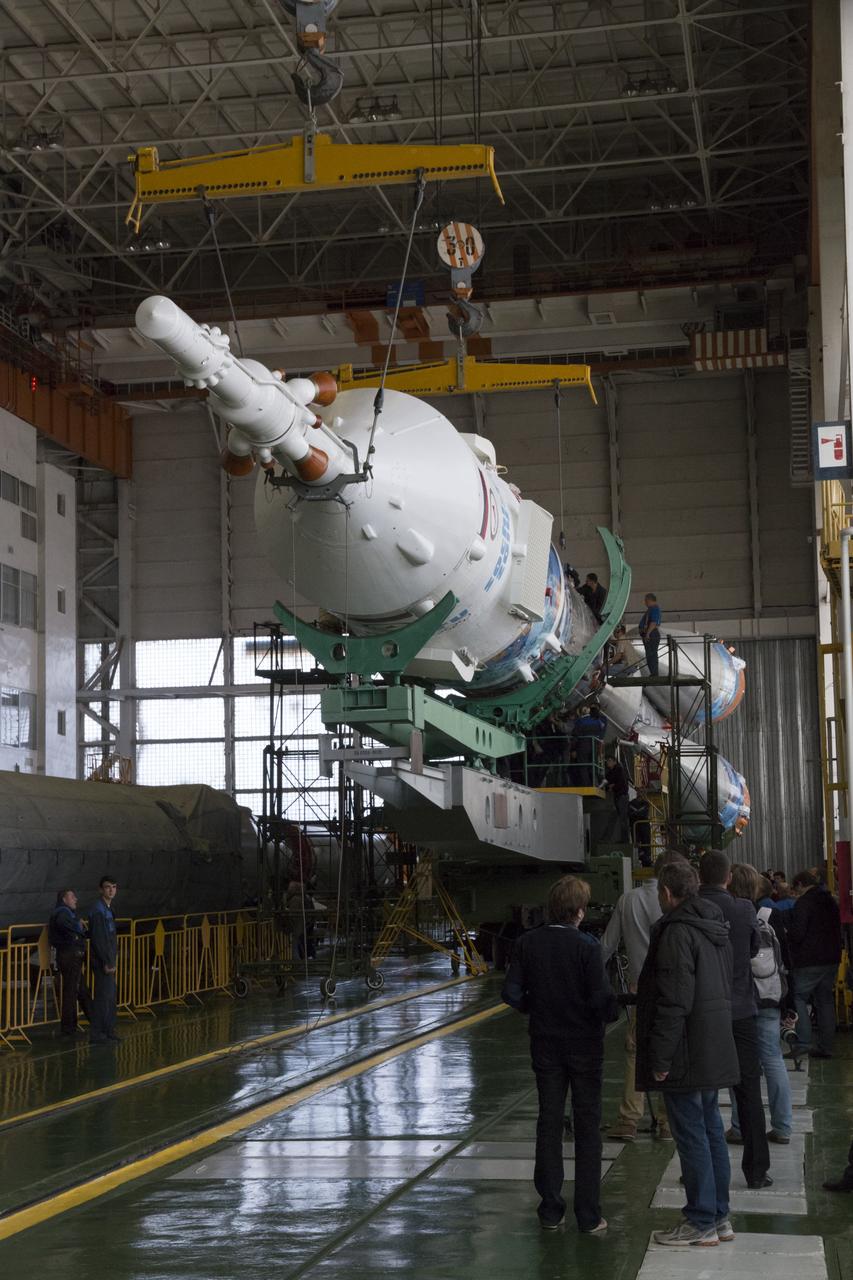
Workers make final preperations to a Soyuz TMA-11M spacecraft on Monday, Nov. 4, 2013, at the Baikonur Cosmodome in Baikonur, Kazakhstan. The rocket is adorned with the logo of the Sochi Olympic Organizing Committee and other related artwork to commemorate the launch of the Olympic torch with the crew for a four-day visit to the station. The torch will return to Earth with another trio of station residents on Nov. 11 and will be part of the torch relay that ends with the lighting of the flame at the Fisht Stadium in Sochi, Russia Feb. 7 to mark the opening of the 2014 Winter Olympics. Photo Credit: (NASA/Victor Zelentsov)
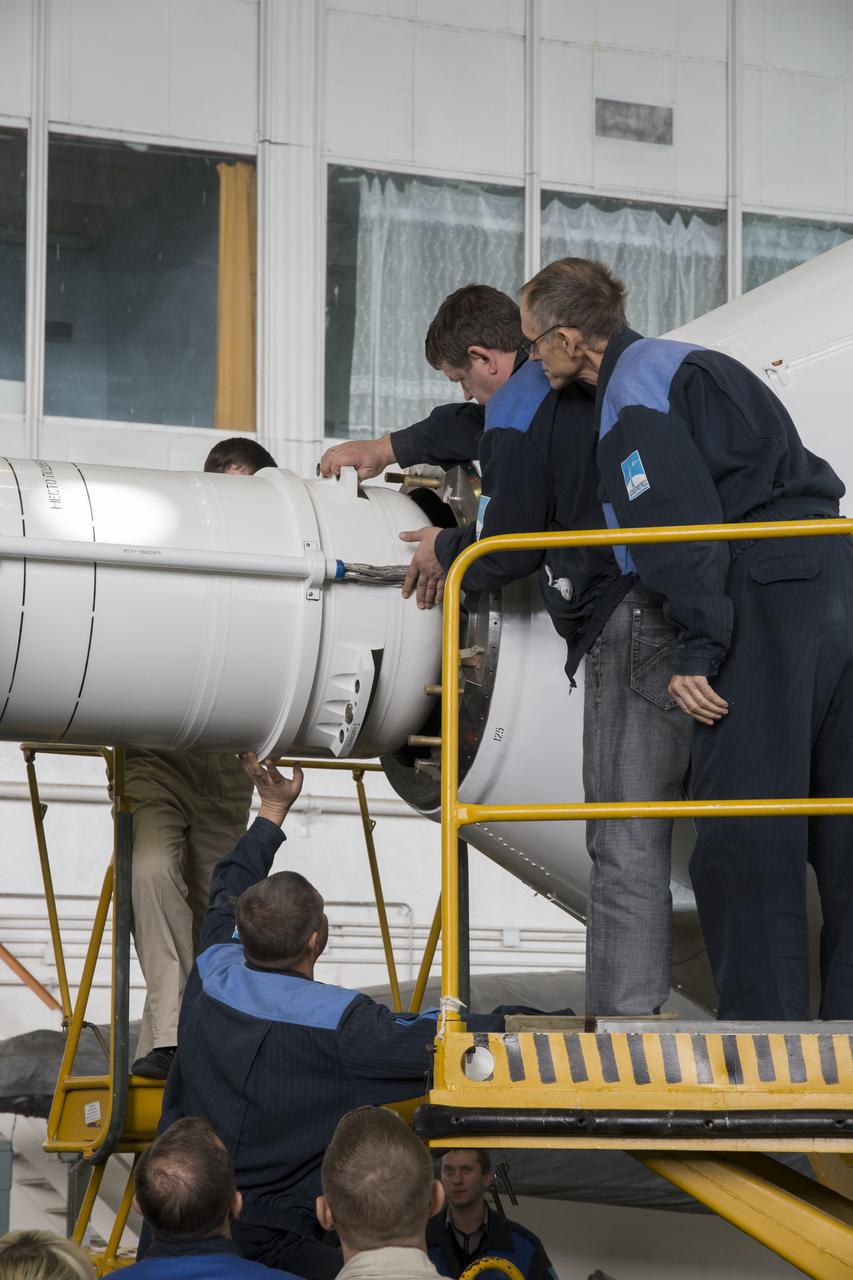
Workers make final preperations to a Soyuz TMA-11M spacecraft on Monday, Nov. 4, 2013, at the Baikonur Cosmodome in Baikonur, Kazakhstan. The rocket is adorned with the logo of the Sochi Olympic Organizing Committee and other related artwork to commemorate the launch of the Olympic torch with the crew for a four-day visit to the station. The torch will return to Earth with another trio of station residents on Nov. 11 and will be part of the torch relay that ends with the lighting of the flame at the Fisht Stadium in Sochi, Russia Feb. 7 to mark the opening of the 2014 Winter Olympics. Photo Credit: (NASA/Victor Zelentsov)
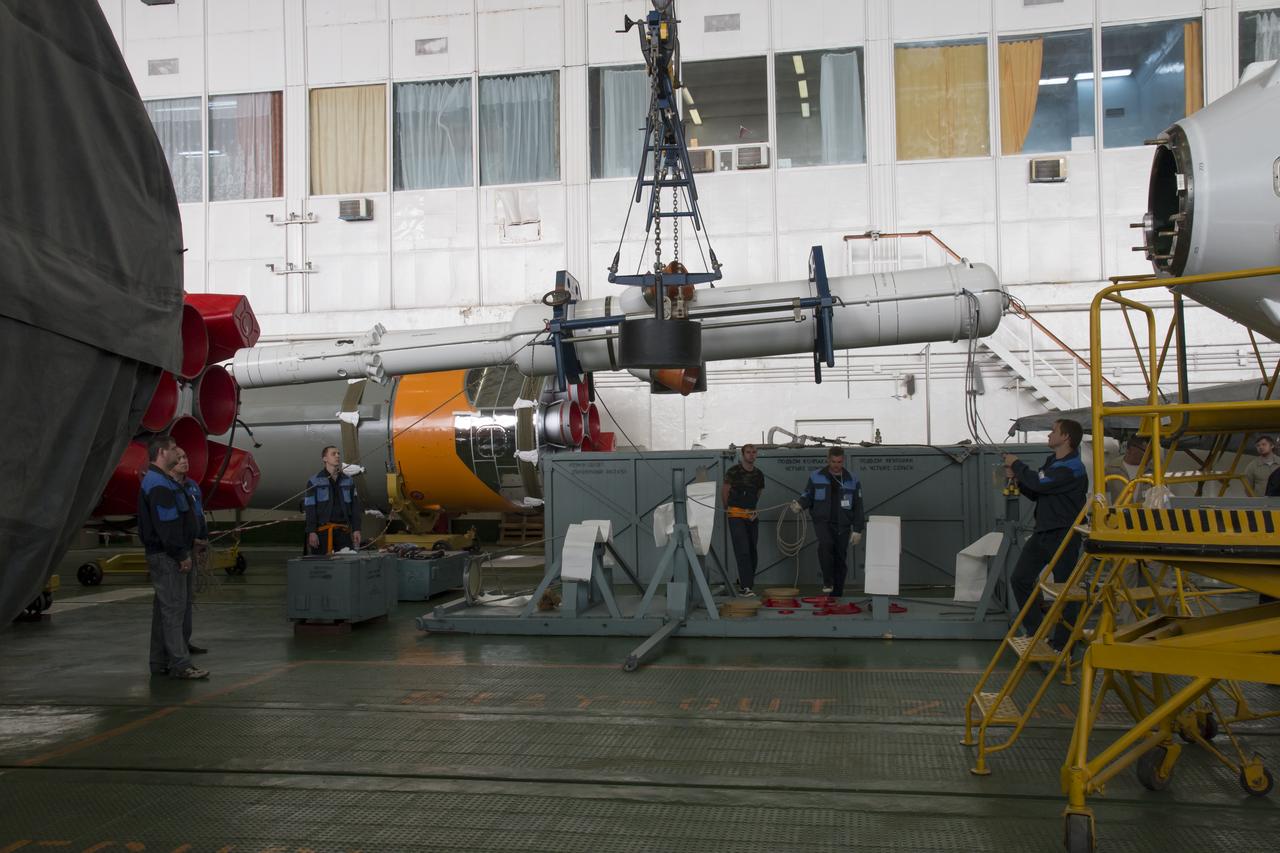
Workers make final preperations to a Soyuz TMA-11M spacecraft on Monday, Nov. 4, 2013, at the Baikonur Cosmodome in Baikonur, Kazakhstan. The rocket is adorned with the logo of the Sochi Olympic Organizing Committee and other related artwork to commemorate the launch of the Olympic torch with the crew for a four-day visit to the station. The torch will return to Earth with another trio of station residents on Nov. 11 and will be part of the torch relay that ends with the lighting of the flame at the Fisht Stadium in Sochi, Russia Feb. 7 to mark the opening of the 2014 Winter Olympics. Photo Credit: (NASA/Victor Zelentsov)
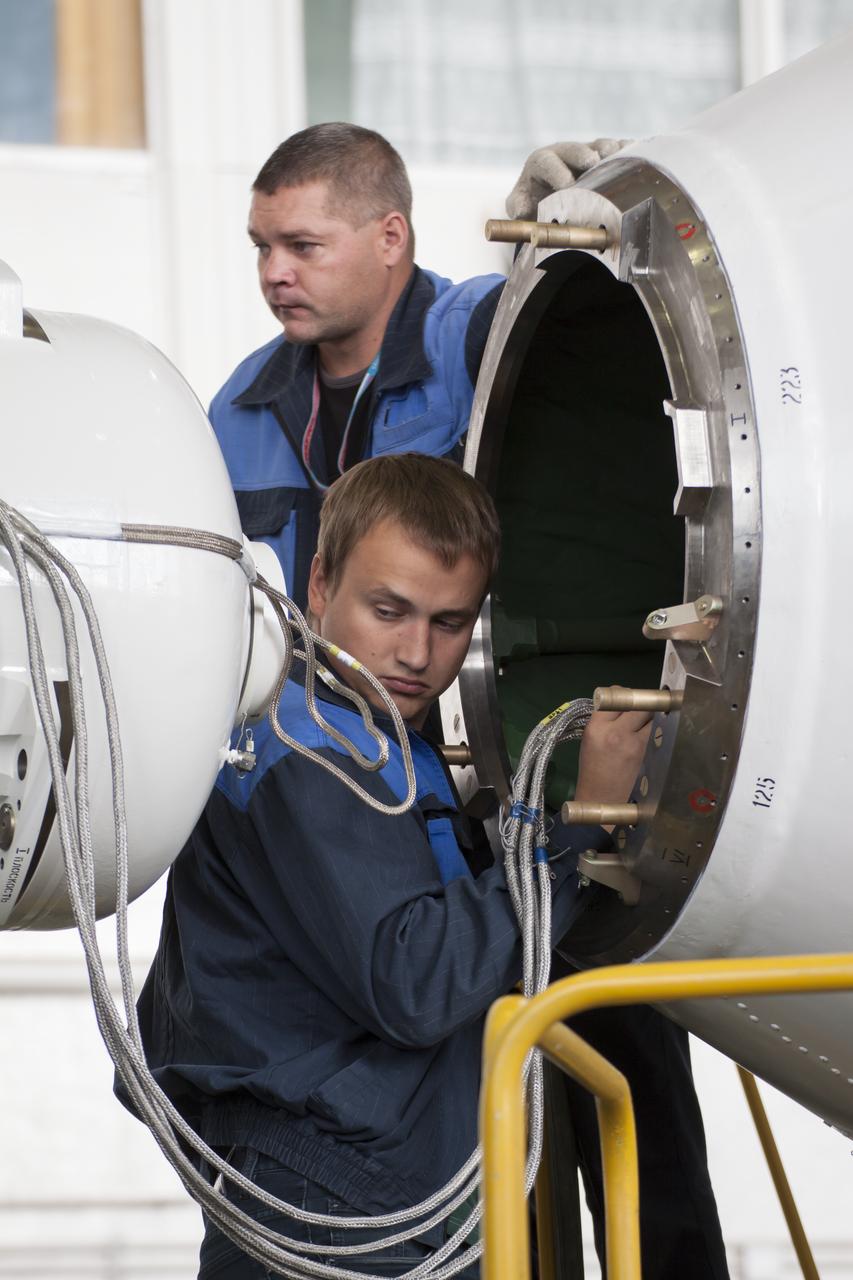
Workers make final preperations to a Soyuz TMA-11M spacecraft on Monday, Nov. 4, 2013, at the Baikonur Cosmodome in Baikonur, Kazakhstan. The rocket is adorned with the logo of the Sochi Olympic Organizing Committee and other related artwork to commemorate the launch of the Olympic torch with the crew for a four-day visit to the station. The torch will return to Earth with another trio of station residents on Nov. 11 and will be part of the torch relay that ends with the lighting of the flame at the Fisht Stadium in Sochi, Russia Feb. 7 to mark the opening of the 2014 Winter Olympics. Photo Credit: (NASA/Victor Zelentsov)
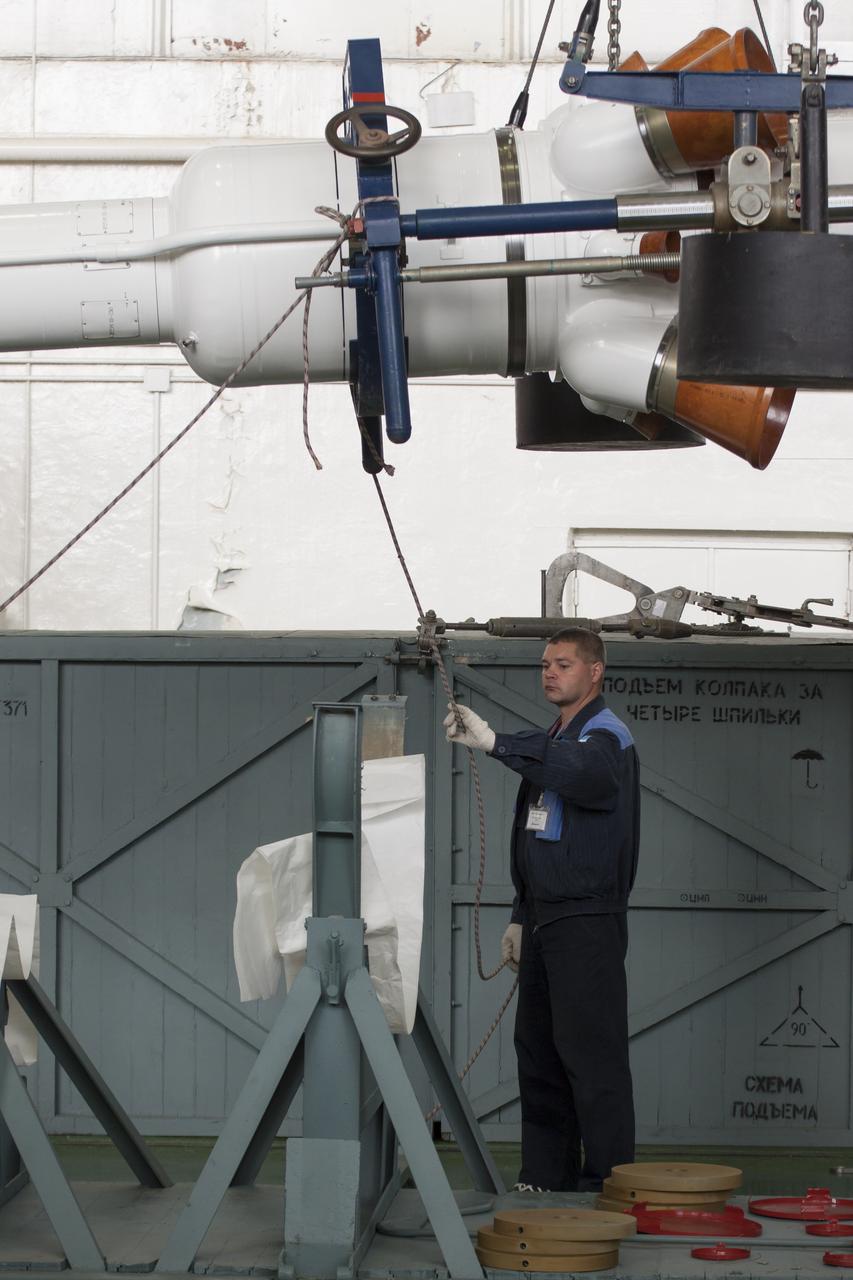
Workers make final preperations to a Soyuz TMA-11M spacecraft on Monday, Nov. 4, 2013, at the Baikonur Cosmodome in Baikonur, Kazakhstan. The rocket is adorned with the logo of the Sochi Olympic Organizing Committee and other related artwork to commemorate the launch of the Olympic torch with the crew for a four-day visit to the station. The torch will return to Earth with another trio of station residents on Nov. 11 and will be part of the torch relay that ends with the lighting of the flame at the Fisht Stadium in Sochi, Russia Feb. 7 to mark the opening of the 2014 Winter Olympics. Photo Credit: (NASA/Victor Zelentsov)
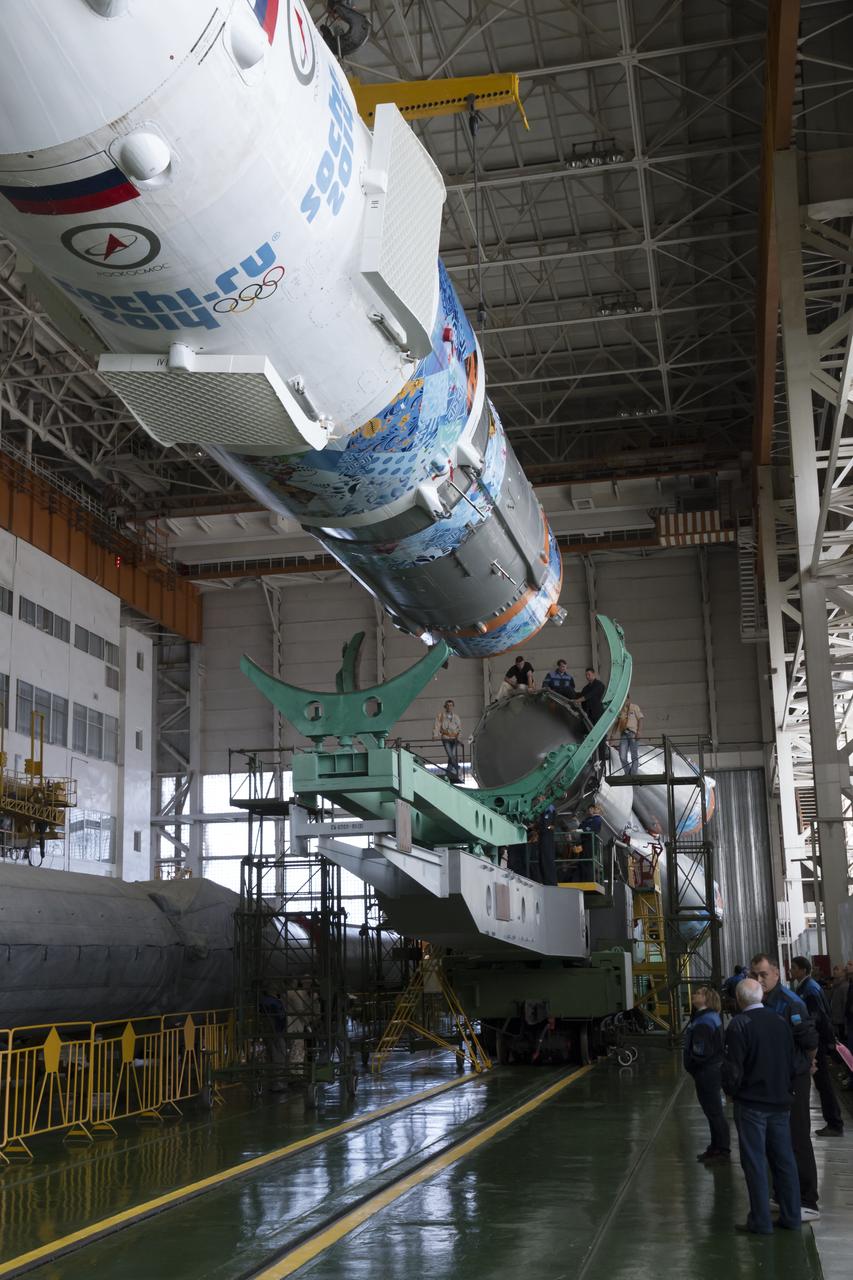
Workers make final preperations to a Soyuz TMA-11M spacecraft on Monday, Nov. 4, 2013, at the Baikonur Cosmodome in Baikonur, Kazakhstan. The rocket is adorned with the logo of the Sochi Olympic Organizing Committee and other related artwork to commemorate the launch of the Olympic torch with the crew for a four-day visit to the station. The torch will return to Earth with another trio of station residents on Nov. 11 and will be part of the torch relay that ends with the lighting of the flame at the Fisht Stadium in Sochi, Russia Feb. 7 to mark the opening of the 2014 Winter Olympics. Photo Credit: (NASA/Victor Zelentsov)
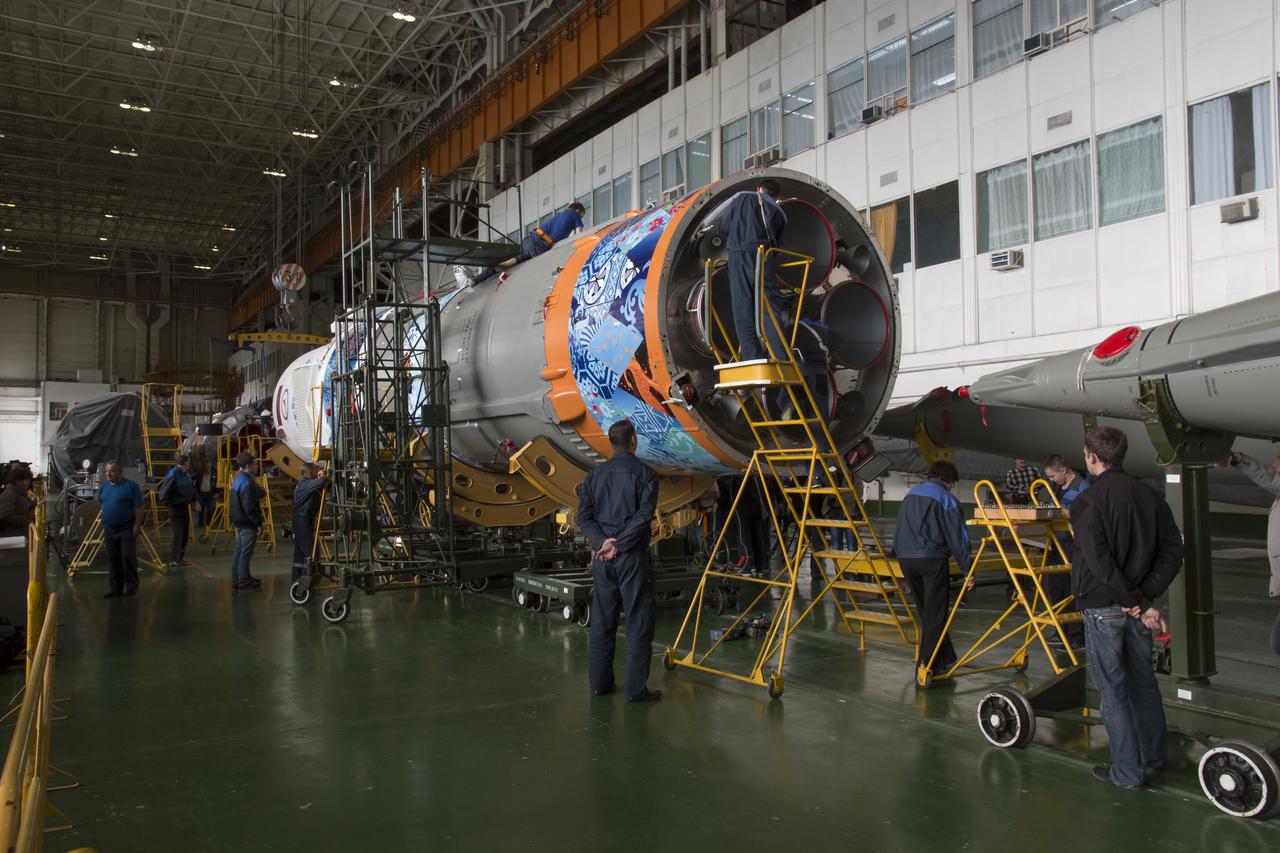
Workers make final preperations to a Soyuz TMA-11M spacecraft on Monday, Nov. 4, 2013, at the Baikonur Cosmodome in Baikonur, Kazakhstan. The rocket is adorned with the logo of the Sochi Olympic Organizing Committee and other related artwork to commemorate the launch of the Olympic torch with the crew for a four-day visit to the station. The torch will return to Earth with another trio of station residents on Nov. 11 and will be part of the torch relay that ends with the lighting of the flame at the Fisht Stadium in Sochi, Russia Feb. 7 to mark the opening of the 2014 Winter Olympics. Photo Credit: (NASA/Victor Zelentsov)
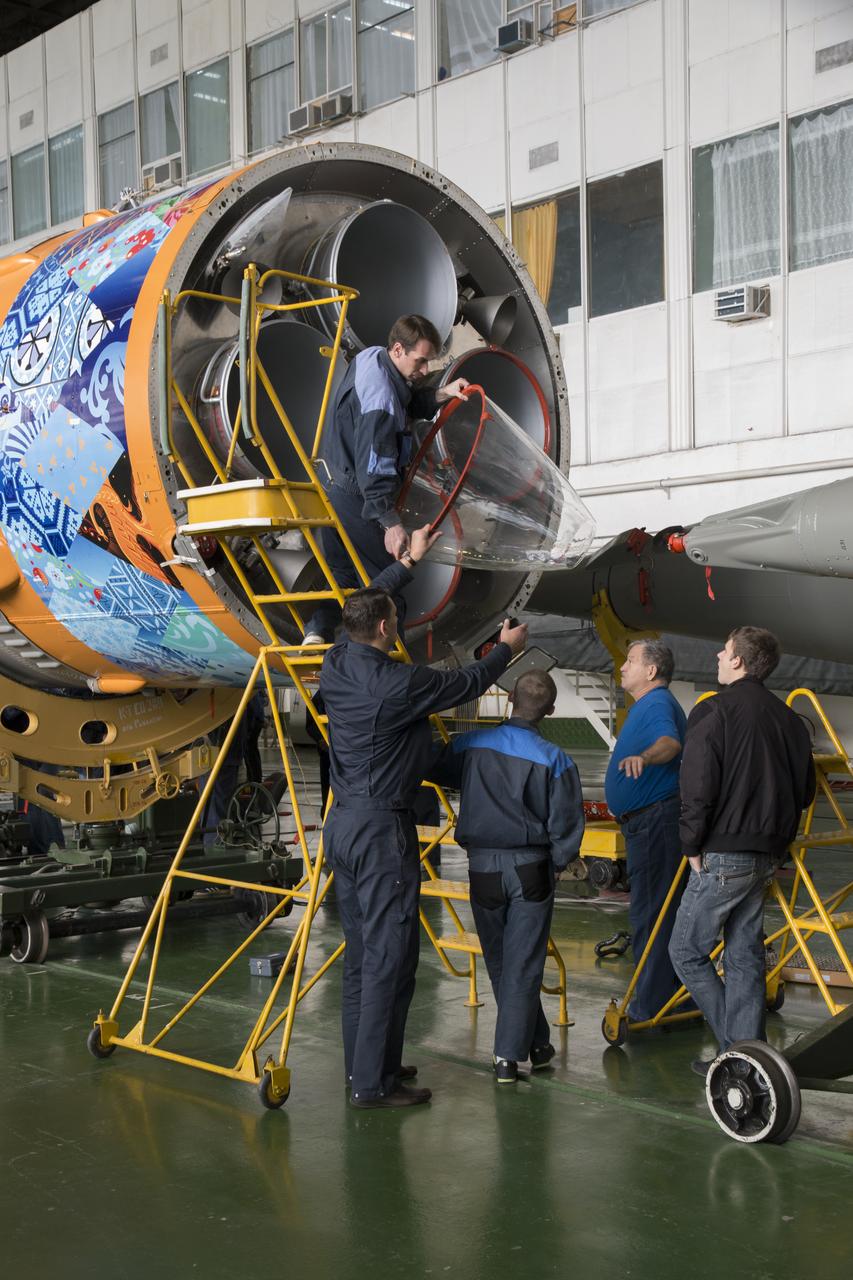
Workers make final preperations to a Soyuz TMA-11M spacecraft on Monday, Nov. 4, 2013, at the Baikonur Cosmodome in Baikonur, Kazakhstan. The rocket is adorned with the logo of the Sochi Olympic Organizing Committee and other related artwork to commemorate the launch of the Olympic torch with the crew for a four-day visit to the station. The torch will return to Earth with another trio of station residents on Nov. 11 and will be part of the torch relay that ends with the lighting of the flame at the Fisht Stadium in Sochi, Russia Feb. 7 to mark the opening of the 2014 Winter Olympics. Photo Credit: (NASA/Victor Zelentsov)
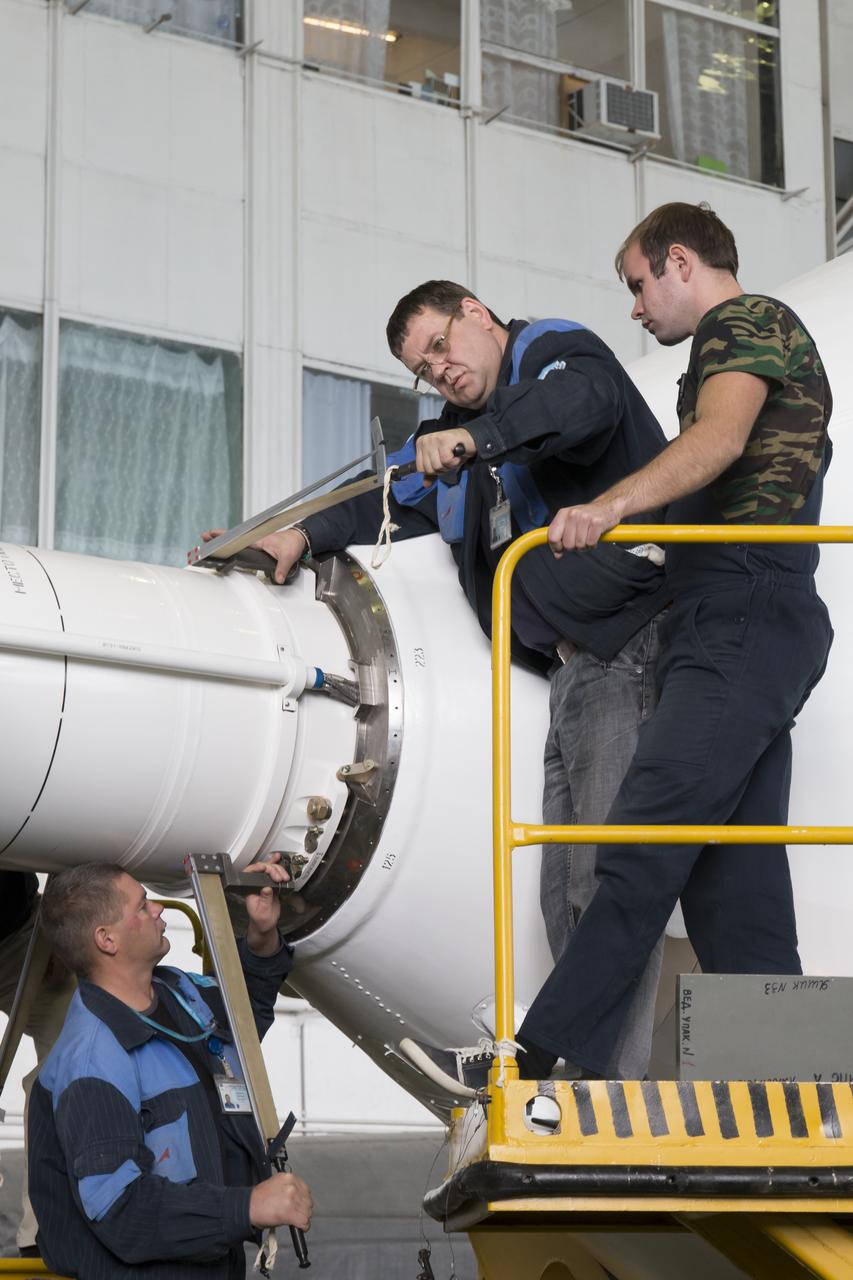
Workers make final preperations to a Soyuz TMA-11M spacecraft on Monday, Nov. 4, 2013, at the Baikonur Cosmodome in Baikonur, Kazakhstan. The rocket is adorned with the logo of the Sochi Olympic Organizing Committee and other related artwork to commemorate the launch of the Olympic torch with the crew for a four-day visit to the station. The torch will return to Earth with another trio of station residents on Nov. 11 and will be part of the torch relay that ends with the lighting of the flame at the Fisht Stadium in Sochi, Russia Feb. 7 to mark the opening of the 2014 Winter Olympics. Photo Credit: (NASA/Victor Zelentsov)
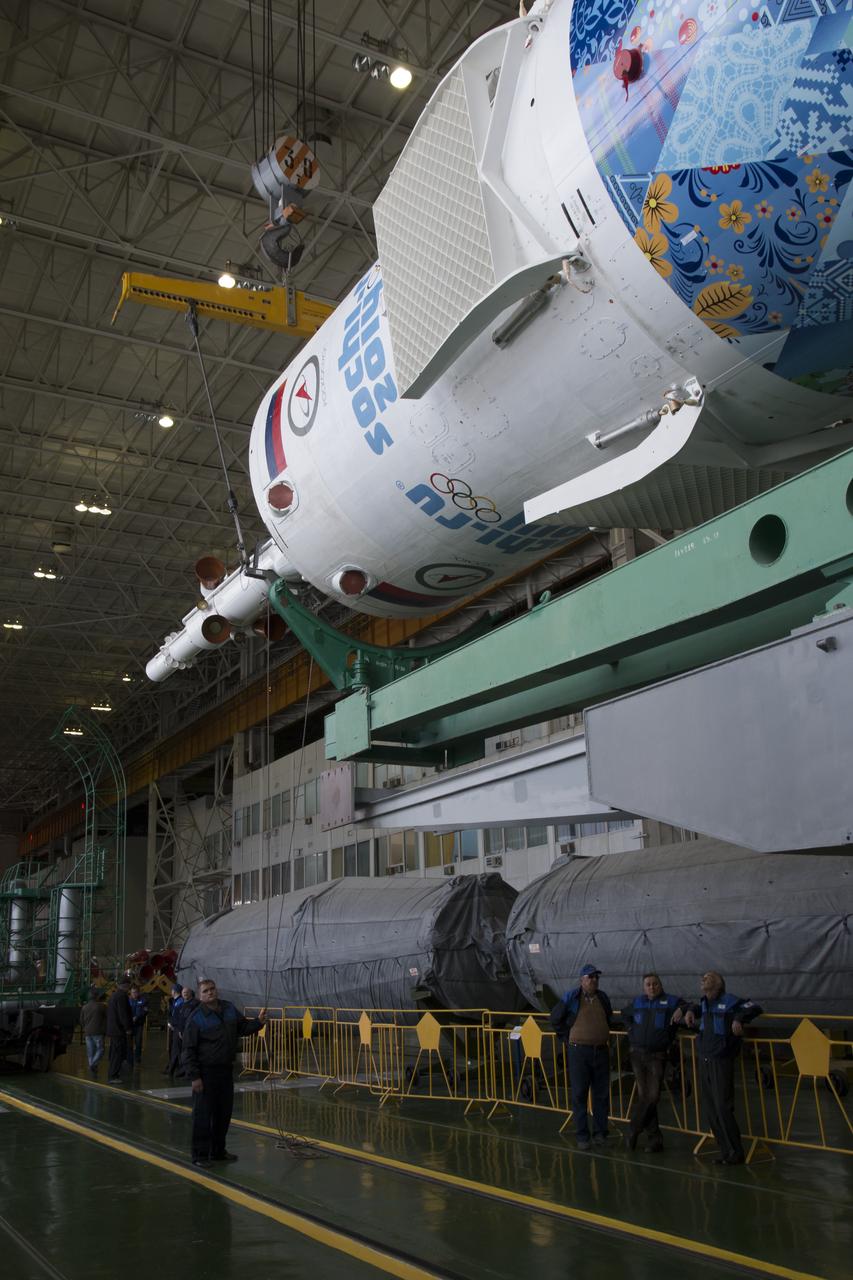
Workers make final preperations to a Soyuz TMA-11M spacecraft on Monday, Nov. 4, 2013, at the Baikonur Cosmodome in Baikonur, Kazakhstan. The rocket is adorned with the logo of the Sochi Olympic Organizing Committee and other related artwork to commemorate the launch of the Olympic torch with the crew for a four-day visit to the station. The torch will return to Earth with another trio of station residents on Nov. 11 and will be part of the torch relay that ends with the lighting of the flame at the Fisht Stadium in Sochi, Russia Feb. 7 to mark the opening of the 2014 Winter Olympics. Photo Credit: (NASA/Victor Zelentsov)

At the Gagarin Cosmonaut Training Center in Star City, Russia, Expedition 38/39 Flight Engineer Koichi Wakata of the Japan Aerospace Exploration Agency (left), Soyuz Commander Mikhail Tyurin (center) and NASA Flight Engineer Rick Mastracchio (right) pose for pictures with a model of the Olympic torch following a crew news conference October 22, 2013. The trio will launch Nov. 7, Kazakh time from the Baikonur Cosmodrome in Kazakhstan on the Soyuz TMA-11M spacecraft for the start of a six-month mission on the International Space Station. Launching with them will be one of the Olympic torches used in the Olympic relay that will culminate with the torch’s arrival at the opening ceremonies of the 2014 Winter Olympics in Sochi, Russia next February. NASA/Stephanie Stoll
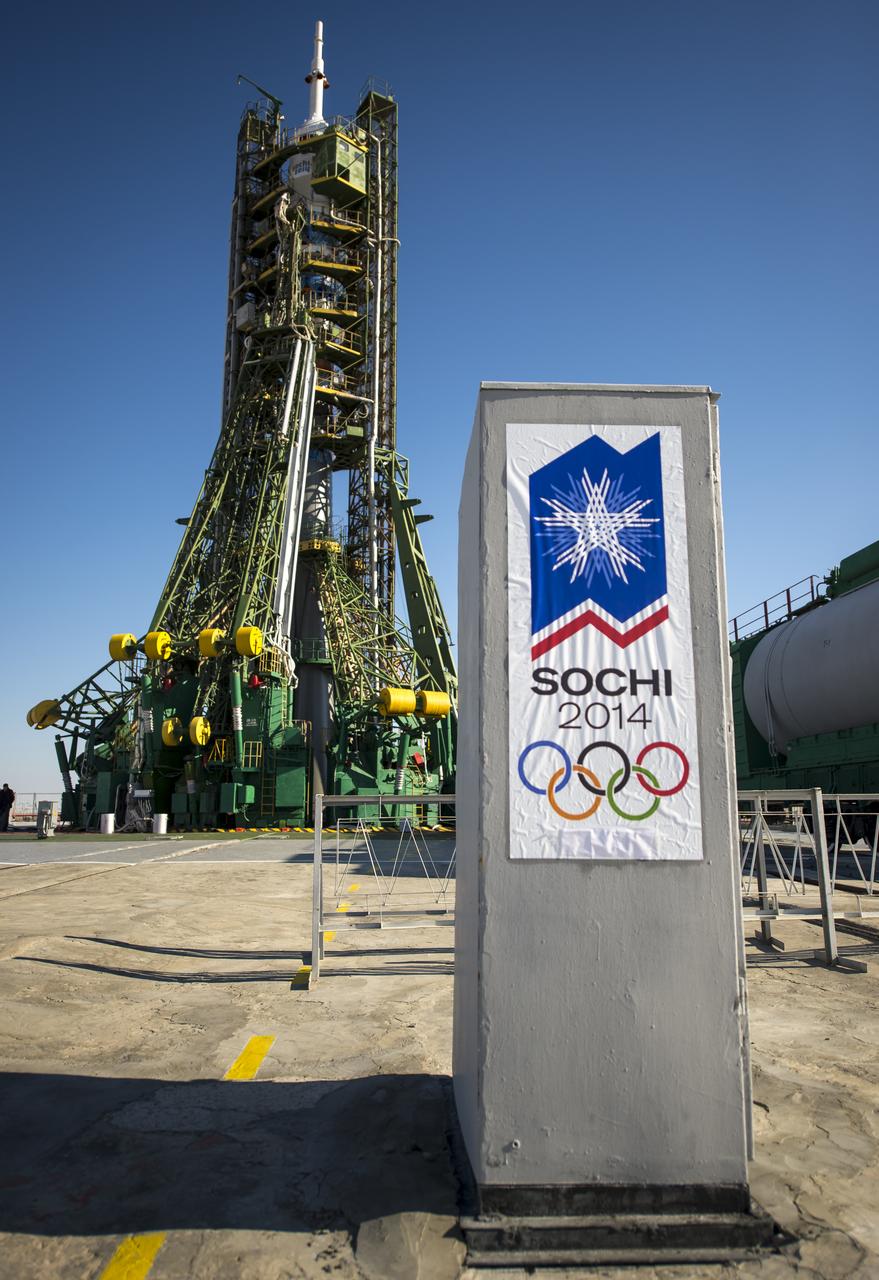
A sign for the Sochi 2014 Winter Olympics is seen at the Soyuz launch pad a day ahead of the scheduled launch of Expedition 38 Soyuz Commander Mikhail Tyurin of Roscosmos, Flight Engineer Koichi Wakata of the Japan Aerospace Exploration Agency, and, Flight Engineer Rick Mastracchio of NASA, Wednesday, Nov. 6, 2013 in Baikonur, Kazakhstan. The rocket is adorned with the logo of the Sochi Olympic Organizing Committee and other related artwork to commemorate the launch of the Olympic torch with the crew for a four-day visit to the station. The torch will return to Earth with another trio of station residents on Nov. 11 and will be part of the torch relay that ends with the lighting of the flame at the Fisht Stadium in Sochi, Russia Feb. 7 to mark the opening of the 2014 Winter Olympics. Photo Credit (NASA/Bill Ingalls)
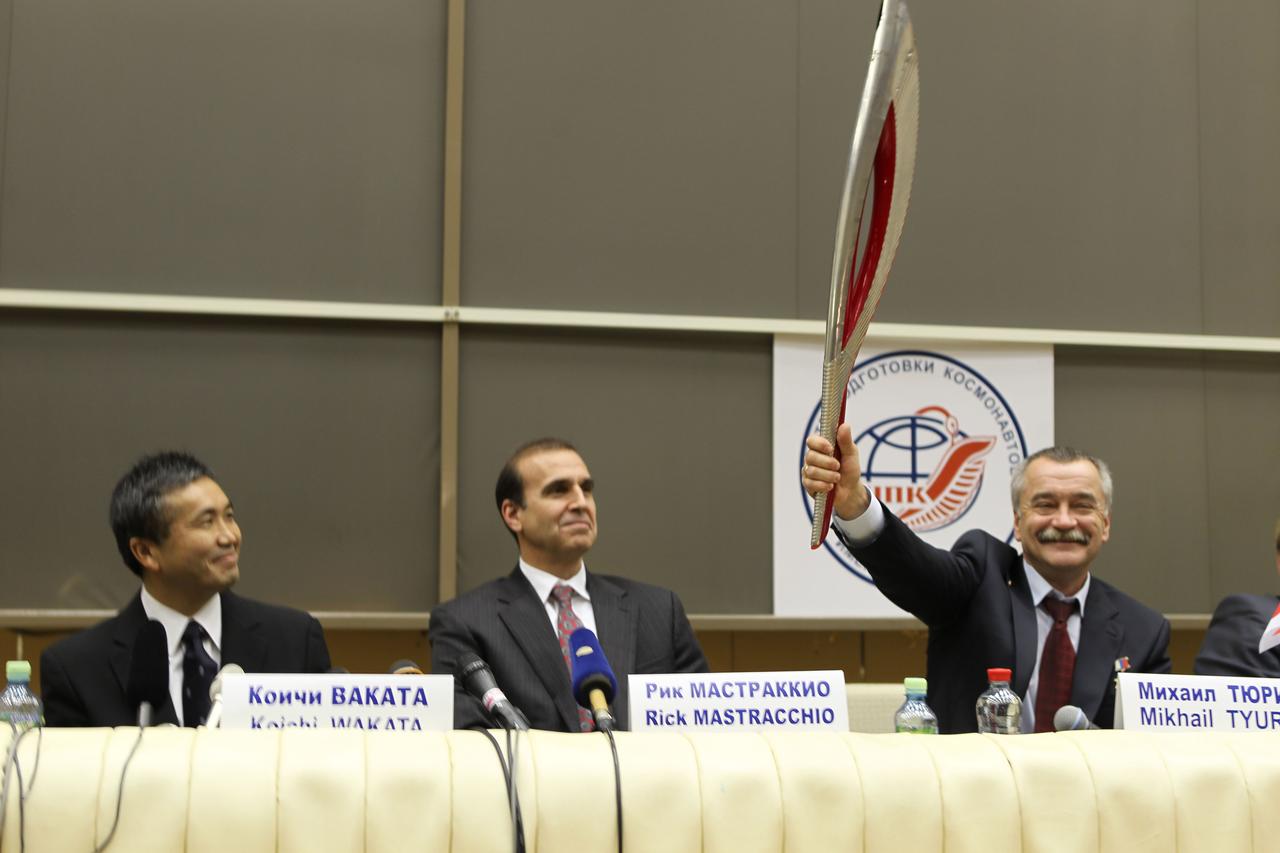
At the Gagarin Cosmonaut Training Center in Star City, Russia, Expedition 38/39 Soyuz Commander Mikhail Tyurin (right) hoists a model of the Olympic torch during a crew news conference October 22, 2013. Tyurin, NASA Flight Engineer Rick Mastracchio (center) and Flight Engineer Koichi Wakata of the Japan Aerospace Exploration Agency (left) will launch Nov. 7, Kazakh time from the Baikonur Cosmodrome in Kazakhstan on the Soyuz TMA-11M spacecraft for the start of a six-month mission on the International Space Station. Launching with them will be one of the Olympic torches used in the Olympic relay that will culminate with the torch’s arrival at the opening ceremonies of the 2014 Winter Olympics in Sochi, Russia next February. NASA/Stephanie Stoll
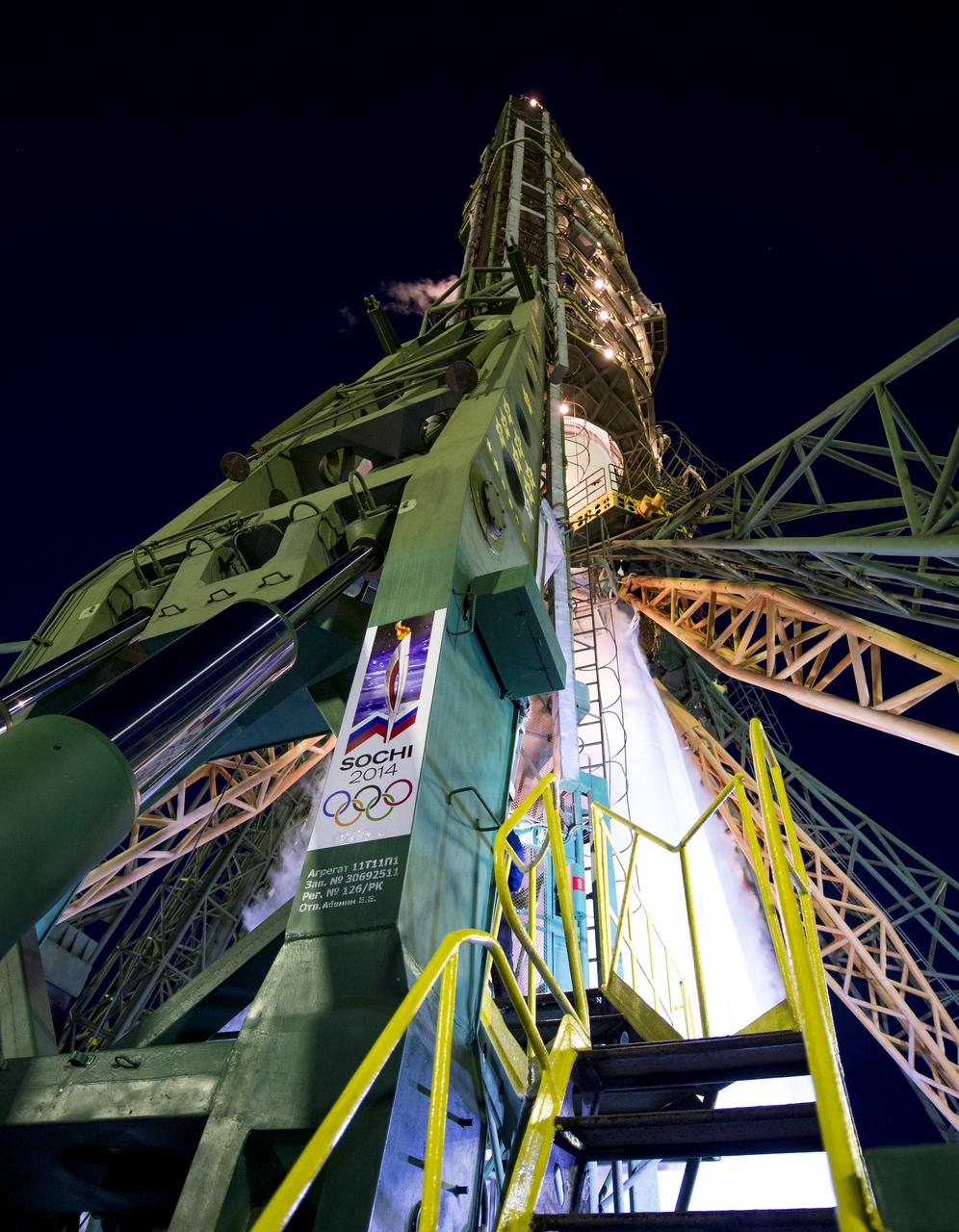
A sign for the Sochi 2014 Winter Olympics is seen at the base of the Soyuz launch gantry after Expedition 38 Soyuz Commander Mikhail Tyurin of Roscosmos, Flight Engineer Koichi Wakata of the Japan Aerospace Exploration Agency, and, Flight Engineer Rick Mastracchio of NASA, boarded their soyuz TMA-11M rocket for their launch to the International Space Station, Thursday, Nov. 7, 2013, in Baikonur, Kazakhstan. The rocket is adorned with the logo of the Sochi Olympic Organizing Committee and other related artwork to commemorate the launch of the Olympic torch with the crew for a four-day visit to the station. The torch will return to Earth with another trio of station residents on Nov. 11 and will be part of the torch relay that ends with the lighting of the flame at the Fisht Stadium in Sochi, Russia Feb. 7 to mark the opening of the 2014 Winter Olympics. Photo Credit (NASA/Bill Ingalls)
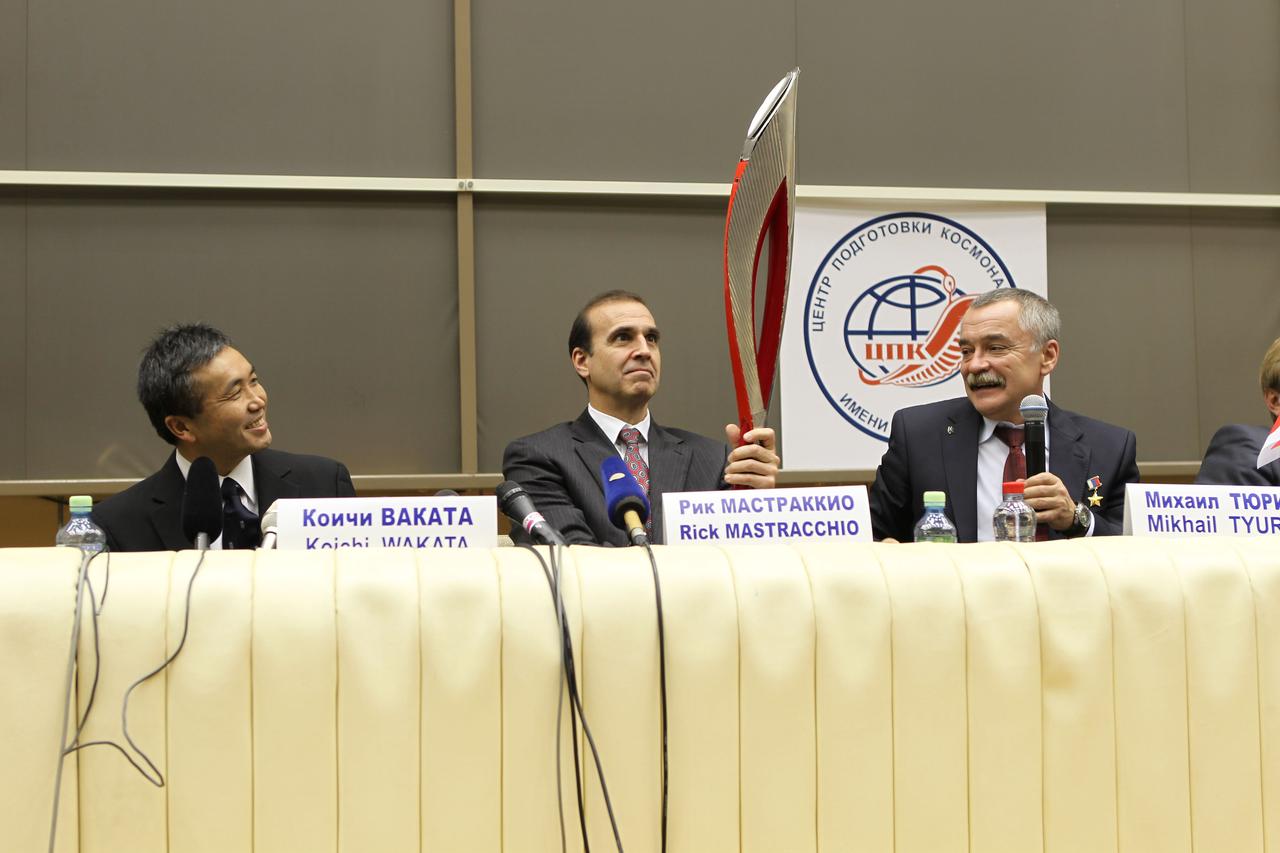
At the Gagarin Cosmonaut Training Center in Star City, Russia, Expedition 38/39 Flight Engineer Rick Mastracchio of NASA (center) holds a model of the Olympic torch during a crew news conference October 22, 2013. Mastracchio, Flight Engineer Koichi Wakata of the Japan Aerospace Exploration Agency (left) and Soyuz Commander Mikhail Tyurin (right) will launch Nov. 7, Kazakh time from the Baikonur Cosmodrome in Kazakhstan on the Soyuz TMA-11M spacecraft for the start of a six-month mission on the International Space Station. Launching with them will be one of the Olympic torches used in the Olympic relay that will culminate with the torch’s arrival at the opening ceremonies of the 2014 Winter Olympics in Sochi, Russia next February. NASA/Stephanie Stoll
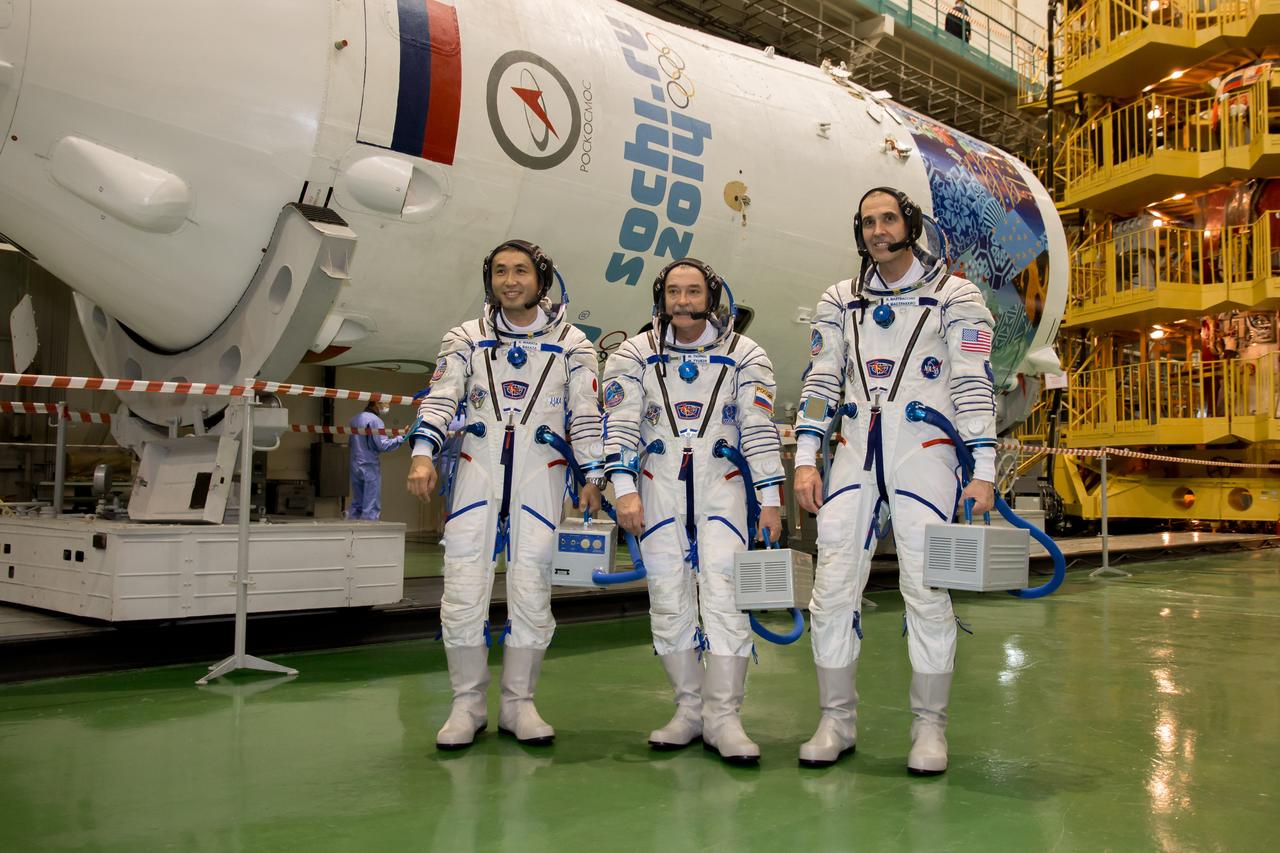
In the Integration Facility at the Baikonur Cosmodrome in Kazakhstan, Expedition 38/39 Flight Engineer Koichi Wakata of the Japan Aerospace Exploration Agency (left), Soyuz Commander Mikhail Tyurin (center) and Flight Engineer Rick Mastracchio of NASA (right) pose for pictures October 28 in front of the upper stage of the Soyuz booster rocket following a fit check dress rehearsal inside the Soyuz. The rocket is adorned with the logo of the Sochi Olympic Organizing Committee and other related artwork to commemorate the launch of the Olympic torch with the crew for a four-day visit to the station. The torch will return to Earth with another trio of station residents on November 11 and will be part of the torch relay that ends with the lighting of the flame at the Fisht Stadium in Sochi, Russia February 7 to mark the opening of the 2014 Winter Olympics. NASA/Victor Zelentsov
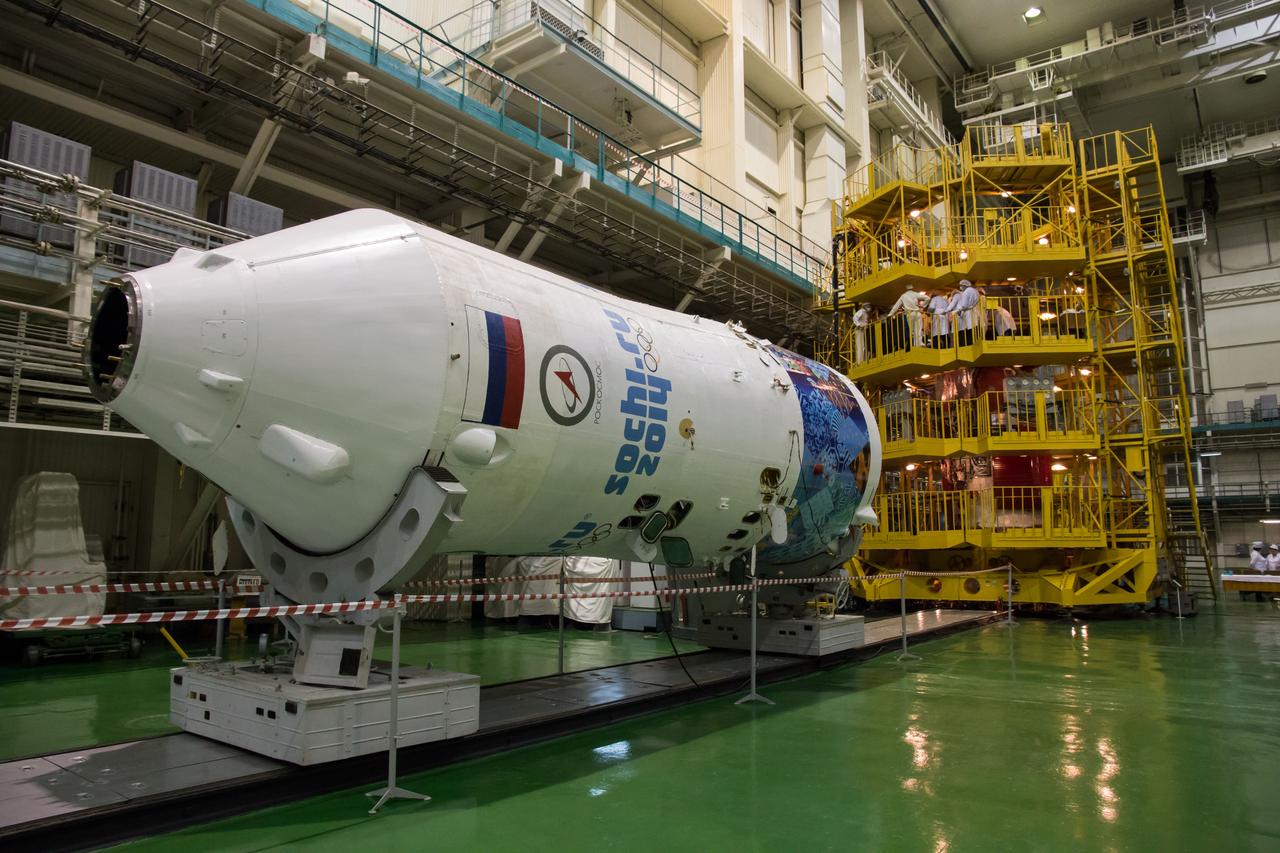
Adorned with the logo of the Sochi Olympic Organizing Committee and other related artwork, the third stage of the Soyuz booster rocket stands ready for assembly with other rocket components October 28 in the Integration Building at the Baikonur Cosmodrome in Kazakhstan as preparations continue for the launch of the Soyuz TMA-11M spacecraft with Expedition 38/39 crewmembers Rick Mastracchio of NASA, Mikhail Tyurin and Koichi Wakata of the Japan Aerospace Exploration Agency aboard. The trio, which will launch Nov. 7, Kazakh time, in the Soyuz from Baikonur to begin a six-month mission on the International Space Station, will carry the Olympic torch to the station for a four-day visit. The torch will return to Earth with another trio of station residents on November 11 and will be part of the torch relay that ends with the lighting of the flame at the Fisht Stadium in Sochi, Russia February 7 to mark the opening of the 2014 Winter Olympics. NASA/Victor Zelentsov
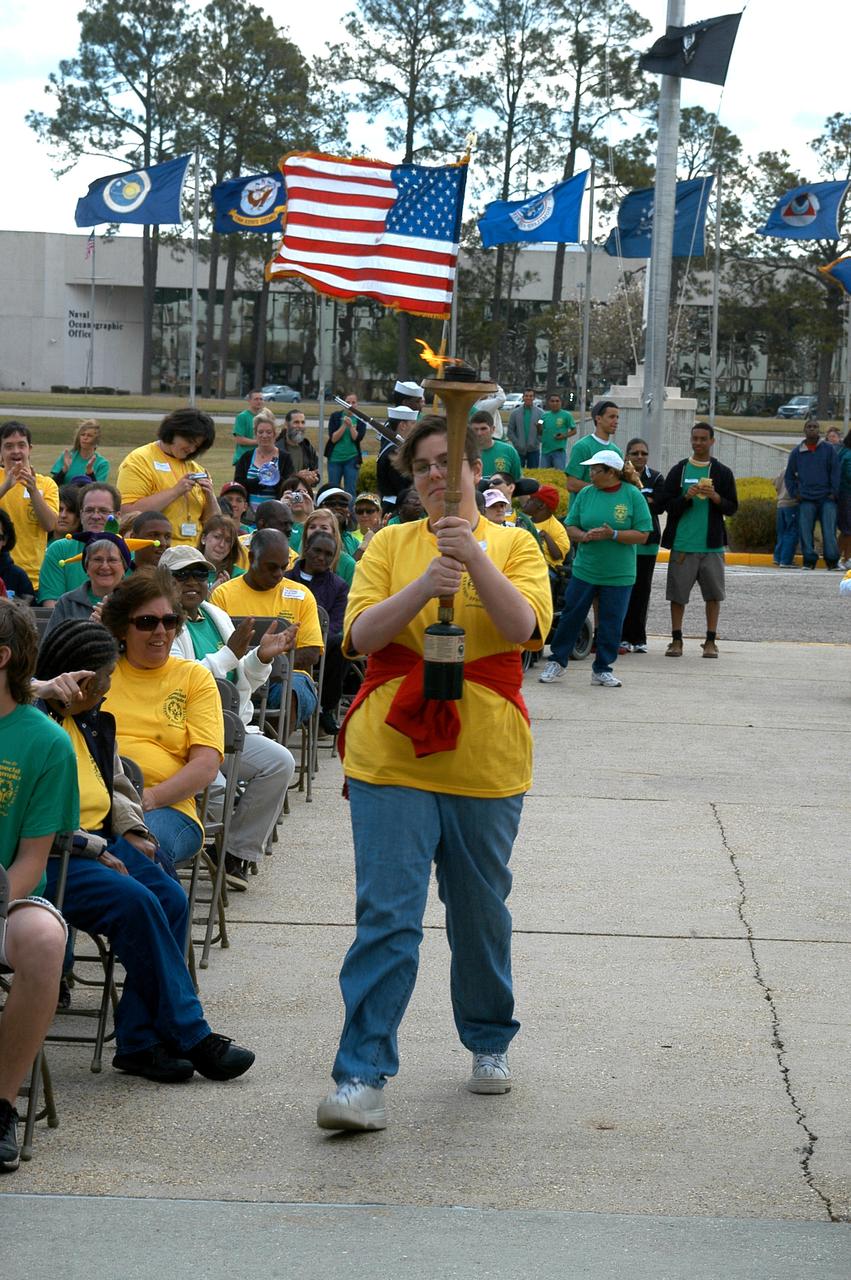
Sarah Johnson, 28, of Gulfport, carries in the Olympic torch to signal the start of the 2010 Area III Special Olympic games at NASA's John C. Stennis Space Center on March 27. Stennis volunteers hosted special needs athletes from across the area for the event. Stennis is an annual host of the games.
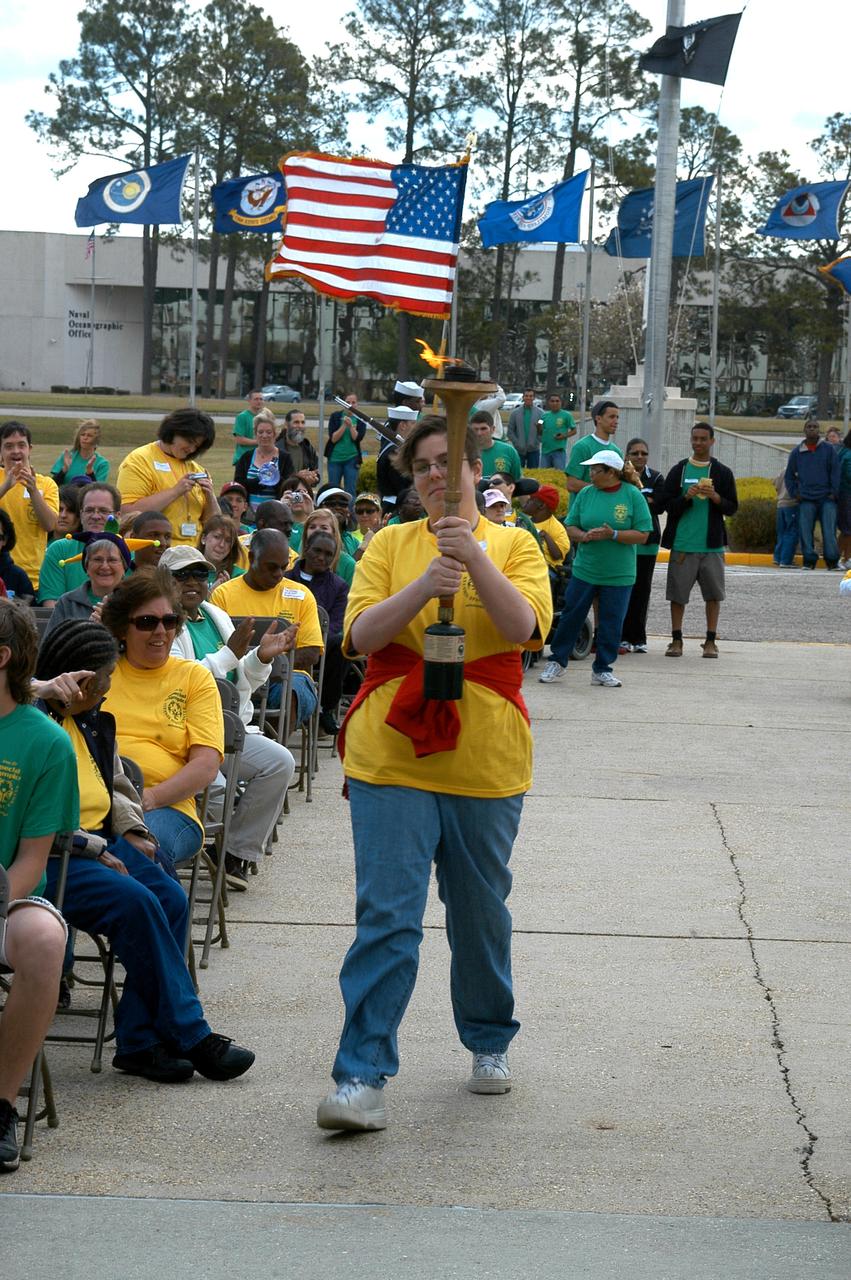
Sarah Johnson, 28, of Gulfport, carries in the Olympic torch to signal the start of the 2010 Area III Special Olympic games at NASA's John C. Stennis Space Center on March 27. Stennis volunteers hosted special needs athletes from across the area for the event. Stennis is an annual host of the games.
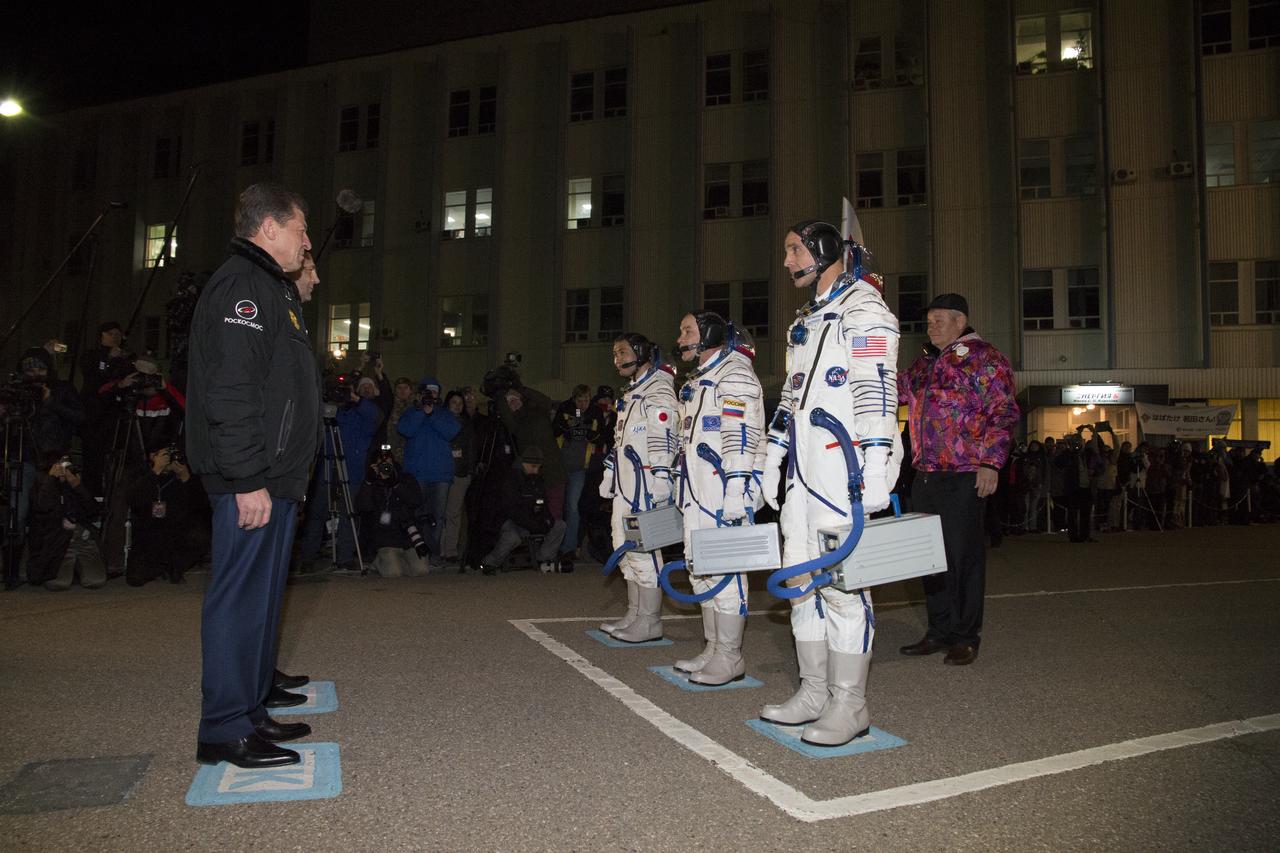
Dmitry Kozak, Deputy Prime Minister of Russian Federation, standing left, next to, Oleg Ostapenko, Head of Roscosmos, give a formal farewell to Expedition 38 Flight Engineer Koichi Wakata of the Japan Aerospace Exploration Agency, far right, Soyuz Commander Mikhail Tyurin of Roscosmos, center, and, Flight Engineer Rick Mastracchio of NASA, as Division Chief, GCTC, Valery Korzun holds the Olympic torch that will travel with the crew on their soyuz TMA-11M rocket to the International Space Station, Thursday, Nov. 7, 2013, in Baikonur, Kazakhstan. Photo Credit: (NASA/Victor Zelentsov)
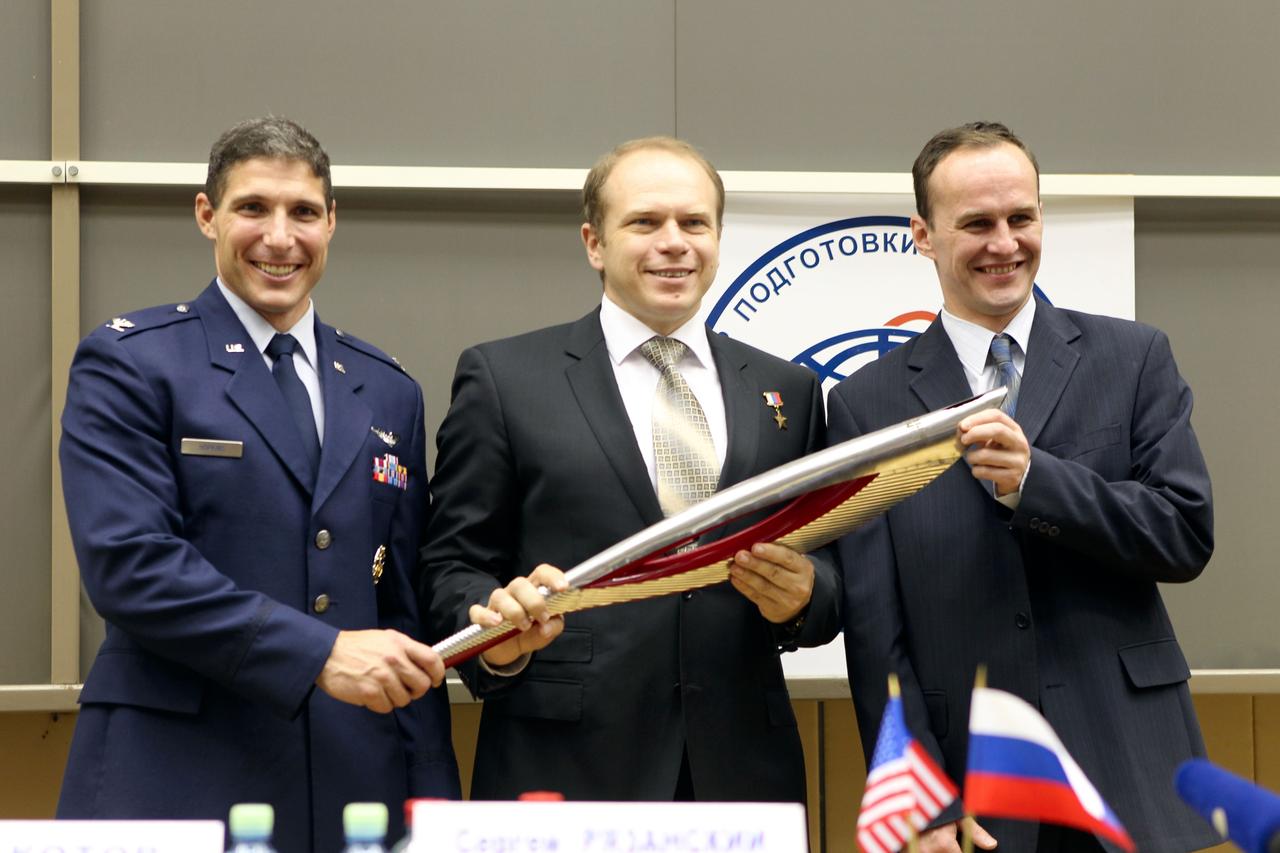
At the Gagarin Cosmonaut Training Center in Star City, Russia, Expedition 37/38 Flight Engineer Michael Hopkins of NASA (left), Soyuz Commander Oleg Kotov (center) and Flight Engineer Sergey Ryazanskiy (right) hold a replica of the Olympic torch Sept. 6 following a crew news conference at their training facility outside Moscow. The trio is preparing for their launch to the International Space Station from the Baikonur Cosmodrome in Kazakhstan on Sept. 26, Kazakh time, aboard the Soyuz TMA-10M spacecraft. The torch that will light the Olympic flame at the Opening Ceremonies of the Winter Olympics in Sochi, Russia Feb. 7, 2014 will be flown the space station by another crew in November and brought home several days later as part of a global and galactic Olympic relay. NASA/Stephanie Stoll
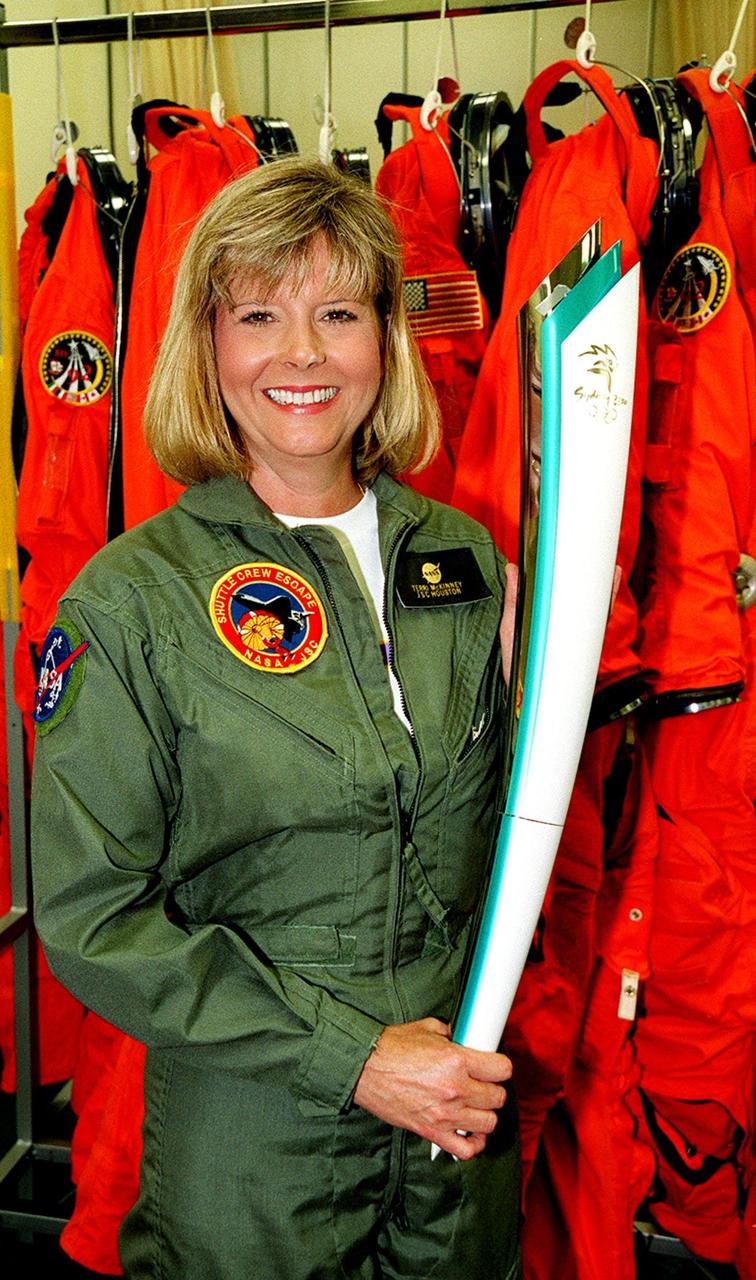
Teri McKinney, with Shuttle Crew Escape, Johnson Space Center, holds a replica of the Olympic torch carried aboard Space Shuttle Atlantis on mission STS-101. The addition of the torch to the payload was coordinated by astronaut Andy Thomas, who is from Australia. The torch will travel to Australia for the 2000 Olympic games being held there in September. . STS-101 was the third flight to the International Space Station and included repairs to the Station plus transfer of equipment and supplies to the Station for future missions. The landing of Atlantis completed a 9-day, 20-hour, 9-minute-long mission. It was the 98th flight in the Space Shuttle program and the 21st for Atlantis. The landing was the 51st at KSC, the 22nd consecutive landing at KSC and the 29th in the last 30 Shuttle flights, plus the 14th nighttime landing in Shuttle history
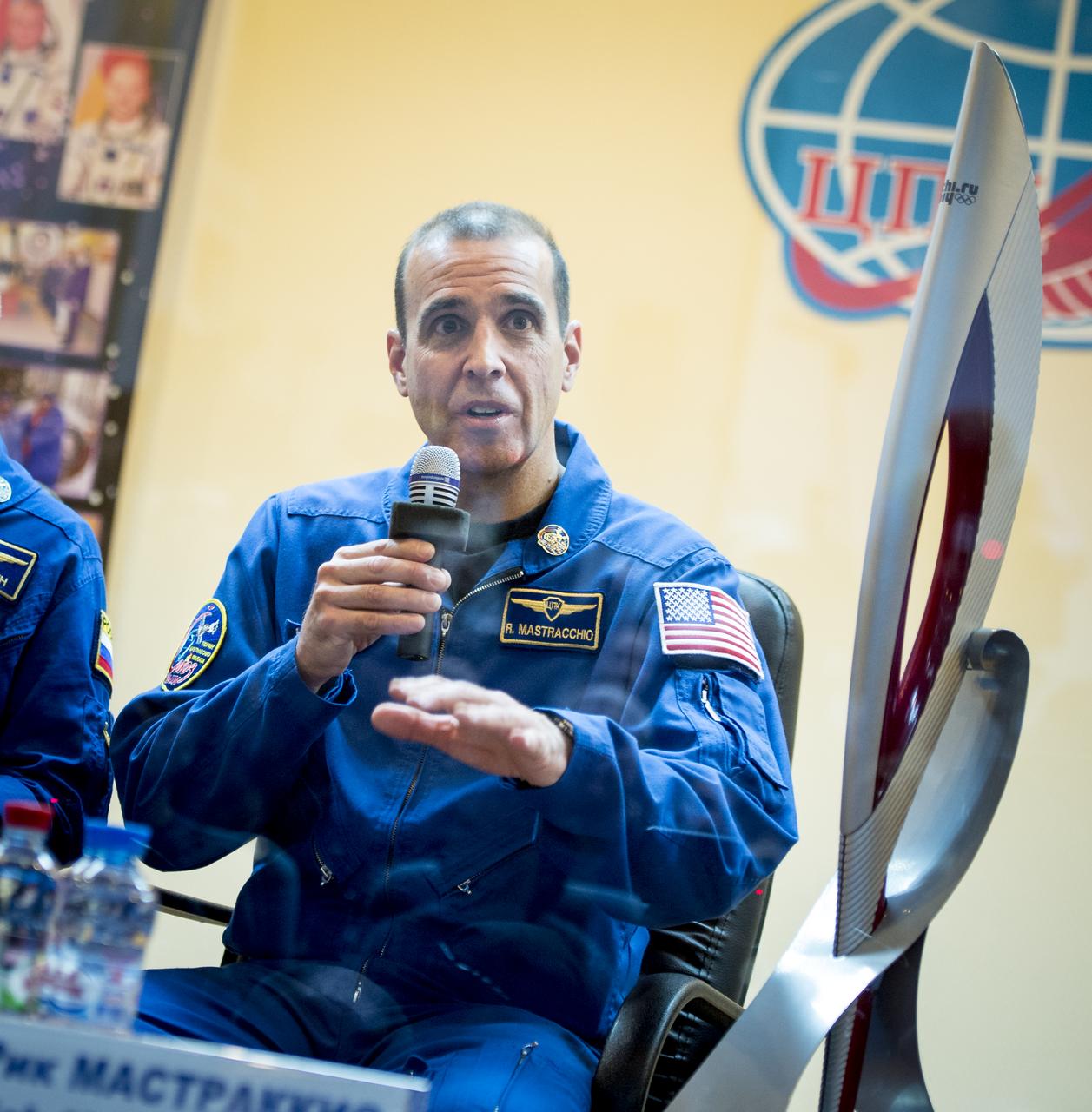
Expedition 38 Flight Engineer Rick Mastracchio of NASA talks, while in quarantine behind glass, during the final press conference held a day ahead of his launch with fellow crew mates, Soyuz Commander Mikhail Tyurin of Roscosmos, and, Flight Engineer Koichi Wakata of the Japan Aerospace Exploration Agency, to the International Space Station, Wednesday, Nov. 6, 2013 at the Cosmonaut Hotel in Baikonur, Kazakhstan. An Olympic torch that will be launched with the crew for a four-day visit to the station is seen next to Mastracchio. The torch will return to Earth with another trio of station residents on Nov. 11 and will be part of the torch relay that ends with the lighting of the flame at the Fisht Stadium in Sochi, Russia Feb. 7 to mark the opening of the 2014 Winter Olympics. Photo Credit: (NASA/Bill Ingalls)
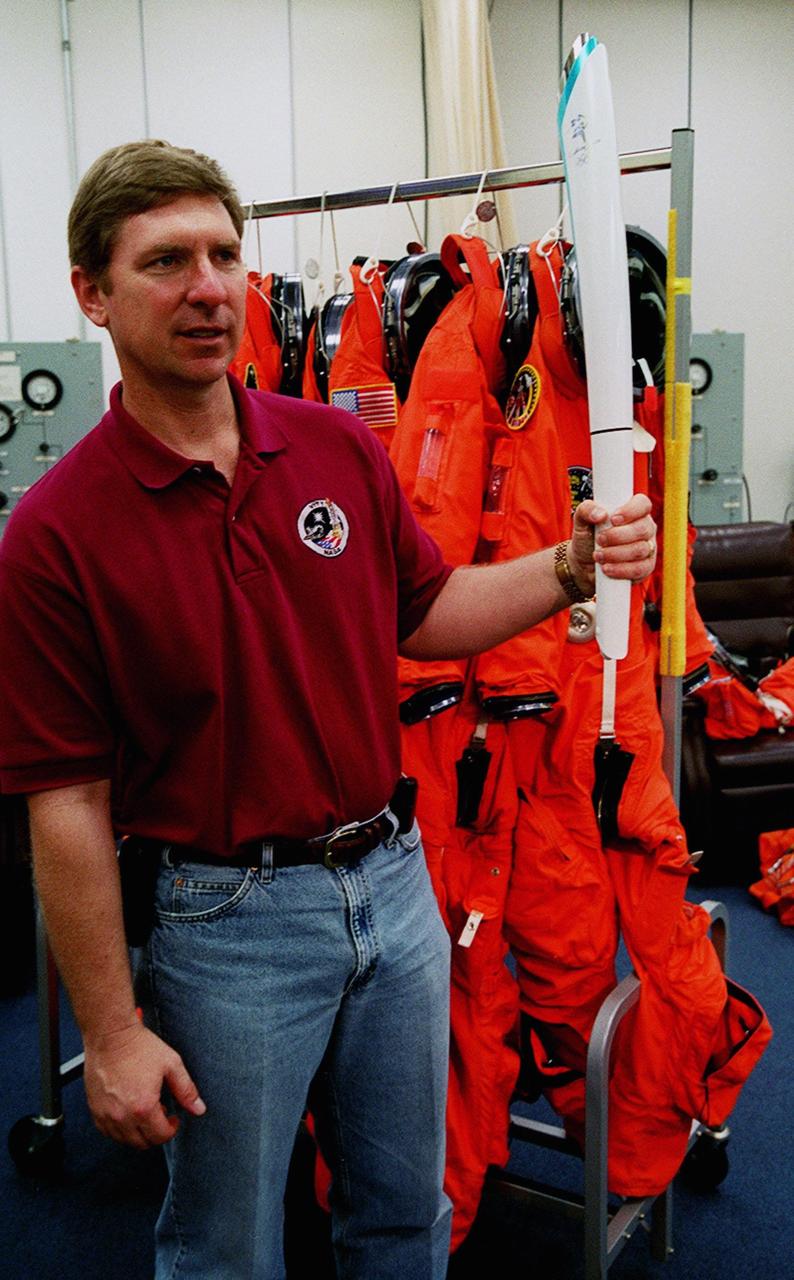
To; Kwiatkowski, Vehicle Integration Team Lead, recovers a replica of the Olympic torch after its journey on Space Shuttle Atlantis on mission STS-101. The addition of the torch to the payload was coordinated by astronaut Andy Thomas, who is from Australia. The torch will travel to Australia for the 2000 Olympic games being held there in September. STS-101 was the third flight to the International Space Station and included repairs to the Station plus transfer of equipment and supplies to the Station for future missions. The landing of Atlantis completed a 9-day, 20-hour, 9-minute-long mission. It was the 98th flight in the Space Shuttle program and the 21st for Atlantis. The landing was the 51st at KSC, the 22nd consecutive landing at KSC and the 29th in the last 30 Shuttle flights, plus the 14th nighttime landing in Shuttle history
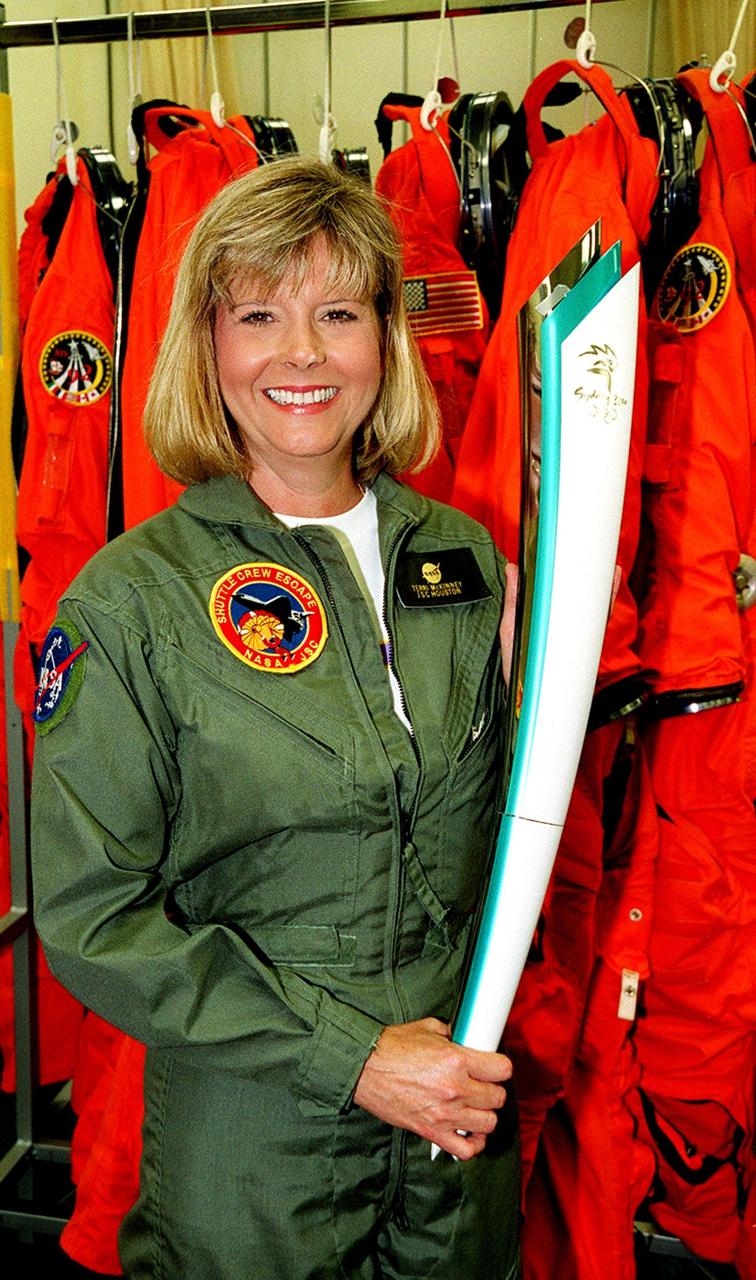
Teri McKinney, with Shuttle Crew Escape, Johnson Space Center, holds a replica of the Olympic torch carried aboard Space Shuttle Atlantis on mission STS-101. The addition of the torch to the payload was coordinated by astronaut Andy Thomas, who is from Australia. The torch will travel to Australia for the 2000 Olympic games being held there in September. . STS-101 was the third flight to the International Space Station and included repairs to the Station plus transfer of equipment and supplies to the Station for future missions. The landing of Atlantis completed a 9-day, 20-hour, 9-minute-long mission. It was the 98th flight in the Space Shuttle program and the 21st for Atlantis. The landing was the 51st at KSC, the 22nd consecutive landing at KSC and the 29th in the last 30 Shuttle flights, plus the 14th nighttime landing in Shuttle history
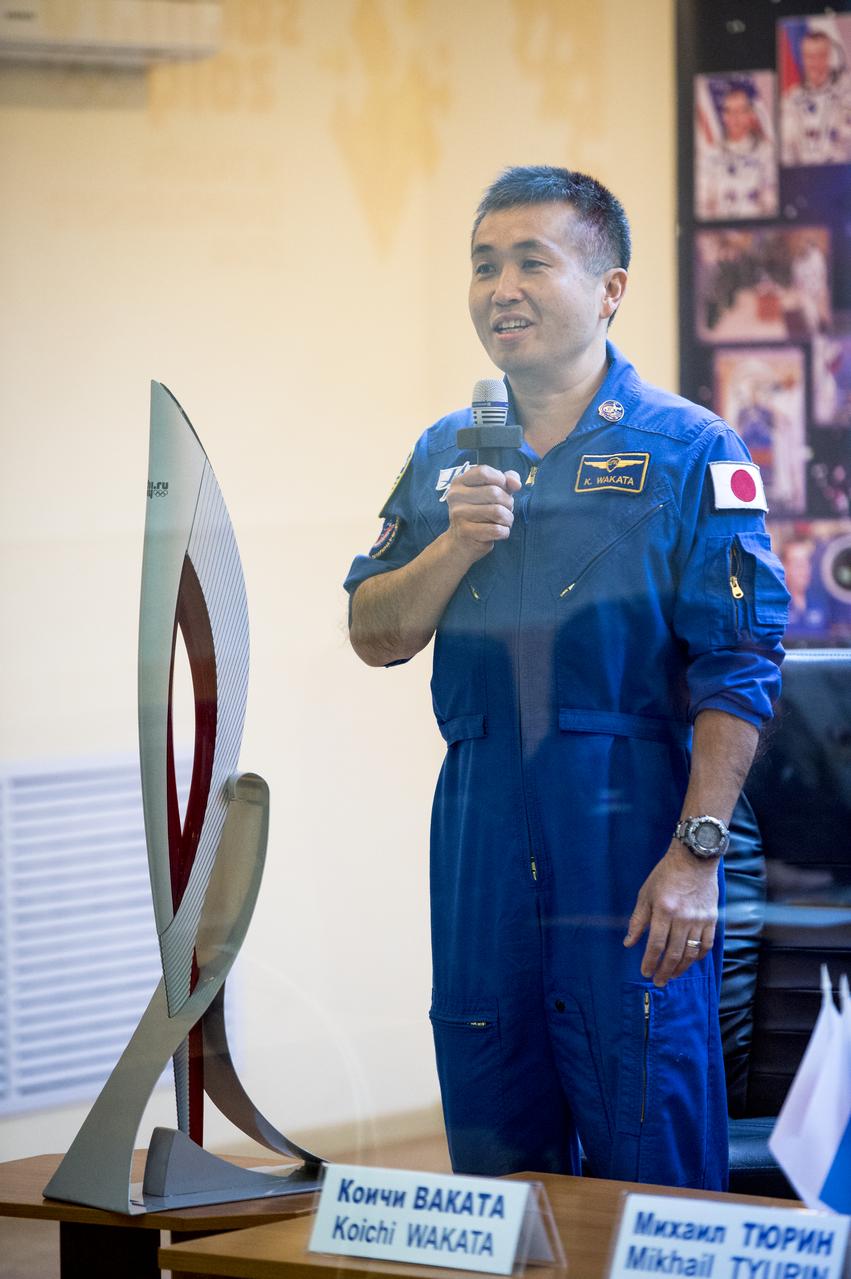
Expedition 38 Flight Engineer Koichi Wakata of the Japan Aerospace Exploration Agency is seen in quarantine, behind glass, during the final press conference held a day ahead of his launch with fellow crew mates, Expedition 38 Soyuz Commander Mikhail Tyurin of Roscosmos, and, Flight Engineer Rick Mastracchio of NASA, to the International Space Station, Wednesday, Nov. 6, 2013 at the Cosmonaut Hotel in Baikonur, Kazakhstan. An Olympic torch that will be launched with the crew for a four-day visit to the station is seen on the left. The torch will return to Earth with another trio of station residents on Nov. 11 and will be part of the torch relay that ends with the lighting of the flame at the Fisht Stadium in Sochi, Russia Feb. 7 to mark the opening of the 2014 Winter Olympics. Photo Credit: (NASA/Bill Ingalls)
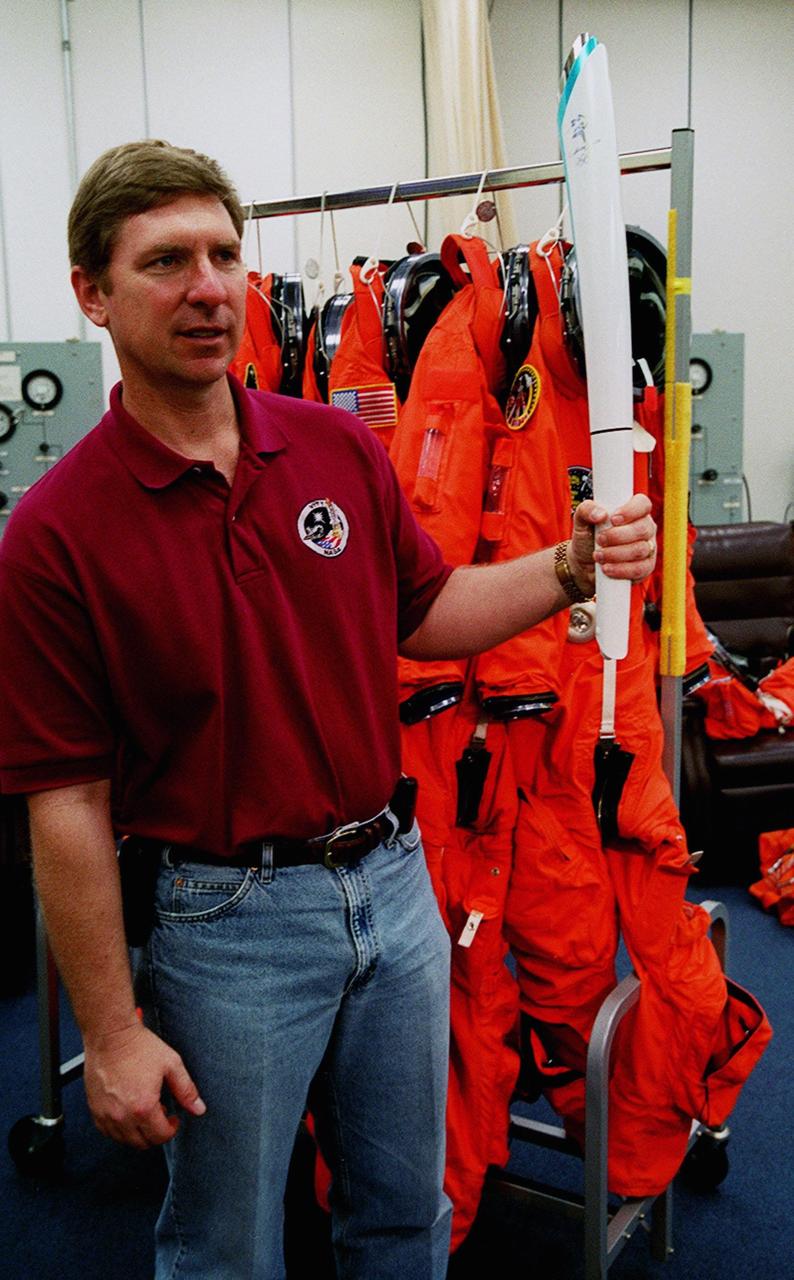
To; Kwiatkowski, Vehicle Integration Team Lead, recovers a replica of the Olympic torch after its journey on Space Shuttle Atlantis on mission STS-101. The addition of the torch to the payload was coordinated by astronaut Andy Thomas, who is from Australia. The torch will travel to Australia for the 2000 Olympic games being held there in September. STS-101 was the third flight to the International Space Station and included repairs to the Station plus transfer of equipment and supplies to the Station for future missions. The landing of Atlantis completed a 9-day, 20-hour, 9-minute-long mission. It was the 98th flight in the Space Shuttle program and the 21st for Atlantis. The landing was the 51st at KSC, the 22nd consecutive landing at KSC and the 29th in the last 30 Shuttle flights, plus the 14th nighttime landing in Shuttle history
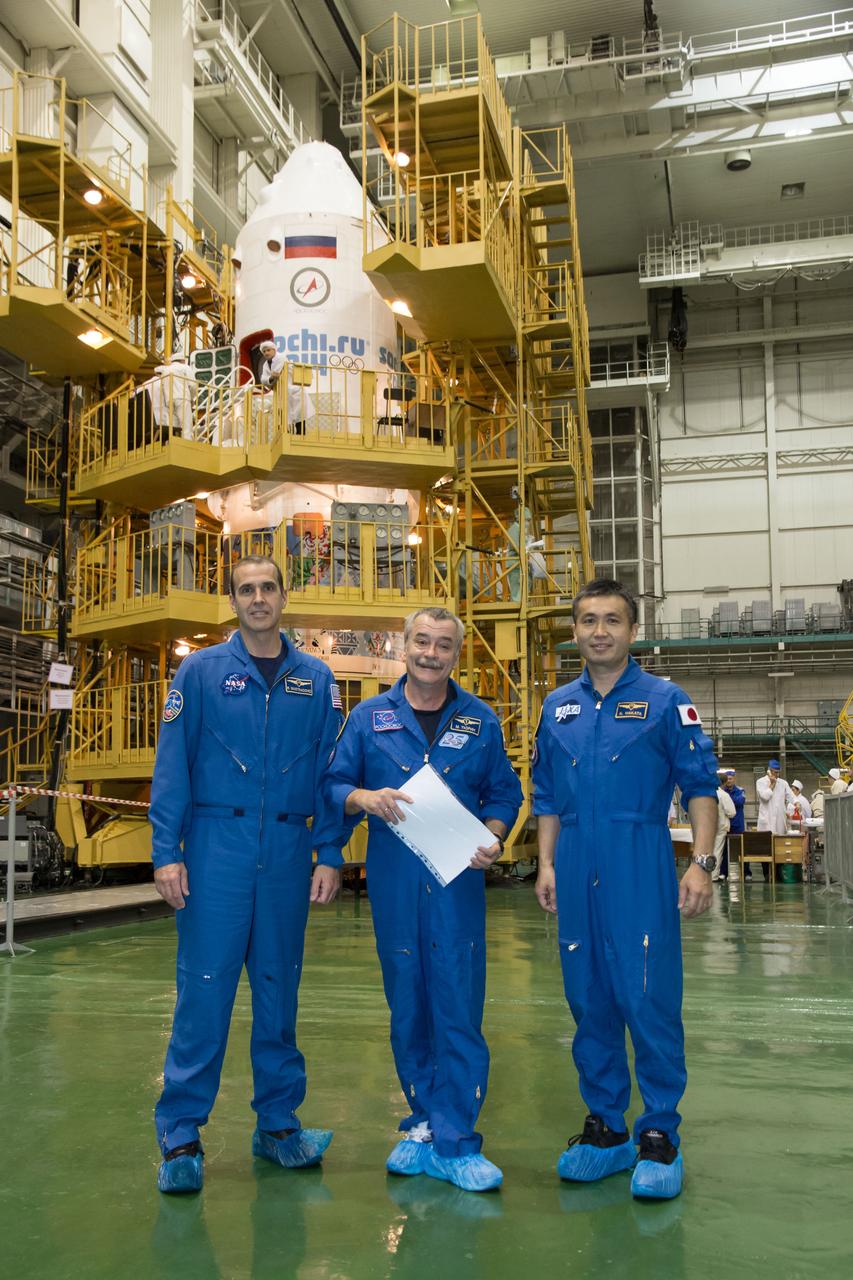
11-45-59: In the Integration Facility at the Baikonur Cosmodrome in Kazakhstan, Expedition 38/39 Flight Engineer Rick Mastracchio of NASA (left), Soyuz Commander Mikhail Tyurin (center) and Flight Engineer Koichi Wakata of the Japan Aerospace Exploration Agency (right) pose for pictures Nov. 3 in front of the Soyuz TMA-11M spacecraft following their final fit check dress rehearsal. The Soyuz rocket’s payload fairing behind them is adorned with the insignia of the Sochi Olympic Organizing Committee . The crewmembers, who will launch Nov. 7, Kazakh time for a six-month mission on the International Space Station, are carrying the Olympic torch to the complex with them for a four-day visit. NASA/Victor Zelentsov
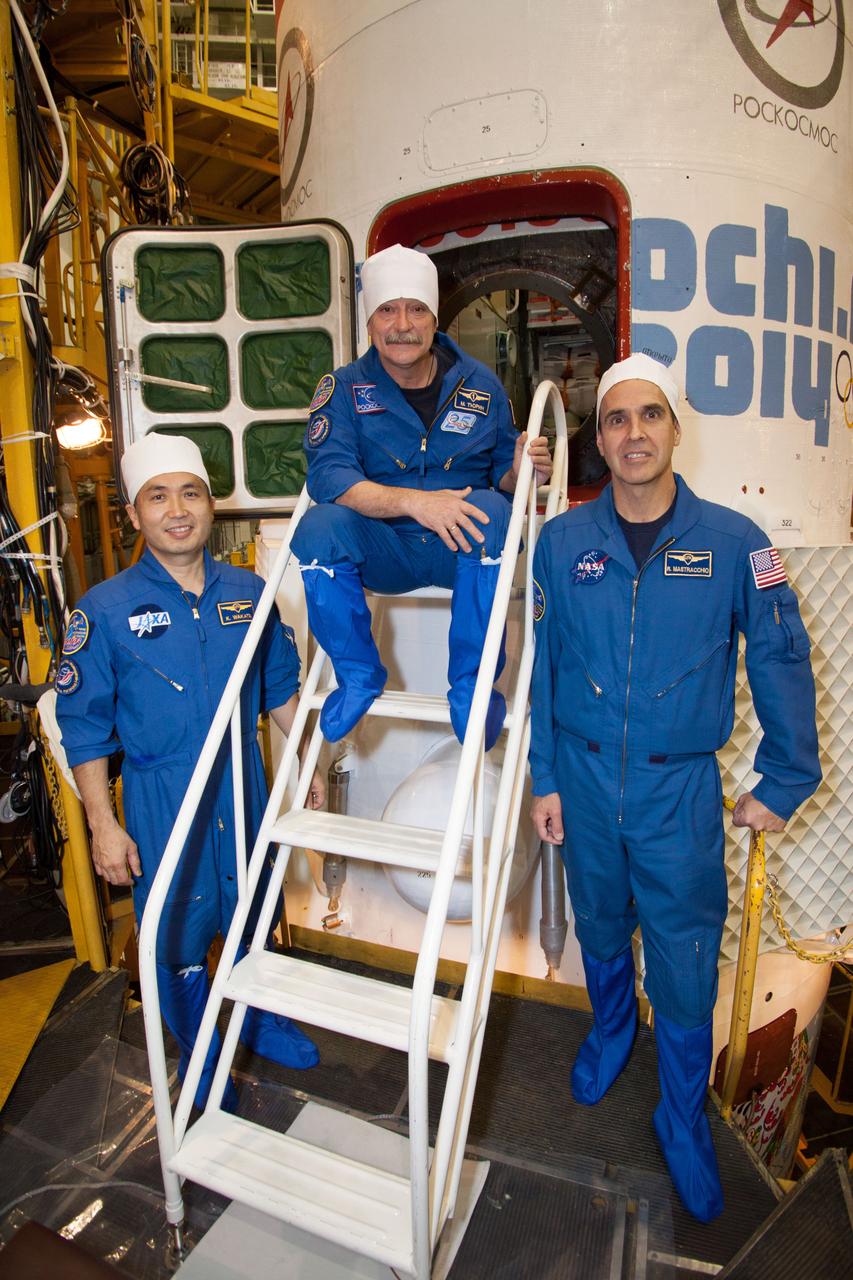
11-11-22: In the Integration Facility at the Baikonur Cosmodrome in Kazakhstan, Expedition 38/39 Flight Engineer Koichi Wakata of the Japan Aerospace Exploration Agency (left), Soyuz Commander Mikhail Tyurin (center) and Flight Engineer Rick Mastracchio of NASA (right) pose for pictures Nov. 3 outside the Soyuz TMA-11M spacecraft during their final fit check dress rehearsal. The Soyuz rocket’s payload fairing behind them is adorned with the insignia of the Sochi Olympic Organizing Committee . The crewmembers, who will launch Nov. 7, Kazakh time for a six-month mission on the International Space Station, are carrying the Olympic torch to the complex with them for a four-day visit. NASA/Victor Zelentsov
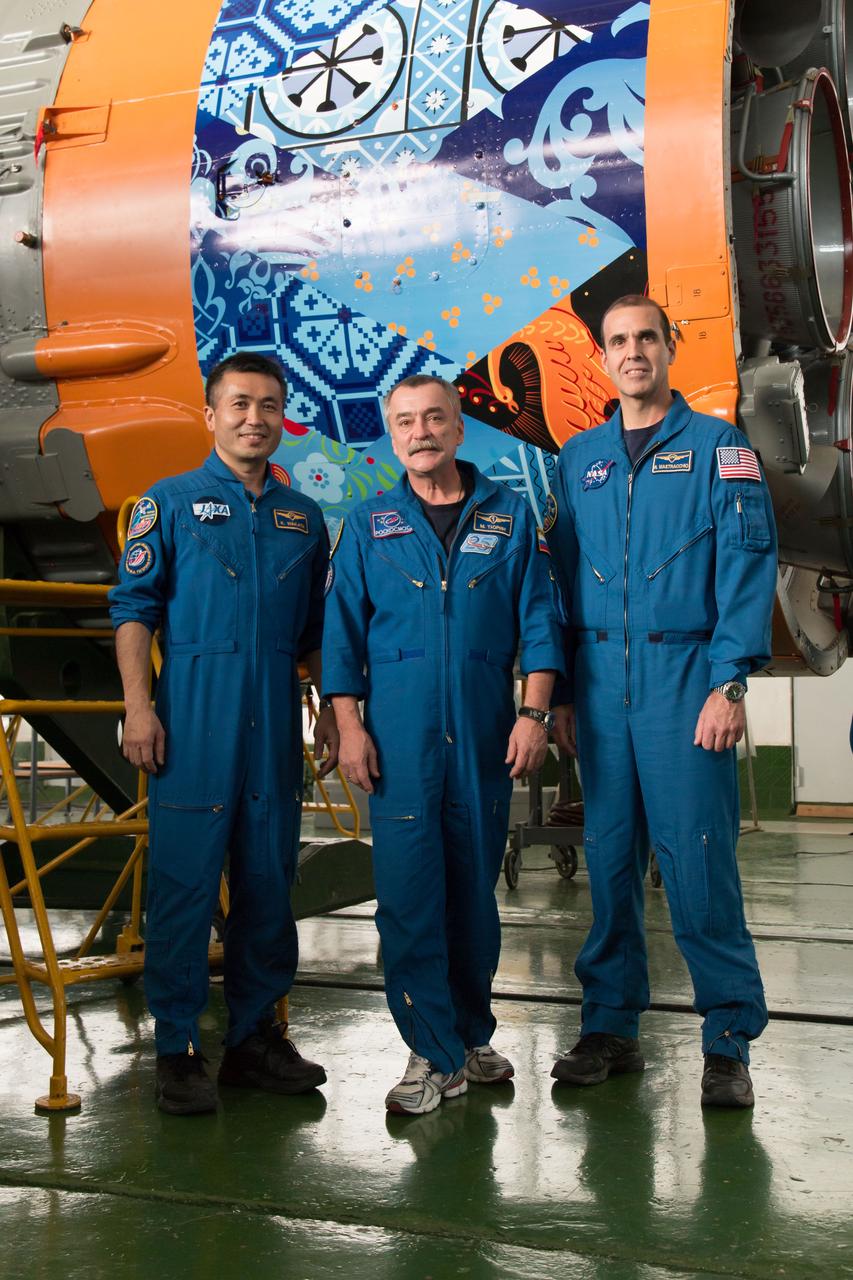
13-10-51-6: In the Integration Facility at the Baikonur Cosmodrome in Kazakhstan, Expedition 38/39 Flight Engineer Koichi Wakata of the Japan Aerospace Exploration Agency (left), Soyuz Commander Mikhail Tyurin (center) and Flight Engineer Rick Mastracchio of NASA (right) pose for pictures Nov. 3 in front of the first stage of the Soyuz rocket during their final fit check dress rehearsal. The Soyuz rocket’s skirt is adorned with artwork representing the 2014 Winter Olympics in Sochi, Russia. The crewmembers, who will launch Nov. 7, Kazakh time for a six-month mission on the International Space Station, are carrying the Olympic torch to the complex with them for a four-day visit. NASA/Victor Zelentsov
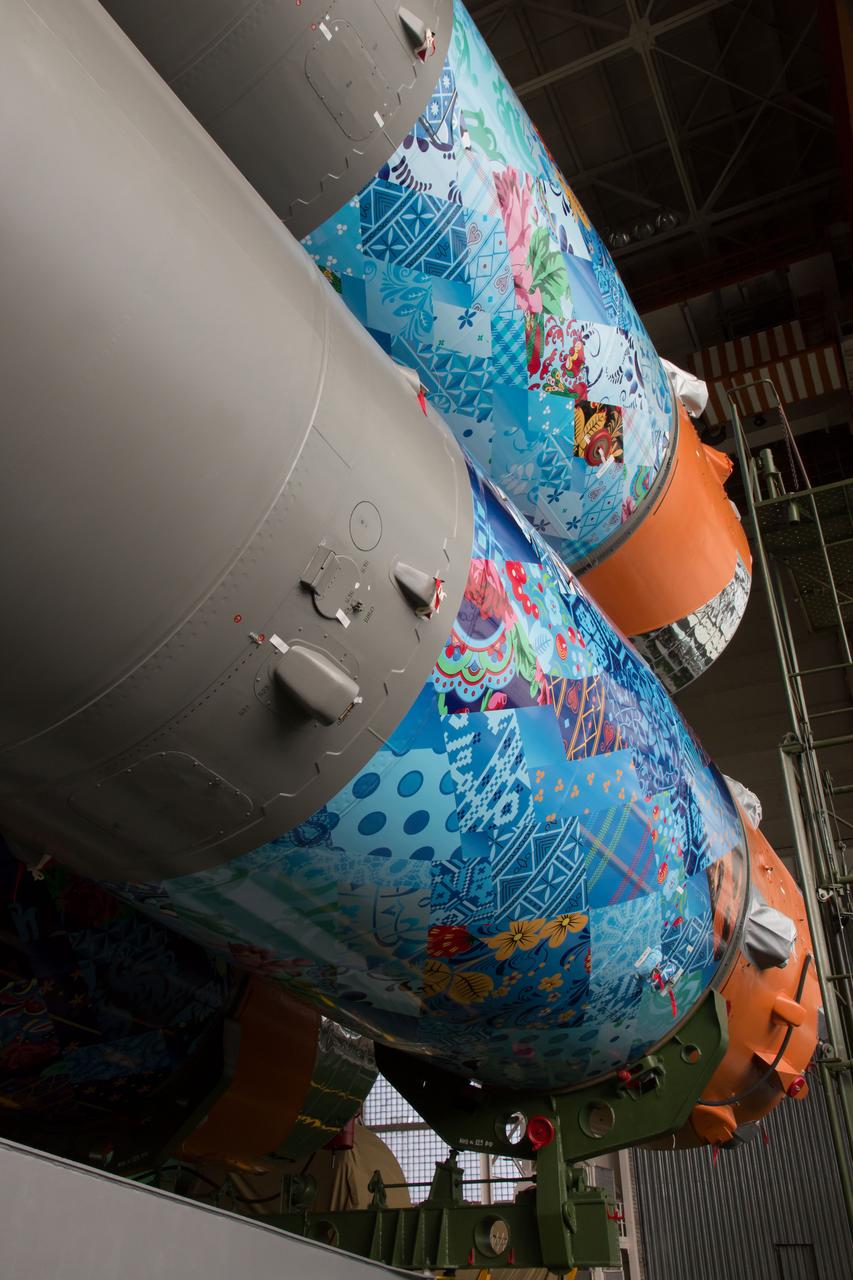
12-21-34: Adorned with the artwork and the colors of the 2014 Winter Olympics to be held in Sochi, Russia, the liquid-fueled boosters on the first stage of the Soyuz rocket that will launch Nov. 7, Kazakh time, to carry Expedition 38/39 Soyuz Commander Mikhail Tyurin, Flight Engineer Rick Mastracchio of NASA and Flight Engineer Koichi Wakata of the Japan Aerospace Exploration Agency into orbit are displayed Nov. 3 prior to the rocket’s rollout to the launch pad Nov. 5. The three crewmembers will be aboard the Soyuz TMA-11M spacecraft for the launch that will begin their six-month mission on the International Space Station. Launching with them to spend four days on the station is the Olympic torch that will light the flame at the Opening Ceremonies in Sochi Feb. 7, 2014 to begin the winter games. NASA/Victor Zelentsov
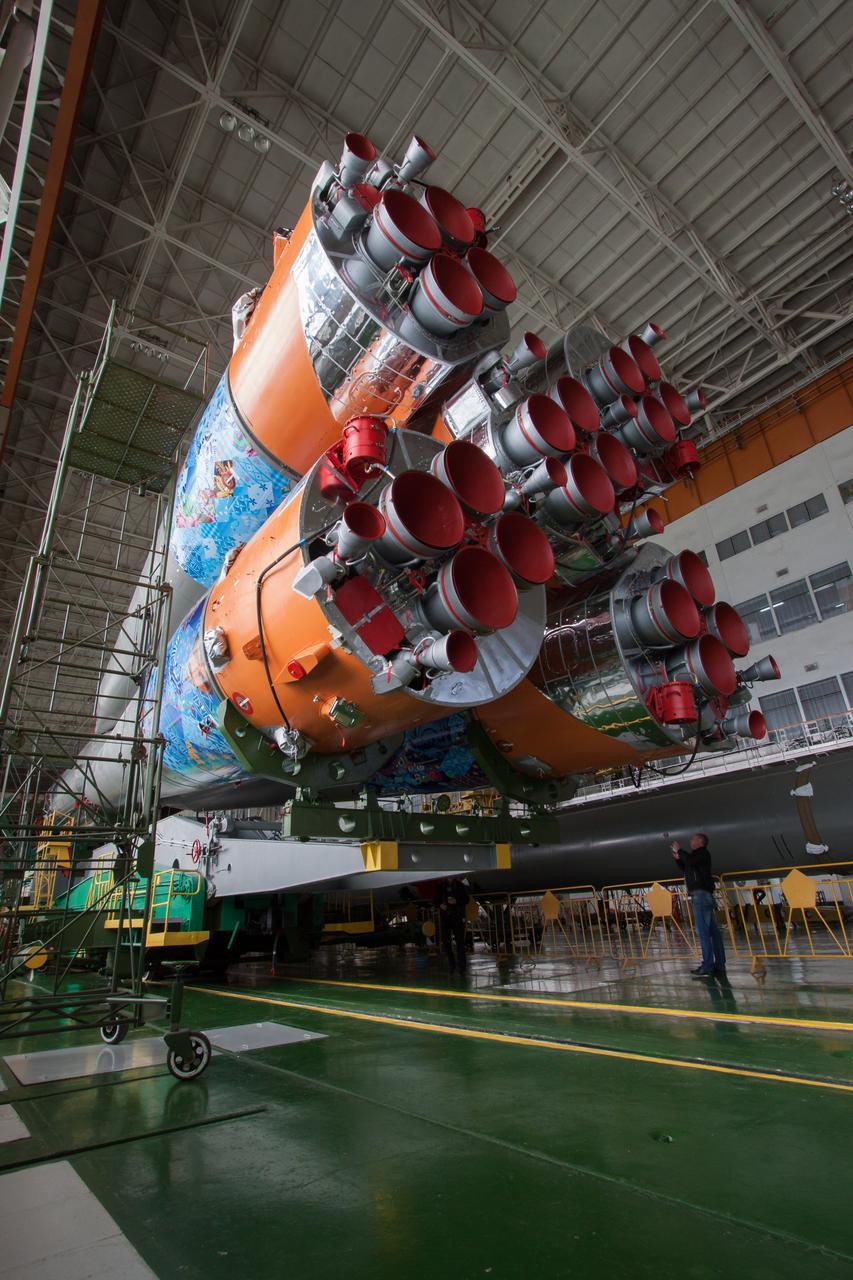
12-19-33: Adorned with the artwork and the colors of the 2014 Winter Olympics to be held in Sochi, Russia, the Soyuz rocket that will launch Nov. 7, Kazakh time, to carry Expedition 38/39 Soyuz Commander Mikhail Tyurin, Flight Engineer Rick Mastracchio of NASA and Flight Engineer Koichi Wakata of the Japan Aerospace Exploration Agency into orbit is moved into position Nov. 3 for its rollout to the launch pad Nov. 5. The three crewmembers will be aboard the Soyuz TMA-11M spacecraft for the launch that will begin their six-month mission on the International Space Station. Launching with them to spend four days on the station is the Olympic torch that will light the flame at the Opening Ceremonies in Sochi Feb. 7, 2014 to begin the winter games. NASA/Victor Zelentsov
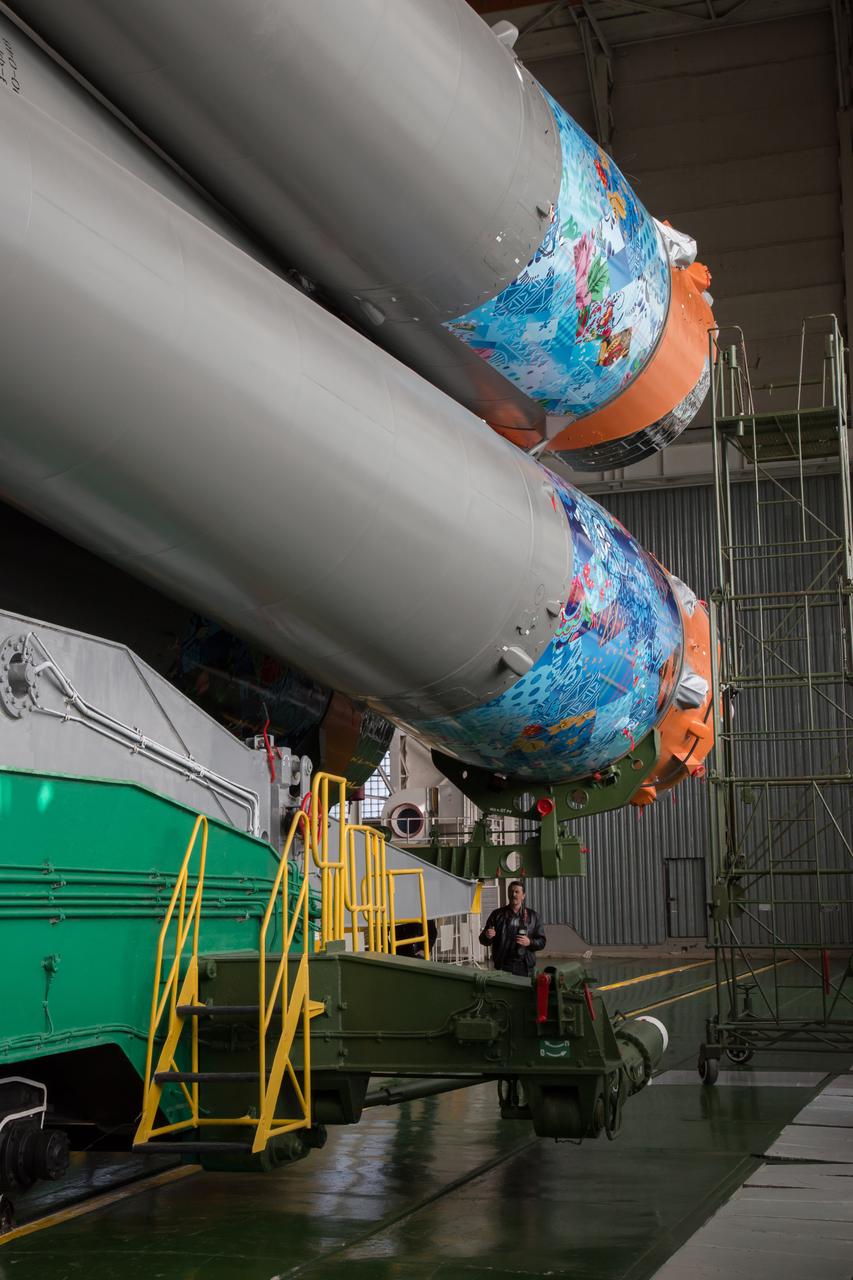
12-20-55: Adorned with the artwork and the colors of the 2014 Winter Olympics to be held in Sochi, Russia, the liquid-fueled boosters on the first stage of the Soyuz rocket that will launch Nov. 7, Kazakh time, to carry Expedition 38/39 Soyuz Commander Mikhail Tyurin, Flight Engineer Rick Mastracchio of NASA and Flight Engineer Koichi Wakata of the Japan Aerospace Exploration Agency into orbit are displayed Nov. 3 prior to the rocket’s rollout to the launch pad Nov. 5. The three crewmembers will be aboard the Soyuz TMA-11M spacecraft for the launch that will begin their six-month mission on the International Space Station. Launching with them to spend four days on the station is the Olympic torch that will light the flame at the Opening Ceremonies in Sochi Feb. 7, 2014 to begin the winter games. NASA/Victor Zelentsov
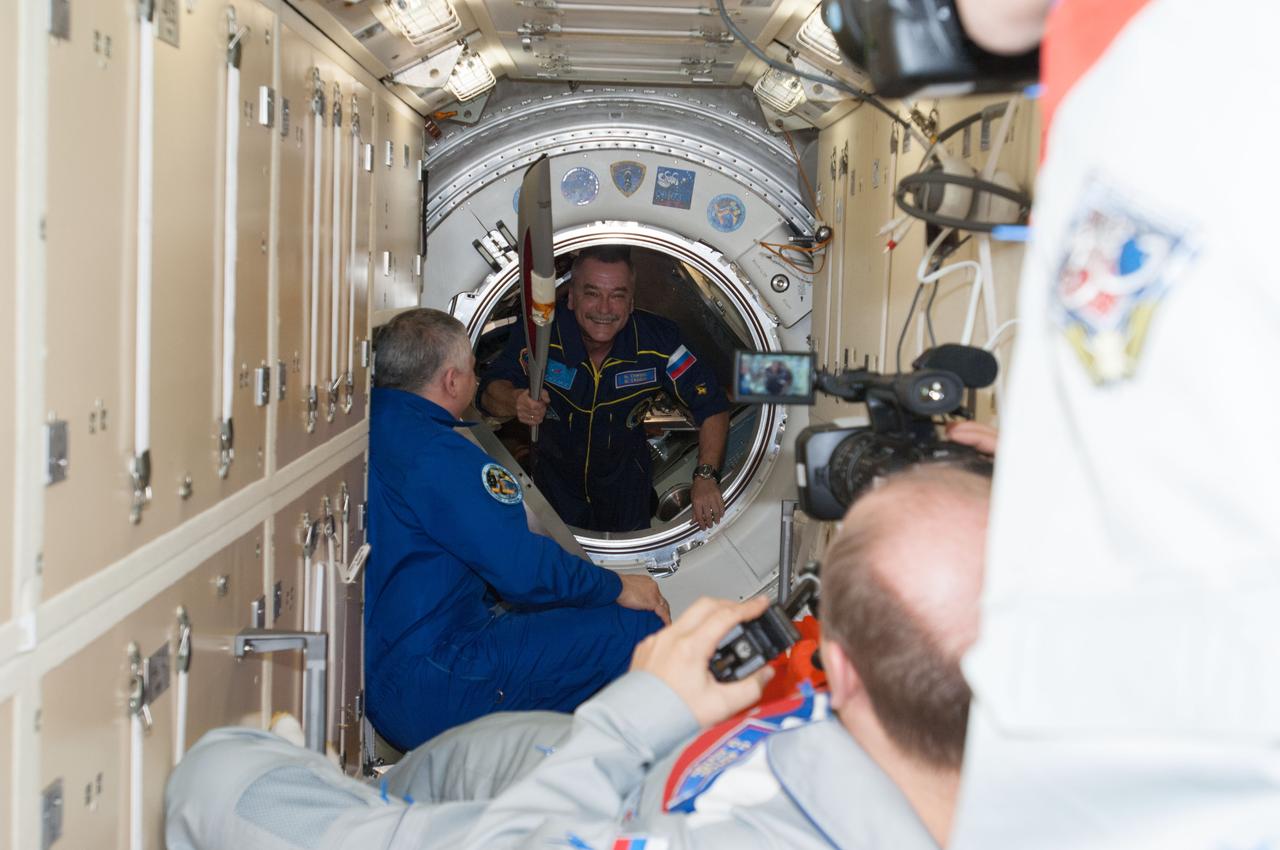
ISS037-E-028203 (7 Nov. 2013) --- In the International Space Station's Rassvet Mini-Research Module 1 (MRM1), Russian cosmonaut Fyodor Yurchikhin, Expedition 37 commander, welcomes Russian cosmonaut Mikhail Tyurin (holding the Olympic torch), Expedition 38 flight engineer, after arriving onboard a Soyuz spacecraft with Japan Aerospace Exploration Agency astronaut Koichi Wakata and NASA astronaut Rick Mastracchio, both Expedition 38 flight engineers. Russian cosmonaut Oleg Kotov (foreground), Expedition 37 flight engineer, captures the event with a video camera.
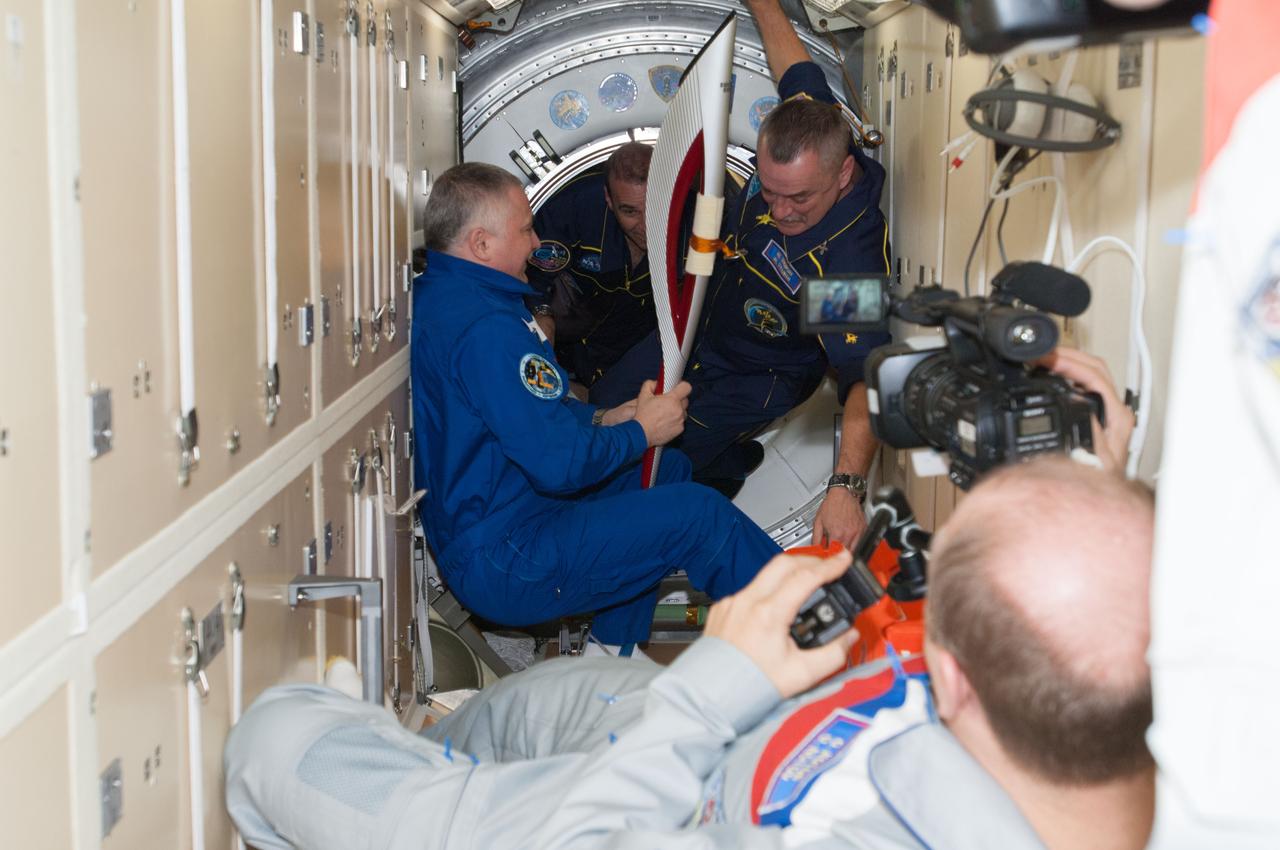
ISS037-E-028206 (7 Nov. 2013) --- In the International Space Station's Rassvet Mini-Research Module 1 (MRM1), Russian cosmonaut Fyodor Yurchikhin (holding the Olympic torch), Expedition 37 commander, welcomes Russian cosmonaut Mikhail Tyurin, Expedition 38 flight engineer, after arriving onboard a Soyuz spacecraft with Japan Aerospace Exploration Agency astronaut Koichi Wakata and NASA astronaut Rick Mastracchio, both Expedition 38 flight engineers. Russian cosmonaut Oleg Kotov (foreground), Expedition 37 flight engineer, captures the event with a video camera.
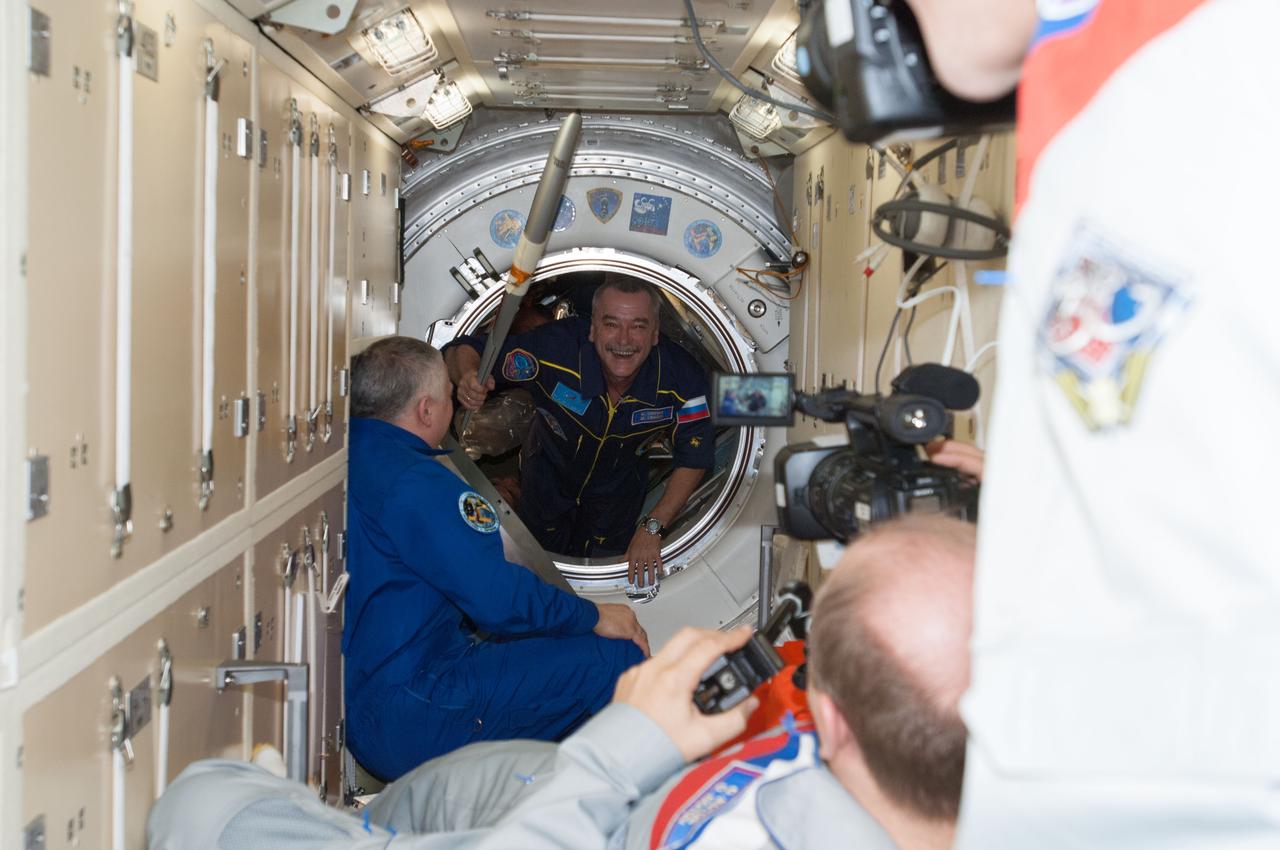
ISS037-E-028204 (7 Nov. 2013) --- In the International Space Station's Rassvet Mini-Research Module 1 (MRM1), Russian cosmonaut Fyodor Yurchikhin, Expedition 37 commander, welcomes Russian cosmonaut Mikhail Tyurin (holding the Olympic torch), Expedition 38 flight engineer, after arriving onboard a Soyuz spacecraft with Japan Aerospace Exploration Agency astronaut Koichi Wakata and NASA astronaut Rick Mastracchio, both Expedition 38 flight engineers. Russian cosmonaut Oleg Kotov (foreground), Expedition 37 flight engineer, captures the event with a video camera.
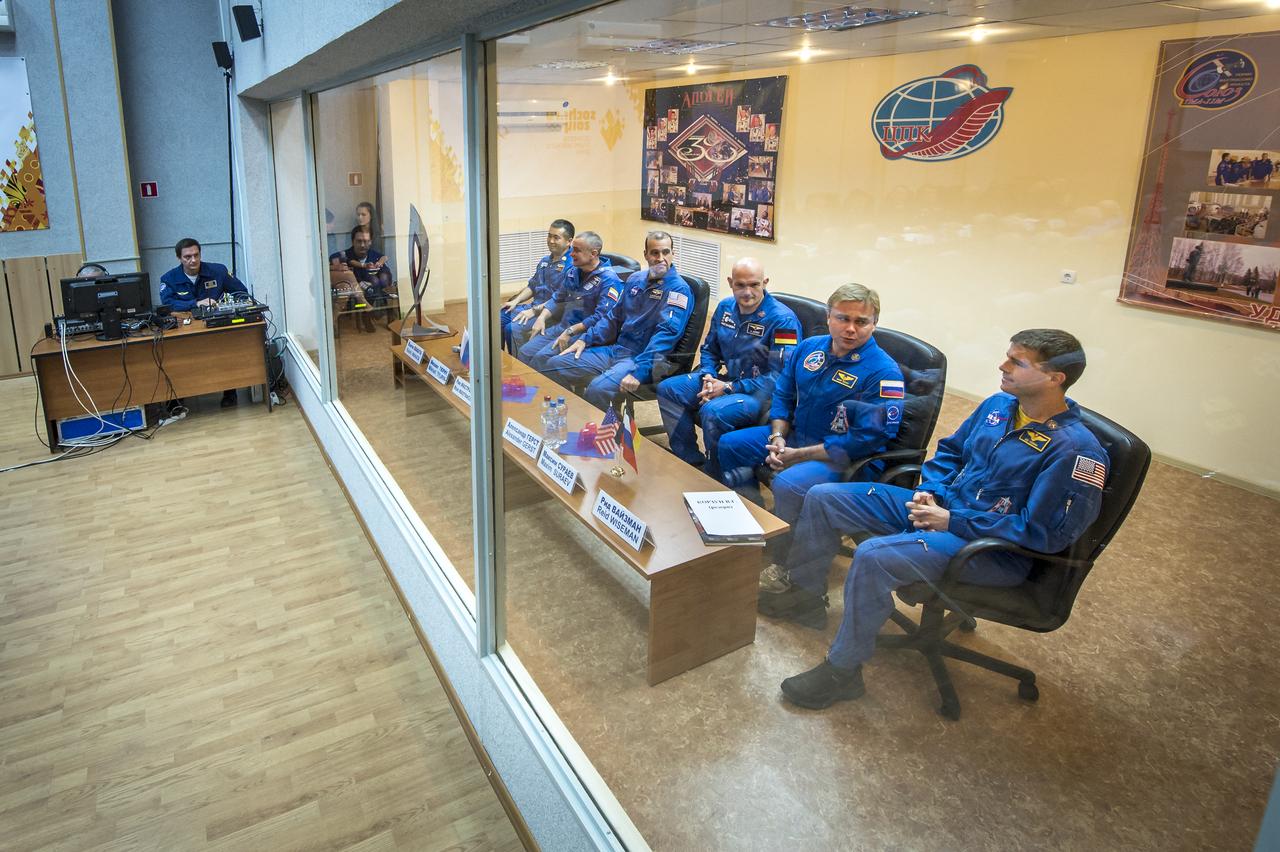
From left behind glass, Expedition 38 prime crew members, Flight Engineer Koichi Wakata of the Japan Aerospace Exploration Agency, Soyuz Commander Mikhail Tyurin of Roscosmos, and, Flight Engineer Rick Mastracchio of NASA, are joined with Expedition 38 backup crew members, Alexander Gerst of the European Space Agency, Max Suraev of Roscosmos, and Reid Wiseman of NASA during the State Commission meeting held to approve the Soyuz launch of the crew for a six month mission aboard the International Space Station, Wednesday, Nov. 6, 2013 at the Cosmonaut Hotel in Baikonur, Kazakhstan. Photo Credit: (NASA/Bill Ingalls)