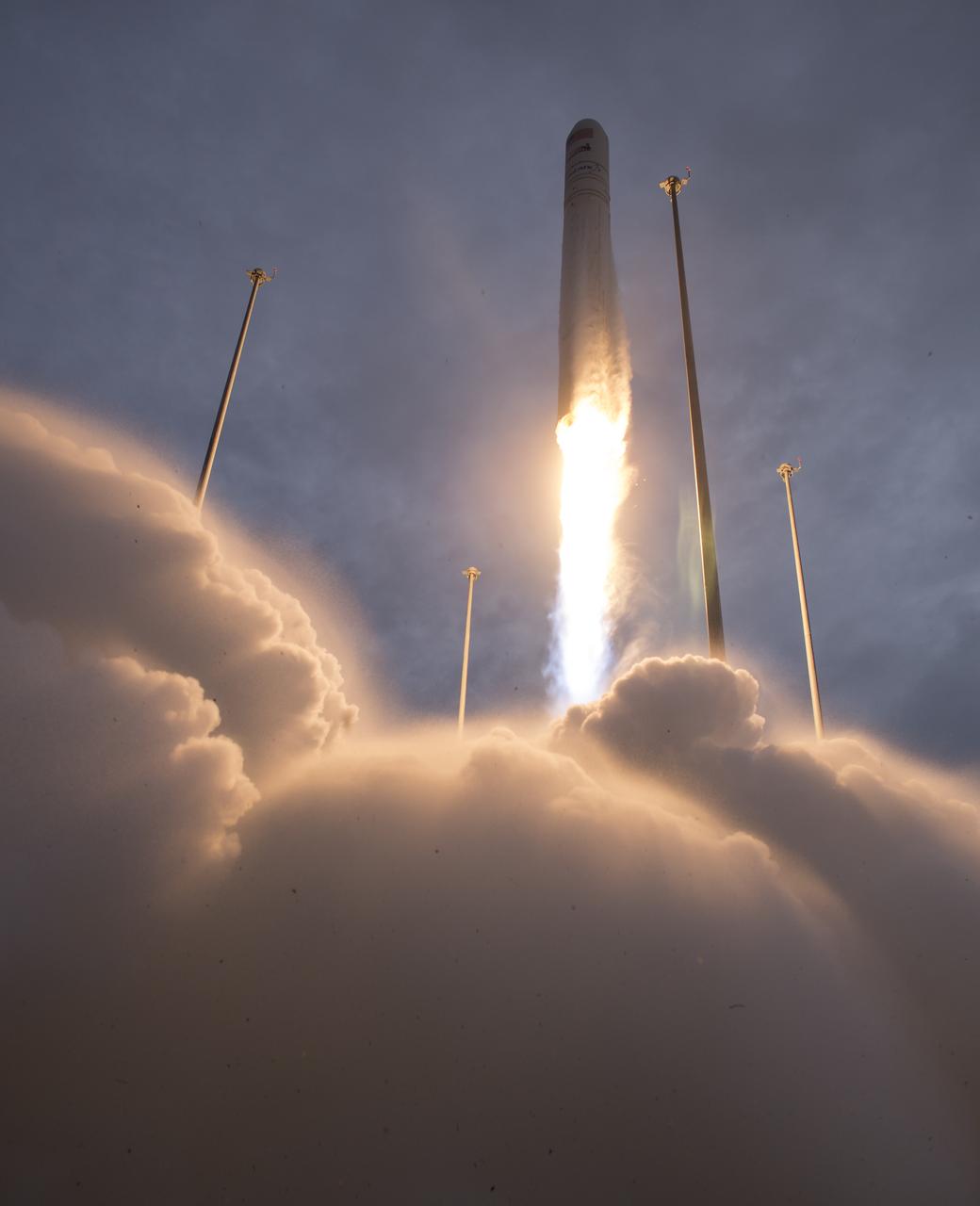
The Orbital ATK Antares rocket, with the Cygnus spacecraft onboard, launches from Pad-0A, Sunday, Nov. 12, 2017 at NASA's Wallops Flight Facility in Virginia. Orbital ATK’s eighth contracted cargo resupply mission with NASA to the International Space Station will deliver approximately 7,400 pounds of science and research, crew supplies and vehicle hardware to the orbital laboratory and its crew. Photo Credit: (NASA/Bill Ingalls)
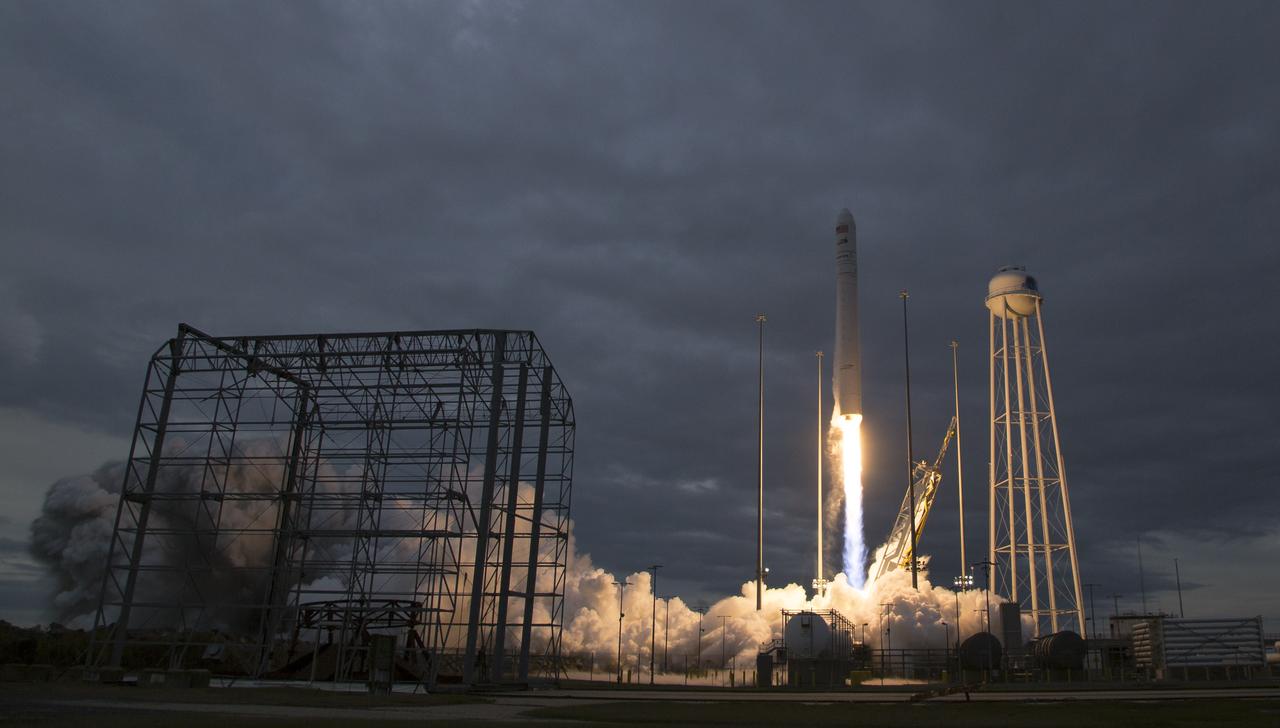
The Orbital ATK Antares rocket, with the Cygnus spacecraft onboard, launches from Pad-0A, Sunday, Nov. 12, 2017 at NASA's Wallops Flight Facility in Virginia. Orbital ATK’s eighth contracted cargo resupply mission with NASA to the International Space Station will deliver approximately 7,400 pounds of science and research, crew supplies and vehicle hardware to the orbital laboratory and its crew. Photo Credit: (NASA/Bill Ingalls)
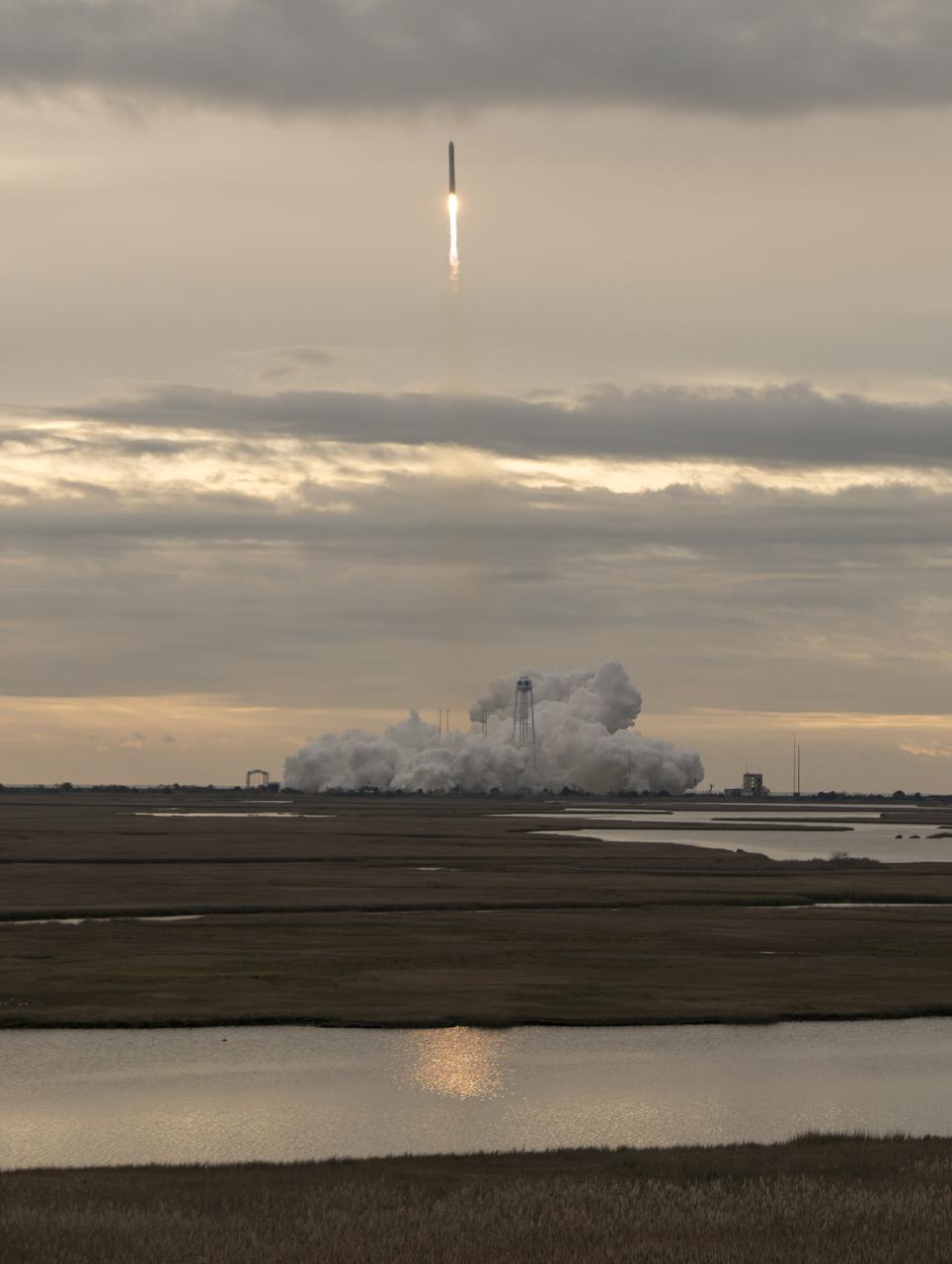
The Orbital ATK Antares rocket, with the Cygnus spacecraft onboard, launches from Pad-0A, Sunday, Nov. 12, 2017 at NASA's Wallops Flight Facility in Virginia. Orbital ATK’s eighth contracted cargo resupply mission with NASA to the International Space Station will deliver approximately 7,400 pounds of science and research, crew supplies and vehicle hardware to the orbital laboratory and its crew. Photo Credit: (NASA/Bill Ingalls)
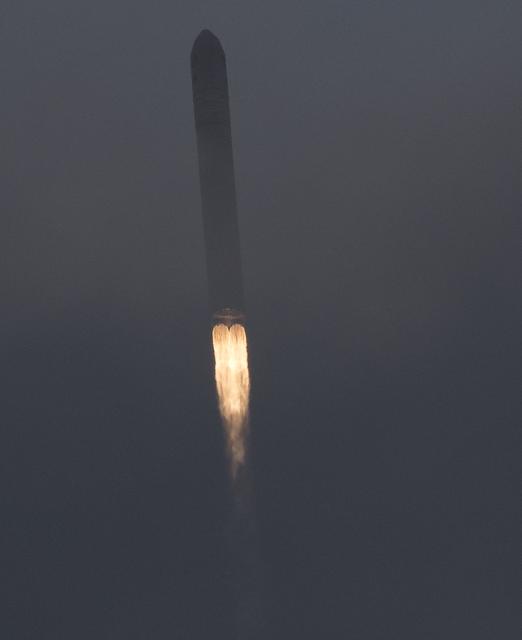
The Orbital ATK Antares rocket, with the Cygnus spacecraft onboard, launches from Pad-0A, Sunday, Nov. 12, 2017 at NASA's Wallops Flight Facility in Virginia. Orbital ATK’s eighth contracted cargo resupply mission with NASA to the International Space Station will deliver approximately 7,400 pounds of science and research, crew supplies and vehicle hardware to the orbital laboratory and its crew. Photo Credit: (NASA/Bill Ingalls)
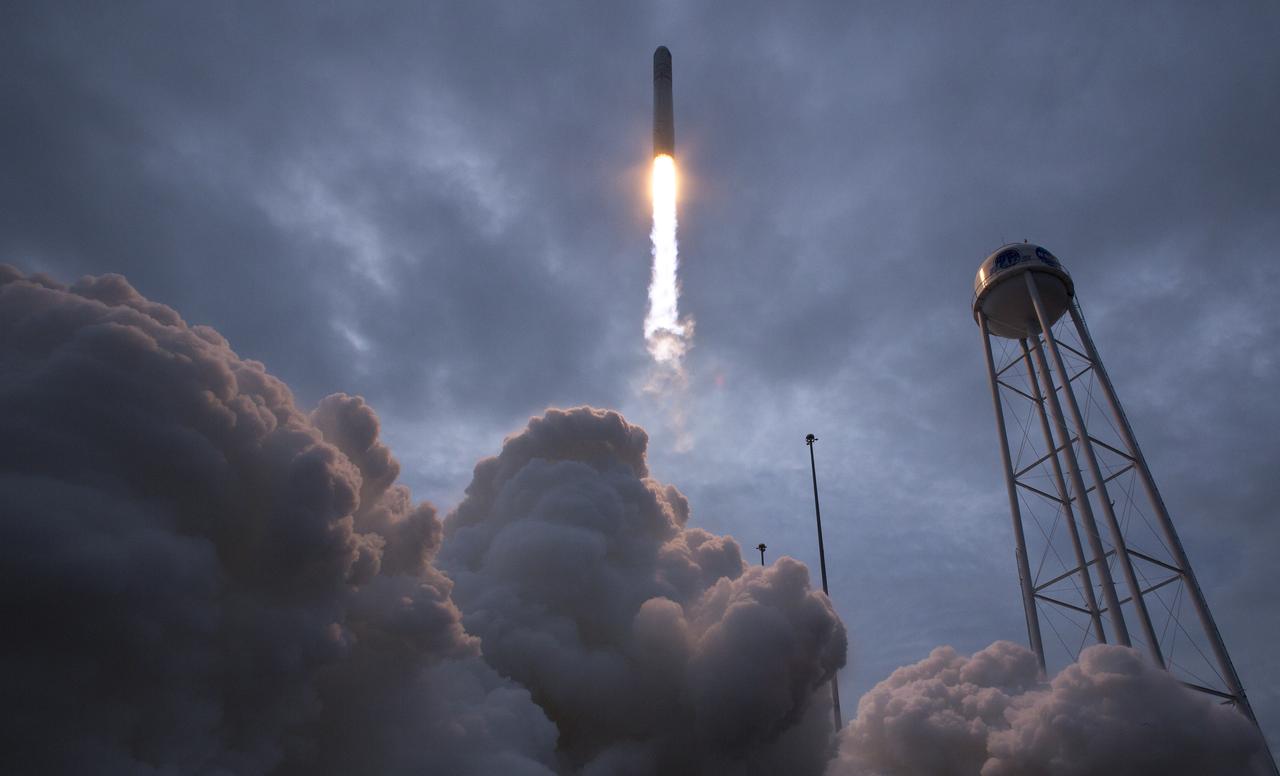
The Orbital ATK Antares rocket, with the Cygnus spacecraft onboard, launches from Pad-0A, Sunday, Nov. 12, 2017 at NASA's Wallops Flight Facility in Virginia. Orbital ATK’s eighth contracted cargo resupply mission with NASA to the International Space Station will deliver approximately 7,400 pounds of science and research, crew supplies and vehicle hardware to the orbital laboratory and its crew. Photo Credit: (NASA/Bill Ingalls)
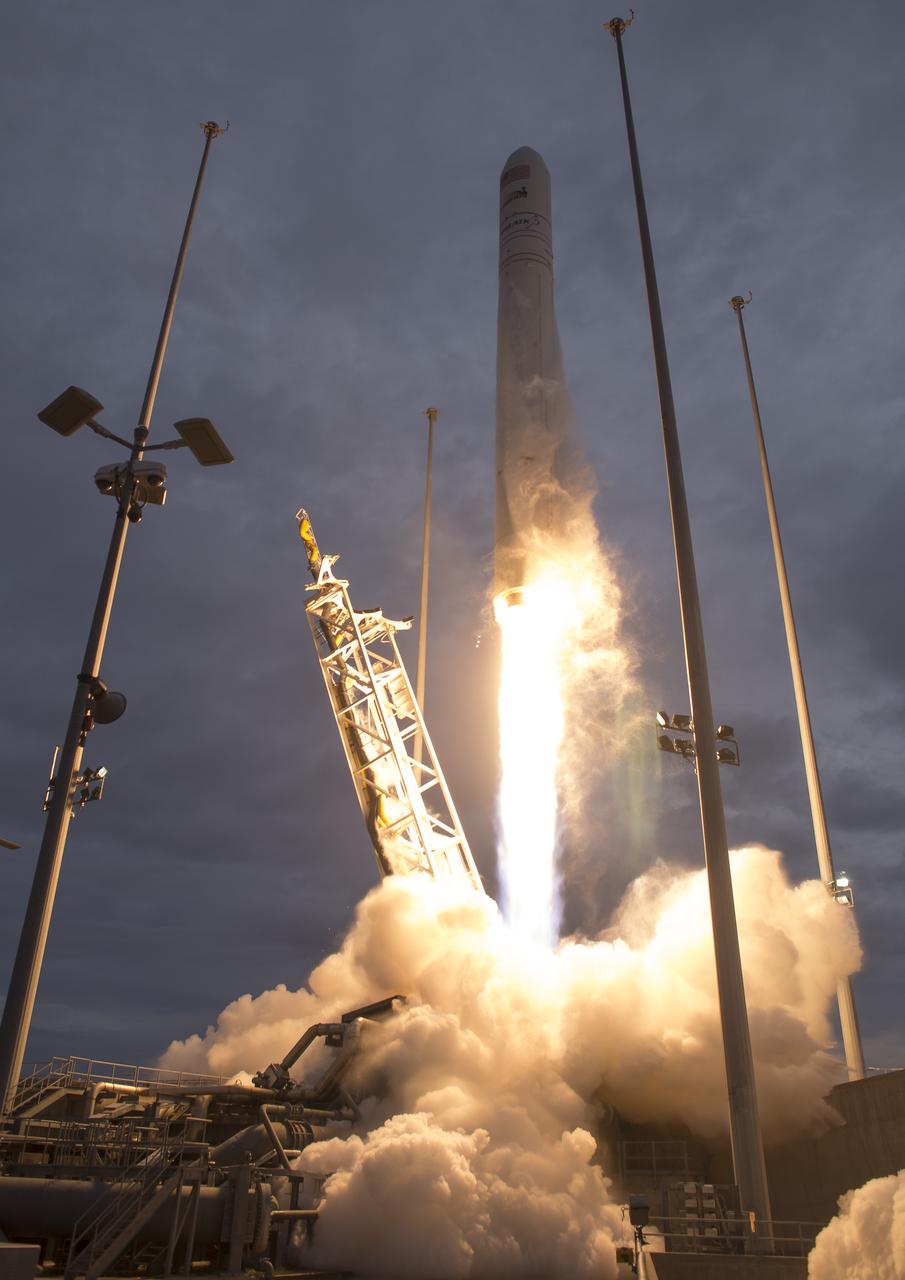
The Orbital ATK Antares rocket, with the Cygnus spacecraft onboard, launches from Pad-0A, Sunday, Nov. 12, 2017 at NASA's Wallops Flight Facility in Virginia. Orbital ATK’s eighth contracted cargo resupply mission with NASA to the International Space Station will deliver approximately 7,400 pounds of science and research, crew supplies and vehicle hardware to the orbital laboratory and its crew. Photo Credit: (NASA/Bill Ingalls)
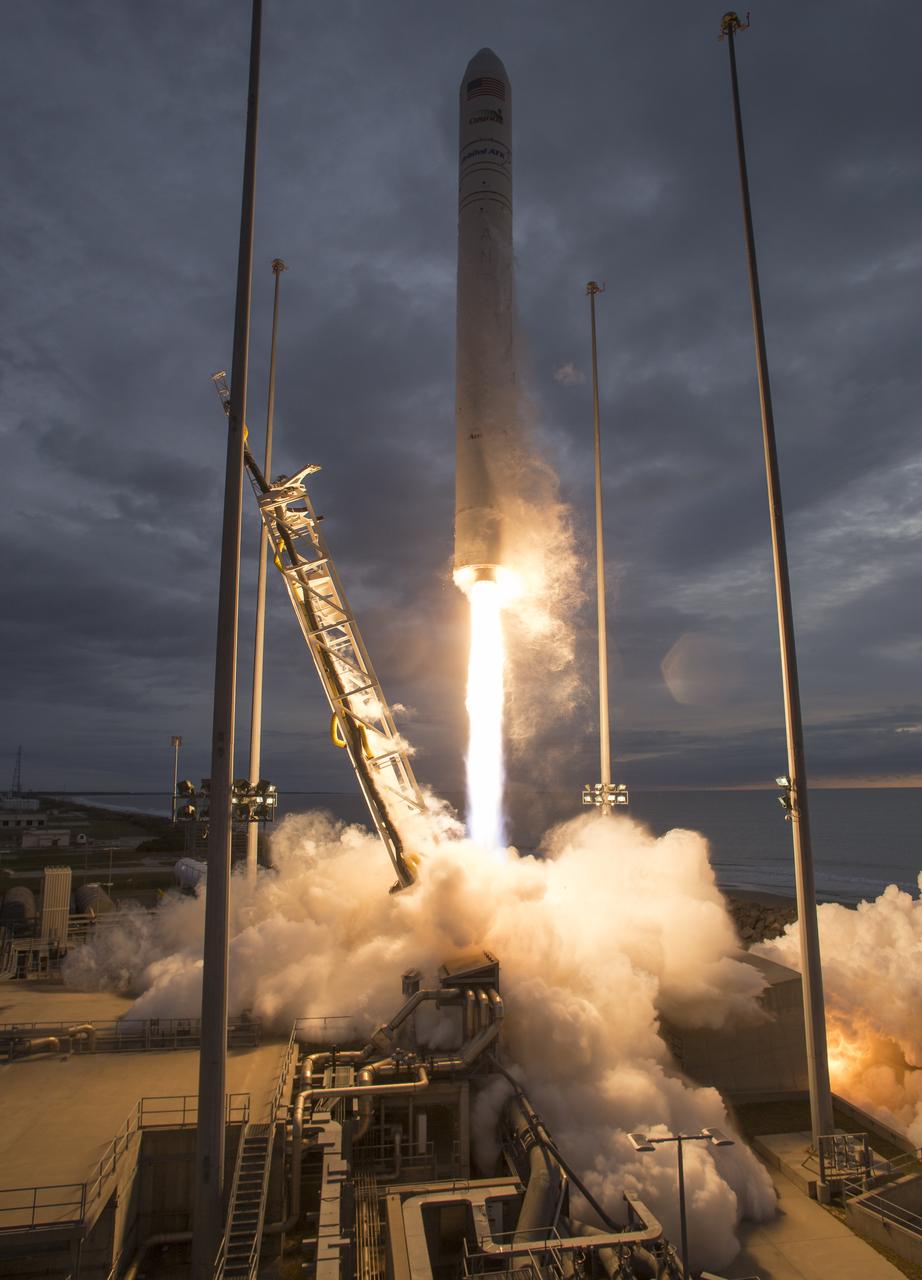
The Orbital ATK Antares rocket, with the Cygnus spacecraft onboard, launches from Pad-0A, Sunday, Nov. 12, 2017 at NASA's Wallops Flight Facility in Virginia. Orbital ATK’s eighth contracted cargo resupply mission with NASA to the International Space Station will deliver approximately 7,400 pounds of science and research, crew supplies and vehicle hardware to the orbital laboratory and its crew. Photo Credit: (NASA/Bill Ingalls)
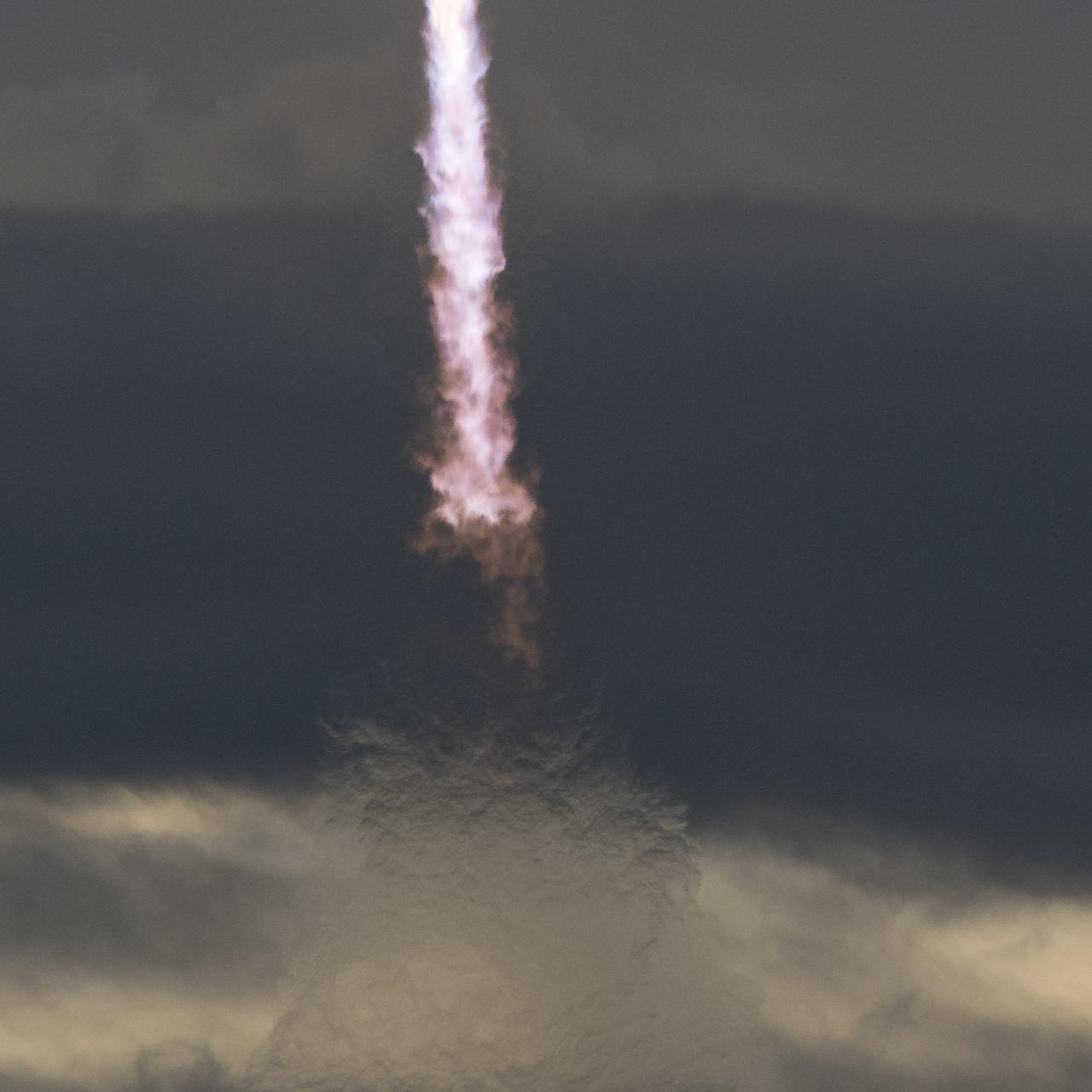
The Orbital ATK Antares rocket, with the Cygnus spacecraft onboard, launches from Pad-0A, Sunday, Nov. 12, 2017 at NASA's Wallops Flight Facility in Virginia. Orbital ATK’s eighth contracted cargo resupply mission with NASA to the International Space Station will deliver approximately 7,400 pounds of science and research, crew supplies and vehicle hardware to the orbital laboratory and its crew. Photo Credit: (NASA/Bill Ingalls)
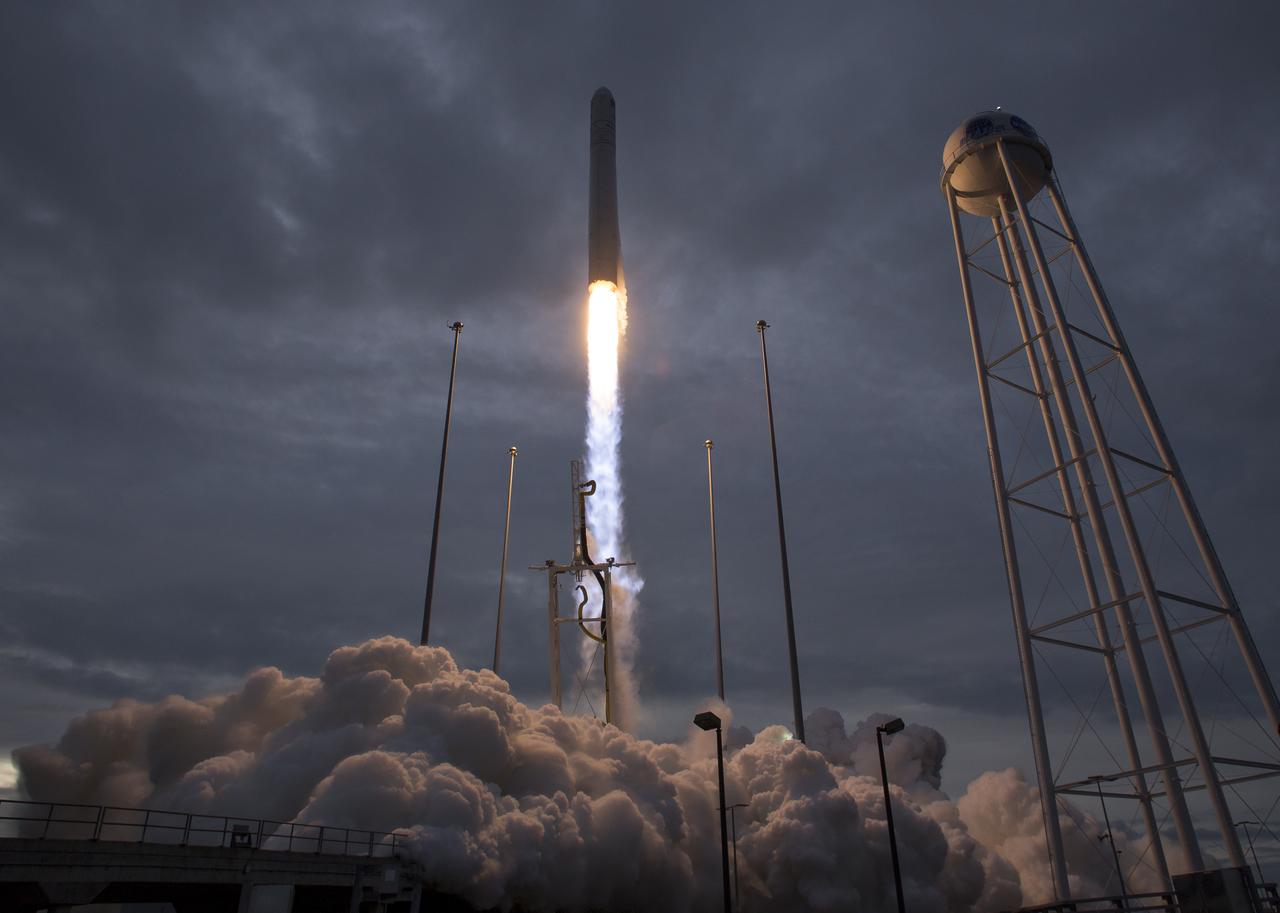
The Orbital ATK Antares rocket, with the Cygnus spacecraft onboard, launches from Pad-0A, Sunday, Nov. 12, 2017 at NASA's Wallops Flight Facility in Virginia. Orbital ATK’s eighth contracted cargo resupply mission with NASA to the International Space Station will deliver approximately 7,400 pounds of science and research, crew supplies and vehicle hardware to the orbital laboratory and its crew. Photo Credit: (NASA/Bill Ingalls)

The Orbital ATK Antares rocket, with the Cygnus spacecraft onboard, launches from Pad-0A, Sunday, Nov. 12, 2017 at NASA's Wallops Flight Facility in Virginia. Orbital ATK’s eighth contracted cargo resupply mission with NASA to the International Space Station will deliver approximately 7,400 pounds of science and research, crew supplies and vehicle hardware to the orbital laboratory and its crew. Photo Credit: (NASA/Bill Ingalls)
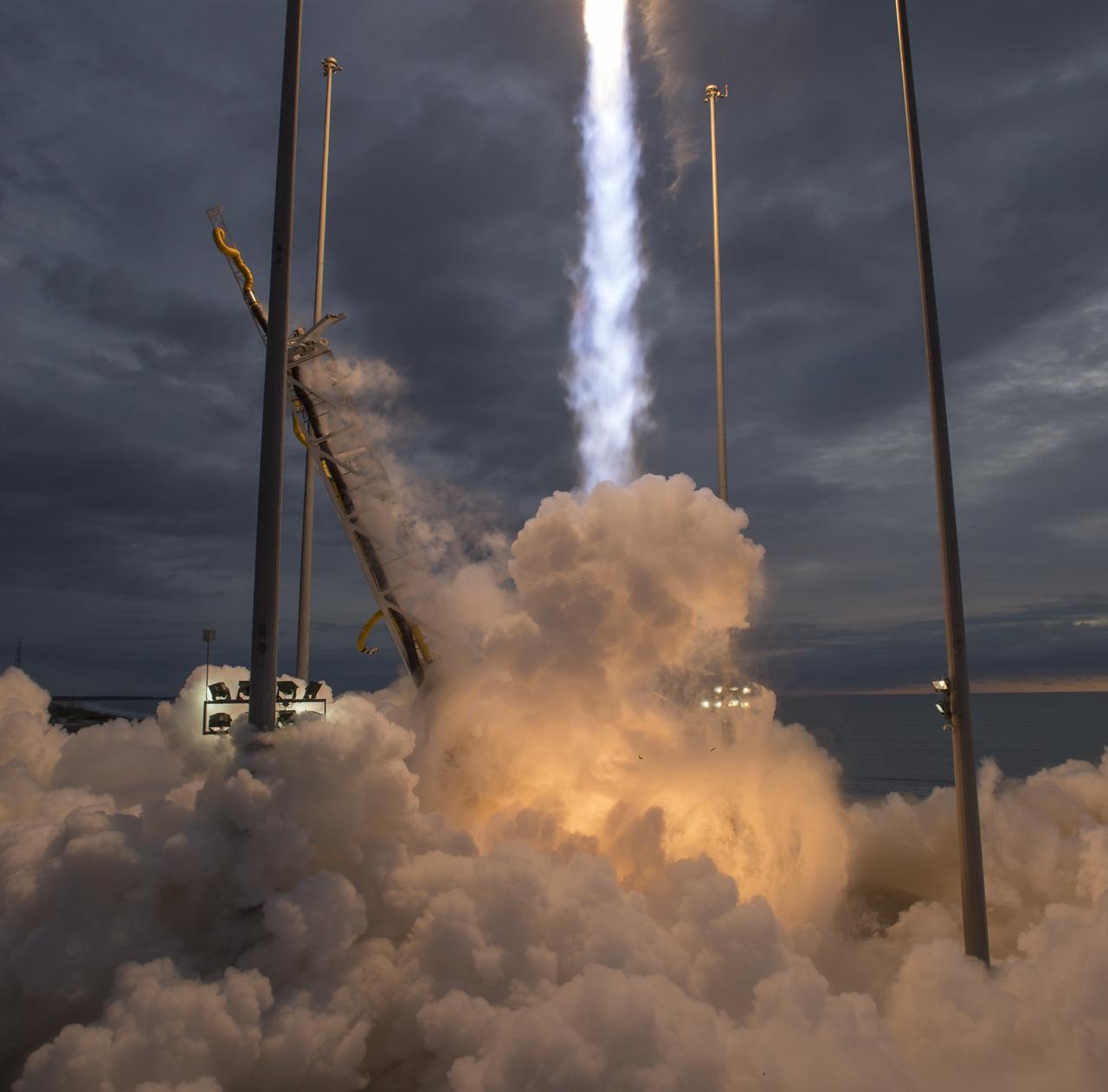
The Orbital ATK Antares rocket, with the Cygnus spacecraft onboard, launches from Pad-0A, Sunday, Nov. 12, 2017 at NASA's Wallops Flight Facility in Virginia. Orbital ATK’s eighth contracted cargo resupply mission with NASA to the International Space Station will deliver approximately 7,400 pounds of science and research, crew supplies and vehicle hardware to the orbital laboratory and its crew. Photo Credit: (NASA/Bill Ingalls)
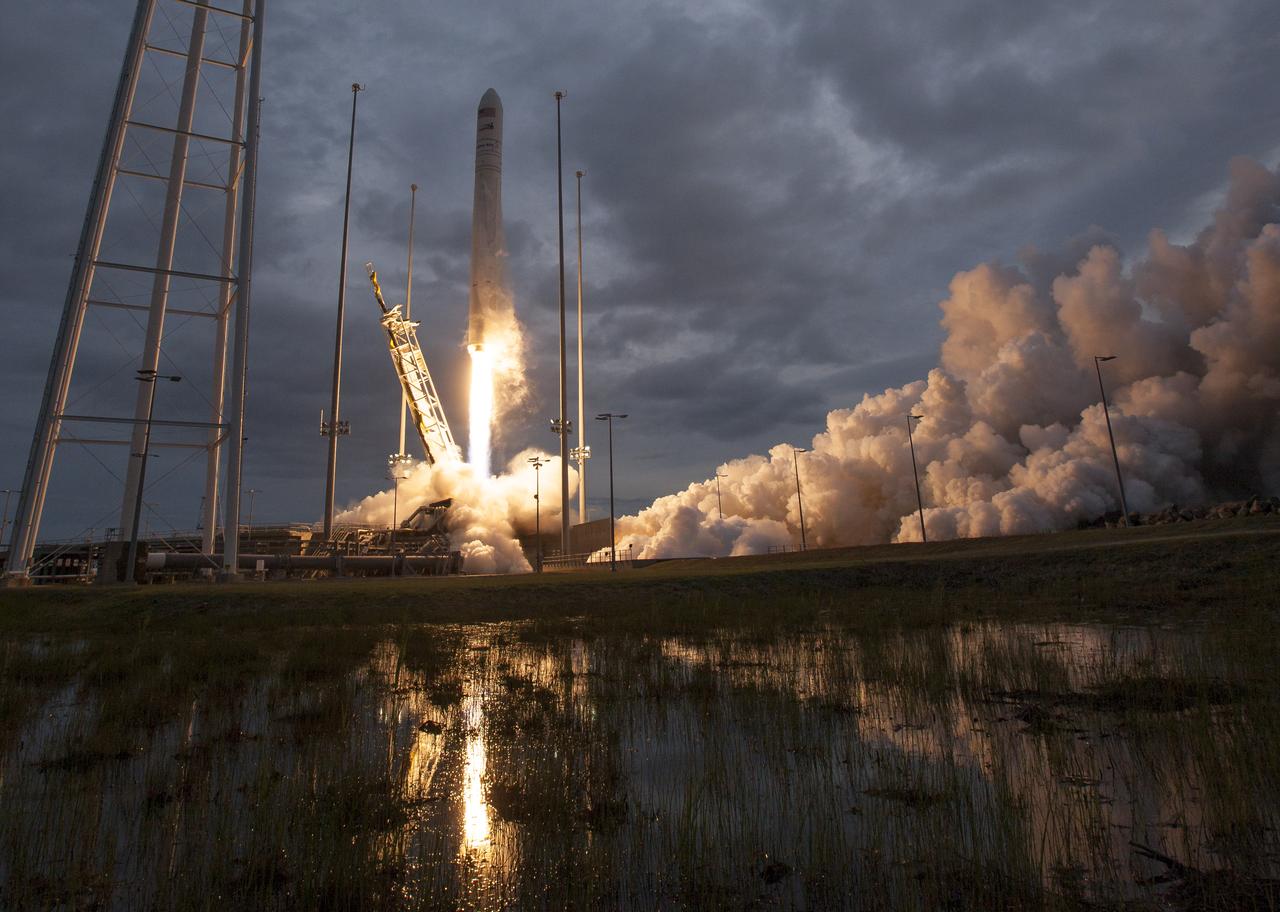
The Orbital ATK Antares rocket, with the Cygnus spacecraft onboard, launches from Pad-0A, Sunday, Nov. 12, 2017 at NASA's Wallops Flight Facility in Virginia. Orbital ATK’s eighth contracted cargo resupply mission with NASA to the International Space Station will deliver approximately 7,400 pounds of science and research, crew supplies and vehicle hardware to the orbital laboratory and its crew. Photo Credit: (NASA/Bill Ingalls)
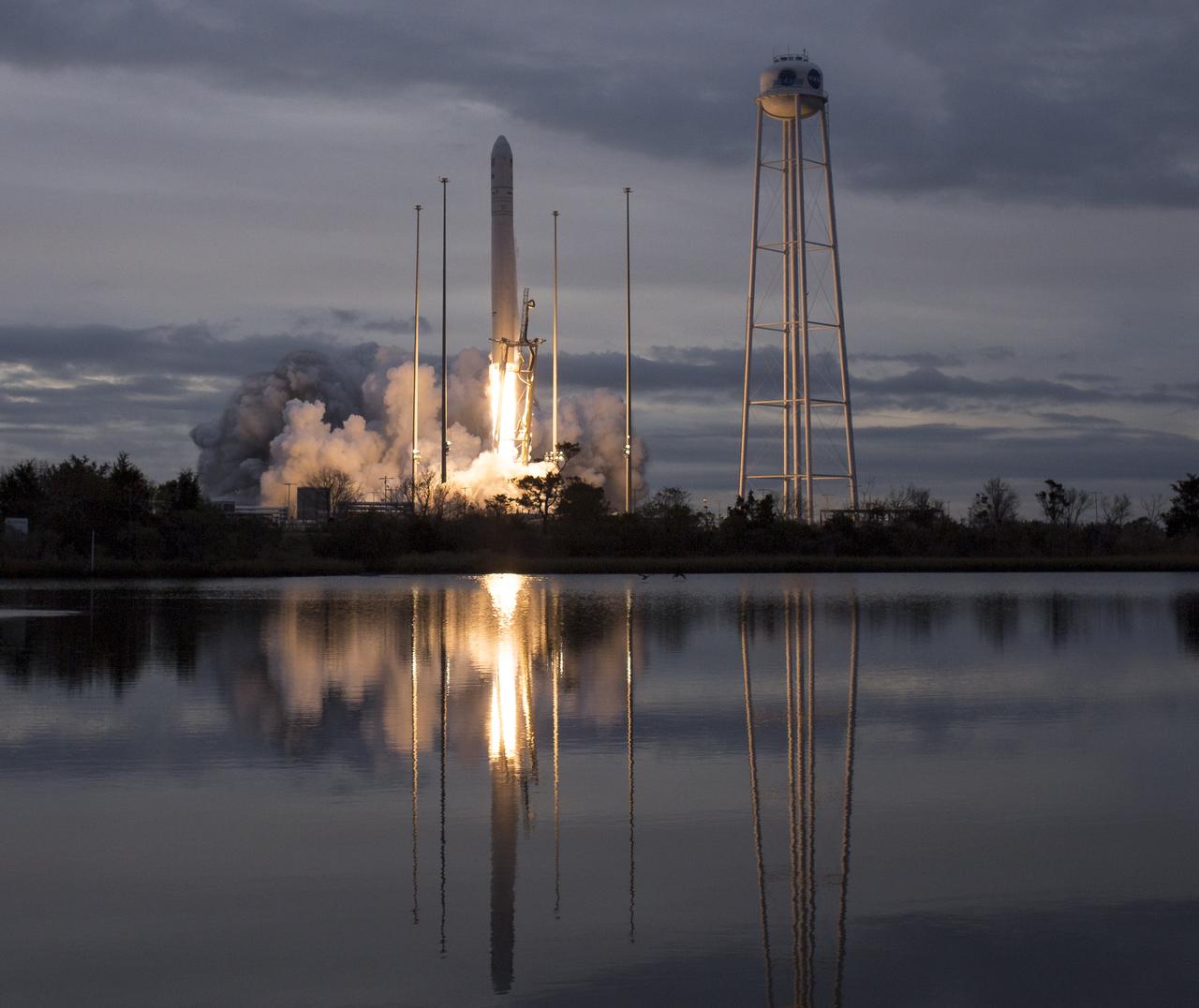
The Orbital ATK Antares rocket, with the Cygnus spacecraft onboard, launches from Pad-0A, Sunday, Nov. 12, 2017 at NASA's Wallops Flight Facility in Virginia. Orbital ATK’s eighth contracted cargo resupply mission with NASA to the International Space Station will deliver approximately 7,400 pounds of science and research, crew supplies and vehicle hardware to the orbital laboratory and its crew. Photo Credit: (NASA/Bill Ingalls)
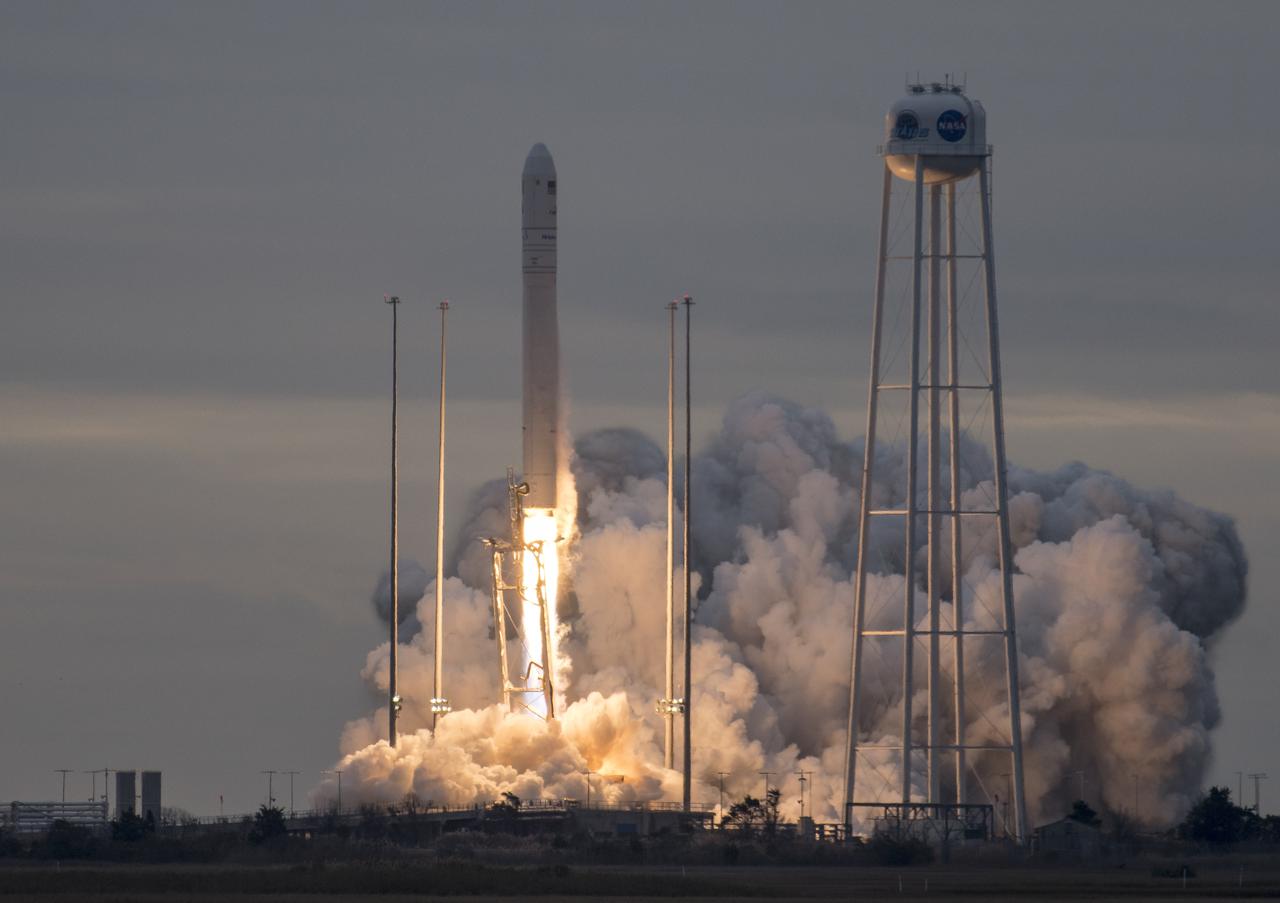
The Orbital ATK Antares rocket, with the Cygnus spacecraft onboard, launches from Pad-0A, Sunday, Nov. 12, 2017 at NASA's Wallops Flight Facility in Virginia. Orbital ATK’s eighth contracted cargo resupply mission with NASA to the International Space Station will deliver approximately 7,400 pounds of science and research, crew supplies and vehicle hardware to the orbital laboratory and its crew. Photo Credit: (NASA/Bill Ingalls)
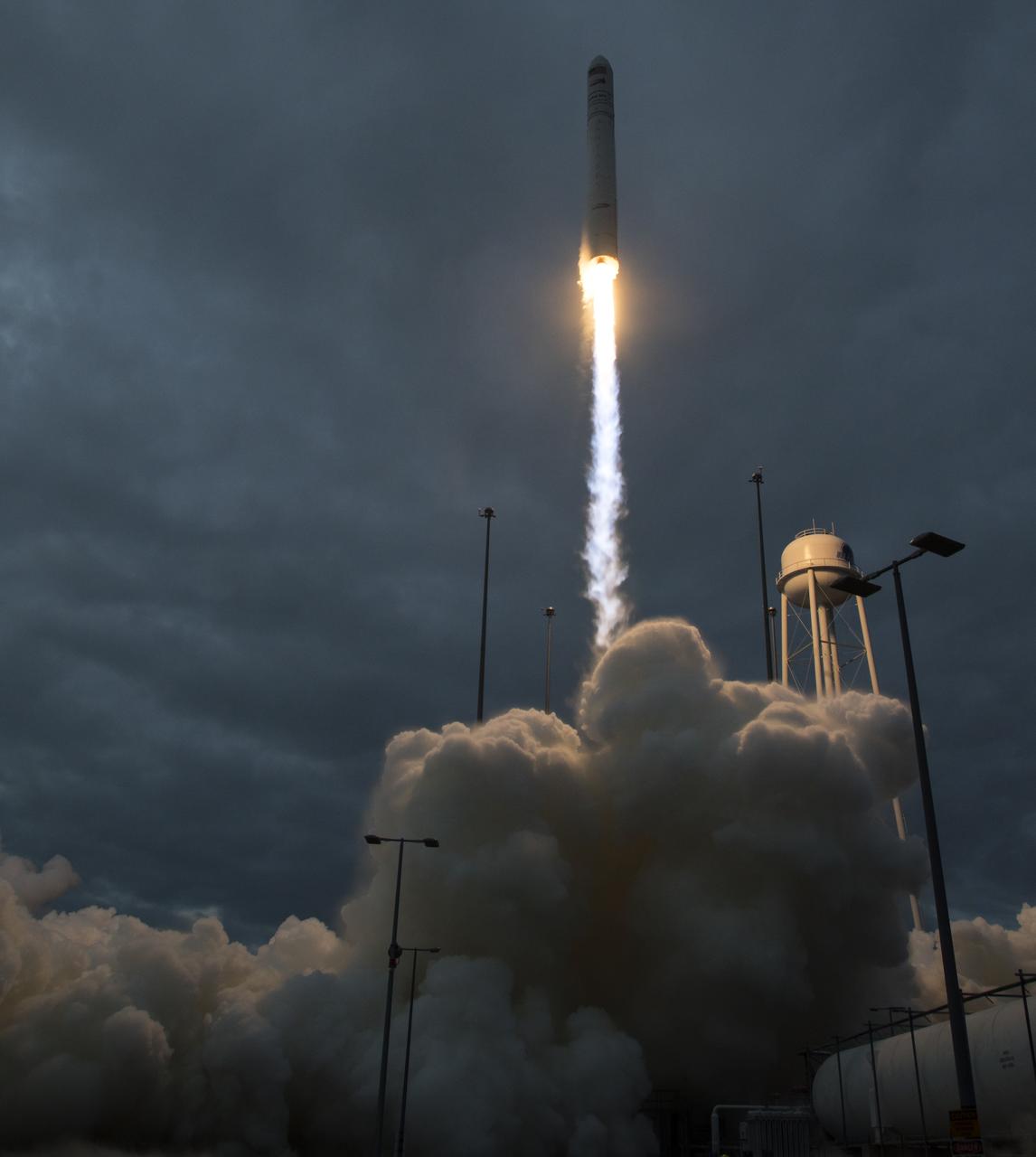
The Orbital ATK Antares rocket, with the Cygnus spacecraft onboard, launches from Pad-0A, Sunday, Nov. 12, 2017 at NASA's Wallops Flight Facility in Virginia. Orbital ATK’s eighth contracted cargo resupply mission with NASA to the International Space Station will deliver approximately 7,400 pounds of science and research, crew supplies and vehicle hardware to the orbital laboratory and its crew. Photo Credit: (NASA/Bill Ingalls)

The Orbital ATK Antares rocket, with the Cygnus spacecraft onboard, launches from Pad-0A, Sunday, Nov. 12, 2017 at NASA's Wallops Flight Facility in Virginia. Orbital ATK’s eighth contracted cargo resupply mission with NASA to the International Space Station will deliver approximately 7,400 pounds of science and research, crew supplies and vehicle hardware to the orbital laboratory and its crew. Photo Credit: (NASA/Bill Ingalls)
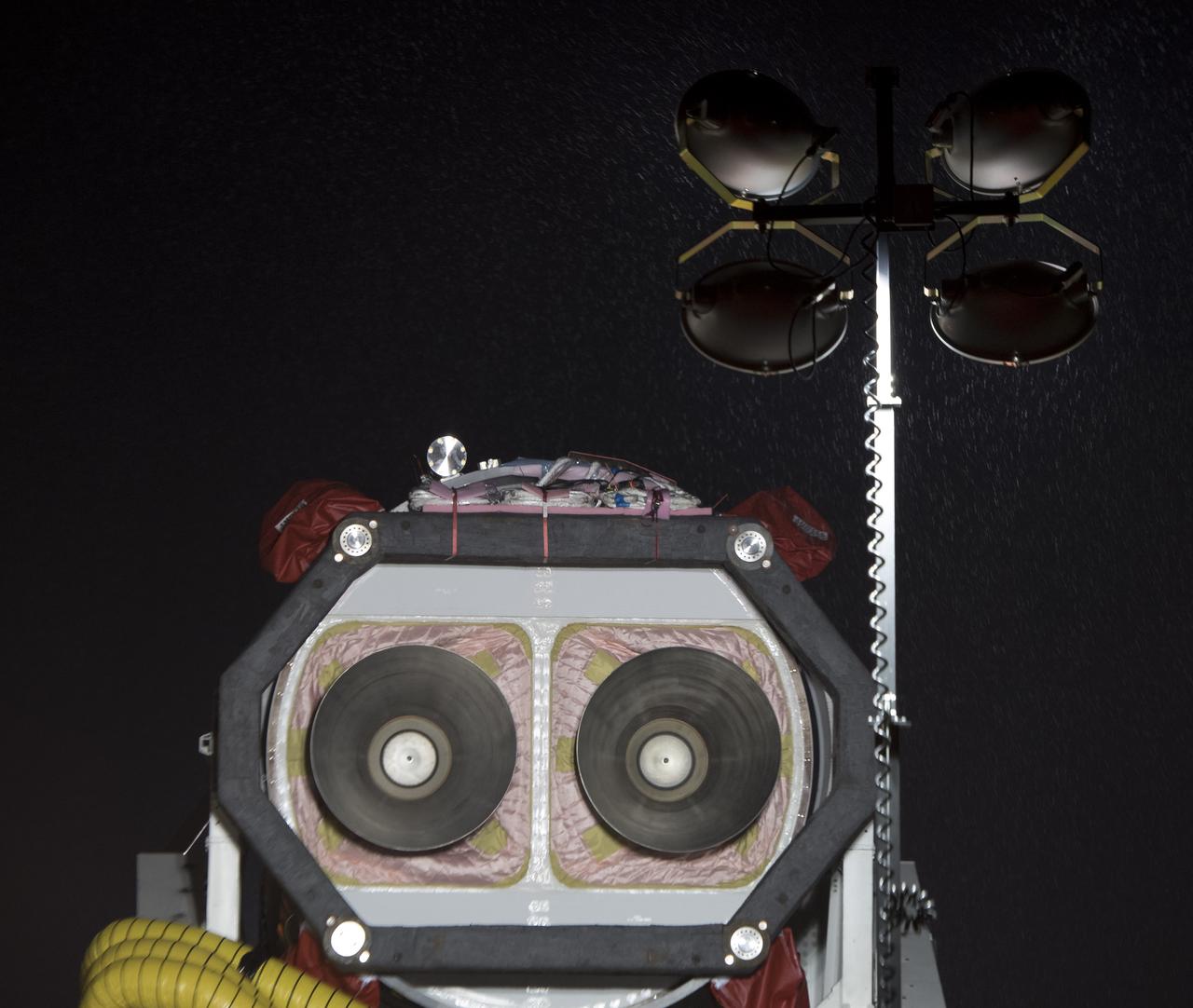
The Orbital ATK Antares rocket is rolled from the Horizontal Integration Facility (HIF) to launch Pad-0A, Thursday, Nov. 9, 2017 at NASA's Wallops Flight Facility in Virginia. Orbital ATK’s eighth contracted cargo resupply mission with NASA to the International Space Station will deliver over 7,400 pounds of science and research, crew supplies and vehicle hardware to the orbital laboratory and its crew. Photo Credit: (NASA/Bill Ingalls)
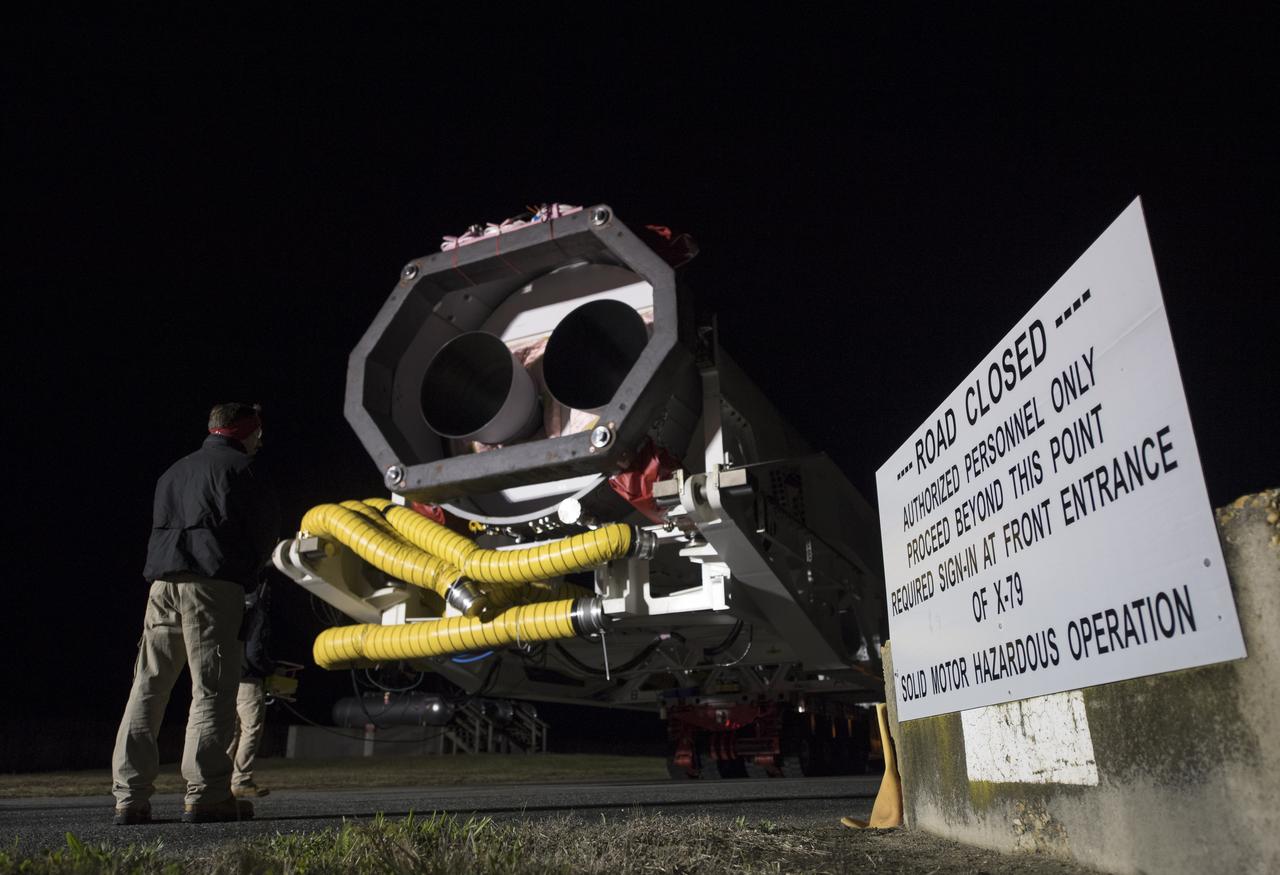
The Orbital ATK Antares rocket is rolled from the Horizontal Integration Facility (HIF) to launch Pad-0A, Thursday, Nov. 9, 2017 at NASA's Wallops Flight Facility in Virginia. Orbital ATK’s eighth contracted cargo resupply mission with NASA to the International Space Station will deliver over 7,400 pounds of science and research, crew supplies and vehicle hardware to the orbital laboratory and its crew. Photo Credit: (NASA/Bill Ingalls)
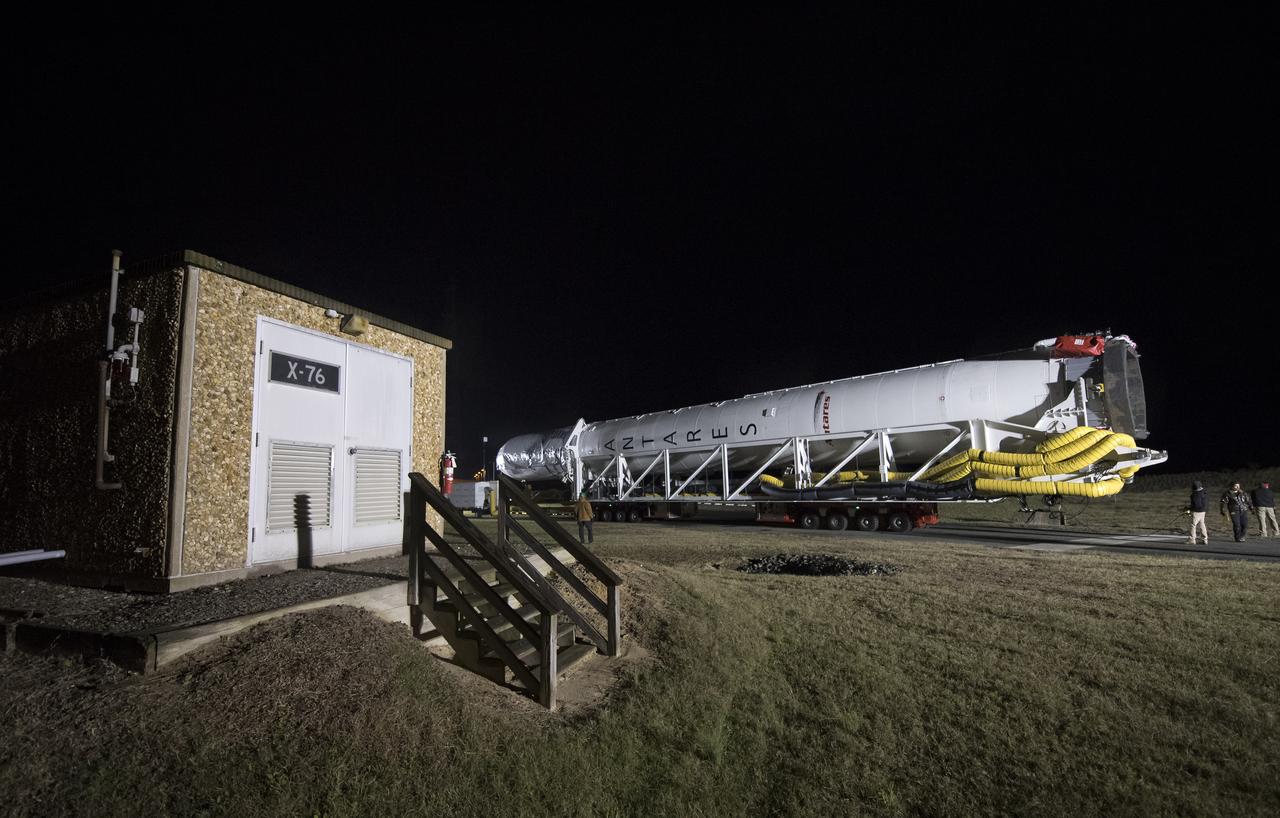
The Orbital ATK Antares rocket is rolled from the Horizontal Integration Facility (HIF) to launch Pad-0A, Thursday, Nov. 9, 2017 at NASA's Wallops Flight Facility in Virginia. Orbital ATK’s eighth contracted cargo resupply mission with NASA to the International Space Station will deliver over 7,400 pounds of science and research, crew supplies and vehicle hardware to the orbital laboratory and its crew. Photo Credit: (NASA/Bill Ingalls)
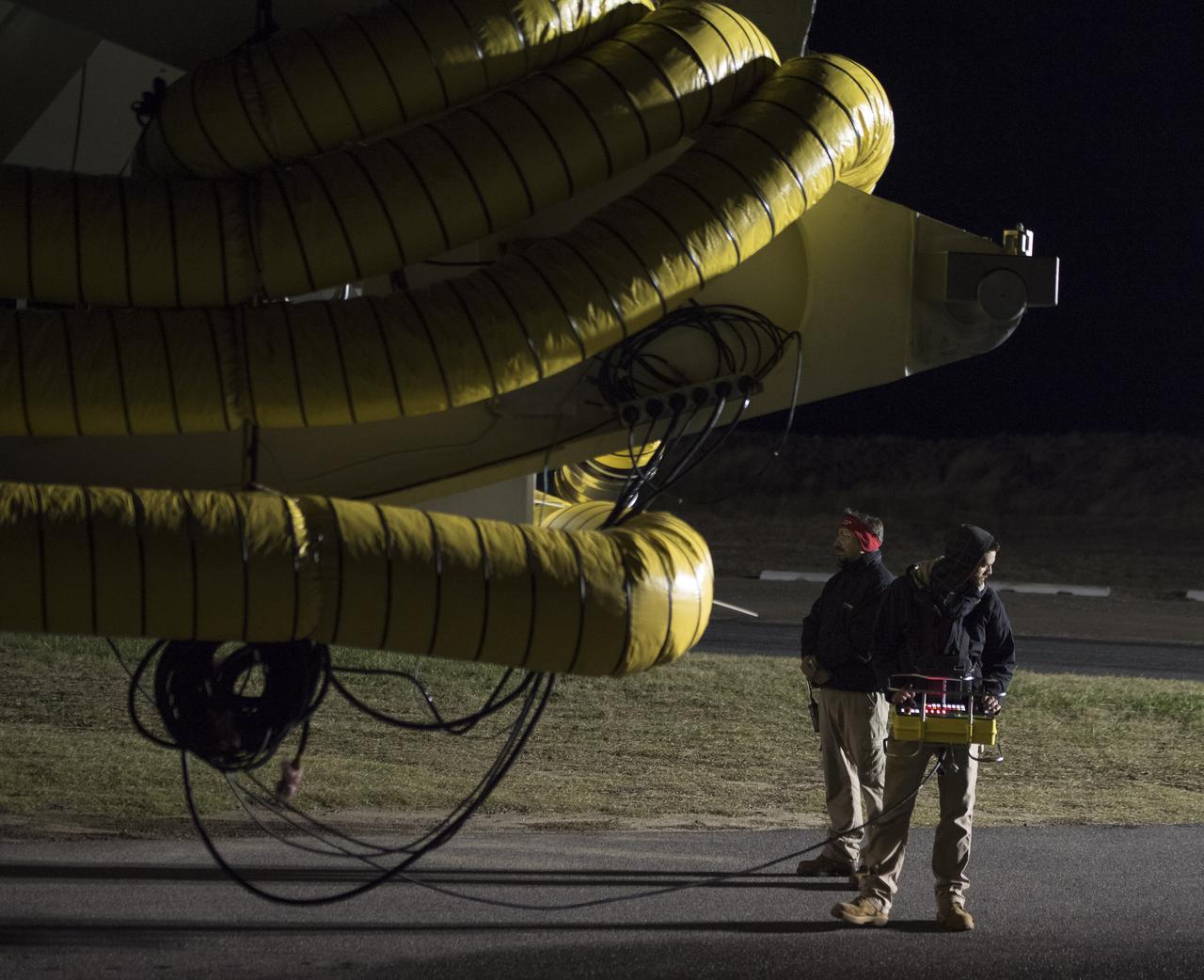
Orbital ATK Mechanical Technician Phil Kauthen drives the transporter with the Antares rocket aboard from the Horizontal Integration Facility to launch Pad-0A, Thursday, Nov. 9, 2017 at NASA's Wallops Flight Facility in Virginia. Orbital ATK’s eighth contracted cargo resupply mission with NASA to the International Space Station will deliver over 7,400 pounds of science and research, crew supplies and vehicle hardware to the orbital laboratory and its crew. Photo Credit: (NASA/Bill Ingalls)
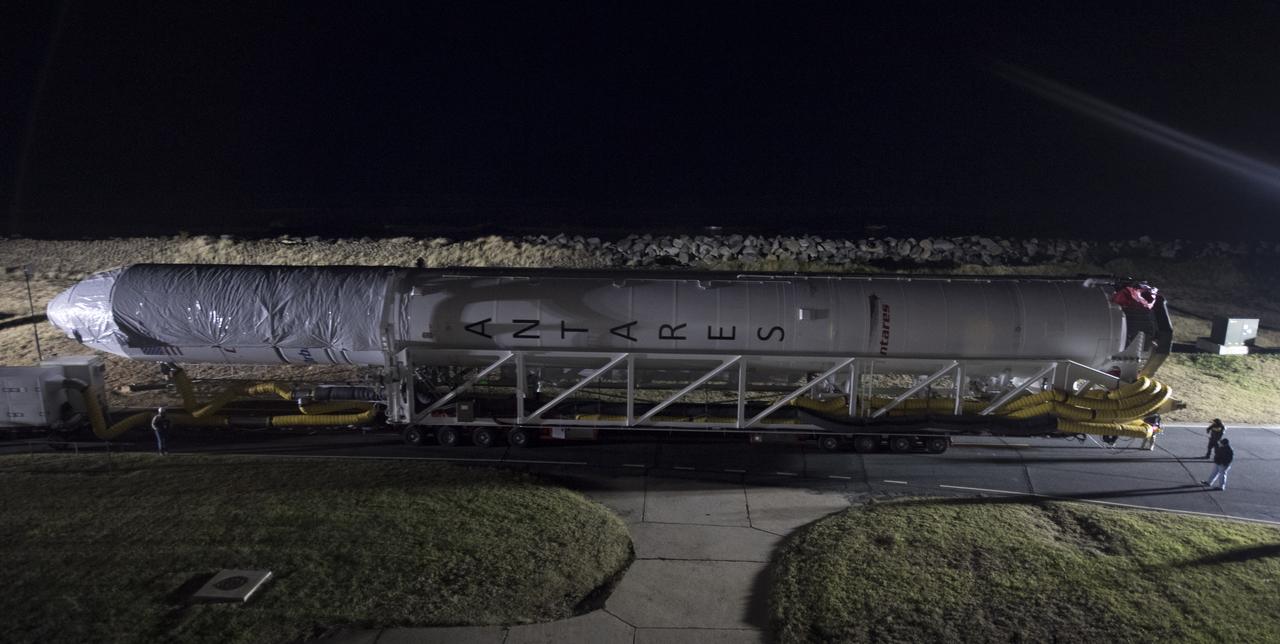
The Orbital ATK Antares rocket is rolled from the Horizontal Integration Facility (HIF) to launch Pad-0A, Thursday, Nov. 9, 2017 at NASA's Wallops Flight Facility in Virginia. Orbital ATK’s eighth contracted cargo resupply mission with NASA to the International Space Station will deliver over 7,400 pounds of science and research, crew supplies and vehicle hardware to the orbital laboratory and its crew. Photo Credit: (NASA/Bill Ingalls)
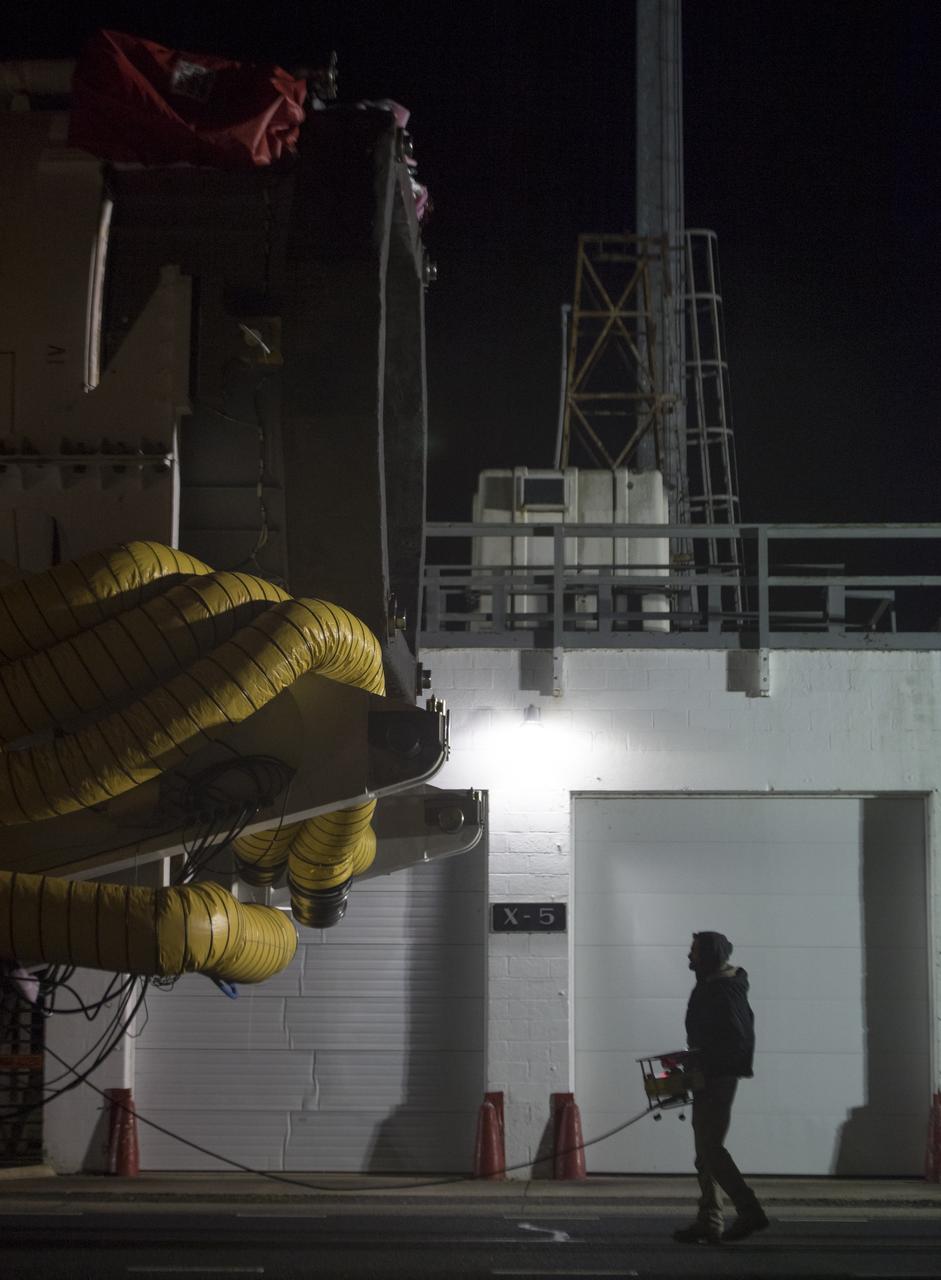
Orbital ATK Mechanical Technician Phil Kauthen drives the transporter with the Antares rocket aboard from the Horizontal Integration Facility to launch Pad-0A, Thursday, Nov. 9, 2017 at NASA's Wallops Flight Facility in Virginia. Orbital ATK’s eighth contracted cargo resupply mission with NASA to the International Space Station will deliver over 7,400 pounds of science and research, crew supplies and vehicle hardware to the orbital laboratory and its crew. Photo Credit: (NASA/Bill Ingalls)
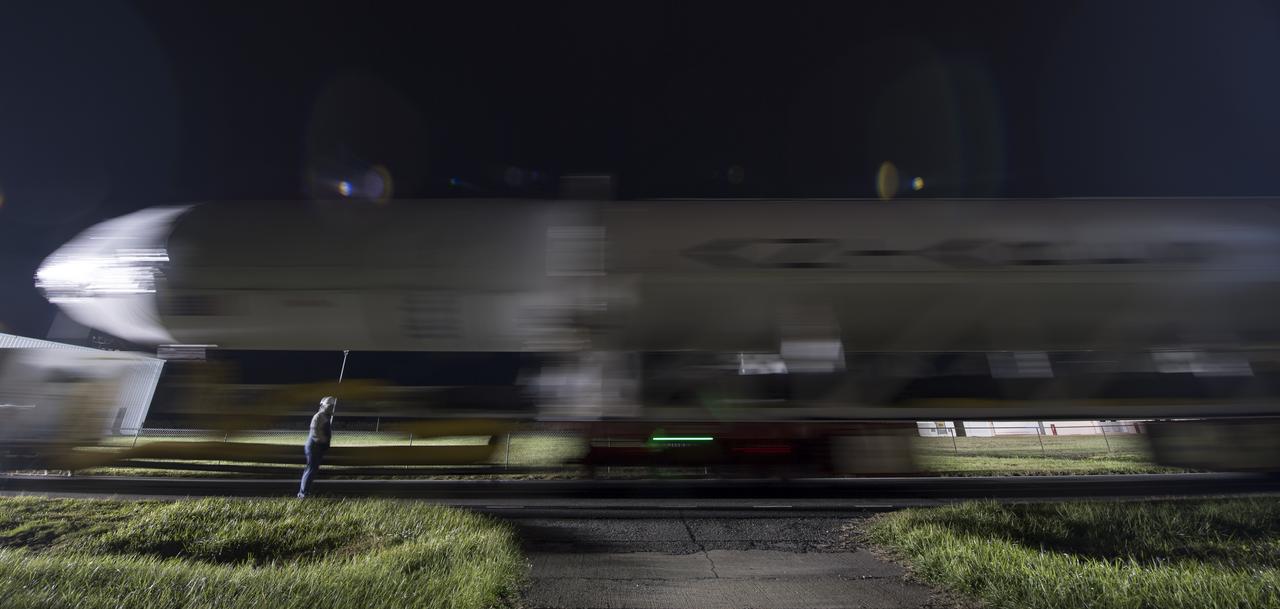
The Orbital ATK Antares rocket is rolled from the Horizontal Integration Facility (HIF) to launch Pad-0A, Thursday, Nov. 9, 2017 at NASA's Wallops Flight Facility in Virginia. Orbital ATK’s eighth contracted cargo resupply mission with NASA to the International Space Station will deliver over 7,400 pounds of science and research, crew supplies and vehicle hardware to the orbital laboratory and its crew. Photo Credit: (NASA/Bill Ingalls)
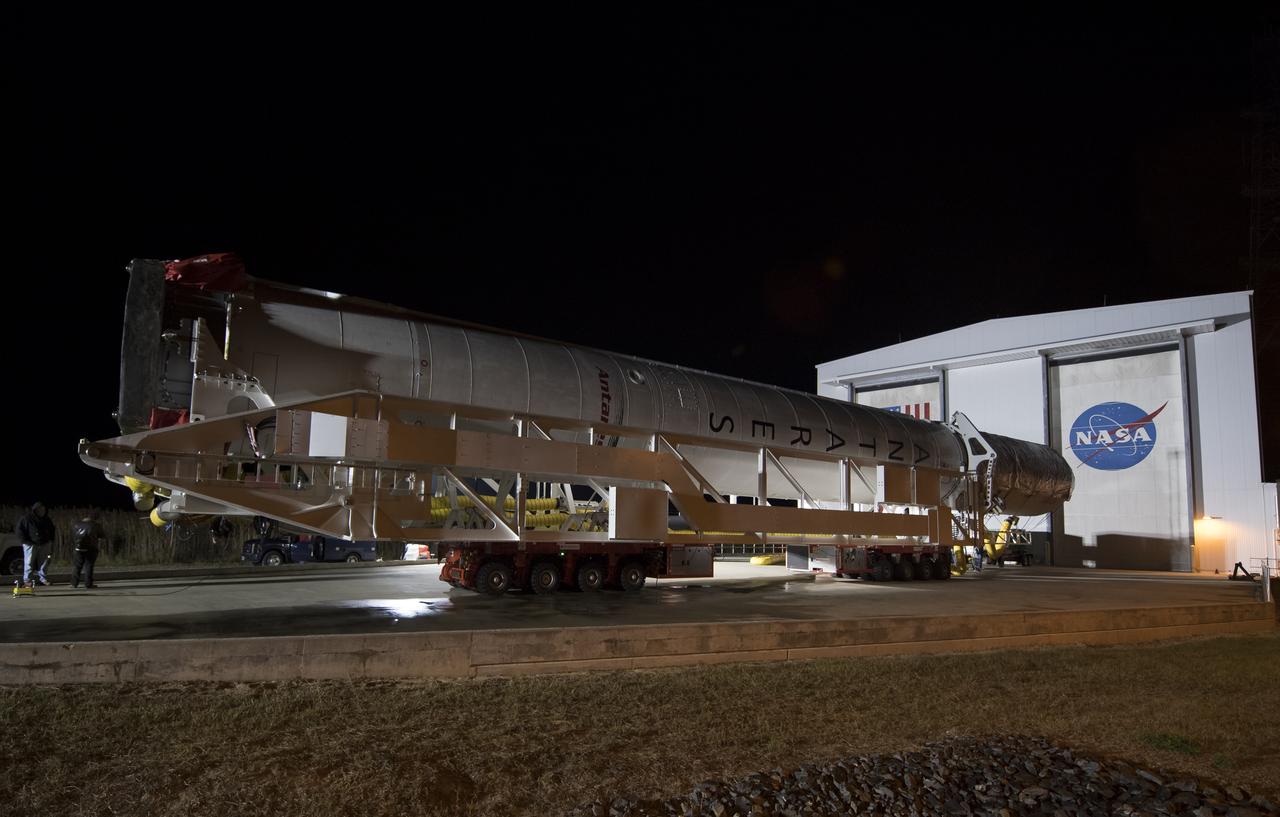
The Orbital ATK Antares rocket is rolled from the Horizontal Integration Facility (HIF) to launch Pad-0A, Thursday, Nov. 9, 2017 at NASA's Wallops Flight Facility in Virginia. Orbital ATK’s eighth contracted cargo resupply mission with NASA to the International Space Station will deliver over 7,400 pounds of science and research, crew supplies and vehicle hardware to the orbital laboratory and its crew. Photo Credit: (NASA/Bill Ingalls)
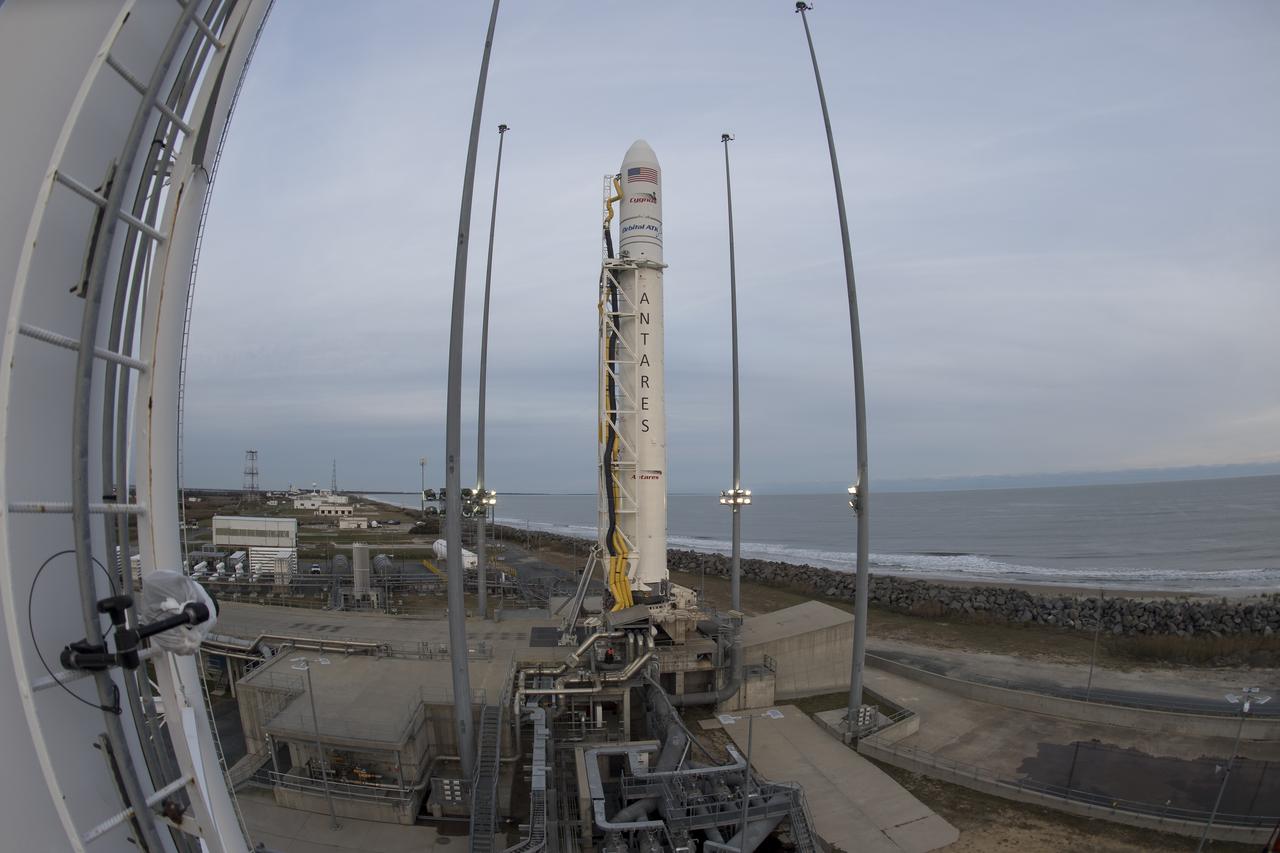
A fisheye lens view of the Orbital ATK Antares rocket, with the Cygnus spacecraft onboard, Saturday, Nov. 11, 2017 at NASA's Wallops Flight Facility, launch Pad-0A, in Virginia. Orbital ATK’s eighth contracted cargo resupply mission with NASA to the International Space Station will deliver approximately 7,400 pounds of science and research, crew supplies and vehicle hardware to the orbital laboratory and its crew. Photo Credit: (NASA/Bill Ingalls)
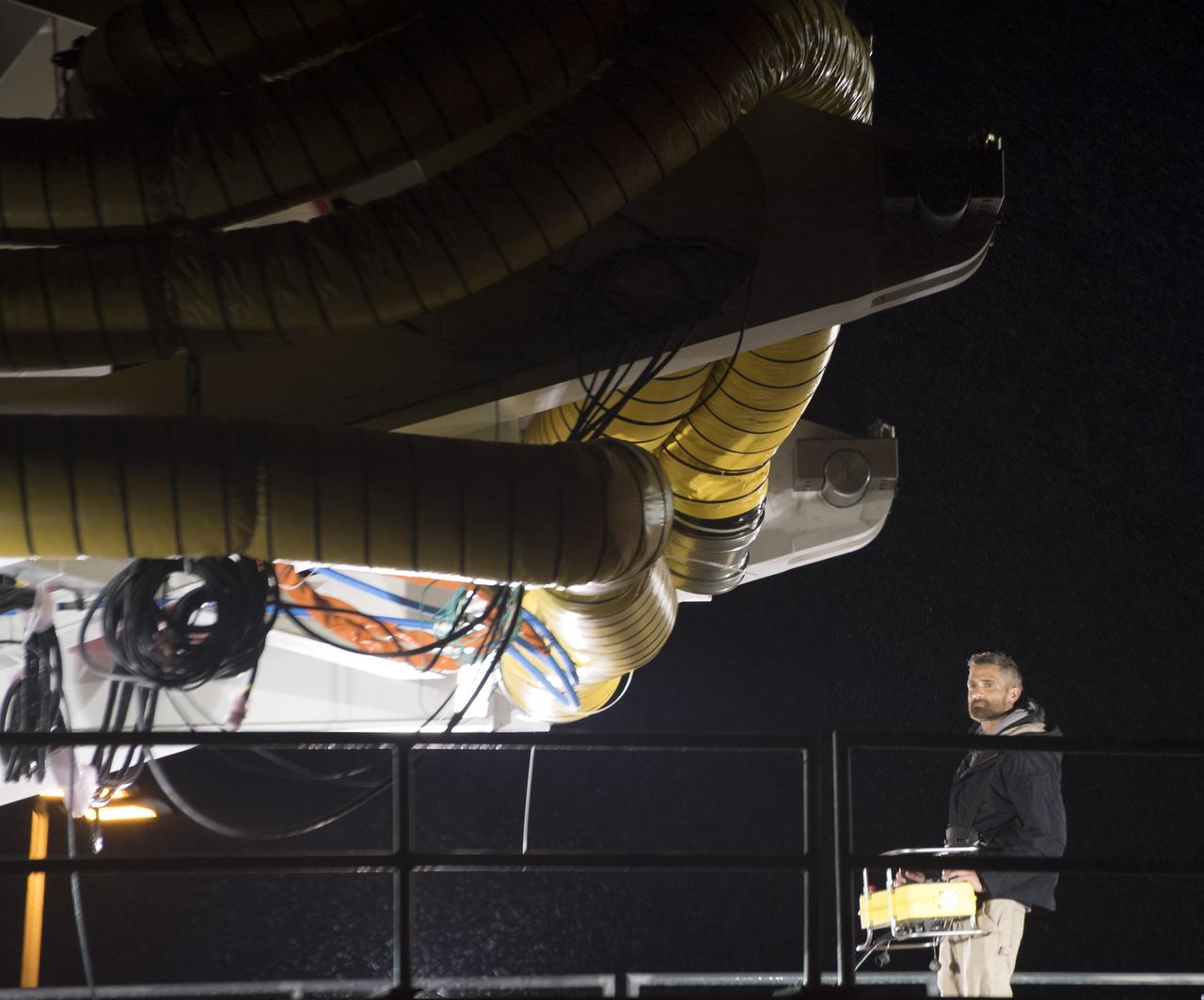
Orbital ATK Mechanical Technician Phil Kauthen drives the transporter with the Antares rocket aboard from the Horizontal Integration Facility to launch Pad-0A, Thursday, Nov. 9, 2017 at NASA's Wallops Flight Facility in Virginia. Orbital ATK’s eighth contracted cargo resupply mission with NASA to the International Space Station will deliver over 7,400 pounds of science and research, crew supplies and vehicle hardware to the orbital laboratory and its crew. Photo Credit: (NASA/Bill Ingalls)
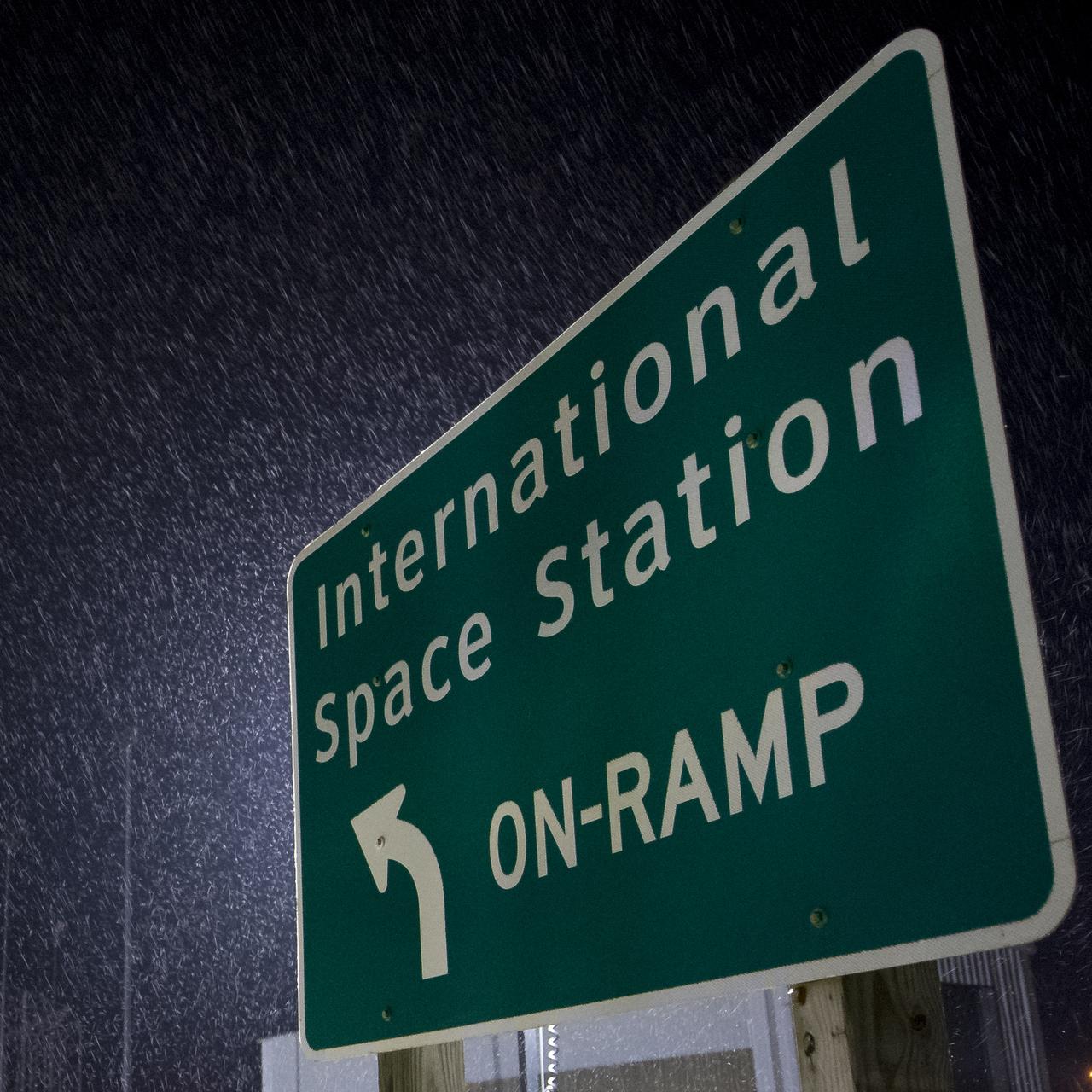
A sign at the entrance launch Pad-0A is seen as the Orbital ATK Antares rocket is rolled from the Horizontal Integration Facility (HIF) to the pad, Thursday, Nov. 9, 2017 at NASA's Wallops Flight Facility in Virginia. Orbital ATK’s eighth contracted cargo resupply mission with NASA to the International Space Station will deliver over 7,400 pounds of science and research, crew supplies and vehicle hardware to the orbital laboratory and its crew. Photo Credit: (NASA/Bill Ingalls)
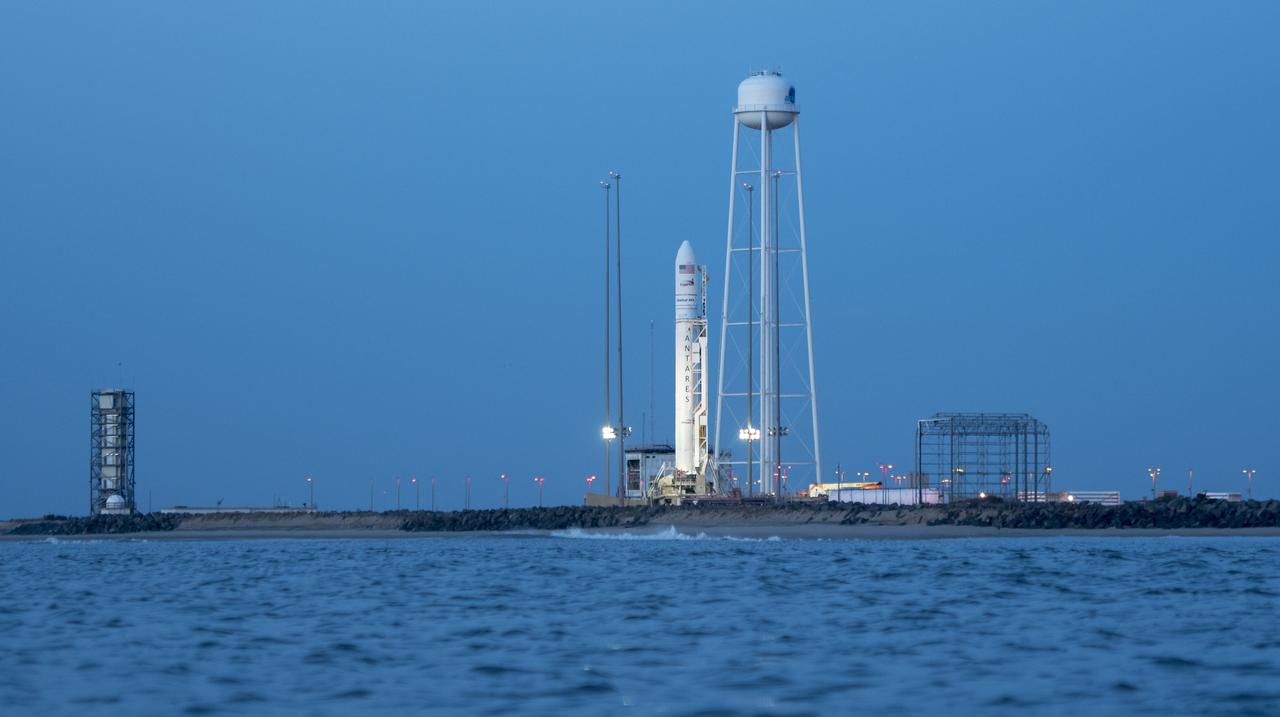
The Orbital ATK Antares rocket, with the Cygnus spacecraft onboard, is seen on launch Pad-0A, Friday, Nov. 10, 2017 at NASA's Wallops Flight Facility in Virginia. Orbital ATK’s eighth contracted cargo resupply mission with NASA to the International Space Station will deliver approximately 7,400 pounds of science and research, crew supplies and vehicle hardware to the orbital laboratory and its crew. Photo Credit: (NASA/Bill Ingalls)
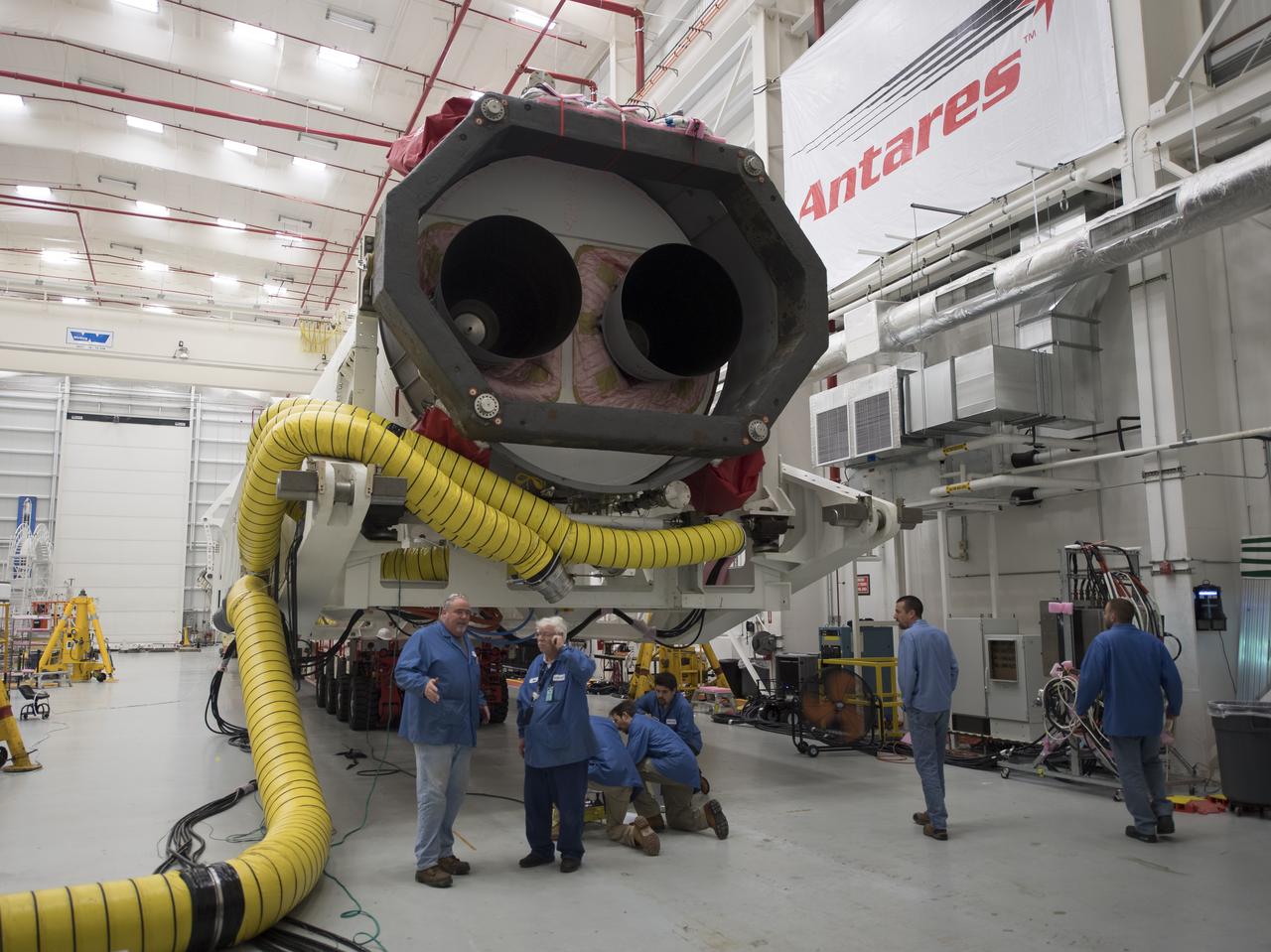
The Orbital ATK Antares rocket is rolled from the Horizontal Integration Facility (HIF) to launch Pad-0A, Thursday, Nov. 9, 2017 at NASA's Wallops Flight Facility in Virginia. Orbital ATK’s eighth contracted cargo resupply mission with NASA to the International Space Station will deliver over 7,400 pounds of science and research, crew supplies and vehicle hardware to the orbital laboratory and its crew. Photo Credit: (NASA/Bill Ingalls)
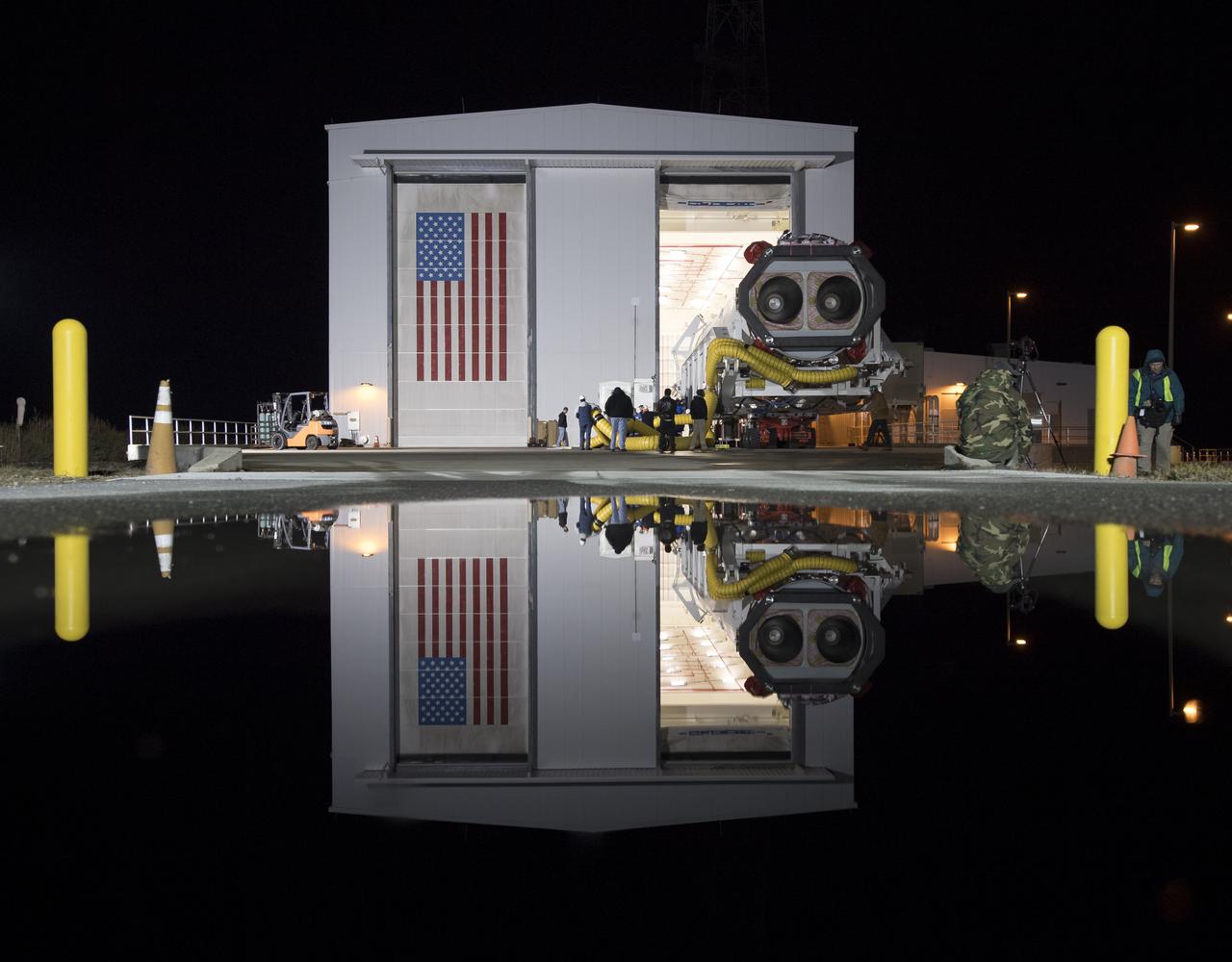
The Orbital ATK Antares rocket is rolled from the Horizontal Integration Facility (HIF) to launch Pad-0A, Thursday, Nov. 9, 2017 at NASA's Wallops Flight Facility in Virginia. Orbital ATK’s eighth contracted cargo resupply mission with NASA to the International Space Station will deliver over 7,400 pounds of science and research, crew supplies and vehicle hardware to the orbital laboratory and its crew. Photo Credit: (NASA/Bill Ingalls)
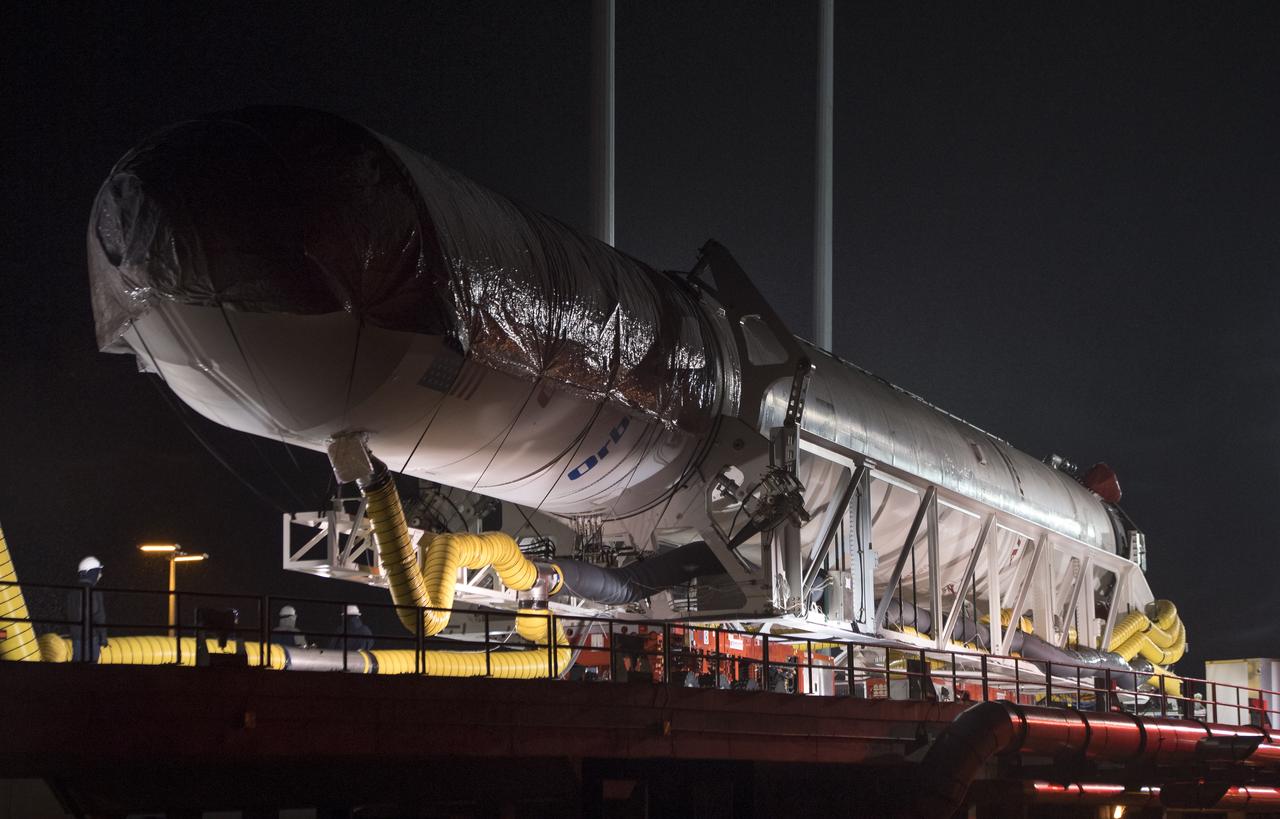
The Orbital ATK Antares rocket is rolled from the Horizontal Integration Facility (HIF) to launch Pad-0A, Thursday, Nov. 9, 2017 at NASA's Wallops Flight Facility in Virginia. Orbital ATK’s eighth contracted cargo resupply mission with NASA to the International Space Station will deliver over 7,400 pounds of science and research, crew supplies and vehicle hardware to the orbital laboratory and its crew. Photo Credit: (NASA/Bill Ingalls)

The Orbital ATK Antares rocket, with the Cygnus spacecraft onboard, is seen on launch Pad-0A, Saturday, Nov. 11, 2017 at NASA's Wallops Flight Facility in Virginia. Orbital ATK’s eighth contracted cargo resupply mission with NASA to the International Space Station will deliver approximately 7,400 pounds of science and research, crew supplies and vehicle hardware to the orbital laboratory and its crew. Photo Credit: (NASA/Bill Ingalls)
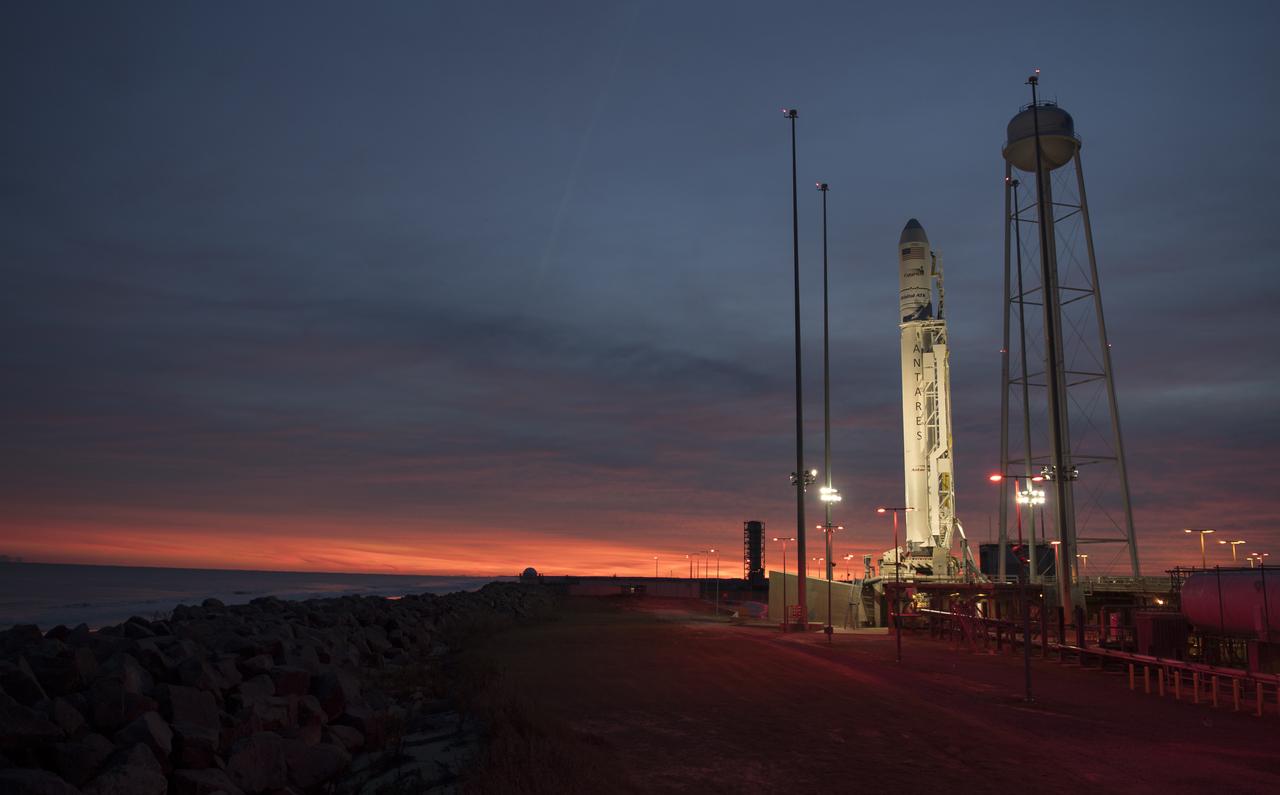
The Orbital ATK Antares rocket, with the Cygnus spacecraft onboard, is seen on launch Pad-0A, Saturday, Nov. 11, 2017 at NASA's Wallops Flight Facility in Virginia. Orbital ATK’s eighth contracted cargo resupply mission with NASA to the International Space Station will deliver approximately 7,400 pounds of science and research, crew supplies and vehicle hardware to the orbital laboratory and its crew. Photo Credit: (NASA/Bill Ingalls)
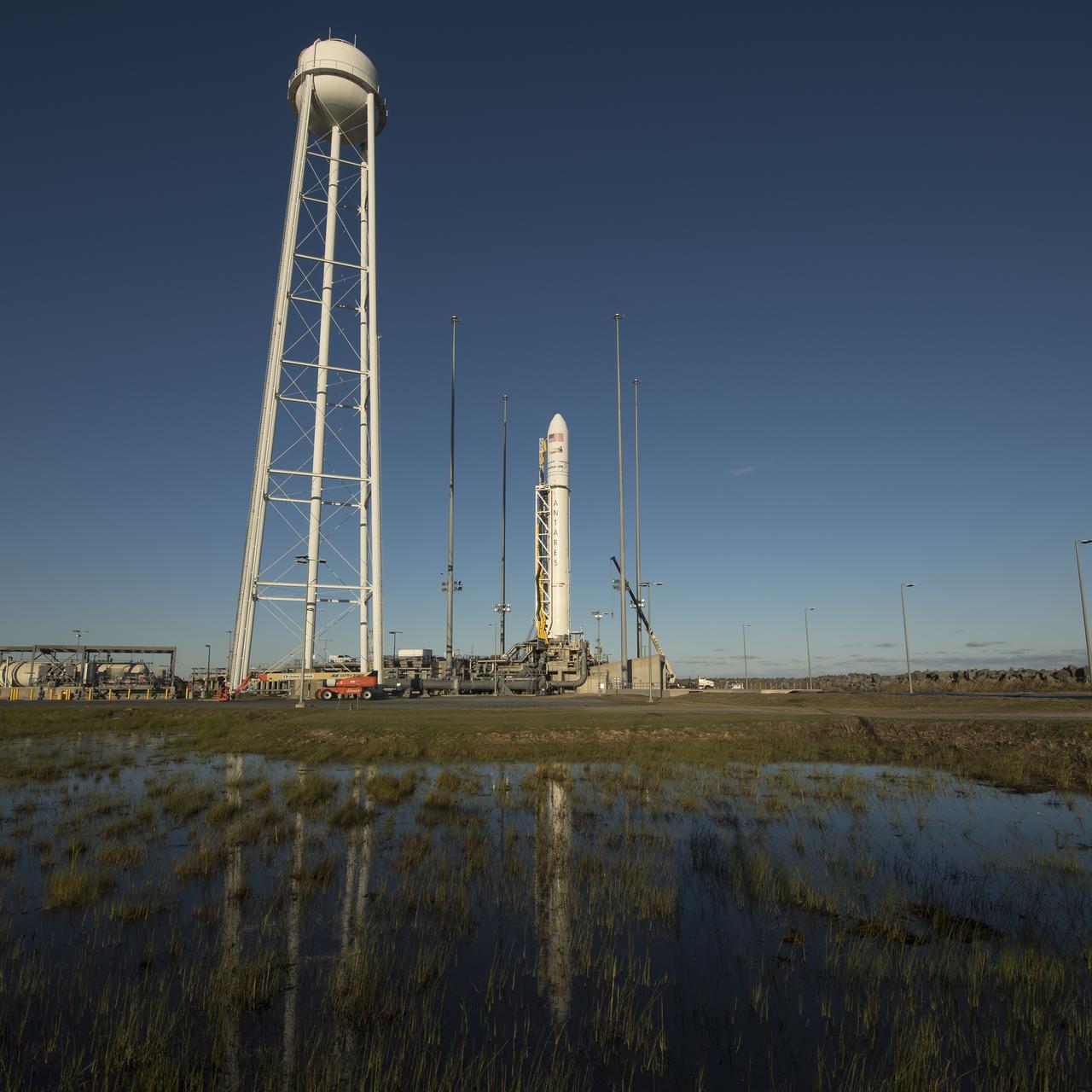
The Orbital ATK Antares rocket, with the Cygnus spacecraft onboard, is seen on launch Pad-0A, Friday, Nov. 10, 2017 at NASA's Wallops Flight Facility in Virginia. Orbital ATK’s eighth contracted cargo resupply mission with NASA to the International Space Station will deliver approximately 7,400 pounds of science and research, crew supplies and vehicle hardware to the orbital laboratory and its crew. Photo Credit: (NASA/Bill Ingalls)
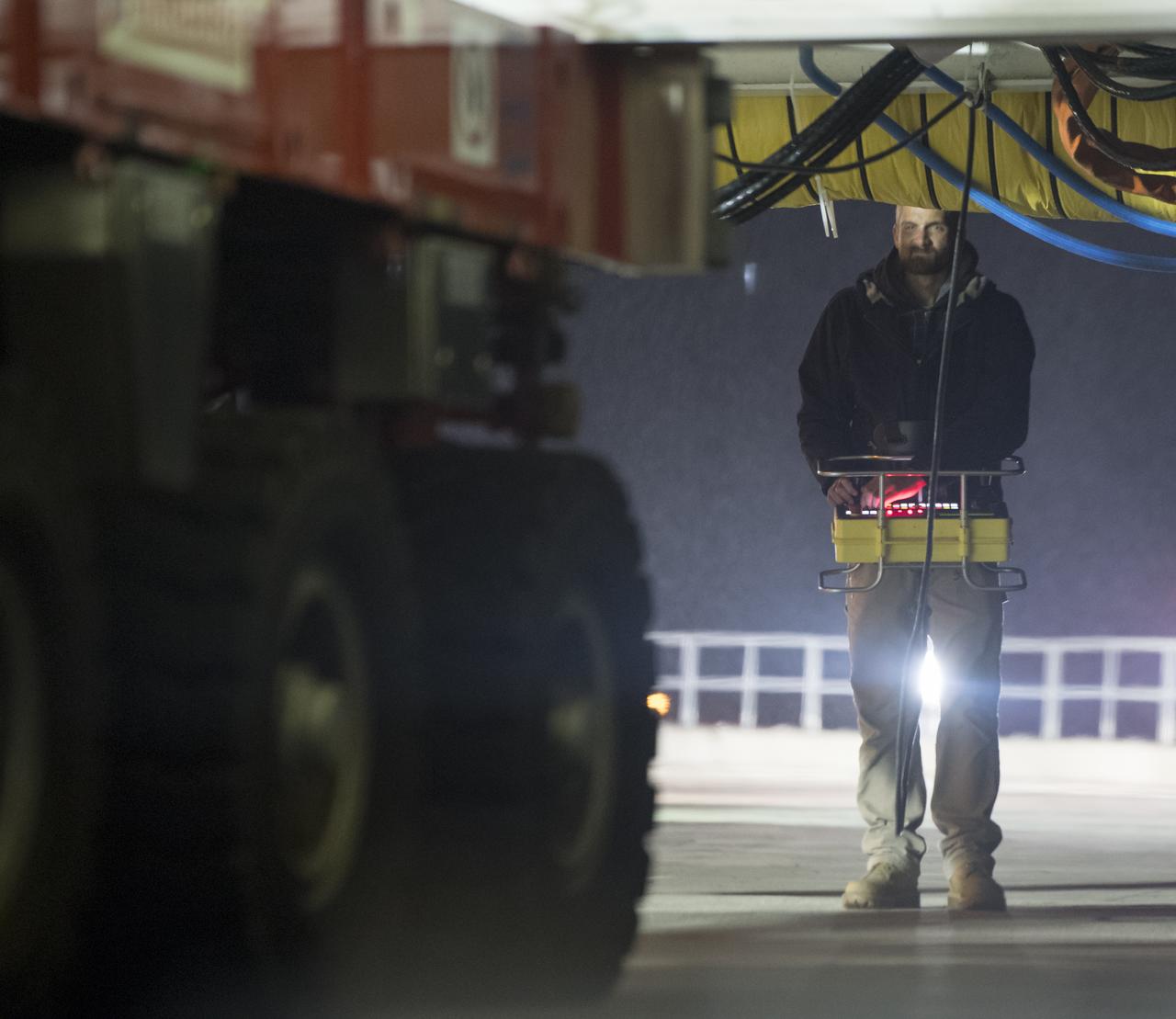
Orbital ATK Mechanical Technician Phil Kauthen drives the transporter with the Antares rocket aboard from the Horizontal Integration Facility to launch Pad-0A, Thursday, Nov. 9, 2017 at NASA's Wallops Flight Facility in Virginia. Orbital ATK’s eighth contracted cargo resupply mission with NASA to the International Space Station will deliver over 7,400 pounds of science and research, crew supplies and vehicle hardware to the orbital laboratory and its crew. Photo Credit: (NASA/Bill Ingalls)
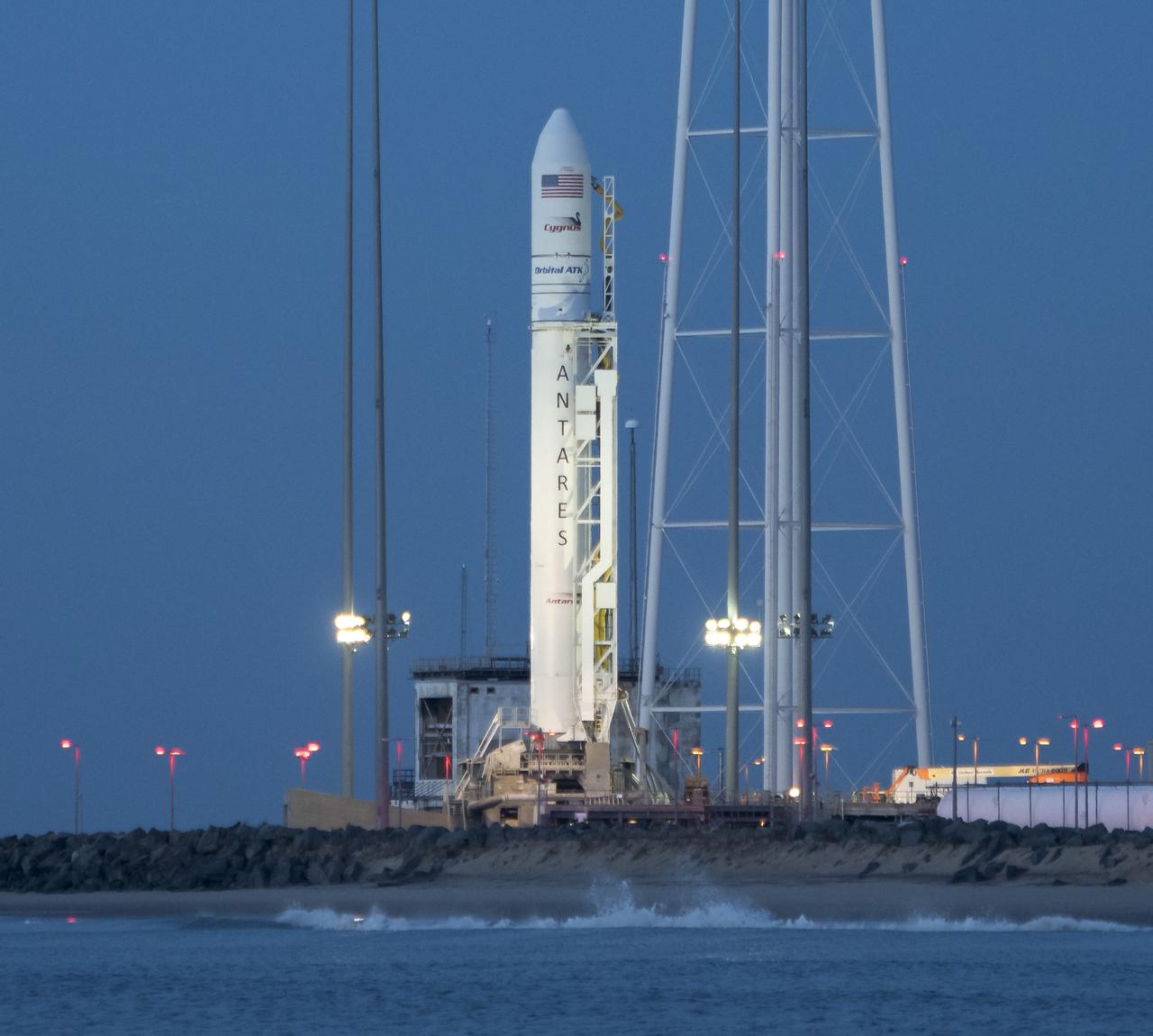
The Orbital ATK Antares rocket, with the Cygnus spacecraft onboard, is seen on launch Pad-0A, Friday, Nov. 10, 2017 at NASA's Wallops Flight Facility in Virginia. Orbital ATK’s eighth contracted cargo resupply mission with NASA to the International Space Station will deliver approximately 7,400 pounds of science and research, crew supplies and vehicle hardware to the orbital laboratory and its crew. Photo Credit: (NASA/Bill Ingalls)
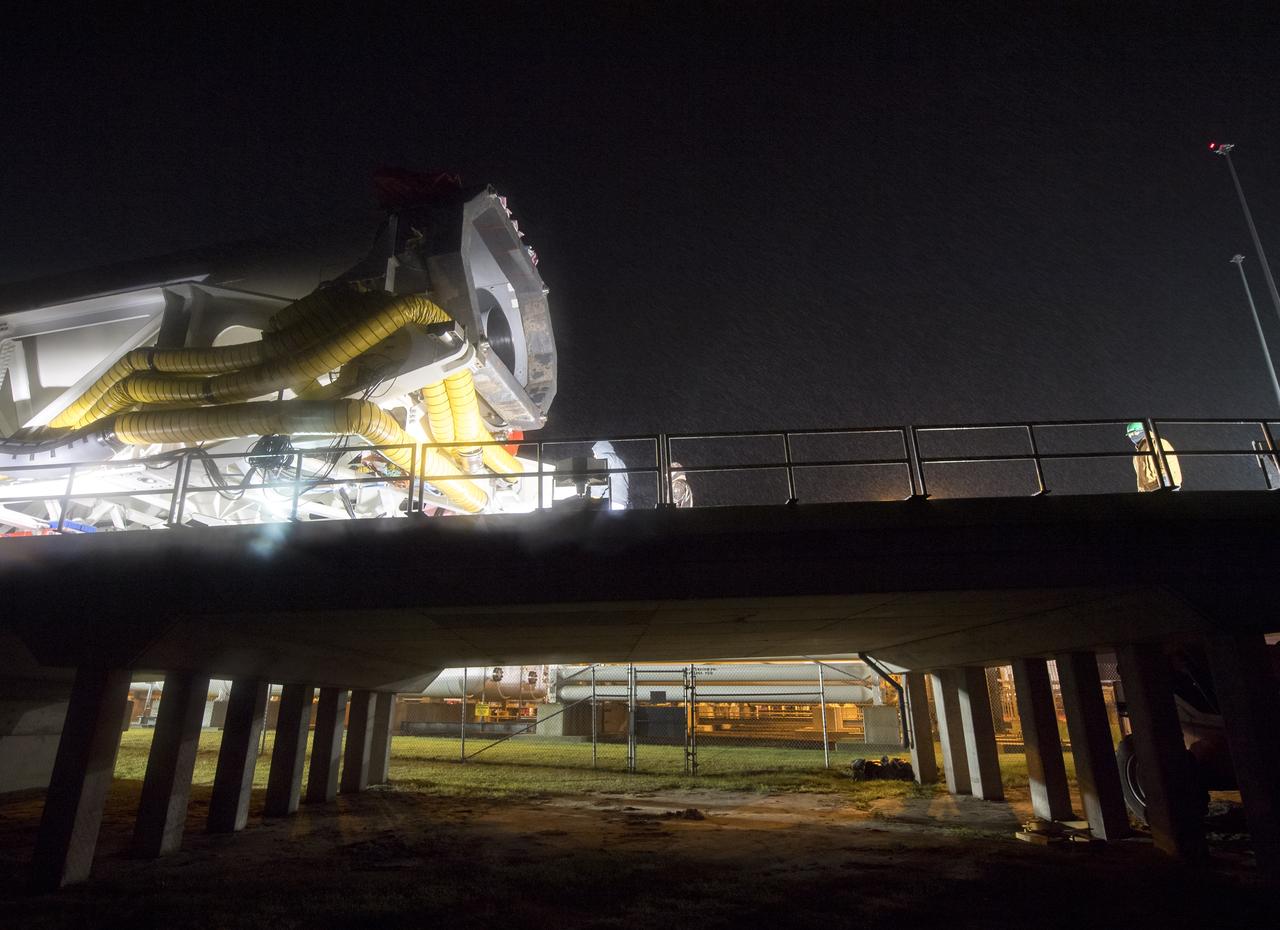
The Orbital ATK Antares rocket is rolled from the Horizontal Integration Facility (HIF) to launch Pad-0A, Thursday, Nov. 9, 2017 at NASA's Wallops Flight Facility in Virginia. Orbital ATK’s eighth contracted cargo resupply mission with NASA to the International Space Station will deliver over 7,400 pounds of science and research, crew supplies and vehicle hardware to the orbital laboratory and its crew. Photo Credit: (NASA/Bill Ingalls)
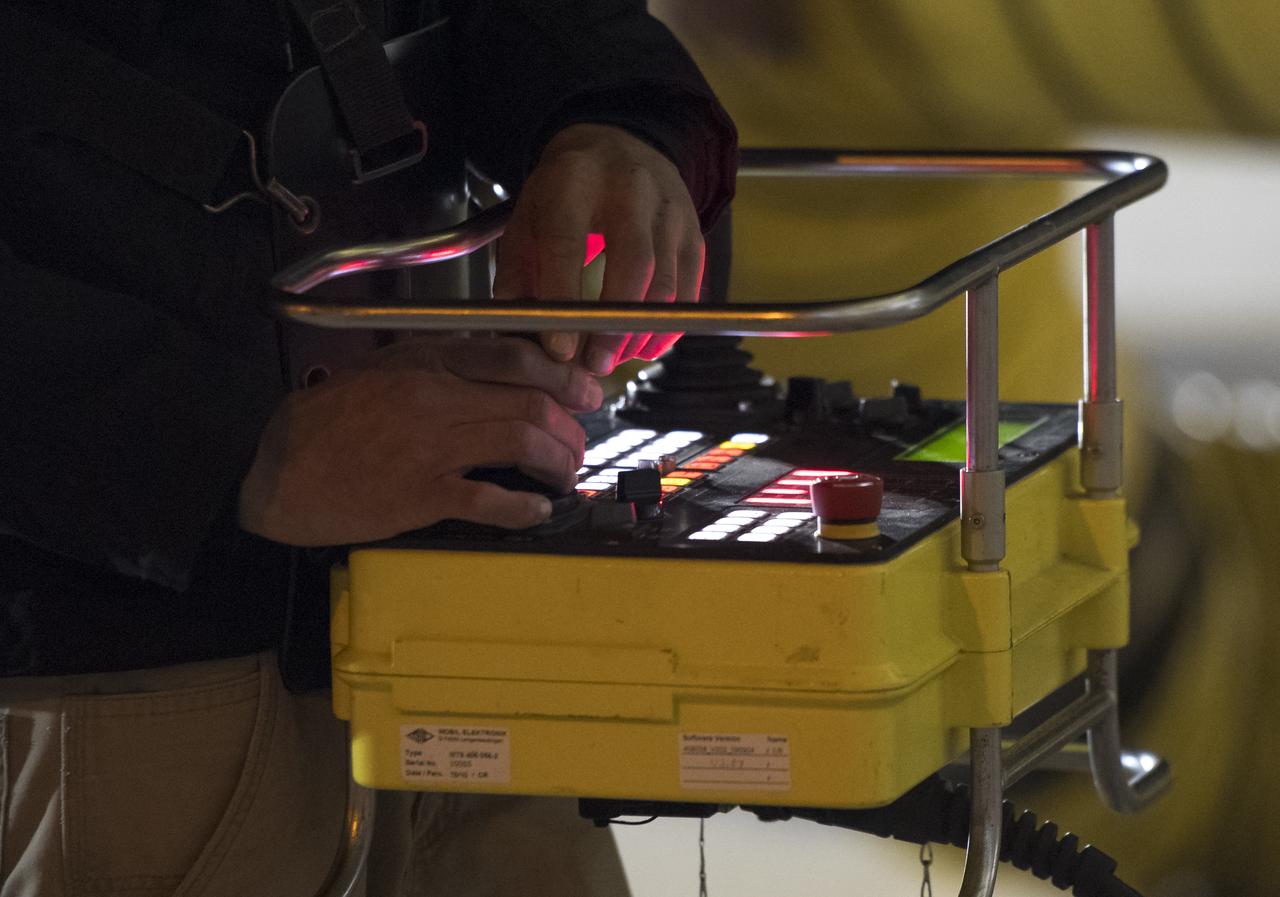
Orbital ATK Mechanical Technician Phil Kauthen drives the transporter with the Antares rocket aboard from the Horizontal Integration Facility to launch Pad-0A, Thursday, Nov. 9, 2017 at NASA's Wallops Flight Facility in Virginia. Orbital ATK’s eighth contracted cargo resupply mission with NASA to the International Space Station will deliver over 7,400 pounds of science and research, crew supplies and vehicle hardware to the orbital laboratory and its crew. Photo Credit: (NASA/Bill Ingalls)
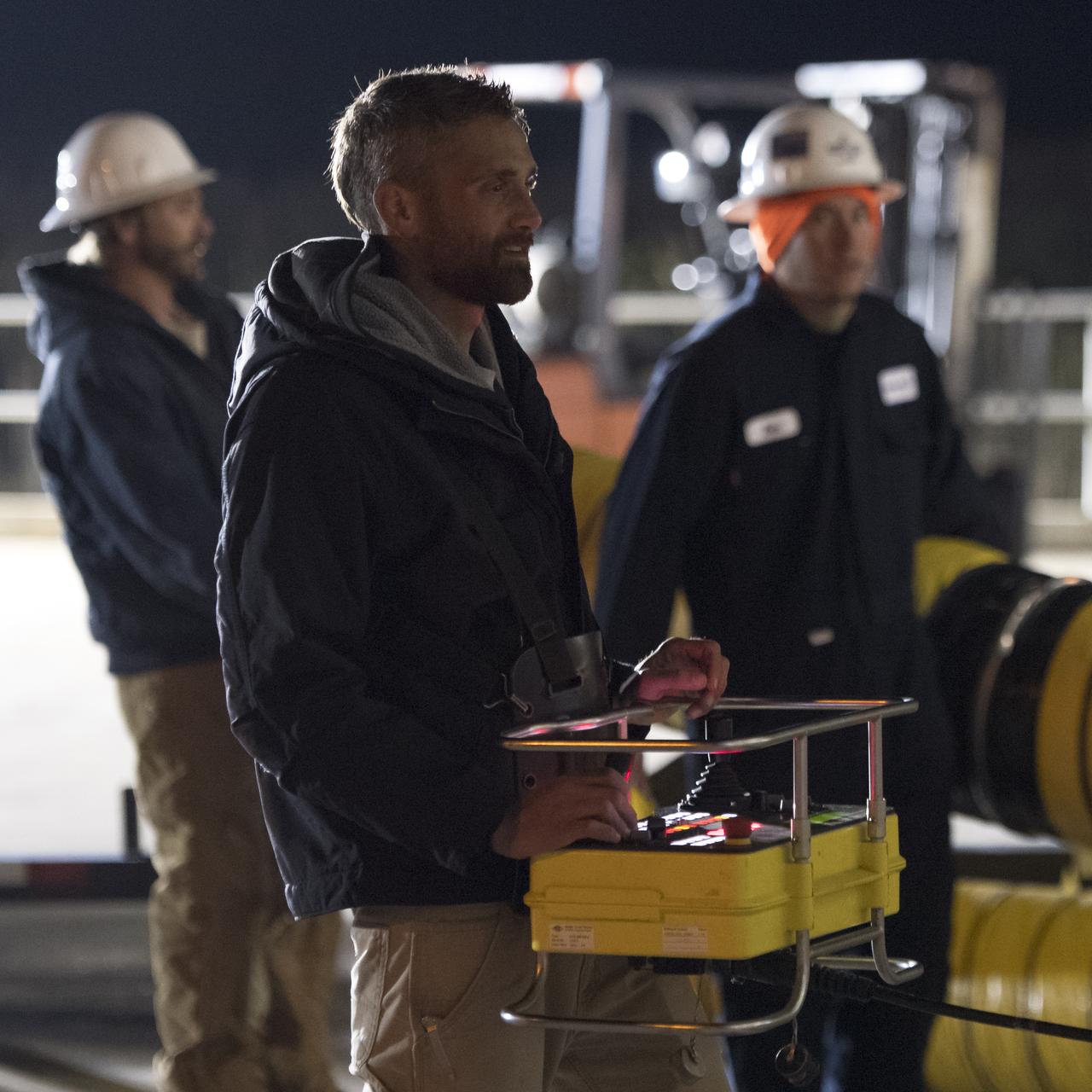
Orbital ATK Mechanical Technician Phil Kauthen drives the transporter with the Antares rocket aboard from the Horizontal Integration Facility to launch Pad-0A, Thursday, Nov. 9, 2017 at NASA's Wallops Flight Facility in Virginia. Orbital ATK’s eighth contracted cargo resupply mission with NASA to the International Space Station will deliver over 7,400 pounds of science and research, crew supplies and vehicle hardware to the orbital laboratory and its crew. Photo Credit: (NASA/Bill Ingalls)
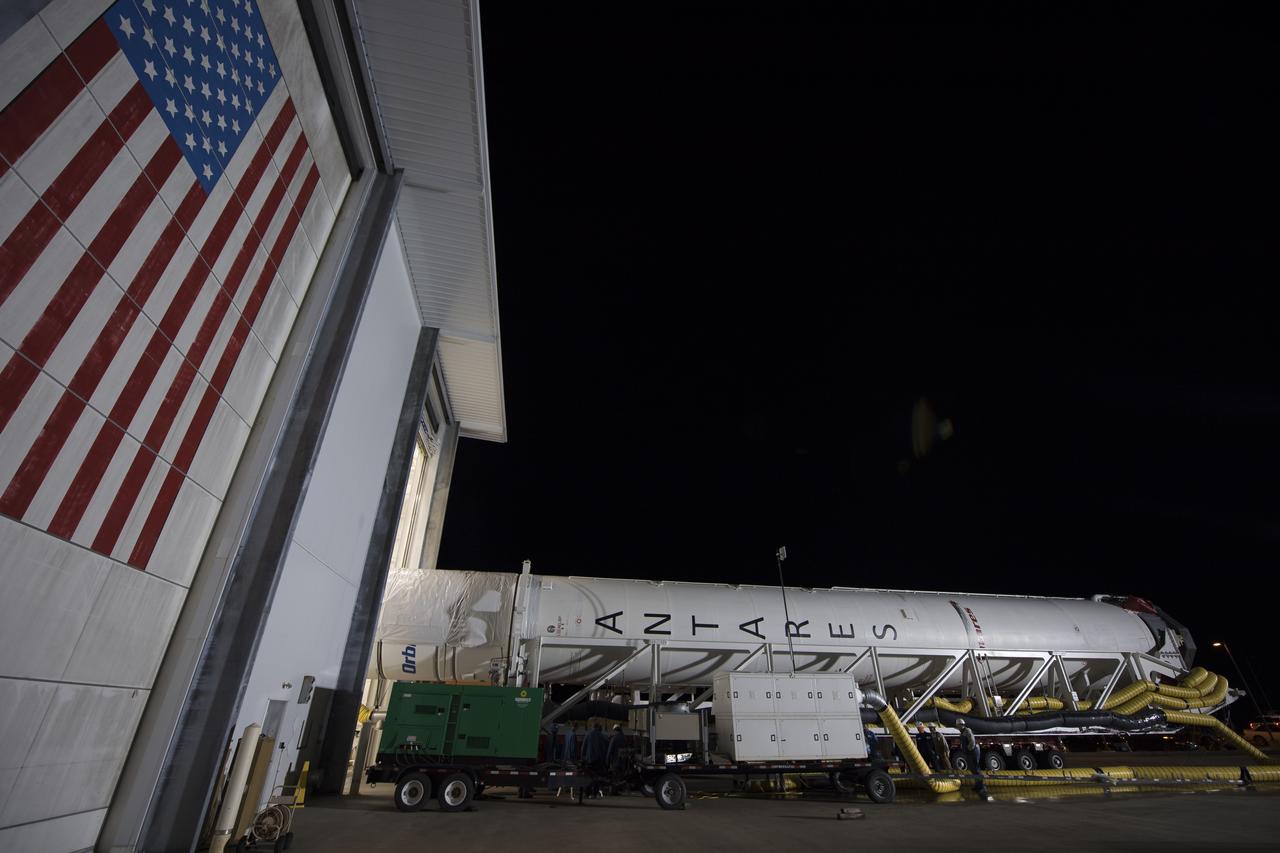
The Orbital ATK Antares rocket is rolled from the Horizontal Integration Facility (HIF) to launch Pad-0A, Thursday, Nov. 9, 2017 at NASA's Wallops Flight Facility in Virginia. Orbital ATK’s eighth contracted cargo resupply mission with NASA to the International Space Station will deliver over 7,400 pounds of science and research, crew supplies and vehicle hardware to the orbital laboratory and its crew. Photo Credit: (NASA/Bill Ingalls)
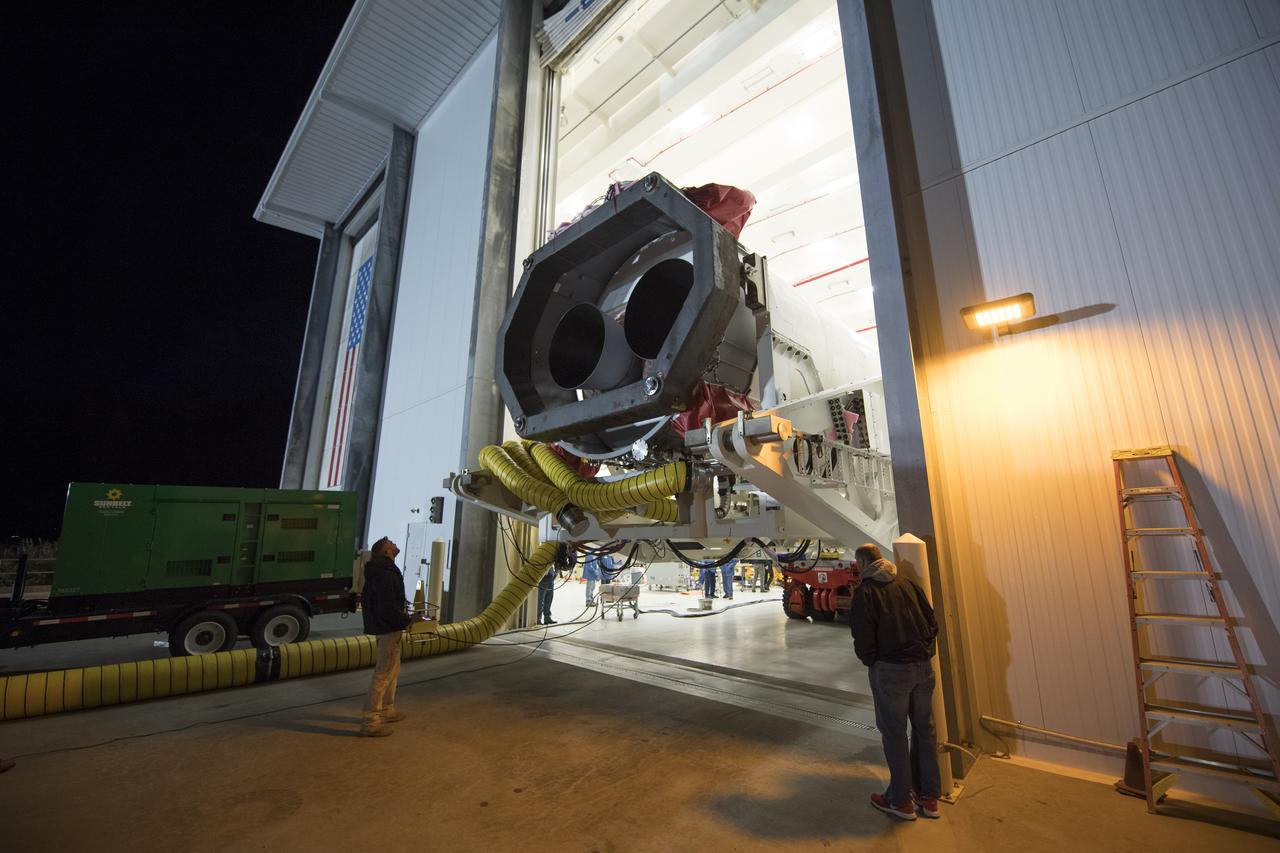
Orbital ATK Mechanical Technician Phil Kauthen drives the transporter with the Antares rocket aboard from the Horizontal Integration Facility to launch Pad-0A, Thursday, Nov. 9, 2017 at NASA's Wallops Flight Facility in Virginia. Orbital ATK’s eighth contracted cargo resupply mission with NASA to the International Space Station will deliver over 7,400 pounds of science and research, crew supplies and vehicle hardware to the orbital laboratory and its crew. Photo Credit: (NASA/Bill Ingalls)

The Orbital ATK Antares rocket, with the Cygnus spacecraft onboard, is seen on launch Pad-0A, Friday, Nov. 10, 2017 at NASA's Wallops Flight Facility in Virginia. Orbital ATK’s eighth contracted cargo resupply mission with NASA to the International Space Station will deliver approximately 7,400 pounds of science and research, crew supplies and vehicle hardware to the orbital laboratory and its crew. Photo Credit: (NASA/Bill Ingalls)
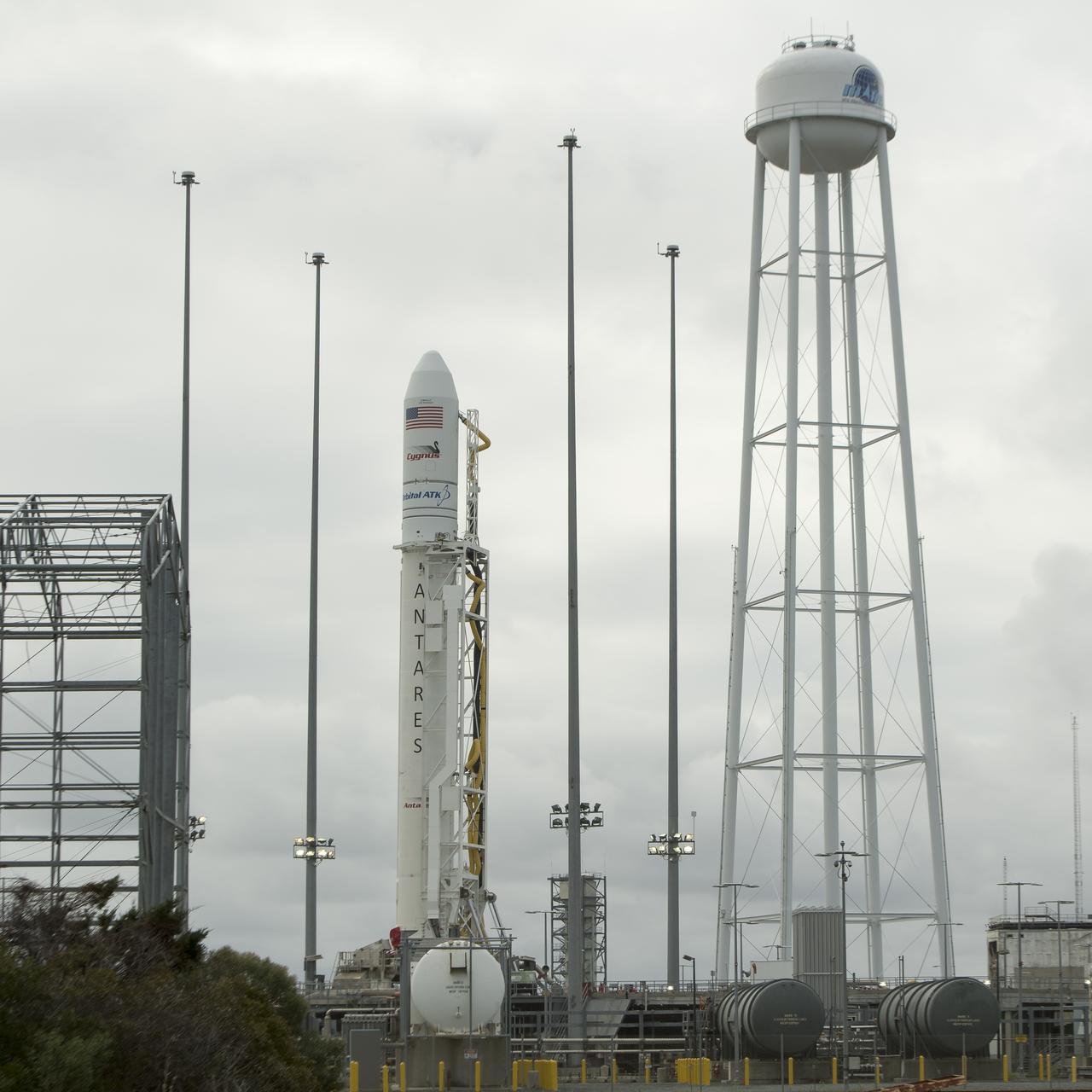
The Orbital ATK Antares rocket, with the Cygnus spacecraft onboard, is raised into the vertical position on launch Pad-0A, Thursday, Nov. 9, 2017 at NASA's Wallops Flight Facility in Virginia. Orbital ATK’s eighth contracted cargo resupply mission with NASA to the International Space Station will deliver over 7,400 pounds of science and research, crew supplies and vehicle hardware to the orbital laboratory and its crew. Photo Credit: (NASA/Bill Ingalls)
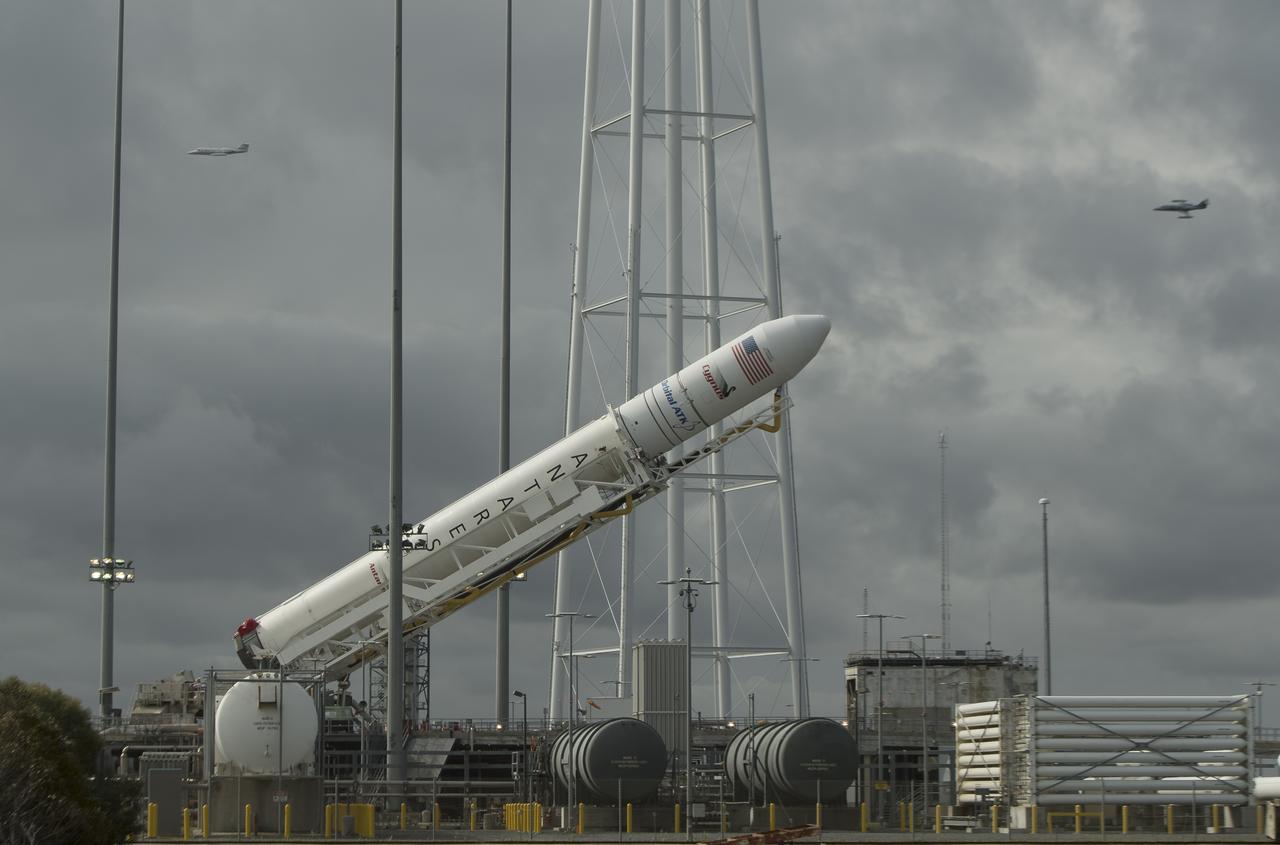
The Orbital ATK Antares rocket, with the Cygnus spacecraft onboard, is raised into the vertical position on launch Pad-0A, Thursday, Nov. 9, 2017 at NASA's Wallops Flight Facility in Virginia. Orbital ATK’s eighth contracted cargo resupply mission with NASA to the International Space Station will deliver over 7,400 pounds of science and research, crew supplies and vehicle hardware to the orbital laboratory and its crew. Photo Credit: (NASA/Bill Ingalls)
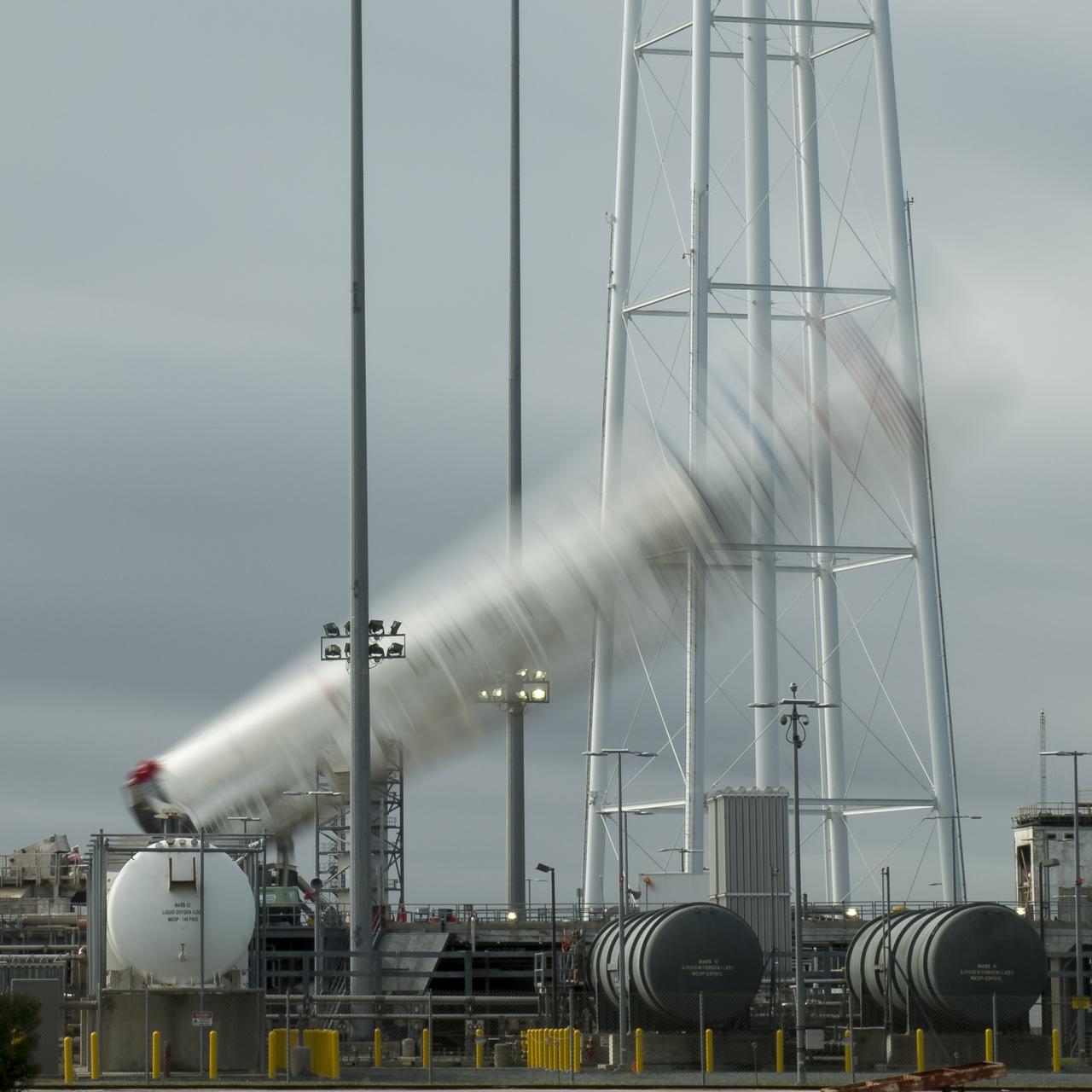
This long exposure photograph shows the Orbital ATK Antares rocket, with the Cygnus spacecraft onboard, being raised into the vertical position on launch Pad-0A, Thursday, Nov. 9, 2017 at NASA's Wallops Flight Facility in Virginia. Orbital ATK’s eighth contracted cargo resupply mission with NASA to the International Space Station will deliver over 7,400 pounds of science and research, crew supplies and vehicle hardware to the orbital laboratory and its crew. Photo Credit: (NASA/Bill Ingalls)
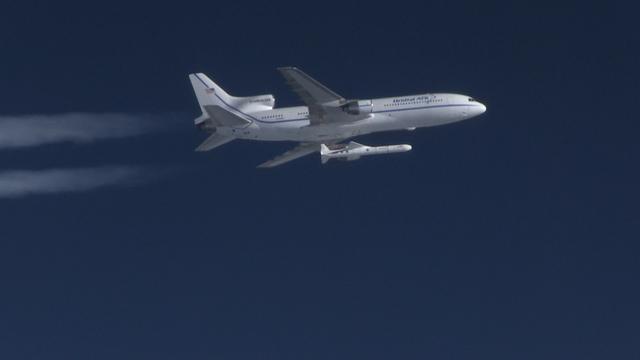
The Orbital ATK Pegasus XL rocket carrying NASA's Cyclone Global Navigation Satellite System, or CYGNSS, spacecraft is released and the first stage ignites at 8:37 a.m. EST. The rocket was released from the Orbital ATK L-1011 Stargazer aircraft flying over the Atlantic Ocean offshore from Daytona Beach, Florida following takeoff from the Skid Strip at Cape Canaveral Air Force Station. This image was taken from a NASA F-18 chase plane provided by Armstrong Flight Research Center in California. The CYGNSS satellites will make frequent and accurate measurements of ocean surface winds throughout the life cycle of tropical storms and hurricanes.
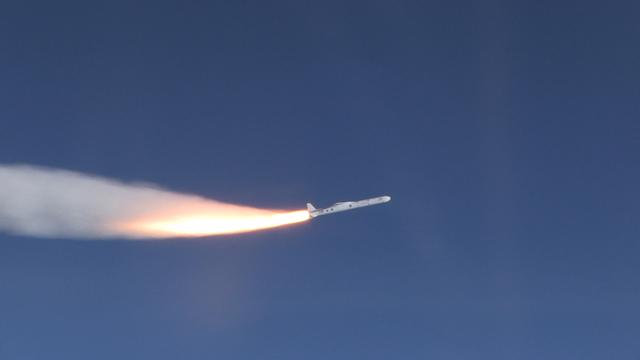
The Orbital ATK Pegasus XL rocket carrying NASA's Cyclone Global Navigation Satellite System, or CYGNSS, spacecraft is released and the first stage ignites at 8:37 a.m. EST. The rocket was released from the Orbital ATK L-1011 Stargazer aircraft flying over the Atlantic Ocean offshore from Daytona Beach, Florida following takeoff from the Skid Strip at Cape Canaveral Air Force Station. This image was taken from a NASA F-18 chase plane provided by Armstrong Flight Research Center in California. The CYGNSS satellites will make frequent and accurate measurements of ocean surface winds throughout the life cycle of tropical storms and hurricanes.
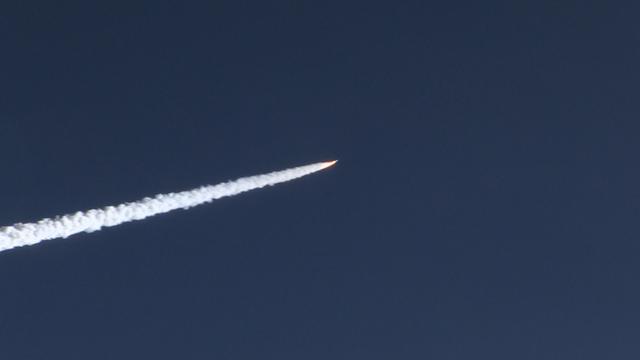
The Orbital ATK Pegasus XL rocket carrying NASA's Cyclone Global Navigation Satellite System, or CYGNSS, spacecraft is released and the first stage ignites at 8:37 a.m. EST. The rocket was released from the Orbital ATK L-1011 Stargazer aircraft flying over the Atlantic Ocean offshore from Daytona Beach, Florida following takeoff from the Skid Strip at Cape Canaveral Air Force Station. This image was taken from a NASA F-18 chase plane provided by Armstrong Flight Research Center in California. The CYGNSS satellites will make frequent and accurate measurements of ocean surface winds throughout the life cycle of tropical storms and hurricanes.
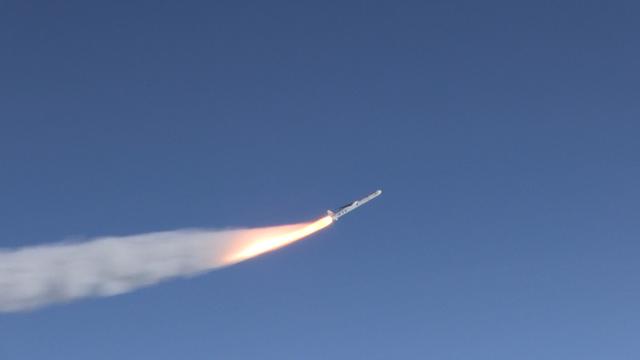
The Orbital ATK Pegasus XL rocket carrying NASA's Cyclone Global Navigation Satellite System, or CYGNSS, spacecraft is released and the first stage ignites at 8:37 a.m. EST. The rocket was released from the Orbital ATK L-1011 Stargazer aircraft flying over the Atlantic Ocean offshore from Daytona Beach, Florida following takeoff from the Skid Strip at Cape Canaveral Air Force Station. This image was taken from a NASA F-18 chase plane provided by Armstrong Flight Research Center in California. The CYGNSS satellites will make frequent and accurate measurements of ocean surface winds throughout the life cycle of tropical storms and hurricanes.
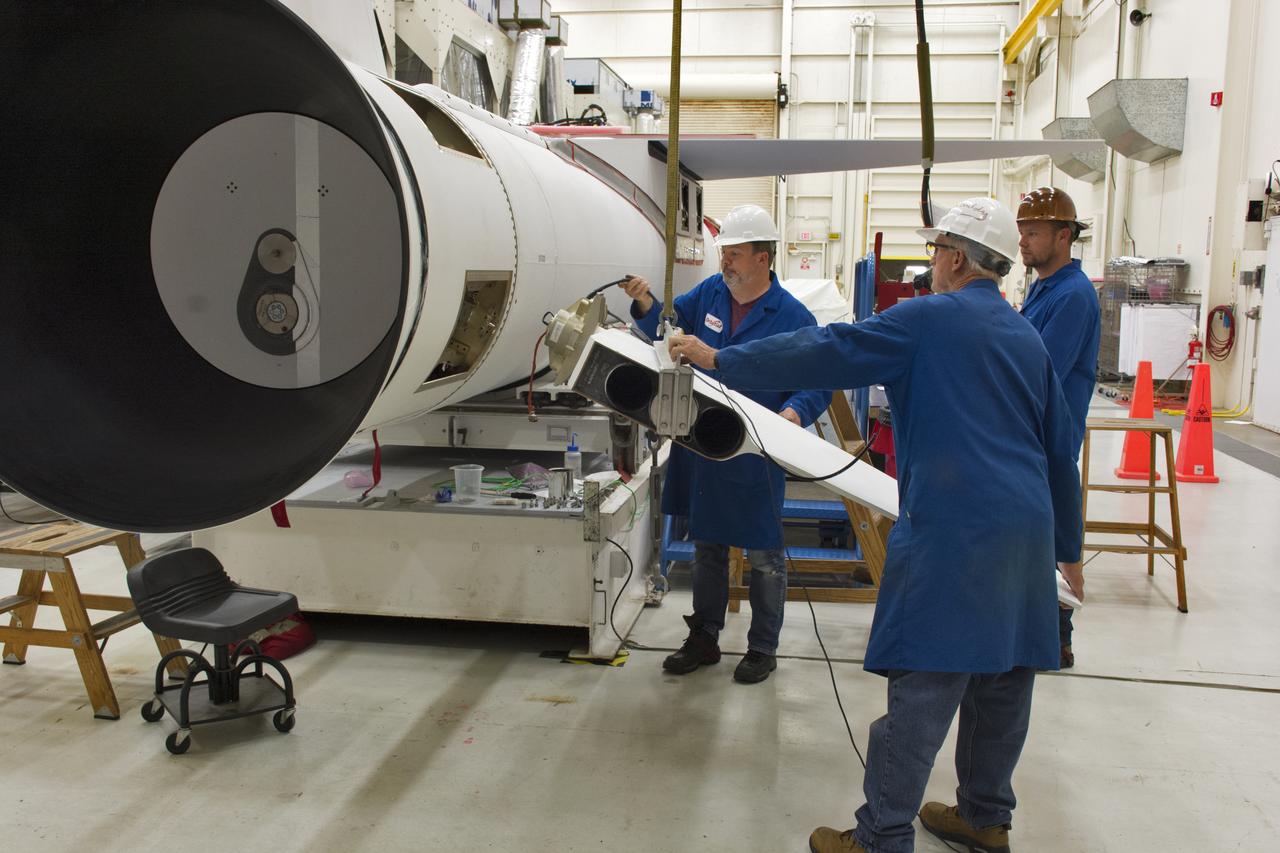
Technicians install the starboard fin on the Orbital ATK Pegasus XL rocket July 8, 2017, inside Building 1555 at Vandenberg Air Force Base in California. The Pegasus rocket is being prepared for NASA's Ionospheric Connection Explorer, or ICON, mission. ICON will launch on June 15 from Kwajalein Atoll in the Marshall Islands (June 14 in the continental United States) on Orbital ATK's Pegasus XL rocket, which is attached to the company's L-1011 Stargazer aircraft. ICON will study the frontier of space - the dynamic zone high in Earth's atmosphere where terrestrial weather from below meets space weather above. The explorer will help determine the physics of Earth's space environment and pave the way for mitigating its effects on our technology, communications systems and society.
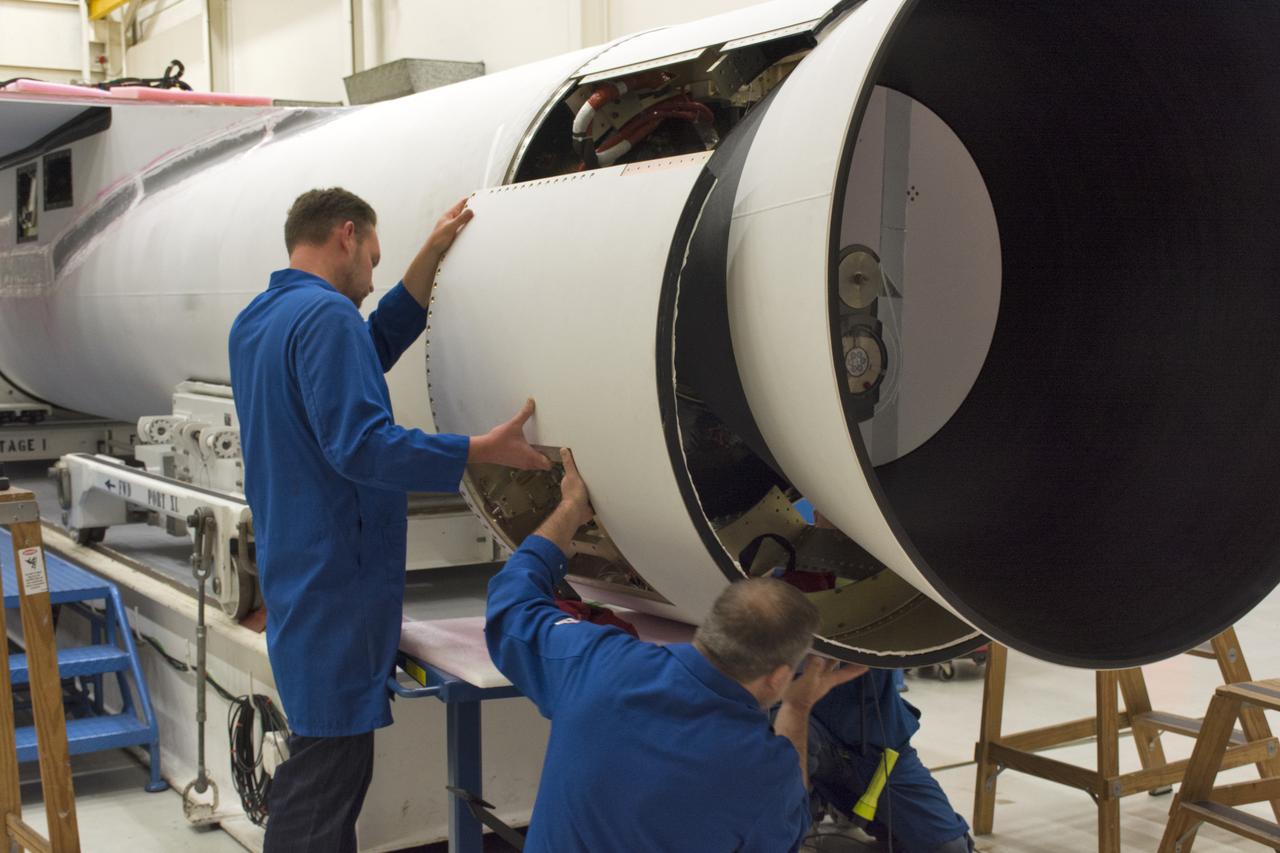
Technicians install the aft skirt on the Orbital ATK Pegasus XL rocket July 8, 2017, inside Building 1555 at Vandenberg Air Force Base in California. When the aft skirt is installed, the rudder and fins can be installed. The Pegasus rocket is being prepared for NASA's Ionospheric Connection Explorer, or ICON, mission. The explorer will launch on June 15, 2018, from Kwajalein Atoll in the Marshall Islands (June 14 in the continental United States) on Orbital ATKS's Pegasus XL, which is attached to the company's L-1011 Stargazer aircraft. ICON will study the frontier of space - the dynamic zone high in Earth's atmosphere where terrestrial weather from below meets space weather above. The explorer will help determine the physics of Earth's space environment and pave the way for mitigating its effects on our technology, communications systems and society.

Technicians install the starboard fin on the Orbital ATK Pegasus XL rocket July 8, 2017, inside Building 1555 at Vandenberg Air Force Base in California. The Pegasus rocket is being prepared for NASA's Ionospheric Connection Explorer, or ICON, mission. ICON will launch on June 15 from Kwajalein Atoll in the Marshall Islands (June 14 in the continental United States) on Orbital ATK's Pegasus XL rocket, which is attached to the company's L-1011 Stargazer aircraft. ICON will study the frontier of space - the dynamic zone high in Earth's atmosphere where terrestrial weather from below meets space weather above. The explorer will help determine the physics of Earth's space environment and pave the way for mitigating its effects on our technology, communications systems and society.
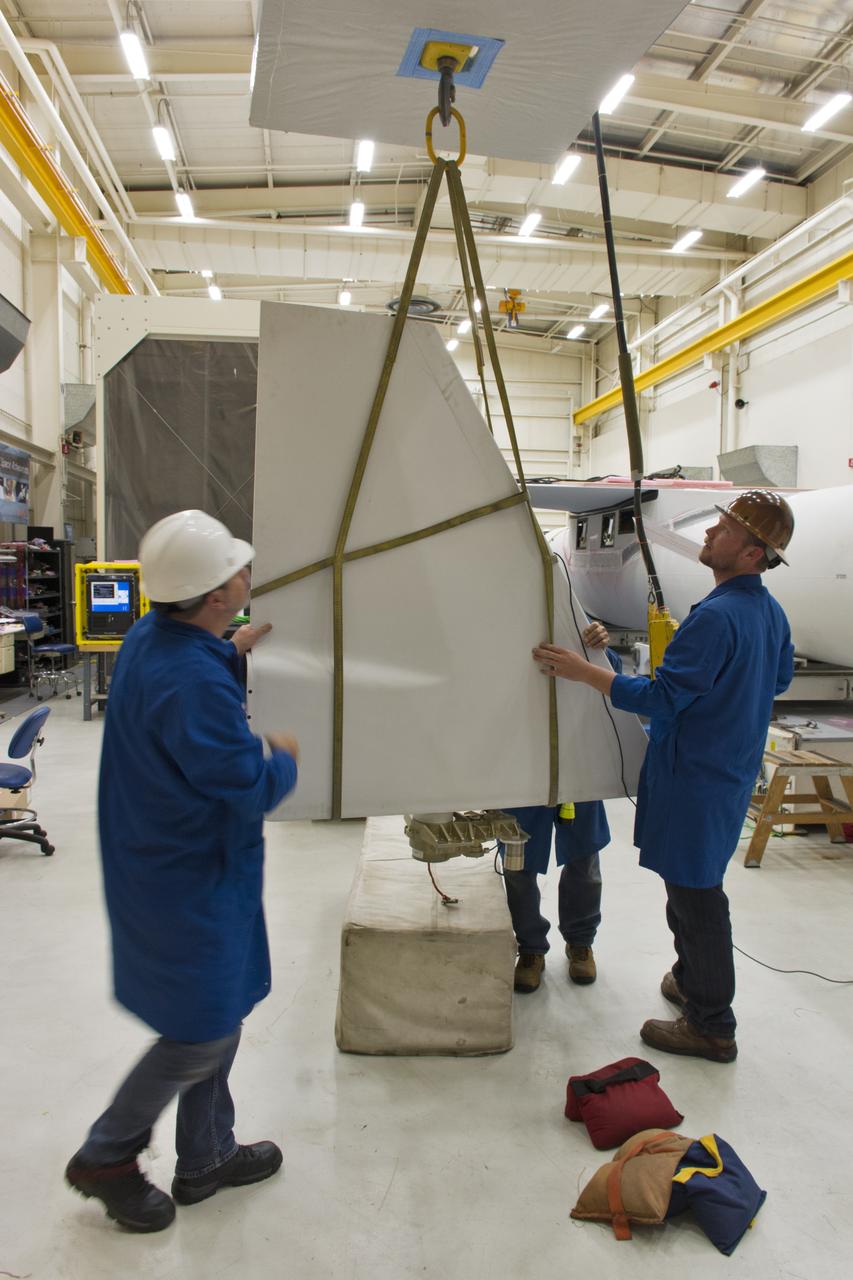
Technicians prepare the rudder for installation on the Orbital ATK Pegasus XL rocket July 8, 2017, inside Building 1555 at Vandenberg Air Force Base in California. The Pegasus rocket is being prepared for NASA's Ionospheric Connection Explorer, or ICON, mission. ICON will launch on June 15 from Kwajalein Atoll in the Marshall Islands (June 14 in the continental United States) on Orbital ATK's Pegasus XL rocket, which is attached to the company's L-1011 Stargazer aircraft. ICON will study the frontier of space - the dynamic zone high in Earth's atmosphere where terrestrial weather from below meets space weather above. The explorer will help determine the physics of Earth's space environment and pave the way for mitigating its effects on our technology, communications systems and society.
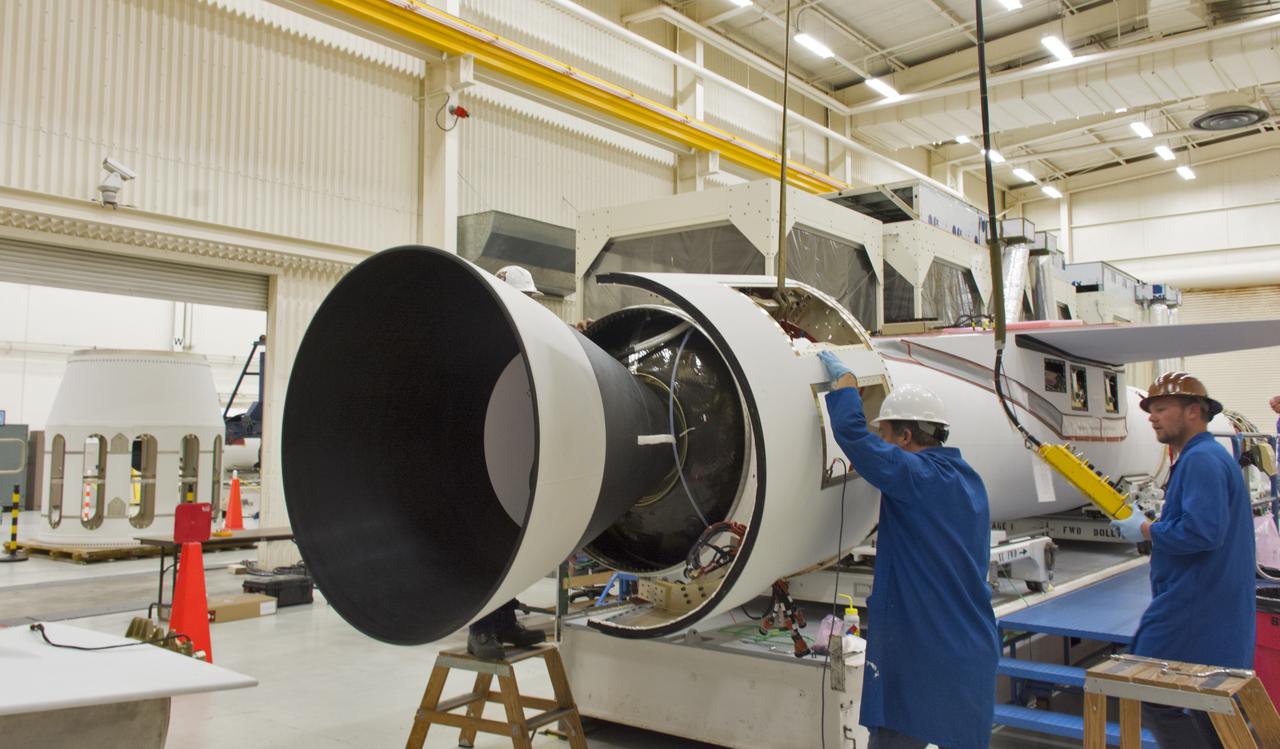
A technician installs the aft skirt on the Orbital ATK Pegasus XL rocket July 8, 2017, inside Building 1555 at Vandenberg Air Force Base in California. When the aft skirt is installed, the rudder and fins can be installed. The Pegasus rocket is being prepared for NASA's Ionospheric Connection Explorer, or ICON, mission. The explorer will launch on June 15, 2018, from Kwajalein Atoll in the Marshall Islands (June 14 in the continental United States) on Orbital ATKS's Pegasus XL, which is attached to the company's L-1011 Stargazer aircraft. ICON will study the frontier of space - the dynamic zone high in Earth's atmosphere where terrestrial weather from below meets space weather above. The explorer will help determine the physics of Earth's space environment and pave the way for mitigating its effects on our technology, communications systems and society.
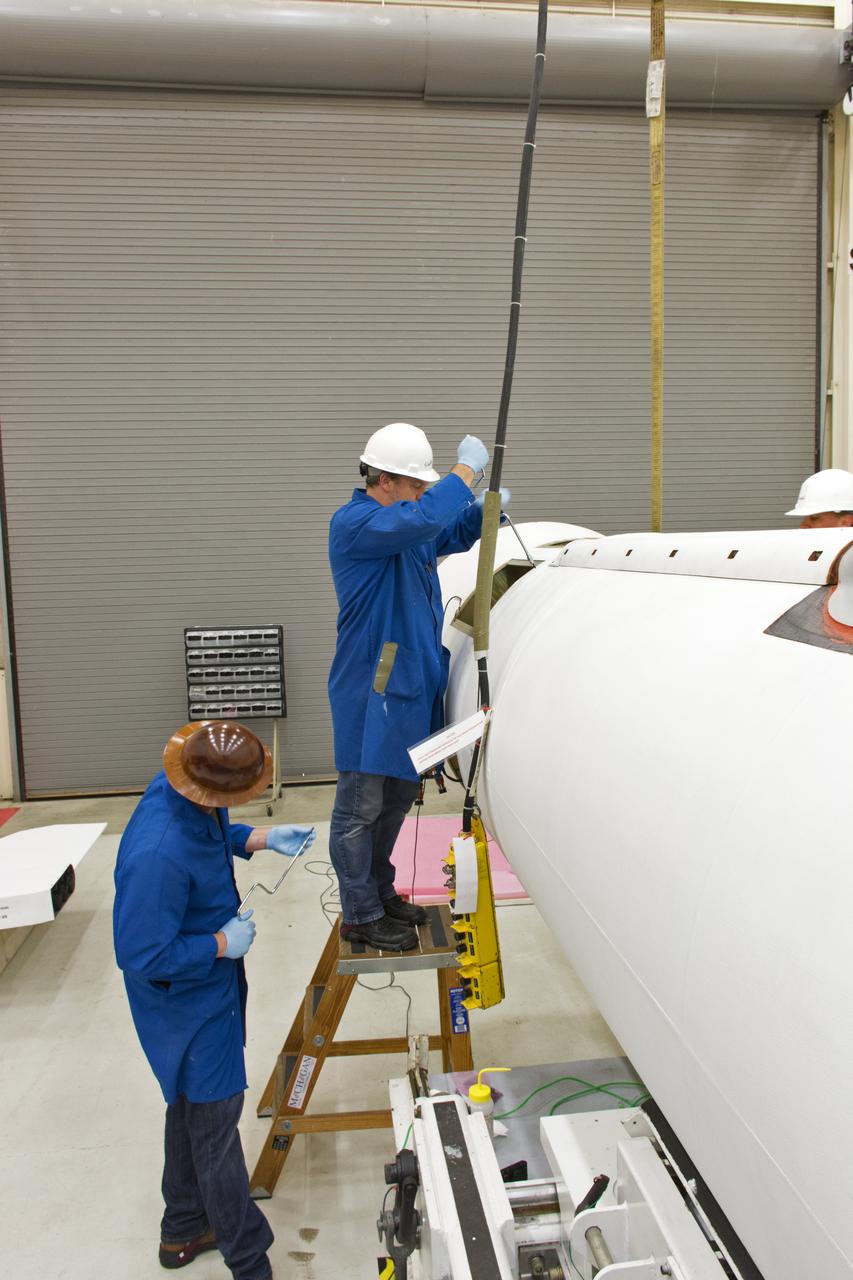
Technician install the aft skirt on the Orbital ATK Pegasus XL rocket July 8, 2017, inside Building 1555 at Vandenberg Air Force Base in California. When the aft skirt is installed, the rudder and fins can be installed. The Pegasus rocket is being prepared for NASA's Ionospheric Connection Explorer, or ICON, mission. The explorer will launch on June 15, 2018, from Kwajalein Atoll in the Marshall Islands (June 14 in the continental United States) on Orbital ATKS's Pegasus XL, which is attached to the company's L-1011 Stargazer aircraft. ICON will study the frontier of space - the dynamic zone high in Earth's atmosphere where terrestrial weather from below meets space weather above. The explorer will help determine the physics of Earth's space environment and pave the way for mitigating its effects on our technology, communications systems and society.
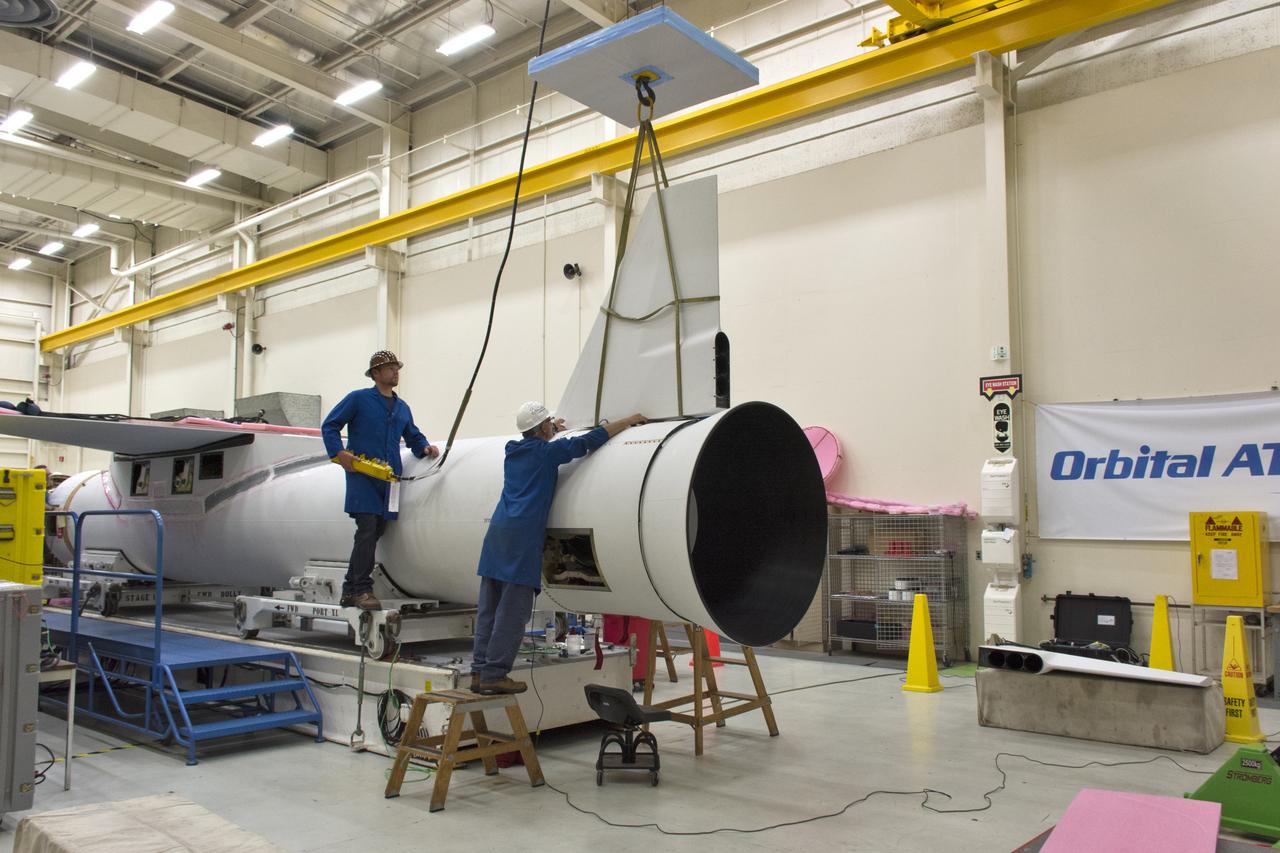
Technicians install the rudder on the Orbital ATK Pegasus XL rocket July 8, 2017, inside Building 1555 at Vandenberg Air Force Base in California. The Pegasus rocket is being prepared for NASA's Ionospheric Connection Explorer, or ICON, mission. ICON will launch on June 15 from Kwajalein Atoll in the Marshall Islands (June 14 in the continental United States) on Orbital ATK's Pegasus XL rocket, which is attached to the company's L-1011 Stargazer aircraft. ICON will study the frontier of space - the dynamic zone high in Earth's atmosphere where terrestrial weather from below meets space weather above. The explorer will help determine the physics of Earth's space environment and pave the way for mitigating its effects on our technology, communications systems and society.
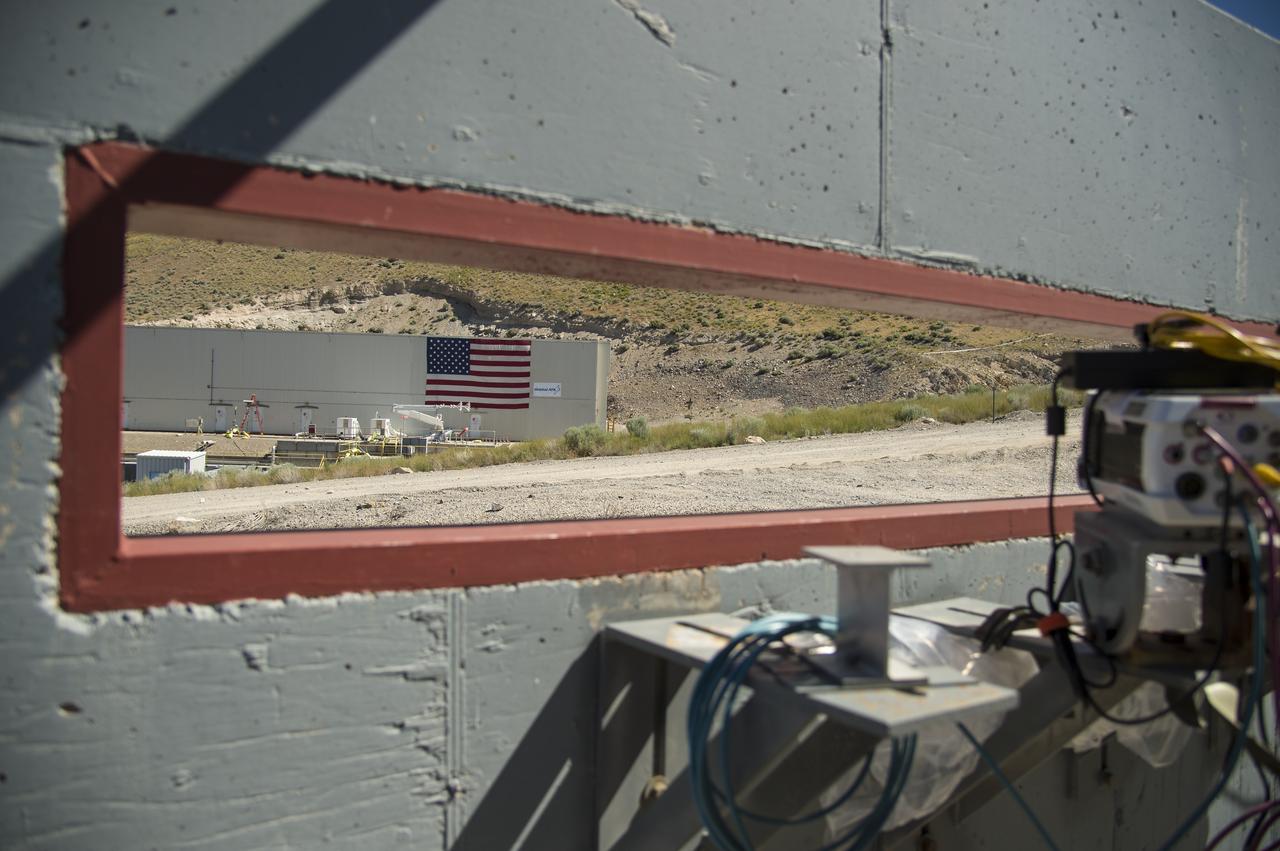
The test area where the second and final qualification motor (QM-2) test for the Space Launch System’s booster is seen through the window of a camera bunker, Sunday, June 26, 2016, at Orbital ATK Propulsion Systems test facilities in Promontory, Utah. The test is scheduled for Tuesday, June 28 at 10:05 a.m. EDT (8:05 a.m. MDT). Photo Credit: (NASA/Bill Ingalls)
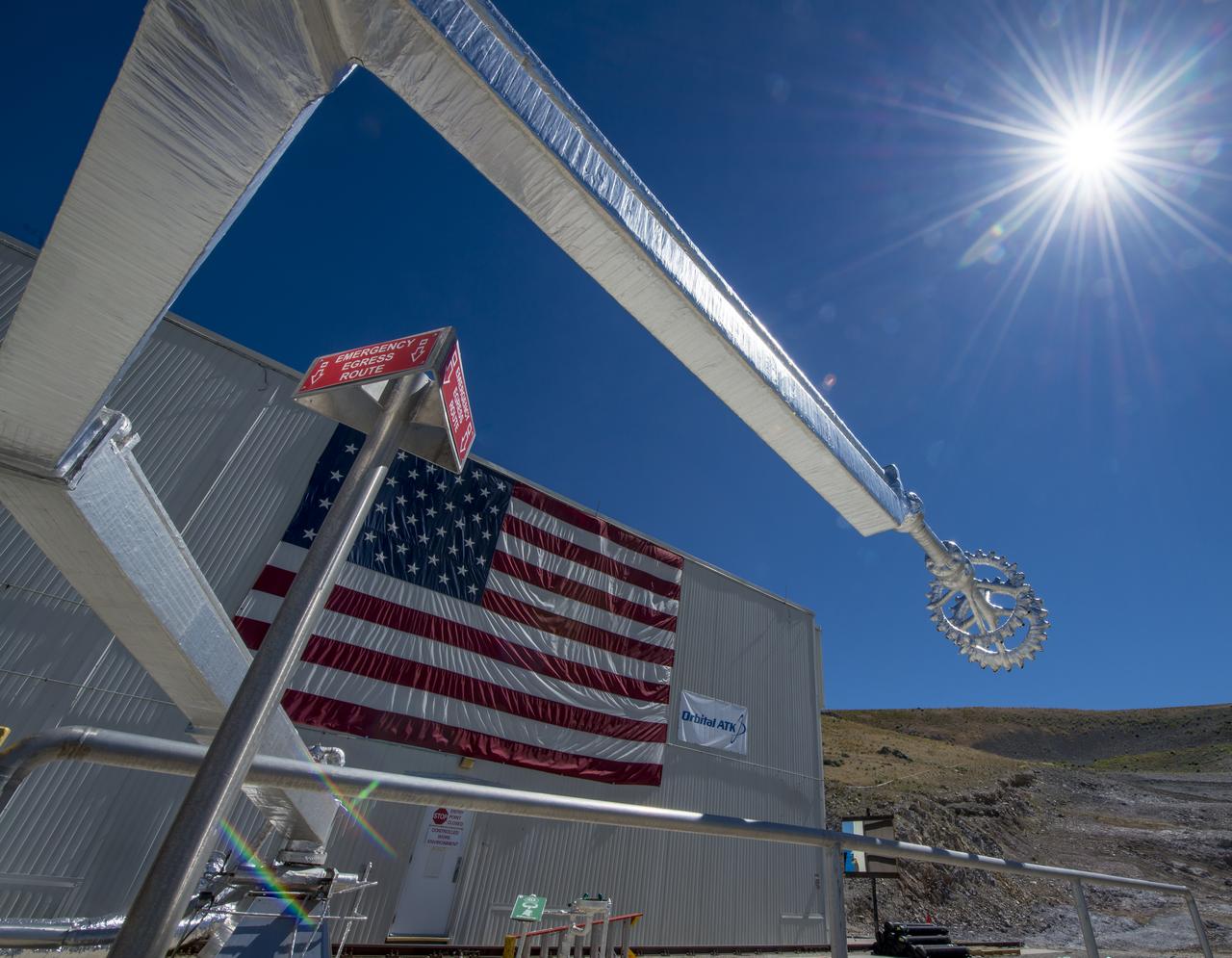
The quench system arm and nozzle are seen at the test area where the second and final qualification motor (QM-2) test for the Space Launch System’s booster will take place, Sunday, June 26, 2016, at Orbital ATK Propulsion Systems test facilities in Promontory, Utah. The test is scheduled for Tuesday, June 28 at 10:05 a.m. EDT (8:05 a.m. MDT). Photo Credit: (NASA/Bill Ingalls)
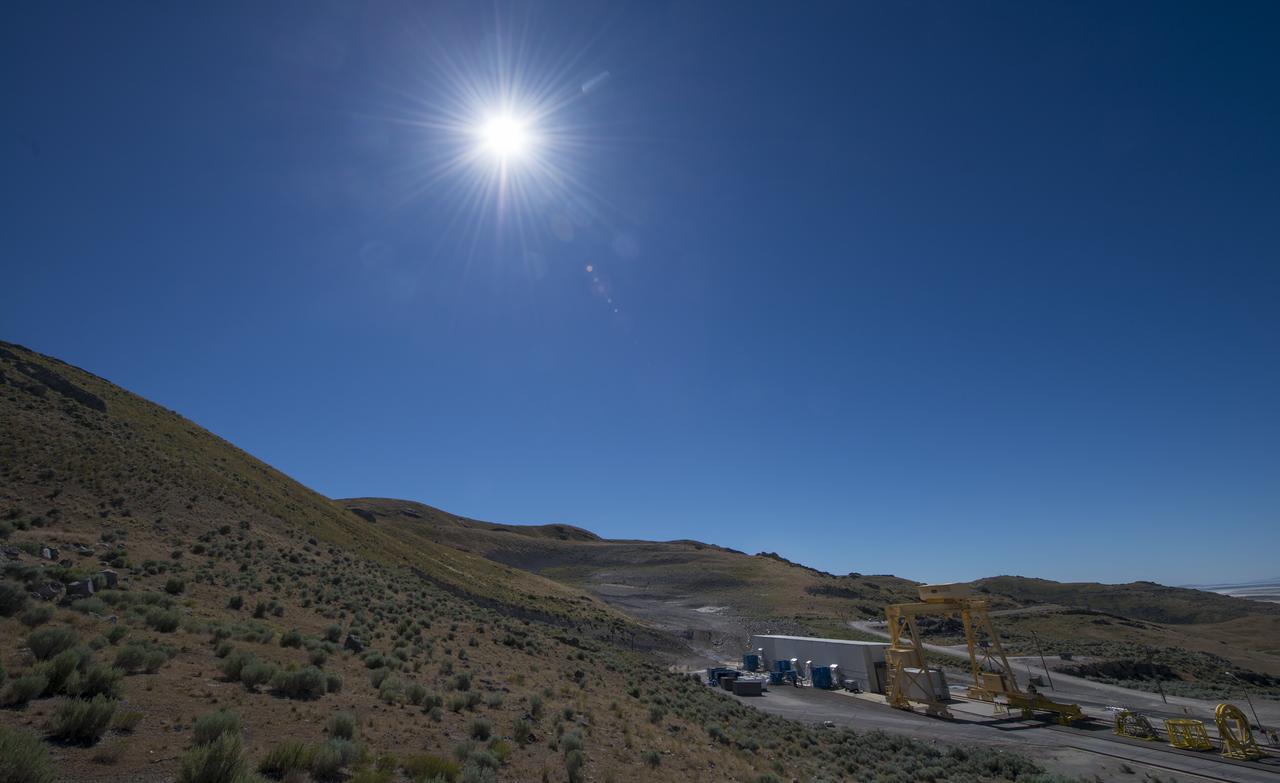
The test area where the second and final qualification motor (QM-2) test for the Space Launch System’s booster is seen Sunday, June 26, 2016, at Orbital ATK Propulsion Systems test facilities in Promontory, Utah. The test is scheduled for Tuesday, June 28 at 10:05 a.m. EDT (8:05 a.m. MDT). Photo Credit: (NASA/Bill Ingalls)
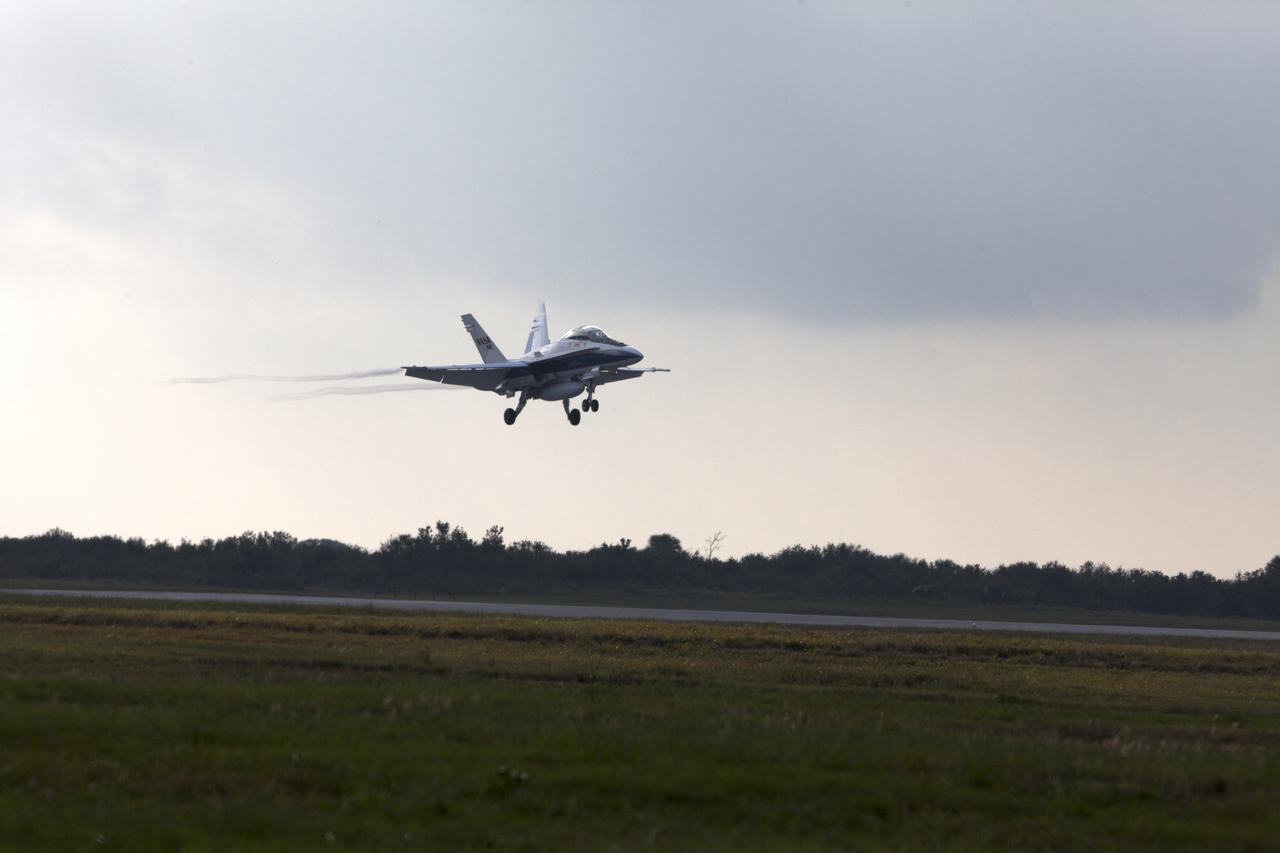
A pathfinder aircraft descends for touchdown at the Skid Strip at Cape Canaveral Air Force Station in Florida. The airplane provided photographic and video imagery of the Orbital ATK L-1011 Stargazer aircraft carrying a Pegasus XL Rocket with eight NASA Cyclone Global Navigation Satellite System, or CYGNSS, spacecraft. With the aircraft flying off shore, the Pegasus rocket was released at 8:37 a.m. EST. Five seconds later, the solid propellant engine ignited and boosted the eight hurricane observatories to orbit. The eight CYGNSS satellites will make frequent and accurate measurements of ocean surface winds throughout the life cycle of tropical storms and hurricanes.
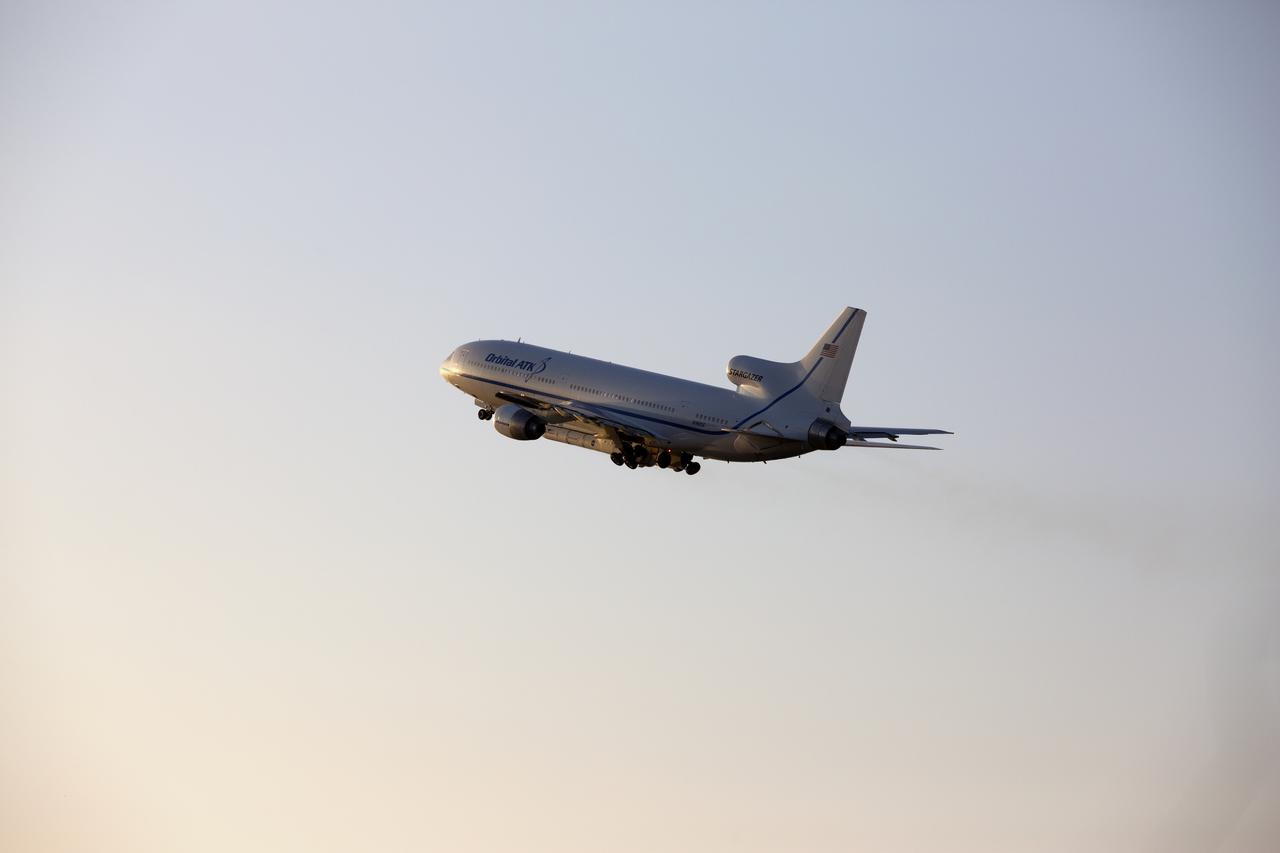
An Orbital ATK L-1011 Stargazer aircraft carrying a Pegasus XL Rocket with eight NASA Cyclone Global Navigation Satellite System, or CYGNSS, soars high after takeoff from the Skid Strip at Cape Canaveral Air Force Station, Florida. With the aircraft flying off shore, the Pegasus rocket will be released. Five seconds later, the solid propellant engine will ignite and boost the eight hurricane observatories to orbit. The eight CYGNSS satellites will make frequent and accurate measurements of ocean surface winds throughout the life cycle of tropical storms and hurricanes. Release of the Pegasus XL rocket is scheduled for 8:40 a.m. EST.
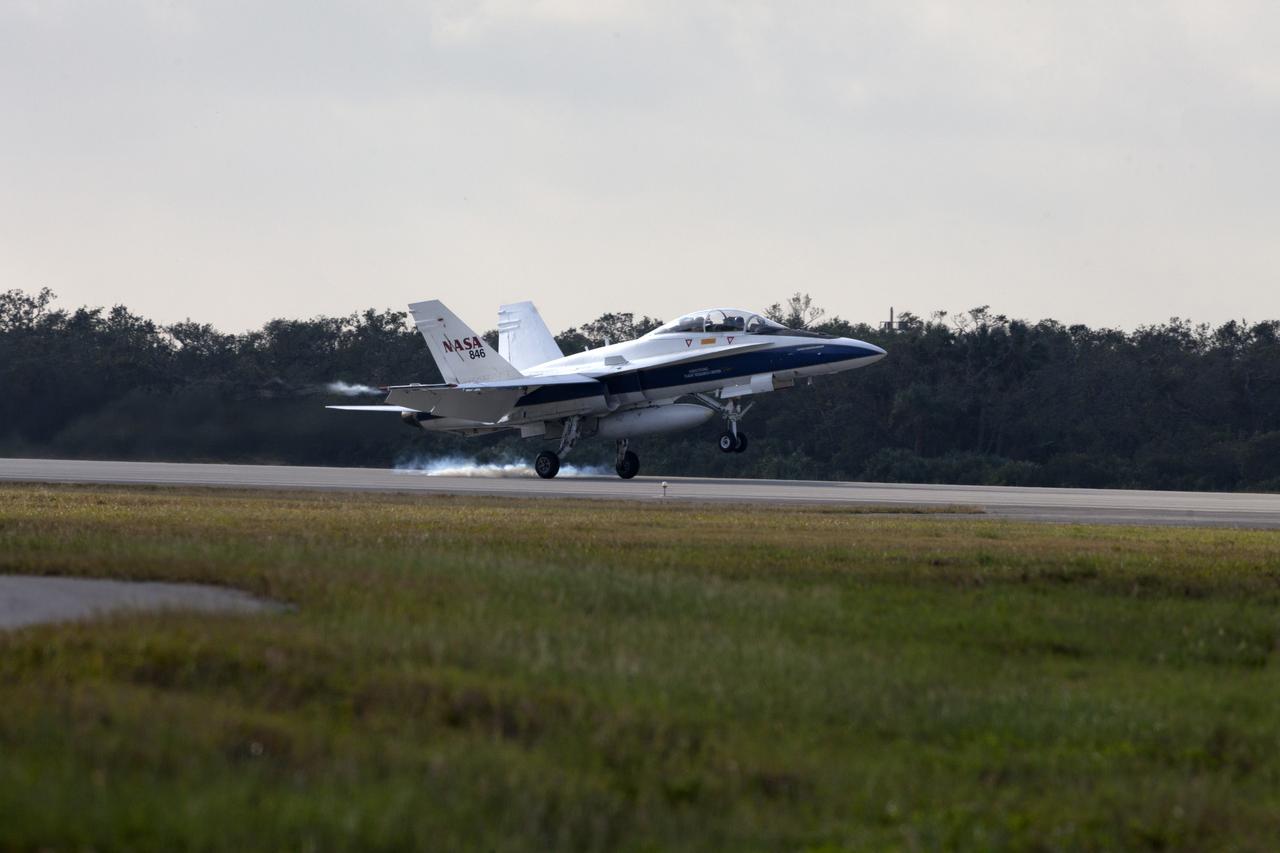
A pathfinder aircraft touches down at the Skid Strip at Cape Canaveral Air Force Station in Florida. The airplane provided photographic and video imagery of the Orbital ATK L-1011 Stargazer aircraft carrying a Pegasus XL Rocket with eight NASA Cyclone Global Navigation Satellite System, or CYGNSS, spacecraft. With the aircraft flying off shore, the Pegasus rocket was released at 8:37 a.m. EST. Five seconds later, the solid propellant engine ignited and boosted the eight hurricane observatories to orbit. The eight CYGNSS satellites will make frequent and accurate measurements of ocean surface winds throughout the life cycle of tropical storms and hurricanes.
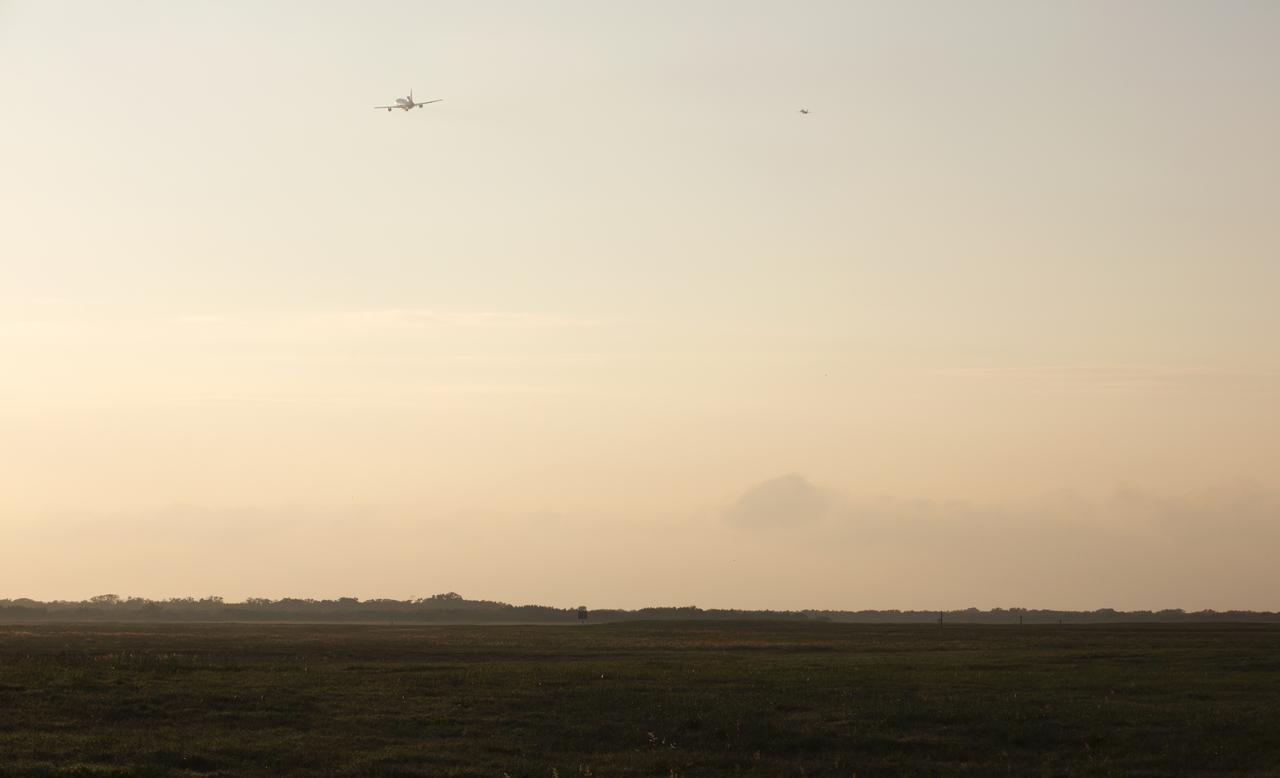
An Orbital ATK L-1011 Stargazer aircraft carrying a Pegasus XL Rocket with eight NASA Cyclone Global Navigation Satellite System, or CYGNSS, soars high after takeoff from the Skid Strip at Cape Canaveral Air Force Station, Florida. With the aircraft flying off shore, the Pegasus rocket will be released. Five seconds later, the solid propellant engine will ignite and boost the eight hurricane observatories to orbit. The eight CYGNSS satellites will make frequent and accurate measurements of ocean surface winds throughout the life cycle of tropical storms and hurricanes. Release of the Pegasus XL rocket is scheduled for 8:40 a.m. EST.
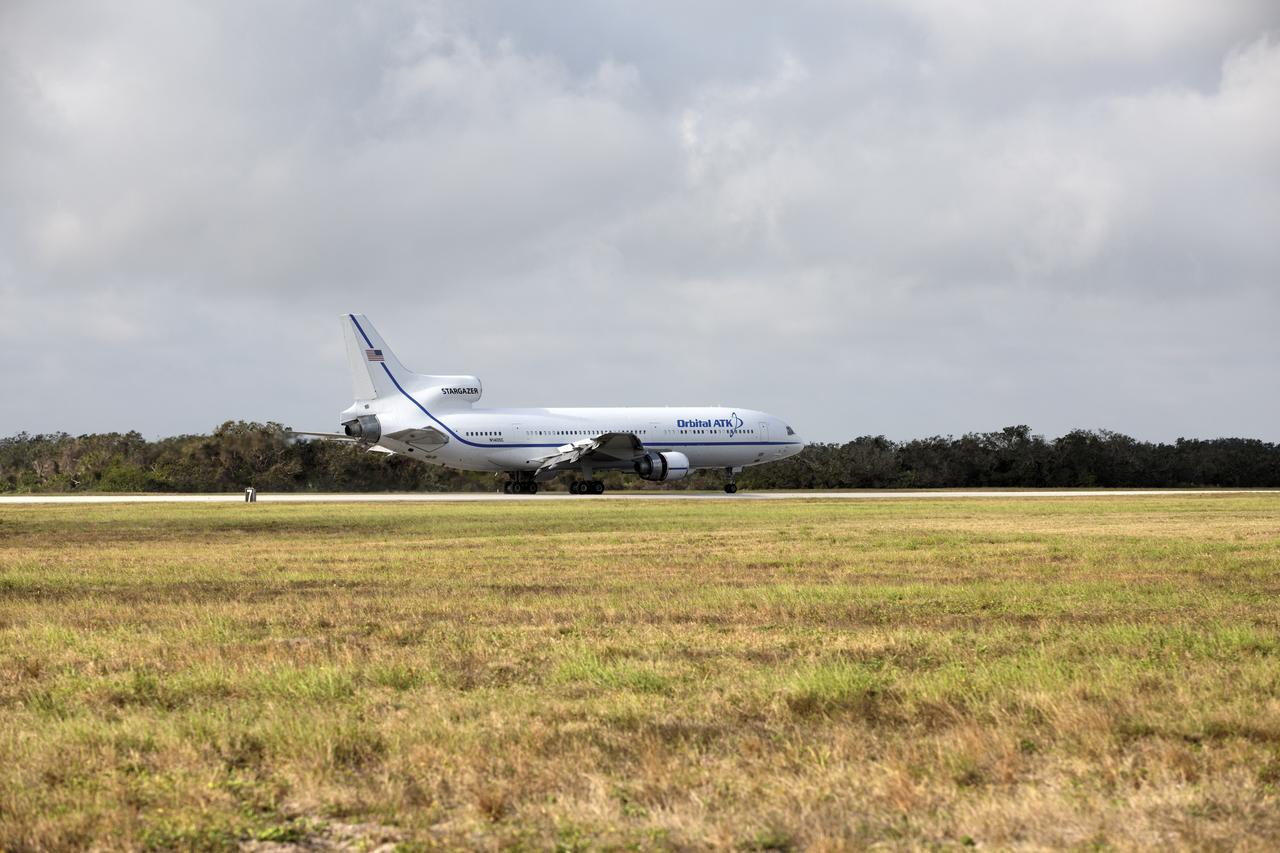
An Orbital ATK L-1011 Stargazer touches down at the Skid Strip at Cape Canaveral Air Force Station in Florida. The aircraft carried a Pegasus XL Rocket with eight NASA Cyclone Global Navigation Satellite System, or CYGNSS, for launch. With the aircraft flying off shore, the Pegasus rocket was released at 8:37 a.m. EST. Five seconds later, the solid propellant engine ignited and boosted the eight hurricane observatories to orbit. The eight CYGNSS satellites will make frequent and accurate measurements of ocean surface winds throughout the life cycle of tropical storms and hurricanes.
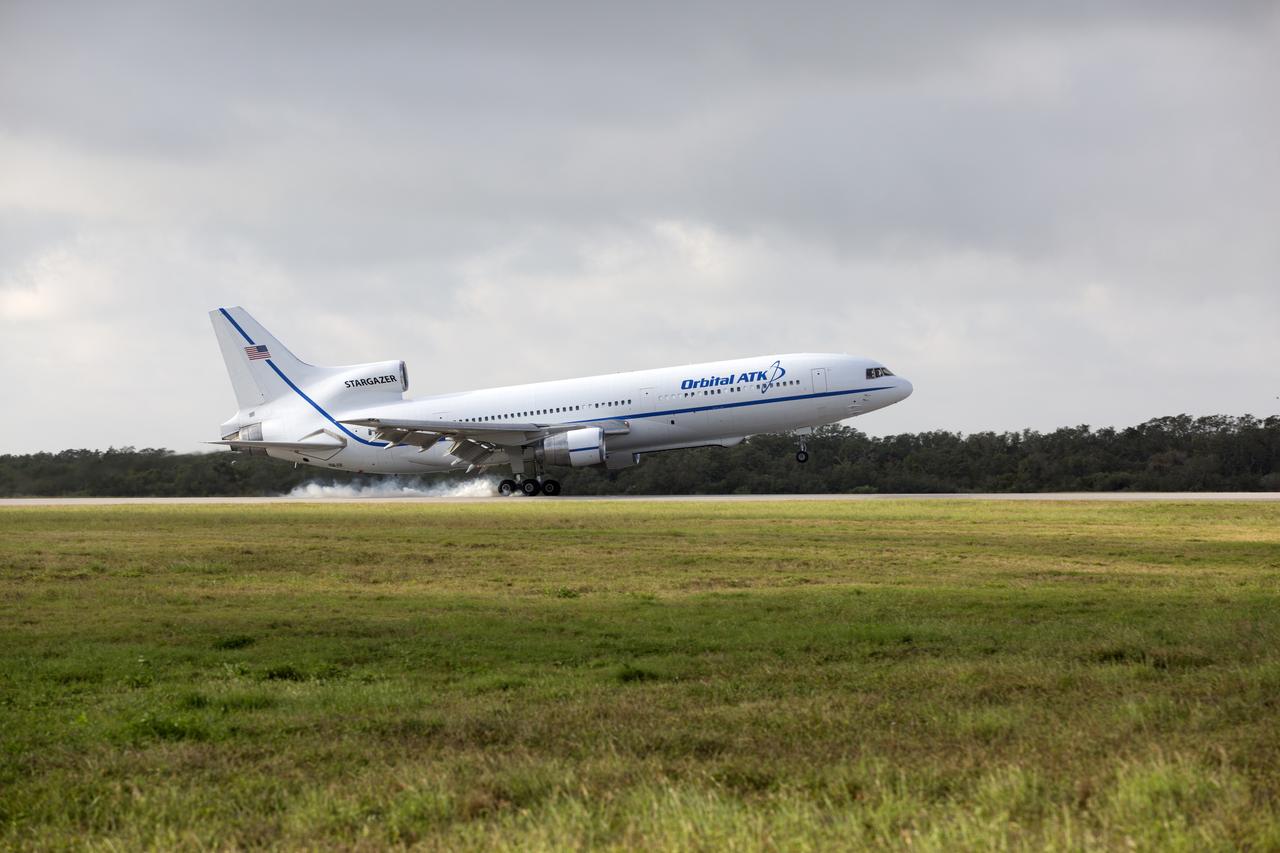
An Orbital ATK L-1011 Stargazer touches down at the Skid Strip at Cape Canaveral Air Force Station in Florida. The aircraft carried a Pegasus XL Rocket with eight NASA Cyclone Global Navigation Satellite System, or CYGNSS, for launch. With the aircraft flying off shore, the Pegasus rocket was released at 8:37 a.m. EST. Five seconds later, the solid propellant engine ignited and boosted the eight hurricane observatories to orbit. The eight CYGNSS satellites will make frequent and accurate measurements of ocean surface winds throughout the life cycle of tropical storms and hurricanes.
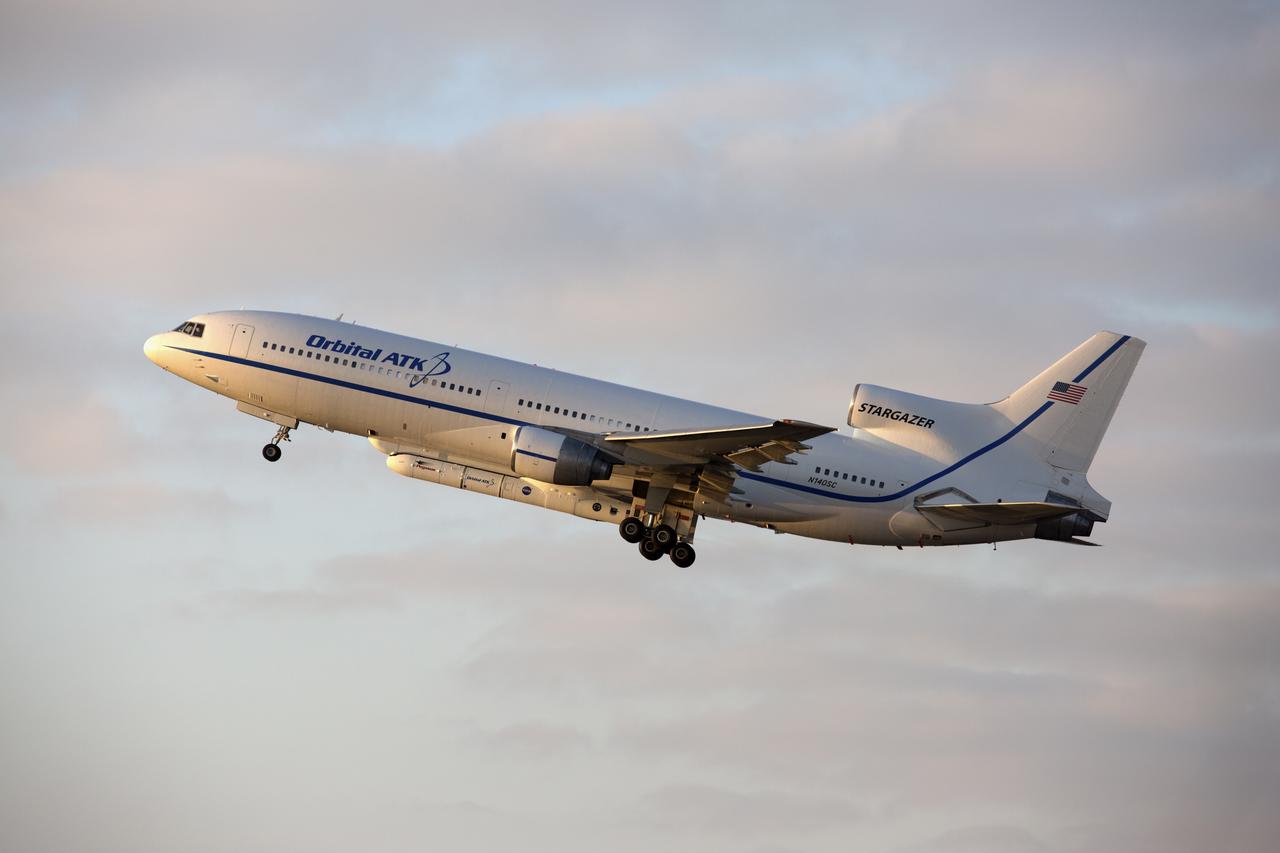
An Orbital ATK L-1011 Stargazer aircraft carrying a Pegasus XL Rocket with eight NASA Cyclone Global Navigation Satellite System, or CYGNSS, soars high after takeoff from the Skid Strip at Cape Canaveral Air Force Station, Florida. With the aircraft flying off shore, the Pegasus rocket will be released. Five seconds later, the solid propellant engine will ignite and boost the eight hurricane observatories to orbit. The eight CYGNSS satellites will make frequent and accurate measurements of ocean surface winds throughout the life cycle of tropical storms and hurricanes. Release of the Pegasus XL rocket is scheduled for 8:40 a.m. EST.
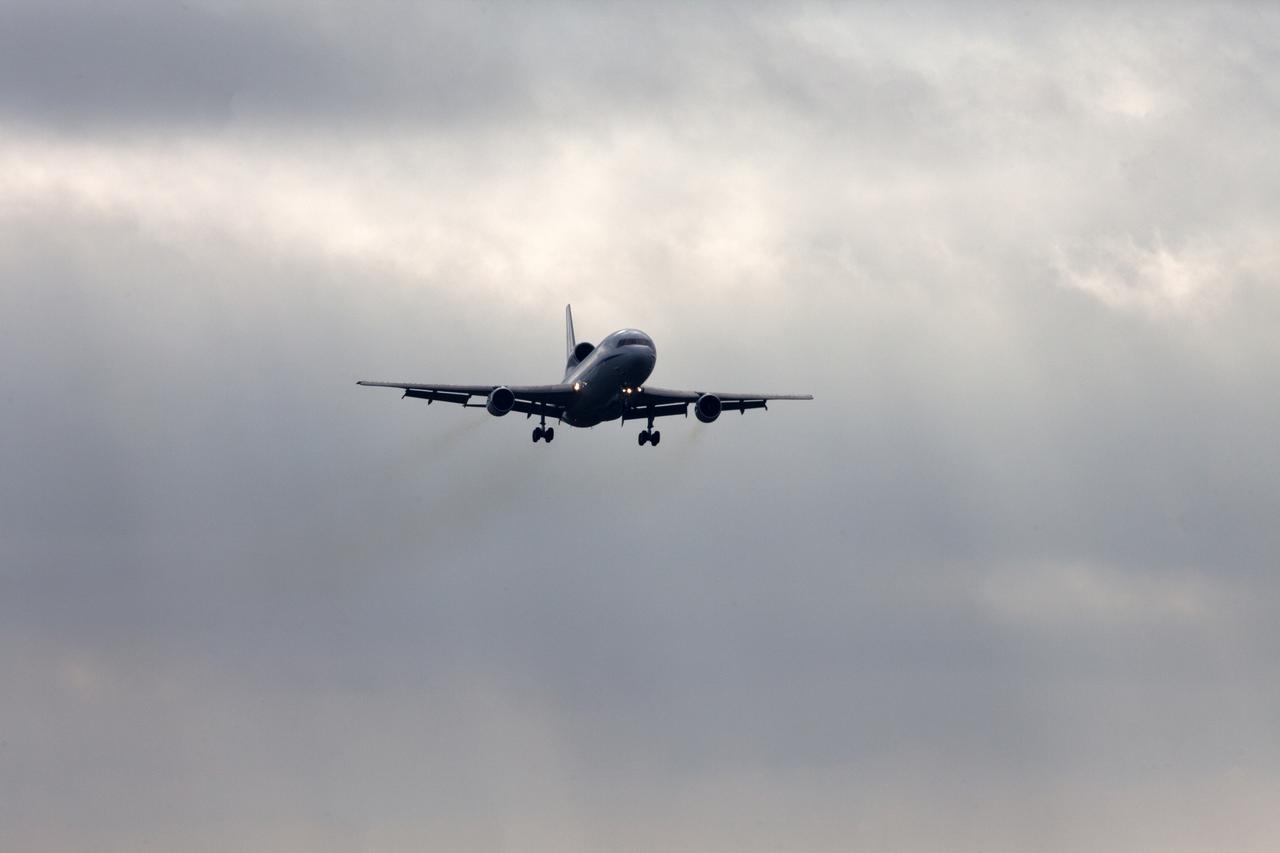
An Orbital ATK L-1011 Stargazer aircraft descends toward the Skid Strip at Cape Canaveral Air Force Station in Florida. The aircraft carried a Pegasus XL Rocket with eight NASA Cyclone Global Navigation Satellite System, or CYGNSS, for launch. With the aircraft flying off shore, the Pegasus rocket was released. Five seconds later, the solid propellant engine ignited and boosted the eight hurricane observatories to orbit. The eight CYGNSS satellites will make frequent and accurate measurements of ocean surface winds throughout the life cycle of tropical storms and hurricanes. Release of the Pegasus XL rocket occurred at 8:37 a.m. EST.
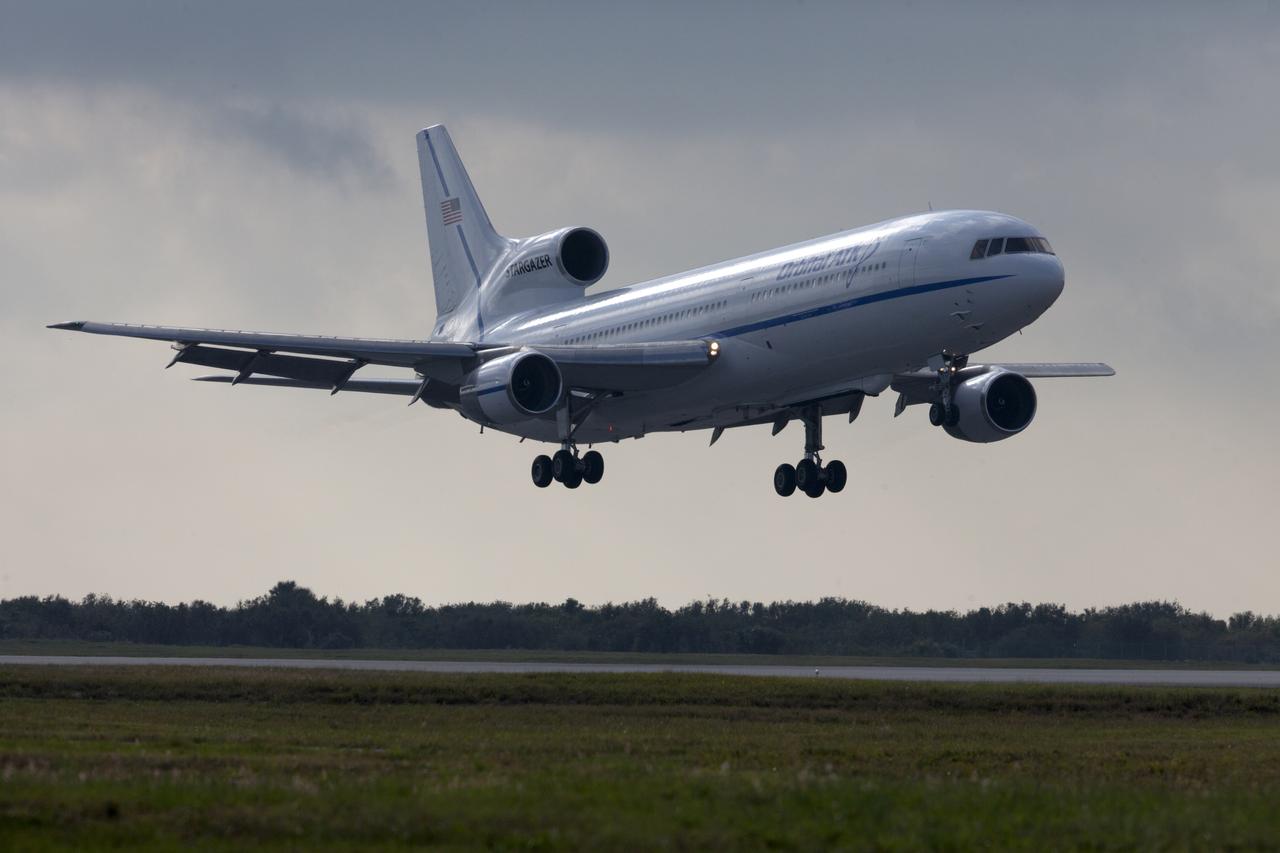
An Orbital ATK L-1011 Stargazer aircraft descends toward the Skid Strip at Cape Canaveral Air Force Station in Florida. The aircraft carried a Pegasus XL Rocket with eight NASA Cyclone Global Navigation Satellite System, or CYGNSS, for launch. With the aircraft flying off shore, the Pegasus rocket was released. Five seconds later, the solid propellant engine ignited and boosted the eight hurricane observatories to orbit. The eight CYGNSS satellites will make frequent and accurate measurements of ocean surface winds throughout the life cycle of tropical storms and hurricanes. Release of the Pegasus XL rocket occurred at 8:37 a.m. EST.
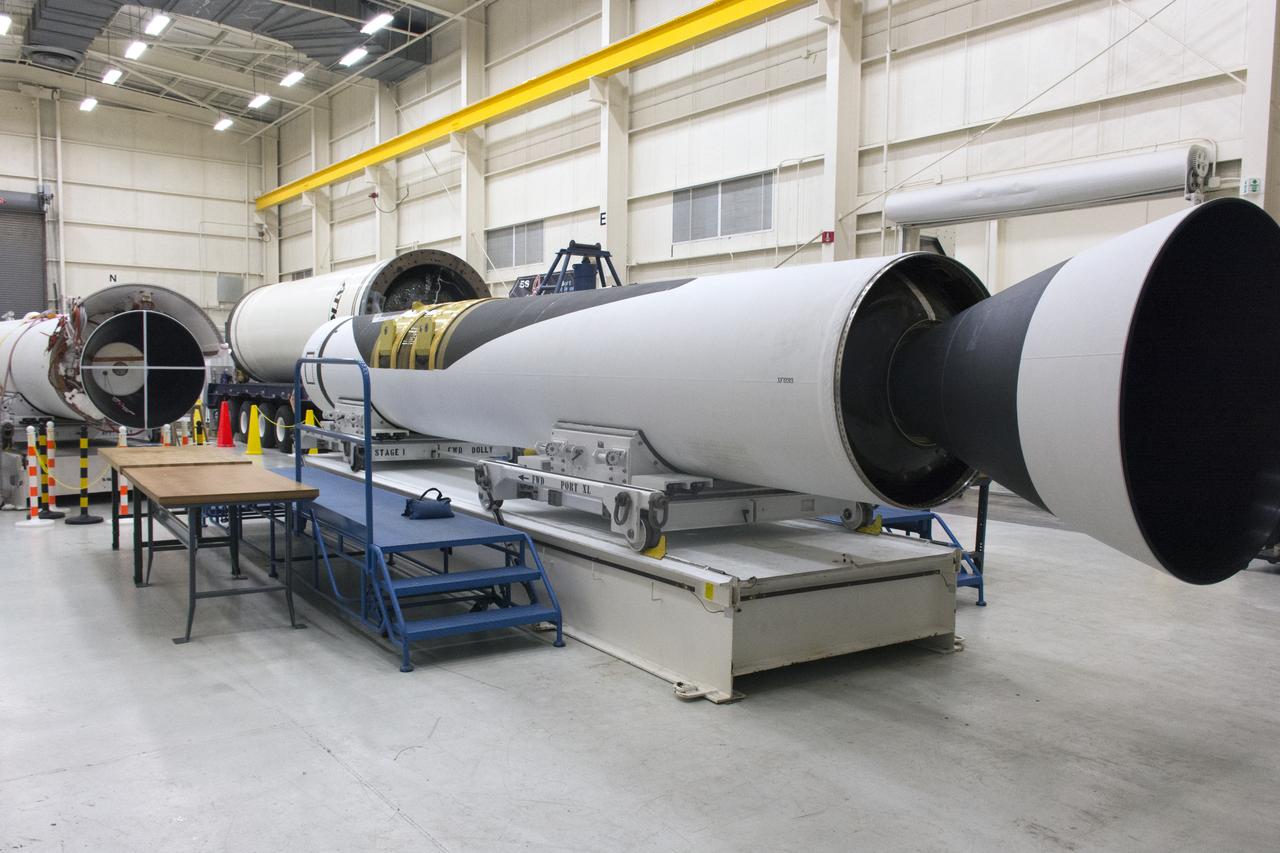
The first stage motor for the Orbital ATK Pegasus XL rocket was moved inside Building 1555 at Vandenberg Air Force Base in California. In the background are the second and third stage segments. The rocket is being prepared for NASA's Ionospheric Connection Explorer, or ICON, mission. ICON will launch from the Kwajalein Atoll aboard the Pegasus XL on Dec. 8, 2017. ICON will study the frontier of space - the dynamic zone high in Earth's atmosphere where terrestrial weather from below meets space weather above. The explorer will help determine the physics of Earth's space environment and pave the way for mitigating its effects on our technology, communications systems and society.

The first stage motor for the Orbital ATK Pegasus XL rocket is moved into Building 1555 at Vandenberg Air Force Base in California. The rocket is being prepared for NASA's Ionospheric Connection Explorer, or ICON, mission. ICON will launch from the Kwajalein Atoll aboard the Pegasus XL on Dec. 8, 2017. ICON will study the frontier of space - the dynamic zone high in Earth's atmosphere where terrestrial weather from below meets space weather above. The explorer will help determine the physics of Earth's space environment and pave the way for mitigating its effects on our technology, communications systems and society.
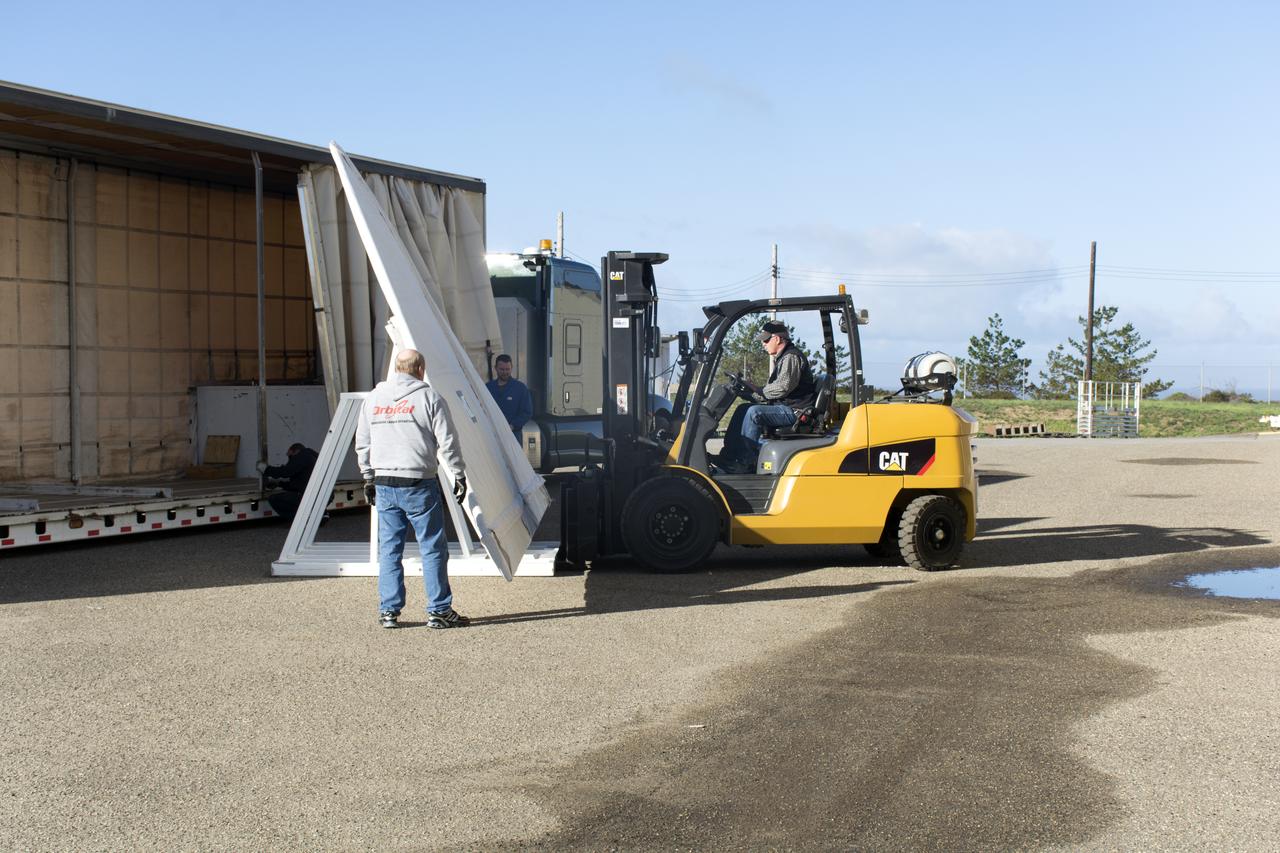
Workers transfer the wing for the Orbital ATK Pegasus XL rocket from a truck to a forklift at Building 1555 at Vandenberg Air Force Base in California. The rocket is being prepared for NASA's Ionospheric Connection Explorer, or ICON, mission. ICON will launch from the Kwajalein Atoll aboard the Pegasus XL on Dec. 8, 2017. ICON will study the frontier of space - the dynamic zone high in Earth's atmosphere where terrestrial weather from below meets space weather above. The explorer will help determine the physics of Earth's space environment and pave the way for mitigating its effects on our technology, communications systems and society.
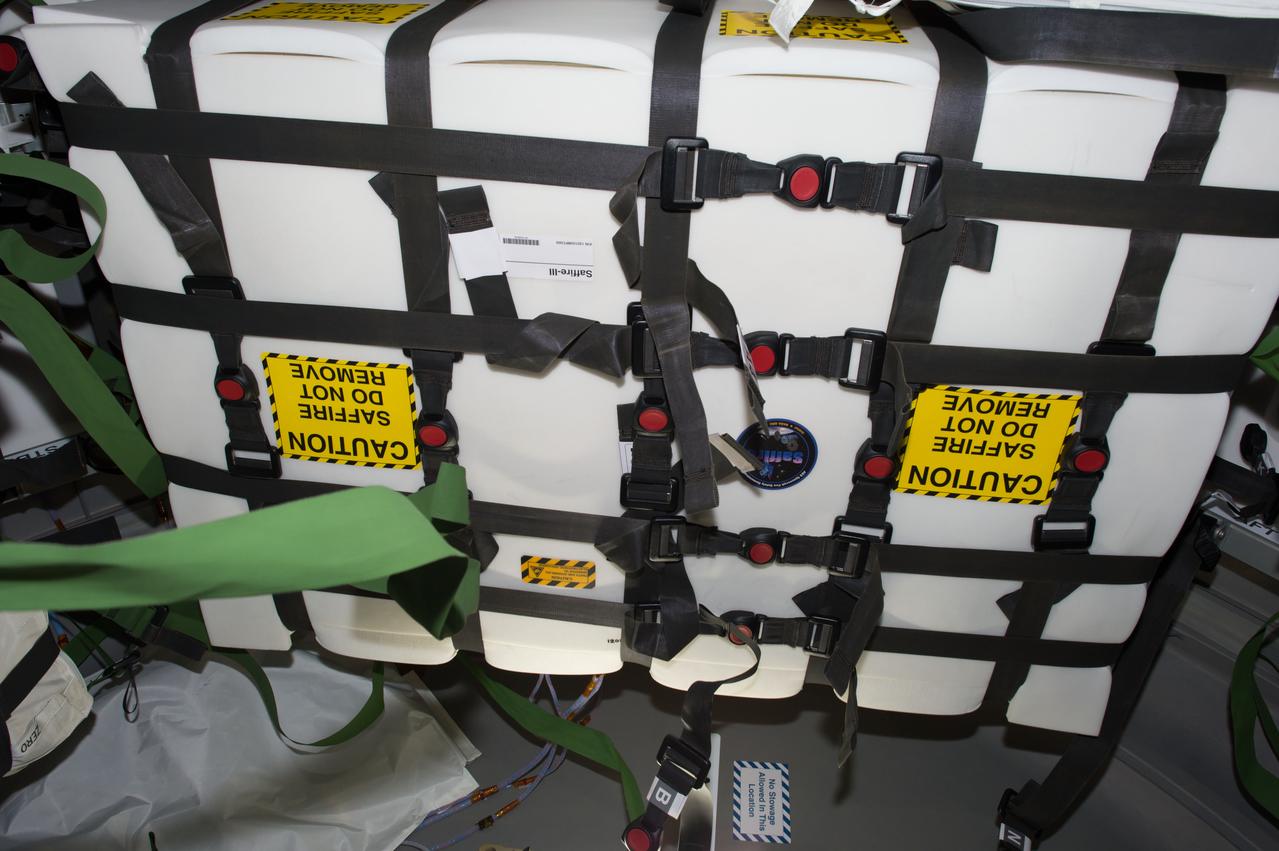
iss051e039882 (5/8/2017) --- A view of Spacecraft Fire Experiment-III (Saffire-III) award the John Glenn Orbital ATK 7 (OA-7) Cygnus spacecraft, taken during cargo transfer operations (OPS). The NASA Advanced Exploration Systems program began a project to develop and demonstrate spacecraft fire safety technologies in relevant environments. The keystone of these demonstrations is a large-scale fire safety experiment conducted on an International Space Station (ISS) re-supply vehicle after it has undocked from the ISS and before it enters the atmosphere.
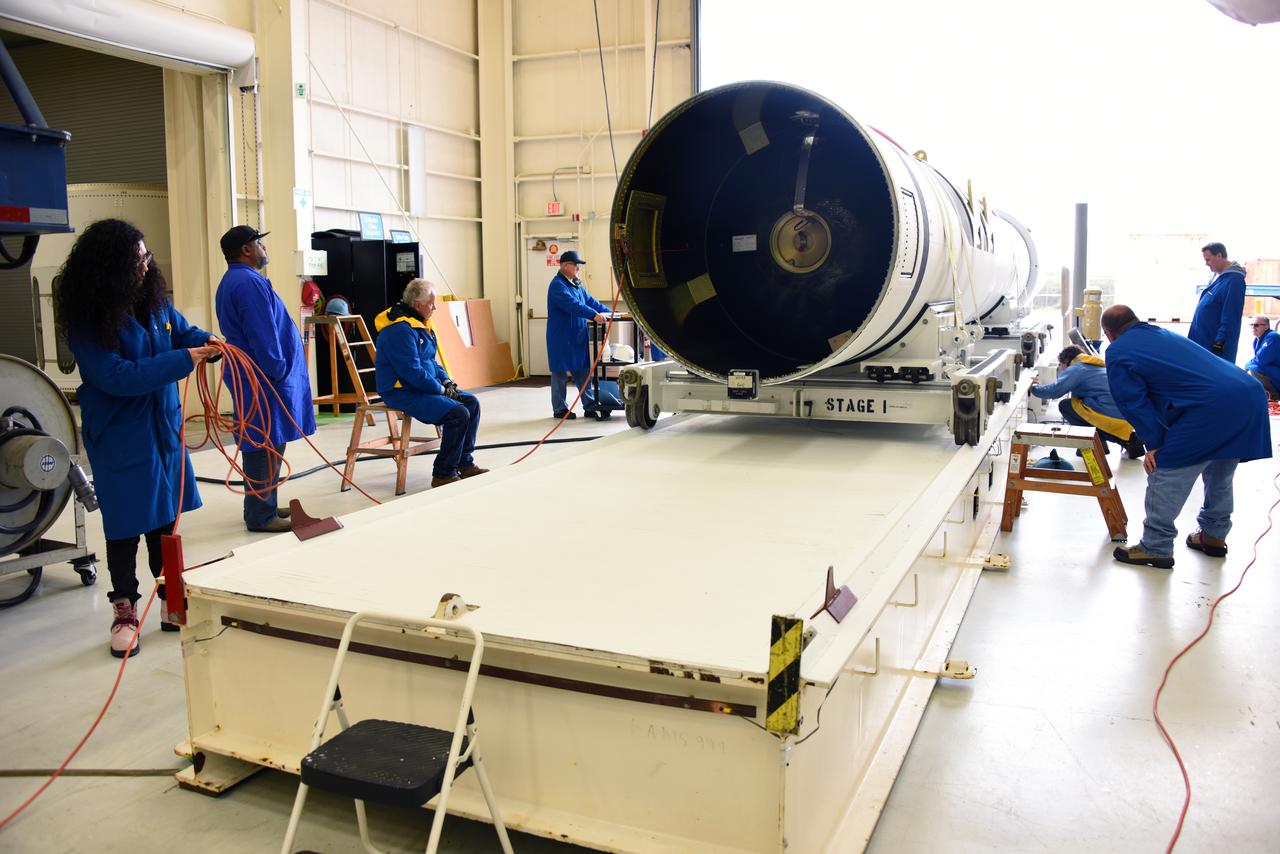
The first stage motor for the Orbital ATK Pegasus XL rocket is moved inside Building 1555 at Vandenberg Air Force Base in California. In the background are the second and third stage segments. The rocket is being prepared for NASA's Ionospheric Connection Explorer, or ICON, mission. ICON will launch from the Kwajalein Atoll aboard the Pegasus XL on Dec. 8, 2017. ICON will study the frontier of space - the dynamic zone high in Earth's atmosphere where terrestrial weather from below meets space weather above. The explorer will help determine the physics of Earth's space environment and pave the way for mitigating its effects on our technology, communications systems and society.
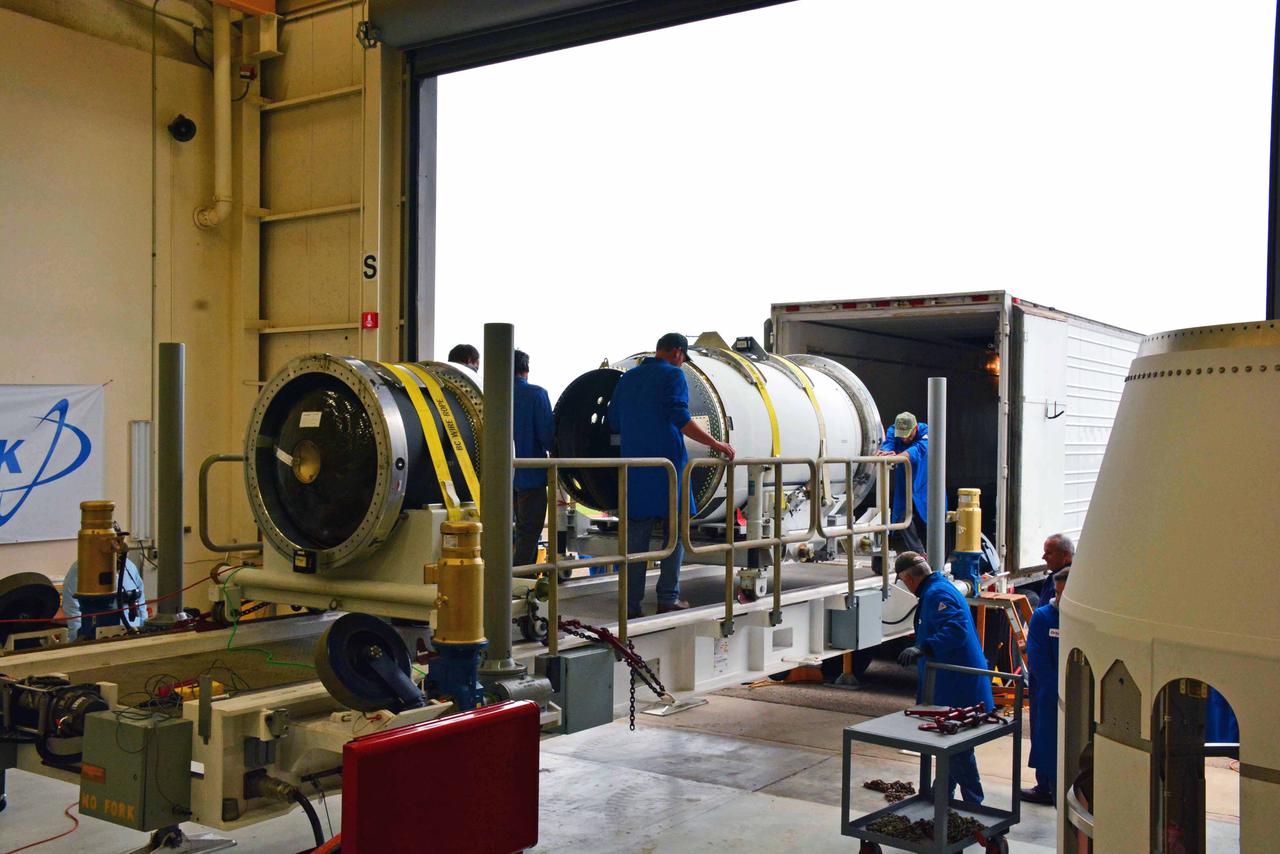
The second and third stages of the Orbital ATK Pegasus XL rocket are offloaded from a transport vehicle at Building 1555 at Vandenberg Air Force Base in California. The rocket is being prepared for NASA's Ionospheric Connection Explorer, or ICON, mission. ICON will launch from the Kwajalein Atoll aboard the Pegasus XL on Dec. 8, 2017. ICON will study the frontier of space - the dynamic zone high in Earth's atmosphere where terrestrial weather from below meets space weather above. The explorer will help determine the physics of Earth's space environment and pave the way for mitigating its effects on our technology, communications systems and society.
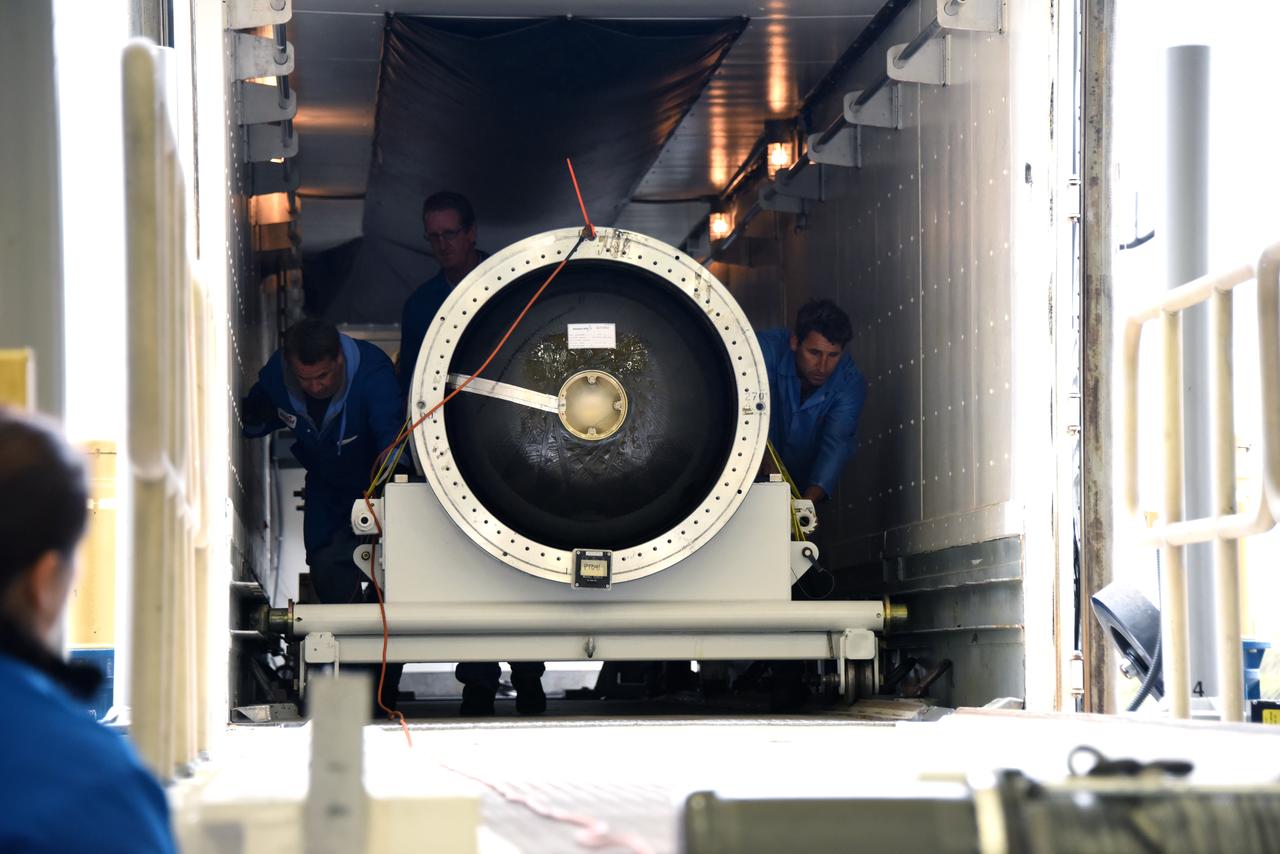
The third stage of the Orbital ATK Pegasus XL rocket is offloaded from a transport vehicle at Building 1555 at Vandenberg Air Force Base in California. The rocket is being prepared for NASA's Ionospheric Connection Explorer, or ICON, mission. ICON will launch from the Kwajalein Atoll aboard the Pegasus XL on Dec. 8, 2017. ICON will study the frontier of space - the dynamic zone high in Earth's atmosphere where terrestrial weather from below meets space weather above. The explorer will help determine the physics of Earth's space environment and pave the way for mitigating its effects on our technology, communications systems and society.
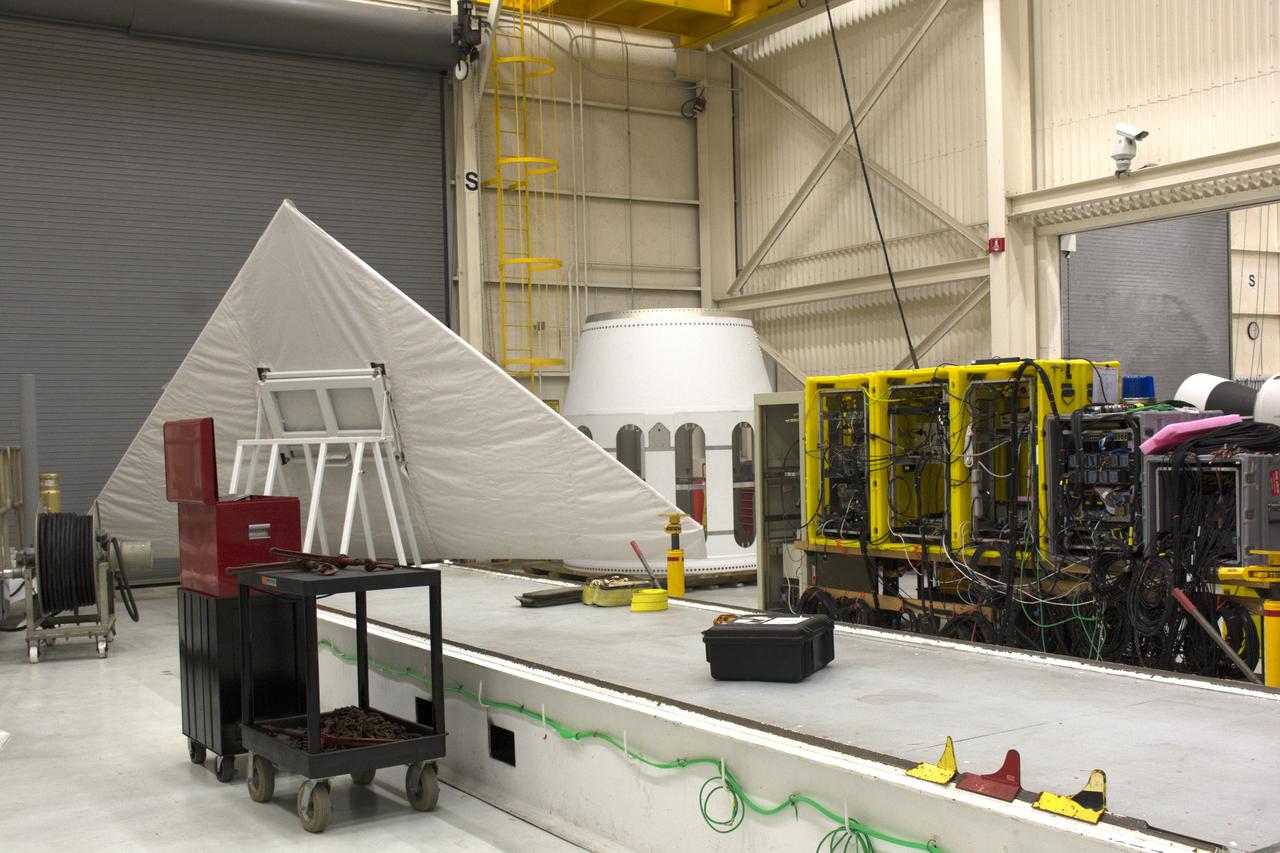
The wing for the Orbital ATK Pegasus XL rocket was offloaded from a truck and transporter to Building 1555 at Vandenberg Air Force Base in California. The rocket is being prepared for NASA's Ionospheric Connection Explorer, or ICON, mission. ICON will launch from the Kwajalein Atoll aboard the Pegasus XL on Dec. 8, 2017. ICON will study the frontier of space - the dynamic zone high in Earth's atmosphere where terrestrial weather from below meets space weather above. The explorer will help determine the physics of Earth's space environment and pave the way for mitigating its effects on our technology, communications systems and society.
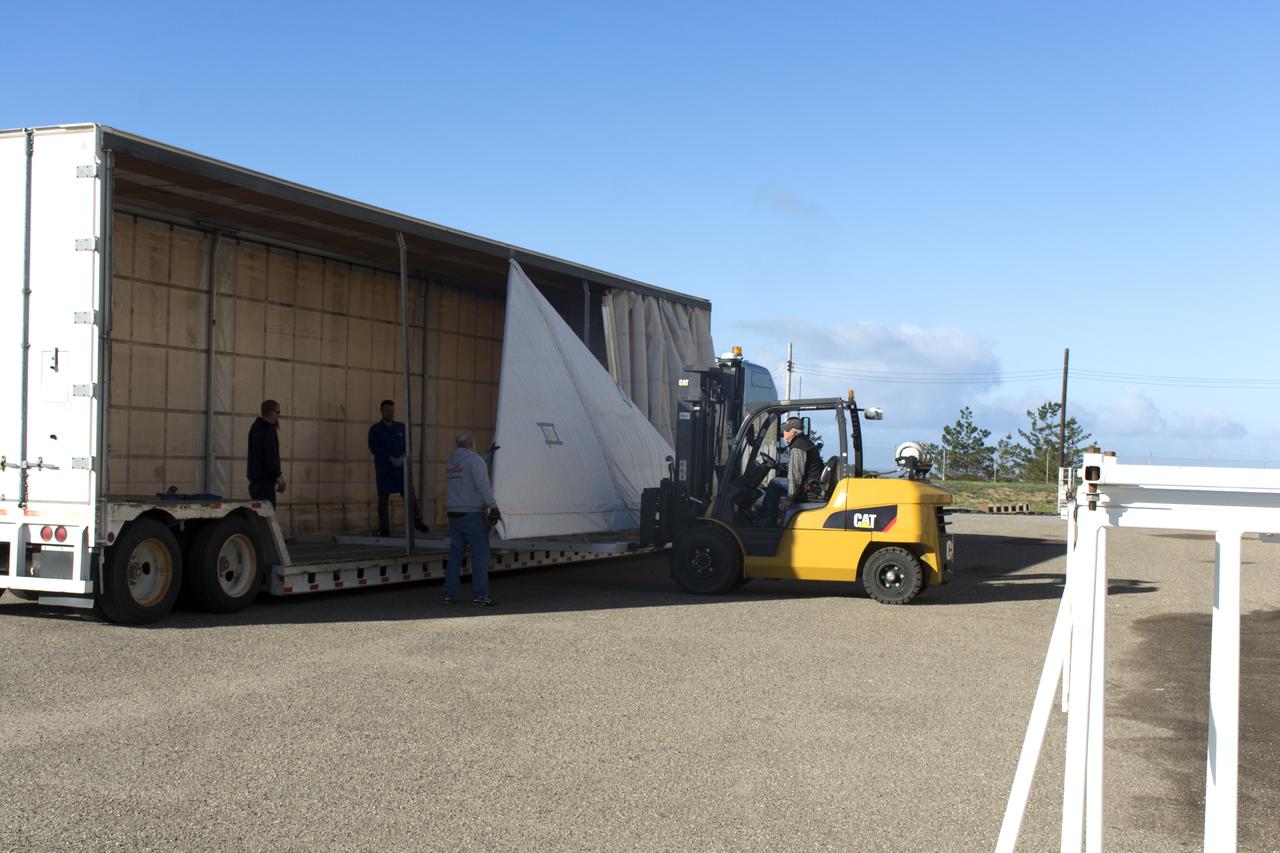
Workers unload the wing for the Orbital ATK Pegasus XL rocket from a truck at Building 1555 at Vandenberg Air Force Base in California. The rocket is being prepared for NASA's Ionospheric Connection Explorer, or ICON, mission. ICON will launch from the Kwajalein Atoll aboard the Pegasus XL on Dec. 8, 2017. ICON will study the frontier of space - the dynamic zone high in Earth's atmosphere where terrestrial weather from below meets space weather above. The explorer will help determine the physics of Earth's space environment and pave the way for mitigating its effects on our technology, communications systems and society.
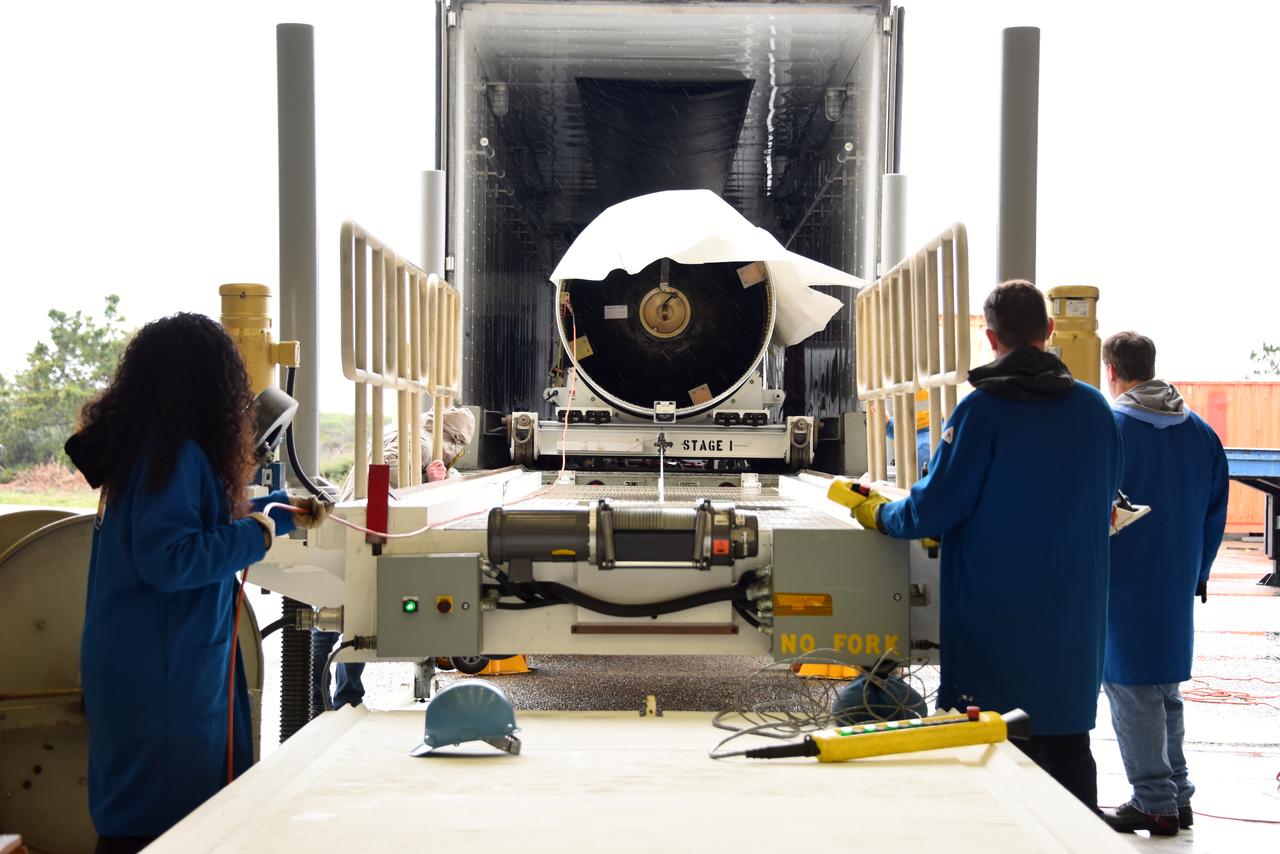
The first stage motor for the Orbital ATK Pegasus XL rocket is offloaded from a truck at Building 1555 at Vandenberg Air Force Base in California. The Pegasus rocket is being prepared for NASA's Ionospheric Connection Explorer, or ICON, mission. ICON will launch from the Kwajalein Atoll aboard the Pegasus XL on Dec. 8, 2017. ICON will study the frontier of space - the dynamic zone high in Earth's atmosphere where terrestrial weather from below meets space weather above. The explorer will help determine the physics of Earth's space environment and pave the way for mitigating its effects on our technology, communications systems and society.
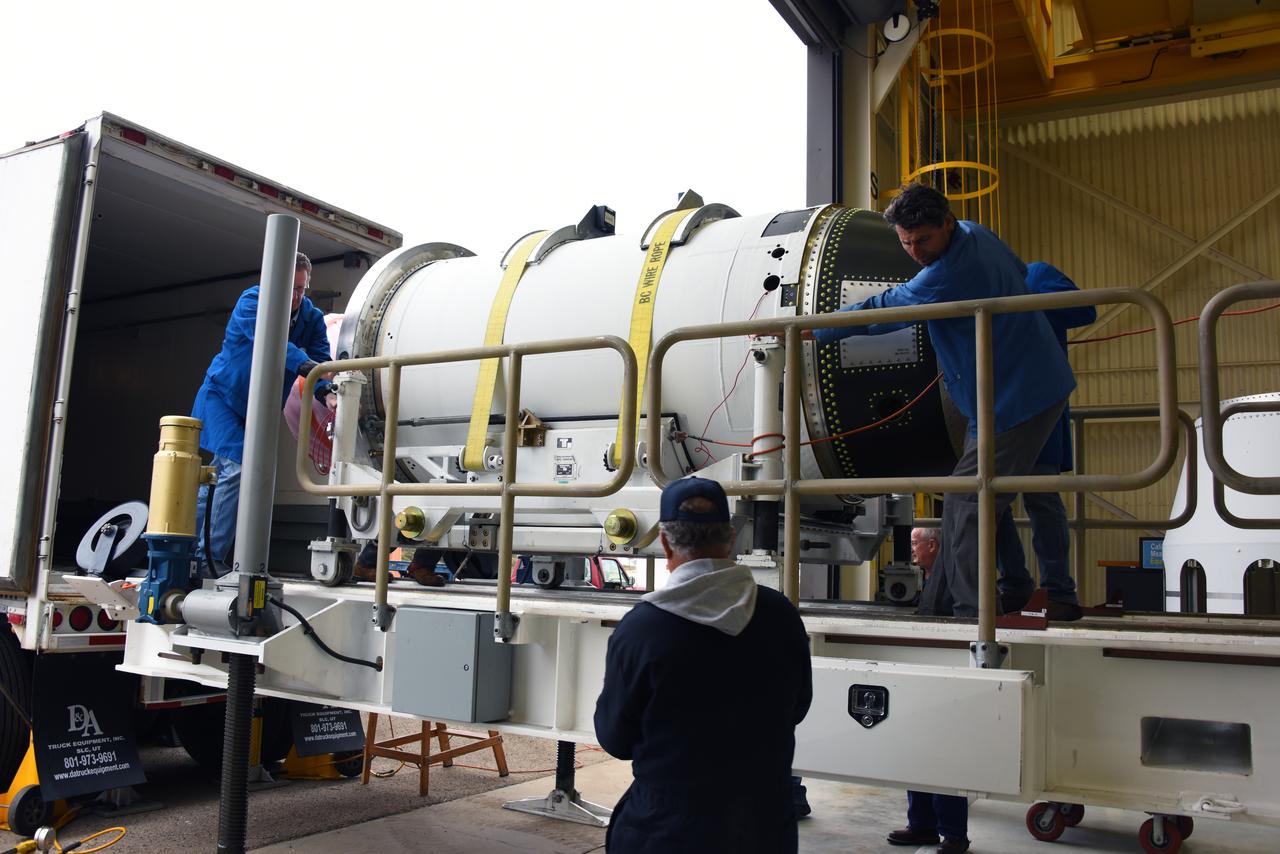
The third stage of the Orbital ATK Pegasus XL rocket is offloaded from a transport vehicle at Building 1555 at Vandenberg Air Force Base in California. The rocket is being prepared for NASA's Ionospheric Connection Explorer, or ICON, mission. ICON will launch from the Kwajalein Atoll aboard the Pegasus XL on Dec. 8, 2017. ICON will study the frontier of space - the dynamic zone high in Earth's atmosphere where terrestrial weather from below meets space weather above. The explorer will help determine the physics of Earth's space environment and pave the way for mitigating its effects on our technology, communications systems and society.
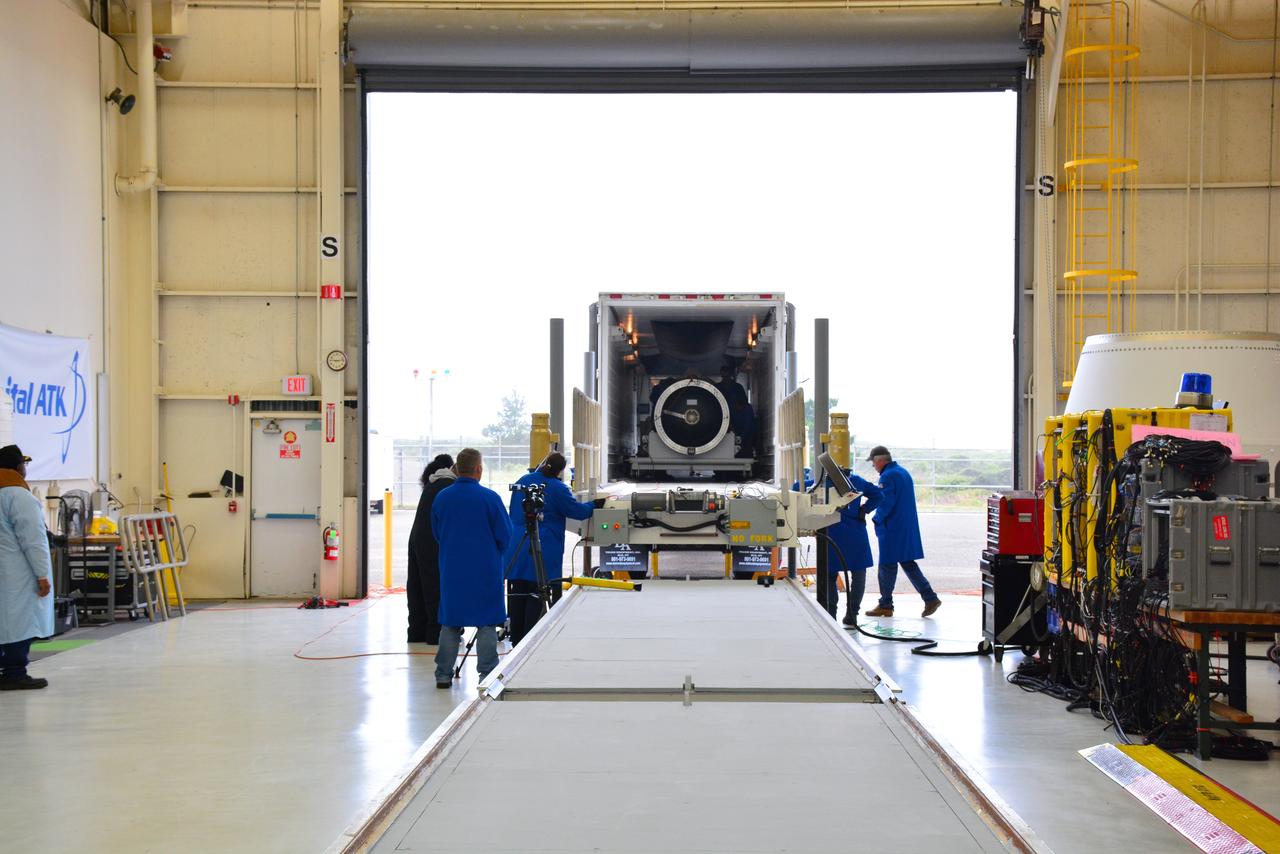
Workers prepare to offload the second and third stages of the Orbital ATK Pegasus XL rocket from a transport vehicle at Building 1555 at Vandenberg Air Force Base in California. The rocket is being prepared for NASA's Ionospheric Connection Explorer, or ICON, mission. ICON will launch from the Kwajalein Atoll aboard the Pegasus XL on Dec. 8, 2017. ICON will study the frontier of space - the dynamic zone high in Earth's atmosphere where terrestrial weather from below meets space weather above. The explorer will help determine the physics of Earth's space environment and pave the way for mitigating its effects on our technology, communications systems and society.
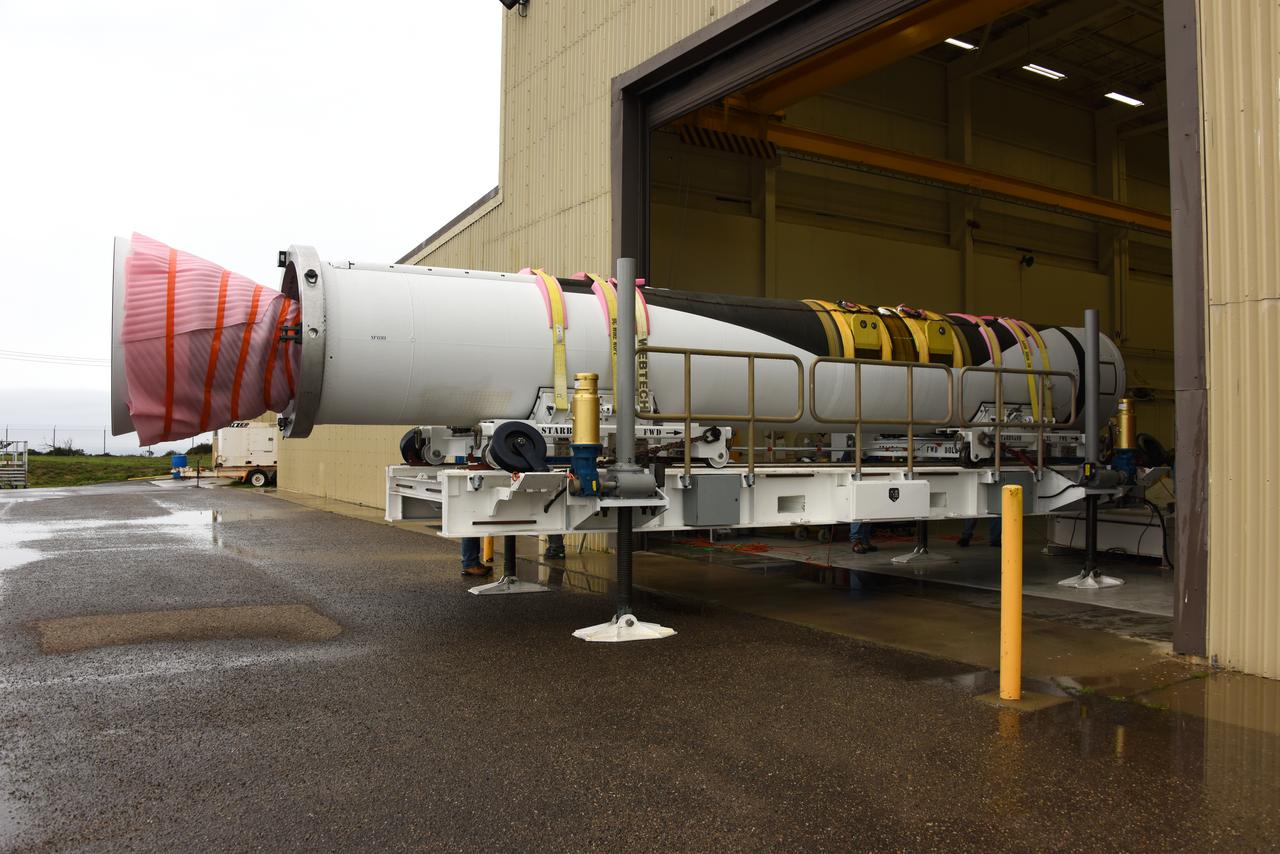
The first stage motor for the Orbital ATK Pegasus XL rocket is moved inside Building 1555 at Vandenberg Air Force Base in California. In the background are the second and third stage segments. The rocket is being prepared for NASA's Ionospheric Connection Explorer, or ICON, mission. ICON will launch from the Kwajalein Atoll aboard the Pegasus XL on Dec. 8, 2017. ICON will study the frontier of space - the dynamic zone high in Earth's atmosphere where terrestrial weather from below meets space weather above. The explorer will help determine the physics of Earth's space environment and pave the way for mitigating its effects on our technology, communications systems and society.
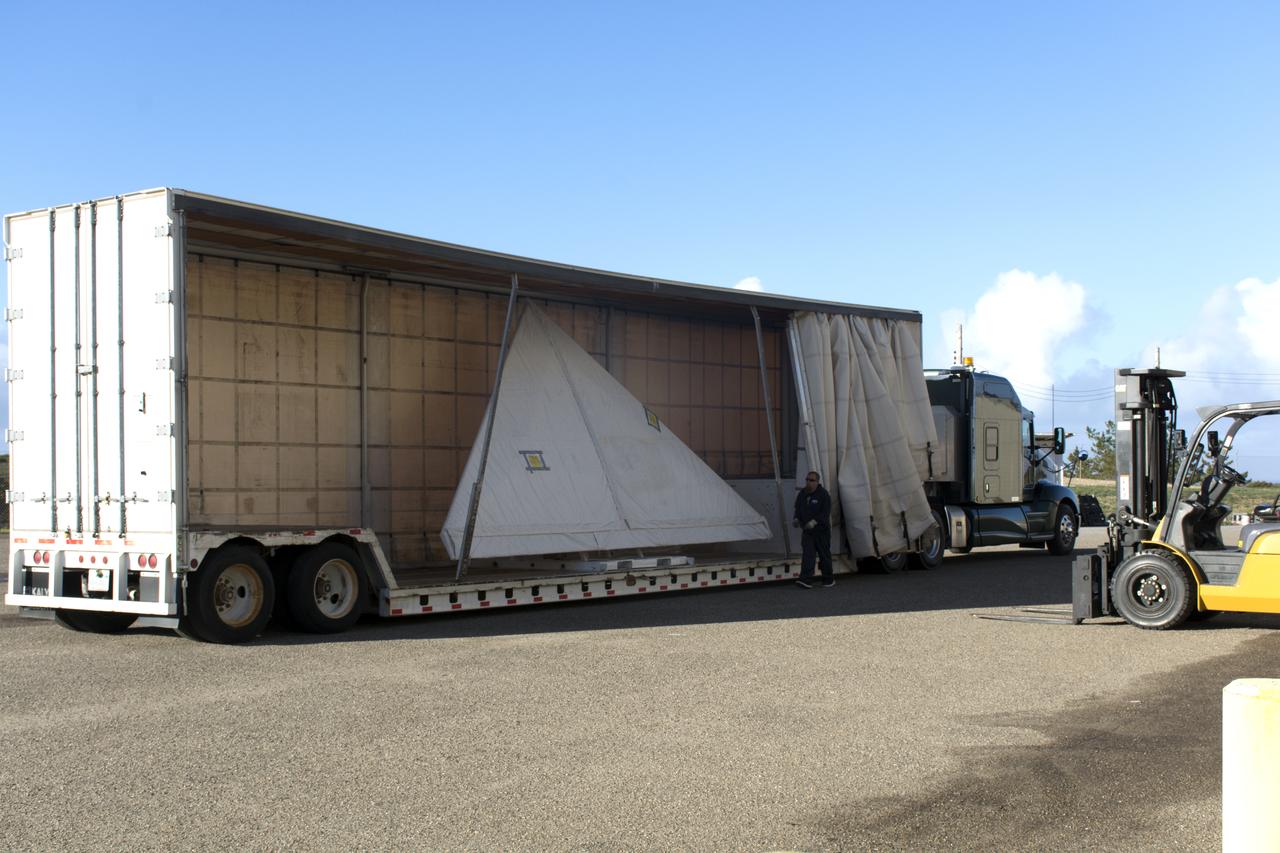
The wing for the Orbital ATK Pegasus XL rocket arrives by truck at Building 1555 at Vandenberg Air Force Base in California. The Pegasus rocket is being prepared for NASA's Ionospheric Connection Explorer, or ICON, mission. ICON will launch from the Kwajalein Atoll aboard the Pegasus XL on Dec. 8, 2017. ICON will study the frontier of space - the dynamic zone high in Earth's atmosphere where terrestrial weather from below meets space weather above. The explorer will help determine the physics of Earth's space environment and pave the way for mitigating its effects on our technology, communications systems and society.
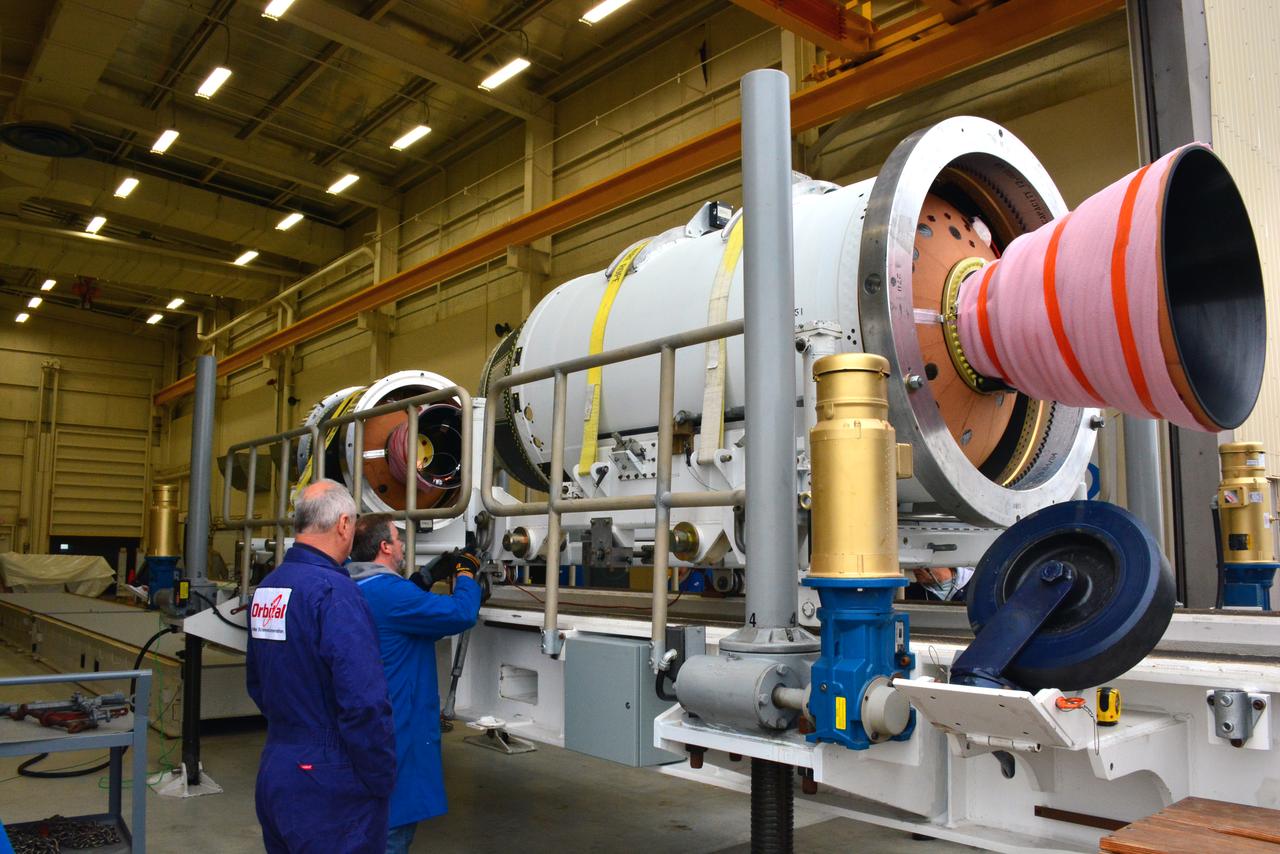
The second and third stages of the Orbital ATK Pegasus XL rocket are offloaded from a transport vehicle at Building 1555 at Vandenberg Air Force Base in California. The rocket is being prepared for NASA's Ionospheric Connection Explorer, or ICON, mission. ICON will launch from the Kwajalein Atoll aboard the Pegasus XL on Dec. 8, 2017. ICON will study the frontier of space - the dynamic zone high in Earth's atmosphere where terrestrial weather from below meets space weather above. The explorer will help determine the physics of Earth's space environment and pave the way for mitigating its effects on our technology, communications systems and society.
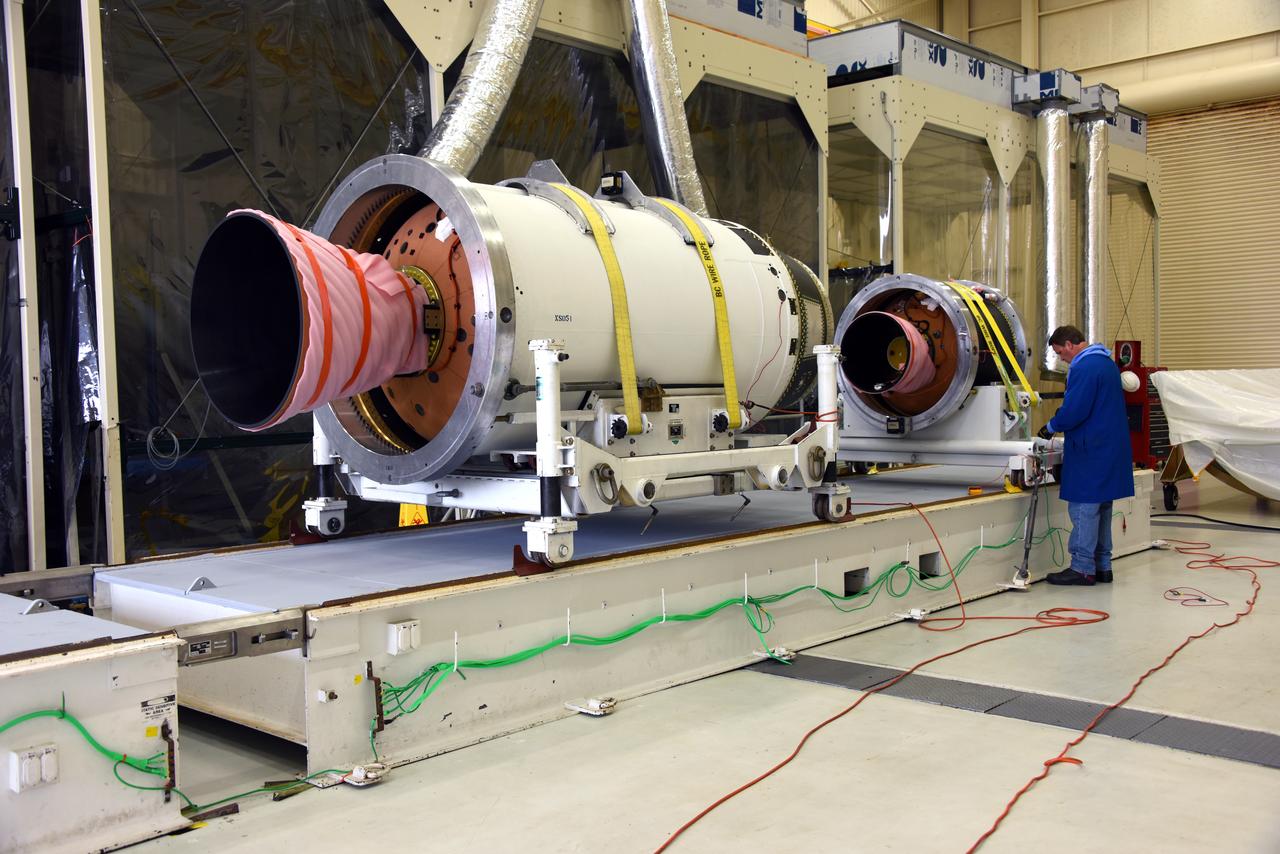
The second and third stages of the Orbital ATK Pegasus XL rocket are offloaded from a transport vehicle at Building 1555 at Vandenberg Air Force Base in California. The rocket is being prepared for NASA's Ionospheric Connection Explorer, or ICON, mission. ICON will launch from the Kwajalein Atoll aboard the Pegasus XL on Dec. 8, 2017. ICON will study the frontier of space - the dynamic zone high in Earth's atmosphere where terrestrial weather from below meets space weather above. The explorer will help determine the physics of Earth's space environment and pave the way for mitigating its effects on our technology, communications systems and society.
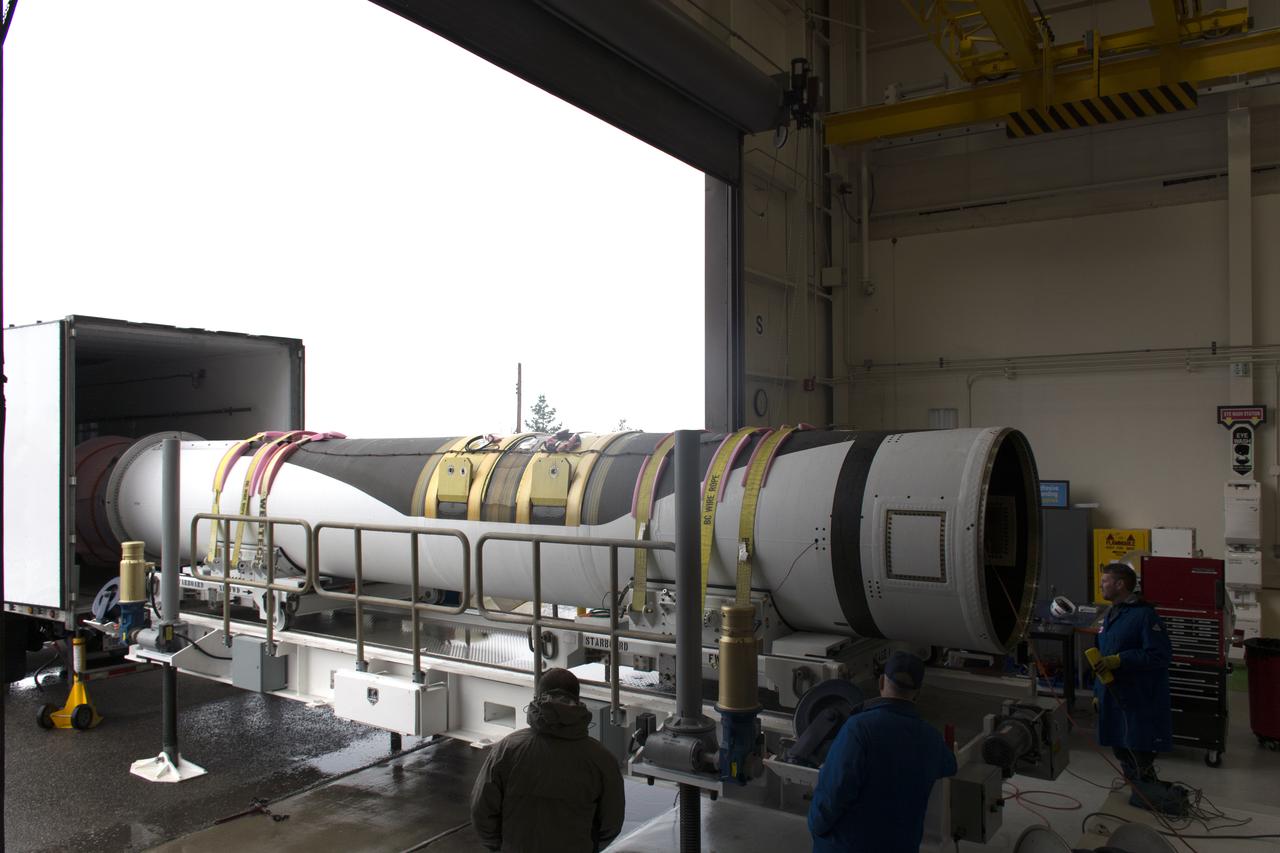
The first stage motor for the Orbital ATK Pegasus XL rocket arrives by truck at Building 1555 at Vandenberg Air Force Base in California. The Pegasus rocket is being prepared for NASA's Ionospheric Connection Explorer, or ICON, mission. ICON will launch from the Kwajalein Atoll aboard the Pegasus XL on Dec. 8, 2017. ICON will study the frontier of space - the dynamic zone high in Earth's atmosphere where terrestrial weather from below meets space weather above. The explorer will help determine the physics of Earth's space environment and pave the way for mitigating its effects on our technology, communications systems and society.
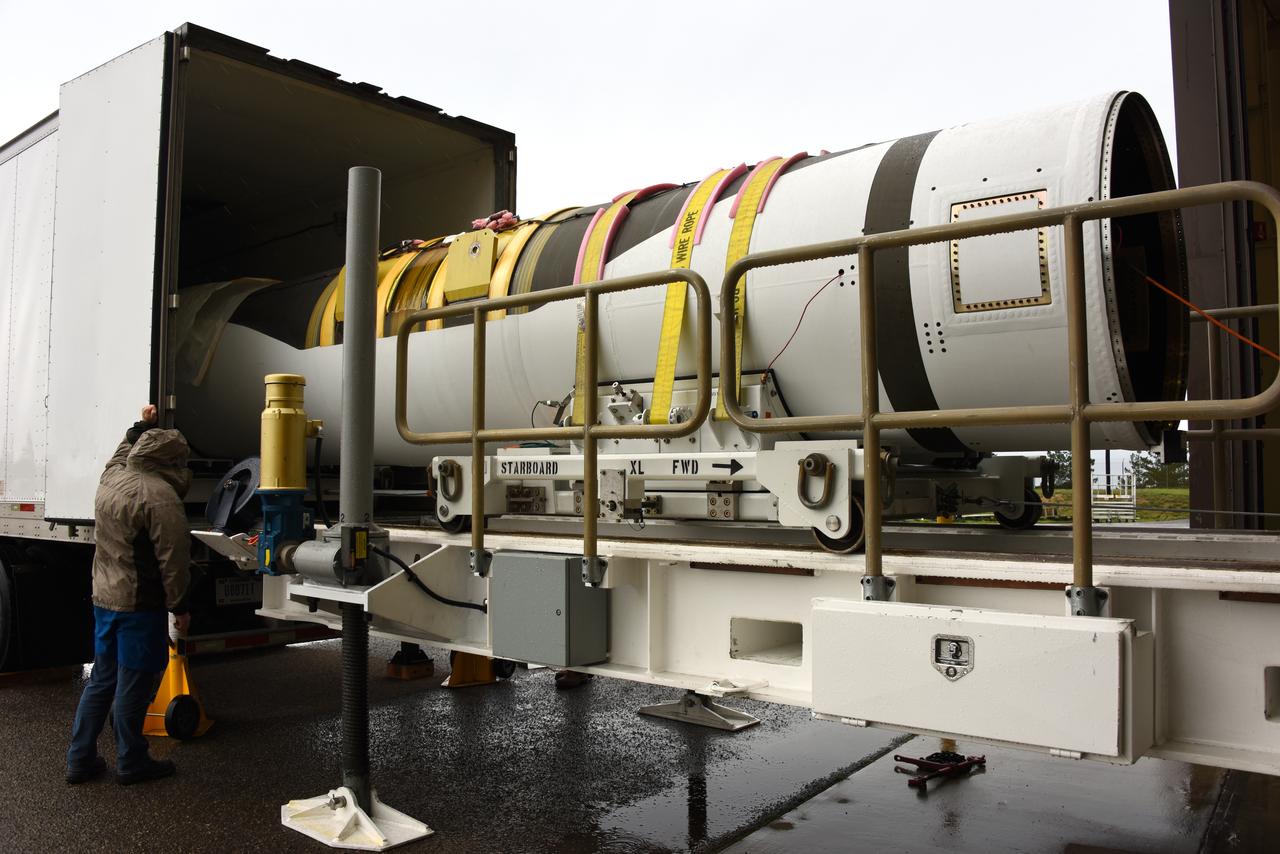
The first stage motor for the Orbital ATK Pegasus XL rocket is offloaded from a truck at Building 1555 at Vandenberg Air Force Base in California. The Pegasus rocket is being prepared for NASA's Ionospheric Connection Explorer, or ICON, mission. ICON will launch from the Kwajalein Atoll aboard the Pegasus XL on Dec. 8, 2017. ICON will study the frontier of space - the dynamic zone high in Earth's atmosphere where terrestrial weather from below meets space weather above. The explorer will help determine the physics of Earth's space environment and pave the way for mitigating its effects on our technology, communications systems and society.
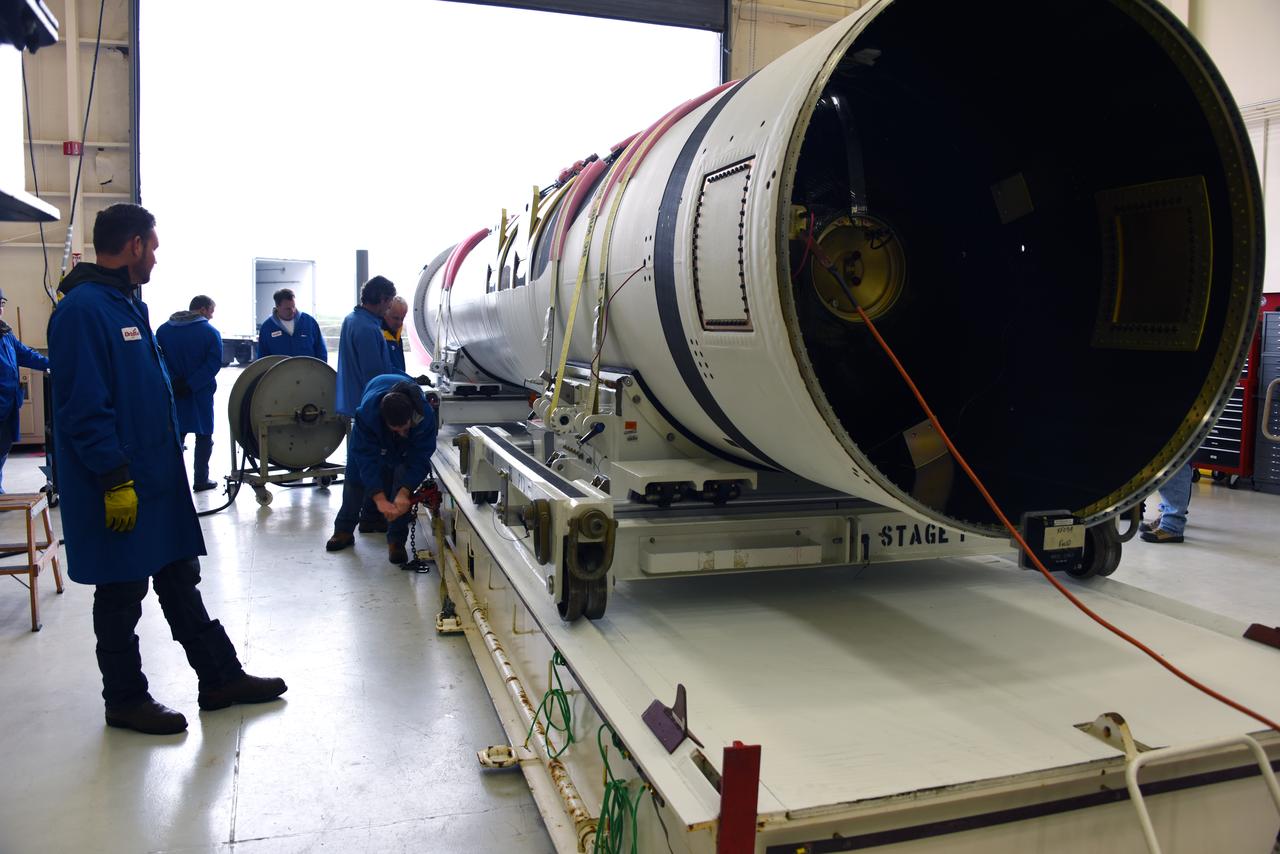
The first stage motor for the Orbital ATK Pegasus XL rocket was moved inside Building 1555 at Vandenberg Air Force Base in California. In the background are the second and third stage segments. The rocket is being prepared for NASA's Ionospheric Connection Explorer, or ICON, mission. ICON will launch from the Kwajalein Atoll aboard the Pegasus XL on Dec. 8, 2017. ICON will study the frontier of space - the dynamic zone high in Earth's atmosphere where terrestrial weather from below meets space weather above. The explorer will help determine the physics of Earth's space environment and pave the way for mitigating its effects on our technology, communications systems and society.
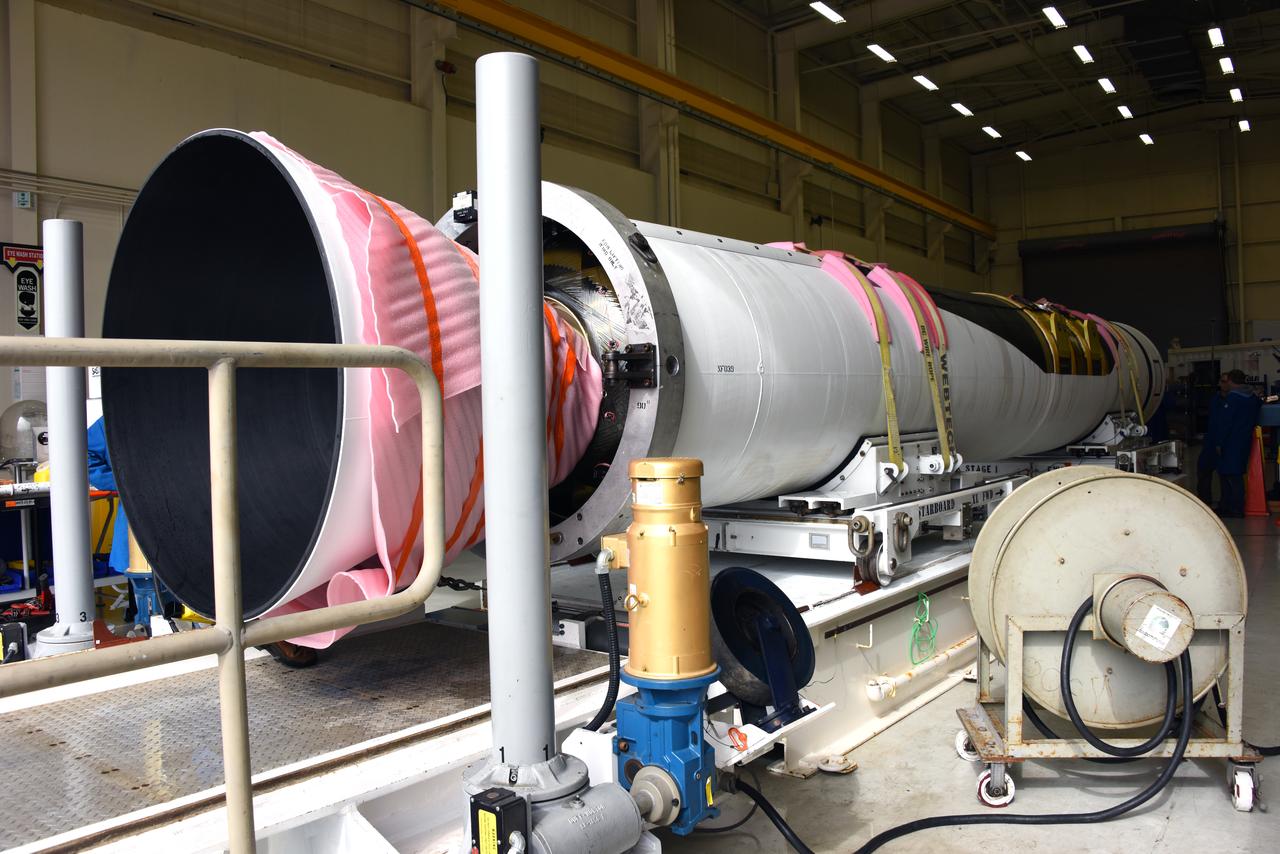
The first stage motor for the Orbital ATK Pegasus XL rocket was moved inside Building 1555 at Vandenberg Air Force Base in California. In the background are the second and third stage segments. The rocket is being prepared for NASA's Ionospheric Connection Explorer, or ICON, mission. ICON will launch from the Kwajalein Atoll aboard the Pegasus XL on Dec. 8, 2017. ICON will study the frontier of space - the dynamic zone high in Earth's atmosphere where terrestrial weather from below meets space weather above. The explorer will help determine the physics of Earth's space environment and pave the way for mitigating its effects on our technology, communications systems and society.
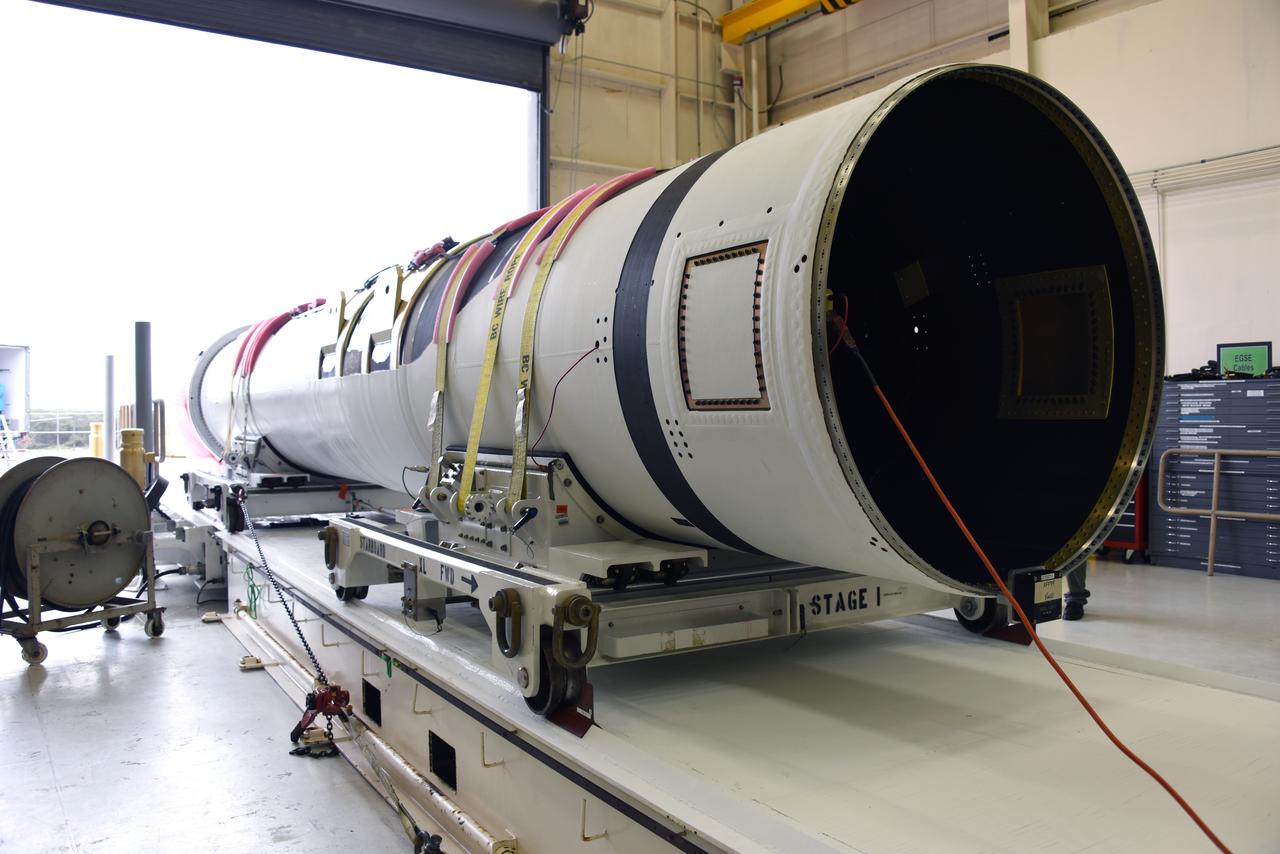
The first stage motor for the Orbital ATK Pegasus XL rocket was moved inside Building 1555 at Vandenberg Air Force Base in California. In the background are the second and third stage segments. The rocket is being prepared for NASA's Ionospheric Connection Explorer, or ICON, mission. ICON will launch from the Kwajalein Atoll aboard the Pegasus XL on Dec. 8, 2017. ICON will study the frontier of space - the dynamic zone high in Earth's atmosphere where terrestrial weather from below meets space weather above. The explorer will help determine the physics of Earth's space environment and pave the way for mitigating its effects on our technology, communications systems and society.