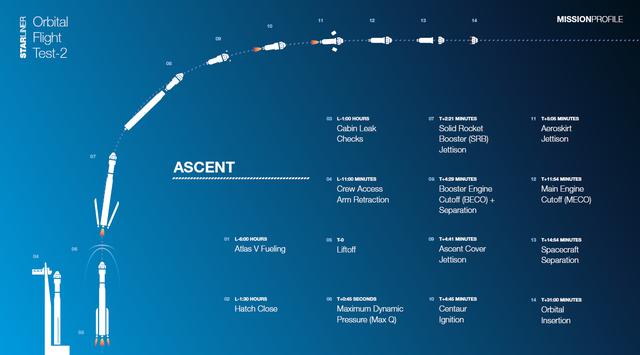
This graphic details ascent operations for NASA’s Boeing Orbital Flight Test-2 (OFT-2). OFT-2 is the second uncrewed flight test of the company’s CST-100 Starliner spacecraft for the agency’s Commercial Crew Program.
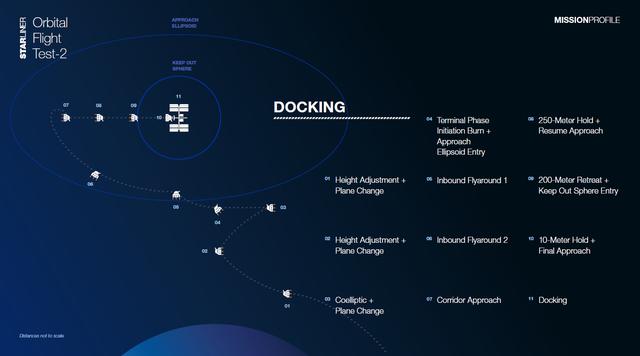
This graphic details docking operations for NASA’s Boeing Orbital Flight Test-2 (OFT-2). OFT-2 is the second uncrewed flight test of the company’s CST-100 Starliner spacecraft for the agency’s Commercial Crew Program.
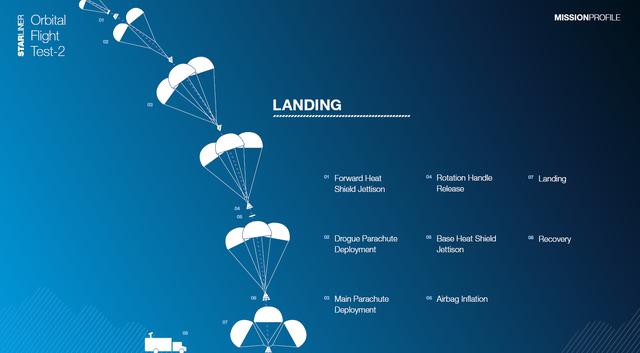
This graphic details landing operations for NASA’s Boeing Orbital Flight Test-2 (OFT-2). OFT-2 is the second uncrewed flight test of the company’s CST-100 Starliner spacecraft for the agency’s Commercial Crew Program.
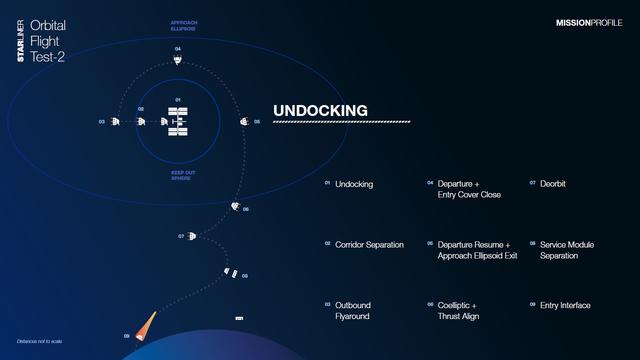
This graphic details undocking operations for NASA’s Boeing Orbital Flight Test-2 (OFT-2). OFT-2 is the second uncrewed flight test of the company’s CST-100 Starliner spacecraft for the agency’s Commercial Crew Program.
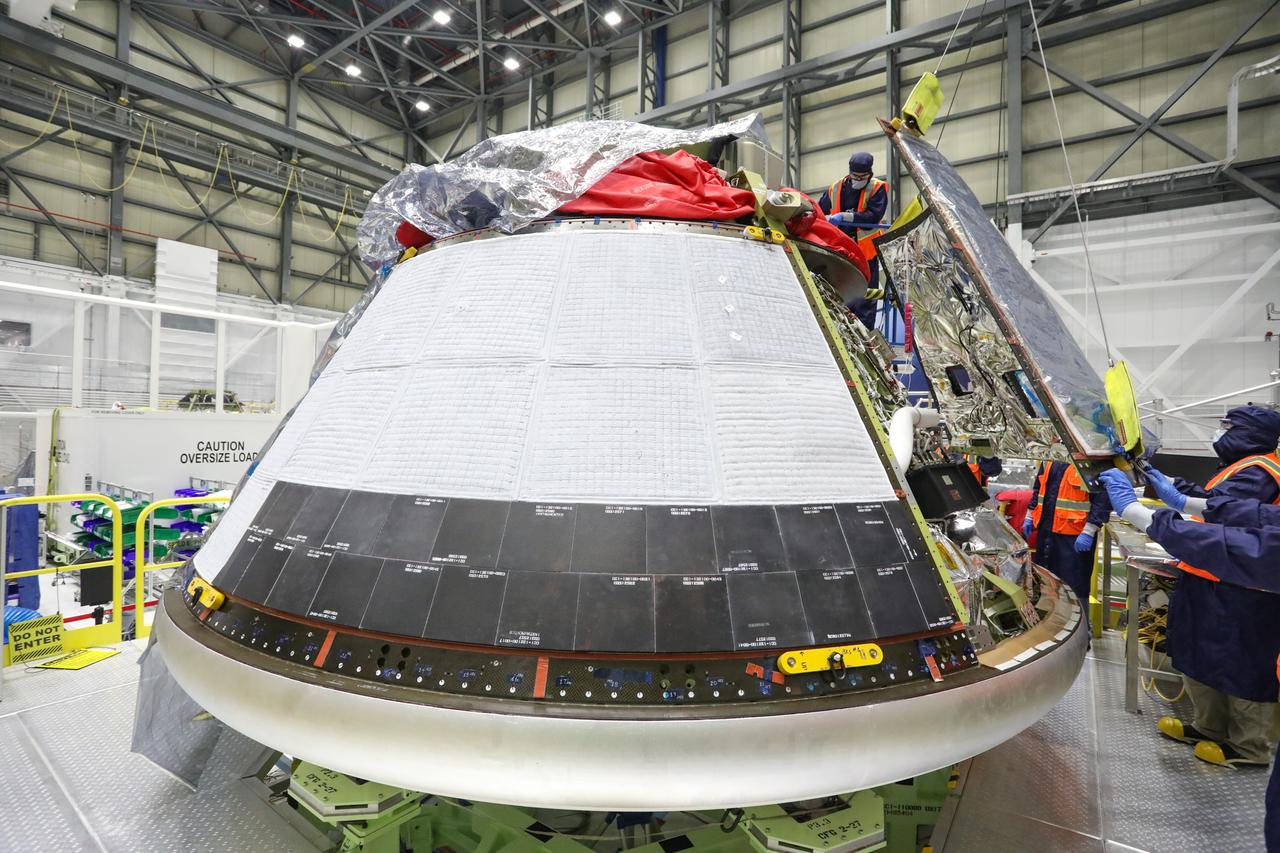
Boeing technicians install back shells on the Orbital Flight Test-2 (OFT-2) Starliner crew module inside the company’s Commercial Crew and Cargo Processing Facility at NASA’s Kennedy Space Center in Florida on December 2, 2020. During the OFT-2 mission, the uncrewed Starliner spacecraft will fly to the International Space Station for NASA’s Commercial Crew Program.
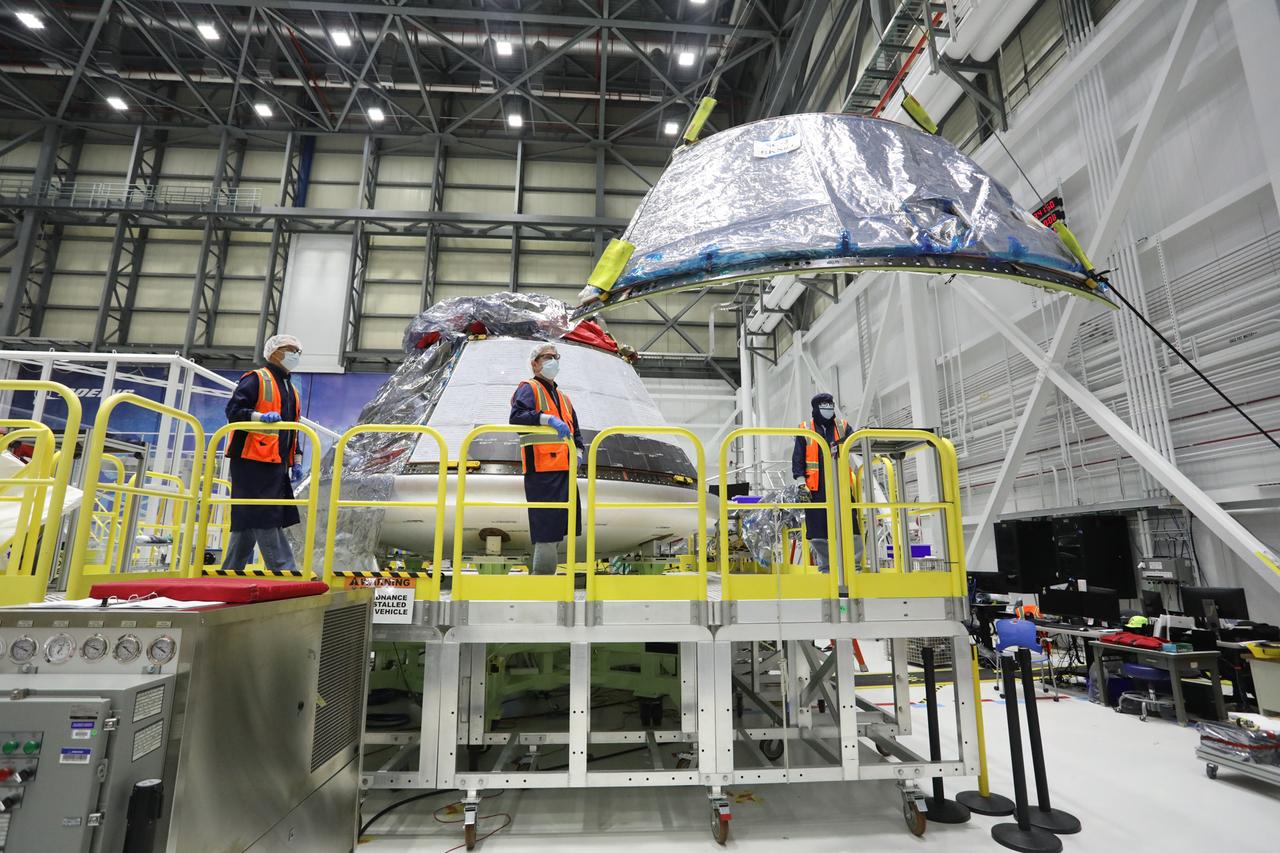
Boeing technicians install back shells on the Orbital Flight Test-2 (OFT-2) Starliner crew module inside the company’s Commercial Crew and Cargo Processing Facility at NASA’s Kennedy Space Center in Florida on December 2, 2020. During the OFT-2 mission, the uncrewed Starliner spacecraft will fly to the International Space Station for NASA’s Commercial Crew Program.
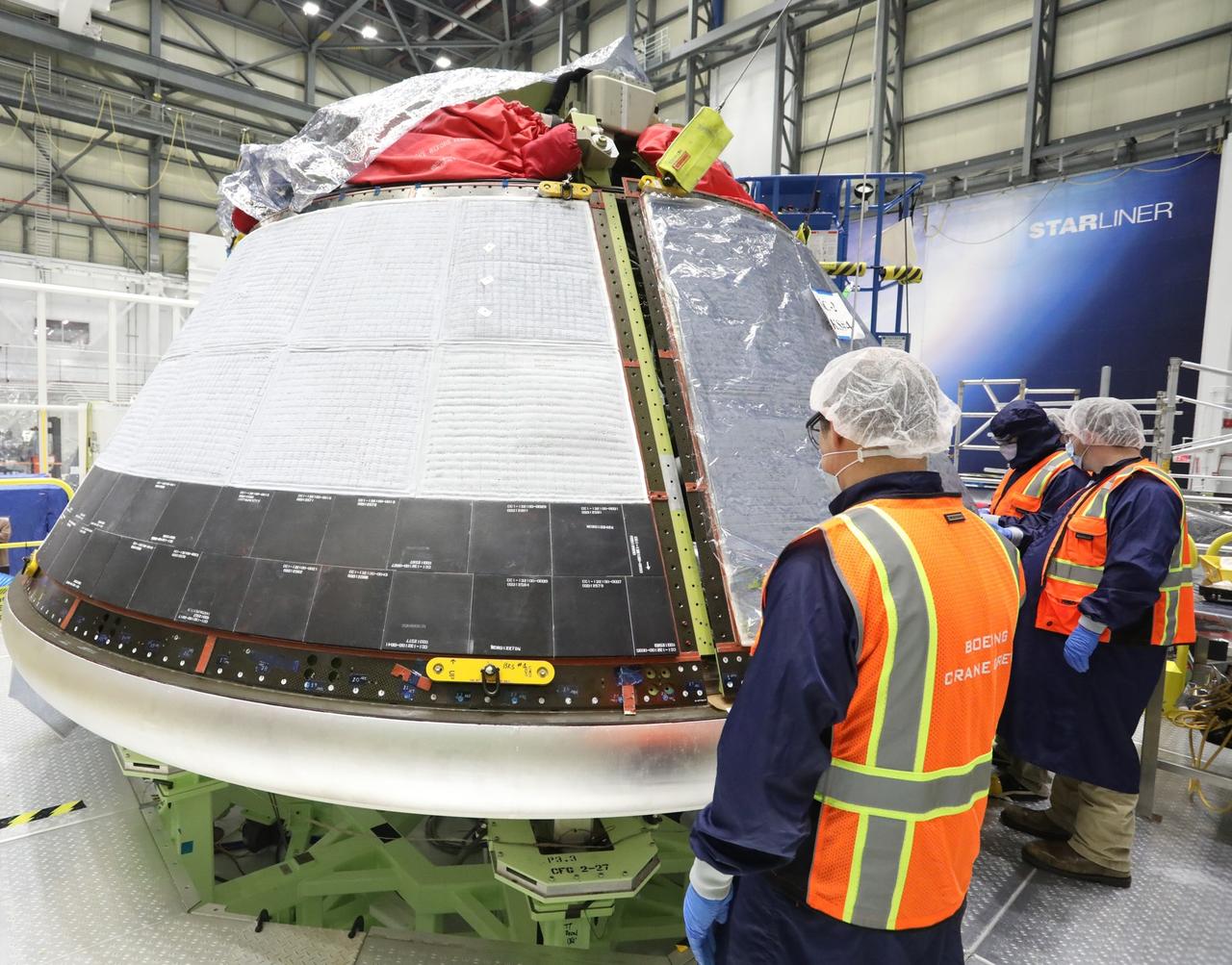
Boeing technicians install back shells on the Orbital Flight Test-2 (OFT-2) Starliner crew module inside the company’s Commercial Crew and Cargo Processing Facility at NASA’s Kennedy Space Center in Florida on December 2, 2020. During the OFT-2 mission, the uncrewed Starliner spacecraft will fly to the International Space Station for NASA’s Commercial Crew Program.
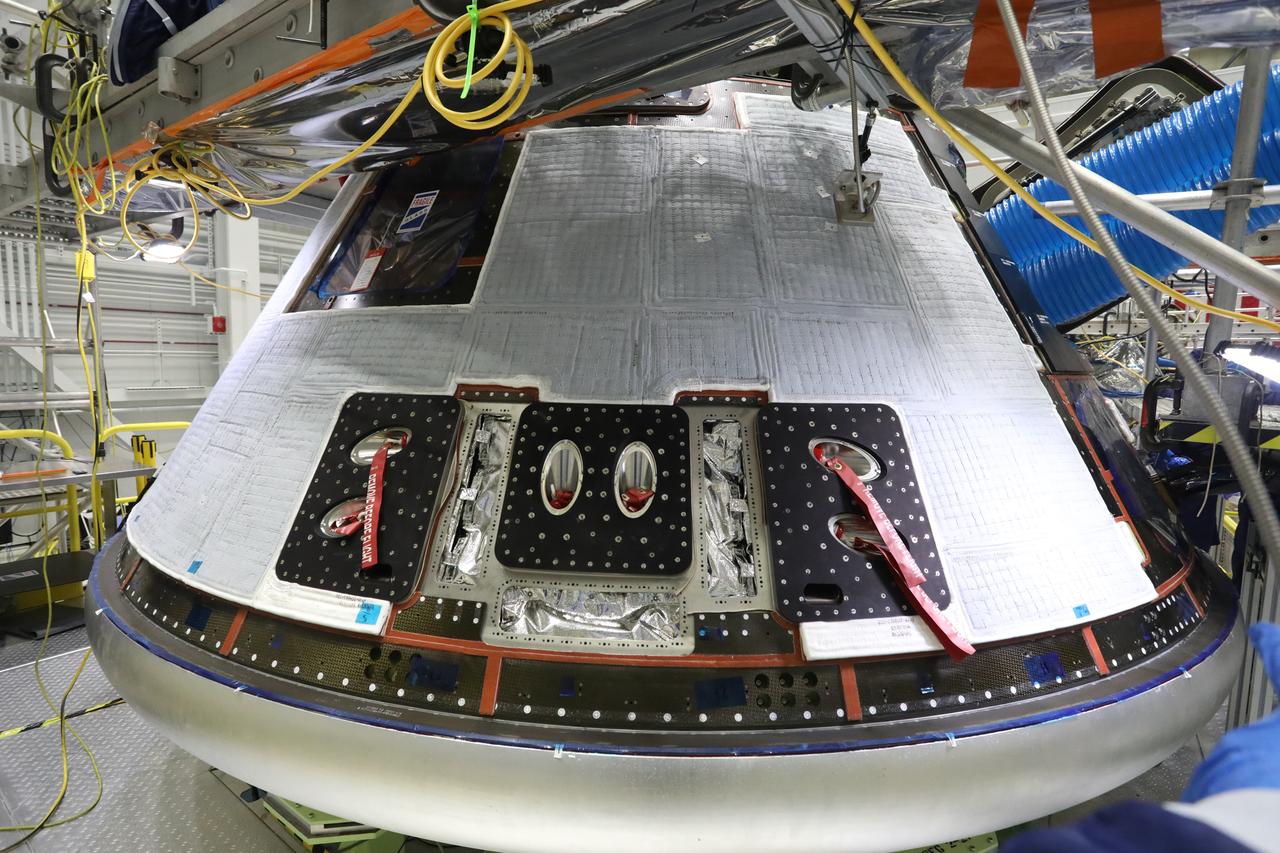
Boeing’s Starliner crew module, with back shells installed, is inside the company’s Commercial Crew and Cargo Processing Facility at Kennedy Space Center on December 8, 2020, in preparation for the Orbital Flight Test-2 (OFT-2). During the OFT-2 mission, the uncrewed Starliner spacecraft will fly to the International Space Station for NASA’s Commercial Crew Program.
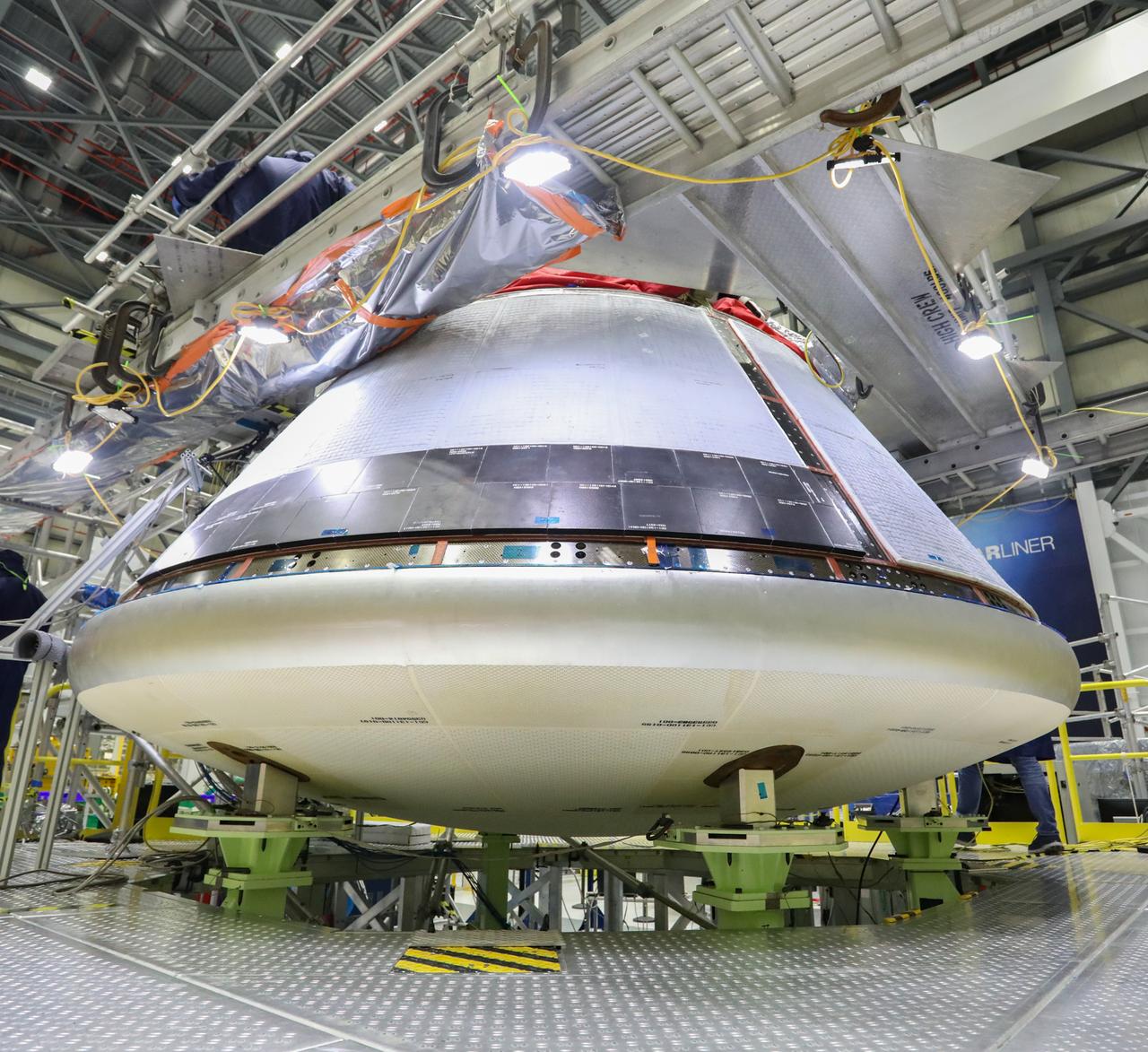
Boeing’s Starliner crew module, with back shells installed, is inside the company’s Commercial Crew and Cargo Processing Facility at Kennedy Space Center on December 8, 2020, in preparation for the Orbital Flight Test-2 (OFT-2). During the OFT-2 mission, the uncrewed Starliner spacecraft will fly to the International Space Station for NASA’s Commercial Crew Program.
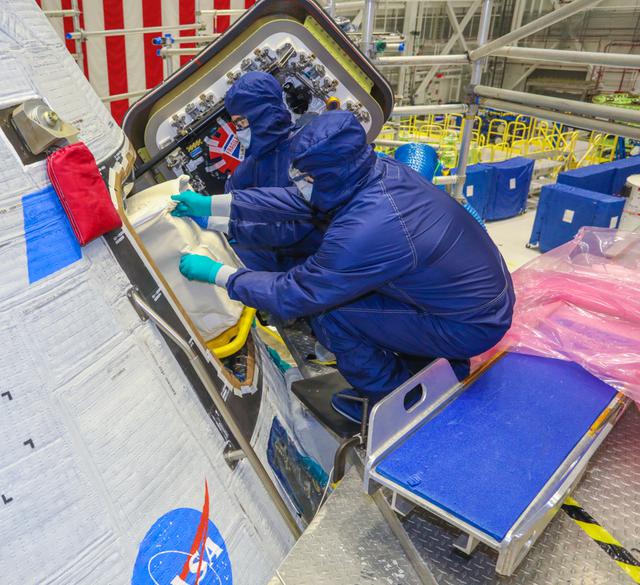
Technicians place cargo inside Boeing’s CST-100 Starliner ahead of Orbital Flight Test-2 (OFT-2) in the Commercial Crew and Cargo Processing Facility at NASA’s Kennedy Space Center in Florida on May 28, 2021. Part of the agency’s Commercial Crew Program, OFT-2 is a critical developmental milestone on the company’s path to fly crew missions for NASA.
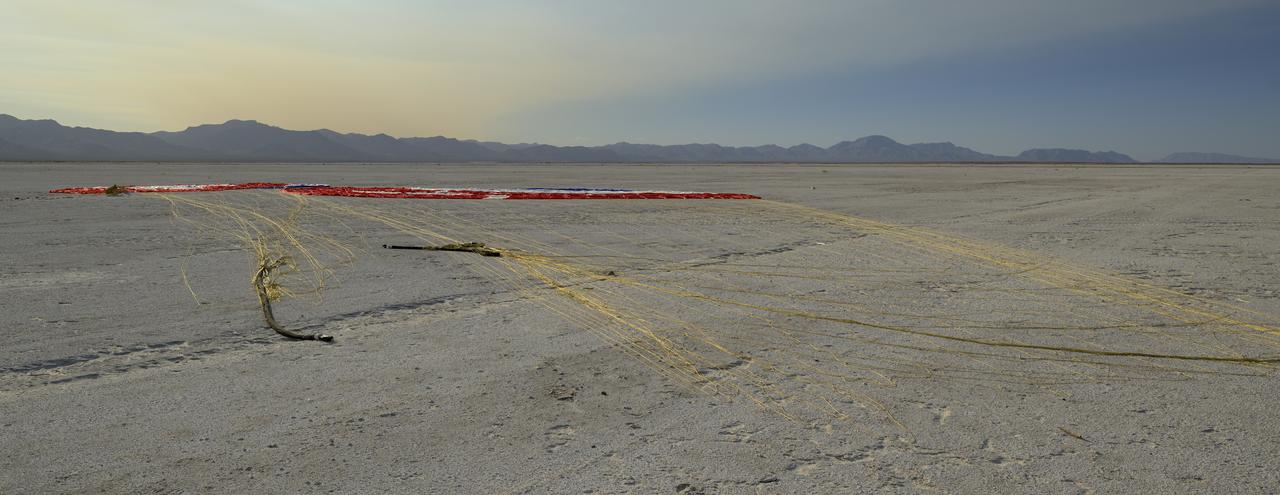
The Boeing CST-100 Starliner parachute is seen after the spacecraft landed at White Sands Missile Range’s Space Harbor, Wednesday, May 25, 2022, in New Mexico. Boeing’s Orbital Flight Test-2 (OFT-2) is Starliner’s second uncrewed flight test to the International Space Station as part of NASA's Commercial Crew Program. OFT-2 serves as an end-to-end test of the system's capabilities. Photo Credit: (NASA/Bill Ingalls)
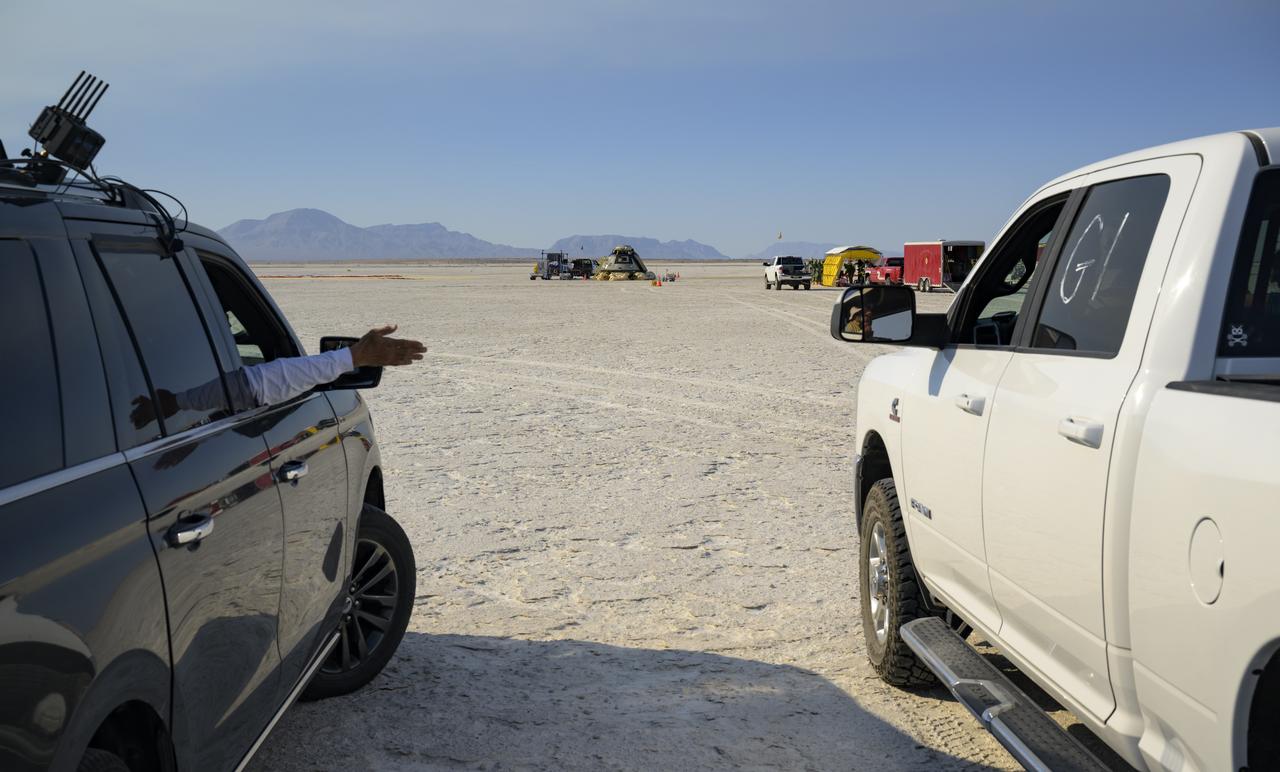
Boeing and NASA teams work around Boeing’s CST-100 Starliner spacecraft after it landed at White Sands Missile Range’s Space Harbor, Wednesday, May 25, 2022, in New Mexico. Boeing’s Orbital Flight Test-2 (OFT-2) is Starliner’s second uncrewed flight test to the International Space Station as part of NASA's Commercial Crew Program. OFT-2 serves as an end-to-end test of the system's capabilities. Photo Credit: (NASA/Bill Ingalls)
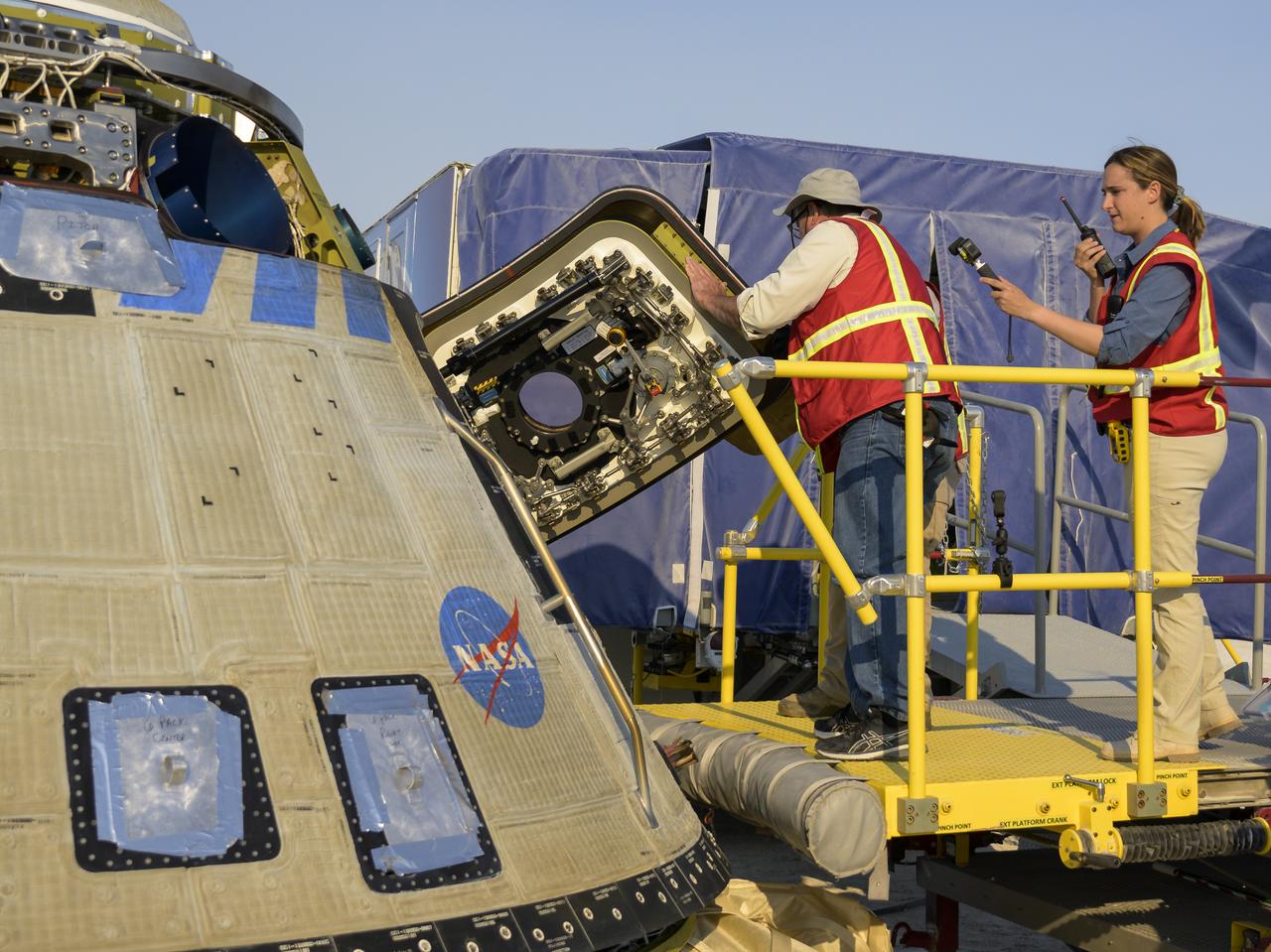
Boeing and NASA teams work around Boeing’s CST-100 Starliner spacecraft after it landed at White Sands Missile Range’s Space Harbor, Wednesday, May 25, 2022, in New Mexico. Boeing’s Orbital Flight Test-2 (OFT-2) is Starliner’s second uncrewed flight test to the International Space Station as part of NASA's Commercial Crew Program. OFT-2 serves as an end-to-end test of the system's capabilities. Photo Credit: (NASA/Bill Ingalls)
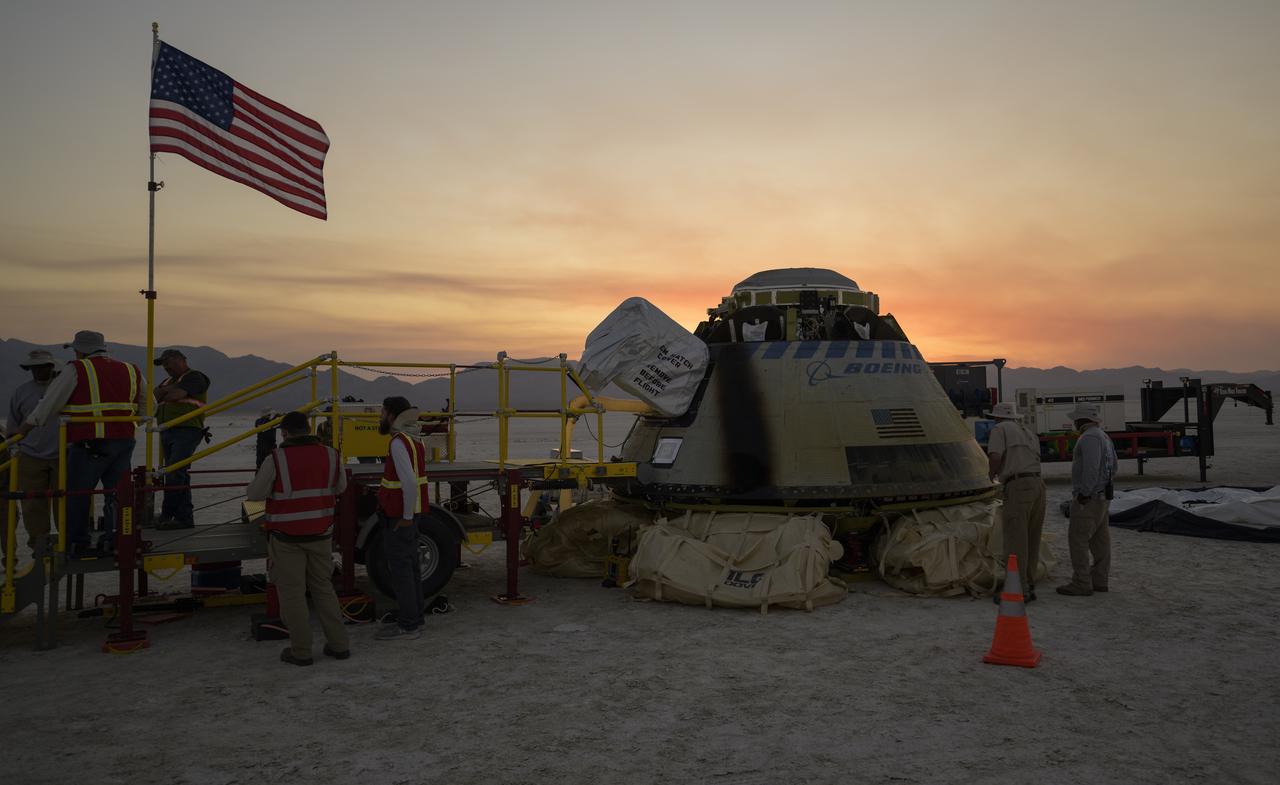
Boeing and NASA teams work around Boeing’s CST-100 Starliner spacecraft after it landed at White Sands Missile Range’s Space Harbor, Wednesday, May 25, 2022, in New Mexico. Boeing’s Orbital Flight Test-2 (OFT-2) is Starliner’s second uncrewed flight test to the International Space Station as part of NASA's Commercial Crew Program. OFT-2 serves as an end-to-end test of the system's capabilities. Photo Credit: (NASA/Bill Ingalls)
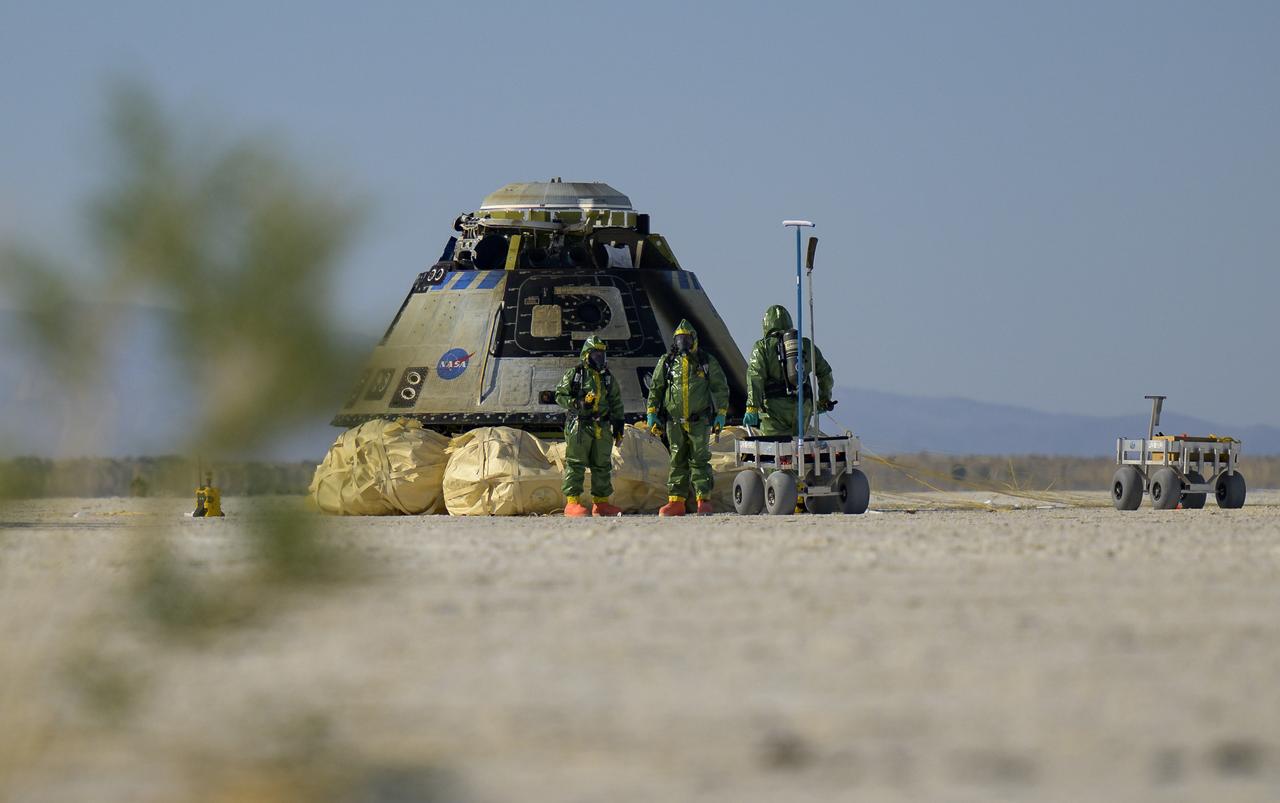
Boeing hazmat teams work around Boeing’s CST-100 Starliner spacecraft after it landed at White Sands Missile Range’s Space Harbor, Wednesday, May 25, 2022, in New Mexico. Boeing’s Orbital Flight Test-2 (OFT-2) is Starliner’s second uncrewed flight test to the International Space Station as part of NASA's Commercial Crew Program. OFT-2 serves as an end-to-end test of the system's capabilities. Photo Credit: (NASA/Bill Ingalls)
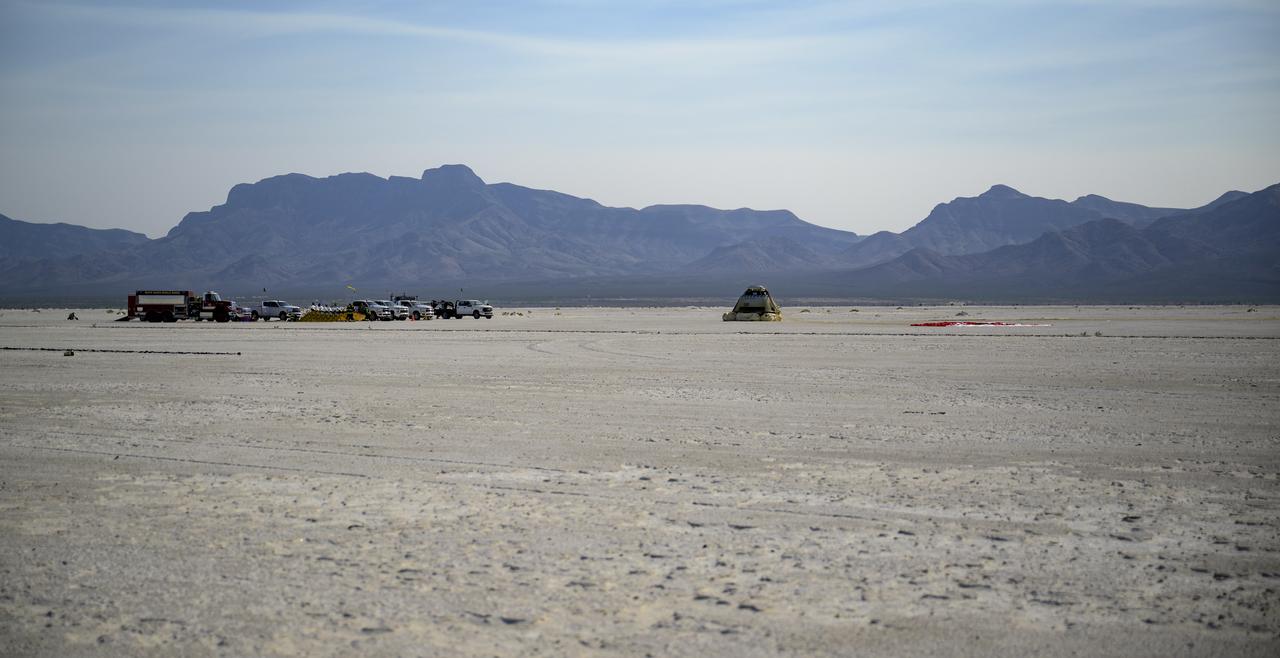
Boeing and NASA teams arrive at Boeing’s CST-100 Starliner spacecraft after it landed at White Sands Missile Range’s Space Harbor, Wednesday, May 25, 2022, in New Mexico. Boeing’s Orbital Flight Test-2 (OFT-2) is Starliner’s second uncrewed flight test to the International Space Station as part of NASA's Commercial Crew Program. OFT-2 serves as an end-to-end test of the system's capabilities. Photo Credit: (NASA/Bill Ingalls)
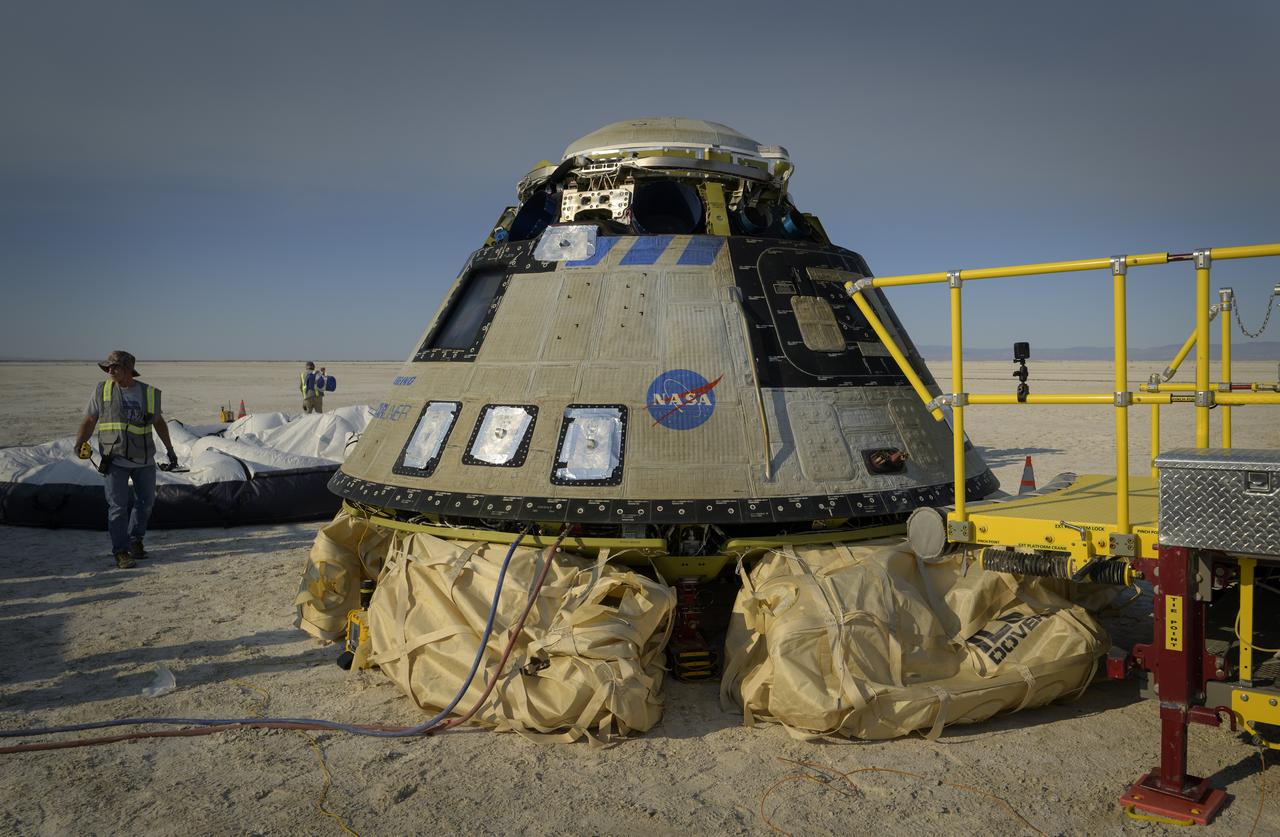
Boeing and NASA teams work around Boeing’s CST-100 Starliner spacecraft after it landed at White Sands Missile Range’s Space Harbor, Wednesday, May 25, 2022, in New Mexico. Boeing’s Orbital Flight Test-2 (OFT-2) is Starliner’s second uncrewed flight test to the International Space Station as part of NASA's Commercial Crew Program. OFT-2 serves as an end-to-end test of the system's capabilities. Photo Credit: (NASA/Bill Ingalls)
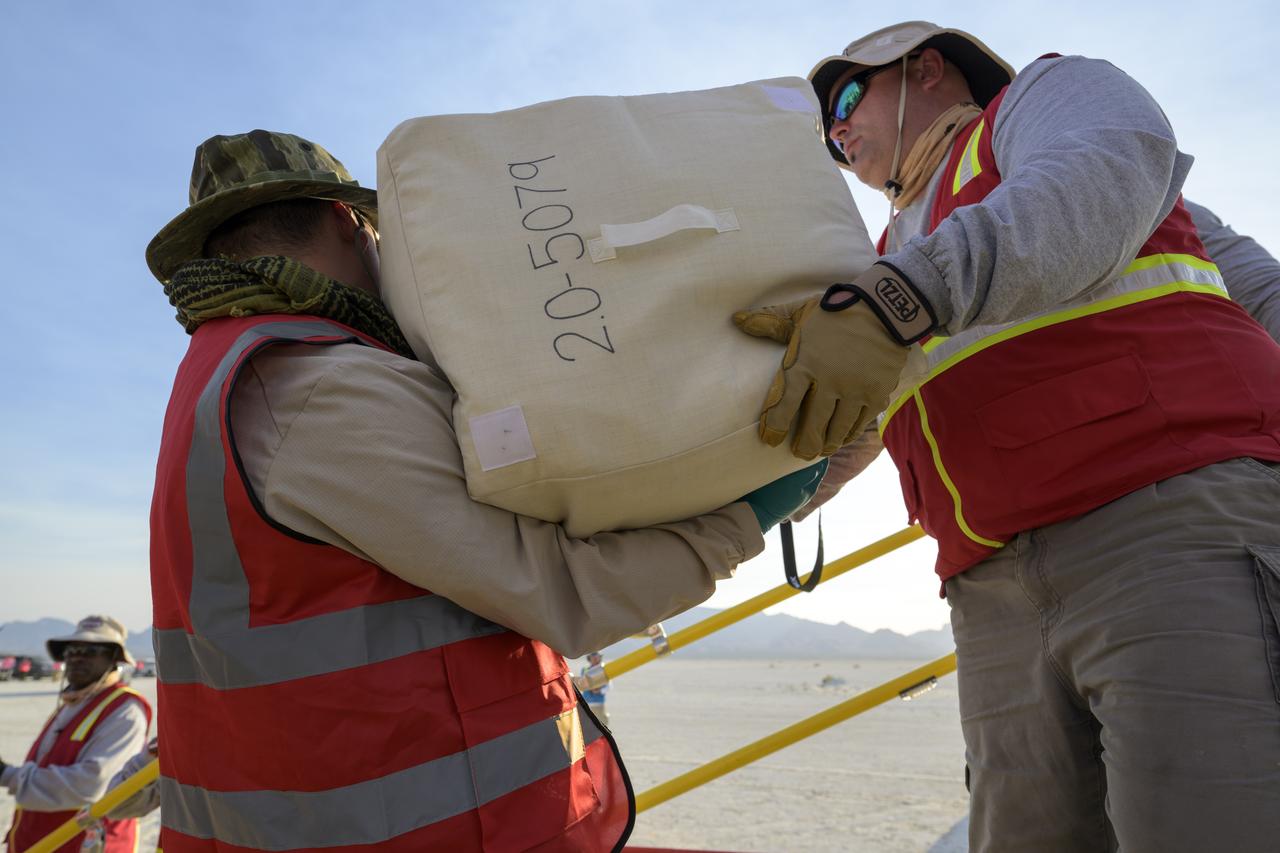
Boeing and NASA teams unload cargo from Boeing’s CST-100 Starliner spacecraft after it landed at White Sands Missile Range’s Space Harbor, Wednesday, May 25, 2022, in New Mexico. Boeing’s Orbital Flight Test-2 (OFT-2) is Starliner’s second uncrewed flight test to the International Space Station as part of NASA's Commercial Crew Program. OFT-2 serves as an end-to-end test of the system's capabilities. Photo Credit: (NASA/Bill Ingalls)
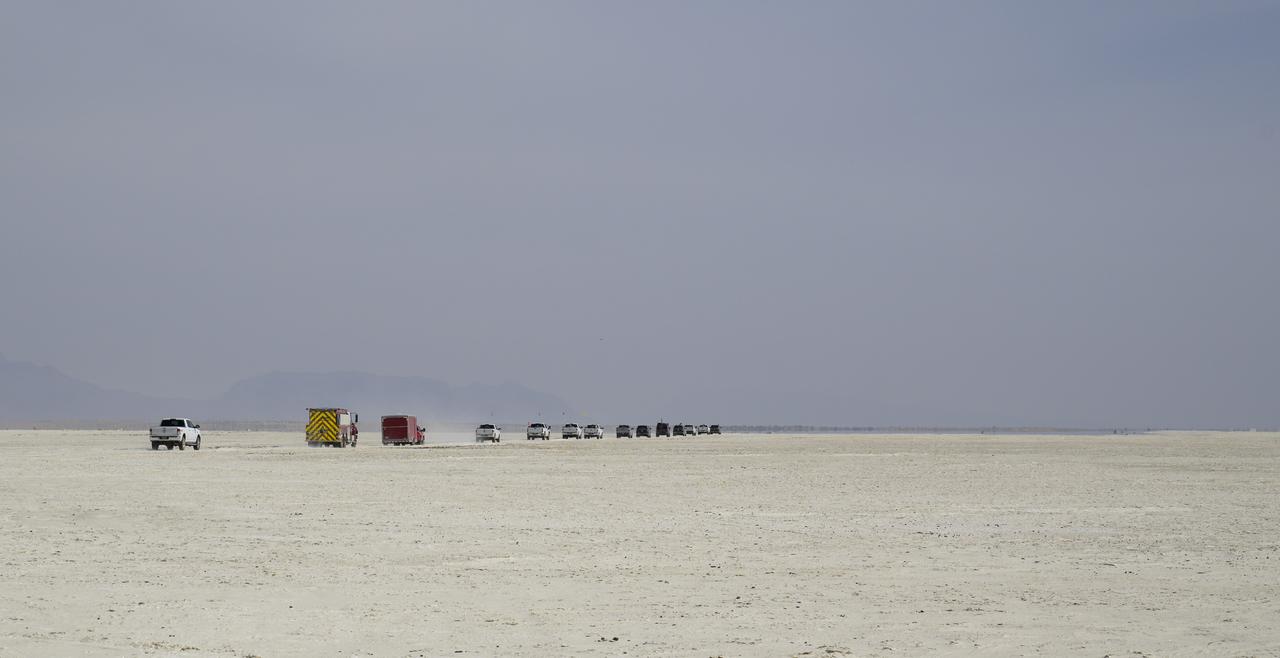
Boeing and NASA teams participate in a mission dress rehearsal to prepare for the landing of the Boeing CST-100 Starliner spacecraft in White Sands, New Mexico, Monday, May 23, 2022. Boeing’s Orbital Flight Test-2 (OFT-2) is Starliner’s second uncrewed flight test to the International Space Station as part of NASA's Commercial Crew Program. OFT-2 serves as an end-to-end test of the system's capabilities. Photo Credit: (NASA/Bill Ingalls)
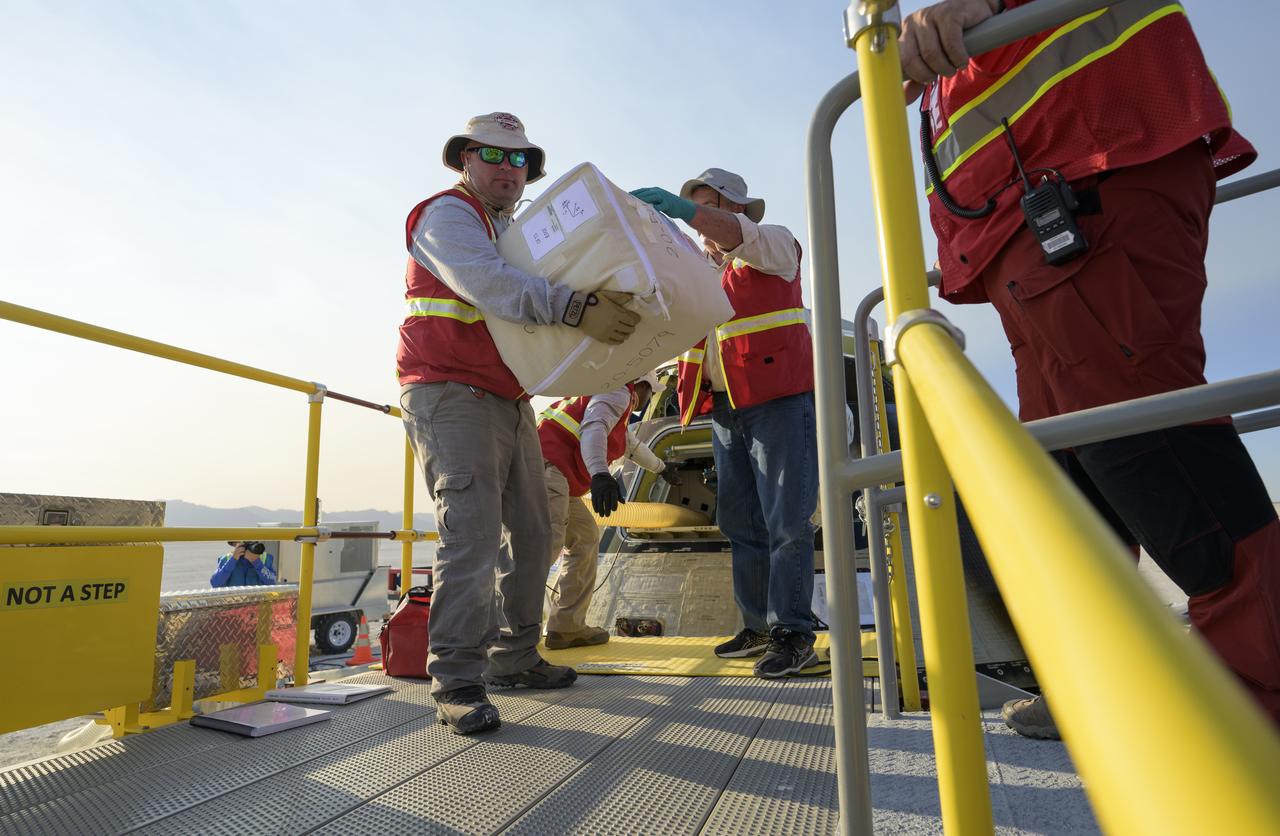
Boeing and NASA teams unload cargo from Boeing’s CST-100 Starliner spacecraft after it landed at White Sands Missile Range’s Space Harbor, Wednesday, May 25, 2022, in New Mexico. Boeing’s Orbital Flight Test-2 (OFT-2) is Starliner’s second uncrewed flight test to the International Space Station as part of NASA's Commercial Crew Program. OFT-2 serves as an end-to-end test of the system's capabilities. Photo Credit: (NASA/Bill Ingalls)
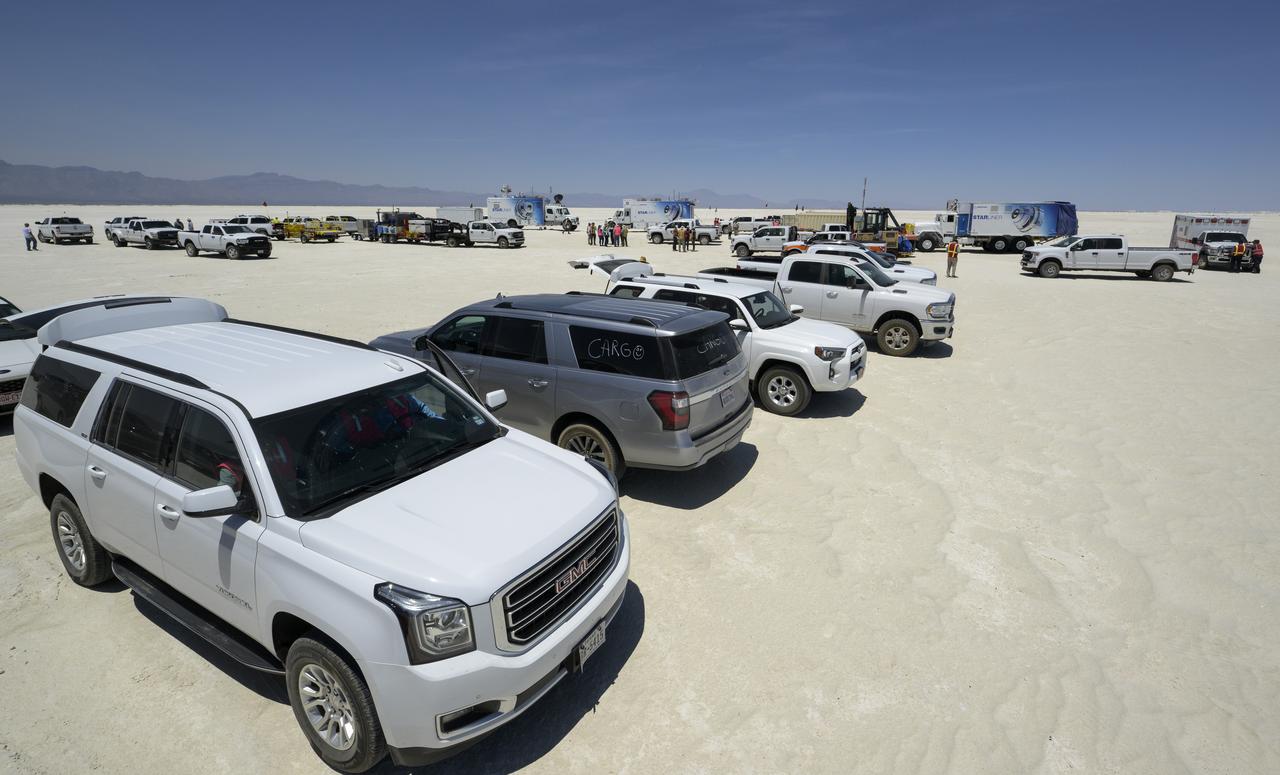
NASA and Boeing teams prepare for the landing of Boeing’s CST-100 Starliner spacecraft at White Sands Missile Range’s Space Harbor, Wednesday, May 25, 2022, in New Mexico. Boeing’s Orbital Flight Test-2 (OFT-2) is Starliner’s second uncrewed flight test to the International Space Station as part of NASA's Commercial Crew Program. OFT-2 serves as an end-to-end test of the system's capabilities. Photo Credit: (NASA/Bill Ingalls)
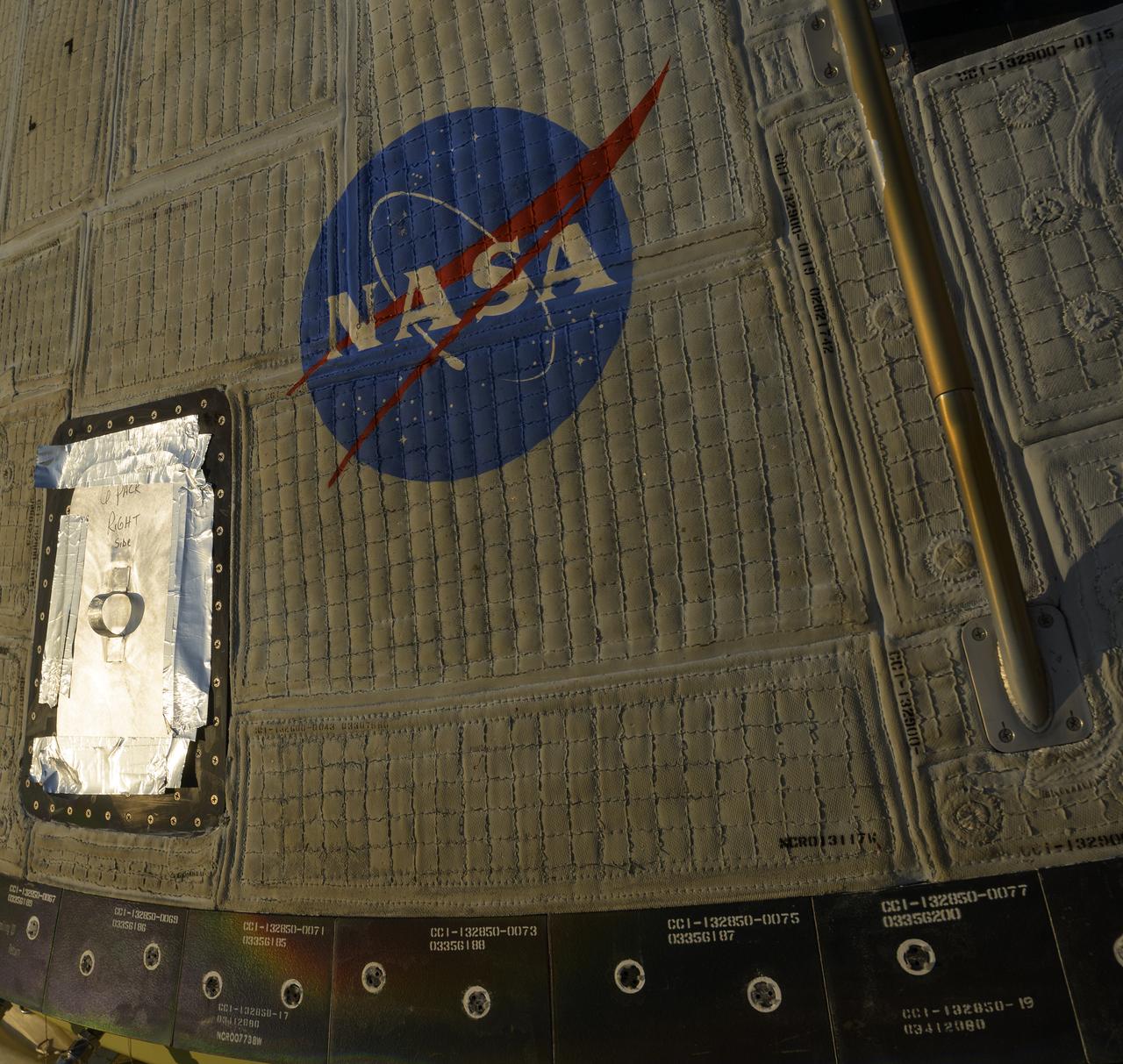
Boeing’s CST-100 Starliner spacecraft is seen after it landed at White Sands Missile Range’s Space Harbor, Wednesday, May 25, 2022, in New Mexico. Boeing’s Orbital Flight Test-2 (OFT-2) is Starliner’s second uncrewed flight test to the International Space Station as part of NASA's Commercial Crew Program. OFT-2 serves as an end-to-end test of the system's capabilities. Photo Credit: (NASA/Bill Ingalls)

Boeing and NASA teams participate in a mission dress rehearsal to prepare for the landing of the Boeing CST-100 Starliner spacecraft in White Sands, New Mexico, Monday, May 23, 2022. Boeing’s Orbital Flight Test-2 (OFT-2) is Starliner’s second uncrewed flight test to the International Space Station as part of NASA's Commercial Crew Program. OFT-2 serves as an end-to-end test of the system's capabilities. Photo Credit: (NASA/Bill Ingalls)
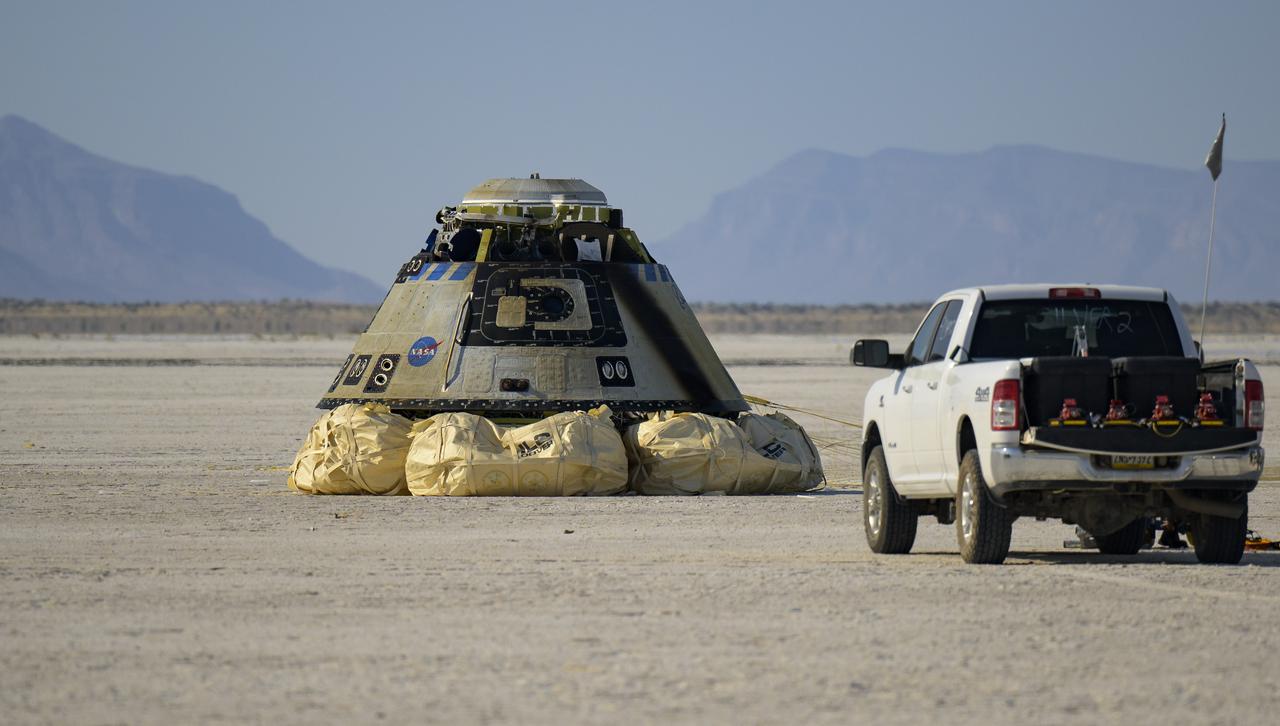
Boeing and NASA teams work around Boeing’s CST-100 Starliner spacecraft after it landed at White Sands Missile Range’s Space Harbor, Wednesday, May 25, 2022, in New Mexico. Boeing’s Orbital Flight Test-2 (OFT-2) is Starliner’s second uncrewed flight test to the International Space Station as part of NASA's Commercial Crew Program. OFT-2 serves as an end-to-end test of the system's capabilities. Photo Credit: (NASA/Bill Ingalls)

Boeing hazmat teams work around Boeing’s CST-100 Starliner spacecraft after it landed at White Sands Missile Range’s Space Harbor, Wednesday, May 25, 2022, in New Mexico. Boeing’s Orbital Flight Test-2 (OFT-2) is Starliner’s second uncrewed flight test to the International Space Station as part of NASA's Commercial Crew Program. OFT-2 serves as an end-to-end test of the system's capabilities. Photo Credit: (NASA/Bill Ingalls)
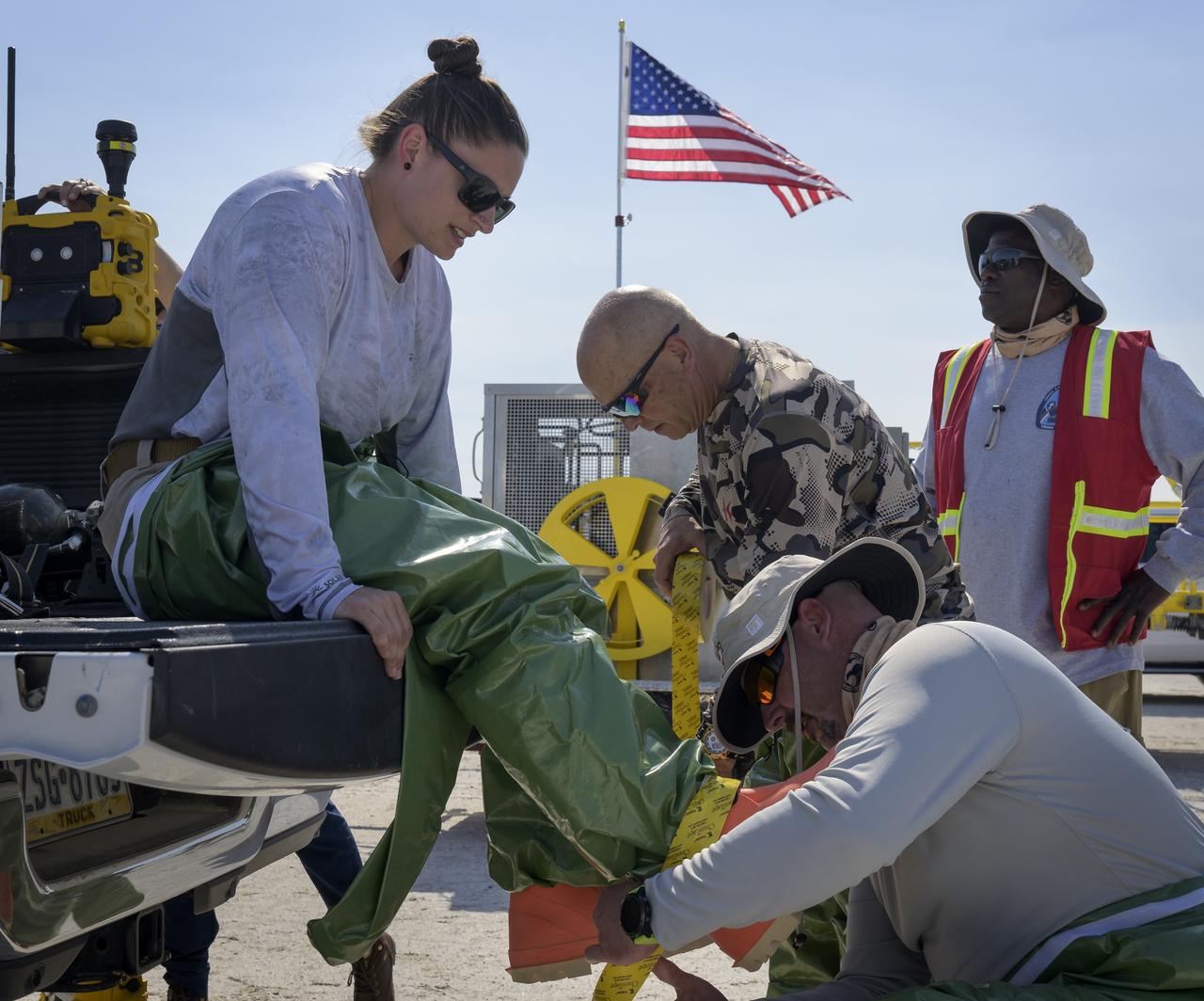
Boeing team members don hazmat suits as they prepare for the landing of Boeing’s CST-100 Starliner spacecraft at White Sands Missile Range’s Space Harbor, Wednesday, May 25, 2022, in New Mexico. Boeing’s Orbital Flight Test-2 (OFT-2) is Starliner’s second uncrewed flight test to the International Space Station as part of NASA's Commercial Crew Program. OFT-2 serves as an end-to-end test of the system's capabilities. Photo Credit: (NASA/Bill Ingalls)
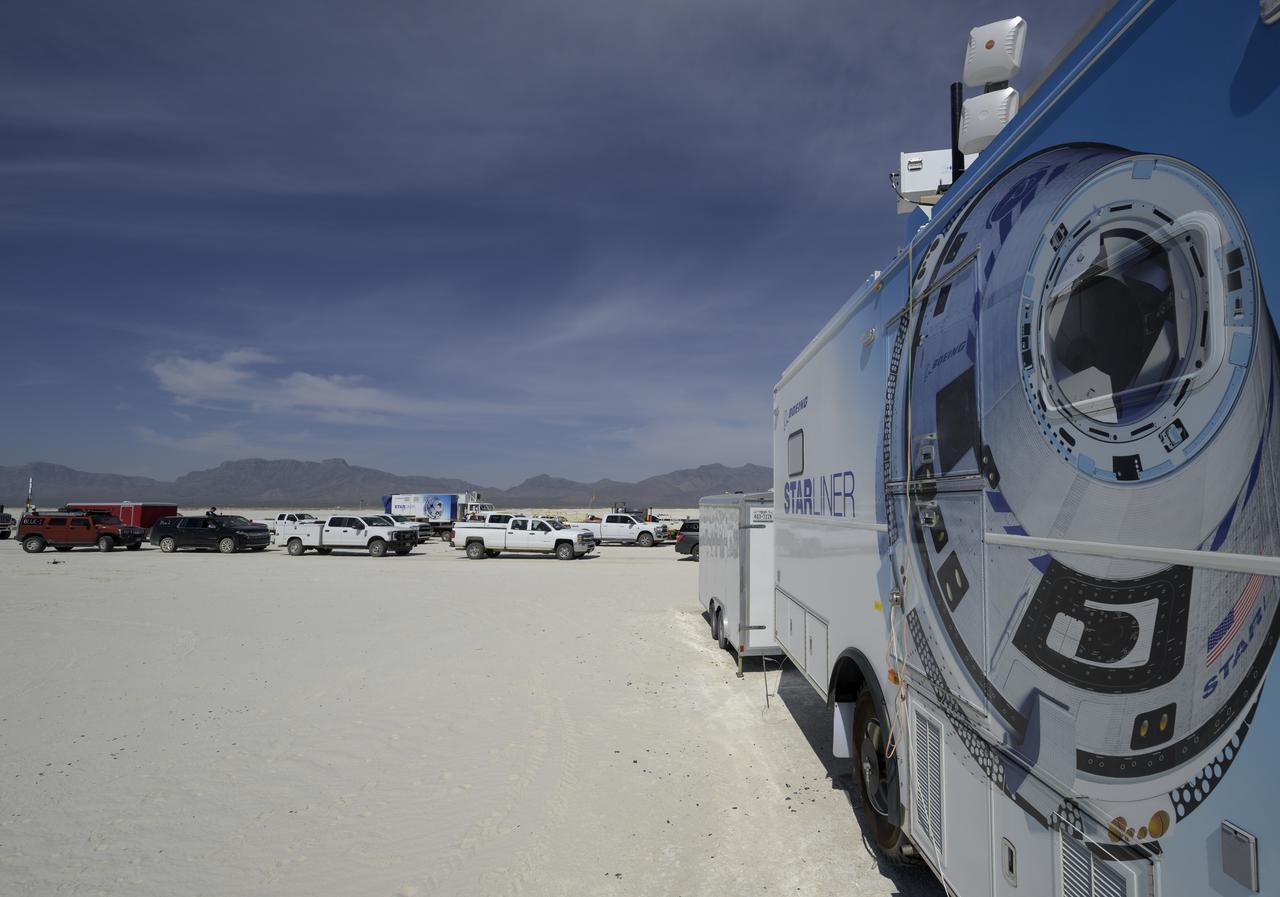
Boeing and NASA teams participate in a mission dress rehearsal to prepare for the landing of the Boeing CST-100 Starliner spacecraft in White Sands, New Mexico, Monday, May 23, 2022. Boeing’s Orbital Flight Test-2 (OFT-2) is Starliner’s second uncrewed flight test to the International Space Station as part of NASA's Commercial Crew Program. OFT-2 serves as an end-to-end test of the system's capabilities. Photo Credit: (NASA/Bill Ingalls)
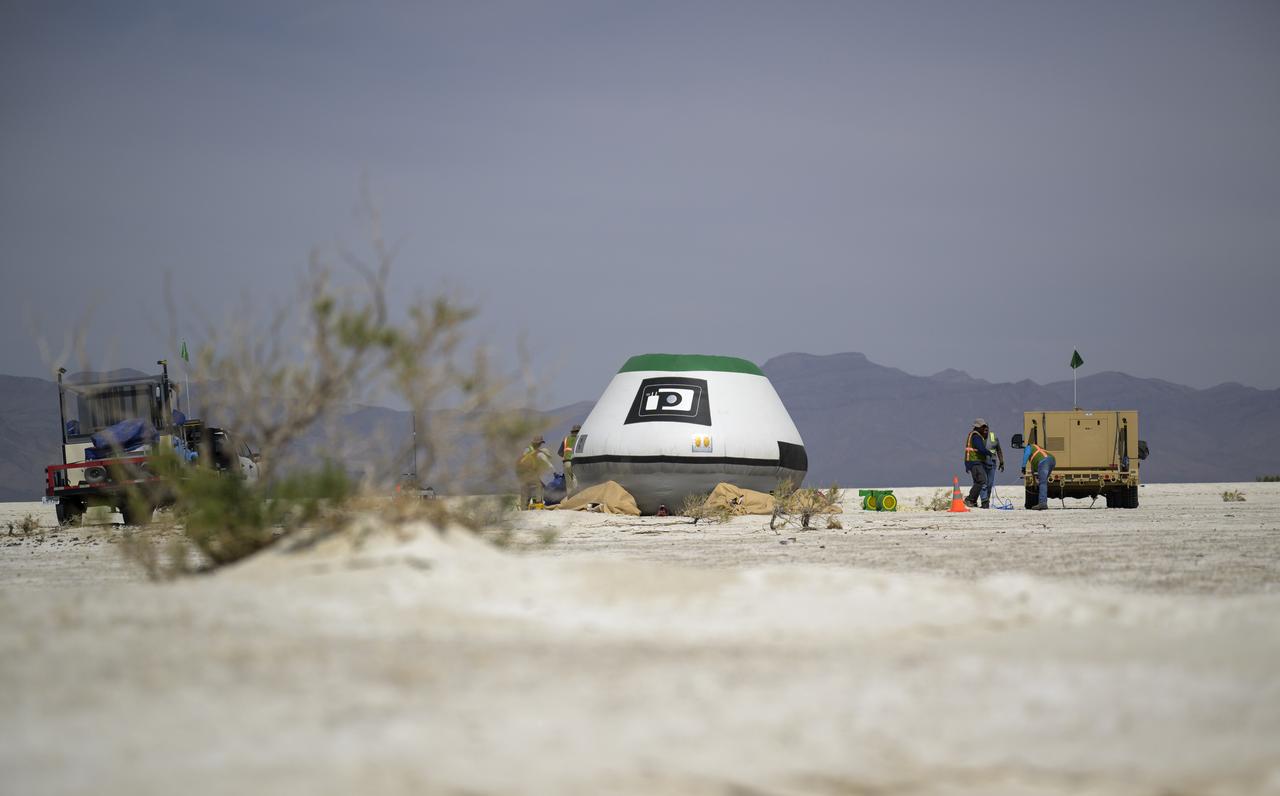
Boeing and NASA teams participate in a mission dress rehearsal to prepare for the landing of the Boeing CST-100 Starliner spacecraft in White Sands, New Mexico, Monday, May 23, 2022. Boeing’s Orbital Flight Test-2 (OFT-2) is Starliner’s second uncrewed flight test to the International Space Station as part of NASA's Commercial Crew Program. OFT-2 serves as an end-to-end test of the system's capabilities. Photo Credit: (NASA/Bill Ingalls)

Boeing and NASA teams participate in a mission dress rehearsal to prepare for the landing of the Boeing CST-100 Starliner spacecraft in White Sands, New Mexico, Monday, May 23, 2022. Boeing’s Orbital Flight Test-2 (OFT-2) is Starliner’s second uncrewed flight test to the International Space Station as part of NASA's Commercial Crew Program. OFT-2 serves as an end-to-end test of the system's capabilities. Photo Credit: (NASA/Bill Ingalls)
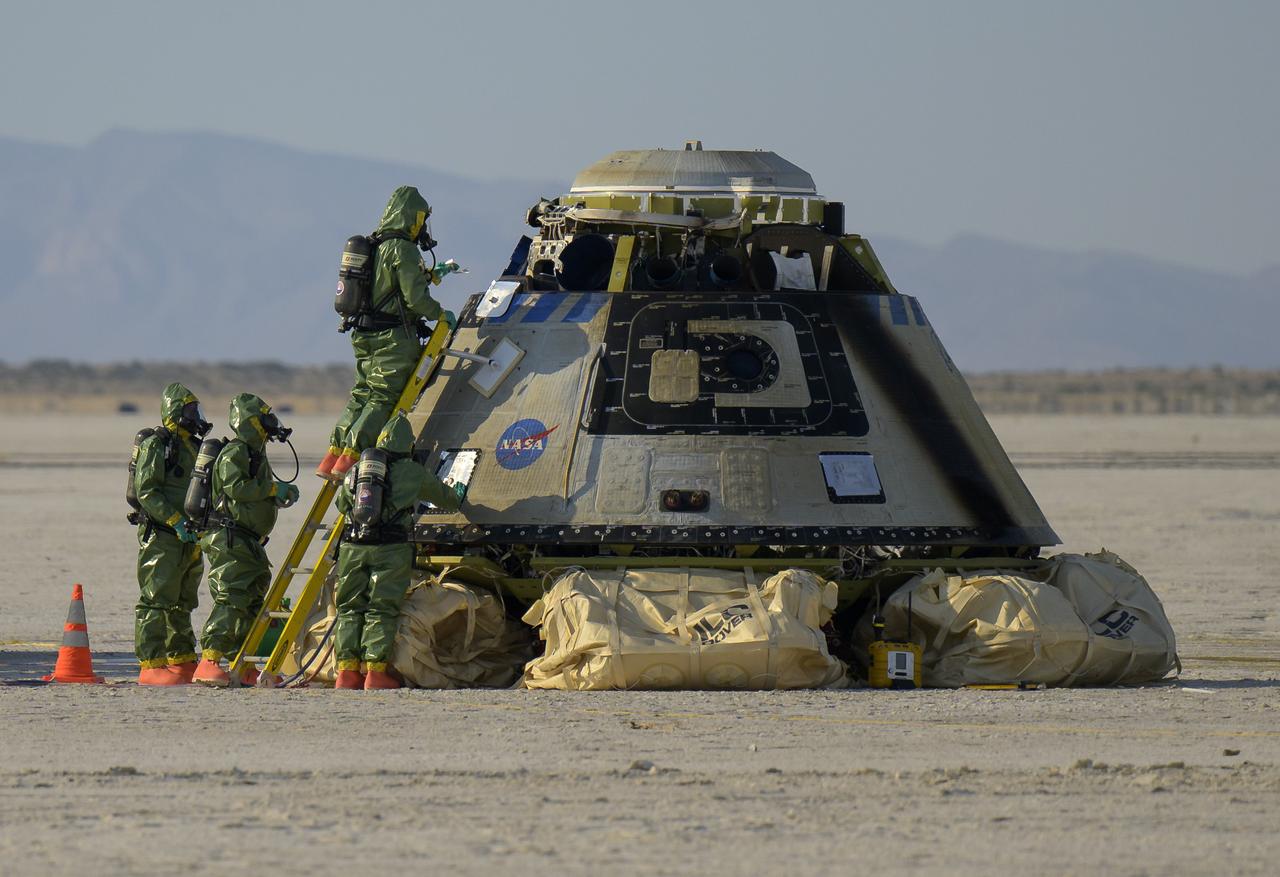
Boeing and NASA teams work around Boeing’s CST-100 Starliner spacecraft after it landed at White Sands Missile Range’s Space Harbor, Wednesday, May 25, 2022, in New Mexico. Boeing’s Orbital Flight Test-2 (OFT-2) is Starliner’s second uncrewed flight test to the International Space Station as part of NASA's Commercial Crew Program. OFT-2 serves as an end-to-end test of the system's capabilities. Photo Credit: (NASA/Bill Ingalls)
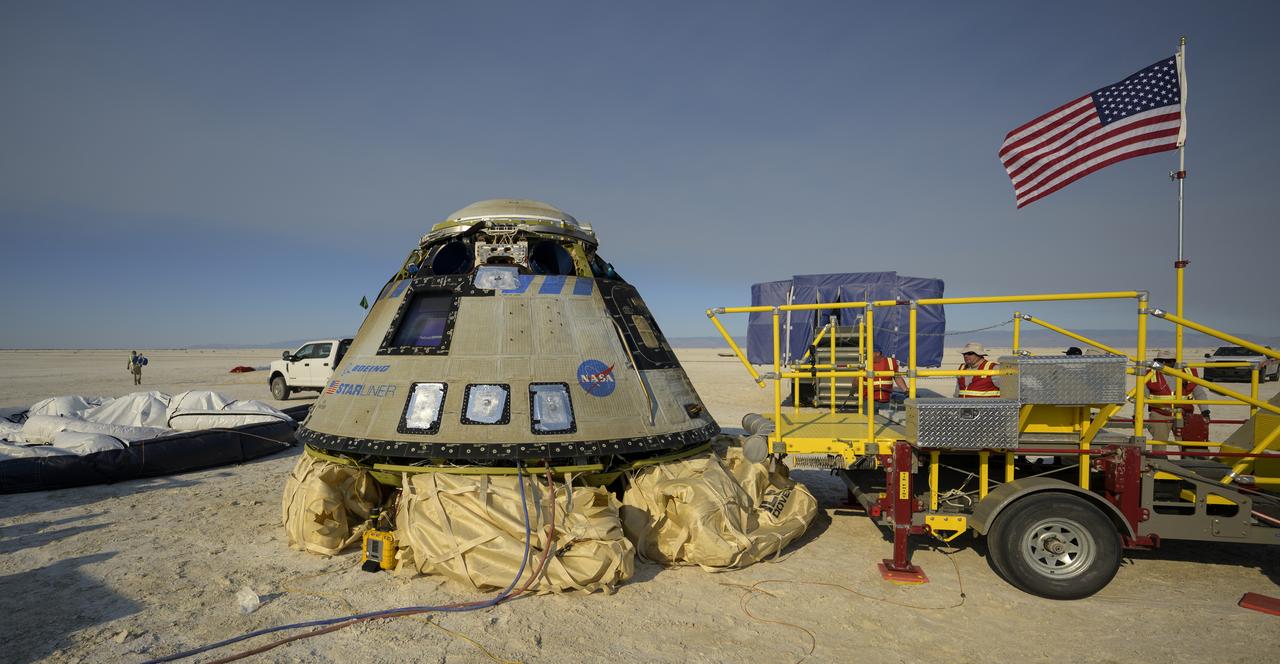
Boeing and NASA teams work around Boeing’s CST-100 Starliner spacecraft after it landed at White Sands Missile Range’s Space Harbor, Wednesday, May 25, 2022, in New Mexico. Boeing’s Orbital Flight Test-2 (OFT-2) is Starliner’s second uncrewed flight test to the International Space Station as part of NASA's Commercial Crew Program. OFT-2 serves as an end-to-end test of the system's capabilities. Photo Credit: (NASA/Bill Ingalls)
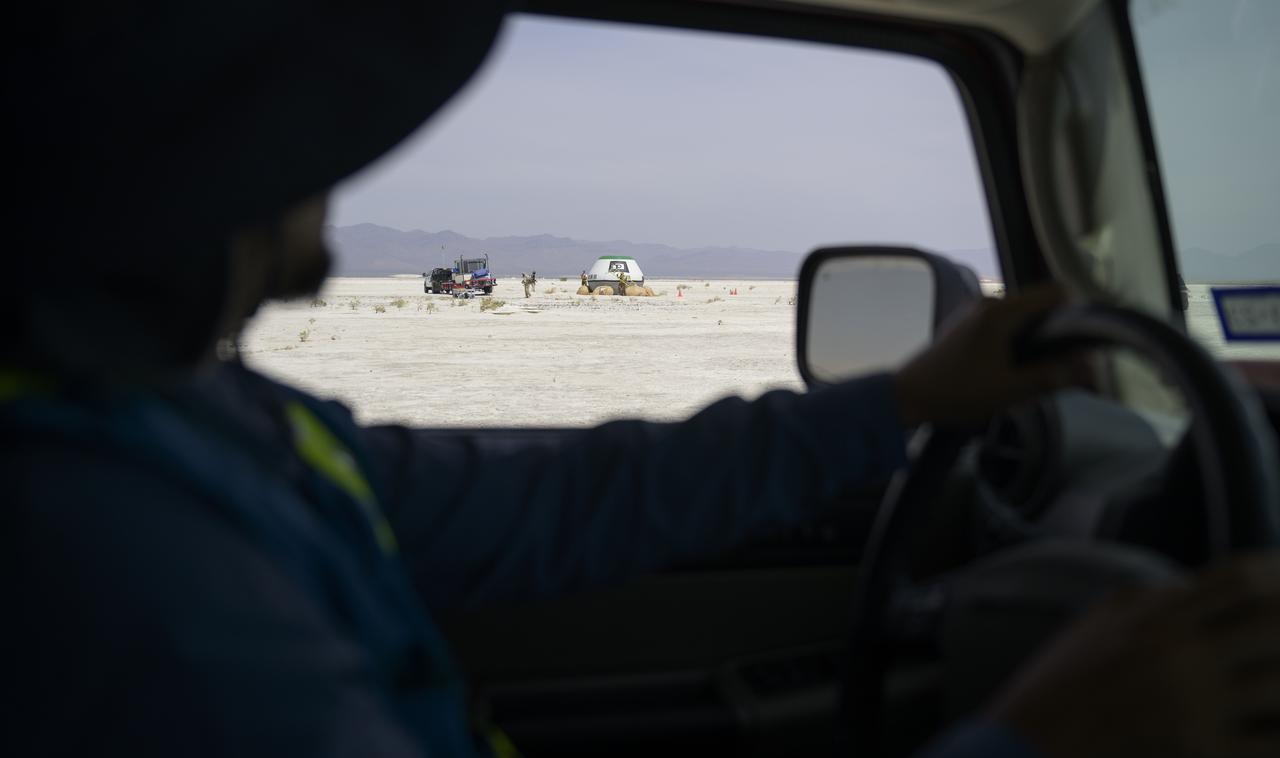
Boeing and NASA teams participate in a mission dress rehearsal to prepare for the landing of the Boeing CST-100 Starliner spacecraft in White Sands, New Mexico, Monday, May 23, 2022. Boeing’s Orbital Flight Test-2 (OFT-2) is Starliner’s second uncrewed flight test to the International Space Station as part of NASA's Commercial Crew Program. OFT-2 serves as an end-to-end test of the system's capabilities. Photo Credit: (NASA/Bill Ingalls)
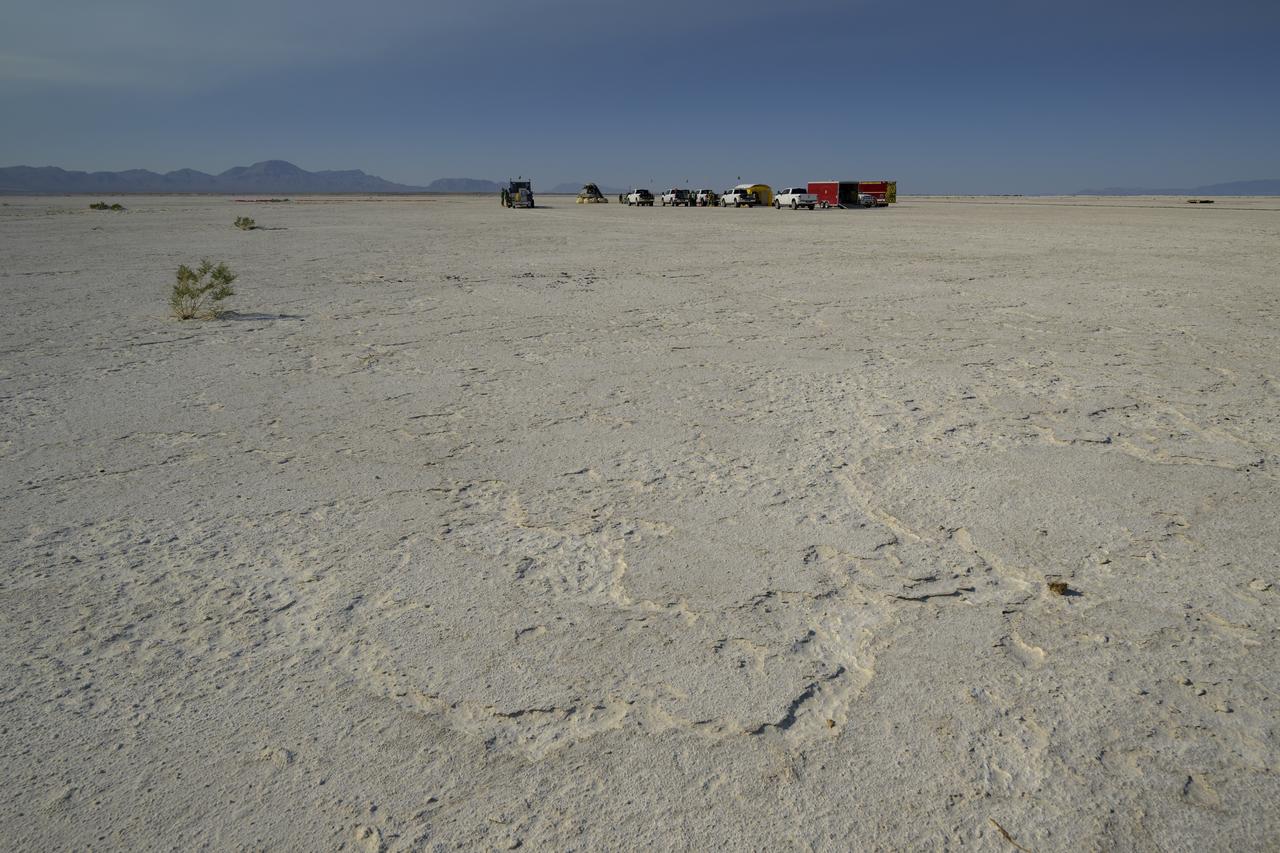
Boeing and NASA teams work around Boeing’s CST-100 Starliner spacecraft after it landed at White Sands Missile Range’s Space Harbor, Wednesday, May 25, 2022, in New Mexico. Boeing’s Orbital Flight Test-2 (OFT-2) is Starliner’s second uncrewed flight test to the International Space Station as part of NASA's Commercial Crew Program. OFT-2 serves as an end-to-end test of the system's capabilities. Photo Credit: (NASA/Bill Ingalls)
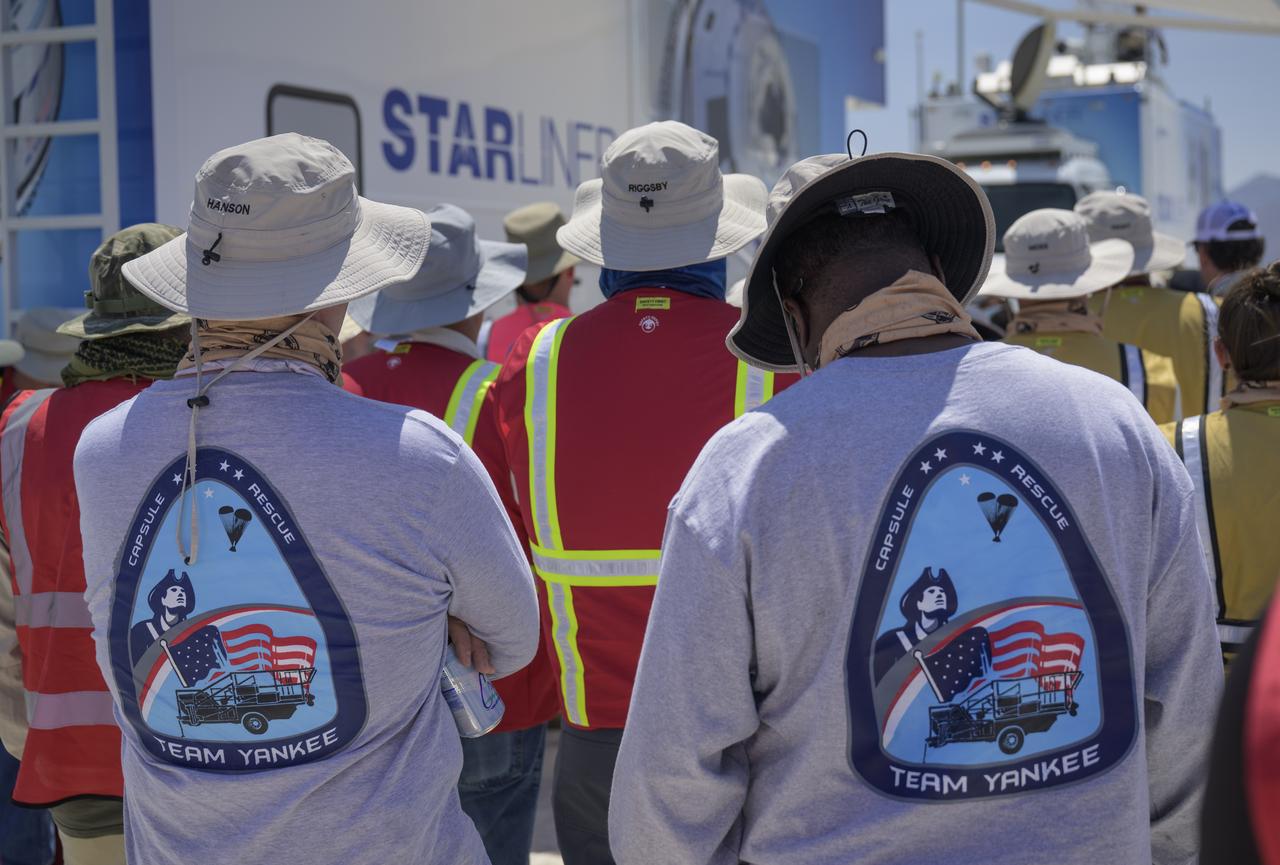
NASA and Boeing teams prepare for the landing of Boeing’s CST-100 Starliner spacecraft at White Sands Missile Range’s Space Harbor, Wednesday, May 25, 2022, in New Mexico. Boeing’s Orbital Flight Test-2 (OFT-2) is Starliner’s second uncrewed flight test to the International Space Station as part of NASA's Commercial Crew Program. OFT-2 serves as an end-to-end test of the system's capabilities. Photo Credit: (NASA/Bill Ingalls)
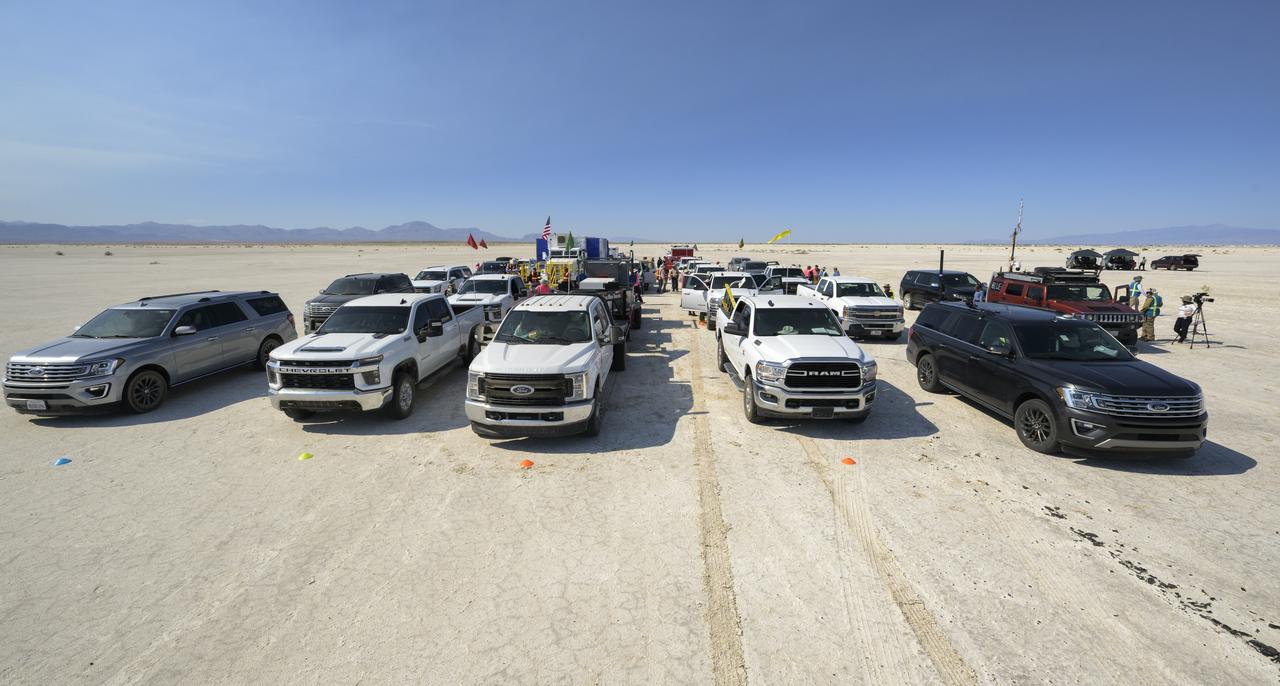
NASA and Boeing teams line up in a convoy as they prepare for the landing of Boeing’s CST-100 Starliner spacecraft at White Sands Missile Range’s Space Harbor, Wednesday, May 25, 2022, in New Mexico. Boeing’s Orbital Flight Test-2 (OFT-2) is Starliner’s second uncrewed flight test to the International Space Station as part of NASA's Commercial Crew Program. OFT-2 serves as an end-to-end test of the system's capabilities. Photo Credit: (NASA/Bill Ingalls)
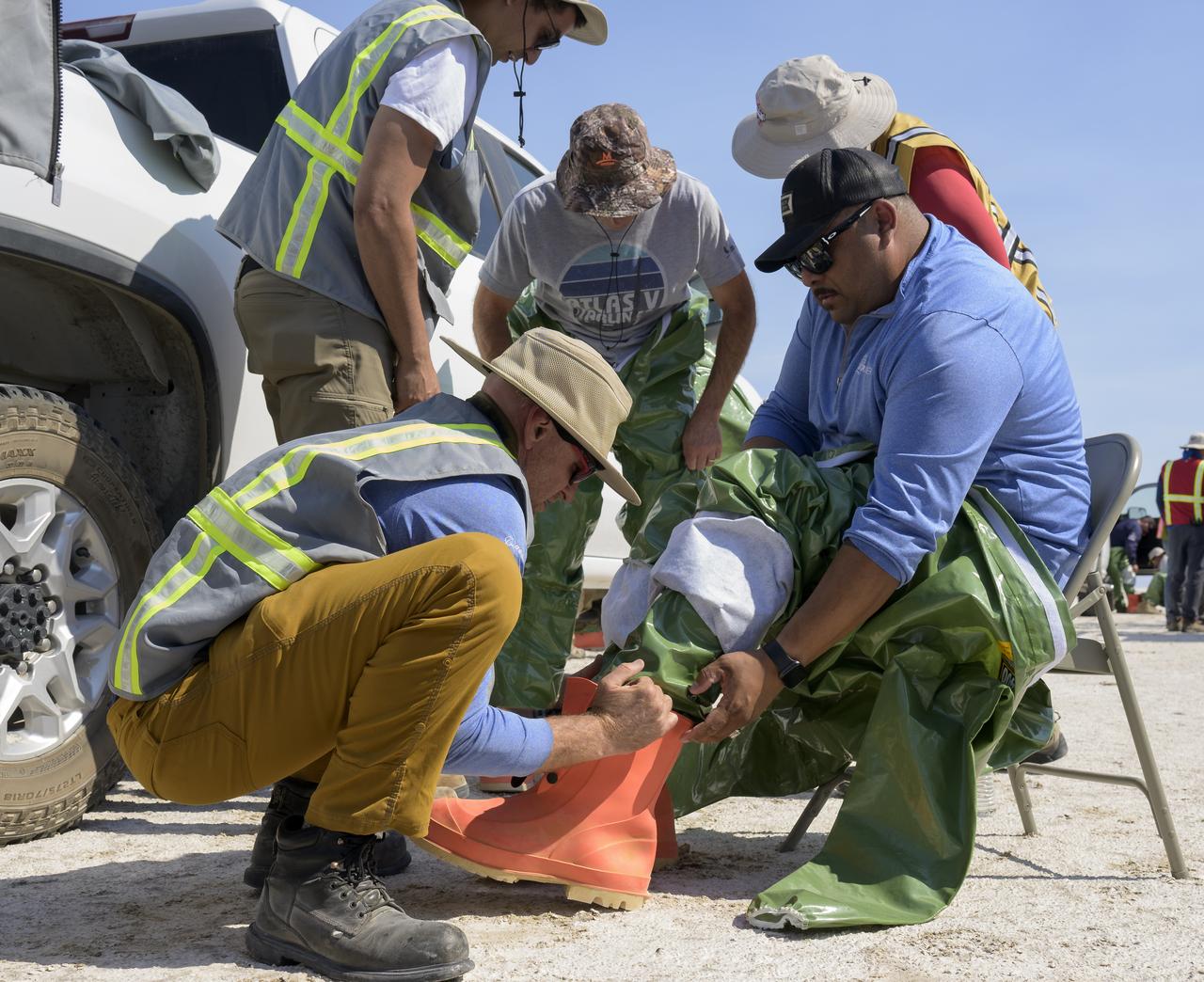
Boeing team members don hazmat suits as they prepare for the landing of Boeing’s CST-100 Starliner spacecraft at White Sands Missile Range’s Space Harbor, Wednesday, May 25, 2022, in New Mexico. Boeing’s Orbital Flight Test-2 (OFT-2) is Starliner’s second uncrewed flight test to the International Space Station as part of NASA's Commercial Crew Program. OFT-2 serves as an end-to-end test of the system's capabilities. Photo Credit: (NASA/Bill Ingalls)
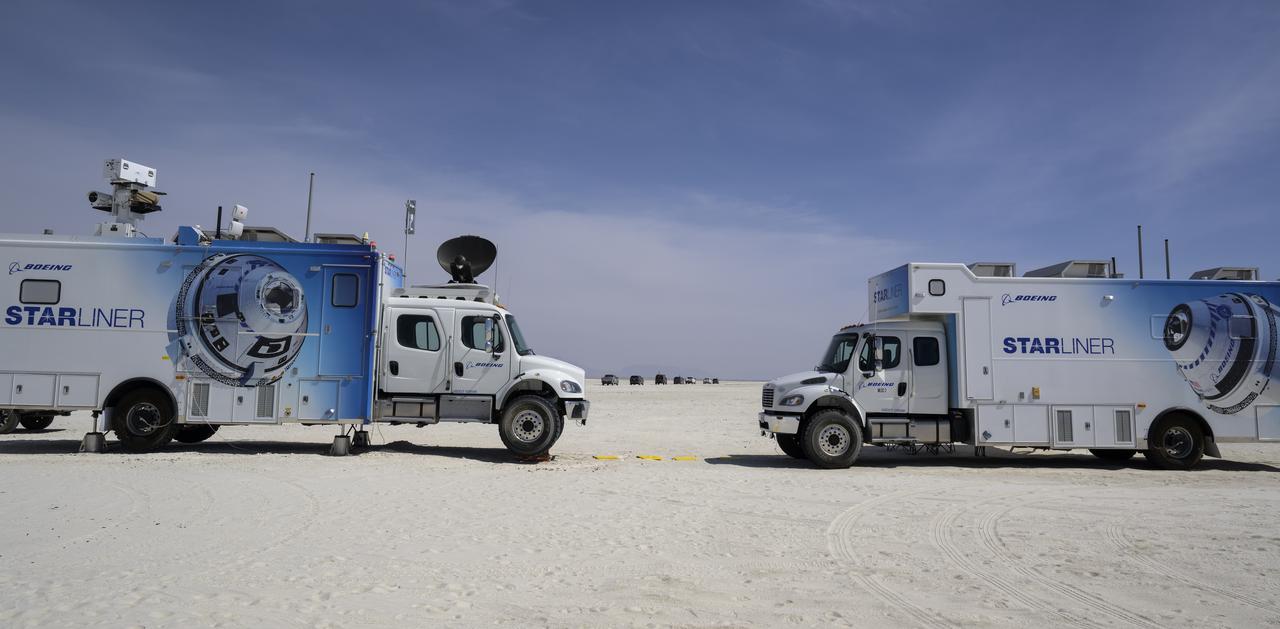
Boeing and NASA teams participate in a mission dress rehearsal to prepare for the landing of the Boeing CST-100 Starliner spacecraft in White Sands, New Mexico, Monday, May 23, 2022. Boeing’s Orbital Flight Test-2 (OFT-2) is Starliner’s second uncrewed flight test to the International Space Station as part of NASA's Commercial Crew Program. OFT-2 serves as an end-to-end test of the system's capabilities. Photo Credit: (NASA/Bill Ingalls)
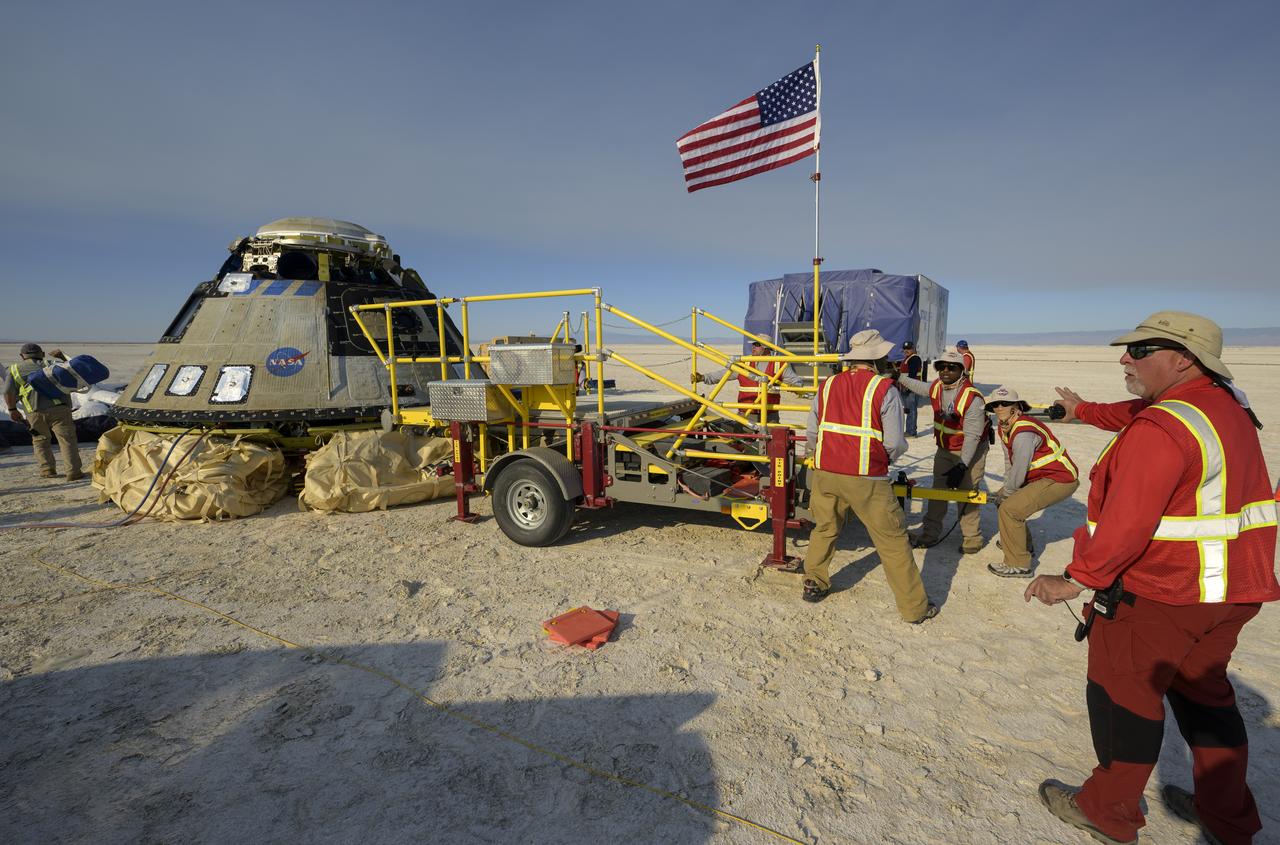
Boeing and NASA teams work around Boeing’s CST-100 Starliner spacecraft after it landed at White Sands Missile Range’s Space Harbor, Wednesday, May 25, 2022, in New Mexico. Boeing’s Orbital Flight Test-2 (OFT-2) is Starliner’s second uncrewed flight test to the International Space Station as part of NASA's Commercial Crew Program. OFT-2 serves as an end-to-end test of the system's capabilities. Photo Credit: (NASA/Bill Ingalls)
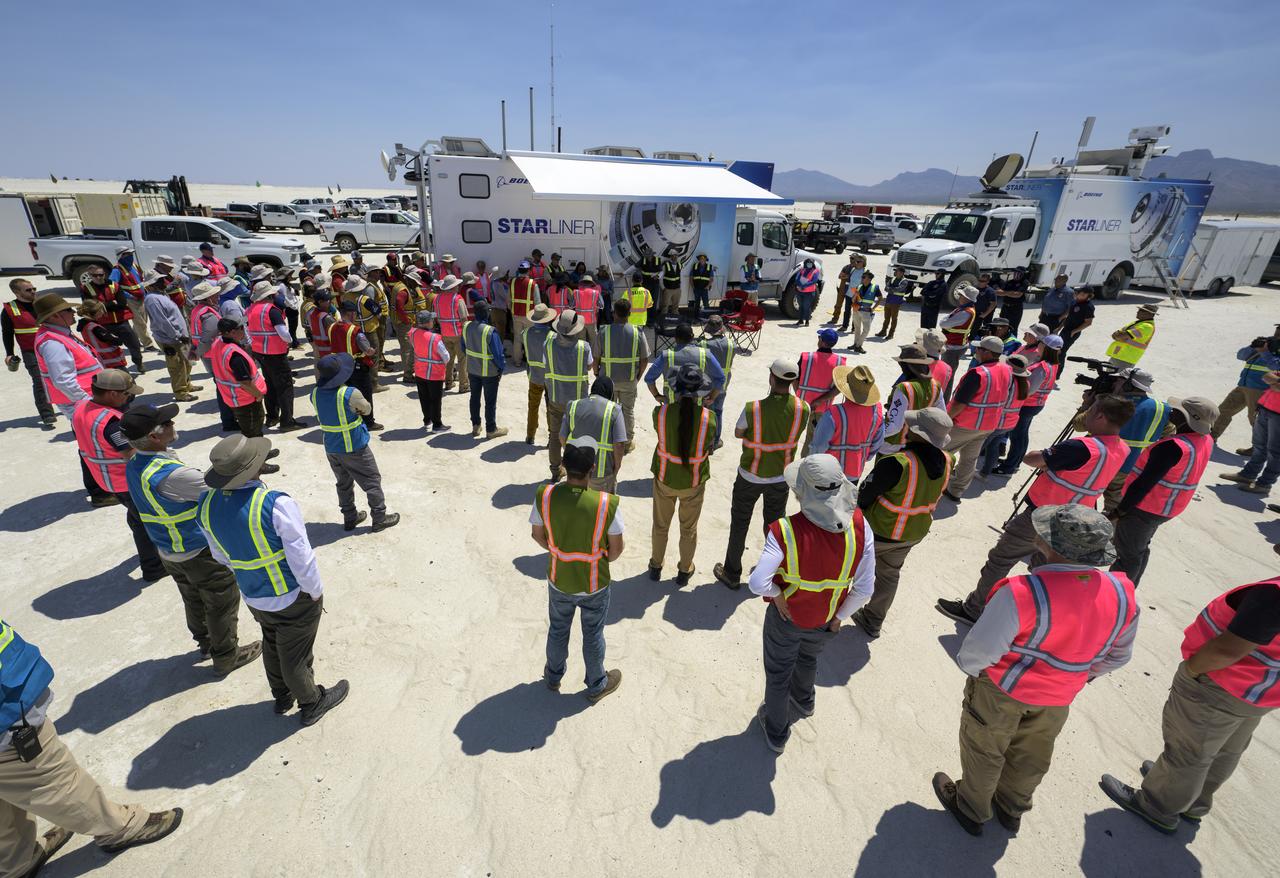
NASA and Boeing teams prepare for the landing of Boeing’s CST-100 Starliner spacecraft at White Sands Missile Range’s Space Harbor, Wednesday, May 25, 2022, in New Mexico. Boeing’s Orbital Flight Test-2 (OFT-2) is Starliner’s second uncrewed flight test to the International Space Station as part of NASA's Commercial Crew Program. OFT-2 serves as an end-to-end test of the system's capabilities. Photo Credit: (NASA/Bill Ingalls)
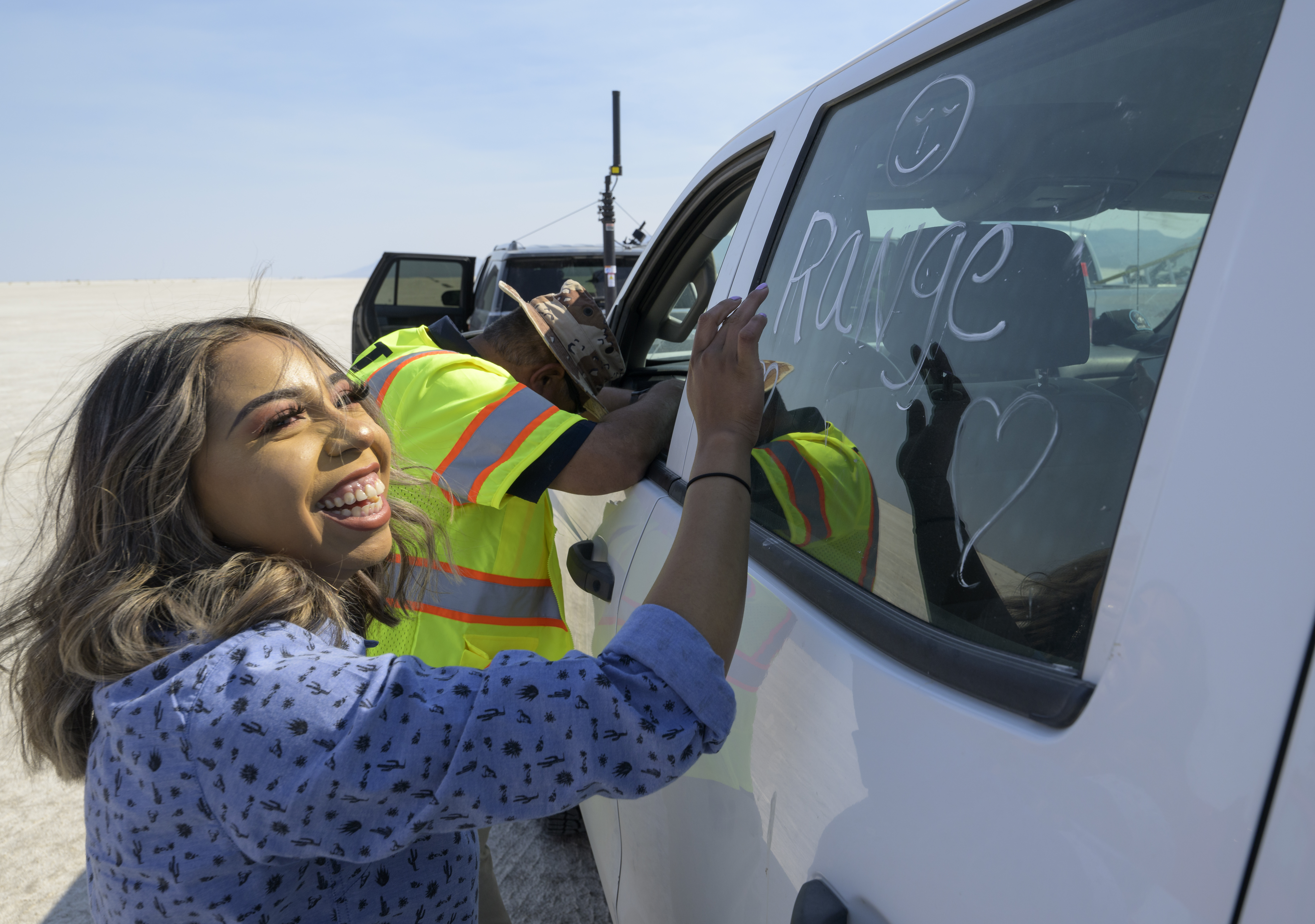
A member of the range safety team labels her convoy vehicle as they prepare for the landing of Boeing’s CST-100 Starliner spacecraft at White Sands Missile Range’s Space Harbor, Wednesday, May 25, 2022, in New Mexico. Boeing’s Orbital Flight Test-2 (OFT-2) is Starliner’s second uncrewed flight test to the International Space Station as part of NASA's Commercial Crew Program. OFT-2 serves as an end-to-end test of the system's capabilities. Photo Credit: (NASA/Bill Ingalls)
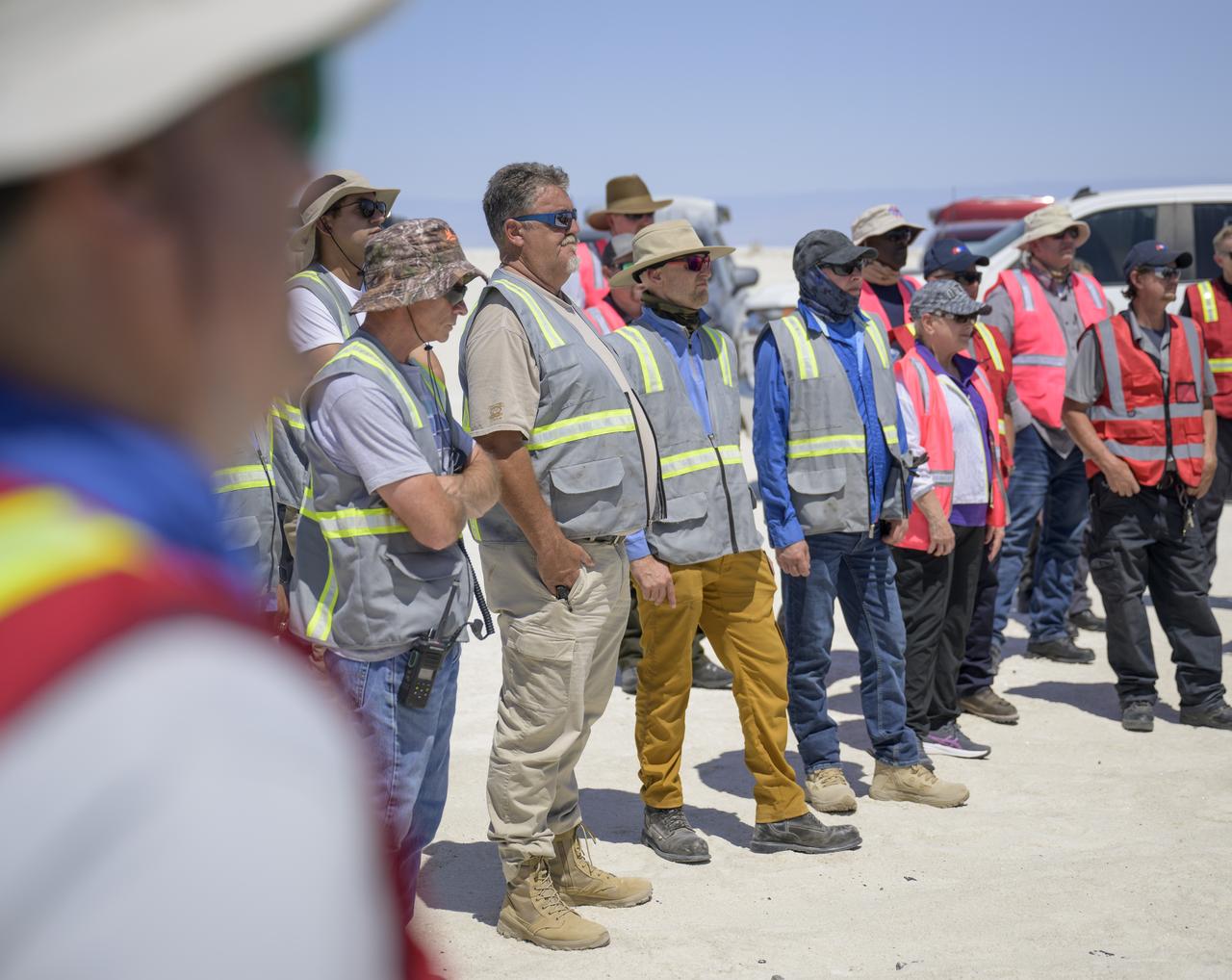
NASA and Boeing teams prepare for the landing of Boeing’s CST-100 Starliner spacecraft at White Sands Missile Range’s Space Harbor, Wednesday, May 25, 2022, in New Mexico. Boeing’s Orbital Flight Test-2 (OFT-2) is Starliner’s second uncrewed flight test to the International Space Station as part of NASA's Commercial Crew Program. OFT-2 serves as an end-to-end test of the system's capabilities. Photo Credit: (NASA/Bill Ingalls)
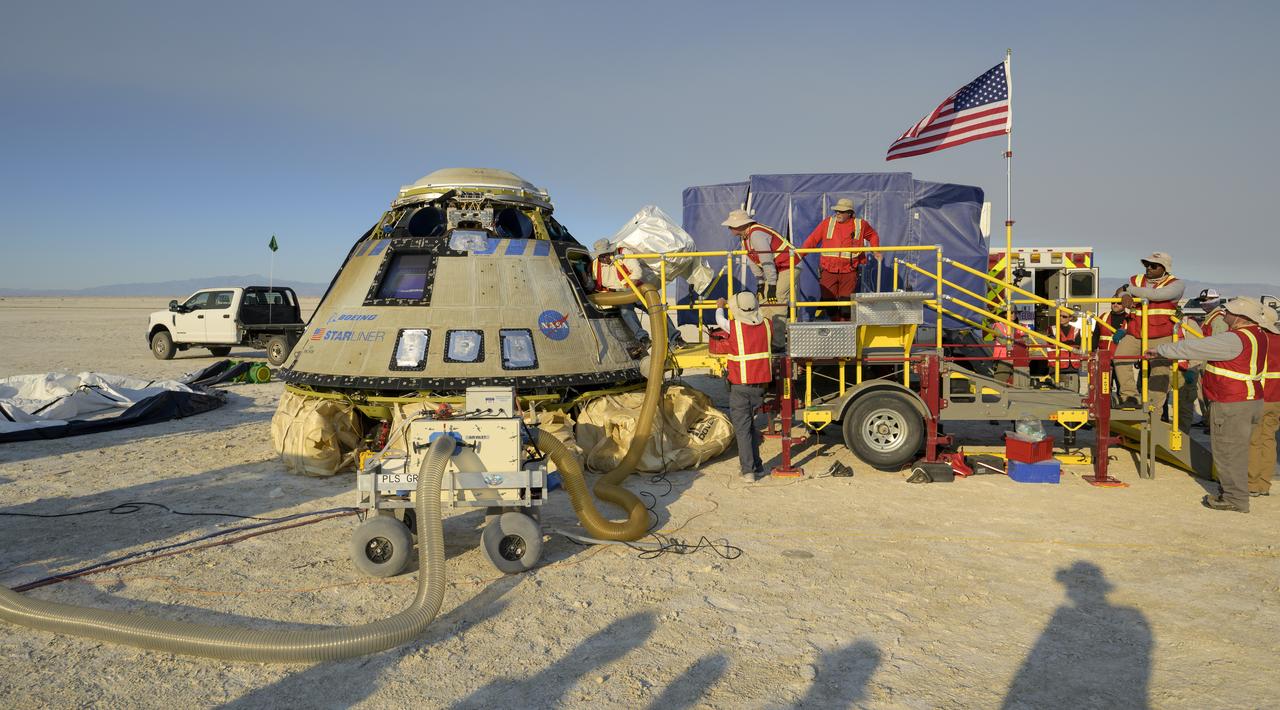
Boeing and NASA teams work around Boeing’s CST-100 Starliner spacecraft after it landed at White Sands Missile Range’s Space Harbor, Wednesday, May 25, 2022, in New Mexico. Boeing’s Orbital Flight Test-2 (OFT-2) is Starliner’s second uncrewed flight test to the International Space Station as part of NASA's Commercial Crew Program. OFT-2 serves as an end-to-end test of the system's capabilities. Photo Credit: (NASA/Bill Ingalls)
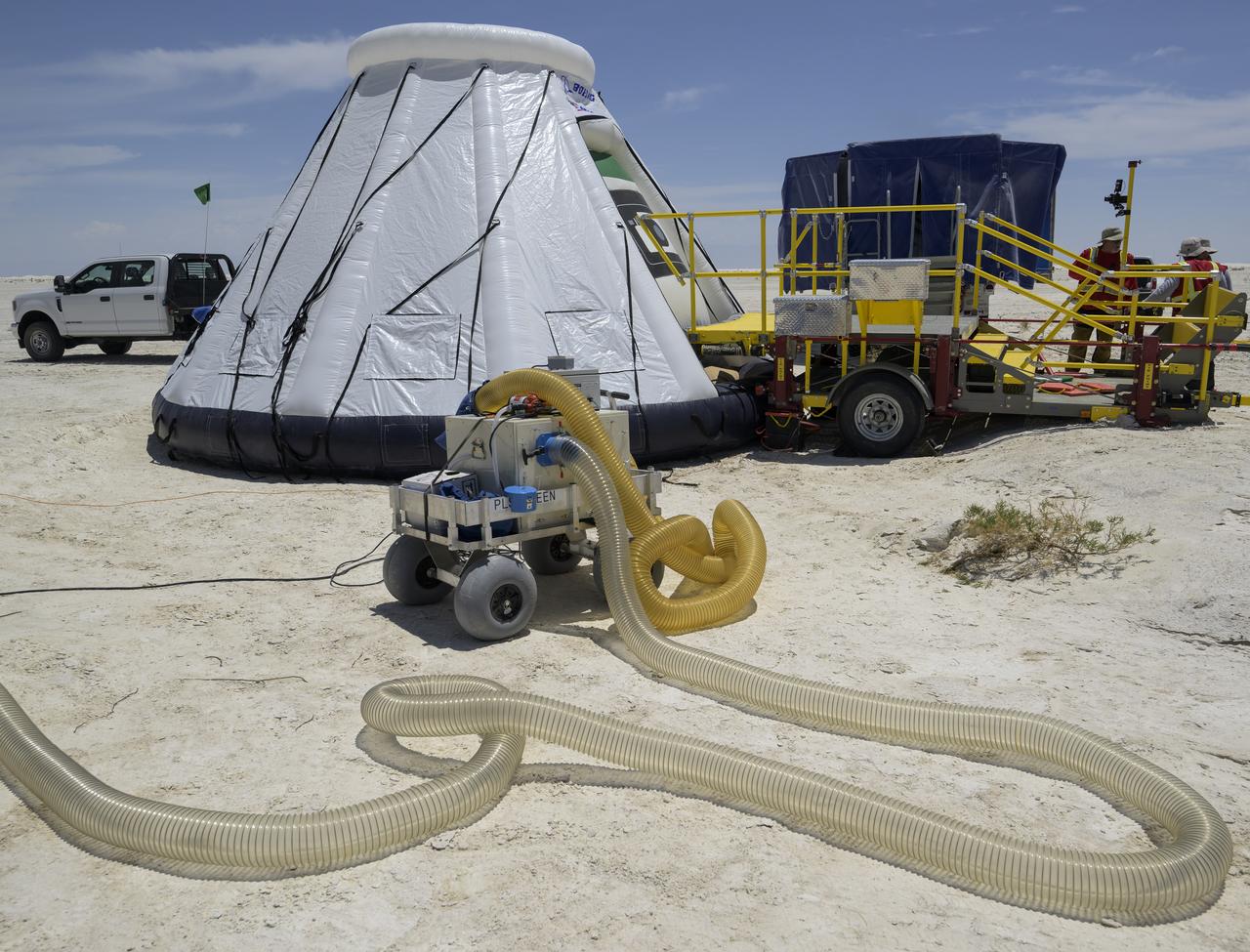
Boeing and NASA teams participate in a mission dress rehearsal to prepare for the landing of the Boeing CST-100 Starliner spacecraft in White Sands, New Mexico, Monday, May 23, 2022. Boeing’s Orbital Flight Test-2 (OFT-2) is Starliner’s second uncrewed flight test to the International Space Station as part of NASA's Commercial Crew Program. OFT-2 serves as an end-to-end test of the system's capabilities. Photo Credit: (NASA/Bill Ingalls)
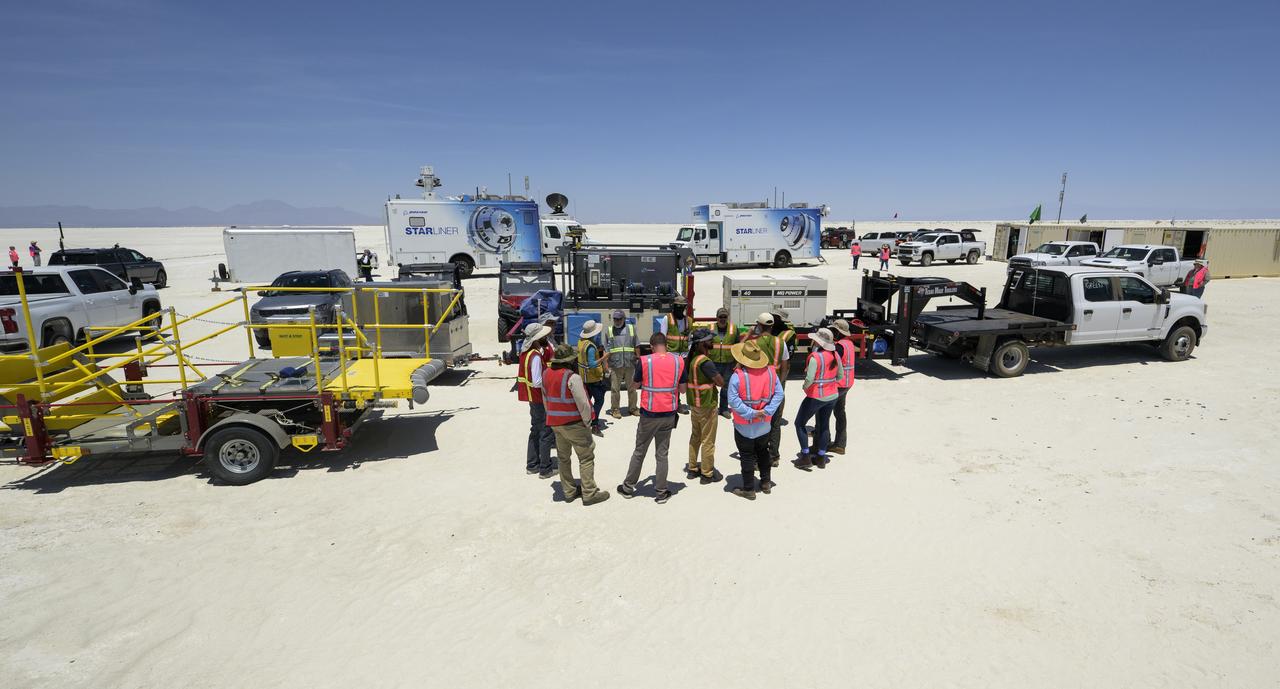
NASA and Boeing teams prepare for the landing of Boeing’s CST-100 Starliner spacecraft at White Sands Missile Range’s Space Harbor, Wednesday, May 25, 2022, in New Mexico. Boeing’s Orbital Flight Test-2 (OFT-2) is Starliner’s second uncrewed flight test to the International Space Station as part of NASA's Commercial Crew Program. OFT-2 serves as an end-to-end test of the system's capabilities. Photo Credit: (NASA/Bill Ingalls)
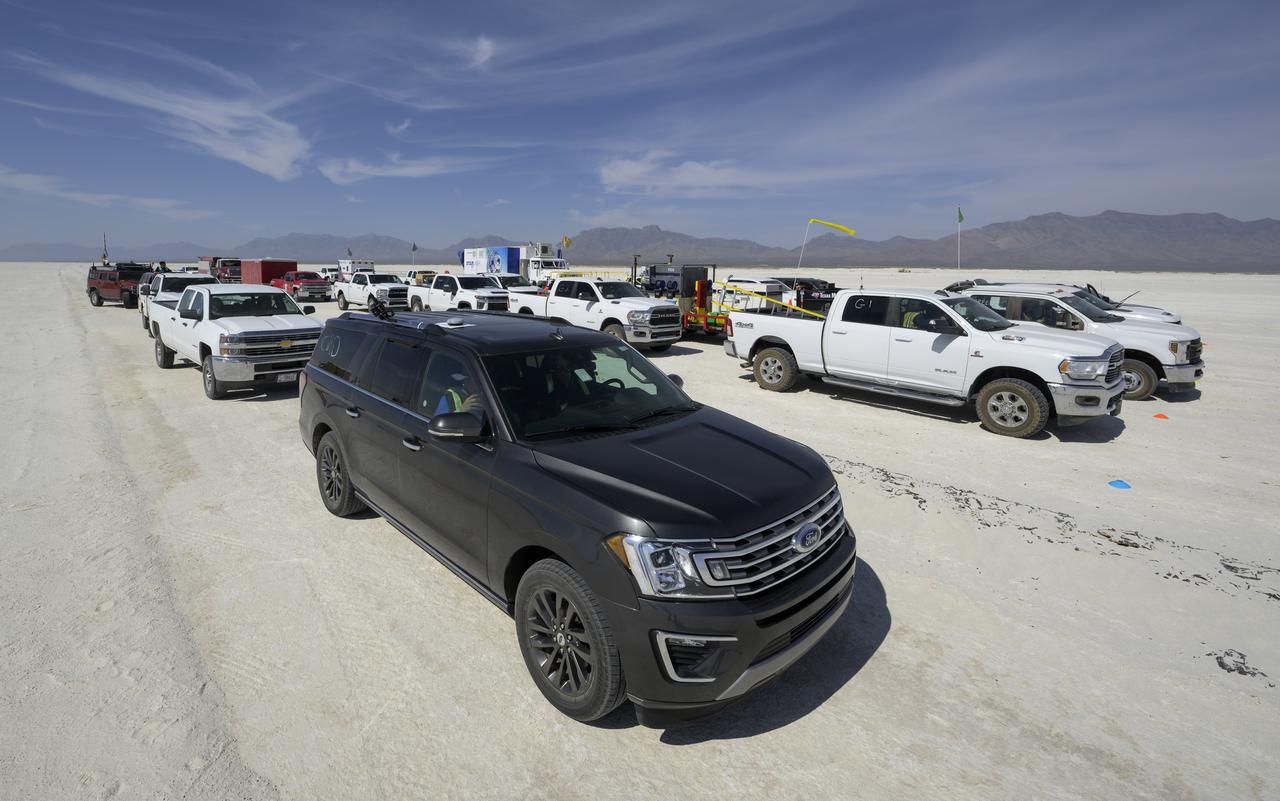
Boeing and NASA teams participate in a mission dress rehearsal to prepare for the landing of the Boeing CST-100 Starliner spacecraft in White Sands, New Mexico, Monday, May 23, 2022. Boeing’s Orbital Flight Test-2 (OFT-2) is Starliner’s second uncrewed flight test to the International Space Station as part of NASA's Commercial Crew Program. OFT-2 serves as an end-to-end test of the system's capabilities. Photo Credit: (NASA/Bill Ingalls)
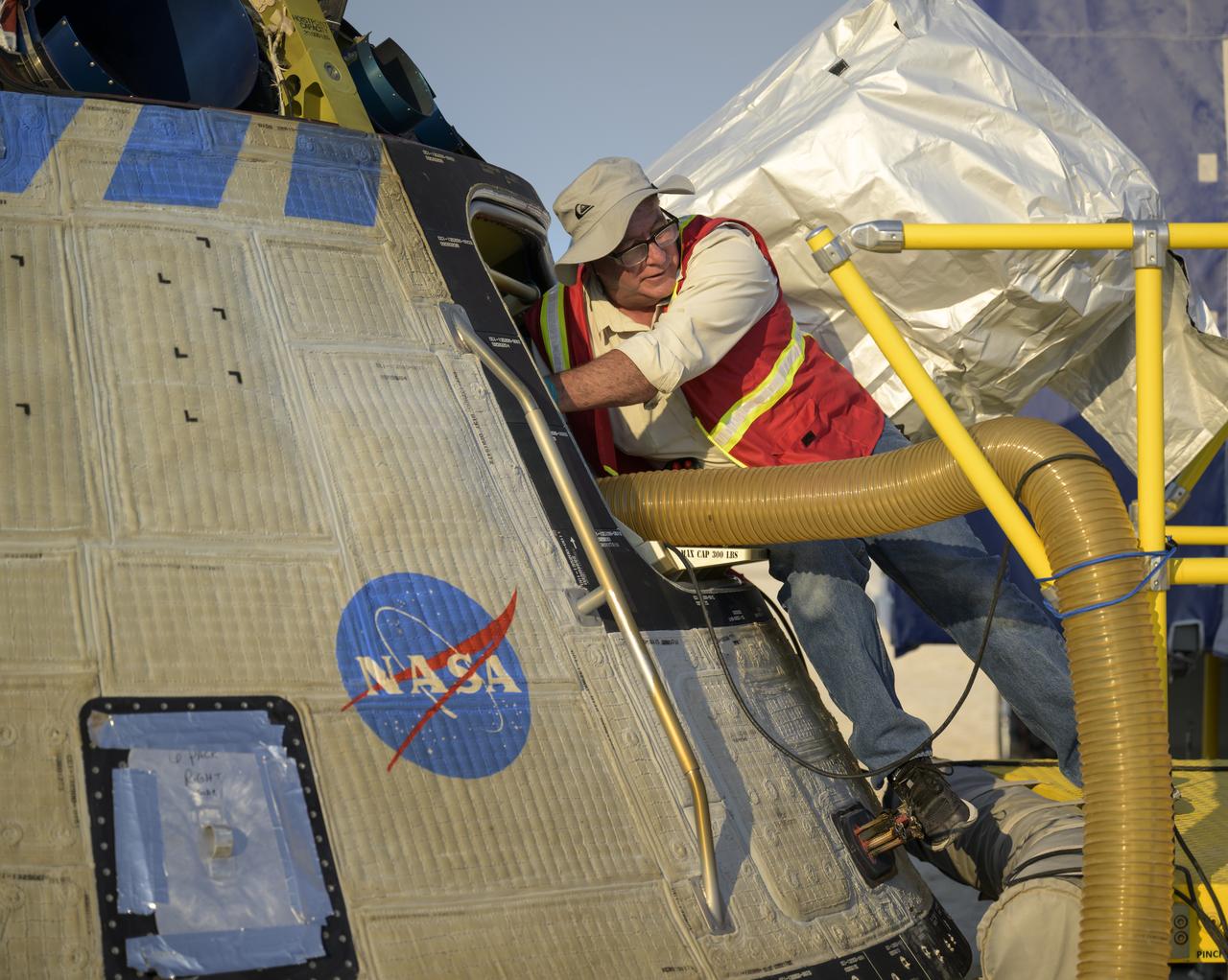
Boeing and NASA teams work around Boeing’s CST-100 Starliner spacecraft after it landed at White Sands Missile Range’s Space Harbor, Wednesday, May 25, 2022, in New Mexico. Boeing’s Orbital Flight Test-2 (OFT-2) is Starliner’s second uncrewed flight test to the International Space Station as part of NASA's Commercial Crew Program. OFT-2 serves as an end-to-end test of the system's capabilities. Photo Credit: (NASA/Bill Ingalls)
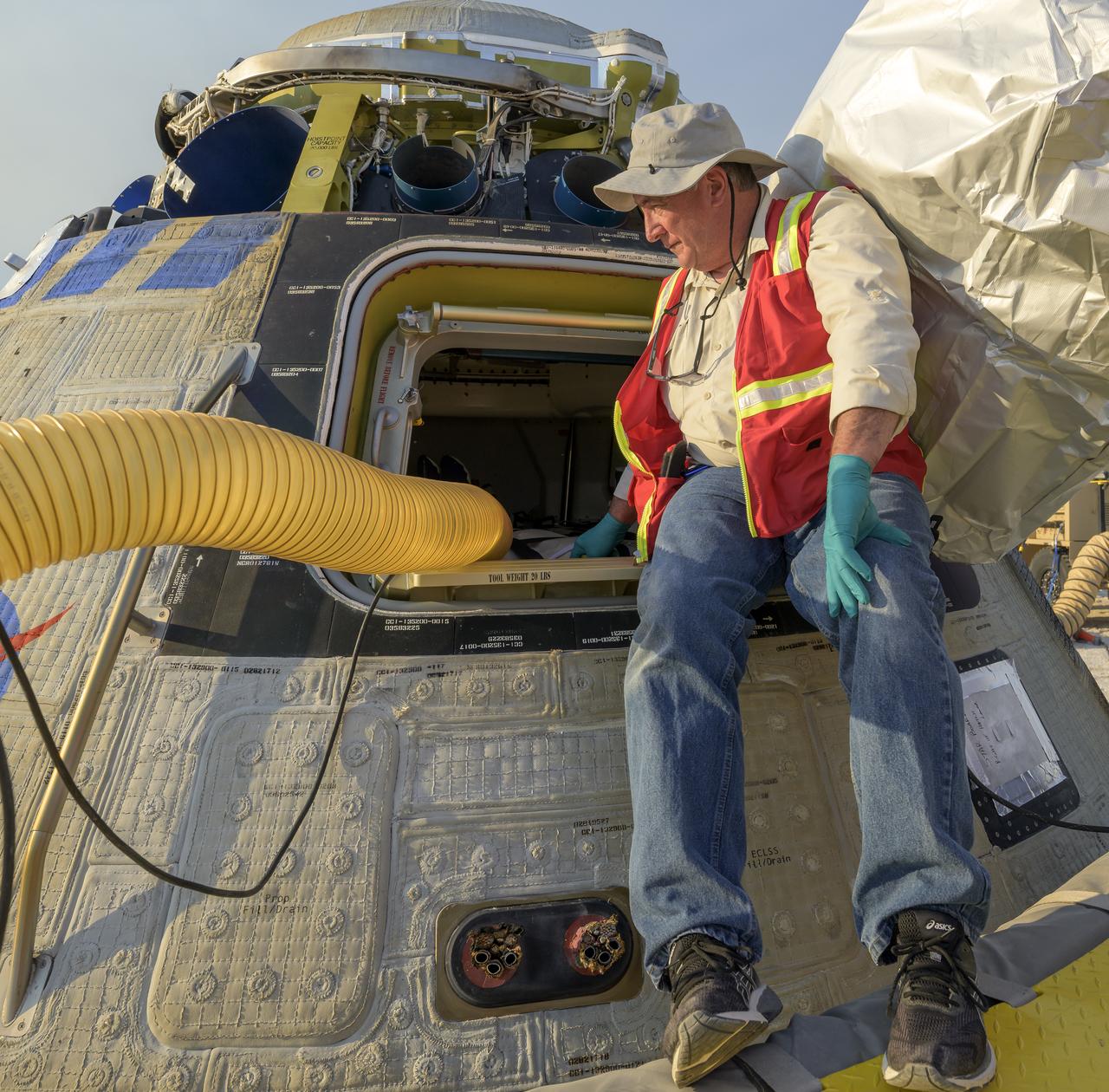
Boeing and NASA teams work around Boeing’s CST-100 Starliner spacecraft after it landed at White Sands Missile Range’s Space Harbor, Wednesday, May 25, 2022, in New Mexico. Boeing’s Orbital Flight Test-2 (OFT-2) is Starliner’s second uncrewed flight test to the International Space Station as part of NASA's Commercial Crew Program. OFT-2 serves as an end-to-end test of the system's capabilities. Photo Credit: (NASA/Bill Ingalls)

Boeing and NASA teams work around Boeing’s CST-100 Starliner spacecraft after it landed at White Sands Missile Range’s Space Harbor, Wednesday, May 25, 2022, in New Mexico. Boeing’s Orbital Flight Test-2 (OFT-2) is Starliner’s second uncrewed flight test to the International Space Station as part of NASA's Commercial Crew Program. OFT-2 serves as an end-to-end test of the system's capabilities. Photo Credit: (NASA/Bill Ingalls)
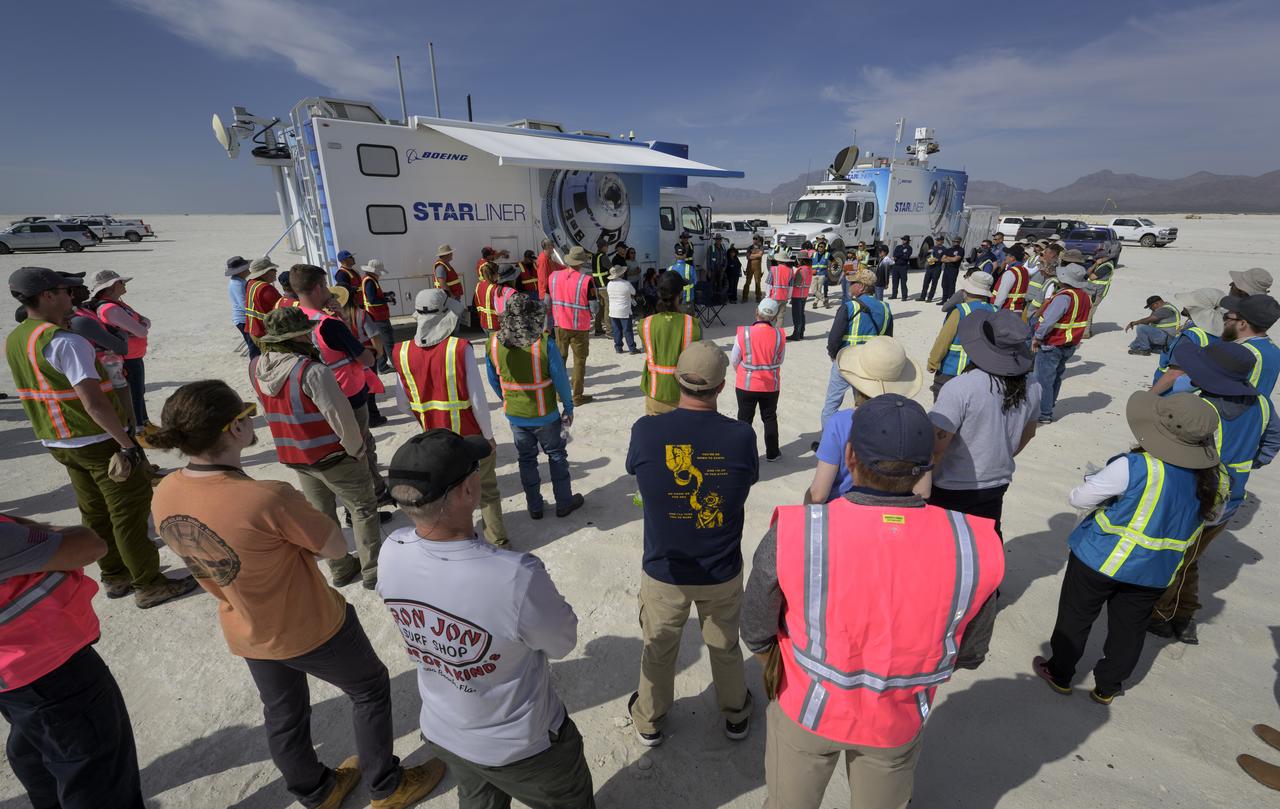
Boeing and NASA teams participate in a mission dress rehearsal to prepare for the landing of the Boeing CST-100 Starliner spacecraft in White Sands, New Mexico, Monday, May 23, 2022. Boeing’s Orbital Flight Test-2 (OFT-2) is Starliner’s second uncrewed flight test to the International Space Station as part of NASA's Commercial Crew Program. OFT-2 serves as an end-to-end test of the system's capabilities. Photo Credit: (NASA/Bill Ingalls)
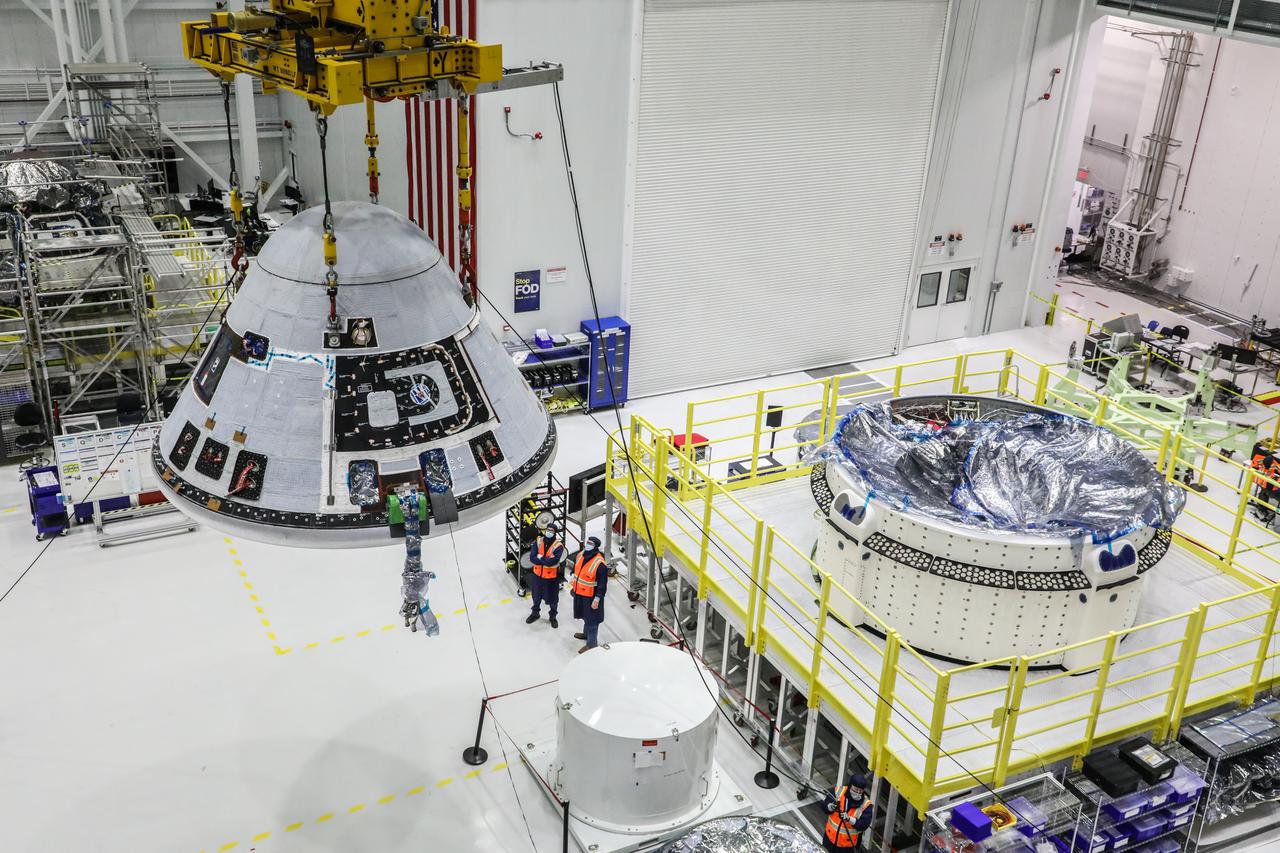
Boeing’s Starliner crew module is hoisted and moves past the service module in the Commercial Crew and Cargo Processing Facility at Kennedy Space Center in Florida on Wednesday, Jan. 13, 2021, prior to the weight and center of gravity test. The crew module and service module will soon be mated, making the spacecraft complete for the company’s second Orbital Flight Test (OFT-2) for NASA’s Commercial Crew Program. OFT-2 is a critical developmental milestone on the company’s path toward flying crew missions for NASA.
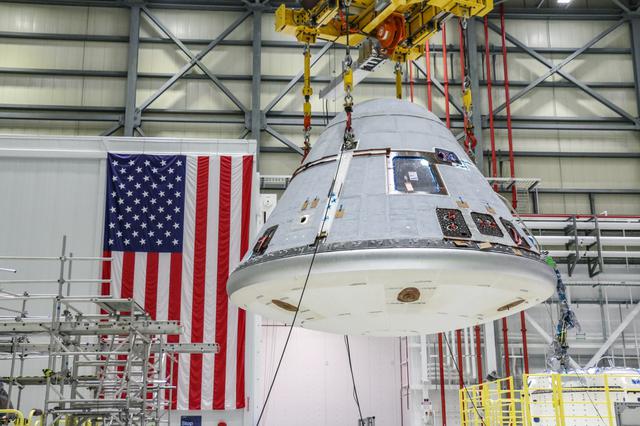
Boeing’s Starliner crew module for the company’s second Orbital Flight Test (OFT-2) is lifted Wednesday, Jan. 13, 2021, in the Commercial Crew and Cargo Processing Facility at Kennedy Space Center in Florida prior to the vehicle having a weight and center of gravity test. OFT-2 is a critical developmental milestone on the company’s path toward flying crew missions for NASA, as part of the agency’s Commercial Crew Program.
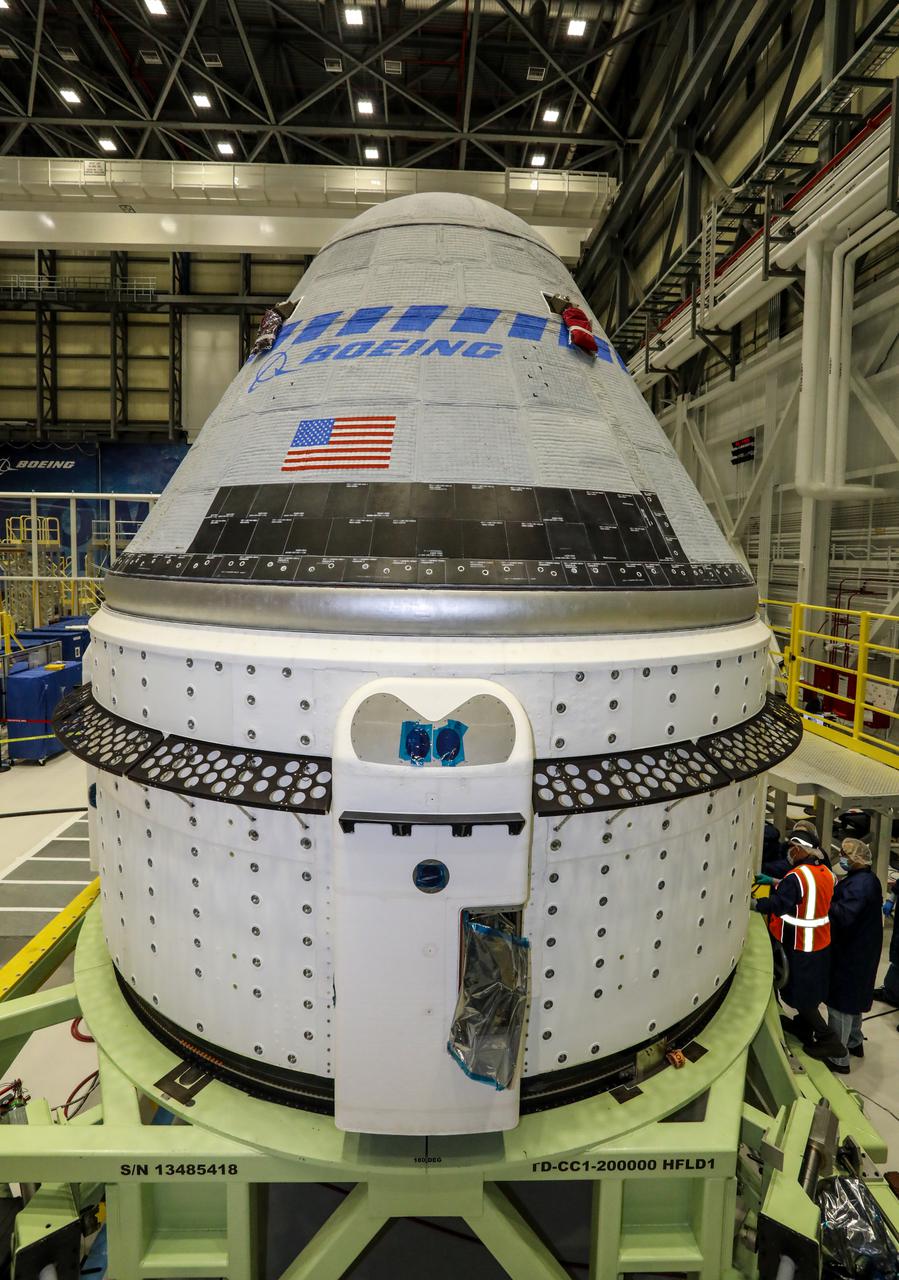
The Boeing CST-100 Starliner spacecraft to be flown on Orbital Flight Test-2 (OFT-2) is seen in the Commercial Crew and Cargo Processing Facility at NASA’s Kennedy Space Center in Florida on June 2. Part of the agency’s Commercial Crew Program, OFT-2 is a critical developmental milestone on the company’s path to fly crew missions for NASA.
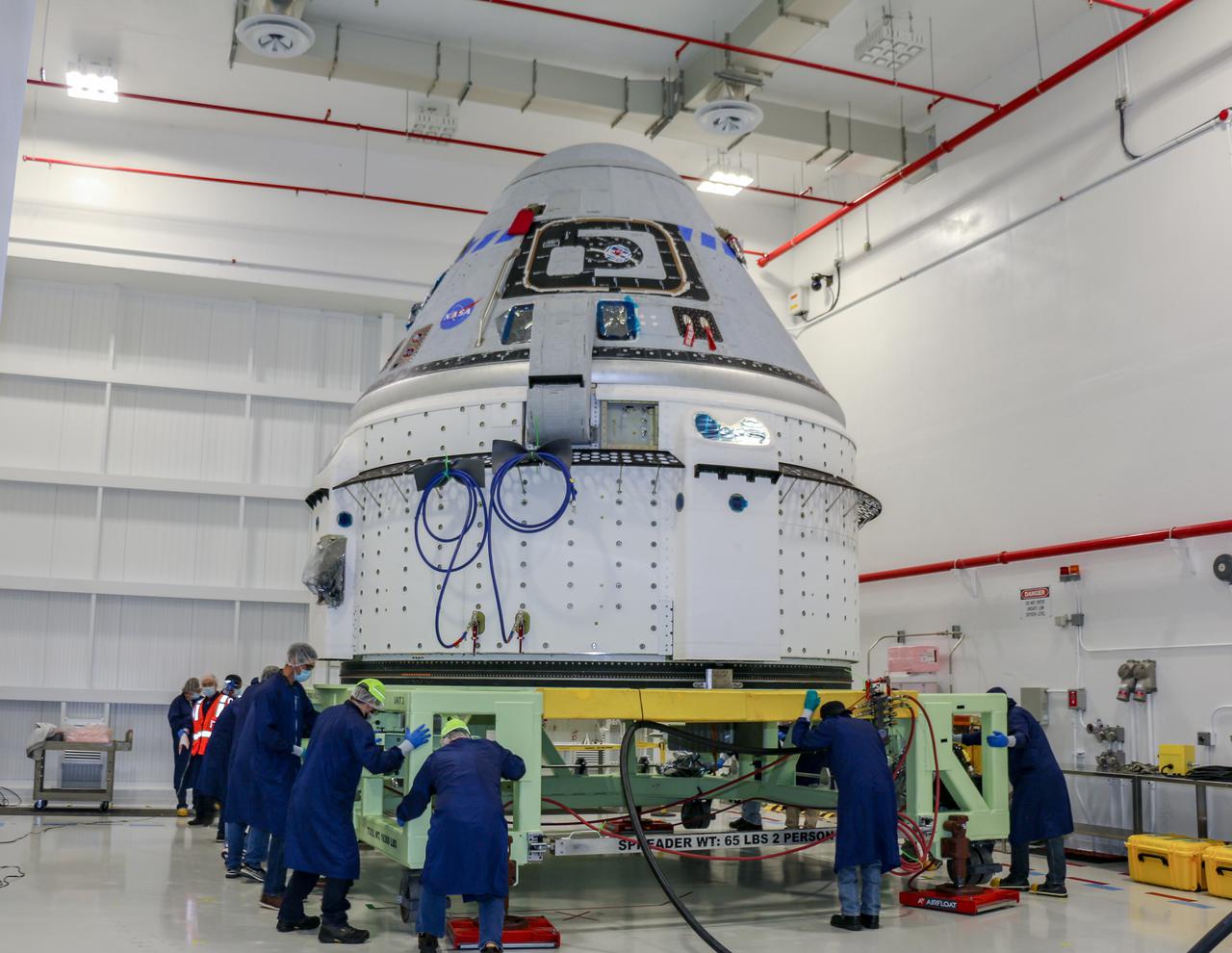
Technicians prepare Boeing’s CST-100 Starliner for the company’s Orbital Flight Test-2 (OFT-2) in the Commercial Crew and Cargo Processing Facility at NASA’s Kennedy Space Center in Florida on June 2. Part of the agency’s Commercial Crew Program, OFT-2 is a critical developmental milestone on the company’s path to fly crew missions for NASA.
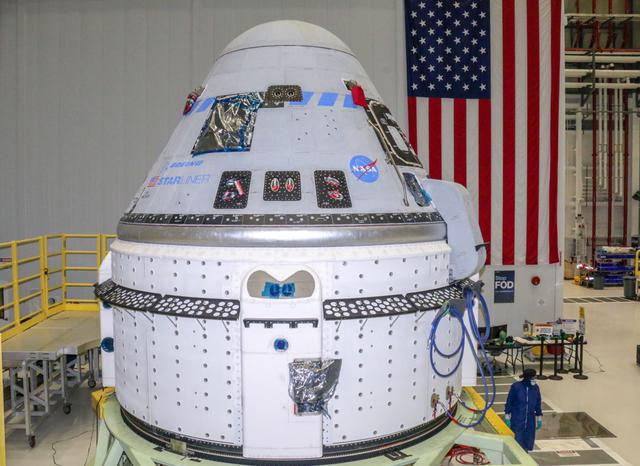
The Boeing CST-100 Starliner spacecraft to be flown on Orbital Flight Test-2 (OFT-2) is seen in the Commercial Crew and Cargo Processing Facility at NASA’s Kennedy Space Center in Florida on June 2. Part of the agency’s Commercial Crew Program, OFT-2 is a critical developmental milestone on the company’s path to fly crew missions for NASA.
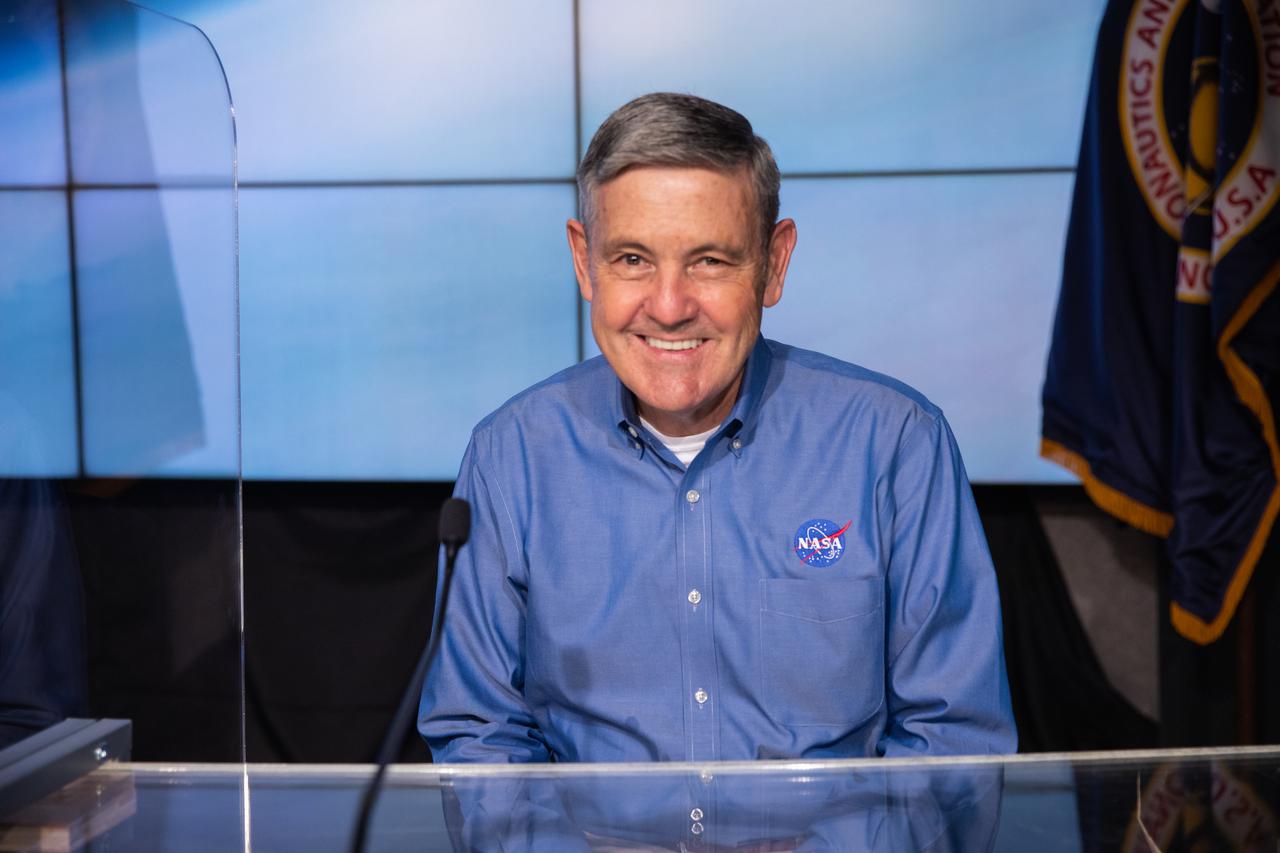
NASA Associate Administrator Bob Cabana participates in the NASA Administrator Media Briefing ahead of Boeing’s Orbital Flight Test-2 (OFT-2) at the agency’s Kennedy Space Center in Florida, July 29, 2021. Boeing’s CST-100 Starliner spacecraft will launch atop a United Launch Alliance Atlas V rocket from Space Launch Complex-41 at Cape Canaveral Space Force Station. The uncrewed OFT-2 will be the Starliner’s second flight for NASA’s Commercial Crew Program.
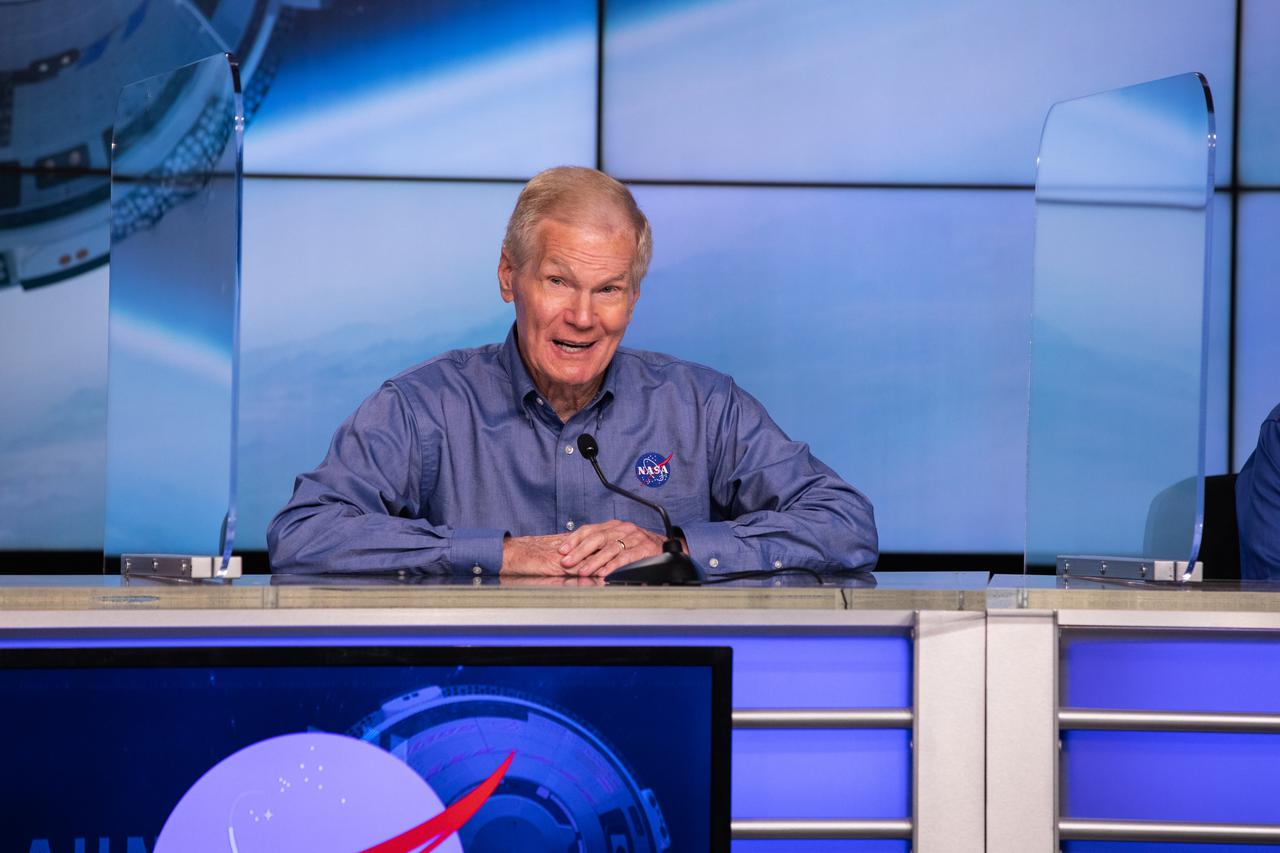
NASA Administrator Bill Nelson (center) speaks to the media ahead of Boeing’s Orbital Flight Test-2 (OFT-2) at the agency’s Kennedy Space Center in Florida, July 29, 2021. Boeing’s CST-100 Starliner spacecraft will launch atop a United Launch Alliance Atlas V rocket from Space Launch Complex-41 at Cape Canaveral Space Force Station. The uncrewed OFT-2 will be the Starliner’s second flight for NASA’s Commercial Crew Program.
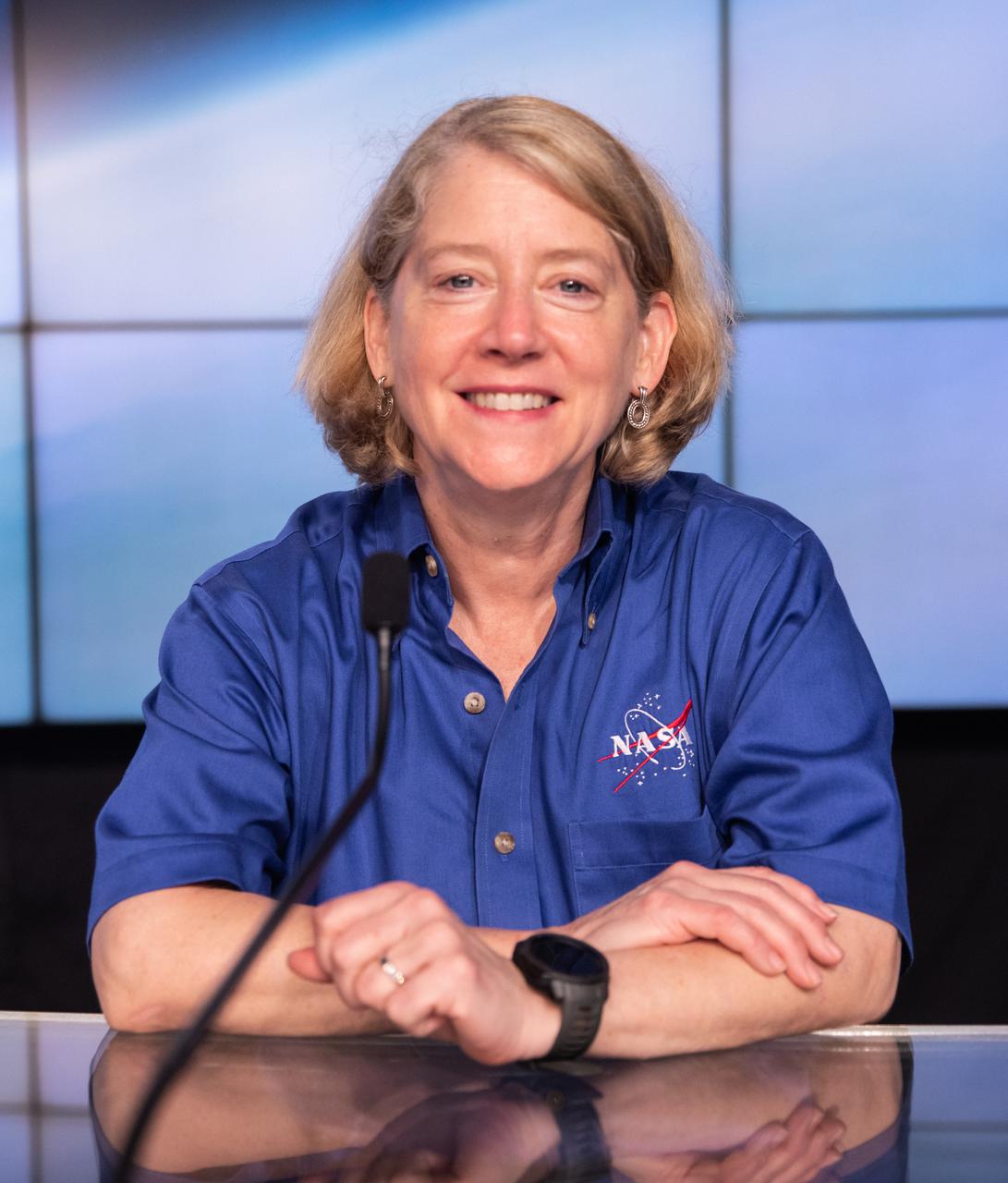
NASA Deputy Administrator Pam Melroy participates in the NASA Administrator Media Briefing ahead of Boeing’s Orbital Flight Test-2 (OFT-2) at the agency’s Kennedy Space Center in Florida, July 29, 2021. Boeing’s CST-100 Starliner spacecraft will launch atop a United Launch Alliance Atlas V rocket from Space Launch Complex-41 at Cape Canaveral Space Force Station. The uncrewed OFT-2 will be the Starliner’s second flight for NASA’s Commercial Crew Program.
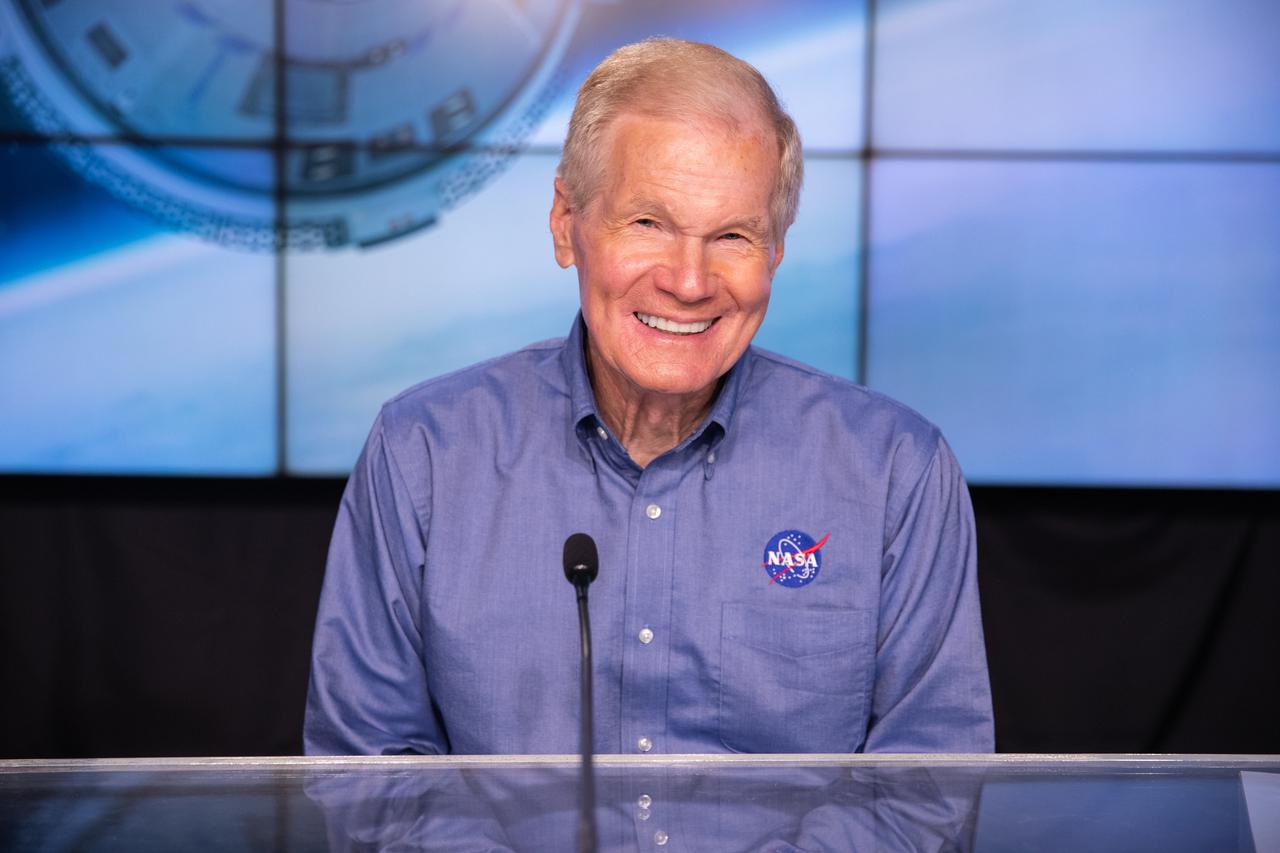
NASA Administrator Bill Nelson participates in the NASA Administrator Media Briefing ahead of Boeing’s Orbital Flight Test-2 (OFT-2) at the agency’s Kennedy Space Center in Florida, July 29, 2021. Boeing’s CST-100 Starliner spacecraft will launch atop a United Launch Alliance Atlas V rocket from Space Launch Complex-41 at Cape Canaveral Space Force Station. The uncrewed OFT-2 will be the Starliner’s second flight for NASA’s Commercial Crew Program.
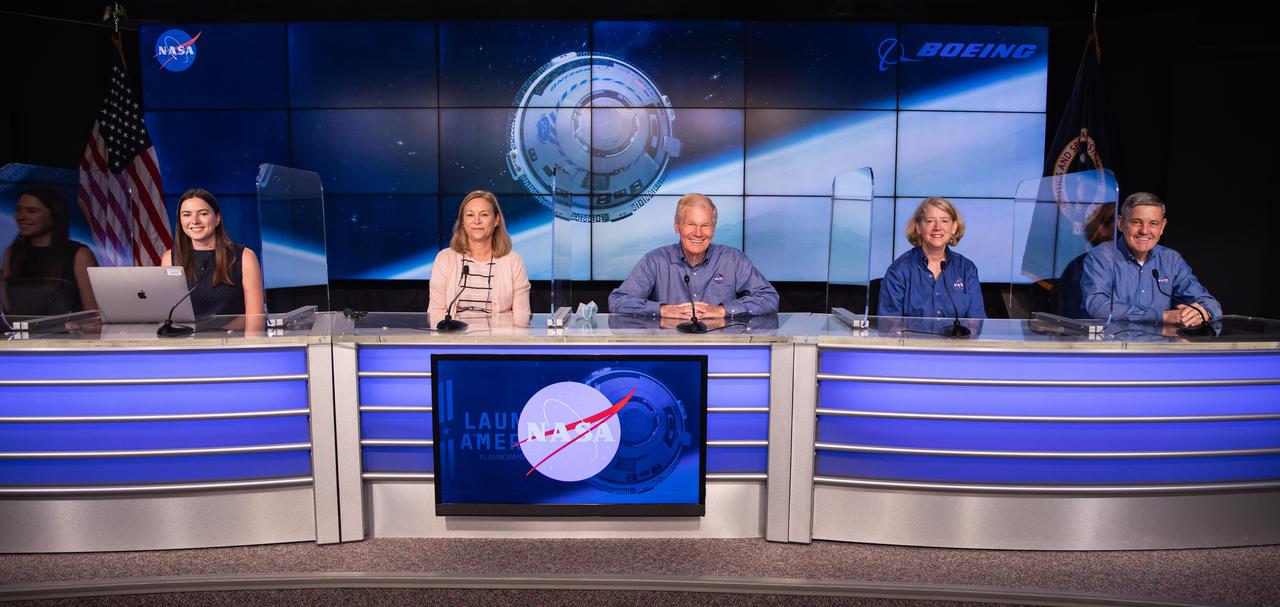
Officials from NASA participate in the NASA Administrator Media Briefing ahead of Boeing’s Orbital Flight Test-2 (OFT-2) at the agency’s Kennedy Space Center in Florida, July 29, 2021. From left to right are Jackie McGuinness, NASA Press Secretary; Janet Petro, director, NASA’s Kennedy Space Center; NASA Administrator Bill Nelson; NASA Deputy Administrator Pam Melroy; NASA Associate Administrator Bob Cabana. The uncrewed OFT-2 will be the Starliner’s second flight for NASA’s Commercial Crew Program.
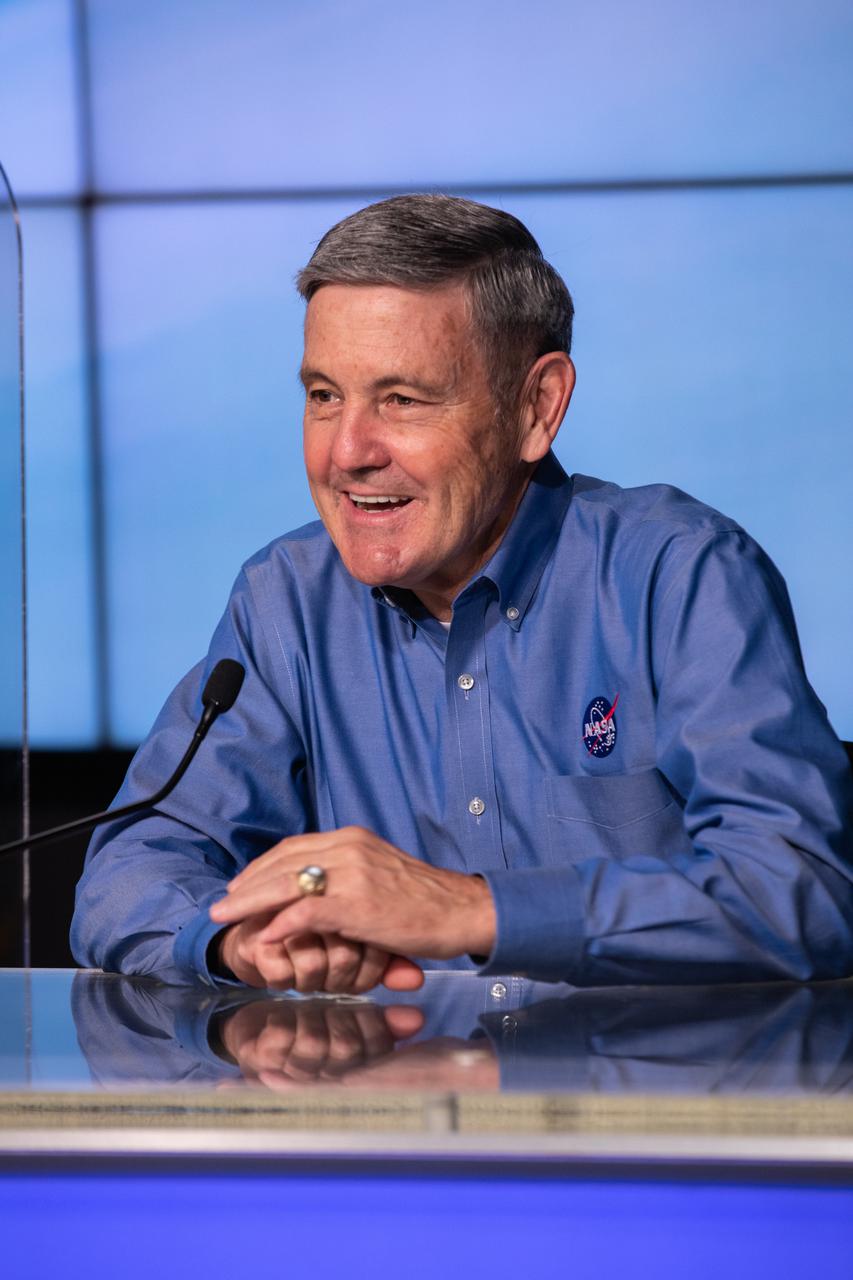
NASA Associate Administrator Bob Cabana speaks to the media ahead of Boeing’s Orbital Flight Test-2 (OFT-2) at the agency’s Kennedy Space Center in Florida, July 29, 2021. Boeing’s CST-100 Starliner spacecraft will launch atop a United Launch Alliance Atlas V rocket from Space Launch Complex-41 at Cape Canaveral Space Force Station. The uncrewed OFT-2 will be the Starliner’s second flight for NASA’s Commercial Crew Program.
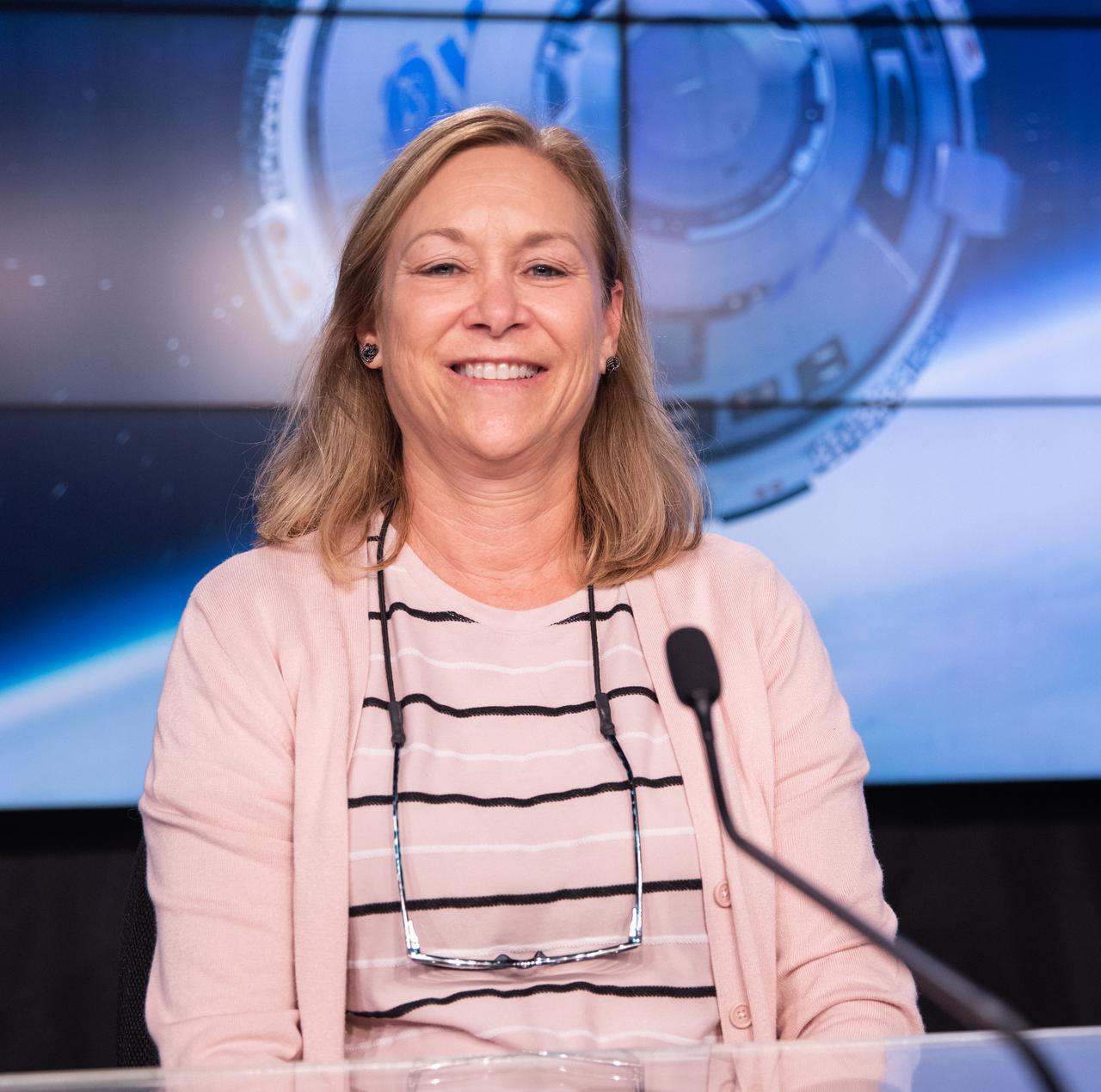
Janet Petro, director, NASA’s Kennedy Space Center, participates in the NASA Administrator Media Briefing ahead of Boeing’s Orbital Flight Test-2 (OFT-2) at the agency’s Kennedy Space Center in Florida, July 29, 2021. Boeing’s CST-100 Starliner spacecraft will launch atop a United Launch Alliance Atlas V rocket from Space Launch Complex-41 at Cape Canaveral Space Force Station. The uncrewed OFT-2 will be the Starliner’s second flight for NASA’s Commercial Crew Program.
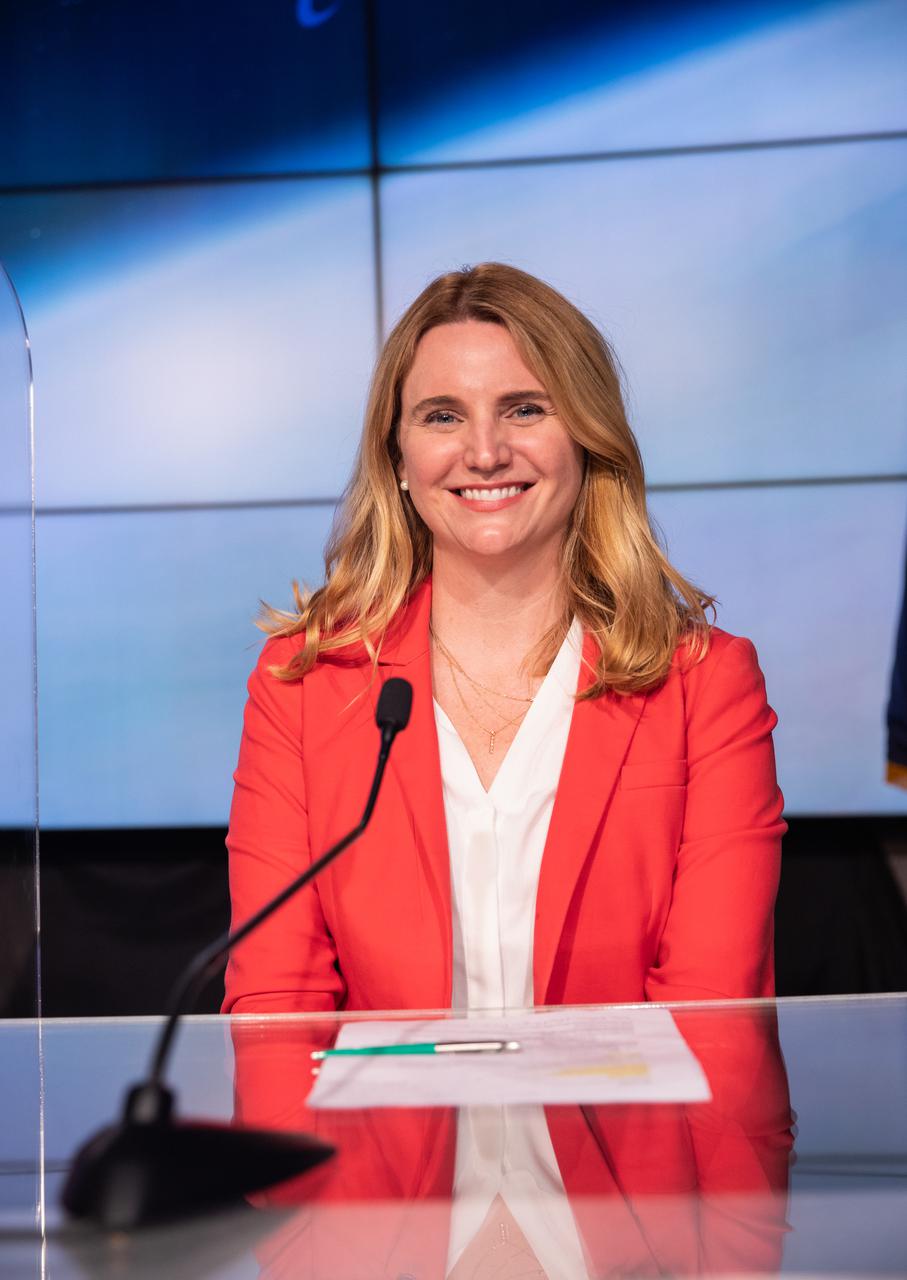
Jennifer Buchli, deputy chief scientist, NASA’s International Space Station Program, participates in a crew and science media briefing ahead of Boeing’s Orbital Flight Test-2 (OFT-2) at the agency’s Kennedy Space Center in Florida, July 29, 2021. Boeing’s CST-100 Starliner spacecraft will launch atop a United Launch Alliance Atlas V rocket from Space Launch Complex-41 at Cape Canaveral Space Force Station. The uncrewed OFT-2 will be the Starliner’s second flight for NASA’s Commercial Crew Program.
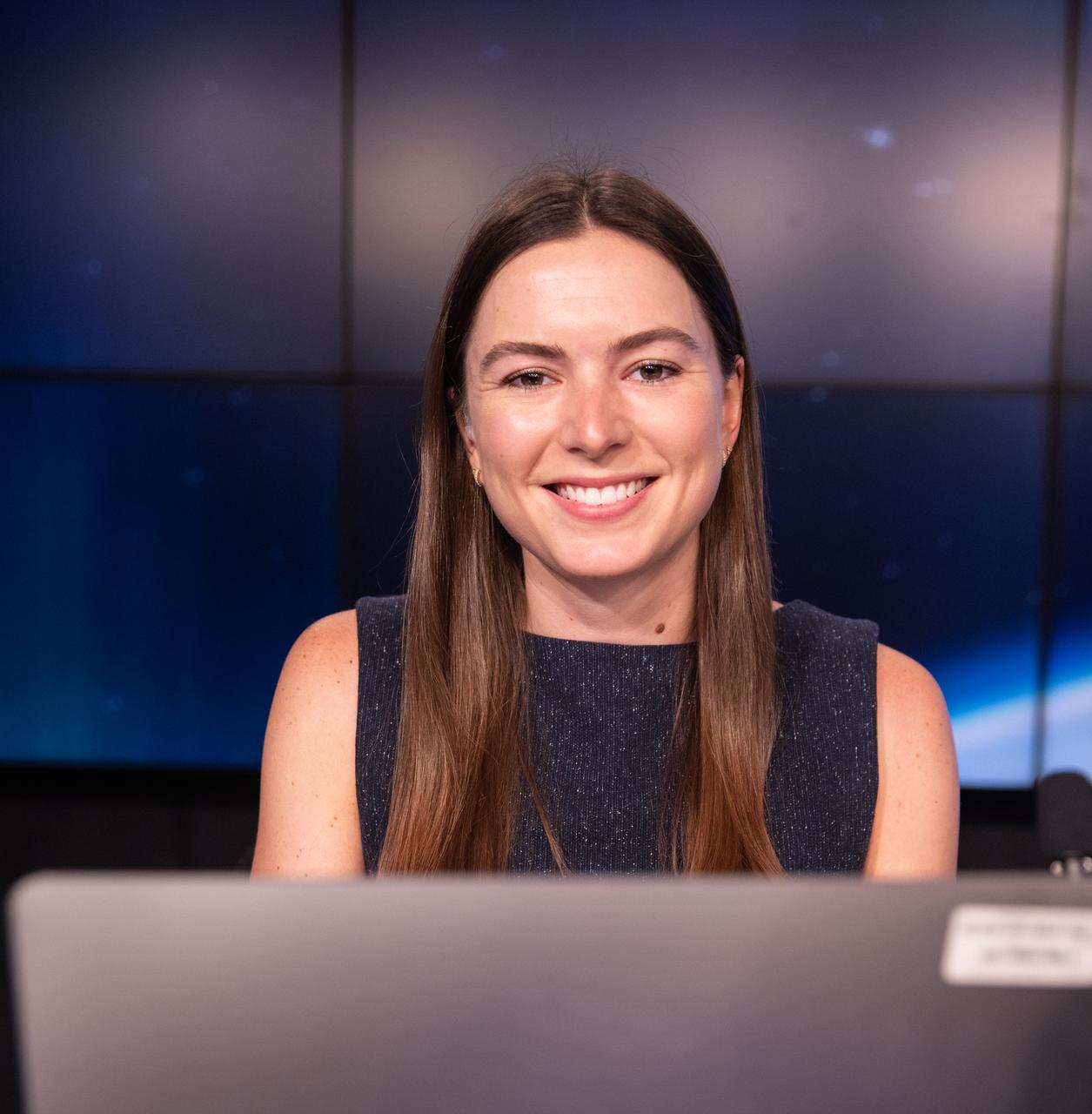
NASA Press Secretary Jackie McGuiness participates in the NASA Administrator Media Briefing ahead of Boeing’s Orbital Flight Test-2 (OFT-2) at the agency’s Kennedy Space Center in Florida, July 29, 2021. Boeing’s CST-100 Starliner spacecraft will launch atop a United Launch Alliance Atlas V rocket from Space Launch Complex-41 at Cape Canaveral Space Force Station. The uncrewed OFT-2 will be the Starliner’s second flight for NASA’s Commercial Crew Program.
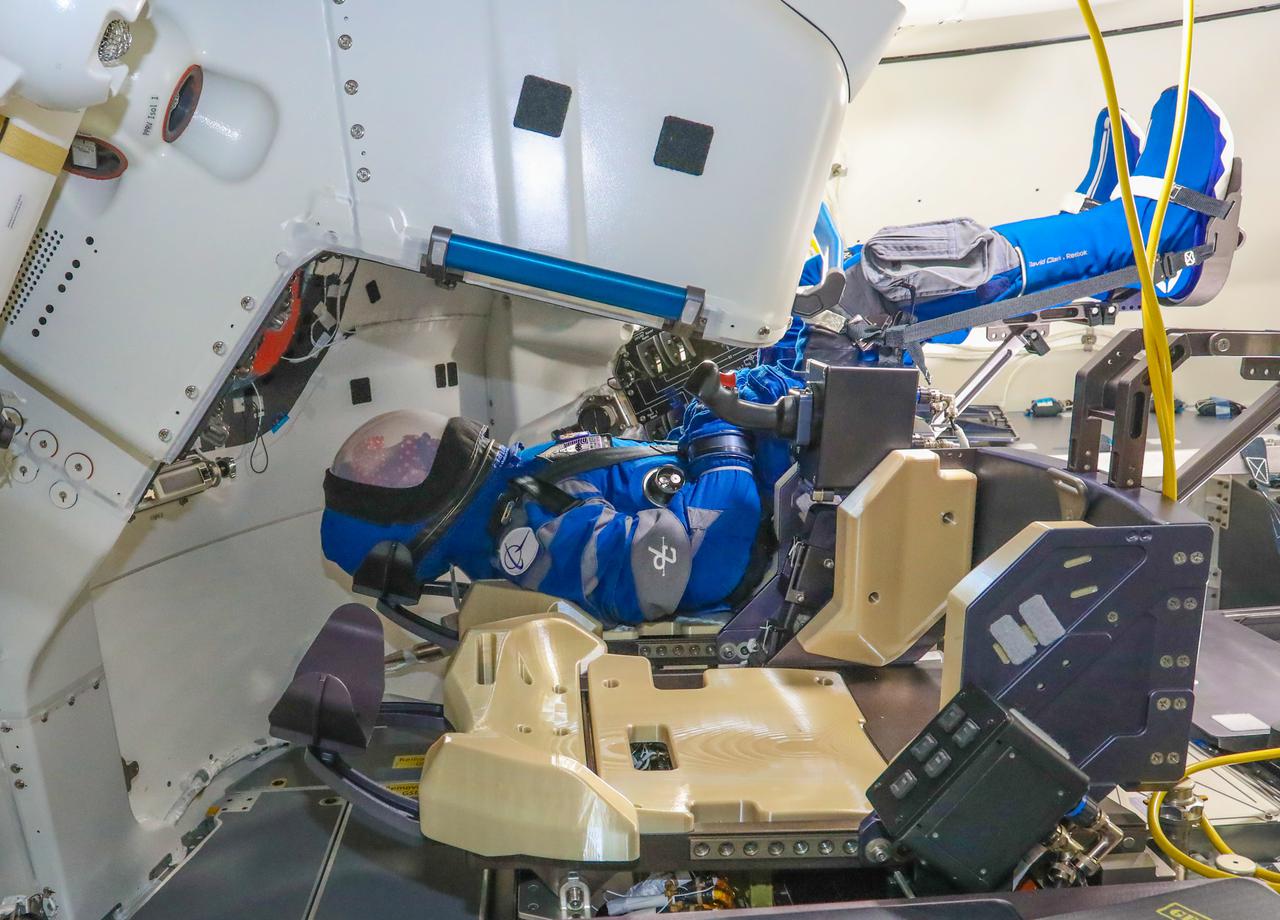
Rosie the Rocketeer, Boeing’s anthropometric test device, claimed her spot once again in the commander’s seat inside the company’s CST-100 Starliner spacecraft for its second uncrewed Orbital Flight Test (OFT-2) for NASA’s Commercial Crew Program. Rosie’s first flight, OFT, provided hundreds of data points about what astronauts will experience during flight. For OFT-2, she will help maintain Starliner’s center of gravity during ascent, docking, undocking and landing. OFT-2 is scheduled to lift off at 2:53 p.m. ET Friday, July 30, from Space Launch Complex 41 at Cape Canaveral Space Force Station in Florida bound for the International Space Station.
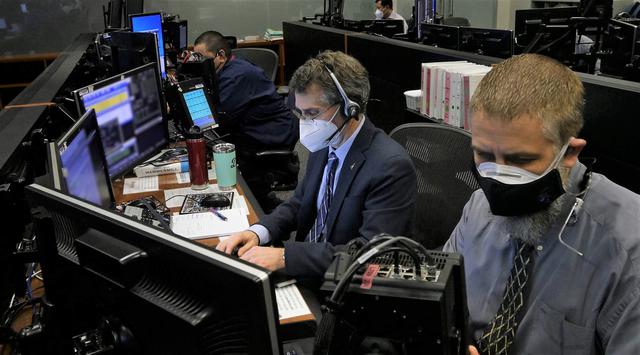
Boeing CST-100 Starliner flight directors Bob Dempsey and Edward Van Cise operate a simulated Orbital Flight Test-2 rendezvous and docking with the International Space Station from inside the Mission Control Center at NASA’s Johnson Space Center on Friday, April 23, 2021. As part of NASA’s Commercial Crew Program, OFT-2 is a critical developmental milestone on Boeing’s path to fly crew missions for NASA.
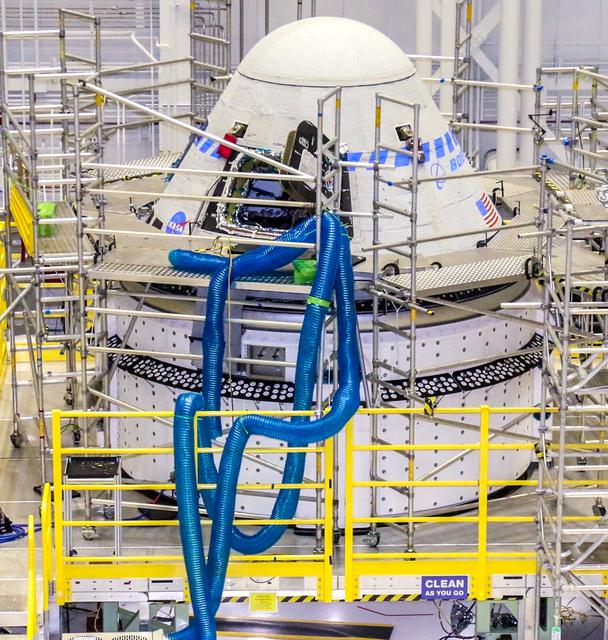
Boeing’s CST-100 Starliner spacecraft undergoes preparations for the company’s Orbital Flight Test-2 (OFT-2) in the Commercial Crew and Cargo Processing Facility at NASA’s Kennedy Space Center in Florida, Wednesday, April 28, 2021. As part of NASA’s Commercial Crew Program, OFT-2 is a critical developmental milestone on Boeing’s path to fly crew missions for NASA.
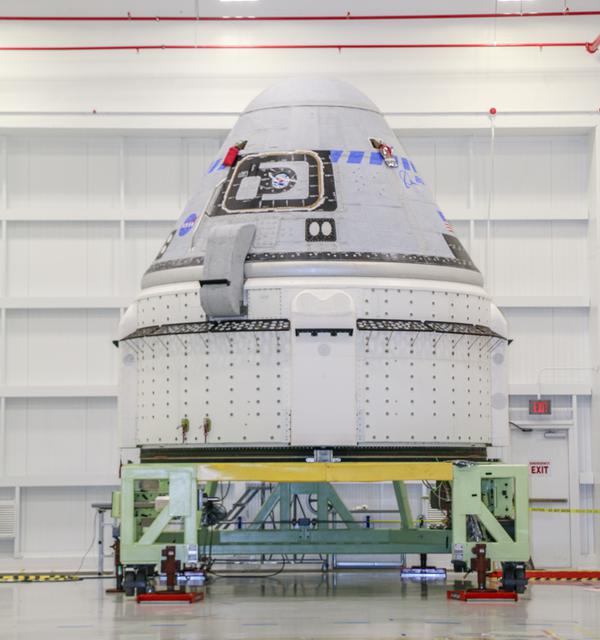
The Boeing CST-100 Starliner spacecraft to be flown on Orbital Flight Test-2 (OFT-2) is seen in the Commercial Crew and Cargo Processing Facility at NASA’s Kennedy Space Center in Florida on July 12, 2021. Part of the agency’s Commercial Crew Program, OFT-2 is a critical developmental milestone on the company’s path to fly crew missions for NASA.
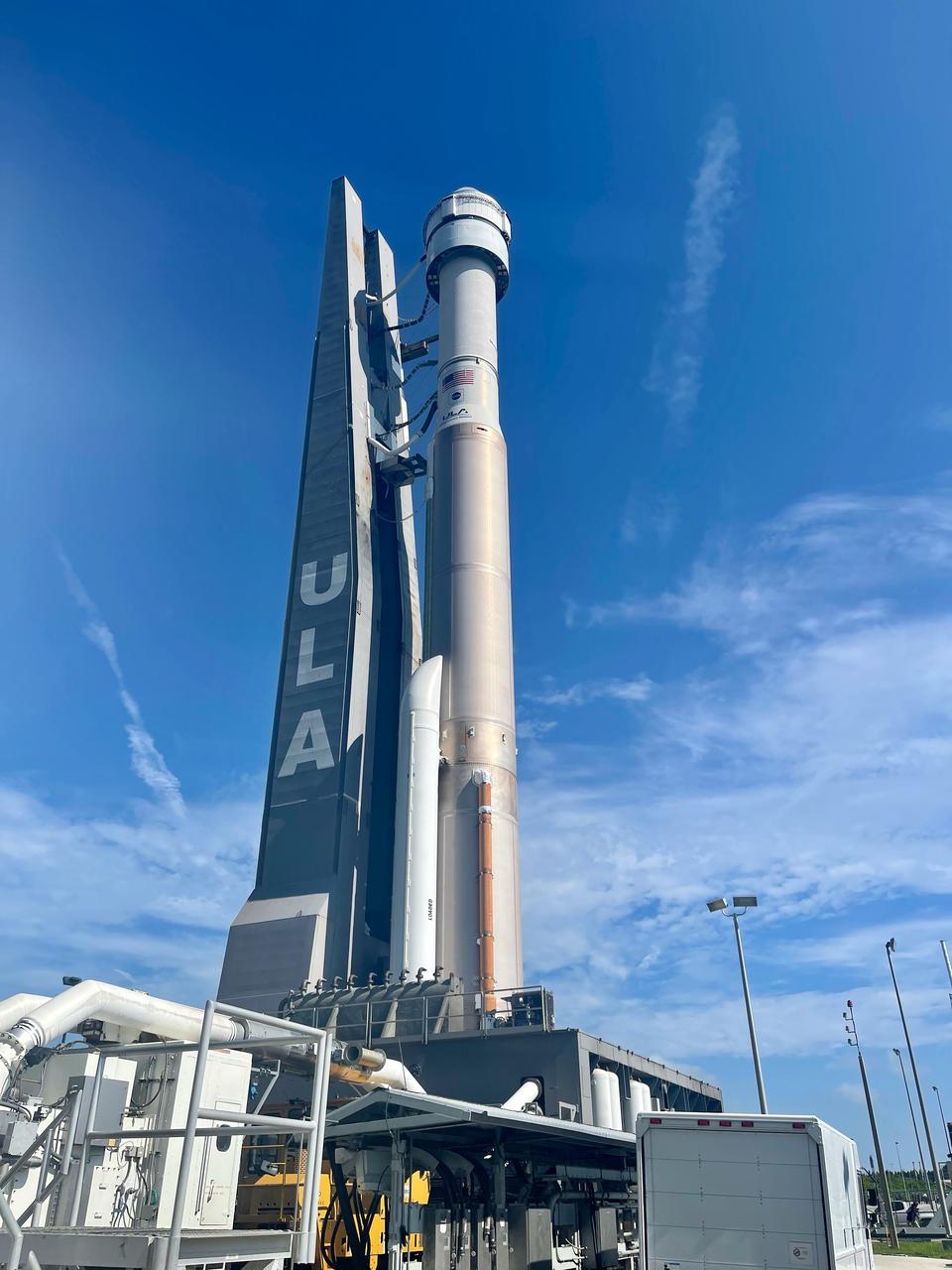
On July 29, 2021, Boeing’s CST-100 Starliner spacecraft and the United Launch Alliance Atlas V rocket rolled out of the Vertical Integration Facility to the launch pad at Space Launch Complex-41 on Cape Canaveral Space Force Station in Florida. Starliner will launch on the Atlas V for Boeing’s second uncrewed Orbital Flight Test (OFT-2) for NASA’s Commercial Crew Program.; OFT-2 is an important uncrewed mission designed to test the end-to-end capabilities of the new system for NASA’s Commercial Crew Program.
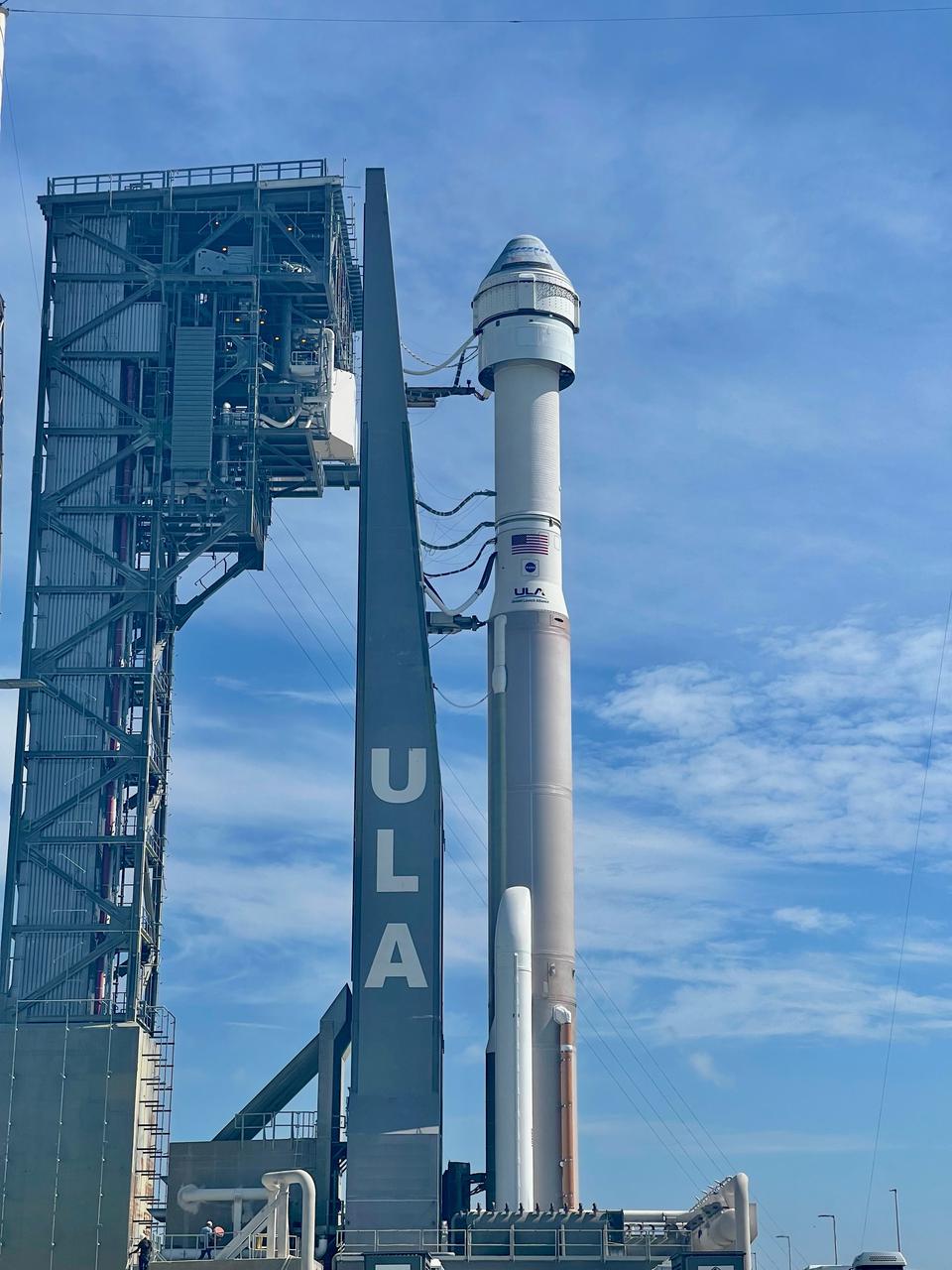
On July 29, 2021, Boeing’s CST-100 Starliner spacecraft and the United Launch Alliance Atlas V rocket rolled out of the Vertical Integration Facility to the launch pad at Space Launch Complex-41 on Cape Canaveral Space Force Station in Florida. Starliner will launch on the Atlas V for Boeing’s second uncrewed Orbital Flight Test (OFT-2) for NASA’s Commercial Crew Program. OFT-2 is an important uncrewed mission designed to test the end-to-end capabilities of the new system for NASA’s Commercial Crew Program.
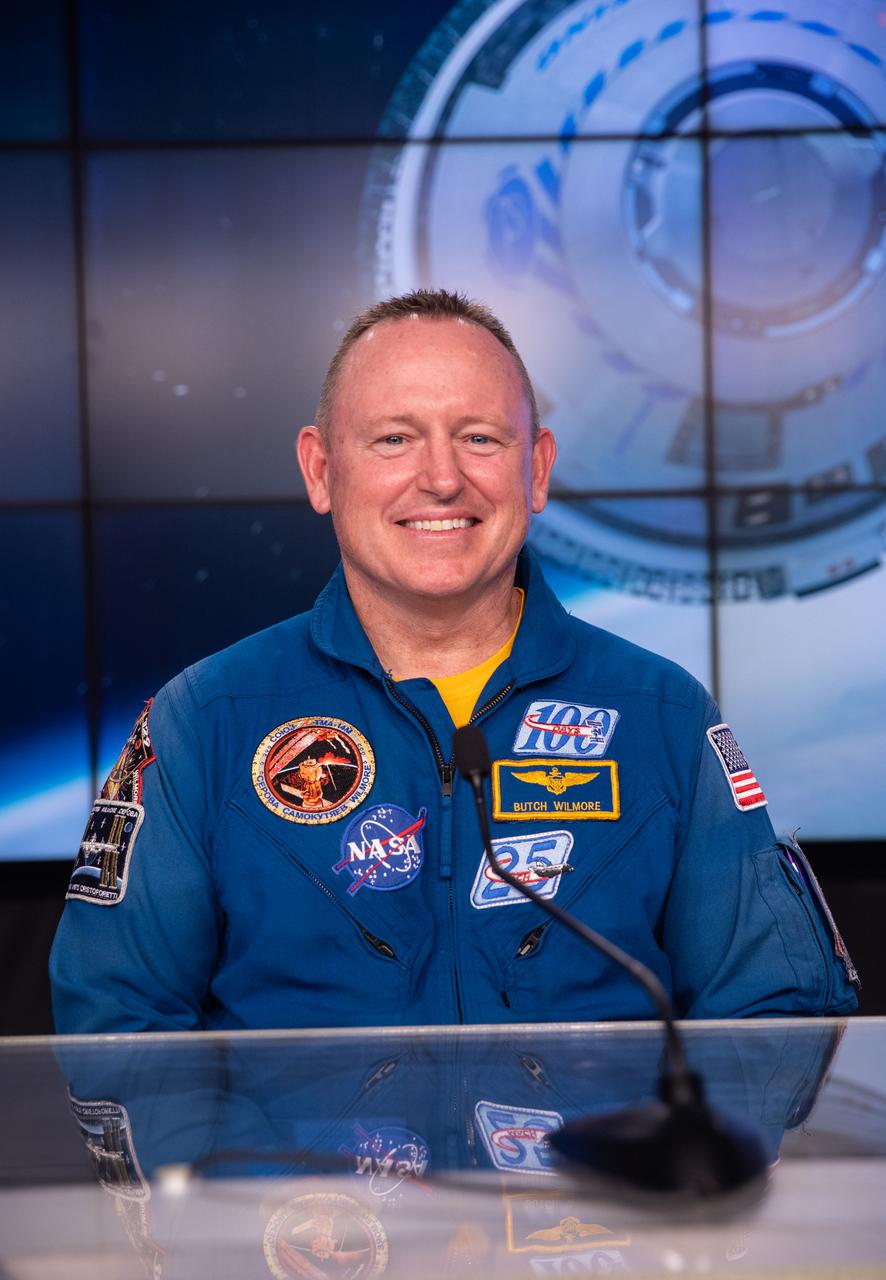
Barry “Butch” Wilmore, NASA astronaut, Crew Flight Test, participates in a crew and science media briefing ahead of Boeing’s Orbital Flight Test-2 (OFT-2) during a crew and science briefing at the agency’s Kennedy Space Center in Florida, July 29, 2021. Boeing’s CST-100 Starliner spacecraft will launch atop a United Launch Alliance Atlas V rocket from Space Launch Complex-41 at Cape Canaveral Space Force Station. The uncrewed OFT-2 will be the Starliner’s second flight for NASA’s Commercial Crew Program.
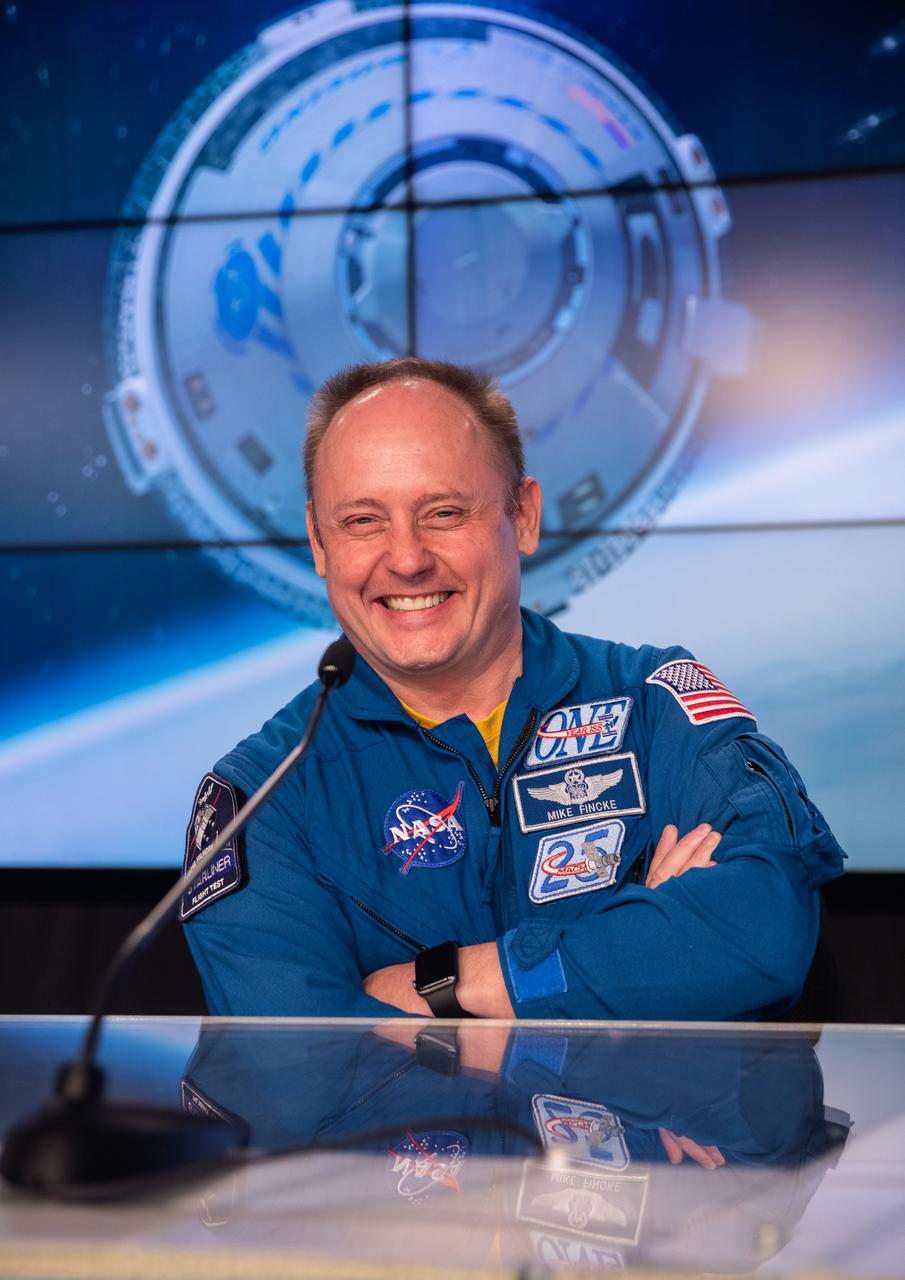
E. Michael “Mike” Fincke, NASA astronaut, Crew Flight Test, participates in a crew and science media briefing ahead of Boeing’s Orbital Flight Test-2 (OFT-2) during a crew and science briefing at the agency’s Kennedy Space Center in Florida, July 29, 2021. Boeing’s CST-100 Starliner spacecraft will launch atop a United Launch Alliance Atlas V rocket from Space Launch Complex-41 at Cape Canaveral Space Force Station. The uncrewed OFT-2 will be the Starliner’s second flight for NASA’s Commercial Crew Program.
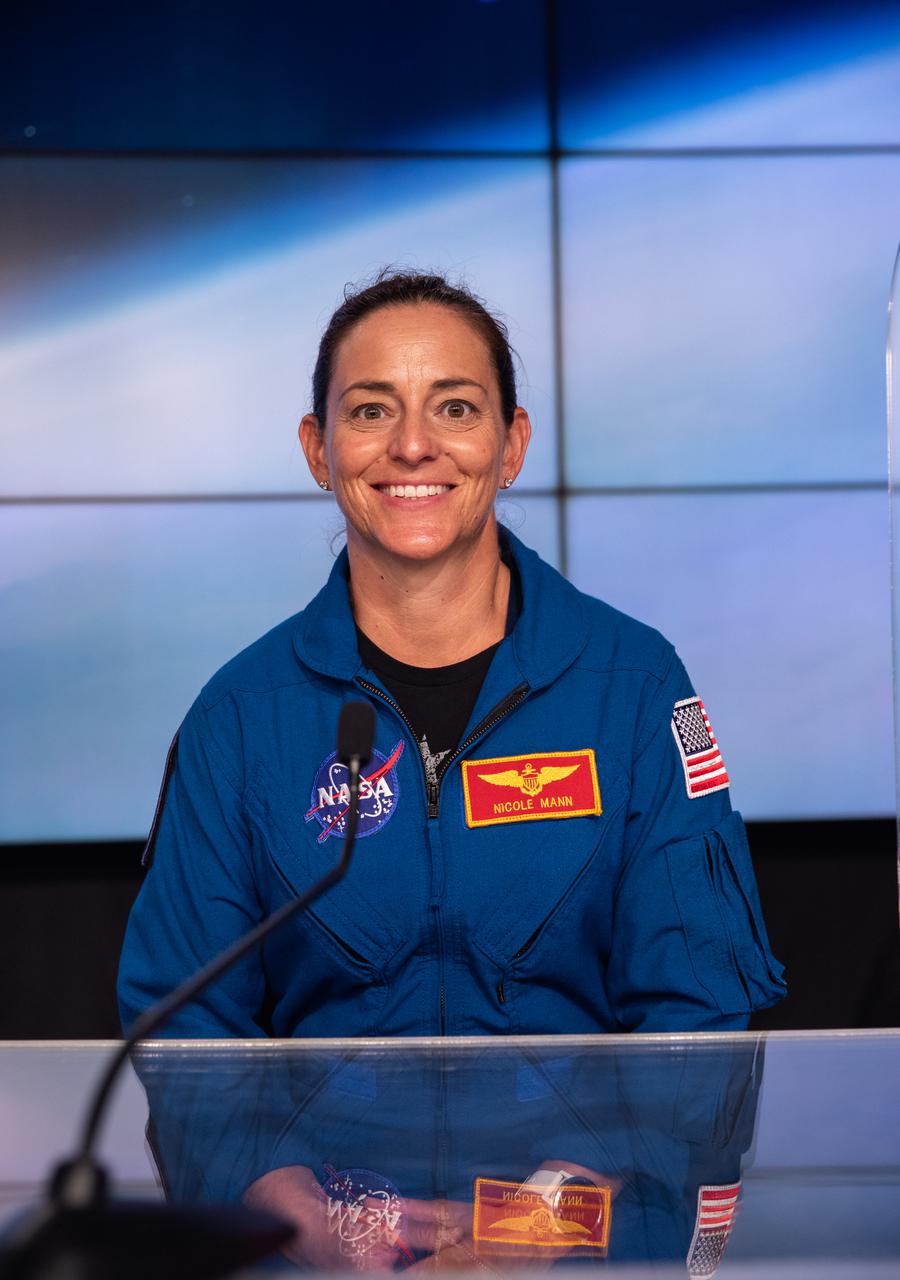
Nicole Mann, NASA astronaut, Crew Flight Test, participates in a crew and science media briefing ahead of Boeing’s Orbital Flight Test-2 (OFT-2) during a crew and science briefing at the agency’s Kennedy Space Center in Florida, July 29, 2021. Boeing’s CST-100 Starliner spacecraft will launch atop a United Launch Alliance Atlas V rocket from Space Launch Complex-41 at Cape Canaveral Space Force Station. The uncrewed OFT-2 will be the Starliner’s second flight for NASA’s Commercial Crew Program.
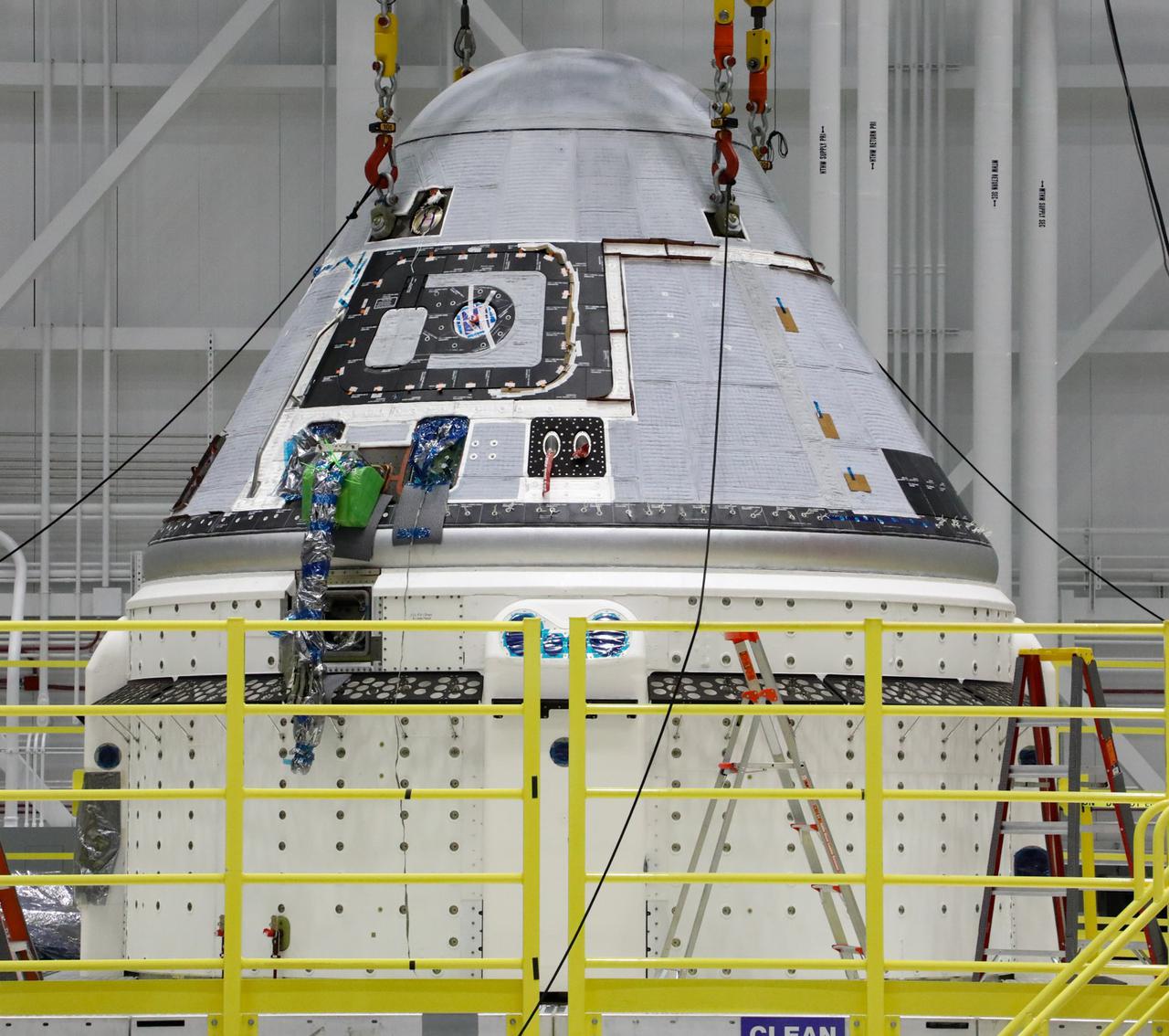
The completed Boeing Starliner vehicle for the second Orbital Flight Test (OFT-2) is seen in the Commercial Crew and Cargo Processing Facility at NASA’s Kennedy Space Center in Florida following the mating of the crew module and service module on Jan. 14, 2021. As part of the agency’s Commercial Crew Program, OFT-2 is a critical developmental milestone on the company’s path to fly crew missions for NASA.
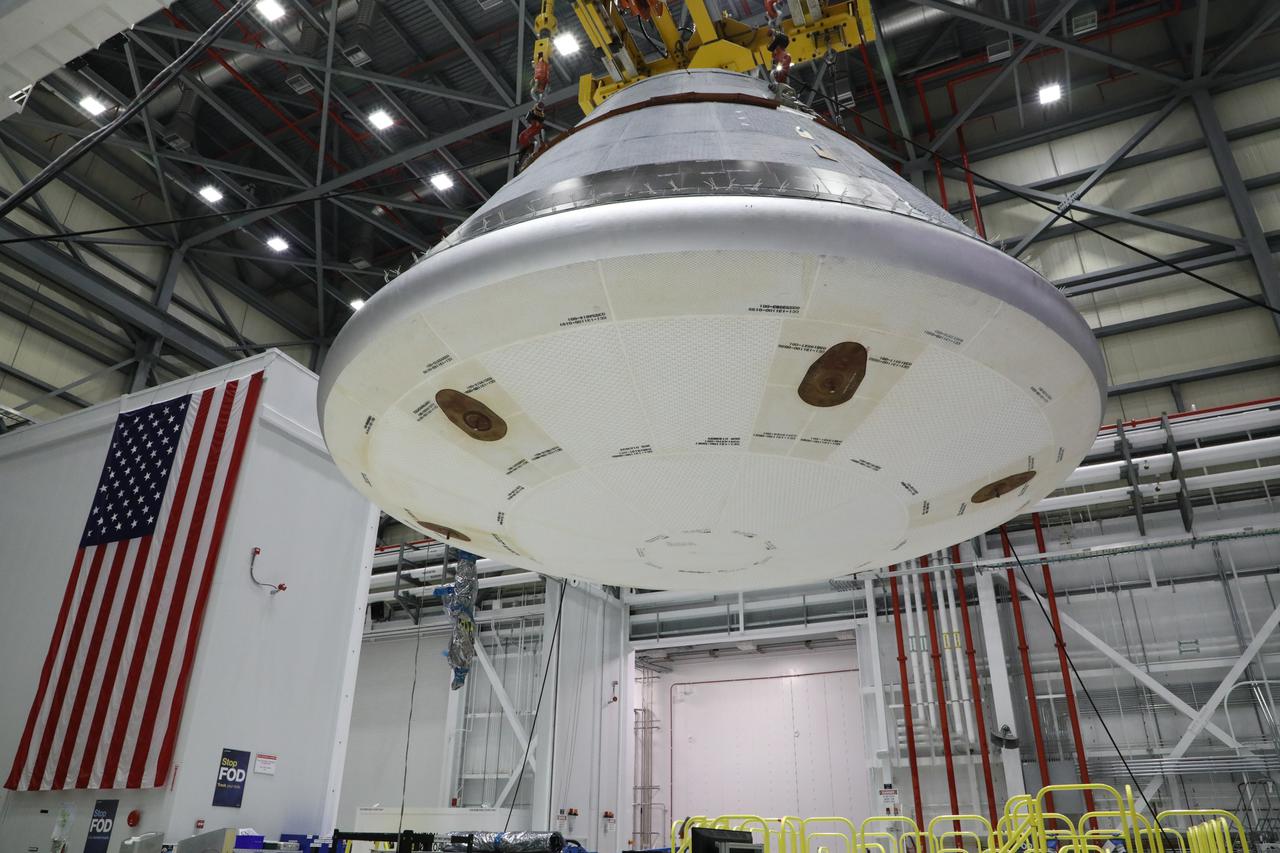
The Boeing Starliner crew module is hoisted across the Commercial Crew and Cargo Processing Facility at NASA’s Kennedy Space Center in Florida on Jan. 14, 2021, to be mated with the service module. The Starliner spacecraft is being prepared for Boeing’s second Orbital Flight Test (OFT-2). As part of the agency’s Commercial Crew Program, OFT-2 is a critical developmental milestone on the company’s path to fly crew missions for NASA.
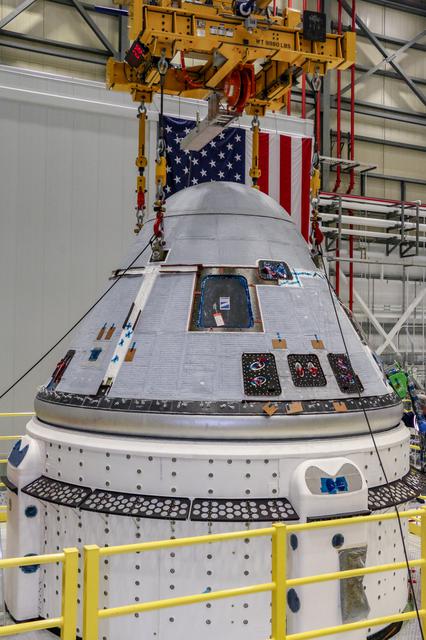
The completed Boeing Starliner vehicle for the second Orbital Flight Test (OFT-2) is seen in the Commercial Crew and Cargo Processing Facility at NASA’s Kennedy Space Center in Florida following the mating of the crew module and service module on Jan. 14, 2021. As part of the agency’s Commercial Crew Program, OFT-2 is a critical developmental milestone on the company’s path to fly crew missions for NASA.
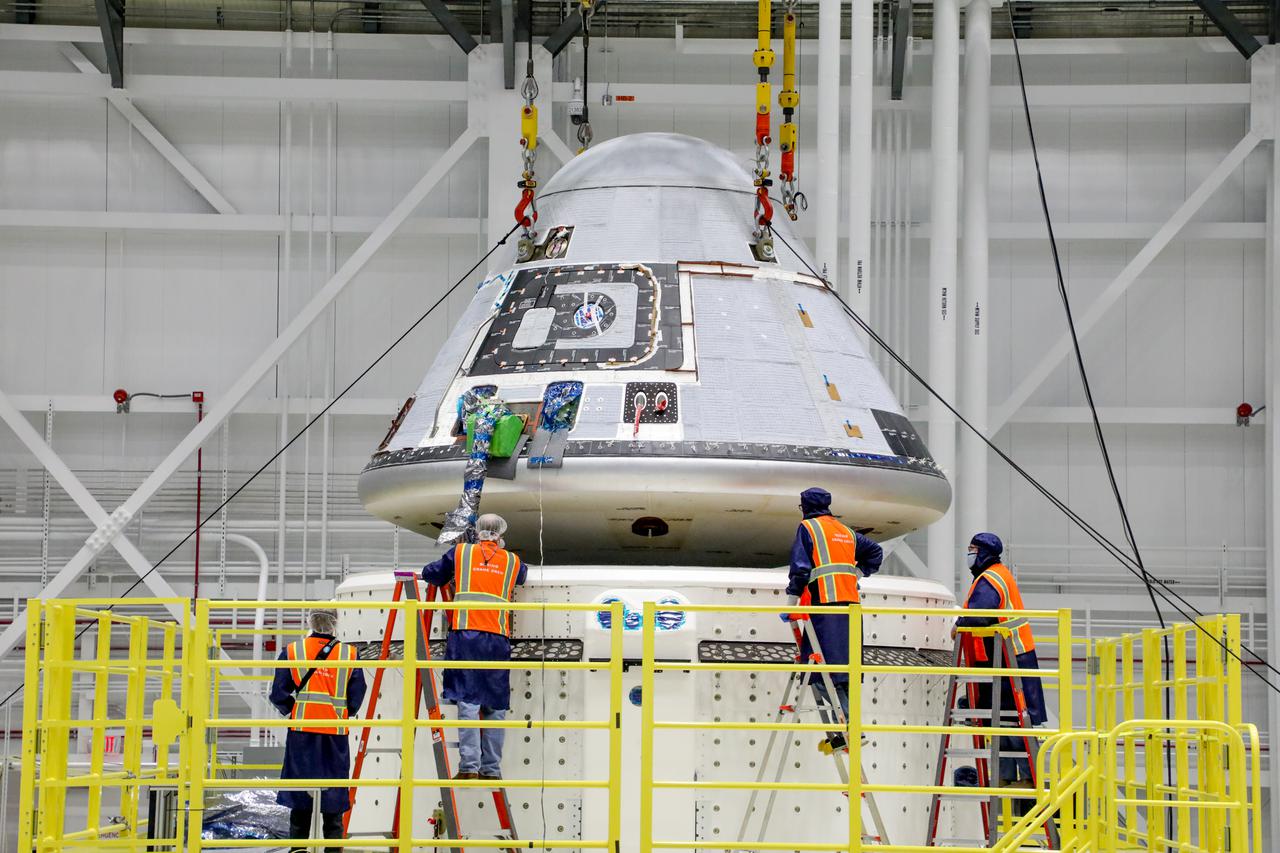
Technicians observe Boeing’s Starliner crew module being placed on top of the service module in the Commercial Crew and Cargo Processing Facility at NASA’s Kennedy Space Center in Florida on Jan. 14, 2021. The Starliner spacecraft is being prepared for Boeing’s second Orbital Flight Test (OFT-2). As part of the agency’s Commercial Crew Program, OFT-2 is a critical developmental milestone on the company’s path to fly crew missions for NASA.
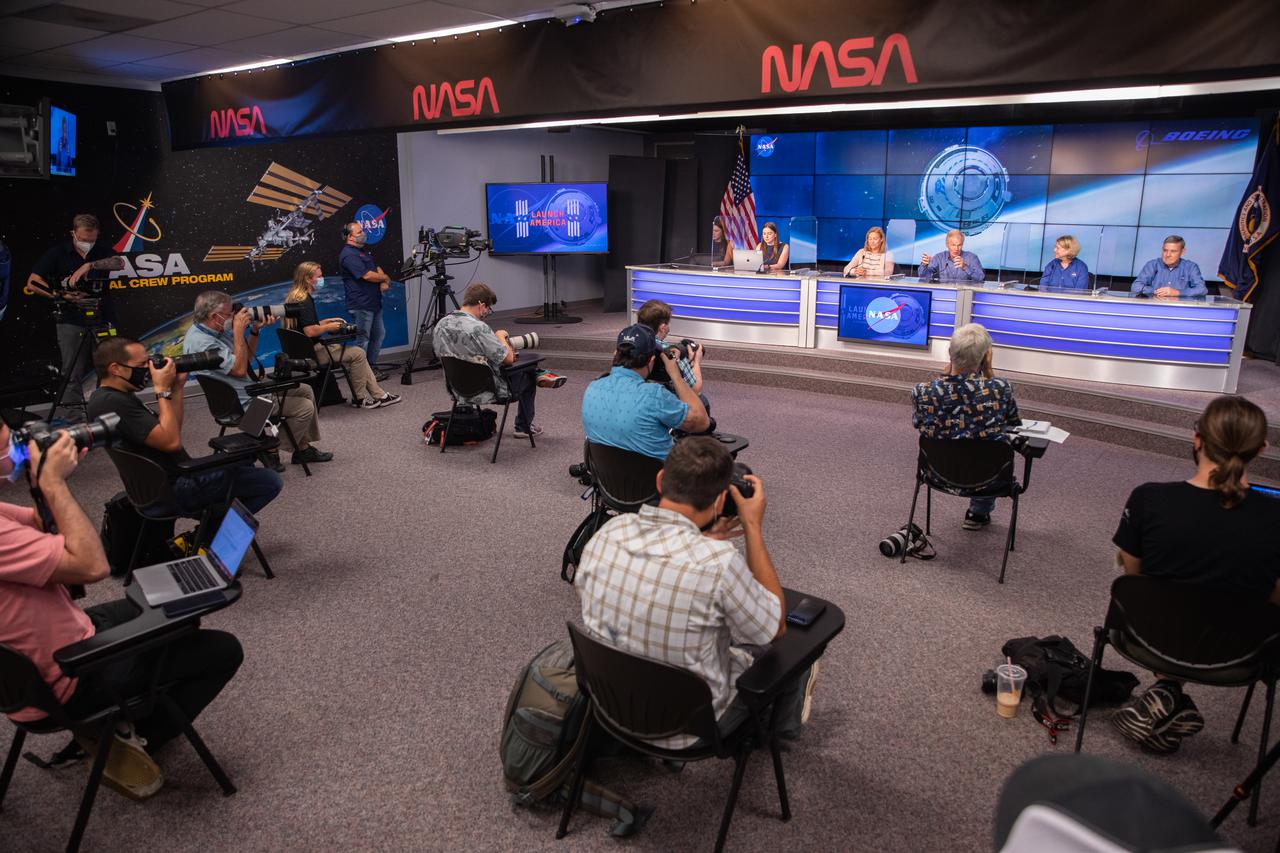
NASA officials take questions from members of the media in the Kennedy Space Center’s Press Site auditorium in Florida during the NASA Administrator Media Briefing ahead of Boeing’s Orbital Flight Test-2 (OFT-2), July 29, 2021. From left to right are Jackie McGuinness, NASA Press Secretary; Janet Petro, director, NASA’s Kennedy Space Center; NASA Administrator Bill Nelson; NASA Deputy Administrator Pam Melroy; NASA Associate Administrator Bob Cabana. The uncrewed OFT-2 will be the Starliner’s second flight for NASA’s Commercial Crew Program.
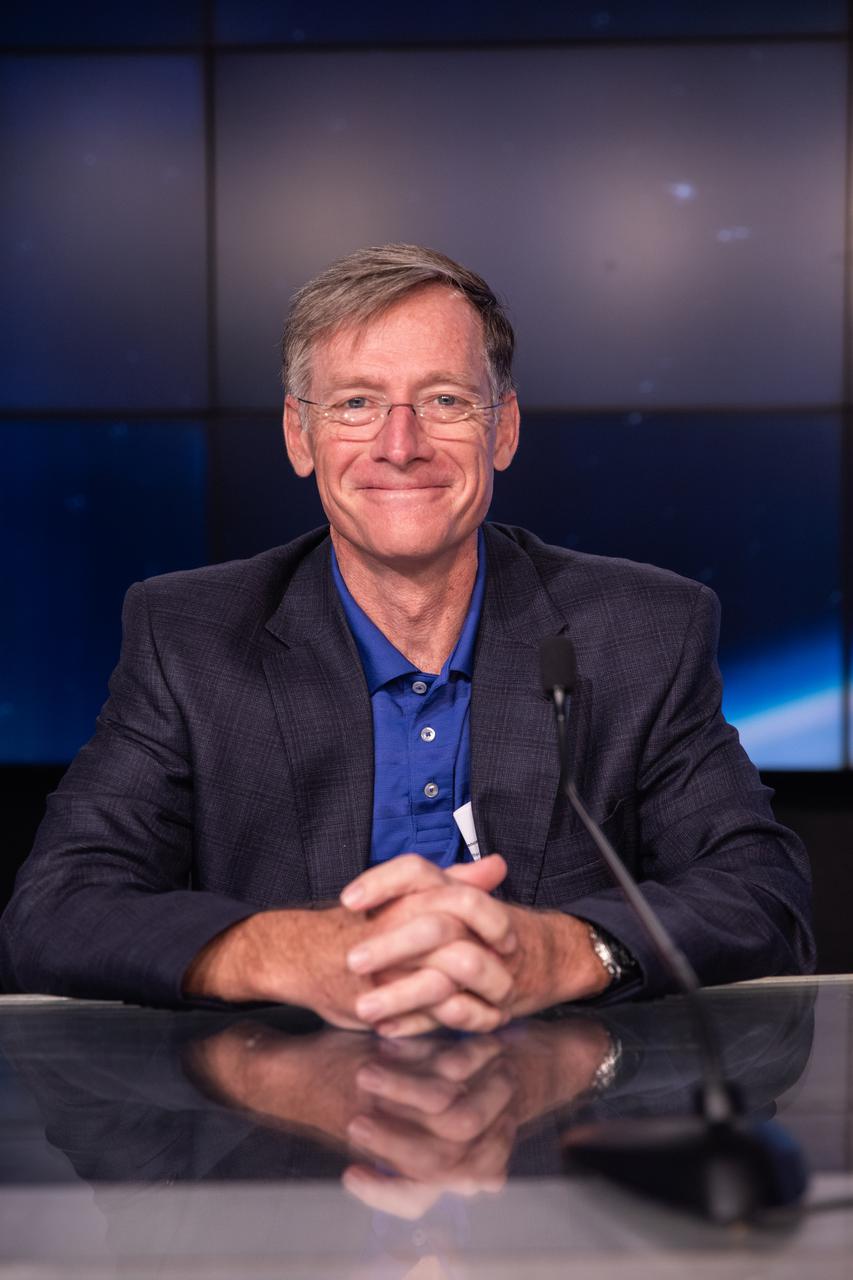
Chris Ferguson, director, Starliner Mission Operations and Integration/Crew Systems, participates in a crew and science media briefing ahead of Boeing’s Orbital Flight Test-2 (OFT-2) during a crew and science briefing at the agency’s Kennedy Space Center in Florida, July 29, 2021. Boeing’s CST-100 Starliner spacecraft will launch atop a United Launch Alliance Atlas V rocket from Space Launch Complex-41 at Cape Canaveral Space Force Station. The uncrewed OFT-2 will be the Starliner’s second flight for NASA’s Commercial Crew Program.
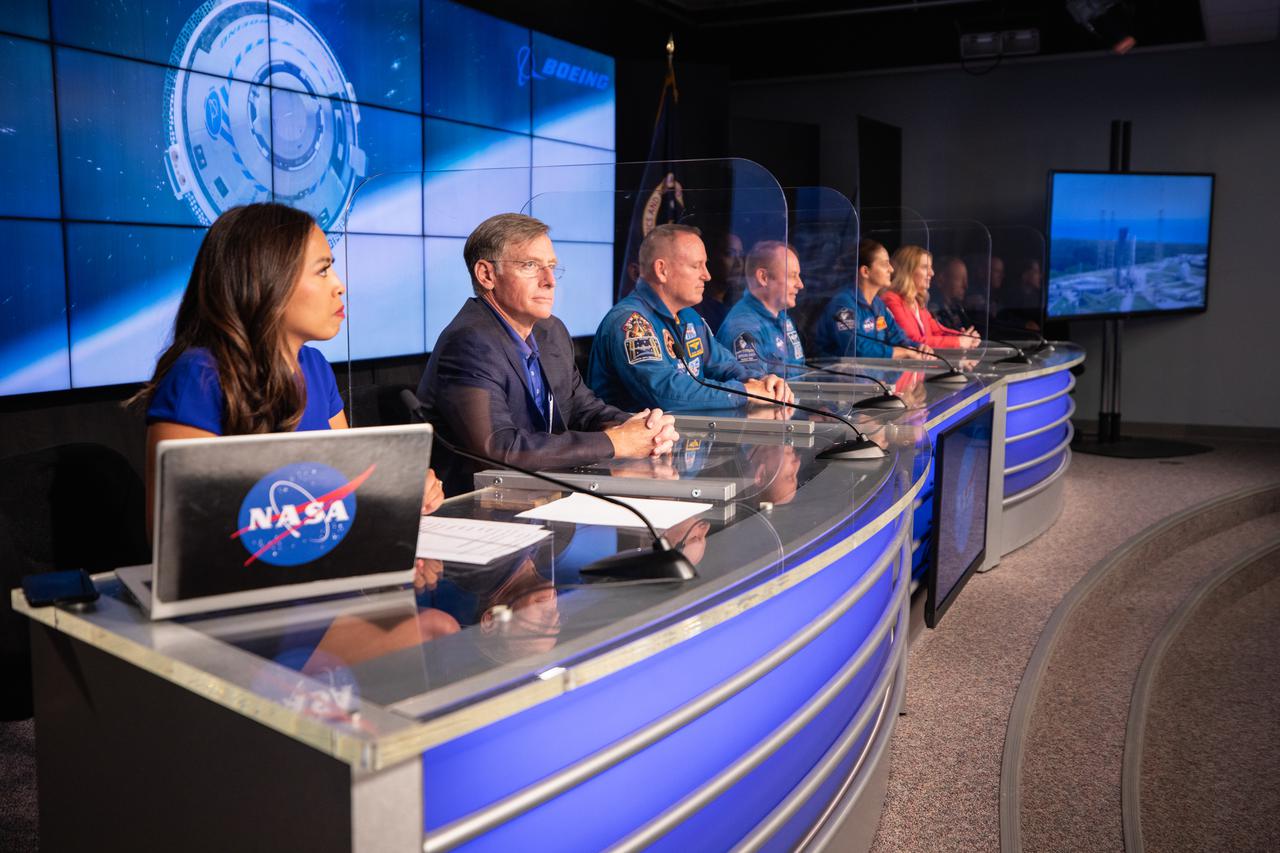
Officials from NASA participate in a crew and science media briefing ahead or Boeing’s Orbital Flight Test-2 (OFT-2) at the agency’s Kennedy Space Center in Florida, July 29, 2021. From left to right are Megan Cruz, NASA Communications; Chris Ferguson, director, Starliner Mission Operations and Integration/Crew Systems; Barry “Butch” Wilmore, NASA astronaut, Crew Flight Test; E. Michael “Mike” Fincke, NASA astronaut, Crew Flight Test; Nicole Mann, NASA astronaut, Crew Flight Test; Jennifer Buchli, deputy chief scientist, NASA’s International Space Station Program. Boeing’s CST-100 Starliner spacecraft will launch atop a ULA Atlas V rocket from Space Launch Complex-41 at Cape Canaveral Space Force Station on a mission to dock with the space station. The uncrewed OFT-2 will be the Starliner’s second flight for NASA’s Commercial Crew Program.
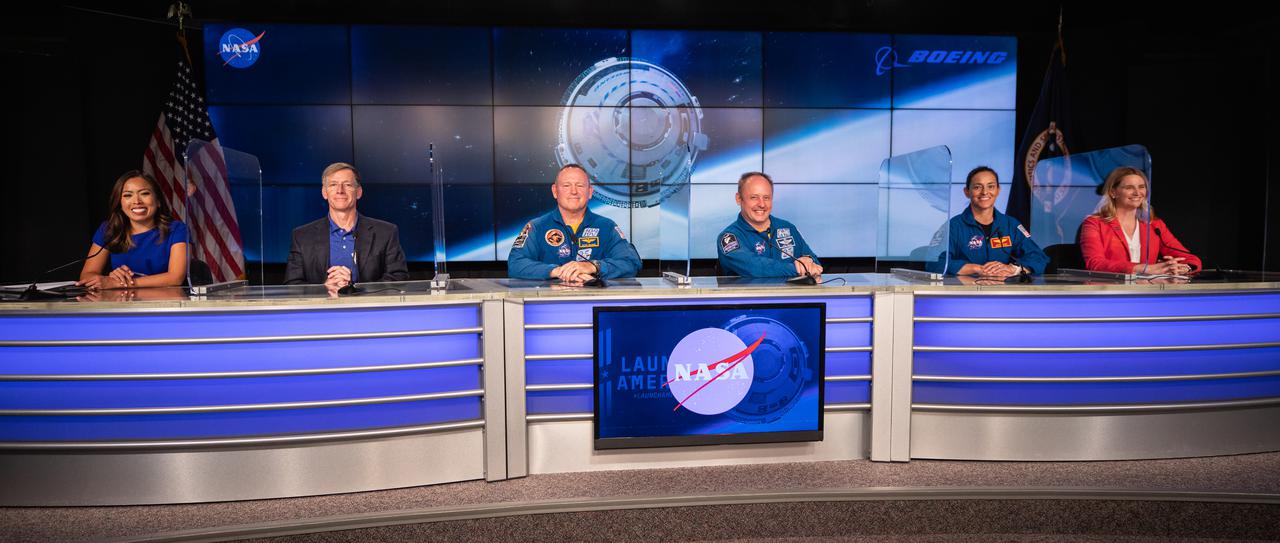
Officials from NASA participate in a crew and science media briefing ahead or Boeing’s Orbital Flight Test-2 (OFT-2) at the agency’s Kennedy Space Center in Florida, July 29, 2021. From left to right are Megan Cruz, NASA Communications; Chris Ferguson, director, Starliner Mission Operations and Integration/Crew Systems; Barry “Butch” Wilmore, NASA astronaut, Crew Flight Test; E. Michael “Mike” Fincke, NASA astronaut, Crew Flight Test; Nicole Mann, NASA astronaut, Crew Flight Test; Jennifer Buchli, deputy chief scientist, NASA’s International Space Station Program. Boeing’s CST-100 Starliner spacecraft will launch atop a ULA Atlas V rocket from Space Launch Complex-41 at Cape Canaveral Space Force Station on a mission to dock with the space station. The uncrewed OFT-2 will be the Starliner’s second flight for NASA’s Commercial Crew Program.
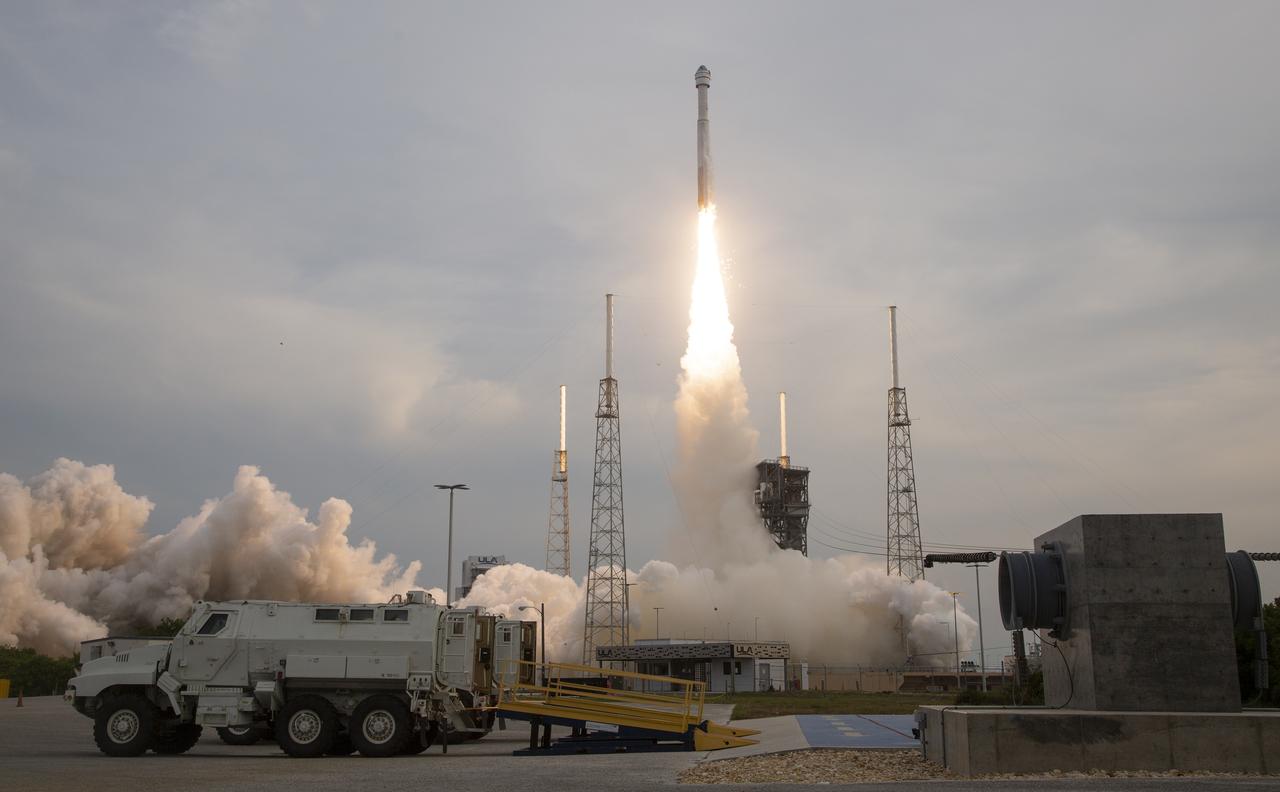
Two emergency egress vehicles are seen positioned at the slidewire termination area at Space Launch Complex 41 as a United Launch Alliance Atlas V rocket with Boeing’s CST-100 Starliner spacecraft aboard launches on the Orbital Flight Test-2 mission, Thursday, May 19, 2022, at Cape Canaveral Space Force Station in Florida. Boeing’s Orbital Flight Test-2 (OFT-2) is Starliner’s second uncrewed flight test and will dock to the International Space Station as part of NASA's Commercial Crew Program. OFT-2 launched at 6:54 p.m. ET, and will serve as an end-to-end test of the system's capabilities. Photo Credit: (NASA/Joel Kowsky)
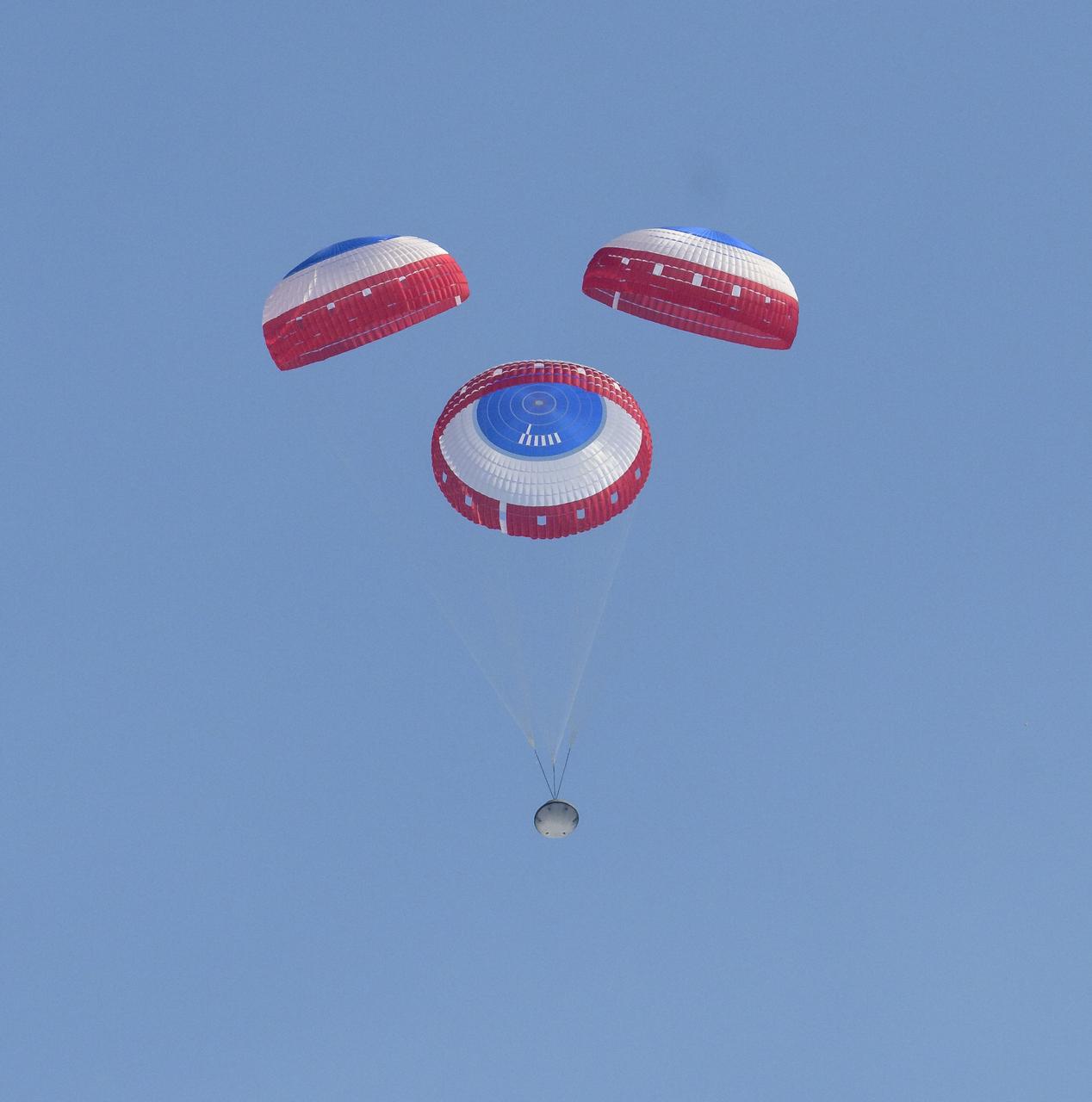
Boeing’s CST-100 Starliner spacecraft lands at White Sands Missile Range’s Space Harbor, Wednesday, May 25, 2022, in New Mexico. Boeing’s Orbital Flight Test-2 (OFT-2) is Starliner’s second uncrewed flight test to the International Space Station as part of NASA's Commercial Crew Program. OFT-2 serves as an end-to-end test of the system's capabilities. Photo Credit: (NASA/Bill Ingalls)
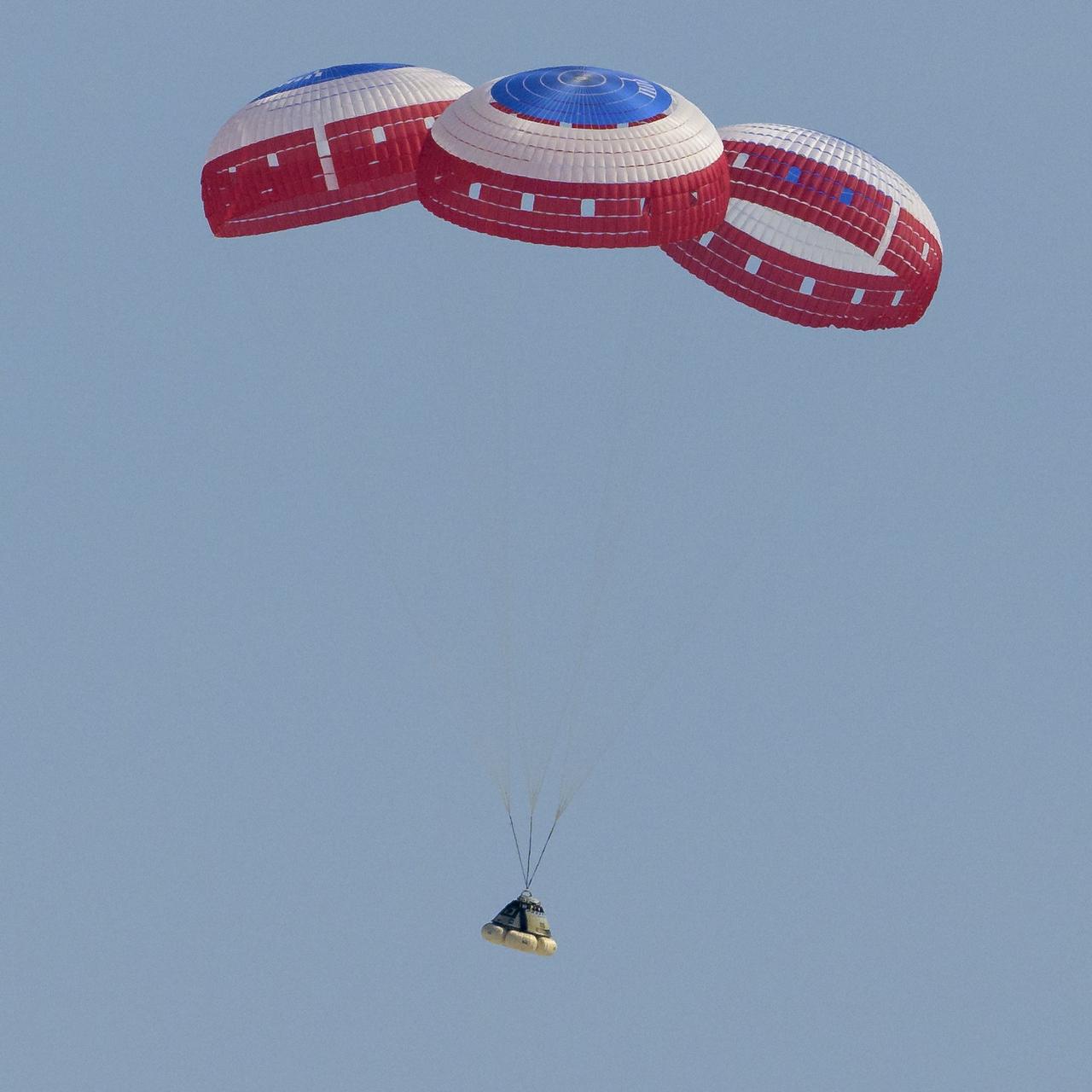
Boeing’s CST-100 Starliner spacecraft lands at White Sands Missile Range’s Space Harbor, Wednesday, May 25, 2022, in New Mexico. Boeing’s Orbital Flight Test-2 (OFT-2) is Starliner’s second uncrewed flight test to the International Space Station as part of NASA's Commercial Crew Program. OFT-2 serves as an end-to-end test of the system's capabilities. Photo Credit: (NASA/Bill Ingalls)
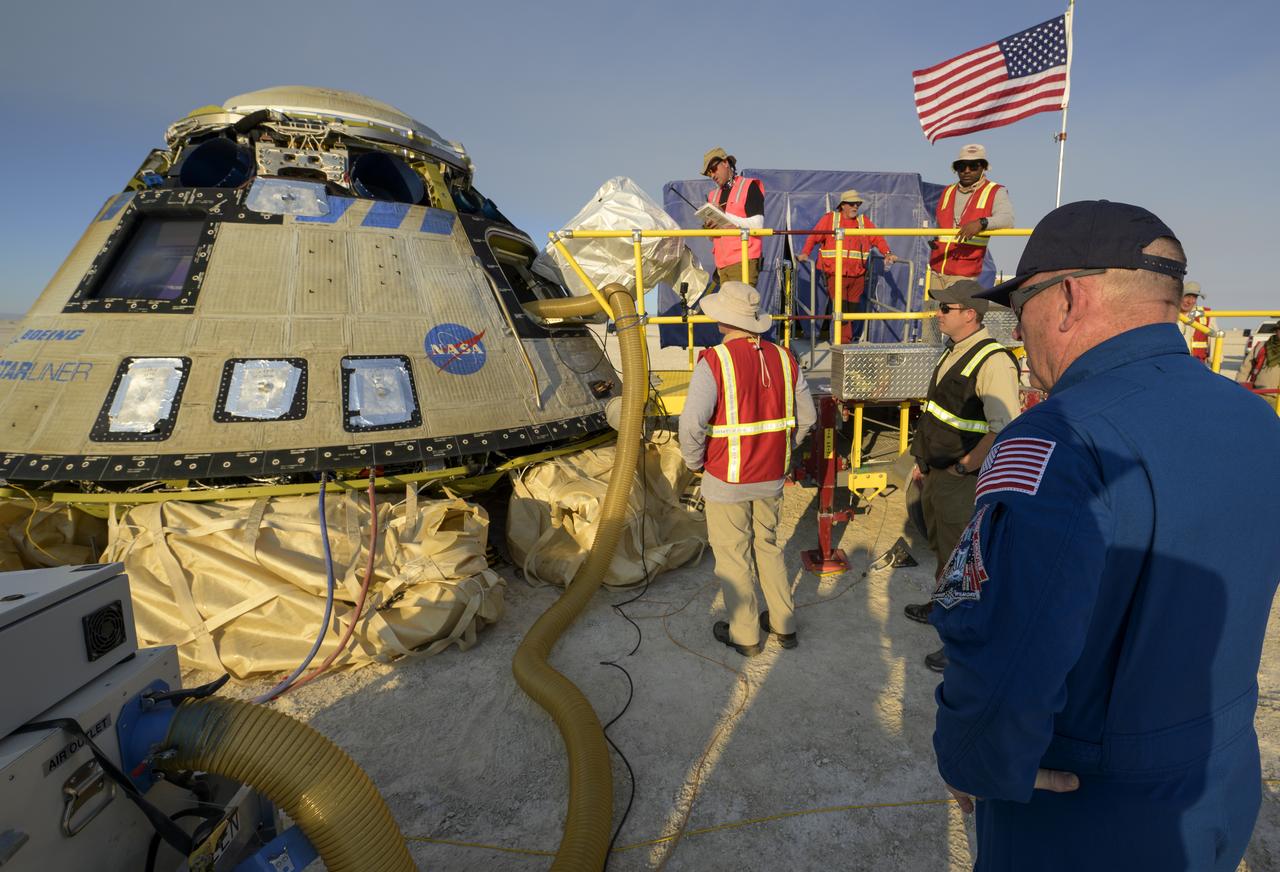
NASA astronaut Butch Wilmore, right, watches as teams work around Boeing’s CST-100 Starliner spacecraft after it landed at White Sands Missile Range’s Space Harbor, Wednesday, May 25, 2022, in New Mexico. Boeing’s Orbital Flight Test-2 (OFT-2) is Starliner’s second uncrewed flight test to the International Space Station as part of NASA's Commercial Crew Program. OFT-2 serves as an end-to-end test of the system's capabilities. Photo Credit: (NASA/Bill Ingalls)
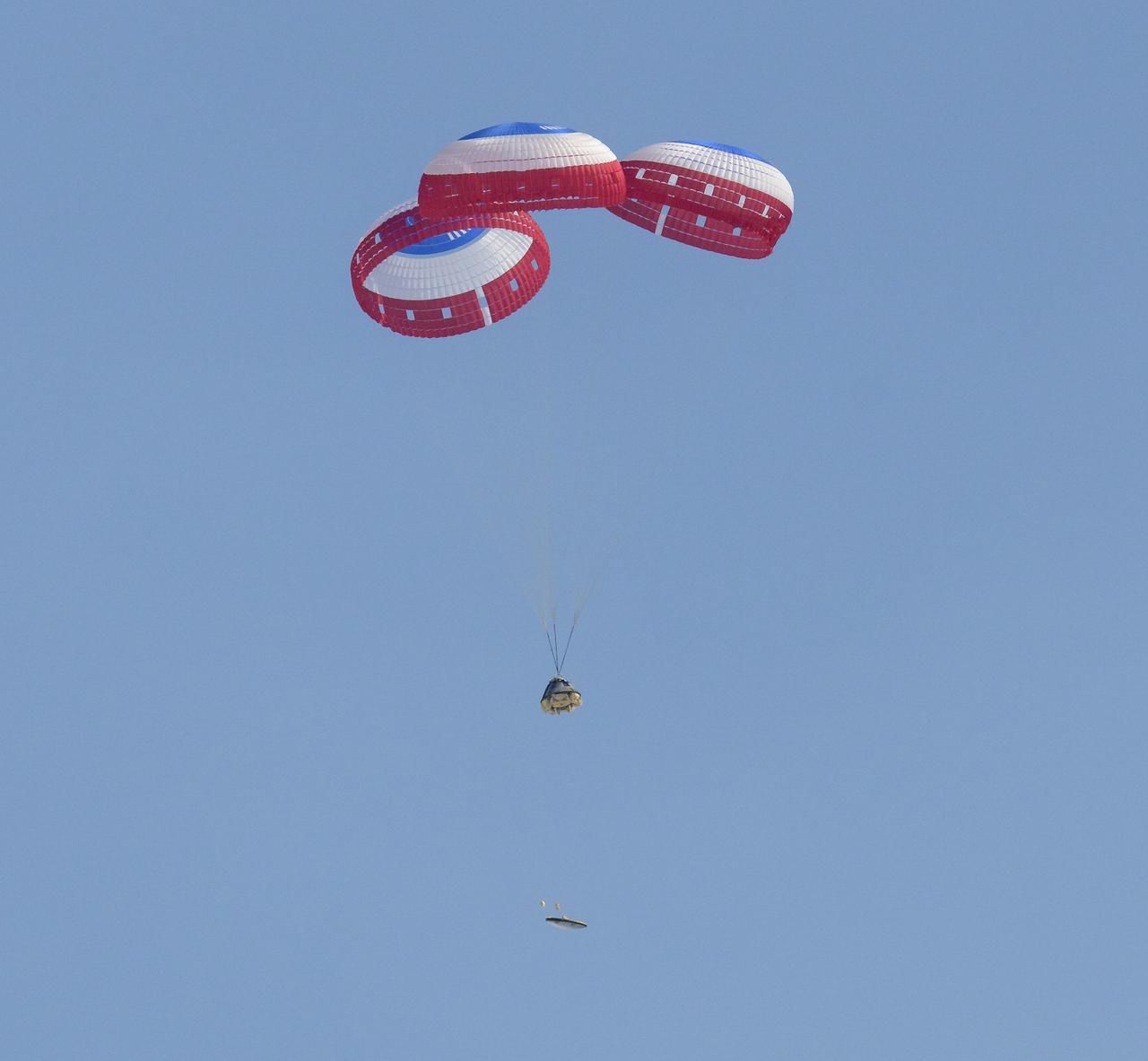
The Boeing CST-100 Starliner spacecraft jettisons the heat shield as it lands at White Sands Missile Range’s Space Harbor, Wednesday, May 25, 2022, in New Mexico. Boeing’s Orbital Flight Test-2 (OFT-2) is Starliner’s second uncrewed flight test to the International Space Station as part of NASA's Commercial Crew Program. OFT-2 serves as an end-to-end test of the system's capabilities. Photo Credit: (NASA/Bill Ingalls)
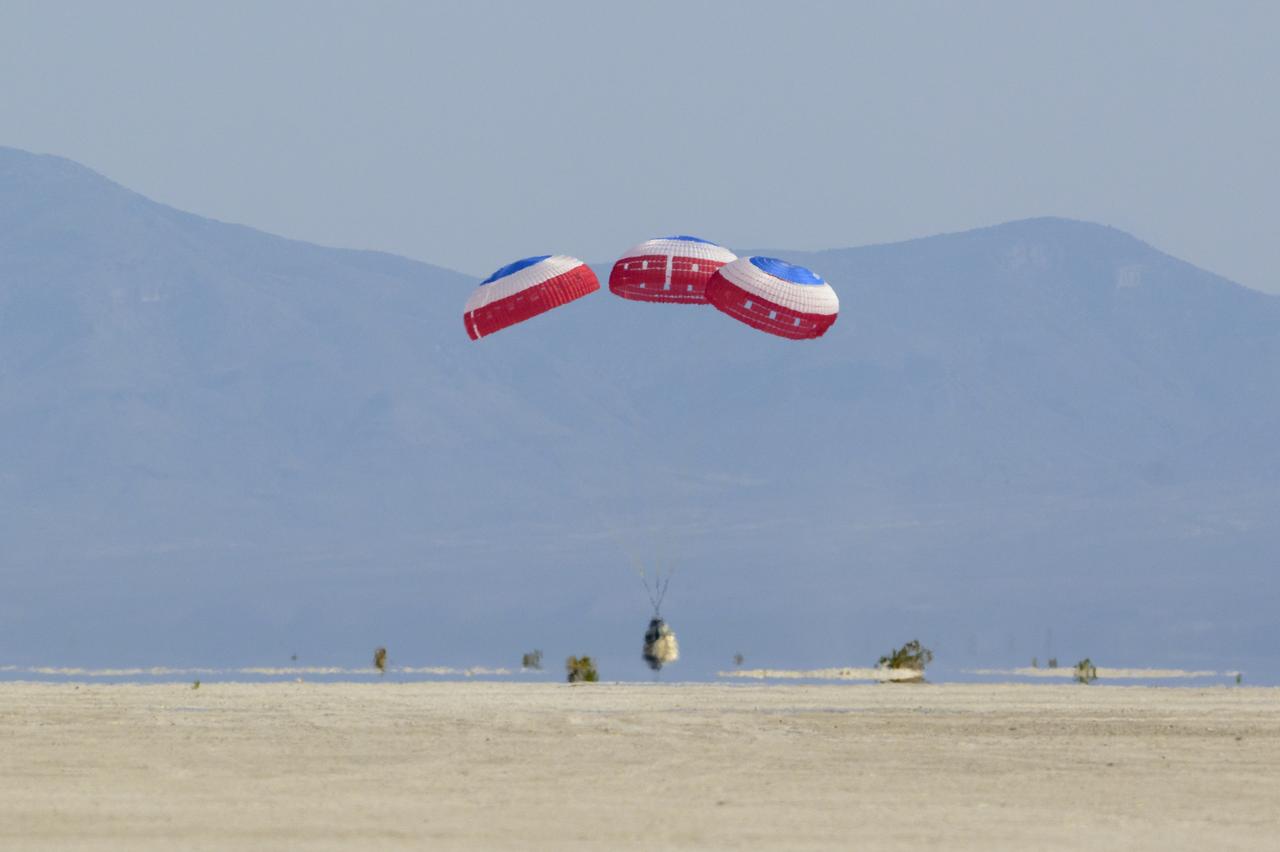
Boeing’s CST-100 Starliner spacecraft lands at White Sands Missile Range’s Space Harbor, Wednesday, May 25, 2022, in New Mexico. Boeing’s Orbital Flight Test-2 (OFT-2) is Starliner’s second uncrewed flight test to the International Space Station as part of NASA's Commercial Crew Program. OFT-2 serves as an end-to-end test of the system's capabilities. Photo Credit: (NASA/Bill Ingalls)
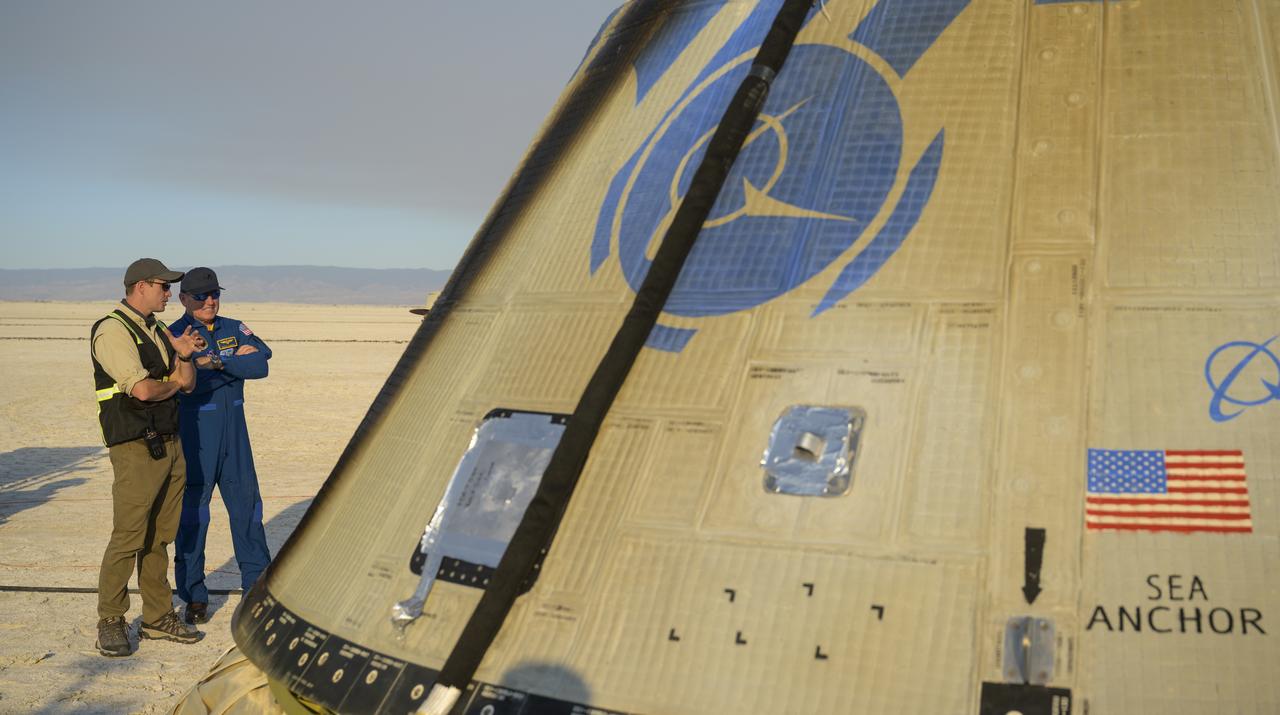
Boeing Starliner Launch Conductor Louis Atchison, left, and NASA astronaut Butch Wilmore look at Boeing’s CST-100 Starliner spacecraft after it landed at White Sands Missile Range’s Space Harbor, Wednesday, May 25, 2022, in New Mexico. Boeing’s Orbital Flight Test-2 (OFT-2) is Starliner’s second uncrewed flight test to the International Space Station as part of NASA's Commercial Crew Program. OFT-2 serves as an end-to-end test of the system's capabilities. Photo Credit: (NASA/Bill Ingalls)
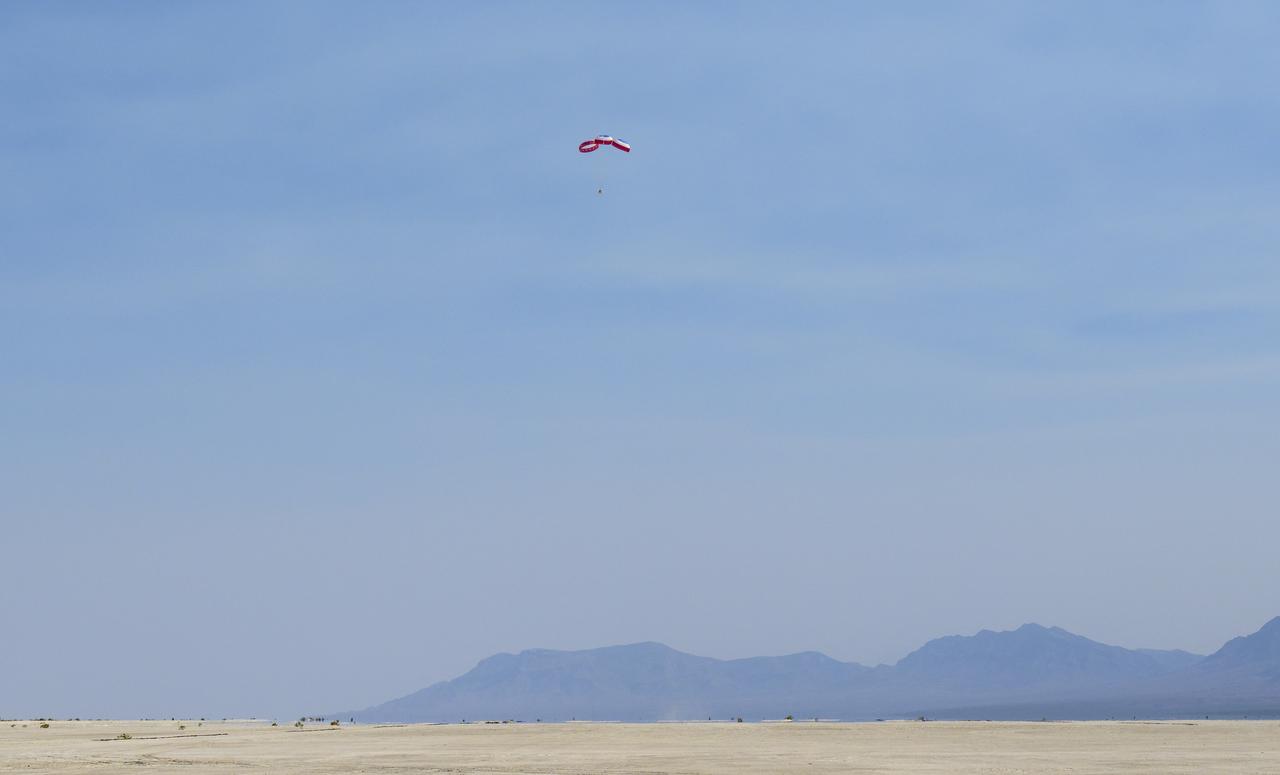
Boeing’s CST-100 Starliner spacecraft lands at White Sands Missile Range’s Space Harbor, Wednesday, May 25, 2022, in New Mexico. Boeing’s Orbital Flight Test-2 (OFT-2) is Starliner’s second uncrewed flight test to the International Space Station as part of NASA's Commercial Crew Program. OFT-2 serves as an end-to-end test of the system's capabilities. Photo Credit: (NASA/Bill Ingalls)
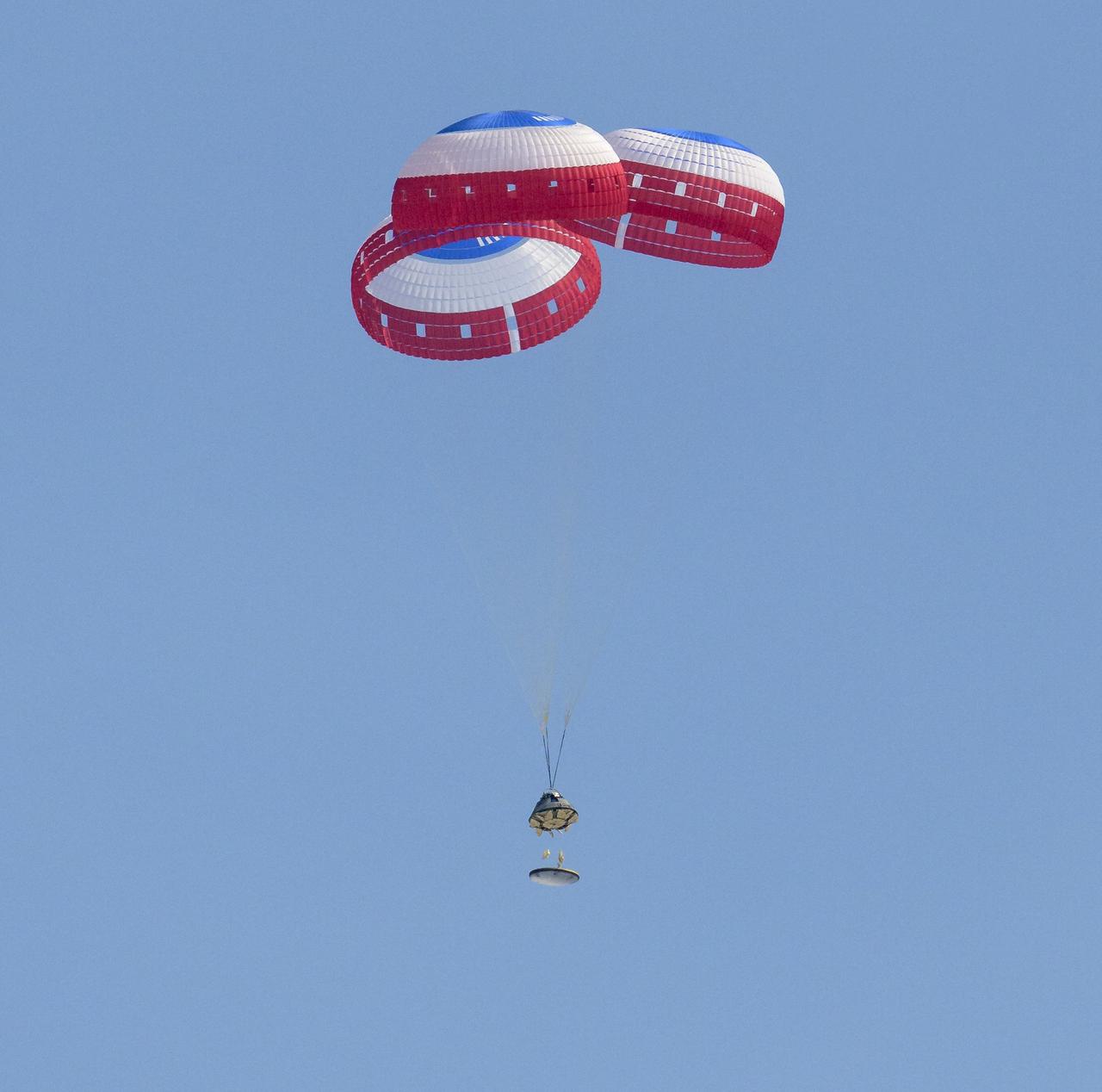
The Boeing CST-100 Starliner spacecraft jettisons the heat shield as it lands at White Sands Missile Range’s Space Harbor, Wednesday, May 25, 2022, in New Mexico. Boeing’s Orbital Flight Test-2 (OFT-2) is Starliner’s second uncrewed flight test to the International Space Station as part of NASA's Commercial Crew Program. OFT-2 serves as an end-to-end test of the system's capabilities. Photo Credit: (NASA/Bill Ingalls)
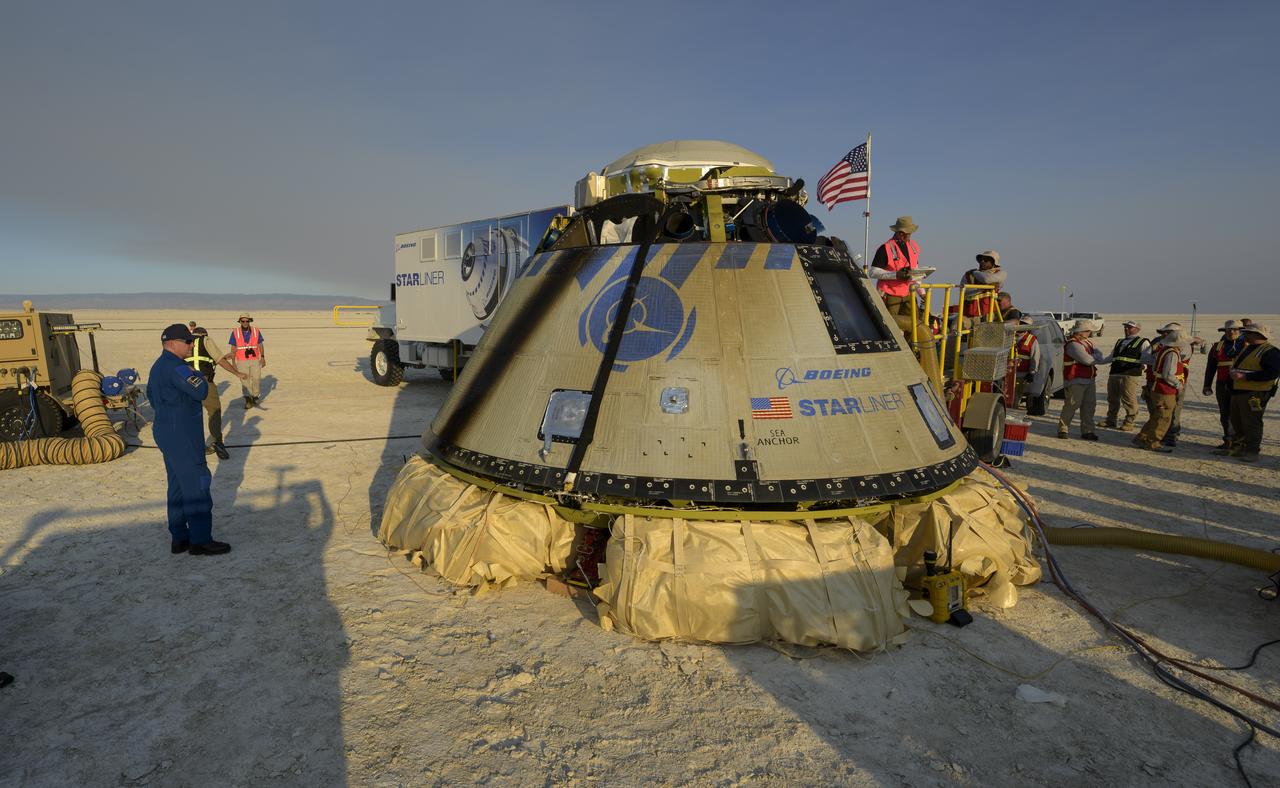
Boeing and NASA teams work around Boeing’s CST-100 Starliner spacecraft after it landed at White Sands Missile Range’s Space Harbor, Wednesday, May 25, 2022, in New Mexico. Boeing’s Orbital Flight Test-2 (OFT-2) is Starliner’s second uncrewed flight test to the International Space Station as part of NASA's Commercial Crew Program. OFT-2 serves as an end-to-end test of the system's capabilities. Photo Credit: (NASA/Bill Ingalls)
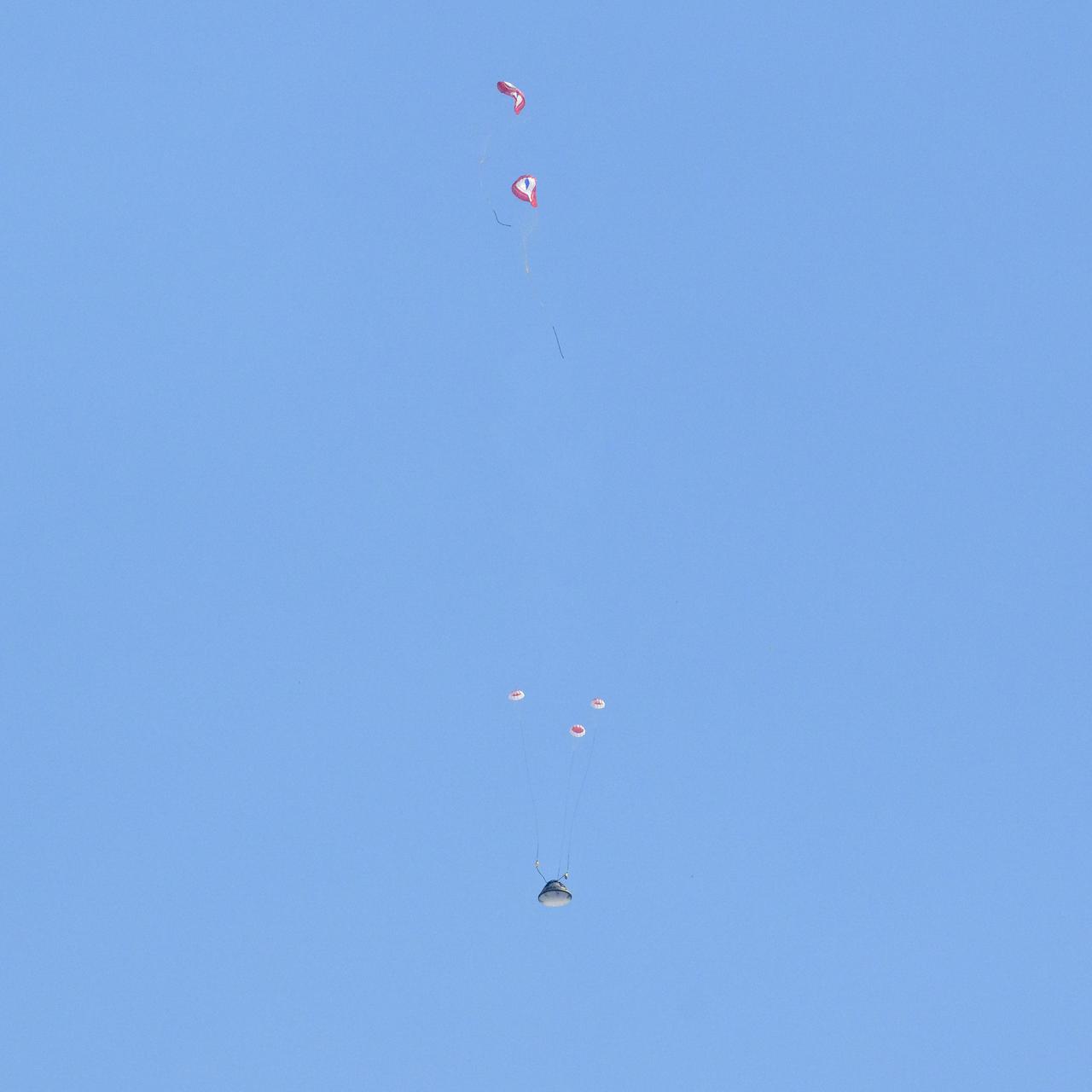
Boeing’s CST-100 Starliner spacecraft transitions to main chutes from drogue parachutes as it lands at White Sands Missile Range’s Space Harbor, Wednesday, May 25, 2022, in New Mexico. Boeing’s Orbital Flight Test-2 (OFT-2) is Starliner’s second uncrewed flight test to the International Space Station as part of NASA's Commercial Crew Program. OFT-2 serves as an end-to-end test of the system's capabilities. Photo Credit: (NASA/Bill Ingalls)
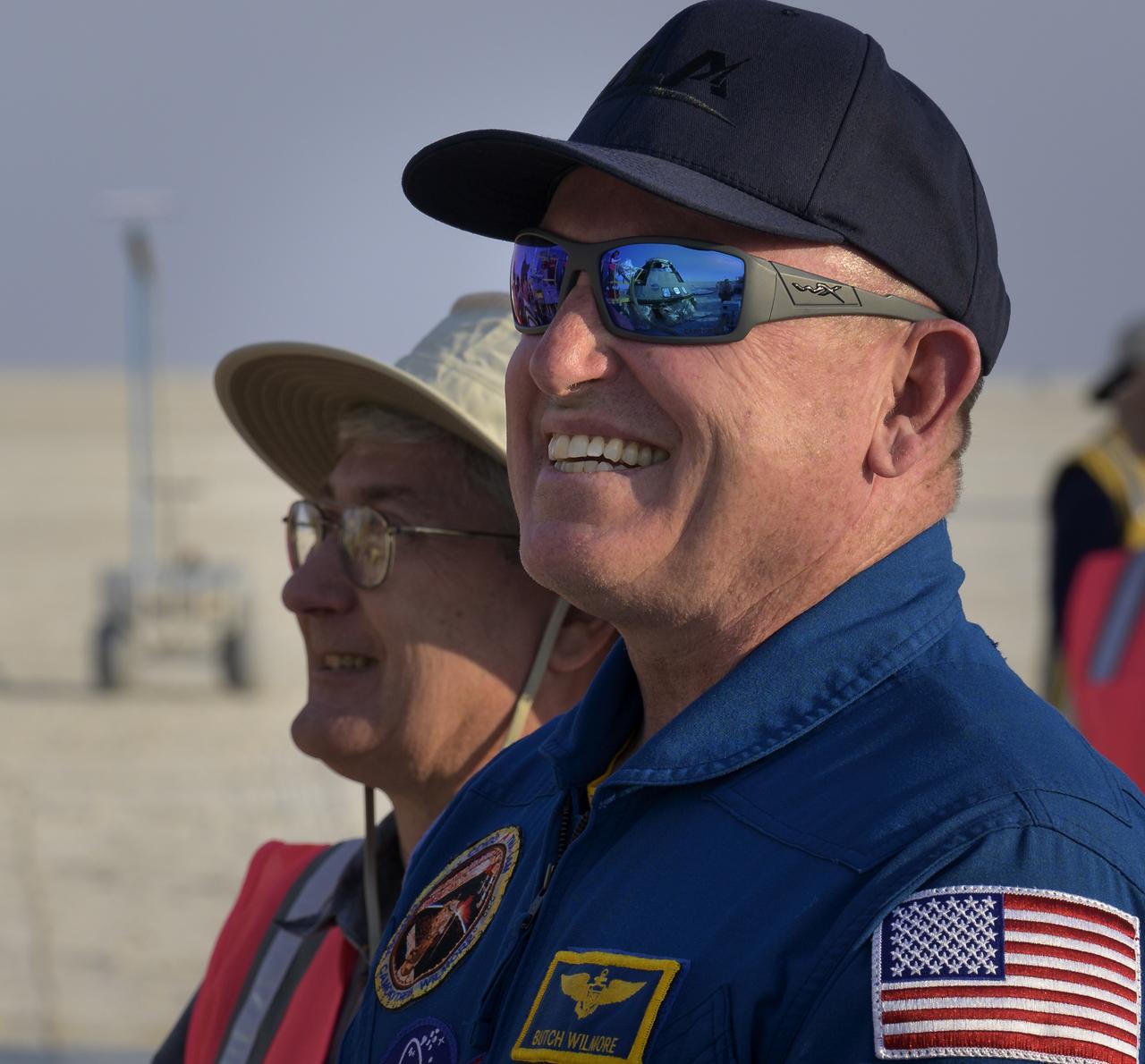
NASA astronaut Butch Wilmore watches as teams work around Boeing’s CST-100 Starliner spacecraft after it landed at White Sands Missile Range’s Space Harbor, Wednesday, May 25, 2022, in New Mexico. Boeing’s Orbital Flight Test-2 (OFT-2) is Starliner’s second uncrewed flight test to the International Space Station as part of NASA's Commercial Crew Program. OFT-2 serves as an end-to-end test of the system's capabilities. Photo Credit: (NASA/Bill Ingalls)
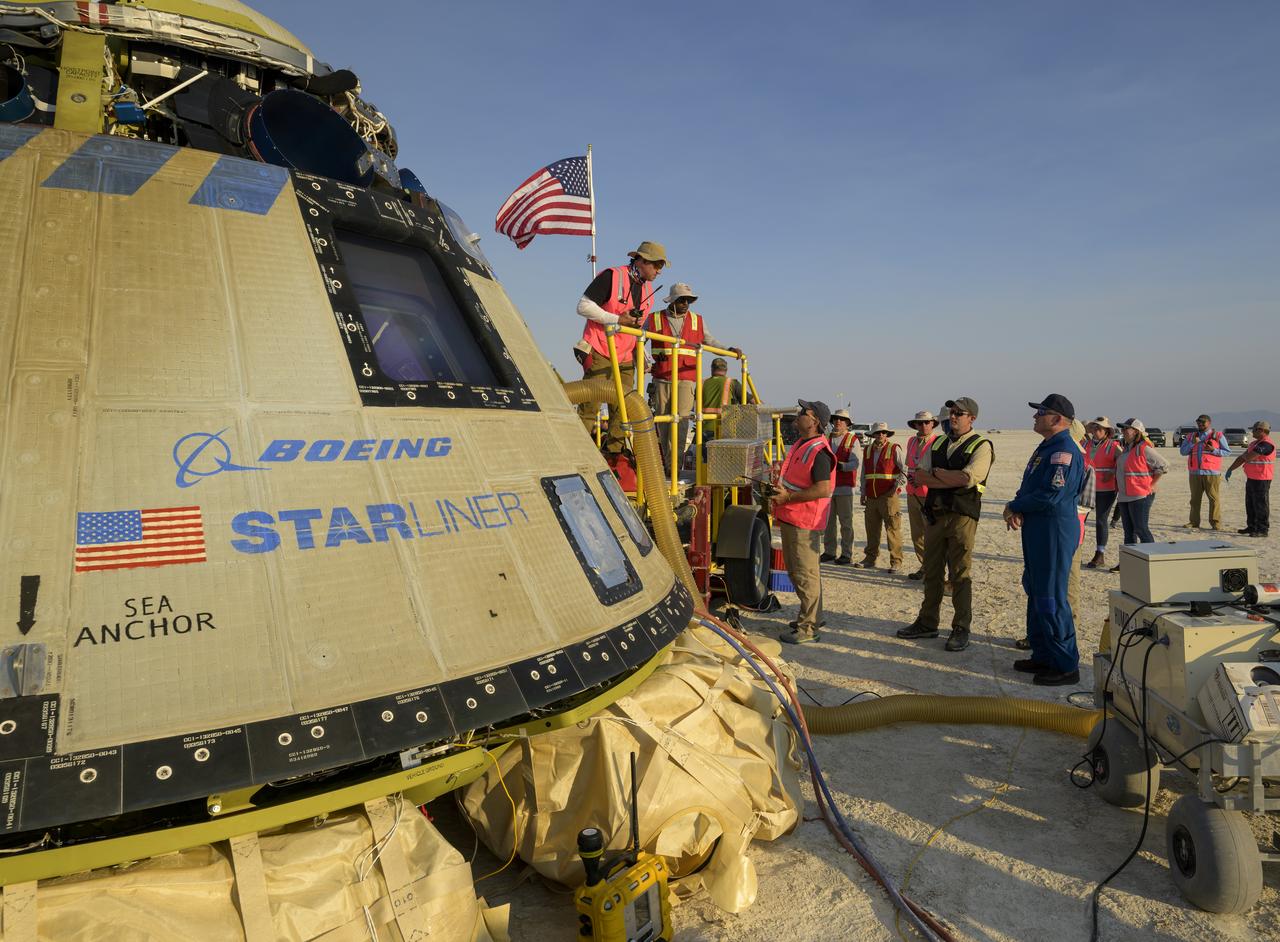
Boeing and NASA teams work around Boeing’s CST-100 Starliner spacecraft after it landed at White Sands Missile Range’s Space Harbor, Wednesday, May 25, 2022, in New Mexico. Boeing’s Orbital Flight Test-2 (OFT-2) is Starliner’s second uncrewed flight test to the International Space Station as part of NASA's Commercial Crew Program. OFT-2 serves as an end-to-end test of the system's capabilities. Photo Credit: (NASA/Bill Ingalls)
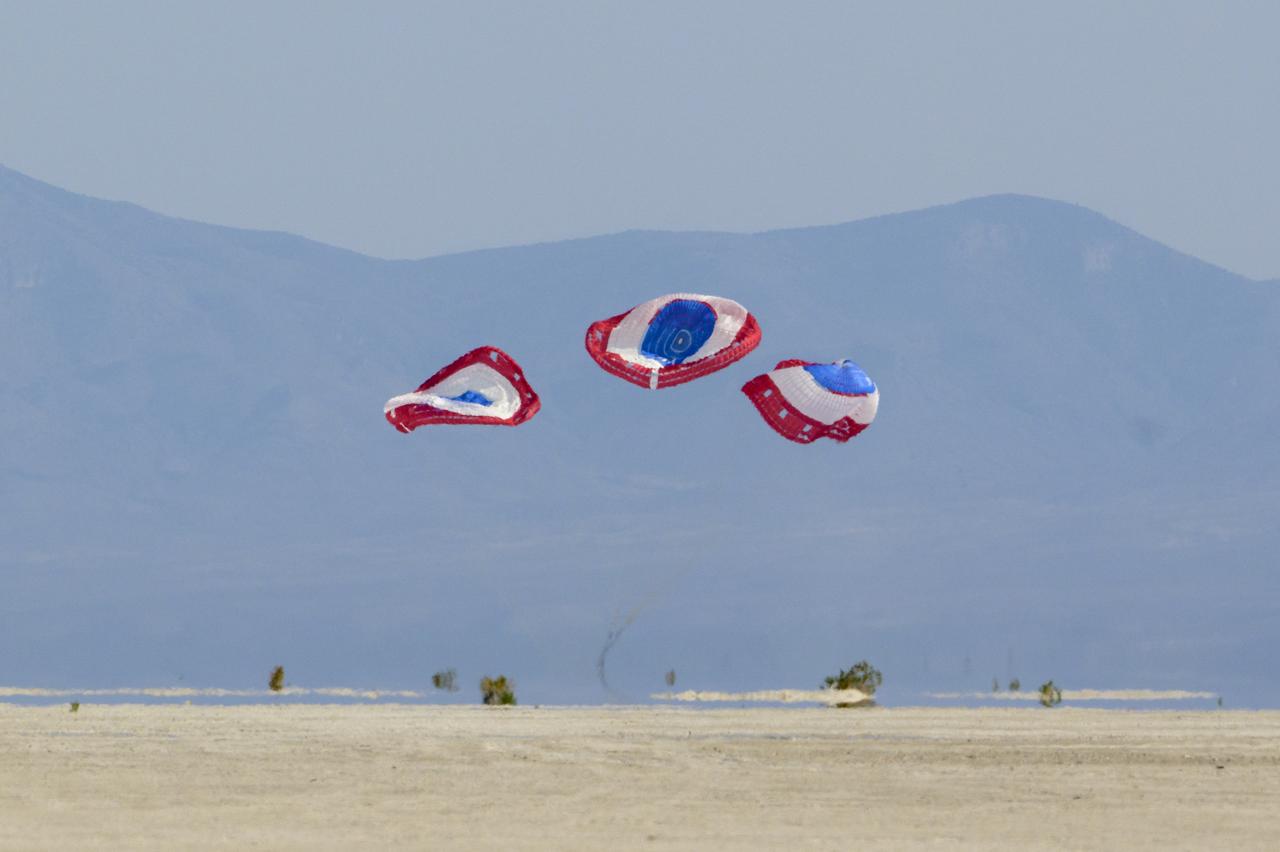
Boeing’s CST-100 Starliner spacecraft lands at White Sands Missile Range’s Space Harbor, Wednesday, May 25, 2022, in New Mexico. Boeing’s Orbital Flight Test-2 (OFT-2) is Starliner’s second uncrewed flight test to the International Space Station as part of NASA's Commercial Crew Program. OFT-2 serves as an end-to-end test of the system's capabilities. Photo Credit: (NASA/Bill Ingalls)
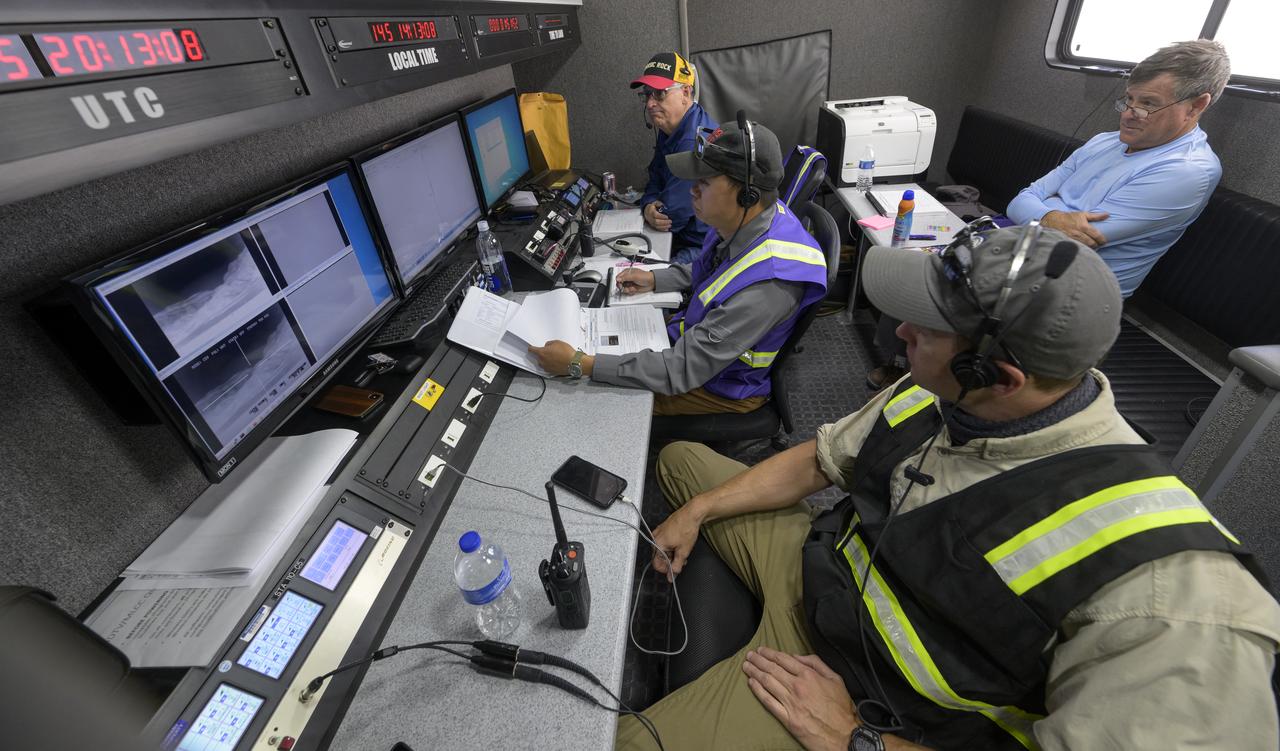
Boeing teams inside the Mobile Landing Control Center (MLCC) prepare for the landing of Boeing’s CST-100 Starliner spacecraft at White Sands Missile Range’s Space Harbor, Wednesday, May 25, 2022, in New Mexico. Boeing’s Orbital Flight Test-2 (OFT-2) is Starliner’s second uncrewed flight test to the International Space Station as part of NASA's Commercial Crew Program. OFT-2 serves as an end-to-end test of the system's capabilities. Photo Credit: (NASA/Bill Ingalls)
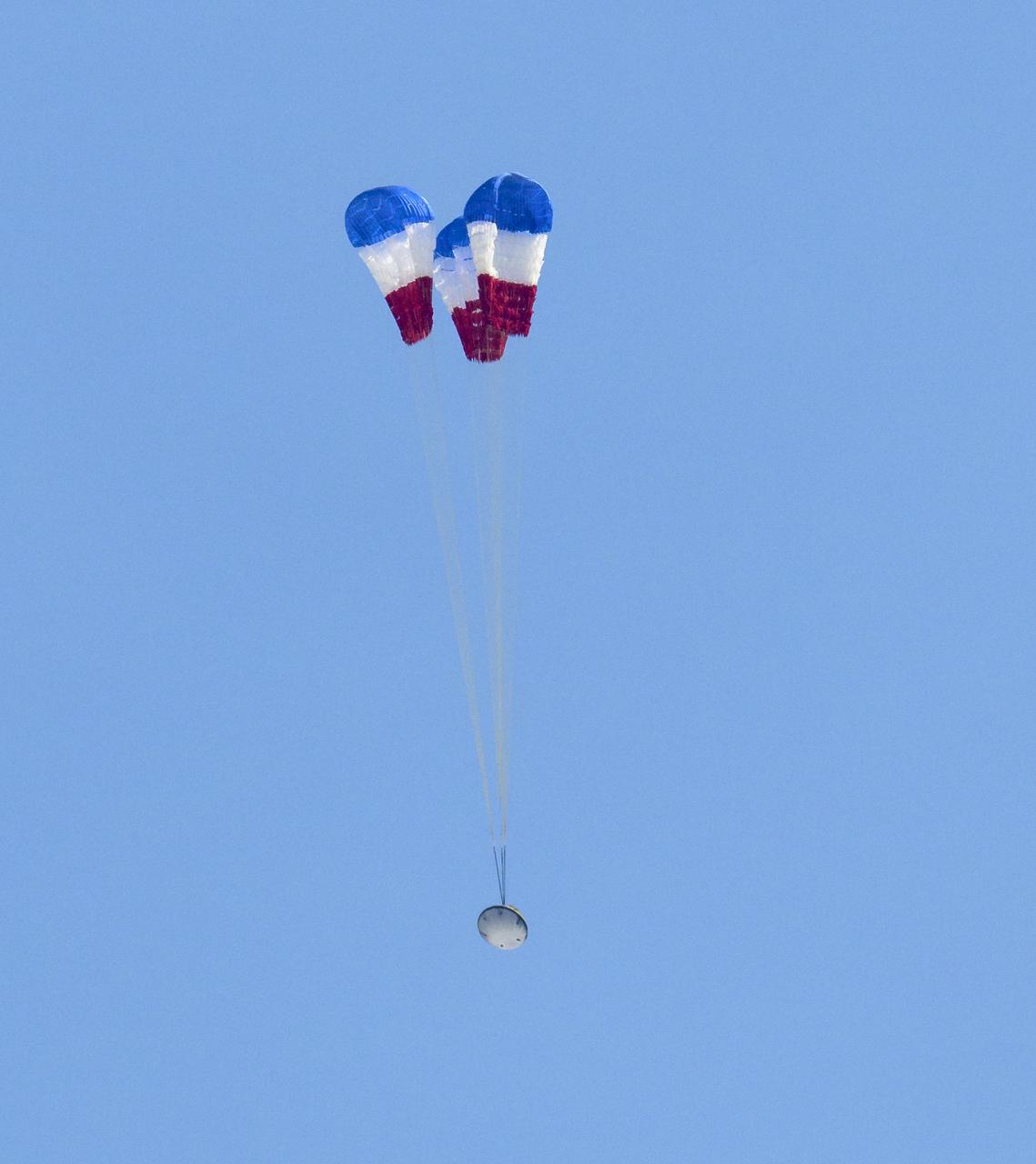
Boeing’s CST-100 Starliner spacecraft opens it’s main parachutes as it lands at White Sands Missile Range’s Space Harbor, Wednesday, May 25, 2022, in New Mexico. Boeing’s Orbital Flight Test-2 (OFT-2) is Starliner’s second uncrewed flight test to the International Space Station as part of NASA's Commercial Crew Program. OFT-2 serves as an end-to-end test of the system's capabilities. Photo Credit: (NASA/Bill Ingalls)
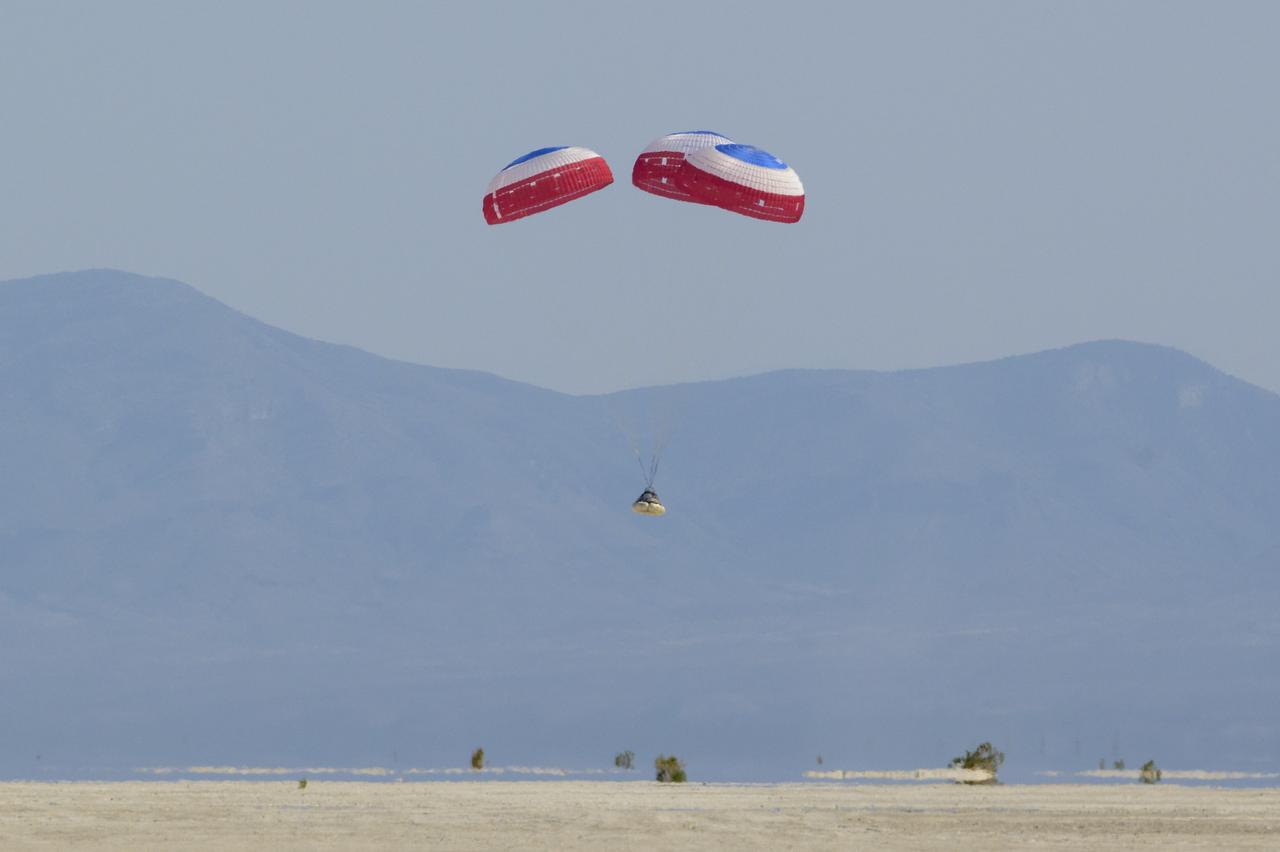
Boeing’s CST-100 Starliner spacecraft lands at White Sands Missile Range’s Space Harbor, Wednesday, May 25, 2022, in New Mexico. Boeing’s Orbital Flight Test-2 (OFT-2) is Starliner’s second uncrewed flight test to the International Space Station as part of NASA's Commercial Crew Program. OFT-2 serves as an end-to-end test of the system's capabilities. Photo Credit: (NASA/Bill Ingalls)
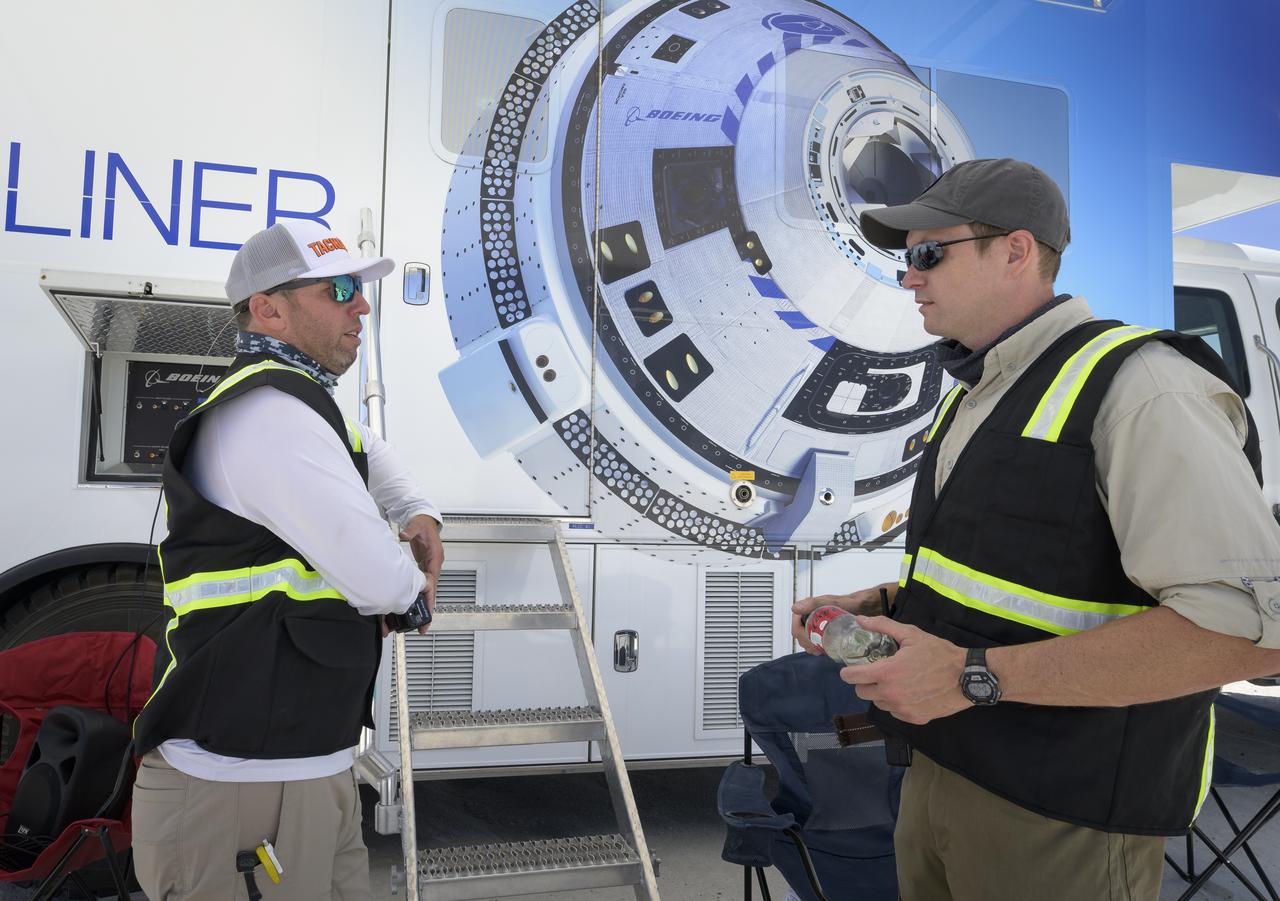
Boeing Recovery Director Bryan Gartner, left, and Boeing Starliner Launch Conductor Louis Atchison prepare for the landing of Boeing’s CST-100 Starliner spacecraft at White Sands Missile Range’s Space Harbor, Wednesday, May 25, 2022, in New Mexico. Boeing’s Orbital Flight Test-2 (OFT-2) is Starliner’s second uncrewed flight test to the International Space Station as part of NASA's Commercial Crew Program. OFT-2 serves as an end-to-end test of the system's capabilities. Photo Credit: (NASA/Bill Ingalls)
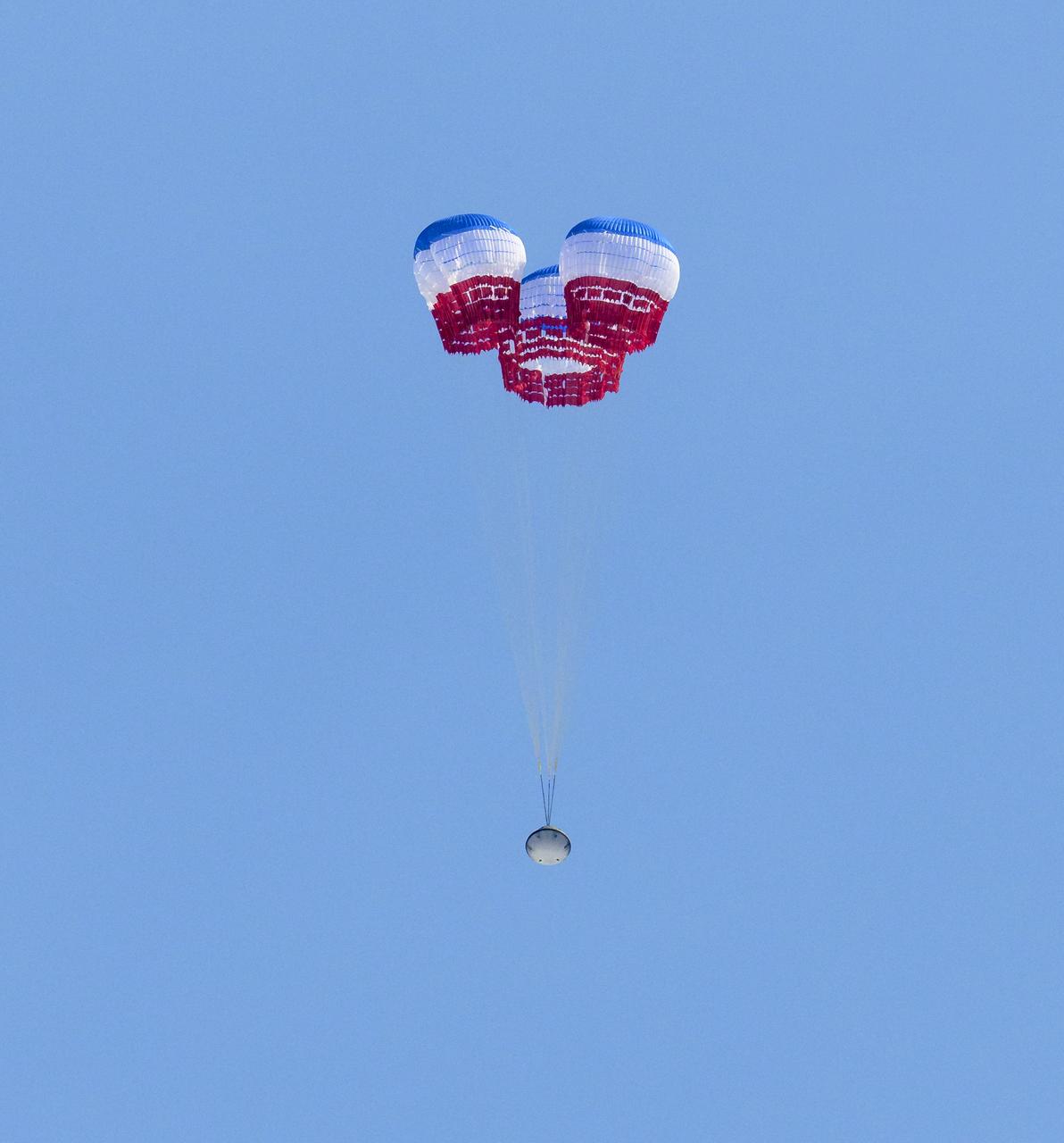
Boeing’s CST-100 Starliner spacecraft lands at White Sands Missile Range’s Space Harbor, Wednesday, May 25, 2022, in New Mexico. Boeing’s Orbital Flight Test-2 (OFT-2) is Starliner’s second uncrewed flight test to the International Space Station as part of NASA's Commercial Crew Program. OFT-2 serves as an end-to-end test of the system's capabilities. Photo Credit: (NASA/Bill Ingalls)
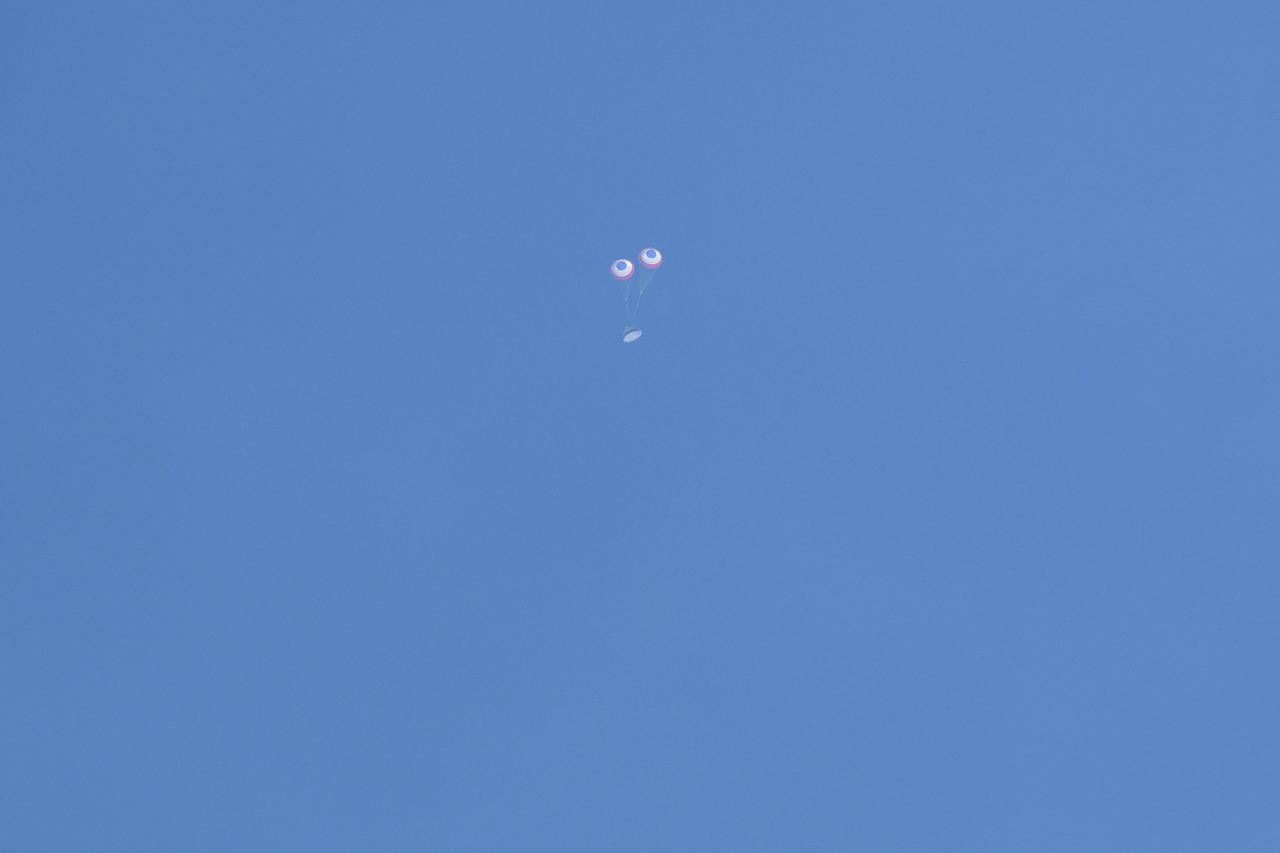
Boeing’s CST-100 Starliner spacecraft lands at White Sands Missile Range’s Space Harbor, Wednesday, May 25, 2022, in New Mexico. Boeing’s Orbital Flight Test-2 (OFT-2) is Starliner’s second uncrewed flight test to the International Space Station as part of NASA's Commercial Crew Program. OFT-2 serves as an end-to-end test of the system's capabilities. Photo Credit: (NASA/Bill Ingalls)