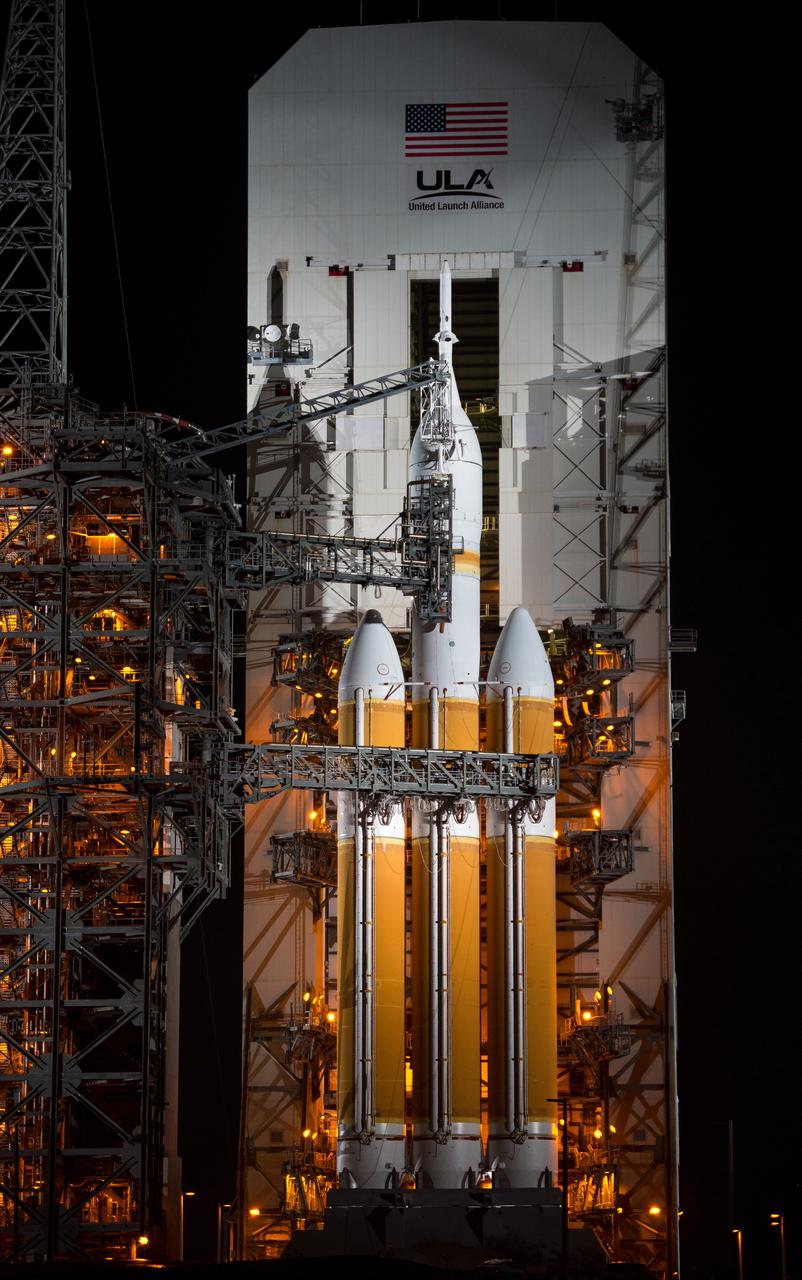
A United Launch Alliance Delta IV Heavy rocket with NASA’s Orion spacecraft mounted atop is seen as the Mobile Service Tower is rolled back on Dec. 3, 2014, at Cape Canaveral Air Force Station's Space Launch Complex 37, Florida. Orion is scheduled to make its first flight test on Exploration Flight Test-1 (EFT-1) on Dec. 4 with a morning launch atop the Delta IV Heavy. Part of Batch image transfer from Flickr.
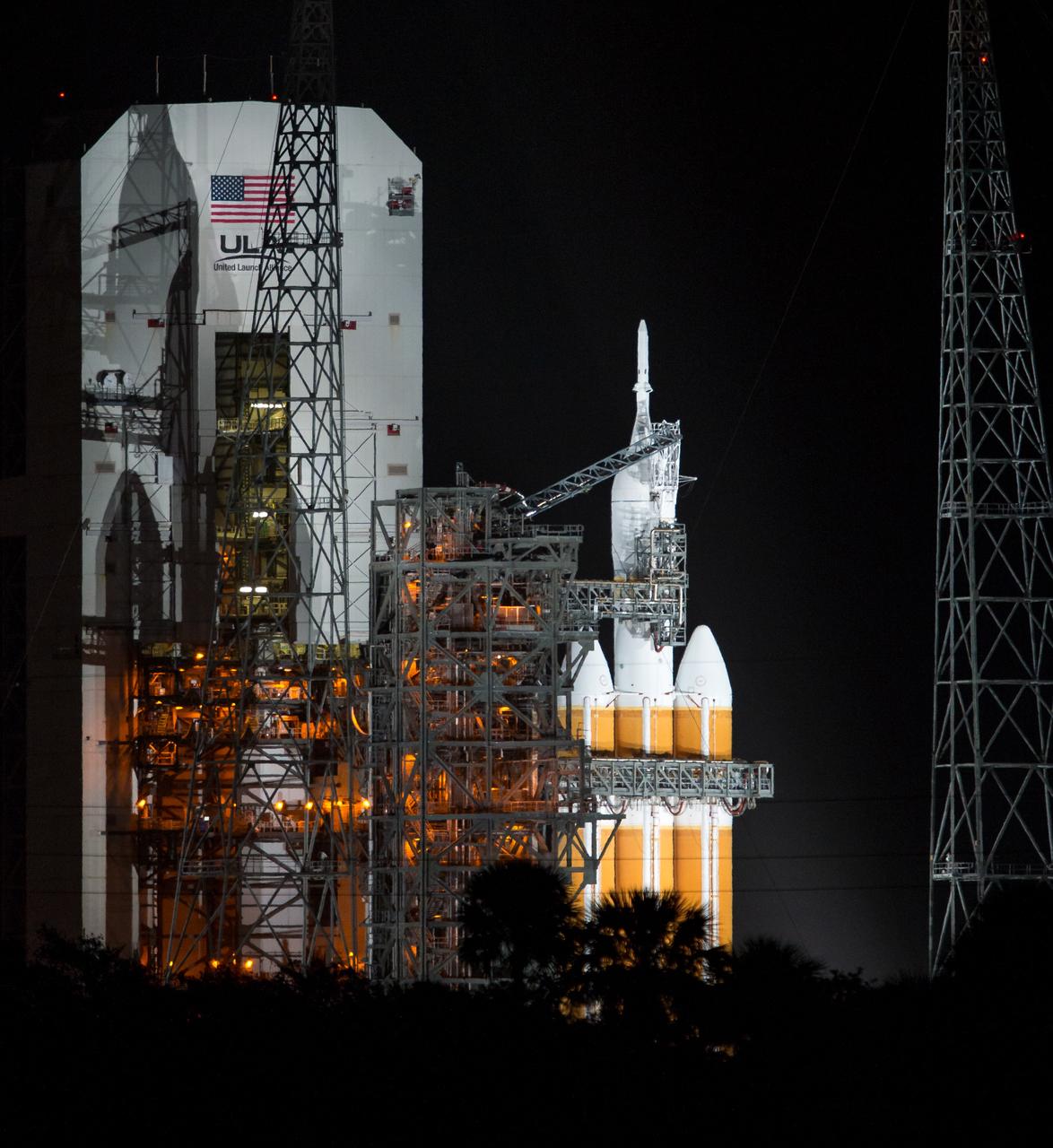
The United Launch Alliance Delta IV Heavy rocket with NASA’s Orion spacecraft mounted atop for Exploration Flight Test-1 (EFT-1) is seen early on Friday, Dec. 5, 2014, at Cape Canaveral Air Force Station's Space Launch Complex 37, Florida. Part of Batch image transfer from Flickr.

A United Launch Alliance Delta IV Heavy rocket with NASA’s Orion spacecraft mounted atop for Exploration Flight Test-1 (EFT-1) is seen illuminated in the distance in this long exposure photograph taken early on Dec. 4, 2014, at Cape Canaveral Air Force Station's Space Launch Complex 37, Florida. Part of Batch image transfer from Flickr.
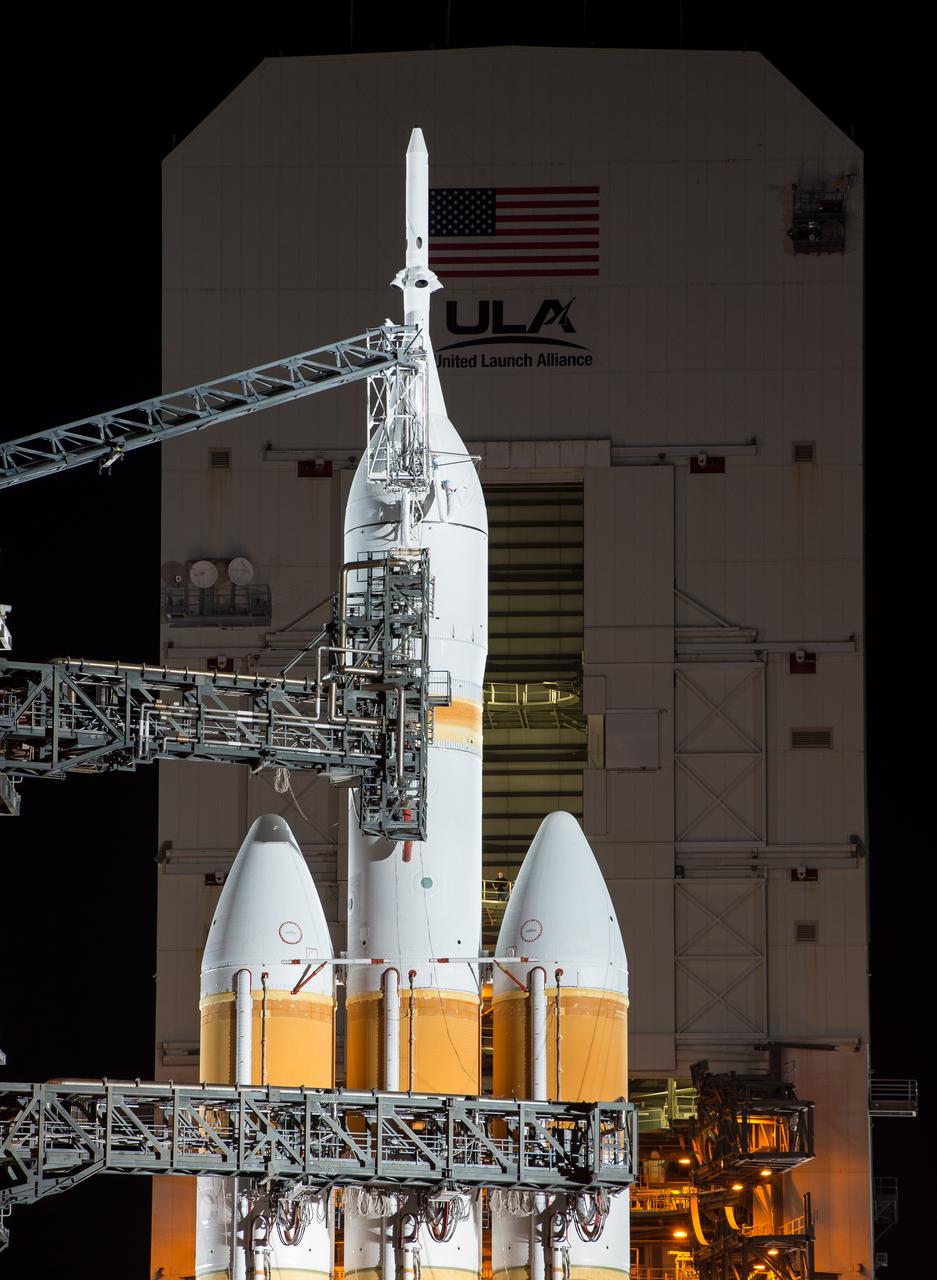
A United Launch Alliance Delta IV Heavy rocket with NASA’s Orion spacecraft mounted atop for Exploration Flight Test-1 (EFT-1) is seen after the Mobile Service Tower was finished rolling back early on Dec. 4, 2014, at Cape Canaveral Air Force Station's Space Launch Complex 37, Florida. Part of Batch image transfer from Flickr.
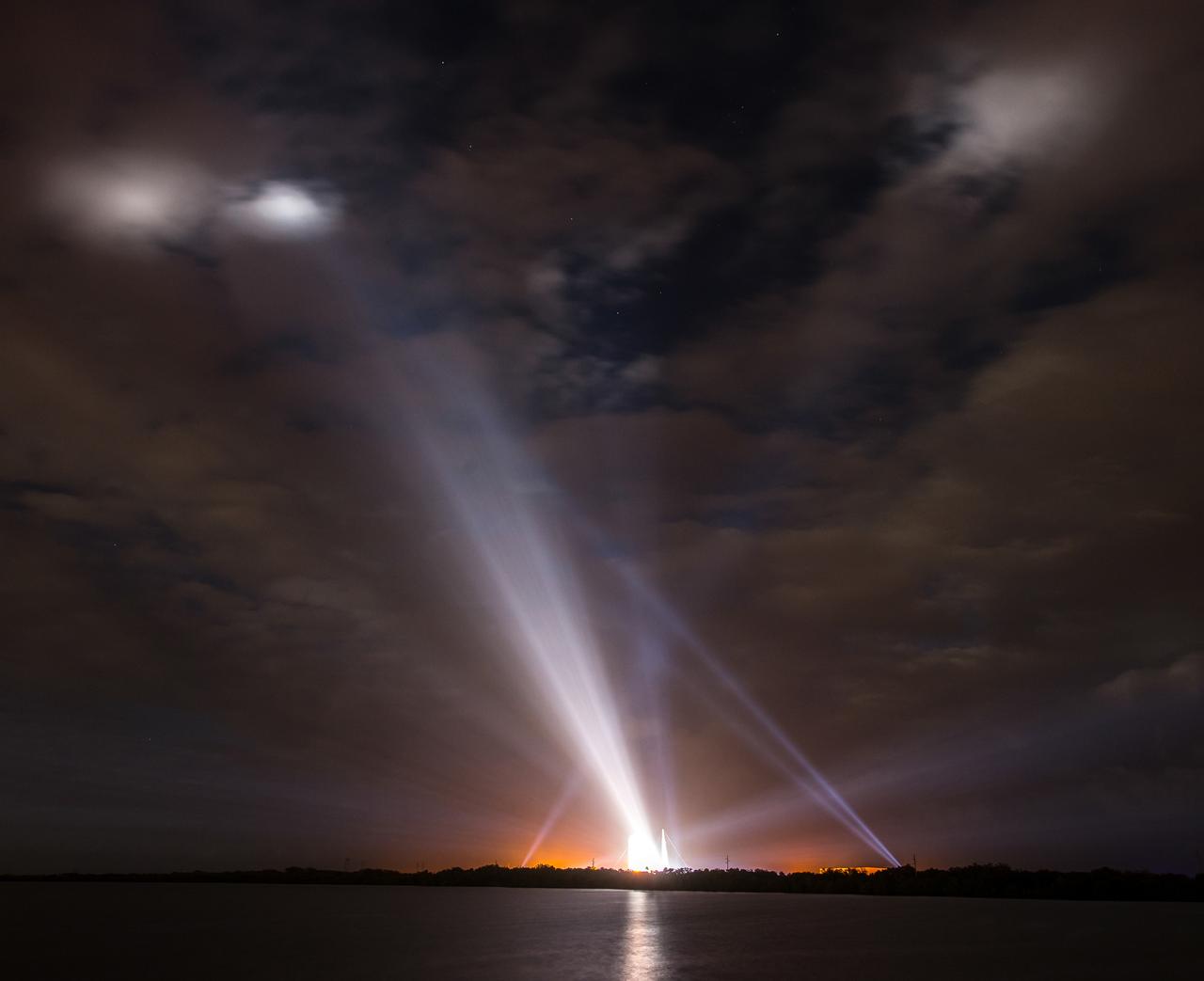
Bright lights illuminate the United Launch Alliance Delta IV Heavy rocket with NASA’s Orion spacecraft mounted atop for Exploration Flight Test-1 (EFT-1), early on Friday, Dec. 5, 2014, at Cape Canaveral Air Force Station's Space Launch Complex 37, Florida. Part of Batch image transfer from Flickr.
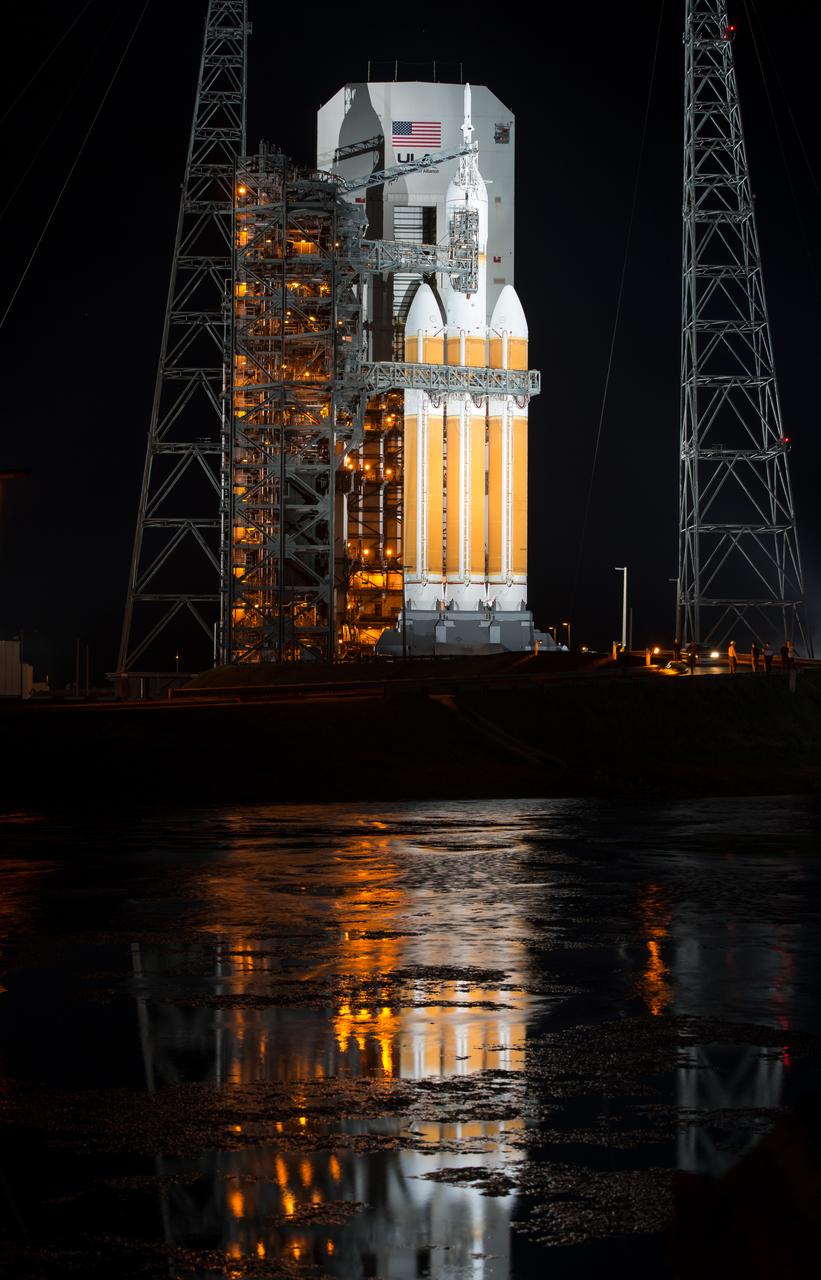
A United Launch Alliance Delta IV Heavy rocket with NASA’s Orion spacecraft mounted atop for Exploration Flight Test-1 (EFT-1) is seen after the Mobile Service Tower was finished rolling back early on Dec. 4, 2014, at Cape Canaveral Air Force Station's Space Launch Complex 37, Florida. Part of Batch image transfer from Flickr.
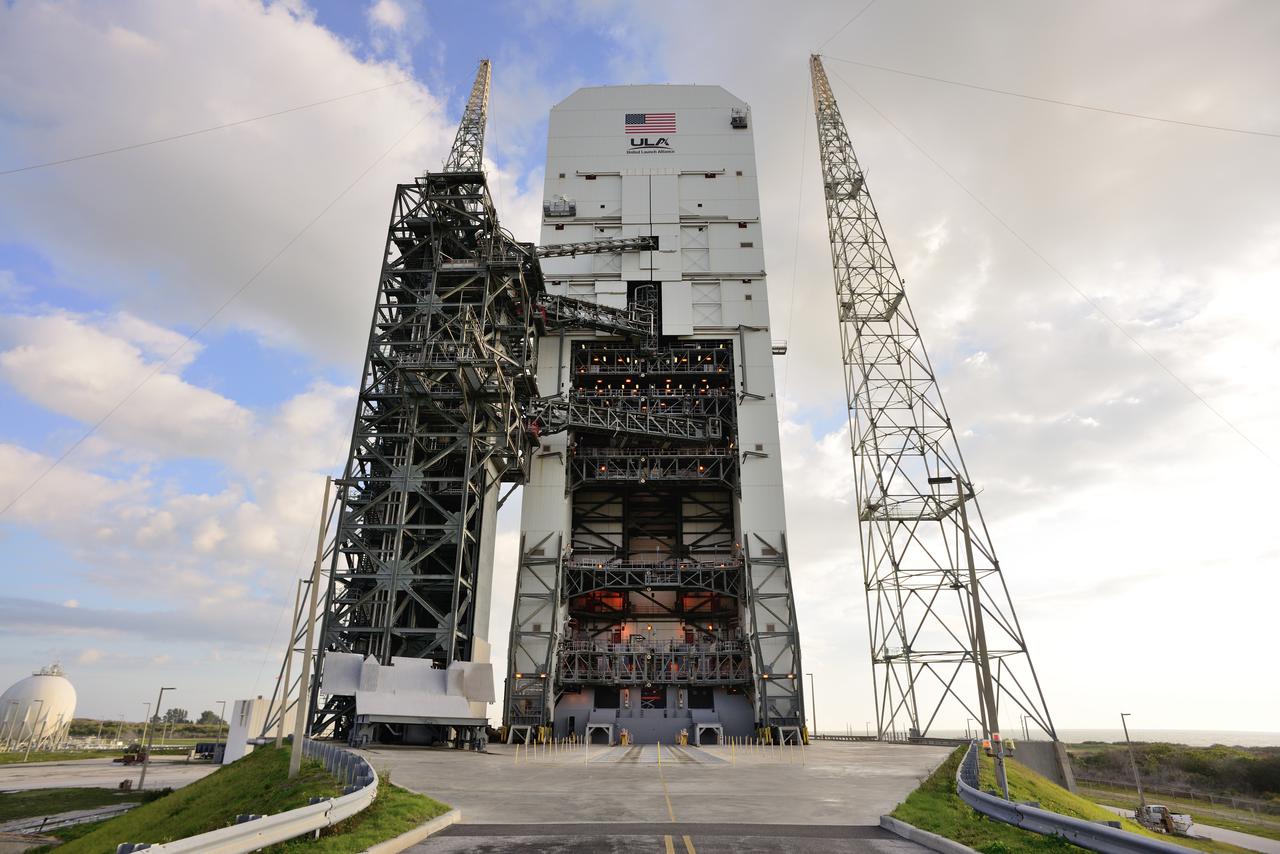
The launch pad for the ULA Delta IV Heavy used to launch Orion on Exploration Flight Test-1 (EFT-1) at Kennedy Space Center in Florida on March 20, 2014. Part of Batch image transfer from Flickr.
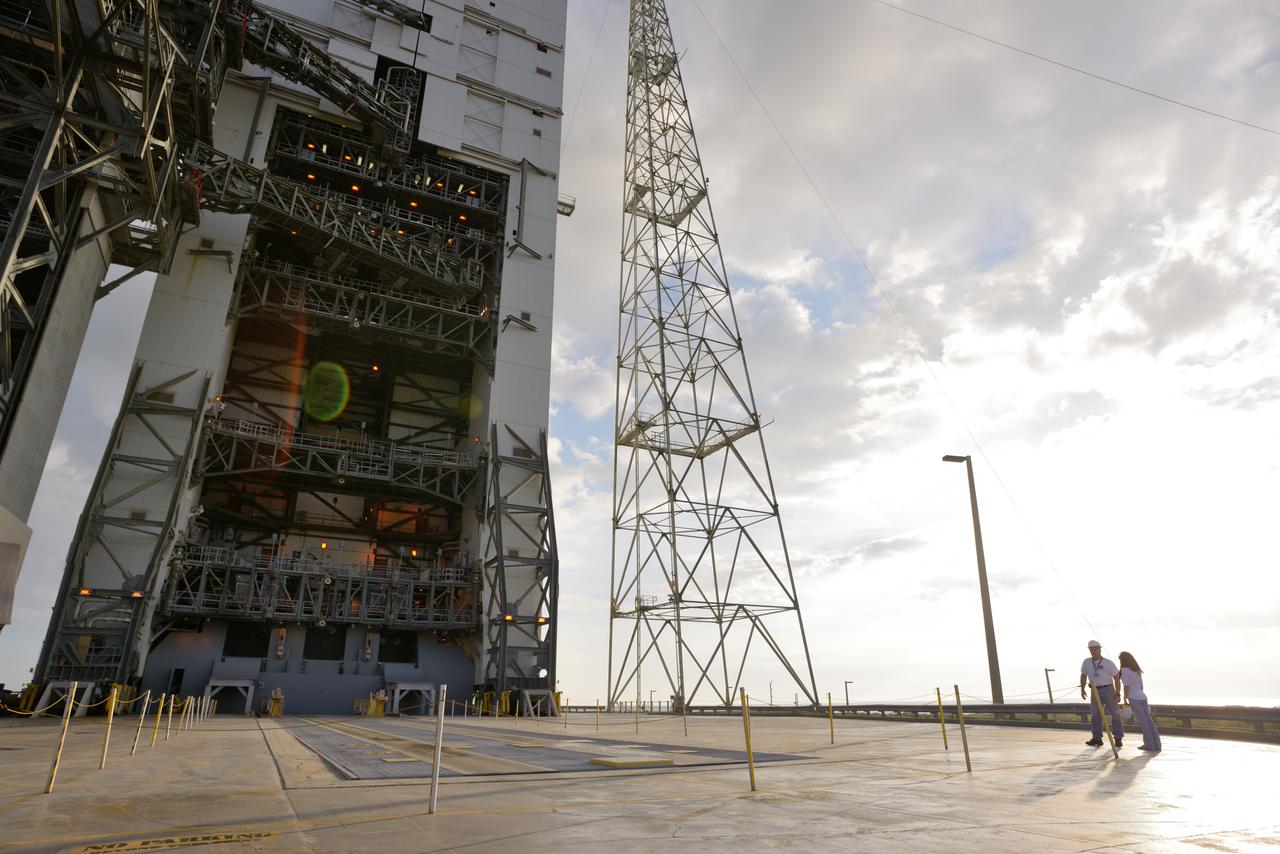
The launch pad for the ULA Delta IV Heavy used to launch Orion on Exploration Flight Test-1 (EFT-1) at Kennedy Space Center in Florida on March 20, 2014. Part of Batch image transfer from Flickr.
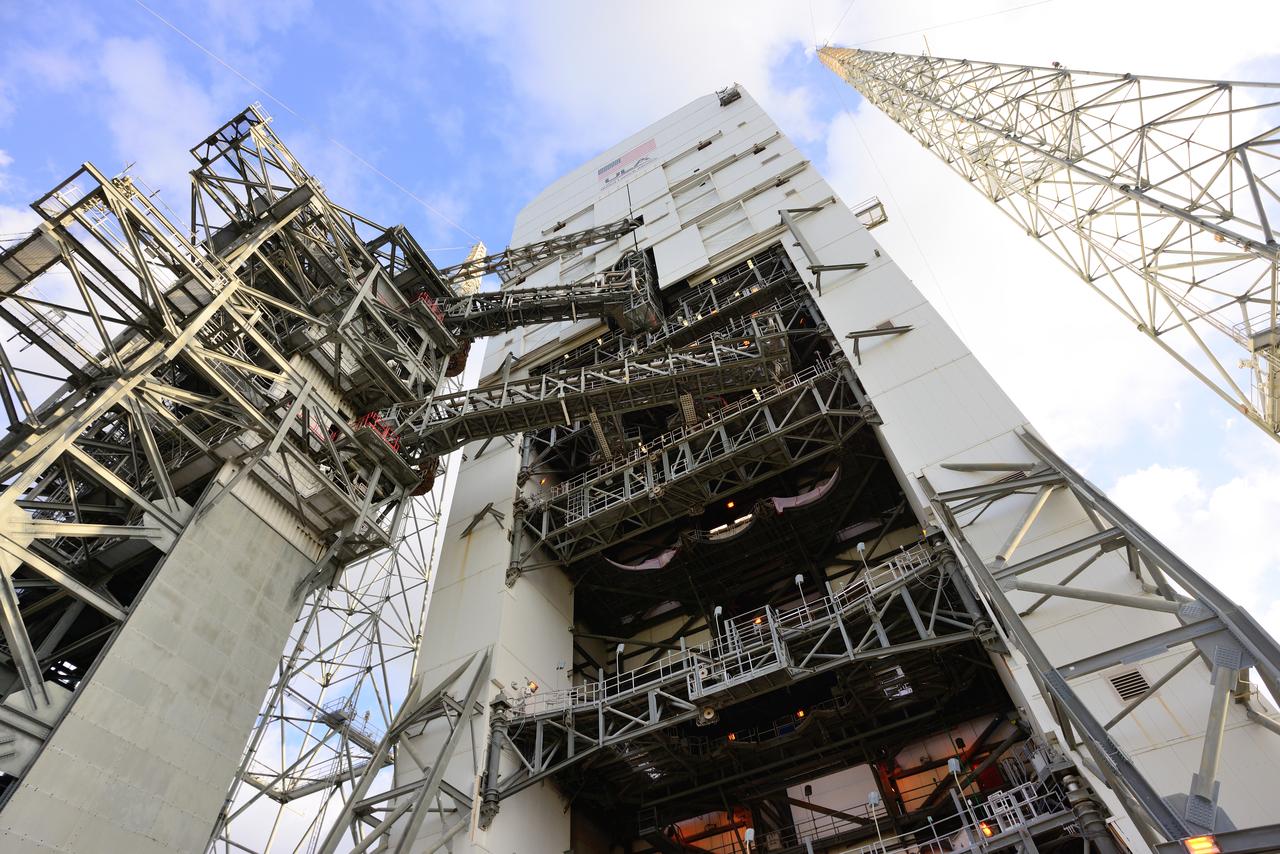
The launch pad for the ULA Delta IV Heavy used to launch Orion on Exploration Flight Test-1 (EFT-1) at Kennedy Space Center in Florida on March 20, 2014. Part of Batch image transfer from Flickr.
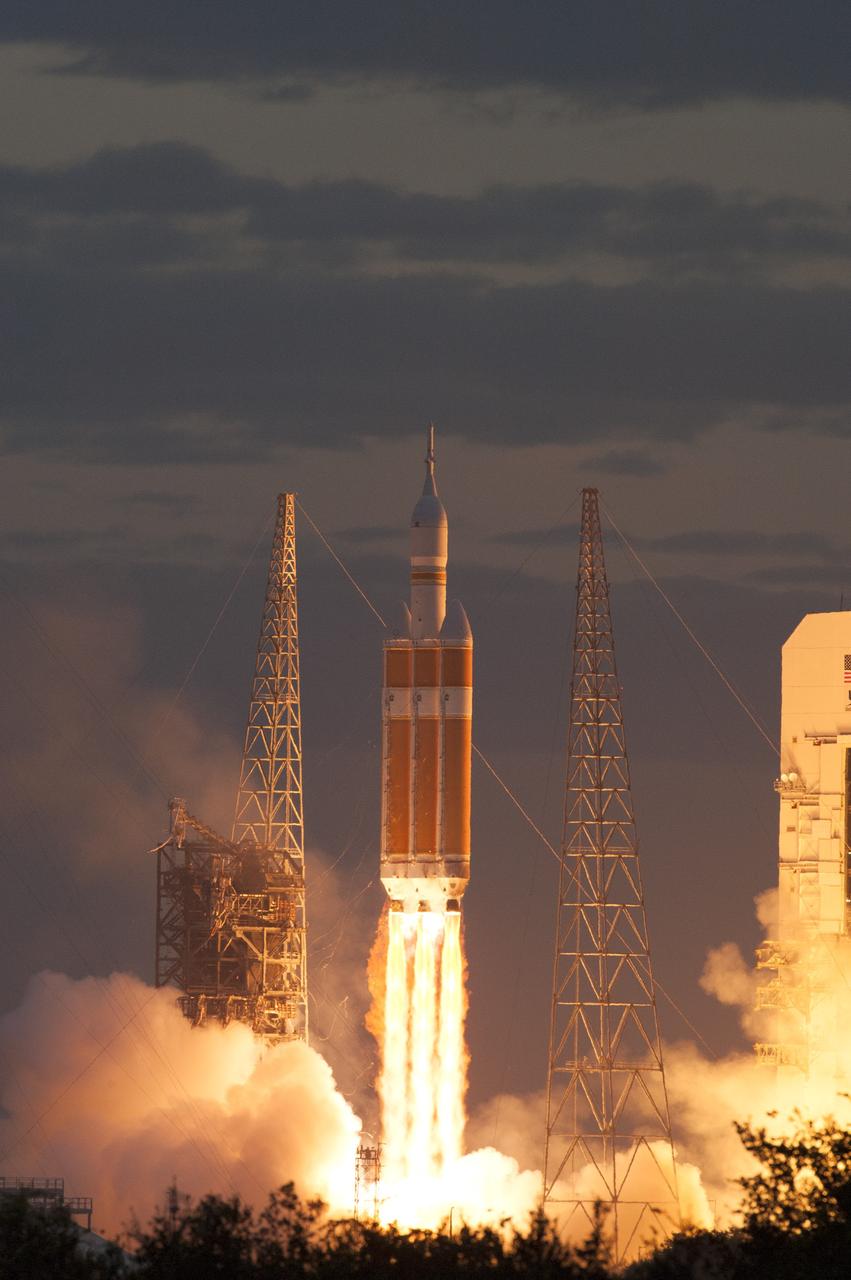
CAPE CANAVERAL, Fla. -- A Delta IV Heavy rocket lifts off from Space Launch Complex 37 at Cape Canaveral Air Force Station in Florida carrying NASA's Orion spacecraft on an unpiloted flight test to Earth orbit. Liftoff was at 7:05 a.m. EST. During the two-orbit, four-and-a-half hour mission, engineers will evaluate the systems critical to crew safety, the launch abort system, the heat shield and the parachute system. For more information, visit www.nasa.gov/orion Photo credit: NASA/Tim Terry
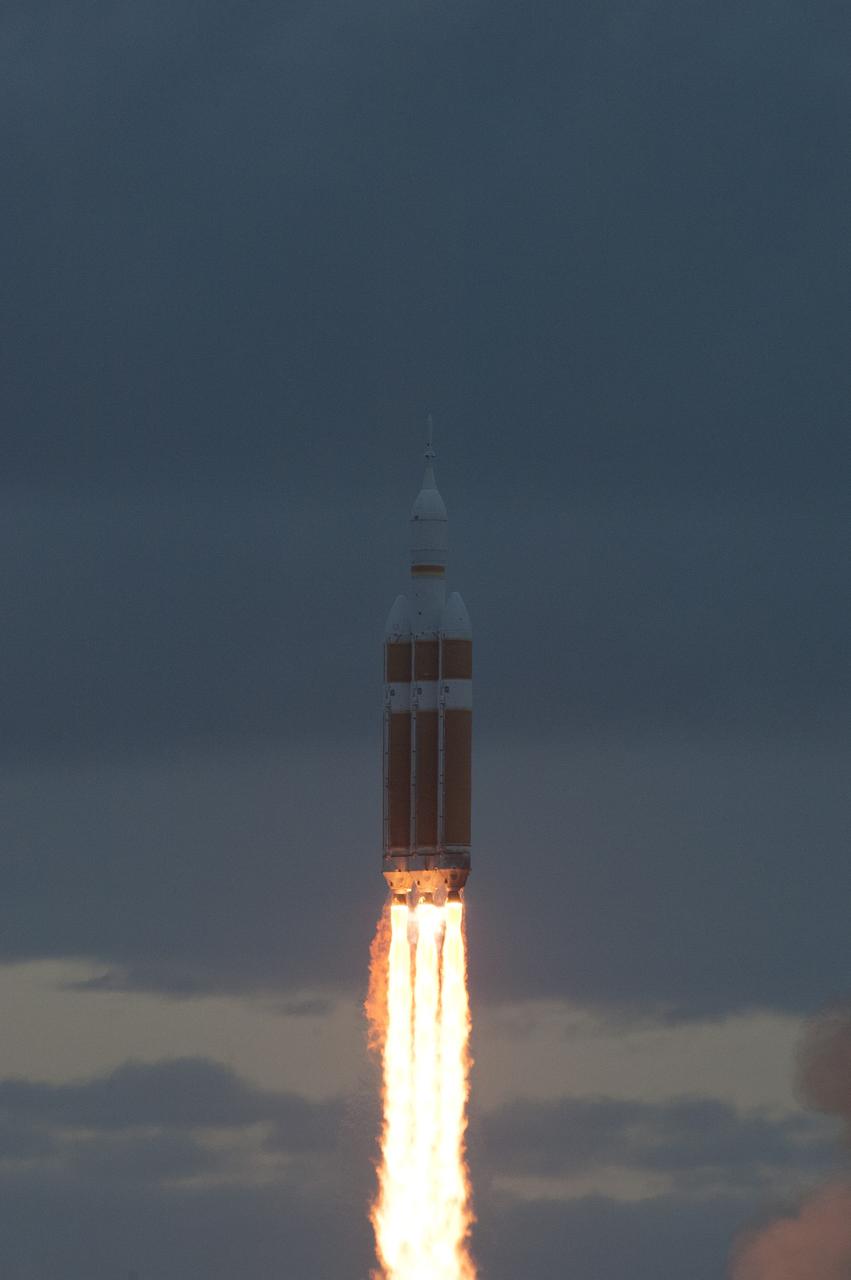
CAPE CANAVERAL, Fla. -- A Delta IV Heavy rocket lifts off from Space Launch Complex 37 at Cape Canaveral Air Force Station in Florida carrying NASA's Orion spacecraft on an unpiloted flight test to Earth orbit. Liftoff was at 7:05 a.m. EST. During the two-orbit, four-and-a-half hour mission, engineers will evaluate the systems critical to crew safety, the launch abort system, the heat shield and the parachute system. For more information, visit www.nasa.gov/orion Photo credit: NASA/Tim Terry
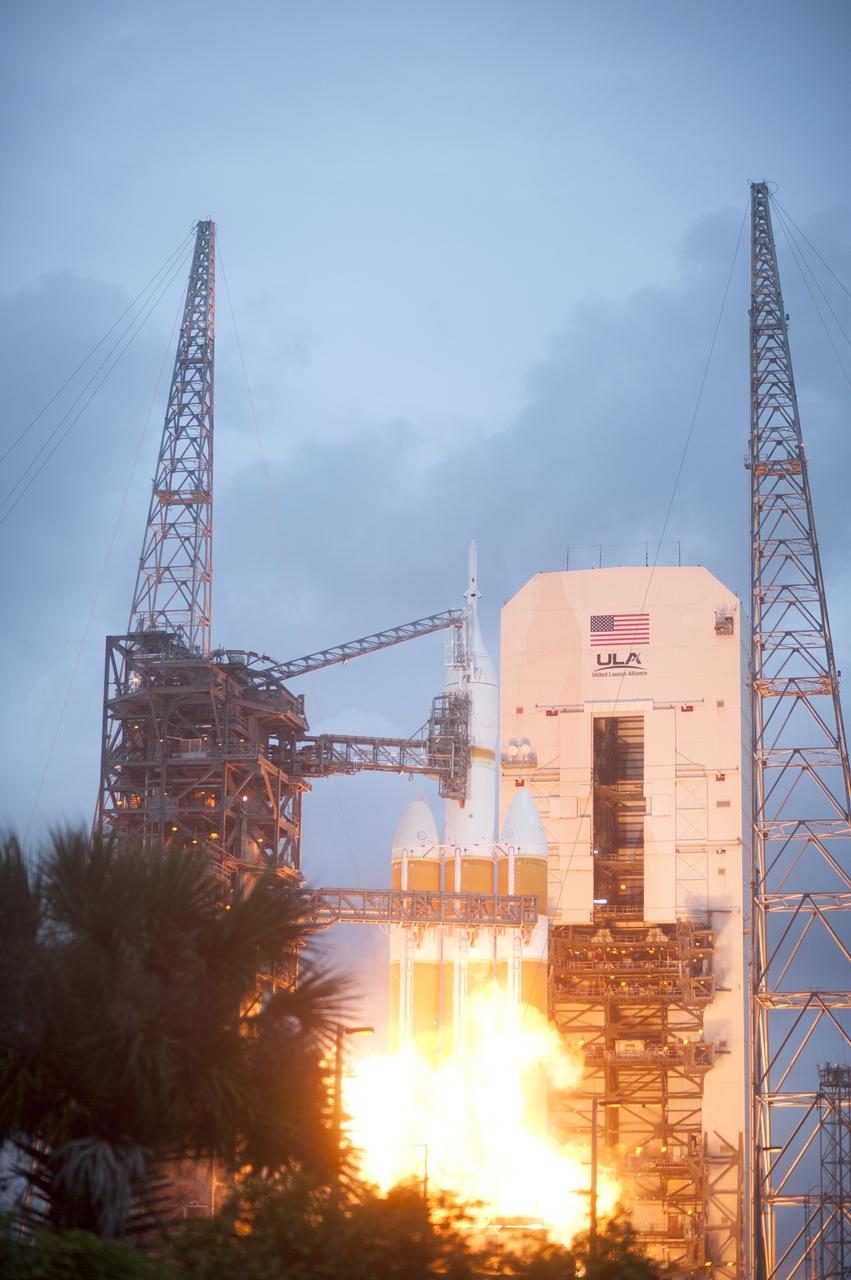
CAPE CANAVERAL, Fla. -- A Delta IV Heavy rocket lifts off from Space Launch Complex 37 at Cape Canaveral Air Force Station in Florida carrying NASA's Orion spacecraft on an unpiloted flight test to Earth orbit. Liftoff was at 7:05 a.m. EST. During the two-orbit, four-and-a-half hour mission, engineers will evaluate the systems critical to crew safety, the launch abort system, the heat shield and the parachute system. For more information, visit www.nasa.gov/orion Photo credit: NASA/ Sandy Joseph/Kevin O’Connell
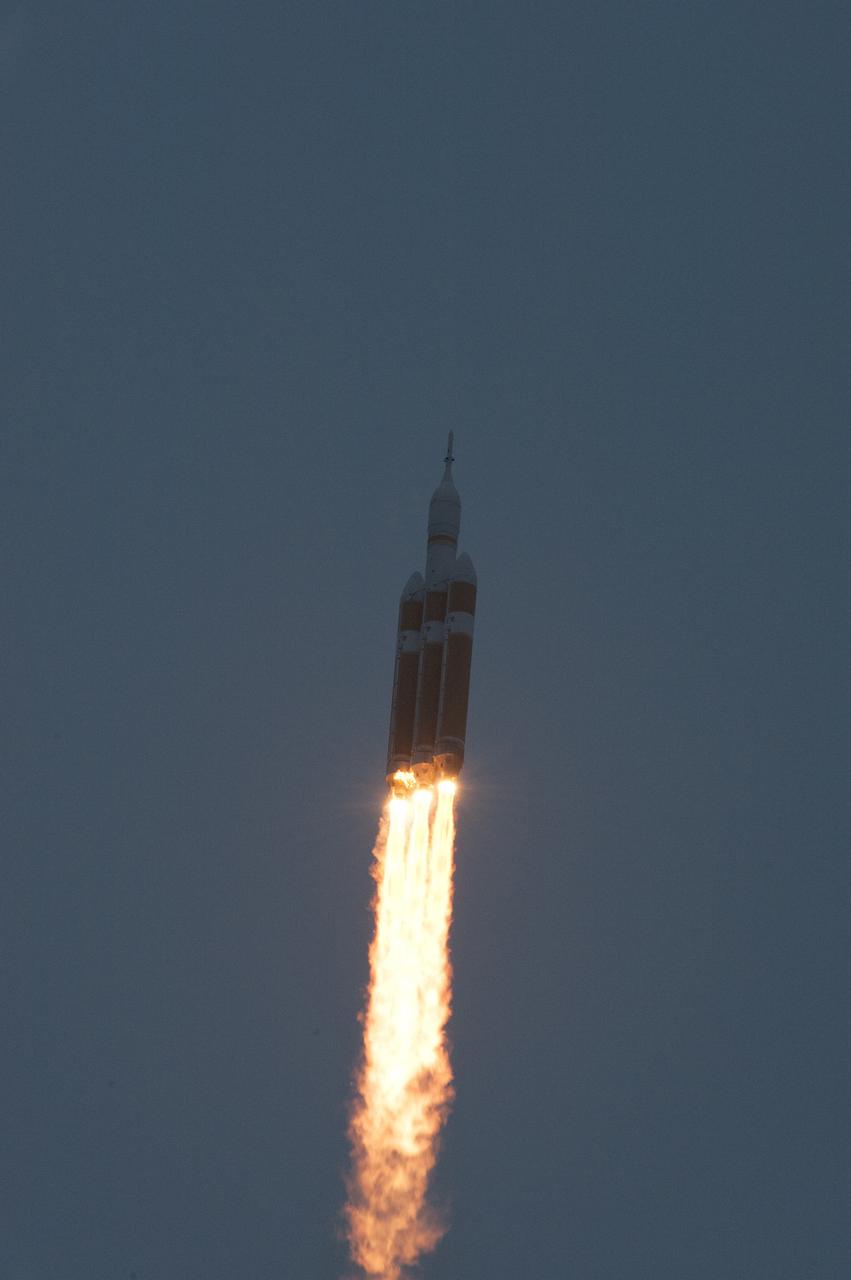
CAPE CANAVERAL, Fla. -- A Delta IV Heavy rocket lifts off from Space Launch Complex 37 at Cape Canaveral Air Force Station in Florida carrying NASA's Orion spacecraft on an unpiloted flight test to Earth orbit. Liftoff was at 7:05 a.m. EST. During the two-orbit, four-and-a-half hour mission, engineers will evaluate the systems critical to crew safety, the launch abort system, the heat shield and the parachute system. For more information, visit www.nasa.gov/orion Photo credit: NASA/Tim Terry
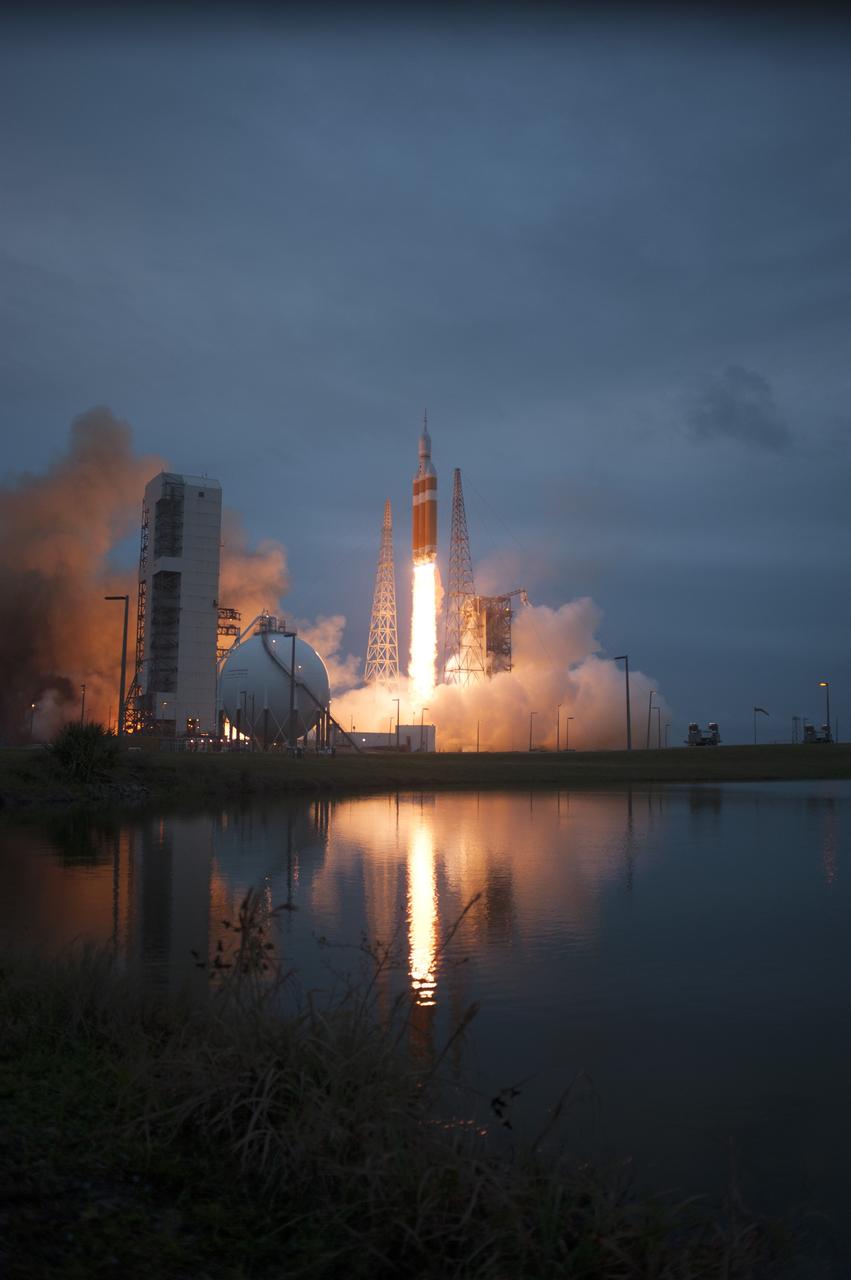
CAPE CANAVERAL, Fla. -- A Delta IV Heavy rocket lifts off from Space Launch Complex 37 at Cape Canaveral Air Force Station in Florida carrying NASA's Orion spacecraft on an unpiloted flight test to Earth orbit. Liftoff was at 7:05 a.m. EST. During the two-orbit, four-and-a-half hour mission, engineers will evaluate the systems critical to crew safety, the launch abort system, the heat shield and the parachute system. For more information, visit www.nasa.gov/orion Photo credit: NASA/ Sandy Joseph/Kevin O’Connell
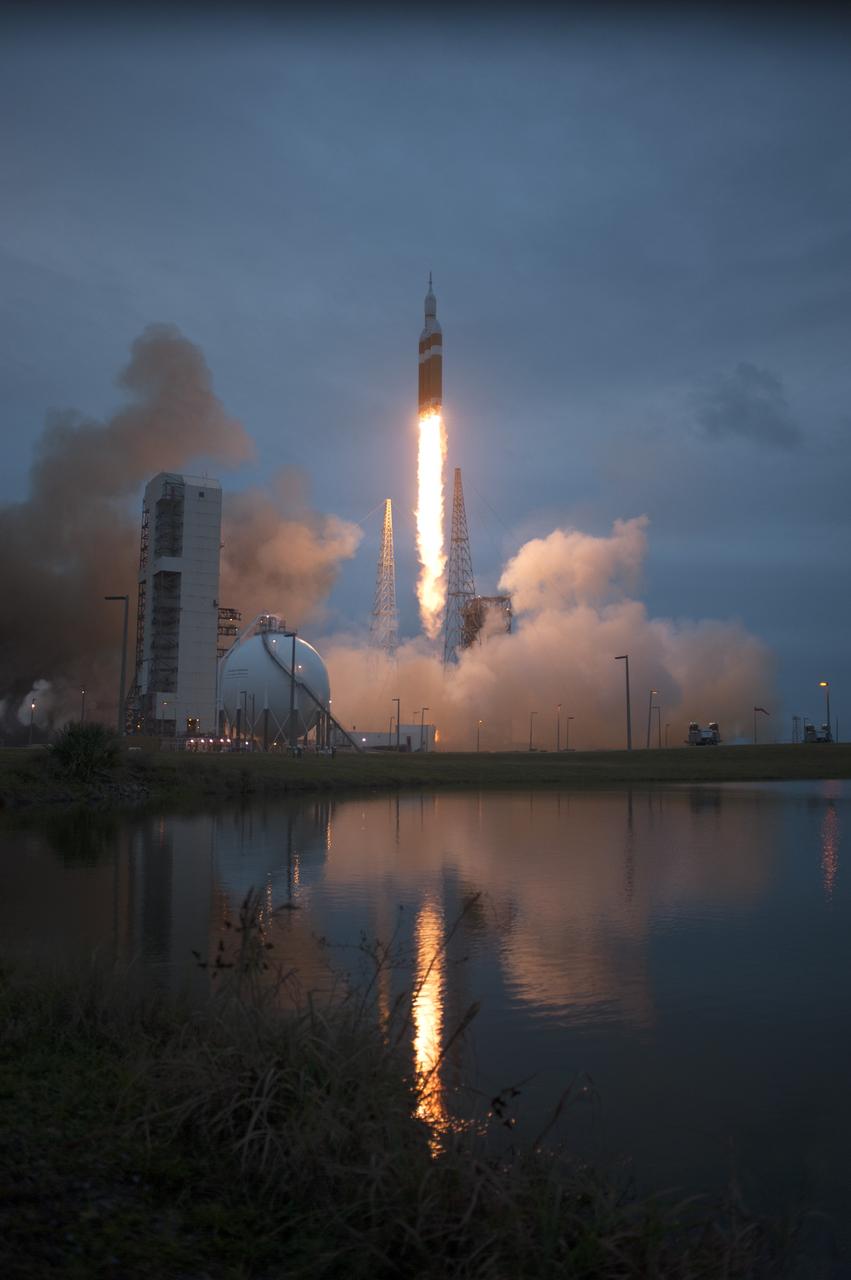
CAPE CANAVERAL, Fla. -- A Delta IV Heavy rocket lifts off from Space Launch Complex 37 at Cape Canaveral Air Force Station in Florida carrying NASA's Orion spacecraft on an unpiloted flight test to Earth orbit. Liftoff was at 7:05 a.m. EST. During the two-orbit, four-and-a-half hour mission, engineers will evaluate the systems critical to crew safety, the launch abort system, the heat shield and the parachute system. For more information, visit www.nasa.gov/orion Photo credit: NASA/ Sandy Joseph/Kevin O’Connell
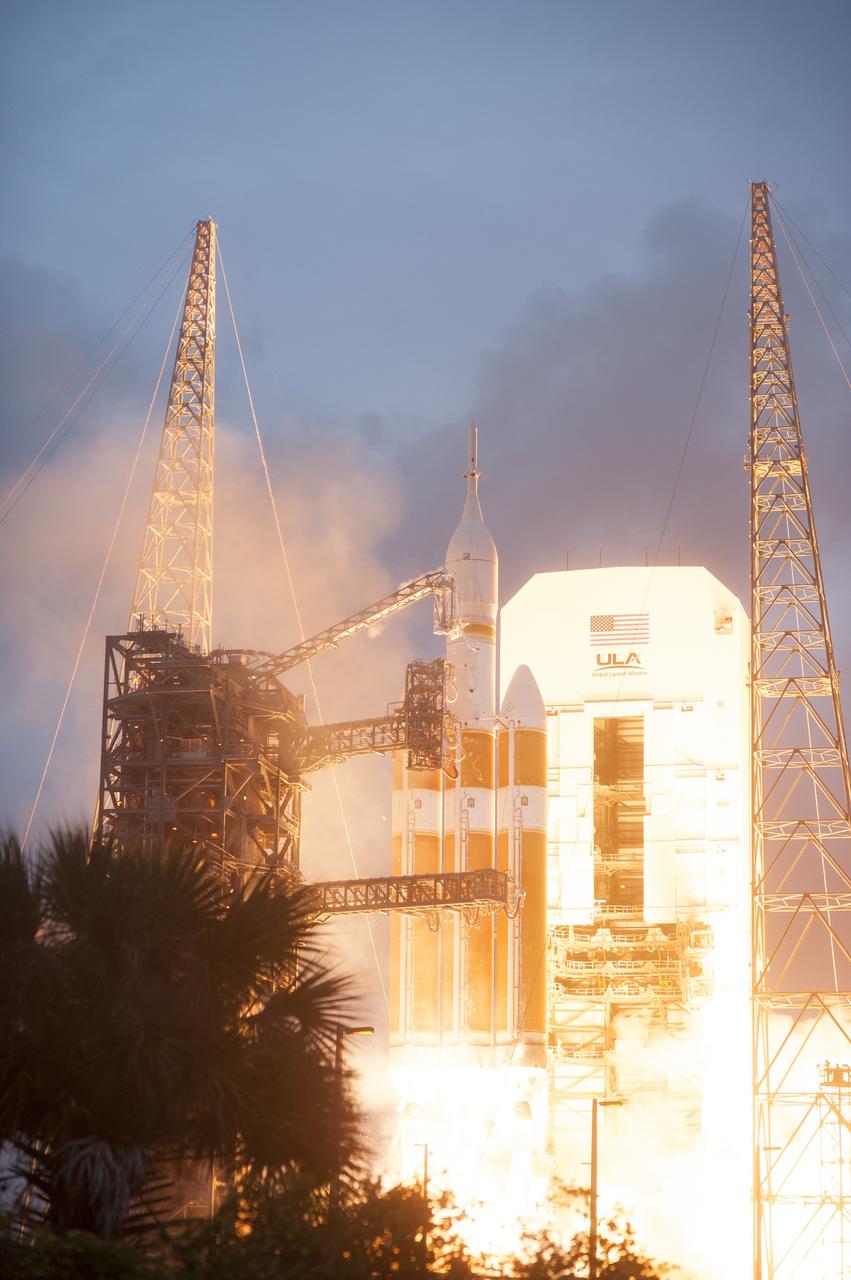
CAPE CANAVERAL, Fla. -- A Delta IV Heavy rocket lifts off from Space Launch Complex 37 at Cape Canaveral Air Force Station in Florida carrying NASA's Orion spacecraft on an unpiloted flight test to Earth orbit. Liftoff was at 7:05 a.m. EST. During the two-orbit, four-and-a-half hour mission, engineers will evaluate the systems critical to crew safety, the launch abort system, the heat shield and the parachute system. For more information, visit www.nasa.gov/orion Photo credit: NASA/ Sandy Joseph/Kevin O’Connell
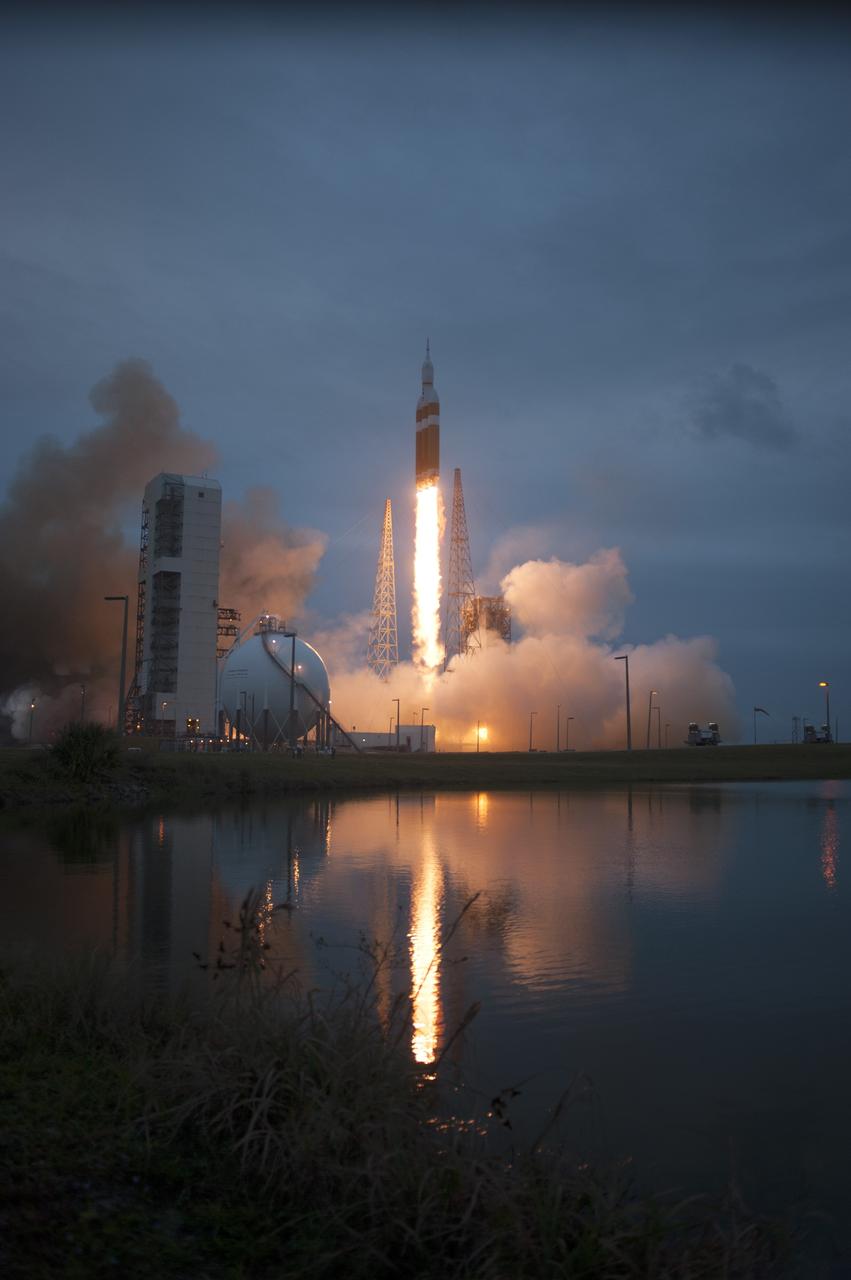
CAPE CANAVERAL, Fla. -- A Delta IV Heavy rocket lifts off from Space Launch Complex 37 at Cape Canaveral Air Force Station in Florida carrying NASA's Orion spacecraft on an unpiloted flight test to Earth orbit. Liftoff was at 7:05 a.m. EST. During the two-orbit, four-and-a-half hour mission, engineers will evaluate the systems critical to crew safety, the launch abort system, the heat shield and the parachute system. For more information, visit www.nasa.gov/orion Photo credit: NASA/ Sandy Joseph/Kevin O’Connell
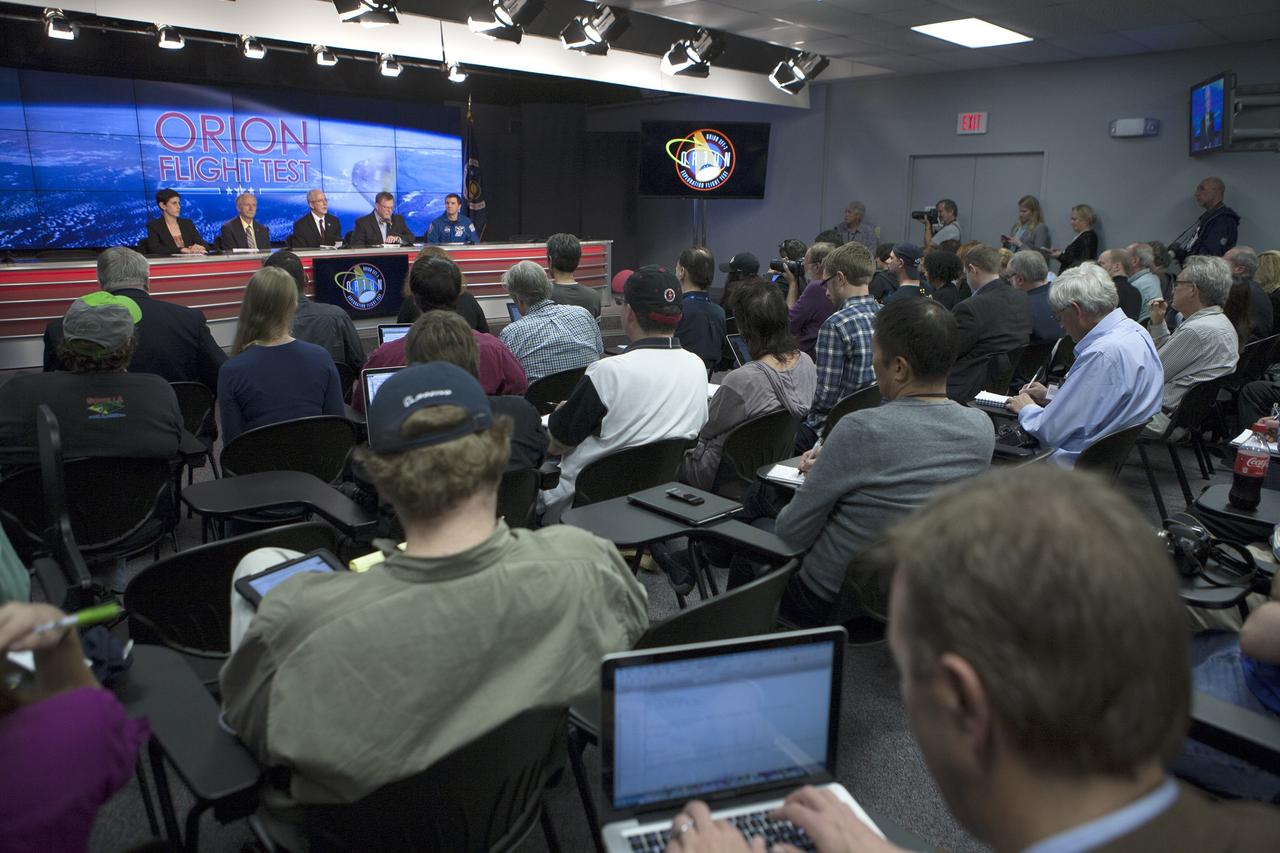
CAPE CANAVERAL, Fla. -- In the Kennedy Space Center’s Press Site auditorium, agency leaders spoke to members of the news media about the successful Orion Flight Test. From left are: Rachel Kraft, of NASA Public Affairs, Bill Gerstenmaier, NASA associate administrator for Human Exploration and Operations, Mark Geyer, Orion program manager, Mike Hawes, Lockheed Martin Orion Program manager, and NASA astronaut Rex Walheim. For more information, visit www.nasa.gov/orion Photo credit: NASA/Kim Shiflett
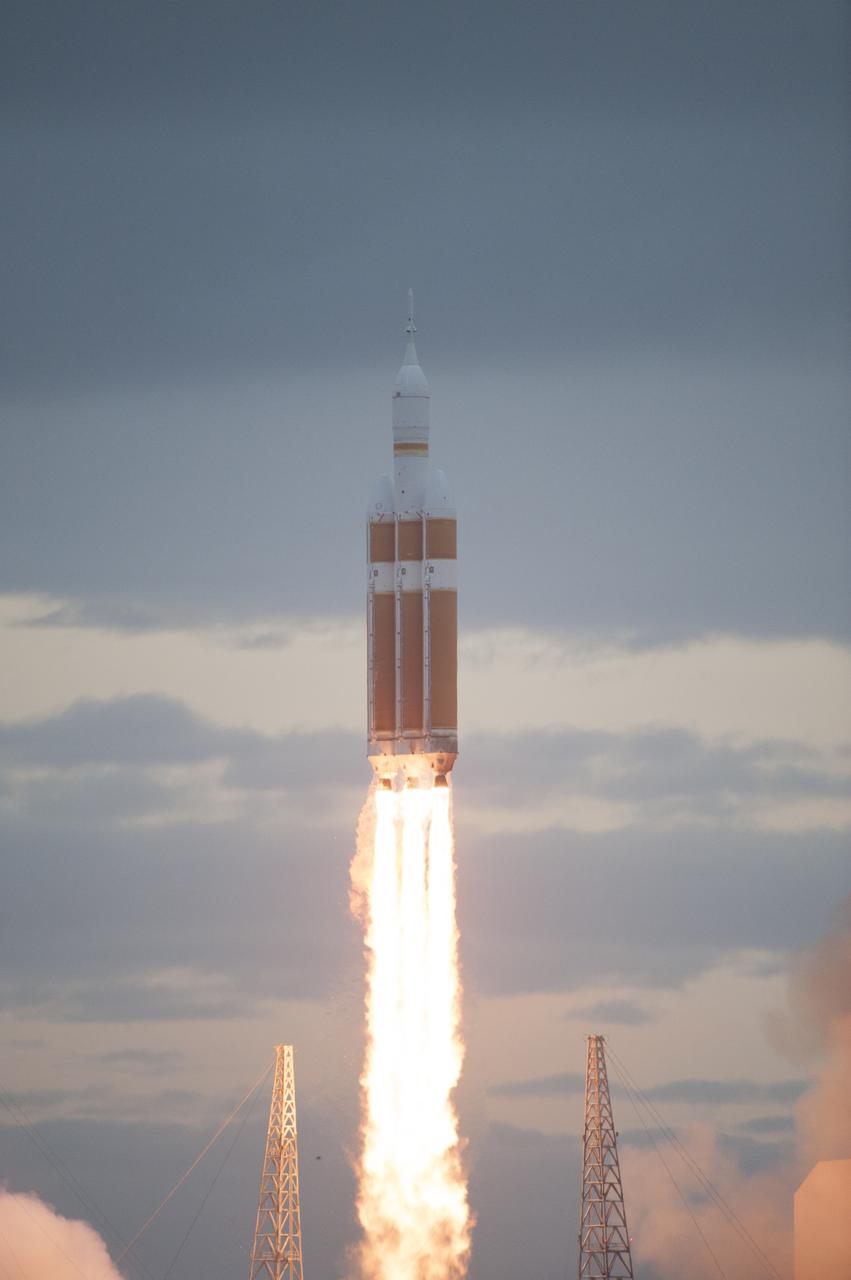
CAPE CANAVERAL, Fla. -- A Delta IV Heavy rocket lifts off from Space Launch Complex 37 at Cape Canaveral Air Force Station in Florida carrying NASA's Orion spacecraft on an unpiloted flight test to Earth orbit. Liftoff was at 7:05 a.m. EST. During the two-orbit, four-and-a-half hour mission, engineers will evaluate the systems critical to crew safety, the launch abort system, the heat shield and the parachute system. For more information, visit www.nasa.gov/orion Photo credit: NASA/Sandra Joseph
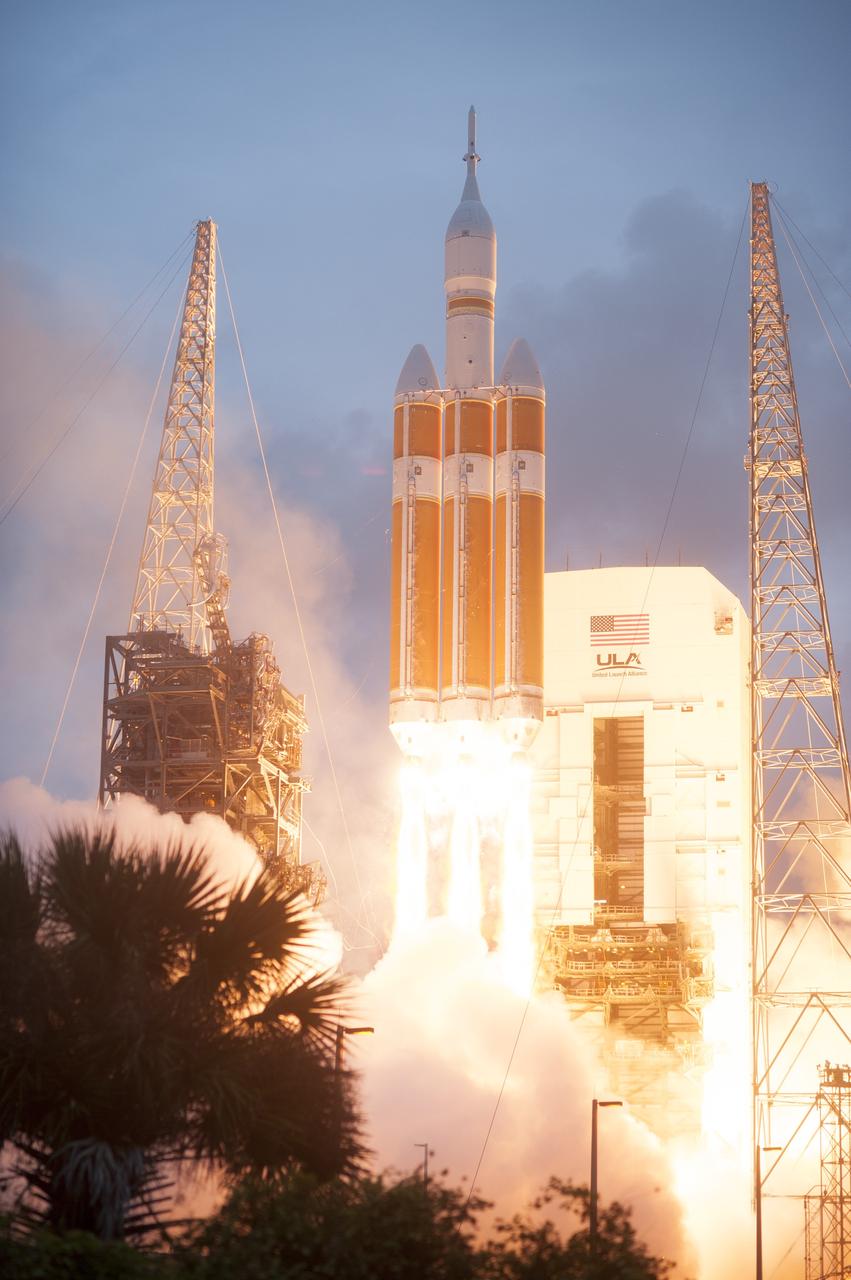
CAPE CANAVERAL, Fla. -- A Delta IV Heavy rocket lifts off from Space Launch Complex 37 at Cape Canaveral Air Force Station in Florida carrying NASA's Orion spacecraft on an unpiloted flight test to Earth orbit. Liftoff was at 7:05 a.m. EST. During the two-orbit, four-and-a-half hour mission, engineers will evaluate the systems critical to crew safety, the launch abort system, the heat shield and the parachute system. For more information, visit www.nasa.gov/orion Photo credit: NASA/ Sandy Joseph/Kevin O’Connell
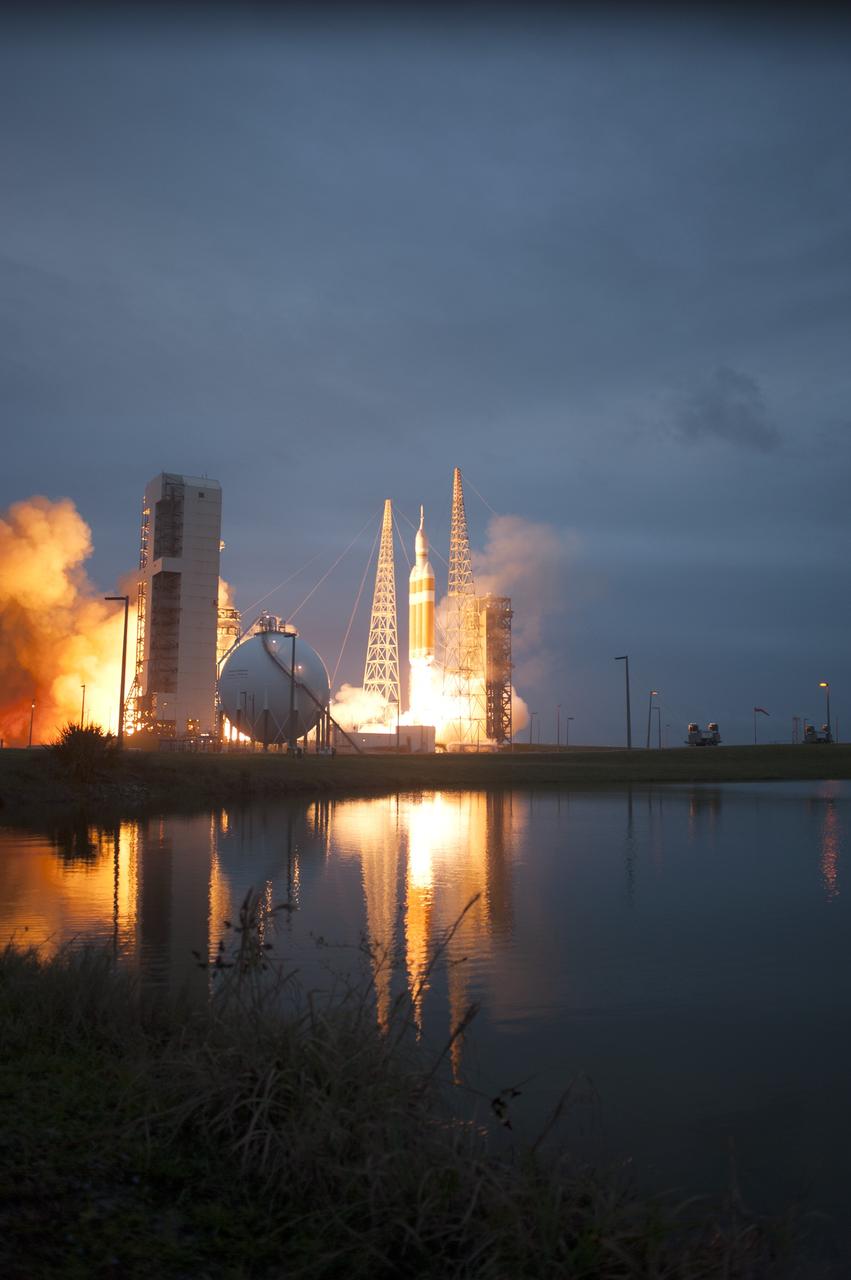
CAPE CANAVERAL, Fla. -- A Delta IV Heavy rocket lifts off from Space Launch Complex 37 at Cape Canaveral Air Force Station in Florida carrying NASA's Orion spacecraft on an unpiloted flight test to Earth orbit. Liftoff was at 7:05 a.m. EST. During the two-orbit, four-and-a-half hour mission, engineers will evaluate the systems critical to crew safety, the launch abort system, the heat shield and the parachute system. For more information, visit www.nasa.gov/orion Photo credit: NASA/ Sandy Joseph/Kevin O’Connell
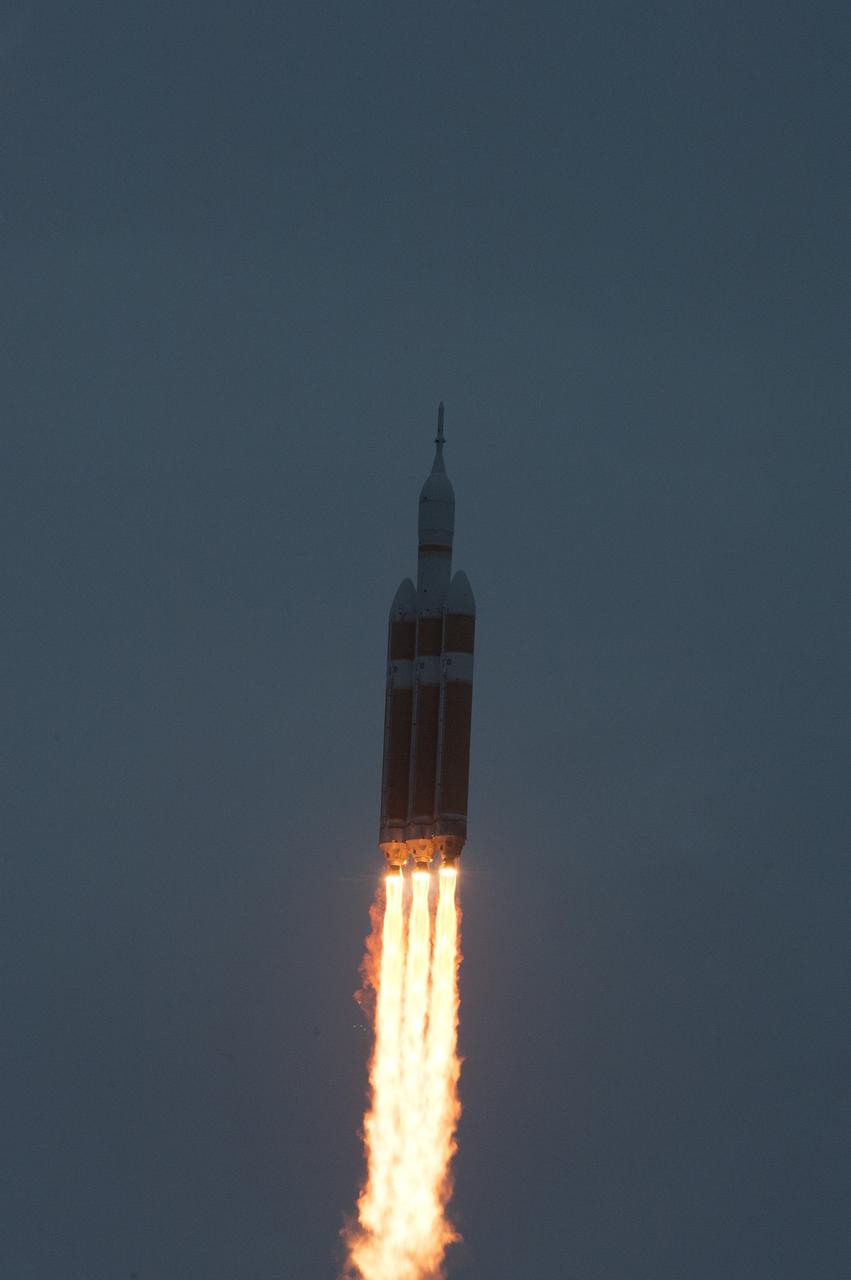
CAPE CANAVERAL, Fla. -- A Delta IV Heavy rocket lifts off from Space Launch Complex 37 at Cape Canaveral Air Force Station in Florida carrying NASA's Orion spacecraft on an unpiloted flight test to Earth orbit. Liftoff was at 7:05 a.m. EST. During the two-orbit, four-and-a-half hour mission, engineers will evaluate the systems critical to crew safety, the launch abort system, the heat shield and the parachute system. For more information, visit www.nasa.gov/orion Photo credit: NASA/Tim Terry
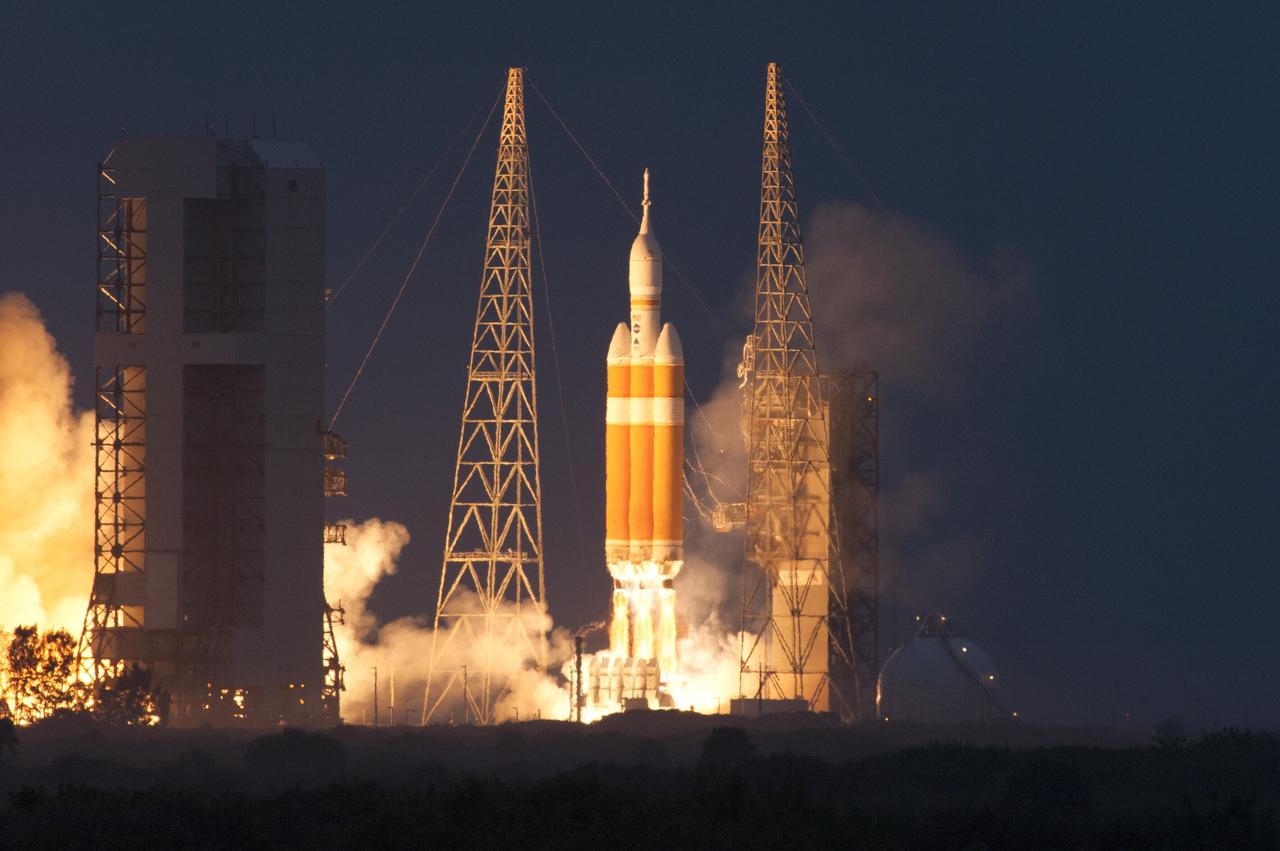
CAPE CANAVERAL, Fla. -- A Delta IV Heavy rocket lifts off from Space Launch Complex 37 at Cape Canaveral Air Force Station in Florida carrying NASA's Orion spacecraft on an unpiloted flight test to Earth orbit. Liftoff was at 7:05 a.m. EST. During the two-orbit, four-and-a-half hour mission, engineers will evaluate the systems critical to crew safety, the launch abort system, the heat shield and the parachute system. Photo credit: NASA/George Roberts
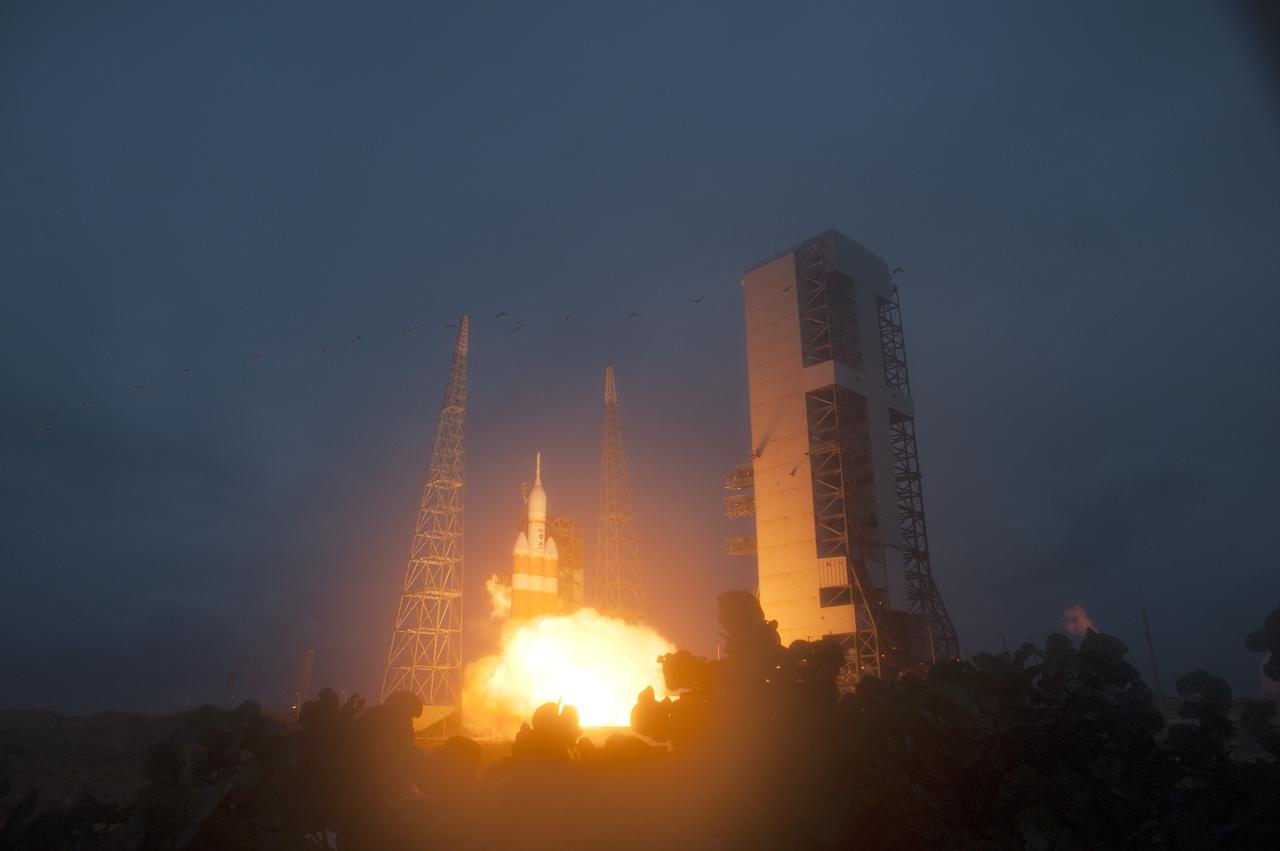
CAPE CANAVERAL, Fla. -- A Delta IV Heavy rocket lifts off from Space Launch Complex 37 at Cape Canaveral Air Force Station in Florida carrying NASA's Orion spacecraft on an unpiloted flight test to Earth orbit. Liftoff was at 7:05 a.m. EST. During the two-orbit, four-and-a-half hour mission, engineers will evaluate the systems critical to crew safety, the launch abort system, the heat shield and the parachute system. Photo credit: NASA/Sandra Joseph and Kevin O'Connell

CAPE CANAVERAL, Fla. -- A Delta IV Heavy rocket lifts off from Space Launch Complex 37 at Cape Canaveral Air Force Station in Florida carrying NASA's Orion spacecraft on an unpiloted flight test to Earth orbit. Liftoff was at 7:05 a.m. EST. During the two-orbit, four-and-a-half hour mission, engineers will evaluate the systems critical to crew safety, the launch abort system, the heat shield and the parachute system. For more information, visit www.nasa.gov/orion Photo credit: NASA/ Sandy Joseph/Kevin O’Connell
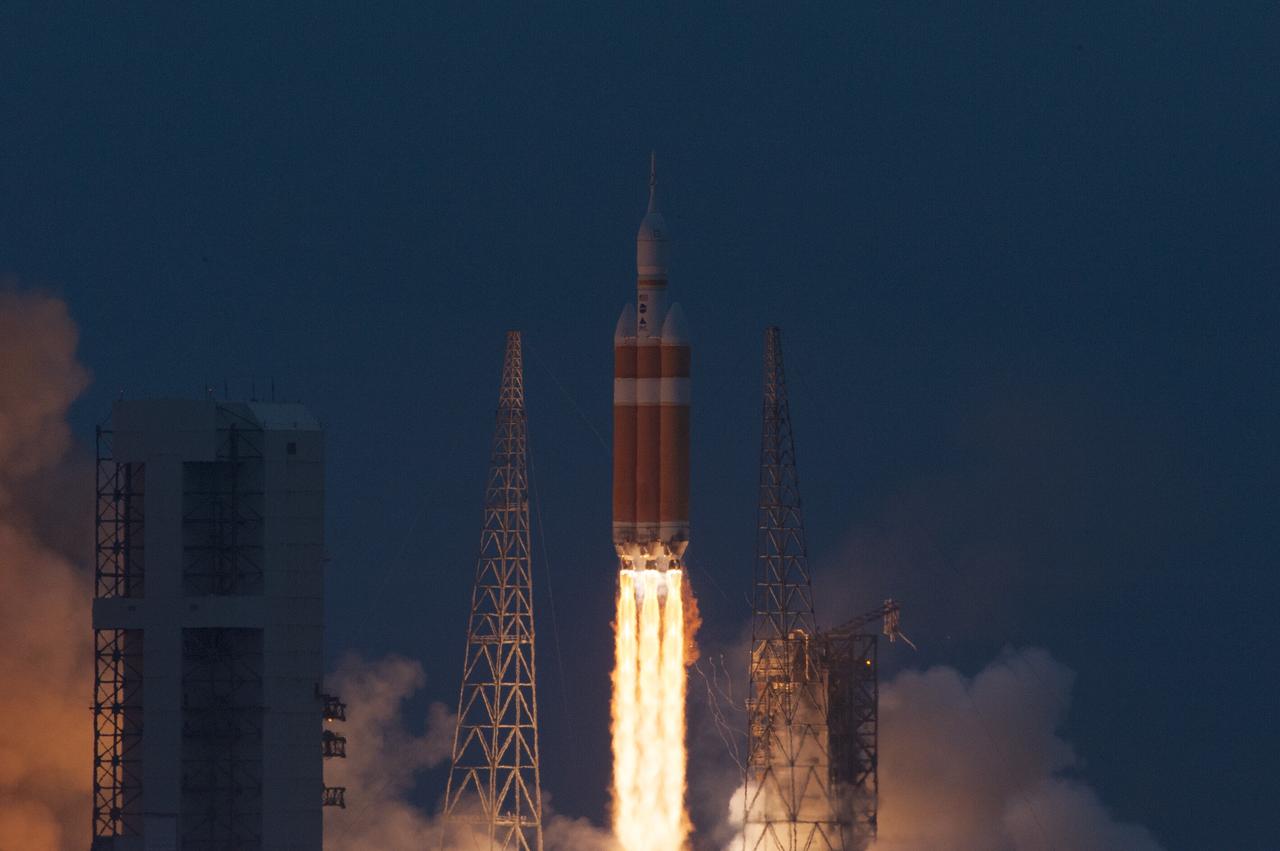
CAPE CANAVERAL, Fla. -- A Delta IV Heavy rocket lifts off from Space Launch Complex 37 at Cape Canaveral Air Force Station in Florida carrying NASA's Orion spacecraft on an unpiloted flight test to Earth orbit. Liftoff was at 7:05 a.m. EST. During the two-orbit, four-and-a-half hour mission, engineers will evaluate the systems critical to crew safety, the launch abort system, the heat shield and the parachute system. Photo credit: NASA/George Roberts
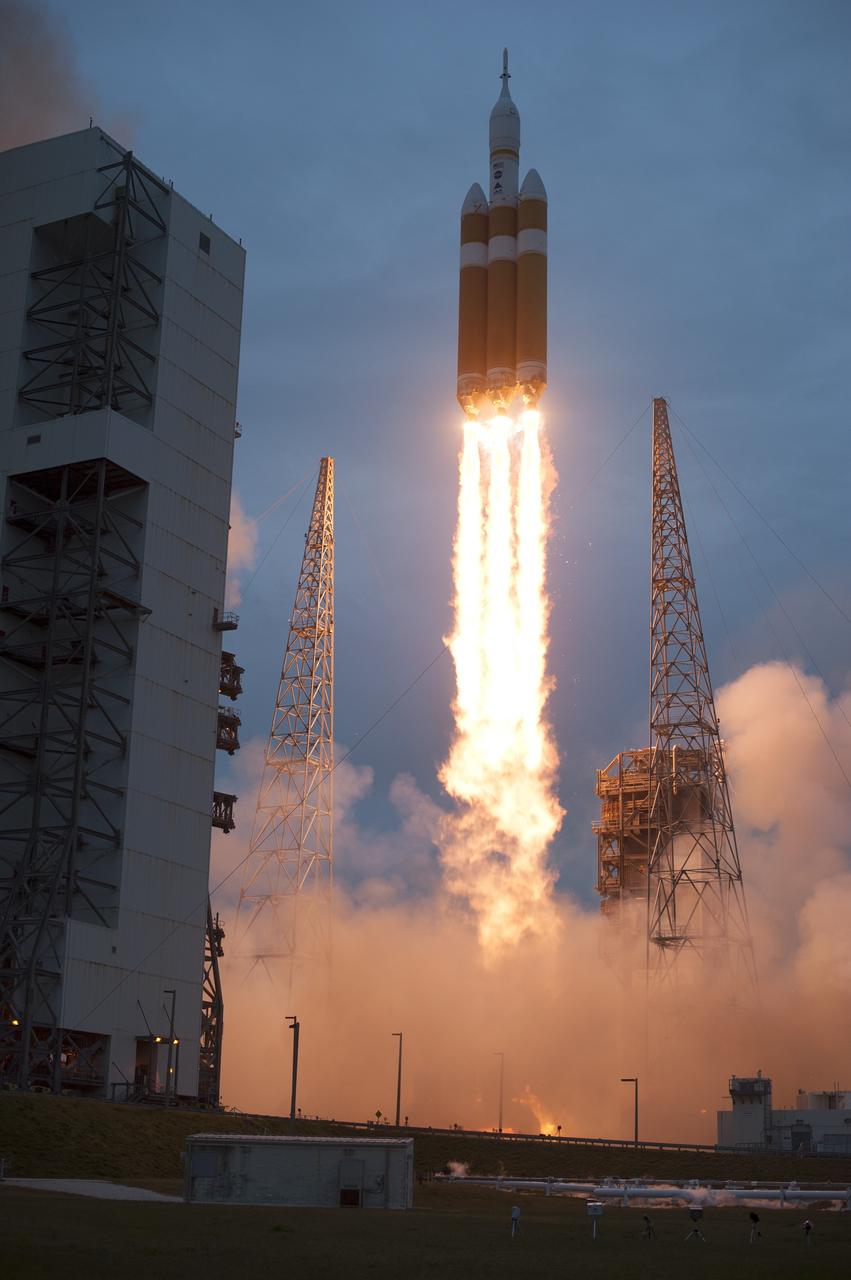
CAPE CANAVERAL, Fla. -- A Delta IV Heavy rocket lifts off from Space Launch Complex 37 at Cape Canaveral Air Force Station in Florida carrying NASA's Orion spacecraft on an unpiloted flight test to Earth orbit. Liftoff was at 7:05 a.m. EST. During the two-orbit, four-and-a-half hour mission, engineers will evaluate the systems critical to crew safety, the launch abort system, the heat shield and the parachute system. For more information, visit www.nasa.gov/orion Photo credit: NASA/Sandra Joseph and Kevin O'Connell
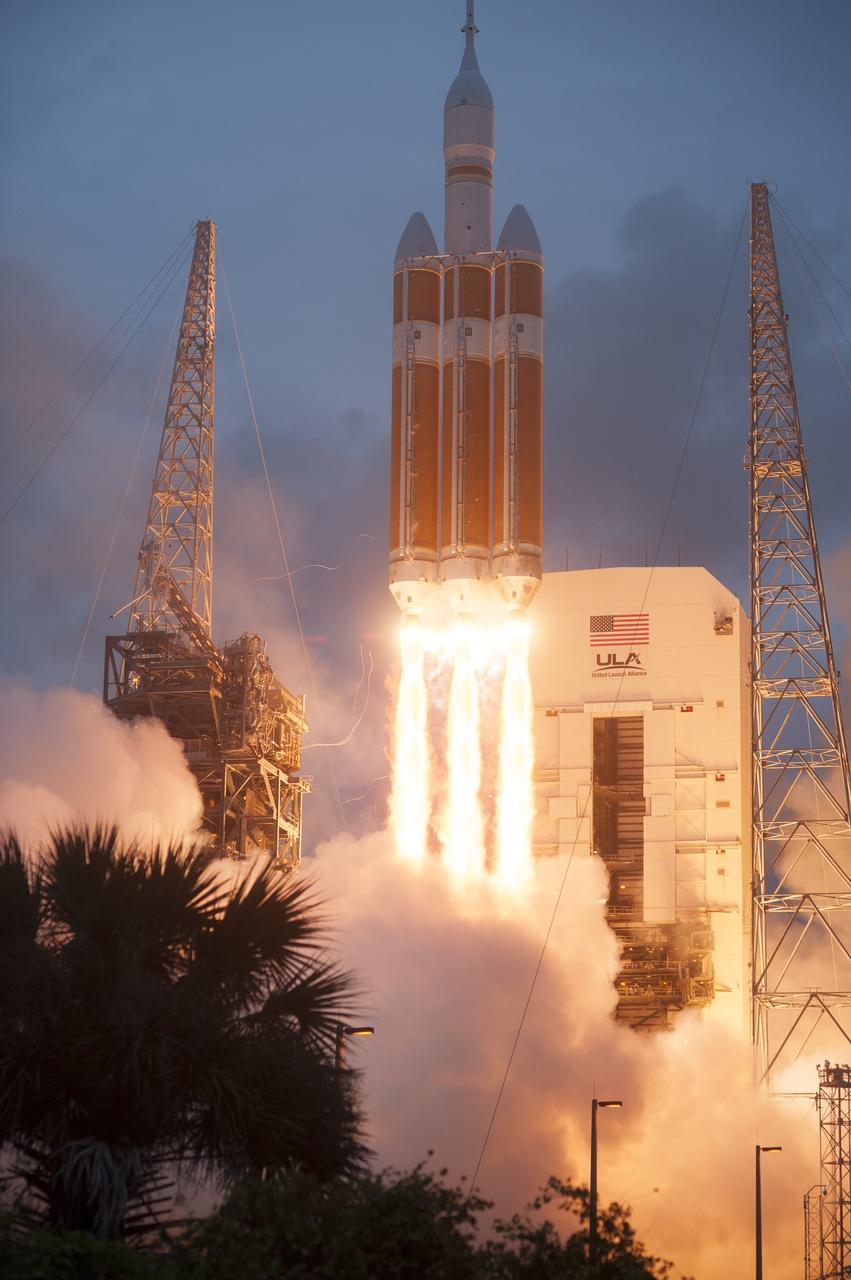
CAPE CANAVERAL, Fla. -- A Delta IV Heavy rocket lifts off from Space Launch Complex 37 at Cape Canaveral Air Force Station in Florida carrying NASA's Orion spacecraft on an unpiloted flight test to Earth orbit. Liftoff was at 7:05 a.m. EST. During the two-orbit, four-and-a-half hour mission, engineers will evaluate the systems critical to crew safety, the launch abort system, the heat shield and the parachute system. For more information, visit www.nasa.gov/orion Photo credit: NASA/ Sandy Joseph/Kevin O’Connell
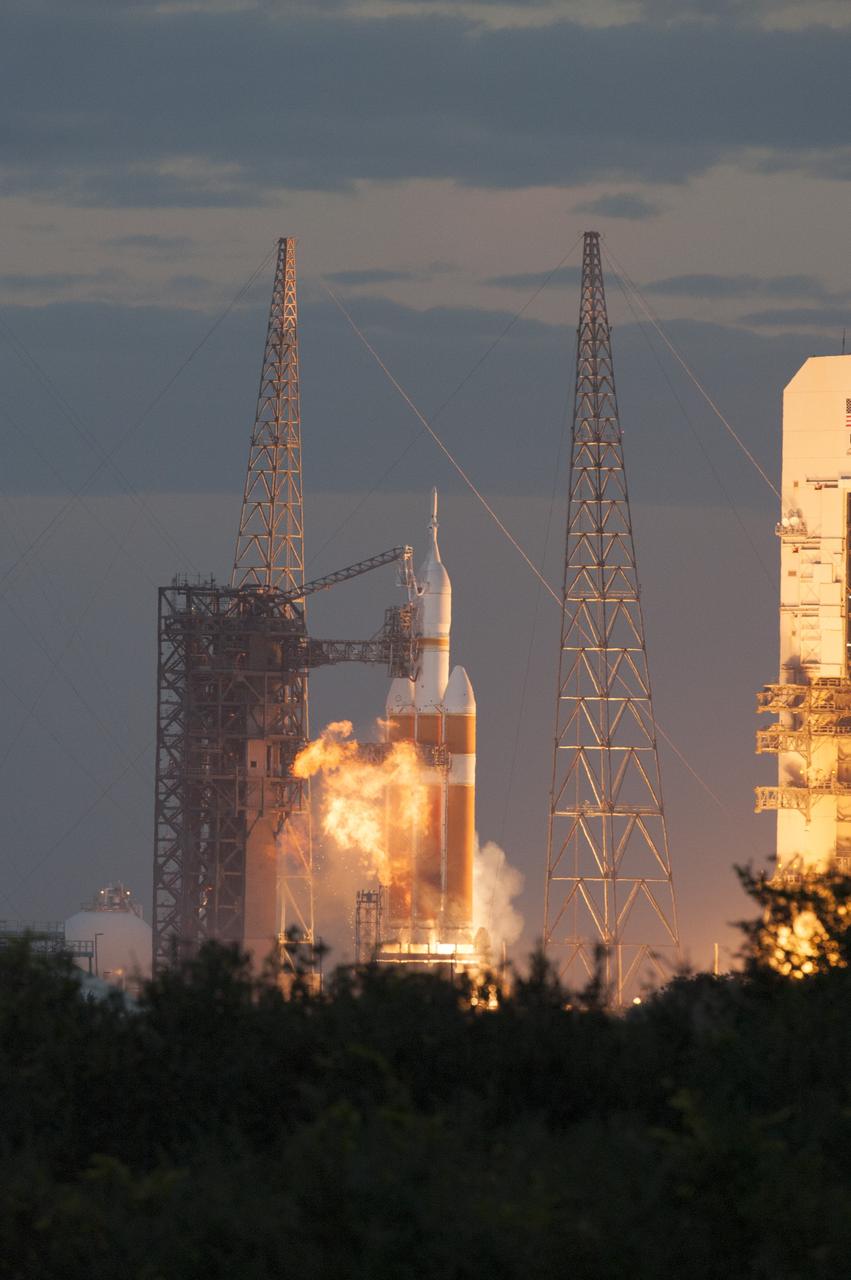
CAPE CANAVERAL, Fla. -- A Delta IV Heavy rocket lifts off from Space Launch Complex 37 at Cape Canaveral Air Force Station in Florida carrying NASA's Orion spacecraft on an unpiloted flight test to Earth orbit. Liftoff was at 7:05 a.m. EST. During the two-orbit, four-and-a-half hour mission, engineers will evaluate the systems critical to crew safety, the launch abort system, the heat shield and the parachute system. For more information, visit www.nasa.gov/orion Photo credit: NASA/Tim Terry
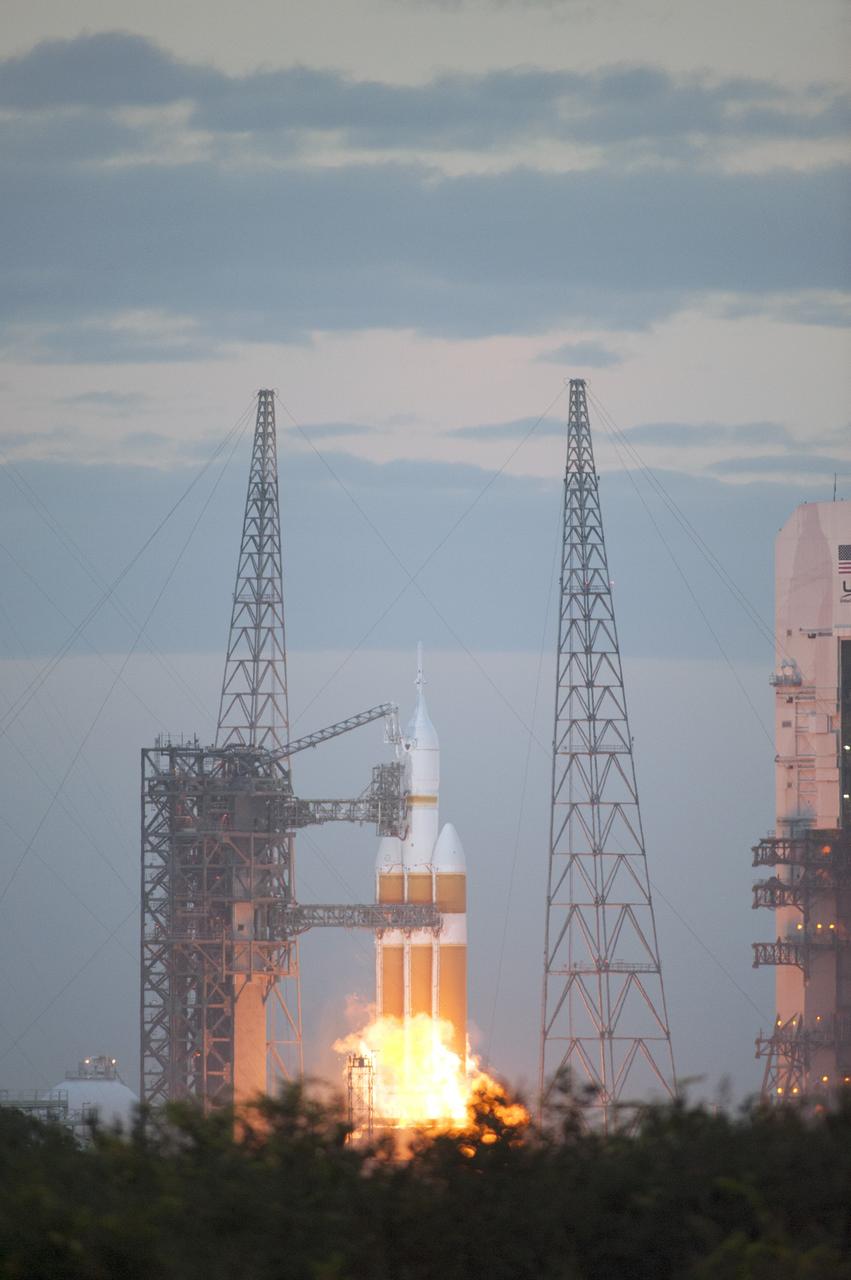
CAPE CANAVERAL, Fla. -- A Delta IV Heavy rocket lifts off from Space Launch Complex 37 at Cape Canaveral Air Force Station in Florida carrying NASA's Orion spacecraft on an unpiloted flight test to Earth orbit. Liftoff was at 7:05 a.m. EST. During the two-orbit, four-and-a-half hour mission, engineers will evaluate the systems critical to crew safety, the launch abort system, the heat shield and the parachute system. For more information, visit www.nasa.gov/orion Photo credit: NASA/Sandra Joseph
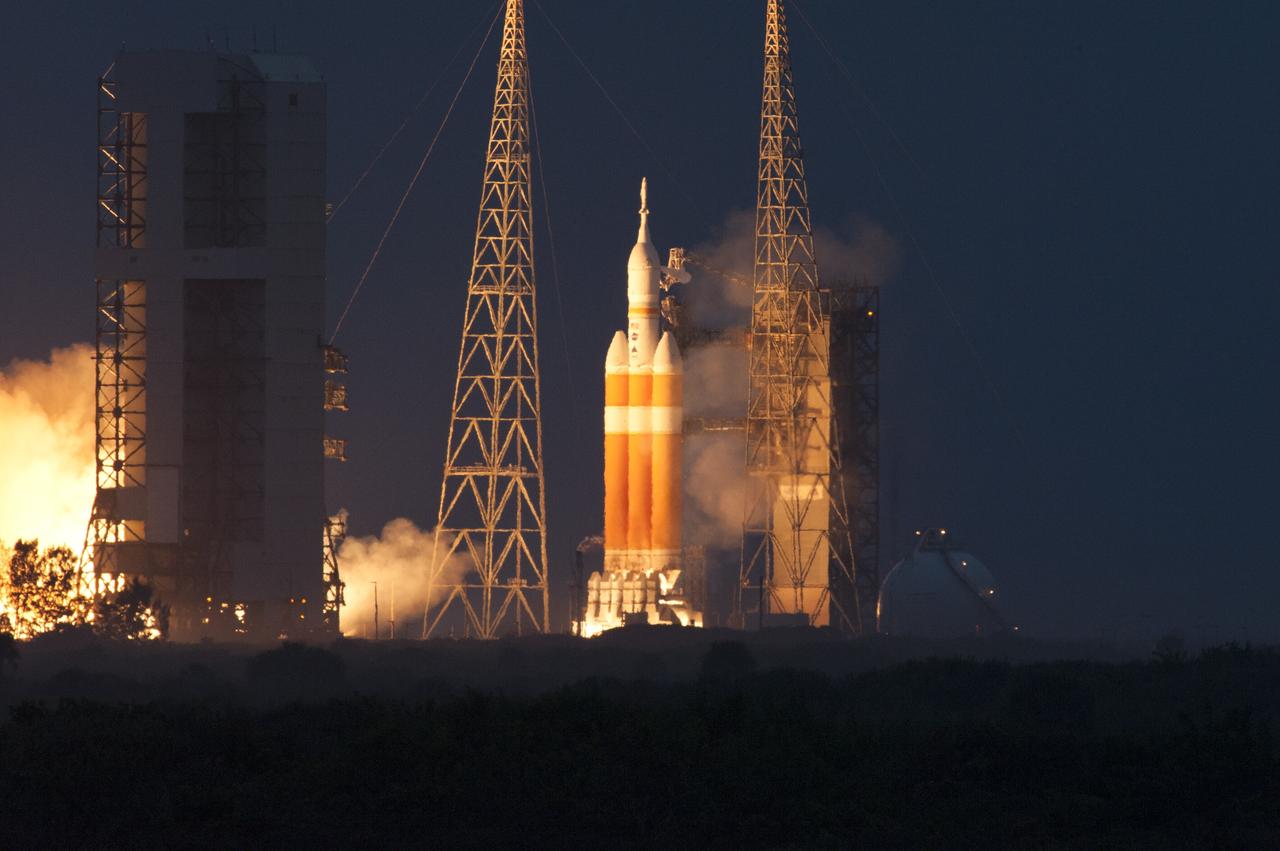
CAPE CANAVERAL, Fla. -- A Delta IV Heavy rocket roars to life at Space Launch Complex 37 at Cape Canaveral Air Force Station in Florida. The launch vehicle is carrying NASA's Orion spacecraft on an unpiloted flight test to Earth orbit. Liftoff was at 7:05 a.m. EST. The flight will send Orion 3,600 miles in altitude beyond the Earth's surface on a four-and-a-half hour mission. Photo credit: NASA/George Roberts
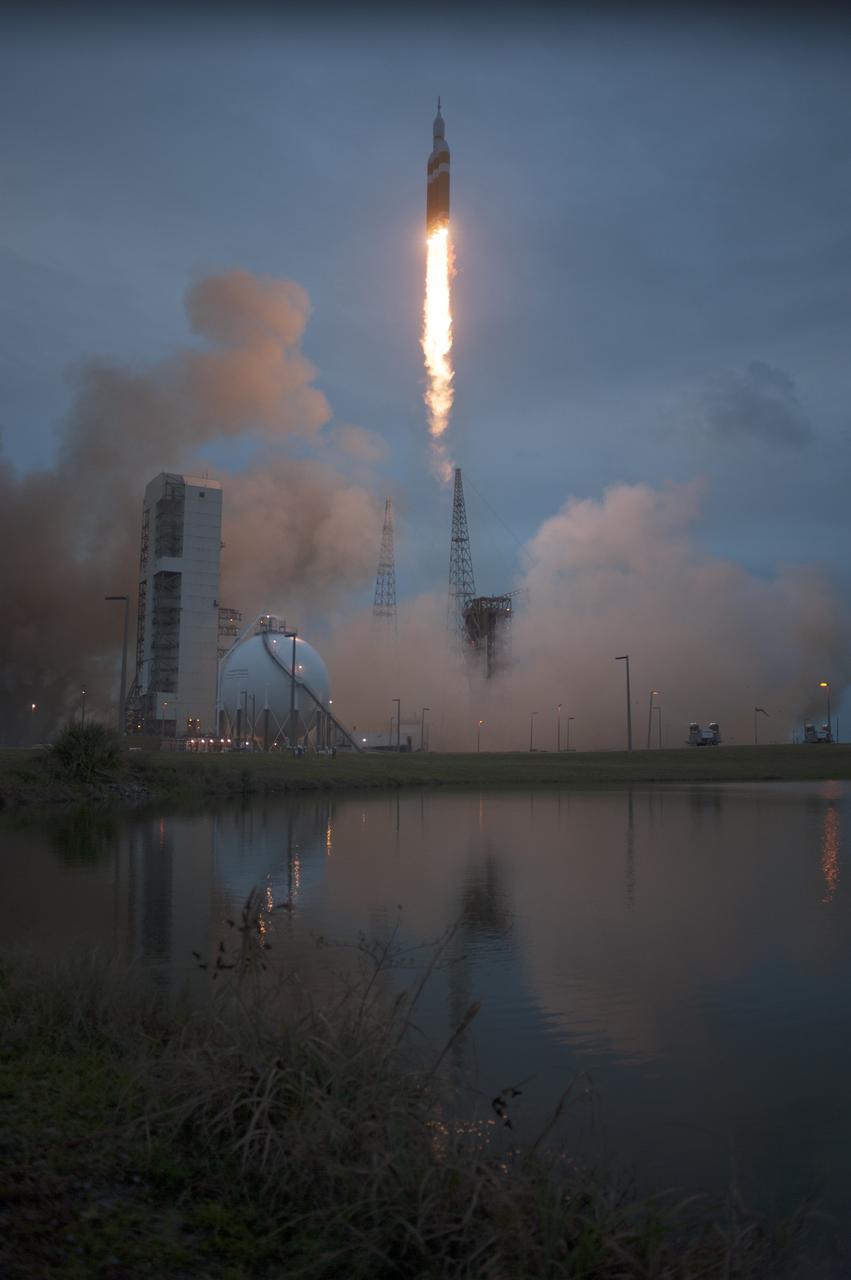
CAPE CANAVERAL, Fla. -- A Delta IV Heavy rocket lifts off from Space Launch Complex 37 at Cape Canaveral Air Force Station in Florida carrying NASA's Orion spacecraft on an unpiloted flight test to Earth orbit. Liftoff was at 7:05 a.m. EST. During the two-orbit, four-and-a-half hour mission, engineers will evaluate the systems critical to crew safety, the launch abort system, the heat shield and the parachute system. For more information, visit www.nasa.gov/orion Photo credit: NASA/ Sandy Joseph/Kevin O’Connell
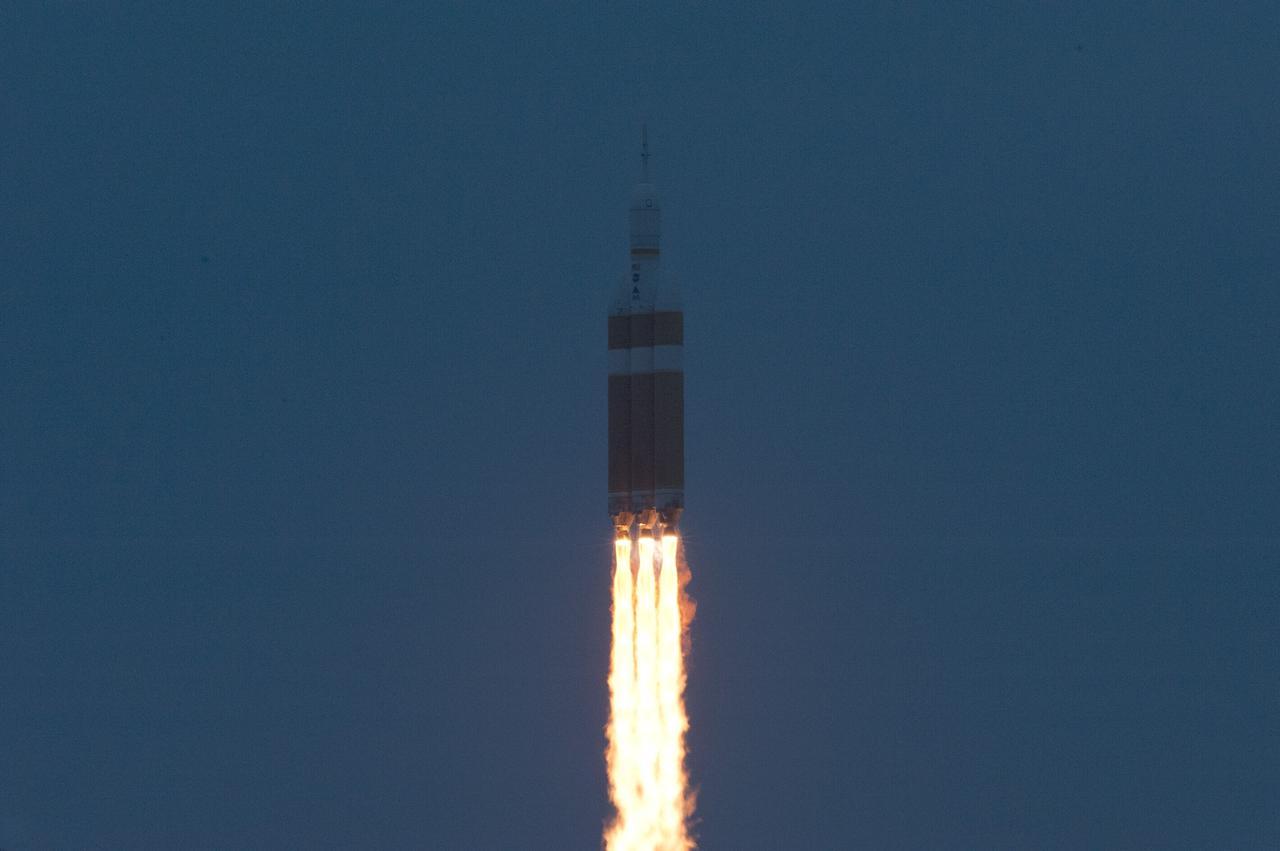
CAPE CANAVERAL, Fla. -- A Delta IV Heavy rocket soars after liftoff from Space Launch Complex 37 at Cape Canaveral Air Force Station in Florida carrying NASA's Orion spacecraft on an unpiloted flight test to Earth orbit. Liftoff was at 7:05 a.m. EST. During the two-orbit, four-and-a-half hour mission, engineers will evaluate the systems critical to crew safety, the launch abort system, the heat shield and the parachute system. Photo credit: NASA/George Roberts
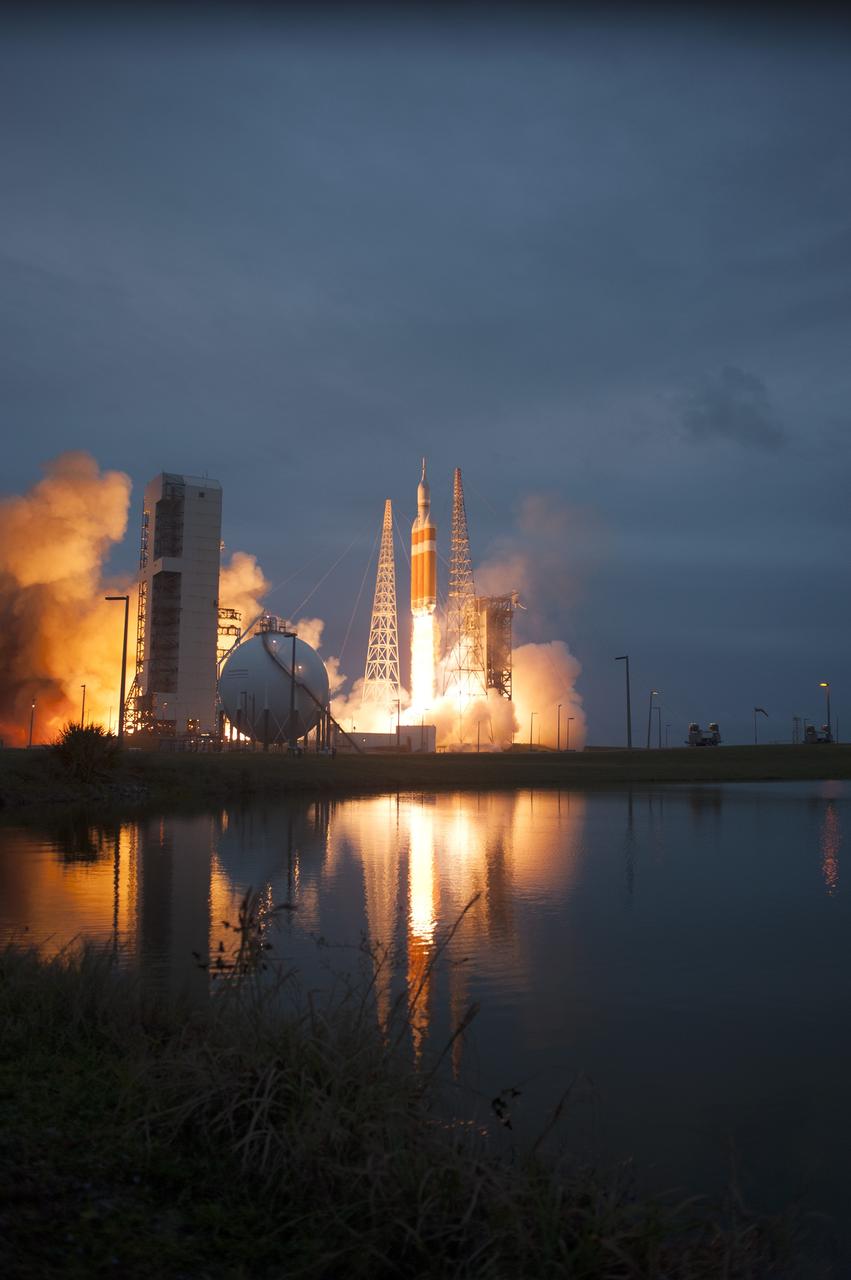
CAPE CANAVERAL, Fla. -- A Delta IV Heavy rocket lifts off from Space Launch Complex 37 at Cape Canaveral Air Force Station in Florida carrying NASA's Orion spacecraft on an unpiloted flight test to Earth orbit. Liftoff was at 7:05 a.m. EST. During the two-orbit, four-and-a-half hour mission, engineers will evaluate the systems critical to crew safety, the launch abort system, the heat shield and the parachute system. For more information, visit www.nasa.gov/orion Photo credit: NASA/ Sandy Joseph/Kevin O’Connell

CAPE CANAVERAL, Fla. -- A Delta IV Heavy rocket lifts off from Space Launch Complex 37 at Cape Canaveral Air Force Station in Florida carrying NASA's Orion spacecraft on an unpiloted flight test to Earth orbit. Liftoff was at 7:05 a.m. EST. During the two-orbit, four-and-a-half hour mission, engineers will evaluate the systems critical to crew safety, the launch abort system, the heat shield and the parachute system. For more information, visit www.nasa.gov/orion Photo credit: NASA/Tim Terry

CAPE CANAVERAL, Fla. -- A Delta IV Heavy rocket roars to life at Space Launch Complex 37 at Cape Canaveral Air Force Station in Florida. The launch vehicle is carrying NASA's Orion spacecraft on an unpiloted flight test to Earth orbit. Liftoff was at 7:05 a.m. EST. The flight will send Orion 3,600 miles in altitude beyond the Earth's surface on a four-and-a-half hour mission. Photo credit: NASA/Sandra Joseph and Kevin O'Connell
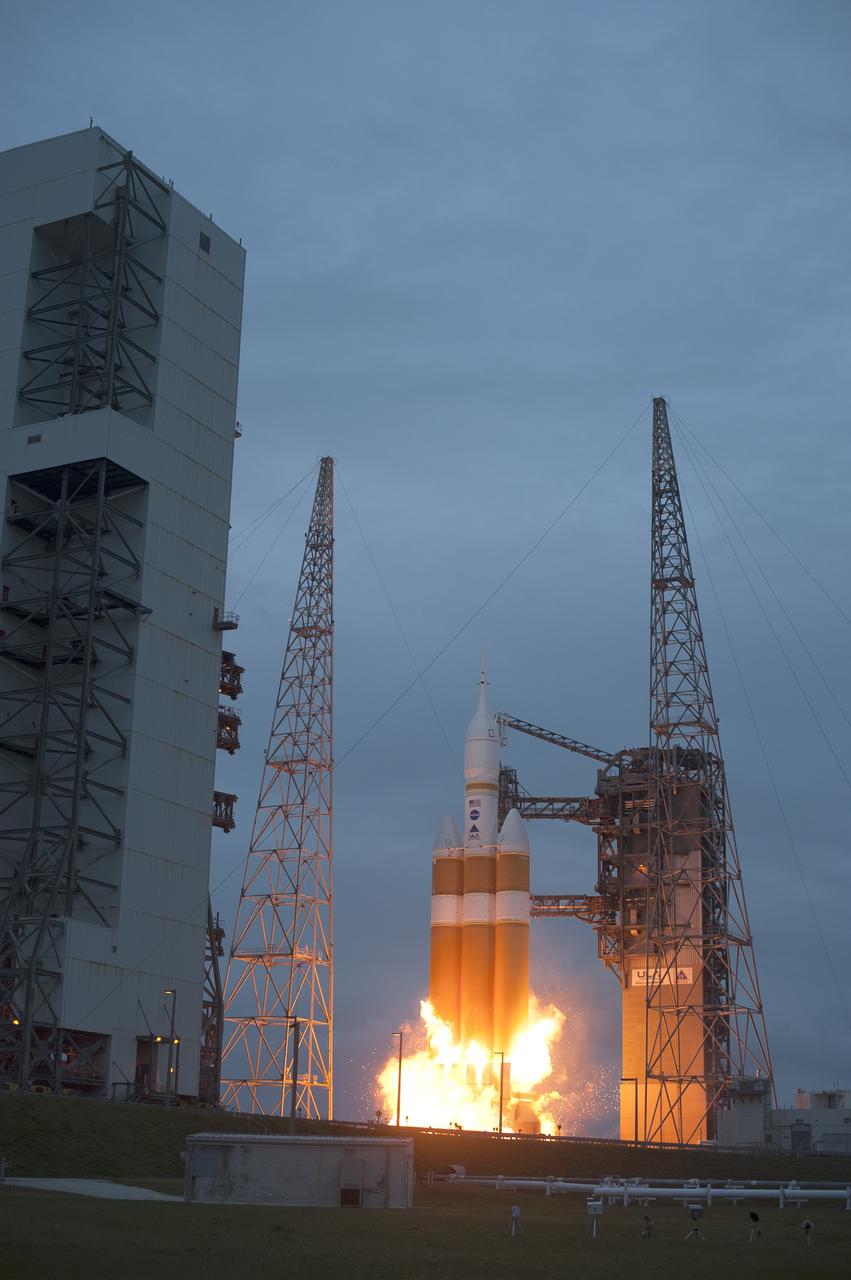
CAPE CANAVERAL, Fla. -- A Delta IV Heavy rocket lifts off from Space Launch Complex 37 at Cape Canaveral Air Force Station in Florida carrying NASA's Orion spacecraft on an unpiloted flight test to Earth orbit. Liftoff was at 7:05 a.m. EST. During the two-orbit, four-and-a-half hour mission, engineers will evaluate the systems critical to crew safety, the launch abort system, the heat shield and the parachute system. For more information, visit www.nasa.gov/orion Photo credit: NASA/Sandra Joseph, Kevin O'Connell
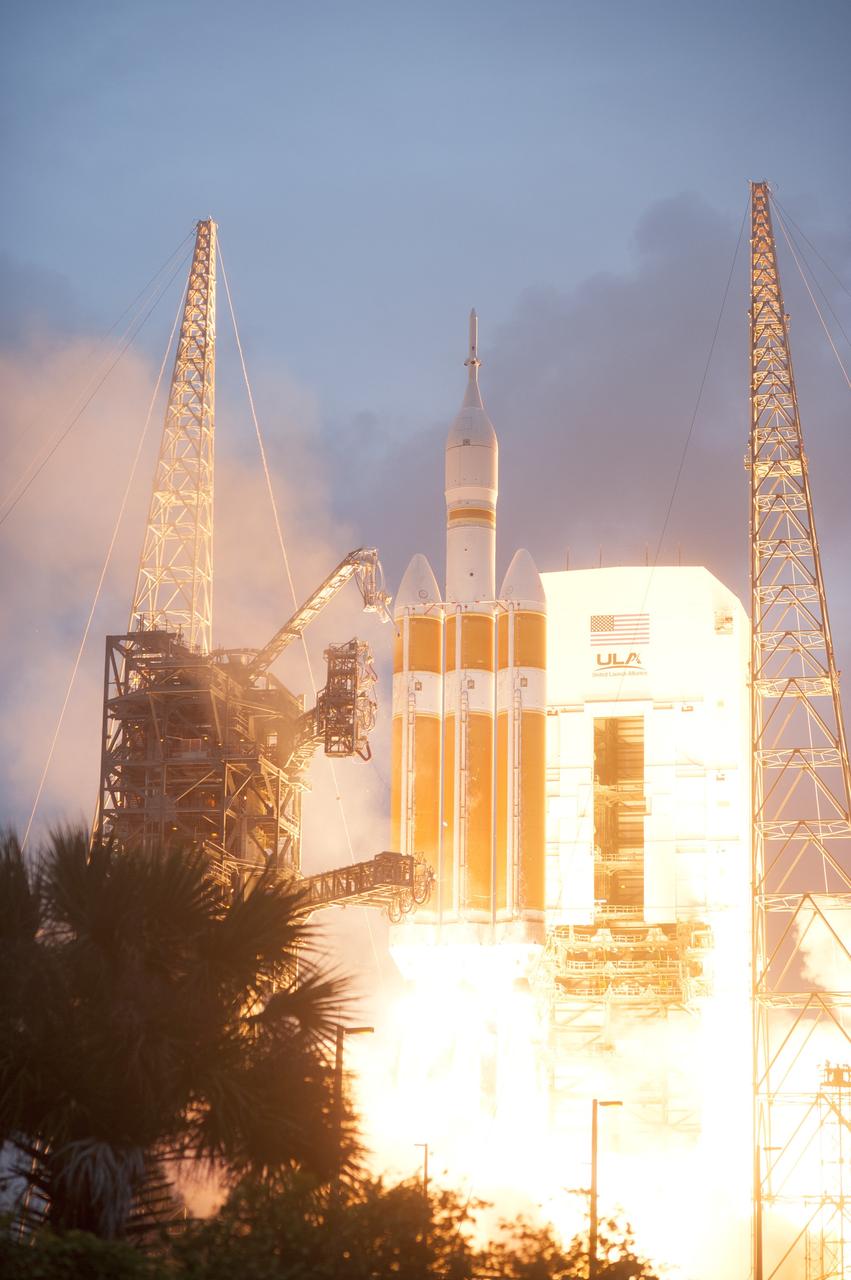
CAPE CANAVERAL, Fla. -- A Delta IV Heavy rocket lifts off from Space Launch Complex 37 at Cape Canaveral Air Force Station in Florida carrying NASA's Orion spacecraft on an unpiloted flight test to Earth orbit. Liftoff was at 7:05 a.m. EST. During the two-orbit, four-and-a-half hour mission, engineers will evaluate the systems critical to crew safety, the launch abort system, the heat shield and the parachute system. For more information, visit www.nasa.gov/orion Photo credit: NASA/ Sandy Joseph/Kevin O’Connell
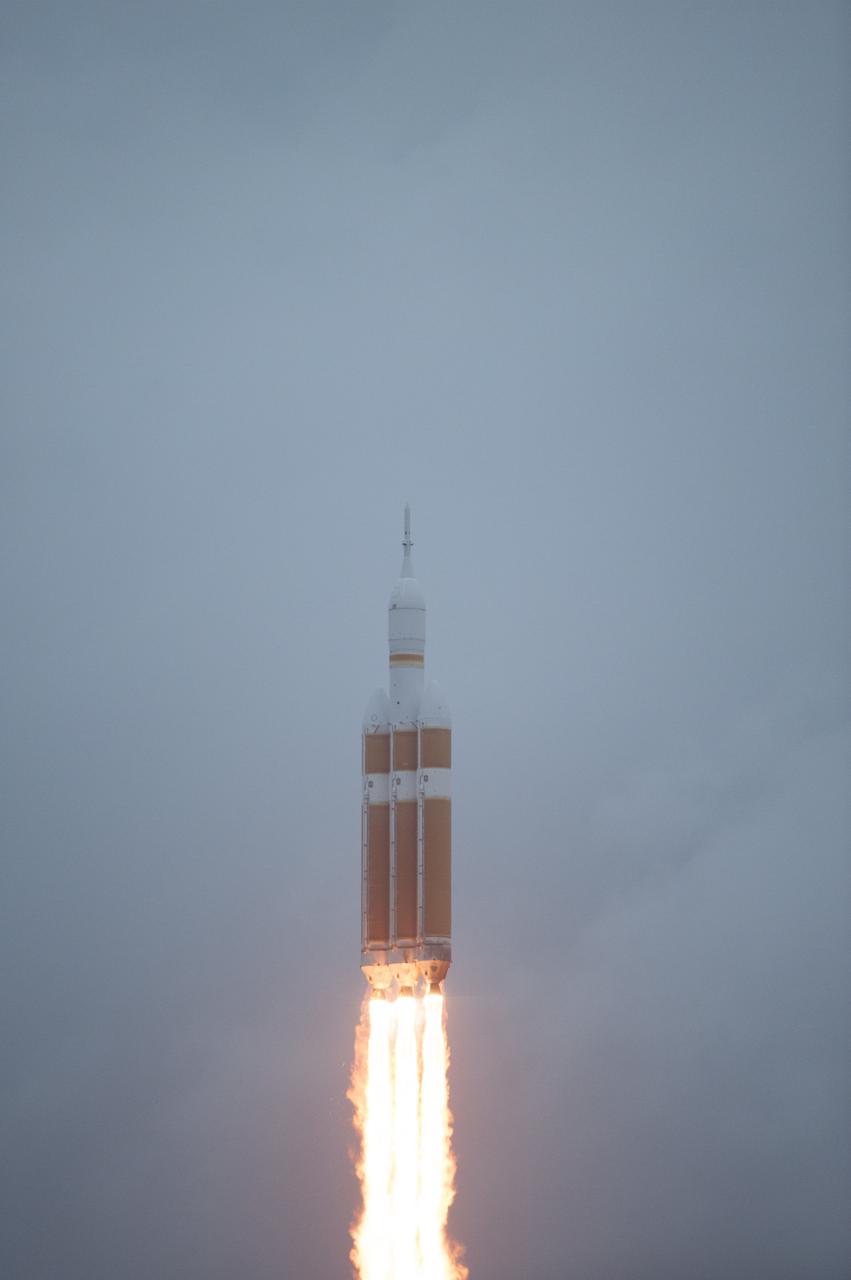
CAPE CANAVERAL, Fla. -- A Delta IV Heavy rocket lifts off from Space Launch Complex 37 at Cape Canaveral Air Force Station in Florida carrying NASA's Orion spacecraft on an unpiloted flight test to Earth orbit. Liftoff was at 7:05 a.m. EST. During the two-orbit, four-and-a-half hour mission, engineers will evaluate the systems critical to crew safety, the launch abort system, the heat shield and the parachute system. For more information, visit www.nasa.gov/orion Photo credit: NASA/Sandra Joseph
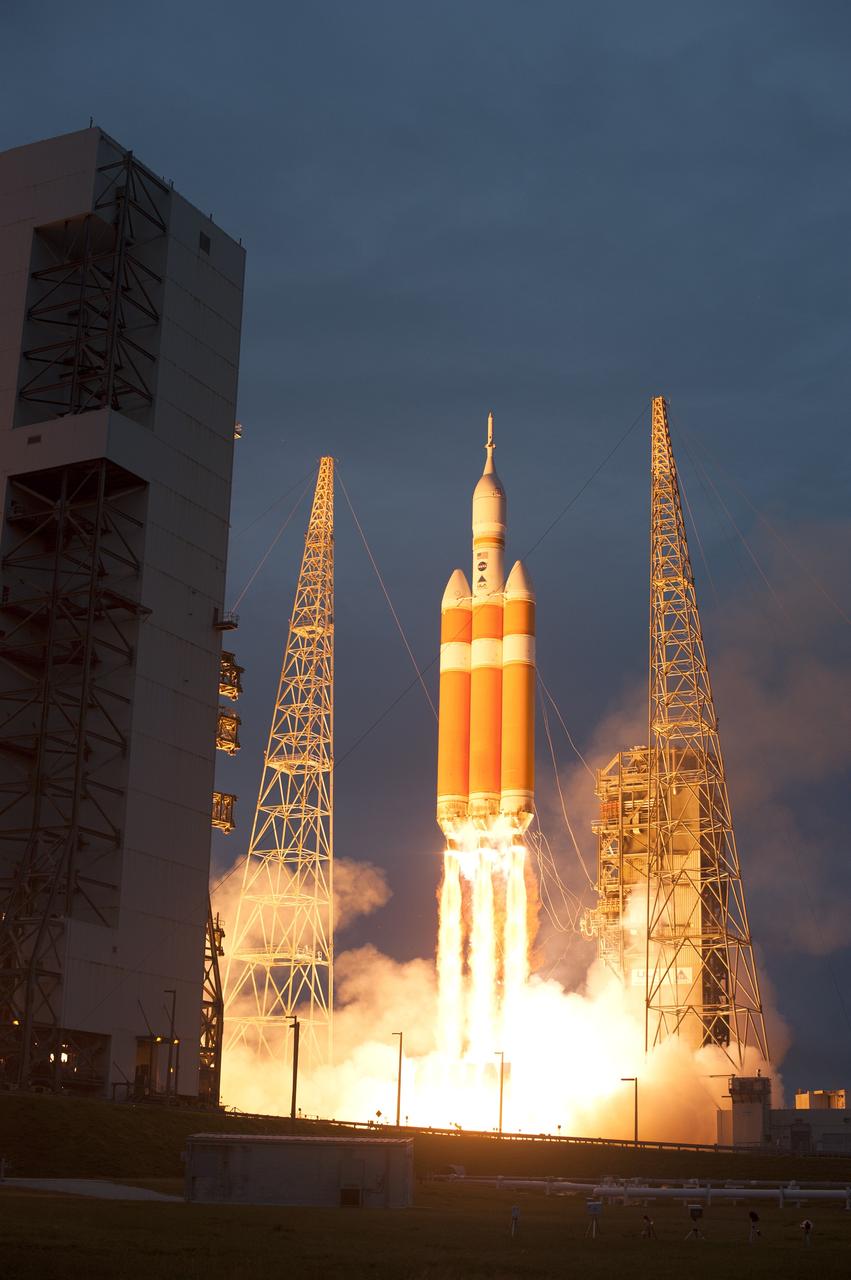
CAPE CANAVERAL, Fla. -- A Delta IV Heavy rocket lifts off from Space Launch Complex 37 at Cape Canaveral Air Force Station in Florida carrying NASA's Orion spacecraft on an unpiloted flight test to Earth orbit. Liftoff was at 7:05 a.m. EST. During the two-orbit, four-and-a-half hour mission, engineers will evaluate the systems critical to crew safety, the launch abort system, the heat shield and the parachute system. For more information, visit www.nasa.gov/orion Photo credit: NASA/Sandra Joseph and Kevin O'Connell
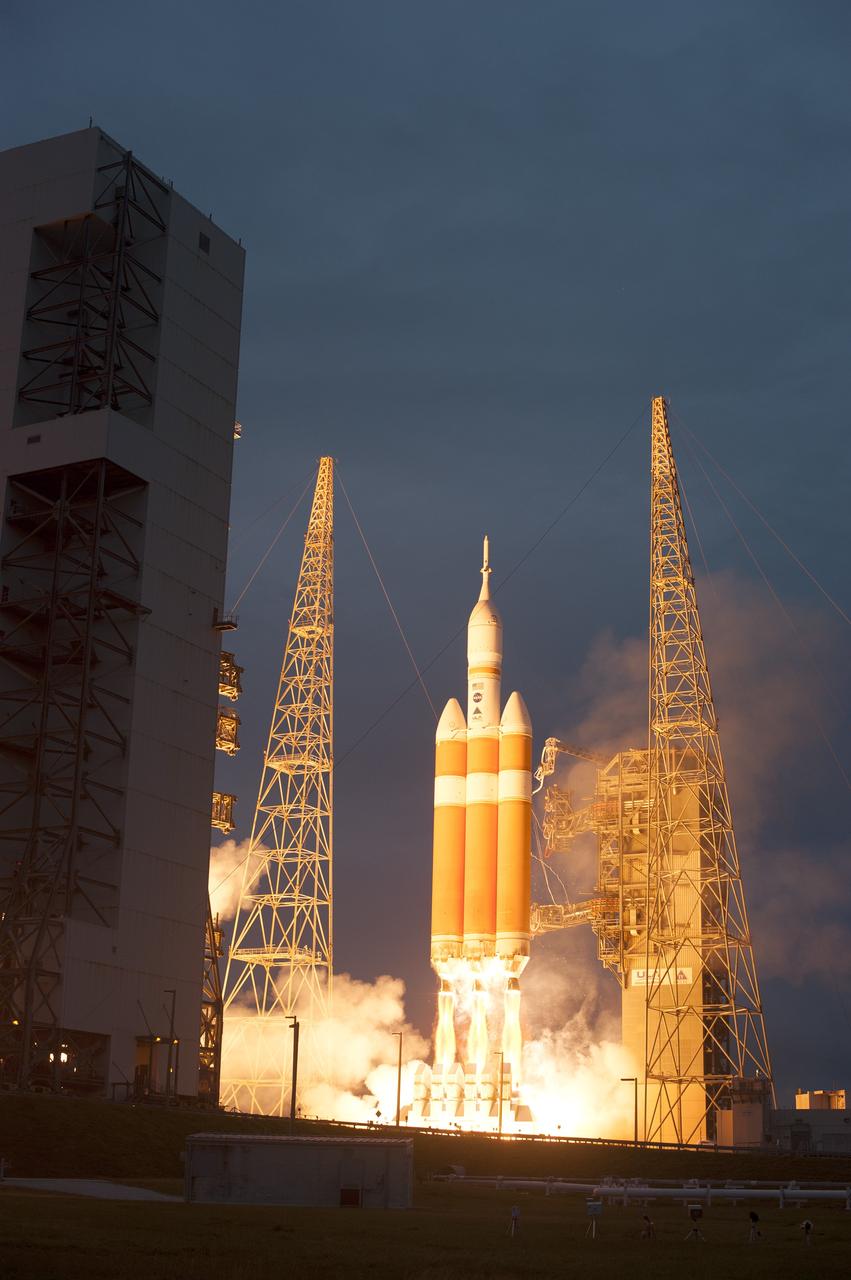
CAPE CANAVERAL, Fla. -- A Delta IV Heavy rocket lifts off from Space Launch Complex 37 at Cape Canaveral Air Force Station in Florida carrying NASA's Orion spacecraft on an unpiloted flight test to Earth orbit. Liftoff was at 7:05 a.m. EST. During the two-orbit, four-and-a-half hour mission, engineers will evaluate the systems critical to crew safety, the launch abort system, the heat shield and the parachute system. For more information, visit www.nasa.gov/orion Photo credit: NASA/Sandra Joseph and Kevin O'Connell
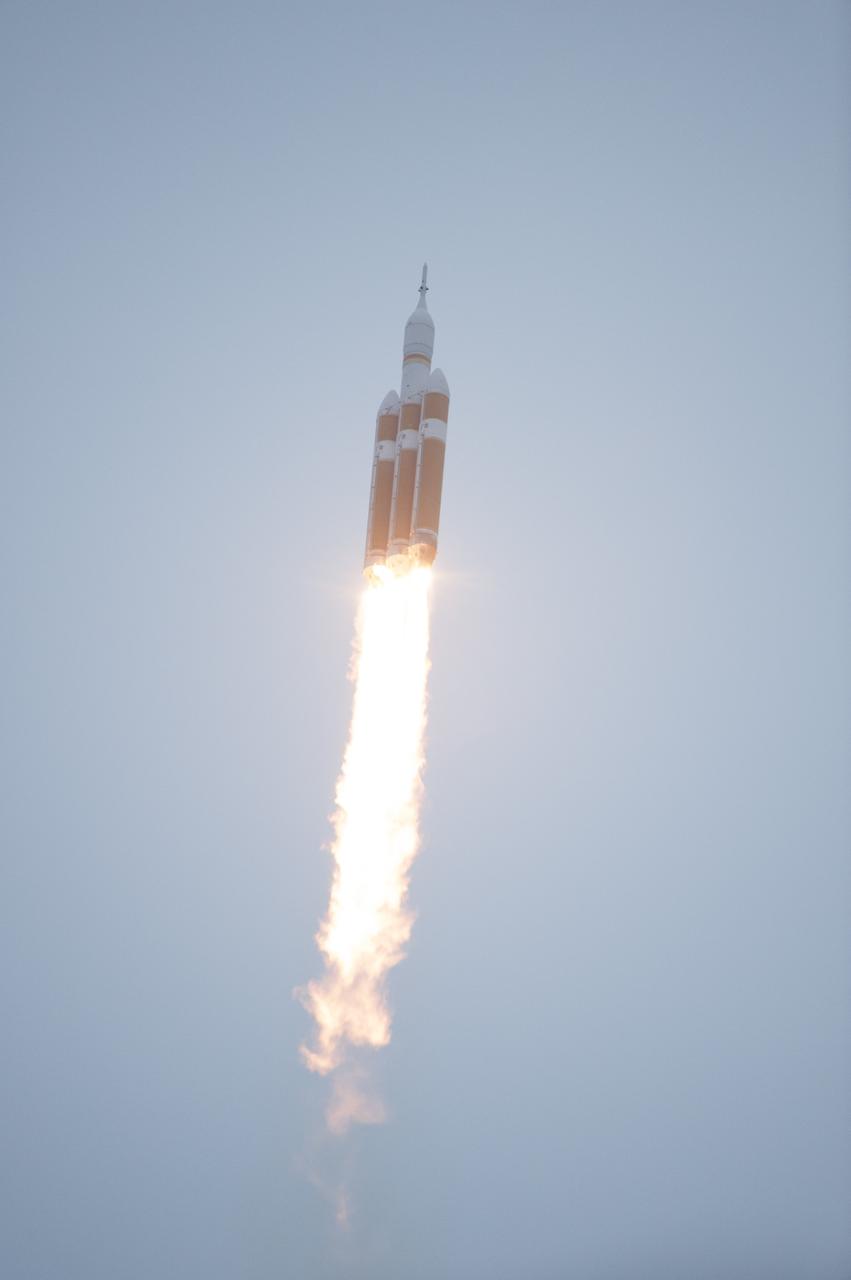
CAPE CANAVERAL, Fla. -- A Delta IV Heavy rocket lifts off from Space Launch Complex 37 at Cape Canaveral Air Force Station in Florida carrying NASA's Orion spacecraft on an unpiloted flight test to Earth orbit. Liftoff was at 7:05 a.m. EST. During the two-orbit, four-and-a-half hour mission, engineers will evaluate the systems critical to crew safety, the launch abort system, the heat shield and the parachute system. For more information, visit www.nasa.gov/orion Photo credit: NASA/Sandra Joseph
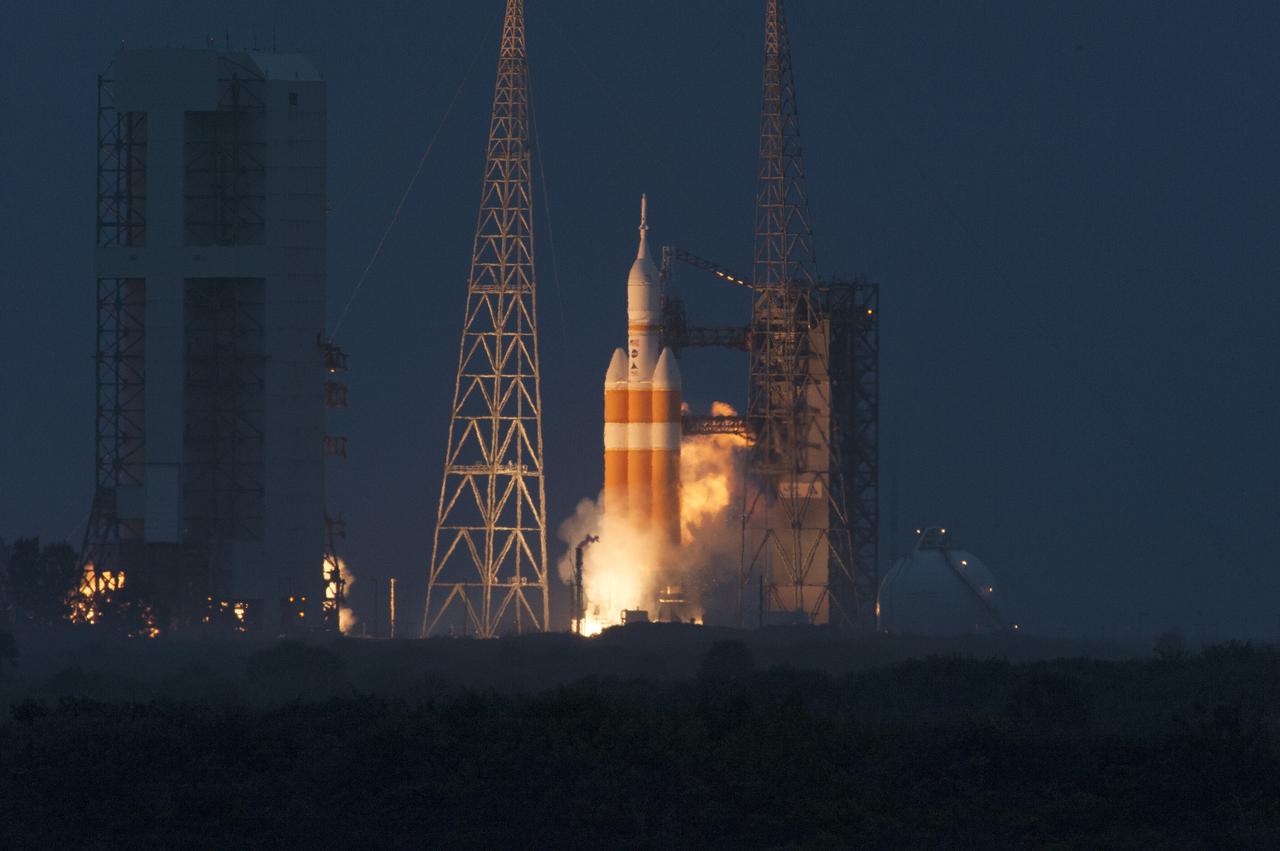
CAPE CANAVERAL, Fla. -- A Delta IV Heavy rocket roars to life at Space Launch Complex 37 at Cape Canaveral Air Force Station in Florida. The launch vehicle is carrying NASA's Orion spacecraft on an unpiloted flight test to Earth orbit. Liftoff was at 7:05 a.m. EST. The flight will send Orion 3,600 miles in altitude beyond the Earth's surface on a four-and-a-half hour mission. Photo credit: NASA/George Roberts
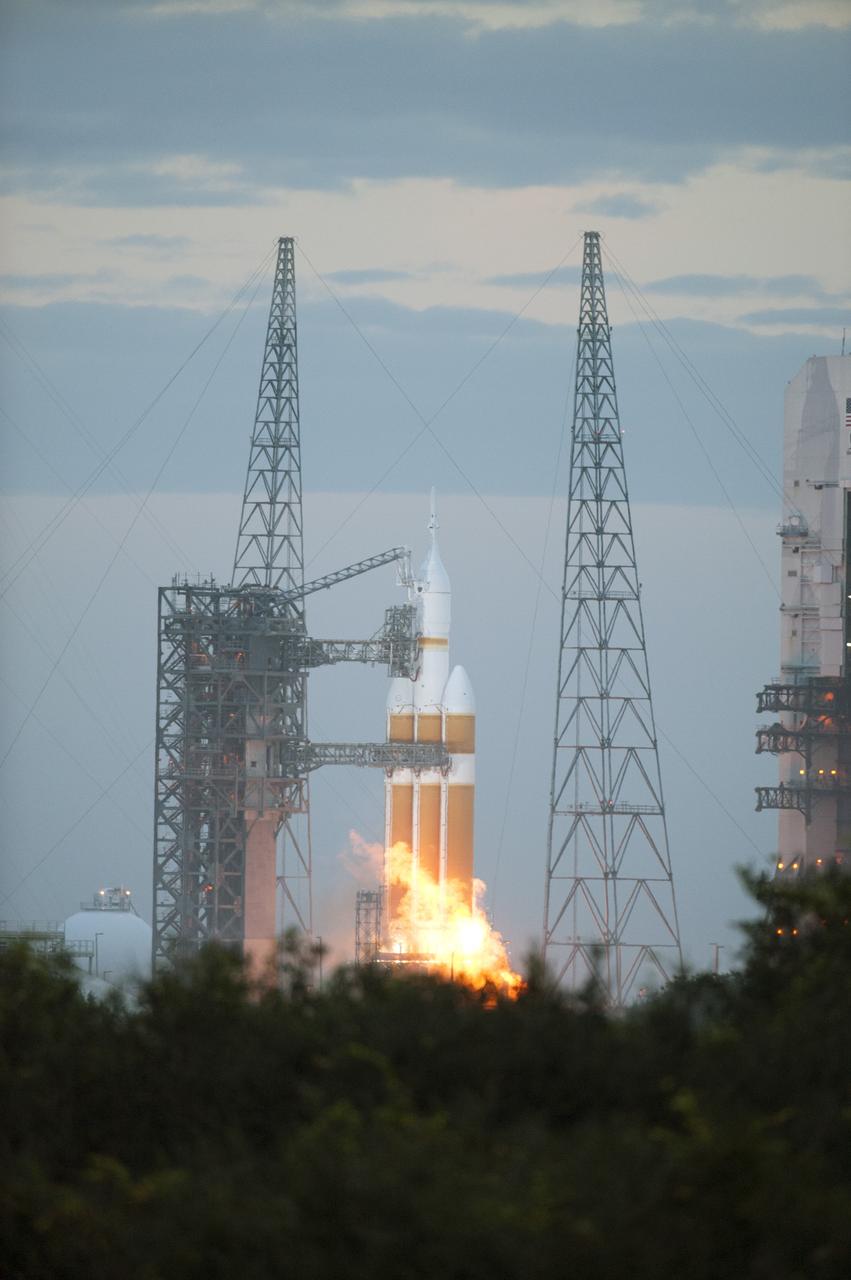
CAPE CANAVERAL, Fla. -- A Delta IV Heavy rocket lifts off from Space Launch Complex 37 at Cape Canaveral Air Force Station in Florida carrying NASA's Orion spacecraft on an unpiloted flight test to Earth orbit. Liftoff was at 7:05 a.m. EST. During the two-orbit, four-and-a-half hour mission, engineers will evaluate the systems critical to crew safety, the launch abort system, the heat shield and the parachute system. For more information, visit www.nasa.gov/orion Photo credit: NASA/Tim Terry
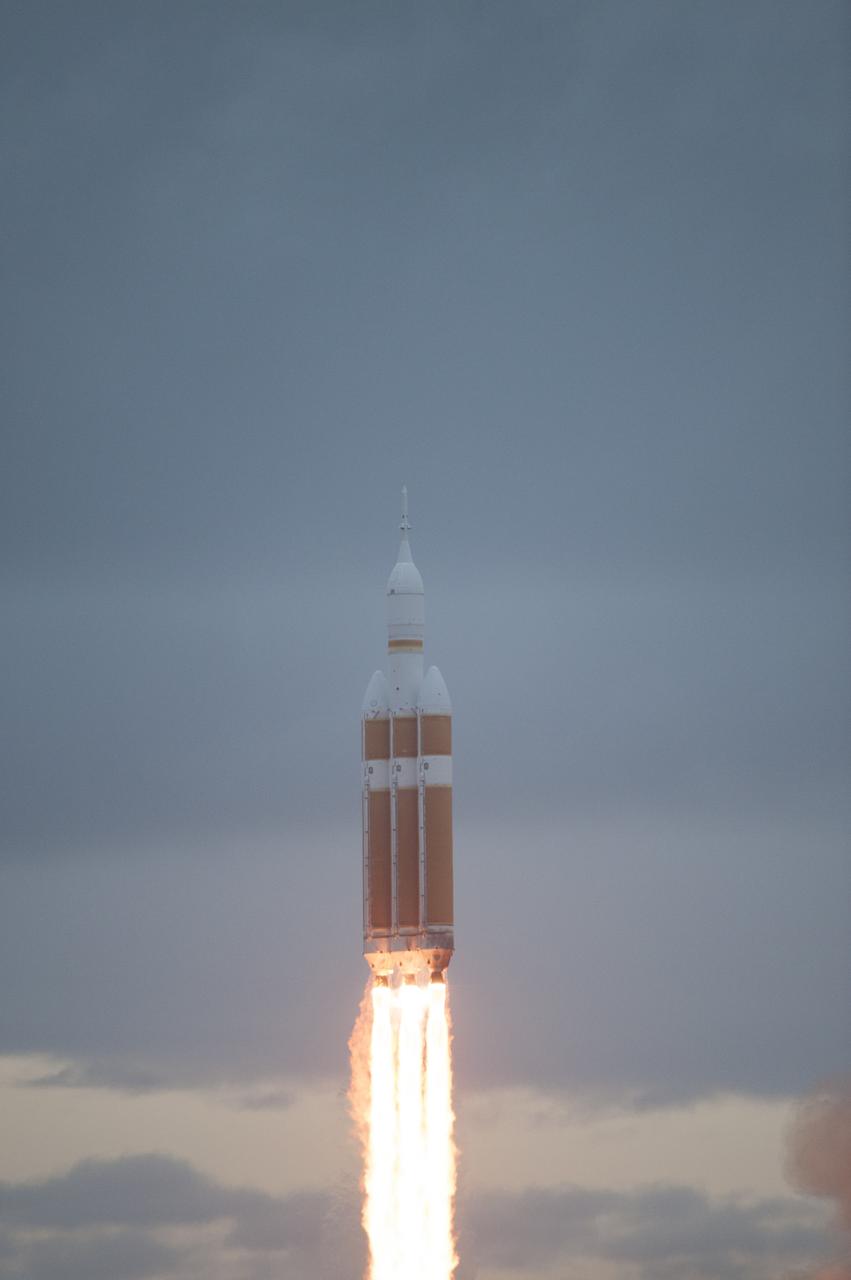
CAPE CANAVERAL, Fla. -- A Delta IV Heavy rocket lifts off from Space Launch Complex 37 at Cape Canaveral Air Force Station in Florida carrying NASA's Orion spacecraft on an unpiloted flight test to Earth orbit. Liftoff was at 7:05 a.m. EST. During the two-orbit, four-and-a-half hour mission, engineers will evaluate the systems critical to crew safety, the launch abort system, the heat shield and the parachute system. For more information, visit www.nasa.gov/orion Photo credit: NASA/Sandra Joseph
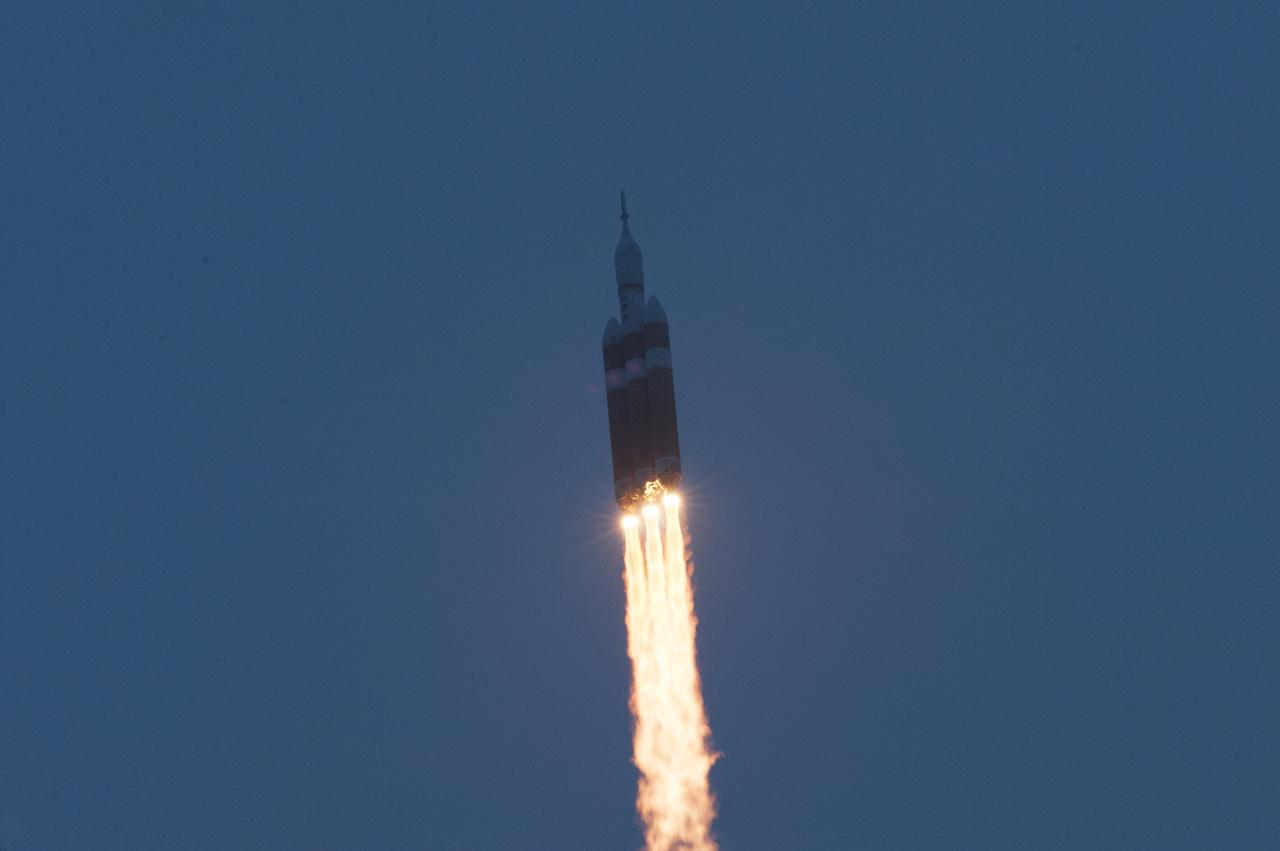
CAPE CANAVERAL, Fla. -- A Delta IV Heavy rocket soars after liftoff from Space Launch Complex 37 at Cape Canaveral Air Force Station in Florida carrying NASA's Orion spacecraft on an unpiloted flight test to Earth orbit. Liftoff was at 7:05 a.m. EST. During the two-orbit, four-and-a-half hour mission, engineers will evaluate the systems critical to crew safety, the launch abort system, the heat shield and the parachute system. Photo credit: NASA/George Roberts
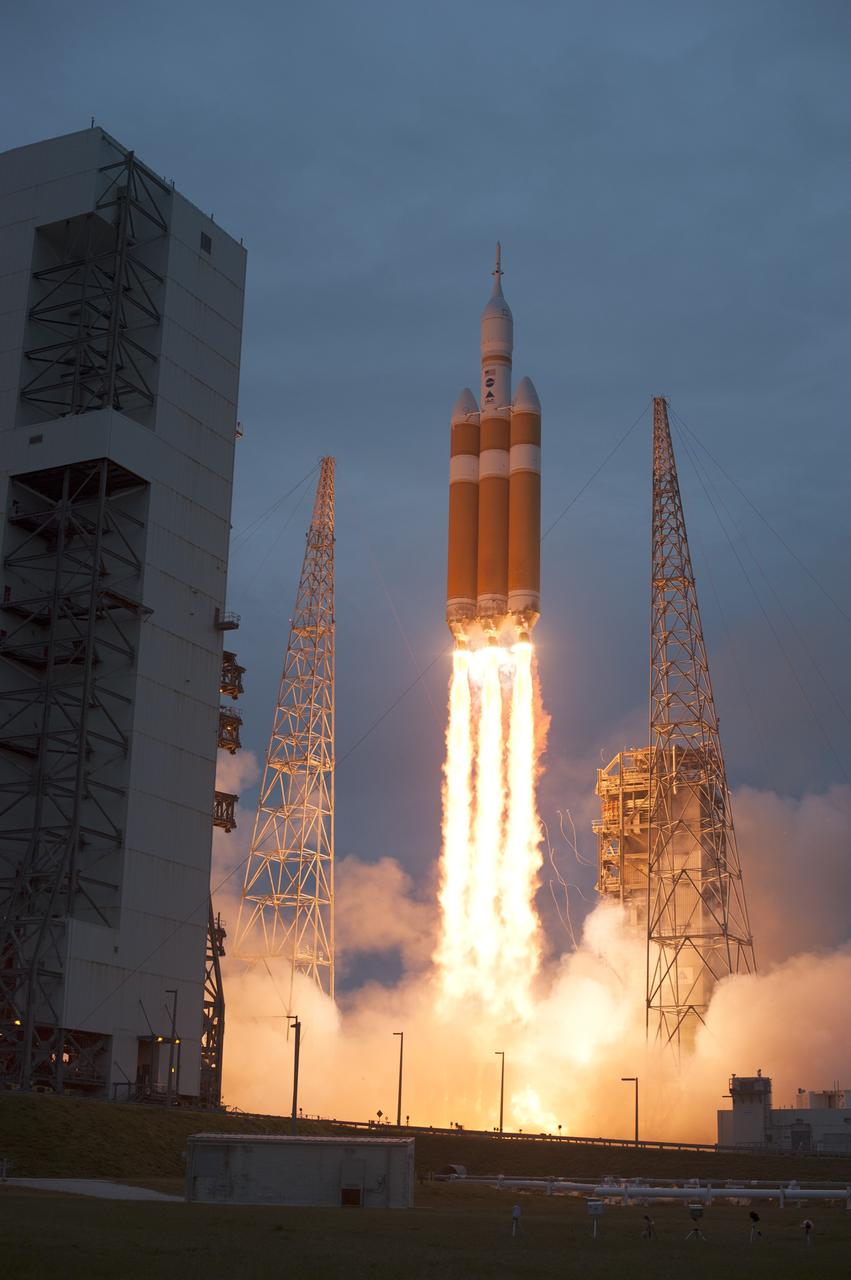
CAPE CANAVERAL, Fla. -- A Delta IV Heavy rocket lifts off from Space Launch Complex 37 at Cape Canaveral Air Force Station in Florida carrying NASA's Orion spacecraft on an unpiloted flight test to Earth orbit. Liftoff was at 7:05 a.m. EST. During the two-orbit, four-and-a-half hour mission, engineers will evaluate the systems critical to crew safety, the launch abort system, the heat shield and the parachute system. For more information, visit www.nasa.gov/orion Photo credit: NASA/Sandra Joseph and Kevin O'Connell
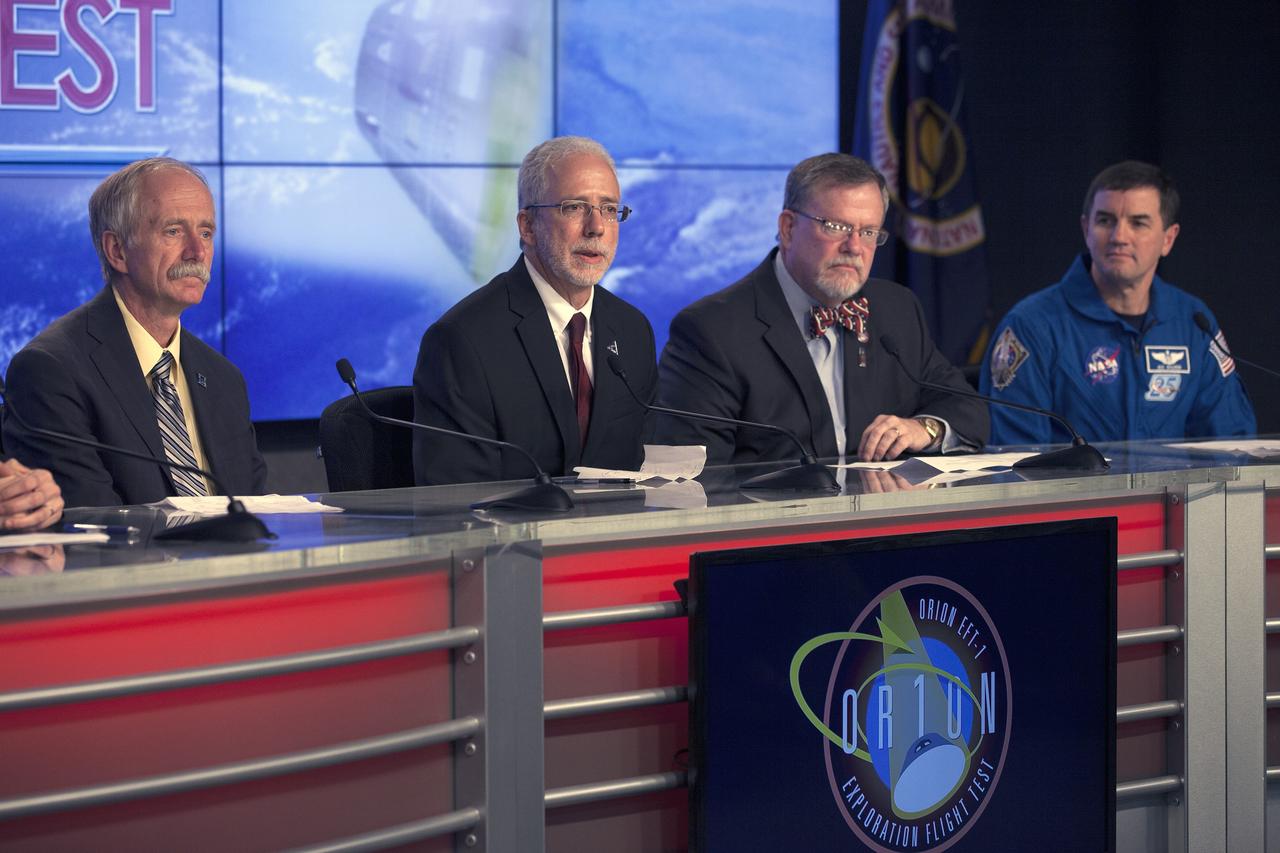
CAPE CANAVERAL, Fla. -- In the Kennedy Space Center’s Press Site auditorium, agency leaders spoke to members of the news media about the successful Orion Flight Test. From left are: Bill Gerstenmaier, NASA associate administrator for Human Exploration and Operations, Mark Geyer, Orion program manager, Mike Hawes, Lockheed Martin Orion Program manager, and NASA astronaut Rex Walheim. For more information, visit www.nasa.gov/orion Photo credit: NASA/Kim Shiflett
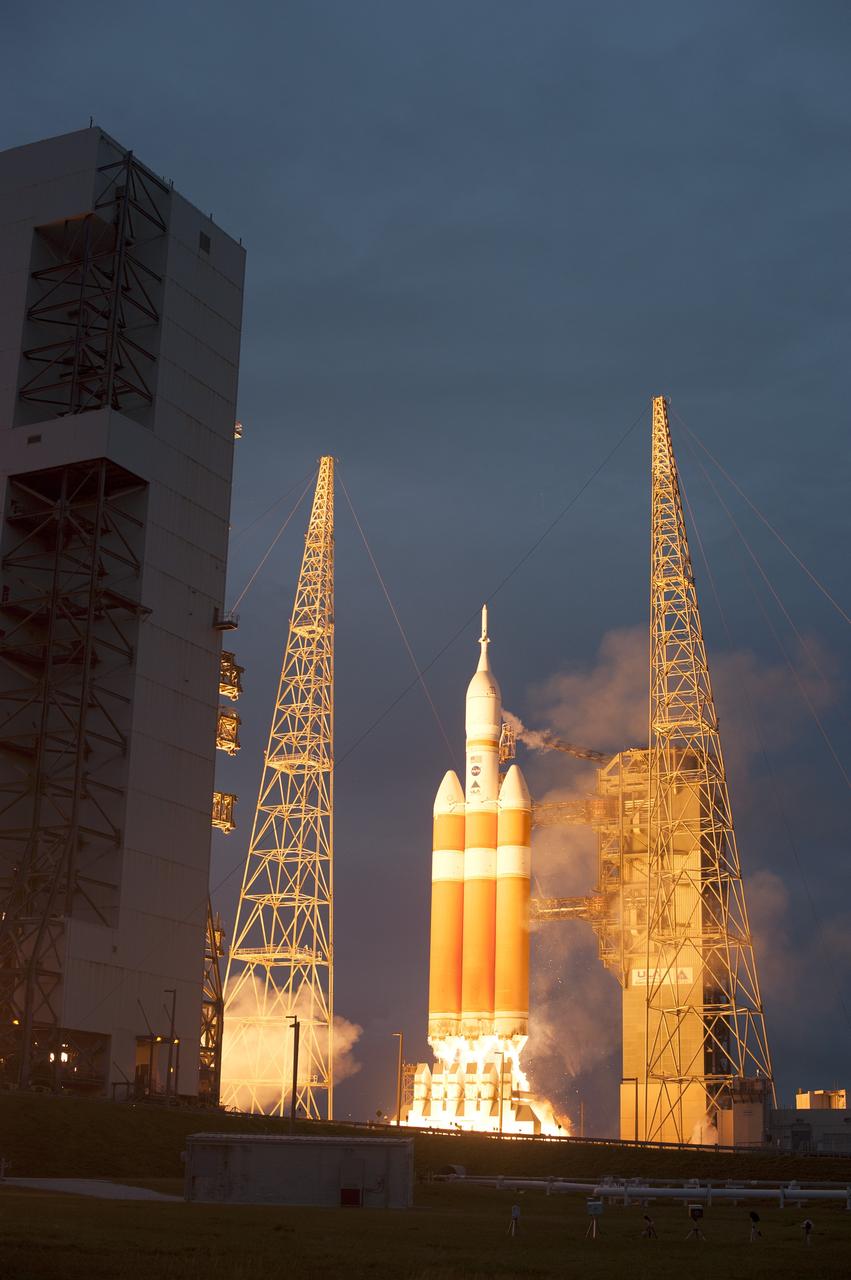
CAPE CANAVERAL, Fla. -- A Delta IV Heavy rocket lifts off from Space Launch Complex 37 at Cape Canaveral Air Force Station in Florida carrying NASA's Orion spacecraft on an unpiloted flight test to Earth orbit. Liftoff was at 7:05 a.m. EST. During the two-orbit, four-and-a-half hour mission, engineers will evaluate the systems critical to crew safety, the launch abort system, the heat shield and the parachute system. For more information, visit www.nasa.gov/orion Photo credit: NASA/Sandra Joseph, Kevin O'Connell
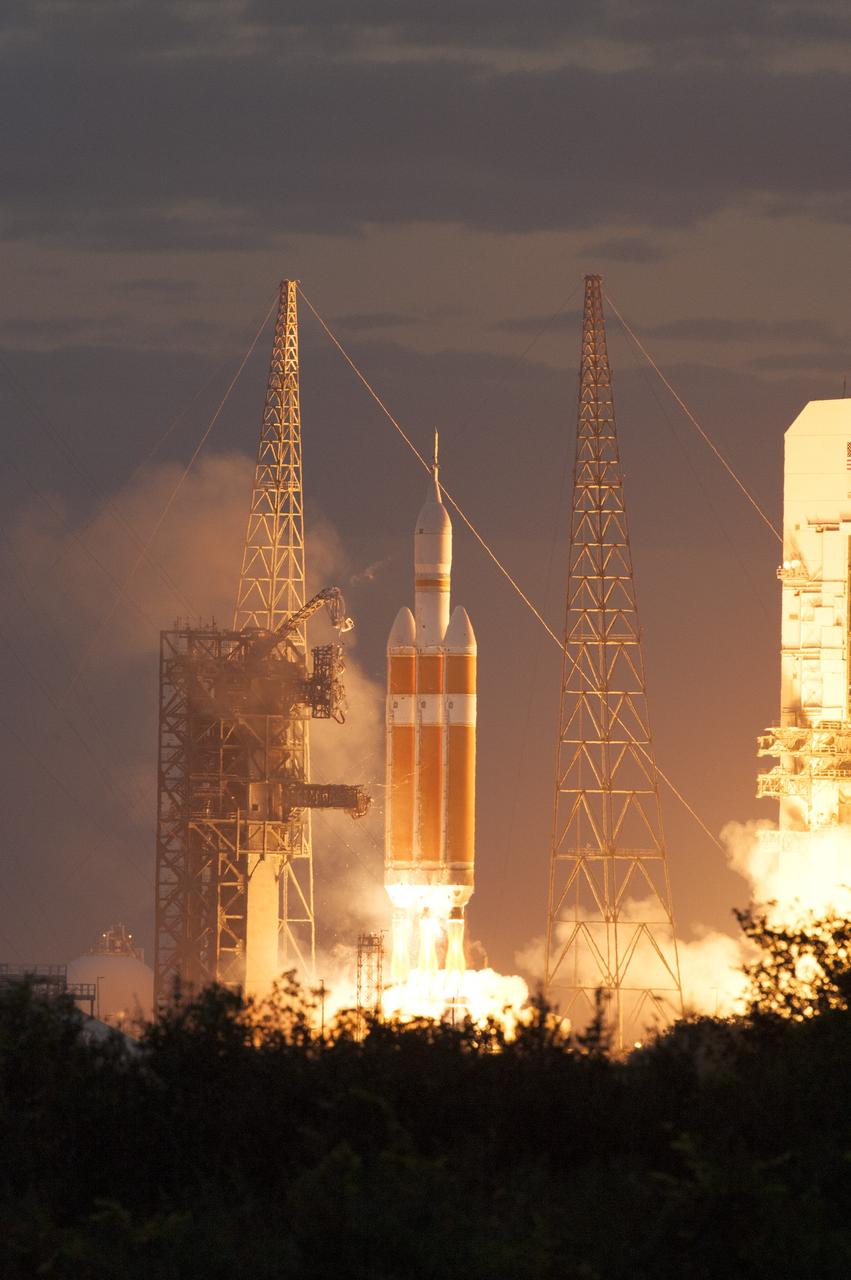
CAPE CANAVERAL, Fla. -- A Delta IV Heavy rocket lifts off from Space Launch Complex 37 at Cape Canaveral Air Force Station in Florida carrying NASA's Orion spacecraft on an unpiloted flight test to Earth orbit. Liftoff was at 7:05 a.m. EST. During the two-orbit, four-and-a-half hour mission, engineers will evaluate the systems critical to crew safety, the launch abort system, the heat shield and the parachute system. For more information, visit www.nasa.gov/orion Photo credit: NASA/Tim Terry
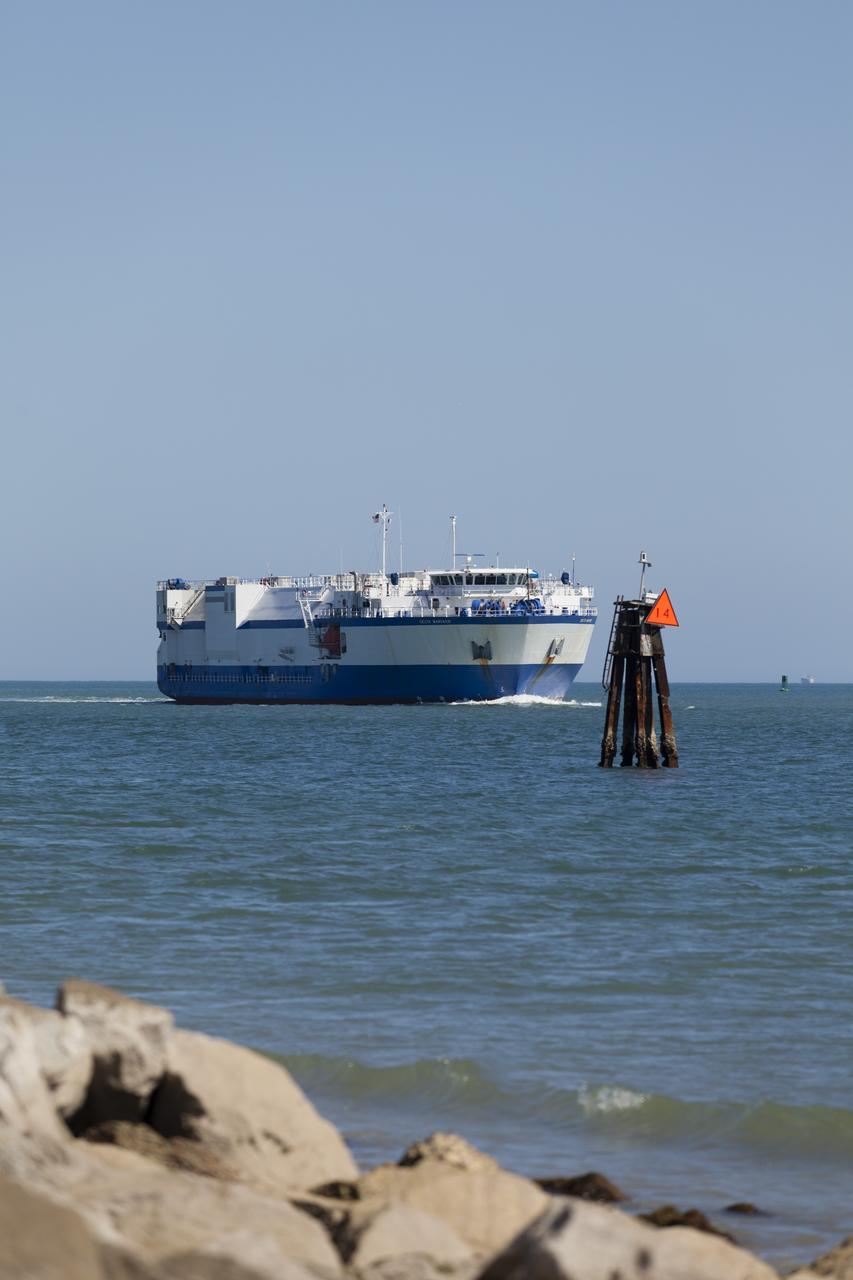
CAPE CANAVERAL, Fla. – The United Launch Alliance barge Delta Mariner enters Port Canaveral in Florida. The barge is carrying two of the booster stages for the Delta IV Heavy rocket slated for Orion's Exploration Flight Test-1, or EFT-1. Orion is the exploration spacecraft designed to carry astronauts to destinations not yet explored by humans. It will have emergency abort capability, sustain the crew during space travel and provide safe re-entry from deep-space return velocities. The first unpiloted test flight of Orion is scheduled to launch in September 2014 atop a Delta IV Heavy rocket and in 2017 on NASA’s Space Launch System
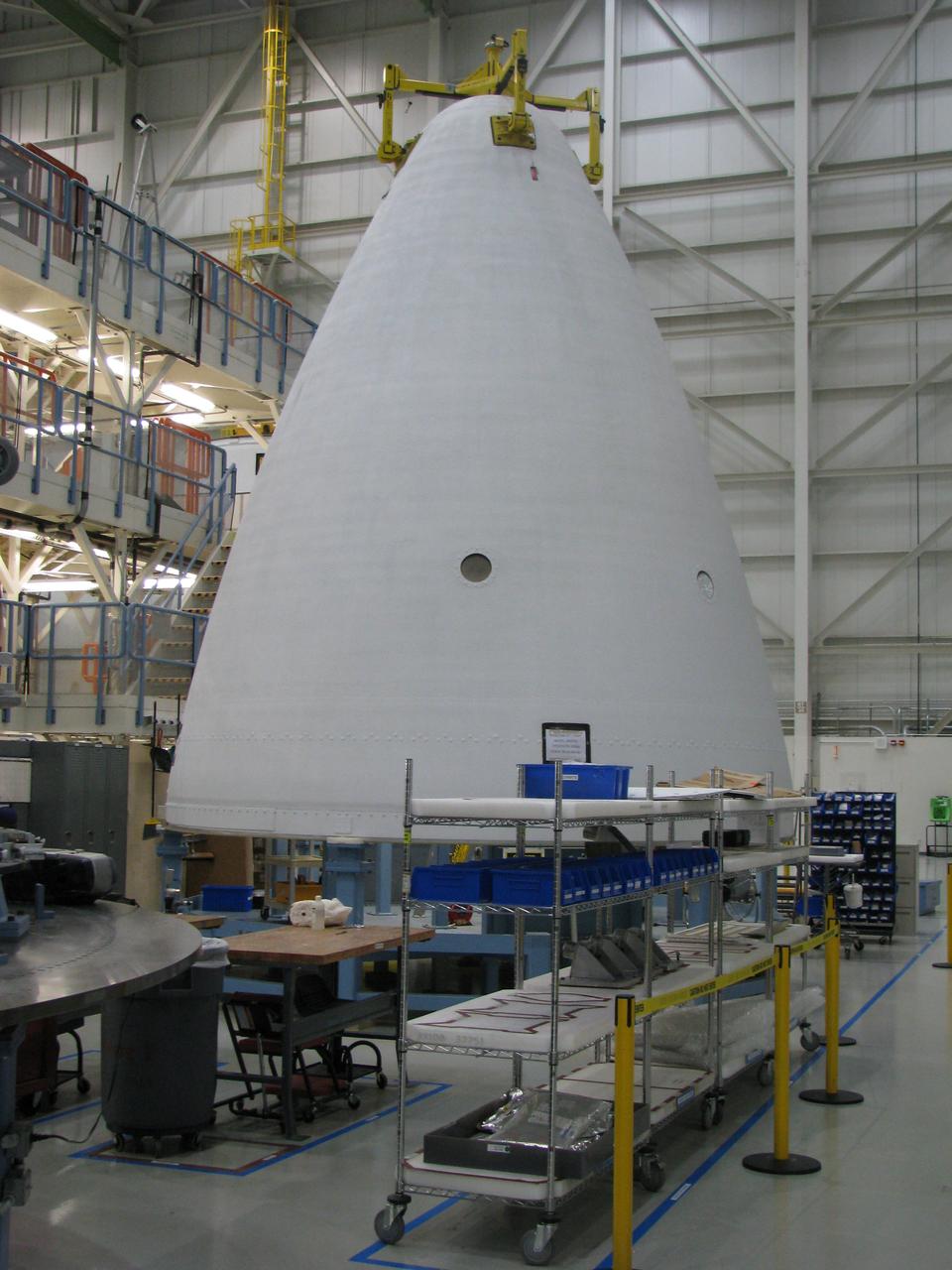
The Delta IV Heavy launch vehicle used to launch Orion on Exploration Flight Test-1 (EFT-1) is assembled at the United Launch Alliance facility in Decatur, AL on Nov. 1, 2013. Part of Batch image transfer from Flickr.
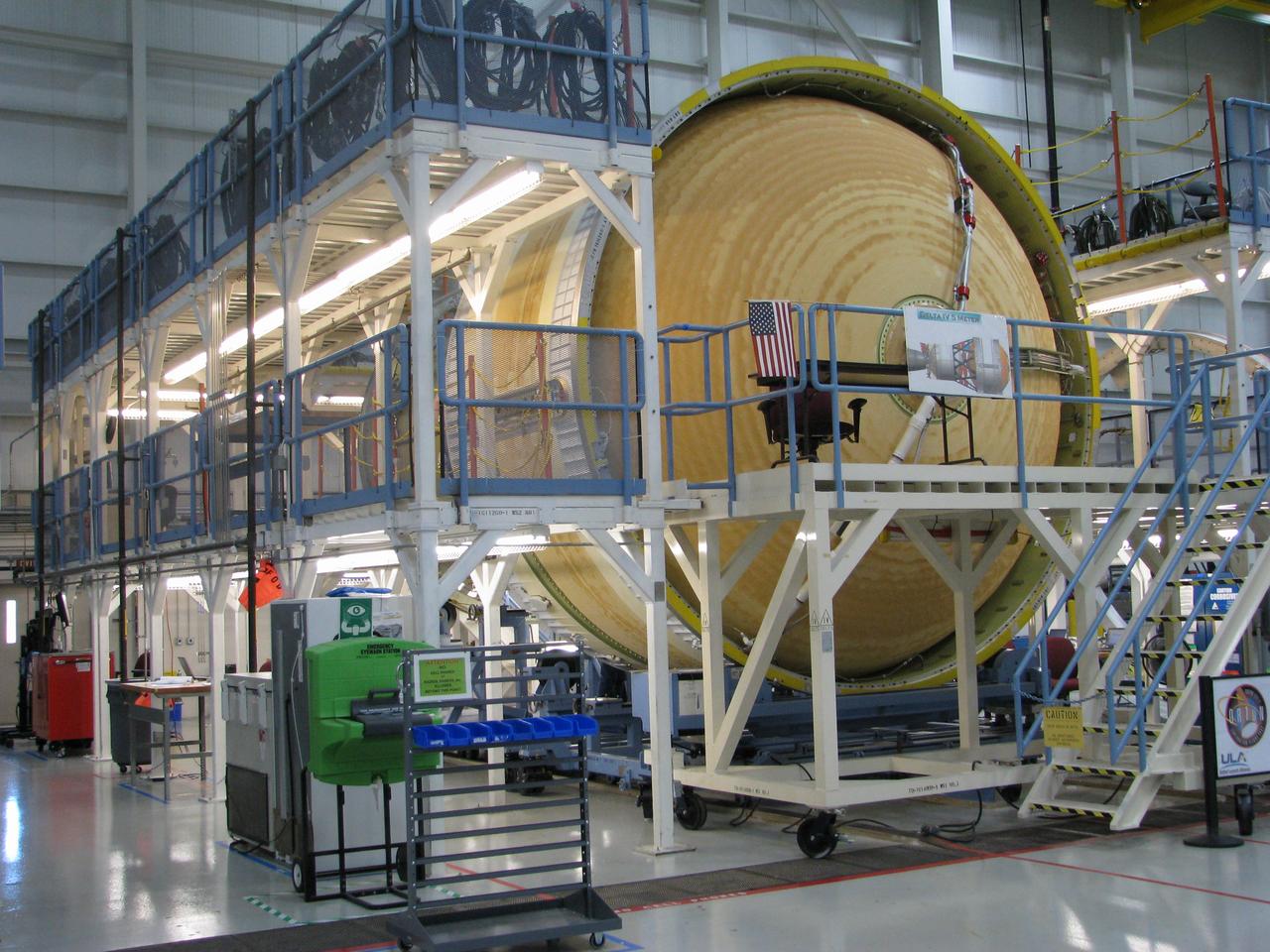
The Delta IV Heavy launch vehicle used to launch Orion on Exploration Flight Test-1 (EFT-1) is assembled at the United Launch Alliance facility in Decatur, AL on Nov. 1, 2013. Part of Batch image transfer from Flickr.
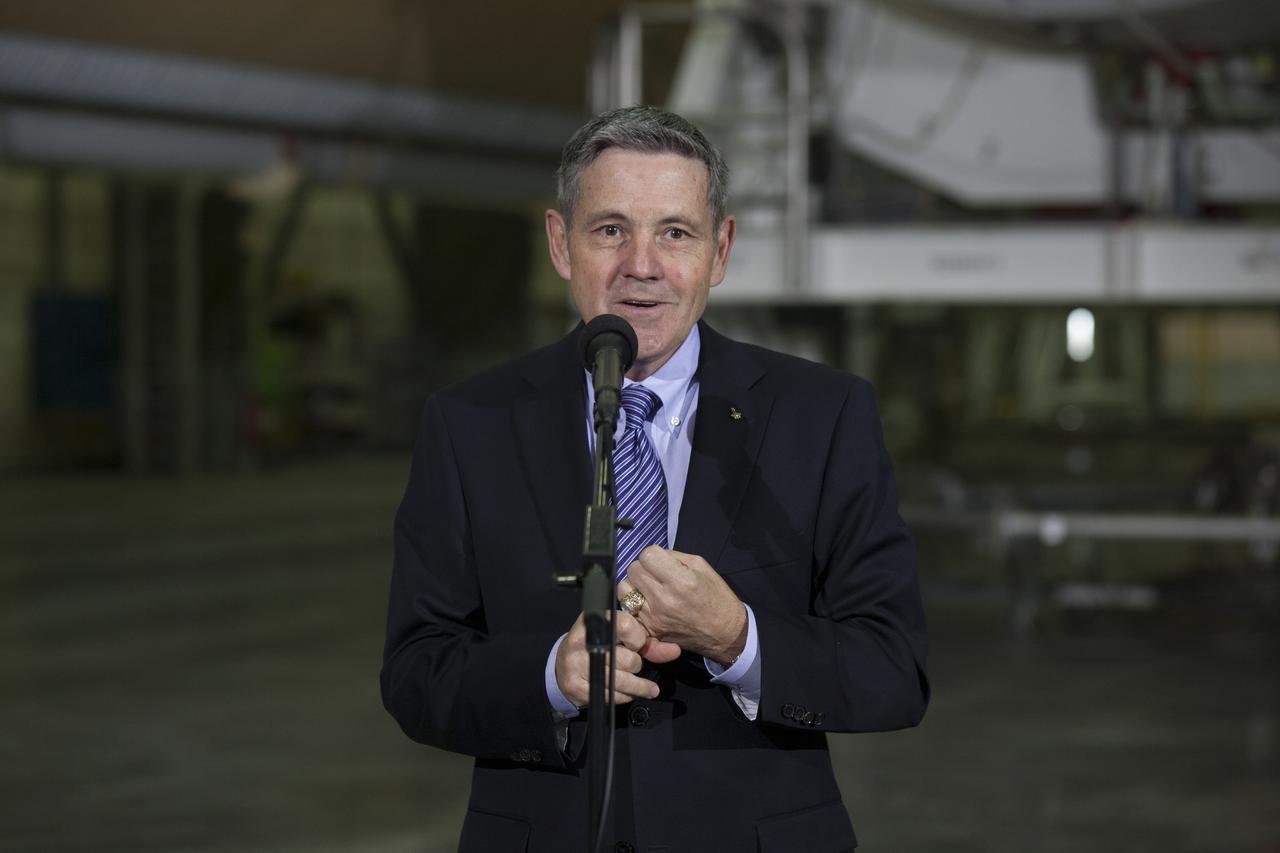
CAPE CANAVERAL, Fla. – During a media event inside the Horizontal Integration Facility at Launch Complex 37 at Cape Canaveral Air Force Station in Florida, Kennedy Space Center Director Bob Cabana speaks to members of the media. Behind him are two of the United Launch Alliance Delta IV boosters for the Orion Exploration Flight Test-1, or EFT-1, mission. Orion is the exploration spacecraft designed to carry astronauts to destinations not yet explored by humans, including an asteroid and Mars. It will have emergency abort capability, sustain the crew during space travel and provide safe re-entry from deep space return velocities. The first unpiloted test flight of Orion, EFT-1, is scheduled to launch in 2014 atop a Delta IV rocket and in 2017 on NASA’s Space Launch System rocket. For more information, visit http://www.nasa.gov/orion. Photo credit: NASA/Kim Shiflett
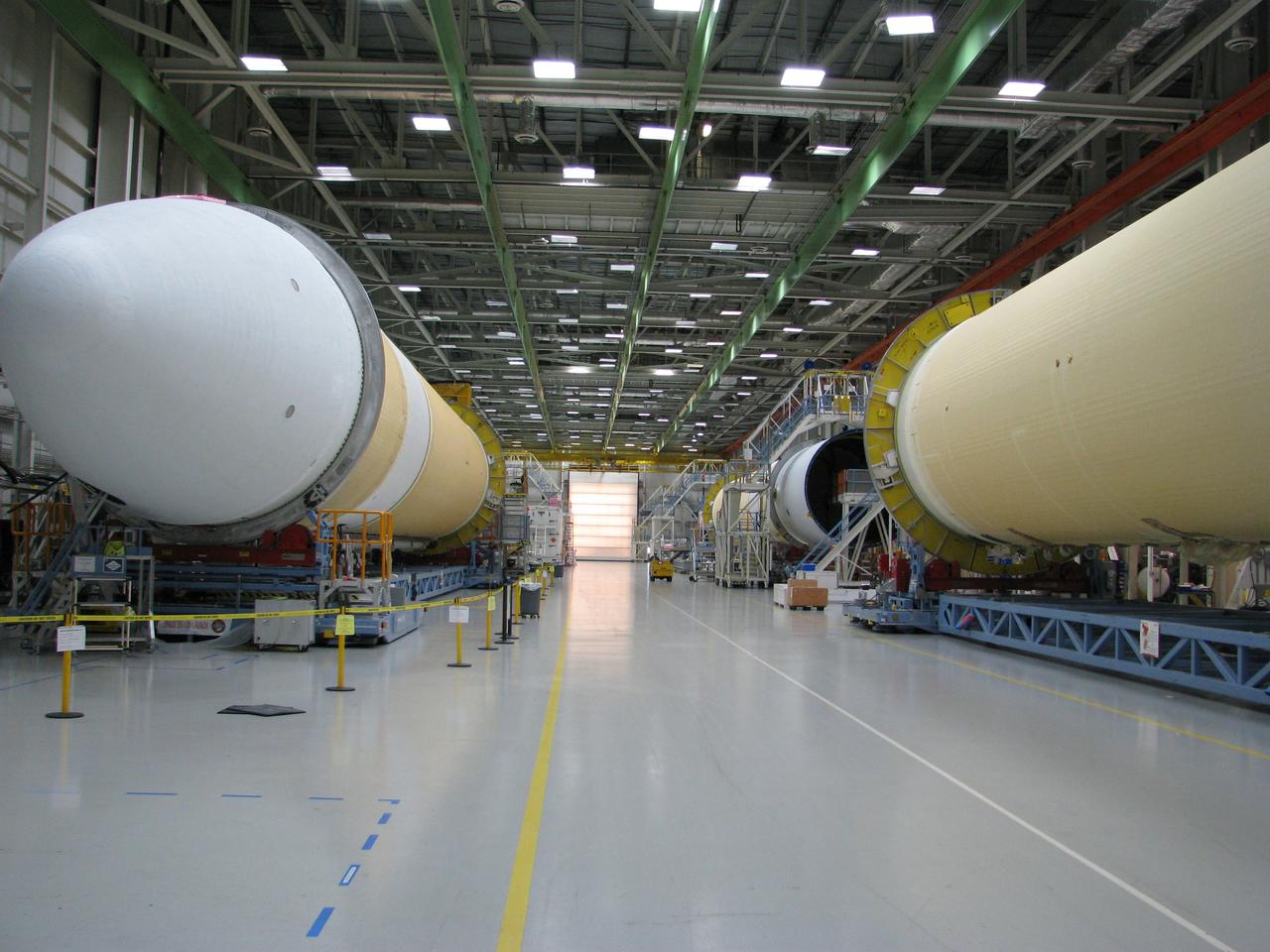
The Delta IV Heavy launch vehicle used to launch Orion on Exploration Flight Test-1 (EFT-1) is assembled at the United Launch Alliance facility in Decatur, AL on Dec. 11, 2013. Part of Batch image transfer from Flickr.
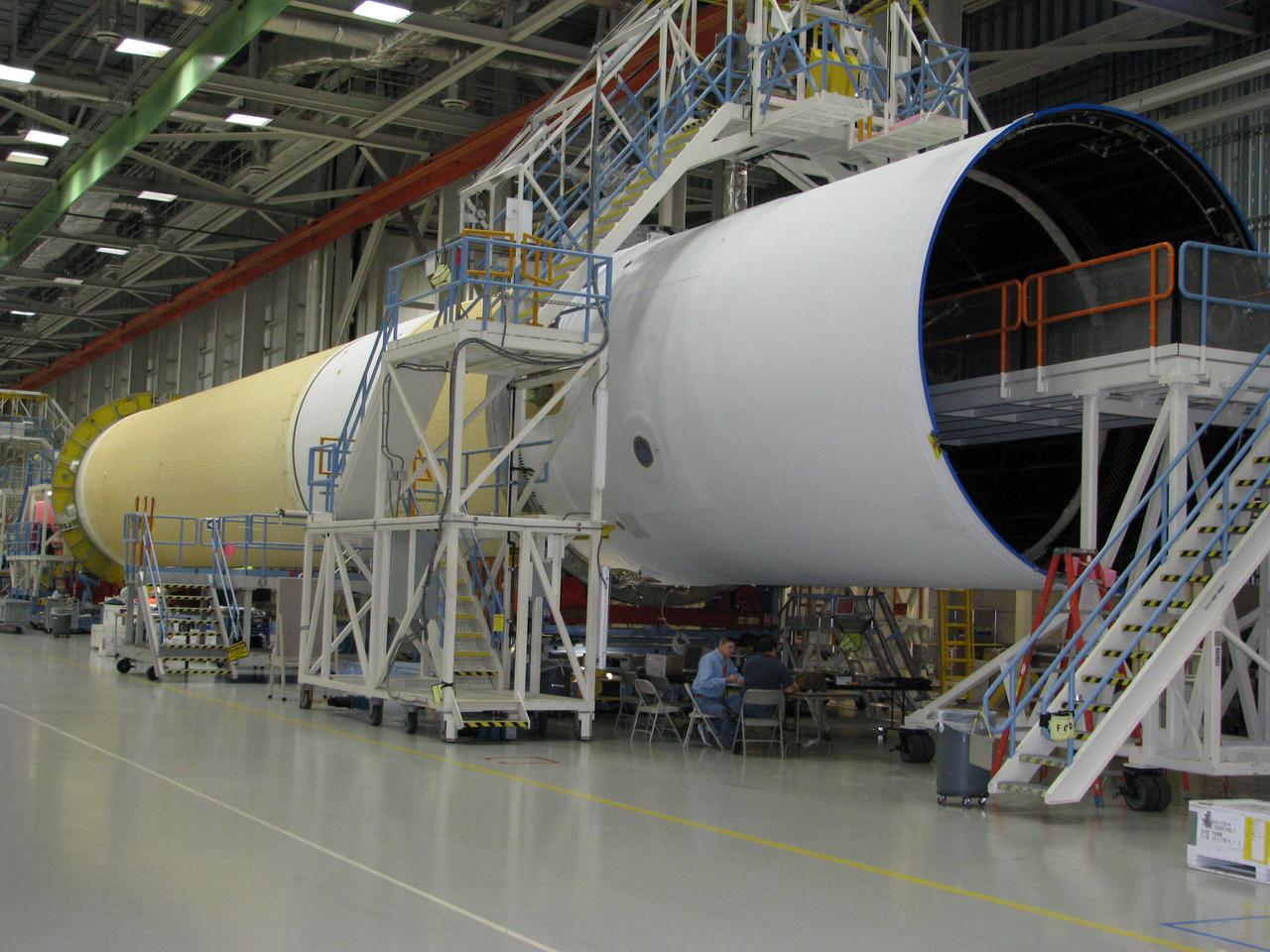
The Delta IV Heavy launch vehicle used to launch Orion on Exploration Flight Test-1 (EFT-1) is assembled at the United Launch Alliance facility in Decatur, AL on Dec. 11, 2013. Part of Batch image transfer from Flickr.
Exploration Flight Test-1 (EFT-1) Orion stacked on the Delta IV Heavy launch vehicle at United Launch Alliance Launch Complex 37B at Kennedy Space Center in Florida on Nov. 24, 2014. Part of Batch image transfer from Flickr.
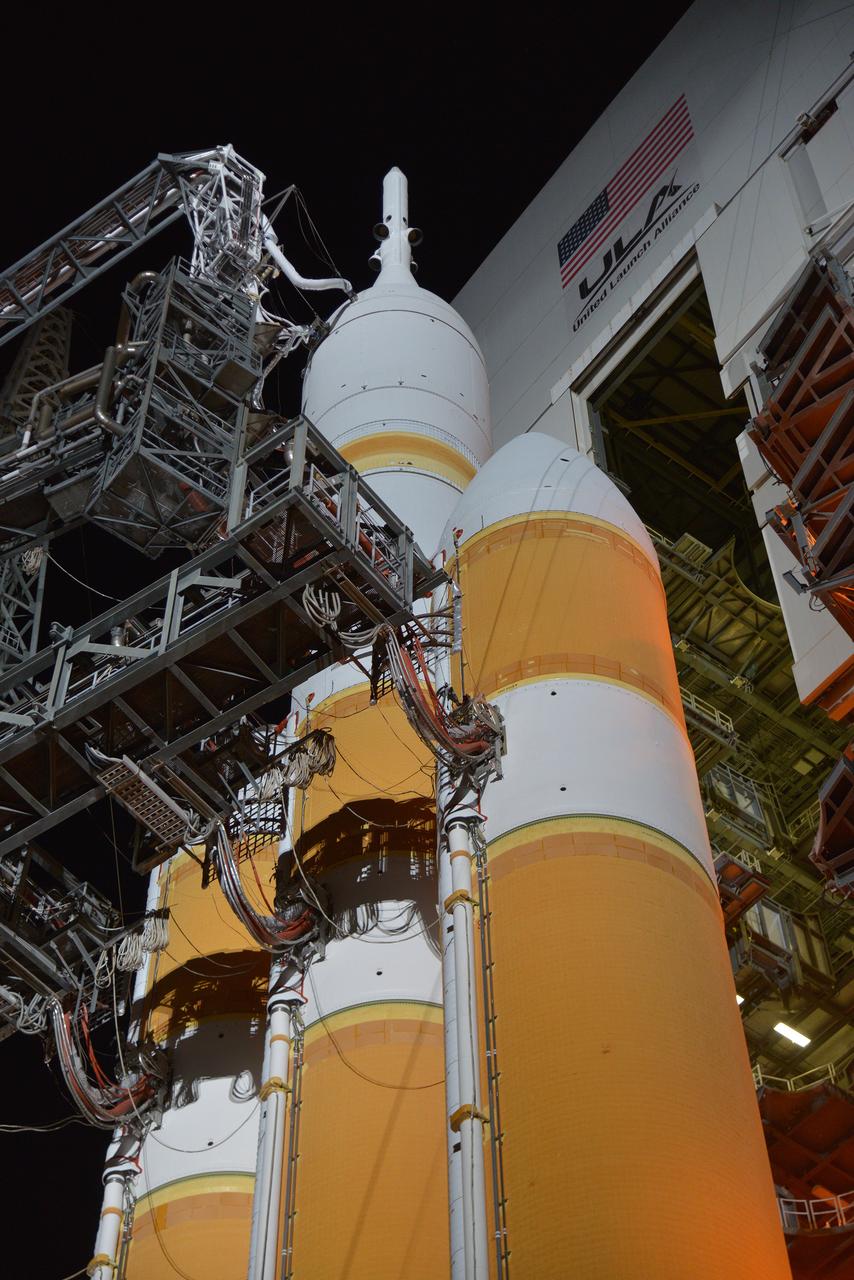
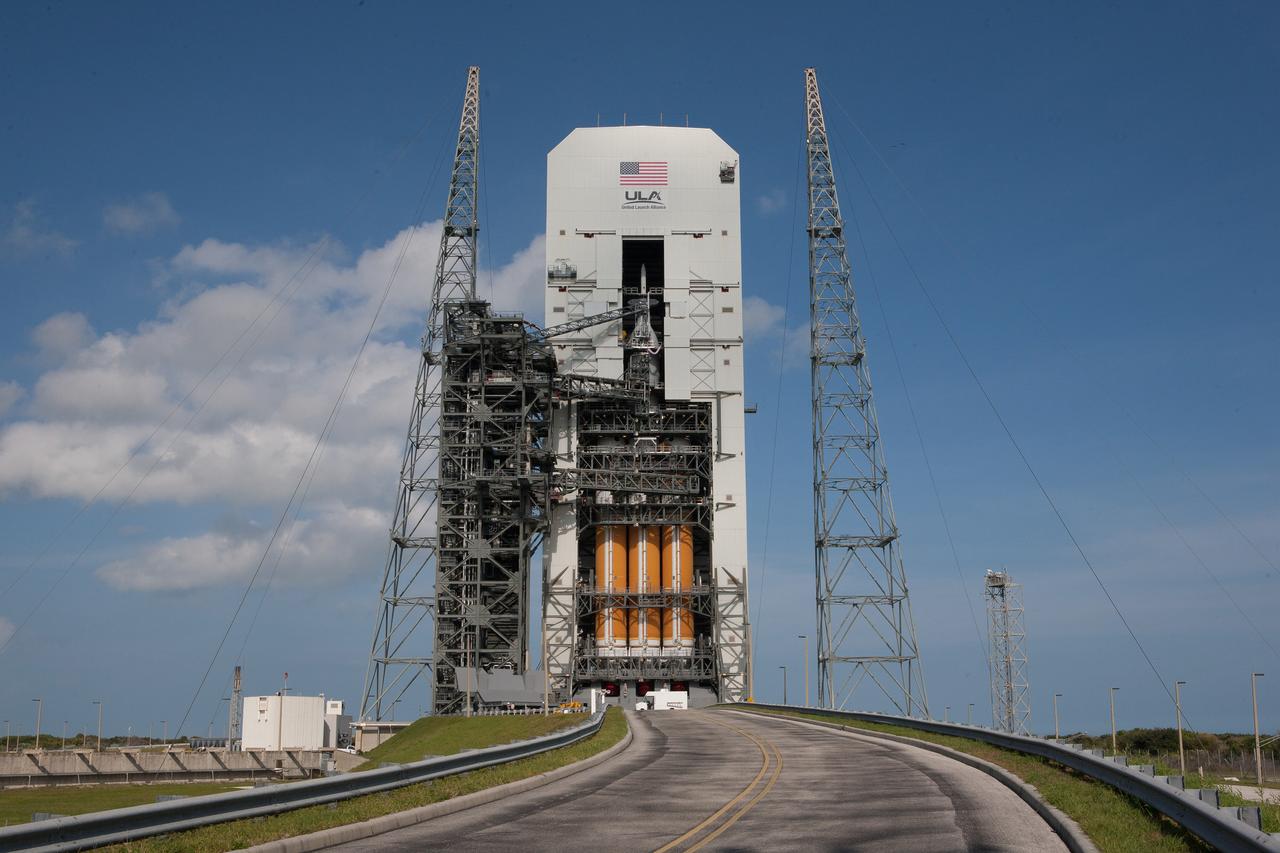
The full United Delta IV Heavy with Orion on top is revealed on Dec. 3, 2014 as the mobile service tower is rolled back in preparation for the 7:05 am Exploration Flight Test-1 (EFT-1) launch. Part of Batch image transfer from Flickr.
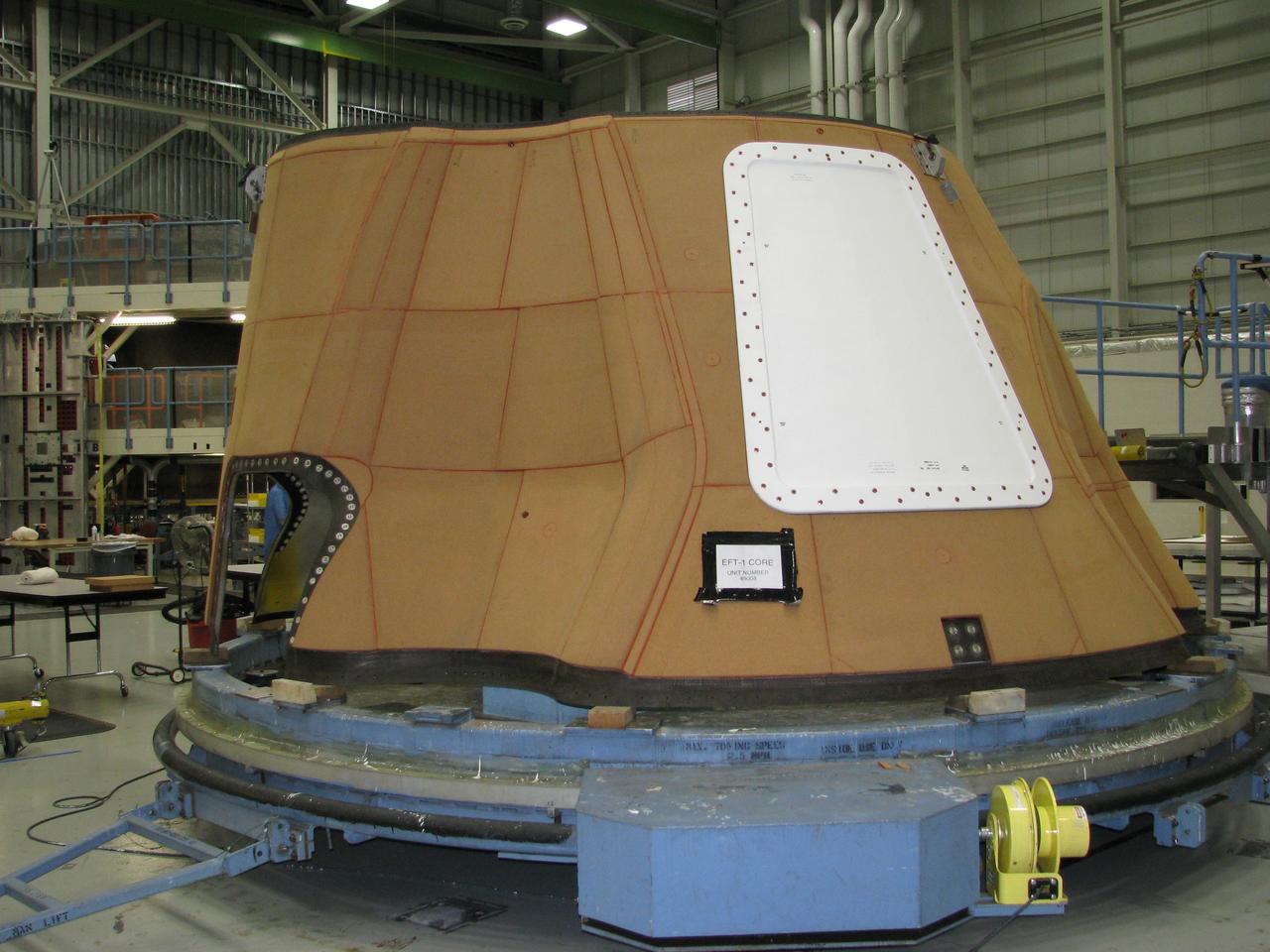
The Delta IV Heavy launch vehicle used to launch Orion on Exploration Flight Test-1 (EFT-1) is assembled at the United Launch Alliance facility in Decatur, AL on Dec. 11, 2013. Part of Batch image transfer from Flickr.
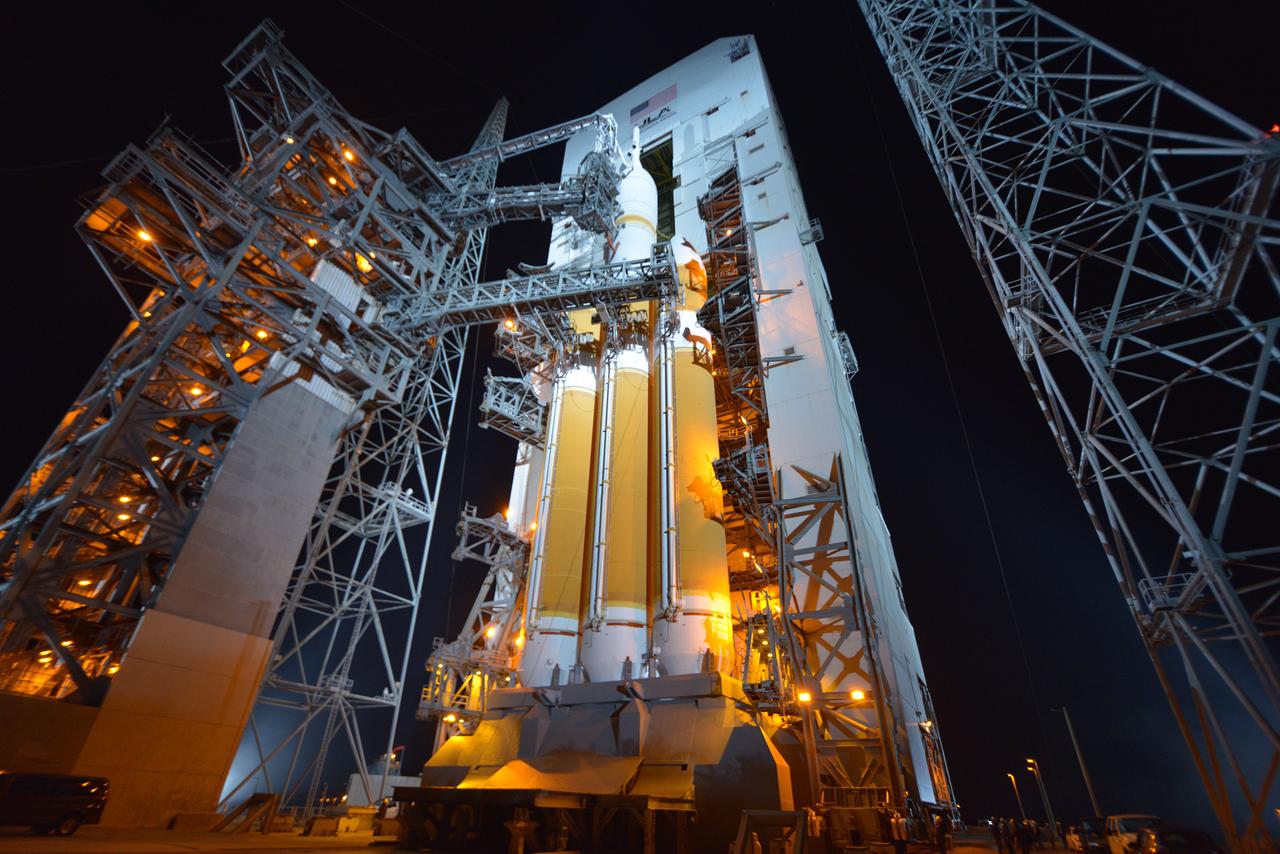
The full United Delta IV Heavy with Orion on top is revealed on Dec. 3, 2014 as the mobile service tower is rolled back in preparation for the 7:05 am Exploration Flight Test-1 (EFT-1) launch. Part of Batch image transfer from Flickr.
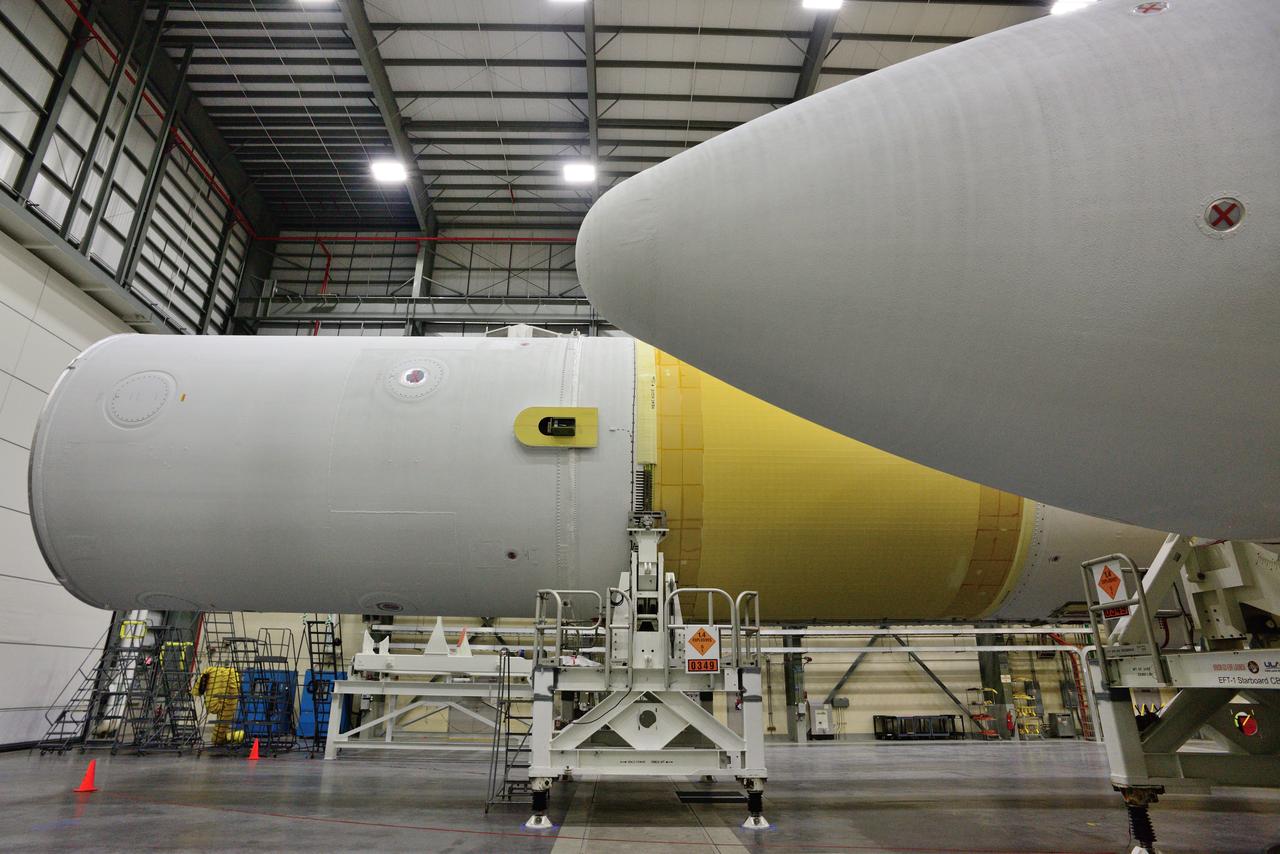
The boosters for the ULA Delta IV Heavy used to launch Orion on Exploration Flight Test-1 (EFT-1) undergo work at Kennedy Space Center in Florida on March 20, 2014. Part of Batch image transfer from Flickr.
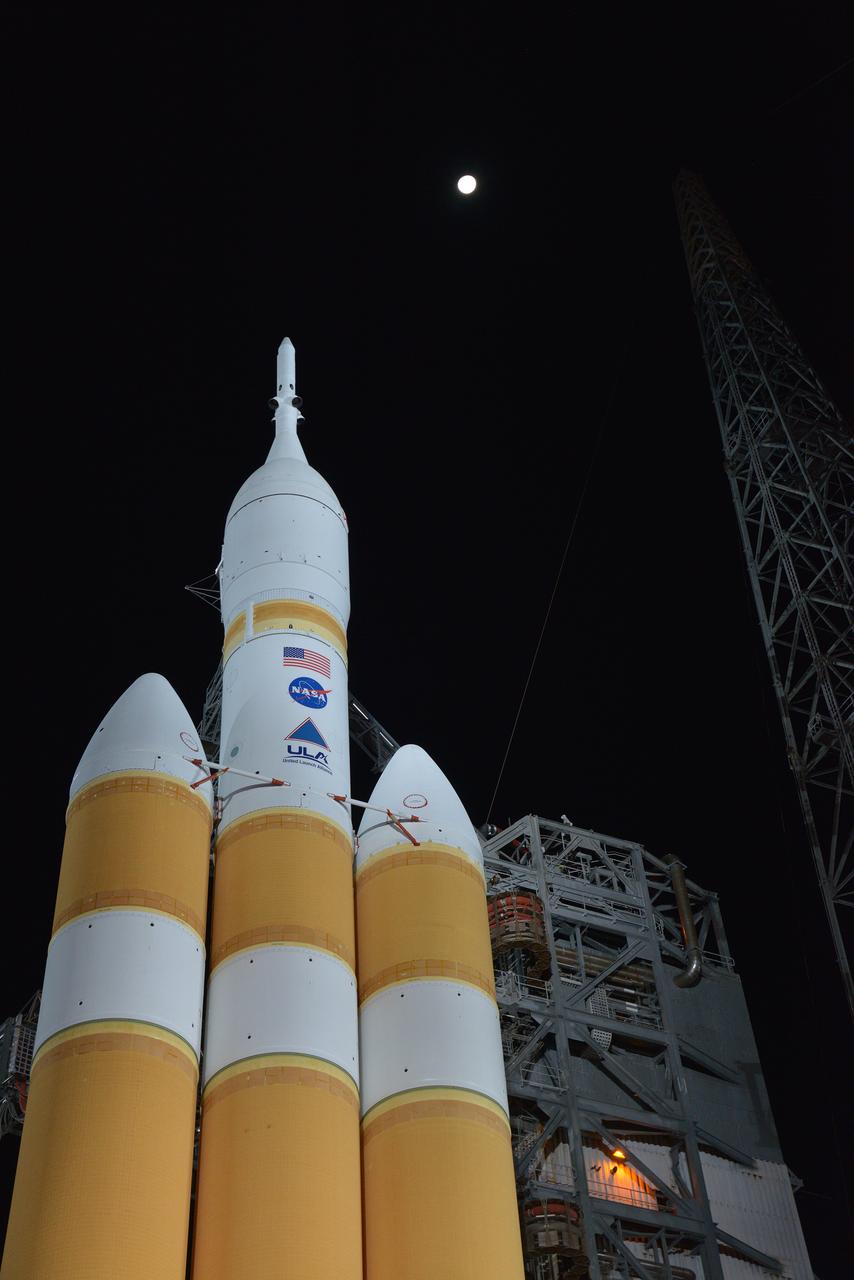
TThe full United Delta IV Heavy with Orion on top is revealed on Dec. 3, 2014 as the mobile service tower is rolled back in preparation for the 7:05 am Exploration Flight Test-1 (EFT-1) launch. Part of Batch image transfer from Flickr.
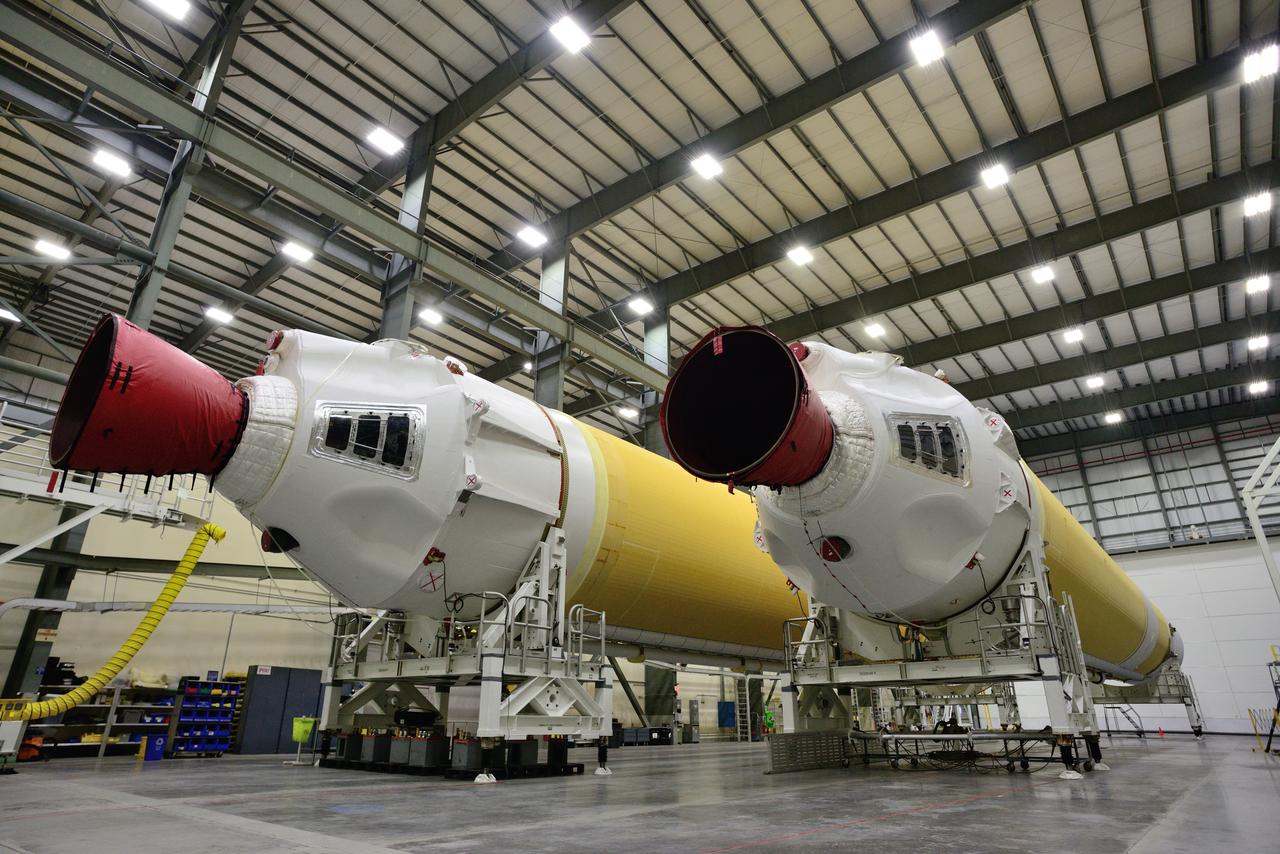
The boosters for the ULA Delta IV Heavy used to launch Orion on Exploration Flight Test-1 (EFT-1) undergo work at Kennedy Space Center in Florida on March 20, 2014. Part of Batch image transfer from Flickr.
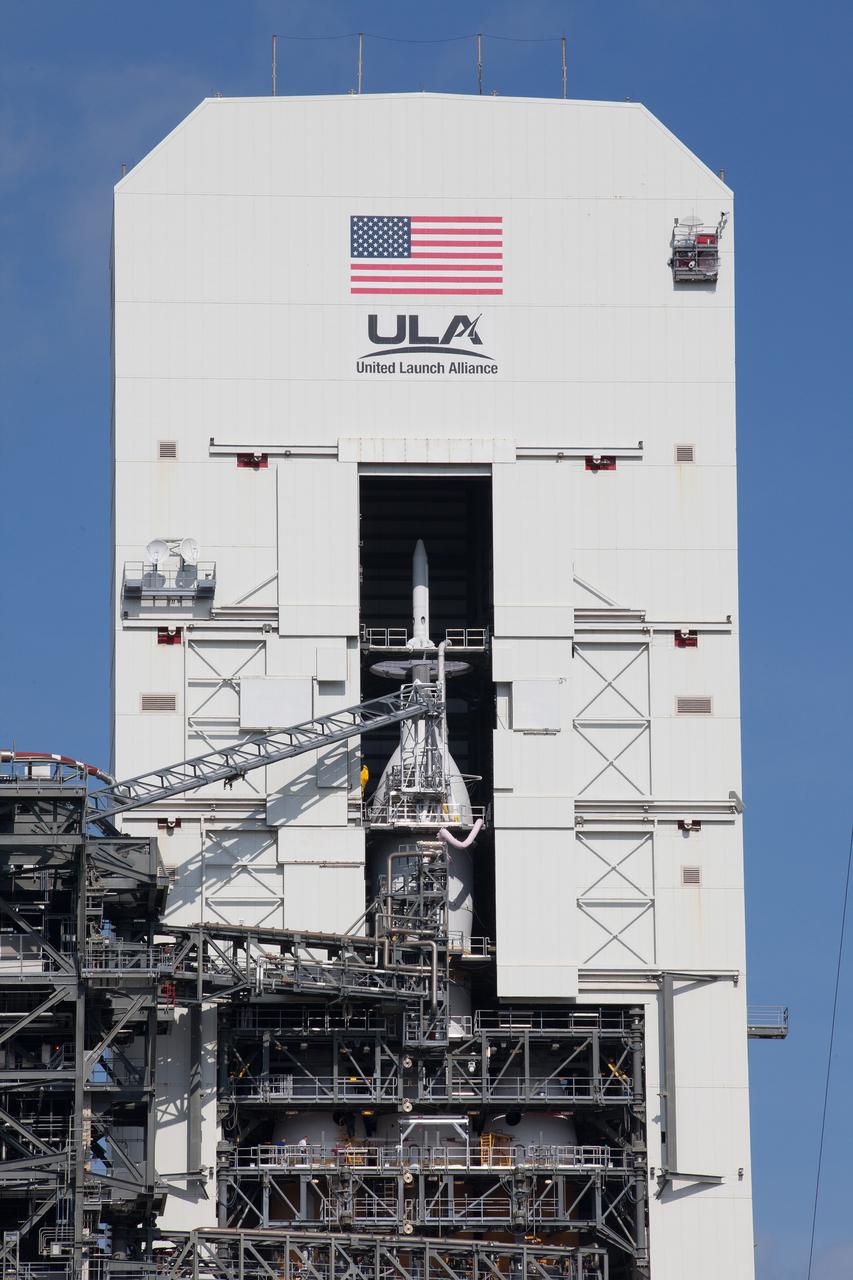
Exploration Flight Test-1 (EFT-1) Orion stacked on the Delta IV Heavy launch vehicle at United Launch Alliance Launch Complex 37B at Kennedy Space Center in Florida on Nov. 24, 2014. Part of Batch image transfer from Flickr.
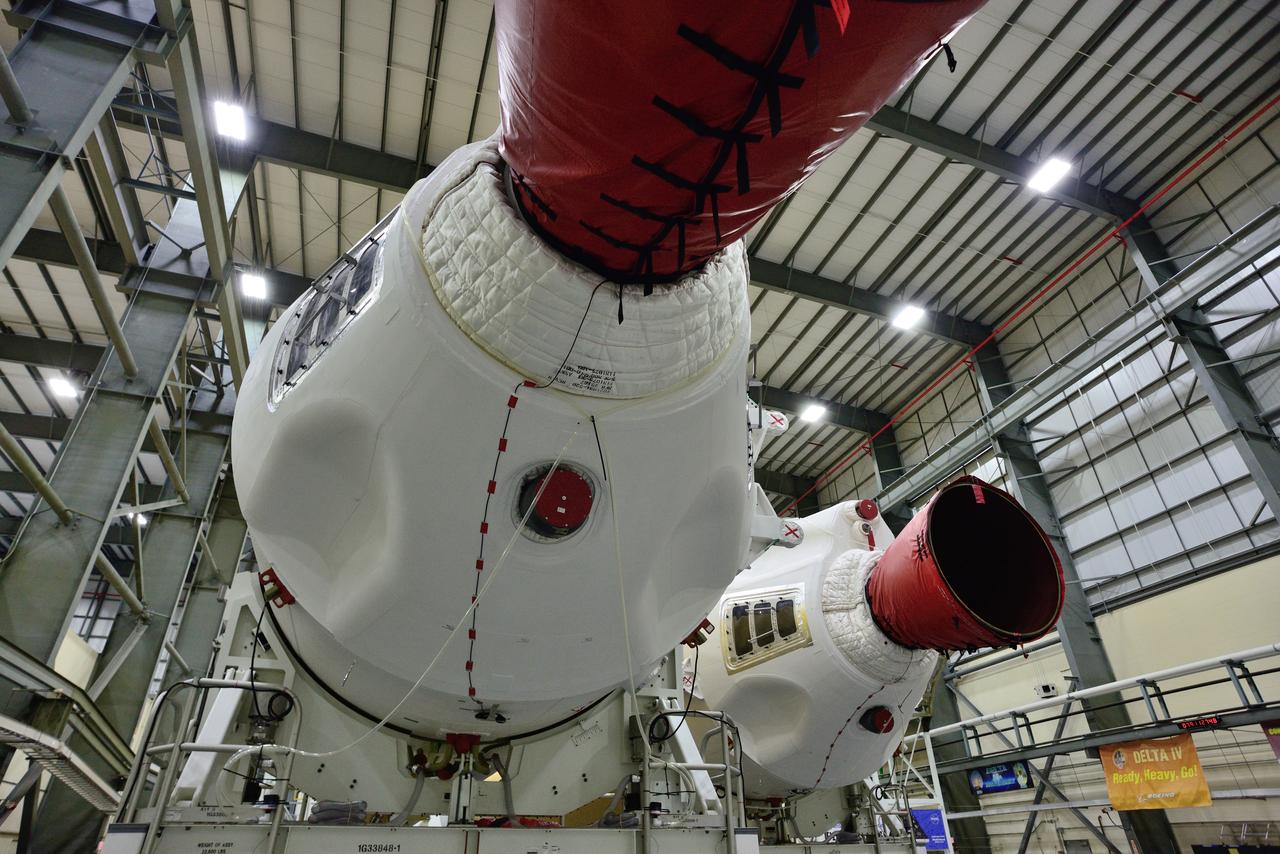
The boosters for the ULA Delta IV Heavy used to launch Orion on Exploration Flight Test-1 (EFT-1) undergo work at Kennedy Space Center in Florida on March 20, 2014. Part of Batch image transfer from Flickr.
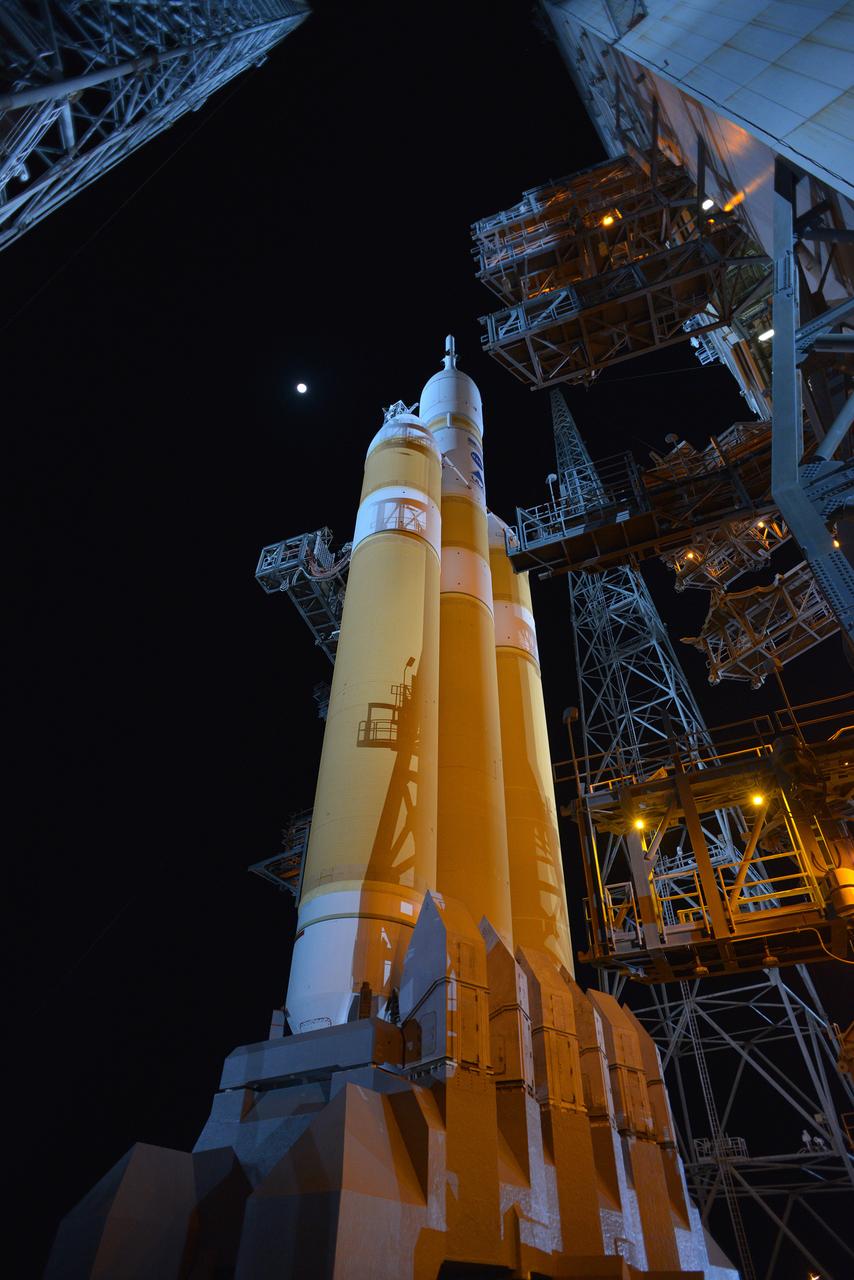
The full United Delta IV Heavy with Orion on top is revealed on Dec. 3, 2014 as the mobile service tower is rolled back in preparation for the 7:05 am Exploration Flight Test-1 (EFT-1) launch. Part of Batch image transfer from Flickr.
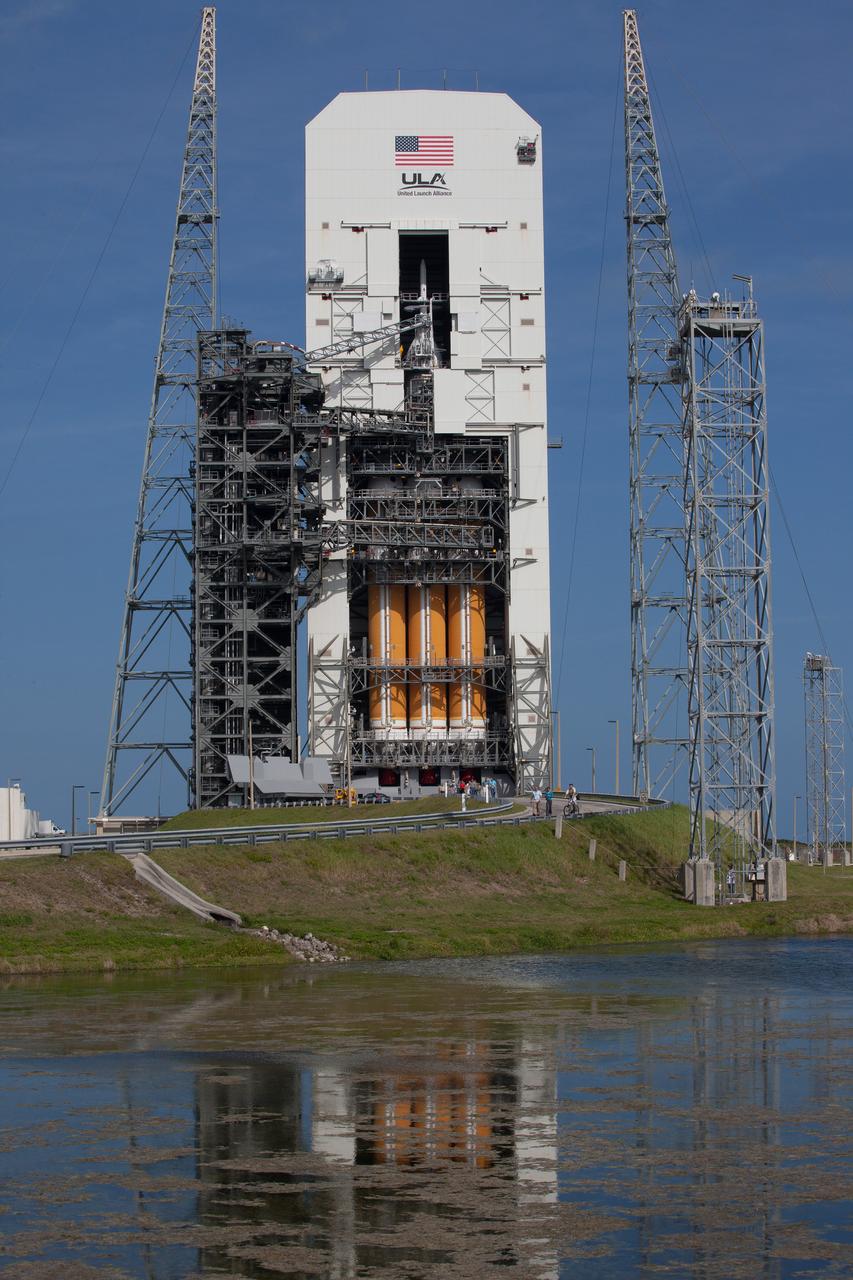
Exploration Flight Test-1 (EFT-1) Orion stacked on the Delta IV Heavy launch vehicle at United Launch Alliance Launch Complex 37B at Kennedy Space Center in Florida on Nov. 24, 2014. Part of Batch image transfer from Flickr.

The boosters for the ULA Delta IV Heavy used to launch Orion on Exploration Flight Test-1 (EFT-1) undergo work at Kennedy Space Center in Florida on March 20, 2014. Part of Batch image transfer from Flickr.
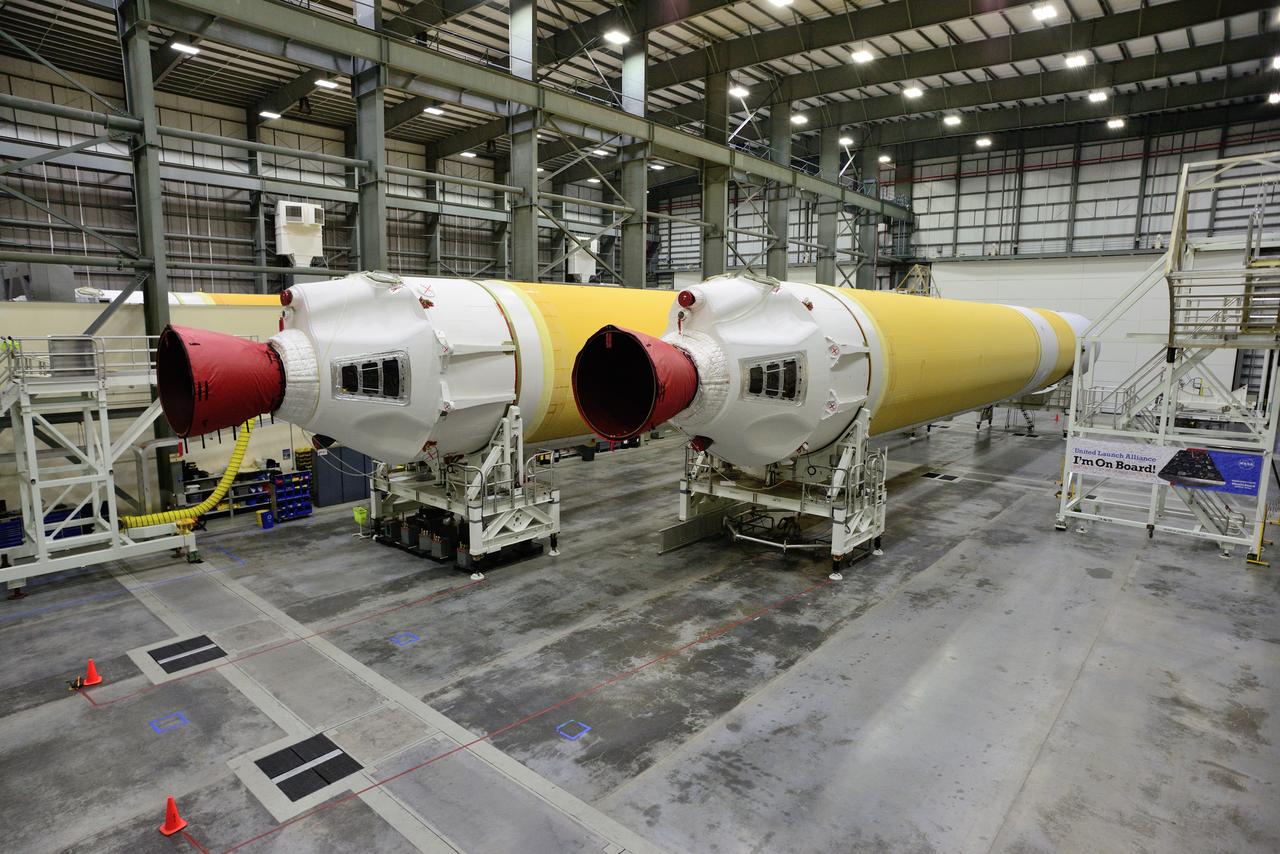
The boosters for the ULA Delta IV Heavy used to launch Orion on Exploration Flight Test-1 (EFT-1) undergo work at Kennedy Space Center in Florida on March 20, 2014. Part of Batch image transfer from Flickr.
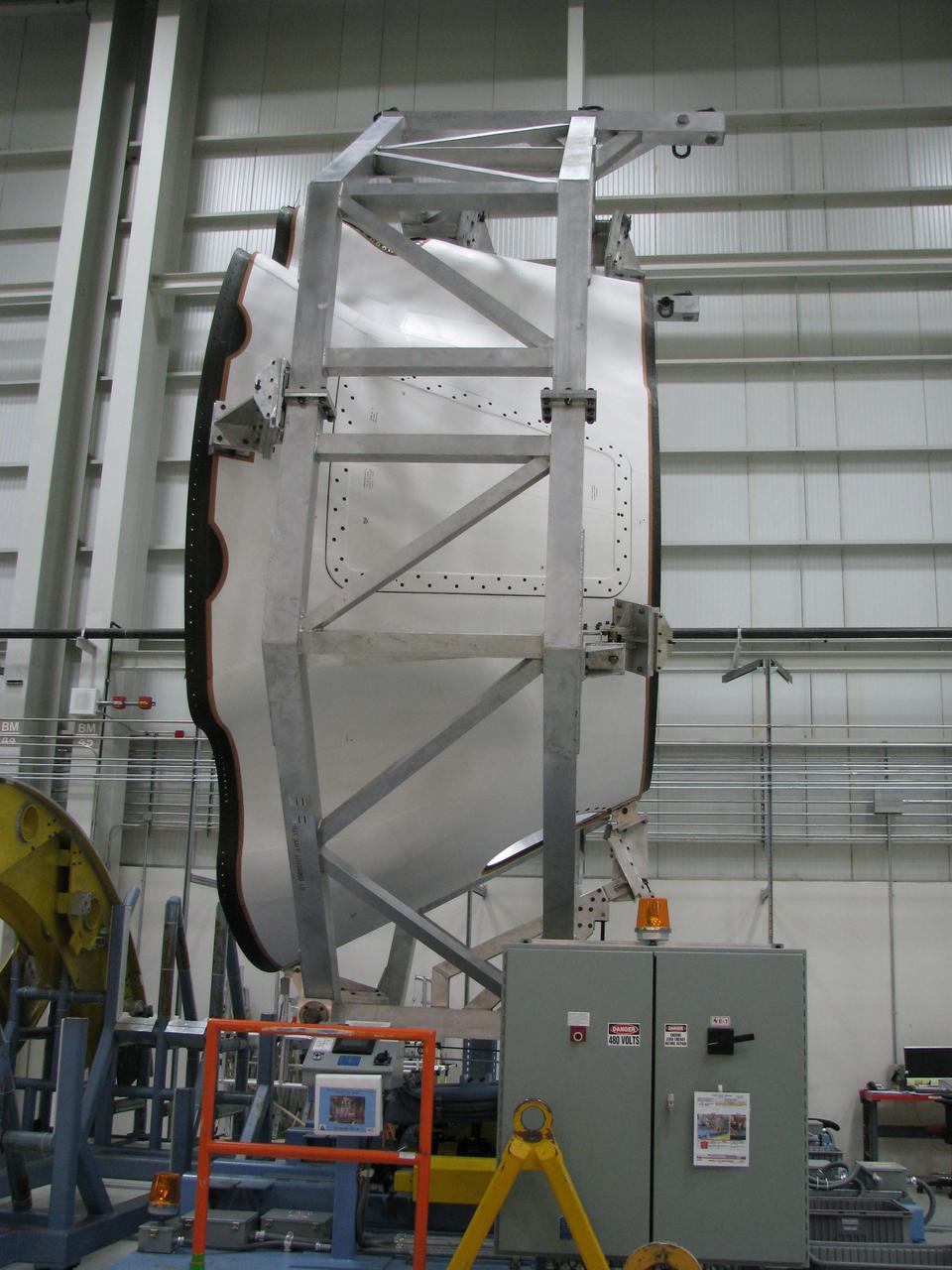
The Delta IV Heavy launch vehicle used to launch Orion on Exploration Flight Test-1 (EFT-1) is assembled at the United Launch Alliance facility in Decatur, AL on Dec. 11, 2013. Part of Batch image transfer from Flickr.
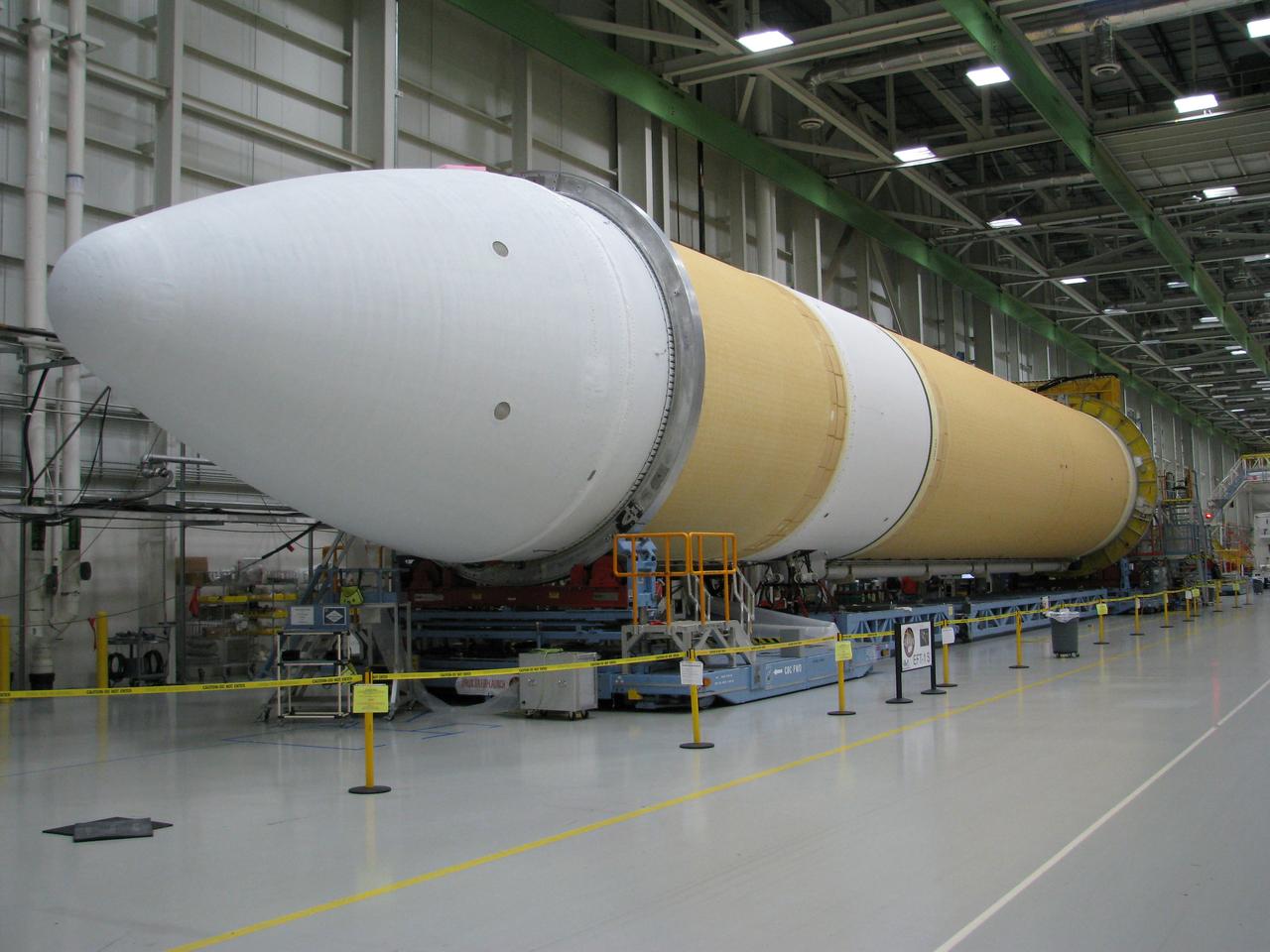
The Delta IV Heavy launch vehicle used to launch Orion on Exploration Flight Test-1 (EFT-1) is assembled at the United Launch Alliance facility in Decatur, AL on Dec. 11, 2013. Part of Batch image transfer from Flickr.
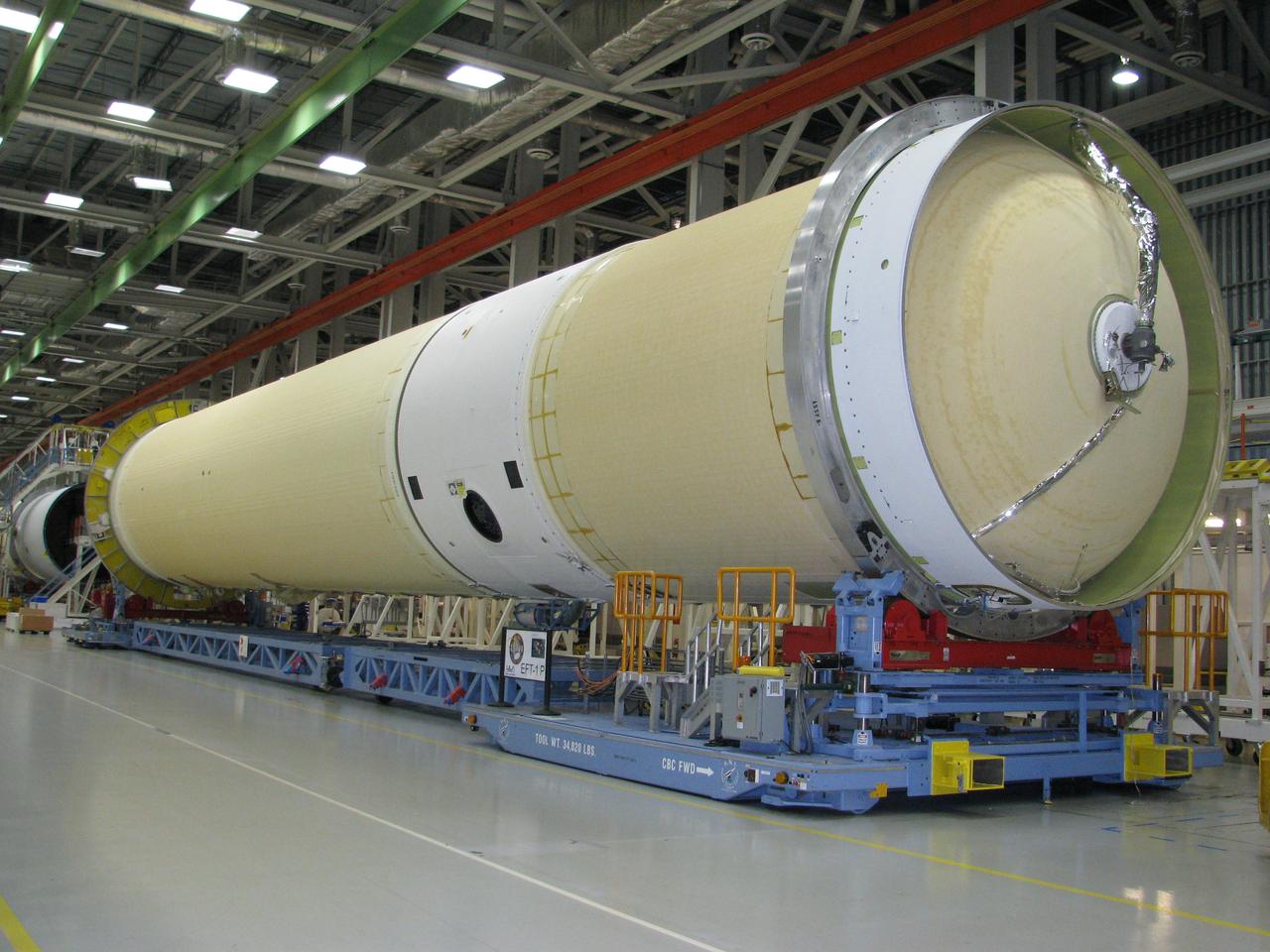
The Delta IV Heavy launch vehicle used to launch Orion on Exploration Flight Test-1 (EFT-1) is assembled at the United Launch Alliance facility in Decatur, AL on Dec. 11, 2013. Part of Batch image transfer from Flickr.
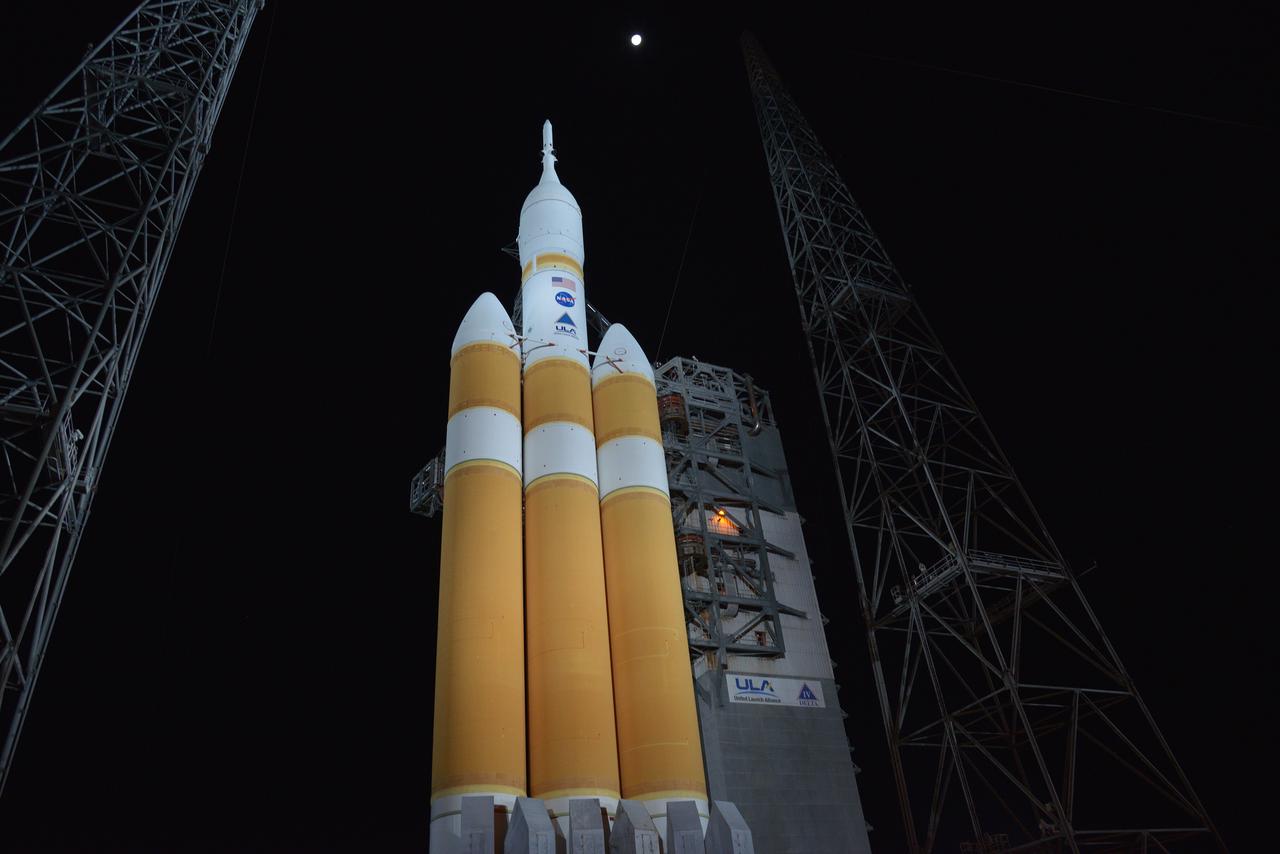
The full United Delta IV Heavy with Orion on top is revealed on Dec. 3, 2014 as the mobile service tower is rolled back in preparation for the 7:05 am Exploration Flight Test-1 (EFT-1) launch. Part of Batch image transfer from Flickr.

The full United Delta IV Heavy with Orion on top is revealed on Dec. 3, 2014 as the mobile service tower is rolled back in preparation for the 7:05 am Exploration Flight Test-1 (EFT-1) launch. Part of Batch image transfer from Flickr.

The Delta IV Heavy launch vehicle used to launch Orion on Exploration Flight Test-1 (EFT-1) is assembled at the United Launch Alliance facility in Decatur, AL on Dec. 11, 2013. Part of Batch image transfer from Flickr.
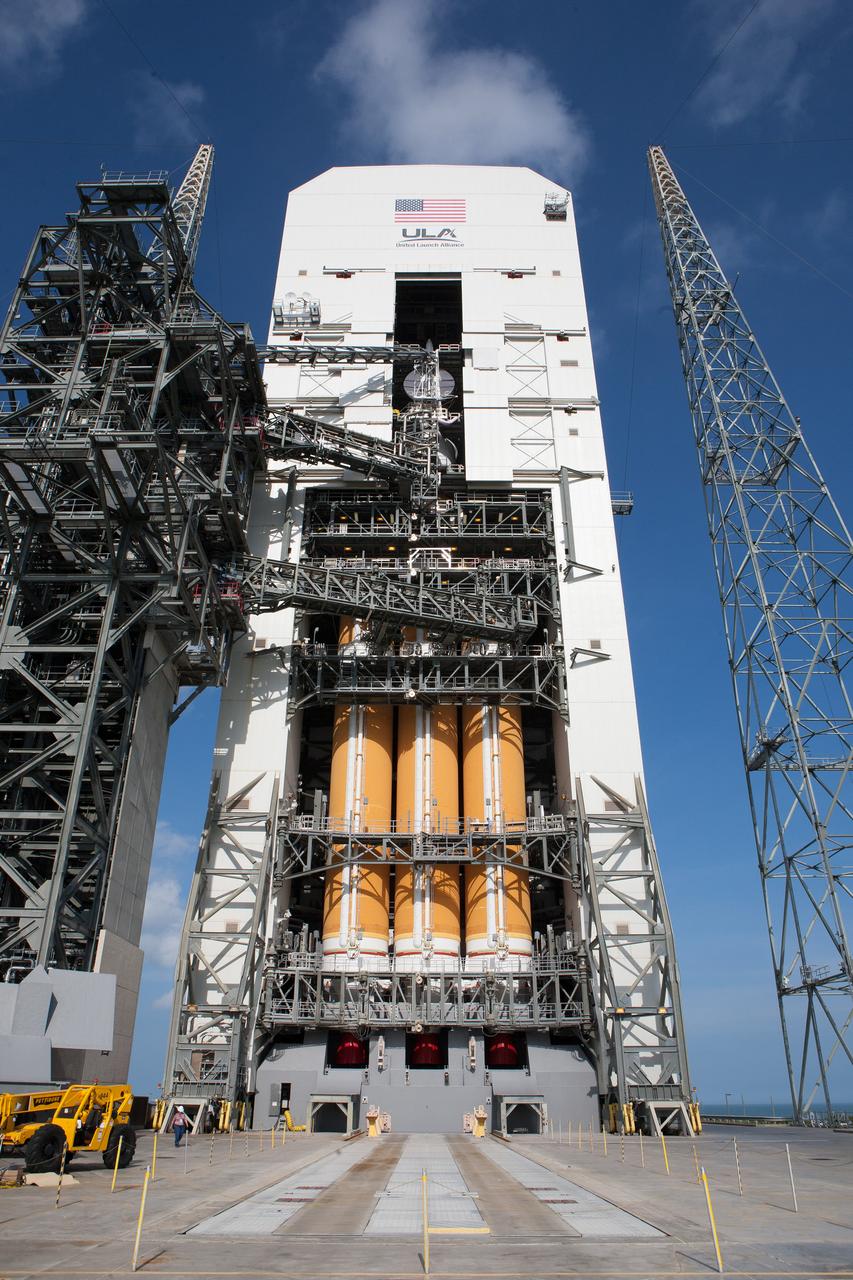
Exploration Flight Test-1 (EFT-1) Orion stacked on the Delta IV Heavy launch vehicle at United Launch Alliance Launch Complex 37B at Kennedy Space Center in Florida on Nov. 24, 2014. Part of Batch image transfer from Flickr.
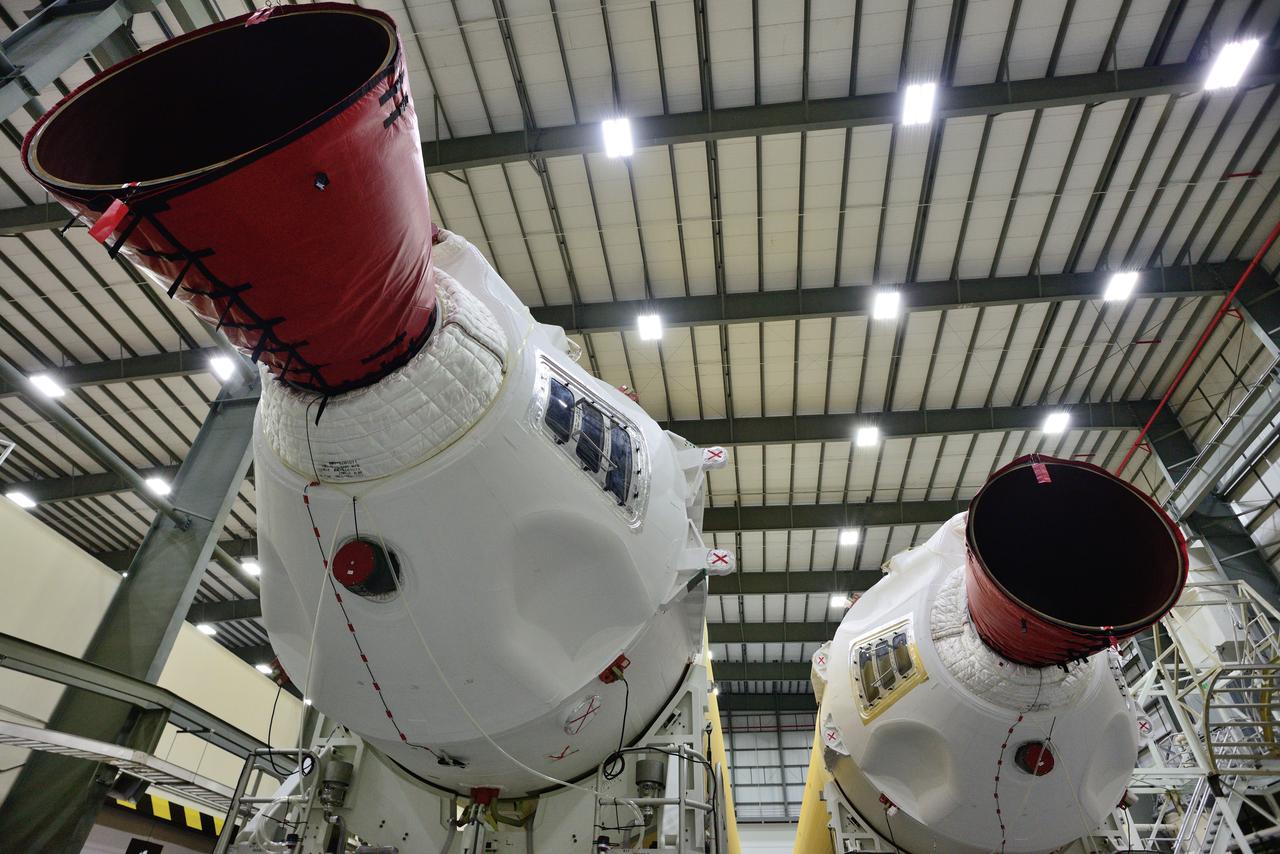
The boosters for the ULA Delta IV Heavy used to launch Orion on Exploration Flight Test-1 (EFT-1) undergo work at Kennedy Space Center in Florida on March 20, 2014. Part of Batch image transfer from Flickr.
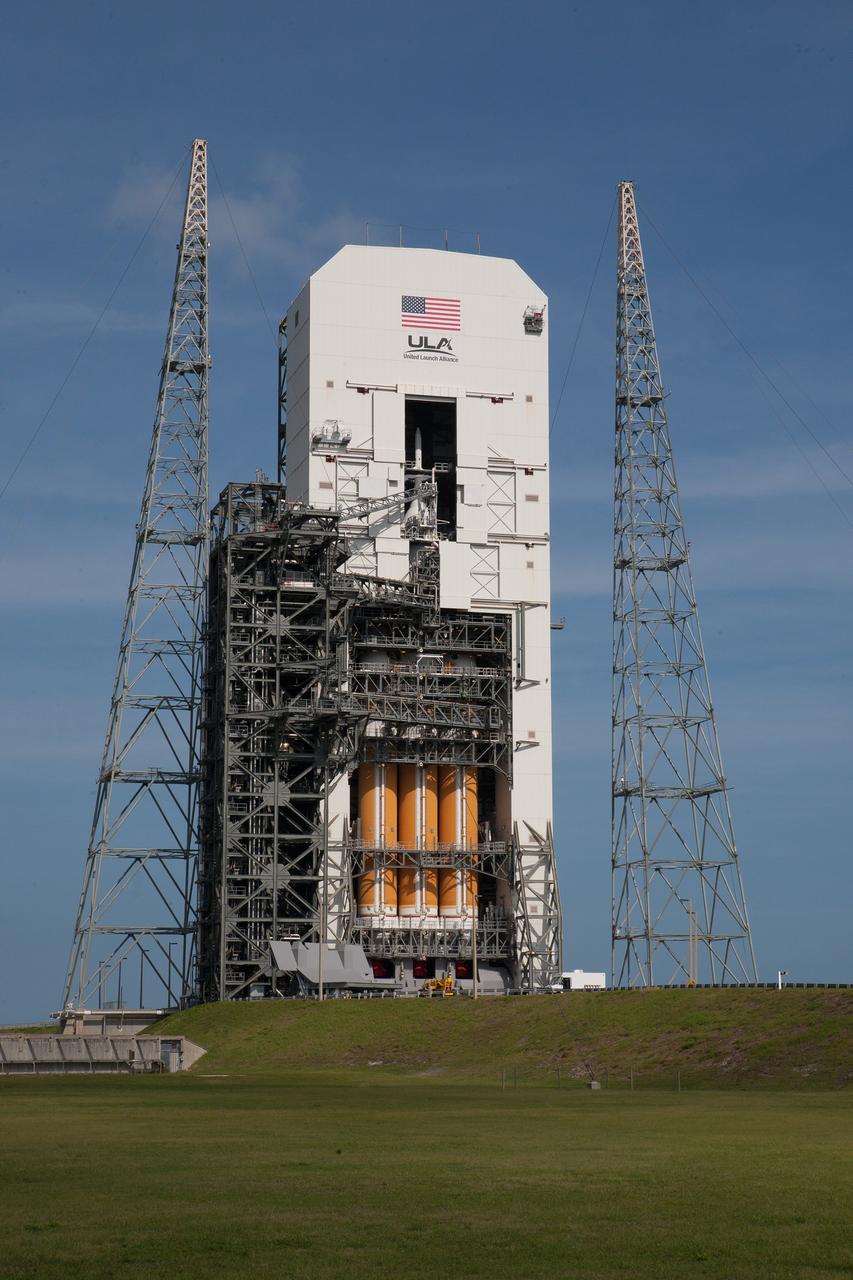
Exploration Flight Test-1 (EFT-1) Orion stacked on the Delta IV Heavy launch vehicle at United Launch Alliance Launch Complex 37B at Kennedy Space Center in Florida on Nov. 24, 2014. Part of Batch image transfer from Flickr.
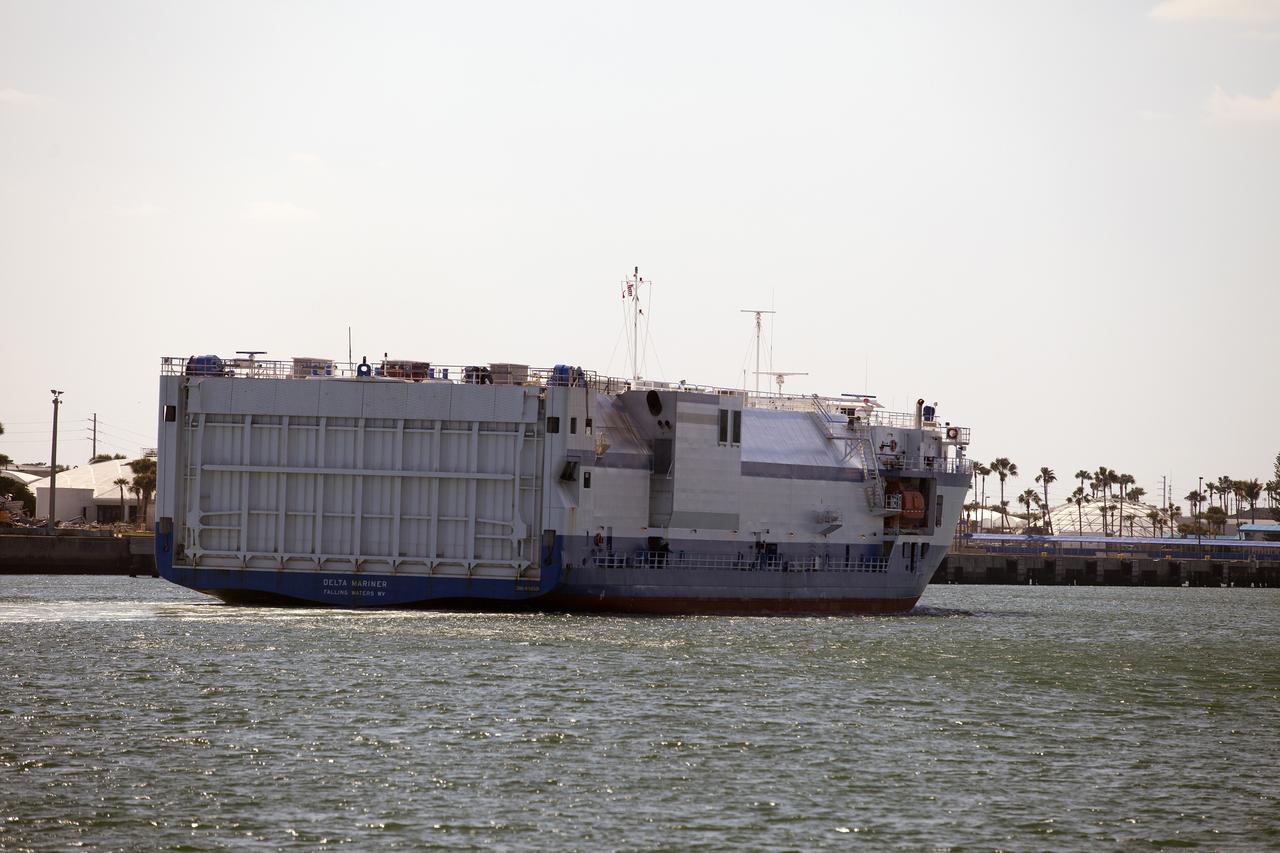
The United Launch Alliance barge Delta Mariner nears the dock in Port Canaveral in Florida on March 6, 2014. The barge is carrying two of the booster stages for the Delta IV Heavy rocket slated for Orion's Exploration Flight Test-1, or EFT-1. Orion is the exploration spacecraft designed to carry astronauts to destinations not yet explored by humans. It will have emergency abort capability, sustain the crew during space travel and provide safe re-entry from deep-space return velocities.
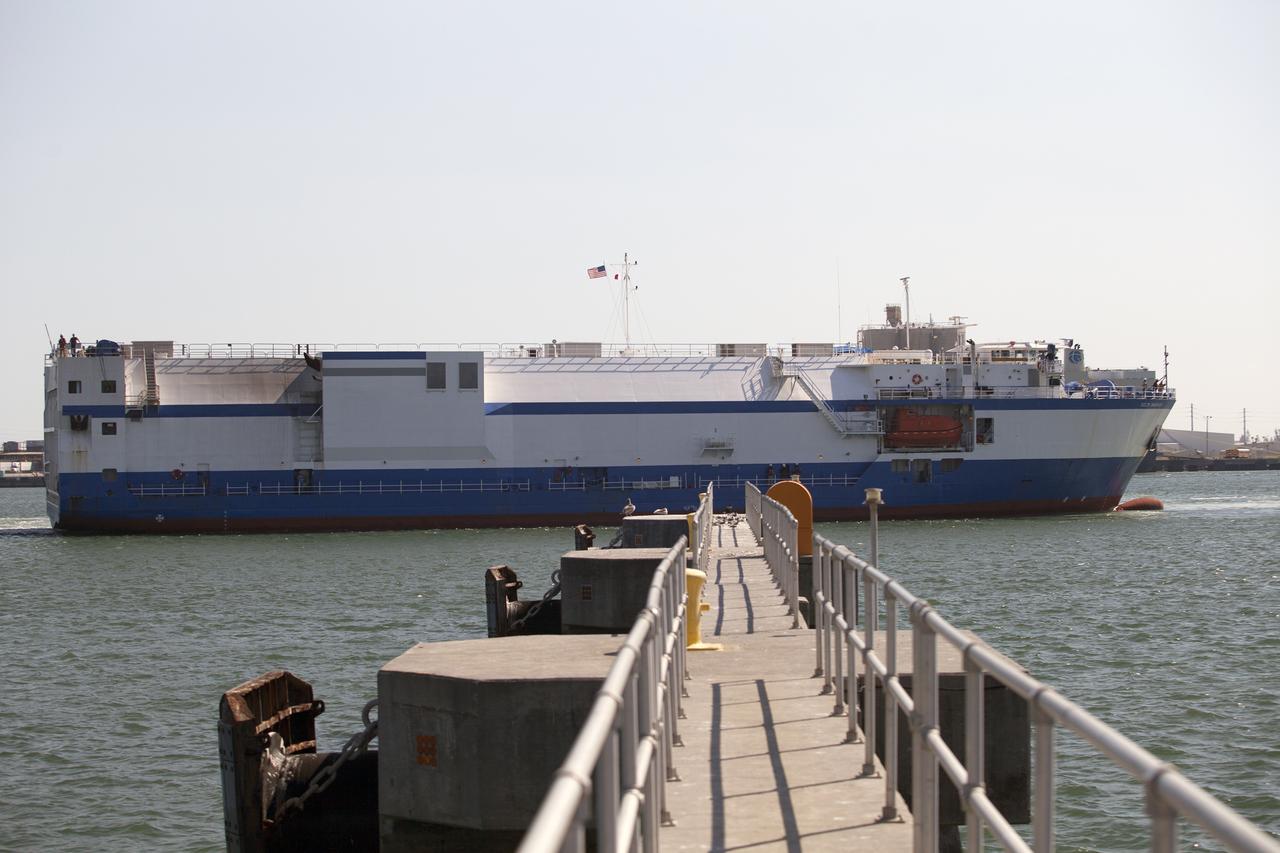
The United Launch Alliance barge Delta Mariner nears the dock in Port Canaveral in Florida on March 6, 2014. The barge is carrying two of the booster stages for the Delta IV Heavy rocket slated for Orion's Exploration Flight Test-1, or EFT-1. Orion is the exploration spacecraft designed to carry astronauts to destinations not yet explored by humans. It will have emergency abort capability, sustain the crew during space travel and provide safe re-entry from deep-space return velocities.
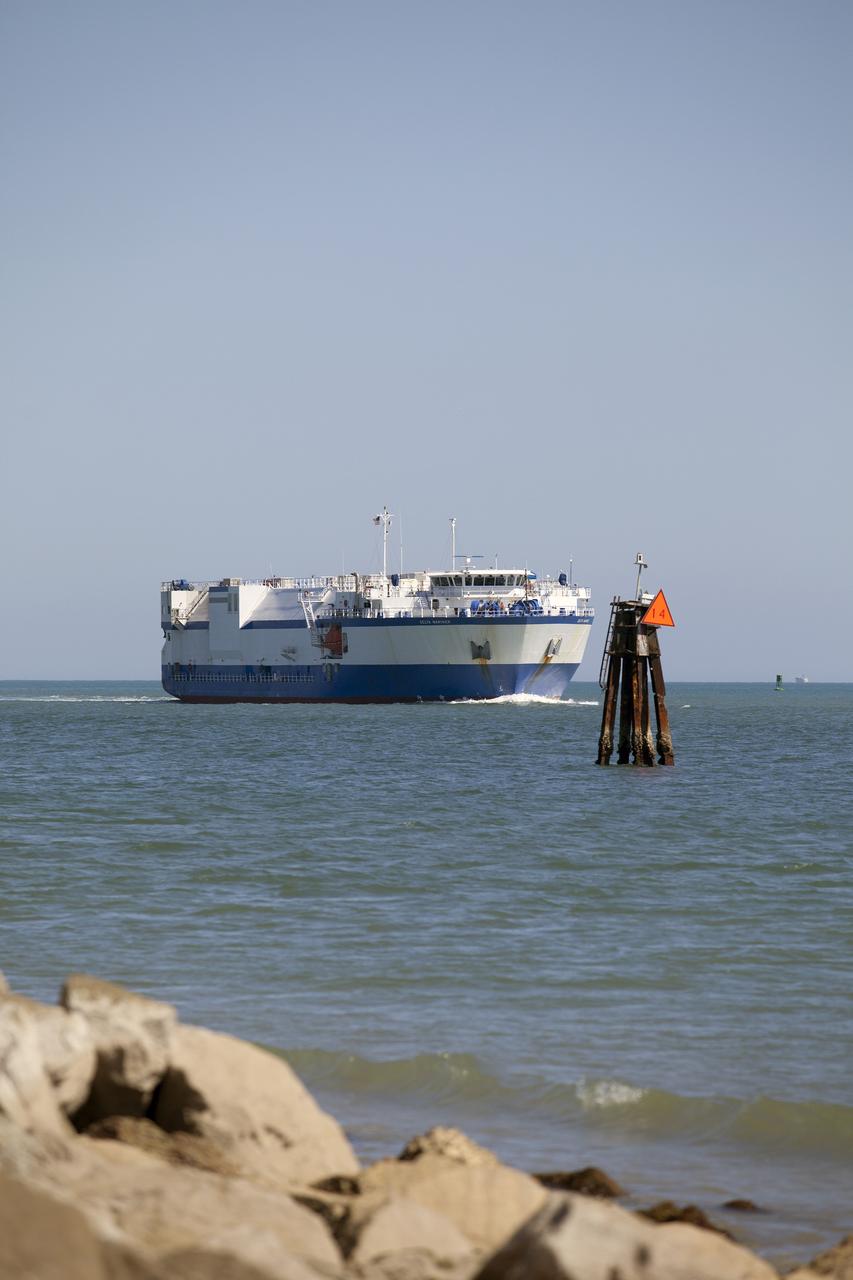
The United Launch Alliance barge Delta Mariner enters Port Canaveral in Florida on March 6, 2014. The barge is carrying two of the booster stages for the Delta IV Heavy rocket slated for Orion's Exploration Flight Test-1, or EFT-1. Orion is the exploration spacecraft designed to carry astronauts to destinations not yet explored by humans. It will have emergency abort capability, sustain the crew during space travel and provide safe re-entry from deep-space return velocities.

The United Launch Alliance barge Delta Mariner glides past the jetties as it enters Port Canaveral in Florida on March 6, 2014. The barge is carrying two of the booster stages for the Delta IV Heavy rocket slated for Orion's Exploration Flight Test-1, or EFT-1. Orion is the exploration spacecraft designed to carry astronauts to destinations not yet explored by humans. It will have emergency abort capability, sustain the crew during space travel and provide safe re-entry from deep-space return velocities.
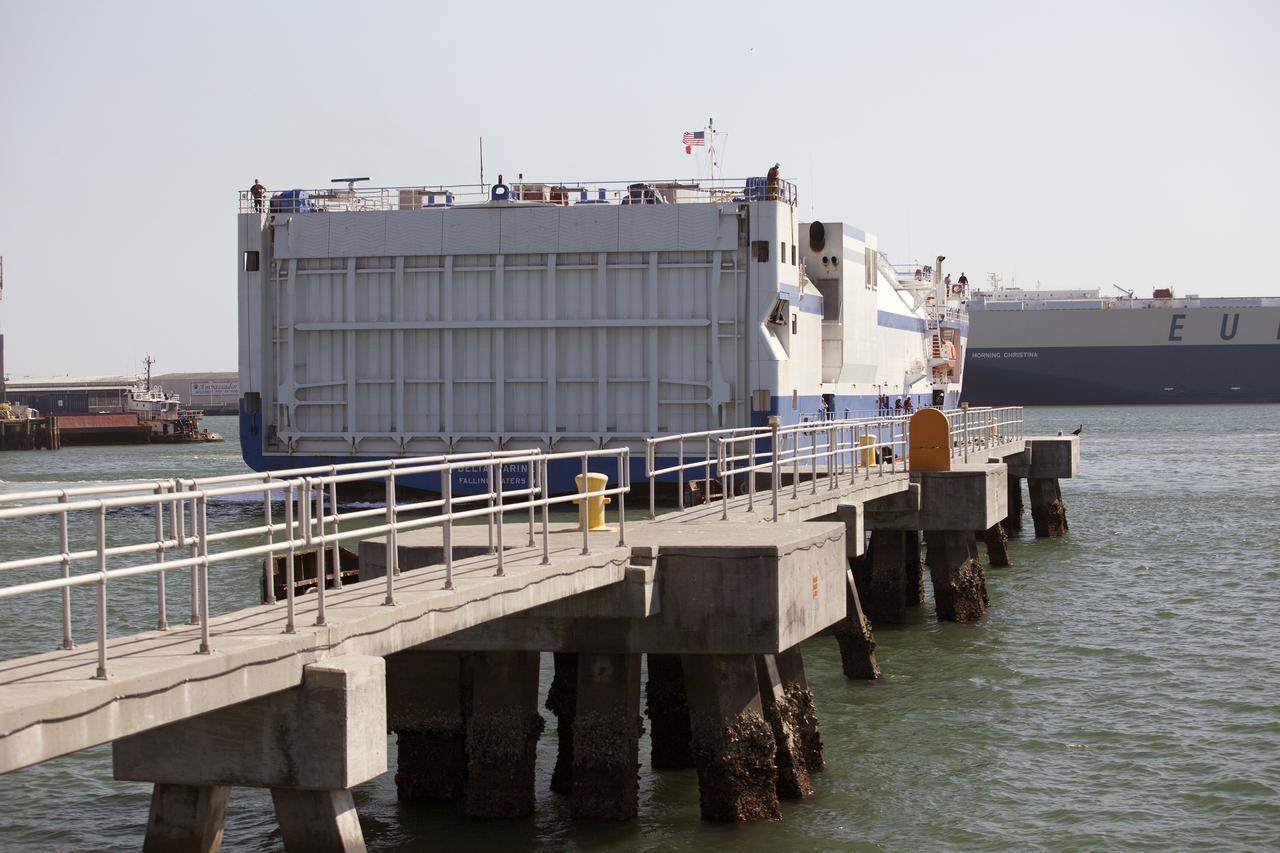
The United Launch Alliance barge Delta Mariner nears the dock in Port Canaveral in Florida on March 6, 2014. The barge is carrying two of the booster stages for the Delta IV Heavy rocket slated for Orion's Exploration Flight Test-1, or EFT-1. Orion is the exploration spacecraft designed to carry astronauts to destinations not yet explored by humans. It will have emergency abort capability, sustain the crew during space travel and provide safe re-entry from deep-space return velocities.
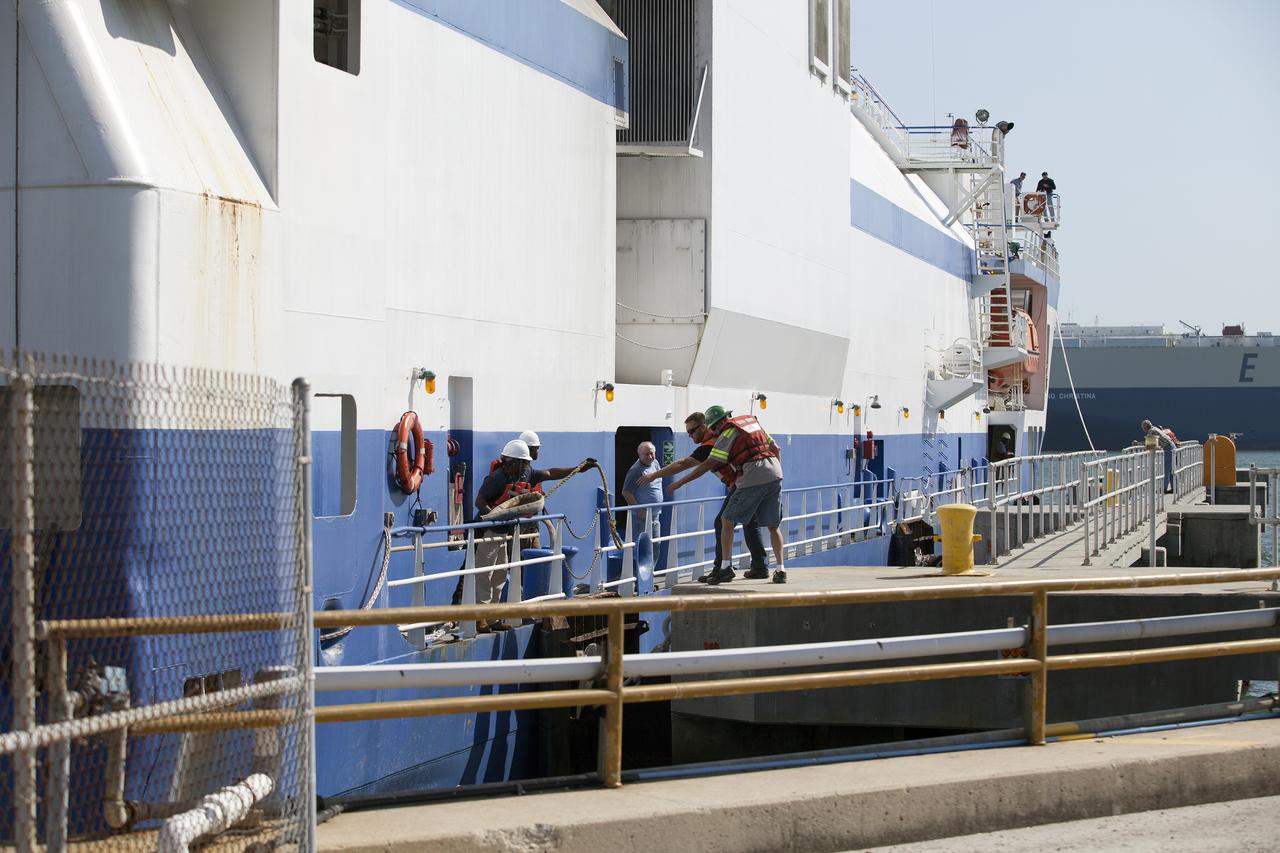
The United Launch Alliance barge Delta Mariner docks in Port Canaveral in Florida on March 6, 2014. The barge is carrying two of the booster stages for the Delta IV Heavy rocket slated for Orion's Exploration Flight Test-1, or EFT-1. Orion is the exploration spacecraft designed to carry astronauts to destinations not yet explored by humans. It will have emergency abort capability, sustain the crew during space travel and provide safe re-entry from deep-space return velocities.

CAPE CANAVERAL, Fla. – Inside the Delta Operations Center near Space Launch Complex 37 on Cape Canaveral Air Force Station in Florida, the second stage for the United Launch Alliance Delta IV Heavy for Exploration Flight Test-1, or EFT-1, is lifted high by crane for the move to a test cell. At the Horizontal Integration Facility, all three booster stages will be processed and checked out before being moved to the nearby launch pad and hoisted into position. During the EFT-1 mission, Orion will travel farther into space than any human spacecraft has gone in more than 40 years. The data gathered during the flight will influence design decisions, validate existing computer models and innovative new approaches to space systems development, as well as reduce overall mission risks and costs for later Orion flights. Liftoff of Orion on EFT-1 is planned for fall 2014. Photo credit: NASA/Frankie Martin
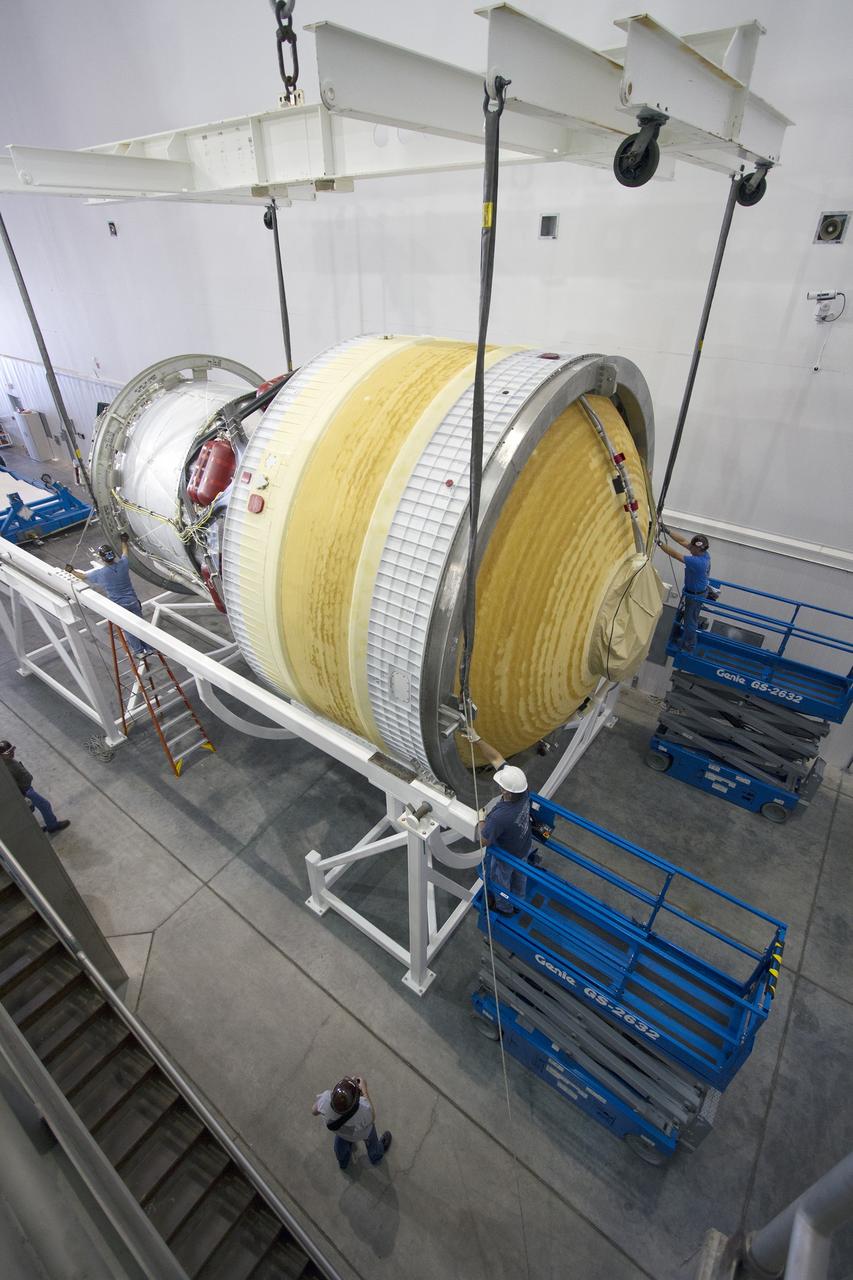
CAPE CANAVERAL, Fla. – Inside the Delta Operations Center near Space Launch Complex 37 on Cape Canaveral Air Force Station in Florida, the second stage for the United Launch Alliance Delta IV Heavy for Exploration Flight Test-1, or EFT-1, is lowered by crane into a cradle for the move to a test cell. At the Horizontal Integration Facility, all three booster stages will be processed and checked out before being moved to the nearby launch pad and hoisted into position. During the EFT-1 mission, Orion will travel farther into space than any human spacecraft has gone in more than 40 years. The data gathered during the flight will influence design decisions, validate existing computer models and innovative new approaches to space systems development, as well as reduce overall mission risks and costs for later Orion flights. Liftoff of Orion on EFT-1 is planned for fall 2014. Photo credit: NASA/Frankie Martin
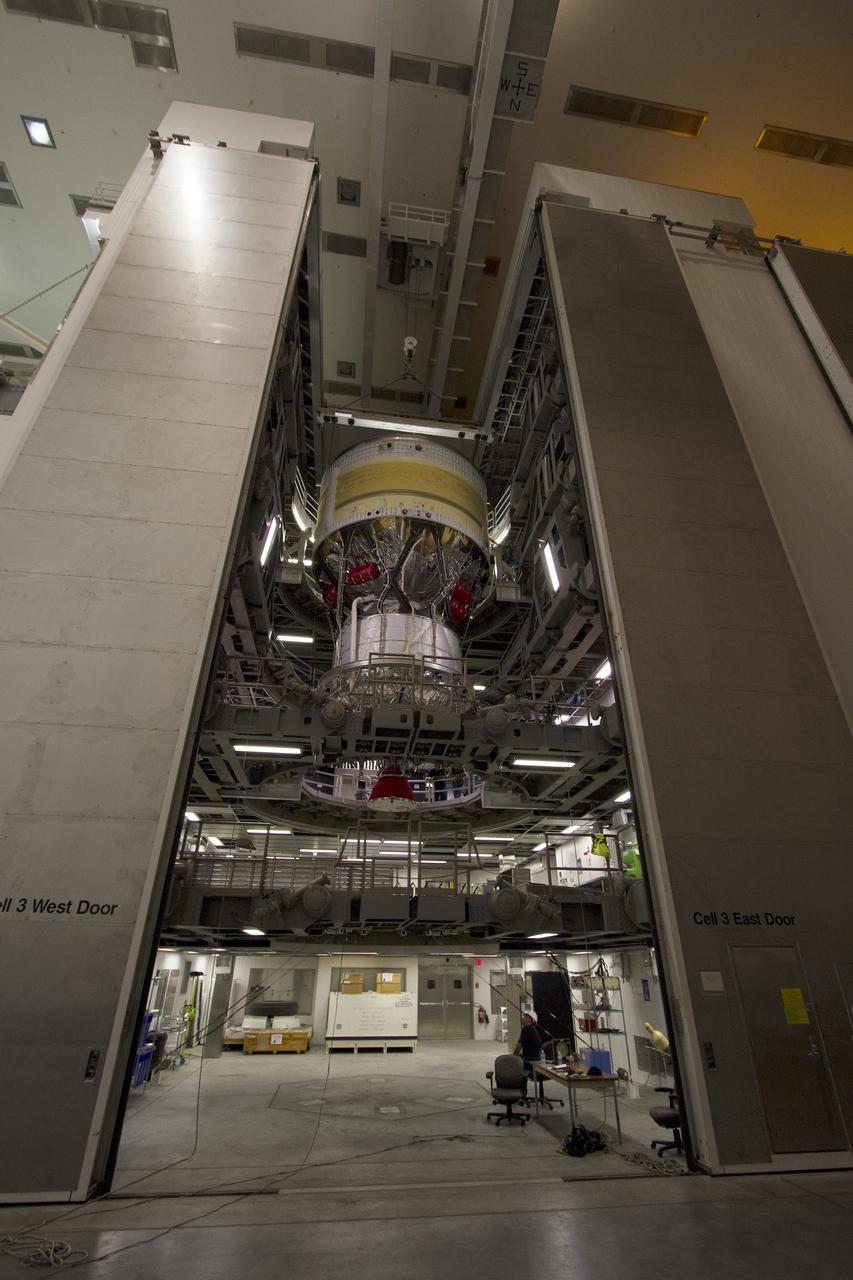
CAPE CANAVERAL, Fla. – Inside the Delta Operations Center near Space Launch Complex 37 on Cape Canaveral Air Force Station in Florida, the second stage for the United Launch Alliance Delta IV Heavy for Exploration Flight Test-1, or EFT-1, is lifted high by crane into a test cell. At the Horizontal Integration Facility, all three booster stages will be processed and checked out before being moved to the nearby launch pad and hoisted into position. During the EFT-1 mission, Orion will travel farther into space than any human spacecraft has gone in more than 40 years. The data gathered during the flight will influence design decisions, validate existing computer models and innovative new approaches to space systems development, as well as reduce overall mission risks and costs for later Orion flights. Liftoff of Orion on EFT-1 is planned for fall 2014. Photo credit: NASA/Frankie Martin
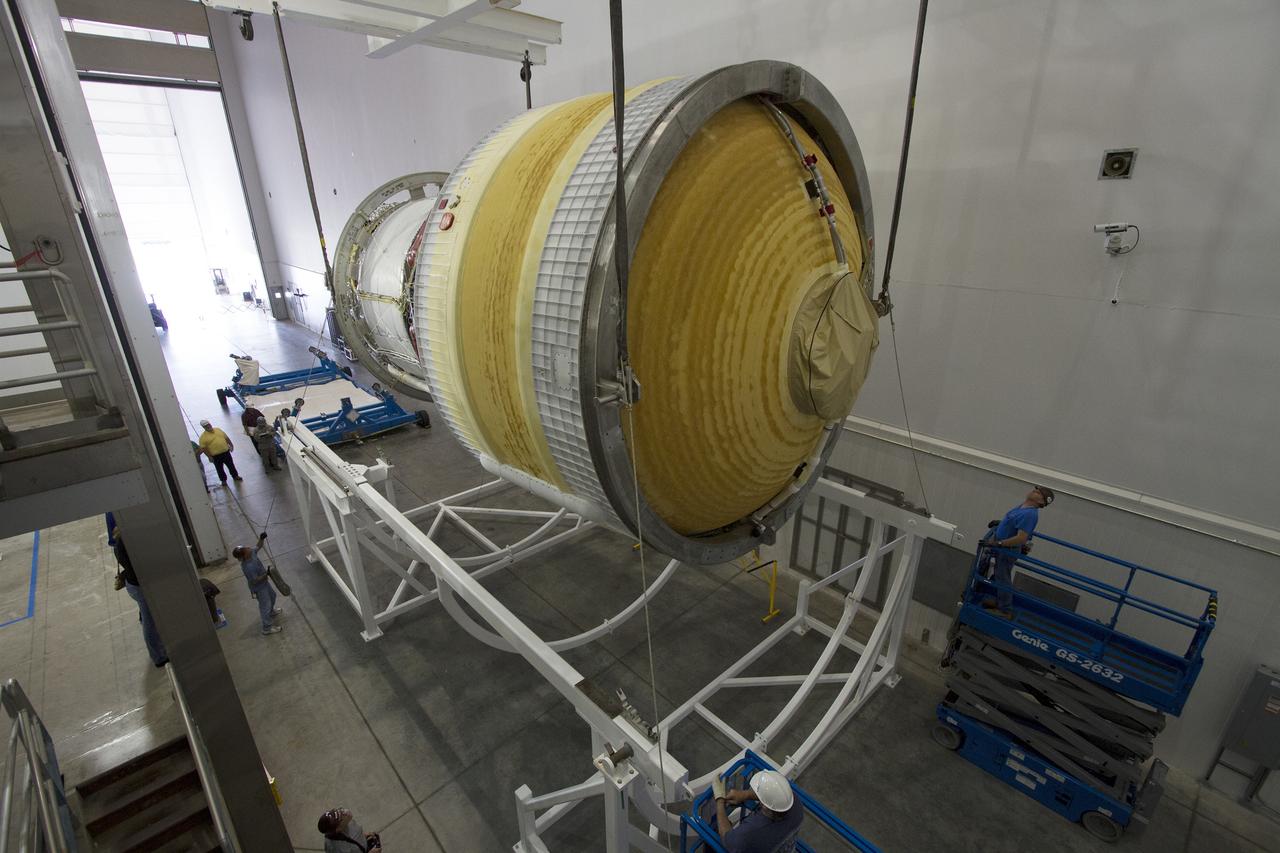
CAPE CANAVERAL, Fla. – Inside the Delta Operations Center near Space Launch Complex 37 on Cape Canaveral Air Force Station in Florida, the second stage for the United Launch Alliance Delta IV Heavy for Exploration Flight Test-1, or EFT-1, is lowered by crane into a cradle for the move to a test cell. At the Horizontal Integration Facility, all three booster stages will be processed and checked out before being moved to the nearby launch pad and hoisted into position. During the EFT-1 mission, Orion will travel farther into space than any human spacecraft has gone in more than 40 years. The data gathered during the flight will influence design decisions, validate existing computer models and innovative new approaches to space systems development, as well as reduce overall mission risks and costs for later Orion flights. Liftoff of Orion on EFT-1 is planned for fall 2014. Photo credit: NASA/Frankie Martin
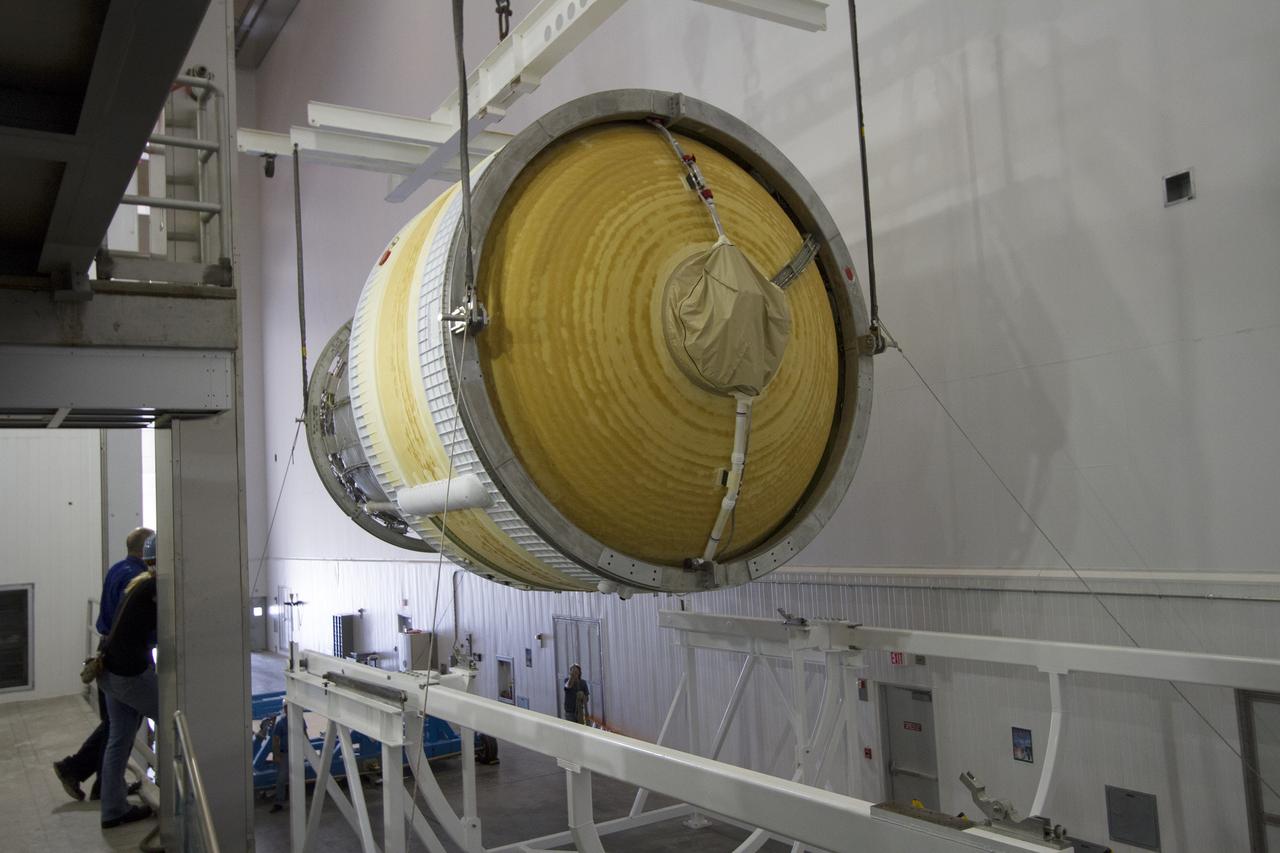
CAPE CANAVERAL, Fla. – Inside the Delta Operations Center near Space Launch Complex 37 on Cape Canaveral Air Force Station in Florida, the second stage for the United Launch Alliance Delta IV Heavy for Exploration Flight Test-1, or EFT-1, is lowered by crane into a cradle for the move to a test cell. At the Horizontal Integration Facility, all three booster stages will be processed and checked out before being moved to the nearby launch pad and hoisted into position. During the EFT-1 mission, Orion will travel farther into space than any human spacecraft has gone in more than 40 years. The data gathered during the flight will influence design decisions, validate existing computer models and innovative new approaches to space systems development, as well as reduce overall mission risks and costs for later Orion flights. Liftoff of Orion on EFT-1 is planned for fall 2014. Photo credit: NASA/Frankie Martin
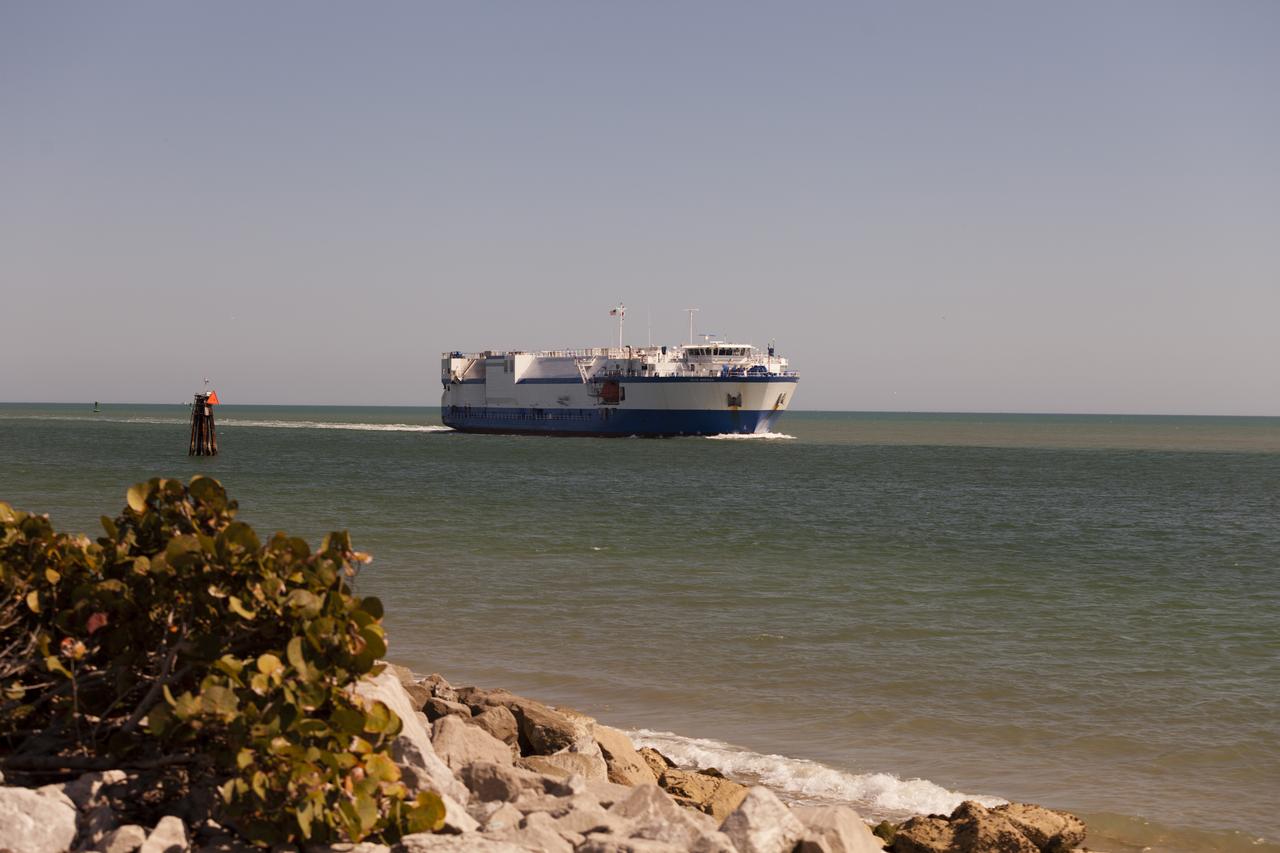
CAPE CANAVERAL, Fla. – The United Launch Alliance barge Delta Mariner enters Port Canaveral in Florida. The barge is carrying two of the booster stages for the Delta IV Heavy rocket slated for Orion's Exploration Flight Test-1, or EFT-1. Orion is the exploration spacecraft designed to carry astronauts to destinations not yet explored by humans. It will have emergency abort capability, sustain the crew during space travel and provide safe re-entry from deep-space return velocities. The first unpiloted test flight of Orion is scheduled to launch in September 2014 atop a Delta IV Heavy rocket and in 2017 on NASA’s Space Launch System rocket. For more information, visit www.nasa.gov/orion. Photo credit: NASA/Frankie Martin
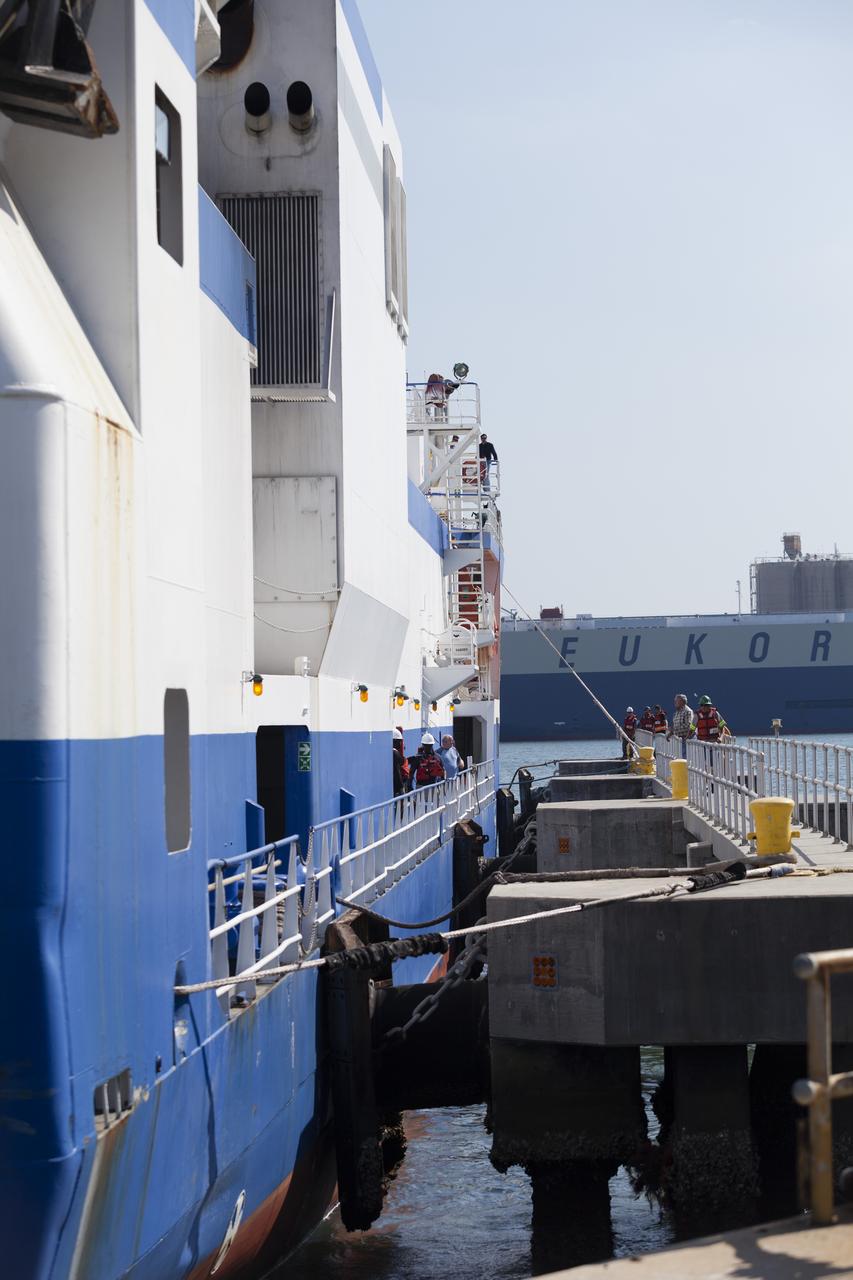
CAPE CANAVERAL, Fla. – The United Launch Alliance barge Delta Mariner is secured to the dock in Port Canaveral in Florida. The barge is carrying two of the booster stages for the Delta IV Heavy rocket slated for Orion's Exploration Flight Test-1, or EFT-1. Orion is the exploration spacecraft designed to carry astronauts to destinations not yet explored by humans. It will have emergency abort capability, sustain the crew during space travel and provide safe re-entry from deep-space return velocities. The first unpiloted test flight of Orion is scheduled to launch in September 2014 atop a Delta IV Heavy rocket and in 2017 on NASA’s Space Launch System rocket. For more information, visit www.nasa.gov/orion. Photo credit: NASA/Frankie Martin
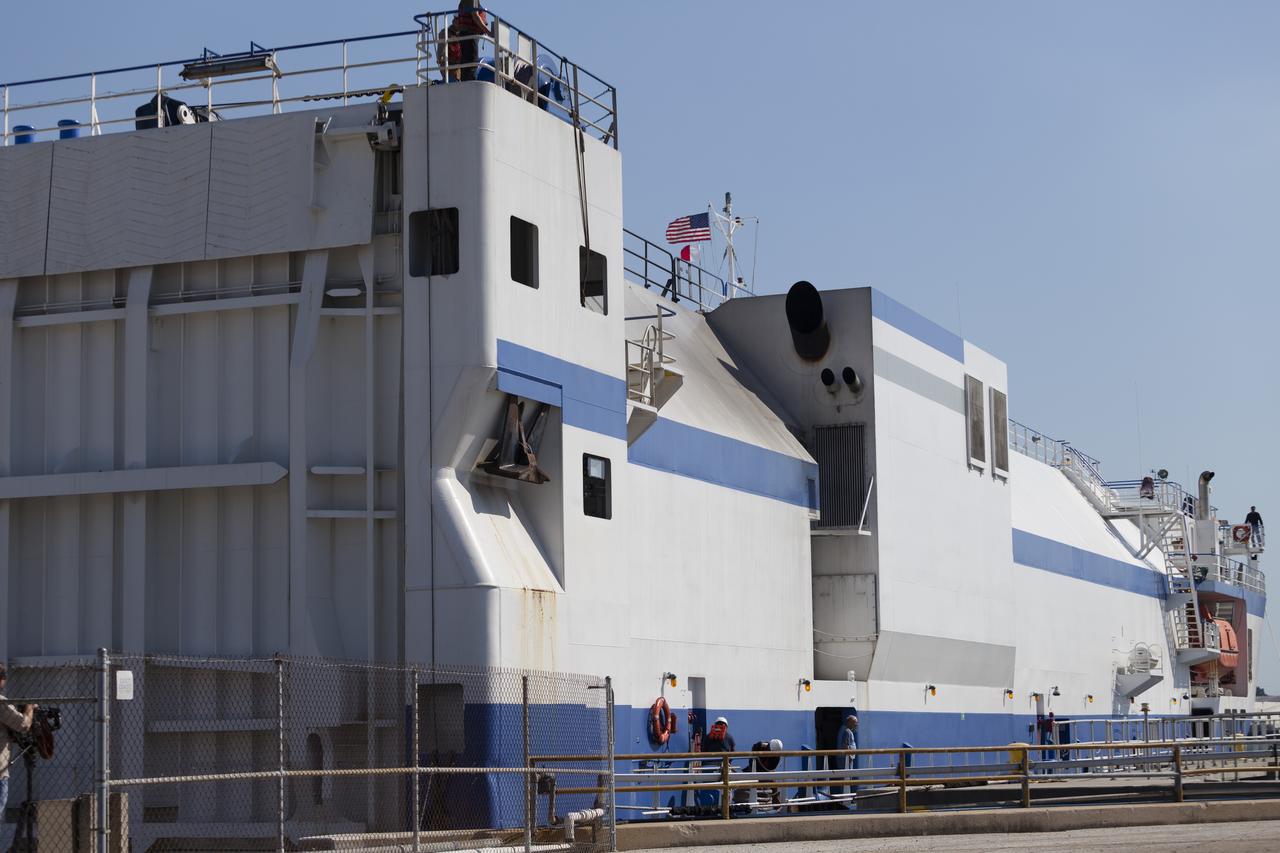
CAPE CANAVERAL, Fla. – The United Launch Alliance barge Delta Mariner is secured to the dock in Port Canaveral in Florida. The barge is carrying two of the booster stages for the Delta IV Heavy rocket slated for Orion's Exploration Flight Test-1, or EFT-1. Orion is the exploration spacecraft designed to carry astronauts to destinations not yet explored by humans. It will have emergency abort capability, sustain the crew during space travel and provide safe re-entry from deep-space return velocities. The first unpiloted test flight of Orion is scheduled to launch in September 2014 atop a Delta IV Heavy rocket and in 2017 on NASA’s Space Launch System rocket. For more information, visit www.nasa.gov/orion. Photo credit: NASA/Frankie Martin
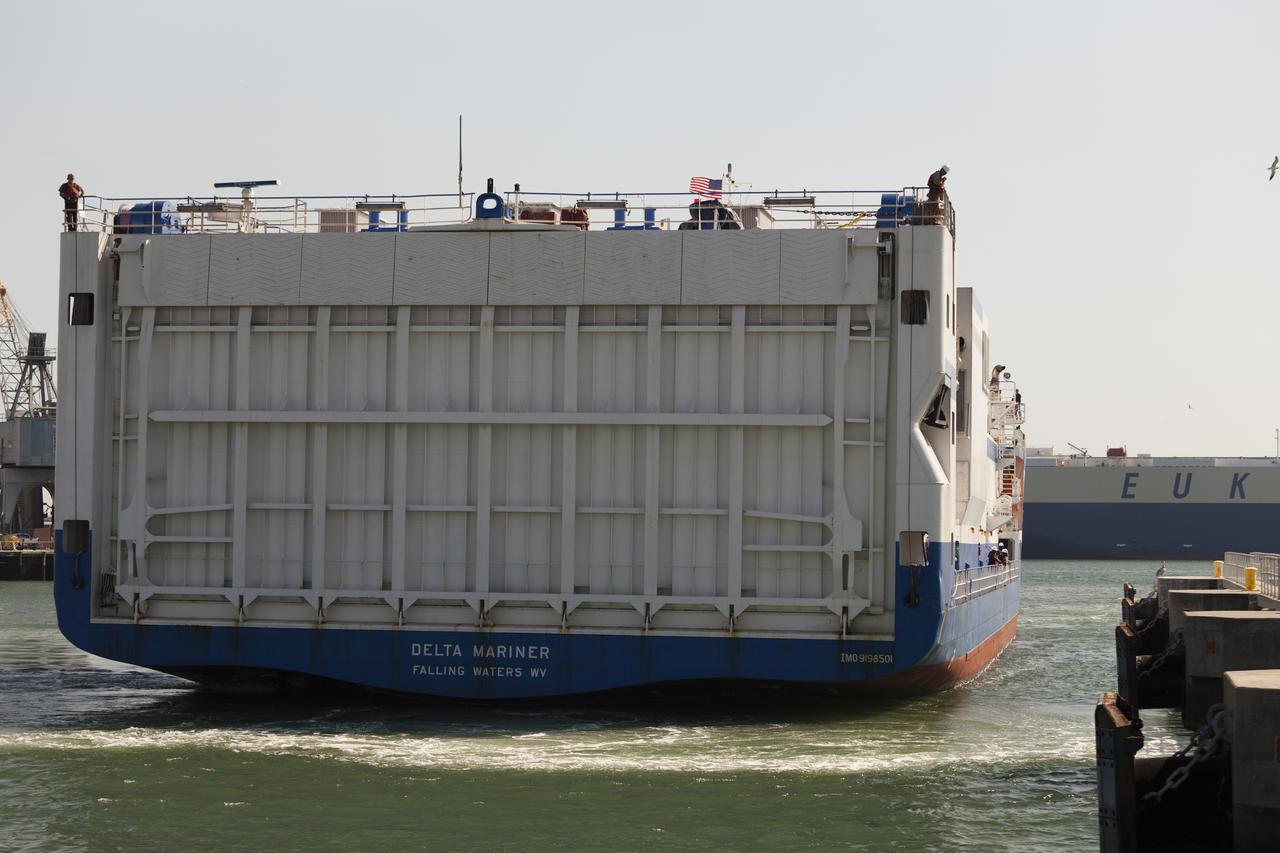
CAPE CANAVERAL, Fla. – The United Launch Alliance barge Delta Mariner prepares to dock in Port Canaveral in Florida. The barge is carrying two of the booster stages for the Delta IV Heavy rocket slated for Orion's Exploration Flight Test-1, or EFT-1. Orion is the exploration spacecraft designed to carry astronauts to destinations not yet explored by humans. It will have emergency abort capability, sustain the crew during space travel and provide safe re-entry from deep-space return velocities. The first unpiloted test flight of Orion is scheduled to launch in September 2014 atop a Delta IV Heavy rocket and in 2017 on NASA’s Space Launch System rocket. For more information, visit www.nasa.gov/orion. Photo credit: NASA/Frankie Martin
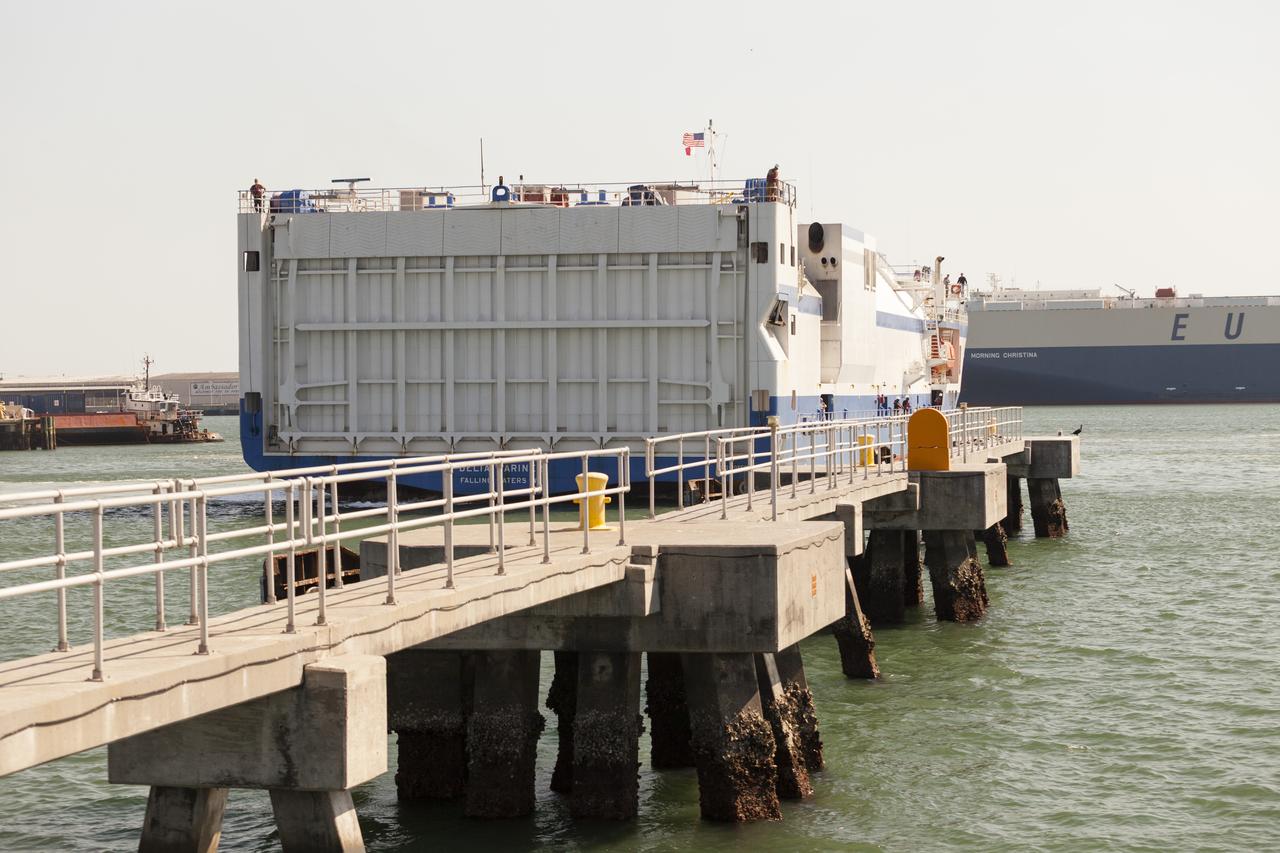
CAPE CANAVERAL, Fla. – The United Launch Alliance barge Delta Mariner nears the dock in Port Canaveral in Florida. The barge is carrying two of the booster stages for the Delta IV Heavy rocket slated for Orion's Exploration Flight Test-1, or EFT-1. Orion is the exploration spacecraft designed to carry astronauts to destinations not yet explored by humans. It will have emergency abort capability, sustain the crew during space travel and provide safe re-entry from deep-space return velocities. The first unpiloted test flight of Orion is scheduled to launch in September 2014 atop a Delta IV Heavy rocket and in 2017 on NASA’s Space Launch System rocket. For more information, visit www.nasa.gov/orion. Photo credit: NASA/Frankie Martin
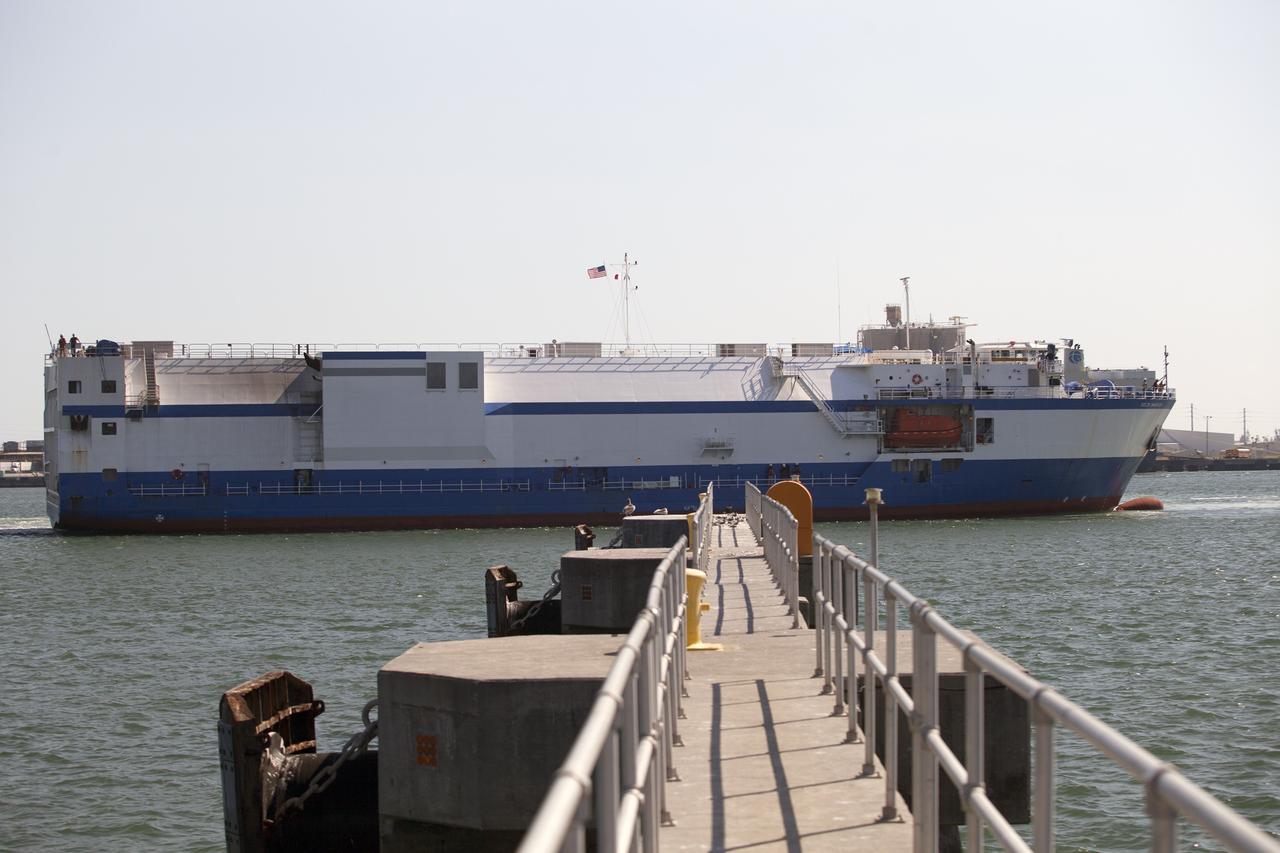
CAPE CANAVERAL, Fla. – The United Launch Alliance barge Delta Mariner nears the dock in Port Canaveral in Florida. The barge is carrying two of the booster stages for the Delta IV Heavy rocket slated for Orion's Exploration Flight Test-1, or EFT-1. Orion is the exploration spacecraft designed to carry astronauts to destinations not yet explored by humans. It will have emergency abort capability, sustain the crew during space travel and provide safe re-entry from deep-space return velocities. The first unpiloted test flight of Orion is scheduled to launch in September 2014 atop a Delta IV Heavy rocket and in 2017 on NASA’s Space Launch System rocket. For more information, visit www.nasa.gov/orion. Photo credit: NASA/Frankie Martin
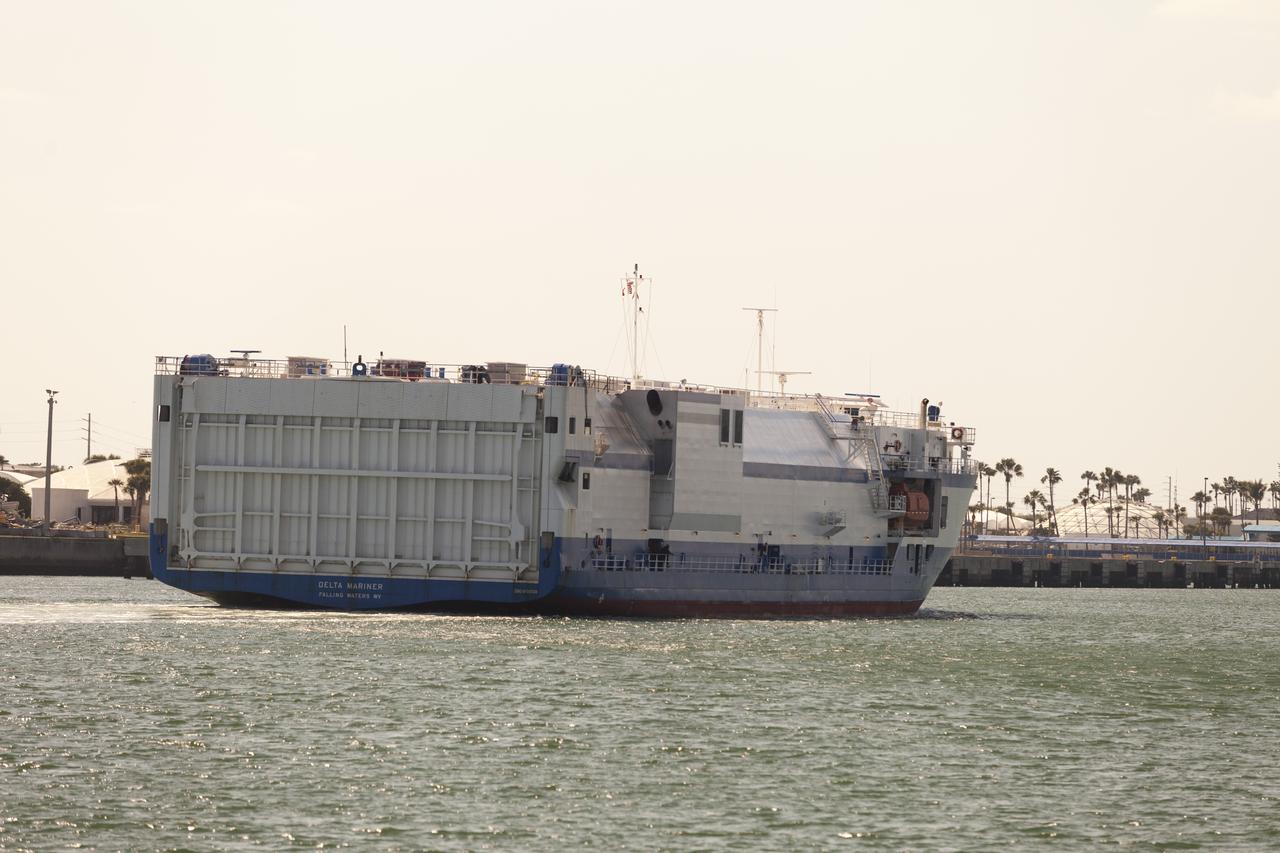
CAPE CANAVERAL, Fla. – The United Launch Alliance barge Delta Mariner travels through Port Canaveral in Florida. The barge is carrying two of the booster stages for the Delta IV Heavy rocket slated for Orion's Exploration Flight Test-1, or EFT-1. Orion is the exploration spacecraft designed to carry astronauts to destinations not yet explored by humans. It will have emergency abort capability, sustain the crew during space travel and provide safe re-entry from deep-space return velocities. The first unpiloted test flight of Orion is scheduled to launch in September 2014 atop a Delta IV Heavy rocket and in 2017 on NASA’s Space Launch System rocket. For more information, visit www.nasa.gov/orion. Photo credit: NASA/Frankie Martin
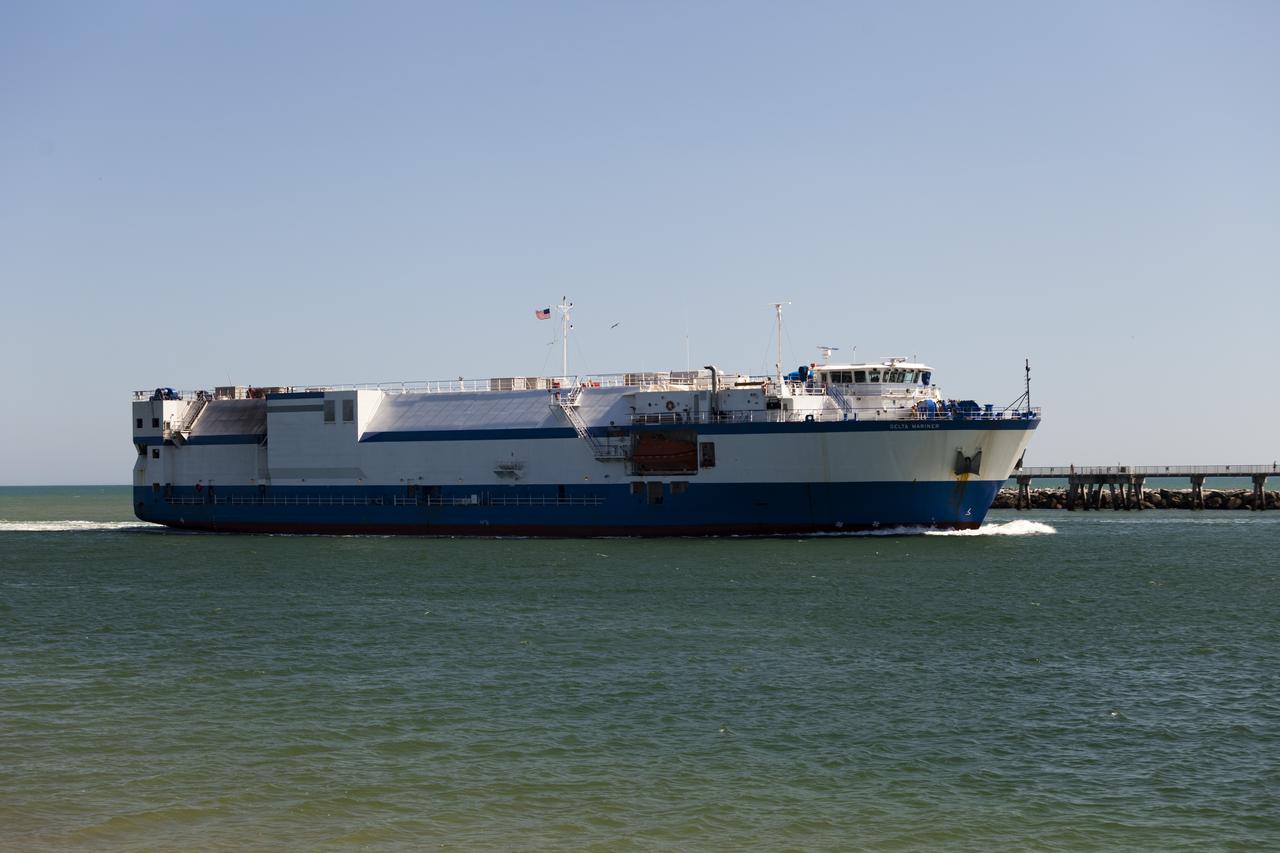
CAPE CANAVERAL, Fla. – The United Launch Alliance barge Delta Mariner glides past the jetties as it enters Port Canaveral in Florida. The barge is carrying two of the booster stages for the Delta IV Heavy rocket slated for Orion's Exploration Flight Test-1, or EFT-1. Orion is the exploration spacecraft designed to carry astronauts to destinations not yet explored by humans. It will have emergency abort capability, sustain the crew during space travel and provide safe re-entry from deep-space return velocities. The first unpiloted test flight of Orion is scheduled to launch in September 2014 atop a Delta IV Heavy rocket and in 2017 on NASA’s Space Launch System rocket. For more information, visit www.nasa.gov/orion. Photo credit: NASA/Frankie Martin
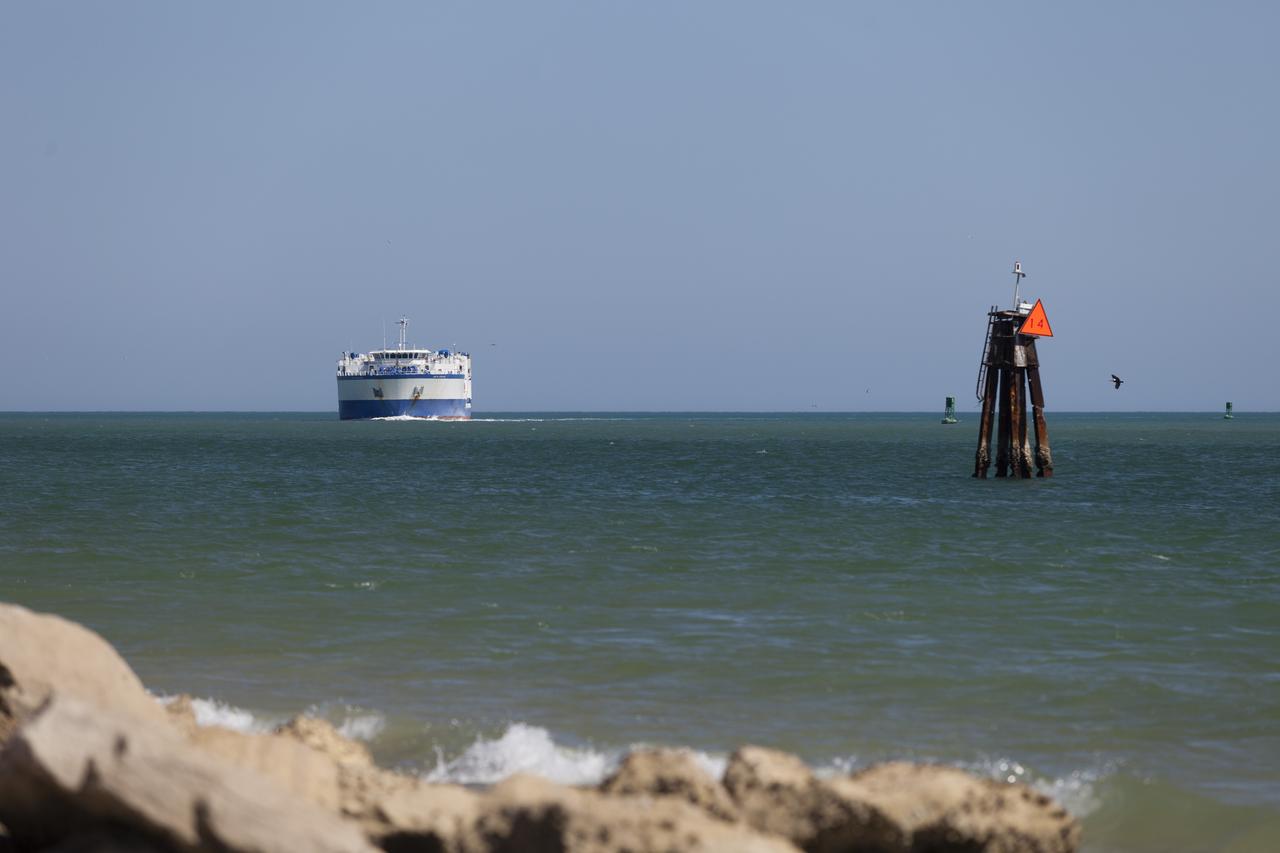
CAPE CANAVERAL, Fla. – The United Launch Alliance barge Delta Mariner approaches the mouth of Port Canaveral in Florida. The barge is carrying two of the booster stages for the Delta IV Heavy rocket slated for Orion's Exploration Flight Test-1, or EFT-1. Orion is the exploration spacecraft designed to carry astronauts to destinations not yet explored by humans. It will have emergency abort capability, sustain the crew during space travel and provide safe re-entry from deep-space return velocities. The first unpiloted test flight of Orion is scheduled to launch in September 2014 atop a Delta IV Heavy rocket and in 2017 on NASA’s Space Launch System rocket. For more information, visit www.nasa.gov/orion. Photo credit: NASA/Frankie Martin
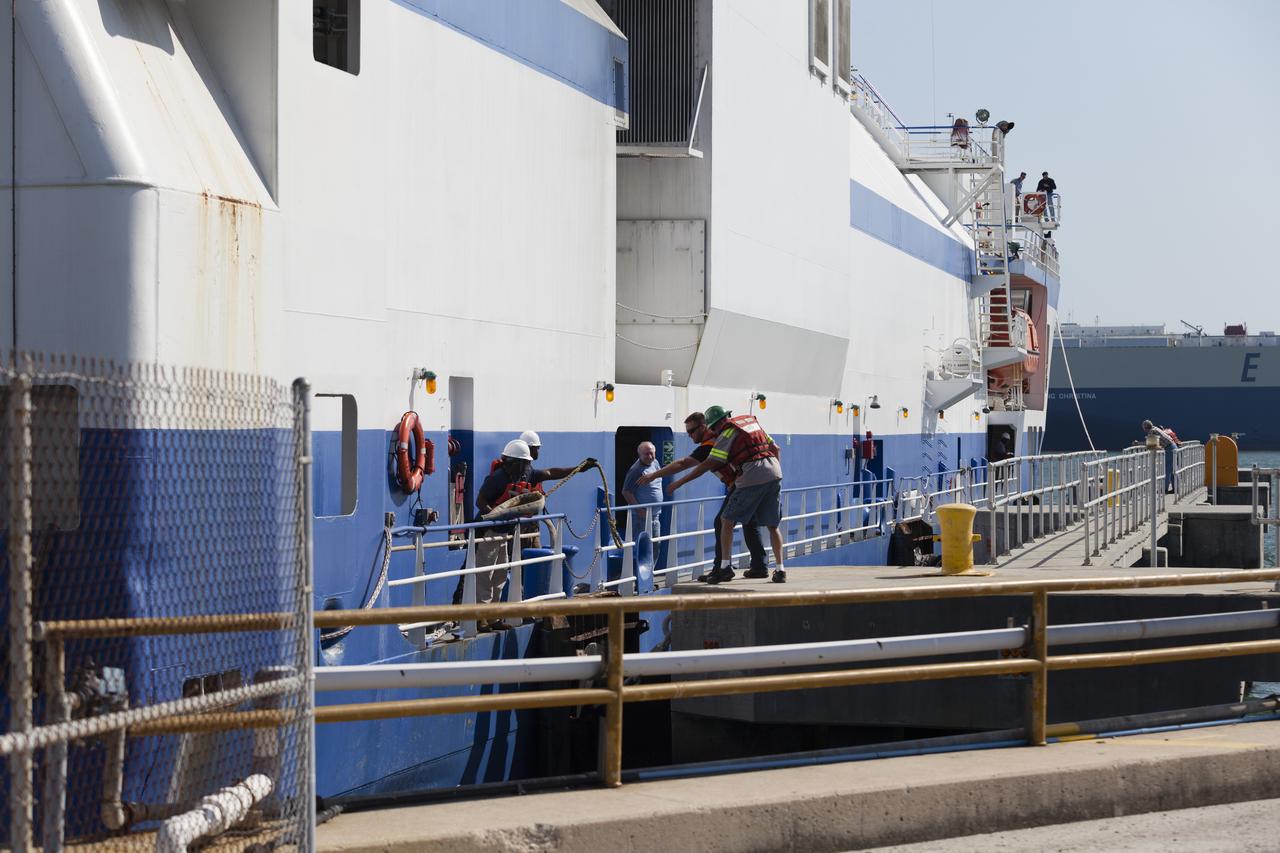
CAPE CANAVERAL, Fla. – The United Launch Alliance barge Delta Mariner docks in Port Canaveral in Florida. The barge is carrying two of the booster stages for the Delta IV Heavy rocket slated for Orion's Exploration Flight Test-1, or EFT-1. Orion is the exploration spacecraft designed to carry astronauts to destinations not yet explored by humans. It will have emergency abort capability, sustain the crew during space travel and provide safe re-entry from deep-space return velocities. The first unpiloted test flight of Orion is scheduled to launch in September 2014 atop a Delta IV Heavy rocket and in 2017 on NASA’s Space Launch System rocket. For more information, visit www.nasa.gov/orion. Photo credit: NASA/Frankie Martin
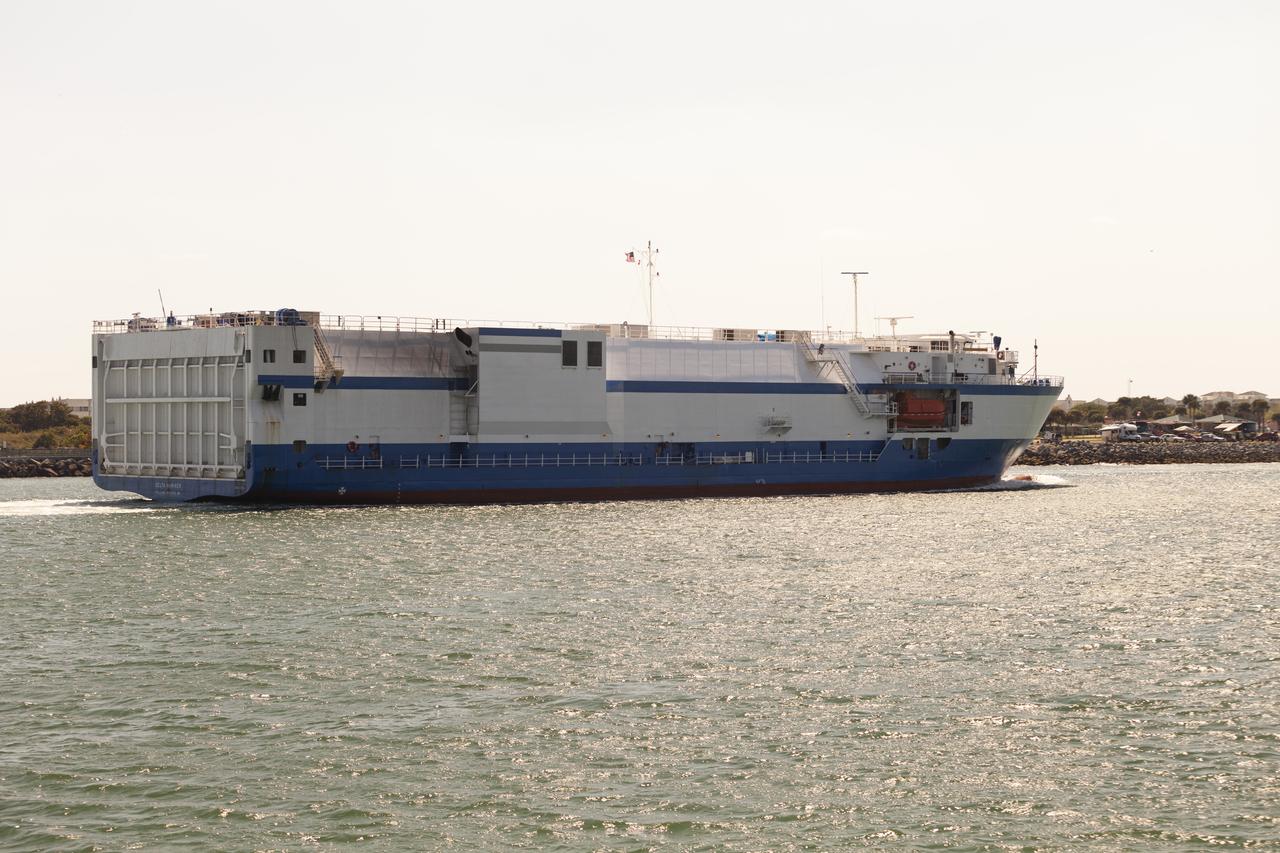
CAPE CANAVERAL, Fla. – The United Launch Alliance barge Delta Mariner glides past the jetties as it enters Port Canaveral in Florida. The barge is carrying two of the booster stages for the Delta IV Heavy rocket slated for Orion's Exploration Flight Test-1, or EFT-1. Orion is the exploration spacecraft designed to carry astronauts to destinations not yet explored by humans. It will have emergency abort capability, sustain the crew during space travel and provide safe re-entry from deep-space return velocities. The first unpiloted test flight of Orion is scheduled to launch in September 2014 atop a Delta IV Heavy rocket and in 2017 on NASA’s Space Launch System rocket. For more information, visit www.nasa.gov/orion. Photo credit: NASA/Frankie Martin