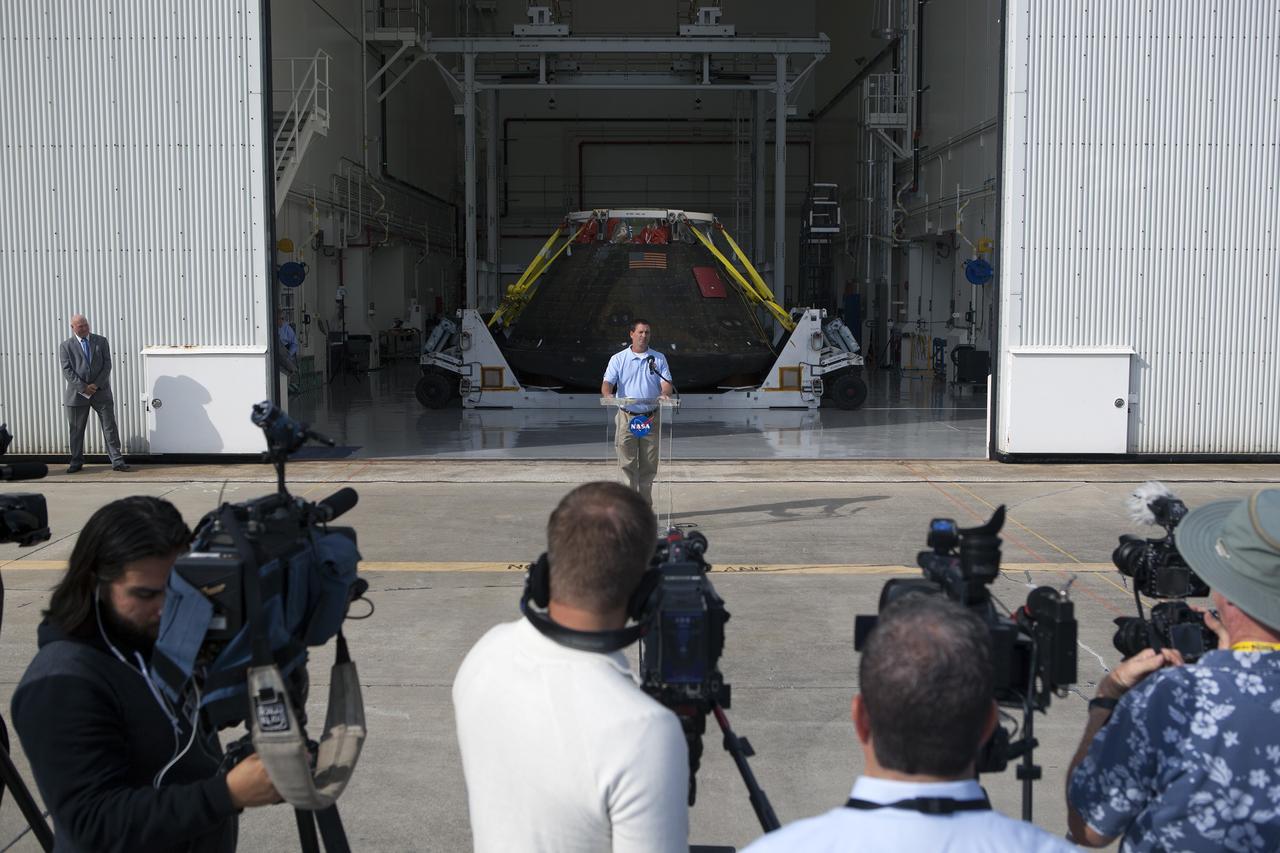
CAPE CANAVERAL, Fla. -- NASA's Orion spacecraft is viewed by members of the media at the Launch Abort System Facility at NASA's Kennedy Space Center in Florida. Lou Garcia, with the Ground Systems Development and Operations Program, or GSDO, speaks to the media during the viewing opportunity. The spacecraft's cross-country return, a 2,700 mile road trip from Naval Base San Diego to Kennedy, sets the stage for in-depth analysis of data obtained during Orion's trip to space. It will provide engineers with detailed information on how the spacecraft fared during its two-orbit, 4.5-hour flight test, completed on Dec. 5. GSDO led the recovery, offload and transportation efforts. For more information, visit www.nasa.gov/orion. Photo credit: NASA/Dimitri Gerondidakis
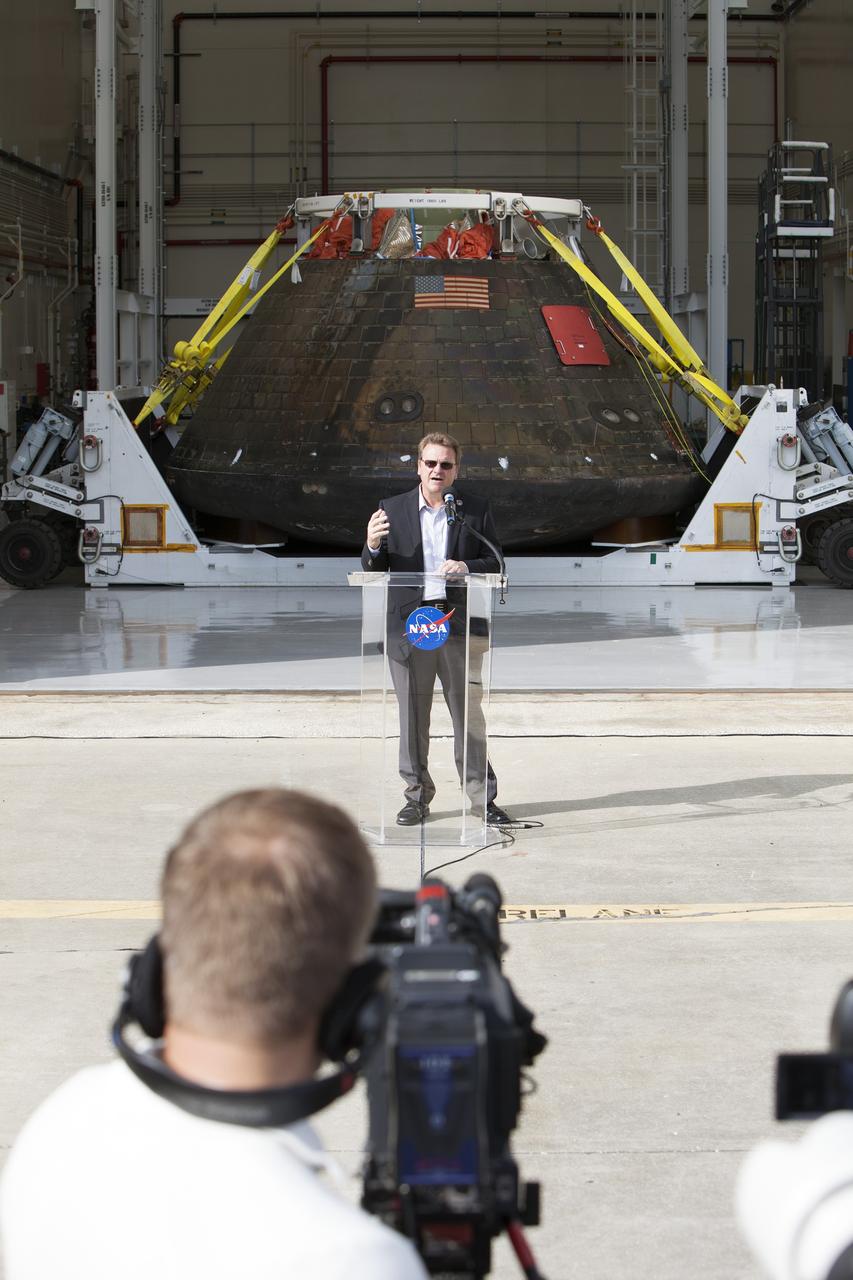
CAPE CANAVERAL, Fla. -- Lockheed Martin Manager Jules Schneider speaks to members of the media during a viewing of NASA's Orion spacecraft at the Launch Abort System Facility at NASA's Kennedy Space Center in Florida. The spacecraft's cross-country return, a 2,700 mile road trip from Naval Base San Diego to Kennedy, sets the stage for in-depth analysis of data obtained during Orion's trip to space. It will provide engineers with detailed information on how the spacecraft fared during its two-orbit, 4.5-hour flight test, completed on Dec. 5. The Ground Systems Development and Operations Program led the recovery, offload and transportation efforts. For more information, visit www.nasa.gov/orion. Photo credit: NASA/Dimitri Gerondidakis
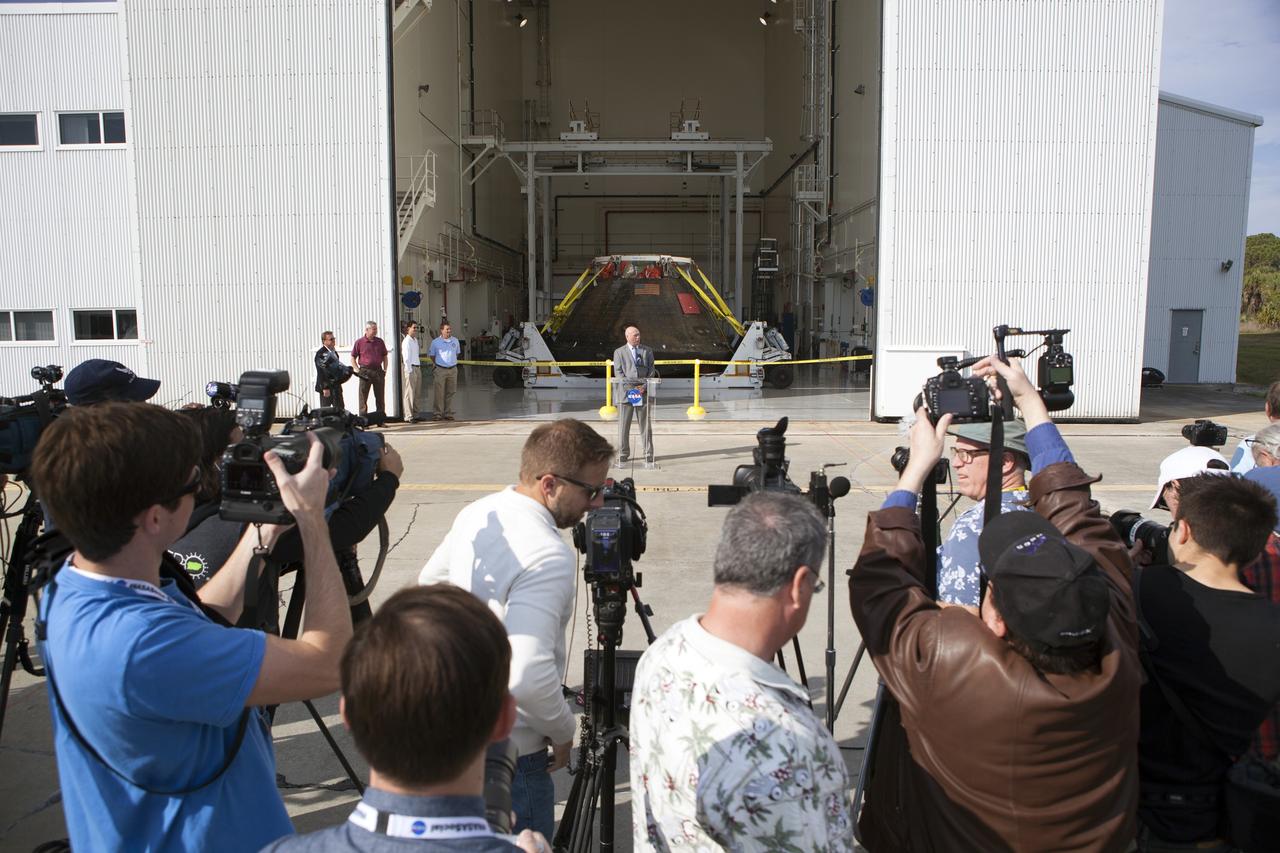
CAPE CANAVERAL, Fla. -- NASA's Orion spacecraft is viewed by members of the media at the Launch Abort System Facility at NASA's Kennedy Space Center in Florida. Kennedy's News Chief Mike Curie speaks to the media during the viewing opportunity. The spacecraft's cross-country return, a 2,700 mile road trip from Naval Base San Diego to Kennedy, sets the stage for in-depth analysis of data obtained during Orion's trip to space. It will provide engineers with detailed information on how the spacecraft fared during its two-orbit, 4.5-hour flight test, completed on Dec. 5. The Ground Systems Development and Operations Program led the recovery, offload and transportation efforts. For more information, visit www.nasa.gov/orion. Photo credit: NASA/Dimitri Gerondidakis
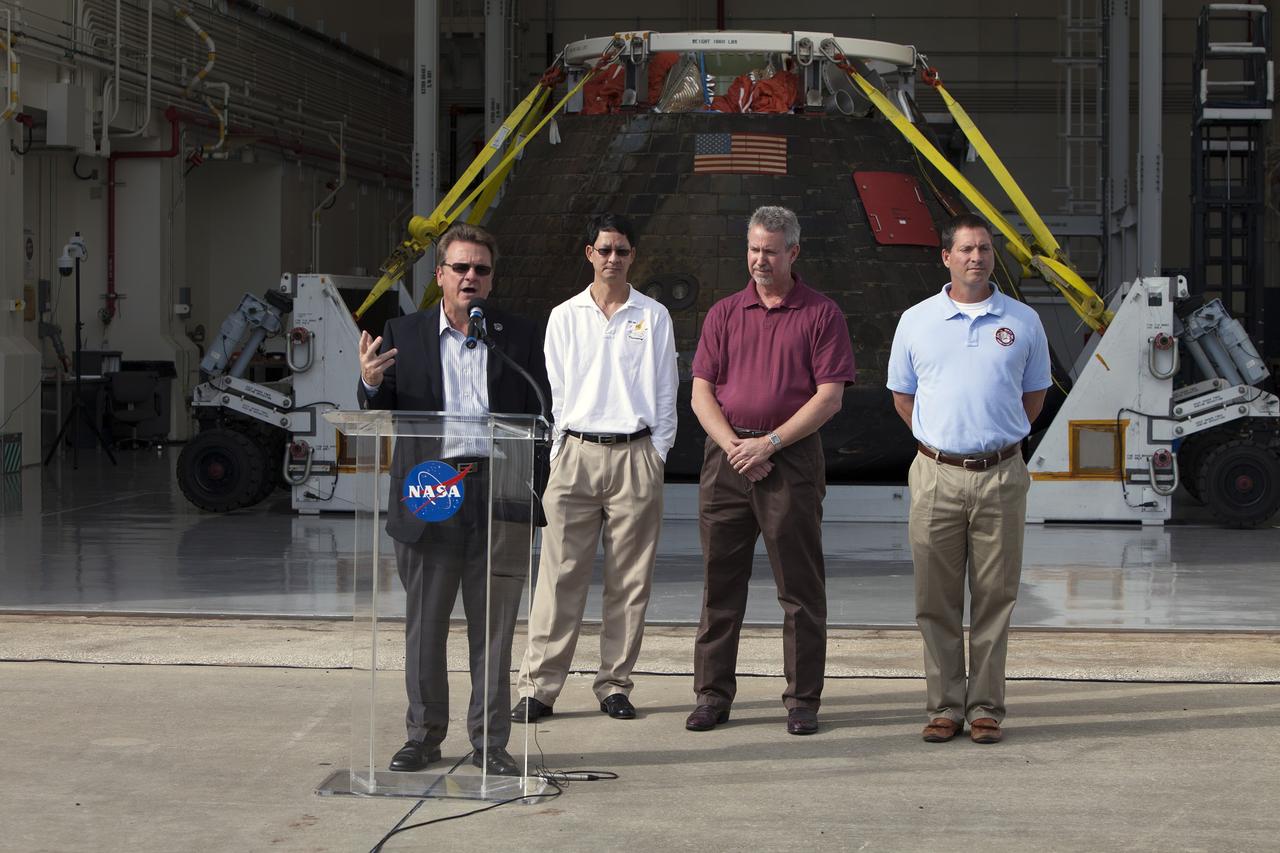
CAPE CANAVERAL, Fla. -- NASA's Orion spacecraft is viewed by members of the media at the Launch Abort System Facility at NASA's Kennedy Space Center in Florida. Speaking to the media during the viewing opportunity is Jules Schneider, Lockheed Martin Manager. Behind him, from left, are Glenn Chin, Orion Production Operations manager and Phil Weber and Lou Garcia, with the Ground Systems Development and Operations Program, or GSDO. Orion made the 8-day, 2,700 mile overland trip back to Kennedy from Naval Base San Diego in California. Analysis of date obtained during its two-orbit, four-and-a-half hour mission Dec. 5 will provide engineers with detailed information on how the spacecraft fared. GSDO led the recovery, offload and transportation efforts. For more information, visit www.nasa.gov/orion. Photo credit: NASA/Dimitri Gerondidakis
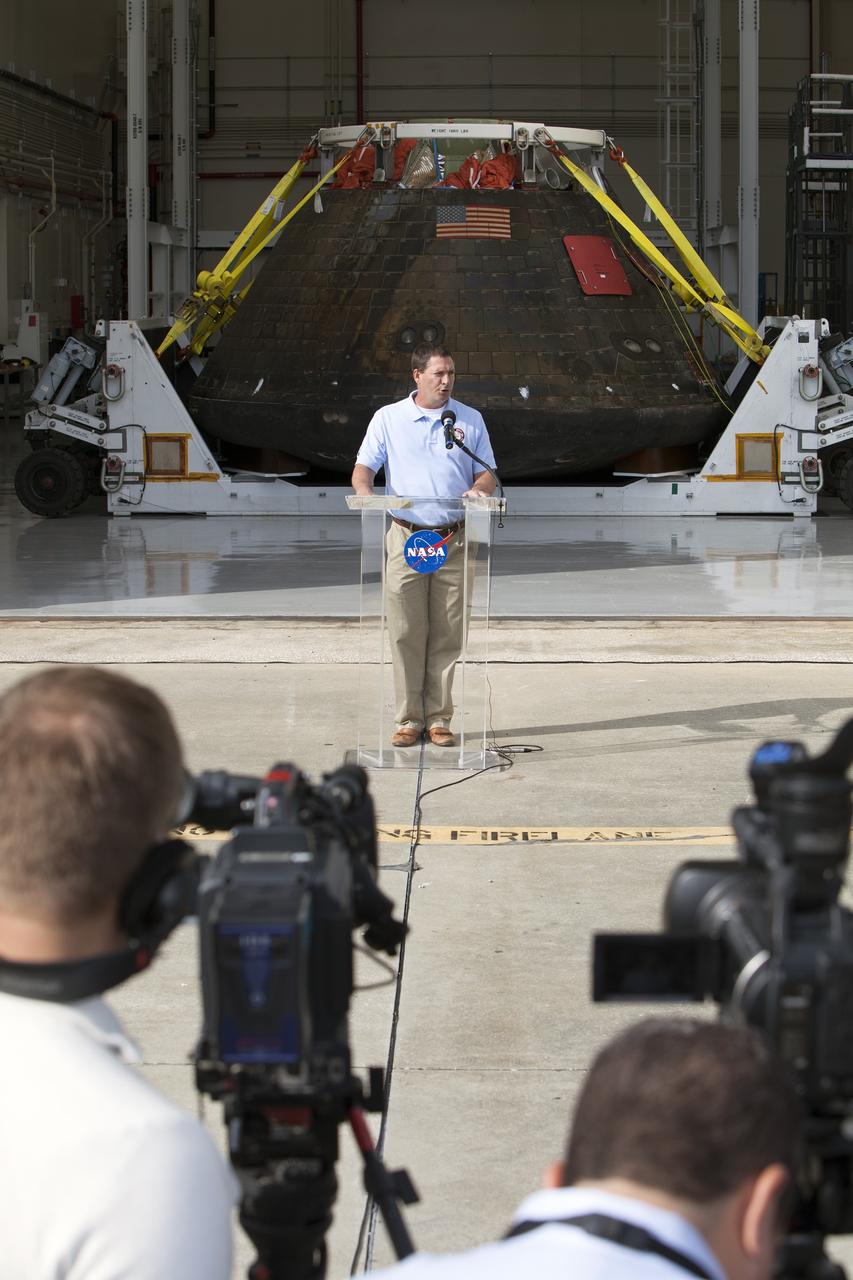
CAPE CANAVERAL, Fla. -- NASA's Orion spacecraft is viewed by members of the media at the Launch Abort System Facility at NASA's Kennedy Space Center in Florida. Lou Garcia, with the Ground Systems Development and Operations Program, or GSDO, speaks to the media during the viewing opportunity. The spacecraft's cross-country return, a 2,700 mile road trip from Naval Base San Diego to Kennedy, sets the stage for in-depth analysis of data obtained during Orion's trip to space. It will provide engineers with detailed information on how the spacecraft fared during its two-orbit, 4.5-hour flight test, completed on Dec. 5. GSDO led the recovery, offload and transportation efforts. For more information, visit www.nasa.gov/orion. Photo credit: NASA/Dimitri Gerondidakis
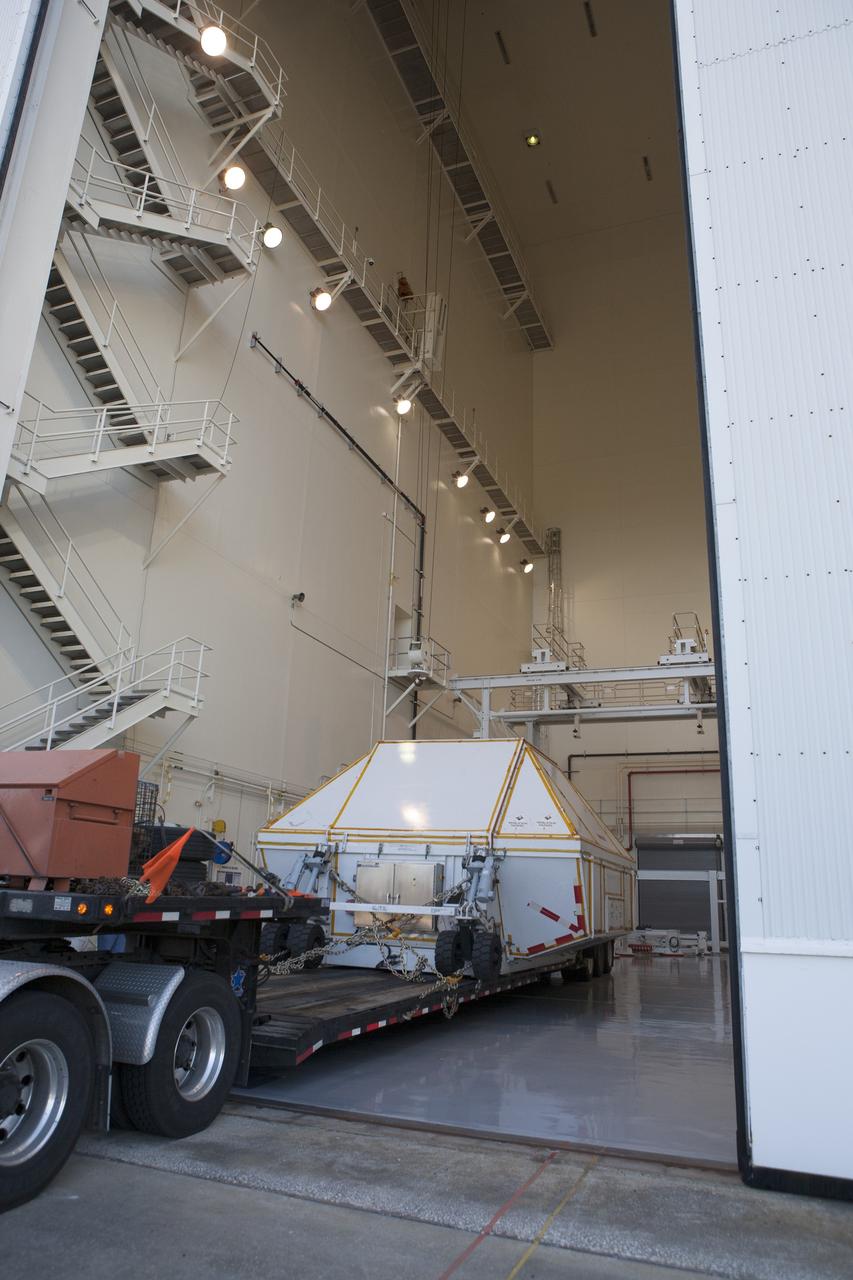
CAPE CANAVERAL, Fla. -- NASA's Orion spacecraft arrives at the Launch Abort System Facility at Kennedy Space Center in Florida. The spacecraft was transported 2,700 miles overland from Naval Base San Diego in California, on a flatbed truck secured in its crew module transportation fixture for the trip. During its first flight test, Orion completed a two-orbit, four-and-a-half hour mission Dec. 5 to test systems critical to crew safety, including the launch abort system, the heat shield and the parachute system. The Ground Systems Development and Operations Program led the recovery, offload and transportation efforts. For more information, visit www.nasa.gov/orion. Photo credit: NASA/Kim Shiflett
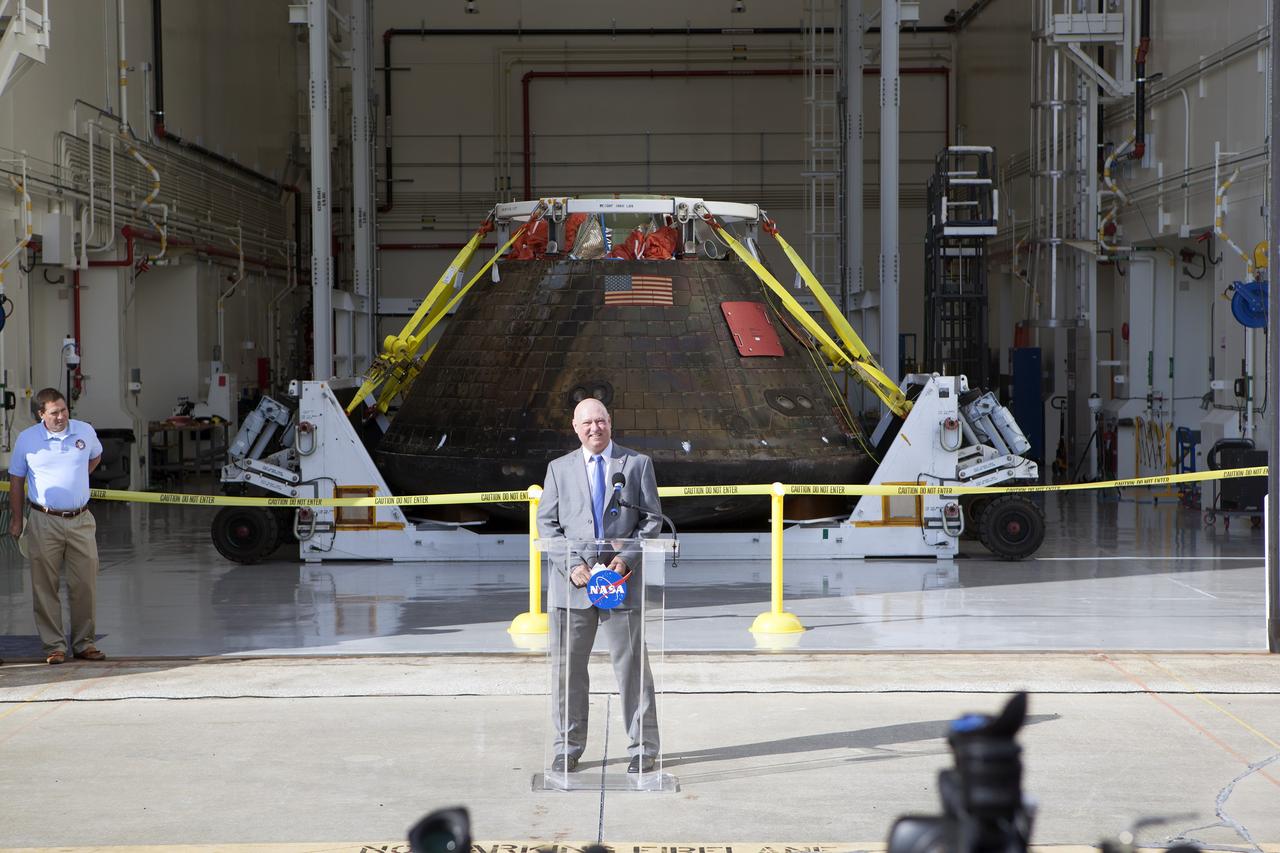
CAPE CANAVERAL, Fla. -- NASA's Orion spacecraft is viewed by members of the media at the Launch Abort System Facility at NASA's Kennedy Space Center in Florida. Kennedy News Chief Mike Curie speaks to the media during the viewing opportunity. Orion made the 8-day, 2,700 mile overland trip back to Kennedy from Naval Base San Diego in California. Analysis of data obtained during its two-orbit, four-and-a-half hour mission Dec. 5 will provide engineers detailed information on how the spacecraft fared. The Ground Systems Development and Operations Program led the recovery, offload and transportation efforts. For more information, visit www.nasa.gov/orion. Photo credit: NASA/Dimitri Gerondidakis

CAPE CANAVERAL, Fla. -- NASA's Orion spacecraft is viewed by members of the media at the Launch Abort System Facility at NASA's Kennedy Space Center in Florida. Orion made the 8-day, 2,700 mile overland trip back to Kennedy from Naval Base San Diego in California. Analysis of date obtained during its two-orbit, four-and-a-half hour mission Dec. 5 will provide engineers with detailed information on how the spacecraft fared. The Ground Systems Development and Operations Program led the recovery, offload and transportation efforts. For more information, visit www.nasa.gov/orion. Photo credit: NASA/Dimitri Gerondidakis
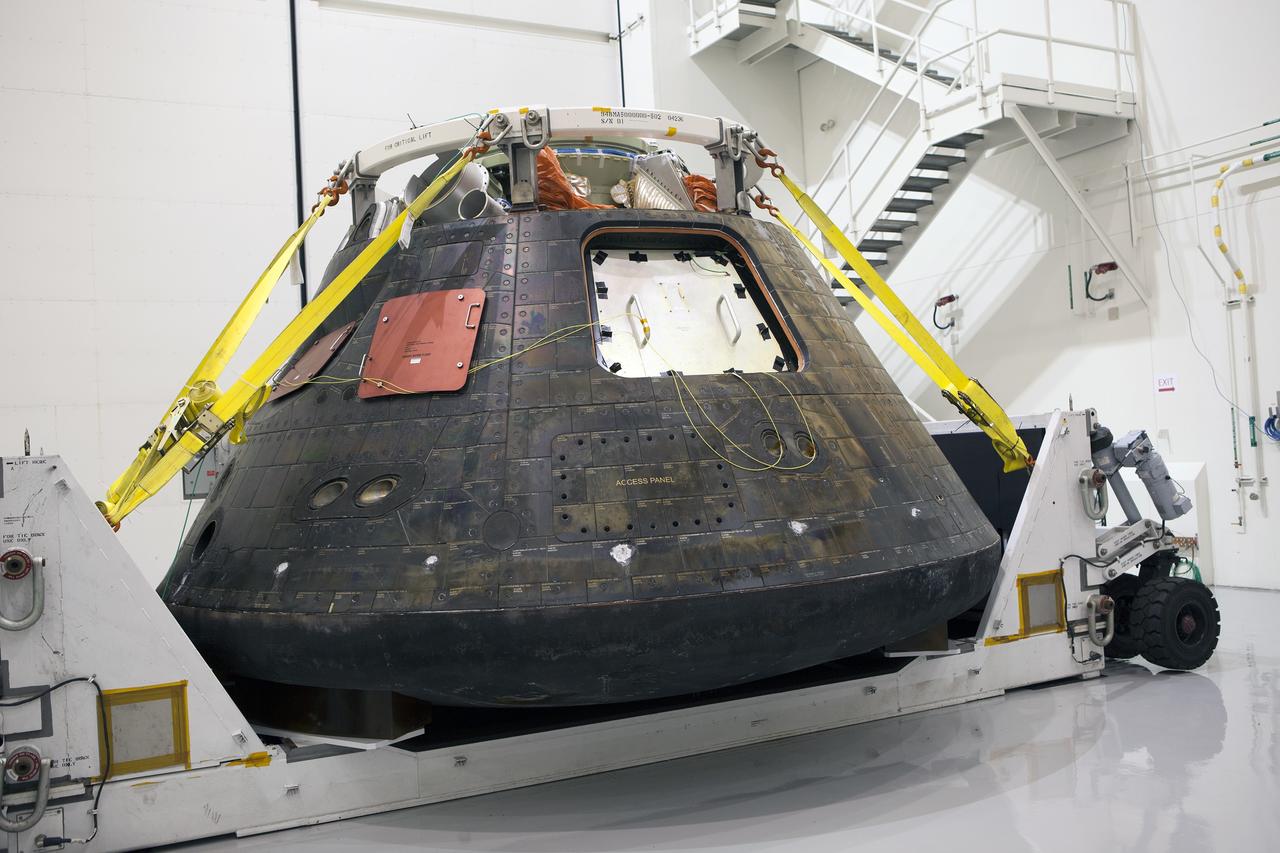
CAPE CANAVERAL, Fla. -- NASA's Orion spacecraft has been uncrated and is inside the Launch Abort System Facility at NASA's Kennedy Space Center in Florida during a media event. Orion made the 8-day, 2,700 mile overland trip back to Kennedy from Naval Base San Diego in California. Analysis of date obtained during its two-orbit, four-and-a-half hour mission Dec. 5 will provide engineers with detailed information on how the spacecraft fared. The Ground Systems Development and Operations Program led the recovery, offload and transportation efforts. For more information, visit www.nasa.gov/orion. Photo credit: NASA/Dimitri Gerondidakis
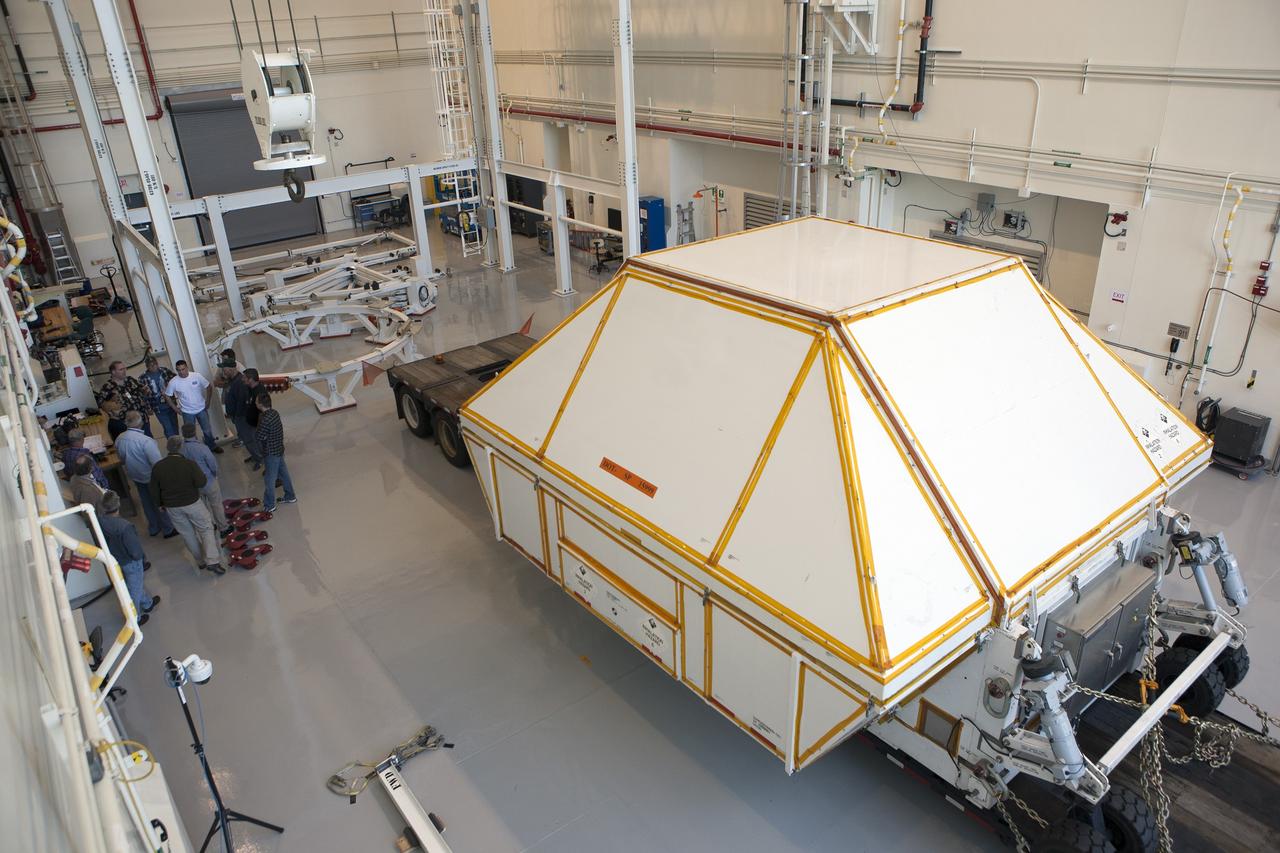
CAPE CANAVERAL, Fla. -- NASA's Orion spacecraft arrives inside the Launch Abort System Facility at Kennedy Space Center in Florida. The spacecraft was transported 2,700 miles overland from Naval Base San Diego in California, on a flatbed truck secured in its crew module transportation fixture for the trip. During its first flight test, Orion completed a two-orbit, four-and-a-half hour mission Dec. 5 to test systems critical to crew safety, including the launch abort system, the heat shield and the parachute system. The Ground Systems Development and Operations Program led the recovery, offload and transportation efforts. For more information, visit www.nasa.gov/orion. Photo credit: NASA/Kim Shiflett
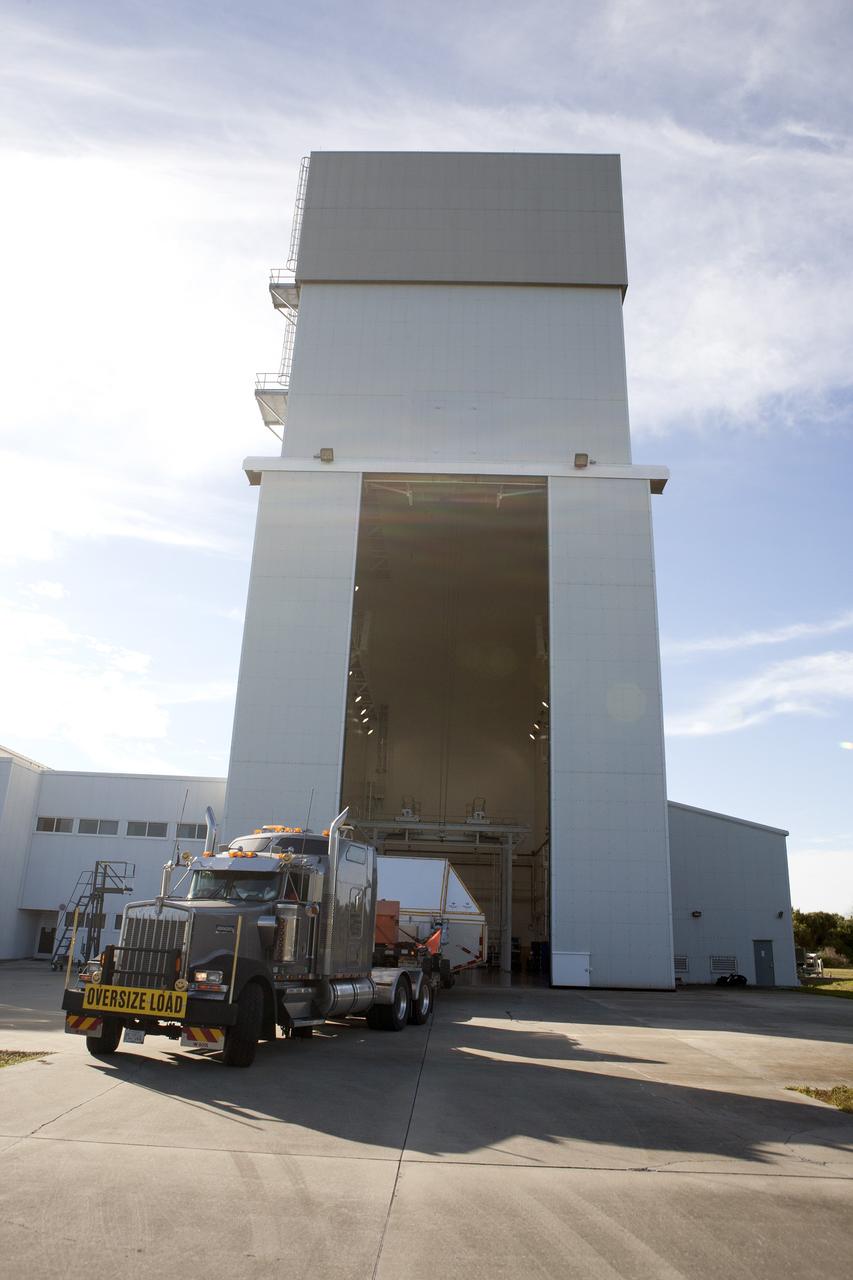
CAPE CANAVERAL, Fla. -- NASA's Orion spacecraft arrives at the Launch Abort System Facility at Kennedy Space Center in Florida. The spacecraft was transported 2,700 miles overland from Naval Base San Diego in California, on a flatbed truck secured in its crew module transportation fixture for the trip. During its first flight test, Orion completed a two-orbit, four-and-a-half hour mission Dec. 5 to test systems critical to crew safety, including the launch abort system, the heat shield and the parachute system. The Ground Systems Development and Operations Program led the recovery, offload and transportation efforts. For more information, visit www.nasa.gov/orion. Photo credit: NASA/Kim Shiflett
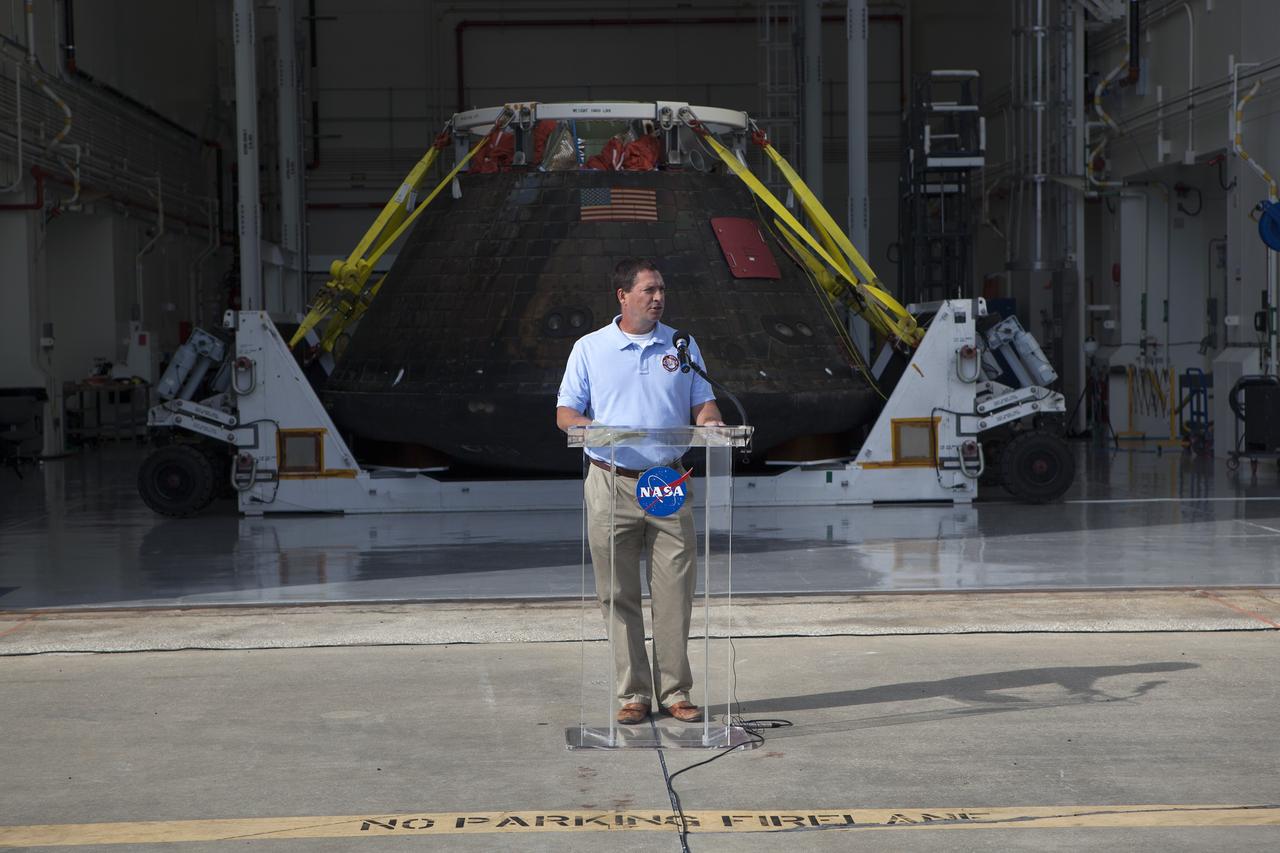
CAPE CANAVERAL, Fla. -- NASA's Orion spacecraft is viewed by members of the media at the Launch Abort System Facility at NASA's Kennedy Space Center in Florida. Lou Garcia, with the Ground Systems Development and Operations Program, or GSDO, speaks to the media during the viewing opportunity. The spacecraft's cross-country return, a 2,700 mile road trip from Naval Base San Diego to Kennedy, sets the stage for in-depth analysis of data obtained during Orion's trip to space. It will provide engineers with detailed information on how the spacecraft fared during its two-orbit, 4.5-hour flight test, completed on Dec. 5. GSDO led the recovery, offload and transportation efforts. For more information, visit www.nasa.gov/orion. Photo credit: NASA/Dimitri Gerondidakis
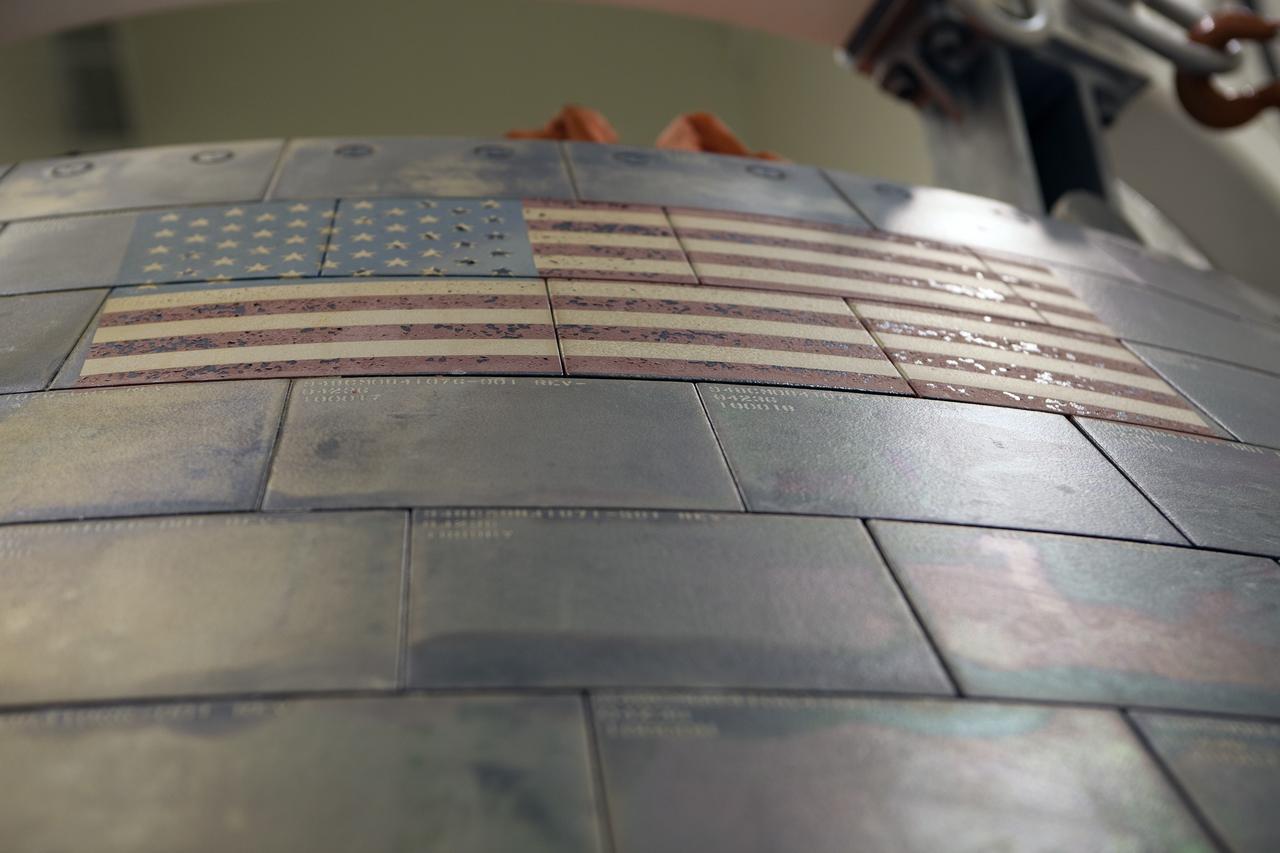
CAPE CANAVERAL, Fla. -- The U.S. Flag is in view on NASA's Orion spacecraft inside the Launch Abort System Facility at NASA's Kennedy Space Center in Florida during a media event. Orion made the 8-day, 2,700 mile overland trip back to Kennedy from Naval Base San Diego in California. Analysis of date obtained during its two-orbit, four-and-a-half hour mission Dec. 5 will provide engineers with detailed information on how the spacecraft fared. The Ground Systems Development and Operations Program led the recovery, offload and transportation efforts. For more information, visit www.nasa.gov/orion. Photo credit: NASA/Dimitri Gerondidakis
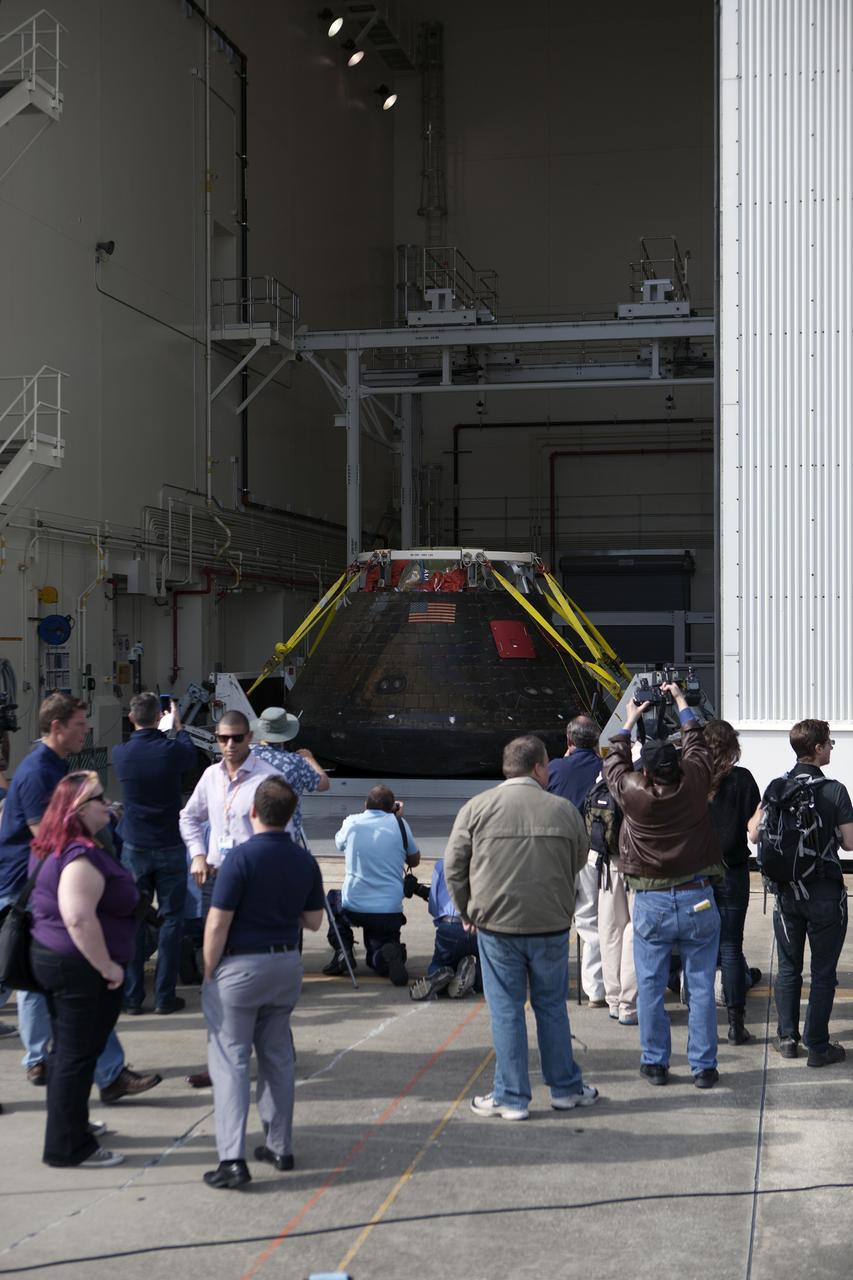
CAPE CANAVERAL, Fla. -- NASA's Orion spacecraft is viewed by members of the media at the Launch Abort System Facility at NASA's Kennedy Space Center in Florida. Orion made the 8-day, 2,700 mile overland trip back to Kennedy from Naval Base San Diego in California. Analysis of date obtained during its two-orbit, four-and-a-half hour mission Dec. 5 will provide engineers detailed information on how the spacecraft fared. The Ground Systems Development and Operations Program led the recovery, offload and transportation efforts. For more information, visit www.nasa.gov/orion. Photo credit: NASA/Dimitri Gerondidakis
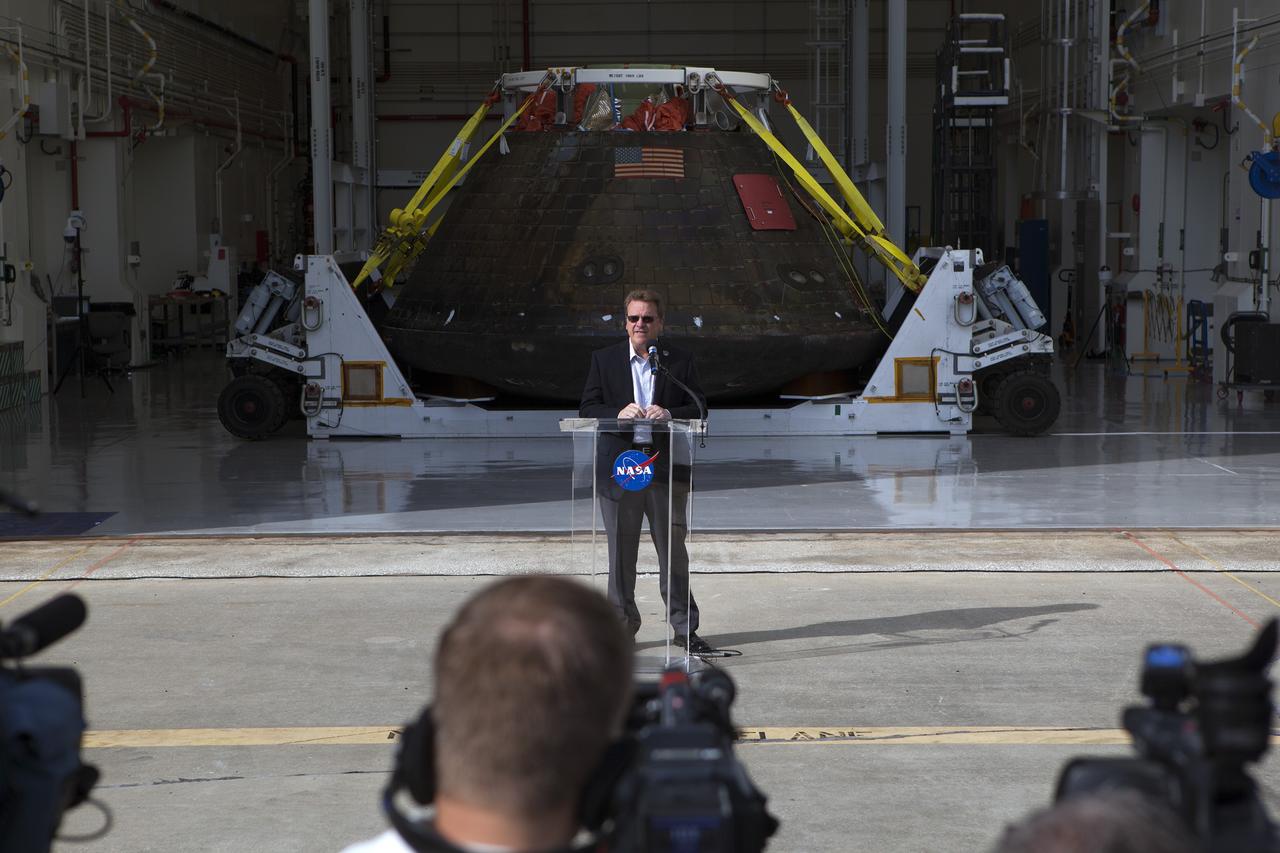
CAPE CANAVERAL, Fla. -- Lockheed Martin Manager Jules Schneider speaks to members of the media during a viewing of NASA's Orion spacecraft at the Launch Abort System Facility at NASA's Kennedy Space Center in Florida. The spacecraft's cross-country return, a 2,700 mile road trip from Naval Base San Diego to Kennedy, sets the stage for in-depth analysis of data obtained during Orion's trip to space. It will provide engineers with detailed information on how the spacecraft fared during its two-orbit, 4.5-hour flight test, completed on Dec. 5. The Ground Systems Development and Operations Program led the recovery, offload and transportation efforts. For more information, visit www.nasa.gov/orion. Photo credit: NASA/Dimitri Gerondidakis
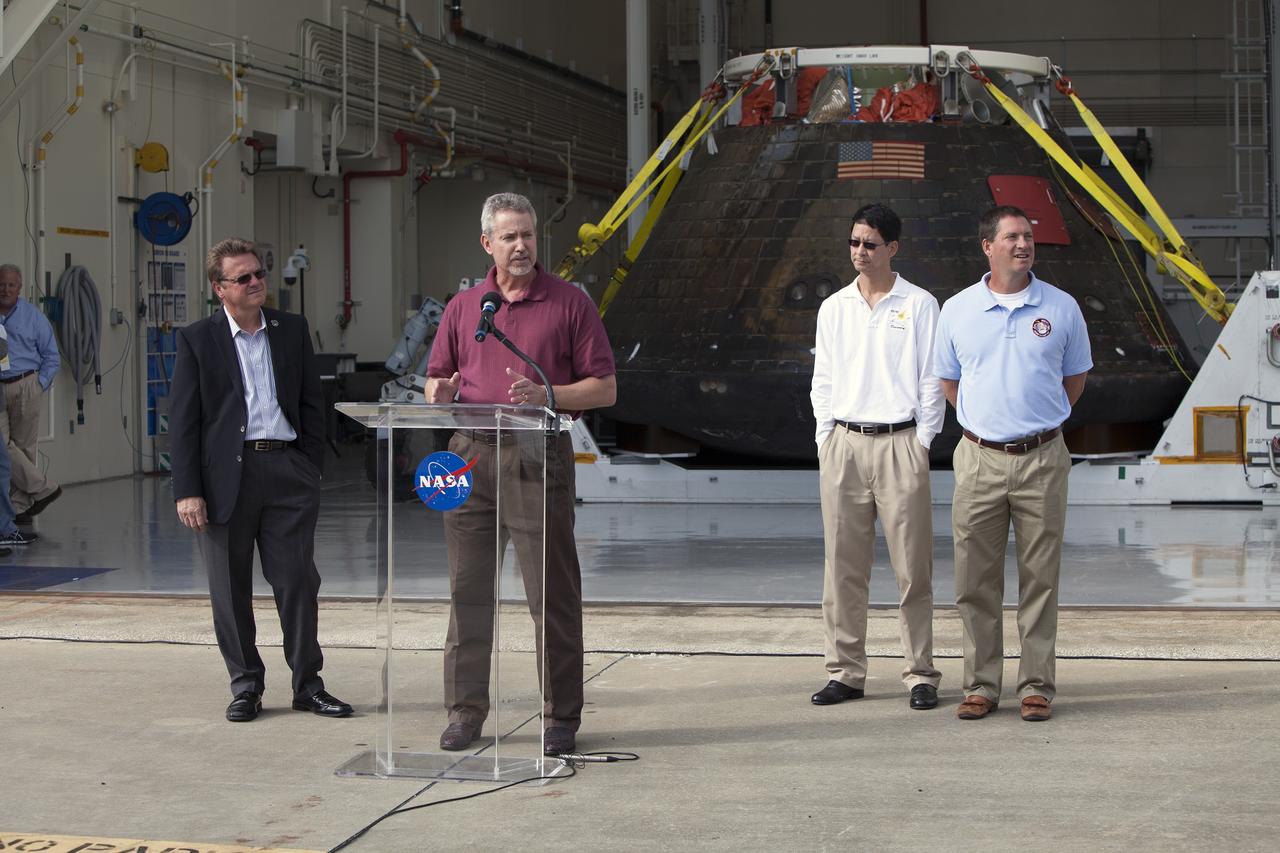
CAPE CANAVERAL, Fla. -- NASA's Orion spacecraft is viewed by members of the media at the Launch Abort System Facility at NASA's Kennedy Space Center in Florida. Speaking to the media during the viewing opportunity is Phil Weber, with the Ground Systems Development and Operations Program, or GSDO. At left is Jules Schneider, Lockheed Martin manager. At right is Glenn Chin, Orion Production Operations, and Lou Garcia, with GSDO. Orion made the 8-day, 2,700 mile overland trip back to Kennedy from Naval Base San Diego in California. Analysis of date obtained during its two-orbit, four-and-a-half hour mission Dec. 5 will provide engineers detailed information on how the spacecraft fared. GSDO led the recovery, offload and transportation efforts. For more information, visit www.nasa.gov/orion. Photo credit: NASA/Dimitri Gerondidakis
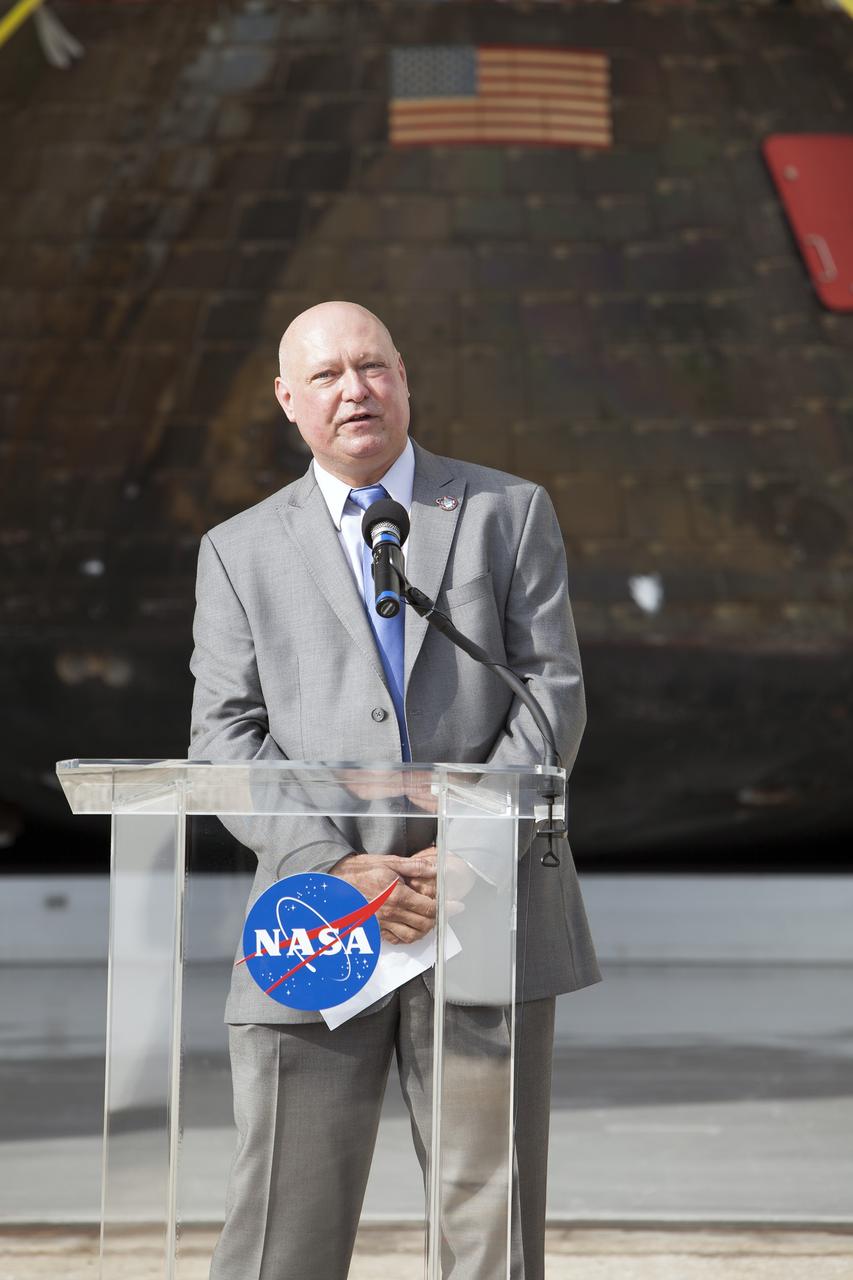
CAPE CANAVERAL, Fla. -- NASA's Orion spacecraft is viewed by members of the media at the Launch Abort System Facility at NASA's Kennedy Space Center in Florida. Kennedy News Chief Mike Curie speaks to the media during the viewing opportunity. Orion made the 8-day, 2,700 mile overland trip back to Kennedy from Naval Base San Diego in California. Analysis of date obtained during its two-orbit, four-and-a-half hour mission Dec. 5 will provide engineers with detailed information on how the spacecraft fared. The Ground Systems Development and Operations Program led the recovery, offload and transportation efforts. For more information, visit www.nasa.gov/orion. Photo credit: NASA/Dimitri Gerondidakis
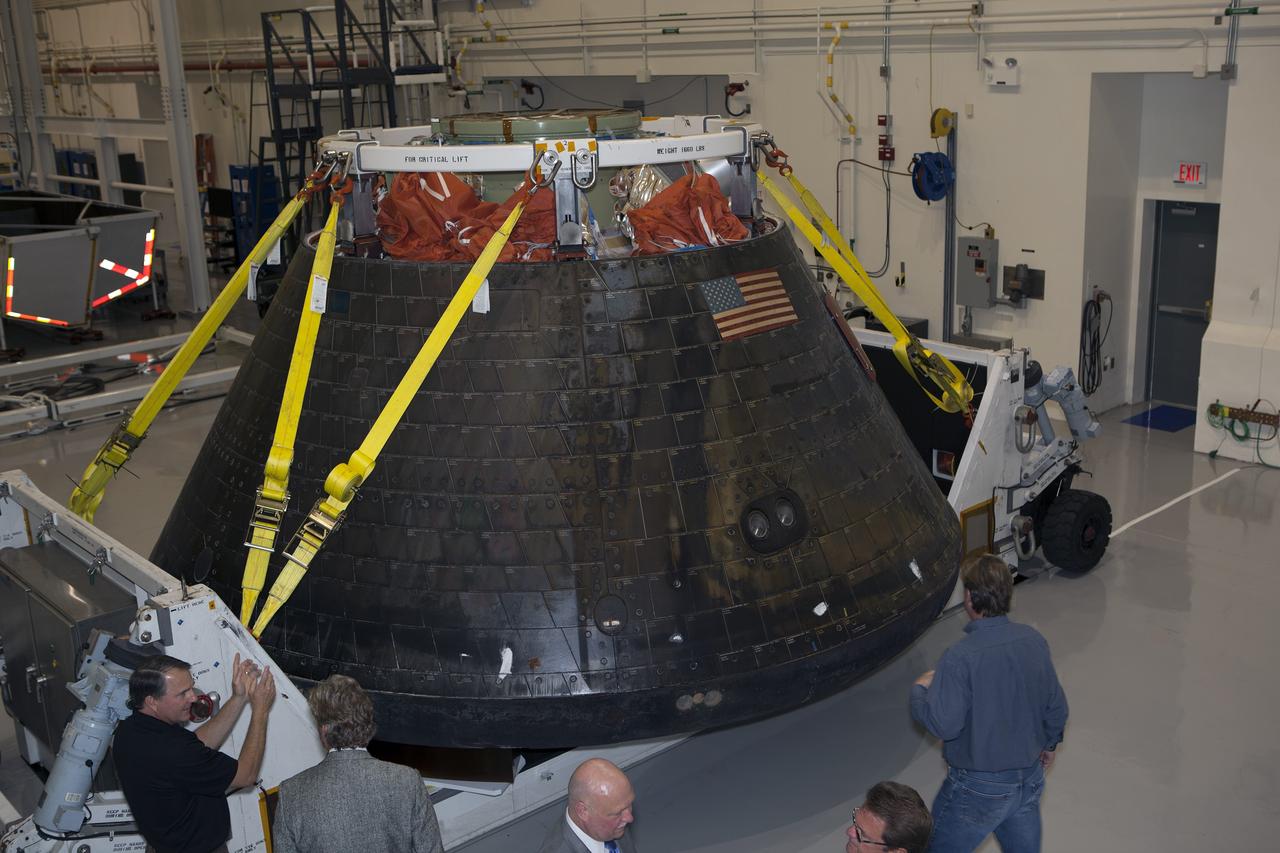
CAPE CANAVERAL, Fla. -- NASA's Orion spacecraft is viewed by members of the media at the Launch Abort System Facility at NASA's Kennedy Space Center in Florida. Orion made the 8-day, 2,700 mile overland trip back to Kennedy from Naval Base San Diego in California. Analysis of date obtained during its two-orbit, four-and-a-half hour mission Dec. 5 will provide engineers with detailed information on how the spacecraft fared. The Ground Systems Development and Operations Program led the recovery, offload and transportation efforts. For more information, visit www.nasa.gov/orion. Photo credit: NASA/Dimitri Gerondidakis
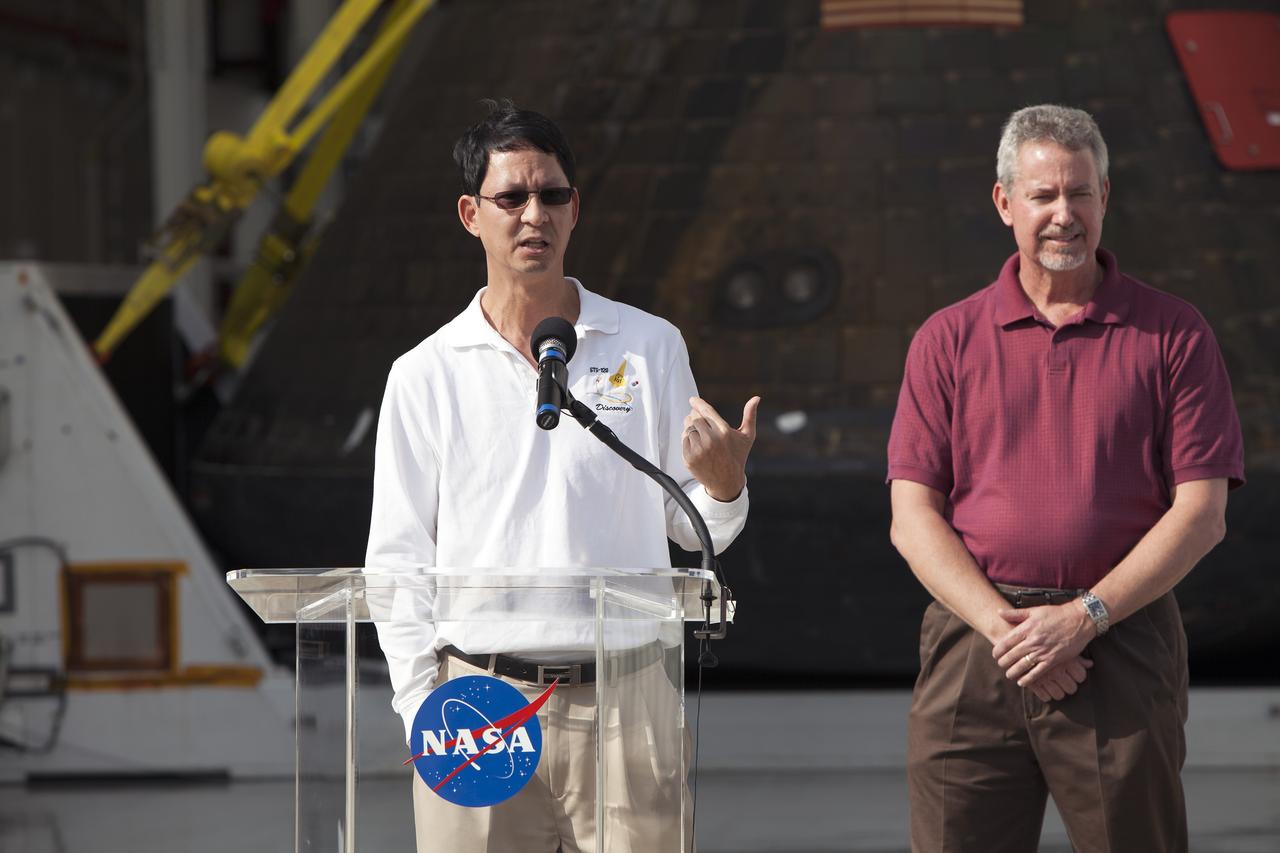
CAPE CANAVERAL, Fla. -- NASA's Orion spacecraft is viewed by members of the media at the Launch Abort System Facility at NASA's Kennedy Space Center in Florida. Speaking to the media during the viewing opportunity is Glenn Chin, Orion Production Operations. To his right is Phil Weber, with the Ground Systems Development and Operations Program, or GSDO. Orion made the 8-day, 2,700 mile overland trip back to Kennedy from Naval Base San Diego in California. Analysis of date obtained during its two-orbit, four-and-a-half hour mission Dec. 5 will provide engineers with detailed information on how the spacecraft fared. GSDO led the recovery, offload and transportation efforts. For more information, visit www.nasa.gov/orion. Photo credit: NASA/Dimitri Gerondidakis
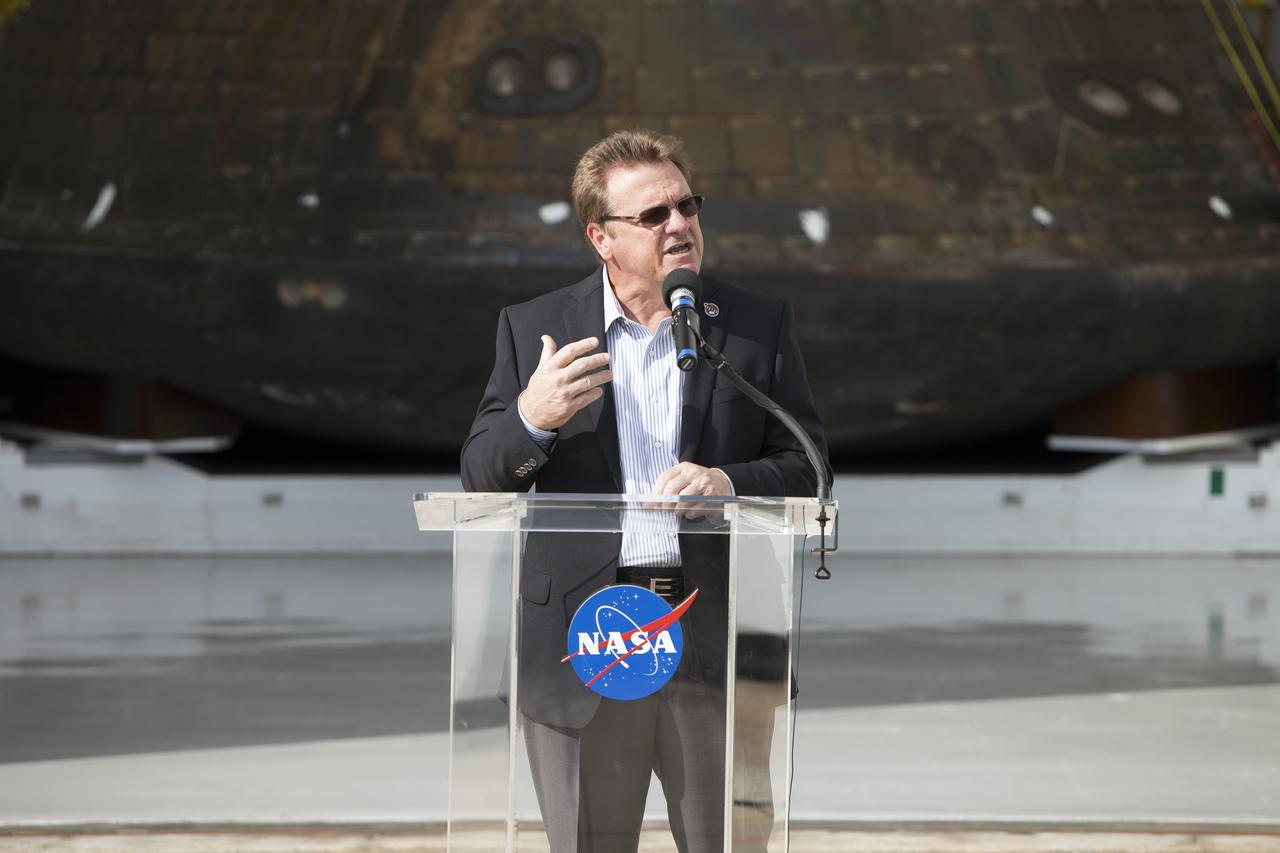
CAPE CANAVERAL, Fla. -- Lockheed Martin Manager Jules Schneider speaks to members of the media during a viewing of NASA's Orion spacecraft at the Launch Abort System Facility at NASA's Kennedy Space Center in Florida. The spacecraft's cross-country return, a 2,700 mile road trip from Naval Base San Diego to Kennedy, sets the stage for in-depth analysis of data obtained during Orion's trip to space. It will provide engineers with detailed information on how the spacecraft fared during its two-orbit, 4.5-hour flight test, completed on Dec. 5. The Ground Systems Development and Operations Program led the recovery, offload and transportation efforts. For more information, visit www.nasa.gov/orion. Photo credit: NASA/Dimitri Gerondidakis

CAPE CANAVERAL, Fla. -- NASA's Orion spacecraft is viewed by members of the media at the Launch Abort System Facility at NASA's Kennedy Space Center in Florida. Orion made the 8-day, 2,700 mile overland trip back to Kennedy from Naval Base San Diego in California. Analysis of date obtained during its two-orbit, four-and-a-half hour mission Dec. 5 will provide engineers detailed information on how the spacecraft fared. The Ground Systems Development and Operations Program led the recovery, offload and transportation efforts. For more information, visit www.nasa.gov/orion. Photo credit: NASA/Dimitri Gerondidakis
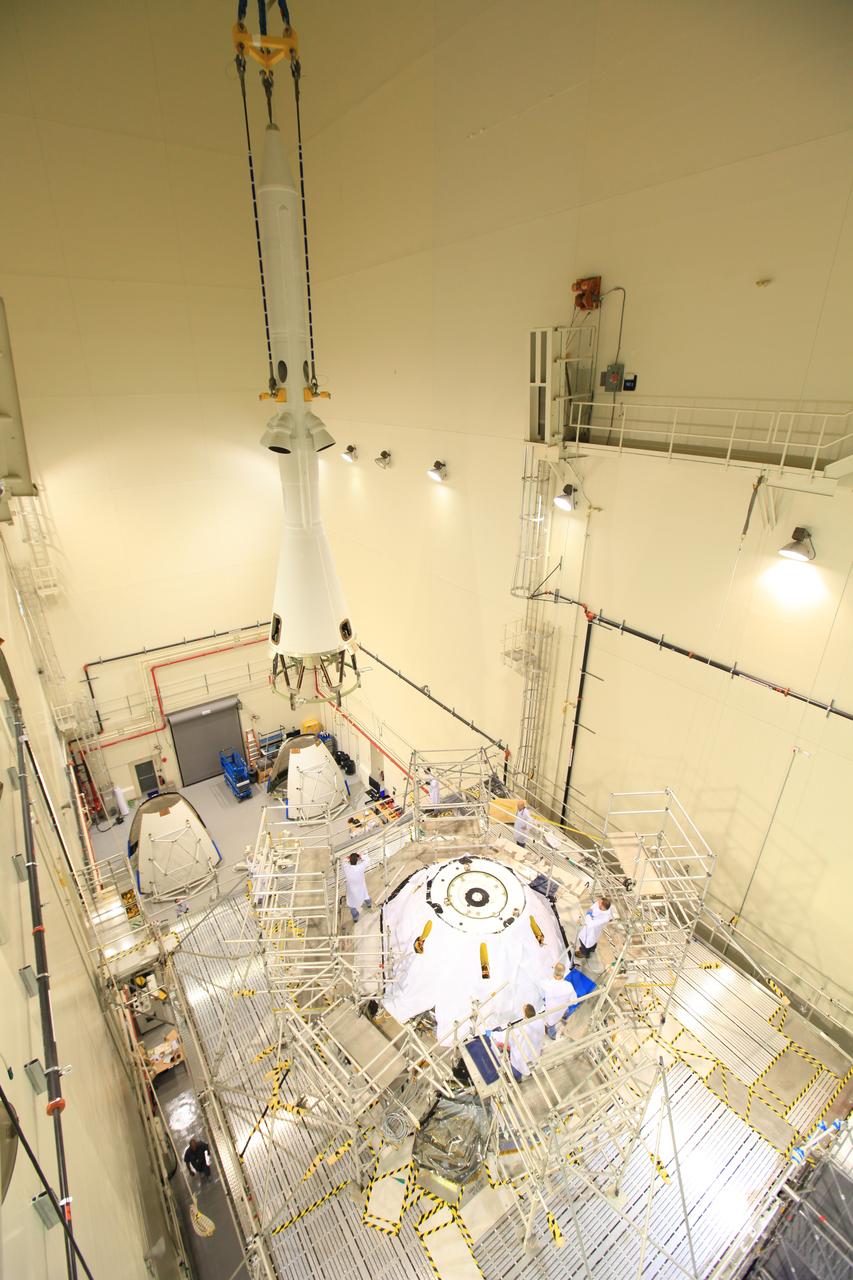
Exploration Flight Test-1 (EFT-1) Orion's launch abort system, or LAS, is positioned atop the crew and service module in the Launch Abort System Facility (LASF) at Kennedy Space Center on Oct. 3, 2014, in preparation for rollout to mate with the Delta IV Heavy launch vehicle. The LAS is designed to activate within milliseconds to pull the crew module to safety in case of an emergency. Exploration Flight Test-1 (EFT-1) verified the function of the jettison motor to separate the LAS from the crew module to ensure a safe, successful mission. Part of Batch image transfer from Flickr.
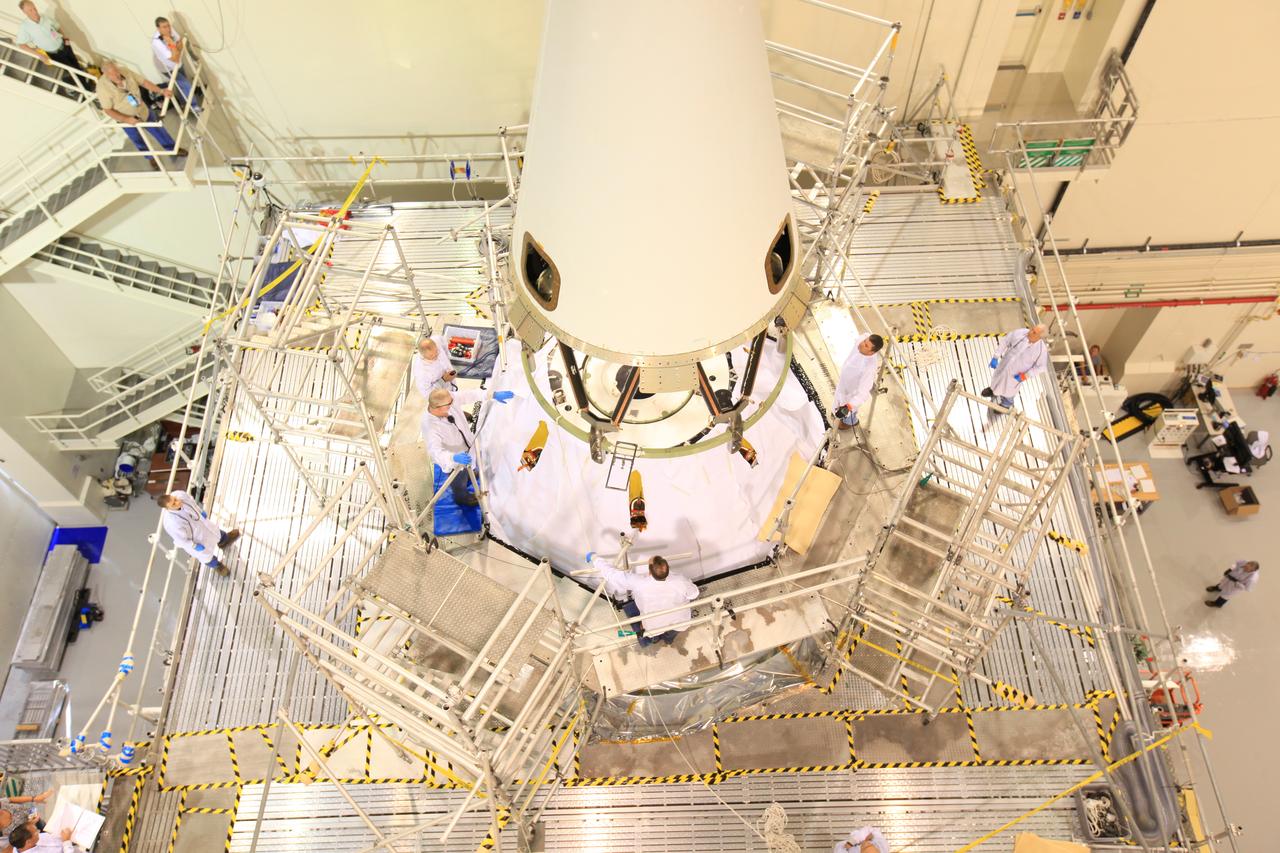
Exploration Flight Test-1 (EFT-1) Orion's launch abort system, or LAS, is positioned atop the crew and service module in the Launch Abort System Facility (LASF) at Kennedy Space Center on Oct. 3, 2014, in preparation for rollout to mate with the Delta IV Heavy launch vehicle. The LAS is designed to activate within milliseconds to pull the crew module to safety in case of an emergency. Exploration Flight Test-1 (EFT-1) verified the function of the jettison motor to separate the LAS from the crew module to ensure a safe, successful mission. Part of Batch image transfer from Flickr.
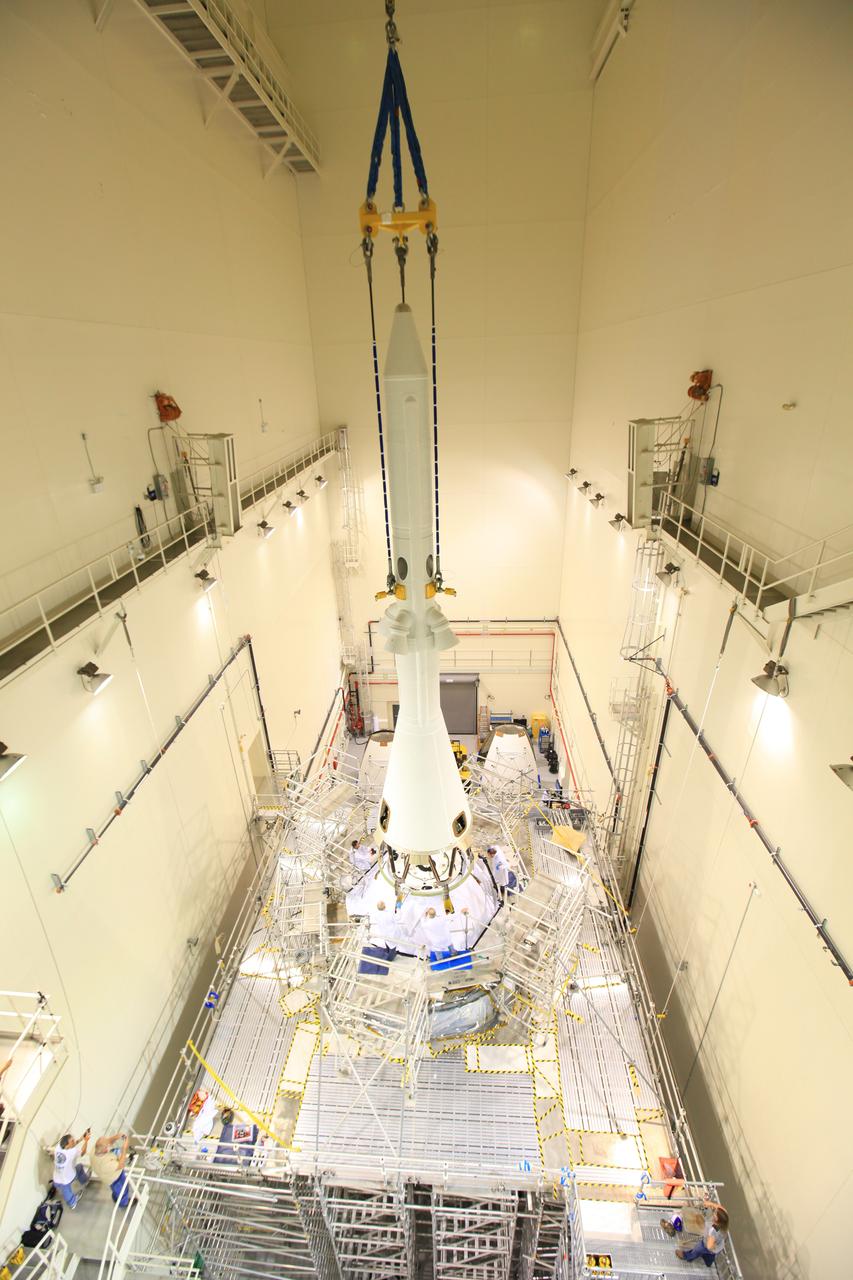
Exploration Flight Test-1 (EFT-1) Orion's launch abort system, or LAS, is positioned atop the crew and service module in the Launch Abort System Facility (LASF) at Kennedy Space Center on Oct. 3, 2014, in preparation for rollout to mate with the Delta IV Heavy launch vehicle. The LAS is designed to activate within milliseconds to pull the crew module to safety in case of an emergency. Exploration Flight Test-1 (EFT-1) verified the function of the jettison motor to separate the LAS from the crew module to ensure a safe, successful mission. Part of Batch image transfer from Flickr.
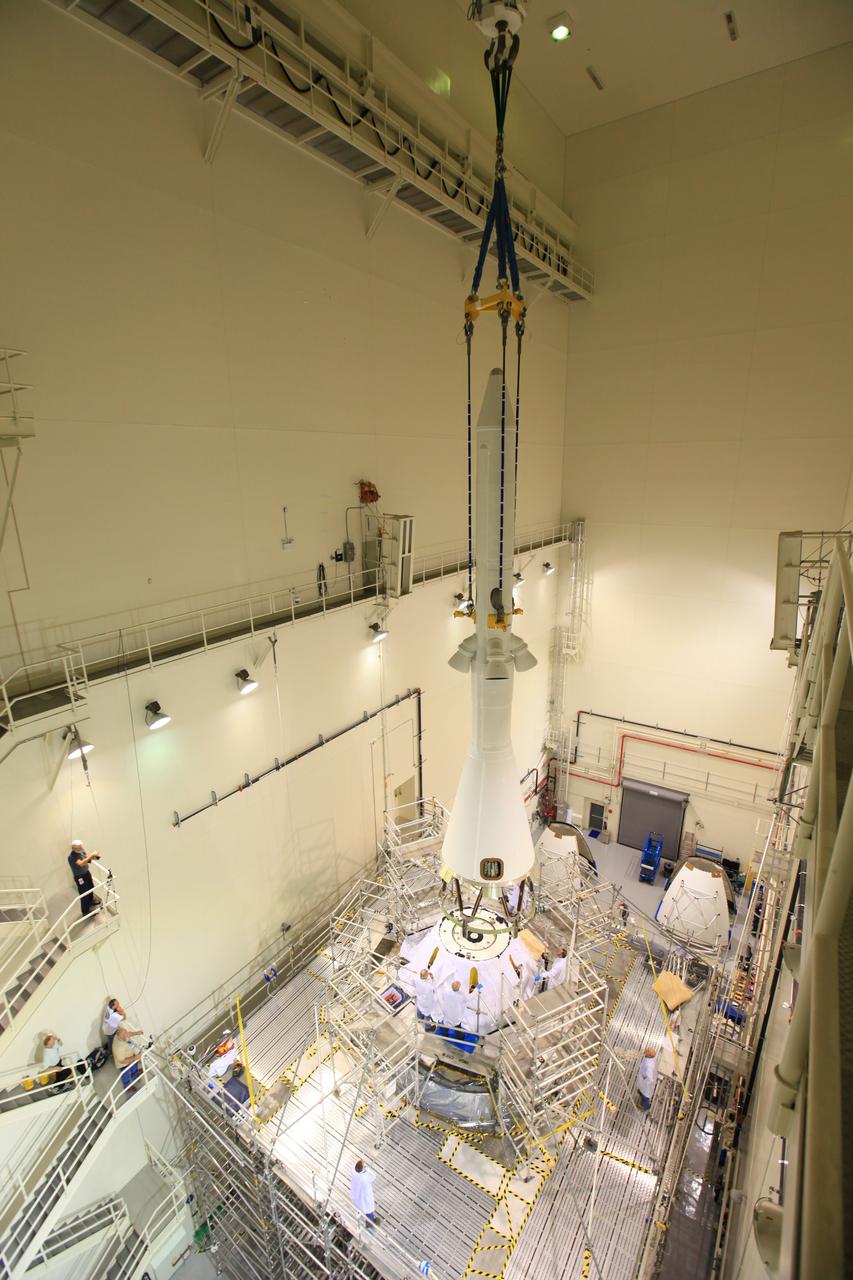
Exploration Flight Test-1 (EFT-1) Orion's launch abort system, or LAS, is positioned atop the crew and service module in the Launch Abort System Facility (LASF) at Kennedy Space Center on Oct. 3, 2014, in preparation for rollout to mate with the Delta IV Heavy launch vehicle. The LAS is designed to activate within milliseconds to pull the crew module to safety in case of an emergency. Exploration Flight Test-1 (EFT-1) verified the function of the jettison motor to separate the LAS from the crew module to ensure a safe, successful mission. Part of Batch image transfer from Flickr.
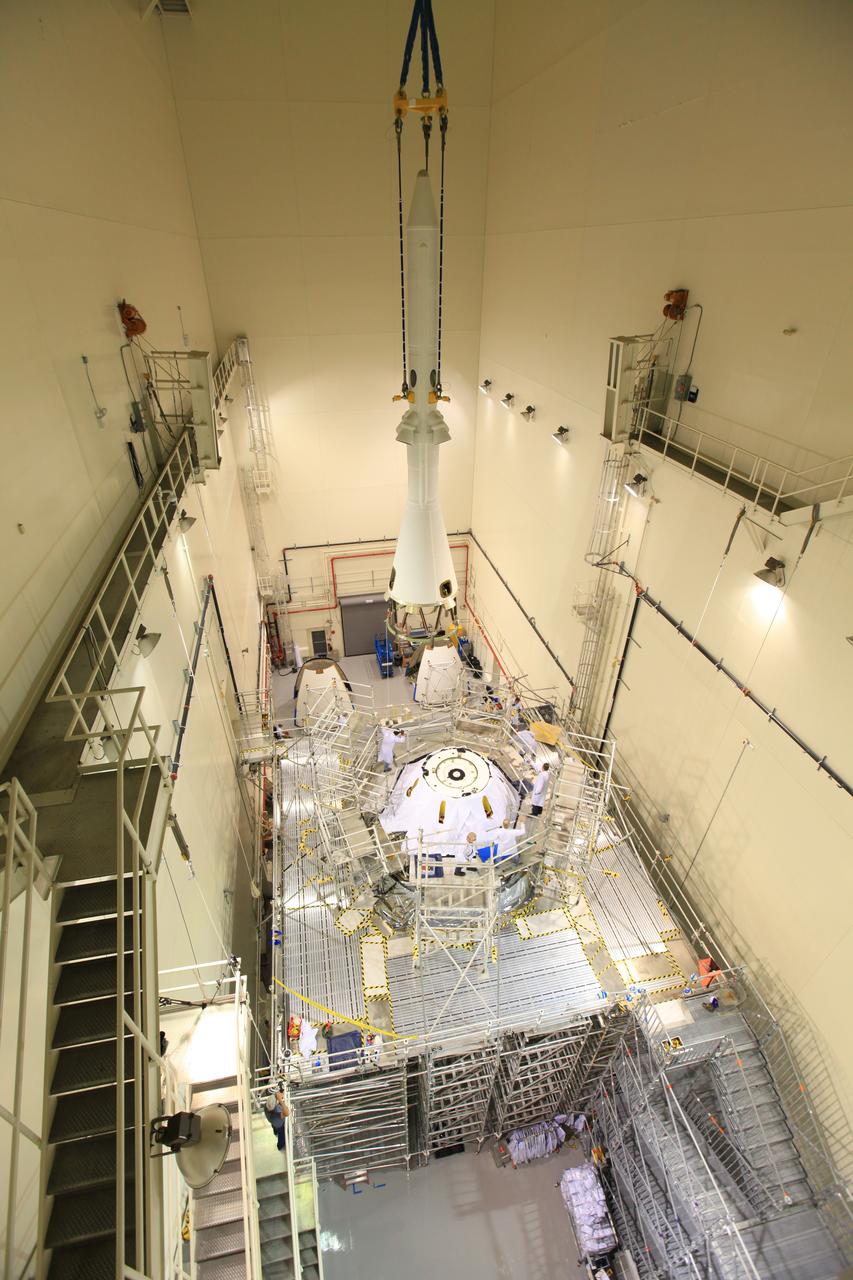
Exploration Flight Test-1 (EFT-1) Orion's launch abort system, or LAS, is positioned atop the crew and service module in the Launch Abort System Facility (LASF) at Kennedy Space Center on Oct. 3, 2014, in preparation for rollout to mate with the Delta IV Heavy launch vehicle. The LAS is designed to activate within milliseconds to pull the crew module to safety in case of an emergency. Exploration Flight Test-1 (EFT-1) verified the function of the jettison motor to separate the LAS from the crew module to ensure a safe, successful mission. Part of Batch image transfer from Flickr.
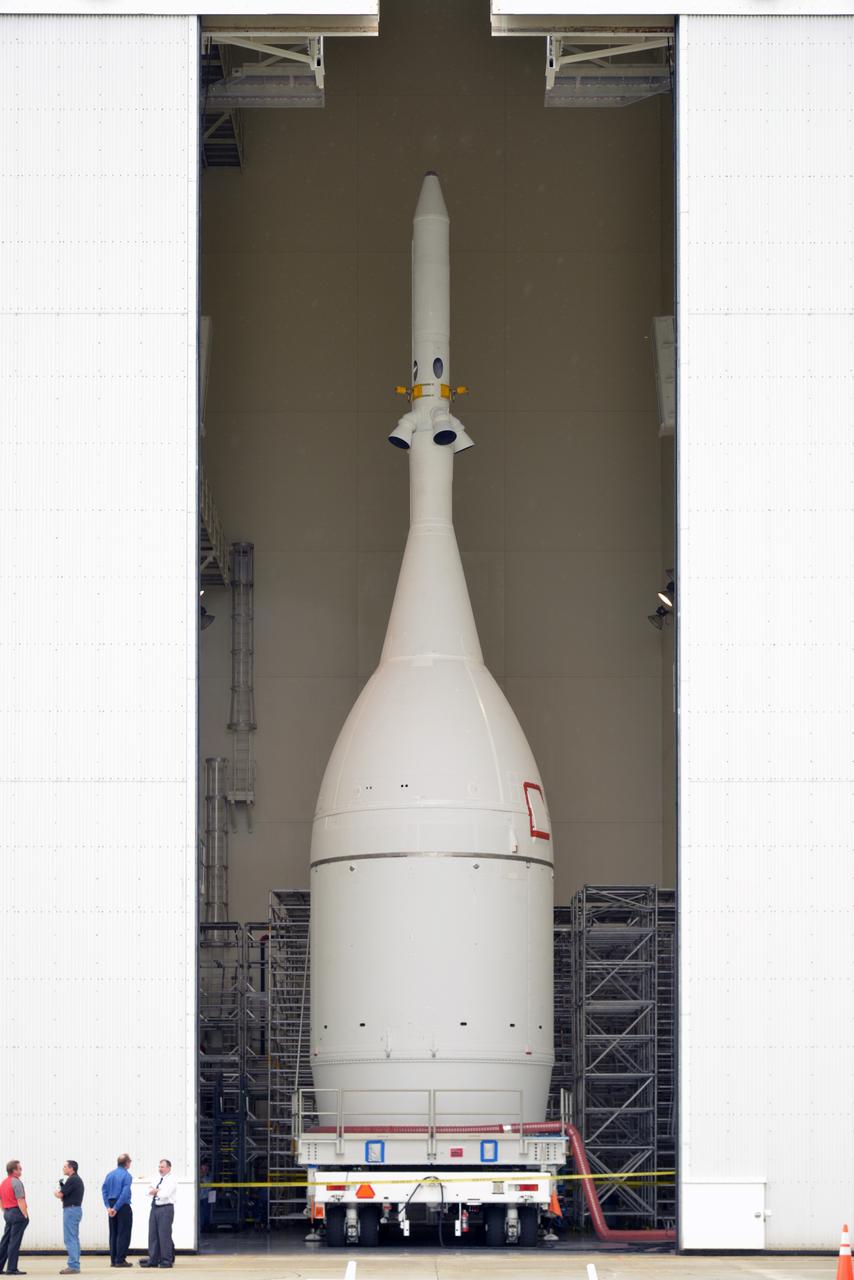
The Orion for Exploration Flight Test-1 (EFT-1) is stacked and ready to roll to the pad in the Launch Abort System Facility (LASF) at Kennedy Space Center on Nov. 10, 2014. The Orion stack, consisting of the launch abort system, the crew module, and the service module measures over 80 feet tall. Part of Batch image transfer from Flickr.
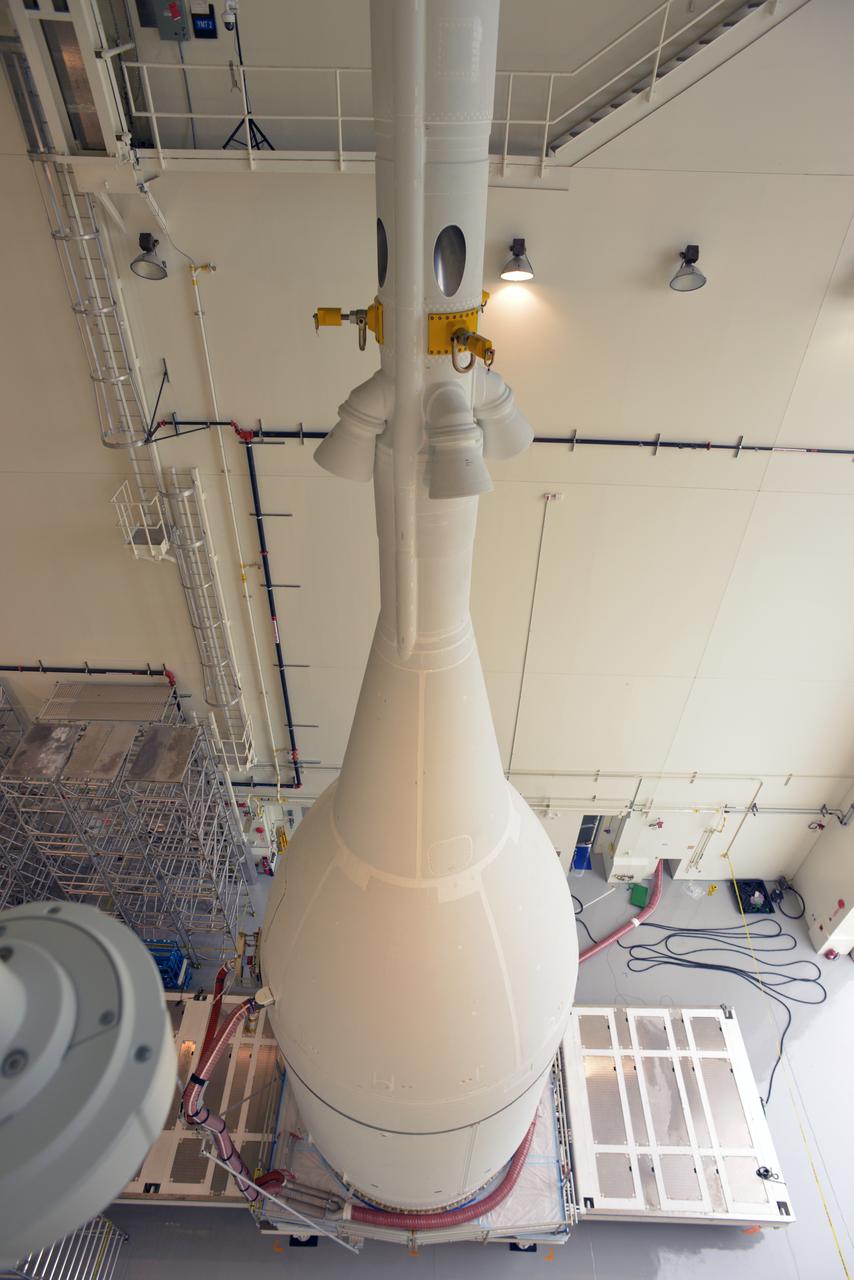
The Orion for Exploration Flight Test-1 (EFT-1) is stacked and ready to roll to the pad in the Launch Abort System Facility (LASF) at Kennedy Space Center on Nov. 10, 2014. The Orion stack, consisting of the launch abort system, the crew module, and the service module measures over 80 feet tall. Part of Batch image transfer from Flickr.
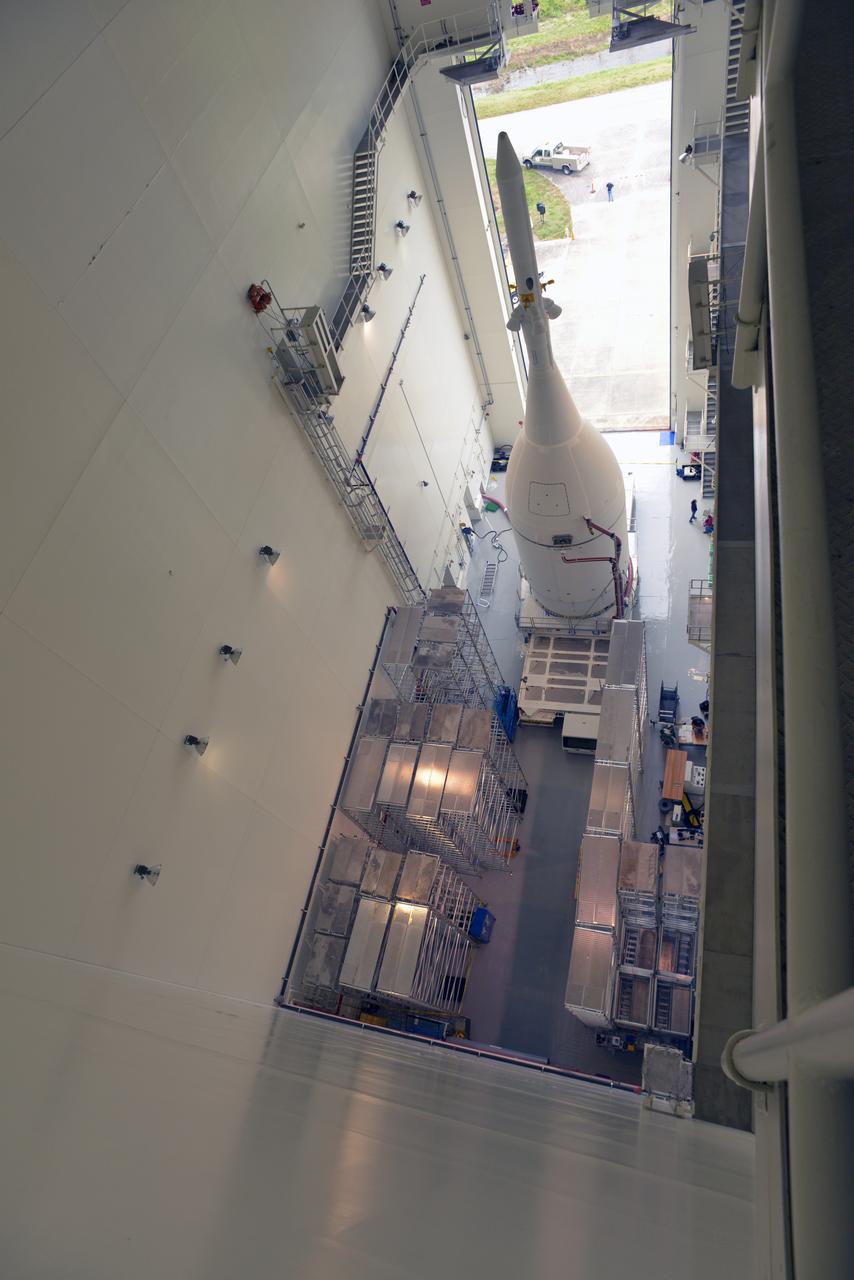
The Orion for Exploration Flight Test-1 (EFT-1) is stacked and ready to roll to the pad in the Launch Abort System Facility (LASF) at Kennedy Space Center on Nov. 10, 2014. The Orion stack, consisting of the launch abort system, the crew module, and the service module measures over 80 feet tall. Part of Batch image transfer from Flickr.
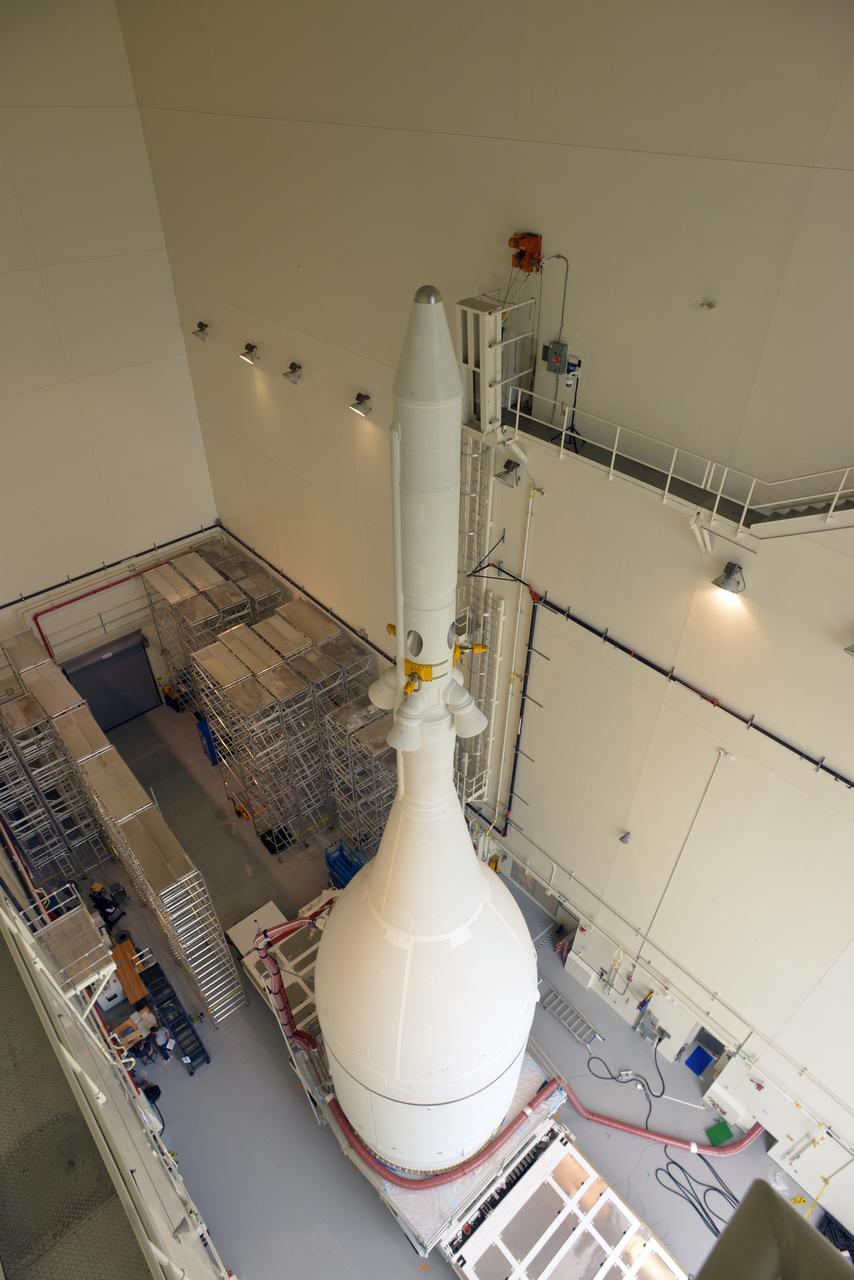
The Orion for Exploration Flight Test-1 (EFT-1) is stacked and ready to roll to the pad in the Launch Abort System Facility (LASF) at Kennedy Space Center on Nov. 10, 2014. The Orion stack, consisting of the launch abort system, the crew module, and the service module measures over 80 feet tall. Part of Batch image transfer from Flickr.
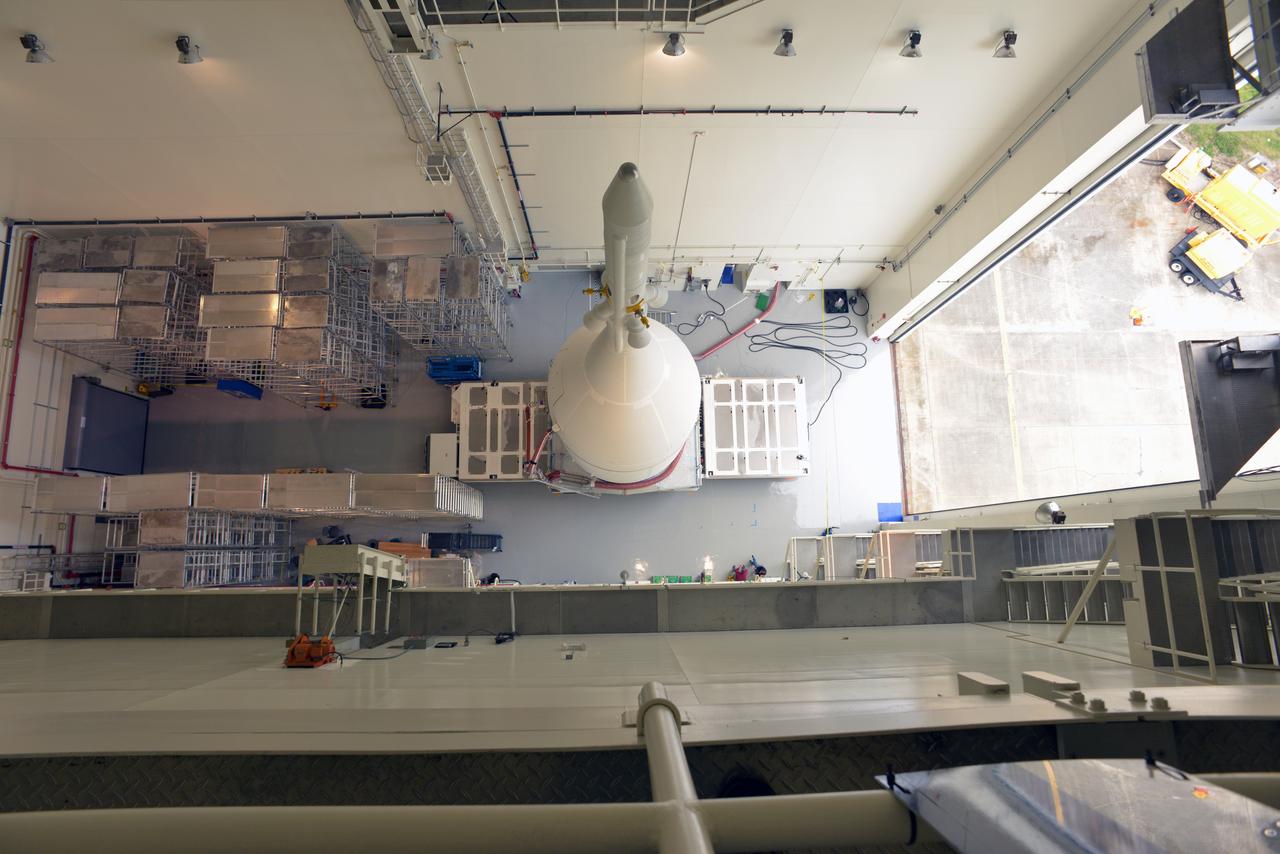
The Orion for Exploration Flight Test-1 (EFT-1) is stacked and ready to roll to the pad in the Launch Abort System Facility (LASF) at Kennedy Space Center on Nov. 10, 2014. The Orion stack, consisting of the launch abort system, the crew module, and the service module measures over 80 feet tall. Part of Batch image transfer from Flickr.
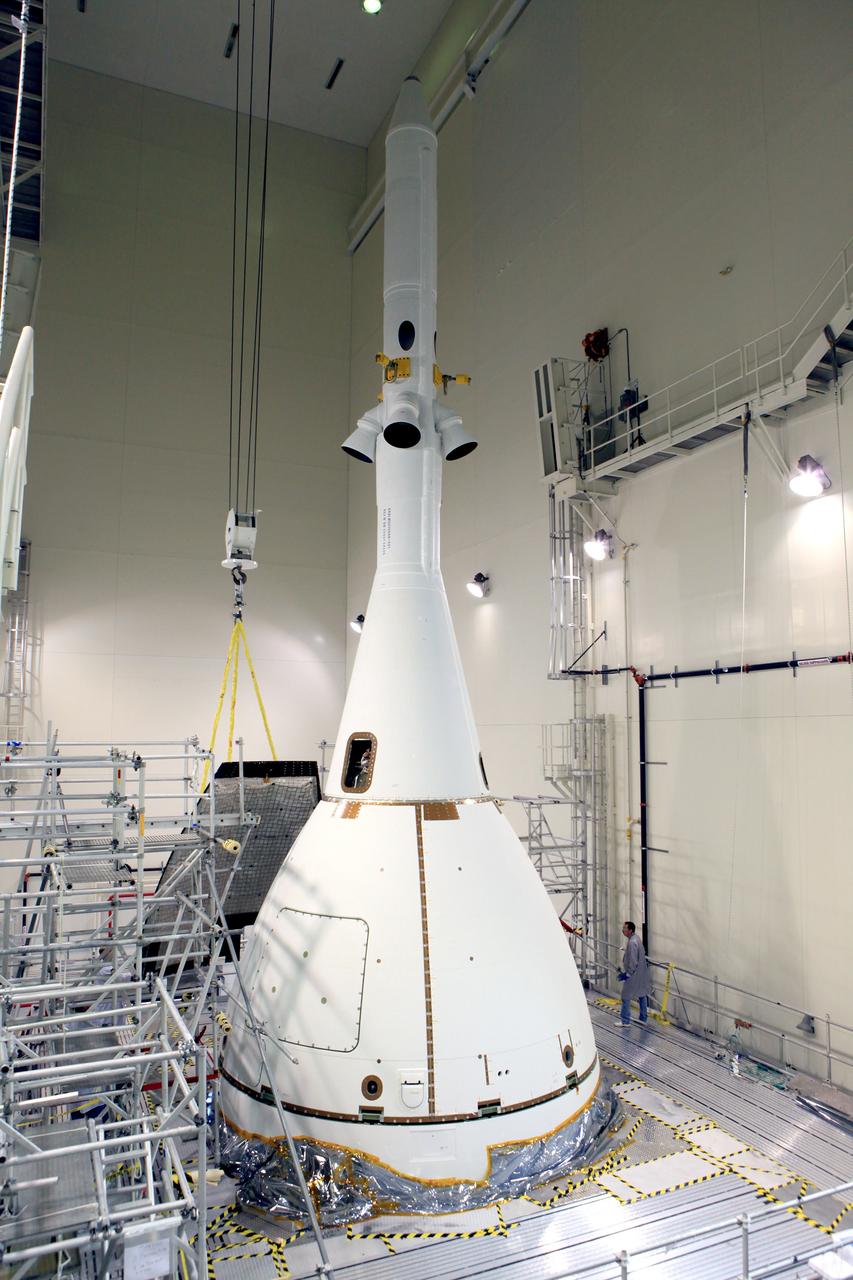
The last major assembly operation to prepare Orion for Exploration Flight Test-1 (EFT-1) is completed in the Launch Abort System Facility (LASF) at Kennedy Space Center on Oct. 11, 2014. The ogive panels, which protect the crew module from sound and vibration during ascent, were installed around the spacecraft just below the launch abort system tower. Part of Batch image transfer from Flickr.
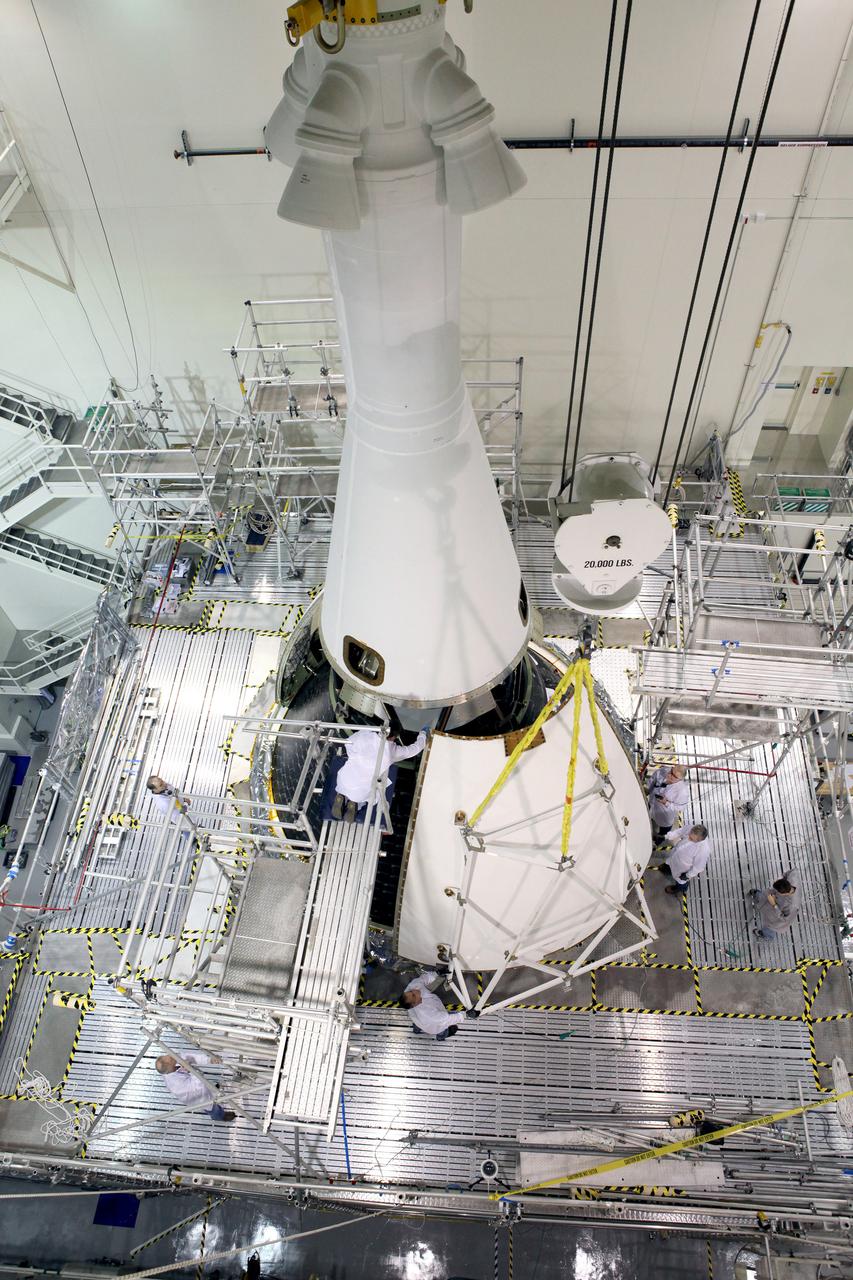
The last major assembly operation to prepare Orion for Exploration Flight Test-1 (EFT-1) is completed in the Launch Abort System Facility (LASF) at Kennedy Space Center on Oct. 11, 2014. The ogive panels, which protect the crew module from sound and vibration during ascent, were installed around the spacecraft just below the launch abort system tower. Part of Batch image transfer from Flickr.
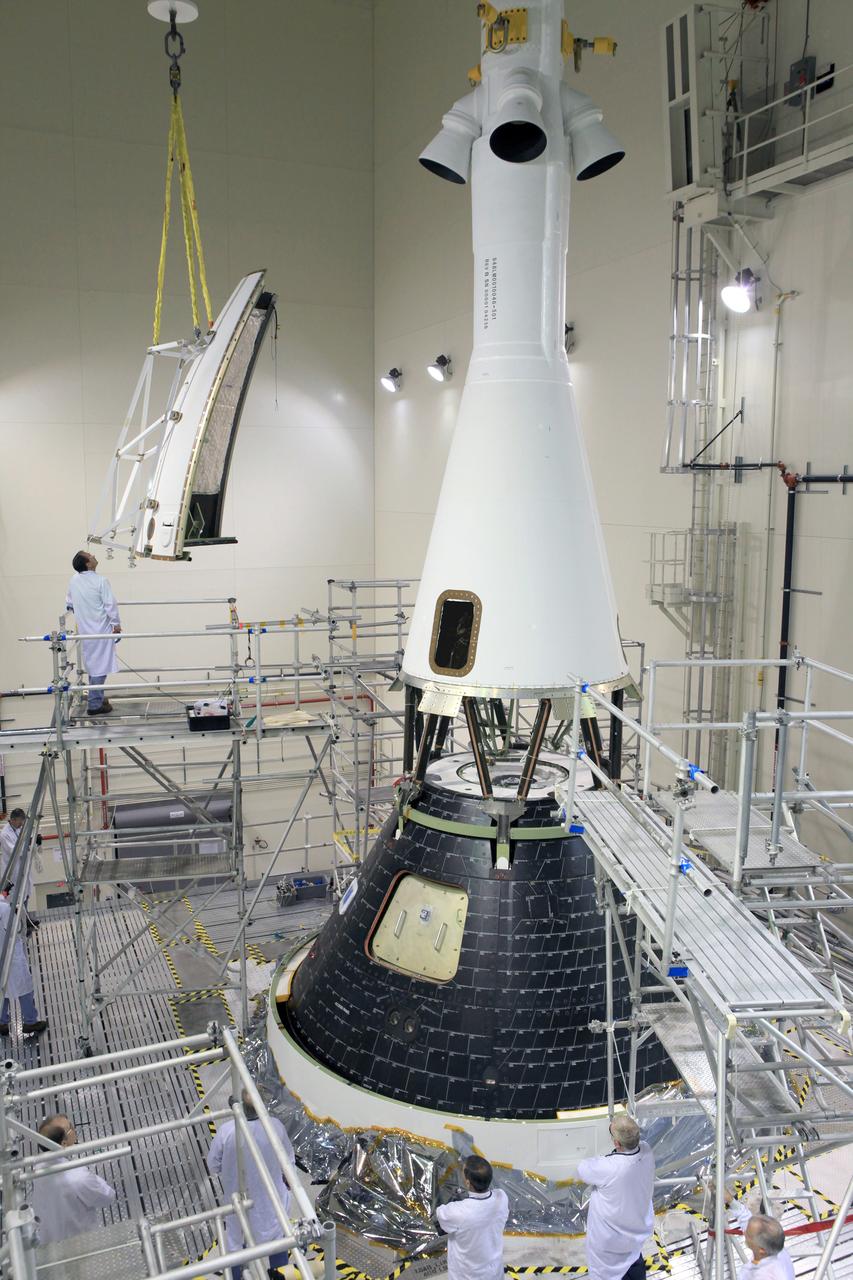
The last major assembly operation to prepare Orion for Exploration Flight Test-1 (EFT-1) is completed in the Launch Abort System Facility (LASF) at Kennedy Space Center on Oct. 11, 2014. The ogive panels, which protect the crew module from sound and vibration during ascent, were installed around the spacecraft just below the launch abort system tower. Part of Batch image transfer from Flickr.
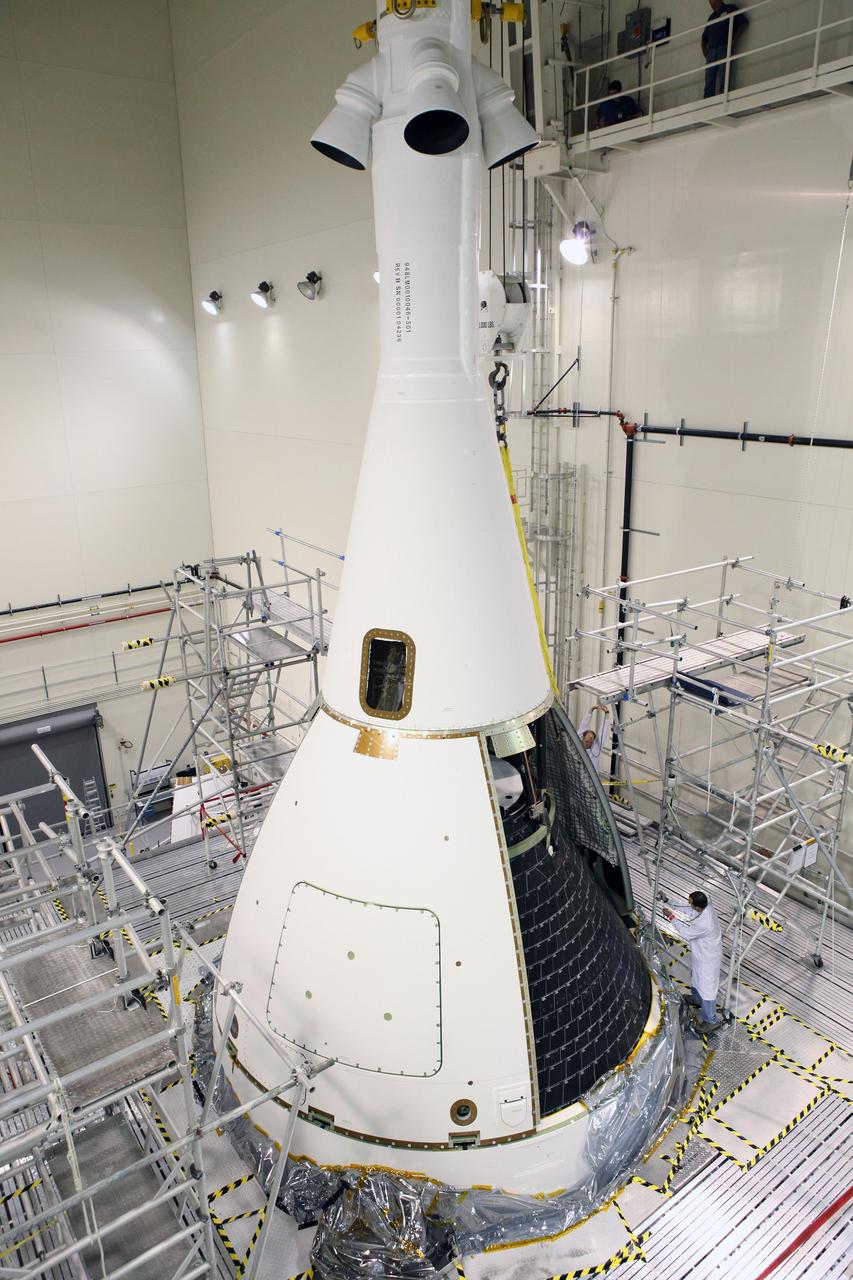
The last major assembly operation to prepare Orion for Exploration Flight Test-1 (EFT-1) is completed in the Launch Abort System Facility (LASF) at Kennedy Space Center on Oct. 11, 2014. The ogive panels, which protect the crew module from sound and vibration during ascent, were installed around the spacecraft just below the launch abort system tower. Part of Batch image transfer from Flickr.
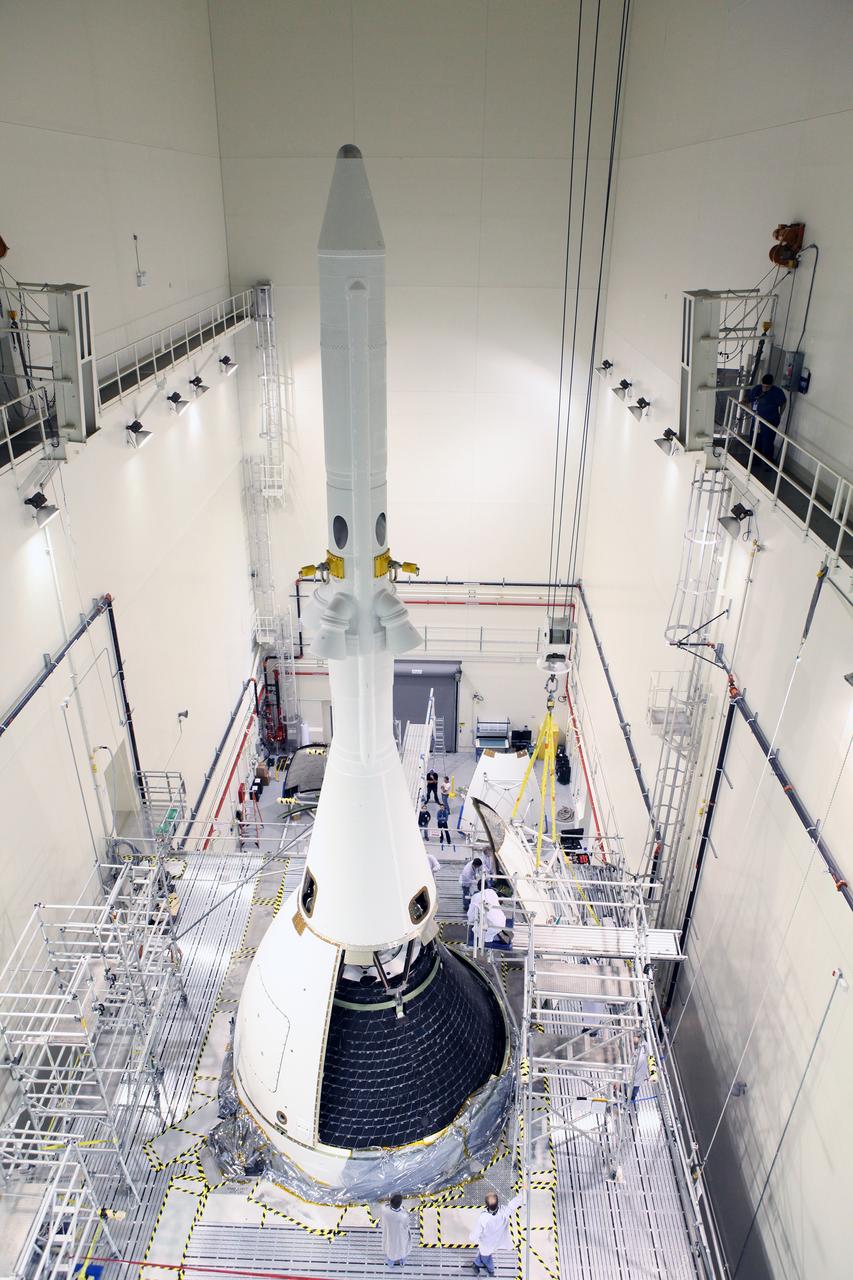
The last major assembly operation to prepare Orion for Exploration Flight Test-1 (EFT-1) is completed in the Launch Abort System Facility (LASF) at Kennedy Space Center on Oct. 11, 2014. The ogive panels, which protect the crew module from sound and vibration during ascent, were installed around the spacecraft just below the launch abort system tower. Part of Batch image transfer from Flickr.

The last major assembly operation to prepare Orion for Exploration Flight Test-1 (EFT-1) is completed in the Launch Abort System Facility (LASF) at Kennedy Space Center on Oct. 11, 2014. The ogive panels, which protect the crew module from sound and vibration during ascent, were installed around the spacecraft just below the launch abort system tower. Part of Batch image transfer from Flickr.
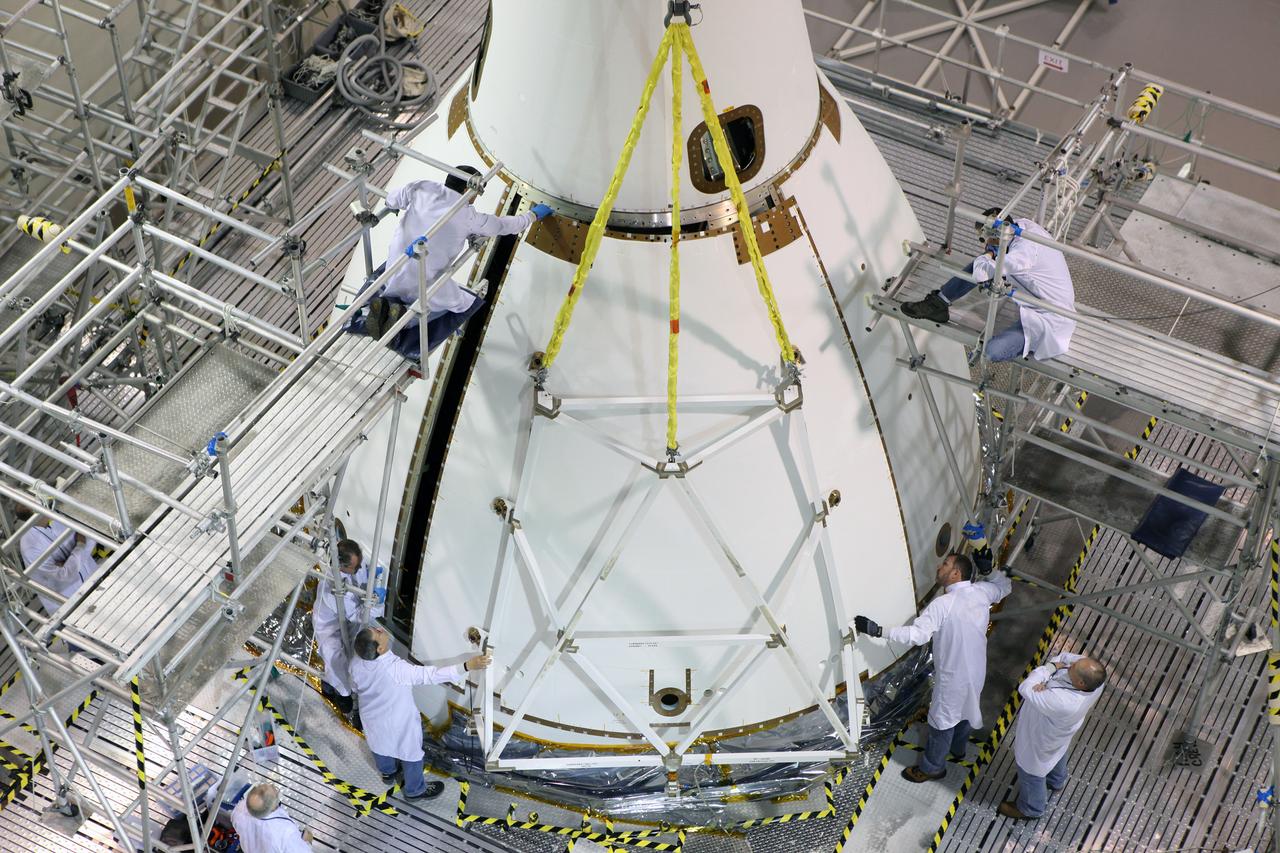
The last major assembly operation to prepare Orion for Exploration Flight Test-1 (EFT-1) is completed in the Launch Abort System Facility (LASF) at Kennedy Space Center on Oct. 11, 2014. The ogive panels, which protect the crew module from sound and vibration during ascent, were installed around the spacecraft just below the launch abort system tower. Part of Batch image transfer from Flickr.
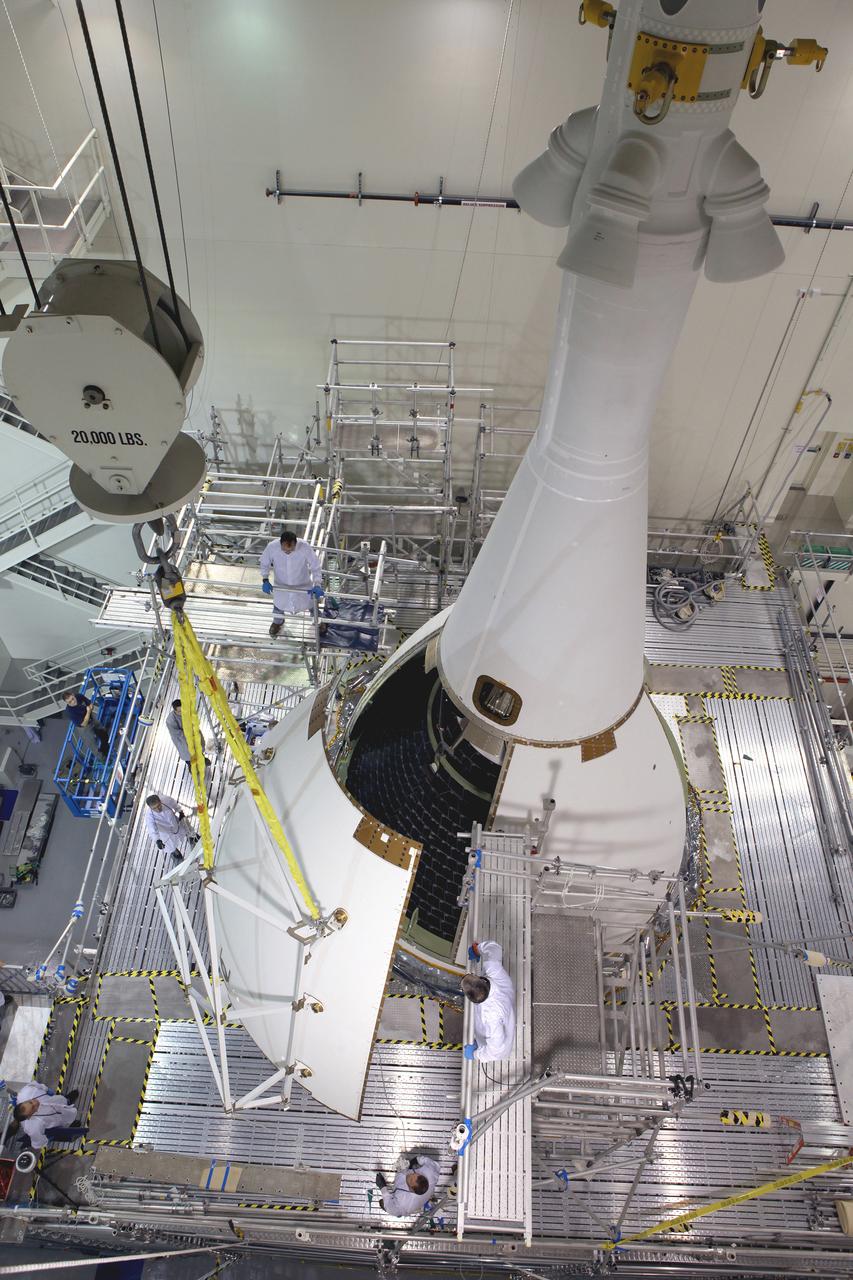
The last major assembly operation to prepare Orion for Exploration Flight Test-1 (EFT-1) is completed in the Launch Abort System Facility (LASF) at Kennedy Space Center on Oct. 11, 2014. The ogive panels, which protect the crew module from sound and vibration during ascent, were installed around the spacecraft just below the launch abort system tower. Part of Batch image transfer from Flickr.
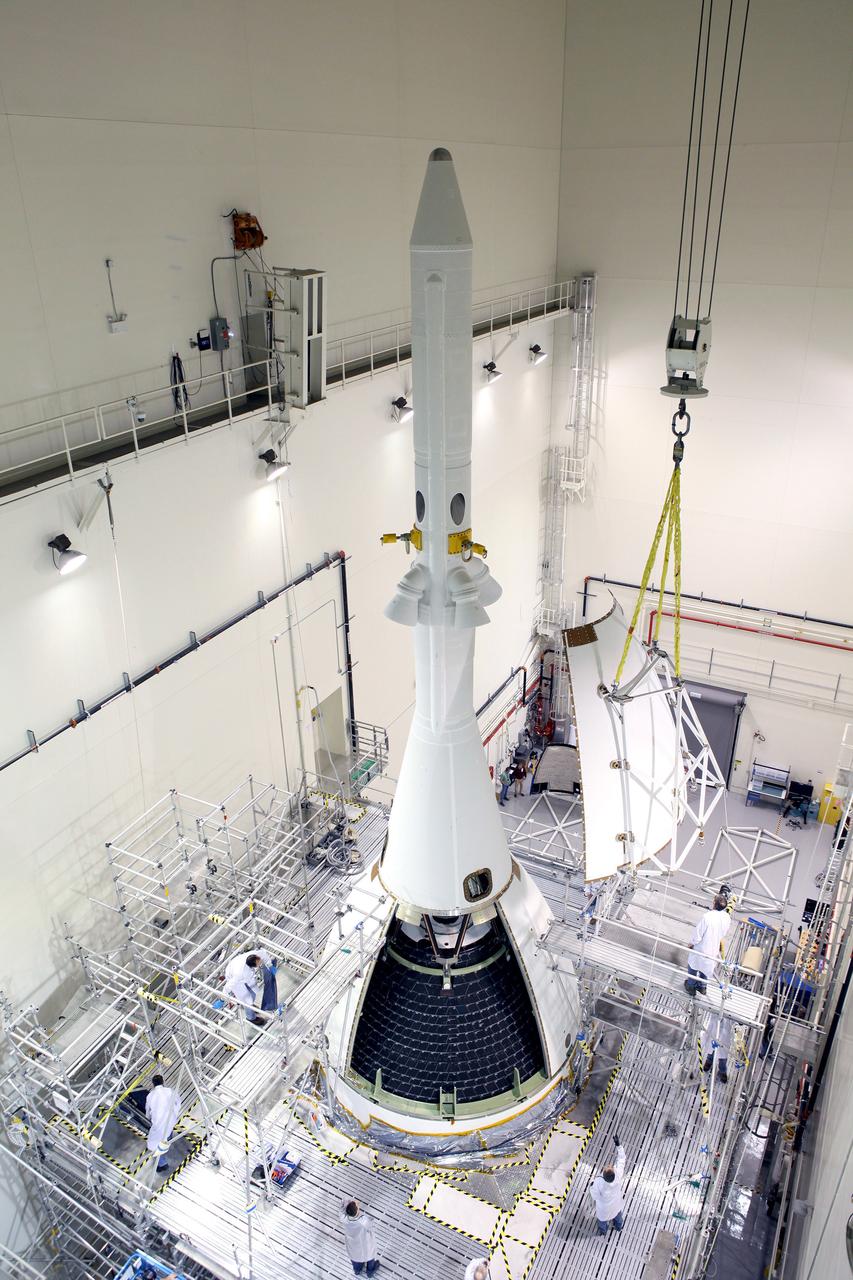
The last major assembly operation to prepare Orion for Exploration Flight Test-1 (EFT-1) is completed in the Launch Abort System Facility (LASF) at Kennedy Space Center on Oct. 11, 2014. The ogive panels, which protect the crew module from sound and vibration during ascent, were installed around the spacecraft just below the launch abort system tower. Part of Batch image transfer from Flickr.

The last major assembly operation to prepare Orion for Exploration Flight Test-1 (EFT-1) is completed in the Launch Abort System Facility (LASF) at Kennedy Space Center on Oct. 11, 2014. The ogive panels, which protect the crew module from sound and vibration during ascent, were installed around the spacecraft just below the launch abort system tower. Part of Batch image transfer from Flickr.

The last major assembly operation to prepare Orion for Exploration Flight Test-1 (EFT-1) is completed in the Launch Abort System Facility (LASF) at Kennedy Space Center on Oct. 11, 2014. The ogive panels, which protect the crew module from sound and vibration during ascent, were installed around the spacecraft just below the launch abort system tower. Part of Batch image transfer from Flickr.