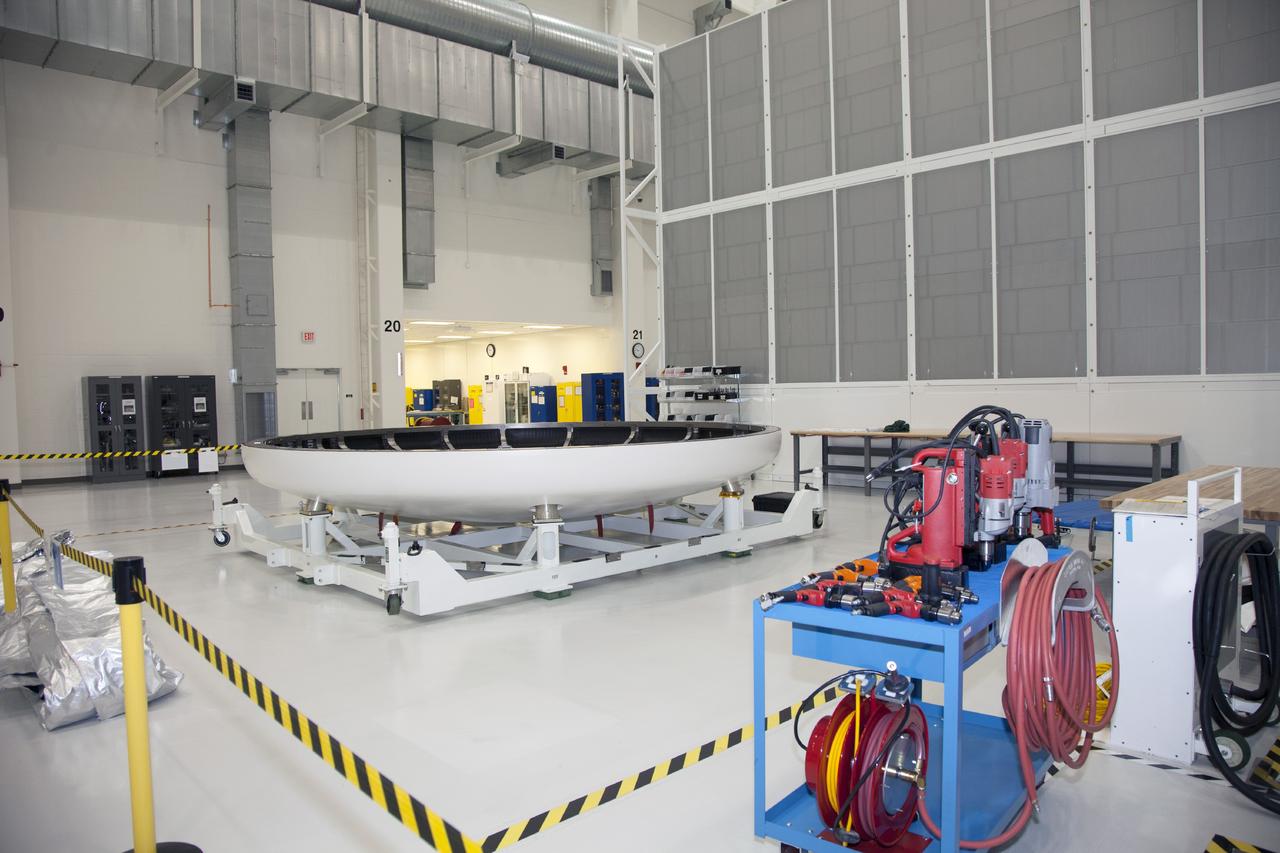
CAPE CANAVERAL, Fla. -- The heat shield for the Orion spacecraft has been placed on a work stand inside the Operations and Checkout Building high bay at NASA’s Kennedy Space Center in Florida. The heat shield arrived at Kennedy’s Shuttle Landing Facility on Dec. 5 on NASA’s Super Guppy aircraft. The largest of its kind ever built, the heat shield is planned for installation on the Orion crew module in March 2014. The Orion spacecraft is being prepared for its first unpiloted flight test, Exploration Flight Test-1, or EFT-1, scheduled for launch atop a Delta IV rocket in September 2014. The Orion spacecraft is designed to carry astronauts to destinations not yet explored by humans. It will have emergency abort capability, sustain the crew during space travel and provide safe re-entry from deep space return velocities. Orion is scheduled to launch atop NASA’s Space Launch System rocket in 2017. For more information, visit http://www.nasa.gov/orion. Photo credit: NASA/Mike Chambers
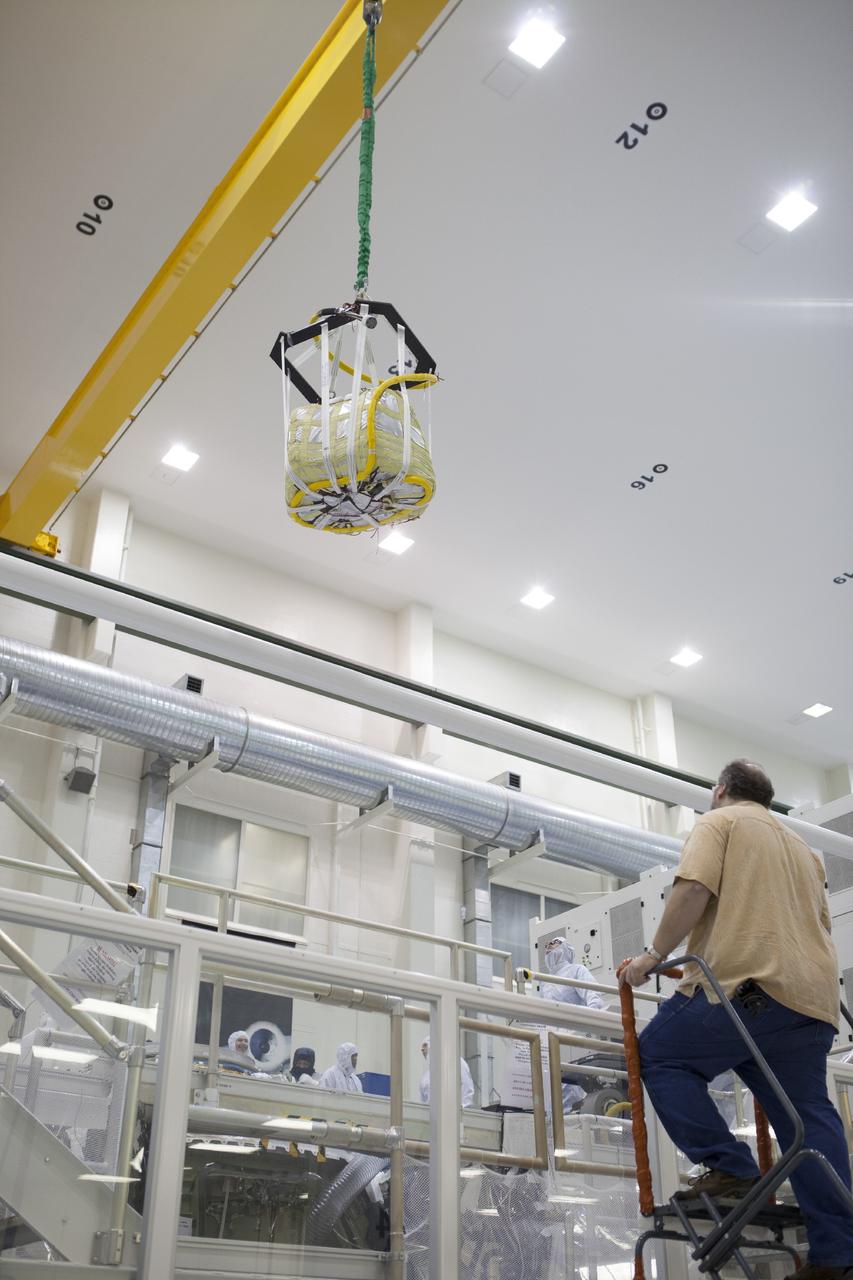
CAPE CANAVERAL, Fla. -- A crane moves one of three main parachutes for the Orion spacecraft inside the Operations and Checkout Building high bay at NASA’s Kennedy Space Center in Florida. The parachute is being prepared for installation on Orion. The Orion spacecraft is being prepared for its first unpiloted flight test, Exploration Flight Test-1, or EFT-1, scheduled for launch atop a Delta IV rocket in September 2014. The Orion spacecraft is designed to carry astronauts to destinations not yet explored by humans. It will have emergency abort capability, sustain the crew during space travel and provide safe re-entry from deep space return velocities. Orion is scheduled to launch atop NASA’s Space Launch System rocket in 2017. For more information, visit http://www.nasa.gov/orion. Photo credit: NASA/Kim Shiflett
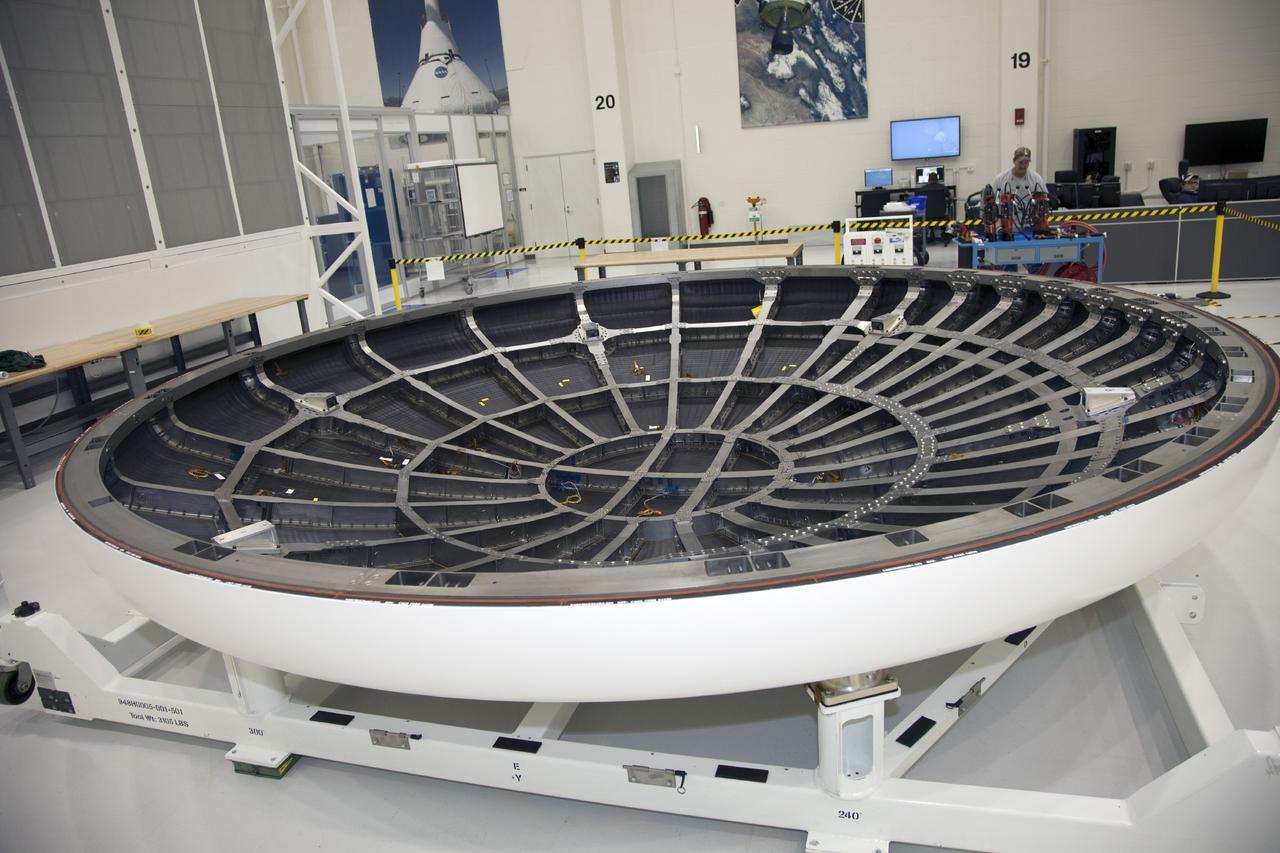
CAPE CANAVERAL, Fla. -- The heat shield for the Orion spacecraft has been placed on a work stand inside the Operations and Checkout Building high bay at NASA’s Kennedy Space Center in Florida. The heat shield arrived at Kennedy’s Shuttle Landing Facility on Dec. 5 on NASA’s Super Guppy aircraft. The largest of its kind ever built, the heat shield is planned for installation on the Orion crew module in March 2014. The Orion spacecraft is being prepared for its first unpiloted flight test, Exploration Flight Test-1, or EFT-1, scheduled for launch atop a Delta IV rocket in September 2014. The Orion spacecraft is designed to carry astronauts to destinations not yet explored by humans. It will have emergency abort capability, sustain the crew during space travel and provide safe re-entry from deep space return velocities. Orion is scheduled to launch atop NASA’s Space Launch System rocket in 2017. For more information, visit http://www.nasa.gov/orion. Photo credit: NASA/Mike Chambers
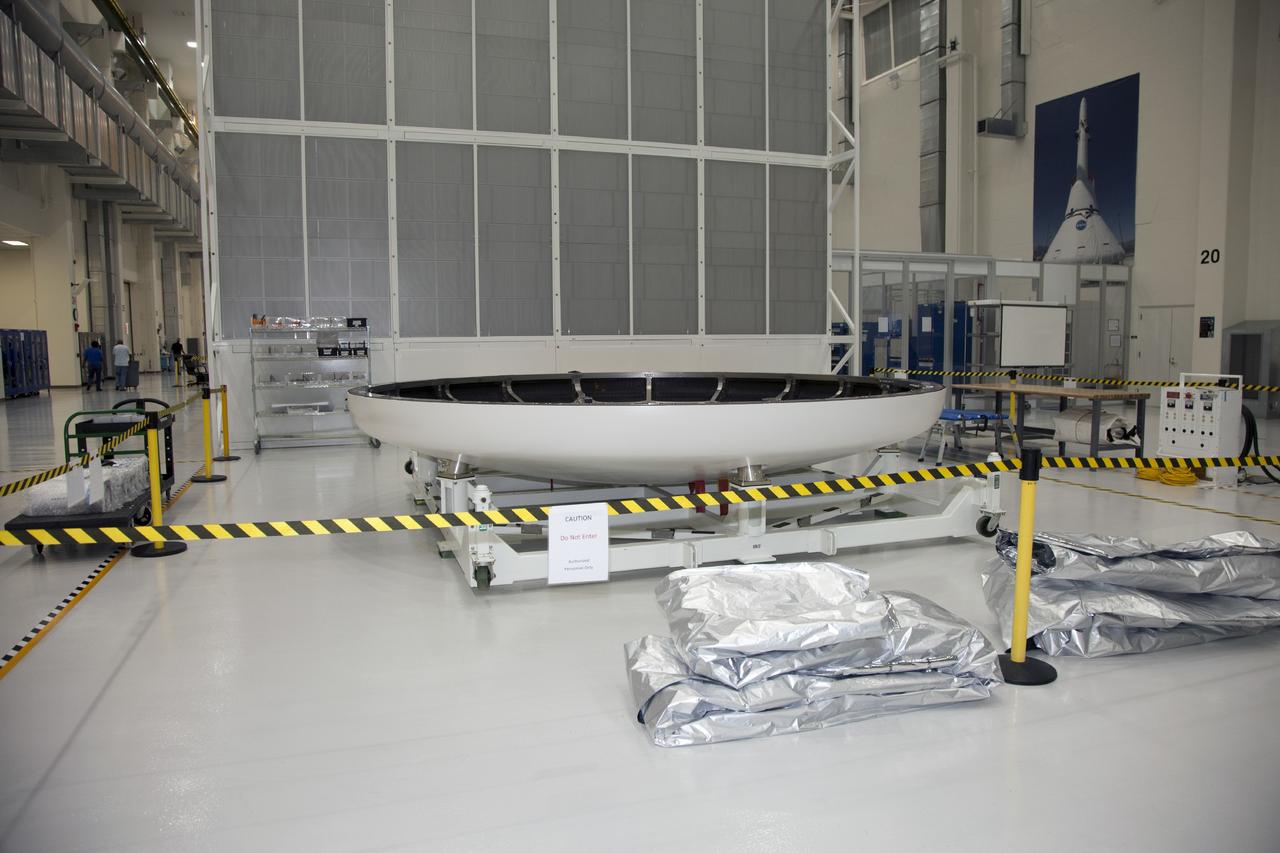
CAPE CANAVERAL, Fla. -- The heat shield for the Orion spacecraft has been placed on a work stand inside the Operations and Checkout Building high bay at NASA’s Kennedy Space Center in Florida. The heat shield arrived at Kennedy’s Shuttle Landing Facility on Dec. 5 on NASA’s Super Guppy aircraft. The largest of its kind ever built, the heat shield is planned for installation on the Orion crew module in March 2014. The Orion spacecraft is being prepared for its first unpiloted flight test, Exploration Flight Test-1, or EFT-1, scheduled for launch atop a Delta IV rocket in September 2014. The Orion spacecraft is designed to carry astronauts to destinations not yet explored by humans. It will have emergency abort capability, sustain the crew during space travel and provide safe re-entry from deep space return velocities. Orion is scheduled to launch atop NASA’s Space Launch System rocket in 2017. For more information, visit http://www.nasa.gov/orion. Photo credit: NASA/Mike Chambers
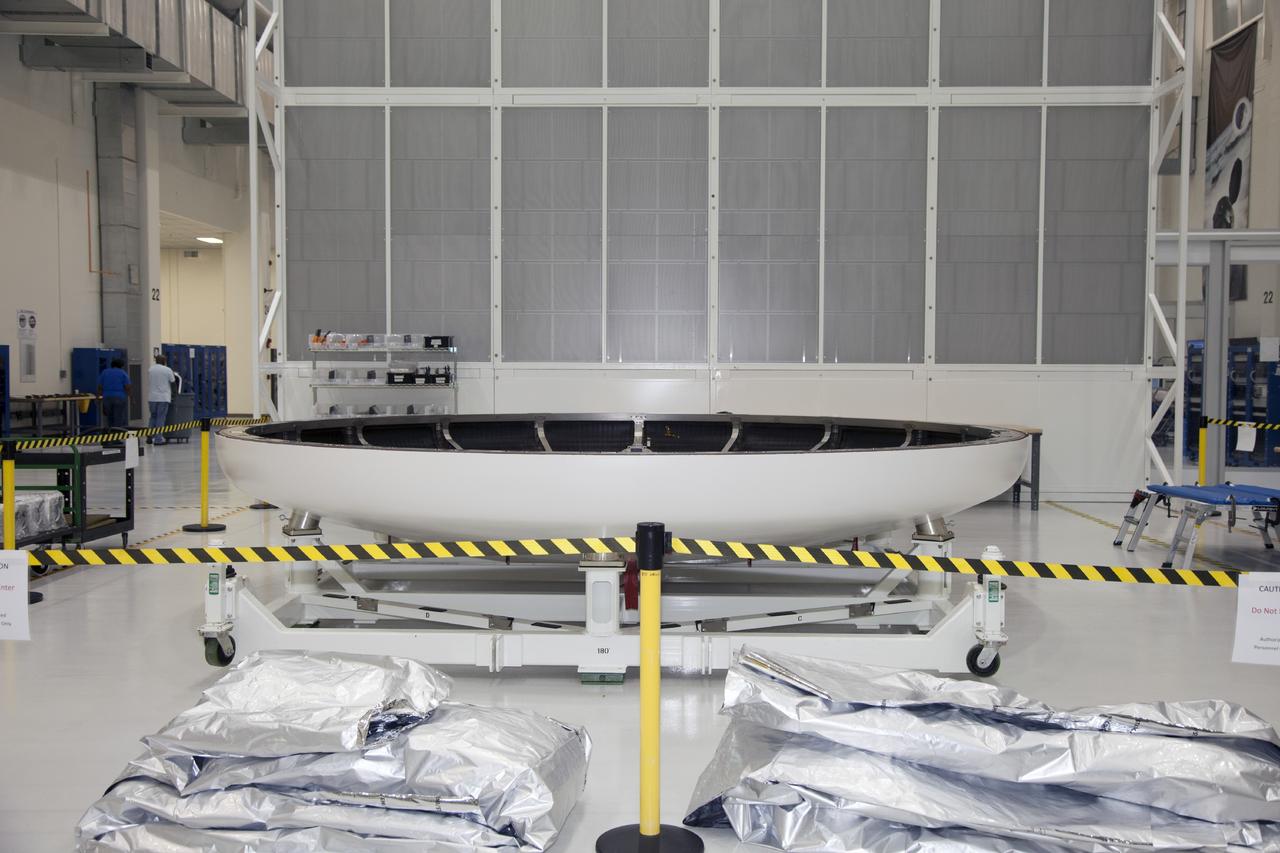
CAPE CANAVERAL, Fla. -- The heat shield for the Orion spacecraft has been placed on a work stand inside the Operations and Checkout Building high bay at NASA’s Kennedy Space Center in Florida. The heat shield arrived at Kennedy’s Shuttle Landing Facility on Dec. 5 on NASA’s Super Guppy aircraft. The largest of its kind ever built, the heat shield is planned for installation on the Orion crew module in March 2014. The Orion spacecraft is being prepared for its first unpiloted flight test, Exploration Flight Test-1, or EFT-1, scheduled for launch atop a Delta IV rocket in September 2014. The Orion spacecraft is designed to carry astronauts to destinations not yet explored by humans. It will have emergency abort capability, sustain the crew during space travel and provide safe re-entry from deep space return velocities. Orion is scheduled to launch atop NASA’s Space Launch System rocket in 2017. For more information, visit http://www.nasa.gov/orion. Photo credit: NASA/Mike Chambers
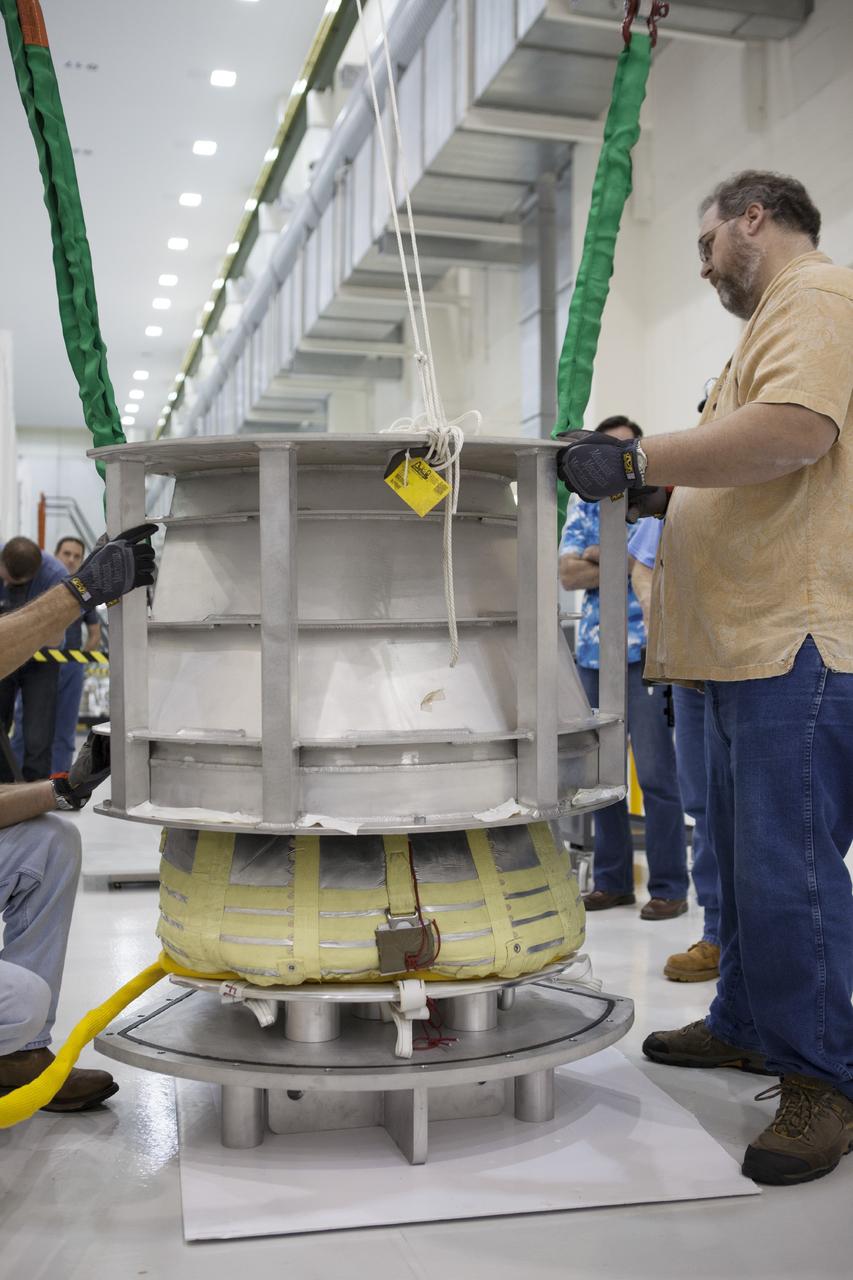
CAPE CANAVERAL, Fla. -- Inside the Operations and Checkout Building high bay at NASA’s Kennedy Space Center in Florida, a crane is used to lift the shipping container off of one of the three main parachutes for the Orion spacecraft. The parachute will be prepared for installation on Orion. The Orion spacecraft is being prepared for its first unpiloted flight test, Exploration Flight Test-1, or EFT-1, scheduled for launch atop a Delta IV rocket in September 2014. The Orion spacecraft is designed to carry astronauts to destinations not yet explored by humans. It will have emergency abort capability, sustain the crew during space travel and provide safe re-entry from deep space return velocities. Orion is scheduled to launch atop NASA’s Space Launch System rocket in 2017. For more information, visit http://www.nasa.gov/orion. Photo credit: NASA/Kim Shiflett

CAPE CANAVERAL, Fla. -- A crane lowers the main parachute for installation on the Orion spacecraft inside the Operations and Checkout Building high bay at NASA’s Kennedy Space Center in Florida. Technicians dressed in clean room suits will prepare the parachute for installation. The Orion spacecraft is being prepared for its first unpiloted flight test, Exploration Flight Test-1, or EFT-1, scheduled for launch atop a Delta IV rocket in September 2014. The Orion spacecraft is designed to carry astronauts to destinations not yet explored by humans. It will have emergency abort capability, sustain the crew during space travel and provide safe re-entry from deep space return velocities. Orion is scheduled to launch atop NASA’s Space Launch System rocket in 2017. For more information, visit http://www.nasa.gov/orion. Photo credit: NASA/Kim Shiflett
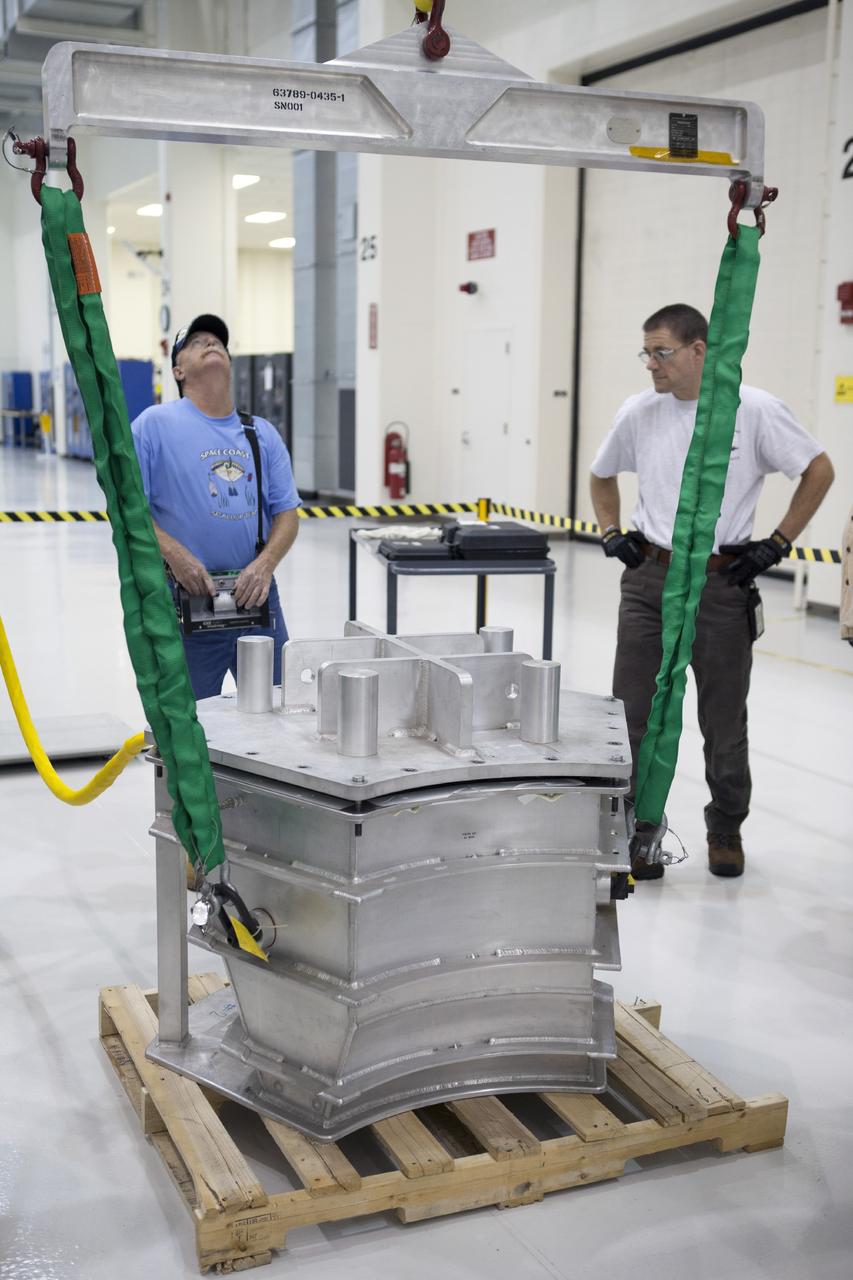
CAPE CANAVERAL, Fla. -- Inside the Operations and Checkout Building high bay at NASA’s Kennedy Space Center in Florida, a crane is used to lift the cover off of a shipping container that carries one of three main parachutes for the Orion spacecraft. The parachute will be prepared for installation on Orion. The Orion spacecraft is being prepared for its first unpiloted flight test, Exploration Flight Test-1, or EFT-1, scheduled for launch atop a Delta IV rocket in September 2014. The Orion spacecraft is designed to carry astronauts to destinations not yet explored by humans. It will have emergency abort capability, sustain the crew during space travel and provide safe re-entry from deep space return velocities. Orion is scheduled to launch atop NASA’s Space Launch System rocket in 2017. For more information, visit http://www.nasa.gov/orion. Photo credit: NASA/Kim Shiflett
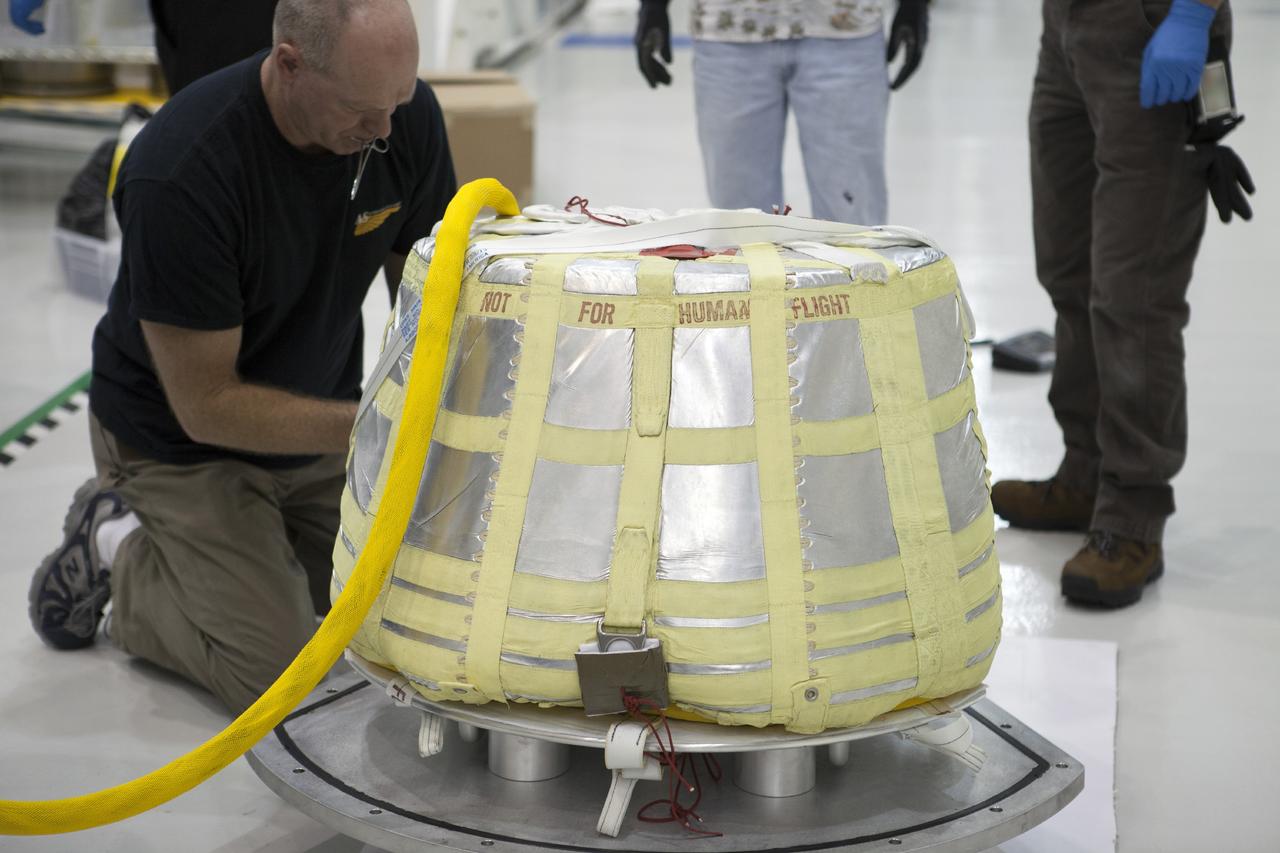
CAPE CANAVERAL, Fla. -- Inside the Operations and Checkout Building high bay at NASA’s Kennedy Space Center in Florida, technicians check the coverings on the main parachute for the Orion spacecraft. The parachute will be prepared for installation on Orion. The Orion spacecraft is being prepared for its first unpiloted flight test, Exploration Flight Test-1, or EFT-1, scheduled for launch atop a Delta IV rocket in September 2014. The Orion spacecraft is designed to carry astronauts to destinations not yet explored by humans. It will have emergency abort capability, sustain the crew during space travel and provide safe re-entry from deep space return velocities. Orion is scheduled to launch atop NASA’s Space Launch System rocket in 2017. For more information, visit http://www.nasa.gov/orion. Photo credit: NASA/Kim Shiflett
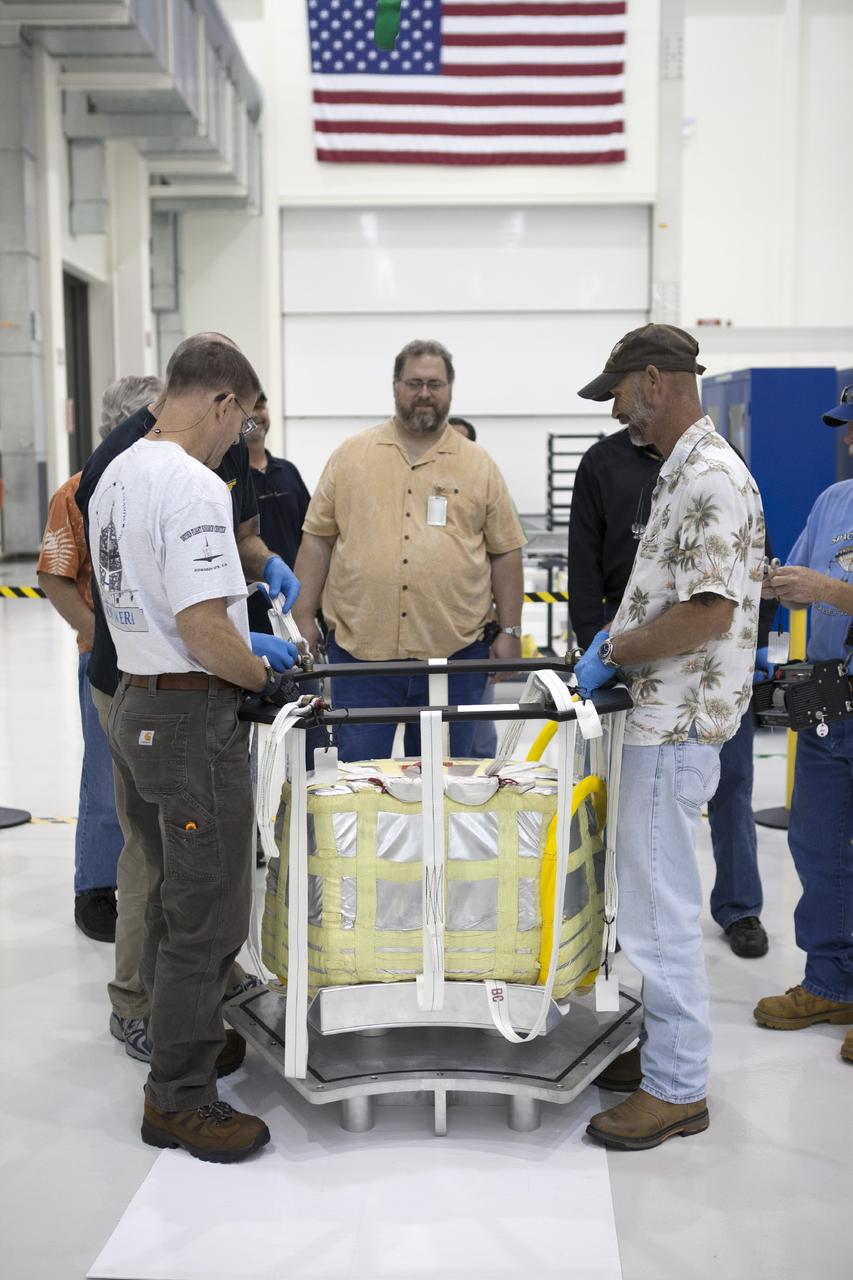
CAPE CANAVERAL, Fla. -- Inside the Operations and Checkout Building high bay at NASA’s Kennedy Space Center in Florida, technicians prepare the main parachute for the Orion spacecraft for lifting by crane. The parachute will be prepared for installation on Orion. The Orion spacecraft is being prepared for its first unpiloted flight test, Exploration Flight Test-1, or EFT-1, scheduled for launch atop a Delta IV rocket in September 2014. The Orion spacecraft is designed to carry astronauts to destinations not yet explored by humans. It will have emergency abort capability, sustain the crew during space travel and provide safe re-entry from deep space return velocities. Orion is scheduled to launch atop NASA’s Space Launch System rocket in 2017. For more information, visit http://www.nasa.gov/orion. Photo credit: NASA/Kim Shiflett
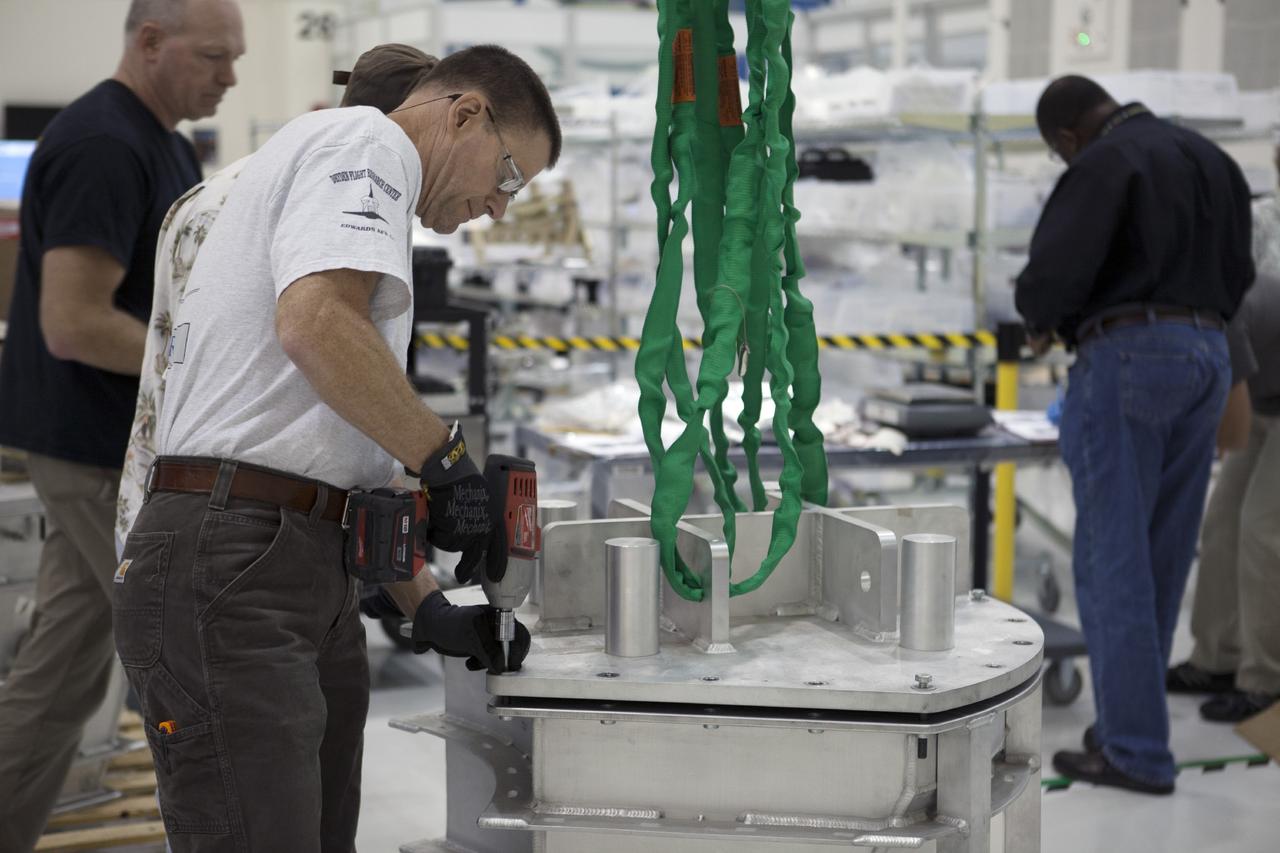
CAPE CANAVERAL, Fla. -- Inside the Operations and Checkout Building high bay at NASA’s Kennedy Space Center in Florida, a technician removes the cover from a shipping container that carries one of the three main parachutes for the Orion spacecraft. The parachute will be prepared for installation on Orion. The Orion spacecraft is being prepared for its first unpiloted flight test, Exploration Flight Test-1, or EFT-1, scheduled for launch atop a Delta IV rocket in September 2014. The Orion spacecraft is designed to carry astronauts to destinations not yet explored by humans. It will have emergency abort capability, sustain the crew during space travel and provide safe re-entry from deep space return velocities. Orion is scheduled to launch atop NASA’s Space Launch System rocket in 2017. For more information, visit http://www.nasa.gov/orion. Photo credit: NASA/Kim Shiflett
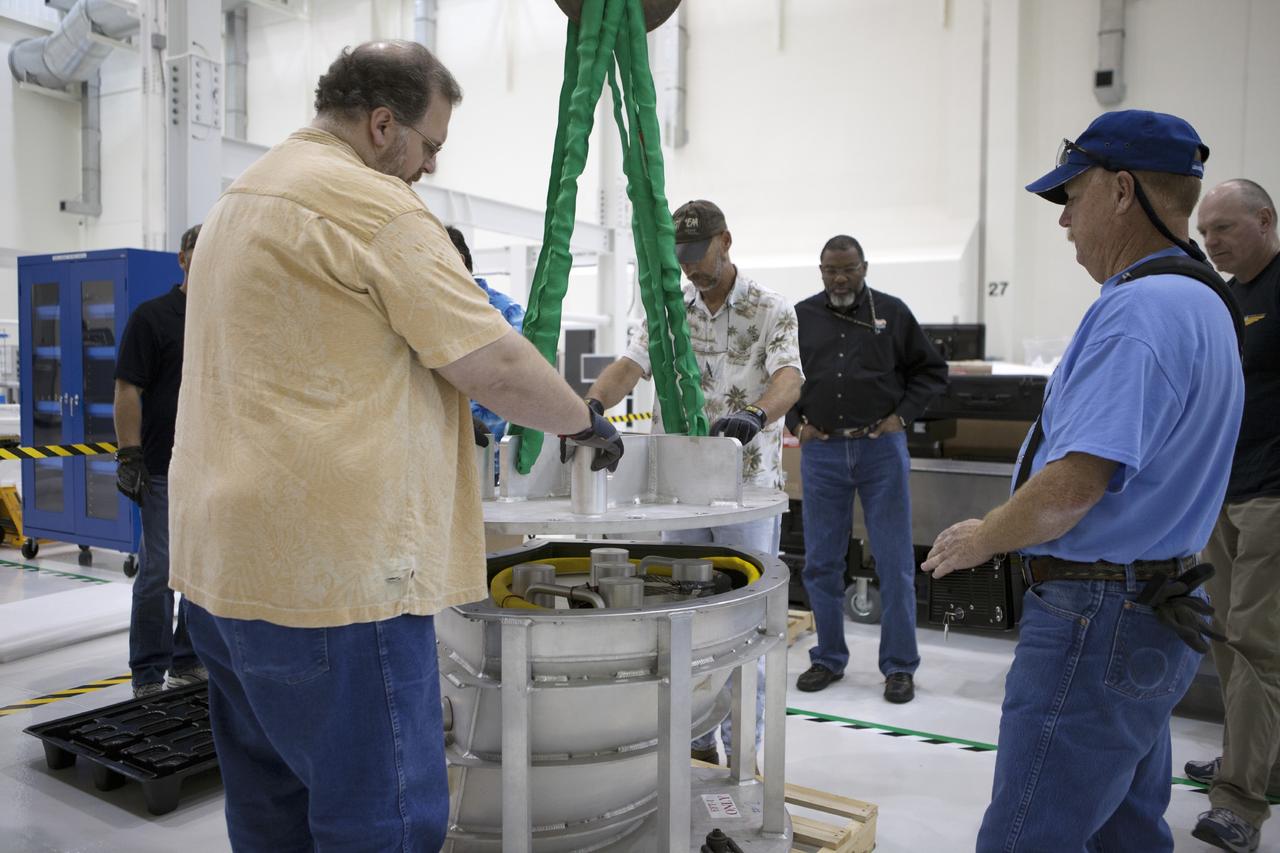
CAPE CANAVERAL, Fla. -- Inside the Operations and Checkout Building high bay at NASA’s Kennedy Space Center in Florida, technicians remove the cover from a shipping container that carries one of the three main parachutes for the Orion spacecraft. The parachute will be prepared for installation on Orion. The Orion spacecraft is being prepared for its first unpiloted flight test, Exploration Flight Test-1, or EFT-1, scheduled for launch atop a Delta IV rocket in September 2014. The Orion spacecraft is designed to carry astronauts to destinations not yet explored by humans. It will have emergency abort capability, sustain the crew during space travel and provide safe re-entry from deep space return velocities. Orion is scheduled to launch atop NASA’s Space Launch System rocket in 2017. For more information, visit http://www.nasa.gov/orion. Photo credit: NASA/Kim Shiflett
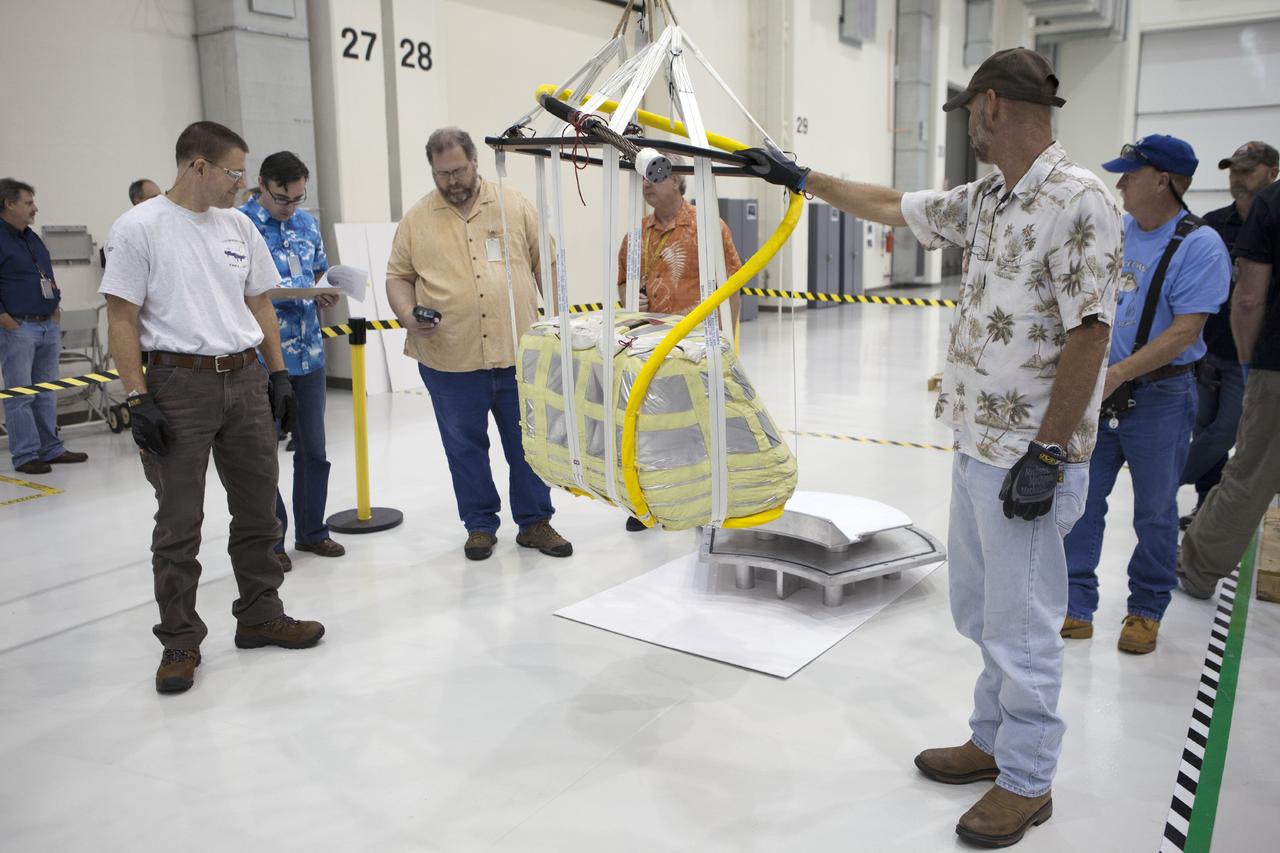
CAPE CANAVERAL, Fla. -- Technicians assist as a crane begins to lift one of the main parachutes for the Orion spacecraft inside the Operations and Checkout Building high bay at NASA’s Kennedy Space Center in Florida. The parachute will be prepared for installation on Orion. The Orion spacecraft is being prepared for its first unpiloted flight test, Exploration Flight Test-1, or EFT-1, scheduled for launch atop a Delta IV rocket in September 2014. The Orion spacecraft is designed to carry astronauts to destinations not yet explored by humans. It will have emergency abort capability, sustain the crew during space travel and provide safe re-entry from deep space return velocities. Orion is scheduled to launch atop NASA’s Space Launch System rocket in 2017. For more information, visit http://www.nasa.gov/orion. Photo credit: NASA/Kim Shiflett
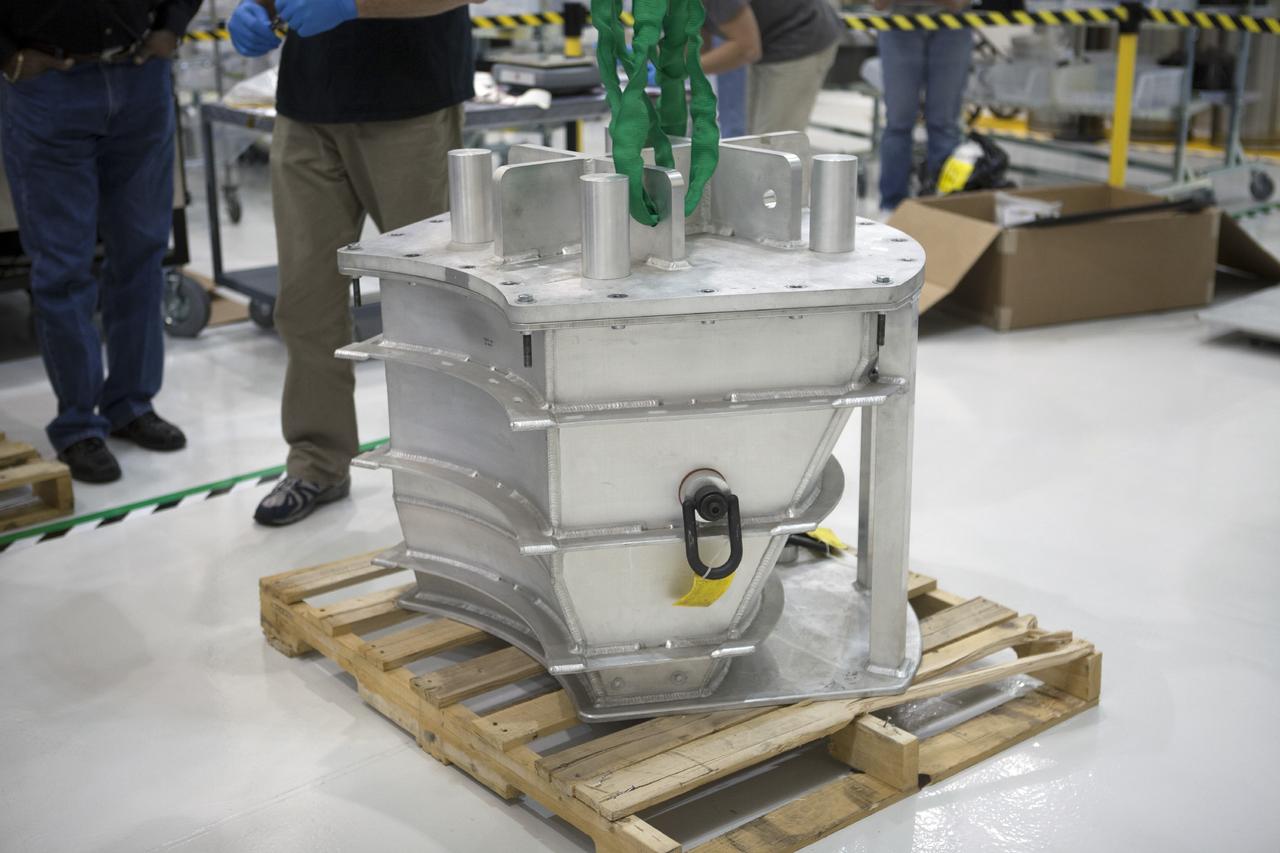
CAPE CANAVERAL, Fla. -- One of the three main parachutes for the Orion spacecraft is enclosed in its shipping container on a pallet inside the Operations and Checkout Building high bay at NASA’s Kennedy Space Center in Florida. Technicians will prepare the parachute for installation on Orion. The Orion spacecraft is being prepared for its first unpiloted flight test, Exploration Flight Test-1, or EFT-1, scheduled for launch atop a Delta IV rocket in September 2014. The Orion spacecraft is designed to carry astronauts to destinations not yet explored by humans. It will have emergency abort capability, sustain the crew during space travel and provide safe re-entry from deep space return velocities. Orion is scheduled to launch atop NASA’s Space Launch System rocket in 2017. For more information, visit http://www.nasa.gov/orion. Photo credit: NASA/Kim Shiflett
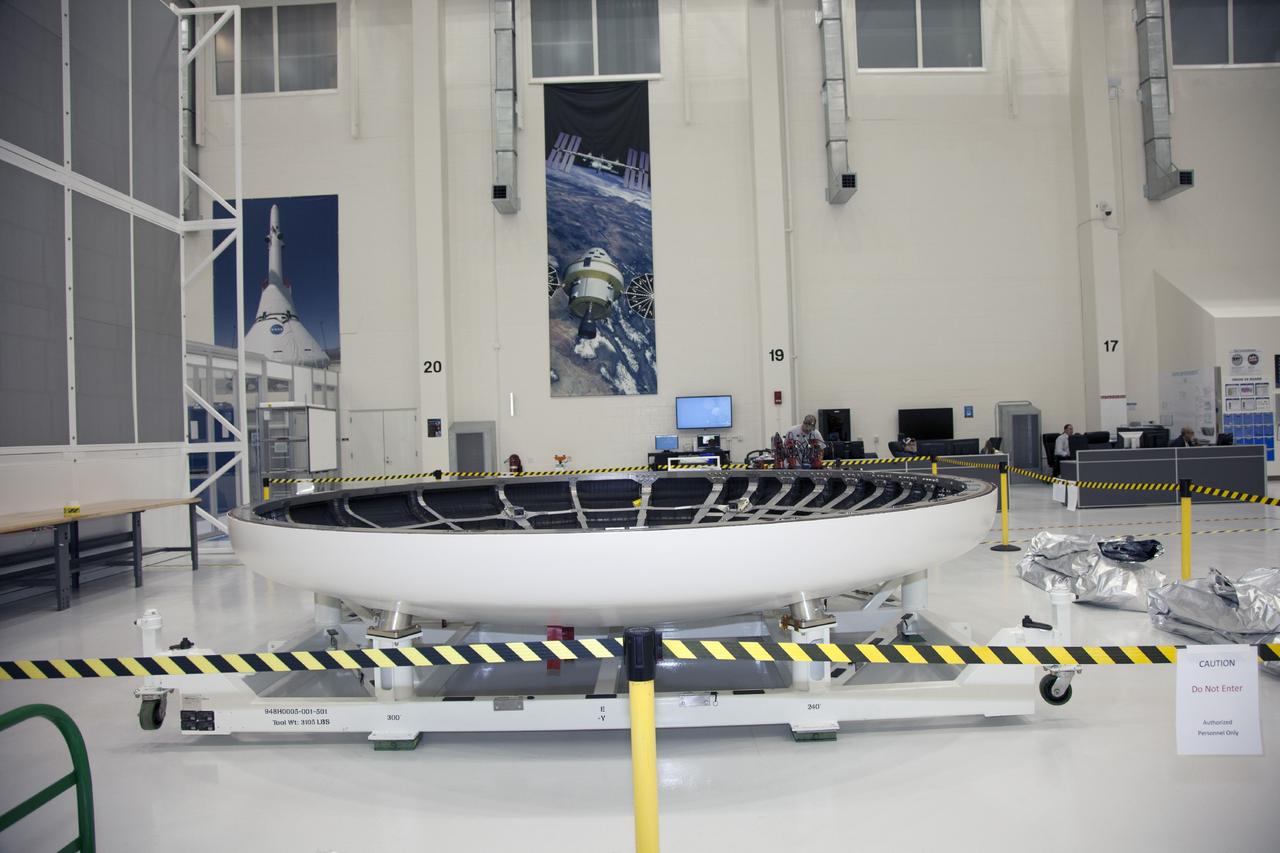
CAPE CANAVERAL, Fla. -- The heat shield for the Orion spacecraft has been placed on a work stand inside the Operations and Checkout Building high bay at NASA’s Kennedy Space Center in Florida. The heat shield arrived at Kennedy’s Shuttle Landing Facility on Dec. 5 on NASA’s Super Guppy aircraft. The largest of its kind ever built, the heat shield is planned for installation on the Orion crew module in March 2014. The Orion spacecraft is being prepared for its first unpiloted flight test, Exploration Flight Test-1, or EFT-1, scheduled for launch atop a Delta IV rocket in September 2014. The Orion spacecraft is designed to carry astronauts to destinations not yet explored by humans. It will have emergency abort capability, sustain the crew during space travel and provide safe re-entry from deep space return velocities. Orion is scheduled to launch atop NASA’s Space Launch System rocket in 2017. For more information, visit http://www.nasa.gov/orion. Photo credit: NASA/Mike Chambers