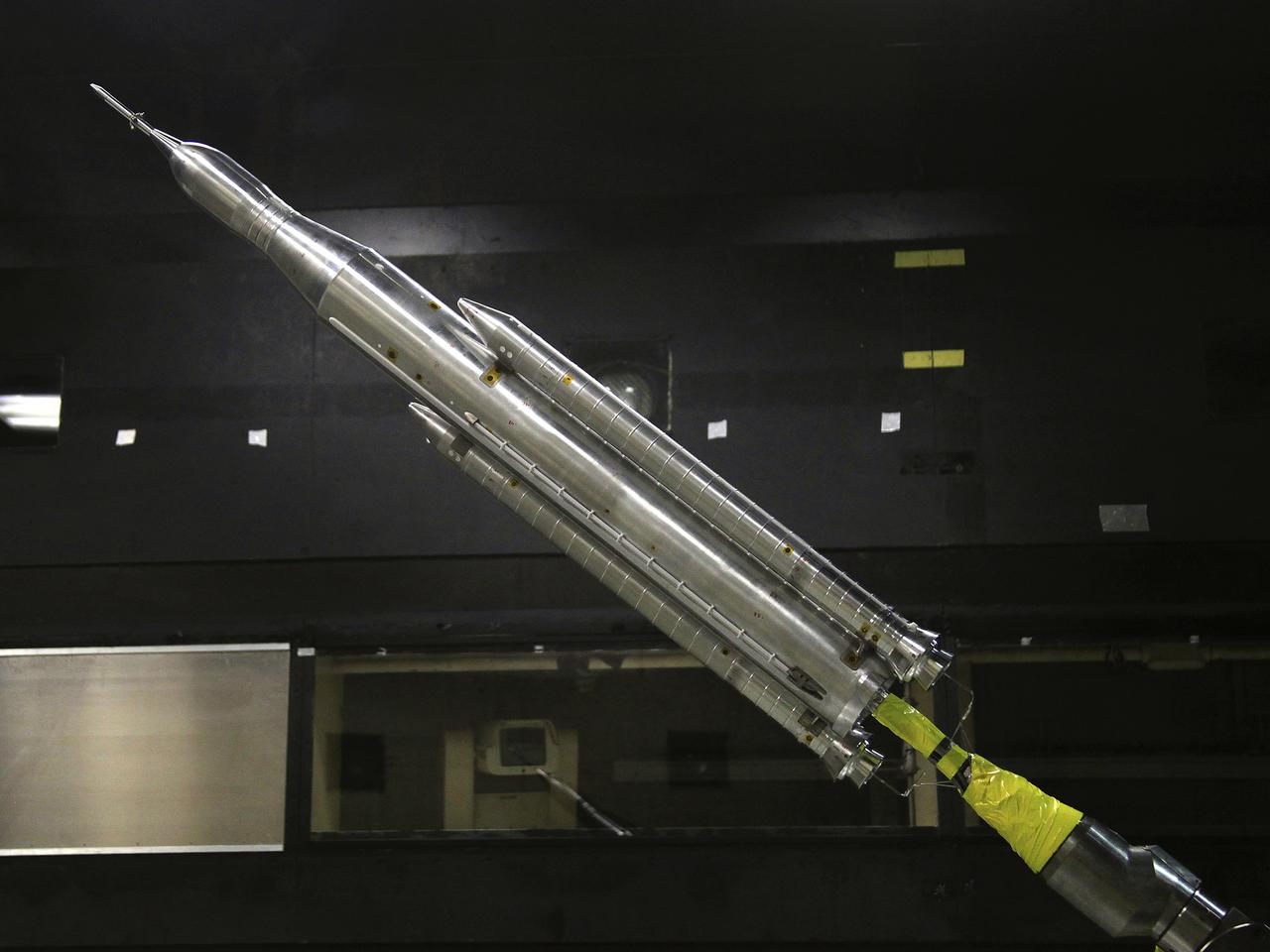
The model of the Space Launch System for the Orion Space Capsule is being prepared for windtunnel test in the 14x22 Subsonic windtunnel at NASA Langley.
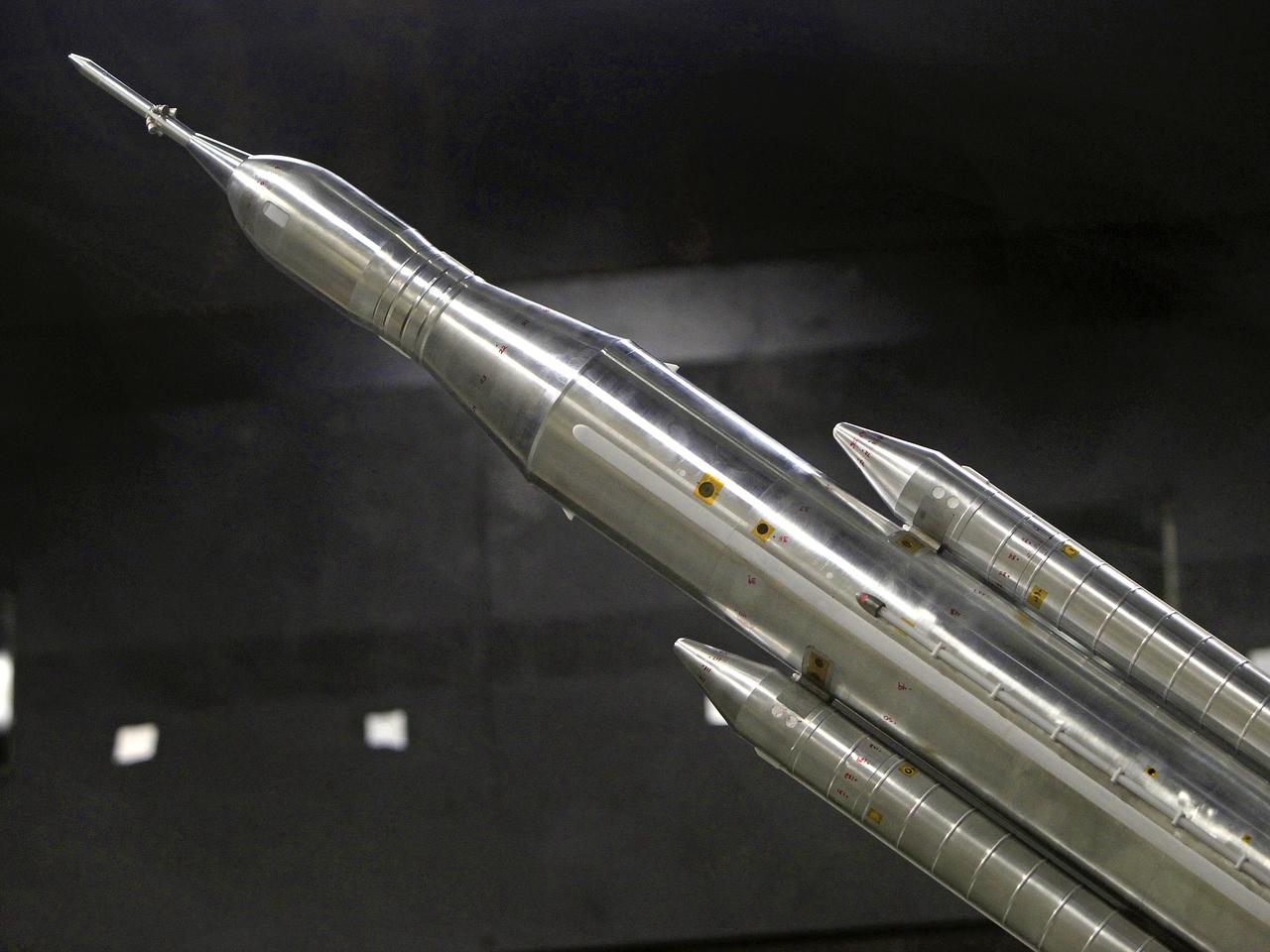
The model of the Space Launch System for the Orion Space Capsule is being prepared for windtunnel test in the 14x22 Subsonic windtunnel at NASA Langley.
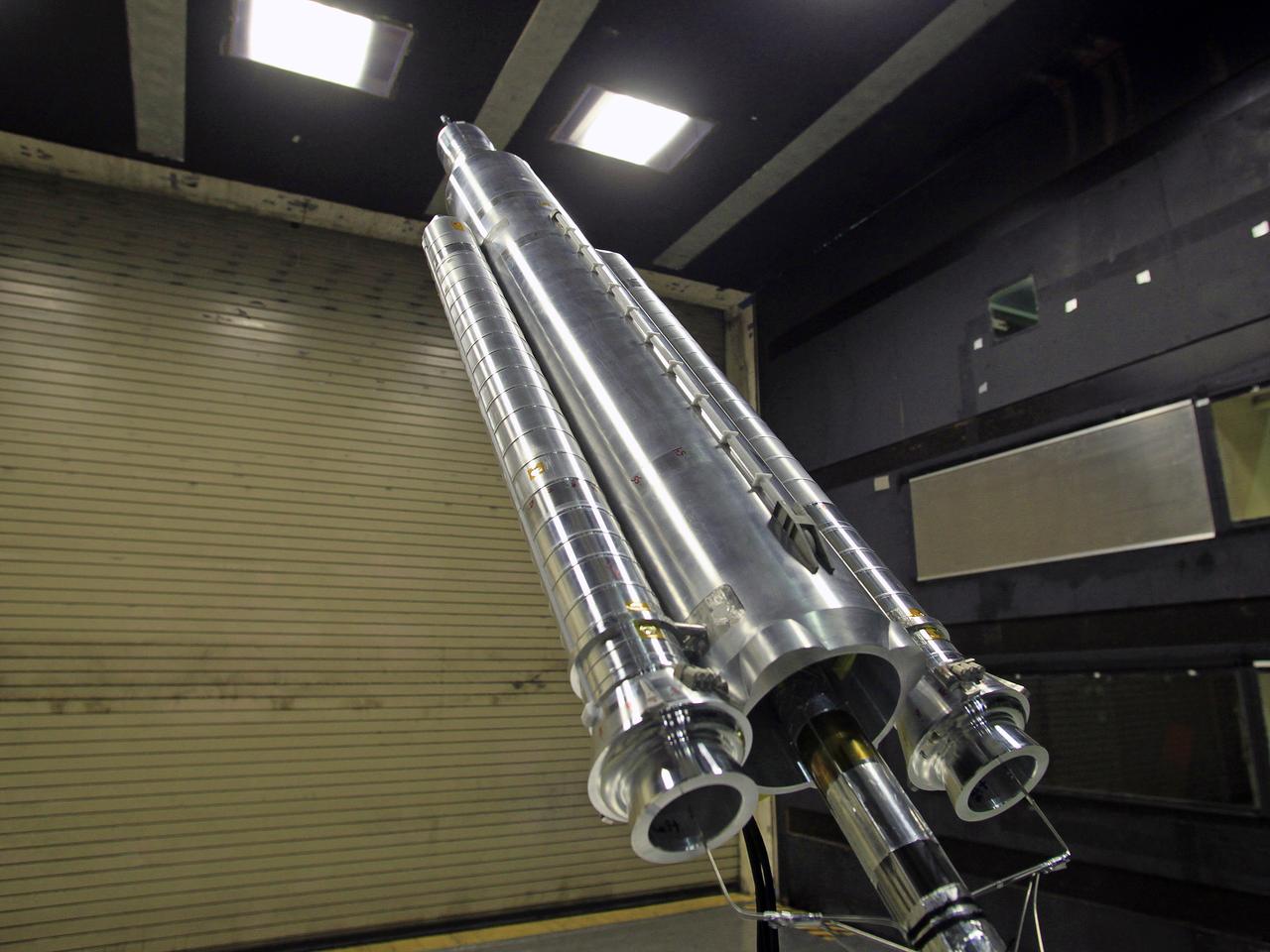
The model of the Space Launch System for the Orion Space Capsule is being prepared for windtunnel test in the 14x22 Subsonic windtunnel at NASA Langley.
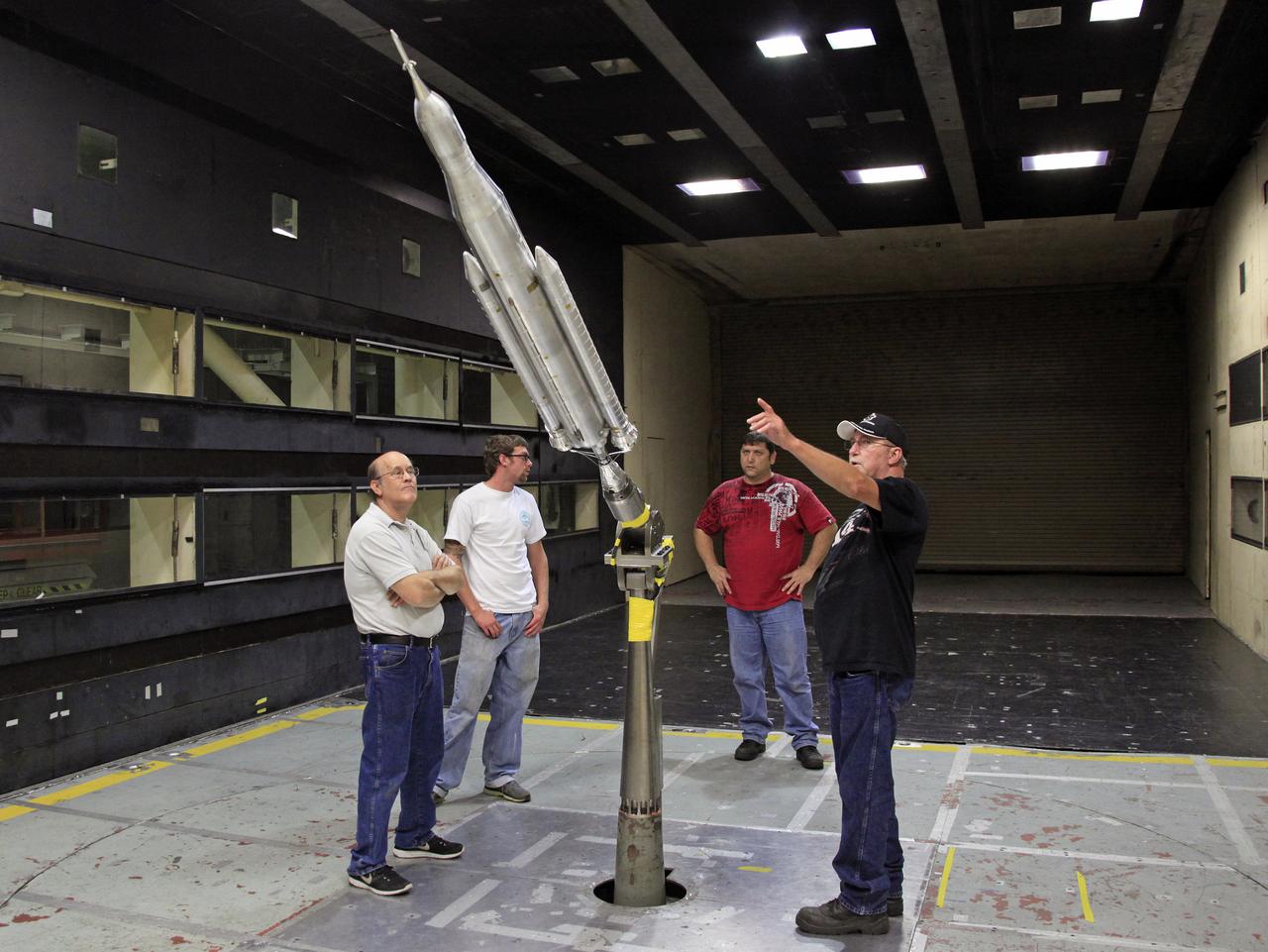
The model of the Space Launch System for the Orion Space Capsule is being prepared for windtunnel test in the 14x22 Subsonic windtunnel at NASA Langley.
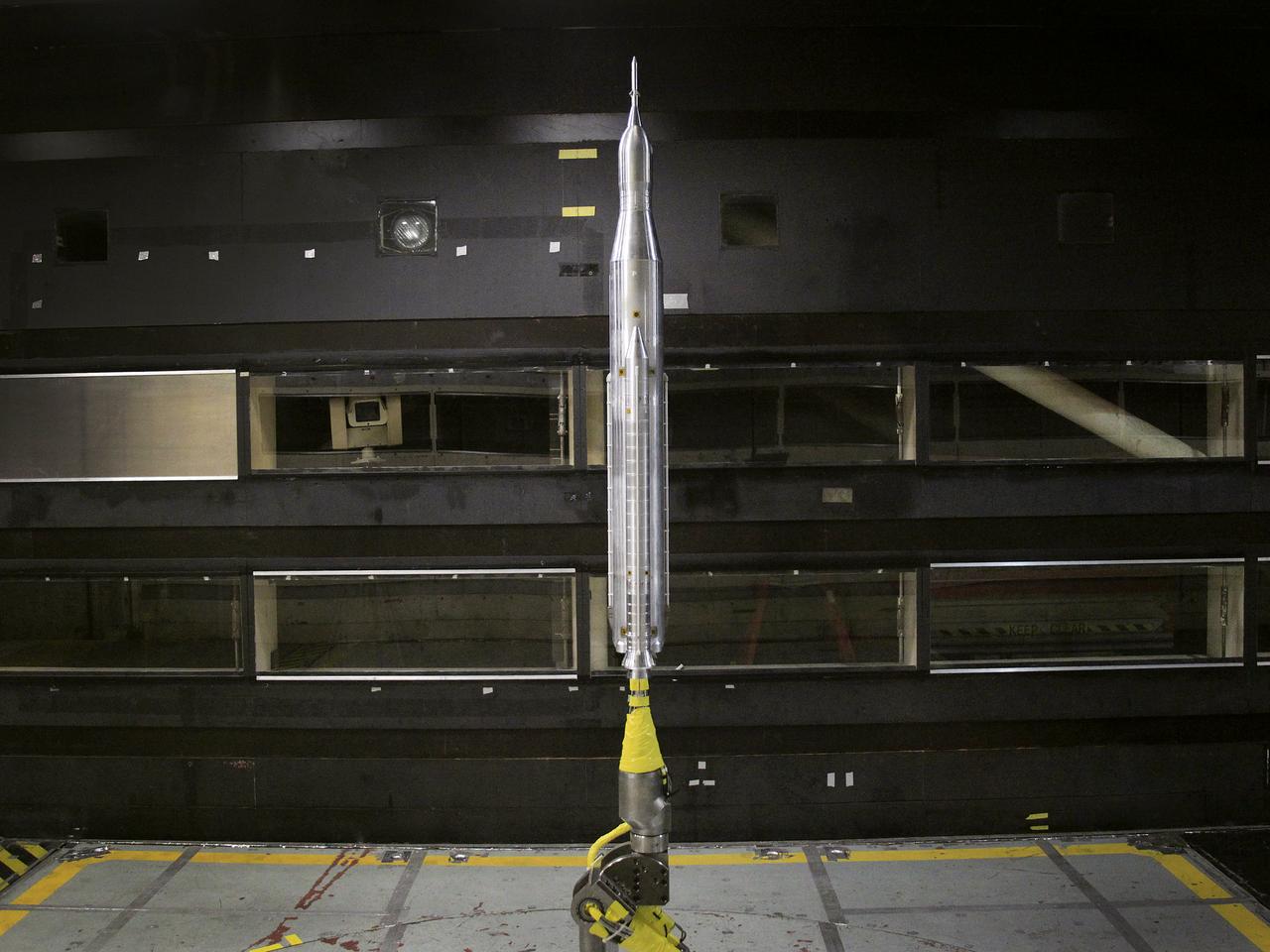
The model of the Space Launch System for the Orion Space Capsule is being prepared for windtunnel test in the 14x22 Subsonic windtunnel at NASA Langley.
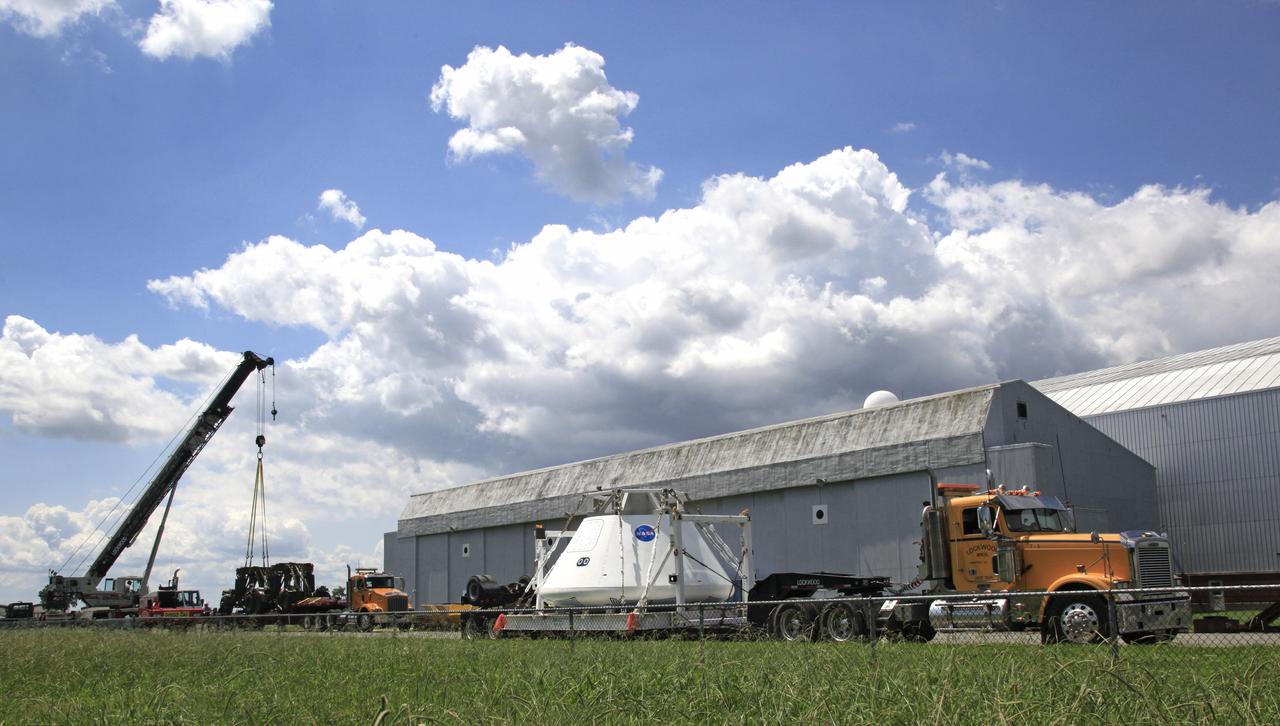
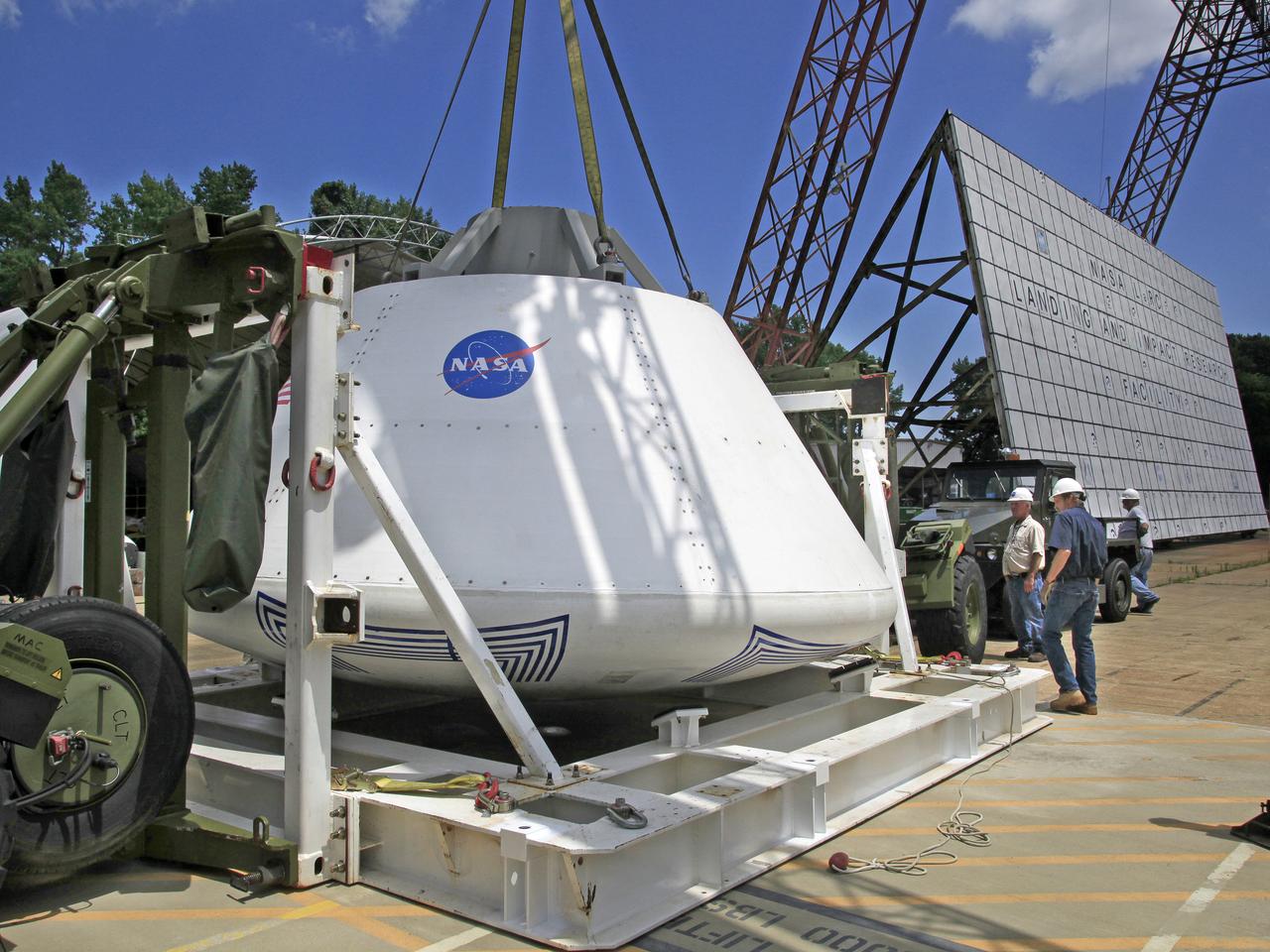
Orion Test Capsule loaded on a flatbed trailer at NASA Langley to be transport to Fort Eustis, VA. where it will be transported by barge to Norfolk Va. for open water recovery test.
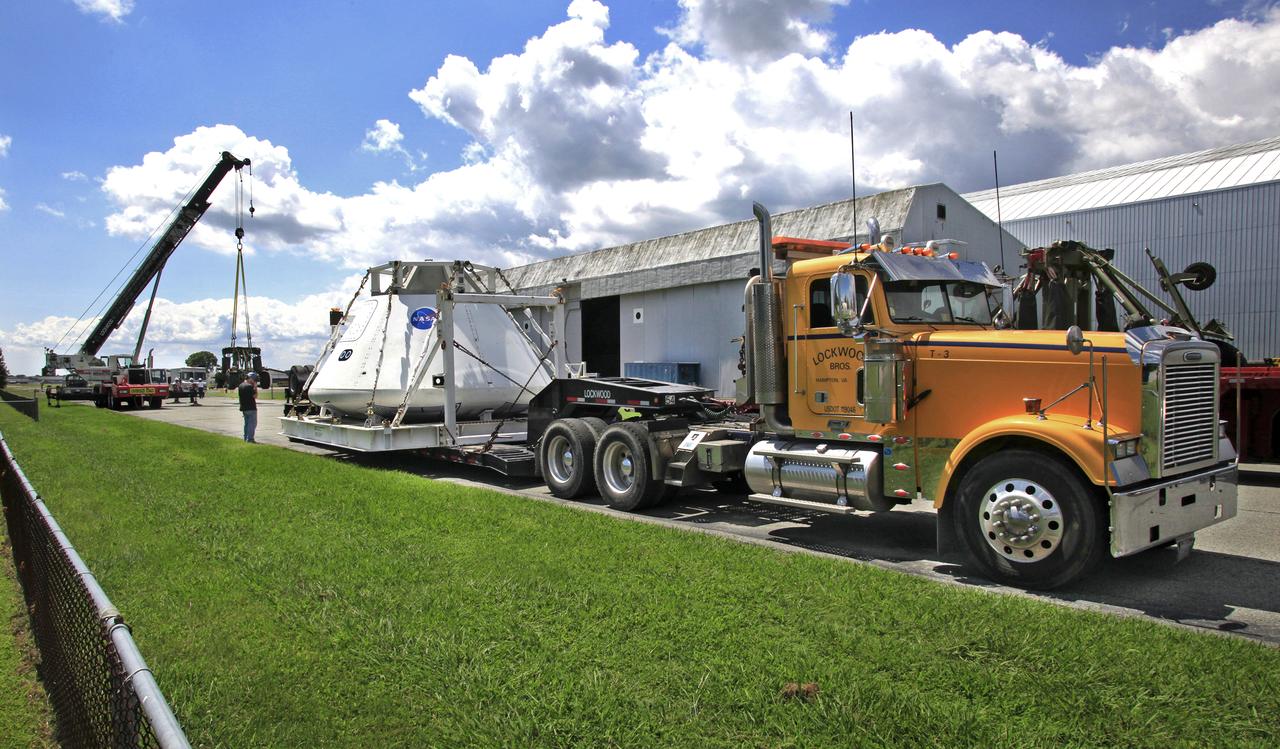
Orion Test Capsule loaded on a flatbed trailer at NASA Langley to be transport to Fort Eustis, VA. where it will be transported by barge to Norfolk Va. for open water recovery test.
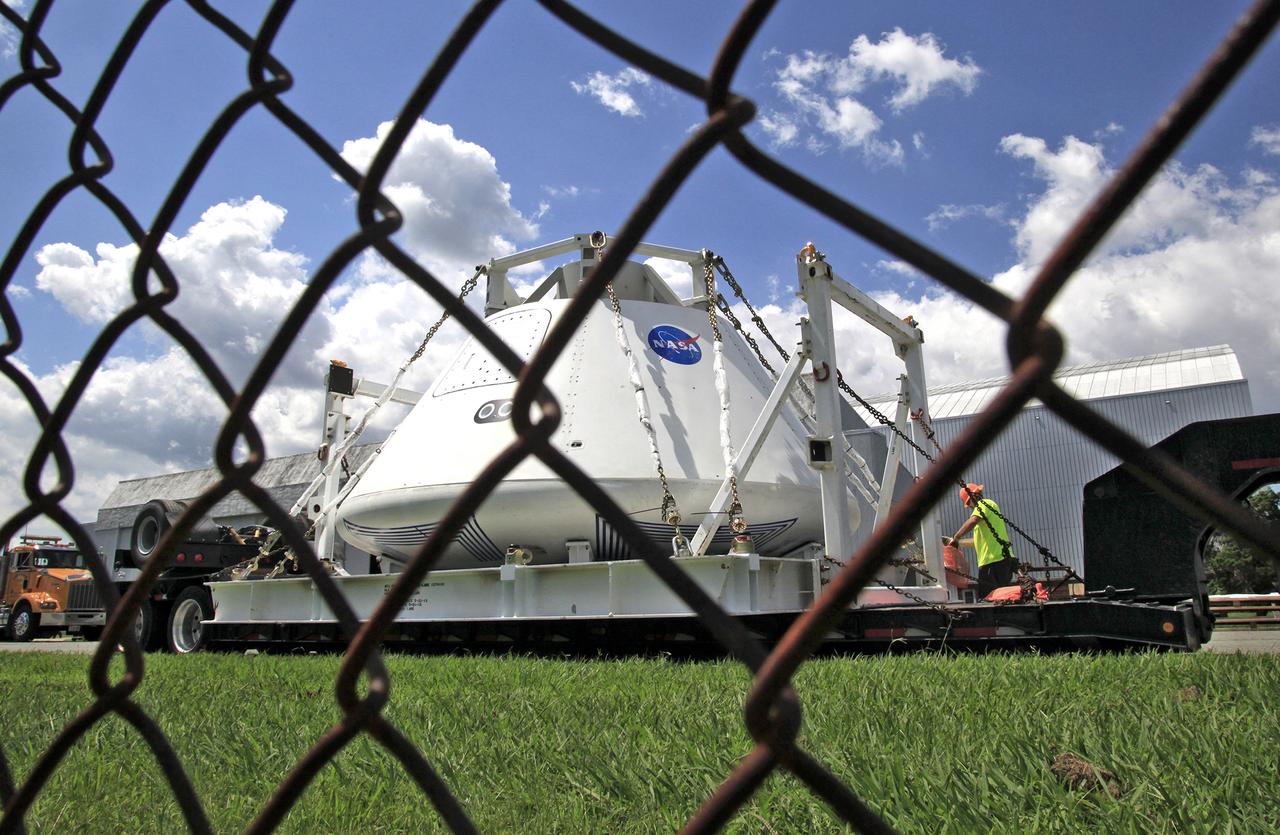
Orion Test Capsule loaded on a flatbed trailer at NASA Langley to be transport to Fort Eustis, VA. where it will be transported by barge to Norfolk Va. for open water recovery test.
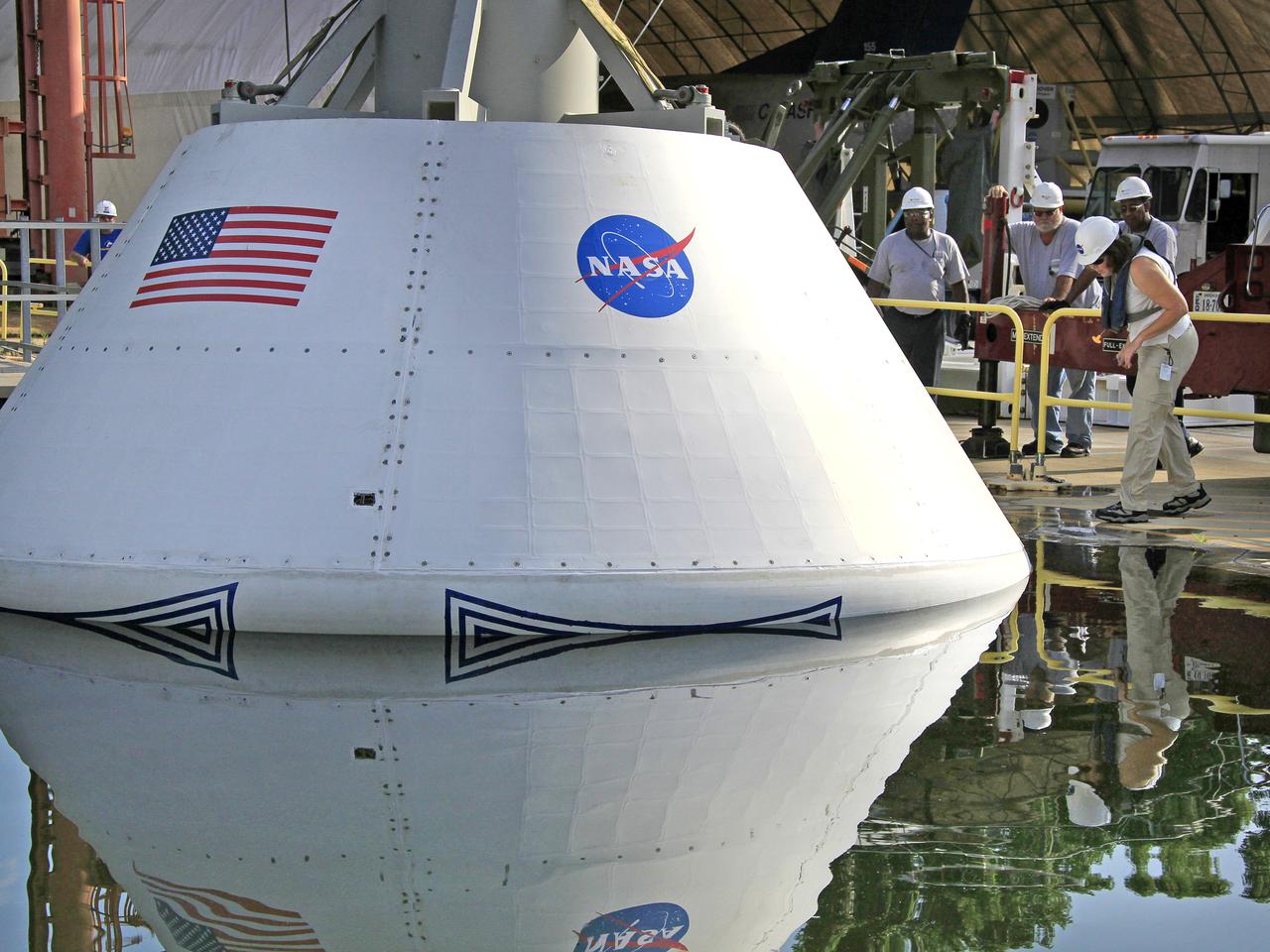
The Orion Test Capsule spent 4 hour in the water tank under NASA Langley's gantry to prove it is ready for the open water recovery test at Norfolk Naval Station.
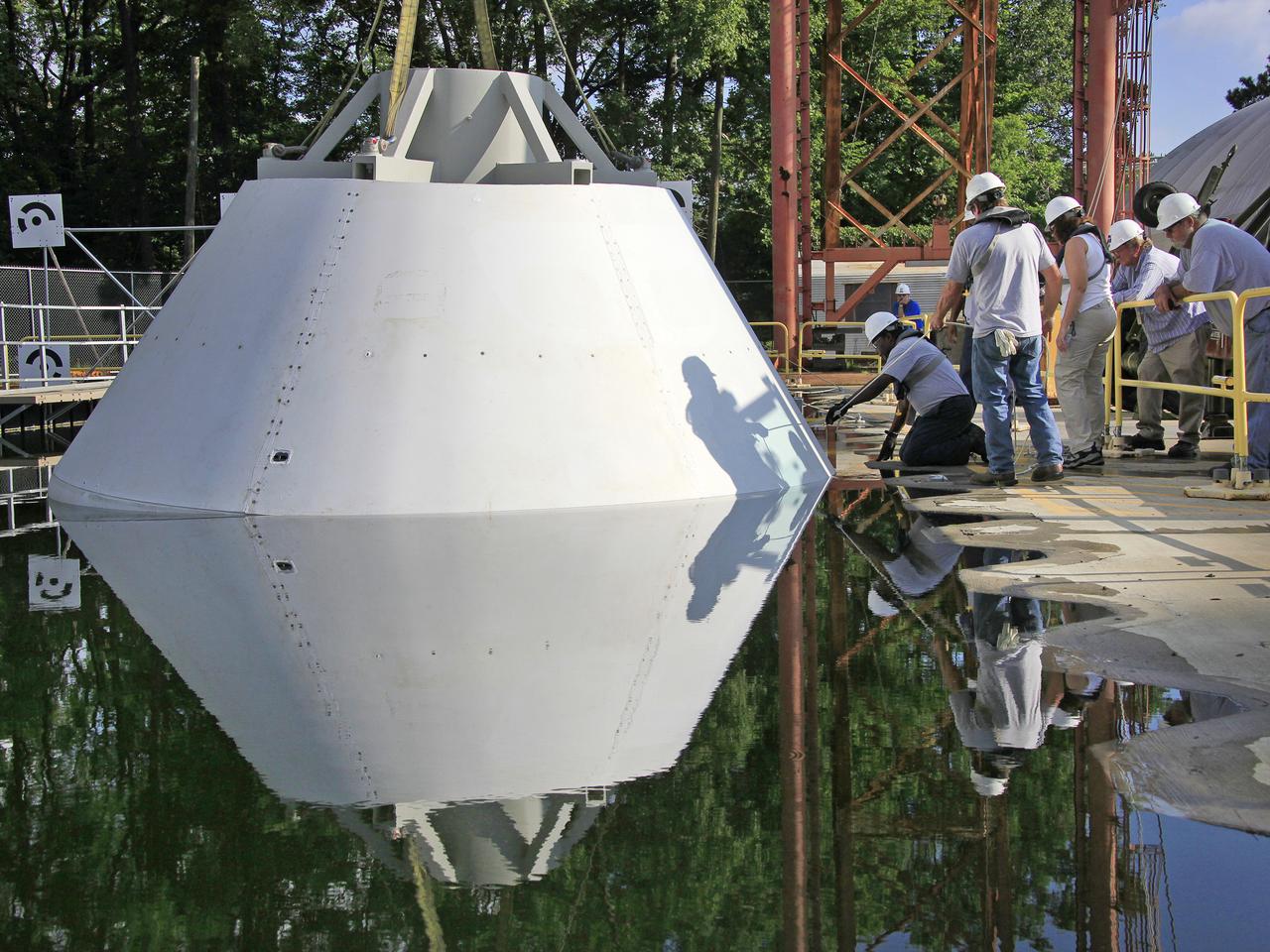
The Orion Test Capsule spent 4 hour in the water tank under NASA Langley's gantry to prove it is ready for the open water recovery test at Norfolk Naval Station.
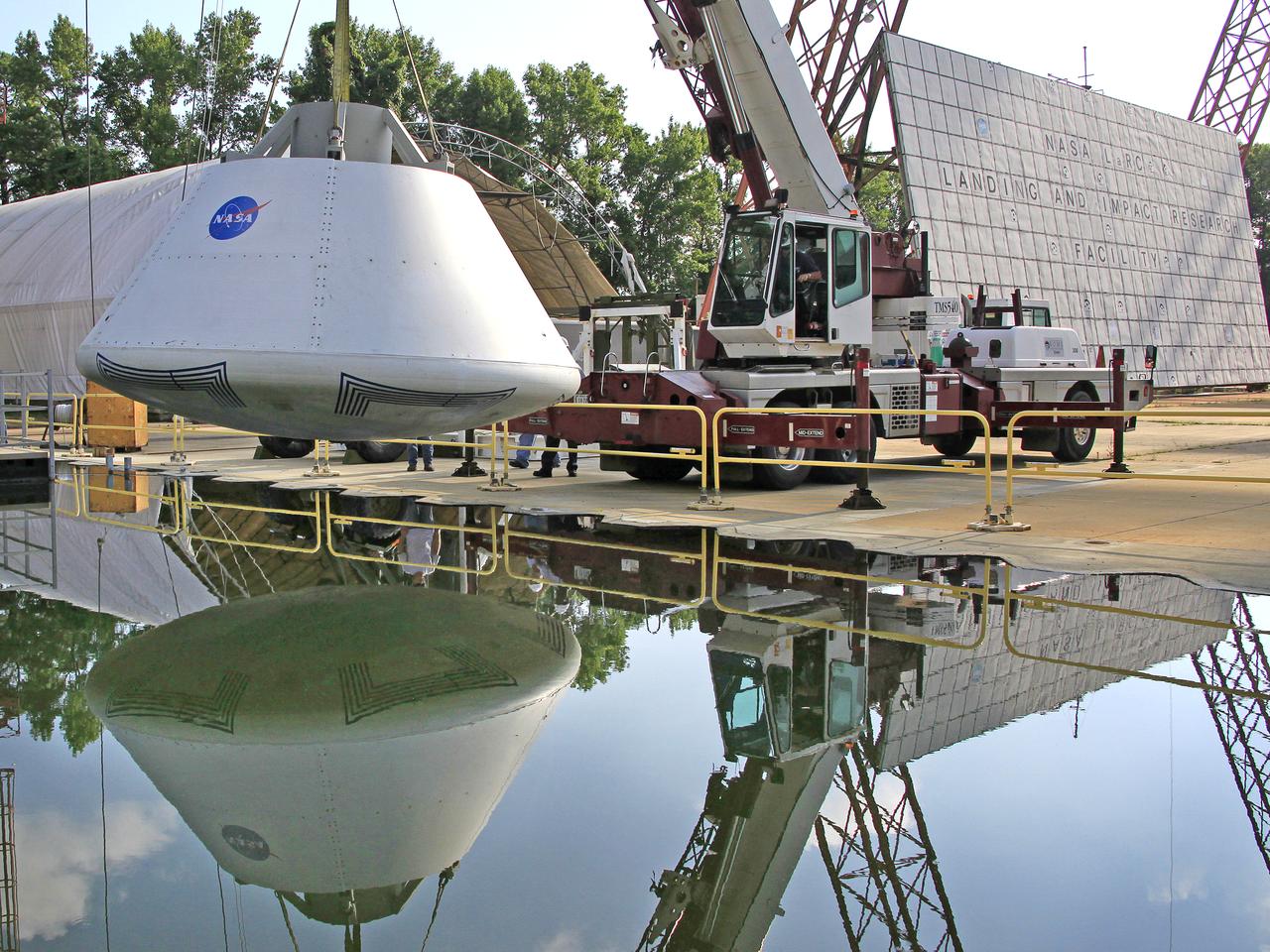
The Orion Test Capsule spent 4 hour in the water tank under NASA Langley's gantry to prove it is ready for the open water recovery test at Norfolk Naval Station.
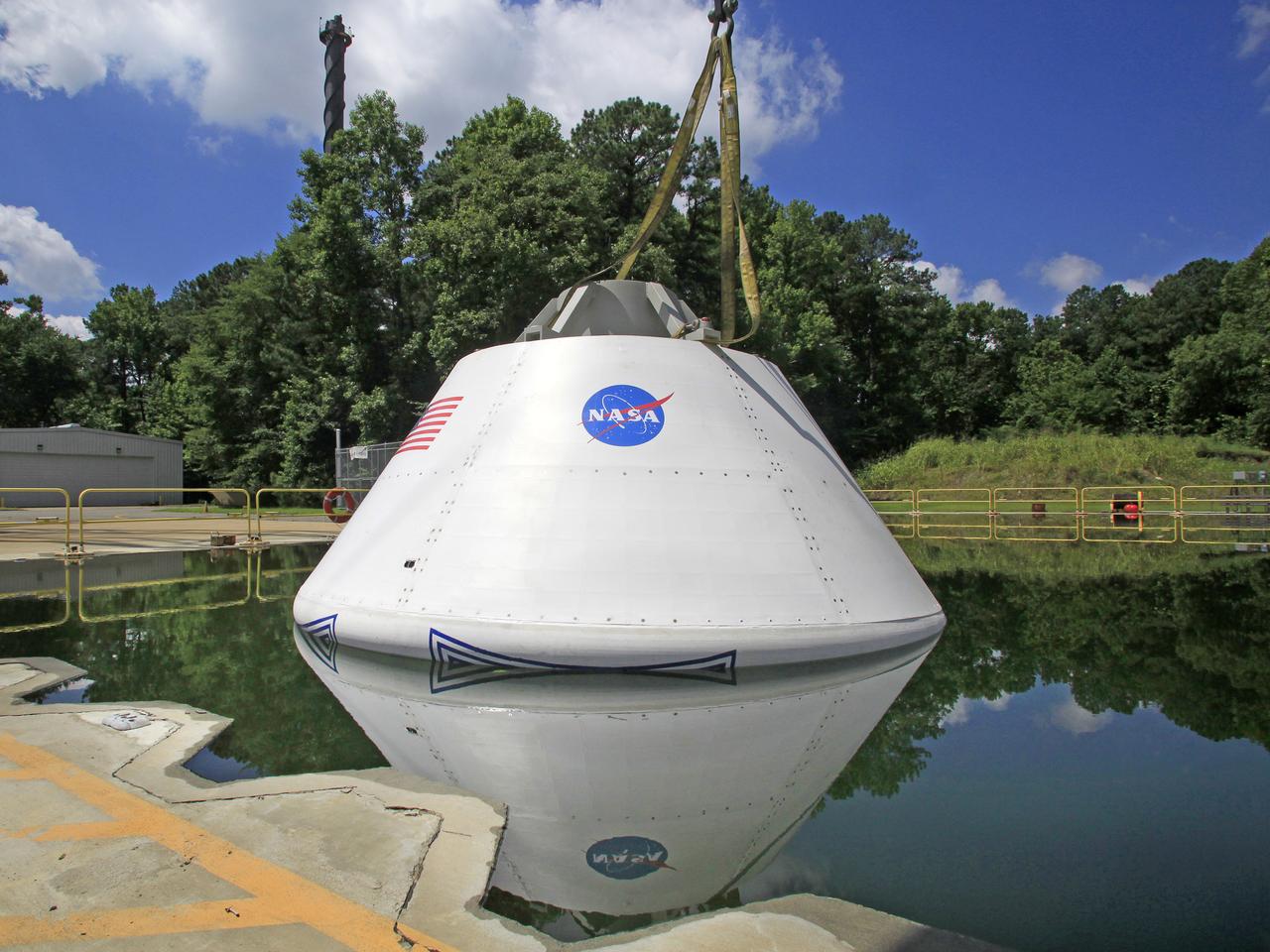
The Orion Test Capsule spent 4 hour in the water tank under NASA Langley's gantry to prove it is ready for the open water recovery test at Norfolk Naval Station.
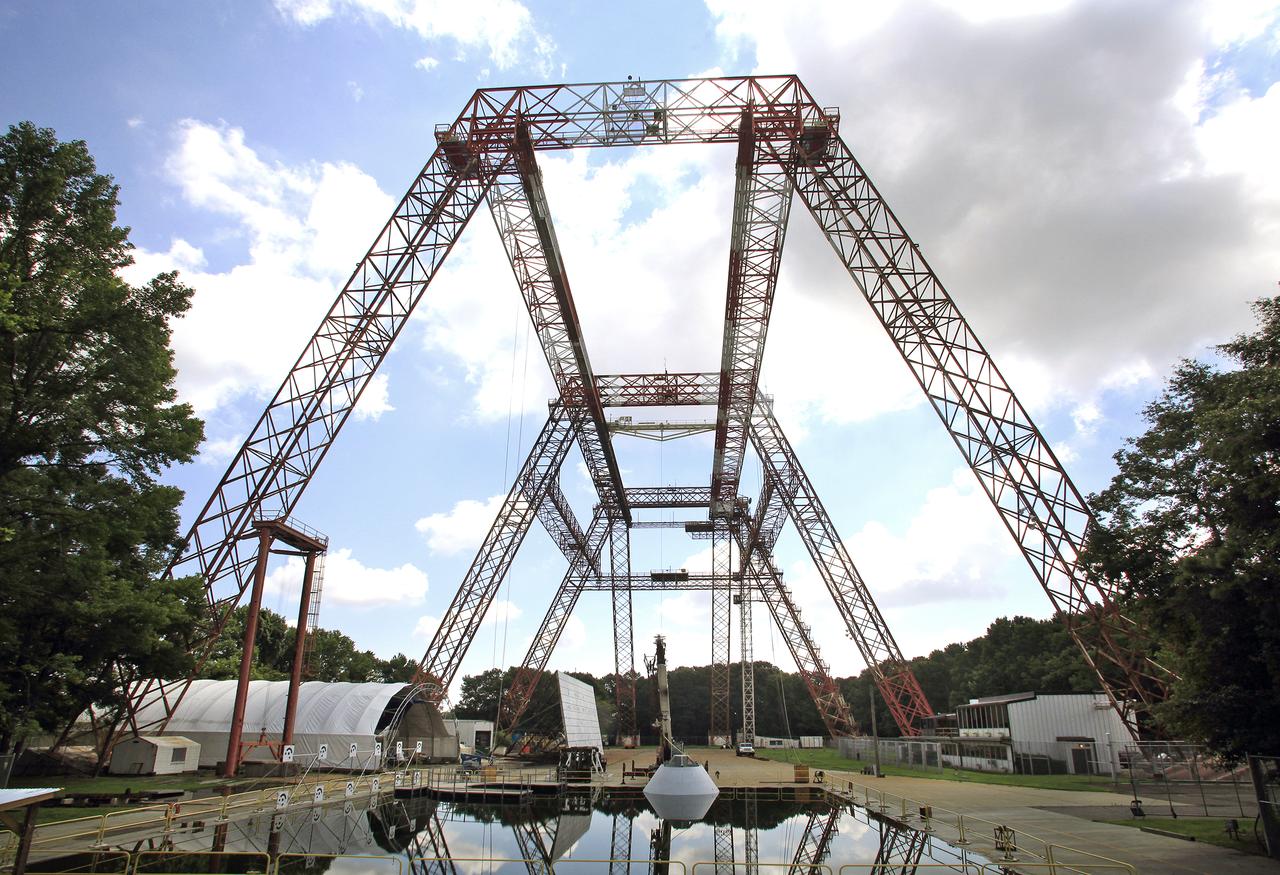
The Orion Test Capsule spent 4 hour in the water tank under NASA Langley's gantry to prove it is ready for the open water recovery test at Norfolk Naval Station.
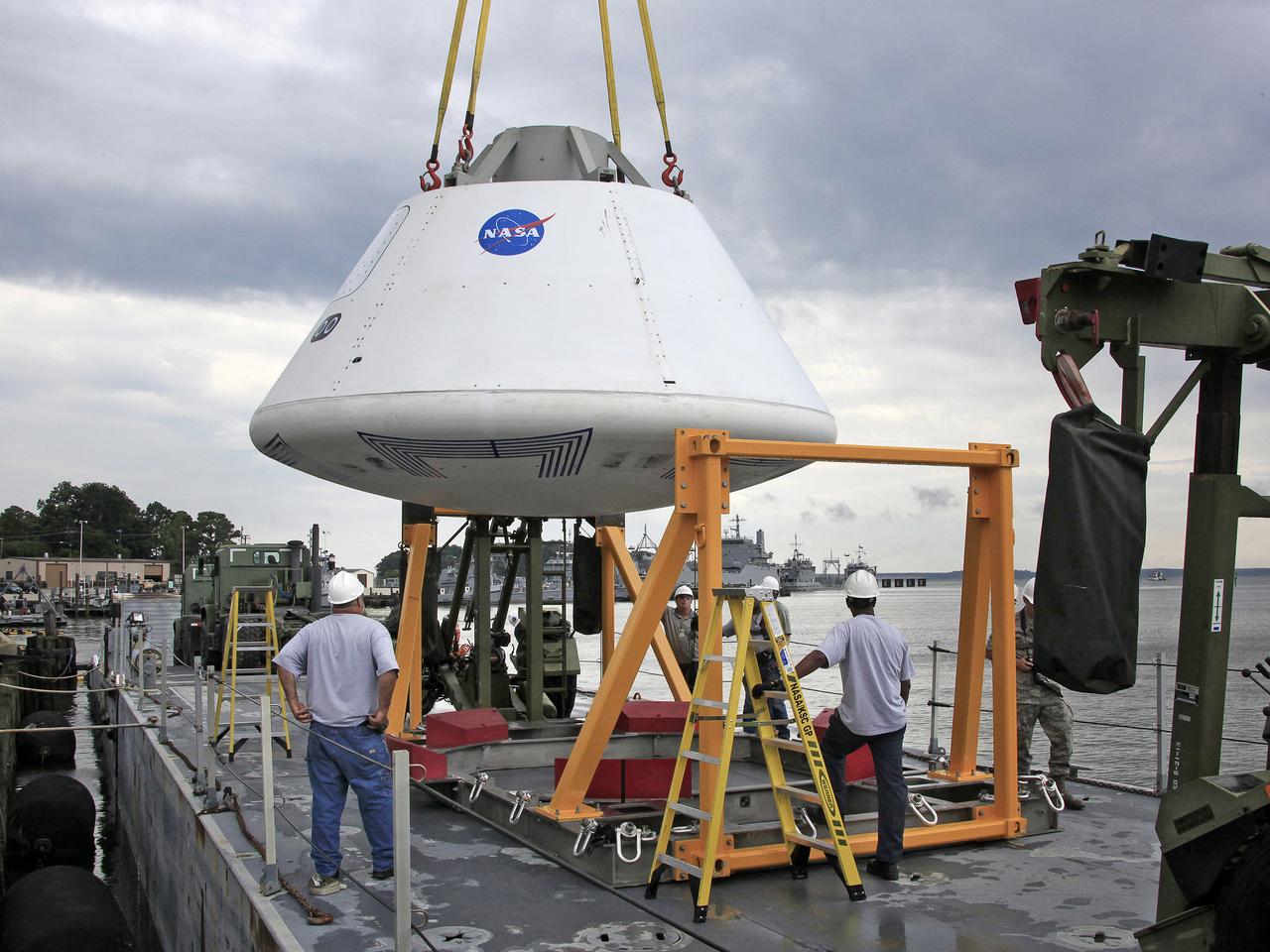
The Orion Test Capsule was loaded on a Navy INLS "Improved Navy Lighterage System" at Fort Eustis Tuesday from where it will be transported to Little Creek Amphibious Base in Norfolk.
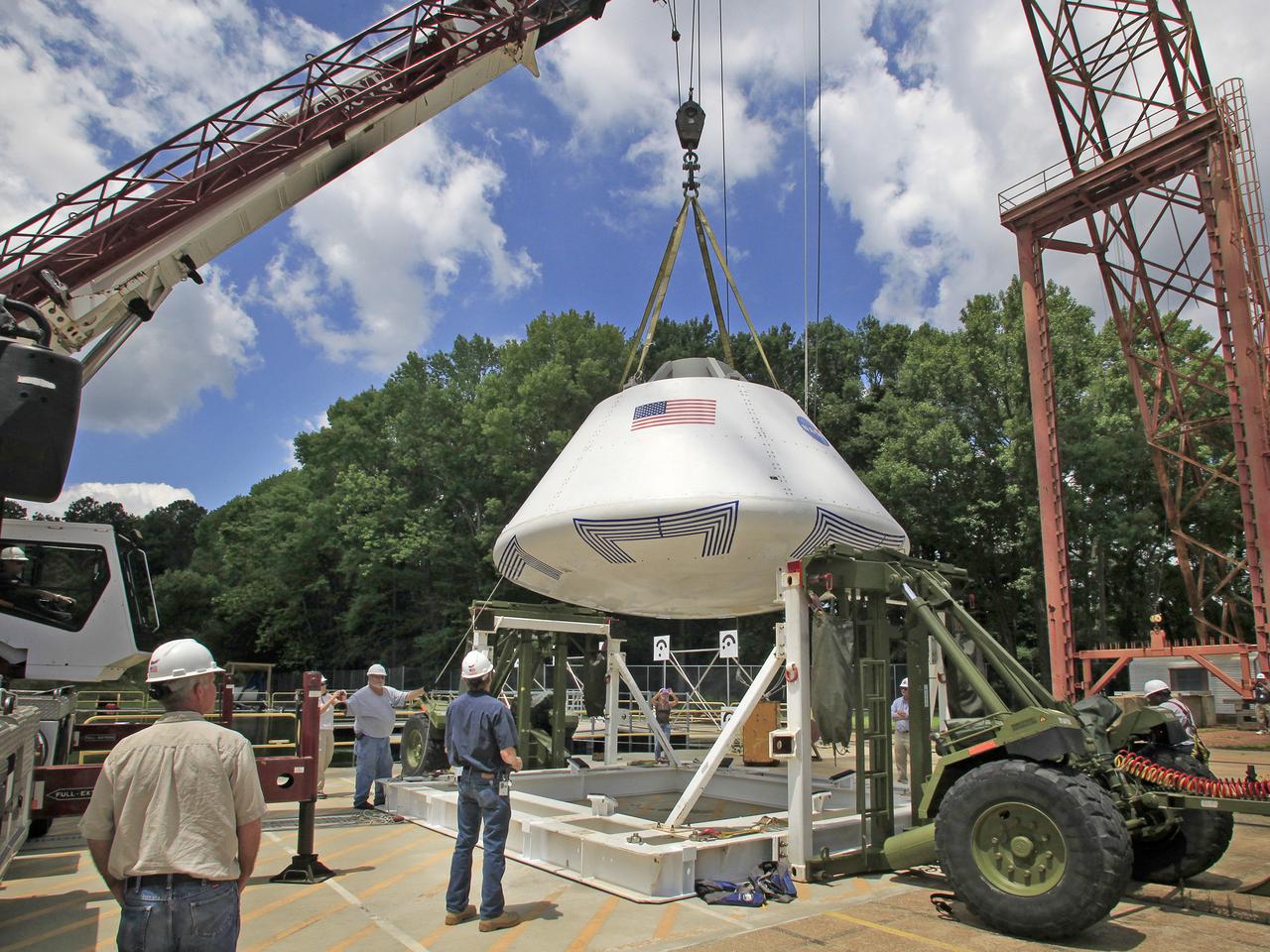
The Orion Test Capsule spent 4 hour in the water tank under NASA Langley's gantry to prove it is ready for the open water recovery test at Norfolk Naval Station.
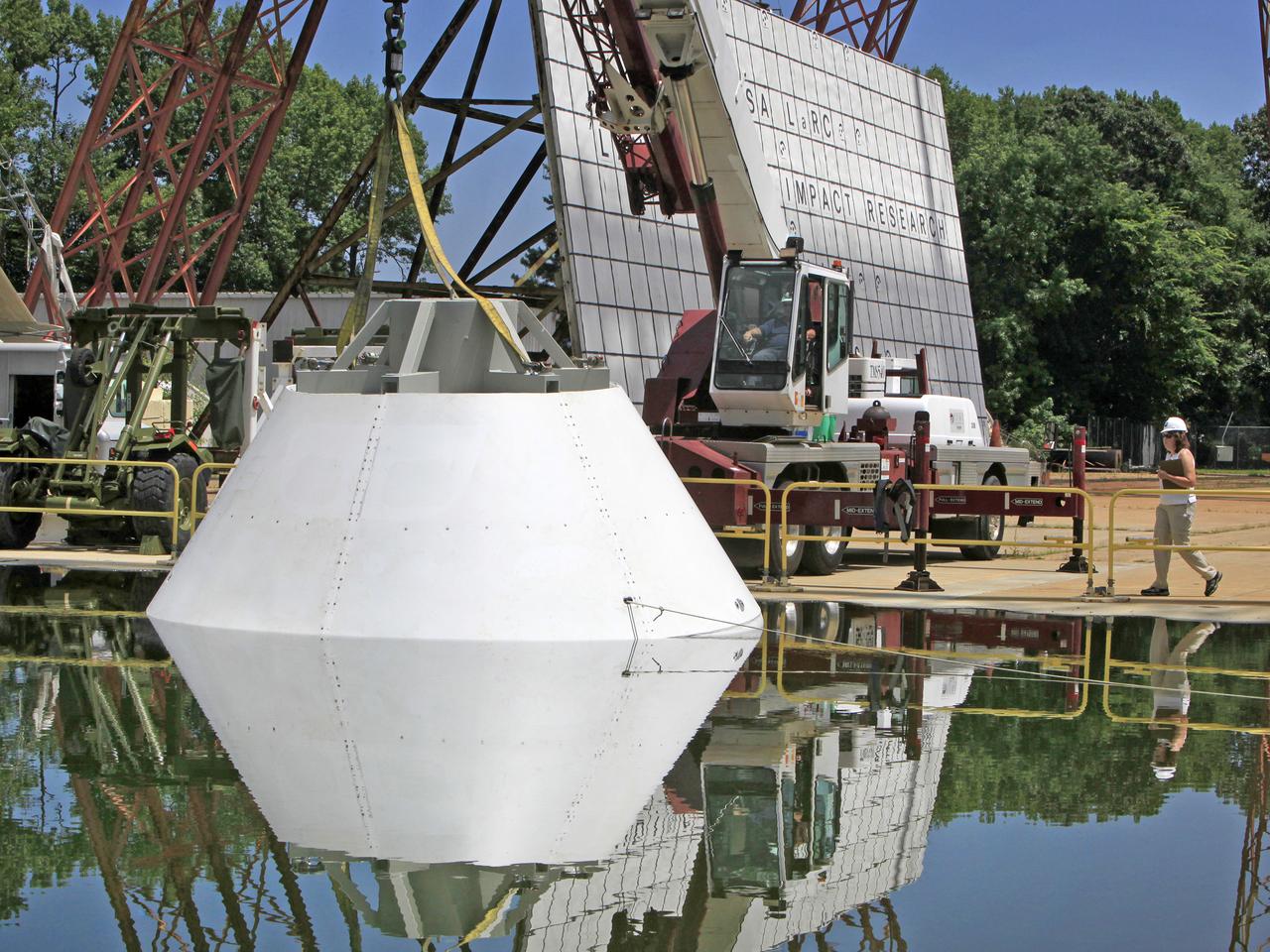
The Orion Test Capsule spent 4 hour in the water tank under NASA Langley's gantry to prove it is ready for the open water recovery test at Norfolk Naval Station.
The Orion Test Capsule spent 4 hour in the water tank under NASA Langley's gantry to prove it is ready for the open water recovery test at Norfolk Naval Station.
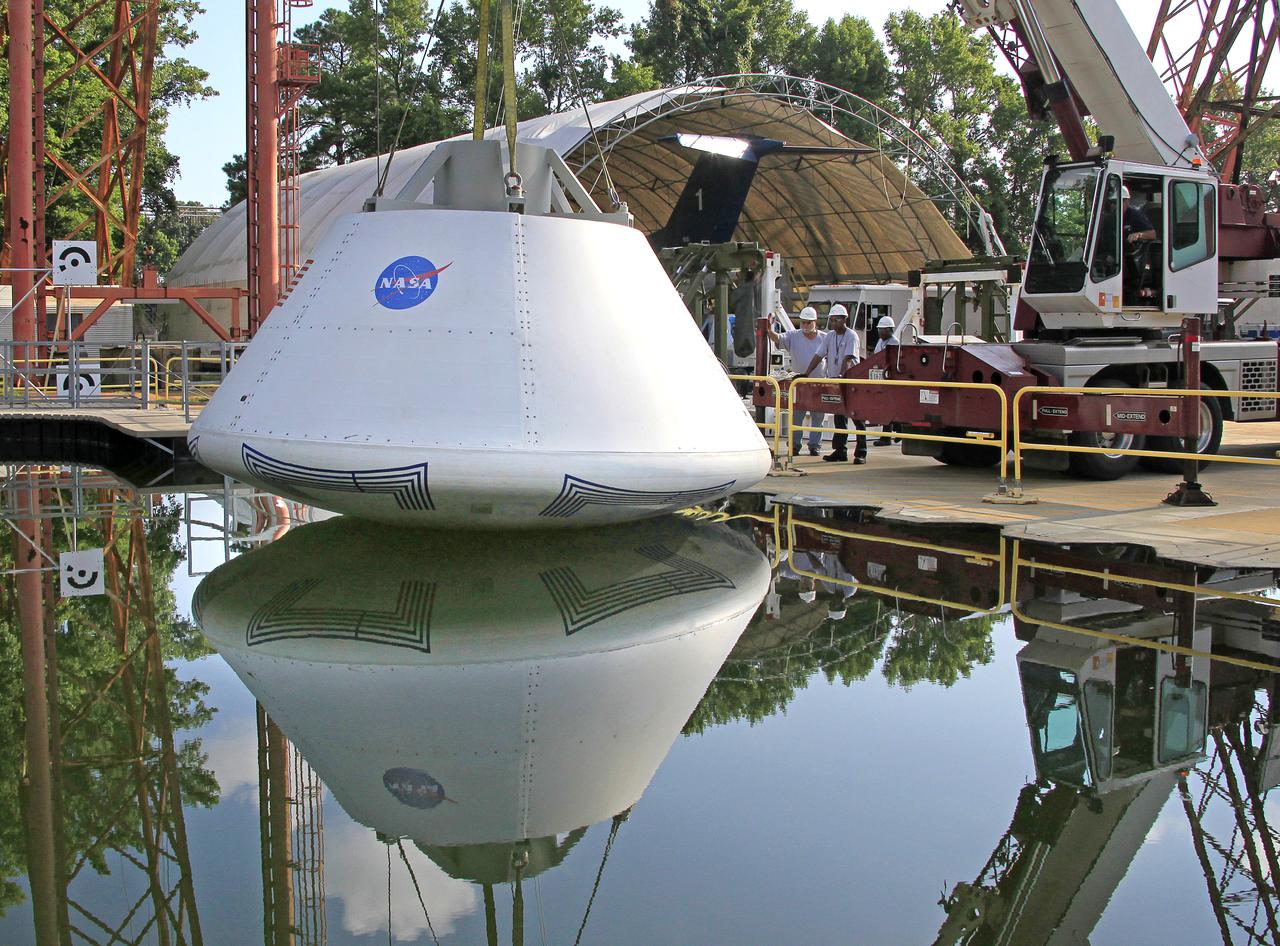
The Orion Test Capsule spent 4 hour in the water tank under NASA Langley's gantry to prove it is ready for the open water recovery test at Norfolk Naval Station.
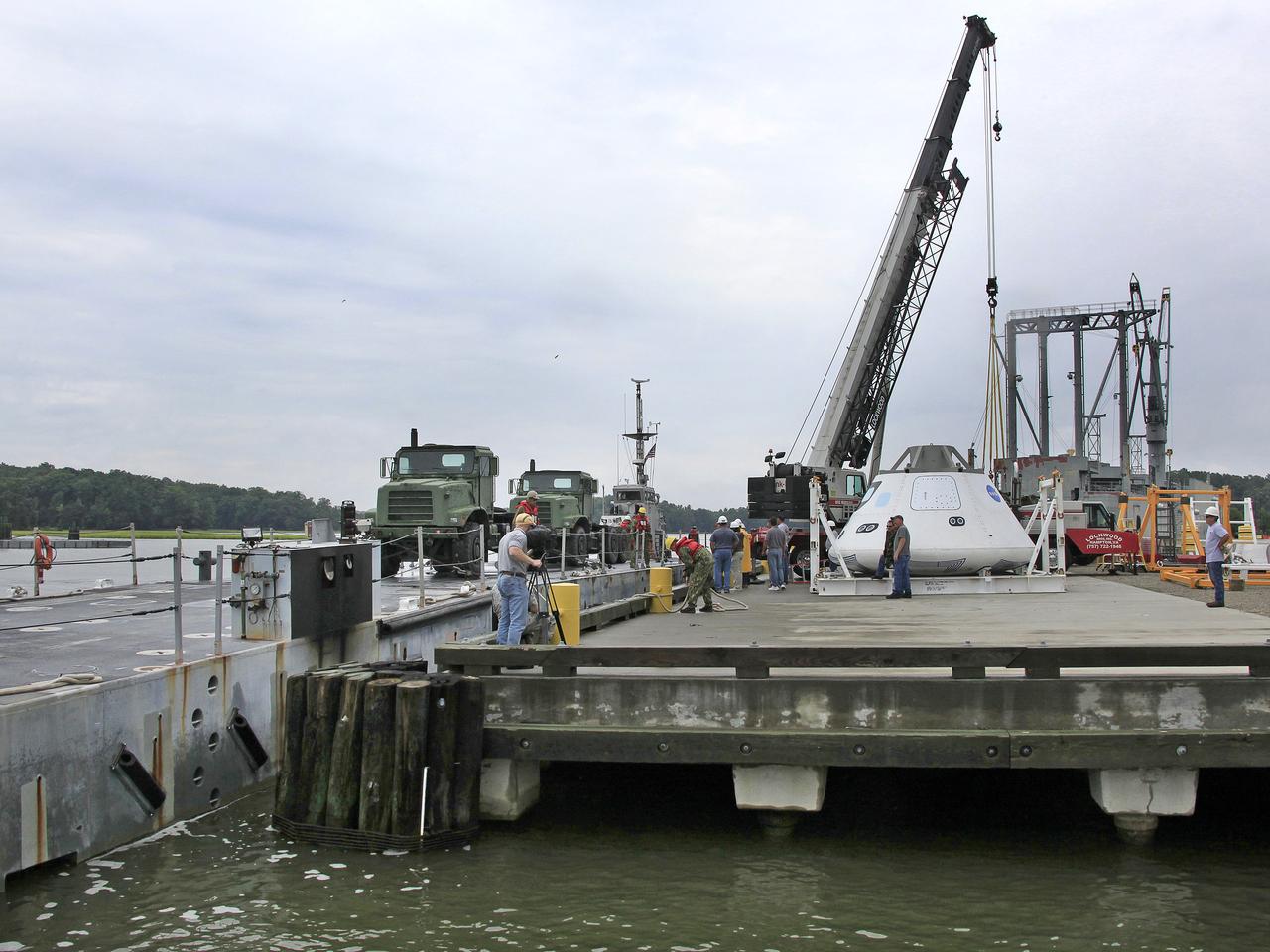
The Orion Test Capsule was loaded on a Navy INLS "Improved Navy Lighterage System" at Fort Eustis Tuesday from where it will be transported to Little Creek Amphibious Base in Norfolk.
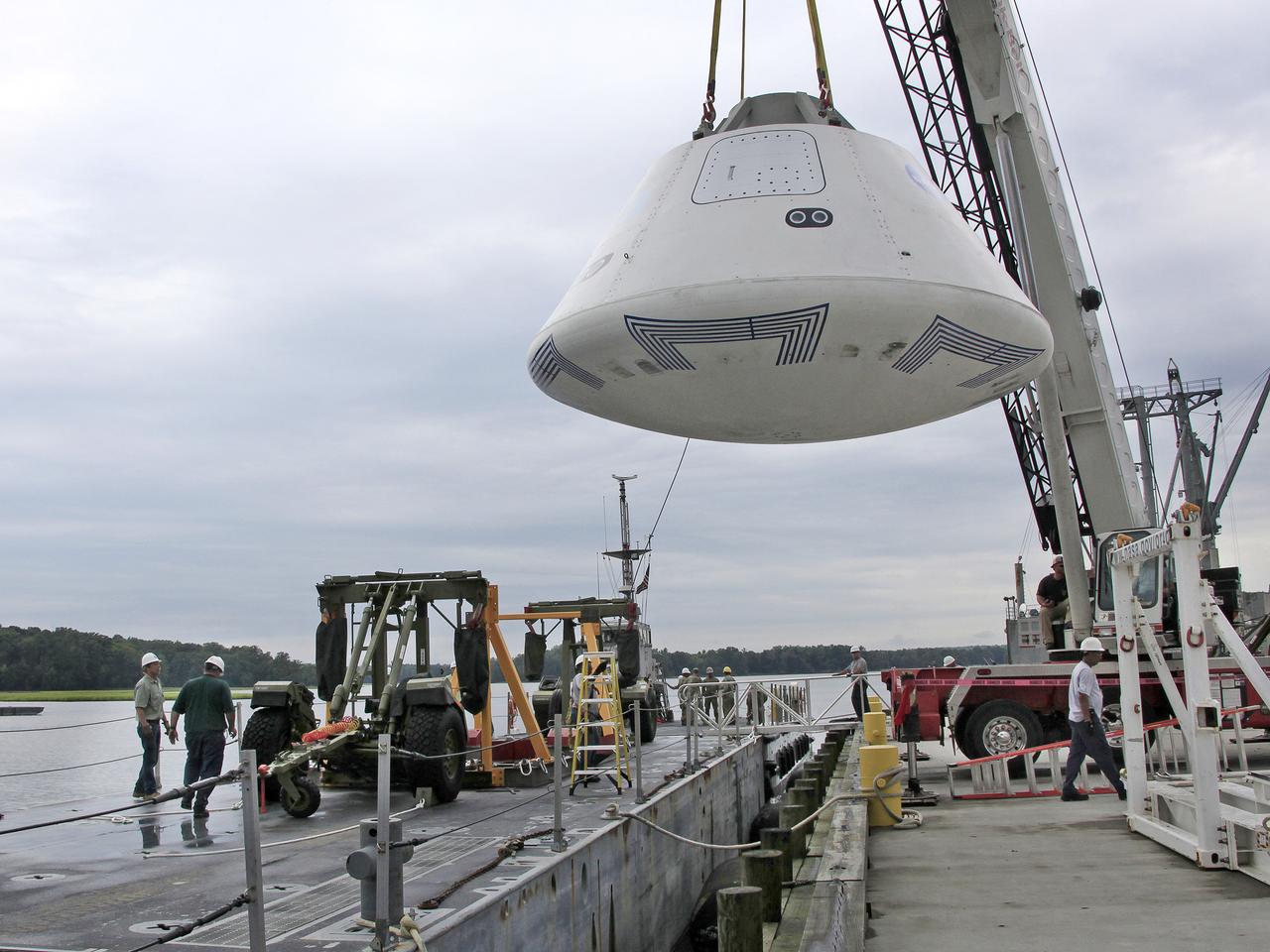
The Orion Test Capsule was loaded on a Navy INLS "Improved Navy Lighterage System" at Fort Eustis Tuesday from where it will be transported to Little Creek Amphibious Base in Norfolk.
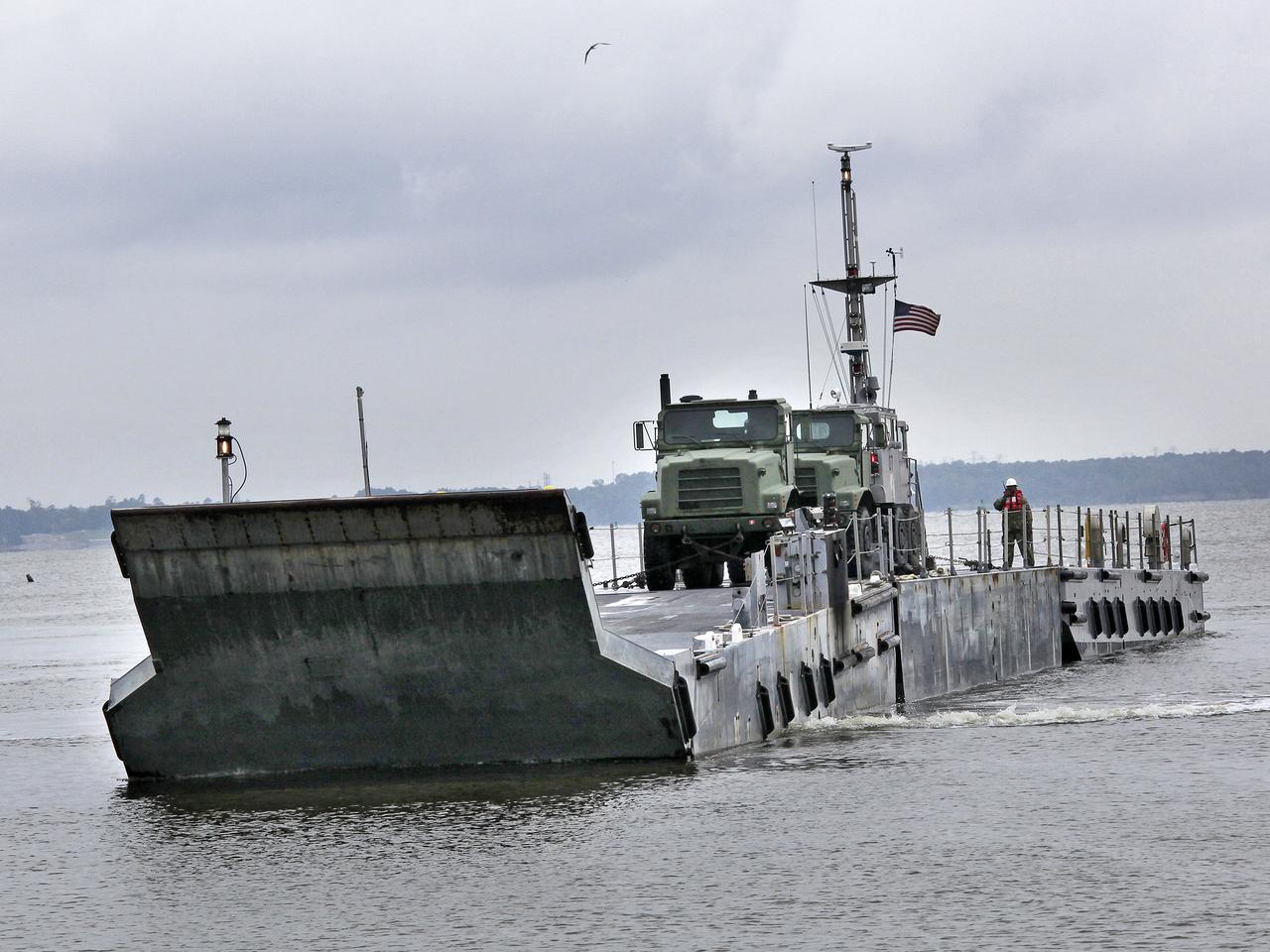
The Orion Test Capsule was loaded on a Navy INLS "Improved Navy Lighterage System" at Fort Eustis Tuesday from where it will be transported to Little Creek Amphibious Base in Norfolk.
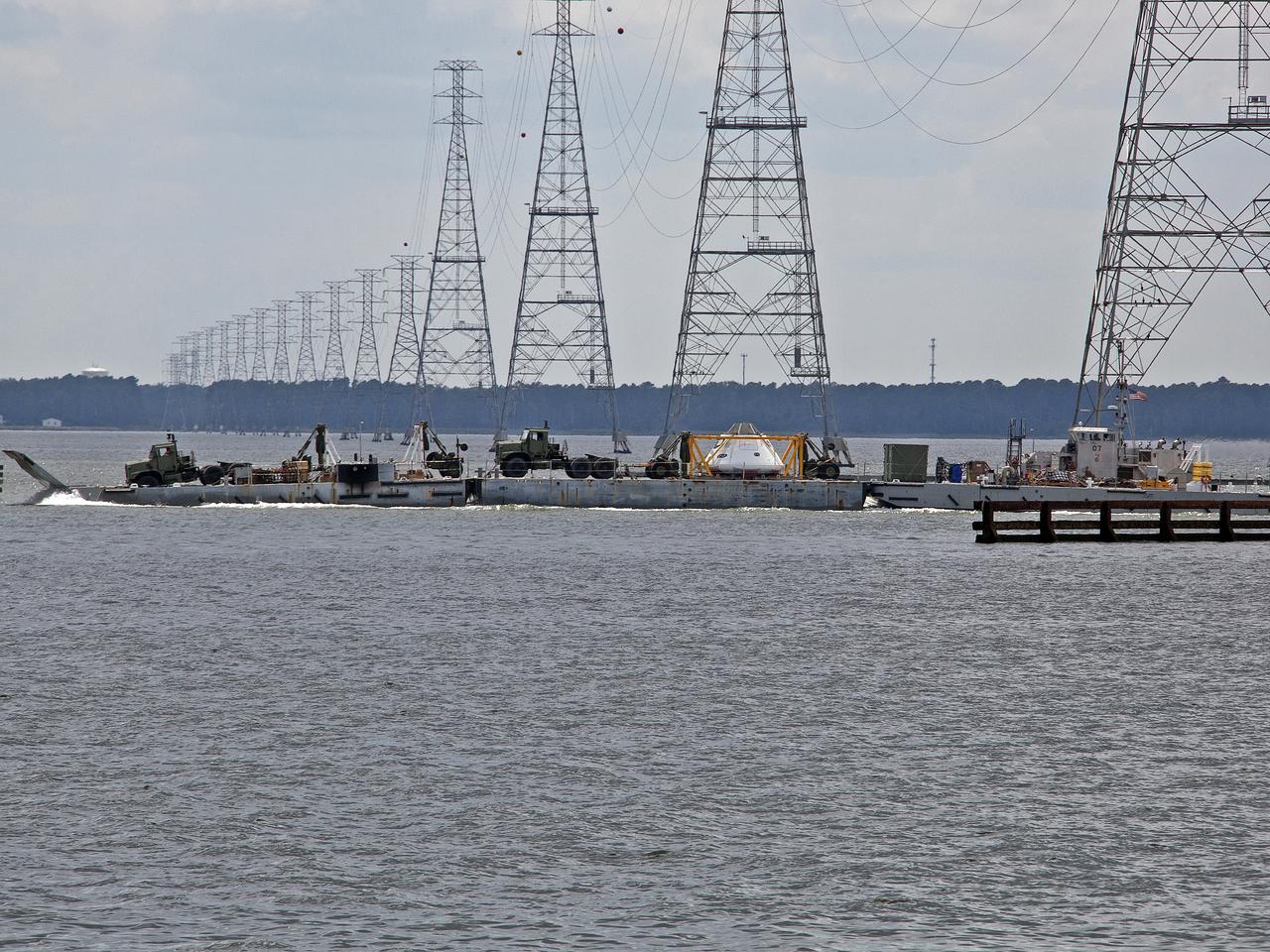
The Orion Test Capsule and a number of other items used in the capsule recovery at being transported down the James River on a Navy INLS "Improved Navy Lighterage System" from Fort Eustis from where it was loaded. Its liquid route will take them to Little Creek Amphibious Base in Norfolk, where it will stay until scheduled recovery test will be performed.
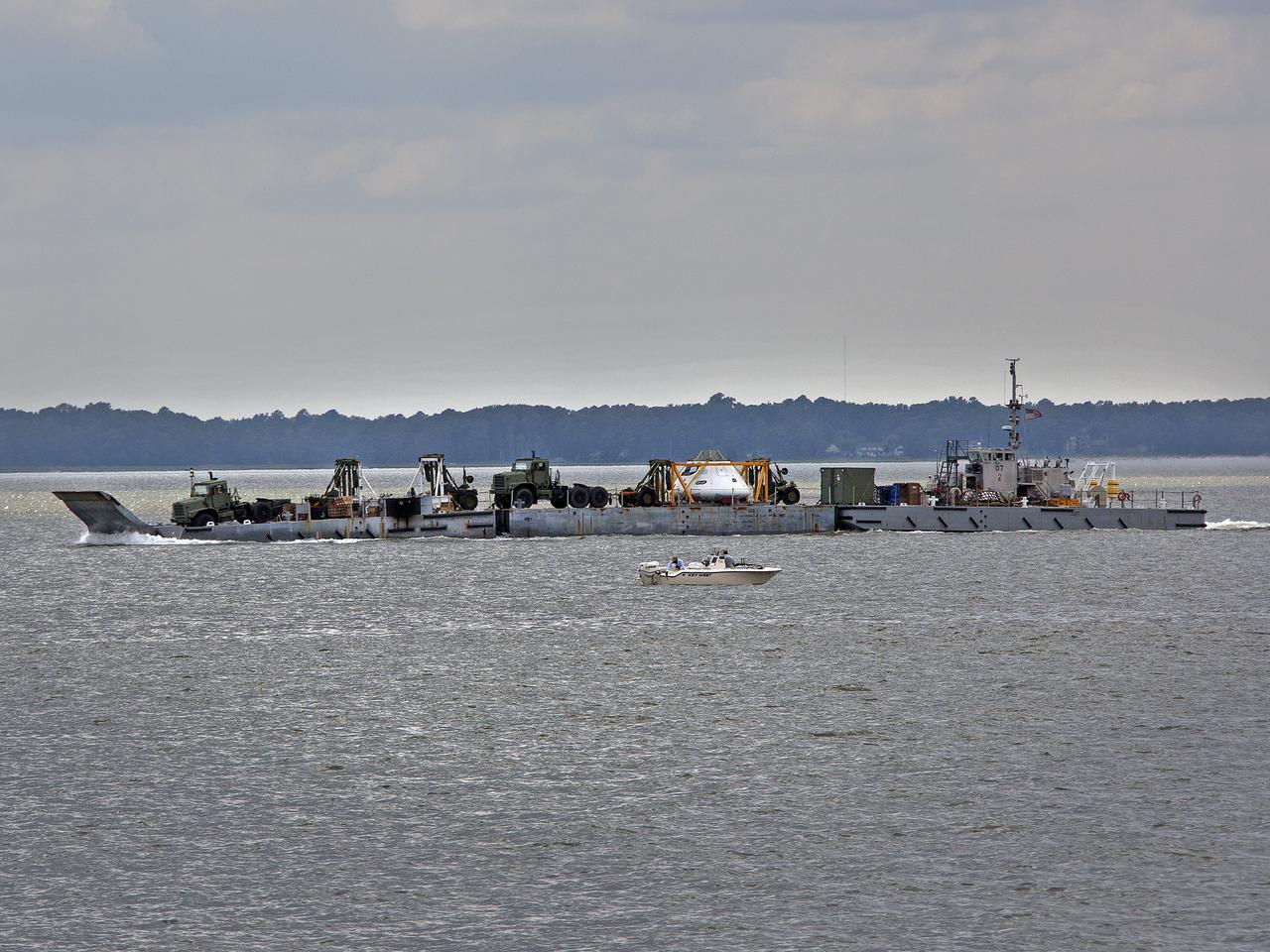
The Orion Test Capsule and a number of other items used in the capsule recovery at being transported down the James River on a Navy INLS "Improved Navy Lighterage System" from Fort Eustis from where it was loaded. Its liquid route will take them to Little Creek Amphibious Base in Norfolk, where it will stay until scheduled recovery test will be performed.
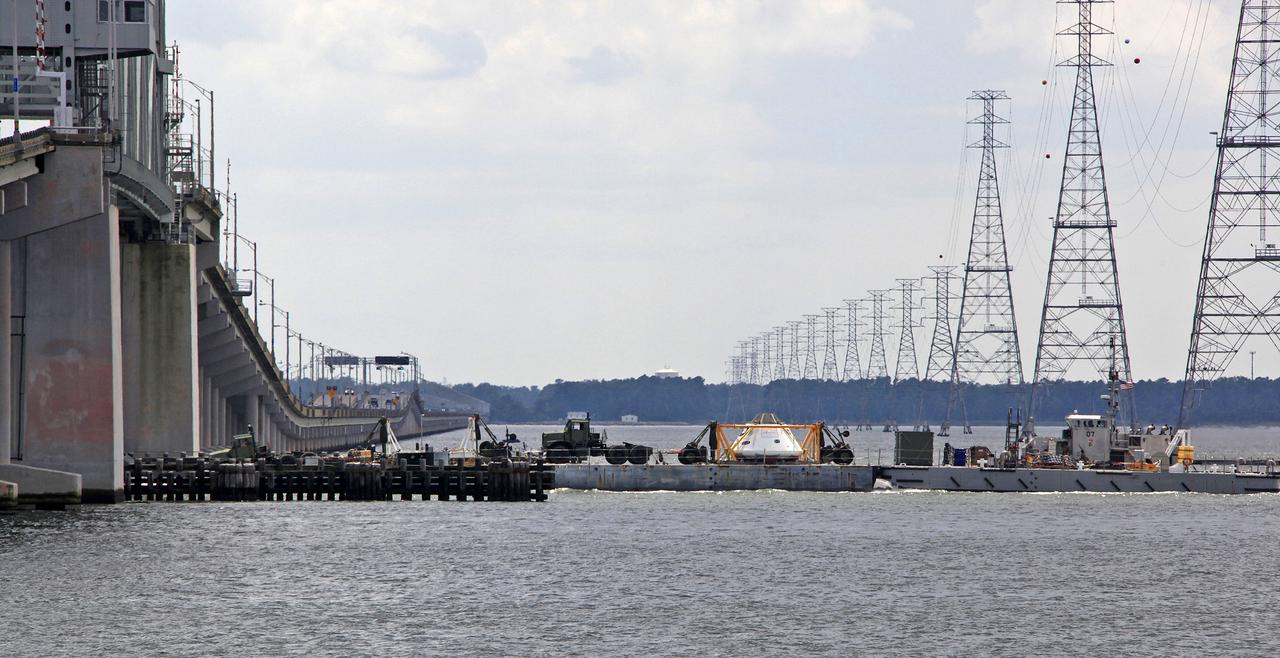
The Orion Test Capsule and a number of other items used in the capsule recovery at being transported down the James River on a Navy INLS "Improved Navy Lighterage System" from Fort Eustis from where it was loaded. Its liquid route will take them to Little Creek Amphibious Base in Norfolk, where it will stay until scheduled recovery test will be performed.
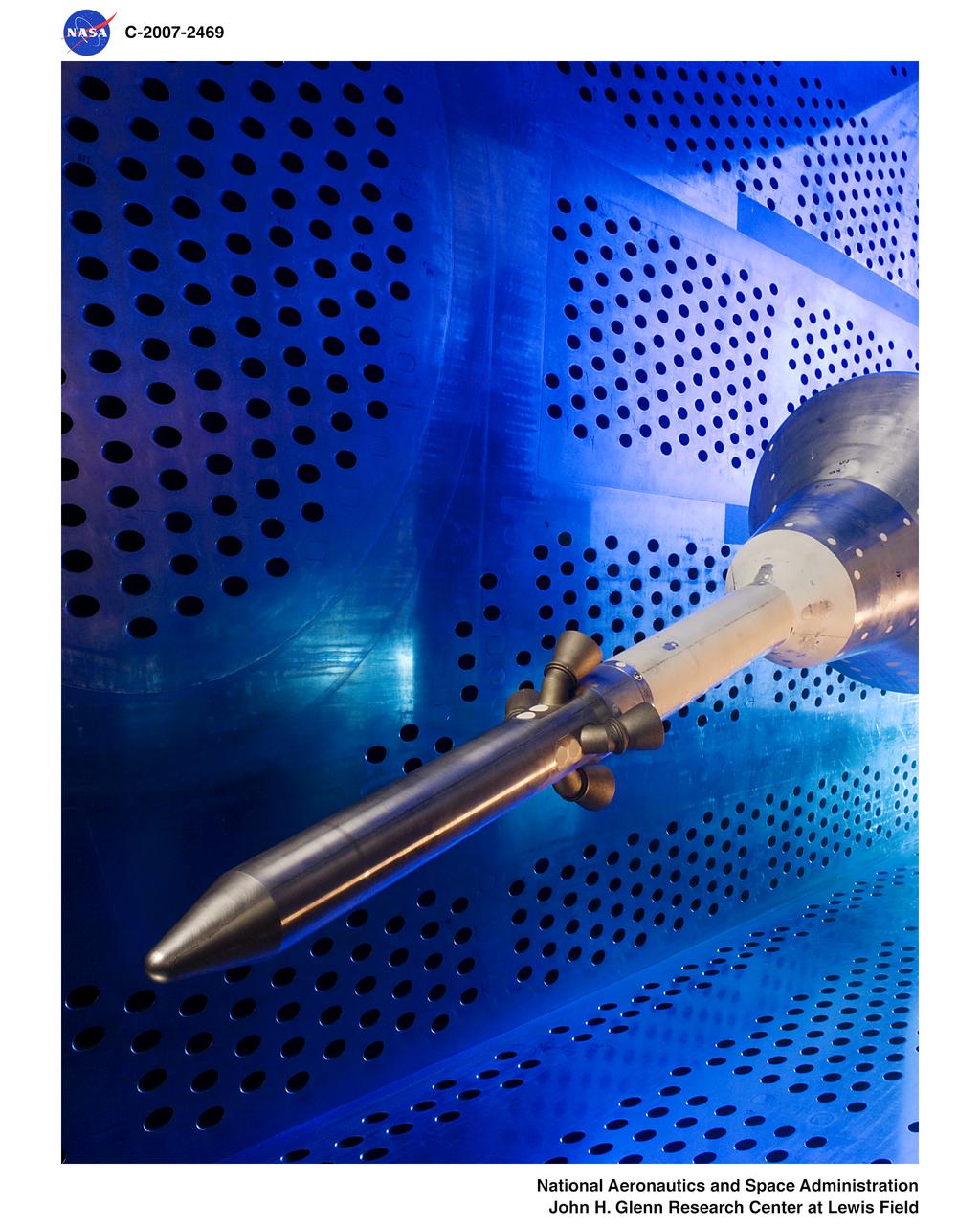
Orion Capsule and Launch Abort System (LAS) installed in the NASA Glenn 8x6 Supersonic Wind Tunnel (SWT) for testing. 8x6 supersonic wind tunnel test section with the launch abort system for the Orion capsule
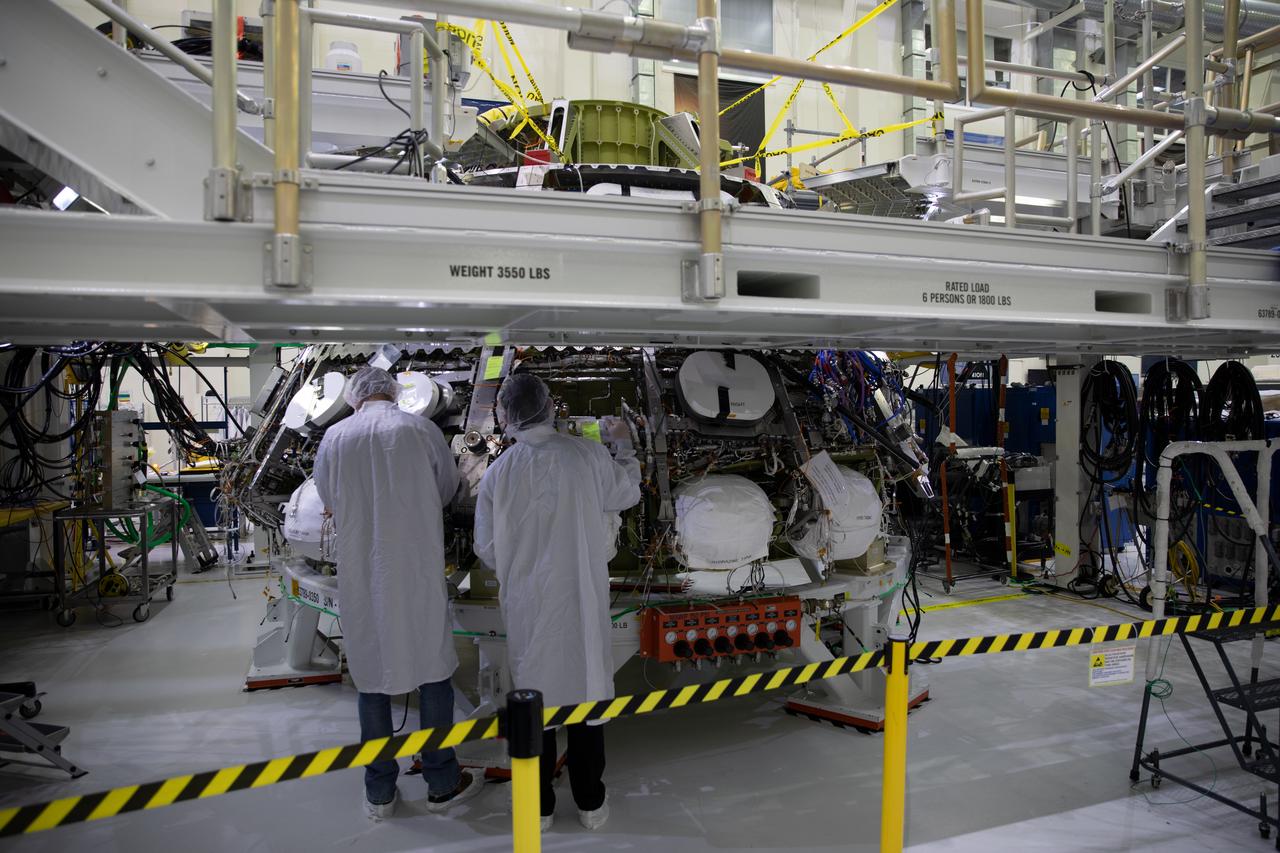
Technicians inside the Neil Armstrong Operations and Checkout Building power on the Orion crew module for the Artemis II mission for the first time at NASA’s Kennedy Space Center in Florida on May 27, 2022. The capsule will carry astronauts on a trip around the Moon during the first crewed Artemis flight, helping set the stage for future lunar landings. Through Artemis, NASA will land the first woman and the first person of color on the Moon and establish long-term lunar exploration in preparation for missions to Mars.
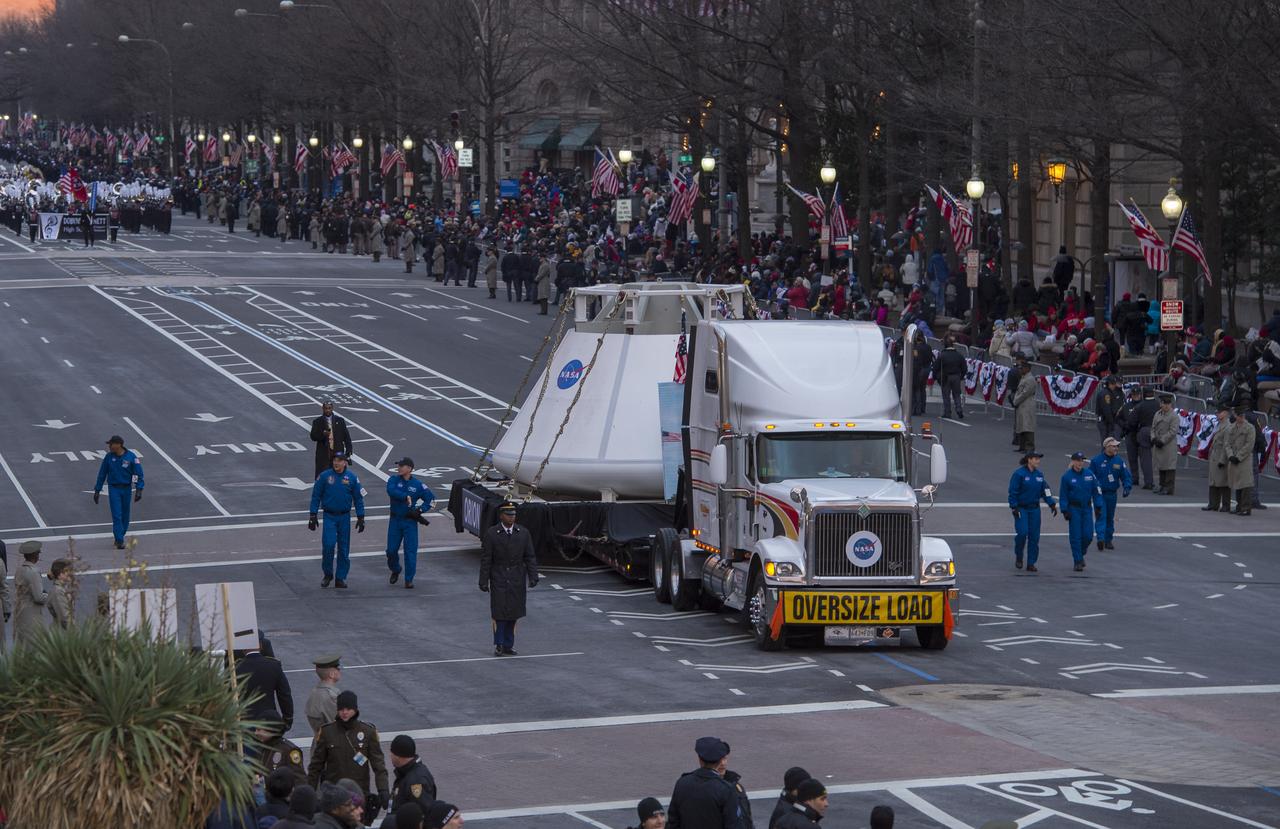
The Orion space capsule is seen as it rolls down Pennsylvania Avenue during the inaugural parade honoring President Barack Obaama, Monday Jan. 21, 2013, in Washington. Obama was sworn-in as the nation's 44th President earlier in the day. Photo Credit: (NASA/Carla Cioffi)
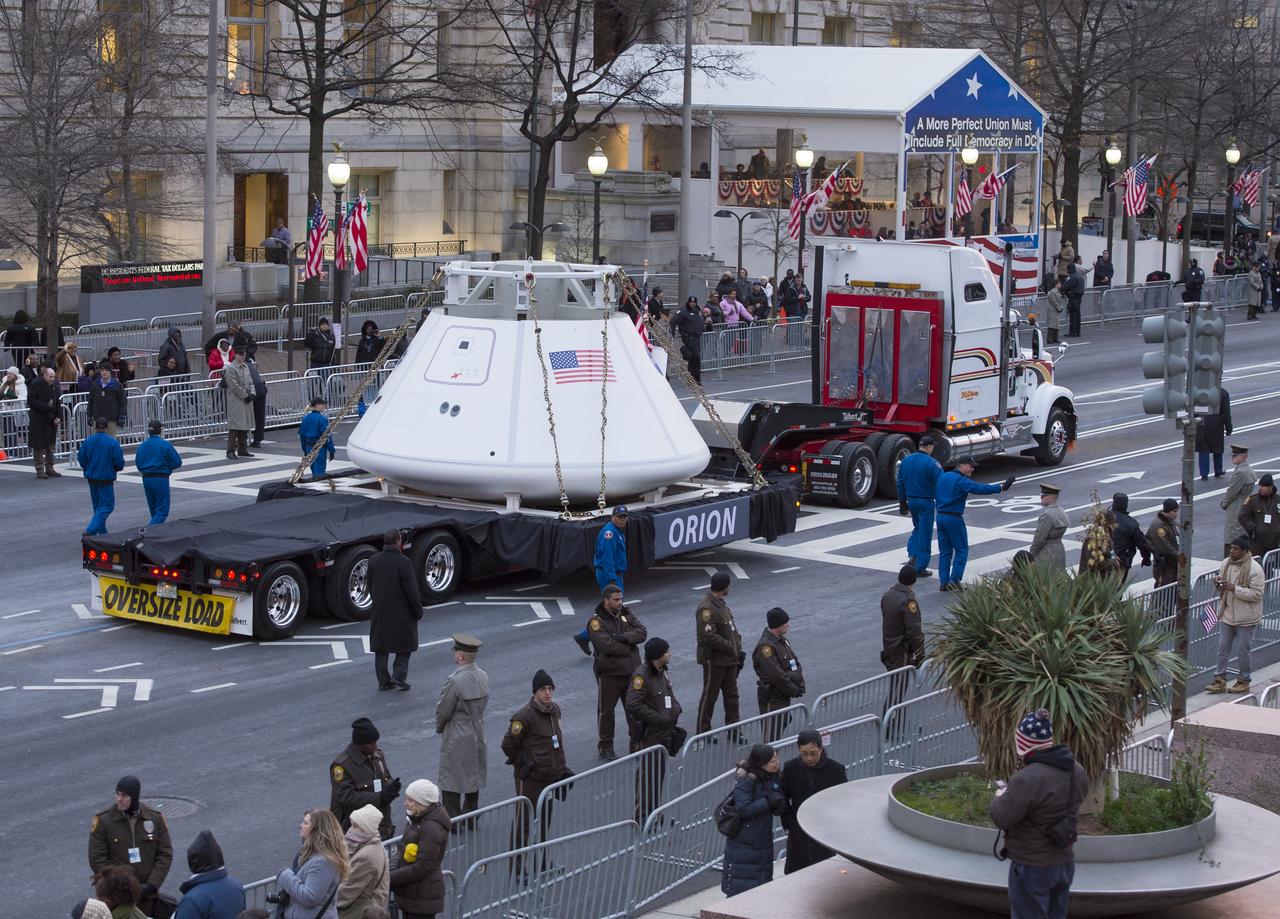
The Orion space capsule is seen as it rolls down Pennsylvania Avenue during the inaugural parade honoring President Barack Obaama, Monday Jan. 21, 2013, in Washington. Obama was sworn-in as the nation's 44th President earlier in the day. Photo Credit: (NASA/Carla Cioffi)
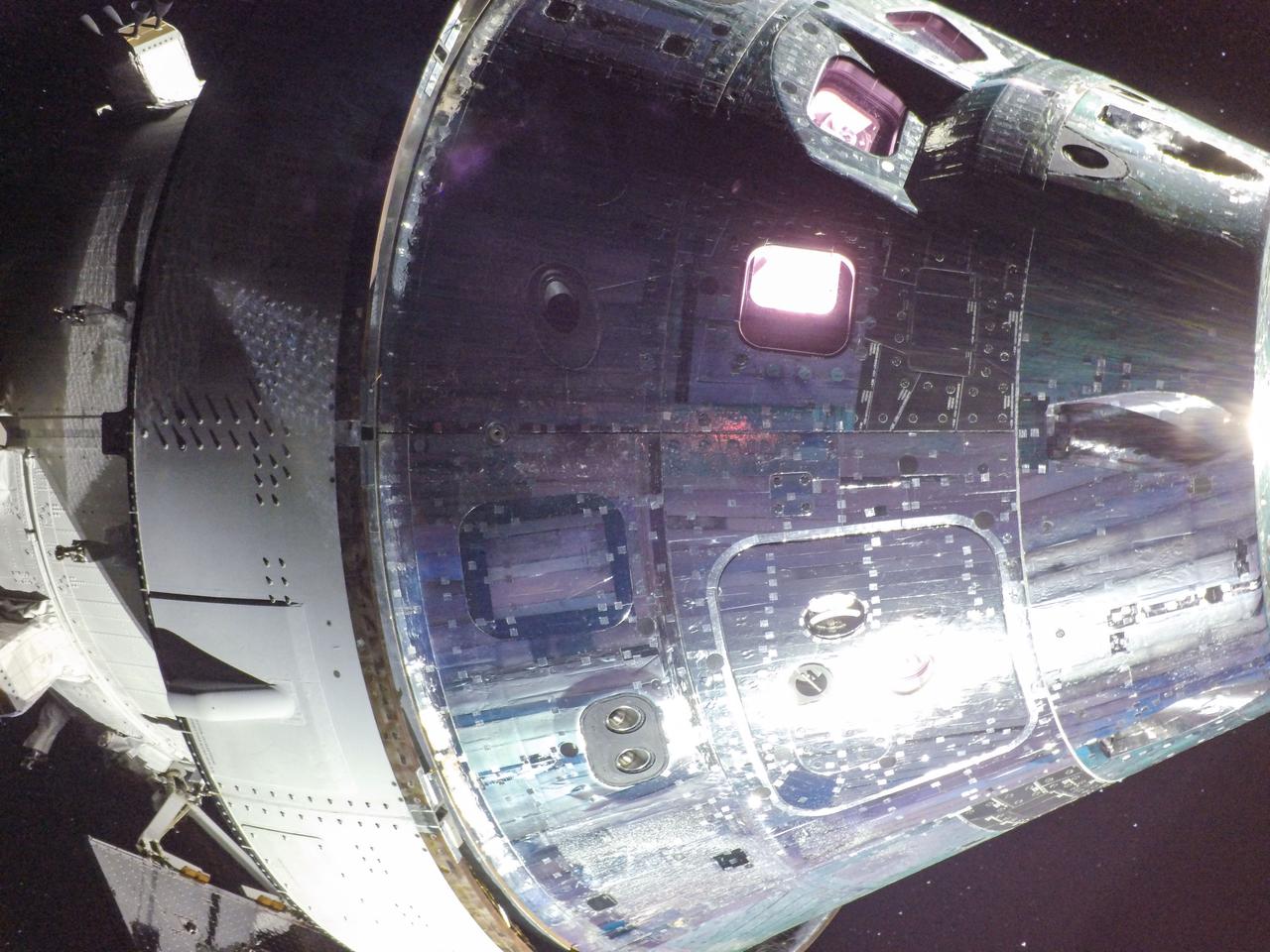
art001e002143 (Dec. 5, 2022) - Solar array-mounted cameras capture close-up images of NASA's Orion Command Module and European Service Module on the 20th day of the Artemis I mission. Windows on the Orion capsule offer a glimpse of “Commander Moonikin Campos," a manikin equipped with sensors measuring radiation, acceleration, and vibration data throughout the mission.

The Orion space capsule is seen as it rolls down Pennsylvania Avenue during the inaugural parade honoring President Barack Obama, Monday Jan. 21, 2013, in Washington. Obama was sworn-in as the nation's 44th President earlier in the day. Photo Credit: (NASA/Carla Cioffi)

The Orion space capsule is seen as it rolls down Pennsylvania Avenue during the inaugural parade honoring President Barack Obama, Monday Jan. 21, 2013, in Washington. Obama was sworn-in as the nation's 44th President earlier in the day. Photo Credit: (NASA/Carla Cioffi)
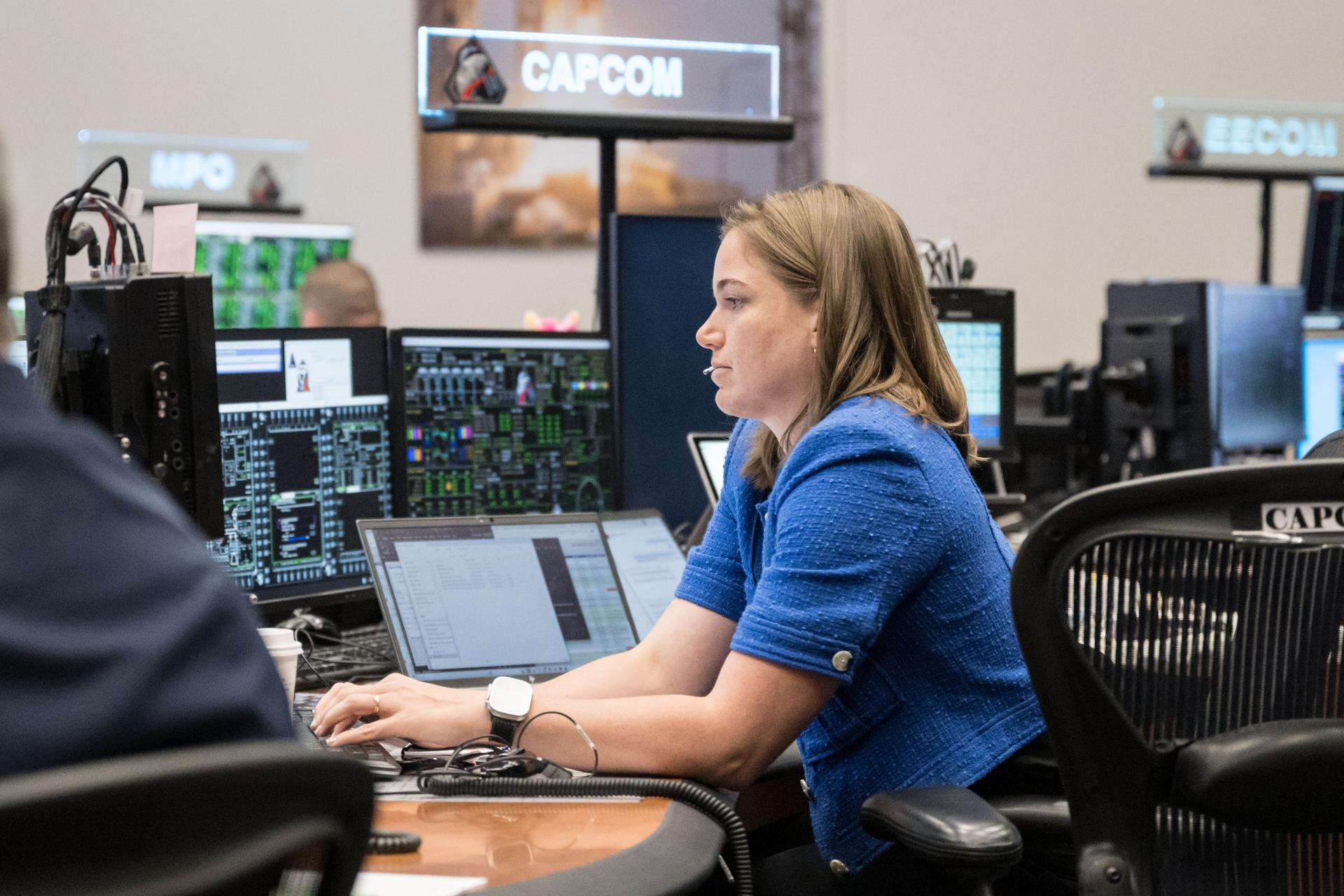
jsc2026e020046 (April 2, 2026) – CSA (Canadian Space Agency) astronaut and backup Artemis II crew member Jenni Gibbons serves as capsule communicator (capcom) during the mission’s translunar injection burn, which sent the crew in Orion out of Earth orbit and on a trajectory toward the Moon.
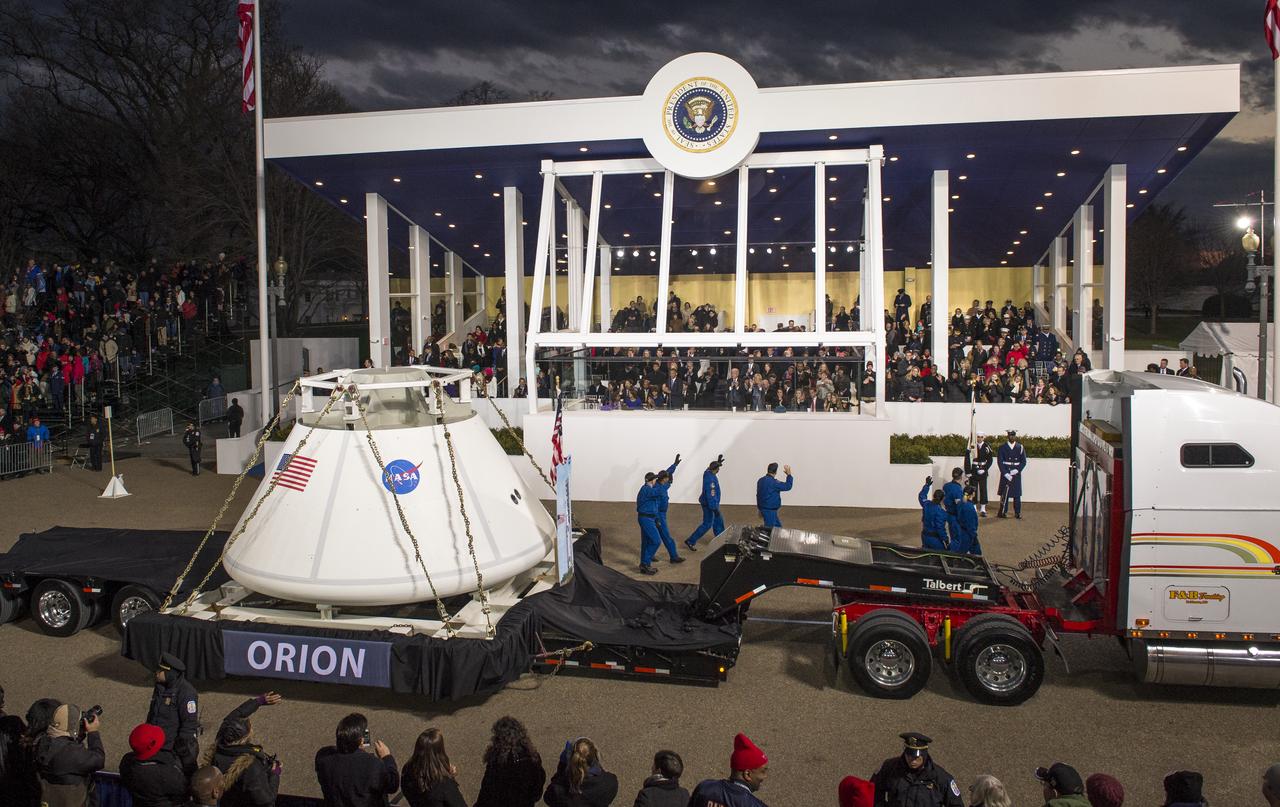
The Orion space capsule along with NASA Astronauts Lee Morin, Alvin Drew, Kjell Lindgren, Serena Aunon, Kate Rubins, and Mike Massimino pass the Presidential viewing stand and President Barack Obama during the inaugural parade honoring Obama, Monday Jan. 21, 2013, in Washington. Obama was sworn-in as the nation's 44th President earlier in the day. Photo Credit: (NASA/Bill Ingalls)
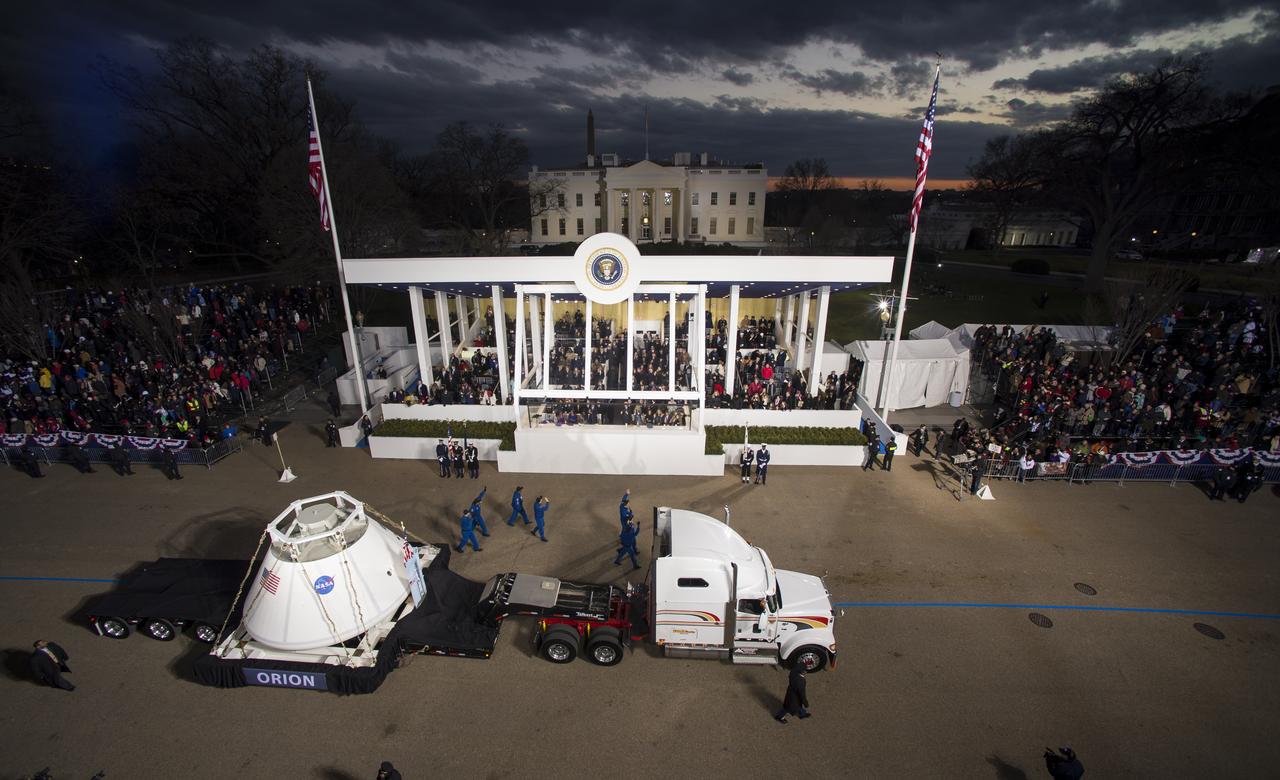
The Orion space capsule along with NASA Astronauts Lee Morin, Alvin Drew, Kjell Lindgren, Serena Aunon, Kate Rubins, and Mike Massimino pass the Presidential viewing stand and President Barack Obama during the inaugural parade honoring Obama, Monday Jan. 21, 2013, in Washington. Obama was sworn-in as the nation's 44th President earlier in the day. Photo Credit: (NASA/Bill Ingalls)
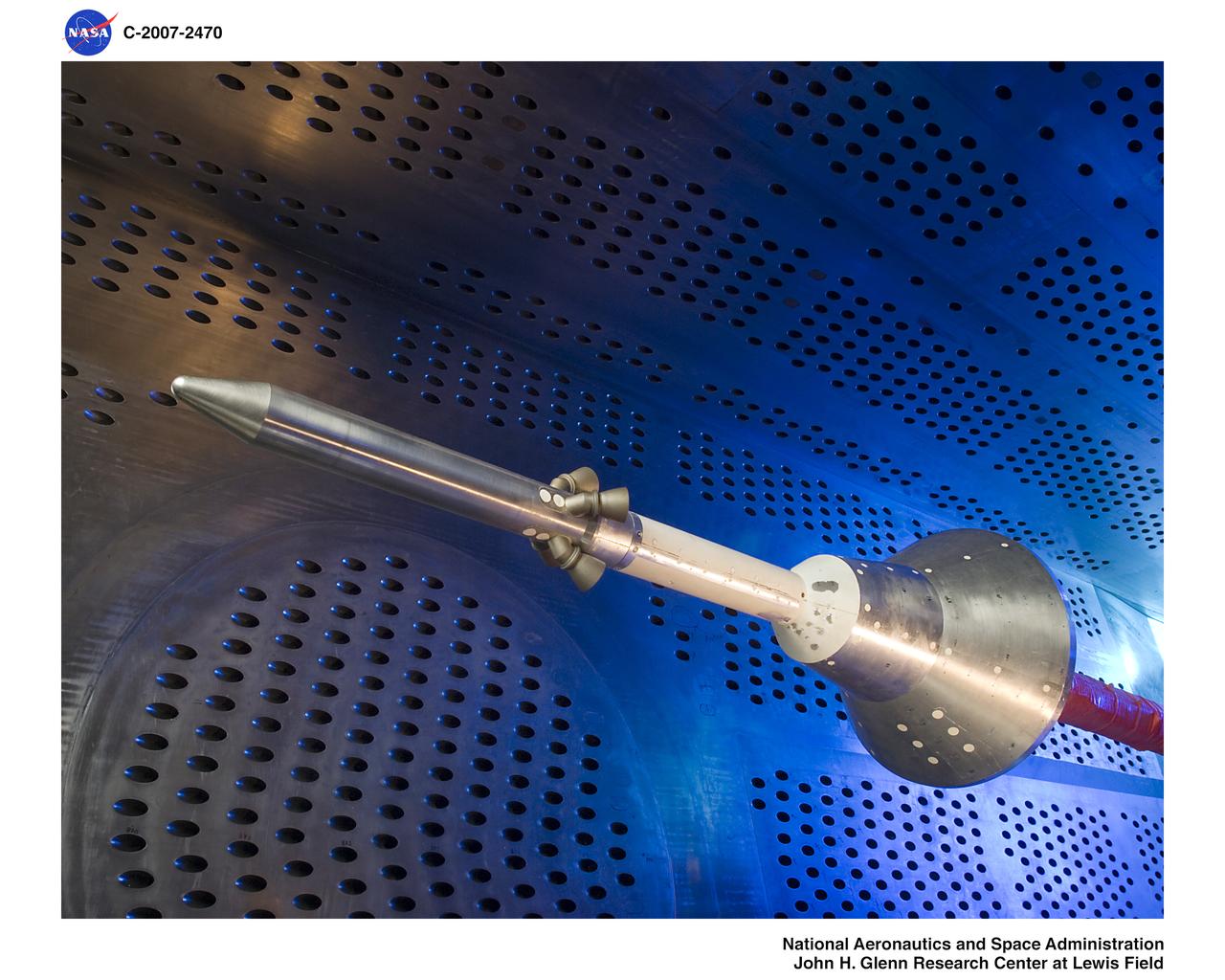
Orion Capsule and Launch Abort System (LAS) installed in the NASA Glenn 8x6 Supersonic Wind Tunnel (SWT) for testing. This test is an Aero Acoustic test of the LAS. 8x6 supersonic wind tunnel test section

Charlie Lundquist, NASA Orion deputy program manager, right, presents an American flag flown aboard the Orion capsule during the Exploration Flight Test-1 mission to Armstrong Deputy Director Patrick Stoliker.
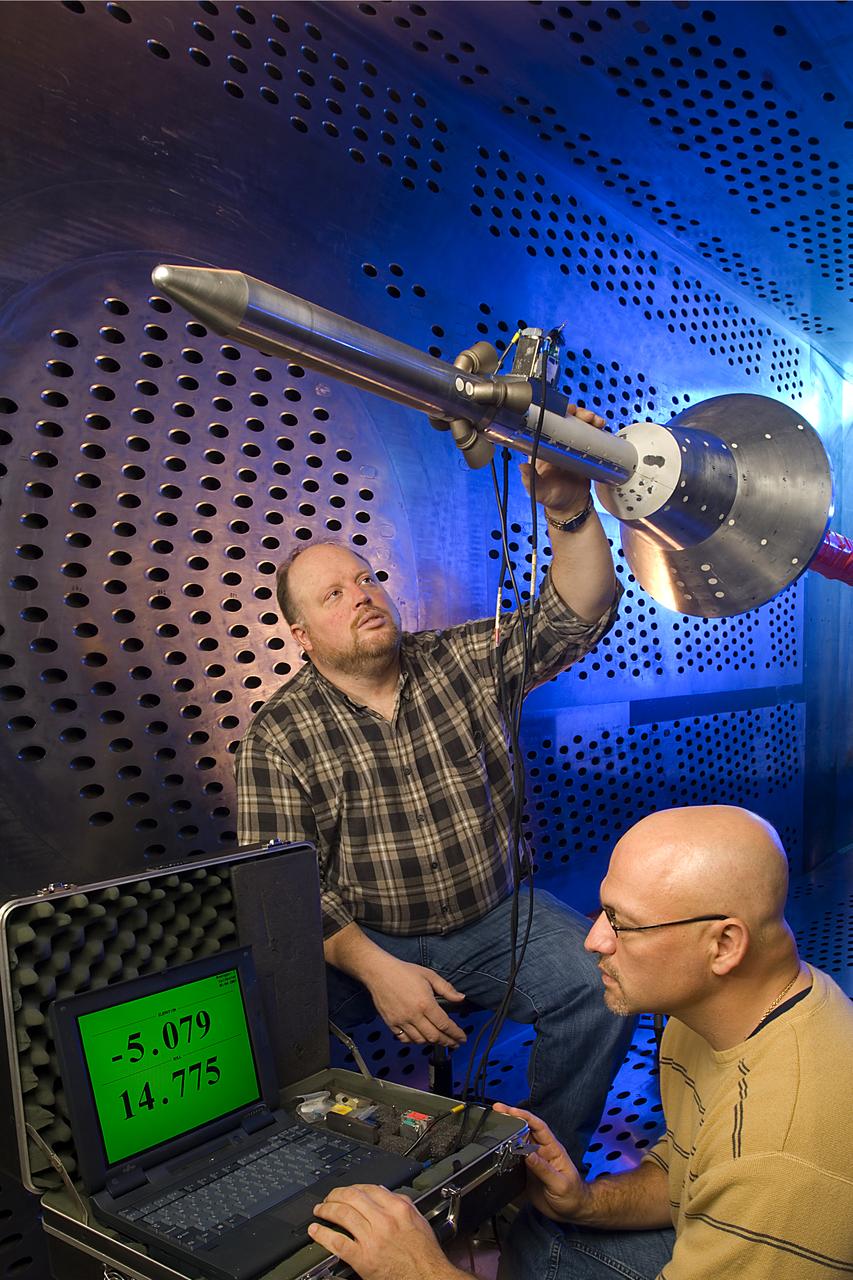
Orion Capsule and Launch Abort System (LAS) installed in the NASA Glenn 8x6 Supersonic Wind Tunnel for testing. This test is an Aero Acoustic test of the LAS. Pictured is the calibration of the model's angle of attack
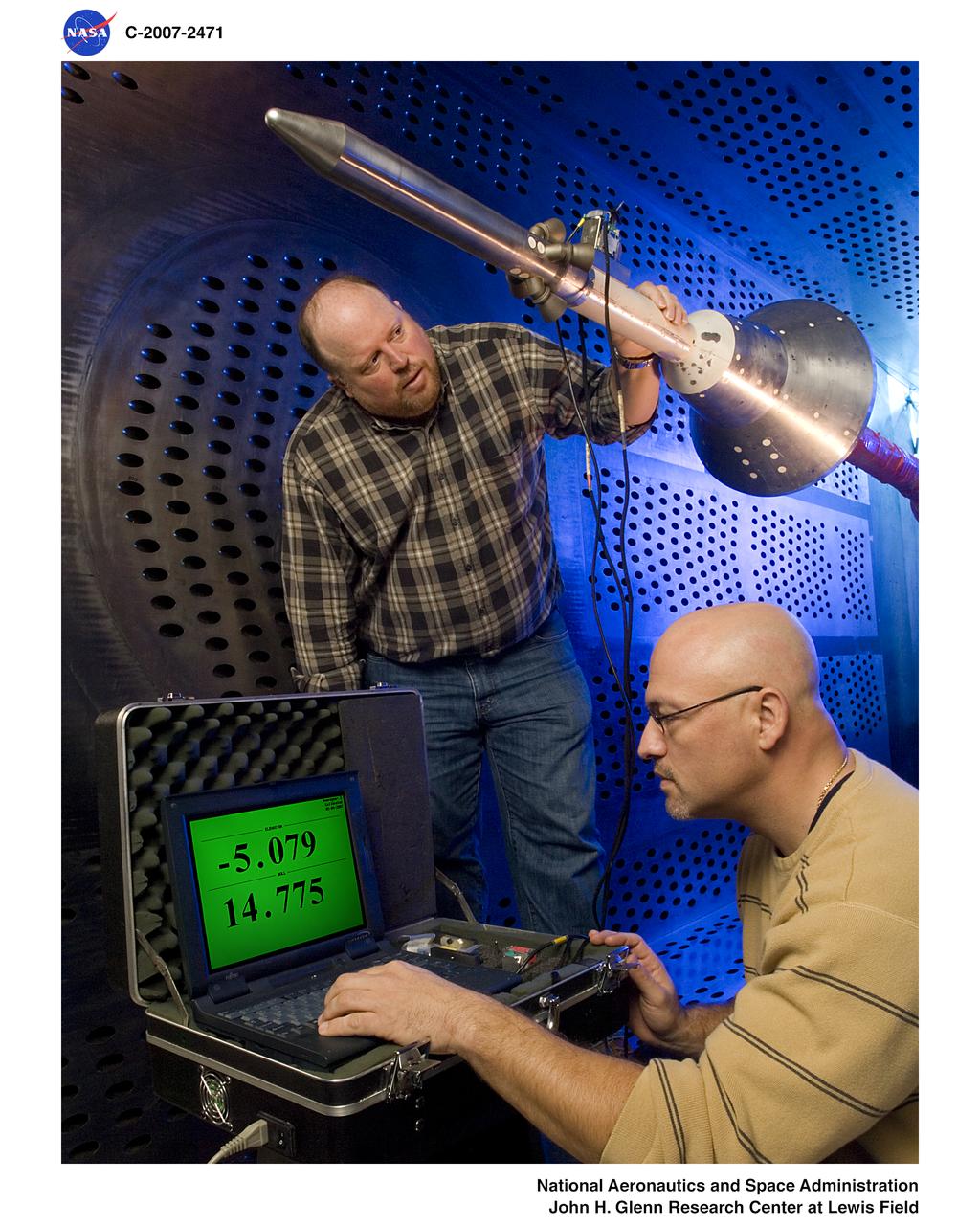
Orion Capsule and Launch Abort System (LAS) installed in the NASA Glenn 8x6 Supersonic Wind Tunnel for testing. This test is an Aero Acoustic test of the LAS. Pictured is the calibration of the model's angle of attack

NASA Dryden technicians take measurements inside a fit-check mockup for prior to systems installation on a boilerplate Orion launch abort test crew capsule. A mockup Orion crew module has been constructed by NASA Dryden Flight Research Center's Fabrication Branch. The mockup is being used to develop integration procedures for avionics and instrumentation in advance of the arrival of the first abort flight test article.
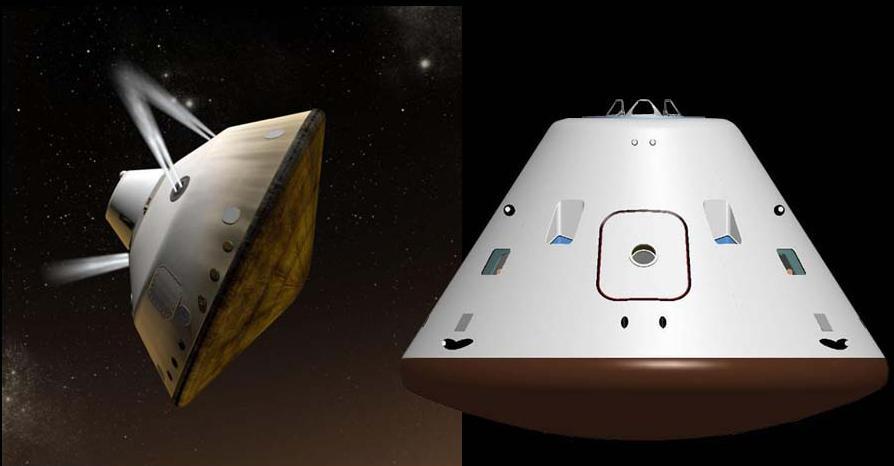
This set of artist concepts shows NASA Mars Science Laboratory cruise capsule and NASA Orion spacecraft, which is being built now at NASA Johnson Space Center and will one day send astronauts to Mars.

Employees at NASA’s Michoud Assembly Facility in New Orleans gather to watch the completion of NASA’s Artemis I mission with the splashdown of the Orion spacecraft on Dec. 11. The team cheered as the capsule safely returned to Earth following its 25.5-day mission, which brought it further into deep space than any human-rated spacecraft has ever flown before. The Orion crew capsule as well as parts for the launch abort system and the core stage of the Space Launch System rocket were built at the Michoud Assembly Facility. Artemis I is the first in a series of increasingly complex missions to the Moon. With the Artemis missions, NASA will land the first woman and the first person of color on the Moon. No other rocket is capable of carrying astronauts in Orion around the Moon in a single mission. Image credit: NASA/Michael DeMocker
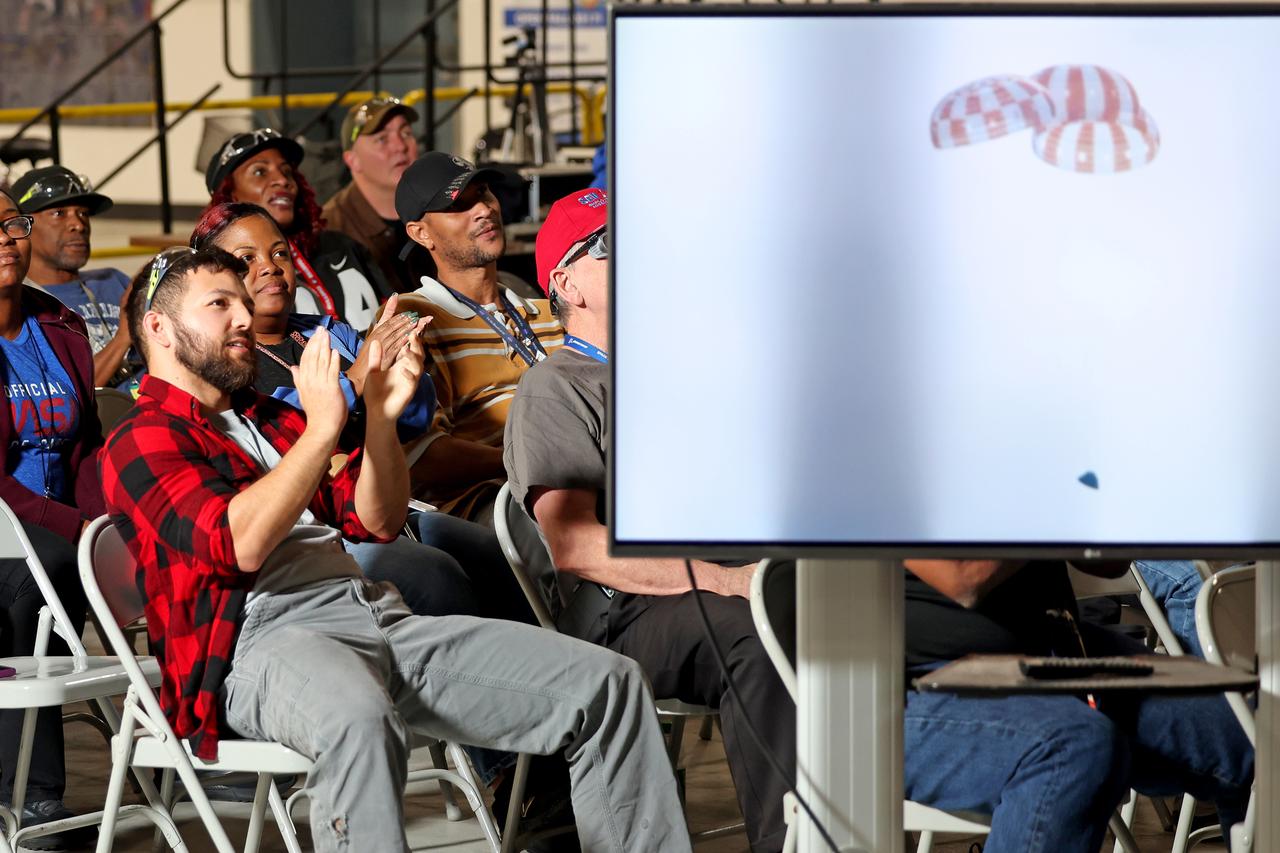
Employees at NASA’s Michoud Assembly Facility in New Orleans gather to watch the completion of NASA’s Artemis I mission with the splashdown of the Orion spacecraft on Dec. 11. The team cheered as the capsule safely returned to Earth following its 25.5-day mission, which brought it further into deep space than any human-rated spacecraft has ever flown before. The Orion crew capsule as well as parts for the launch abort system and the core stage of the Space Launch System rocket were built at the Michoud Assembly Facility. Artemis I is the first in a series of increasingly complex missions to the Moon. With the Artemis missions, NASA will land the first woman and the first person of color on the Moon. No other rocket is capable of carrying astronauts in Orion around the Moon in a single mission. Image credit: NASA/Michael DeMocker
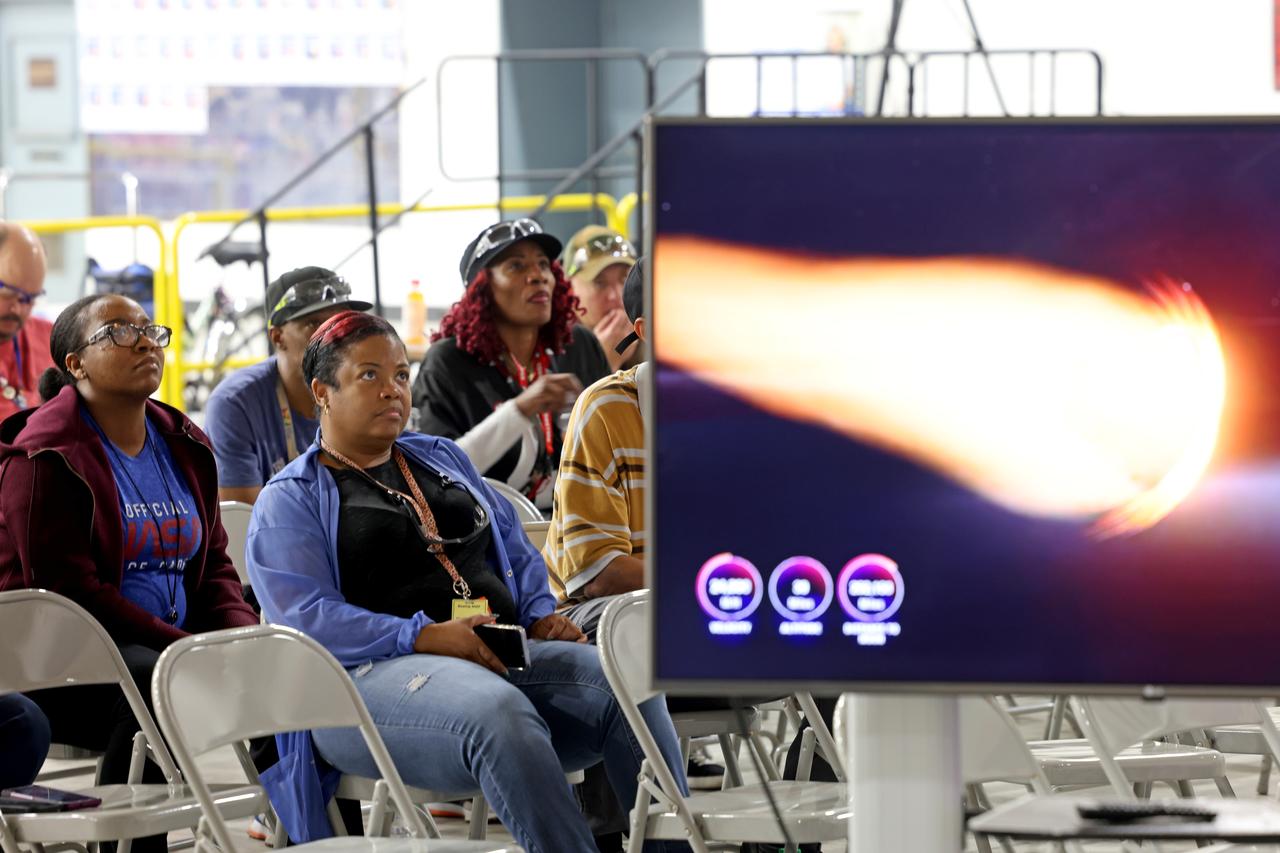
Employees at NASA’s Michoud Assembly Facility in New Orleans gather to watch the completion of NASA’s Artemis I mission with the splashdown of the Orion spacecraft on Dec. 11. The team cheered as the capsule safely returned to Earth following its 25.5-day mission, which brought it further into deep space than any human-rated spacecraft has ever flown before. The Orion crew capsule as well as parts for the launch abort system and the core stage of the Space Launch System rocket were built at the Michoud Assembly Facility. Artemis I is the first in a series of increasingly complex missions to the Moon. With the Artemis missions, NASA will land the first woman and the first person of color on the Moon. No other rocket is capable of carrying astronauts in Orion around the Moon in a single mission. Image credit: NASA/Michael DeMocker

Employees at NASA’s Michoud Assembly Facility in New Orleans gather to watch the completion of NASA’s Artemis I mission with the splashdown of the Orion spacecraft on Dec. 11. The team cheered as the capsule safely returned to Earth following its 25.5-day mission, which brought it further into deep space than any human-rated spacecraft has ever flown before. The Orion crew capsule as well as parts for the launch abort system and the core stage of the Space Launch System rocket were built at the Michoud Assembly Facility. Artemis I is the first in a series of increasingly complex missions to the Moon. With the Artemis missions, NASA will land the first woman and the first person of color on the Moon. No other rocket is capable of carrying astronauts in Orion around the Moon in a single mission. Image credit: NASA/Michael DeMocker
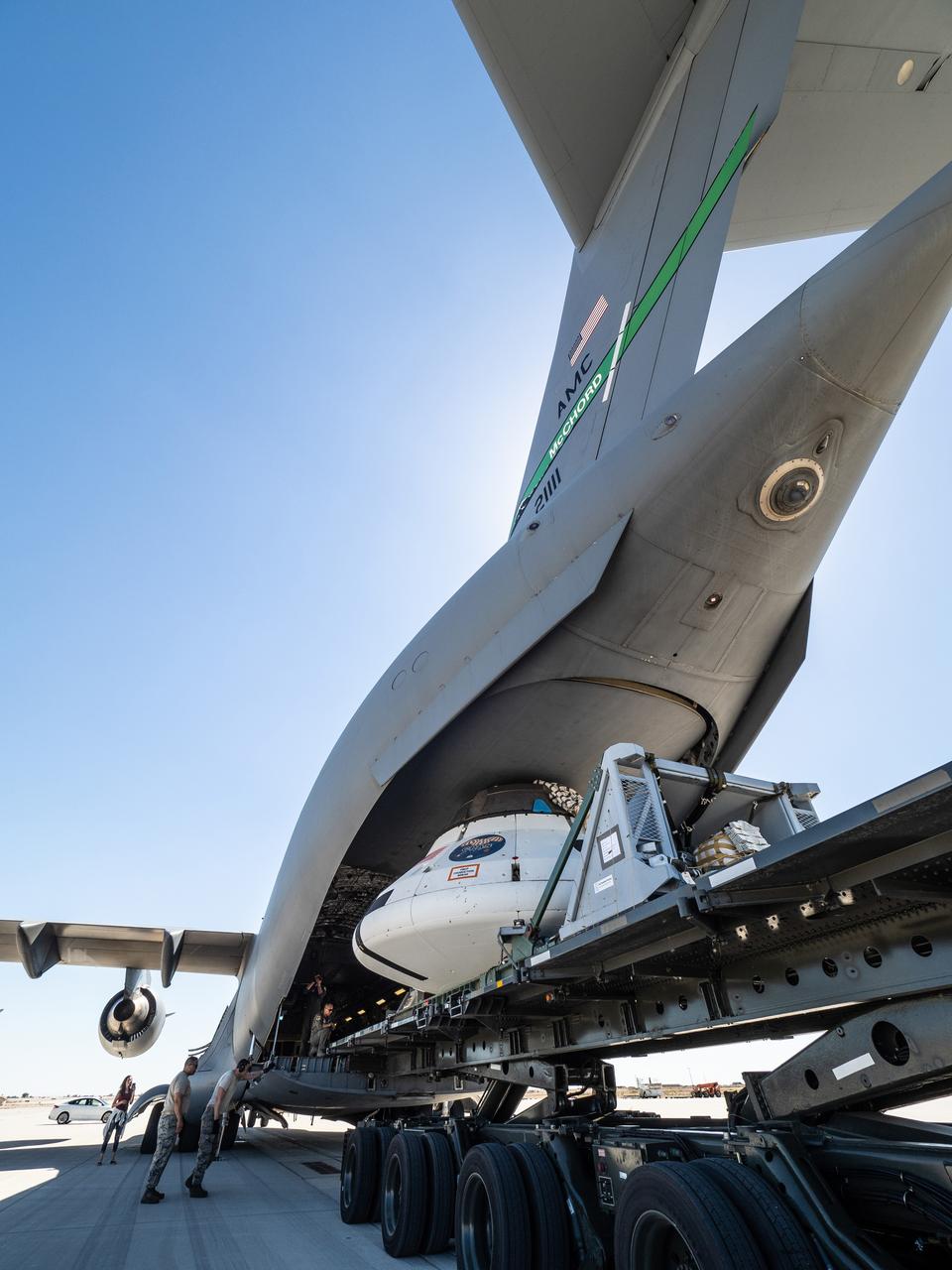
The Orion team prepares the parachute test vehicle for the final drop test which will qualify Orion's parachutes for human flight on Sept. 10, 2018...On September 12, 2018 an Orion test capsule will be dropped from a C-17 aircraft at an altitude of more than six miles to verify the spacecraft’s complex system of 11 parachutes, cannon-like mortars, and pyrotechnic devices work in sequence to slow the capsule’s descent for a safe landing on Earth.
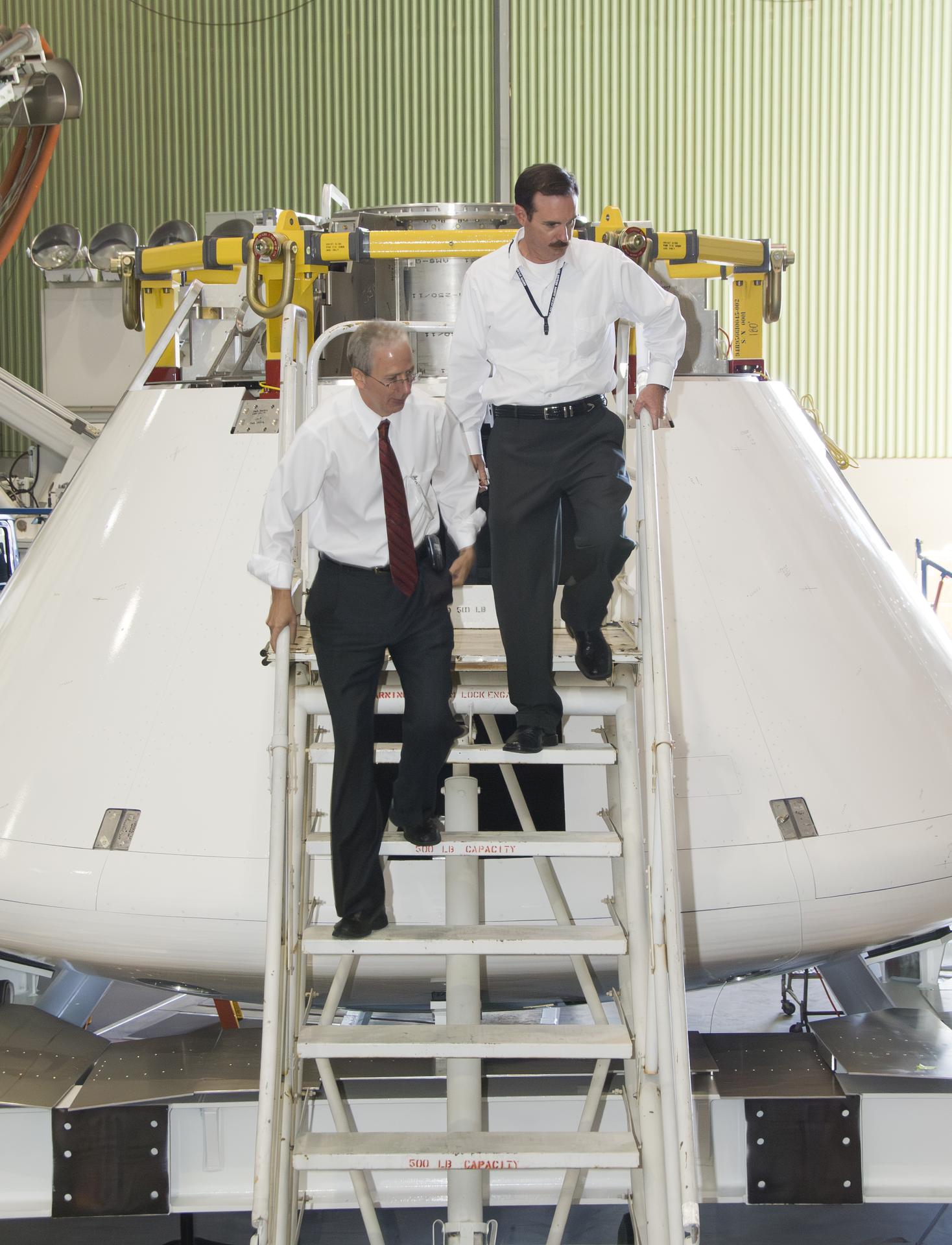
Mark Geyer, NASA’s Orion manager, visited NASA’s Armstrong Flight Research Center in Edwards, California, on April 9, 2008, to see the Pad Abort-1 test article, developed to demonstrate the Orion capsule’s emergency escape system during launch. Dave McAllister, NASA Armstrong Abort Flight Test operations lead, right, shows Geyer the Orion capsule mockup. Pad Abort-1 was later tested at the U.S. Army’s White Sands Missile Range in New Mexico, on May 6, 2010.

The Orion team prepares the parachute test vehicle for the final drop test which will qualify Orion's parachutes for human flight on Sept. 10, 2018...On September 12, 2018 an Orion test capsule will be dropped from a C-17 aircraft at an altitude of more than six miles to verify the spacecraft’s complex system of 11 parachutes, cannon-like mortars, and pyrotechnic devices work in sequence to slow the capsule’s descent for a safe landing on Earth.
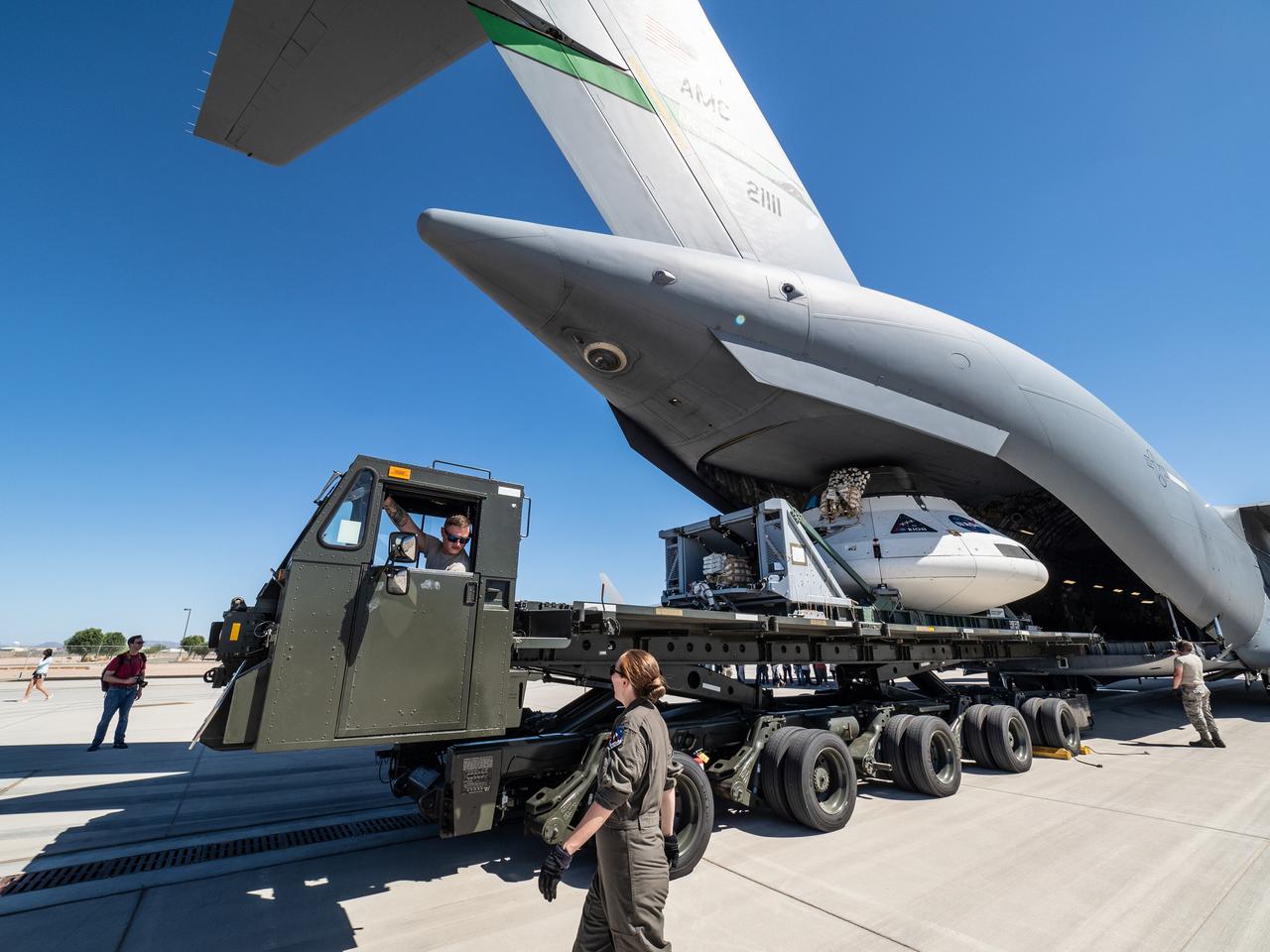
The Orion team prepares the parachute test vehicle for the final drop test which will qualify Orion's parachutes for human flight on Sept. 10, 2018...On September 12, 2018 an Orion test capsule will be dropped from a C-17 aircraft at an altitude of more than six miles to verify the spacecraft’s complex system of 11 parachutes, cannon-like mortars, and pyrotechnic devices work in sequence to slow the capsule’s descent for a safe landing on Earth.
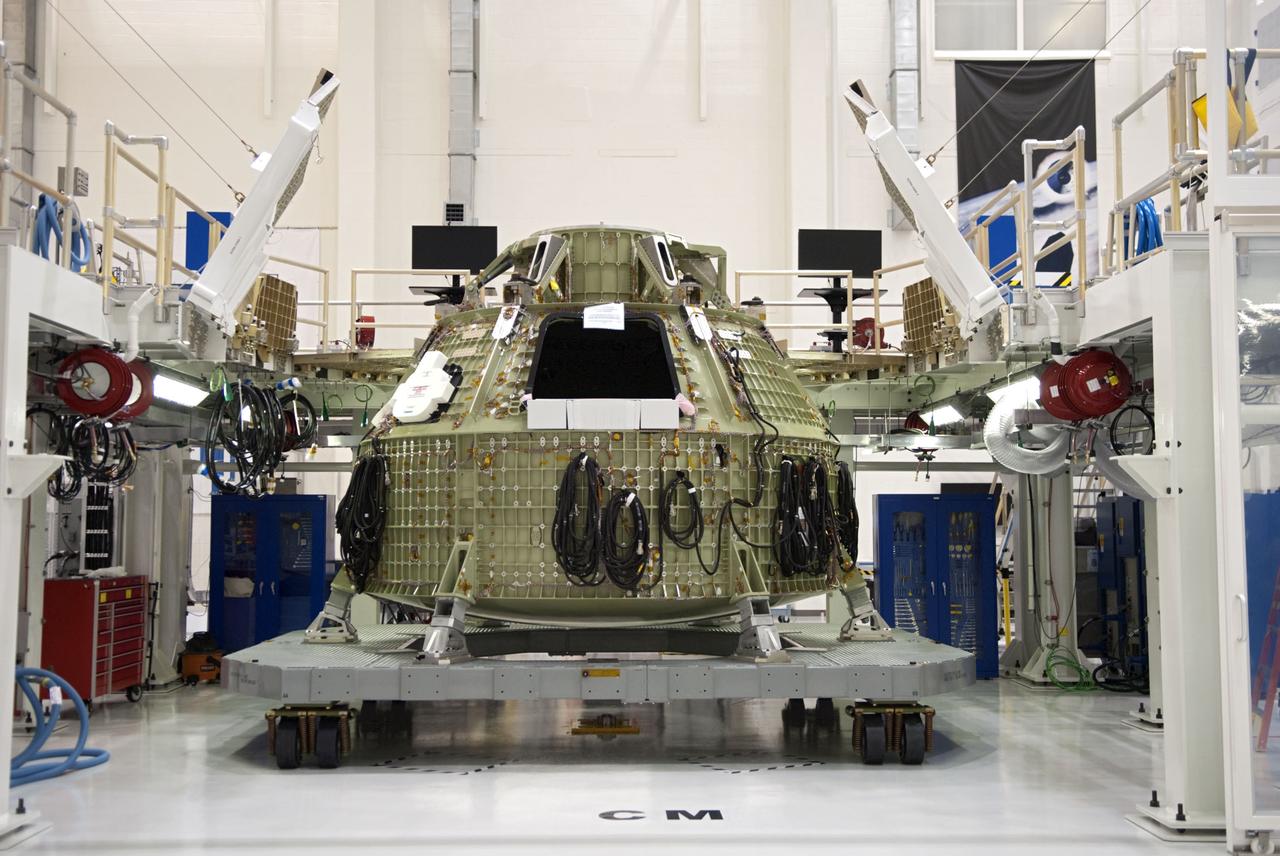
CAPE CANAVERAL, Fla. – Technicians prepare to fit a special fixture around an Orion capsule inside the high bay of the Operations & Checkout Building at NASA's Kennedy Space Center in Florida. The fixture is designed to enable precise pre-launch processing of the Orion spacecraft. An Orion capsule is being prepared to make a flight test in 2014 on a mission that will not carry any astronauts. Photo by Tim Jacobs
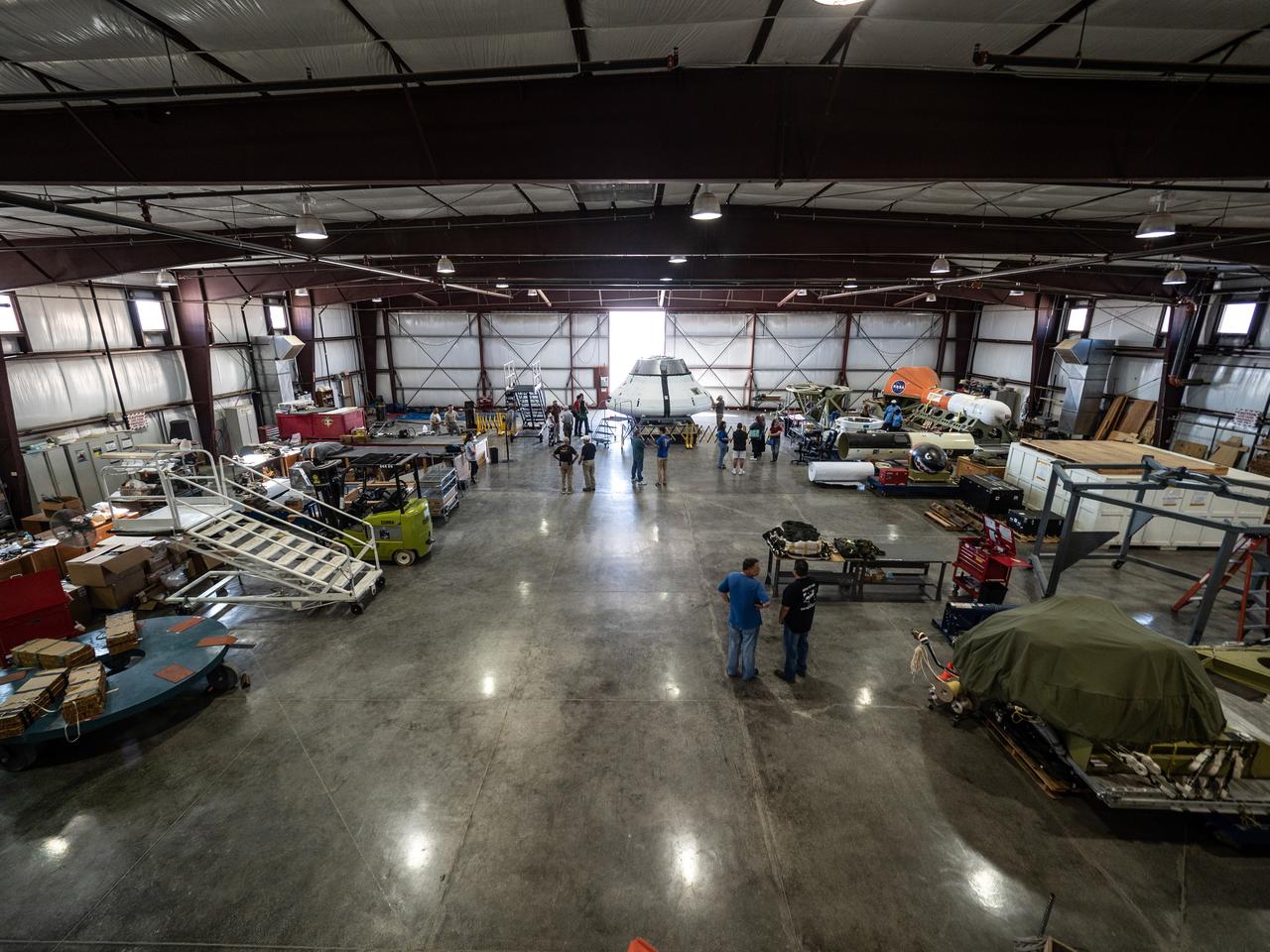
The Orion team prepares the parachute test vehicle for the final drop test which will qualify Orion's parachutes for human flight on Sept. 10, 2018...On September 12, 2018 an Orion test capsule will be dropped from a C-17 aircraft at an altitude of more than six miles to verify the spacecraft’s complex system of 11 parachutes, cannon-like mortars, and pyrotechnic devices work in sequence to slow the capsule’s descent for a safe landing on Earth.
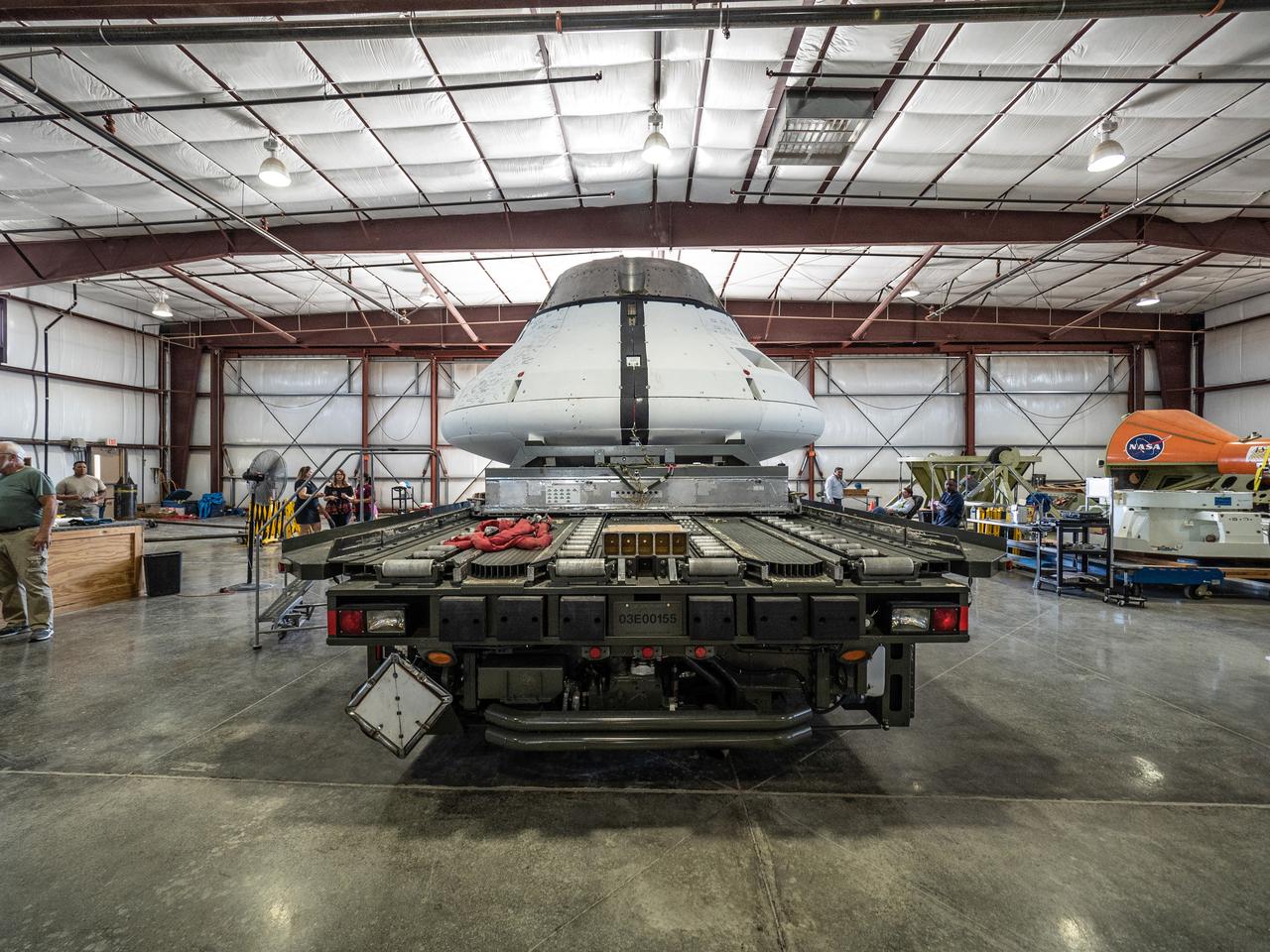
The Orion team prepares the parachute test vehicle for the final drop test which will qualify Orion's parachutes for human flight on Sept. 10, 2018...On September 12, 2018 an Orion test capsule will be dropped from a C-17 aircraft at an altitude of more than six miles to verify the spacecraft’s complex system of 11 parachutes, cannon-like mortars, and pyrotechnic devices work in sequence to slow the capsule’s descent for a safe landing on Earth.
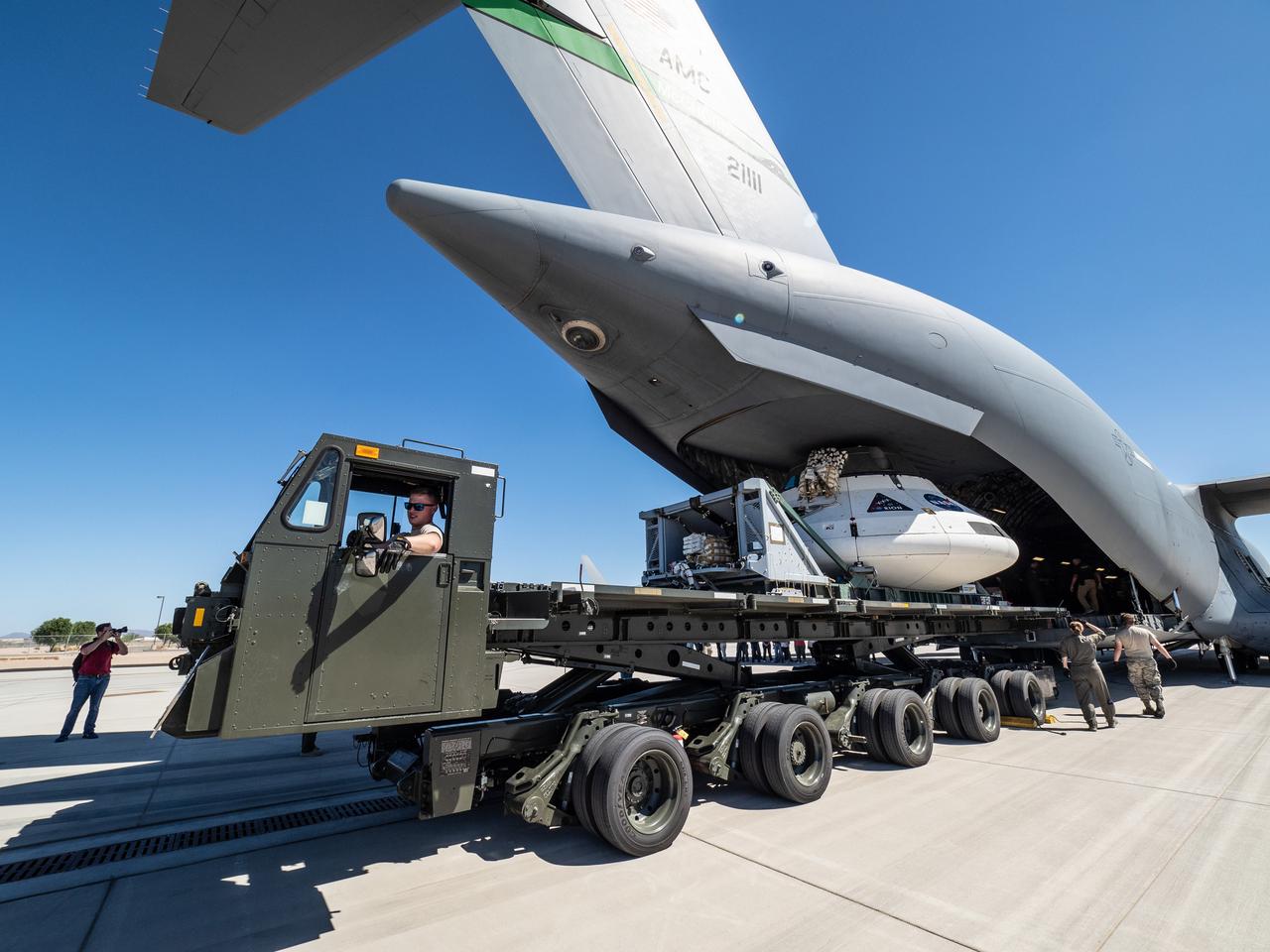
The Orion team prepares the parachute test vehicle for the final drop test which will qualify Orion's parachutes for human flight on Sept. 10, 2018...On September 12, 2018 an Orion test capsule will be dropped from a C-17 aircraft at an altitude of more than six miles to verify the spacecraft’s complex system of 11 parachutes, cannon-like mortars, and pyrotechnic devices work in sequence to slow the capsule’s descent for a safe landing on Earth.
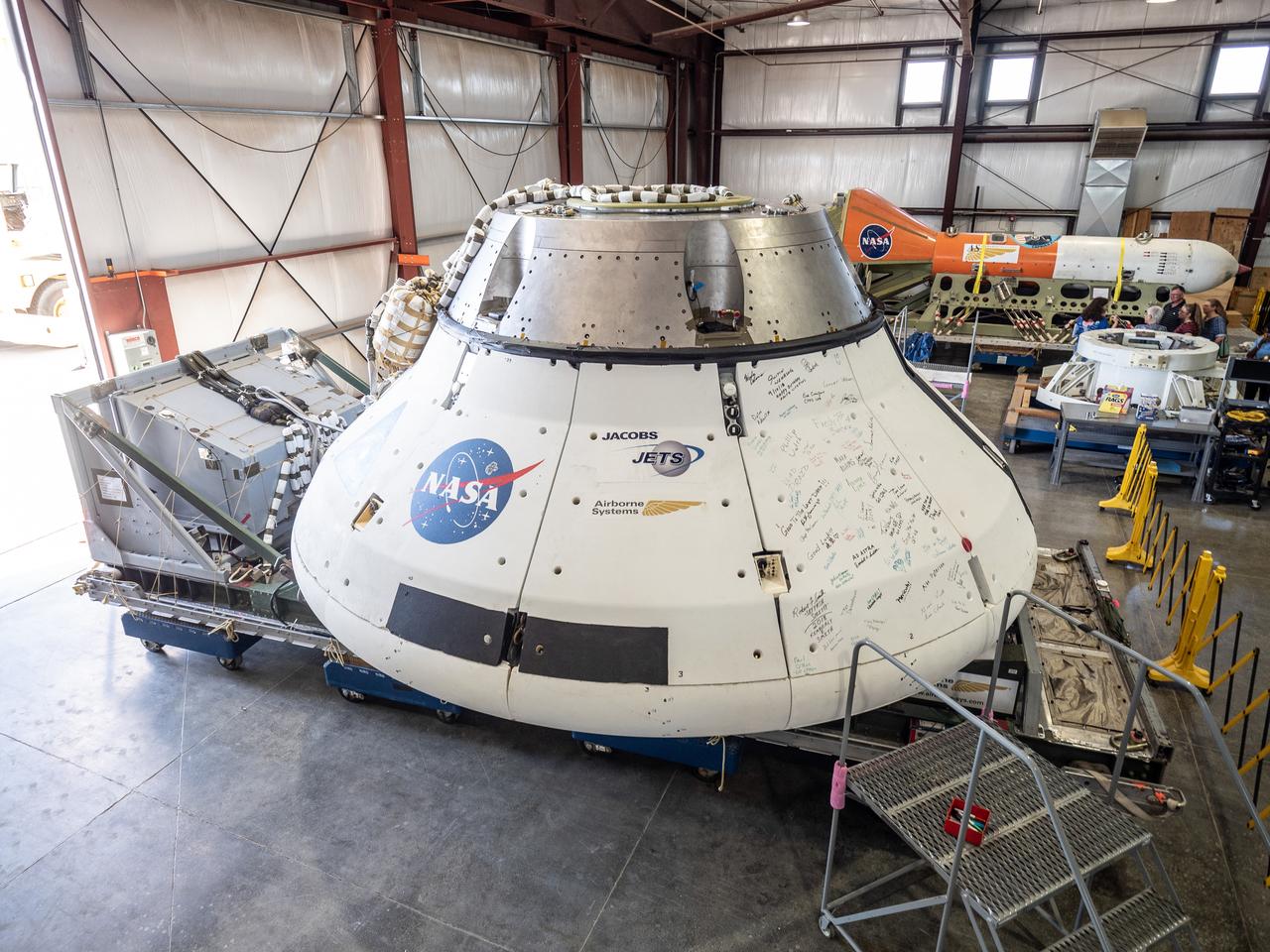
The Orion team prepares the parachute test vehicle for the final drop test which will qualify Orion's parachutes for human flight on Sept. 10, 2018...On September 12, 2018 an Orion test capsule will be dropped from a C-17 aircraft at an altitude of more than six miles to verify the spacecraft’s complex system of 11 parachutes, cannon-like mortars, and pyrotechnic devices work in sequence to slow the capsule’s descent for a safe landing on Earth.

CAPE CANAVERAL, Fla. – Technicians prepare to fit a special fixture around an Orion capsule inside the high bay of the Operations & Checkout Building at NASA's Kennedy Space Center in Florida. The fixture is designed to enable precise pre-launch processing of the Orion spacecraft. An Orion capsule is being prepared to make a flight test in 2014 on a mission that will not carry any astronauts. Photo by Tim Jacobs
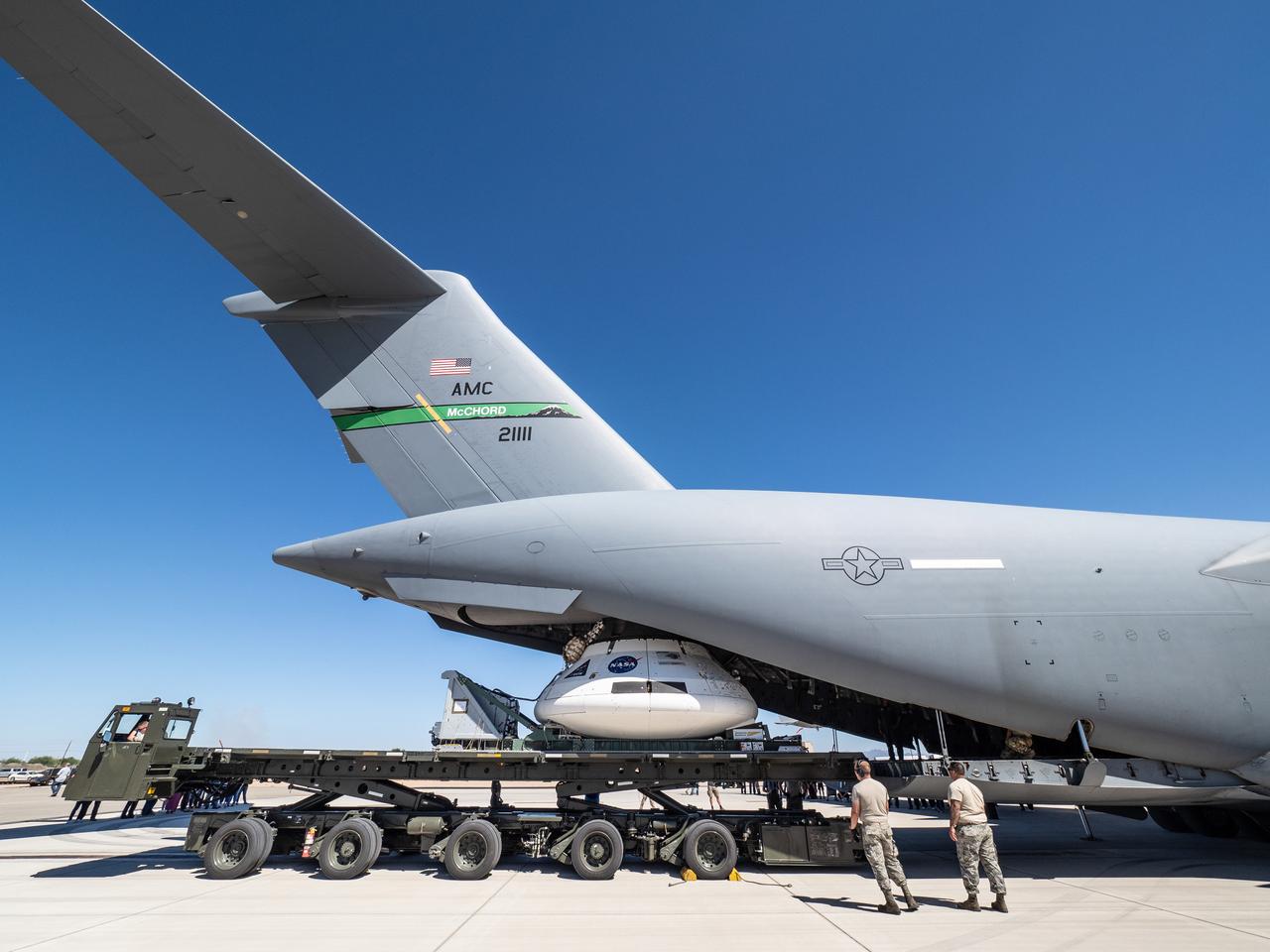
The Orion team prepares the parachute test vehicle for the final drop test which will qualify Orion's parachutes for human flight on Sept. 10, 2018...On September 12, 2018 an Orion test capsule will be dropped from a C-17 aircraft at an altitude of more than six miles to verify the spacecraft’s complex system of 11 parachutes, cannon-like mortars, and pyrotechnic devices work in sequence to slow the capsule’s descent for a safe landing on Earth.
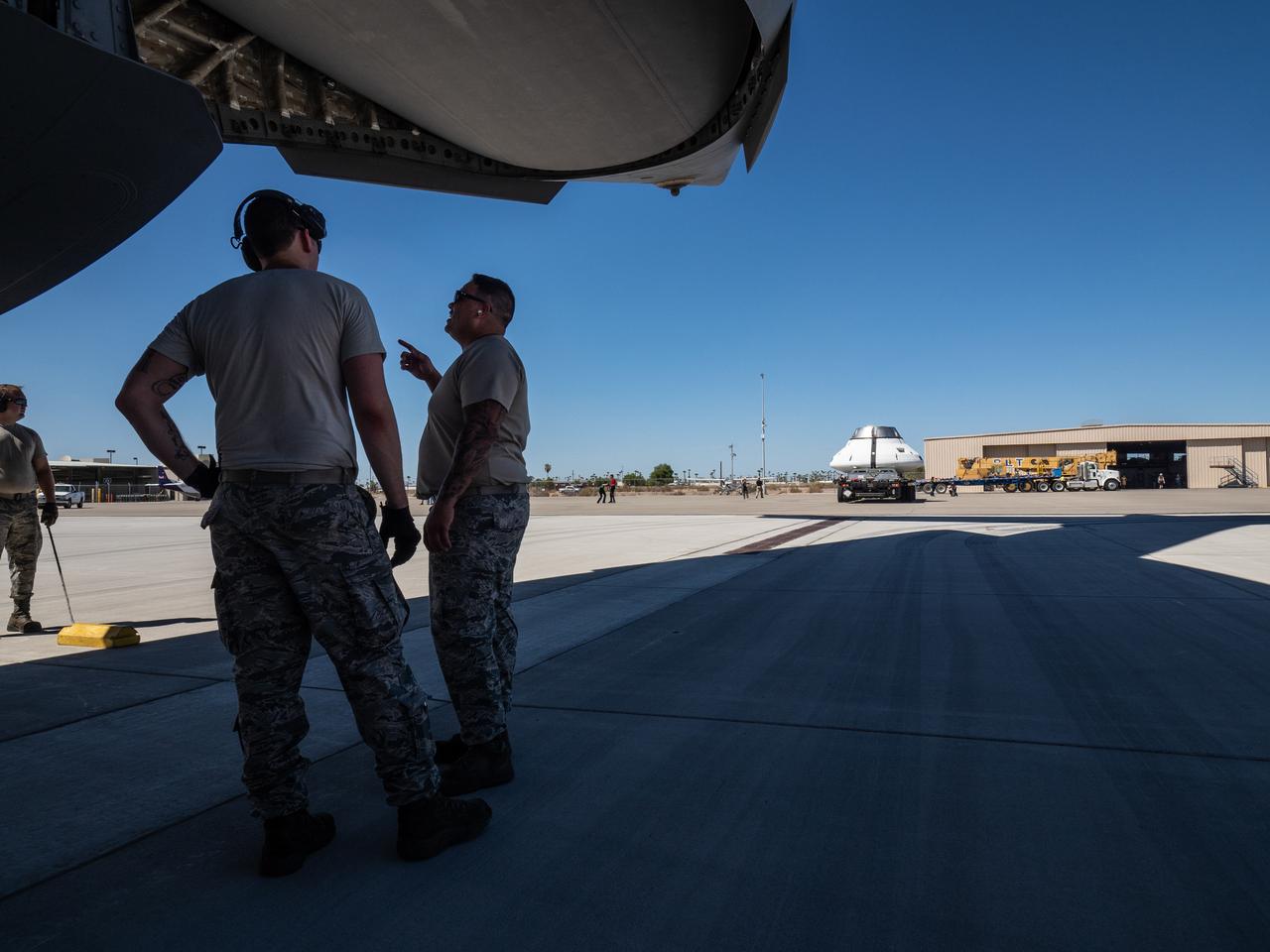
The Orion team prepares the parachute test vehicle for the final drop test which will qualify Orion's parachutes for human flight on Sept. 10, 2018...On September 12, 2018 an Orion test capsule will be dropped from a C-17 aircraft at an altitude of more than six miles to verify the spacecraft’s complex system of 11 parachutes, cannon-like mortars, and pyrotechnic devices work in sequence to slow the capsule’s descent for a safe landing on Earth.
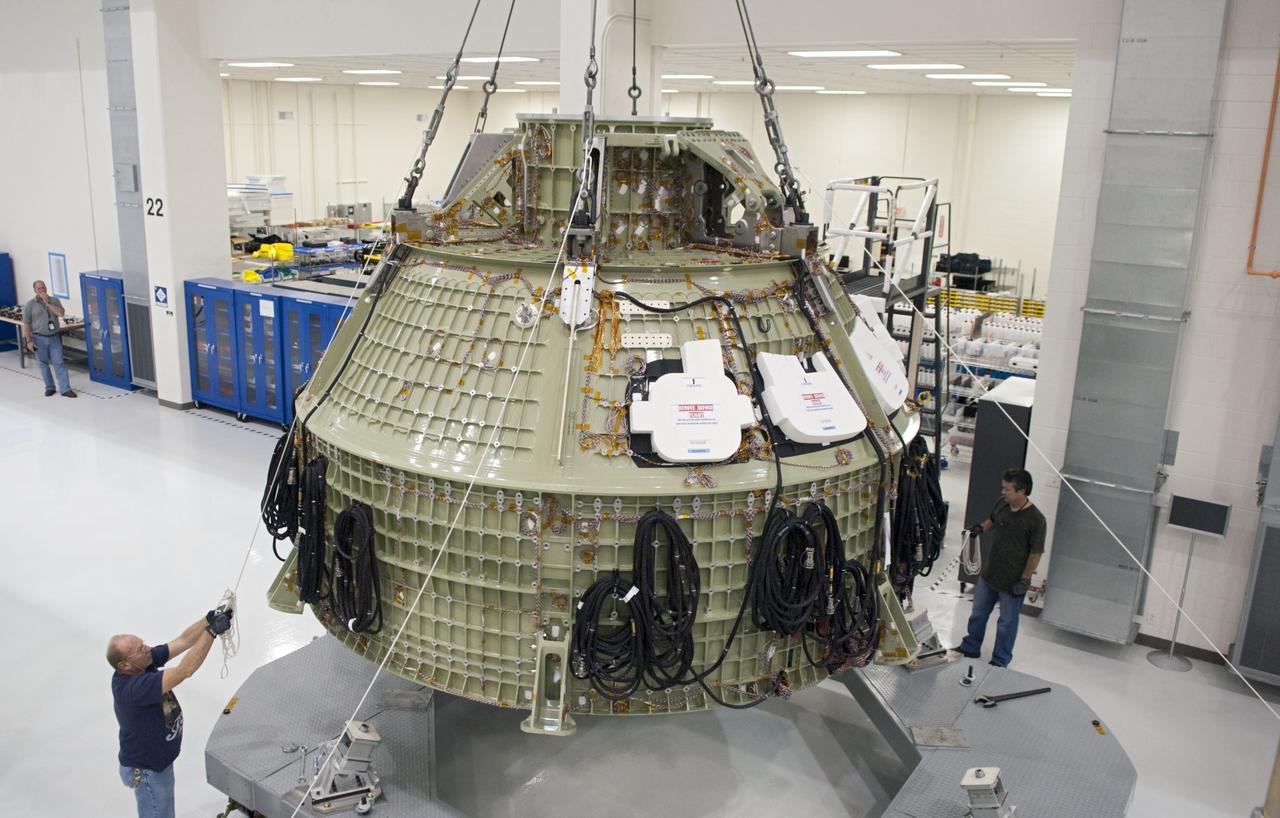
CAPE CANAVERAL, Fla. – Technicians prepare to fit a special fixture around an Orion capsule inside the high bay of the Operations & Checkout Building at NASA's Kennedy Space Center in Florida. The fixture is designed to enable precise pre-launch processing of the Orion spacecraft. An Orion capsule is being prepared to make a flight test in 2014 on a mission that will not carry any astronauts. Photo by Tim Jacobs
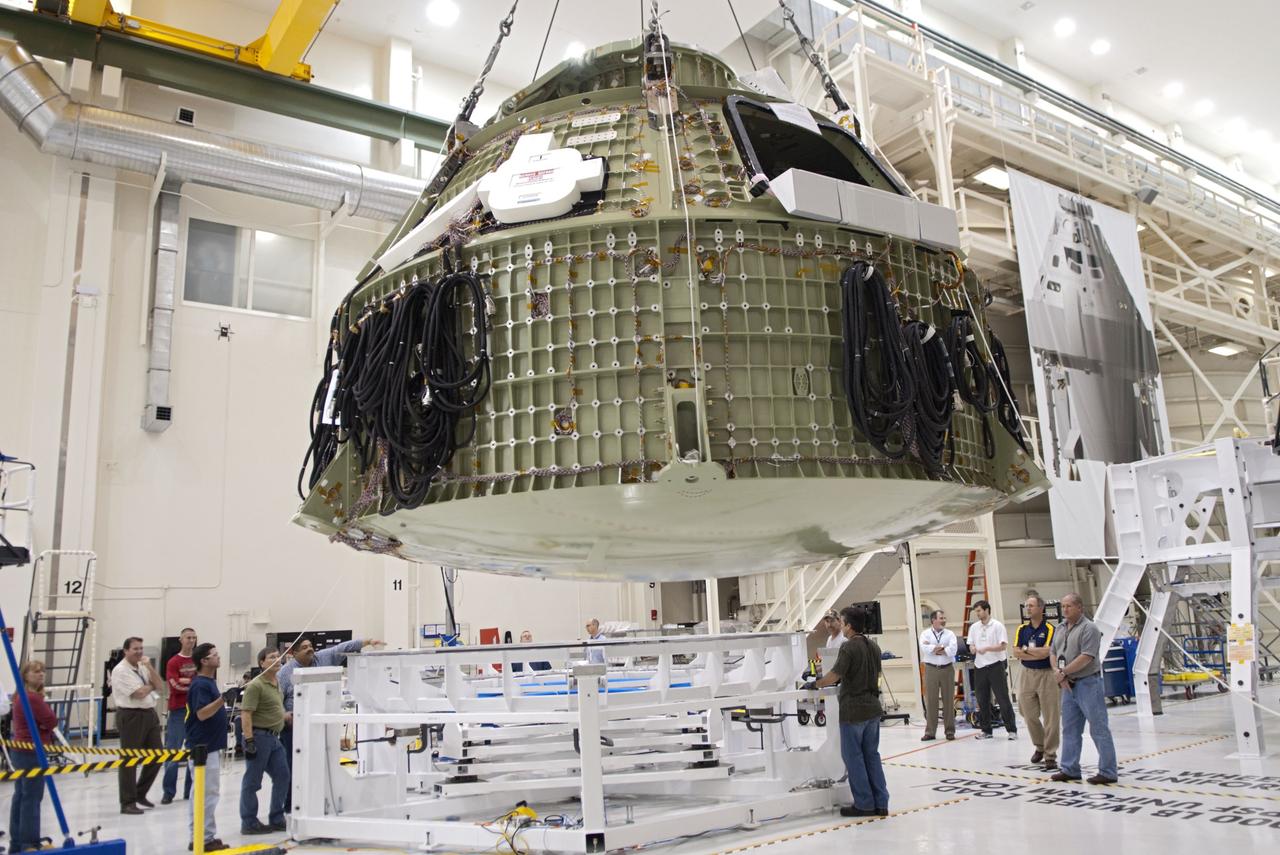
CAPE CANAVERAL, Fla. – Technicians prepare to fit a special fixture around an Orion capsule inside the high bay of the Operations & Checkout Building at NASA's Kennedy Space Center in Florida. The fixture is designed to enable precise pre-launch processing of the Orion spacecraft. An Orion capsule is being prepared to make a flight test in 2014 on a mission that will not carry any astronauts. Photo by Tim Jacobs
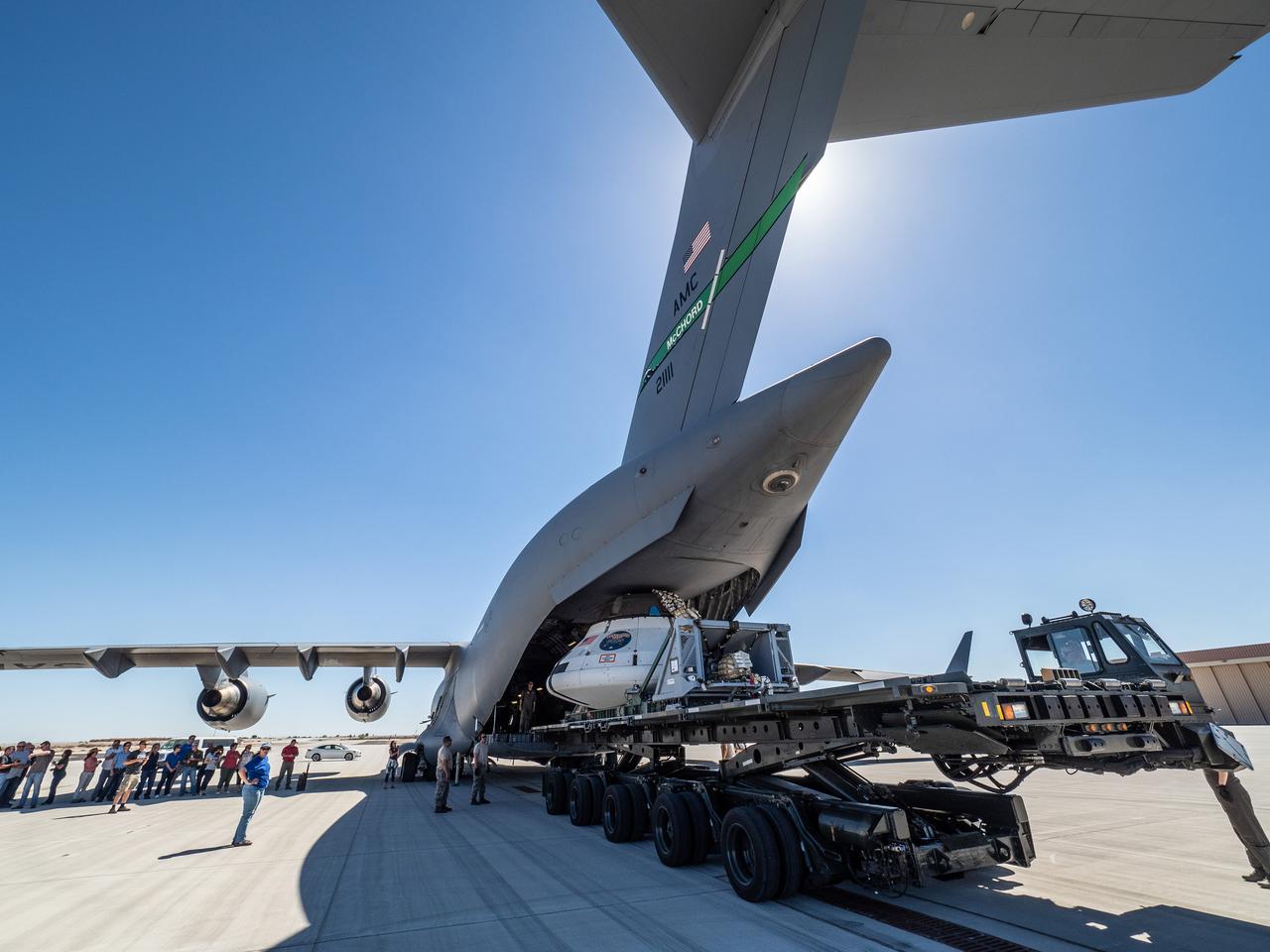
The Orion team prepares the parachute test vehicle for the final drop test which will qualify Orion's parachutes for human flight on Sept. 10, 2018...On September 12, 2018 an Orion test capsule will be dropped from a C-17 aircraft at an altitude of more than six miles to verify the spacecraft’s complex system of 11 parachutes, cannon-like mortars, and pyrotechnic devices work in sequence to slow the capsule’s descent for a safe landing on Earth.
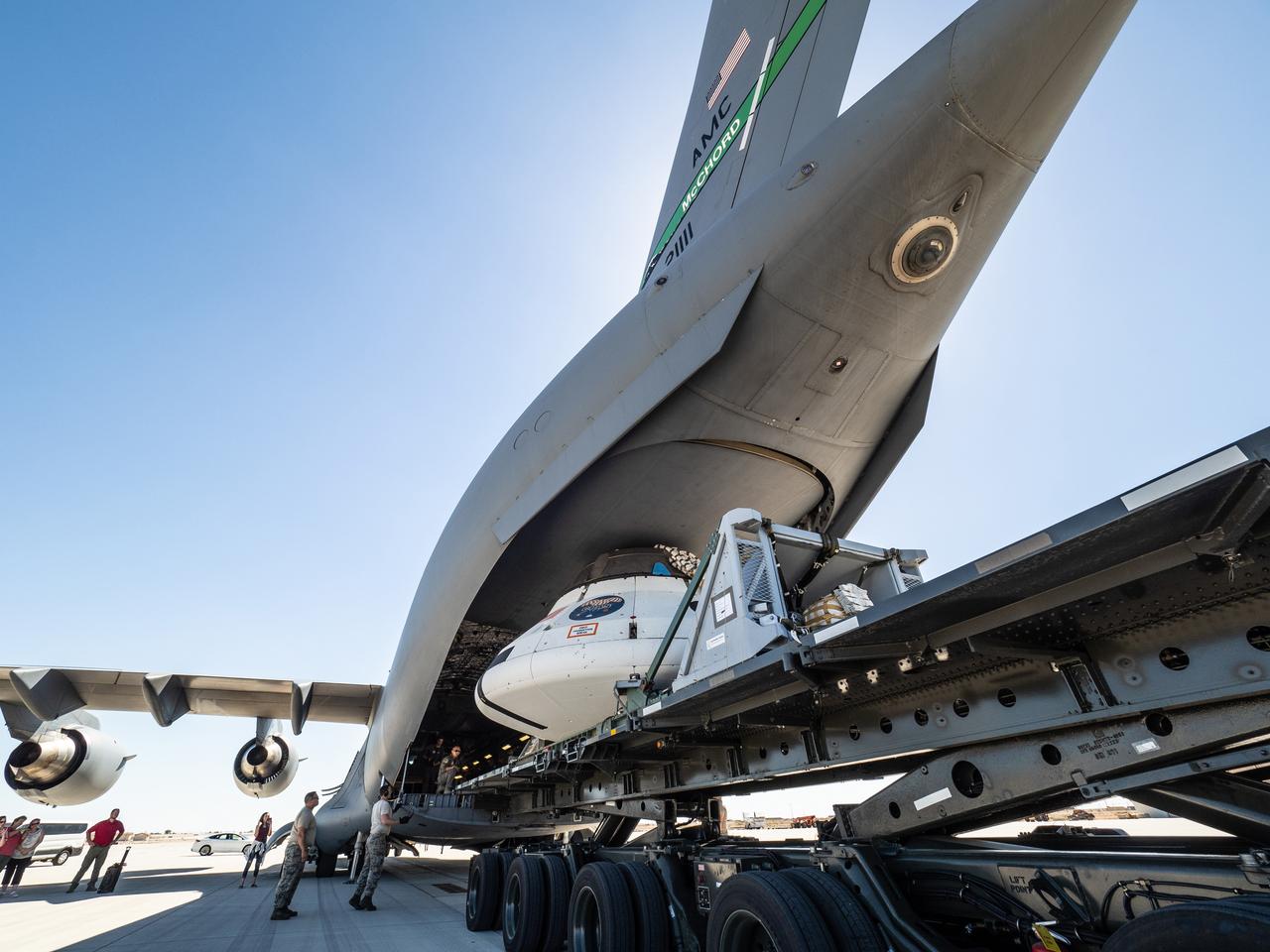
The Orion team prepares the parachute test vehicle for the final drop test which will qualify Orion's parachutes for human flight on Sept. 10, 2018...On September 12, 2018 an Orion test capsule will be dropped from a C-17 aircraft at an altitude of more than six miles to verify the spacecraft’s complex system of 11 parachutes, cannon-like mortars, and pyrotechnic devices work in sequence to slow the capsule’s descent for a safe landing on Earth.
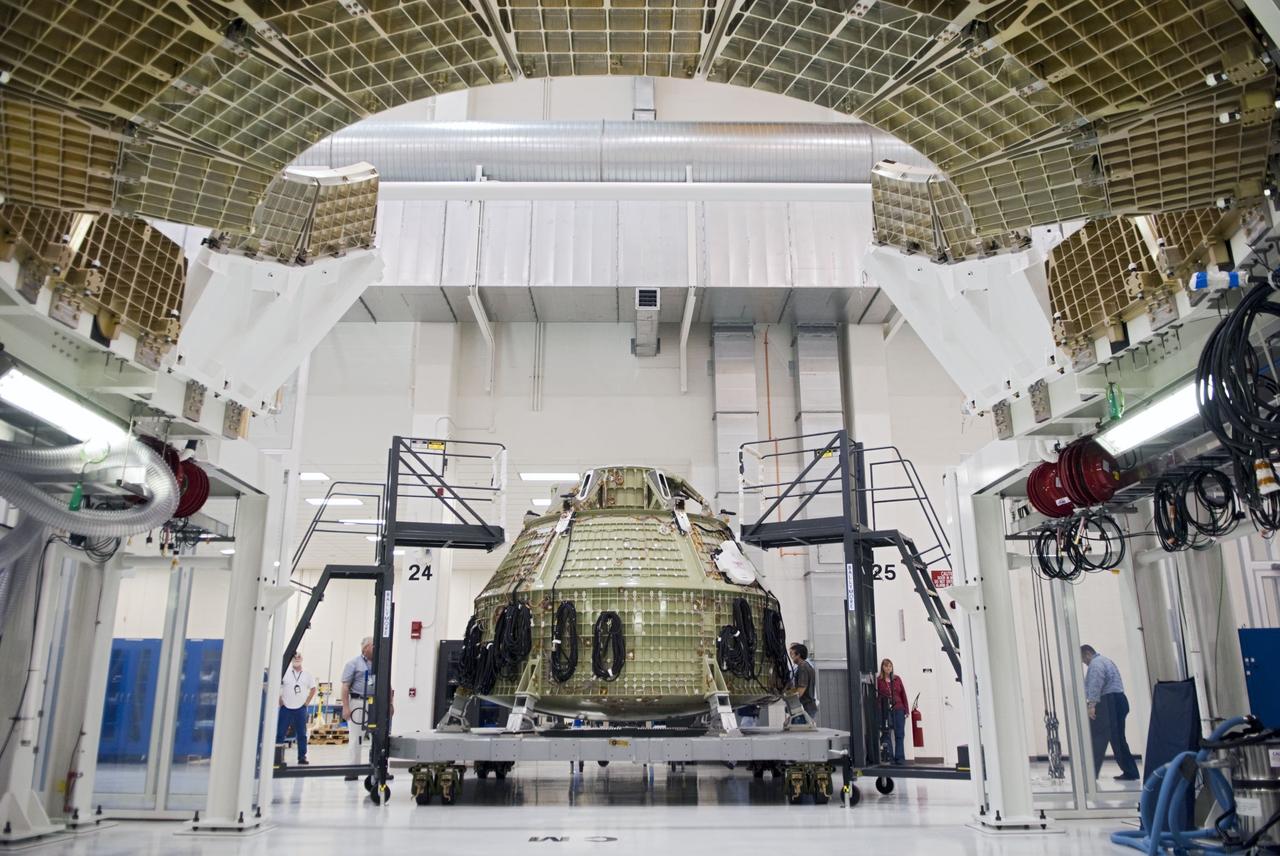
CAPE CANAVERAL, Fla. – Technicians prepare to fit a special fixture around an Orion capsule inside the high bay of the Operations & Checkout Building at NASA's Kennedy Space Center in Florida. The fixture is designed to enable precise pre-launch processing of the Orion spacecraft. An Orion capsule is being prepared to make a flight test in 2014 on a mission that will not carry any astronauts. Photo by Tim Jacobs
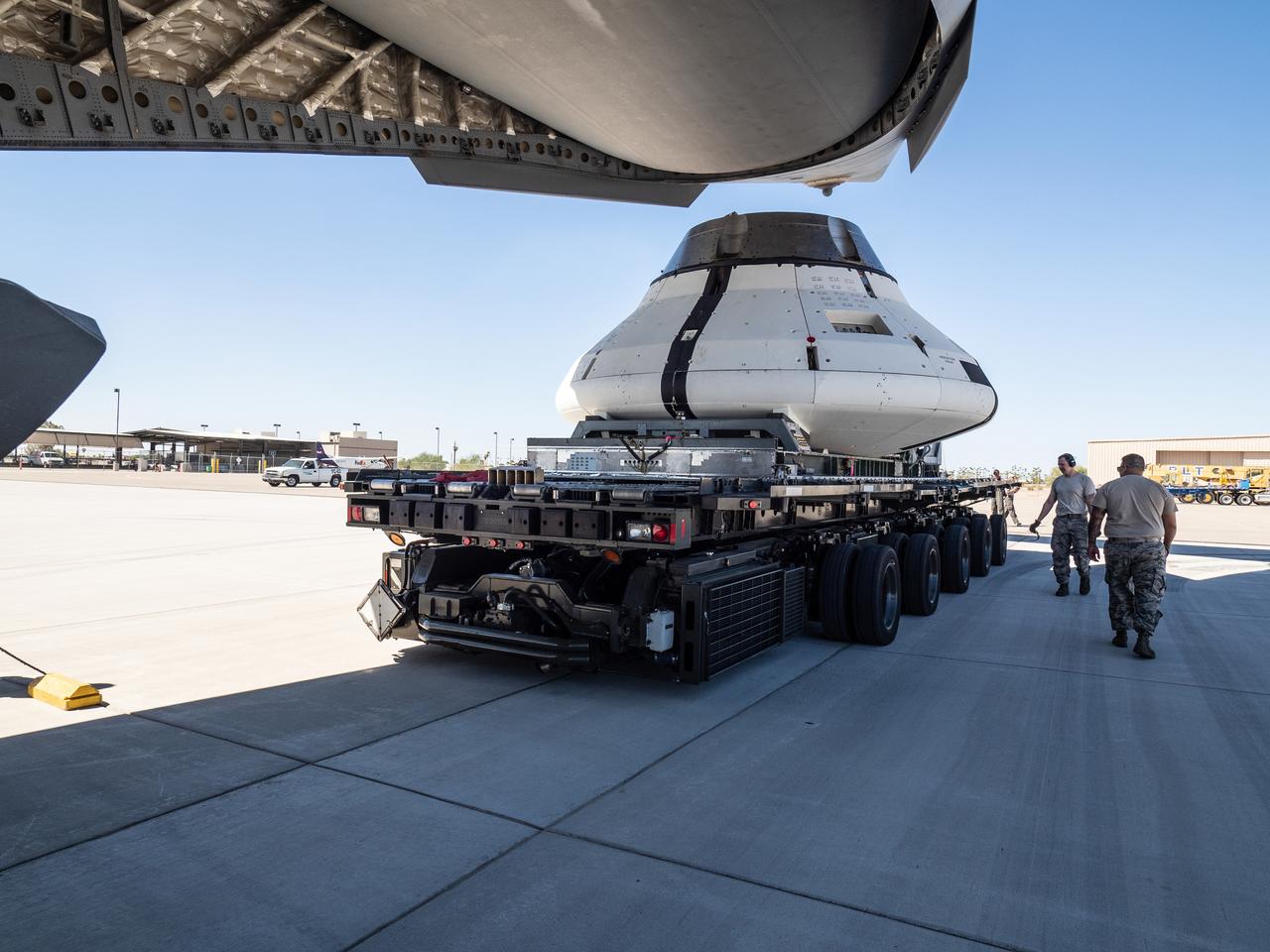
The Orion team prepares the parachute test vehicle for the final drop test which will qualify Orion's parachutes for human flight on Sept. 10, 2018...On September 12, 2018 an Orion test capsule will be dropped from a C-17 aircraft at an altitude of more than six miles to verify the spacecraft’s complex system of 11 parachutes, cannon-like mortars, and pyrotechnic devices work in sequence to slow the capsule’s descent for a safe landing on Earth.
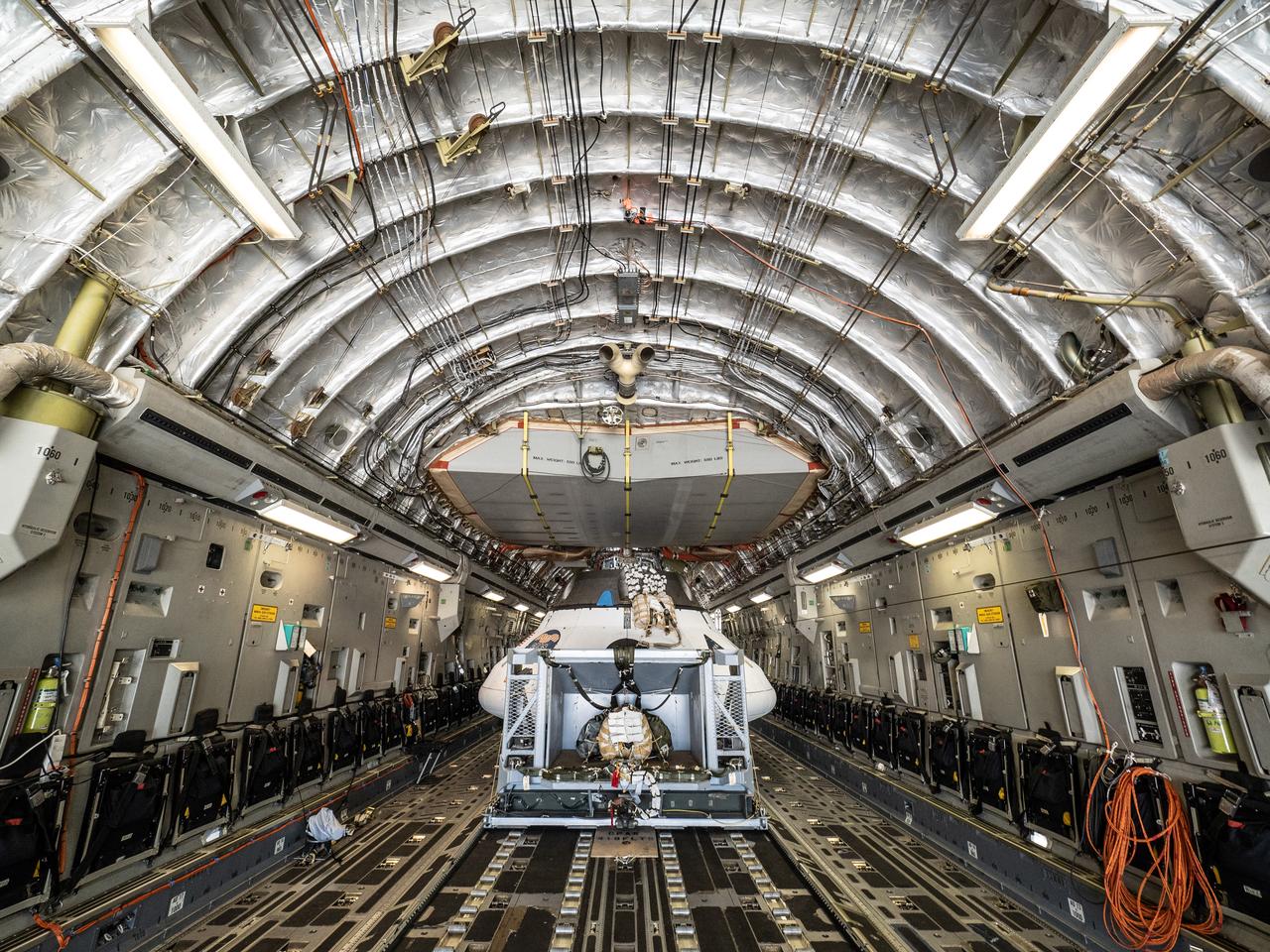
The Orion team prepares the parachute test vehicle for the final drop test which will qualify Orion's parachutes for human flight on Sept. 10, 2018...On September 12, 2018 an Orion test capsule will be dropped from a C-17 aircraft at an altitude of more than six miles to verify the spacecraft’s complex system of 11 parachutes, cannon-like mortars, and pyrotechnic devices work in sequence to slow the capsule’s descent for a safe landing on Earth.
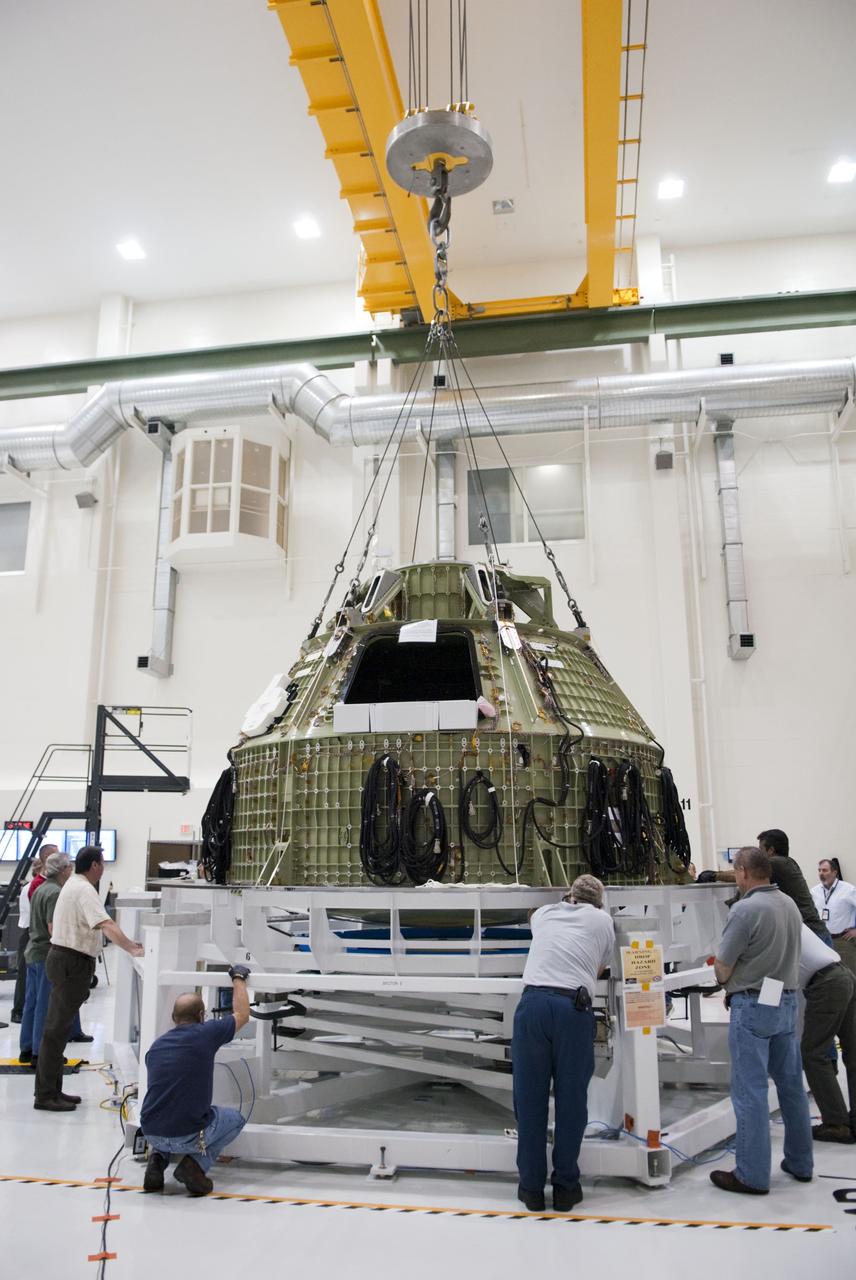
CAPE CANAVERAL, Fla. – Technicians prepare to fit a special fixture around an Orion capsule inside the high bay of the Operations & Checkout Building at NASA's Kennedy Space Center in Florida. The fixture is designed to enable precise pre-launch processing of the Orion spacecraft. An Orion capsule is being prepared to make a flight test in 2014 on a mission that will not carry any astronauts. Photo by Tim Jacobs
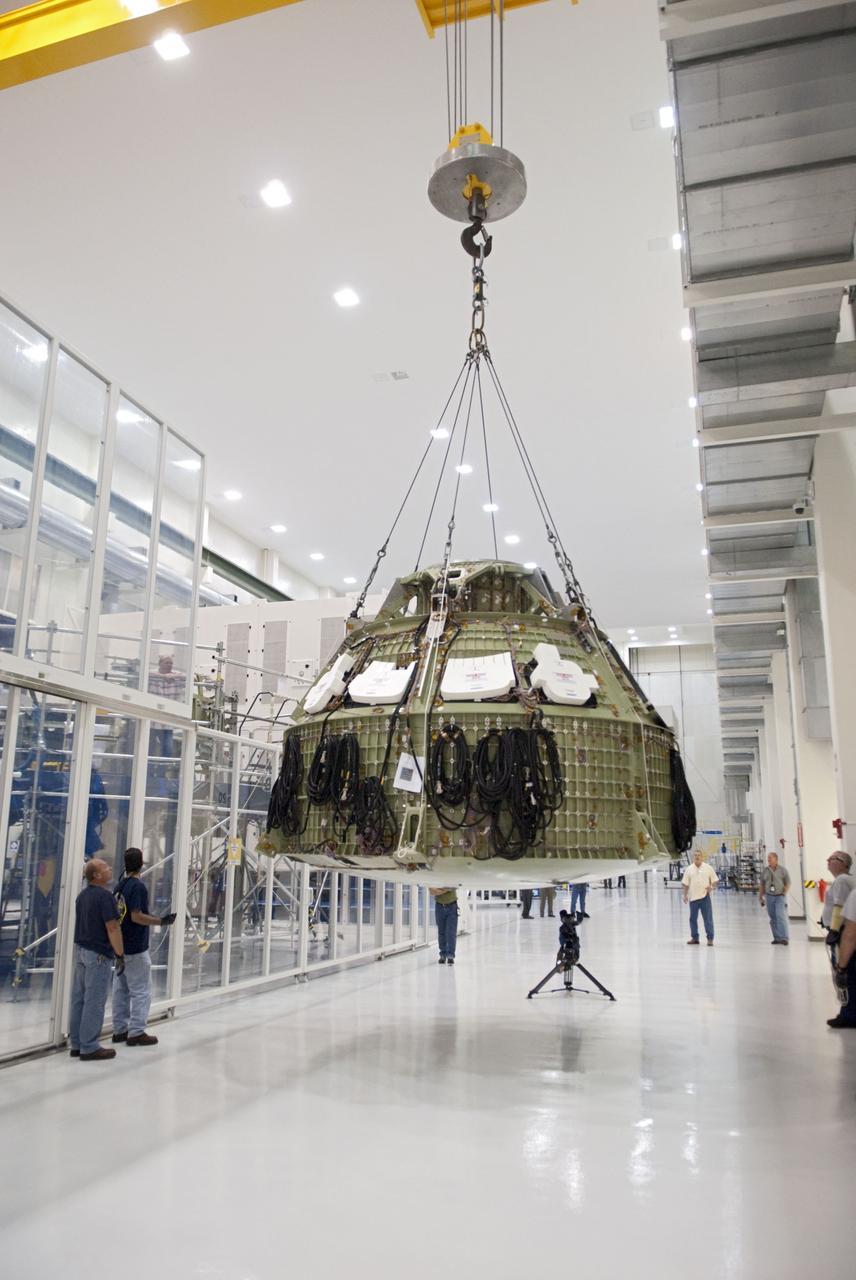
CAPE CANAVERAL, Fla. – Technicians prepare to fit a special fixture around an Orion capsule inside the high bay of the Operations & Checkout Building at NASA's Kennedy Space Center in Florida. The fixture is designed to enable precise pre-launch processing of the Orion spacecraft. An Orion capsule is being prepared to make a flight test in 2014 on a mission that will not carry any astronauts. Photo by Tim Jacobs
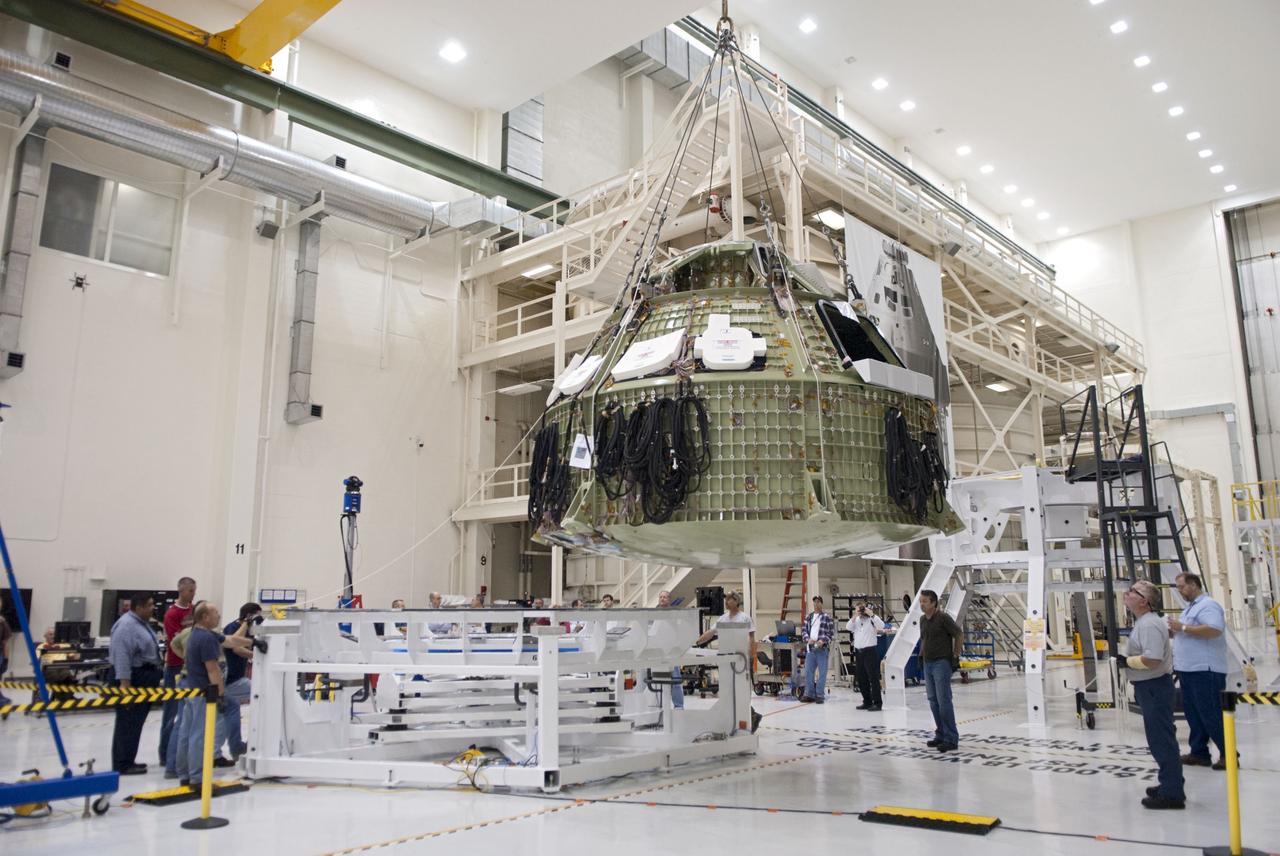
CAPE CANAVERAL, Fla. – Technicians prepare to fit a special fixture around an Orion capsule inside the high bay of the Operations & Checkout Building at NASA's Kennedy Space Center in Florida. The fixture is designed to enable precise pre-launch processing of the Orion spacecraft. An Orion capsule is being prepared to make a flight test in 2014 on a mission that will not carry any astronauts. Photo by Tim Jacobs
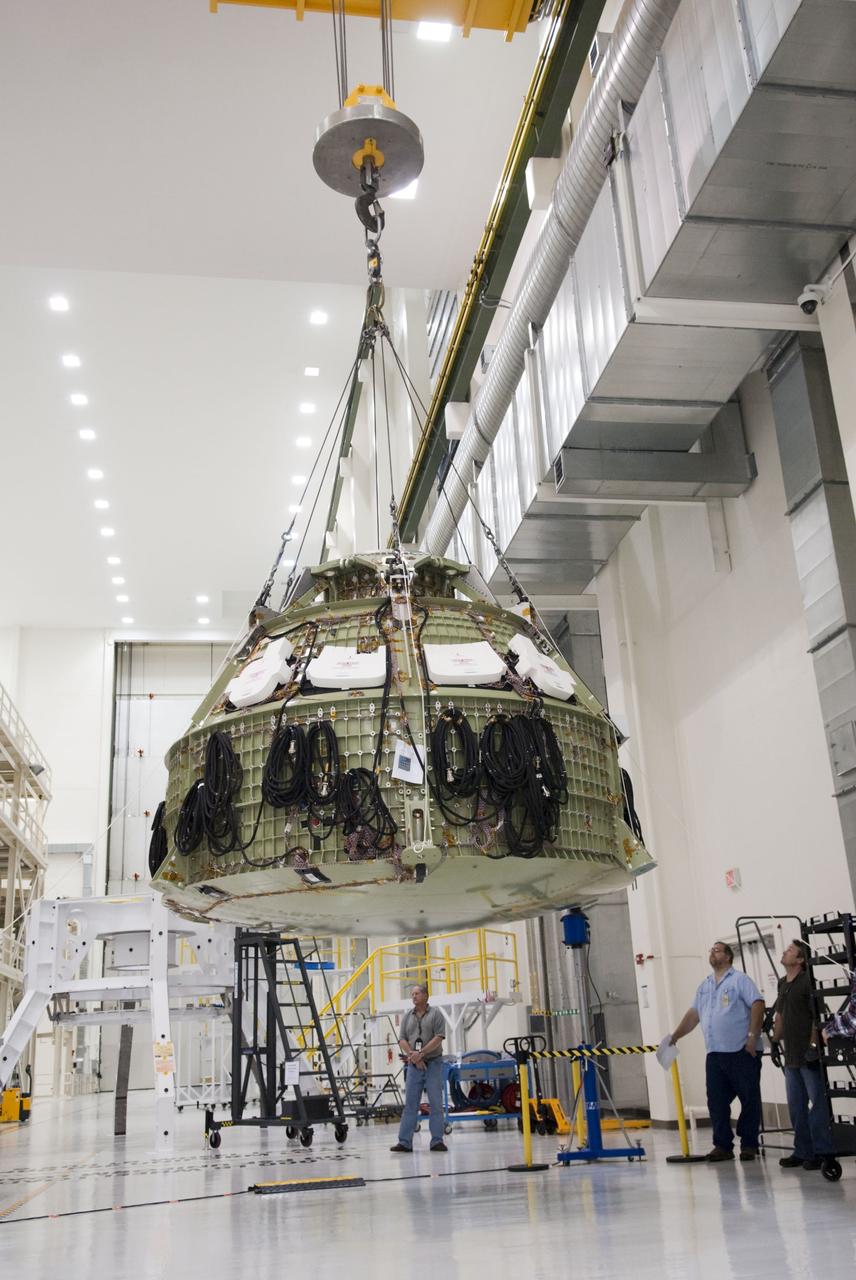
CAPE CANAVERAL, Fla. – Technicians prepare to fit a special fixture around an Orion capsule inside the high bay of the Operations & Checkout Building at NASA's Kennedy Space Center in Florida. The fixture is designed to enable precise pre-launch processing of the Orion spacecraft. An Orion capsule is being prepared to make a flight test in 2014 on a mission that will not carry any astronauts. Photo by Tim Jacobs
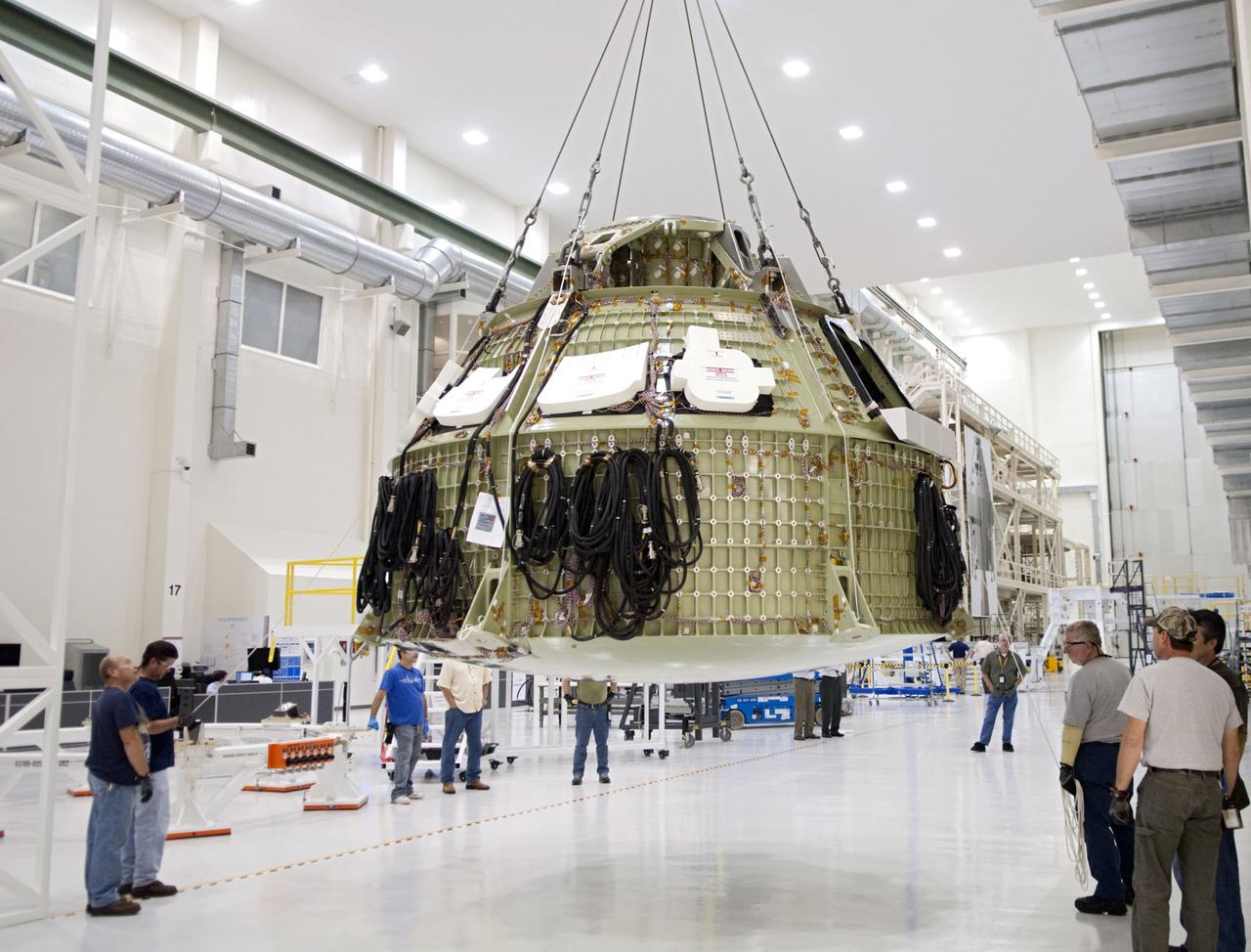
CAPE CANAVERAL, Fla. – Technicians prepare to fit a special fixture around an Orion capsule inside the high bay of the Operations & Checkout Building at NASA's Kennedy Space Center in Florida. The fixture is designed to enable precise pre-launch processing of the Orion spacecraft. An Orion capsule is being prepared to make a flight test in 2014 on a mission that will not carry any astronauts. Photo by Tim Jacobs
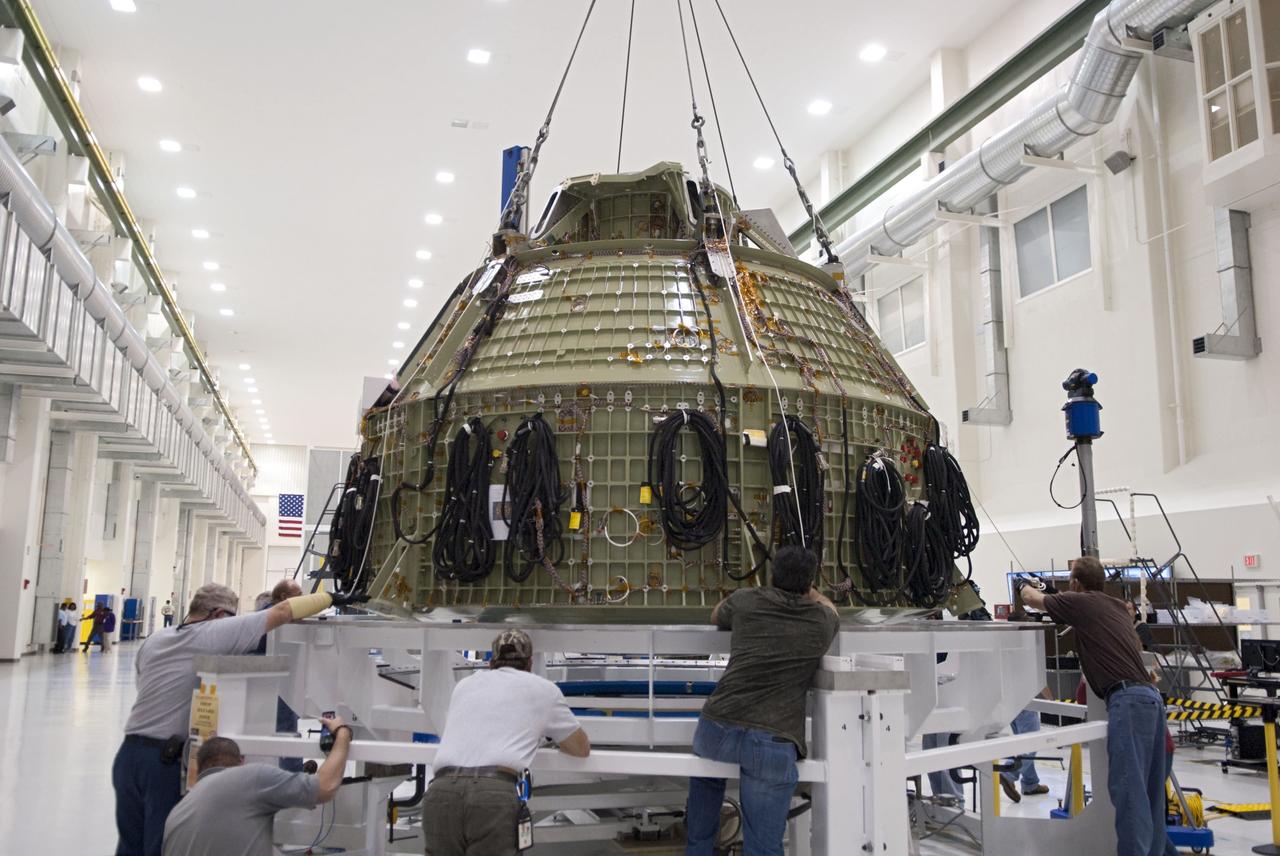
CAPE CANAVERAL, Fla. – Technicians prepare to fit a special fixture around an Orion capsule inside the high bay of the Operations & Checkout Building at NASA's Kennedy Space Center in Florida. The fixture is designed to enable precise pre-launch processing of the Orion spacecraft. An Orion capsule is being prepared to make a flight test in 2014 on a mission that will not carry any astronauts. Photo by Tim Jacobs
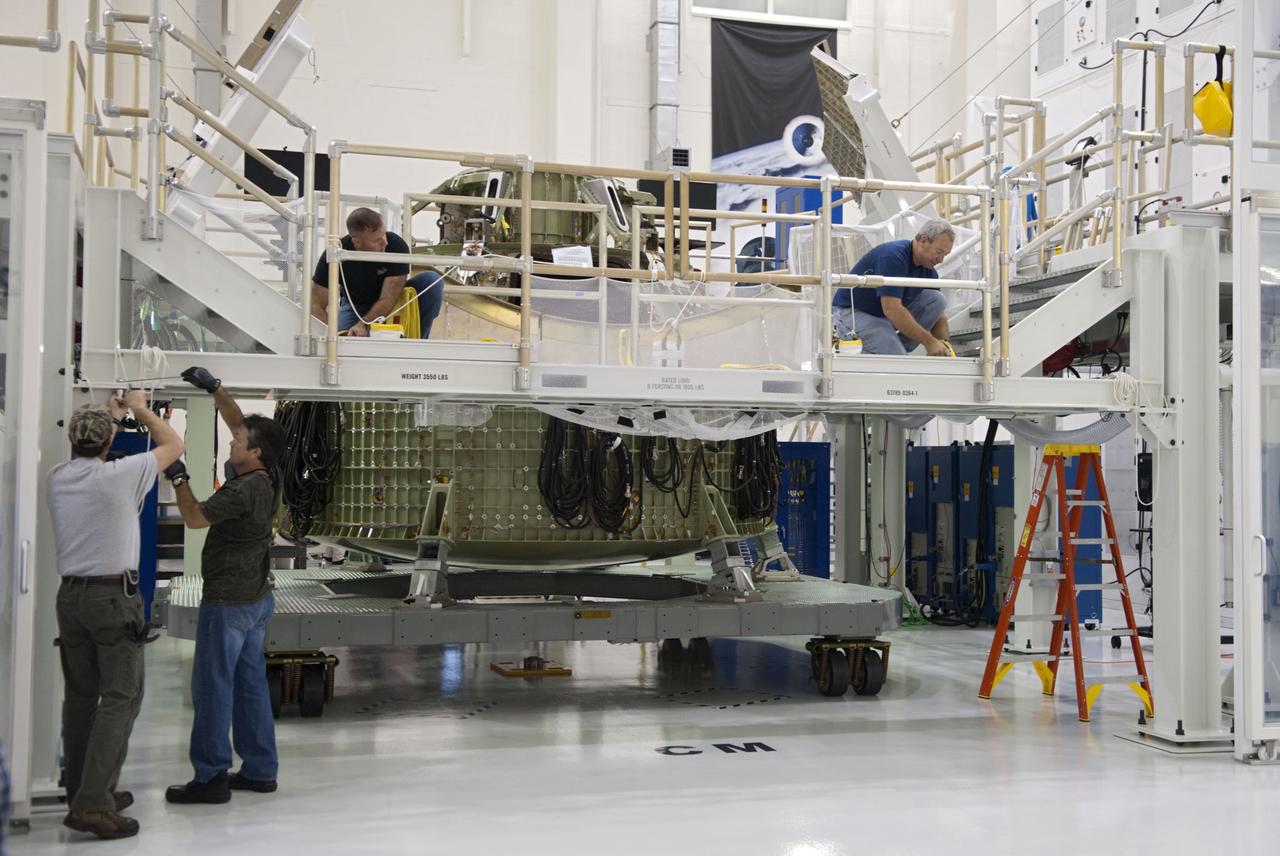
CAPE CANAVERAL, Fla. – Technicians prepare to fit a special fixture around an Orion capsule inside the high bay of the Operations & Checkout Building at NASA's Kennedy Space Center in Florida. The fixture is designed to enable precise pre-launch processing of the Orion spacecraft. An Orion capsule is being prepared to make a flight test in 2014 on a mission that will not carry any astronauts. Photo by Tim Jacobs
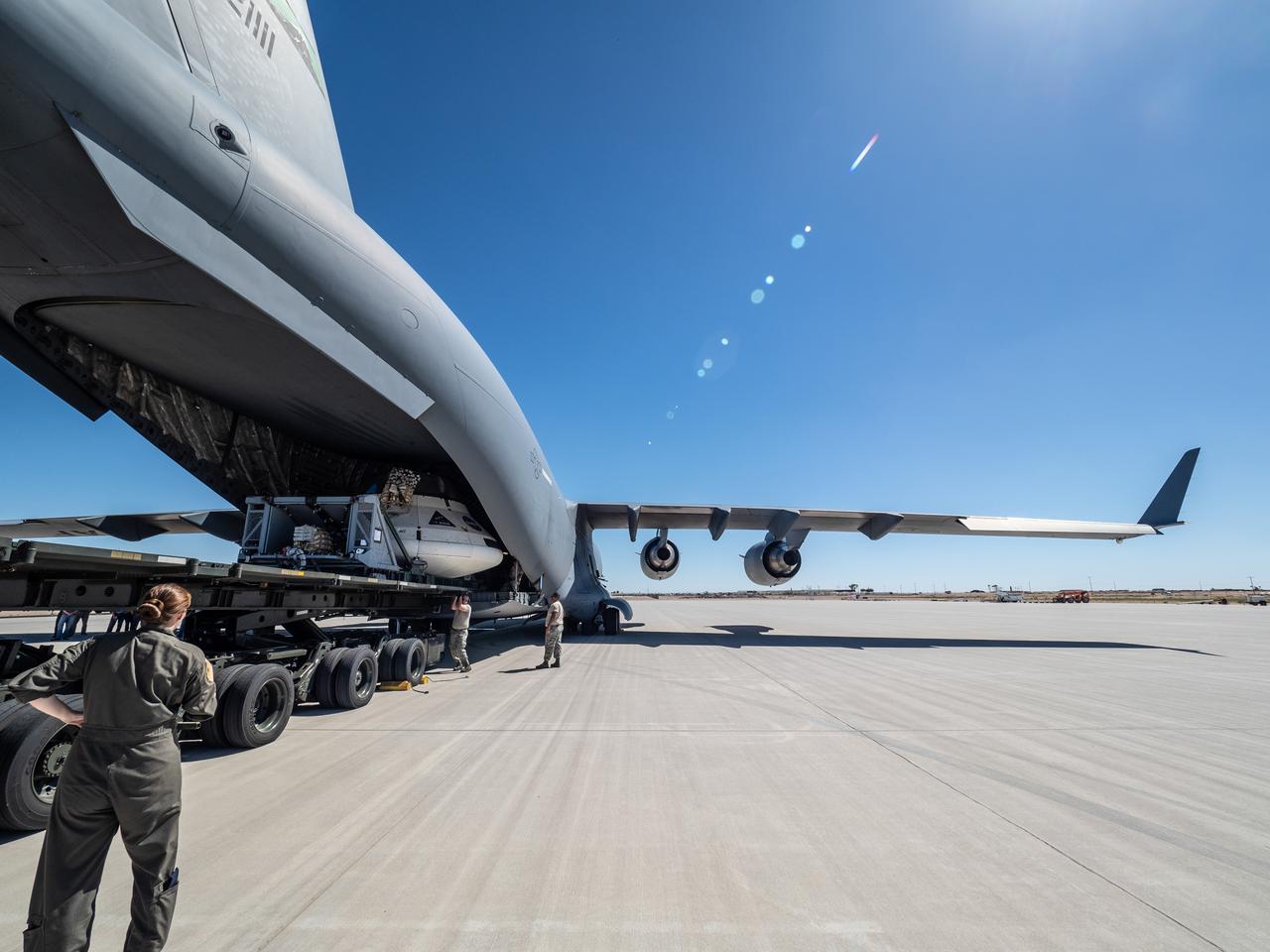
The Orion team prepares the parachute test vehicle for the final drop test which will qualify Orion's parachutes for human flight on Sept. 10, 2018...On September 12, 2018 an Orion test capsule will be dropped from a C-17 aircraft at an altitude of more than six miles to verify the spacecraft’s complex system of 11 parachutes, cannon-like mortars, and pyrotechnic devices work in sequence to slow the capsule’s descent for a safe landing on Earth.
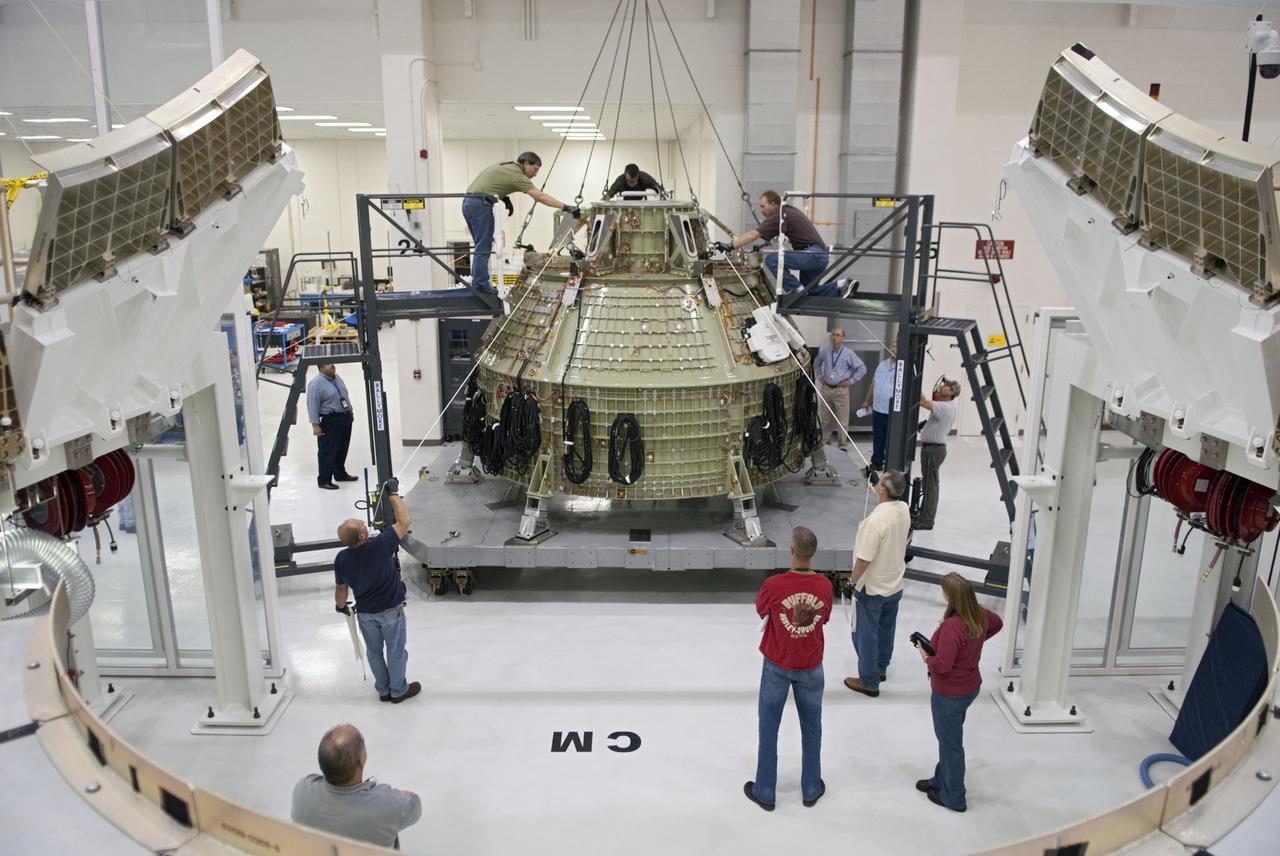
CAPE CANAVERAL, Fla. – Technicians prepare to fit a special fixture around an Orion capsule inside the high bay of the Operations & Checkout Building at NASA's Kennedy Space Center in Florida. The fixture is designed to enable precise pre-launch processing of the Orion spacecraft. An Orion capsule is being prepared to make a flight test in 2014 on a mission that will not carry any astronauts. Photo by Tim Jacobs
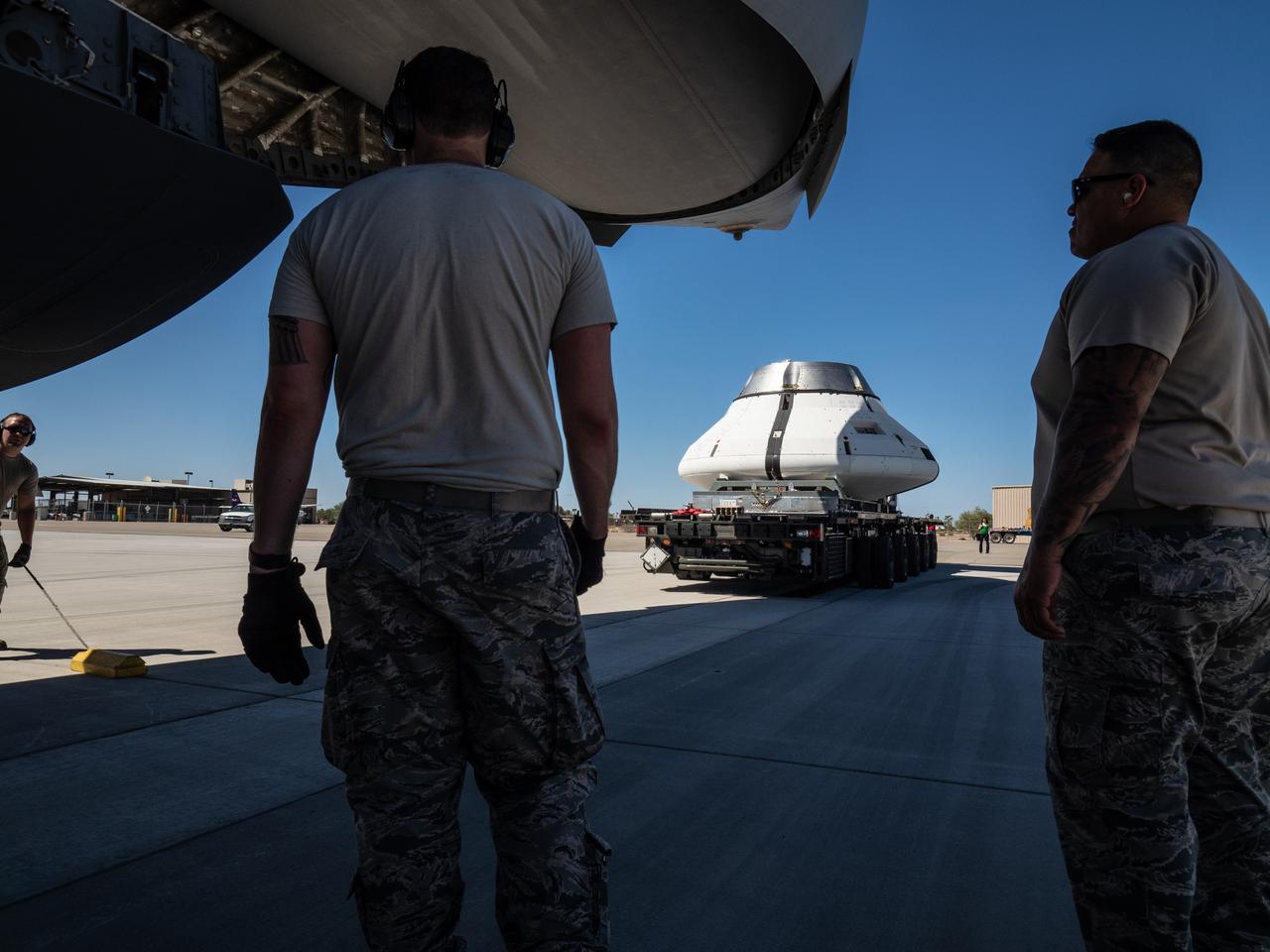
The Orion team prepares the parachute test vehicle for the final drop test which will qualify Orion's parachutes for human flight on Sept. 10, 2018...On September 12, 2018 an Orion test capsule will be dropped from a C-17 aircraft at an altitude of more than six miles to verify the spacecraft’s complex system of 11 parachutes, cannon-like mortars, and pyrotechnic devices work in sequence to slow the capsule’s descent for a safe landing on Earth.
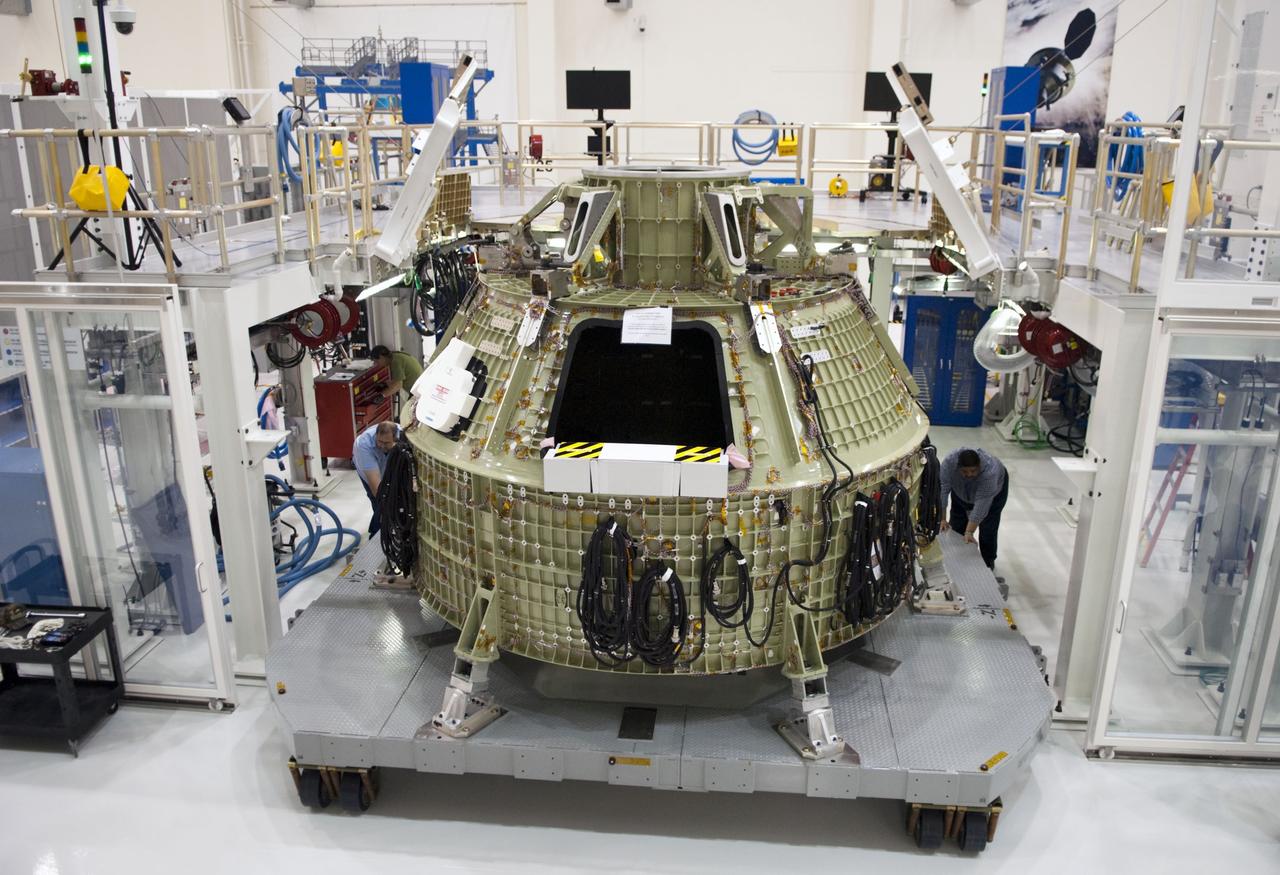
CAPE CANAVERAL, Fla. – Technicians prepare to fit a special fixture around an Orion capsule inside the high bay of the Operations & Checkout Building at NASA's Kennedy Space Center in Florida. The fixture is designed to enable precise pre-launch processing of the Orion spacecraft. An Orion capsule is being prepared to make a flight test in 2014 on a mission that will not carry any astronauts. Photo by Tim Jacobs
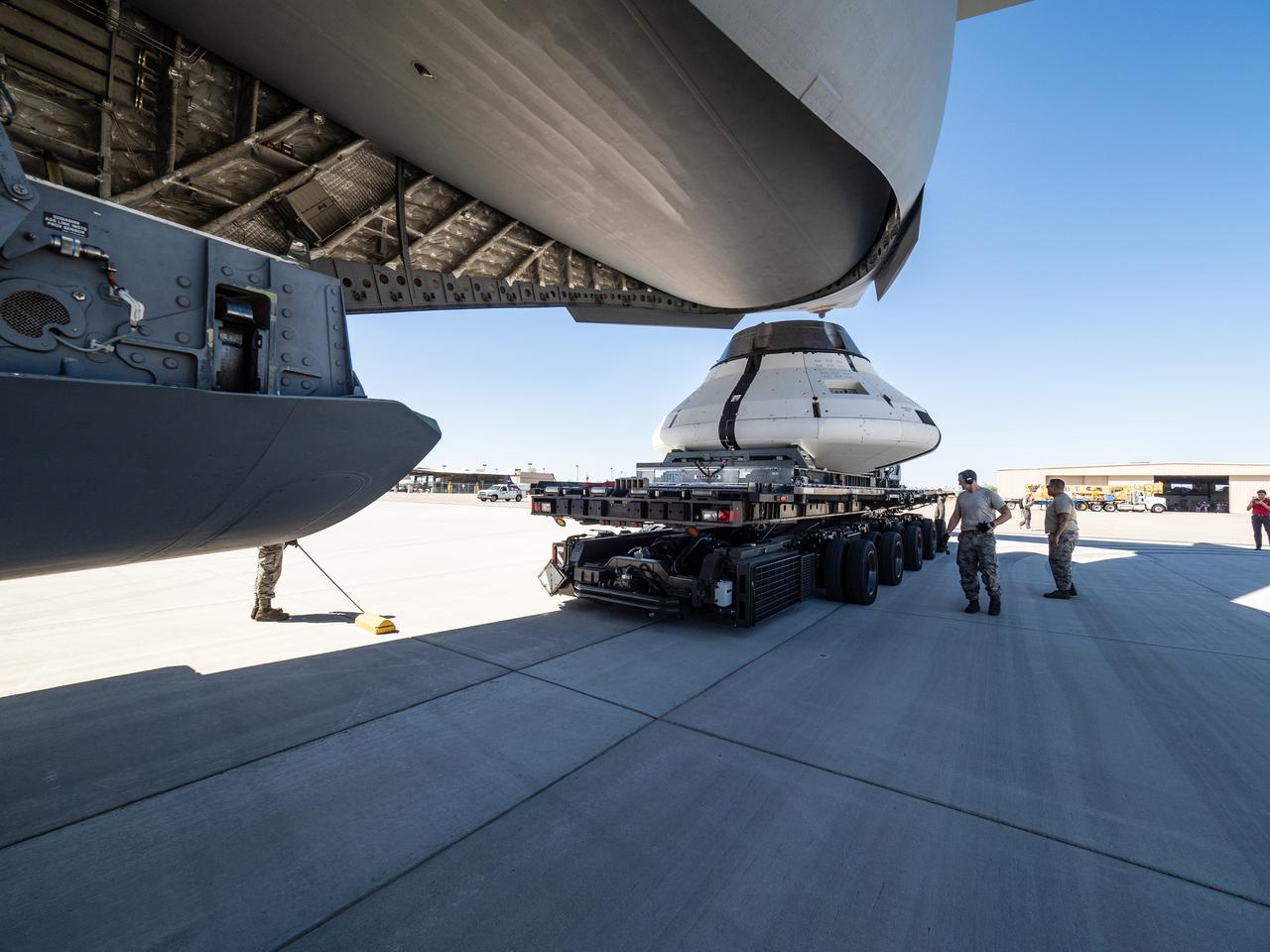
The Orion team prepares the parachute test vehicle for the final drop test which will qualify Orion's parachutes for human flight on Sept. 10, 2018...On September 12, 2018 an Orion test capsule will be dropped from a C-17 aircraft at an altitude of more than six miles to verify the spacecraft’s complex system of 11 parachutes, cannon-like mortars, and pyrotechnic devices work in sequence to slow the capsule’s descent for a safe landing on Earth.
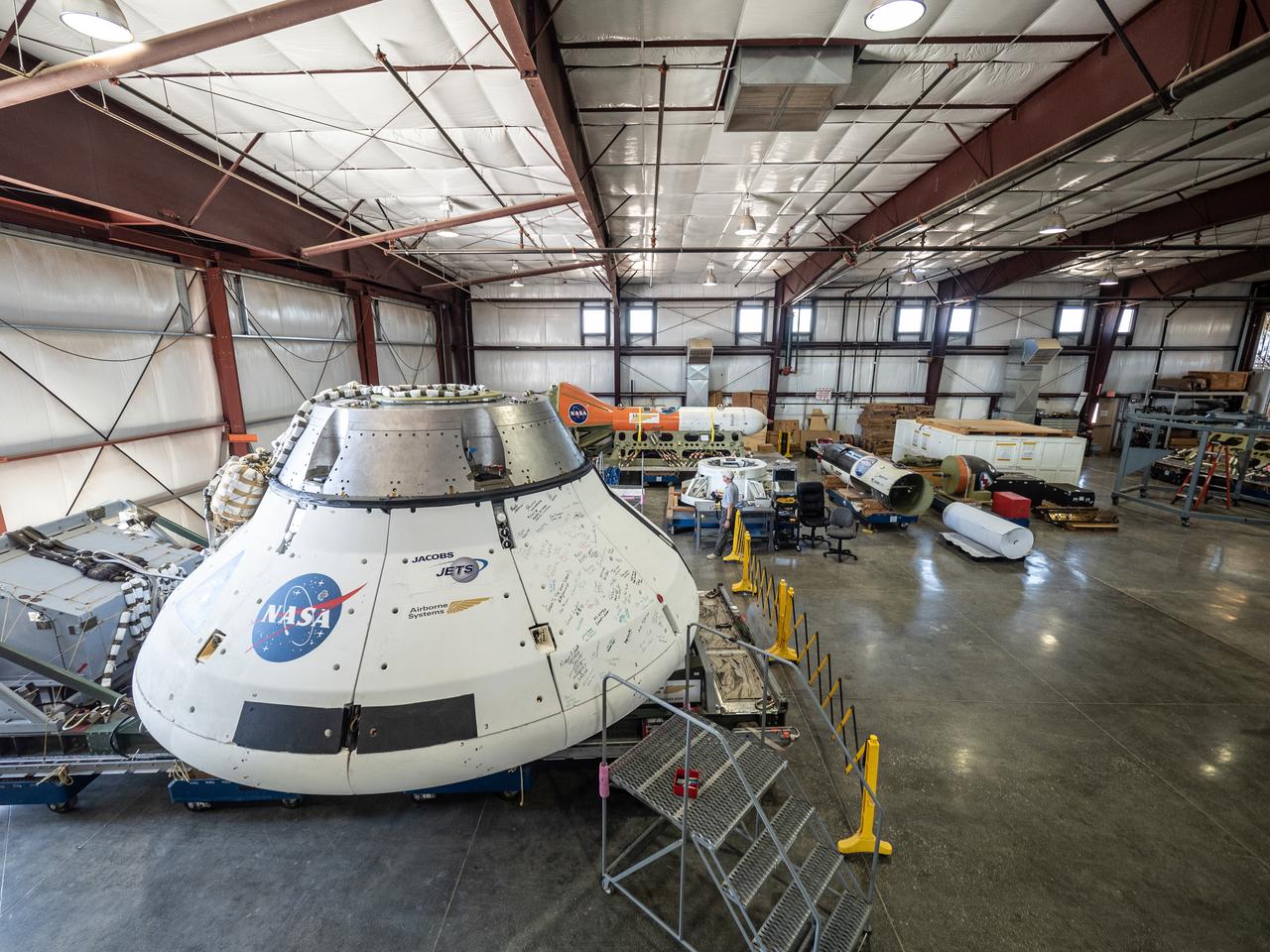
The Orion team prepares the parachute test vehicle for the final drop test which will qualify Orion's parachutes for human flight on Sept. 10, 2018...On September 12, 2018 an Orion test capsule will be dropped from a C-17 aircraft at an altitude of more than six miles to verify the spacecraft’s complex system of 11 parachutes, cannon-like mortars, and pyrotechnic devices work in sequence to slow the capsule’s descent for a safe landing on Earth.
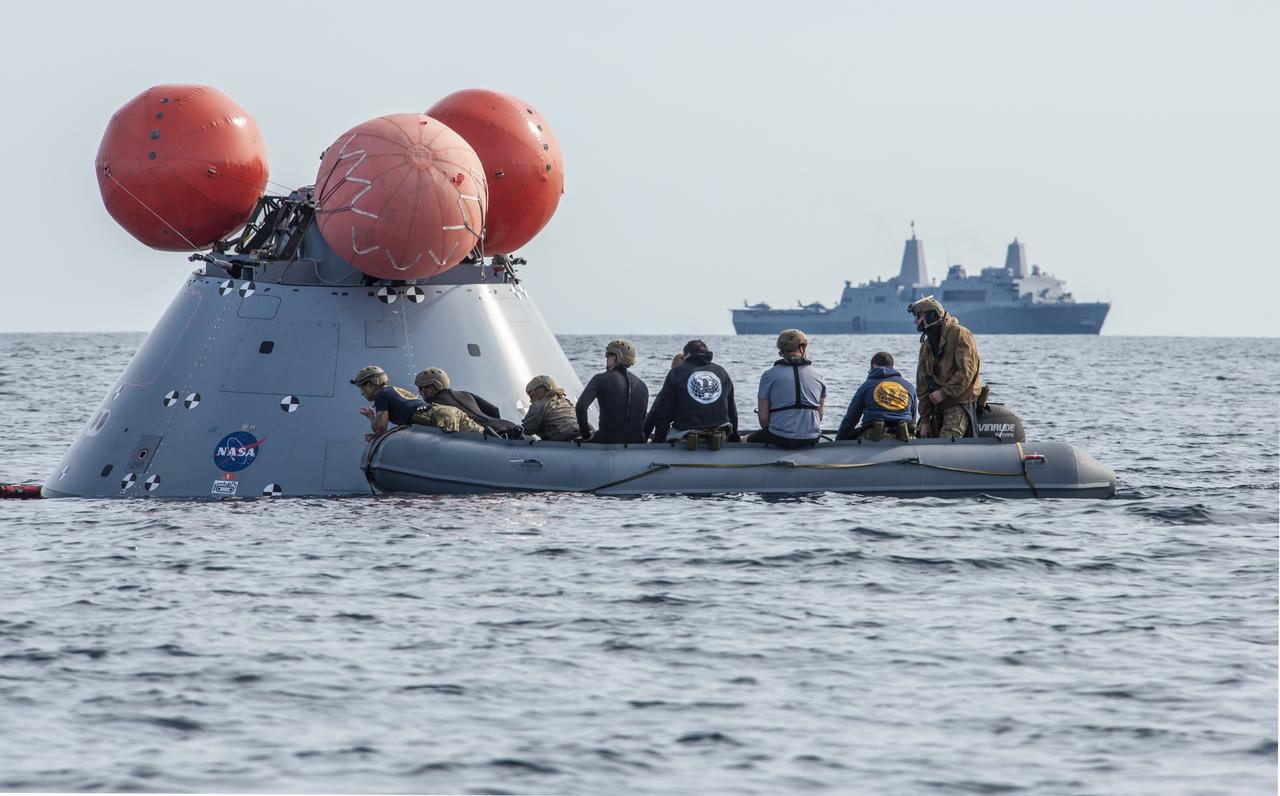
NASA's Landing and Recovery Team practices bringing a mock Orion capsule into the well deck of the USS Portland (LPD 27) ahead of the Artemis I Orion splashdown slated for Dec. 11.
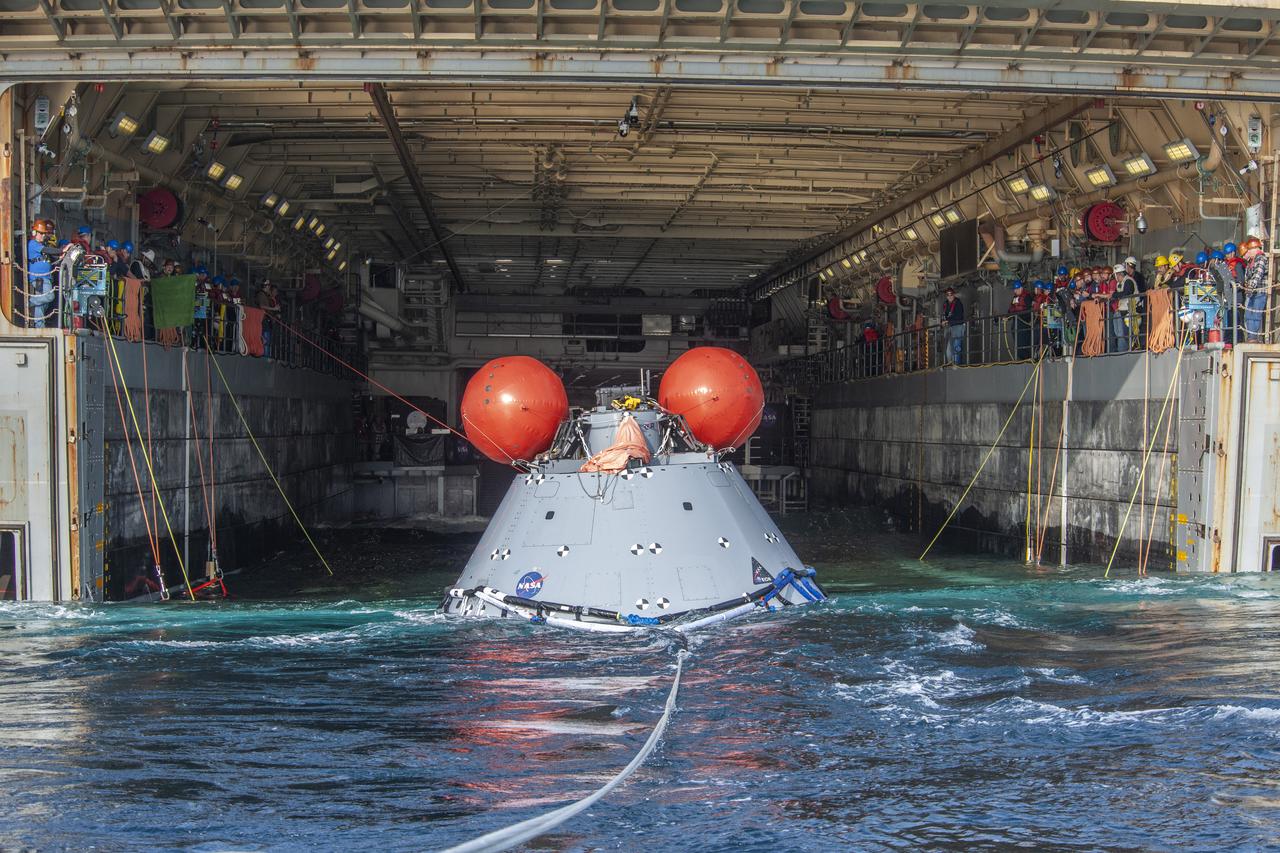
NASA's Landing and Recovery Team practices bringing a mock Orion capsule into the well deck of the USS Portland (LPD 27) ahead of the Artemis I Orion splashdown slated for Dec. 11.
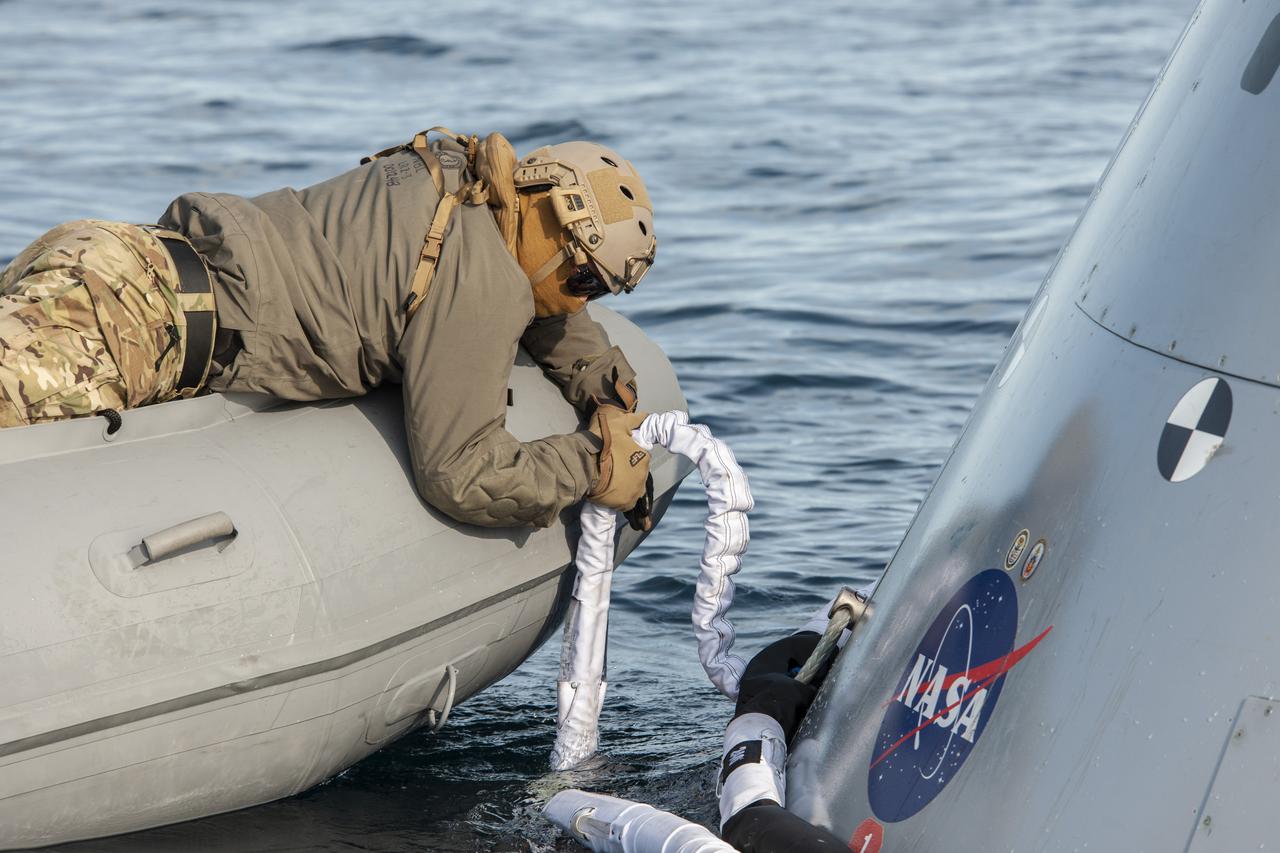
NASA's Landing and Recovery Team practices bringing a mock Orion capsule into the well deck of the USS Portland (LPD 27) ahead of the Artemis I Orion splashdown slated for Dec. 11.
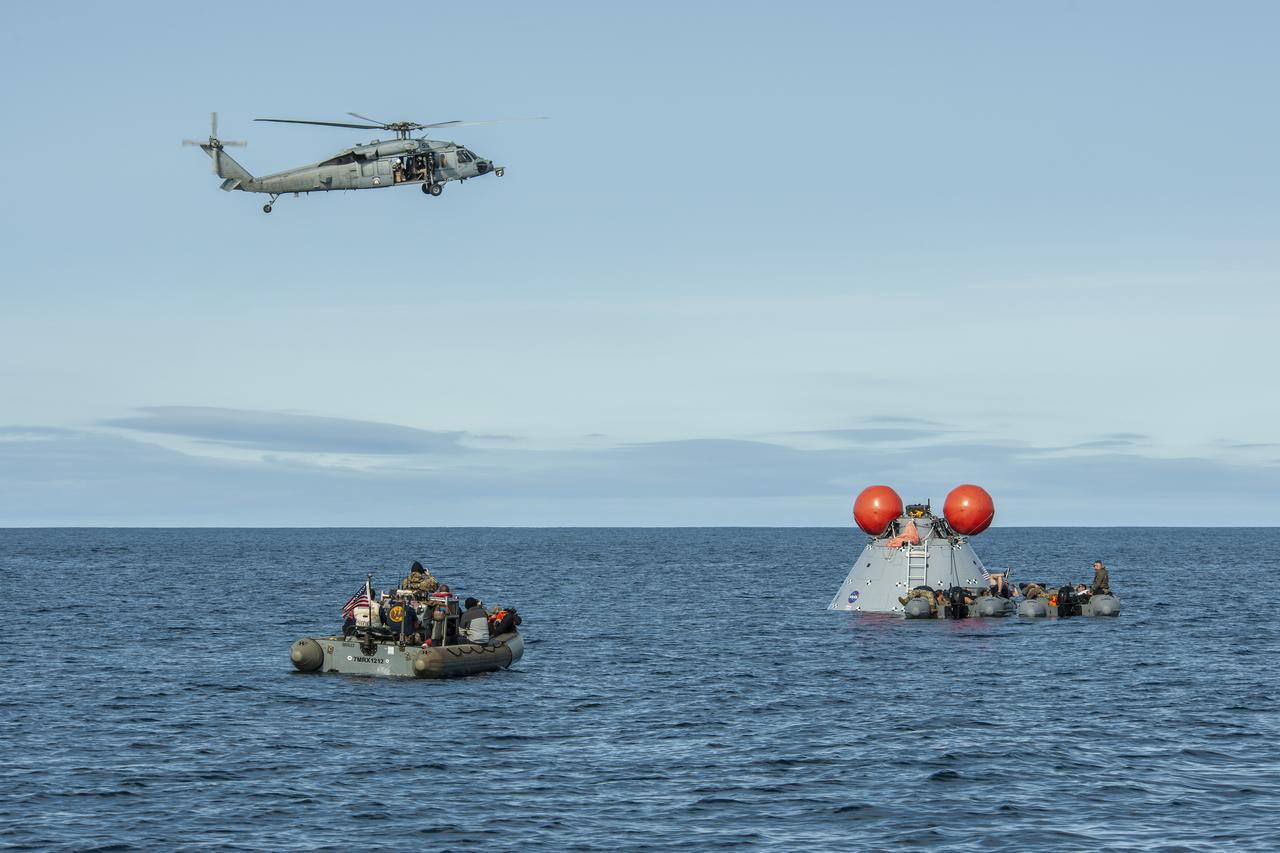
NASA's Landing and Recovery Team practices bringing a mock Orion capsule into the well deck of the USS Portland (LPD 27) ahead of the Artemis I Orion splashdown slated for Dec. 11.
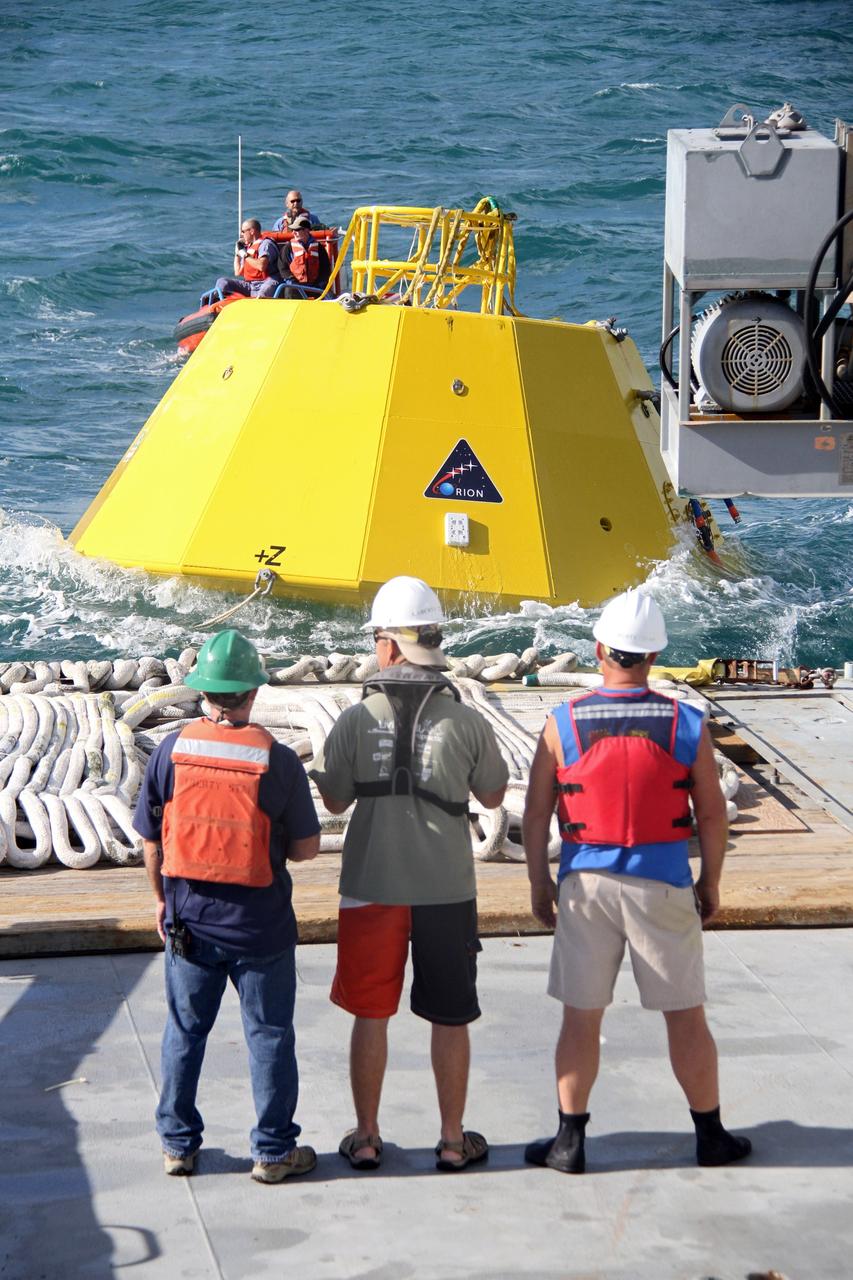
CAPE CANAVERAL, Fla. – Workers, on the deck of NASA's Liberty Star ship and in a boat in the Atlantic Ocean, prepare to begin testing of an Orion flight test capsule. The Crew Module Recovery Attach Fitting Test (CRAFT) on the capsule, which began at-sea operations Nov. 29, is under way. Multiple attach clips are being evaluated against the current recovery cleat configuration by U.S. Air Force pararescue jumpers (PJs) and a U.S. Navy diver. The 21st Century Ground Systems Program will use data collected from the tests to help develop ground operations support equipment that could be used to recover an uncrewed Orion flight test capsule after splashdown. The Orion Multi-Purpose Crew Vehicle is NASA's next-generation spacecraft being developed for deep space missions to asteroids, moons and other interplanetary destinations throughout the solar system. For more information, visit http://www.nasa.gov/orion. Photo credit: NASA/Cory Huston
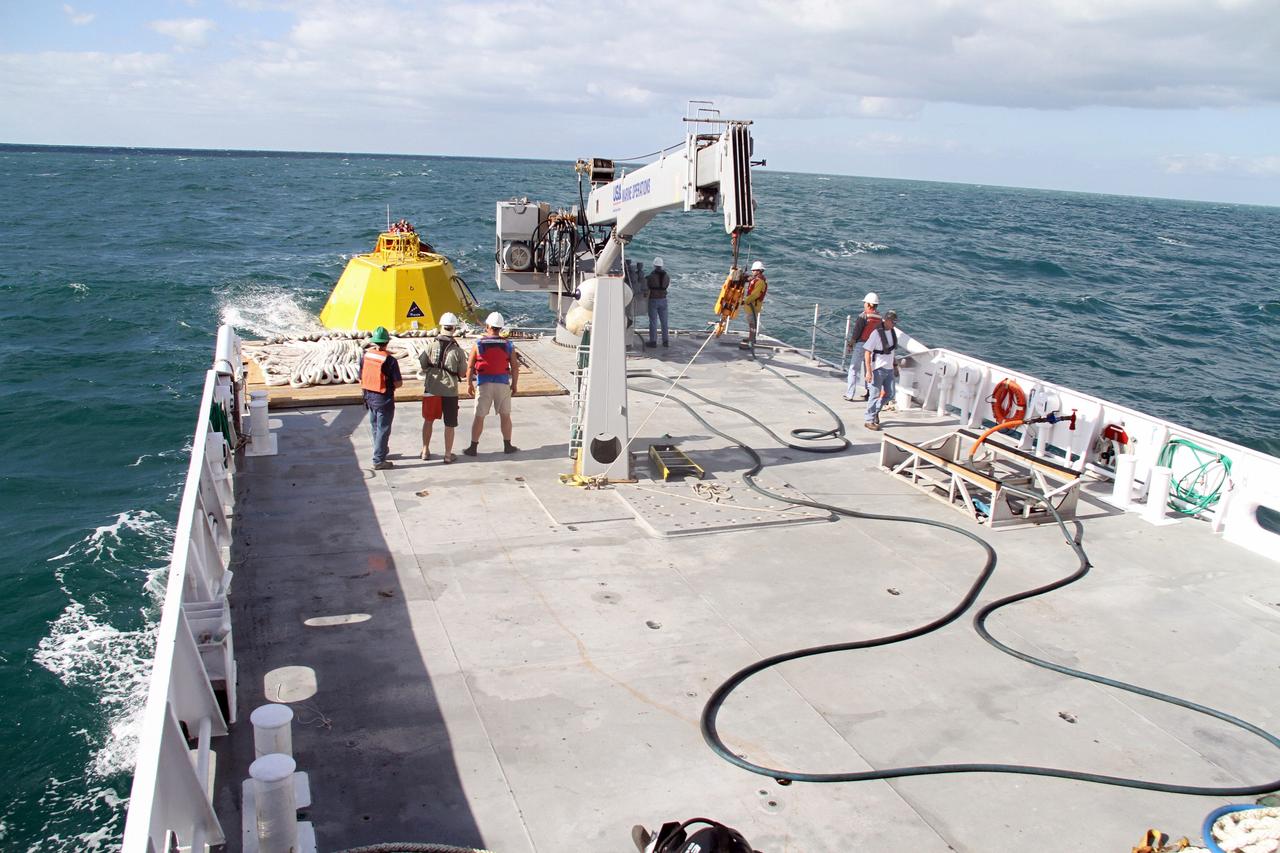
CAPE CANAVERAL, Fla. – Workers on the deck of NASA's Liberty Star ship prepare for testing in the Atlantic Ocean of an Orion flight test capsule to begin. The Crew Module Recovery Attach Fitting Test (CRAFT) on the capsule, which began at-sea operations Nov. 29, is under way. Multiple attach clips are being evaluated against the current recovery cleat configuration by U.S. Air Force pararescue jumpers (PJs) and a U.S. Navy diver. The 21st Century Ground Systems Program will use data collected from the tests to help develop ground operations support equipment that could be used to recover an uncrewed Orion flight test capsule after splashdown. The Orion Multi-Purpose Crew Vehicle is NASA's next-generation spacecraft being developed for deep space missions to asteroids, moons and other interplanetary destinations throughout the solar system. For more information, visit http://www.nasa.gov/orion. Photo credit: NASA/Cory Huston
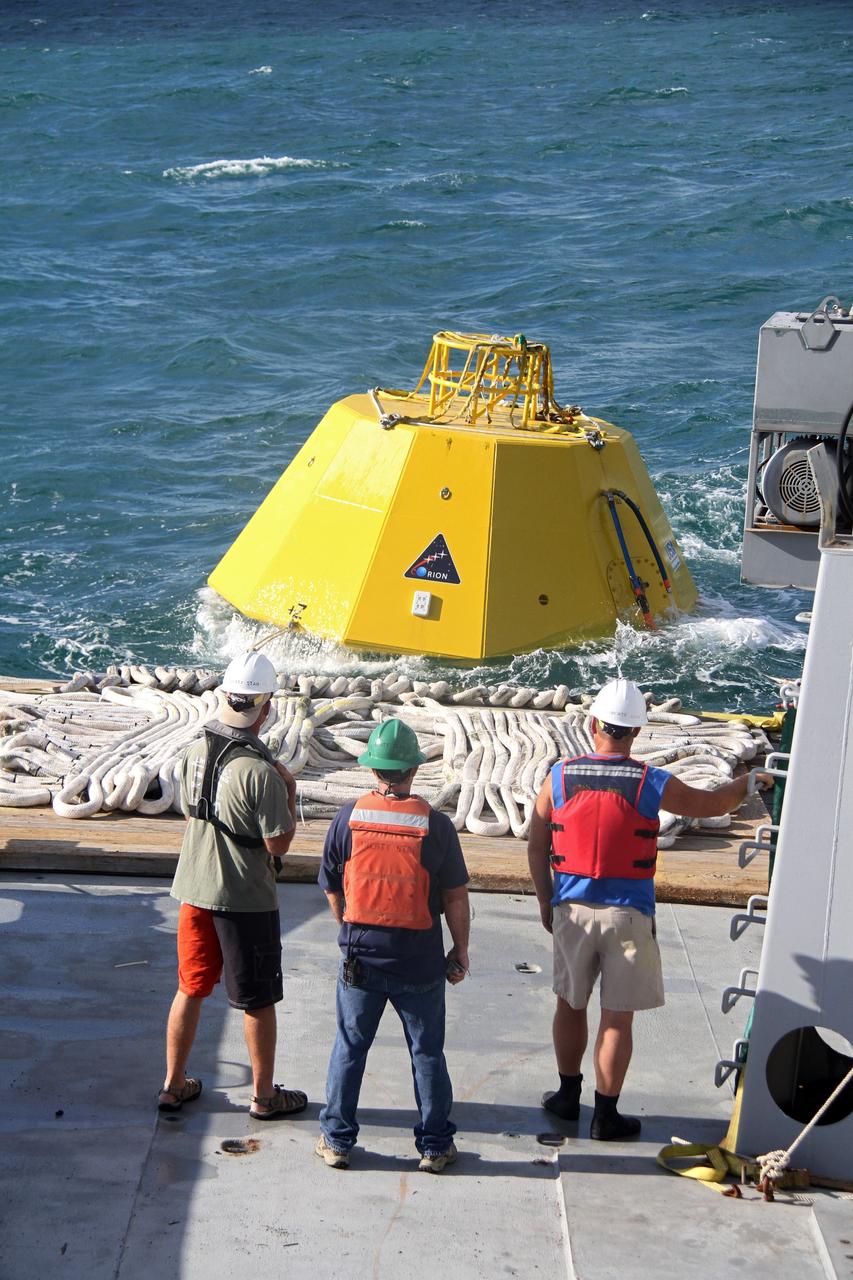
CAPE CANAVERAL, Fla. – Workers on the deck of NASA's Liberty Star ship prepare for testing in the Atlantic Ocean of an Orion flight test capsule to begin. The Crew Module Recovery Attach Fitting Test (CRAFT) on the capsule, which began at-sea operations Nov. 29, is under way. Multiple attach clips are being evaluated against the current recovery cleat configuration by U.S. Air Force pararescue jumpers (PJs) and a U.S. Navy diver. The 21st Century Ground Systems Program will use data collected from the tests to help develop ground operations support equipment that could be used to recover an uncrewed Orion flight test capsule after splashdown. The Orion Multi-Purpose Crew Vehicle is NASA's next-generation spacecraft being developed for deep space missions to asteroids, moons and other interplanetary destinations throughout the solar system. For more information, visit http://www.nasa.gov/orion. Photo credit: NASA/Cory Huston
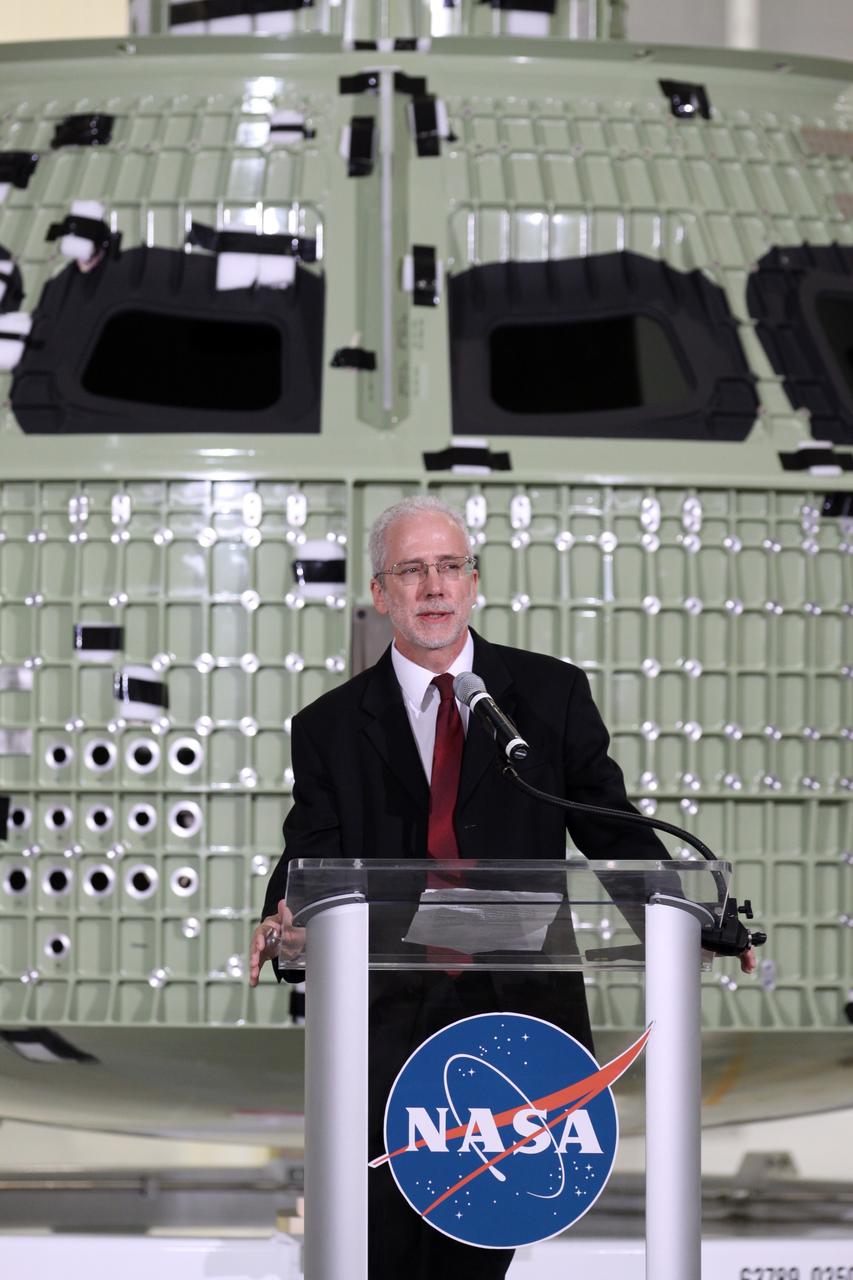
CAPE CANAVERAL, Fla. – Orion Program Manager Mark Geyer addresses the audience assembled in Kennedy Space Center's Operations and Checkout Building high bay for an event marking the arrival of NASA's first space-bound Orion capsule in Florida. Slated for Exploration Flight Test-1, an uncrewed mission planned for 2014, the capsule will travel farther into space than any human spacecraft has gone in more than 40 years. The capsule was shipped to Kennedy from NASA's Michoud Assembly Facility in New Orleans where the crew module pressure vessel was built. The Orion production team will prepare the module for flight at Kennedy by installing heat-shielding thermal protection systems, avionics and other subsystems. For more information, visit http://www.nasa.gov/orion. Photo credit: NASA/Kim Shiflett
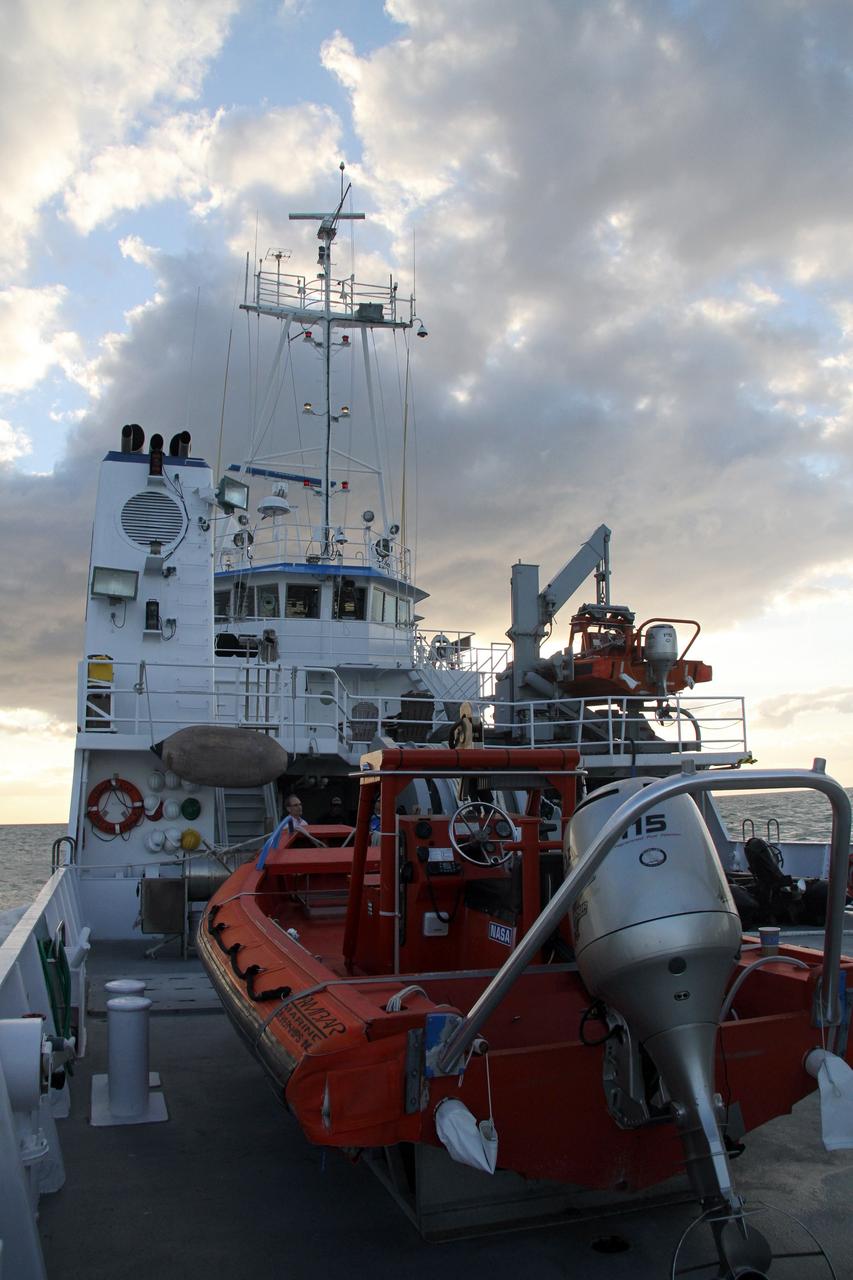
CAPE CANAVERAL, Fla. – NASA's Liberty Star ship heads into the Atlantic Ocean where tests will be performed on an Orion flight test capsule. The Crew Module Recovery Attach Fitting Test (CRAFT) on the capsule, which began at-sea operations Nov. 29, is under way. Multiple attach clips are being evaluated against the current recovery cleat configuration by U.S. Air Force pararescue jumpers (PJs) and a U.S. Navy diver. The 21st Century Ground Systems Program will use data collected from the tests to help develop ground operations support equipment that could be used to recover an uncrewed Orion flight test capsule after splashdown. The Orion Multi-Purpose Crew Vehicle is NASA's next-generation spacecraft being developed for deep space missions to asteroids, moons and other interplanetary destinations throughout the solar system. For more information, visit http://www.nasa.gov/orion. Photo credit: NASA/Cory Huston
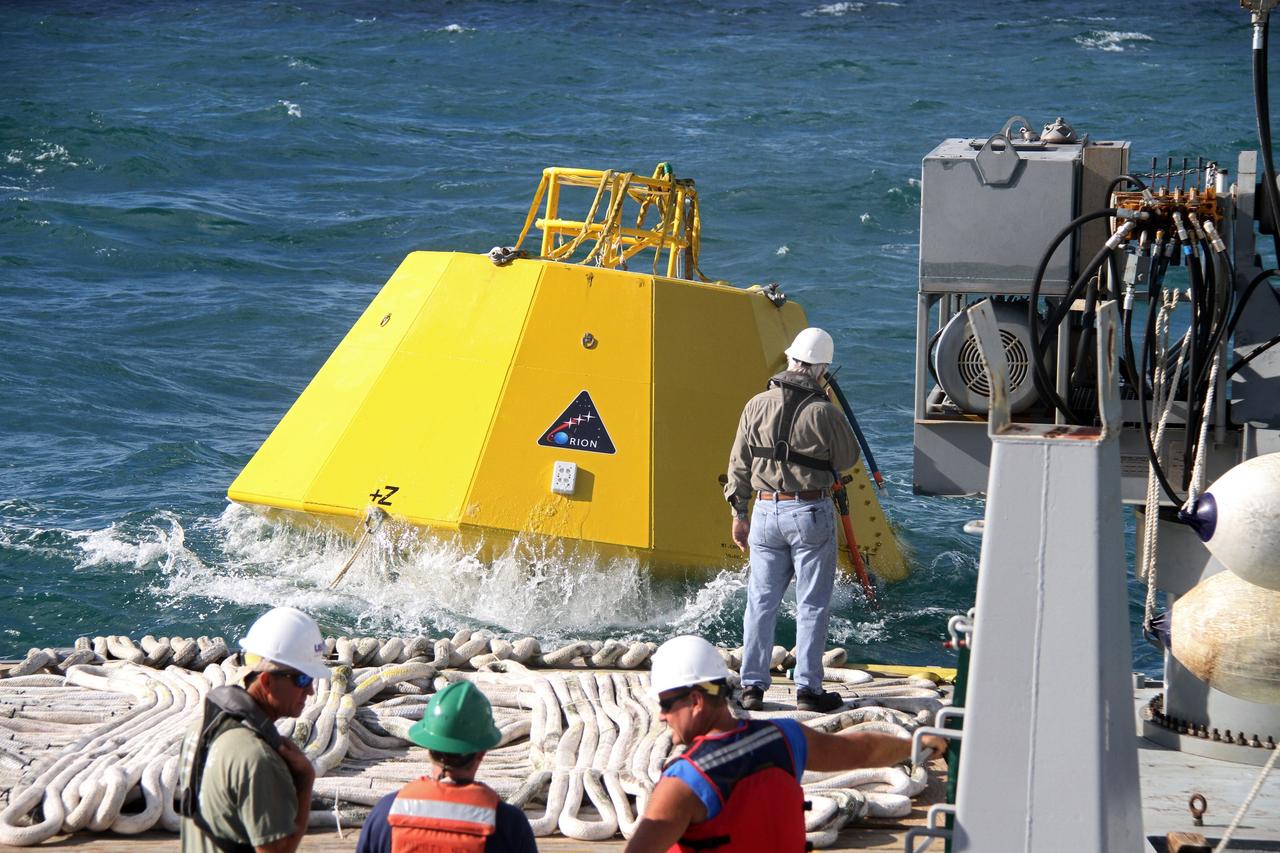
CAPE CANAVERAL, Fla. – An Orion flight test capsule makes a splash into the Atlantic Ocean as it slides from the deck of NASA's Liberty Star ship into the water. The Crew Module Recovery Attach Fitting Test (CRAFT) on the capsule, which began at-sea operations Nov. 29, is under way. Multiple attach clips are being evaluated against the current recovery cleat configuration by U.S. Air Force pararescue jumpers (PJs) and a U.S. Navy diver. The 21st Century Ground Systems Program will use data collected from the tests to help develop ground operations support equipment that could be used to recover an uncrewed Orion flight test capsule after splashdown. The Orion Multi-Purpose Crew Vehicle is NASA's next-generation spacecraft being developed for deep space missions to asteroids, moons and other interplanetary destinations throughout the solar system. For more information, visit http://www.nasa.gov/orion. Photo credit: NASA/Cory Huston
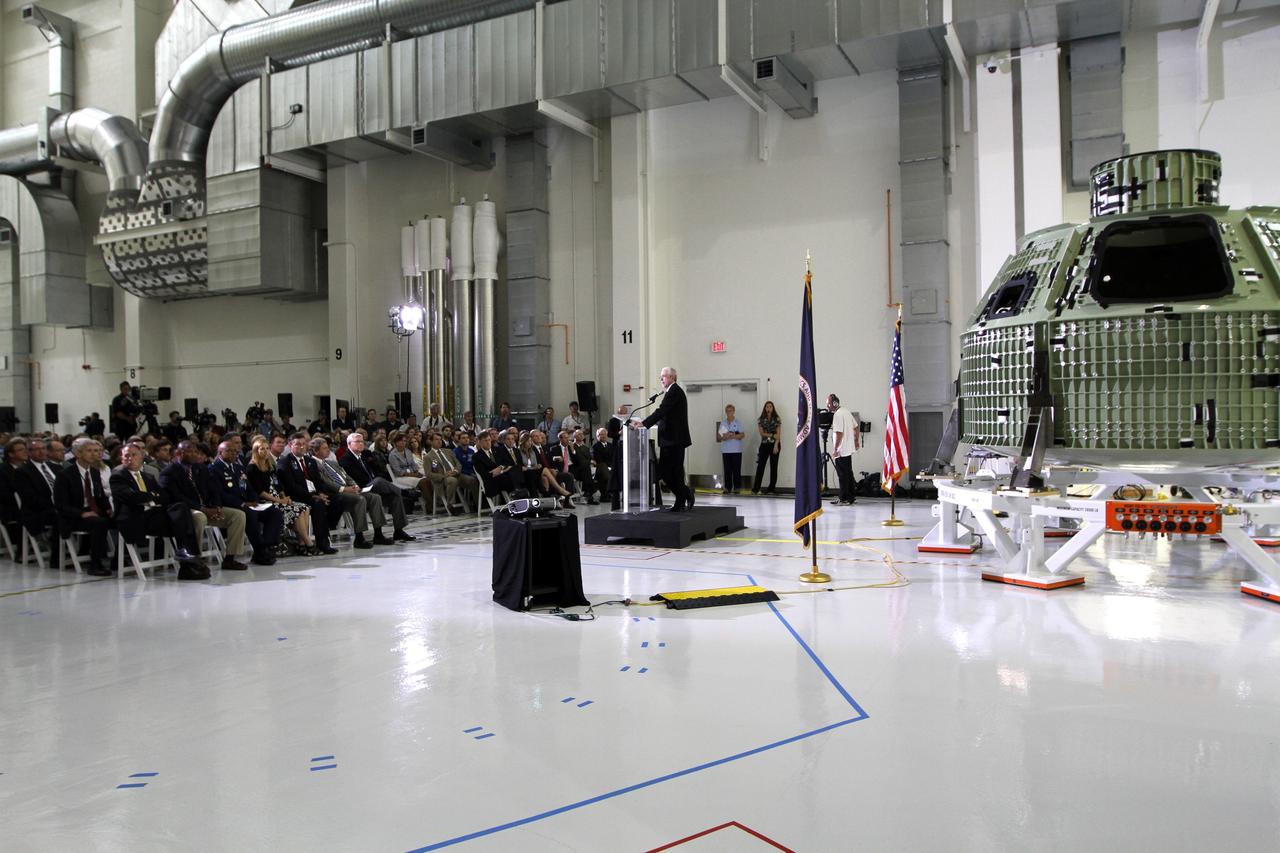
CAPE CANAVERAL, Fla. – Mark Geyer, Orion program manager, addresses the audience assembled in Kennedy Space Center's Operations and Checkout Building high bay for an event marking the arrival of NASA's first space-bound Orion capsule in Florida. Slated for Exploration Flight Test-1, an uncrewed mission planned for 2014, the capsule will travel farther into space than any human spacecraft has gone in more than 40 years. The capsule was shipped to Kennedy from NASA's Michoud Assembly Facility in New Orleans where the crew module pressure vessel was built. The Orion production team will prepare the module for flight at Kennedy by installing heat-shielding thermal protection systems, avionics and other subsystems. For more information, visit http://www.nasa.gov/orion. Photo credit: NASA/Kim Shiflett
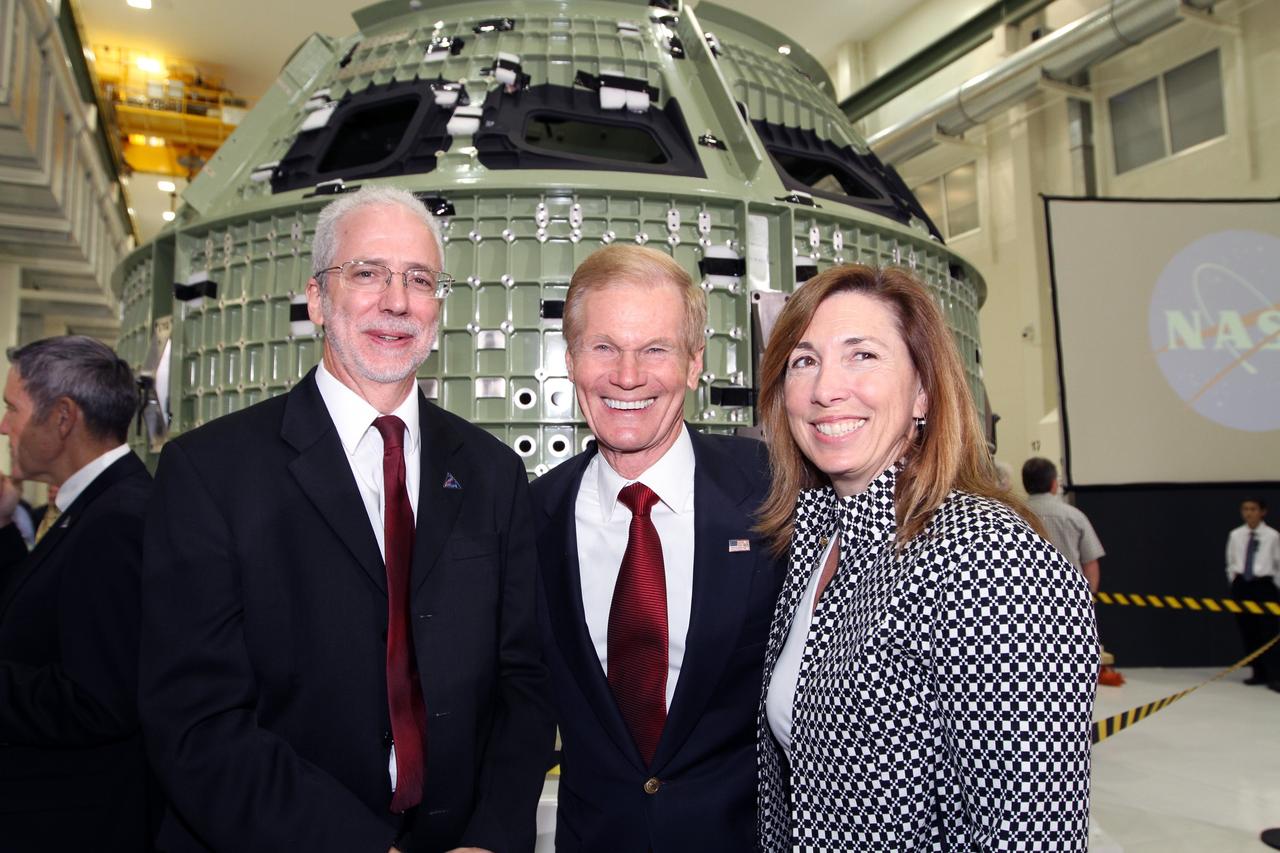
CAPE CANAVERAL, Fla. – From left, Orion Program Manager Mark Geyer, U.S. Senator Bill Nelson and NASA Deputy Director Lori Garver pose for a portrait in front of NASA's first space-bound Orion capsule in Kennedy Space Center's Operations and Checkout Building high bay following an event marking the spacecraft's arrival in Florida. Slated for Exploration Flight Test-1, an uncrewed mission planned for 2014, the capsule will travel farther into space than any human spacecraft has gone in more than 40 years. The capsule was shipped to Kennedy from NASA's Michoud Assembly Facility in New Orleans where the crew module pressure vessel was built. The Orion production team will prepare the module for flight at Kennedy by installing heat-shielding thermal protection systems, avionics and other subsystems. For more information, visit http://www.nasa.gov/orion. Photo credit: NASA/Kim Shiflett
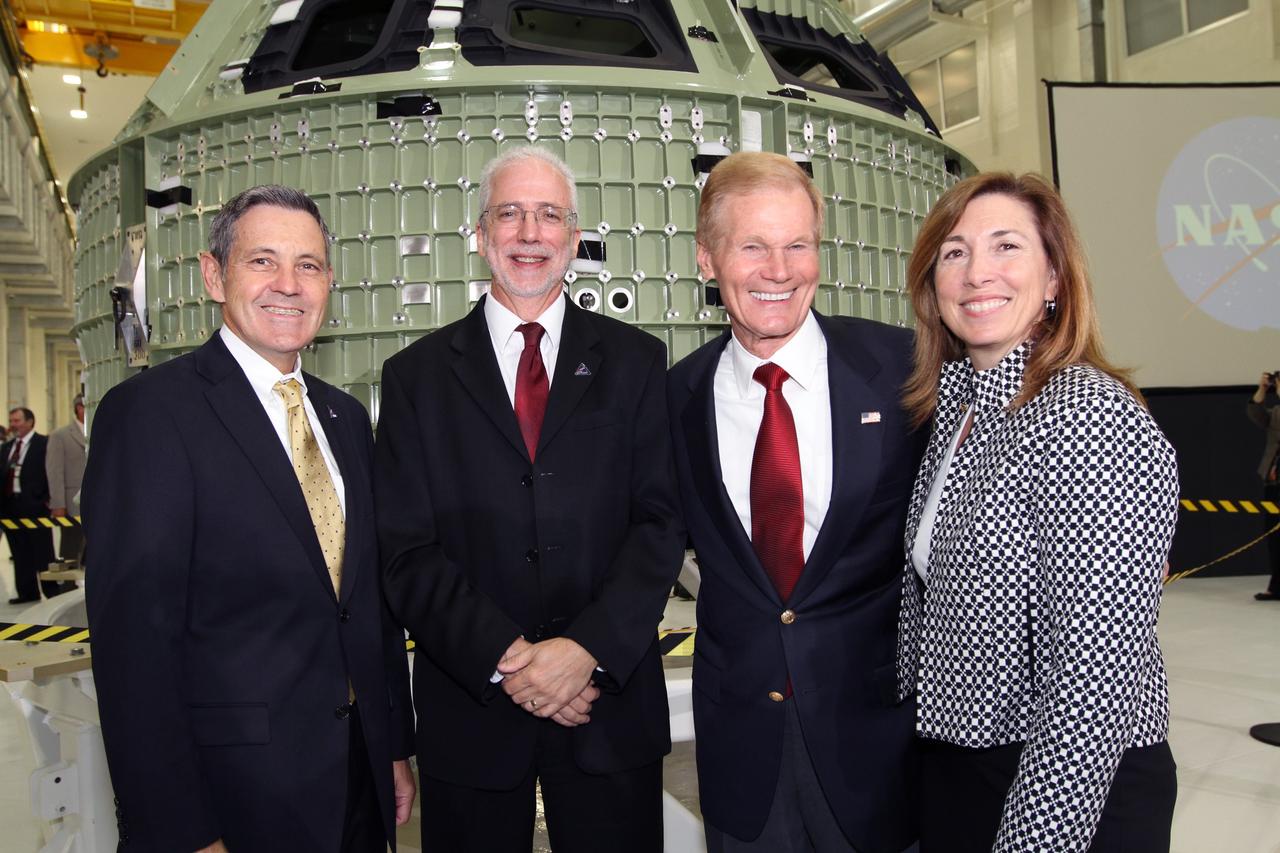
CAPE CANAVERAL, Fla. – From left, Kennedy Space Center Director Robert Cabana, Orion Program Manager Mark Geyer, U.S. Senator Bill Nelson and NASA Deputy Director Lori Garver pose for a portrait in front of NASA's first space-bound Orion capsule in Kennedy's Operations and Checkout Building high bay following an event marking the spacecraft's arrival in Florida. Slated for Exploration Flight Test-1, an uncrewed mission planned for 2014, the capsule will travel farther into space than any human spacecraft has gone in more than 40 years. The capsule was shipped to Kennedy from NASA's Michoud Assembly Facility in New Orleans where the crew module pressure vessel was built. The Orion production team will prepare the module for flight at Kennedy by installing heat-shielding thermal protection systems, avionics and other subsystems. For more information, visit http://www.nasa.gov/orion. Photo credit: NASA/Kim Shiflett
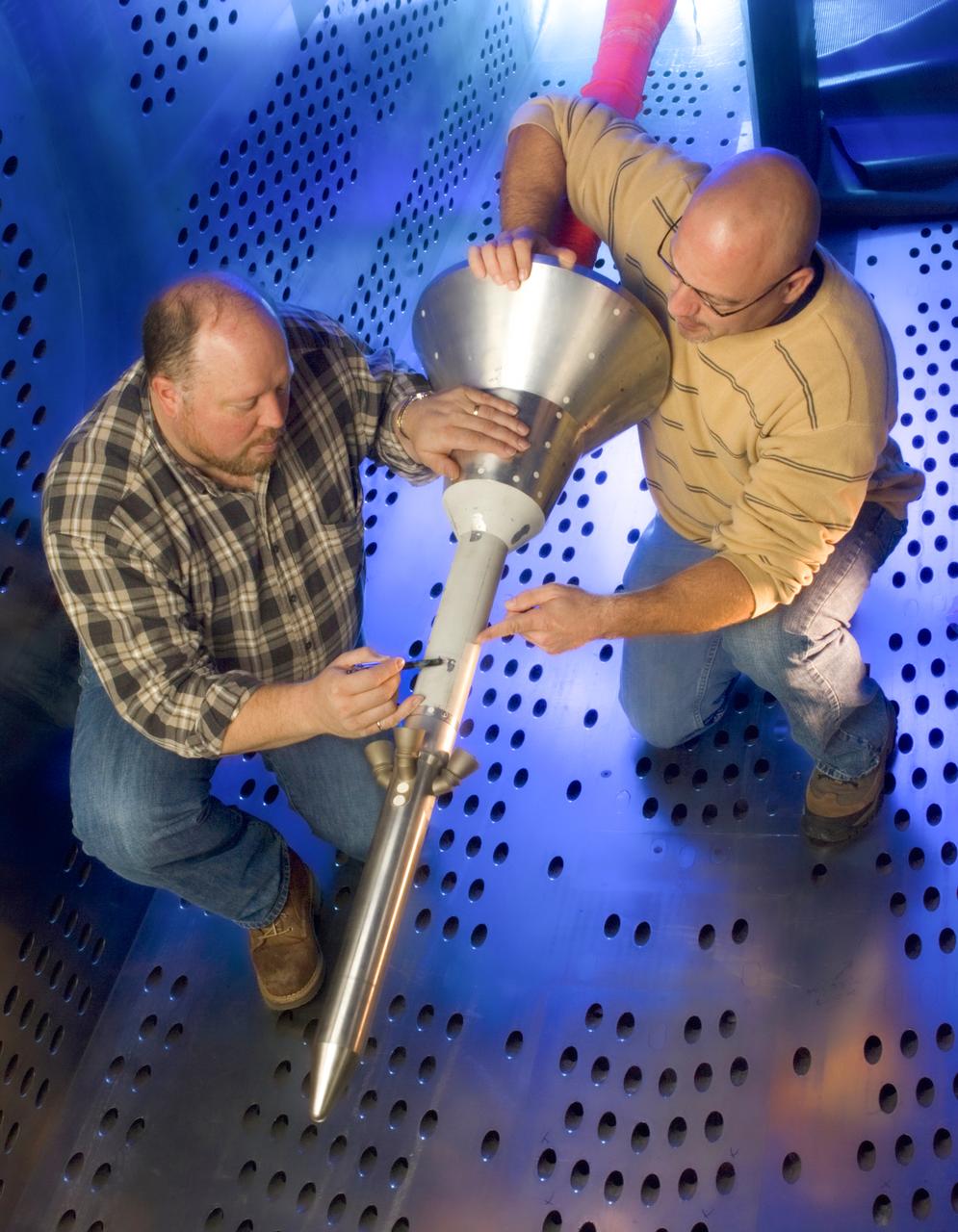
Orion Capsule and Launch Abort System (LAS) installed in the NASA Glenn 8x6 Supersonic Wind Tunnel (SWT) for testing. This test is an Aero Acoustic test of the LAS
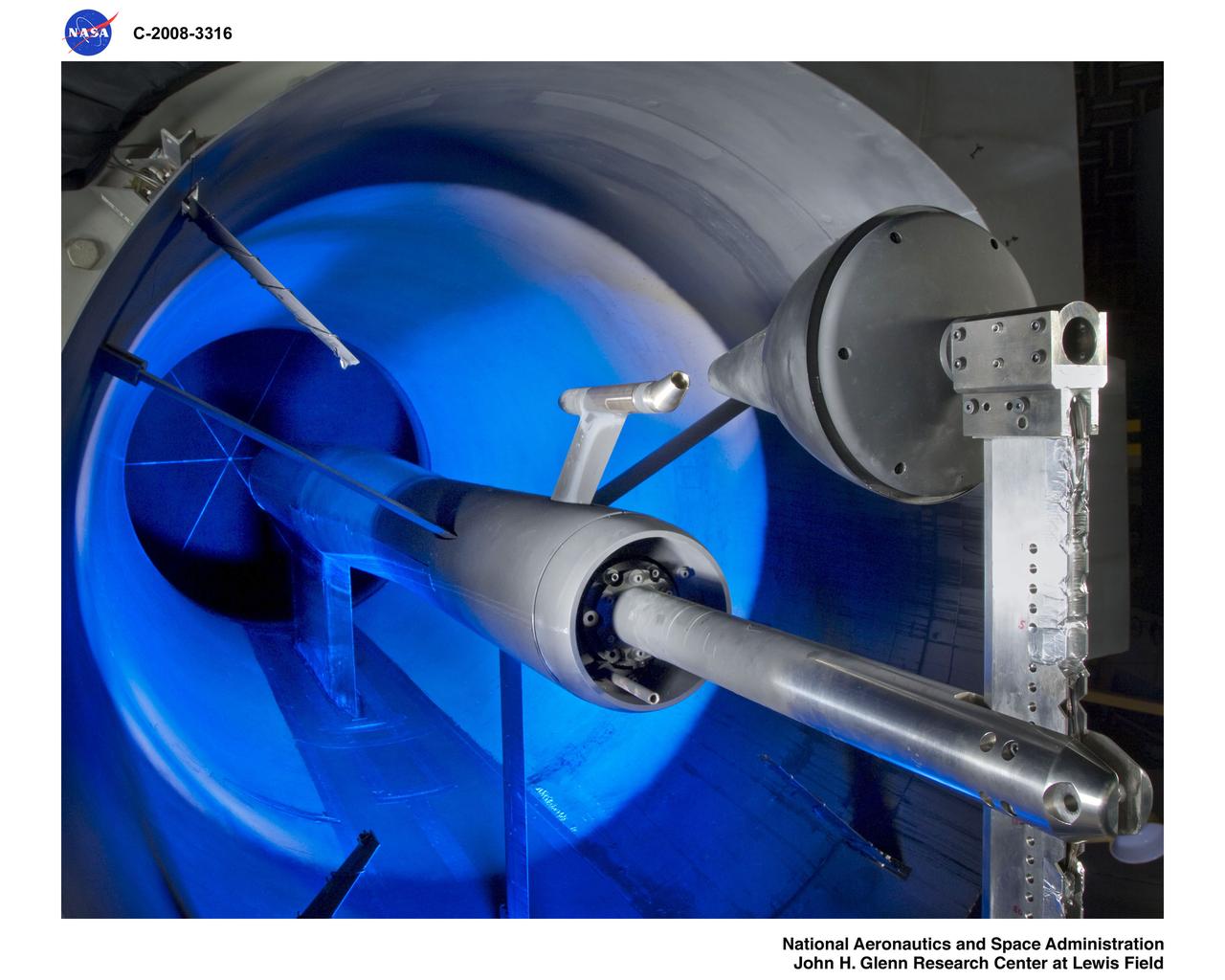
Noise Accoustical Test Rig (NATR) Crew Exploration Vehicle (CEV) 85-AA-Constellation, Orion Capsule and nozzle on front of NATR
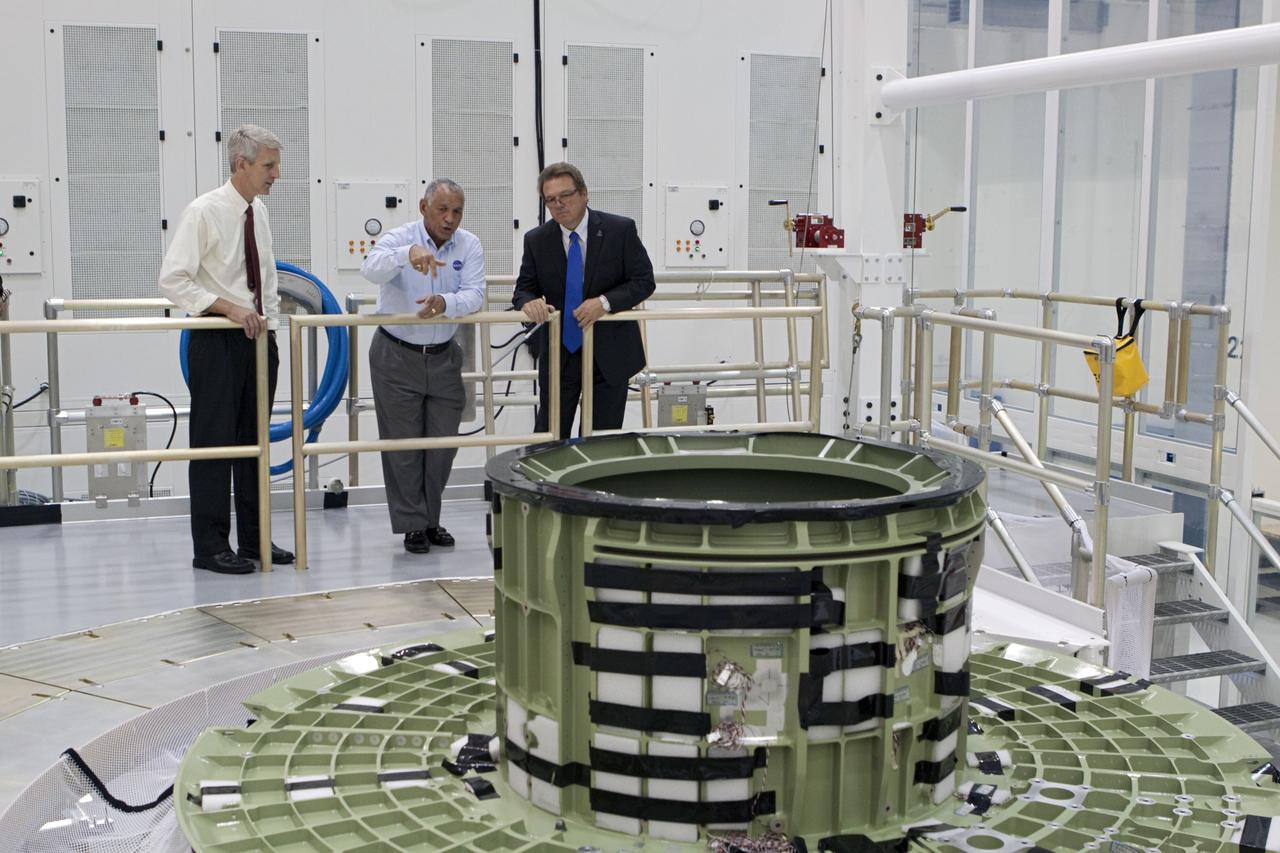
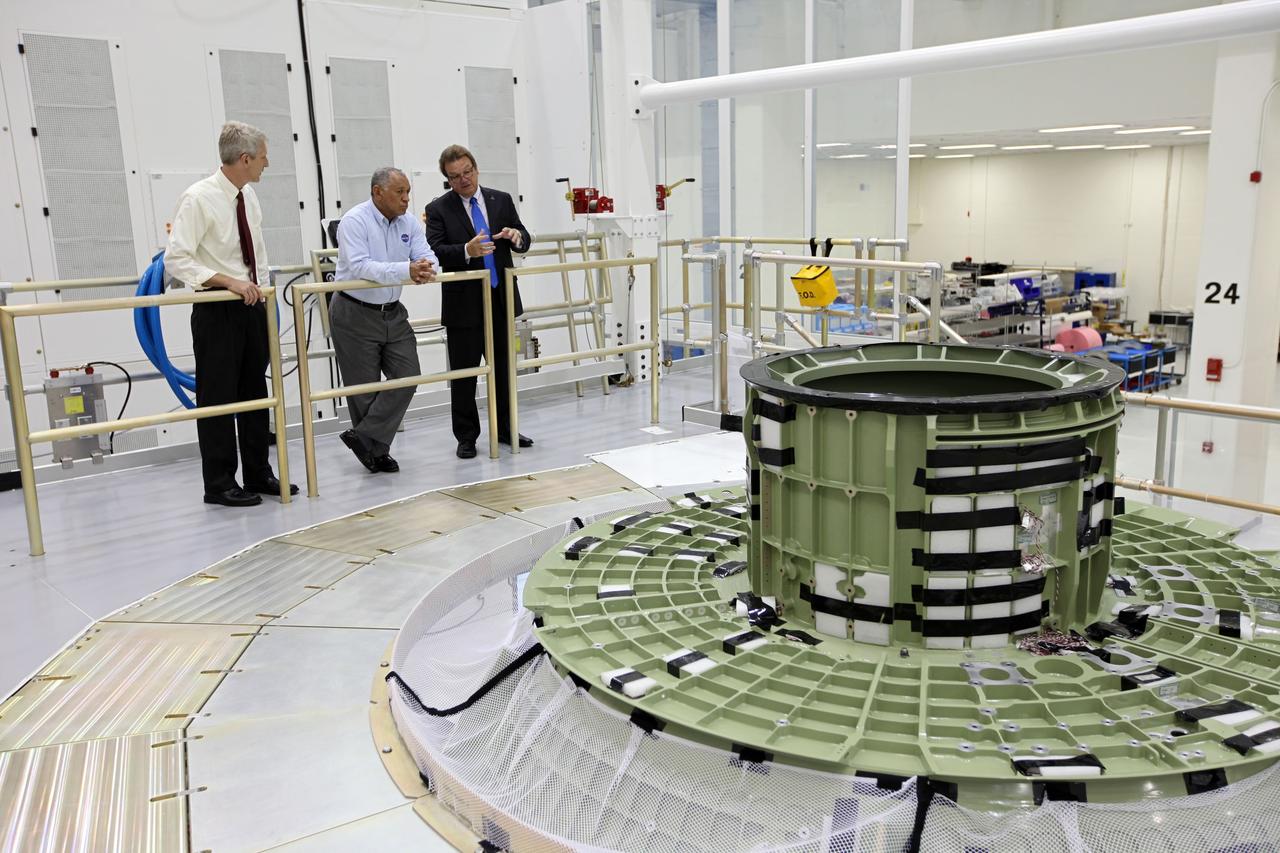
CAPE CANAVERAL, Fla. – Lockheed Martin's Jules Schneider, right, shows the upper portion of the Orion capsule to Charles Bolden, NASA administrator, center, as NASA's Scott Wilson looks on. The Orion capsule will make an uncrewed flight test in 2014. The spacecraft is in the high bay at the Operations and Checkout Building at NASA's Kennedy Space Center in Florida. Photo credit: NASA/Kim Shifflett
CAPE CANAVERAL, Fla. – Lockheed Martin's Jules Schneider, right, shows the upper portion of the Orion capsule to Charles Bolden, NASA administrator, center, as NASA's Scott Wilson looks on. The Orion capsule will make an uncrewed flight test in 2014. The spacecraft is in the high bay at the Operations and Checkout Building at NASA's Kennedy Space Center in Florida. Photo credit: NASA/Kim Shifflett
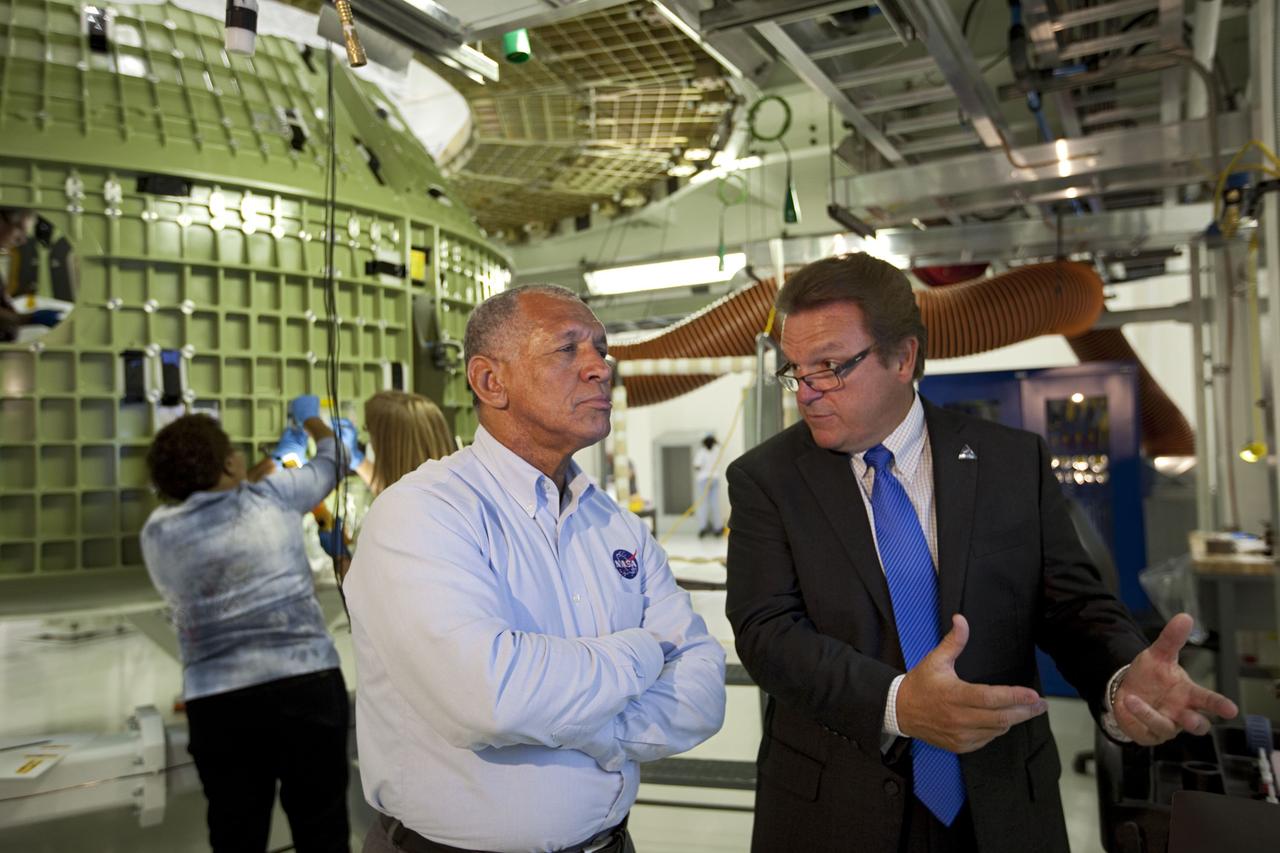
CAPE CANAVERAL, Fla. – Lockheed Martin's Jules Schneider, right, shows details of the preparation hardware used for the Orion capsule to Charles Bolden, NASA administrator, center. The Orion capsule will make an uncrewed flight test in 2014. The spacecraft is in the high bay at the Operations and Checkout Building at NASA's Kennedy Space Center in Florida. Photo credit: NASA/Kim Shifflett
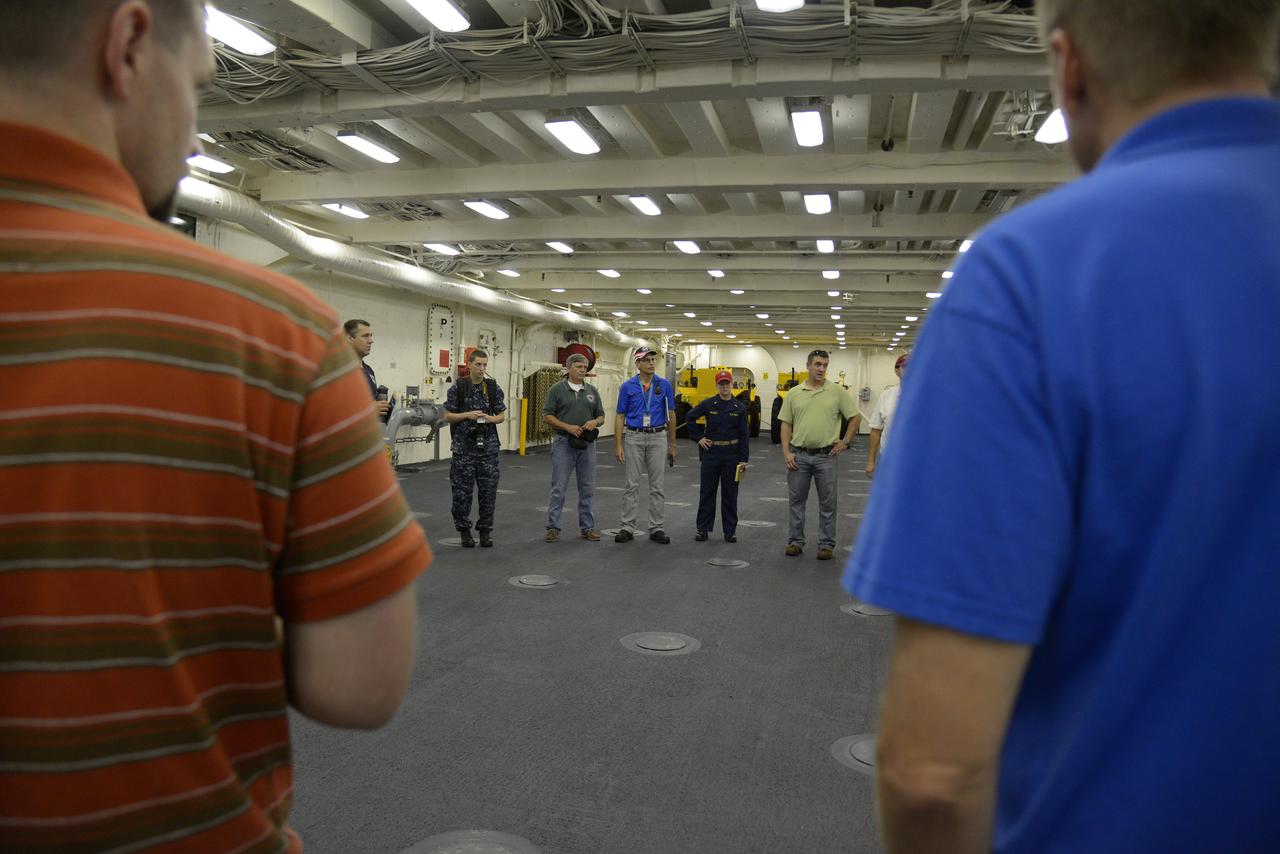
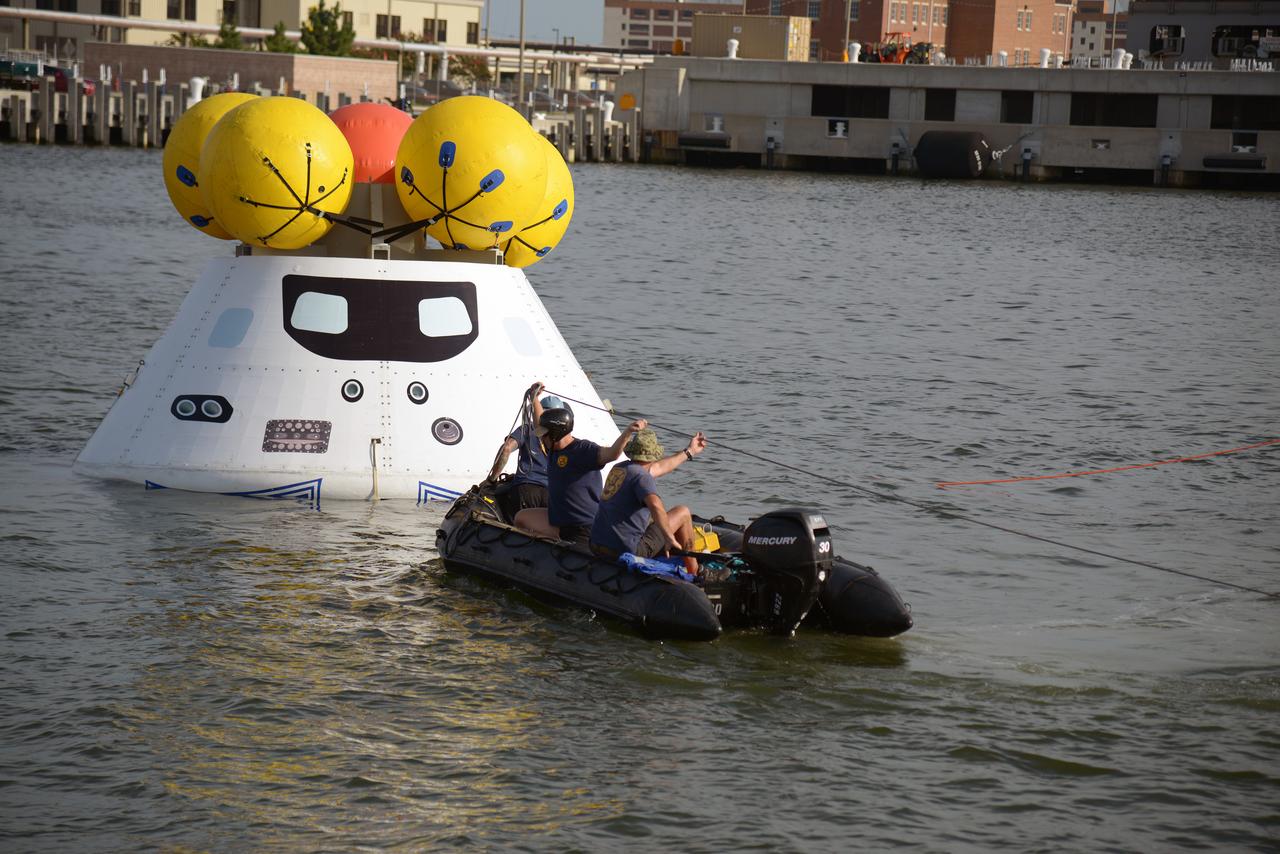
The Orion test capsule undergoes stationary recovery testing in Norfolk, VA on Aug. 13, 2013. NASA and the U.S Navy led the tests using the USS Arlington...The stationary recovery tests allow the teams to demonstrate and evaluate the recovery processes, the hardware and the test personnel in a controlled environment. ..During the test, the U.S Navy Dive Team checked the capsule for hazards while sailors from the USS Arlington approached the capsule in inflatable boats, and towed it back to the ship’s flooded well deck. Part of Batch image transfer from Flickr.
The Orion test capsule undergoes stationary recovery testing in Norfolk, VA on Aug. 13, 2013. NASA and the U.S Navy led the tests using the USS Arlington...The stationary recovery tests allow the teams to demonstrate and evaluate the recovery processes, the hardware and the test personnel in a controlled environment. ..During the test, the U.S Navy Dive Team checked the capsule for hazards while sailors from the USS Arlington approached the capsule in inflatable boats, and towed it back to the ship’s flooded well deck. Part of Batch image transfer from Flickr.
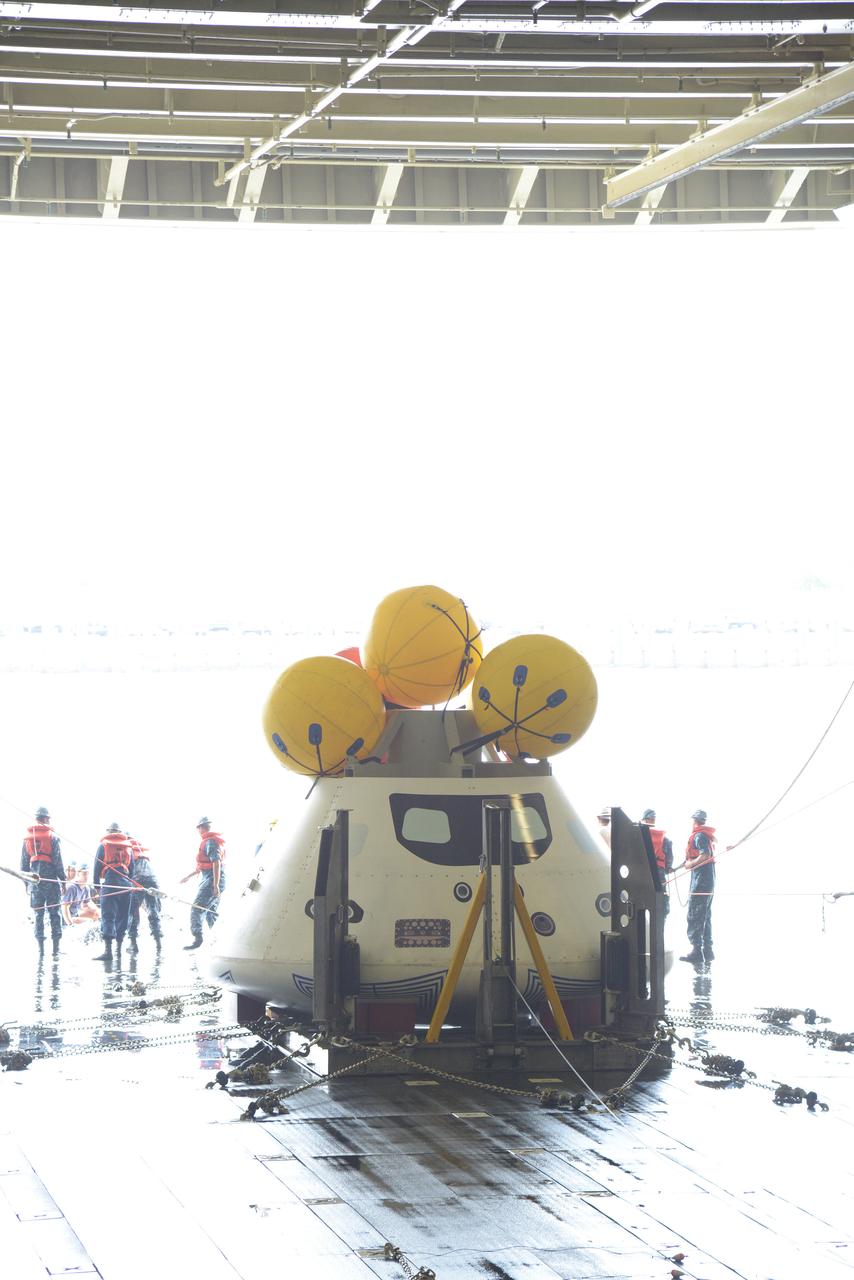
The Orion test capsule undergoes stationary recovery testing in Norfolk, VA on Aug. 13, 2013. NASA and the U.S Navy led the tests using the USS Arlington...The stationary recovery tests allow the teams to demonstrate and evaluate the recovery processes, the hardware and the test personnel in a controlled environment. ..During the test, the U.S Navy Dive Team checked the capsule for hazards while sailors from the USS Arlington approached the capsule in inflatable boats, and towed it back to the ship’s flooded well deck. Part of Batch image transfer from Flickr.
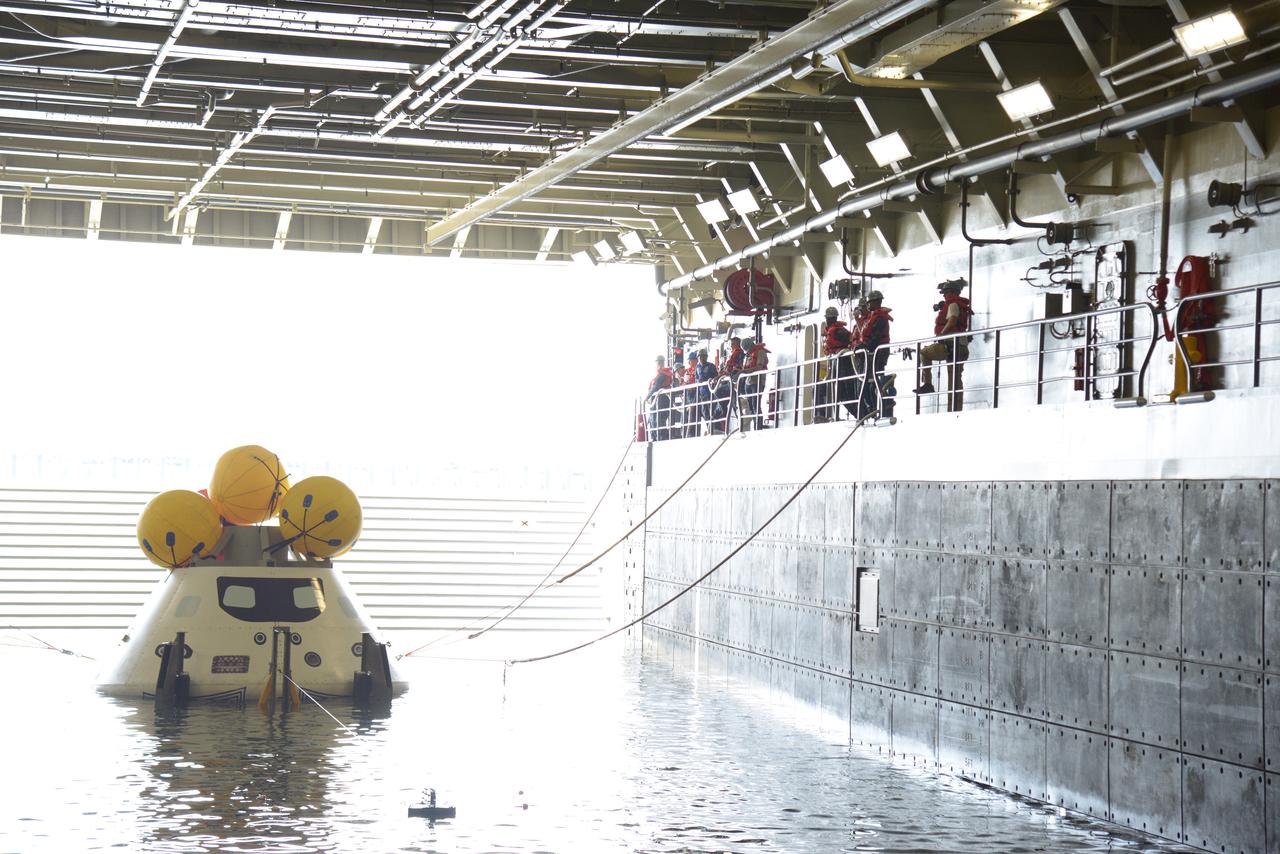
The Orion test capsule undergoes stationary recovery testing in Norfolk, VA on Aug. 13, 2013. NASA and the U.S Navy led the tests using the USS Arlington...The stationary recovery tests allow the teams to demonstrate and evaluate the recovery processes, the hardware and the test personnel in a controlled environment. ..During the test, the U.S Navy Dive Team checked the capsule for hazards while sailors from the USS Arlington approached the capsule in inflatable boats, and towed it back to the ship’s flooded well deck. Part of Batch image transfer from Flickr.
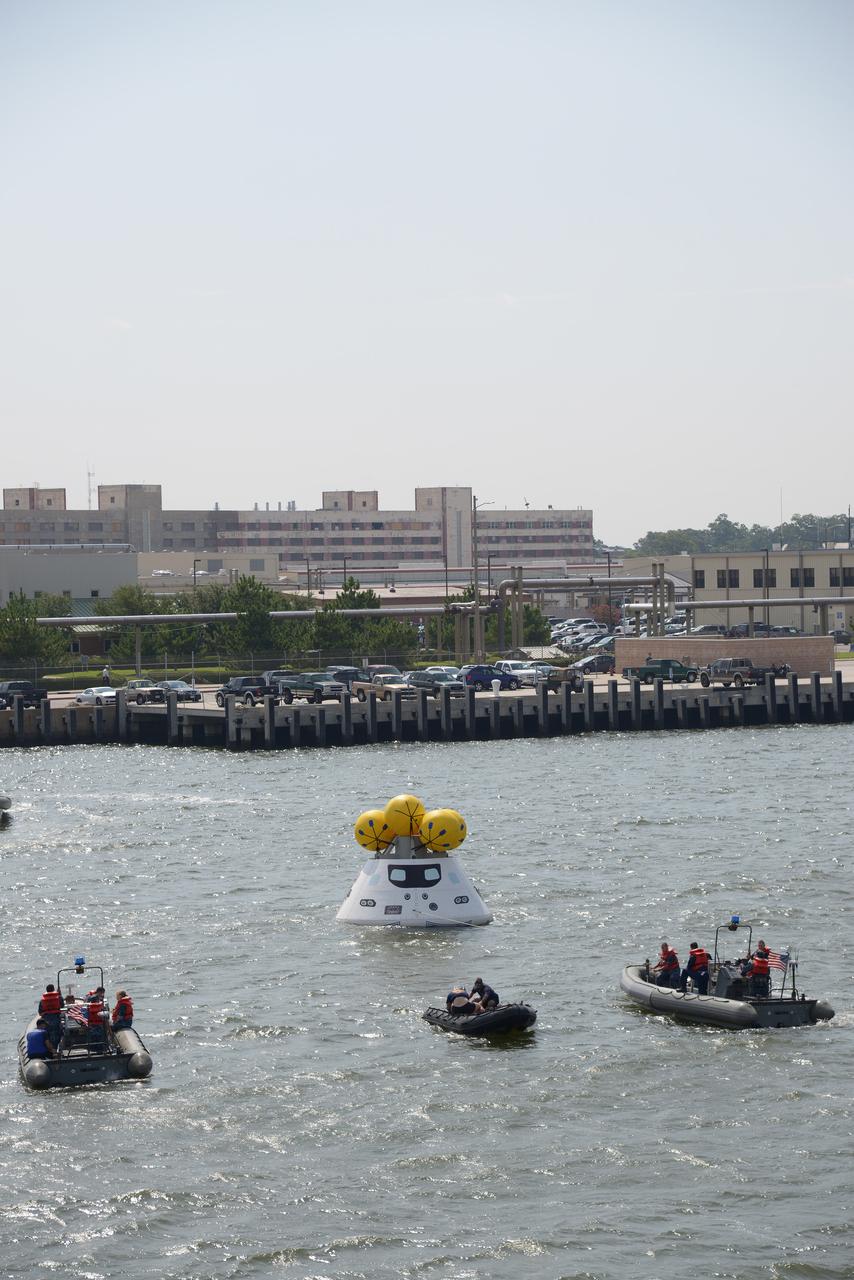
The Orion test capsule undergoes stationary recovery testing in Norfolk, VA on Aug. 13, 2013. NASA and the U.S Navy led the tests using the USS Arlington...The stationary recovery tests allow the teams to demonstrate and evaluate the recovery processes, the hardware and the test personnel in a controlled environment. ..During the test, the U.S Navy Dive Team checked the capsule for hazards while sailors from the USS Arlington approached the capsule in inflatable boats, and towed it back to the ship’s flooded well deck. Part of Batch image transfer from Flickr.
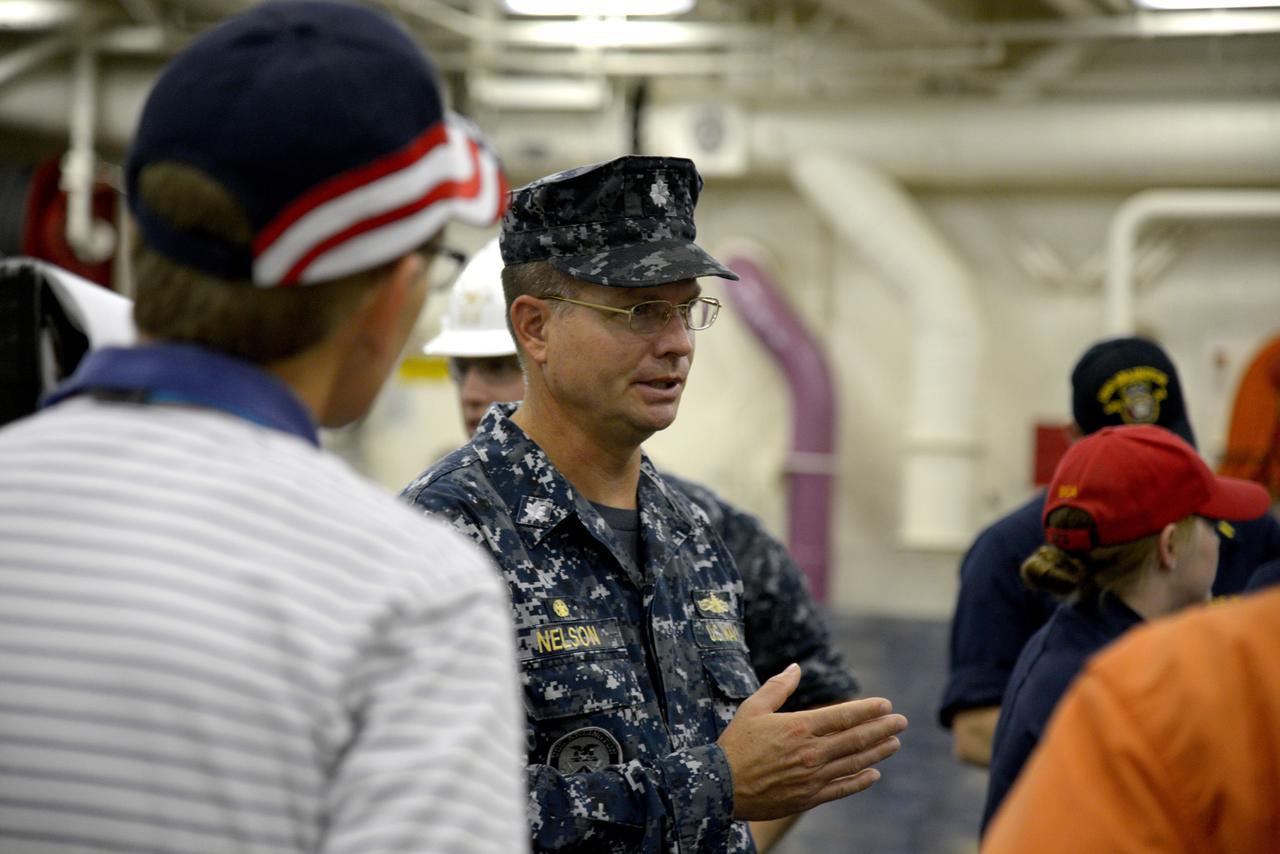
The Orion test capsule undergoes stationary recovery testing in Norfolk, VA on Aug. 13, 2013. NASA and the U.S Navy led the tests using the USS Arlington...The stationary recovery tests allow the teams to demonstrate and evaluate the recovery processes, the hardware and the test personnel in a controlled environment. ..During the test, the U.S Navy Dive Team checked the capsule for hazards while sailors from the USS Arlington approached the capsule in inflatable boats, and towed it back to the ship’s flooded well deck. Part of Batch image transfer from Flickr.