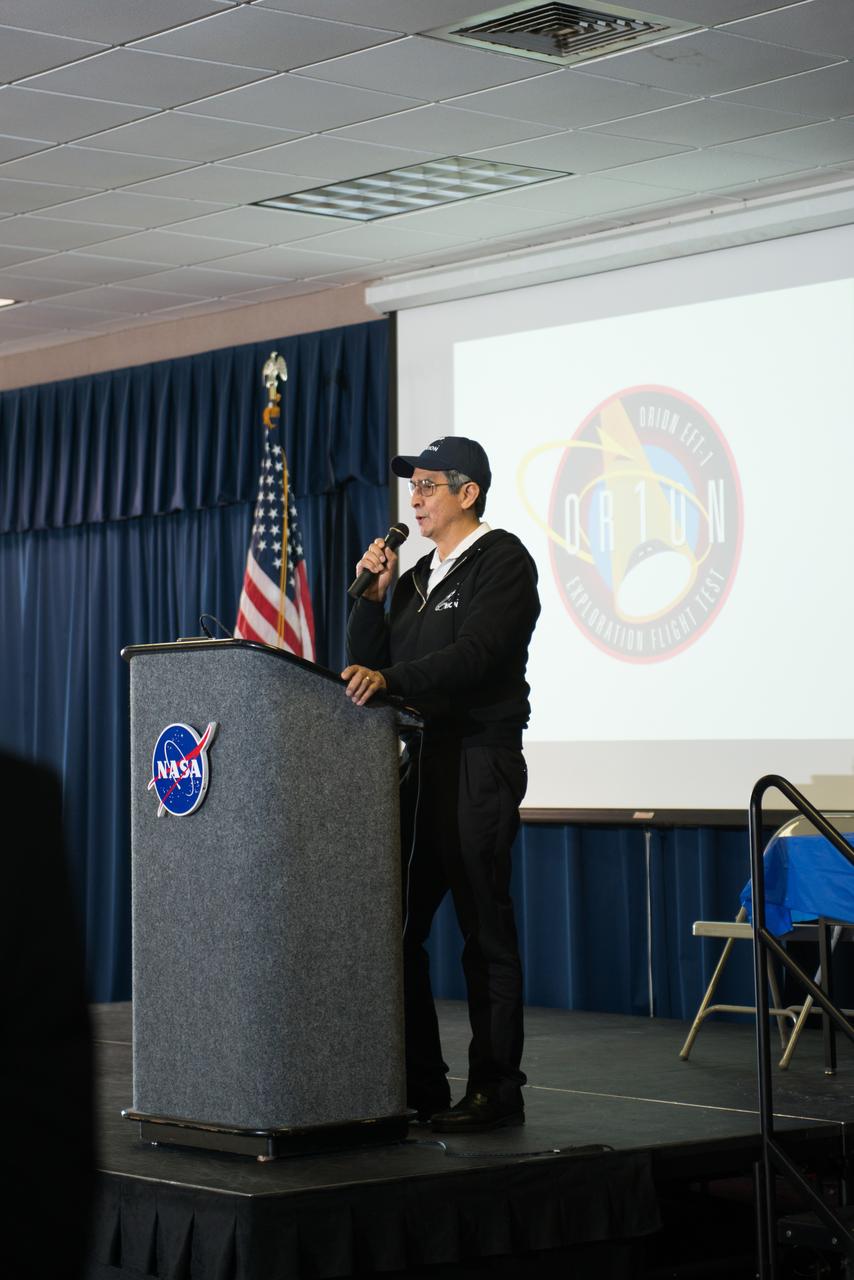
Michoud Assembly Facility Orion Program Event
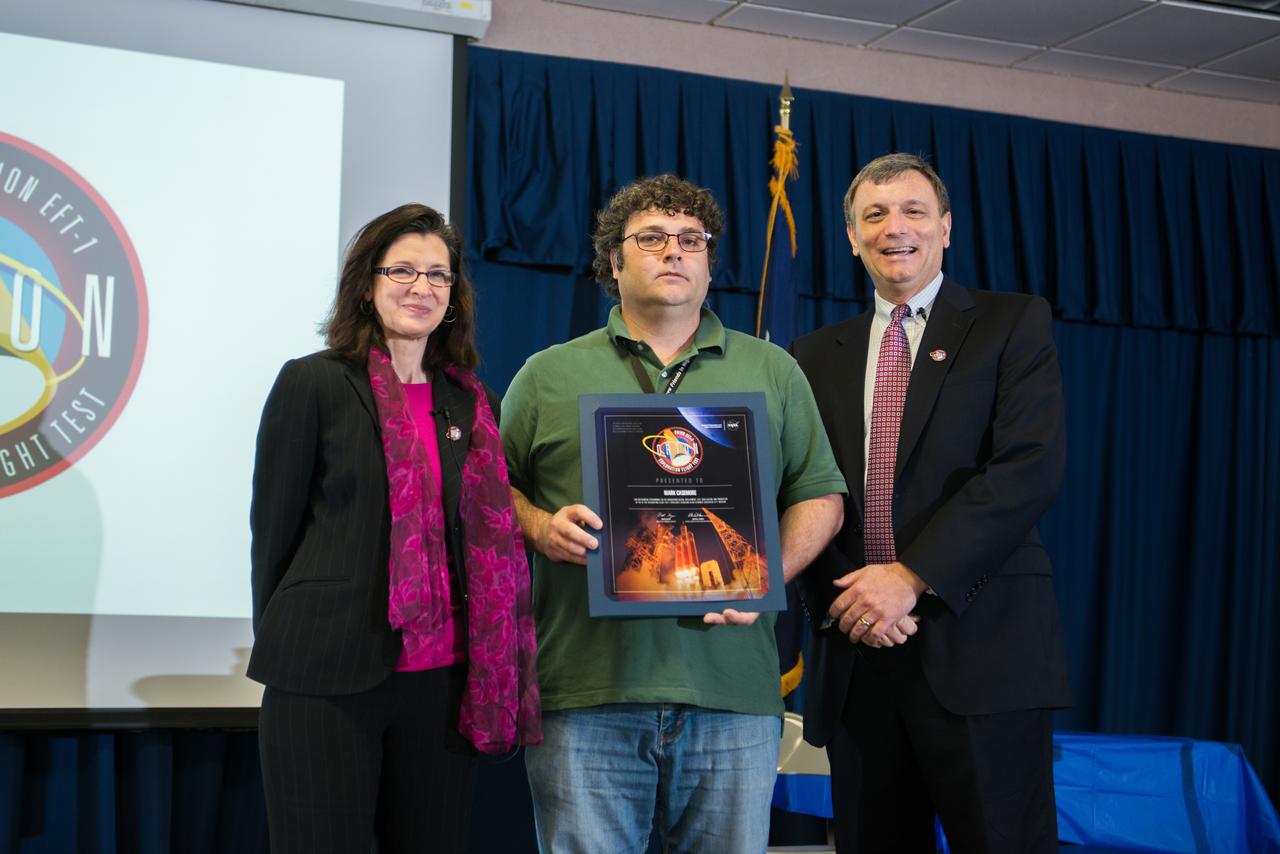
Michoud Assembly Facility Orion Program Event
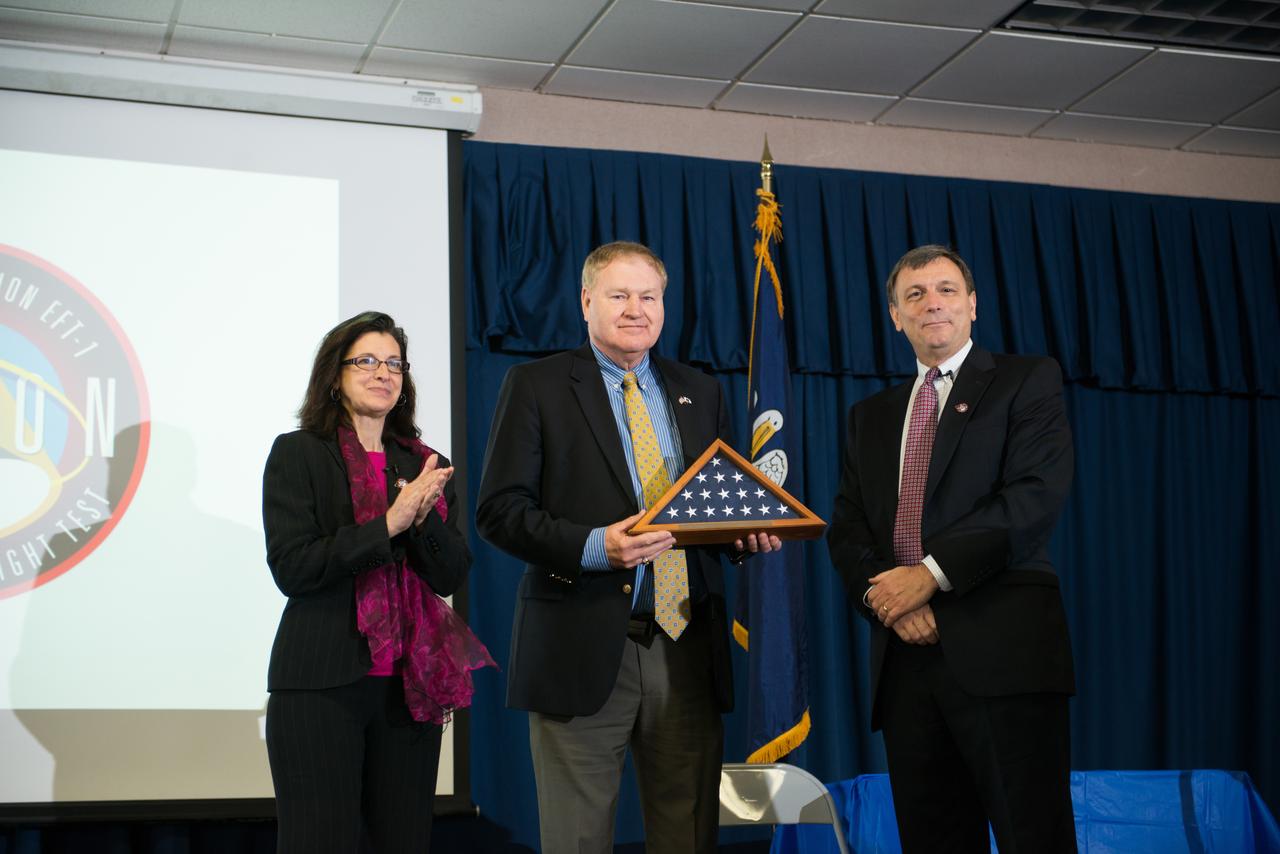
Michoud Assembly Facility Orion Program Event
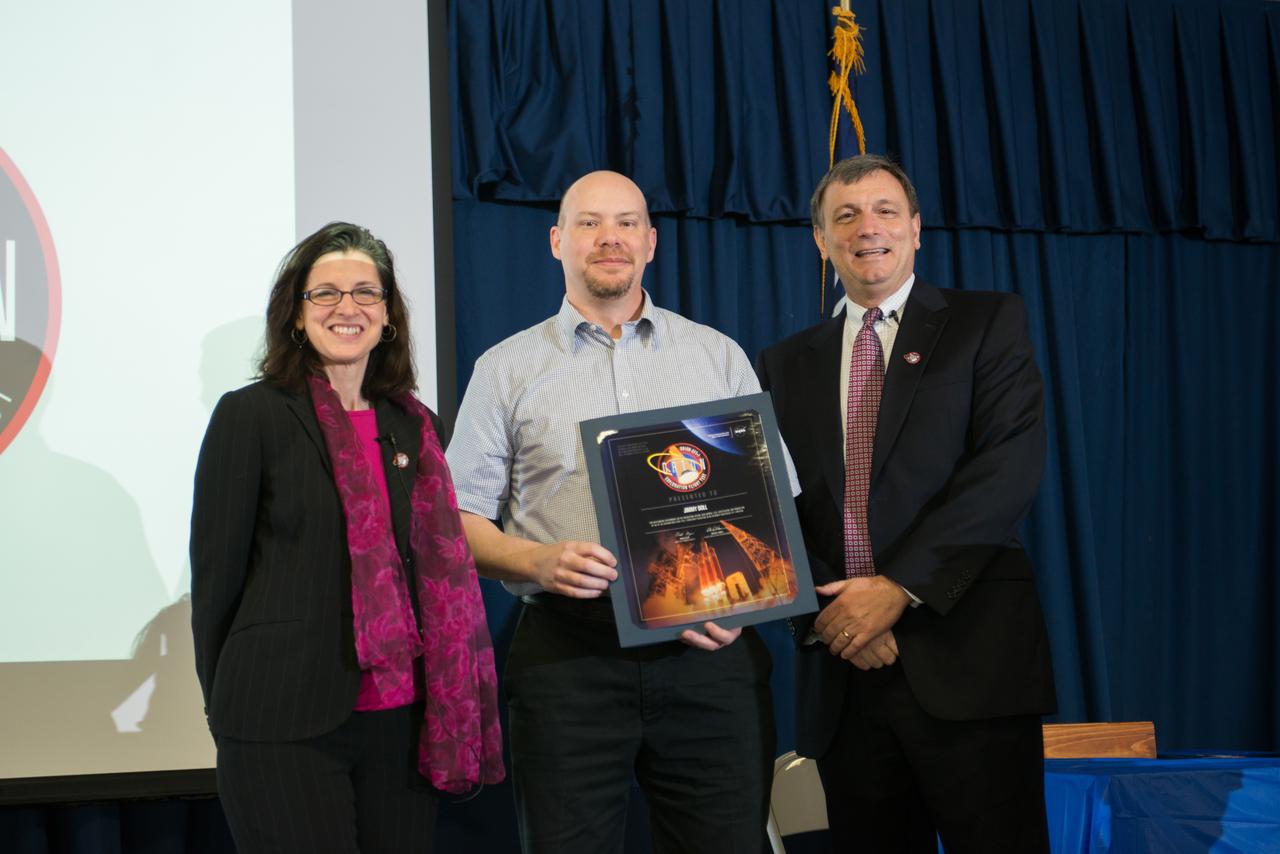
Michoud Assembly Facility Orion Program Event
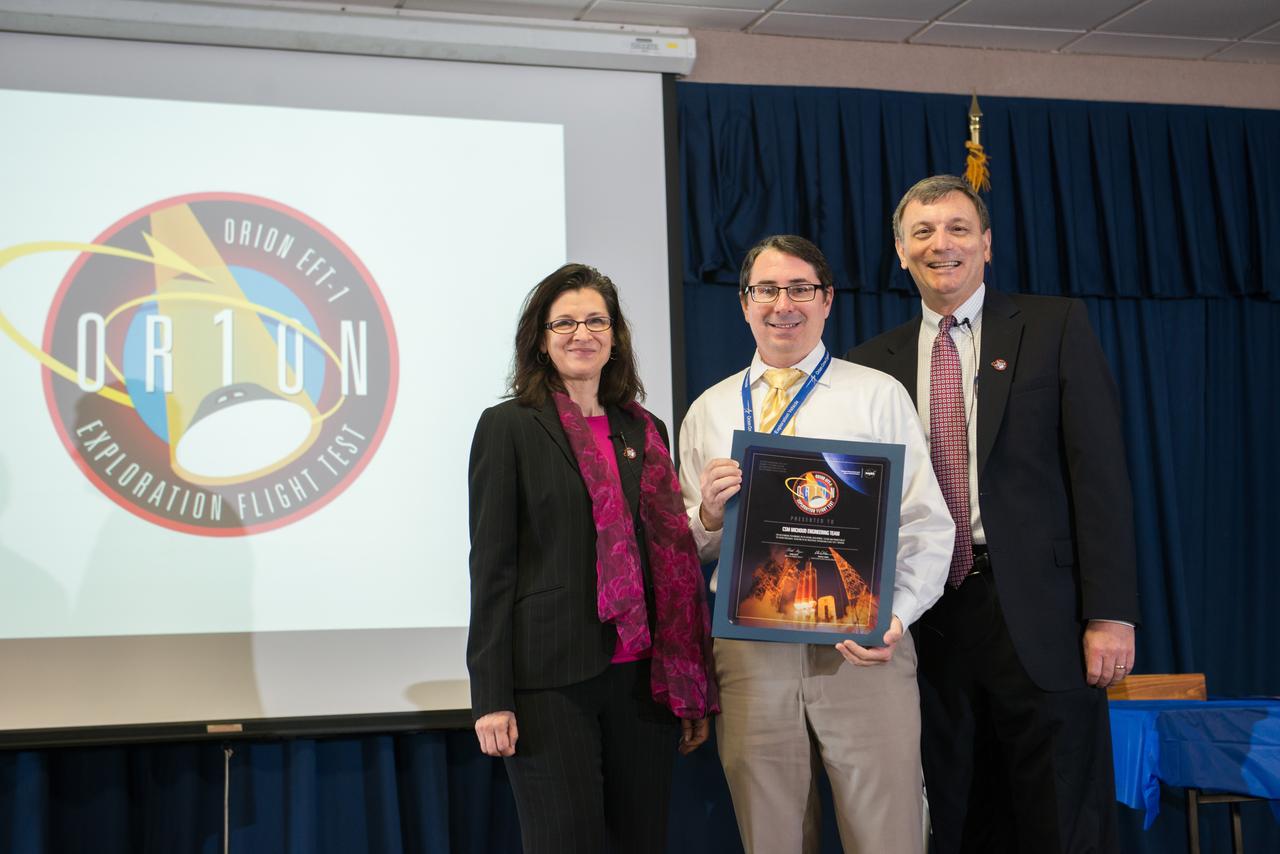
Michoud Assembly Facility Orion Program Event
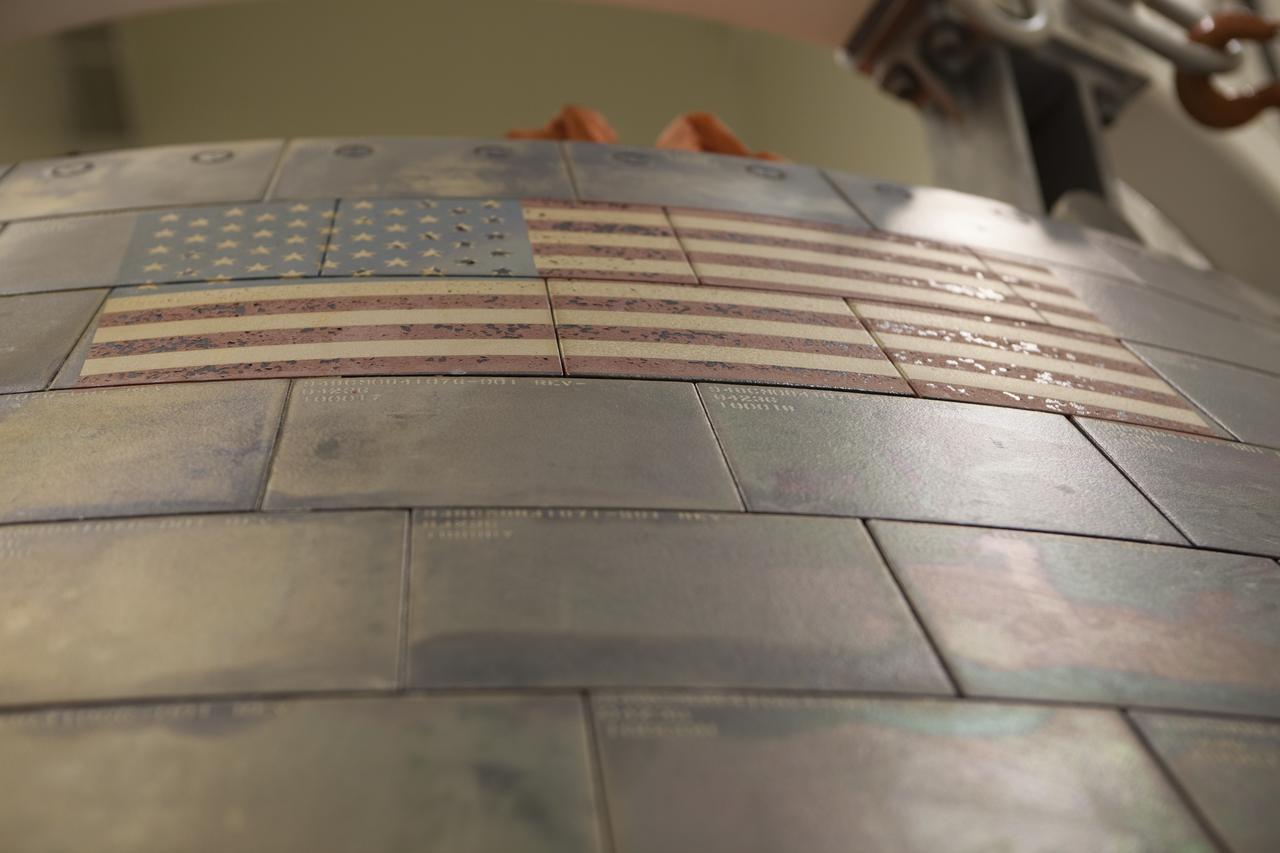
The U.S. Flag is in view on NASA's Orion spacecraft inside the Launch Abort System Facility at NASA's Kennedy Space Center in Florida during a media event. Orion made the 8-day, 2,700 mile overland trip back to Kennedy from Naval Base San Diego in California. Analysis of date obtained during its two-orbit, four-and-a-half hour mission Dec. 5 will provide engineers with detailed information on how the spacecraft fared. The Ground Systems Development and Operations Program led the recovery, offload and transportation efforts.
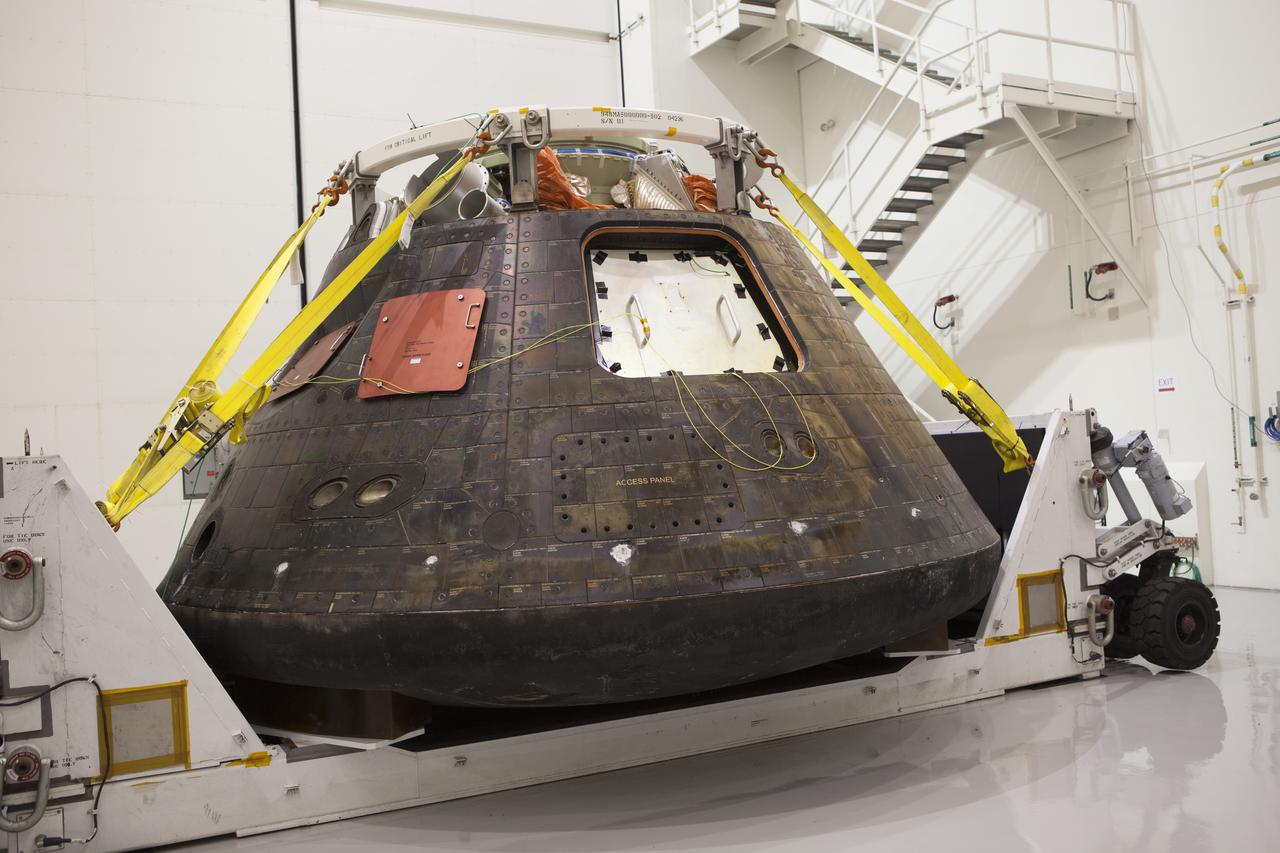
NASA's Orion spacecraft has been uncrated and is inside the Launch Abort System Facility at NASA's Kennedy Space Center in Florida during a media event. Orion made the 8-day, 2,700 mile overland trip back to Kennedy from Naval Base San Diego in California. Analysis of date obtained during its two-orbit, four-and-a-half hour mission Dec. 5 will provide engineers detailed information on how the spacecraft fared. The Ground Systems Development and Operations Program led the recovery, offload and transportation efforts.
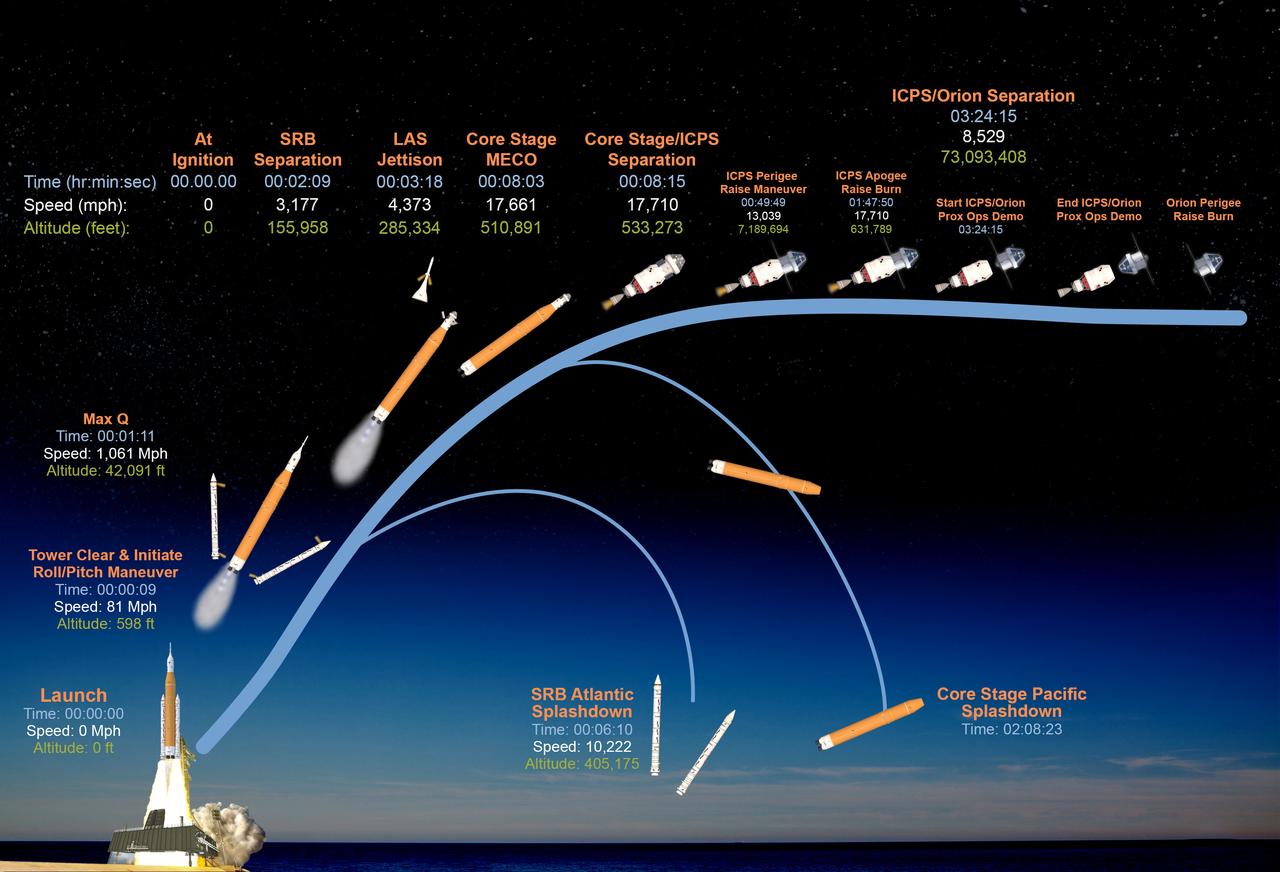
This graphic shows the time, speed, and altitude of key events from launch of the SLS (Space Launch System) rocket and Orion spacecraft and ascent to space, through Orion's perigee raise burn during the Artemis II test flight.
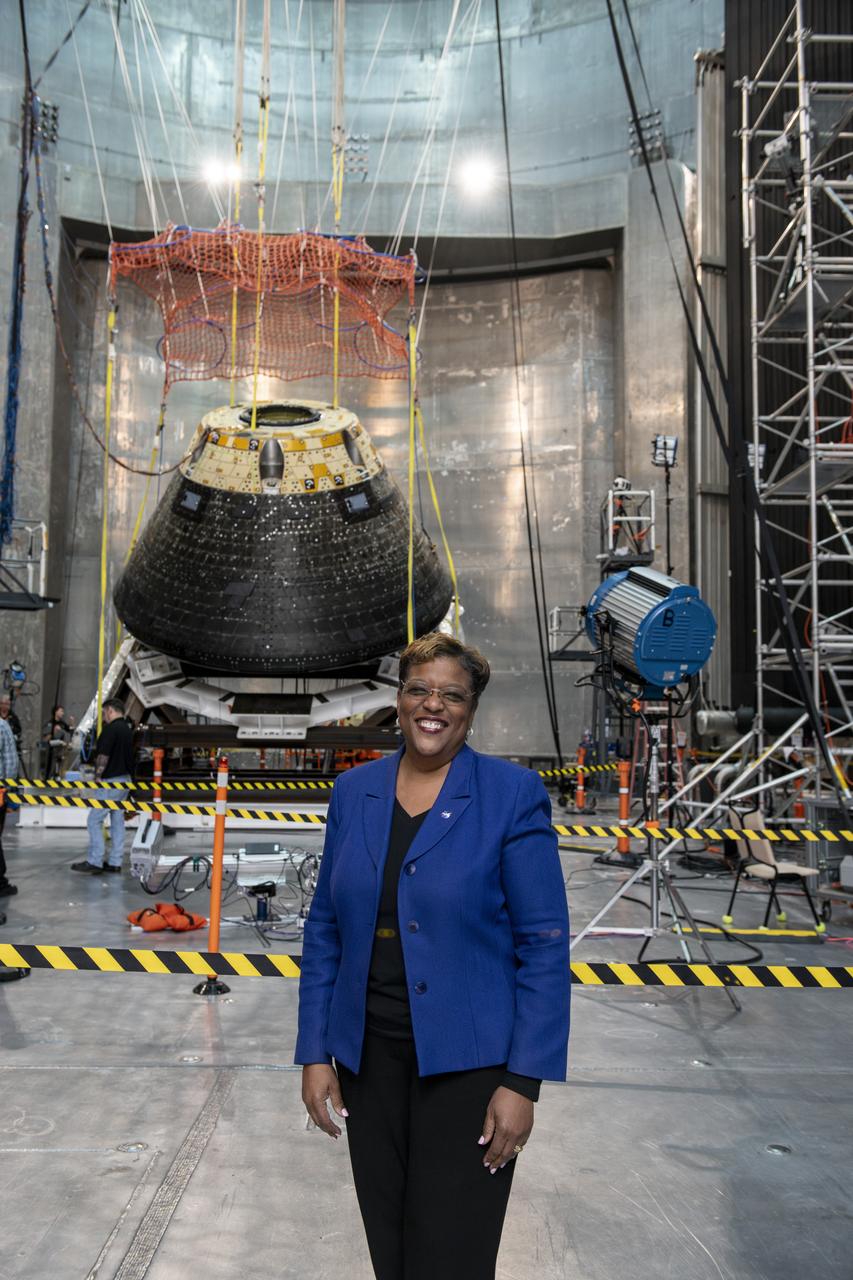
Acting Deputy Center Director Dr. Wanda Peters Poses in front of the Orion Capsule. Employees supporting Artemis were invited to attend an appreciation event, “The Road to the Moon,” at Armstrong Test Facility in Sandusky, Ohio. On Thursday, Nov. 21, please join NASA employees and support service contractors for Artemis Friends and Family Day. Employees had the opportunity to hear from center leadership and see the Orion module that flew around the Moon and back during 2022’s Artemis I mission. Lockheed Martin presented an article flown on Artemis I to Robert Overy. Experts have subjected the spacecraft to extreme conditions in Armstrong’s test facilities. This significant testing is slated to wrap up in December, and we want to give you a chance to see the capsule before the conclusion of the test campaign. Photo Credit: (NASA/Sara Lowthian-Hanna)
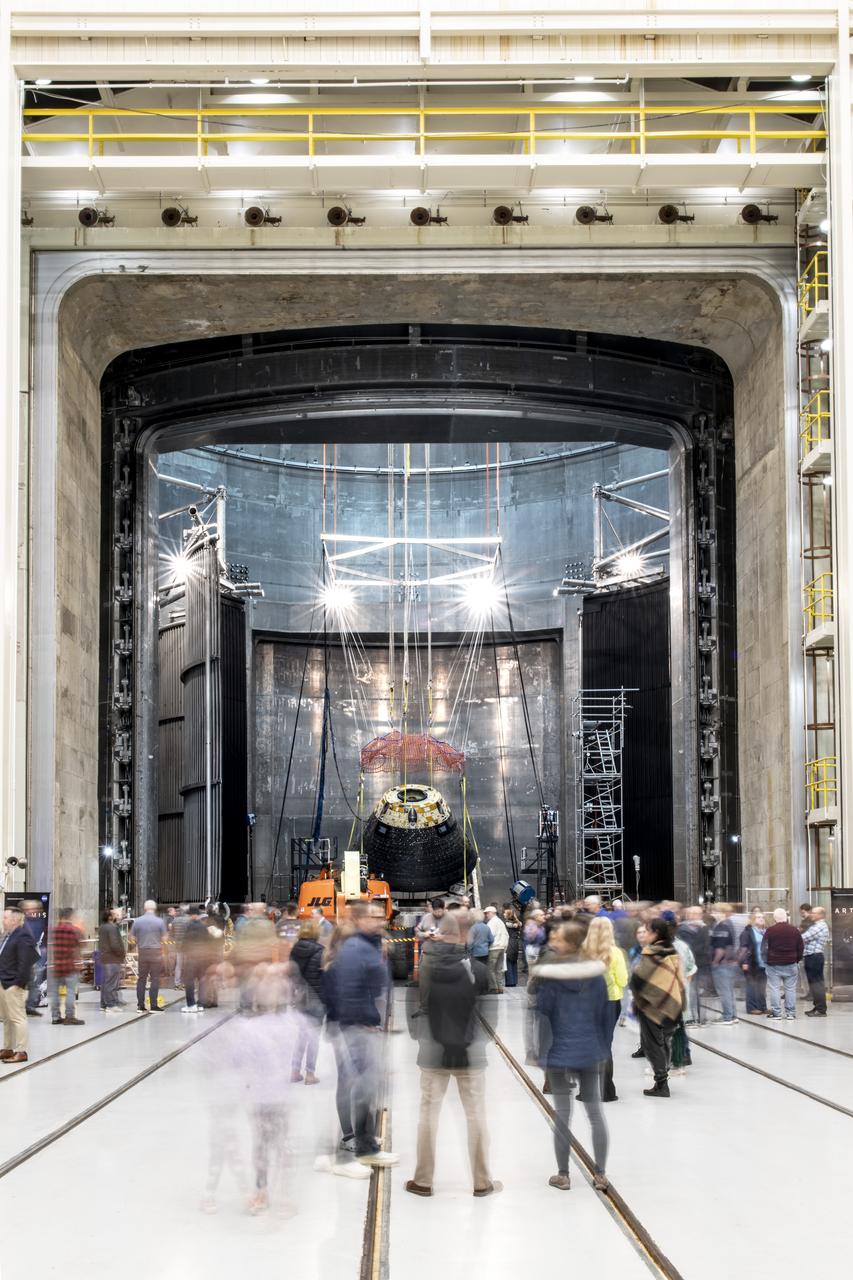
Employees supporting Artemis were invited to attend an appreciation event, “The Road to the Moon,” at Armstrong Test Facility in Sandusky, Ohio. On Thursday, Nov. 21, please join NASA employees and support service contractors for Artemis Friends and Family Day. Employees had the opportunity to hear from center leadership and see the Orion module that flew around the Moon and back during 2022’s Artemis I mission. Lockheed Martin presented an article flown on Artemis I to Robert Overy. Experts have subjected the spacecraft to extreme conditions in Armstrong’s test facilities. This significant testing is slated to wrap up in December, and we want to give you a chance to see the capsule before the conclusion of the test campaign. Photo Credit: (NASA/Sara Lowthian-Hanna)
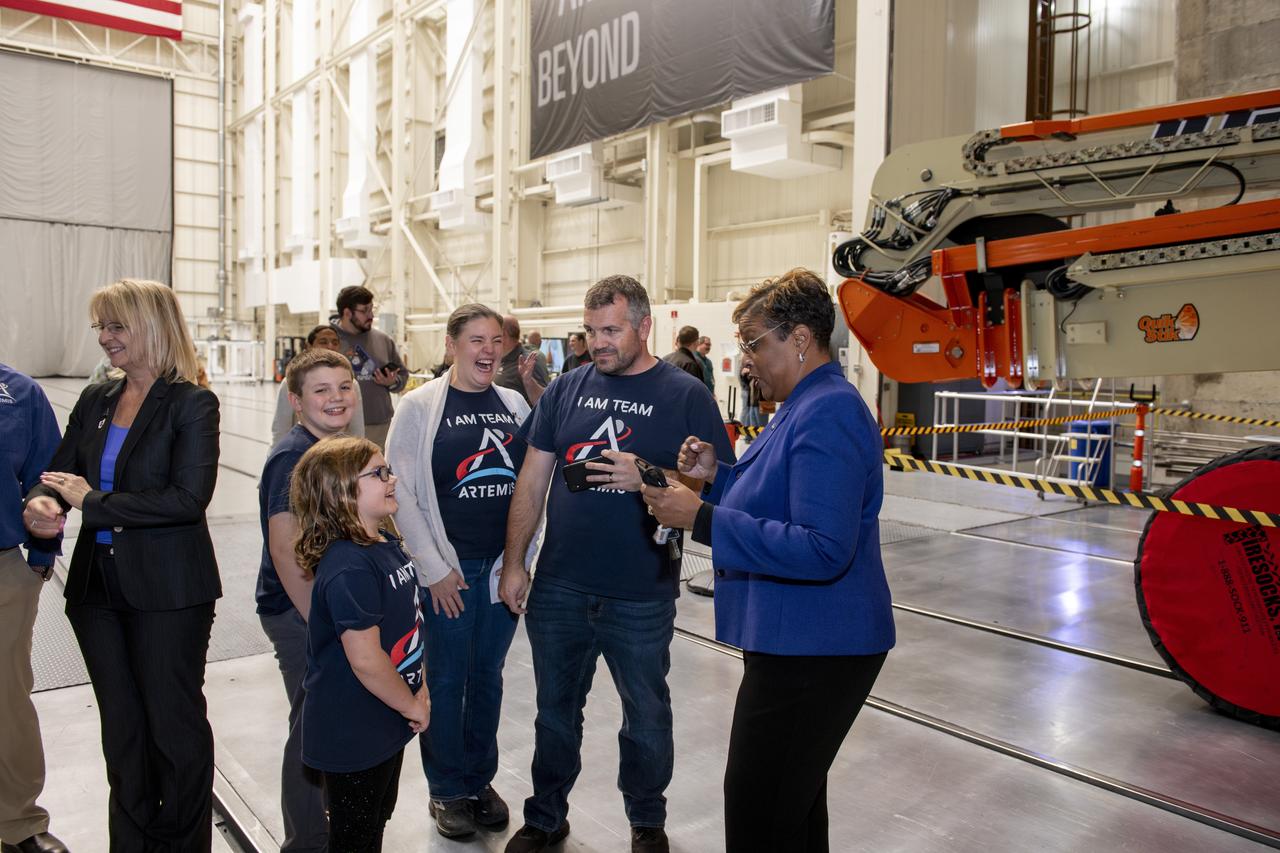
On Thursday, Nov. 21, employees supporting Artemis were invited to attend an appreciation event, “The Road to the Moon,” at Armstrong Test Facility in Sandusky, Ohio. Acting Deputy Director Dr. Wanda Peters interacts with the Hartenstine Family. NASA employees and support service contractors for Artemis Friends and Family Day had the opportunity to hear from center leadership and see the Orion module that flew around the Moon and back during 2022’s Artemis I mission. Photo Credit: (NASA/Sara Lowthian-Hanna)
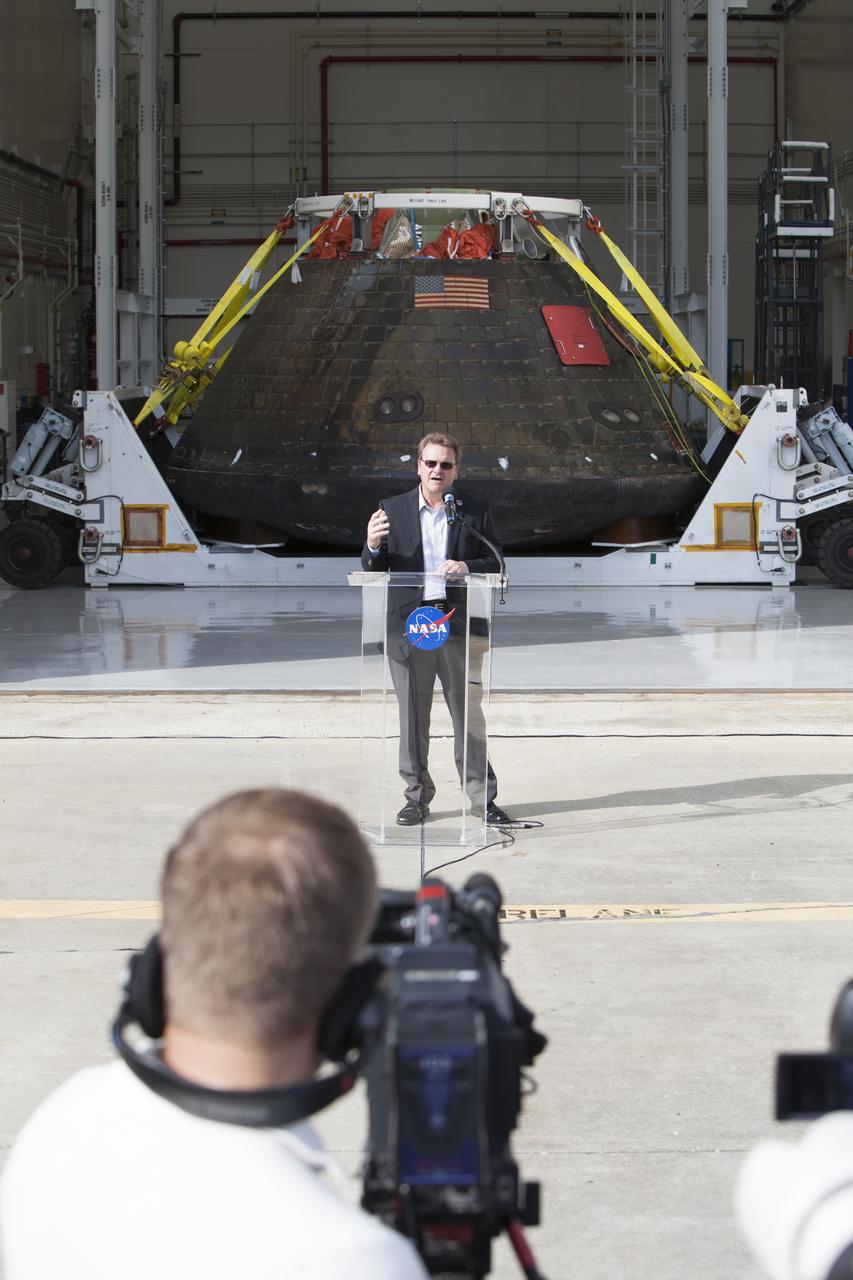
Lockheed Martin Manager Jules Schneider speaks to members of the media during a viewing of NASA's Orion spacecraft at the Launch Abort System Facility at NASA's Kennedy Space Center in Florida. The spacecraft's cross-country return, a 2,700 mile road trip from Naval Base San Diego to Kennedy, sets the stage for in-depth analysis of data obtained during Orion's trip to space. It will provide engineers with detailed information on how the spacecraft fared during its two-orbit, 4.5-hour flight test, completed on Dec. 5. The Ground Systems Development and Operations Program led the recovery, offload and transportation efforts.
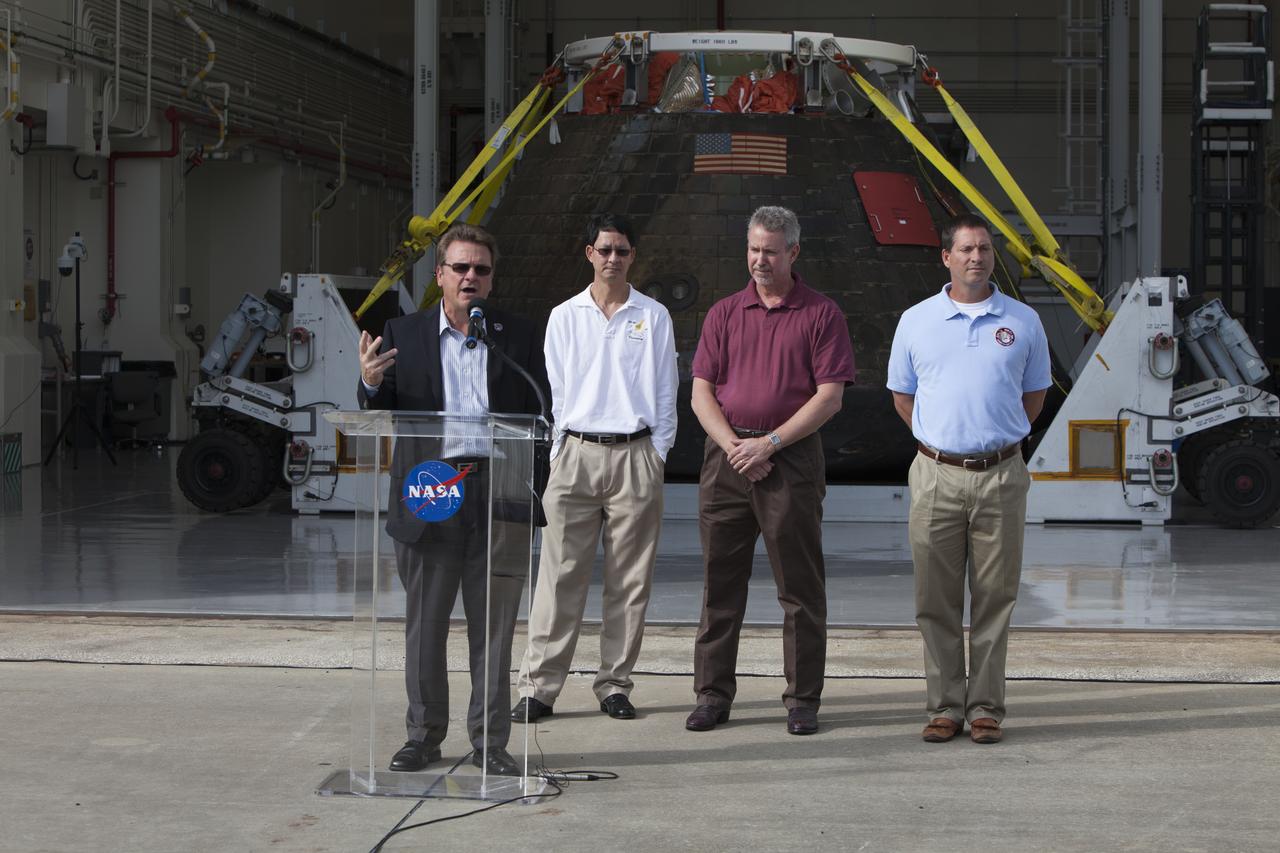
NASA's Orion spacecraft is viewed by members of the media at the Launch Abort System Facility at NASA's Kennedy Space Center in Florida. Speaking to the media during the viewing opportunity is Jules Schneider, Lockheed Martin Manager. Behind him, from left, are Glenn Chin, Orion Production Operations manager and Phil Weber and Lou Garcia, with the Ground Systems Development and Operations Program, or GSDO. Orion made the 8-day, 2,700 mile overland trip back to Kennedy from Naval Base San Diego in California. Analysis of date obtained during its two-orbit, four-and-a-half hour mission Dec. 5 will provide engineers with detailed information on how the spacecraft fared. GSDO led the recovery, offload and transportation efforts.
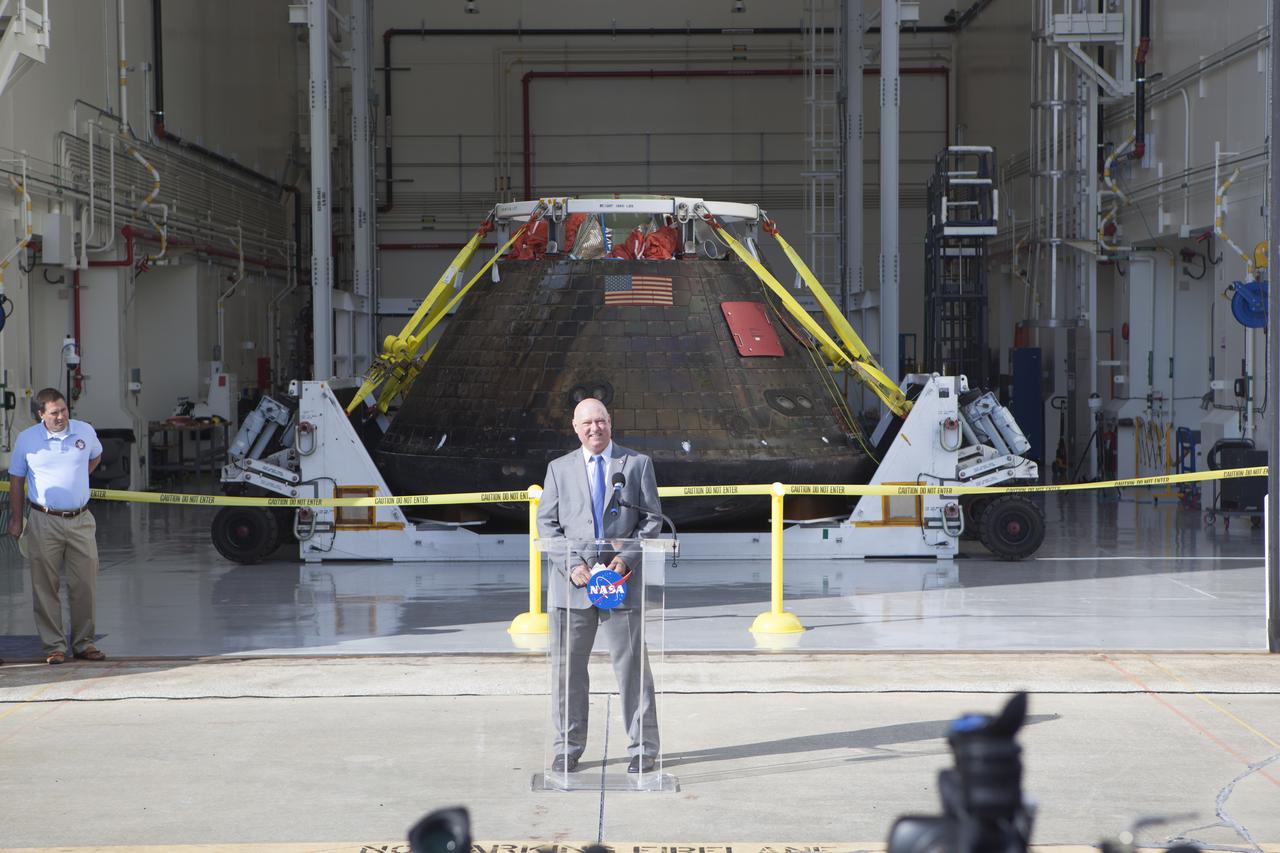
NASA's Orion spacecraft is viewed by members of the media at the Launch Abort System Facility at NASA's Kennedy Space Center in Florida. Kennedy News Chief Mike Curie speaks to the media during the viewing opportunity. Orion made the 8-day, 2,700 mile overland trip back to Kennedy from Naval Base San Diego in California. Analysis of data obtained during its two-orbit, four-and-a-half hour mission Dec. 5 will provide engineers detailed information on how the spacecraft fared. The Ground Systems Development and Operations Program led the recovery, offload and transportation efforts.
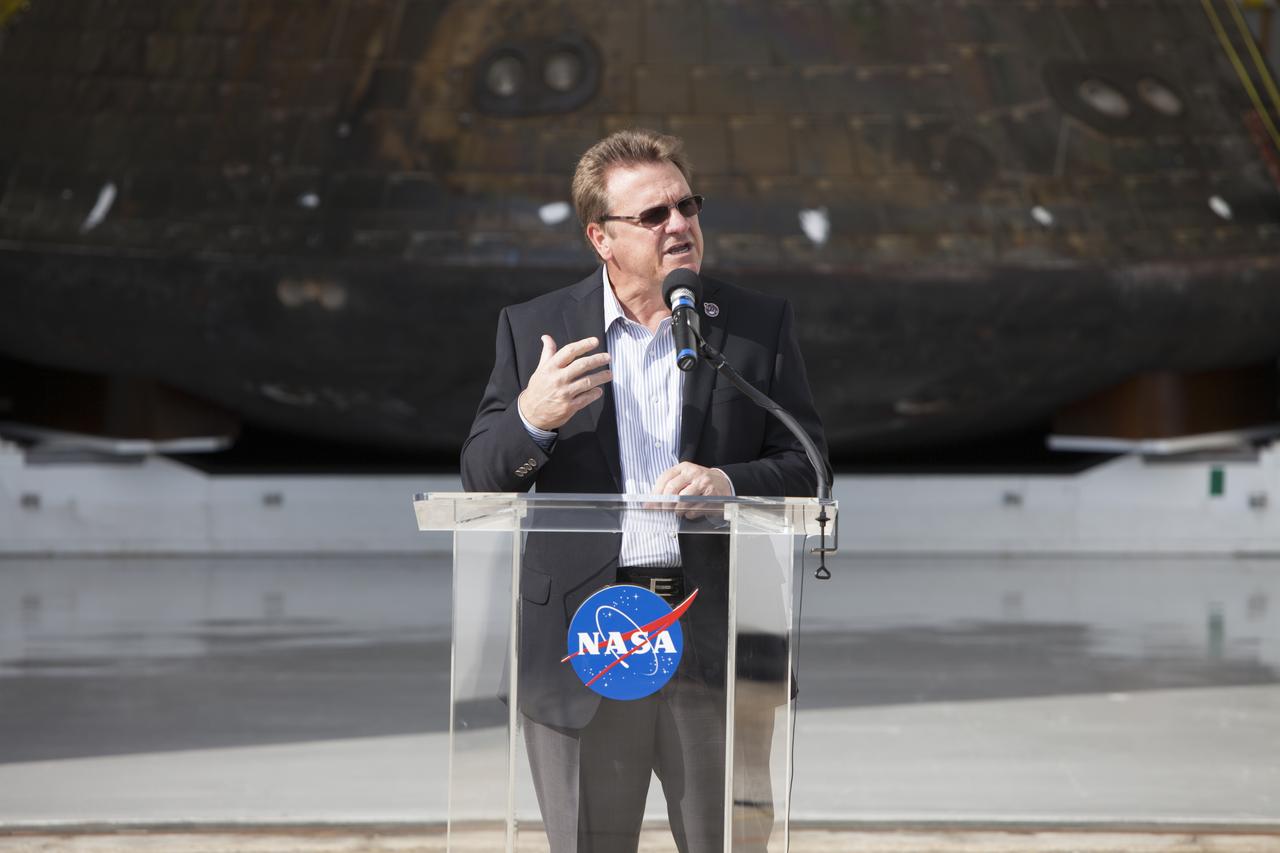
Lockheed Martin Manager Jules Schneider speaks to members of the media during a viewing of NASA's Orion spacecraft at the Launch Abort System Facility at NASA's Kennedy Space Center in Florida. The spacecraft's cross-country return, a 2,700 mile road trip from Naval Base San Diego to Kennedy, sets the stage for in-depth analysis of data obtained during Orion's trip to space. It will provide engineers with detailed information on how the spacecraft fared during its two-orbit, 4.5-hour flight test, completed on Dec. 5. The Ground Systems Development and Operations Program led the recovery, offload and transportation efforts.
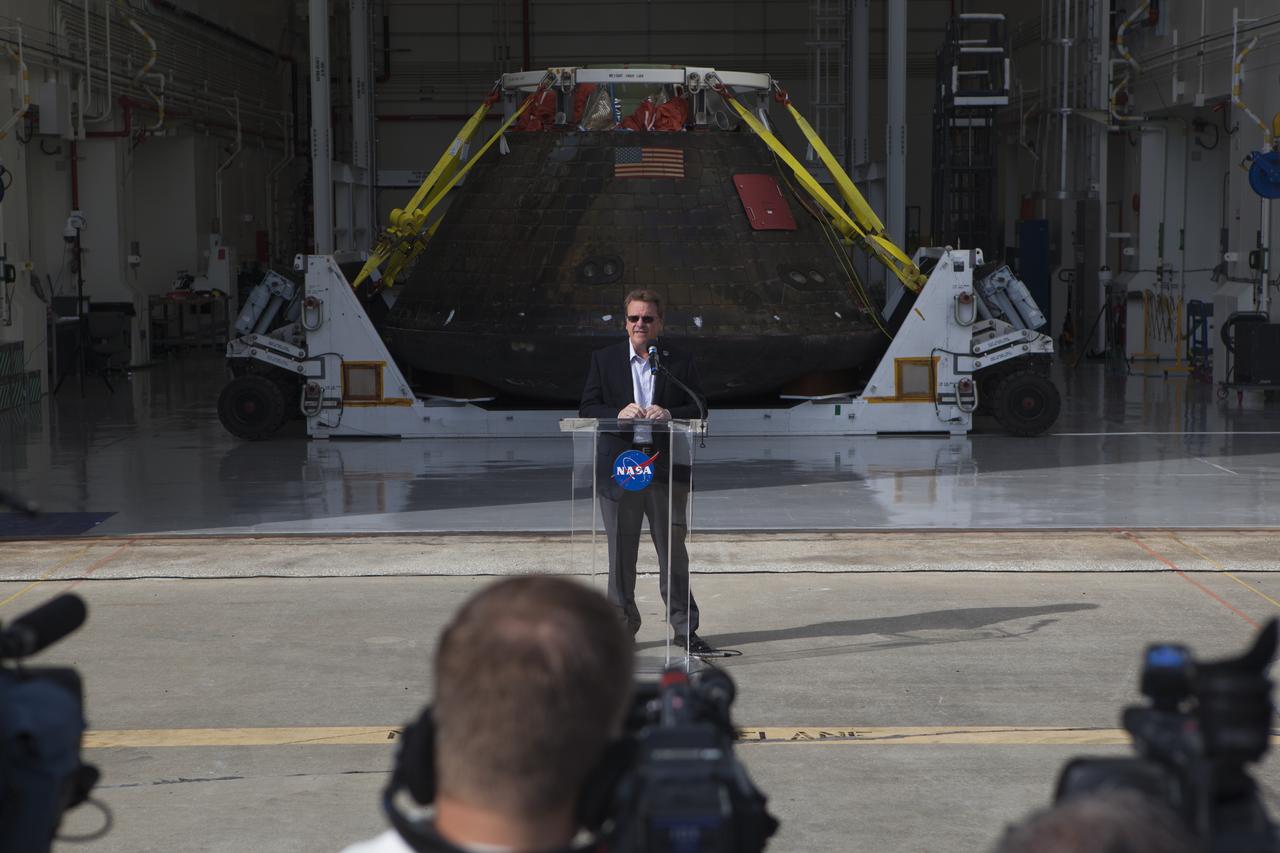
Lockheed Martin Manager Jules Schneider speaks to members of the media during a viewing of NASA's Orion spacecraft at the Launch Abort System Facility at NASA's Kennedy Space Center in Florida. The spacecraft's cross-country return, a 2,700 mile road trip from Naval Base San Diego to Kennedy, sets the stage for in-depth analysis of data obtained during Orion's trip to space. It will provide engineers detailed information on how the spacecraft fared during its two-orbit, 4.5-hour flight test, completed on Dec. 5. The Ground Systems Development and Operations Program led the recovery, offload and transportation efforts.

NASA's Orion spacecraft is viewed by members of the media at the Launch Abort System Facility at NASA's Kennedy Space Center in Florida. Lou Garcia, with the Ground Systems Development and Operations Program, or GSDO, speaks to the media during the viewing opportunity. The spacecraft's cross-country return, a 2,700 mile road trip from Naval Base San Diego to Kennedy, sets the stage for in-depth analysis of data obtained during Orion's trip to space. It will provide engineers with detailed information on how the spacecraft fared during its two-orbit, 4.5-hour flight test, completed on Dec. 5. GSDO led the recovery, offload and transportation efforts.
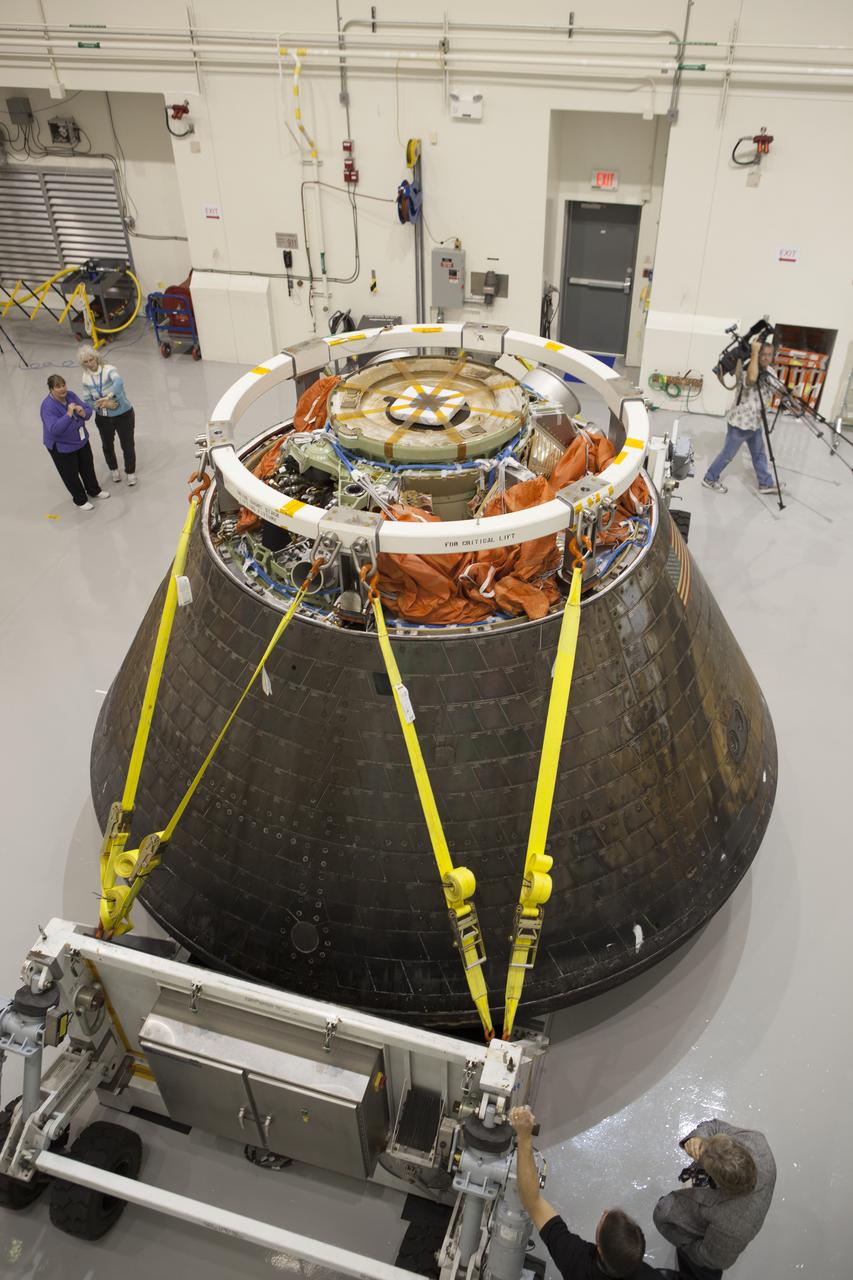
NASA's Orion spacecraft is viewed by members of the media at the Launch Abort System Facility at NASA's Kennedy Space Center in Florida. Orion made the 8-day, 2,700 mile overland trip back to Kennedy from Naval Base San Diego in California. Analysis of date obtained during its two-orbit, four-and-a-half hour mission Dec. 5 will provide engineers with detailed information on how the spacecraft fared. The Ground Systems Development and Operations Program led the recovery, offload and transportation efforts.
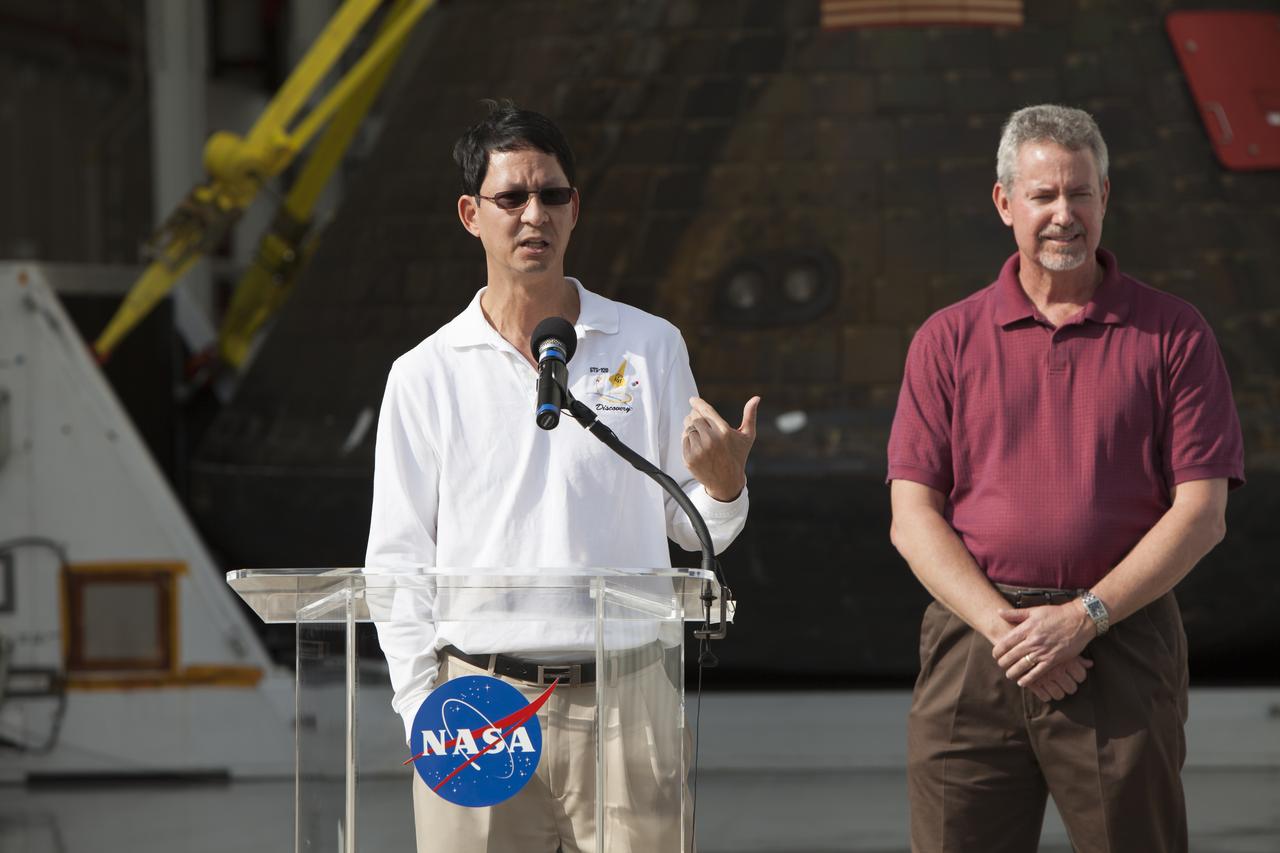
NASA's Orion spacecraft is viewed by members of the media at the Launch Abort System Facility at NASA's Kennedy Space Center in Florida. Speaking to the media during the viewing opportunity is Glenn Chin, Orion Production Operations. To his right is Phil Weber, with the Ground Systems Development and Operations Program, or GSDO. Orion made the 8-day, 2,700 mile overland trip back to Kennedy from Naval Base San Diego in California. Analysis of date obtained during its two-orbit, four-and-a-half hour mission Dec. 5 will provide engineers with detailed information on how the spacecraft fared. GSDO led the recovery, offload and transportation efforts.
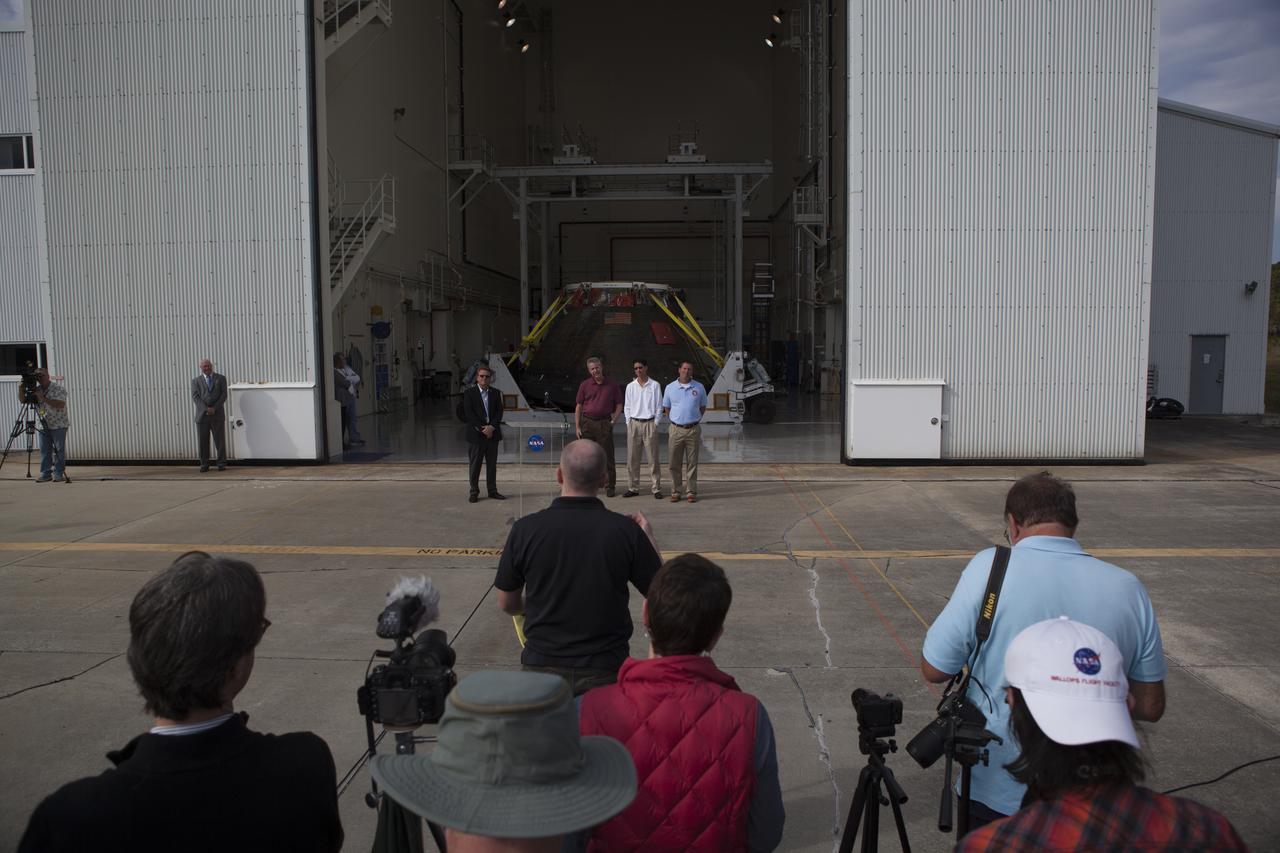
NASA's Orion spacecraft is viewed by members of the media at the Launch Abort System Facility at NASA's Kennedy Space Center in Florida. Orion made the 8-day, 2,700 mile overland trip back to Kennedy from Naval Base San Diego in California. Analysis of date obtained during its two-orbit, four-and-a-half hour mission Dec. 5 will provide engineers detailed information on how the spacecraft fared. The Ground Systems Development and Operations Program led the recovery, offload and transportation efforts.
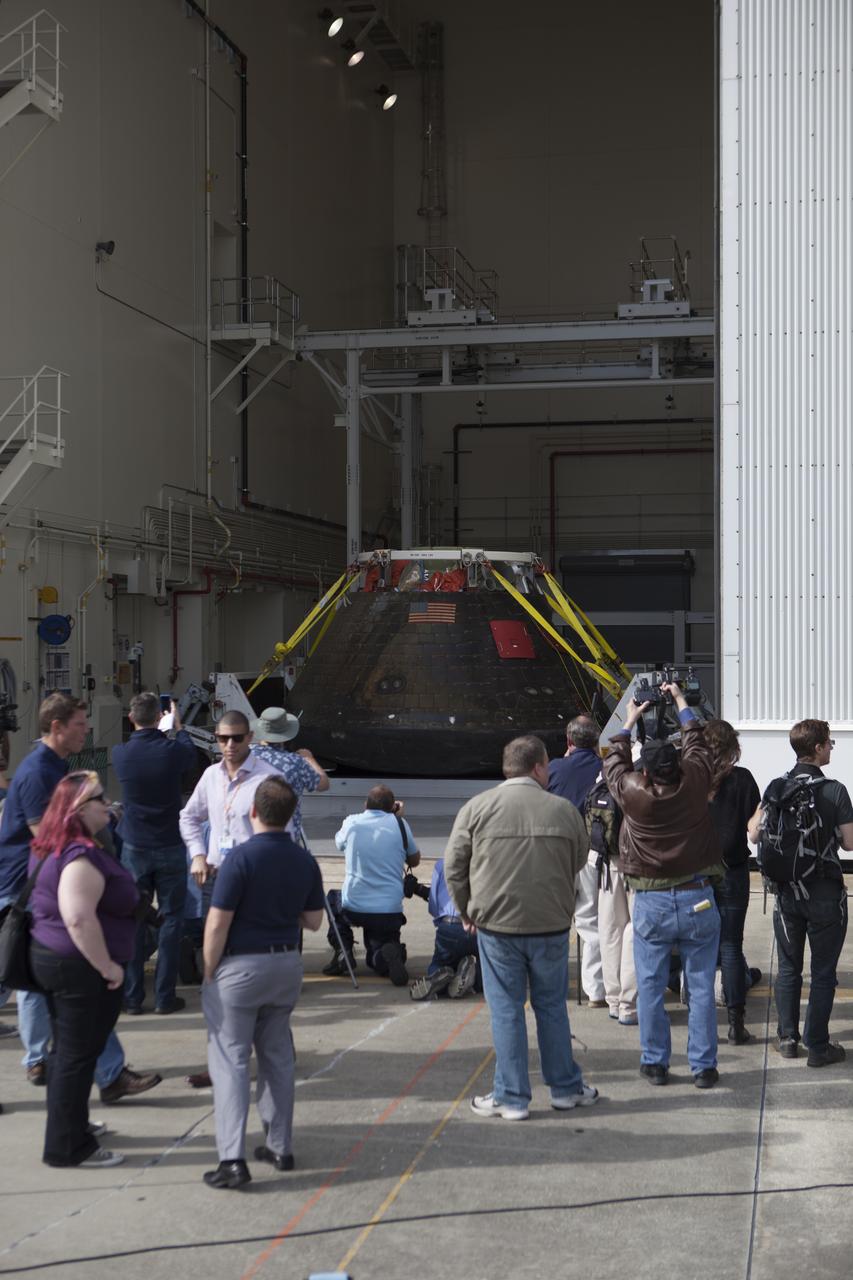
NASA's Orion spacecraft is viewed by members of the media at the Launch Abort System Facility at NASA's Kennedy Space Center in Florida. Orion made the 8-day, 2,700 mile overland trip back to Kennedy from Naval Base San Diego in California. Analysis of date obtained during its two-orbit, four-and-a-half hour mission Dec. 5 will provide engineers detailed information on how the spacecraft fared. The Ground Systems Development and Operations Program led the recovery, offload and transportation efforts.
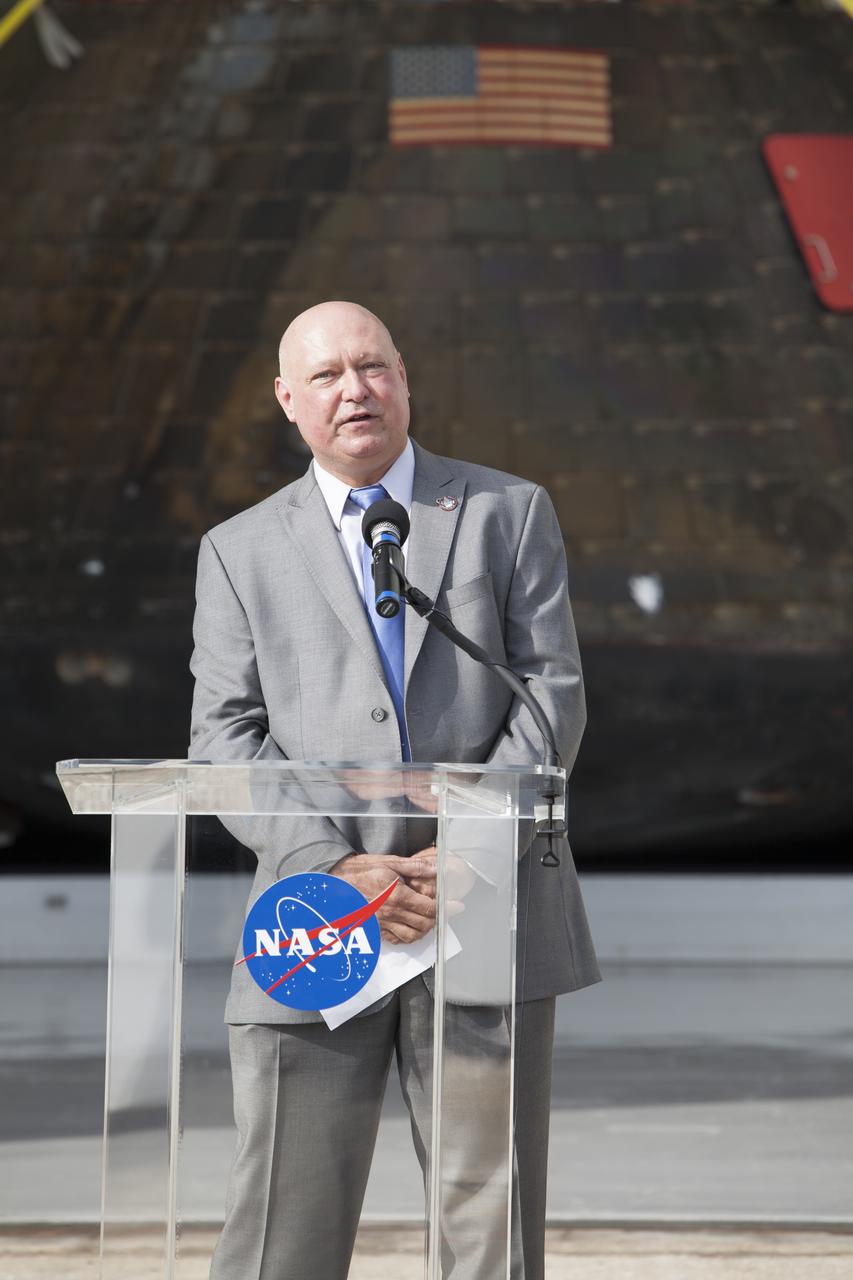
NASA's Orion spacecraft is viewed by members of the media at the Launch Abort System Facility at NASA's Kennedy Space Center in Florida. Kennedy News Chief Mike Curie speaks to the media during the viewing opportunity. Orion made the 8-day, 2,700 mile overland trip back to Kennedy from Naval Base San Diego in California. Analysis of date obtained during its two-orbit, four-and-a-half hour mission Dec. 5 will provide engineers with detailed information on how the spacecraft fared. The Ground Systems Development and Operations Program led the recovery, offload and transportation efforts.
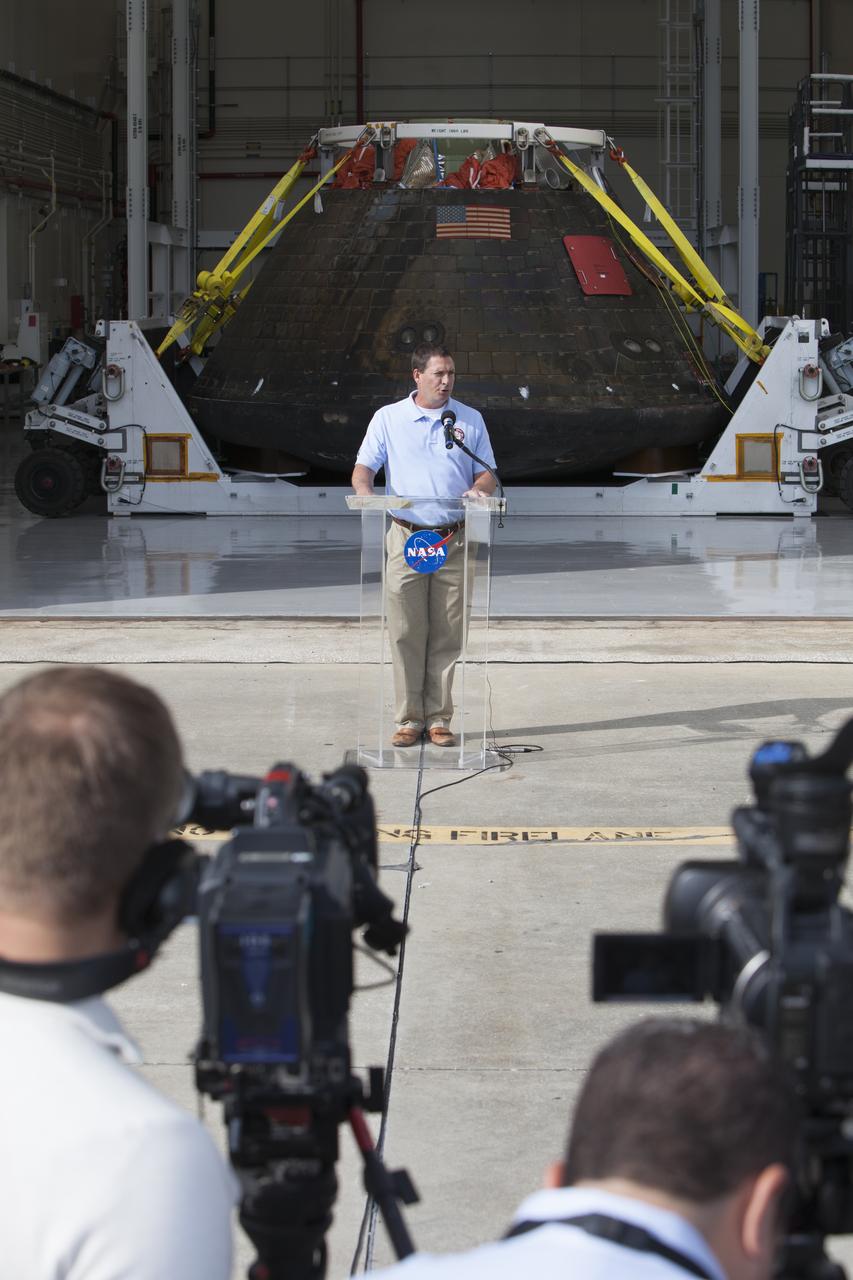
NASA's Orion spacecraft is viewed by members of the media at the Launch Abort System Facility at NASA's Kennedy Space Center in Florida. Lou Garcia, with the Ground Systems Development and Operations Program, or GSDO, speaks to the media during the viewing opportunity. The spacecraft's cross-country return, a 2,700 mile road trip from Naval Base San Diego to Kennedy, sets the stage for in-depth analysis of data obtained during Orion's trip to space. It will provide engineers with detailed information on how the spacecraft fared during its two-orbit, 4.5-hour flight test, completed on Dec. 5. GSDO led the recovery, offload and transportation efforts.
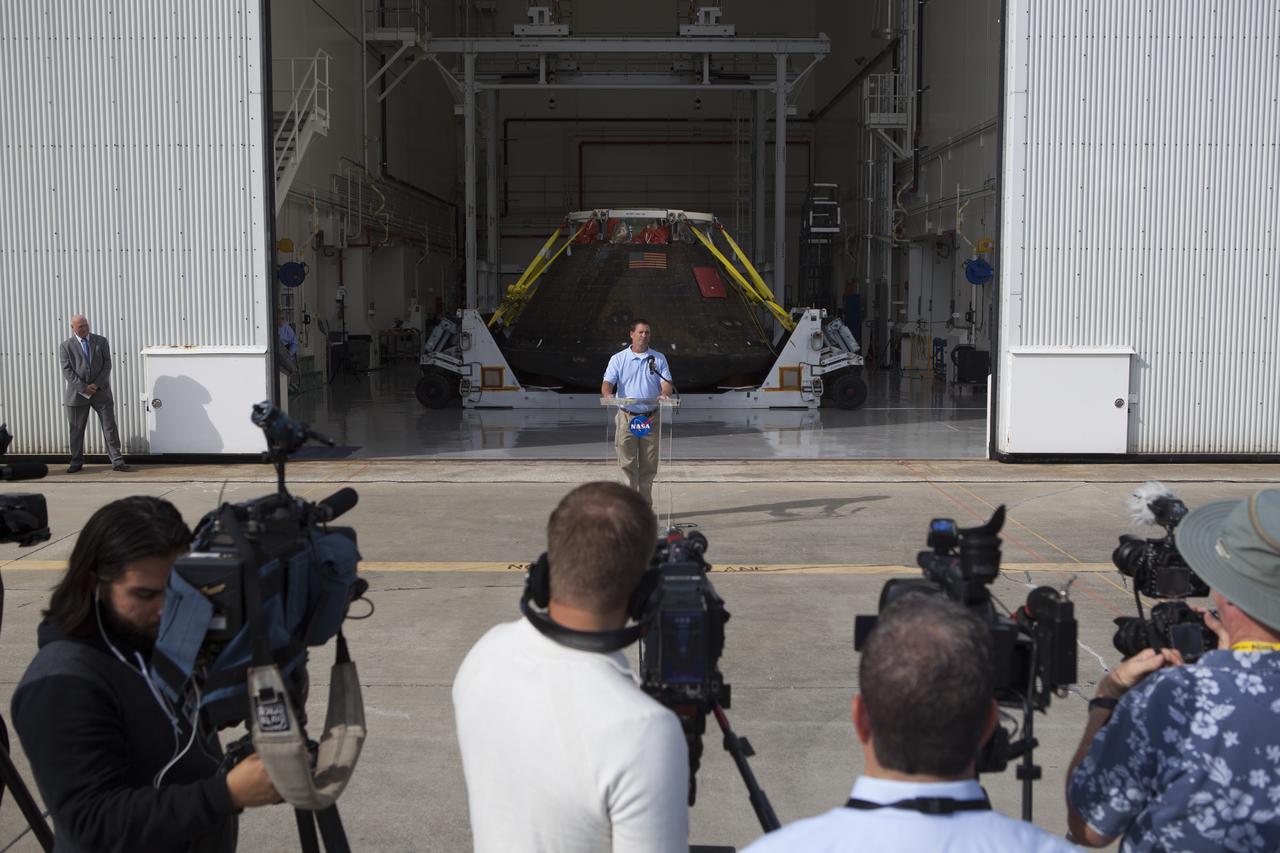
NASA's Orion spacecraft is viewed by members of the media at the Launch Abort System Facility at NASA's Kennedy Space Center in Florida. Lou Garcia, with the Ground Systems Development and Operations Program, or GSDO, speaks to the media during the viewing opportunity. The spacecraft's cross-country return, a 2,700 mile road trip from Naval Base San Diego to Kennedy, sets the stage for in-depth analysis of data obtained during Orion's trip to space. It will provide engineers with detailed information on how the spacecraft fared during its two-orbit, 4.5-hour flight test, completed on Dec. 5. GSDO led the recovery, offload and transportation efforts.
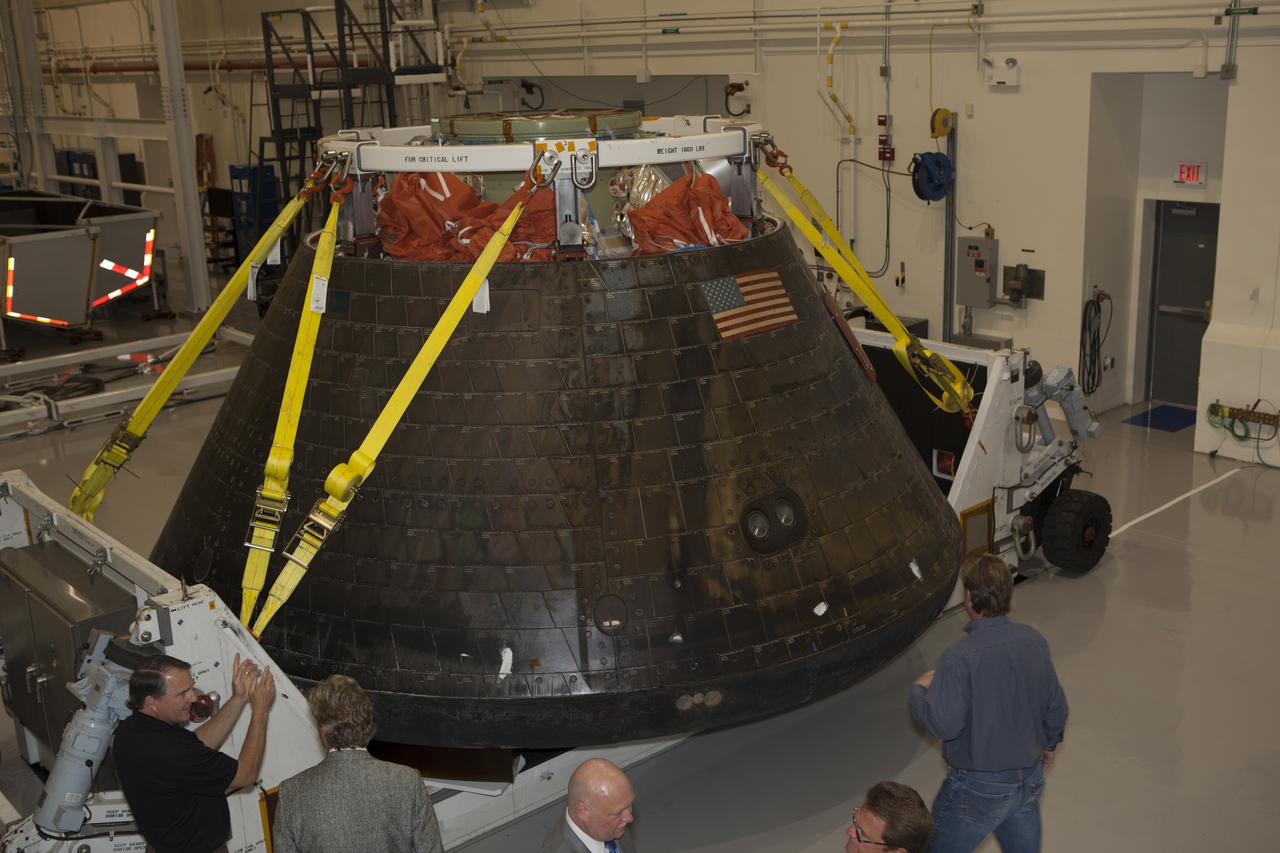
NASA's Orion spacecraft is viewed by members of the media at the Launch Abort System Facility at NASA's Kennedy Space Center in Florida. Orion made the 8-day, 2,700 mile overland trip back to Kennedy from Naval Base San Diego in California. Analysis of date obtained during its two-orbit, four-and-a-half hour mission Dec. 5 will provide engineers detailed information on how the spacecraft fared. The Ground Systems Development and Operations Program led the recovery, offload and transportation efforts.
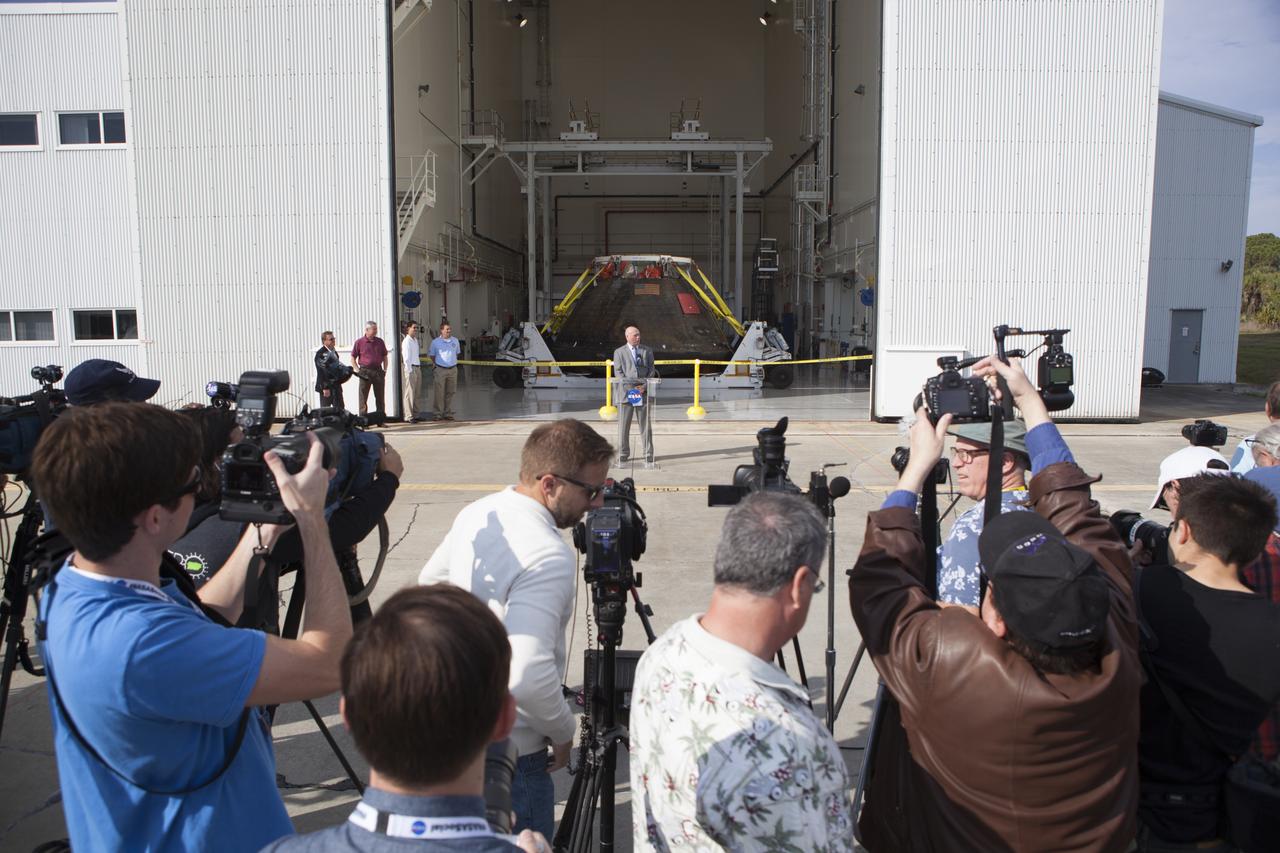
NASA's Orion spacecraft is viewed by members of the media at the Launch Abort System Facility at NASA's Kennedy Space Center in Florida. Kennedy's News Chief Mike Curie speaks to the media during the viewing opportunity. The spacecraft's cross-country return, a 2,700 mile road trip from Naval Base San Diego to Kennedy, sets the stage for in-depth analysis of data obtained during Orion's trip to space. It will provide engineers with detailed information on how the spacecraft fared during its two-orbit, 4.5-hour flight test, completed on Dec. 5. The Ground Systems Development and Operations Program led the recovery, offload and transportation efforts.
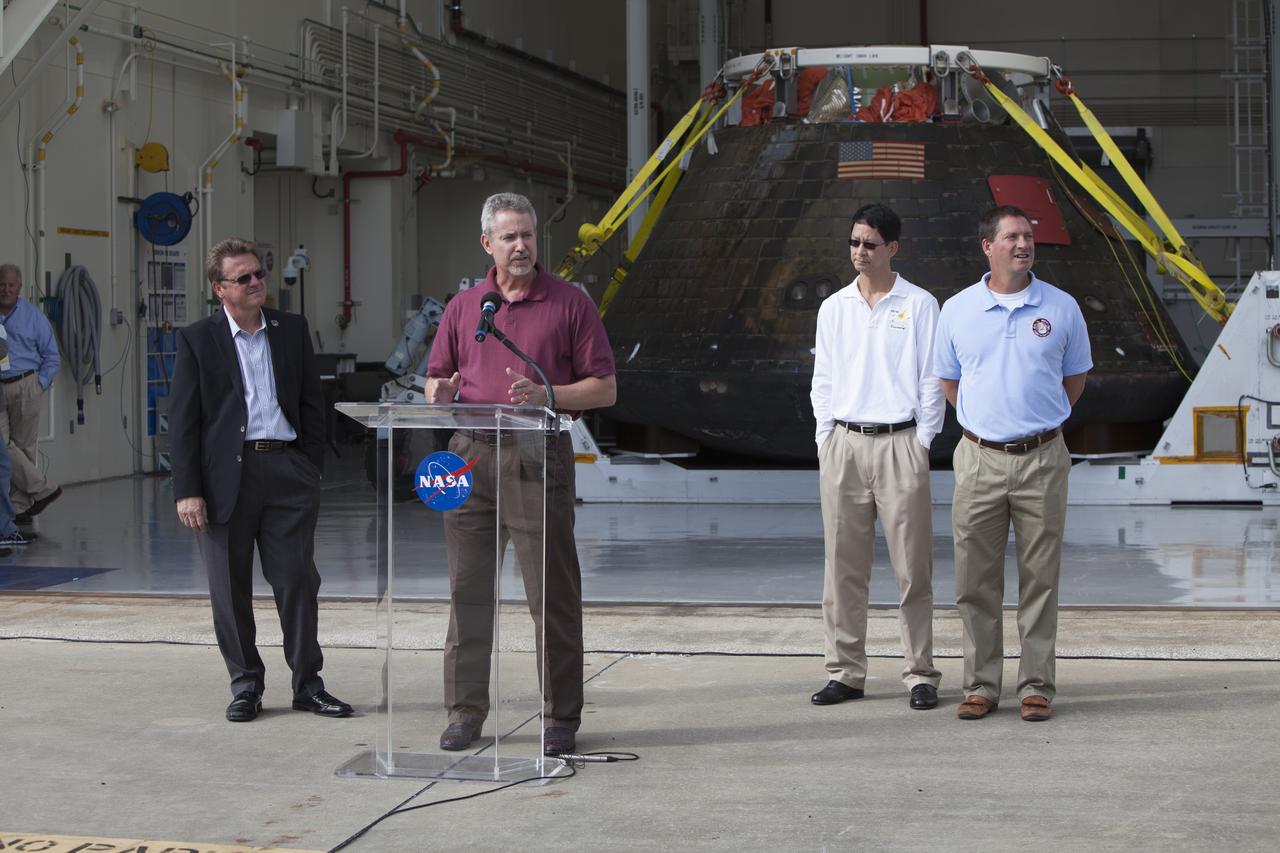
NASA's Orion spacecraft is viewed by members of the media at the Launch Abort System Facility at NASA's Kennedy Space Center in Florida. Speaking to the media during the viewing opportunity is Phil Weber, with the Ground Systems Development and Operations Program, or GSDO. At left is Jules Schneider, Lockheed Martin manager. At right is Glenn Chin, Orion Production Operations, and Lou Garcia, with GSDO. Orion made the 8-day, 2,700 mile overland trip back to Kennedy from Naval Base San Diego in California. Analysis of date obtained during its two-orbit, four-and-a-half hour mission Dec. 5 will provide engineers detailed information on how the spacecraft fared. GSDO led the recovery, offload and transportation efforts.
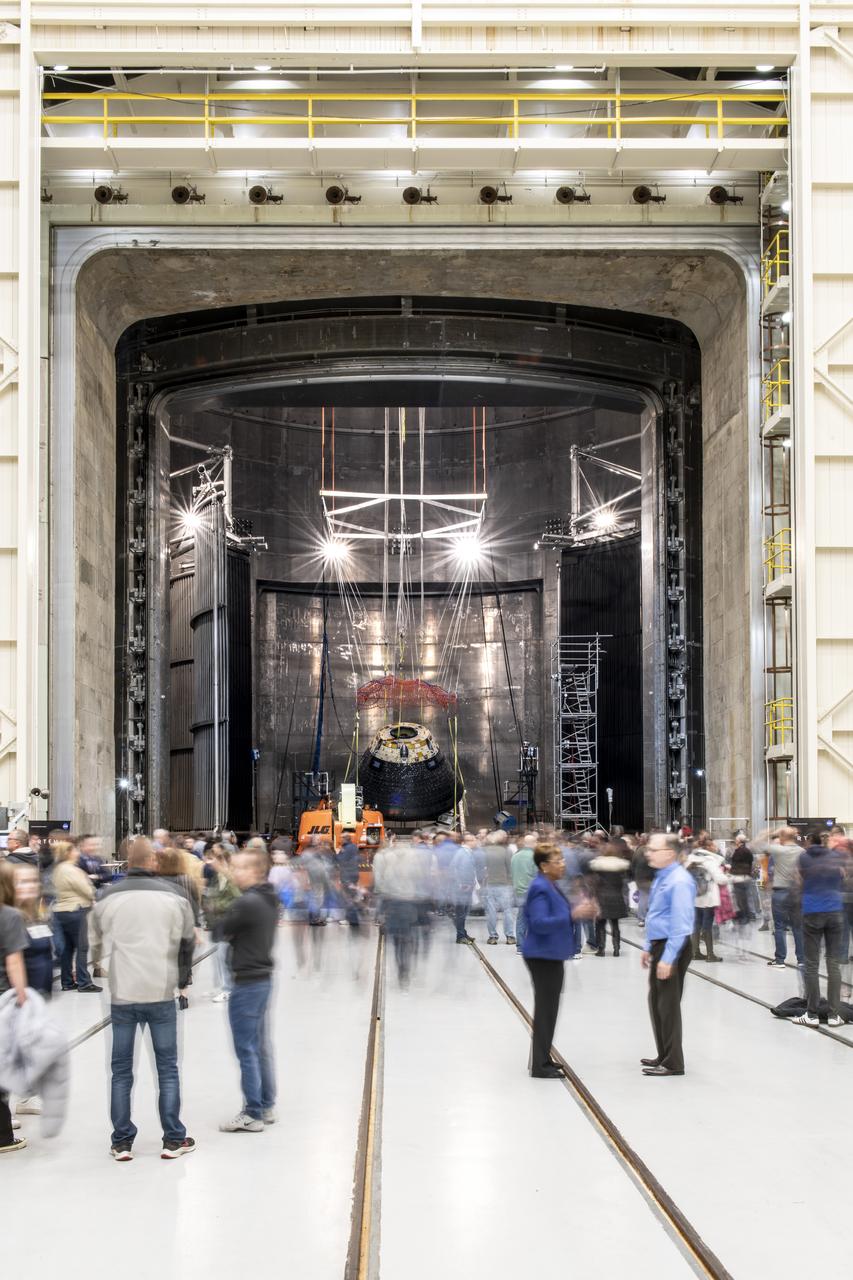
Employees supporting Artemis were invited to attend an appreciation event, “The Road to the Moon,” at Armstrong Test Facility in Sandusky, Ohio. On Thursday, Nov. 21, please join NASA employees and support service contractors for Artemis Friends and Family Day. Employees had the opportunity to hear from center leadership and see the Orion module that flew around the Moon and back during 2022’s Artemis I mission. Lockheed Martin presented an article flown on Artemis I to Robert Overy. Experts have subjected the spacecraft to extreme conditions in Armstrong’s test facilities. This significant testing is slated to wrap up in December, and we want to give you a chance to see the capsule before the conclusion of the test campaign.
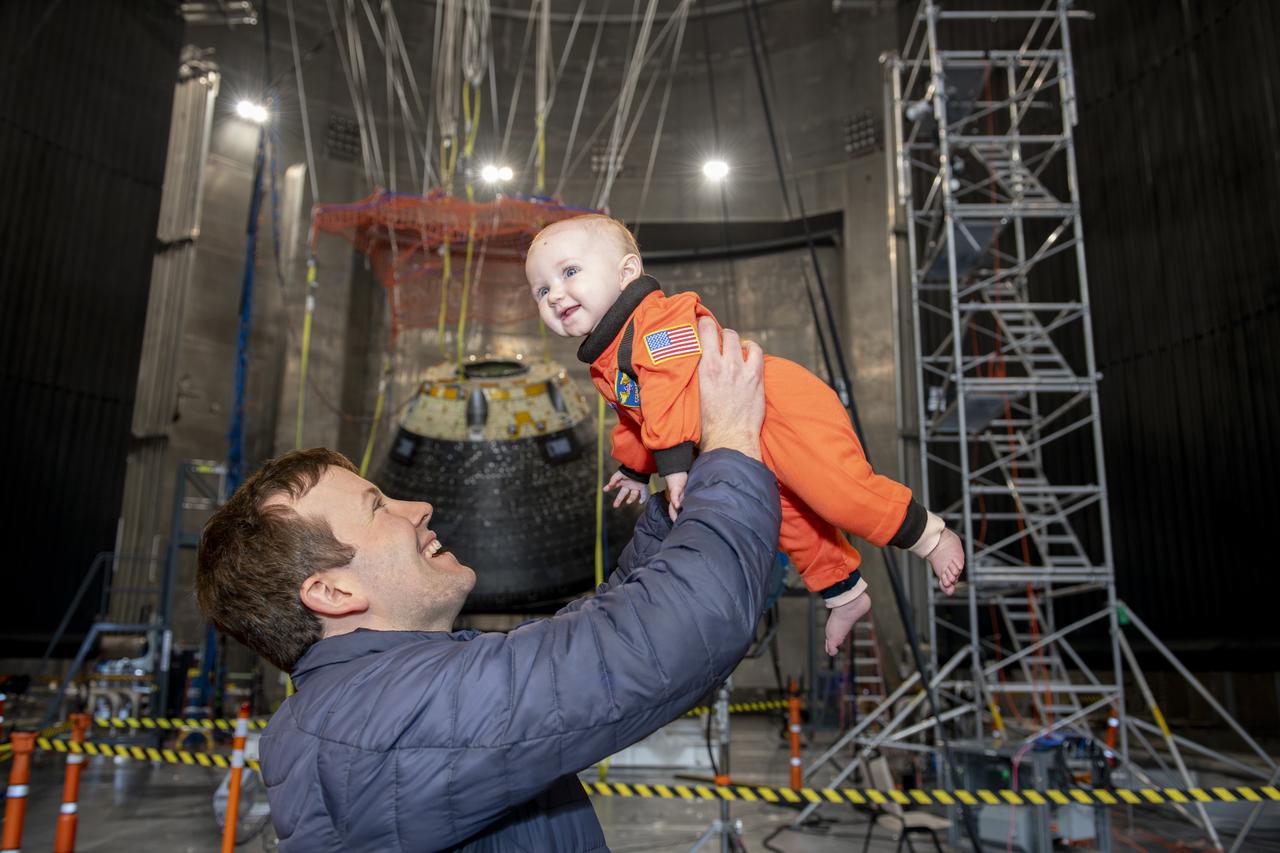
Michael Belair, European Service Module Propulsion Subsystem Manager, with his little astronaut in front of the Orion Crew Module on November 21, 2024. Employees supporting Artemis were invited to attend an appreciation event, “The Road to the Moon,” at Armstrong Test Facility in Sandusky, Ohio. Experts have subjected the spacecraft to extreme conditions in Armstrong’s test facilities. This significant testing is slated to wrap up in December, and we want to give you a chance to see the capsule before the conclusion of the test campaign. Photo Credit: (NASA/Sara Lowthian-Hanna)
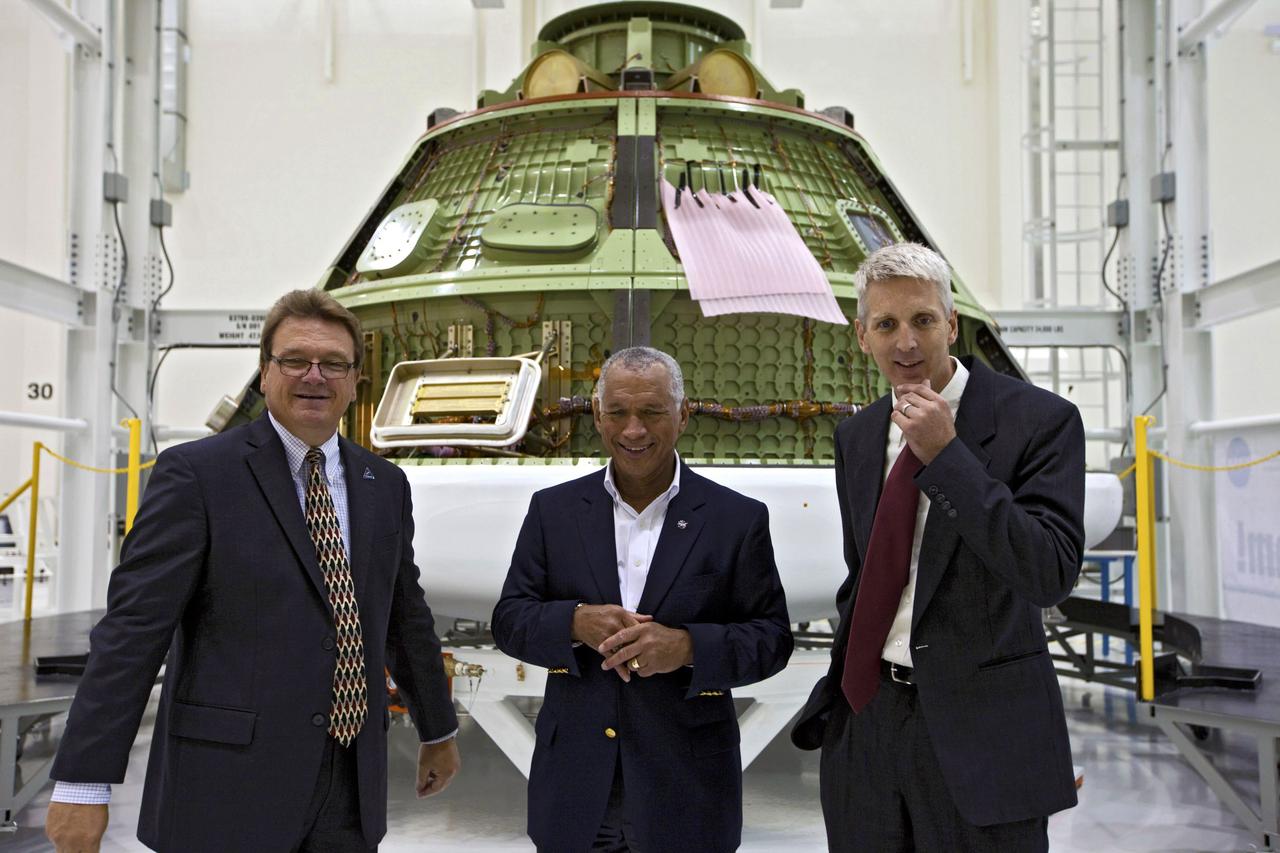
CAPE CANAVERAL, Fla. - In the Operations and Checkout Building at the Kennedy Space Center in Florida, NASA Administrator Charles Bolden, center, addresses news media in front of the Orion EFT-1 spacecraft. Also participating are Jules Schneider, senior manager of Project Engineering for the Lockheed Martin Orion Program at Kennedy, left, and Scott Wilson, NASA's manager of Production Operations for the Orion Program. Bolden took a few dozen members of the news media on a tour of the space agency's Kennedy Space Center and adjacent Cape Canaveral Air Force Station on Aug. 23, 2012 to show the progress being made for future government and commercial space endeavors that will begin from Florida's Space Coast. For more information, visit: http://www.nasa.gov/centers/kennedy/news/kennedy-bolden-tour.html Photo credit: NASA/Kim Shiflett
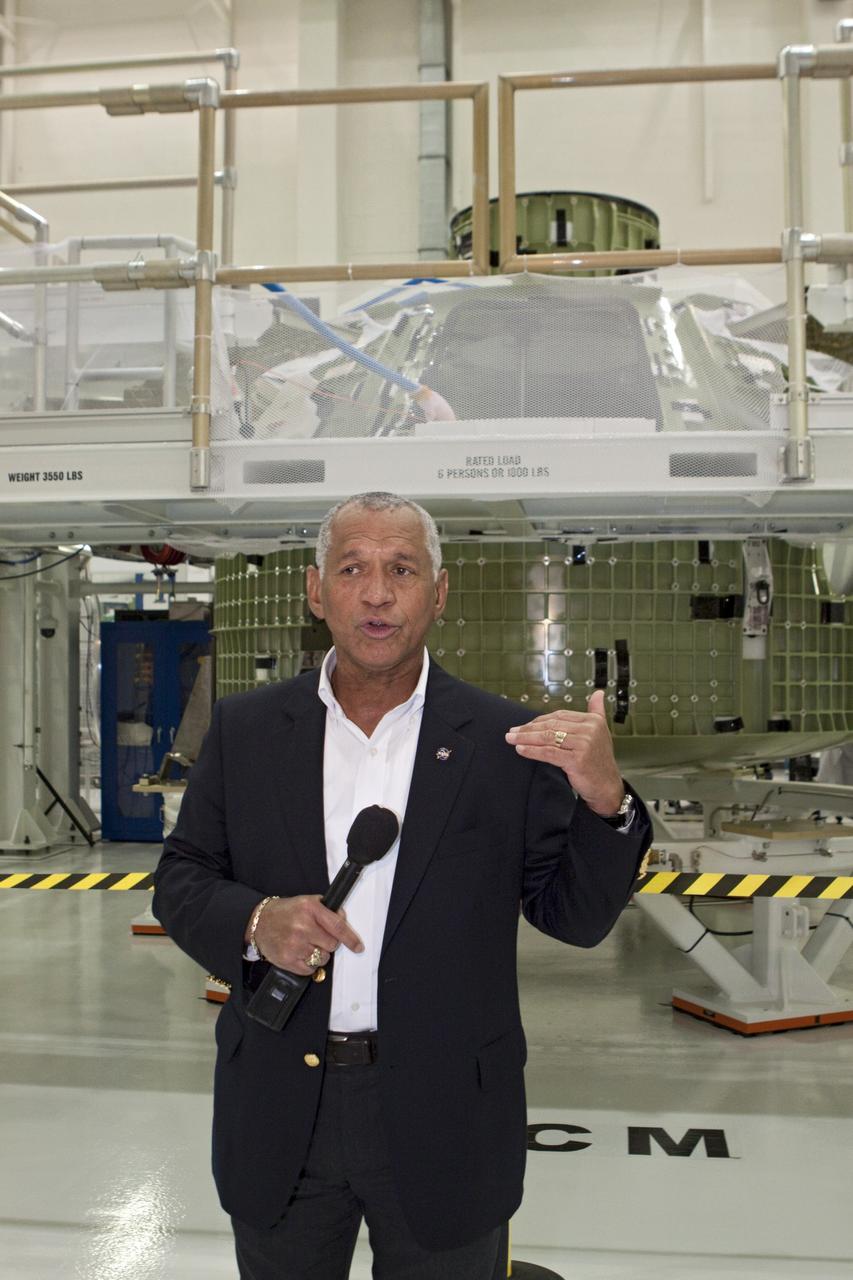
CAPE CANAVERAL, Fla. - In the Operations and Checkout Building at the Kennedy Space Center in Florida, NASA Administrator Charles Bolden addresses news media in front of the Orion EFT-1 spacecraft. Bolden took a few dozen members of the news media on a tour of the space agency's Kennedy Space Center and adjacent Cape Canaveral Air Force Station on Aug. 23, 2012 to show the progress being made for future government and commercial space endeavors that will begin from Florida's Space Coast. For more information, visit: http://www.nasa.gov/centers/kennedy/news/kennedy-bolden-tour.html Photo credit: NASA/Kim Shiflett
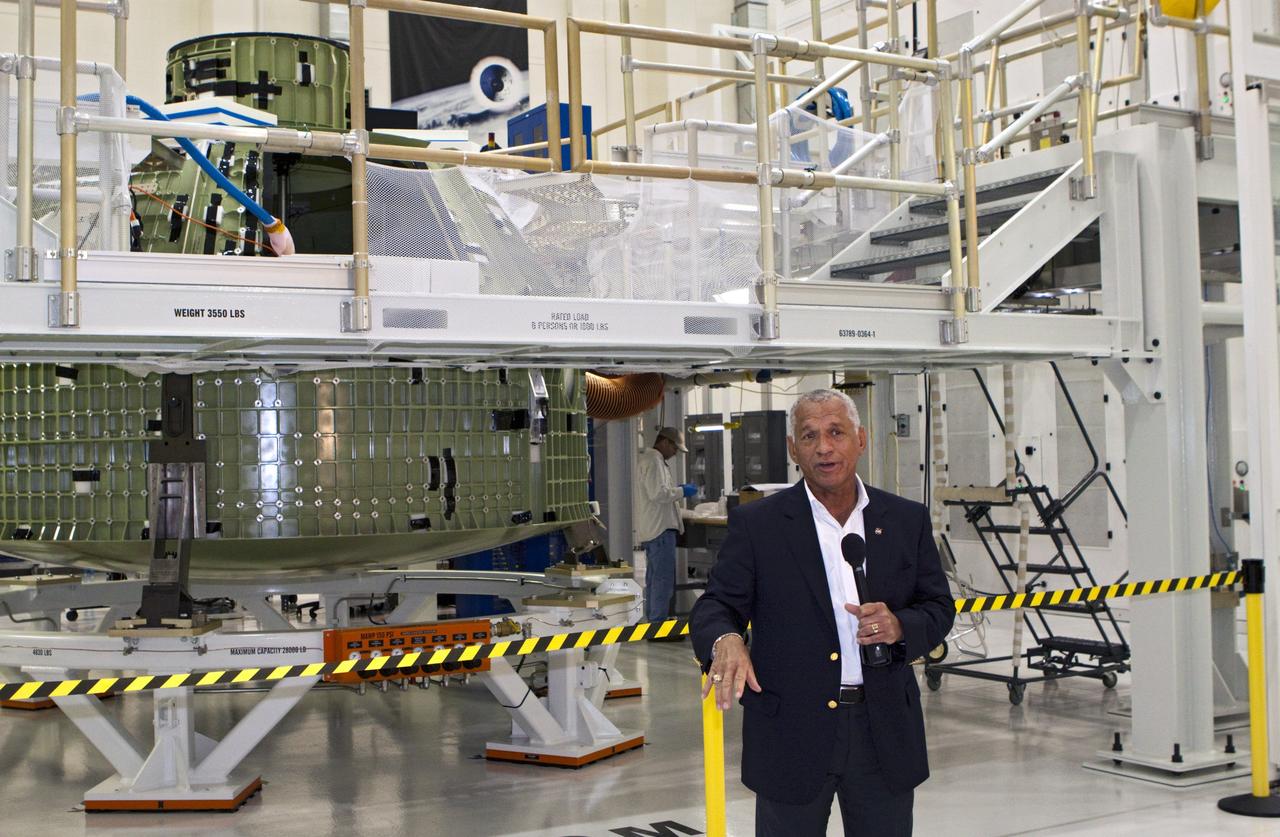
CAPE CANAVERAL, Fla. - In the Operations and Checkout Building at the Kennedy Space Center in Florida, NASA Administrator Charles Bolden addresses news media in front of the Orion EFT-1 spacecraft. Bolden took a few dozen members of the news media on a tour of the space agency's Kennedy Space Center and adjacent Cape Canaveral Air Force Station on Aug. 23, 2012 to show the progress being made for future government and commercial space endeavors that will begin from Florida's Space Coast. For more information, visit: http://www.nasa.gov/centers/kennedy/news/kennedy-bolden-tour.html Photo credit: NASA/Kim Shiflett
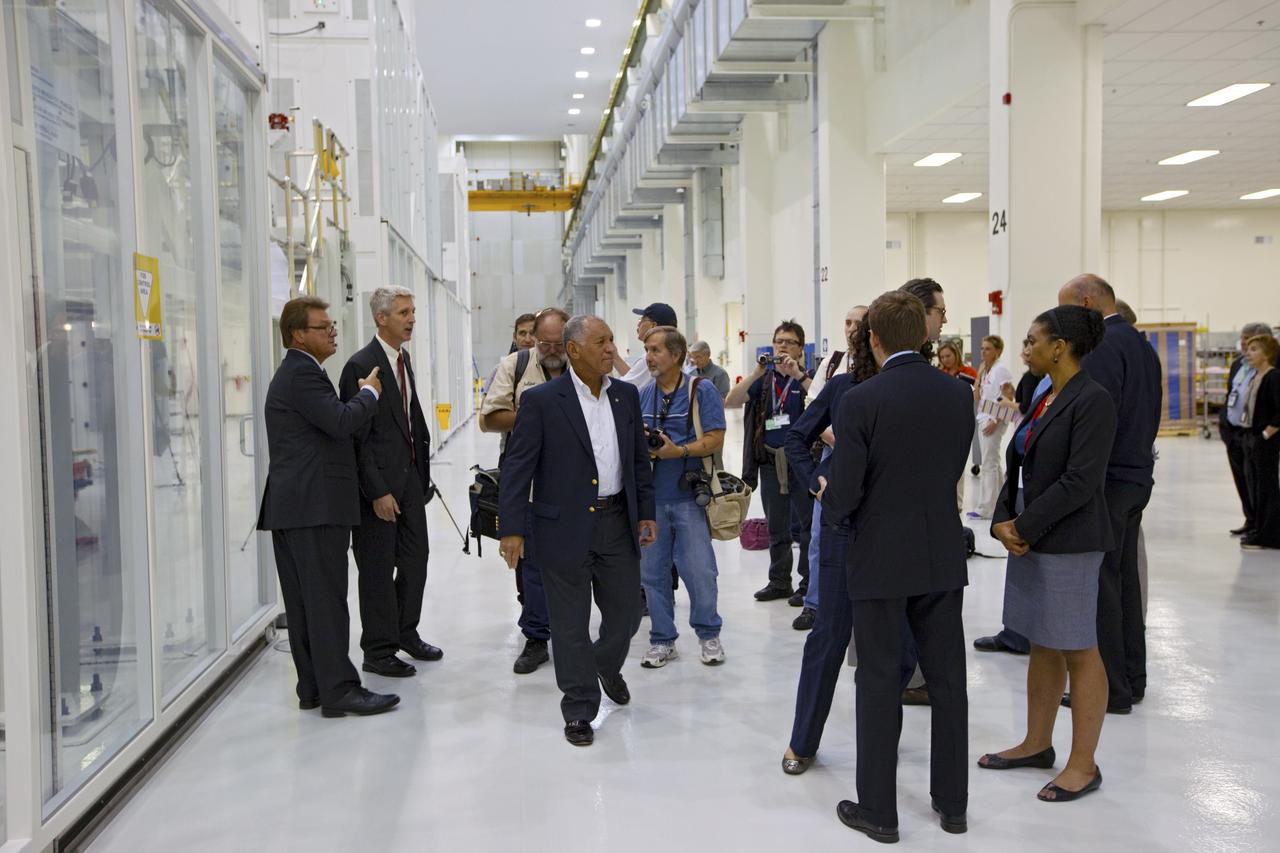
CAPE CANAVERAL, Fla. - NASA Administrator Charles Bolden tours the Operations and Checkout, or O& C, Building at the Kennedy Space Center in Florida. In the O&C, the Orion EFT-1 spacecraft is being prepared for the program's first flight. Bolden took a few dozen members of the news media on a tour of the space agency's Kennedy Space Center and adjacent Cape Canaveral Air Force Station on Aug. 23, 2012 to show the progress being made for future government and commercial space endeavors that will begin from Florida's Space Coast. For more information, visit: http://www.nasa.gov/centers/kennedy/news/kennedy-bolden-tour.html Photo credit: NASA/Kim Shiflett
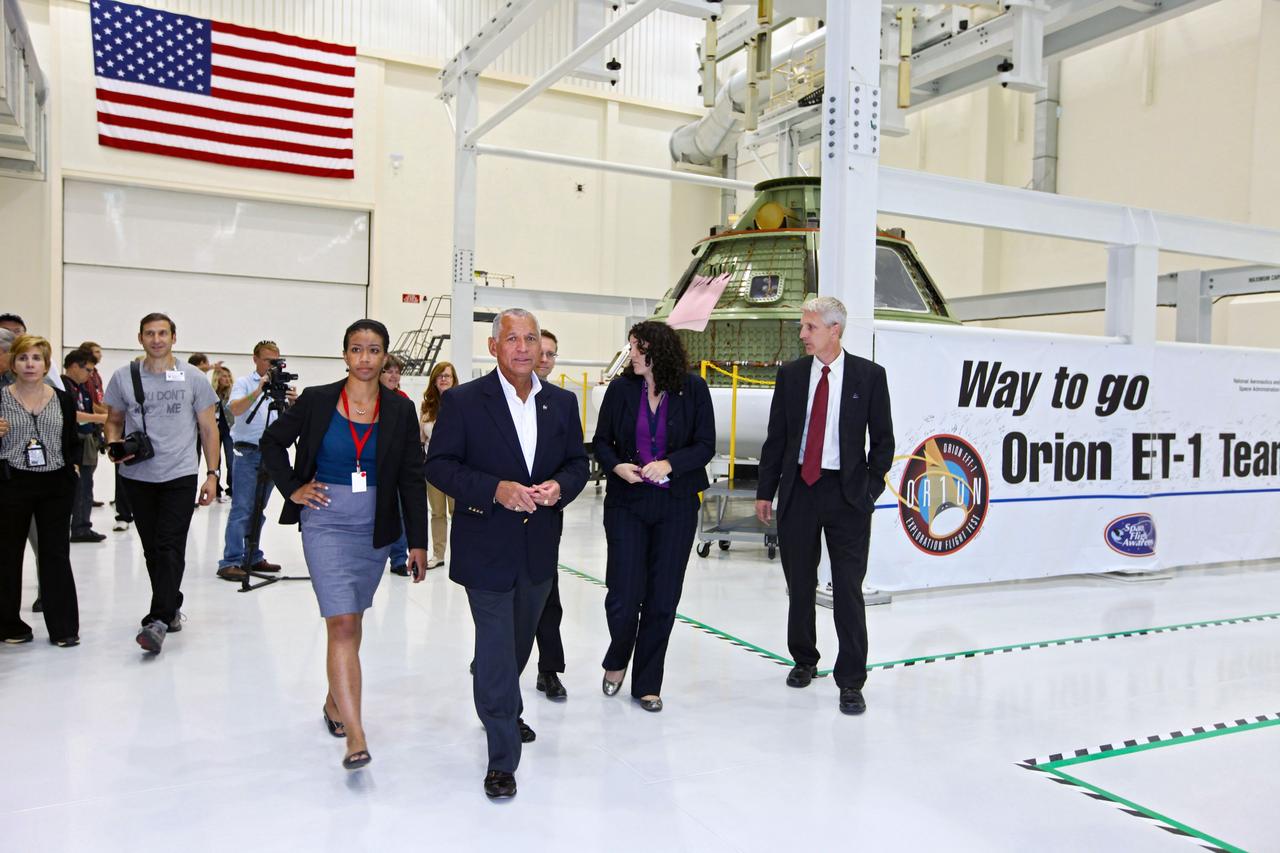
CAPE CANAVERAL, Fla. - NASA Administrator Charles Bolden tours the Operations and Checkout, or O& C, Building at the Kennedy Space Center in Florida. In the O&C, the Orion EFT-1 spacecraft is being prepared for the program's first flight. Bolden took a few dozen members of the news media on a tour of the space agency's Kennedy Space Center and adjacent Cape Canaveral Air Force Station on Aug. 23, 2012 to show the progress being made for future government and commercial space endeavors that will begin from Florida's Space Coast. For more information, visit: http://www.nasa.gov/centers/kennedy/news/kennedy-bolden-tour.html Photo credit: NASA/Kim Shiflett
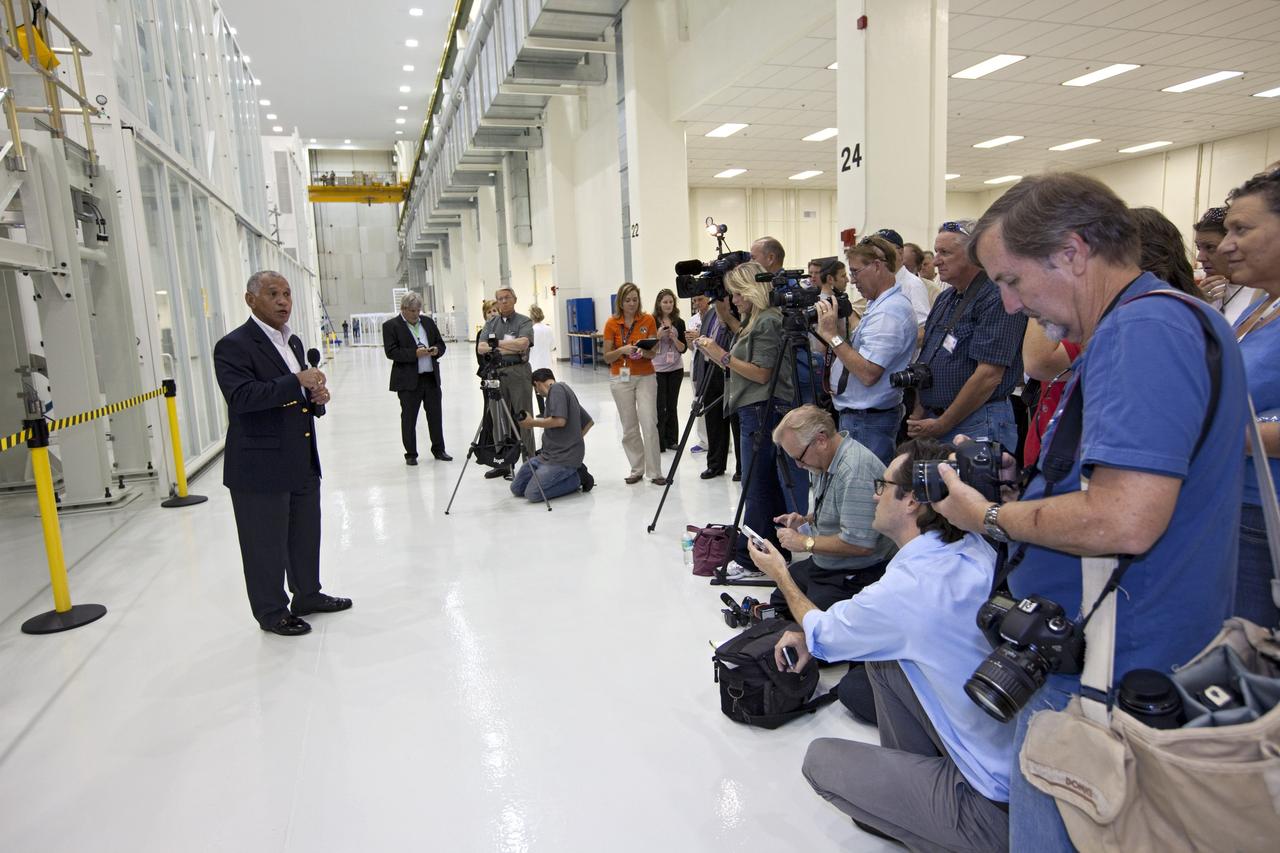
CAPE CANAVERAL, Fla. - NASA Administrator Charles Bolden addresses news media in the Operations and Checkout, or O& C, Building at the Kennedy Space Center in Florida. In the O&C, the Orion EFT-1 spacecraft is being prepared for the program's first flight. Bolden took a few dozen members of the news media on a tour of the space agency's Kennedy Space Center and adjacent Cape Canaveral Air Force Station on Aug. 23, 2012 to show the progress being made for future government and commercial space endeavors that will begin from Florida's Space Coast. For more information, visit: http://www.nasa.gov/centers/kennedy/news/kennedy-bolden-tour.html Photo credit: NASA/Kim Shiflett
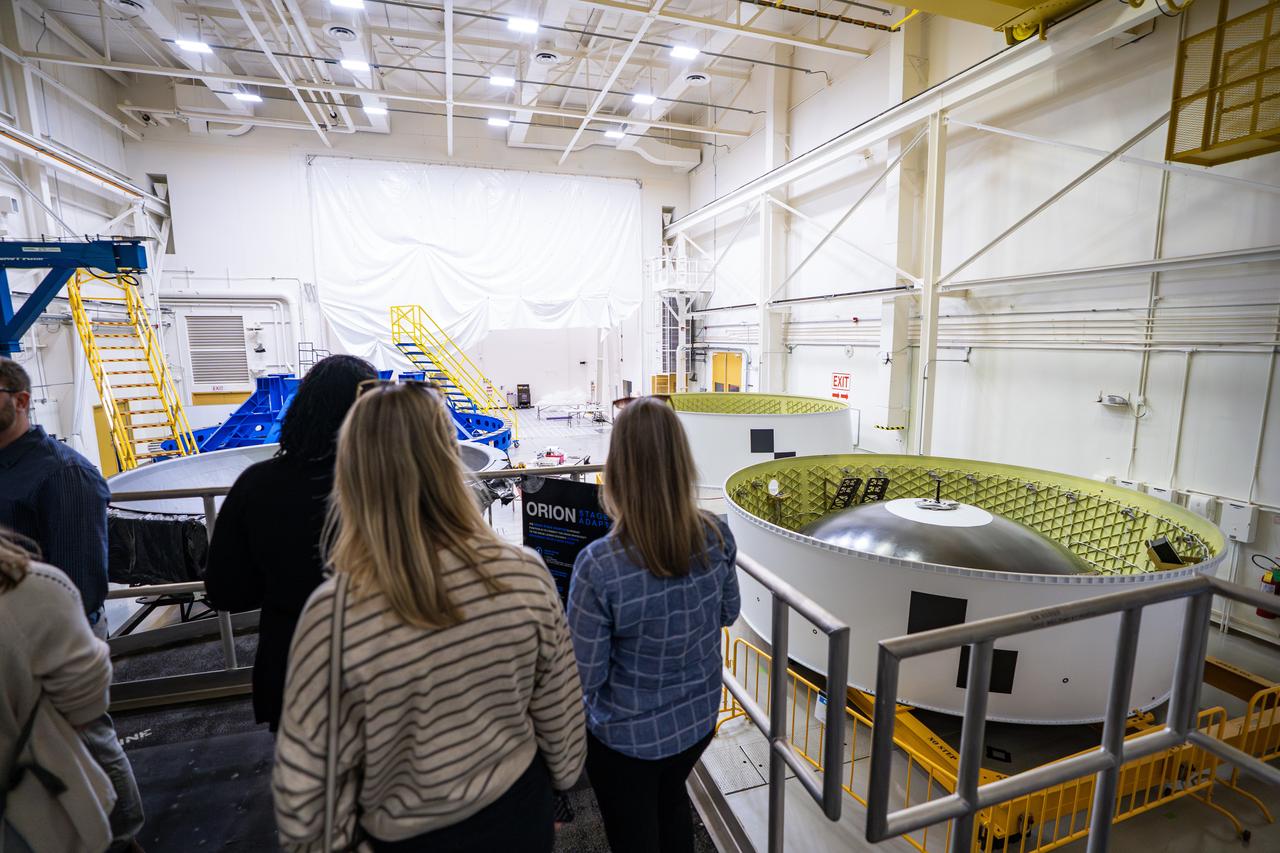
These images show NASA employees attending an event April 10, 2025, at Marshall Space Flight Center in Huntsville, Alabama, to view the Orion stage adapter for Artemis II before it is transported to NASA’s Kennedy Space Center in Florida. Manufactured entirely at NASA Marshall, the adapter plays a crucial role in connecting the SLS (Space Launch System) rocket’s interim cryogenic propulsion stage to the Orion spacecraft. This adapter is the final piece of SLS hardware to be delivered to Kennedy Space Center in preparation for the Artemis II mission.
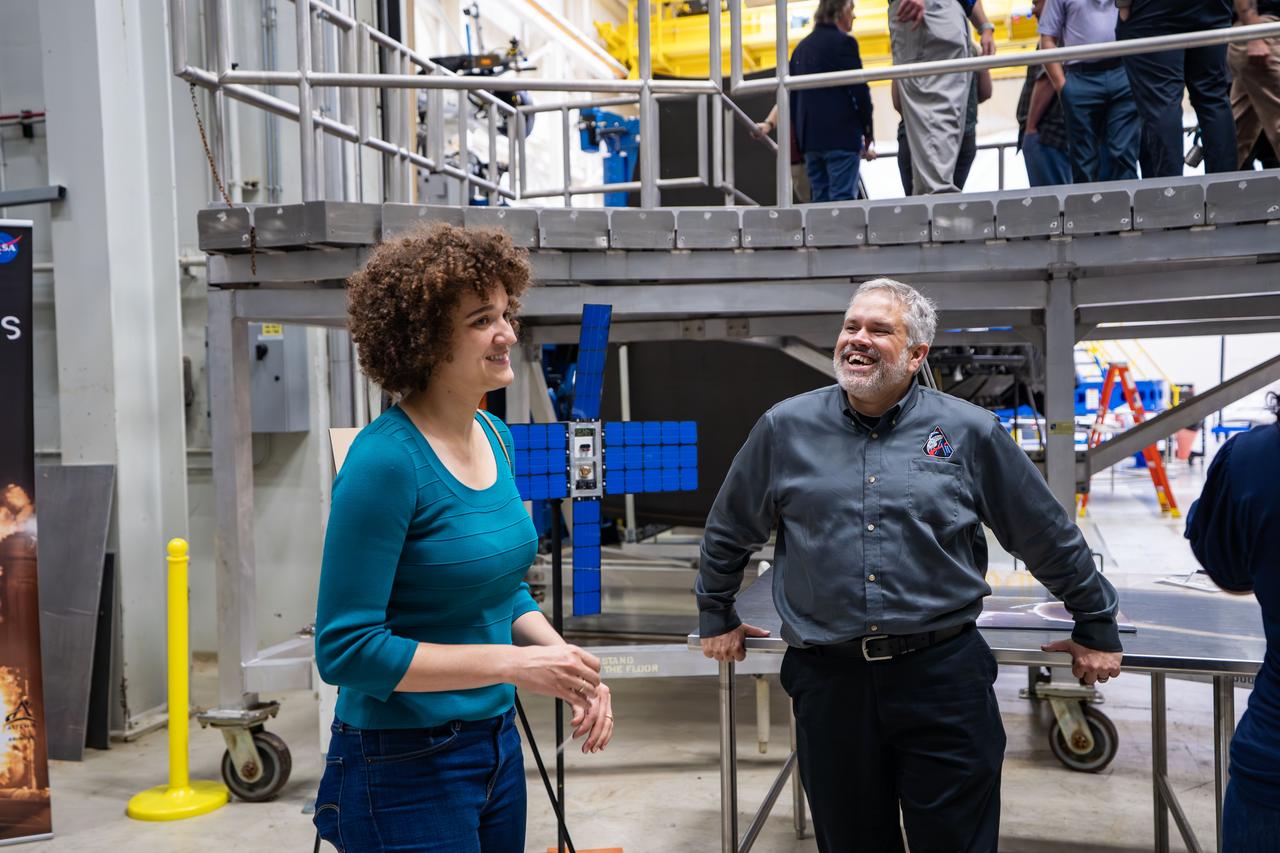
These images show NASA employees attending an event August 14, 2025, at Marshall Space Flight Center in Huntsville, Alabama, to view the Orion stage adapter for Artemis II before it is transported to NASA’s Kennedy Space Center in Florida. Manufactured entirely at NASA Marshall, the adapter plays a crucial role in connecting the SLS (Space Launch System) rocket’s interim cryogenic propulsion stage to the Orion spacecraft. This adapter is the final piece of SLS hardware to be delivered to Kennedy Space Center in preparation for the Artemis II mission.
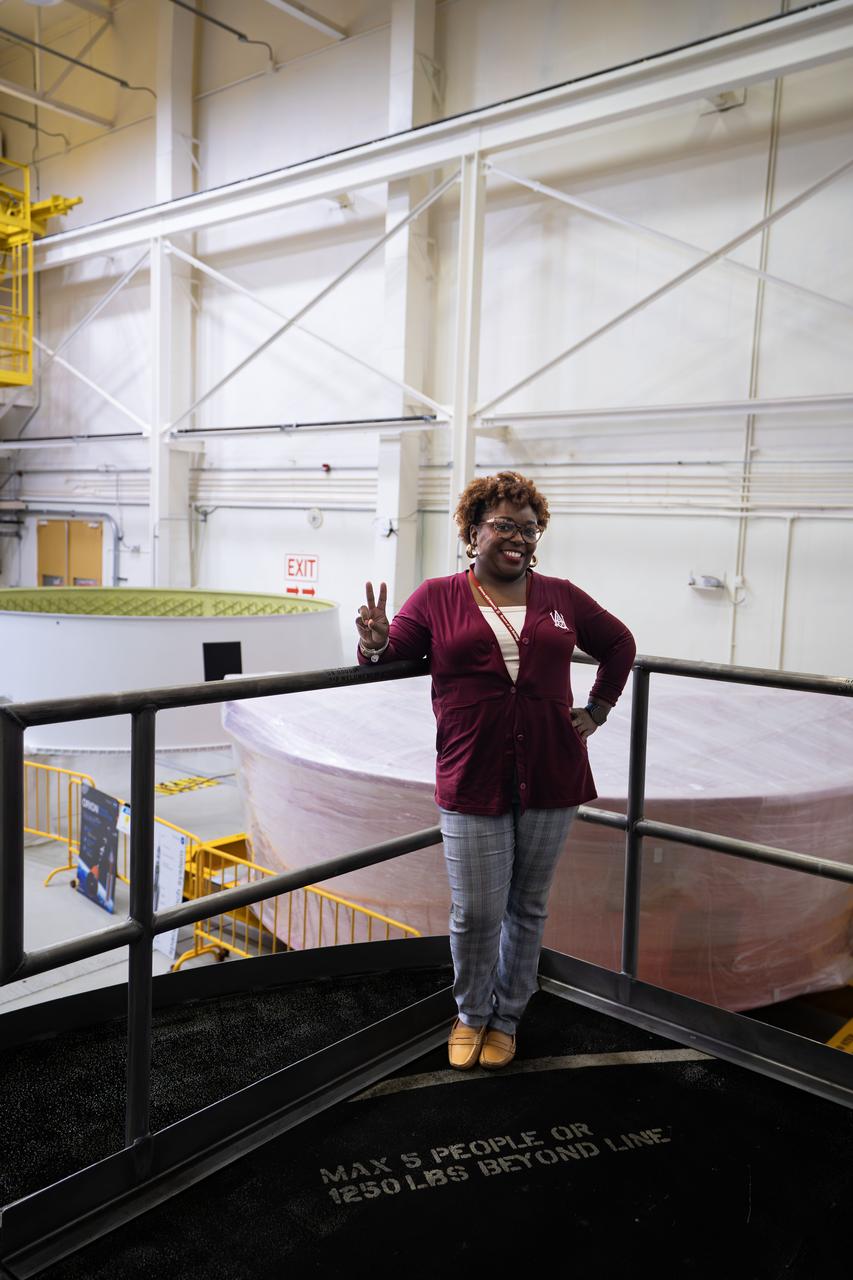
These images show NASA employees attending an event August 14, 2025, at Marshall Space Flight Center in Huntsville, Alabama, to view the Orion stage adapter for Artemis II before it is transported to NASA’s Kennedy Space Center in Florida. Manufactured entirely at NASA Marshall, the adapter plays a crucial role in connecting the SLS (Space Launch System) rocket’s interim cryogenic propulsion stage to the Orion spacecraft. This adapter is the final piece of SLS hardware to be delivered to Kennedy Space Center in preparation for the Artemis II mission.
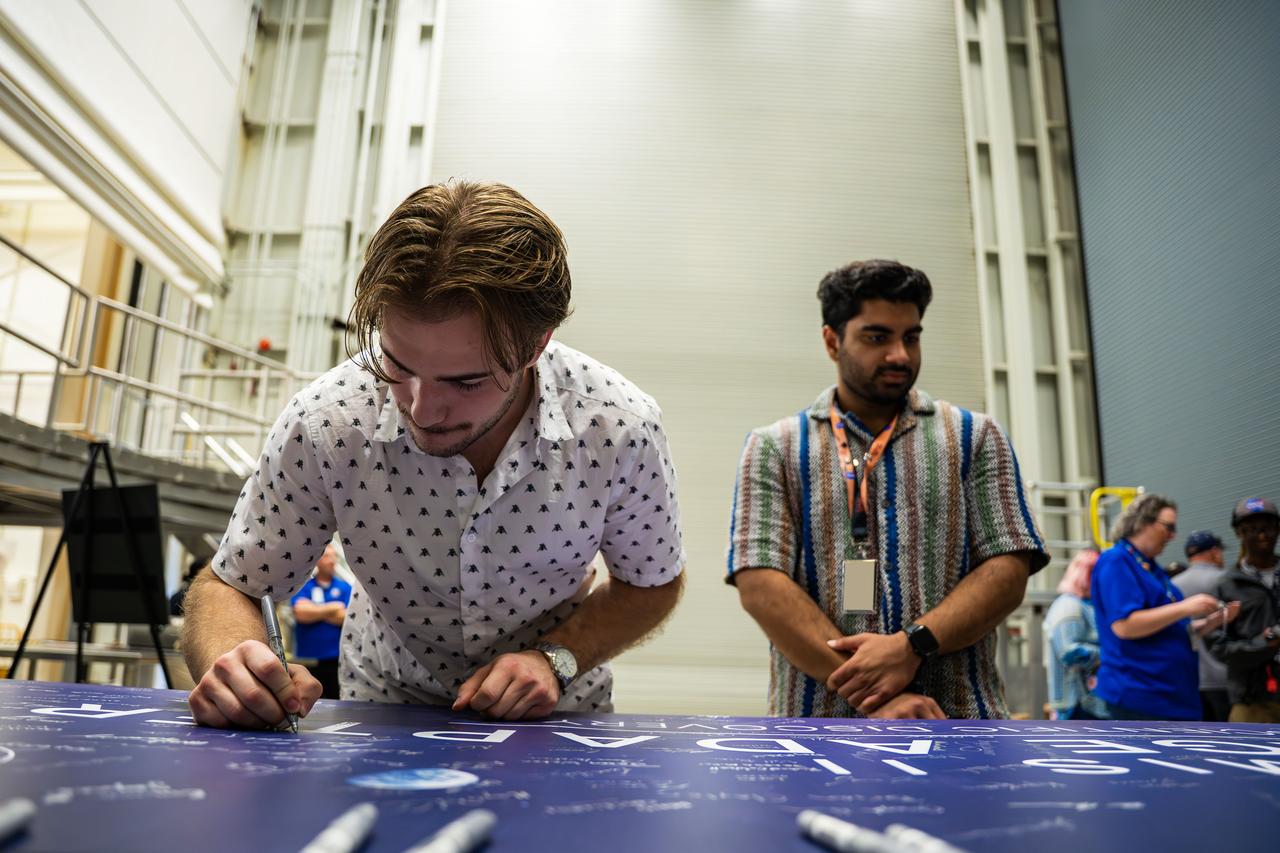
These images show NASA employees attending an event August 14, 2025, at Marshall Space Flight Center in Huntsville, Alabama, to view the Orion stage adapter for Artemis II before it is transported to NASA’s Kennedy Space Center in Florida. Manufactured entirely at NASA Marshall, the adapter plays a crucial role in connecting the SLS (Space Launch System) rocket’s interim cryogenic propulsion stage to the Orion spacecraft. This adapter is the final piece of SLS hardware to be delivered to Kennedy Space Center in preparation for the Artemis II mission.
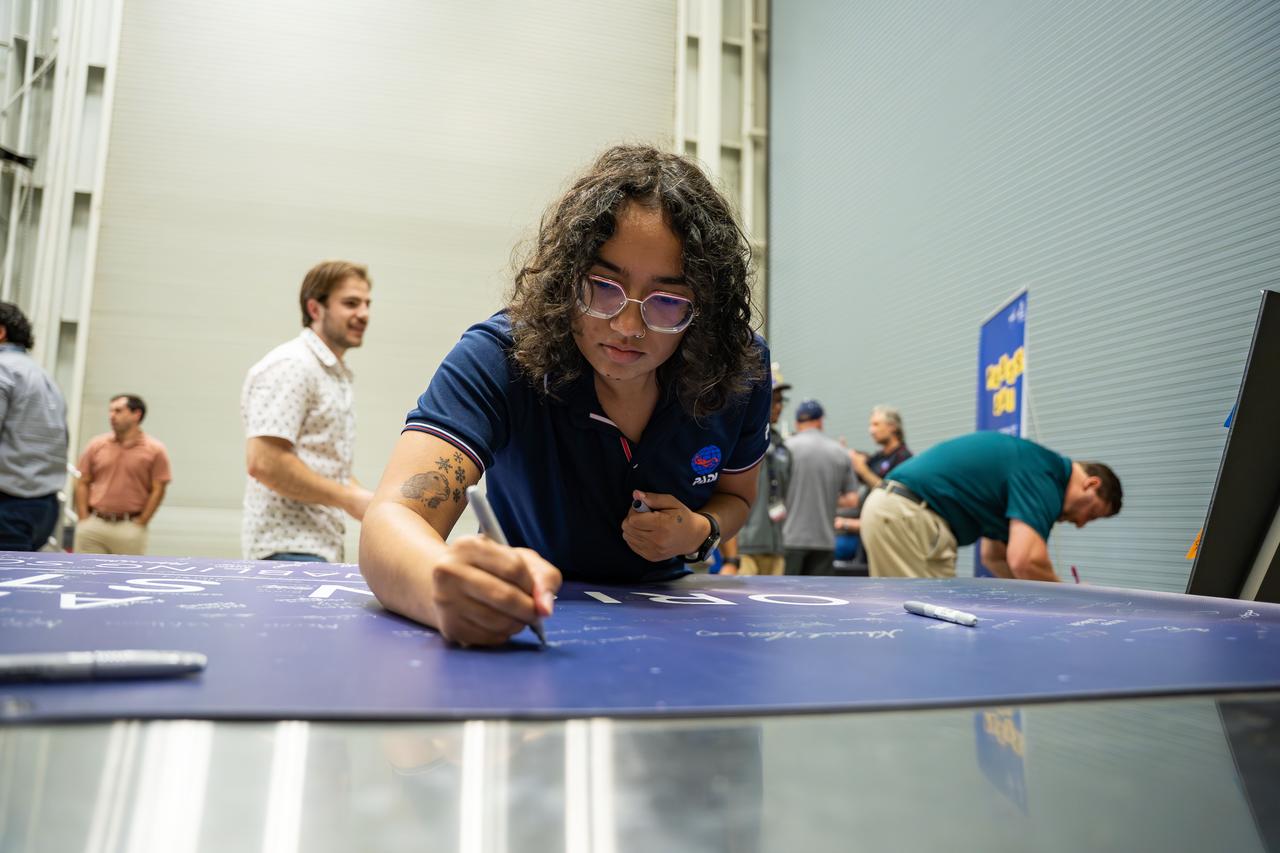
These images show NASA employees attending an event August 14, 2025, at Marshall Space Flight Center in Huntsville, Alabama, to view the Orion stage adapter for Artemis II before it is transported to NASA’s Kennedy Space Center in Florida. Manufactured entirely at NASA Marshall, the adapter plays a crucial role in connecting the SLS (Space Launch System) rocket’s interim cryogenic propulsion stage to the Orion spacecraft. This adapter is the final piece of SLS hardware to be delivered to Kennedy Space Center in preparation for the Artemis II mission.
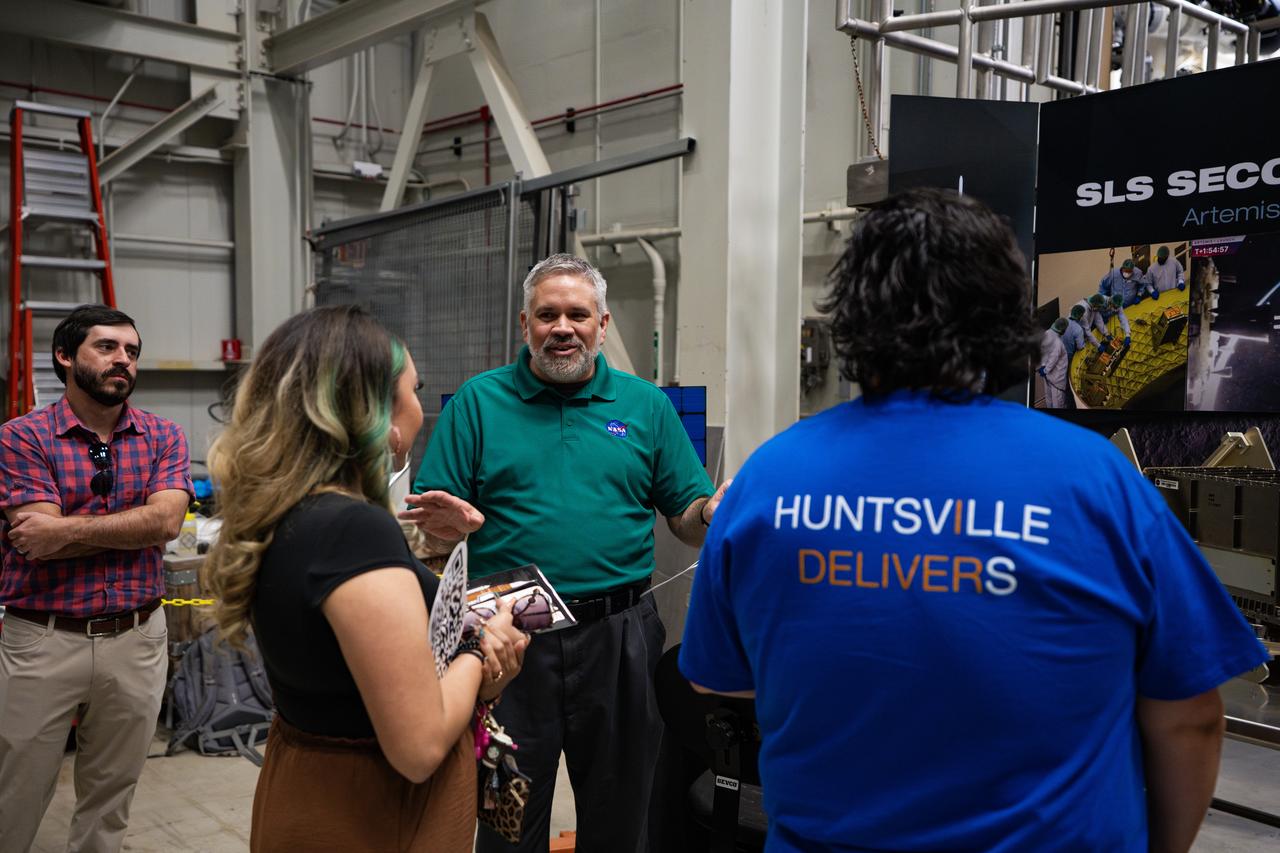
These images show NASA employees attending an event April 10, 2025, at Marshall Space Flight Center in Huntsville, Alabama, to view the Orion stage adapter for Artemis II before it is transported to NASA’s Kennedy Space Center in Florida. Manufactured entirely at NASA Marshall, the adapter plays a crucial role in connecting the SLS (Space Launch System) rocket’s interim cryogenic propulsion stage to the Orion spacecraft. This adapter is the final piece of SLS hardware to be delivered to Kennedy Space Center in preparation for the Artemis II mission.

These images show NASA employees attending an event August 14, 2025, at Marshall Space Flight Center in Huntsville, Alabama, to view the Orion stage adapter for Artemis II before it is transported to NASA’s Kennedy Space Center in Florida. Manufactured entirely at NASA Marshall, the adapter plays a crucial role in connecting the SLS (Space Launch System) rocket’s interim cryogenic propulsion stage to the Orion spacecraft. This adapter is the final piece of SLS hardware to be delivered to Kennedy Space Center in preparation for the Artemis II mission.
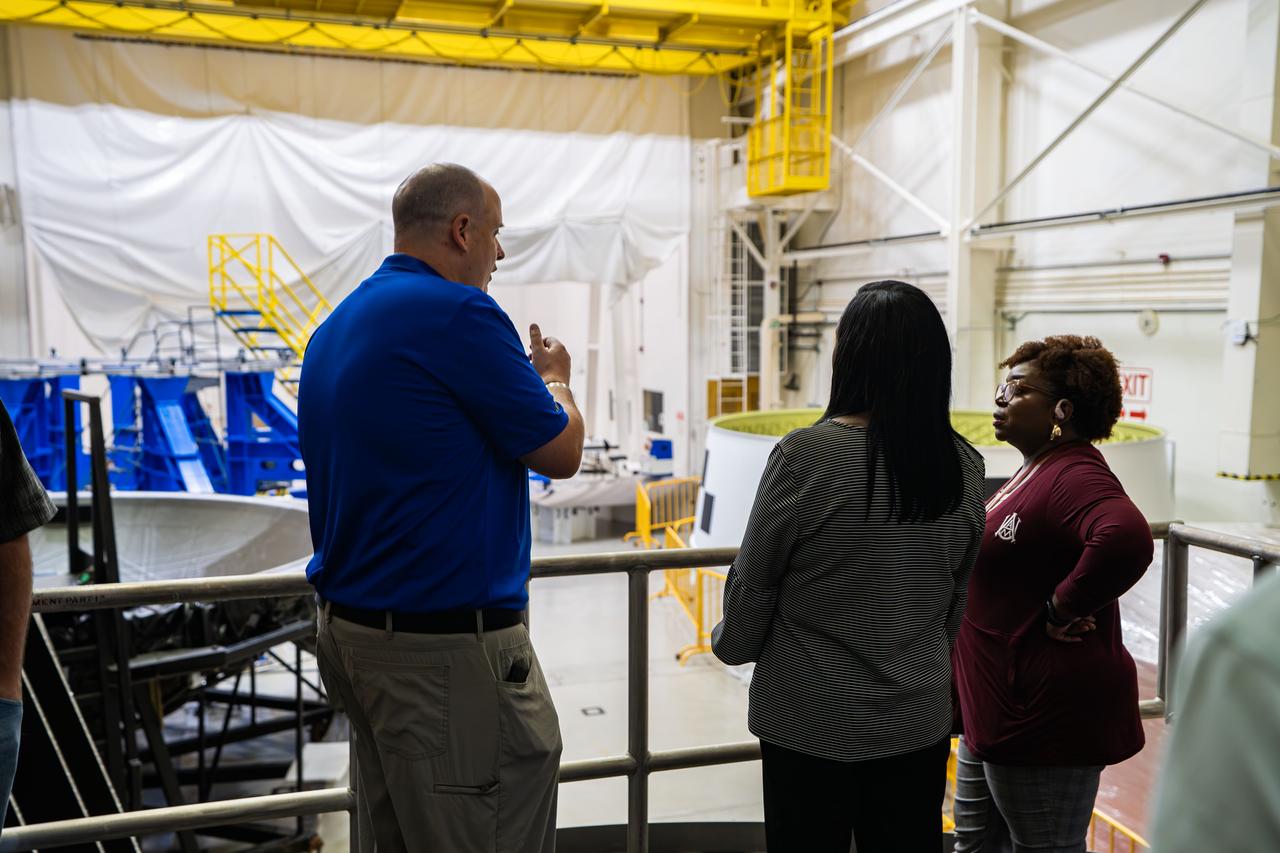
These images show NASA employees attending an event August 14, 2025, at Marshall Space Flight Center in Huntsville, Alabama, to view the Orion stage adapter for Artemis II before it is transported to NASA’s Kennedy Space Center in Florida. Manufactured entirely at NASA Marshall, the adapter plays a crucial role in connecting the SLS (Space Launch System) rocket’s interim cryogenic propulsion stage to the Orion spacecraft. This adapter is the final piece of SLS hardware to be delivered to Kennedy Space Center in preparation for the Artemis II mission.
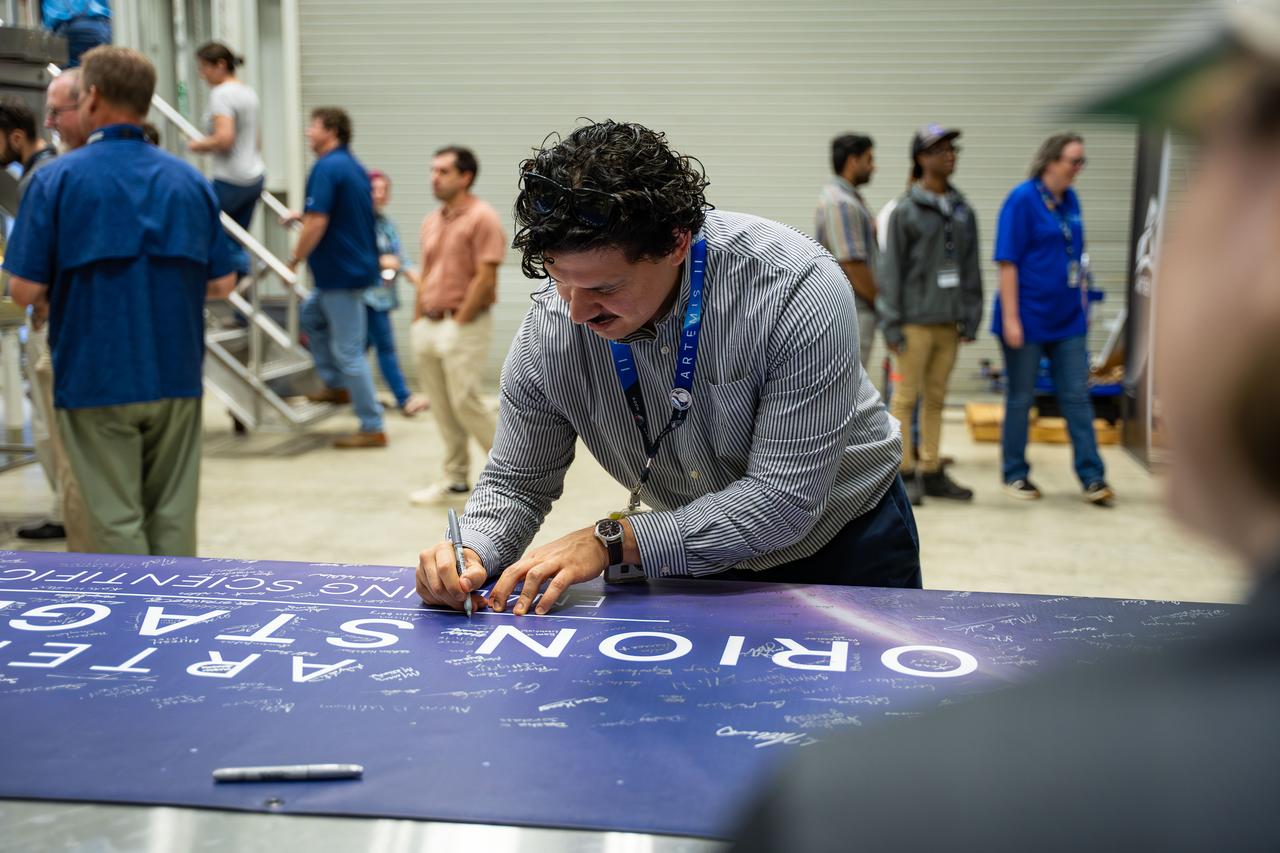
These images show NASA employees attending an event August 14, 2025, at Marshall Space Flight Center in Huntsville, Alabama, to view the Orion stage adapter for Artemis II before it is transported to NASA’s Kennedy Space Center in Florida. Manufactured entirely at NASA Marshall, the adapter plays a crucial role in connecting the SLS (Space Launch System) rocket’s interim cryogenic propulsion stage to the Orion spacecraft. This adapter is the final piece of SLS hardware to be delivered to Kennedy Space Center in preparation for the Artemis II mission.
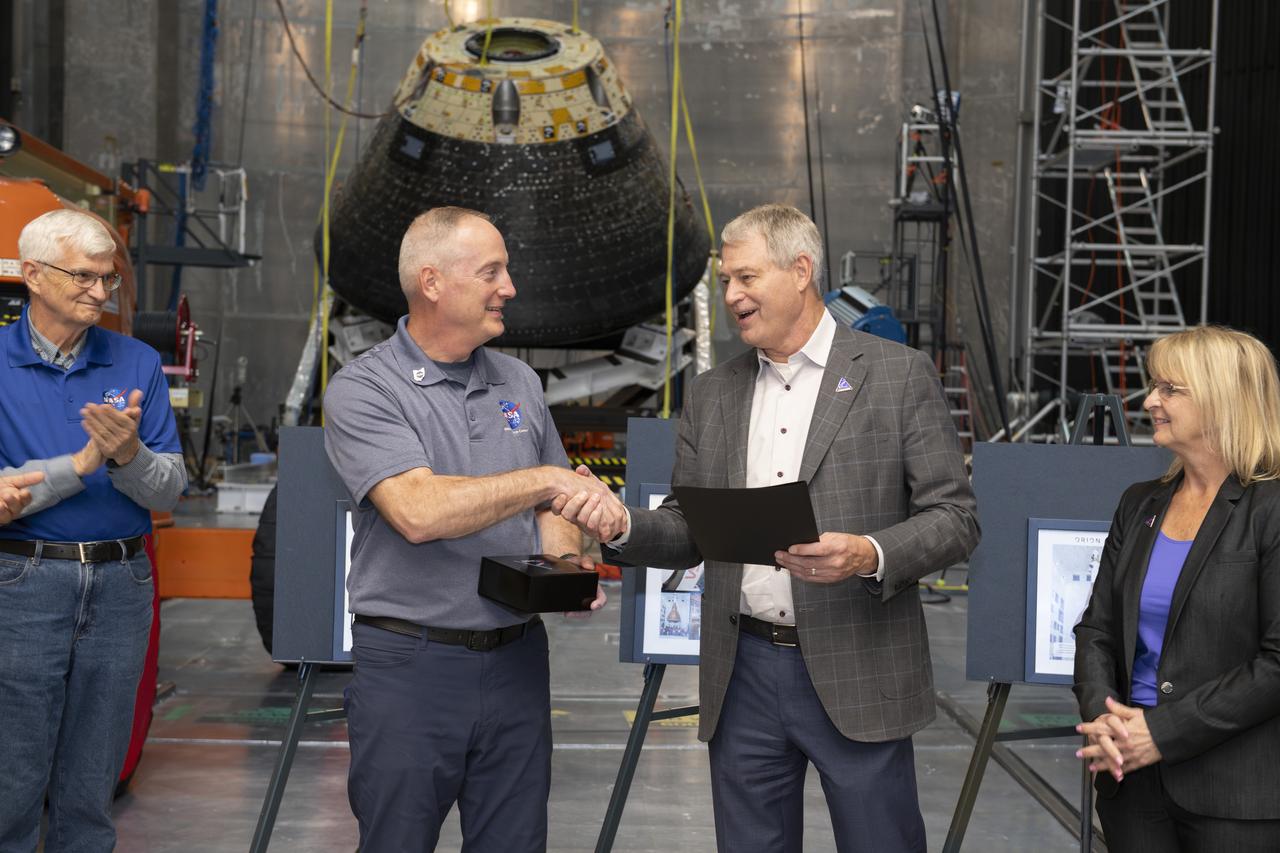
Employees supporting Artemis were invited to attend an appreciation event, “The Road to the Moon,” at Armstrong Test Facility in Sandusky, Ohio. On Thursday, Nov. 21, please join NASA employees and support service contractors for Artemis Friends and Family Day. Employees had the opportunity to hear from center leadership and see the Orion module that flew around the Moon and back during 2022’s Artemis I mission. Lockheed Martin presented an article flown on Artemis I to Robert Overy. Experts have subjected the spacecraft to extreme conditions in Armstrong’s test facilities. This significant testing is slated to wrap up in December, and we want to give you a chance to see the capsule before the conclusion of the test campaign.
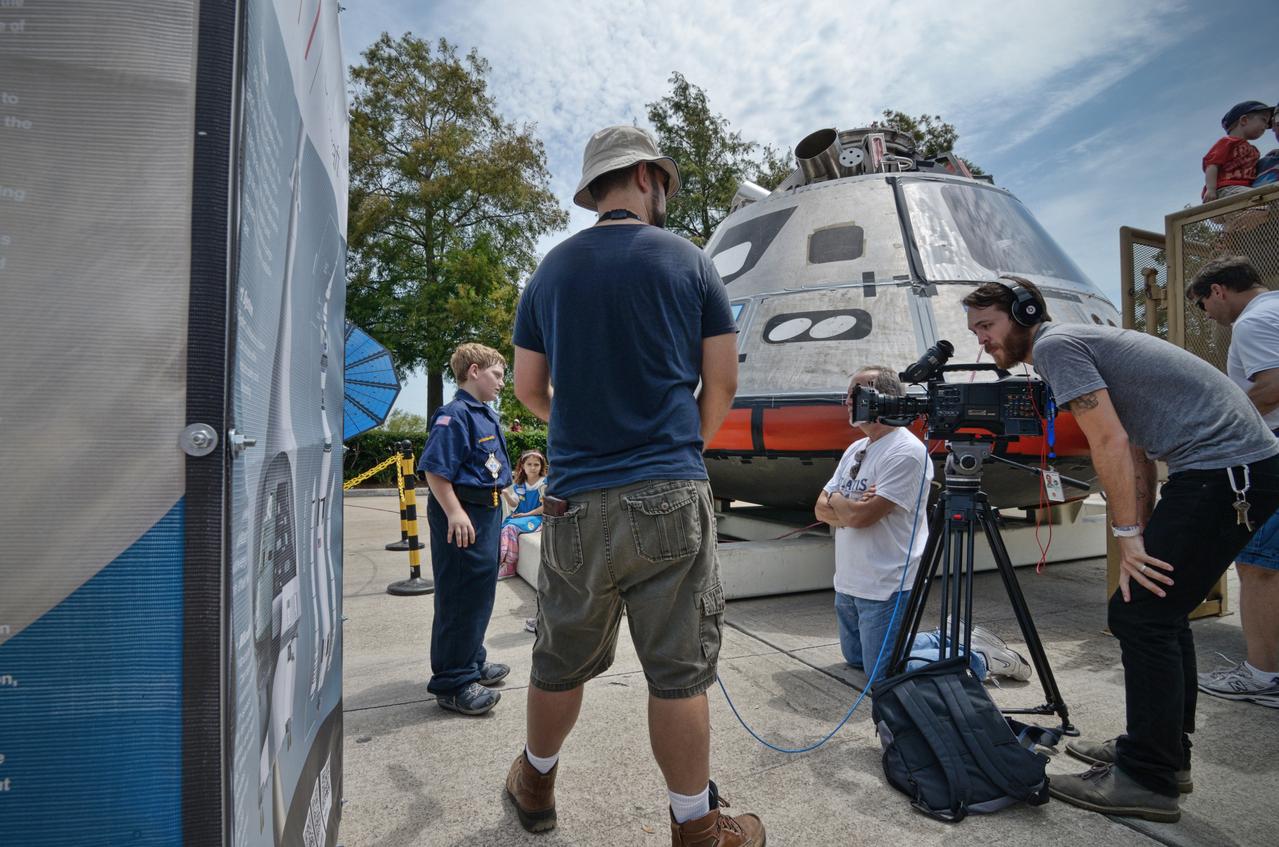
The Orion mockup used for the Post-landing Orion Recovery Test (PORT) is shown on display at event at Space Center Houston on June 1, 2012. Part of Batch image transfer from Flickr.
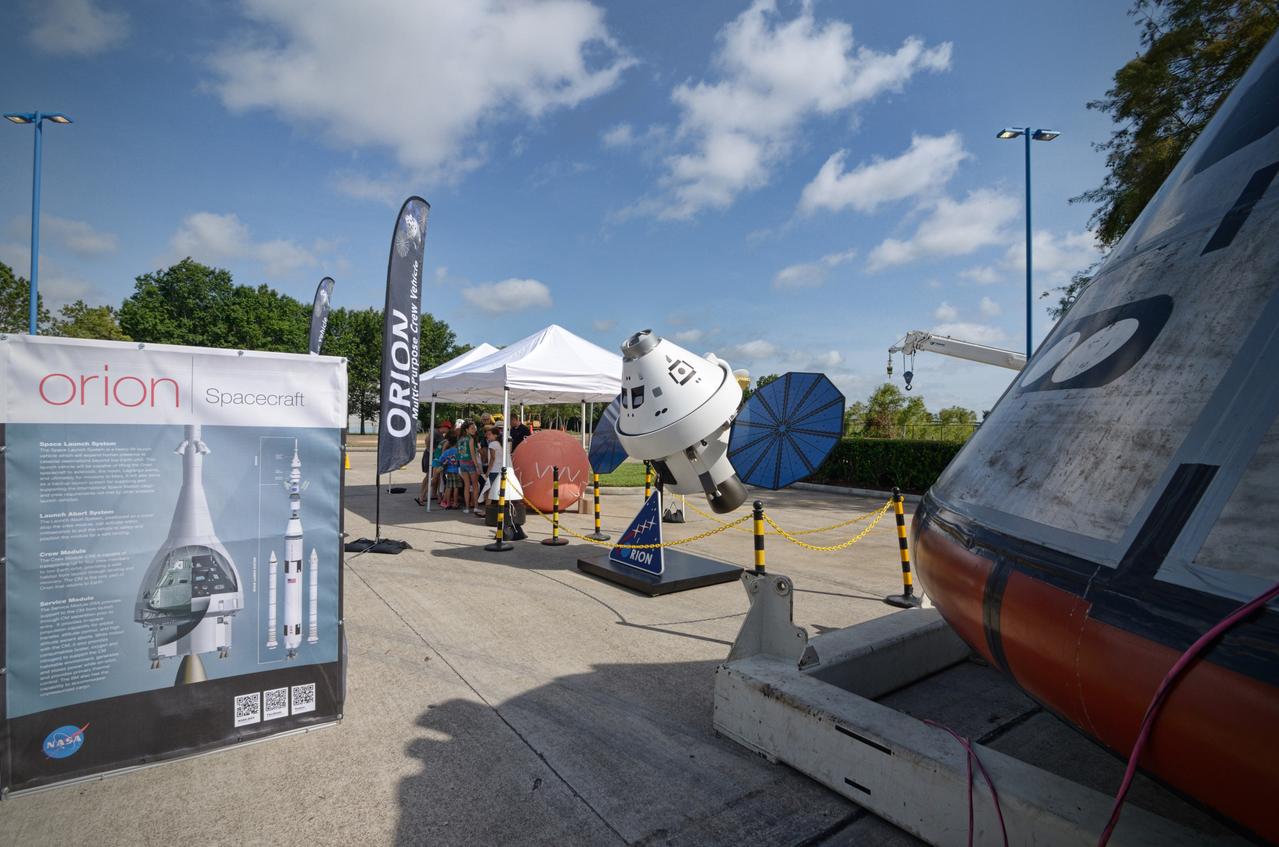
The Orion mockup used for the Post-landing Orion Recovery Test (PORT) is shown on display at event at Space Center Houston on June 1, 2012. Part of Batch image transfer from Flickr.
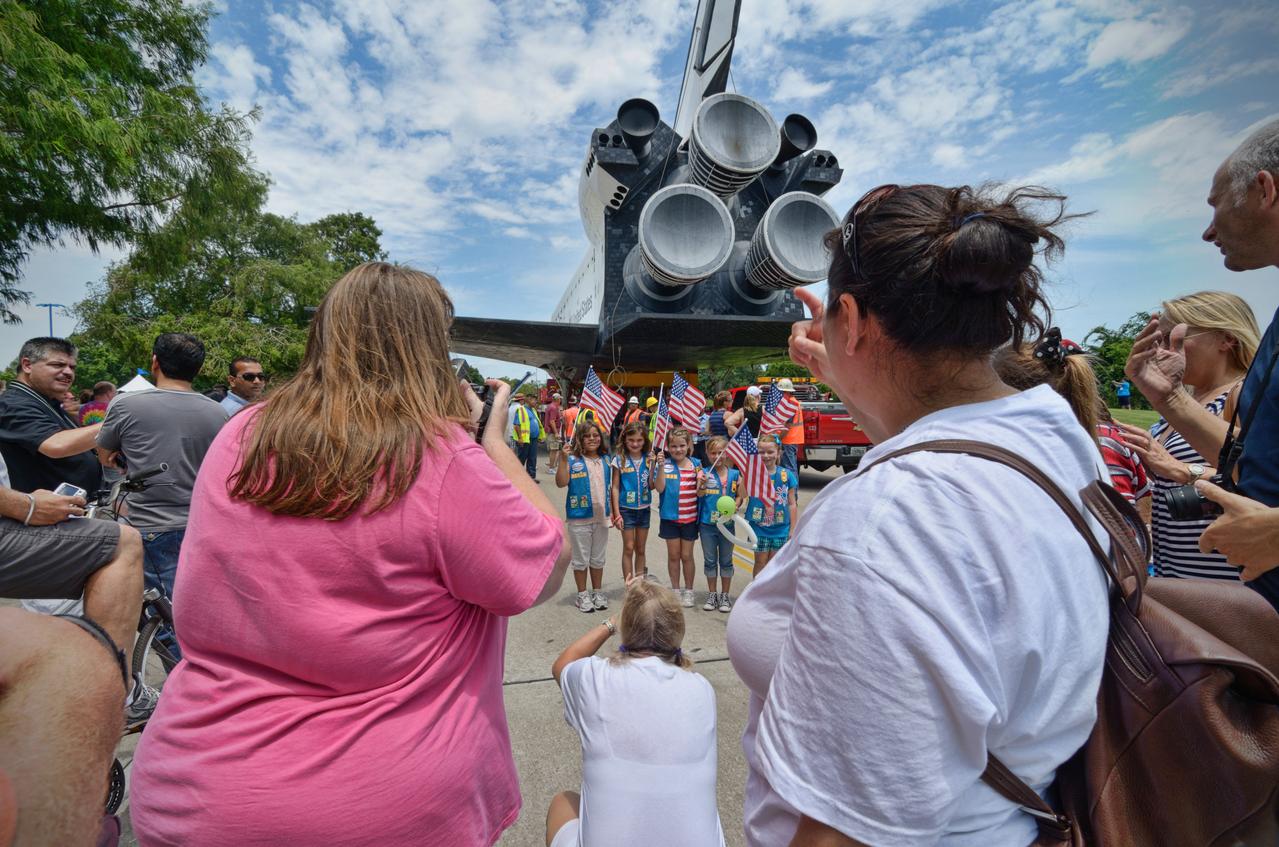
The Orion mockup used for the Post-landing Orion Recovery Test (PORT) is shown on display at event at Space Center Houston on June 1, 2012. Part of Batch image transfer from Flickr.
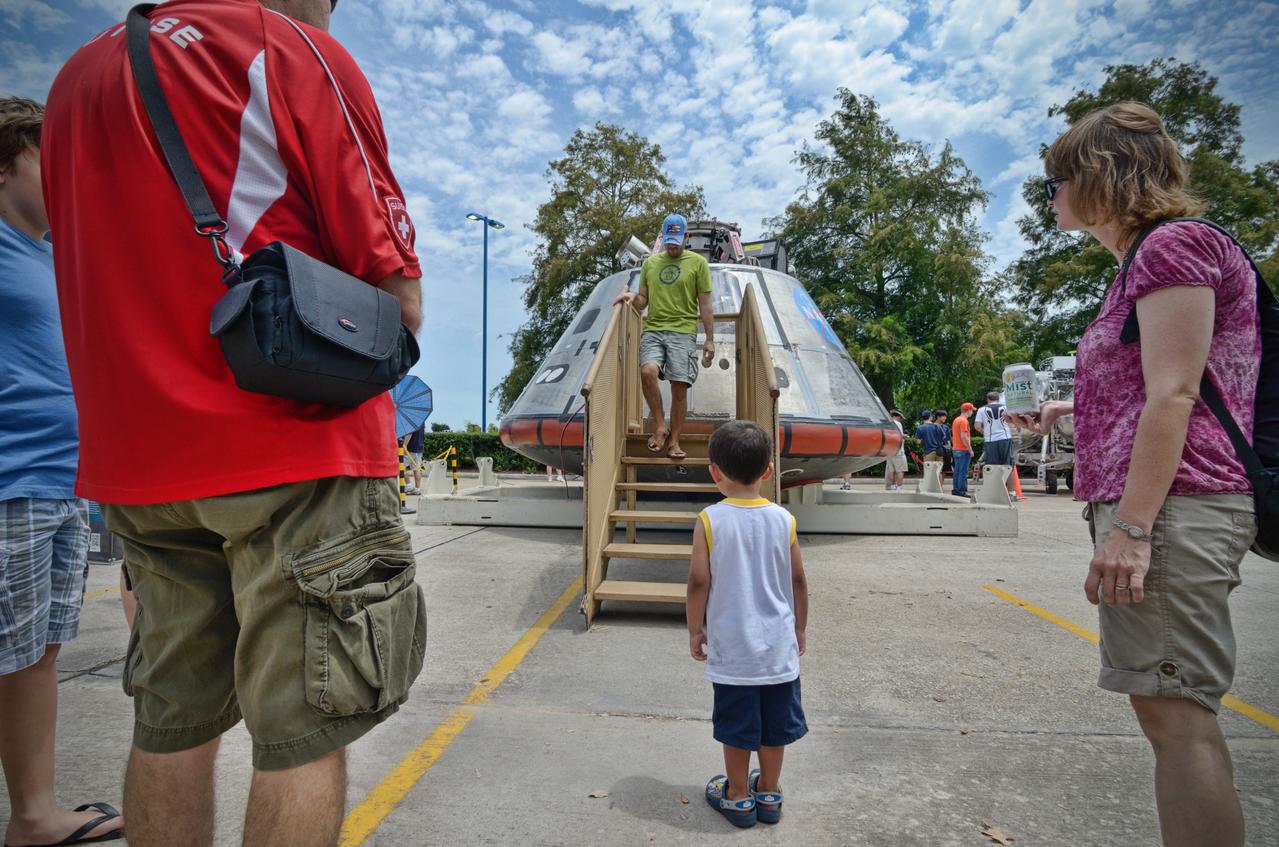
The Orion mockup used for the Post-landing Orion Recovery Test (PORT) is shown on display at event at Space Center Houston on June 1, 2012. Part of Batch image transfer from Flickr.
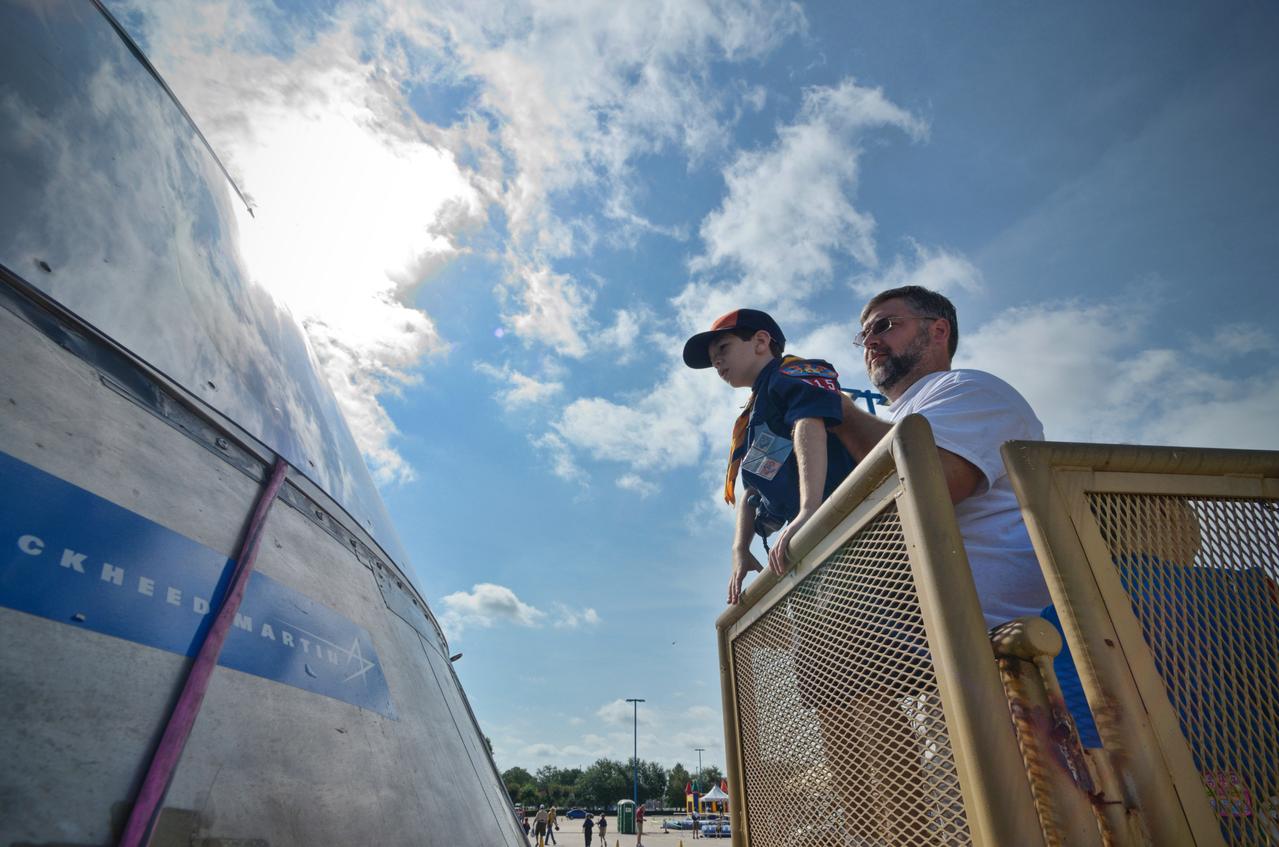
The Orion mockup used for the Post-landing Orion Recovery Test (PORT) is shown on display at event at Space Center Houston on June 1, 2012. Part of Batch image transfer from Flickr.
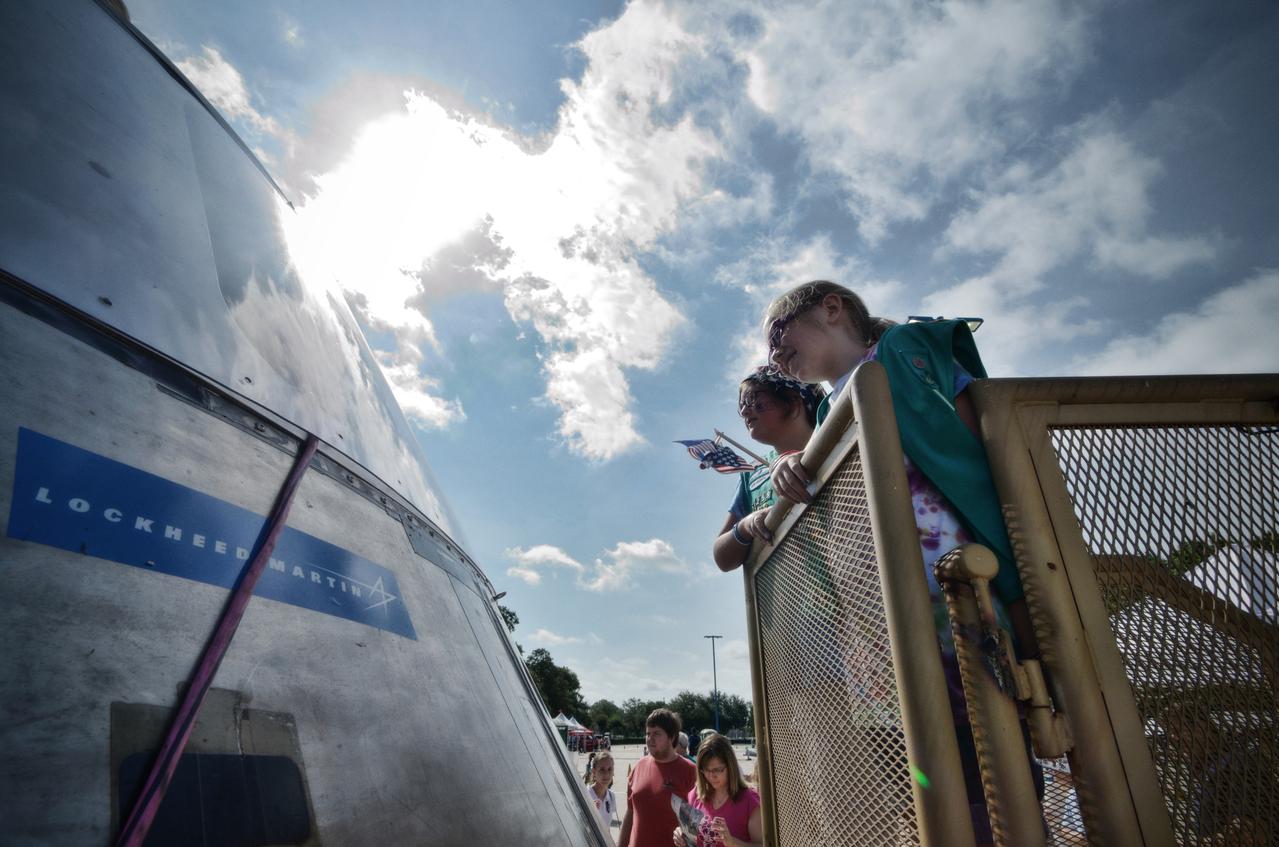
The Orion mockup used for the Post-landing Orion Recovery Test (PORT) is shown on display at event at Space Center Houston on June 1, 2012. Part of Batch image transfer from Flickr.
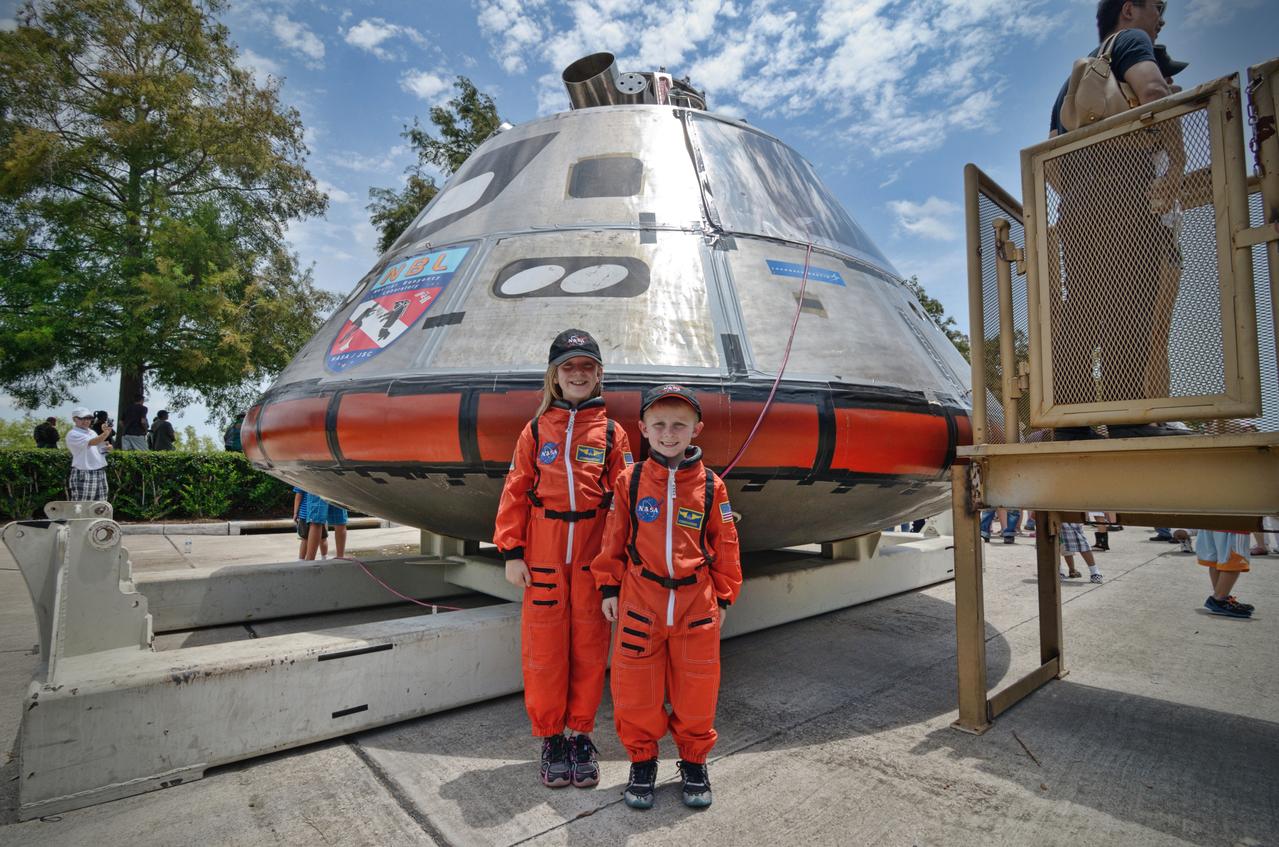
The Orion mockup used for the Post-landing Orion Recovery Test (PORT) is shown on display at event at Space Center Houston on June 1, 2012. Part of Batch image transfer from Flickr.
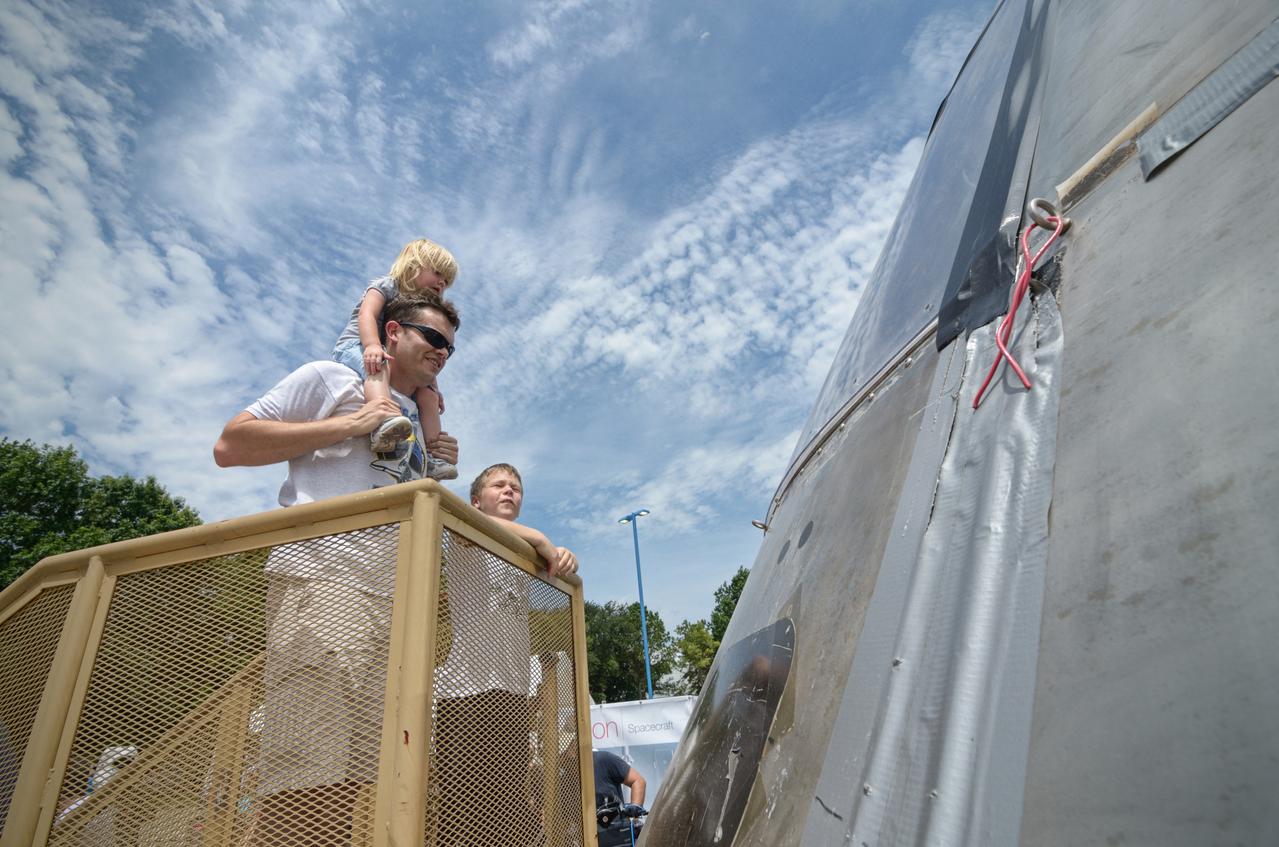
The Orion mockup used for the Post-landing Orion Recovery Test (PORT) is shown on display at event at Space Center Houston on June 1, 2012. Part of Batch image transfer from Flickr.
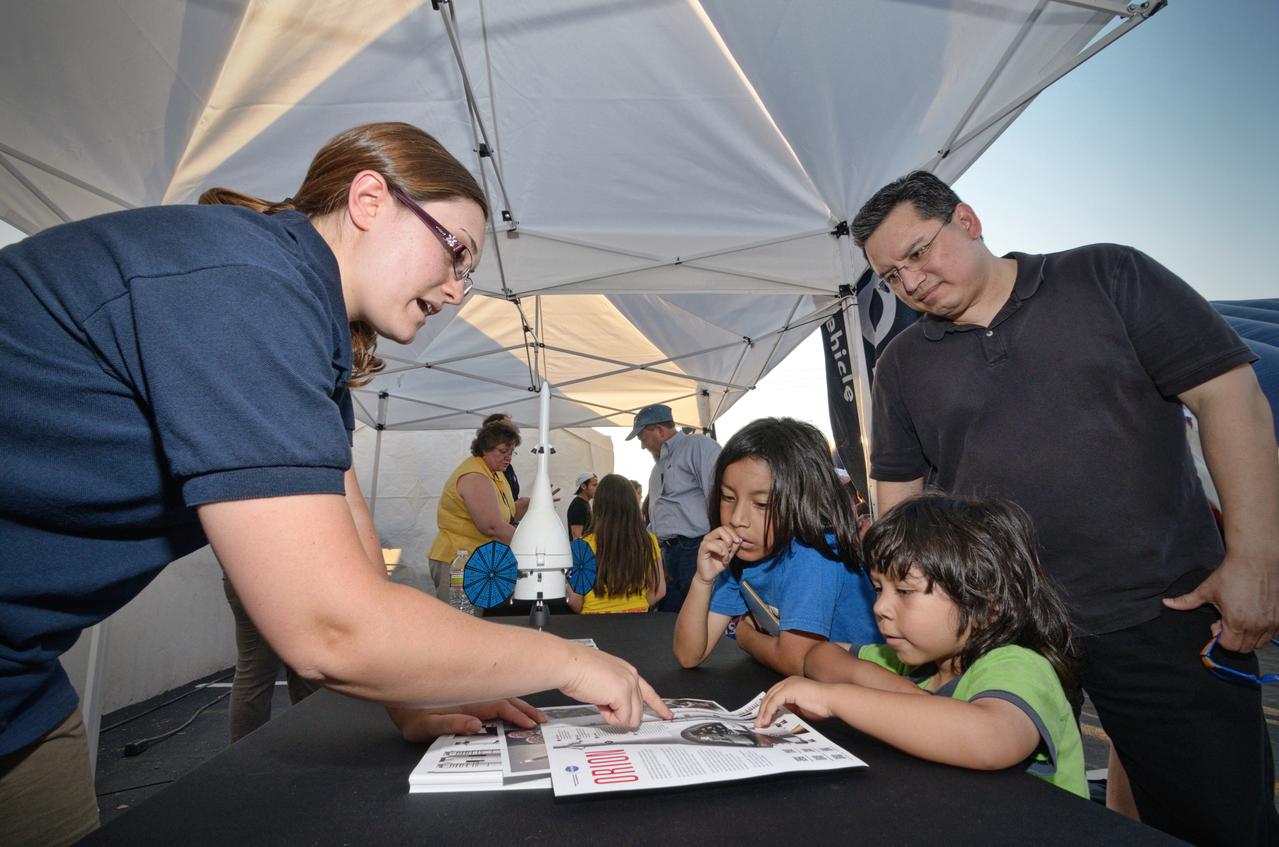
The Orion mockup used for the Post-landing Orion Recovery Test (PORT) is shown on display at event at Space Center Houston on June 1, 2012. Part of Batch image transfer from Flickr.
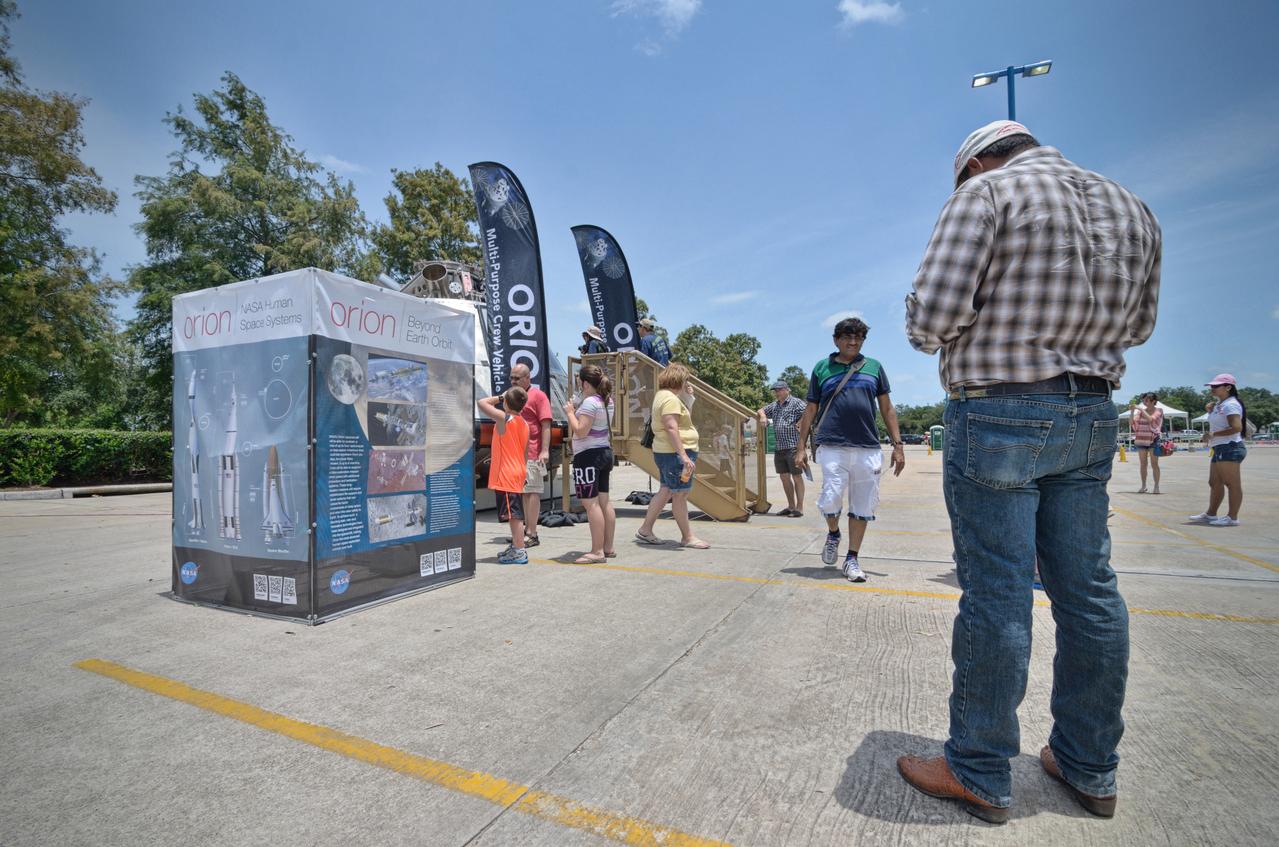
The Orion mockup used for the Post-landing Orion Recovery Test (PORT) is shown on display at event at Space Center Houston on June 1, 2012. Part of Batch image transfer from Flickr.
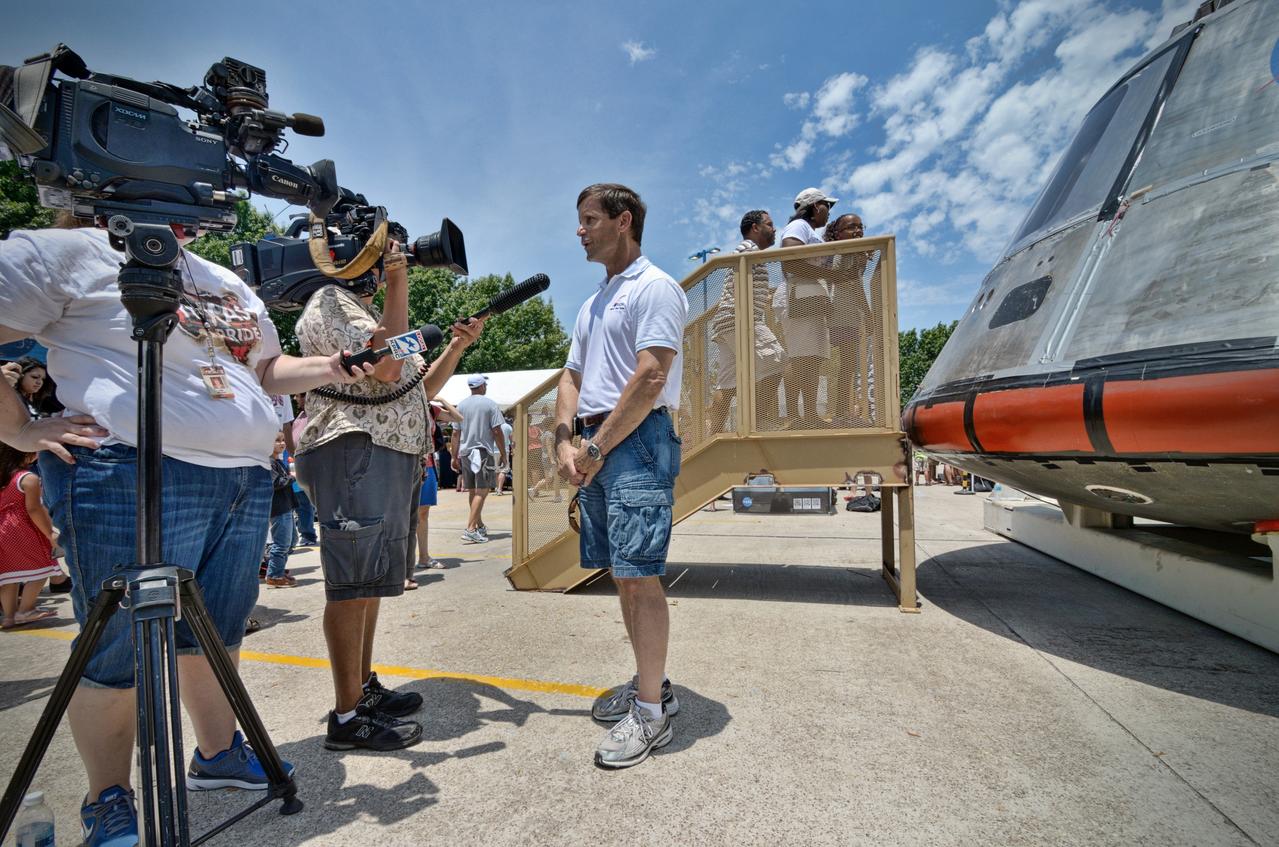
The Orion mockup used for the Post-landing Orion Recovery Test (PORT) is shown on display at event at Space Center Houston on June 1, 2012. Part of Batch image transfer from Flickr.
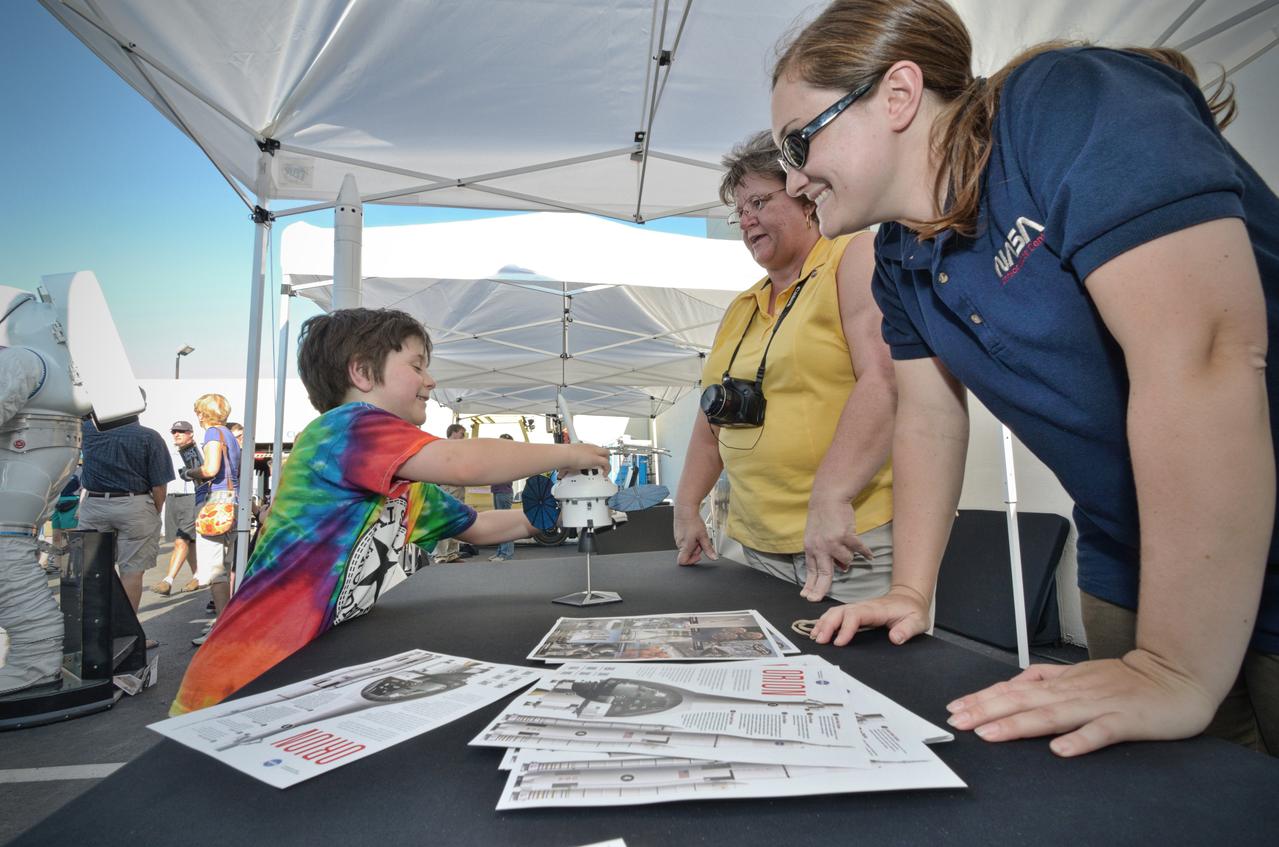
The Orion mockup used for the Post-landing Orion Recovery Test (PORT) is shown on display at event at Space Center Houston on June 1, 2012. Part of Batch image transfer from Flickr.
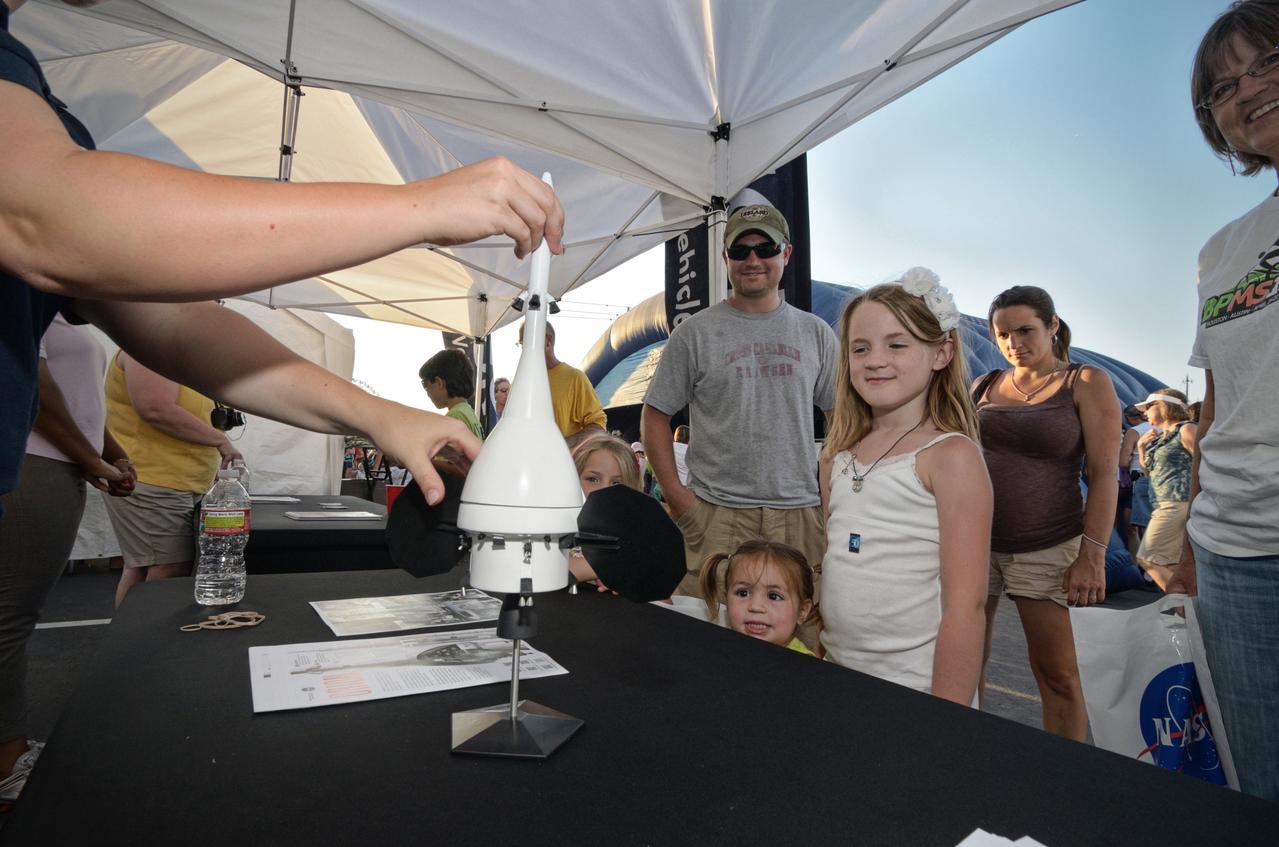
The Orion mockup used for the Post-landing Orion Recovery Test (PORT) is shown on display at event at Space Center Houston on June 1, 2012. Part of Batch image transfer from Flickr.
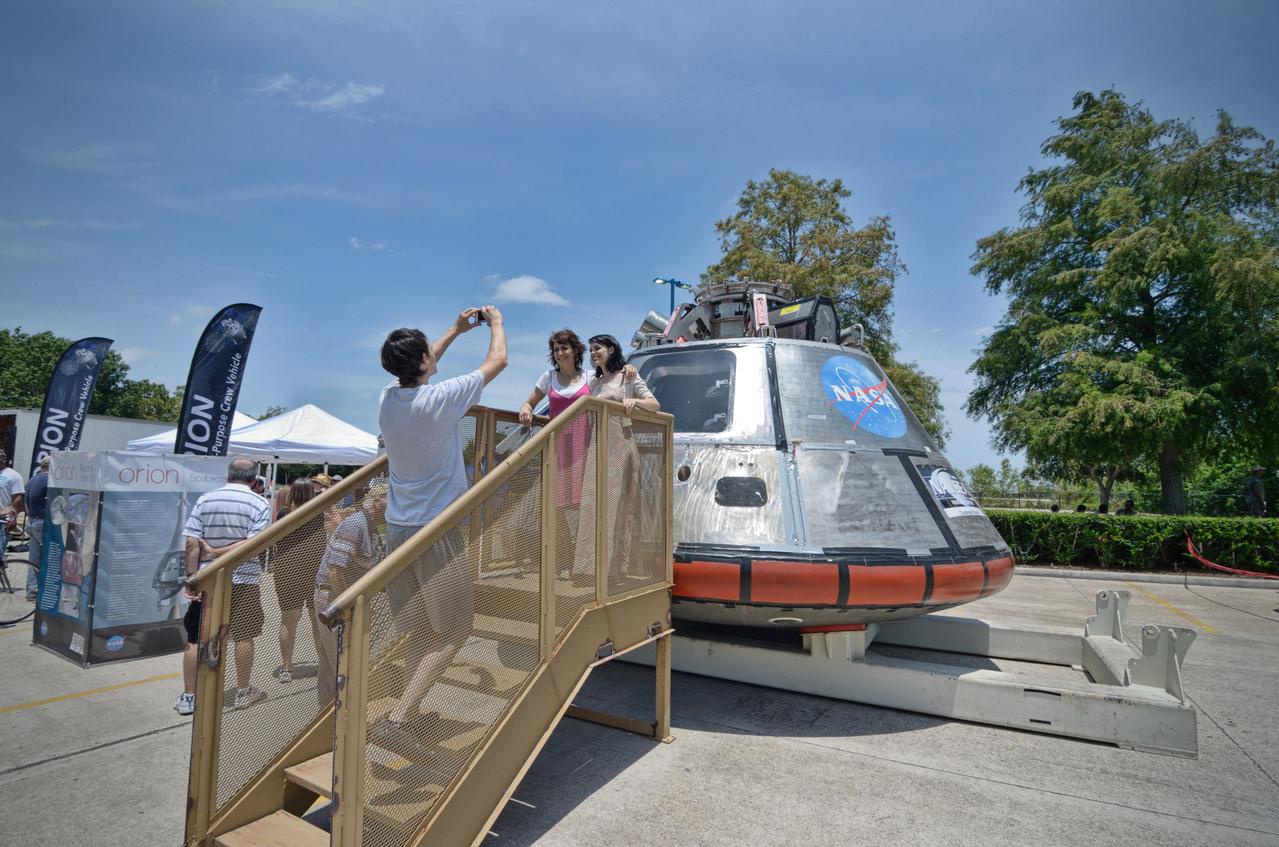
The Orion mockup used for the Post-landing Orion Recovery Test (PORT) is shown on display at event at Space Center Houston on June 1, 2012. Part of Batch image transfer from Flickr.
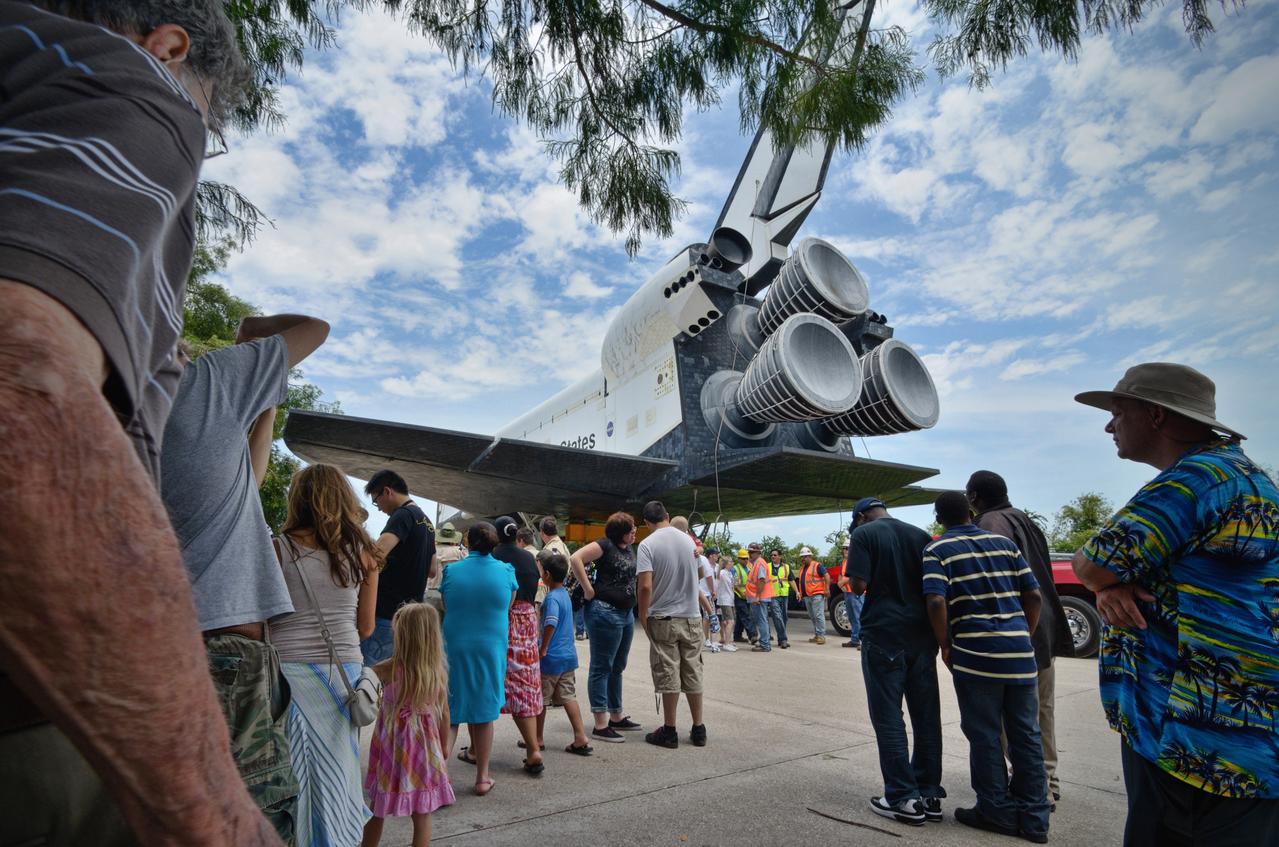
The Orion mockup used for the Post-landing Orion Recovery Test (PORT) is shown on display at event at Space Center Houston on June 1, 2012. Part of Batch image transfer from Flickr.
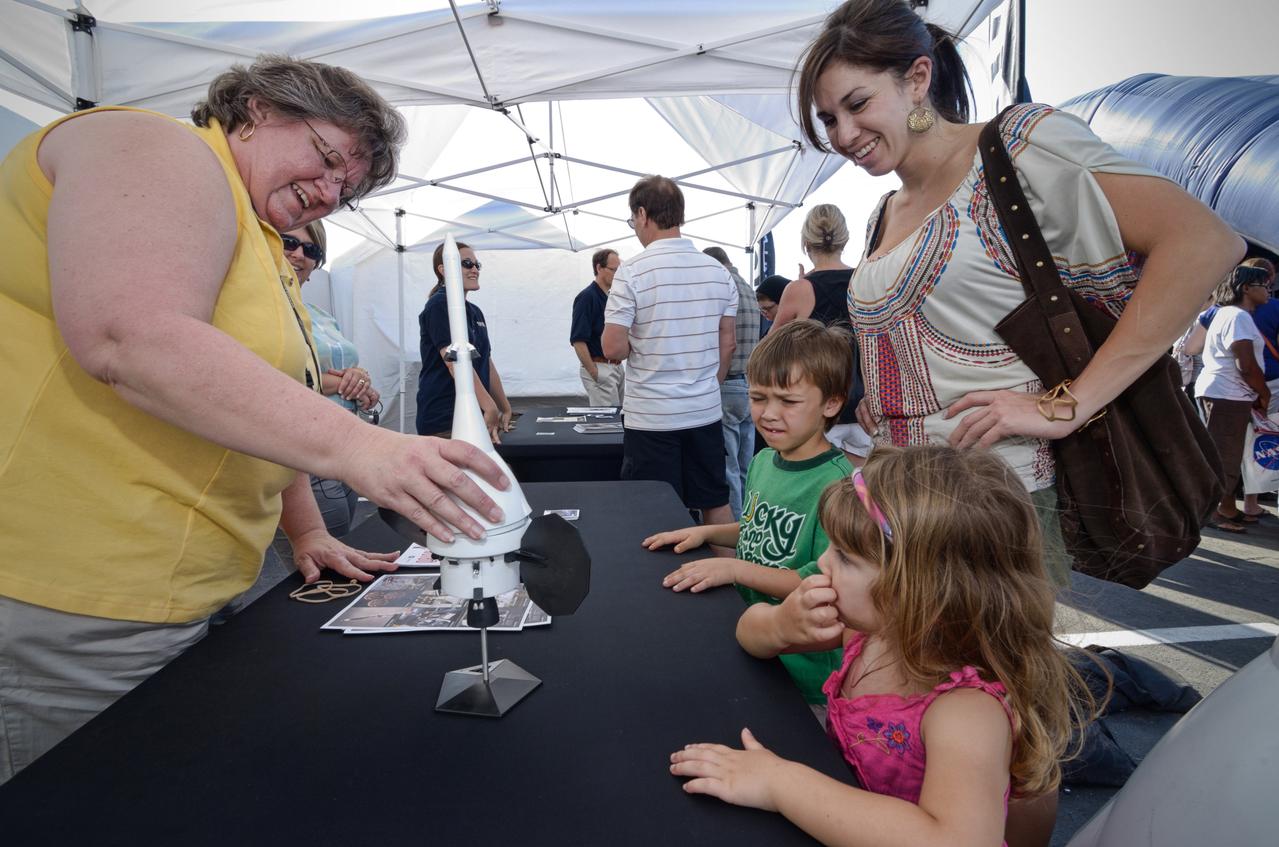
The Orion mockup used for the Post-landing Orion Recovery Test (PORT) is shown on display at event at Space Center Houston on June 1, 2012. Part of Batch image transfer from Flickr.
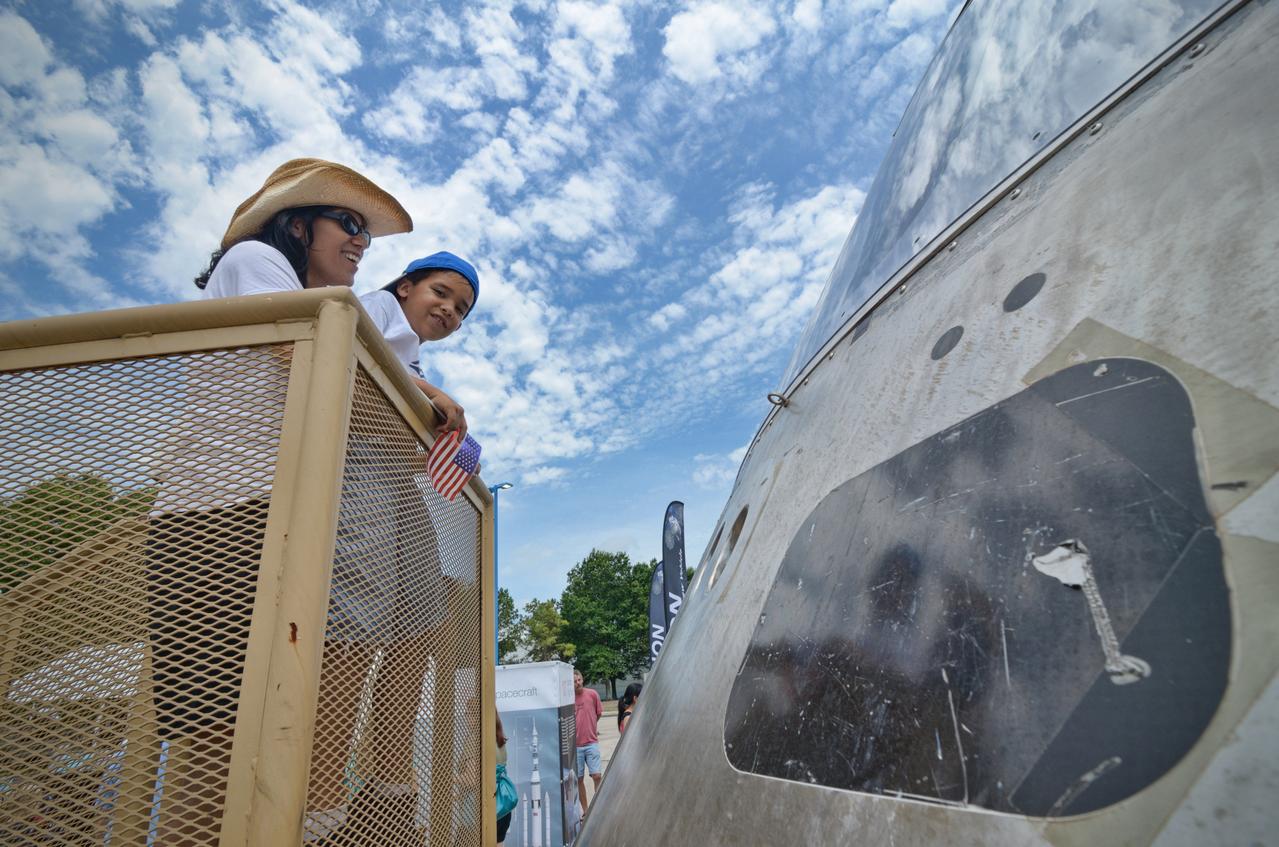
The Orion mockup used for the Post-landing Orion Recovery Test (PORT) is shown on display at event at Space Center Houston on June 1, 2012. Part of Batch image transfer from Flickr.
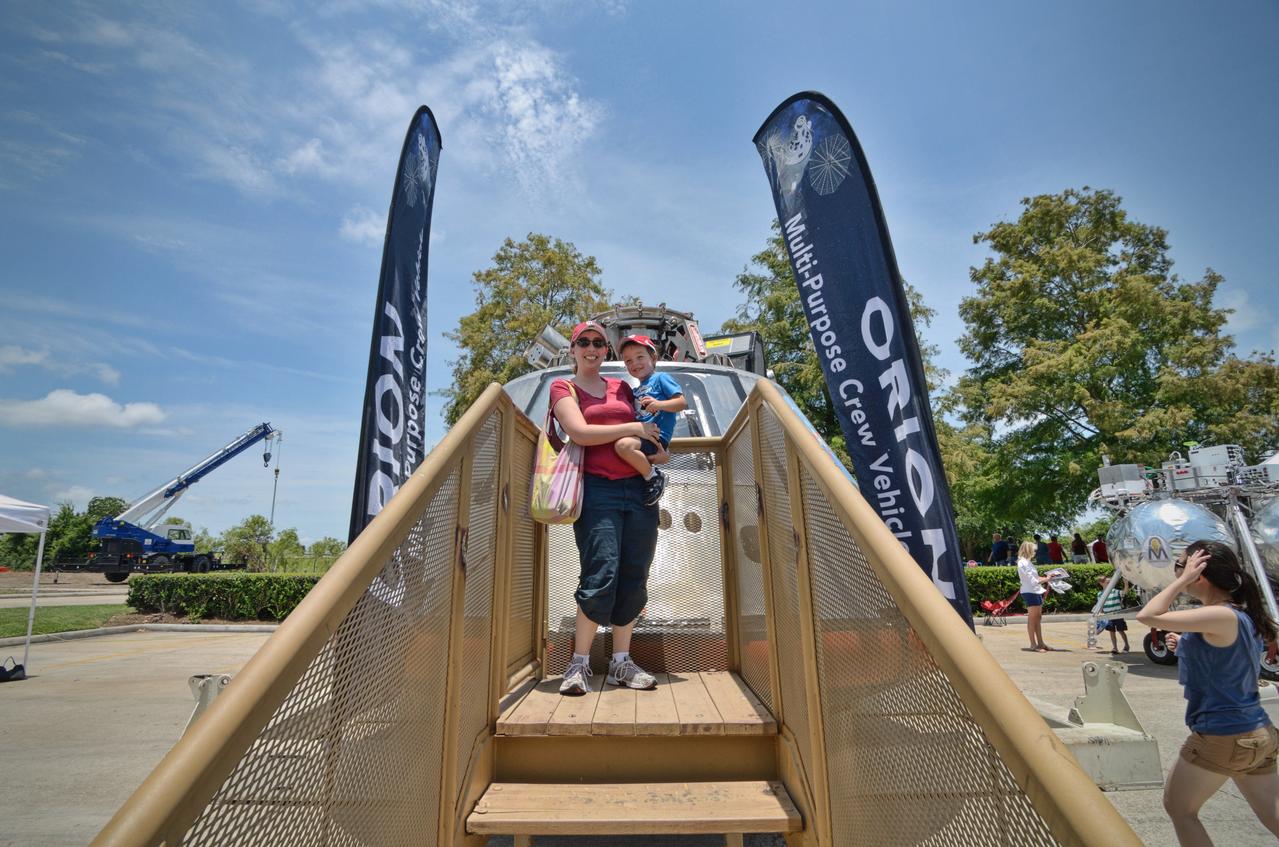
The Orion mockup used for the Post-landing Orion Recovery Test (PORT) is shown on display at event at Space Center Houston on June 1, 2012. Part of Batch image transfer from Flickr.
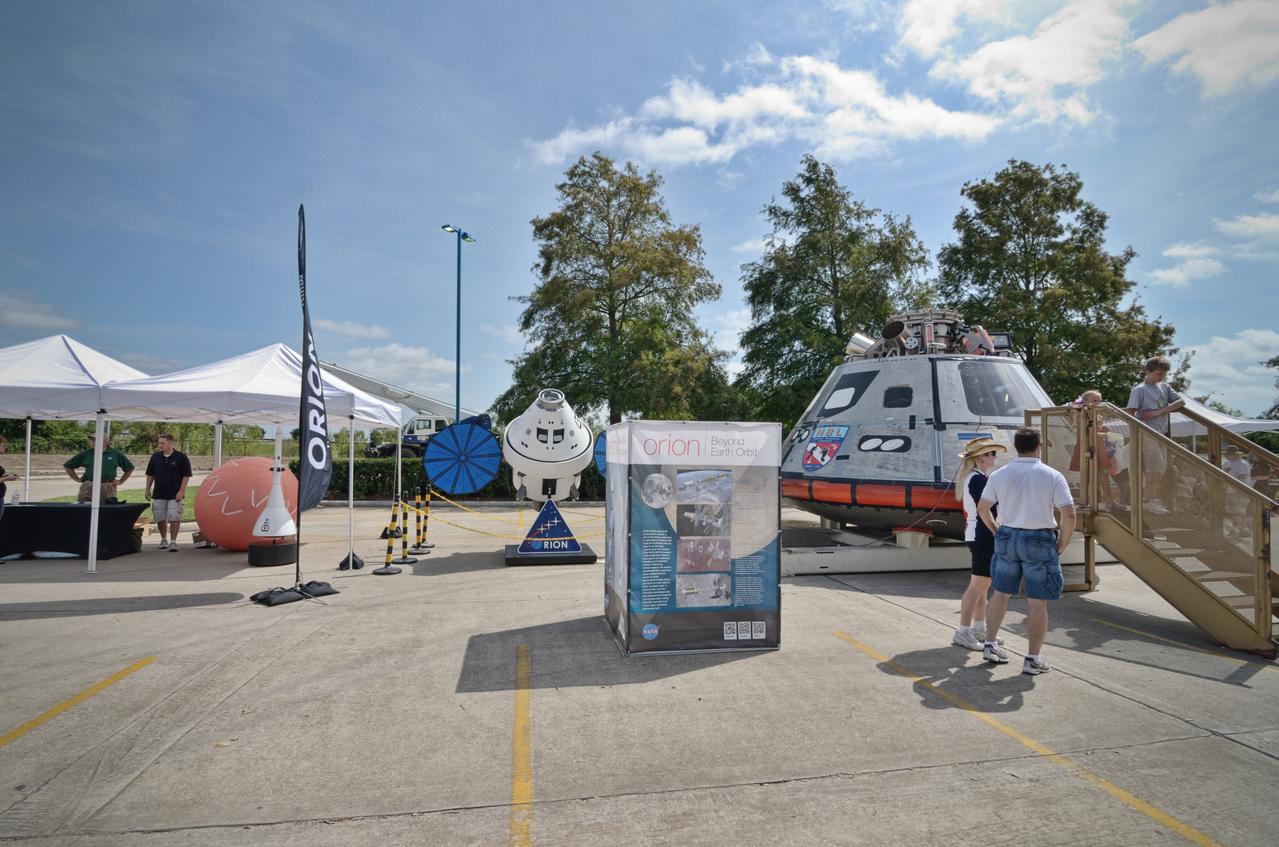
The Orion mockup used for the Post-landing Orion Recovery Test (PORT) is shown on display at event at Space Center Houston on June 1, 2012. Part of Batch image transfer from Flickr.
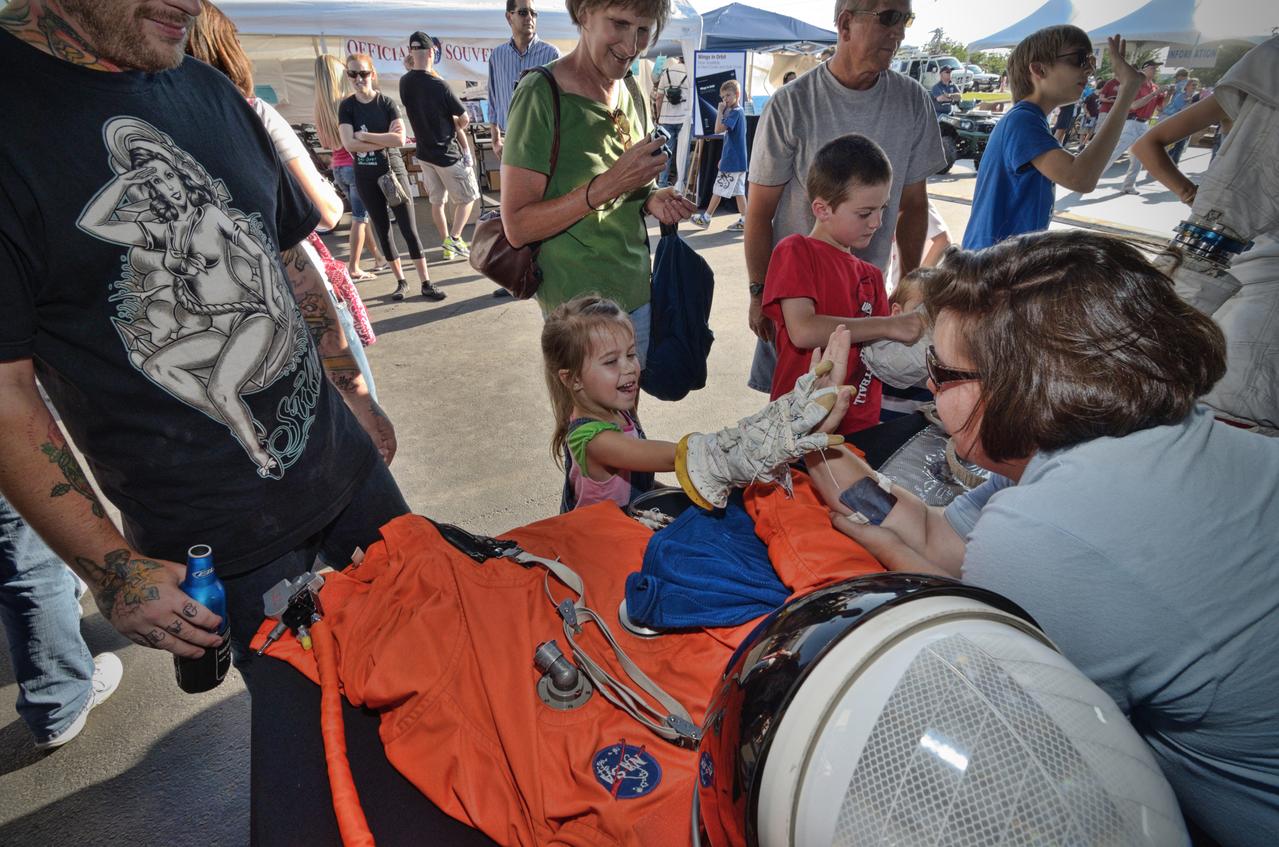
The Orion mockup used for the Post-landing Orion Recovery Test (PORT) is shown on display at event at Space Center Houston on June 1, 2012. Part of Batch image transfer from Flickr.
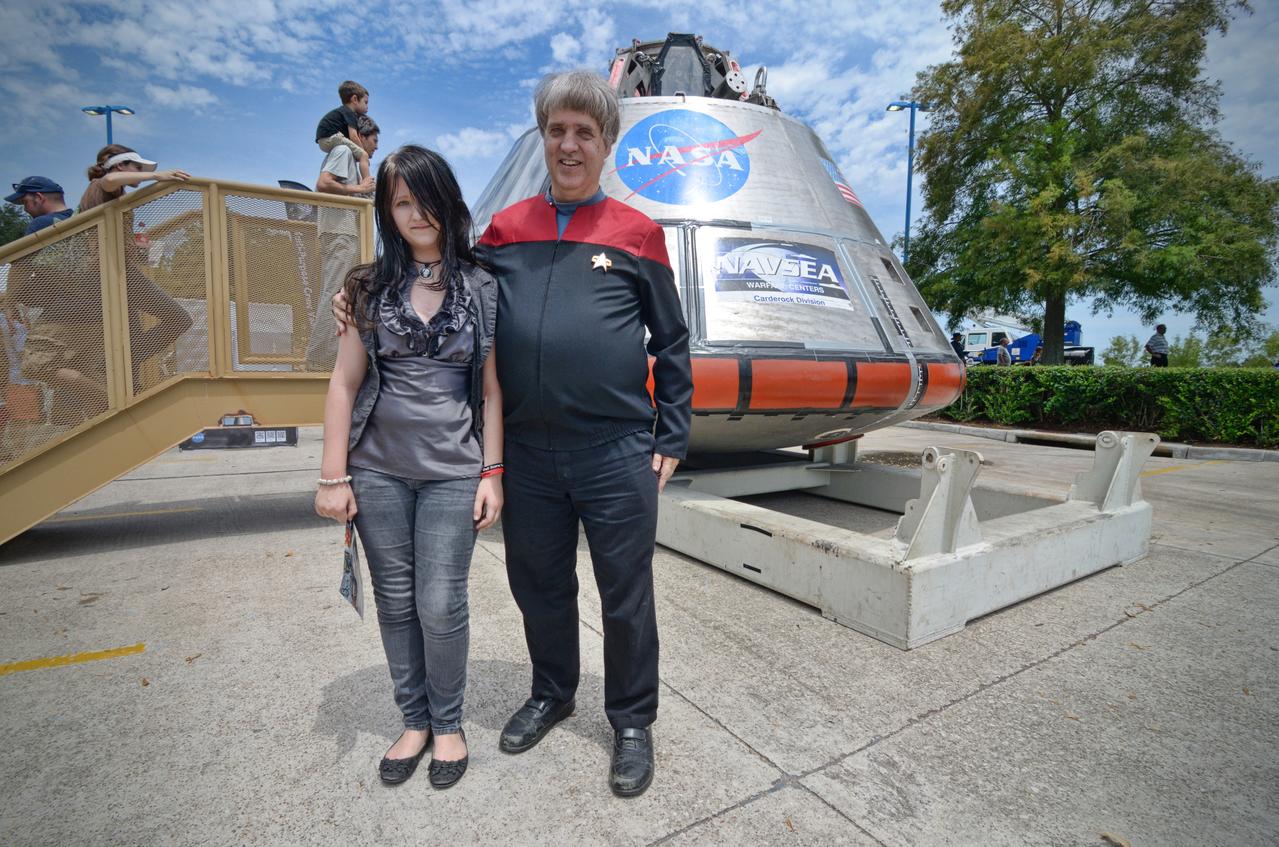
The Orion mockup used for the Post-landing Orion Recovery Test (PORT) is shown on display at event at Space Center Houston on June 1, 2012. Part of Batch image transfer from Flickr.
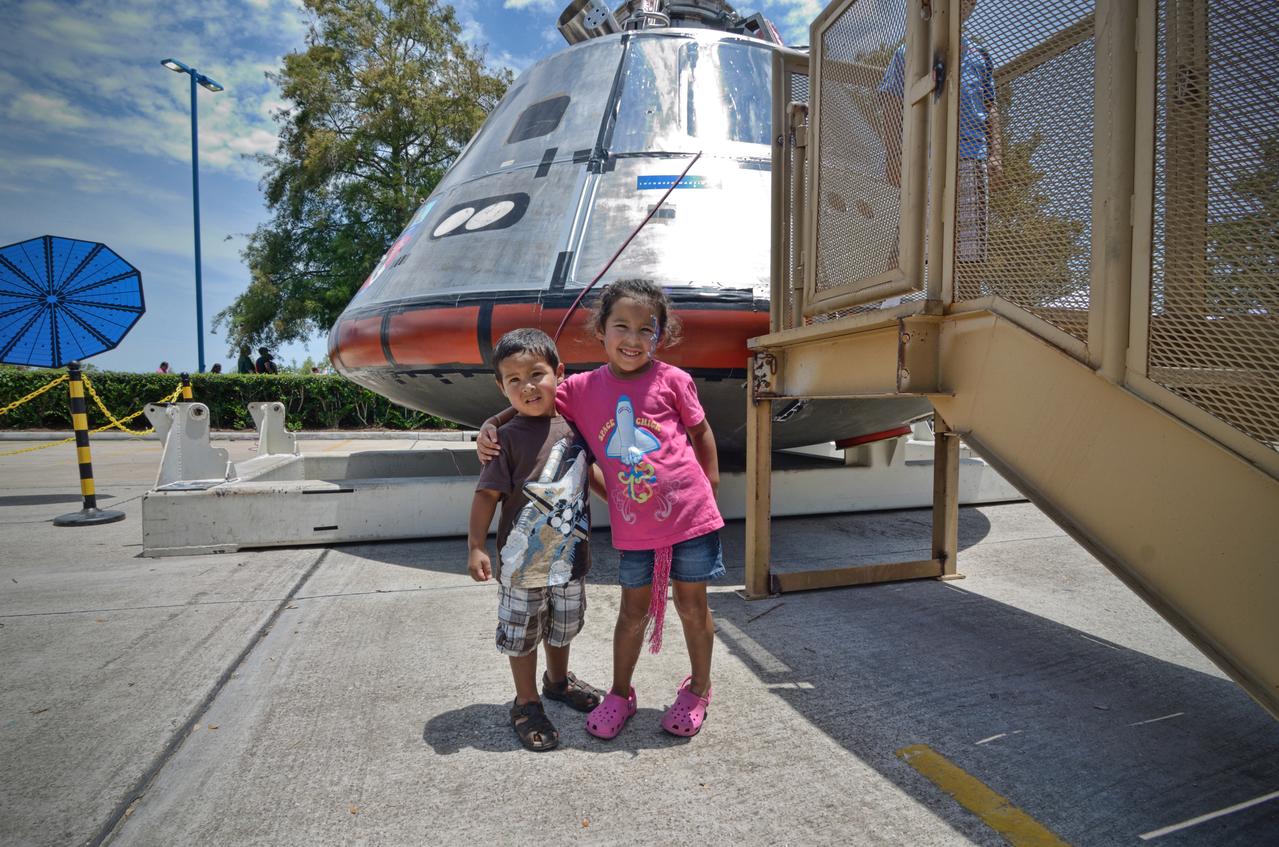
The Orion mockup used for the Post-landing Orion Recovery Test (PORT) is shown on display at event at Space Center Houston on June 1, 2012. Part of Batch image transfer from Flickr.
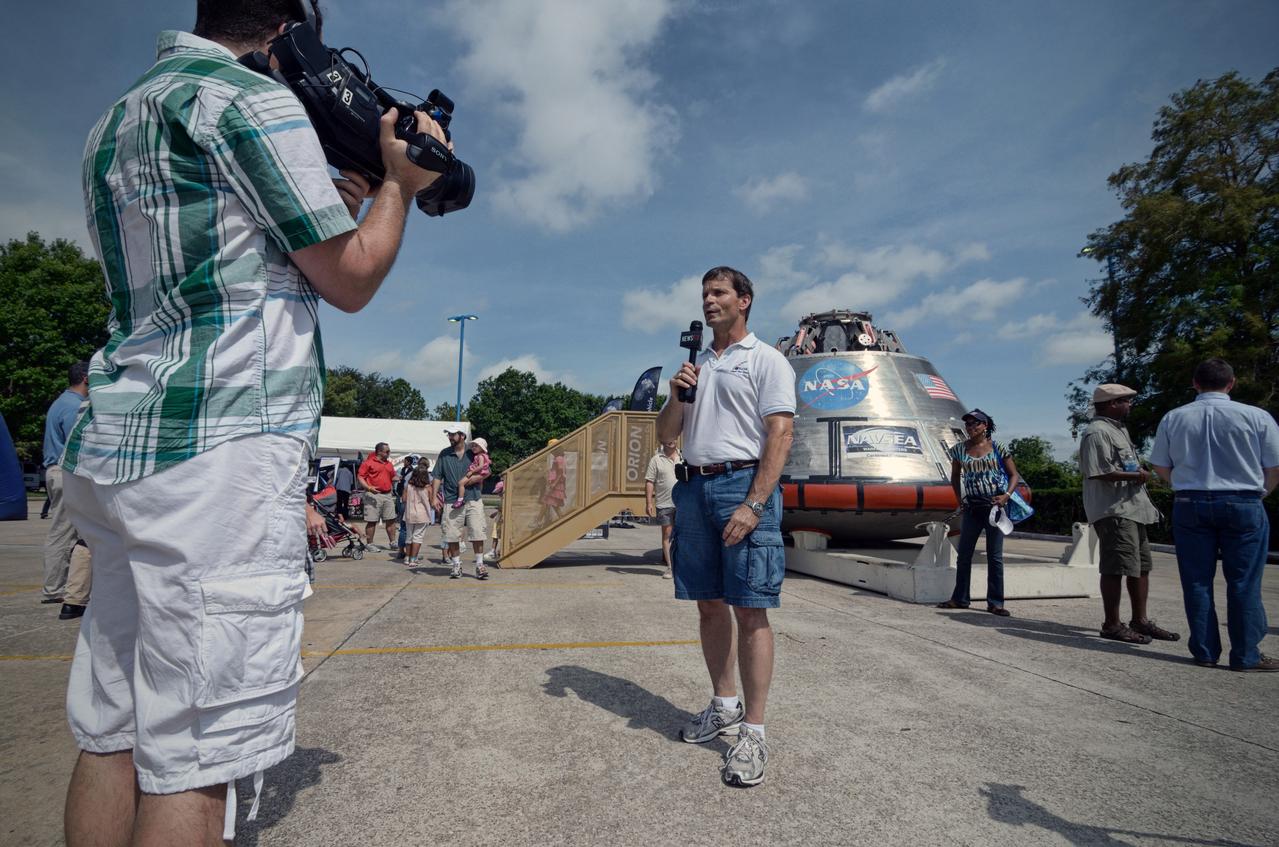
The Orion mockup used for the Post-landing Orion Recovery Test (PORT) is shown on display at event at Space Center Houston on June 1, 2012. Part of Batch image transfer from Flickr.
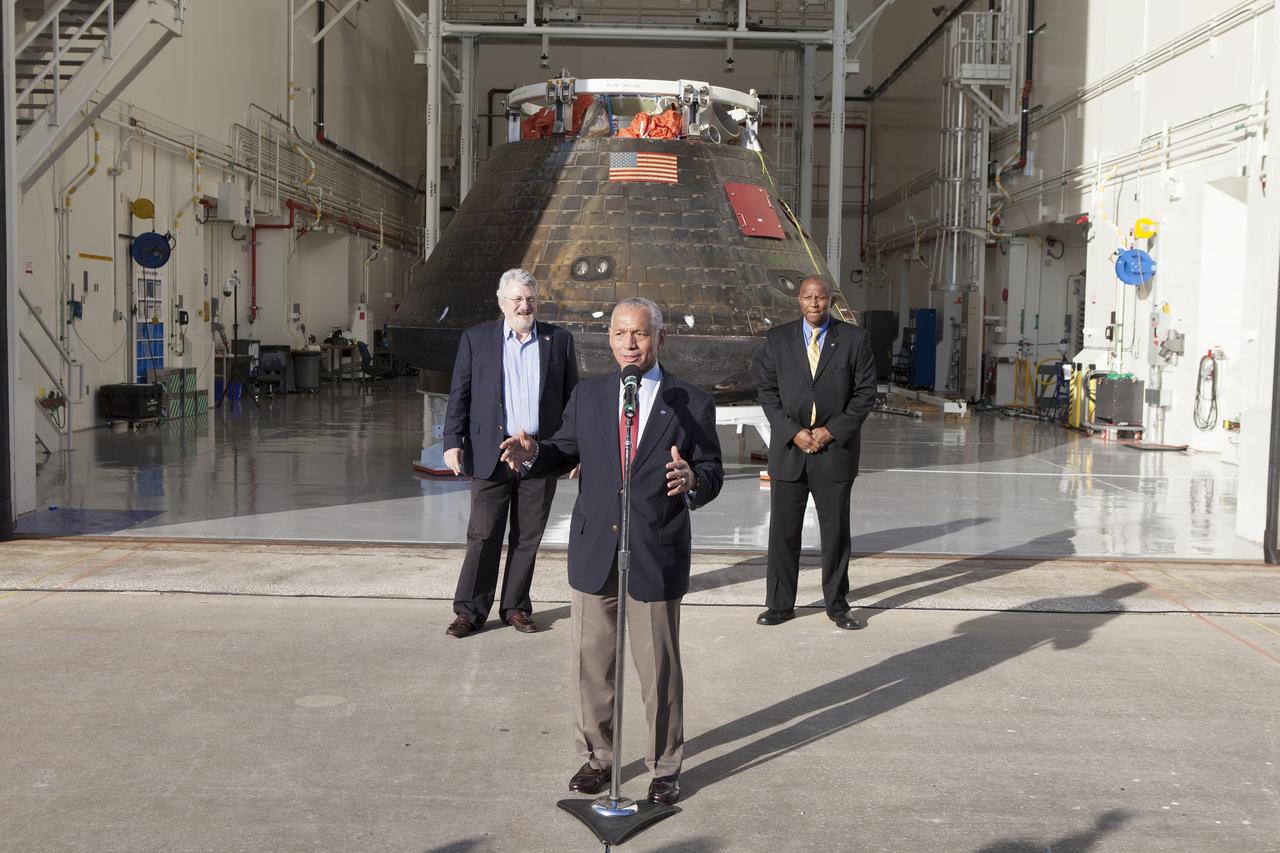
CAPE CANAVERAL, Fla. -- NASA Administrator Charlie Bolden looked over the agency's Orion spacecraft this morning for the first time since it returned to Kennedy Space Center following the successful Orion flight test on Dec. 5. At right is Kennedy Space Center Associate Director Kelvin Manning. At left is Paul Cooper, a Lockheed Martin manager. Bearing the marks of a spacecraft that has returned to Earth through a searing plunge into the atmosphere, Orion is perched on a pedestal inside the Launch Abort System Facility at Kennedy where it is going through post-mission processing. Although the spacecraft Bolden looked over did not fly with a crew aboard during the flight test, Orion is designed to carry astronauts into deep space in the future setting NASA and the nation firmly on the journey to Mars. Photo credit: NASA/Cory Huston
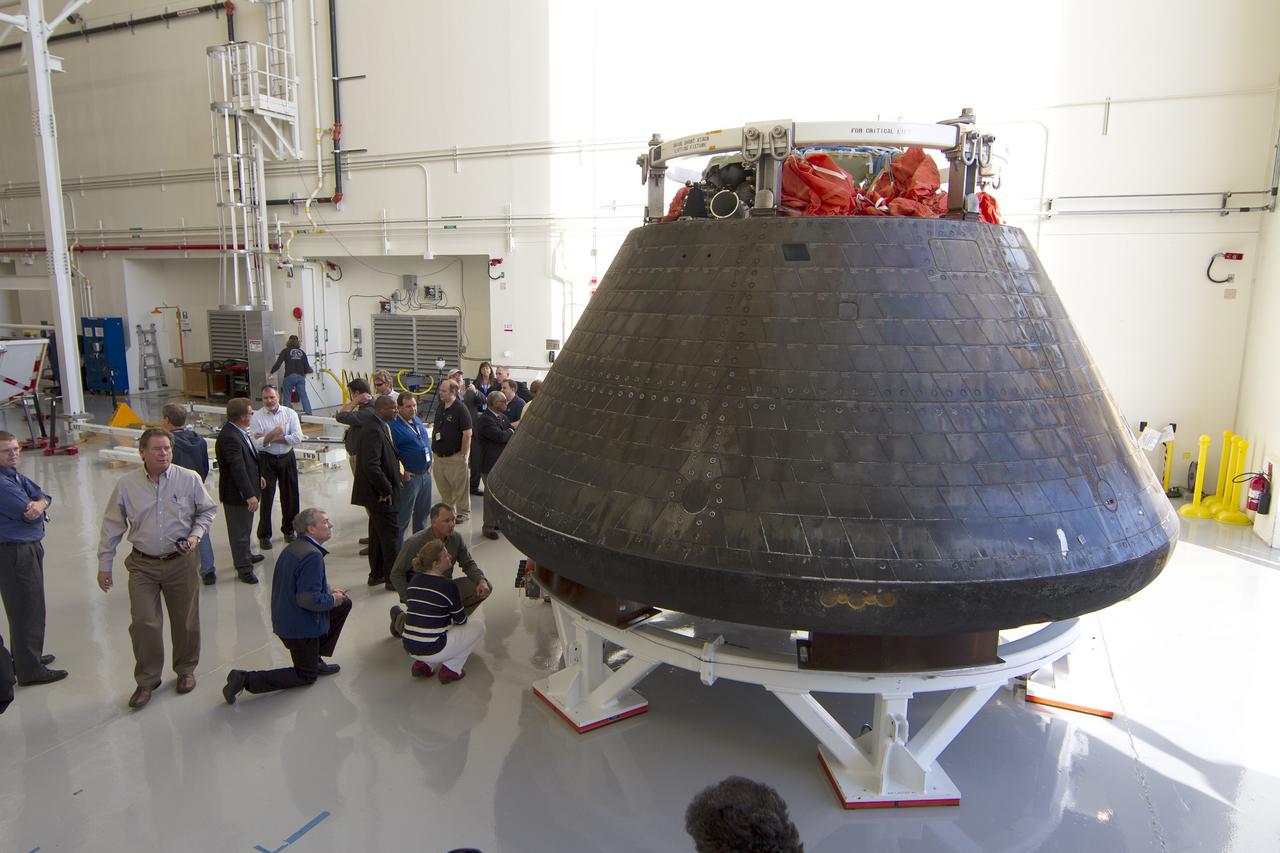
CAPE CANAVERAL, Fla. -- NASA Administrator Charlie Bolden, standing near Orion, looked over the agency's spacecraft this morning for the first time since it returned to Kennedy Space Center following the successful Orion flight test on Dec. 5. Bearing the marks of a spacecraft that has returned to Earth through a searing plunge into the atmosphere, Orion is perched on a pedestal inside the Launch Abort System Facility at Kennedy where it is going through post-mission processing. Although the spacecraft Bolden looked over did not fly with a crew aboard during the flight test, Orion is designed to carry astronauts into deep space in the future setting NASA and the nation firmly on the journey to Mars. Photo credit: NASA/Cory Huston
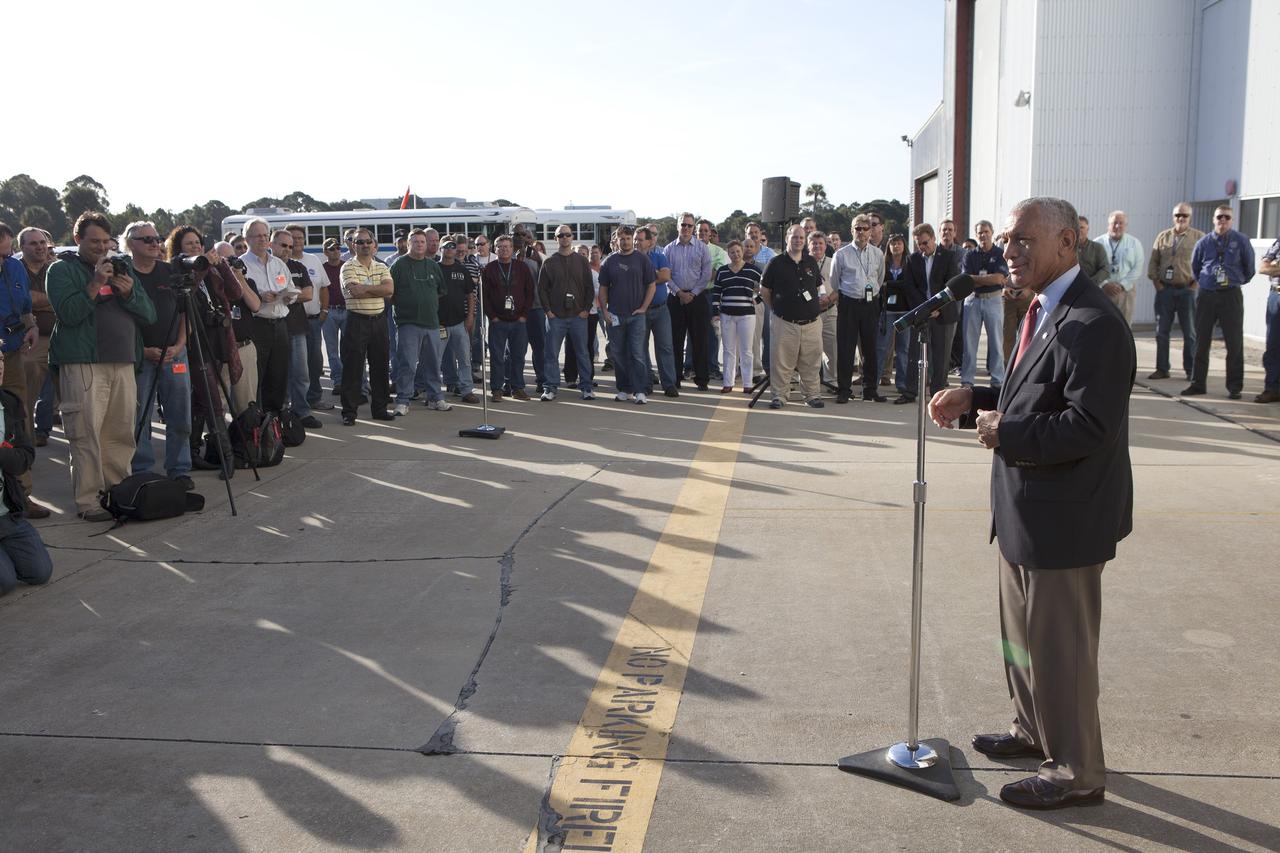
CAPE CANAVERAL, Fla. -- NASA Administrator Charlie Bolden spoke to members of the news media before looking over the agency's Orion spacecraft this morning for the first time since it returned to Kennedy Space Center following the successful Orion flight test on Dec. 5. Bearing the marks of a spacecraft that has returned to Earth through a searing plunge into the atmosphere, Orion is perched on a pedestal inside the Launch Abort System Facility at Kennedy where it is going through post-mission processing. Although the spacecraft Bolden looked over did not fly with a crew aboard during the flight test, Orion is designed to carry astronauts into deep space in the future setting NASA and the nation firmly on the journey to Mars. Photo credit: NASA/Cory Huston
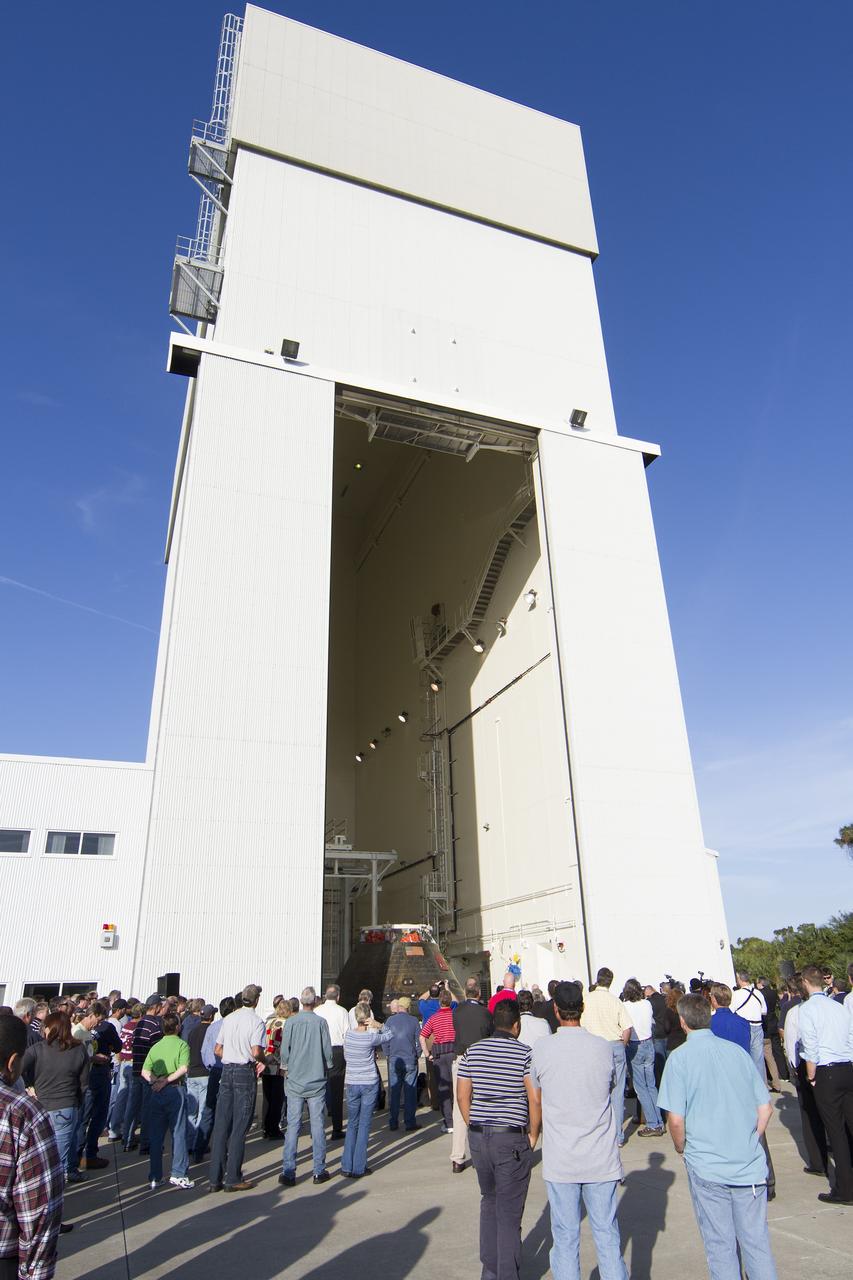
CAPE CANAVERAL, Fla. -- NASA Administrator Charlie Bolden spoke to members of the media before looking over the agency's Orion spacecraft this morning for the first time since it returned to Kennedy Space Center following the successful Orion flight test on Dec. 5. Bearing the marks of a spacecraft that has returned to Earth through a searing plunge into the atmosphere, Orion is perched on a pedestal inside the Launch Abort System Facility at Kennedy where it is going through post-mission processing. Although the spacecraft Bolden looked over did not fly with a crew aboard during the flight test, Orion is designed to carry astronauts into deep space in the future setting NASA and the nation firmly on the journey to Mars. Photo credit: NASA/Cory Huston
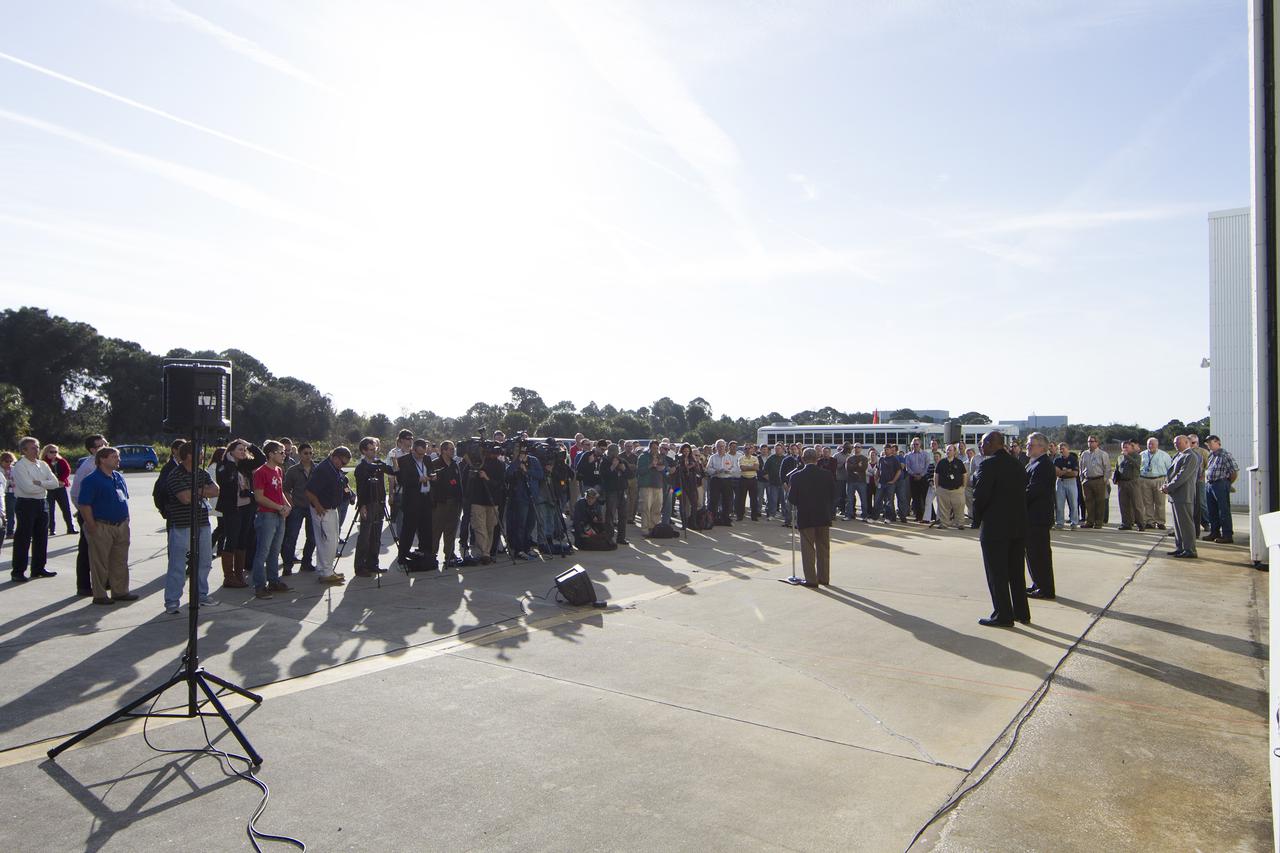
CAPE CANAVERAL, Fla. -- NASA Administrator Charlie Bolden spoke to members of the media before looking over the agency's Orion spacecraft this morning for the first time since it returned to Kennedy Space Center following the successful Orion flight test on Dec. 5. Bearing the marks of a spacecraft that has returned to Earth through a searing plunge into the atmosphere, Orion is perched on a pedestal inside the Launch Abort System Facility at Kennedy where it is going through post-mission processing. Although the spacecraft Bolden looked over did not fly with a crew aboard during the flight test, Orion is designed to carry astronauts into deep space in the future setting NASA and the nation firmly on the journey to Mars. Photo credit: NASA/Cory Huston
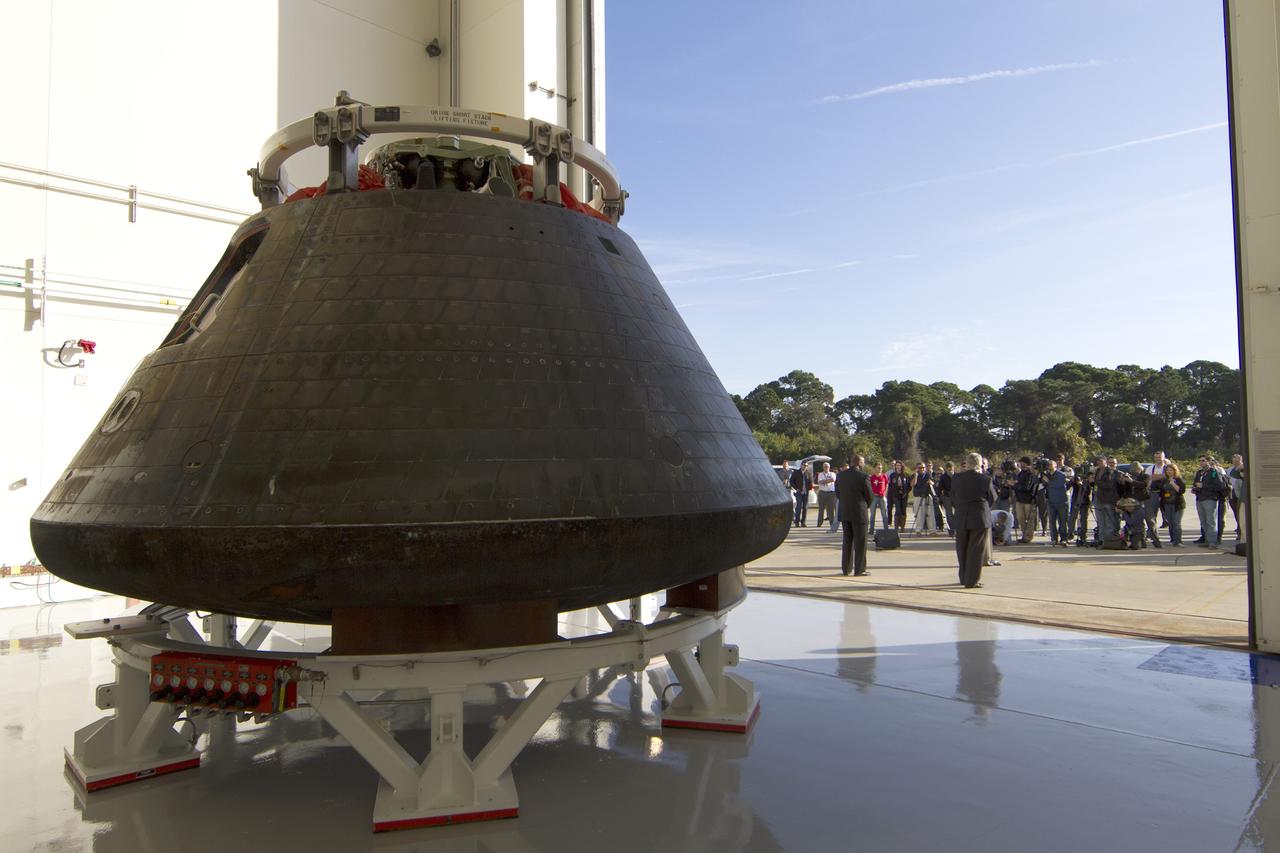
CAPE CANAVERAL, Fla. -- NASA Administrator Charlie Bolden spoke to members of the media before looking over the agency's Orion spacecraft this morning for the first time since it returned to Kennedy Space Center following the successful Orion flight test on Dec. 5. Bearing the marks of a spacecraft that has returned to Earth through a searing plunge into the atmosphere, Orion is perched on a pedestal inside the Launch Abort System Facility at Kennedy where it is going through post-mission processing. Although the spacecraft Bolden looked over did not fly with a crew aboard during the flight test, Orion is designed to carry astronauts into deep space in the future setting NASA and the nation firmly on the journey to Mars. Photo credit: NASA/Cory Huston
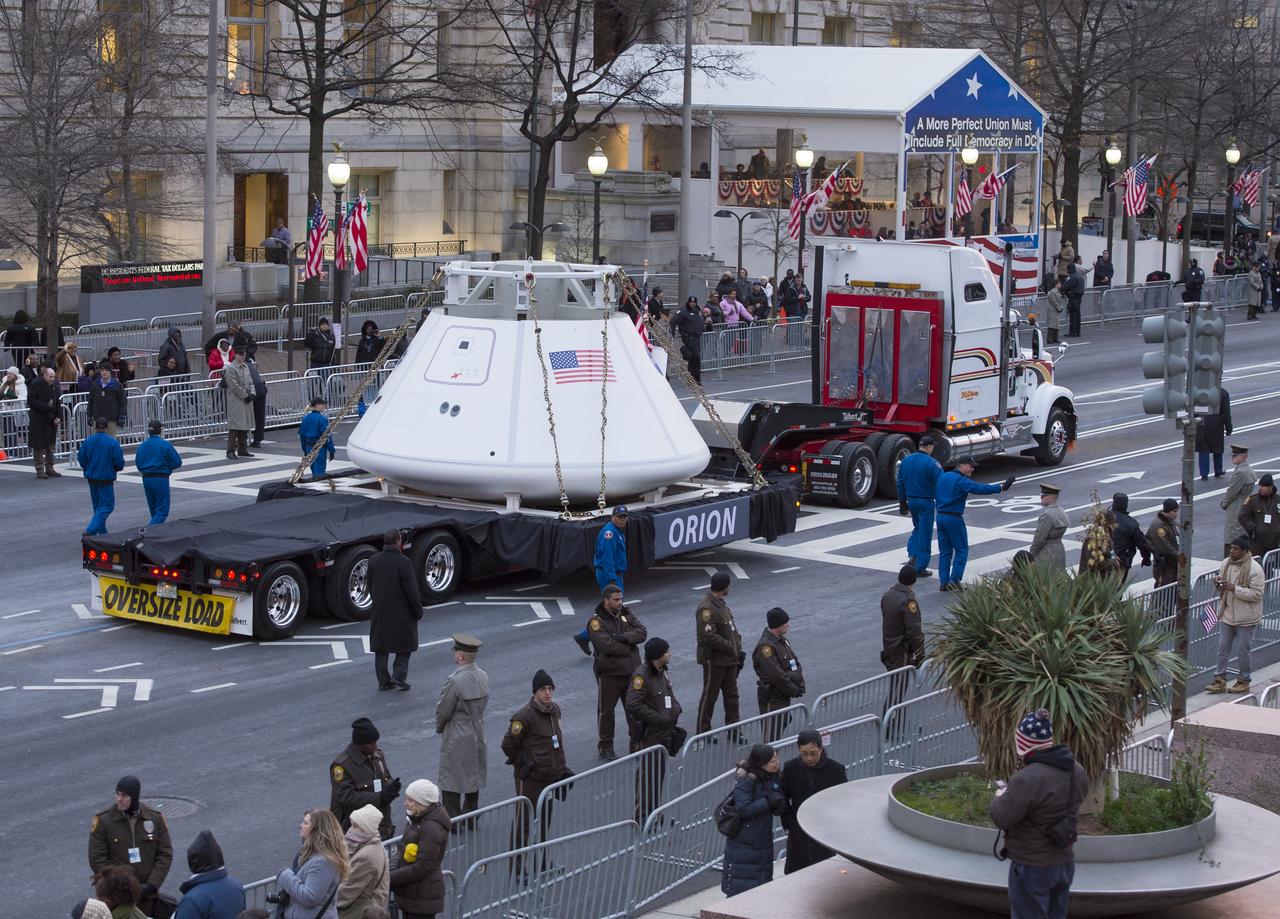
The Orion space capsule is seen as it rolls down Pennsylvania Avenue during the inaugural parade honoring President Barack Obaama, Monday Jan. 21, 2013, in Washington. Obama was sworn-in as the nation's 44th President earlier in the day. Photo Credit: (NASA/Carla Cioffi)
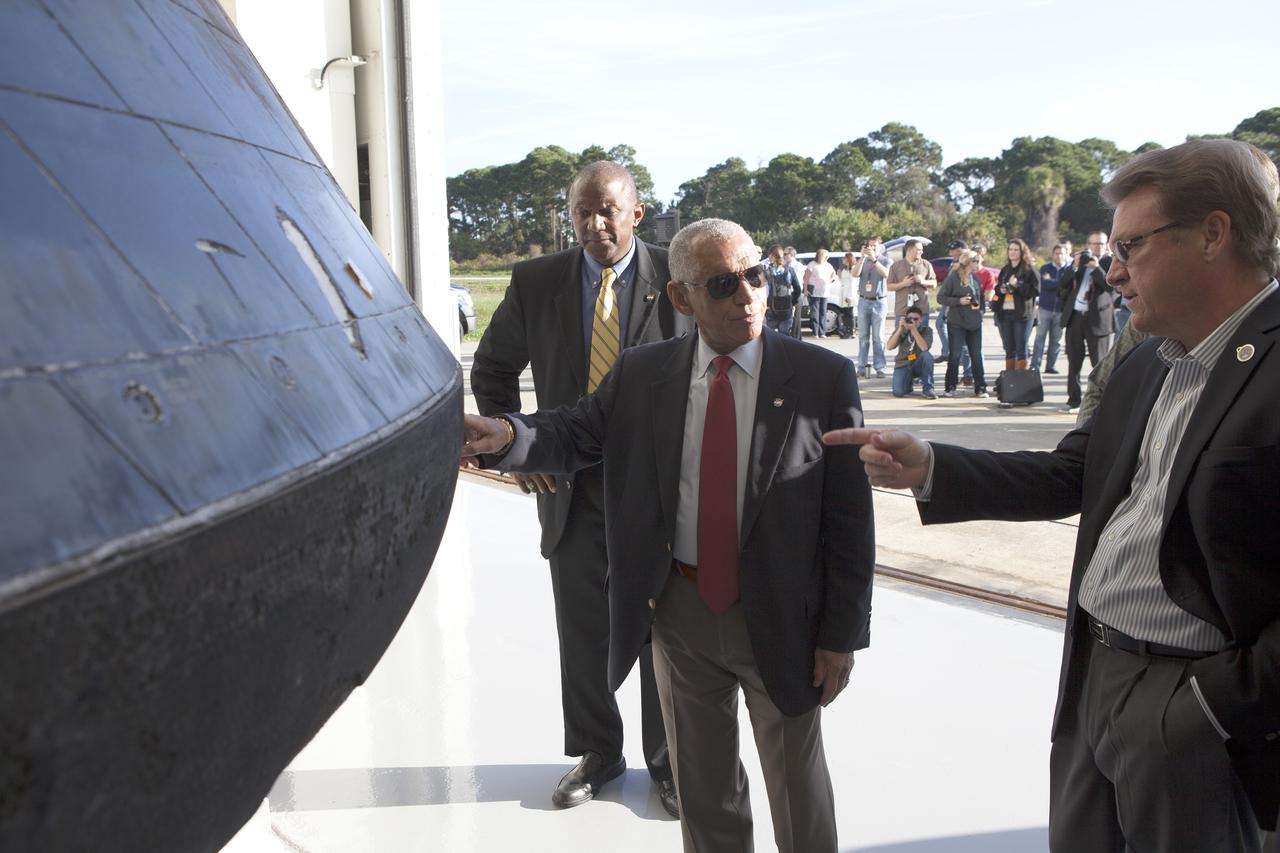
CAPE CANAVERAL, Fla. -- NASA Administrator Charlie Bolden looked over the agency's Orion spacecraft this morning for the first time since it returned to Kennedy Space Center following the successful Orion flight test on Dec. 5. At right is Jules Schneider, Lockheed Martin manager. At left is Kennedy Space Center Associate Director Kelvin Manning. Bearing the marks of a spacecraft that has returned to Earth through a searing plunge into the atmosphere, Orion is perched on a pedestal inside the Launch Abort System Facility at Kennedy where it is going through post-mission processing. Although the spacecraft Bolden looked over did not fly with a crew aboard during the flight test, Orion is designed to carry astronauts into deep space in the future setting NASA and the nation firmly on the journey to Mars. Photo credit: NASA/Cory Huston
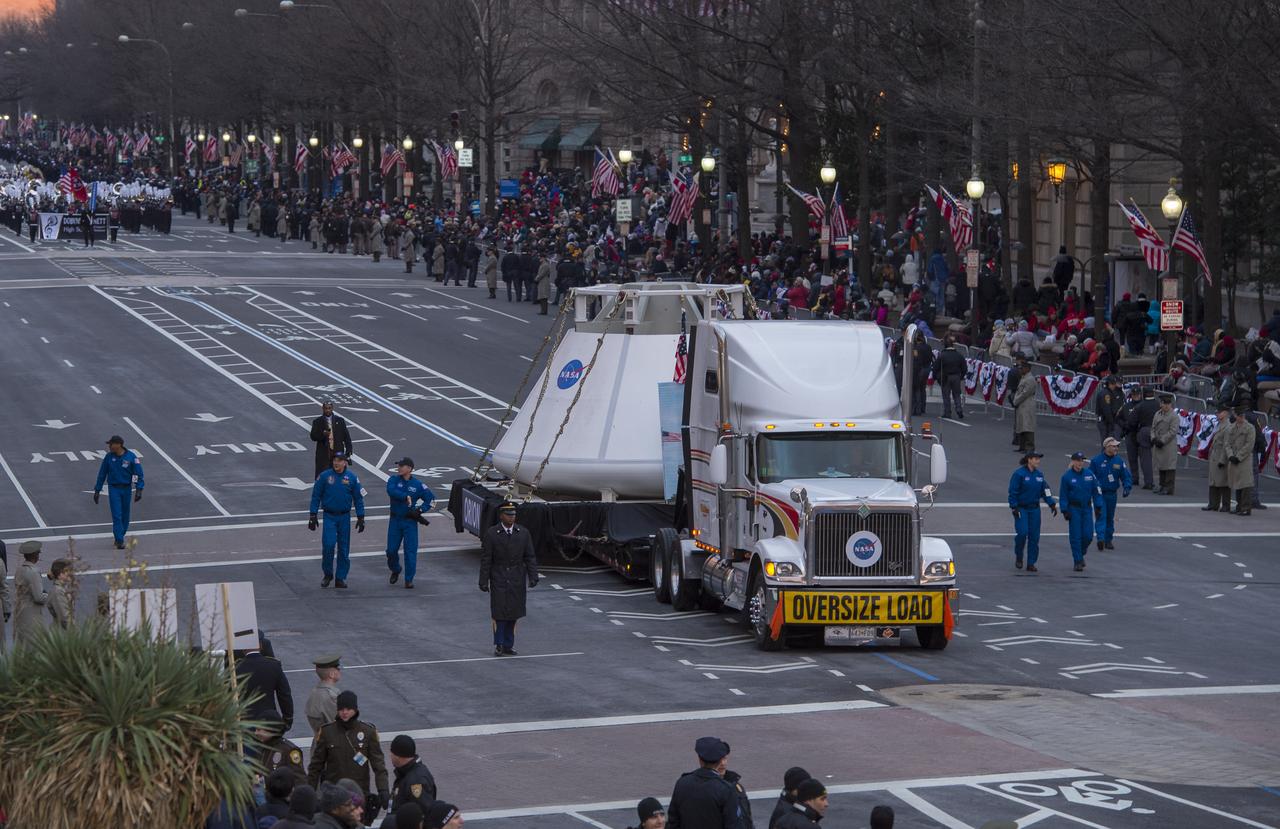
The Orion space capsule is seen as it rolls down Pennsylvania Avenue during the inaugural parade honoring President Barack Obaama, Monday Jan. 21, 2013, in Washington. Obama was sworn-in as the nation's 44th President earlier in the day. Photo Credit: (NASA/Carla Cioffi)
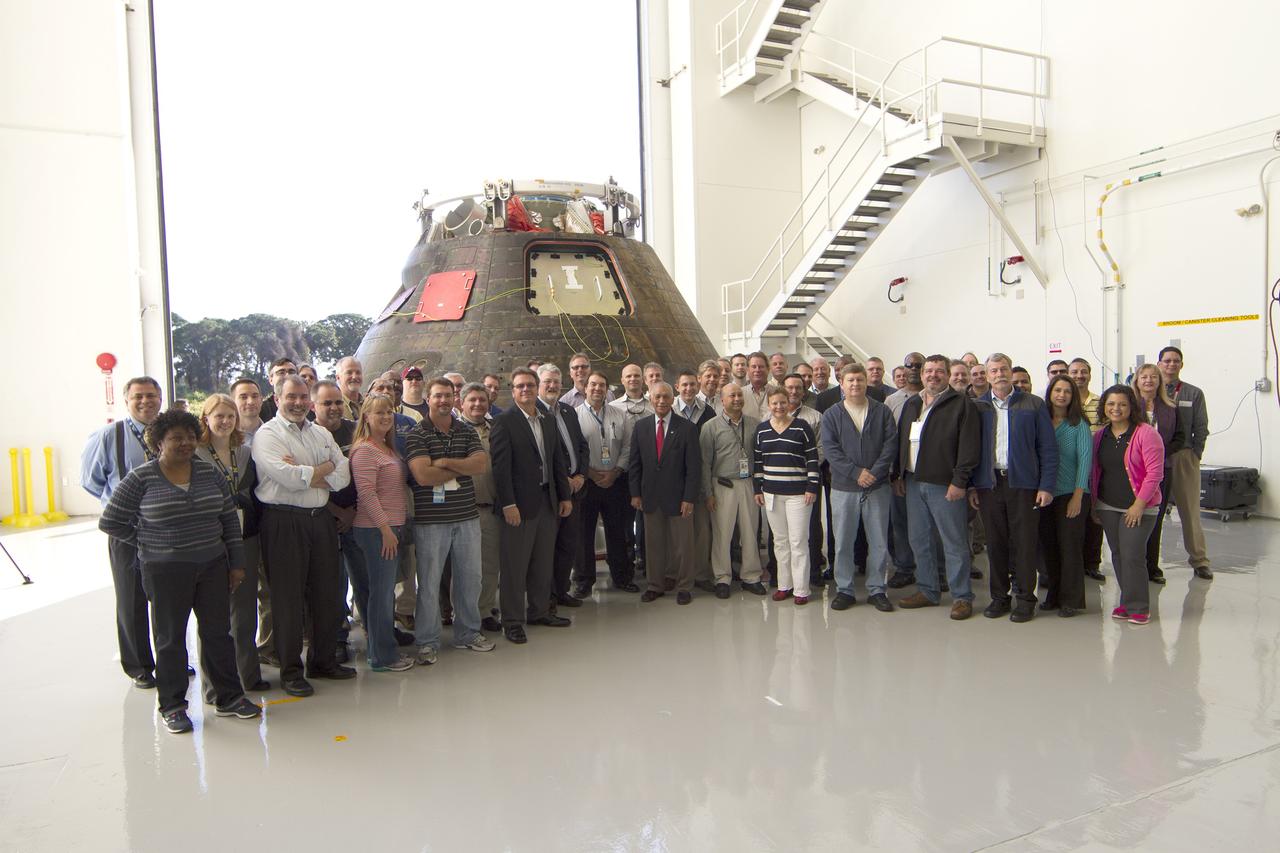
CAPE CANAVERAL, Fla. -- NASA Administrator Charlie Bolden looked over the agency's Orion spacecraft this morning for the first time since it returned to Kennedy Space Center following the successful Orion flight test on Dec. 5. Orion's processing team of Lockheed Martin and NASA workers posed for a photograph with the NASA administrator. Bearing the marks of a spacecraft that has returned to Earth through a searing plunge into the atmosphere, Orion is perched on a pedestal inside the Launch Abort System Facility at Kennedy where it is going through post-mission processing. Although the spacecraft Bolden looked over did not fly with a crew aboard during the flight test, Orion is designed to carry astronauts into deep space in the future setting NASA and the nation firmly on the journey to Mars. Photo credit: NASA/Cory Huston
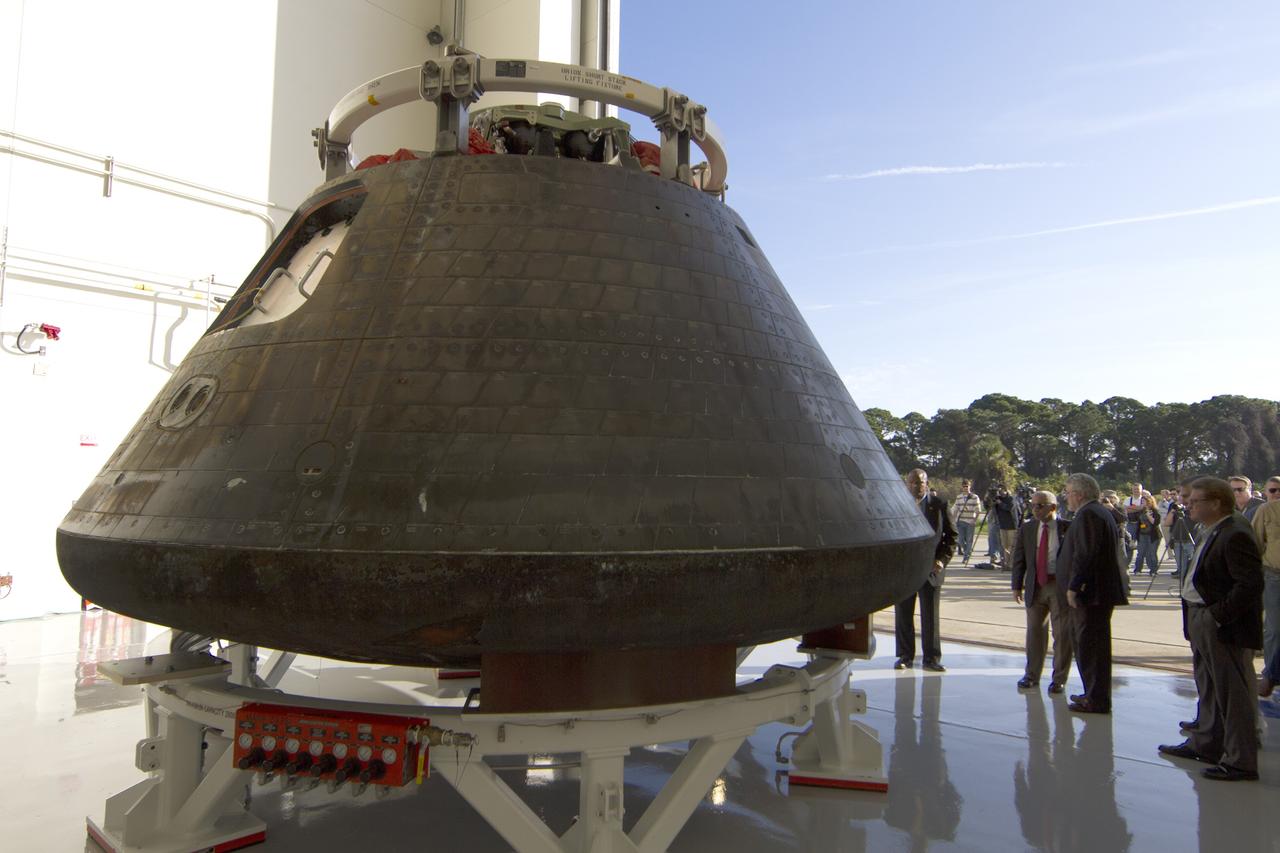
CAPE CANAVERAL, Fla. -- NASA Administrator Charlie Bolden, third from right, looked over the agency's Orion spacecraft this morning for the first time since it returned to Kennedy Space Center following the successful Orion flight test on Dec. 5. At far right is Jules Schneider, Lockheed Martin manager. Standing near Bolden is Paul Cooper, a Lockheed Martin manager. At far left is Kennedy Space Center Associate Director Kelvin Manning. Bearing the marks of a spacecraft that has returned to Earth through a searing plunge into the atmosphere, Orion is perched on a pedestal inside the Launch Abort System Facility at Kennedy where it is going through post-mission processing. Although the spacecraft Bolden looked over did not fly with a crew aboard during the flight test, Orion is designed to carry astronauts into deep space in the future setting NASA and the nation firmly on the journey to Mars. Photo credit: NASA/Cory Huston
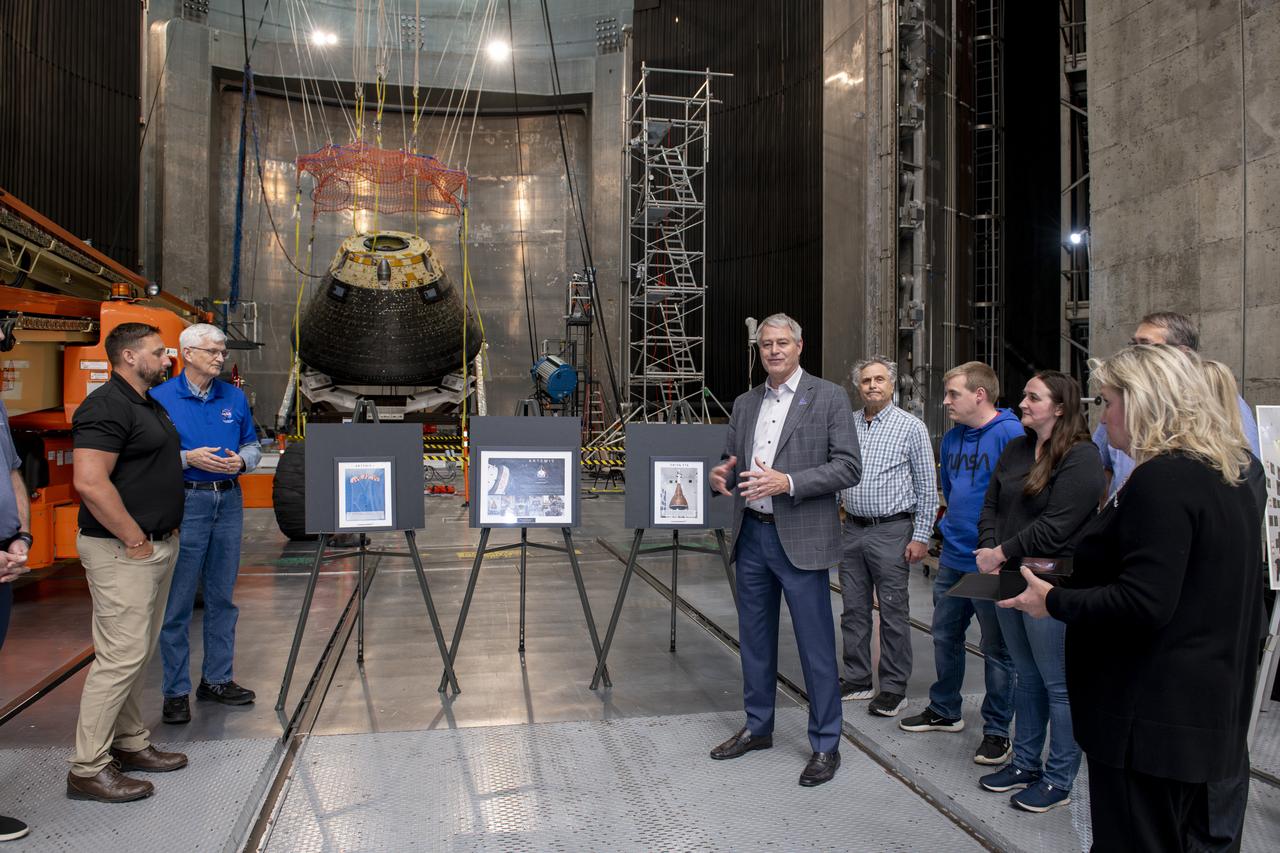
Employees supporting Artemis were invited to attend an appreciation event, “The Road to the Moon,” at Armstrong Test Facility in Sandusky, Ohio. On Thursday, Nov. 21, please join NASA employees and support service contractors for Artemis Friends and Family Day. Employees had the opportunity to hear from center leadership and see the Orion module that flew around the Moon and back during 2022’s Artemis I mission. Lockheed Martin presented an article flown on Artemis I to Robert Overy. Experts have subjected the spacecraft to extreme conditions in Armstrong’s test facilities. This significant testing is slated to wrap up in December, and we want to give you a chance to see the capsule before the conclusion of the test campaign. Photo Credit: (NASA/Sara Lowthian-Hanna)
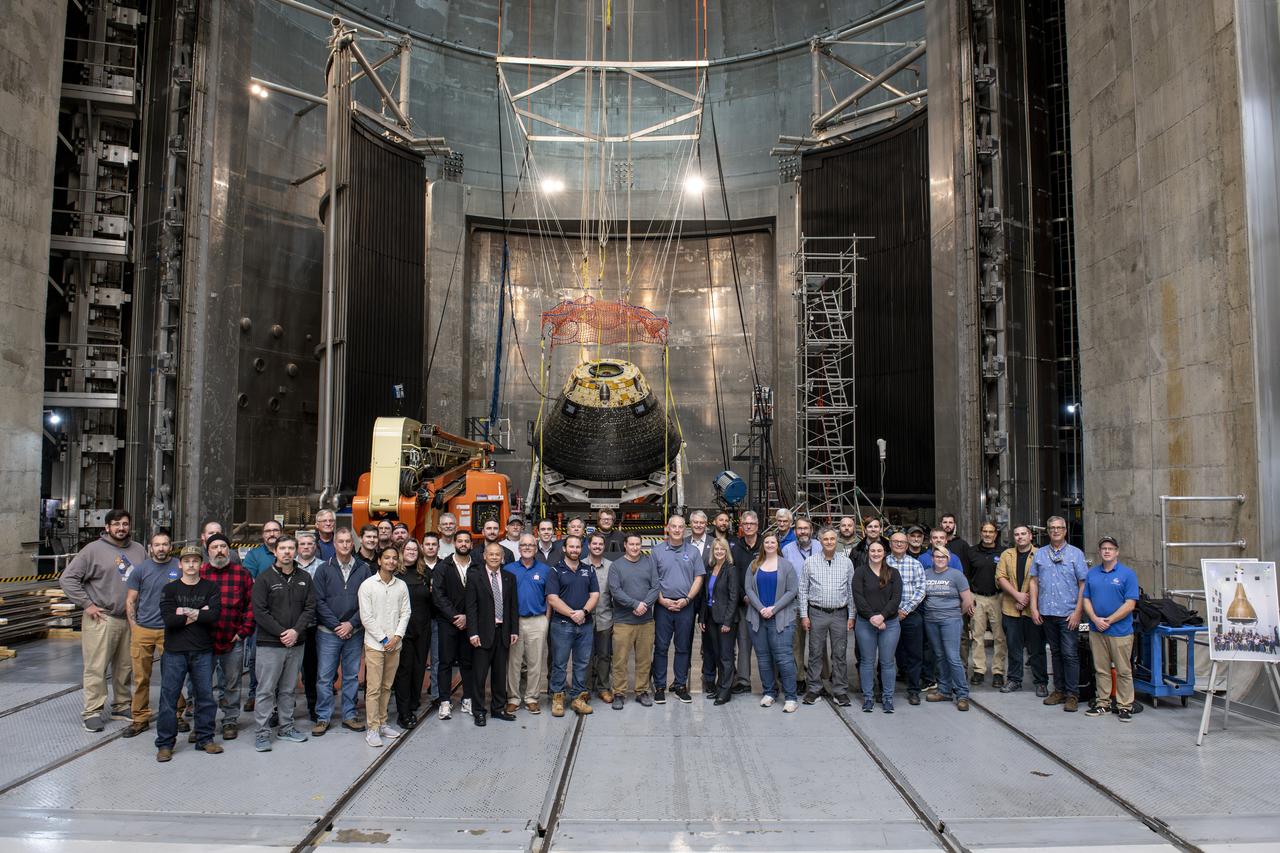
Employees supporting Artemis were invited to attend an appreciation event, “The Road to the Moon,” at Armstrong Test Facility in Sandusky, Ohio. On Thursday, Nov. 21, please join NASA employees and support service contractors for Artemis Friends and Family Day. Employees had the opportunity to hear from center leadership and see the Orion module that flew around the Moon and back during 2022’s Artemis I mission. Lockheed Martin presented an article flown on Artemis I to Robert Overy. Experts have subjected the spacecraft to extreme conditions in Armstrong’s test facilities. This significant testing is slated to wrap up in December, and we want to give you a chance to see the capsule before the conclusion of the test campaign.
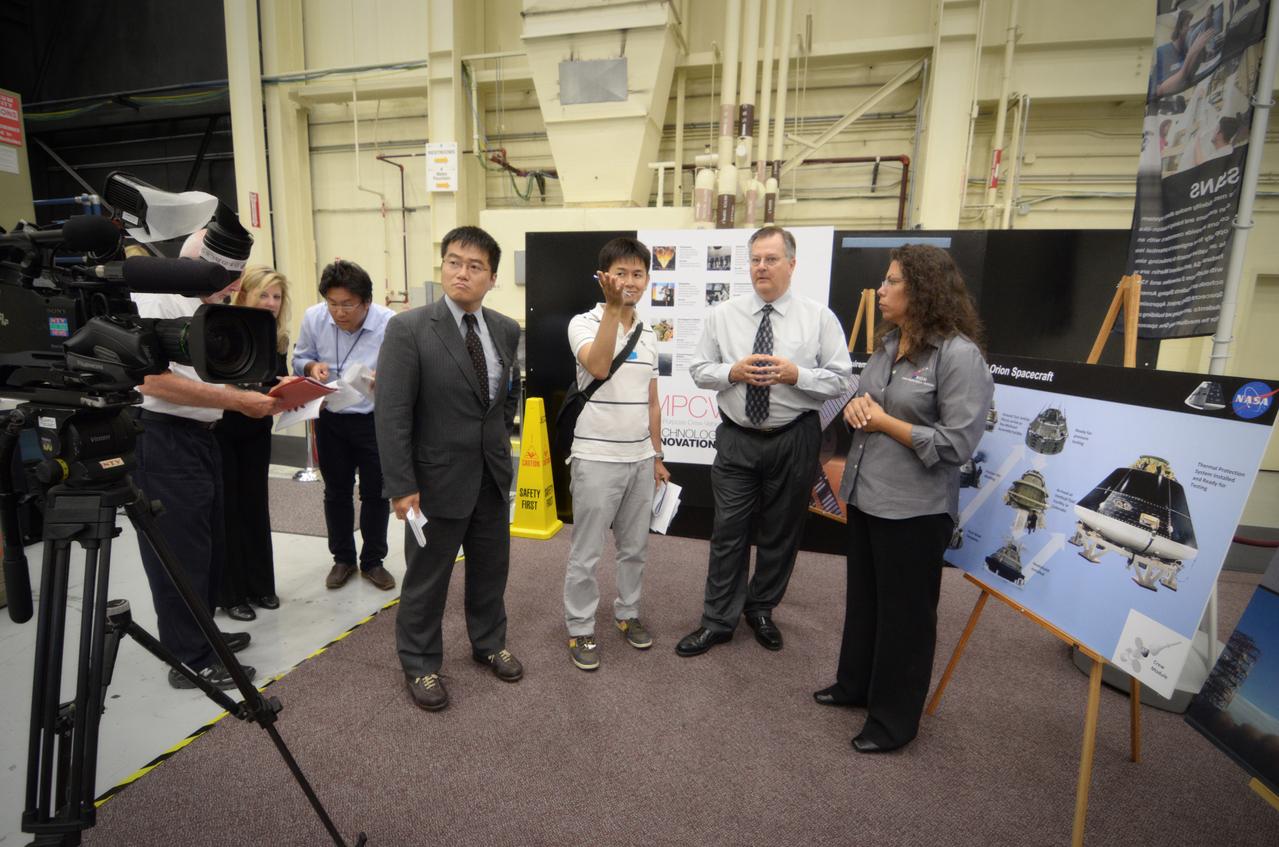
Members of the media attend a Media Day event and visit the Orion mockup in the Space Vehicle Mockup Facility in Building 9 of the Johnson Space Center in Houston on July 1, 2011. Part of Batch image transfer from Flickr.
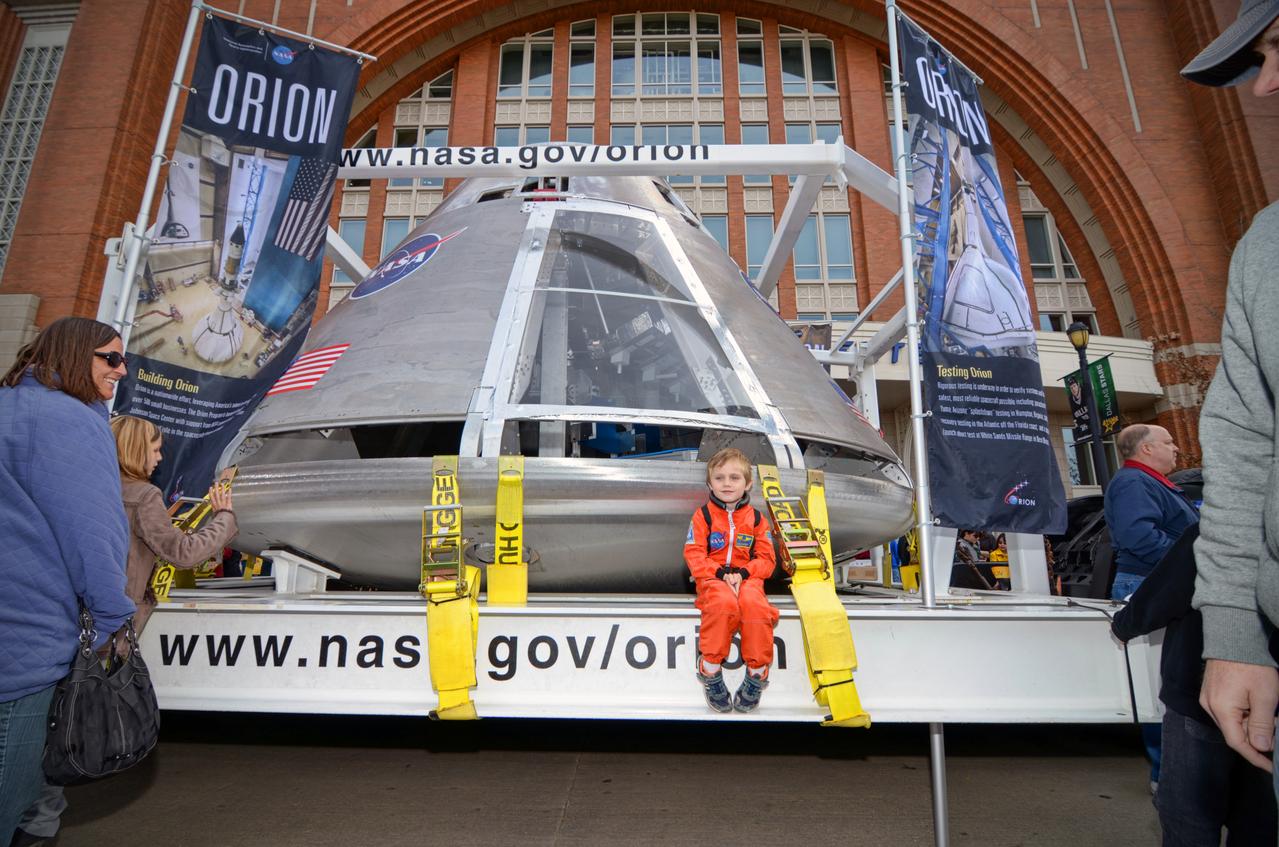
The Orion Pad Abort-1 pathfinder on display at an event outside American Airlines Center in Dallas on Jan. 27, 2012. Part of Batch image transfer from Flickr.
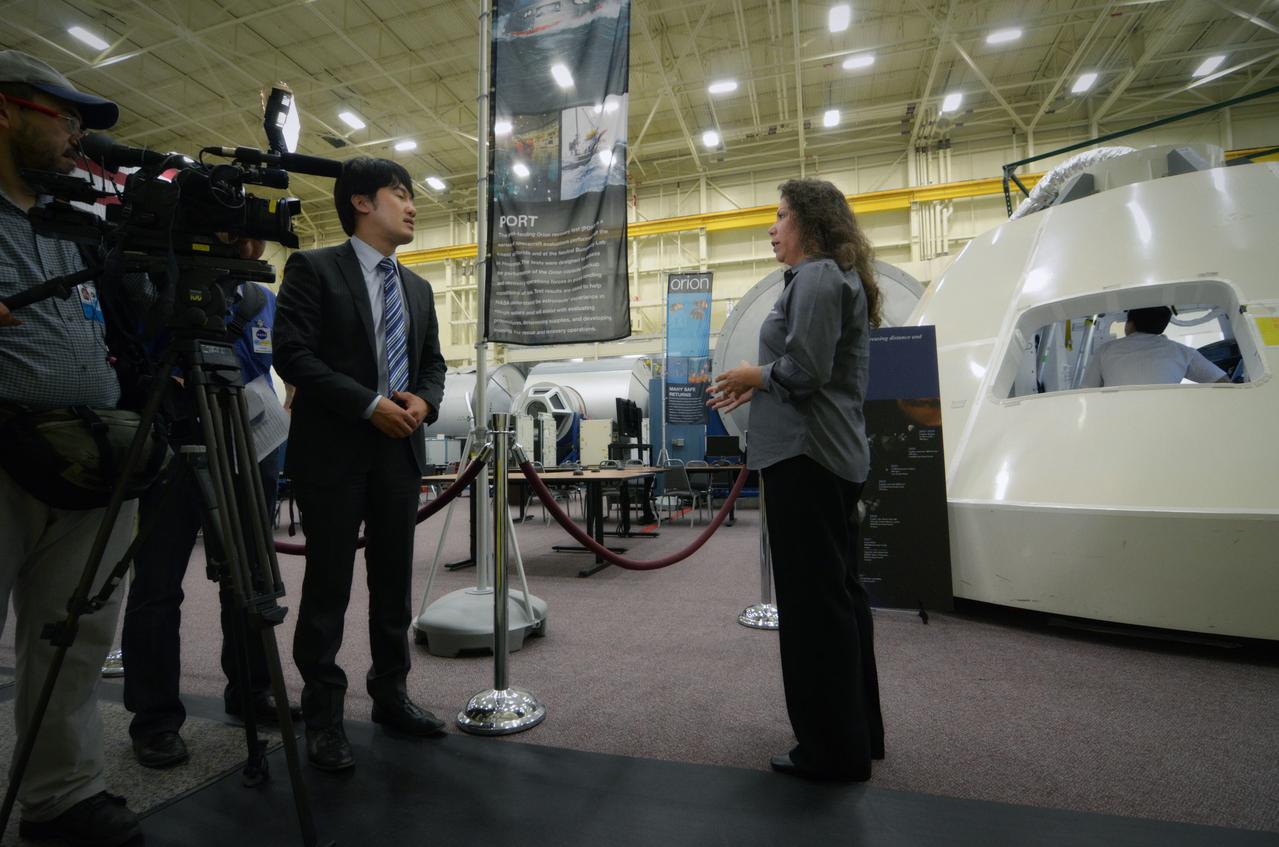
Members of the media attend a Media Day event and visit the Orion mockup in the Space Vehicle Mockup Facility in Building 9 of the Johnson Space Center in Houston on July 1, 2011. Part of Batch image transfer from Flickr.
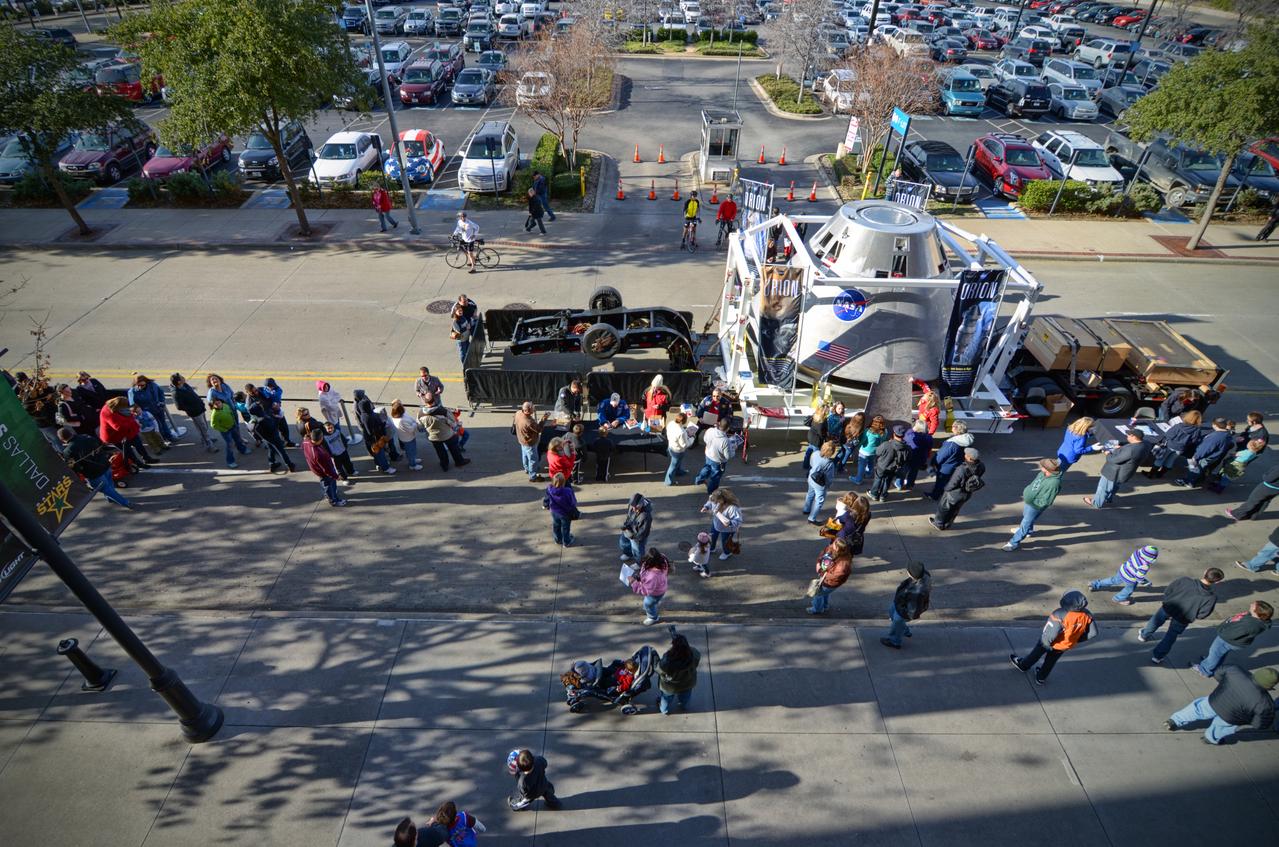
The Orion Pad Abort-1 pathfinder on display at an event outside American Airlines Center in Dallas on Jan. 27, 2012. Part of Batch image transfer from Flickr.
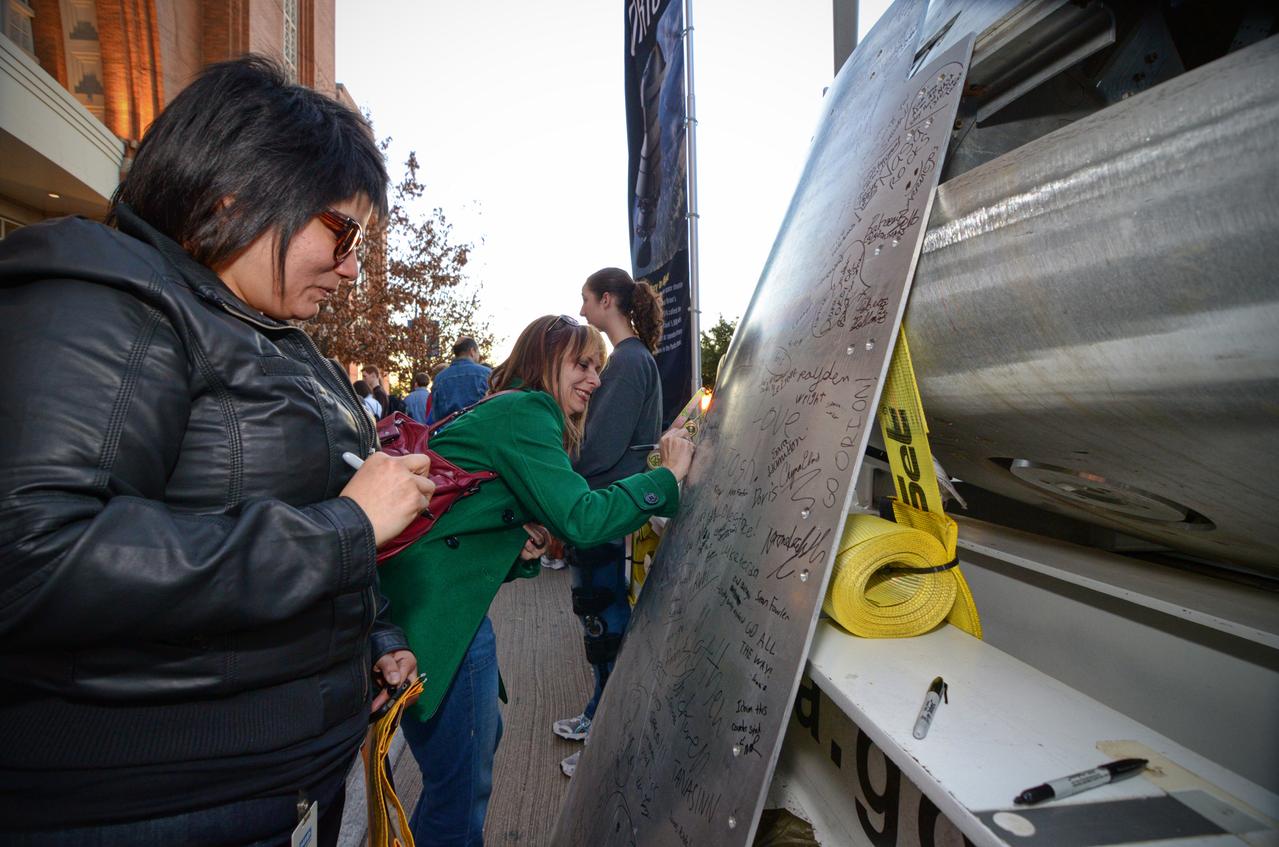
The Orion Pad Abort-1 pathfinder on display at an event outside American Airlines Center in Dallas on Jan. 27, 2012. Part of Batch image transfer from Flickr.
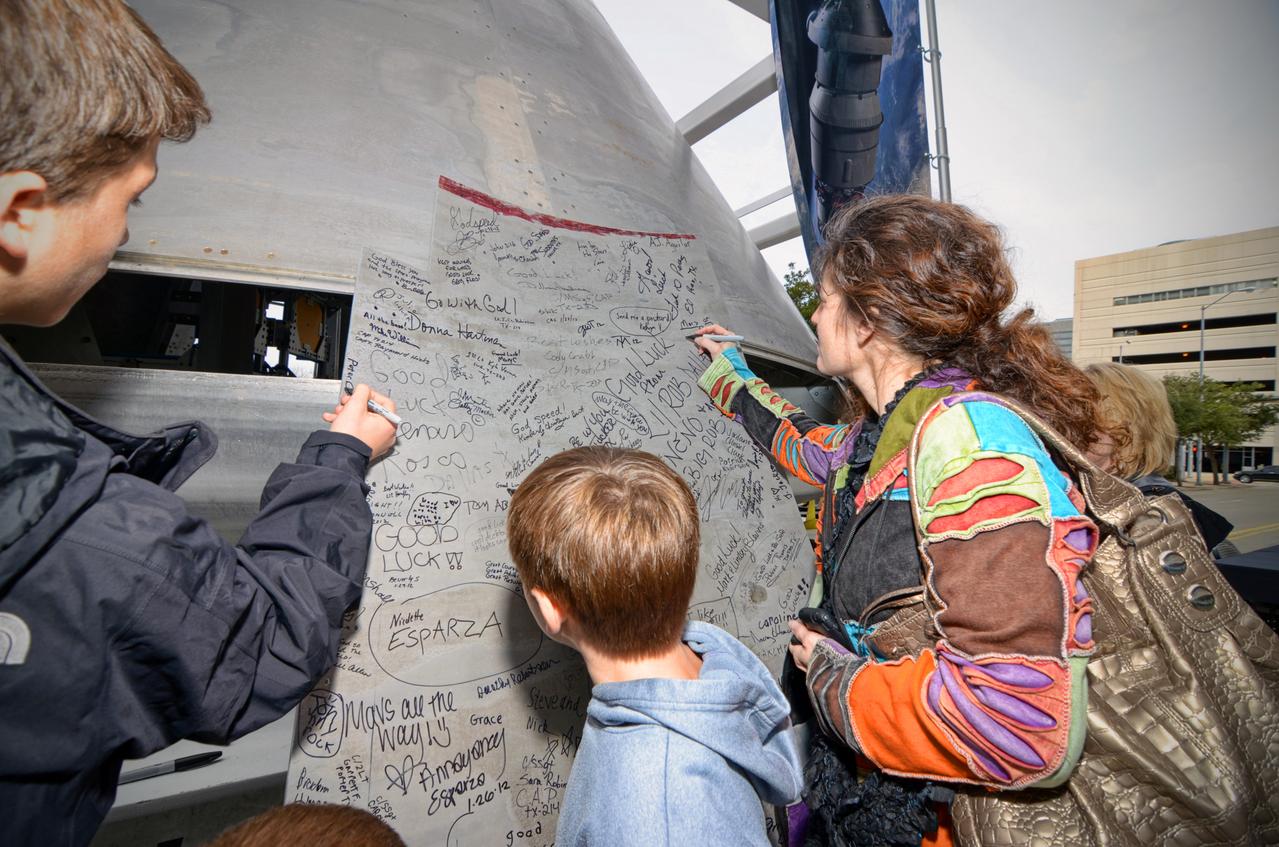
The Orion Pad Abort-1 pathfinder on display at an event outside American Airlines Center in Dallas on Jan. 27, 2012. Part of Batch image transfer from Flickr.
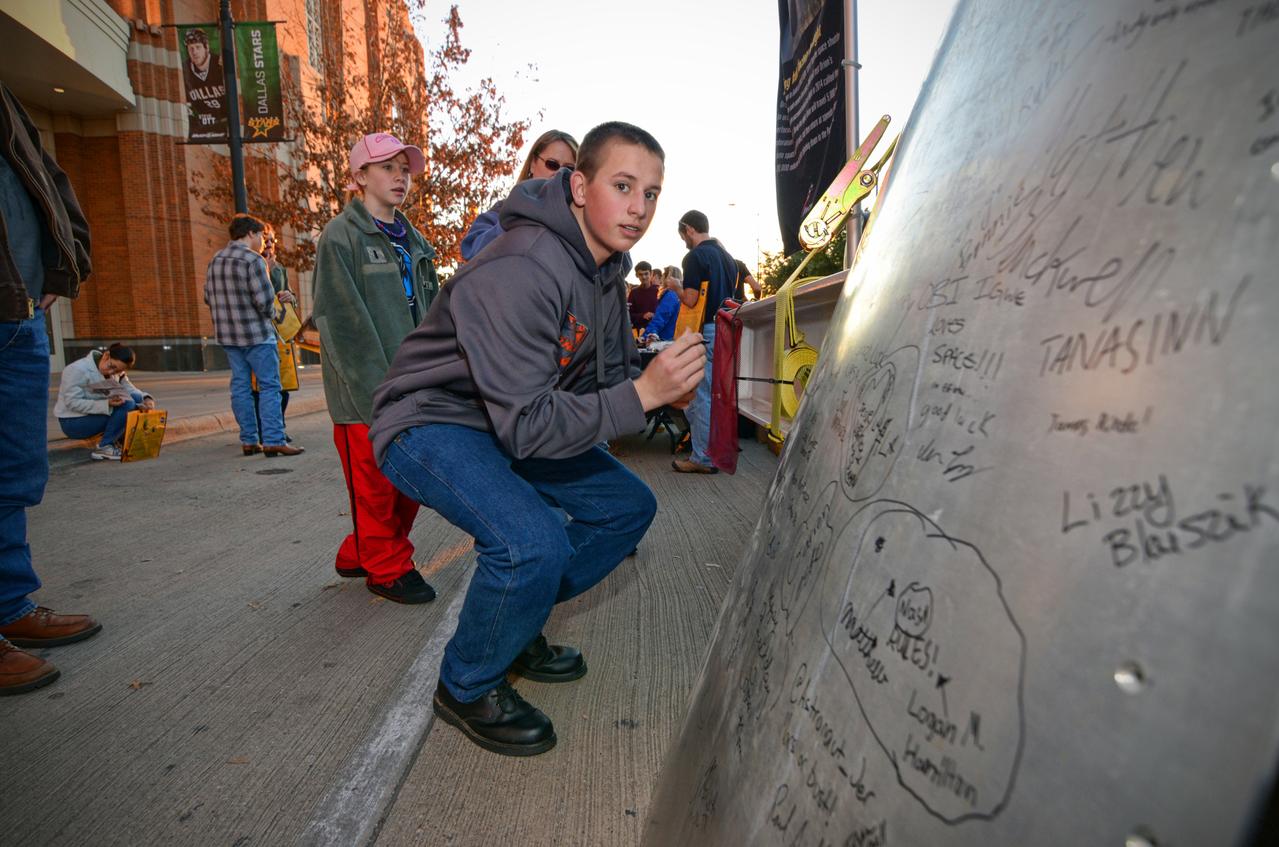
The Orion Pad Abort-1 pathfinder on display at an event outside American Airlines Center in Dallas on Jan. 27, 2012. Part of Batch image transfer from Flickr.
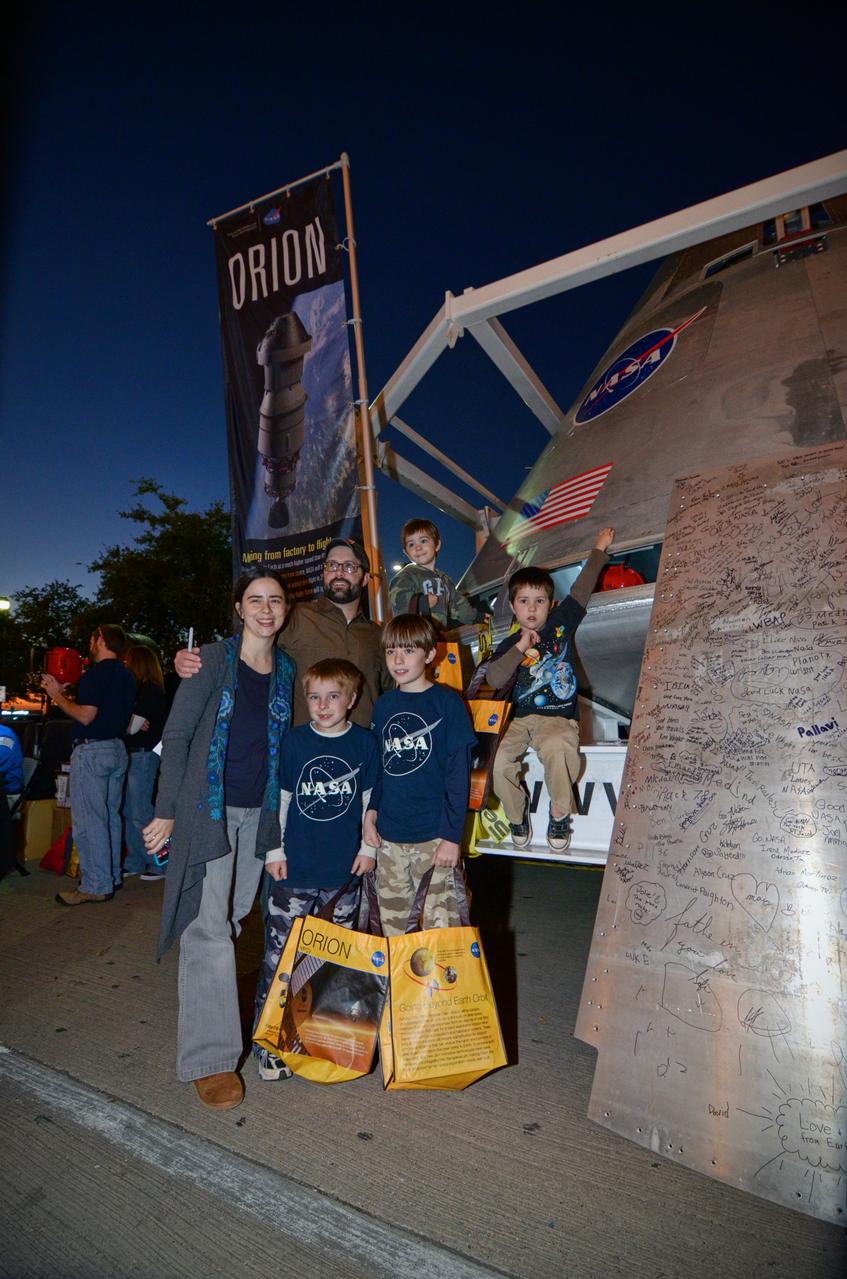
The Orion Pad Abort-1 pathfinder on display at an event outside American Airlines Center in Dallas on Jan. 27, 2012. Part of Batch image transfer from Flickr.
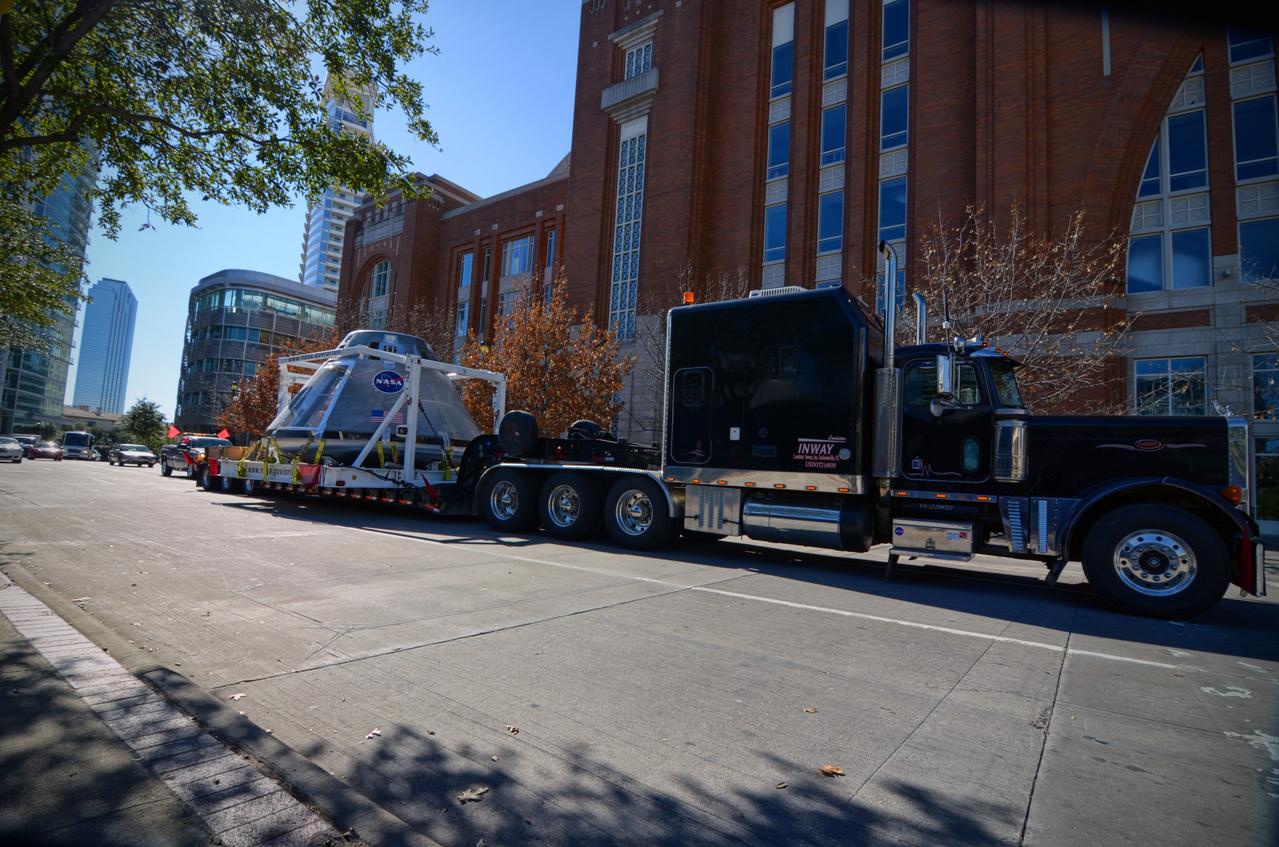
The Orion Pad Abort-1 pathfinder on display at an event outside American Airlines Center in Dallas on Jan. 27, 2012. Part of Batch image transfer from Flickr.
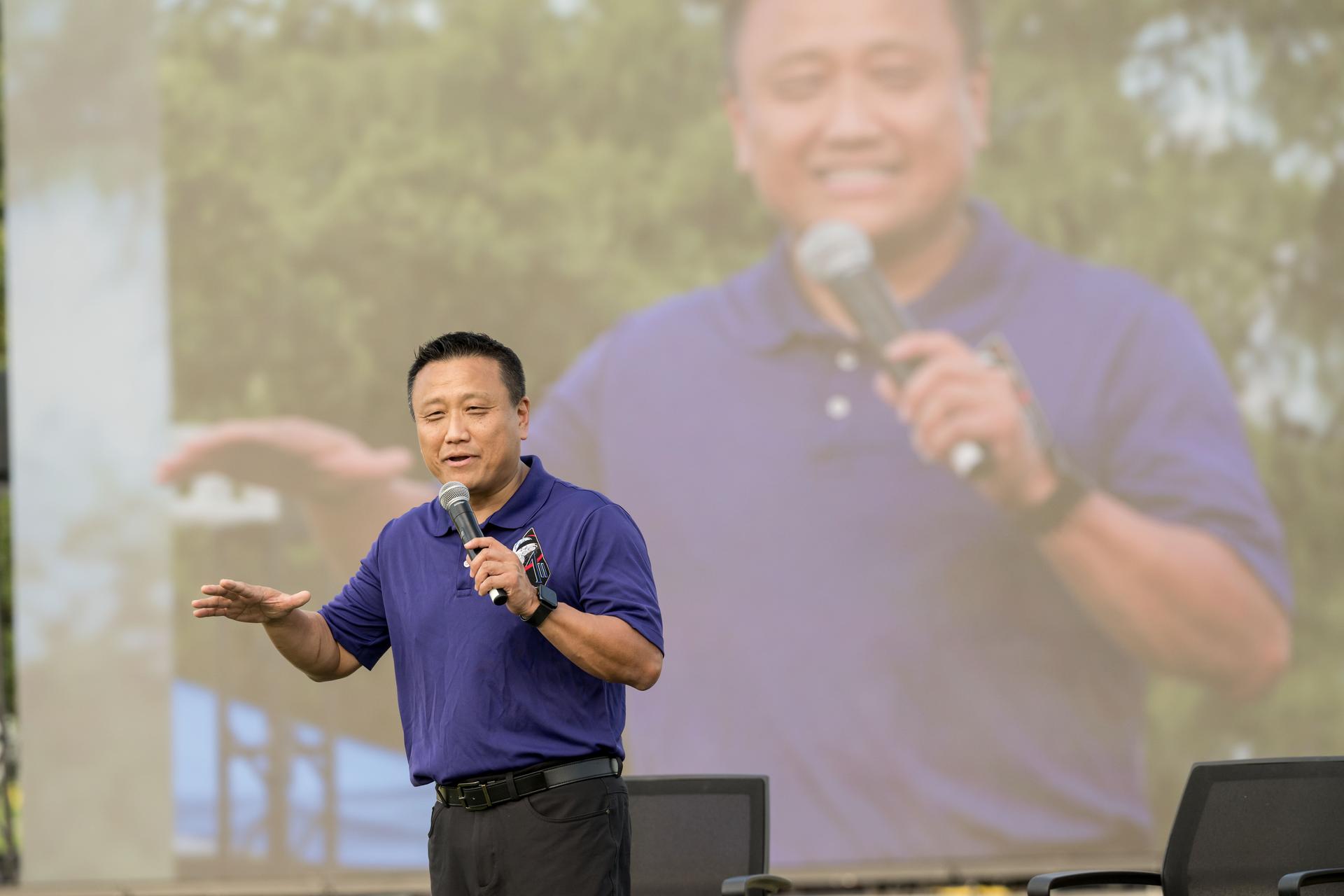
jsc2026e396769 (June 25, 2026) - Orion Program Manager Howard Hu addresses the crowd at the Artemis II employee celebration event at NASA's Johnson Space Center. Credit: NASA
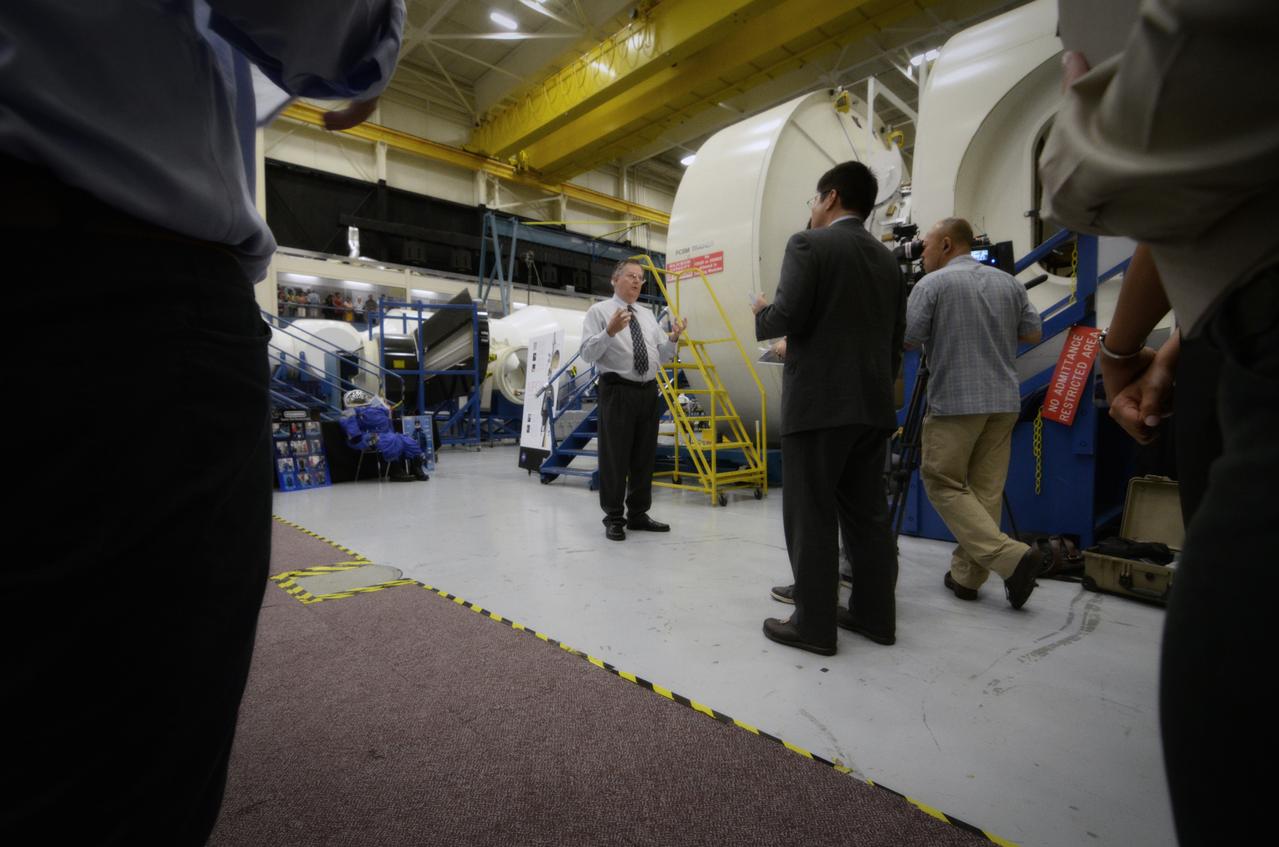
Members of the media attend a Media Day event and visit the Orion mockup in the Space Vehicle Mockup Facility in Building 9 of the Johnson Space Center in Houston on July 1, 2011. Part of Batch image transfer from Flickr.

The Orion Pad Abort-1 pathfinder on display at an event outside American Airlines Center in Dallas on Jan. 27, 2012. Part of Batch image transfer from Flickr.
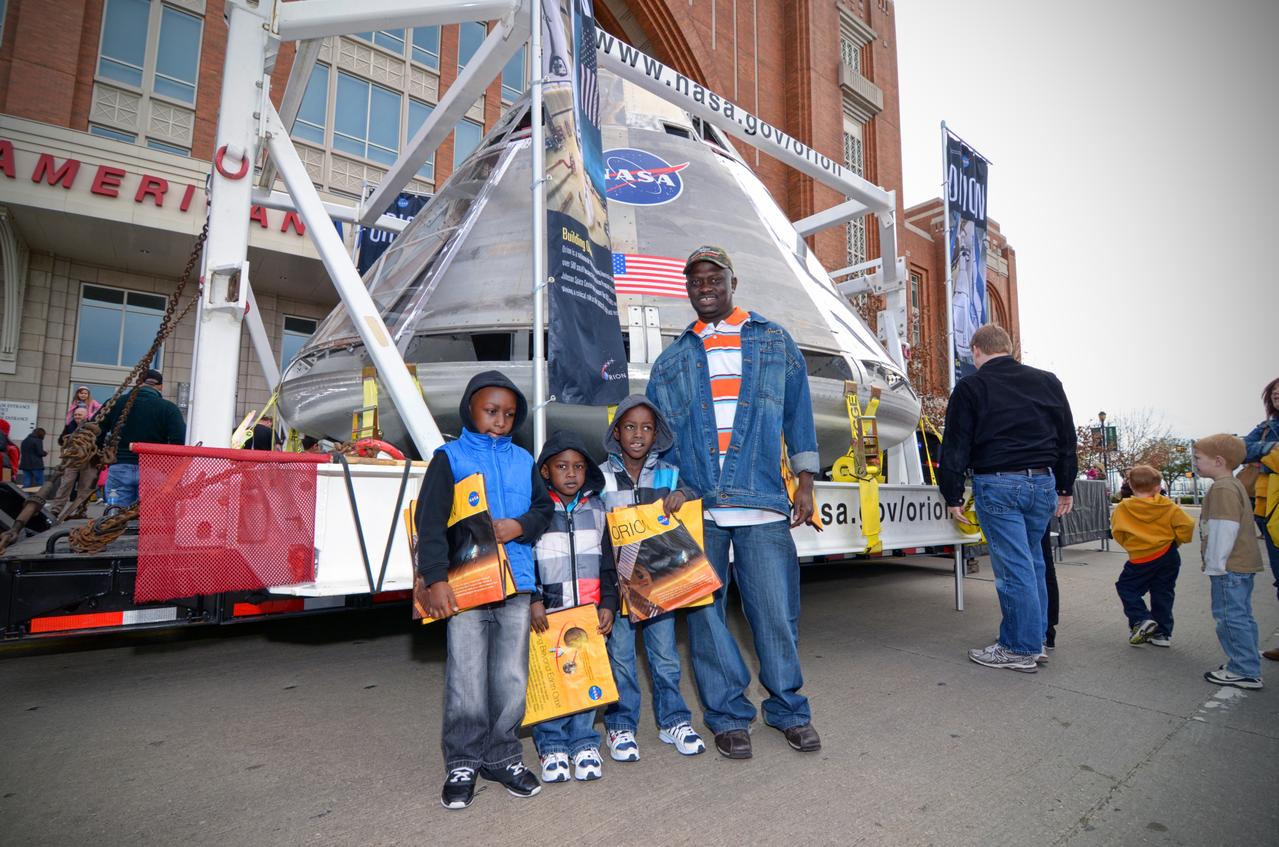
The Orion Pad Abort-1 pathfinder on display at an event outside American Airlines Center in Dallas on Jan. 27, 2012. Part of Batch image transfer from Flickr.
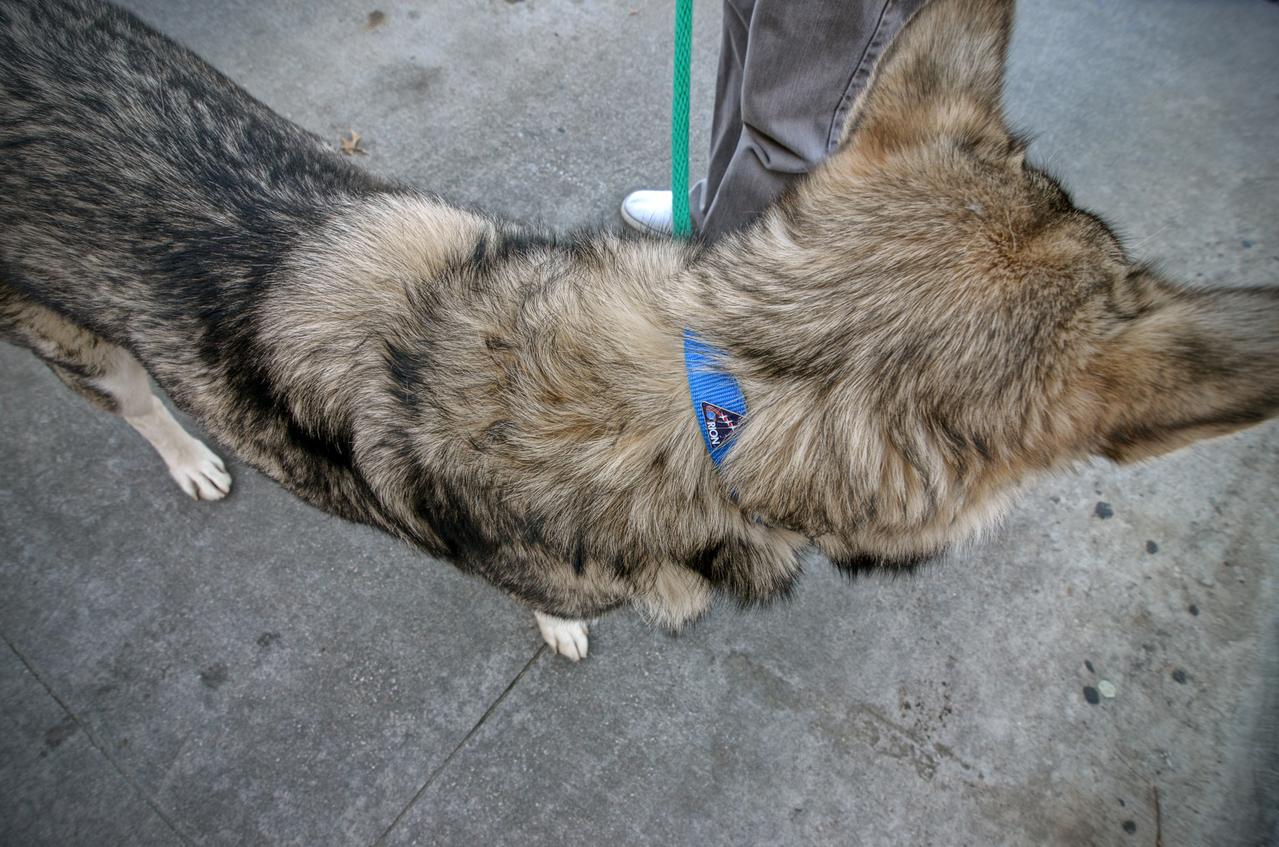
Image of dog on leash taken during view of the Orion Pad Abort-1 pathfinder on display at an event outside American Airlines Center in Dallas on Jan. 27, 2012. Part of Batch image transfer from Flickr.
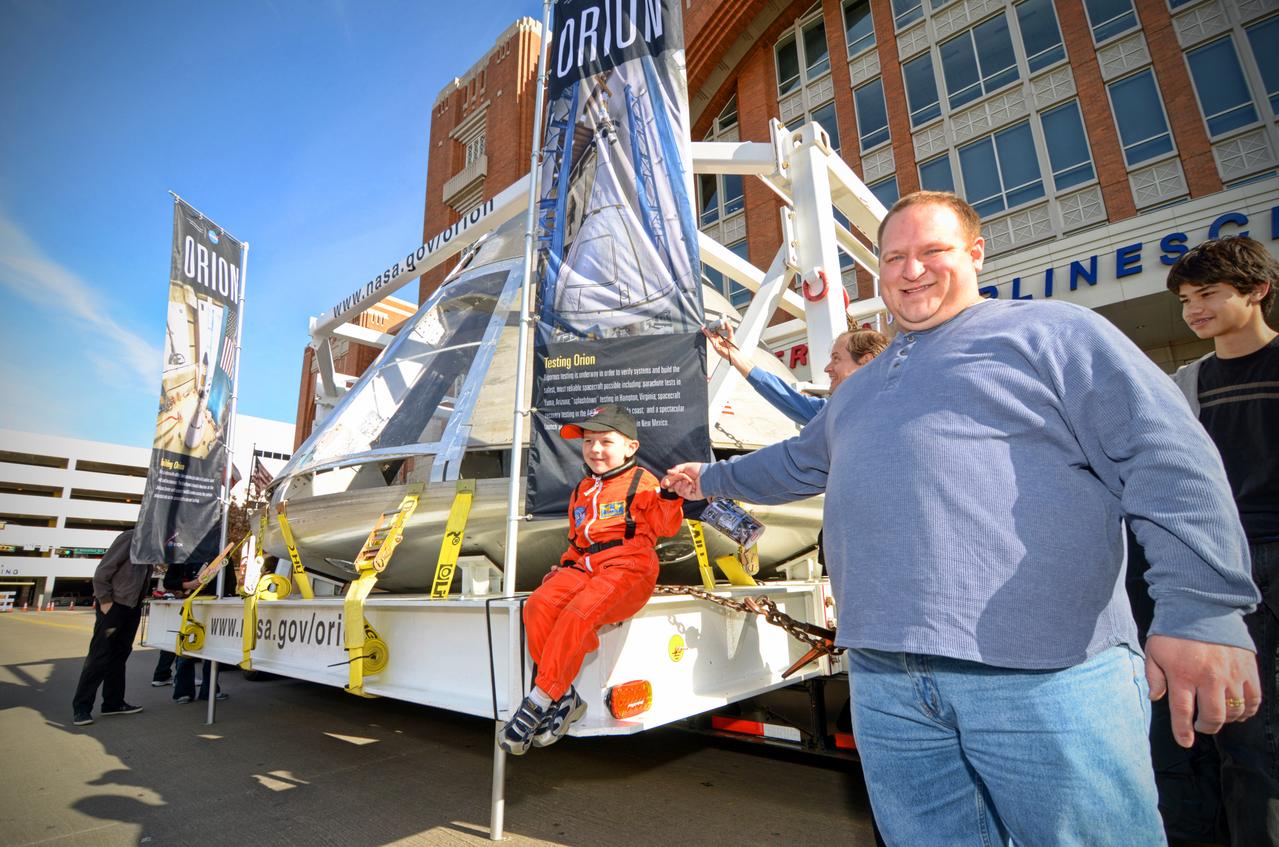
The Orion Pad Abort-1 pathfinder on display at an event outside American Airlines Center in Dallas on Jan. 27, 2012. Part of Batch image transfer from Flickr.
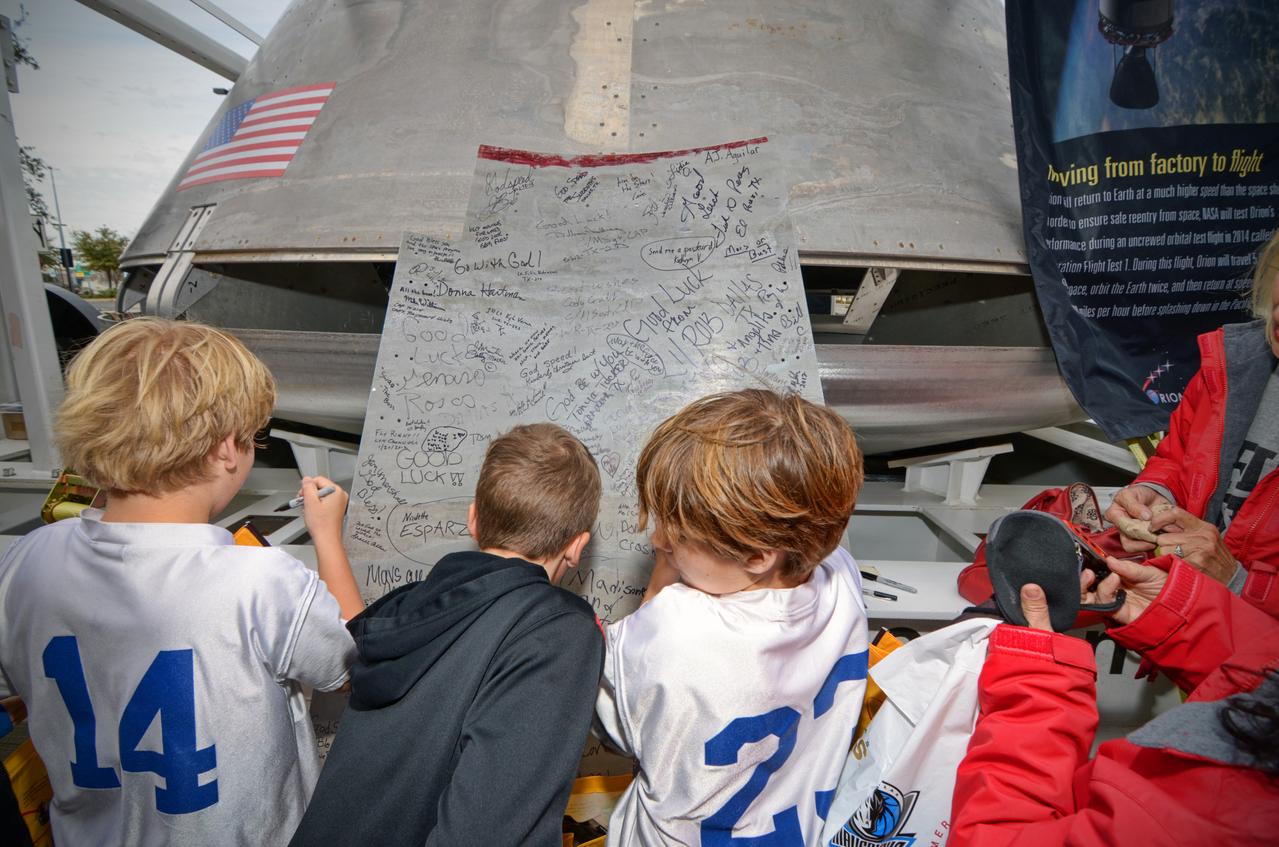
The Orion Pad Abort-1 pathfinder on display at an event outside American Airlines Center in Dallas on Jan. 27, 2012. Part of Batch image transfer from Flickr.
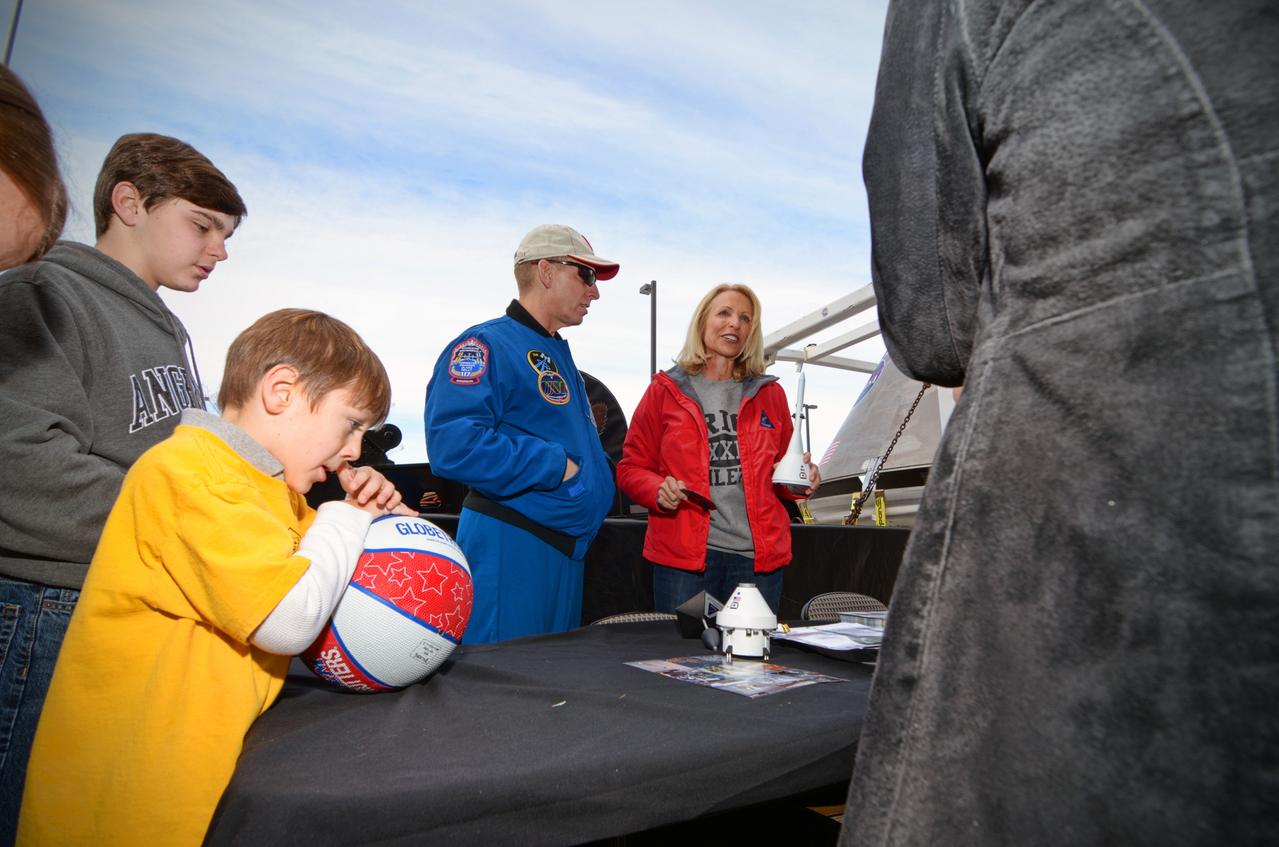
The Orion Pad Abort-1 pathfinder on display at an event outside American Airlines Center in Dallas on Jan. 27, 2012. Part of Batch image transfer from Flickr.
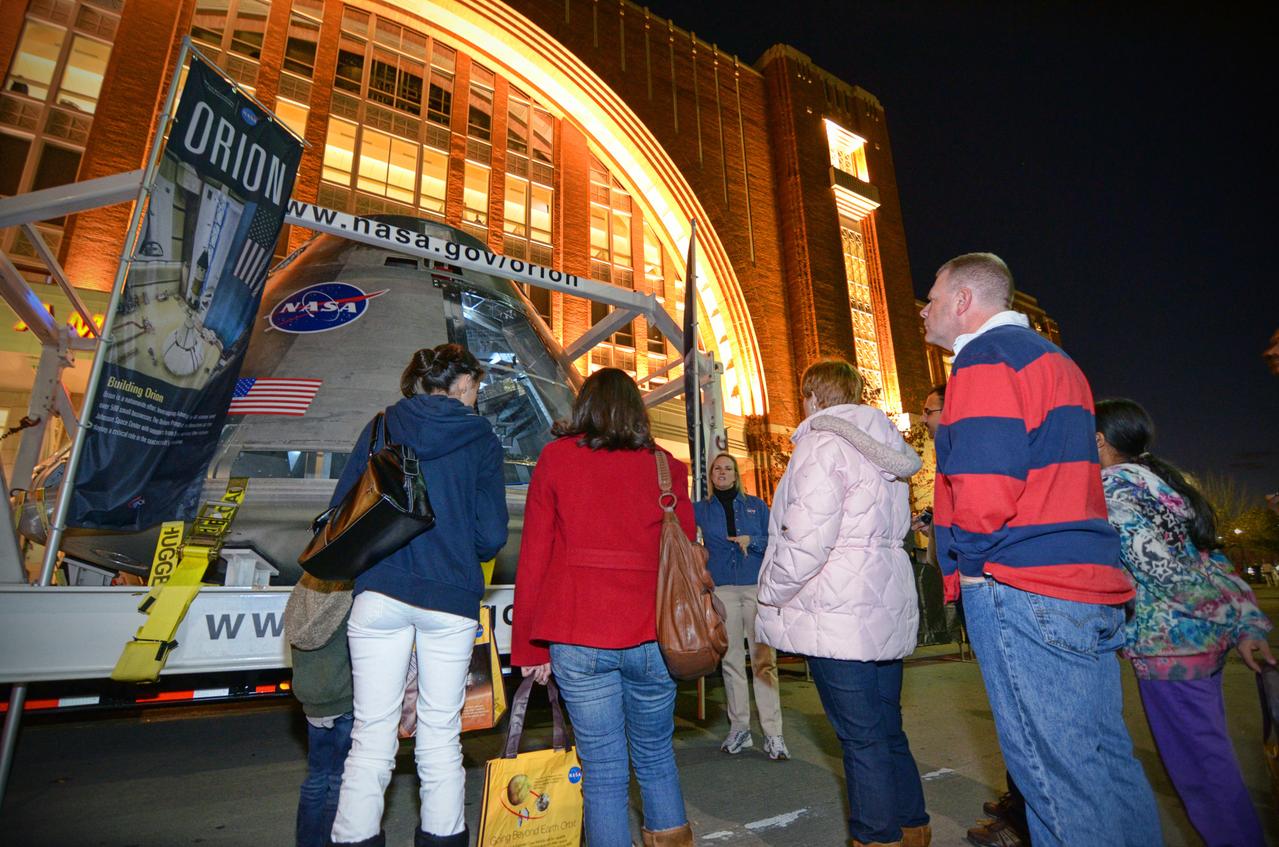
The Orion Pad Abort-1 pathfinder on display at an event outside American Airlines Center in Dallas on Jan. 27, 2012. Part of Batch image transfer from Flickr.
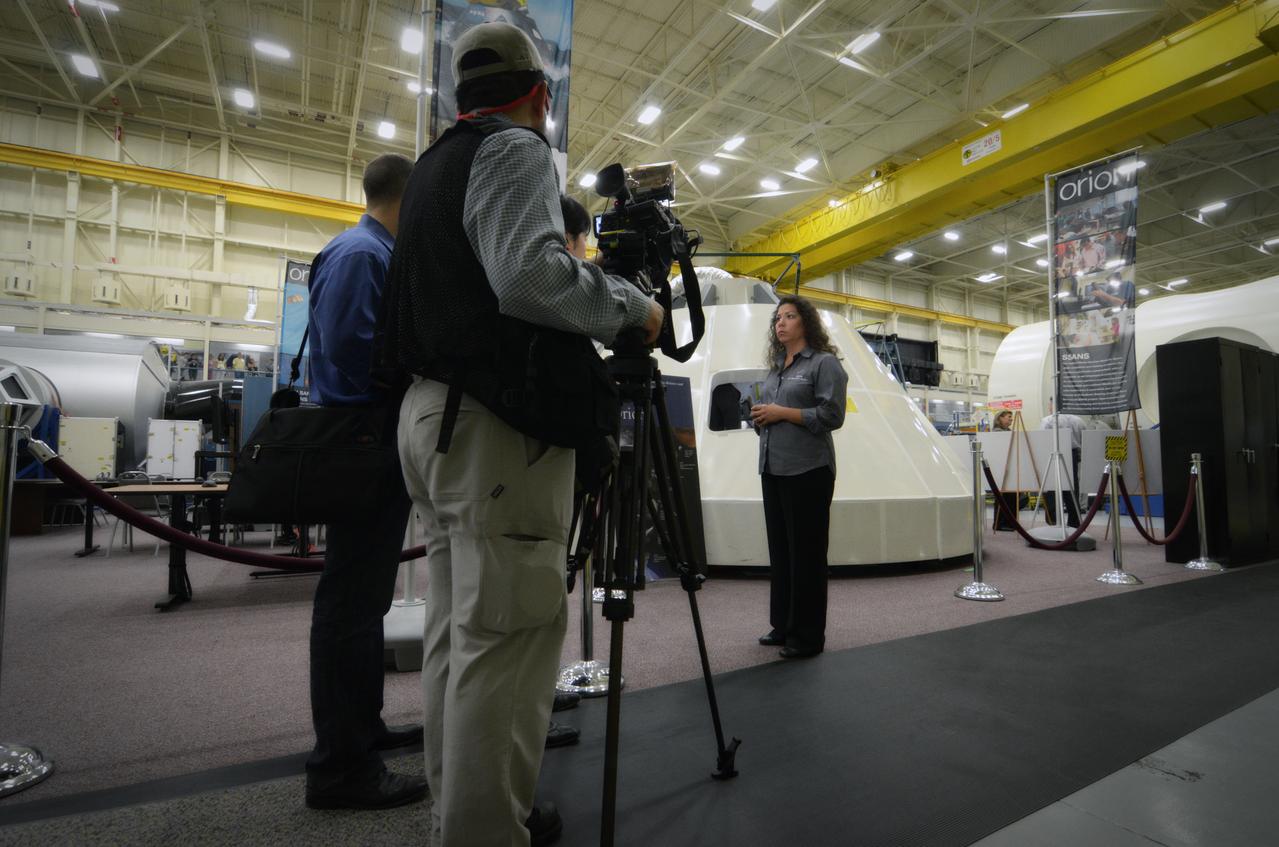
Members of the media attend a Media Day event and visit the Orion mockup in the Space Vehicle Mockup Facility in Building 9 of the Johnson Space Center in Houston on July 1, 2011. Part of Batch image transfer from Flickr.