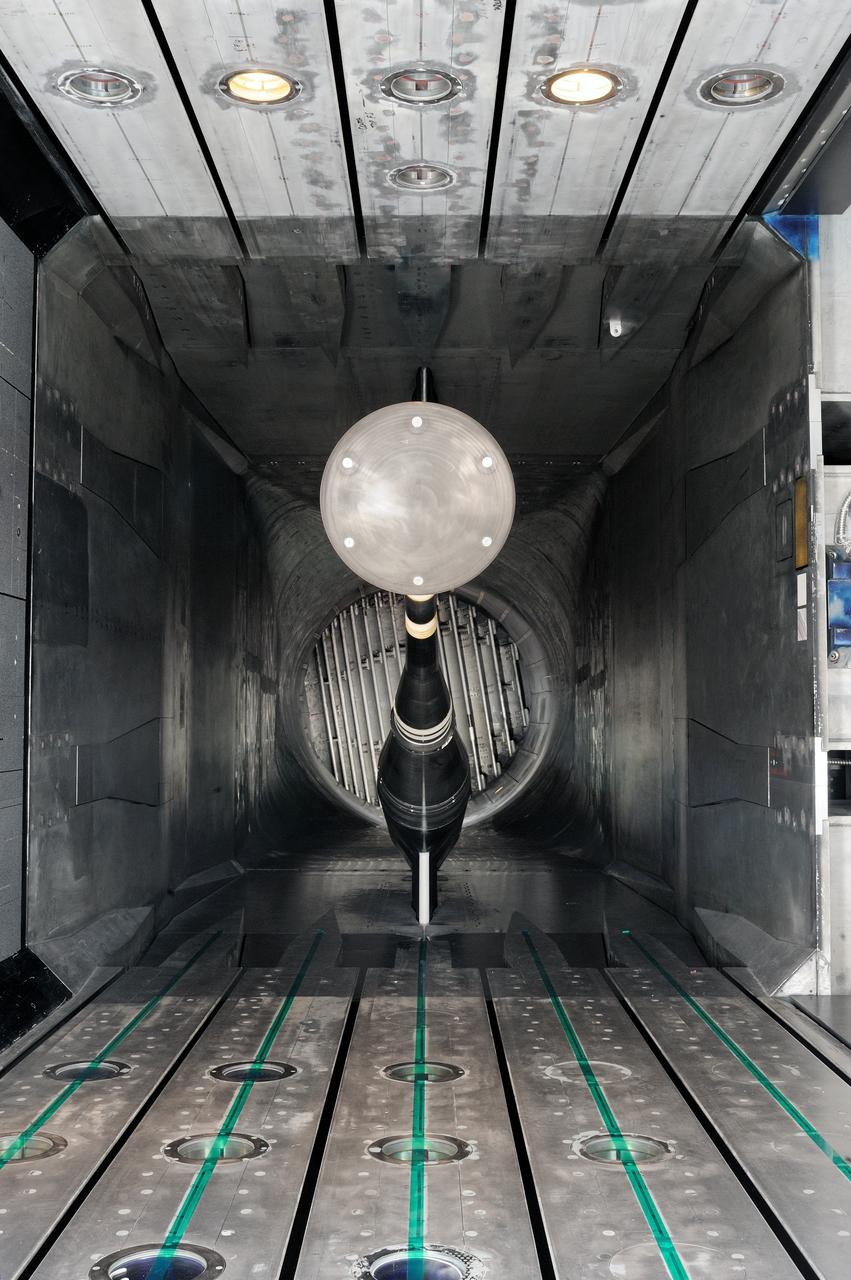
MPCV Orion 7% Crew Module in (NTF) National Transonic Facility, Test team for T211, 7% Orion CM in NTF
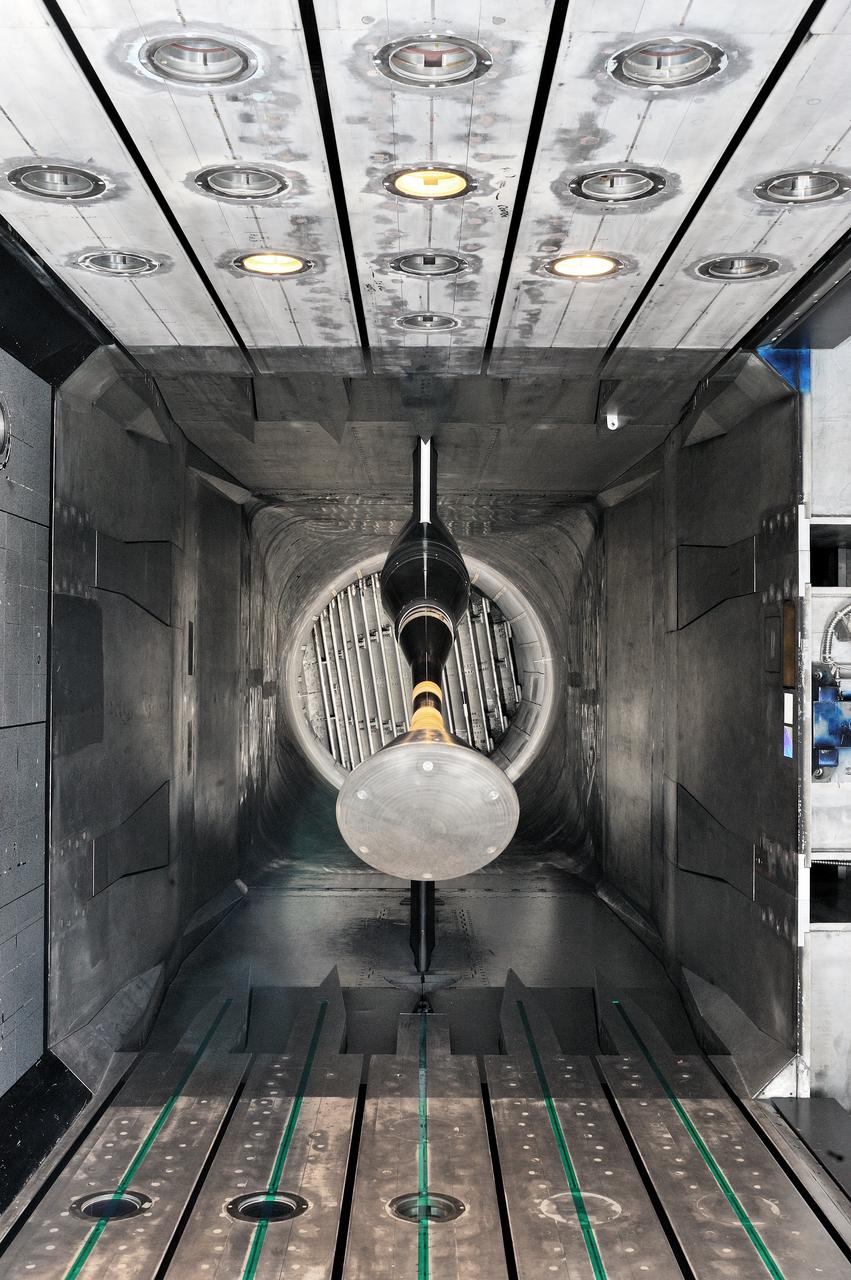
MPCV Orion 7% Crew Module in (NTF) National Transonic Facility, Test team for T211, 7% Orion CM in NTF
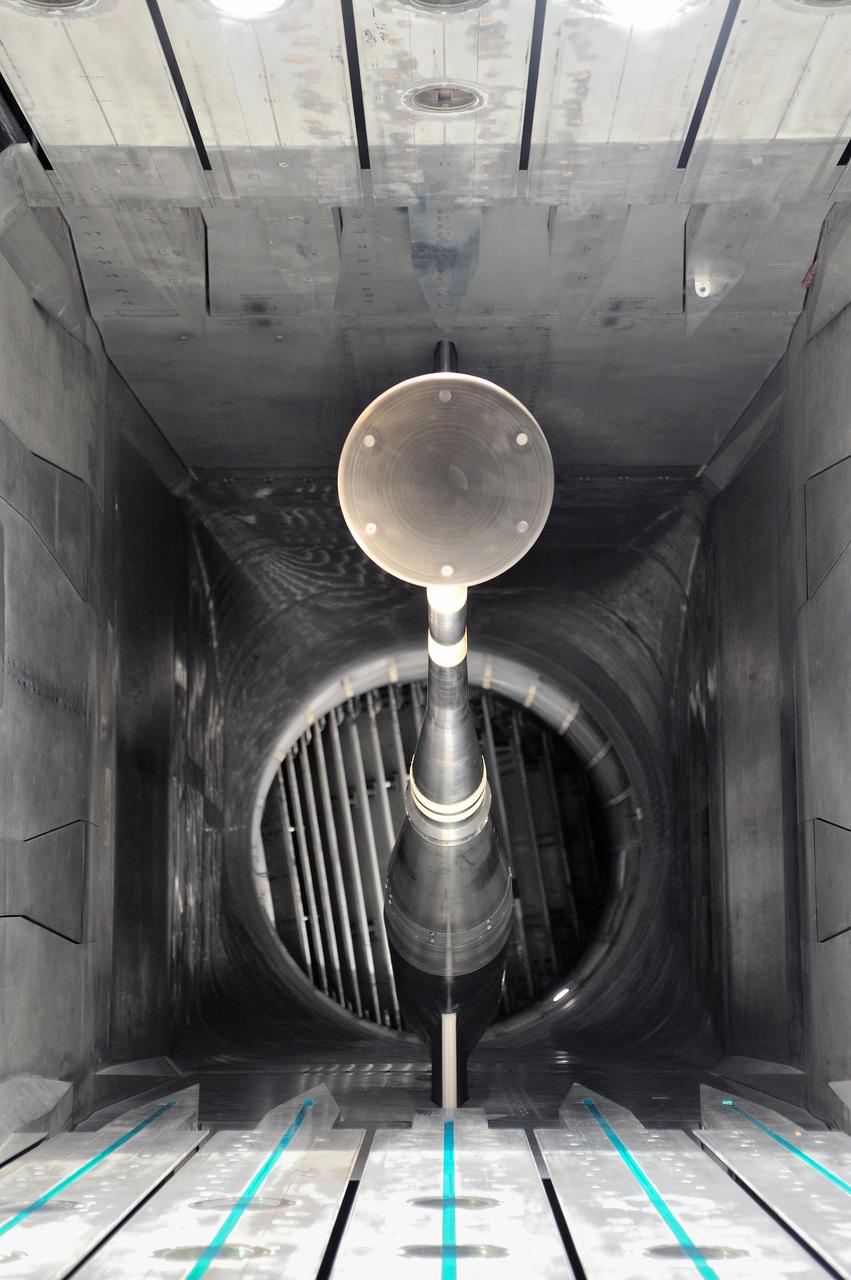
MPCV Orion 7% Crew Module in (NTF) National Transonic Facility, Test team for T211, 7% Orion CM in NTF
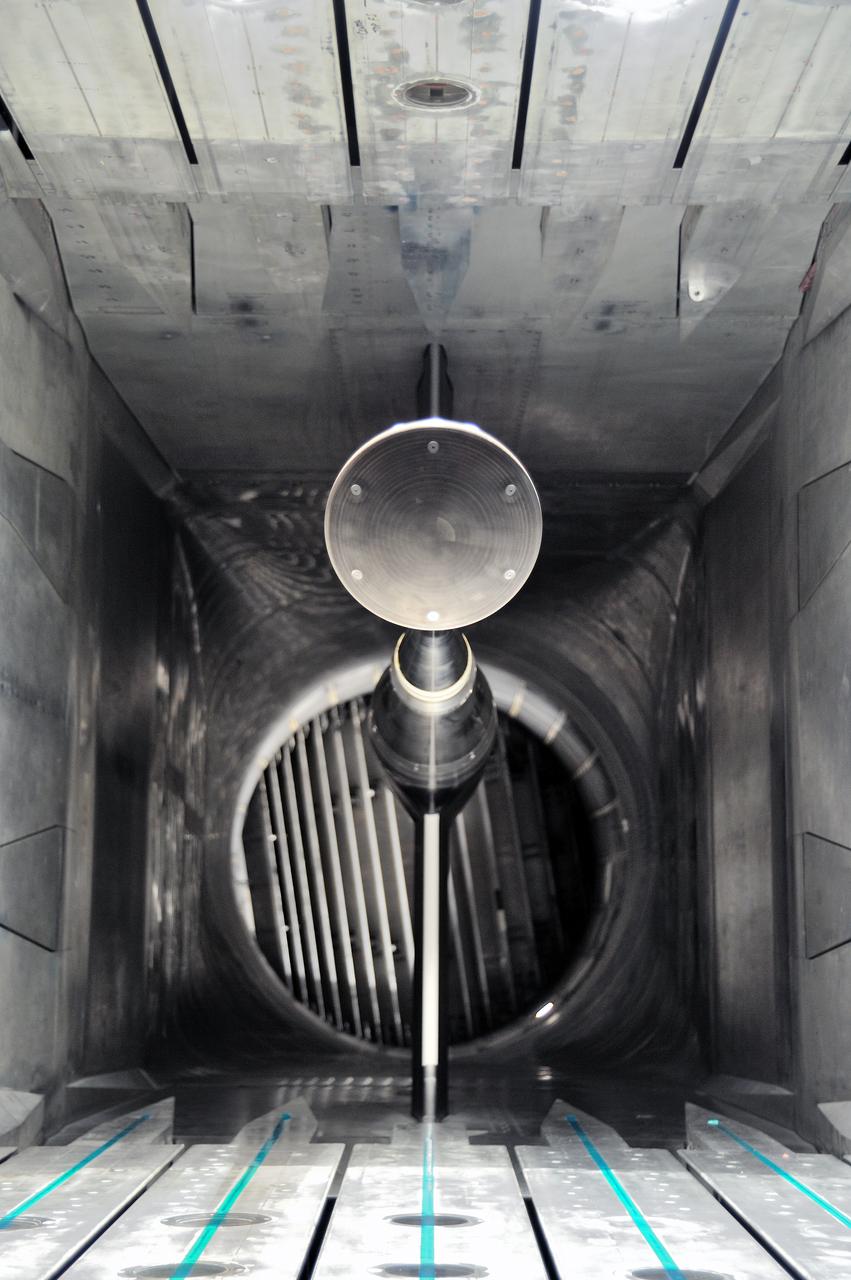
MPCV Orion 7% Crew Module in (NTF) National Transonic Facility, Test team for T211, 7% Orion CM in NTF

MPCV Orion 7% Crew Module in (NTF) National Transonic Facility, Test team for T211, 7% Orion CM in NTF

MPCV Orion 7% Crew Module in (NTF) National Transonic Facility, Test team for T211, 7% Orion CM in NTF
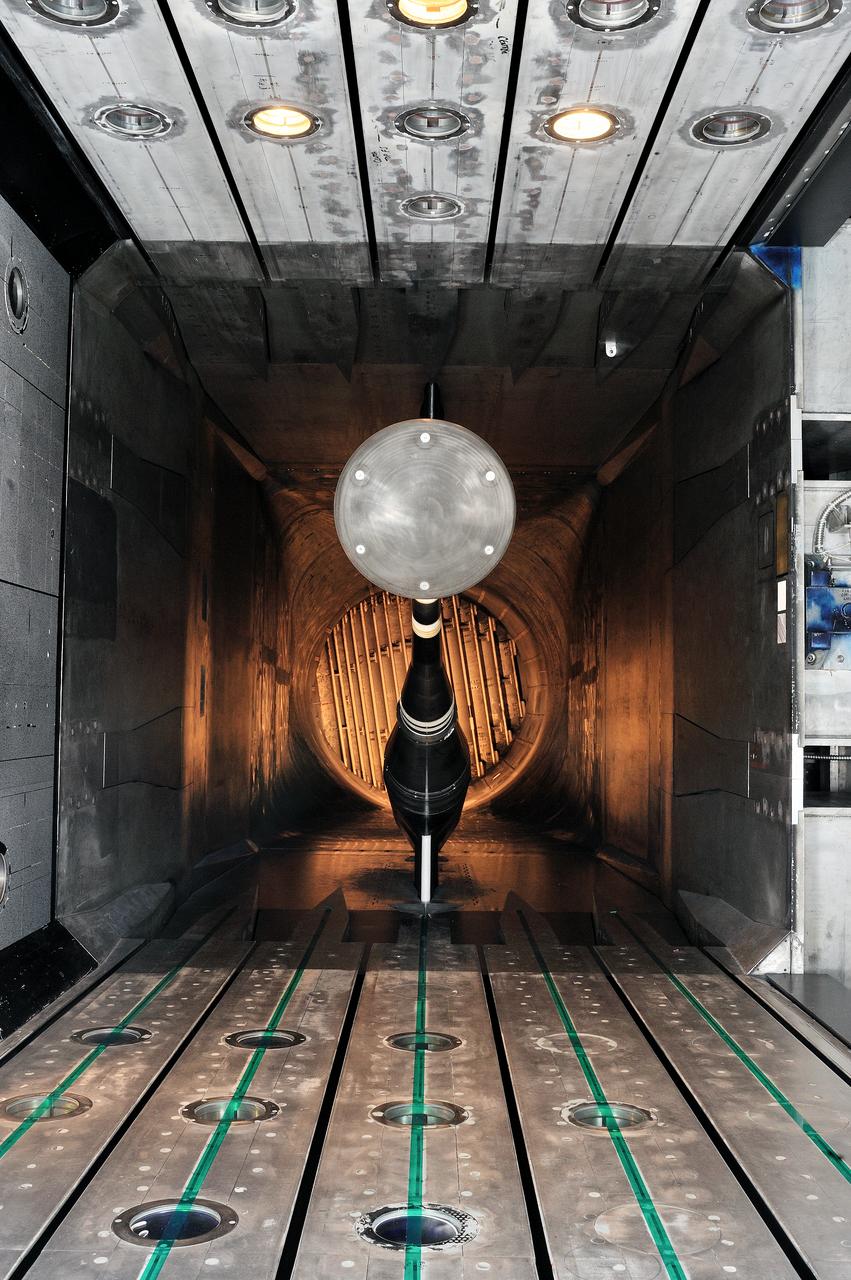
MPCV Orion 7% Crew Module in (NTF) National Transonic Facility, Test team for T211, 7% Orion CM in NTF
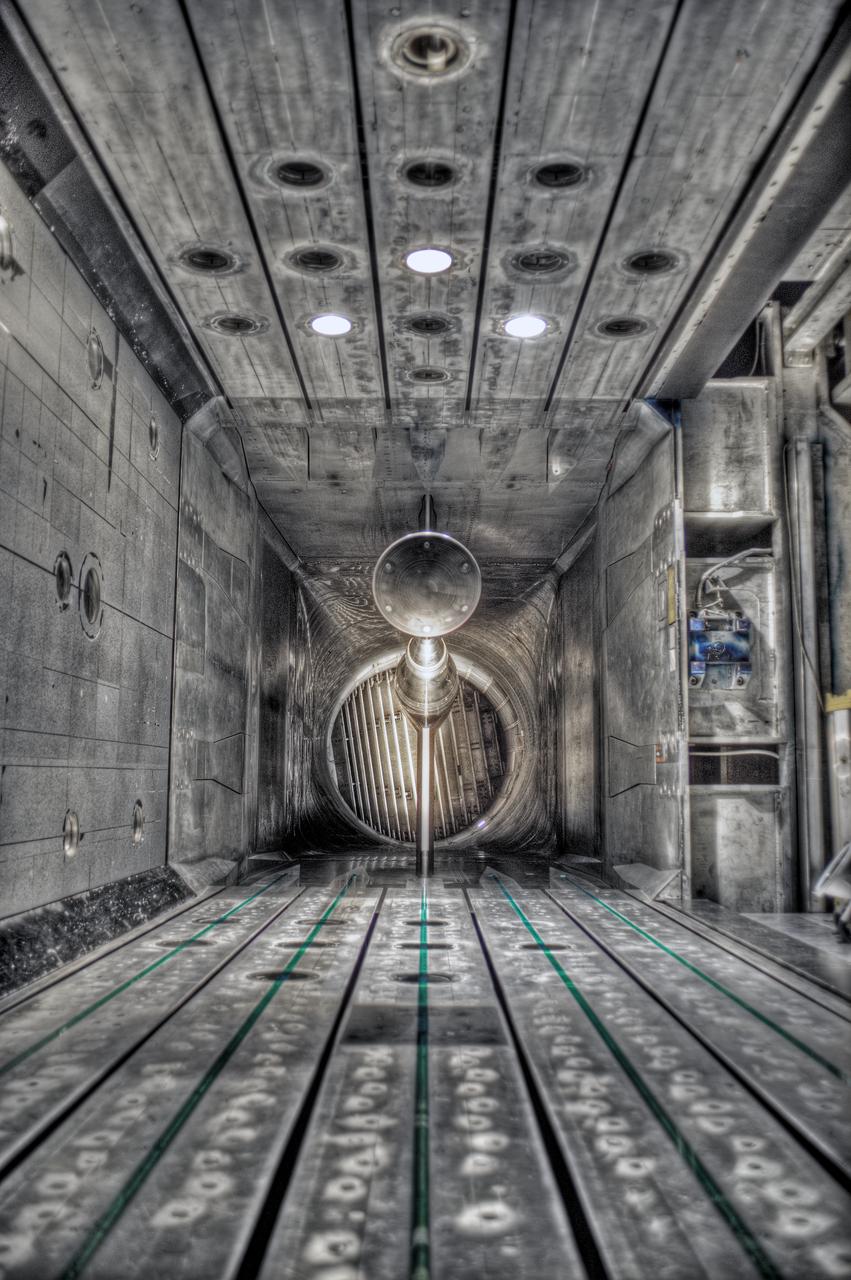
MPCV Orion 7% Crew Module in (NTF) National Transonic Facility, Test team for T211, 7% Orion CM in NTF
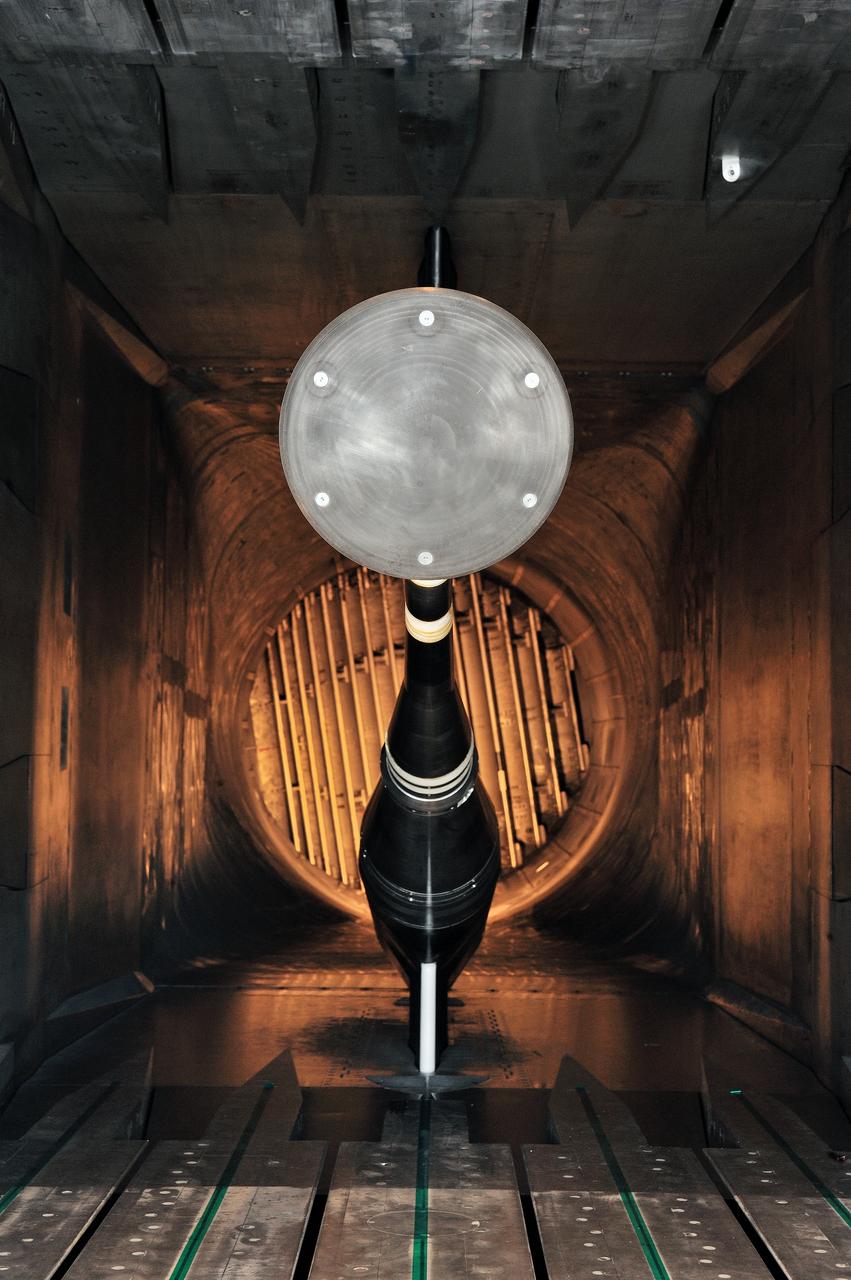
MPCV Orion 7% Crew Module in (NTF) National Transonic Facility, Test team for T211, 7% Orion CM in NTF
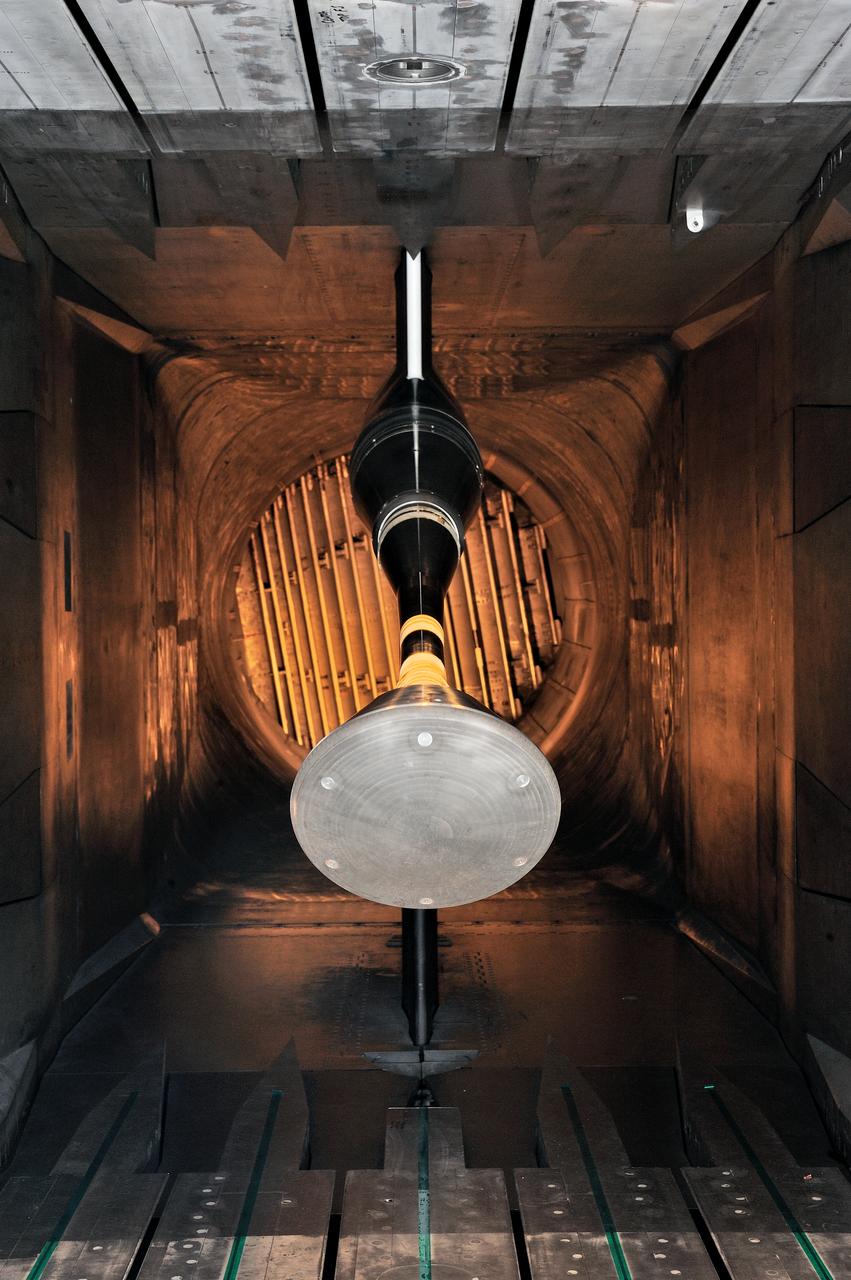
MPCV Orion 7% Crew Module in (NTF) National Transonic Facility, Test team for T211, 7% Orion CM in NTF
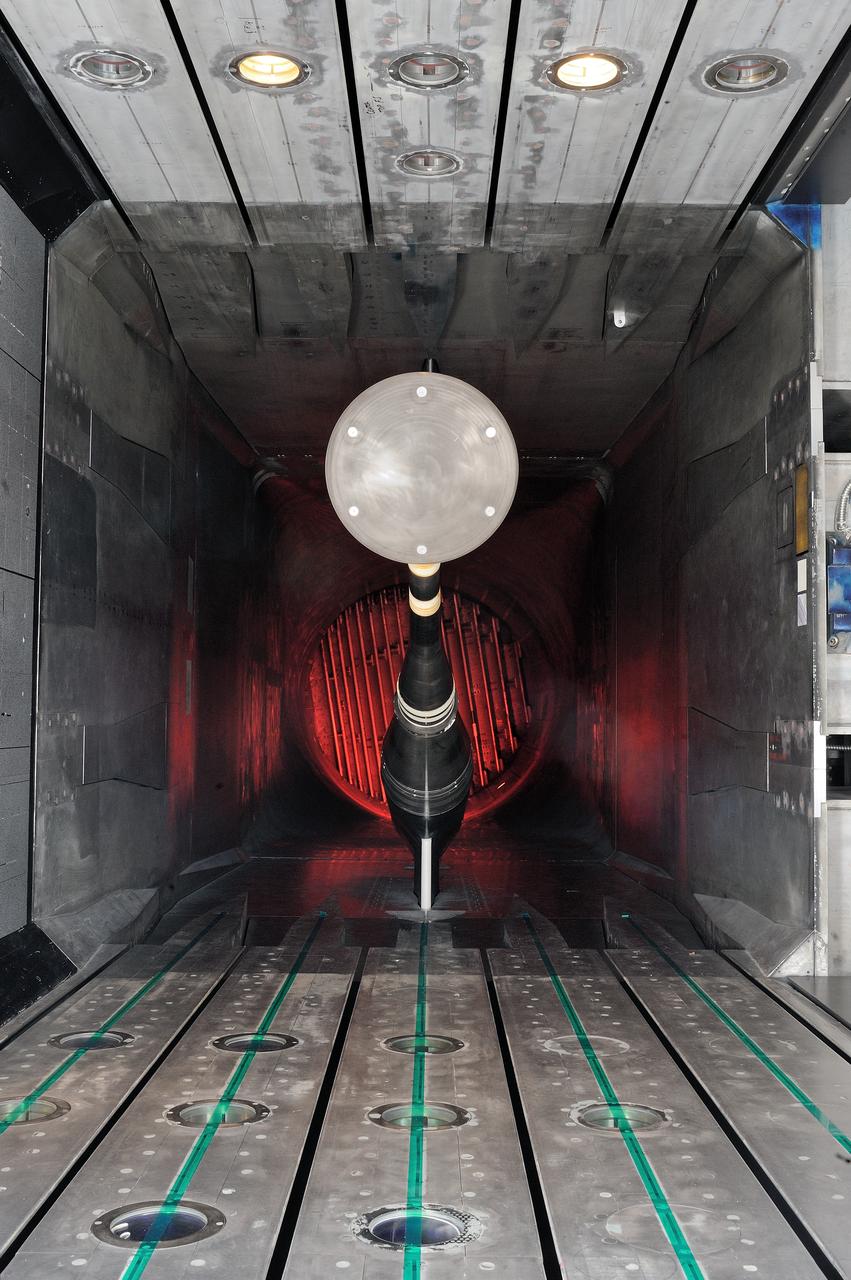
MPCV Orion 7% Crew Module in (NTF) National Transonic Facility, Test team for T211, 7% Orion CM in NTF
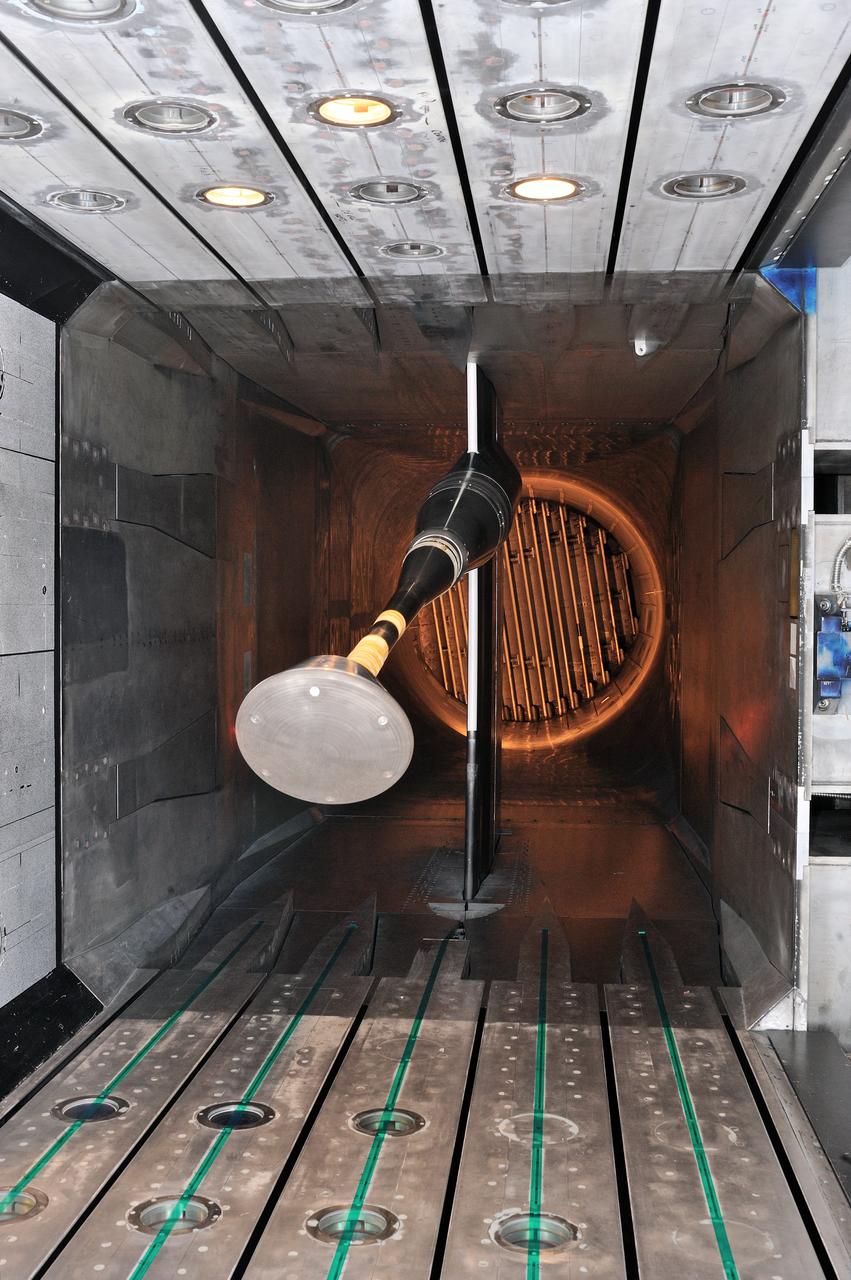
MPCV Orion 7% Crew Module in (NTF) National Transonic Facility, Test team for T211, 7% Orion CM in NTF
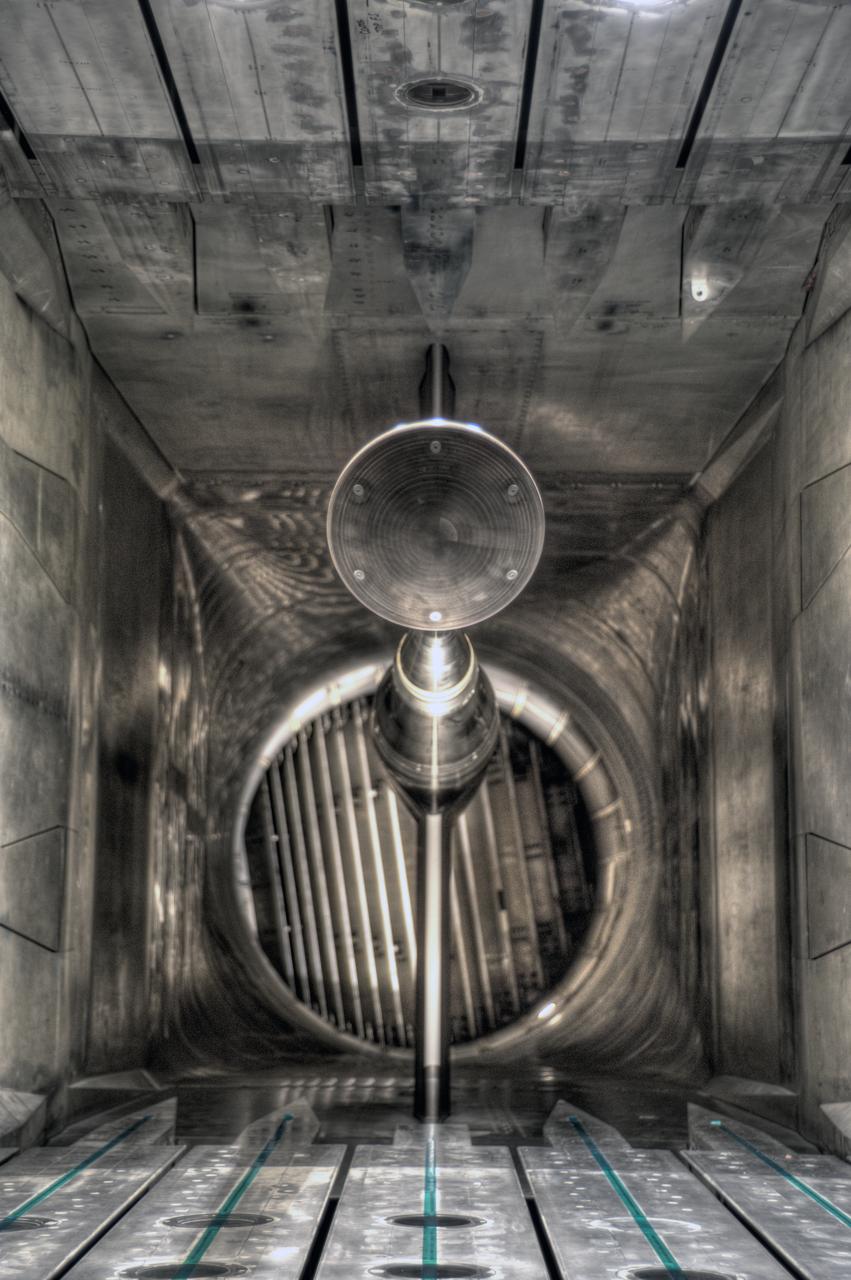
MPCV Orion 7% Crew Module in (NTF) National Transonic Facility, Test team for T211, 7% Orion CM in NTF
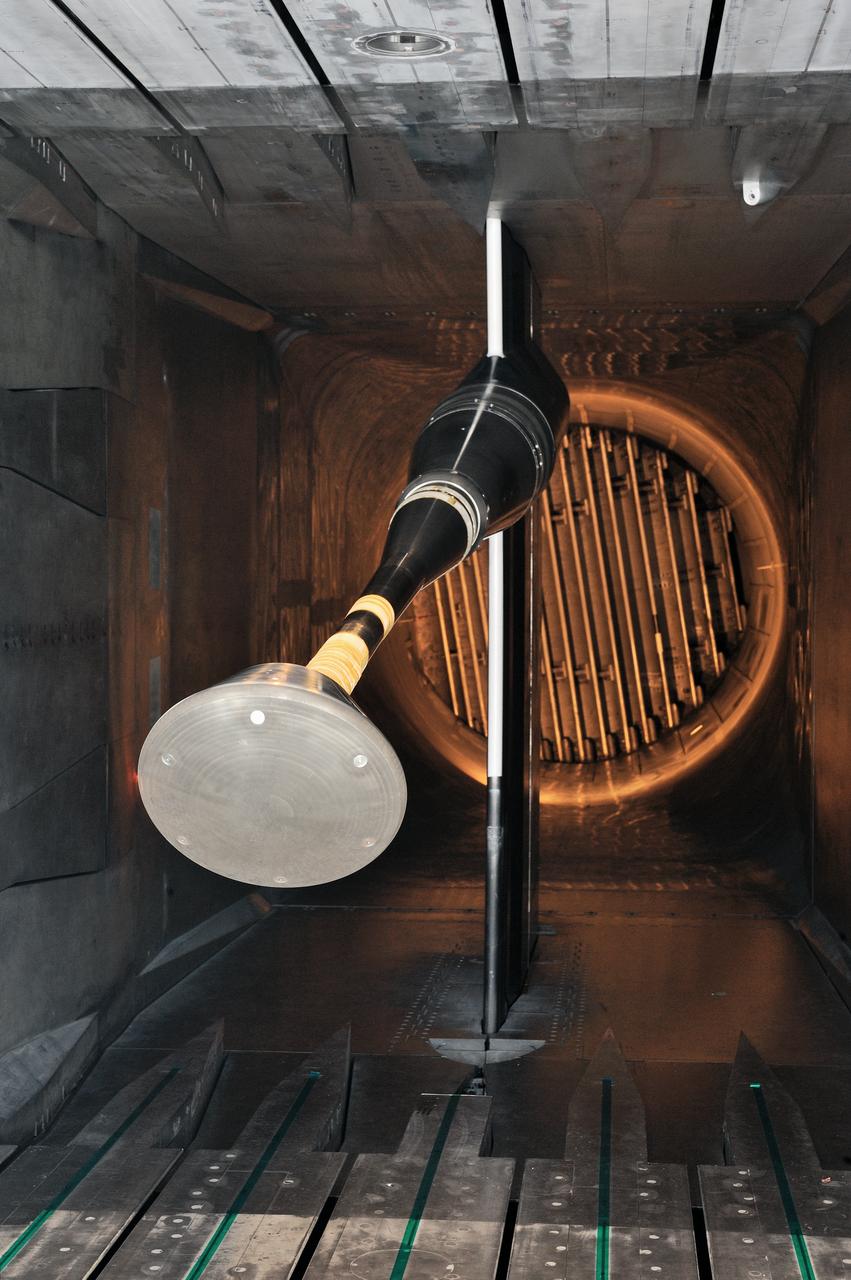
MPCV Orion 7% Crew Module in (NTF) National Transonic Facility, Test team for T211, 7% Orion CM in NTF
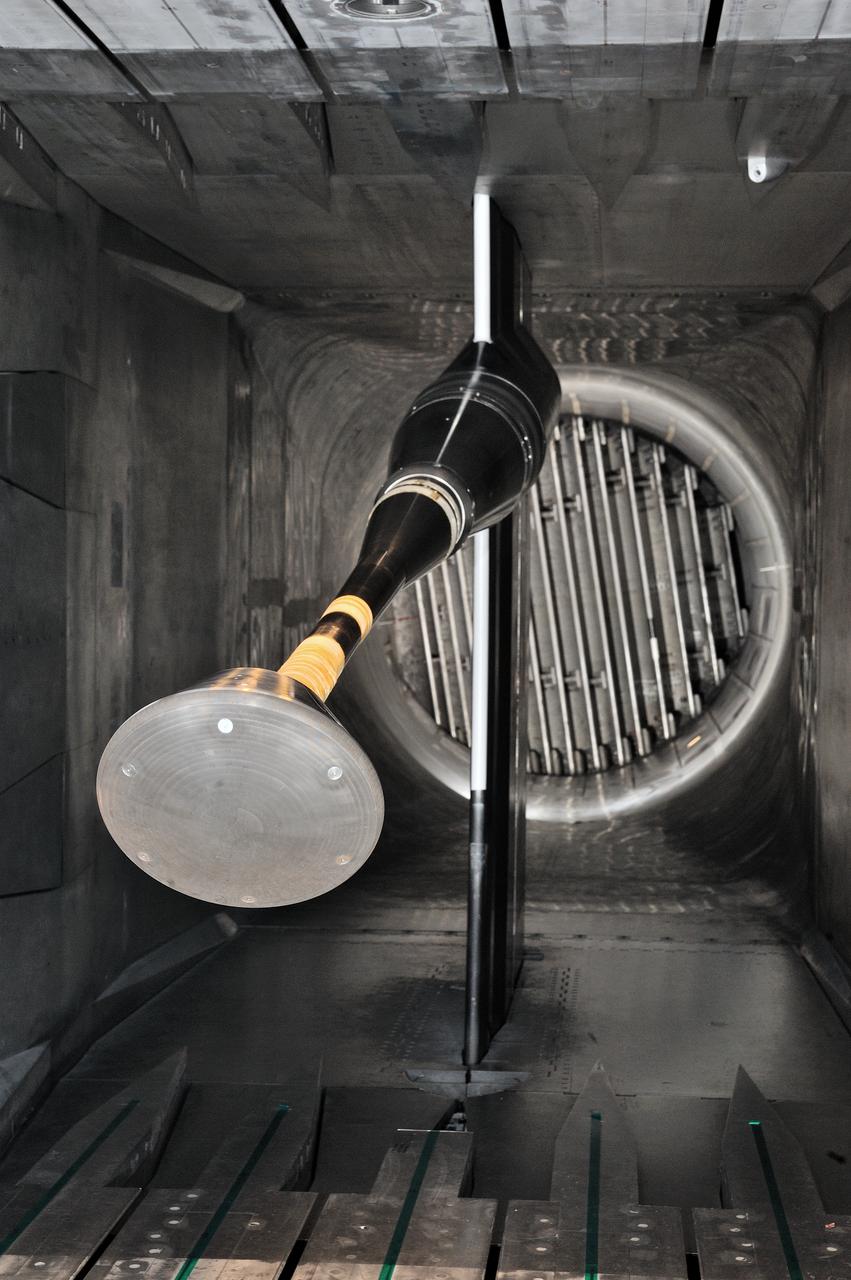
MPCV Orion 7% Crew Module in (NTF) National Transonic Facility, Test team for T211, 7% Orion CM in NTF
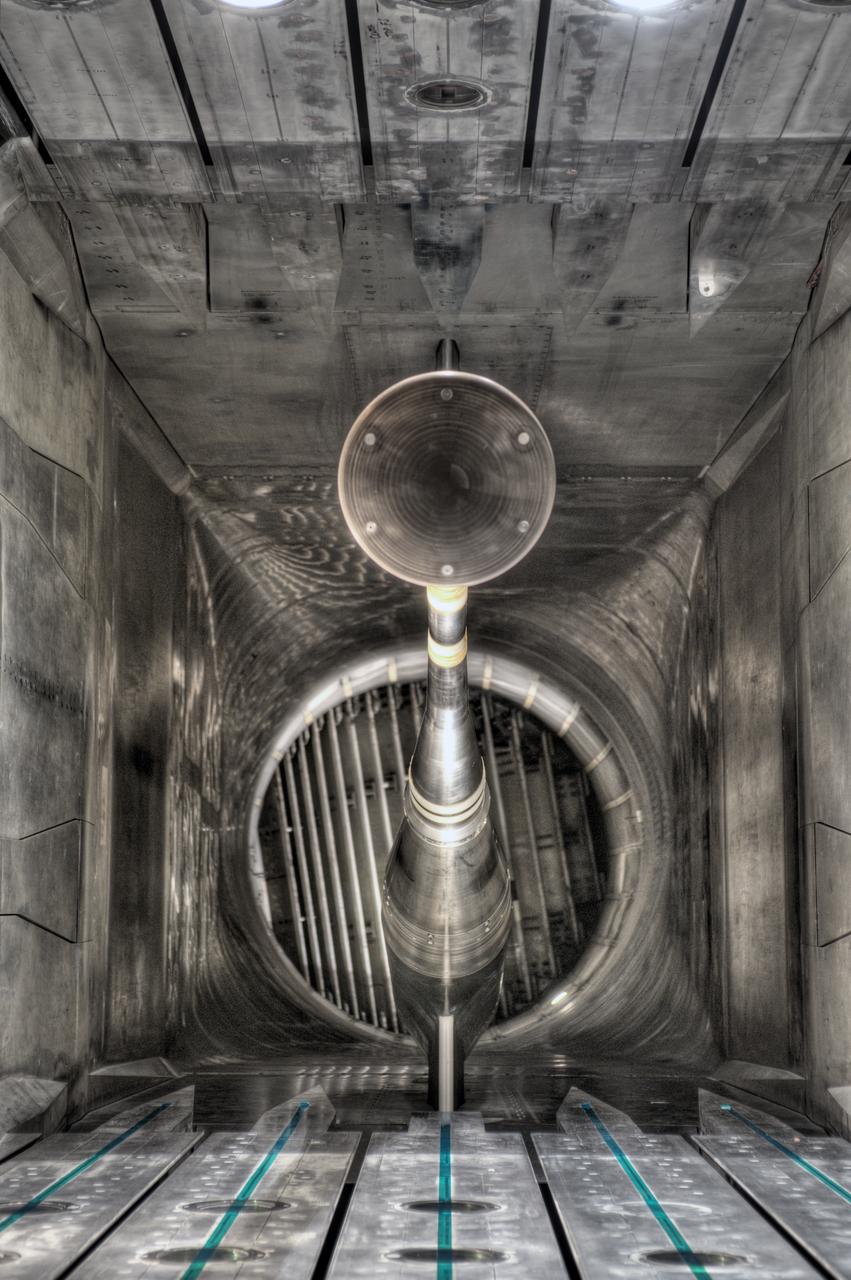
MPCV Orion 7% Crew Module in (NTF) National Transonic Facility, Test team for T211, 7% Orion CM in NTF
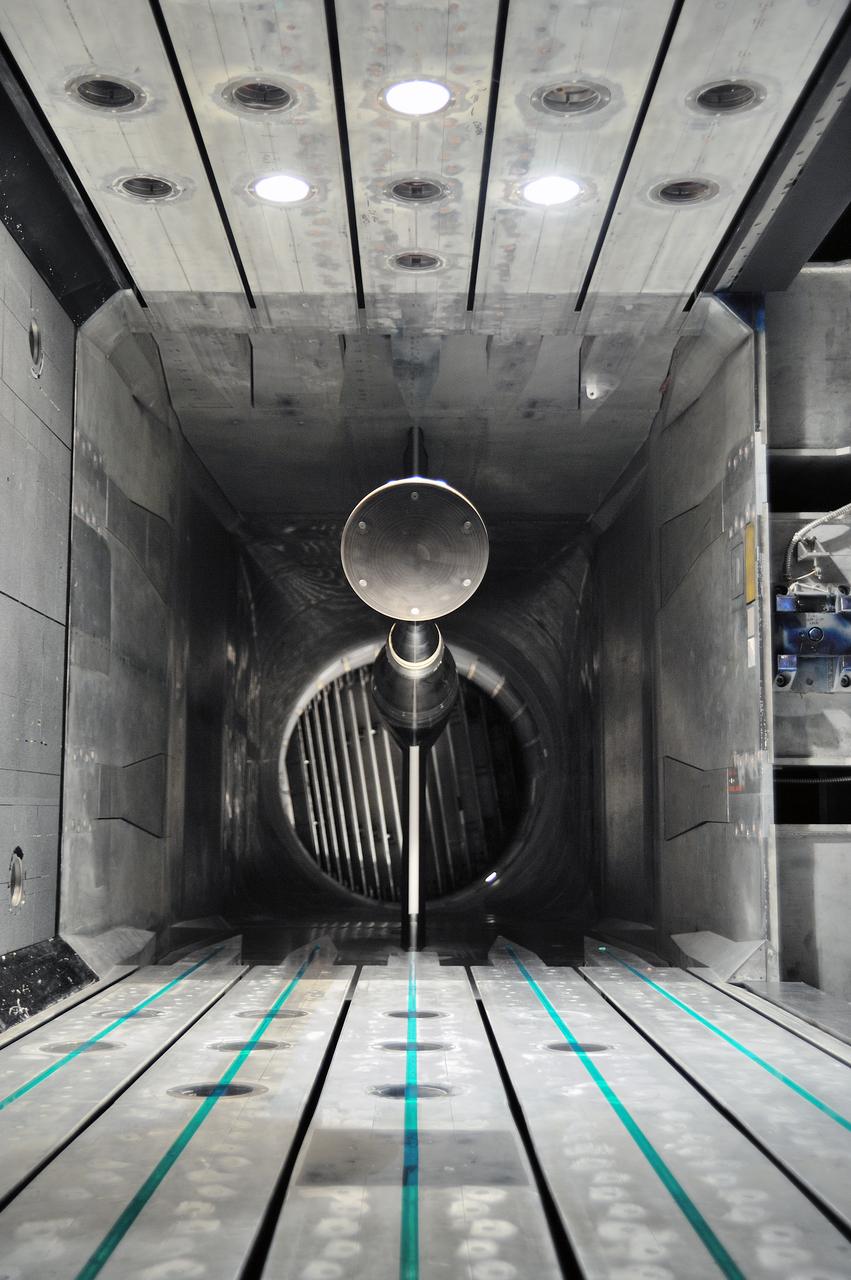
MPCV Orion 7% Crew Module in (NTF) National Transonic Facility, Test team for T211, 7% Orion CM in NTF
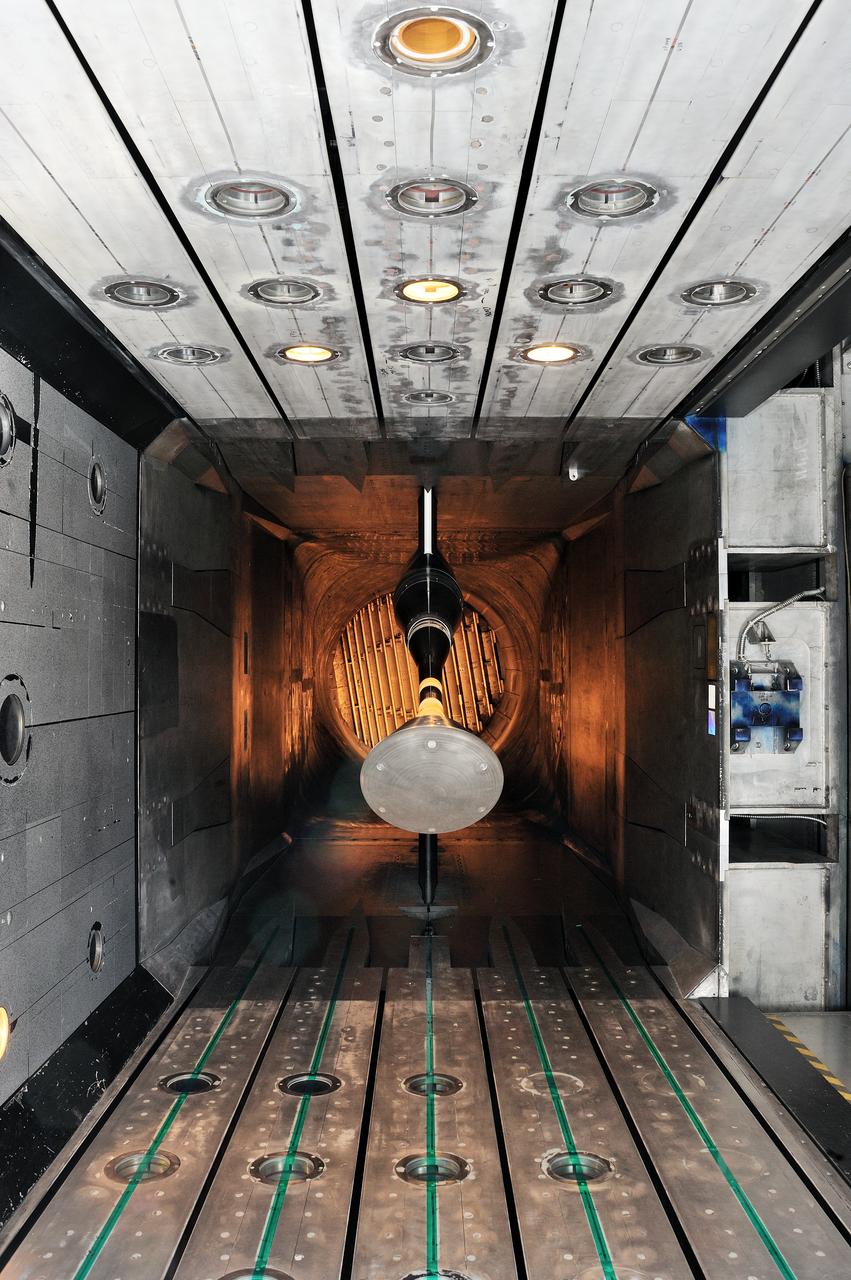
MPCV Orion 7% Crew Module in (NTF) National Transonic Facility, Test team for T211, 7% Orion CM in NTF
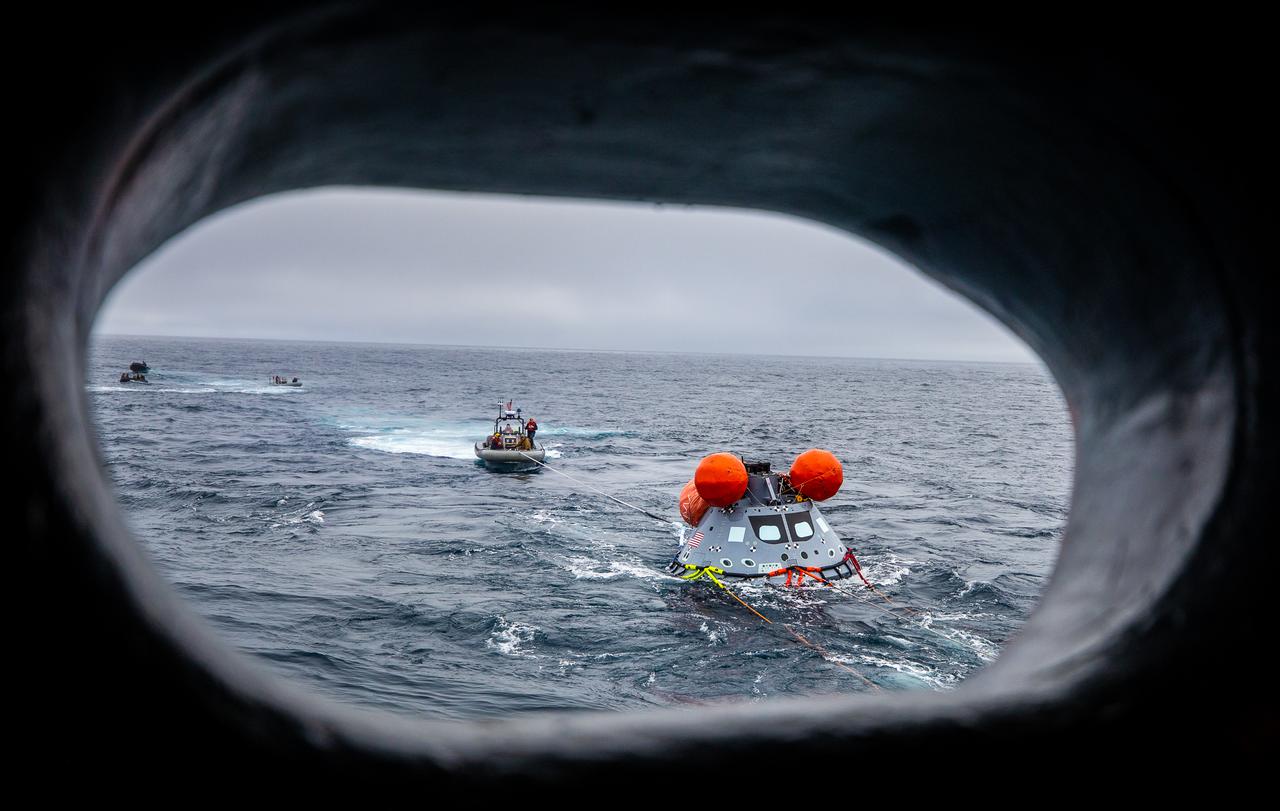
Day 2 of Underway Recovery Test 9 (URT-9) put NASA’s Landing and Recovery Team through its paces as they practiced recovering a mock Orion capsule into the back of the USS John P. Murtha. During the weeklong test, NASA’s Landing and Recovery team is performing their final mission certification ahead of Artemis I.
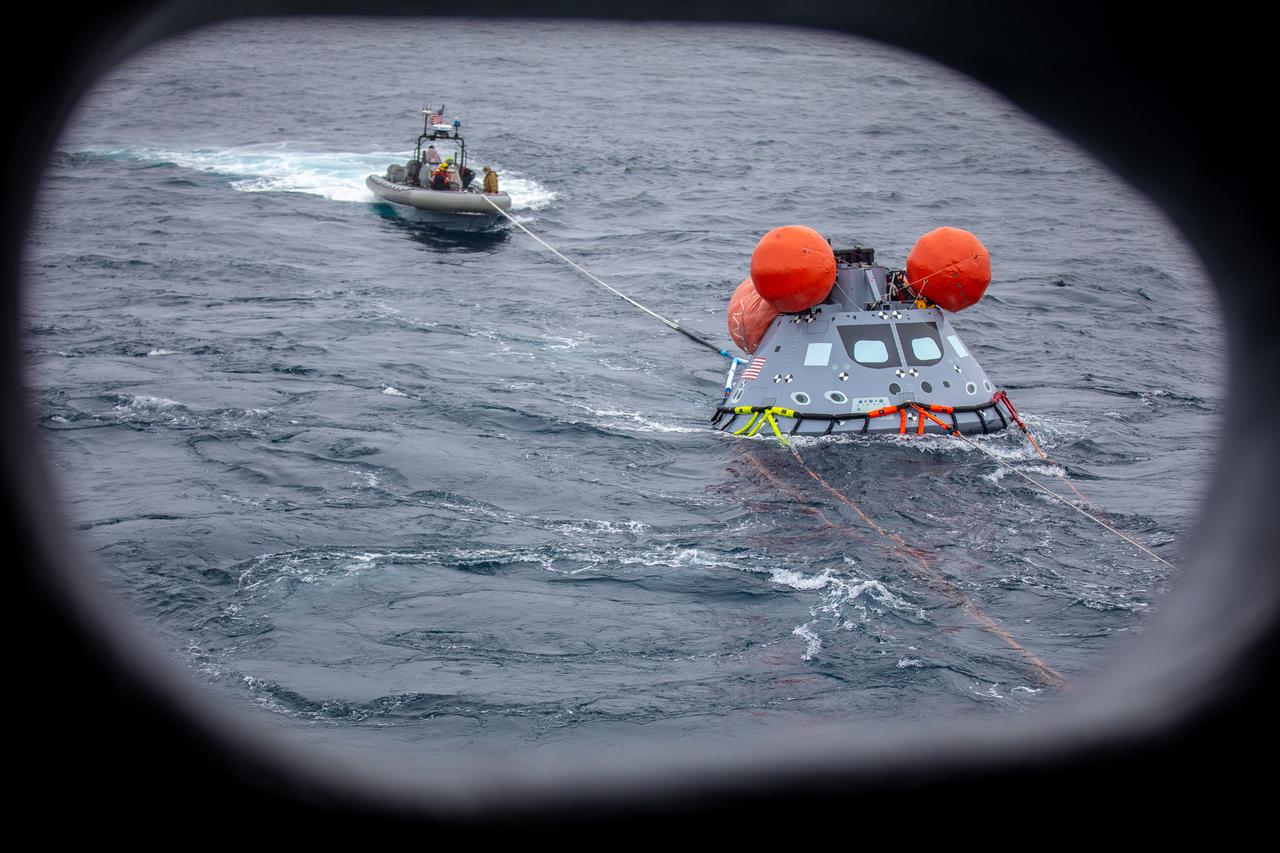
Day 2 of Underway Recovery Test 9 (URT-9) put NASA’s Landing and Recovery Team through its paces as they practiced recovering a mock Orion capsule into the back of the USS John P. Murtha. During the weeklong test, NASA’s Landing and Recovery team is performing their final mission certification ahead of Artemis I.
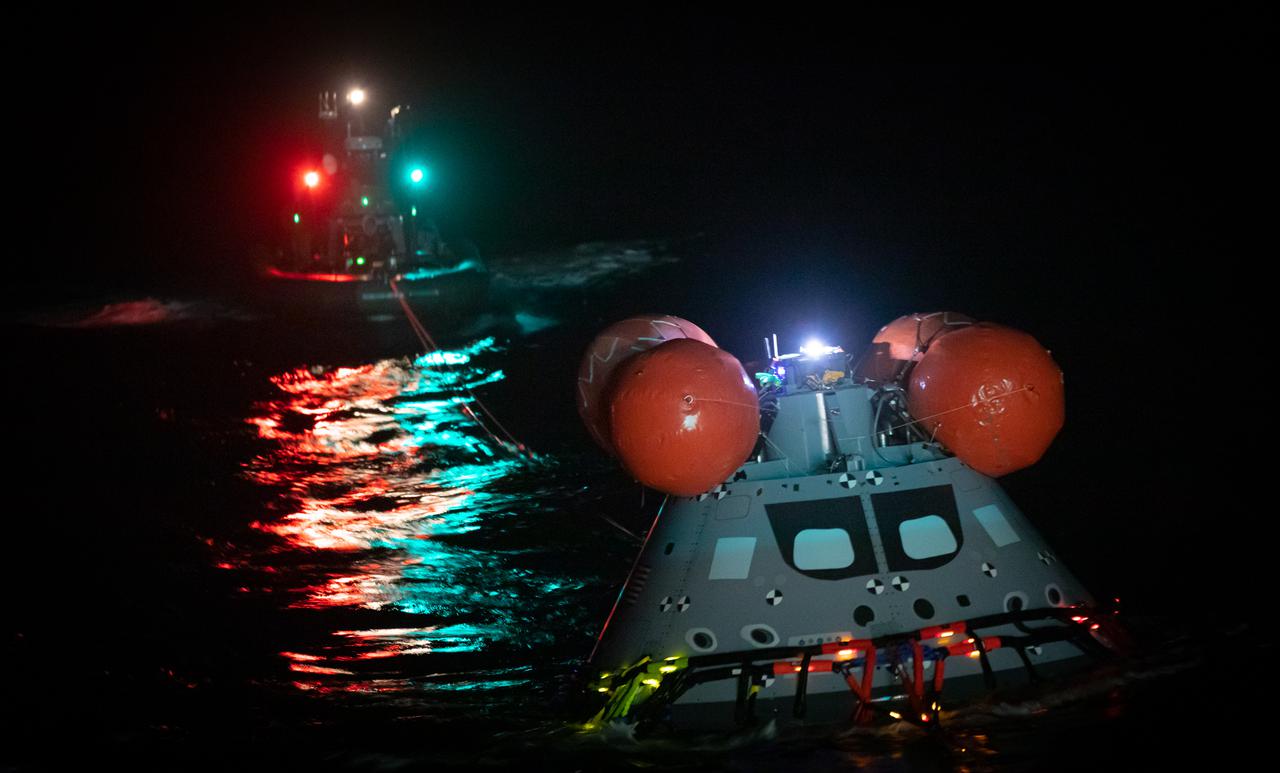
NASA’s Landing and Recovery Team secures a mock Orion capsule during the last exercise of Underway Recovery Test 9 (URT-9) aboard the USS John P. Murtha. During the weeklong test, NASA’s Landing and Recovery team is performing their final mission certification ahead of Artemis I.
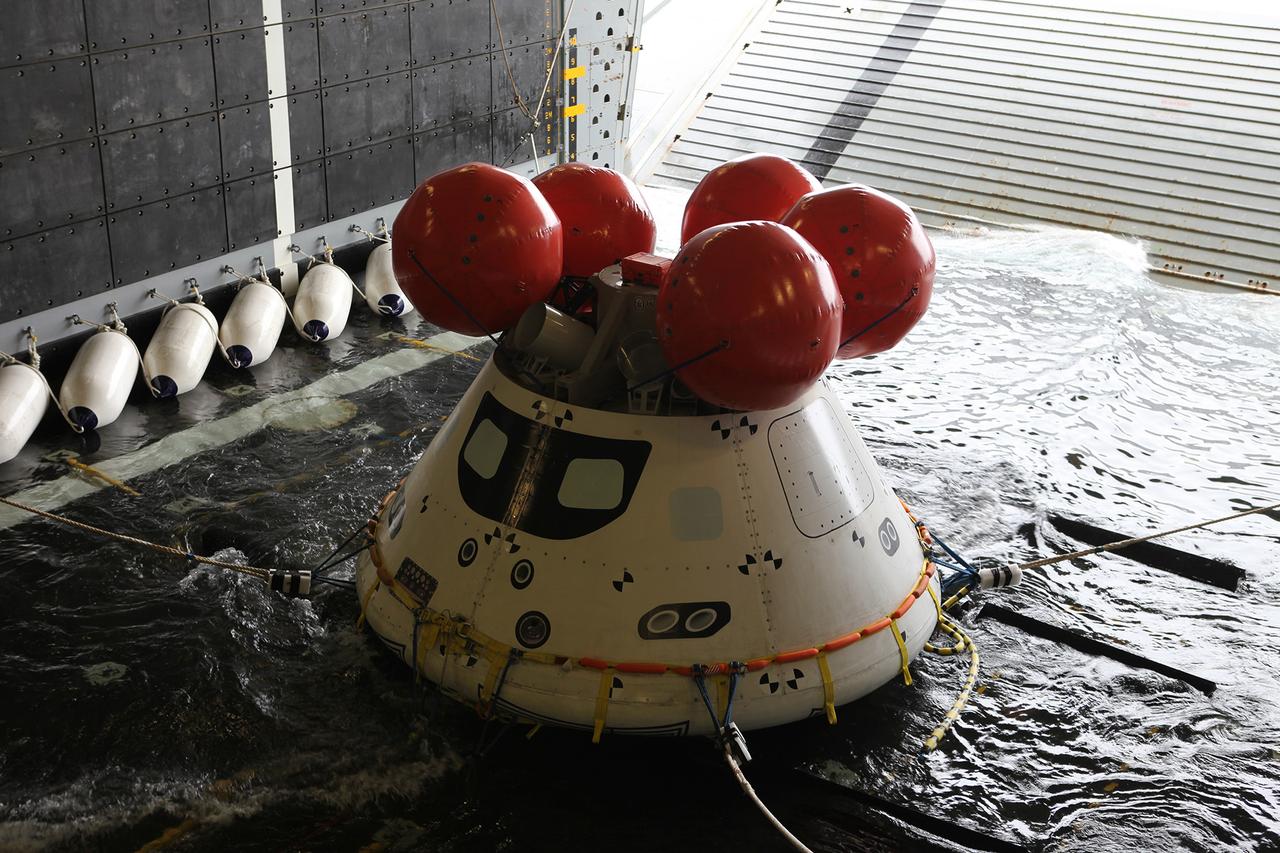
Recovery team members work with a test version of Orion floating in the well deck of the U.S.S. Anchorage on Aug. 2, 2014. A combined NASA and U.S. Navy team practiced recovery techniques off the coast of California in preparation for Exploration Flight Test-1 (EFT-1). Part of Batch image transfer from Flickr.
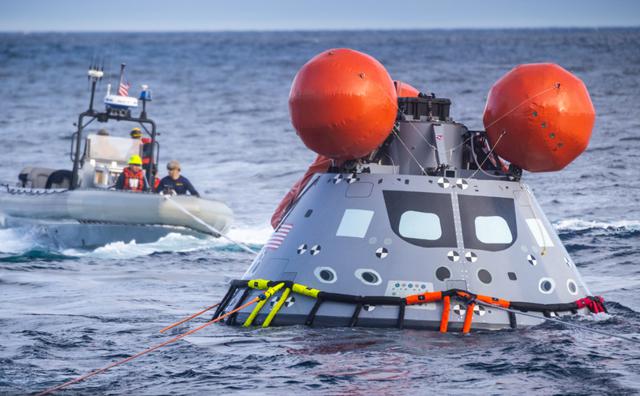
During Underway Recovery Test 9 (URT-9), NASA’s Landing and Recovery Team practices bringing a mock Orion capsule into the well deck of the USS John P. Murtha (LPD 26 The team is performing their final mission certification ahead of Artemis I.
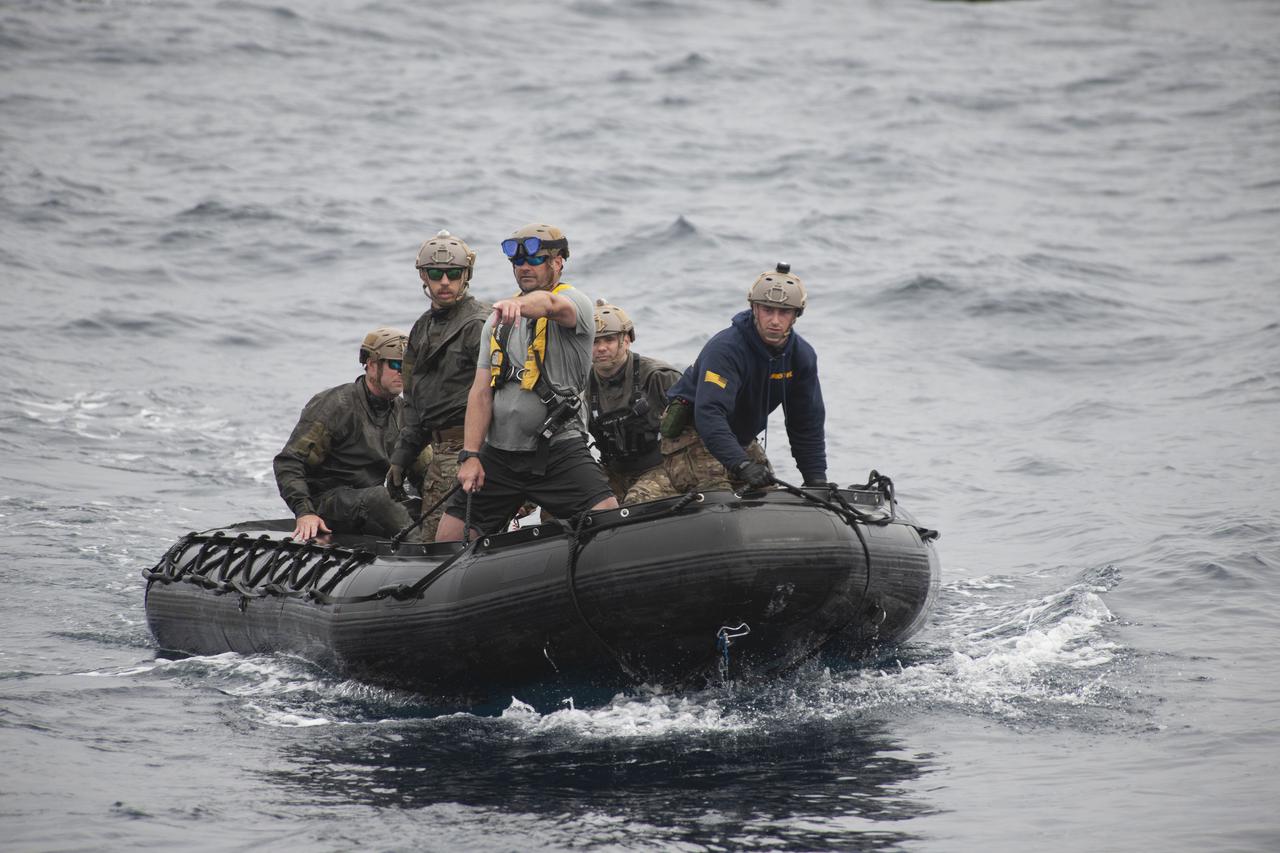
Open Water Lead Tim Goddard points the way to the smoke the helicopter dropped in the water, indicating the location of the mock Orion capsule during Underway Recovery Test 9 (URT-9). During the weeklong test, NASA’s Landing and Recovery team is performing their final mission certification ahead of Artemis I.
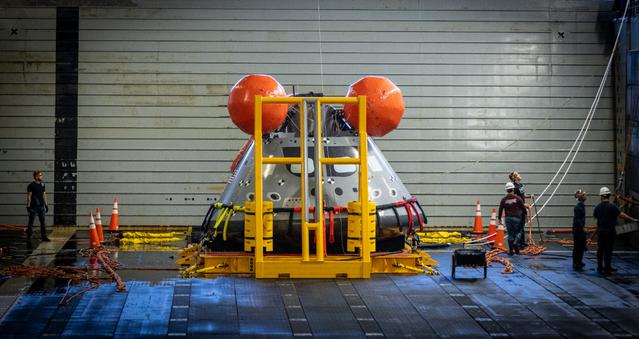
Day 2 of Underway Recovery Test 9 (URT-9) begins with preparing the tending lines to release the mock Orion capsule out of the back of the USS John P. Murtha. During the weeklong test, NASA’s Landing and Recovery team is performing their final mission certification ahead of Artemis I.
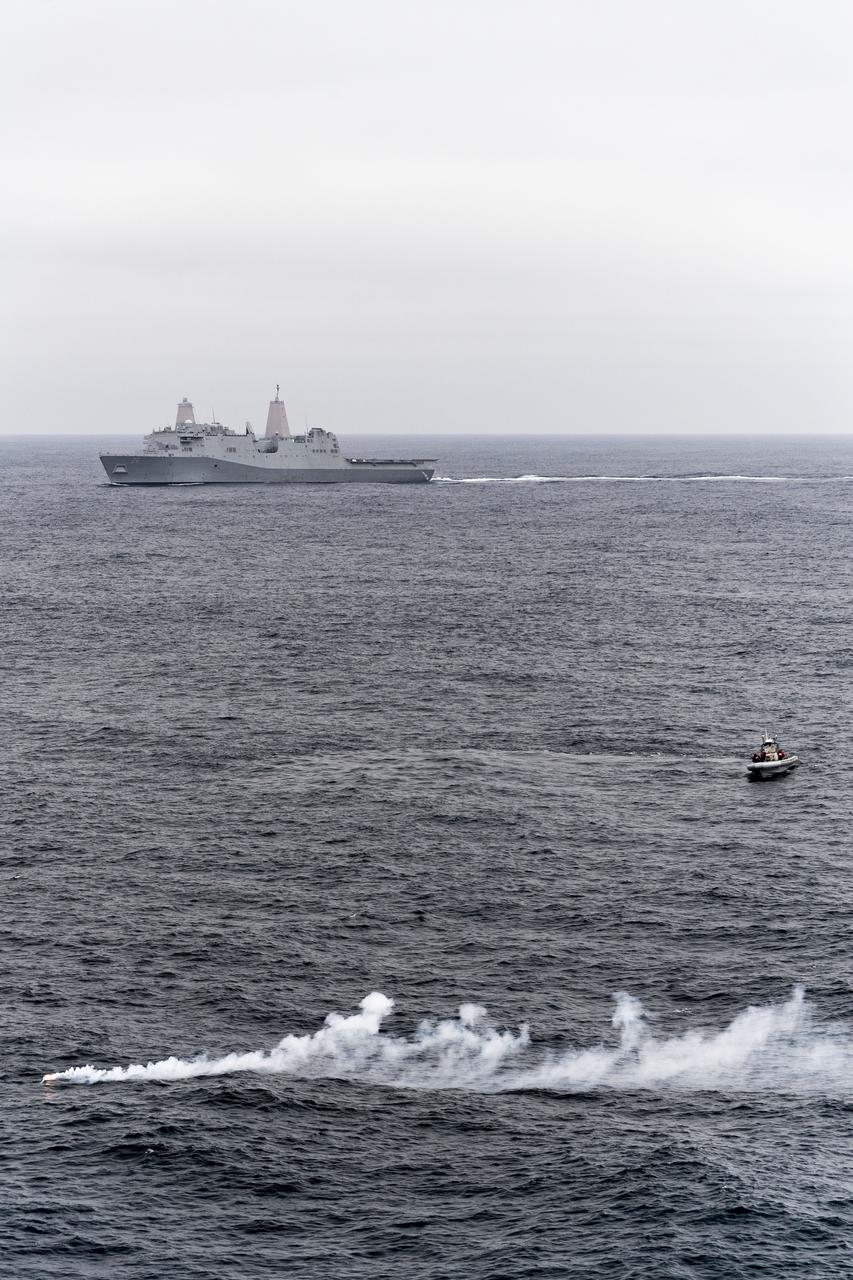
Small boats deployed from amphibious transport dock ship USS John P. Murtha (LPD 26) motor toward a smoke marker released by an MH-60S Seahawk helicopter to indicate the location of a mock Orion capsule during Underway Recovery Test 9 (URT-9). During the weeklong test, NASA’s Landing and Recovery Team conducted a full mission profile simulation to certify the team for Artemis I.
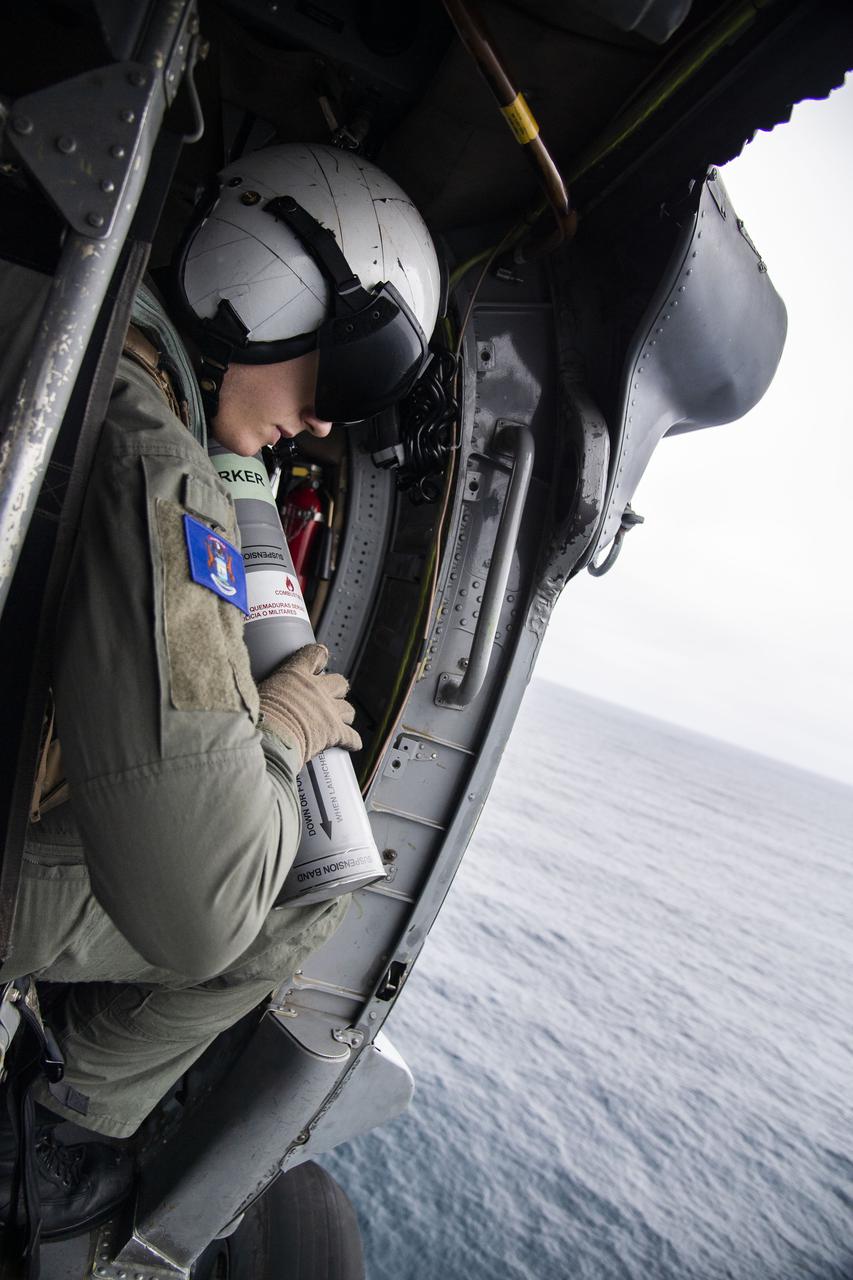
Naval Aircrewman 2nd Class Kanon Brooks, assigned to the “Wild Cards” of Helicopter Sea Combat Squadron (HSC) 23, prepares to drop a smoke canister from an MH-60S Seahawk helicopter near a mock Orion capsule to indicate the spacecraft’s location. During Underway Recovery Test 9 (URT-9) aboard amphibious transport dock ship USS John P. Murtha (LPD 26), NASA’s Landing and Recovery Team conducted a full mission profile simulation to certify the team for Artemis I.
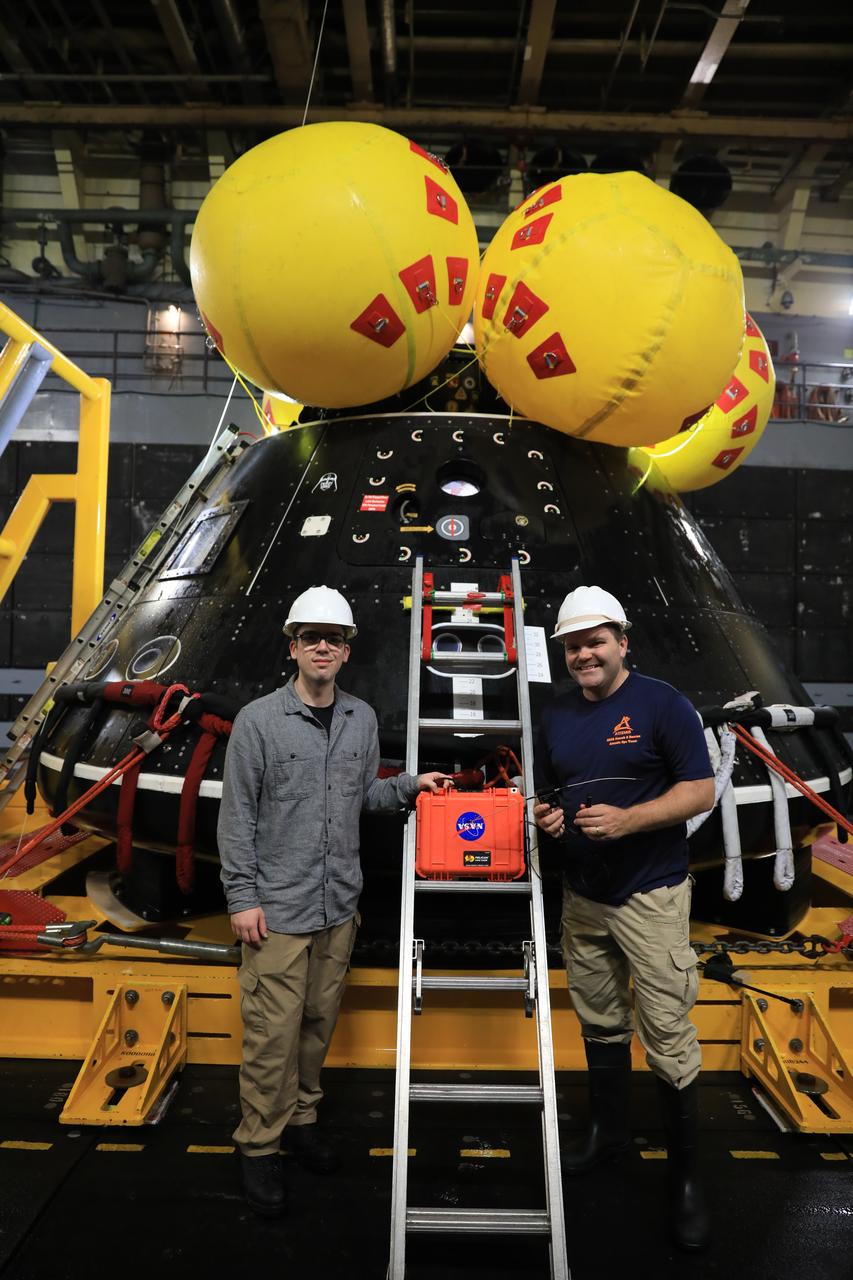
Members of NASA’s Exploration Ground System’s Landing and Recovery team aboard the USS San Diego pose in front of a mockup of the Orion spacecraft during Underway Recovery Test 11 (URT-11) off the coast of San Diego, California on Sunday, Feb. 25, 2024. URT-11 is the eleventh in a series of Artemis recovery tests, and the first time NASA and its partners put their Artemis II recovery procedures to the test with the astronauts.
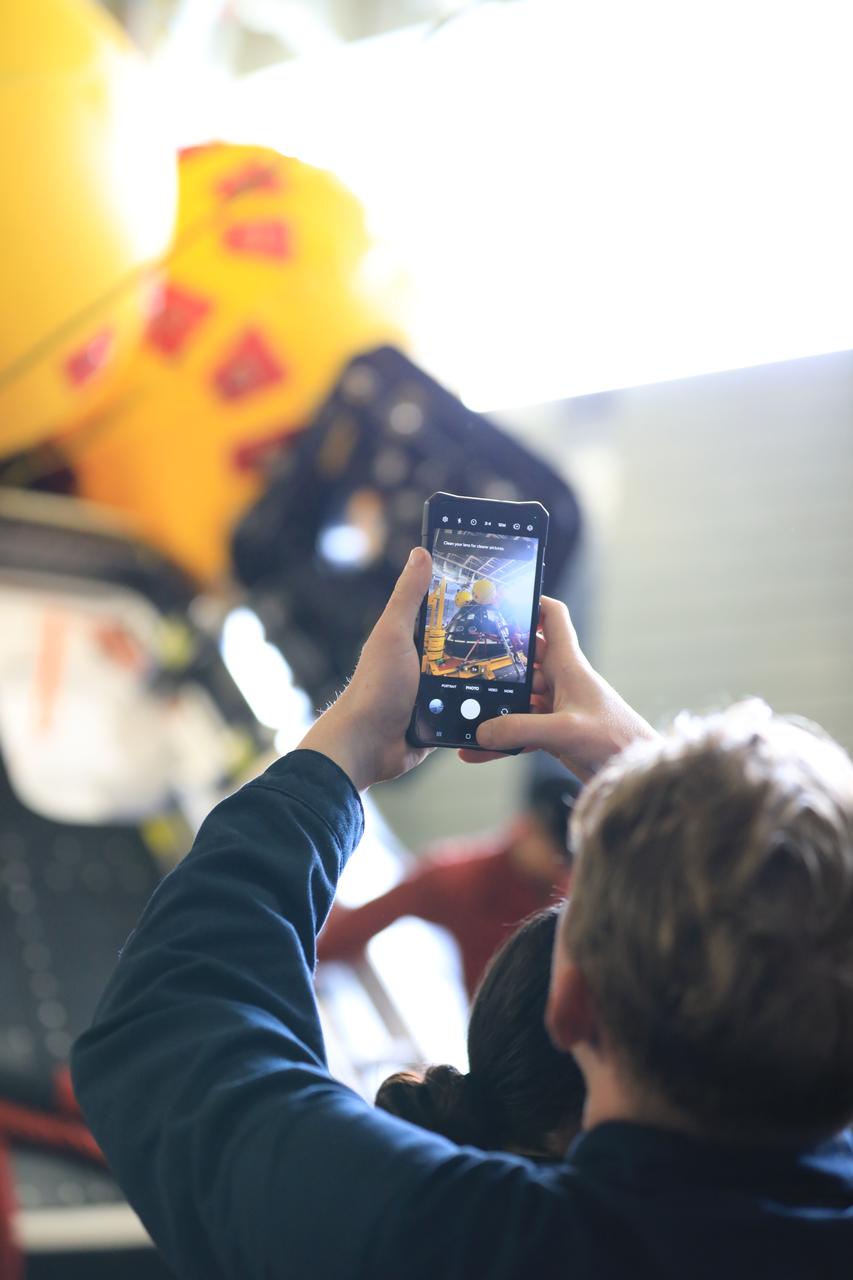
A member of NASA’s Exploration Ground System’s Landing and Recovery team takes a photo of a mockup of the Orion spacecraft during Underway Recovery Test 11 (URT-11) off the coast of San Diego, California on Monday, Feb. 26, 2024. URT-11 is the eleventh in a series of Artemis recovery tests, and the first time NASA and its partners put their Artemis II recovery procedures to the test with the astronauts.
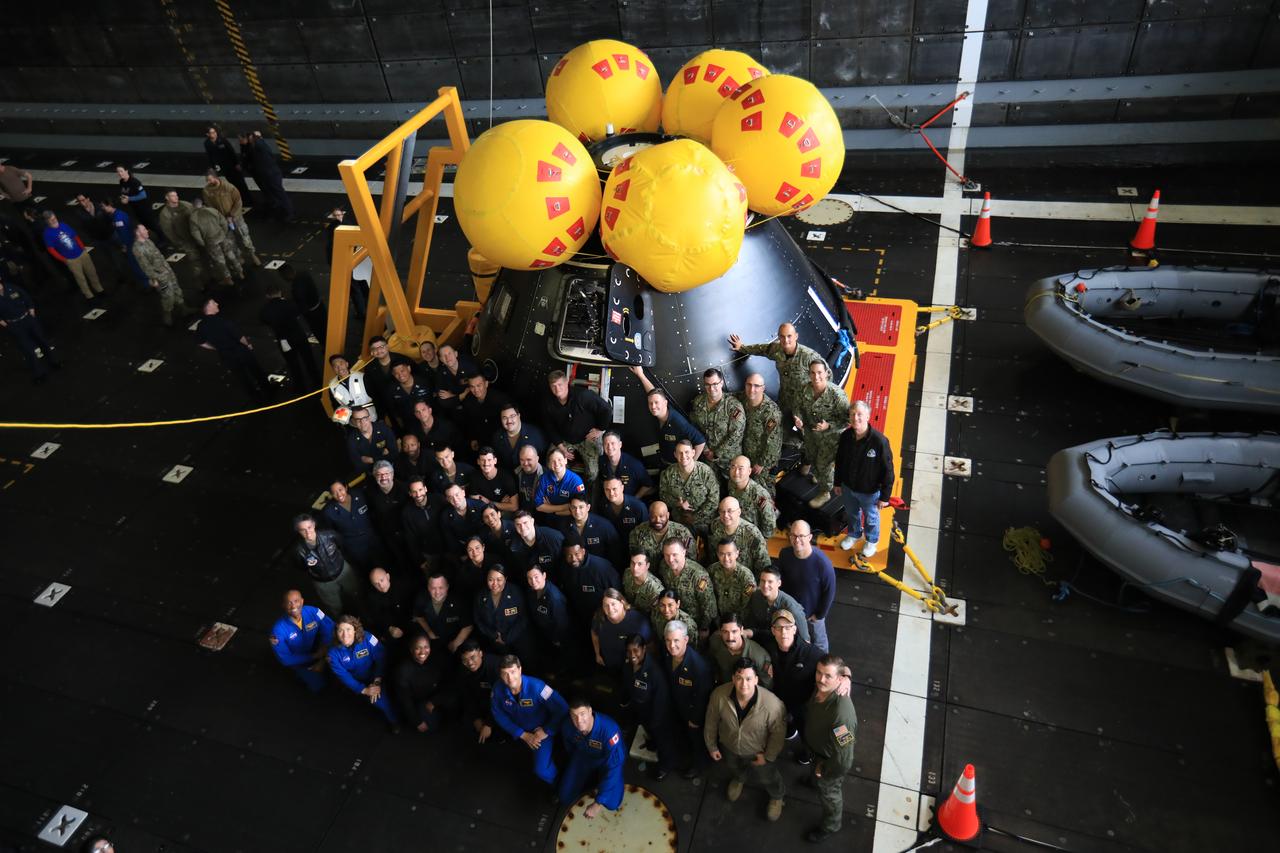
NASA Artemis II astronauts, members of NASA’s Exploration Ground System’s Landing and Recovery team, U.S. Navy personnel, and others aboard the USS San Diego pose in front of a mockup of the Orion spacecraft during Underway Recovery Test 11 (URT-11) off the coast of San Diego, California on Monday, Feb. 26, 2024. URT-11 is the eleventh in a series of Artemis recovery tests, and the first time NASA and its partners put their Artemis II recovery procedures to the test with the astronauts.
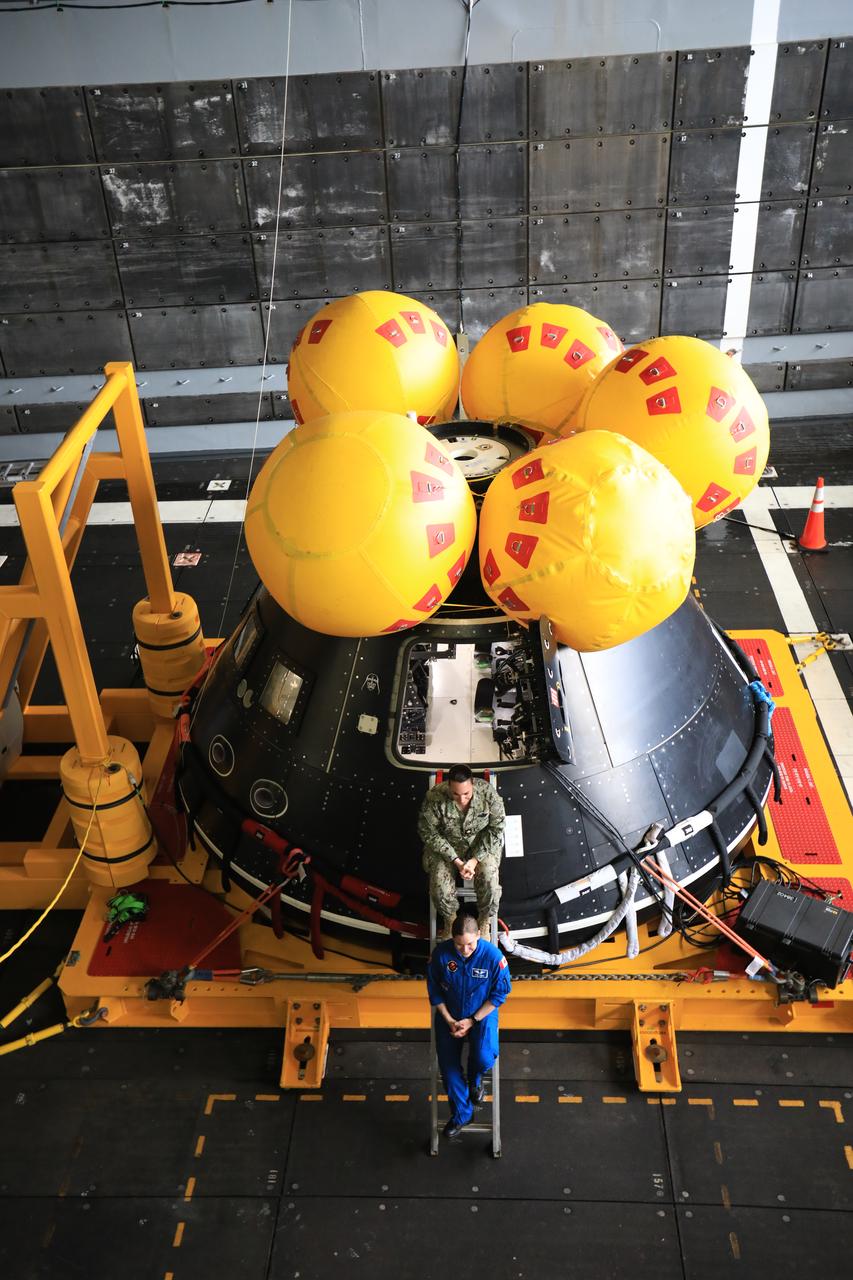
Members of NASA’s Exploration Ground System’s Landing and Recovery team aboard the USS San Diego pose in front of a mockup of the Orion spacecraft during Underway Recovery Test 11 (URT-11) off the coast of San Diego, California on Monday, Feb. 26, 2024. URT-11 is the eleventh in a series of Artemis recovery tests, and the first time NASA and its partners put their Artemis II recovery procedures to the test with the astronauts.
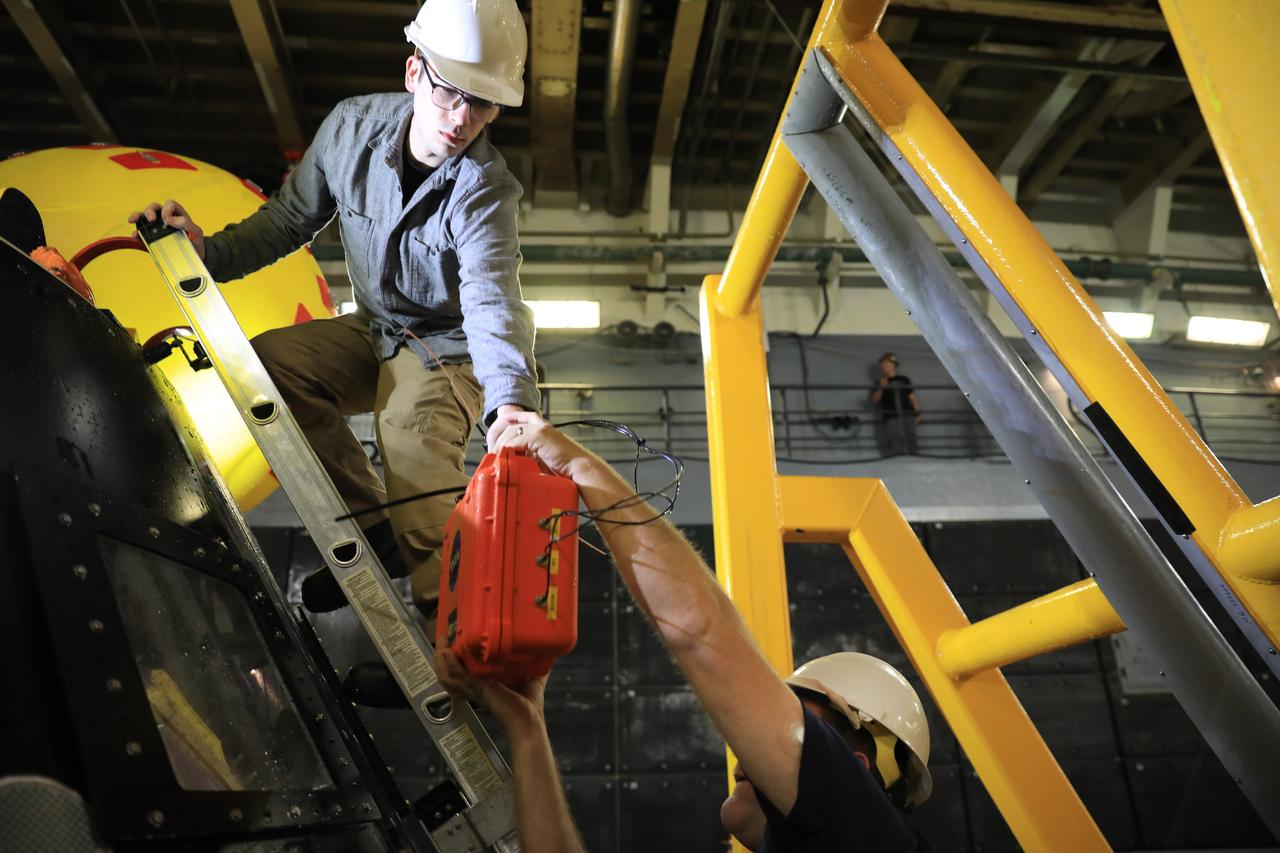
Members of NASA’s Exploration Ground System’s Landing and Recovery team aboard the USS San Diego pose in front of a mockup of the Orion spacecraft during Underway Recovery Test 11 (URT-11) off the coast of San Diego, California on Sunday, Feb. 25, 2024. URT-11 is the eleventh in a series of Artemis recovery tests, and the first time NASA and its partners put their Artemis II recovery procedures to the test with the astronauts.
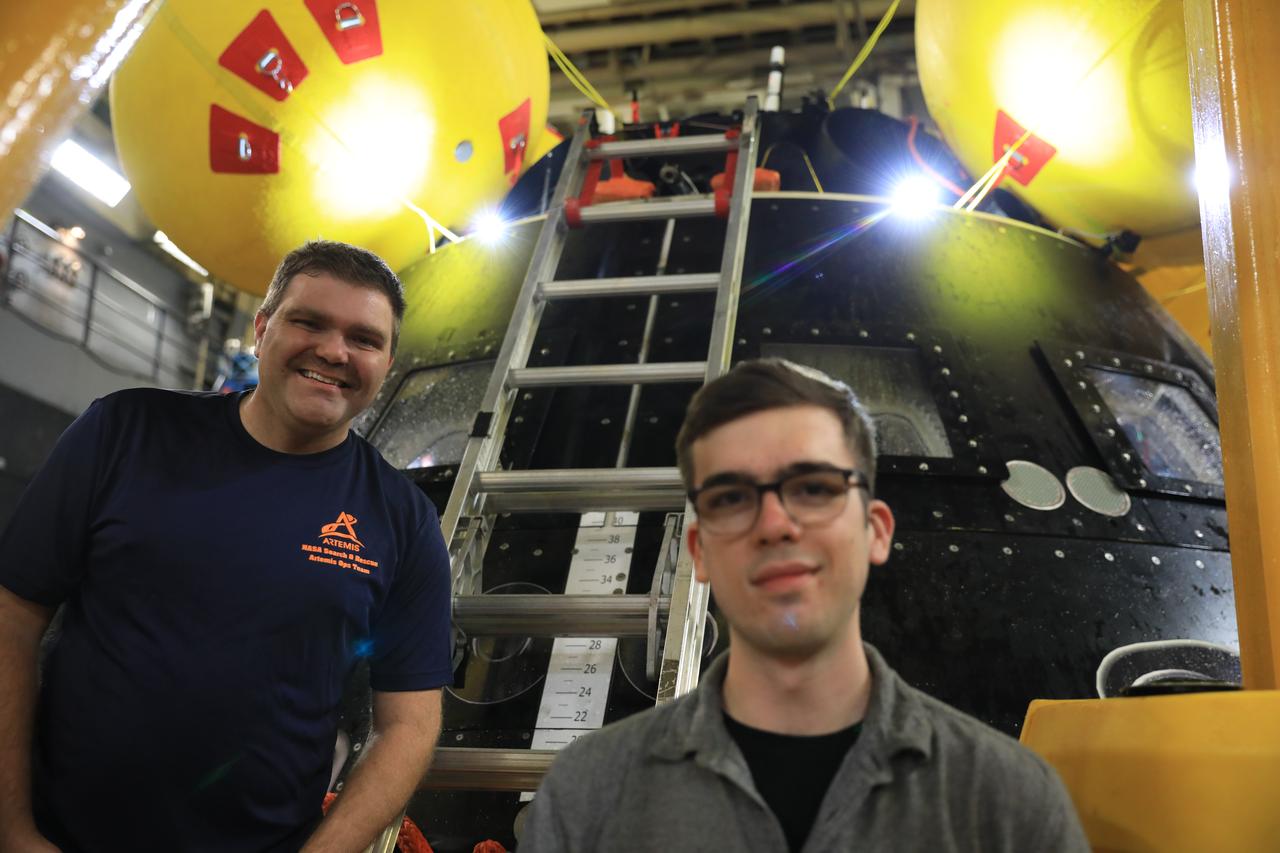
Members of NASA’s Exploration Ground System’s Landing and Recovery team aboard the USS San Diego pose in front of a mockup of the Orion spacecraft during Underway Recovery Test 11 (URT-11) off the coast of San Diego, California on Sunday, Feb. 25, 2024. URT-11 is the eleventh in a series of Artemis recovery tests, and the first time NASA and its partners put their Artemis II recovery procedures to the test with the astronauts.
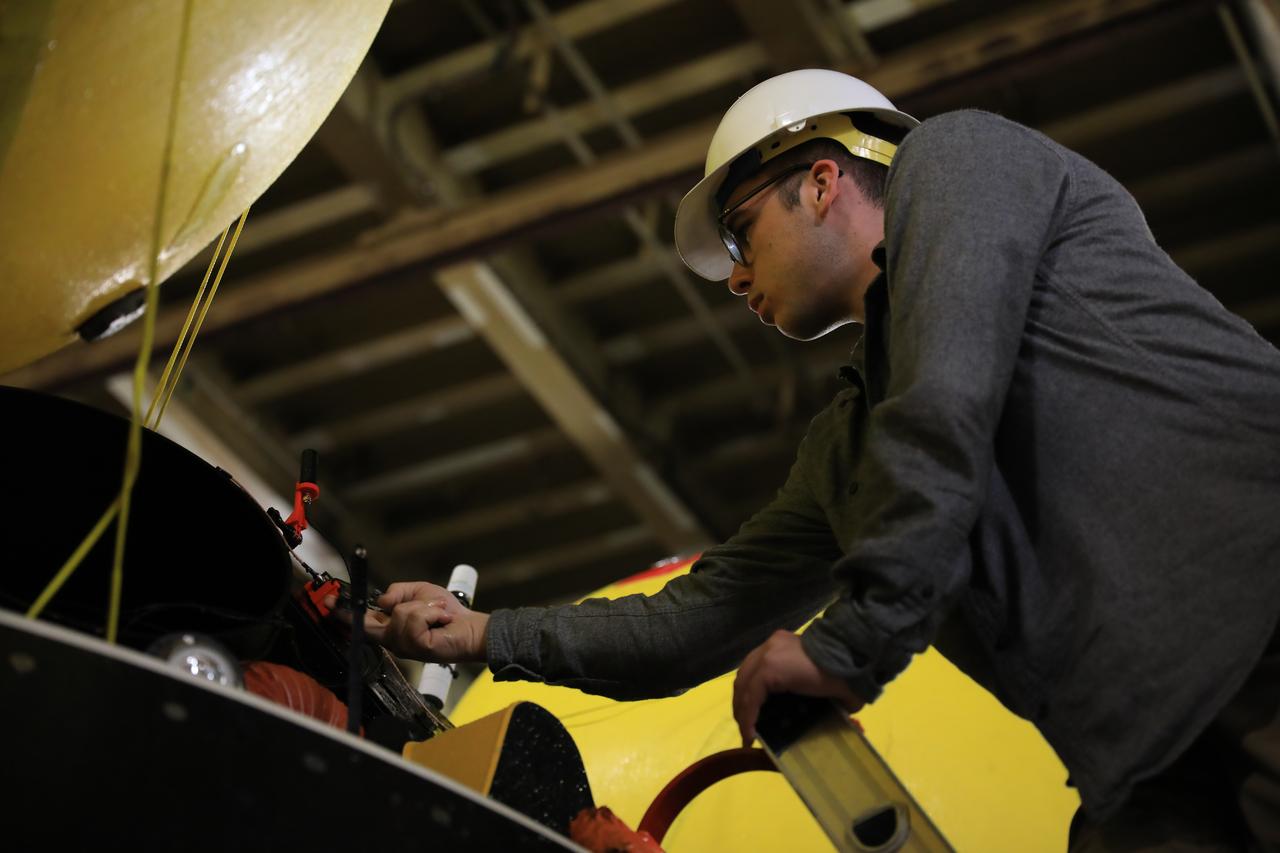
Members of NASA’s Exploration Ground System’s Landing and Recovery team aboard the USS San Diego pose in front of a mockup of the Orion spacecraft during Underway Recovery Test 11 (URT-11) off the coast of San Diego, California on Sunday, Feb. 25, 2024. URT-11 is the eleventh in a series of Artemis recovery tests, and the first time NASA and its partners put their Artemis II recovery procedures to the test with the astronauts.
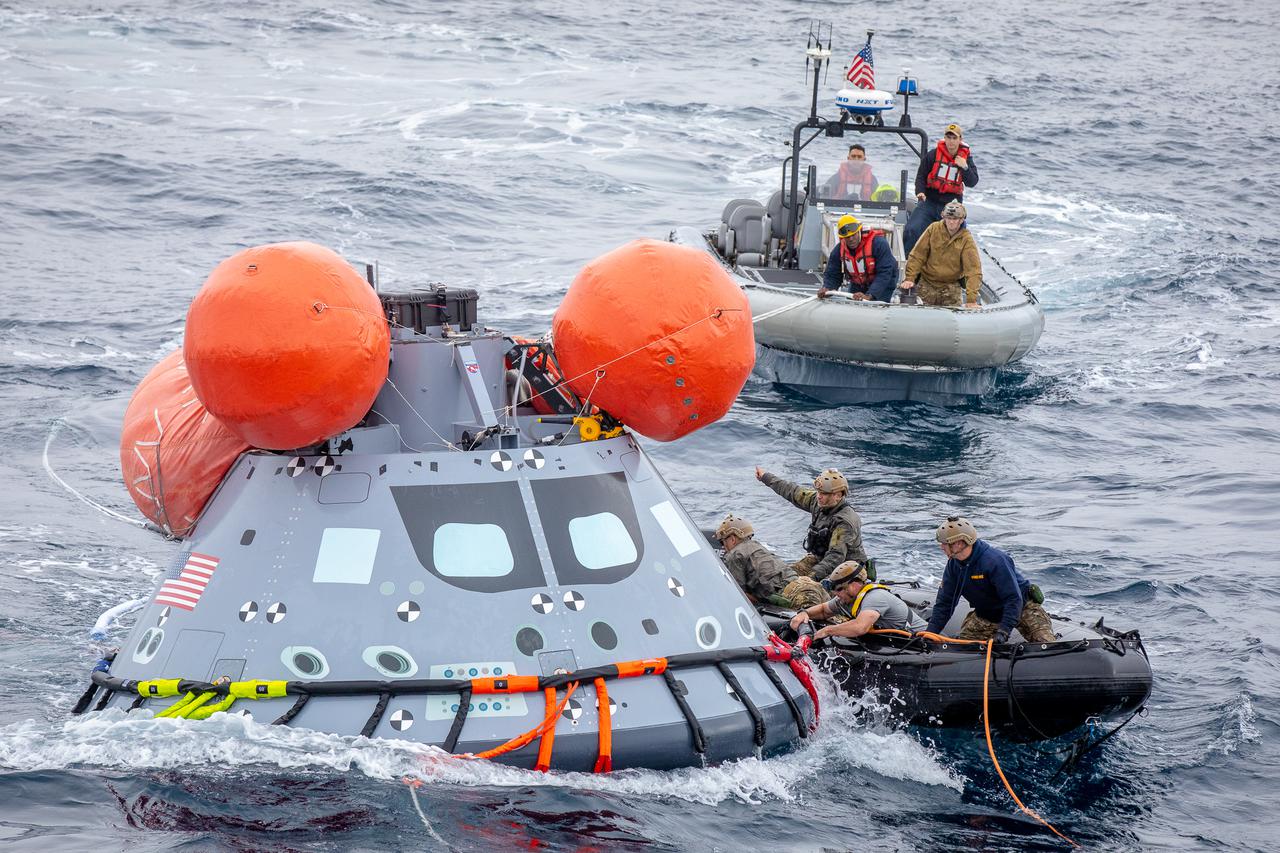
Navy divers from Explosive Ordnance Disposal (EOD) Expeditionary Support Unit 1, attach tending lines to a mock Orion capsule during Day 2 of Underway Recovery Test 9 (URT-9) aboard the USS John P. Murtha. During the weeklong test, NASA’s Landing and Recovery team is performing their final mission certification ahead of Artemis I.
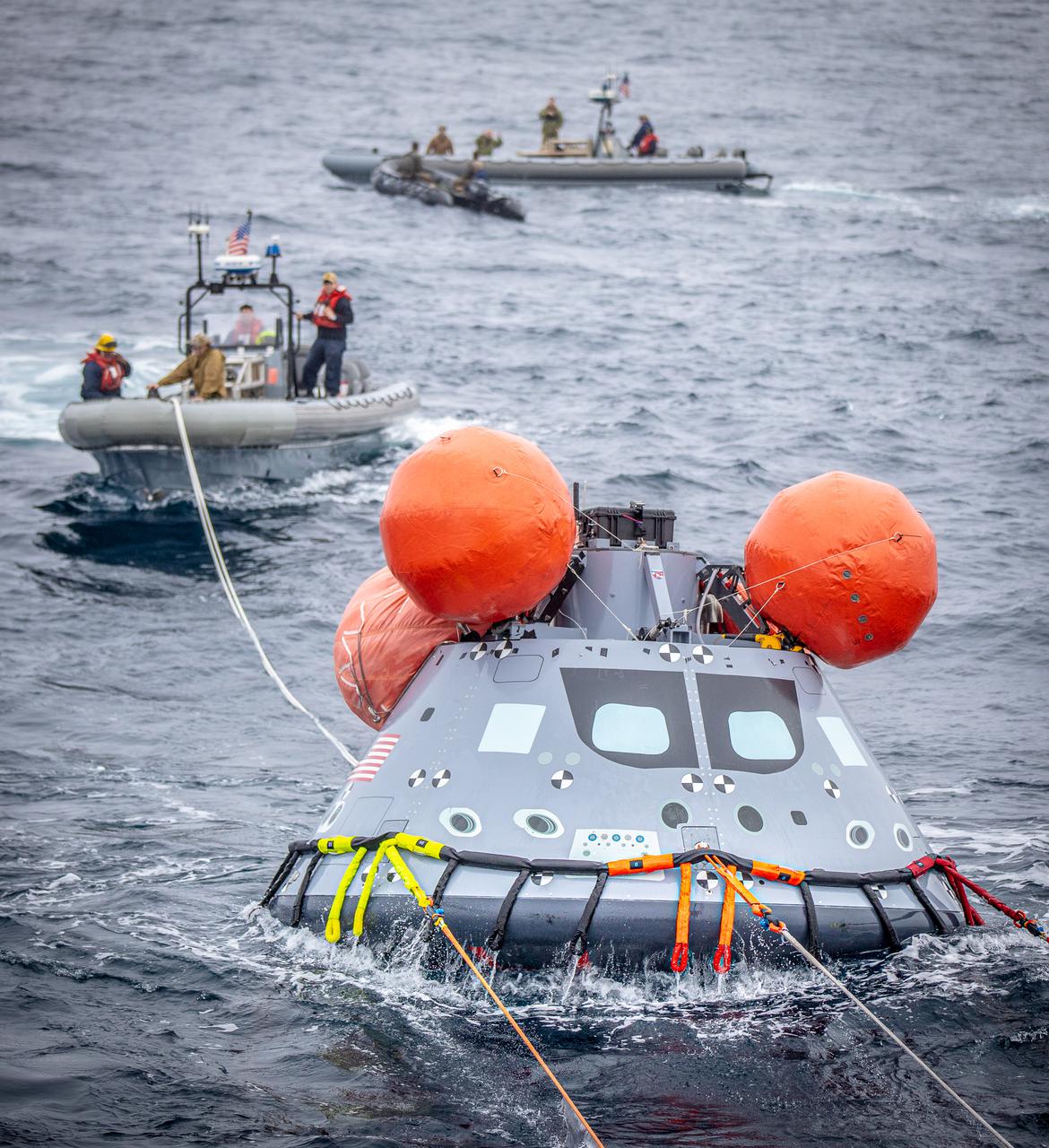
Navy divers from Explosive Ordnance Disposal (EOD) Expeditionary Support Unit 1, practice recovering a mock Orion capsule during Day 2 of Underway Recovery Test 9 (URT-9) aboard the USS John P. Murtha. During the weeklong test, NASA’s Landing and Recovery team is performing their final mission certification ahead of Artemis I.
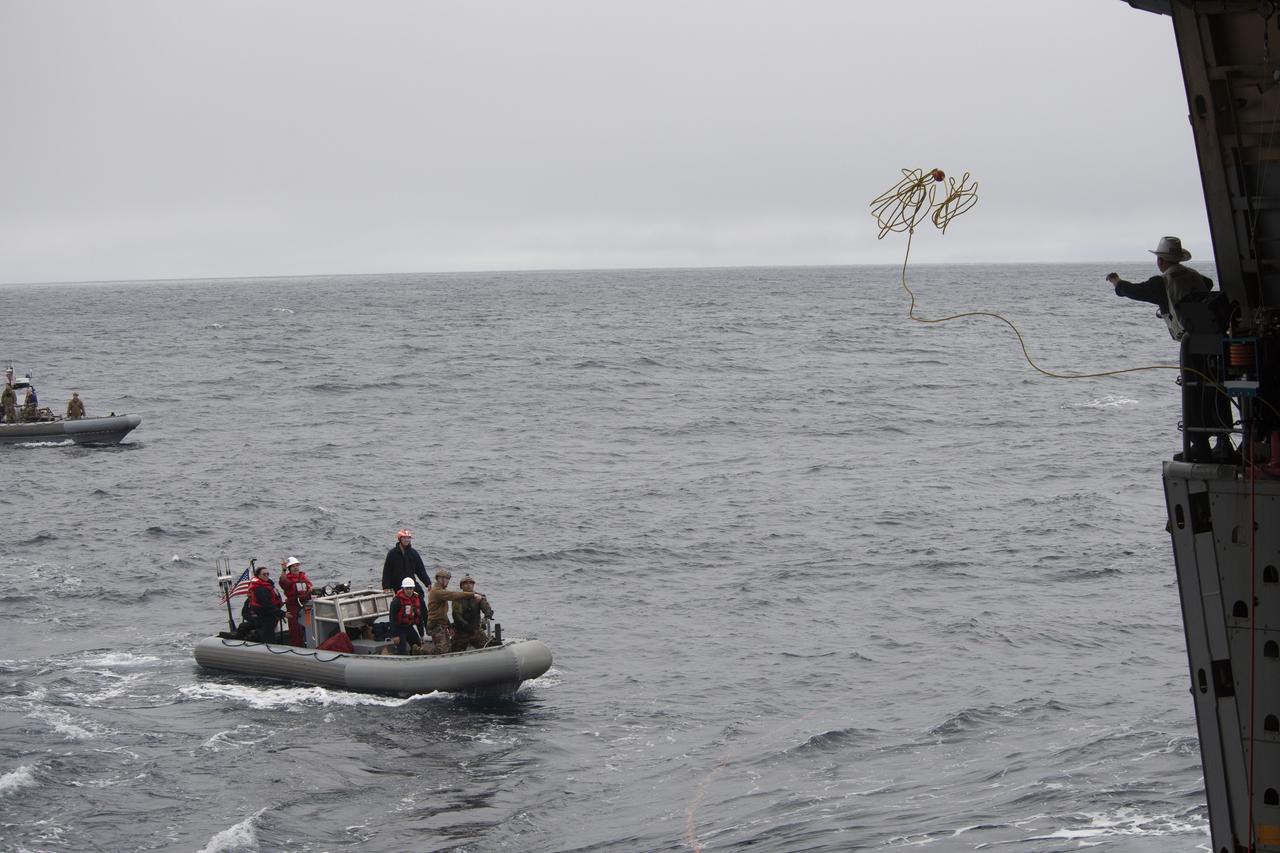
A sailor with the USS John P. Murtha (LPD 26) throws a tending line to a Navy diver assigned to Explosive Ordnance Disposal (EOD) Expeditionary Support Unit (ESU) One during Underway Recovery Test 9 (URT-9). The diver will attach the line to a mock Orion capsule so it can be brought into the well deck of the ship. During the weeklong test, NASA’s Landing and Recovery team is performing their final mission certification ahead of Artemis I.
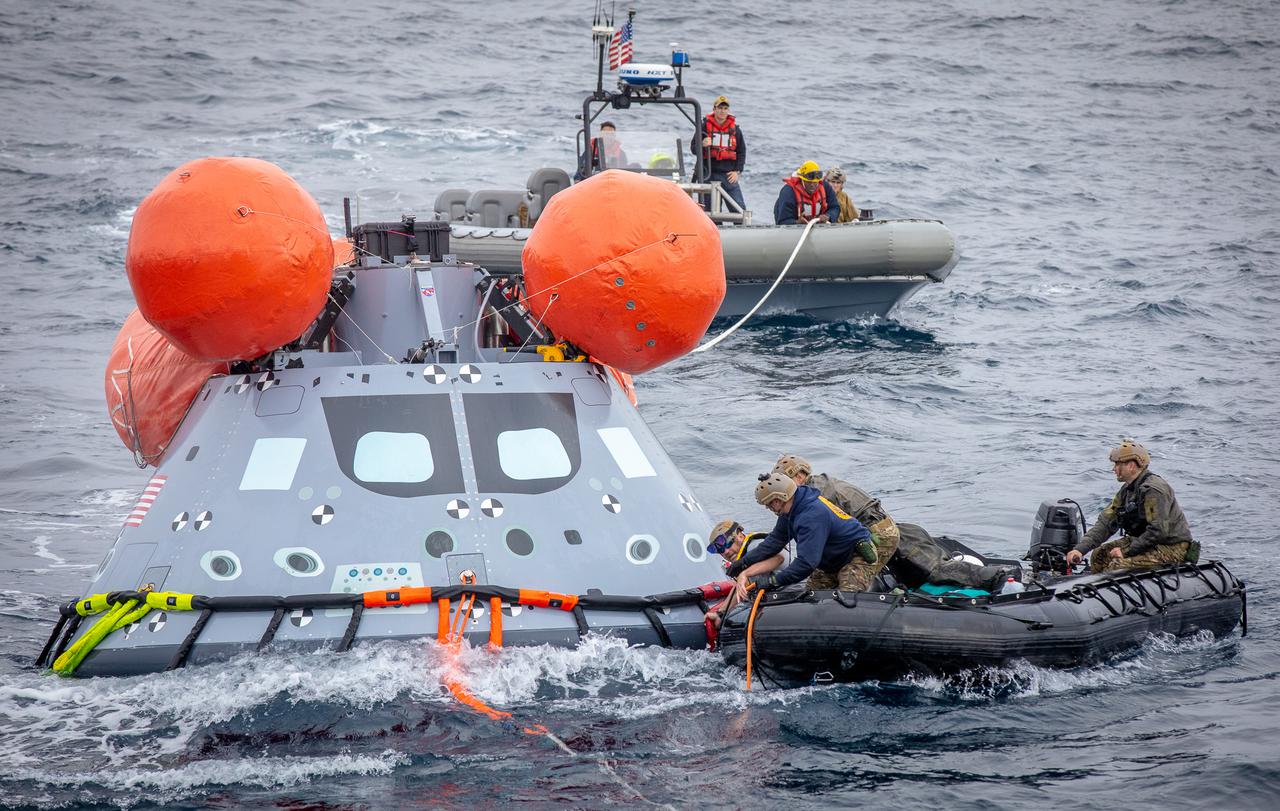
Navy divers from Explosive Ordnance Disposal (EOD) Expeditionary Support Unit 1, attach tending lines to a mock Orion capsule during Day 2 of Underway Recovery Test 9 (URT-9) aboard the USS John P. Murtha. During the weeklong test, NASA’s Landing and Recovery team is performing their final mission certification ahead of Artemis I.

Navy divers from Explosive Ordnance Disposal (EOD) Expeditionary Support Unit 1, attach tending lines to a mock Orion capsule during Day 2 of Underway Recovery Test 9 (URT-9) aboard the USS John P. Murtha. During the weeklong test, NASA’s Landing and Recovery team is performing their final mission certification ahead of Artemis I.
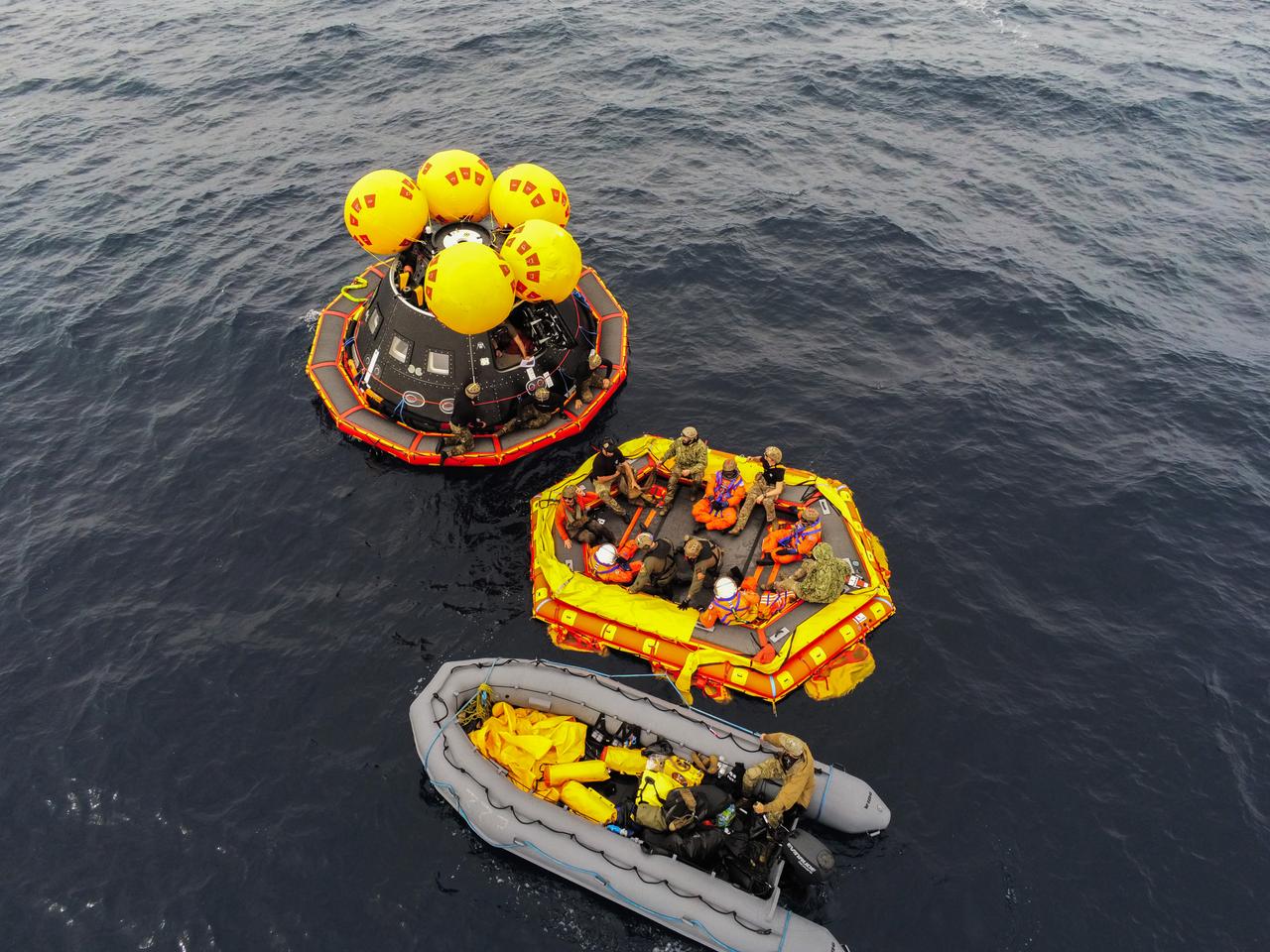
NASA’s Artemis II crew members are assisted by U.S. Navy personnel as they exit a mockup of the Orion spacecraft onto an inflatable “front porch” while NASA’s Exploration Ground System’s Landing and Recovery team and partners from the Department of Defense aboard the USS San Diego practice recovery procedures using the Crew Module Test Article, during Underway Recovery Test 11 (URT-11) off the coast of San Diego, California on Sunday, Feb. 25, 2024. URT-11 is the eleventh in a series of Artemis recovery tests, and the first time NASA and its partners put their Artemis II recovery procedures to the test with the astronauts.
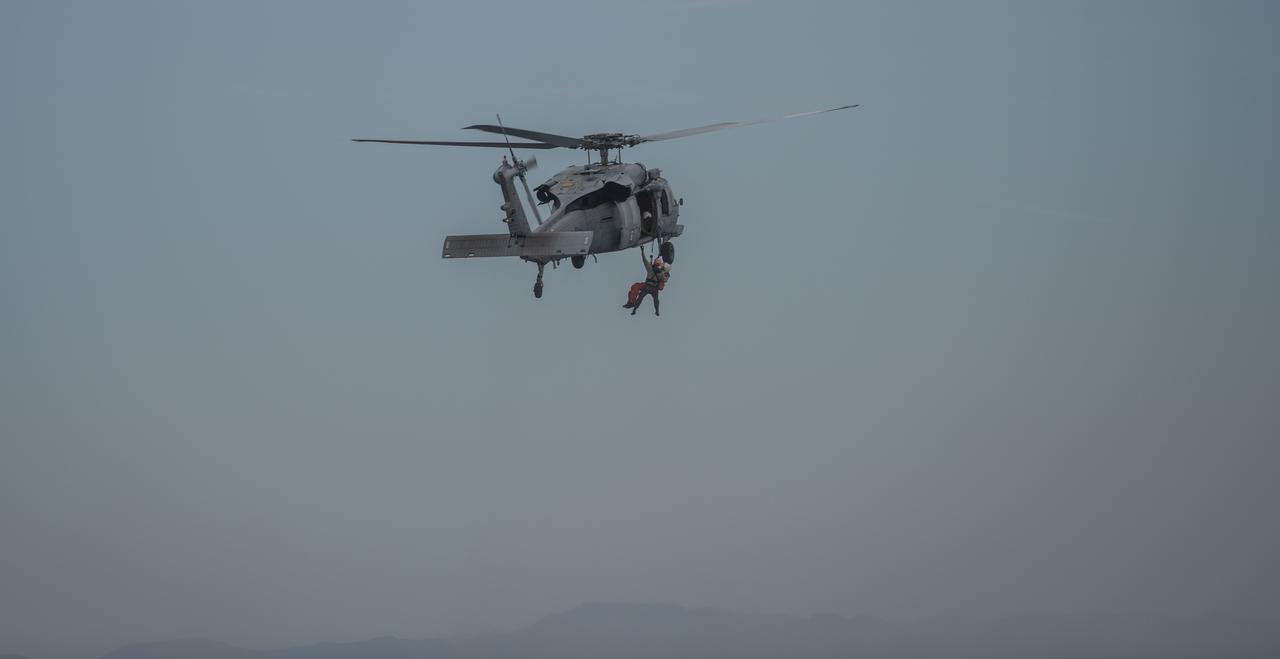
Members of the United States Navy Helicopter Sea Combat Squadron (HSC) 23 "Wildcards" practice recovery procedures from a mockup of the Orion spacecraft in the Pacific Ocean during Underway Recovery Test 11 (URT-11) with NASA’s Exploration Ground System’s Landing and Recovery team and partners from the Department of Defense aboard the USS San Diego off the coast of San Diego on Sunday, Feb. 25, 2024. URT-11 is the eleventh in a series of Artemis recovery tests, and the first time NASA and its partners put their Artemis II recovery procedures to the test with the astronauts.
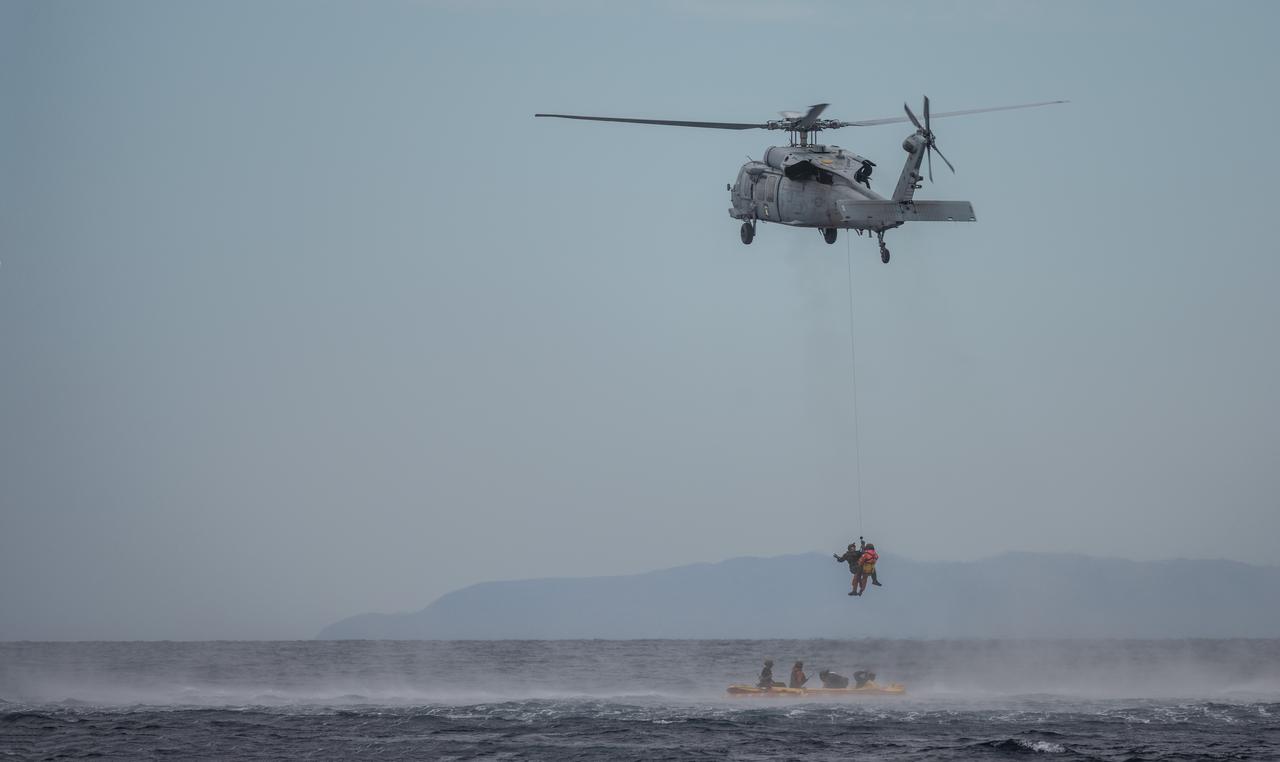
Members of the United States Navy Helicopter Sea Combat Squadron (HSC) 23 "Wildcards" practice recovery procedures from a mockup of the Orion spacecraft in the Pacific Ocean during Underway Recovery Test 11 (URT-11) with NASA’s Exploration Ground System’s Landing and Recovery team and partners from the Department of Defense aboard the USS San Diego off the coast of San Diego on Sunday, Feb. 25, 2024. URT-11 is the eleventh in a series of Artemis recovery tests, and the first time NASA and its partners put their Artemis II recovery procedures to the test with the astronauts.
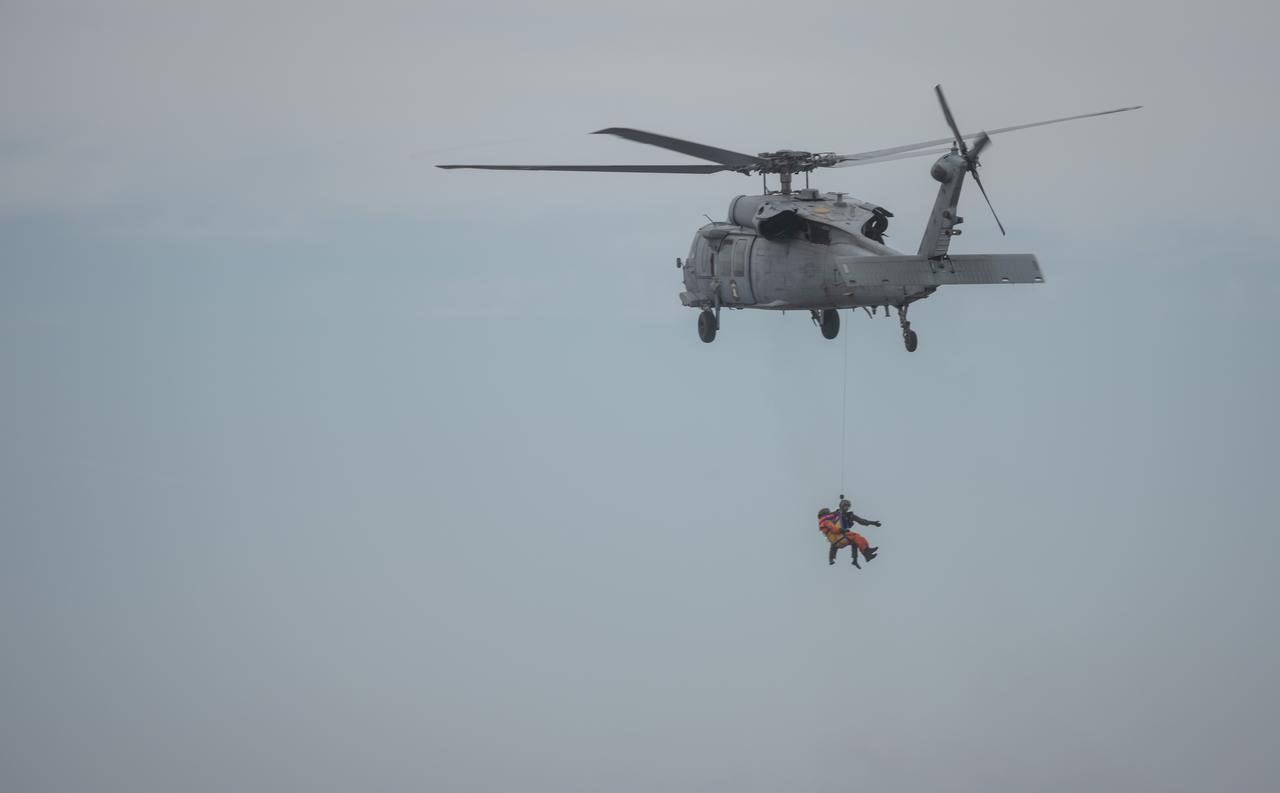
Members of the United States Navy Helicopter Sea Combat Squadron (HSC) 23 "Wildcards" practice recovery procedures from a mockup of the Orion spacecraft in the Pacific Ocean during Underway Recovery Test 11 (URT-11) with NASA’s Exploration Ground System’s Landing and Recovery team and partners from the Department of Defense aboard the USS San Diego off the coast of San Diego on Sunday, Feb. 25, 2024. URT-11 is the eleventh in a series of Artemis recovery tests, and the first time NASA and its partners put their Artemis II recovery procedures to the test with the astronauts.
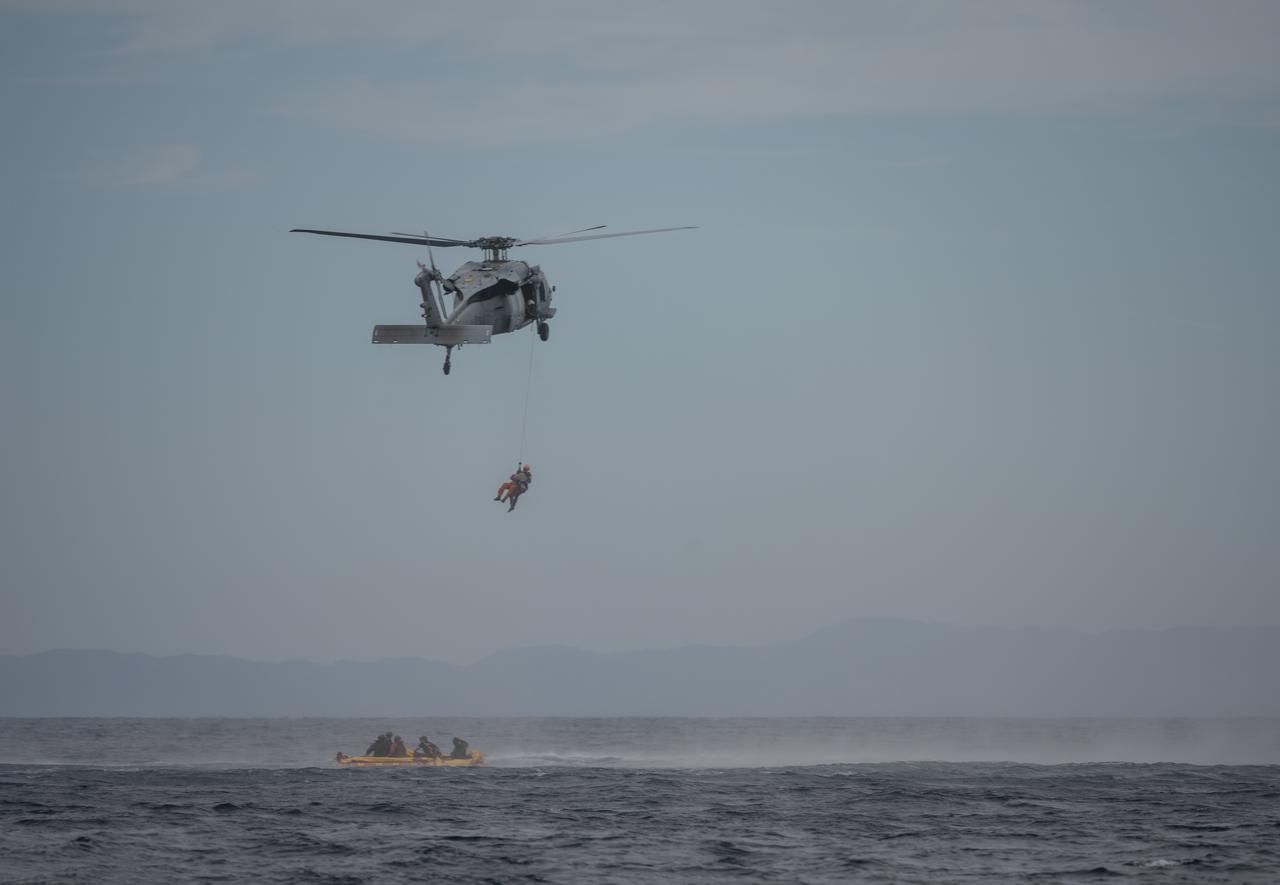
During Underway Recovery Test 11 (URT-11), conducted by NASA’s Exploration Ground System’s Landing and Recovery team and partners from the Department of Defense aboard the USS San Diego, Naval helicopter pilots from Helicopter Sea Combat Squadron (HSC) 23 “Wildcards” lift Artemis II crew members in a basket from an inflatable “front porch” that allows astronauts to be recovered out of a mockup of the Orion spacecraft off the coast of San Diego, California on Sunday, Feb. 25, 2024. URT-11 is the eleventh in a series of Artemis recovery tests, and the first time NASA and its partners put their Artemis II recovery procedures to the test with the astronauts.
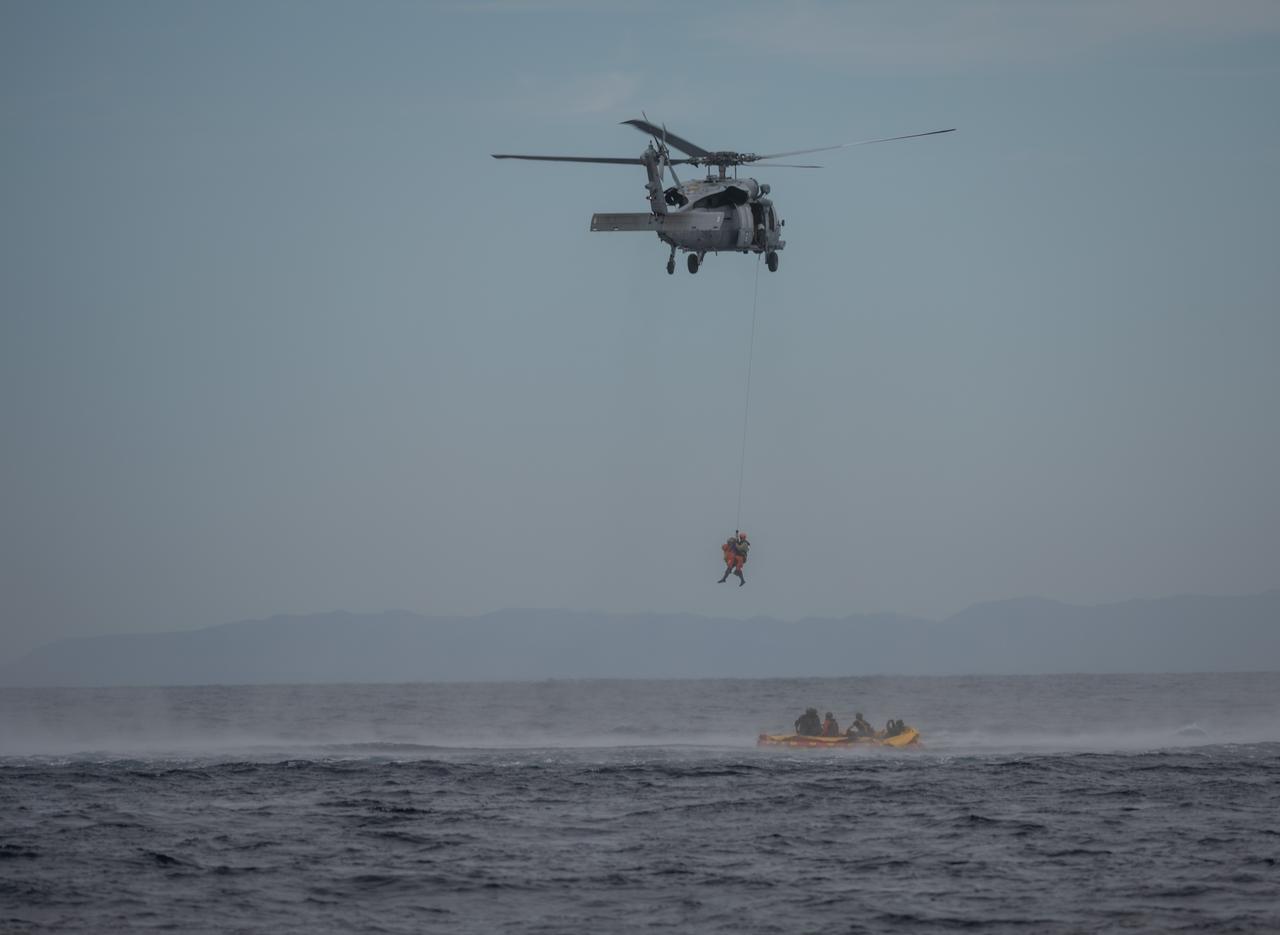
During Underway Recovery Test 11 (URT-11), conducted by NASA’s Exploration Ground System’s Landing and Recovery team and partners from the Department of Defense aboard the USS San Diego, Naval helicopter pilots from Helicopter Sea Combat Squadron (HSC) 23 “Wildcards” lift Artemis II crew members in a basket from an inflatable “front porch” that allows astronauts to be recovered out of a mockup of the Orion spacecraft off the coast of San Diego, California on Sunday, Feb. 25, 2024. URT-11 is the eleventh in a series of Artemis recovery tests, and the first time NASA and its partners put their Artemis II recovery procedures to the test with the astronauts.
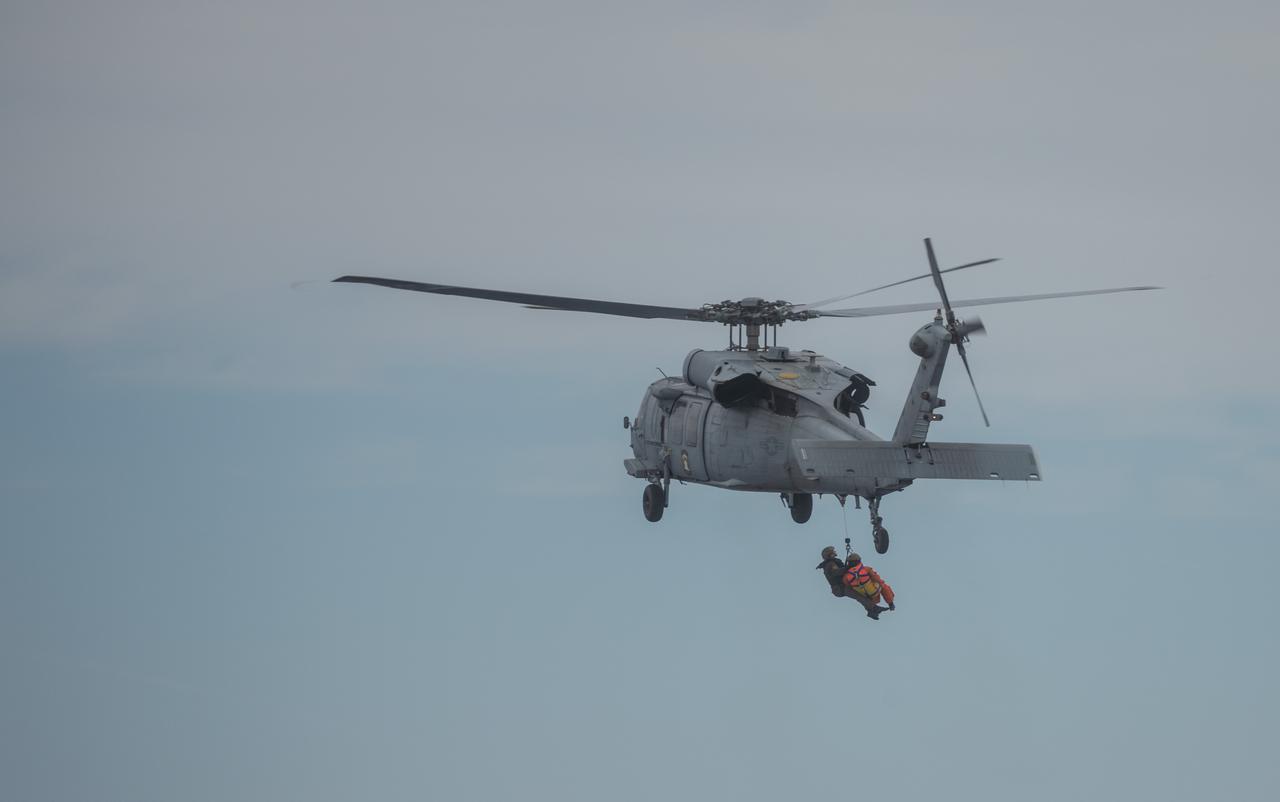
During Underway Recovery Test 11 (URT-11), conducted by NASA’s Exploration Ground System’s Landing and Recovery team and partners from the Department of Defense aboard the USS San Diego, Naval helicopter pilots from Helicopter Sea Combat Squadron (HSC) 23 “Wildcards” lift Artemis II crew members in a basket from an inflatable “front porch” that allows astronauts to be recovered out of a mockup of the Orion spacecraft off the coast of San Diego, California on Sunday, Feb. 25, 2024. URT-11 is the eleventh in a series of Artemis recovery tests, and the first time NASA and its partners put their Artemis II recovery procedures to the test with the astronauts.
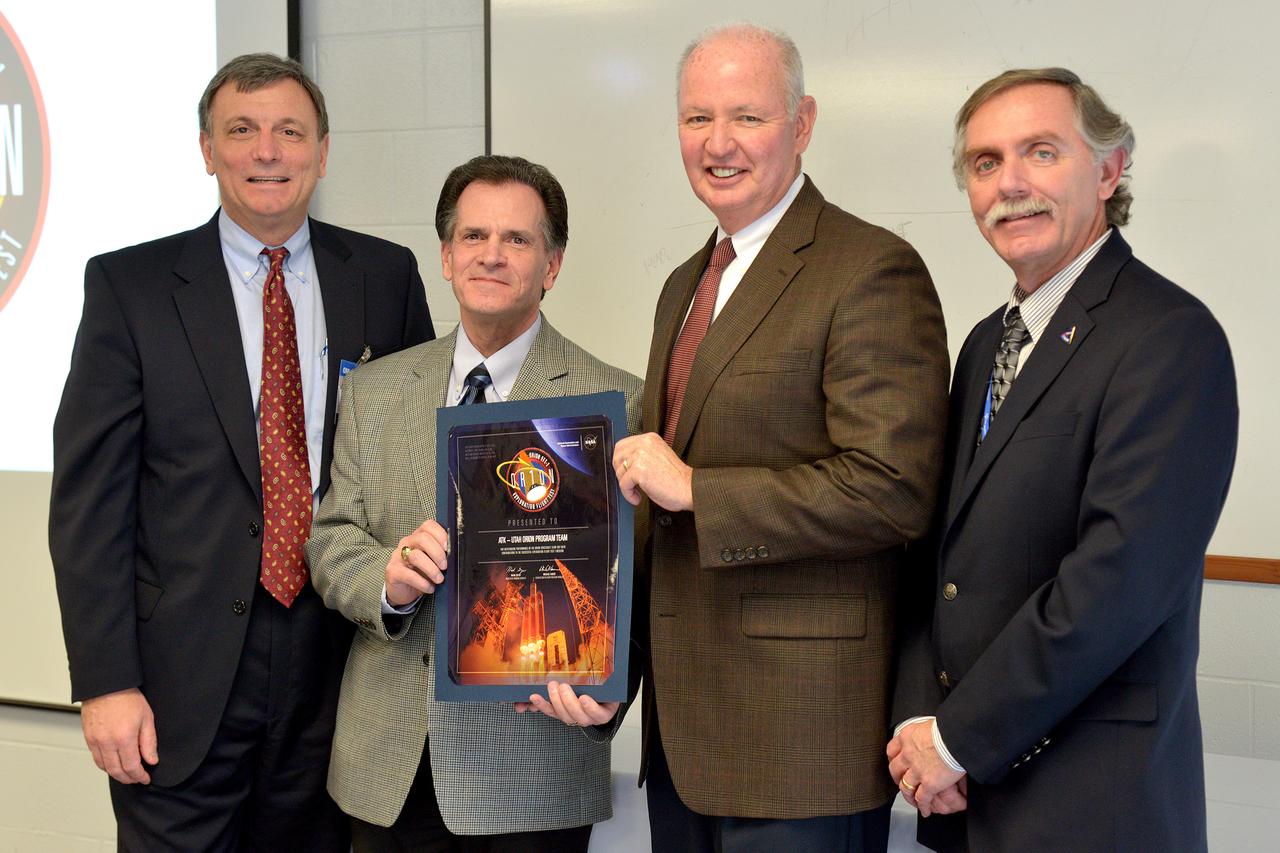
The Orion team congratulates the Orbital ATK team in Promontory, Utah on their efforts in making Exploration Flight Test-1 (EFT-1) a success on March 11, 2015. An award is presented to the ATK-Utah Orion Program Team. Part of Batch image transfer from Flickr.
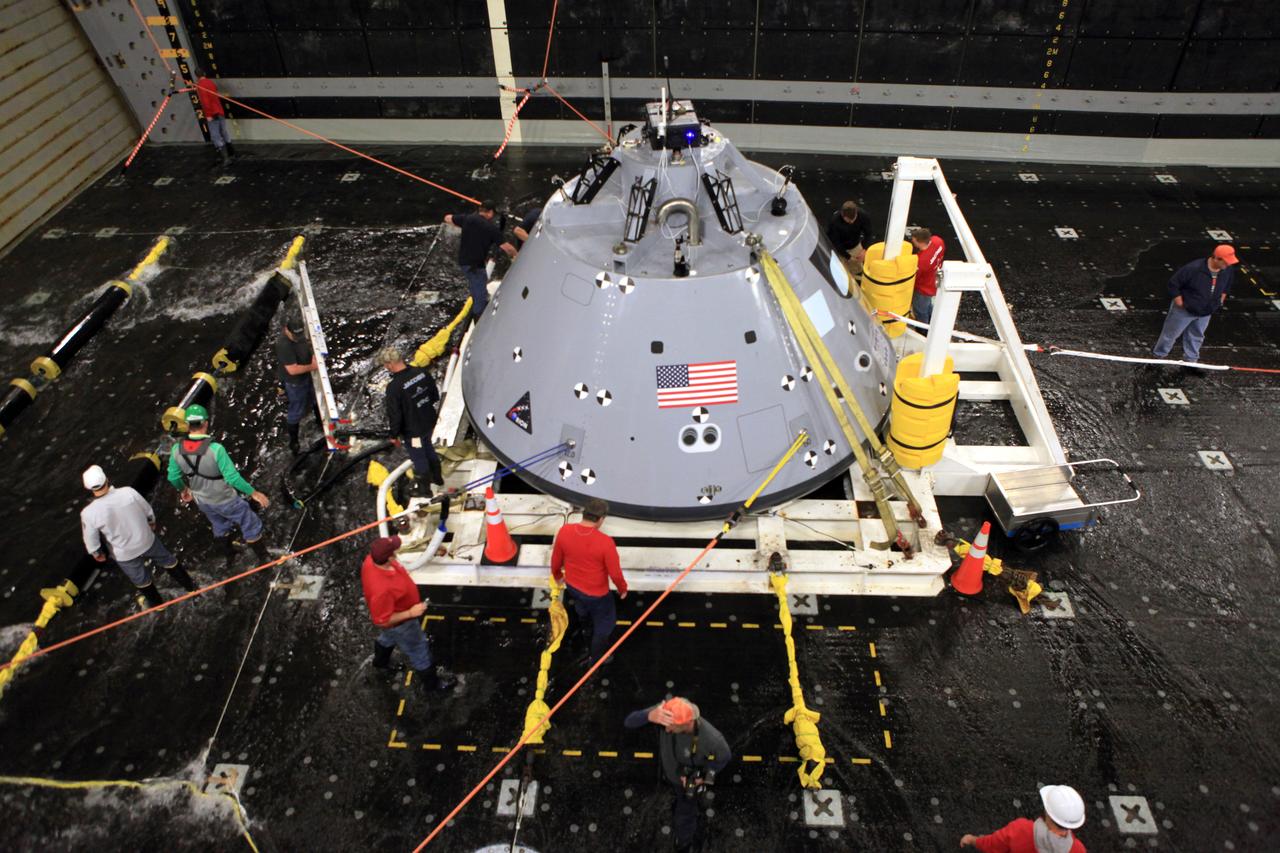
After a day of working with the Orion test article under rough seas on Jan. 19, 2018, the NASA Recovery Team inspects the capsule and their lines. As part of Underway Recovery Test 6, the Orion test article was intentionally subjected to an increased sea state to ensure the team could control the spacecraft under all possible scenarios. The testing with Kennedy Space Center's NASA Recovery Team and the U.S. Navy will provide important data that is being used to improve recovery procedures and hardware ahead of Orion's next flight, Artemis I, when it splashes down in the Pacific Ocean.
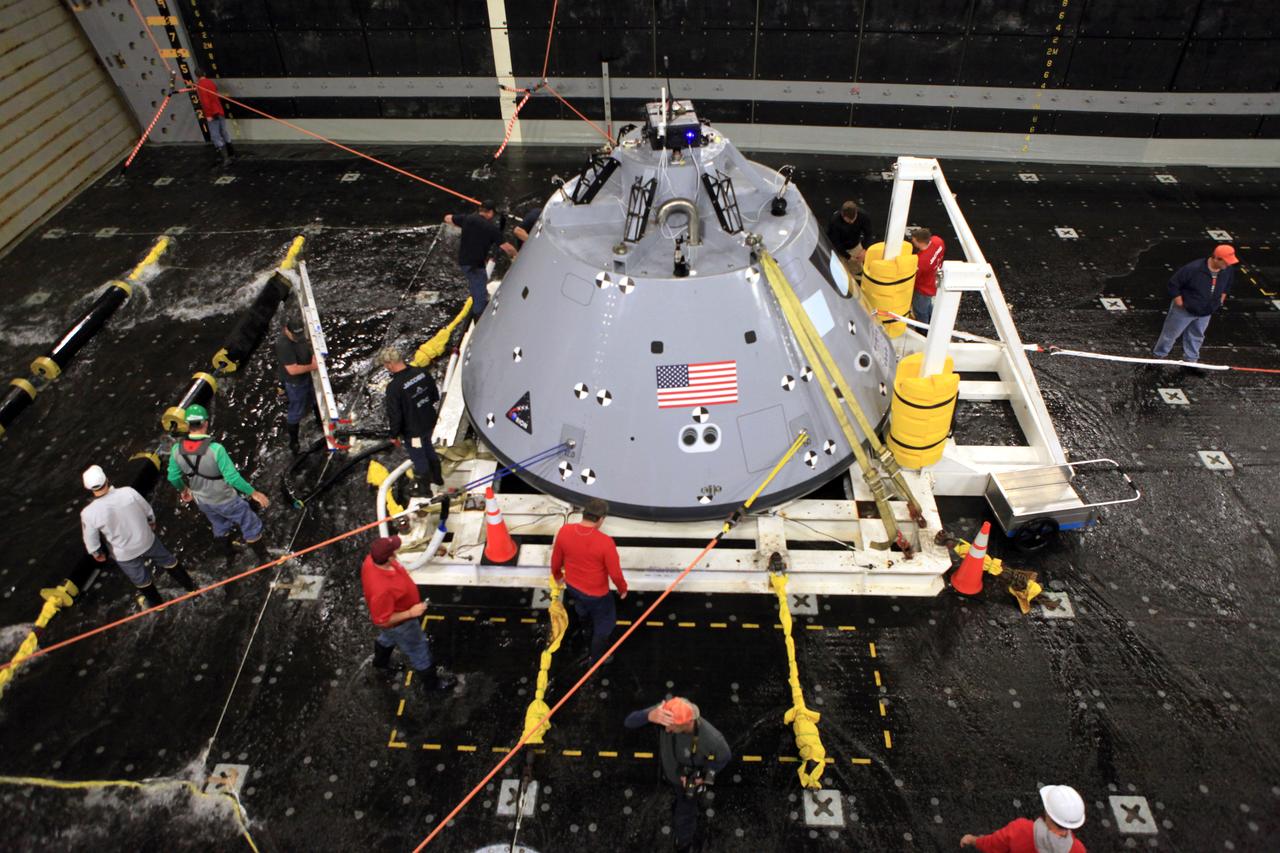
After a day of working with the Orion test article under rough seas, the NASA Recovery Team inspects the capsule and their lines. As part of Underway Recovery Test 6, the Orion test article was intentionally subjected to an increased sea state to ensure the team could control the spacecraft under all possible scenarios. The testing with Kennedy Space Center's NASA Recovery Team and the U.S. Navy will provide important data that is being used to improve recovery procedures and hardware ahead of Orion's next flight, Exploration Mission-1, when it splashes down in the Pacific Ocean.
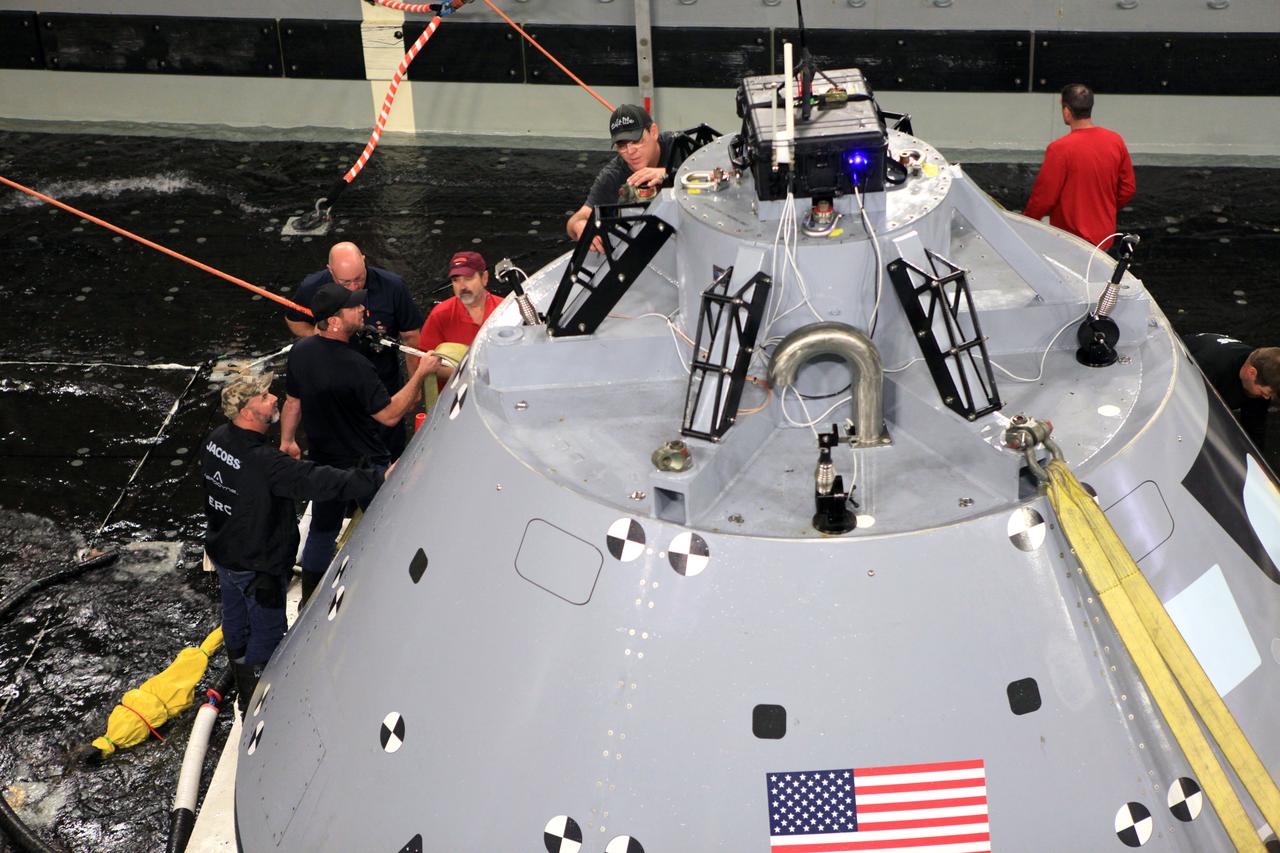
After a day of working with the Orion test article under rough seas, the NASA Recovery Team inspects the capsule and their lines. As part of Underway Recovery Test 6, the Orion test article was intentionally subjected to an increased sea state to ensure the team could control the spacecraft under all possible scenarios. The testing with Kennedy Space Center's NASA Recovery Team and the U.S. Navy will provide important data that is being used to improve recovery procedures and hardware ahead of Orion's next flight, Exploration Mission-1, when it splashes down in the Pacific Ocean.
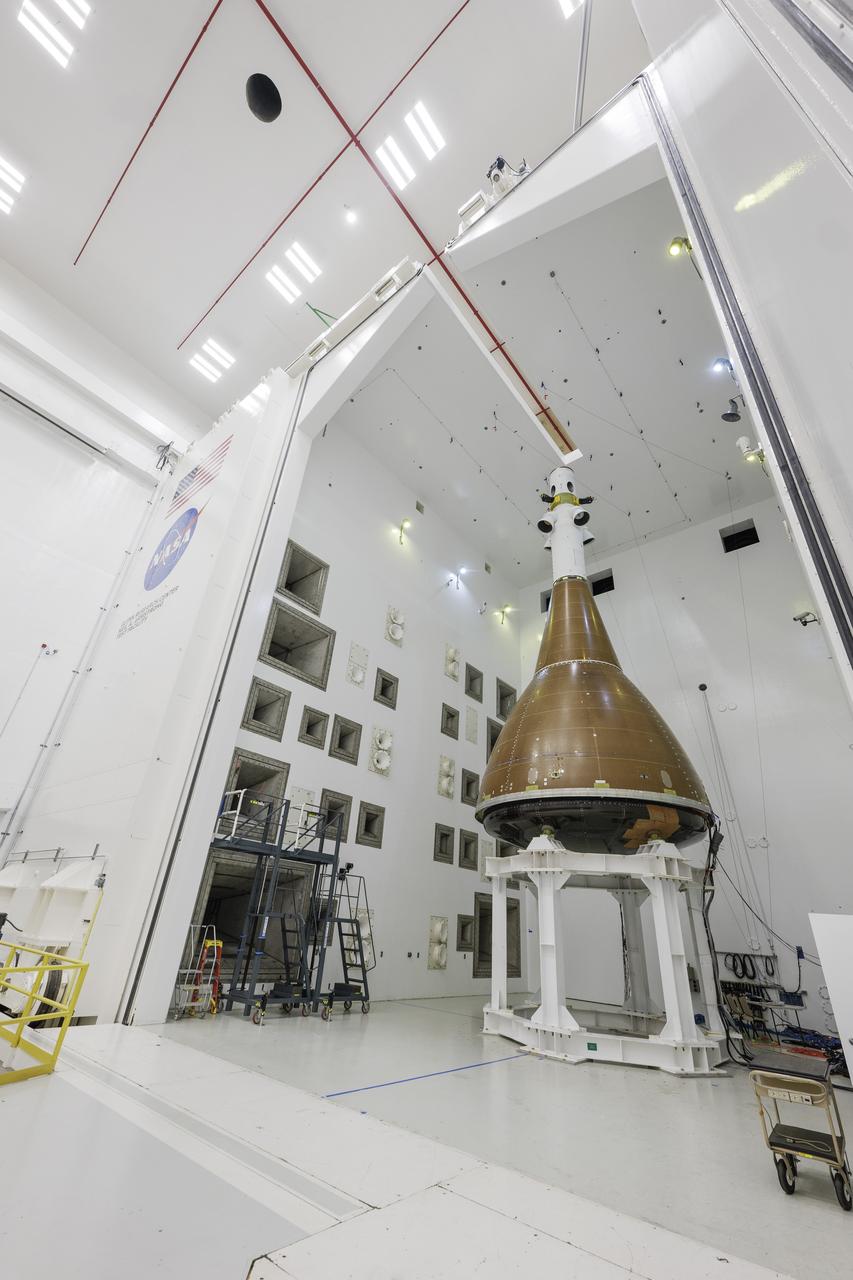
The team at NASA's Armstrong Test Facility in Sandusky, Ohio has begun vibro-acoustic testing on the Orion spacecraft that flew around the Moon on Artemis I, now known as the Environmental Test Article. The testing will help ensure the safety of future crews aboard Orion. Photo credit: NASA / Rad Sinyak
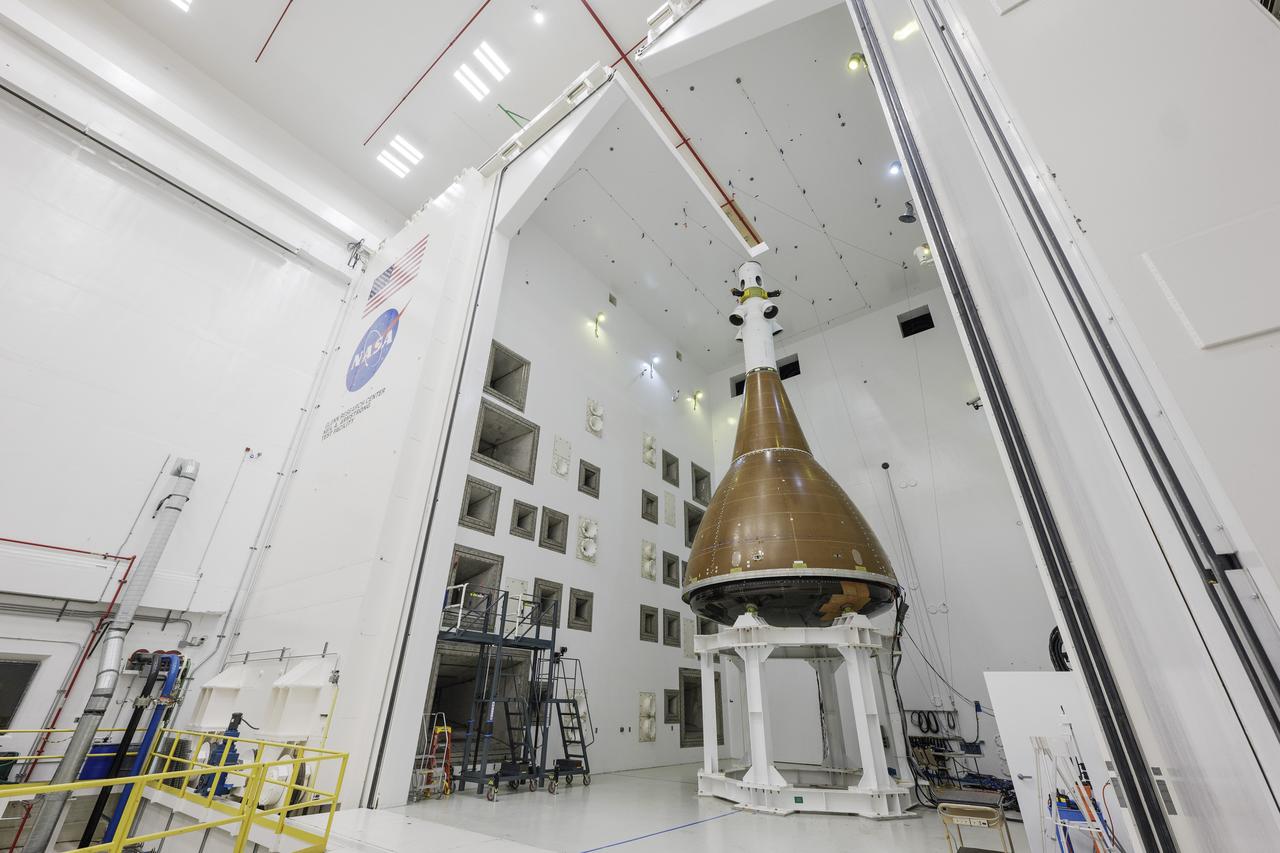
The team at NASA's Armstrong Test Facility in Sandusky, Ohio has begun vibro-acoustic testing on the Orion spacecraft that flew around the Moon on Artemis I, now known as the Environmental Test Article. The testing will help ensure the safety of future crews aboard Orion. Photo credit: NASA / Rad Sinyak
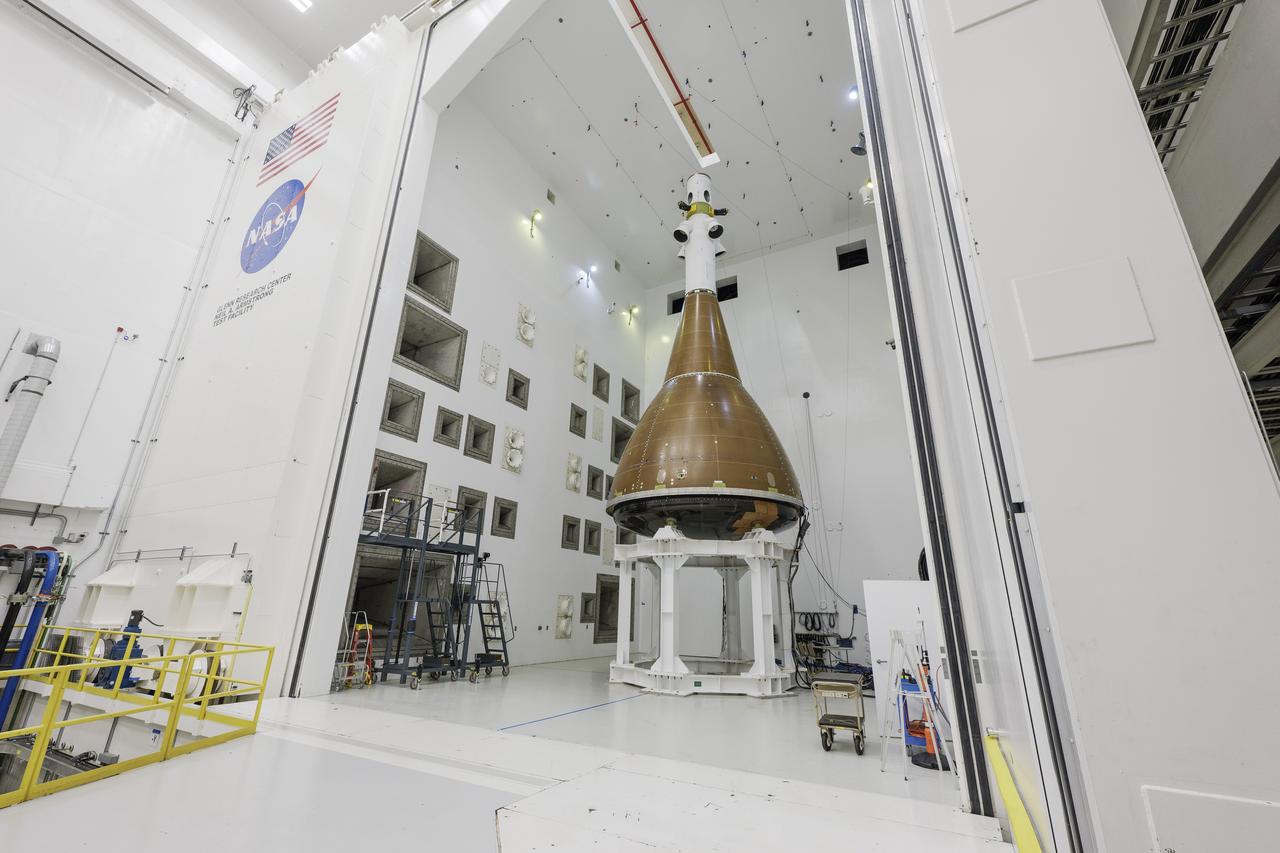
The team at NASA's Armstrong Test Facility in Sandusky, Ohio has begun vibro-acoustic testing on the Orion spacecraft that flew around the Moon on Artemis I, now known as the Environmental Test Article. The testing will help ensure the safety of future crews aboard Orion.
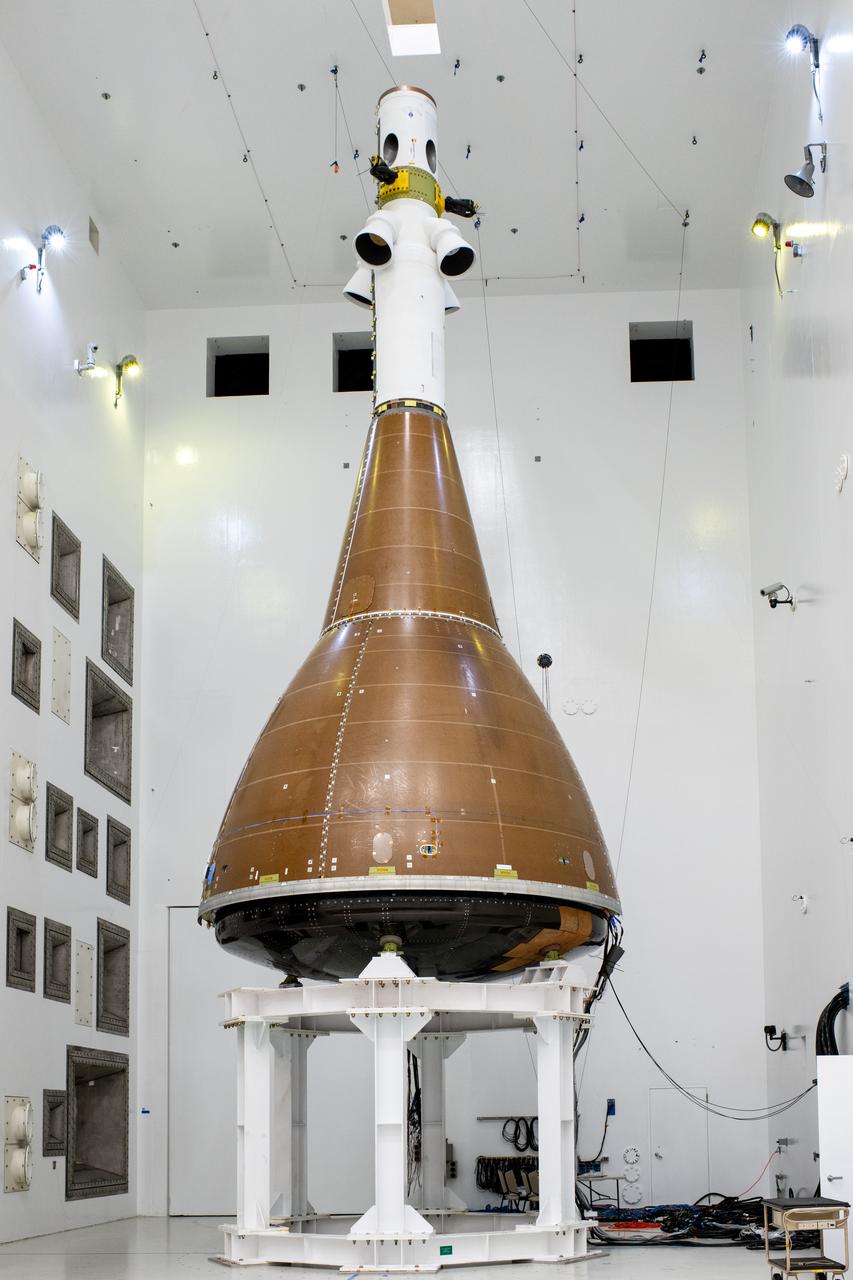
The team at NASA's Armstrong Test Facility in Sandusky, Ohio has begun vibro-acoustic testing on the Orion spacecraft that flew around the Moon on Artemis I, now known as the Environmental Test Article. The testing will help ensure the safety of future crews aboard Orion.
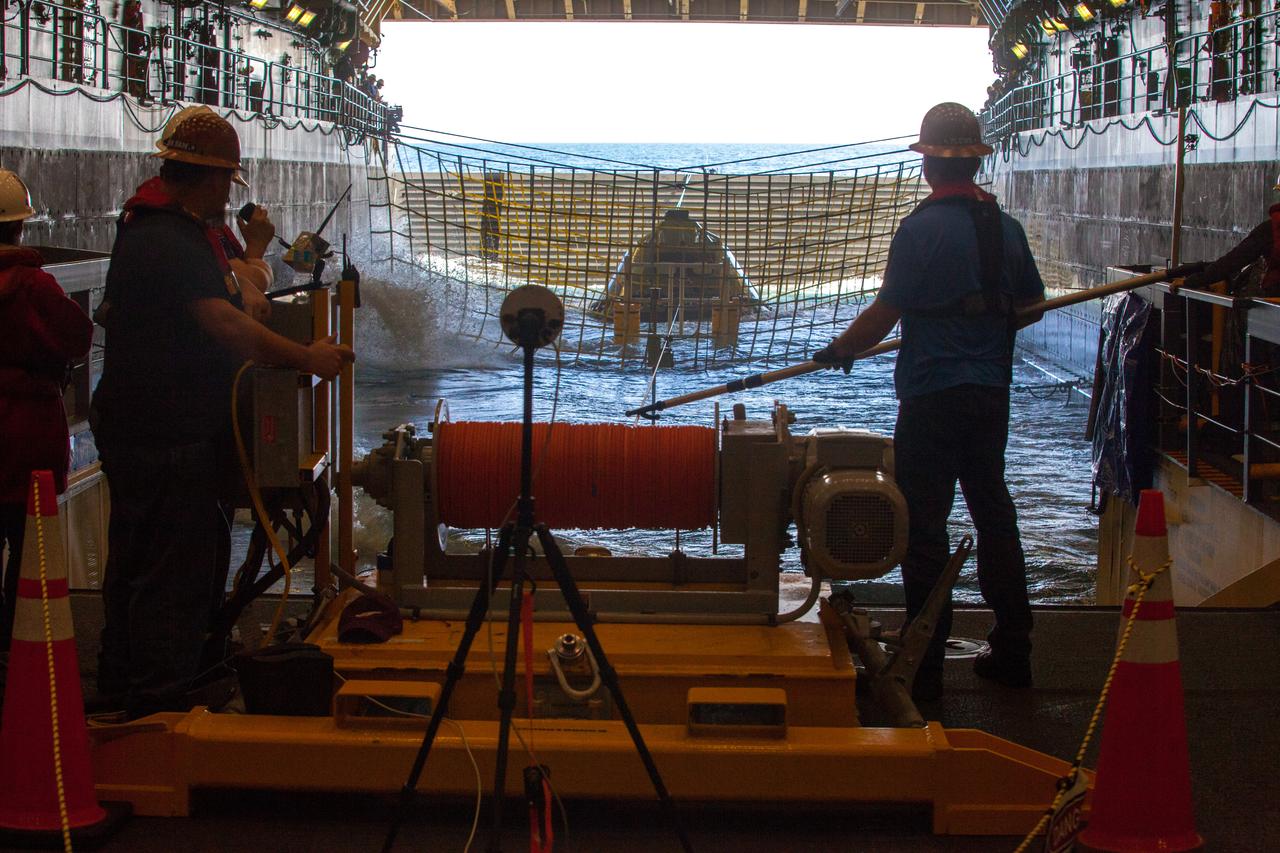
Winch team operators help guide a test version of the Orion crew module into the flooded well deck of the USS San Diego during Underway Recovery Test 5 in the Pacific Ocean off the coast of California. NASA's Ground Systems Development and Operations Program and the U.S. Navy are conducting a series of tests to prepare for recovery of Orion on its return from deep space missions. The testing will allow the team to demonstrate and evaluate recovery processes, procedures, hardware and personnel in open waters. Part of Batch images transfer from Flickr.
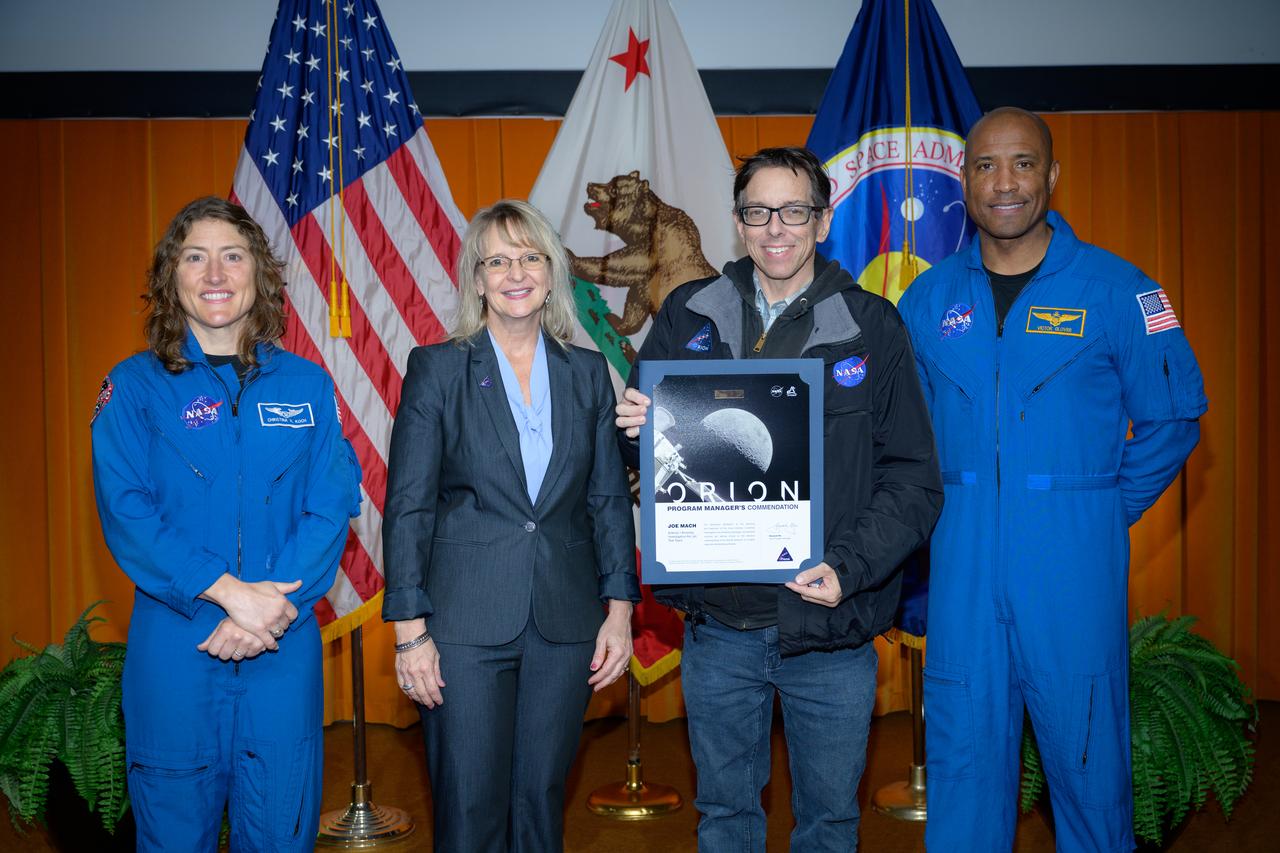
Artemis Orion program manager’s commendation team award presented to the Artemis I Investigation Arc Jet Test team accepted by Joe Mach, center, by Orion Deputy Program Manager Debbie Korth, left, NASA astronauts Victor J. Glover, right, and Christina Koch, left, in the N201 auditorium.
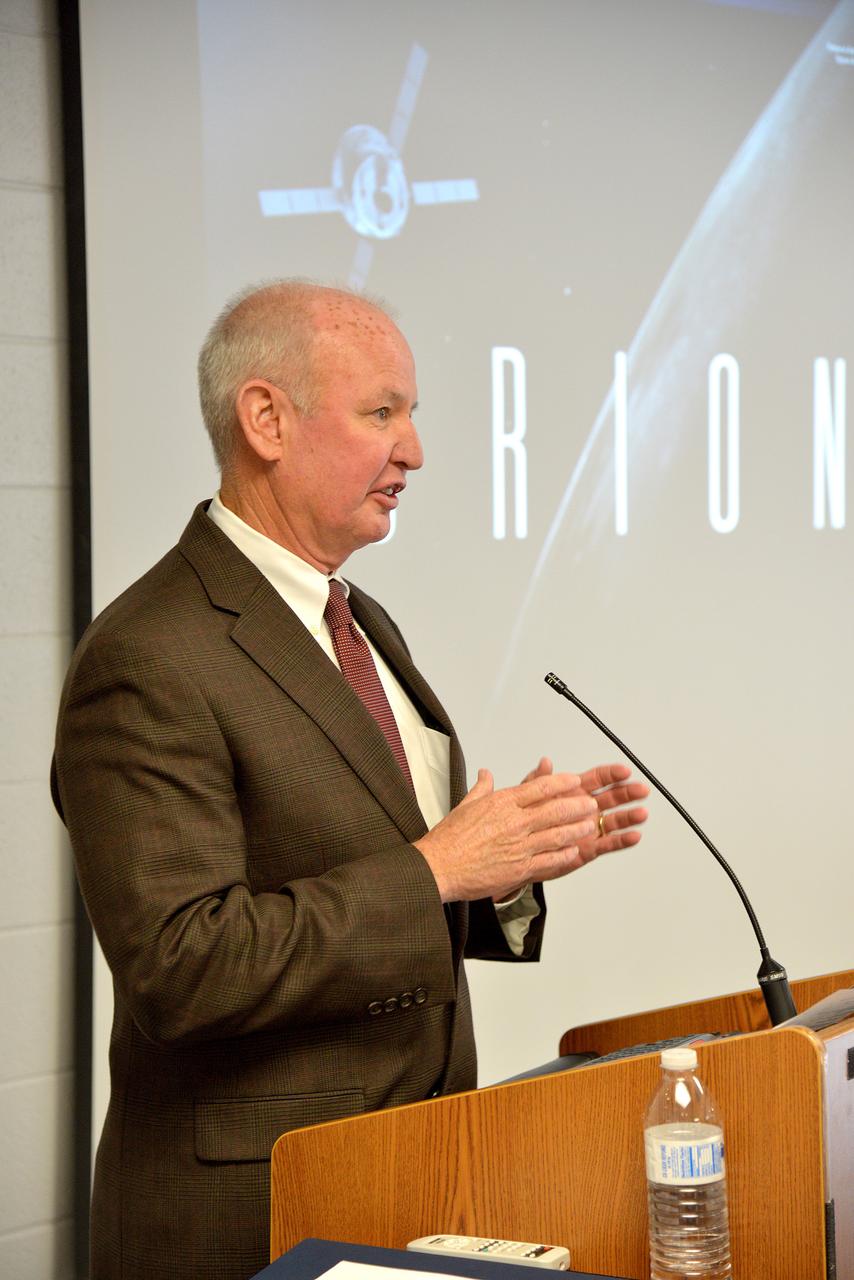
The Orion team (including Orion Program Manager Mark Geyer) congratulates the Orbital ATK team in Promontory, Utah on their efforts in making Exploration Flight Test-1 (EFT-1) a success on March 11, 2015. Part of Batch image transfer from Flickr.
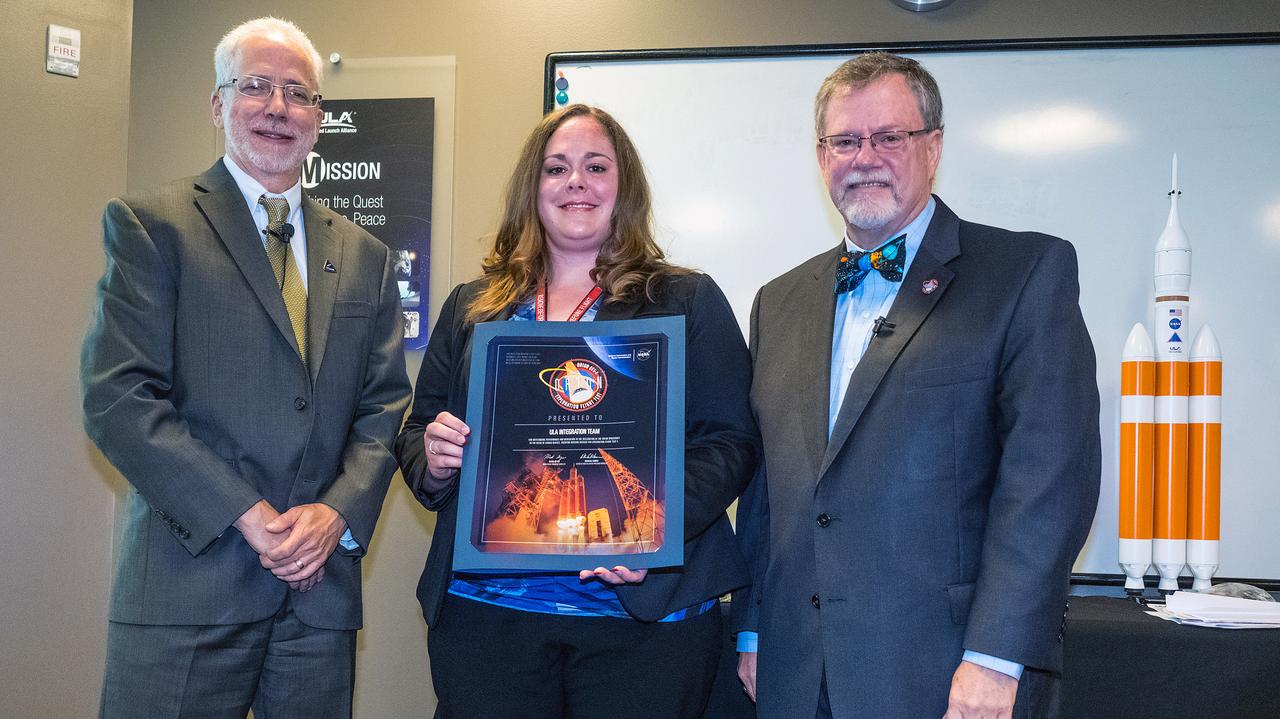
The Orion team visits United Launch Alliance in Denver, Colorado on July 14, 2015 to recognize their efforts in making Exploration Flight Test-1 (EFT-1) a success. Orion program manager, Mark Geyer, presents award to ULA Integration Team. Part of Batch image transfer from Flickr.
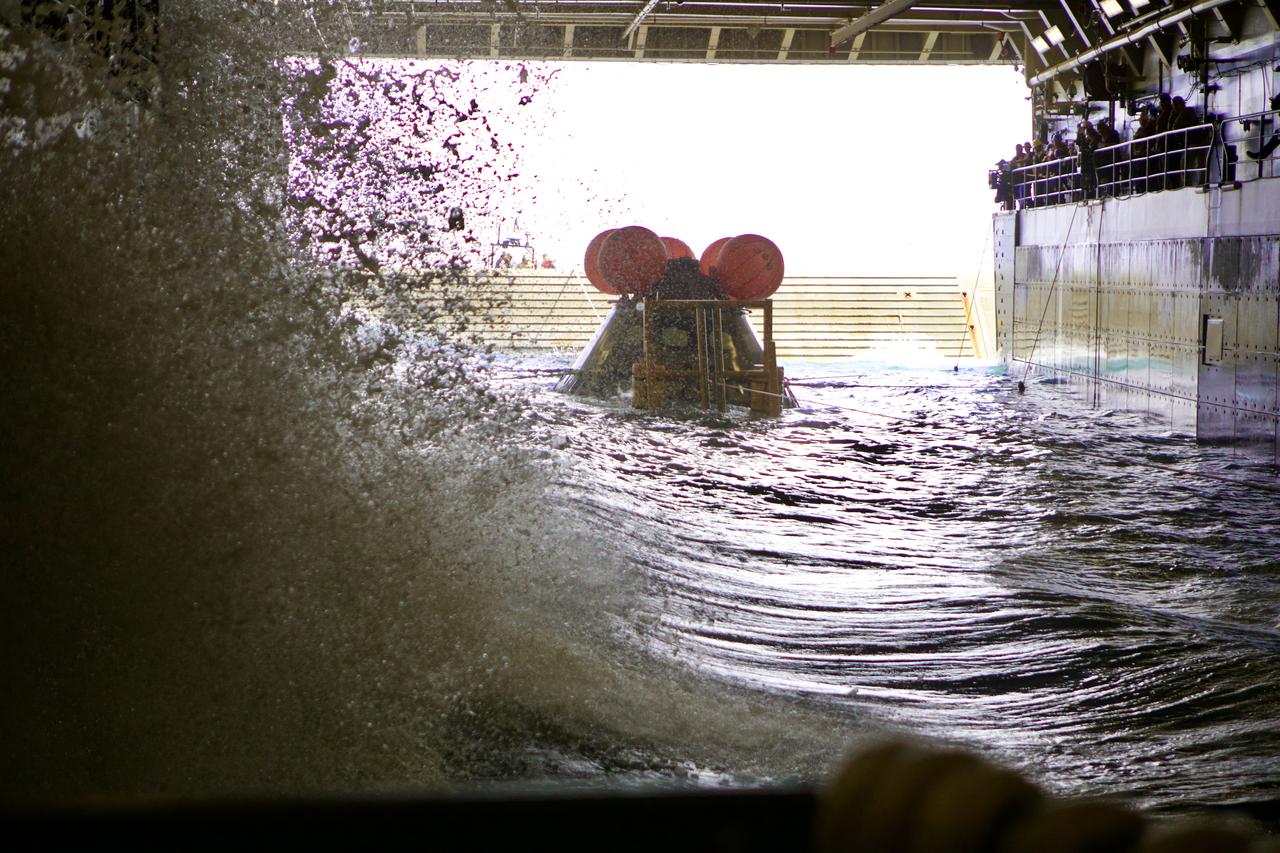
NASA’s Landing and Recovery team practice bringing a test version of the Orion capsule into the well deck of a Navy ship during Underway Recovery Test-8. During the test, the team practiced to ensure recovery procedure timelines are validated as NASA plans to send Artemis I around the Moon and splashdown in the Pacific Ocean.
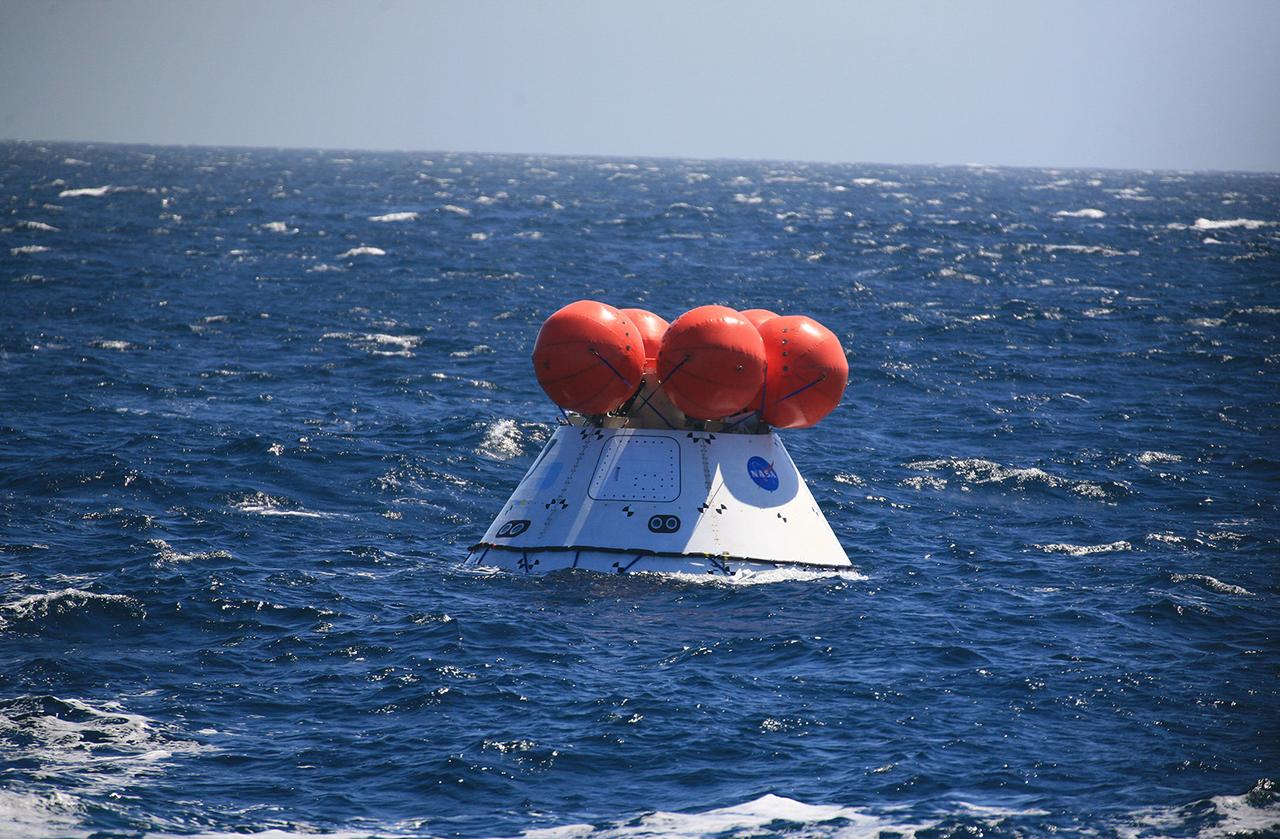
A test version of Orion floats in the Pacific Ocean, ready to be recovered by NASA and the US Navy on Sept. 17, 2014. The combined NASA/Navy team is testing tools and techniques that will be used to retrieve Orion when it splashes down following Exploration Flight Test-1 (EFT-1). Part of Batch image transfer from Flickr.
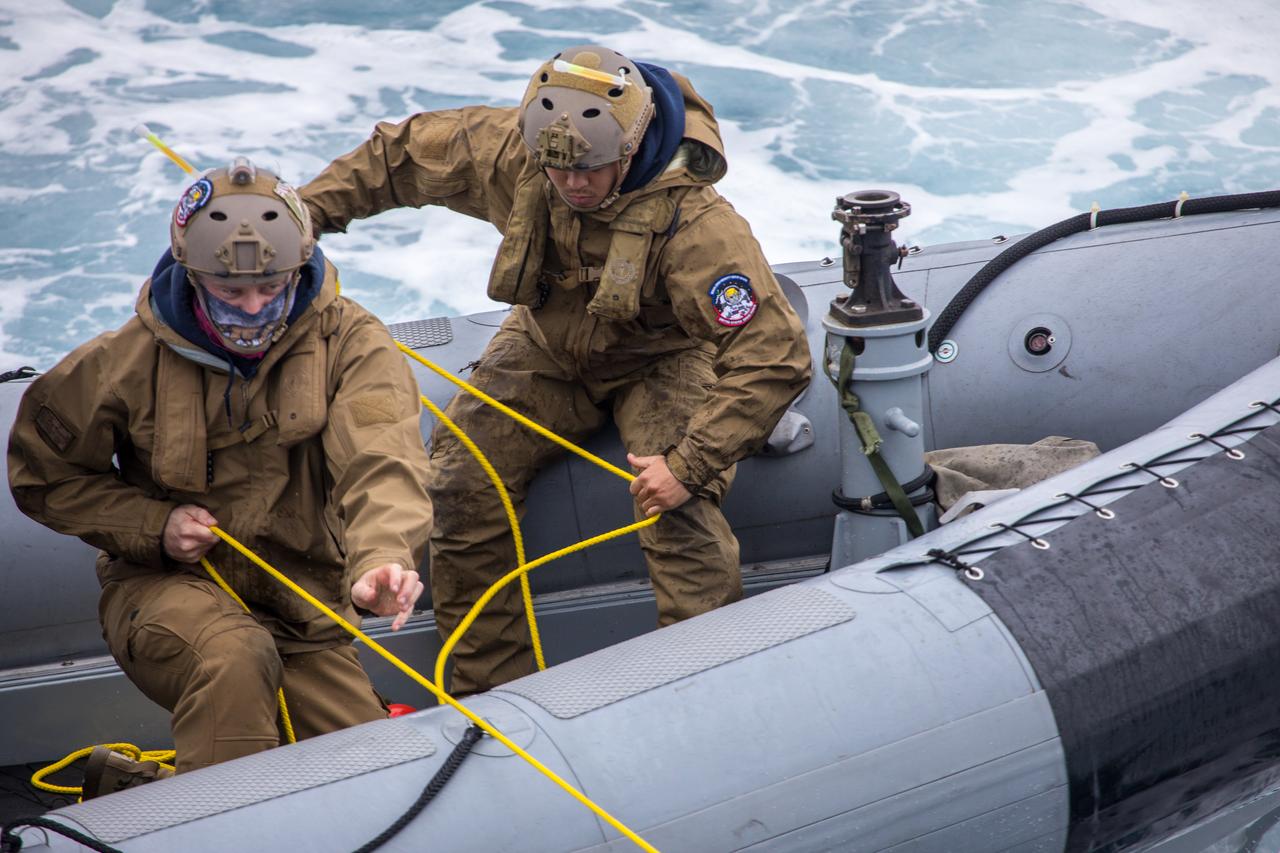
During the first full mission profile test of the recovery procedures for Artemis I, NASA’s Landing and Recovery team met their objectives. The team works with members of the DoD to hone their procedures before Orion splashes down in the Pacific as part of NASA’s Artemis program. During Underway Recovery Test-8, two divers from EOD Mobile Unit 3, MDS Company 3-1work the tending line while a test version of Orion is being pulled into the well deck of the USS John P. Murtha.
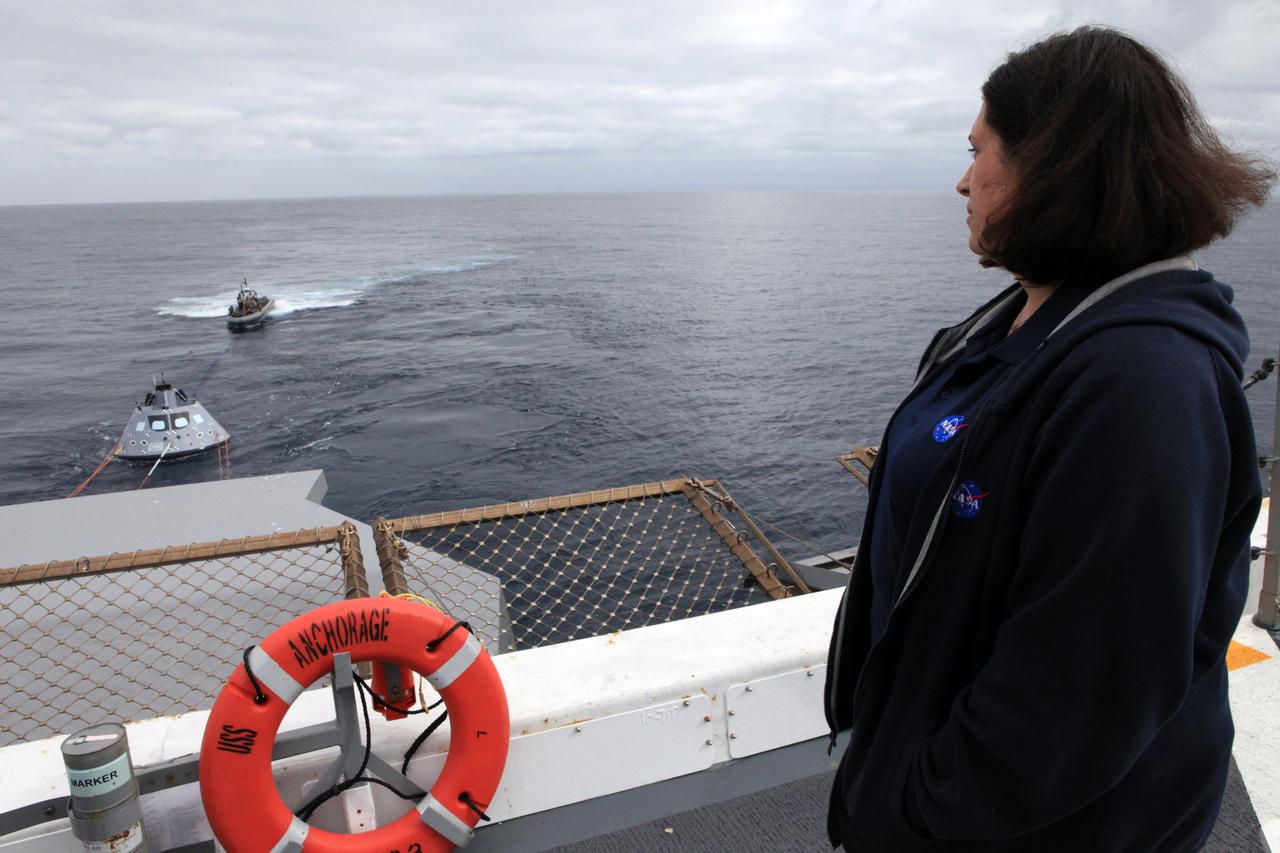
NASA Recovery Director Melissa Jones watches part of Underway Recovery Test 6, from the flight deck of the USS Anchorage. During this portion, the Orion test article is intentionally subjected to an increased sea state as the NASA Recovery Team works hard to keep control of the spacecraft. The testing with Kennedy Space Center's NASA Recovery Team and the U.S. Navy will provide important data that is being used to improve recovery procedures and hardware ahead of Orion's next flight, Exploration Mission-1, when it splashes down in the Pacific Ocean.
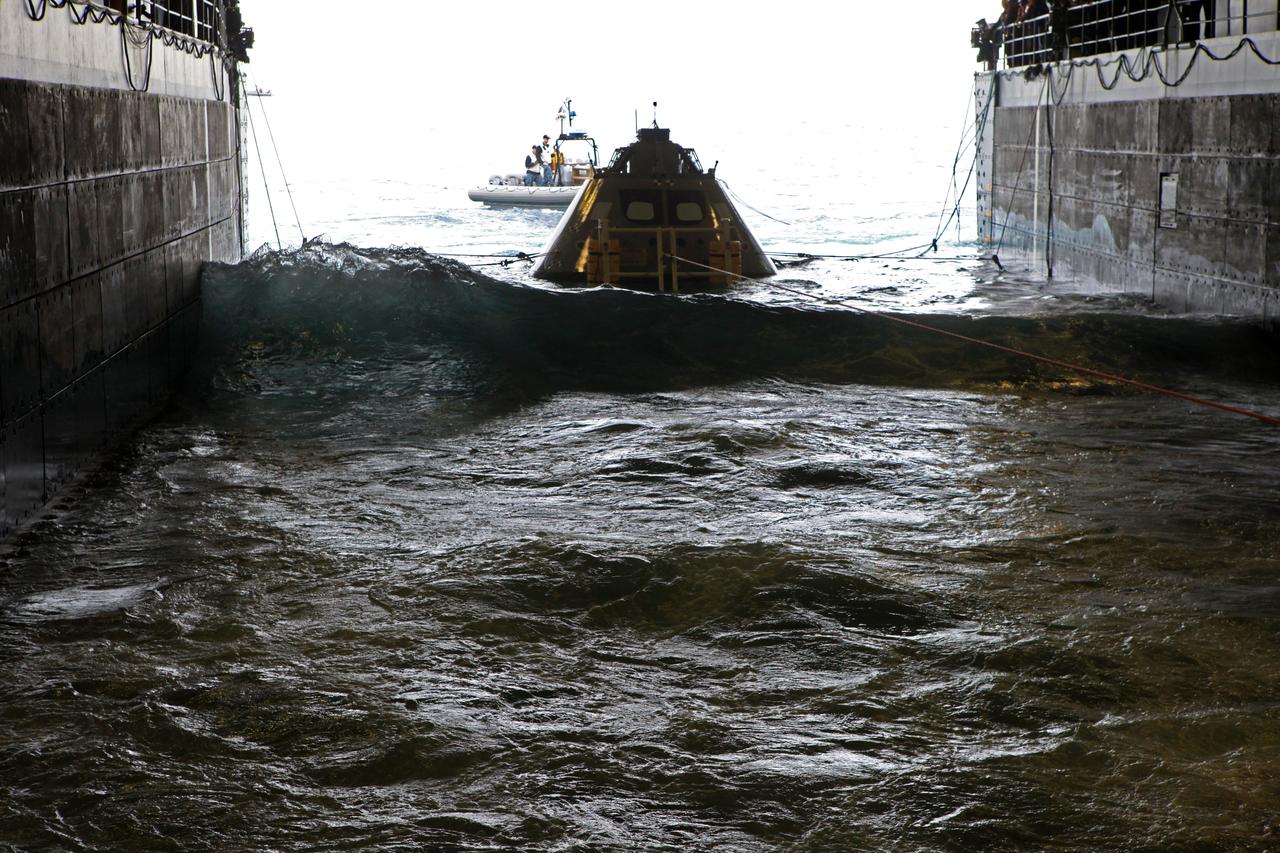
As part of Underway Recovery Test 6, the Orion test article is intentionally subjected to an increased sea state as the NASA Recovery Team works hard to keep control of the spacecraft. The testing with Kennedy Space Center's NASA Recovery Team and the U.S. Navy will provide important data that is being used to improve recovery procedures and hardware ahead of Orion's next flight, Exploration Mission-1, when it splashes down in the Pacific Ocean.
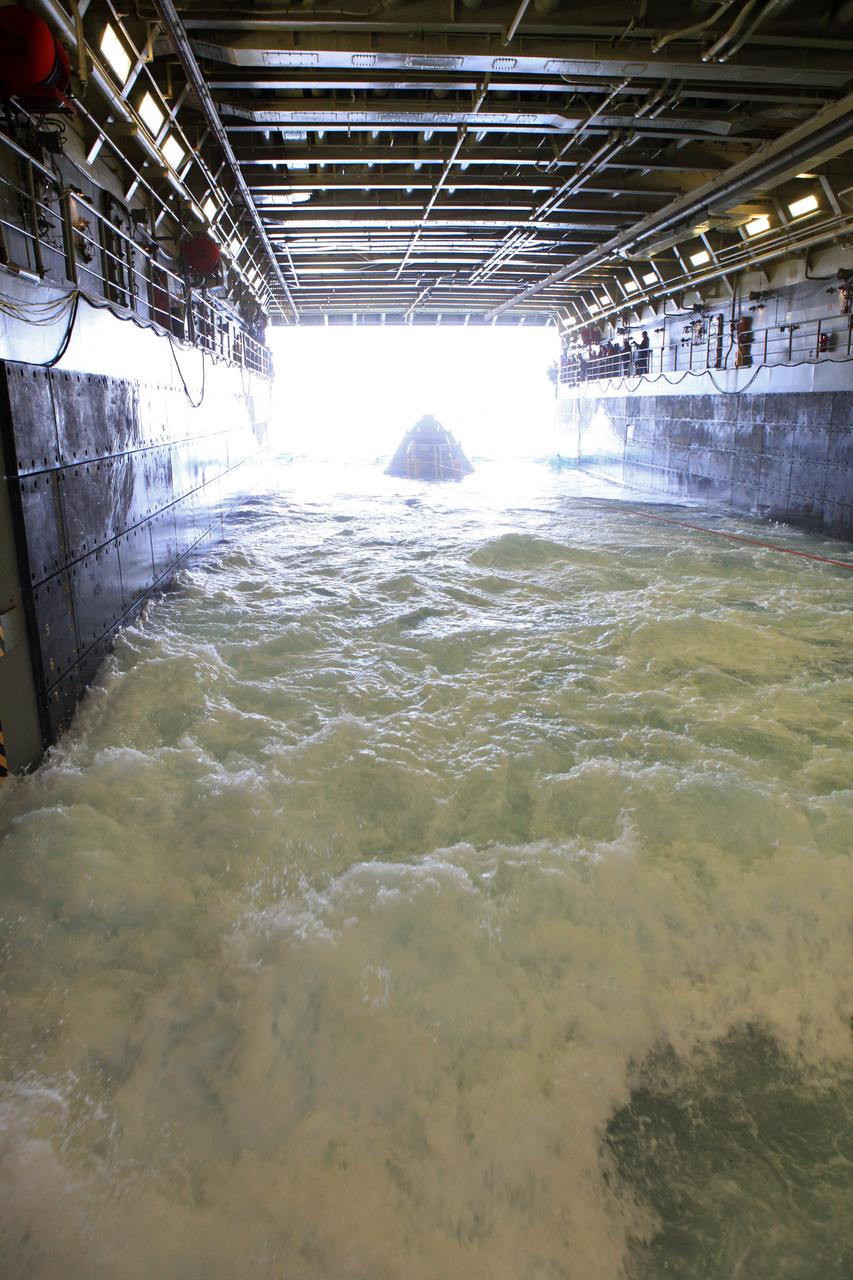
As part of Underway Recovery Test 6, the Orion test article is intentionally subjected to an increased sea state as the NASA Recovery Team works hard to keep control of the spacecraft. The testing with Kennedy Space Center's NASA Recovery Team and the U.S. Navy will provide important data that is being used to improve recovery procedures and hardware ahead of Orion's next flight, Exploration Mission-1, when it splashes down in the Pacific Ocean.
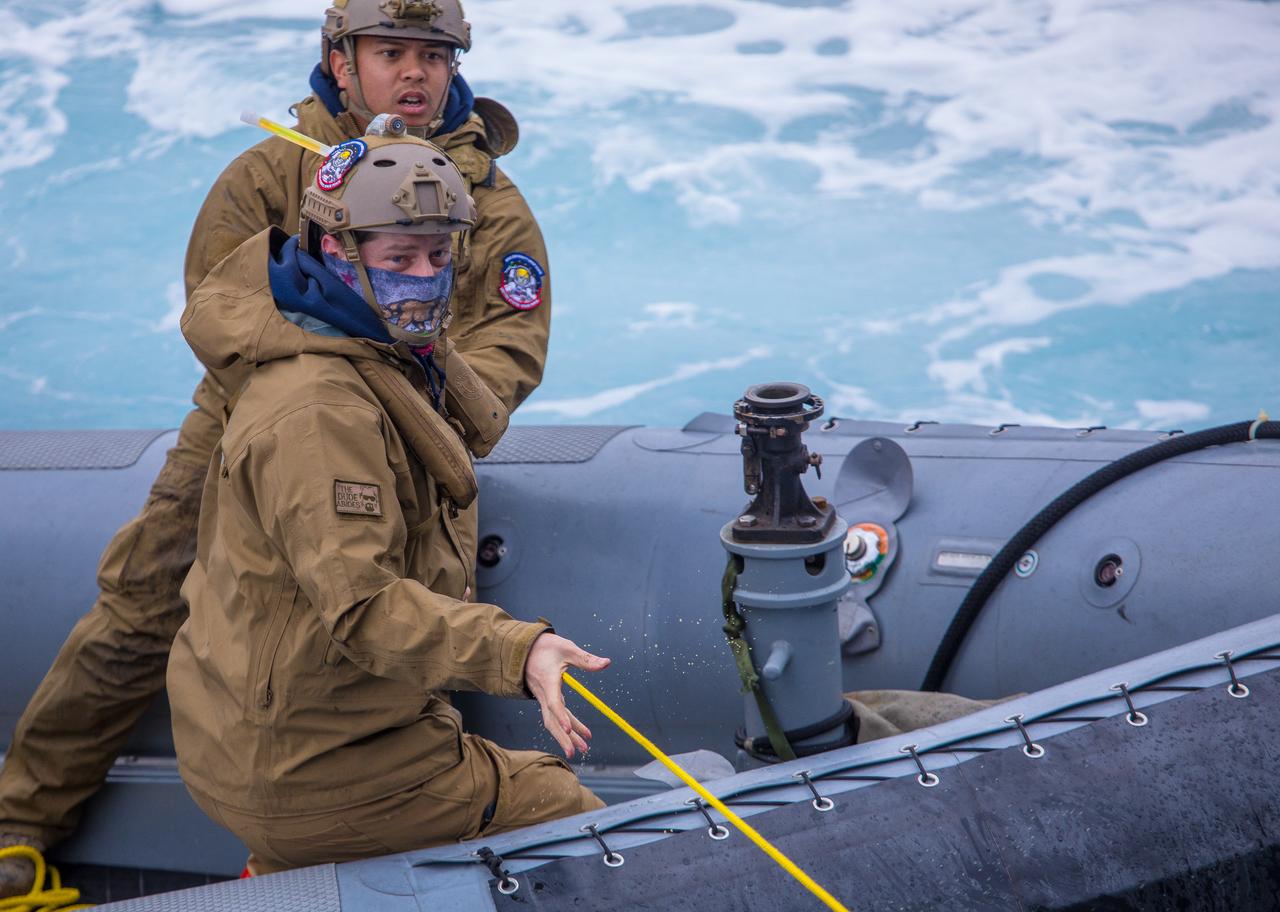
During the first full mission profile test of the recovery procedures for Artemis I, NASA’s Landing and Recovery team met their objectives. The team works with members of the DoD to hone their procedures before Orion splashes down in the Pacific as part of NASA’s Artemis program. During Underway Recovery Test-8, two divers from EOD Mobile Unit 3, MDS Company 3-1 work the tending line while a test version of Orion is being pulled into the well deck of the USS John P. Murtha.
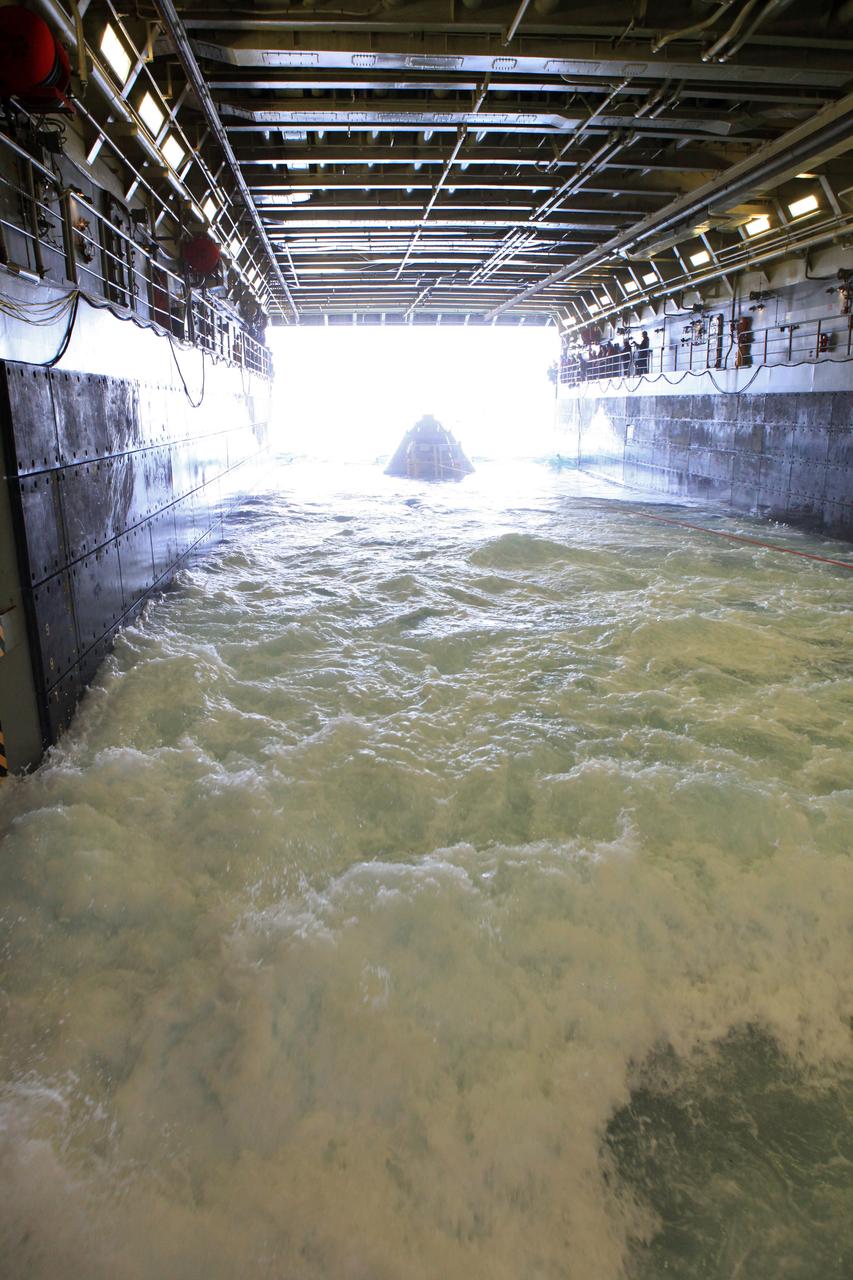
As part of Underway Recovery Test 6 on Jan. 19, 2018, the Orion test article is intentionally subjected to an increased sea state as the NASA Recovery Team works hard to keep control of the spacecraft. The testing with Kennedy Space Center's NASA Recovery Team and the U.S. Navy will provide important data that is being used to improve recovery procedures and hardware ahead of Orion's next flight, Artemis I, when it splashes down in the Pacific Ocean.
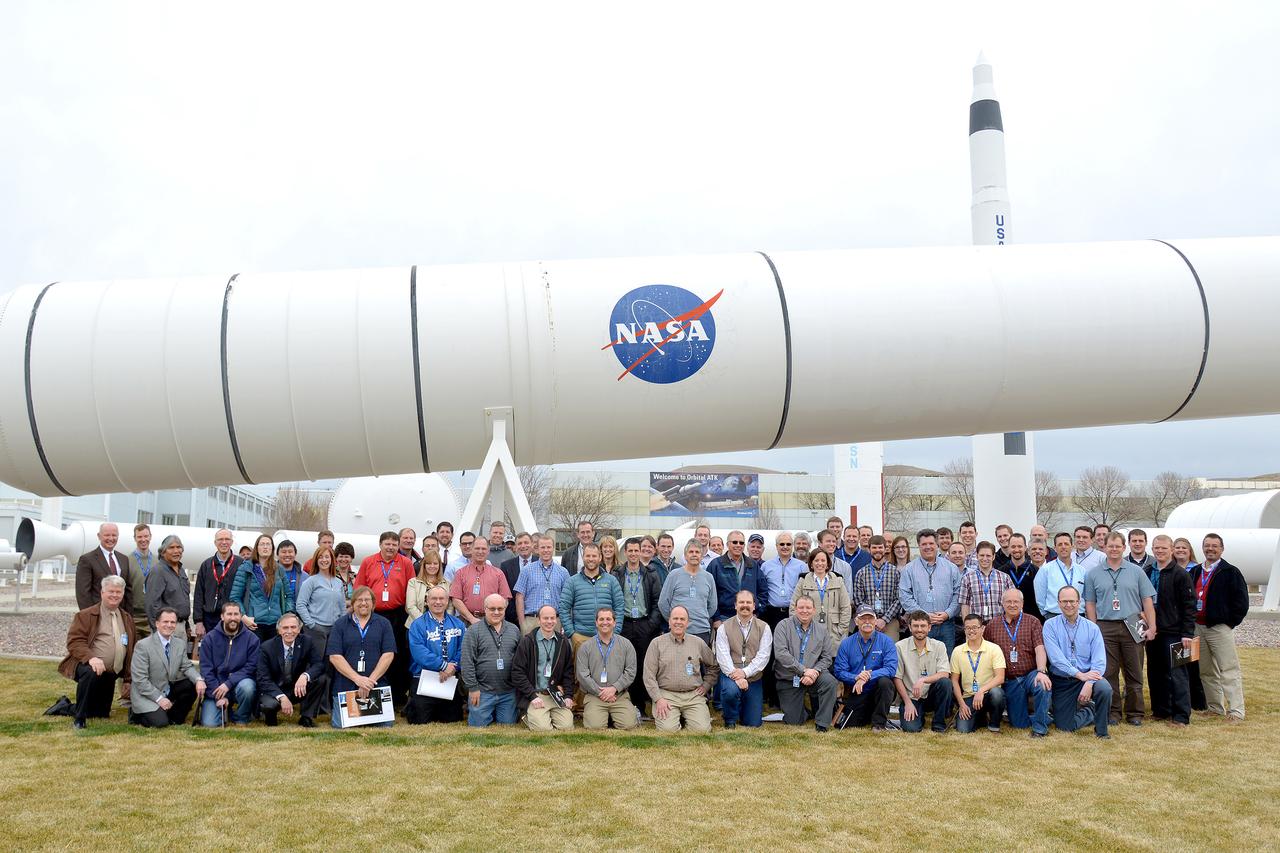
The Orion team congratulates the Orbital ATK team in Promontory, Utah on their efforts in making Exploration Flight Test-1 (EFT-1) a success on March 11, 2015. Part of Batch image transfer from Flickr.
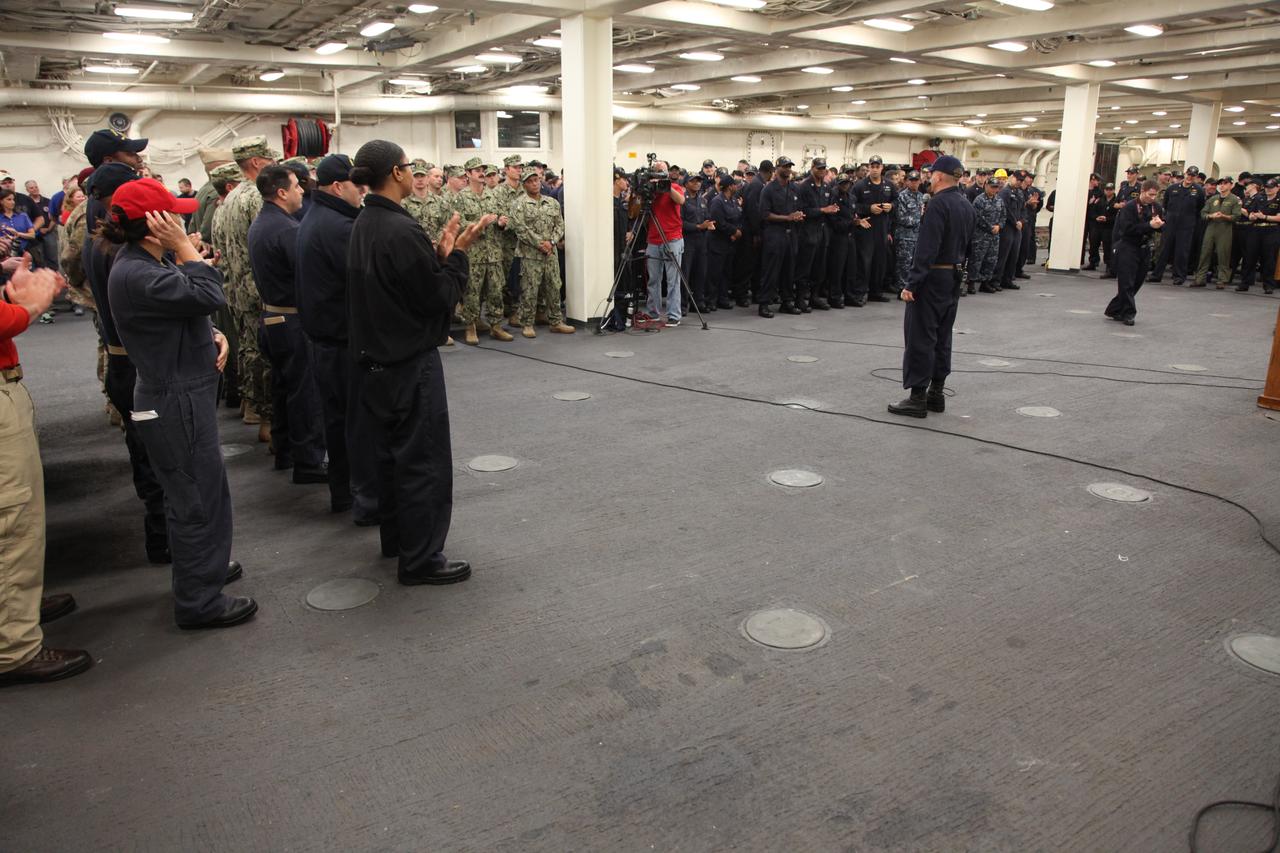
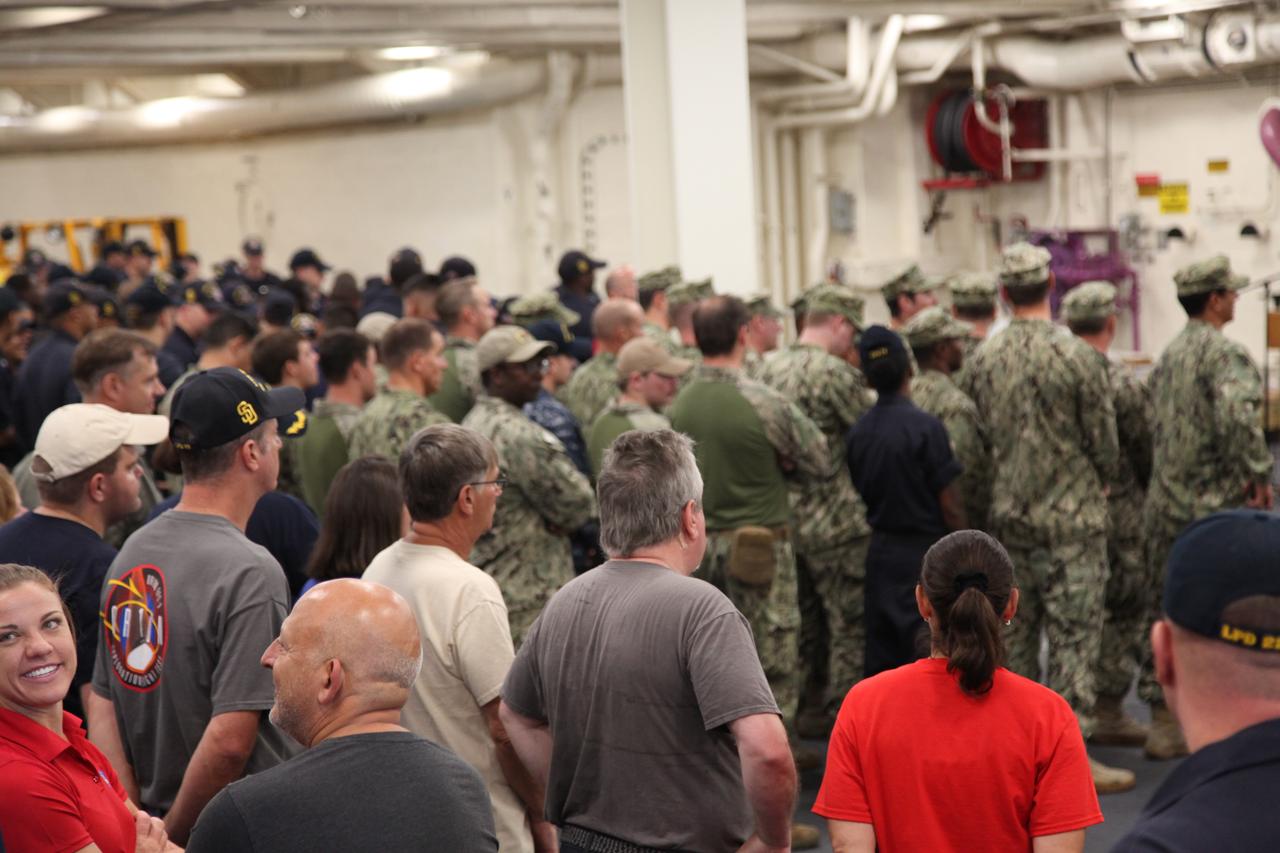
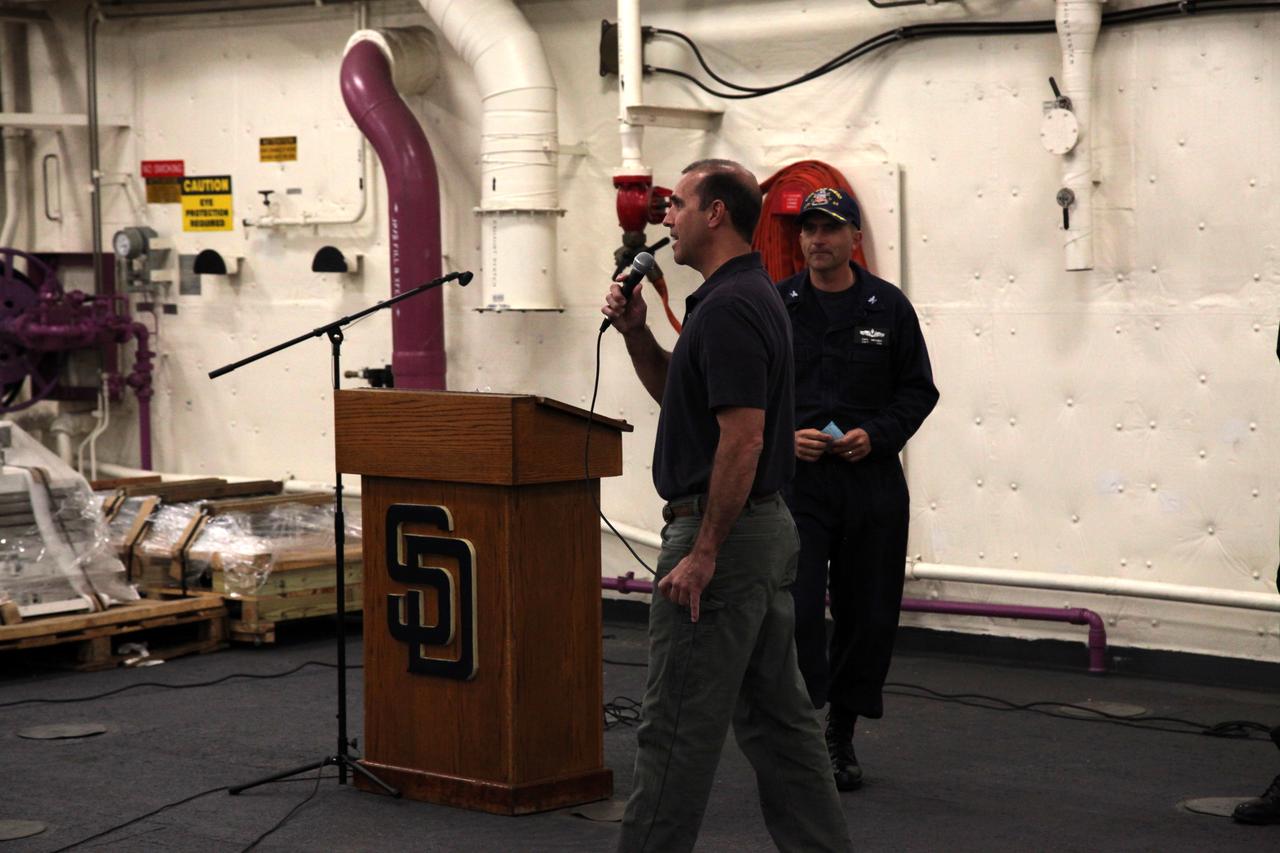
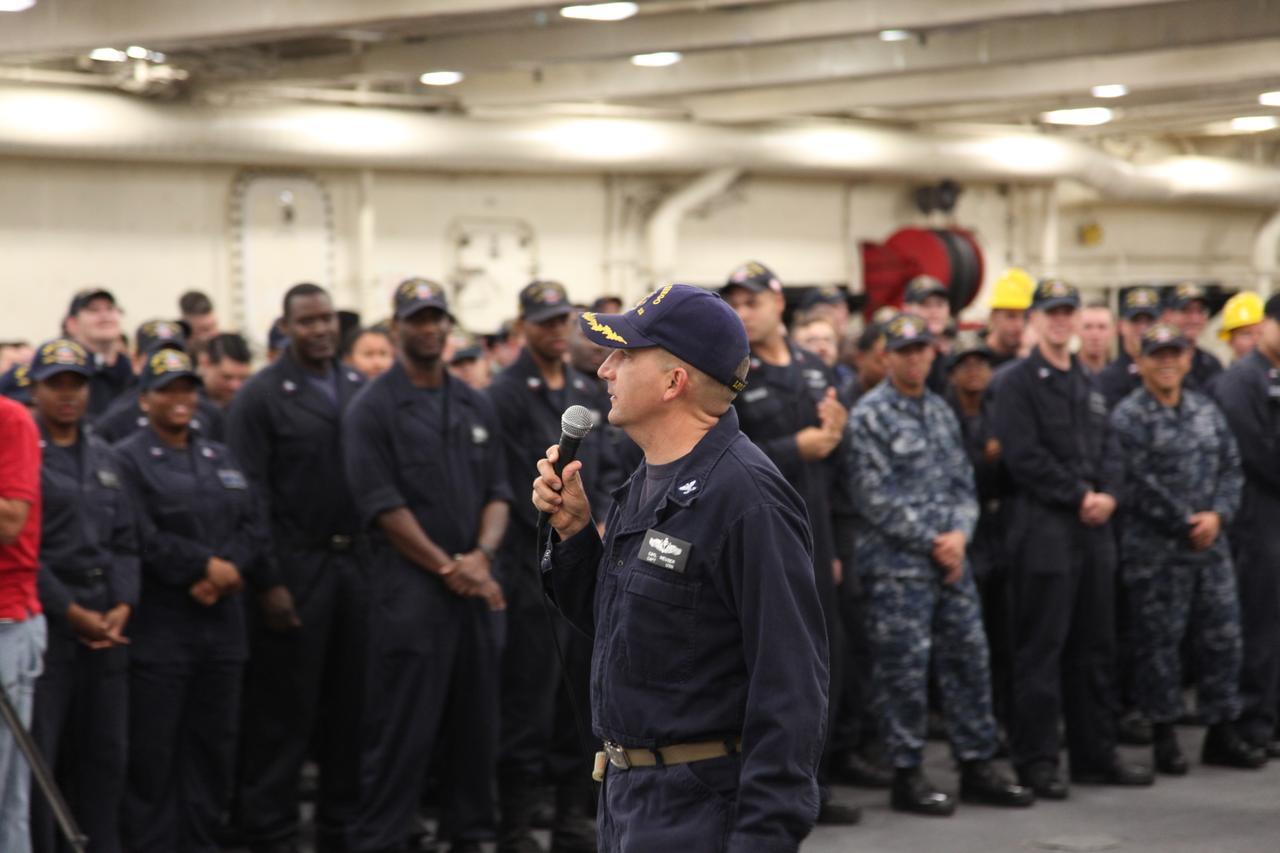
Orion Underway Recovery Test 5 team members gather in the USS San Diego during wrap up of the series of tests. NASA's Ground Systems Development and Operations Program and the U.S. Navy practiced recovery techniques in the Pacific Ocean off the coast of California over several days, using the well deck of the ship and a test version of the Orion crew module to prepare for recovery of Orion on its return from deep space missions. The testing allowed the team to demonstrate and evaluate recovery processes, procedures, hardware and personnel in open waters. Orion is the exploration spacecraft designed to carry astronauts to destinations not yet explored by humans, including an asteroid and NASA's Journey to Mars. It will have emergency abort capability, sustain the crew during space travel and provide safe re-entry from deep space return velocities. Orion is scheduled to launch on NASA's Space Launch System in late 2018. For more information, visit http://www.nasa.gov/orion.
Orion Underway Recovery Test 5 team members gather in the USS San Diego at the end of a series of tests. NASA's Ground Systems Development and Operations Program and the U.S. Navy practiced recovery techniques in the Pacific Ocean off the coast of California over several days, using the well deck of the ship and a test version of the Orion crew module to prepare for recovery of Orion on its return from deep space missions. The testing allowed the team to demonstrate and evaluate recovery processes, procedures, hardware and personnel in open waters. Orion is the exploration spacecraft designed to carry astronauts to destinations not yet explored by humans, including an asteroid and NASA's Journey to Mars. It will have emergency abort capability, sustain the crew during space travel and provide safe re-entry from deep space return velocities. Orion is scheduled to launch on NASA's Space Launch System in late 2018. For more information, visit http://www.nasa.gov/orion.
Orion Underway Recovery Test 5 team members gather in the USS San Diego during wrap up of the series of tests. NASA's Ground Systems Development and Operations Program and the U.S. Navy practiced recovery techniques in the Pacific Ocean off the coast of California over several days, using the well deck of the ship and a test version of the Orion crew module to prepare for recovery of Orion on its return from deep space missions. The testing allowed the team to demonstrate and evaluate recovery processes, procedures, hardware and personnel in open waters. Orion is the exploration spacecraft designed to carry astronauts to destinations not yet explored by humans, including an asteroid and NASA's Journey to Mars. It will have emergency abort capability, sustain the crew during space travel and provide safe re-entry from deep space return velocities. Orion is scheduled to launch on NASA's Space Launch System in late 2018. For more information, visit http://www.nasa.gov/orion.
Orion Underway Recovery Test 5 team members gather in the USS San Diego during wrap up of the series of tests. NASA's Ground Systems Development and Operations Program and the U.S. Navy practiced recovery techniques in the Pacific Ocean off the coast of California over several days, using the well deck of the ship and a test version of the Orion crew module to prepare for recovery of Orion on its return from deep space missions. The testing allowed the team to demonstrate and evaluate recovery processes, procedures, hardware and personnel in open waters. Orion is the exploration spacecraft designed to carry astronauts to destinations not yet explored by humans, including an asteroid and NASA's Journey to Mars. It will have emergency abort capability, sustain the crew during space travel and provide safe re-entry from deep space return velocities. Orion is scheduled to launch on NASA's Space Launch System in late 2018. For more information, visit http://www.nasa.gov/orion.
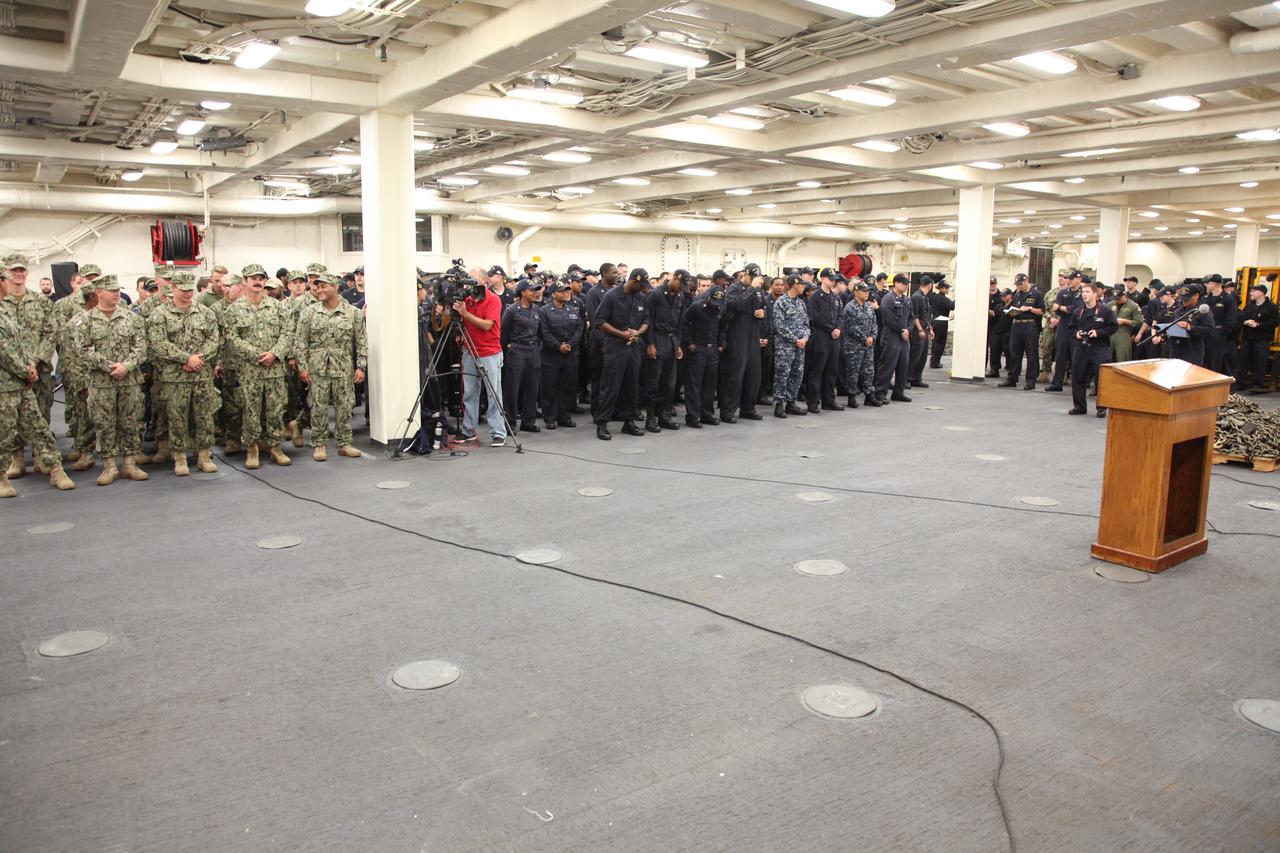
Orion Underway Recovery Test 5 team members gather in the USS San Diego at the end of a series of tests. NASA's Ground Systems Development and Operations Program and the U.S. Navy practiced recovery techniques in the Pacific Ocean off the coast of California over several days, using the well deck of the ship and a test version of the Orion crew module to prepare for recovery of Orion on its return from deep space missions. The testing allowed the team to demonstrate and evaluate recovery processes, procedures, hardware and personnel in open waters. Orion is the exploration spacecraft designed to carry astronauts to destinations not yet explored by humans, including an asteroid and NASA's Journey to Mars. It will have emergency abort capability, sustain the crew during space travel and provide safe re-entry from deep space return velocities. Orion is scheduled to launch on NASA's Space Launch System in late 2018. For more information, visit http://www.nasa.gov/orion.
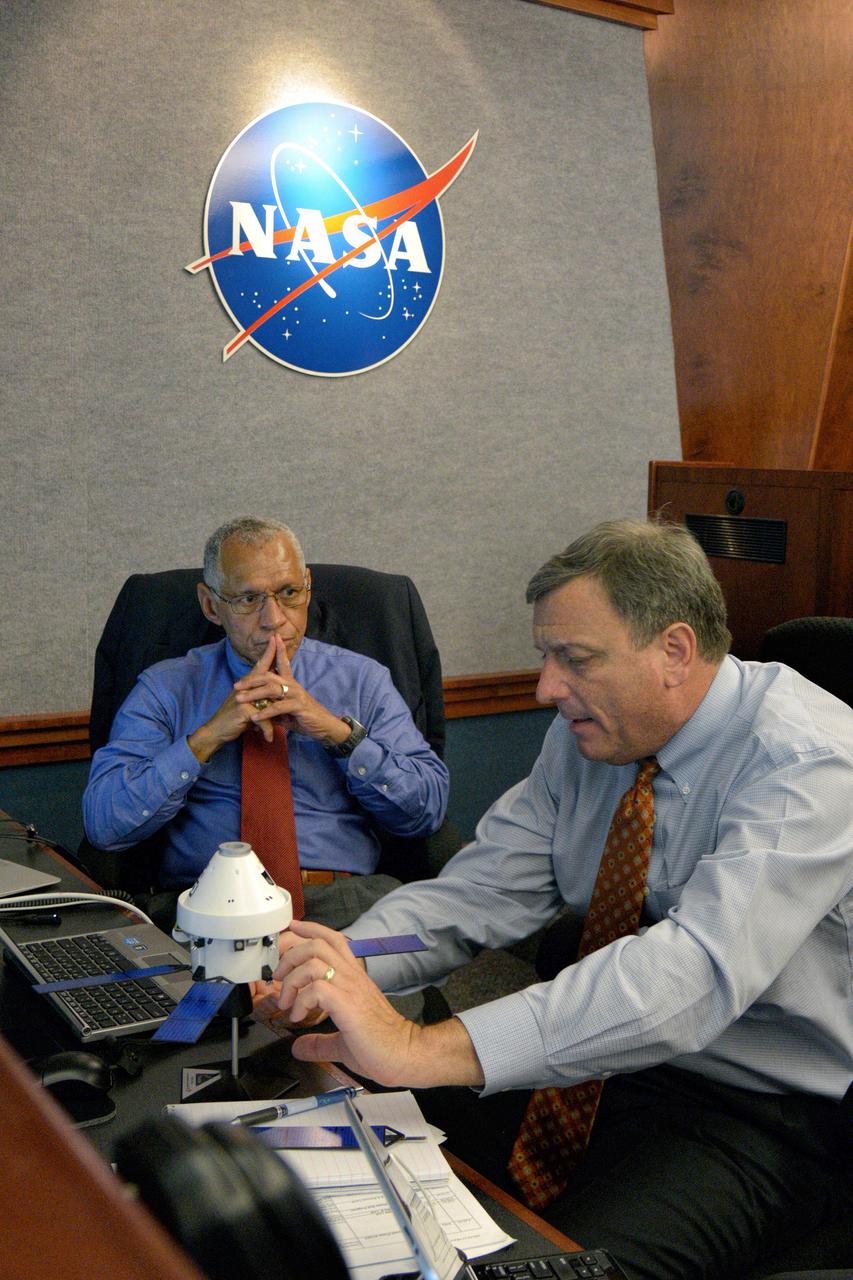
The Orion team discusses Orion operations in Building AE at Cape Canaveral Air Force Station during Exploration Flight Test-1 (EFT-1) on Dec. 5, 2014. Part of Batch image transfer from Flickr.
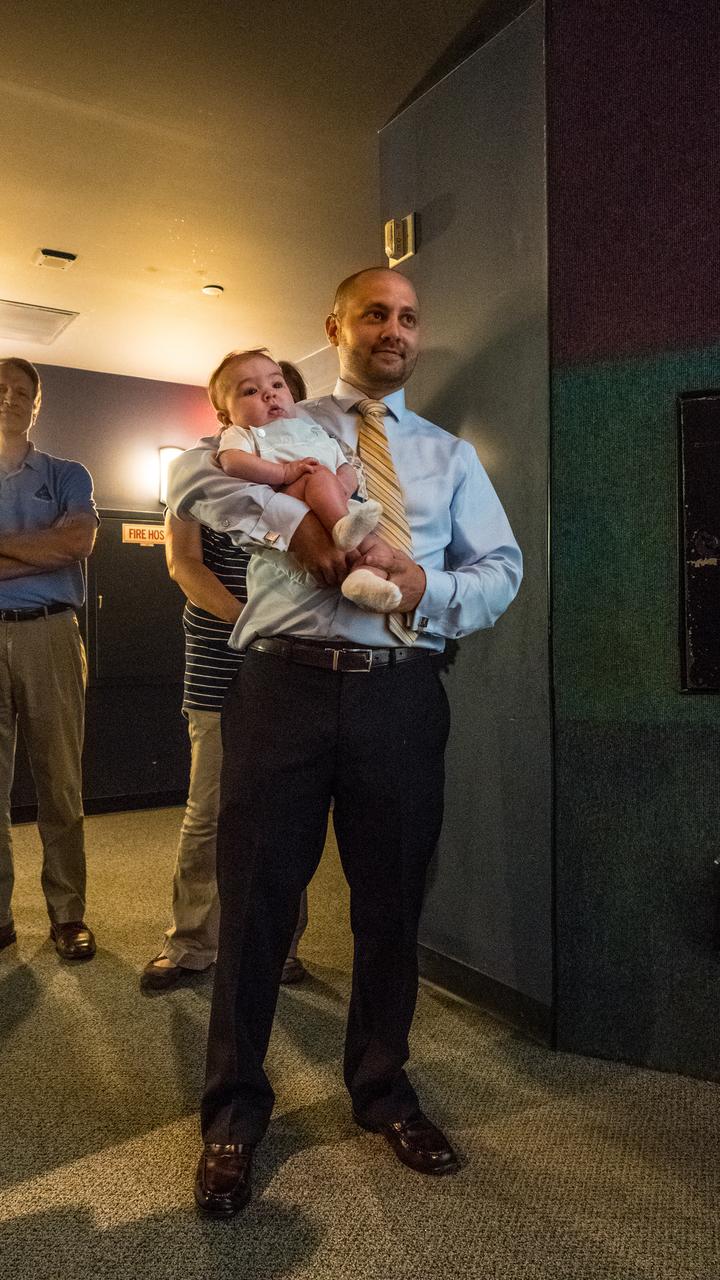
The Orion team gathers at Space Center Houston on May 20, 2015 to celebrate their accomplishments on Orion's first flight, Exploration Flight Test-1 (EFT-1). Part of Batch image transfer from Flickr.
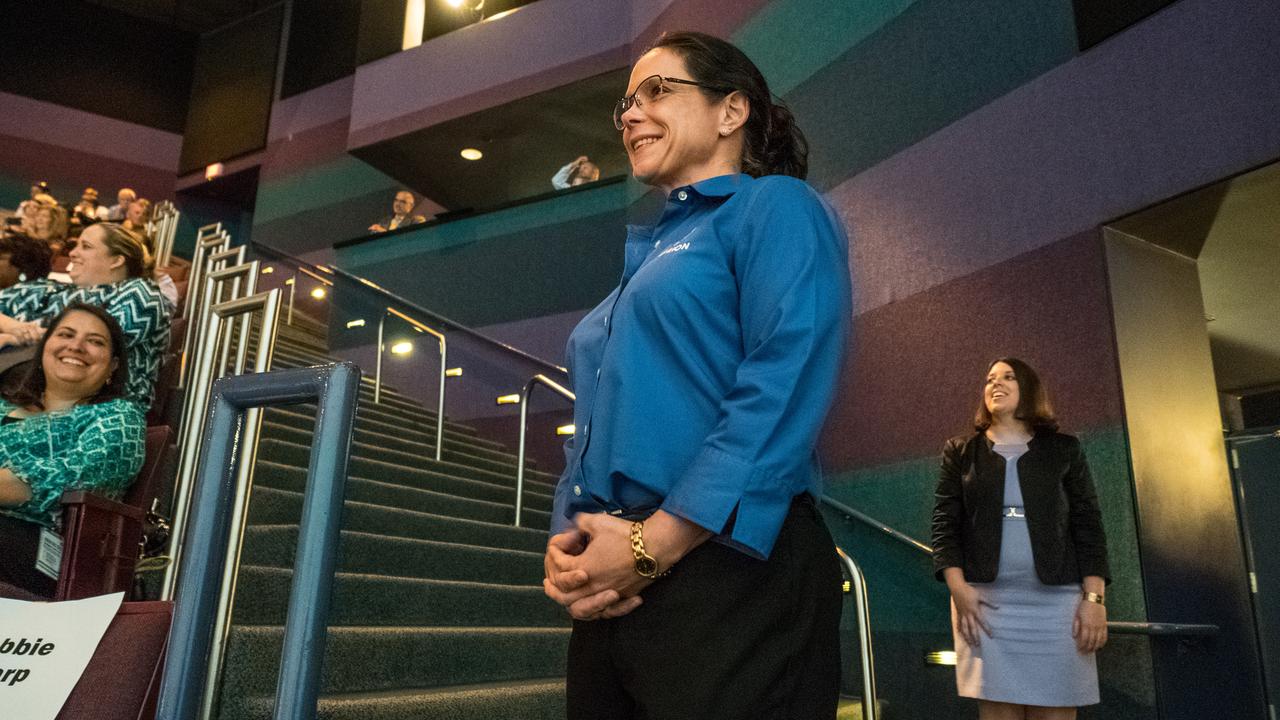
The Orion team gathers at Space Center Houston on May 20, 2015 to celebrate their accomplishments on Orion's first flight, Exploration Flight Test-1 (EFT-1). Part of Batch image transfer from Flickr.

The Orion team gathers at Space Center Houston on May 20, 2015 to celebrate their accomplishments on Orion's first flight, Exploration Flight Test-1 (EFT-1). Part of Batch image transfer from Flickr.
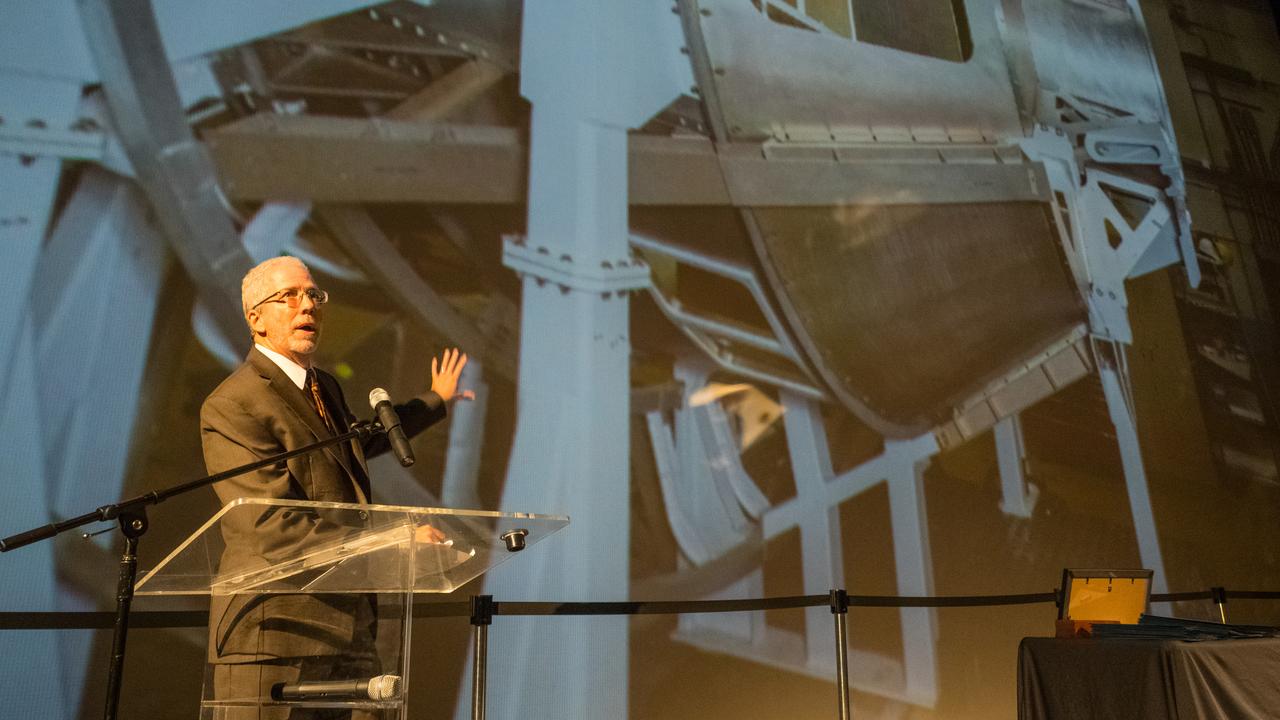
The Orion team gathers at Space Center Houston on May 20, 2015 to celebrate their accomplishments on Orion's first flight, Exploration Flight Test-1 (EFT-1). Part of Batch image transfer from Flickr.
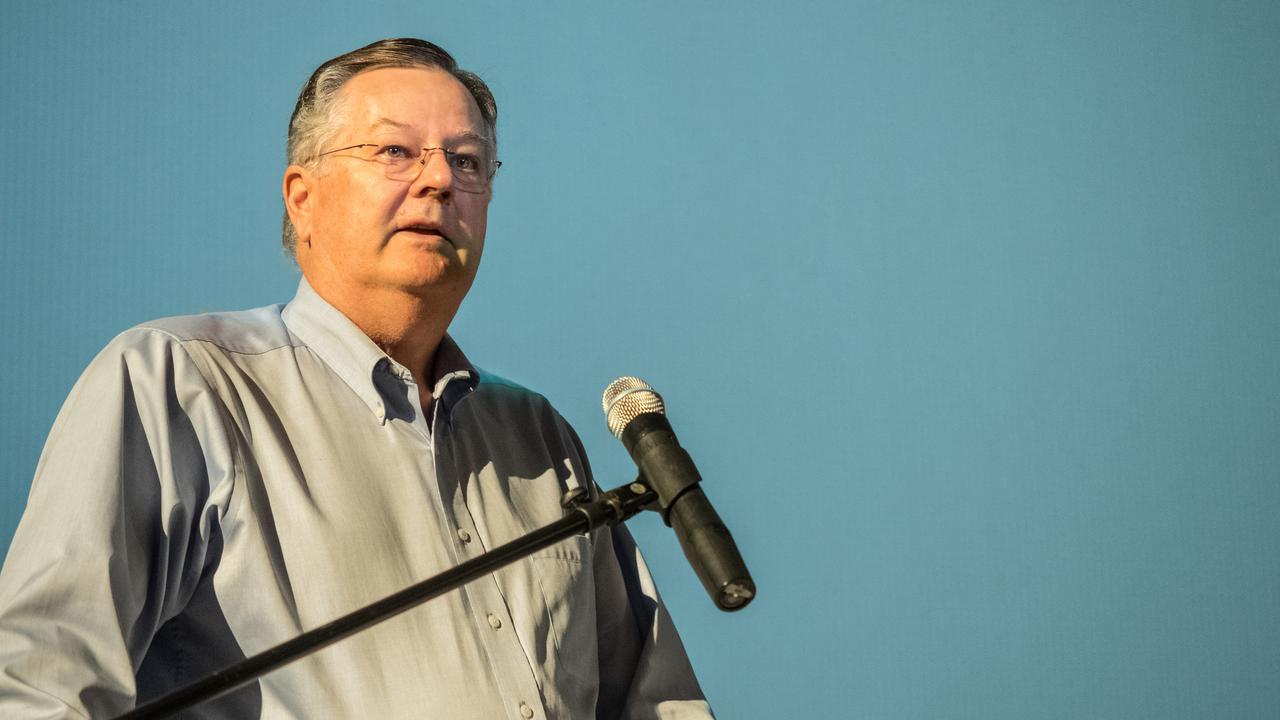
The Orion team gathers at Space Center Houston on May 20, 2015 to celebrate their accomplishments on Orion's first flight, Exploration Flight Test-1 (EFT-1). Part of Batch image transfer from Flickr.

The Orion team gathers at Space Center Houston on May 20, 2015 to celebrate their accomplishments on Orion's first flight, Exploration Flight Test-1 (EFT-1). Part of Batch image transfer from Flickr.
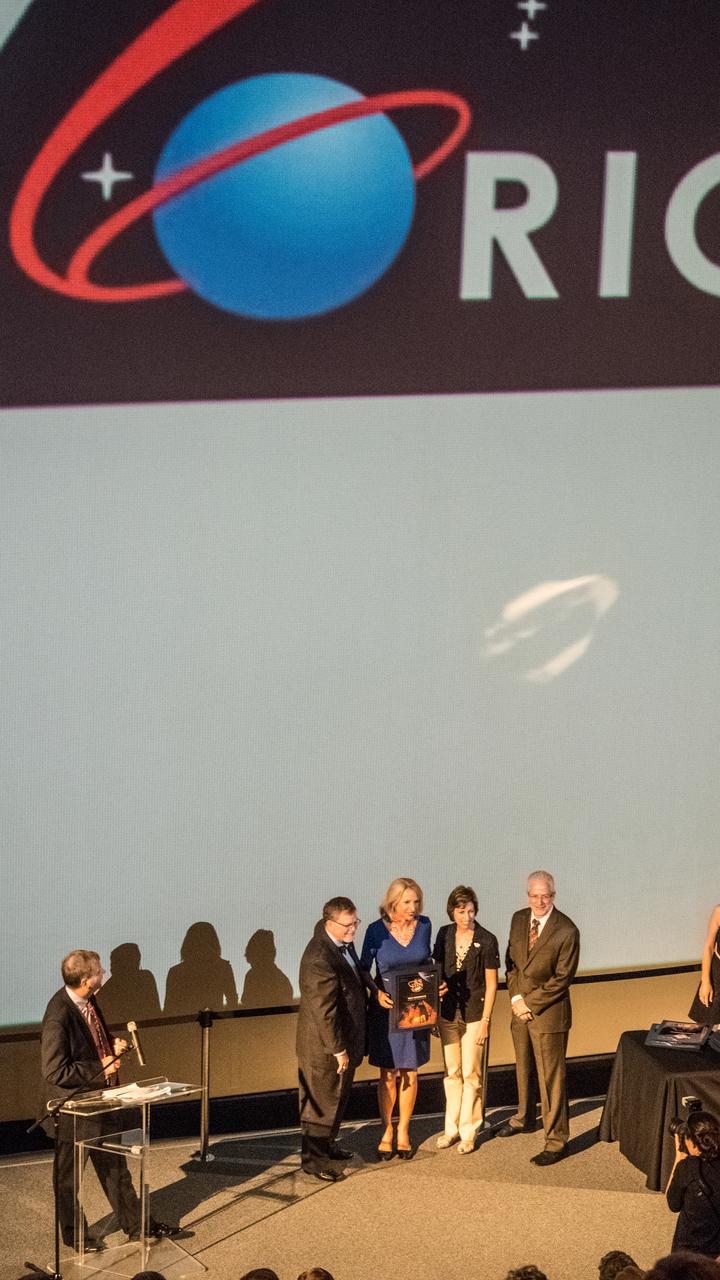
The Orion team gathers at Space Center Houston on May 20, 2015 to celebrate their accomplishments on Orion's first flight, Exploration Flight Test-1 (EFT-1). Part of Batch image transfer from Flickr.
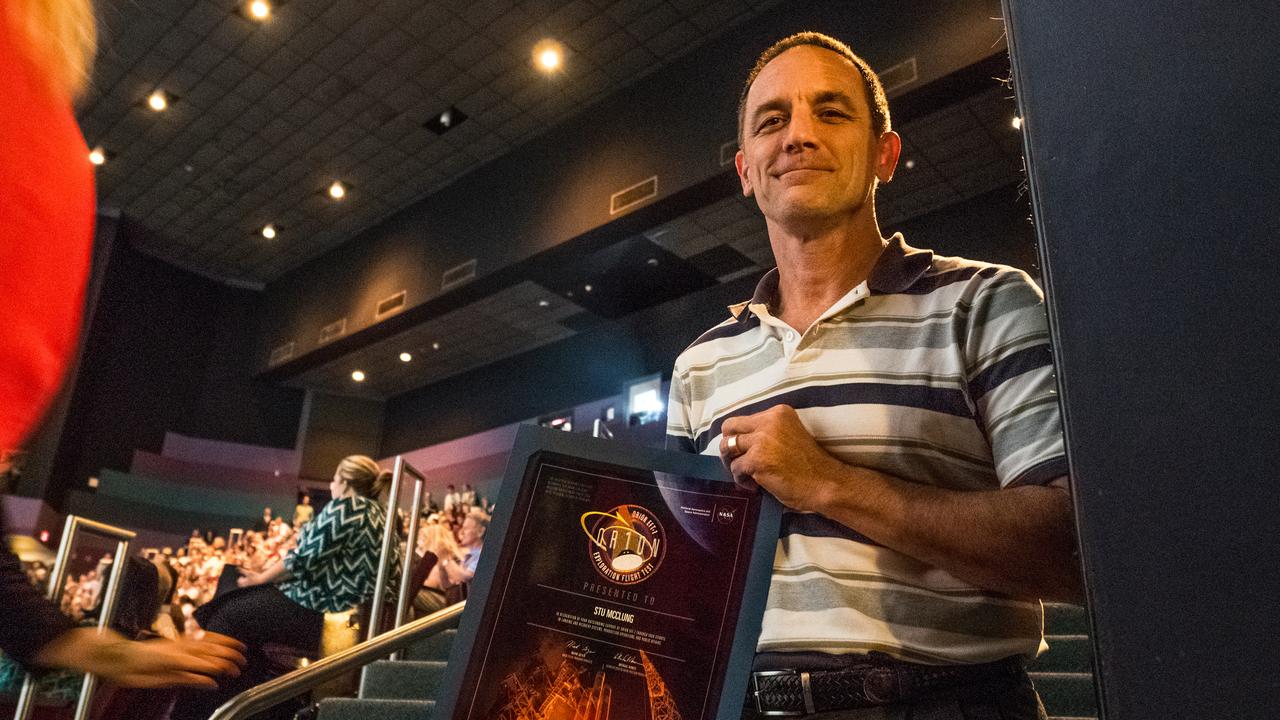
The Orion team gathers at Space Center Houston on May 20, 2015 to celebrate their accomplishments on Orion's first flight, Exploration Flight Test-1 (EFT-1). Part of Batch image transfer from Flickr.
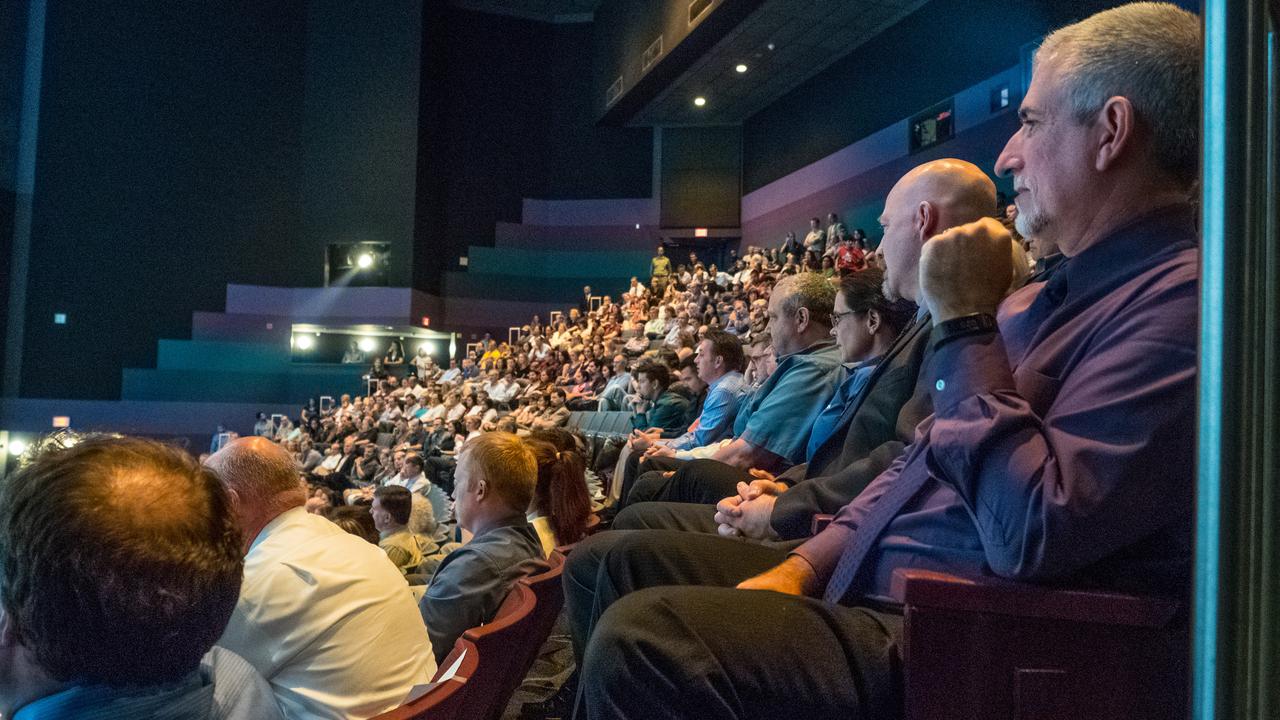
The Orion team gathers at Space Center Houston on May 20, 2015 to celebrate their accomplishments on Orion's first flight, Exploration Flight Test-1 (EFT-1). Part of Batch image transfer from Flickr.
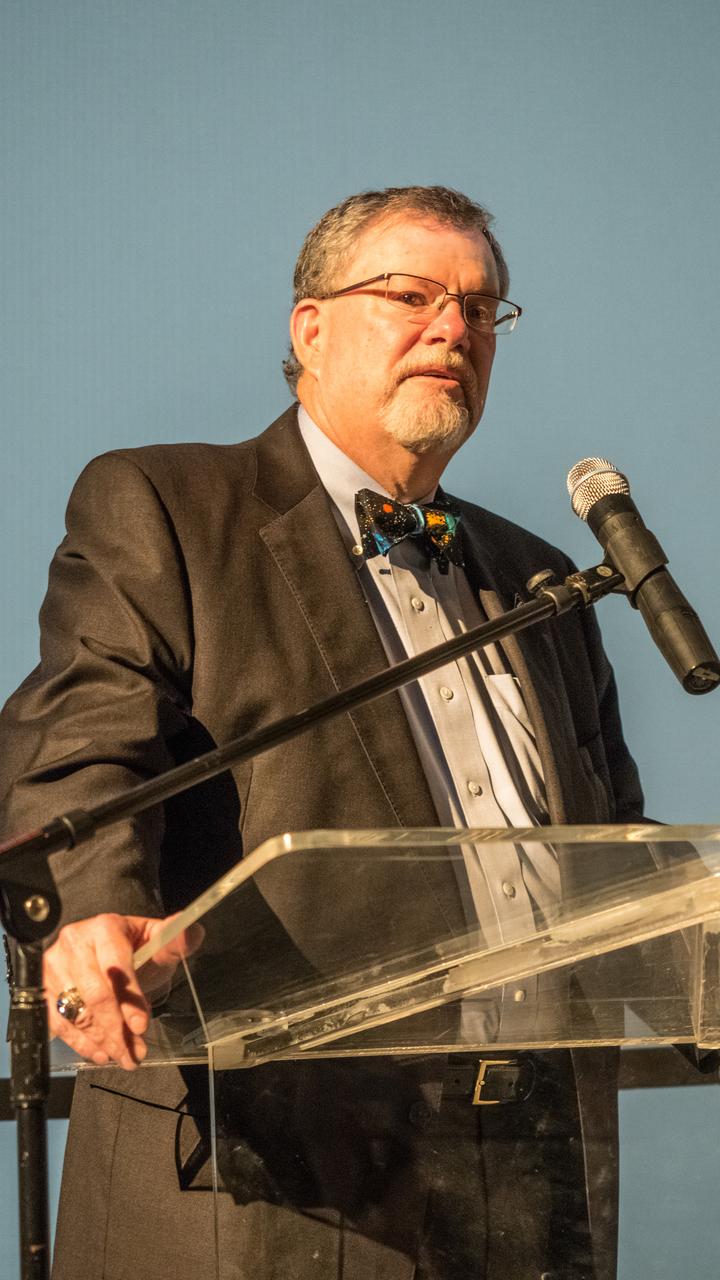
The Orion team gathers at Space Center Houston on May 20, 2015 to celebrate their accomplishments on Orion's first flight, Exploration Flight Test-1 (EFT-1).Part of Batch image transfer from Flickr.
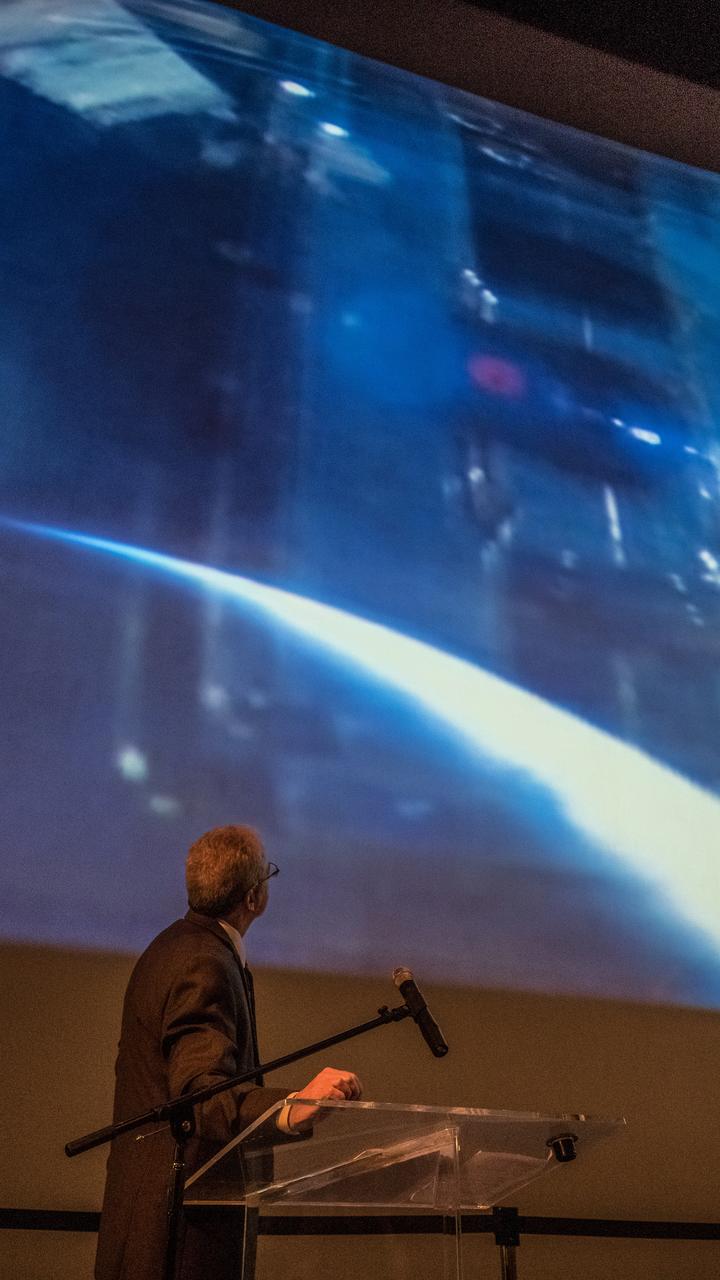
The Orion team gathers at Space Center Houston on May 20, 2015 to celebrate their accomplishments on Orion's first flight, Exploration Flight Test-1 (EFT-1). Part of Batch image transfer from Flickr.
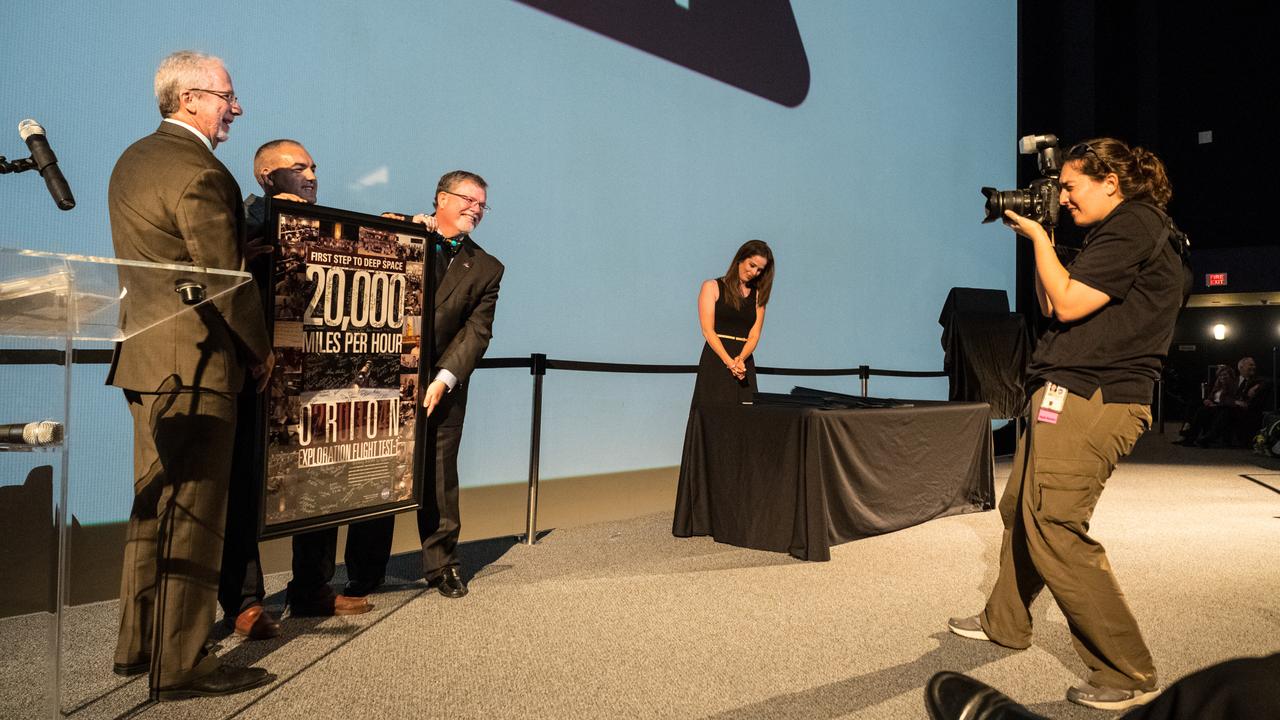
The Orion team gathers at Space Center Houston on May 20, 2015 to celebrate their accomplishments on Orion's first flight, Exploration Flight Test-1 (EFT-1). Part of Batch image transfer from Flickr.
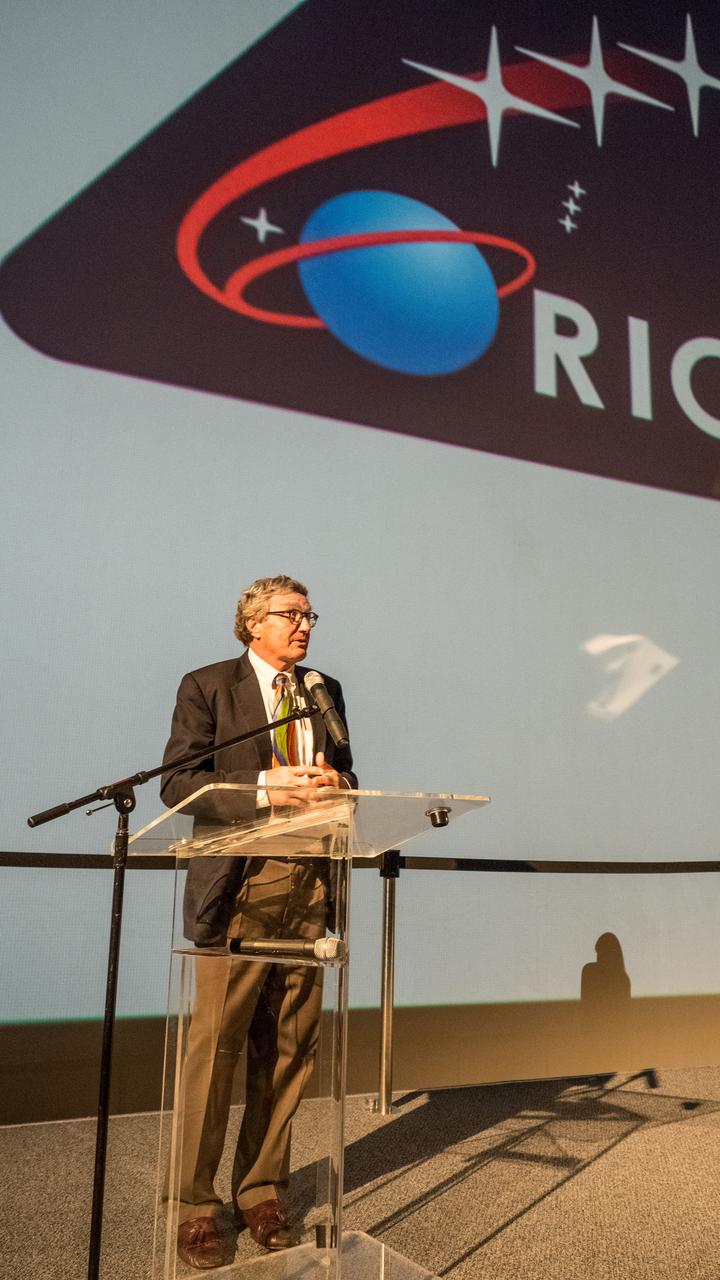
The Orion team gathers at Space Center Houston on May 20, 2015 to celebrate their accomplishments on Orion's first flight, Exploration Flight Test-1 (EFT-1). Part of Batch image transfer from Flickr.
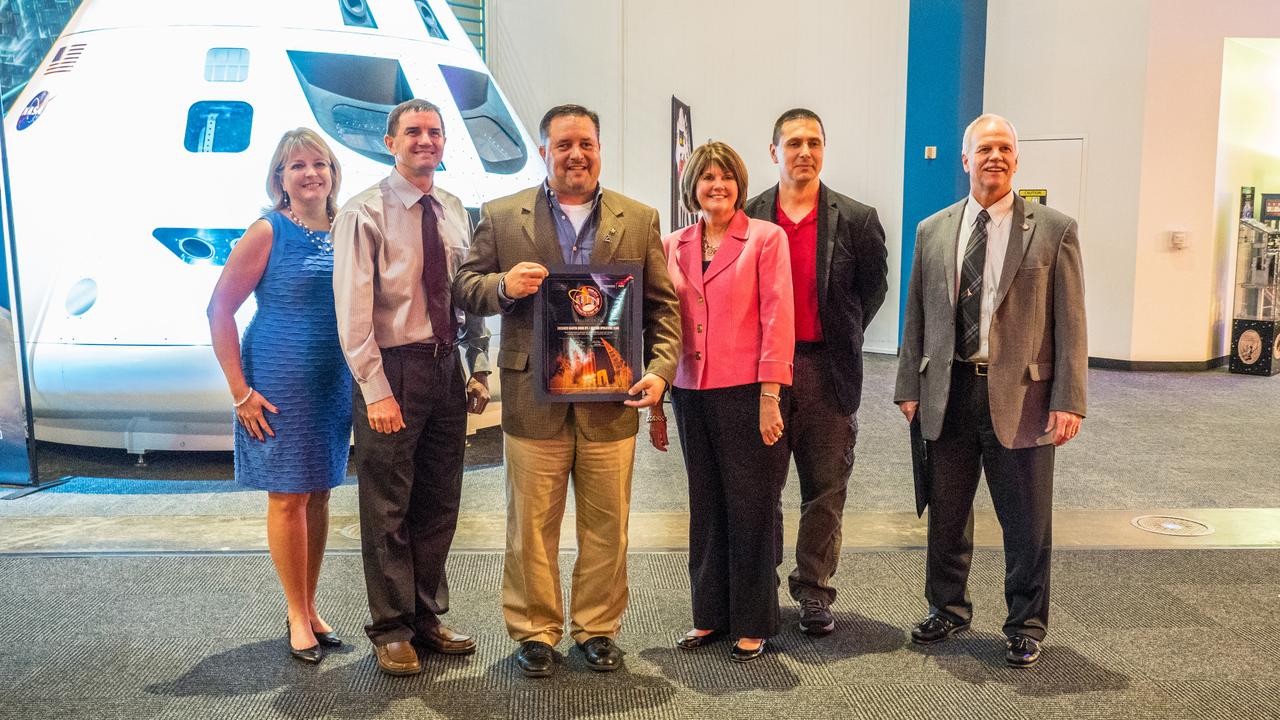
The Orion team gathers at Space Center Houston on May 20, 2015 to celebrate their accomplishments on Orion's first flight, Exploration Flight Test-1 (EFT-1). Part of Batch image transfer from Flickr.
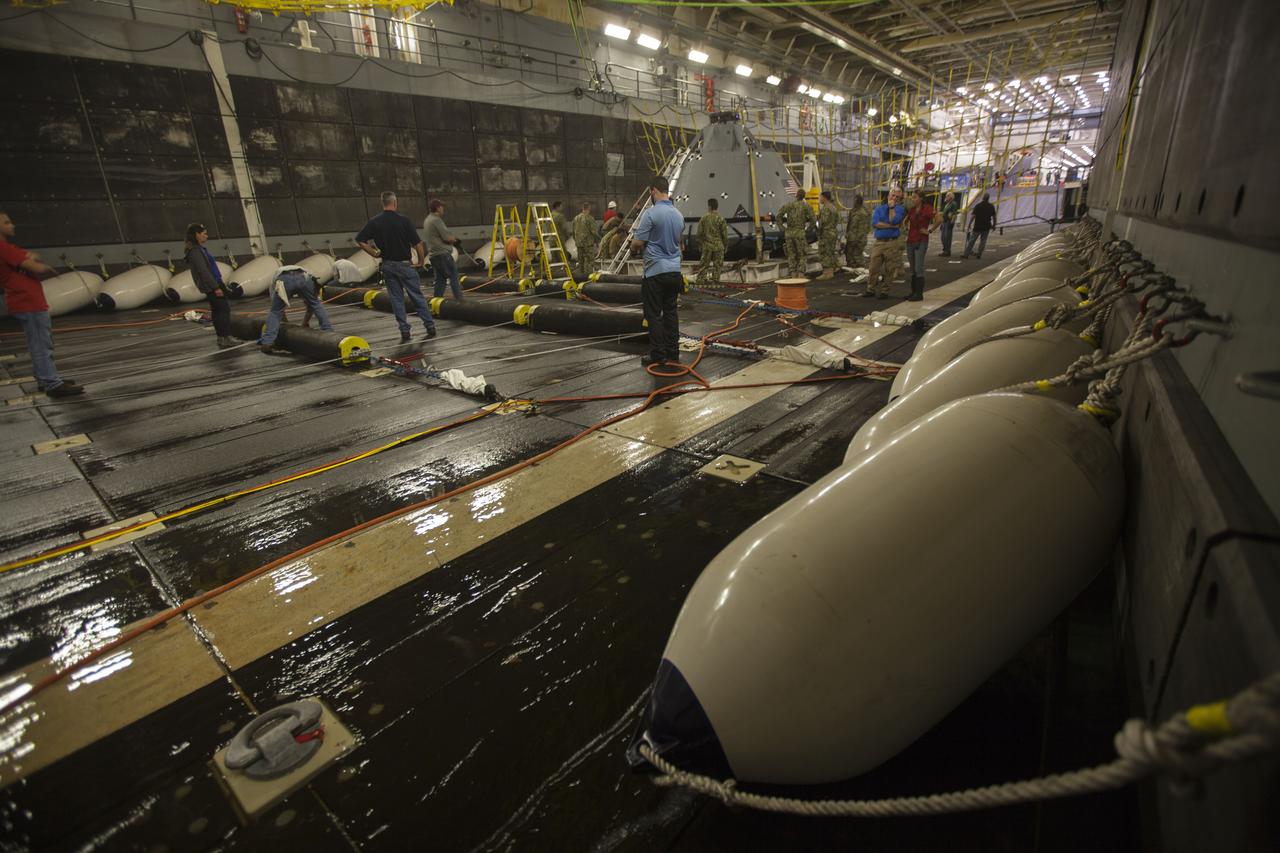
A test version of the Orion crew module is secured in the well deck of the USS San Diego and recovery team members are preparing for Underway Recovery Test 5 in the Pacific Ocean off the coast of California. NASA's Ground Systems Development and Operations Program and the U.S. Navy will conduct a series of tests using the ship's well deck, the test module, various watercraft and equipment to prepare for recovery of Orion on its return from deep space missions. The test will allow the team to demonstrate and evaluate recovery processes, procedures, hardware and personnel in open waters. Orion is the exploration spacecraft designed to carry astronauts to destinations not yet explored by humans, including an asteroid and NASA's Journey to Mars. It will have emergency abort capability, sustain the crew during space travel and provide safe re-entry from deep space return velocities. Orion is scheduled to launch on NASA's Space Launch System in late 2018. For more information, visit http://www.nasa.gov/orion.

NASA’s Landing and Recovery team, composed of members from the Department of Defense, NASA and contractor Jacobs, practiced securing a test version of Orion into the well deck of a ship. During the test, the team practiced to ensure recovery procedure timelines are validated as NASA plans to send Artemis I around the Moon and splashdown in the Pacific Ocean.
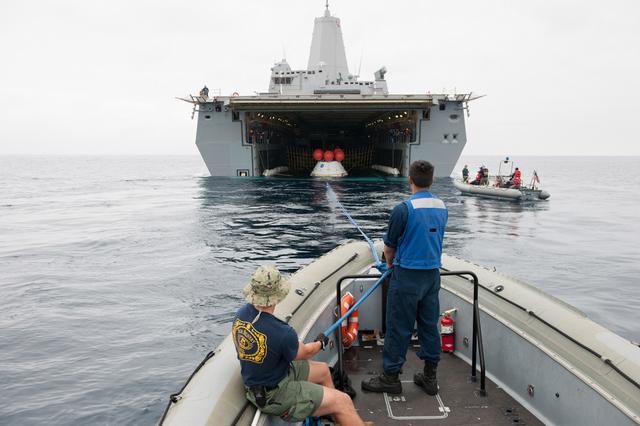
Recovery team members work with a test version of Orion floating in the well deck of the U.S.S. Anchorage on Aug. 2, 2014. A combined NASA and U.S. Navy team practiced recovery techniques off the coast of California in preparation for Exploration Flight Test-1 (EFT-1). Part of Batch image transfer from Flickr.
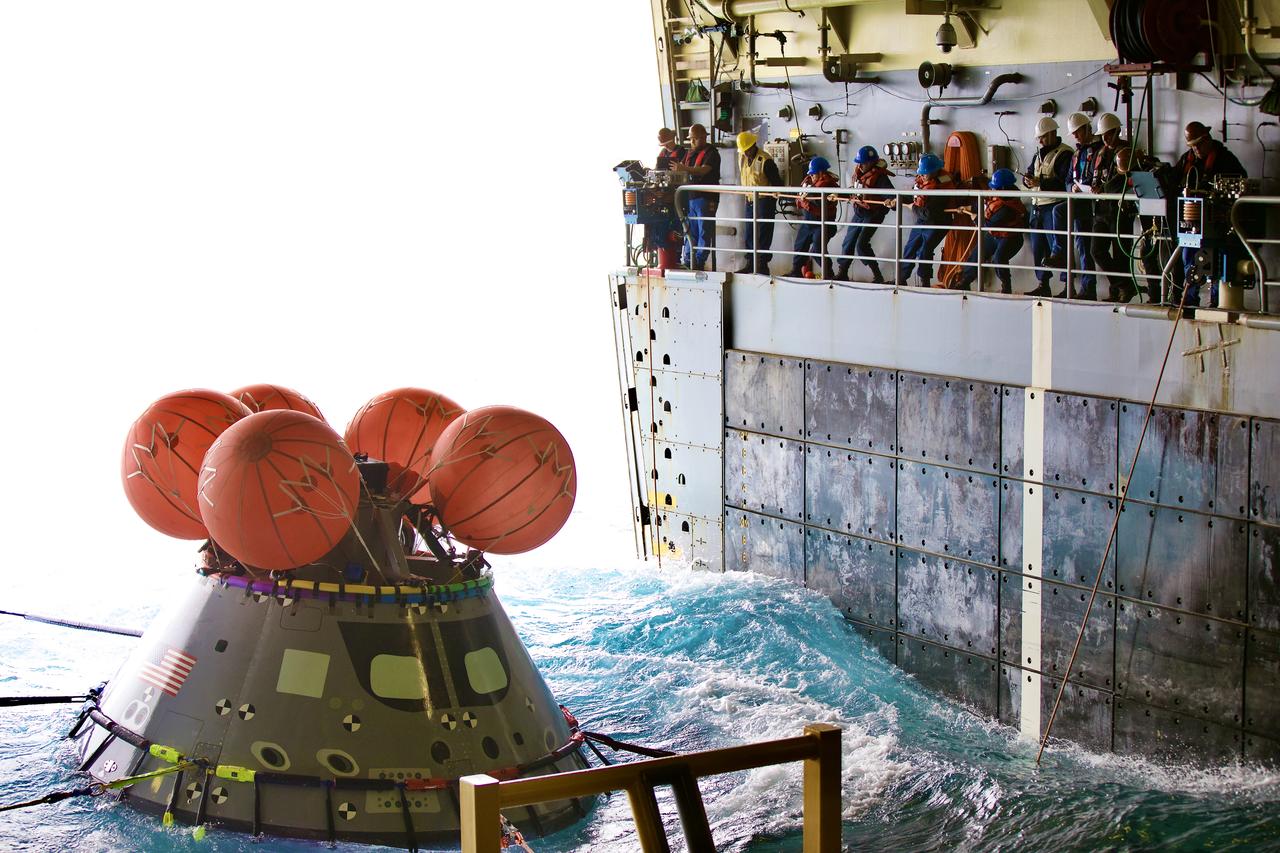
NASA’s Landing and Recovery team, composed of members from the Department of Defense, NASA and contractor Jacobs, practiced securing a test version of Orion into the well deck of a ship. During the test, the team practiced to ensure recovery procedure timelines are validated as NASA plans to send Artemis I around the Moon and splashdown in the Pacific Ocean.
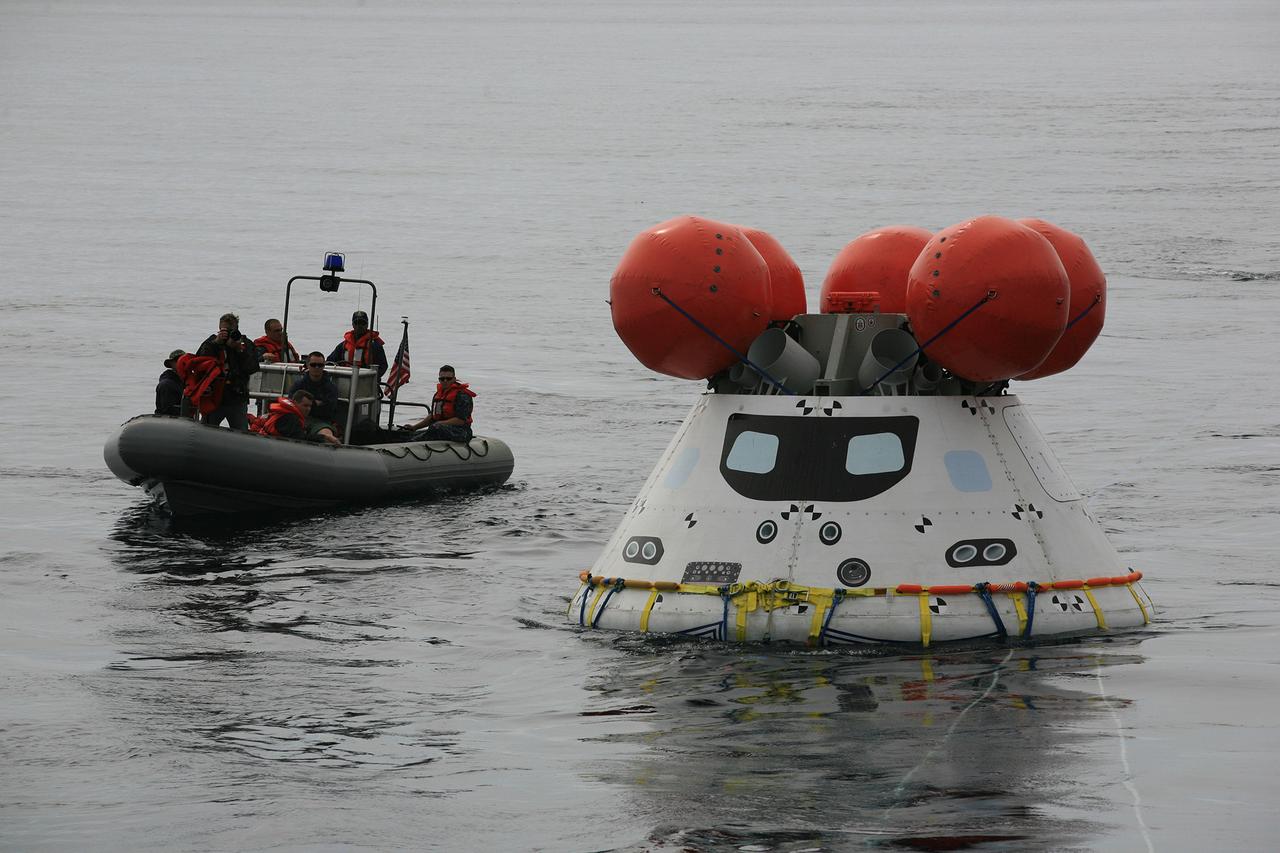
Recovery team members work with a test version of Orion floating in the well deck of the U.S.S. Anchorage on Aug. 2, 2014. A combined NASA and U.S. Navy team practiced recovery techniques off the coast of California in preparation for Exploration Flight Test-1 (EFT-1). Part of Batch image transfer from Flickr.
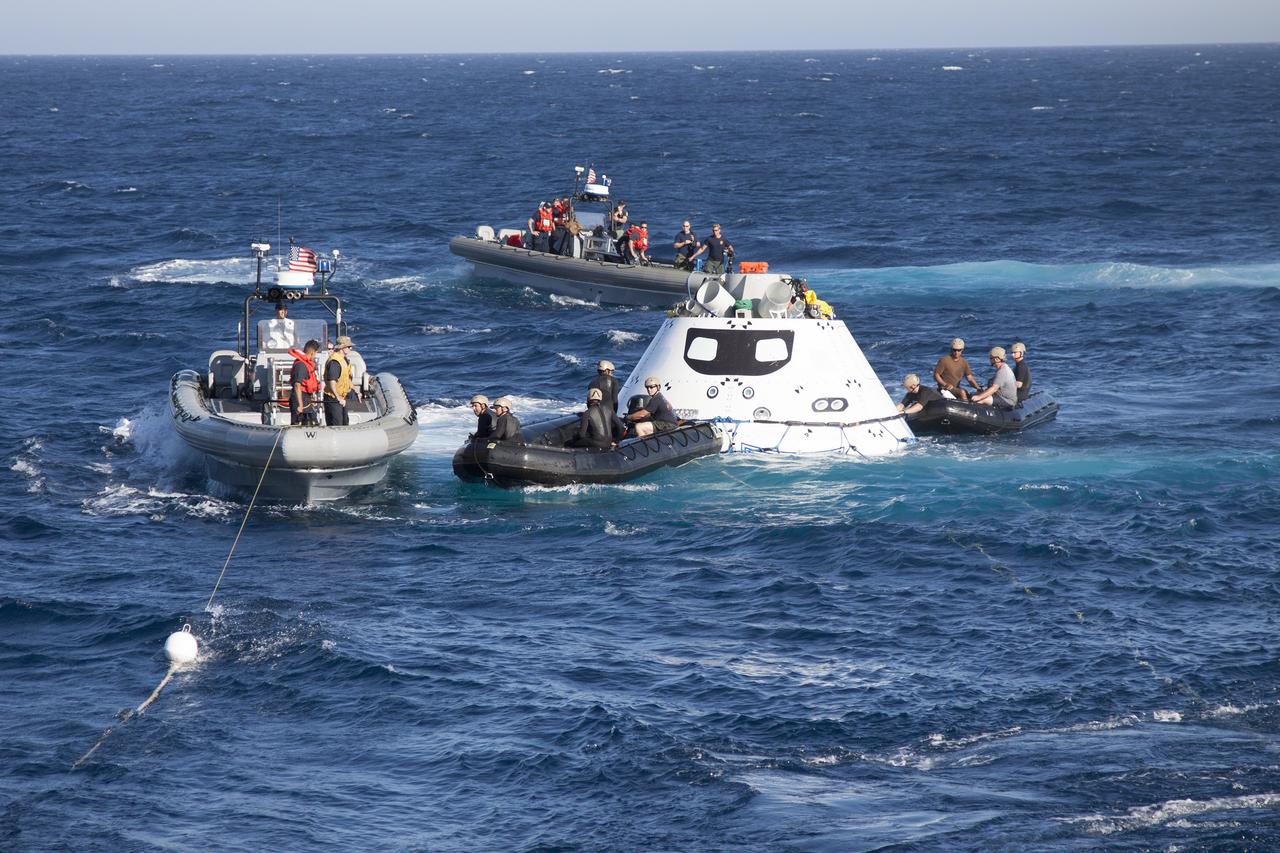
SAN DIEGO, Calif. – The Orion boilerplate test vehicle floats in the Pacific Ocean near the USS Anchorage during Underway Recovery Test 3. U.S. Navy divers and other recovery team members in two Zodiac boats attach tether lines to Orion. Other recovery team members are nearby in two rigid hull inflatable boats. NASA, Lockheed Martin and U.S. Navy personnel are conducting the recovery test to prepare for recovery of the Orion crew module on its return from a deep space mission. The test allows the teams to demonstrate and evaluate the recovery processes, procedures, hardware and personnel in open waters. The Ground Systems Development and Operations Program is conducting the underway recovery tests. Orion is the exploration spacecraft designed to carry astronauts to destinations not yet explored by humans, including an asteroid and Mars. It will have emergency abort capability, sustain the crew during space travel and provide safe re-entry from deep space return velocities. The first unpiloted test flight of Orion is scheduled to launch in 2014 atop a United Launch Alliance Delta IV Heavy rocket and in 2018 on NASA’s Space Launch System rocket. For more information, visit http://www.nasa.gov/orion. Photo credit: NASA/Cory Huston
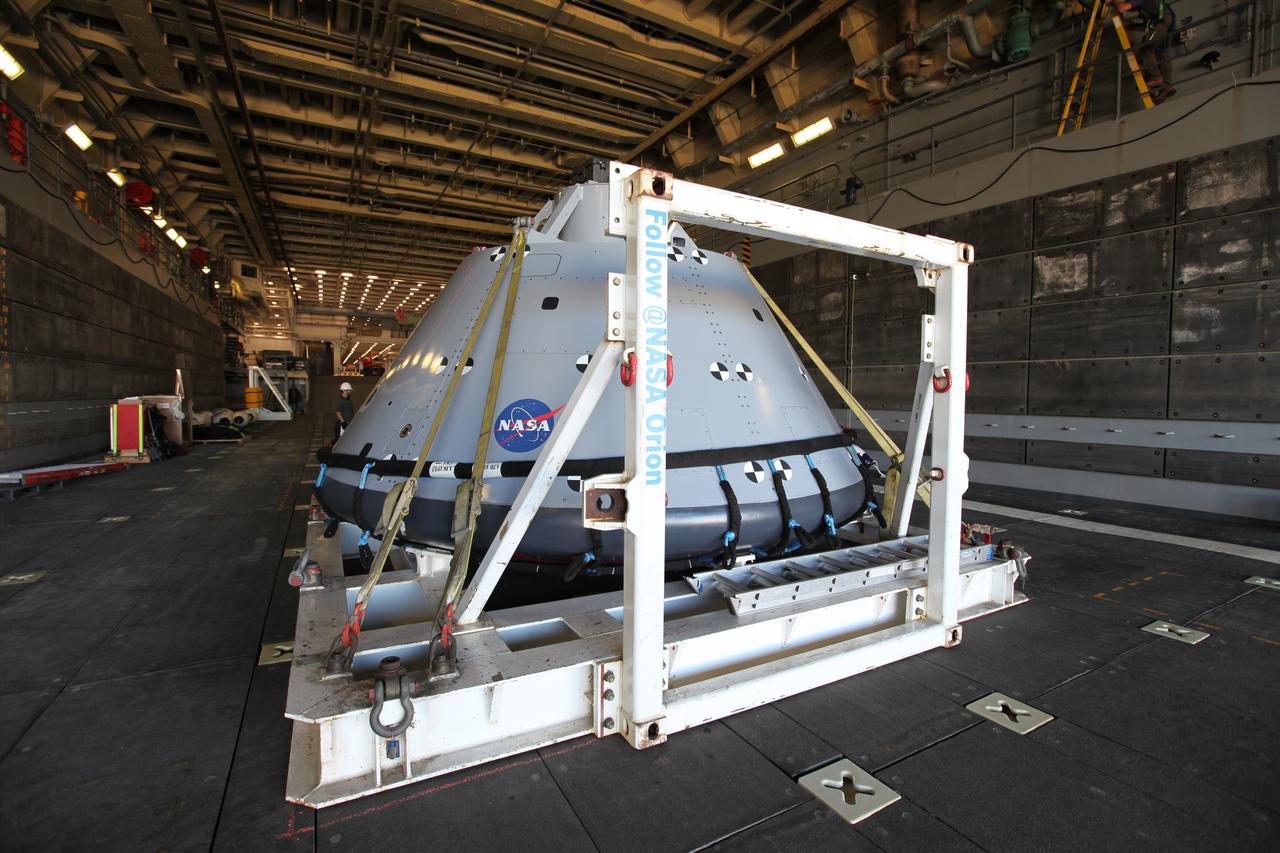
The test version of the Orion crew module is transported into the well deck of the USS San Diego at Naval Base San Diego in California on Oct. 21, 2016. NASA, Orion manufacturer Lockheed Martin and the U.S. Navy will head out to sea with the Orion test spacecraft aboard for Underway Recovery Test 5 (URT-5) in the Pacific Ocean off the coast of California. During URT-5, the team will demonstrate and evaluate the recovery processes, procedures, hardware and personnel necessary for recovery of Orion on its return from a deep space mission.
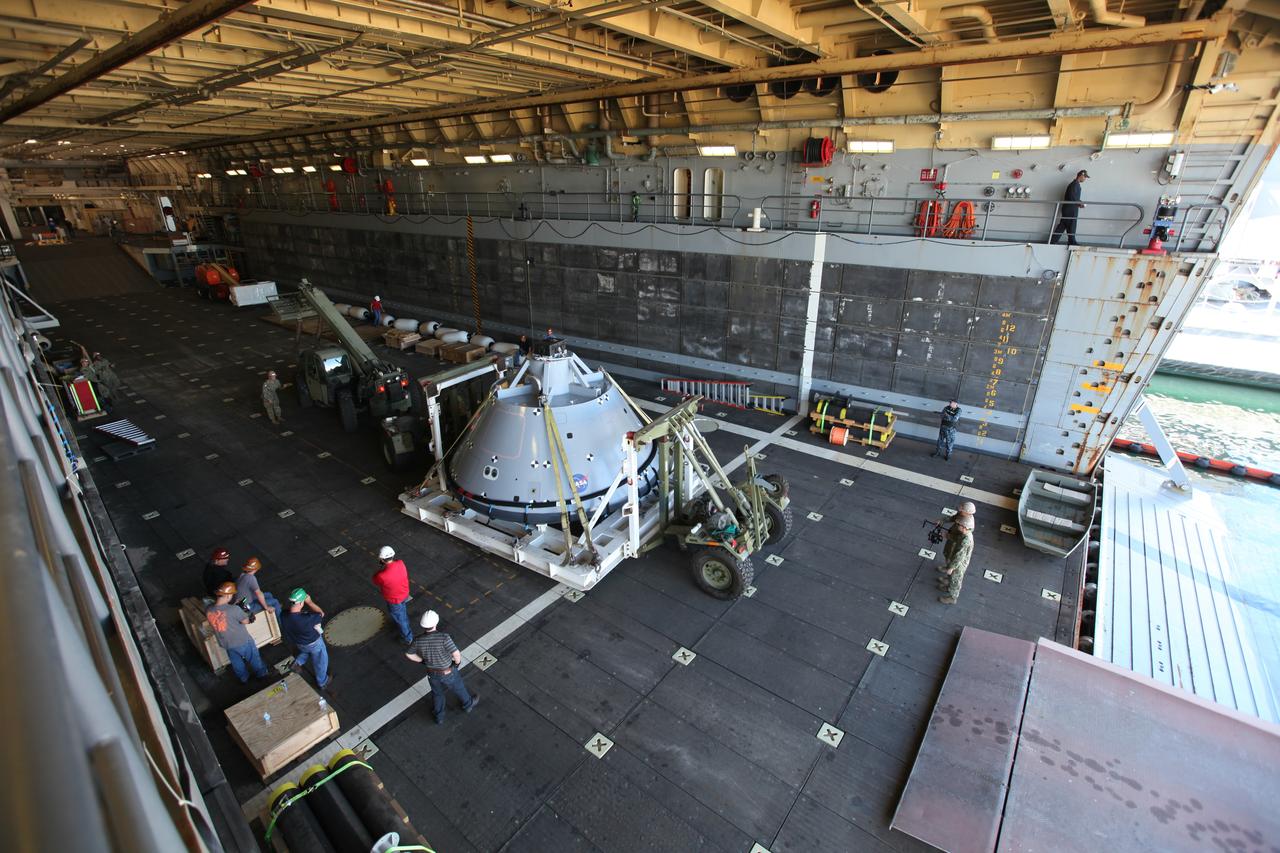
The test version of the Orion crew module is transported into the well deck of the USS San Diego at Naval Base San Diego in California on Oct. 21, 2016. NASA, Orion manufacturer Lockheed Martin and the U.S. Navy will head out to sea with the Orion test spacecraft aboard for Underway Recovery Test 5 (URT-5) in the Pacific Ocean off the coast of California. During URT-5, the team will demonstrate and evaluate the recovery processes, procedures, hardware and personnel necessary for recovery of Orion on its return from a deep space mission.
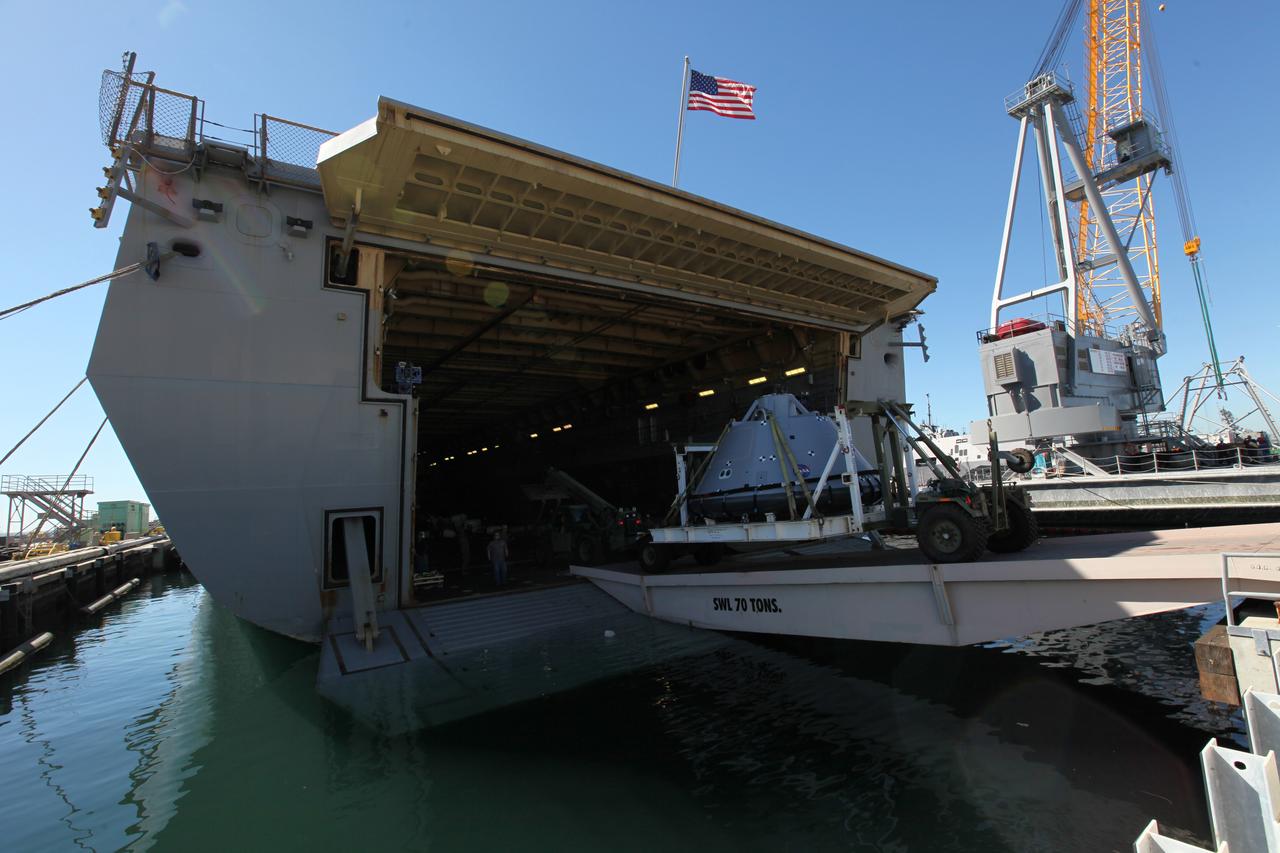
The test version of the Orion crew module is transported into the well deck of the USS San Diego at Naval Base San Diego in California on Oct. 21, 2016. NASA, Orion manufacturer Lockheed Martin and the U.S. Navy will head out to sea with the Orion test spacecraft aboard for Underway Recovery Test 5 (URT-5) in the Pacific Ocean off the coast of California. During URT-5, the team will demonstrate and evaluate the recovery processes, procedures, hardware and personnel necessary for recovery of Orion on its return from a deep space mission.
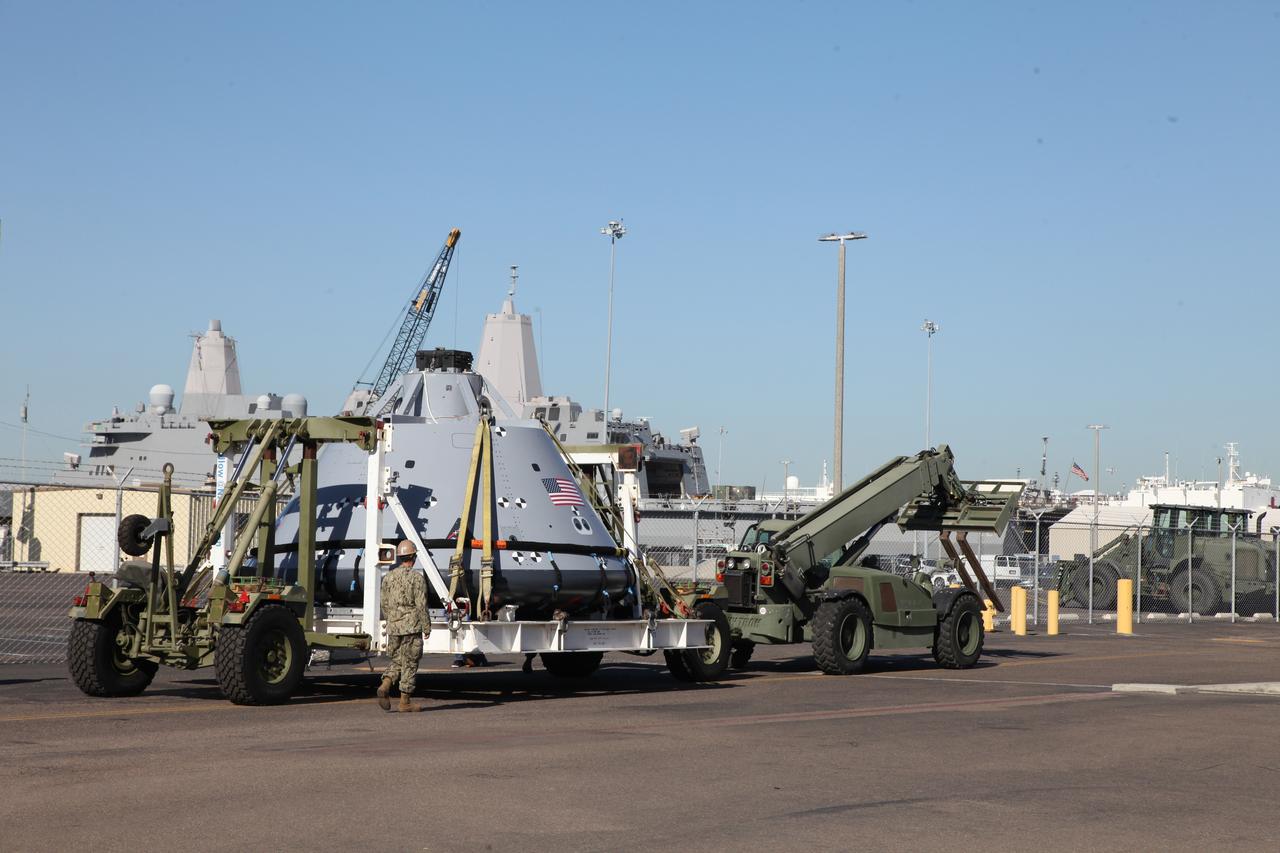
The test version of the Orion crew module is transported into the well deck of the USS San Diego at Naval Base San Diego in California on Oct. 21, 2016. NASA, Orion manufacturer Lockheed Martin and the U.S. Navy will head out to sea with the Orion test spacecraft aboard for Underway Recovery Test 5 (URT-5) in the Pacific Ocean off the coast of California. During URT-5, the team will demonstrate and evaluate the recovery processes, procedures, hardware and personnel necessary for recovery of Orion on its return from a deep space mission.
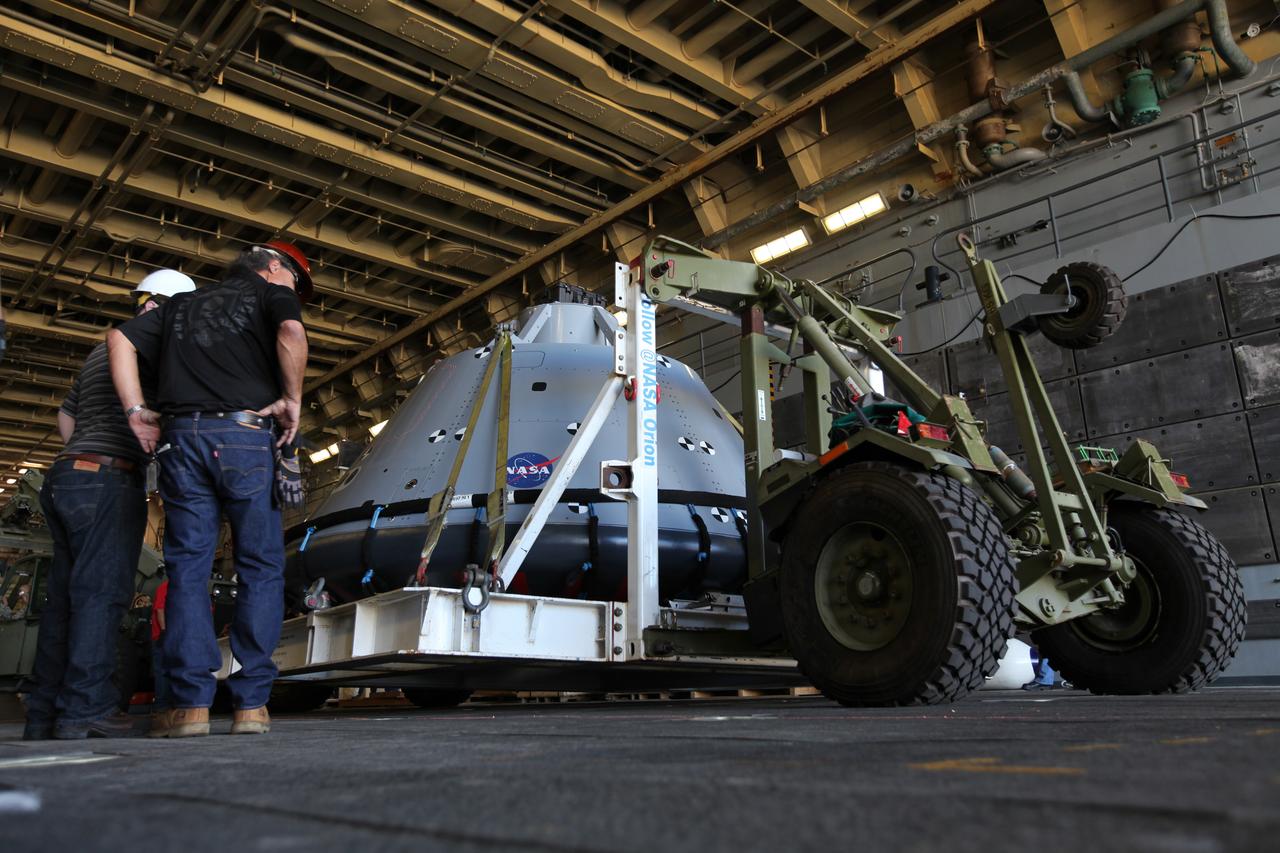
The test version of the Orion crew module is transported into the well deck of the USS San Diego at Naval Base San Diego in California on Oct. 21, 2016. NASA, Orion manufacturer Lockheed Martin and the U.S. Navy will head out to sea with the Orion test spacecraft aboard for Underway Recovery Test 5 (URT-5) in the Pacific Ocean off the coast of California. During URT-5, the team will demonstrate and evaluate the recovery processes, procedures, hardware and personnel necessary for recovery of Orion on its return from a deep space mission.
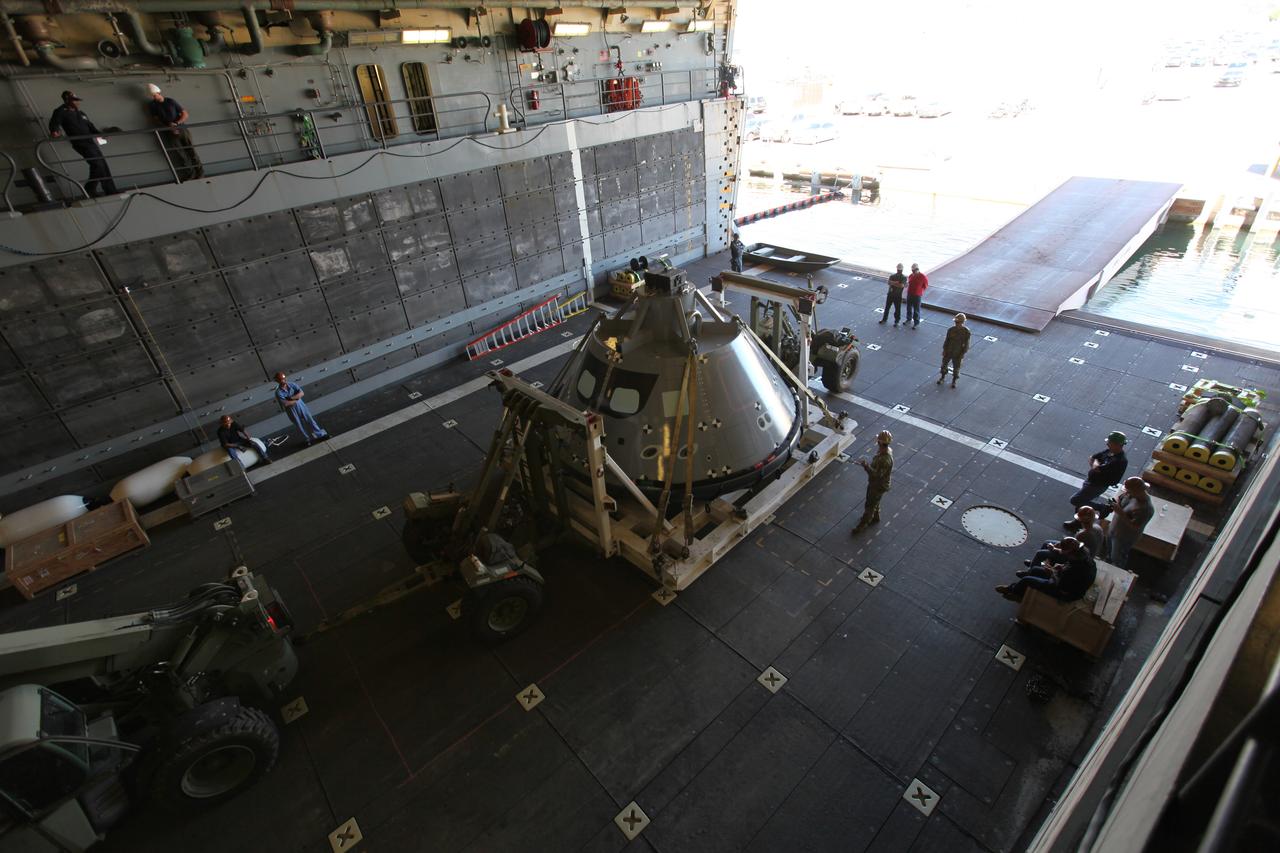
The test version of the Orion crew module is transported into the well deck of the USS San Diego at Naval Base San Diego in California on Oct. 21, 2016. NASA, Orion manufacturer Lockheed Martin and the U.S. Navy will head out to sea with the Orion test spacecraft aboard for Underway Recovery Test 5 (URT-5) in the Pacific Ocean off the coast of California. During URT-5, the team will demonstrate and evaluate the recovery processes, procedures, hardware and personnel necessary for recovery of Orion on its return from a deep space mission.

The test version of the Orion crew module is transported into the well deck of the USS San Diego at Naval Base San Diego in California on Oct. 21, 2016. NASA, Orion manufacturer Lockheed Martin and the U.S. Navy will head out to sea with the Orion test spacecraft aboard for Underway Recovery Test 5 (URT-5) in the Pacific Ocean off the coast of California. During URT-5, the team will demonstrate and evaluate the recovery processes, procedures, hardware and personnel necessary for recovery of Orion on its return from a deep space mission.