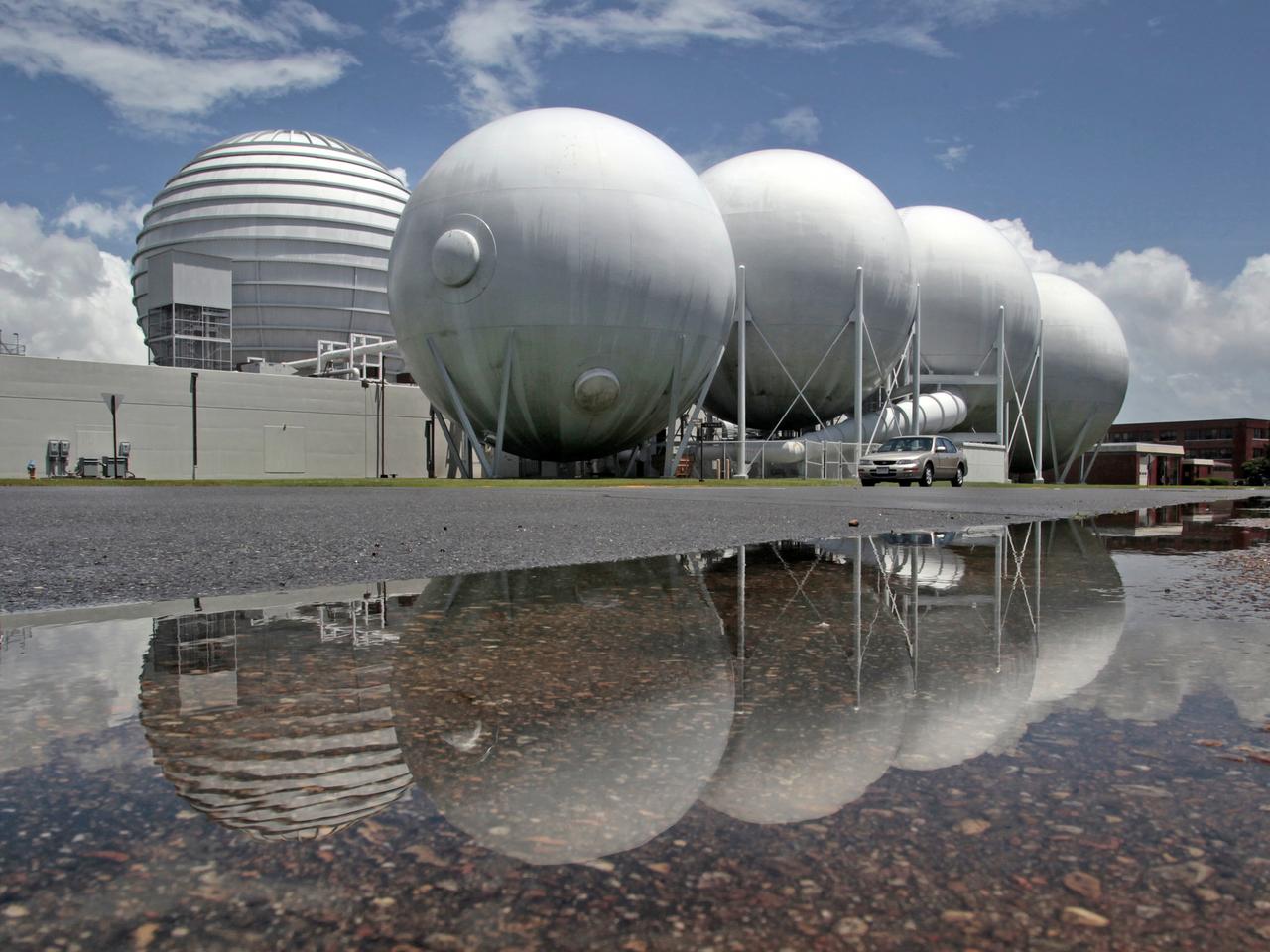
The vacuum spheres outside of building 1247 are reflected in a pool of rain water after an unusual break in weather on Friday, which gave a brief moment of sunshine, blue skies and standing water as Tropical Storm Andrea approaches from the south.

A CREW INSTALLS A NEW EARTH SCIENCE RECEIVING SATELLITE ANTENNA OUTSIDE MARSHALL SPACE FLIGHT CENTER'S ACTIVITIES BUILDING 4316

A CREW INSTALLS A NEW EARTH SCIENCE RECEIVING SATELLITE ANTENNA OUTSIDE MARSHALL SPACE FLIGHT CENTER'S ACTIVITIES BUILDING 4316

A CREW INSTALLS A NEW EARTH SCIENCE RECEIVING SATELLITE ANTENNA OUTSIDE MARSHALL SPACE FLIGHT CENTER'S ACTIVITIES BUILDING 4316

A CREW INSTALLS A NEW EARTH SCIENCE RECEIVING SATELLITE ANTENNA OUTSIDE MARSHALL SPACE FLIGHT CENTER'S ACTIVITIES BUILDING 4316
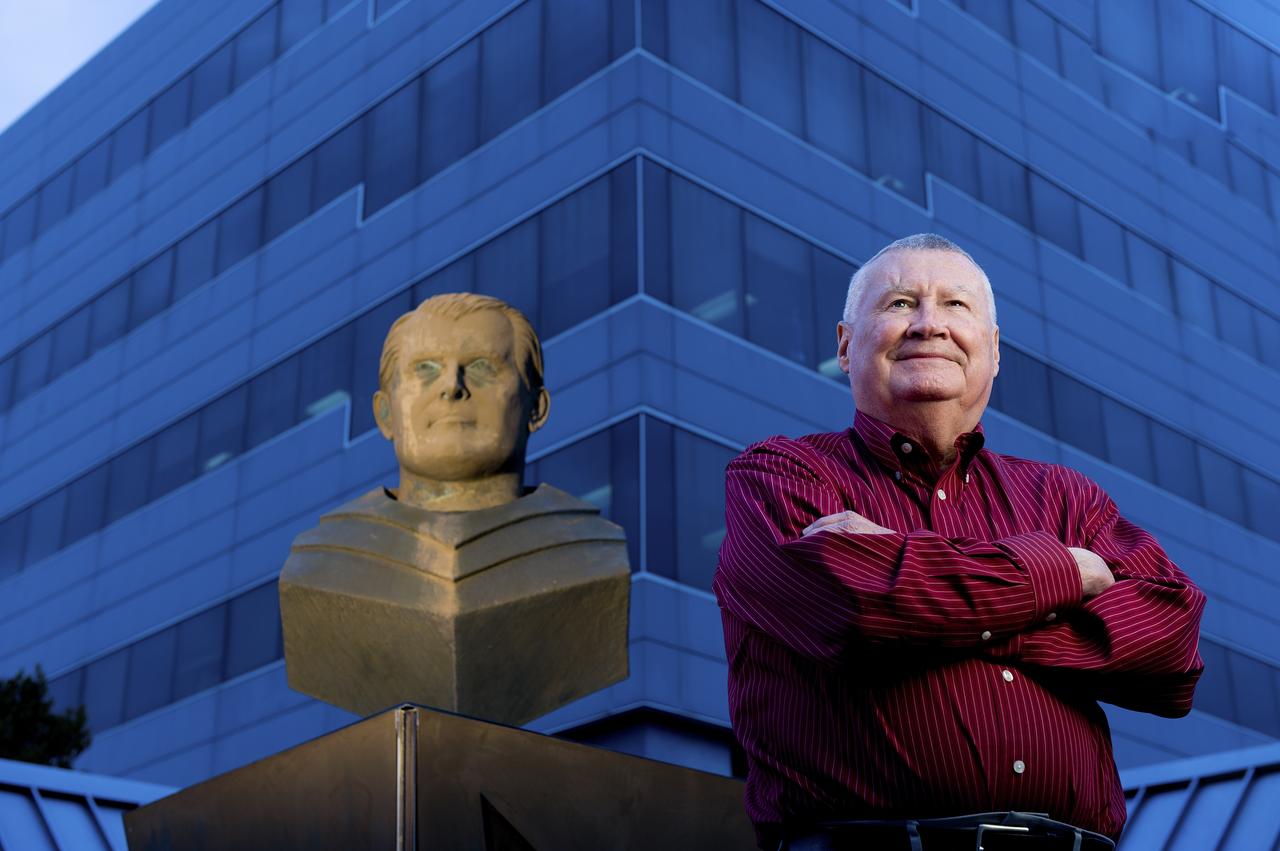
PHIL SUMRALL POSES FOR A PORTRAIT OUTSIDE OF BUILDING 4203 BESIDE OF THE VON BRAUN BUST
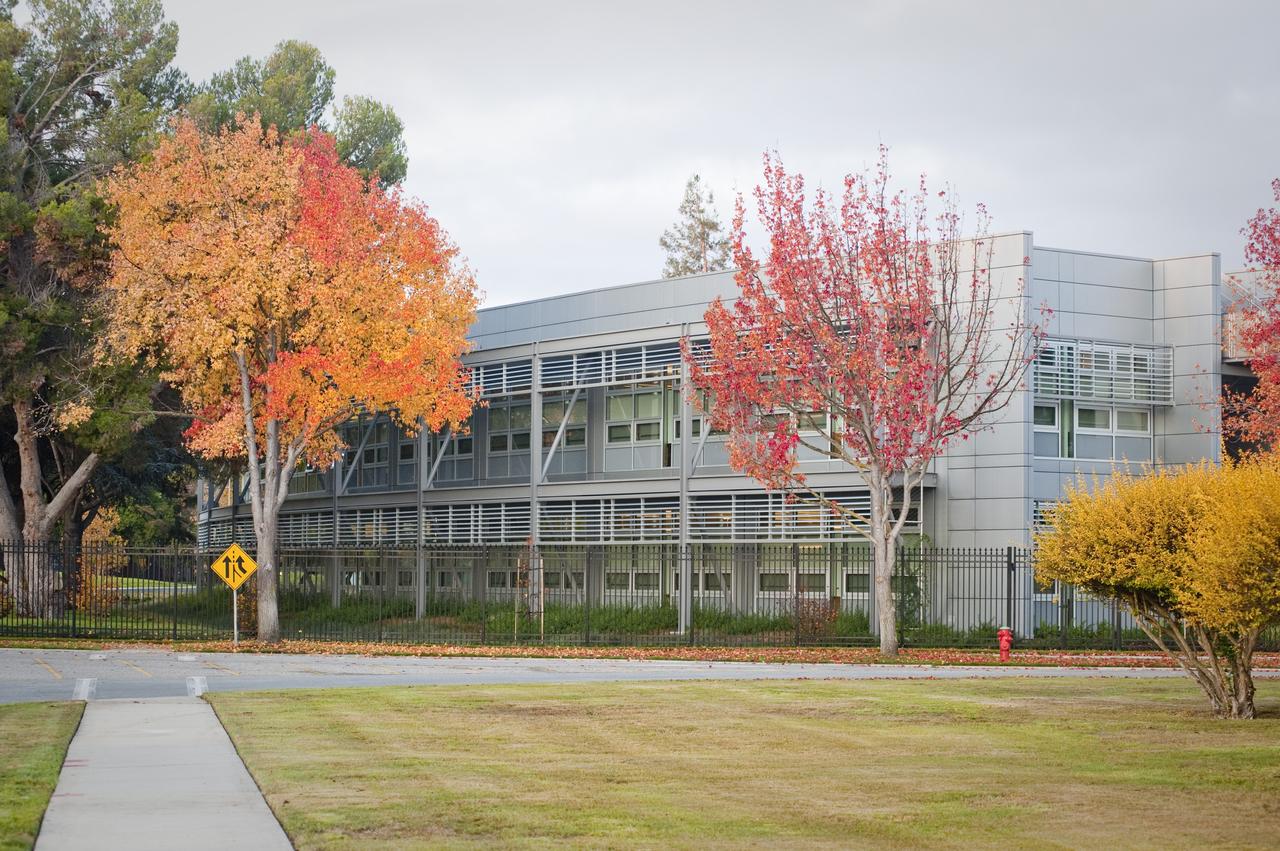
Construction of the new NASA Ames Green Building dubbed Sustainability Base located on the Ames Research Center campus at Moffett Field, CA. Autum leaves stand outside the newly completed building.
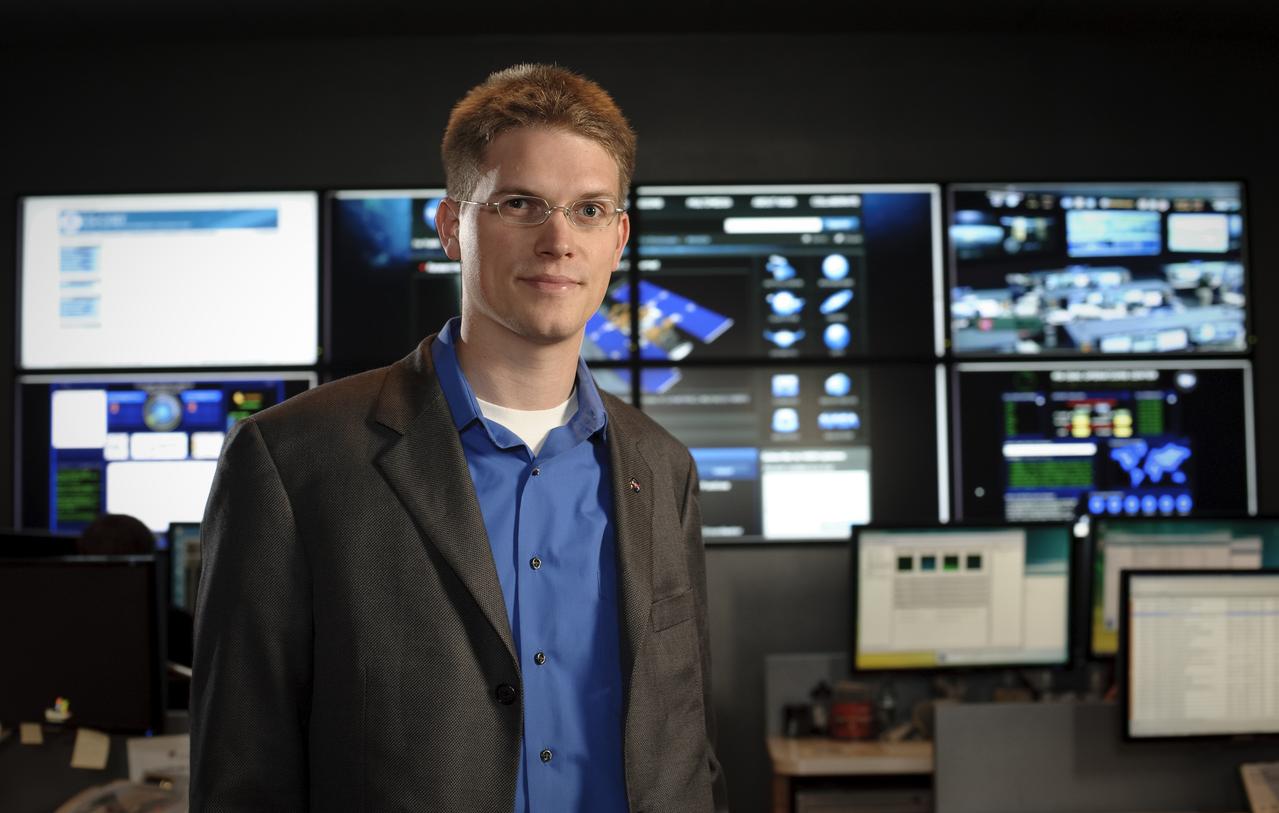
Chris Kemp, NASA Ames CIO in the security Operations Center (inside and outside of N-254 SOC and on Segway in front of the N-254 building sign

KENNEDY SPACE CENTER, FLA. - Some of the Columbia debris is loaded onto a flatbed truck outside the Columbia Debris Hangar. The debris is being transferred to the Vehicle Assembly Building for permanent storage. More than 83,000 pieces of debris were shipped to KSC during search and recovery efforts in East Texas. That represents about 38 percent of the dry weight of Columbia, equaling almost 85,000 pounds.
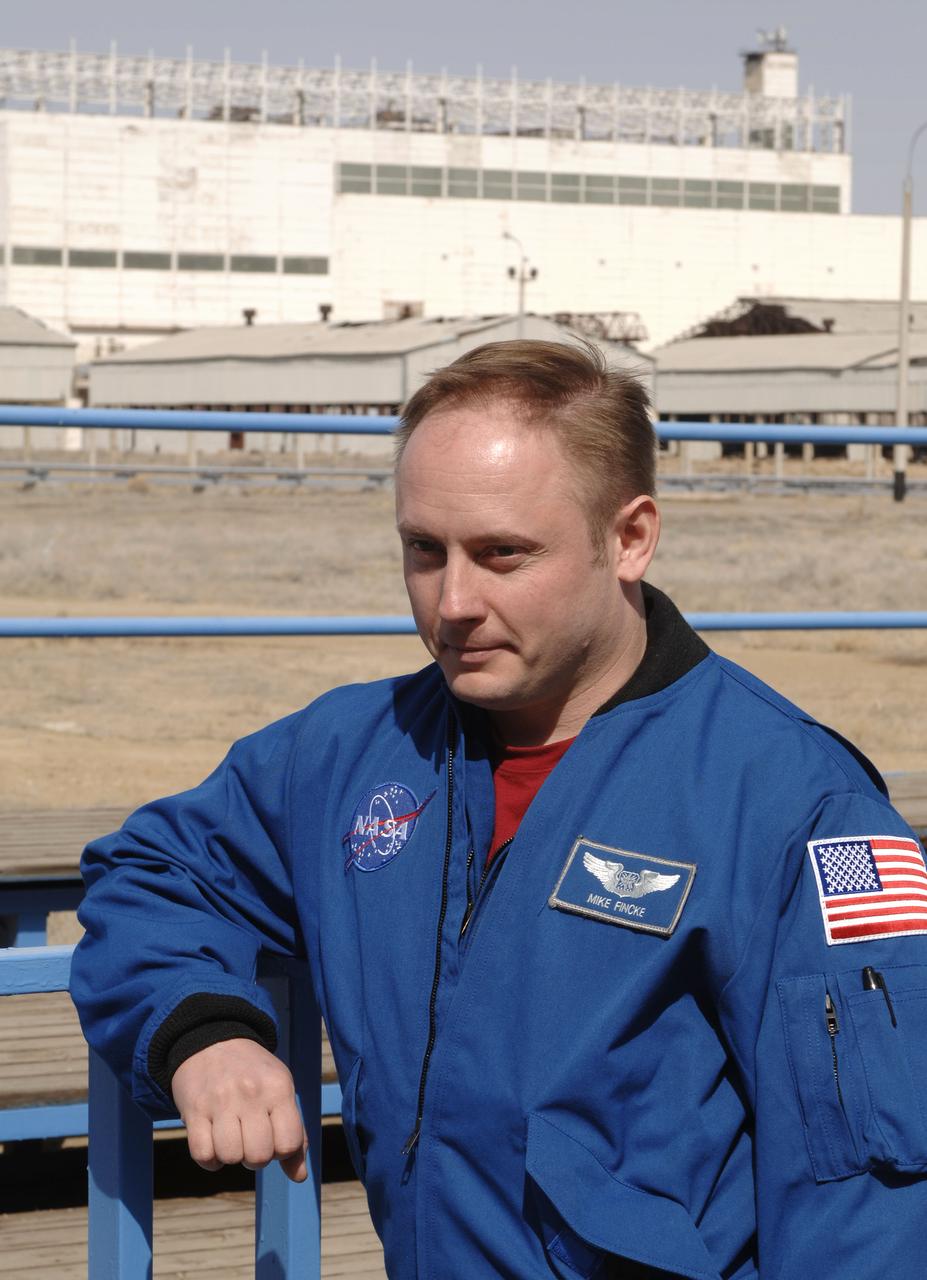
Expedition 13 backup crew member Michael Fincke relaxes outside of building 254 of the Baikonur Cosmodrome in Baikonur, Kazakhstan. The Expedition 13 prime and backup crews were at building 254 for the final check of the Soyuz spacecraft. Sunday, March 26, 2006. Photo Credit: (NASA/Bill Ingalls)
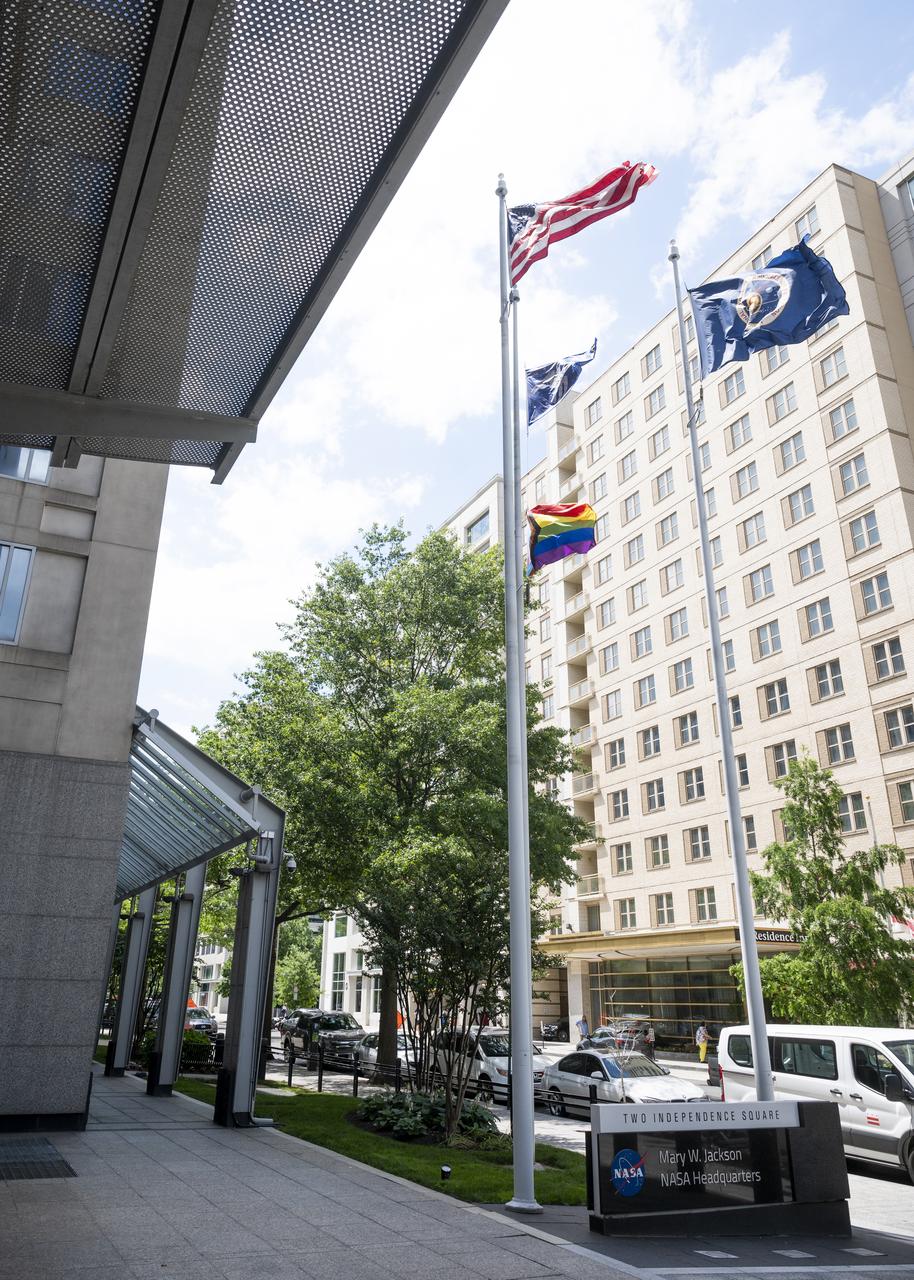
The Progress Pride flag is seen flying at the Mary W. Jackson NASA Headquarters Building, Thursday, June 9, 2022, in Washington, DC. In recognition of LGBTQ+ Pride Month, the Progress Pride flag will be flown outside of the agency’s headquarters for the month of June. Photo Credit: (NASA/Joel Kowsky)
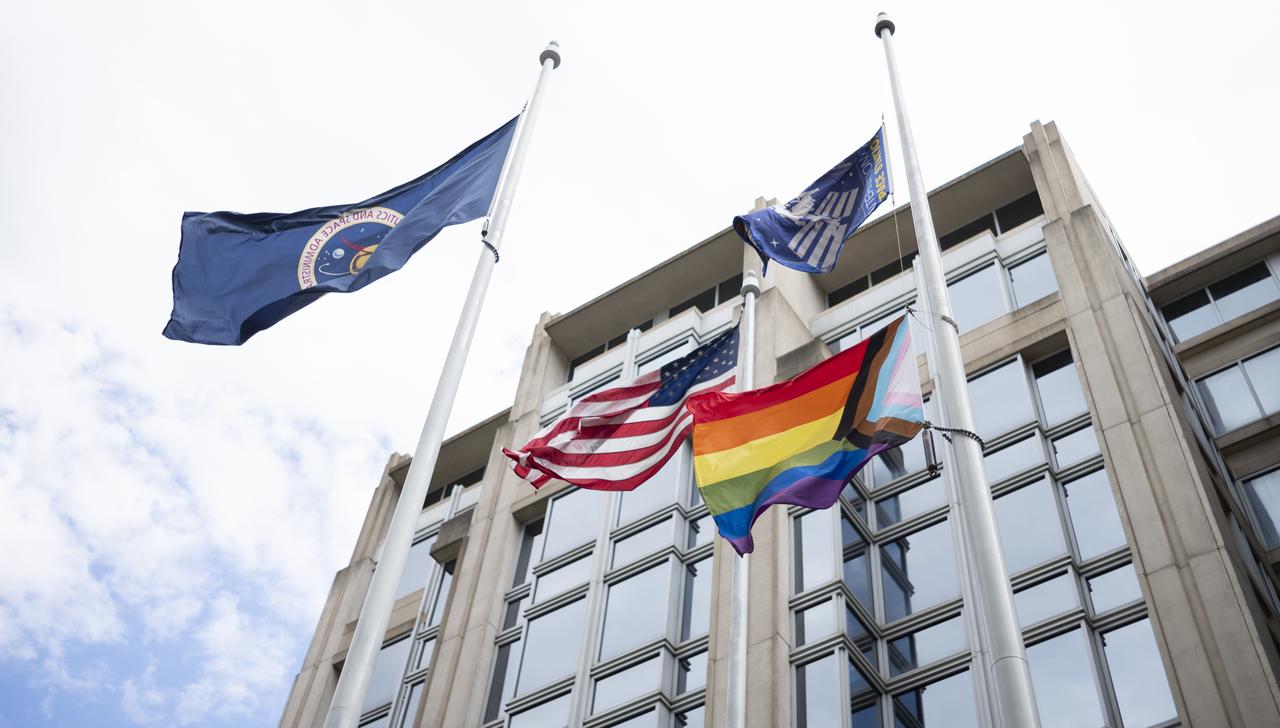
The Progress Pride flag is seen flying at the Mary W. Jackson NASA Headquarters Building, Thursday, June 9, 2022, in Washington, DC. In recognition of LGBTQ+ Pride Month, the Progress Pride flag will be flown outside of the agency’s headquarters for the month of June. Photo Credit: (NASA/Joel Kowsky)
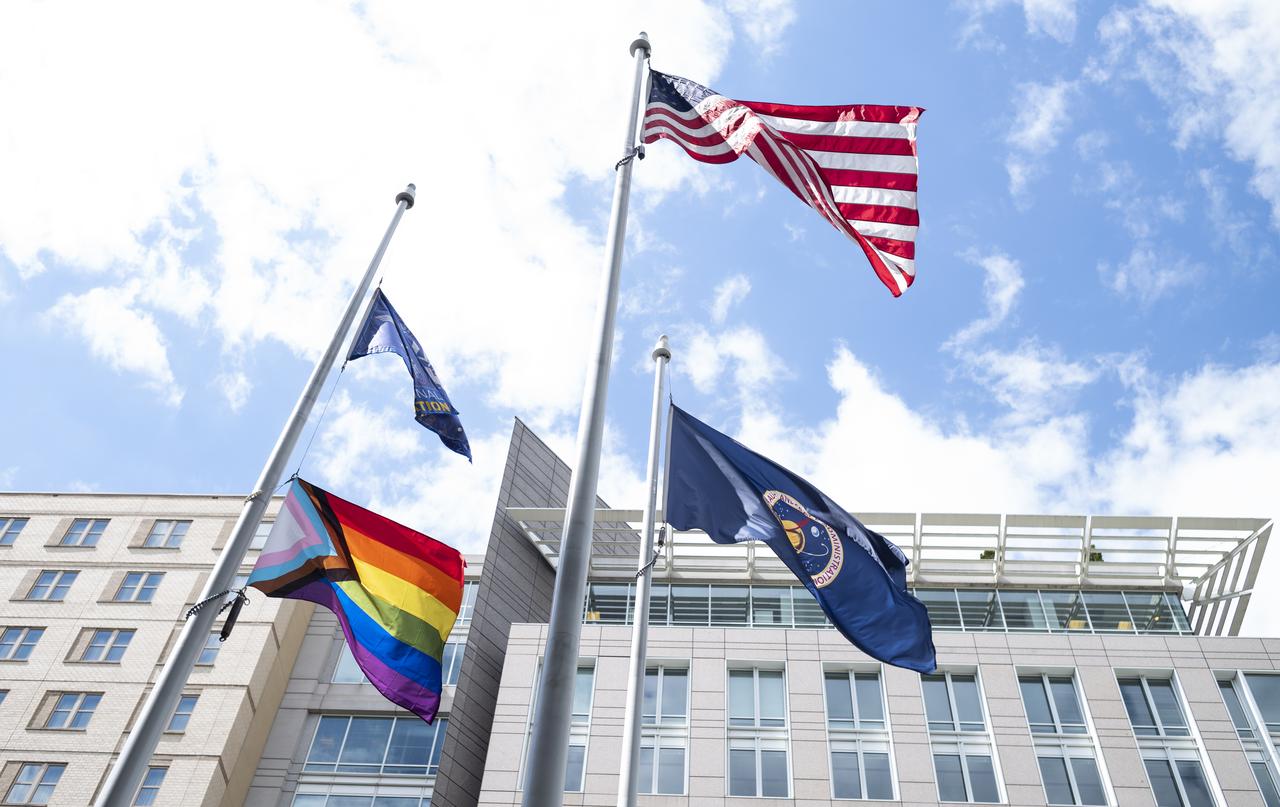
The Progress Pride flag is seen flying at the Mary W. Jackson NASA Headquarters Building, Thursday, June 9, 2022, in Washington, DC. In recognition of LGBTQ+ Pride Month, the Progress Pride flag will be flown outside of the agency’s headquarters for the month of June. Photo Credit: (NASA/Joel Kowsky)
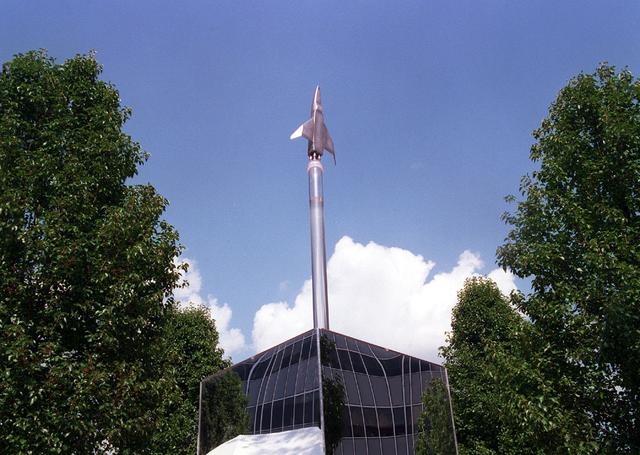
A fountain representing a rocket launch was dedicated in the Von Braun courtyard outside of Building 4200 at Marshall Space Flight Center during the weekend celebrating the 30th arniversary of the Apollo 11 lunar landing. On hand for the festivities were many of the Saturn and Apollo astronauts.
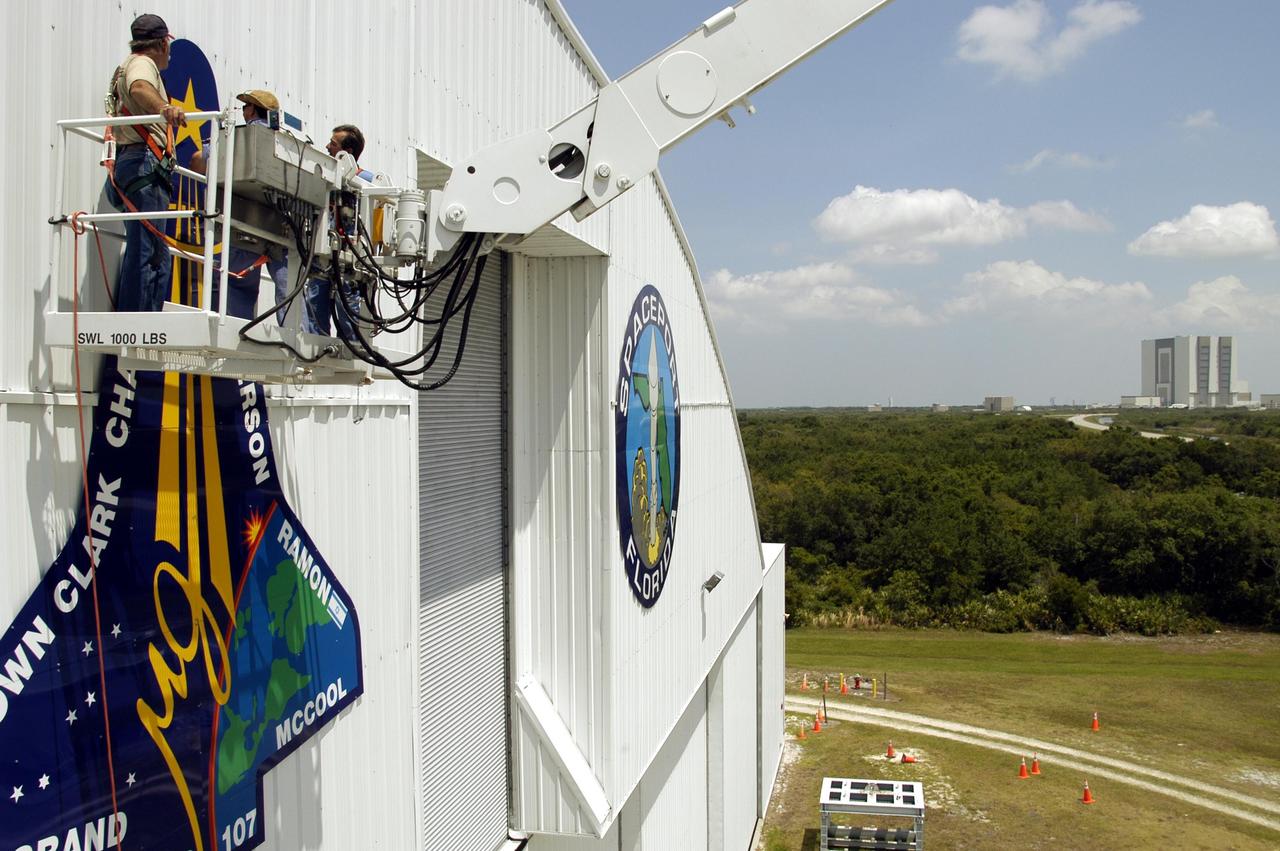
KENNEDY SPACE CENTER, FLA. - Workers place the final piece of the mission patch for STS-107 on the outside of the RLV Hangar at KSC. The hangar is the site of the Columbia Reconstruction Project, where pieces of debris from Columbia are being collected and identified as part of the mishap investigation. In the background, at right, is the Vehicle Assembly Building.
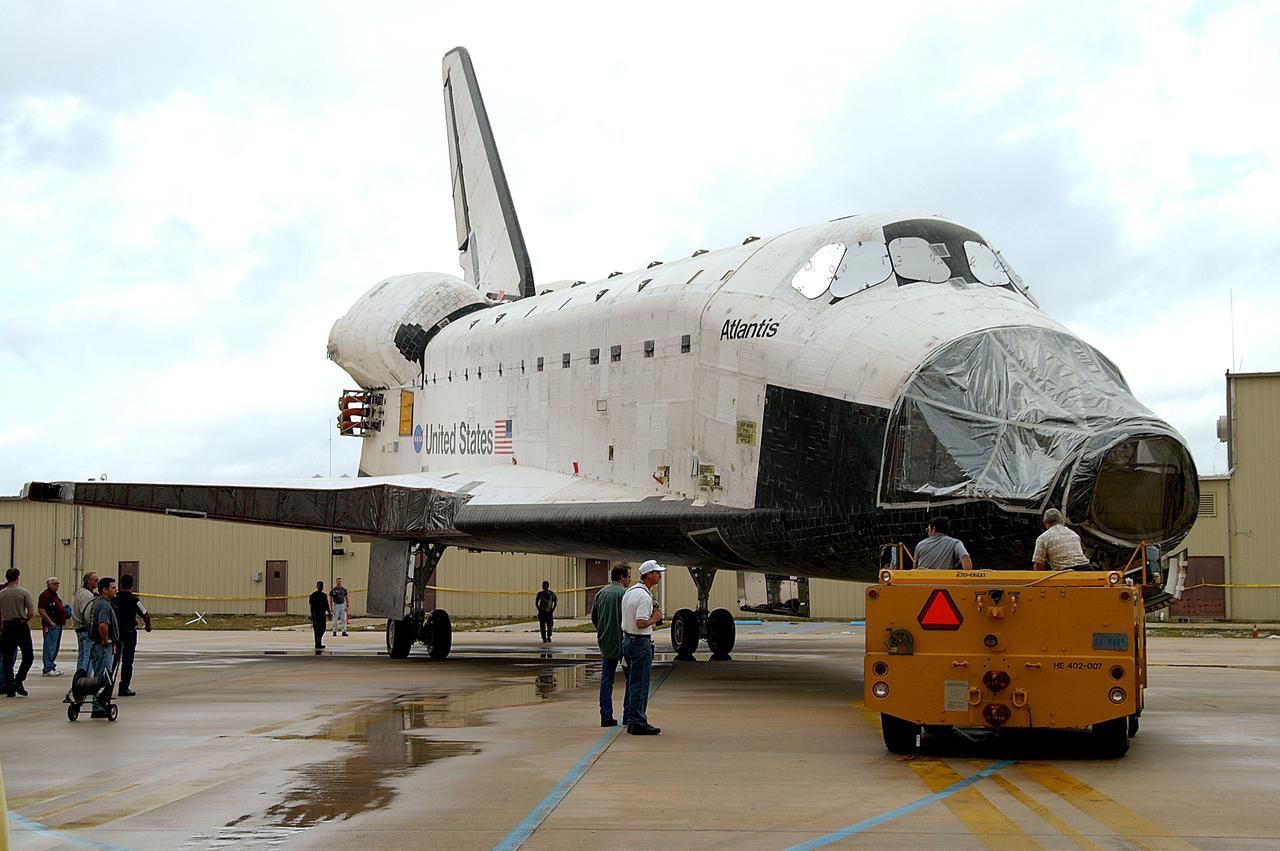
KENNEDY SPACE CENTER, FLA. - The Space Shuttle orbiter Atlantis is turned into position outside the Orbiter Processing Facility (OPF) for its tow to the Vehicle Assembly Building (VAB). The move will allow work to be performed in the OPF that can only be accomplished while the bay is empty. Work scheduled in the processing facility includes annual validation of the bay's cranes, work platforms, lifting mechanisms, and jack stands. Atlantis will remain in the VAB for about 10 days, then return to the OPF as work resumes to prepare it for launch in September 2004 on the first return-to-flight mission, STS-114.
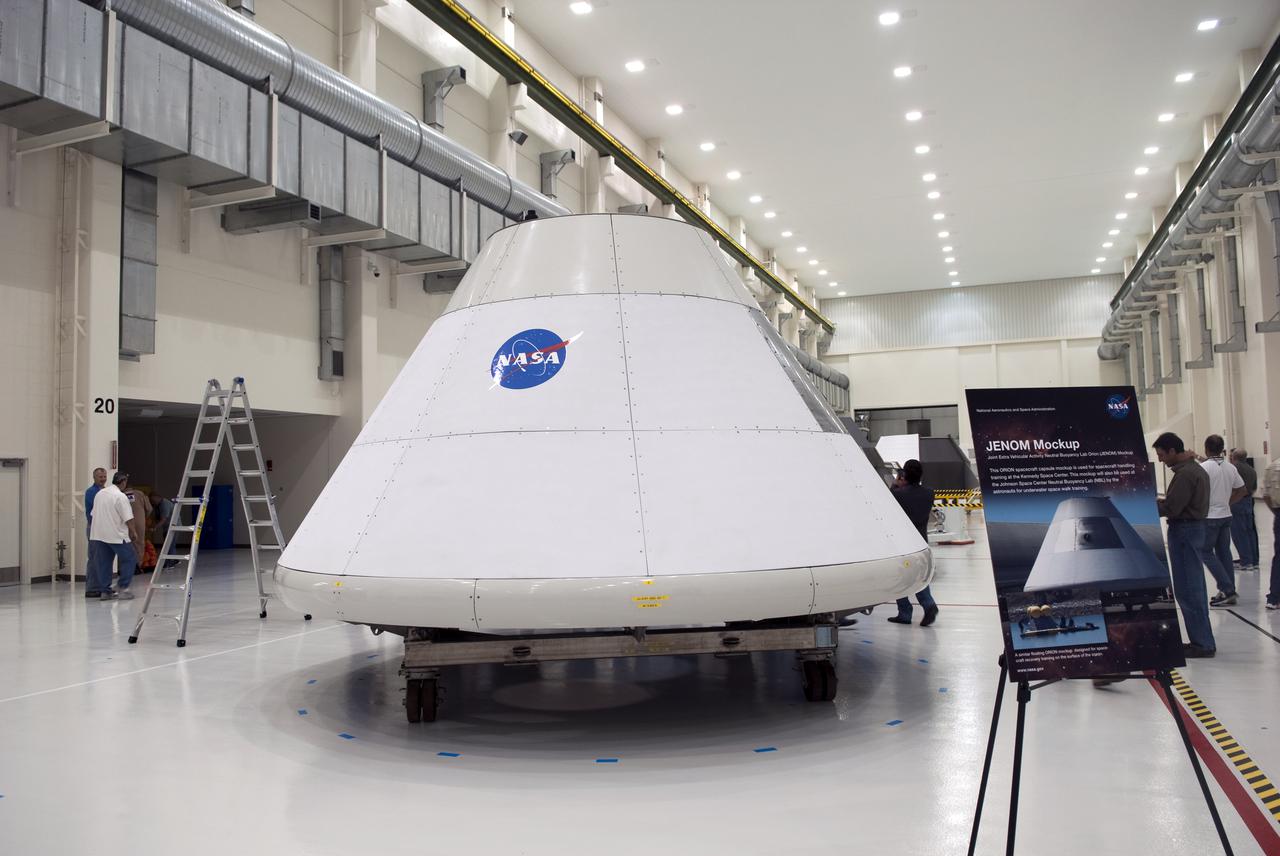
CAPE CANAVERAL, Fla. – In the Operations and Checkout Building at NASA's Kennedy Space Center in Florida, Joint Extravehicular NBL ORION Mockup, or JENOM, is on display. The mock-up details the interior components of the vehicle including seat layout and the subsystem components on the outside of the pressure vessel. Orion mock-ups also have been used to verify accessibility of the servicing locations at the launch pad and in the Vehicle Assembly Building. For information on the development of the Orion capsule, visit www.nasa.gov_orion. Photo credit: NASA_Jim Grossmann
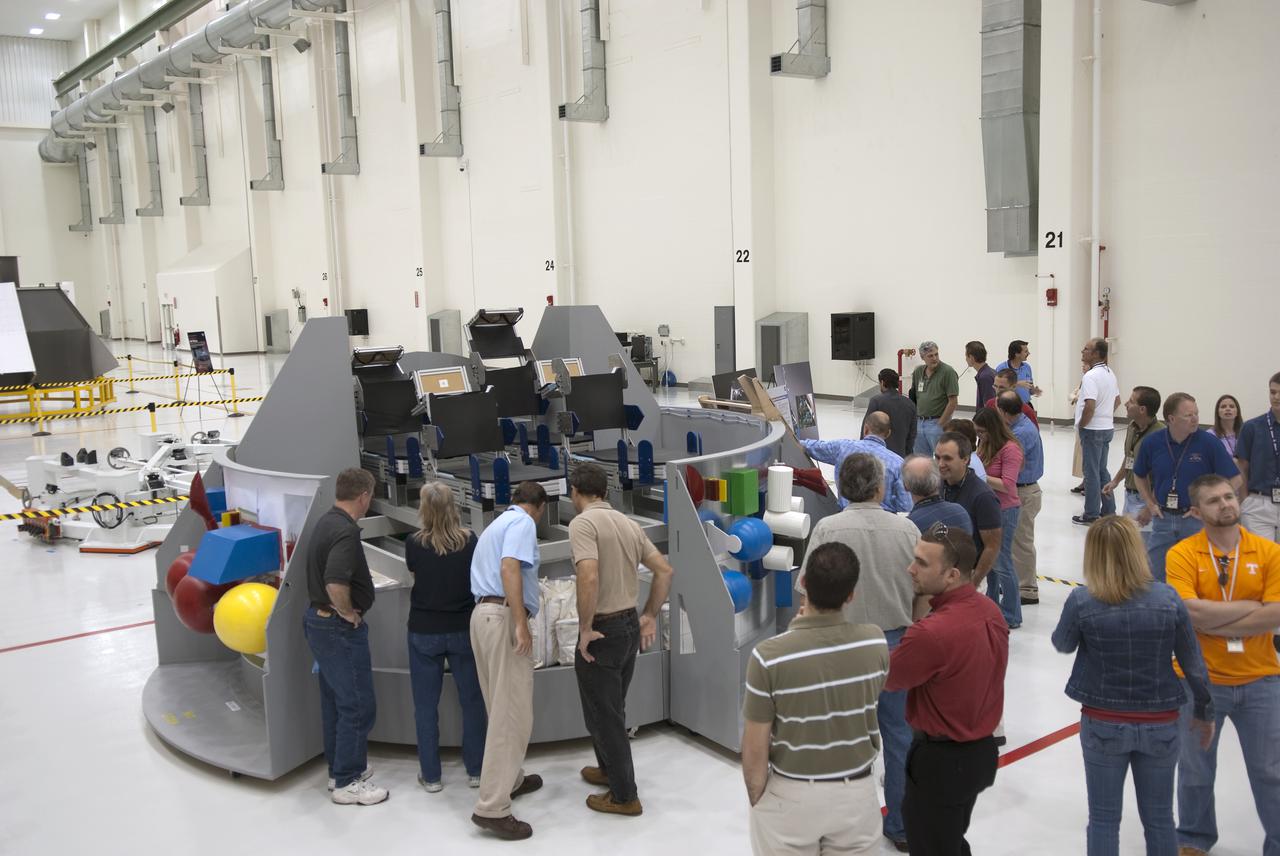
CAPE CANAVERAL, Fla. – In the Operations and Checkout Building at NASA's Kennedy Space Center in Florida, a mock-up of the Orion crew exploration vehicle is on display. The mock-up details the interior components of the vehicle including seat layout and the subsystem components on the outside of the pressure vessel. Orion mock-ups also have been used to verify accessibility of the servicing locations at the launch pad and in the Vehicle Assembly Building. For information on the development of the Orion capsule, visit www.nasa.gov_orion. Photo credit: NASA_Jim Grossmann

S64-16482 (1964) --- At the Manned Spacecraft Center, Wesley Hjornevik, Assistant Director for Administration, with members of House Subcommittee and MSC Officials outside Central Data Building (Building 12) after briefing. Others pictured are Don Fuqua, Bob Casey, Edward J. Patten, Alec C. Bond, Maxime Faget, Wesley Hjornevik, Charles W. Mathews. Photo credit: NASA
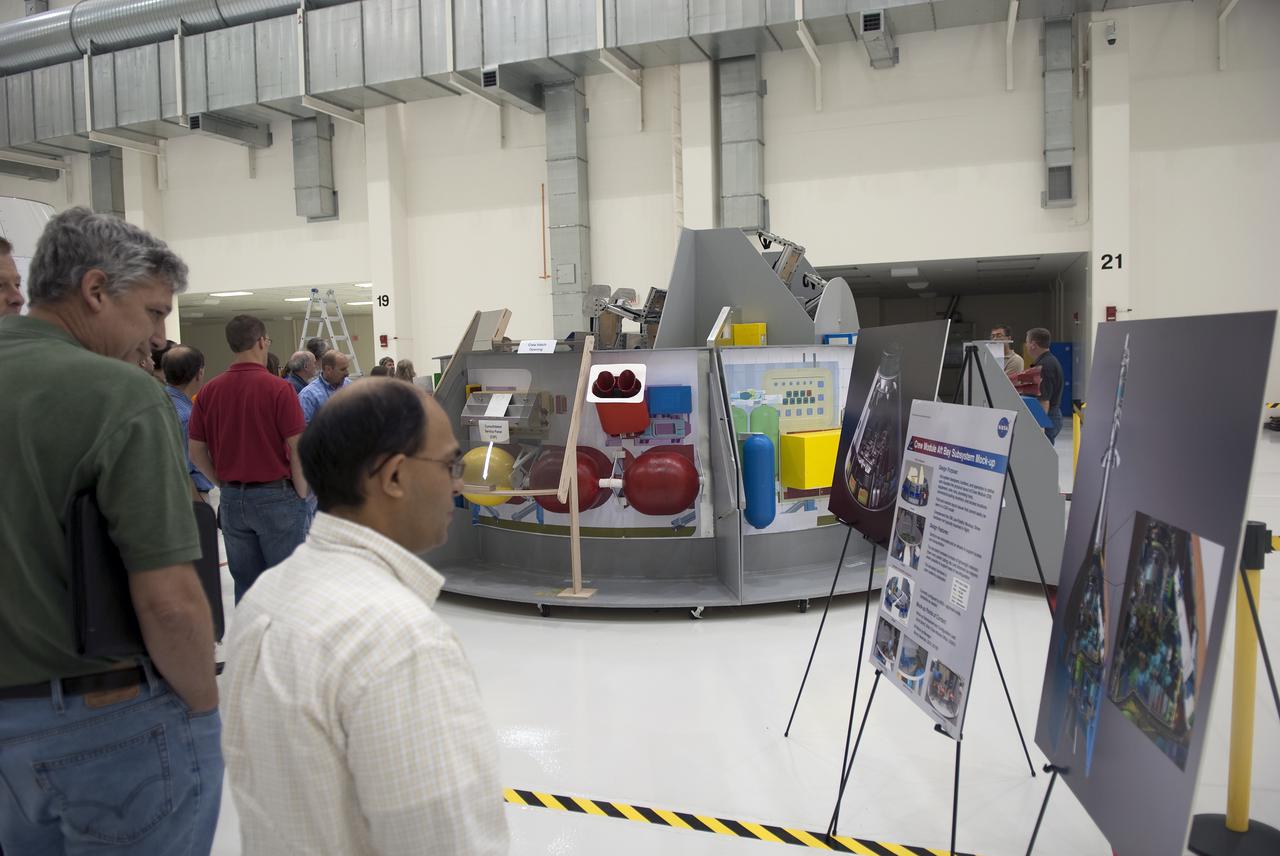
CAPE CANAVERAL, Fla. – In the Operations and Checkout Building at NASA's Kennedy Space Center in Florida, employees peruse exhibits surrounding a mock-up of the Orion crew exploration vehicle. The mock-up details the interior components of the vehicle including seat layout and the subsystem components on the outside of the pressure vessel. Orion mock-ups also have been used to verify accessibility of the servicing locations at the launch pad and in the Vehicle Assembly Building. For information on the development of the Orion capsule, visit www.nasa.gov_orion. Photo credit: NASA_Jim Grossmann
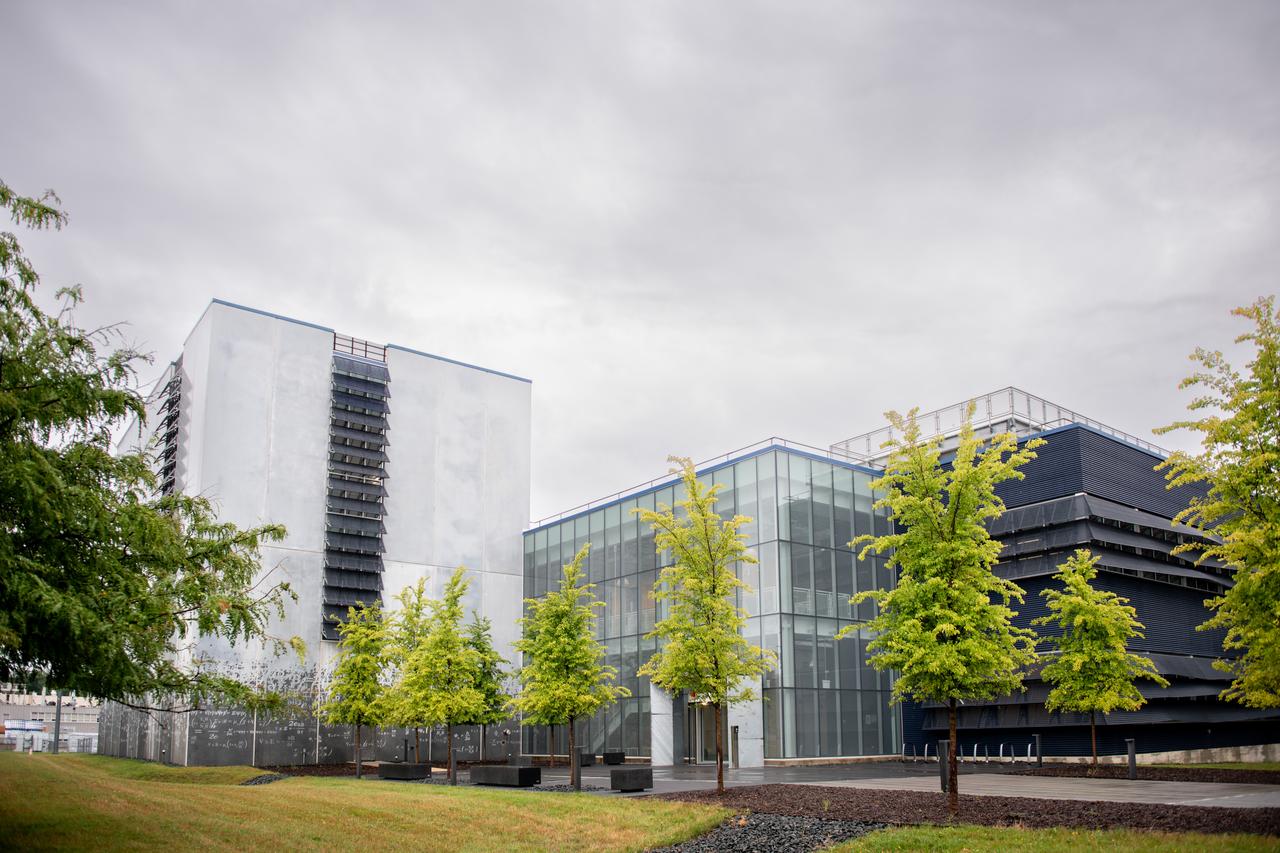
NASA’s Glenn Research Center opened the doors to a brand-new mission-focused facility that will support the agency’s Artemis and Advanced Air Mobility missions. On Aug. 30, NASA management and local officials cut the ribbon to the Aerospace Communications Facility (ACF), a new building designed for advanced radio frequency (RF) and optical communication technology research and development. Photo Credit: (NASA/Sara Lowthian-Hanna)
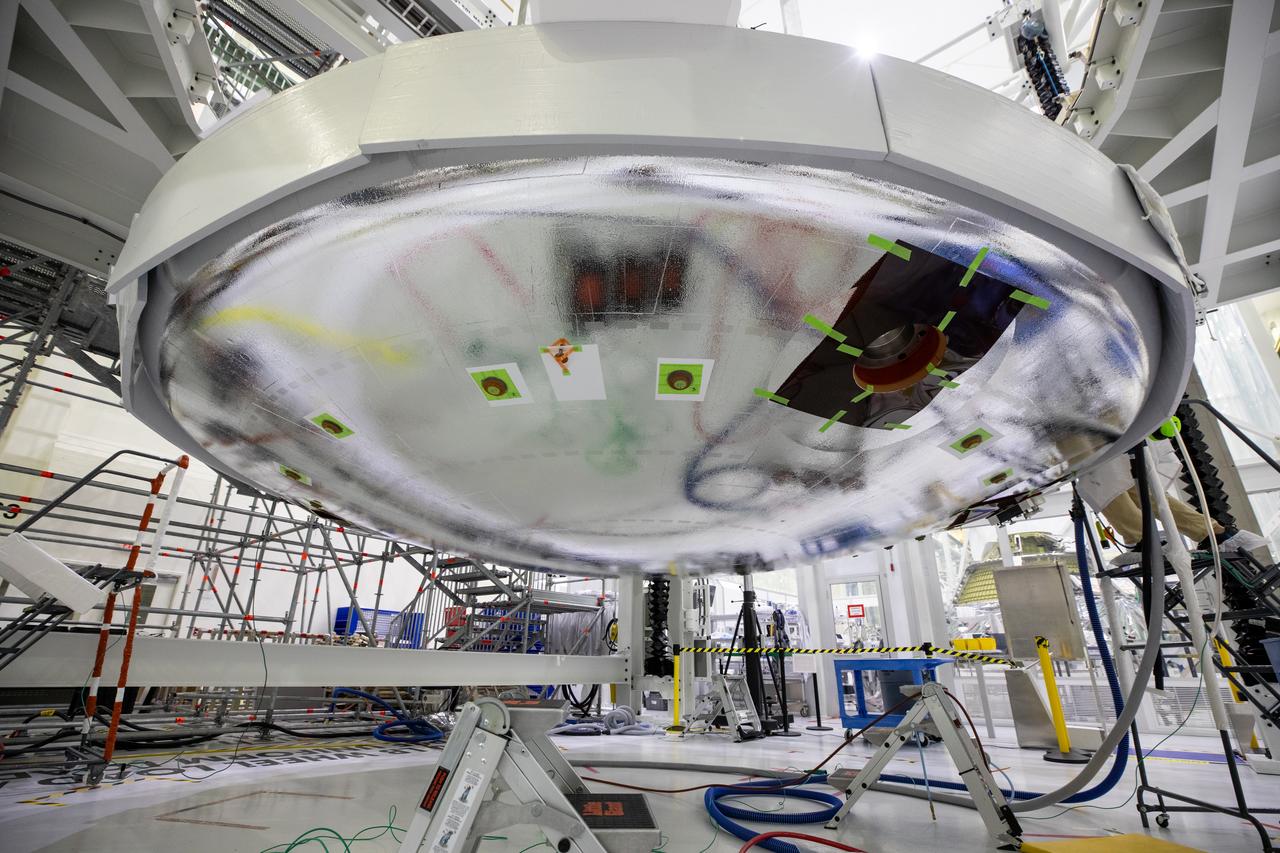
Teams install the heat shield on the Artemis II Orion spacecraft inside the high bay of the Neil Armstrong Operations and Checkout Building at NASA’s Kennedy Space Center in Florida on June 22, 2023. The 16.5-foot-wide shield will ensure the safe return of the astronauts on board as the spacecraft travels at speeds of about 25,000 miles per hour and experiences outside temperatures of nearly 5,000 degrees Fahrenheit. Artemis II will be the first mission with astronauts under Artemis that will test and check out all of Orion’s systems needed for future crewed missions.
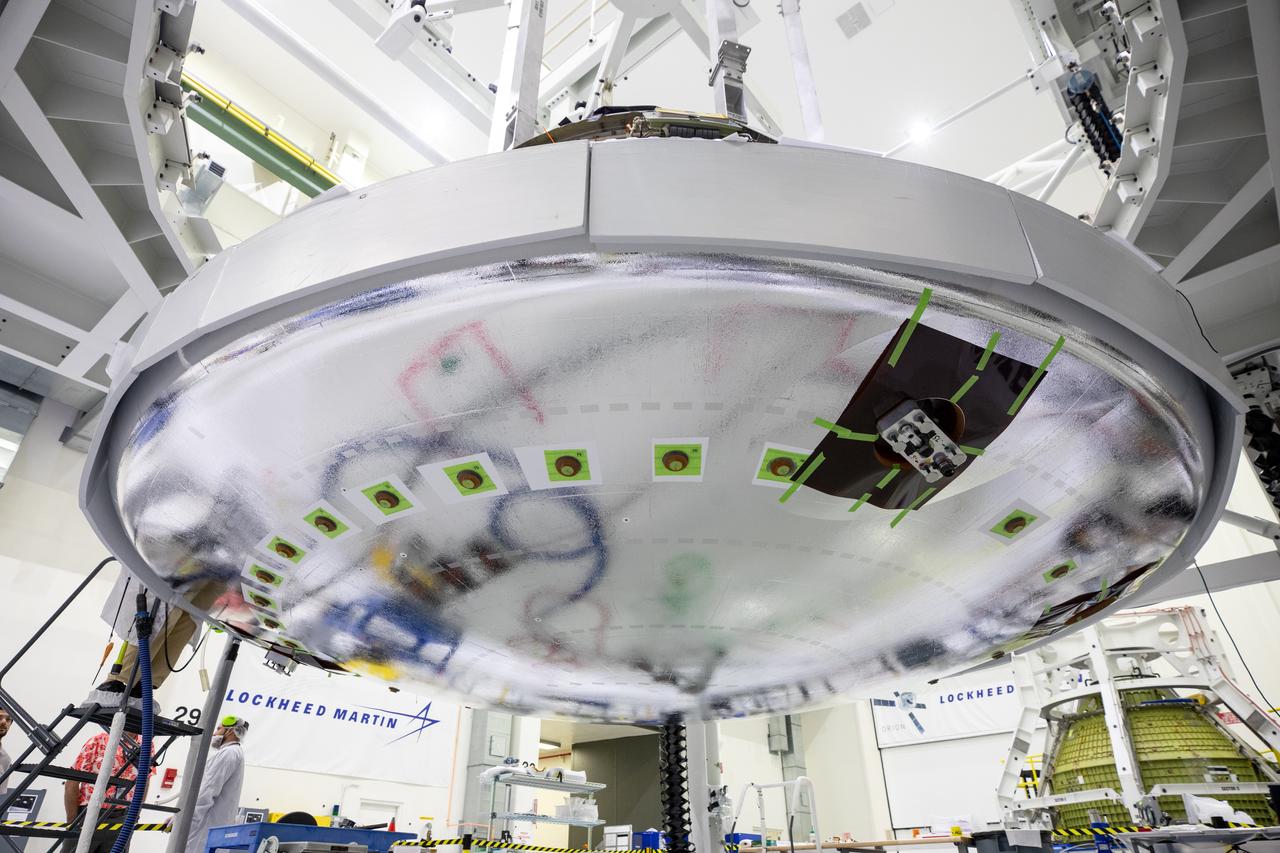
Teams install the heat shield on the Artemis II Orion spacecraft inside the high bay of the Neil Armstrong Operations and Checkout Building at NASA’s Kennedy Space Center in Florida on June 22, 2023. The 16.5-foot-wide shield will ensure the safe return of the astronauts on board as the spacecraft travels at speeds of about 25,000 miles per hour and experiences outside temperatures of nearly 5,000 degrees Fahrenheit. Artemis II will be the first mission with astronauts under Artemis that will test and check out all of Orion’s systems needed for future crewed missions.
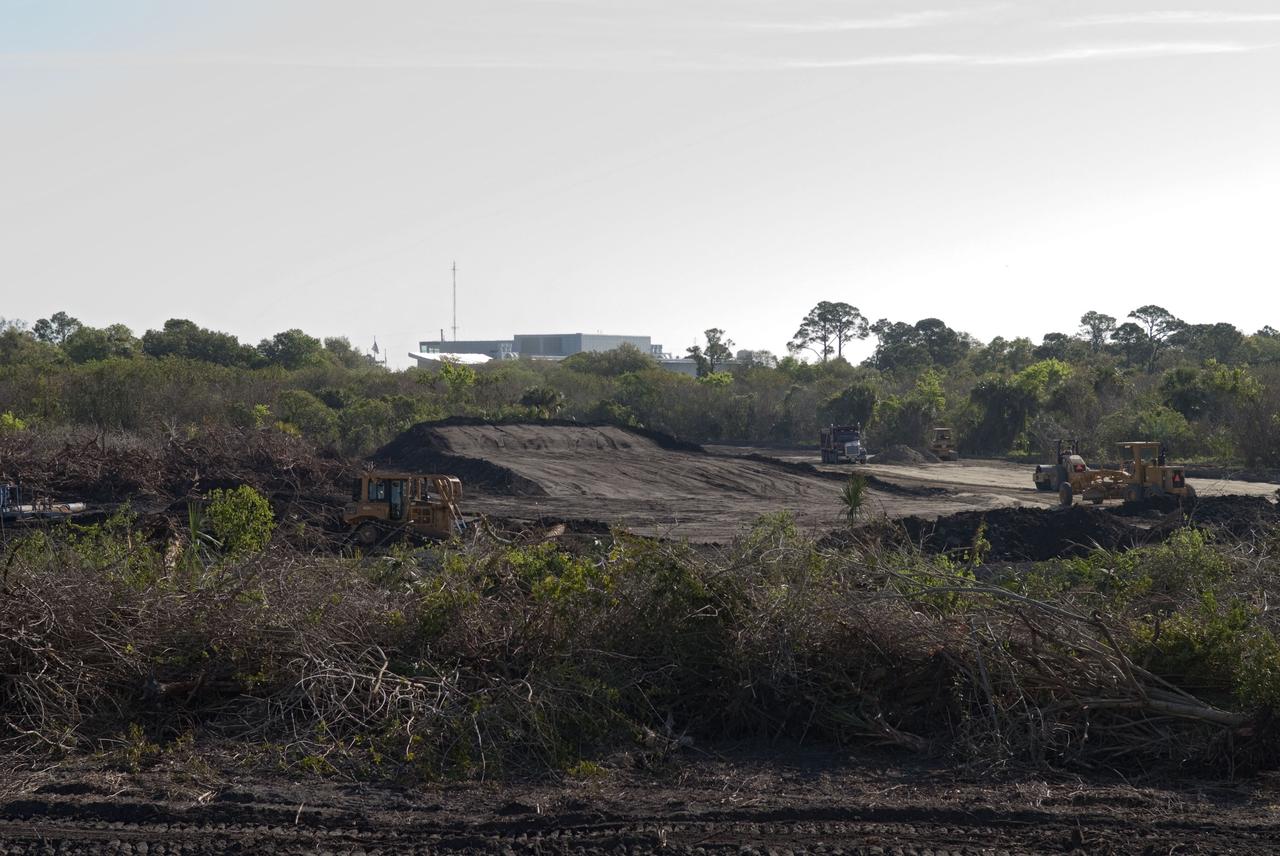
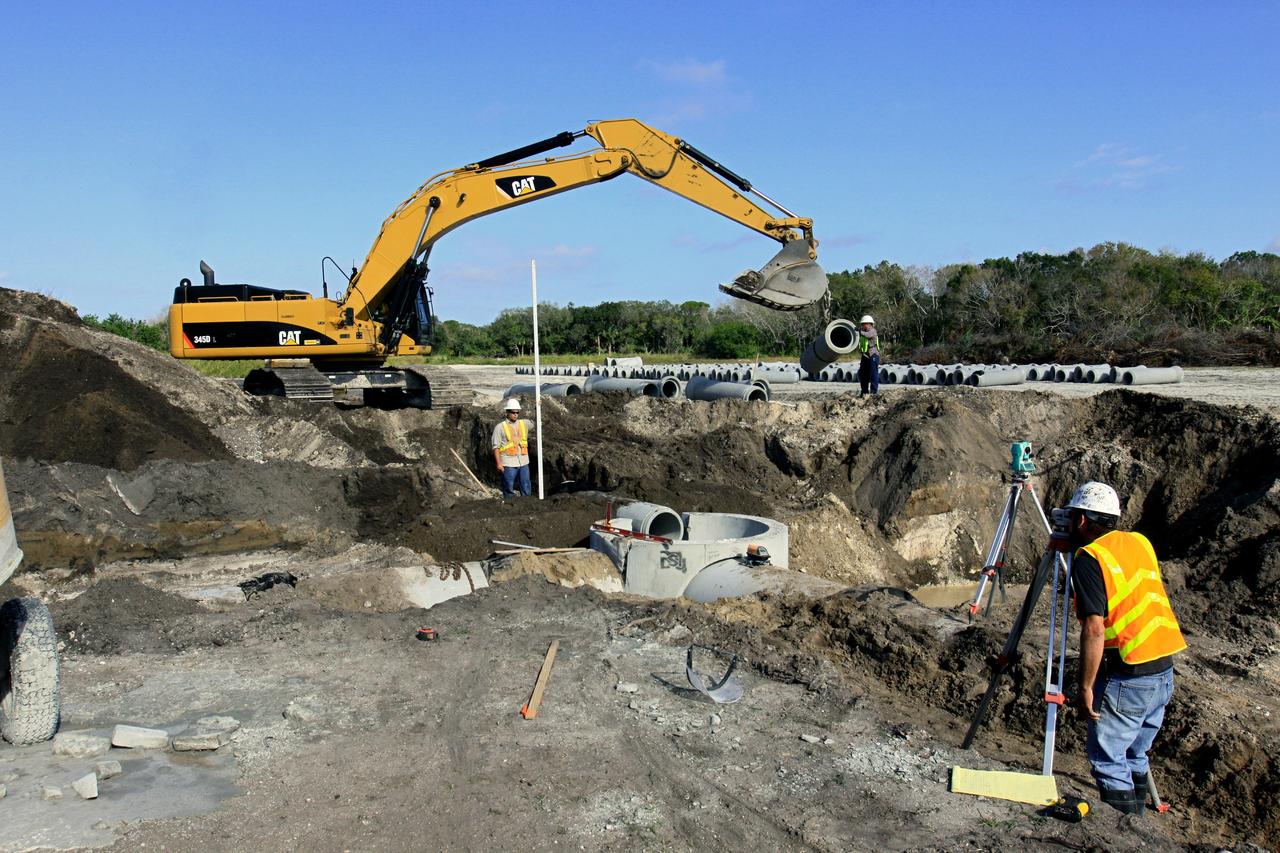
CAPE CANAVERAL, Fla. -- Land clearing and construction of a new road at the Exploration Park site begins outside of the Space Life Sciences Laboratory (SLSL) at NASA's Kennedy Space Center in Florida. The fill dirt being used to develop the first phase was donated by Port Canaveral as part of an agreement between the port and Space Florida, the park’s partner developer. The first phase will encompass 60 acres just outside Kennedy’s security gates. Nine buildings will provide 350,000-square feet of work space, including educational, office, research and lab, and high-bay facilities. Each building is expected to be certified in the U.S. Green Building Council’s Leadership in Environmental and Energy Design (LEED).Exploration Park is designed to be a strategically located complex, adjacent to the SLSL, for servicing diverse tenants and uses that will engage in activities to support space-related activities of NASA, other government agencies and the U.S. commercial space industry. It also is expected to bring new aerospace work to the Space Coast. The SLSL will be the anchor facility for the park, which is expected to open its first new facility in early 2012. Photo credit: NASA/Jim Grossmann
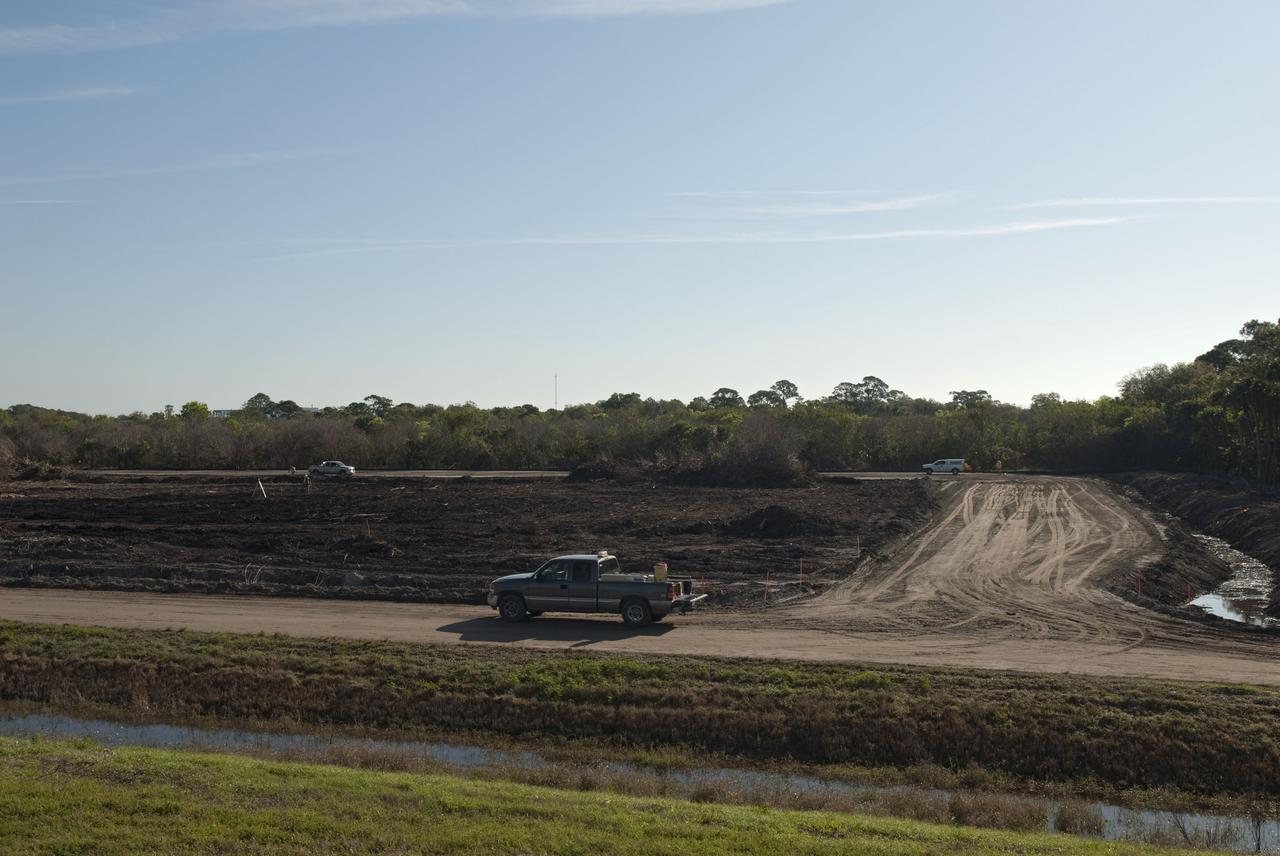
CAPE CANAVERAL, Fla. -- Land clearing and construction of a new road at the Exploration Park site begins outside of the Space Life Sciences Laboratory (SLSL) at NASA's Kennedy Space Center in Florida. The fill dirt being used to develop the first phase was donated by Port Canaveral as part of an agreement between the port and Space Florida, the park’s partner developer. The first phase will encompass 60 acres just outside Kennedy’s security gates. Nine buildings will provide 350,000-square feet of work space, including educational, office, research and lab, and high-bay facilities. Each building is expected to be certified in the U.S. Green Building Council’s Leadership in Environmental and Energy Design (LEED).Exploration Park is designed to be a strategically located complex, adjacent to the SLSL, for servicing diverse tenants and uses that will engage in activities to support space-related activities of NASA, other government agencies and the U.S. commercial space industry. It also is expected to bring new aerospace work to the Space Coast. The SLSL will be the anchor facility for the park, which is expected to open its first new facility in early 2012. Photo credit: NASA/Jim Grossmann
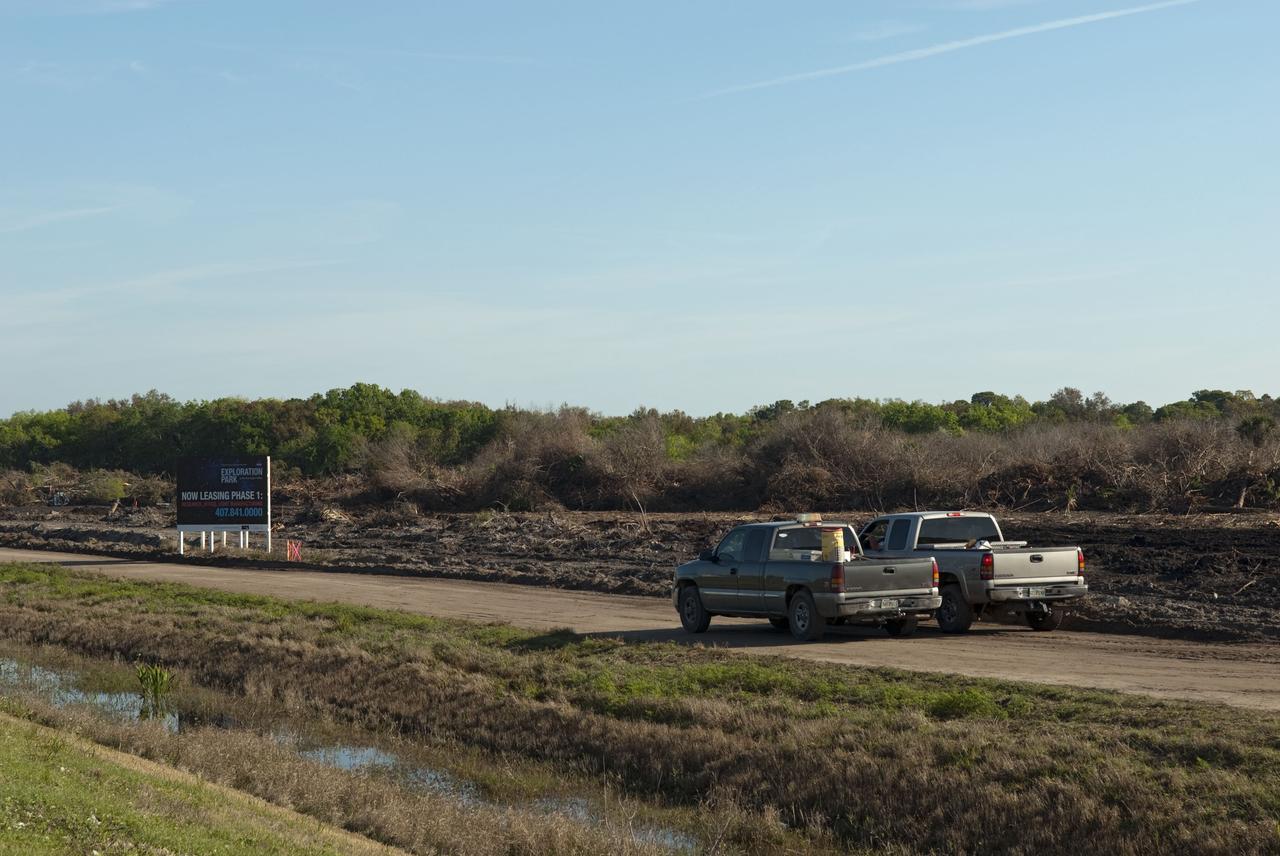
CAPE CANAVERAL, Fla. -- Land clearing and construction of a new road at the Exploration Park site begins outside of the Space Life Sciences Laboratory (SLSL) at NASA's Kennedy Space Center in Florida. The fill dirt being used to develop the first phase was donated by Port Canaveral as part of an agreement between the port and Space Florida, the park’s partner developer. The first phase will encompass 60 acres just outside Kennedy’s security gates. Nine buildings will provide 350,000-square feet of work space, including educational, office, research and lab, and high-bay facilities. Each building is expected to be certified in the U.S. Green Building Council’s Leadership in Environmental and Energy Design (LEED).Exploration Park is designed to be a strategically located complex, adjacent to the SLSL, for servicing diverse tenants and uses that will engage in activities to support space-related activities of NASA, other government agencies and the U.S. commercial space industry. It also is expected to bring new aerospace work to the Space Coast. The SLSL will be the anchor facility for the park, which is expected to open its first new facility in early 2012. Photo credit: NASA/Jim Grossmann
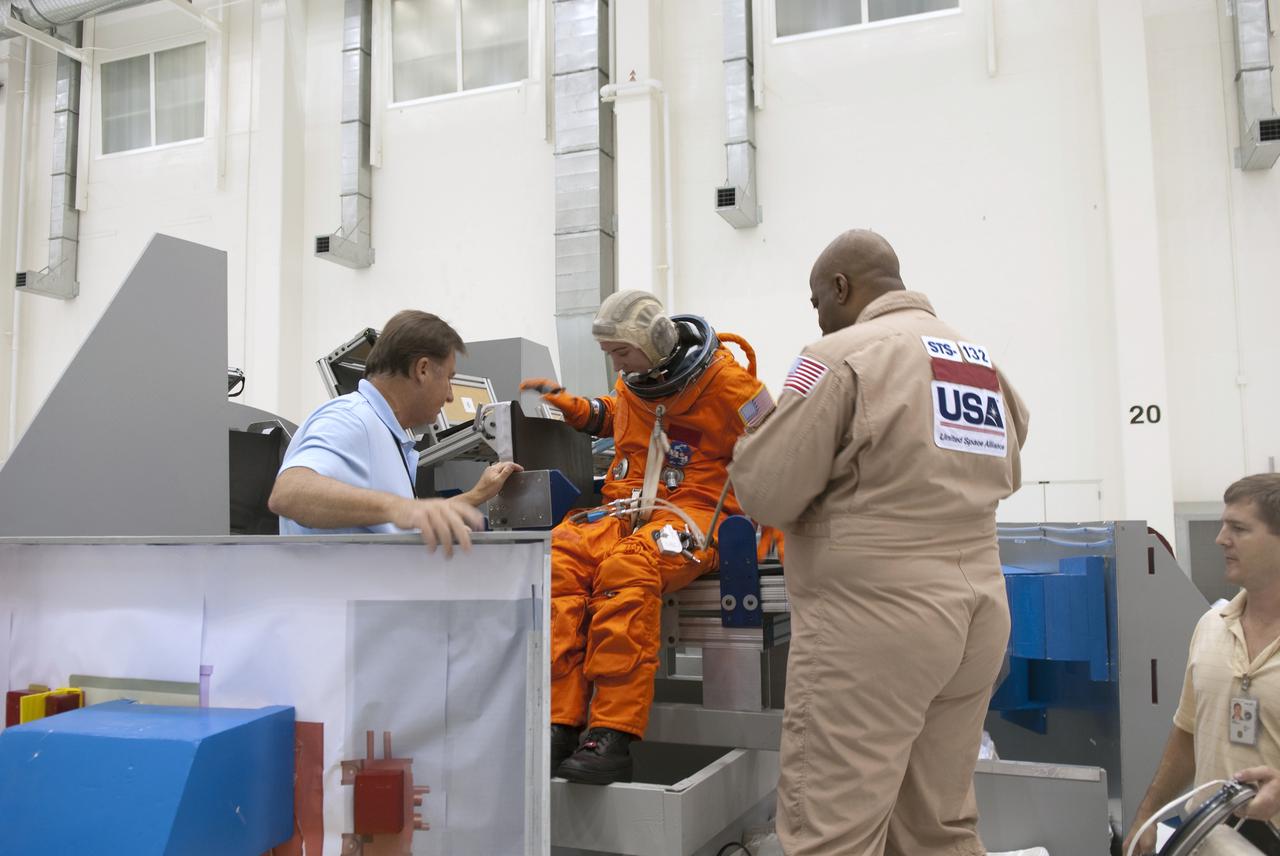
CAPE CANAVERAL, Fla. – In the Operations and Checkout Building at NASA's Kennedy Space Center in Florida, United Space Alliance EV_IV Integrated Operations work control specialist Jennifer Peterson, dressed in a flight-and-entry suit, stands in for an astronaut for a demonstration inside a mock-up of an Orion crew exploration vehicle. The mock-up details the interior components of the vehicle including seat layout and the subsystem components on the outside of the pressure vessel. Orion mock-ups also have been used to verify accessibility of the servicing locations at the launch pad and in the Vehicle Assembly Building. For information on the development of the Orion capsule, visit www.nasa.gov_orion. Photo credit: NASA_Jim Grossmann
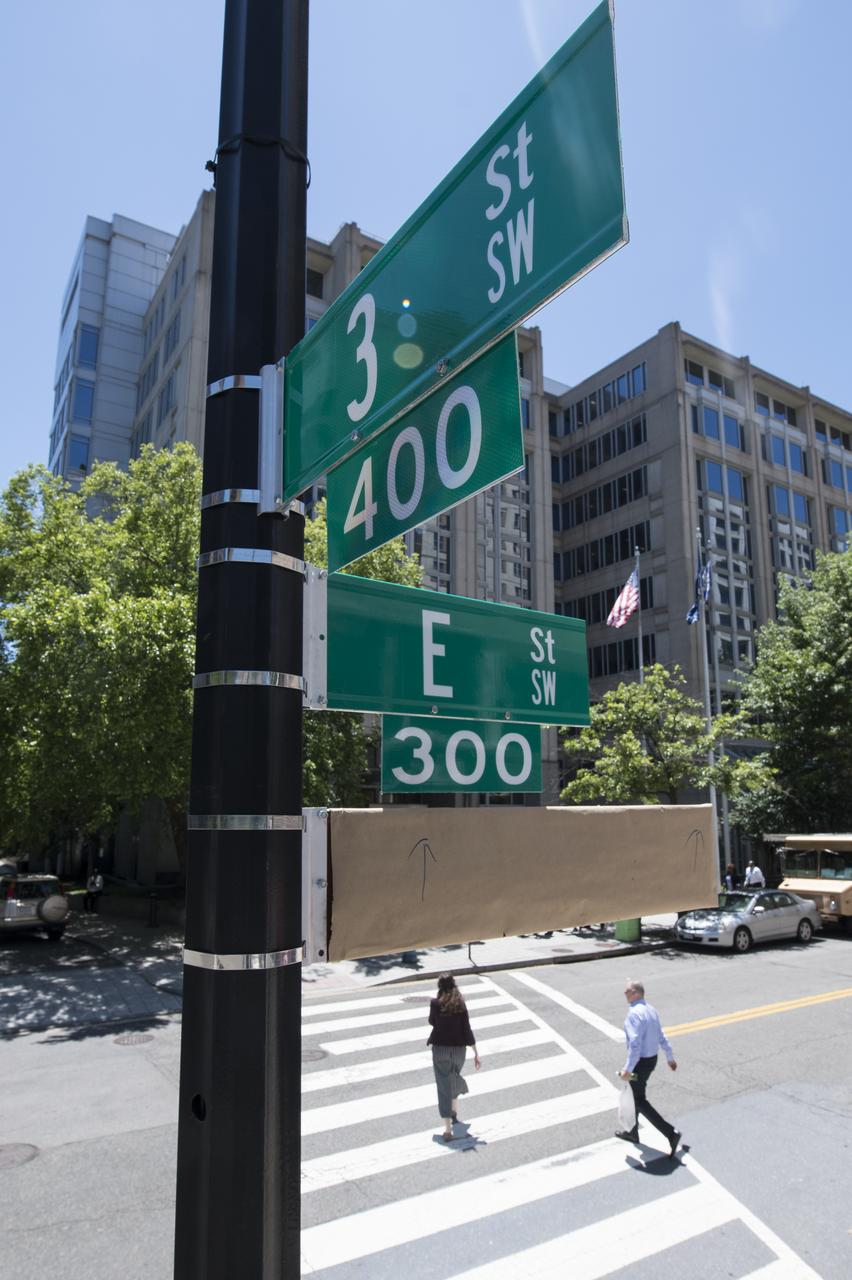
A covered street sign is seen outside of the NASA Headquarters building the day before a street renaming ceremony, Tuesday, June 11, 2019 in Washington, DC. On Wednesday, June 12, a ceremony was held to dedicate the 300 block of E Street SW in front of the NASA Headquarters building as "Hidden Figures Way" to honor Katherine Johnson, Dorothy Vaughan, Mary Jackson and all women who have dedicated their lives to honorably serving their country, advancing equality, and contributing to the space program of the United States. Photo Credit: (NASA/Joel Kowsky)
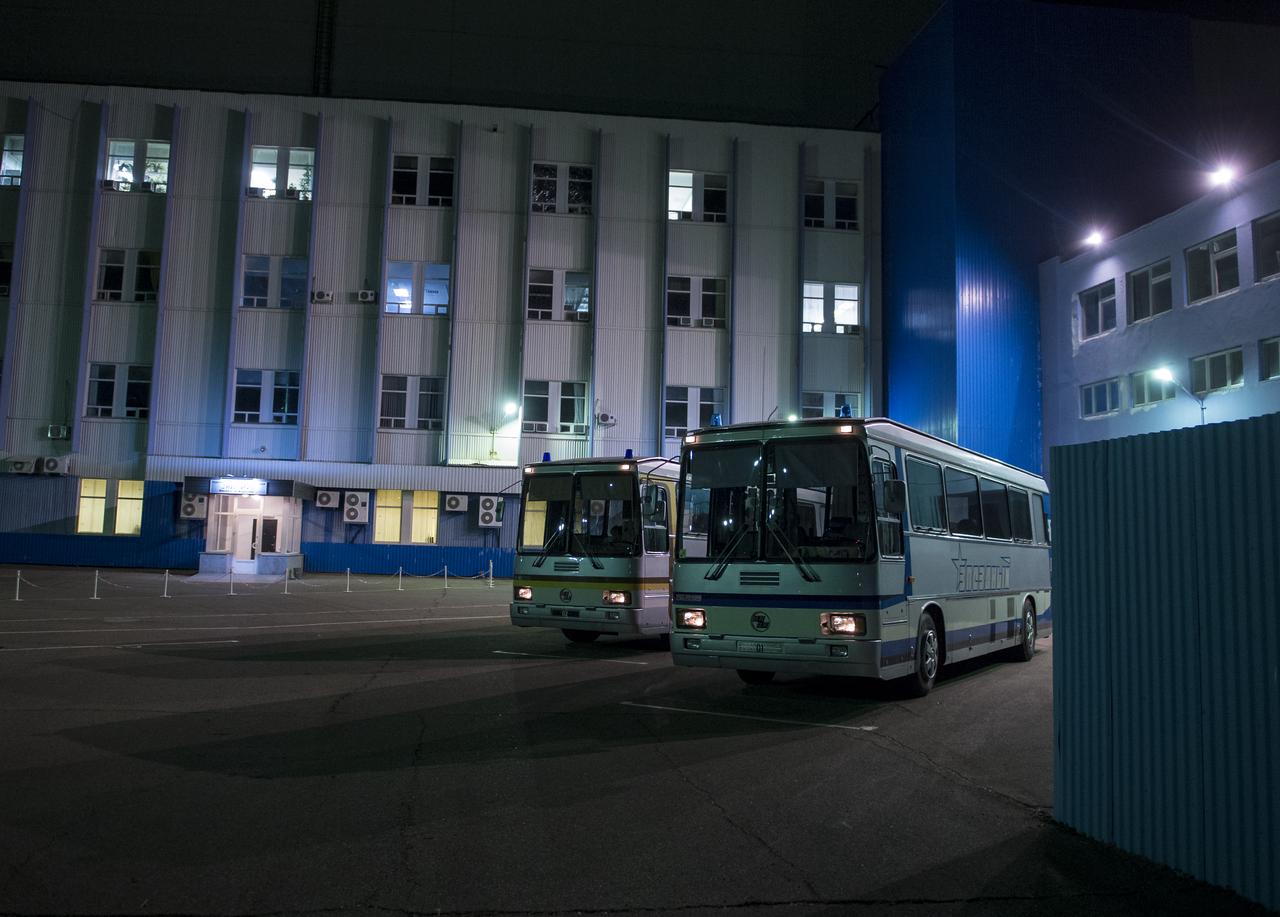
The buses that provide transport for the prime and backup Soyuz crews are seen parked outside of building 254 in the Baikonur Cosmodrome after having brought Expedition 38 Soyuz Commander Mikhail Tyurin of Roscosmos, Flight Engineer Koichi Wakata of the Japan Aerospace Exploration Agency, and, Flight Engineer Rick Mastracchio of NASA, to the building for them to suit up for launch, Thursday, Nov. 7, 2013, in Baikonur, Kazakhstan. Tyurin, Wakata, and, Mastracchio will launch in their Soyuz TMA-11M spacecraft to the International Space Station to begin a six-month mission. Photo Credit (NASA/Bill Ingalls)
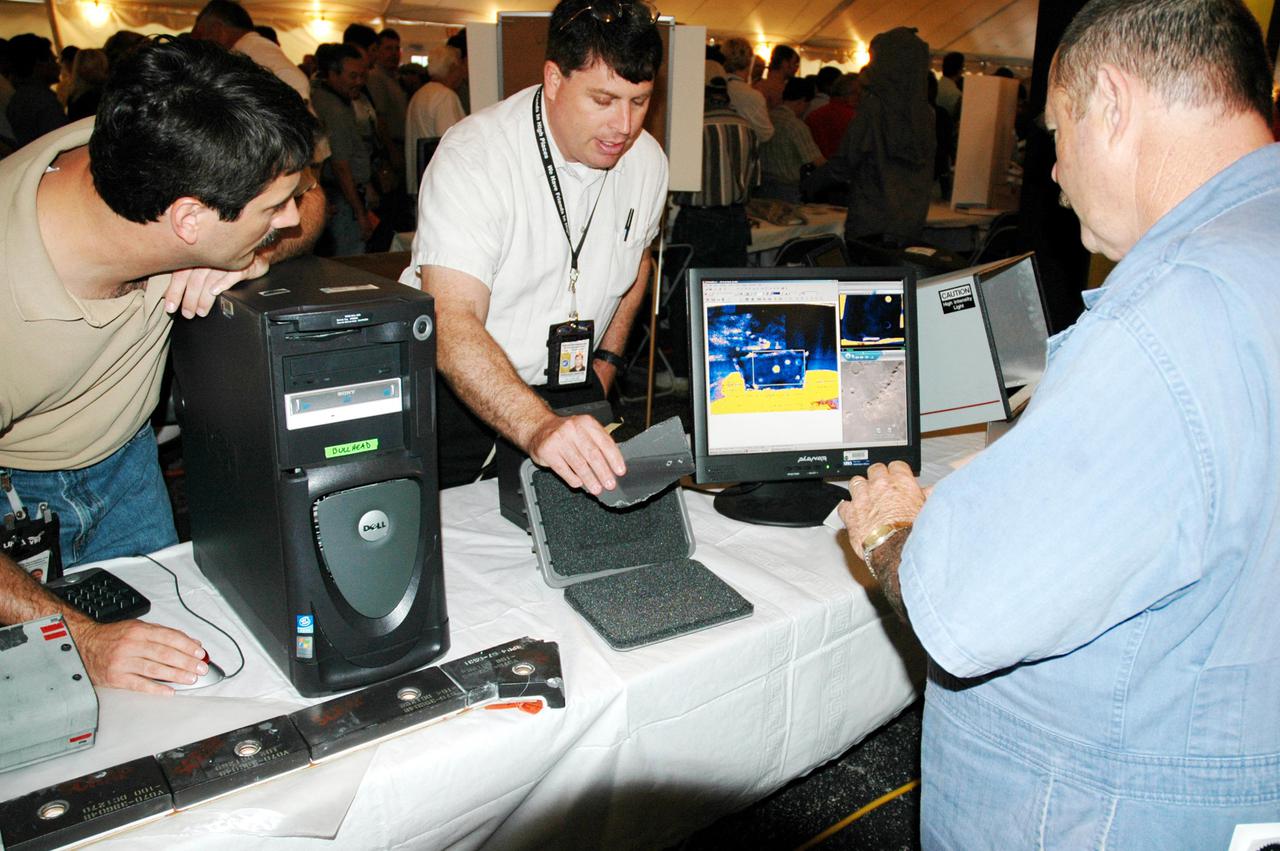
KENNEDY SPACE CENTER, FLA. - Inside a tent, employees at KSC look over an exhibit of special equipment during Spaceport Super Safety and Health Day. Vendors’ exhibits were set up in the parking areas outside the Vehicle Assembly Building and the OandC Building. The day-long event also featured presentations by guest speakers Dr. Pamela Peeke, Navy Com. Stephen E. Iwanowicz, NASA’s Dr. Kristine Calderon and Olympic-great Bruce Jenner. Super Safety and Health Day was initiated at KSC in 1998 to increase awareness of the importance of safety and health among the government and contractor workforce. The theme for this year’s event was “Safety and Health: A Winning Combination.”
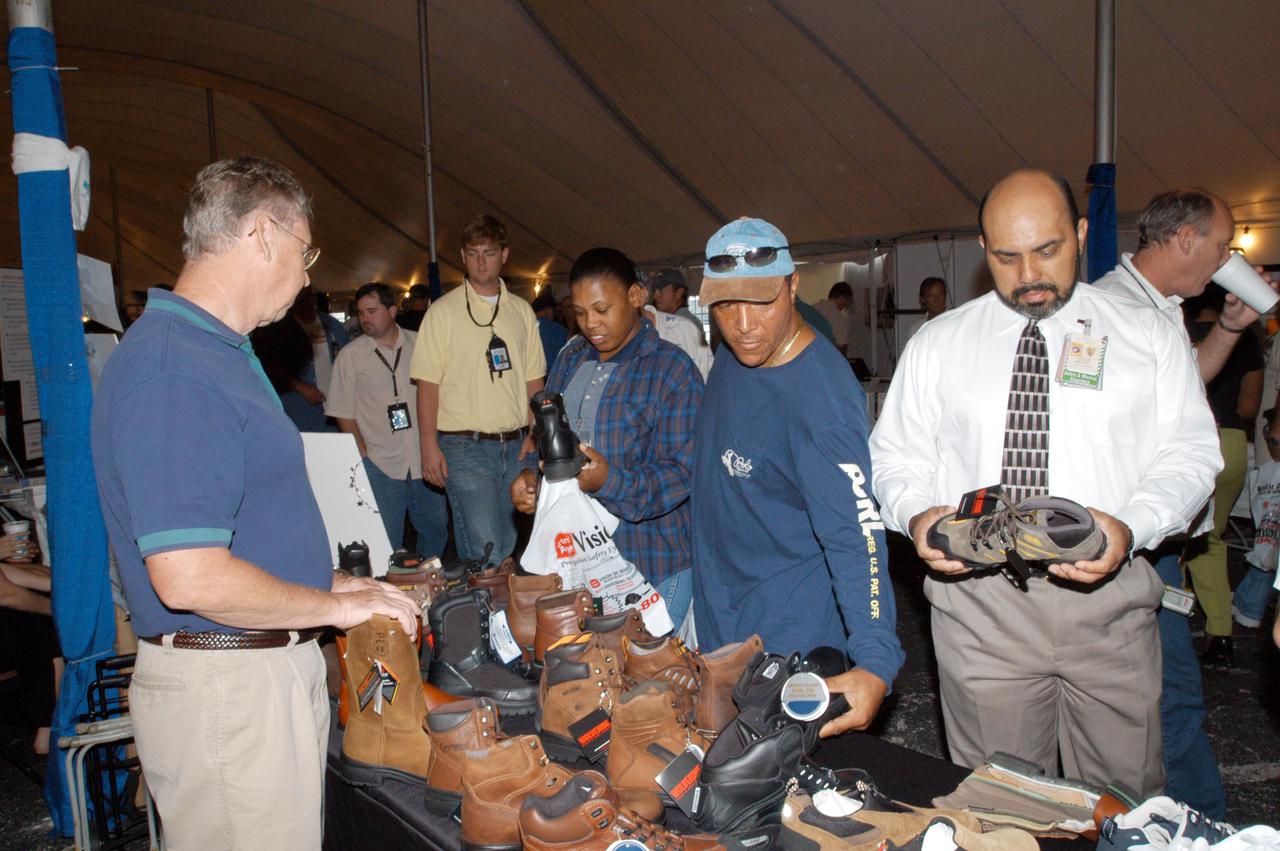
KENNEDY SPACE CENTER, FLA. - Inside a tent, employees look over an exhibit of work shoes. The exhibits were part of Spaceport Super Safety and Health Day, which also featured presentations by guest speakers Dr. Pamela Peeke, Navy Com. Stephen E. Iwanowicz, NASA’s Dr. Kristine Calderon and Olympic-great Bruce Jenner. Vendors’ exhibits were set up in the parking areas outside the Vehicle Assembly Building and the OandC Building. The annual event was initiated at KSC in 1998 to increase awareness of the importance of safety and health among the government and contractor workforce. The theme for this year’s event was “Safety and Health: A Winning Combination.”
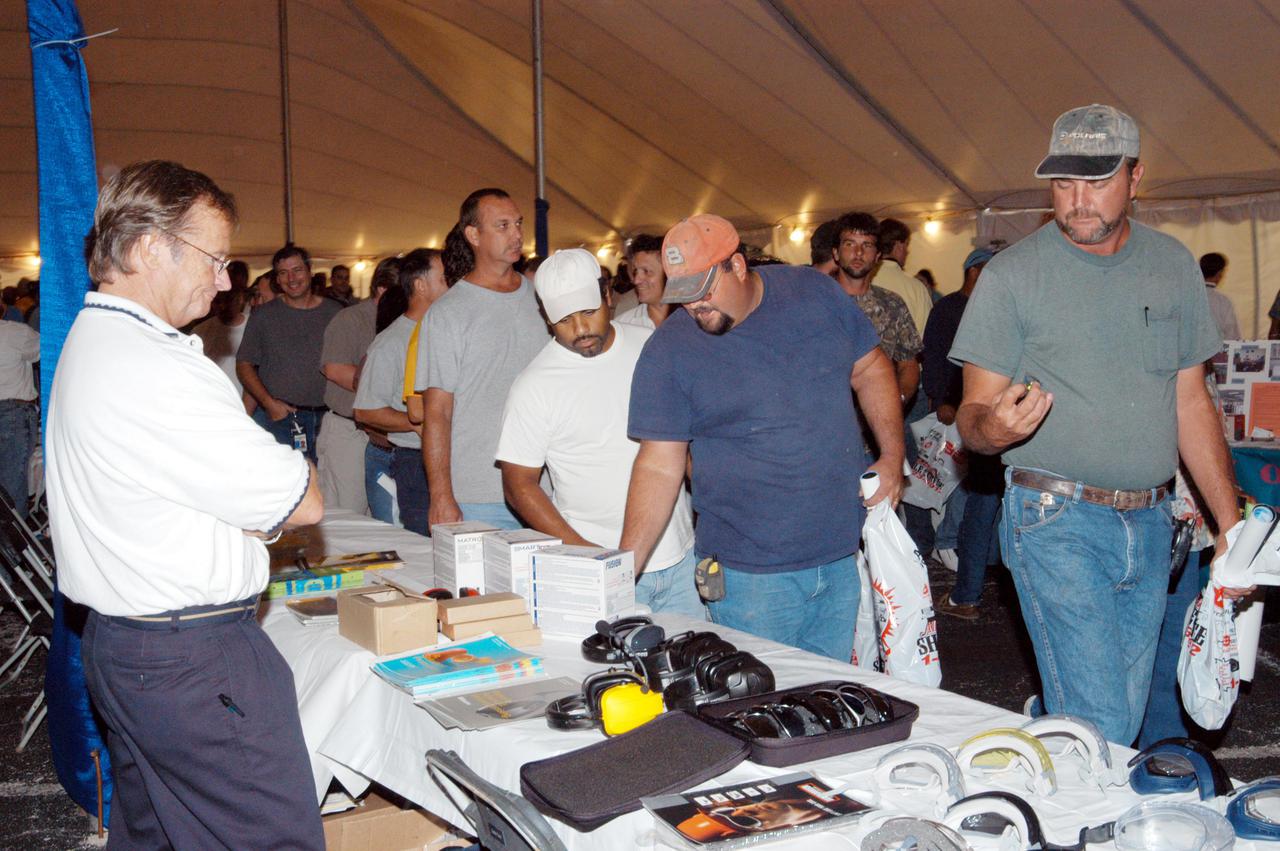
KENNEDY SPACE CENTER, FLA. - Inside a tent, employees look over an exhibit of safety equipment. The exhibits were part of Spaceport Super Safety and Health Day, which also featured presentations by guest speakers Dr. Pamela Peeke, Navy Com. Stephen E. Iwanowicz, NASA’s Dr. Kristine Calderon and Olympic-great Bruce Jenner. Vendors’ exhibits were set up in the parking areas outside the Vehicle Assembly Building and the OandC Building. The annual event was initiated at KSC in 1998 to increase awareness of the importance of safety and health among the government and contractor workforce. The theme for this year’s event was “Safety and Health: A Winning Combination.”
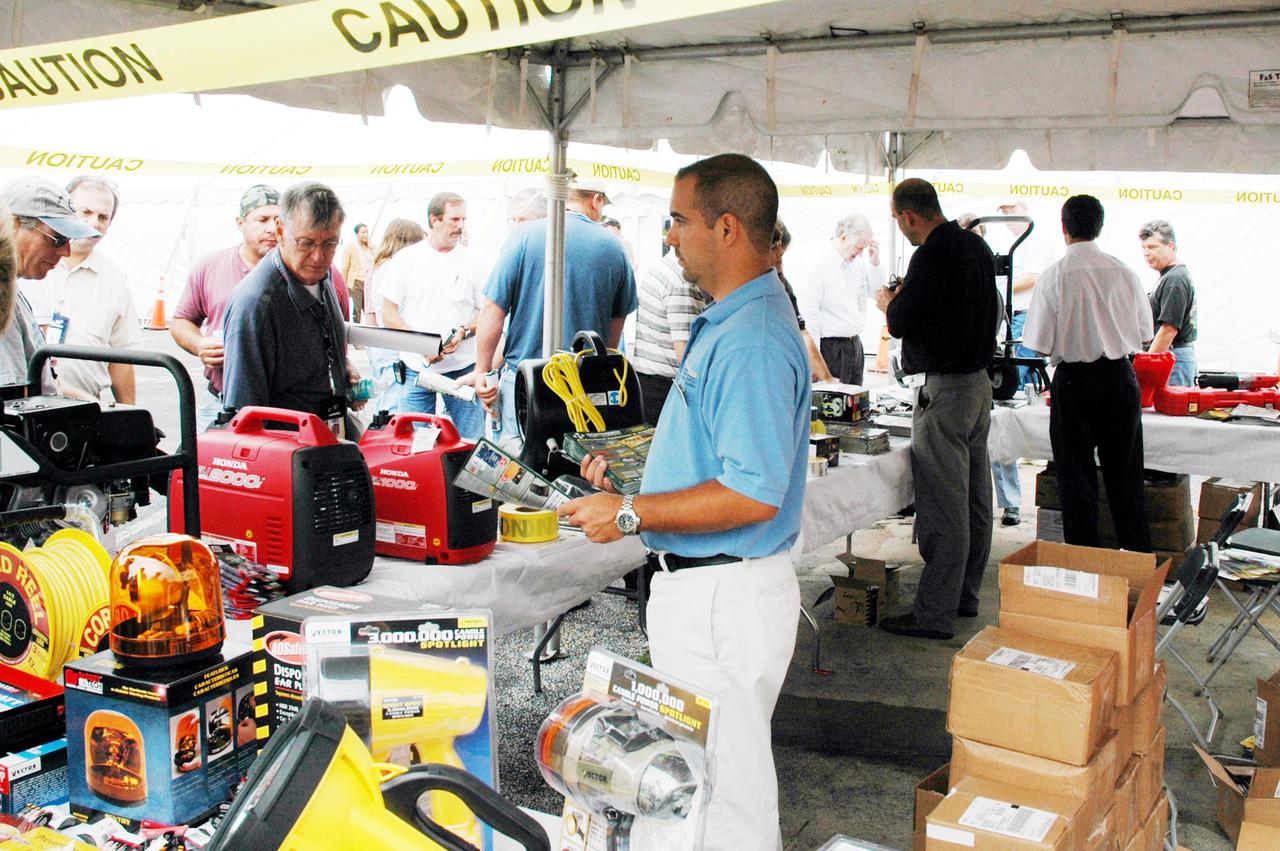
KENNEDY SPACE CENTER, FLA. - Inside a tent, employees at KSC look over an exhibit of safety equipment during Spaceport Super Safety and Health Day. Vendors’ exhibits were set up in the parking areas outside the Vehicle Assembly Building and the OandC Building. The day-long event also featured presentations by guest speakers Dr. Pamela Peeke, Navy Com. Stephen E. Iwanowicz, NASA’s Dr. Kristine Calderon and Olympic-great Bruce Jenner. Super Safety and Health Day was initiated at KSC in 1998 to increase awareness of the importance of safety and health among the government and contractor workforce. The theme for this year’s event was “Safety and Health: A Winning Combination.”
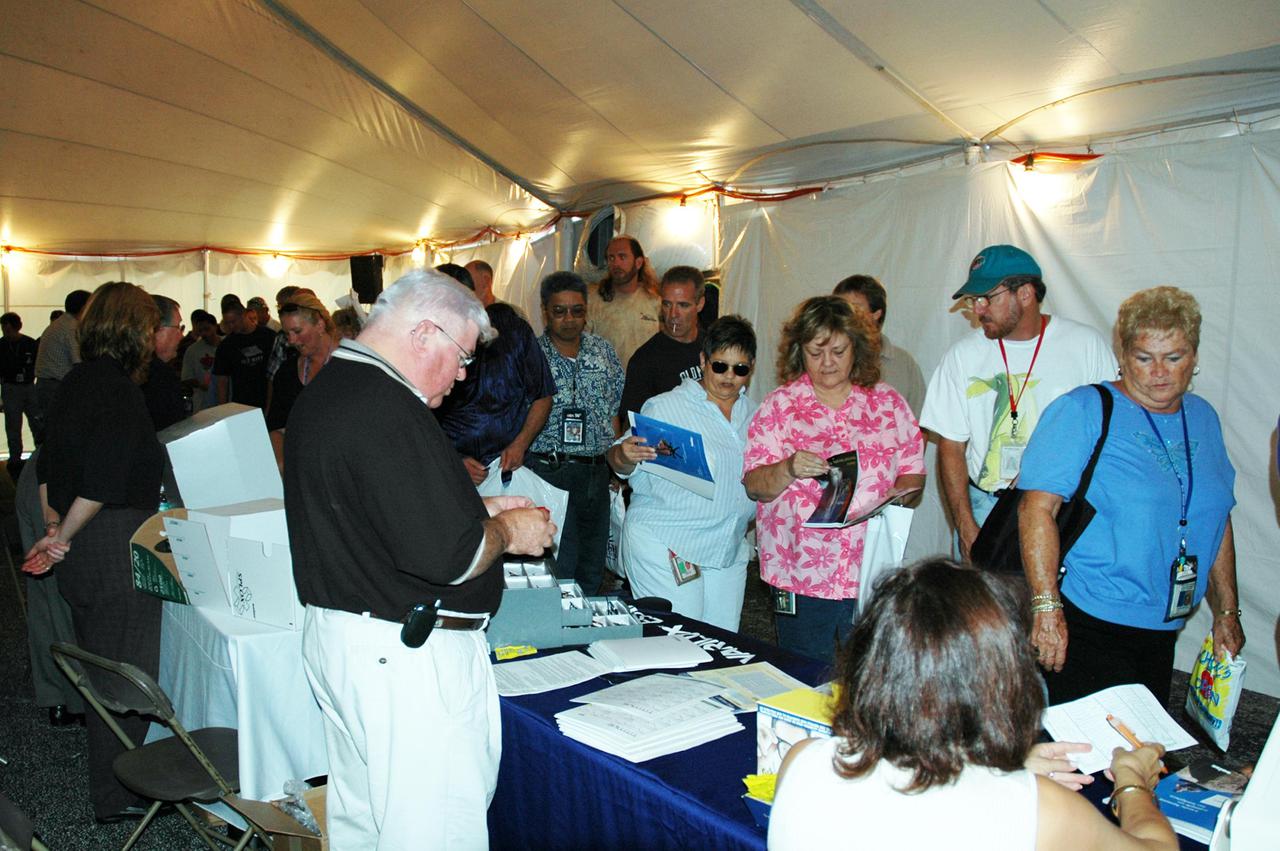
KENNEDY SPACE CENTER, FLA. - Employees at KSC walk through a tent filled with vendors’ exhibits during Spaceport Super Safety and Health Day. Vendors’ exhibits were set up in the parking areas outside the Vehicle Assembly Building and the OandC Building. The day-long event also featured presentations by guest speakers Dr. Pamela Peeke, Navy Com. Stephen E. Iwanowicz, NASA’s Dr. Kristine Calderon and Olympic-great Bruce Jenner. Super Safety and Health Day was initiated at KSC in 1998 to increase awareness of the importance of safety and health among the government and contractor workforce. The theme for this year’s event was “Safety and Health: A Winning Combination.”
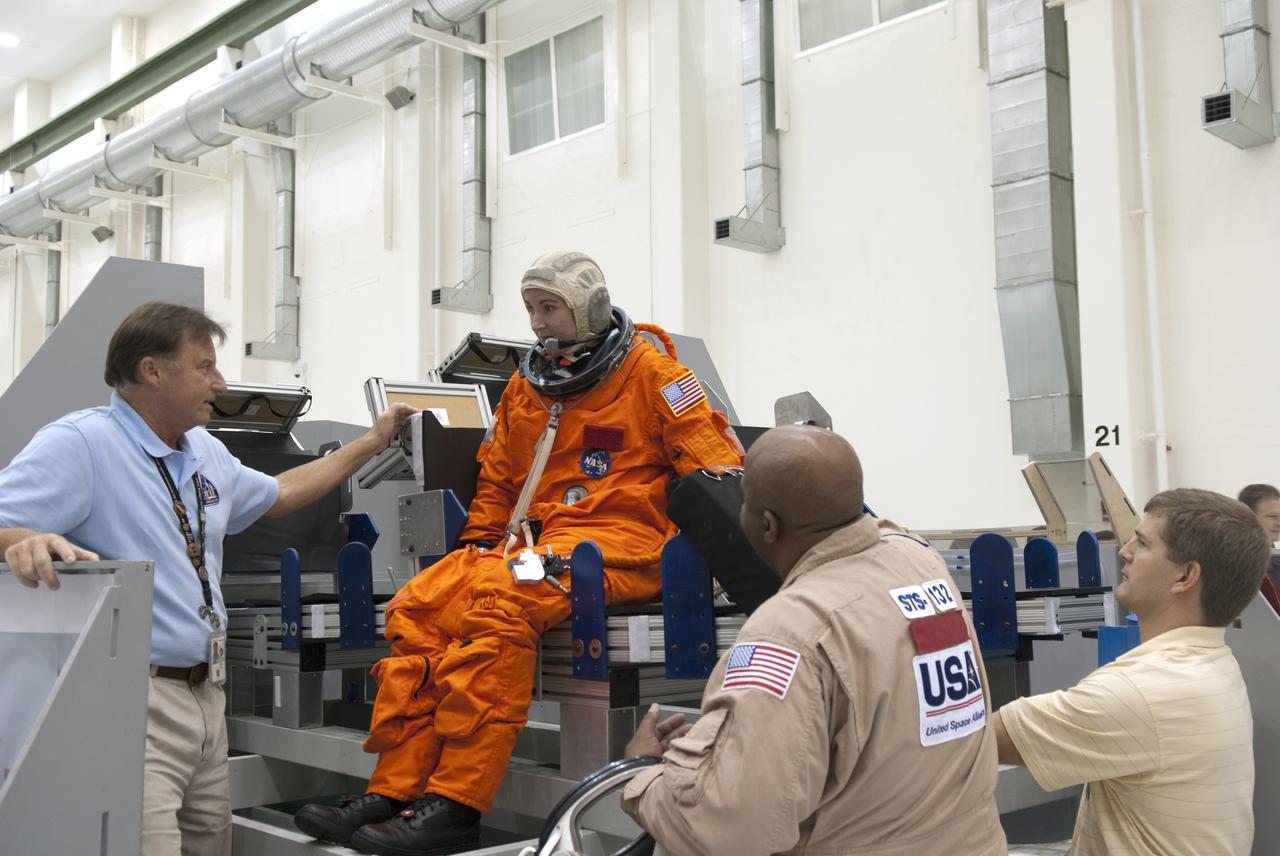
CAPE CANAVERAL, Fla. – In the Operations and Checkout Building at NASA's Kennedy Space Center in Florida, United Space Alliance EV_IV Integrated Operations work control specialist Jennifer Peterson, dressed in a flight-and-entry suit, prepares to demonstrate the crew equipment inside a mock-up of an Orion crew exploration vehicle. The mock-up details the interior components of the vehicle including seat layout and the subsystem components on the outside of the pressure vessel. Orion mock-ups also have been used to verify accessibility of the servicing locations at the launch pad and in the Vehicle Assembly Building. For information on the development of the Orion capsule, visit www.nasa.gov_orion. Photo credit: NASA_Jim Grossmann
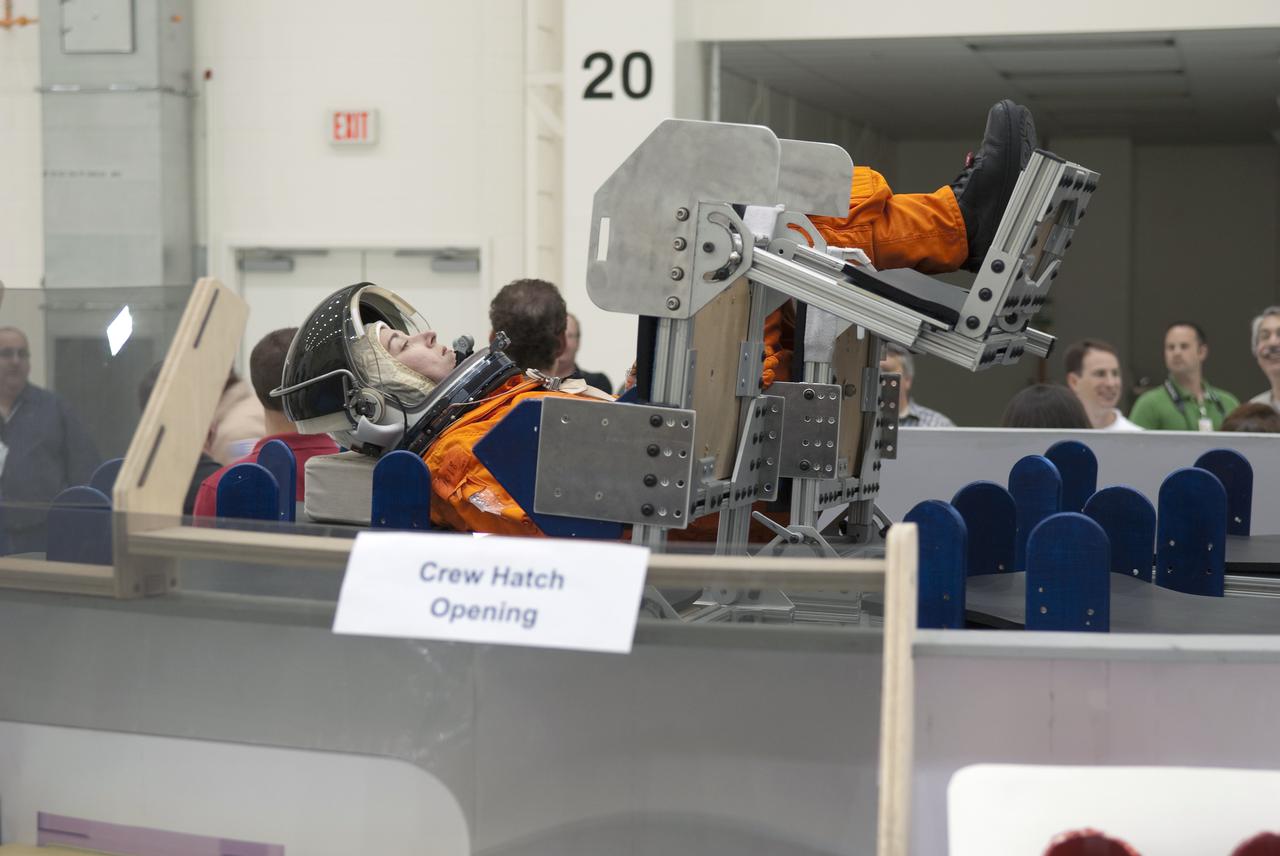
CAPE CANAVERAL, Fla. – In the Operations and Checkout Building at NASA's Kennedy Space Center in Florida, United Space Alliance EV_IV Integrated Operations work control specialist Jennifer Peterson, dressed in a flight-and-entry suit, demonstrates the placement of an astronaut inside a mock-up of an Orion crew exploration vehicle. The mock-up details the interior components of the vehicle including seat layout and the subsystem components on the outside of the pressure vessel. Orion mock-ups also have been used to verify accessibility of the servicing locations at the launch pad and in the Vehicle Assembly Building. For information on the development of the Orion capsule, visit www.nasa.gov_orion. Photo credit: NASA_Jim Grossmann
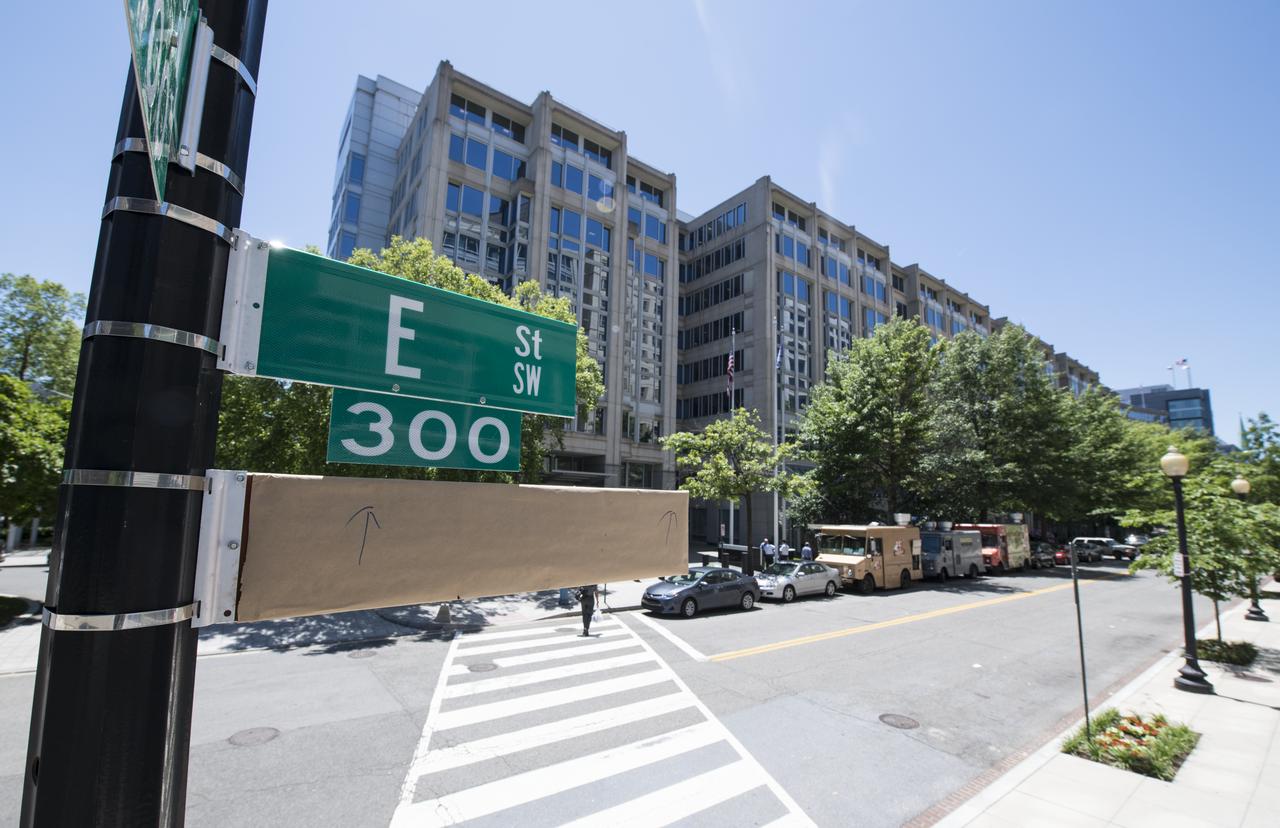
A covered street sign is seen outside of the NASA Headquarters building the day before a street renaming ceremony, Tuesday, June 11, 2019 in Washington, DC. On Wednesday, June 12, a ceremony was held to dedicate the 300 block of E Street SW in front of the NASA Headquarters building as "Hidden Figures Way" to honor Katherine Johnson, Dorothy Vaughan, Mary Jackson and all women who have dedicated their lives to honorably serving their country, advancing equality, and contributing to the space program of the United States. Photo Credit: (NASA/Joel Kowsky)
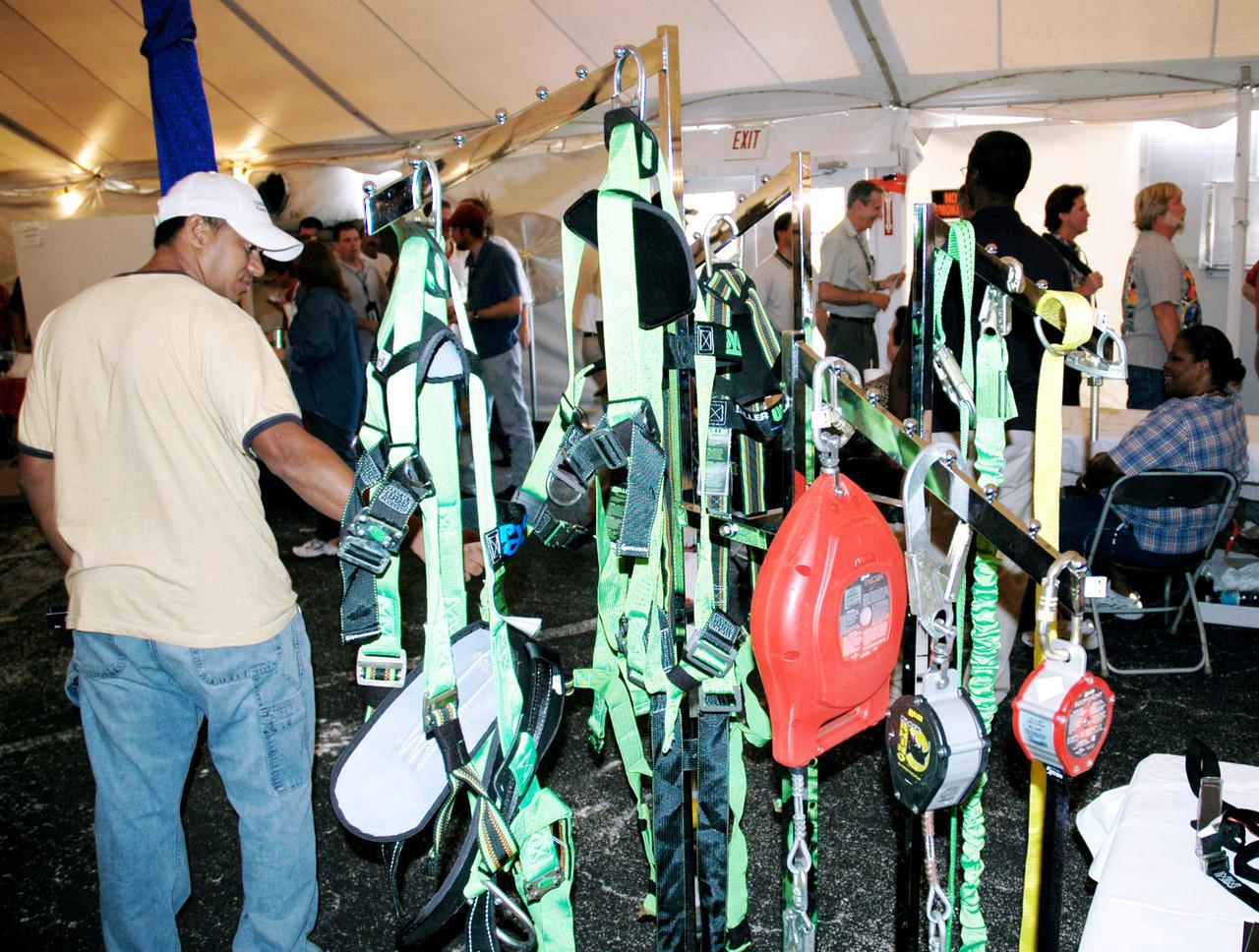
KENNEDY SPACE CENTER, FLA. - Employees at KSC take time to look at safety equipment on display during Spaceport Super Safety and Health Day. Vendors’ exhibits were set up in the parking areas outside the Vehicle Assembly Building and the OandC Building. The day-long event also featured presentations by guest speakers Dr. Pamela Peeke, Navy Com. Stephen E. Iwanowicz, NASA’s Dr. Kristine Calderon and Olympic-great Bruce Jenner. Super Safety and Health Day was initiated at KSC in 1998 to increase awareness of the importance of safety and health among the government and contractor workforce. The theme for this year’s event was “Safety and Health: A Winning Combination.”
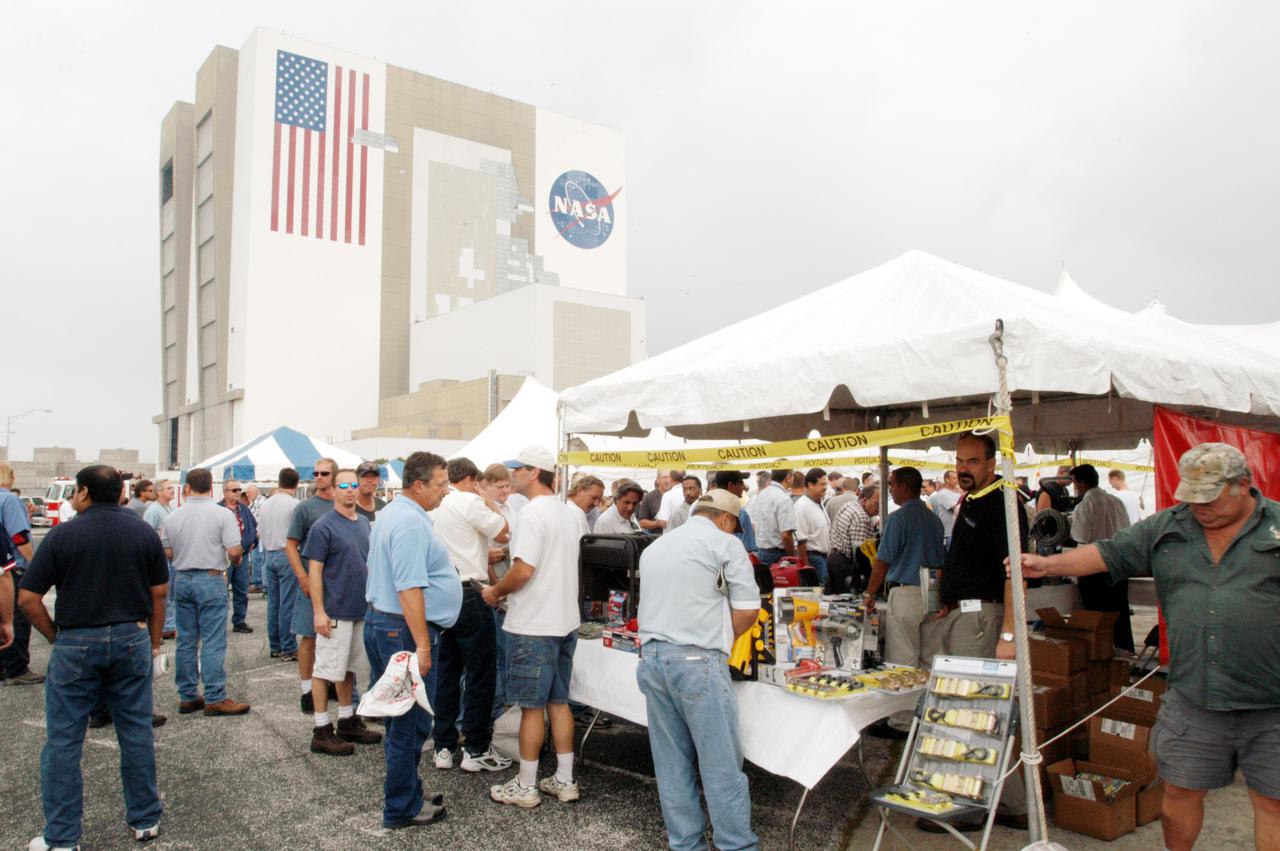
KENNEDY SPACE CENTER, FLA. - Employees at KSC stroll among several tents featuring vendors’ exhibits of safety- and health-related products. The exhibits were part of Spaceport Super Safety and Health Day, which also featured presentations by guest speakers Dr. Pamela Peeke, Navy Com. Stephen E. Iwanowicz, NASA’s Dr. Kristine Calderon and Olympic-great Bruce Jenner. Vendors’ exhibits were set up in the parking areas outside the Vehicle Assembly Building (seen here) and the OandC Building. The annual event was initiated at KSC in 1998 to increase awareness of the importance of safety and health among the government and contractor workforce. The theme for this year’s event was “Safety and Health: A Winning Combination.”

CAPE CANAVERAL, Fla. -- At NASA's Kennedy Space Center in Florida, space shuttle Discovery, at right, approaches shuttle Endeavour outside Orbiter Processing Facility-3 (OPF-3). Discovery, which temporarily was being stored in the Vehicle Assembly Building (VAB), is switching places with Endeavour, which has been undergoing decommissioning in Orbiter Processing Facility-1 (OPF-1). Both shuttles will stop briefly outside OPF-3 for a "nose-to-nose" photo opportunity. Discovery then will be rolled into OPF-1 and Endeavour into the VAB. In OPF-1, Discovery will undergo further preparations for public display at the Smithsonian's National Air and Space Museum Steven F. Udvar-Hazy Center in Virginia. Endeavour will be stored in the VAB until October when it will be moved into OPF-2 for further work to get it ready for public display at the California Science Center in Los Angeles. For more information, visit http://www.nasa.gov/shuttle. Photo credit: NASA/Jim Grossmann
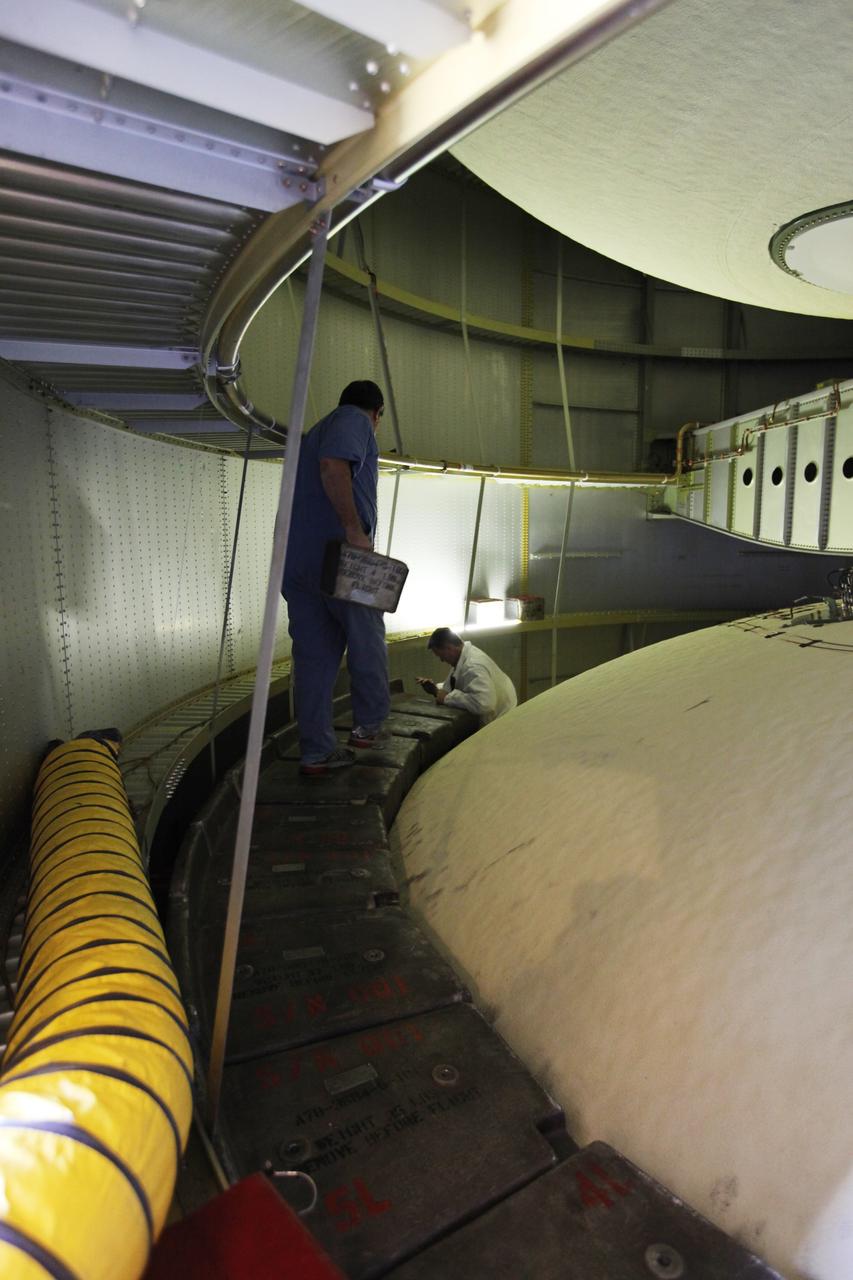
CAPE CANAVERAL, Fla. -- Preparations are under way in the Vehicle Assembly Building at NASA's Kennedy Space Center in Florida to examine space shuttle Discovery's external fuel tank. Shown here, is the inside of the tank's intertank region. Technicians will begin to remove thermal sensors that will give engineers data about the changes the tank went through during the loading and draining of super-cold propellants during a tanking test on Dec. 17. Engineers also will examine 21-foot-long support beams, called stringers, on the outside of the tank's intertank region. Also on the agenda, is to re-apply foam to the outside of the tank. Discovery's next launch opportunity to the International Space Station on the STS-133 mission is no earlier than Feb. 3, 2011. For more information on STS-133, visit www.nasa.gov/mission_pages/shuttle/shuttlemissions/sts133/. Photo credit: NASA/Dimitri Gerondidakis
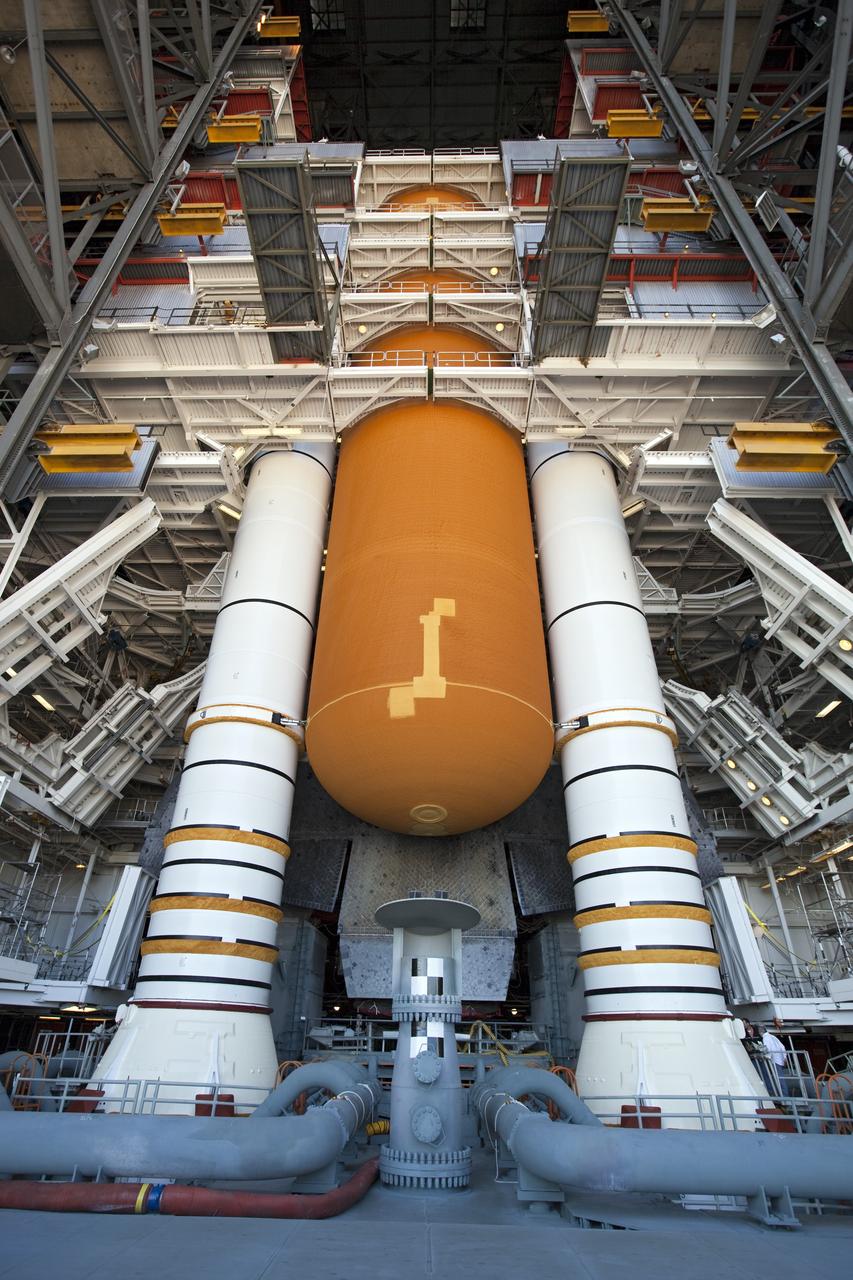
CAPE CANAVERAL, Fla. -- Preparations are under way in the Vehicle Assembly Building at NASA's Kennedy Space Center in Florida to examine space shuttle Discovery's external fuel tank. Technicians will begin to remove thermal sensors that will give engineers data about the changes the tank went through during the loading and draining of super-cold propellants. Engineers also will examine 21-foot-long support beams, called stringers, on the outside of the tank's intertank region. Also on the agenda, is to re-apply foam to the outside of the tank. Discovery's next launch opportunity to the International Space Station on the STS-133 mission is no earlier than Feb. 3, 2011. For more information on STS-133, visit www.nasa.gov/mission_pages/shuttle/shuttlemissions/sts133/. Photo credit: NASA/Dimitri Gerondidakis
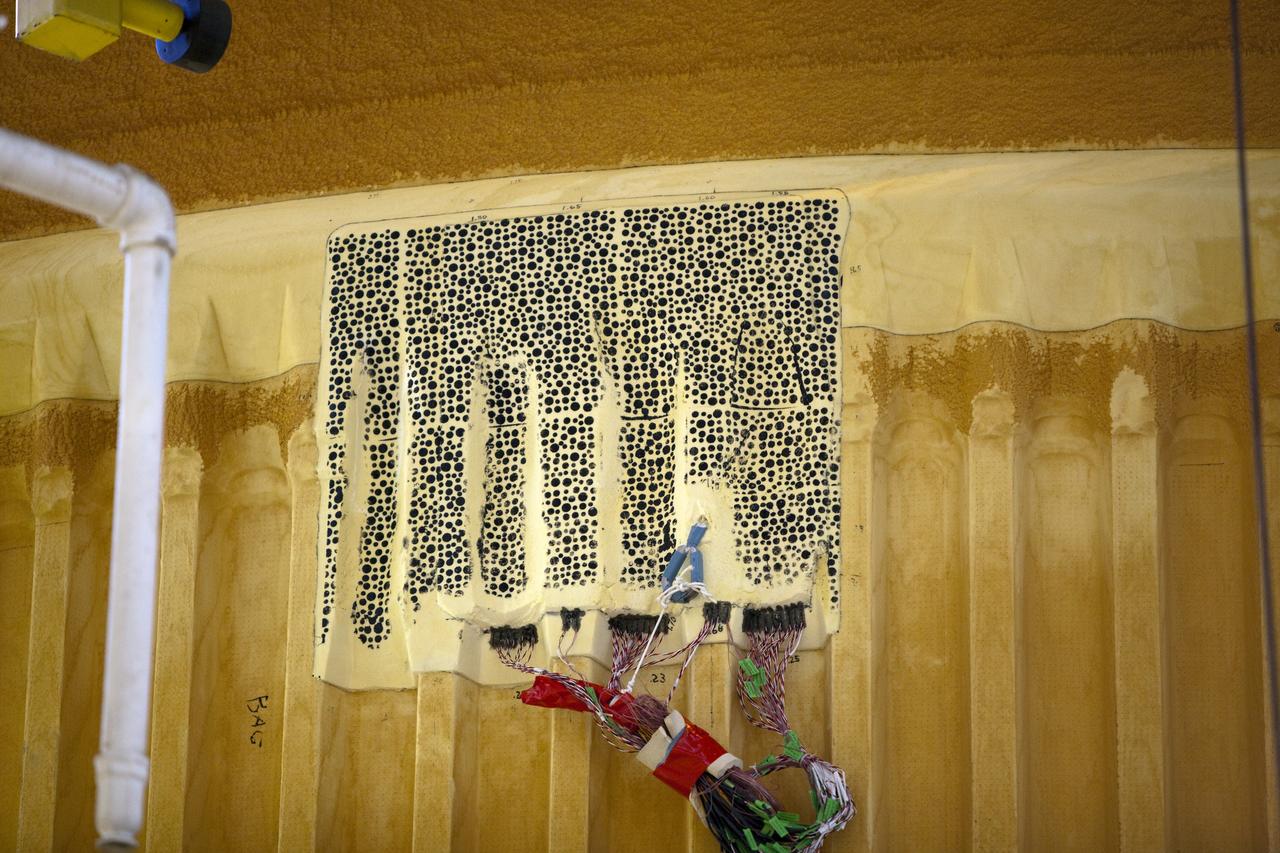
CAPE CANAVERAL, Fla. -- Technicians in the Vehicle Assembly Building at NASA's Kennedy Space Center in Florida will begin to remove thermal sensors that will give engineers data about the changes space shuttle Discovery's external fuel tank went through during the loading and draining of super-cold propellants during a tanking test on Dec. 17. Engineers also will examine 21-foot-long support beams, called stringers, on the outside of the tank's intertank region. Also on the agenda, is to re-apply foam to the outside of the tank. Discovery's next launch opportunity to the International Space Station on the STS-133 mission is no earlier than Feb. 3, 2011. For more information on STS-133, visit www.nasa.gov/mission_pages/shuttle/shuttlemissions/sts133/. Photo credit: NASA/Dimitri Gerondidakis

CAPE CANAVERAL, Fla. -- At NASA's Kennedy Space Center in Florida, space shuttle Discovery makes a three-point turnaround outside the Vehicle Assembly Building (VAB), beginning its move to Orbiter Processing Facility-1 (OPF-1). Discovery is switching places with shuttle Endeavour which has been undergoing decommissioning activities in OPF-1. Both shuttles will stop briefly outside OPF-3 for a "nose-to-nose" photo opportunity. Discovery then will be rolled into OPF-1 and Endeavour into the VAB. In OPF-1, Discovery will undergo further preparations for public display at the Smithsonian's National Air and Space Museum Steven F. Udvar-Hazy Center in Virginia. Endeavour will be stored in the VAB until October when it will be moved into OPF-2 for further work to get it ready for public display at the California Science Center in Los Angeles. For more information, visit http://www.nasa.gov/shuttle. Photo credit: NASA/Dimitri Gerondidakis

CAPE CANAVERAL, Fla. -- Preparations are under way in the Vehicle Assembly Building at NASA's Kennedy Space Center in Florida to examine space shuttle Discovery's external fuel tank. Technicians will begin to remove thermal sensors that will give engineers data about the changes the tank went through during the loading and draining of super-cold propellants during a tanking test on Dec. 17. Engineers also will examine 21-foot-long support beams, called stringers, on the outside of the tank's intertank region. Also on the agenda, is to re-apply foam to the outside of the tank. Discovery's next launch opportunity to the International Space Station on the STS-133 mission is no earlier than Feb. 3, 2011. For more information on STS-133, visit www.nasa.gov/mission_pages/shuttle/shuttlemissions/sts133/. Photo credit: NASA/Dimitri Gerondidakis
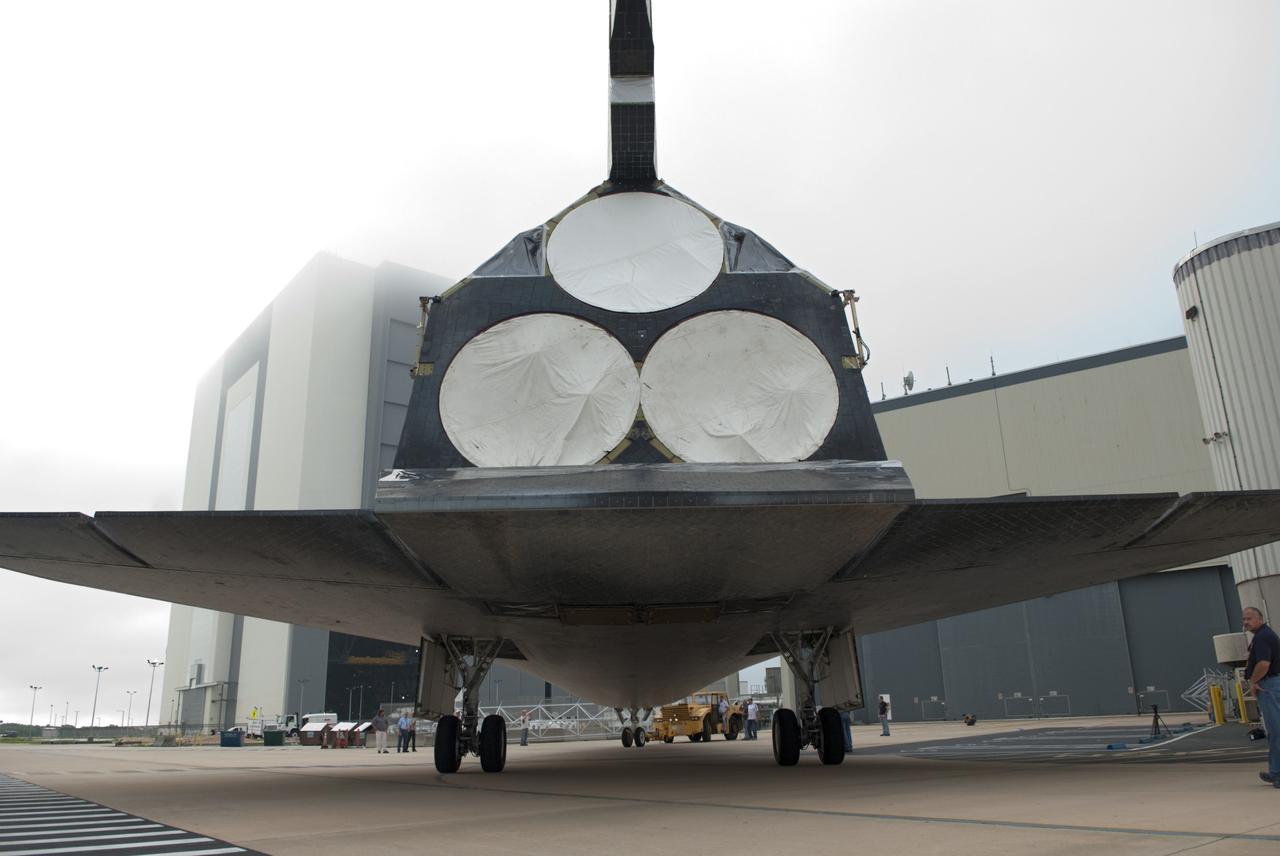
CAPE CANAVERAL, Fla. -- At NASA's Kennedy Space Center in Florida, space shuttle Endeavour sits outside Orbiter Processing Facility-1 (OPF-1), seemingly pointed at the Vehicle Assembly Building (VAB). Endeavour is switching places with shuttle Discovery which temporarily has been stored in the VAB. Both shuttles will stop briefly outside OPF-3 for a "nose-to-nose" photo opportunity. Discovery then will be rolled into OPF-1 and Endeavour into the VAB. In OPF-1, Discovery will undergo further preparations for public display at the Smithsonian's National Air and Space Museum Steven F. Udvar-Hazy Center in Virginia. Endeavour will be stored in the VAB until October when it will be moved into OPF-2 for further work to get it ready for public display at the California Science Center in Los Angeles. For more information, visit http://www.nasa.gov/shuttle. Photo credit: NASA/Jim Grossmann
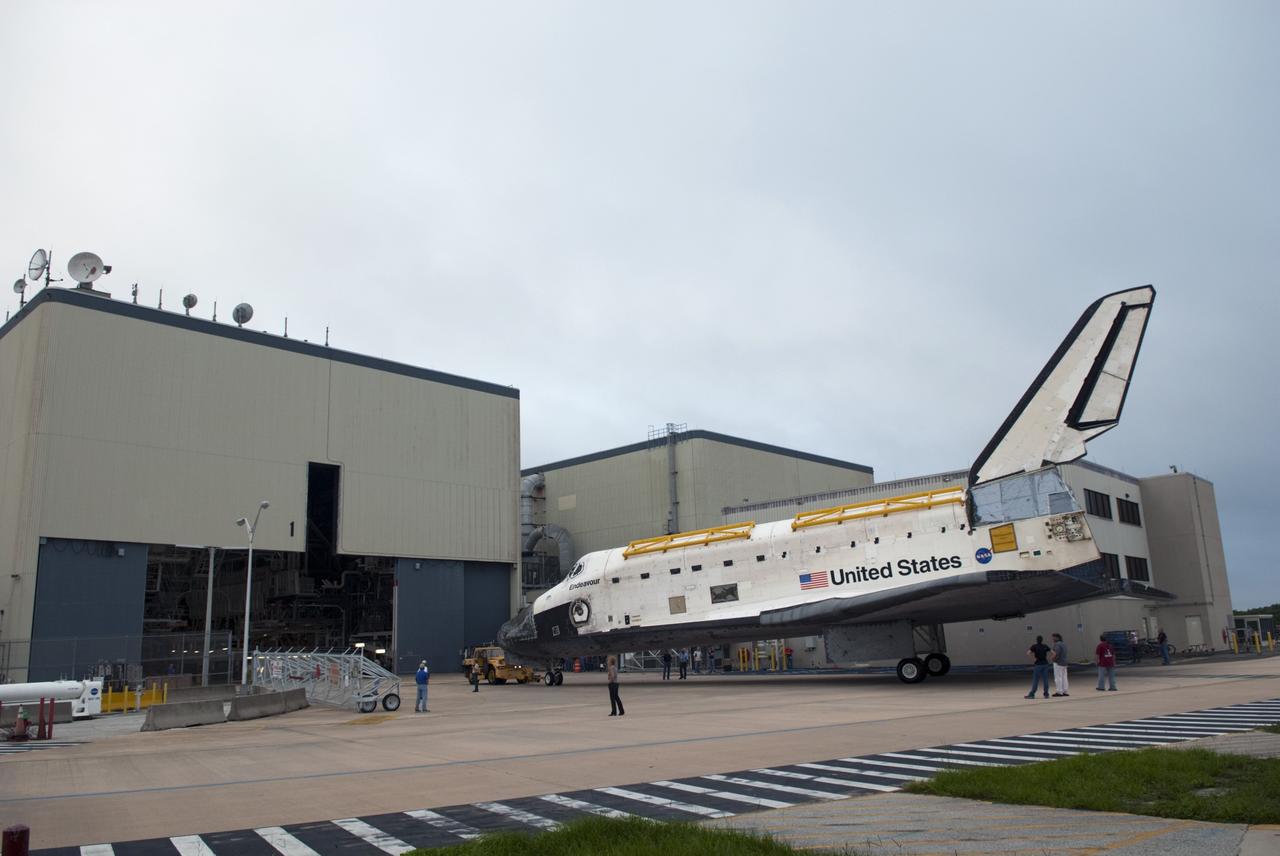
CAPE CANAVERAL, Fla. -- At NASA's Kennedy Space Center in Florida, space shuttle Endeavour sits outside Orbiter Processing Facility-1 (OPF-1), ready for its short jaunt to the Vehicle Assembly Building (VAB). Endeavour is switching places with shuttle Discovery which temporarily has been stored in the VAB. Both shuttles will stop briefly outside OPF-3 for a "nose-to-nose" photo opportunity. Discovery then will be rolled into OPF-1 and Endeavour into the VAB. In OPF-1, Discovery will undergo further preparations for public display at the Smithsonian's National Air and Space Museum Steven F. Udvar-Hazy Center in Virginia. Endeavour will be stored in the VAB until October when it will be moved into OPF-2 for further work to get it ready for public display at the California Science Center in Los Angeles. For more information, visit http://www.nasa.gov/shuttle. Photo credit: NASA/Jim Grossmann
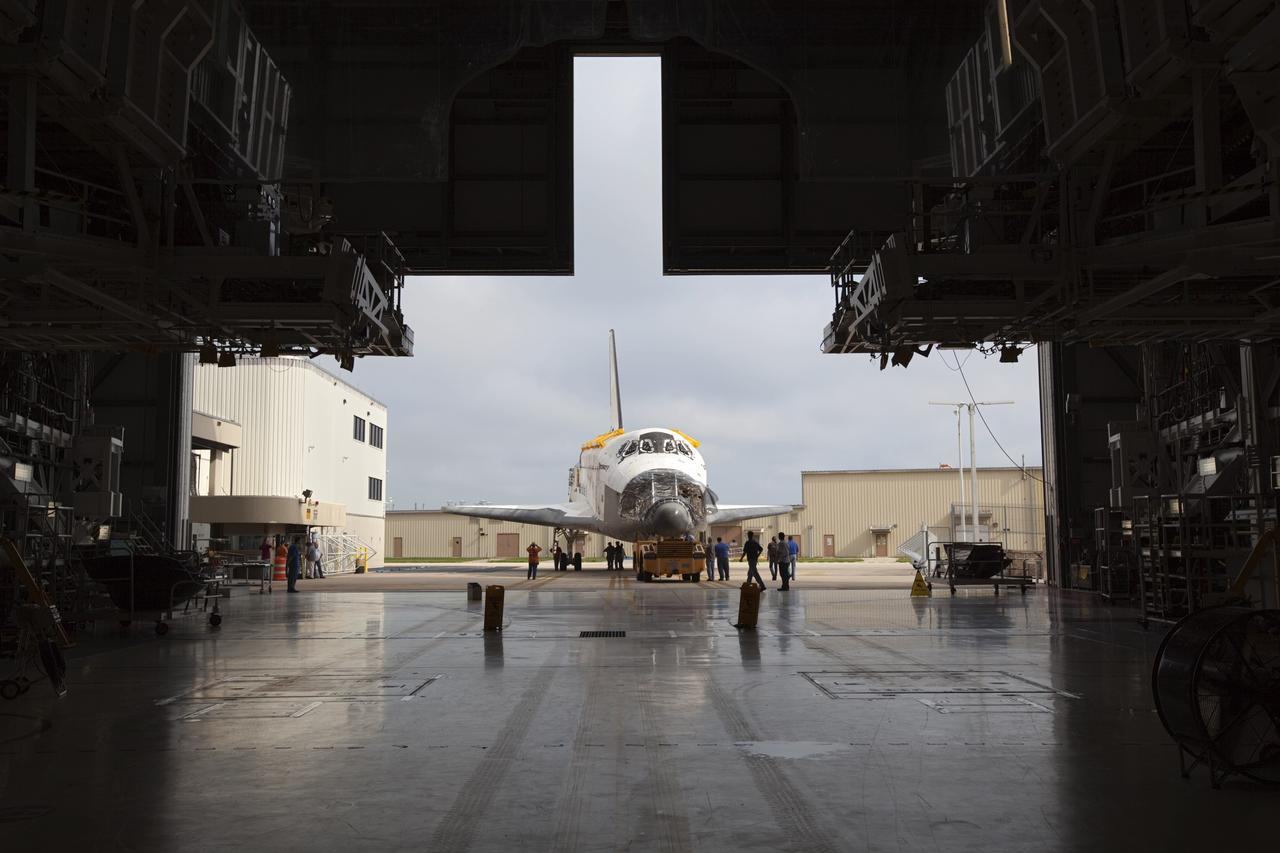
CAPE CANAVERAL, Fla. -- At NASA's Kennedy Space Center in Florida, Orbiter Processing Facility-1 (OPF-1) is ready to receive space shuttle Discovery, parked outside the hangar door. Until this morning, shuttle Endeavour was undergoing decommissioning activities in the bay. Endeavour temporarily is being placed in storage in the Vehicle Assembly Building (VAB). Both shuttles stopped briefly outside OPF-3 for a "nose-to-nose" photo opportunity. In OPF-1, Discovery will undergo further preparations for public display at the Smithsonian's National Air and Space Museum Steven F. Udvar-Hazy Center in Virginia. Endeavour will be stored in the VAB until October when it will be moved into OPF-2 for further work to get it ready for public display at the California Science Center in Los Angeles. For more information, visit http://www.nasa.gov/shuttle. Photo credit: NASA/Dimitri Gerondidakis
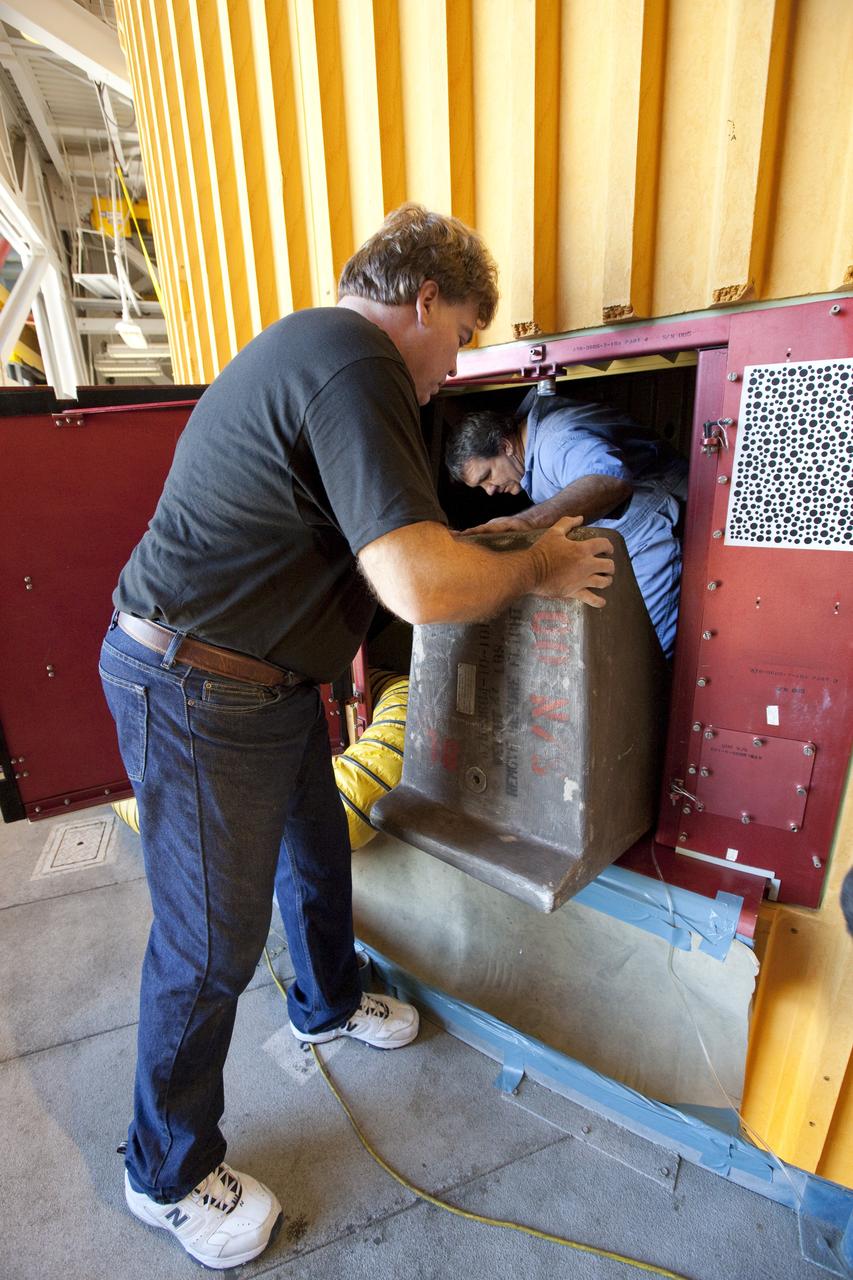
CAPE CANAVERAL, Fla. -- Preparations are under way in the Vehicle Assembly Building at NASA's Kennedy Space Center in Florida to examine space shuttle Discovery's external fuel tank. Technicians will begin to remove thermal sensors that will give engineers data about the changes the tank went through during the loading and draining of super-cold propellants during a tanking test on Dec. 17. Engineers also will examine 21-foot-long support beams, called stringers, on the outside of the tank's intertank region. Also on the agenda, is to re-apply foam to the outside of the tank. Discovery's next launch opportunity to the International Space Station on the STS-133 mission is no earlier than Feb. 3, 2011. For more information on STS-133, visit www.nasa.gov/mission_pages/shuttle/shuttlemissions/sts133/. Photo credit: NASA/Dimitri Gerondidakis
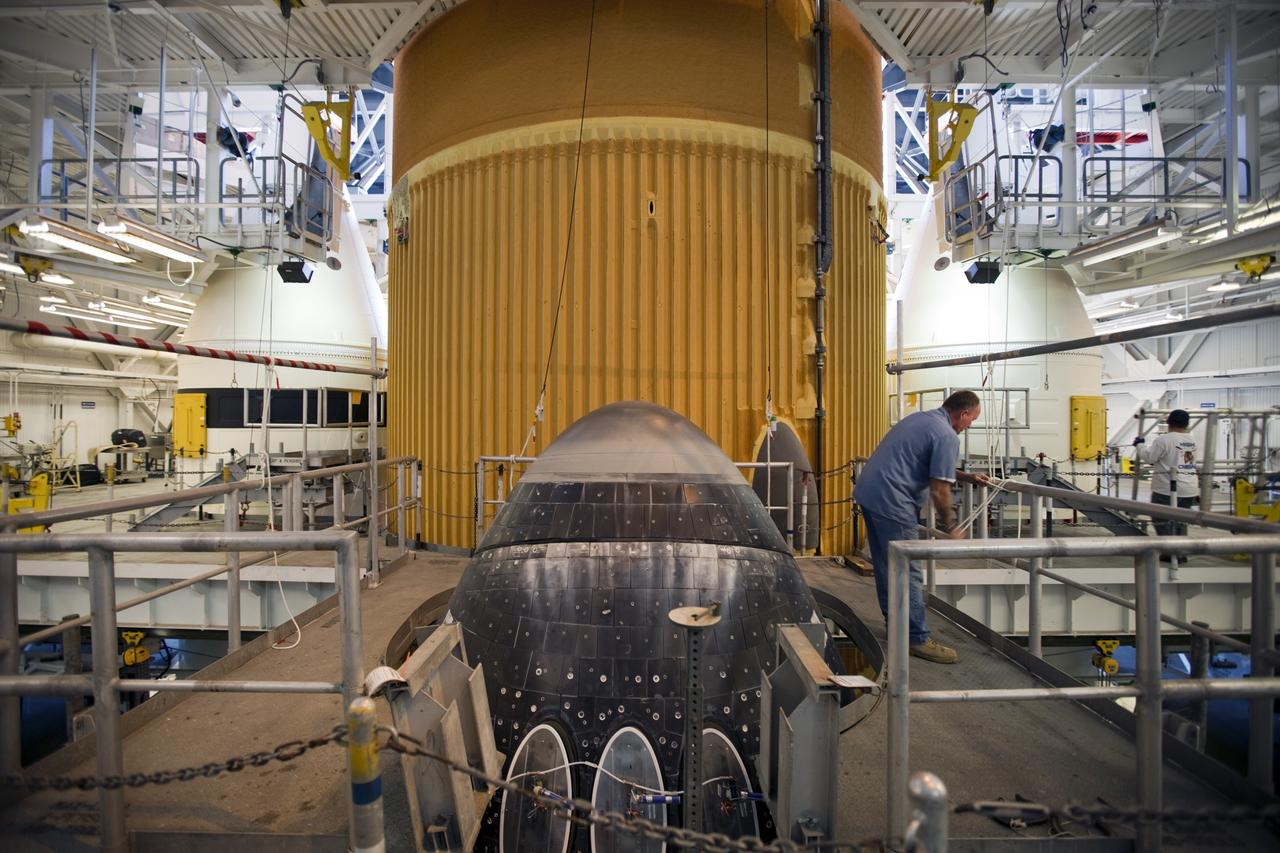
CAPE CANAVERAL, Fla. -- Preparations are under way in the Vehicle Assembly Building at NASA's Kennedy Space Center in Florida to examine space shuttle Discovery's external fuel tank. Shown here is the nose of the shuttle, which still is attached to the external tank and solid rocket boosters. Technicians will begin to remove thermal sensors that will give engineers data about the changes the tank went through during the loading and draining of super-cold propellants during a tanking test on Dec. 17. Engineers also will examine 21-foot-long support beams, called stringers, on the outside of the tank's intertank region. Also on the agenda, is to re-apply foam to the outside of the tank. Discovery's next launch opportunity to the International Space Station on the STS-133 mission is no earlier than Feb. 3, 2011. For more information on STS-133, visit www.nasa.gov/mission_pages/shuttle/shuttlemissions/sts133/. Photo credit: NASA/Dimitri Gerondidakis
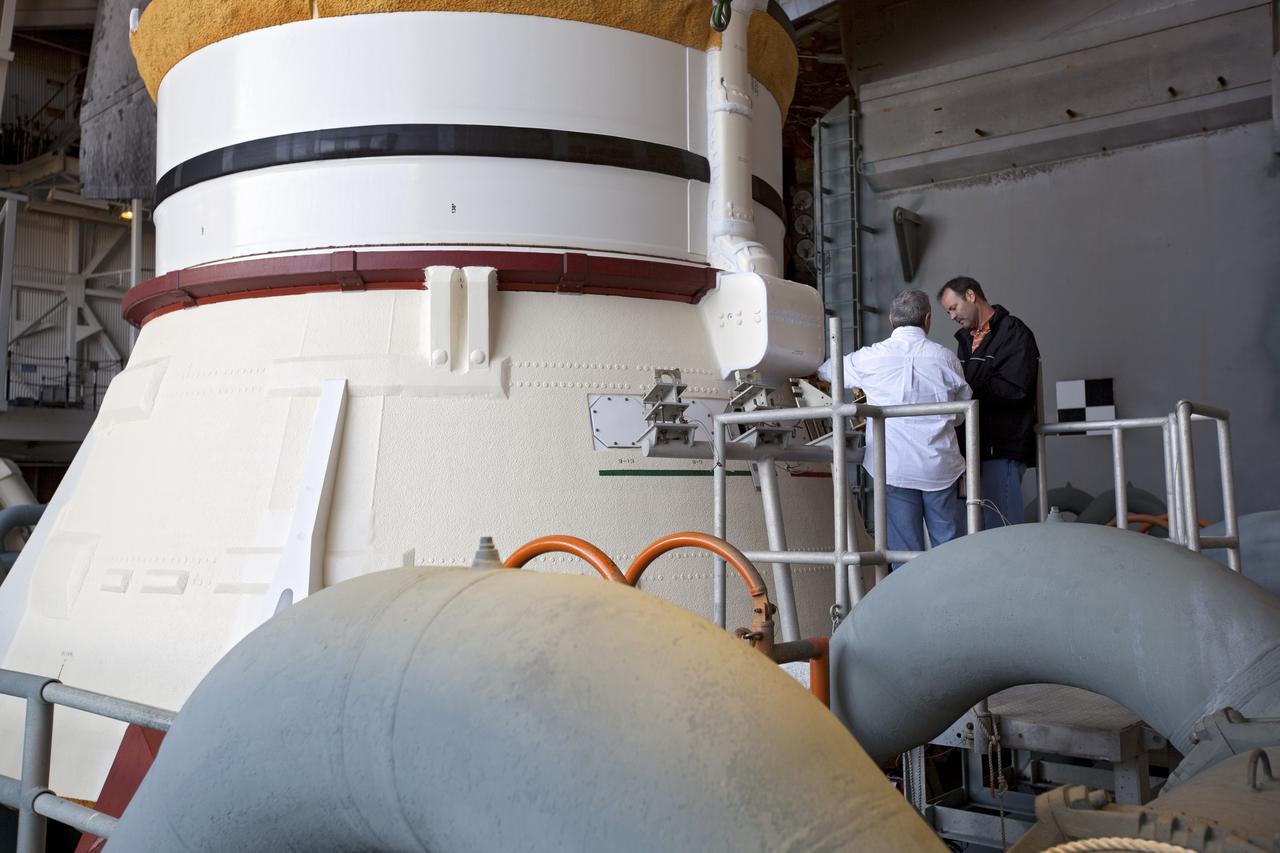
CAPE CANAVERAL, Fla. -- Preparations are under way in the Vehicle Assembly Building at NASA's Kennedy Space Center in Florida to examine space shuttle Discovery's external fuel tank. Shown here, is one of two solid rocket boosters, which are still attached to the external tank and shuttle. Technicians will begin to remove thermal sensors that will give engineers data about the changes the tank went through during the loading and draining of super-cold propellants during a tanking test on Dec. 17. Engineers also will examine 21-foot-long support beams, called stringers, on the outside of the tank's intertank region. Also on the agenda, is to re-apply foam to the outside of the tank. Discovery's next launch opportunity to the International Space Station on the STS-133 mission is no earlier than Feb. 3, 2011. For more information on STS-133, visit www.nasa.gov/mission_pages/shuttle/shuttlemissions/sts133/. Photo credit: NASA/Dimitri Gerondidakis
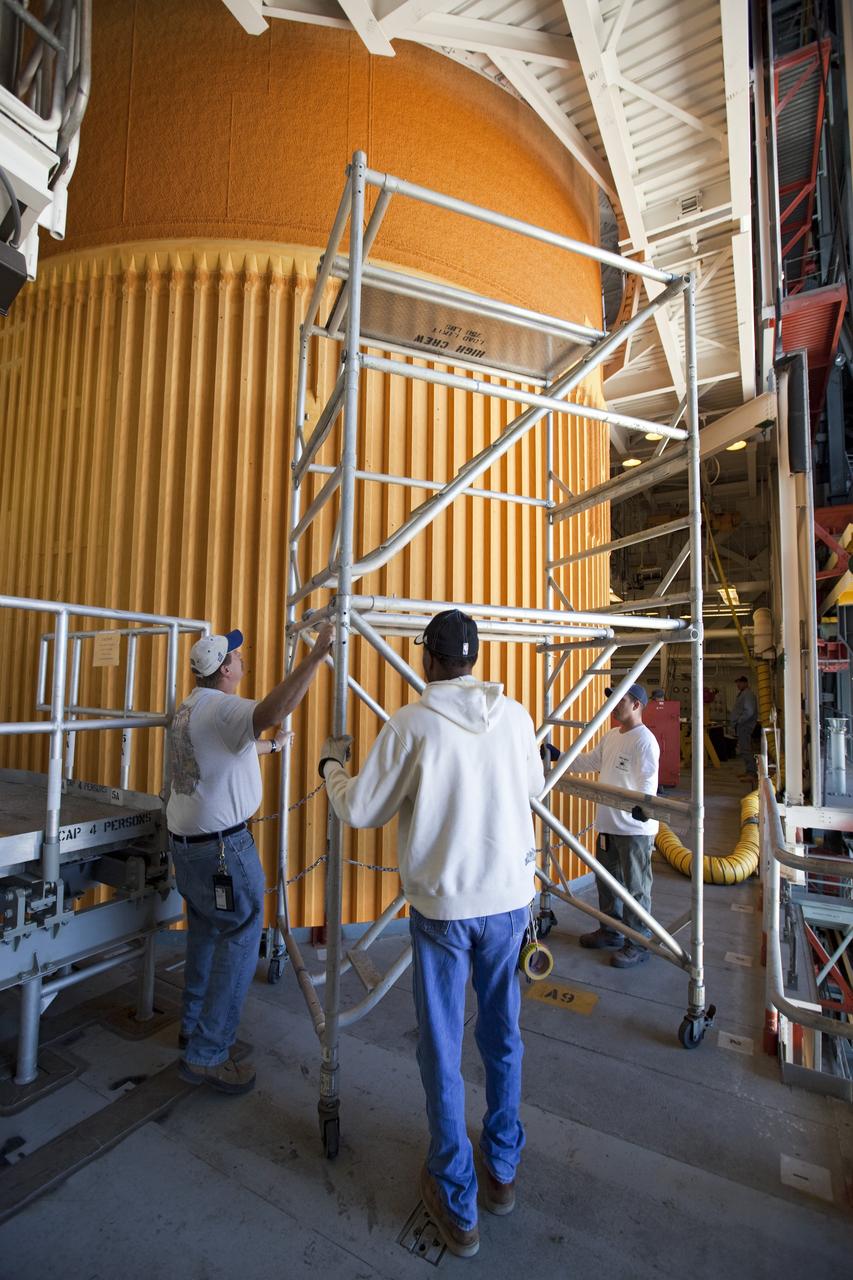
CAPE CANAVERAL, Fla. -- Preparations are under way in the Vehicle Assembly Building at NASA's Kennedy Space Center in Florida to examine space shuttle Discovery's external fuel tank. Technicians will begin to remove thermal sensors that will give engineers data about the changes the tank went through during the loading and draining of super-cold propellants during a tanking test on Dec. 17. Engineers also will examine 21-foot-long support beams, called stringers, on the outside of the tank's intertank region. Also on the agenda, is to re-apply foam to the outside of the tank. Discovery's next launch opportunity to the International Space Station on the STS-133 mission is no earlier than Feb. 3, 2011. For more information on STS-133, visit www.nasa.gov/mission_pages/shuttle/shuttlemissions/sts133/. Photo credit: NASA/Dimitri Gerondidakis

CAPE CANAVERAL, Fla. -- Preparations are under way in the Vehicle Assembly Building at NASA's Kennedy Space Center in Florida to examine space shuttle Discovery's external fuel tank. Technicians will begin to remove thermal sensors that will give engineers data about the changes the tank went through during the loading and draining of super-cold propellants during a tanking test on Dec. 17. Engineers also will examine 21-foot-long support beams, called stringers, on the outside of the tank's intertank region. Also on the agenda, is to re-apply foam to the outside of the tank. Discovery's next launch opportunity to the International Space Station on the STS-133 mission is no earlier than Feb. 3, 2011. For more information on STS-133, visit www.nasa.gov/mission_pages/shuttle/shuttlemissions/sts133/. Photo credit: NASA/Dimitri Gerondidakis
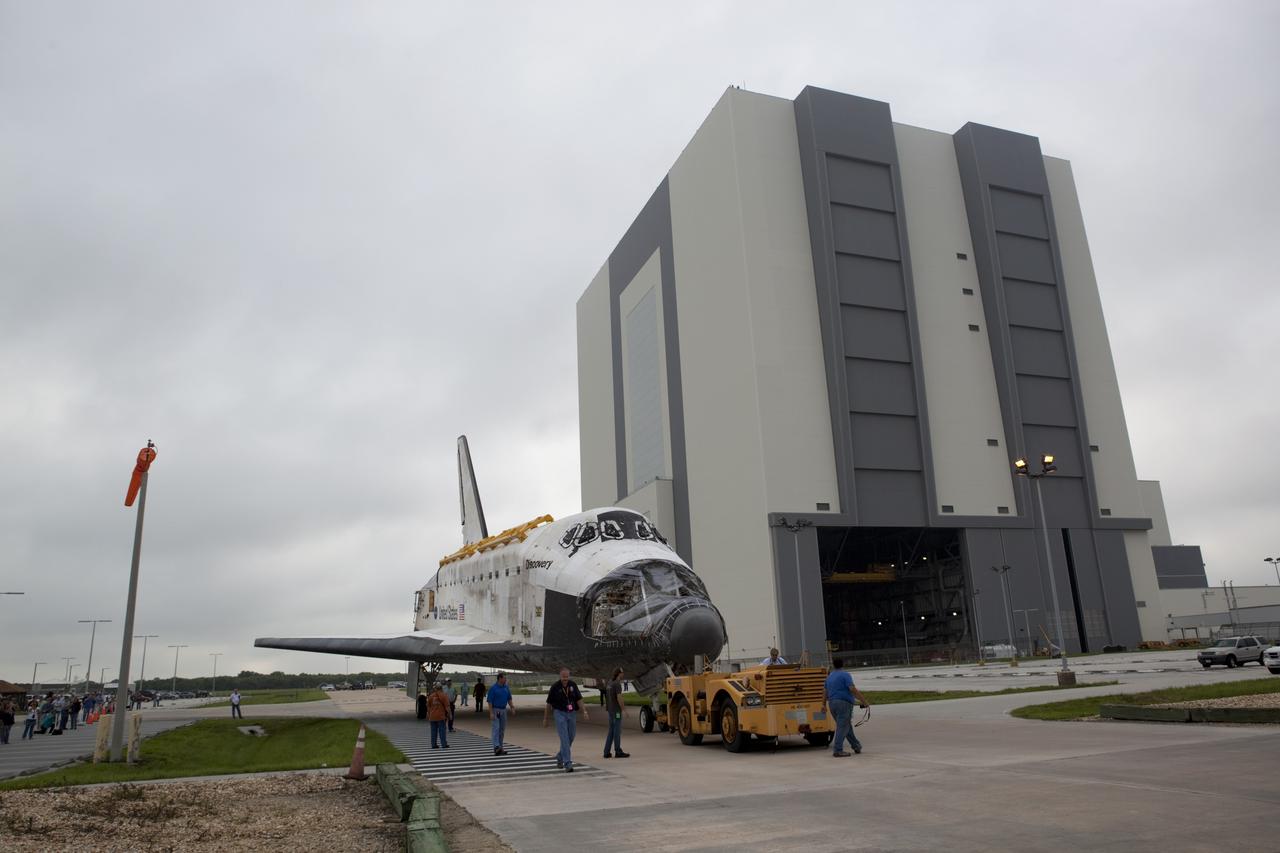
CAPE CANAVERAL, Fla. -- At NASA's Kennedy Space Center in Florida, space shuttle Discovery stops outside the 525-foot-tall Vehicle Assembly Building (VAB), awaiting the arrival of shuttle Endeavour, during its move to the Orbiter Processing Facility-1 (OPF-1). Discovery is switching places with Endeavour which has been undergoing decommissioning activities in OPF-1. Both shuttles will stop briefly outside OPF-3 for a "nose-to-nose" photo opportunity. Discovery then will be rolled into OPF-1 and Endeavour into the VAB. In OPF-1, Discovery will undergo further preparations for public display at the Smithsonian's National Air and Space Museum Steven F. Udvar-Hazy Center in Virginia. Endeavour will be stored in the VAB until October when it will be moved into OPF-2 for further work to get it ready for public display at the California Science Center in Los Angeles. For more information, visit http://www.nasa.gov/shuttle. Photo credit: NASA/Dimitri Gerondidakis
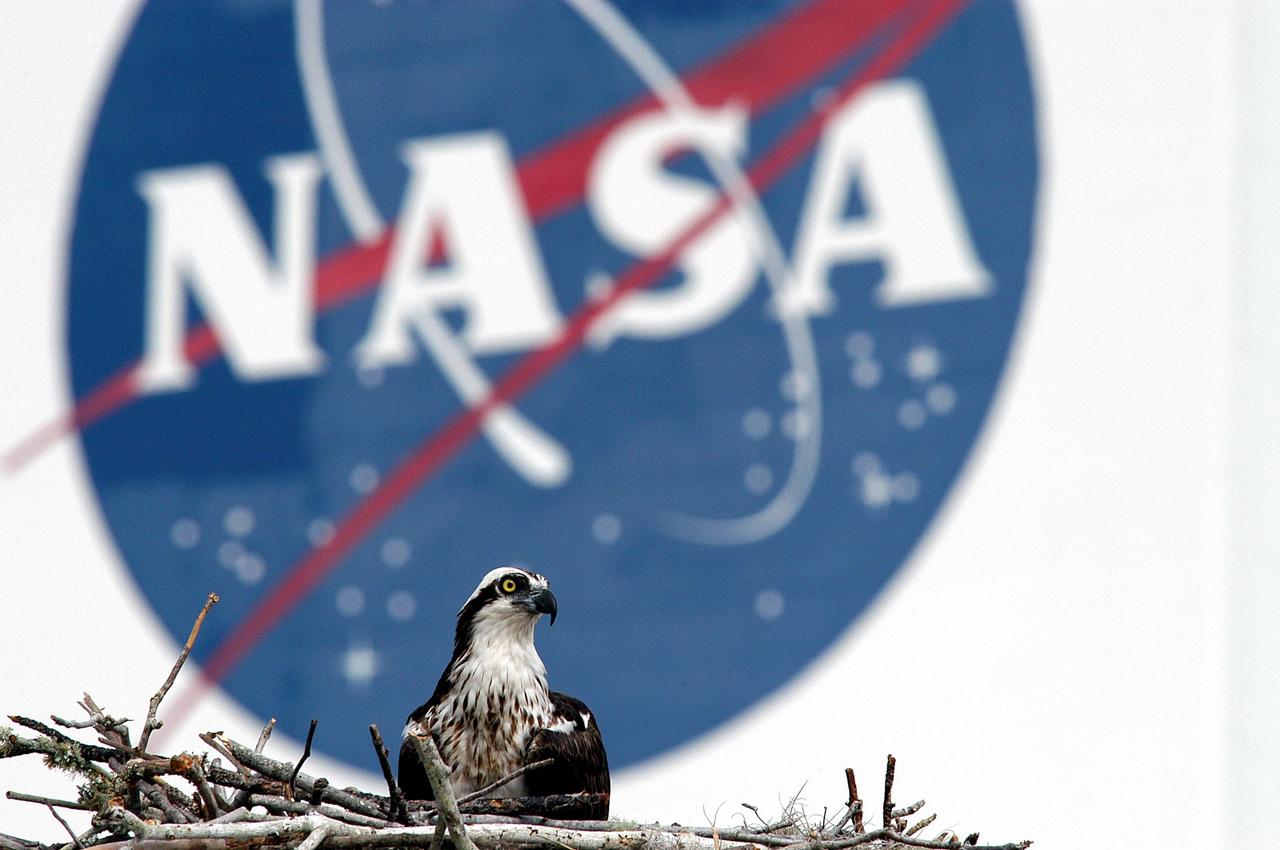
KENNEDY SPACE CENTER, Fla. - Framed by the NASA insignia, on the outside of the Vehicle Assembly Building, this osprey stares out from the nest it has built on top of speakers in a nearby parking lot. Known as a fish hawk, the osprey selects sites of opportunity, from trees and telephone poles to rocks or even flat ground. In the United States it is found from Alaska and Newfoundland to Florida and the Gulf Coast. Osprey nests are found throughout the Kennedy Space Center and nearby Merritt Island National Wildlife Refuge.
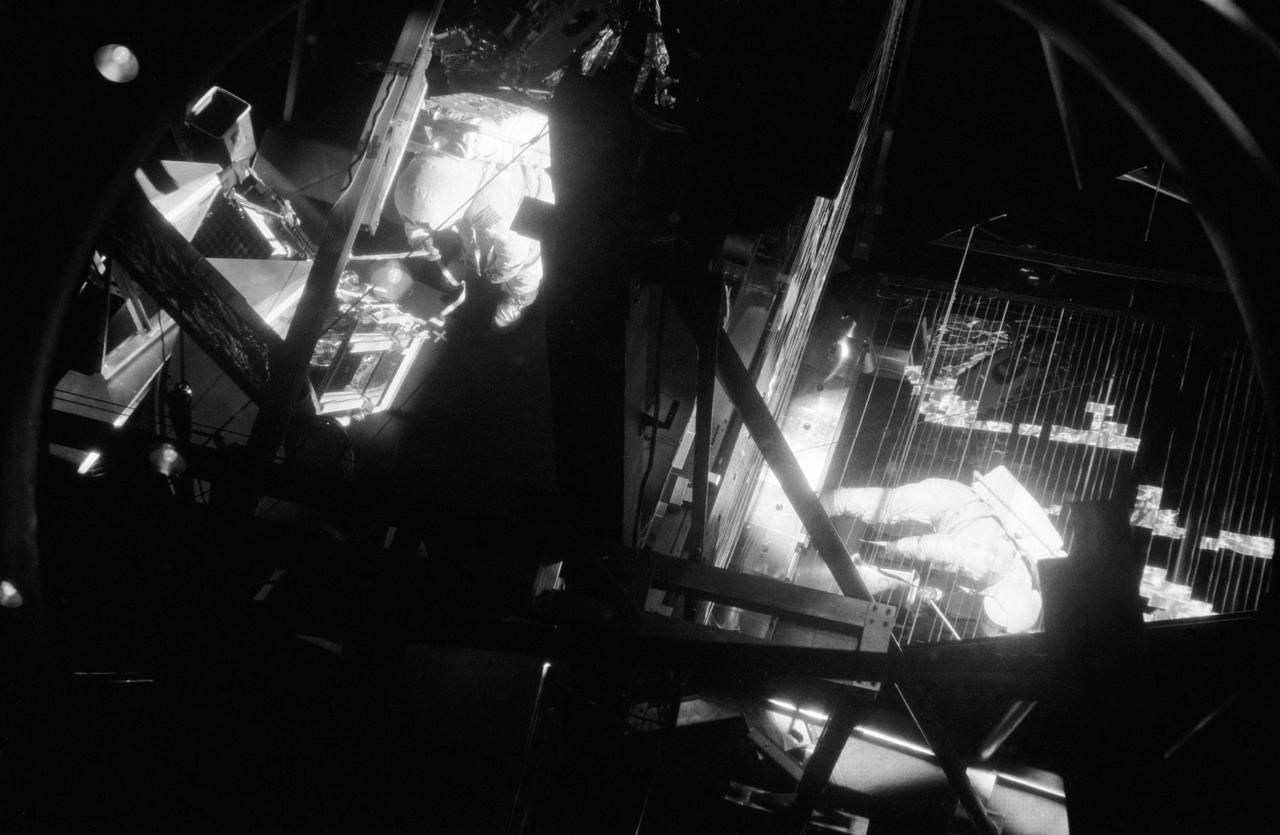
Astronaut Neil A. Armstrong, commander of the Apollo 11 lunar landing mission, is photographed during thermovacuum training in Chamber B of the Space Environment Simulation Laboratory, Building 32, Manned Spacecraft Center. He is wearing an Extravehicular Mobility Unit. The training simulated lunar surface vacuum and thermal conditions during astronaut operations outside the Lunar Module on the moon's surface. The mirror was used to reflect solar light.
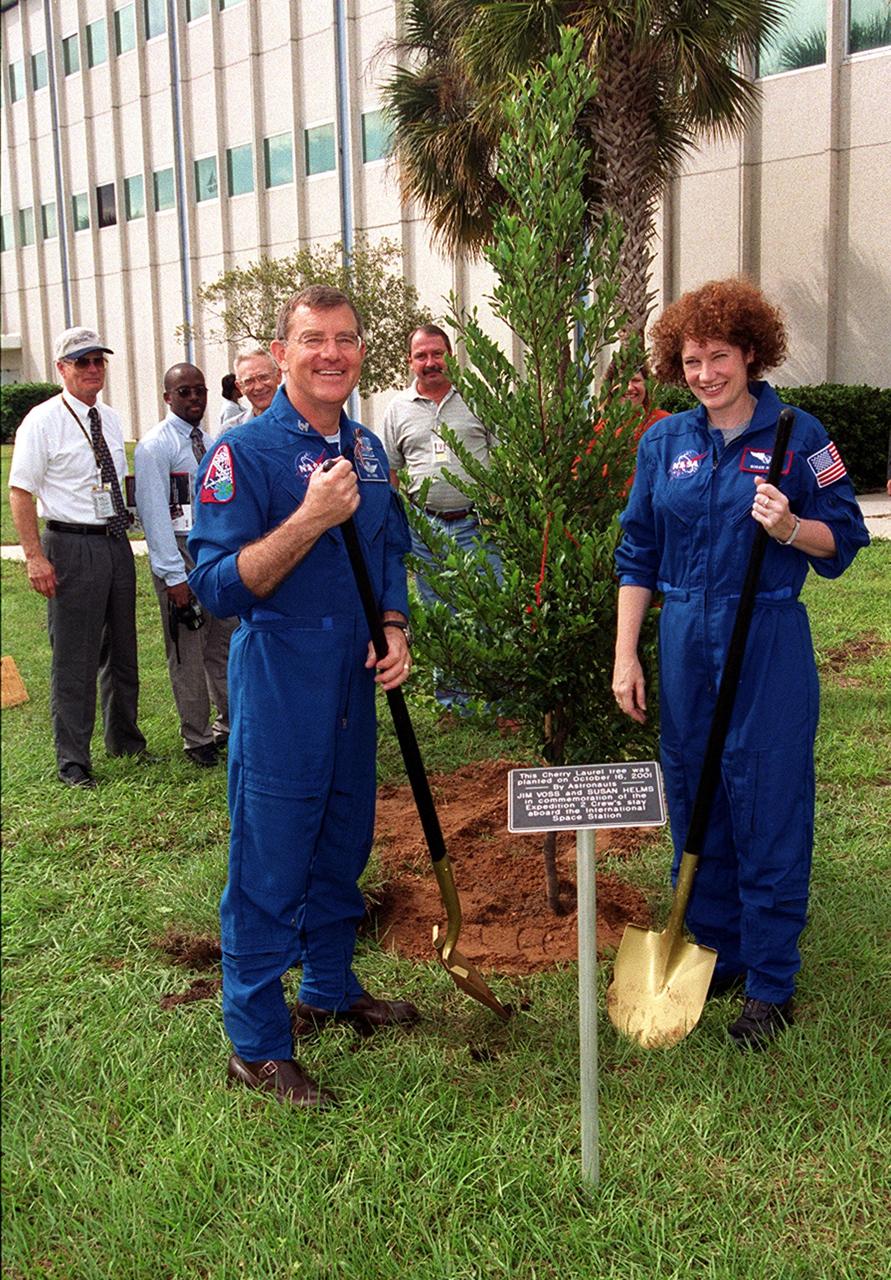
KENNEDY SPACE CENTER, Fla. -- Astronauts Jim Voss (left) and Susan Helms plant a cherry laurel tree outside the KSC Headquarters building to commemorate their stay as Expedition 2 crew members aboard the International Space Station. Expedition 2, which also included cosmonaut Yury Usachev, made the space voyage to the Station on mission STS-102 in March 2001. After five months on the Station, they returned to Earth, at the KSC Shuttle Landing Facility, on mission STS-105 in August 2001
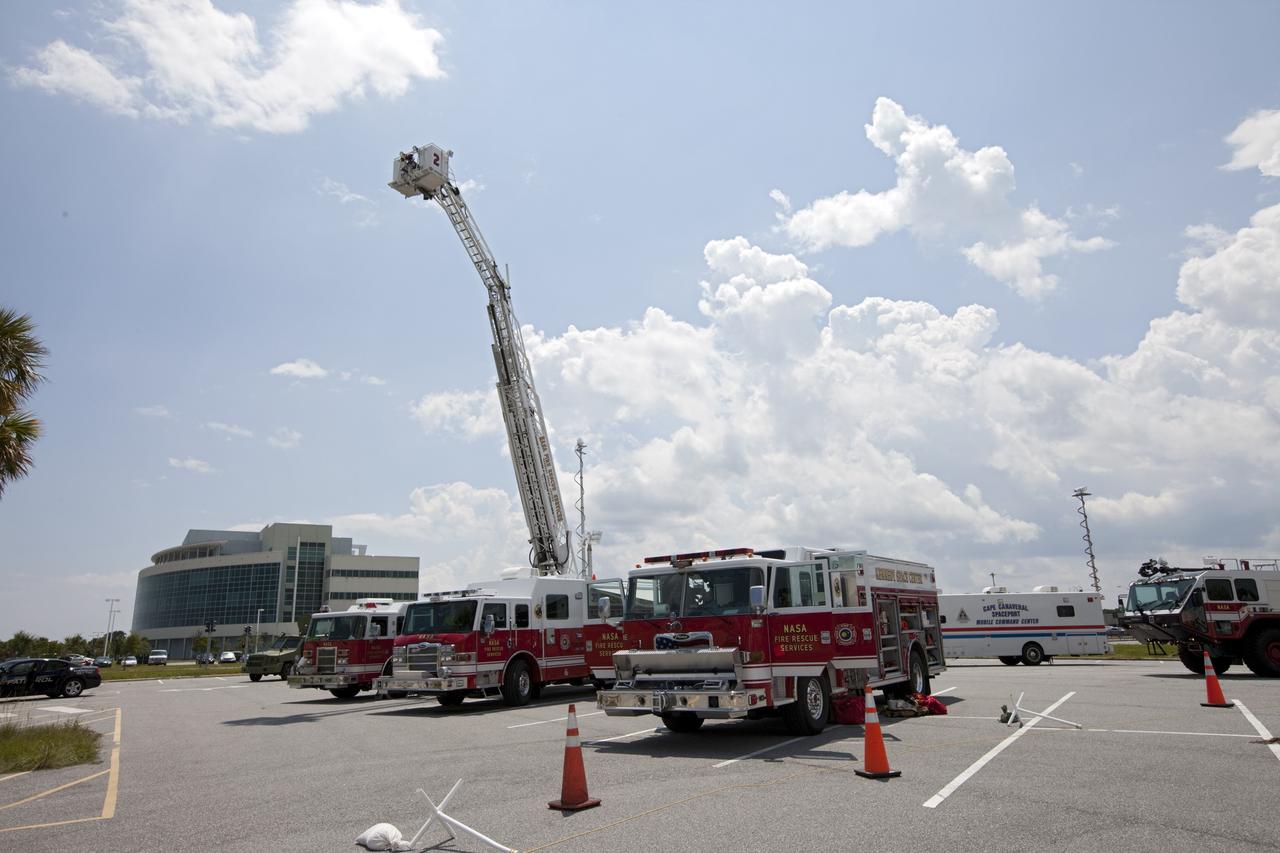
CAPE CANAVERAL, Fla. – At NASA’s Kennedy Space Center in Florida, Fire and Rescue and Protective Services vehicles are on display outside of the Vehicle Assembly Building during the center’s 2012 Innovation Expo. The center-wide event gave researchers a chance to show some of their work to others at the center and gave employees the opportunity to see facilities they hadn’t seen before. Photo credit: NASA/Kim Shiflett
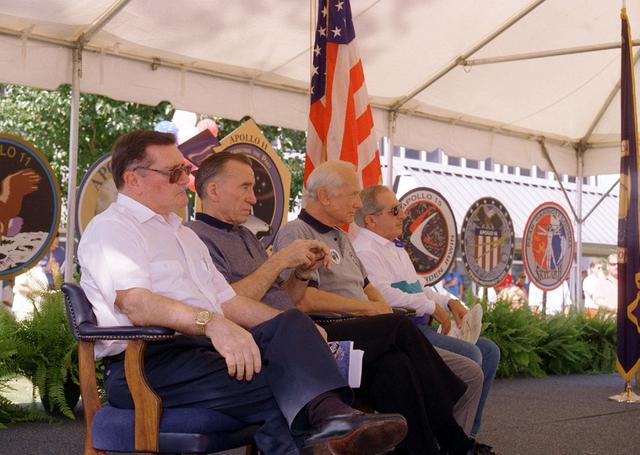
Outside of Building 4200 at Marshall Space Flight Center, a courtyard was constructed in memory of Dr. Wernher von Braun and his contributions to the U. S. Space program. In the middle of the courtyard a fountain was built. The fountain was made operational prior to the 30th arniversary celebration of the Apollo 11 lunar landing. Attending the dedication ceremony were visiting Apollo astronauts and NASA's Safety and Assurance Director Rothenberg.
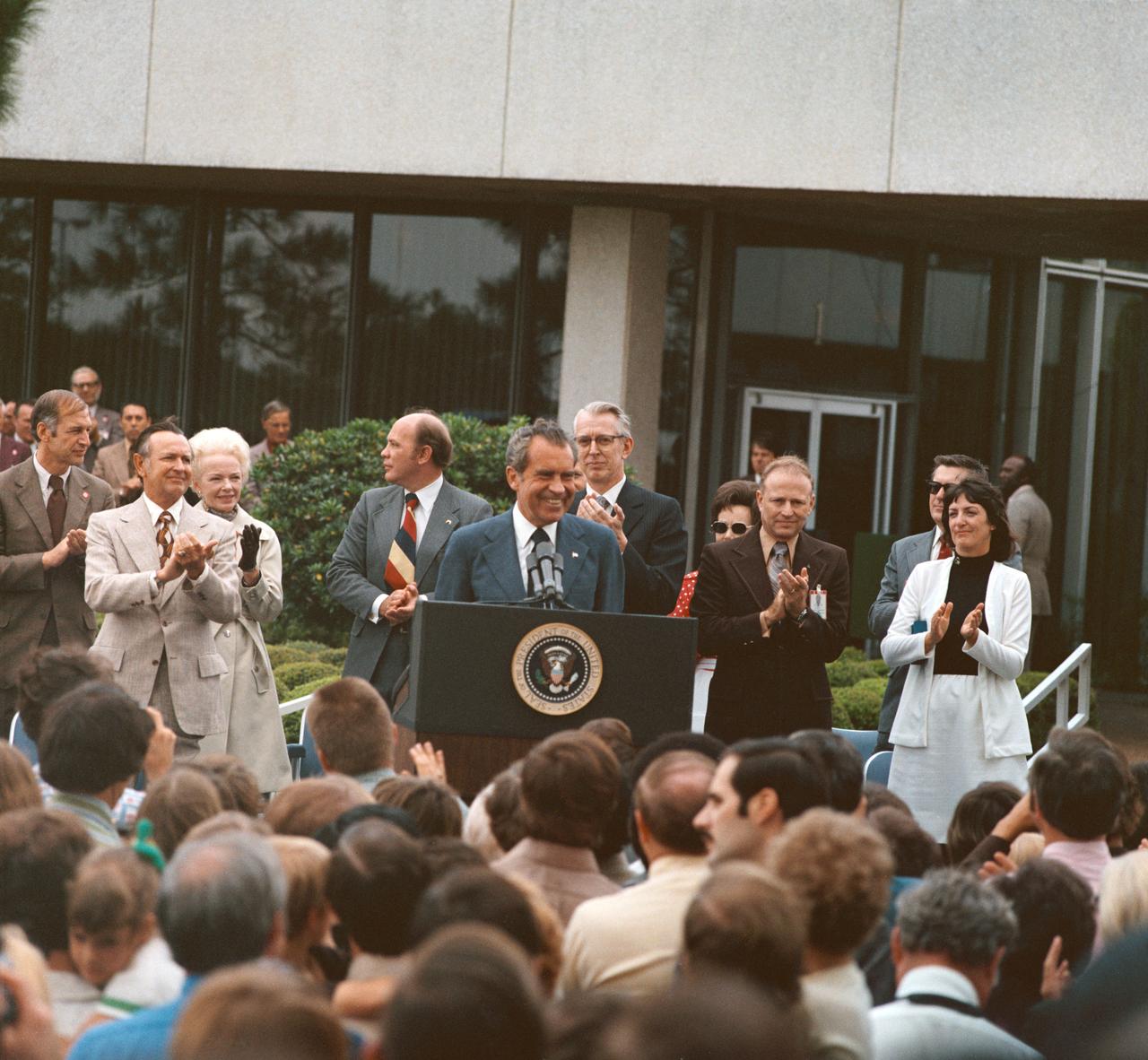
Five (5) views of President Richard M. Nixon during his visit to the JSC. These views show the President as he addresses a crowd of employees and visitors outside of Building 1 Auditorium. Dr. Christopher C. Kraft, Fletcher, and Astronaut Gerald Carr, with Pete Clements, George Abbey, and Jack Waite in the background is also seen with the President. 1. Pres. Richard M. Nixon 2. Dr. Christopher C. Kraft JSC, HOUSTON, TX
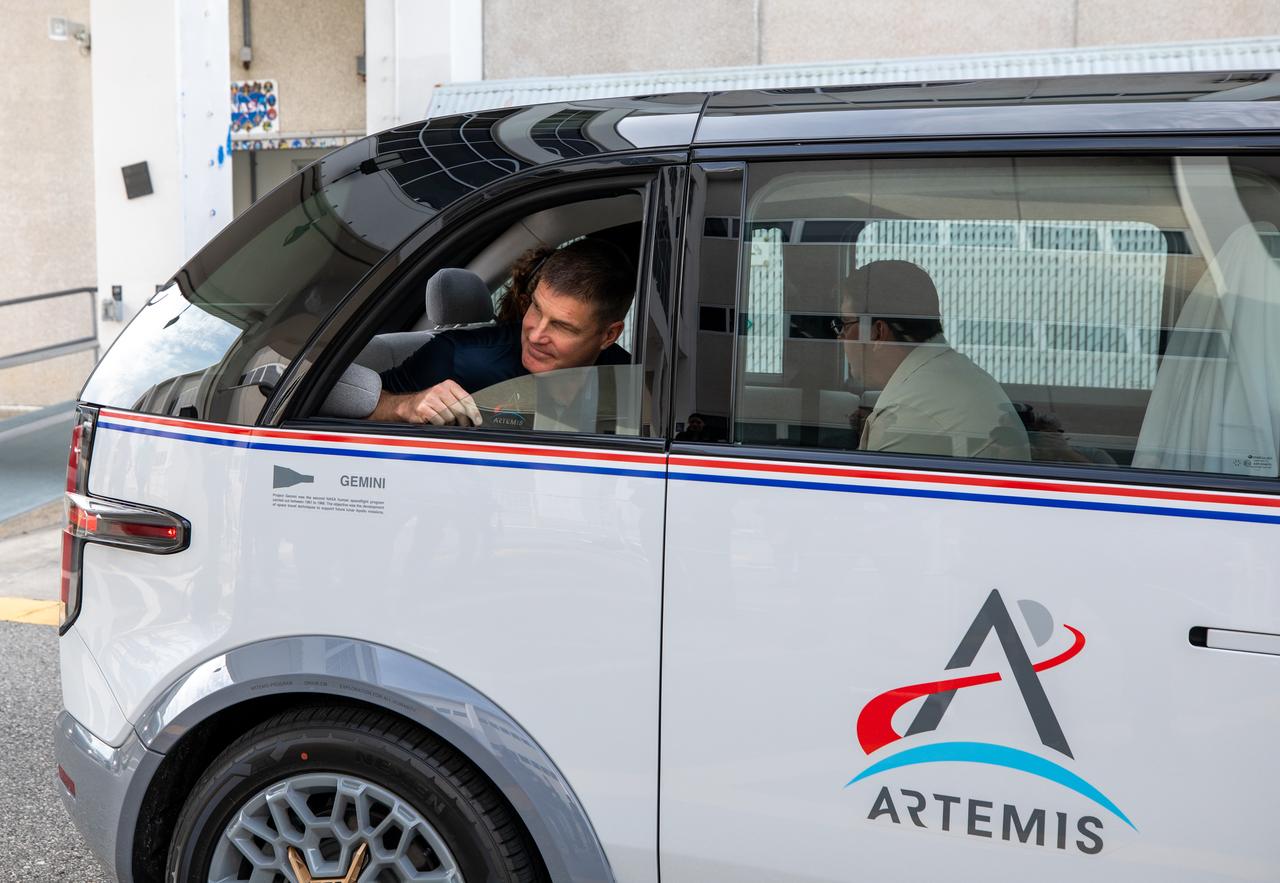
NASA astronaut Jeremy Hansen, left, sits inside one of the crew transport vehicles (CTVs) outside of the Neil A. Armstrong Operations and Checkout Building at Kennedy Space Center in Florida on Tuesday, Sept. 19, 2023. The CTVs will carry Hansen, along with fellow NASA astronauts Christina Koch, Reid Wiseman, and Victor Glover, to Kennedy’s Launch Complex 39B for liftoff of the Artemis II mission. The specially designed, fully electric, environmentally friendly vehicles were manufactured by Canoo Technologies, Inc. of Torrance California.
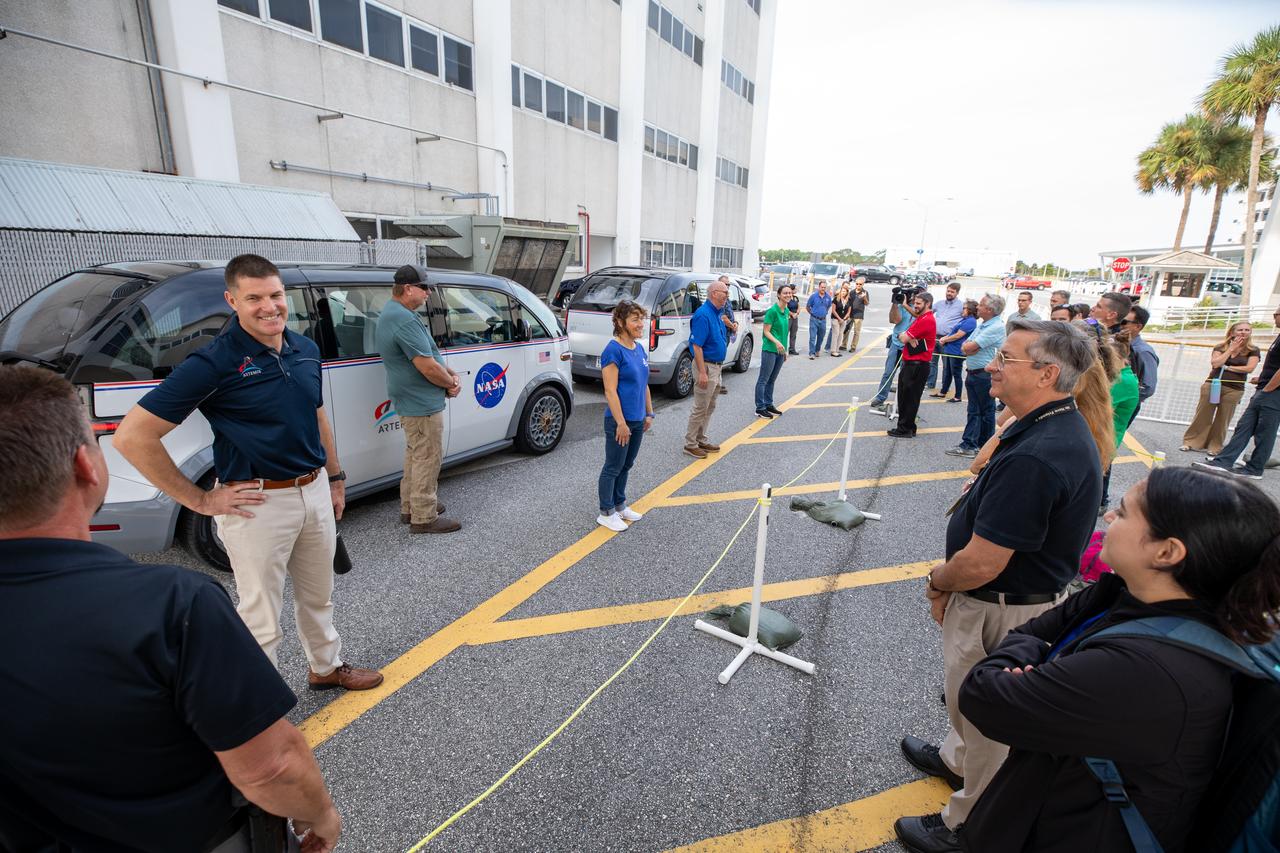
NASA astronauts Jeremy Hansen and Christina Koch view the crew transport vehicles (CTVs) outside of the Neil A. Armstrong Operations and Checkout Building at Kennedy Space Center in Florida on Tuesday, Sept. 19, 2023. The CTVs will carry them, along with fellow NASA astronauts Reid Wiseman and Victor Glover, to Kennedy’s Launch Complex 39B for liftoff of the Artemis II mission. The specially designed, fully electric, environmentally friendly vehicles were manufactured by Canoo Technologies, Inc. of Torrance California.
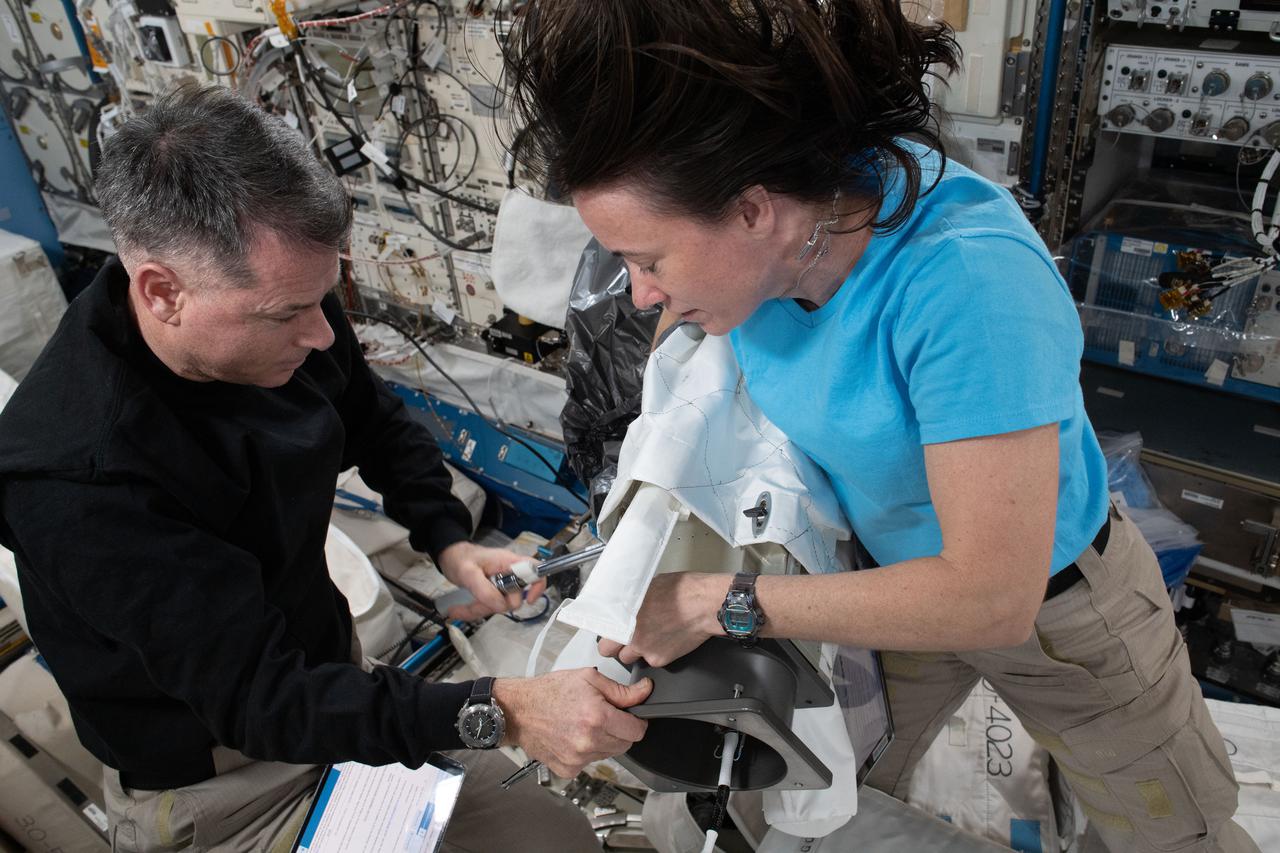
iss065e257482 (Aug. 16, 2021) --- NASA astronauts and Expedition 65 Flight Engineers Shane Kimbrough and Megan McArthur work on a Floating Potential Measurement Unit (FPMU) that will be installed on the outside of the International Space Station on an upcoming spacewalk. The FPMU is a device that measures electrical charges that can build on solar arrays and surfaces on spacecraft for astronaut safety and to promote safe deep space exploration.

S88-31388 (8 May 1961) --- Astronaut Alan B. Shepard Jr. (center), along with wife Louise, waves to a crowd outside the U.S. Capitol building. Shepard, Mercury-Redstone 3 astronaut, had earlier briefed Congress on the first U.S. manned spaceflight -- a 15-minute suborbital mission on May 5, 1961, aboard the Freedom 7 capsule. (NASA Hq. Photo No., MR3-49) Photo credit: NASA or National Aeronautics and Space Administration
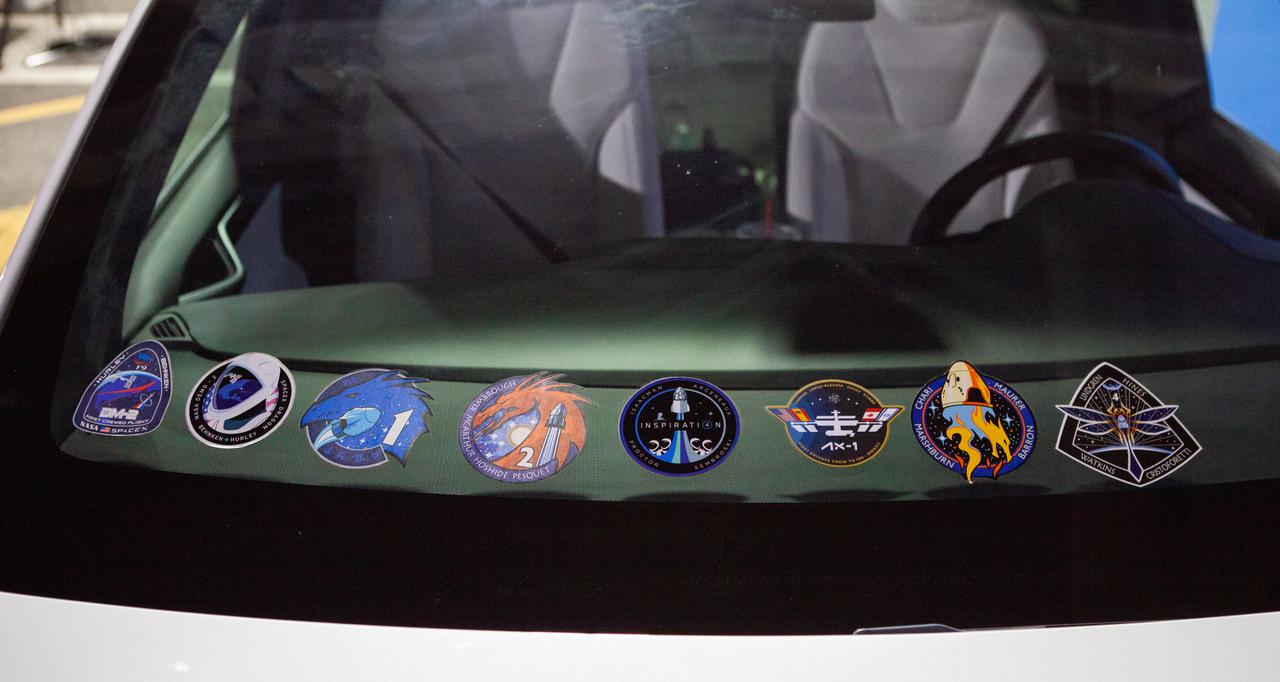
A customized Tesla Model X vehicle is parked outside the Neil A. Armstrong Operations and Checkout Building at NASA’s Kennedy Space Center in Florida on April 27, 2022. Crew-4 astronauts Kjell Lindgren, Bob Hines, Jessica Watkins, and Samantha Cristoforetti will make their way to the vehicles, which will transport them to Launch Complex 39A. Liftoff aboard SpaceX’s Crew Dragon, powered by the company’s Falcon 9 rocket, is scheduled for today at 3:52 a.m. EDT from Pad 39A at Kennedy.

KENNEDY SPACE CENTER, FLA. - Framed by the NASA insignia, on the outside of the Vehicle Assembly Building, this osprey stares out from the nest it has built on top of speakers in a nearby parking lot. Known as a fish hawk, the osprey selects sites of opportunity, from trees and telephone poles to rocks or even flat ground. In the United States it is found from Alaska and Newfoundland to Florida and the Gulf Coast. Osprey nests are found throughout the Kennedy Space Center and nearby Merritt Island National Wildlife Refuge.
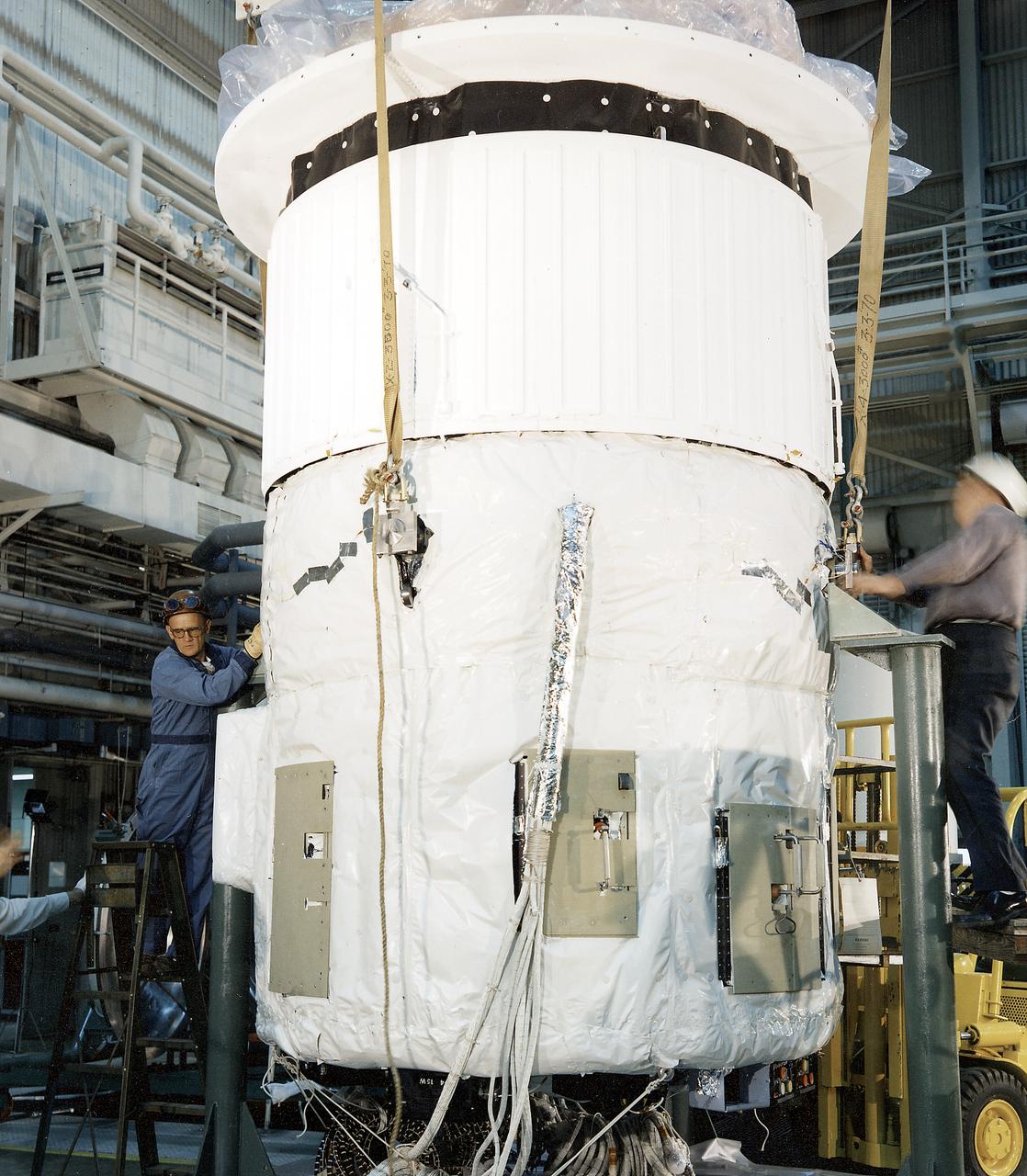
The Apollo Telescope Mount (ATM) was designed and developed by the Marshall Space Flight Center (MSFC) and served as the primary scientific instrument unit aboard Skylab (1973-1979). The ATM consisted of eight scientific instruments as well as a number of smaller experiments. This image is of the ATM thermal unit being tested in MSFC's building 4619. The thermal unit consisted of an active fluid-cooling system of water and methanol that was circulated to radiators on the outside of the canister. The thermal unit provided temperature stability to the ultrahigh resolution optical instruments that were part of the ATM.
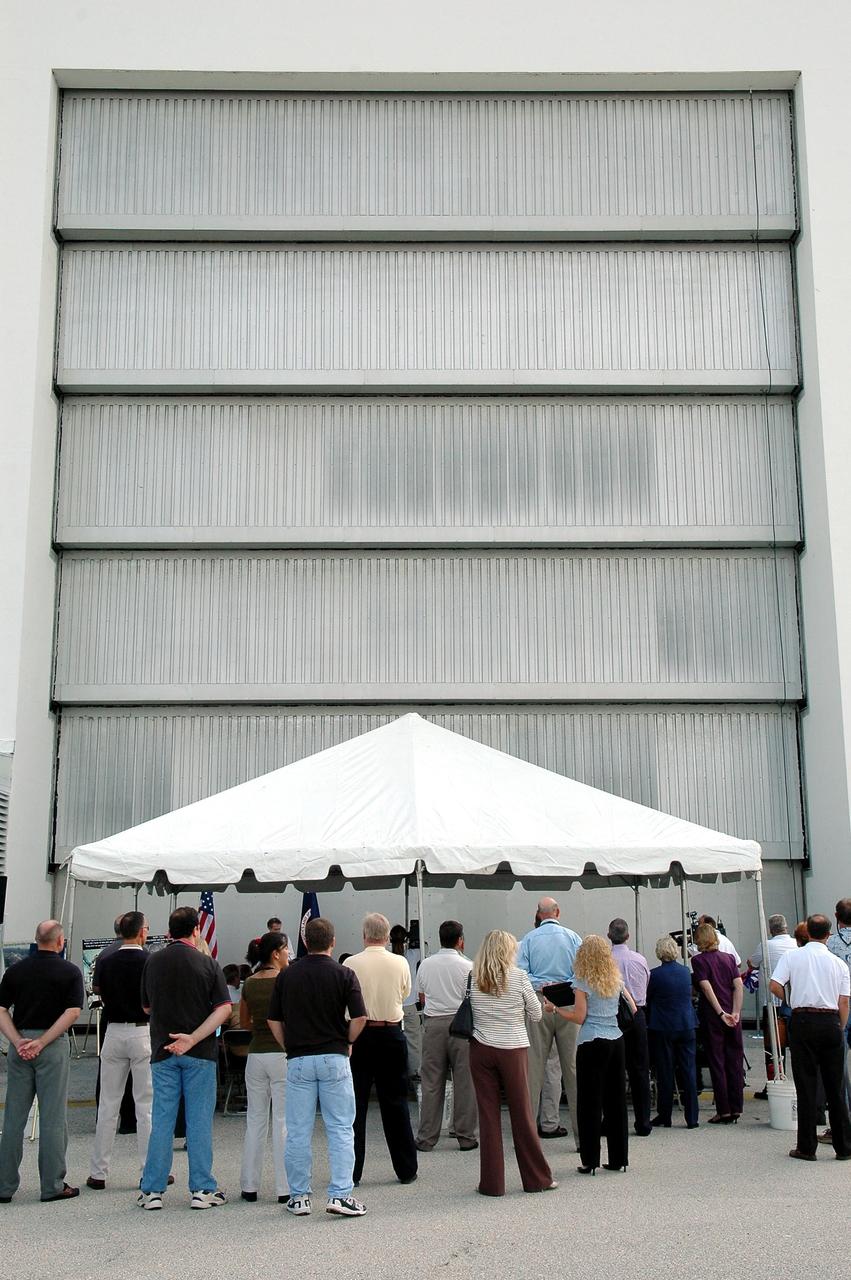
KENNEDY SPACE CENTER, FLA. - Following ribbon-cutting ceremony, workers and officials wait outside the west door to the Operations and Checkout Building for its reactivation as the entry into the crew exploration vehicle environment. During the rest of the decade, KSC will transition from launching space shuttles to launching new vehicles in NASA’s Vision For Space Exploration. Photo credit: NASA/Kim Shiflett
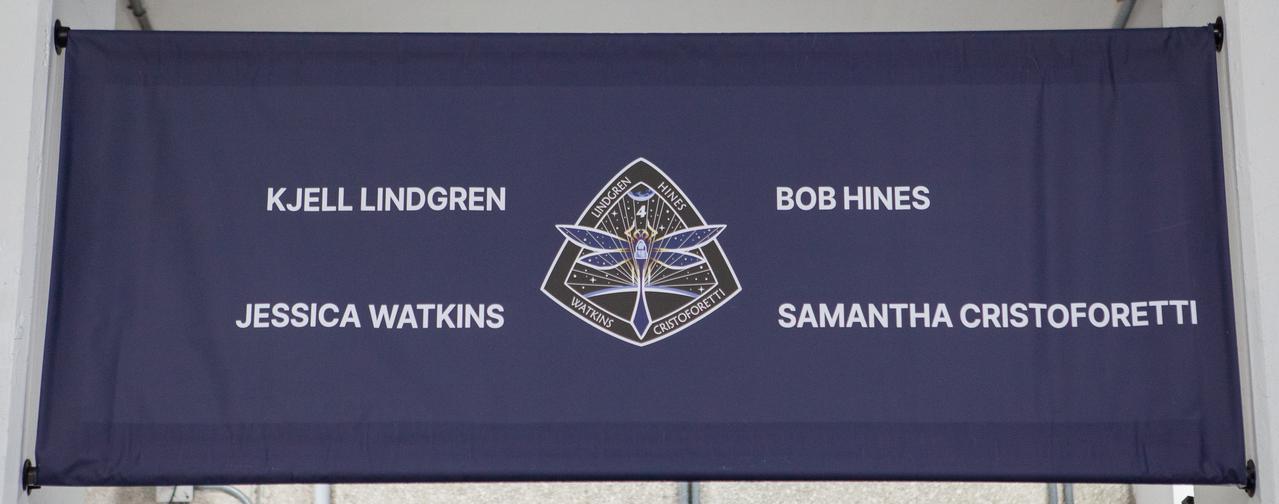
A banner hangs outside the Neil A. Armstrong Operations and Checkout Building at NASA’s Kennedy Space Center in Florida on April 27, 2022. Crew-4 astronauts Kjell Lindgren, Bob Hines, Jessica Watkins, and Samantha Cristoforetti will launch to the International Space Station aboard SpaceX’s Crew Dragon, powered by the company’s Falcon 9 rocket, as part of NASA’s Commercial Crew Program. Liftoff is scheduled for today at 3:52 a.m. EDT from Launch Complex 39A at Kennedy.
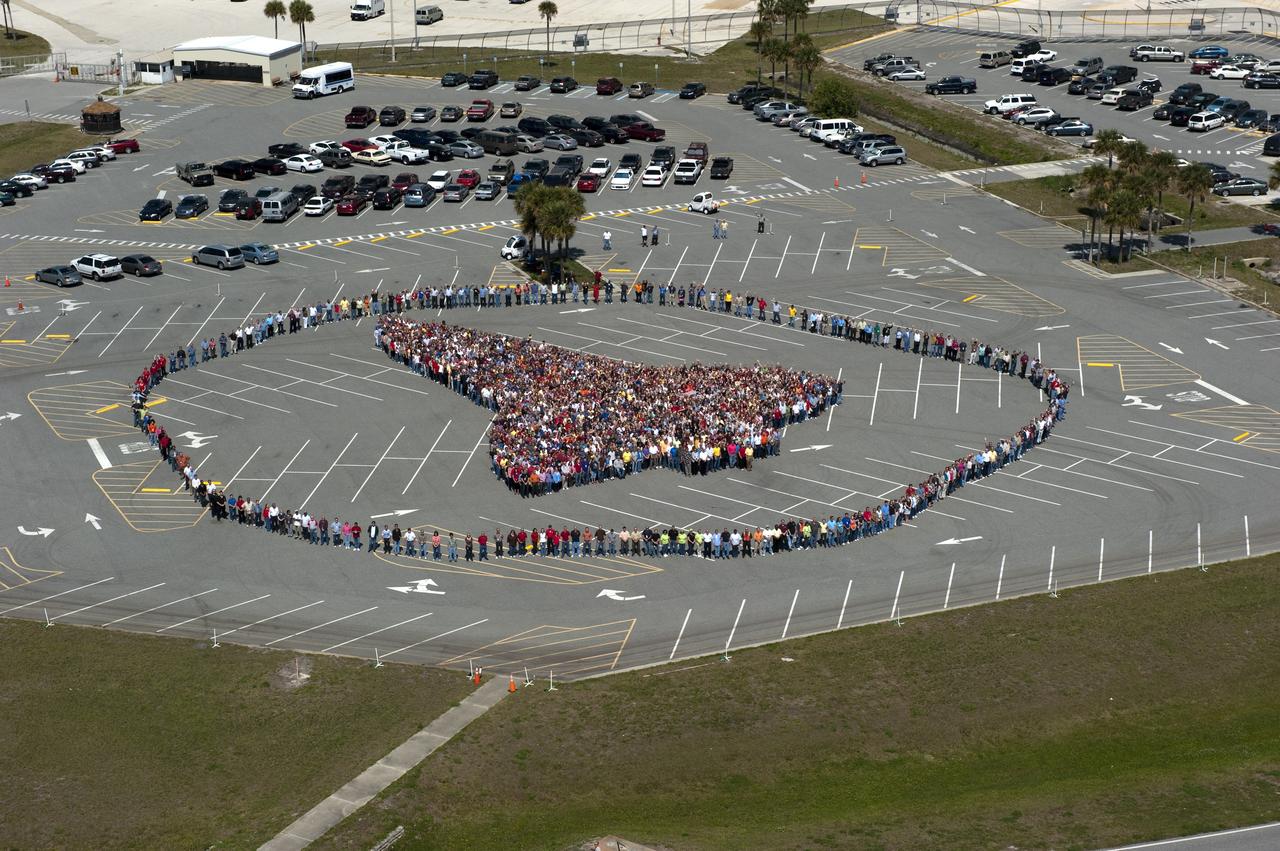
CAPE CANAVERAL, Fla. -- Thousands of NASA Kennedy Space Center employees stand side-by-side to form a full-scale outline of a space shuttle orbiter outside the Vehicle Assembly Building. The unique photo opportunity was designed to honor the Space Shuttle Program's 30-year legacy and the people who contribute to safely processing, launching and landing the vehicle. To learn more about the space shuttle era, including videos, photos and feature stories, go to www.nasa.gov/mission_pages/shuttle/flyout/index.html. Photo credit: NASA/Kim Shiflett

THE SOLAR PROBE PLUS CUP INSTRUMENT WILL BE PART OF THE SOLAR PROBE PLUS MISSION TO STUDY THE SUN. THE CUP WILL FLY ON THE SPACECRAFT ON THE OUTSIDE OF THE SHIELD AND WILL "CATCH" CHARGED PARTICLES FROM THE SUN AND ANALYZE THEM. A TEAM FROM THE HARVARD SMITHSONIAN ASTROPHYSICS OBSERVATORY IS BUILDING THIS INSTRUMENT AND TESTED AN ENGINEERING MODEL OF THE CUP IN AN ENVIRONMENTAL TEST FACILITY AT NASA'S MARSHALL SPACE FLIGHT CENTER.INSIDE THE VACUUM CHAMBER, THE PROBE WAS EXPOSED TO AN ENVIRONMENTAL CONDITIONS SIMILAR TO THOSE FOUND IN SPACE
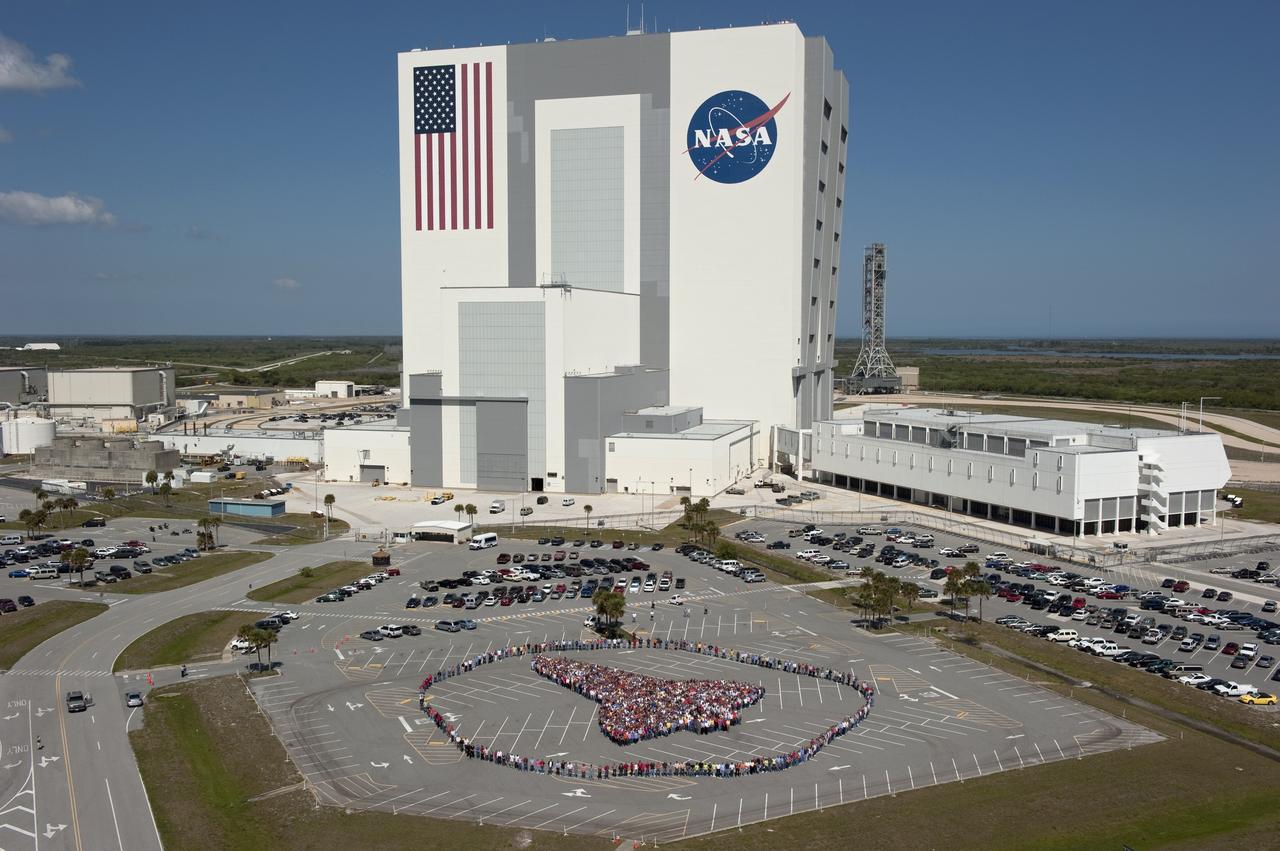
CAPE CANAVERAL, Fla. -- Thousands of NASA Kennedy Space Center employees stand side-by-side to form a full-scale outline of a space shuttle orbiter outside the Vehicle Assembly Building. The unique photo opportunity was designed to honor the Space Shuttle Program's 30-year legacy and the people who contribute to safely processing, launching and landing the vehicle. To learn more about the space shuttle era, including videos, photos and feature stories, go to www.nasa.gov/mission_pages/shuttle/flyout/index.html. Photo credit: NASA/Kim Shiflett
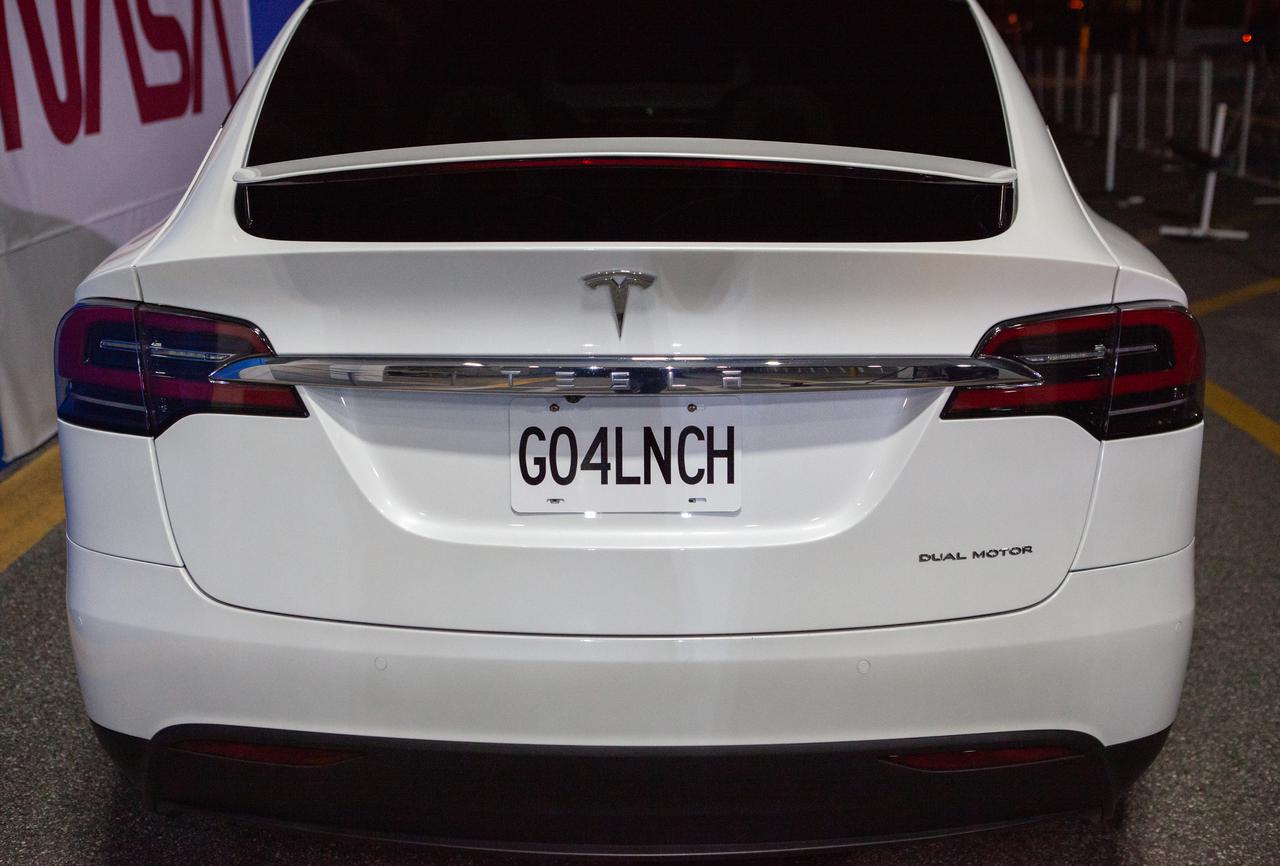
A customized Tesla Model X vehicle is parked outside the Neil A. Armstrong Operations and Checkout Building at NASA’s Kennedy Space Center in Florida on April 27, 2022. Crew-4 astronauts Kjell Lindgren, Bob Hines, Jessica Watkins, and Samantha Cristoforetti will make their way to the vehicles, which will transport them to Launch Complex 39A. Liftoff aboard SpaceX’s Crew Dragon, powered by the company’s Falcon 9 rocket, is scheduled for today at 3:52 a.m. EDT from Pad 39A at Kennedy.
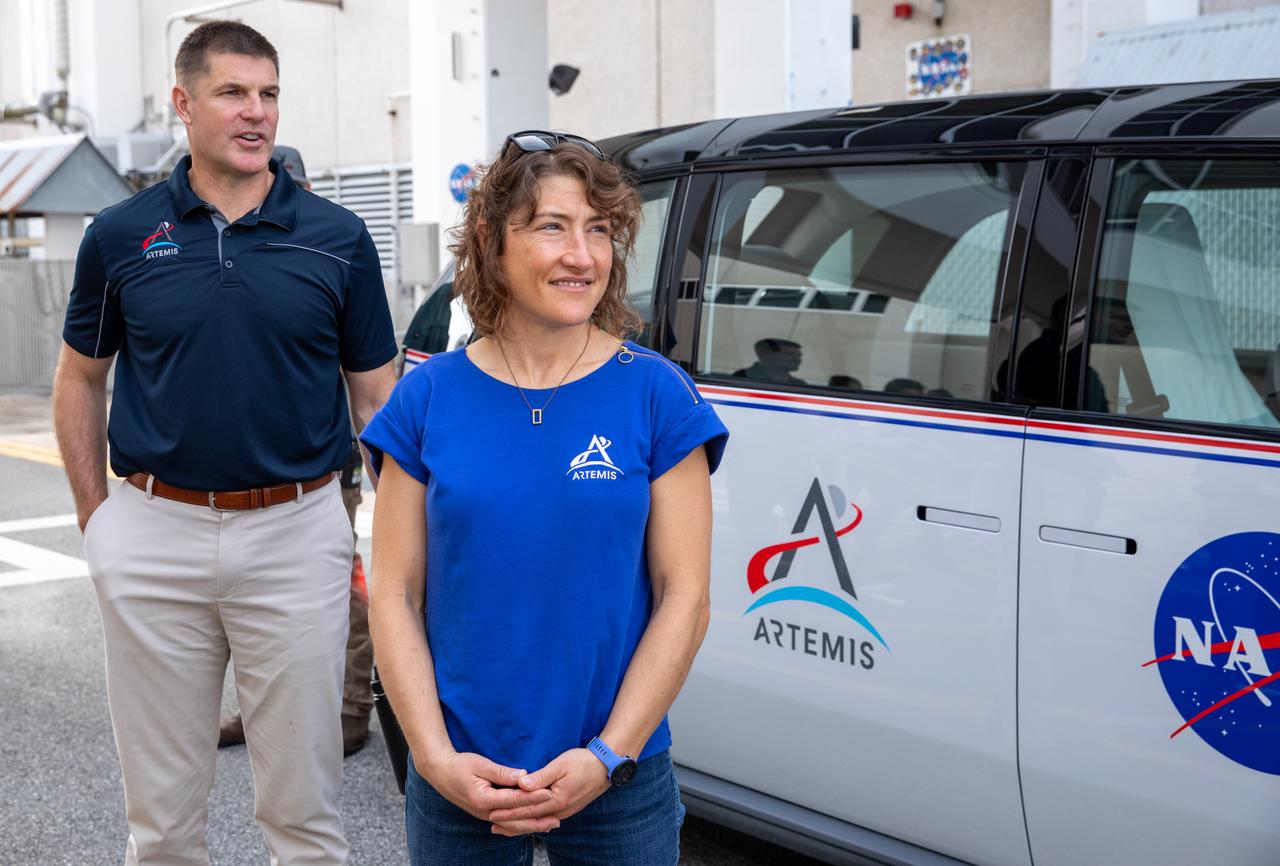
NASA astronauts Jeremy Hansen, left, and Christina Koch view the crew transport vehicles (CTVs) outside of the Neil A. Armstrong Operations and Checkout Building at Kennedy Space Center in Florida on Tuesday, Sept. 19, 2023. The CTVs will carry them, along with fellow NASA astronauts Reid Wiseman and Victor Glover, to Kennedy’s Launch Complex 39B for liftoff of the Artemis II mission. The specially designed, fully electric, environmentally friendly vehicles were manufactured by Canoo Technologies, Inc. of Torrance California.
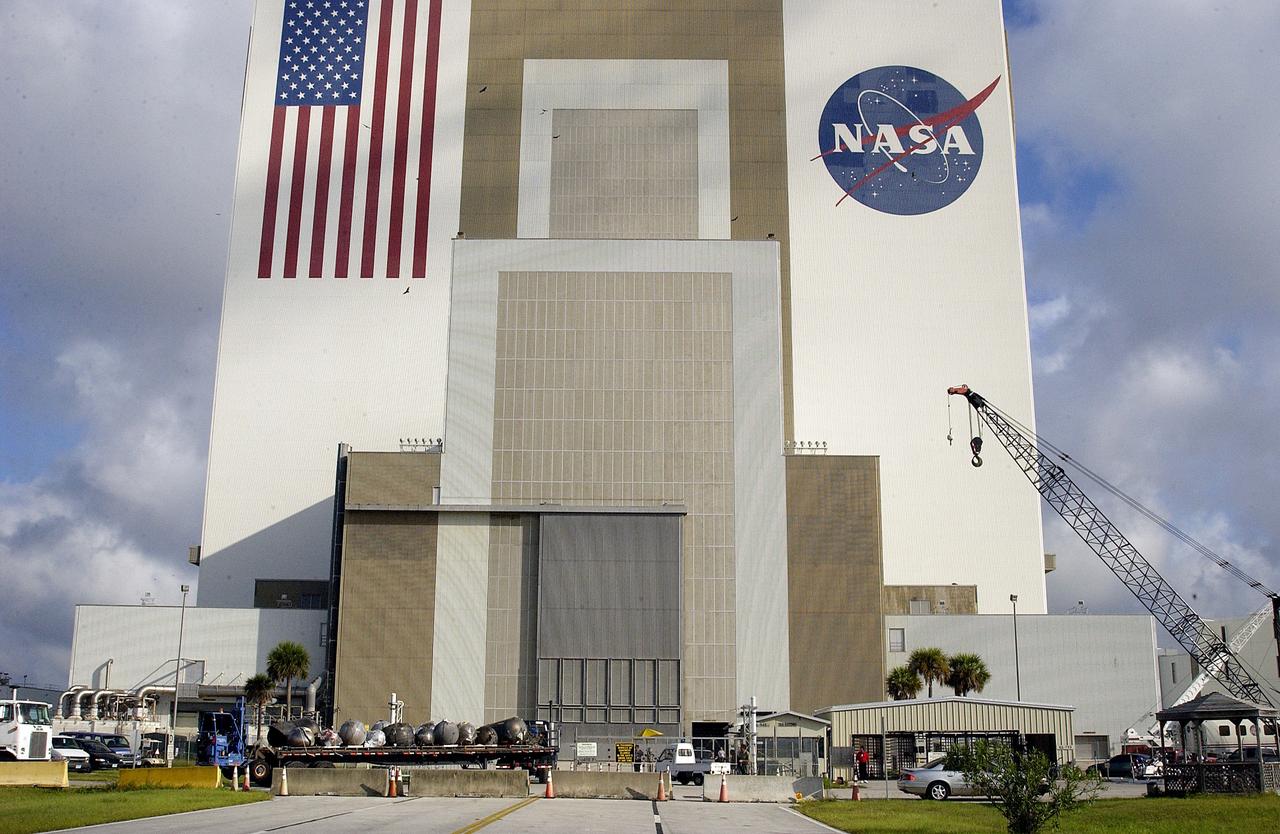
KENNEDY SPACE CENTER, FLA. - A flatbed truck carrying pieces of debris of Space Shuttle Columbia arrives outside the Vehicle Assembly Building (VAB). The debris is being transferred from the Columbia Debris Hangar to the VAB for permanent storage. More than 83,000 pieces of debris were shipped to KSC during search and recovery efforts in East Texas. That represents about 38 percent of the dry weight of Columbia, equaling almost 85,000 pounds.

KENNEDY SPACE CENTER, FLA. -- Viewed from outside the Vehicle Assembly Building, the stack of external tank and solid rocket boosters on Columbia can be seen sitting atop the Mobile Launcher Platform. The Shuttle never left the VAB due to a steering problem on the crawler-transporter under the MLP. The problem was a faulty bearing in the steering linkage of Power Truck Drive D, which was detected before the C-T left the VAB. Rollout has been rescheduled for Jan. 24
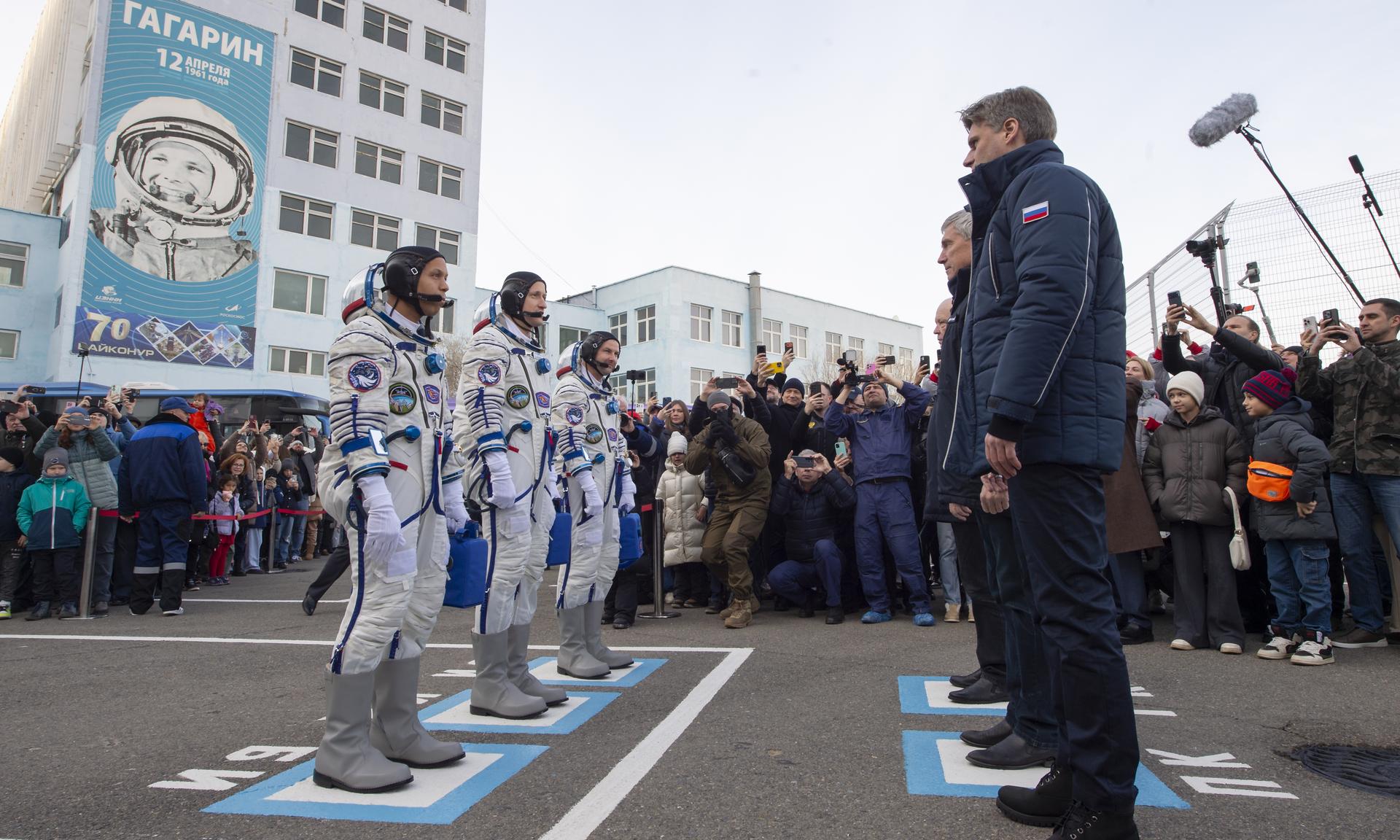
NASA astronaut Chris Williams, left, and Roscosmos cosmonauts Sergey Kud-Sverchkov, and Sergei Mikaev, right, receive approval to proceed to the launch pad by Roscosmos management ahead of their Soyuz launch to the International Space Station Thursday, Nov. 27, 2025 outside building 254, of the Baikonur Cosmodrome, Kazakhstan. Photo Credit: (NASA/GCTC/Pavel Shvets)
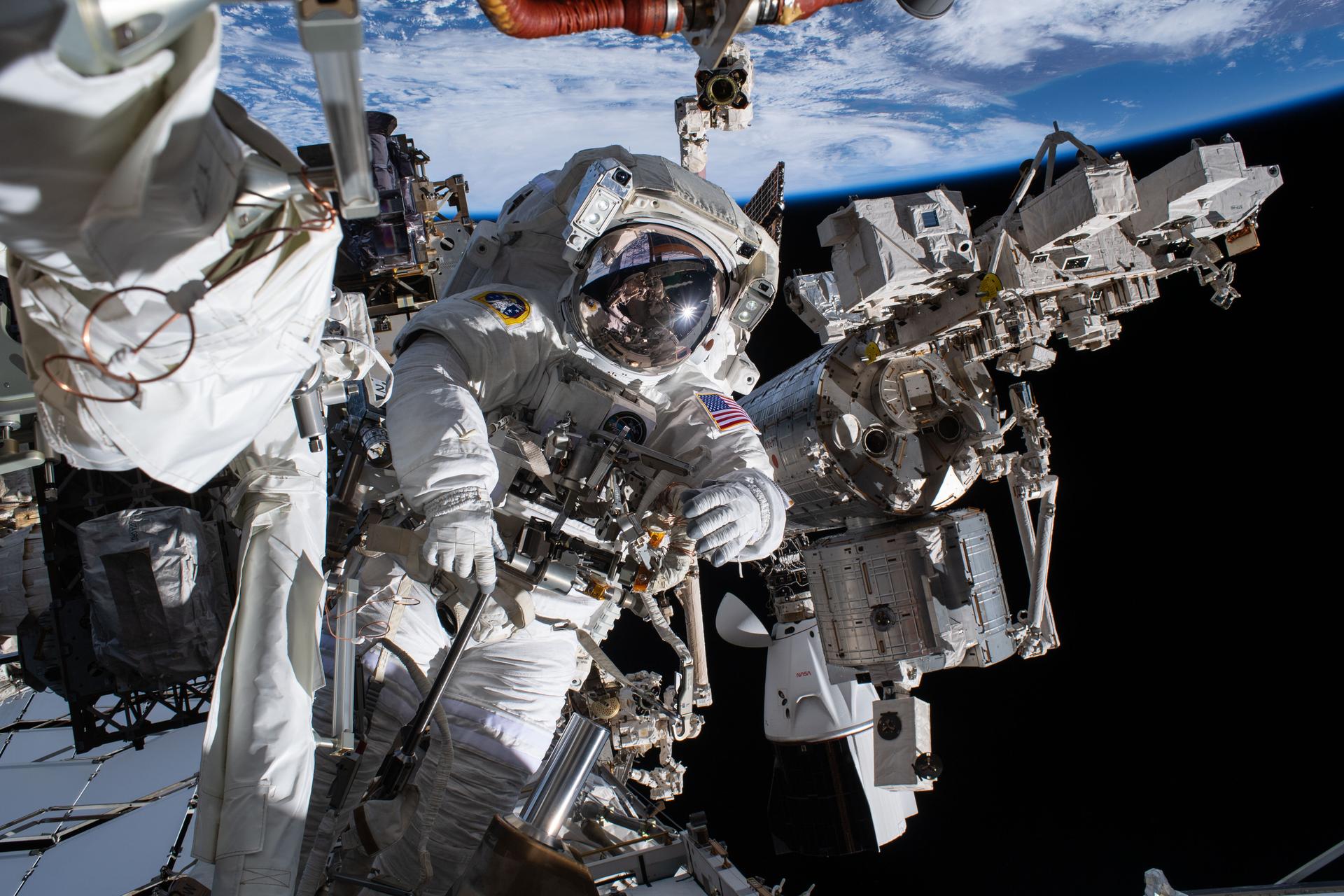
iss074e0402919 (March 18, 2026) -- NASA astronaut Chris Williams is pictured outside the International Space Station during a spacewalk to complete the build and installation of a modification kit ahead of future solar array installation on the 2A power channel of the space station. It was William’s first spacewalk of his career, and the 278th in support of space station maintenance, upgrades, and assembly. Credit: NASA/Jessica Meir
iss074e0402919 (March 18, 2026) -- NASA astronaut Chris Williams is pictured outside the International Space Station during a spacewalk to complete the build and installation of a modification kit ahead of future solar array installation on the 2A power channel of the space station. It was William’s first spacewalk of his career, and the 278th in support of space station maintenance, upgrades, and assembly. Credit: NASA/Jessica Meir
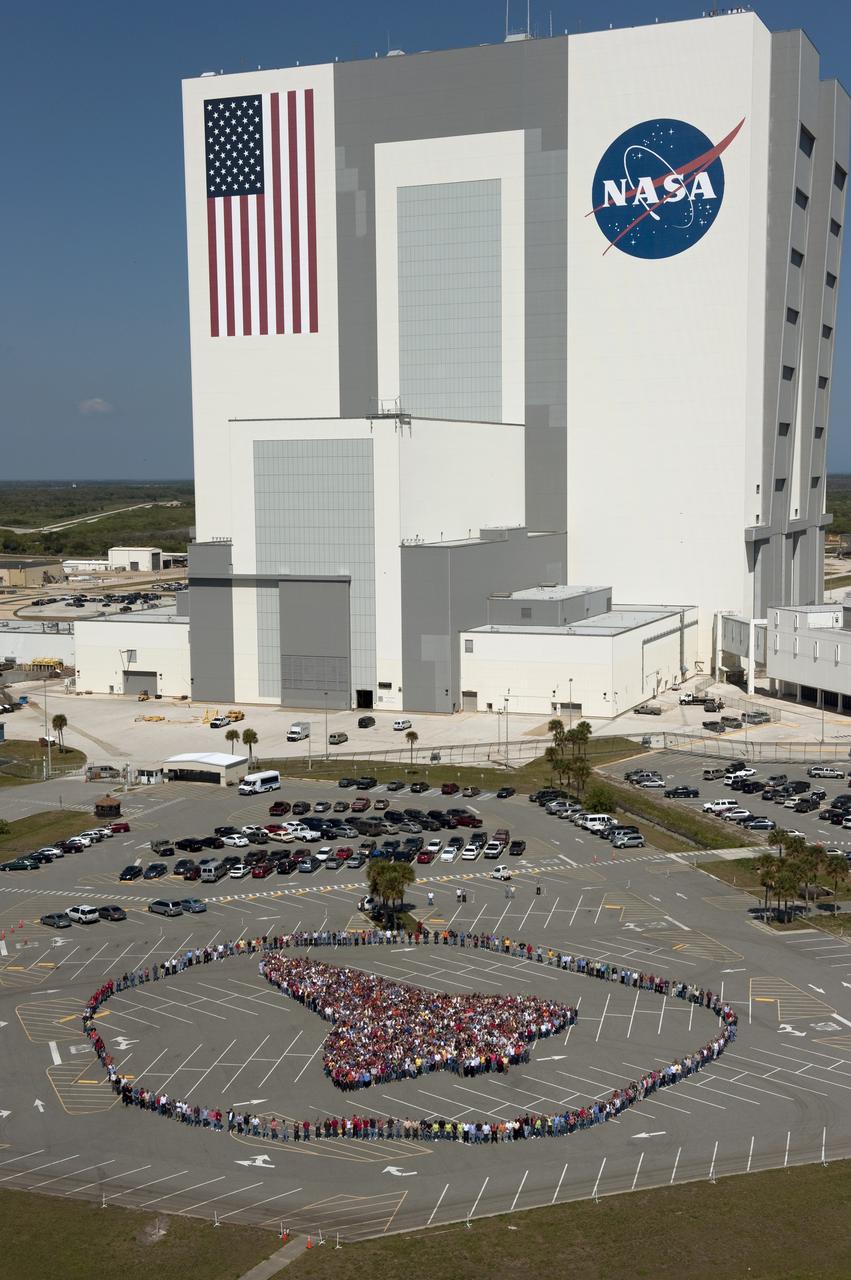
CAPE CANAVERAL, Fla. -- Thousands of NASA Kennedy Space Center employees stand side-by-side to form a full-scale outline of a space shuttle orbiter outside the Vehicle Assembly Building. The unique photo opportunity was designed to honor the Space Shuttle Program's 30-year legacy and the people who contribute to safely processing, launching and landing the vehicle. To learn more about the space shuttle era, including videos, photos and feature stories, go to www.nasa.gov/mission_pages/shuttle/flyout/index.html. Photo credit: NASA/Kim Shiflett
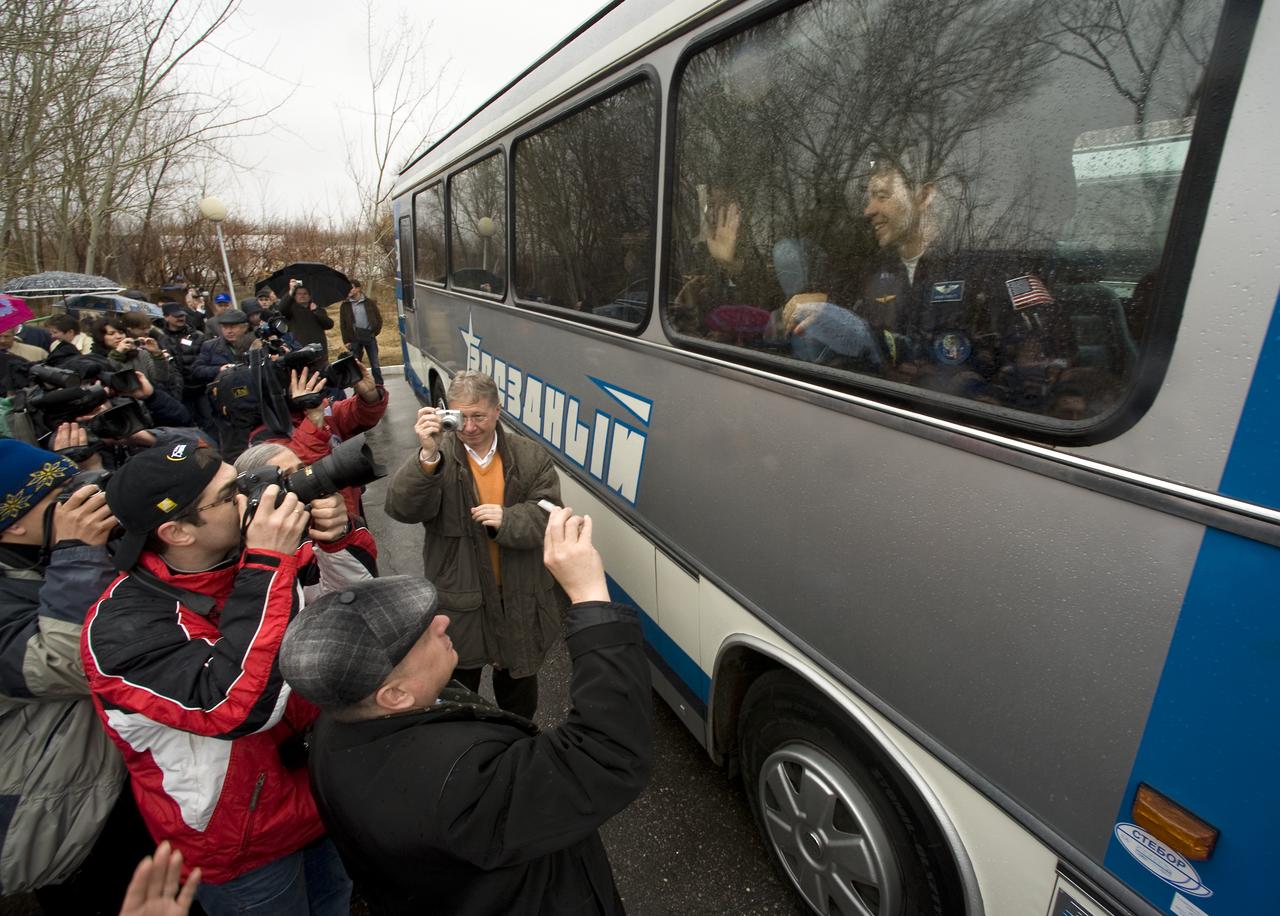
Expedition 19 Flight Engineer Michael R. Barratt is seen on the bus outside the Cosmonaut Hotel as he, Commander Gennady I. Padalka and Spaceflight Participant Charles Simonyi depart the hotel for building 254 where they will don their flights suits in preparation for their Soyuz launch to the International Space Station on Thursday, March 26, 2009 in Baikonur, Kazakhstan. (Photo Credit: NASA/Bill Ingalls)
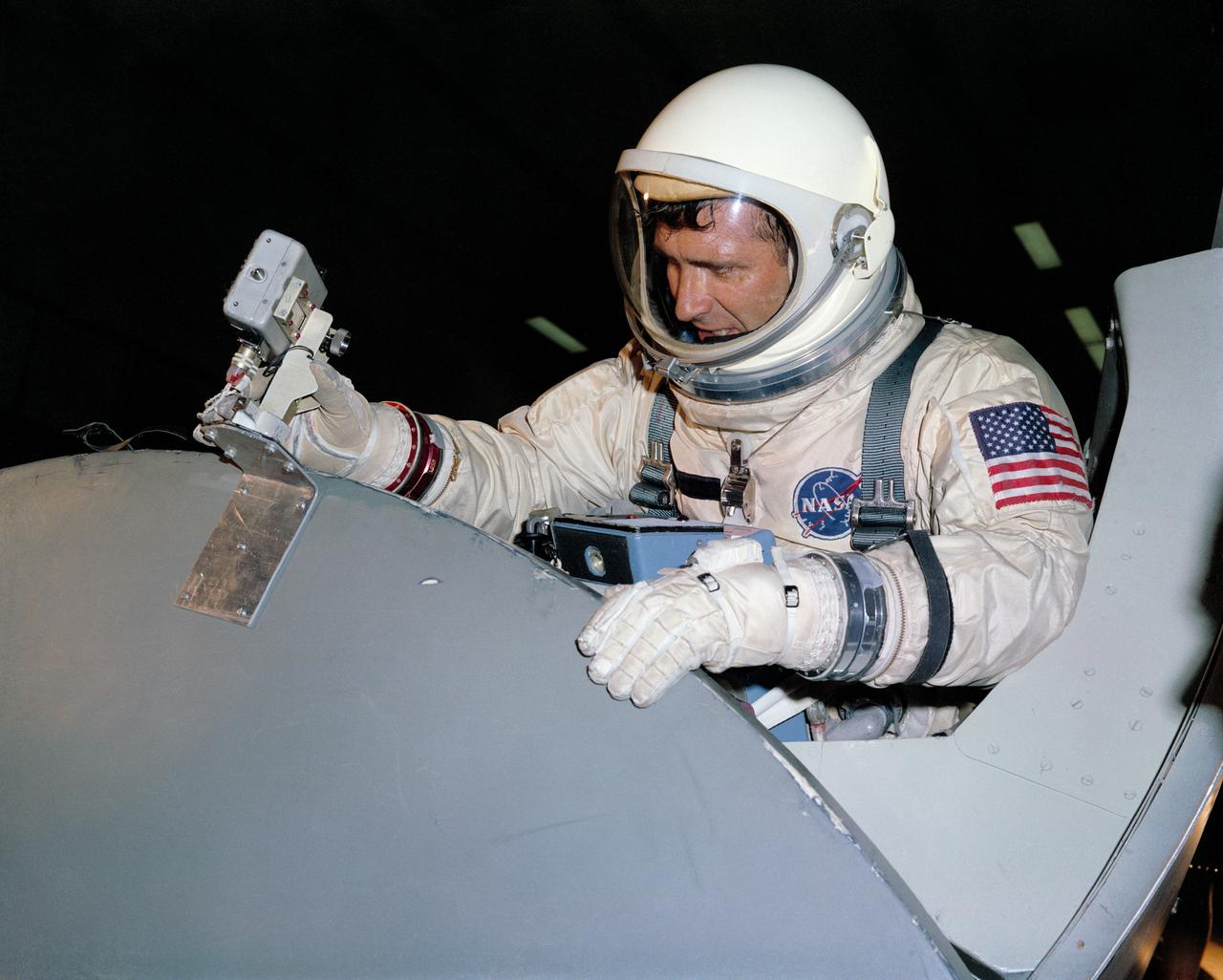
S66-50179 (10 Aug. 1966) --- Astronaut Richard F. Gordon Jr., prime crew pilot for the Gemini-11 spaceflight, practices attaching to a Gemini boilerplate a camera which will film his extravehicular activity (EVA) outside the spacecraft. The training exercise is being conducted in the Astronaut Training Building, Kennedy Space Center, Florida. Photo credit: NASA
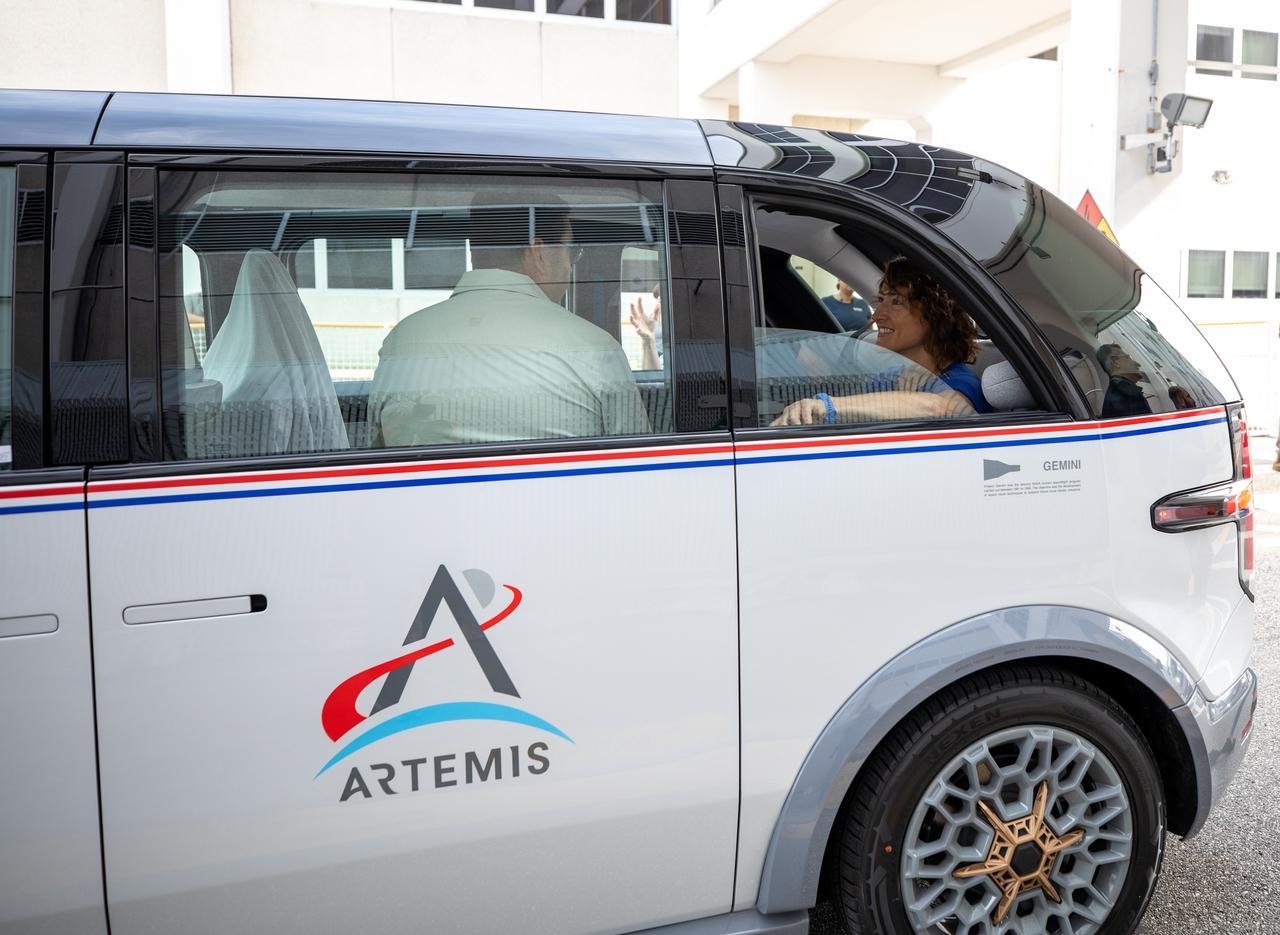
NASA astronaut Christina Koch, right, sits inside one of the crew transport vehicles (CTVs) outside of the Neil A. Armstrong Operations and Checkout Building at Kennedy Space Center in Florida on Tuesday, Sept. 19, 2023. The CTVs will carry Koch, along with fellow NASA astronauts Jeremy Hansen, Reid Wiseman and Victor Glover, to Kennedy’s Launch Complex 39B for liftoff of the Artemis II mission. The specially designed, fully electric, environmentally friendly vehicles were manufactured by Canoo Technologies, Inc. of Torrance California.
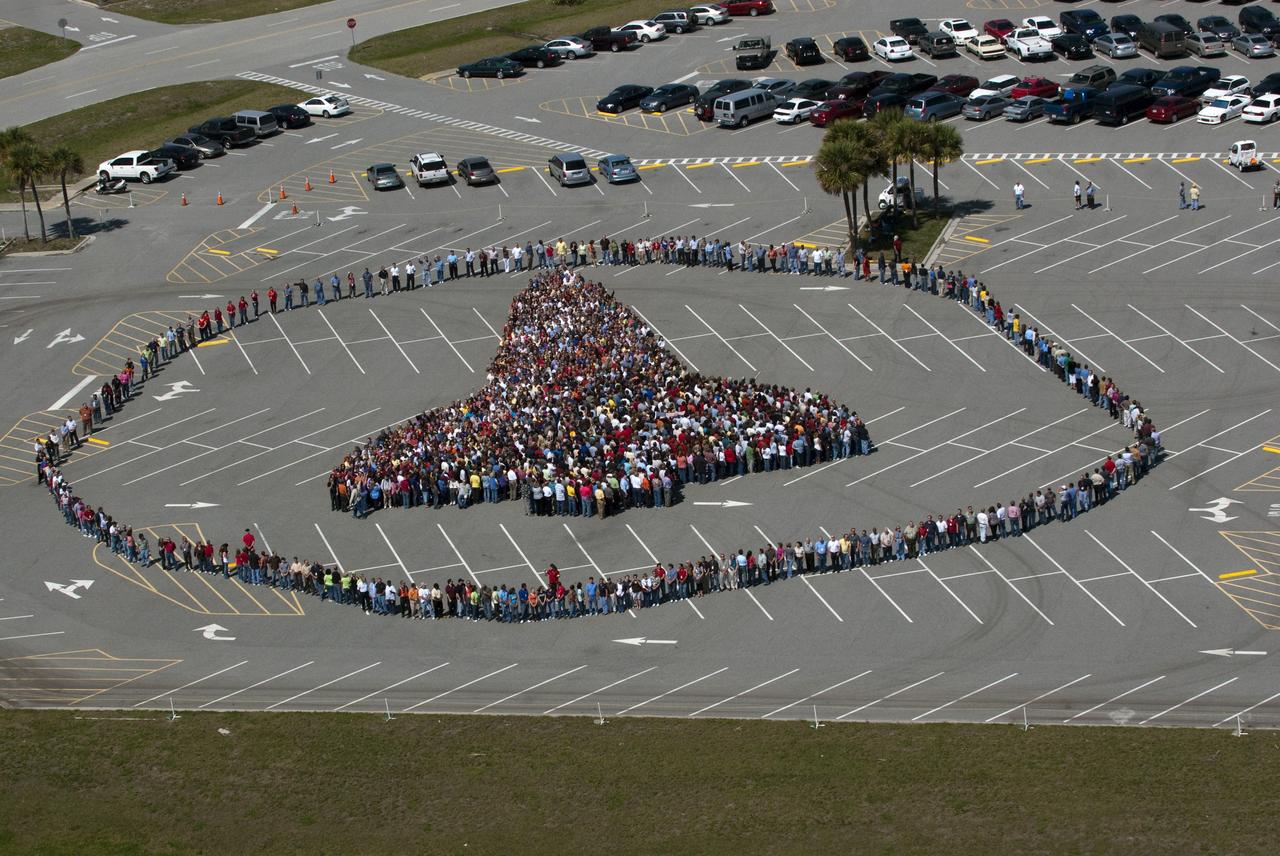
CAPE CANAVERAL, Fla. -- Thousands of NASA Kennedy Space Center employees stand side-by-side to form a full-scale outline of a space shuttle orbiter outside the Vehicle Assembly Building. The unique photo opportunity was designed to honor the Space Shuttle Program's 30-year legacy and the people who contribute to safely processing, launching and landing the vehicle. To learn more about the space shuttle era, including videos, photos and feature stories, go to www.nasa.gov/mission_pages/shuttle/flyout/index.html. Photo credit: NASA/Kim Shiflett
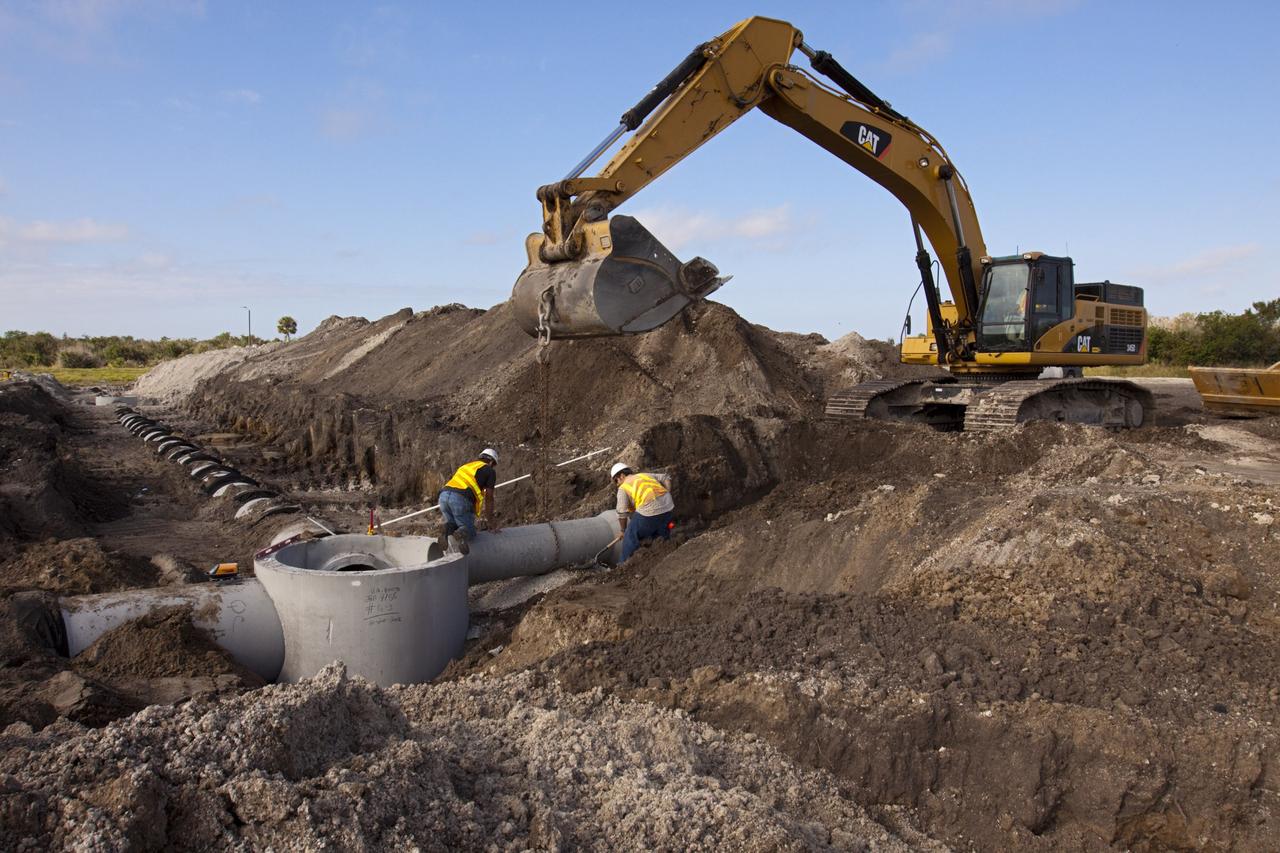
CAPE CANAVERAL, Fla. – Construction work progresses on Phase I of Exploration Park at NASA’s Kennedy Space Center in Florida. Exploration Park is near the Space Life Sciences Laboratory (SLSL). The first phase encompasses 60 acres just outside Kennedy’s security gates. Nine buildings will provide 350,000-square feet of work space, including educational, office, research and lab, and high-bay facilities. Each building is expected to be certified in the U.S. Green Building Council’s Leadership in Environmental and Energy Design (LEED). Exploration Park is designed to be a strategically located complex, adjacent to the SLSL, for servicing diverse tenants and uses that will engage in activities to support space-related activities of NASA, other government agencies and the U.S. commercial space industry. The SLSL will be the anchor facility for the park. Photo credit: NASA/Kim Shiflett
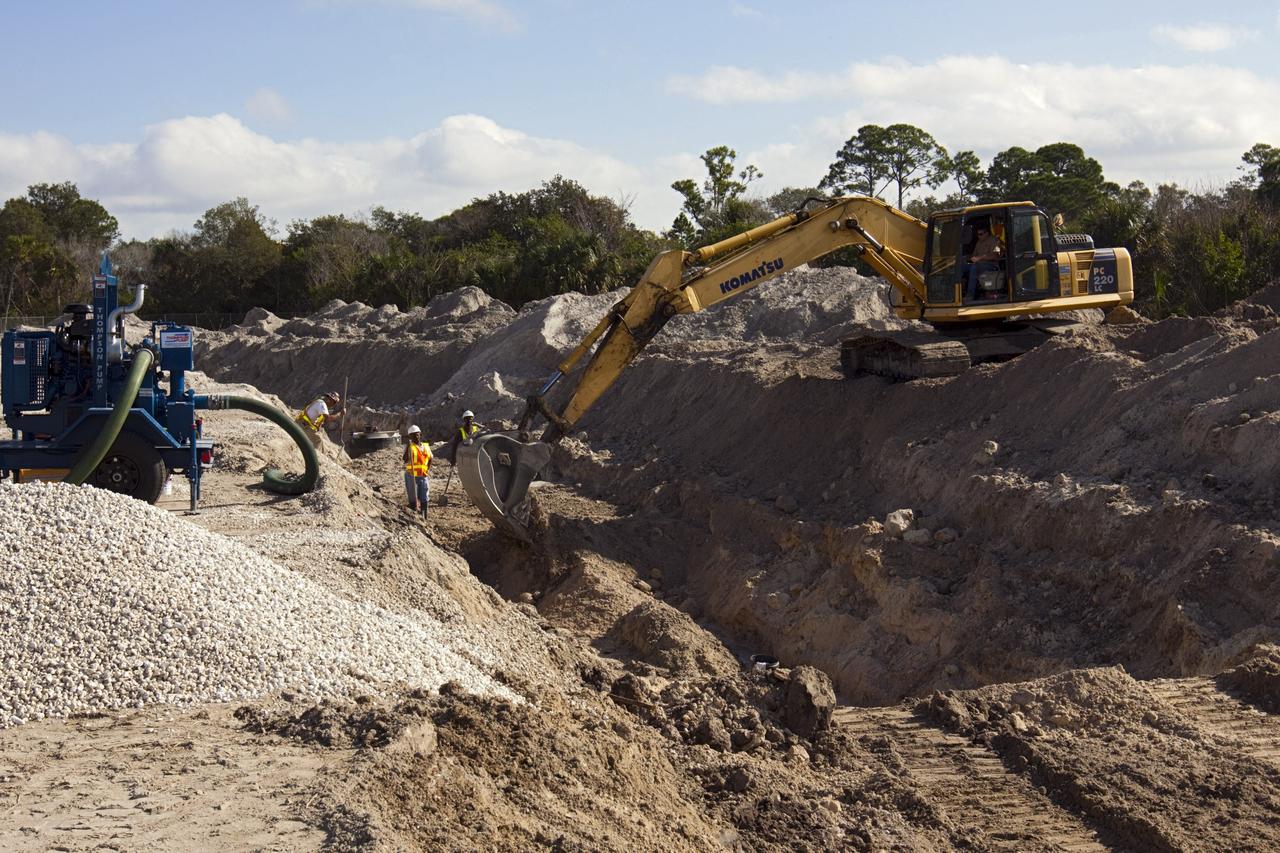
CAPE CANAVERAL, Fla. – Construction work progresses on Phase I of Exploration Park at NASA’s Kennedy Space Center in Florida. Exploration Park is near the Space Life Sciences Laboratory (SLSL). The first phase encompasses 60 acres just outside Kennedy’s security gates. Nine buildings will provide 350,000-square feet of work space, including educational, office, research and lab, and high-bay facilities. Each building is expected to be certified in the U.S. Green Building Council’s Leadership in Environmental and Energy Design (LEED). Exploration Park is designed to be a strategically located complex, adjacent to the SLSL, for servicing diverse tenants and uses that will engage in activities to support space-related activities of NASA, other government agencies and the U.S. commercial space industry. The SLSL will be the anchor facility for the park. Photo credit: NASA/Kim Shiflett

CAPE CANAVERAL, Fla. -- The Exploration Park site near the Space Life Sciences Laboratory (SLSL) at NASA's Kennedy Space Center in Florida. The first phase will encompass 60 acres just outside Kennedy’s security gates. Nine buildings will provide 350,000-square feet of work space, including educational, office, research and lab, and high-bay facilities. Each building is expected to be certified in the U.S. Green Building Council’s Leadership in Environmental and Energy Design (LEED). Exploration Park is designed to be a strategically located complex, adjacent to the SLSL, for servicing diverse tenants and uses that will engage in activities to support space-related activities of NASA, other government agencies and the U.S. commercial space industry. The SLSL will be the anchor facility for the park. Photo credit: NASA/Kim Shiflett
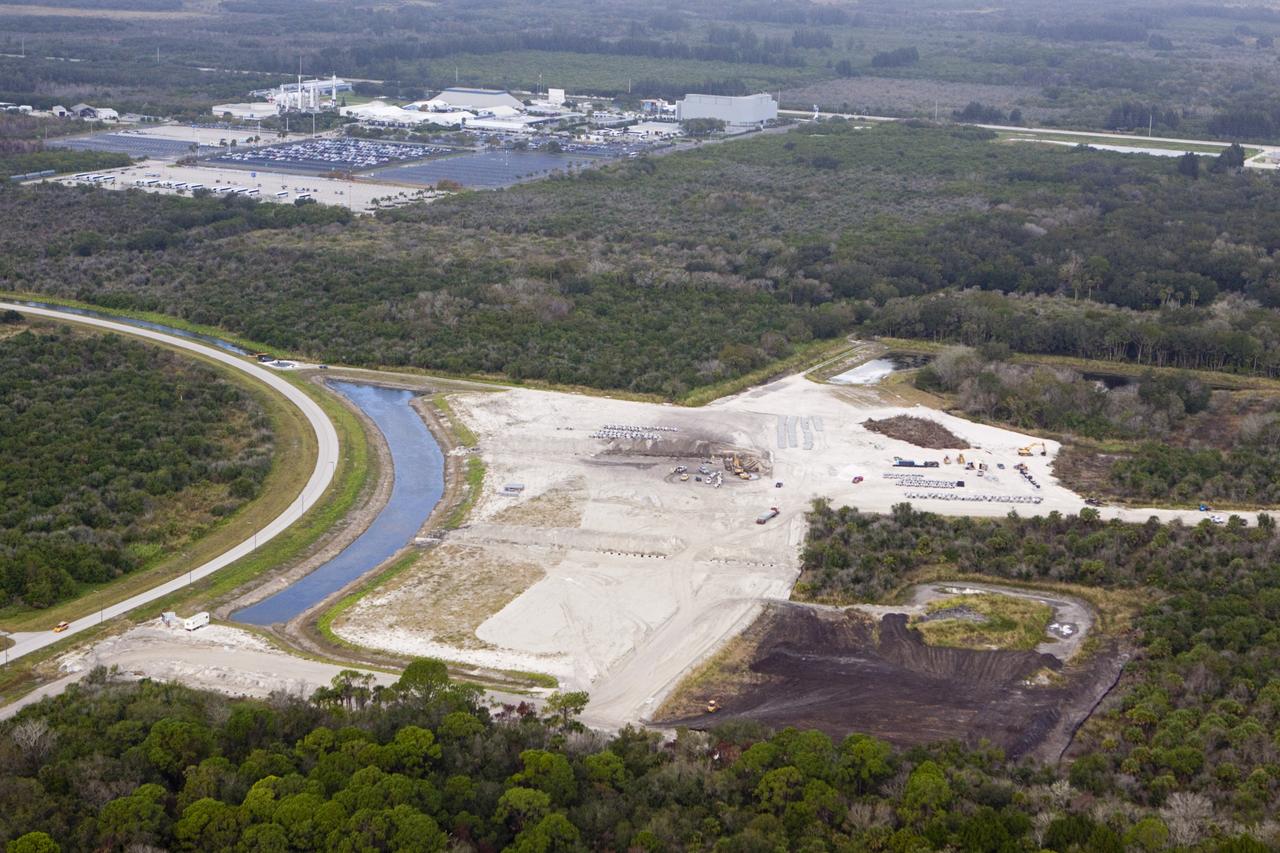
CAPE CANAVERAL, Fla. - The Exploration Park site near the Space Life Sciences Laboratory (SLSL) at NASA's Kennedy Space Center in Florida. The first phase will encompass 60 acres just outside Kennedy’s security gates. Nine buildings will provide 350,000-square feet of work space, including educational, office, research and lab, and high-bay facilities. Each building is expected to be certified in the U.S. Green Building Council’s Leadership in Environmental and Energy Design (LEED). Exploration Park is designed to be a strategically located complex, adjacent to the SLSL, for servicing diverse tenants and uses that will engage in activities to support space-related activities of NASA, other government agencies and the U.S. commercial space industry. The SLSL will be the anchor facility for the park. Photo credit: NASA/Kim Shiflett
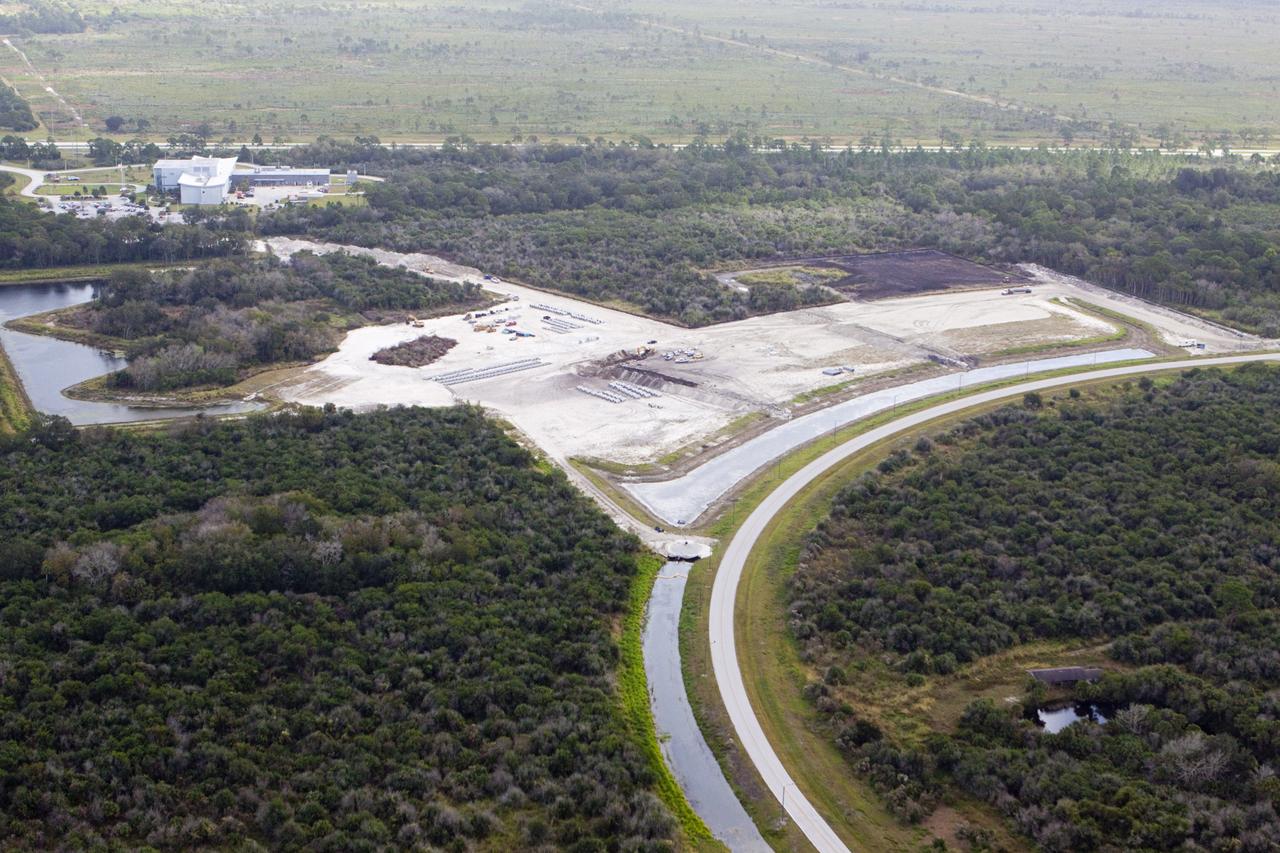
CAPE CANAVERAL, Fla. – Construction work progresses on Phase I of Exploration Park at NASA’s Kennedy Space Center in Florida. Exploration Park is near the Space Life Sciences Laboratory (SLSL). The first phase encompasses 60 acres just outside Kennedy’s security gates. Nine buildings will provide 350,000-square feet of work space, including educational, office, research and lab, and high-bay facilities. Each building is expected to be certified in the U.S. Green Building Council’s Leadership in Environmental and Energy Design (LEED). Exploration Park is designed to be a strategically located complex, adjacent to the SLSL, for servicing diverse tenants and uses that will engage in activities to support space-related activities of NASA, other government agencies and the U.S. commercial space industry. The SLSL will be the anchor facility for the park. Photo credit: NASA/Kim Shiflett
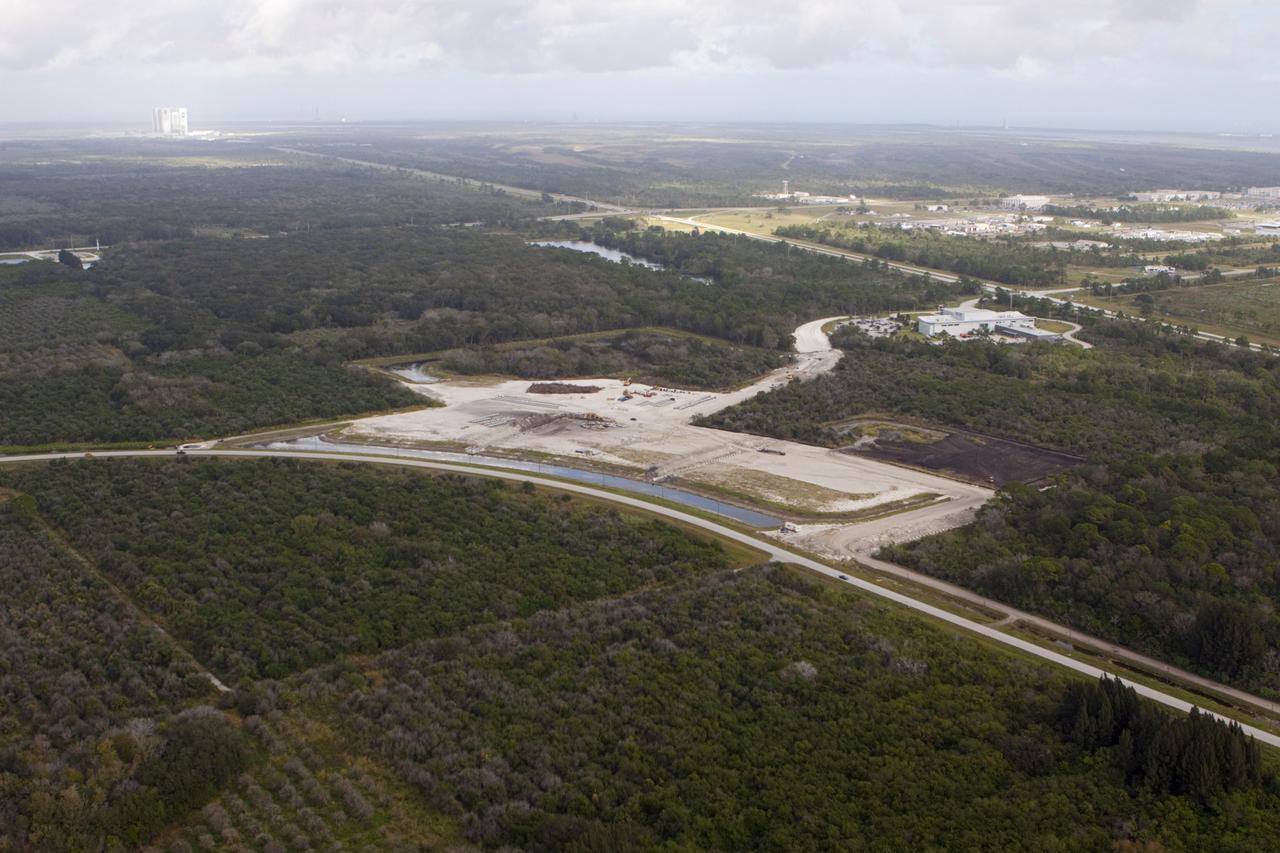
CAPE CANAVERAL, Fla. - The Exploration Park site near the Space Life Sciences Laboratory (SLSL) at NASA's Kennedy Space Center in Florida. The first phase will encompass 60 acres just outside Kennedy’s security gates. Nine buildings will provide 350,000-square feet of work space, including educational, office, research and lab, and high-bay facilities. Each building is expected to be certified in the U.S. Green Building Council’s Leadership in Environmental and Energy Design (LEED). Exploration Park is designed to be a strategically located complex, adjacent to the SLSL, for servicing diverse tenants and uses that will engage in activities to support space-related activities of NASA, other government agencies and the U.S. commercial space industry. The SLSL will be the anchor facility for the park. Photo credit: NASA/Kim Shiflett
CAPE CANAVERAL, Fla. - The Exploration Park site near the Space Life Sciences Laboratory (SLSL) at NASA's Kennedy Space Center in Florida. The first phase will encompass 60 acres just outside Kennedy’s security gates. Nine buildings will provide 350,000-square feet of work space, including educational, office, research and lab, and high-bay facilities. Each building is expected to be certified in the U.S. Green Building Council’s Leadership in Environmental and Energy Design (LEED). Exploration Park is designed to be a strategically located complex, adjacent to the SLSL, for servicing diverse tenants and uses that will engage in activities to support space-related activities of NASA, other government agencies and the U.S. commercial space industry. The SLSL will be the anchor facility for the park. Photo credit: NASA/Kim Shiflett
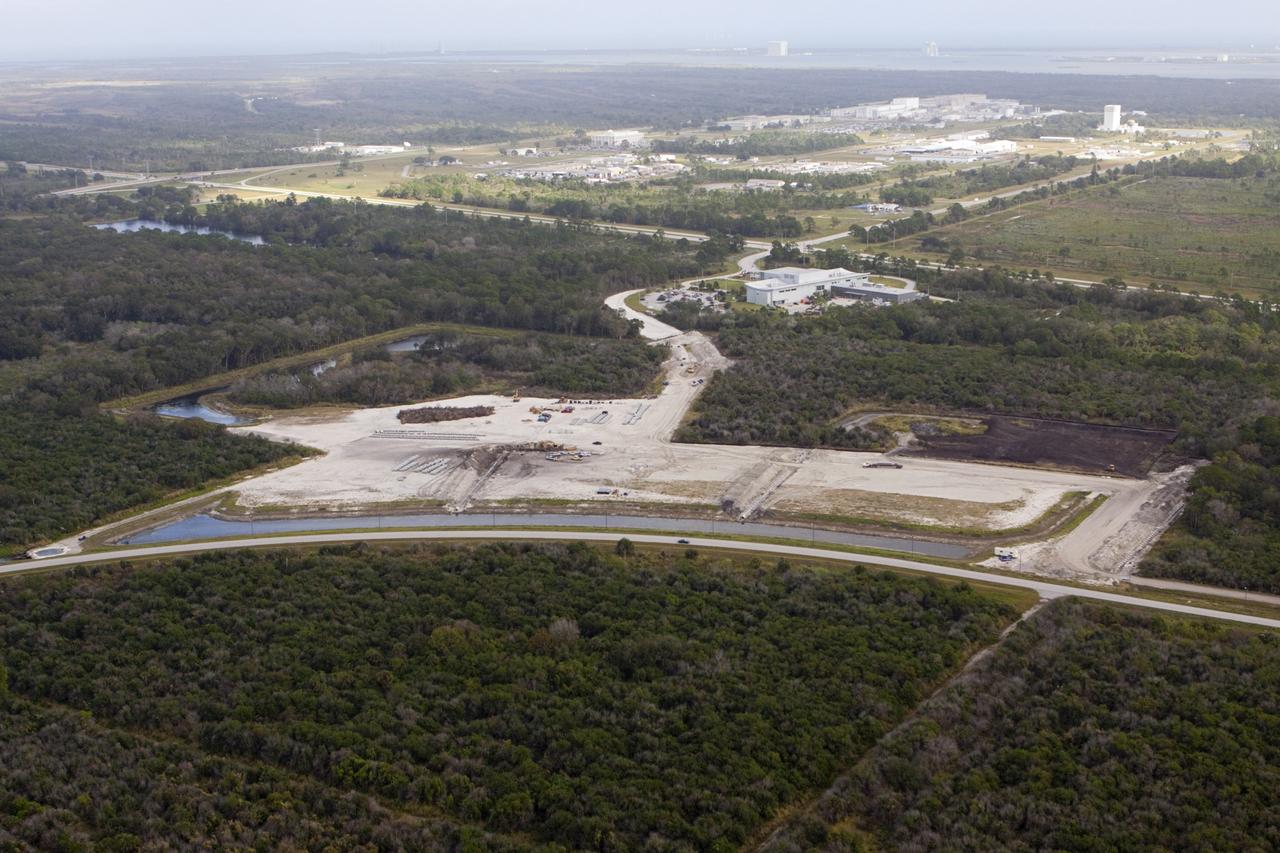
CAPE CANAVERAL, Fla. - The Exploration Park site near the Space Life Sciences Laboratory (SLSL) at NASA's Kennedy Space Center in Florida. The first phase will encompass 60 acres just outside Kennedy’s security gates. Nine buildings will provide 350,000-square feet of work space, including educational, office, research and lab, and high-bay facilities. Each building is expected to be certified in the U.S. Green Building Council’s Leadership in Environmental and Energy Design (LEED). Exploration Park is designed to be a strategically located complex, adjacent to the SLSL, for servicing diverse tenants and uses that will engage in activities to support space-related activities of NASA, other government agencies and the U.S. commercial space industry. The SLSL will be the anchor facility for the park. Photo credit: NASA/Kim Shiflett
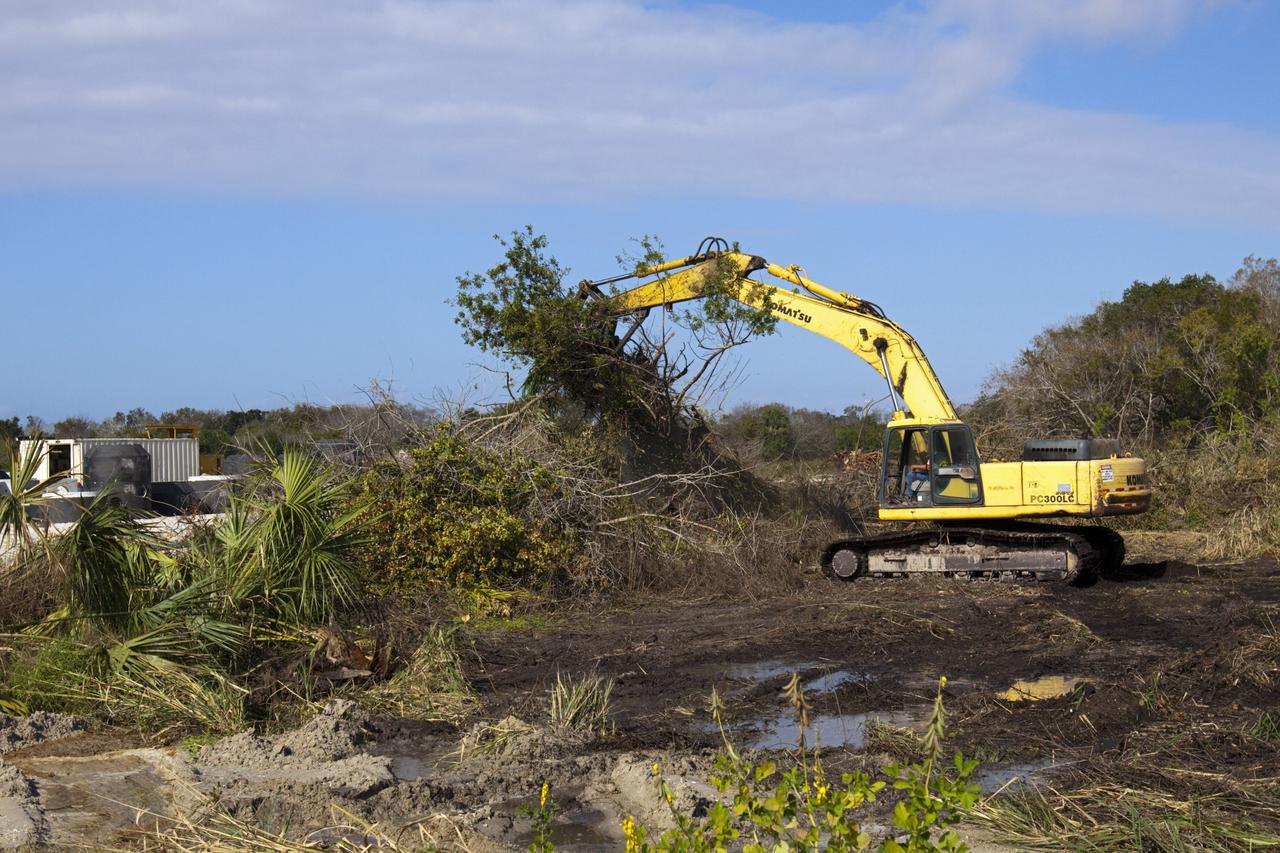
CAPE CANAVERAL, Fla. – Land is cleared as construction work progresses on Phase I of Exploration Park at NASA’s Kennedy Space Center in Florida. Exploration Park is near the Space Life Sciences Laboratory (SLSL). The first phase encompasses 60 acres just outside Kennedy’s security gates. Nine buildings will provide 350,000-square feet of work space, including educational, office, research and lab, and high-bay facilities. Each building is expected to be certified in the U.S. Green Building Council’s Leadership in Environmental and Energy Design (LEED). Exploration Park is designed to be a strategically located complex, adjacent to the SLSL, for servicing diverse tenants and uses that will engage in activities to support space-related activities of NASA, other government agencies and the U.S. commercial space industry. The SLSL will be the anchor facility for the park. Photo credit: NASA/Kim Shiflett
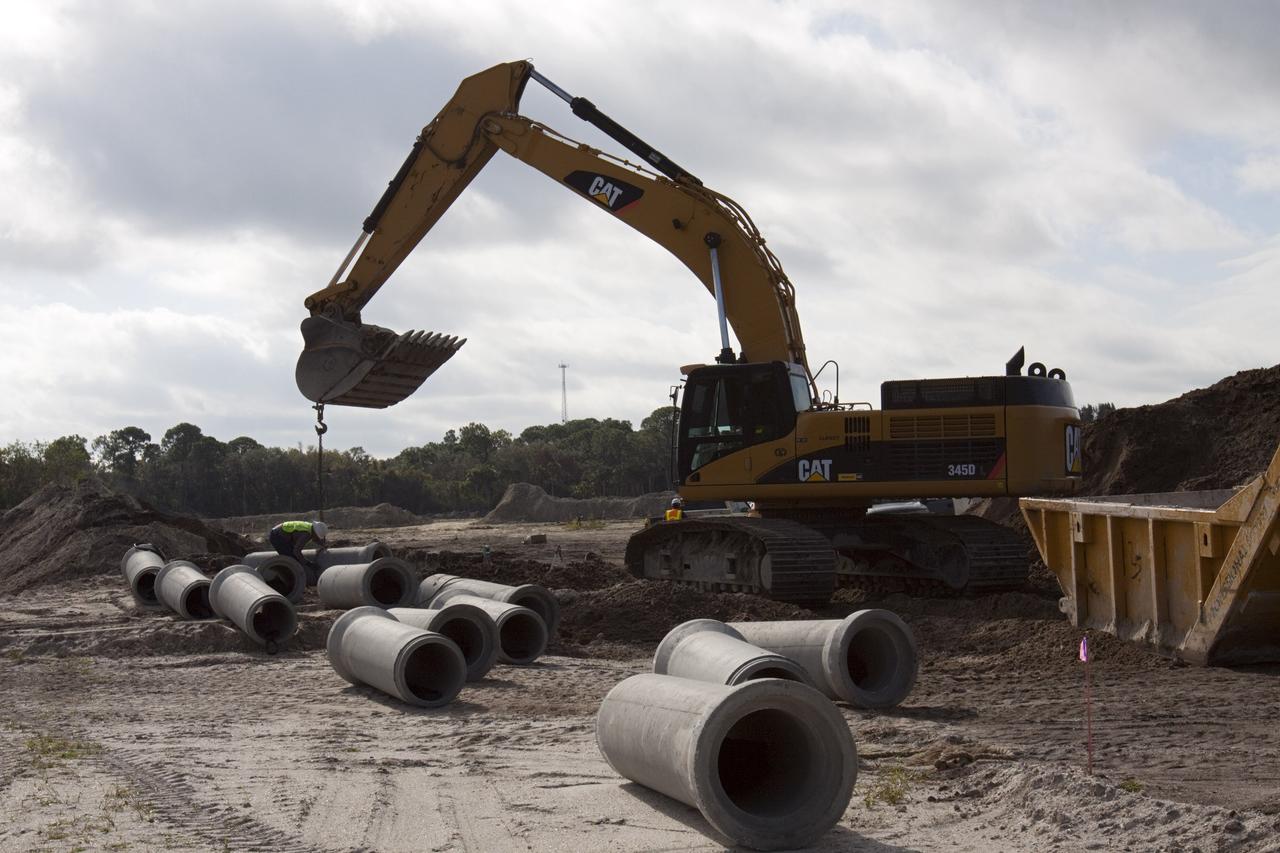
CAPE CANAVERAL, Fla. – Construction work progresses on Phase I of Exploration Park at NASA’s Kennedy Space Center in Florida. Exploration Park is near the Space Life Sciences Laboratory (SLSL). The first phase encompasses 60 acres just outside Kennedy’s security gates. Nine buildings will provide 350,000-square feet of work space, including educational, office, research and lab, and high-bay facilities. Each building is expected to be certified in the U.S. Green Building Council’s Leadership in Environmental and Energy Design (LEED). Exploration Park is designed to be a strategically located complex, adjacent to the SLSL, for servicing diverse tenants and uses that will engage in activities to support space-related activities of NASA, other government agencies and the U.S. commercial space industry. The SLSL will be the anchor facility for the park. Photo credit: NASA/Kim Shiflett
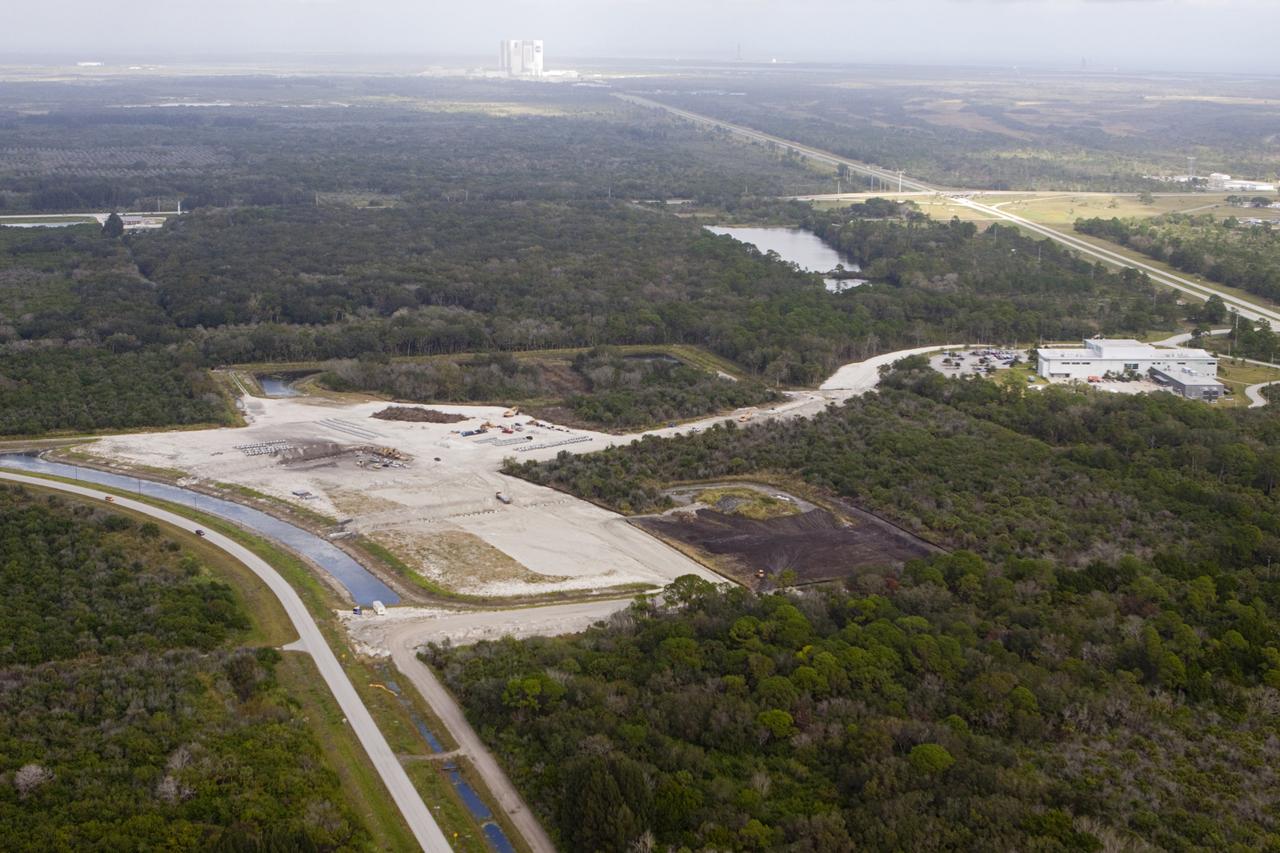
CAPE CANAVERAL, Fla. - The Exploration Park site near the Space Life Sciences Laboratory (SLSL) at NASA's Kennedy Space Center in Florida. The first phase will encompass 60 acres just outside Kennedy’s security gates. Nine buildings will provide 350,000-square feet of work space, including educational, office, research and lab, and high-bay facilities. Each building is expected to be certified in the U.S. Green Building Council’s Leadership in Environmental and Energy Design (LEED). Exploration Park is designed to be a strategically located complex, adjacent to the SLSL, for servicing diverse tenants and uses that will engage in activities to support space-related activities of NASA, other government agencies and the U.S. commercial space industry. The SLSL will be the anchor facility for the park. Photo credit: NASA/Kim Shiflett
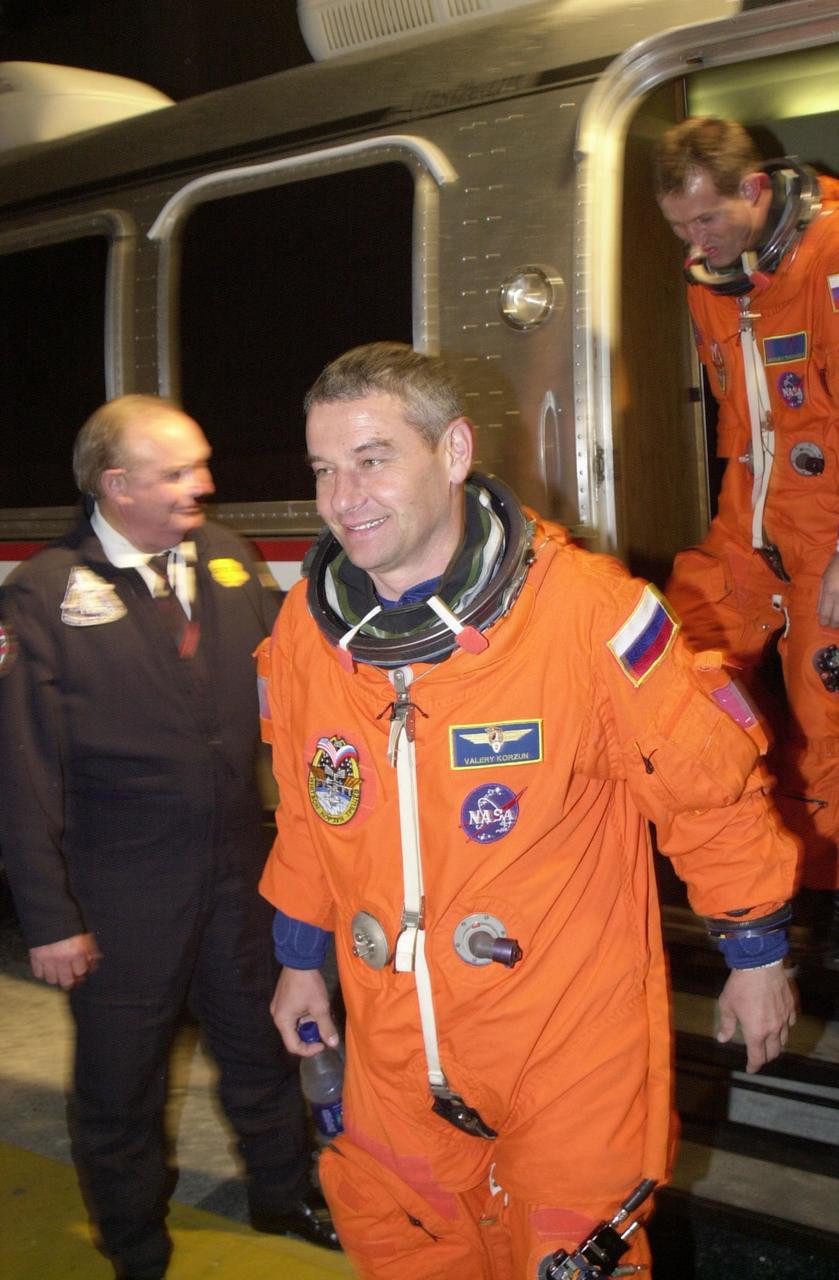
KENNEDY SPACE CENTER, FLA. -- Expedition 5 Commander Valery Korzun (RSA) steps down from the Astrovan outside the crew quarters at the Operations and Checkout Building after returning from Space Shuttle Endeavour at Launch Pad 39A. The launch of STS-111 was scrubbed due to poor weather at KSC. STS-111 is the second Utilization Flight to the International Space Station, carrying the Multi-Purpose Logistics Module Leonardo, the Mobile Base System (MBS), and a replacement wrist/roll joint for the Canadarm 2. Also on board will be the Expedition Five crew who will replace Expedition Four on the Station. Launch is rescheduled for May 31 at 7:22 p.m. EDT
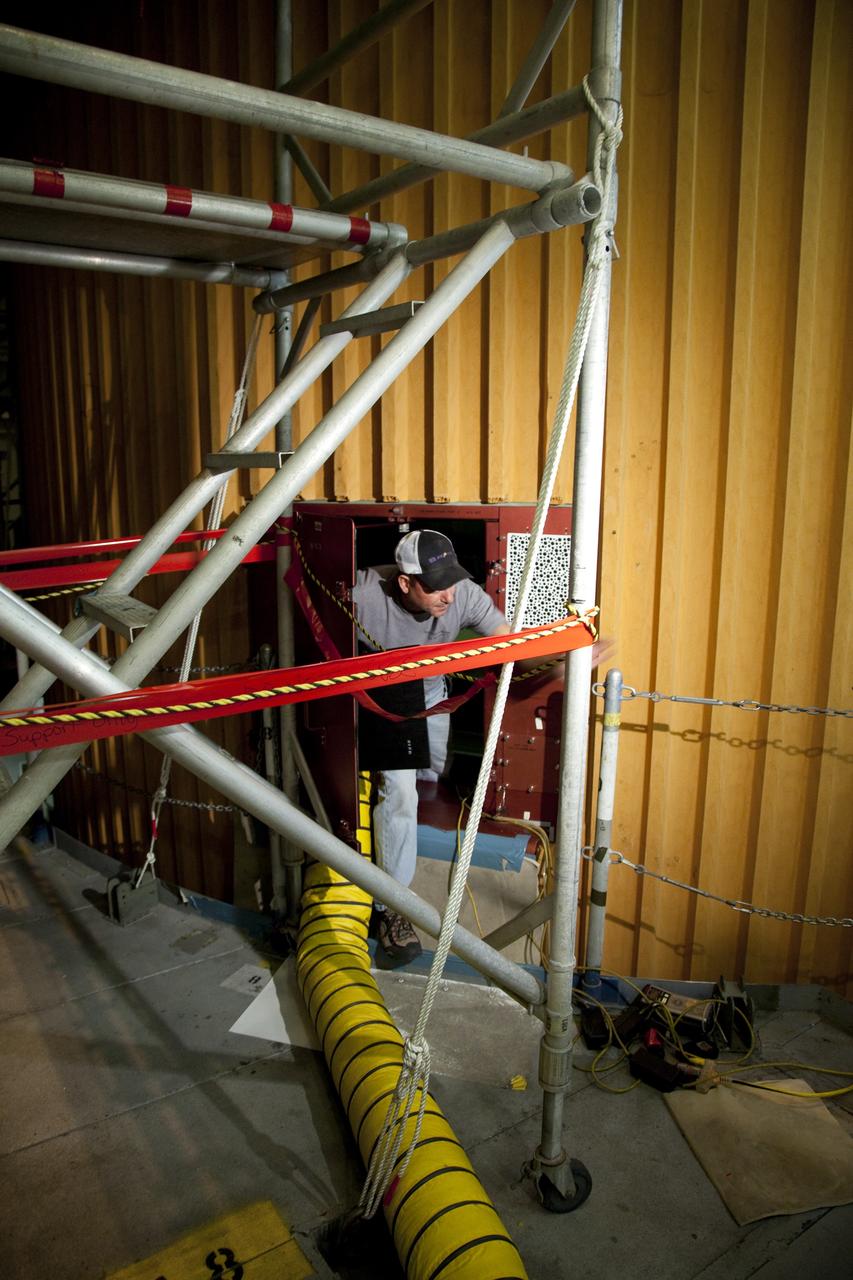
CAPE CANAVERAL, Fla. -- A technician exits the intertank of space shuttle Discovery's external fuel tank holding the film used to project computed radiography scans. The shuttle stack was moved from Launch Pad 39A to the Vehicle Assembly Building at NASA's Kennedy Space Center in Florida so technicians could examine 21-foot-long support beams, called stringers, on the outside of the tank's intertank and re-apply foam insulation. Discovery's next launch opportunity to the International Space Station on the STS-133 mission is no earlier than Feb. 3, 2011. For more information on STS-133, visit www.nasa.gov/mission_pages/shuttle/shuttlemissions/sts133/. Photo credit: NASA/Frankie Martin
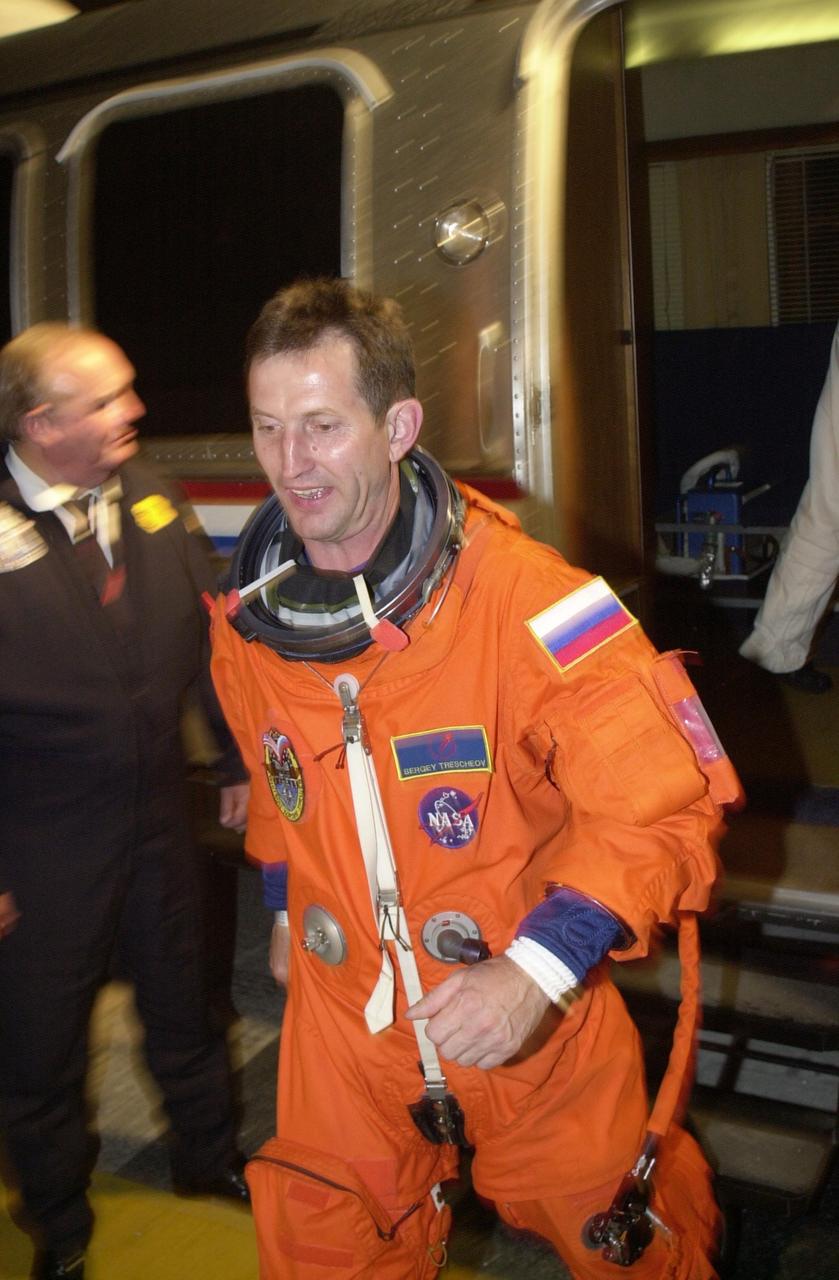
KENNEDY SPACE CENTER, FLA. -- Expedition 5 cosmonaut Sergei Treschev (RSA) steps down from the Astrovan outside the crew quarters at the Operations and Checkout Building after returning from Space Shuttle Endeavour at Launch Pad 39A. The launch of STS-111 was scrubbed due to poor weather at KSC. STS-111 is the second Utilization Flight to the International Space Station, carrying the Multi-Purpose Logistics Module Leonardo, the Mobile Base System (MBS), and a replacement wrist/roll joint for the Canadarm 2. Also on board will be the Expedition Five crew who will replace Expedition Four on the Station. Launch is rescheduled for May 31 at 7:22 p.m. EDT
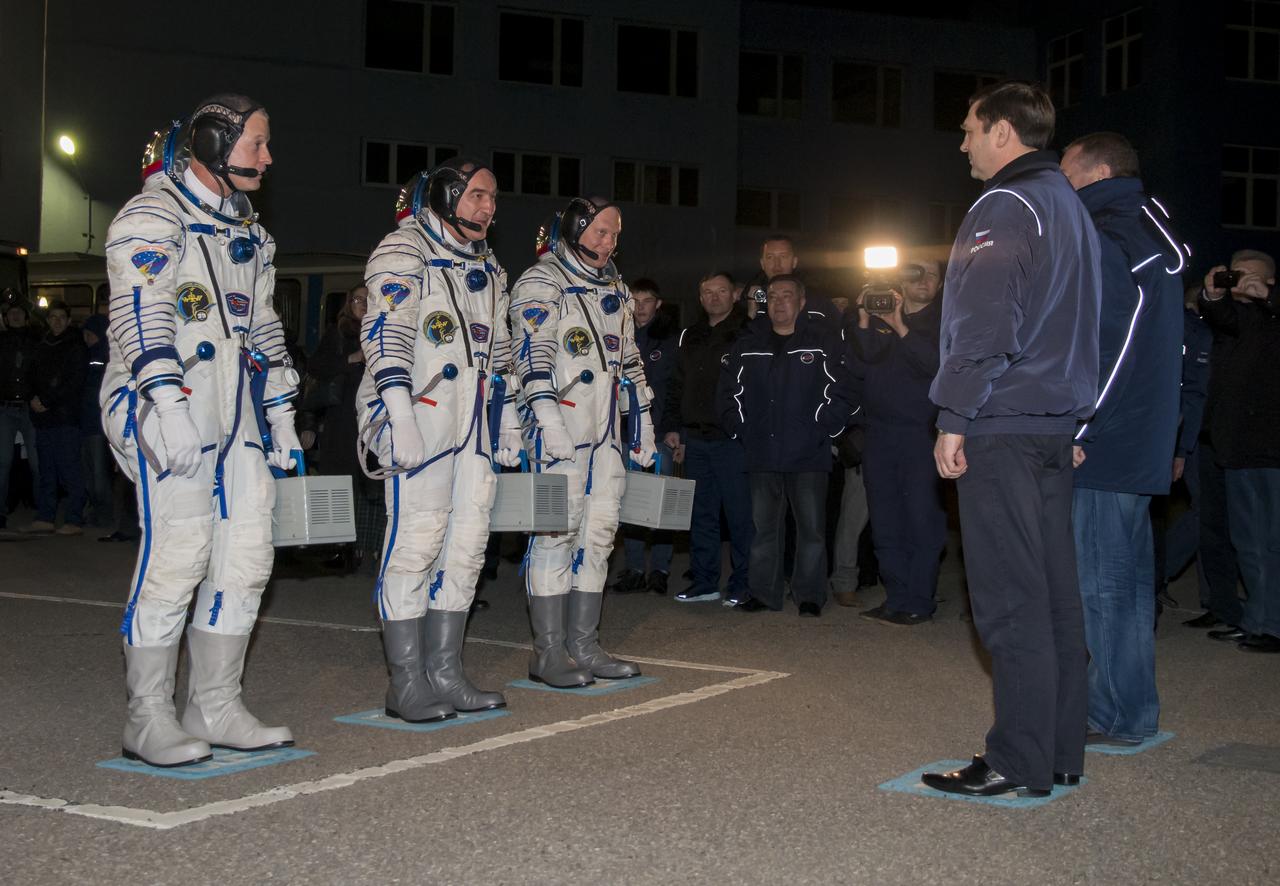
Expedition 39 Flight Engineer Steve Swanson of NASA, left, Soyuz Commander Alexander Skvortsov of the Russian Federal Space Agency, Roscosmos, center, and, Flight Engineer Oleg Artemyev of Roscosmos, right, are seen as they report to the General Director of the Russian Federal Space Agency, Roscosmos, Oleg Ostapenko, far right, outside of Building 254 following their suit up for launch, Wednesday, March 26, 2014 at the Baikonur Cosmodrome in Kazakhstan. The Soyuz spacecraft with Swanson, Skvortsov, and Artemyev onboard launched at 3:17 a.m. later that morning Kazakhstan time. Photo Credit: (NASA/Victor Zelentsov)
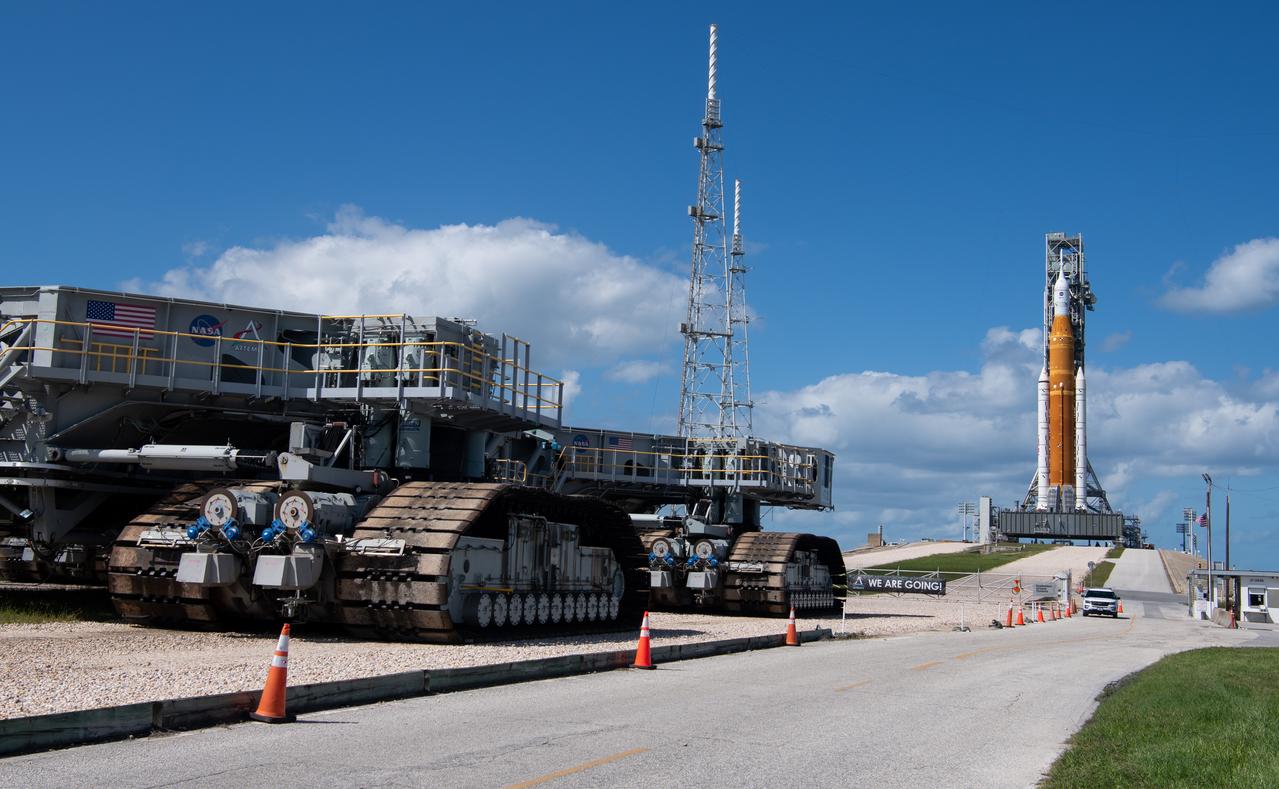
Crawler Transporter-2 (CT-2) is seen outside the gates at Launch Pad 39B as teams configure systems for rolling NASA’s Space Launch System (SLS) rocket and Orion spacecraft back to the Vehicle Assembly Building, Saturday, Sept. 24, 2022, at NASA’s Kennedy Space Center in Florida. NASA is foregoing a launch opportunity on Tues. Sept. 27 and continues to watch the weather forecast associated with Tropical Storm Ian. The NASA’s Artemis I flight test is the first integrated test of the agency’s deep space exploration systems: the Orion spacecraft, SLS rocket, and supporting ground systems. Photo Credit: (NASA/Joel Kowsky)