Good Things Come in Small Packages
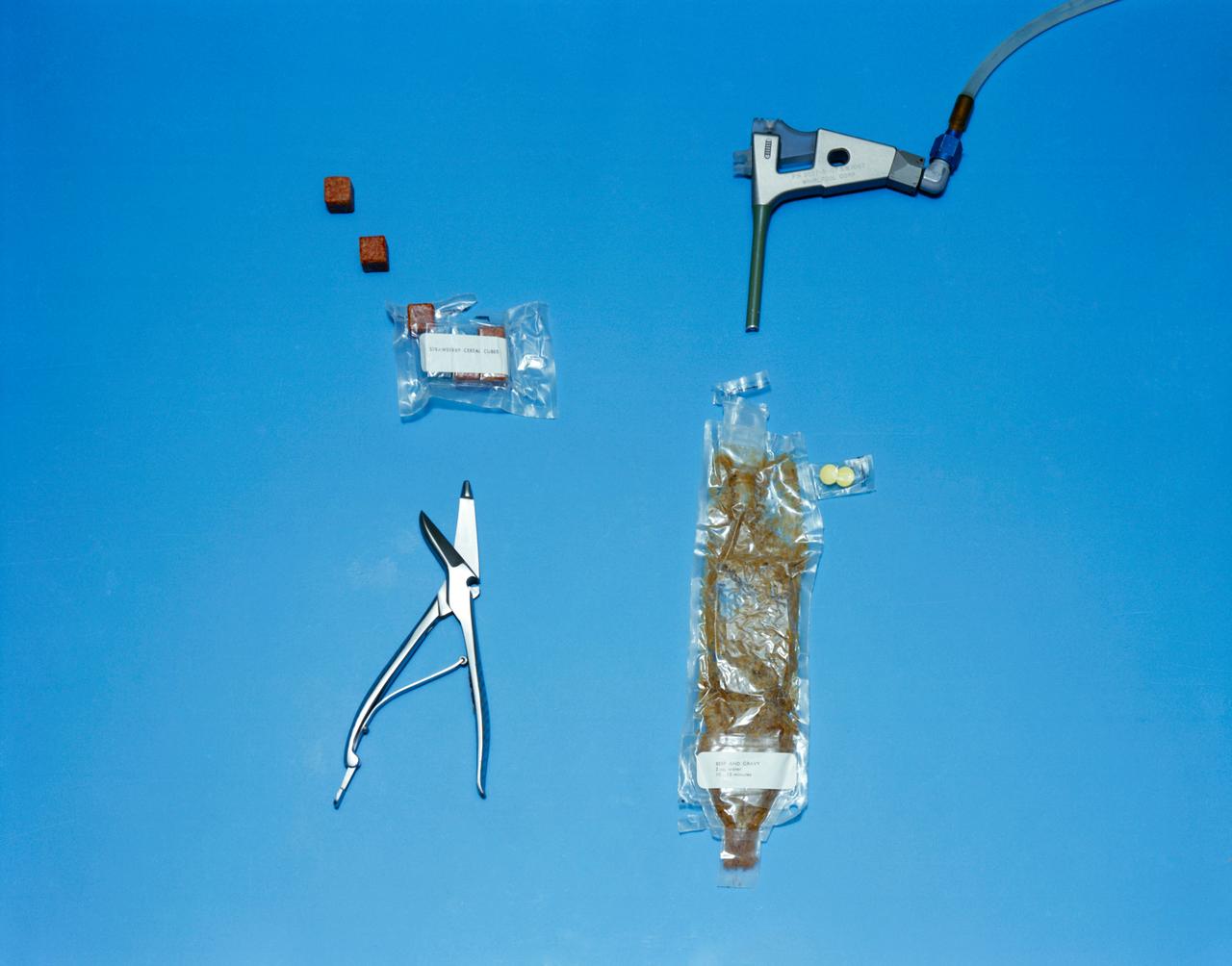
Food packages of beef and gravy fully reconstituted and ready to eat. An astronaut would squeeze food through opening at right side of package. Water gun is used to reconstitute dehydrated food. Scissors are used to open packages. This is the type of space food which will be used on the Gemini-Titan 4 spaceflight. MSC, Houston, TX *S65-24895 thru S65-24899
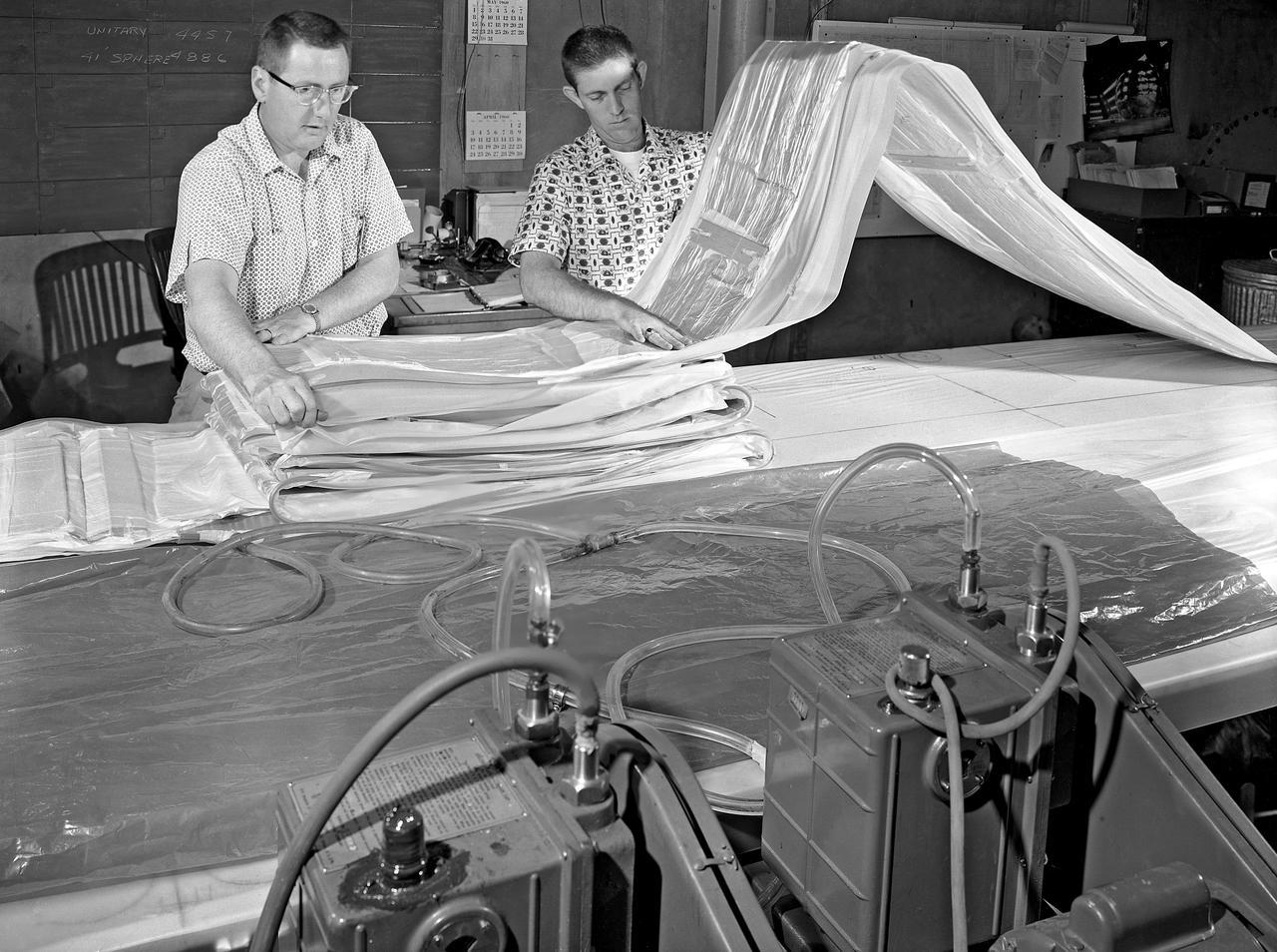
100' Satellite Packaging of Echo
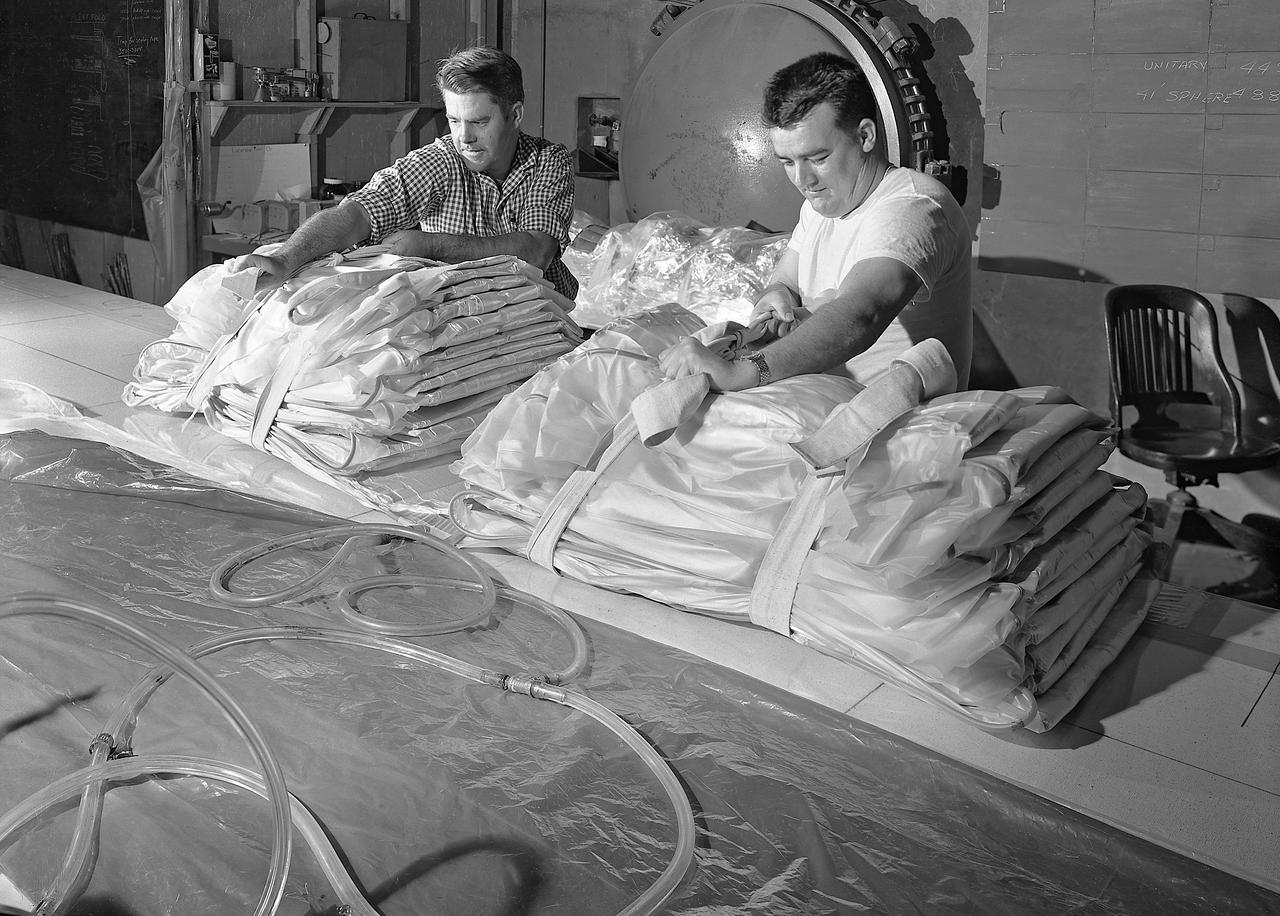
100' Satellite Packaging of Echo
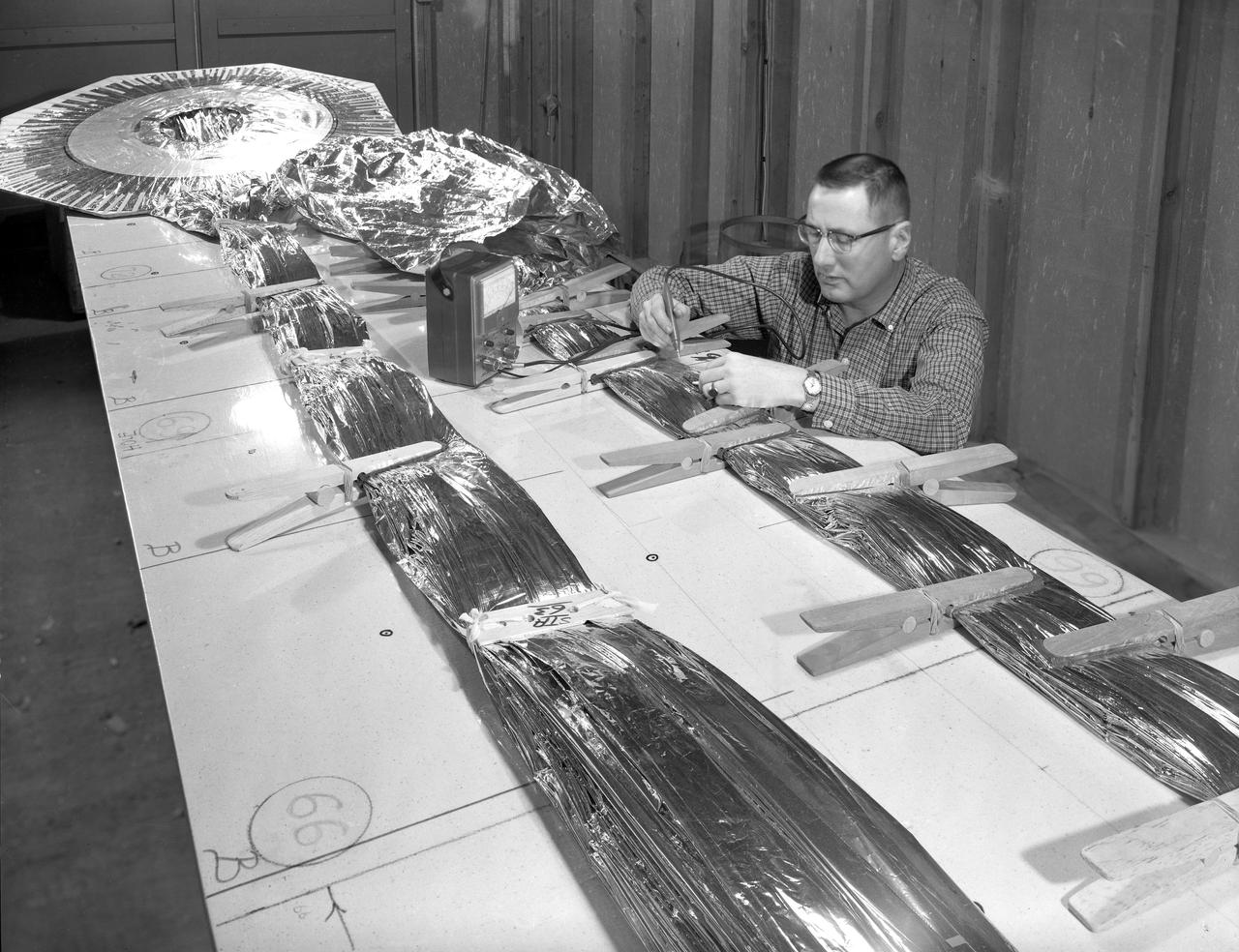
100' Satellite Packaging of Echo
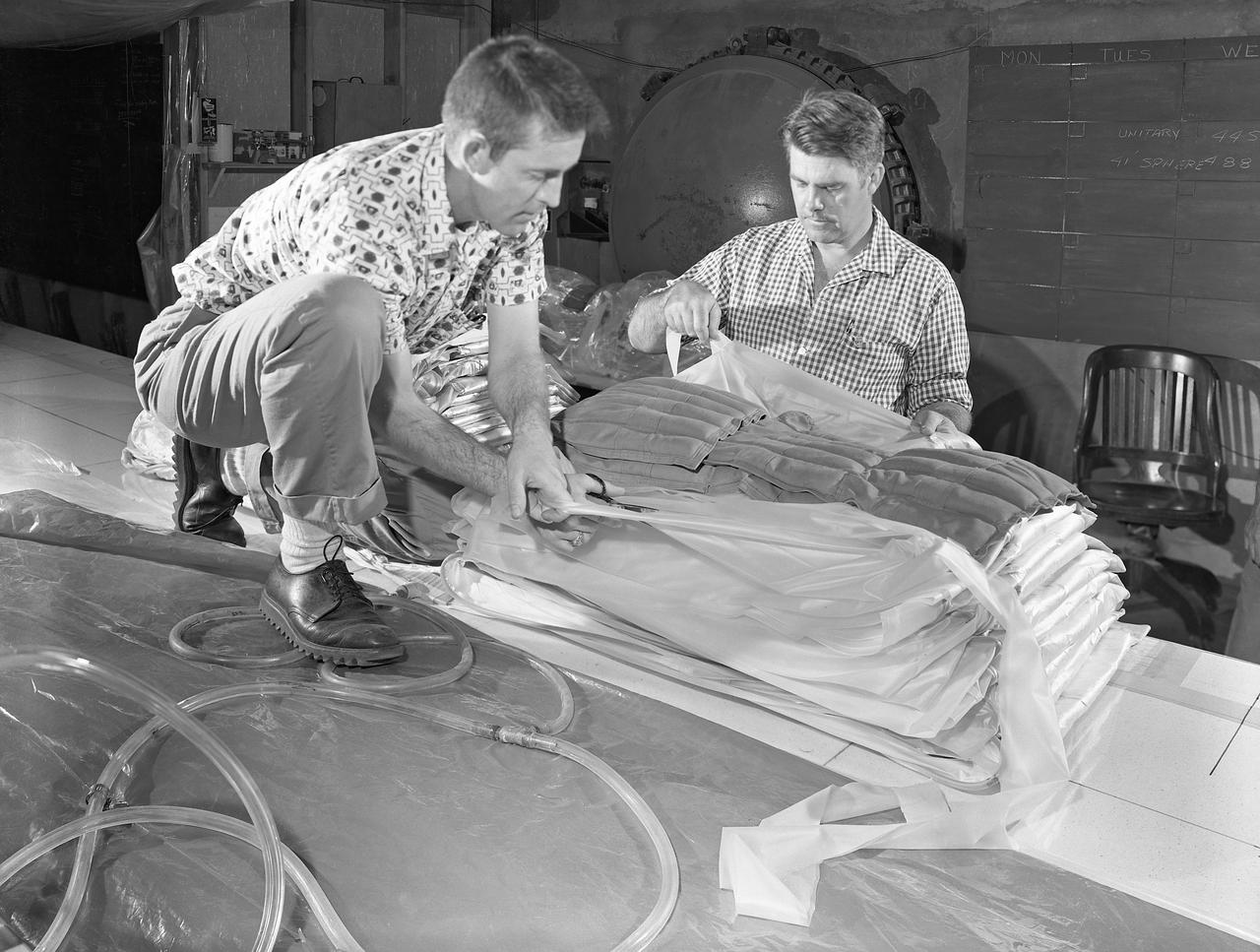
100' Satellite Packaging of Echo
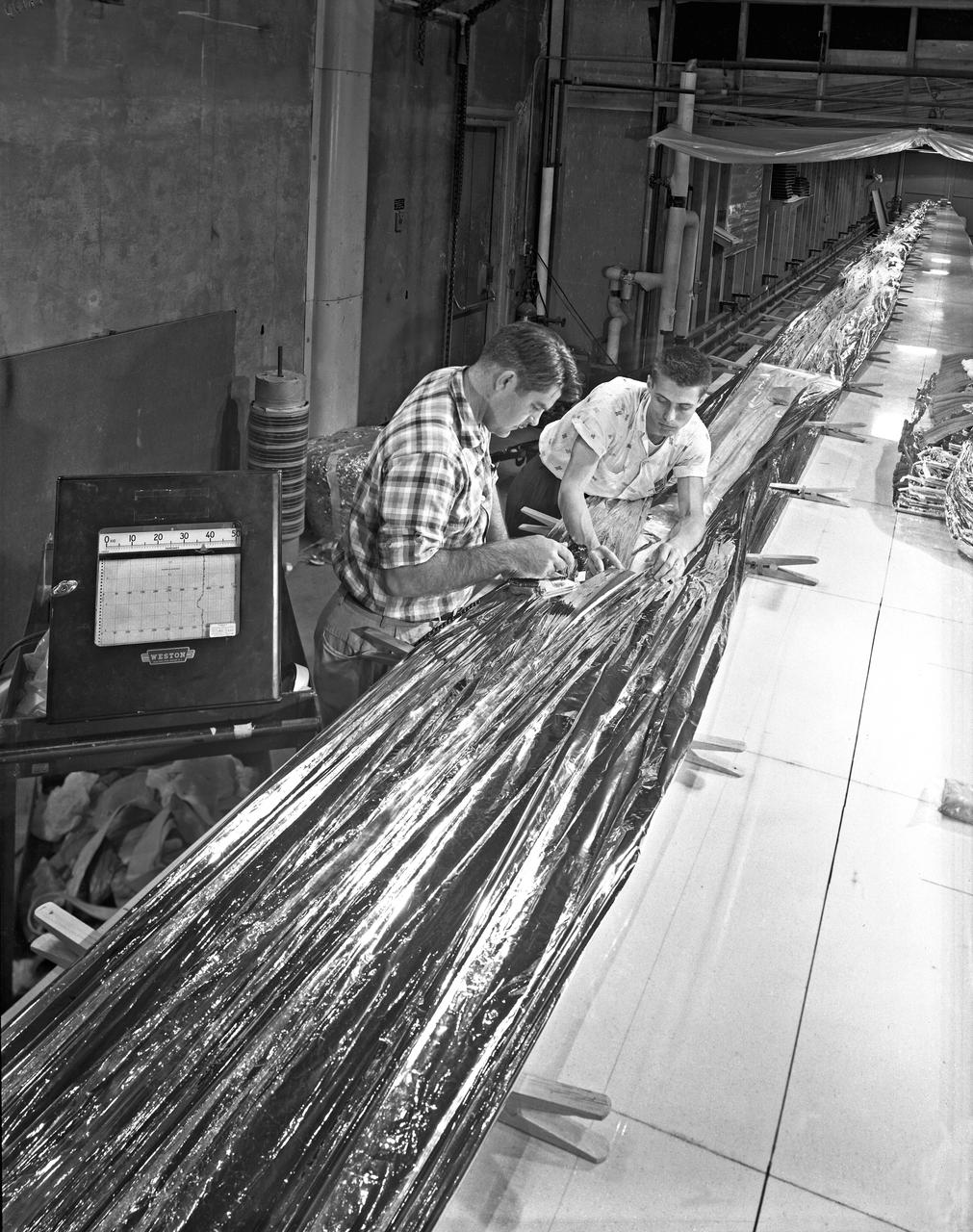
100' Satellite Packaging of Echo
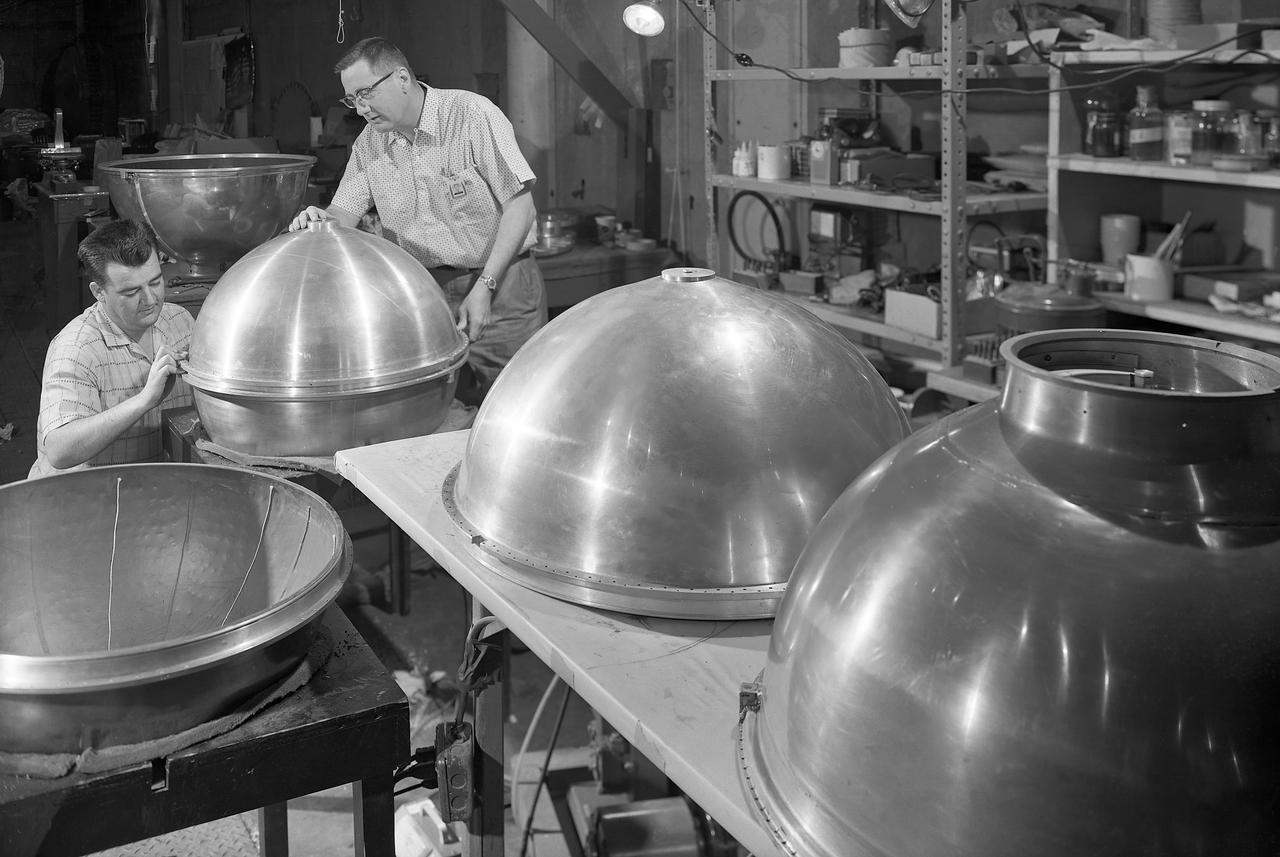
100' Satellite Packaging of Echo
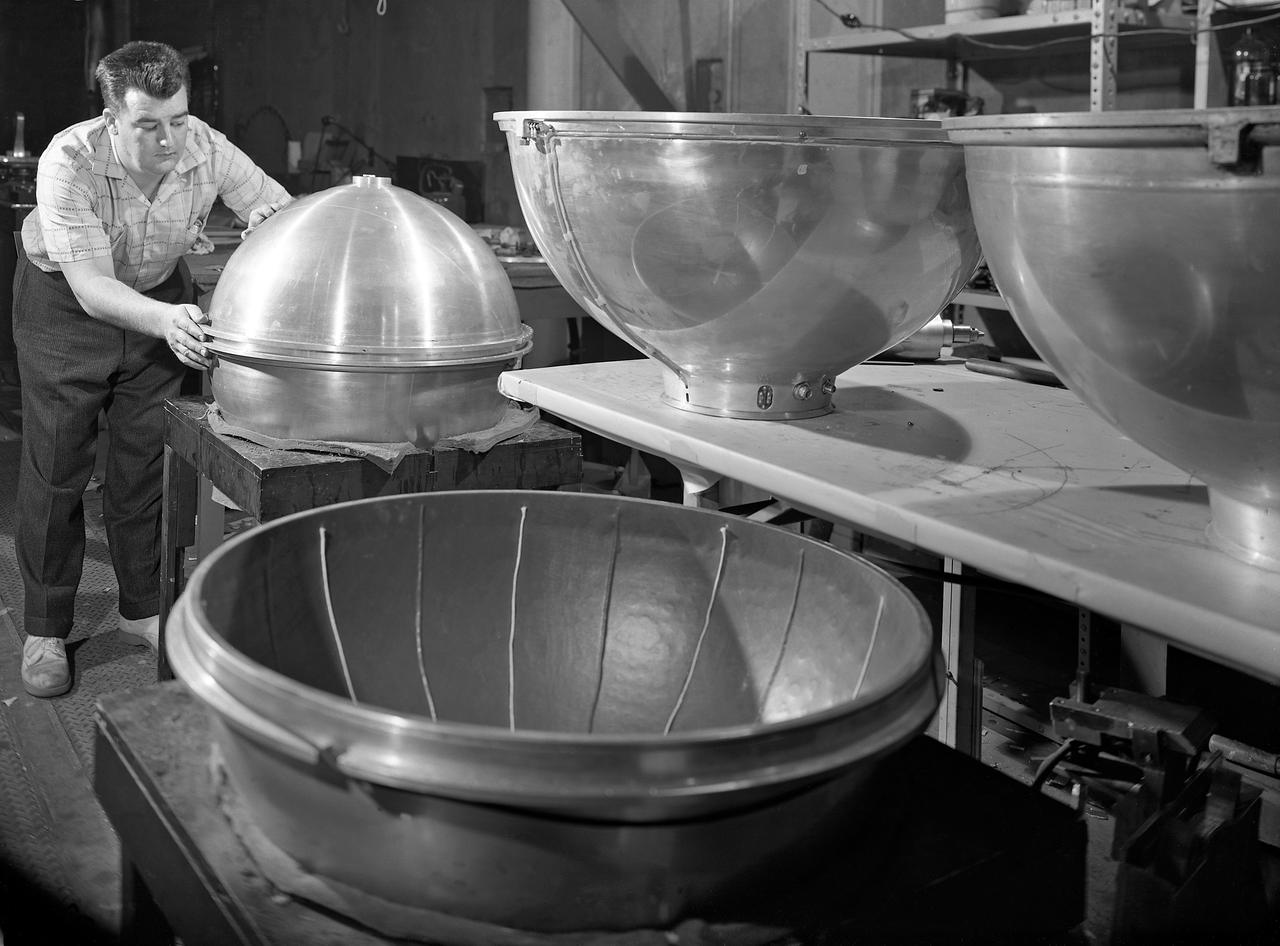
100' Satellite Packaging of Echo
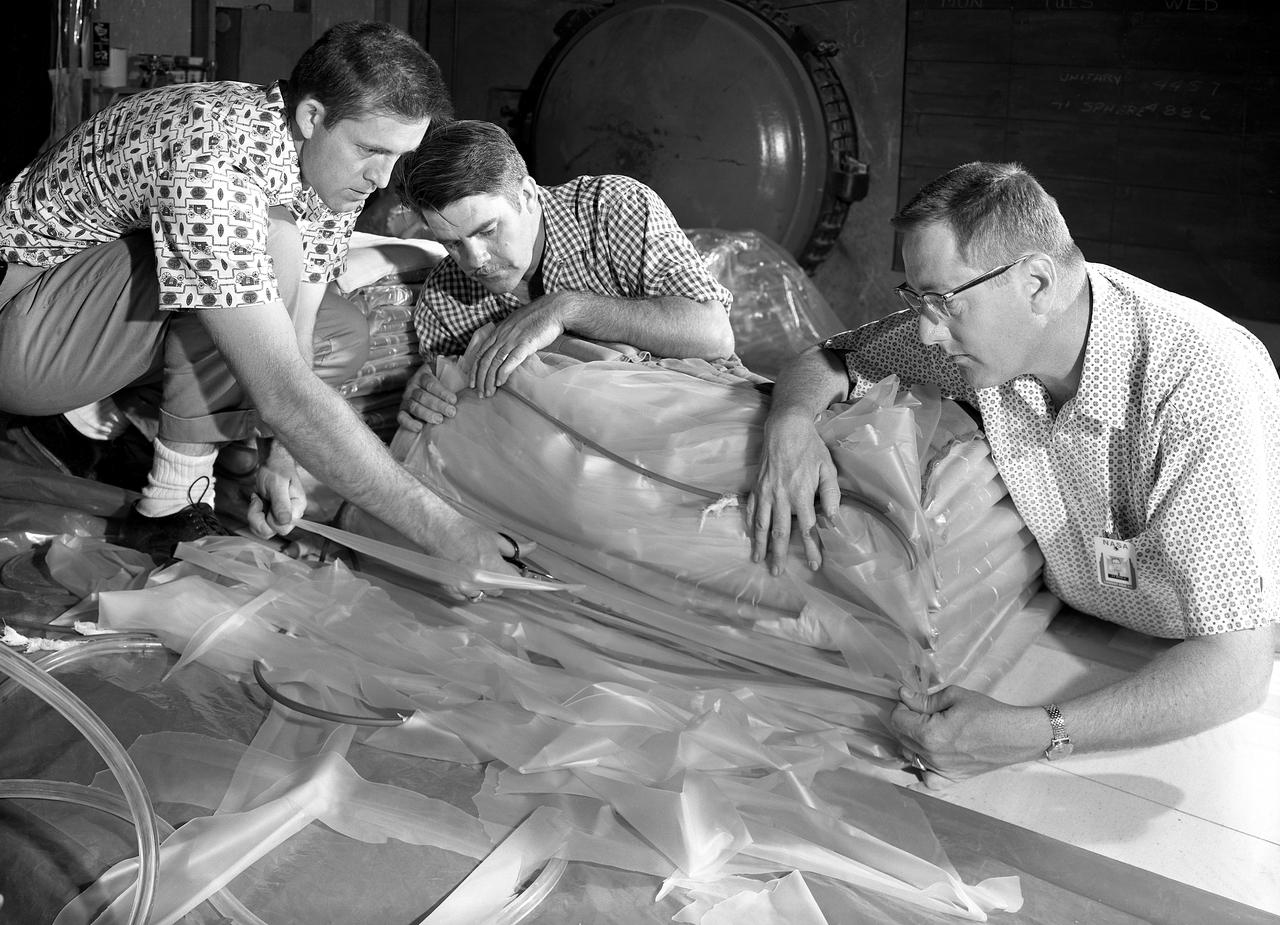
100' Satellite Packaging of Echo
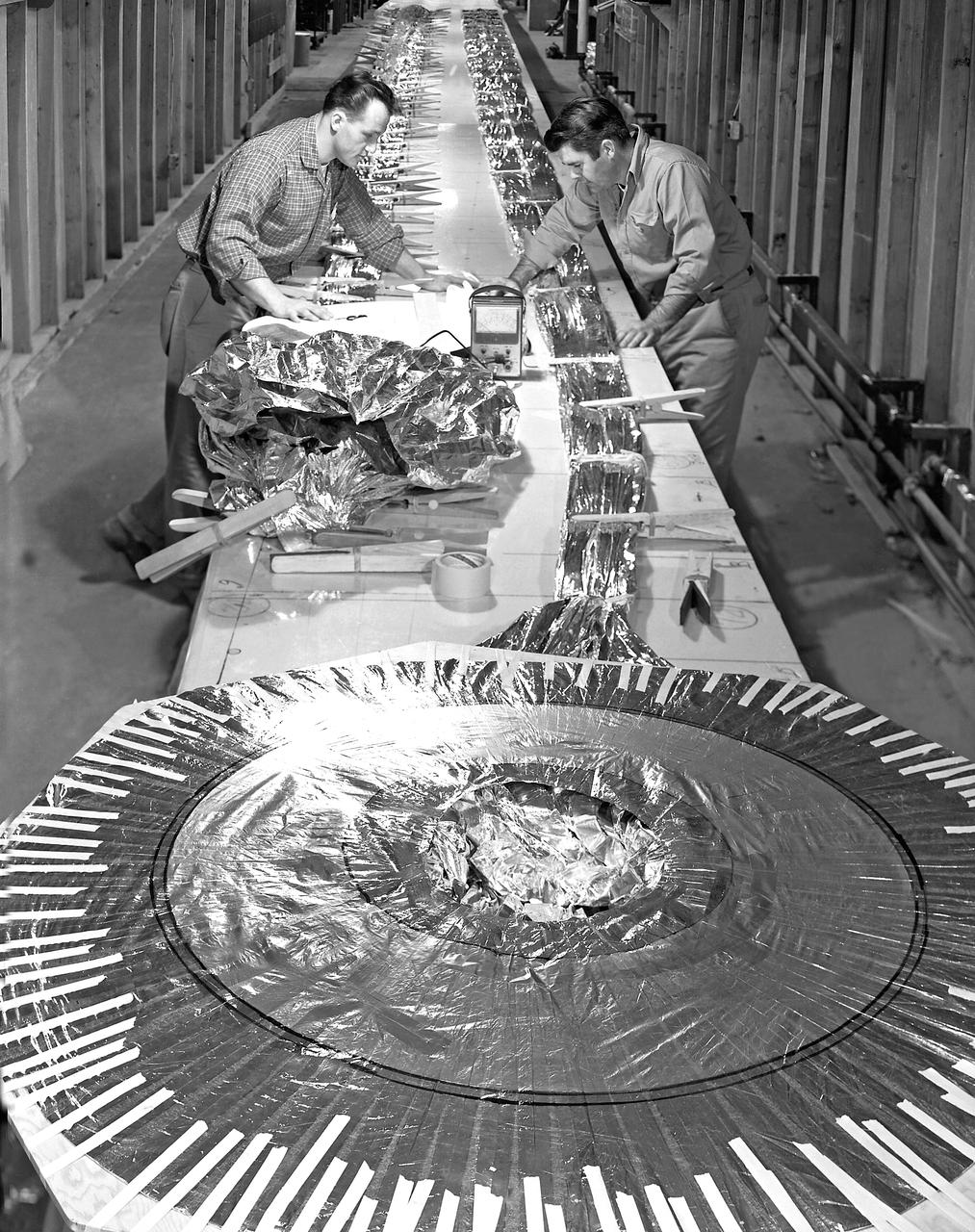
100' Satellite Packaging of Echo
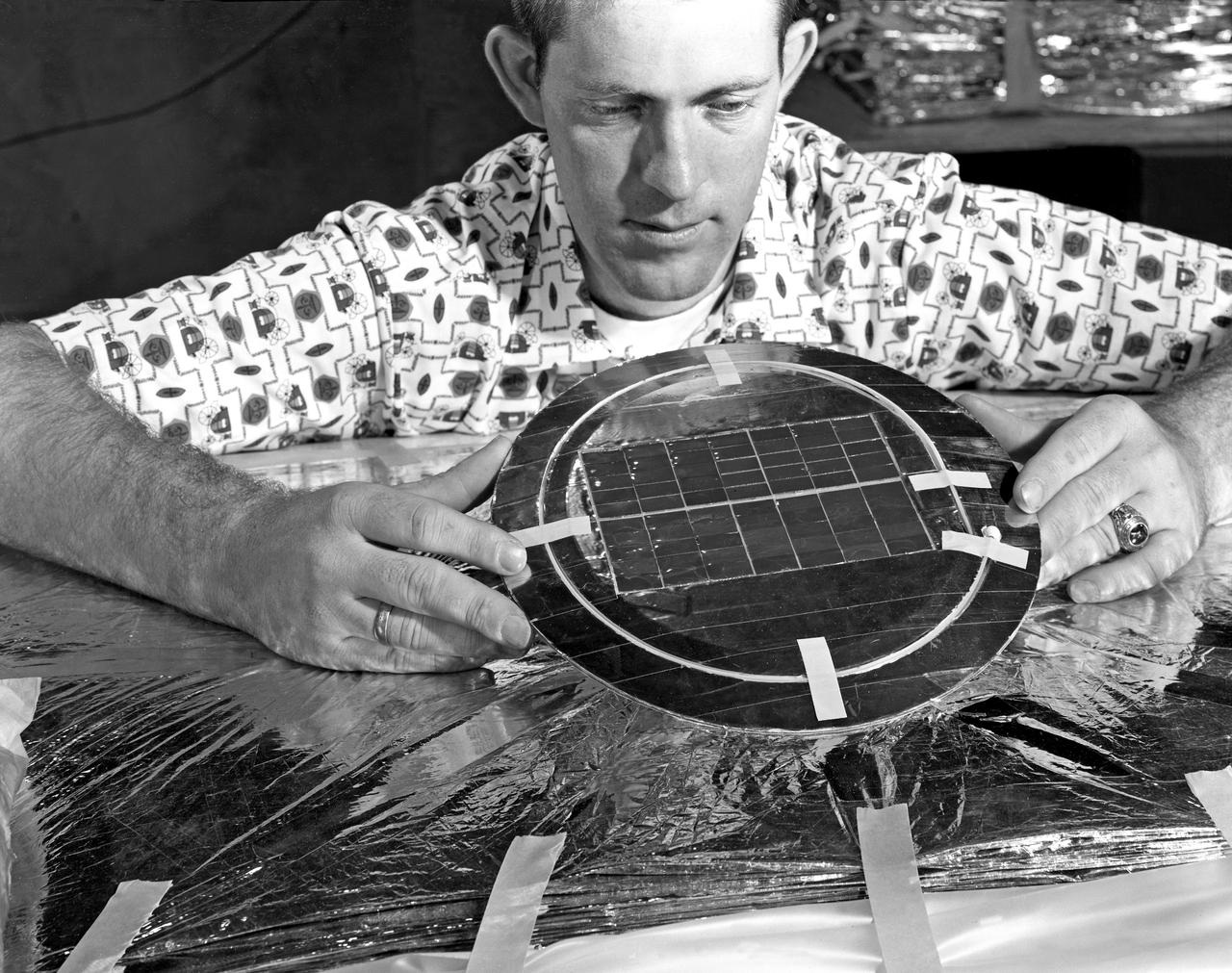
100' Satellite Packaging of Echo
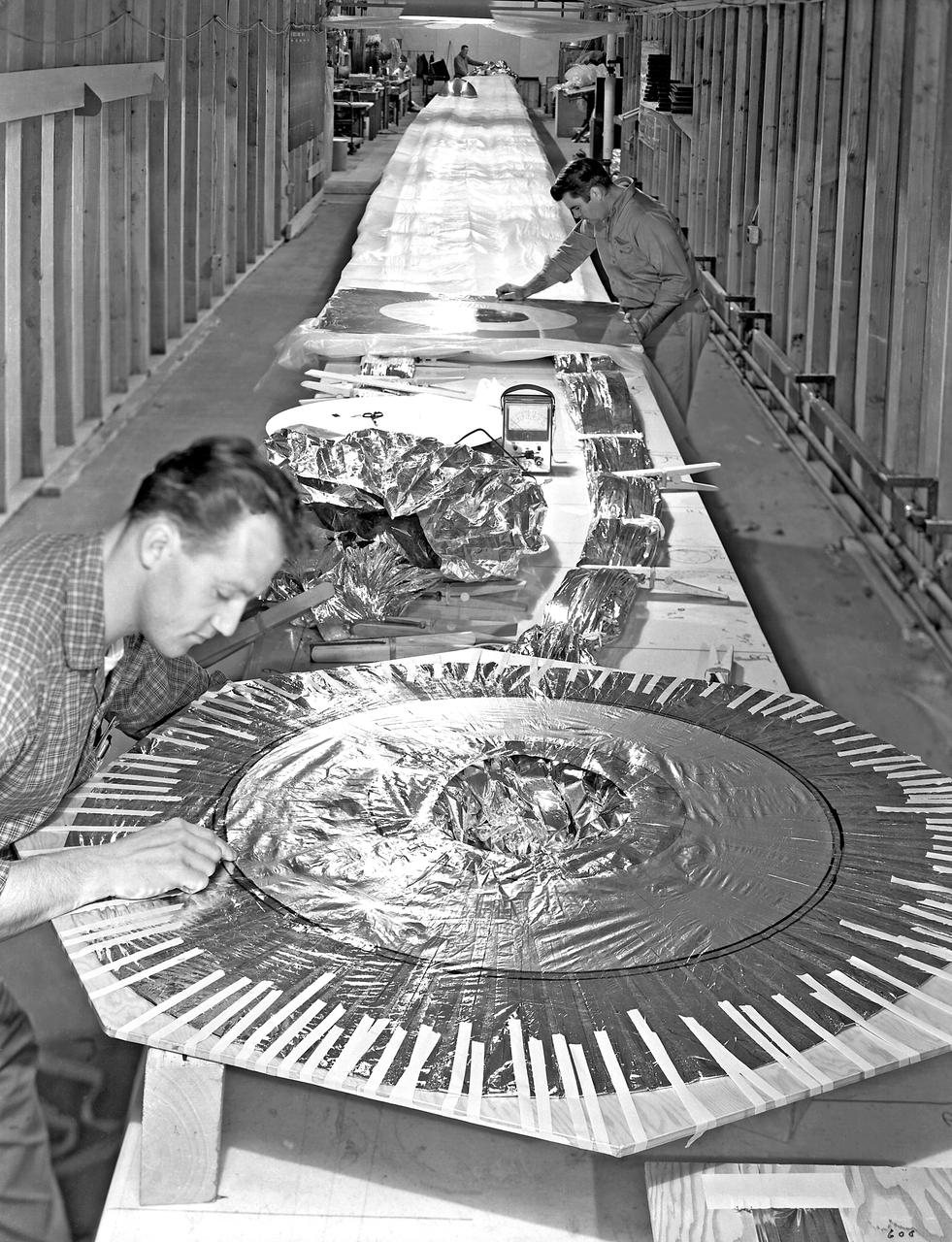
100' Satellite Packaging of Echo
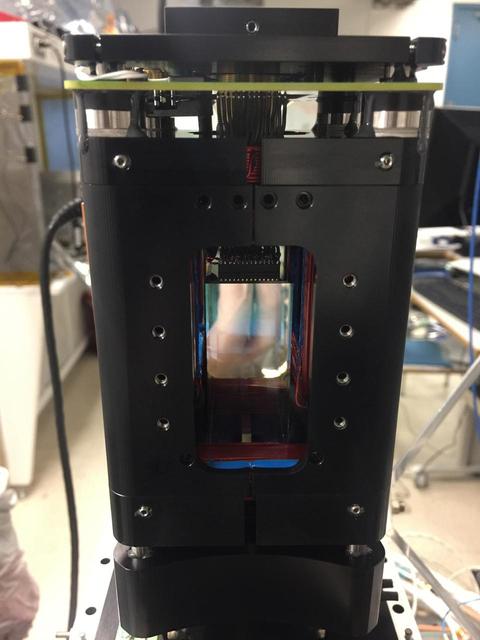
Shown here, the "physics package" inside NASA's Cold Atom Lab, where ultracold clouds of atoms called Bose-Einstein condensates are produced. https://photojournal.jpl.nasa.gov/catalog/PIA22563
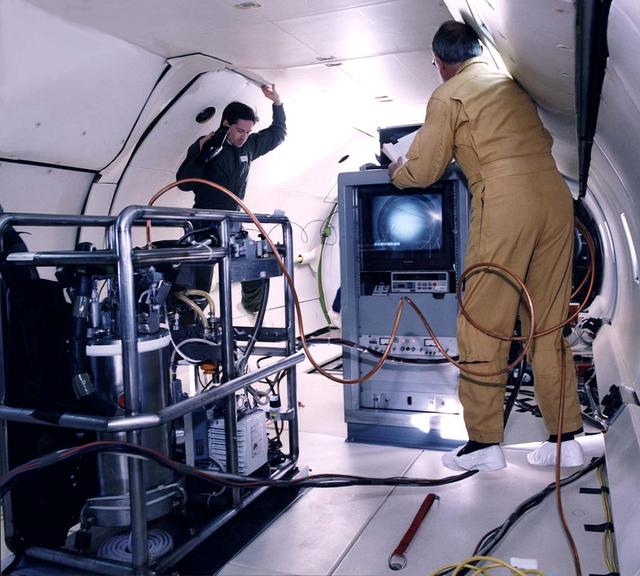
Ted Brunzie and Peter Mason observe the float package and the data rack aboard the DC-9 reduced gravity aircraft. The float package contains a cryostat, a video camera, a pump and accelerometers. The data rack displays and record the video signal from the float package on tape and stores acceleration and temperature measurements on disk.
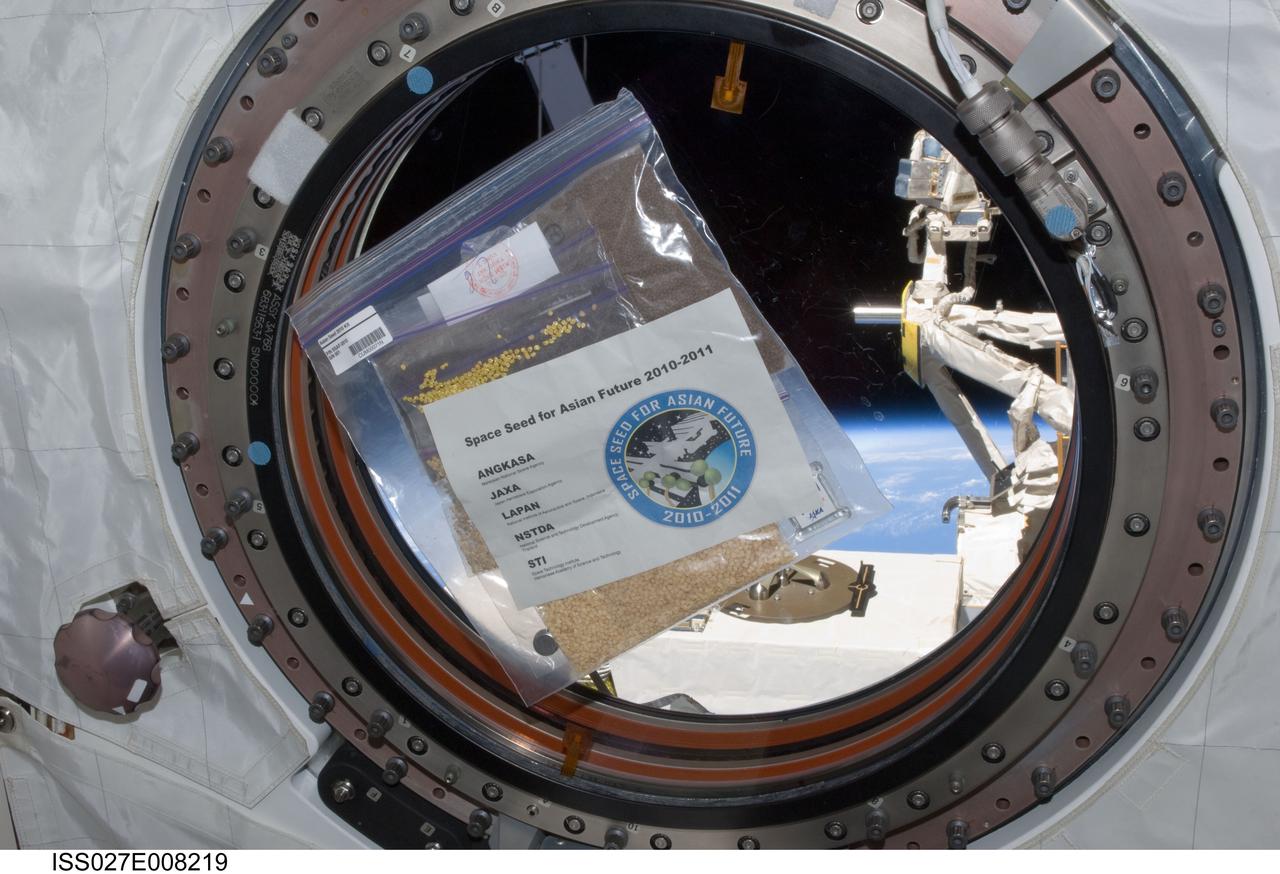
iss027e008219 (3/26/2011) --- Photo documentation of the Asian Seed Package payload, photographed in the Kibo Japanese Experiment Pressurized Module (JPM) aboard the International Space station (ISS).
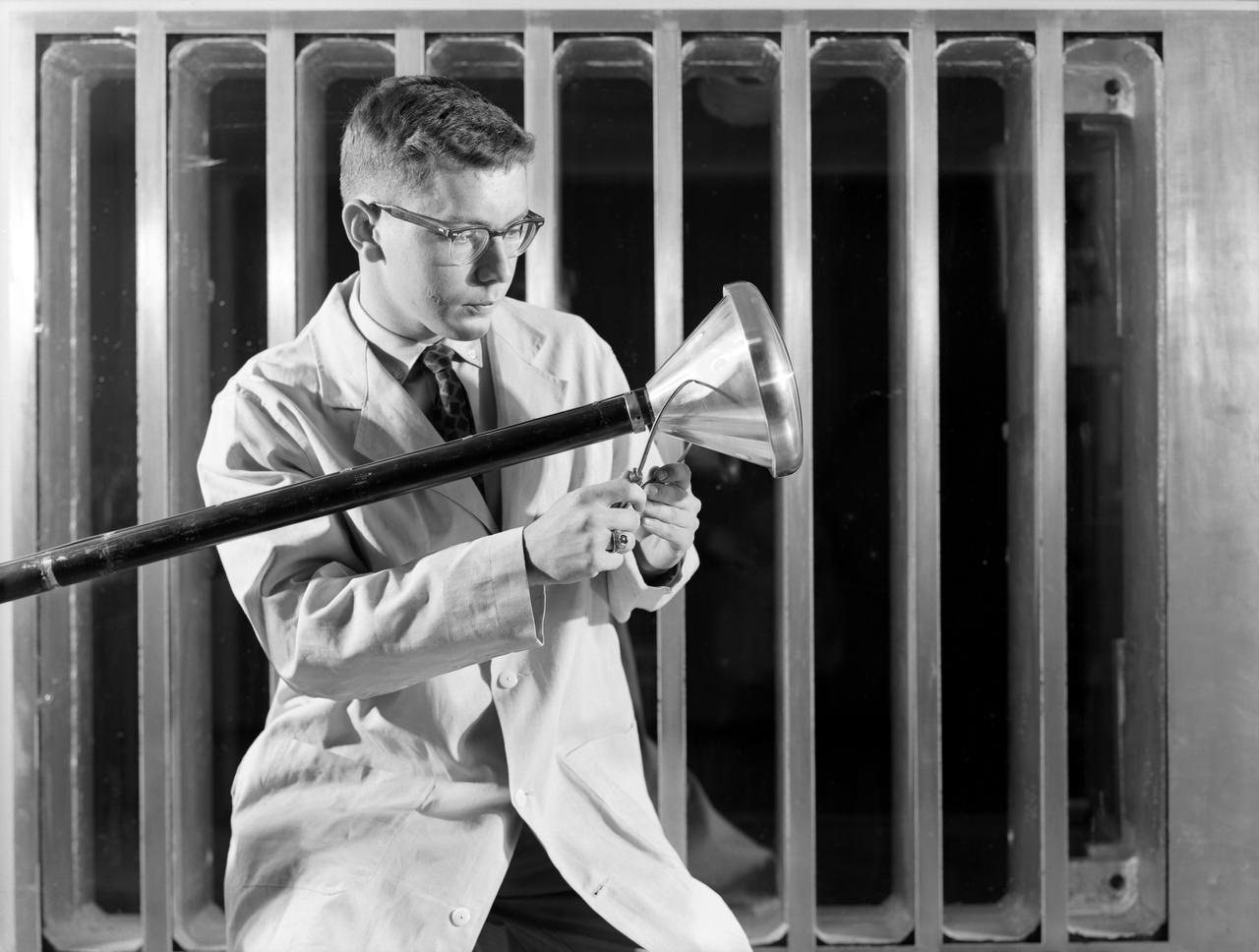
Researcher checks model of Project Fire Reentry package to be tested in Unitary Plan Wind Tunnel. Project FIRE (Flight Investigation Reentry Environment) studied the effects of reentry heating on spacecraft materials. It involved both wind tunnel and flight tests, although the majority were tests with Atlas rockets and recoverable reentry packages. These flight tests took place at Cape Canaveral in Florida. Wind tunnel tests were made in several Langley tunnels including the Unitary Plan Wind Tunnel, the 8-foot High-Temperature Tunnel and the 9x6-Foot Thermal Structures Tunnel. Photo published in book "A Century at Langley" by Joseph Chambers pg. 92
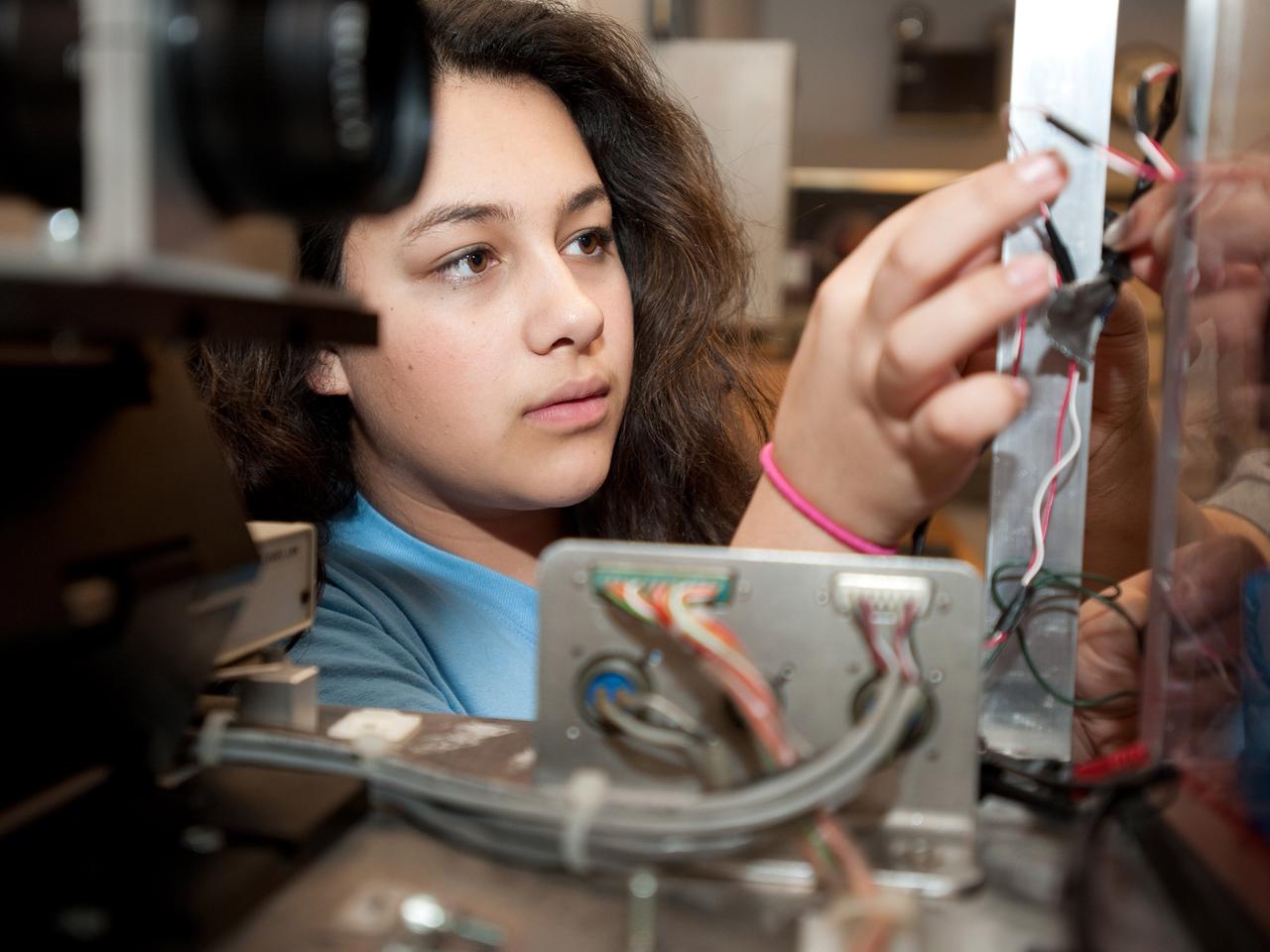
Neera Martin, a NASA Glenn student intern, works on a drop package for the 'Dropping in Microgravity Environment (DIME)' event held in NASA Glenn's 2.2 Second Drop Tower.
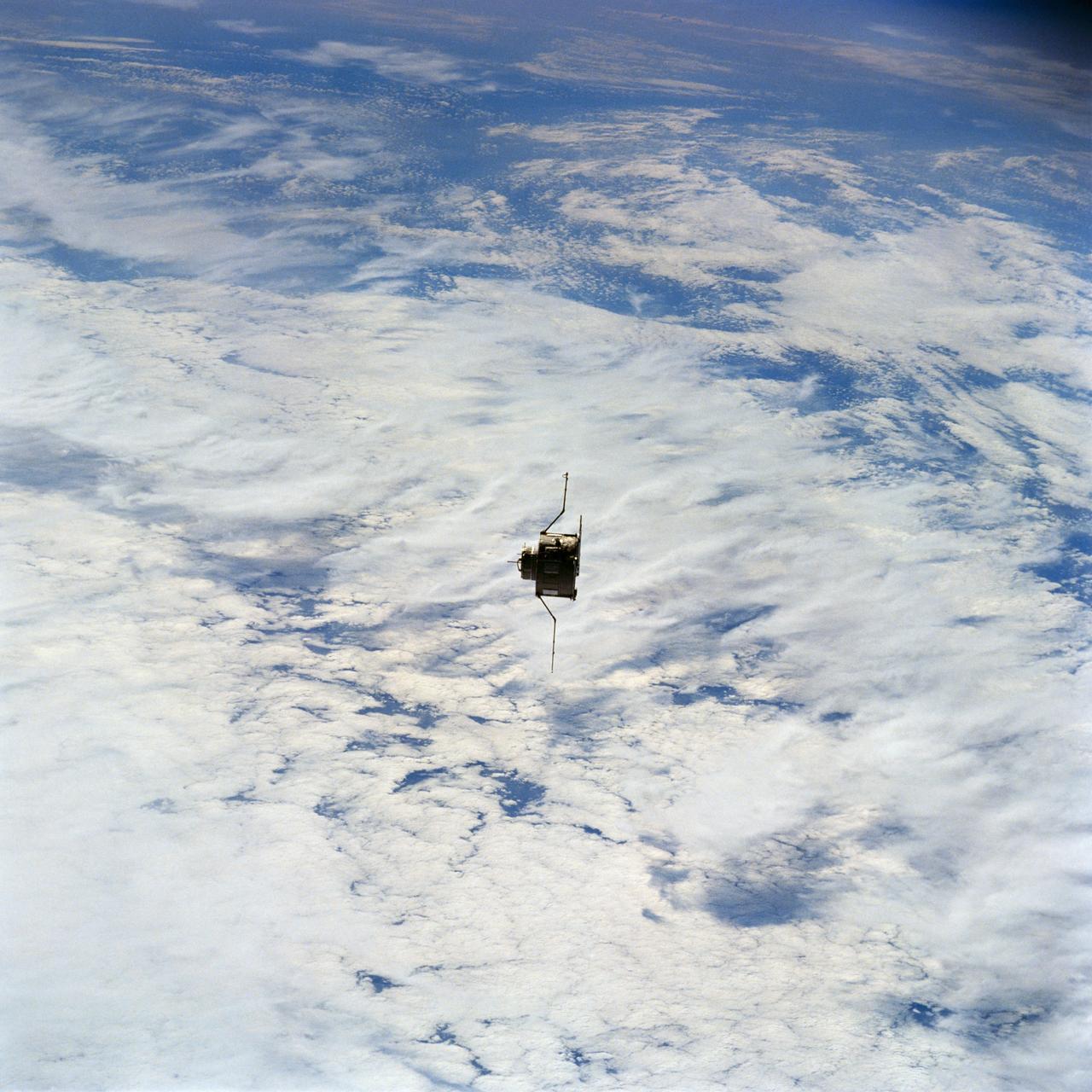
51F-34-041 (29 July-6 Aug. 1985) --- The plasma diagnostics package(PDP) in free flight over heavily cloud-covered Earth.
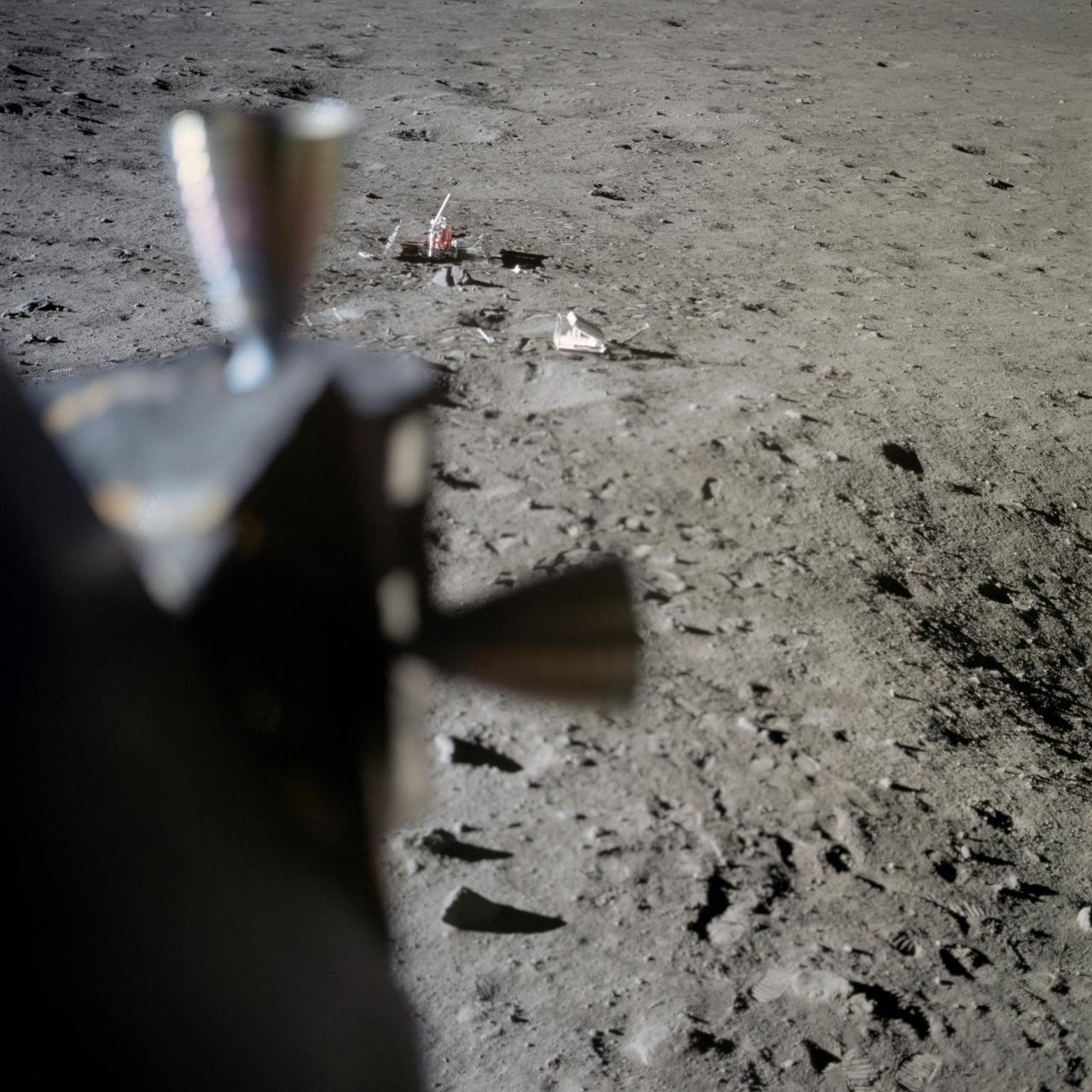
AS11-37-5551 (20 July 1969) --- Two components of the Early Apollo Scientific Experiments Package (EASEP) are seen deployed on the lunar surface in this view photographed from inside the Lunar Module (LM). In the far background is the Passive Seismic Experiment Package (PSEP); and to the right and closer to the camera is the Laser Ranging Retro-Reflector (LR-3). The footprints of Apollo 11 astronauts Neil A. Armstrong and Edwin E. Aldrin Jr. are very distinct in the lunar soil.
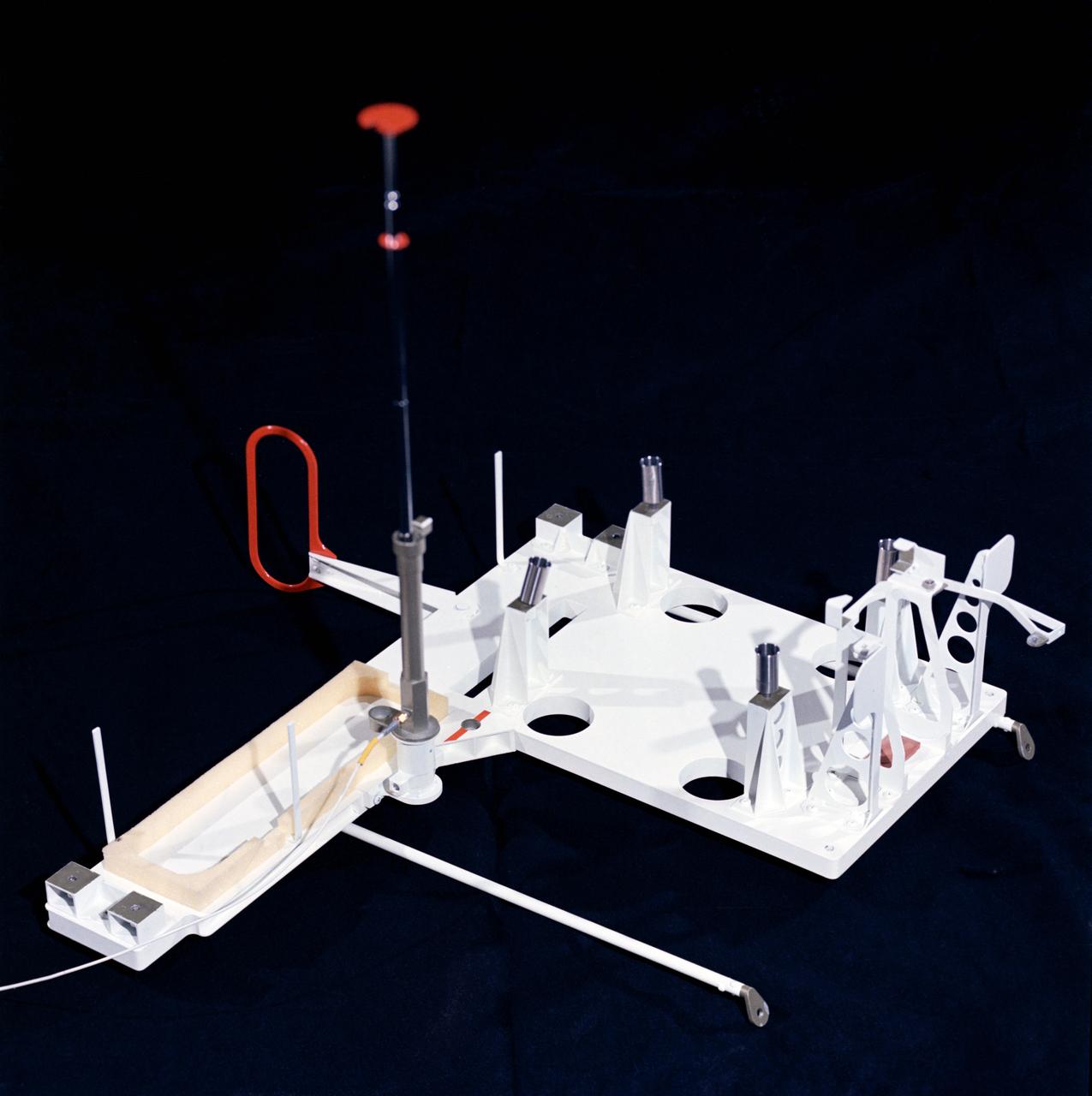
S72-37260 (November 1972) --- The remote antenna for the Lunar Seismic Profiling Experiment, Numbered S-203, a component of the Apollo Lunar Surface Experiments Package which will be carried on the Apollo 17 lunar landing mission. LSPE components are four geophones similar to those used in earlier active seismic experiments an electronics package in the ALSEP central station, and eight explosive packages which will be deployed during the geology traverse. The four geophones will be placed one in the center and at each corner of a 90-meter equilateral triangle. Explosive charges placed on the surface will generate seismic waves of varying strengths to provide data on the structural profile of the landing site. After the charges have been fired by ground command, the experiment will settle down into a passive listening mode, detecting moonquakes, meteorite impacts and the thump caused by the Lunar Module ascent stage impact. The antenna is of the telescoping type.
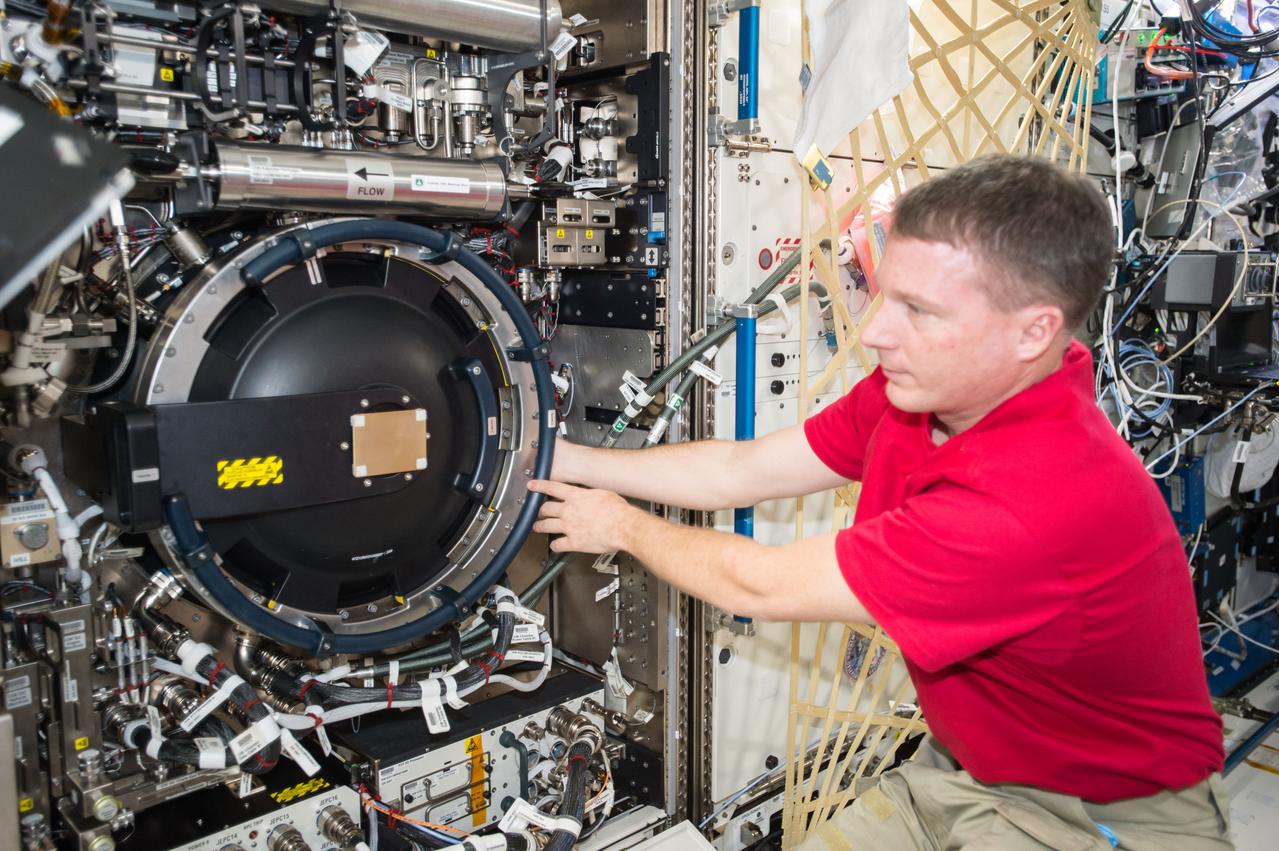
ISS042E017804 (11/28/2014) --- US Astronaut Terry Virts works to rotate out the Optics Bench during Combustion Integrated Rack (CIR) Imaging Package reconfiguration in the Destiny U.S. Laboratory of the International Space Station.
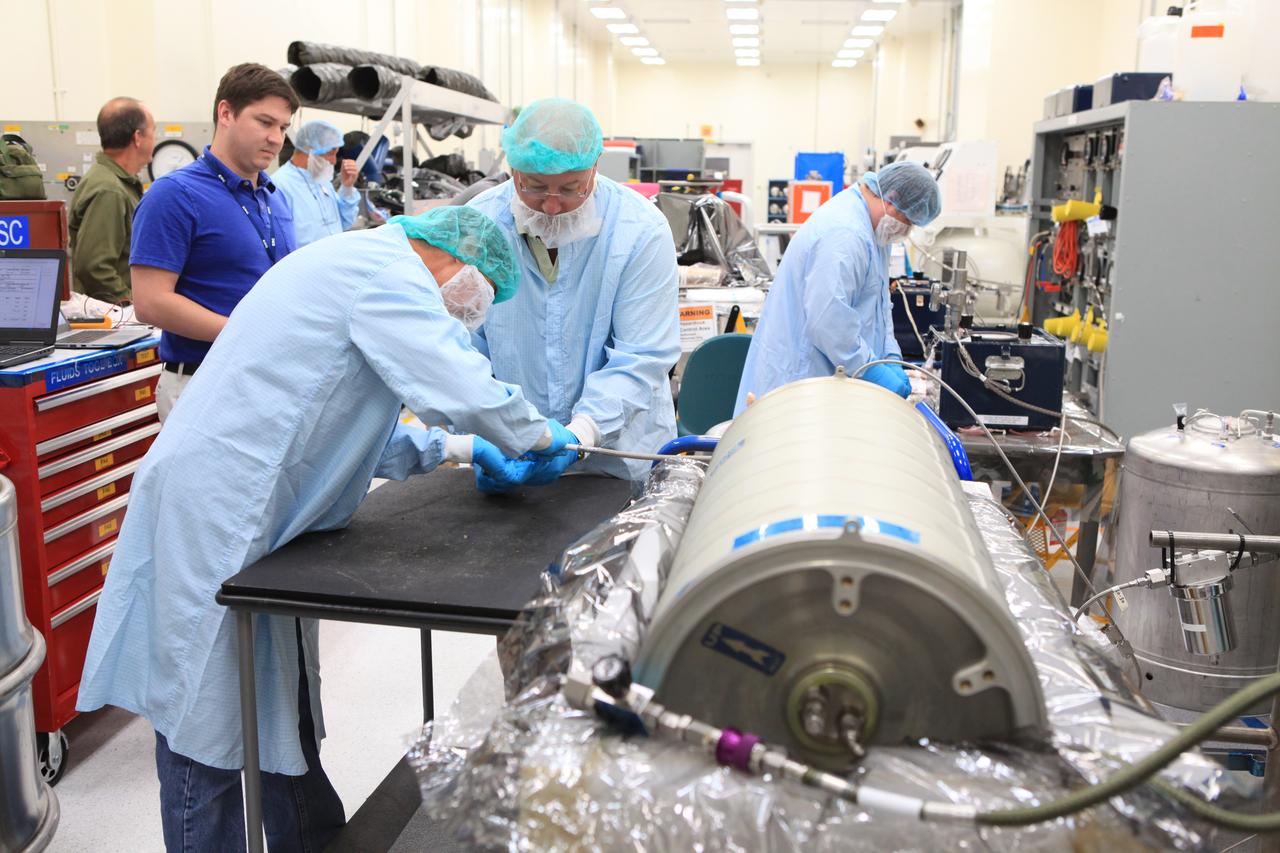
Inside the Space Station Processing Facility high bay at NASA's Kennedy Space Center in Florida, technicians work on the pump package assembly (PPA) on Aug. 30, 2018. The payload will be carried to the International Space Station on SpaceX's 16th Commercial Resupply Services mission. The PPA will be used to continuously drive the cooling water in the space station's thermal control system. The assembly includes a centrifuge pump, a fine filter and gas trap for pump protection, a coarse outlet filter, sensors, and an accumulator. The PPA also will provide a reservoir used for makeup of coolant if leakage occurred. CRS-16 is scheduled to launch to the space station later this year.
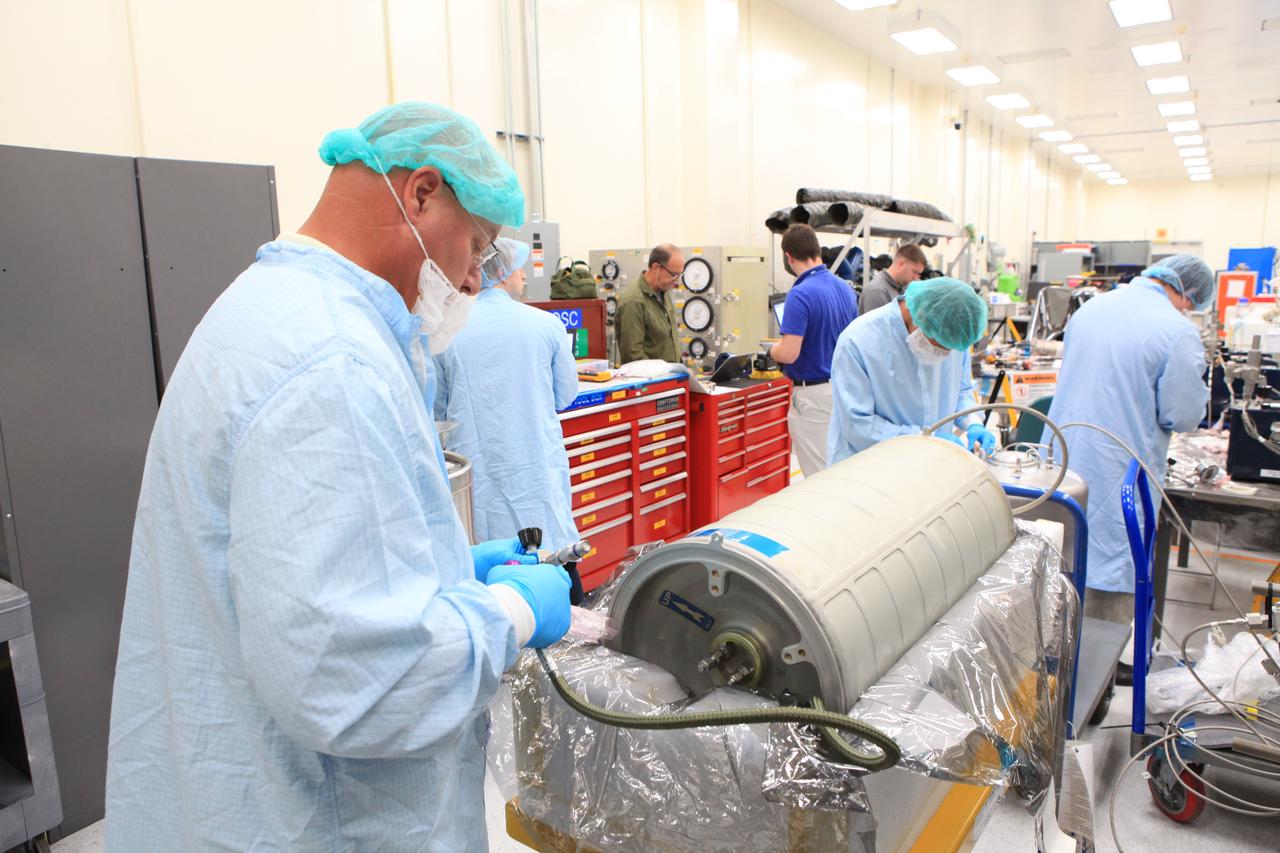
Inside the Space Station Processing Facility high bay at NASA's Kennedy Space Center in Florida, technicians work on the pump package assembly (PPA) on Aug. 30, 2018. The payload will be carried to the International Space Station on SpaceX's 16th Commercial Resupply Services mission. The PPA will be used to continuously drive the cooling water in the space station's thermal control system. The assembly includes a centrifuge pump, a fine filter and gas trap for pump protection, a coarse outlet filter, sensors, and an accumulator. The PPA also will provide a reservoir used for makeup of coolant if leakage occurred. CRS-16 is scheduled to launch to the space station later this year.
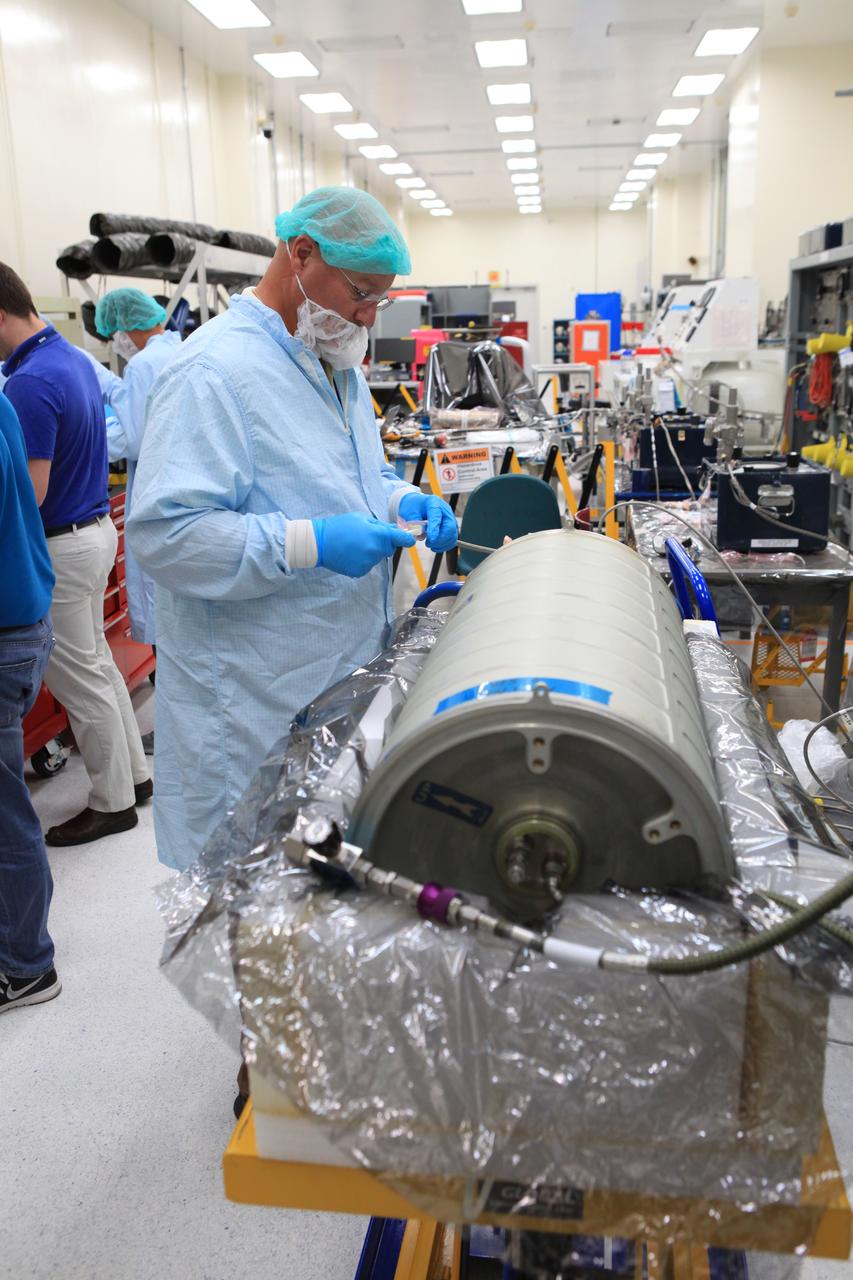
Inside the Space Station Processing Facility high bay at NASA's Kennedy Space Center in Florida, a technician works on the pump package assembly (PPA) on Aug. 30, 2018. The payload will be carried to the International Space Station on SpaceX's 16th Commercial Resupply Services mission. The PPA will be used to continuously drive the cooling water in the space station's thermal control system. The assembly includes a centrifuge pump, a fine filter and gas trap for pump protection, a coarse outlet filter, sensors, and an accumulator. The PPA also will provide a reservoir used for makeup of coolant if leakage occurred. CRS-16 is scheduled to launch to the space station later this year.
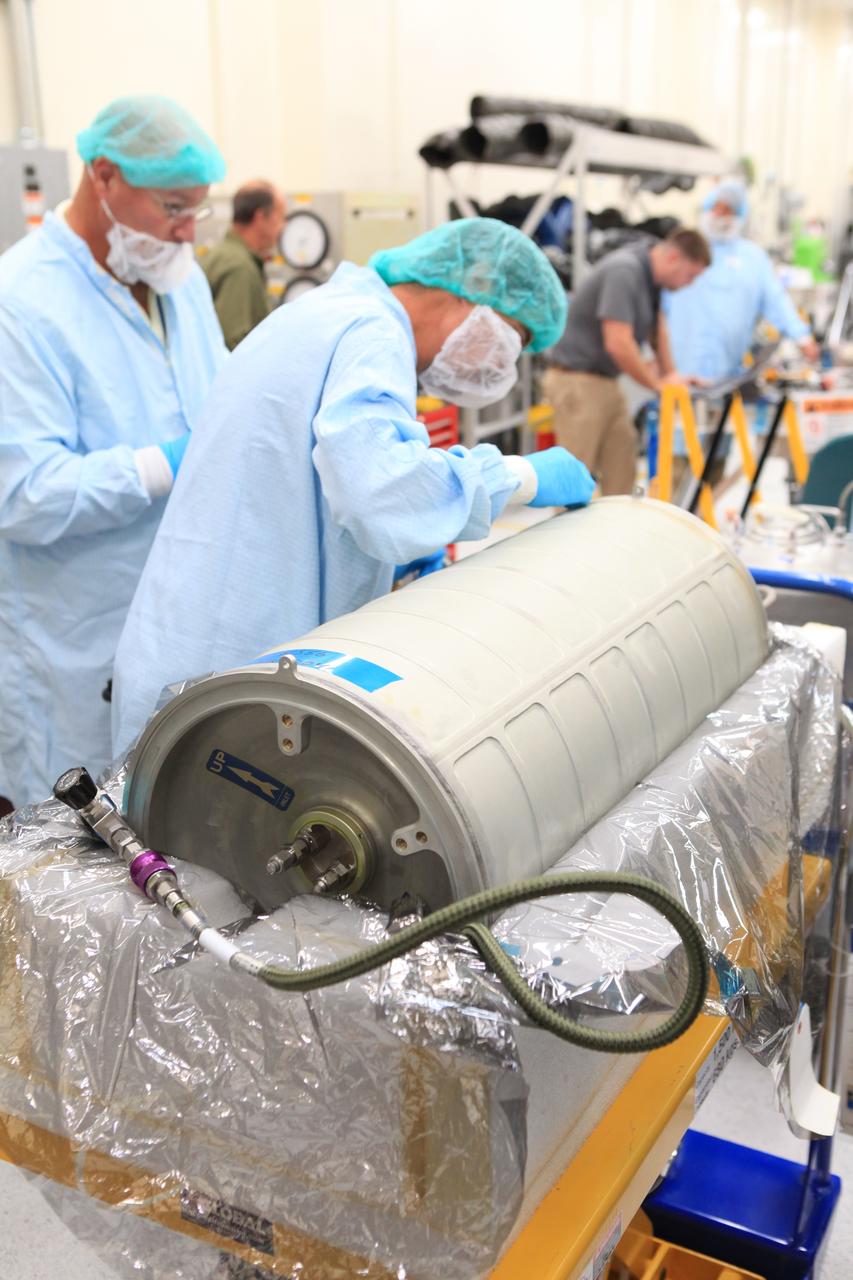
Inside the Space Station Processing Facility high bay at NASA's Kennedy Space Center in Florida, technicians work on the pump package assembly (PPA) on Aug. 30, 2018. The payload will be carried to the International Space Station on SpaceX's 16th Commercial Resupply Services mission. The PPA will be used to continuously drive the cooling water in the space station's thermal control system. The assembly includes a centrifuge pump, a fine filter and gas trap for pump protection, a coarse outlet filter, sensors, and an accumulator. The PPA also will provide a reservoir used for makeup of coolant if leakage occurred. CRS-16 is scheduled to launch to the space station later this year.
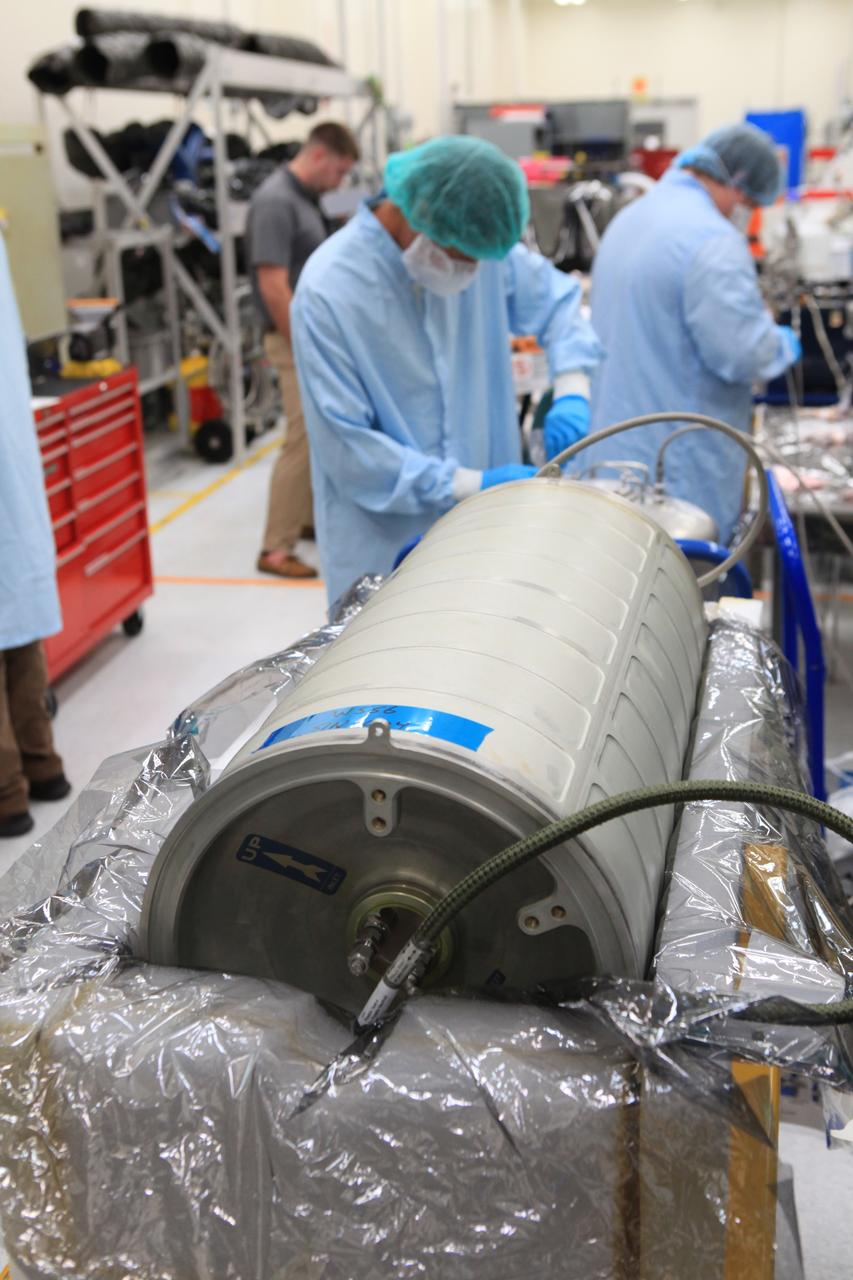
Inside the Space Station Processing Facility high bay at NASA's Kennedy Space Center in Florida, technicians work on the pump package assembly (PPA) on Aug. 30, 2018. The payload will be carried to the International Space Station on SpaceX's 16th Commercial Resupply Services mission. The PPA will be used to continuously drive the cooling water in the space station's thermal control system. The assembly includes a centrifuge pump, a fine filter and gas trap for pump protection, a coarse outlet filter, sensors, and an accumulator. The PPA also will provide a reservoir used for makeup of coolant if leakage occurred. CRS-16 is scheduled to launch to the space station later this year.
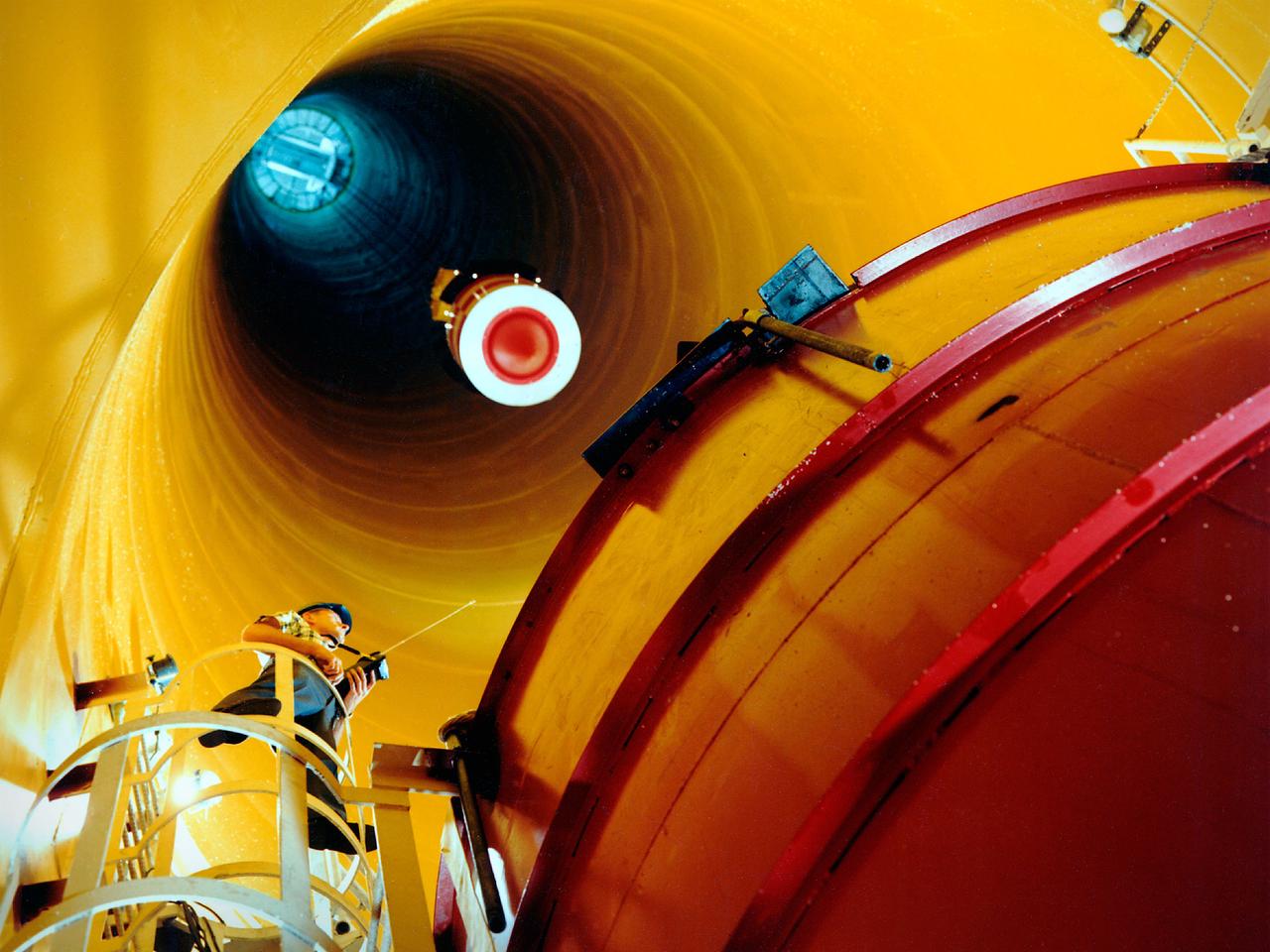
National Aeronautics and Space Administration (NASA) Lewis Research Center. Lewis researchers had been studying the behavior of liquid in microgravity for several years using ballistic rocket flights, aircraft flying series of parabolas, and in the 2.2-Second Drop Tower. It was easier to control experiments and repeat tests based on almost instantaneous test results in the Zero Gravity Research Facility than missiles or aircraft. It also more than doubled the microgravity time of the original drop tower. The experiments were enclosed in a large experiment package that was suspended inside the chamber. A vacuum was introduced to the chamber before the package was released. The test equipment allowed researchers to film and take measurements of the experiment as it was falling. The 2500‐pound package was slowed by special Styrofoam‐like pellets in a decelerator cart. An experiment, traveling 176 feet per second, was stopped in about 15 feet of deceleration material. The facility’s designers struggled to determine the correct type of deceleration pellets to use. For several years Lewis engineers tested various samples from manufacturers. The final selection was not made until the facility’s completion in May 1966, just before the facility made its public debut at the 1966 Inspection of the Center.
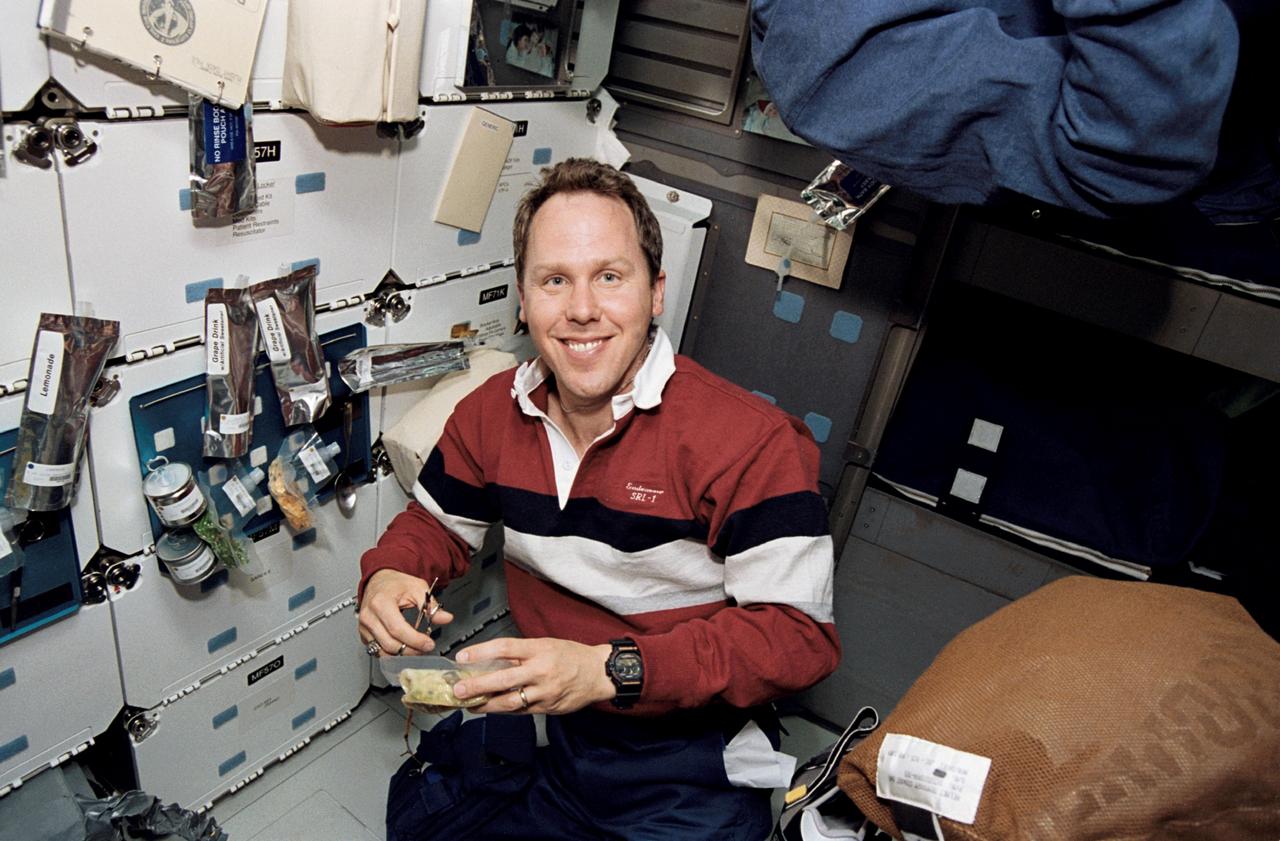
STS059-14-004 (9-20 April 1994) --- On the Space Shuttle Endeavour's middeck astronaut Thomas D. Jones, mission specialist, cuts open a package of food as he prepares for mealtime. Jones was joined by five other NASA astronauts aboard Endeavour for the STS-59 mission.
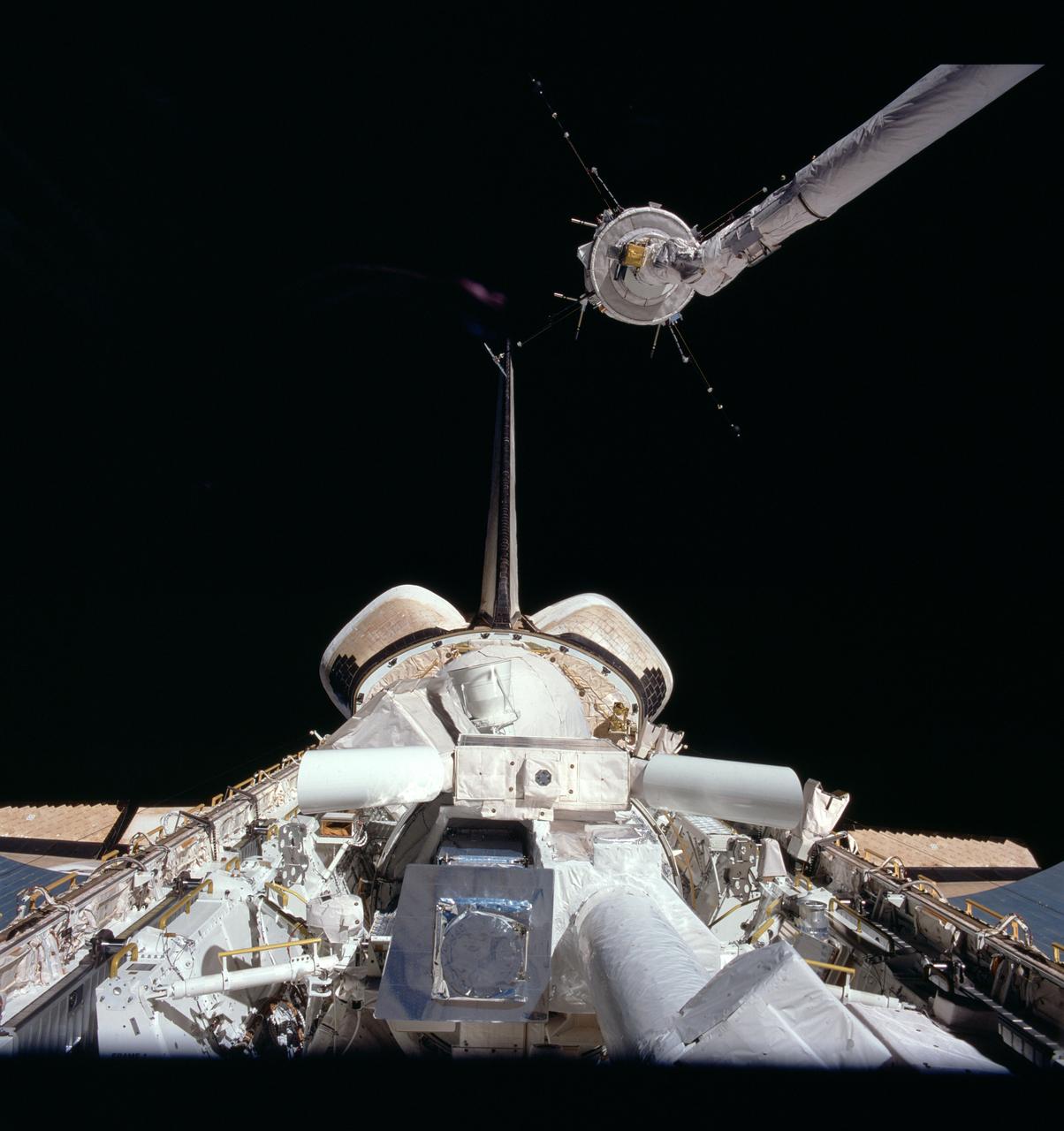
51F-33-024 (29 July-6 Aug 1985) --- The Challenger's remote manipulator system (RMS) arm grasps the plasma diagnostics package (PDP) over the experiment-laden cargo bay of the earth orbiting spacecraft. The instrument pointing system, in a resting mode here, is prominent in the bay.
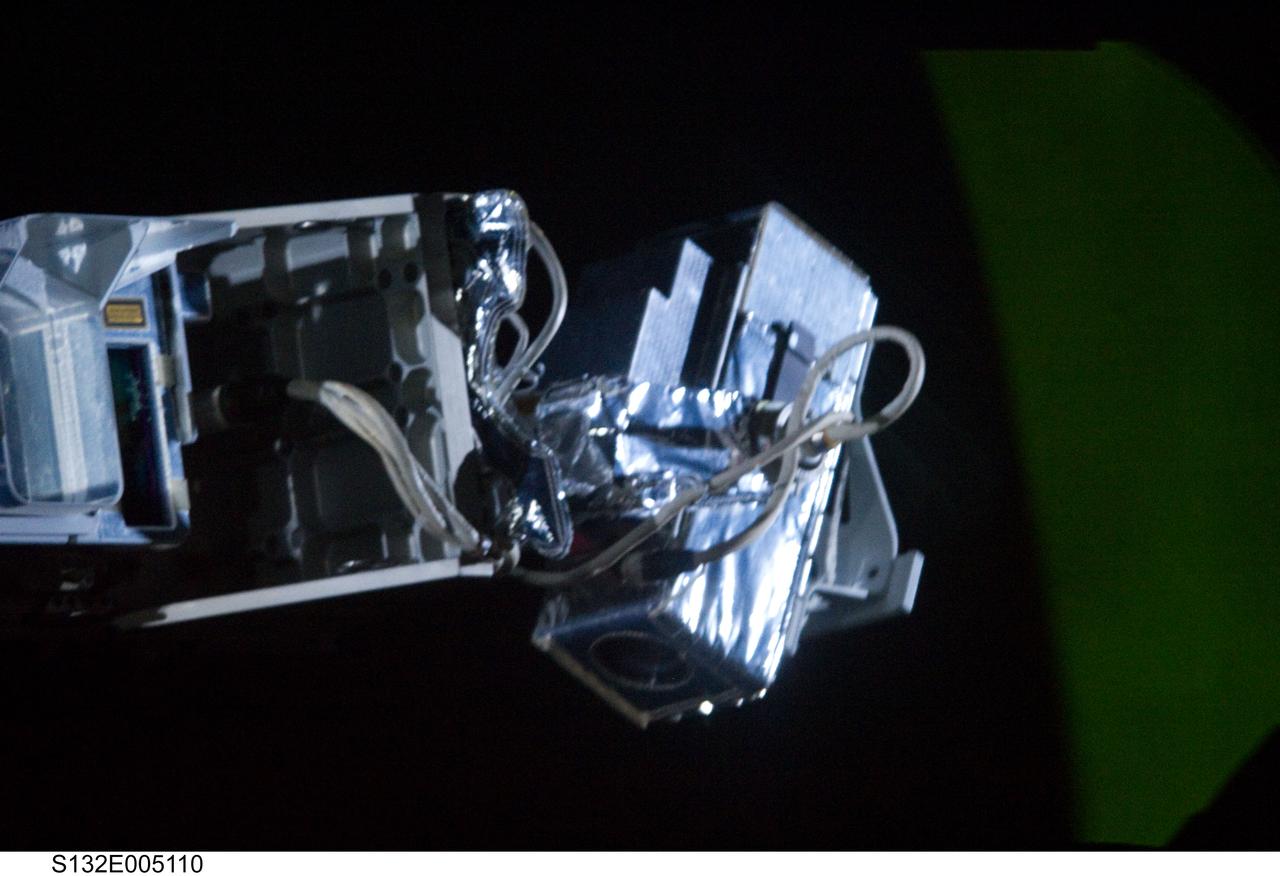
S132-E-005110 (15 May 2010) --- While preparing for the routine inspection of Atlantis’ thermal protection system on Flight Day 2, the STS-132 crew discovered a cable was being pinched and preventing the sensor package pan and tilt unit from moving properly. There are alternate sensor packages that do not require the pan and tilt function; and personnel in the Johnson Space Center’s Mission Control Center are evaluating those procedures. Photo credit: NASA or National Aeronautics and Space Administration
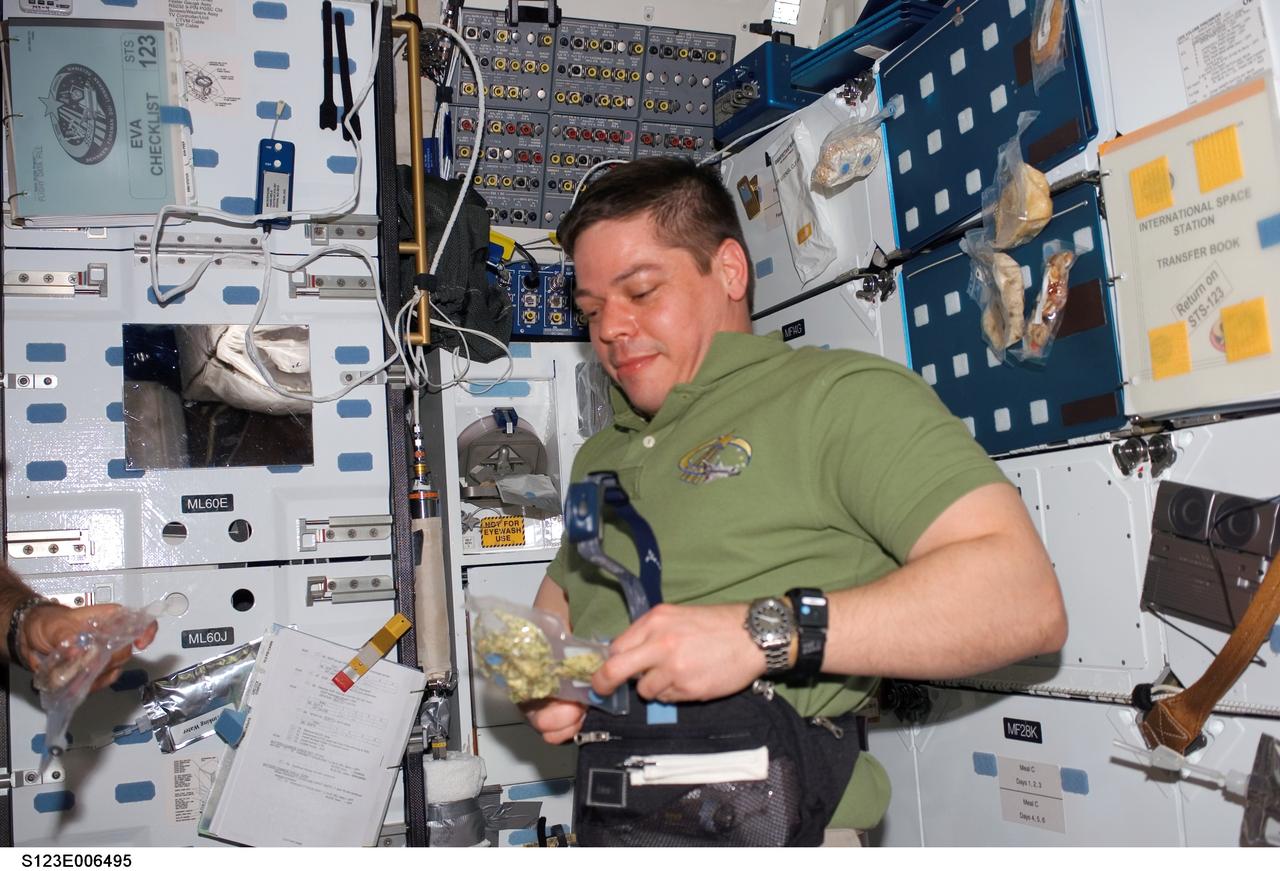
S123-E-006495 (12 March 2008) --- Astronaut Robert L. Behnken, STS-123 mission specialist, opens a food package near the galley on the middeck of Space Shuttle Endeavour while docked with the International Space Station.
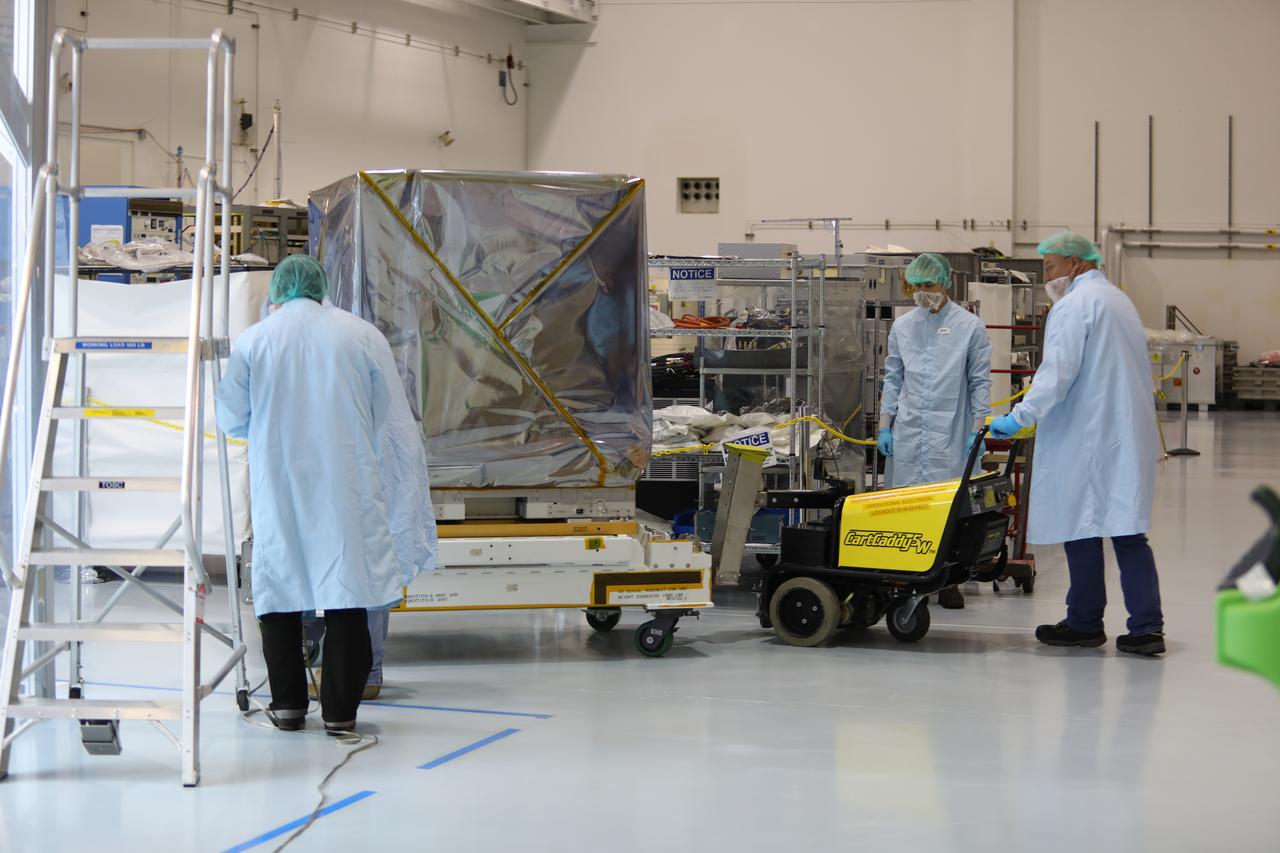
Inside the Space Station Processing Facility high bay at NASA's Kennedy Space Center in Florida, technicians prepare the Neutron star Interior Composition Explorer, or NICER, payload for final packaging. NICER will be delivered to the International Space Station aboard the SpaceX Dragon cargo carrier on the company’s 11th commercial resupply services mission to the space station. NICER will study neutron stars through soft X-ray timing. NICER will enable rotation-resolved spectroscopy of the thermal and non-thermal emissions of neutron stars in the soft X-ray band with unprecedented sensitivity, probing interior structure, the origins of dynamic phenomena and the mechanisms that underlie the most powerful cosmic particle accelerators known.

Inside the Space Station Processing Facility high bay at NASA's Kennedy Space Center in Florida, technicians prepare the Neutron star Interior Composition Explorer, or NICER, payload for final packaging. NICER will be delivered to the International Space Station aboard the SpaceX Dragon cargo carrier on the company’s 11th commercial resupply services mission to the space station. NICER will study neutron stars through soft X-ray timing. NICER will enable rotation-resolved spectroscopy of the thermal and non-thermal emissions of neutron stars in the soft X-ray band with unprecedented sensitivity, probing interior structure, the origins of dynamic phenomena and the mechanisms that underlie the most powerful cosmic particle accelerators known.
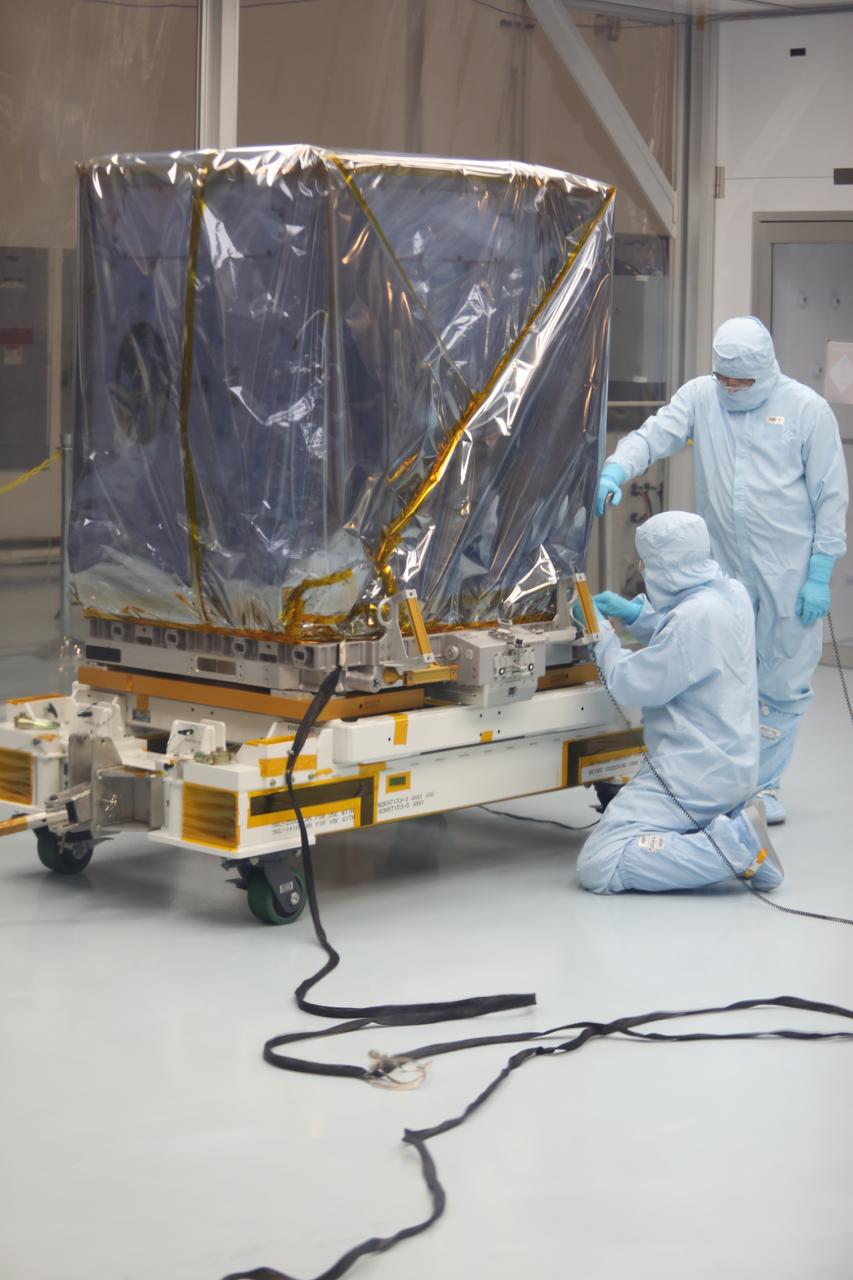
Inside the Space Station Processing Facility high bay at NASA's Kennedy Space Center in Florida, technicians prepare the Neutron star Interior Composition Explorer, or NICER, payload for final packaging. NICER will be delivered to the International Space Station aboard the SpaceX Dragon cargo carrier on the company’s 11th commercial resupply services mission to the space station. NICER will study neutron stars through soft X-ray timing. NICER will enable rotation-resolved spectroscopy of the thermal and non-thermal emissions of neutron stars in the soft X-ray band with unprecedented sensitivity, probing interior structure, the origins of dynamic phenomena and the mechanisms that underlie the most powerful cosmic particle accelerators known.
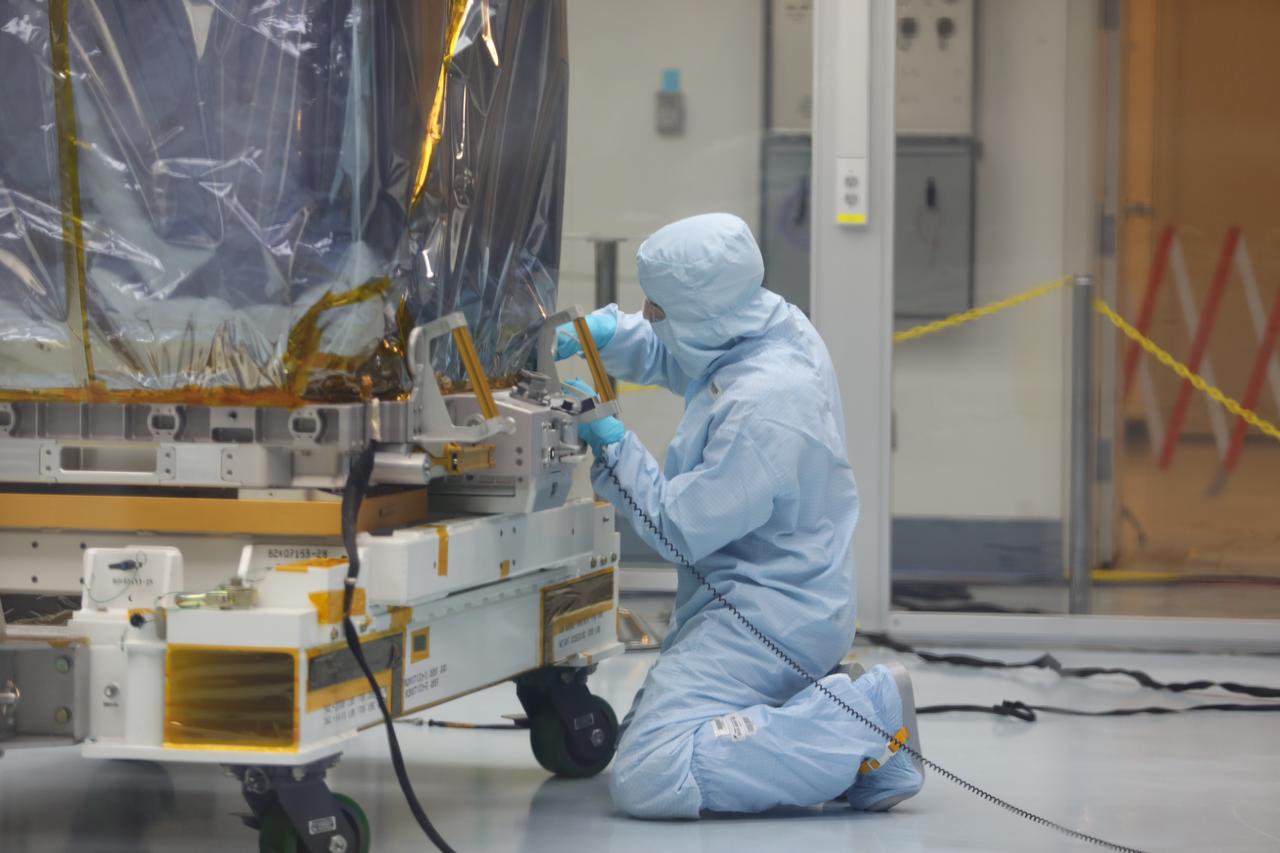
Inside the Space Station Processing Facility high bay at NASA's Kennedy Space Center in Florida, a technician prepares the Neutron star Interior Composition Explorer, or NICER, payload for final packaging. NICER will be delivered to the International Space Station aboard the SpaceX Dragon cargo carrier on the company’s 11th commercial resupply services mission to the space station. NICER will study neutron stars through soft X-ray timing. NICER will enable rotation-resolved spectroscopy of the thermal and non-thermal emissions of neutron stars in the soft X-ray band with unprecedented sensitivity, probing interior structure, the origins of dynamic phenomena and the mechanisms that underlie the most powerful cosmic particle accelerators known.
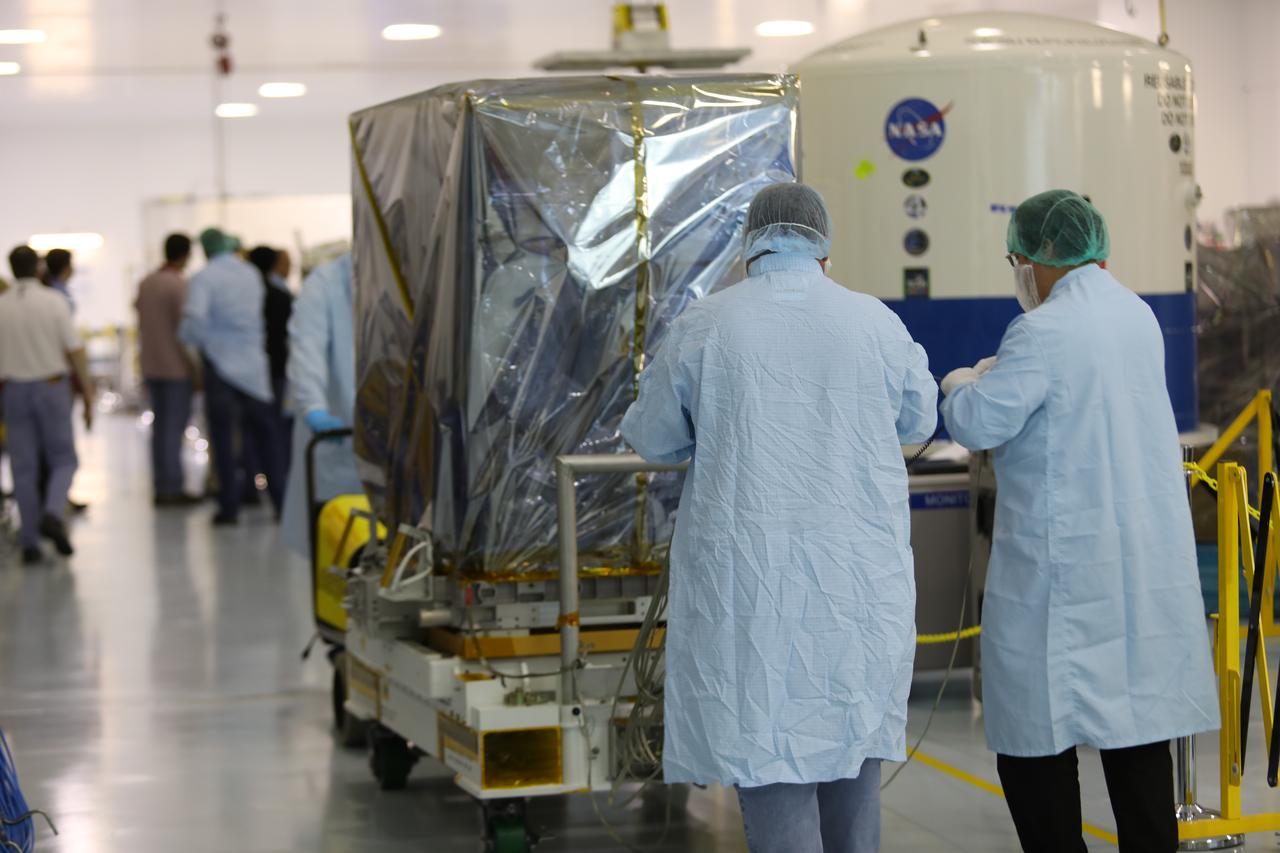
Inside the Space Station Processing Facility high bay at NASA's Kennedy Space Center in Florida, technicians prepare the Neutron star Interior Composition Explorer, or NICER, payload for final packaging. NICER will be delivered to the International Space Station aboard the SpaceX Dragon cargo carrier on the company’s 11th commercial resupply services mission to the space station. NICER will study neutron stars through soft X-ray timing. NICER will enable rotation-resolved spectroscopy of the thermal and non-thermal emissions of neutron stars in the soft X-ray band with unprecedented sensitivity, probing interior structure, the origins of dynamic phenomena and the mechanisms that underlie the most powerful cosmic particle accelerators known.
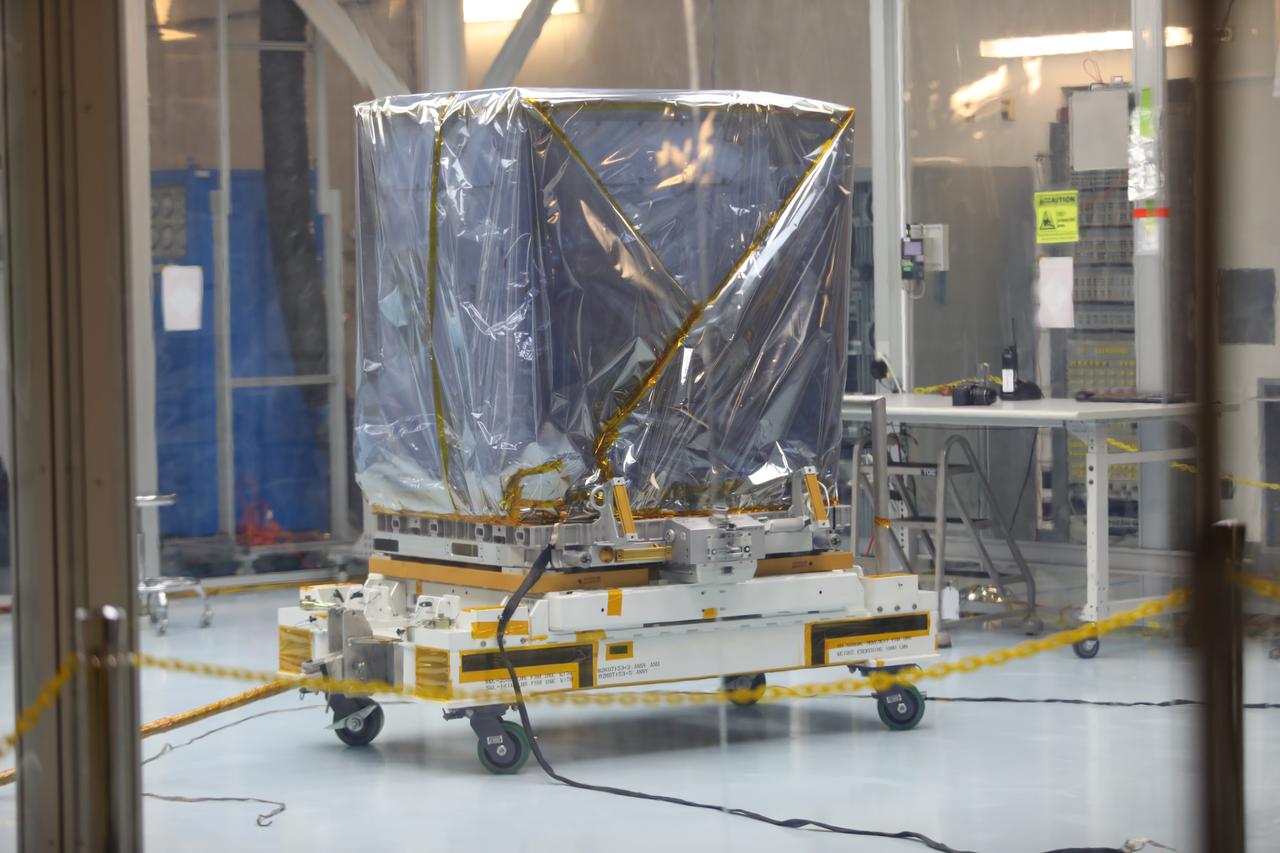
Inside the Space Station Processing Facility high bay at NASA's Kennedy Space Center in Florida, the Neutron star Interior Composition Explorer, or NICER, payload is being prepared for final packaging. NICER will be delivered to the International Space Station aboard the SpaceX Dragon cargo carrier on the company’s 11th commercial resupply services mission to the space station. NICER will study neutron stars through soft X-ray timing. NICER will enable rotation-resolved spectroscopy of the thermal and non-thermal emissions of neutron stars in the soft X-ray band with unprecedented sensitivity, probing interior structure, the origins of dynamic phenomena and the mechanisms that underlie the most powerful cosmic particle accelerators known.
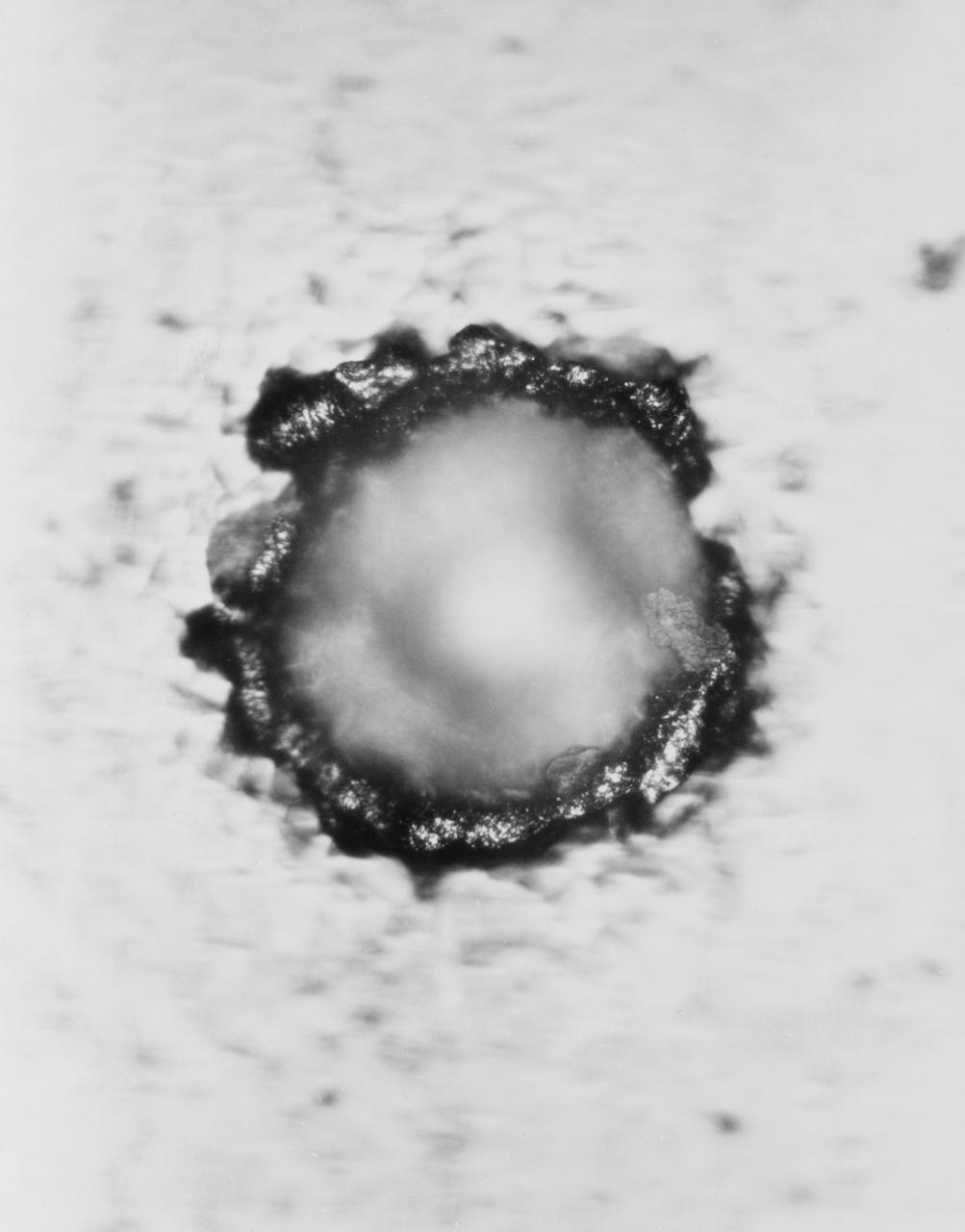
S66-44887 (1 Aug. 1966) --- Single panel from micrometeorite package showing classic hypervelocity impact by micrometeorite particle. Crater is similar to that produced artificially on Earth and by particle impacts on the lunar surface. Particles travel very fast in space and are typically small in size. This impact crater is less than one millimeter in diameter. Photo credit: NASA
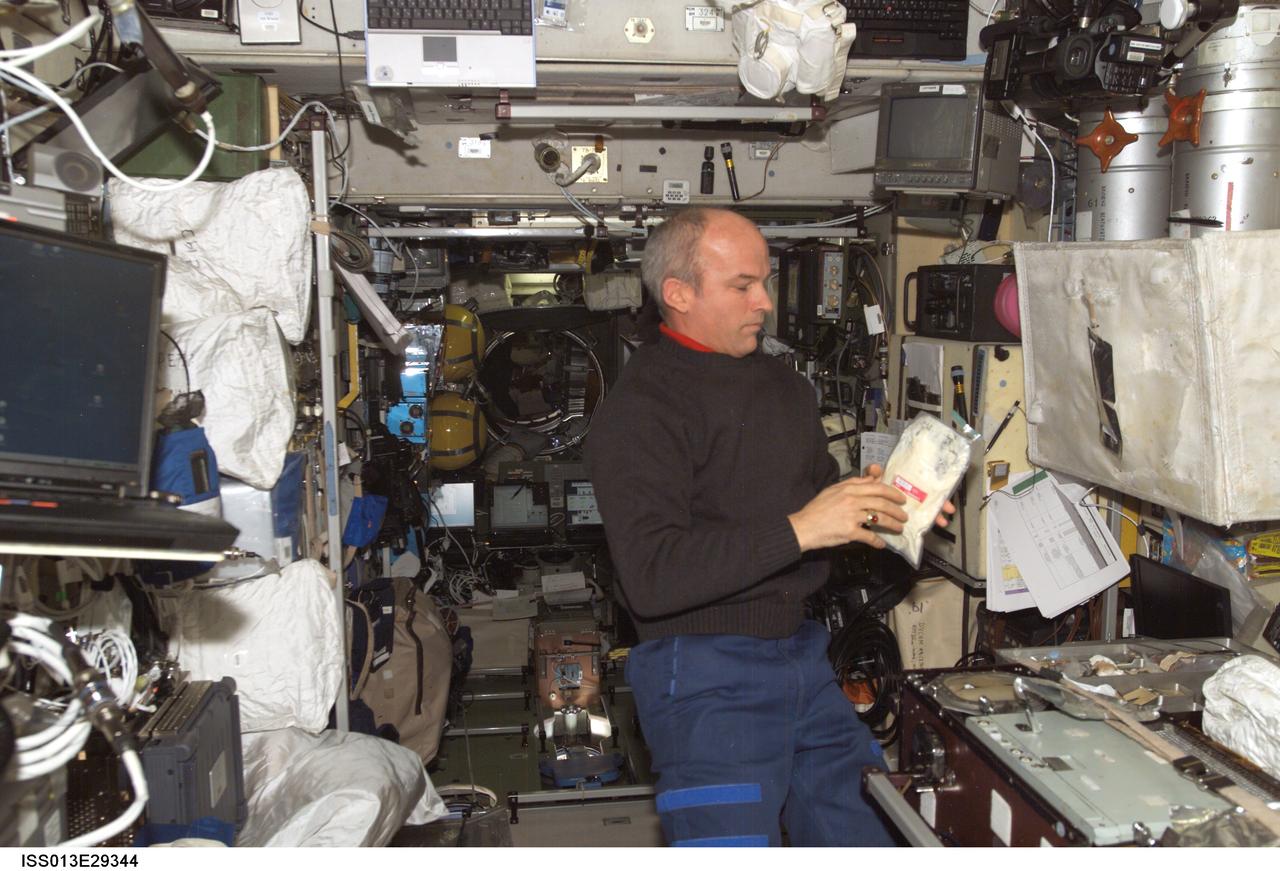
ISS013-E-29344 (1 June 2006) --- Astronaut Jeffrey N. Williams, Expedition 13 NASA space station science officer and flight engineer, holds a package of food near the galley in the Zvezda Service Module of the International Space Station.
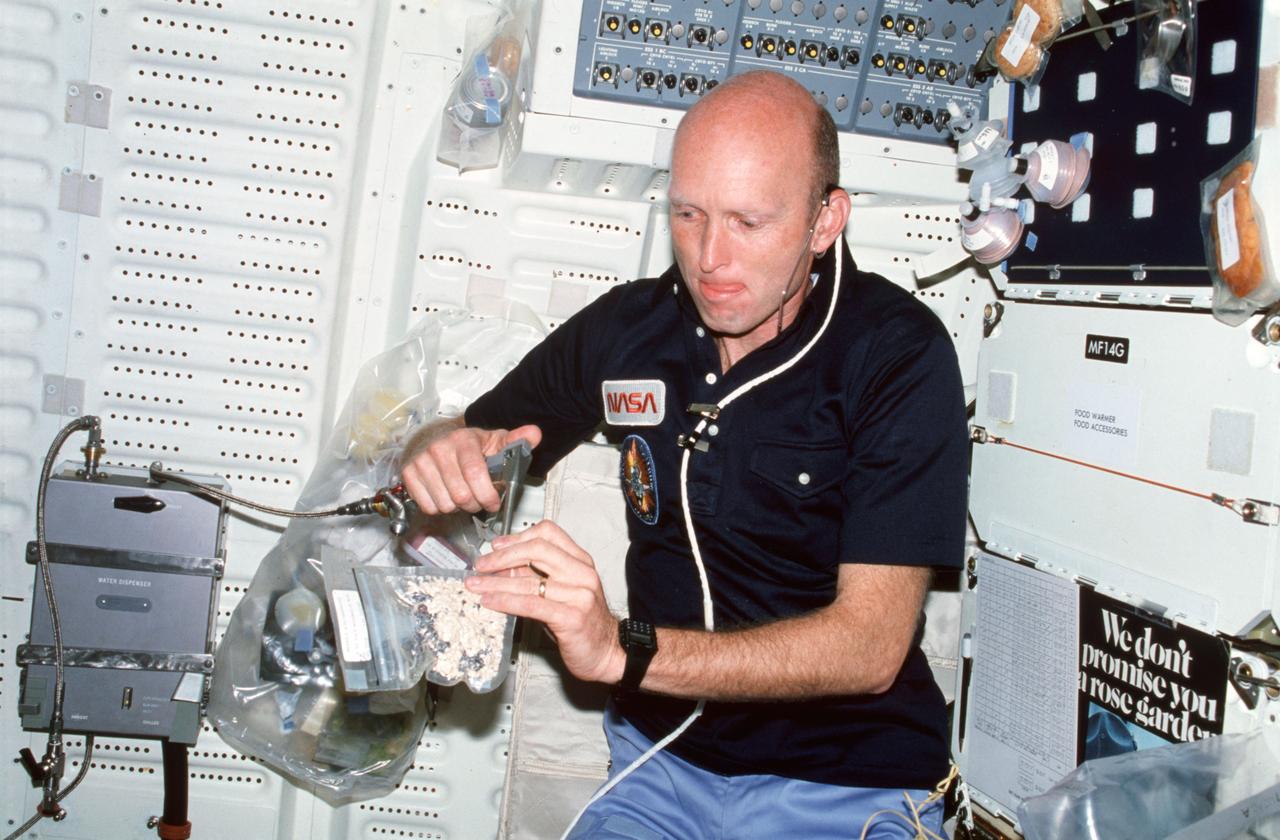
STS003-26-254 (30 March 1982) --- Astronaut Gordon Fullerton, STS-3 pilot, wearing communications kit assembly (ASSY) mini-headset (HDST), inserts the JSC water dispenser kit water gun in rehydratable plastic food (cereal) package to fill it with hot water. Photo credit: NASA
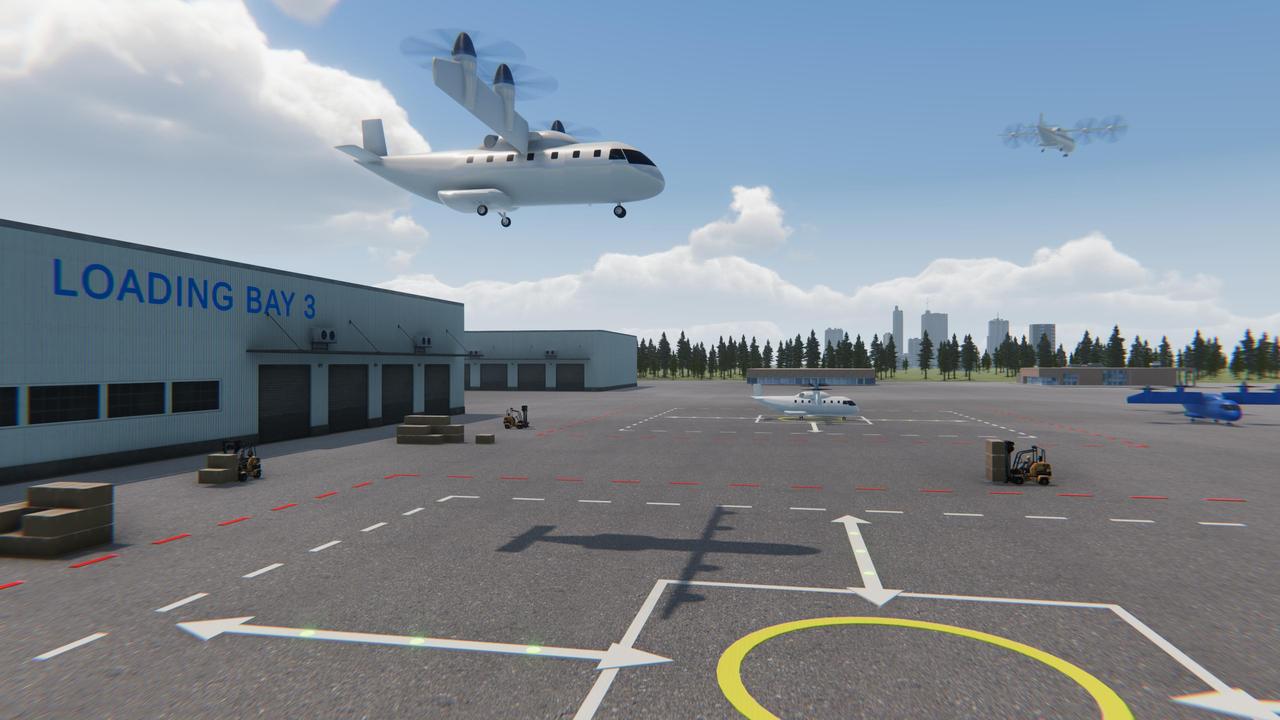
NASA is uniquely qualified to help revolutionize the Advanced Air Mobility cargo transportation industry by finding solutions for faster and cleaner modes of moving packages, using both large cargo delivery aircraft and small package delivery drones like seen in this concept image.
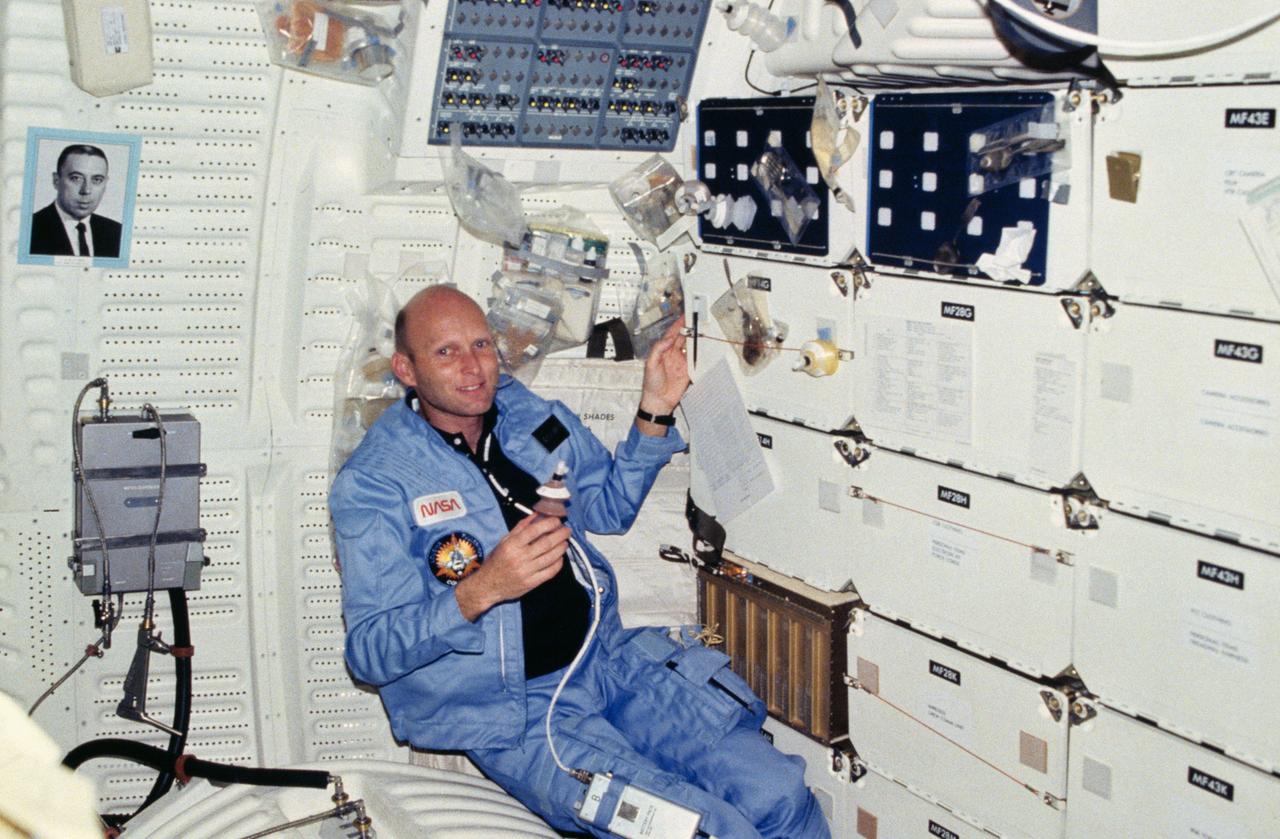
S82-28912 (March 1982) --- This picture, photographed with a 35mm camera operated by astronaut Jack R. Lousma, STS-3 commander, shows astronaut C. Gordon Fullerton, crew pilot, busy with mealtime preparations aboard the Earth-orbiting Columbia. The astronaut has positioned himself in the corner of the middeck area. Fullerton holds a beverage in his right hand in an accordion-like squeeze dispenser. Many packages of pre-packaged dehydrated foods and other meal items can be seen in the photo. Many are fastened to the locker doors and to trays in the locker doors by velcro. Reminiscent of STS-2 days, a portrait of George W. S. Abbey, director of flight operations at JSC, is at left edge. Photo credit: NASA
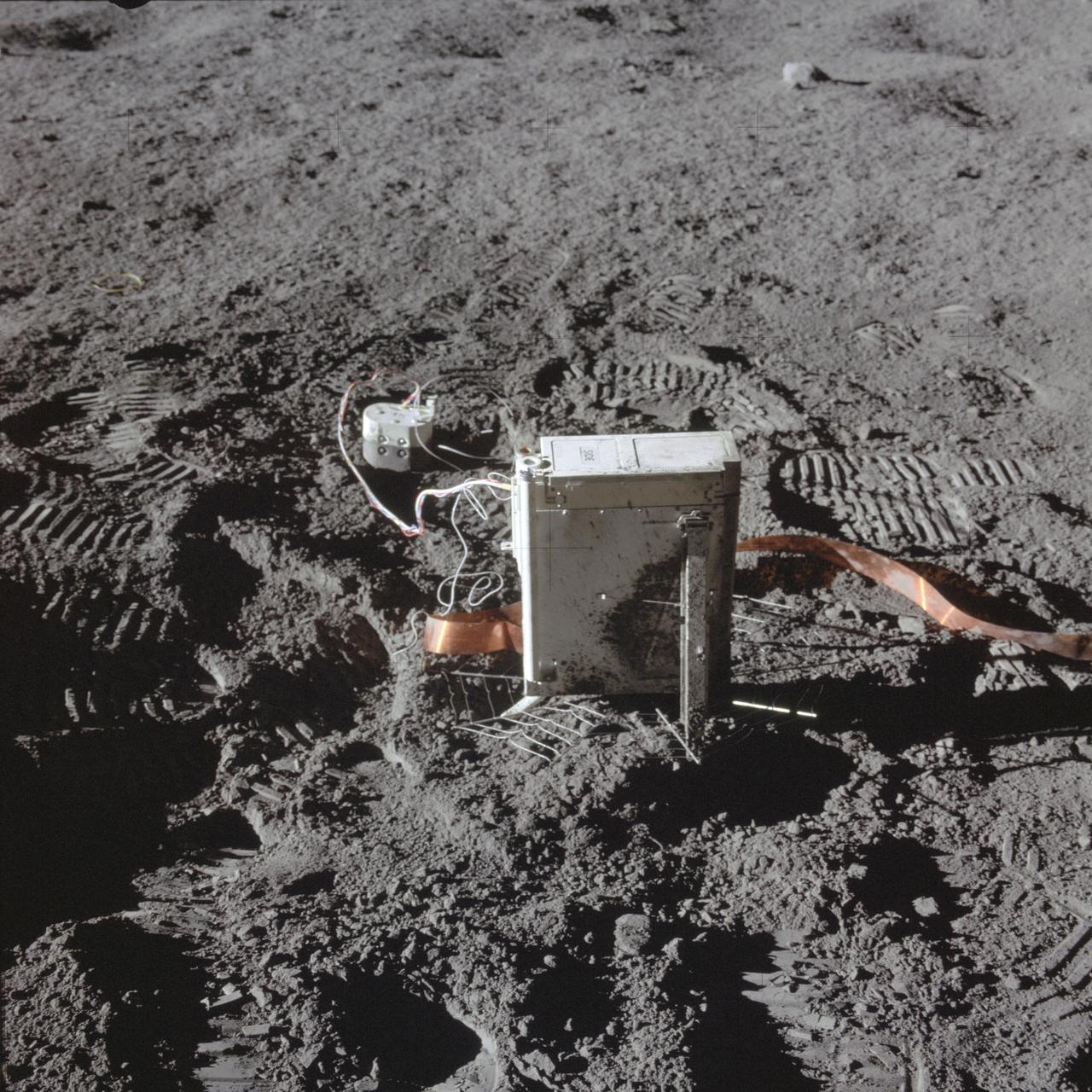
AS14-67-9369 (5 Feb. 1971) --- A close-up view of the Suprathermal ion detector experiment (SIDE), foreground, and cold cathode ion gauge (CCIG), smaller object in background, components of the Apollo lunar surface experiments package (ALSEP), which was deployed on the moon by the Apollo 14 astronauts during their first extravehicular activity (EVA). While astronauts Alan B. Shepard Jr. and Edgar D. Mitchell descended in the Lunar Module (LM) to explore the moon, astronaut Stuart A. Roosa remained with the Command and Service Modules (CSM) in lunar orbit.
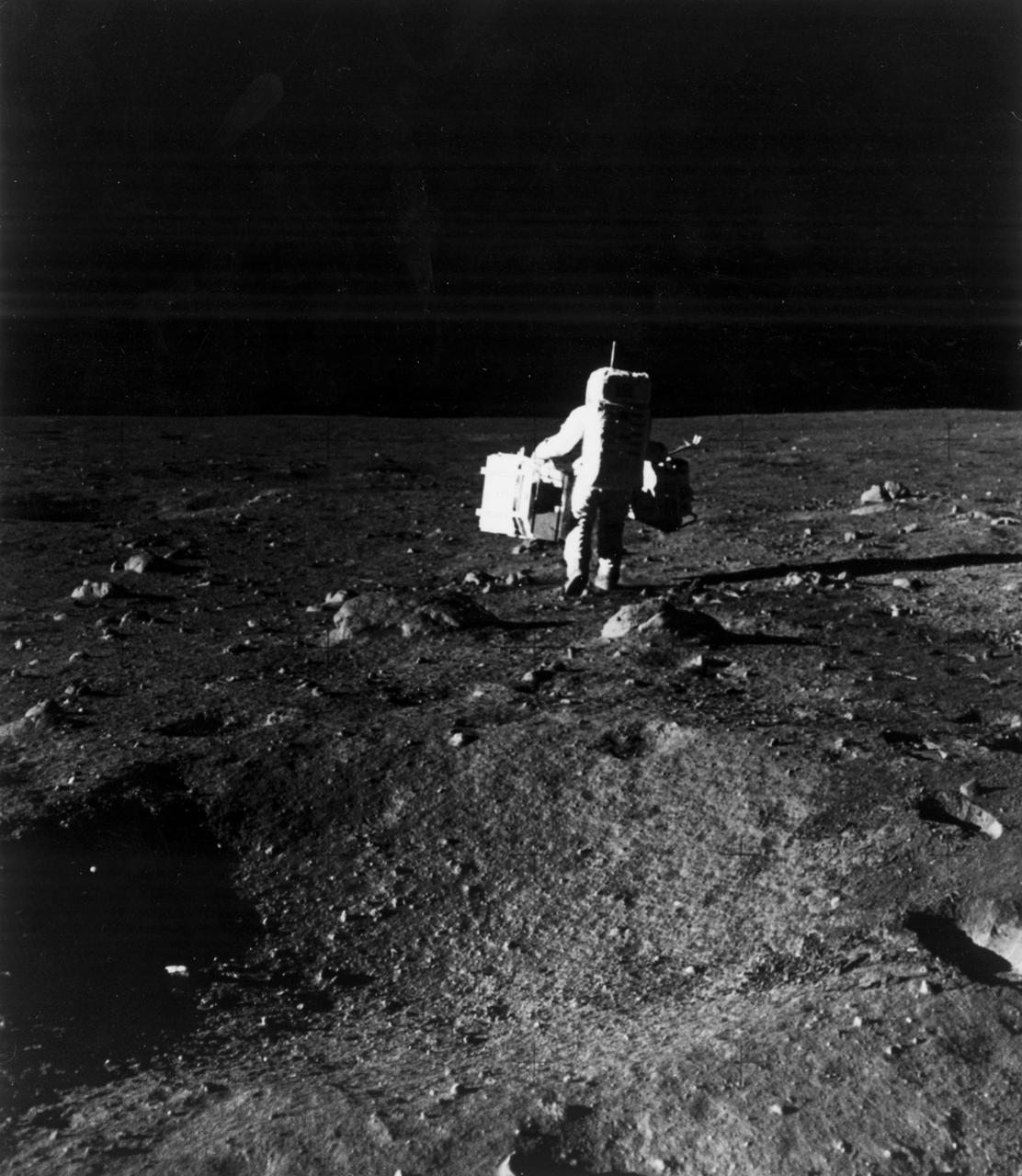
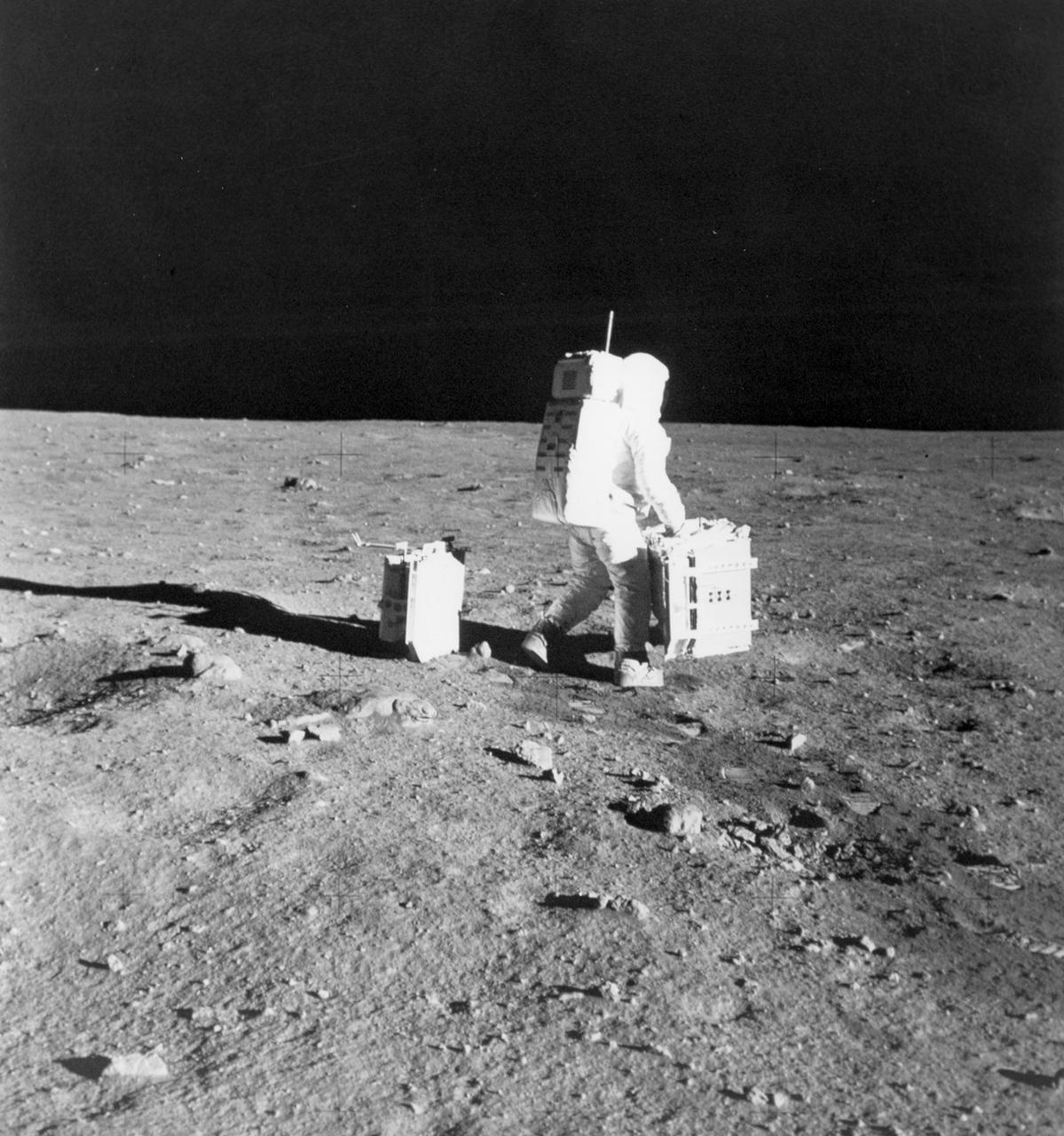
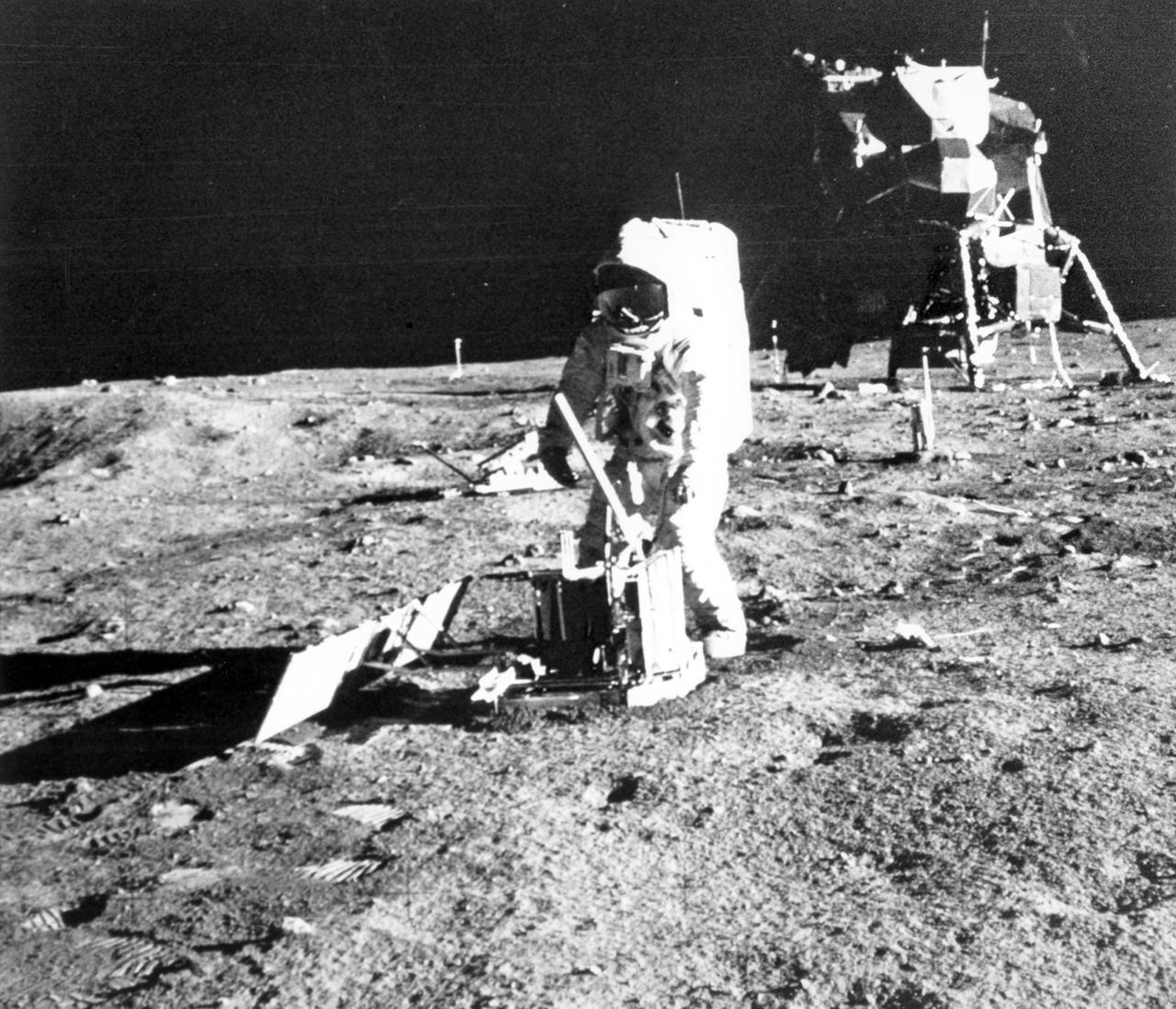
The first manned lunar landing mission, Apollo 11, launched from the Kennedy Space Center (KSC) in Florida via the Marshall Space Flight Center (MSFC) developed Saturn V launch vehicle on July 16, 1969 and safely returned to Earth on July 24, 1969. Aboard the space craft were astronauts Neil A. Armstrong, commander; Michael Collins, Command Module (CM) pilot; and Edwin E. (Buzz) Aldrin Jr., Lunar Module (LM) pilot. The CM, piloted by Michael Collins, remained in a parking orbit around the Moon, while the LM, named “Eagle’’, carrying astronauts Armstrong and Aldrin, landed on the Moon in the Sea of Tranquility. During 2½ hours of surface exploration, the crew set up experiments, collected 47 pounds of lunar surface material for analysis back on Earth, planted the U.S. Flag, and left a message for all mankind. In this photograph, Aldrin walks past some rocks, easily carrying scientific equipment experiements, which would have been to heavy too carry on Earth. The two packages made up the Early Apollo Scientific Experiment Package (EASEP) on Apollo 11. On the left is the Passive Seismic Experiment Package (PSEP) and on the right is the Laser Ranging Retroreflector (LRRR).
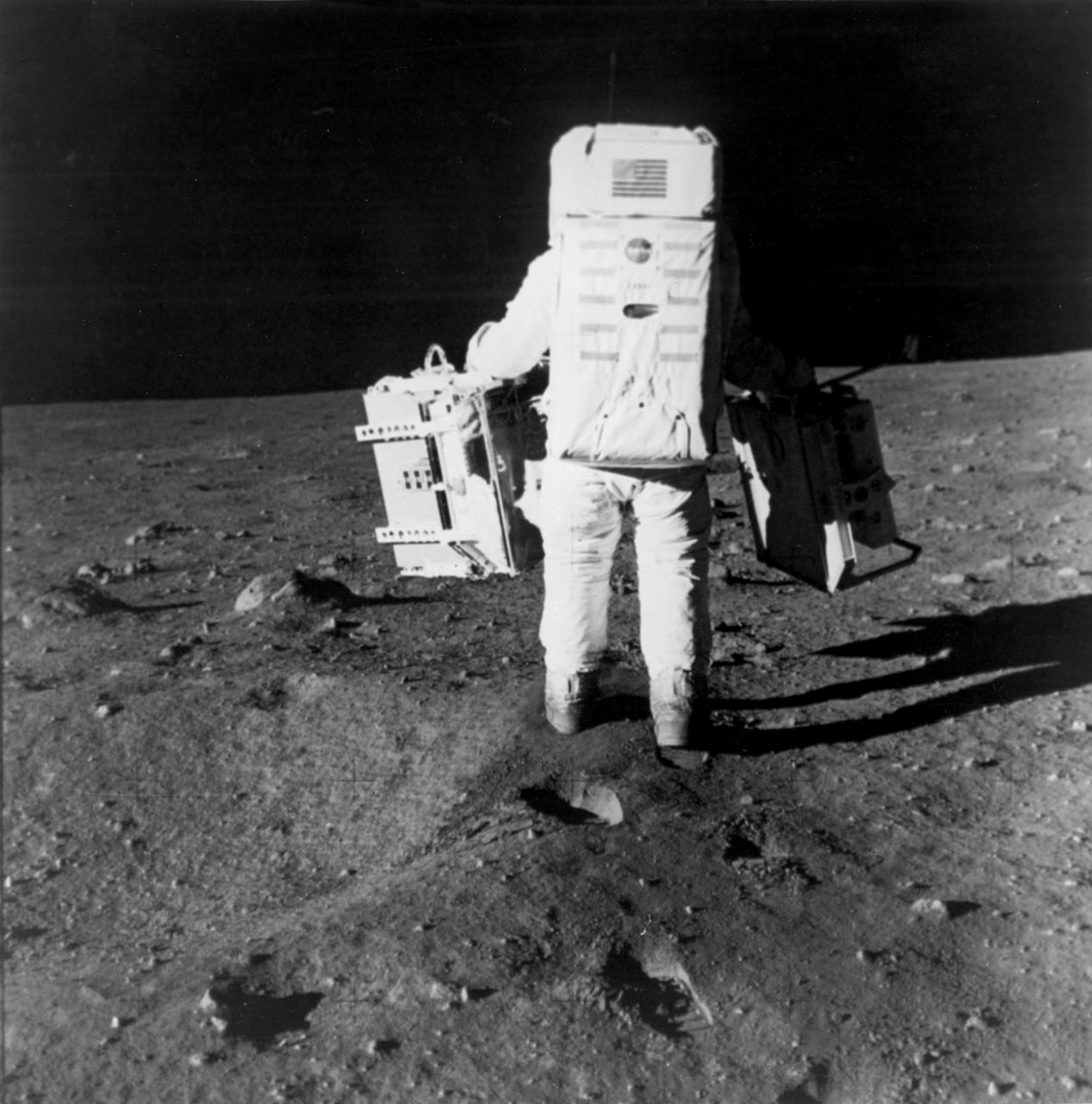
The first manned lunar landing mission, Apollo 11, launched from the Kennedy Space Center (KSC) in Florida via the Marshall Space Flight Center (MSFC) developed Saturn V launch vehicle on July 16, 1969 and safely returned to Earth on July 24, 1969. Aboard the space craft were astronauts Neil A. Armstrong, commander; Michael Collins, Command Module (CM) pilot; and Edwin E. (Buzz) Aldrin Jr., Lunar Module (LM) pilot. The CM, piloted by Michael Collins, remained in a parking orbit around the Moon, while the LM, named “Eagle’’, carrying astronauts Armstrong and Aldrin, landed on the Moon in the Sea of Tranquility. During 2½ hours of surface exploration, the crew set up experiments, collected 47 pounds of lunar surface material for analysis back on Earth, planted the U.S Flag, and left a message for all mankind. In this photograph, Aldrin walks past some rocks, easily carrying scientific equipment which would have been too heavy to carry on Earth. The two packages made up the Early Apollo Scientific Experiment Package (EASEP) on Apollo 11. On the left is the Passive Seismic Experiment Package (PSEP) and on the right is the Laser Ranging Retroreflector (LRR).

The moon bound Apollo 14, carrying a crew of three astronauts: Mission commander Alan B. Shepard Jr., Command Module pilot Stuart A. Roosa, and Lunar Module pilot Edgar D. Mitchell, lifted off from launch complex 39A at the Kennedy Space Center on January 31, 1971, and safely returned to Earth on February 9, 1971. It was the third manned lunar landing, the first manned landing in exploration of the lunar highlands, and it demonstrated pinpoint landing capability. The major goal of Apollo 14 was the scientific exploration of the Moon in the foothills of the rugged Fra Mauro region. The extravehicular activity (EVA) of astronauts Shepard and Mitchell included setting up an automated scientific laboratory called Apollo Lunar Scientific Experiments Package (ALSEP), shown here fully deployed. In addition, they collected a total of about 95 pounds (43 kilograms) of Moon rock and soil for a geological investigation back on the Earth.
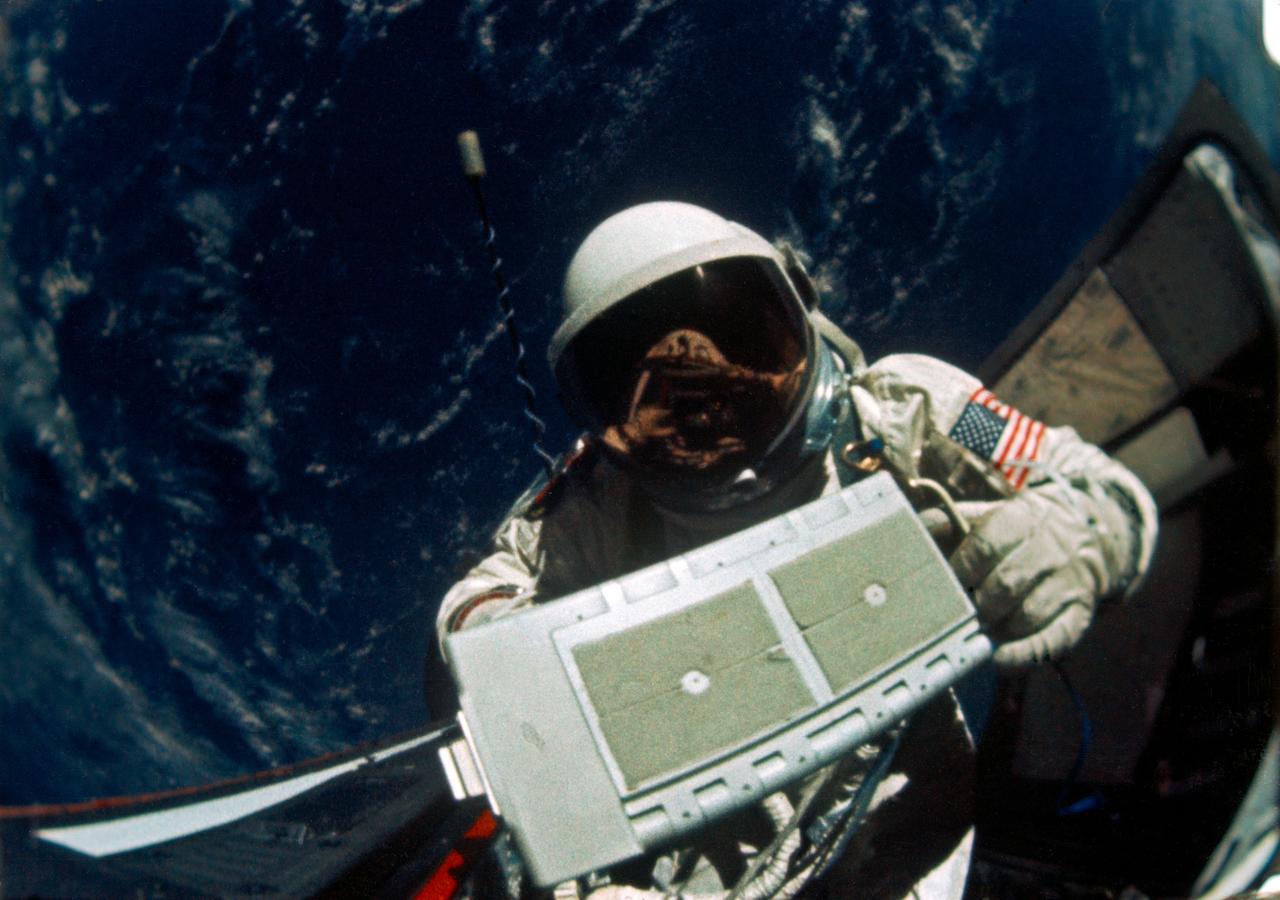
S66-63538 (11 Nov. 1966) --- Astronaut Edwin E. Aldrin Jr., pilot for the Gemini-12 spaceflight, removes micrometeoroid package for return to the spacecraft during extravehicular activity (EVA) on the first day of the four-day mission. Command pilot for the Gemini-12 mission, the last in the Gemini series, was astronaut James A. Lovell Jr. Photo credit: NASA
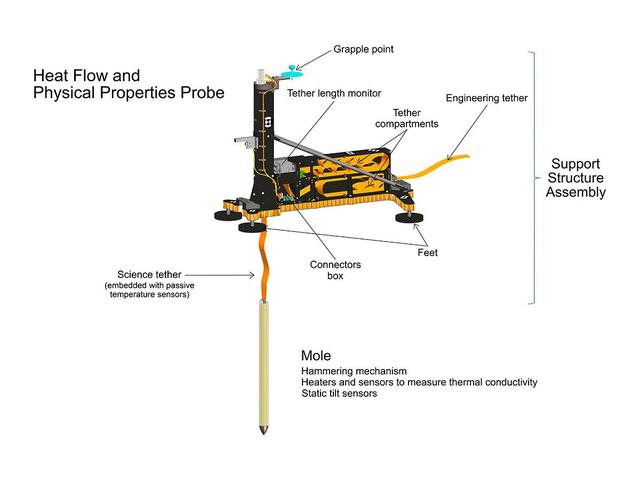
An artist's concept of InSight's heat probe, called the Heat and Physical Properties Package (HP3), annotates various parts inside of the instrument. https://photojournal.jpl.nasa.gov/catalog/PIA23045

This concept illustrates Skylab Earth observation studies, an Earth Resources Experiment Package (EREP). EREP was designed to explore the use of the widest possible portion of the electromagnetic spectrum for Earth resource investigations with sensors that recorded data in the visible, infrared, and microwave spectral regions. Resources subject to this study included a capability of mapping Earth resources and land uses, crop and forestry cover, health of vegetation, types of soil, water storage in snow pack, surface or near-surface mineral deposits, sea surface temperature, and the location of likely feeding areas for fish, etc. A significant feature of EREP was the ability of man to operate the sensors in a laboratory fashion.

This 1970 photograph shows Skylab's Multispectral Scanner, one of the major components of an Earth Resources Experiment Package (EREP). It was designed to evaluate the on-orbit use of multispectral scanning of Earth resources. Investigators could evaluate the usefulness of spacecraft multispectral data for crop identification, vegetation mapping, soil moisture measurements, identification of contaminated areas in large bodies of water, and surface temperature mapping. The overall purpose of the EREP was to test the use of sensors that operated in the visible, infrared, and microwave portions of the electromagnetic spectrum to monitor and study Earth resources. The Marshall Space Flight Center had program management responsibility for the development of Skylab hardware and experiments.
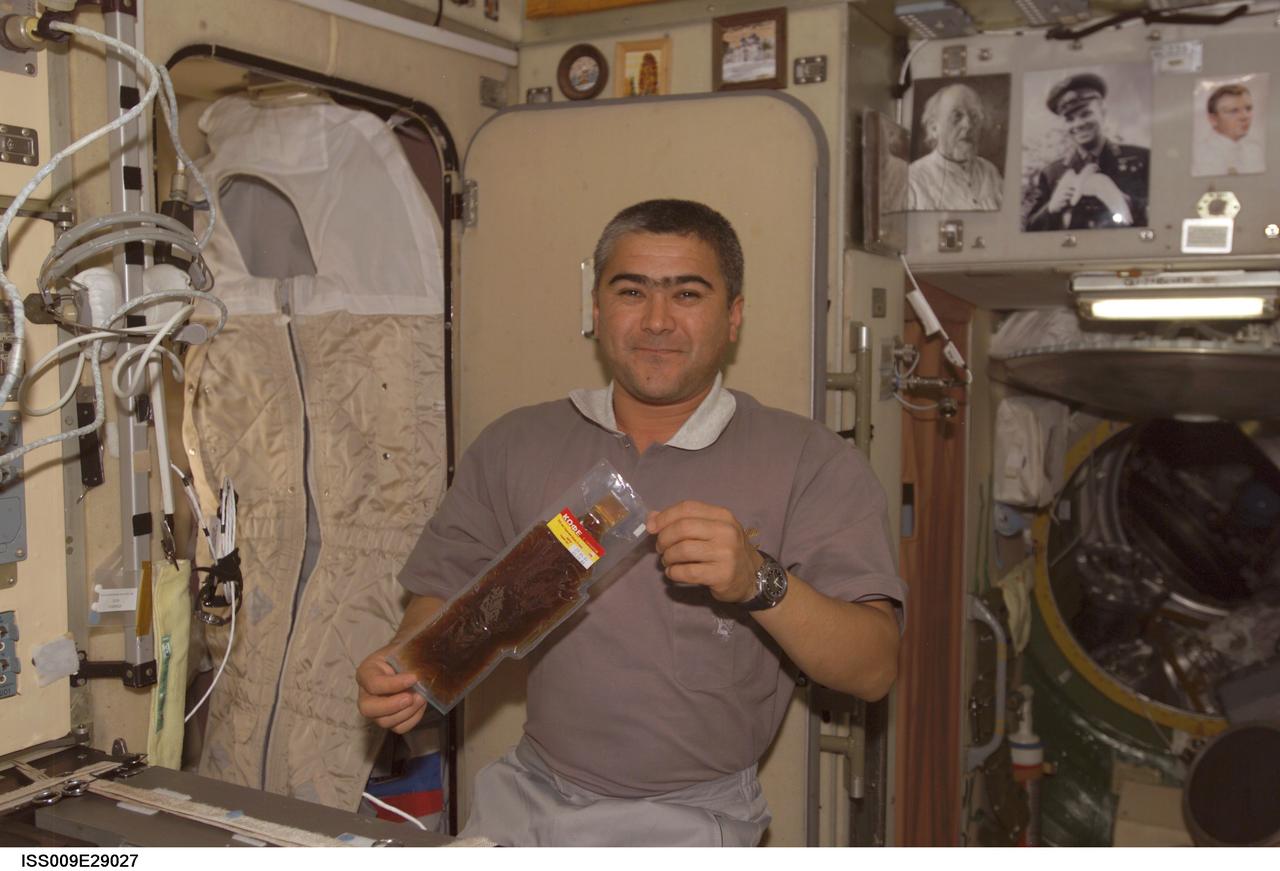
ISS009-E-29027 (17 October 2004) --- Cosmonaut Salizhan S. Sharipov, Expedition 10 flight engineer representing Russia's Federal Space Agency, holds a package of food near the galley in the Zvezda Service Module of the International Space Station (ISS).
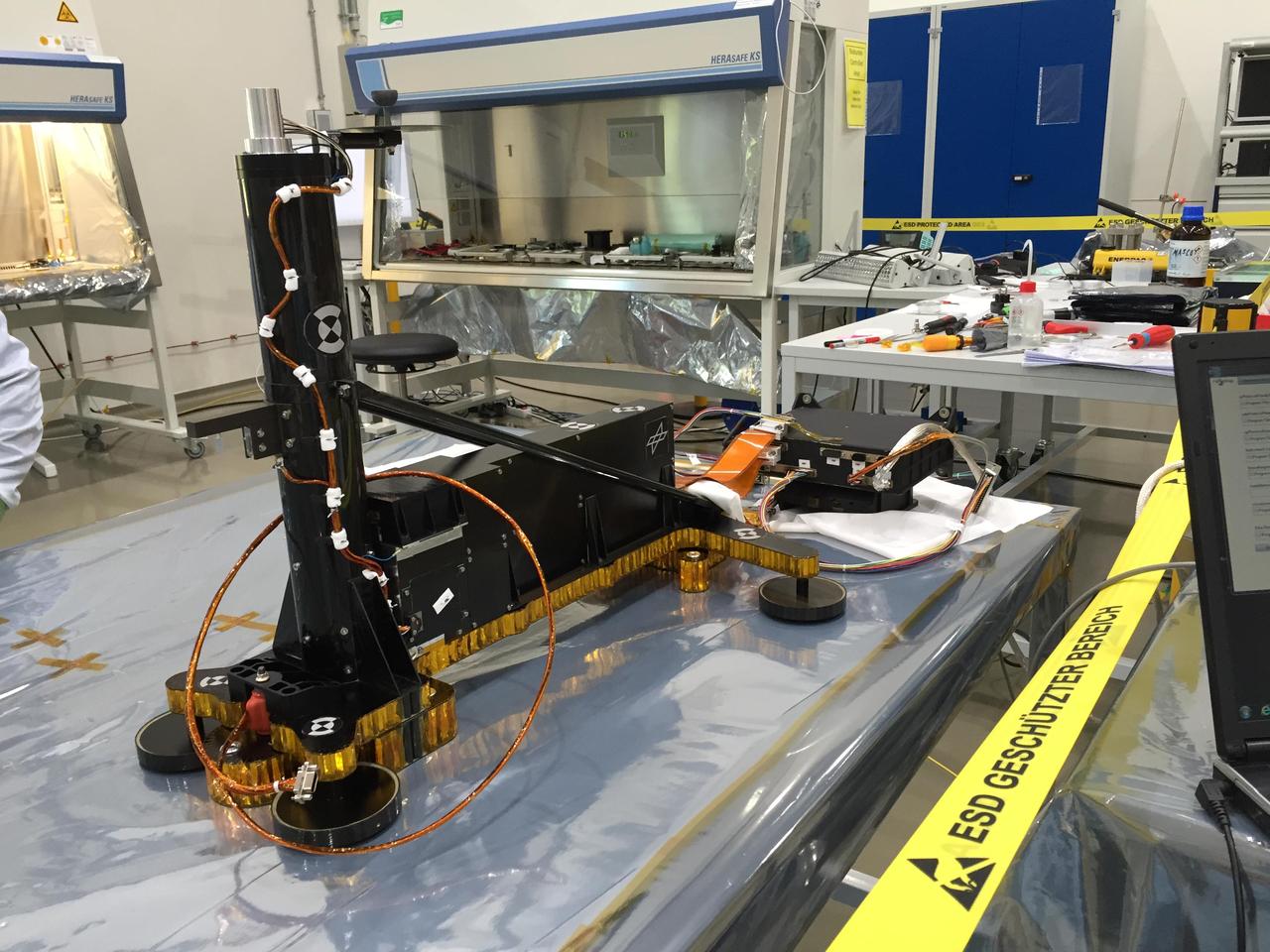
InSight's heat probe, called the Heat and Physical Properties Package (HP3). This image was taken while the heat probe was being tested in Germany, before InSight's launch. https://photojournal.jpl.nasa.gov/catalog/PIA23044
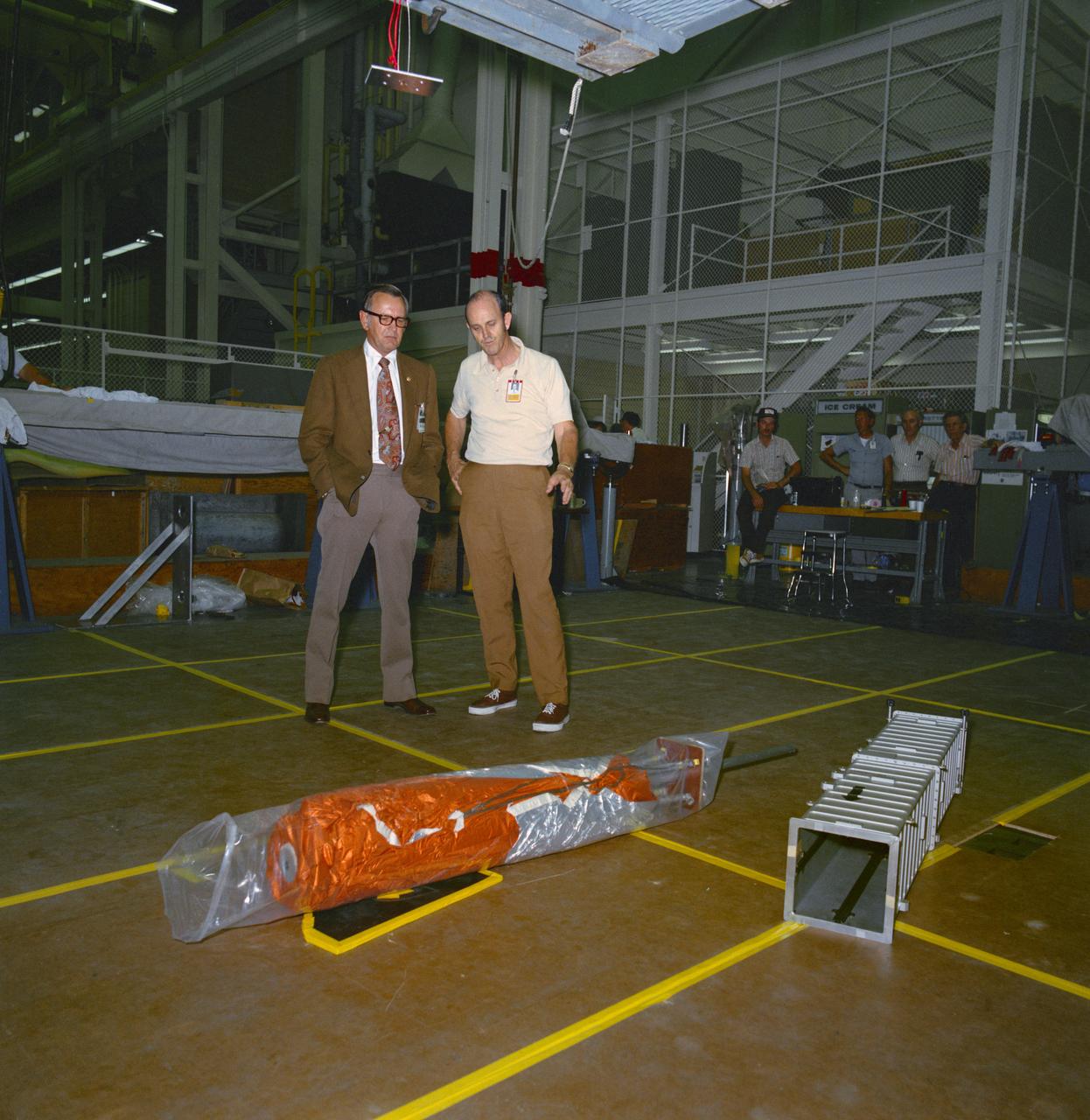
S73-26394 (23 May 1973) --- Dr. Christopher C. Kraft Jr. (left), JSC Director, and George A. Post, JSC Crew Systems Division, look over the packaged "parasol" during fabrication and checkout of the umbrella-like mechanical device in the Technical Services shop in building 10 at Johnson Space Center. The "parasol" is designed to fit into the T027 experiment photometer canister. The canopy portion of the "parasol" measures 24 feet by 22 feet. The "parasol" is one of several sunscreen possibilities being considered for use in shading the overheated Skylab 1 Orbital Workshop. Photo credit: NASA
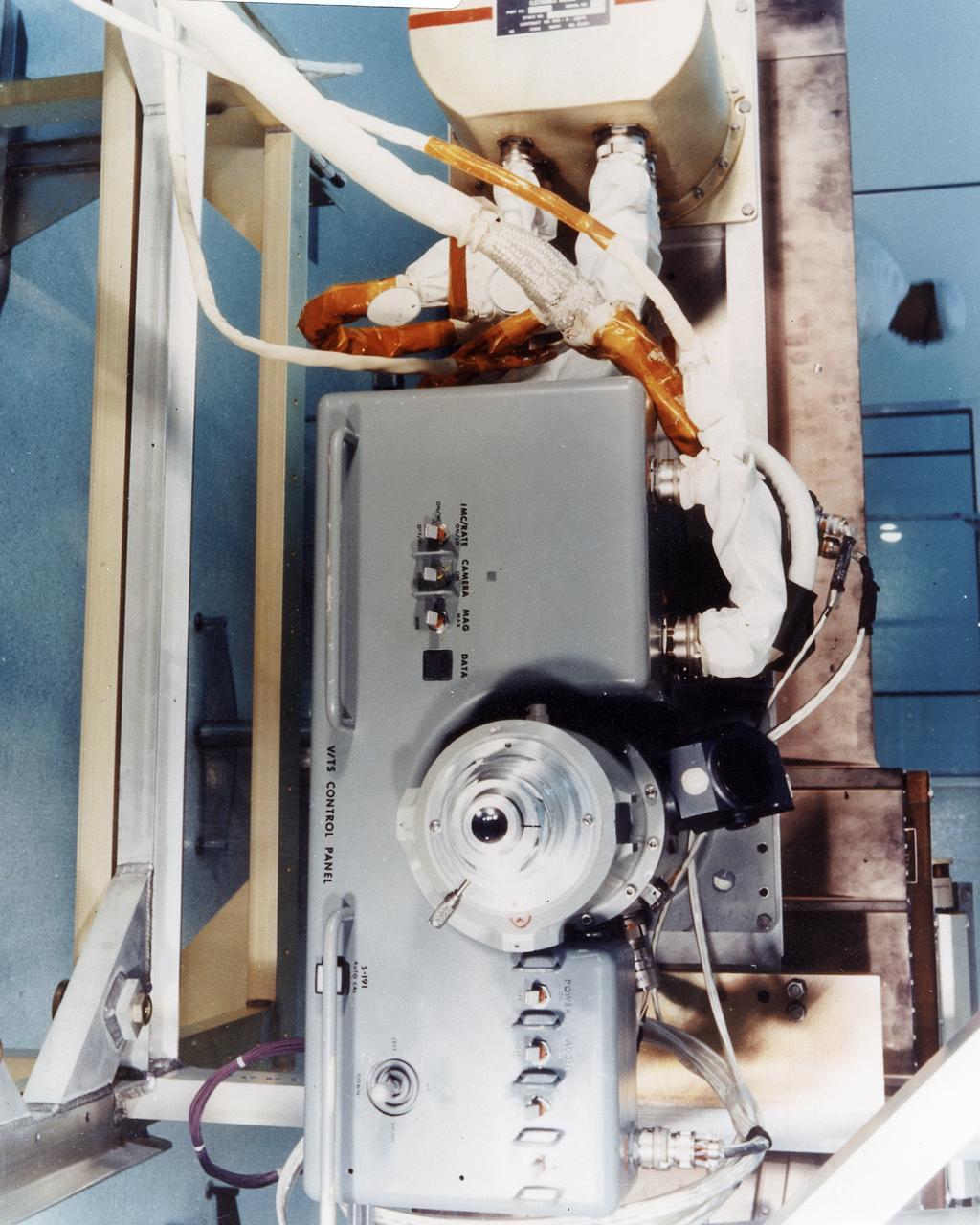
This 1970 photograph shows Skylab's Infrared Spectrometer Viewfinder Tracking System, a major component of an Earth Resources Experiment Package (EREP). It was designed to evaluate Earth resources sensors for specific regions of the the visible and infrared spectra and assess the value of real time identification of ground sites. The overall purpose of the EREP was to test the use of sensors that operated in the visible, infrared, and microwave portions of the electromagnetic spectrum to monitor and study Earth resources. The Marshall Space Flight Center had program management responsibility for the development of Skylab hardware and experiments.
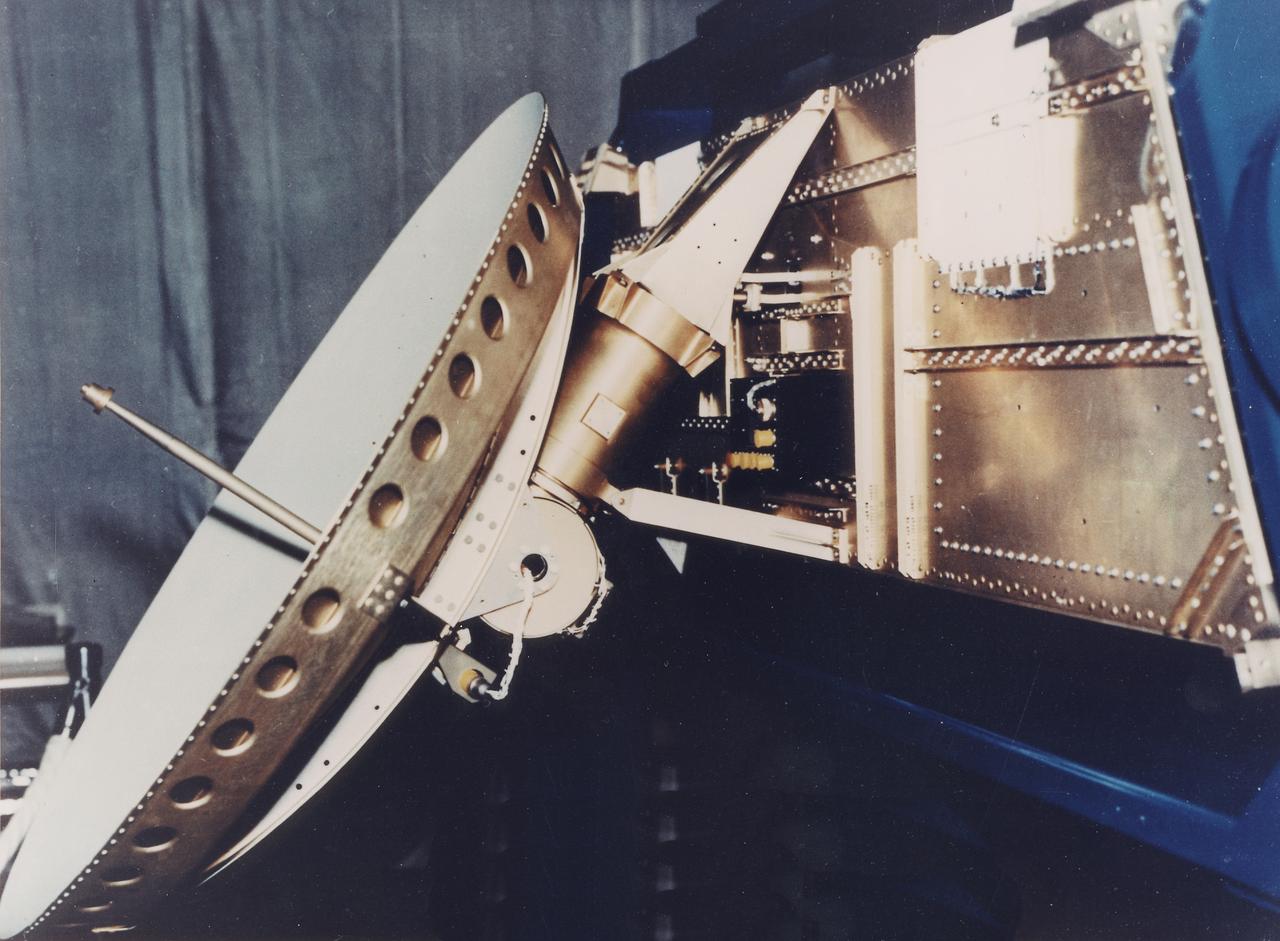
This 1970 photograph shows Skylab's Microwave Radiometer/Scatterometer and Altimeter, one of the major components for an Earth Resources Experiment Package (EREP). It was designed to study varying ocean surface, soil erosion, sea and lake ice, snow cover, seasonal vegetational changes, flooding, rainfall and soil types. The overall purpose of the EREP was to test the use of sensors that operated in the visible, infrared, and microwave portions of the electromagnetic spectrum to monitor and study Earth resources. The Marshall Space Flight Center had program management responsibility for the development of Skylab hardware and experiments.
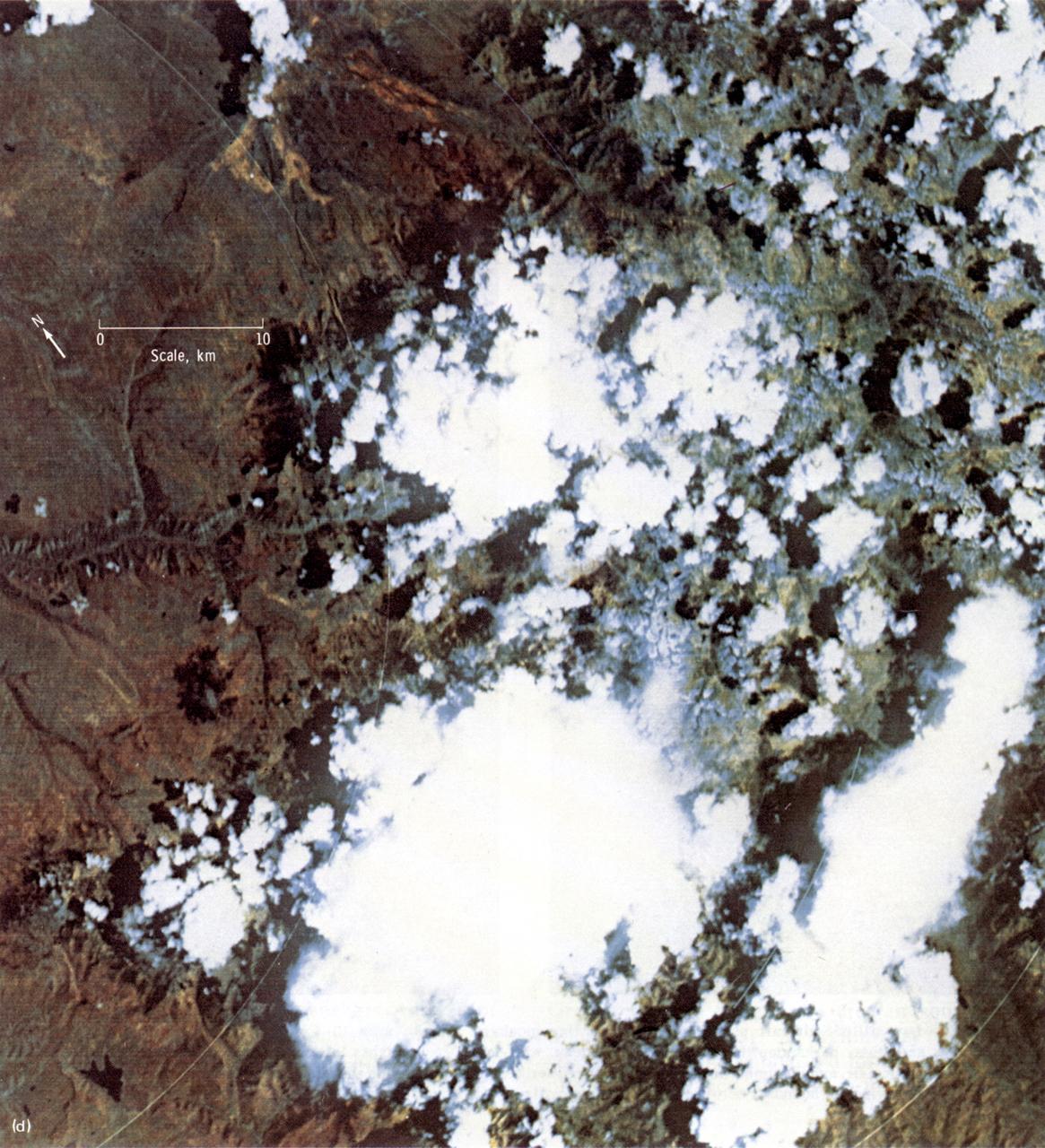
This Earth Resource Experiment Package (EREP) photograph of the Uncompahgre area of Colorado was electronically acquired in September of 1973 by the Multi-spectral Scarner, Skylab Experiment S192. EREP images were used to analyze the vegetation conditions and landscape characteristic of this area. Skylab's Earth sensors played the dual roles of gathering information about the planet and perfecting instruments and techniques for future satellites and manned stations. An array of six fixed cameras, another for high resolution, and the astronauts' handheld cameras photographed surface features. Other instruments, recording on magnetic tape, measured the reflectivity of plants, soils, and water. Radar measured the altitude of land and water surfaces. The sensors' objectives were to survey croplands and forests, identify soils and rock types, map natural features and urban developments, detect sediments and the spread of pollutants, study clouds and the sea, and determine the extent of snow and ice cover.
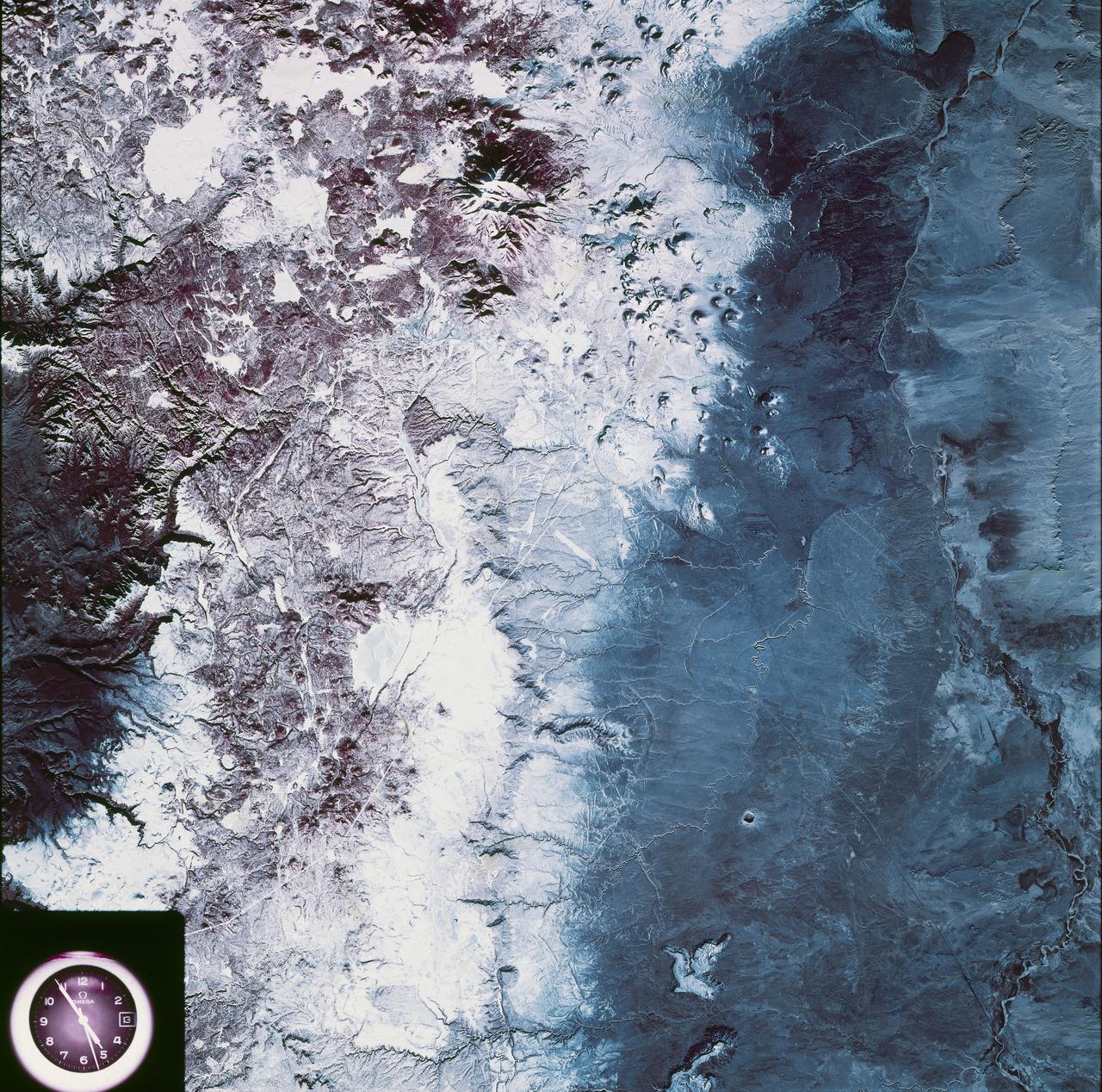
SL4-93-067 (16 Nov. 1973-8 Feb. 1974) --- A spectacular winter view of the Flagstaff, Arizona area is seen in this Skylab 4 Earth Resources Experiments package S190-B (five-inch earth terrain camera) infrared photograph taken from the Skylab space station in Earth orbit. Included in the scene are the San Francisco Mountains, Oak Creek Canyon, Painted Desert and Meteor Crater. The infrared picture depicts in red living vegetation, in white the snow, and in bright blue the water. Major features identified in this photograph are Humphrey's peak, top center, Flagstaff at foot of the peak, Sunset Crater volcanic field with numerous vents and craters right of Flagstaff and Meteor Crater (right center). Within the mountainous areas several clear areas generally rectangular are visible and represent the areas where lumbering has removed the forest. The thin white line extending from left corner to Sunset Crater fields is the power transmission line cleared area. Roads are subdued and are not easily visible. Photo credit: NASA
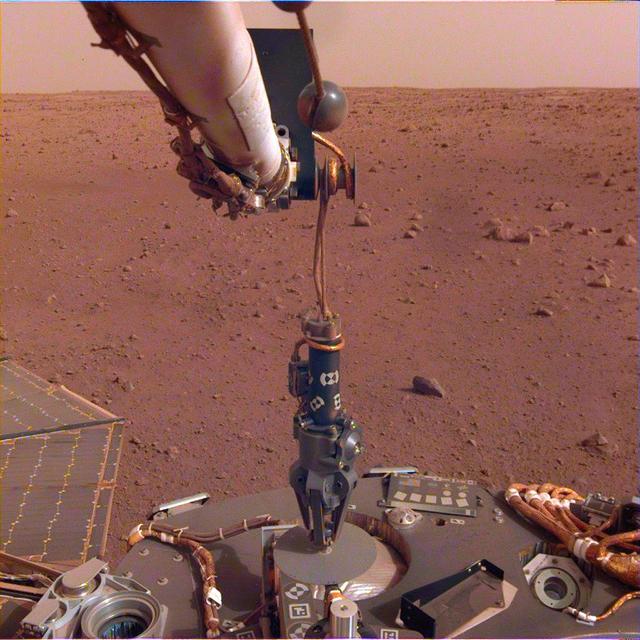
The robotic arm on NASA's InSight lander deployed its Heat Flow and Physical Properties Package (HP3) instrument on the Martian surface on Feb. 12, 2019. Movie available at https://photojournal.jpl.nasa.gov/catalog/PIA23249
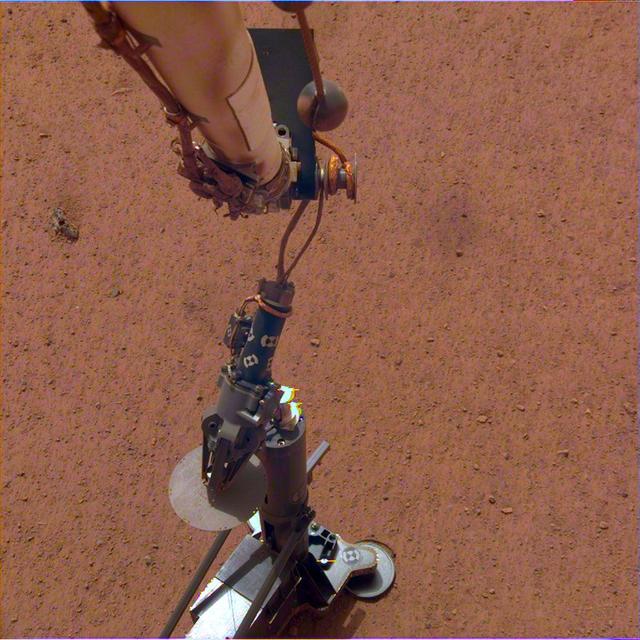
NASA's InSight lander set its heat probe, called the Heat and Physical Properties Package (HP3), on the Martian surface on Feb. 12, 2019. https://photojournal.jpl.nasa.gov/catalog/PIA23046
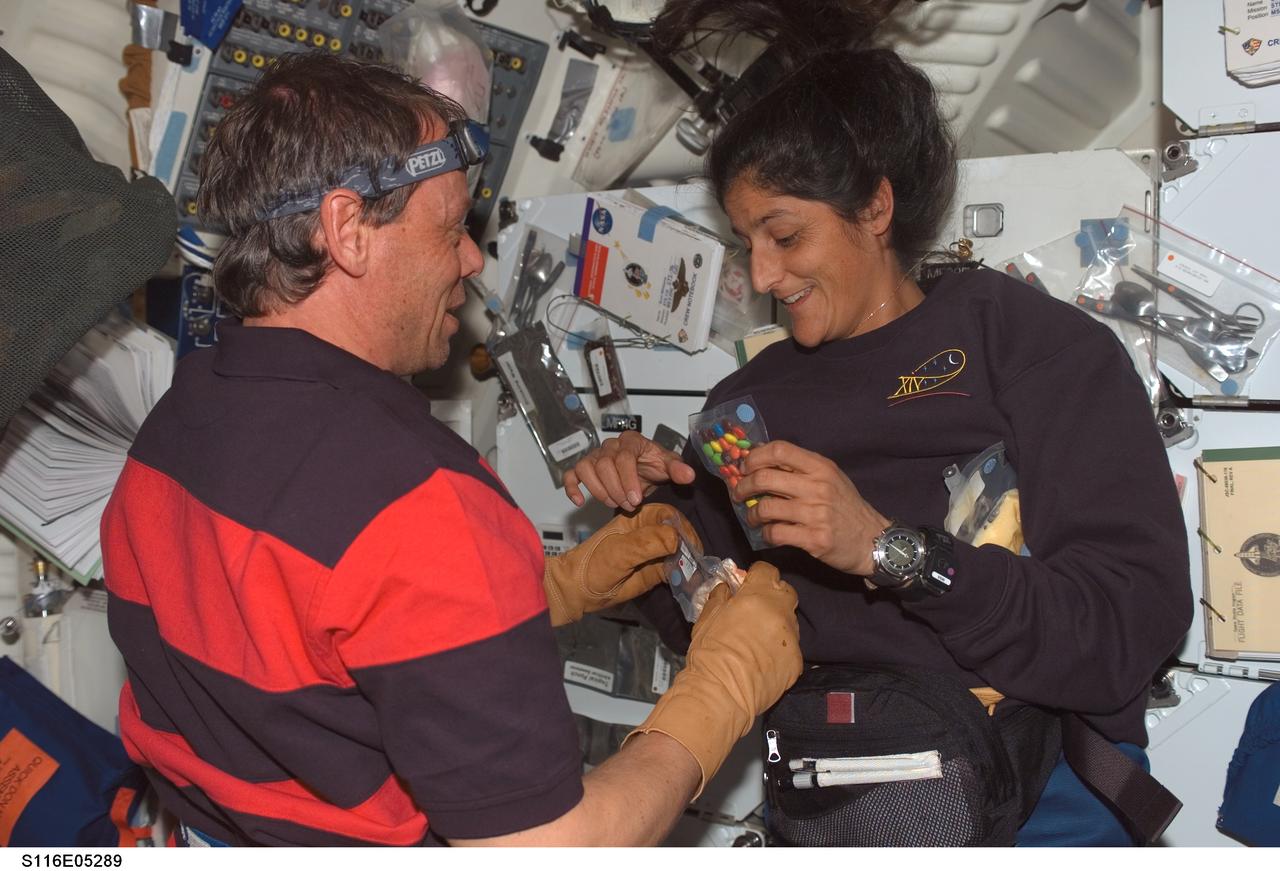
S116-E-05289 (10 Dec. 2006) --- Astronaut Sunita L. Williams (right) and European Space Agency (ESA) astronaut Christer Fuglesang, both STS-116 mission specialists, enjoy a light moment as they prepare to open food packages on the middeck of Space Shuttle Discovery. Williams will join the Expedition 14 crew as flight engineer after she enters the International Space Station. Docking of the two spacecraft will occur on Dec. 11.
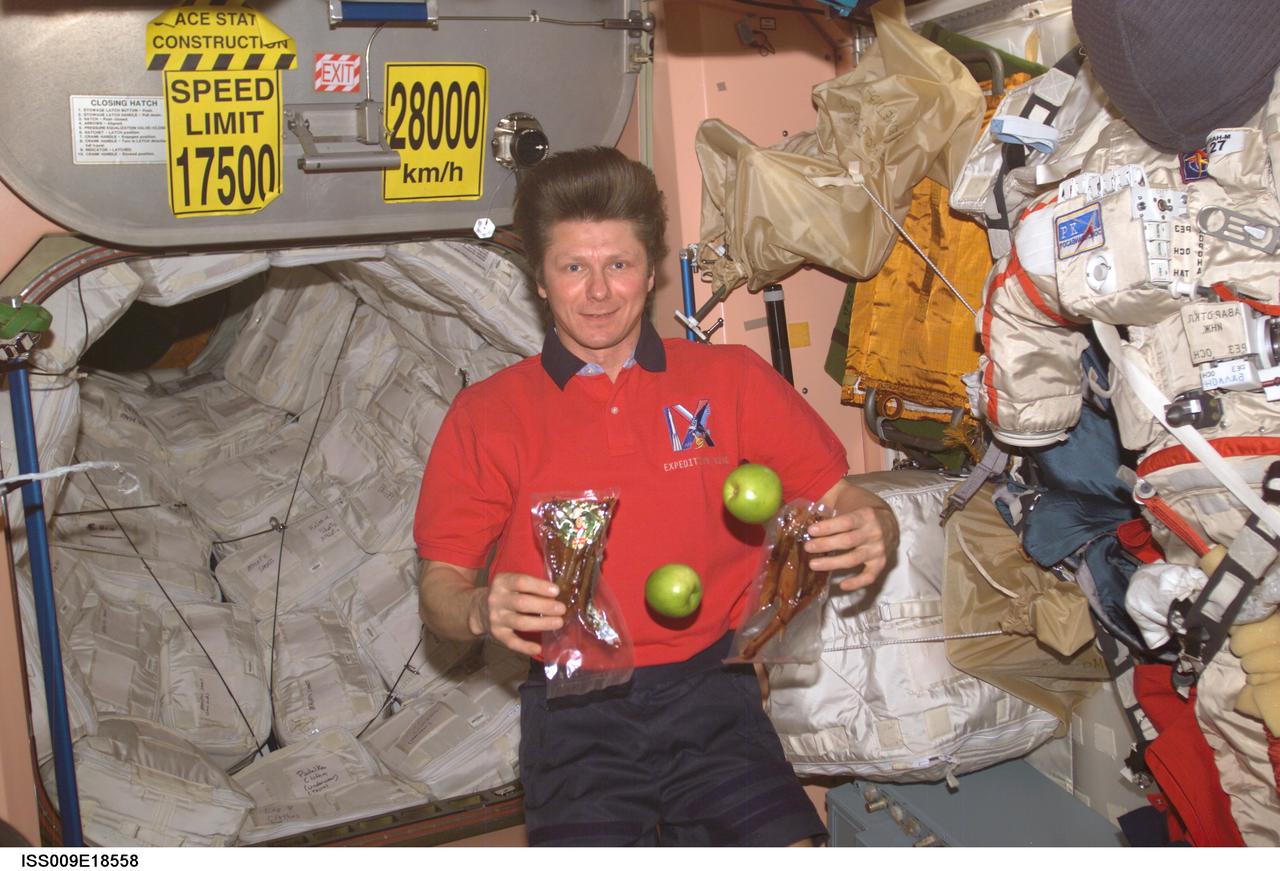
ISS009-E-18558 (15 August 2004) --- Cosmonaut Gennady I. Padalka, Expedition 9 commander representing Russia's Federal Space Agency, holds packages of food, as two apples float freely near him, in the Unity node of the International Space Station (ISS). The food was recently unloaded from the Progress 15 supply vehicle docked to the Station. The functional cargo block (FGB) or Zarya hatchway is visible in the background.
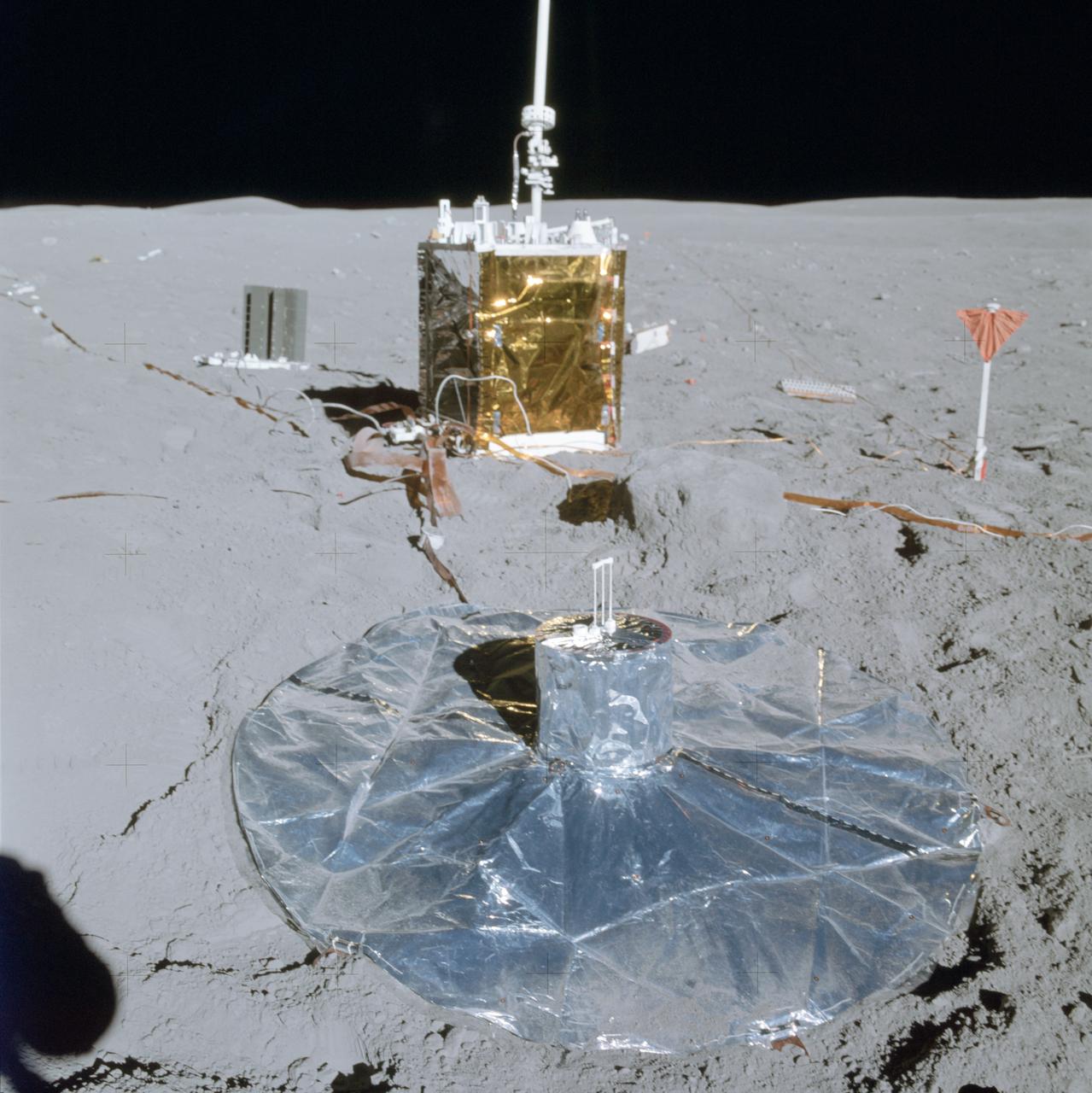
AS16-113-18347 (21 April 1972) --- A partial view of the Apollo 16 Apollo Lunar Surface Experiments Package (ALSEP) in deployed configuration on the lunar surface as photographed during the mission's first extravehicular activity (EVA), on April 21, 1972. The Passive Seismic Experiment (PSE) is in the foreground center; Central Station (C/S) is in center background, with the Radioisotope Thermoelectric Generator (RTG) to the left. One of the anchor flags for the Active Seismic Experiment (ASE) is at right. While astronauts John W. Young, commander; and Charles M. Duke Jr., lunar module pilot; descended in the Apollo 16 Lunar Module (LM) "Orion" to explore the Descartes highlands landing site on the moon, astronaut Thomas K. Mattingly II, command module pilot, remained with the Command and Service Modules (CSM) "Casper" in lunar orbit.
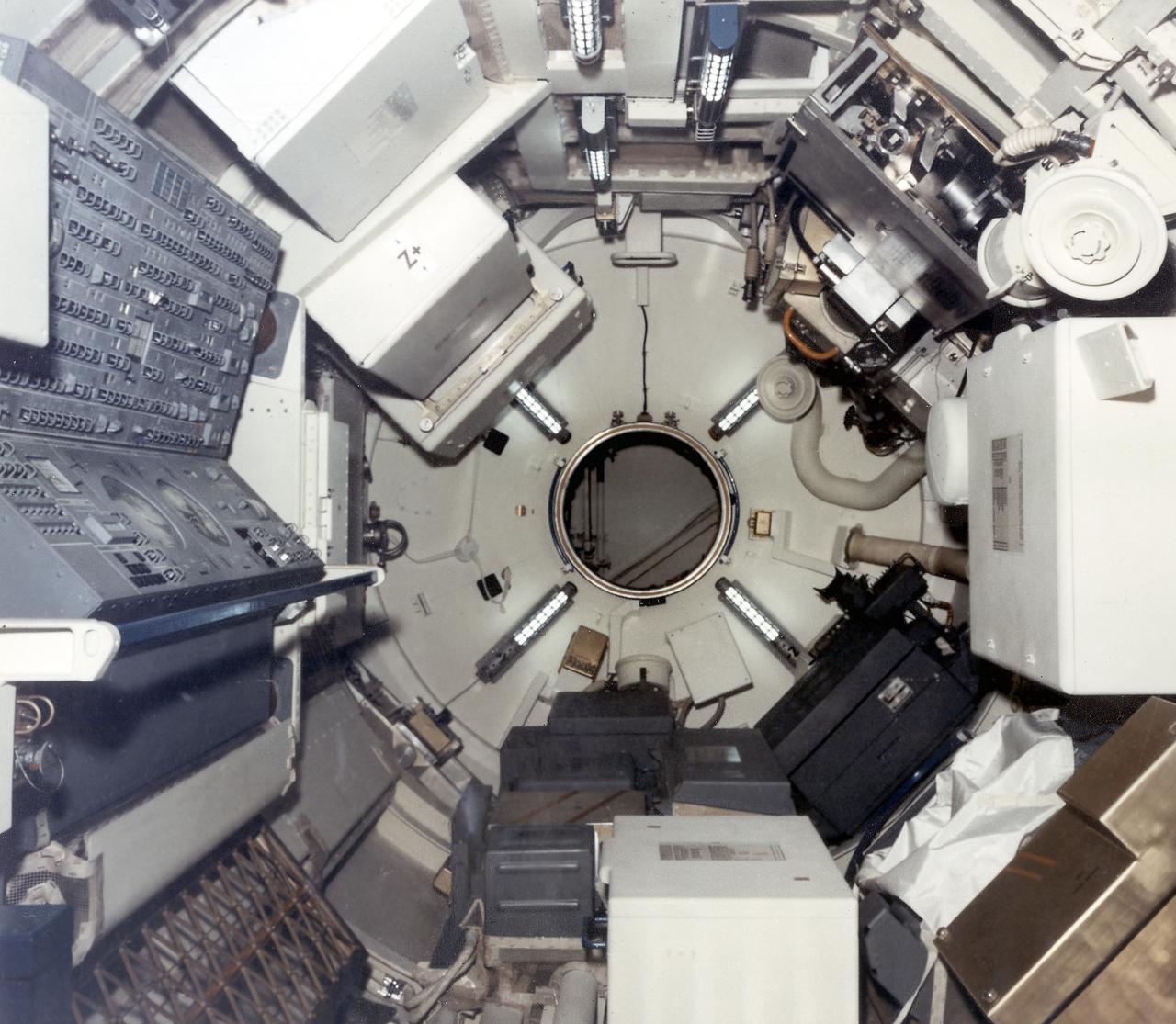
This interior photograph of Skylab's multiple docking adapter (MDA) flight article, then undergoing outfitting at the Martin Marietta Corporation's Space Center facility in Denver, Colorado, shows the forward cone area and docking turnel (center) that attached to the Apollo Command Module. Designed and manufactured by the Marshall Space Flight Center, the MDA housed the control units for the Apollo Telescope Mount (ATM), Earth Resources Experiment Package (EREP), and Zero-Gravity Materials Processing Facility and provided a docking port for the Apollo Command Module.
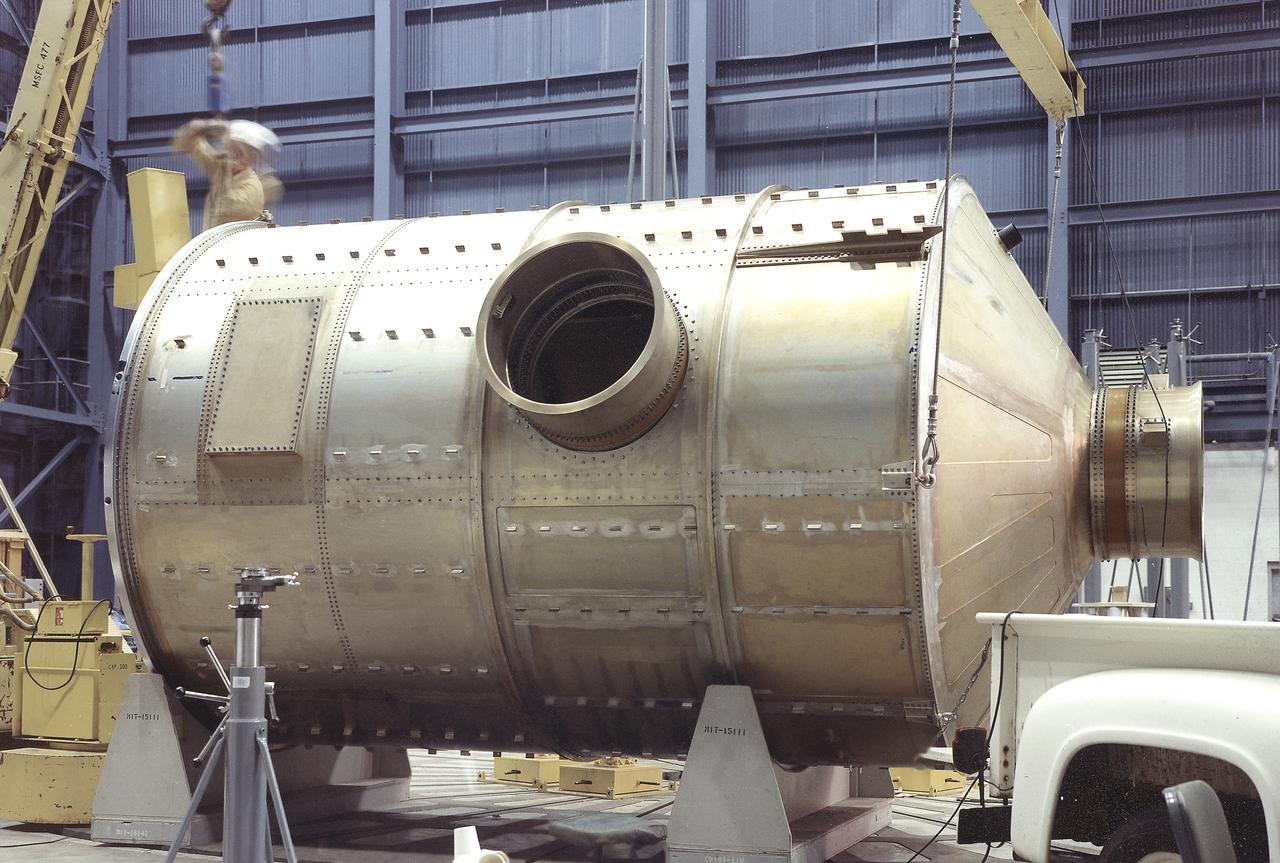
At Marshall Space Flight Center, Skylab's Multiple Docking Adapter (MDA) flight article undergoes center-of-gravity testing. Developed and fabricated by MSFC, the MDA housed the control units for the Apollo Telescope Mount (ATM), Earth Resources Experiment Package (EREP), and the Zero-Gravity Material Processing Facility and provided a docking port for the Apollo Command Module.
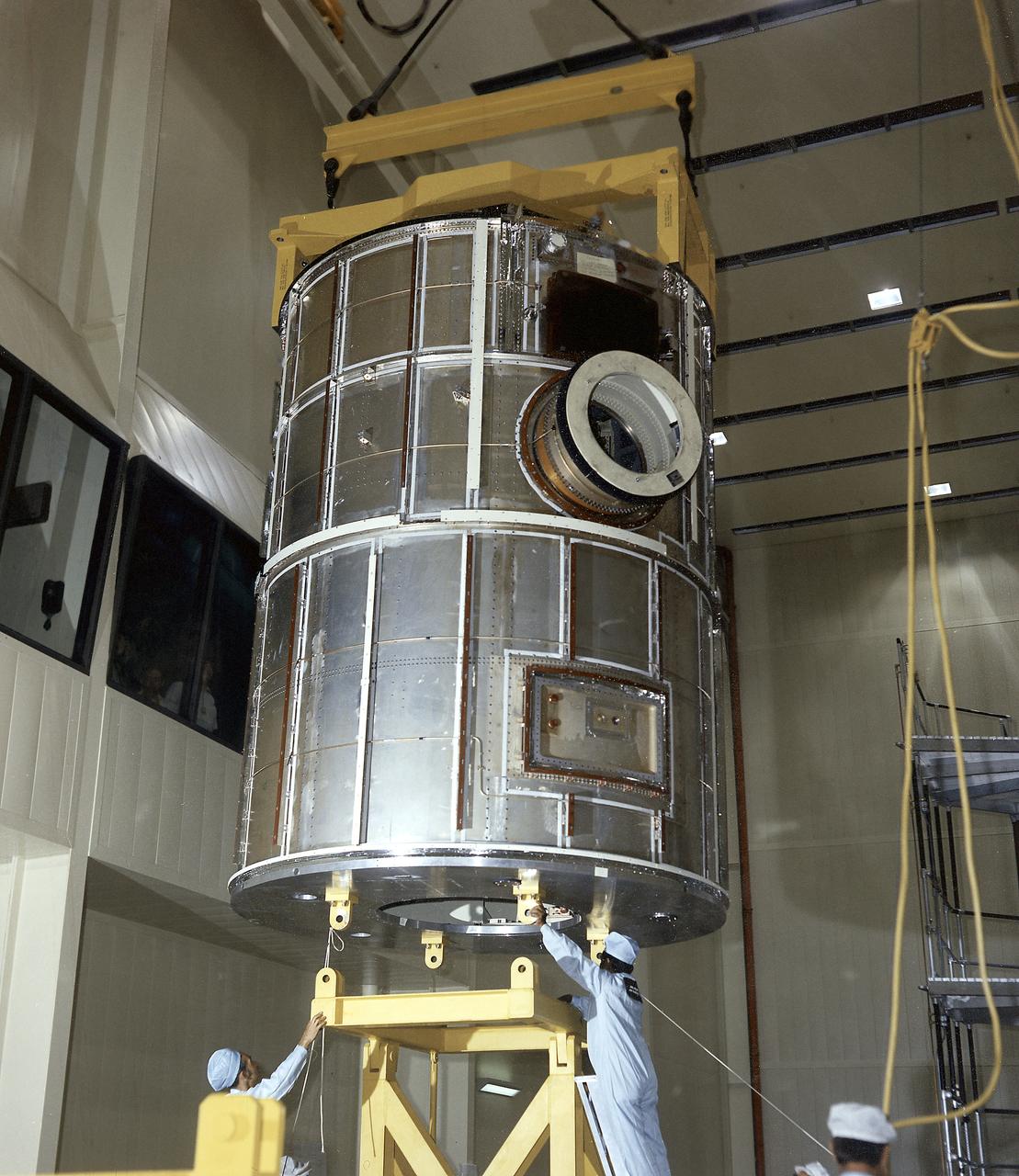
Workmen at the Martin Marietta Corporation's Space Center in Denver, Colorado, position Skylab's Multiple Docking Adapter (MDA) flight article in the horizontal transportation fixture. Designed and manufactured by the Marshall Space Flight Center and outfitted by Martin Marietta, the MDA housed the control units for the Apollo Telescope Mount (ATM), Earth Resources Experiment Package (EREP), and Zero-Gravity Materials Processing Facility and provided a docking port for the Apollo Command Module.
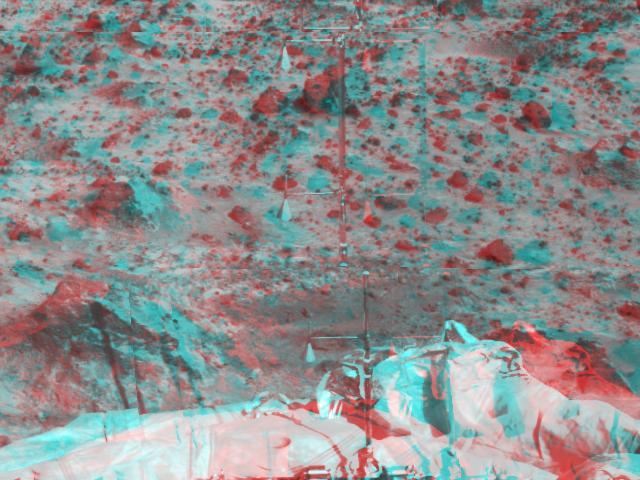
The Atmospheric Structure Instrument/Meteorology Package ASI/MET is the mast and windsocks at the center of this stereo image from NASA Mars Pathfinder. 3D glasses are necessary to identify surface detail.
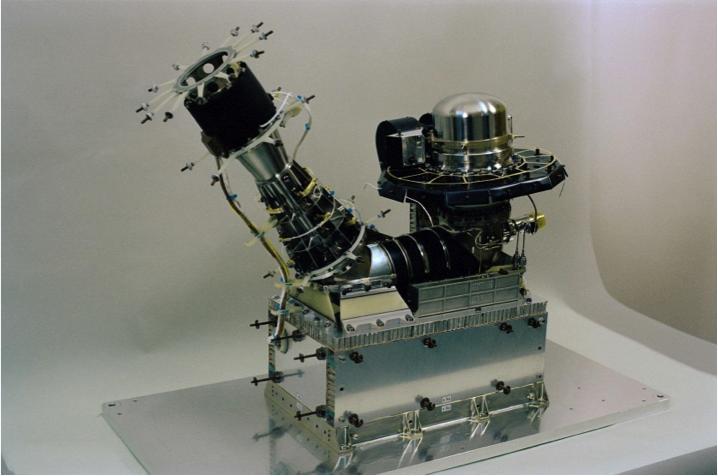
NASA has provided part of the electronics package for an instrument called the Double Focusing Mass Spectrometer, which is part of the Swiss-built Rosetta Orbiter Spectrometer for Ion and Neutral Analysis ROSINA instrument.
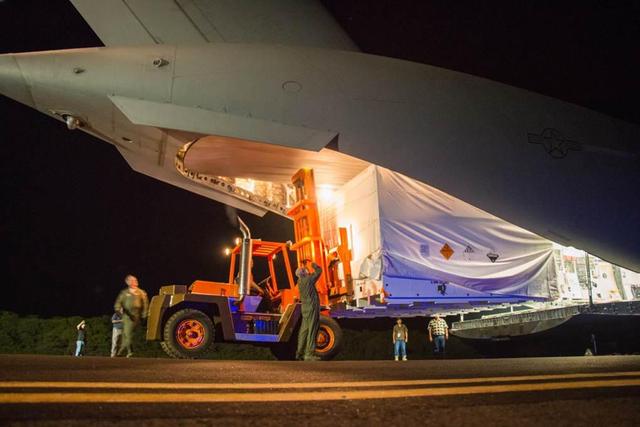
The saucer-shaped test vehicle for NASA Low-Density Supersonic Decelerator LDSD project, packaged in the box shown here, was shipped via plane to the Navy Pacific Missile Range Facility in Kauai, Hawaii on April 17.
jsc2021e063282 (12/10/2021) --- The logo of the Eco Pack project. The Packaging and Protecting Using Edible Products (Edible Foam) project tests a packaging foam using edible products. © CNES/GRARD Emmanuel, 2021
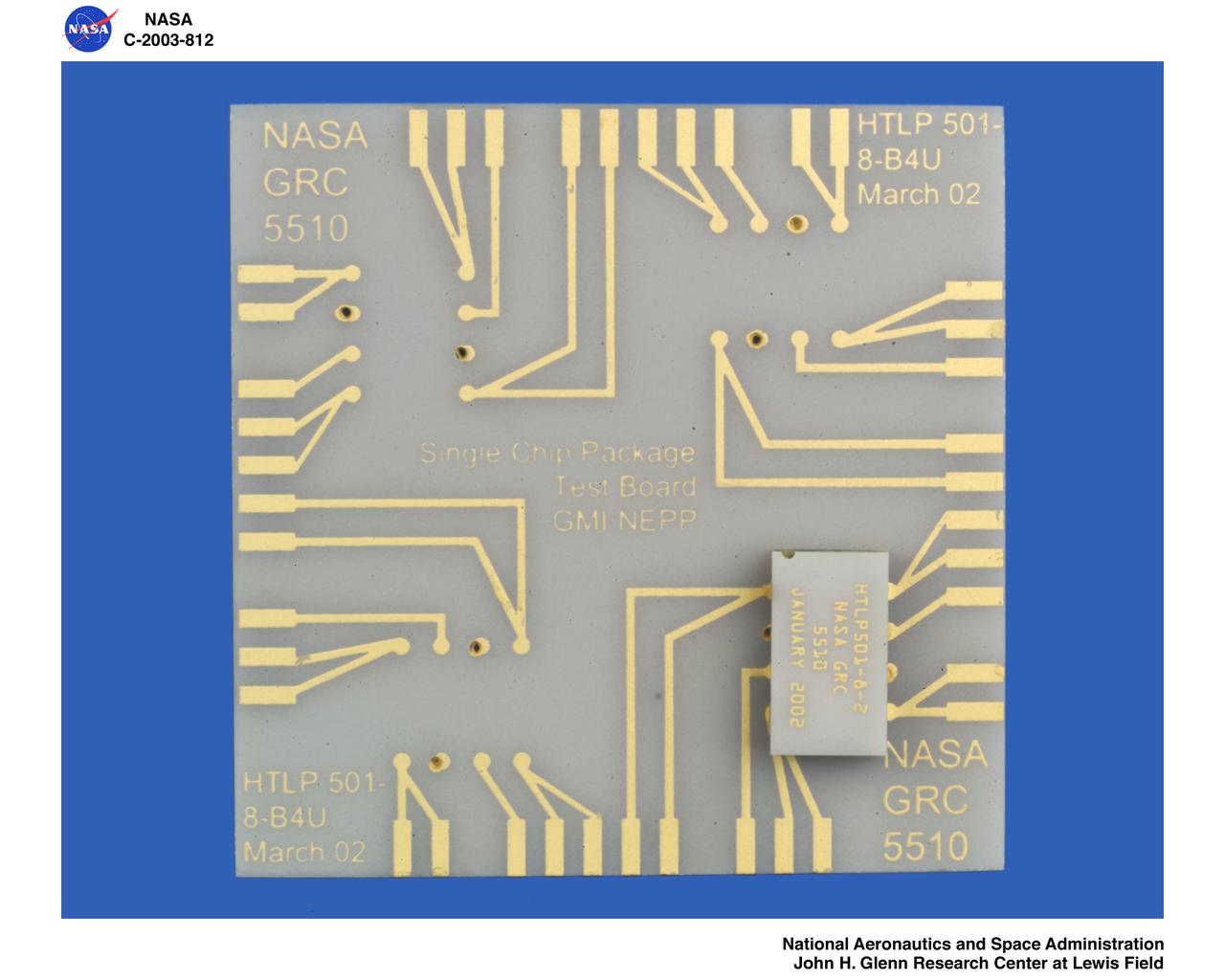
HIGH TEMPERATURE ELECTRONICS PACKAGING
The first manned lunar landing mission, Apollo 11, launched from the Kennedy Space Center (KSC) in Florida via the Marshall Space Flight Center (MSFC) developed Saturn V launch vehicle on July 16, 1969 and safely returned to Earth on July 24, 1969. Aboard the space craft were astronauts Neil A. Armstrong, commander; Michael Collins, Command Module (CM) pilot; and Edwin E. (Buzz) Aldrin Jr., Lunar Module (LM) pilot. The CM, piloted by Michael Collins, remained in a parking orbit around the Moon, while the LM, named “Eagle’’, carrying astronauts Armstrong and Aldrin, landed on the Moon in the Sea of Tranquility. During 2½ hours of surface exploration, the crew set up experiments, collected 47 pounds of lunar surface material for analysis back on Earth, planted the U.S Flag, and left a message for all mankind. In this photograph, Aldrin is deploying the Early Apollo Scientific Experiment Package.
The first manned lunar landing mission, Apollo 11, launched from the Kennedy Space Center (KSC) in Florida via the Marshall Space Flight Center (MSFC) developed Saturn V launch vehicle on July 16, 1969 and safely returned to Earth on July 24, 1969. Aboard the space craft were astronauts Neil A. Armstrong, commander; Michael Collins, Command Module (CM) pilot; and Edwin E. (Buzz) Aldrin Jr., Lunar Module (LM) pilot. The CM, piloted by Michael Collins, remained in a parking orbit around the Moon, while the LM, named “Eagle’’, carrying astronauts Armstrong and Aldrin, landed on the Moon in the Sea of Tranquility. During 2½ hours of surface exploration, the crew set up experiments, collected 47 pounds of lunar surface material for analysis back on Earth, planted the U.S Flag, and left a message for all mankind. In this photograph, Aldrin is deploying the Passive Seismic Experiment Package (PSEP).
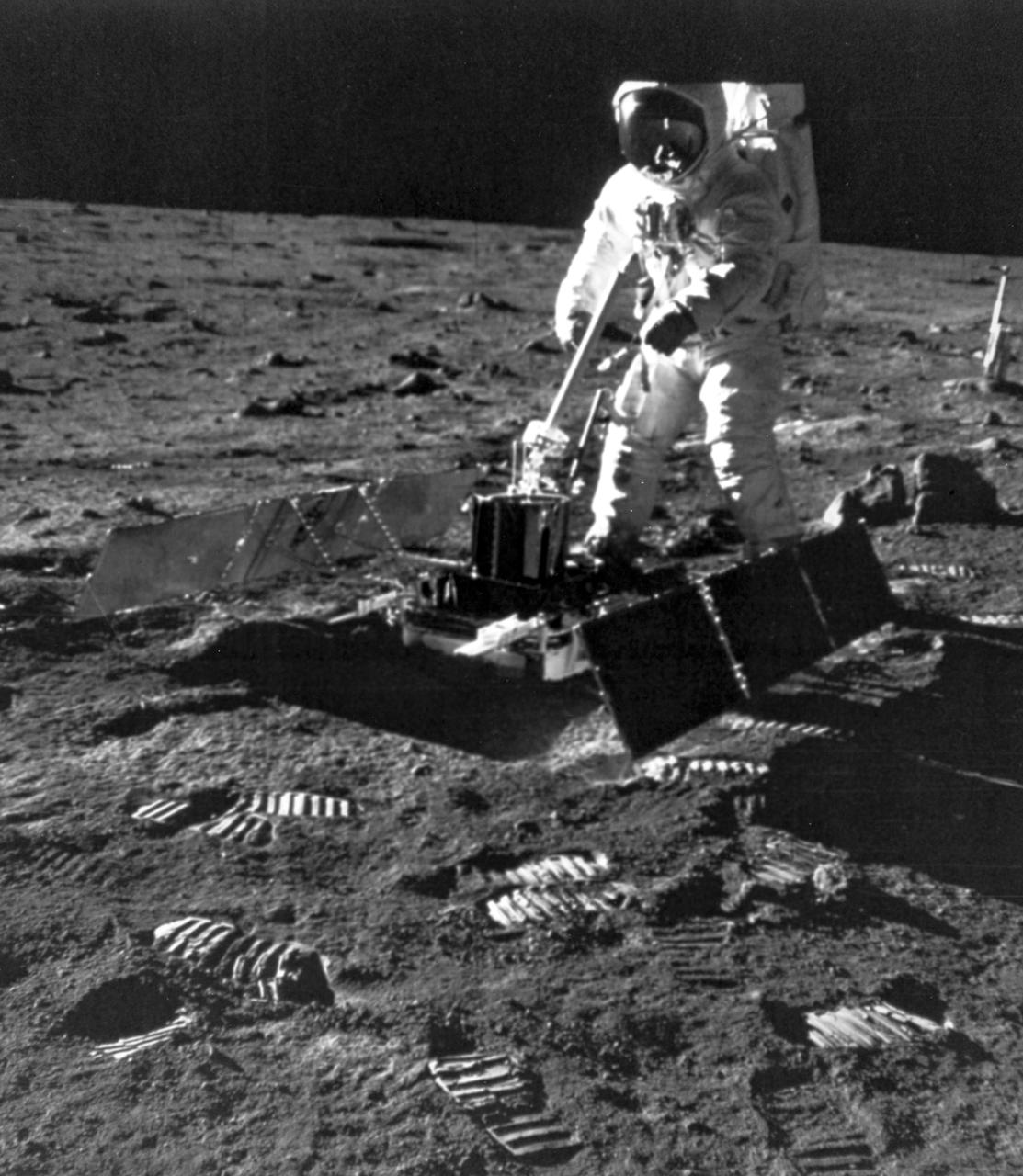
The Apollo 11 mission launched from the Kennedy Space Center (KSC) in Florida via the Marshall Space Flight Center (MSFC) developed Saturn V launch vehicle on July 16, 1969 and safely returned to Earth on July 24, 1969. Aboard the space craft were astronauts Neil A. Armstrong, commander; Michael Collins, Command Module (CM) pilot; and Edwin E. (Buzz) Aldrin Jr., Lunar Module (LM) pilot. The CM, piloted by Michael Collins, remained in a parking orbit around the Moon, while the LM, named “Eagle’’, carrying astronauts Armstrong and Aldrin, landed on the Moon in the Sea of Tranquility. During 2½ hours of surface exploration, the crew set up experiments, collected 47 pounds of lunar surface material for analysis back on Earth, planted the U.S Flag, and left a message for all mankind. In this photograph, Aldrin is deploying the Passive Seismic Experiment Package (PSEP).

CAPE CANAVERAL, Fla. – Rocket University participants prepare to release a high-altitude balloon to carry an instrument package as part of an aerial experiment by the program. The balloon was released at Kennedy Space Center and its instrument package was recovered to the southeast as planned. Photo credit: NASA/Dmitri Gerondidakis
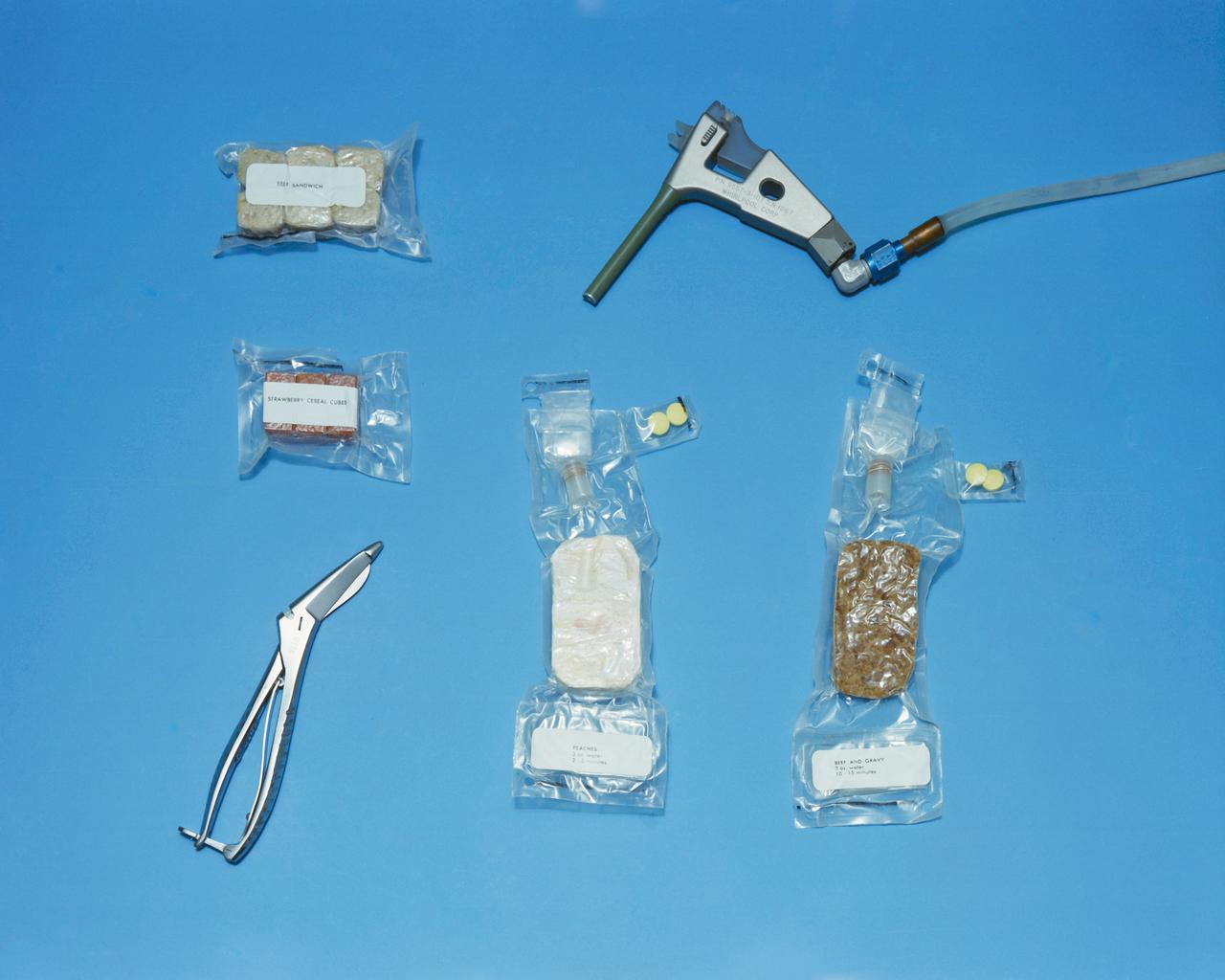
Food packages for use on the Gemini-Titan 4 (GT-4) flight. Packages include beef and gravy, peaches, strawberry cereal cubes and beef sandwiches. A water gun is used to reconstitute the dehydrated food. MSC, HOUSTON, TX CN
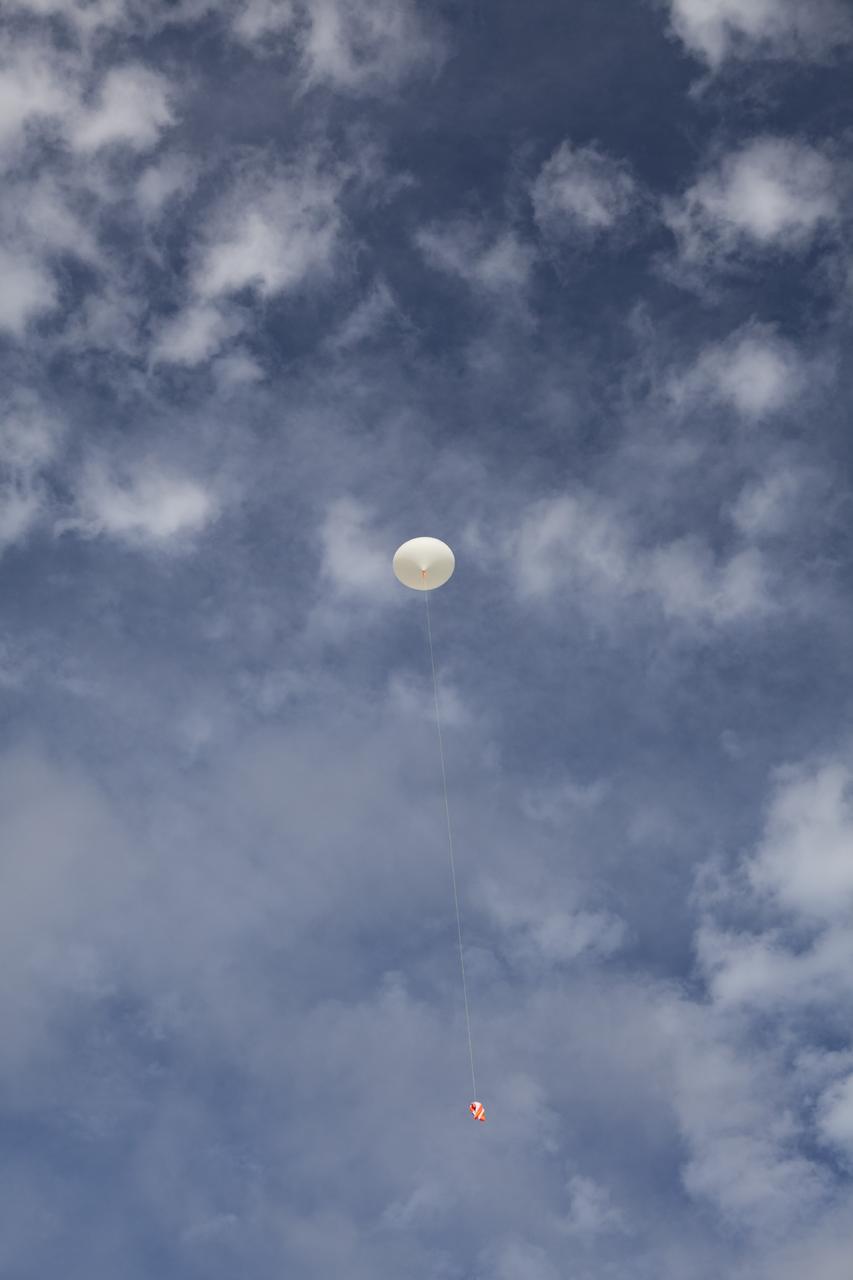
CAPE CANAVERAL, Fla. – Rocket University participants release a high-altitude balloon to carry an instrument package as part of an aerial experiment by the program. The balloon was released at Kennedy Space Center and its instrument package was recovered to the southeast as planned. Photo credit: NASA/Dmitri Gerondidakis
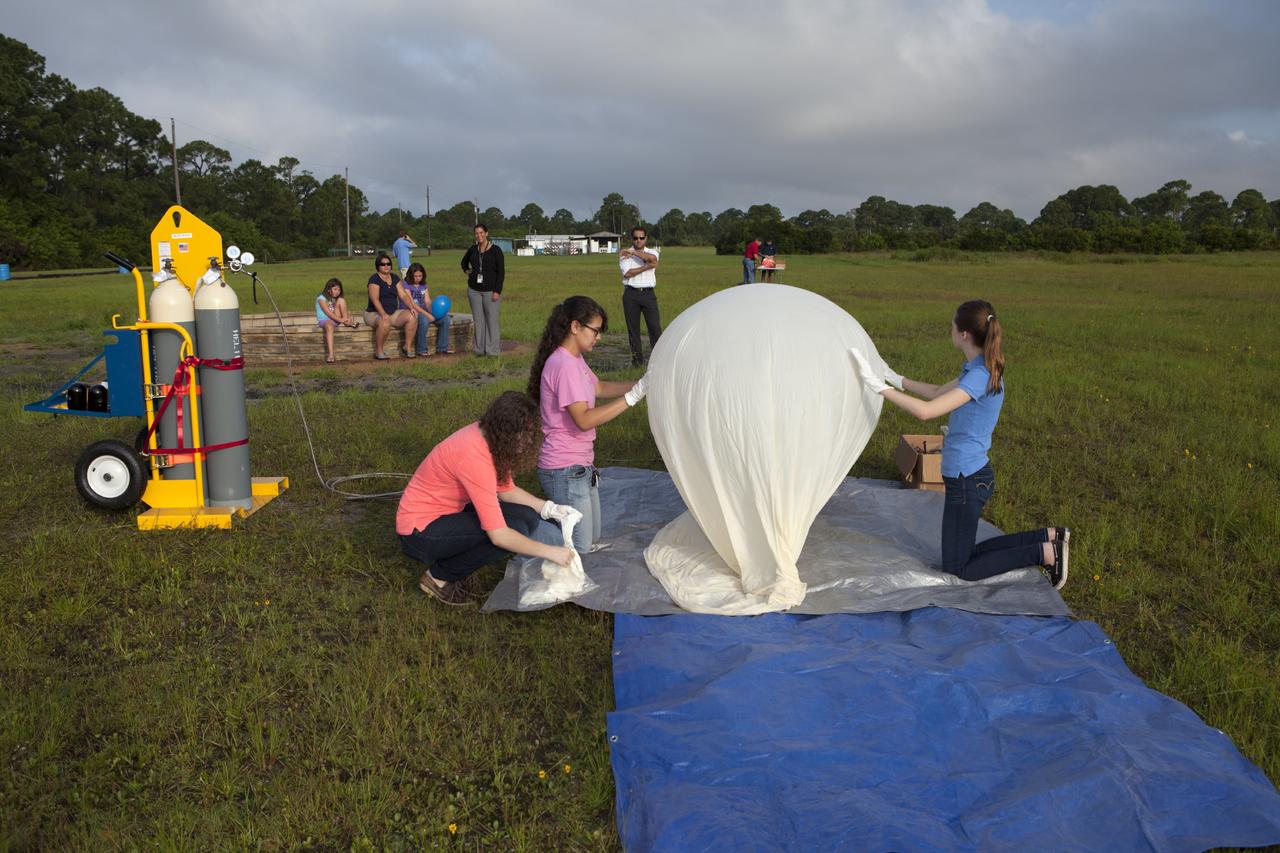
CAPE CANAVERAL, Fla. – Rocket University participants fill a high-altitude balloon before releasing it to carry an instrument package as part of an aerial experiment by the program. The balloon was released at Kennedy Space Center and its instrument package was recovered to the southeast as planned. Photo credit: NASA/Dmitri Gerondidakis
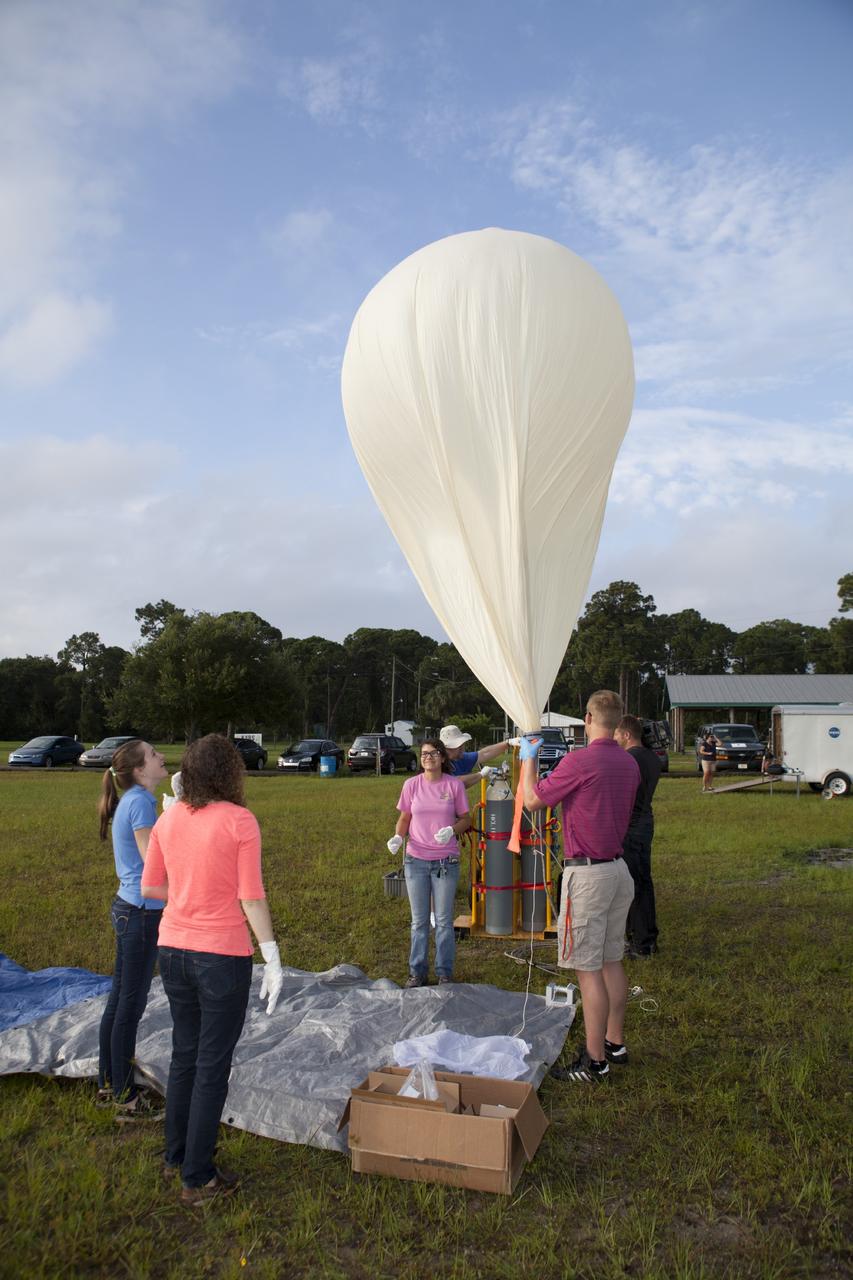
CAPE CANAVERAL, Fla. – Rocket University participants fill a high-altitude balloon before releasing it to carry an instrument package as part of an aerial experiment by the program. The balloon was released at Kennedy Space Center and its instrument package was recovered to the southeast as planned. Photo credit: NASA/Dmitri Gerondidakis
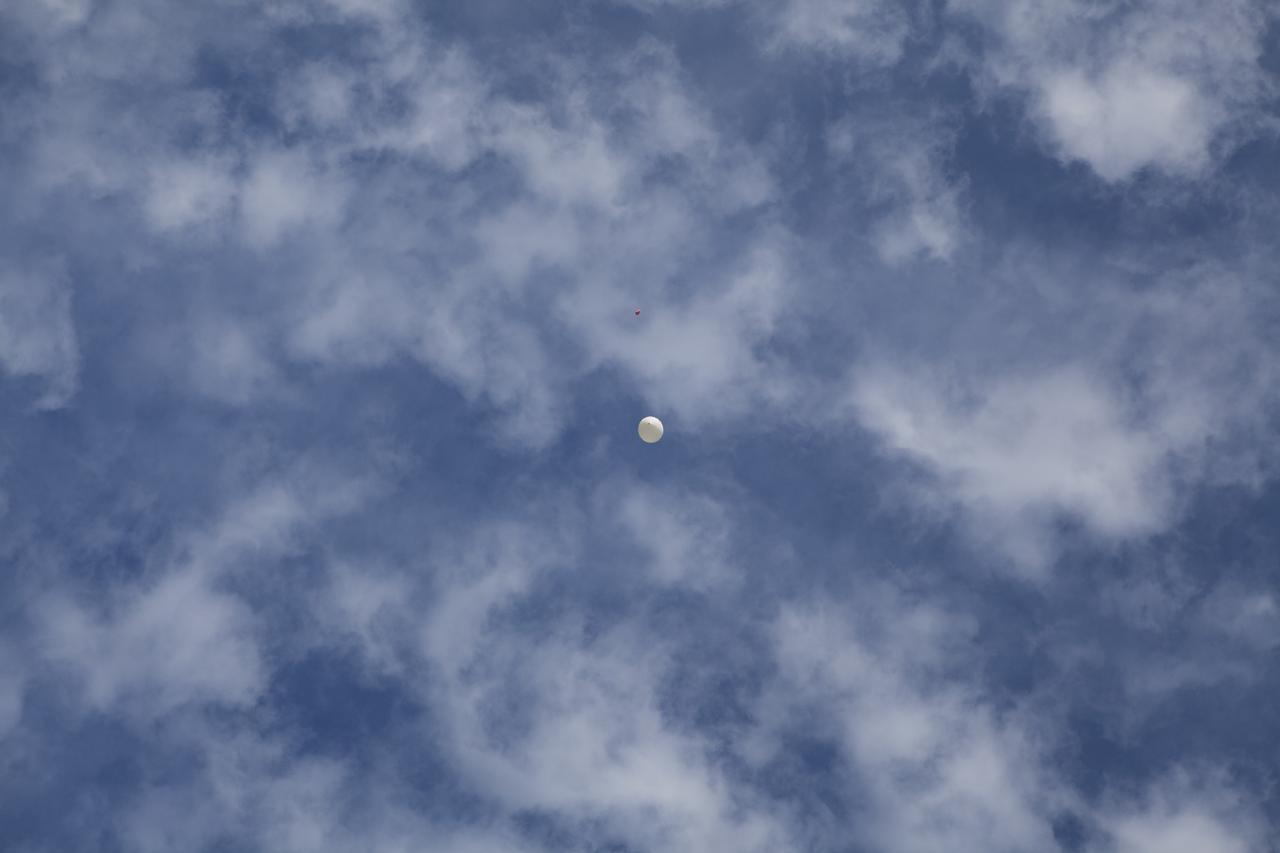
CAPE CANAVERAL, Fla. – A high-altitude balloon floats into the sky carrying an instrument package as part of an aerial experiment by the Rocket University program. The balloon was released at Kennedy Space Center and its instrument package was recovered to the southeast as planned. Photo credit: NASA/Dmitri Gerondidakis
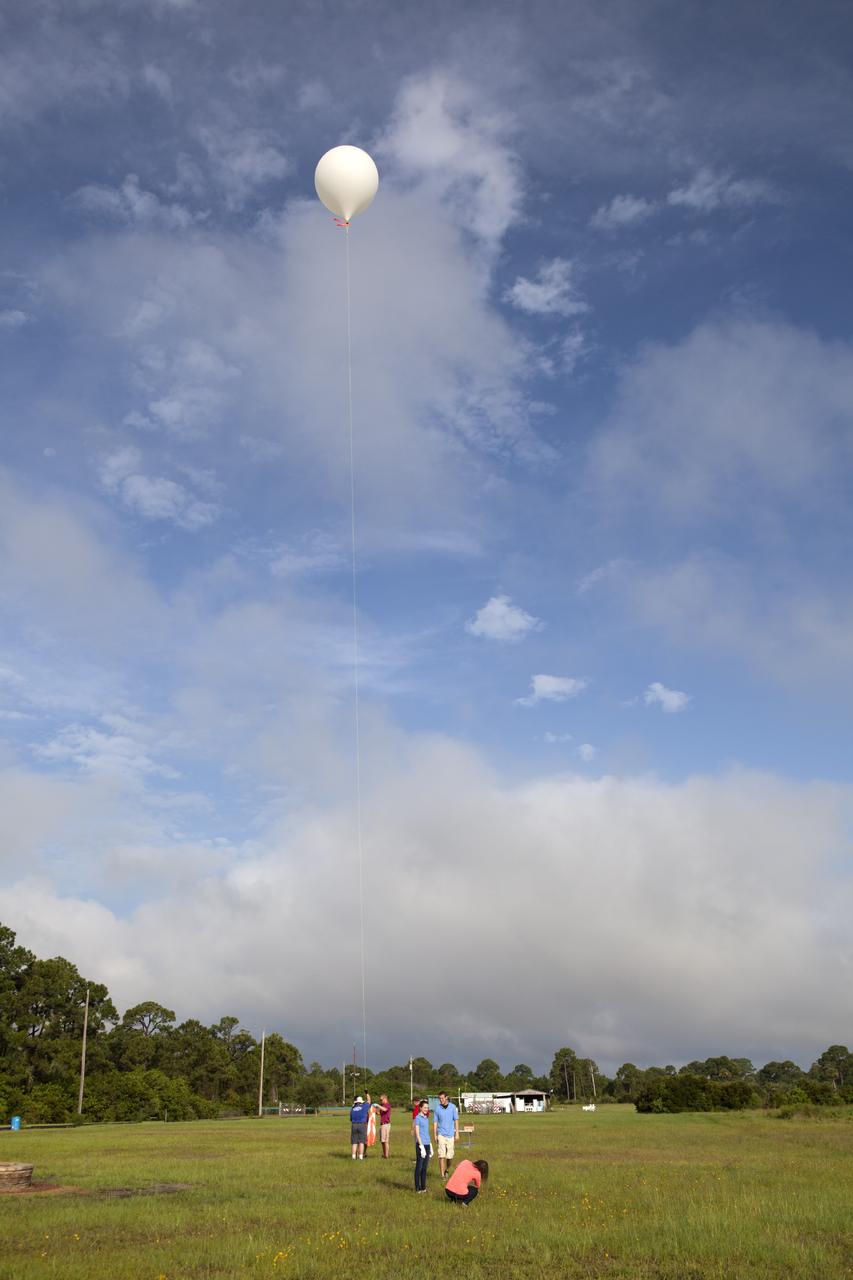
CAPE CANAVERAL, Fla. – Rocket University participants release a high-altitude balloon to carry an instrument package as part of an aerial experiment by the program. The balloon was released at Kennedy Space Center and its instrument package was recovered to the southeast as planned. Photo credit: NASA/Dmitri Gerondidakis
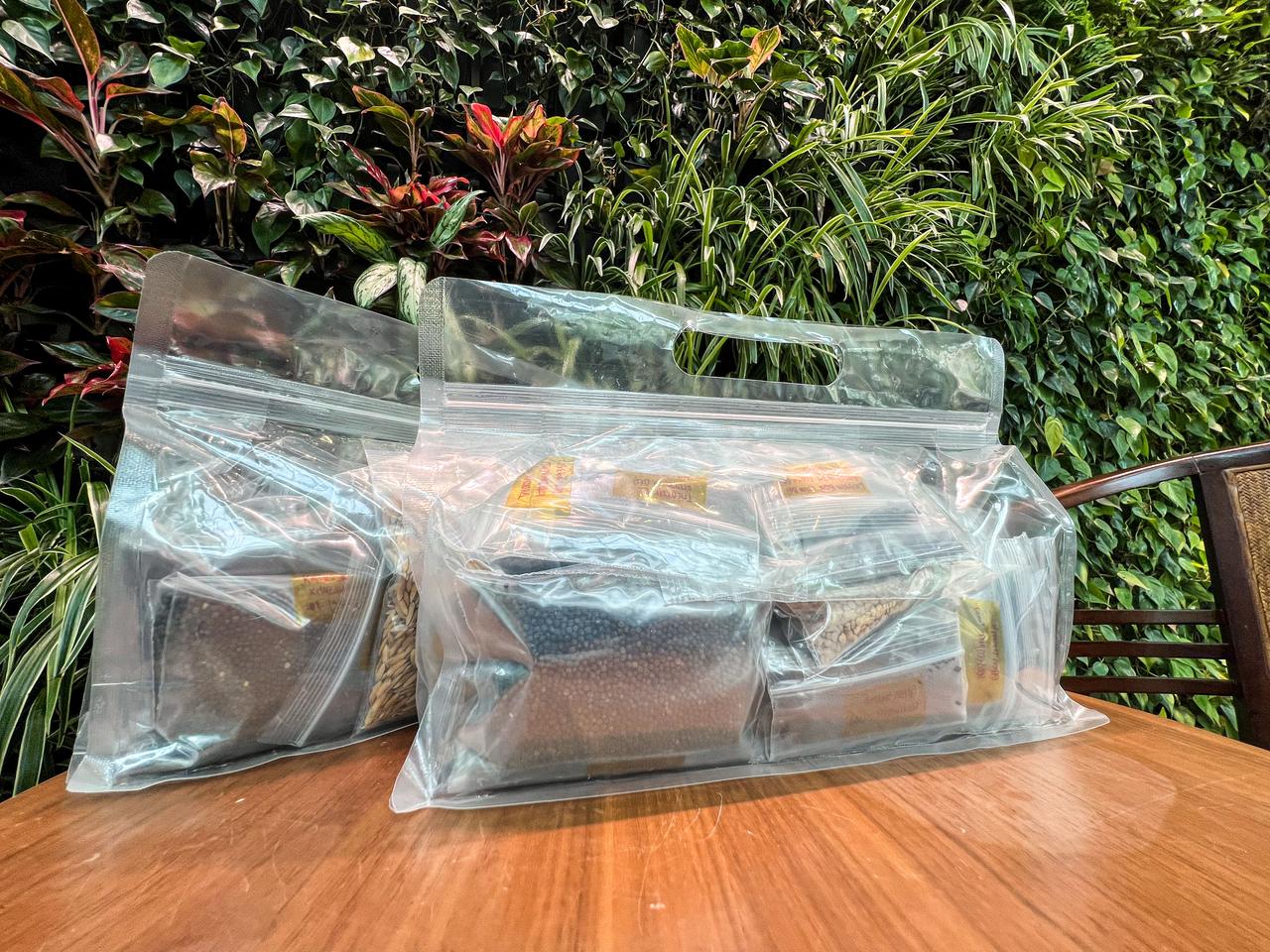
jsc2024e016251 (12/12/2023) --- Two packages containing assorted regional seeds after passing the phytosanitary inspection. Each package consists of 20 sealed and labeled different types of seeds (mostly Asian leafy greens) which will be exposed to cosmic radiation for a specific period of time...Image courtesy of Dr. Anna Sabaté Garcia.
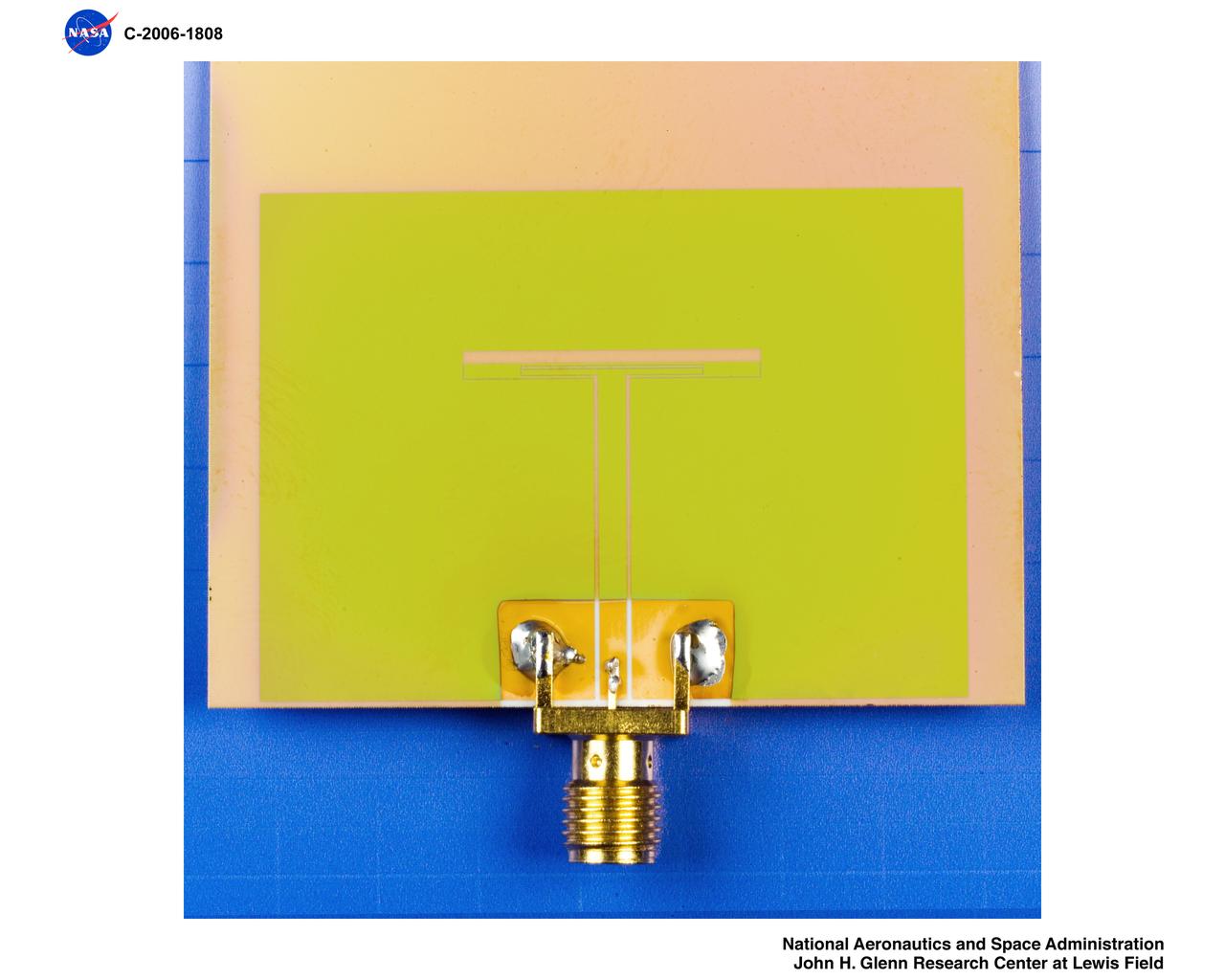
Dual Frequency Slot Antenna with SiC Thin Film Packaging Technology
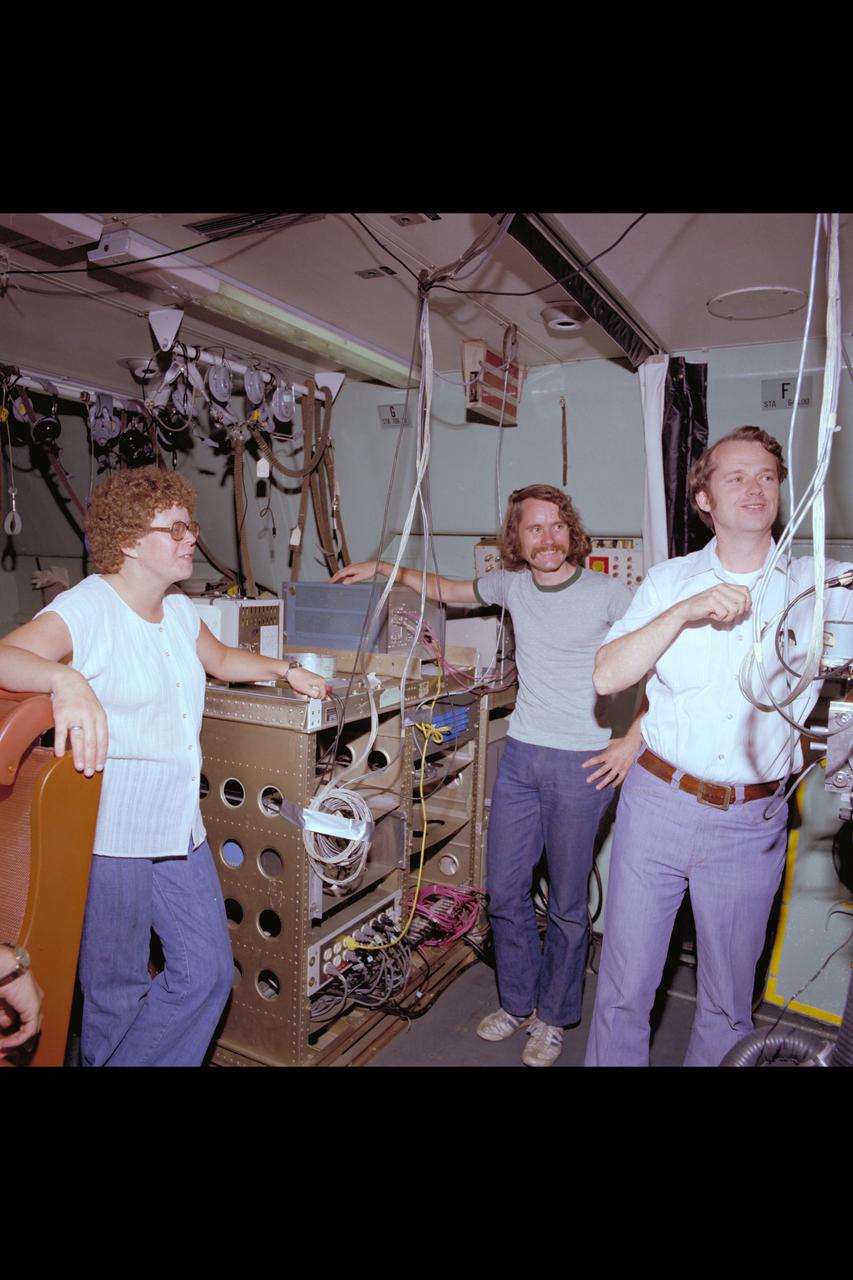
C-141 KAO Rochester, Cornell and California University Experiments packages on board
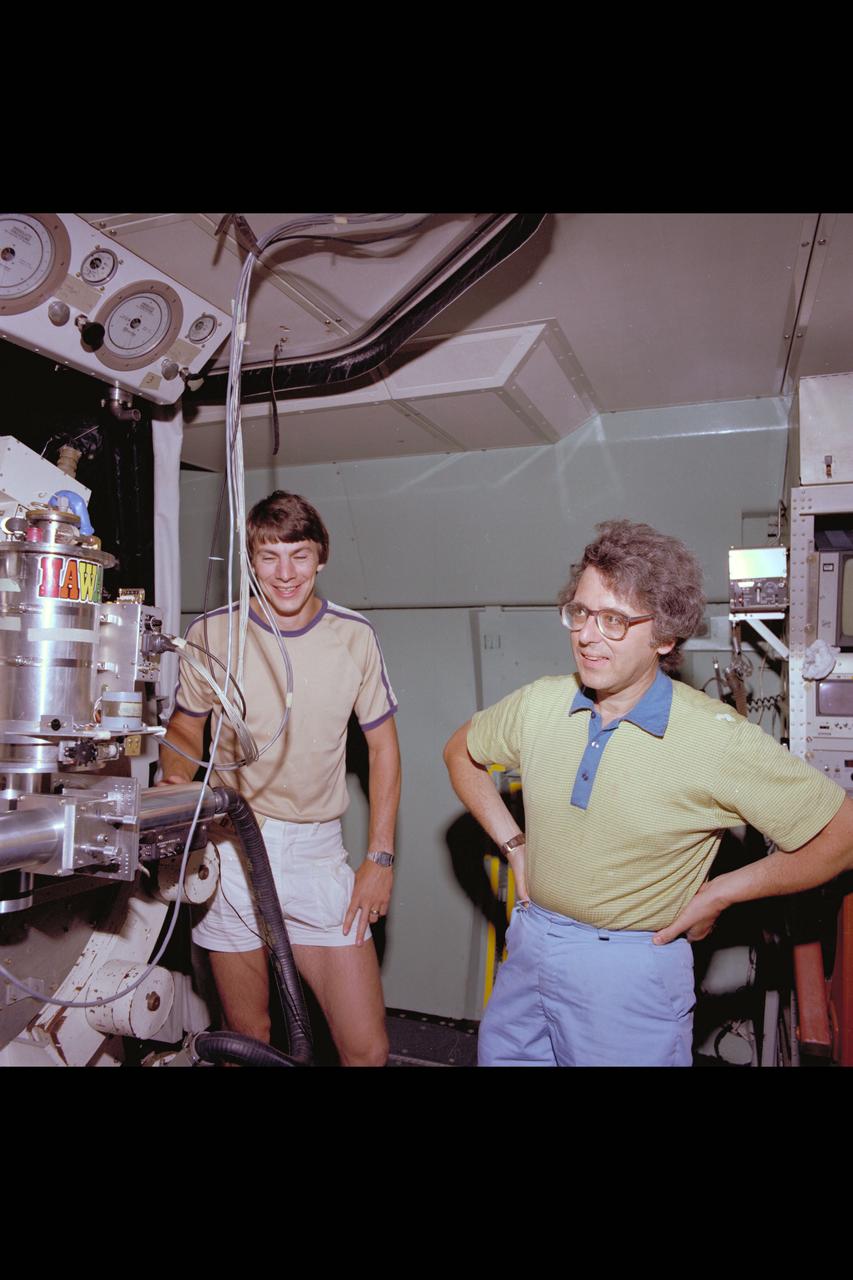
C-141 KAO Rochester, Cornell and California University Experiments packages on board
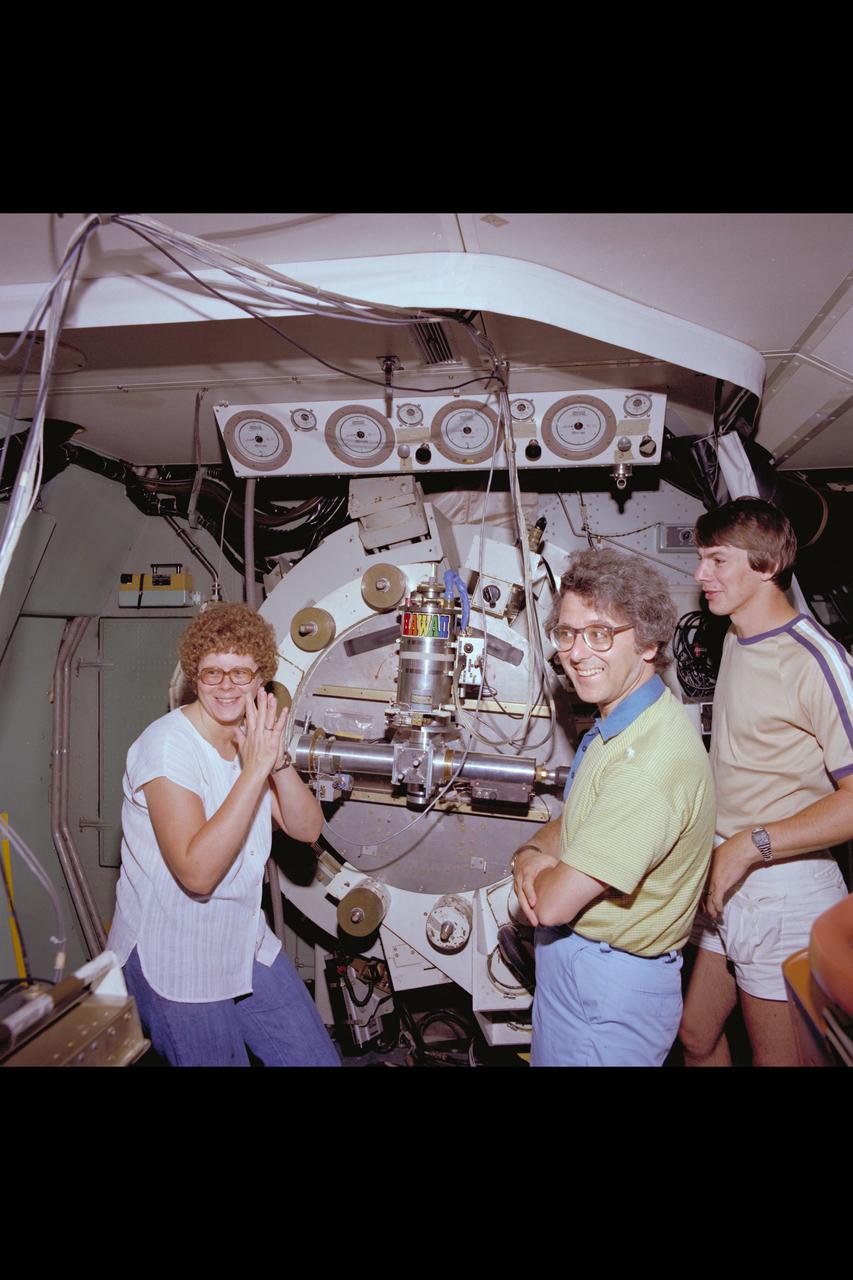
C-141 KAO Rochester, Cornell and California University Experiments packages onboard
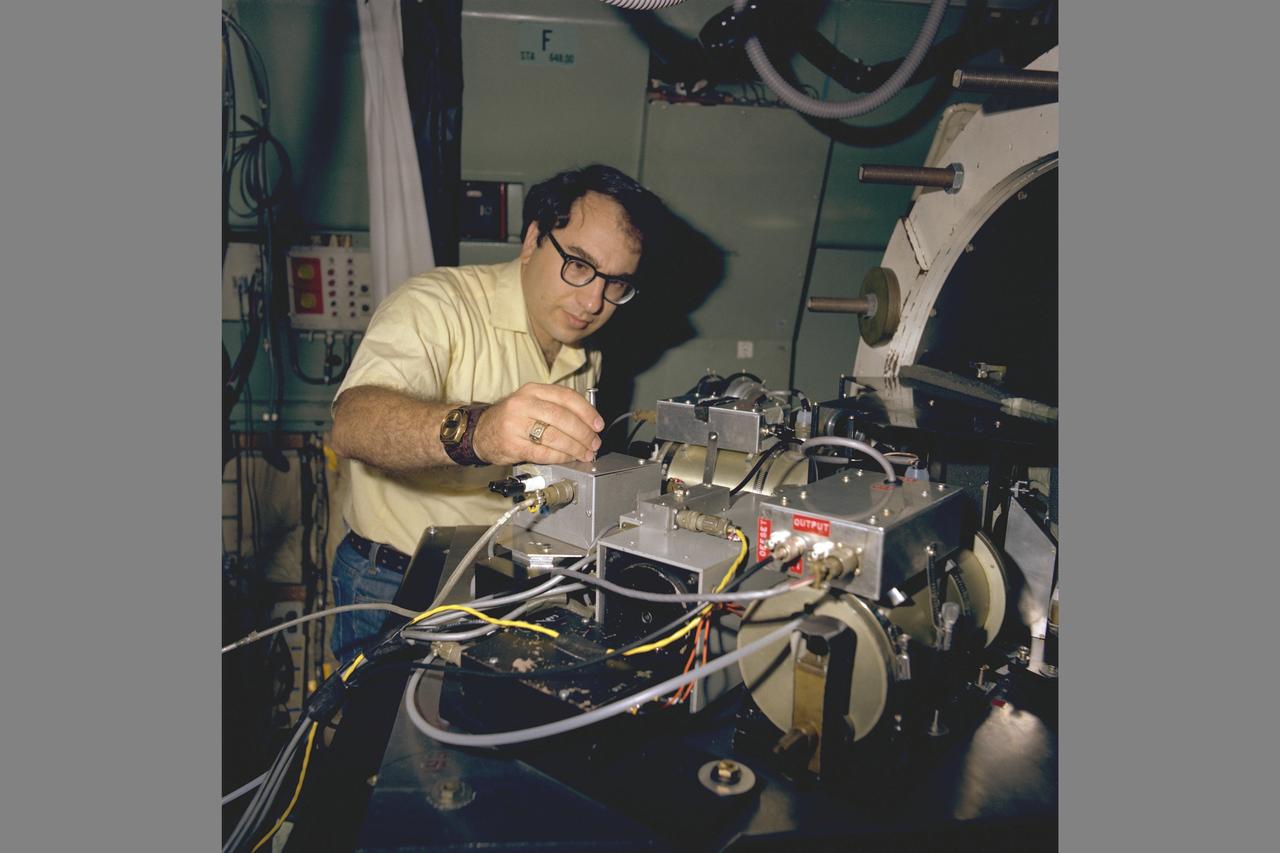
C-141 KAO experimenters package with Dr. Ted Hilgeman University of Chicago
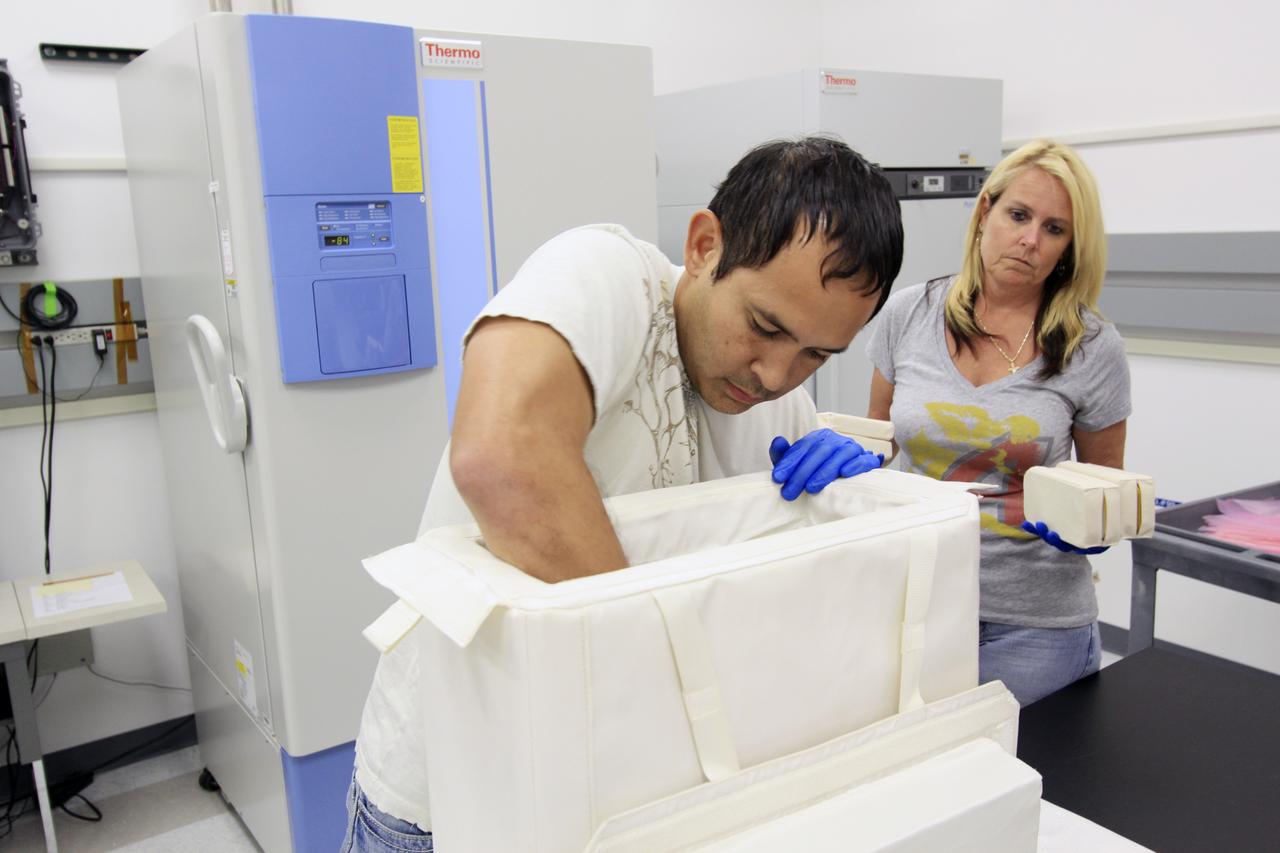
COTS-2, Cold Storage Nanorack Experiment Package for Dragon Capsule
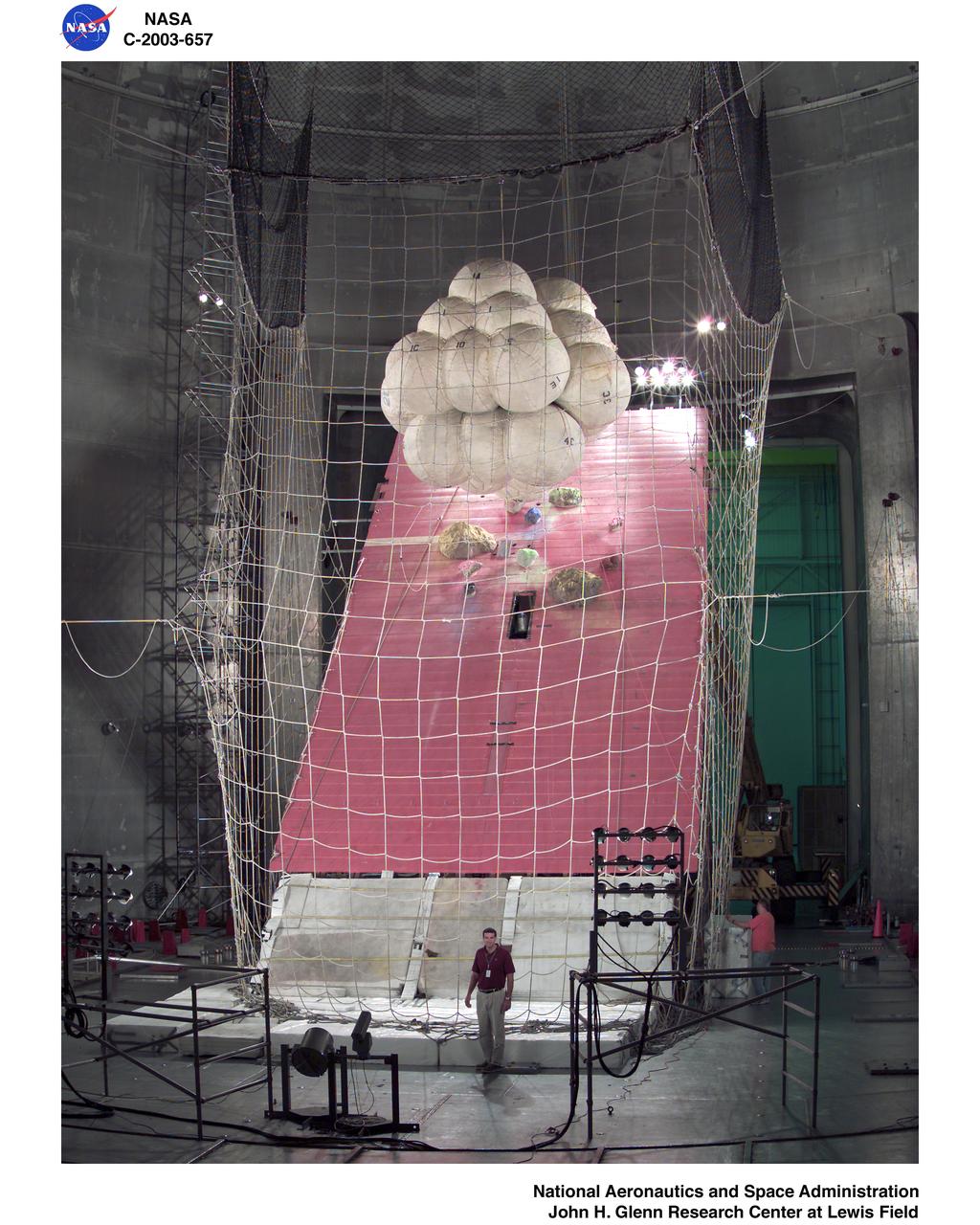
MARS EXPLORATION ROVER - MER - 2003 - FOOT OF TEST PLATFORM WITH LANDER PACKAGE
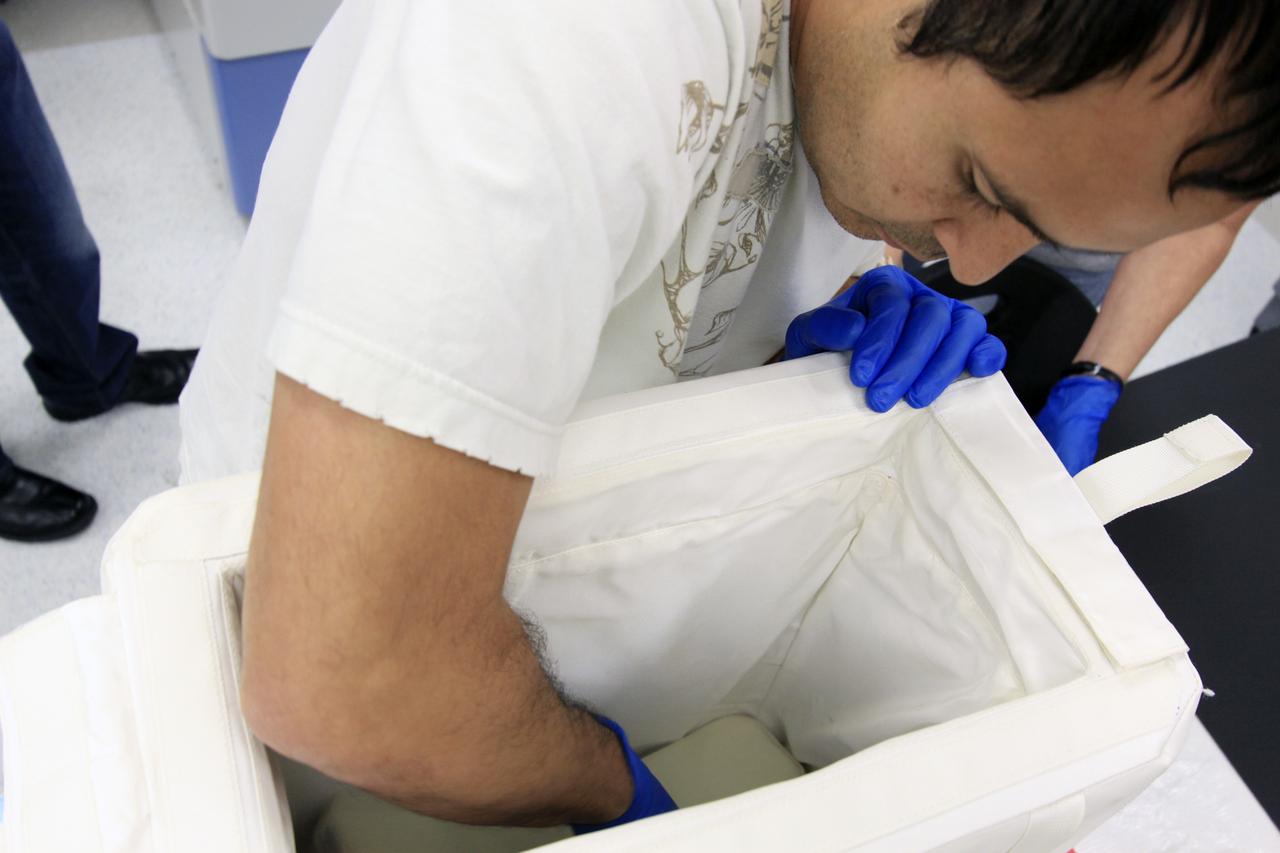
COTS-2, Cold Storage Nanorack Experiment Package for Dragon Capsule
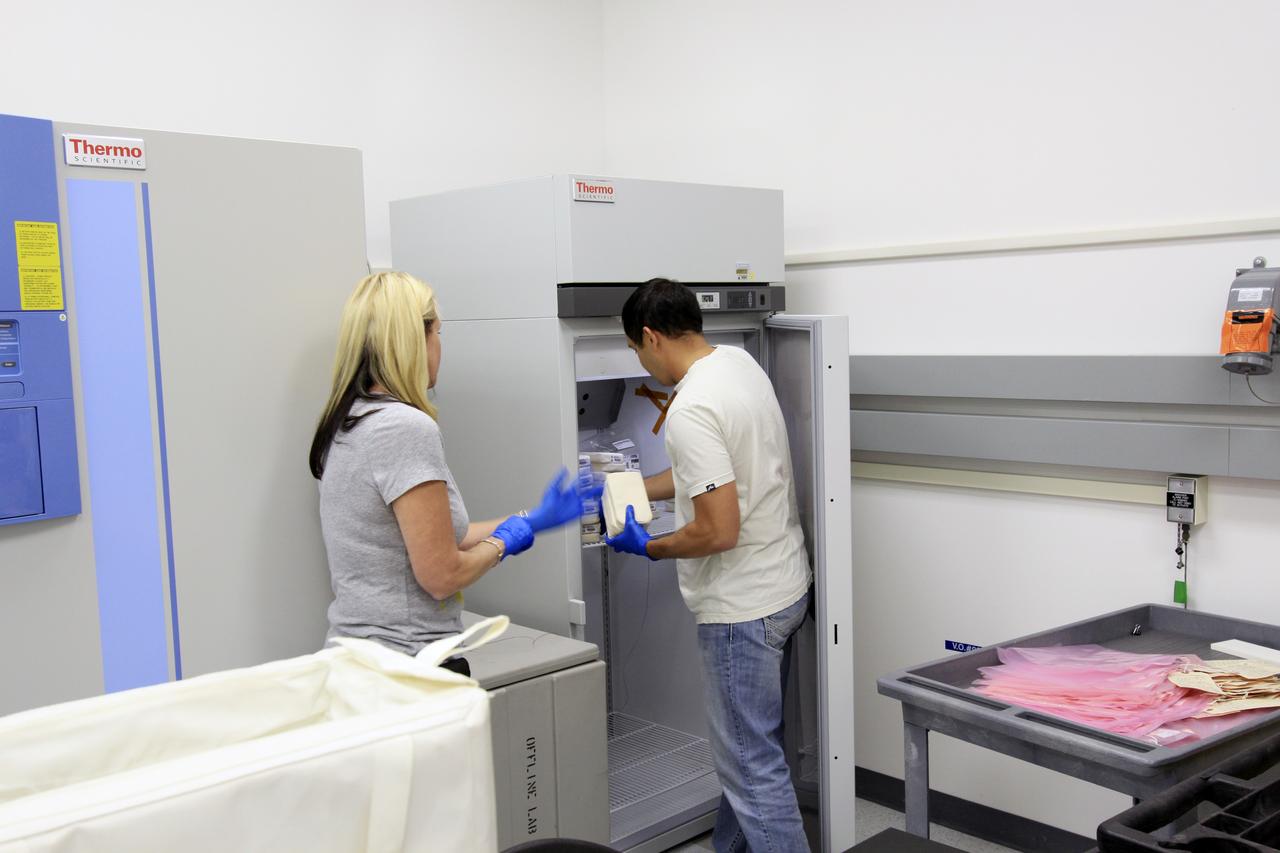
COTS-2, Cold Storage Nanorack Experiment Package for Dragon Capsule
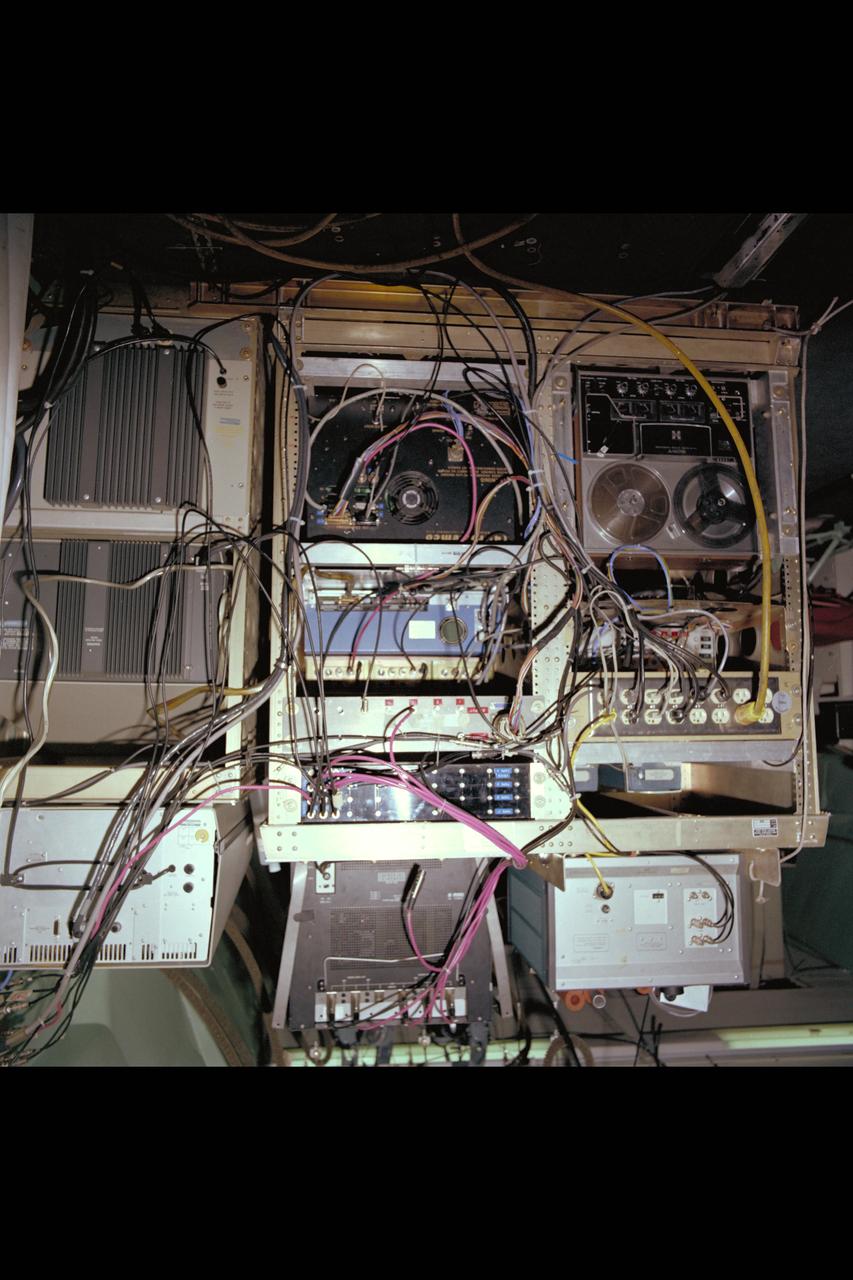
Harper Flange package instrument rack mounted in C-141 KAO Aircraft
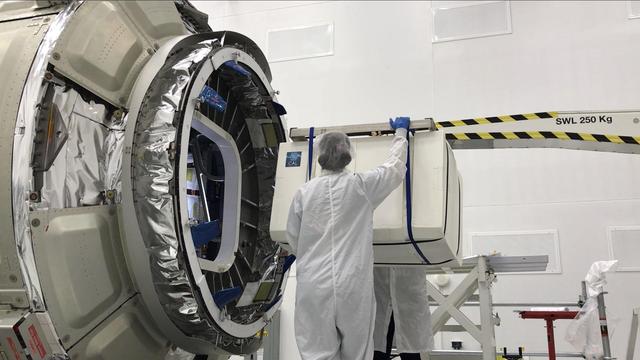
The Cold Atom Laboratory (CAL), packaged in a protective layer, is loaded onto a Northrop Grumman (formerly Orbital ATK) Cygnus spacecraft for its trip to the International Space Station. The facility launched in May 2018 from NASA's Wallops Flight Facility in Virginia. https://photojournal.jpl.nasa.gov/catalog/PIA22919

STS095-E-5055 (30 Oct. 1998) --- U.S. Sen. John H. Glenn Jr. drinks from a rehydratable beverage tube during a busy day of medical tests onboard Discovery. The photograph was taken with an electronic still camera (ESC) at 10:42:55 GMT, Oct. 30.
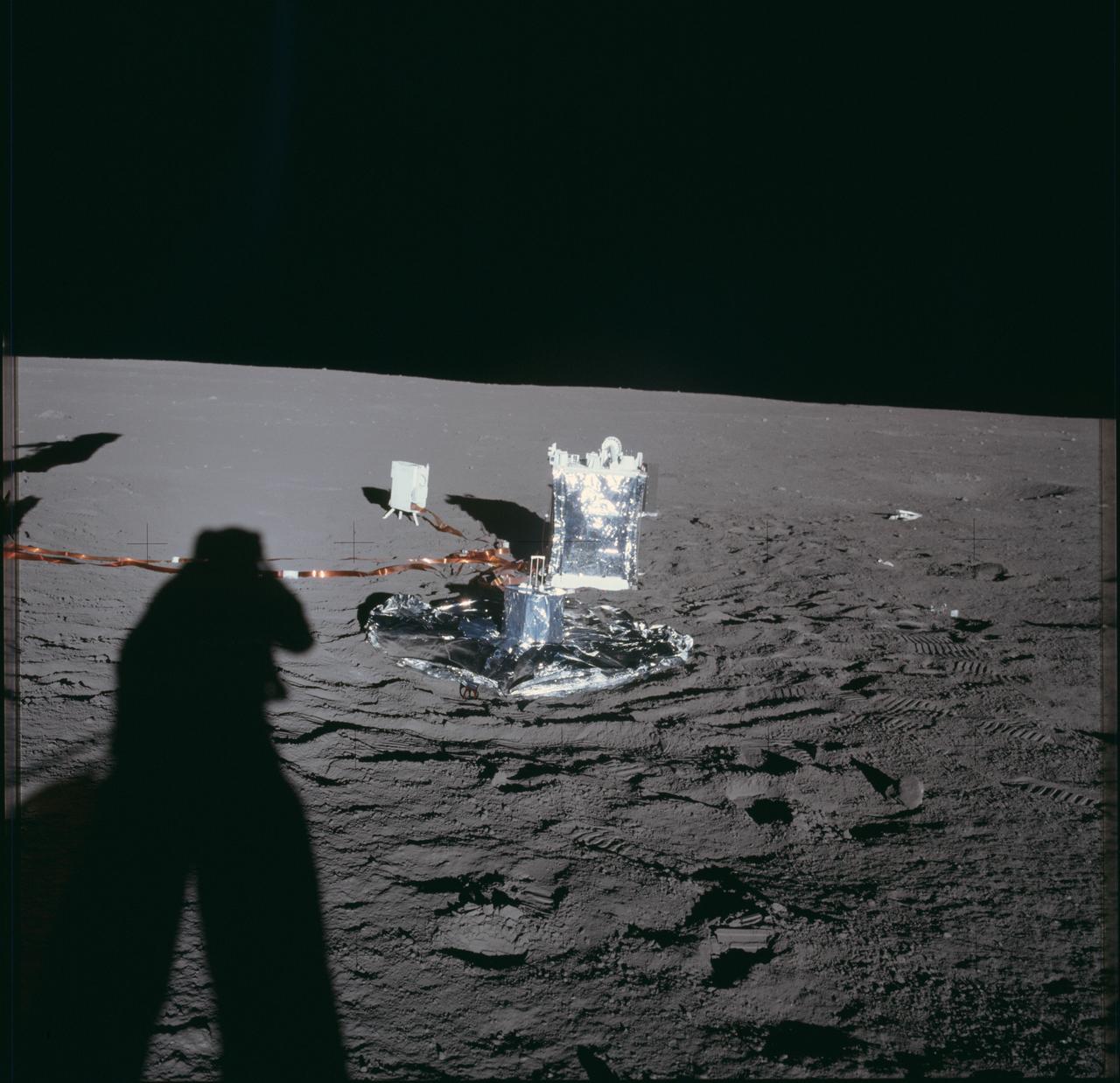
AS12-47-6918 (19 Nov. 1969) --- Astronaut Alan L. Bean, lunar module pilot, took this photograph of three of the components of the Apollo Lunar Surface Experiments Package (ALSEP) which was deployed on the moon during the first Apollo 12 extravehicular activity (EVA). The Passive Seismic Experiment (PSE) is in the center foreground. The largest object is the Central Station; and the white object on legs is the Suprathermal Ion Detector Experiment (SIDE). A portion of the shadow of astronaut Charles Conrad Jr., commander, can be seen at the left center edge of the picture. Astronaut Richard F. Gordon Jr., command module pilot, remained with the Apollo 12 Command and Service Modules (CSM) in lunar orbit while Conrad and Bean descended in the Lunar Module (LM) to explore the moon.
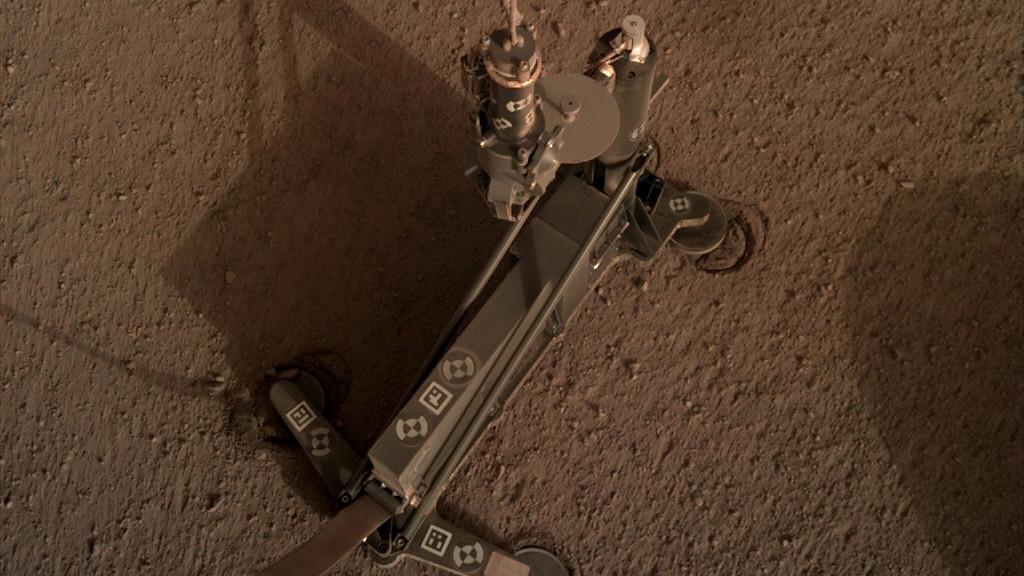
The support structure of the Heat Flow and Physical Properties Package (HP3) instrument moved slightly during hammering, as indicated by the circular "footprints" that can be seen around the instrument's footpads. These marks indicate the instrument's self-hammering mole wasn't digging as expected. This image was taken on March 4, 2019 (the 94th Martian day, or sol, of the mission). https://photojournal.jpl.nasa.gov/catalog/PIA23271
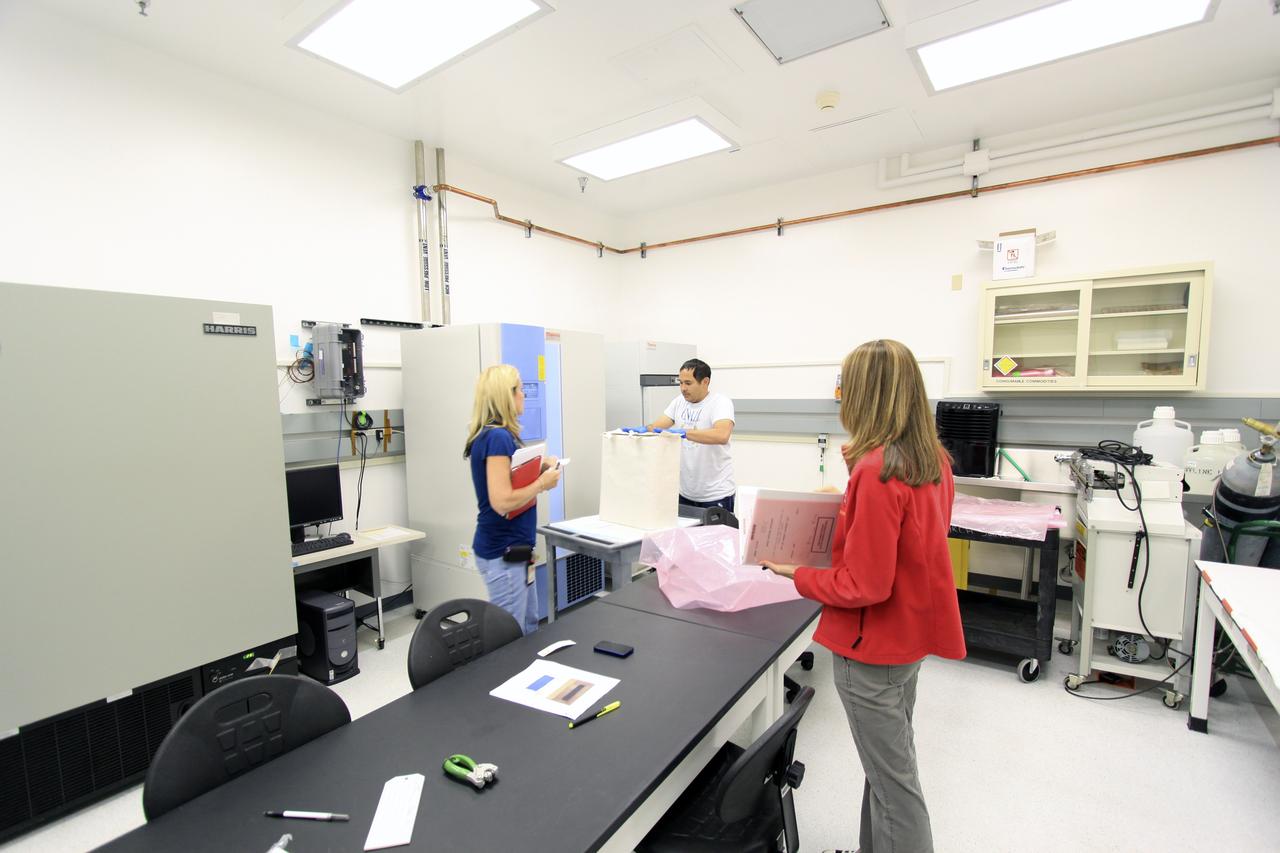
COTS-2 Cold Storage Nanorack Experiment Packaging for Dragon Capsule take from SSPF to Pad 40
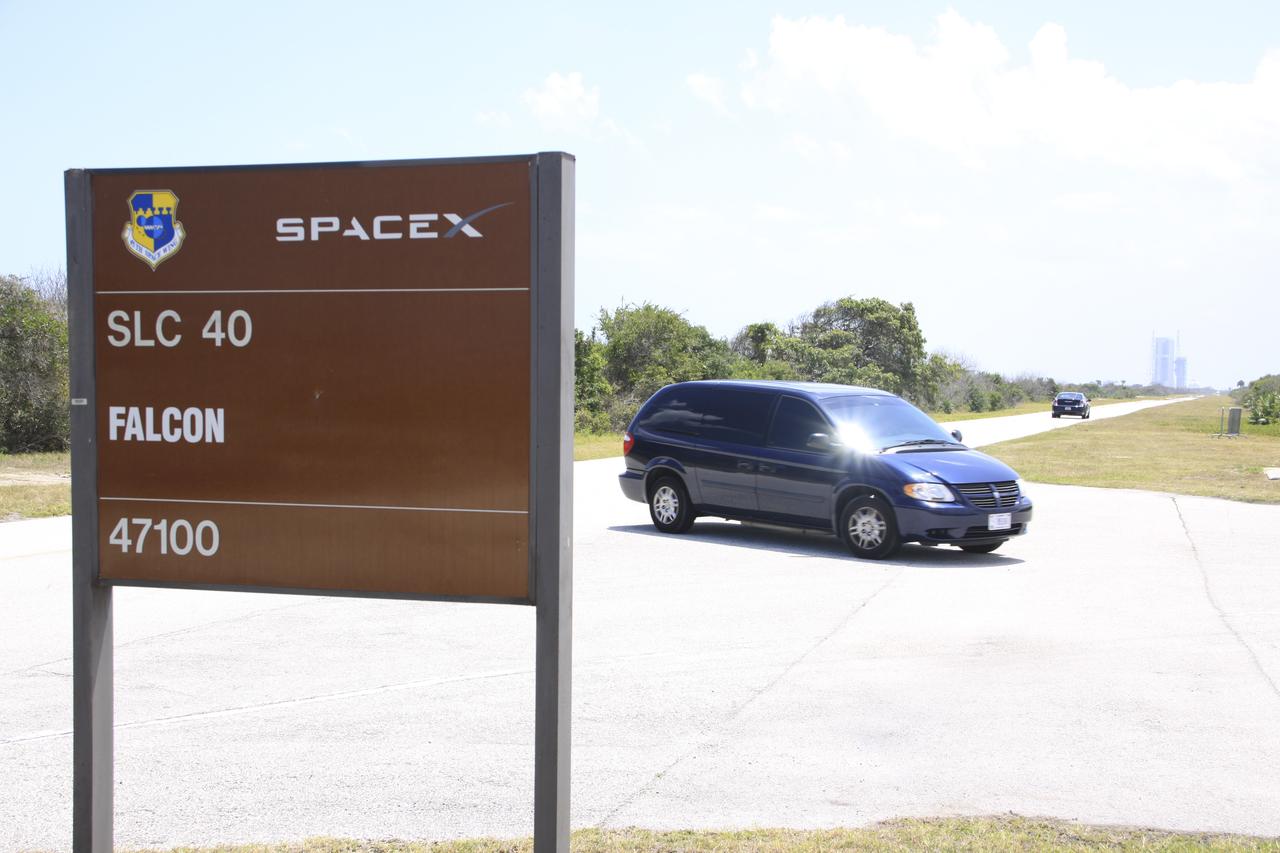
COTS-2 Cold Storage Nanorack Experiment Packaging for Dragon Capsule take from SSPF to Pad 40
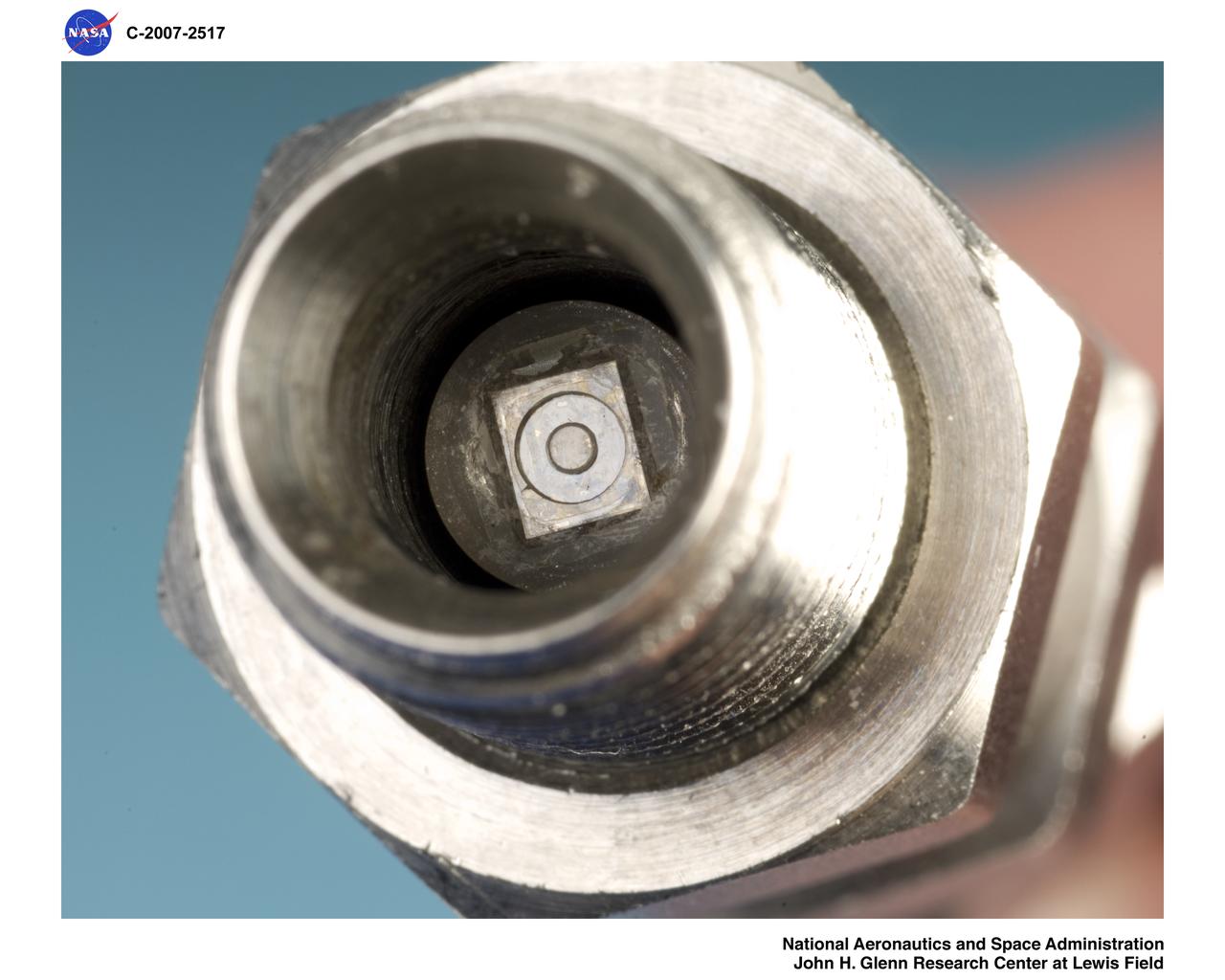
Fully Packaged Silicon Carbide Piezoresistive Pressure Transducer that measures pressures at temperature as high as 600 degrees Celsius
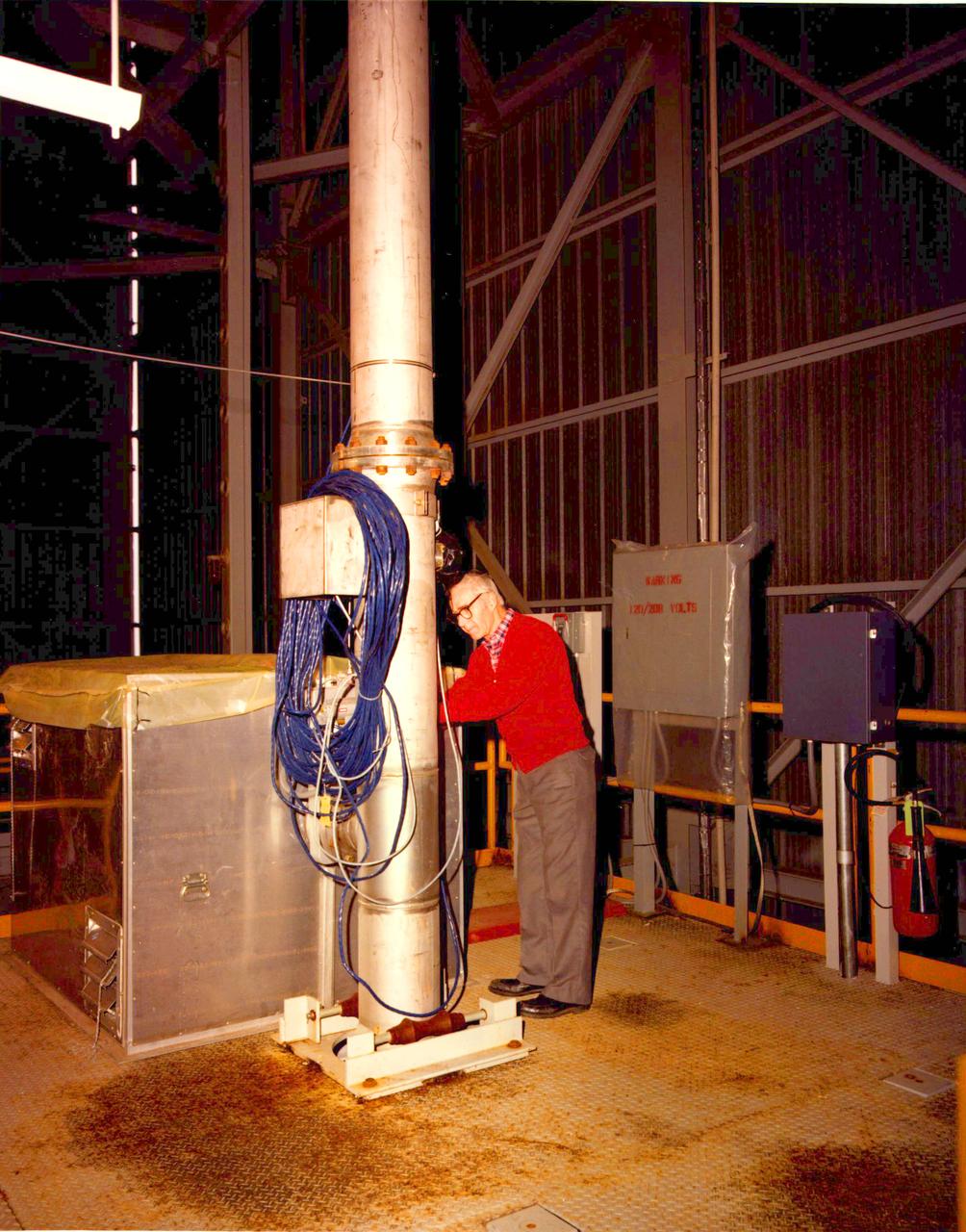
A Drop Tube is a long vertical shaft used for dropping experiment packages, enabling them to achieve microgravity through freefall.