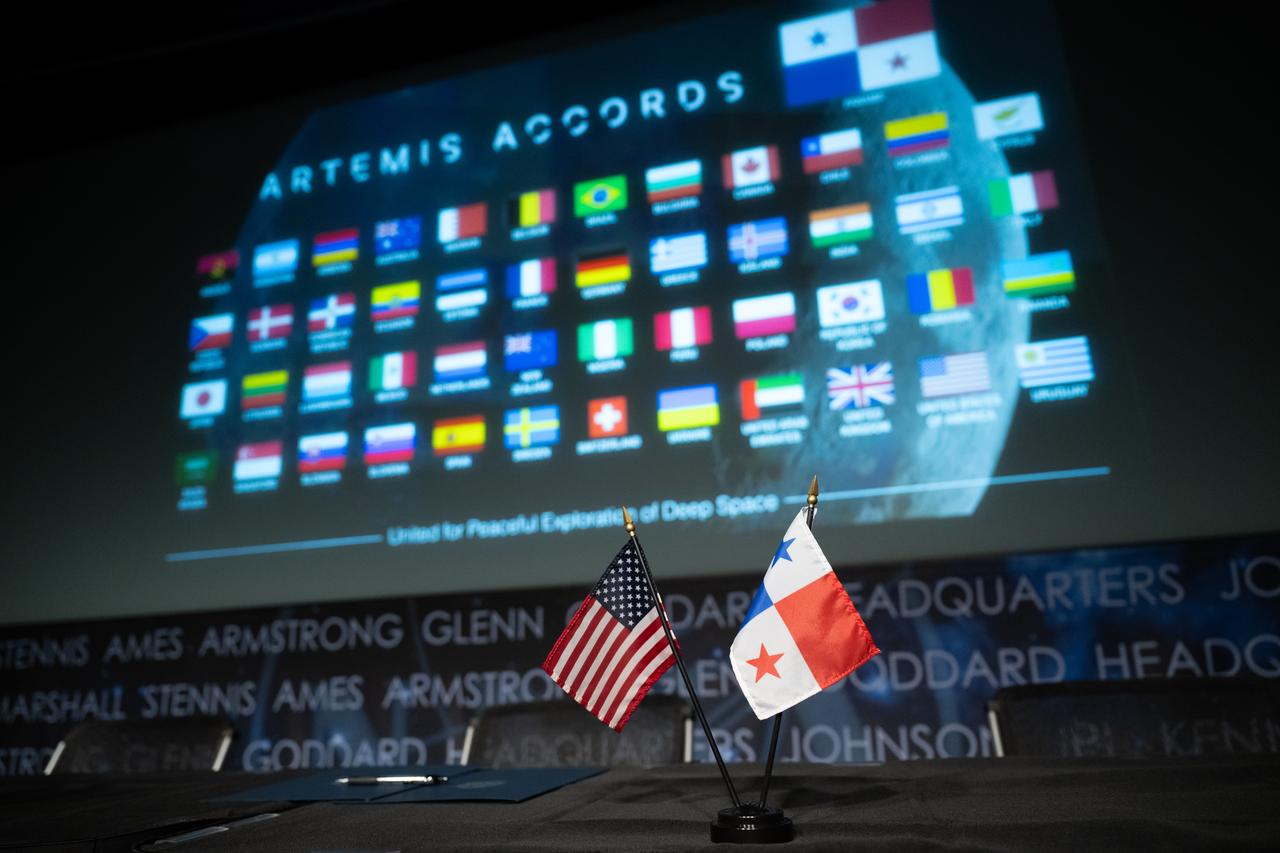
The flags of the Republic of Panama and the United States are seen ahead of the signing of the Artemis Accords, Wednesday, Dec. 11, 2024, at the Mary W. Jackson NASA Headquarters building in Washington. The Republic of Panama is the 49th country to sign the Artemis Accords, which establish a practical set of principles to guide space exploration cooperation among nations participating in NASA’s Artemis program. Photo Credit: (NASA/Joel Kowsky)
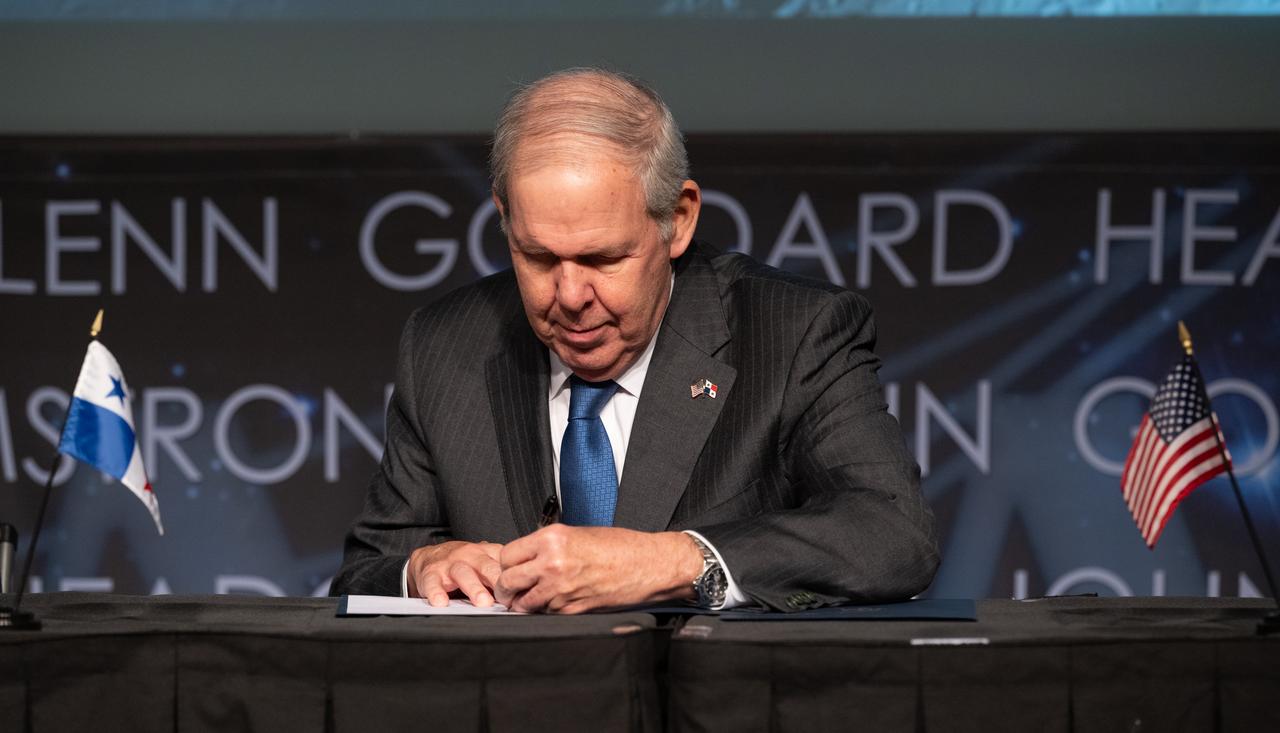
Ambassador of the Republic of Panama to the United States of America José Miguel Alemán Healy, signs the Artemis Accords, Wednesday, Dec. 11, 2024, at the Mary W. Jackson NASA Headquarters building in Washington. The Republic of Panama is the 49th country to sign the Artemis Accords, which establish a practical set of principles to guide space exploration cooperation among nations participating in NASA’s Artemis program. Photo Credit: (NASA/Joel Kowsky)
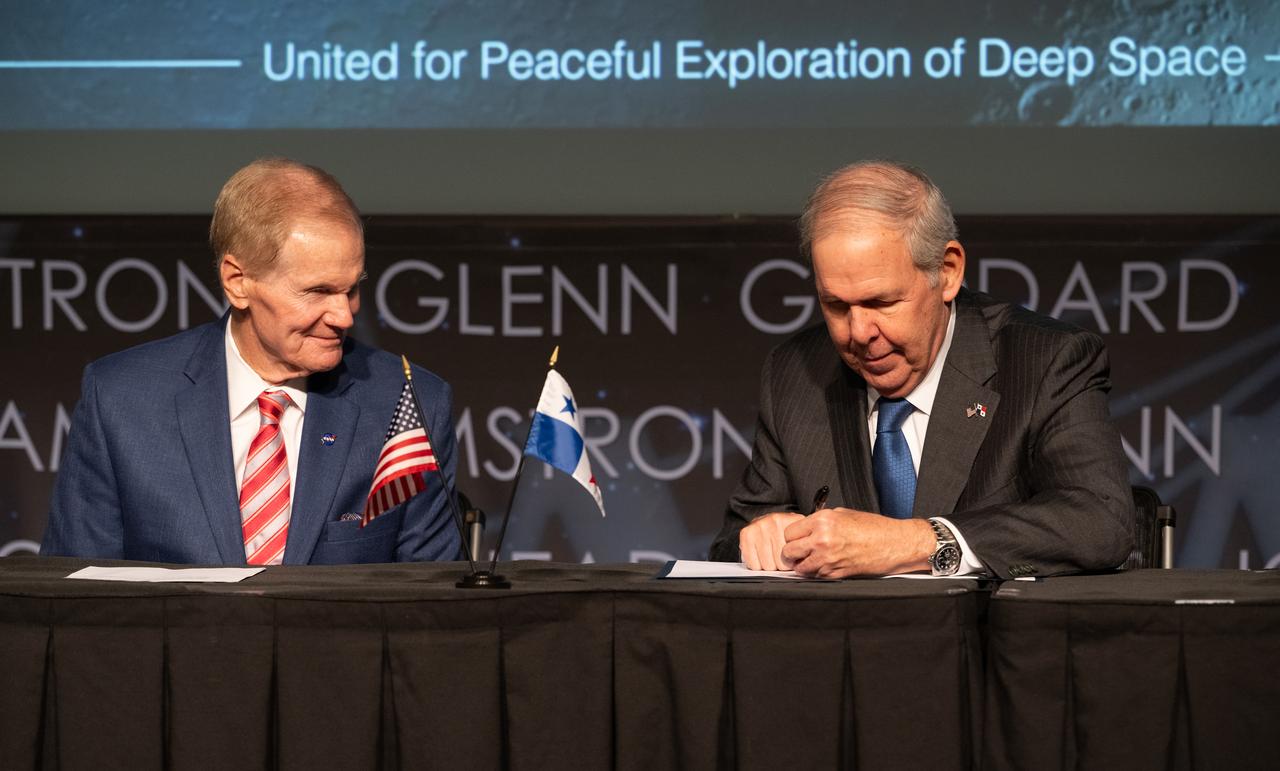
NASA Administrator Bill Nelson looks on as Ambassador of the Republic of Panama to the United States of America José Miguel Alemán Healy, signs the Artemis Accords, Wednesday, Dec. 11, 2024, at the Mary W. Jackson NASA Headquarters building in Washington. The Republic of Panama is the 49th country to sign the Artemis Accords, which establish a practical set of principles to guide space exploration cooperation among nations participating in NASA’s Artemis program. Photo Credit: (NASA/Joel Kowsky)
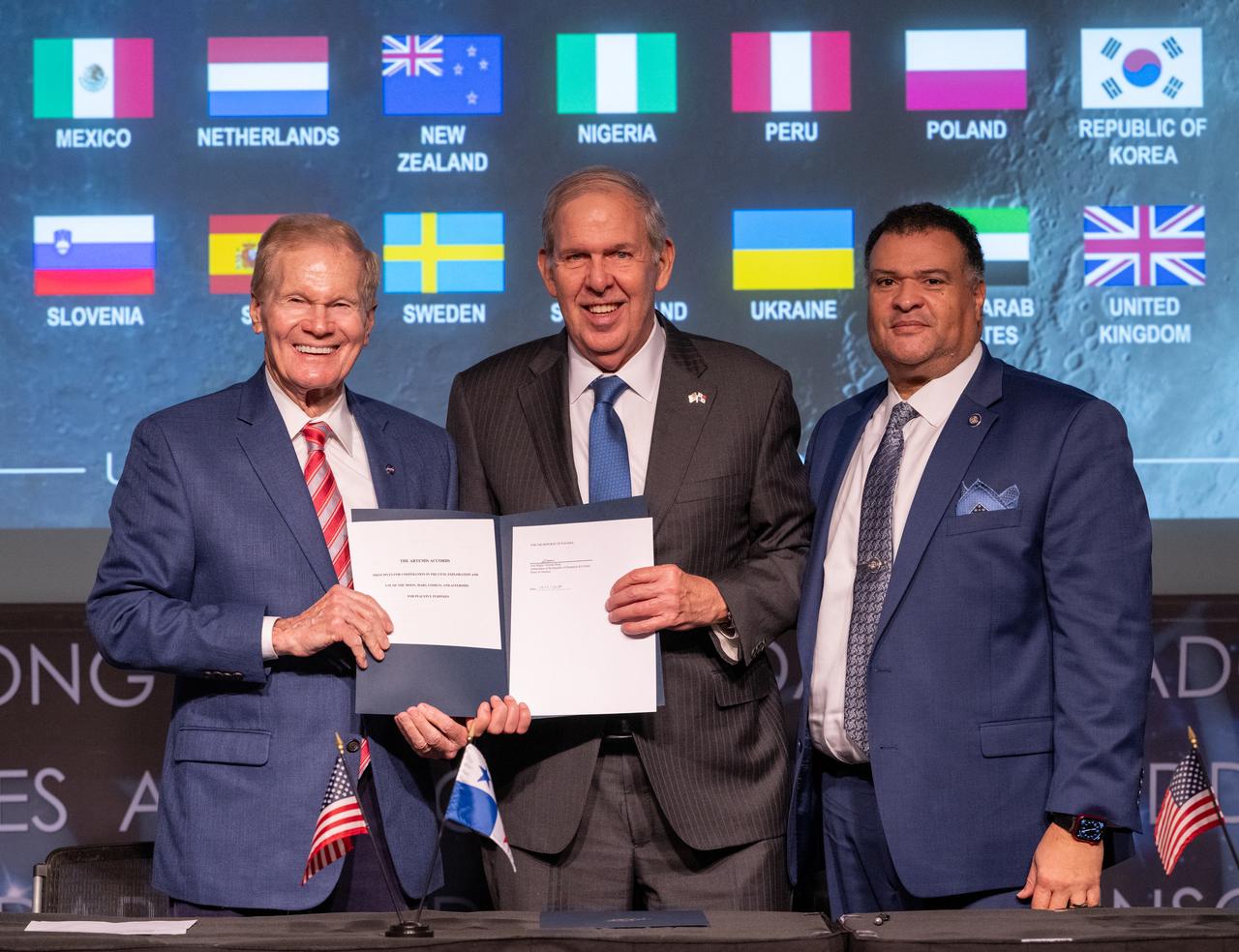
NASA Administrator Bill Nelson, left, Ambassador of the Republic of Panama to the United States of America José Miguel Alemán Healy, center, and U.S. Department of State Principal Deputy Assistant Secretary in the Bureau of Oceans and International Environmental and Scientific Affairs Tony Fernandes, pose for a picture after the Republic of Panama signed the Artemis Accords, Wednesday, Dec. 11, 2024, at the Mary W. Jackson NASA Headquarters building in Washington. The Republic of Panama is the 49th country to sign the Artemis Accords, which establish a practical set of principles to guide space exploration cooperation among nations participating in NASA’s Artemis program. Photo Credit: (NASA/Joel Kowsky)
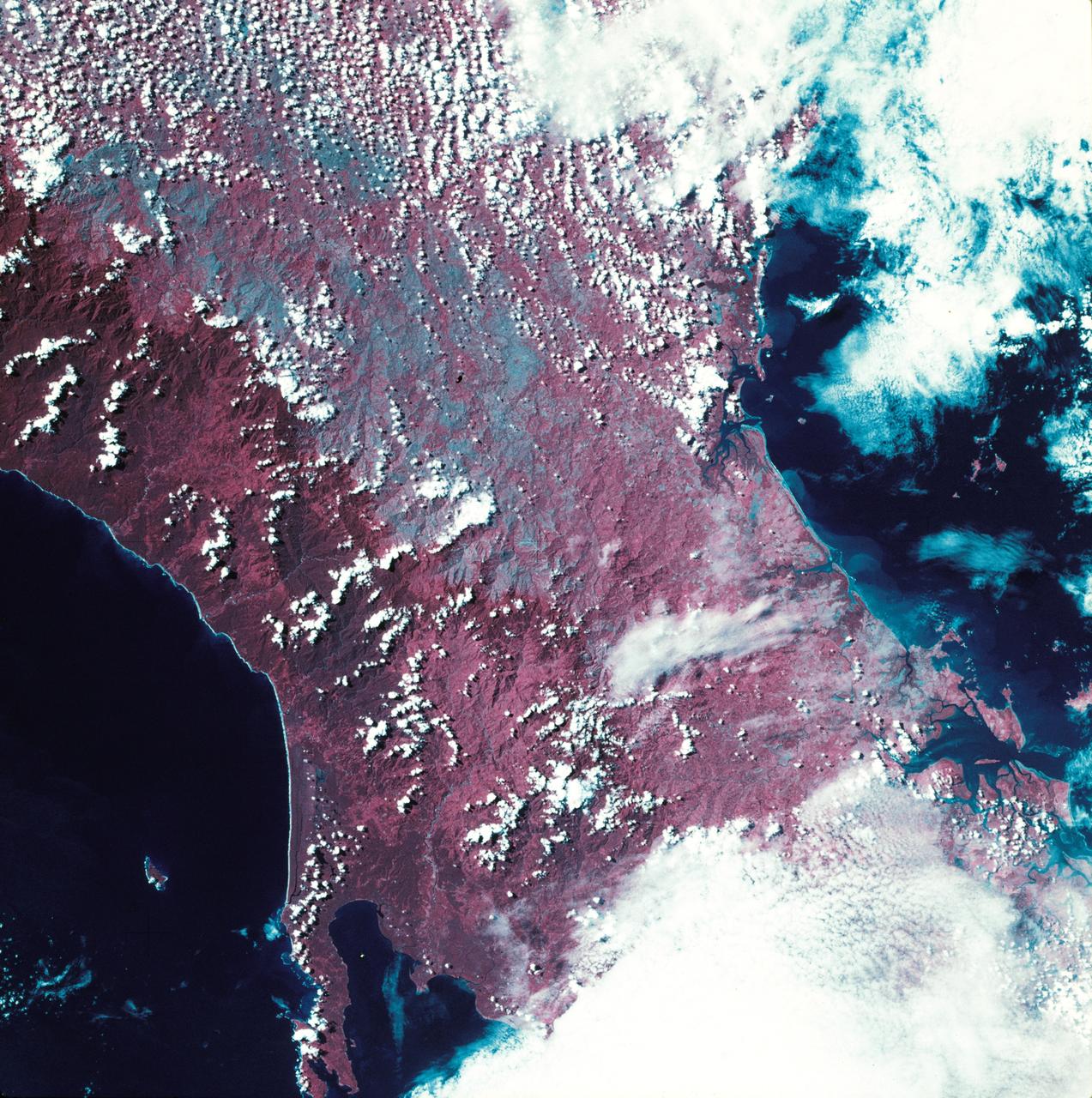
SL3-27-224 (July-September 1973) --- A vertical view of the western portion of the Republic of Panama on the Isthmus of Panama as photographed from Earth orbit by one of the six lenses of the Itek-furnished S190-A Multispectral Photographic Facility Experiment aboard the Skylab space station. This picture was taken with 2443 infrared color film. The large, clear body of water on the north side of the isthmus is Golfo de los Mosquitos, an extension of the Caribbean Sea. The large, partly cloud-covered body of water on the south side of the isthmus is Golfo de Chiriqui, an extension of the Pacific Ocean. Federal agencies participating with NASA on the EREP project are the Department of Agriculture, Commerce, Interior, the Environmental Protection Agency and the Corps of Engineers. All EREP photography is available to the public through the Department of Interior?s Earth Resources Observation Systems Data Center, Sioux Falls, South Dakota, 57198. Photo credit: NASA
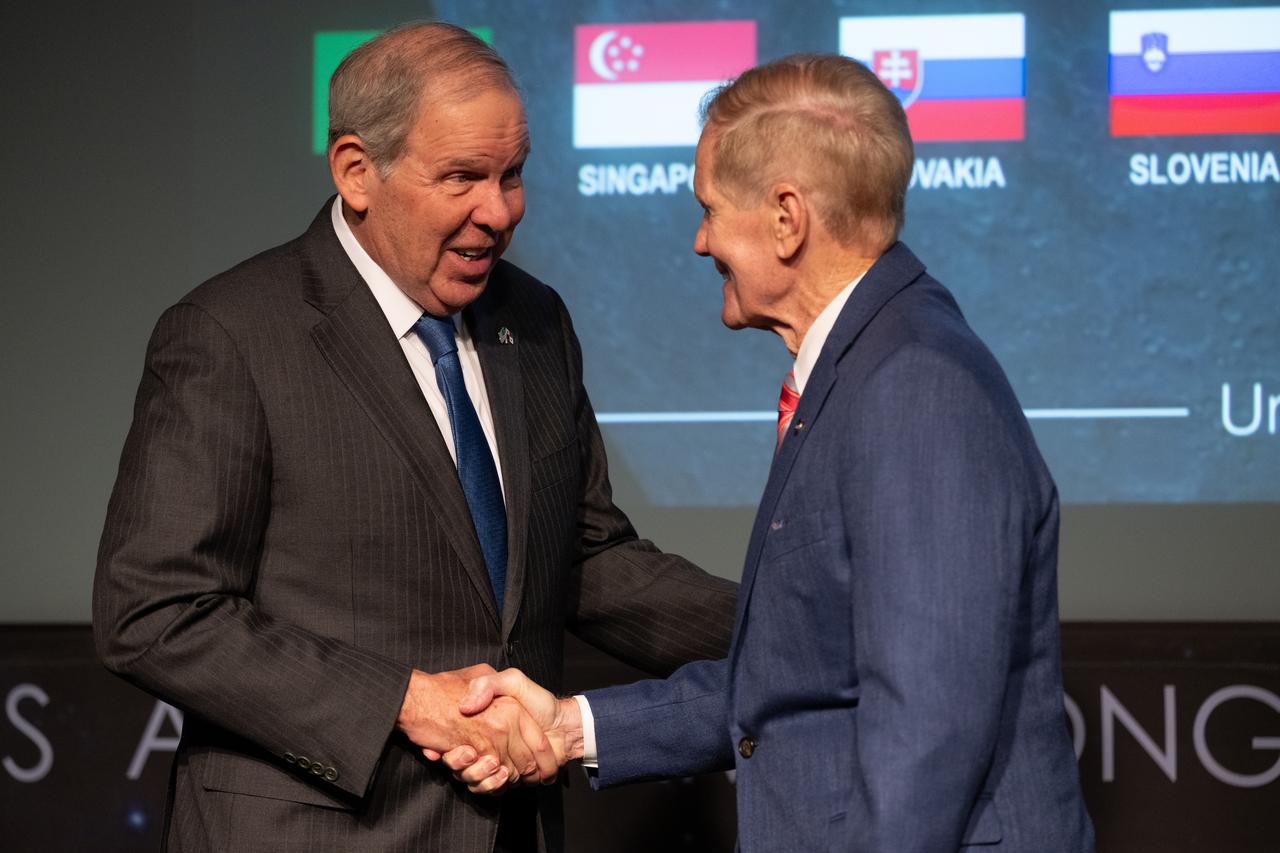
Ambassador of the Republic of Panama to the United States of America José Miguel Alemán, left, shakes hands with NASA Administrator Bill Nelson after delivering remarks during an Artemis Accords signing ceremony, Wednesday, Dec. 11, 2024, at the Mary W. Jackson NASA Headquarters building in Washington. The Republic of Armenia is the 49th country to sign the Artemis Accords, which establish a practical set of principles to guide space exploration cooperation among nations participating in NASA’s Artemis program. Photo Credit: (NASA/Joel Kowsky)
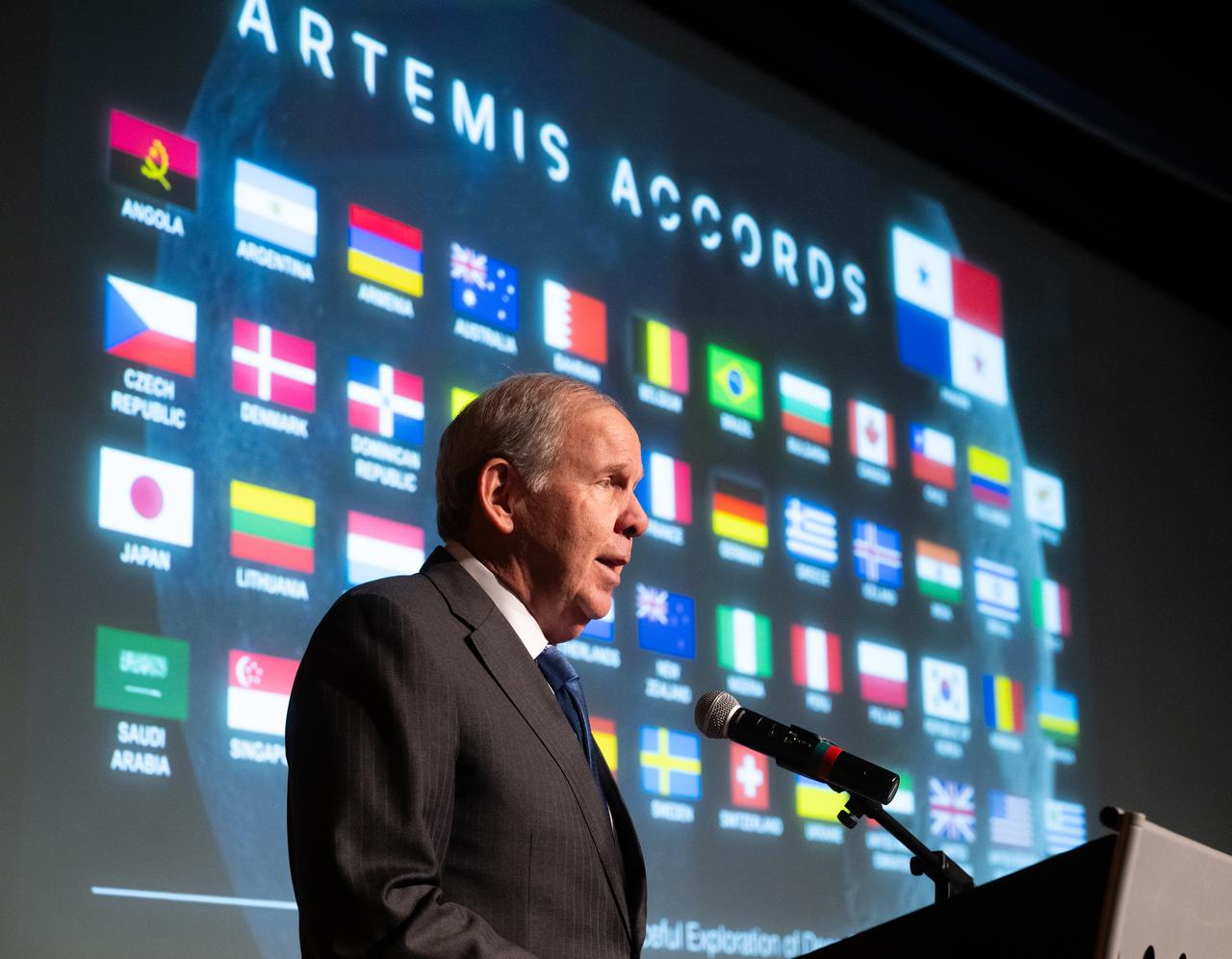
Ambassador of the Republic of Panama to the United States of America José Miguel Alemán delivers remarks during an Artemis Accords signing ceremony, Wednesday, Dec. 11, 2024, at the Mary W. Jackson NASA Headquarters building in Washington. The Republic of Armenia is the 49th country to sign the Artemis Accords, which establish a practical set of principles to guide space exploration cooperation among nations participating in NASA’s Artemis program. Photo Credit: (NASA/Joel Kowsky)
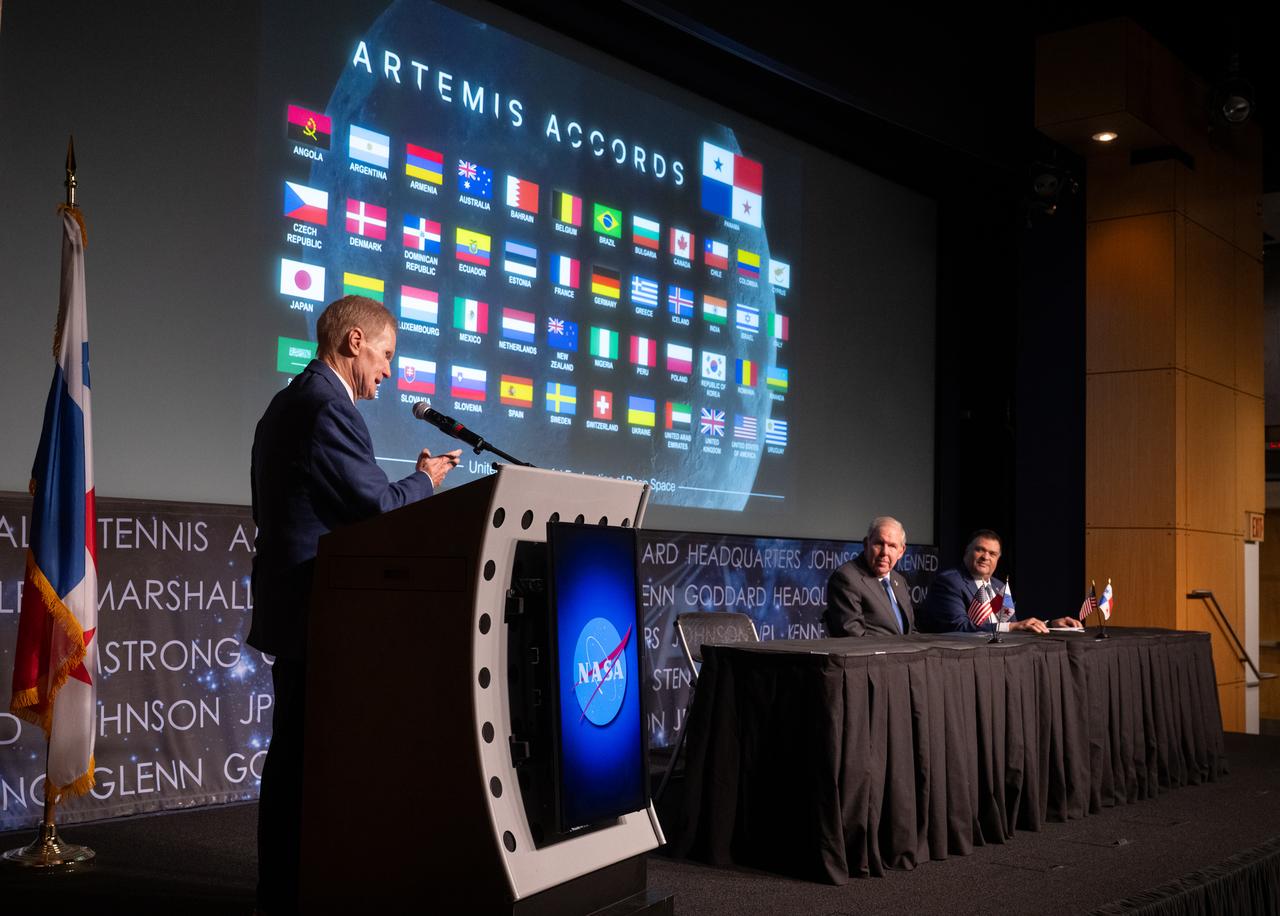
NASA Administrator Bill Nelson delivers remarks as Ambassador of the Republic of Panama to the United States of America José Miguel Alemán, center, and U.S. Department of State Principal Deputy Assistant Secretary in the Bureau of Oceans and International Environmental and Scientific Affairs Tony Fernandes look on during an Artemis Accords signing ceremony, Wednesday, Dec. 11, 2024, at the Mary W. Jackson NASA Headquarters building in Washington. The Republic of Armenia is the 49th country to sign the Artemis Accords, which establish a practical set of principles to guide space exploration cooperation among nations participating in NASA’s Artemis program. Photo Credit: (NASA/Joel Kowsky)
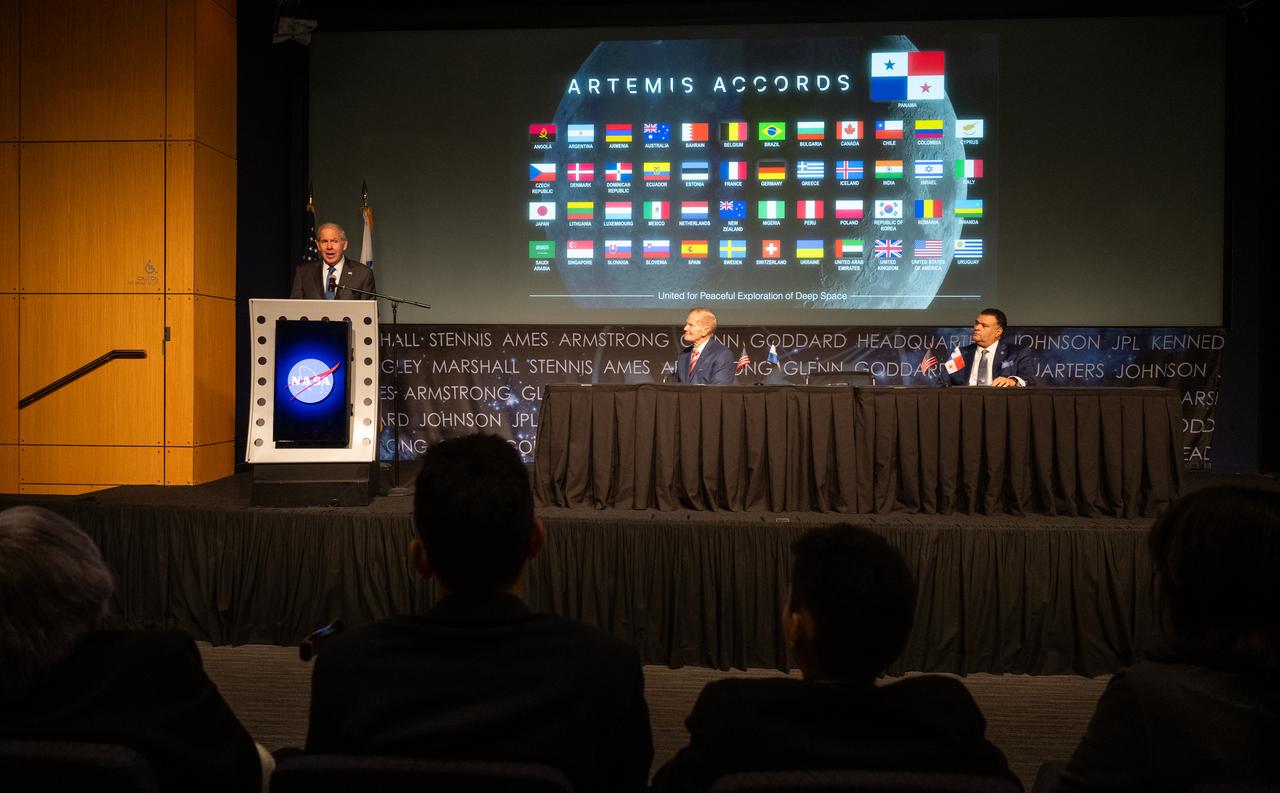
Ambassador of the Republic of Panama to the United States of America José Miguel Alemán, left, delivers remarks as NASA Administrator Bill Nelson, and U.S. Department of State Principal Deputy Assistant Secretary in the Bureau of Oceans and International Environmental and Scientific Affairs Tony Fernandes look on during an Artemis Accords signing ceremony, Wednesday, Dec. 11, 2024, at the Mary W. Jackson NASA Headquarters building in Washington. The Republic of Armenia is the 49th country to sign the Artemis Accords, which establish a practical set of principles to guide space exploration cooperation among nations participating in NASA’s Artemis program. Photo Credit: (NASA/Joel Kowsky)
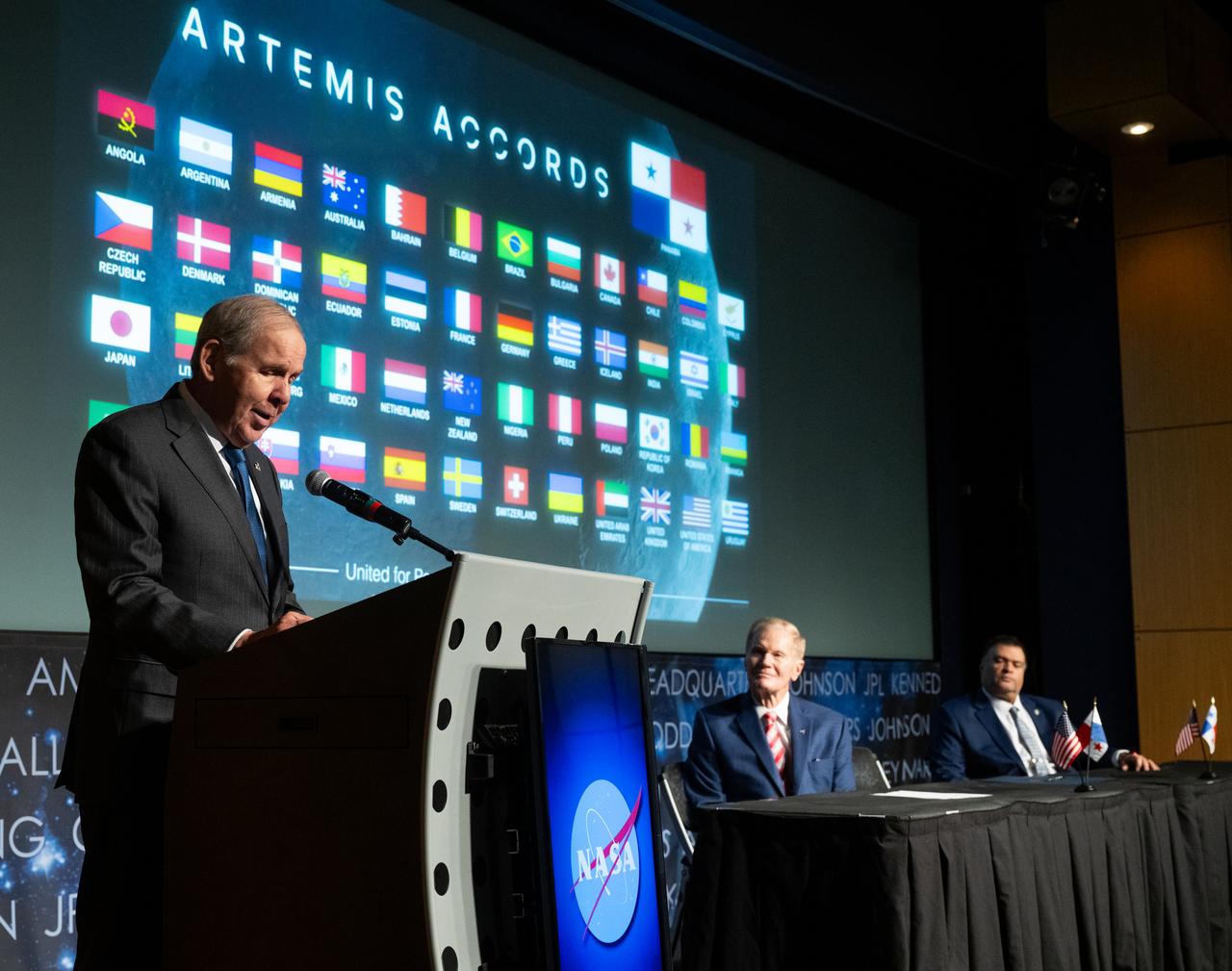
Ambassador of the Republic of Panama to the United States of America José Miguel Alemán delivers remarks as NASA Administrator Bill Nelson, center, and U.S. Department of State Principal Deputy Assistant Secretary in the Bureau of Oceans and International Environmental and Scientific Affairs Tony Fernandes look on during an Artemis Accords signing ceremony, Wednesday, Dec. 11, 2024, at the Mary W. Jackson NASA Headquarters building in Washington. The Republic of Armenia is the 49th country to sign the Artemis Accords, which establish a practical set of principles to guide space exploration cooperation among nations participating in NASA’s Artemis program. Photo Credit: (NASA/Joel Kowsky)
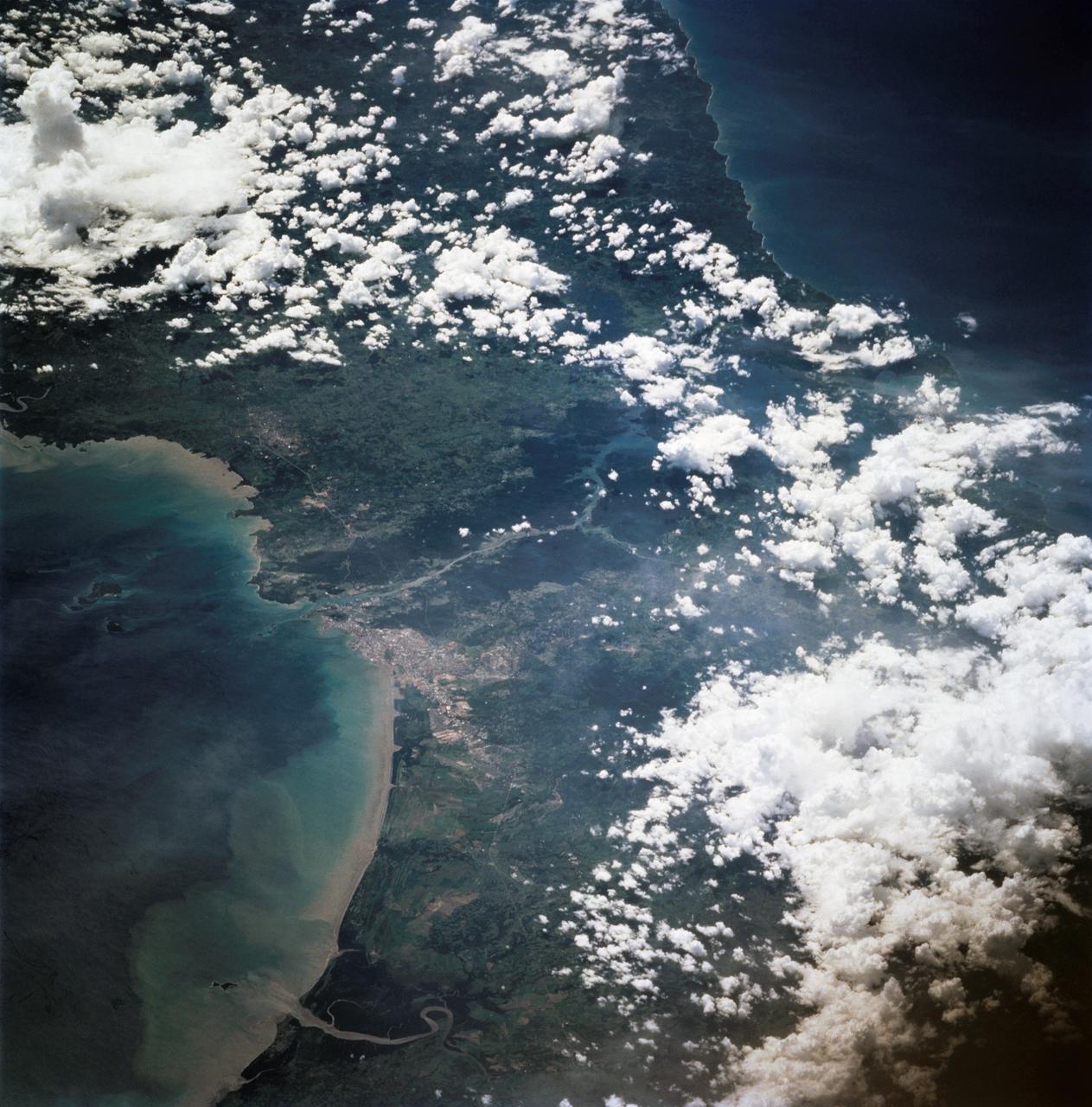
STS068-237-099 (30 September-11 October 1994) --- This 70mm frame shows the Panama Canal (center, between the two dark green belts) the main ship way to travel from the Atlantic to the Pacific Ocean. Also seen is a great deal of detail in Panama City (left center, on the Pacific Ocean coastline). Geologists studying the photography returned by Shuttle astronauts feel this picture is the best ever of the city. Agricultural fields can be seen on the east side of Panama City and on both sides of the Pan American Highway (the straight thin line extending to the left). Sedimentation in the Chepo River (upper left) is thought to be due to eroded soil from the agricultural lands near the sea. This river is surrounded by swamps lying along the Pacific coastline.
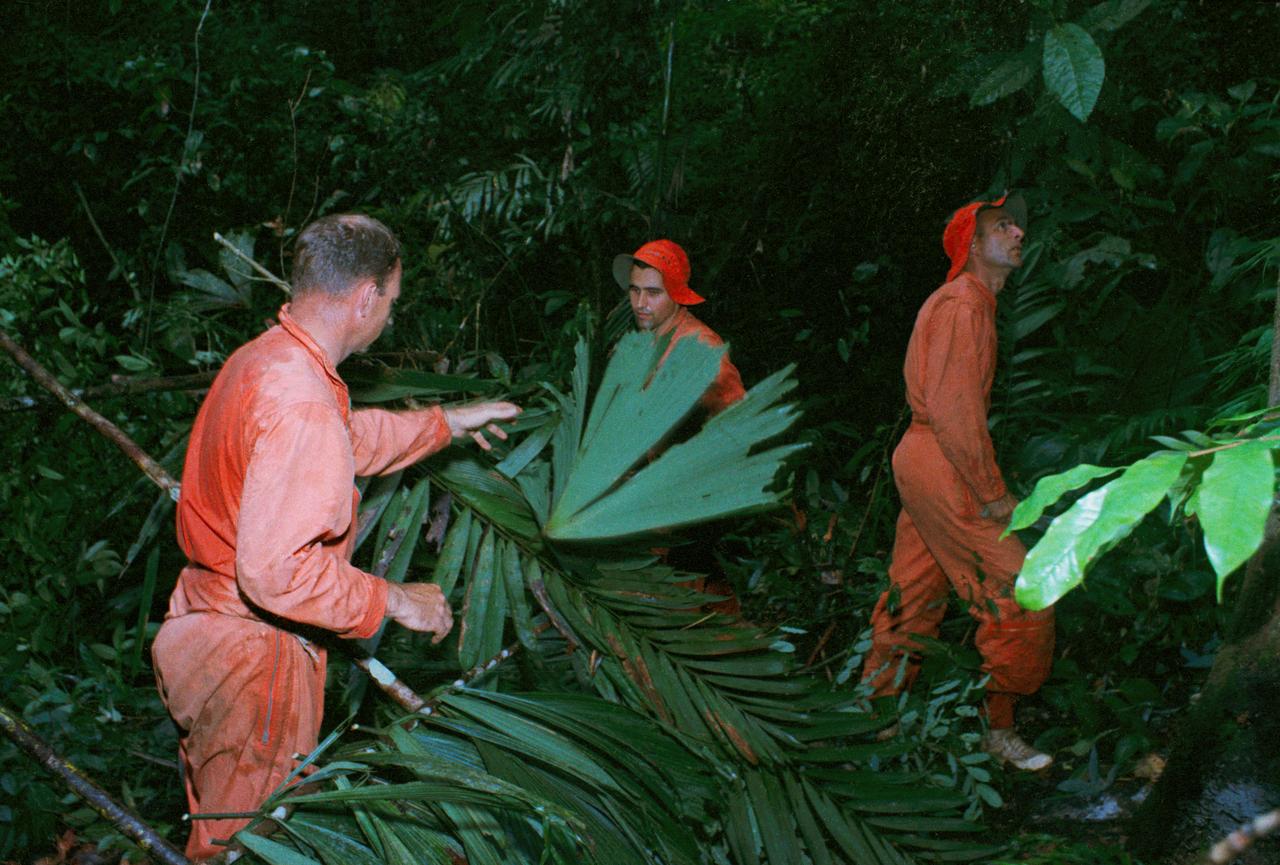
Group of Astronauts during Jungle Survival Training. JUNGLE SURVIVAL SCHOOL, PANAMA 06/12-16/1967 CN
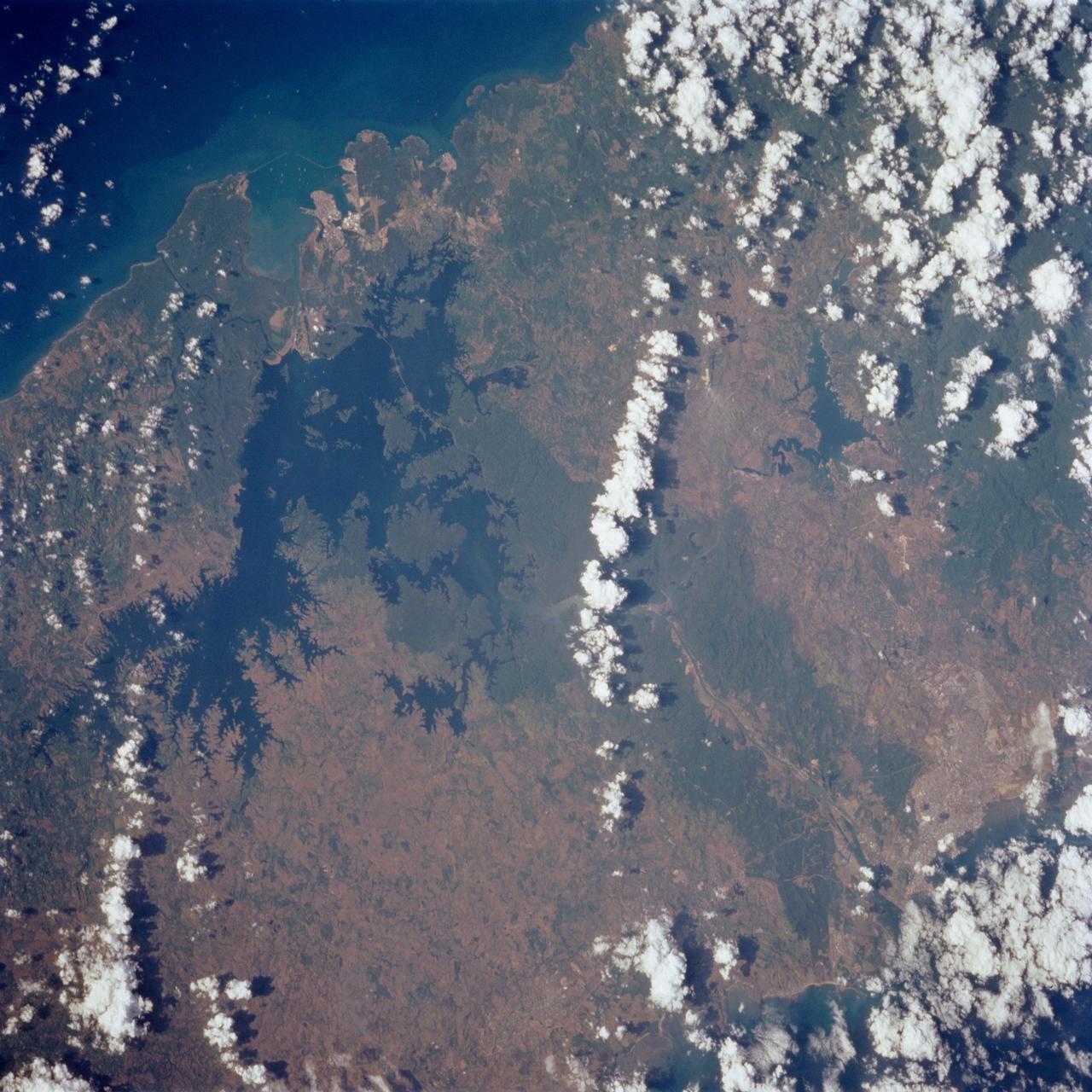
STS062-85-095 (4-18 March 1994) --- Gatun Lake and the forested Panama Canal Zone can be seen in this north northwest-looking low oblique photograph obtained in March 1994. The shipping chanel of the canal is 82.4 kilometers (51.2 miles) long, though the canal zone is only 65 kilometers (40 miles) long. The width of the canal zones extends generally 8 kilometers (5 miles) on either side of the shipping channel, except near Madden Lake. The canal connects the Atlantic Ocean (coastal city of Colon) with the Pacific Ocean near Panama City in a line that takes a northwest to southeast course because of the configuration of the isthmus. The canal zigzags across the isthmus to take advantage of the geographic features of the area such as the Chagres River. The controlled water supply for the canal is provided by the three artificial lakes: Gatun near the Atlantic terminus, Miraflores near the Pacific terminus and Madden about halfway across the isthmus. Gatun is the largest of the three lakes covering an area of 429 square kilometers (165 square miles). In the midst of this lake is Barro Colorado Island, a world-famous wild game perserve. Madden Lake was built as a large supplemental reservoir to keep water levels up in the canal during the dry season. All three lakes are vital sources of water for maintaining the ship channel over the continental divide (Gaillard Cut) and for regulating the flow of water that enables hugh vessels to be lifted and lowered in massive locks.
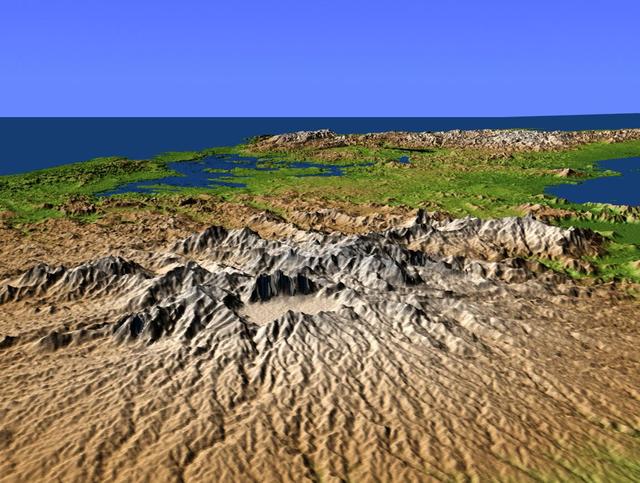
This perspective view from NASA Shuttle Radar Topography Mission SRTM, acquired on February 2000, shows central Panama, with the remnants of the extinct volcano El Valle in the foreground and the Caribbean Sea in the distance.
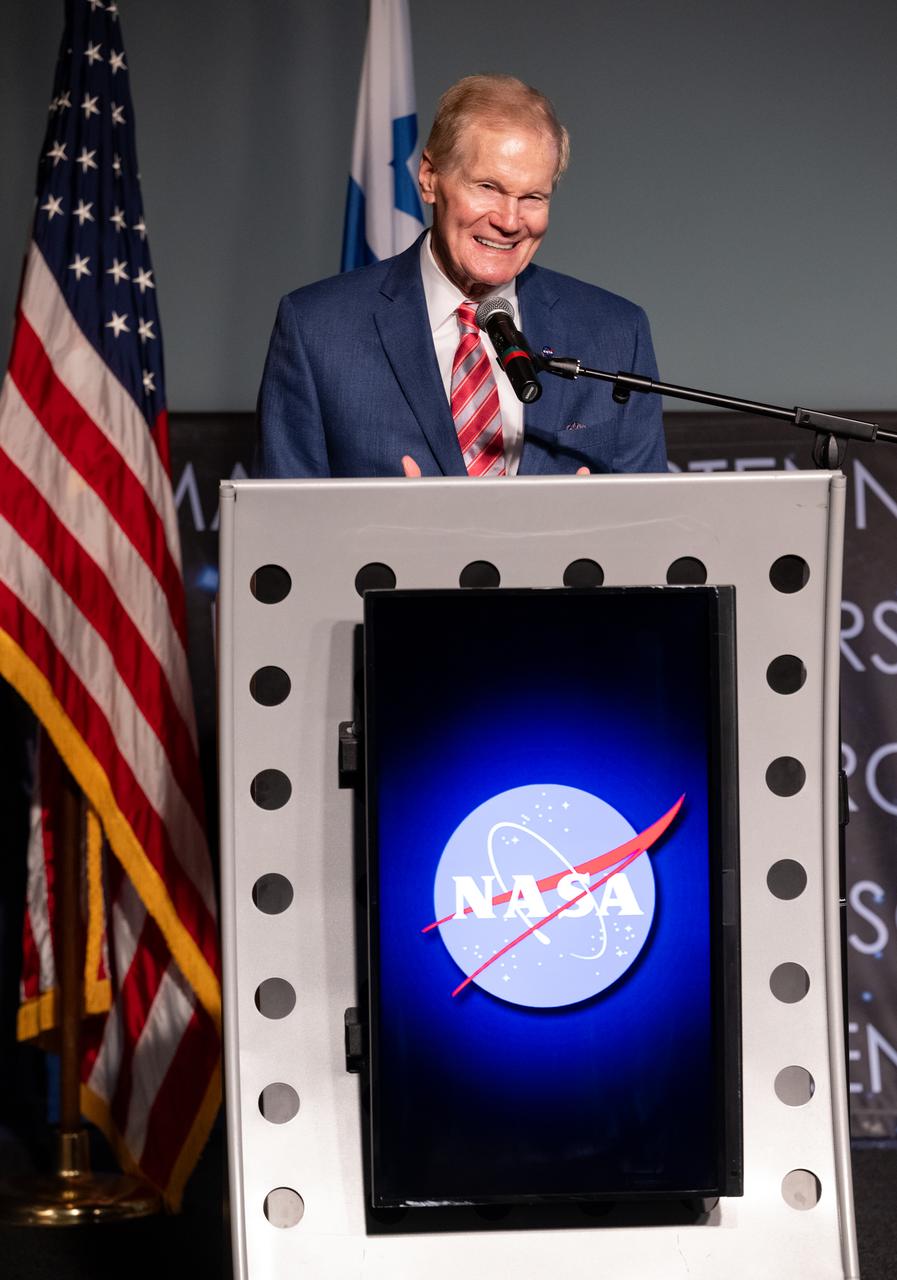
NASA Administrator Bill Nelson delivers remarks during an Artemis Accords signing ceremony, Wednesday, Dec. 11, 2024, at the Mary W. Jackson NASA Headquarters building in Washington. The Republic of Armenia is the 49th country to sign the Artemis Accords, which establish a practical set of principles to guide space exploration cooperation among nations participating in NASA’s Artemis program. Photo Credit: (NASA/Joel Kowsky)
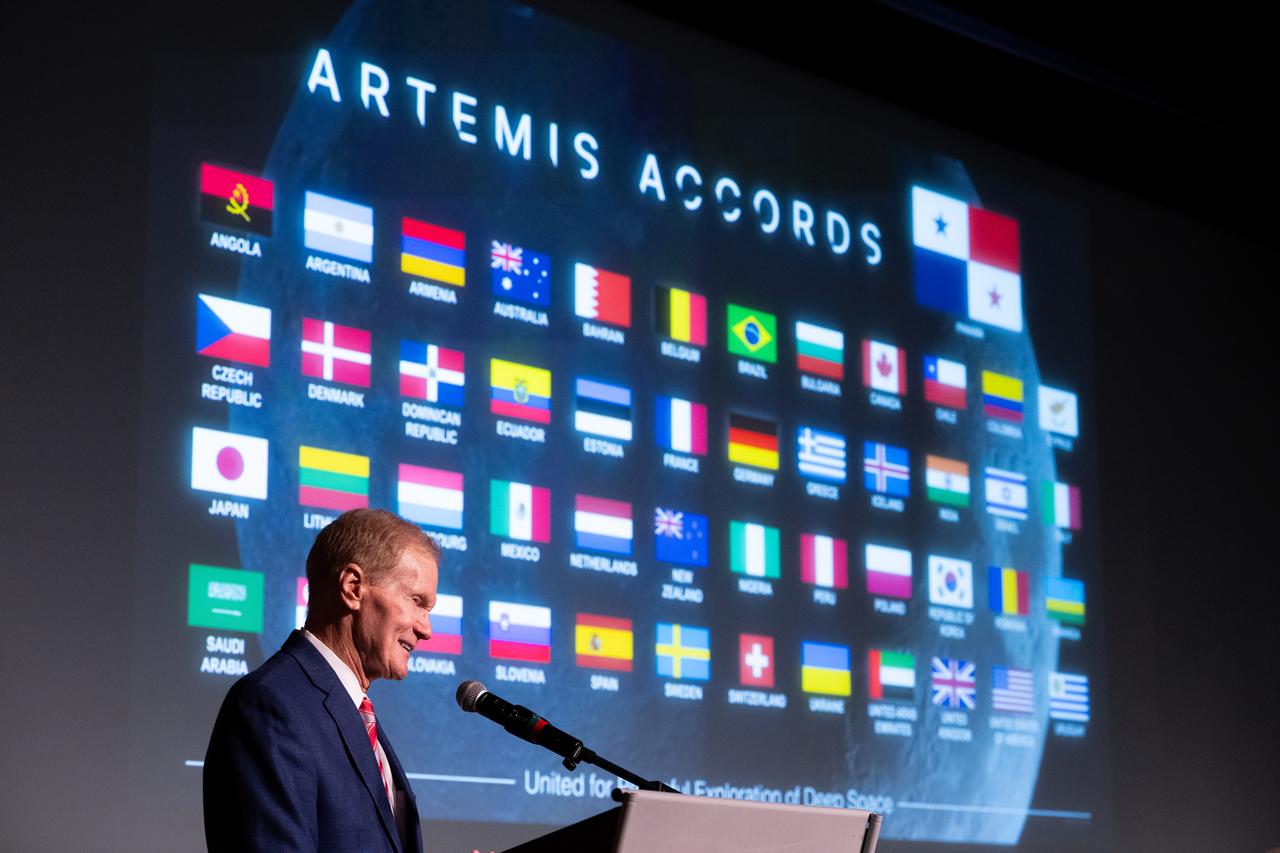
NASA Administrator Bill Nelson delivers remarks during an Artemis Accords signing ceremony, Wednesday, Dec. 11, 2024, at the Mary W. Jackson NASA Headquarters building in Washington. The Republic of Armenia is the 49th country to sign the Artemis Accords, which establish a practical set of principles to guide space exploration cooperation among nations participating in NASA’s Artemis program. Photo Credit: (NASA/Joel Kowsky)
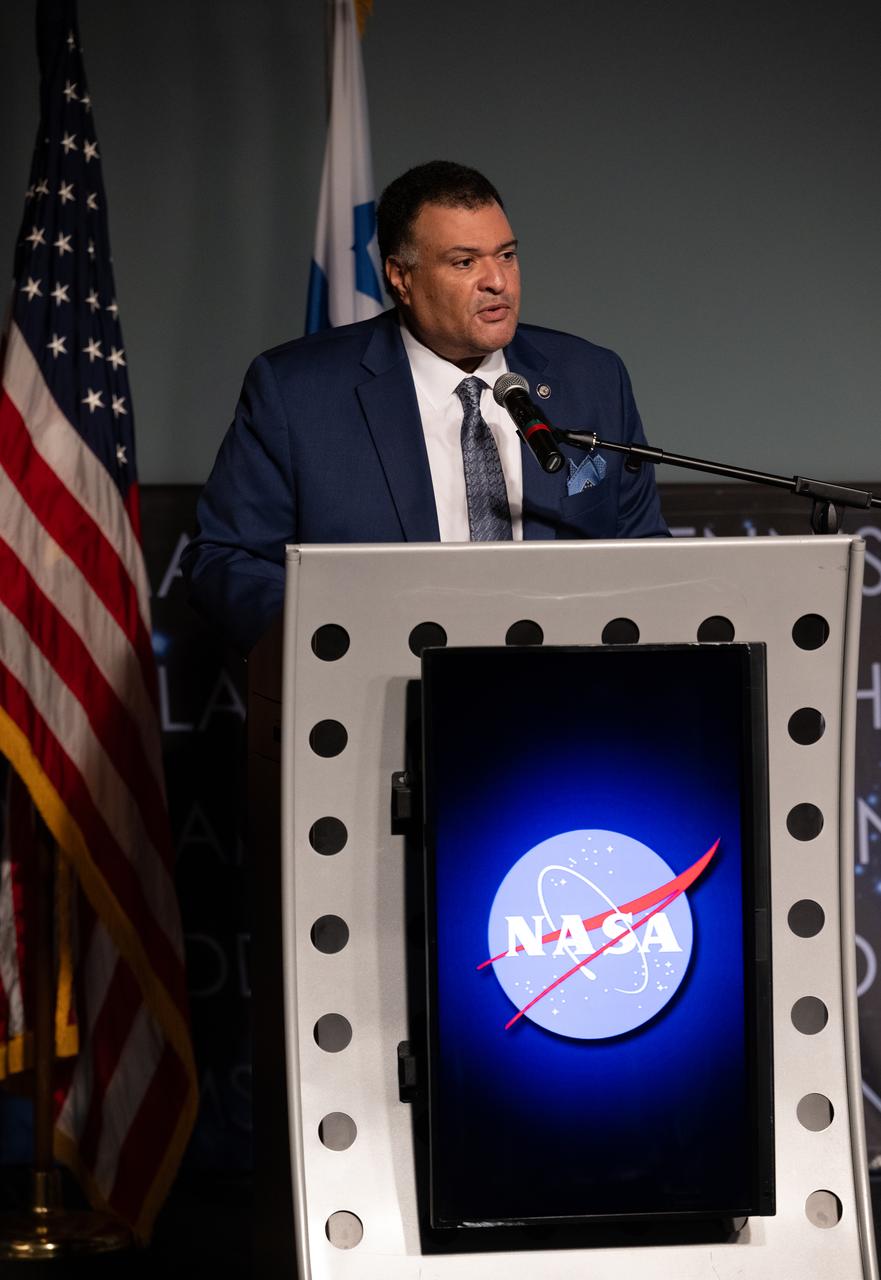
U.S. Department of State Principal Deputy Assistant Secretary in the Bureau of Oceans and International Environmental and Scientific Affairs Tony Fernandes delivers remarks during an Artemis Accords signing ceremony, Wednesday, Dec. 11, 2024, at the Mary W. Jackson NASA Headquarters building in Washington. The Republic of Armenia is the 49th country to sign the Artemis Accords, which establish a practical set of principles to guide space exploration cooperation among nations participating in NASA’s Artemis program. Photo Credit: (NASA/Joel Kowsky)
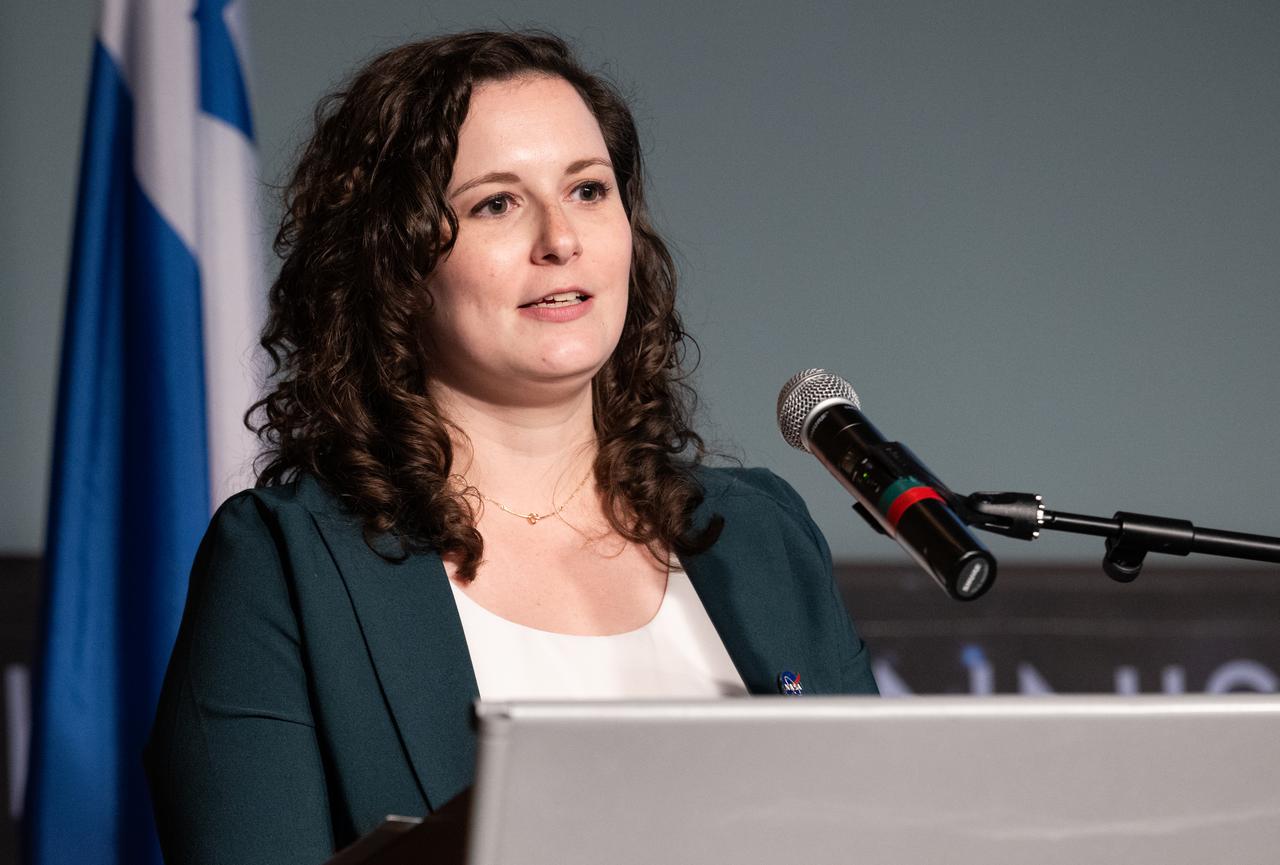
Meira Bernstein, NASA Press Secretary, introduces NASA Administrator Bill Nelson at an Artemis Accords signing ceremony, Wednesday, Dec. 11, 2024, at the Mary W. Jackson NASA Headquarters building in Washington. The Republic of Armenia is the 49th country to sign the Artemis Accords, which establish a practical set of principles to guide space exploration cooperation among nations participating in NASA’s Artemis program. Photo Credit: (NASA/Joel Kowsky)
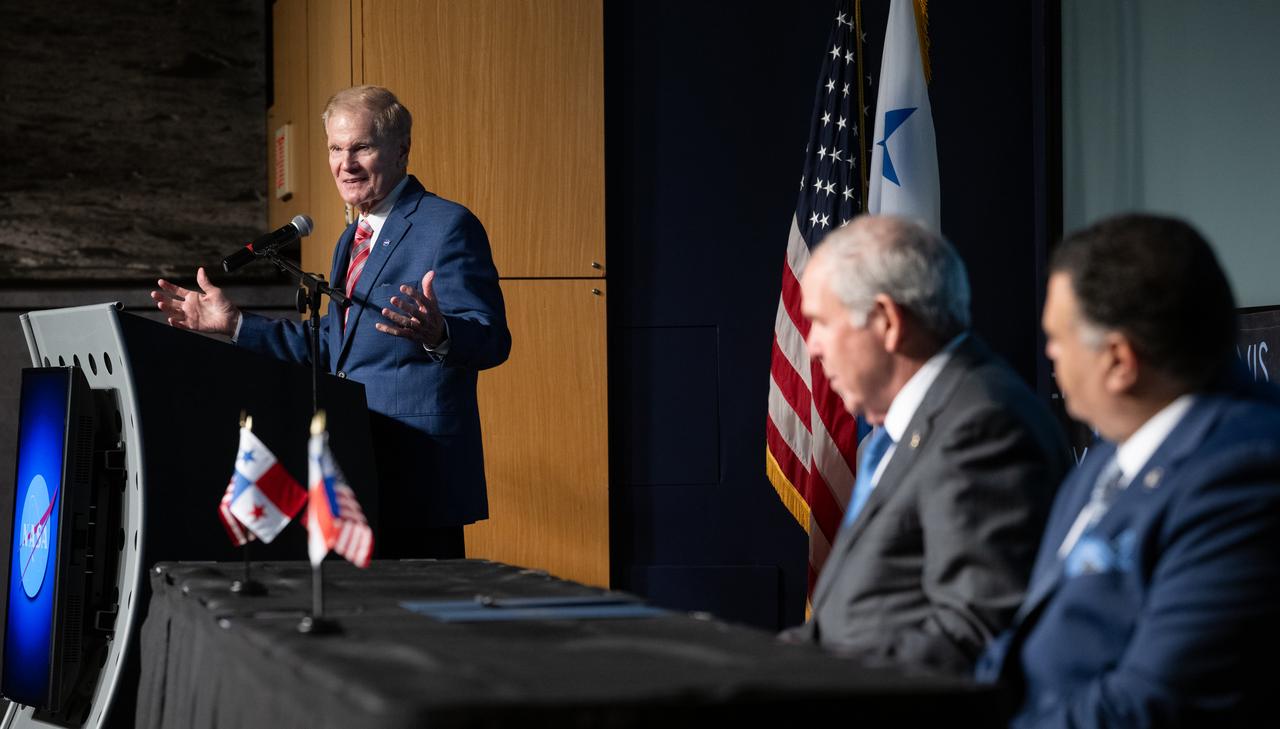
NASA Administrator Bill Nelson delivers remarks during an Artemis Accords signing ceremony, Wednesday, Dec. 11, 2024, at the Mary W. Jackson NASA Headquarters building in Washington. The Republic of Armenia is the 49th country to sign the Artemis Accords, which establish a practical set of principles to guide space exploration cooperation among nations participating in NASA’s Artemis program. Photo Credit: (NASA/Joel Kowsky)

U.S. Department of State Principal Deputy Assistant Secretary in the Bureau of Oceans and International Environmental and Scientific Affairs Tony Fernandes delivers remarks as NASA Administrator Bill Nelson, center, and \José Miguel Alemán Healy, look on during an Artemis Accords signing ceremony, Wednesday, Dec. 11, 2024, at the Mary W. Jackson NASA Headquarters building in Washington. The Republic of Armenia is the 49th country to sign the Artemis Accords, which establish a practical set of principles to guide space exploration cooperation among nations participating in NASA’s Artemis program. Photo Credit: (NASA/Joel Kowsky)
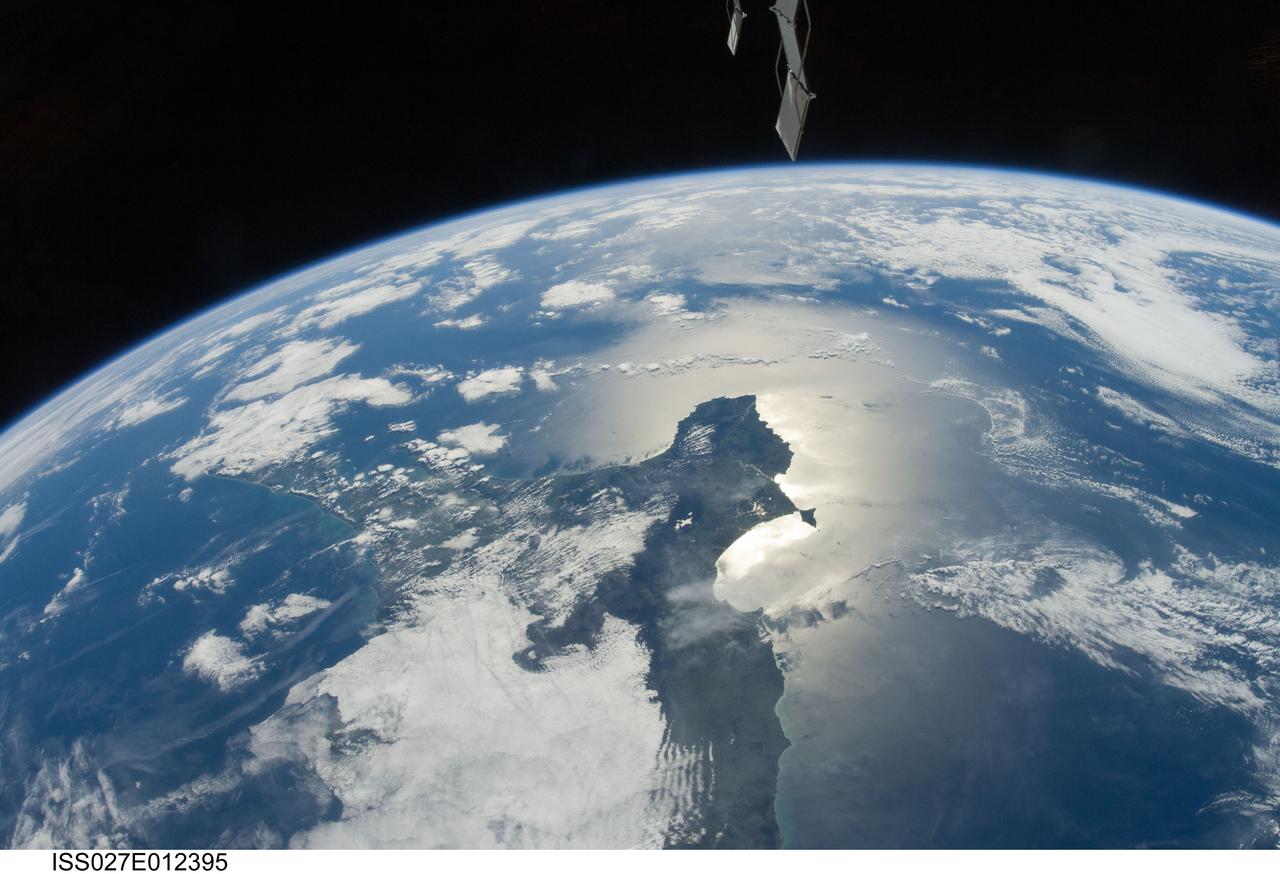
ISS027-E-012395 (13 April 2011)--– One of the Expedition 27 crew members aboard the International Space Station photographed this southeastward looking panoramic view centered on the Azuero Peninsula of Panama. The southwestern Caribbean Sea and the cloud-covered Isthmus of Panama are to the left and the Gulf of Panama and the eastern Pacific Ocean with sun glint are on the right.
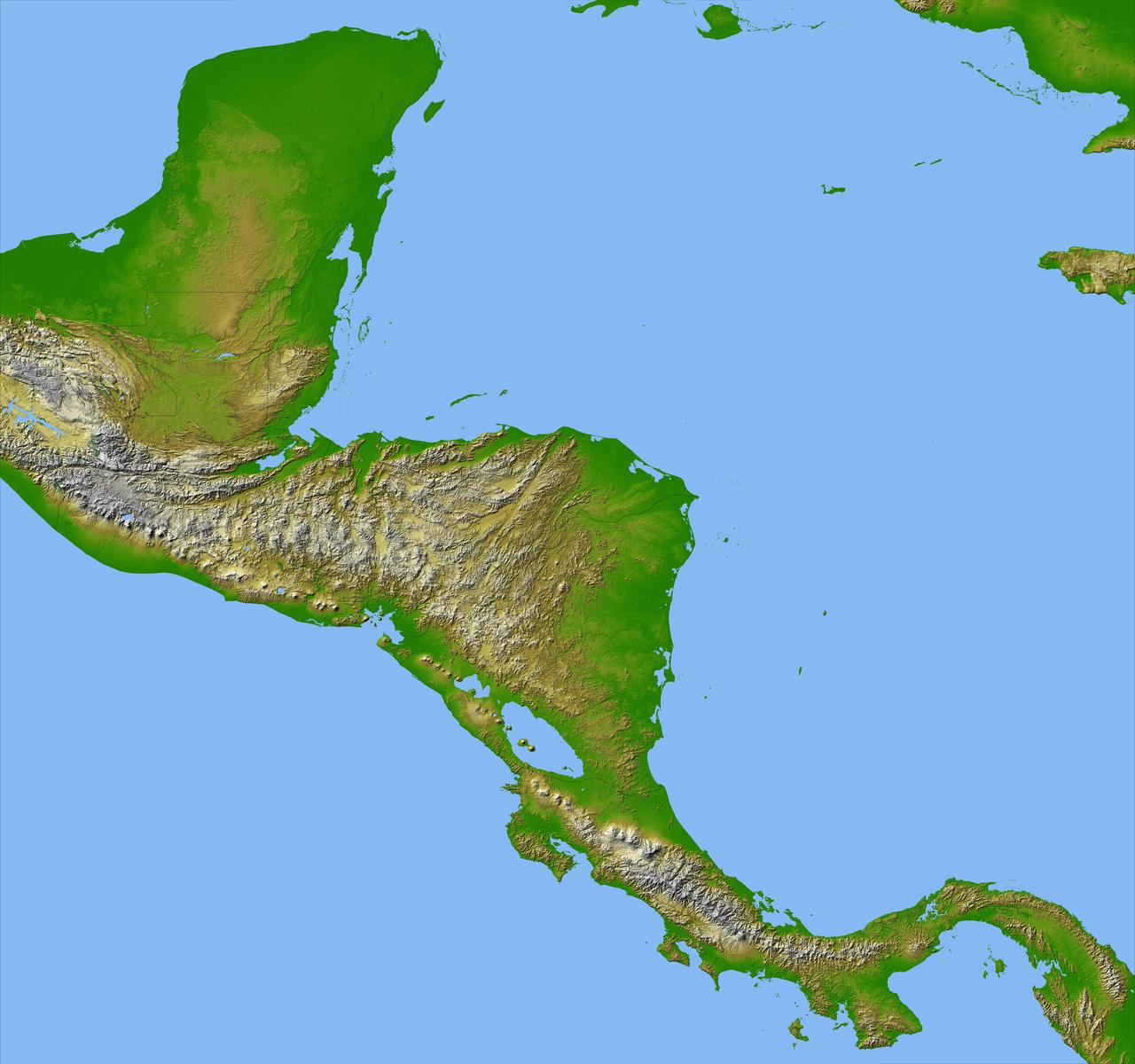
Panama, Costa Rica, Nicaragua, El Salvador, Honduras, Guatemala, Belize, southern Mexico and parts of Cuba and Jamaica are all seen in this image from NASA Shuttle Radar Topography Mission.
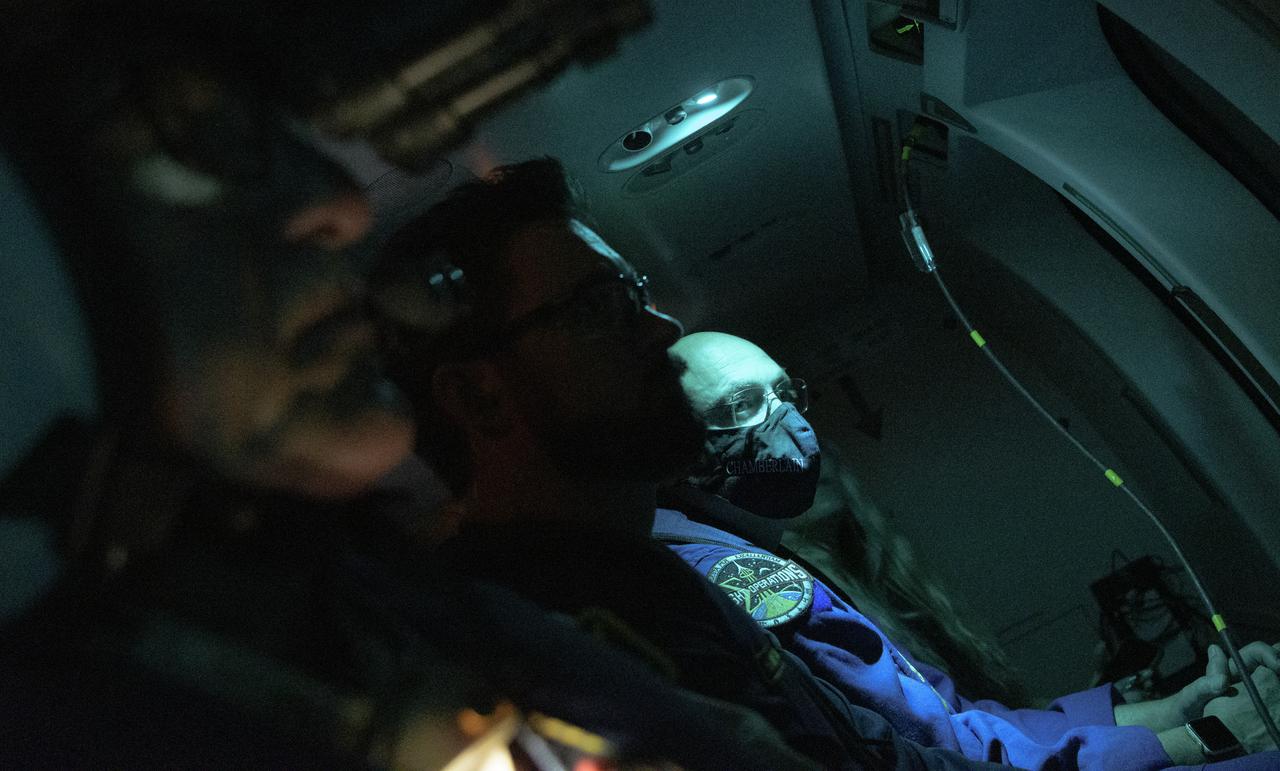
NASA Flight Surgeon Blake Chamberlain and other NASA and SpaceX support teams helicopter out to the SpaceX GO Navigator recovery ship to prepare for the landing of the SpaceX Crew Dragon Resilience spacecraft with NASA astronauts Mike Hopkins, Shannon Walker, and Victor Glover, and Japan Aerospace Exploration Agency (JAXA) astronaut Soichi Noguchi aboard in the Gulf of Mexico off the coast of Panama City, Florida, Saturday, May 1, 2021. NASA’s SpaceX Crew-1 mission is the first crew rotation flight of the SpaceX Crew Dragon spacecraft and Falcon 9 rocket with astronauts to the International Space Station as part of the agency’s Commercial Crew Program. Photo Credit: (NASA/Bill Ingalls)
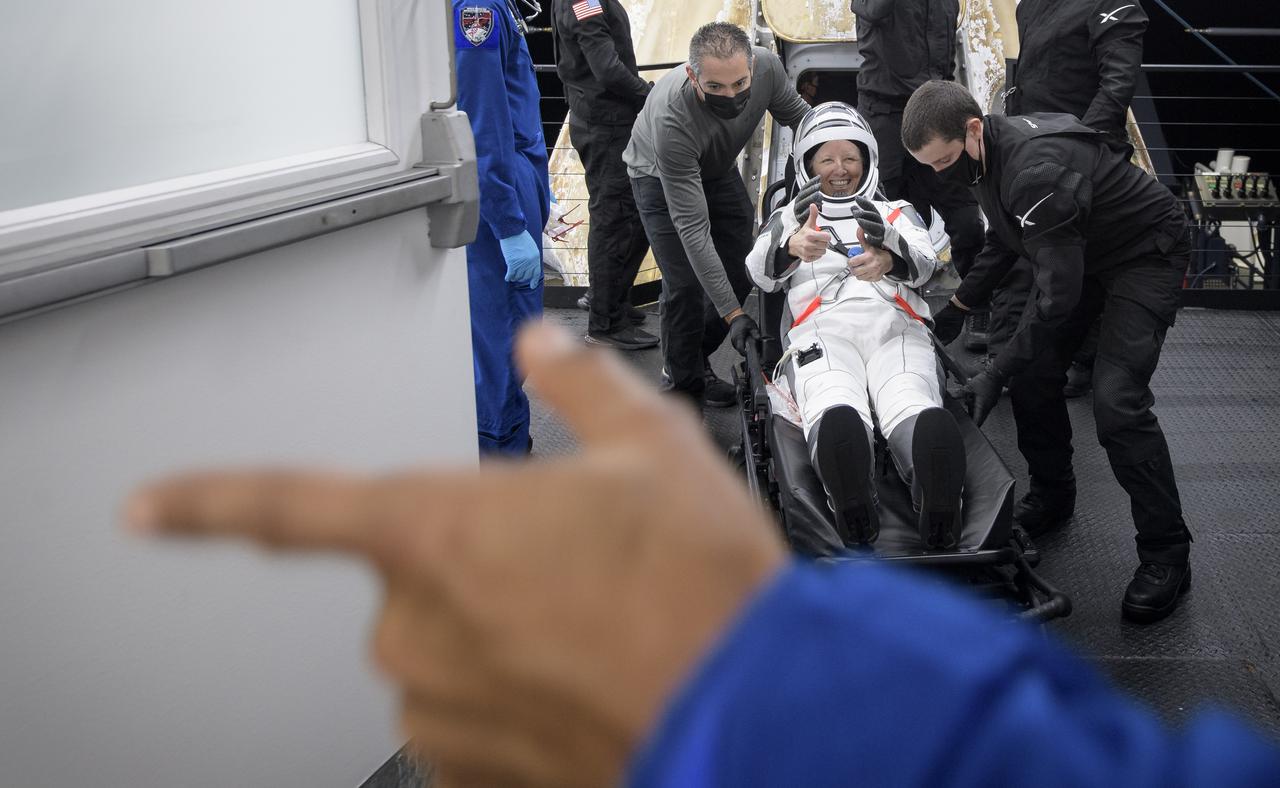
NASA astronaut Shannon Walker smiles and gives a thumbs up after being helped out of the SpaceX Crew Dragon Resilience spacecraft onboard the SpaceX GO Navigator recovery ship after she, NASA astronauts Mike Hopkins, Victor Glover, and Japan Aerospace Exploration Agency (JAXA) astronaut Soichi Noguchi, landed in the Gulf of Mexico off the coast of Panama City, Florida, Sunday, May 2, 2021. NASA’s SpaceX Crew-1 mission was the first crew rotation flight of the SpaceX Crew Dragon spacecraft and Falcon 9 rocket with astronauts to the International Space Station as part of the agency’s Commercial Crew Program. Photo Credit: (NASA/Bill Ingalls)
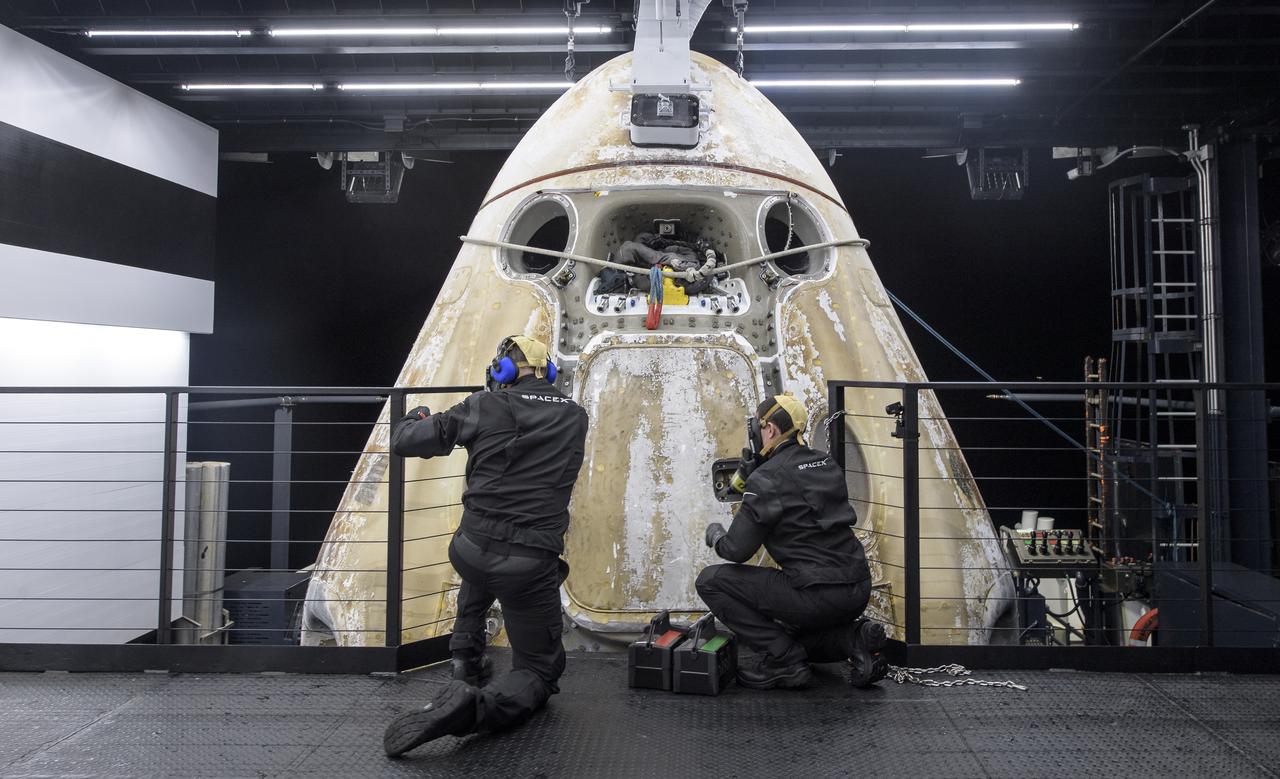
Support teams work around the SpaceX Crew Dragon Resilience spacecraft shortly after it landed with NASA astronauts Mike Hopkins, Shannon Walker, and Victor Glover, and Japan Aerospace Exploration Agency (JAXA) astronaut Soichi Noguchi aboard in the Gulf of Mexico off the coast of Panama City, Florida, Sunday, May 2, 2021. NASA’s SpaceX Crew-1 mission was the first crew rotation flight of the SpaceX Crew Dragon spacecraft and Falcon 9 rocket with astronauts to the International Space Station as part of the agency’s Commercial Crew Program. Photo Credit: (NASA/Bill Ingalls)
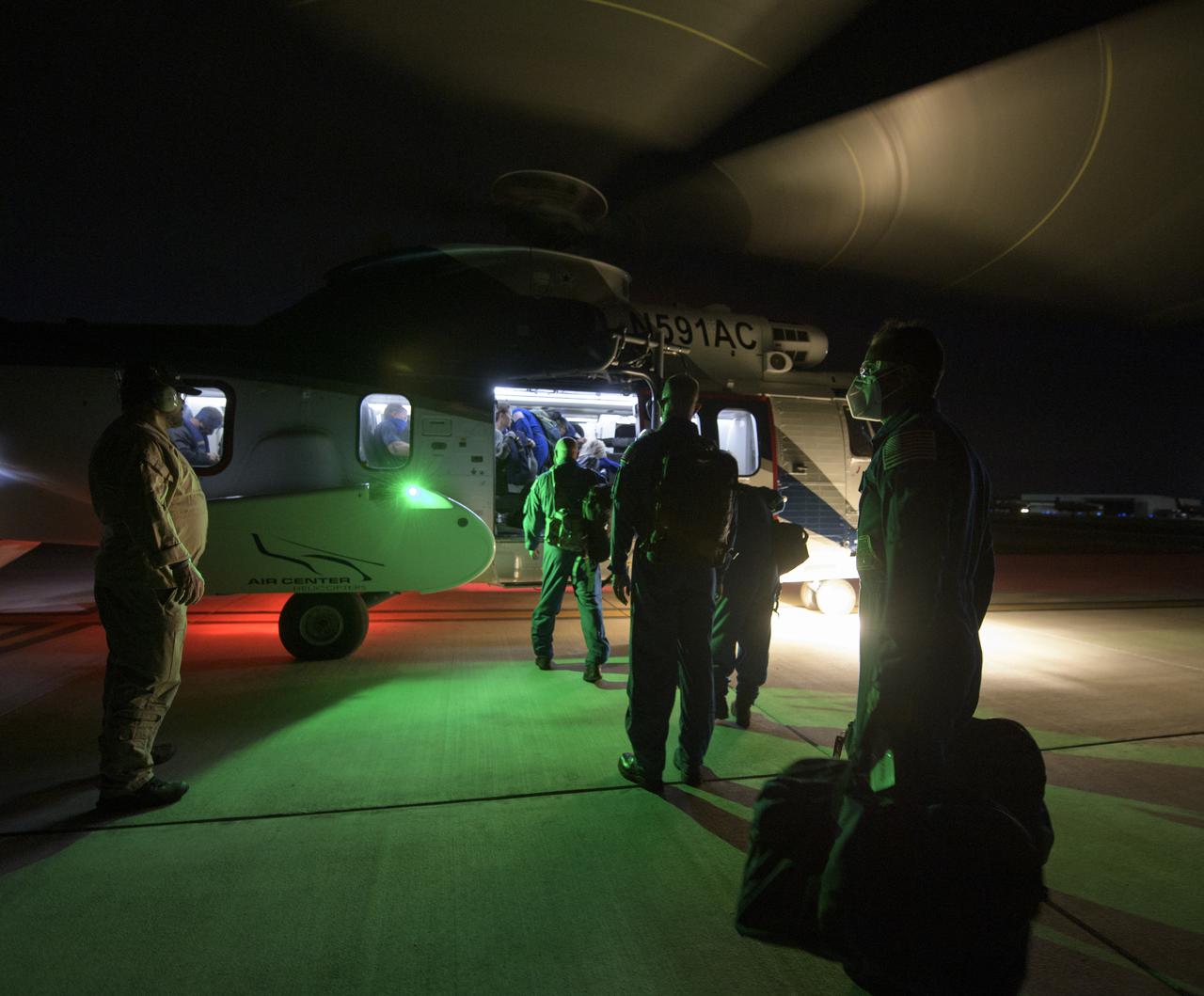
NASA and SpaceX support teams depart from Pensacola, Florida via helicopter to the SpaceX GO Navigator recovery ship to prepare for the landing of the SpaceX Crew Dragon Resilience spacecraft with NASA astronauts Mike Hopkins, Shannon Walker, and Victor Glover, and Japan Aerospace Exploration Agency (JAXA) astronaut Soichi Noguchi aboard in the Gulf of Mexico off the coast of Panama City, Florida, Saturday, May 1, 2021. NASA’s SpaceX Crew-1 mission is the first crew rotation flight of the SpaceX Crew Dragon spacecraft and Falcon 9 rocket with astronauts to the International Space Station as part of the agency’s Commercial Crew Program. Photo Credit: (NASA/Bill Ingalls)
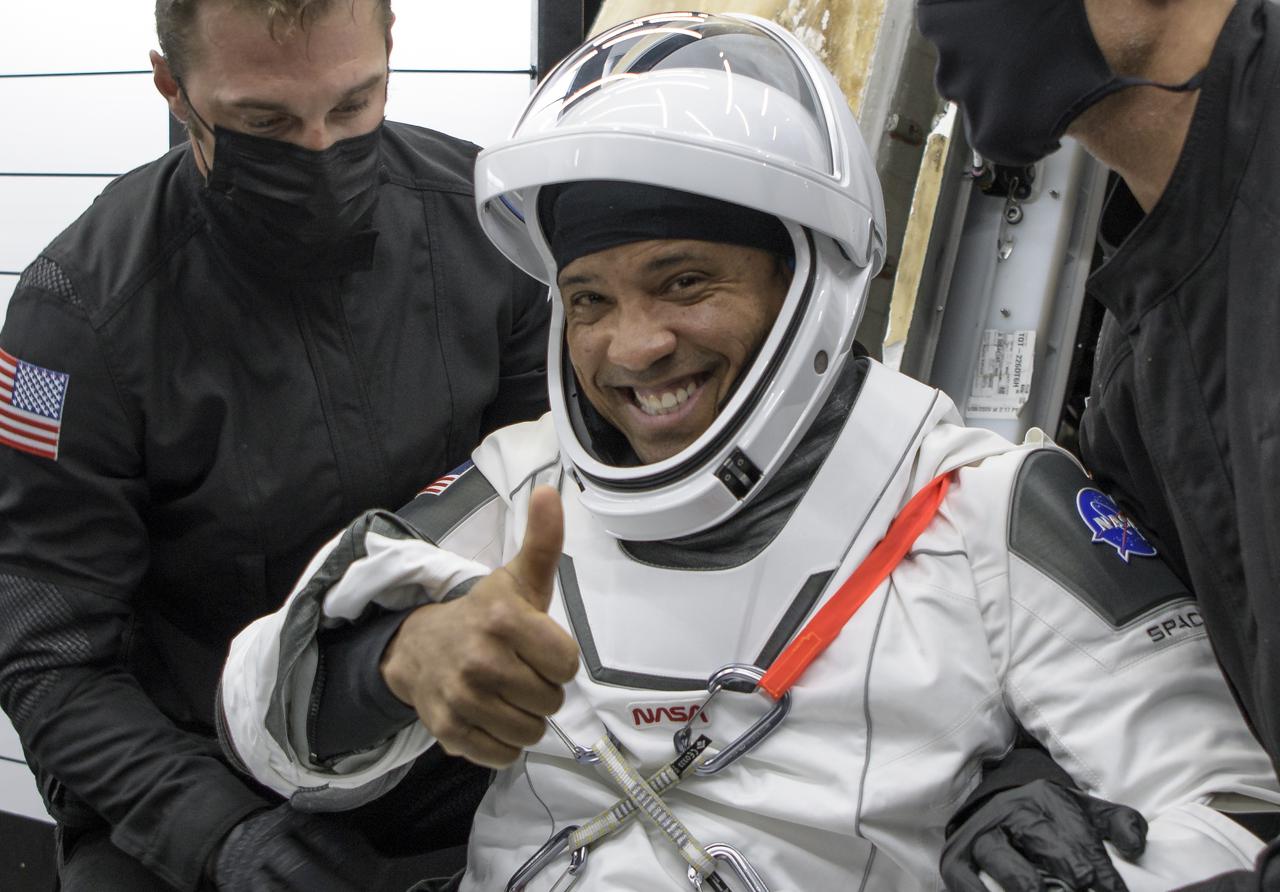
NASA astronaut Victor Glover is helped out of the SpaceX Crew Dragon Resilience spacecraft onboard the SpaceX GO Navigator recovery ship after he, NASA astronauts Mike Hopkins, Shannon Walker, and Japan Aerospace Exploration Agency (JAXA) astronaut Soichi Noguchi, landed in the Gulf of Mexico off the coast of Panama City, Florida, Sunday, May 2, 2021. NASA’s SpaceX Crew-1 mission was the first crew rotation flight of the SpaceX Crew Dragon spacecraft and Falcon 9 rocket with astronauts to the International Space Station as part of the agency’s Commercial Crew Program. Photo Credit: (NASA/Bill Ingalls)
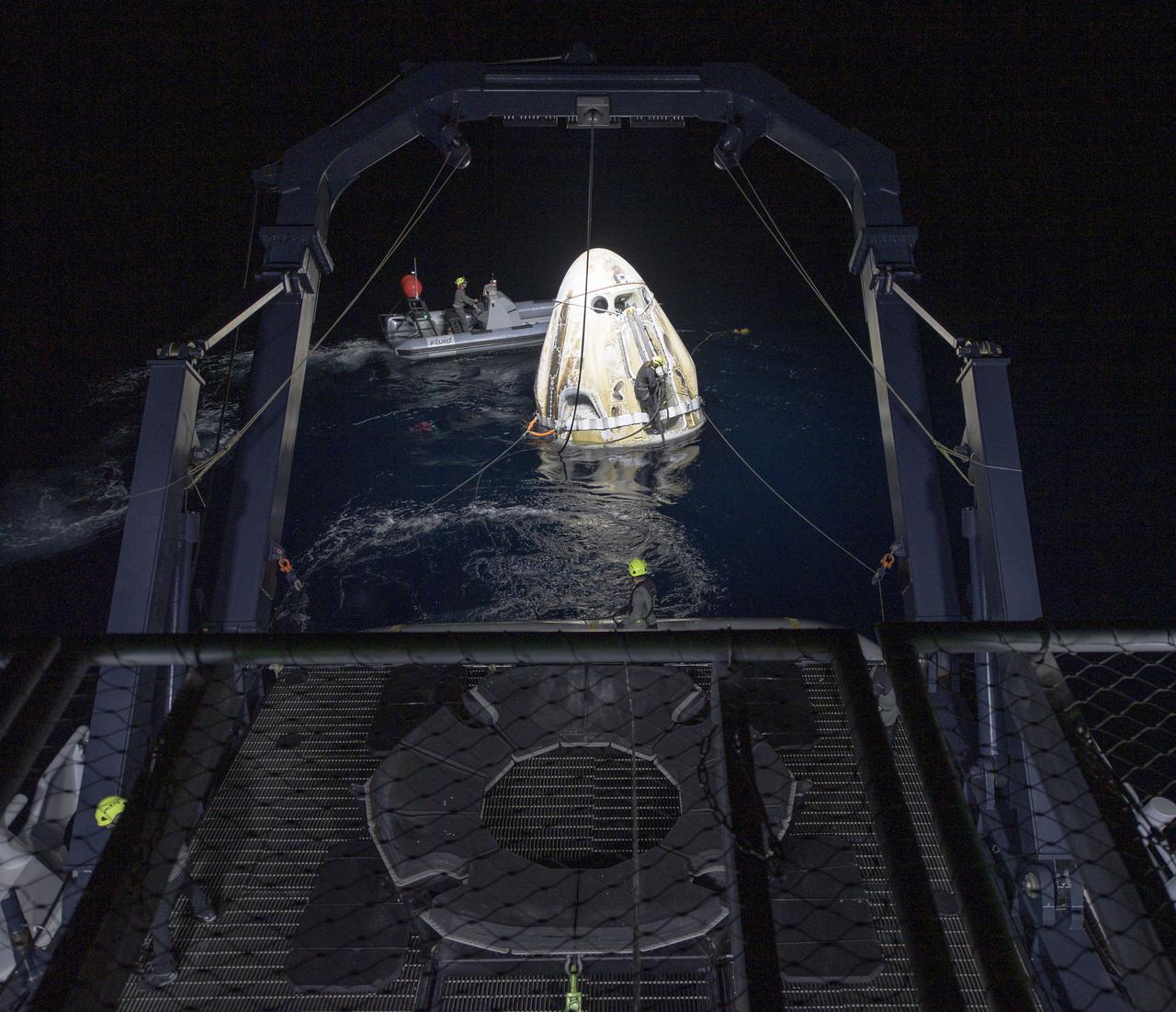
Support teams work around the SpaceX Crew Dragon Resilience spacecraft shortly after it landed with NASA astronauts Mike Hopkins, Shannon Walker, and Victor Glover, and Japan Aerospace Exploration Agency (JAXA) astronaut Soichi Noguchi aboard in the Gulf of Mexico off the coast of Panama City, Florida, Sunday, May 2, 2021. NASA’s SpaceX Crew-1 mission was the first crew rotation flight of the SpaceX Crew Dragon spacecraft and Falcon 9 rocket with astronauts to the International Space Station as part of the agency’s Commercial Crew Program. Photo Credit: (NASA/Bill Ingalls)
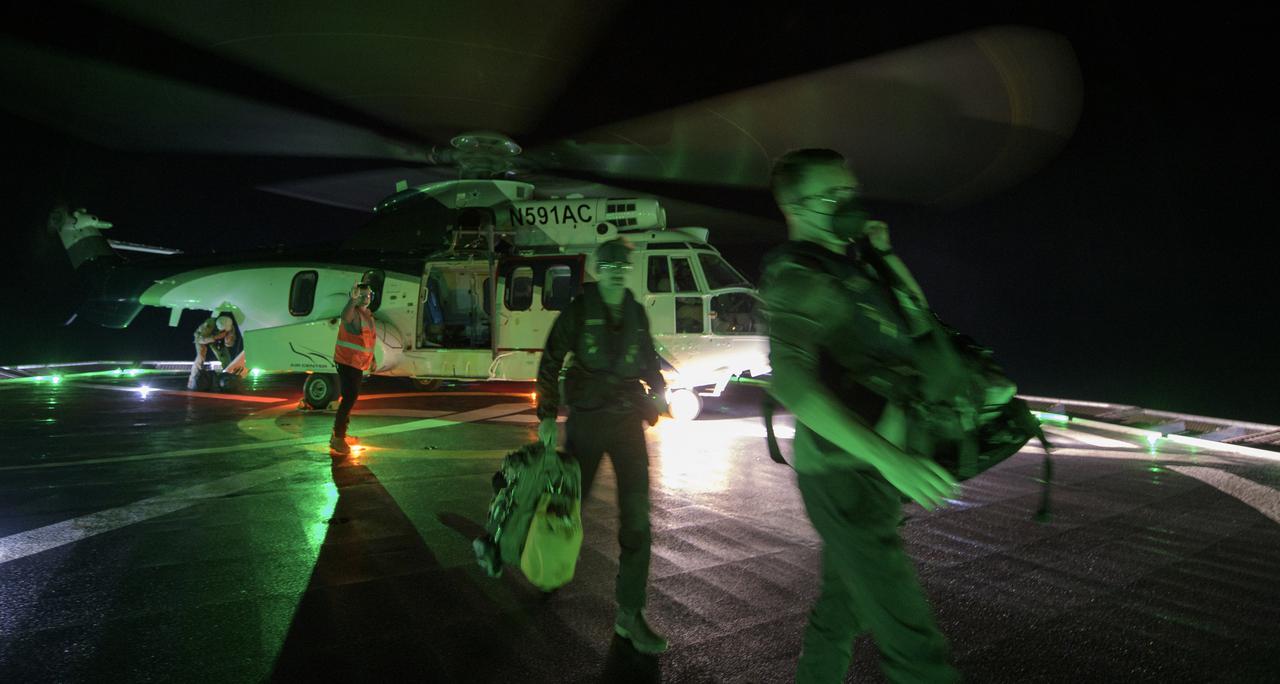
NASA and SpaceX support teams arrive via helicopter to the SpaceX GO Navigator recovery ship in order to prepare for the landing of the SpaceX Crew Dragon Resilience spacecraft with NASA astronauts Mike Hopkins, Shannon Walker, and Victor Glover, and Japan Aerospace Exploration Agency (JAXA) astronaut Soichi Noguchi aboard in the Gulf of Mexico off the coast of Panama City, Florida, Saturday, May 1, 2021. NASA’s SpaceX Crew-1 mission is the first crew rotation flight of the SpaceX Crew Dragon spacecraft and Falcon 9 rocket with astronauts to the International Space Station as part of the agency’s Commercial Crew Program. Photo Credit: (NASA/Bill Ingalls)
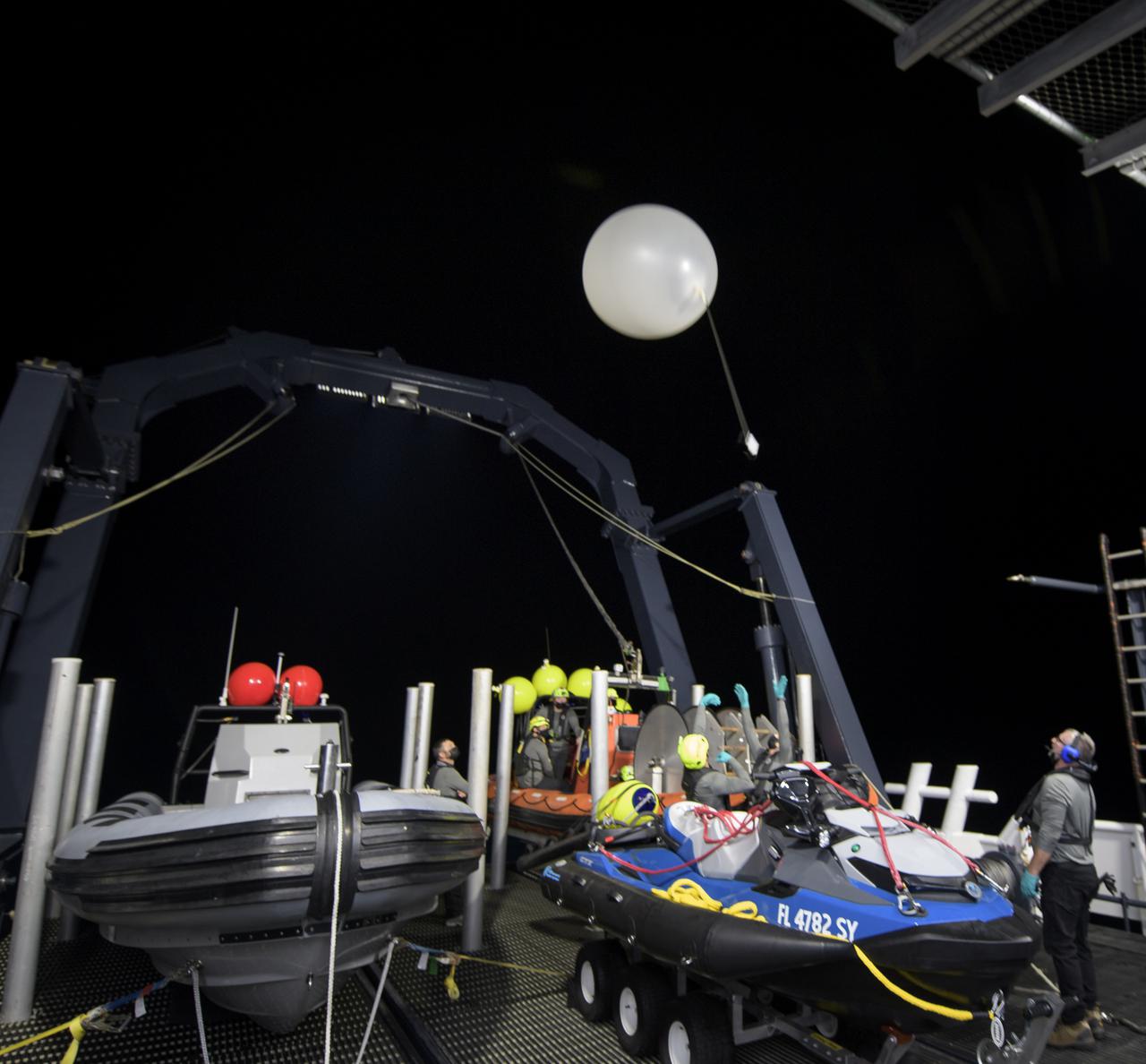
SpaceX support teams onboard the SpaceX GO Navigator recovery launch a weather balloon ahead of the landing of the SpaceX Crew Dragon Resilience spacecraft with NASA astronauts Mike Hopkins, Shannon Walker, and Victor Glover, and Japan Aerospace Exploration Agency (JAXA) astronaut Soichi Noguchi aboard in the Gulf of Mexico off the coast of Panama City, Florida, Saturday, May 1, 2021. NASA’s SpaceX Crew-1 mission is the first crew rotation flight of the SpaceX Crew Dragon spacecraft and Falcon 9 rocket with astronauts to the International Space Station as part of the agency’s Commercial Crew Program. Photo Credit: (NASA/Bill Ingalls)
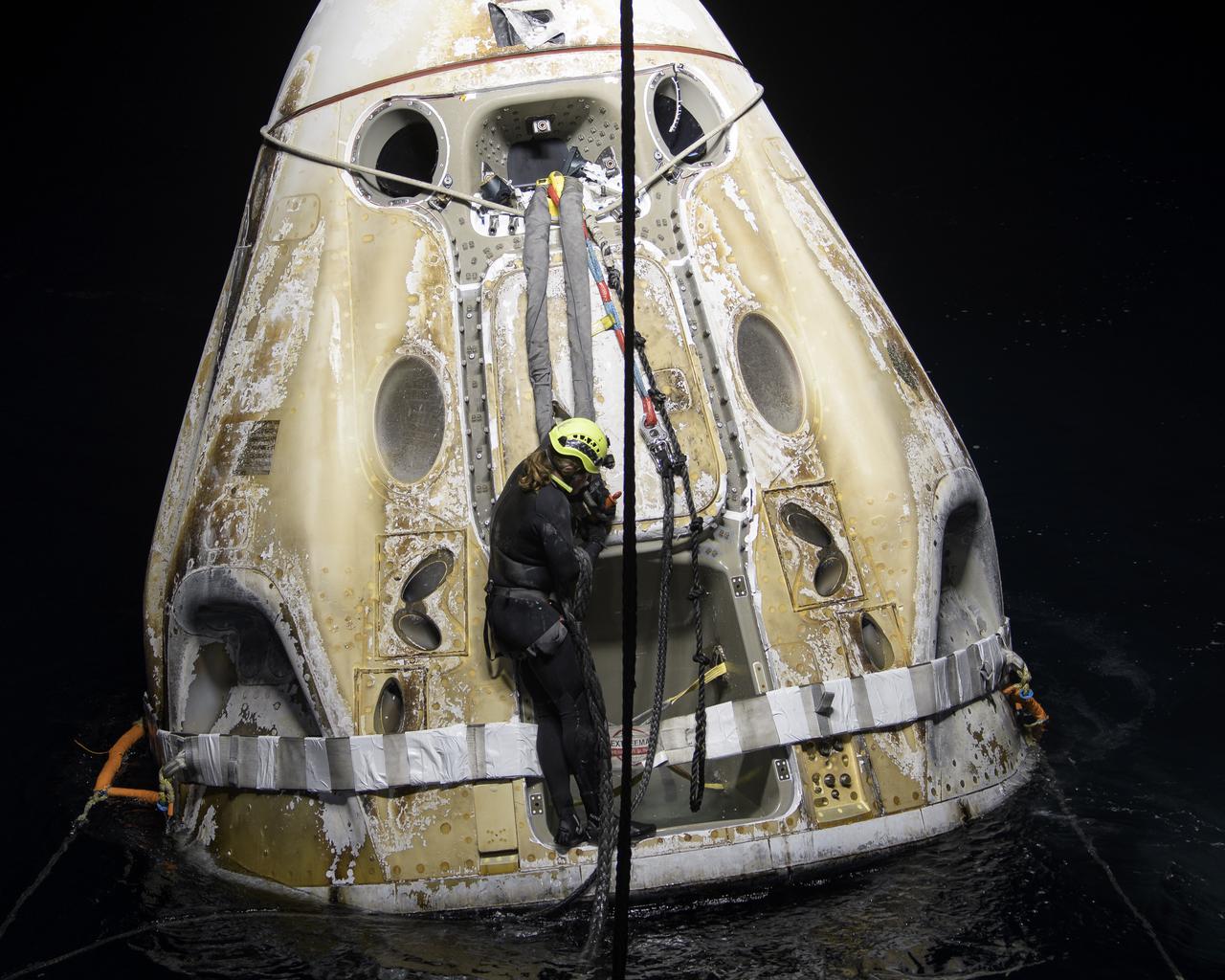
Support teams work around the SpaceX Crew Dragon Resilience spacecraft shortly after it landed with NASA astronauts Mike Hopkins, Shannon Walker, and Victor Glover, and Japan Aerospace Exploration Agency (JAXA) astronaut Soichi Noguchi aboard in the Gulf of Mexico off the coast of Panama City, Florida, Sunday, May 2, 2021. NASA’s SpaceX Crew-1 mission was the first crew rotation flight of the SpaceX Crew Dragon spacecraft and Falcon 9 rocket with astronauts to the International Space Station as part of the agency’s Commercial Crew Program. Photo Credit: (NASA/Bill Ingalls)
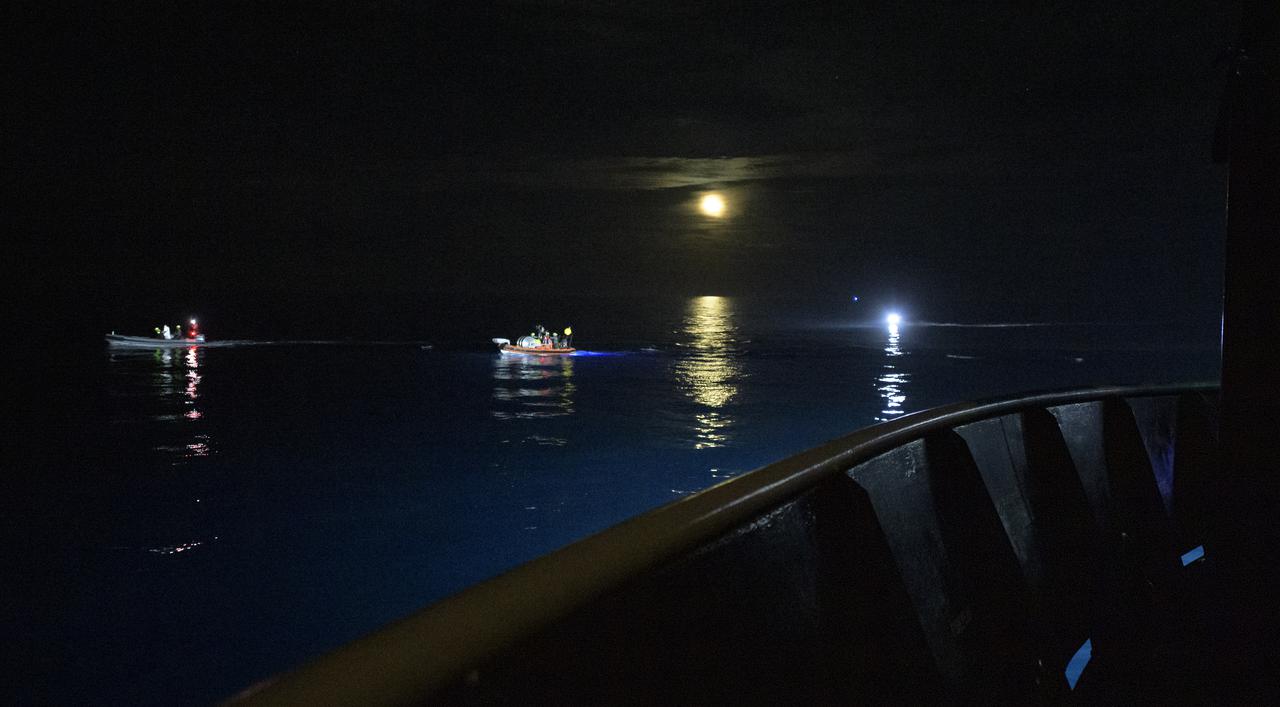
SpaceX support teams deploy in fast boats off the SpaceX GO Navigator recovery ship as they prepare for the landing of the SpaceX Crew Dragon Resilience spacecraft with NASA astronauts Mike Hopkins, Shannon Walker, and Victor Glover, and Japan Aerospace Exploration Agency (JAXA) astronaut Soichi Noguchi aboard in the Gulf of Mexico off the coast of Panama City, Florida, Sunday, May 2, 2021. NASA’s SpaceX Crew-1 mission is the first crew rotation flight of the SpaceX Crew Dragon spacecraft and Falcon 9 rocket with astronauts to the International Space Station as part of the agency’s Commercial Crew Program. Photo Credit: (NASA/Bill Ingalls)
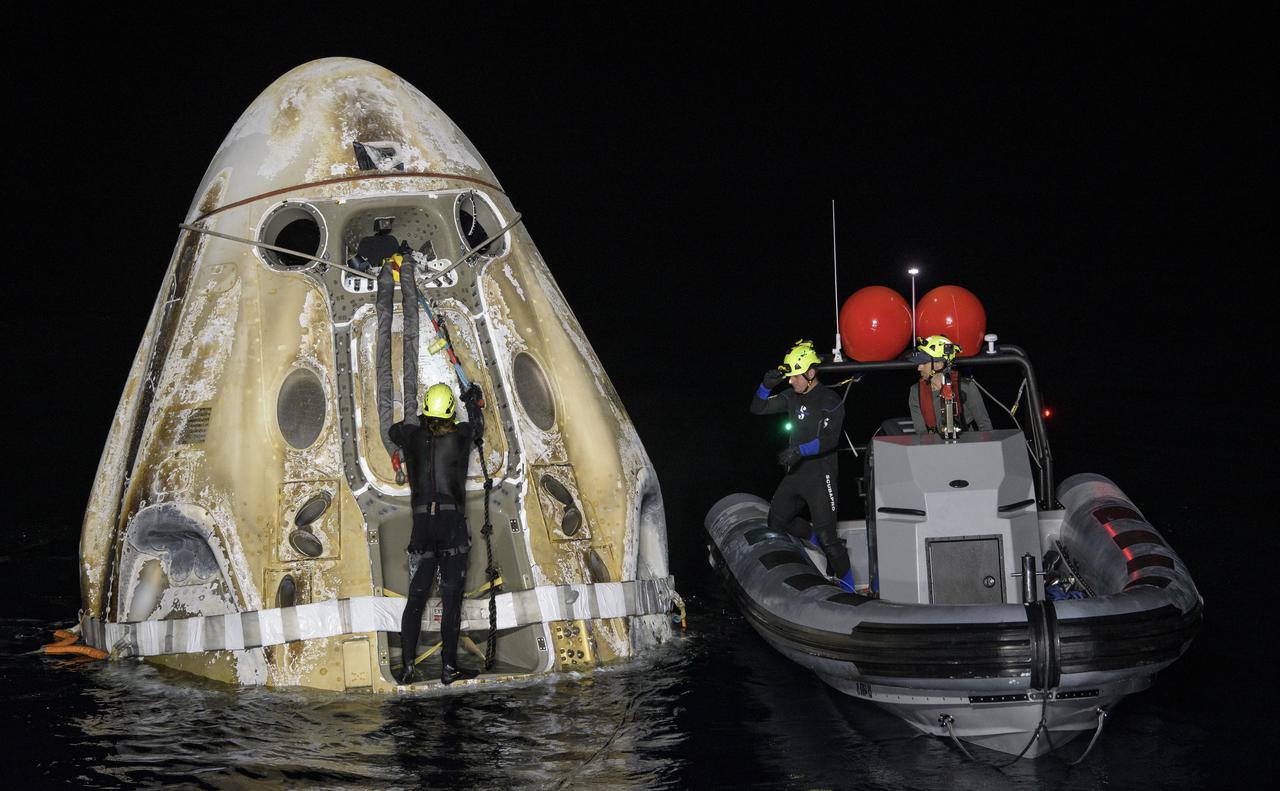
Support teams work around the SpaceX Crew Dragon Resilience spacecraft shortly after it landed with NASA astronauts Mike Hopkins, Shannon Walker, and Victor Glover, and Japan Aerospace Exploration Agency (JAXA) astronaut Soichi Noguchi aboard in the Gulf of Mexico off the coast of Panama City, Florida, Sunday, May 2, 2021. NASA’s SpaceX Crew-1 mission was the first crew rotation flight of the SpaceX Crew Dragon spacecraft and Falcon 9 rocket with astronauts to the International Space Station as part of the agency’s Commercial Crew Program. Photo Credit: (NASA/Bill Ingalls)
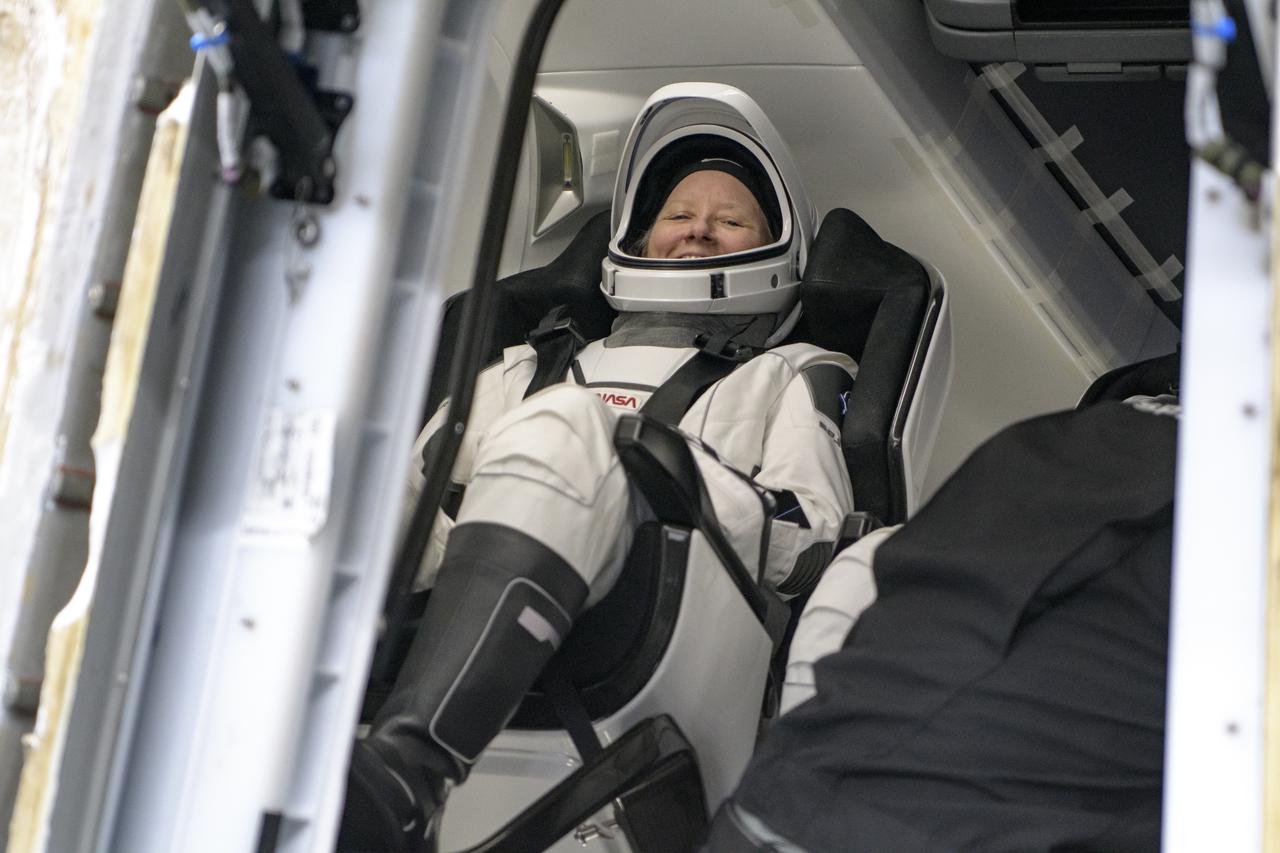
NASA astronaut Shannon Walker smiles prior to being helped out of the SpaceX Crew Dragon Resilience spacecraft onboard the SpaceX GO Navigator recovery ship after she, NASA astronauts Mike Hopkins, Victor Glover, and Japan Aerospace Exploration Agency (JAXA) astronaut Soichi Noguchi, landed in the Gulf of Mexico off the coast of Panama City, Florida, Sunday, May 2, 2021. NASA’s SpaceX Crew-1 mission was the first crew rotation flight of the SpaceX Crew Dragon spacecraft and Falcon 9 rocket with astronauts to the International Space Station as part of the agency’s Commercial Crew Program. Photo Credit: (NASA/Bill Ingalls)
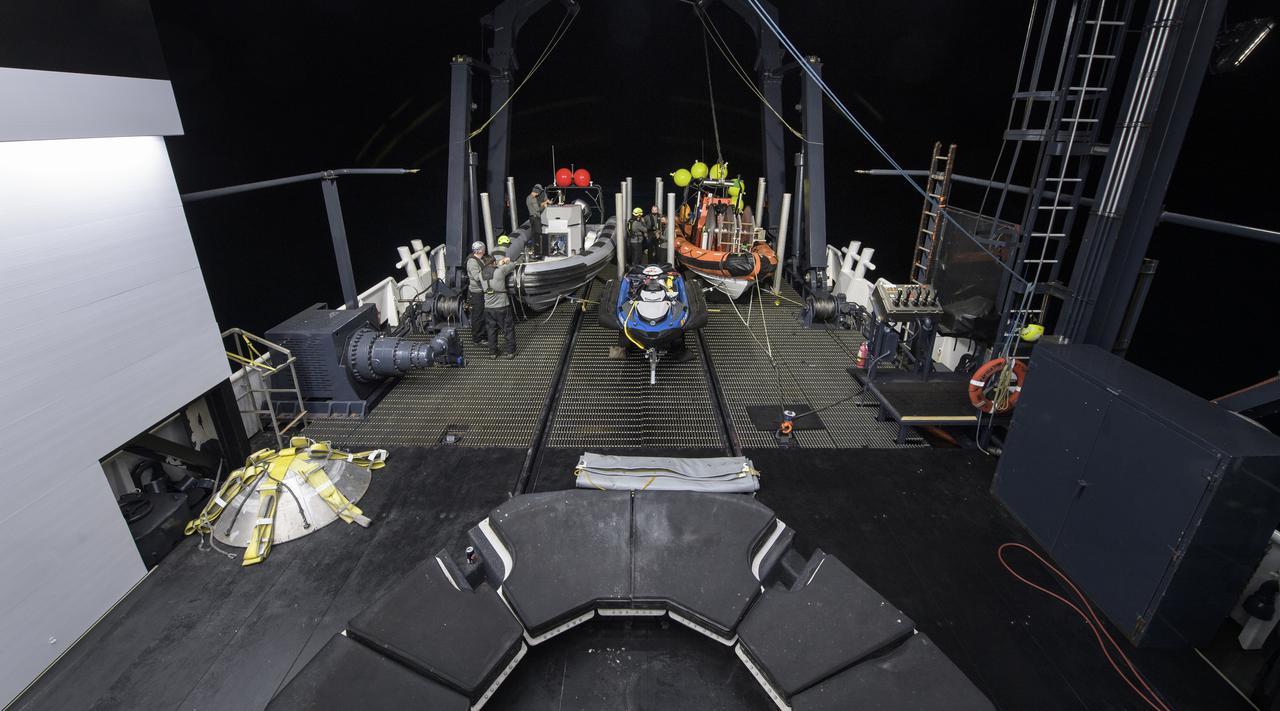
NASA and SpaceX support teams onboard the SpaceX GO Navigator recovery ship prepare for the landing of the SpaceX Crew Dragon Resilience spacecraft with NASA astronauts Mike Hopkins, Shannon Walker, and Victor Glover, and Japan Aerospace Exploration Agency (JAXA) astronaut Soichi Noguchi aboard in the Gulf of Mexico off the coast of Panama City, Florida, Saturday, May 1, 2021. NASA’s SpaceX Crew-1 mission is the first crew rotation flight of the SpaceX Crew Dragon spacecraft and Falcon 9 rocket with astronauts to the International Space Station as part of the agency’s Commercial Crew Program. Photo Credit: (NASA/Bill Ingalls)
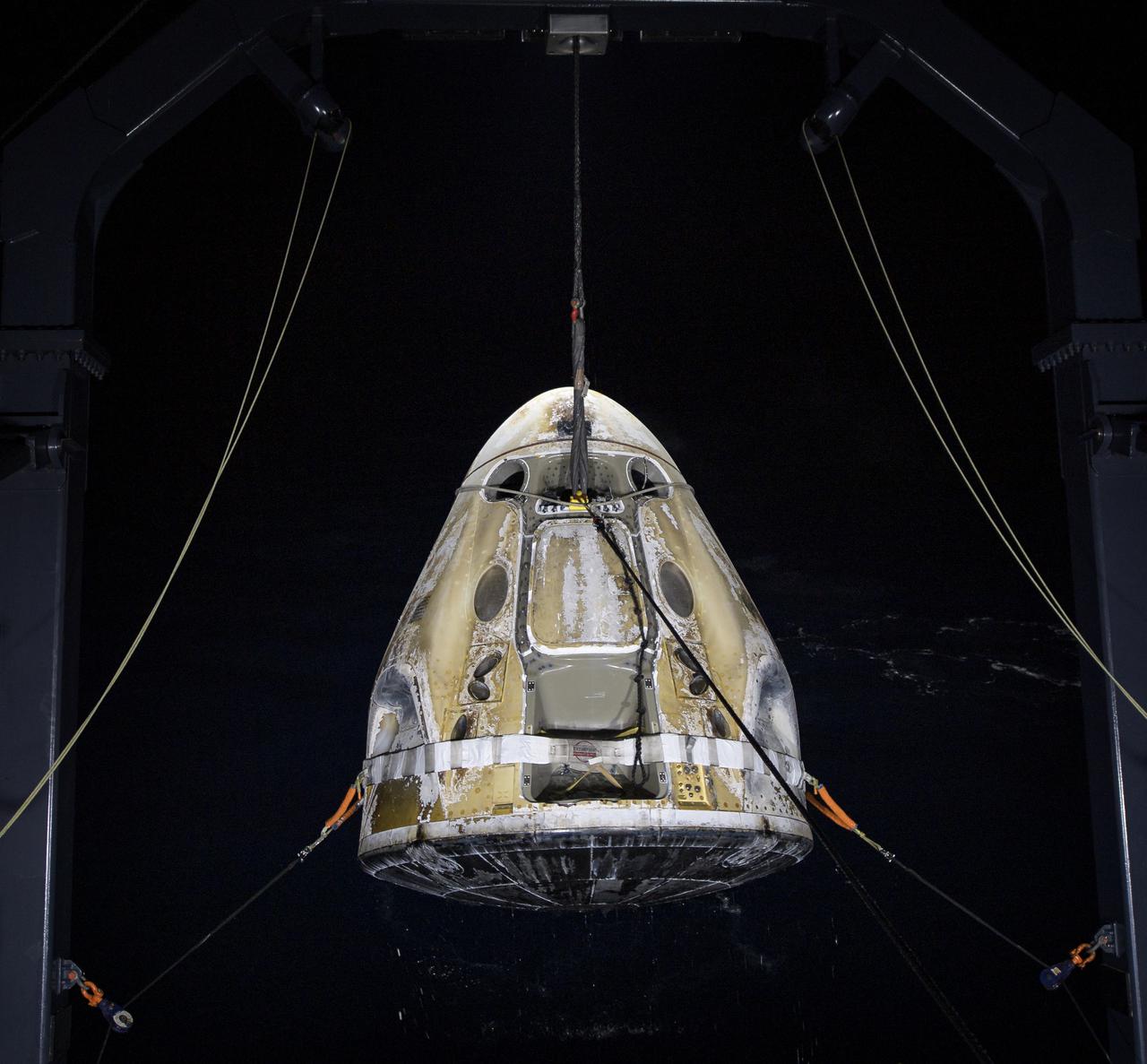
The SpaceX Crew Dragon Resilience spacecraft is lifted onto the GO Navigator recovery ship after it landed with NASA astronauts Mike Hopkins, Shannon Walker, and Victor Glover, and Japan Aerospace Exploration Agency (JAXA) astronaut Soichi Noguchi aboard in the Gulf of Mexico off the coast of Panama City, Florida, Sunday, May 2, 2021. NASA’s SpaceX Crew-1 mission was the first crew rotation flight of the SpaceX Crew Dragon spacecraft and Falcon 9 rocket with astronauts to the International Space Station as part of the agency’s Commercial Crew Program. Photo Credit: (NASA/Bill Ingalls)
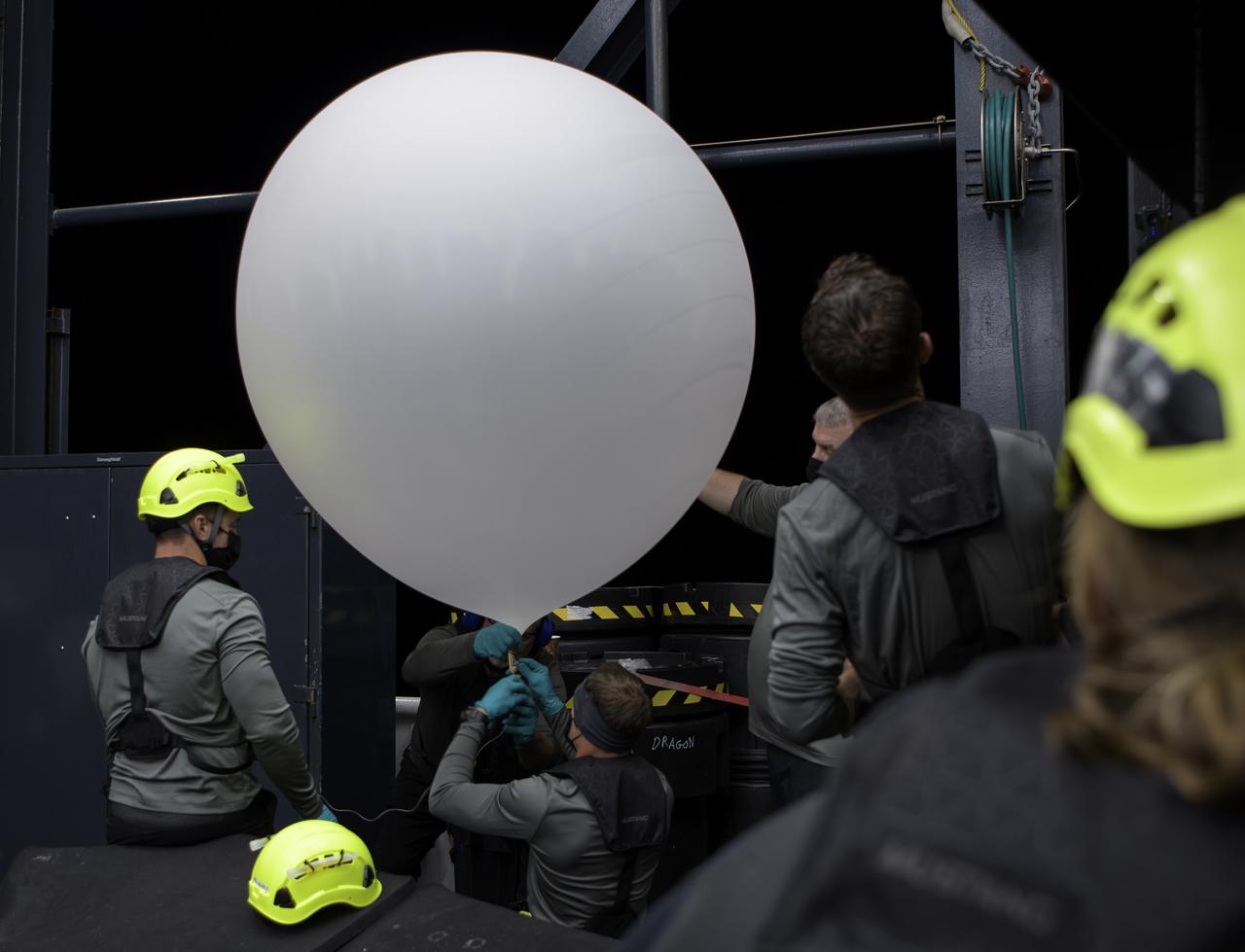
SpaceX support teams onboard the SpaceX GO Navigator recovery ship prepare to launch a weather balloon ahead of the landing of the SpaceX Crew Dragon Resilience spacecraft with NASA astronauts Mike Hopkins, Shannon Walker, and Victor Glover, and Japan Aerospace Exploration Agency (JAXA) astronaut Soichi Noguchi aboard in the Gulf of Mexico off the coast of Panama City, Florida, Saturday, May 1, 2021. NASA’s SpaceX Crew-1 mission is the first crew rotation flight of the SpaceX Crew Dragon spacecraft and Falcon 9 rocket with astronauts to the International Space Station as part of the agency’s Commercial Crew Program. Photo Credit: (NASA/Bill Ingalls)
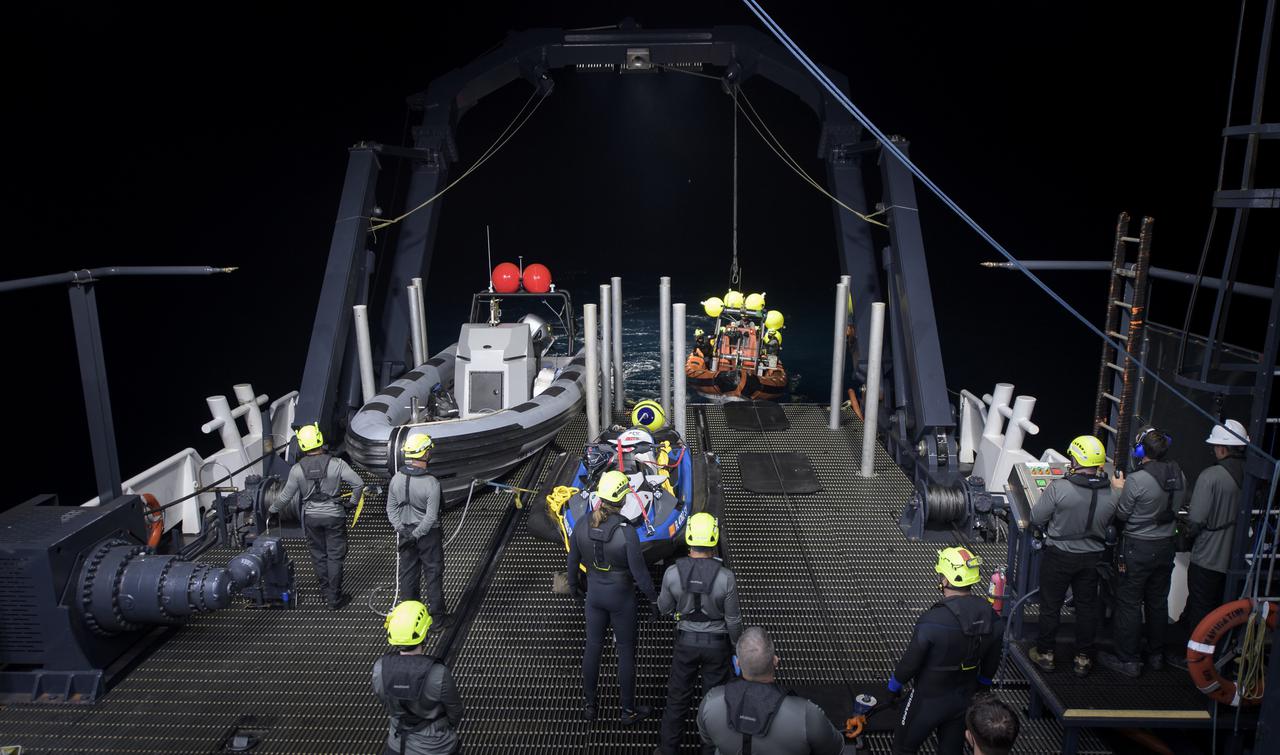
NASA and SpaceX support teams onboard the SpaceX GO Navigator recovery ship prepare for the landing of the SpaceX Crew Dragon Resilience spacecraft with NASA astronauts Mike Hopkins, Shannon Walker, and Victor Glover, and Japan Aerospace Exploration Agency (JAXA) astronaut Soichi Noguchi aboard in the Gulf of Mexico off the coast of Panama City, Florida, Saturday, May 1, 2021. NASA’s SpaceX Crew-1 mission is the first crew rotation flight of the SpaceX Crew Dragon spacecraft and Falcon 9 rocket with astronauts to the International Space Station as part of the agency’s Commercial Crew Program. Photo Credit: (NASA/Bill Ingalls)
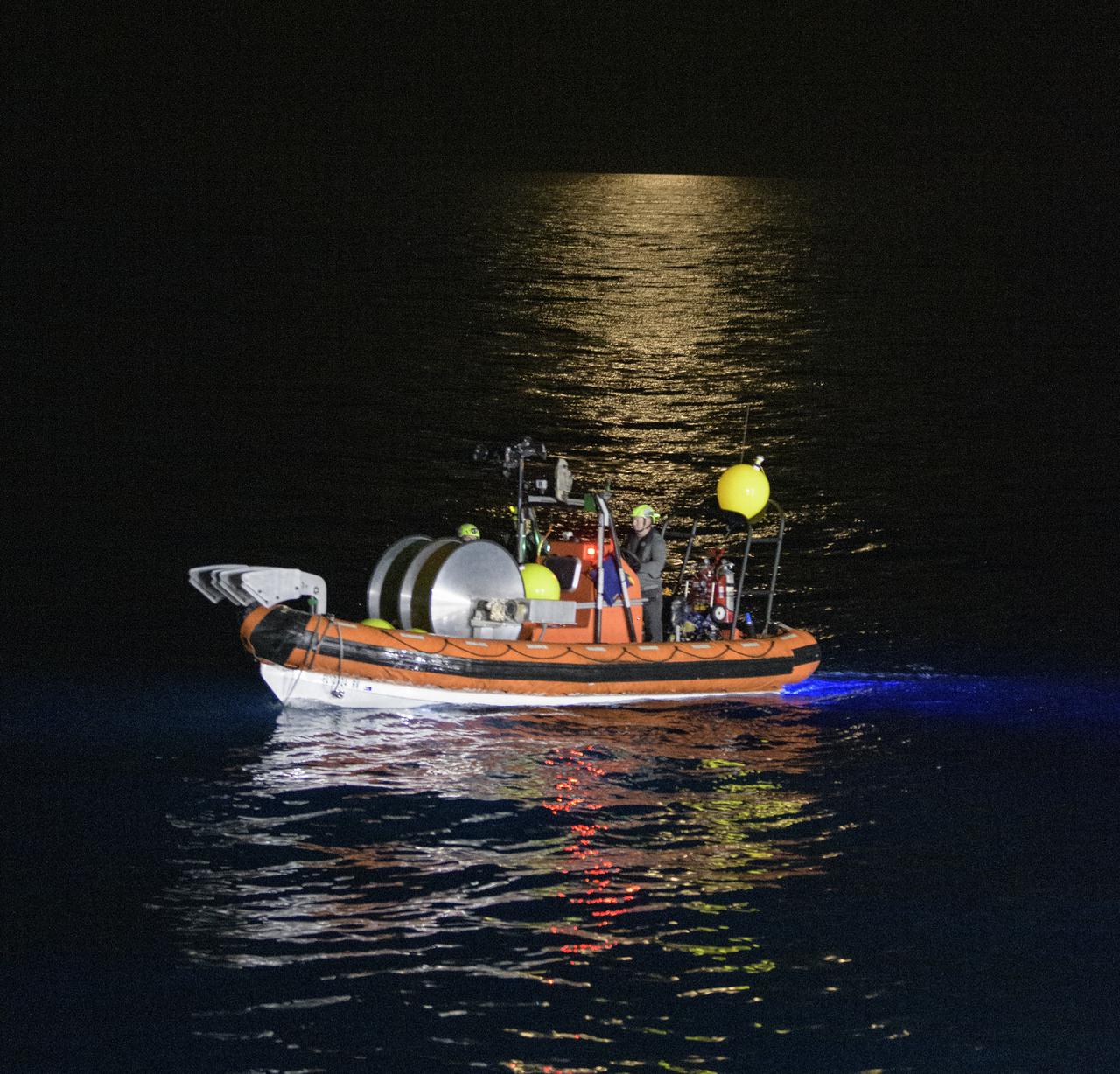
SpaceX support teams deploy in fast boats off the SpaceX GO Navigator recovery ship as they prepare for the landing of the SpaceX Crew Dragon Resilience spacecraft with NASA astronauts Mike Hopkins, Shannon Walker, and Victor Glover, and Japan Aerospace Exploration Agency (JAXA) astronaut Soichi Noguchi aboard in the Gulf of Mexico off the coast of Panama City, Florida, Sunday, May 2, 2021. NASA’s SpaceX Crew-1 mission is the first crew rotation flight of the SpaceX Crew Dragon spacecraft and Falcon 9 rocket with astronauts to the International Space Station as part of the agency’s Commercial Crew Program. Photo Credit: (NASA/Bill Ingalls)
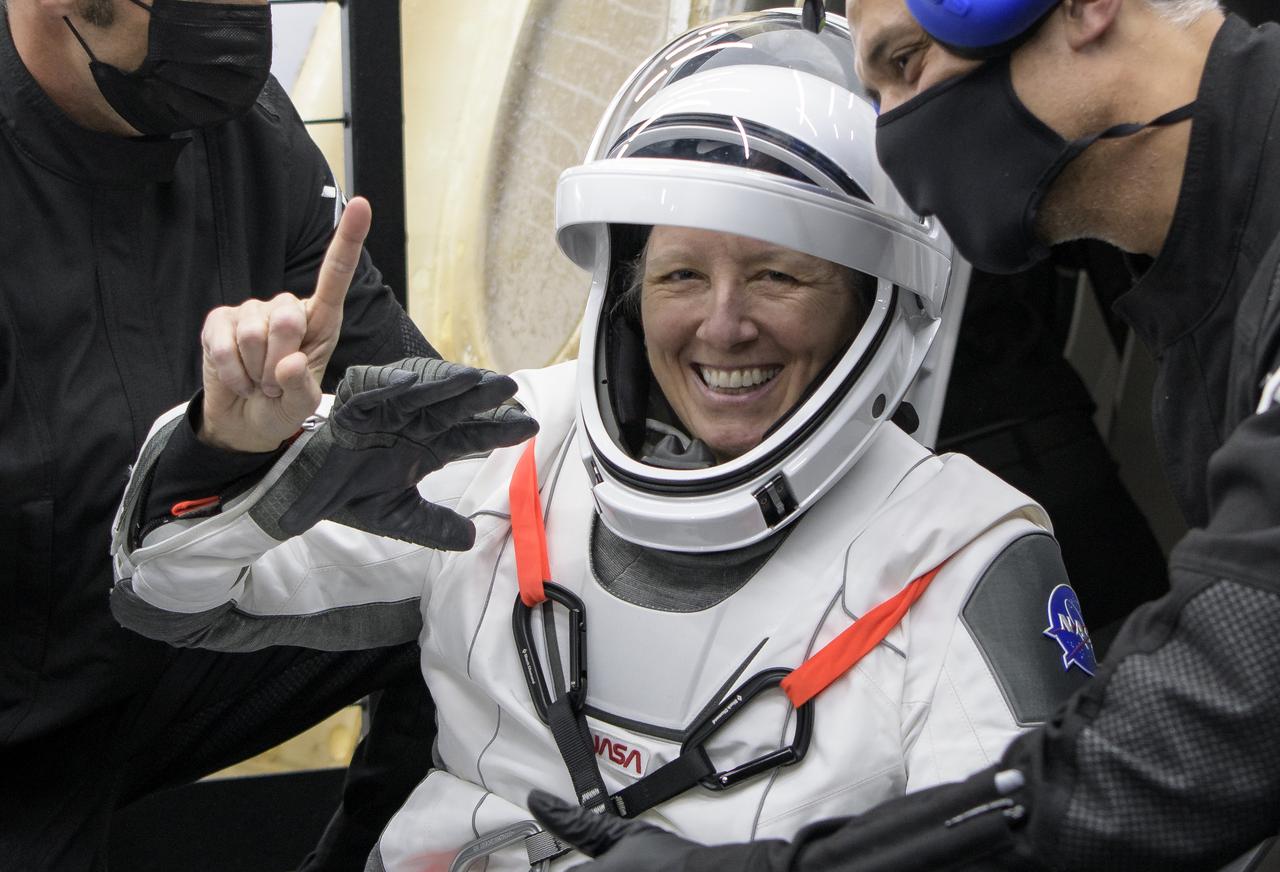
NASA astronaut Shannon Walker is helped out of the SpaceX Crew Dragon Resilience spacecraft onboard the SpaceX GO Navigator recovery ship after she, NASA astronauts Mike Hopkins, Victor Glover, and Japan Aerospace Exploration Agency (JAXA) astronaut Soichi Noguchi, landed in the Gulf of Mexico off the coast of Panama City, Florida, Sunday, May 2, 2021. NASA’s SpaceX Crew-1 mission was the first crew rotation flight of the SpaceX Crew Dragon spacecraft and Falcon 9 rocket with astronauts to the International Space Station as part of the agency’s Commercial Crew Program. Photo Credit: (NASA/Bill Ingalls)
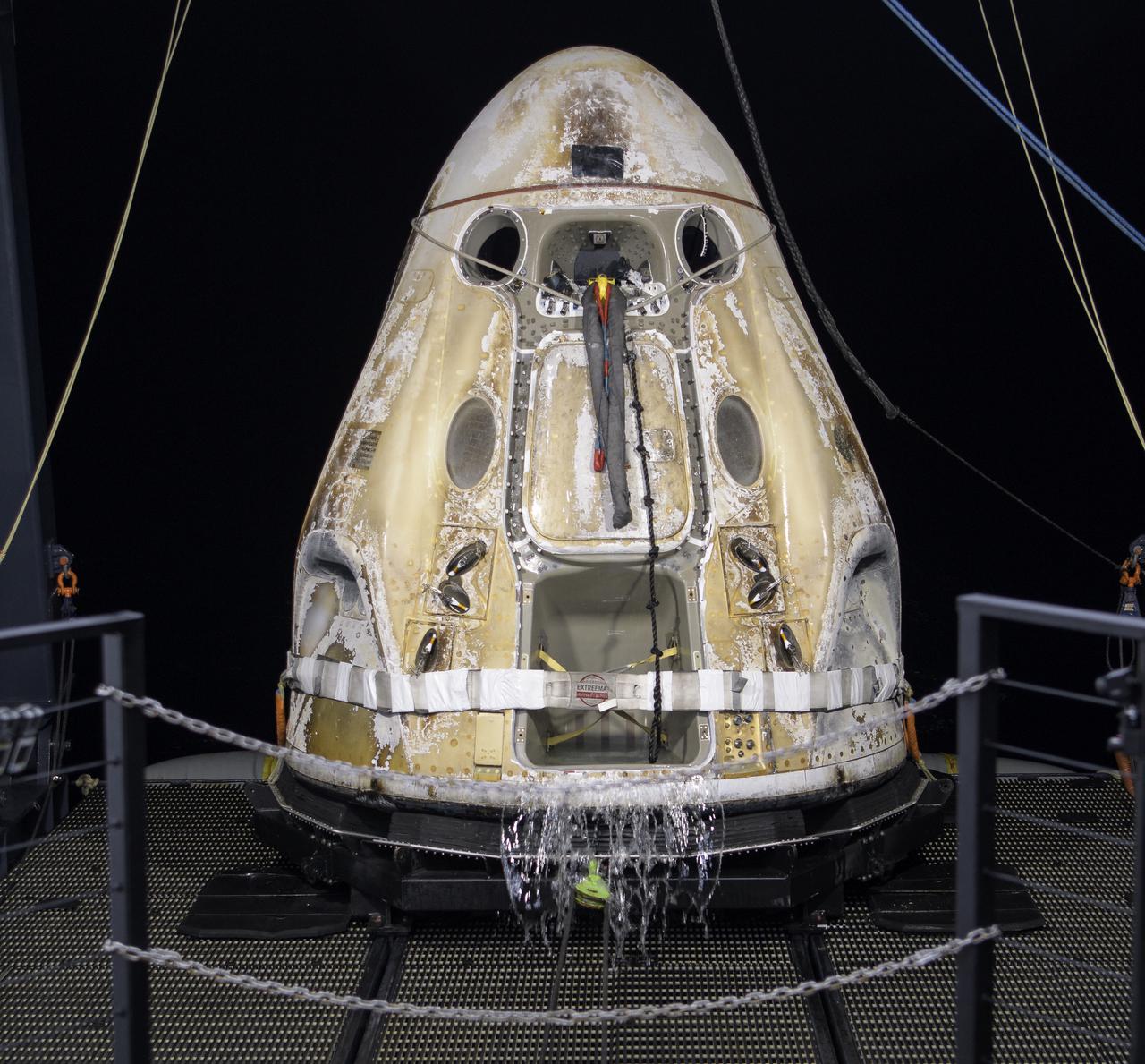
The SpaceX Crew Dragon Resilience spacecraft is lifted onto the GO Navigator recovery ship after it landed with NASA astronauts Mike Hopkins, Shannon Walker, and Victor Glover, and Japan Aerospace Exploration Agency (JAXA) astronaut Soichi Noguchi aboard in the Gulf of Mexico off the coast of Panama City, Florida, Sunday, May 2, 2021. NASA’s SpaceX Crew-1 mission was the first crew rotation flight of the SpaceX Crew Dragon spacecraft and Falcon 9 rocket with astronauts to the International Space Station as part of the agency’s Commercial Crew Program. Photo Credit: (NASA/Bill Ingalls)
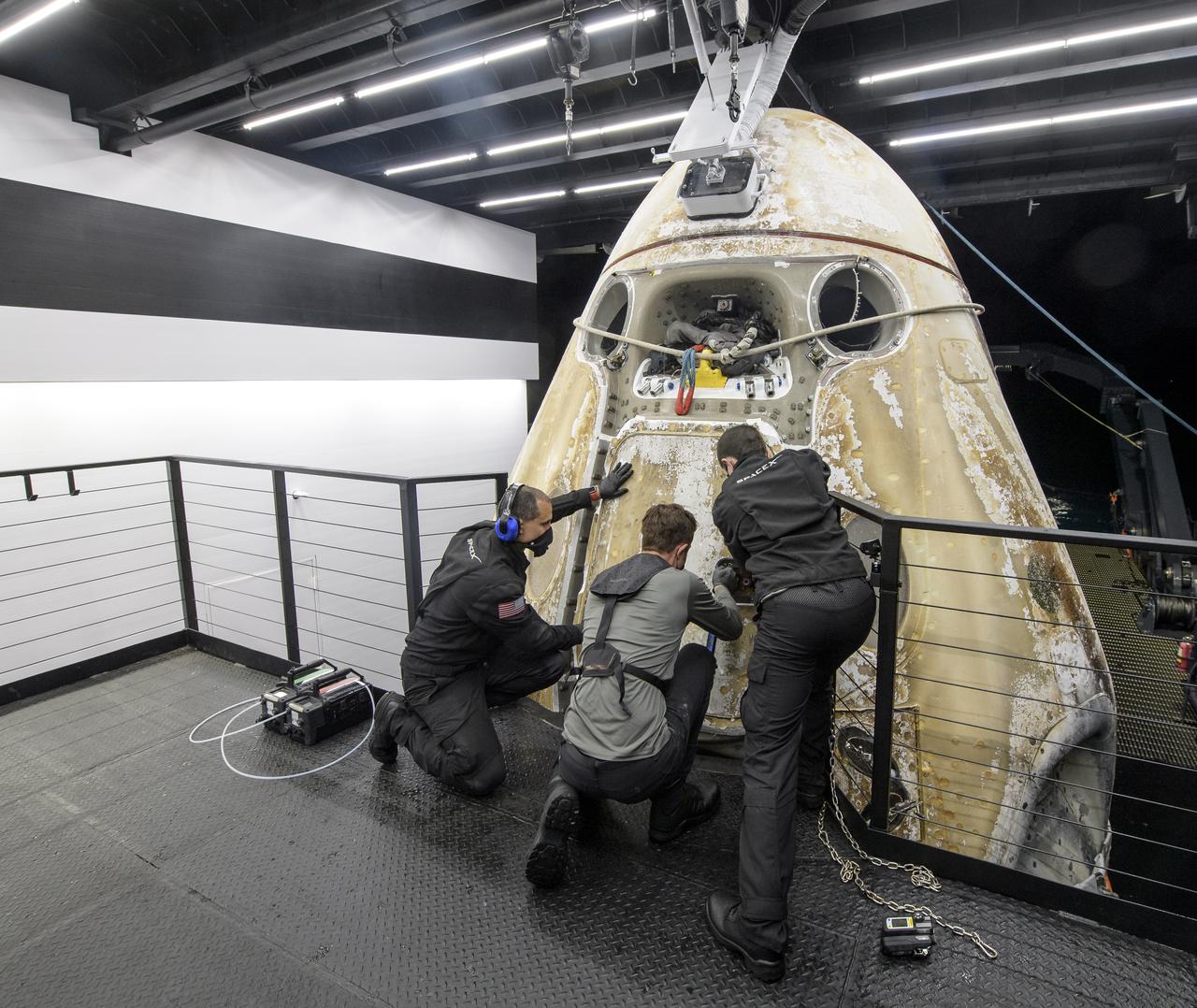
Support teams work around the SpaceX Crew Dragon Resilience spacecraft shortly after it landed with NASA astronauts Mike Hopkins, Shannon Walker, and Victor Glover, and Japan Aerospace Exploration Agency (JAXA) astronaut Soichi Noguchi aboard in the Gulf of Mexico off the coast of Panama City, Florida, Sunday, May 2, 2021. NASA’s SpaceX Crew-1 mission was the first crew rotation flight of the SpaceX Crew Dragon spacecraft and Falcon 9 rocket with astronauts to the International Space Station as part of the agency’s Commercial Crew Program. Photo Credit: (NASA/Bill Ingalls)
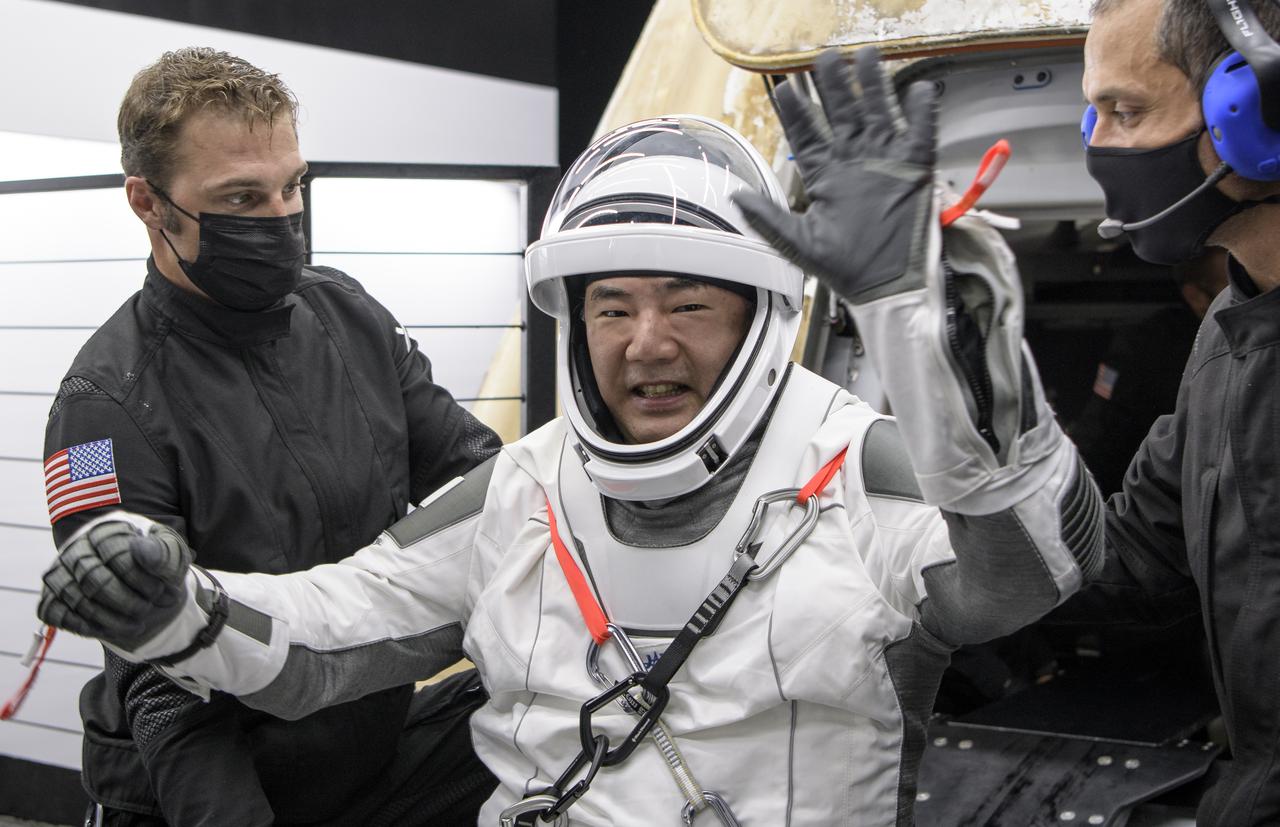
Japan Aerospace Exploration Agency (JAXA) astronaut Soichi Noguchi is helped out of the SpaceX Crew Dragon Resilience spacecraft onboard the SpaceX GO Navigator recovery ship after he, NASA astronauts Mike Hopkins, Shannon Walker, and Victor Glover, landed in the Gulf of Mexico off the coast of Panama City, Florida, Sunday, May 2, 2021. NASA’s SpaceX Crew-1 mission was the first crew rotation flight of the SpaceX Crew Dragon spacecraft and Falcon 9 rocket with astronauts to the International Space Station as part of the agency’s Commercial Crew Program. Photo Credit: (NASA/Bill Ingalls)
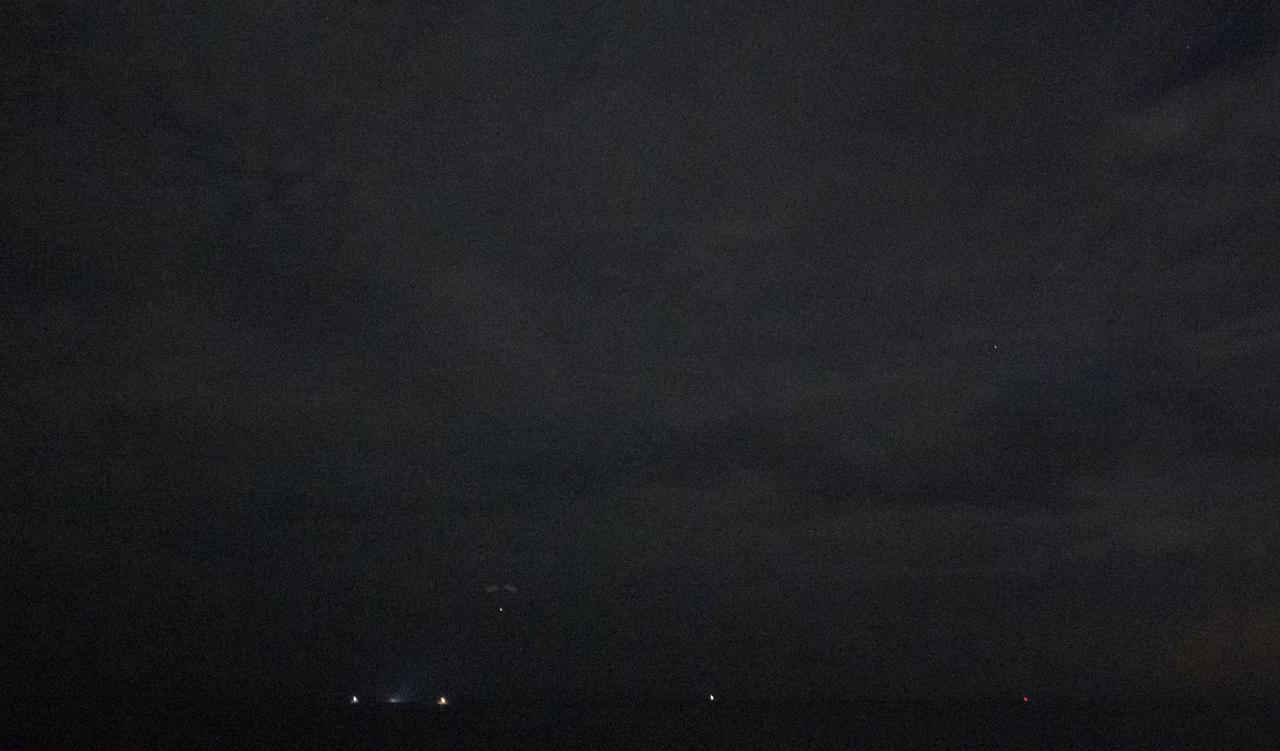
The SpaceX Crew Dragon Resilience spacecraft is seen in the distance as it lands with NASA astronauts Mike Hopkins, Shannon Walker, and Victor Glover, and Japan Aerospace Exploration Agency (JAXA) astronaut Soichi Noguchi aboard in the Gulf of Mexico off the coast of Panama City, Florida, Sunday, May 2, 2021. NASA’s SpaceX Crew-1 mission was the first crew rotation flight of the SpaceX Crew Dragon spacecraft and Falcon 9 rocket with astronauts to the International Space Station as part of the agency’s Commercial Crew Program. Note - this image noise is a result of using a very high sensitivity setting in the camera in a very dark situation. Photo Credit: (NASA/Bill Ingalls)
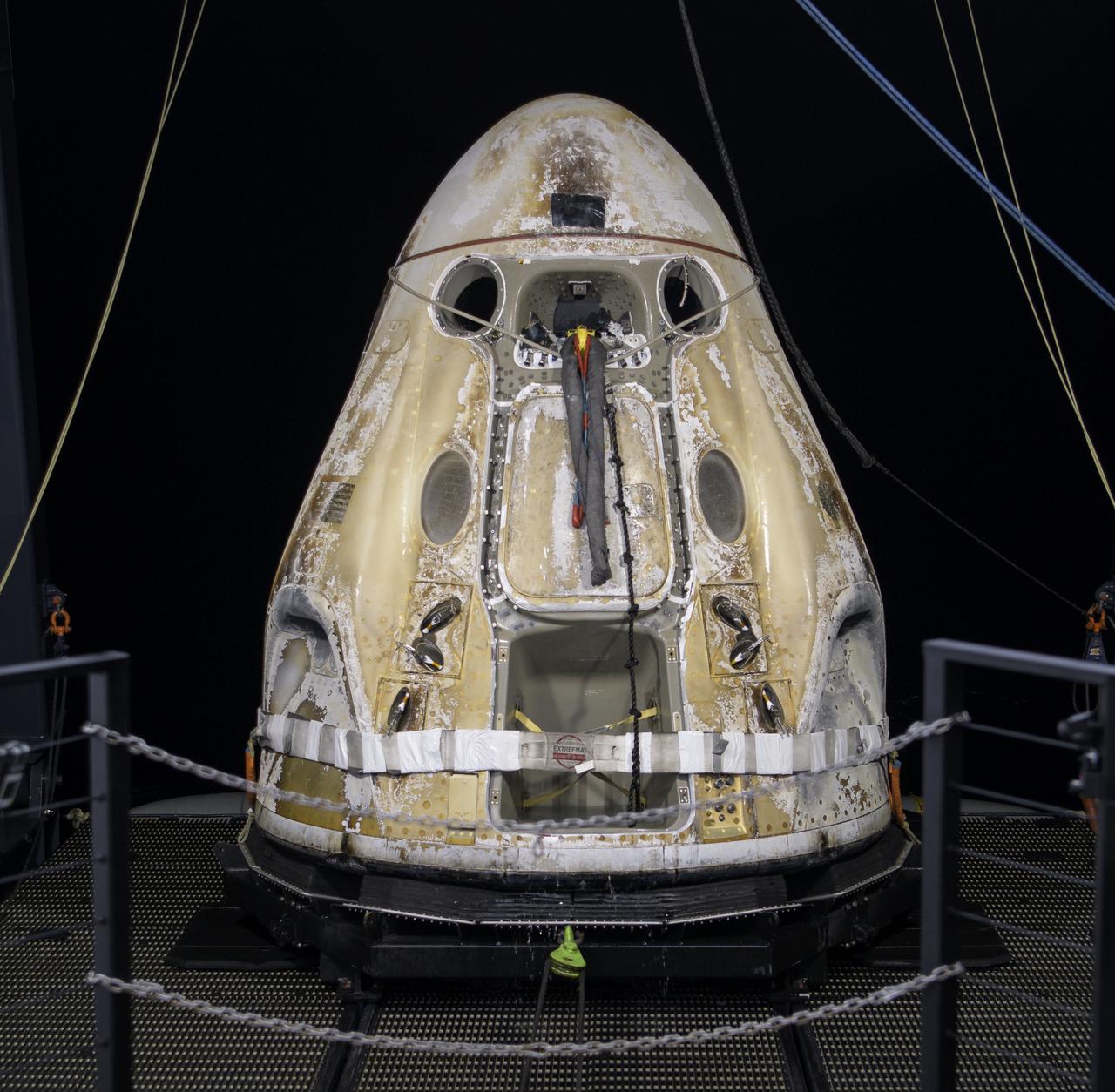
The SpaceX Crew Dragon Resilience spacecraft is lifted onto the GO Navigator recovery ship after it landed with NASA astronauts Mike Hopkins, Shannon Walker, and Victor Glover, and Japan Aerospace Exploration Agency (JAXA) astronaut Soichi Noguchi aboard in the Gulf of Mexico off the coast of Panama City, Florida, Sunday, May 2, 2021. NASA’s SpaceX Crew-1 mission was the first crew rotation flight of the SpaceX Crew Dragon spacecraft and Falcon 9 rocket with astronauts to the International Space Station as part of the agency’s Commercial Crew Program. Photo Credit: (NASA/Bill Ingalls)
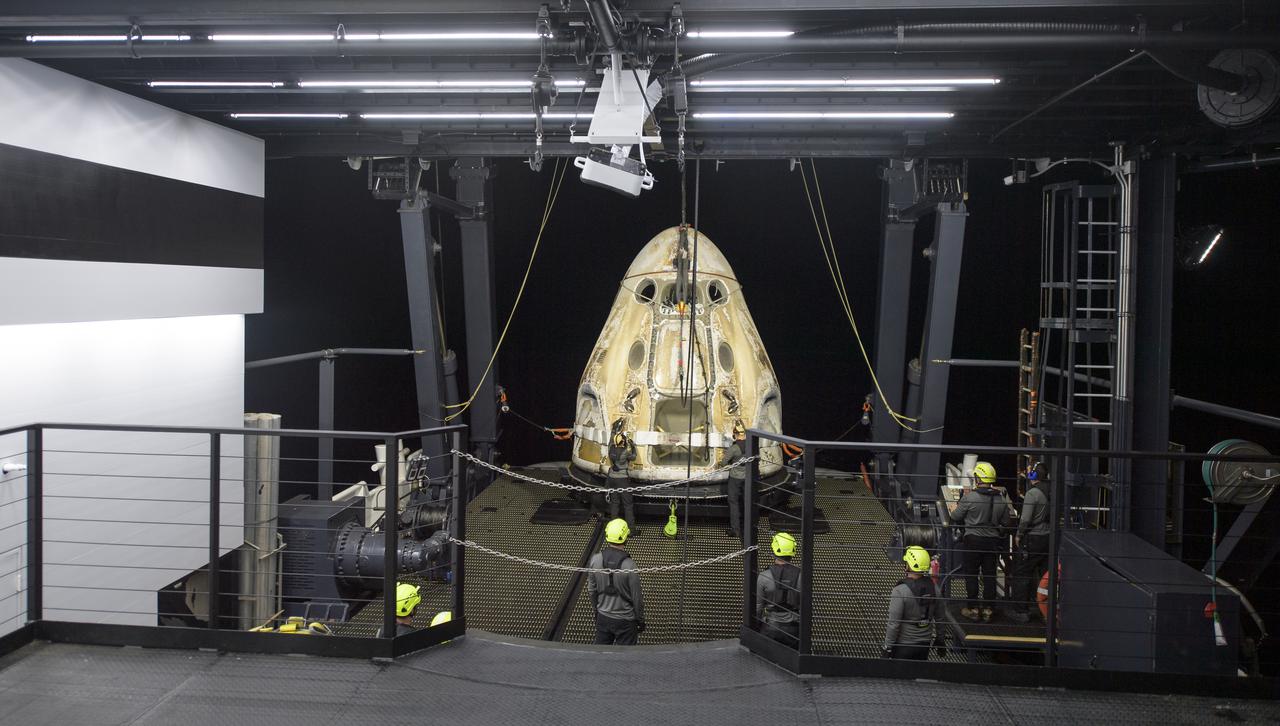
Support teams work around the SpaceX Crew Dragon Resilience spacecraft shortly after it landed with NASA astronauts Mike Hopkins, Shannon Walker, and Victor Glover, and Japan Aerospace Exploration Agency (JAXA) astronaut Soichi Noguchi aboard in the Gulf of Mexico off the coast of Panama City, Florida, Sunday, May 2, 2021. NASA’s SpaceX Crew-1 mission was the first crew rotation flight of the SpaceX Crew Dragon spacecraft and Falcon 9 rocket with astronauts to the International Space Station as part of the agency’s Commercial Crew Program. Photo Credit: (NASA/Bill Ingalls)
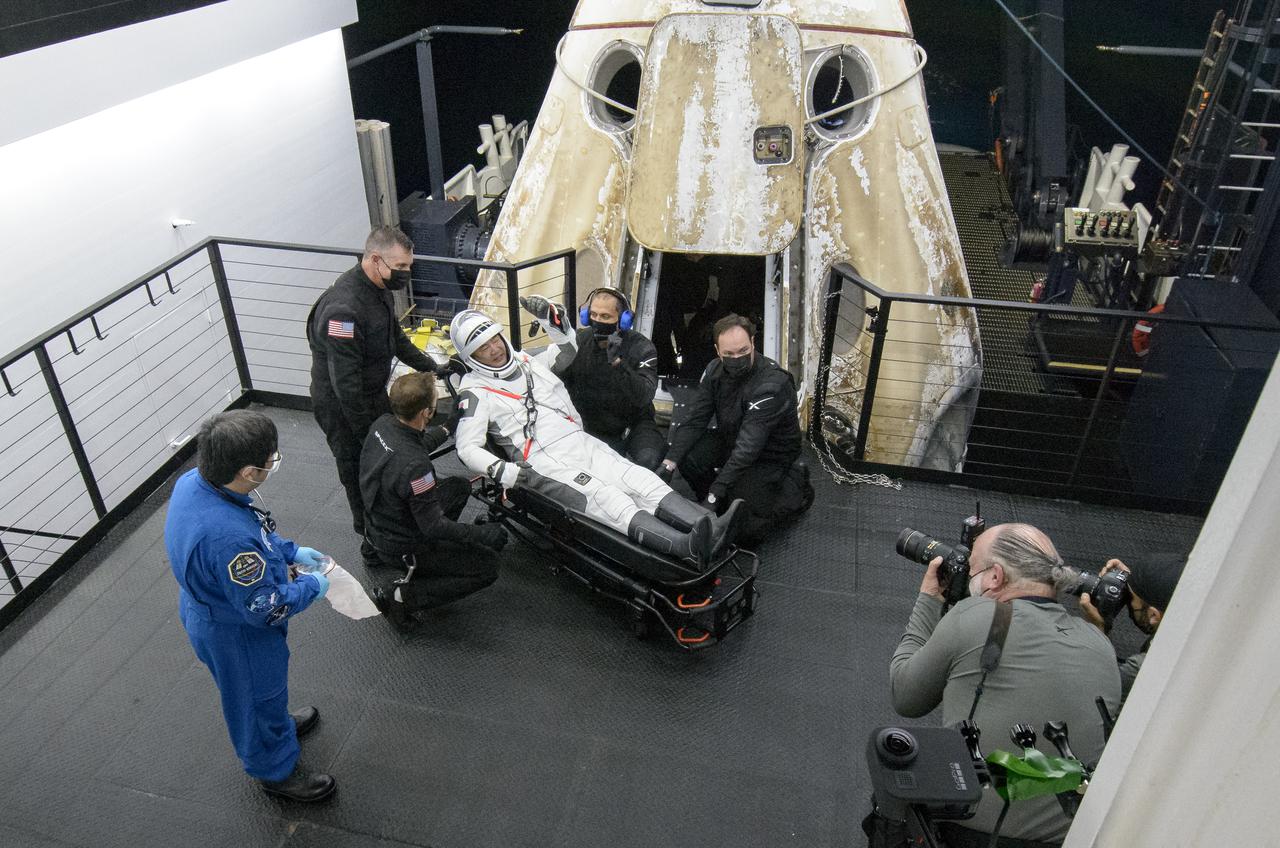
Japan Aerospace Exploration Agency (JAXA) astronaut Soichi Noguchi gives a thumbs up after he is helped out of the SpaceX Crew Dragon Resilience spacecraft onboard the SpaceX GO Navigator recovery ship after he, NASA astronauts Mike Hopkins, Shannon Walker and Victor Glover, landed in the Gulf of Mexico off the coast of Panama City, Florida, Sunday, May 2, 2021. NASA’s SpaceX Crew-1 mission was the first crew rotation flight of the SpaceX Crew Dragon spacecraft and Falcon 9 rocket with astronauts to the International Space Station as part of the agency’s Commercial Crew Program. Photo Credit: (NASA/Bill Ingalls)
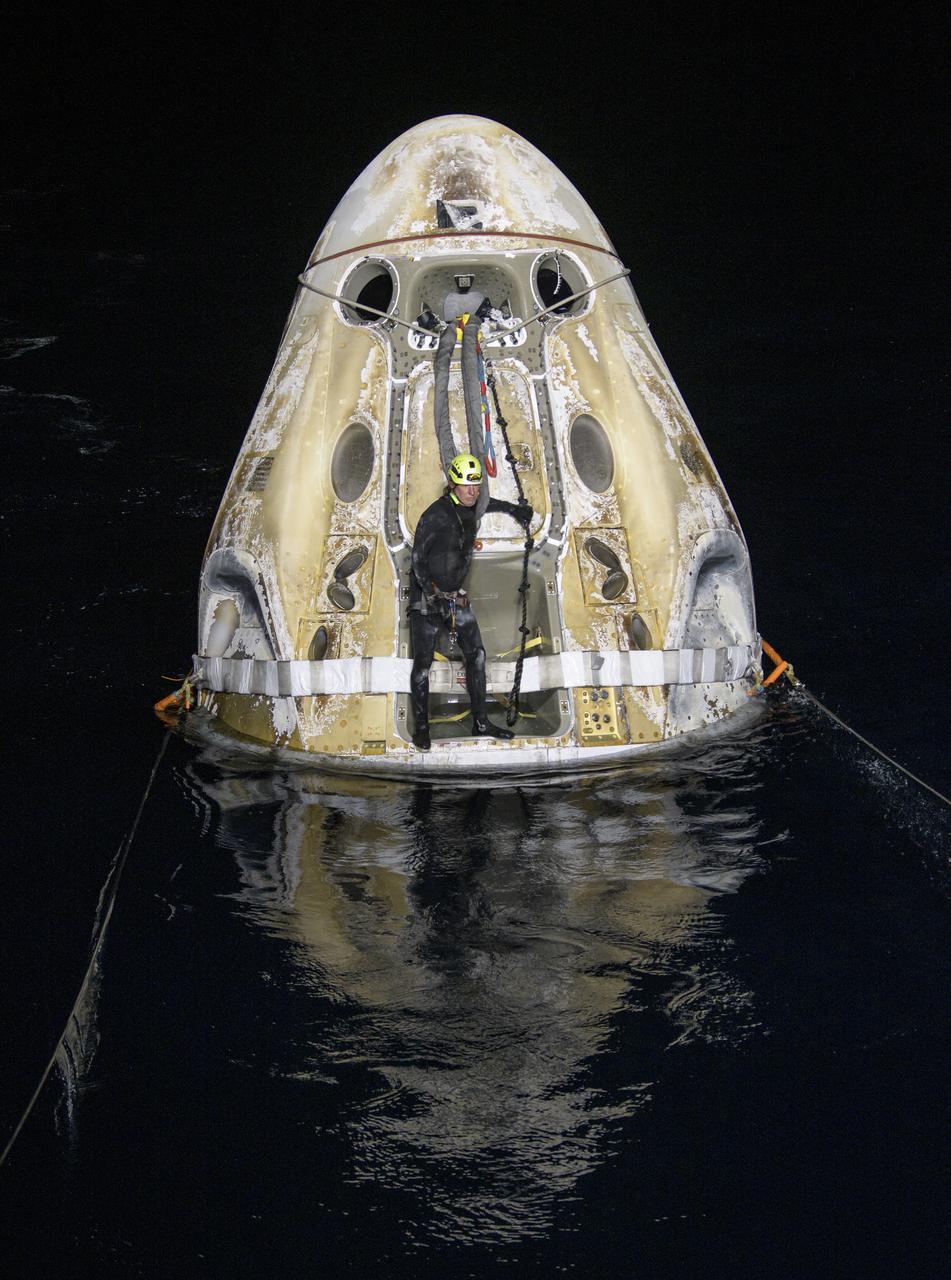
Support teams work around the SpaceX Crew Dragon Resilience spacecraft shortly after it landed with NASA astronauts Mike Hopkins, Shannon Walker, and Victor Glover, and Japan Aerospace Exploration Agency (JAXA) astronaut Soichi Noguchi aboard in the Gulf of Mexico off the coast of Panama City, Florida, Sunday, May 2, 2021. NASA’s SpaceX Crew-1 mission was the first crew rotation flight of the SpaceX Crew Dragon spacecraft and Falcon 9 rocket with astronauts to the International Space Station as part of the agency’s Commercial Crew Program. Photo Credit: (NASA/Bill Ingalls)
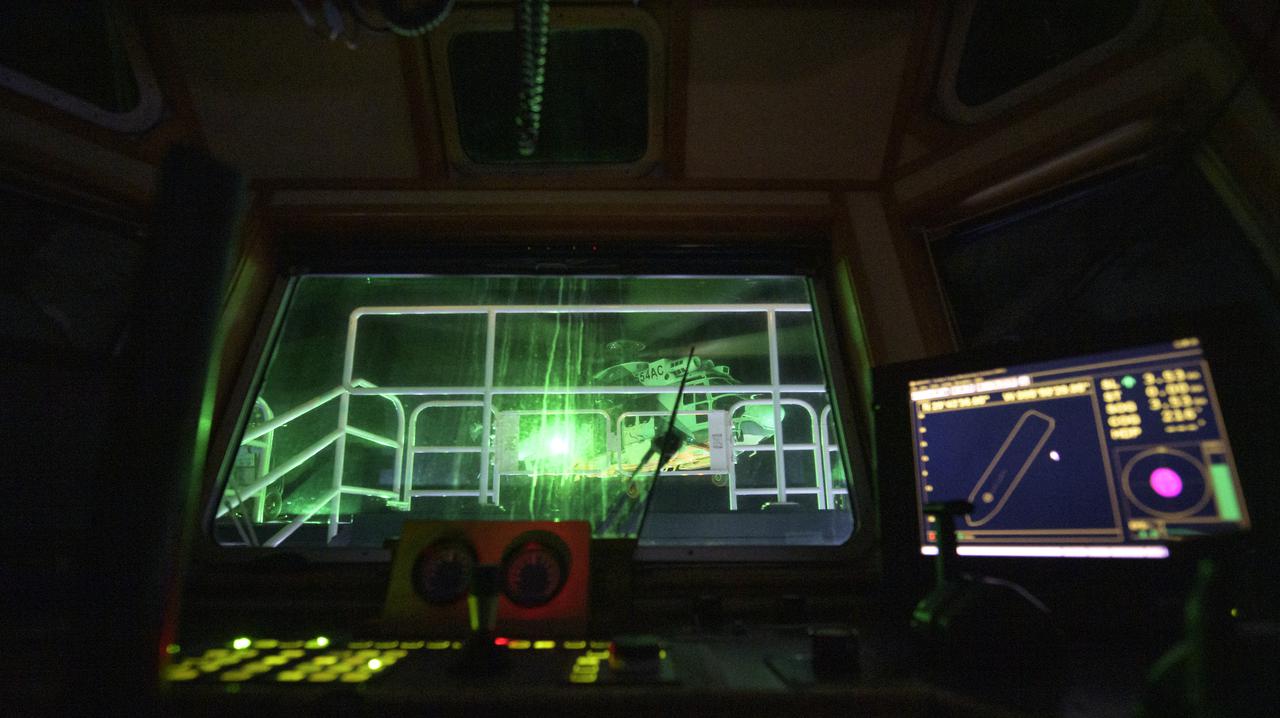
NASA and SpaceX support teams arrive via helicopter to the SpaceX GO Navigator recovery ship in order to prepare for the landing of the SpaceX Crew Dragon Resilience spacecraft with NASA astronauts Mike Hopkins, Shannon Walker, and Victor Glover, and Japan Aerospace Exploration Agency (JAXA) astronaut Soichi Noguchi aboard in the Gulf of Mexico off the coast of Panama City, Florida, Saturday, May 1, 2021. NASA’s SpaceX Crew-1 mission is the first crew rotation flight of the SpaceX Crew Dragon spacecraft and Falcon 9 rocket with astronauts to the International Space Station as part of the agency’s Commercial Crew Program. Photo Credit: (NASA/Bill Ingalls)
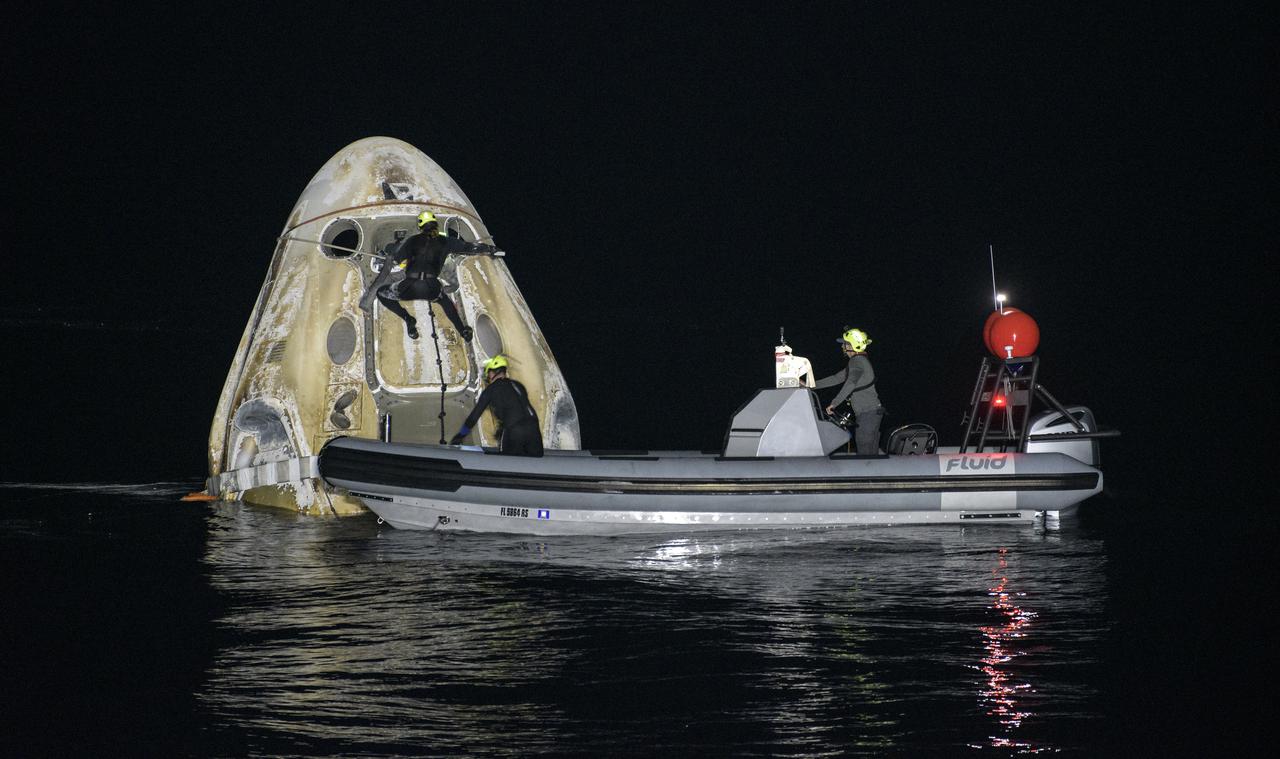
Support teams work around the SpaceX Crew Dragon Resilience spacecraft shortly after it landed with NASA astronauts Mike Hopkins, Shannon Walker, and Victor Glover, and Japan Aerospace Exploration Agency (JAXA) astronaut Soichi Noguchi aboard in the Gulf of Mexico off the coast of Panama City, Florida, Sunday, May 2, 2021. NASA’s SpaceX Crew-1 mission was the first crew rotation flight of the SpaceX Crew Dragon spacecraft and Falcon 9 rocket with astronauts to the International Space Station as part of the agency’s Commercial Crew Program. Photo Credit: (NASA/Bill Ingalls)
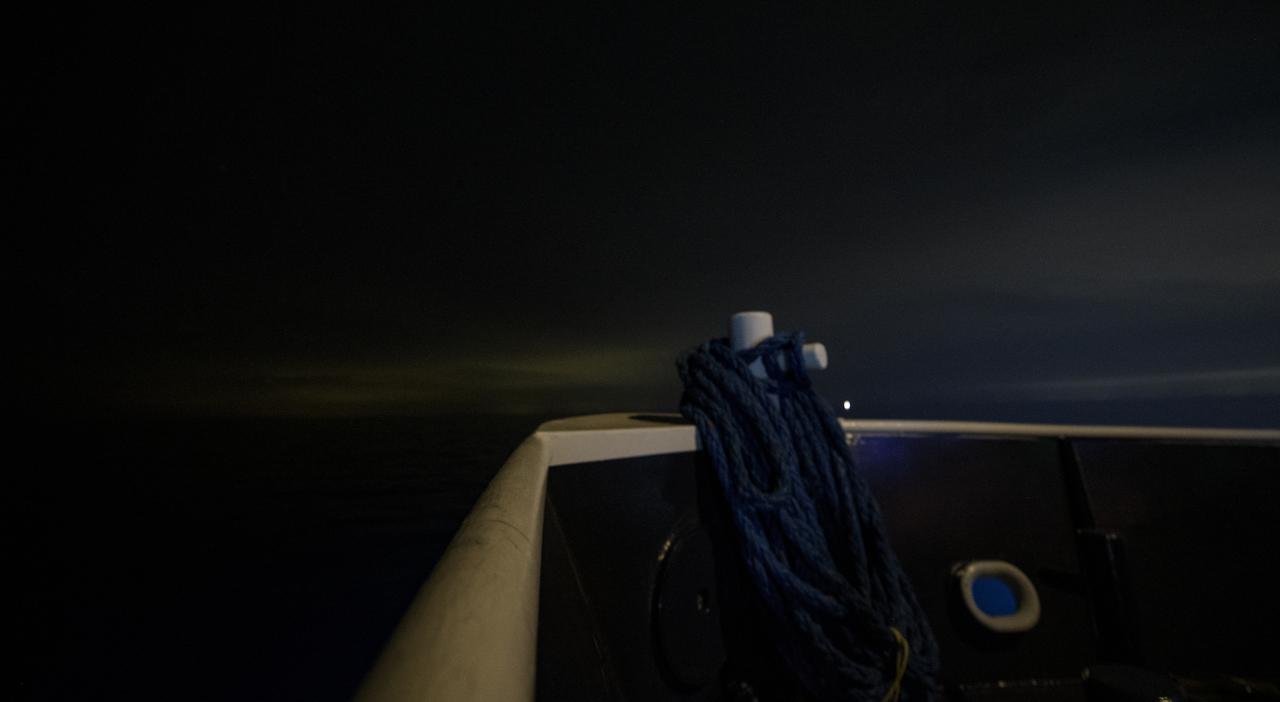
The night sky off the bow of the SpaceX GO Navigator recovery ship is seen in this one second exposure photograph as NASA and SpaceX support teams prepare for the landing of the SpaceX Crew Dragon Resilience spacecraft with NASA astronauts Mike Hopkins, Shannon Walker, and Victor Glover, and Japan Aerospace Exploration Agency (JAXA) astronaut Soichi Noguchi aboard in the Gulf of Mexico off the coast of Panama City, Florida, Saturday, May 1, 2021. NASA’s SpaceX Crew-1 mission is the first crew rotation flight of the SpaceX Crew Dragon spacecraft and Falcon 9 rocket with astronauts to the International Space Station as part of the agency’s Commercial Crew Program. Photo Credit: (NASA/Bill Ingalls)
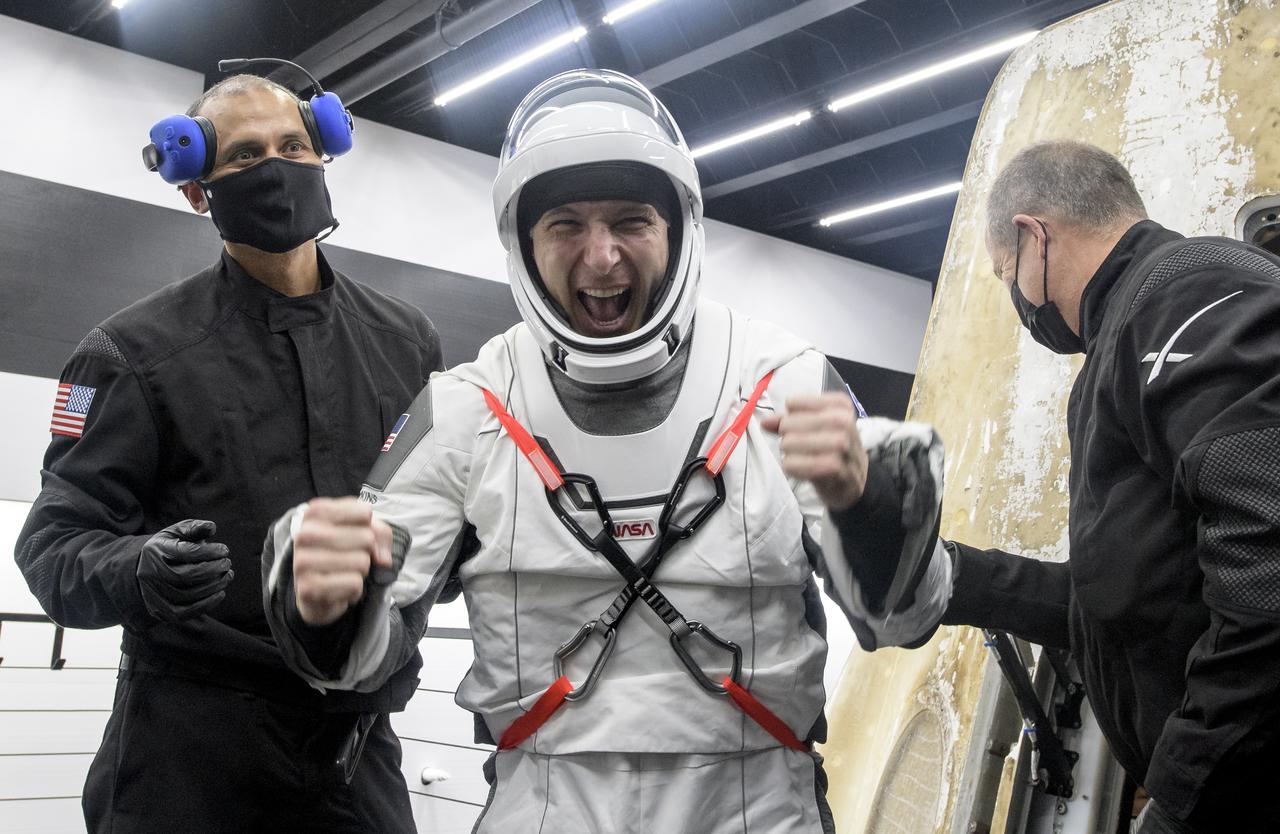
NASA astronaut Mike Hopkins is helped out of the SpaceX Crew Dragon Resilience spacecraft onboard the SpaceX GO Navigator recovery ship after he, NASA astronauts Shannon Walker, Victor Glover and Japan Aerospace Exploration Agency (JAXA) astronaut Soichi Noguchi, landed in the Gulf of Mexico off the coast of Panama City, Florida, Sunday, May 2, 2021. NASA’s SpaceX Crew-1 mission was the first crew rotation flight of the SpaceX Crew Dragon spacecraft and Falcon 9 rocket with astronauts to the International Space Station as part of the agency’s Commercial Crew Program. Photo Credit: (NASA/Bill Ingalls)
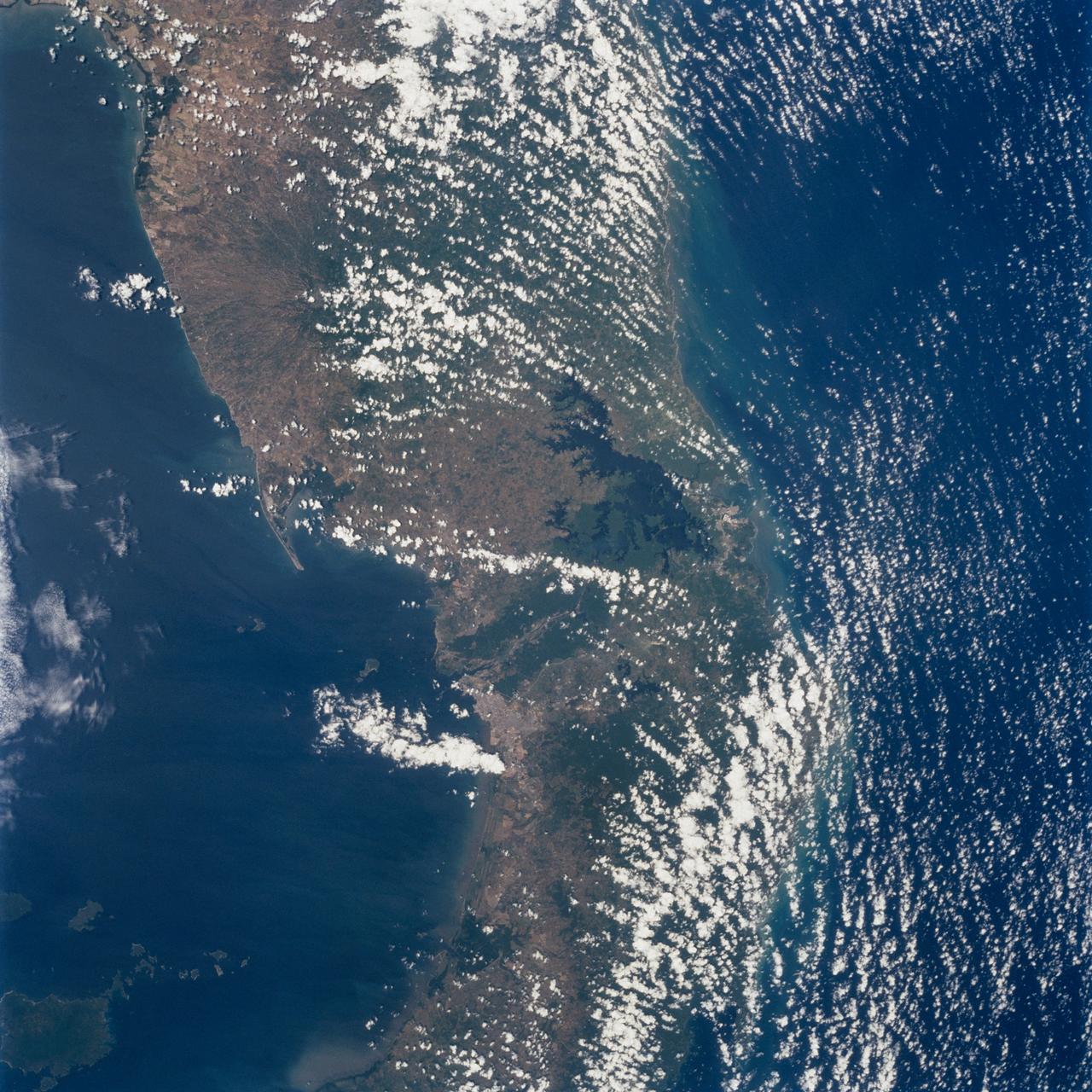
STS098-712-091 (7-20 February 2001) --- The forested area of the Panama Canal Zone can be seen near the center of this north-looking image, photographed with a 70mm handheld camera from the Earth-orbiting Space Shuttle Atlantis. (NOTE: The image should be oriented with Panama running horizontally and the majority of the clouds at the top). The Panama Canal Zone extends 5 miles (8 kilometers) on either side of the Panama Canal. The forested zone acts as a buffer for the canal to help prevent erosion and sediment from clogging the canal. Most of the countryside on both sides of the Canal Zone has been deforested to make way for large ranches and the raising of cattle. Though some sedimentation is occurring, dredging of the canal keeps the passage clear. The Panama Canal is 40 miles (64 kilometers) long including dredged approach channels at each end. With the Caribbean Sea covering the upper portion of the image and the Pacific Ocean covering the lower portion of the image, the canal traverses the Isthmus of Panama in a northwest to southeast direction. Gatun Lake, one of the largest artificial lakes in the world, is visible at the north end of the Canal Zone. Panama City (light-colored grayish area) is discernible to the right of the canal at its southern entrance from the Pacific Ocean. In 1996, 15,000 ships traveled through the canal, an average of 42 ships per day. Passage through the canal requires 7 to 8 hours.
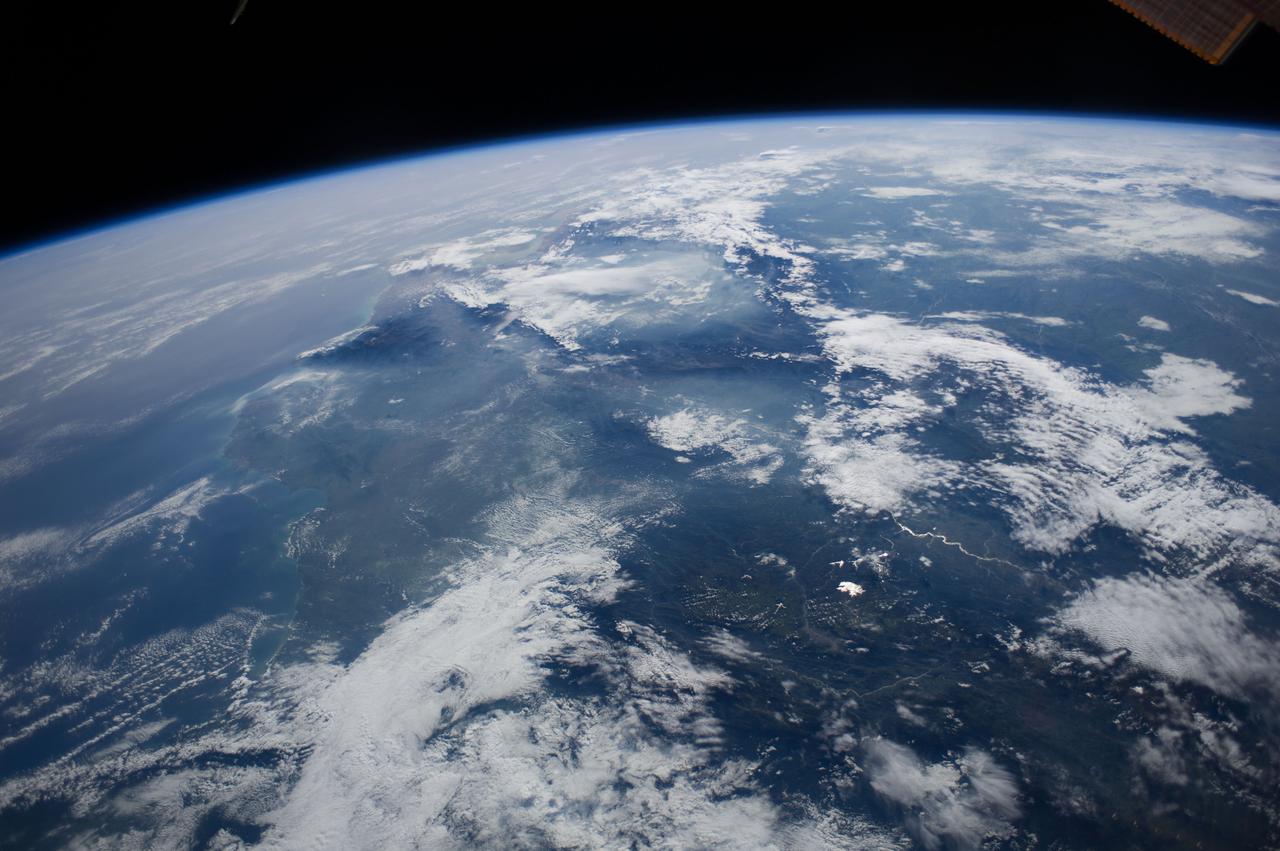
Earth Observation taken during a day pass by the Expedition 40 crew aboard the International Space Station (ISS). Folder lists this as: Panama and South America.
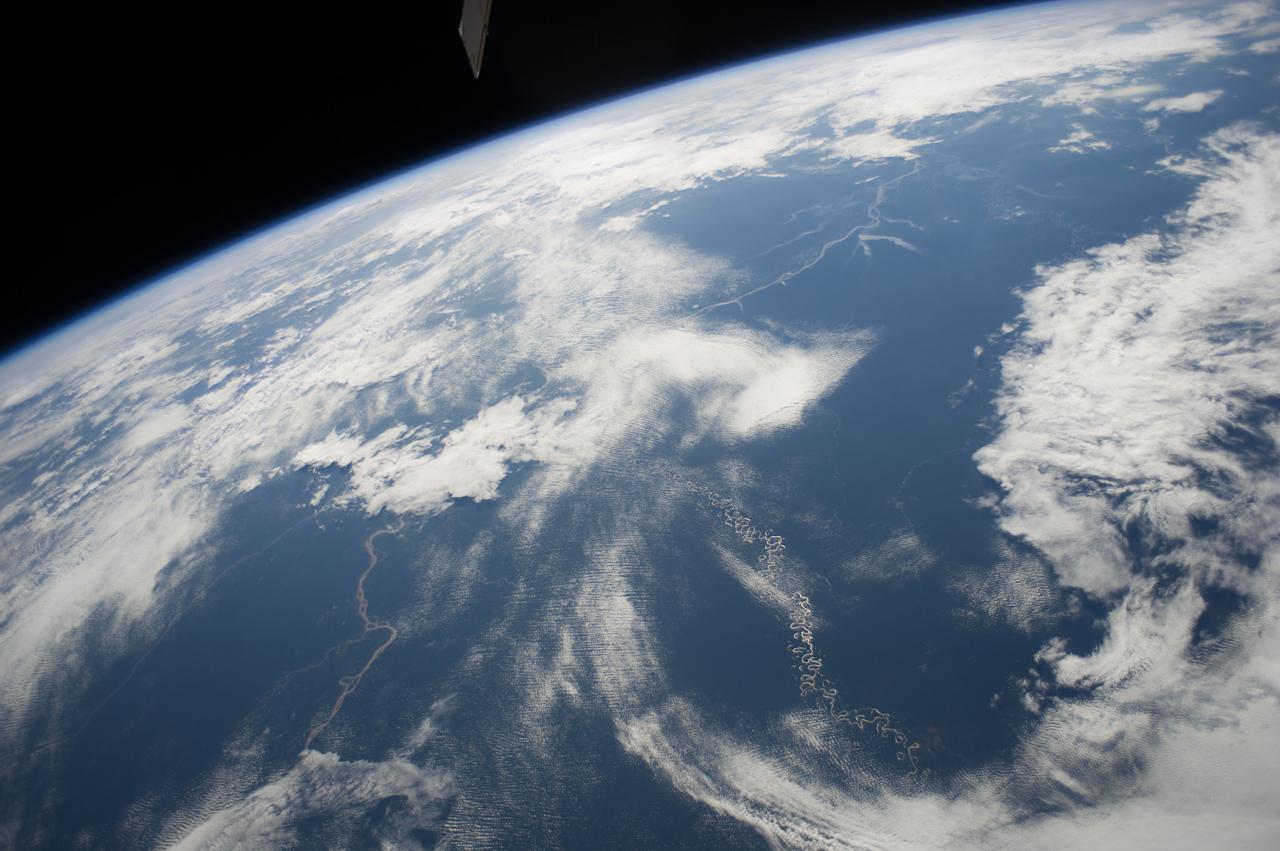
Earth Observation taken during a day pass by the Expedition 40 crew aboard the International Space Station (ISS). Folder lists this as: Panama and South America.
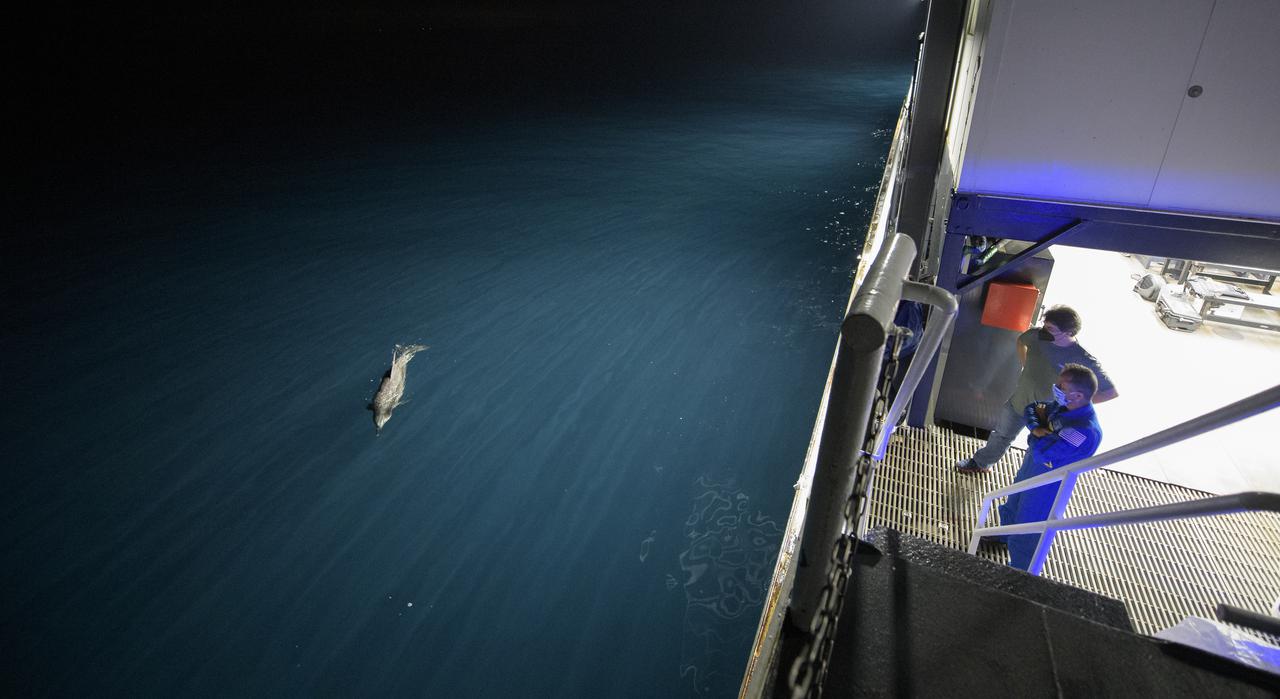
Manager, NASA ISS Transportation Integration Office, Bill Spetch and NASA astronaut representative Joe Acaba watch dolphin swim along with the SpaceX GO Navigator recovery ship as NASA and SpaceX teams prepare for the landing of the SpaceX Crew Dragon Resilience spacecraft with NASA astronauts Mike Hopkins, Shannon Walker, and Victor Glover, and Japan Aerospace Exploration Agency (JAXA) astronaut Soichi Noguchi aboard in the Gulf of Mexico off the coast of Panama City, Florida, Saturday, May 1, 2021. NASA’s SpaceX Crew-1 mission is the first crew rotation flight of the SpaceX Crew Dragon spacecraft and Falcon 9 rocket with astronauts to the International Space Station as part of the agency’s Commercial Crew Program. Photo Credit: (NASA/Bill Ingalls)
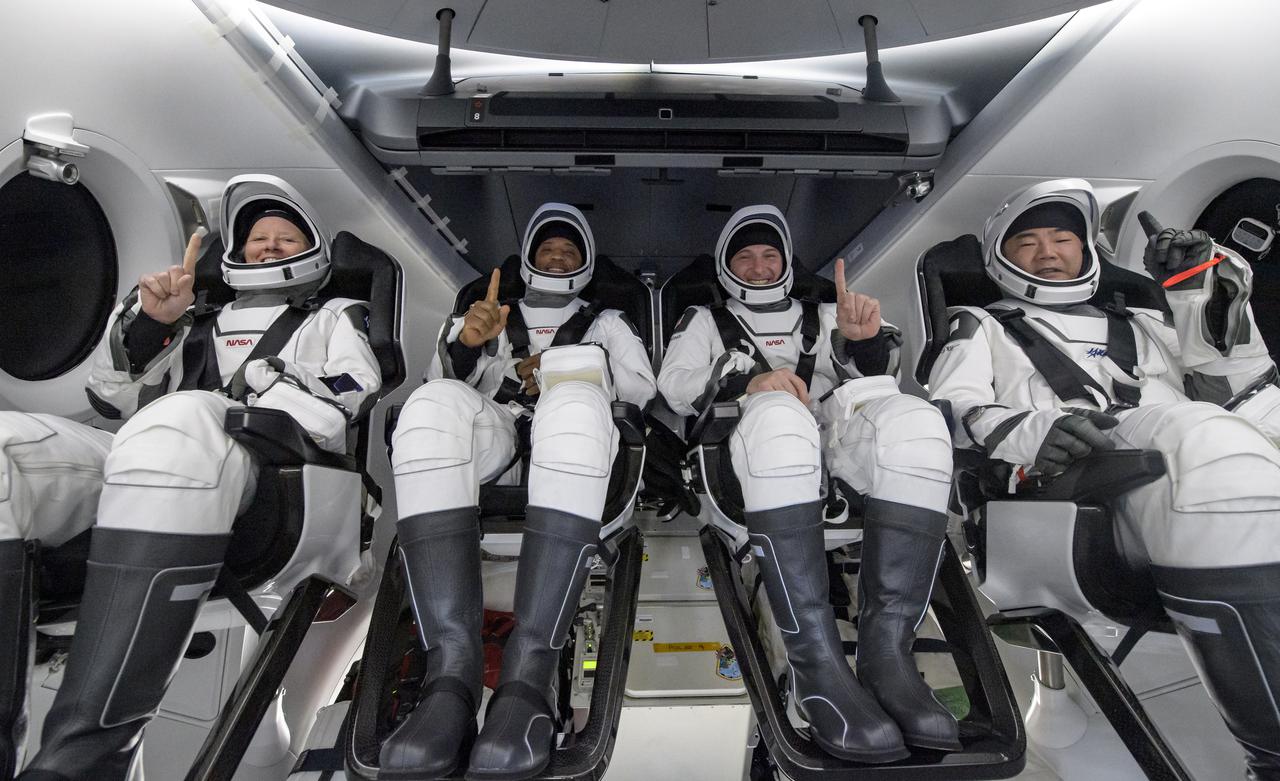
NASA astronauts Shannon Walker, left, Victor Glover, Mike Hopkins, and Japan Aerospace Exploration Agency (JAXA) astronaut Soichi Noguchi, right are seen inside the SpaceX Crew Dragon Resilience spacecraft onboard the SpaceX GO Navigator recovery ship shortly after having landed in the Gulf of Mexico off the coast of Panama City, Florida, Sunday, May 2, 2021. NASA’s SpaceX Crew-1 mission was the first crew rotation flight of the SpaceX Crew Dragon spacecraft and Falcon 9 rocket with astronauts to the International Space Station as part of the agency’s Commercial Crew Program. Photo Credit: (NASA/Bill Ingalls)
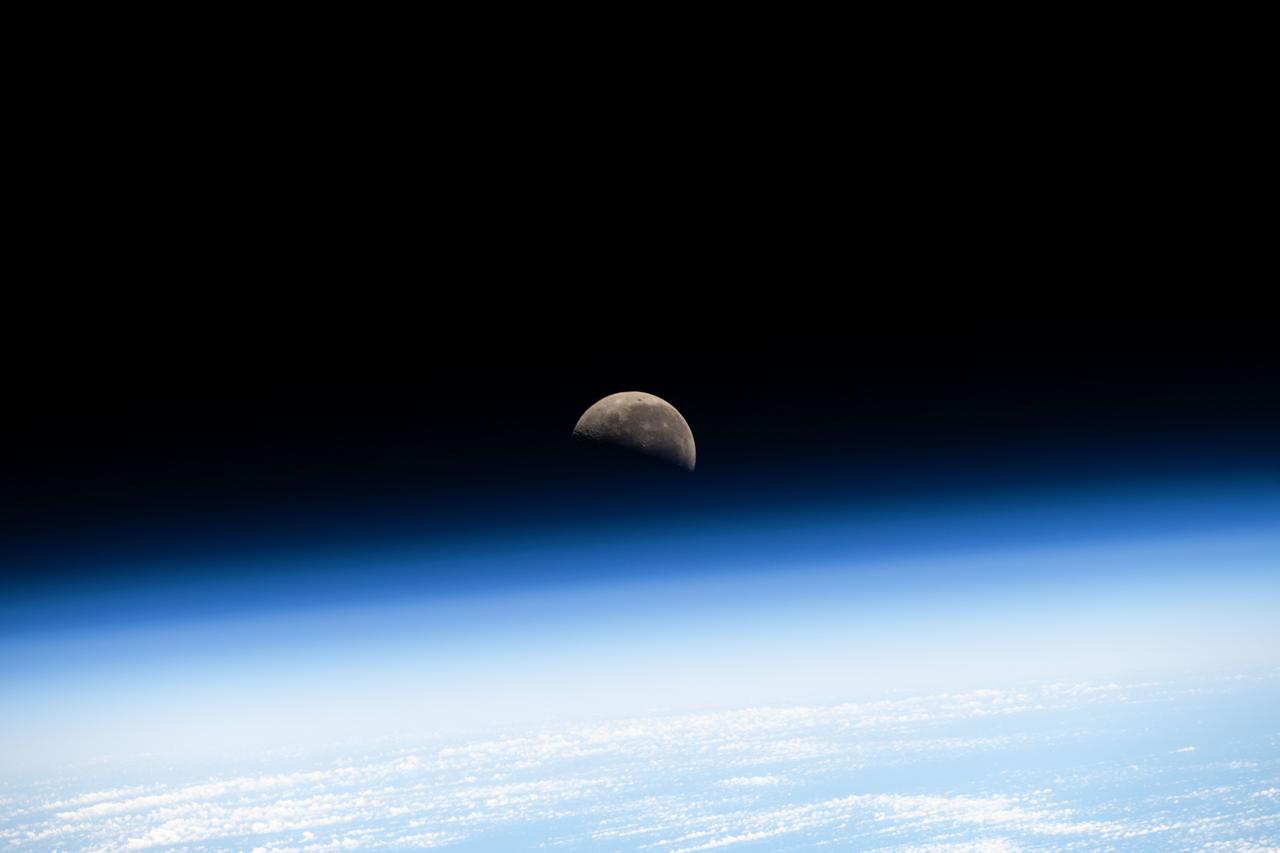
iss073e0077872 (May 20, 2025) --- The Last Quarter Moon is pictured above Earth's atmosphere from the International Space Station as it soared 260 miles over the Pacific Ocean southwest of Panama on the Latin American continent.
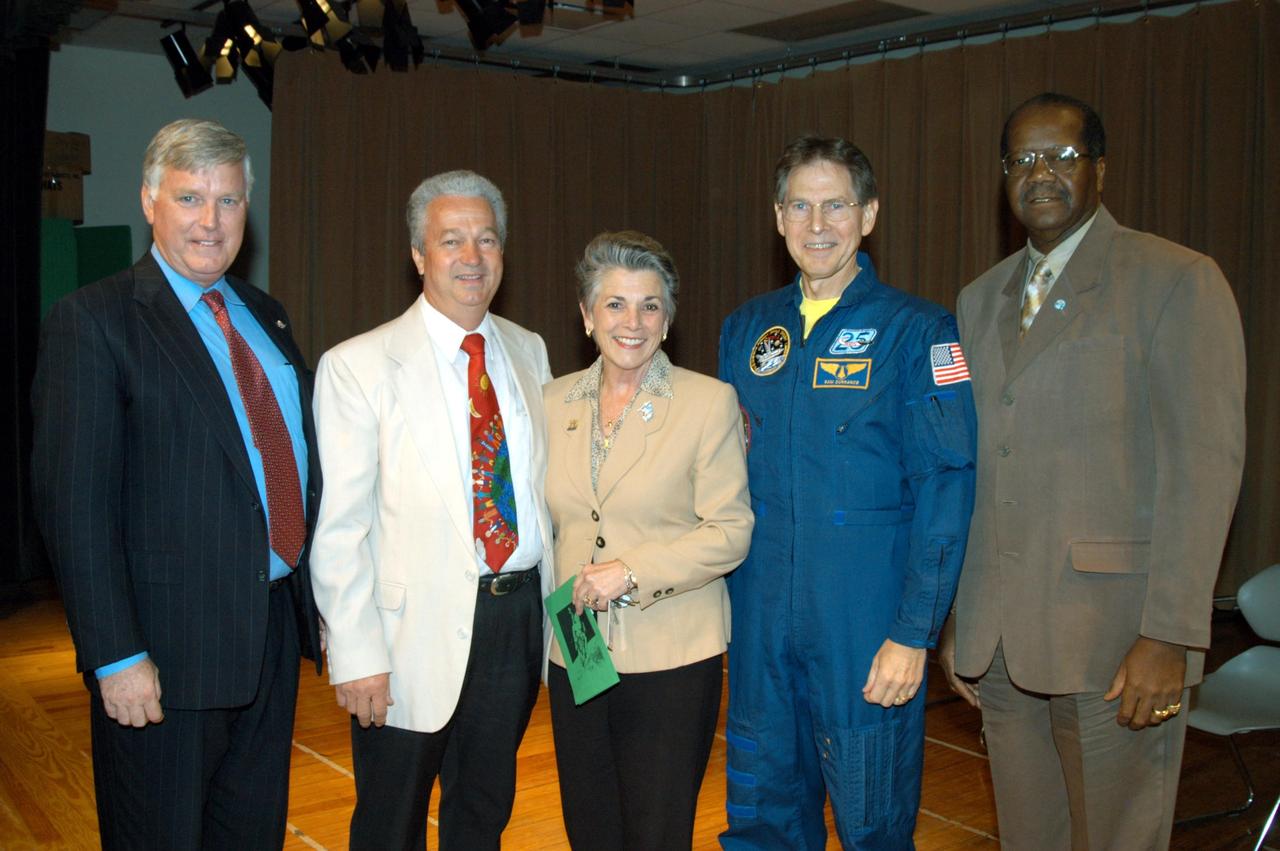
KENNEDY SPACE CENTER, FLA. -- At Oscar Patterson Elementary Magnet School in Panama City, Fla., Center Director Jim Kennedy (far left) stands with (left to right) Bay County school board members Johnny Brock and Thelma Rohan, astronaut Sam Durrance and Panama City Commissioner Johnathon Wilson. Kennedy and Durrance and other NASA officials were at the school to share America’s new vision for space exploration with the next generation of explorers. Kennedy is talking with students about our destiny as explorers, NASA’s stepping stone approach to exploring Earth, the Moon, Mars and beyond, how space impacts our lives, and how people and machines rely on each other in space.
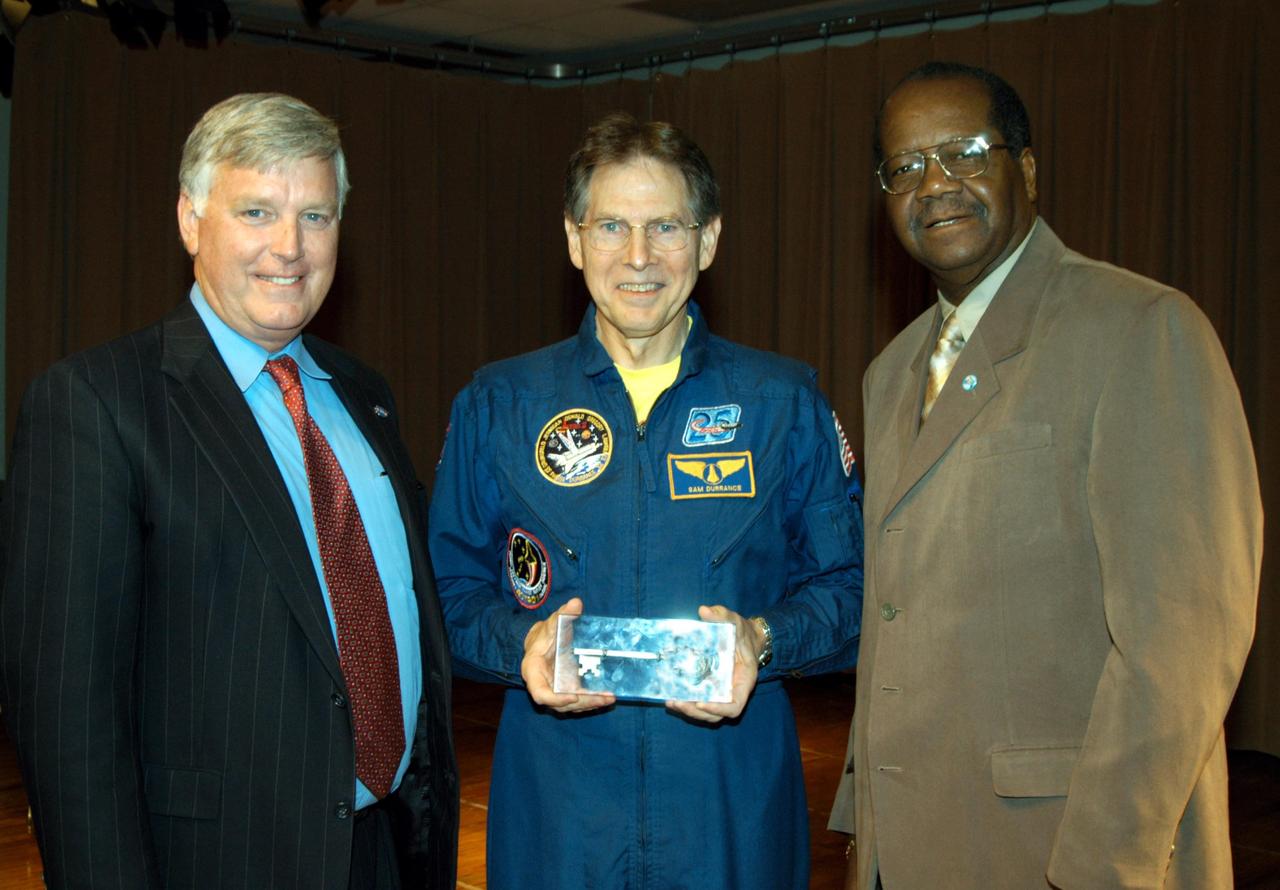
KENNEDY SPACE CENTER, FLA. -- Center Director Jim Kennedy stands with astronaut Sam Durrance, who displays the key to the city presented by Johnathon Wilson, Panama City commissioner (right). Kennedy and Durrance and other NASA officials were at Oscar Patterson Elementary Magnet School in Panama City, Fla. They are visiting NASA Explorer Schools in Florida and Georgia to share America’s new vision for space exploration with the next generation of explorers. Kennedy is talking with students about our destiny as explorers, NASA’s stepping stone approach to exploring Earth, the Moon, Mars and beyond, how space impacts our lives, and how people and machines rely on each other in space.
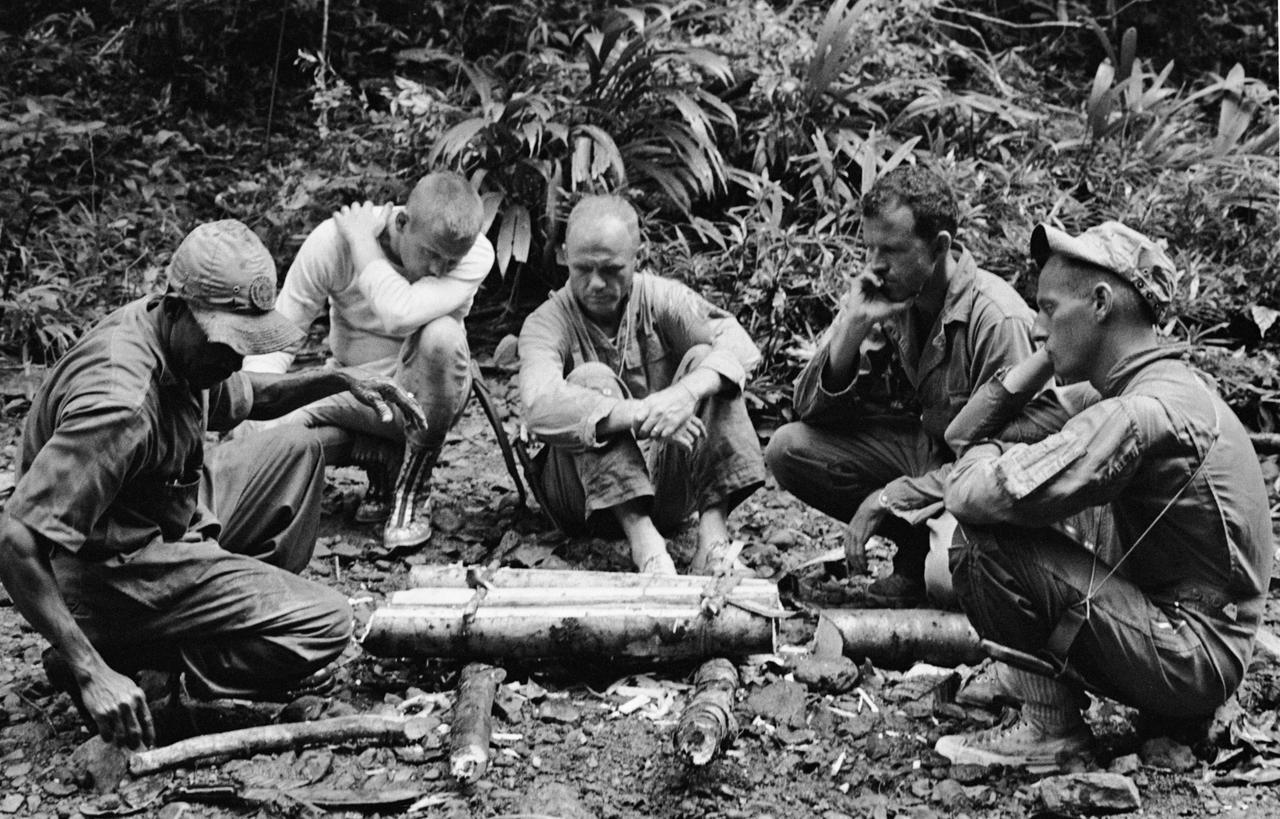
S63-08394 (3-6 June 1963) --- Some of NASA's sixteen astronauts participate in tropic survival training from June 3 through June 6, 1963, at Albrook Air Force Base, Canal Zone. From left to right are unidentified trainer, Neil Armstrong, John H. Glenn Jr., L. Gordon Cooper and Pete Conrad. Photo credit: NASA
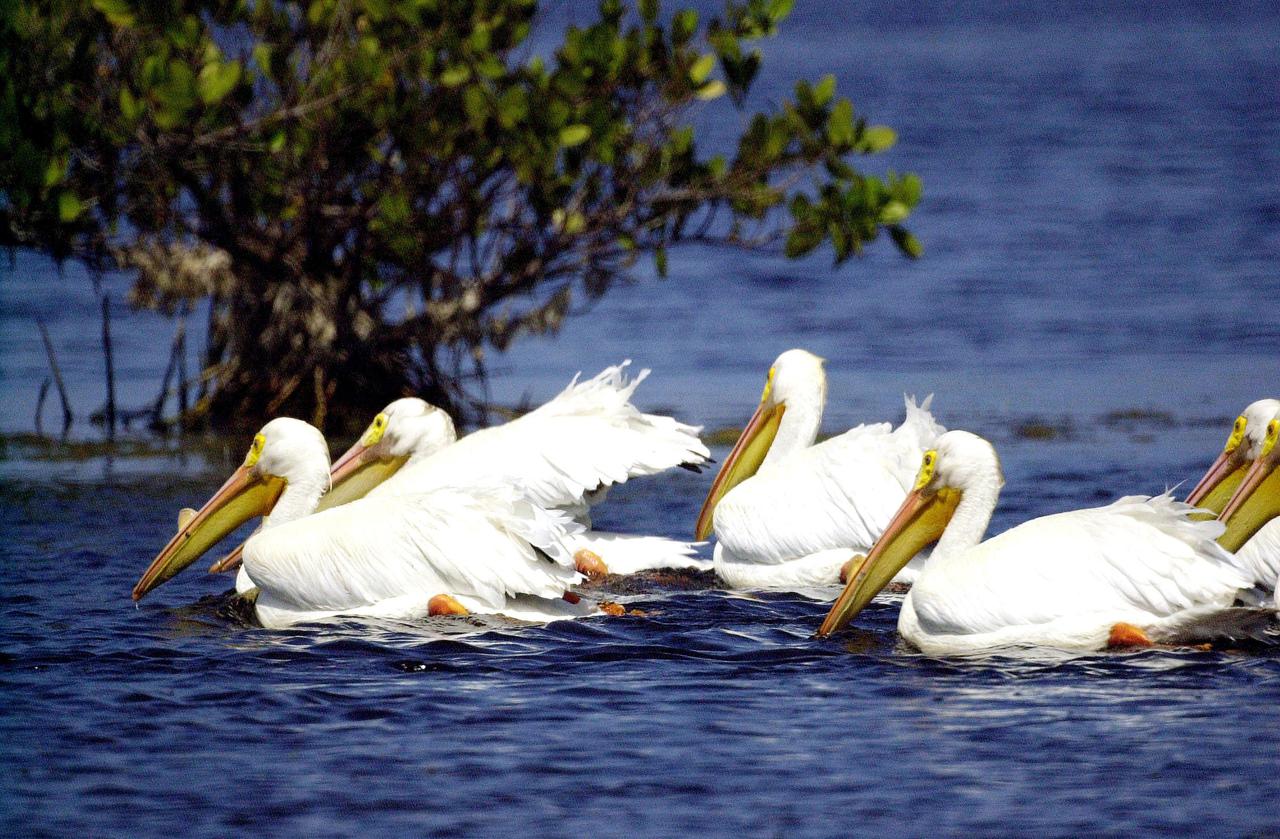
KENNEDY SPACE CENTER, FLA. -- White pelicans swim gracefully on the blue water of this lake near Kennedy Space Center. Found from British Columbia south to western Ontario, California and the Texas coast, White Pelicans winter from Florida south to Panama. They prefer marshy lakes and coastal regions, and winter chiefly in coastal lagoons

iss065e012566 (May 2, 2021) --- The SpaceX Crew Dragon Resilience is pictured from the International Space Station reentering Earth's atmosphere. Resilience, with its protective heat shield, reached the atmosphere at over 17,000 miles per hour experiencing friction and extreme heat creating a visible plasma trail streaming behind it. Astronauts Michael Hopkins, Victor Glover, Shannon Walker and Soichi Noguchi would safely parachute to a splashdown inside Resilience a few minutes later in the Gulf of Mexico off the coast of Panama City, Florida.
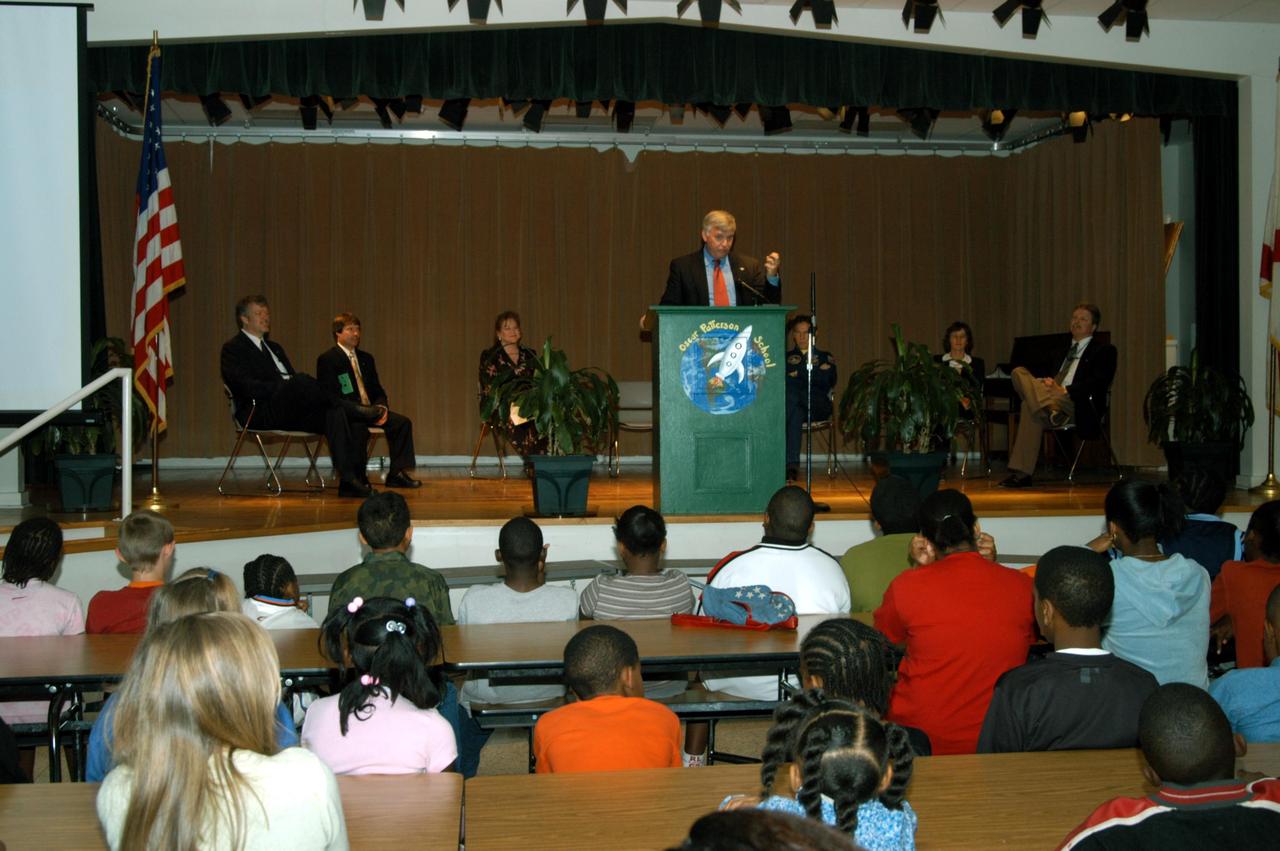
KENNEDY SPACE CENTER, FLA. -- Center Director Jim Kennedy talks to students at Oscar Patterson Elementary Magnet School in Panama City, Fla. Kennedy is visiting NASA Explorer Schools in Florida and Georgia to share America’s new vision for space exploration with the next generation of explorers. Kennedy is talking with students about our destiny as explorers, NASA’s stepping stone approach to exploring Earth, the Moon, Mars and beyond, how space impacts our lives, and how people and machines rely on each other in space.
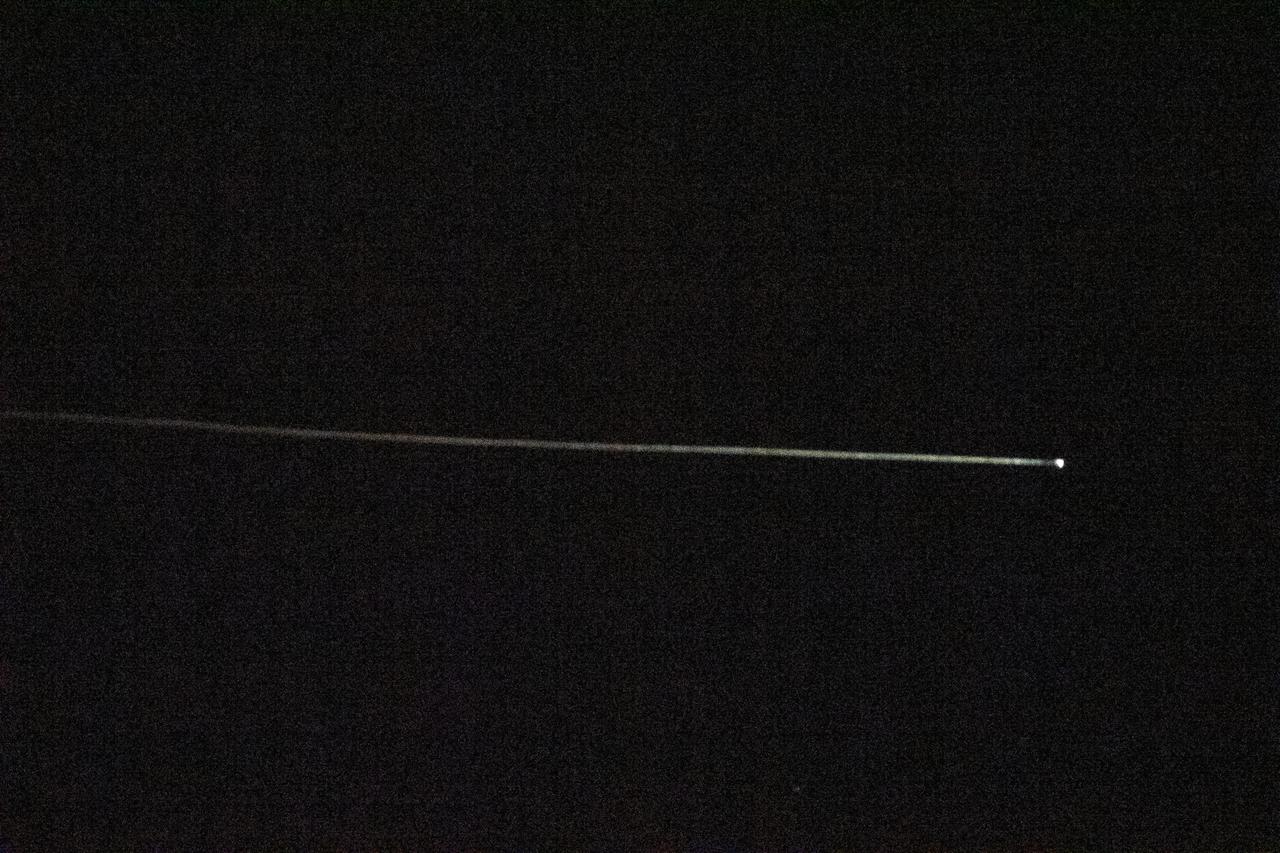
iss065e012568 (May 2, 2021) --- The SpaceX Crew Dragon Resilience is pictured from the International Space Station reentering Earth's atmosphere. Resilience, with its protective heat shield, reached the atmosphere at over 17,000 miles per hour experiencing friction and extreme heat creating a visible plasma trail streaming behind it. Astronauts Michael Hopkins, Victor Glover, Shannon Walker and Soichi Noguchi would safely parachute to a splashdown inside Resilience a few minutes later in the Gulf of Mexico off the coast of Panama City, Florida.
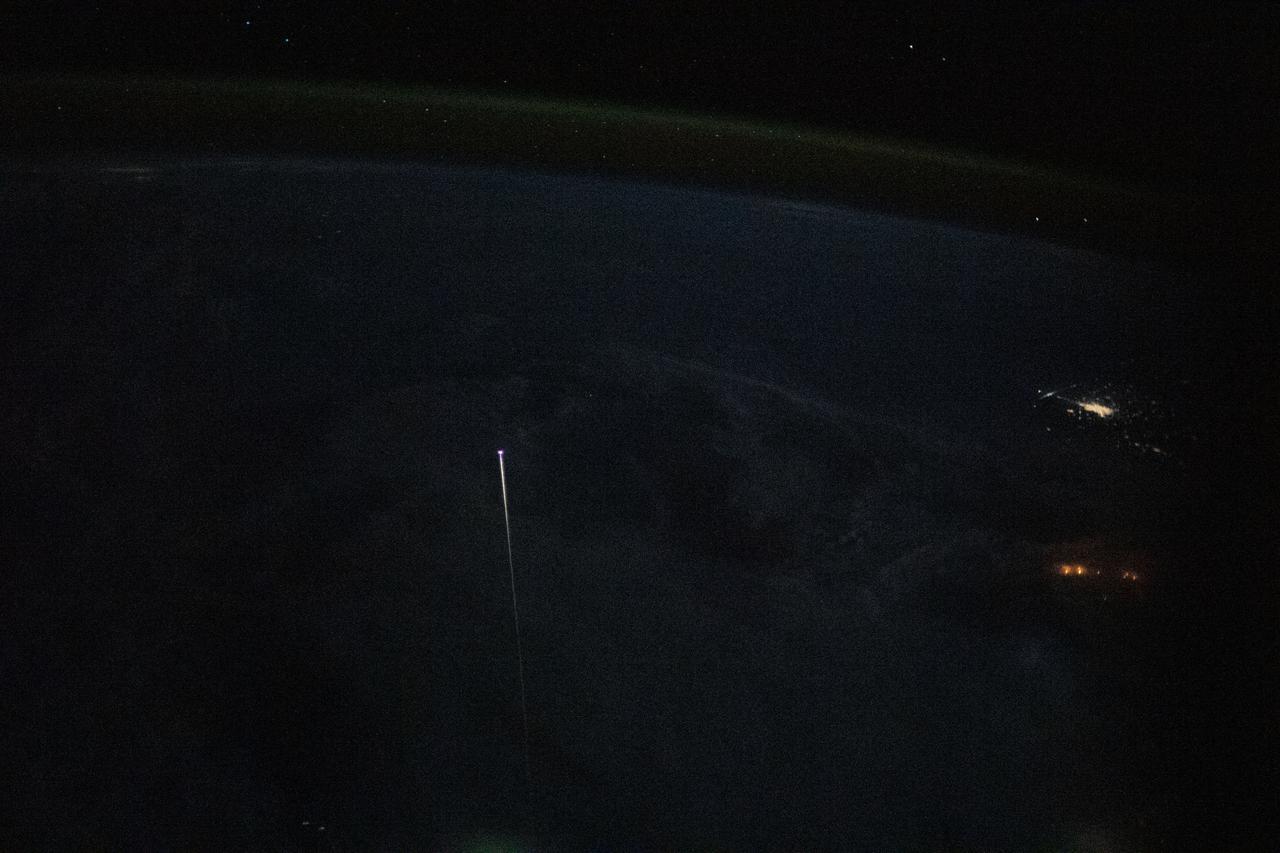
iss065e012226 (May 2, 2021) --- The SpaceX Crew Dragon Resilience is pictured from the International Space Station reentering Earth's atmosphere. Resilience, with its protective heat shield, reached the atmosphere at over 17,000 miles per hour experiencing friction and extreme heat creating a visible plasma trail streaming behind it. Astronauts Michael Hopkins, Victor Glover, Shannon Walker and Soichi Noguchi would safely parachute to a splashdown inside Resilience a few minutes later in the Gulf of Mexico off the coast of Panama City, Florida.

CAPE CANAVERAL, Fla. – The Panama band entertains thousands of space shuttle workers and their families at the “We Made History! Shuttle Program Celebration,” Aug. 13, at the Kennedy Space Center Visitor Complex, Fla. The event was held to honor current and former workers’ dedication to NASA’s Space Shuttle Program and to celebrate 30 years of space shuttle achievements. The event featured food, music, entertainment, astronaut appearances, educational activities, giveaways, and Starfire Night Skyshow. Photo credit: Jim Grossmann
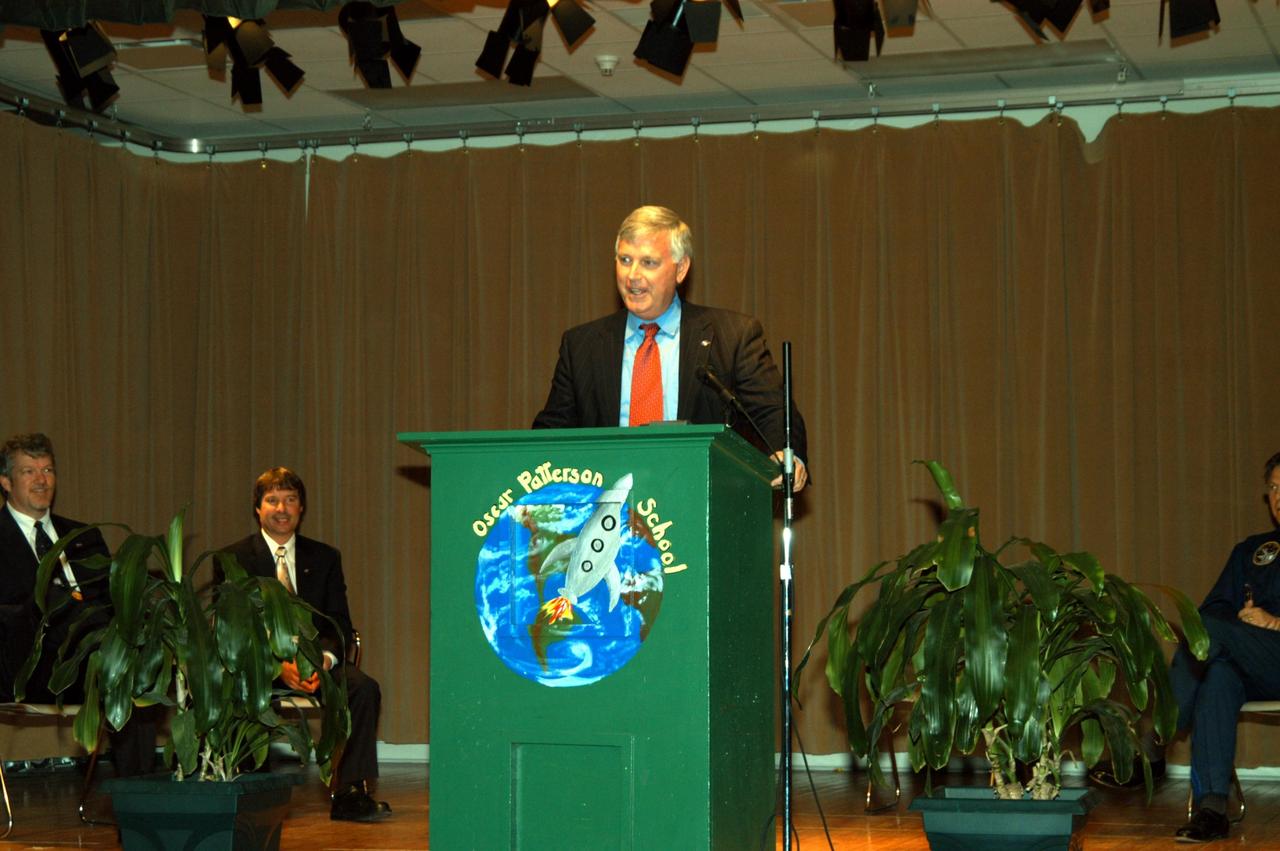
KENNEDY SPACE CENTER, FLA. -- Center Director Jim Kennedy talks to students at Oscar Patterson Elementary Magnet School in Panama City, Fla. Kennedy is visiting NASA Explorer Schools in Florida and Georgia to share America’s new vision for space exploration with the next generation of explorers. Kennedy is talking with students about our destiny as explorers, NASA’s stepping stone approach to exploring Earth, the Moon, Mars and beyond, how space impacts our lives, and how people and machines rely on each other in space.
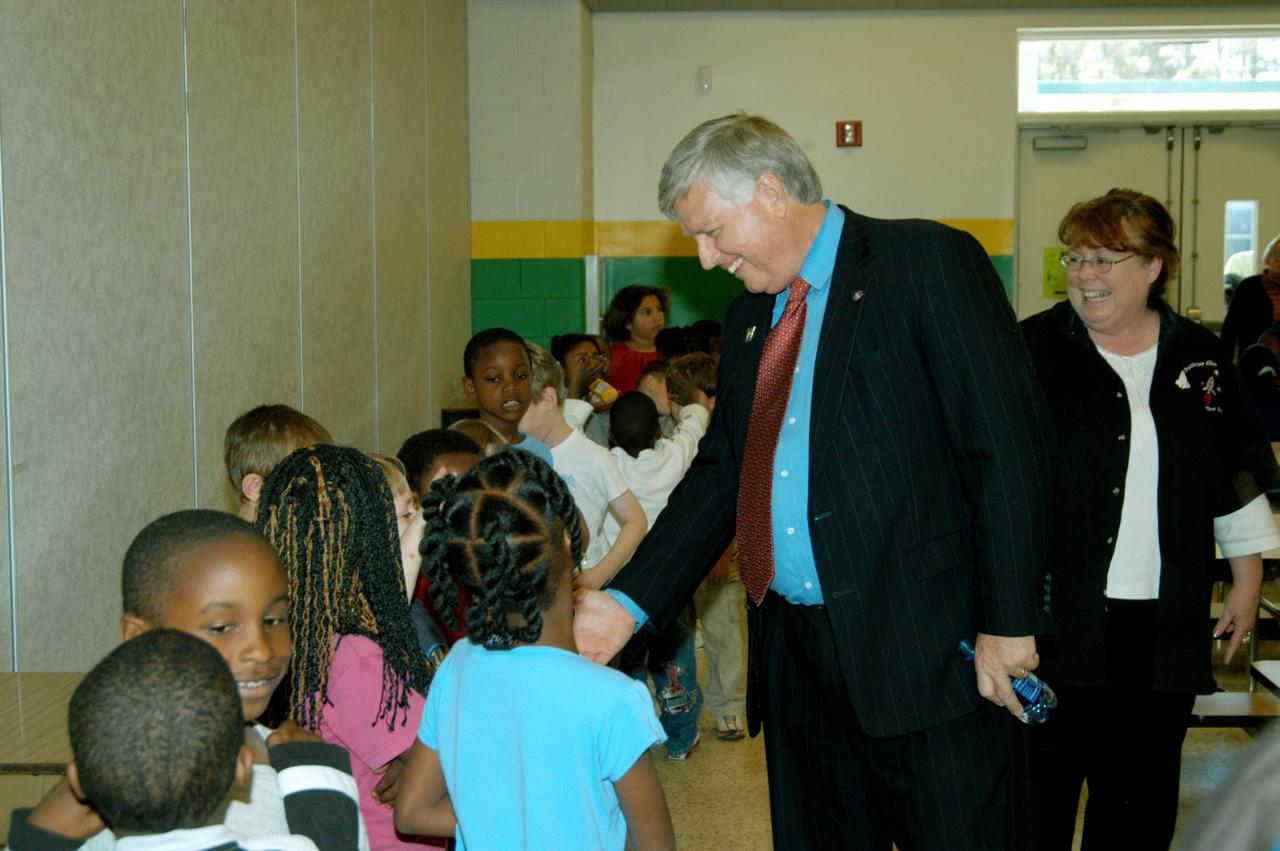
KENNEDY SPACE CENTER, FLA. -- Center Director Jim Kennedy shakes hands with students at Oscar Patterson Elementary Magnet School in Panama City, Fla. Kennedy is touring Florida and Georgia NASA Explorer Schools to share America’s new vision for space exploration with the next generation of explorers. Kennedy is talking with students about our destiny as explorers, NASA’s stepping stone approach to exploring Earth, the Moon, Mars and beyond, how space impacts our lives, and how people and machines rely on each other in space.

iss065e012212 (May 2, 2021) --- The SpaceX Crew Dragon Resilience is pictured from the International Space Station reentering Earth's atmosphere. Resilience, with its protective heat shield, reached the atmosphere at over 17,000 miles per hour experiencing friction and extreme heat creating a visible plasma trail streaming behind it. Astronauts Michael Hopkins, Victor Glover, Shannon Walker and Soichi Noguchi would safely parachute to a splashdown inside Resilience a few minutes later in the Gulf of Mexico off the coast of Panama City, Florida.
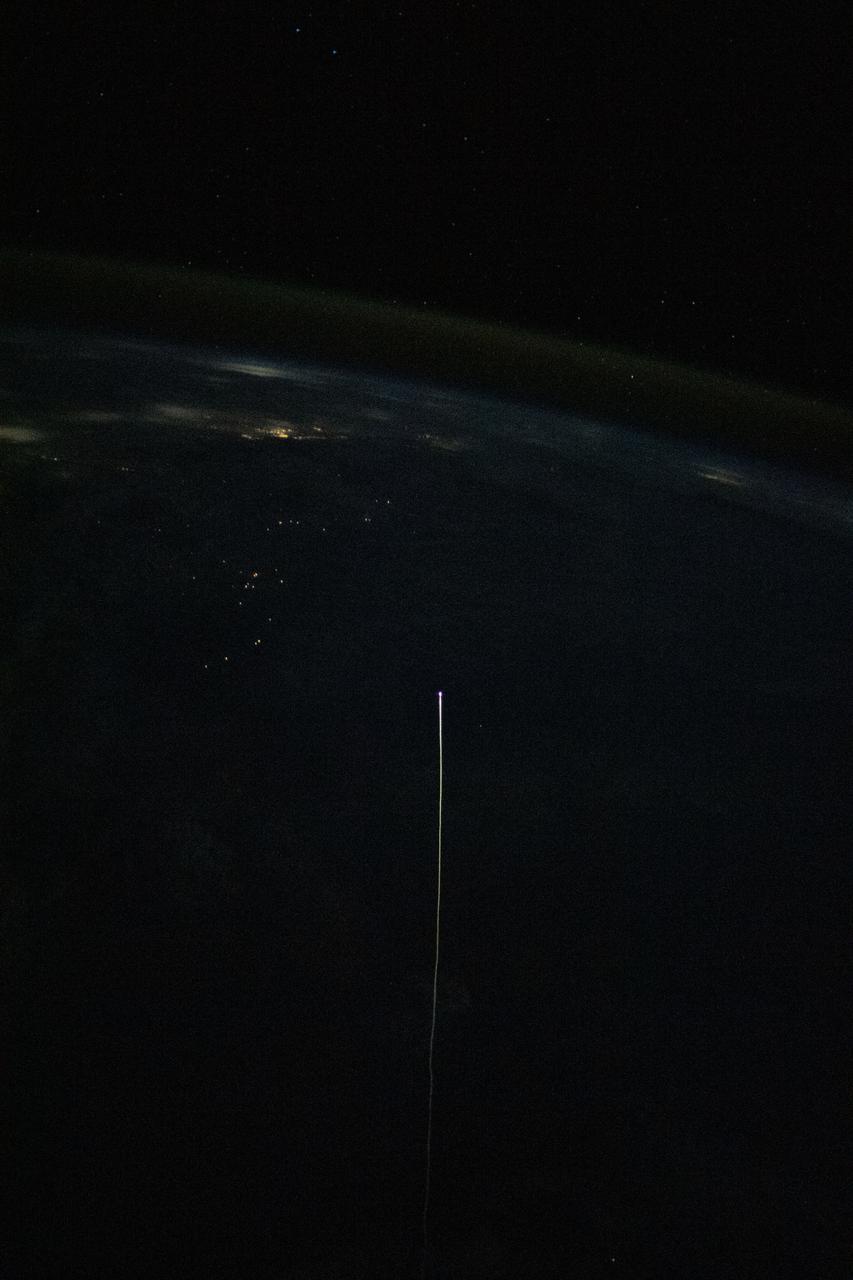
iss065e012241 (May 2, 2021) --- The SpaceX Crew Dragon Resilience is pictured from the International Space Station reentering Earth's atmosphere. Resilience, with its protective heat shield, reached the atmosphere at over 17,000 miles per hour experiencing friction and extreme heat creating a visible plasma trail streaming behind it. Astronauts Michael Hopkins, Victor Glover, Shannon Walker and Soichi Noguchi would safely parachute to a splashdown inside Resilience a few minutes later in the Gulf of Mexico off the coast of Panama City, Florida.
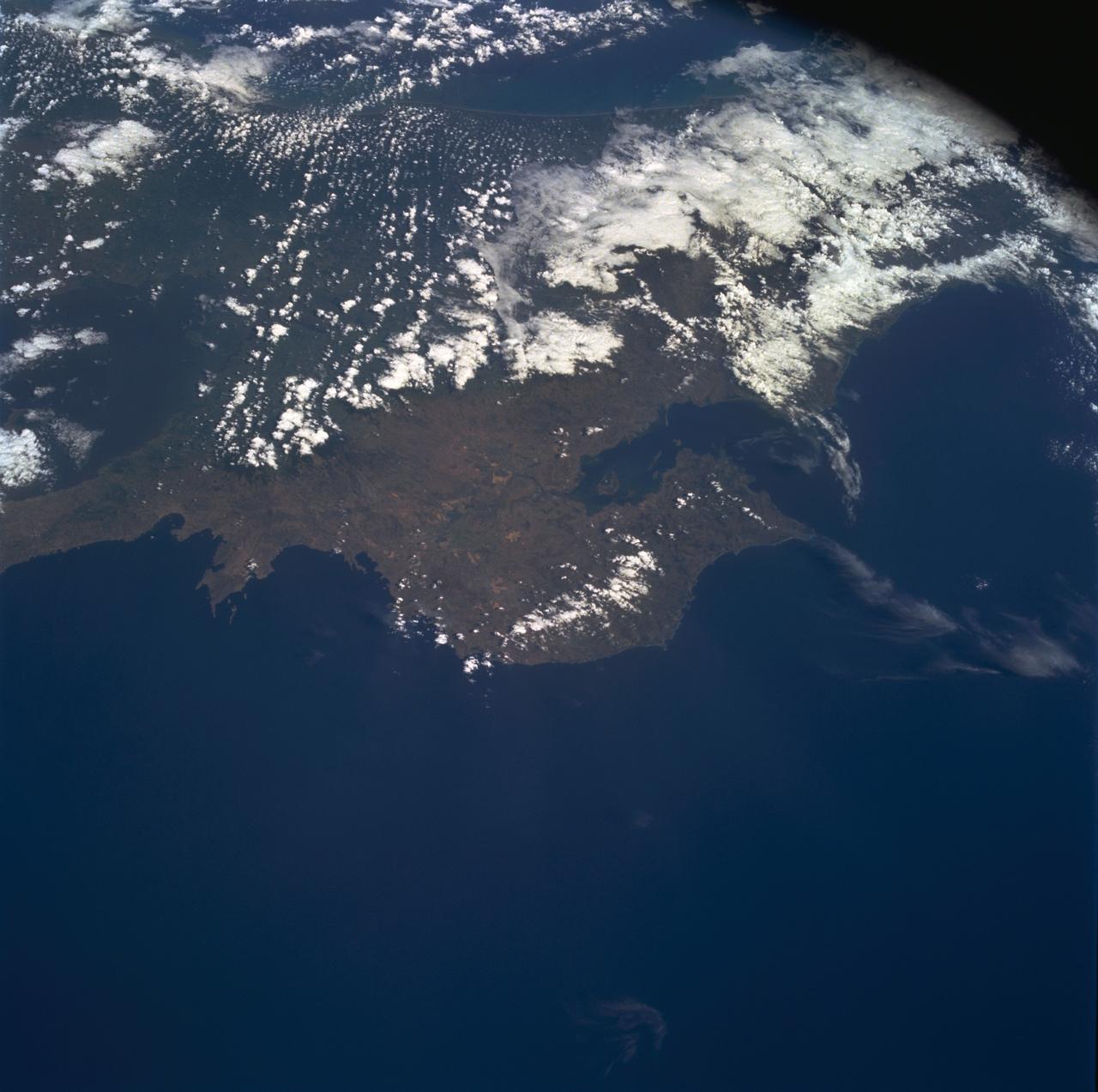
STS060-85-000AD (3-11 Feb 1994) --- This photograph shows the Central American nations of Nicaragua, Costa Rica and parts of Panama. Lake Nicaragua defines the southern limits of the country of Nicaragua. The cloud-free portion of the photo shows Costa Rica, it's gulf and Peninsula of Nicoya. Agricultural land use is clearly seen around Nicoya and a few islands of tropical forests are seen at the edges. The capital city of San Jose, Costa Rica, is partly cloud-covered in this image.
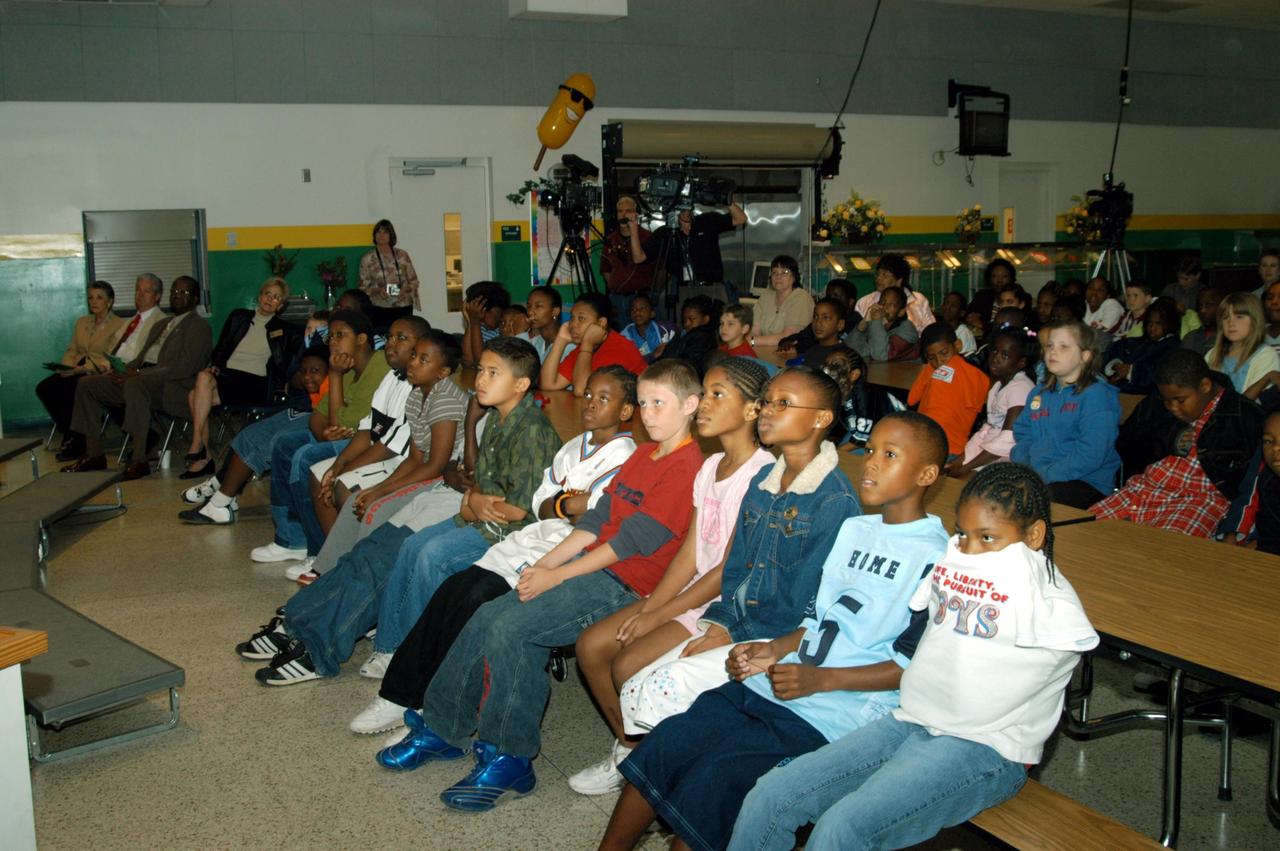
KENNEDY SPACE CENTER, FLA. -- Students at Oscar Patterson Elementary Magnet School in Panama City, Fla., listen intently to Center Director Jim Kennedy as he shares America’s new vision for space exploration. Kennedy is visiting NASA Explorer Schools in Florida and Georgia, talking with students about our destiny as explorers, NASA’s stepping stone approach to exploring Earth, the Moon, Mars and beyond, how space impacts our lives, and how people and machines rely on each other in space.
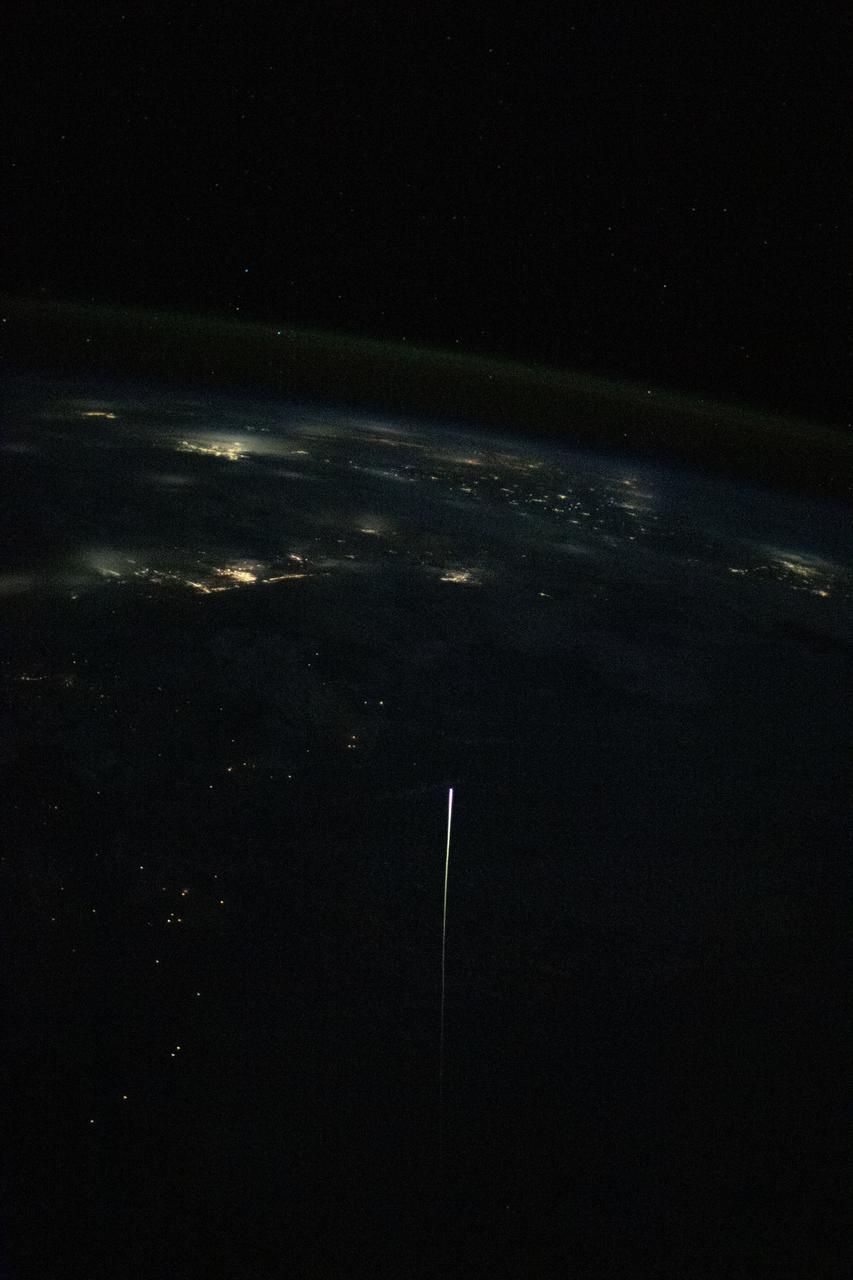
iss065e012265 (May 2, 2021) --- The SpaceX Crew Dragon Resilience is pictured from the International Space Station reentering Earth's atmosphere. Resilience, with its protective heat shield, reached the atmosphere at over 17,000 miles per hour experiencing friction and extreme heat creating a visible plasma trail streaming behind it. Astronauts Michael Hopkins, Victor Glover, Shannon Walker and Soichi Noguchi would safely parachute to a splashdown inside Resilience a few minutes later in the Gulf of Mexico off the coast of Panama City, Florida.
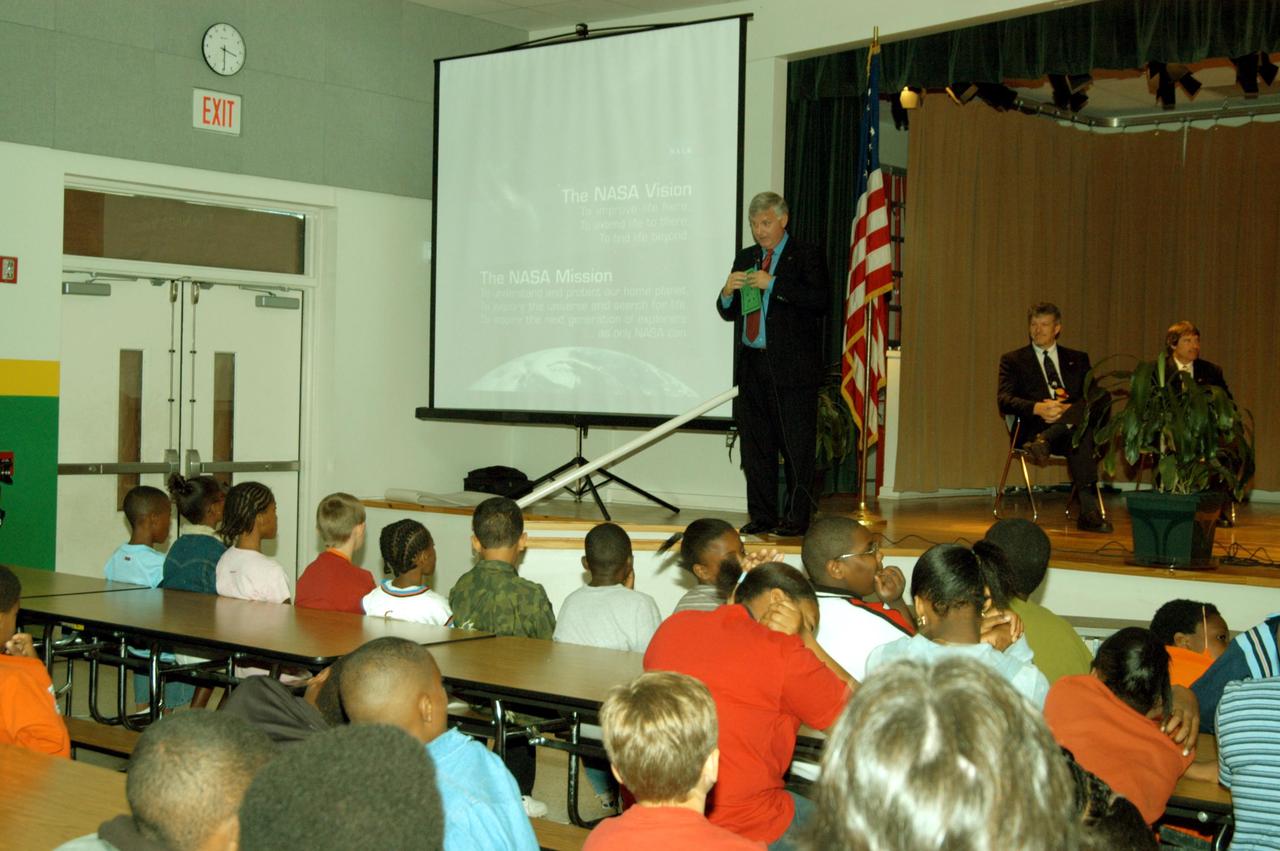
KENNEDY SPACE CENTER, FLA. -- Students at Oscar Patterson Elementary Magnet School in Panama City, Fla., listen to Center Director Jim Kennedy as he shares America’s new vision for space exploration. Kennedy is visiting NASA Explorer Schools in Florida and Georgia, talking with students about our destiny as explorers, NASA’s stepping stone approach to exploring Earth, the Moon, Mars and beyond, how space impacts our lives, and how people and machines rely on each other in space.
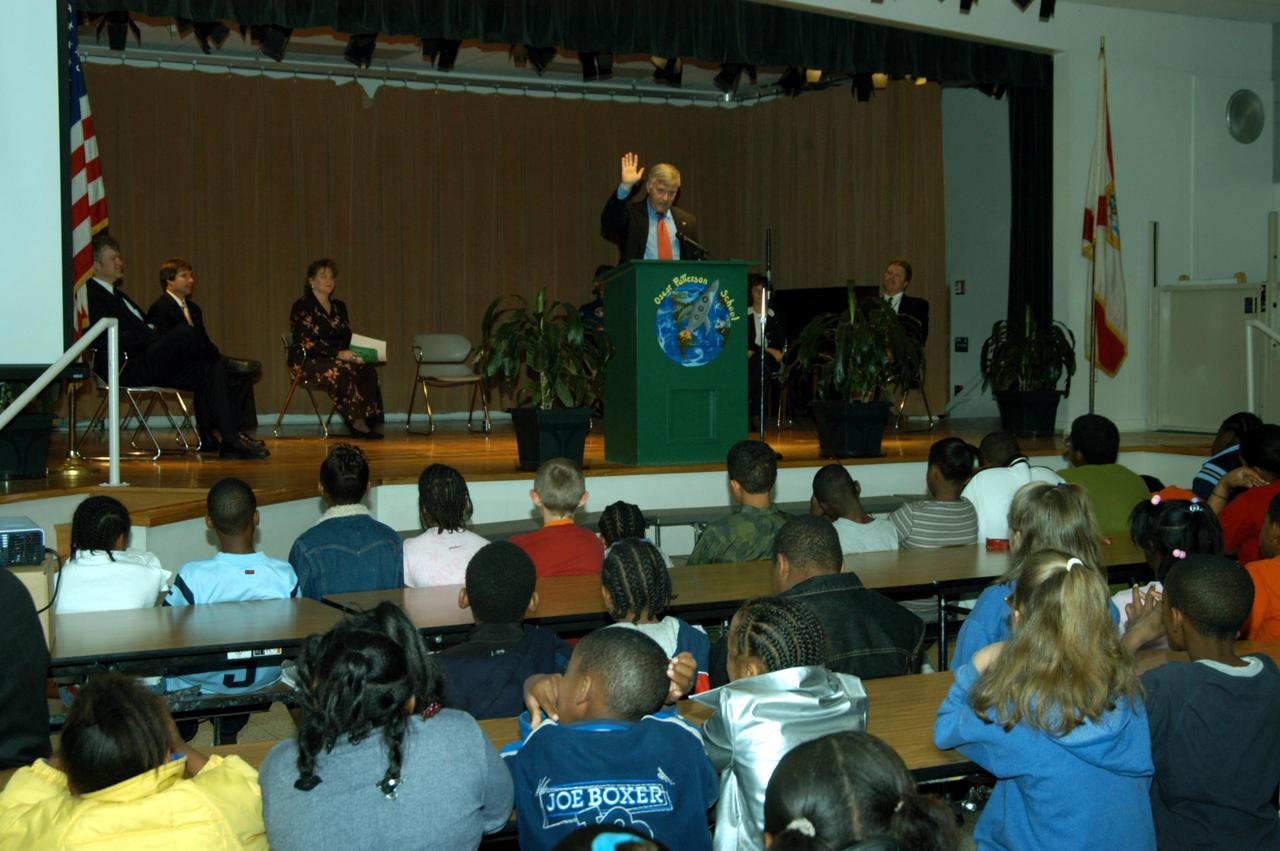
KENNEDY SPACE CENTER, FLA. -- Center Director Jim Kennedy talks to students at Oscar Patterson Elementary Magnet School in Panama City, Fla. Kennedy is visiting NASA Explorer Schools in Florida and Georgia to share America’s new vision for space exploration with the next generation of explorers. Kennedy is talking with students about our destiny as explorers, NASA’s stepping stone approach to exploring Earth, the Moon, Mars and beyond, how space impacts our lives, and how people and machines rely on each other in space.
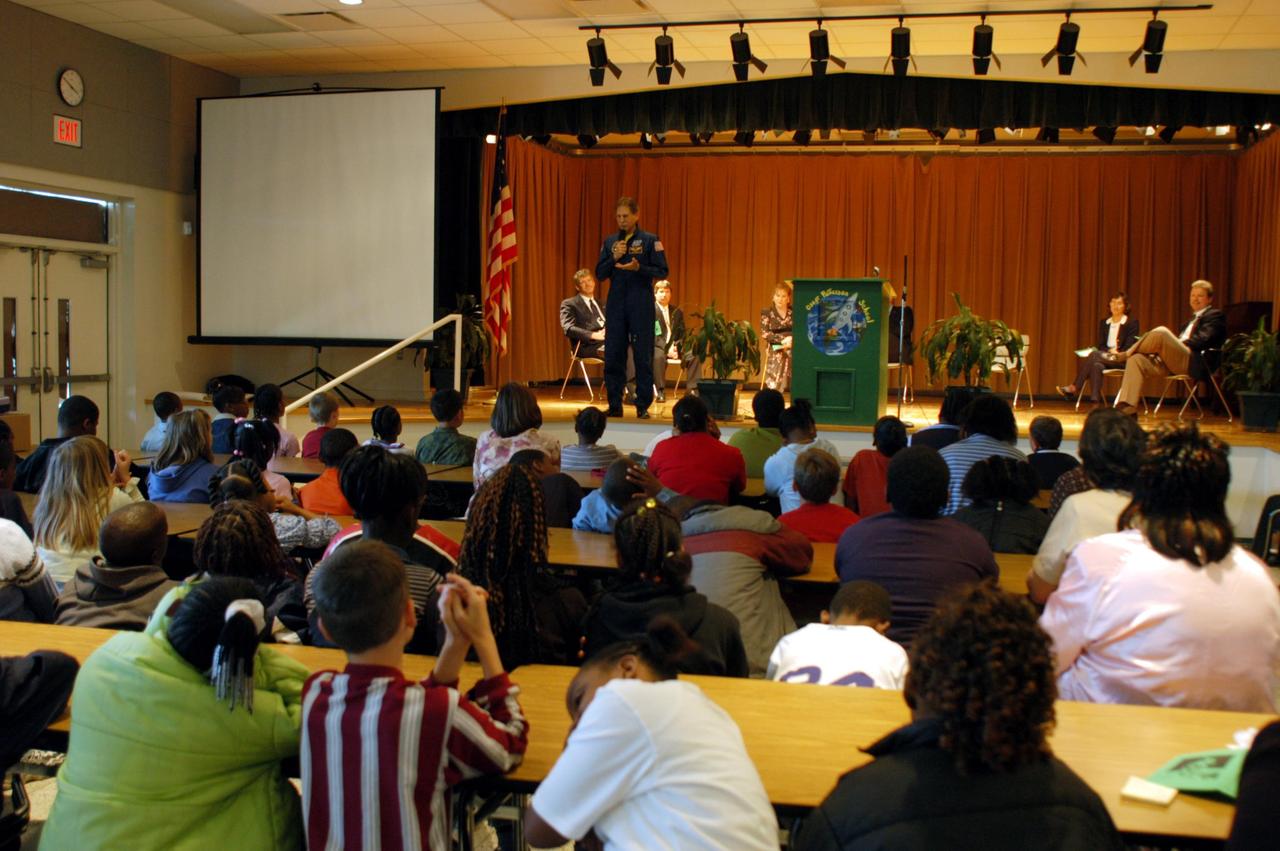
KENNEDY SPACE CENTER, FLA. -- Astronaut Sam Durrance shares stories of his experiences in space with the students at Oscar Patterson Elementary Magnet School in Panama City, Fla. Durrance joined Center Director Jim Kennedy as he shares America’s new vision for space exploration with the next generation of explorers. Kennedy is talking with students in NASA Explorer Schools in Florida and Georgia about our destiny as explorers, NASA’s stepping stone approach to exploring Earth, the Moon, Mars and beyond, how space impacts our lives, and how people and machines rely on each other in space.

KENNEDY SPACE CENTER, FLA. -- White pelicans gather in the shallow water of a lake near Kennedy Space Center. The birds breed from British Columbia and Mackenzie south to western Ontario and California and Texas coast. They winter from Florida and southern California south to Panama. KSC shares a boundary with the Merritt Island Wildlife Nature Refuge. The refuge is a habitat for more than 310 species of birds, 25 mammals, 117 fishes and 65 amphibians and reptiles. In addition, the Refuge supports 19 endangered or threatened wildlife species on Federal or State lists, more than any other single refuge in the U.S. Photo credit: NASA/Dimitri Gerondidakis
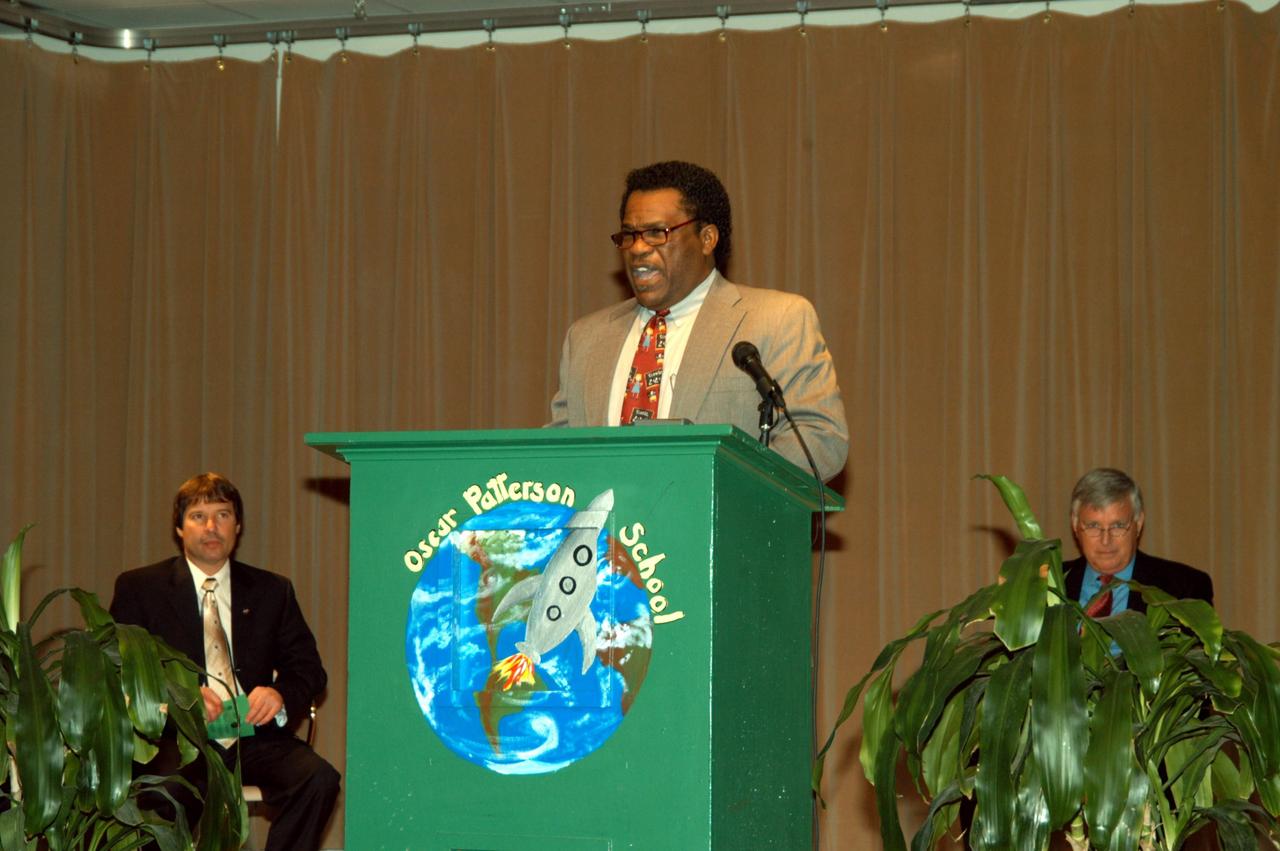
KENNEDY SPACE CENTER, FLA. -- Dr. Linward Barnes, principal of Oscar Patterson Elementary Magnet School in Panama City, Fla., introduces Center Director Jim Kennedy to the school children. Kennedy is visiting NASA Explorer Schools in Florida and Georgia to share America’s new vision for space exploration with the next generation of explorers. Kennedy is talking with students about our destiny as explorers, NASA’s stepping stone approach to exploring Earth, the Moon, Mars and beyond, how space impacts our lives, and how people and machines rely on each other in space.
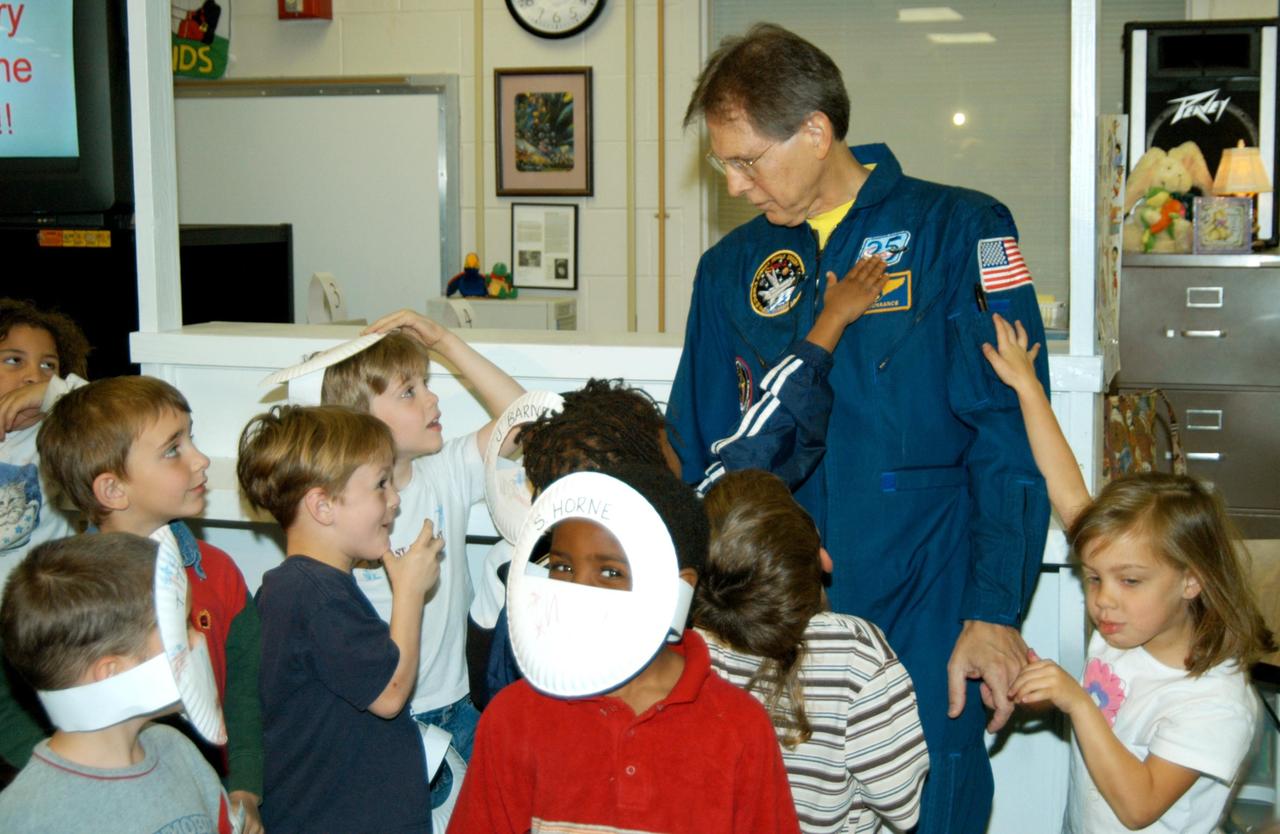
KENNEDY SPACE CENTER, FLA. -- Students at Oscar Patterson Elementary Magnet School in Panama City, Fla., are eager for a “hands-on” experience with astronaut Sam Durrance, who shared his experiences in space during the school visit. Durrance joined Center Director Jim Kennedy, who is touring Florida and Georgia NASA Explorer Schools to share America’s new vision for space exploration with the next generation of explorers. Kennedy is talking with students about our destiny as explorers, NASA’s stepping stone approach to exploring Earth, the Moon, Mars and beyond, how space impacts our lives, and how people and machines rely on each other in space.
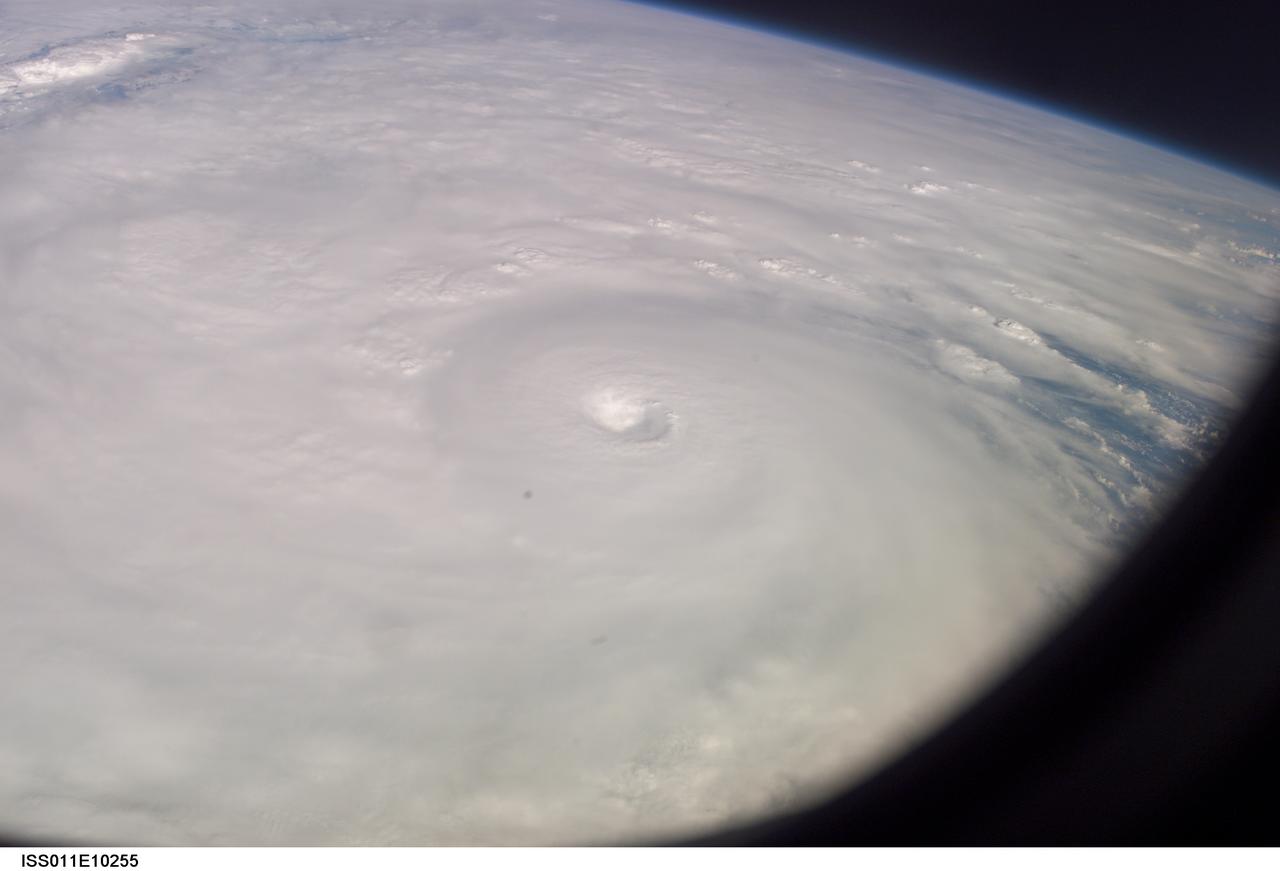
ISS011-E-10255 (9 July 2005) --- This easterly-looking image from the International Space Station shows Hurricane Dennis after the storm had already crossed Cuba and was heading for the northern Gulf of Mexico. Dennis was a Category 3 storm, packing winds of 115 miles per hour, at the time of exposure and located approximately 385 miles southeast of Biloxi, Mississippi or 280 miles south of Panama City, Florida. The eye of the hurricane is in the center of the frame, exposed at 22:06:54 (GMT), July 9, 2005. The dark triangle in loer right corner is part of the Space Station's window.
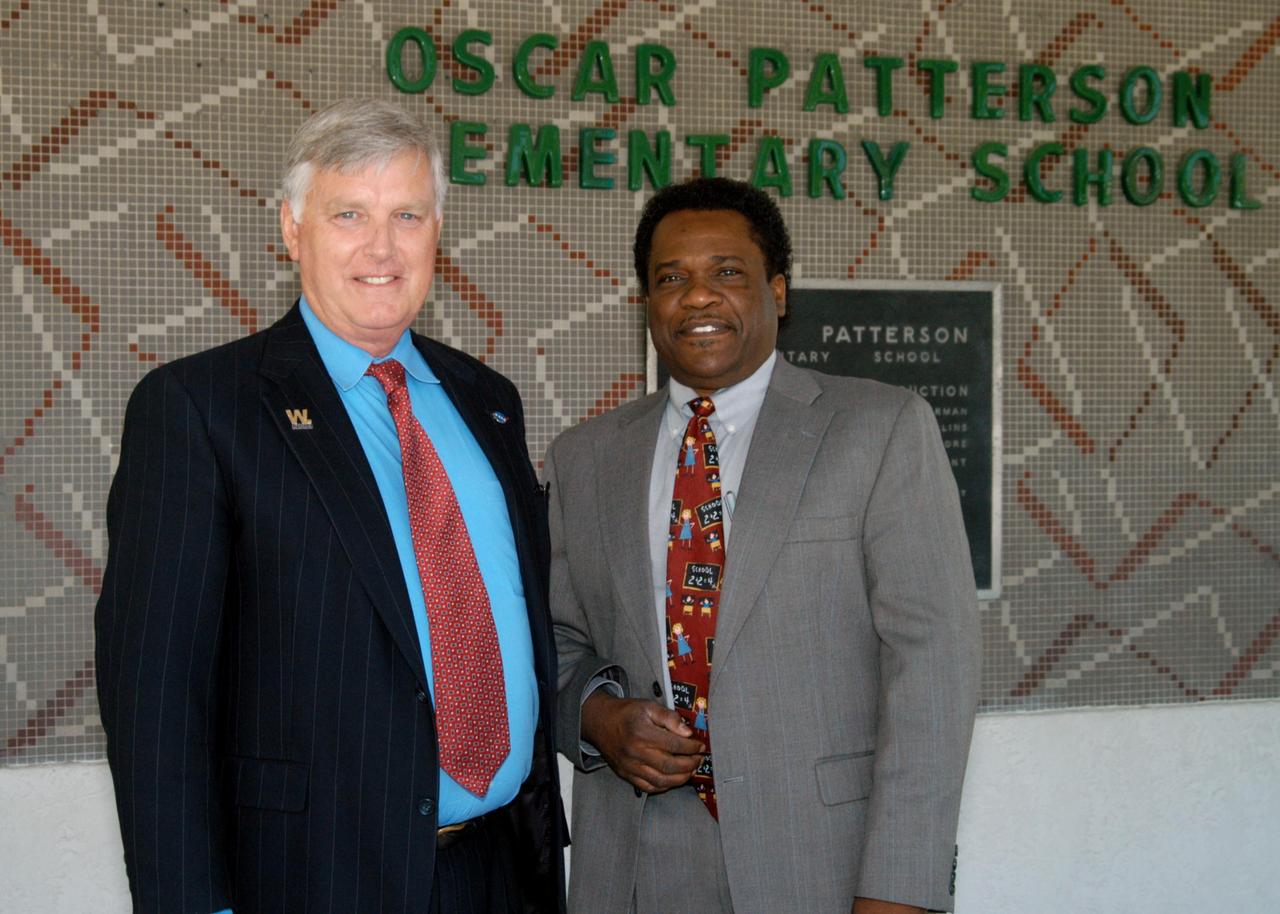
KENNEDY SPACE CENTER, FLA. -- Center Director Jim Kennedy stands with Dr. Linward Barnes, principal of Oscar Patterson Elementary Magnet School in Panama City, Fla. Kennedy is touring Florida and Georgia NASA Explorer Schools to share America’s new vision for space exploration with the next generation of explorers. Kennedy is talking with students about our destiny as explorers, NASA’s stepping stone approach to exploring Earth, the Moon, Mars and beyond, how space impacts our lives, and how people and machines rely on each other in space.
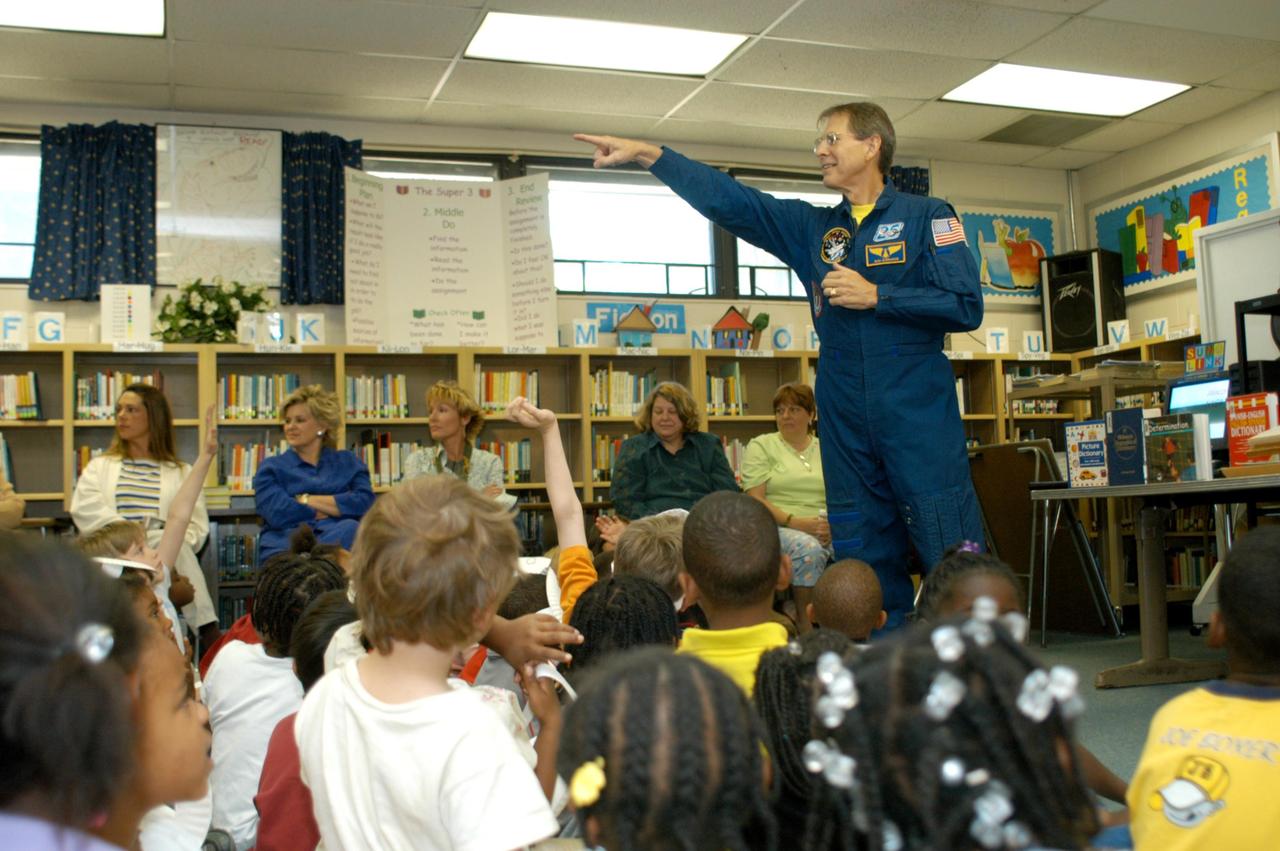
KENNEDY SPACE CENTER, FLA. -- Astronaut Sam Durrance points to a student with a question in a classroom at Oscar Patterson Elementary Magnet School in Panama City, Fla. Sharing stories of his experiences as an astronaut, Durrance joined Center Director Jim Kennedy, who is visiting Florida and Georgia NASA Explorer Schools to share America’s new vision for space exploration with the next generation of explorers. Kennedy is talking with students about our destiny as explorers, NASA’s stepping stone approach to exploring Earth, the Moon, Mars and beyond, how space impacts our lives, and how people and machines rely on each other in space.
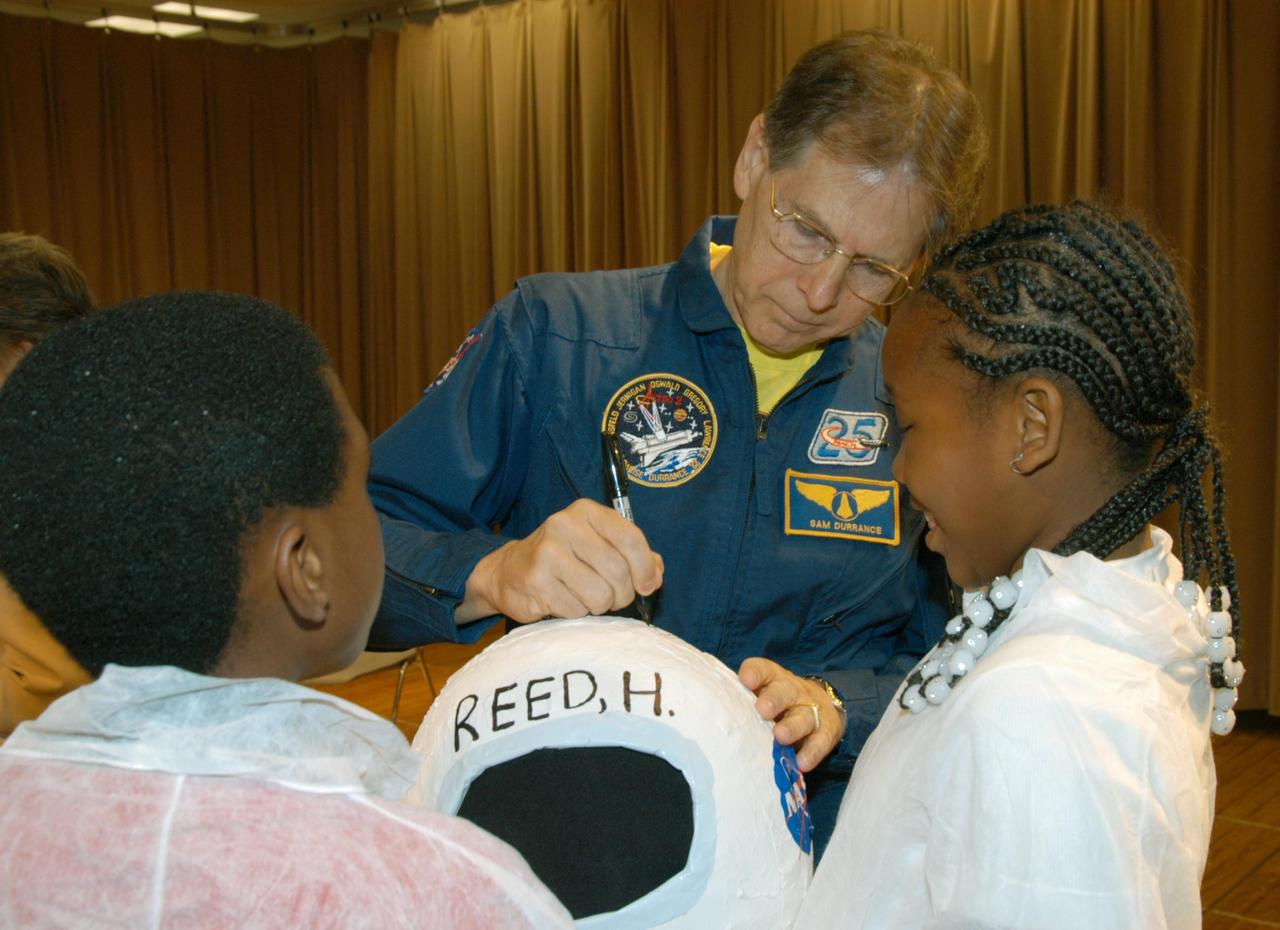
KENNEDY SPACE CENTER, FLA. -- Astronaut Sam Durrance signs the costume helmet of one of the students who welcomed NASA representatives to Oscar Patterson Elementary Magnet School in Panama City, Fla. He and Center Director Jim Kennedy, along with others, visited the school to share America’s new vision for space exploration with the next generation of explorers. Kennedy is talking with students about our destiny as explorers, NASA’s stepping stone approach to exploring Earth, the Moon, Mars and beyond, how space impacts our lives, and how people and machines rely on each other in space.
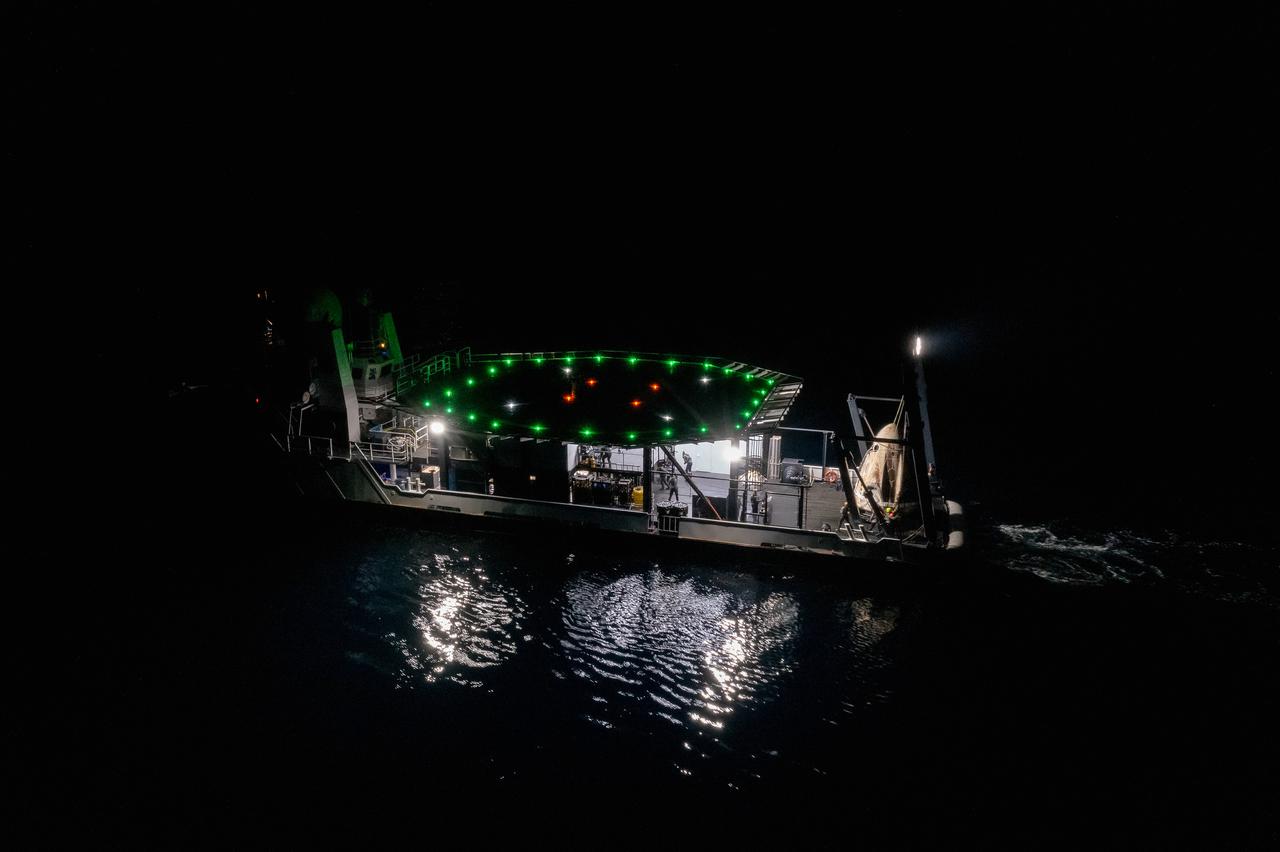
The SpaceX Crew Dragon Resilience splashed down in the Gulf of Mexico off the coast of Panama City, in Florida, at 2:56 a.m. EDT on May 2, 2021. Astronauts Michael Hopkins, Victor Glover, and Shannon Walker of NASA, and Soichi Noguchi of JAXA (Japan Aerospace Exploration Agency) completed Crew-1, the first crew rotation mission to the International Space Station in partnership with NASA as part of the agency’s Commercial Crew Program. Teams on the Go Navigator recovery ship, including two fast boats, work to secure and hoist Crew Dragon onto the main deck of the recovery ship with the astronauts inside.
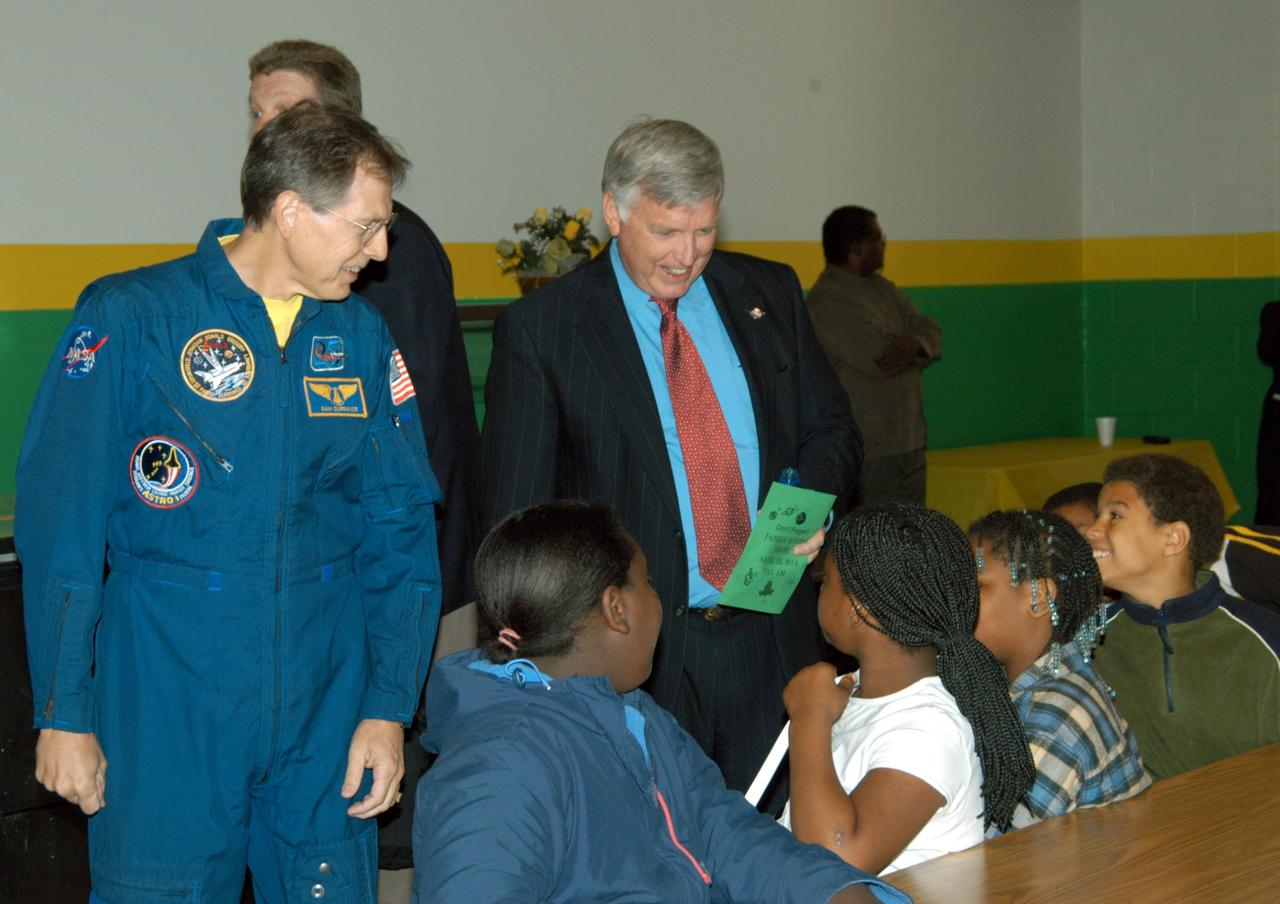
KENNEDY SPACE CENTER, FLA. -- Astronaut Sam Durrance and Center Director Jim Kennedy talk to students in a classroom at Oscar Patterson Elementary Magnet School in Panama City, Fla. Kennedy is visiting NASA Explorer Schools in Florida and Georgia to share America’s new vision for space exploration with the next generation of explorers. Kennedy is talking with students about our destiny as explorers, NASA’s stepping stone approach to exploring Earth, the Moon, Mars and beyond, how space impacts our lives, and how people and machines rely on each other in space.
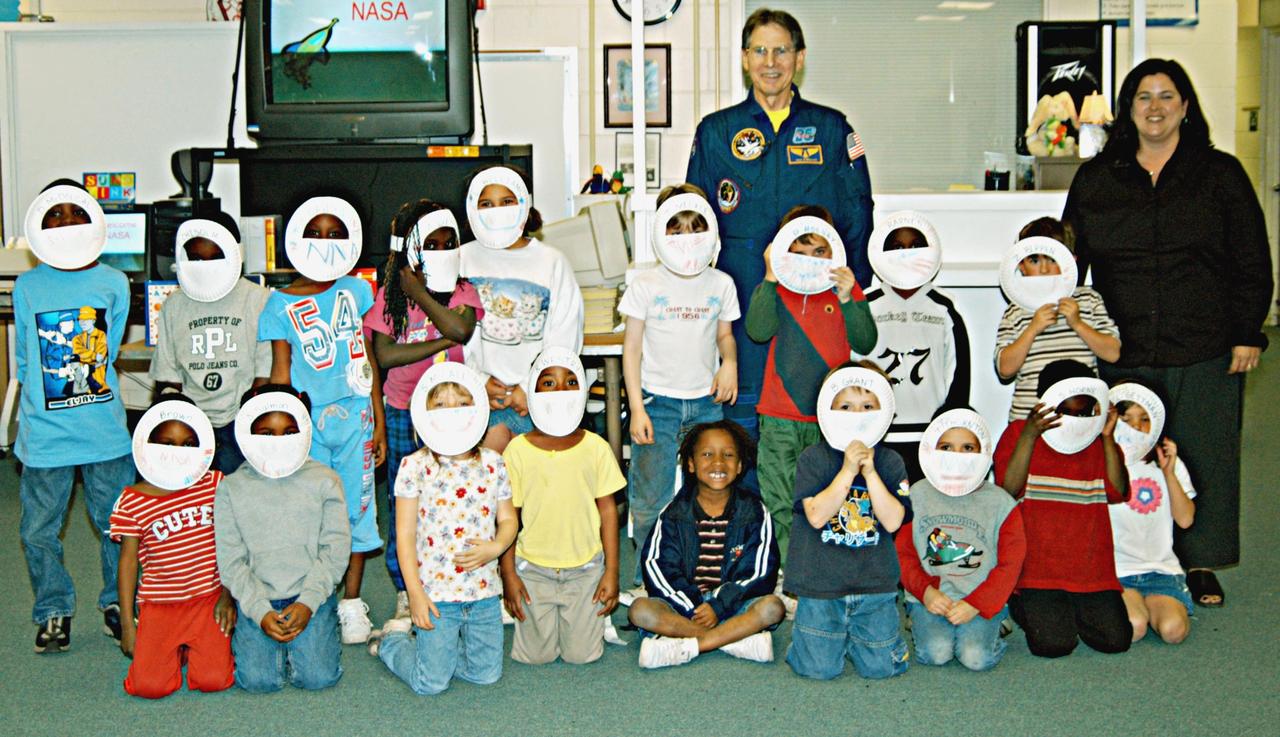
KENNEDY SPACE CENTER, FLA. -- Astronaut Sam Durrance takes time for a group photo with students from Panama City, Fla., Oscar Patterson Elementary Magnet School. The students are wearing mock space suit helmets. Durrance joined Center Director Jim Kennedy, who is visiting Florida and Georgia NASA Explorer Schools to share America’s new vision for space exploration with the next generation of explorers. Kennedy is talking with students about our destiny as explorers, NASA’s stepping stone approach to exploring Earth, the Moon, Mars and beyond, how space impacts our lives, and how people and machines rely on each other in space.
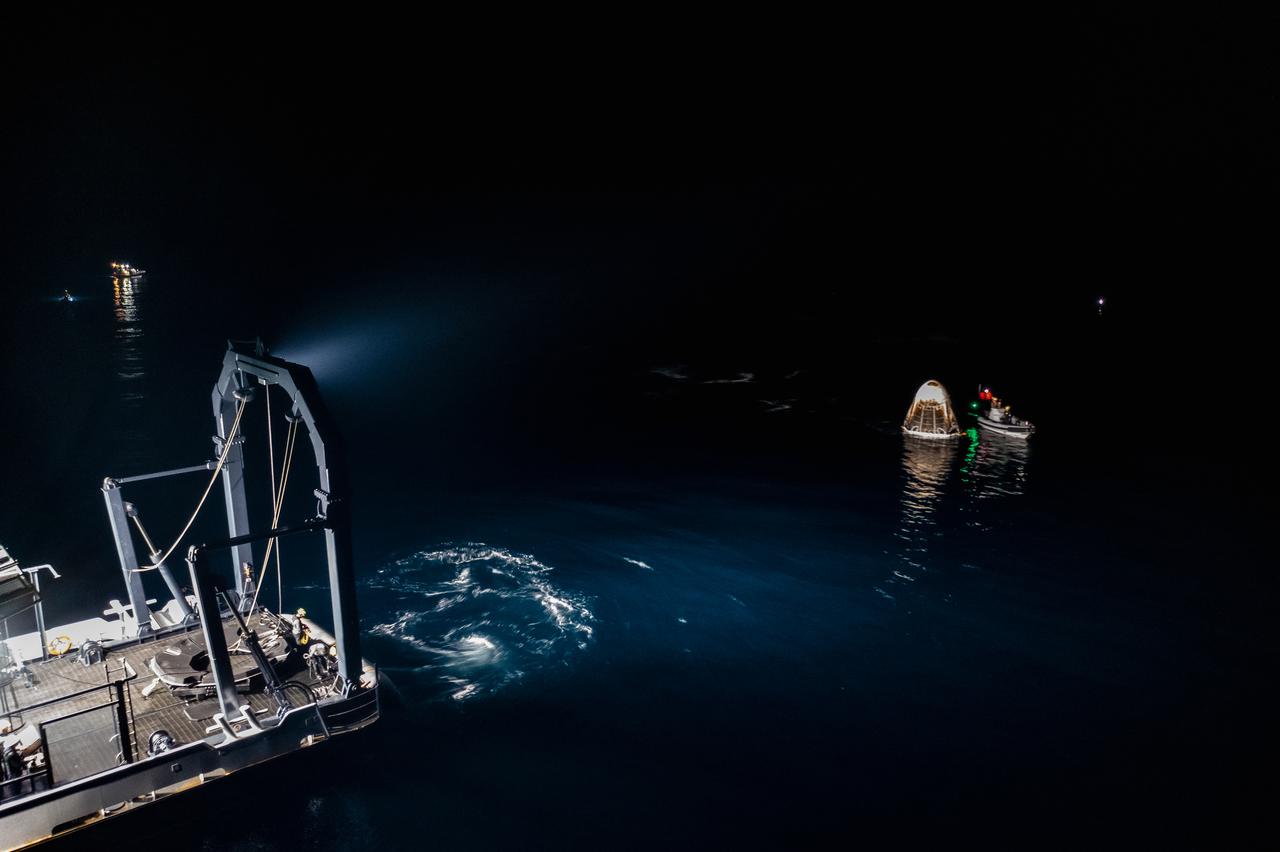
The SpaceX Crew Dragon Resilience splashes down in the Gulf of Mexico off the coast of Panama City, in Florida, at 2:56 a.m. EDT on May 2, 2021. Astronauts Michael Hopkins, Victor Glover, and Shannon Walker of NASA, and Soichi Noguchi of JAXA (Japan Aerospace Exploration Agency) completed Crew-1, the first crew rotation mission to the International Space Station in partnership with NASA as part of the agency’s Commercial Crew Program. At left is SpaceX’s Go Navigator recovery ship. Crew Dragon will be secured and then hoisted onto the main deck of the recovery ship with the astronauts inside.
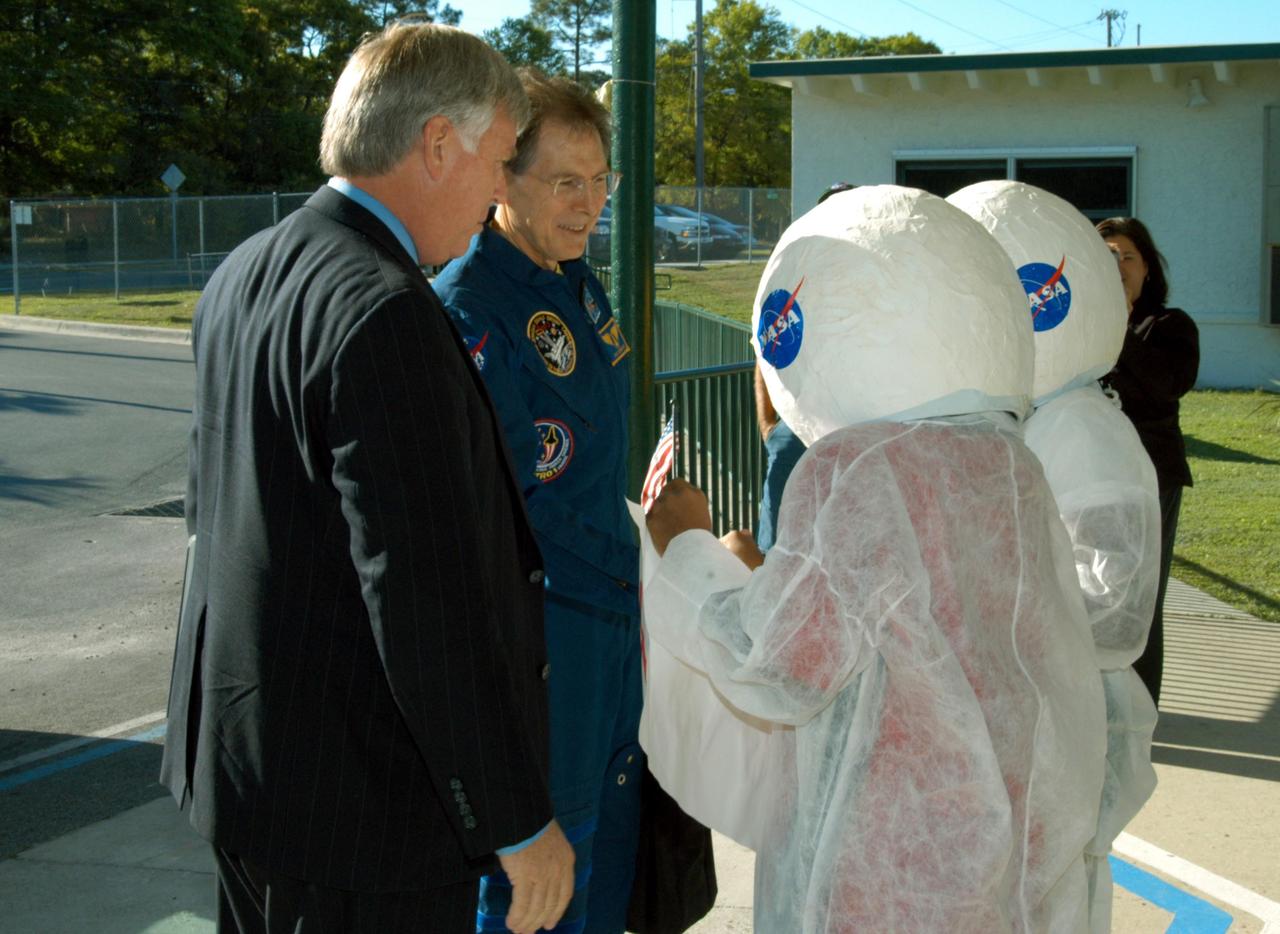
KENNEDY SPACE CENTER, FLA. -- Two student “astronauts” welcome Center Director Jim Kennedy (left) and NASA astronaut Sam Durrance to Oscar Patterson Elementary Magnet School in Panama City, Fla. Kennedy and other NASA-KSC representatives are visiting NASA Explorer Schools in Florida and Georgia to share America’s new vision for space exploration with the next generation of explorers. Kennedy is talking with students about our destiny as explorers, NASA’s stepping stone approach to exploring Earth, the Moon, Mars and beyond, how space impacts our lives, and how people and machines rely on each other in space.
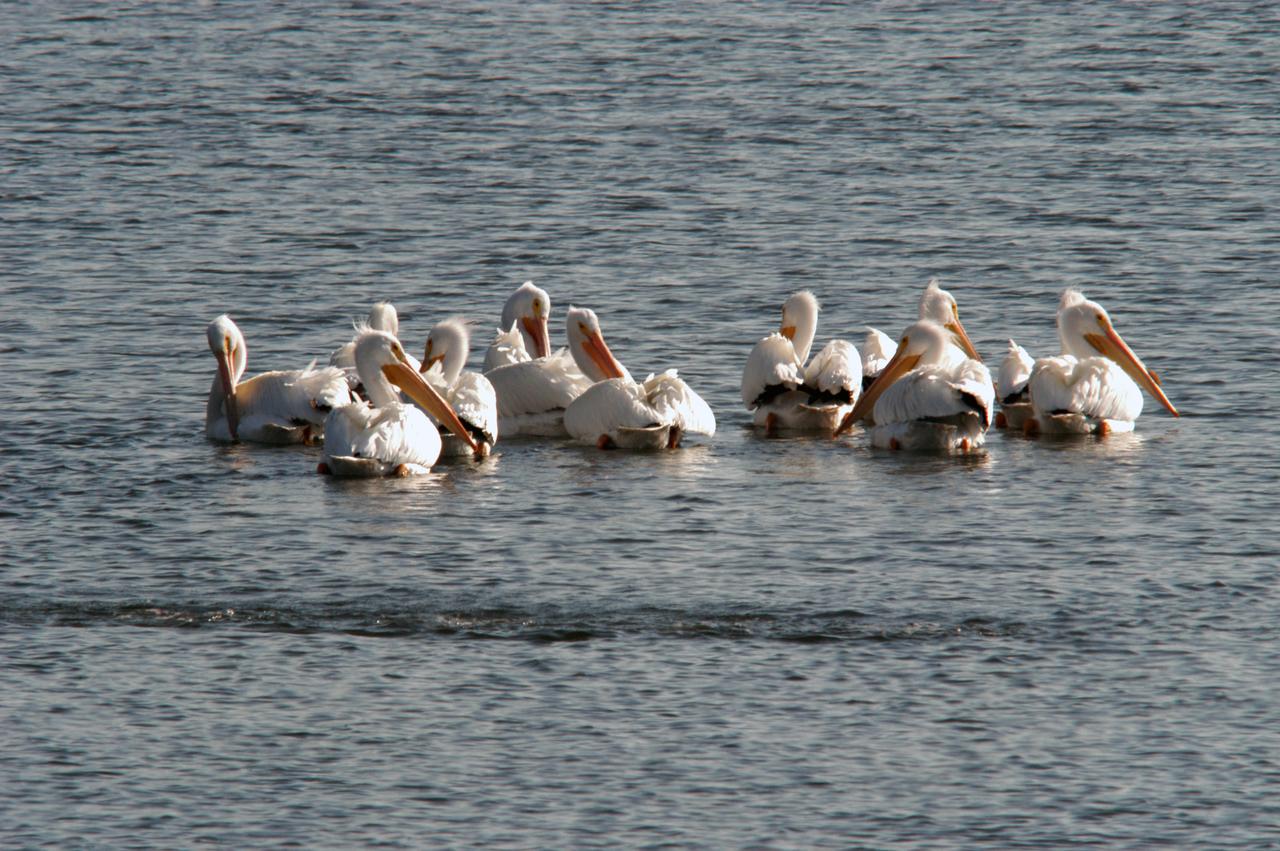
White pelicans gather in the turn basin near the Vehicle Assembly Building of NASA's Kennedy Space Center. The turn basin was carved out of the Banana River when Kennedy Space Center was built. White pelicans winter from Florida and southern California to Panama, chiefly in coastal lagoons, and usually in colonies. KSC shares a boundary with the Merritt Island Wildlife Nature Refuge. The refuge is a habitat for more than 310 species of birds, 25 mammals, 117 fishes and 65 amphibians and reptiles. In addition, the Refuge supports 19 endangered or threatened wildlife species on Federal or State lists, more than any other single refuge in the U.S.
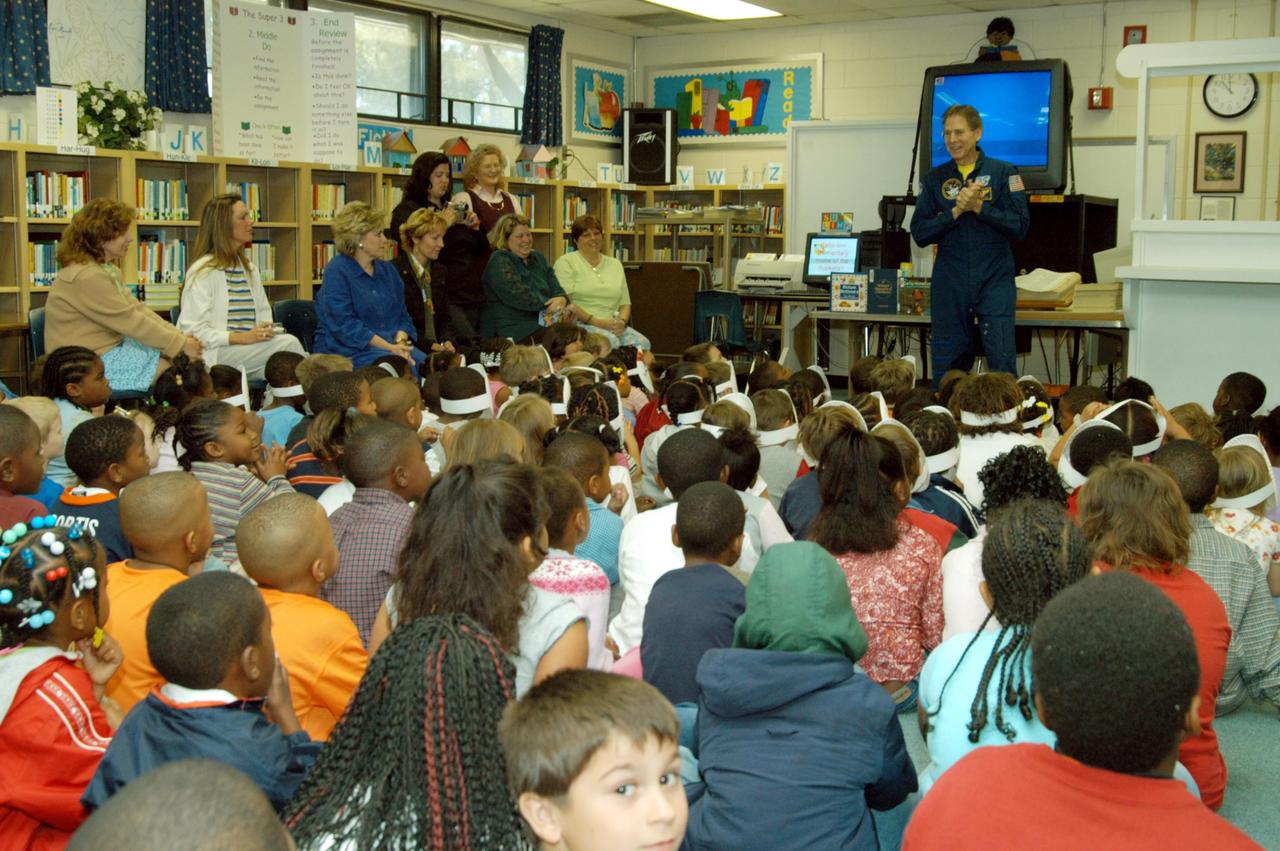
KENNEDY SPACE CENTER, FLA. -- Sam Durrance (standing, in the background) shares stories of his experiences as an astronaut with the students in a classroom at Oscar Patterson Elementary Magnet School in Panama City, Fla. Durrance joined Center Director Jim Kennedy as he shares America’s new vision for space exploration with the next generation of explorers. Kennedy is talking with students at NASA Explorer Schools in Florida and Georgia about our destiny as explorers, NASA’s stepping stone approach to exploring Earth, the Moon, Mars and beyond, how space impacts our lives, and how people and machines rely on each other in space.
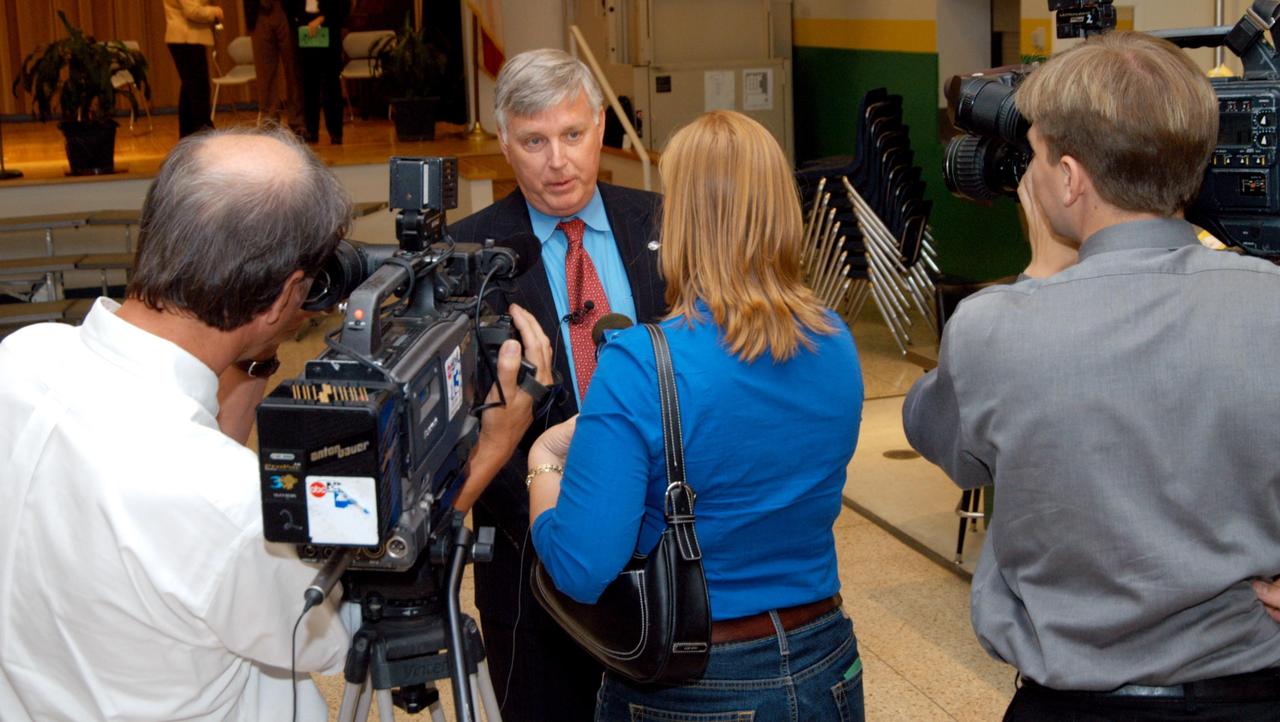
KENNEDY SPACE CENTER, FLA. -- Center Director Jim Kennedy (center) is interviewed by a reporter from channel 7 ABC-TV after his visit to Oscar Patterson Elementary Magnet School in Panama City, Fla. He other NASA officials visited the school to share America’s new vision for space exploration with the next generation of explorers. Kennedy is talking with students at NASA Explorer Schools in Florida and Georgia about our destiny as explorers, NASA’s stepping stone approach to exploring Earth, the Moon, Mars and beyond, how space impacts our lives, and how people and machines rely on each other in space.
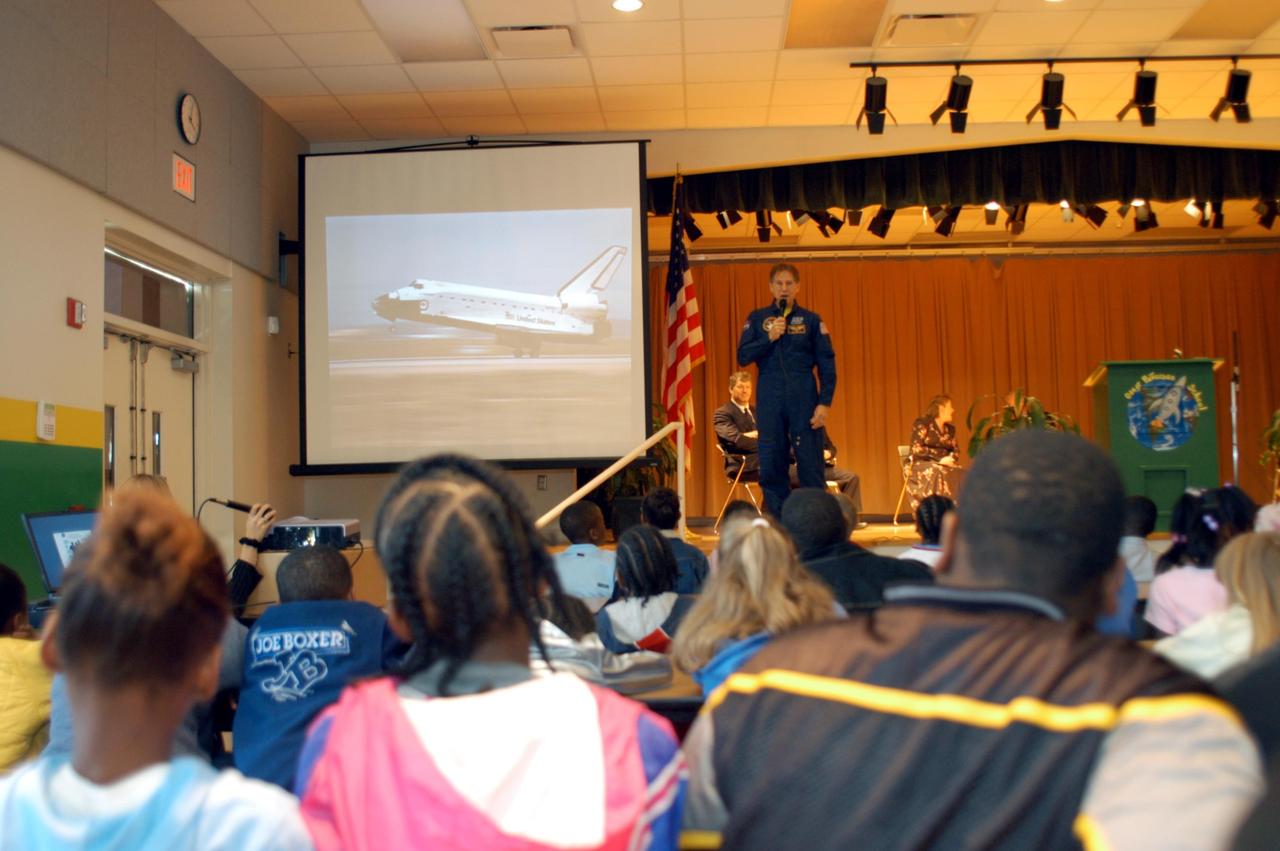
KENNEDY SPACE CENTER, FLA. -- Sam Durrance shares stories of his experiences as an astronaut with the students at Oscar Patterson Elementary Magnet School in Panama City, Fla. Durrance joined Center Director Jim Kennedy as he shares America’s new vision for space exploration with the next generation of explorers. Kennedy is talking with students in NASA Explorer Schools in Florida and Georgia about our destiny as explorers, NASA’s stepping stone approach to exploring Earth, the Moon, Mars and beyond, how space impacts our lives, and how people and machines rely on each other in space.
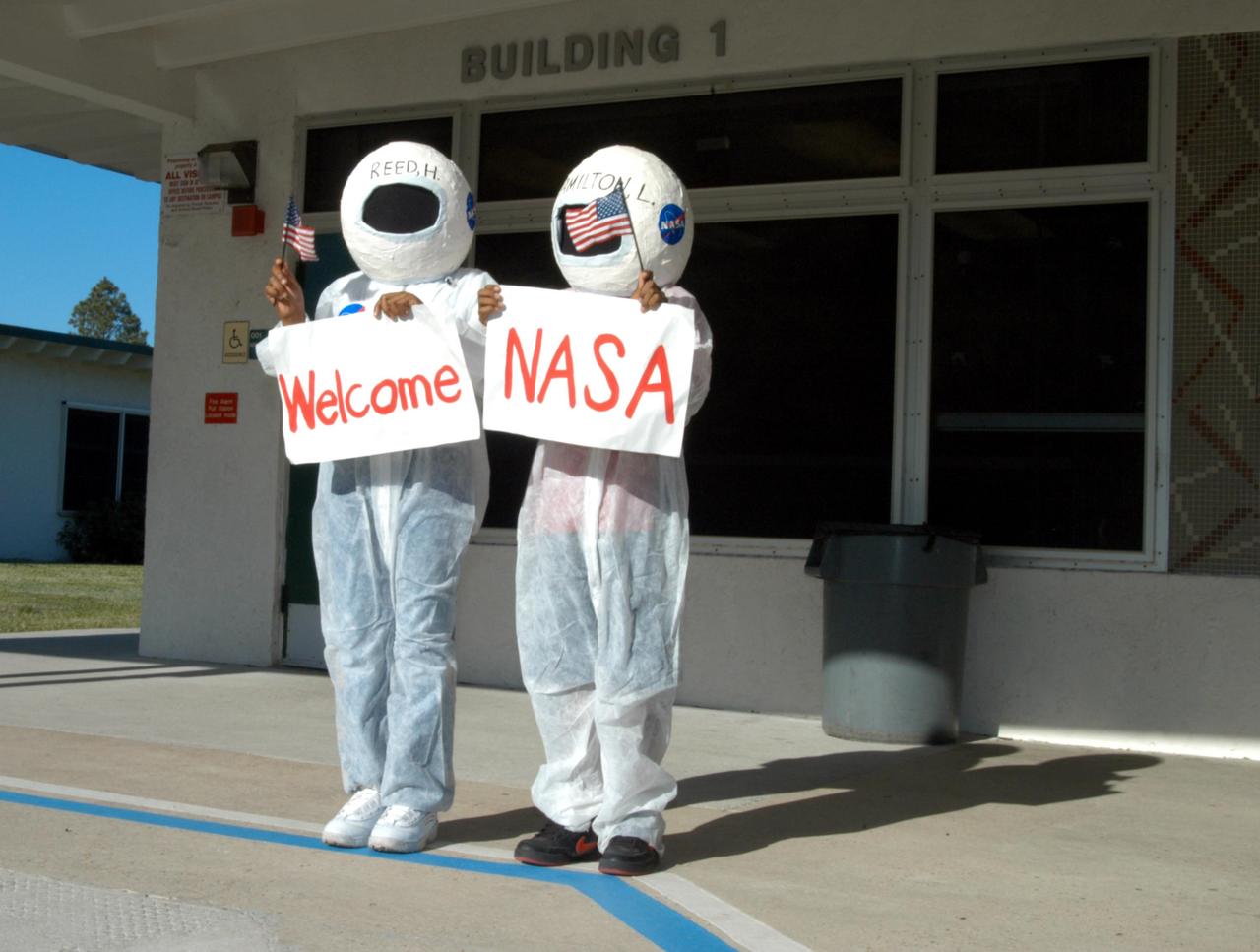
KENNEDY SPACE CENTER, FLA. -- Two student “astronauts” welcome special NASA guests to Oscar Patterson Elementary Magnet School in Panama City, Fla. Center Director Jim Kennedy made the trip with NASA astronaut Sam Durrance and other NASA-KSC representatives to share America’s new vision for space exploration with the next generation of explorers. Kennedy is talking with students about our destiny as explorers, NASA’s stepping stone approach to exploring Earth, the Moon, Mars and beyond, how space impacts our lives, and how people and machines rely on each other in space.
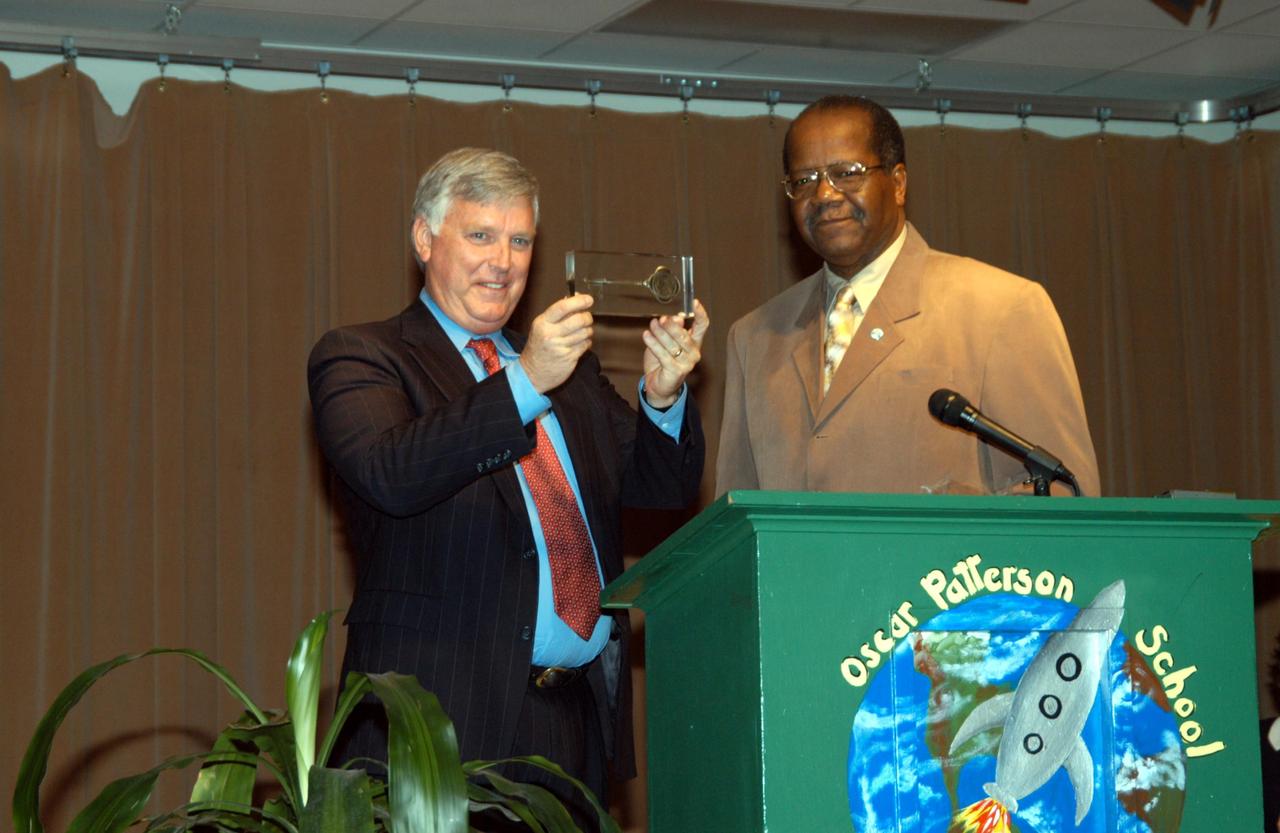
KENNEDY SPACE CENTER, FLA. -- Center Director Jim Kennedy (left) displays the key to the city presented by Johnathon Wilson (right), Panama City commissioner. Kennedy is visiting NASA Explorer Schools in Florida and Georgia to share America’s new vision for space exploration with the next generation of explorers. Kennedy is talking with students in NASA Explorer Schools in Florida and Georgia about our destiny as explorers, NASA’s stepping stone approach to exploring Earth, the Moon, Mars and beyond, how space impacts our lives, and how people and machines rely on each other in space.
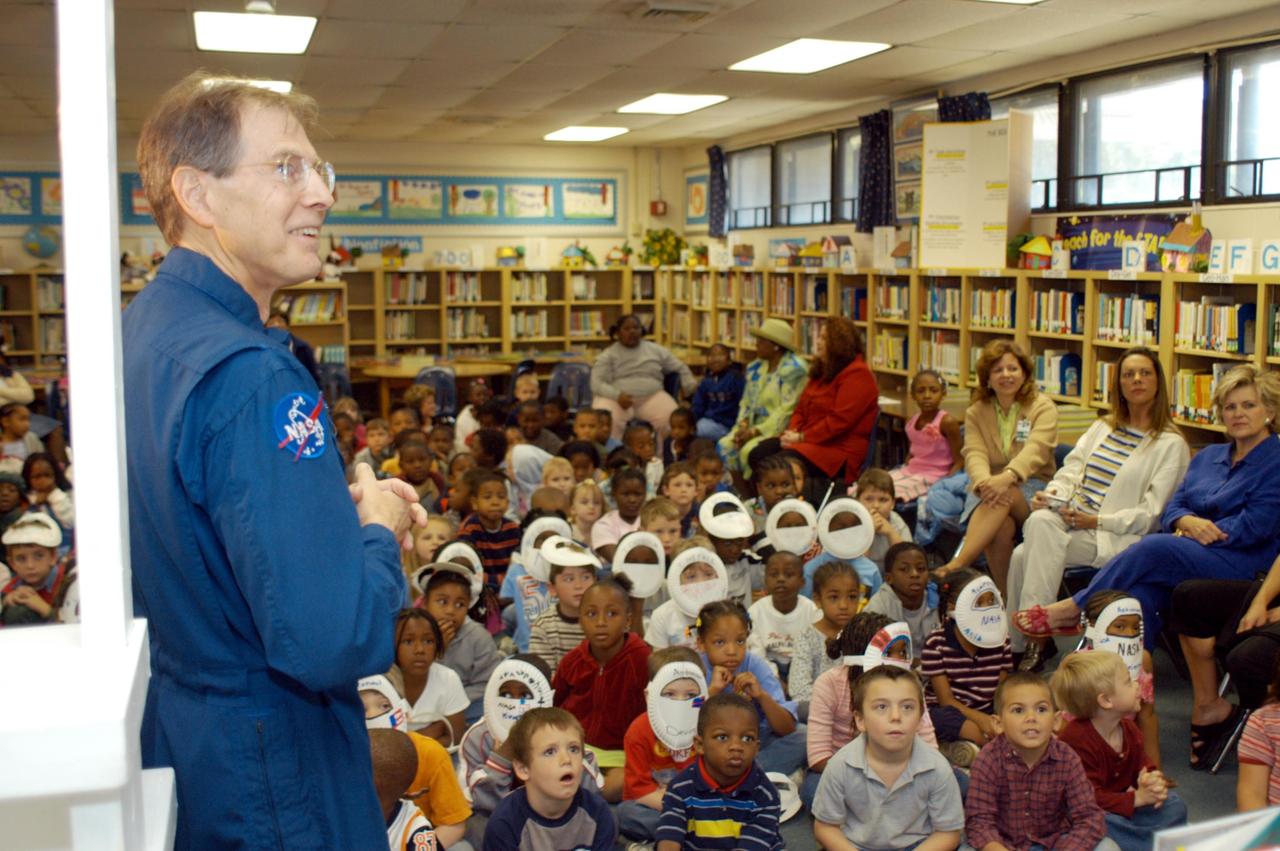
KENNEDY SPACE CENTER, FLA. -- Astronaut Sam Durrance shares stories of his experiences as an astronaut with enthralled students in a classroom at Oscar Patterson Elementary Magnet School in Panama City, Fla. Durrance joined Center Director Jim Kennedy, who is visiting Florida and Georgia NASA Explorer Schools to share America’s new vision for space exploration with the next generation of explorers. Kennedy is talking with students about our destiny as explorers, NASA’s stepping stone approach to exploring Earth, the Moon, Mars and beyond, how space impacts our lives, and how people and machines rely on each other in space.
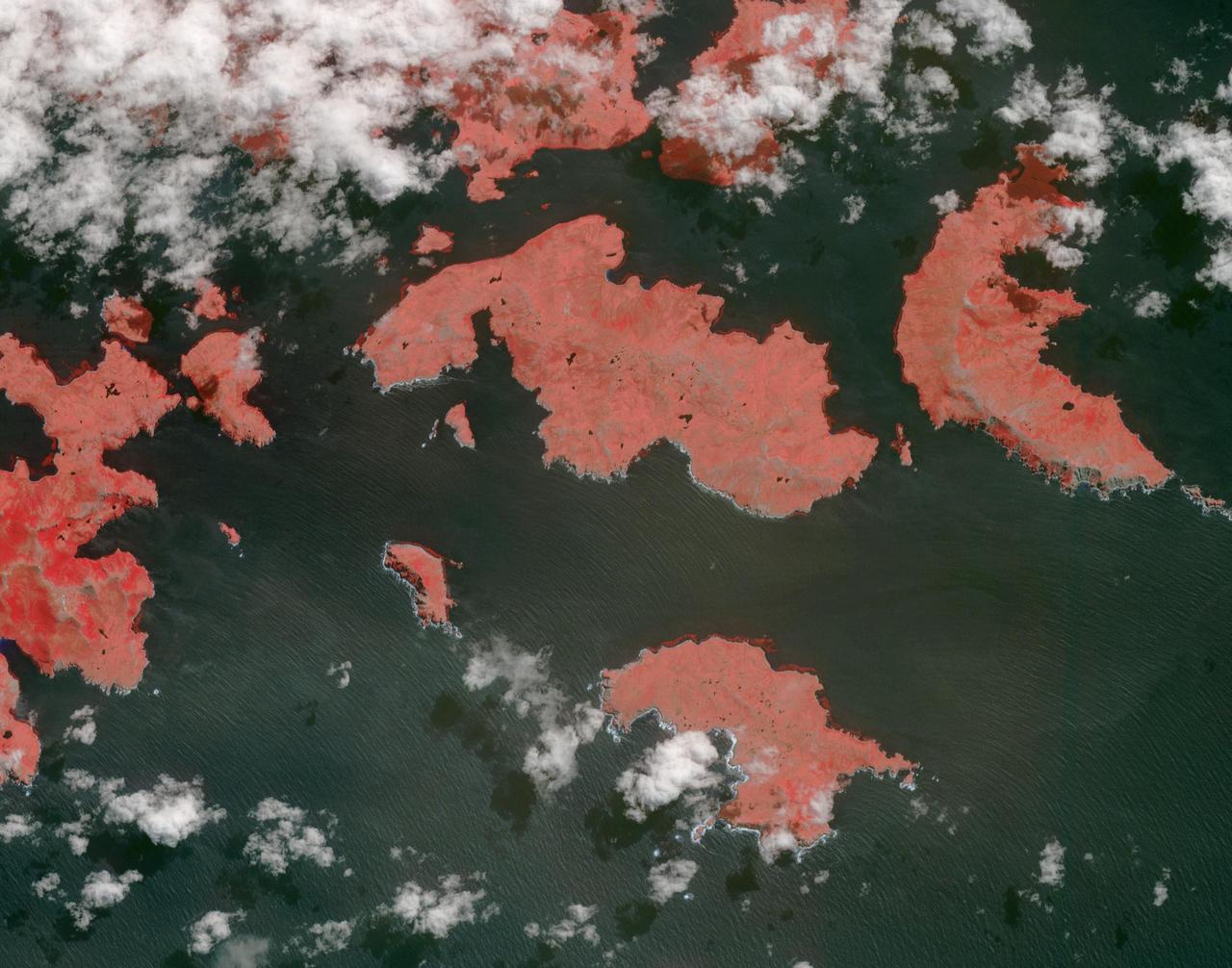
Cape Horn is the southernmost point of the Tierra Del Fuego archipelago of Southern Chile, and marks the northern boundary of the Drake Passage where the Atlantic and Pacific Oceans meet. For decades after its 1616 discovery, it was a milestone for the clipper route by which sailing ships carried trade around the world (Wikipedia). Unfortunately, it was also a graveyard for sailing ships due to strong winds, large waves, strong currents, and icebergs. The 1914 opening of the Panama Canal greatly reduced the need for ships to traverse this dangerous passage. The image was acquired December 20, 2009, covers an area of 28.3 by 36.0 kilometers, and is located at 56 degrees south, 67.3 degrees west. https://photojournal.jpl.nasa.gov/catalog/PIA23118

KENNEDY SPACE CENTER, FLA. -- Enthralled students in a classroom at Oscar Patterson Elementary Magnet School in Panama City, Fla., listen to astronaut Sam Durrance as he shares stories of his experiences as an astronaut. Durrance joined Center Director Jim Kennedy, who is visiting Florida and Georgia NASA Explorer Schools to share America’s new vision for space exploration with the next generation of explorers. Kennedy is talking with students about our destiny as explorers, NASA’s stepping stone approach to exploring Earth, the Moon, Mars and beyond, how space impacts our lives, and how people and machines rely on each other in space.
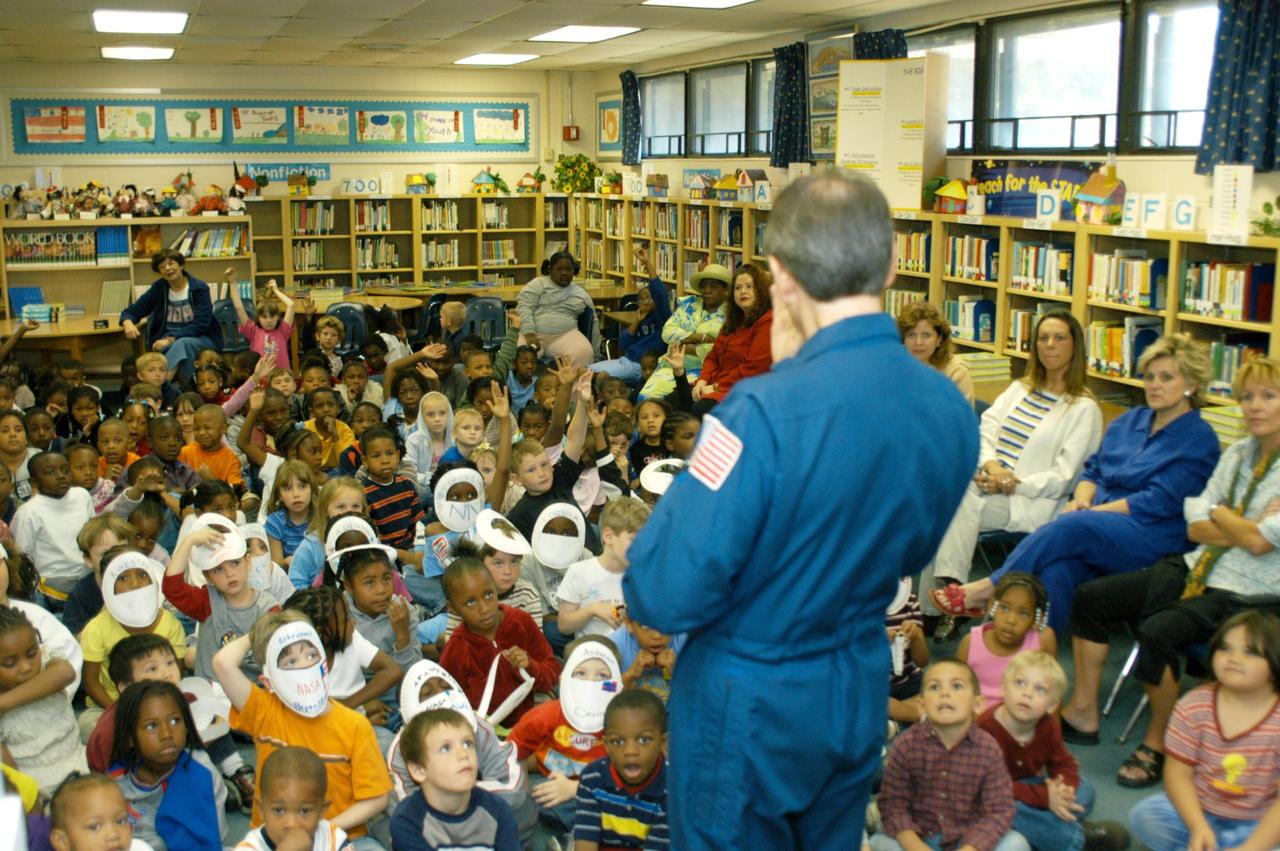
KENNEDY SPACE CENTER, FLA. -- Students in a classroom at Oscar Patterson Elementary Magnet School in Panama City, Fla., are eager to ask questions of astronaut Sam Durrance, who was sharing stories of his experiences as an astronaut. Durrance joined Center Director Jim Kennedy, who is visiting Florida and Georgia NASA Explorer Schools to share America’s new vision for space exploration with the next generation of explorers. Kennedy is talking with students about our destiny as explorers, NASA’s stepping stone approach to exploring Earth, the Moon, Mars and beyond, how space impacts our lives, and how people and machines rely on each other in space.
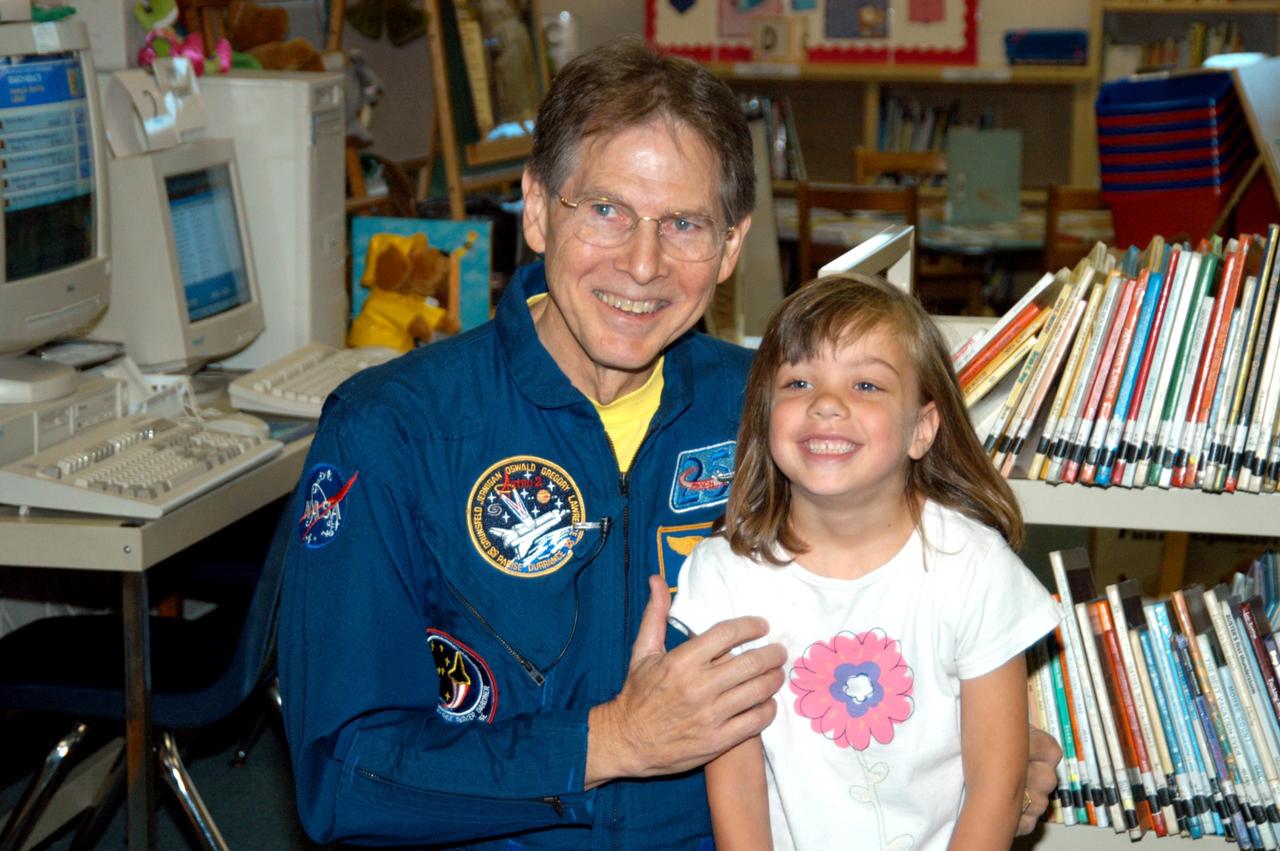
KENNEDY SPACE CENTER, FLA. -- Astronaut Sam Durrance poses with a student from Panama City, Fla., Oscar Patterson Elementary Magnet School. Durrance joined Center Director Jim Kennedy, who is visiting Florida and Georgia NASA Explorer Schools to share America’s new vision for space exploration with the next generation of explorers. Kennedy is talking with students about our destiny as explorers, NASA’s stepping stone approach to exploring Earth, the Moon, Mars and beyond, how space impacts our lives, and how people and machines rely on each other in space.