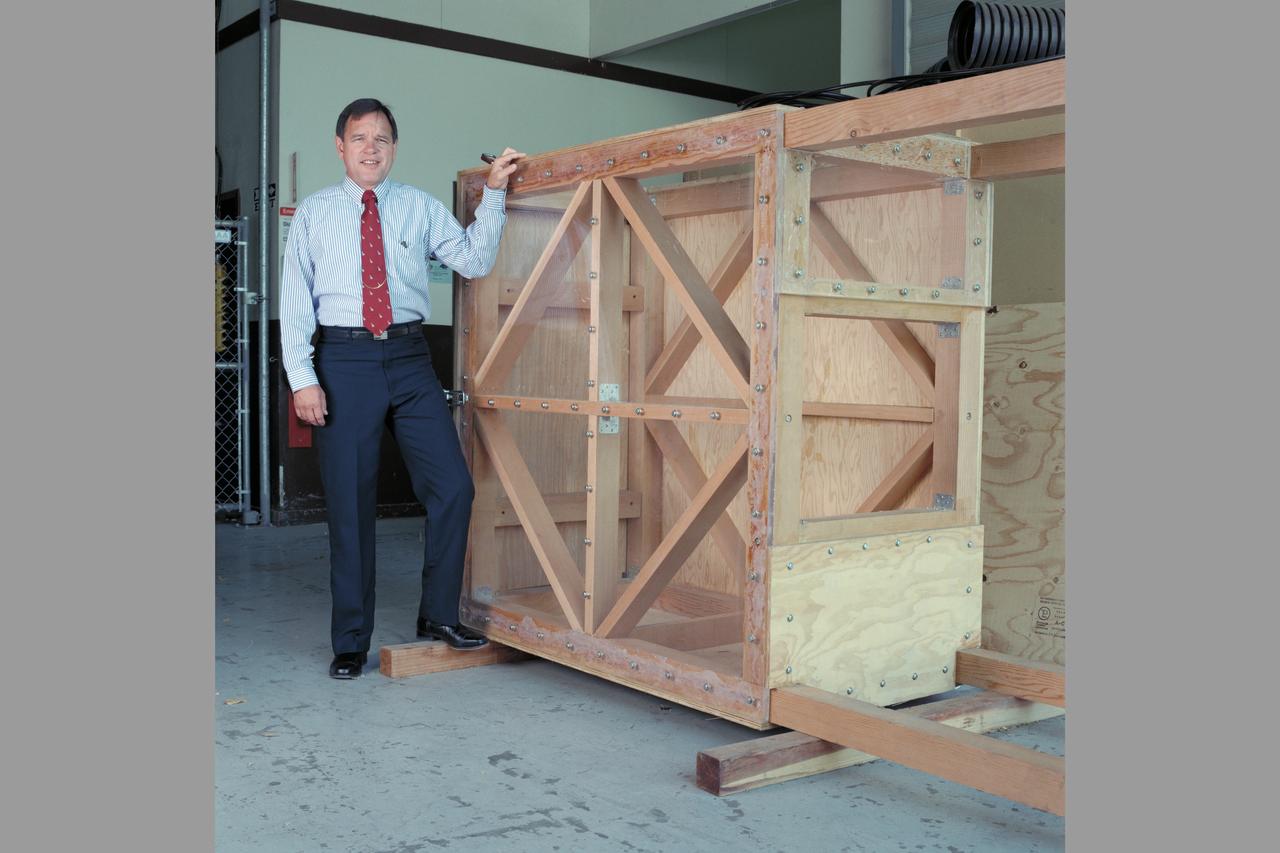
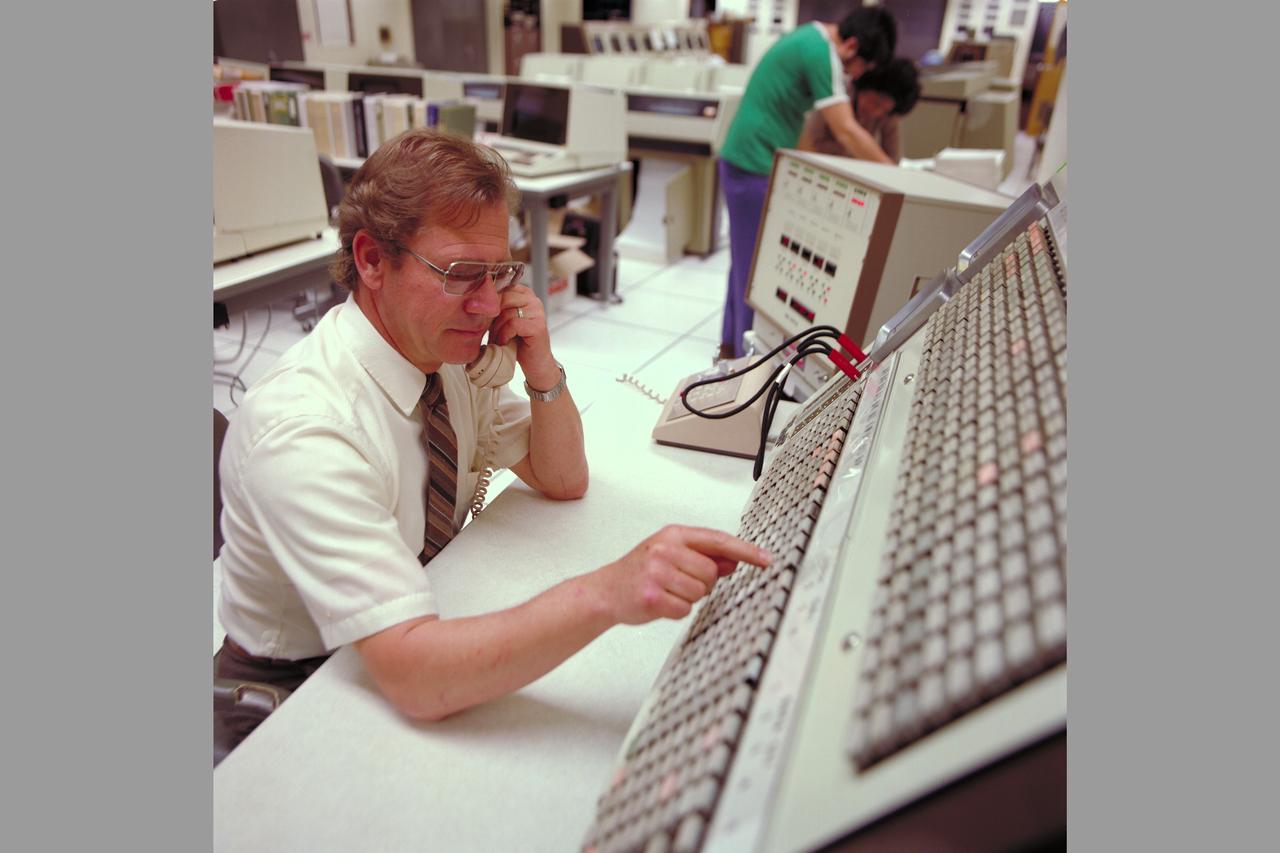
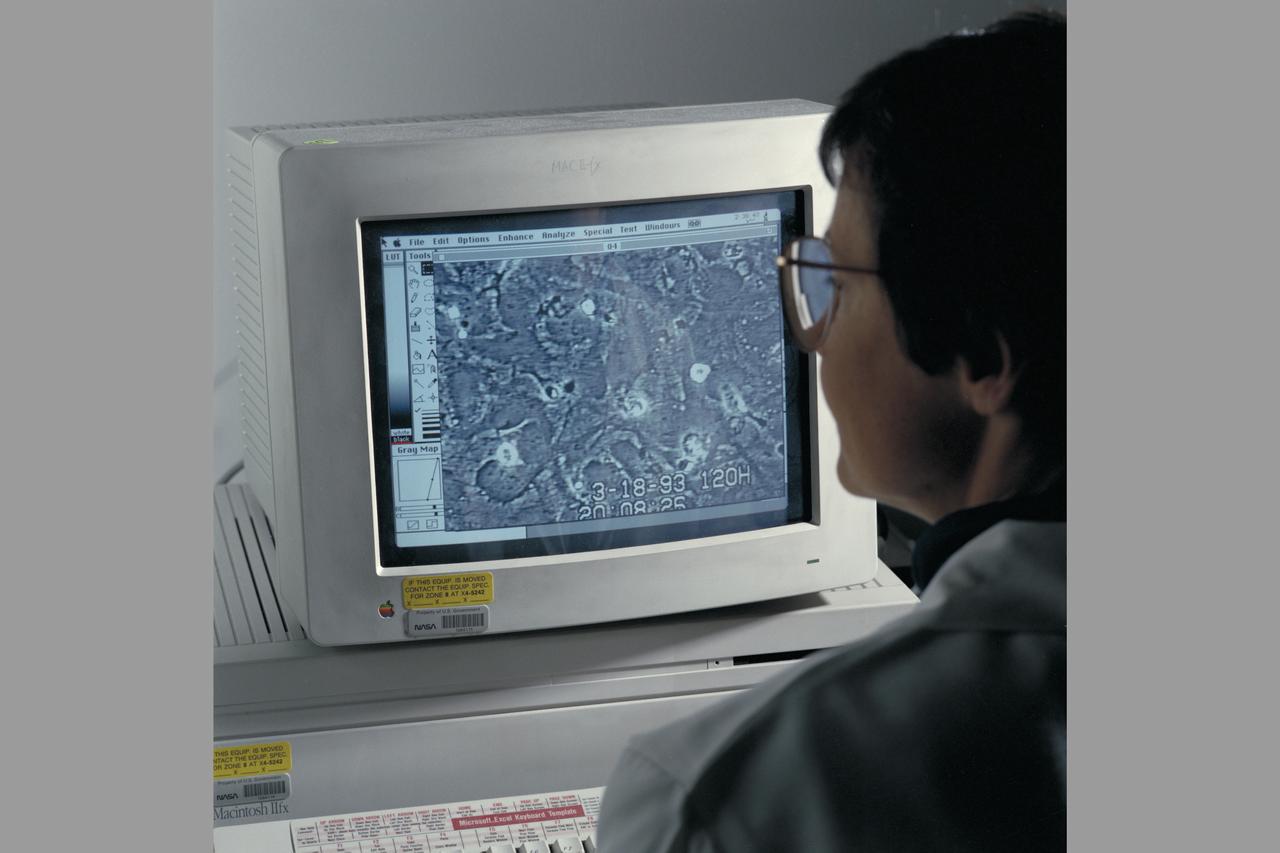
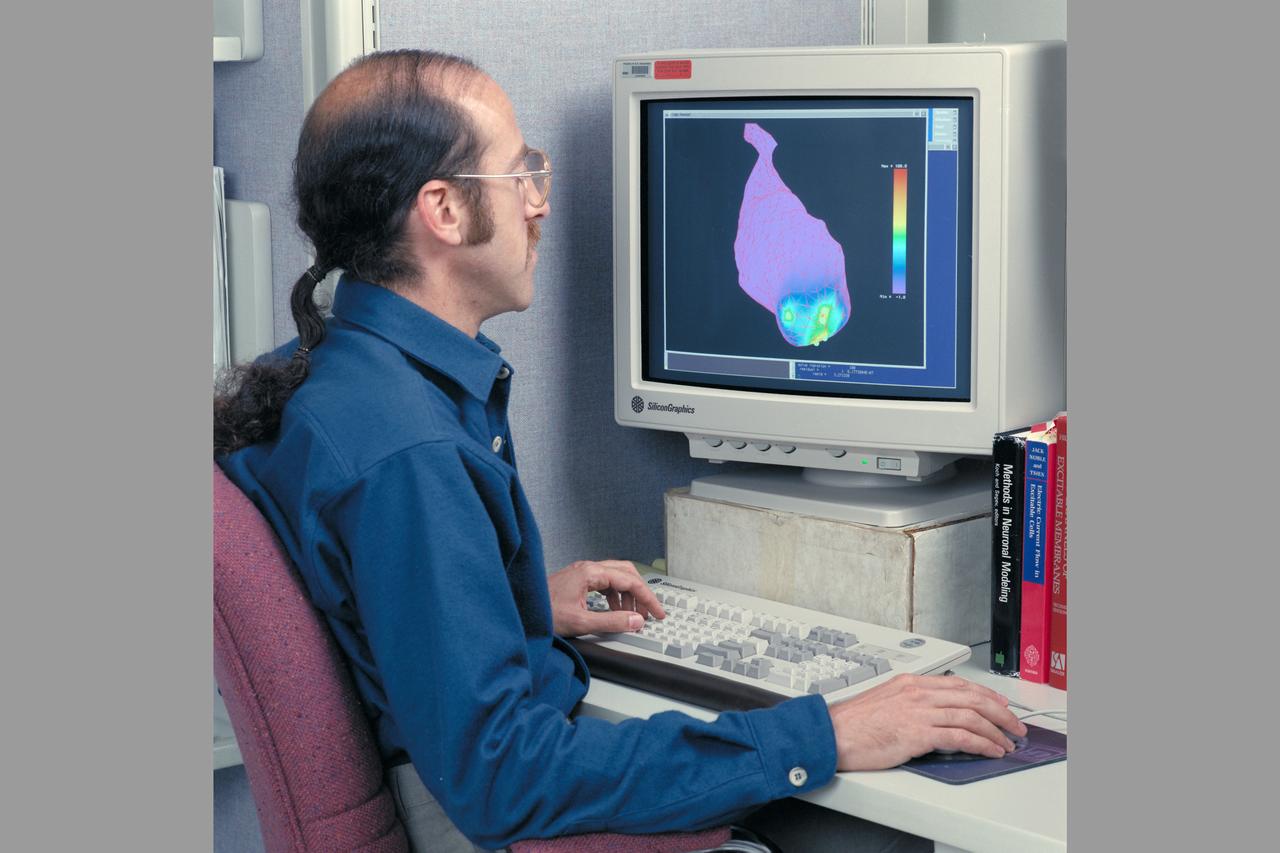
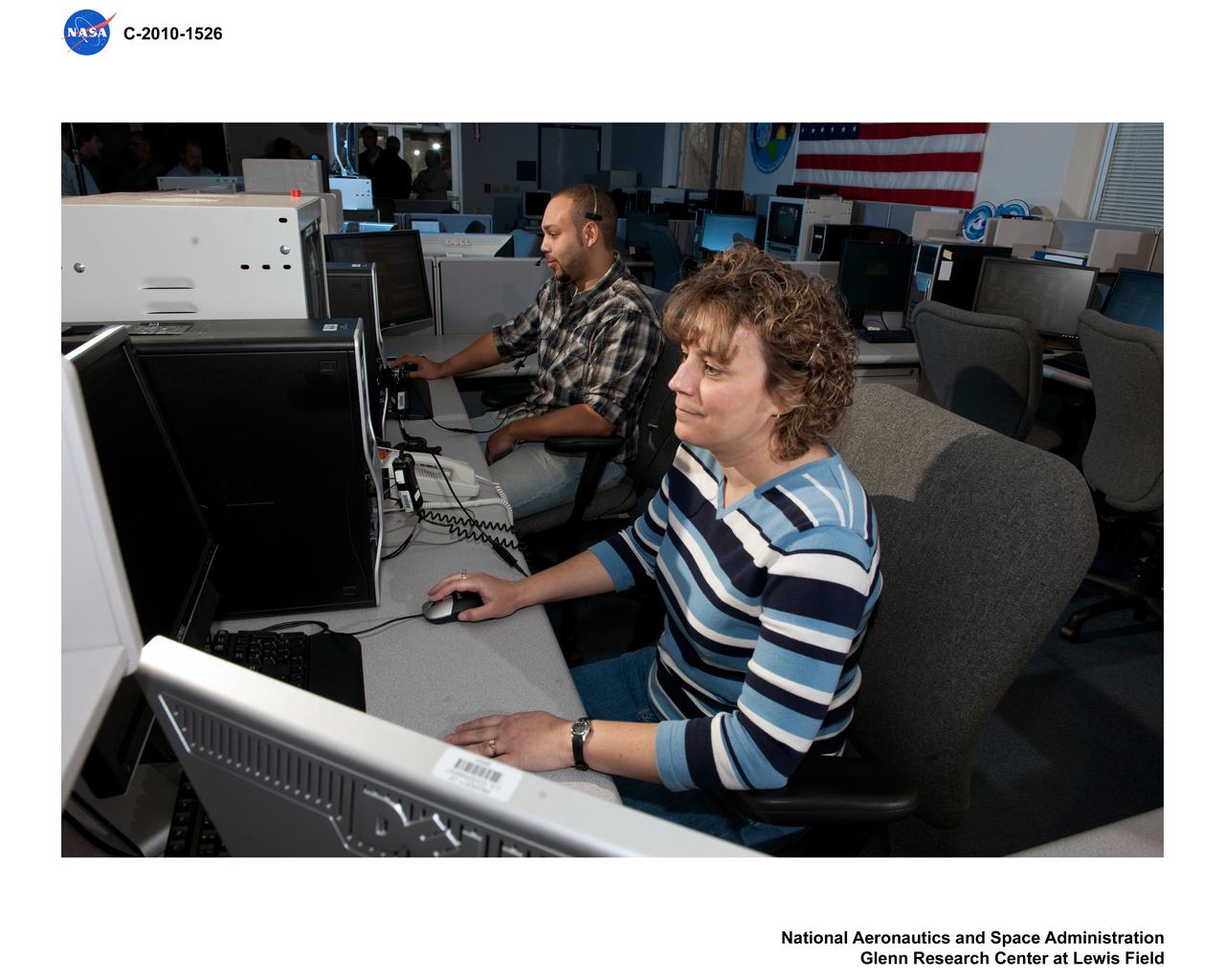
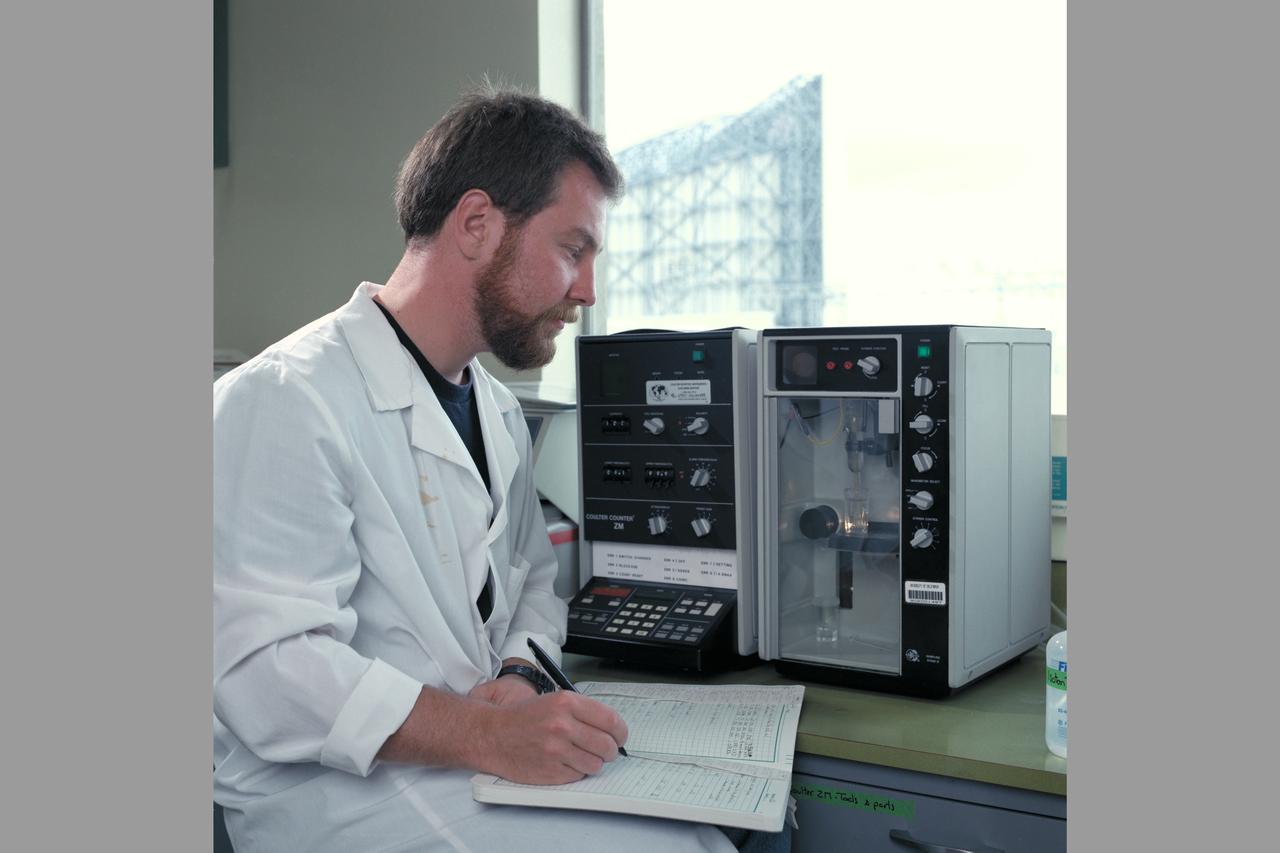
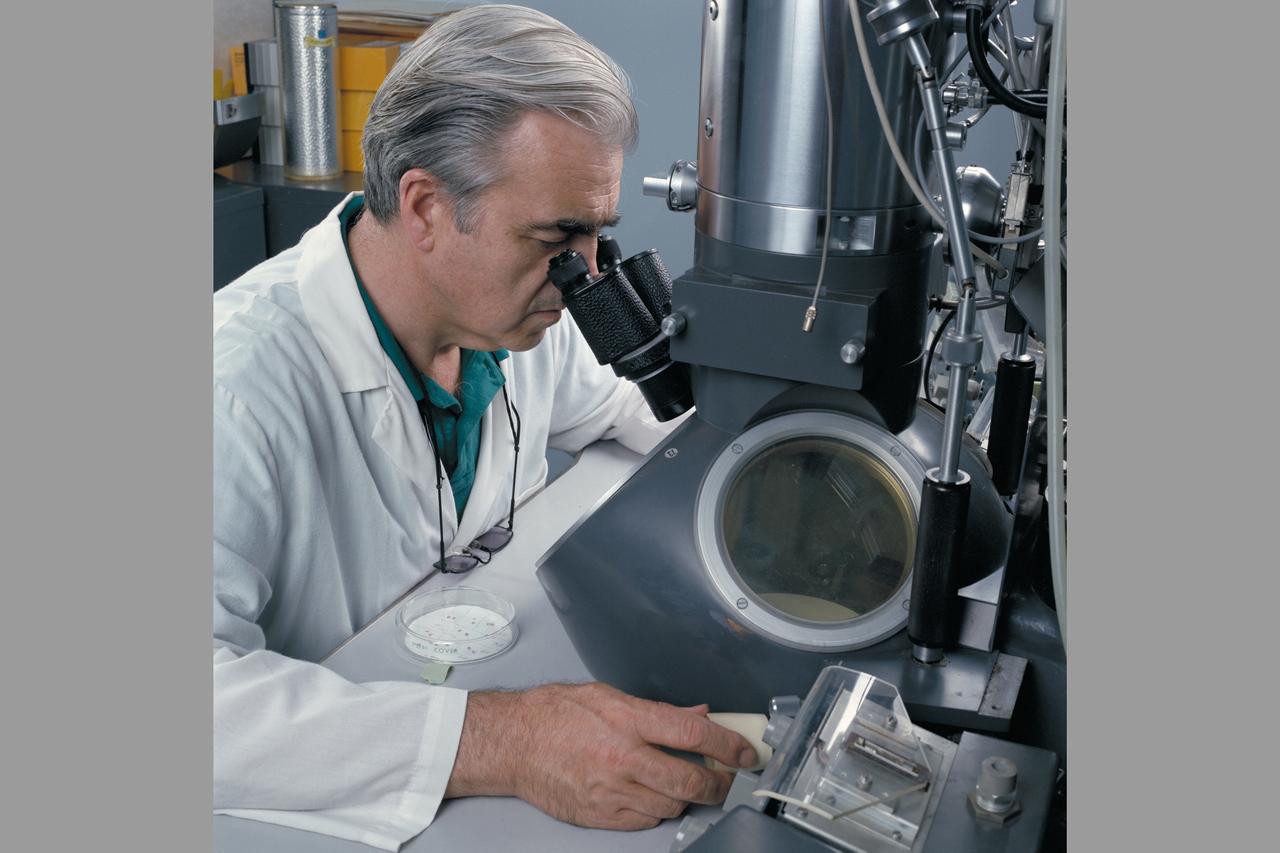
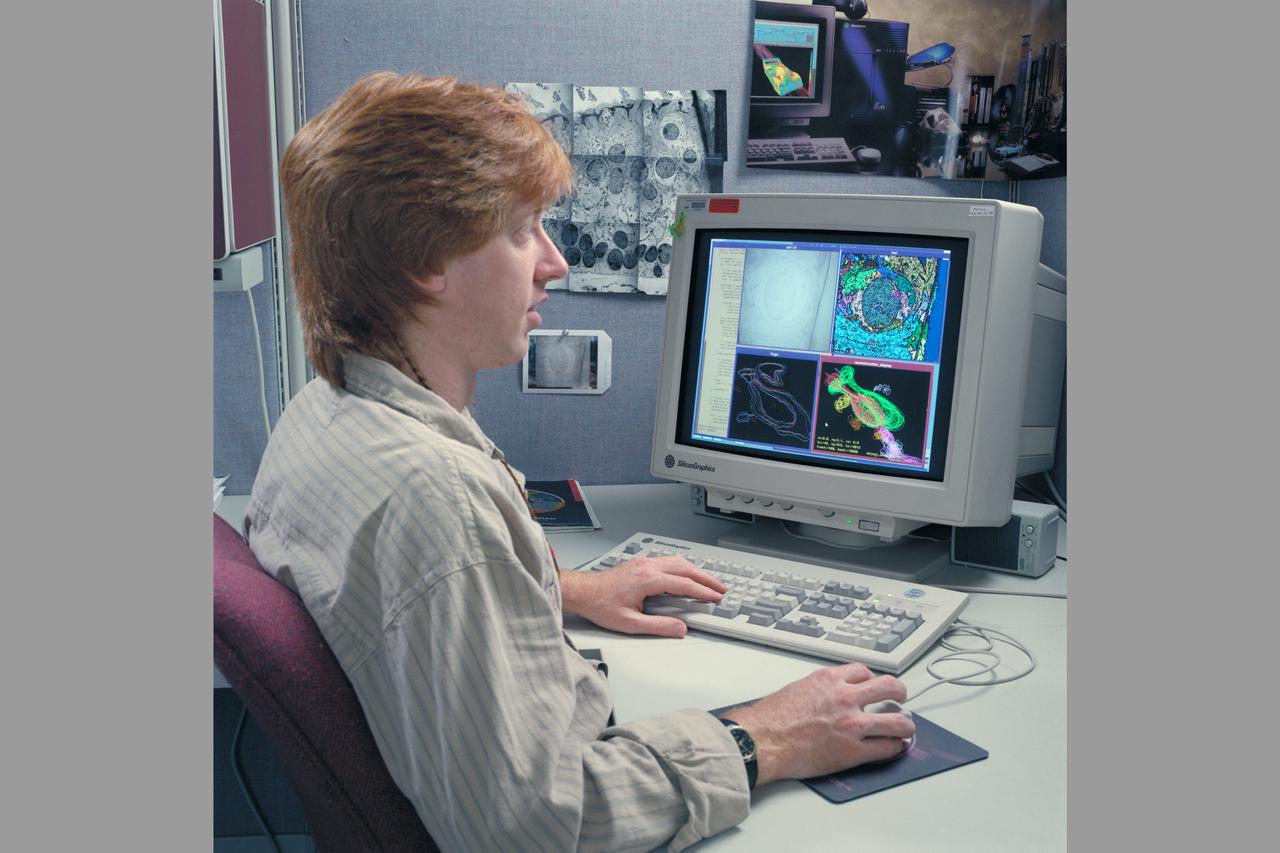
Personnel Group

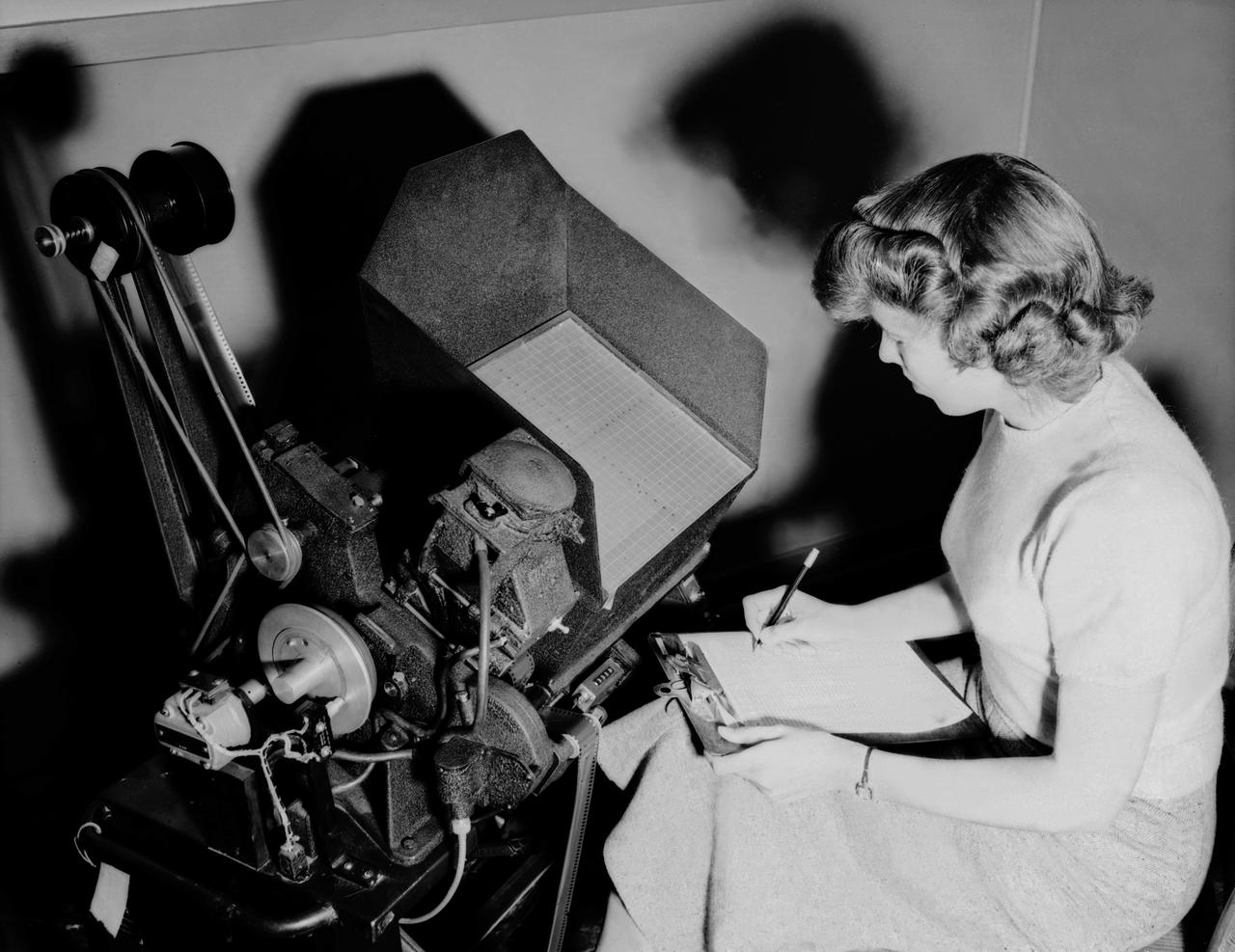
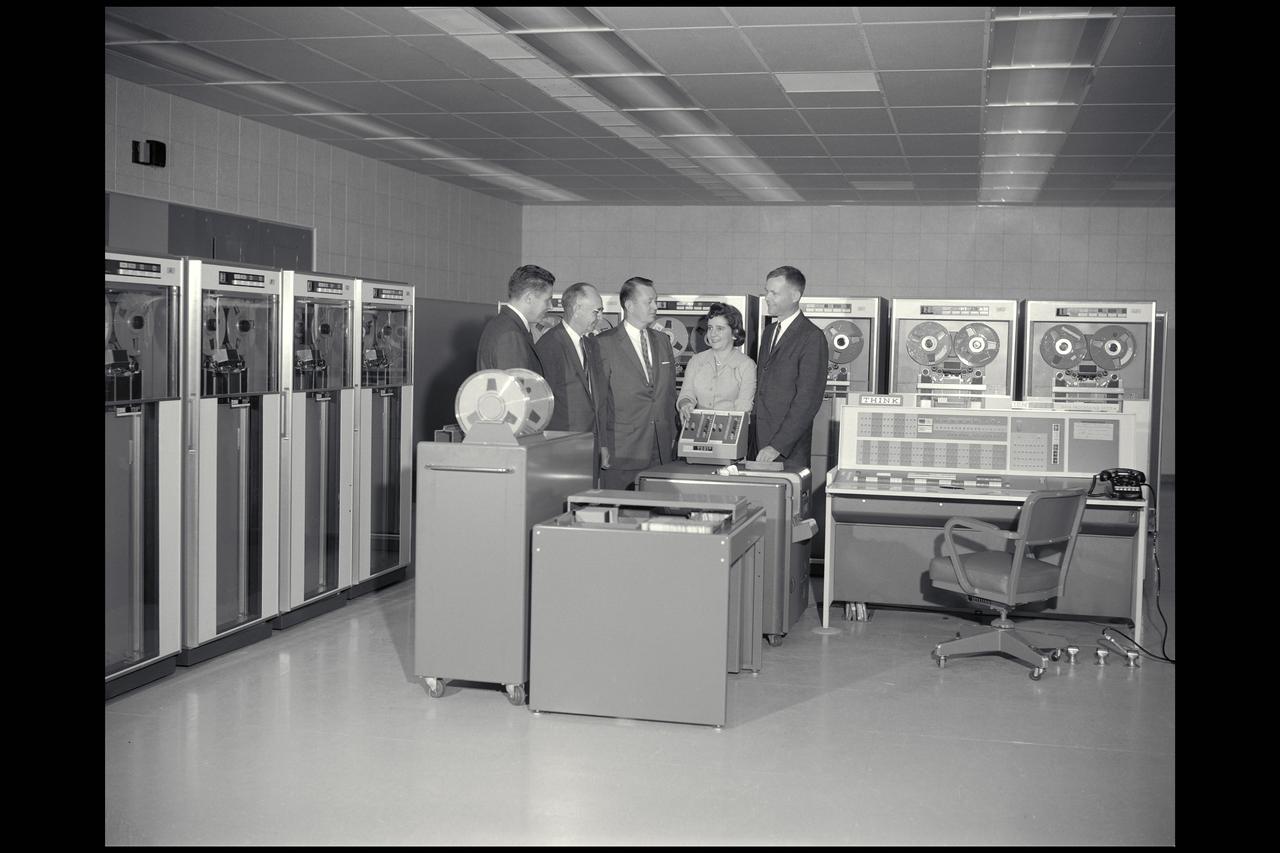
IBM 7090 computer and personnel: L-R: R Smith, IBM; Smith DeFrance, Ames; H Funk, IBM; Marcie Chartz Smith, Ames; D Swartz, IBM; discuss installation of computer at Ames.

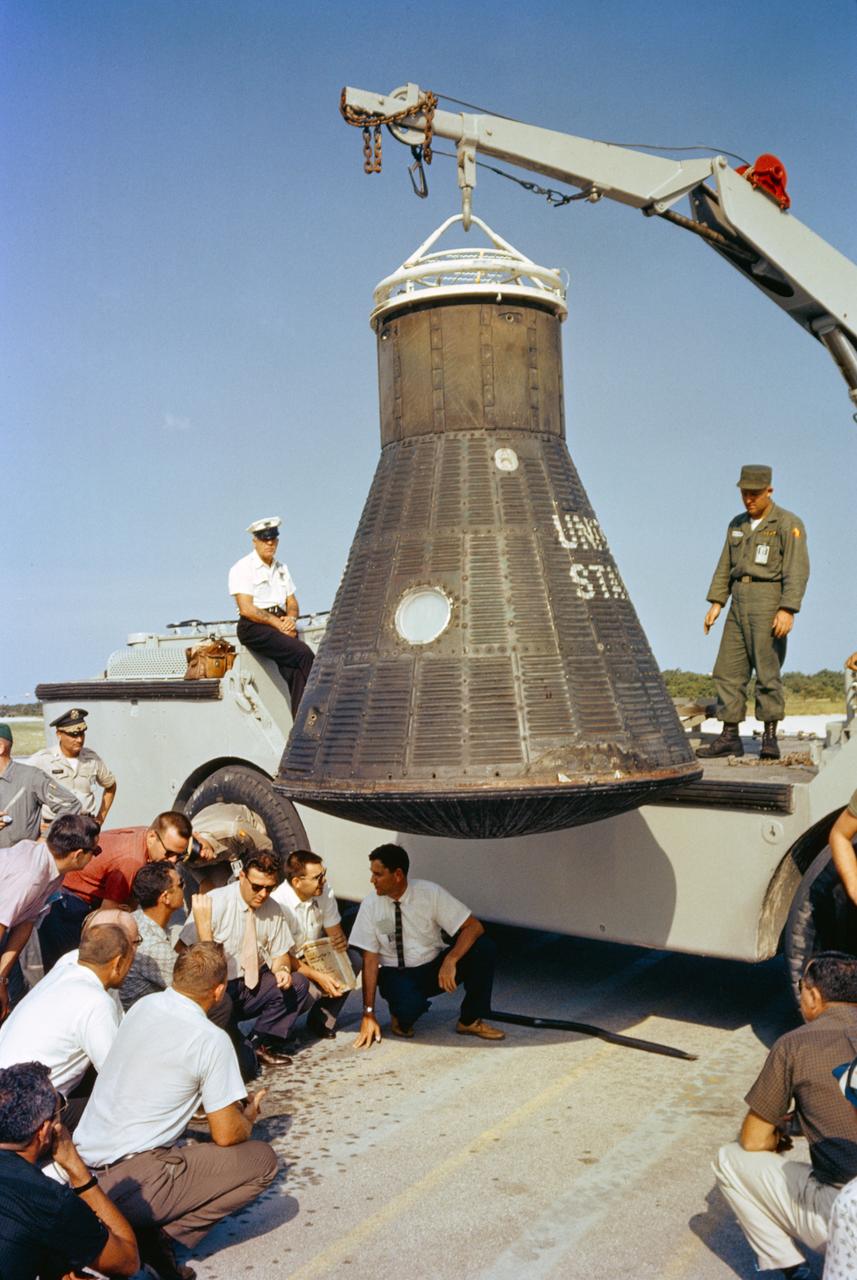
S64-14861 (1962) --- Department of Defense (DOD) recovery personnel and spacecraft technicians from NASA and McDonnell Aircraft Corp., inspect astronaut John Glenn's Mercury spacecraft, Friendship 7, following its return to Cape Canaveral after recovery in the Atlantic Ocean. Photo credit: NASA

16 Foot Wind Tunnel personnel at work

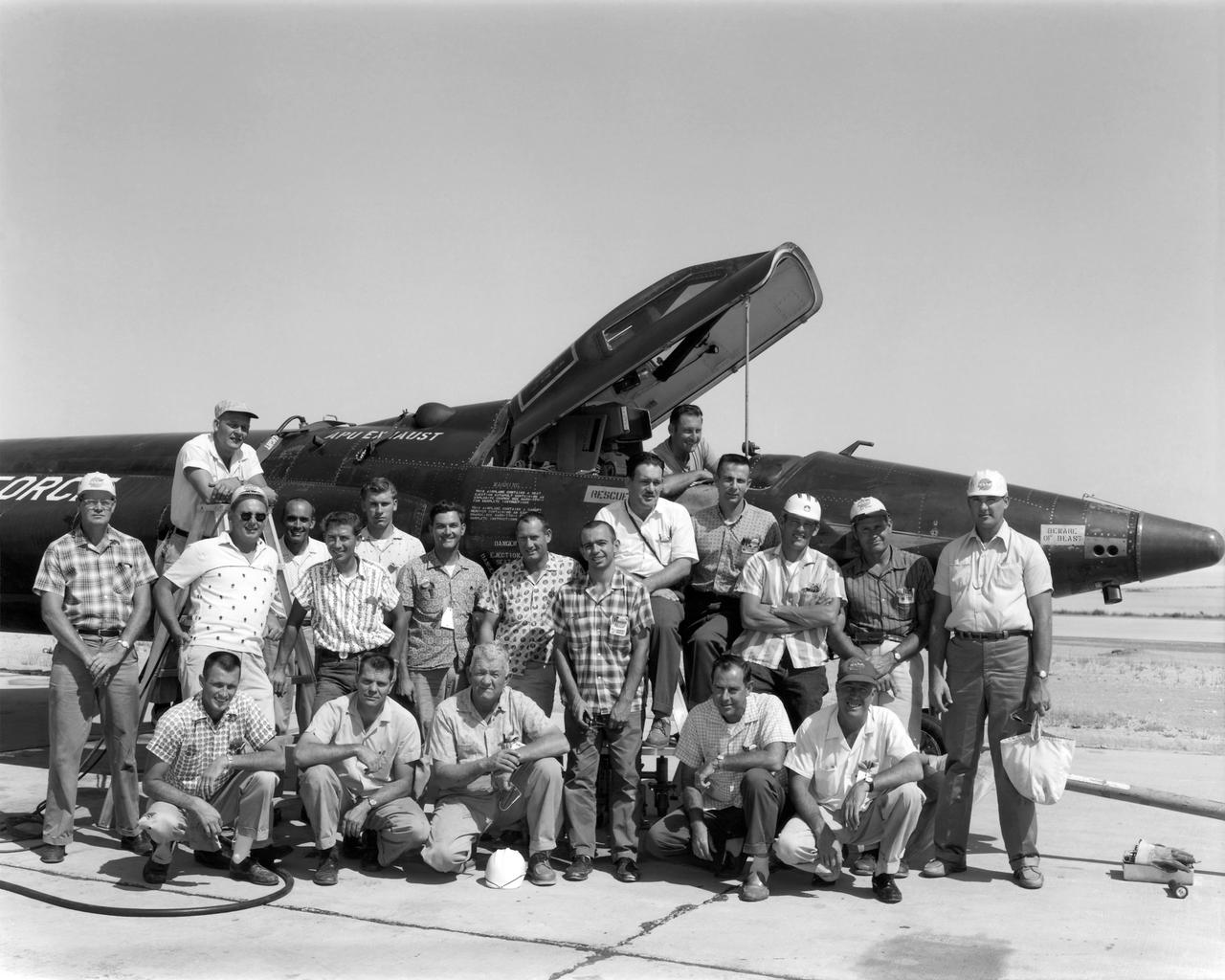
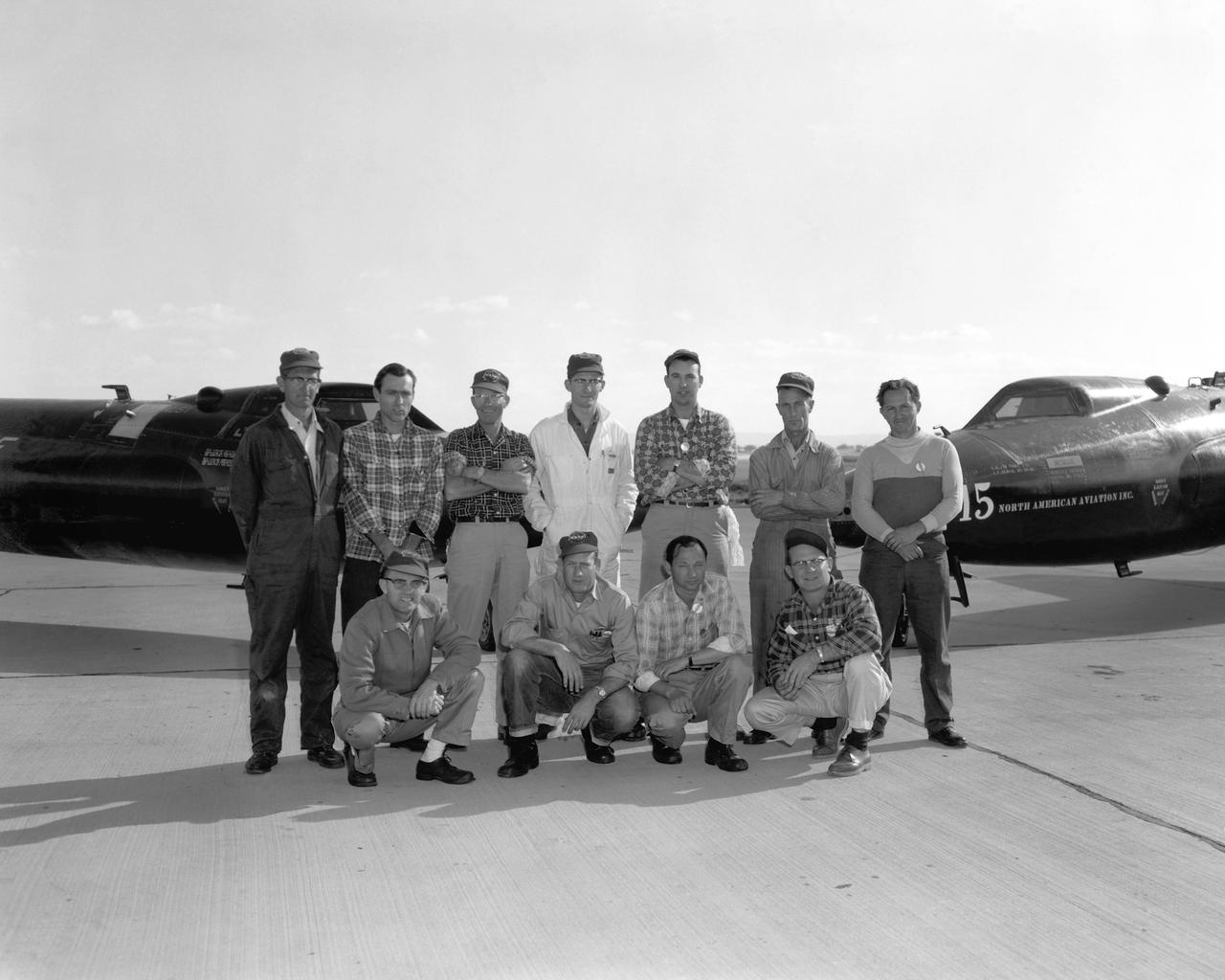
X-15 personnel July 1962 Cockpit: Edward "Ed" Nice Ladder: Thomas "Tom" McAlister Back Row, left to right: William Clark, Edward "Ed" Sabo, Donald "Don" Hall, Billy Furr, Allen Dustin, Raymond "Ray" White, George E. Trott, Alfred "Al" Grieshaber, Merle Curtis, LeRoy "Lee" Adelsbach, Allen Lowe, Jay L. King, Lorenzo "Larry" Barnett. Kneeling, left to right: Byron Gibbs, Price "Bob" Workman, Ira Cupp, unidentified, John Gordon.
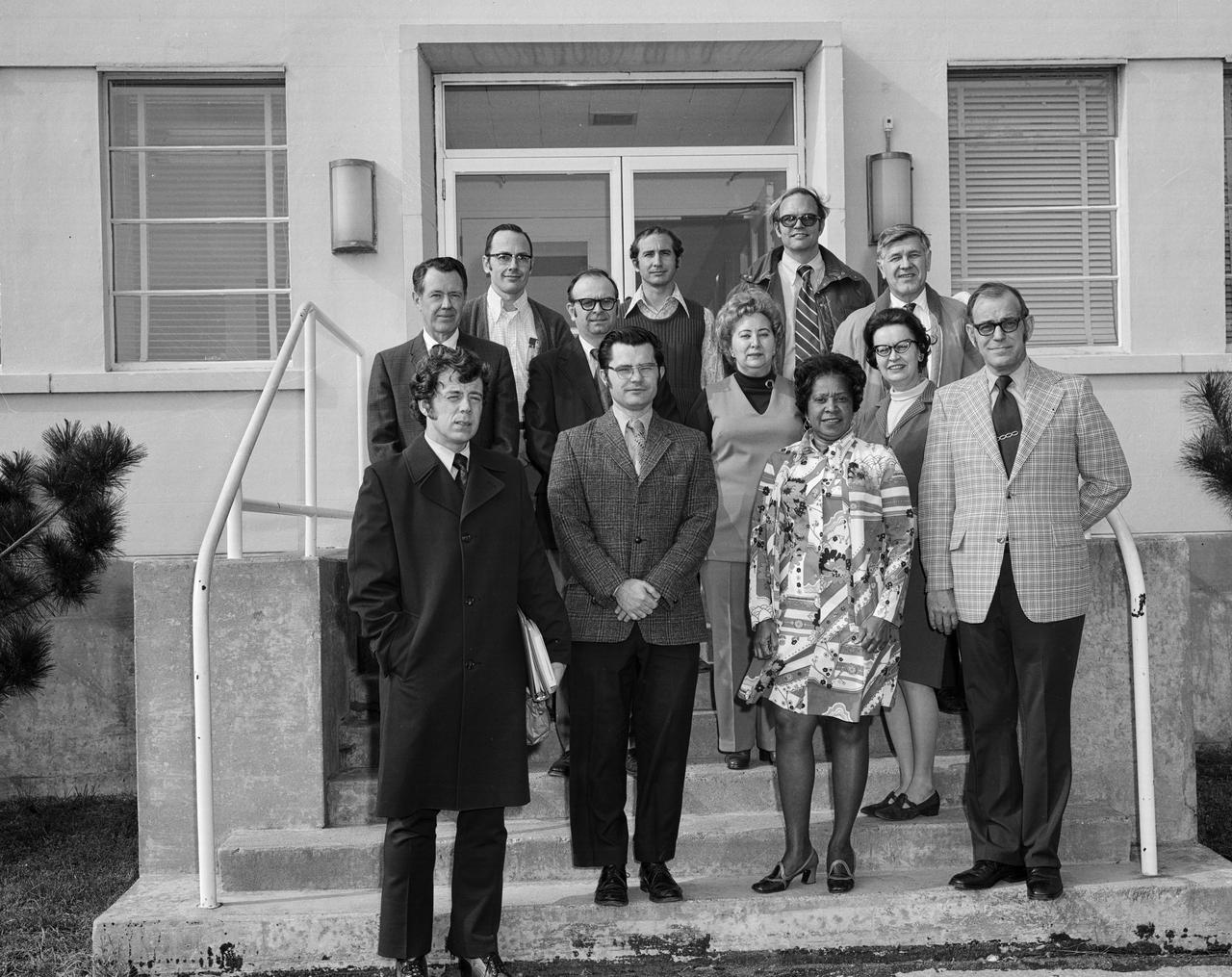
Photograph taken February 06, 1974. High Speed Aircraft Division Personnel, Mary Jackson is one of the people in the front row of this group. Mary Jackson belonged to the Theoretical Performance Group, High Speed Aircraft Division, Office of Director for Aeronautics at time of photo. First row: Steve Wornom, Dick Barnwell, Mary Jackson, and Bud Bobbitt; Second row: Bernie Klunker, Perry Newman, Branch secretary, Frances Keeter, and Ruby Davis, Branch mathematician; Third row: Dennis Allison, Jim Keller, Jerry South, and Cas Czarnecki.

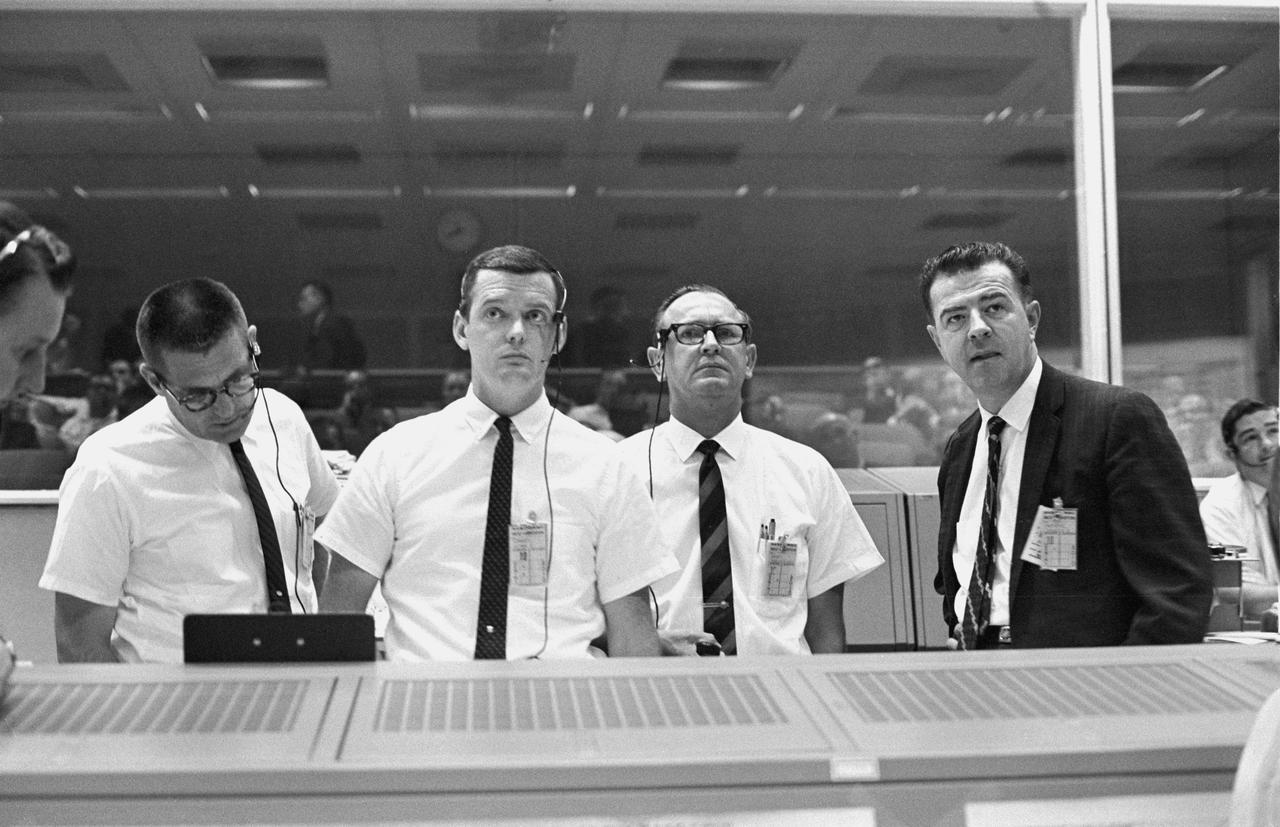
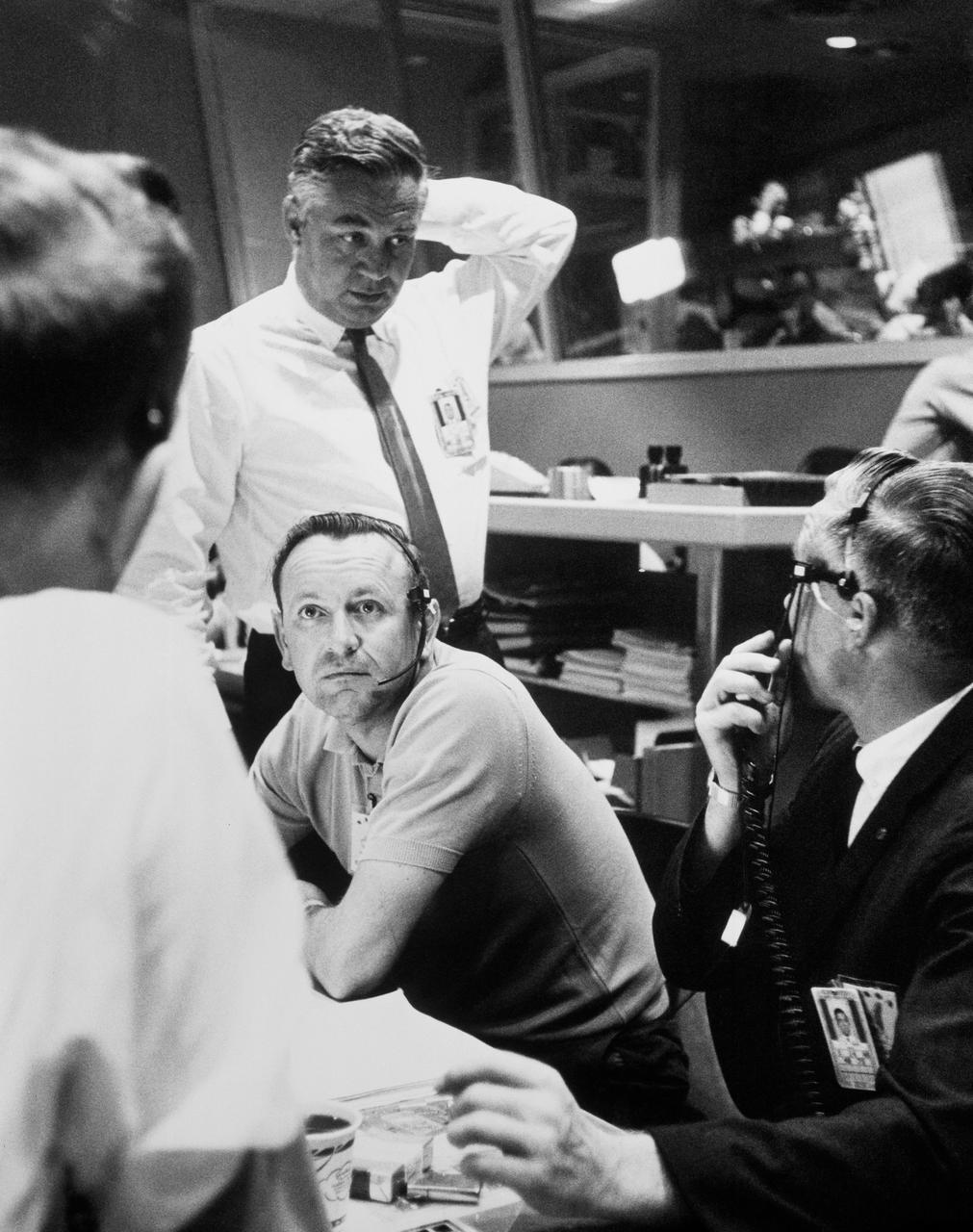
S66-43377 (18 July 1966) --- Standing at the flight director's console, viewing the Gemini-10 flight display in the Mission Control Center, are (left to right) William C. Schneider, Mission Director; Glynn Lunney, Prime Flight Director; Christopher C. Kraft Jr., MSC Director of Flight Operations; and Charles W. Mathews, Manager, Gemini Program Office. Photo credit: NASA

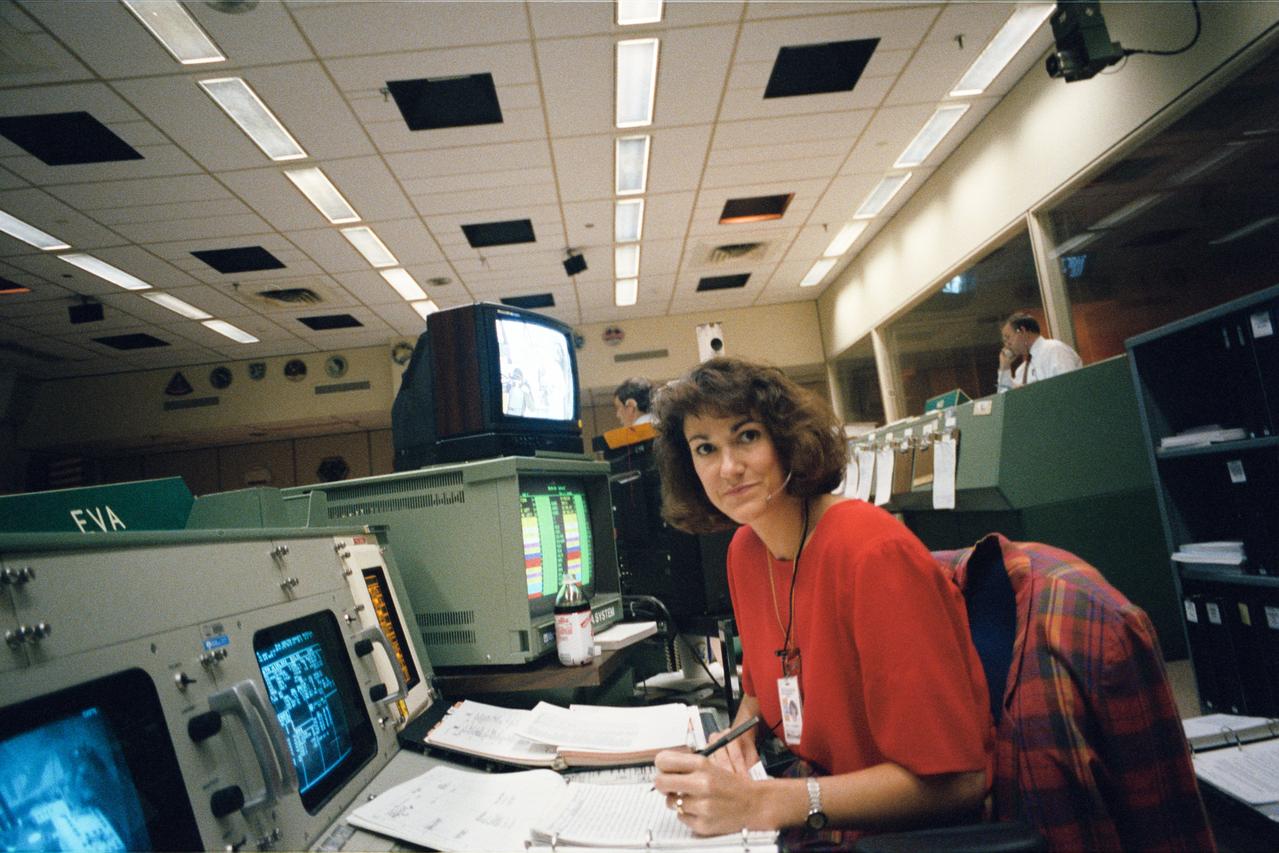
Susan P. Rainwater monitors an extravehicular activity (EVA) simulation from the EVA console at JSC's Mission Control Center (MCC) during joint integrated simulations for the STS-61 mission. Astronauts assigned to extravehicular activity (EVA) tasks with the Hubble Space Telescope (HST) were simultaneously rehearsing in a neutral buoyancy tank at the Marshall Space Flight Center (MSFC) in Alabama.
X-15 personnel. A photo commemorating all three X-15's being flown during the same week. Back Row, left to right: John "Bill" Lovett, John E. Huntington, Homer Hall, Robert E. "Bob" Allen, Lorenzo "Larry" Barnett, Charles "Charlie" Russell, Sylvester Weeks Kneeling, left to right: Gilbert "Gil" Kincaid, George E. Trott, Joseph "Joe" Huxman, Willard Glasscock

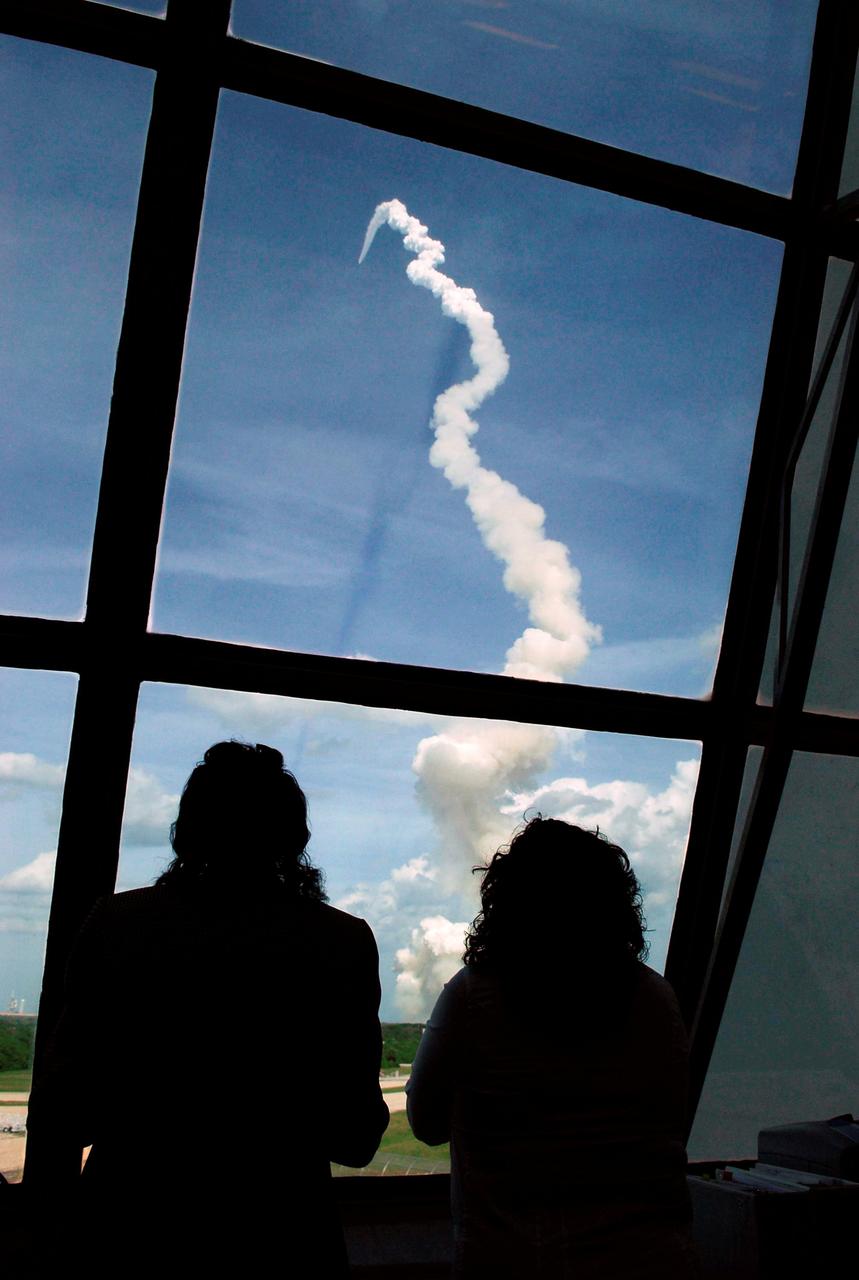
STS122-S-018 (7 Feb. 2008) --- View of personnel watching the launch of the Space Shuttle Atlantis through the windows of the Launch Control Center at the Kennedy Space Center (KSC). Atlantis lifted off from launch pad 39A at 2:45 p.m. (EST). The launch is the third attempt for Atlantis since December 2007 to carry the European Space Agency's (ESA) Columbus laboratory to the station. During the mission, the crew's prime objective is to attach the laboratory to the Harmony module, adding to the station's size and capabilities. Onboard are astronauts Steve Frick, STS-122 commander; Alan Poindexter, pilot; Leland Melvin, Rex Walheim, ESA's Hans Schlegel, Stanley Love and ESA's Leopold Eyharts, all mission specialists. Eyharts will join Expedition 16 in progress to serve as a flight engineer aboard the ISS.
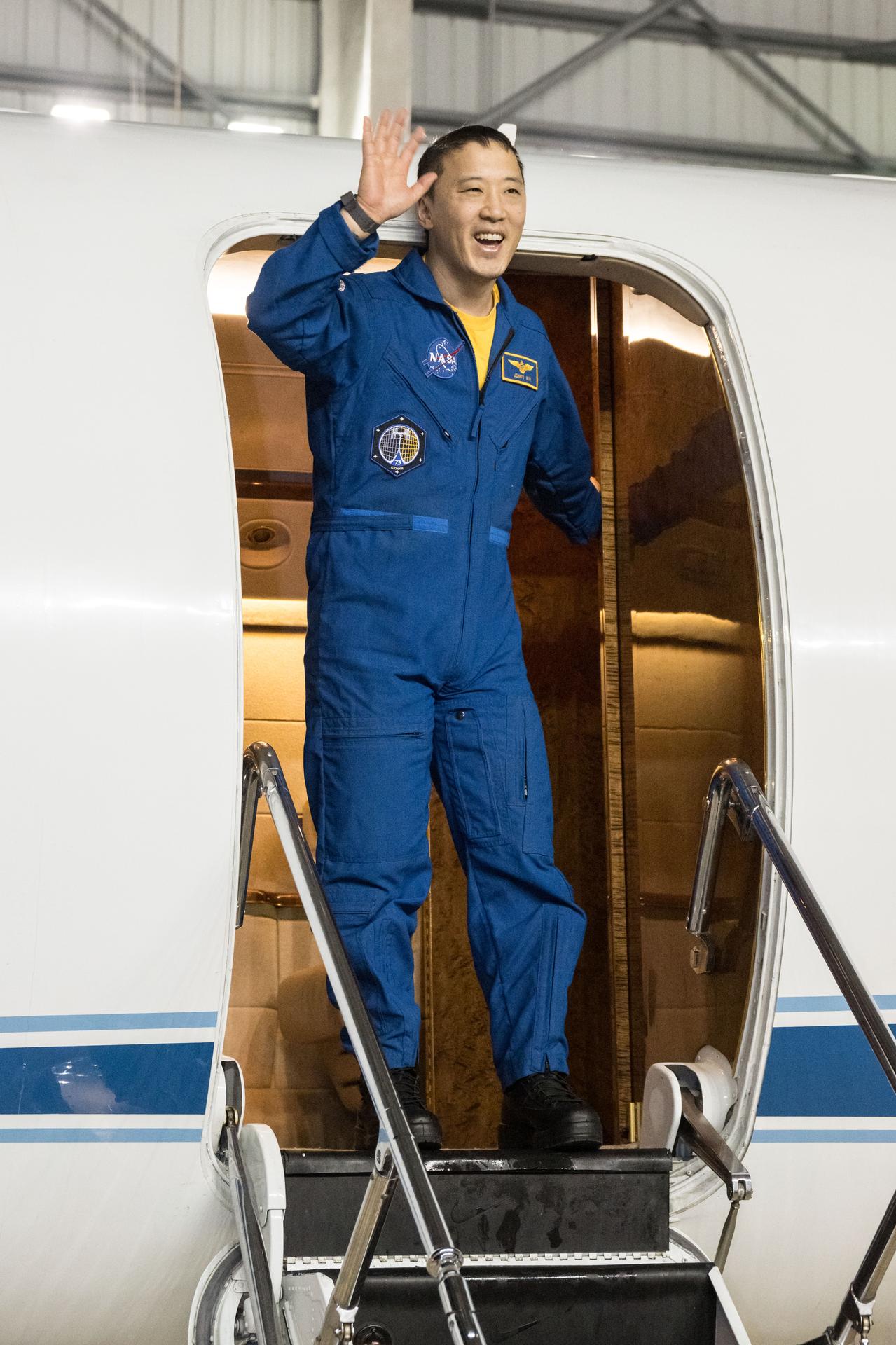
jsc2025e089530 (Dec. 10, 2025) --- NASA astronaut Jonny Kim waves to NASA personnel at Ellington Field after exiting the Gulfstream V aircraft that returned him to Houston, Texas, from Kazakhstan in Central Asia. The day before, Kim had landed in Kazakhstan aboard the Soyuz MS-27 crew spacecraft with Roscosmos cosmonauts Sergey Ryzhikov and Alexey Zubritsky after completing a 245-day research mission aboard the International Space Station. Credit: NASA/Robert Markowitz
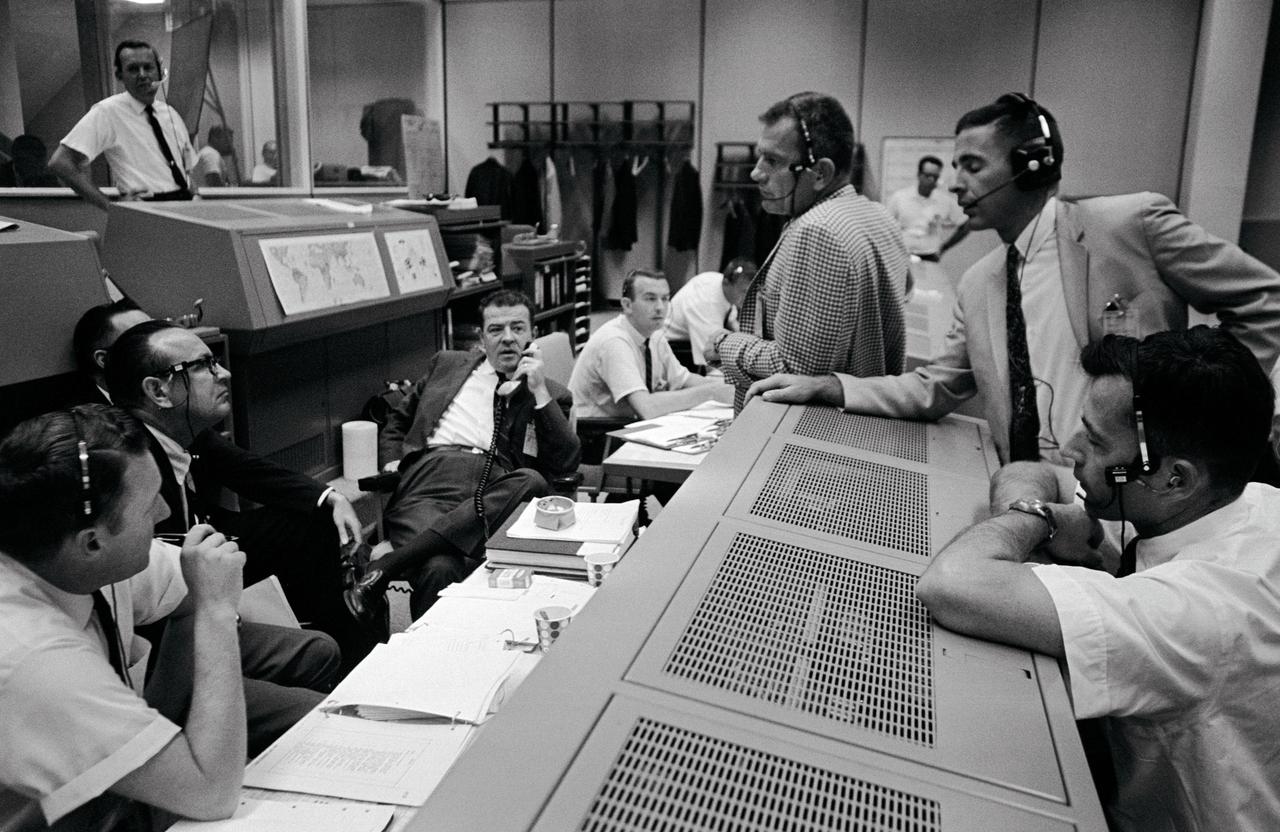
S66-52157 (12 Sept. 1966) --- Discussing the Gemini-11 spaceflight in the Mission Control Center are: (left to right) Christopher C. Kraft Jr., (wearing glasses), Director of Flight Operations; Charles W. Mathews (holding phone), Manager, Gemini Program Office; Dr. Donald K. Slayton (center, checked coat), Director of Flight Crew Operations; astronaut William A. Anders, and astronaut John W. Young. Photo credit: NASA

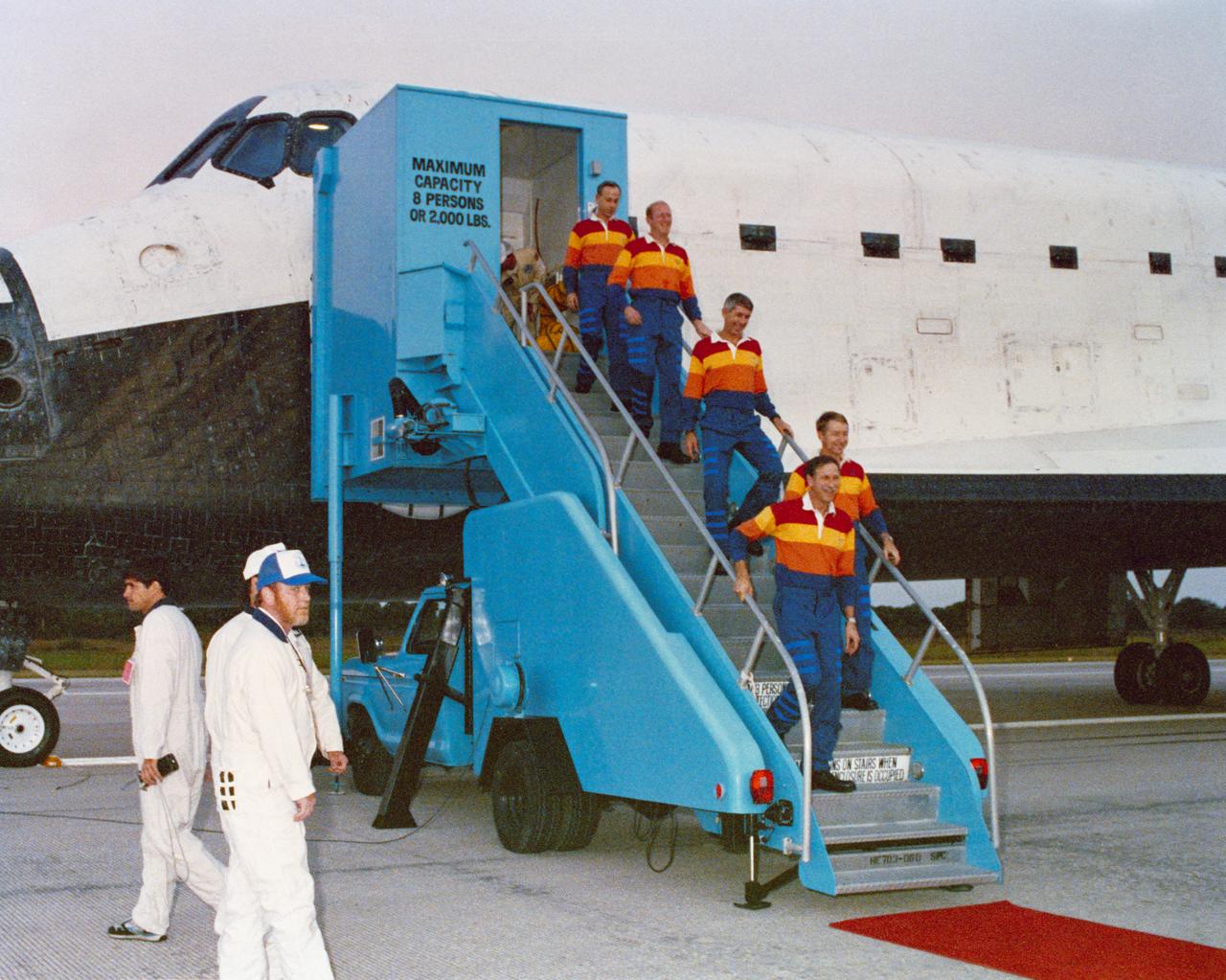
STS-38 crewmembers, wearing red, yellow, and orange polo shirts, egress Atlantis, Orbiter Vehicle (OV) 104, via a mobile stairway at the Kennedy Space Center's (KSC's) Shuttle Landing Facility (SLF). Commander Richard O. Covey, nearing the bottom of the stairway, is followed by Pilot Frank L. Culbertson, Mission Specialist (MS) Robert C. Springer, MS Charles D. Gemar, and MS Carl J. Meade. Ground servicing personnel look on in the foreground.

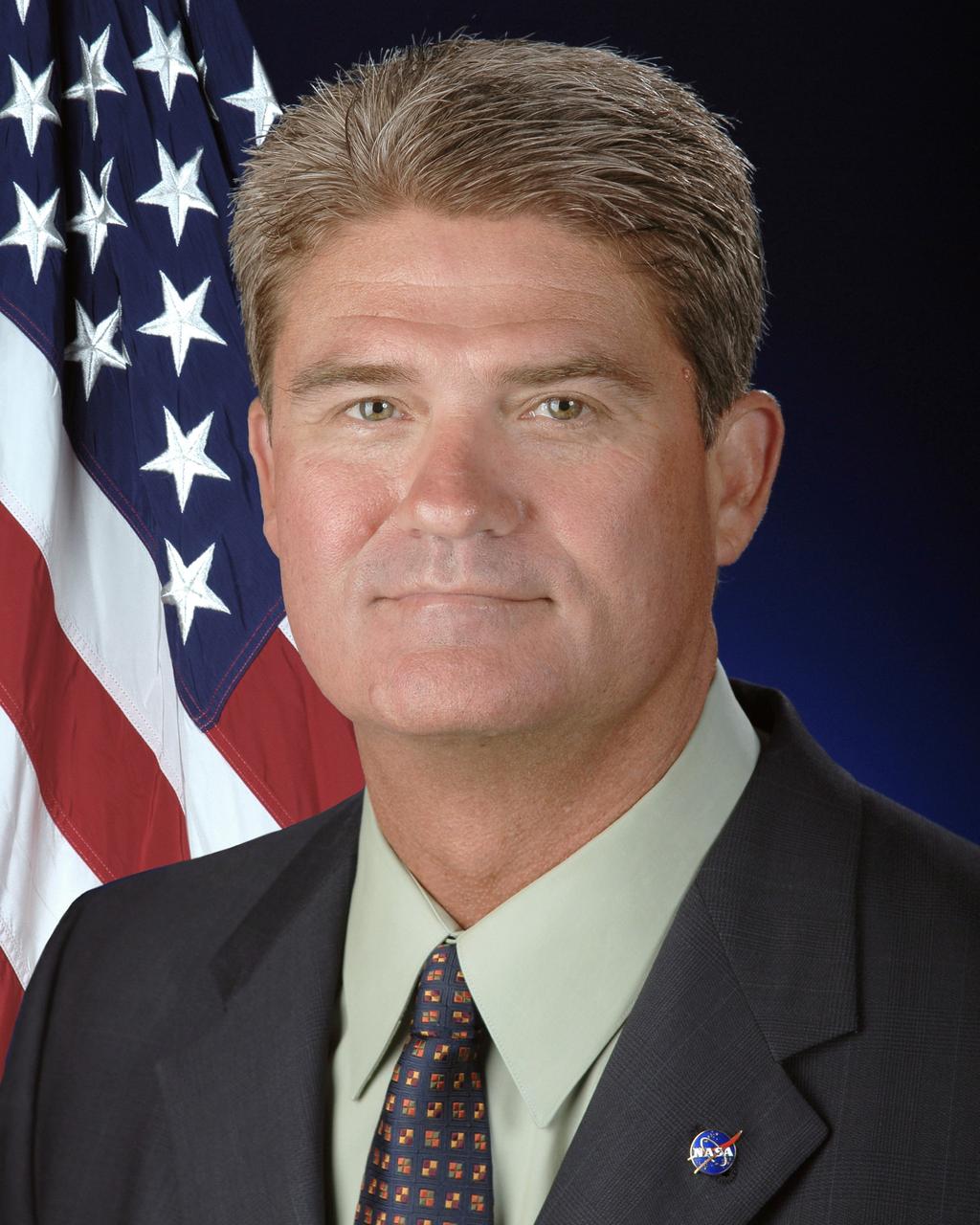
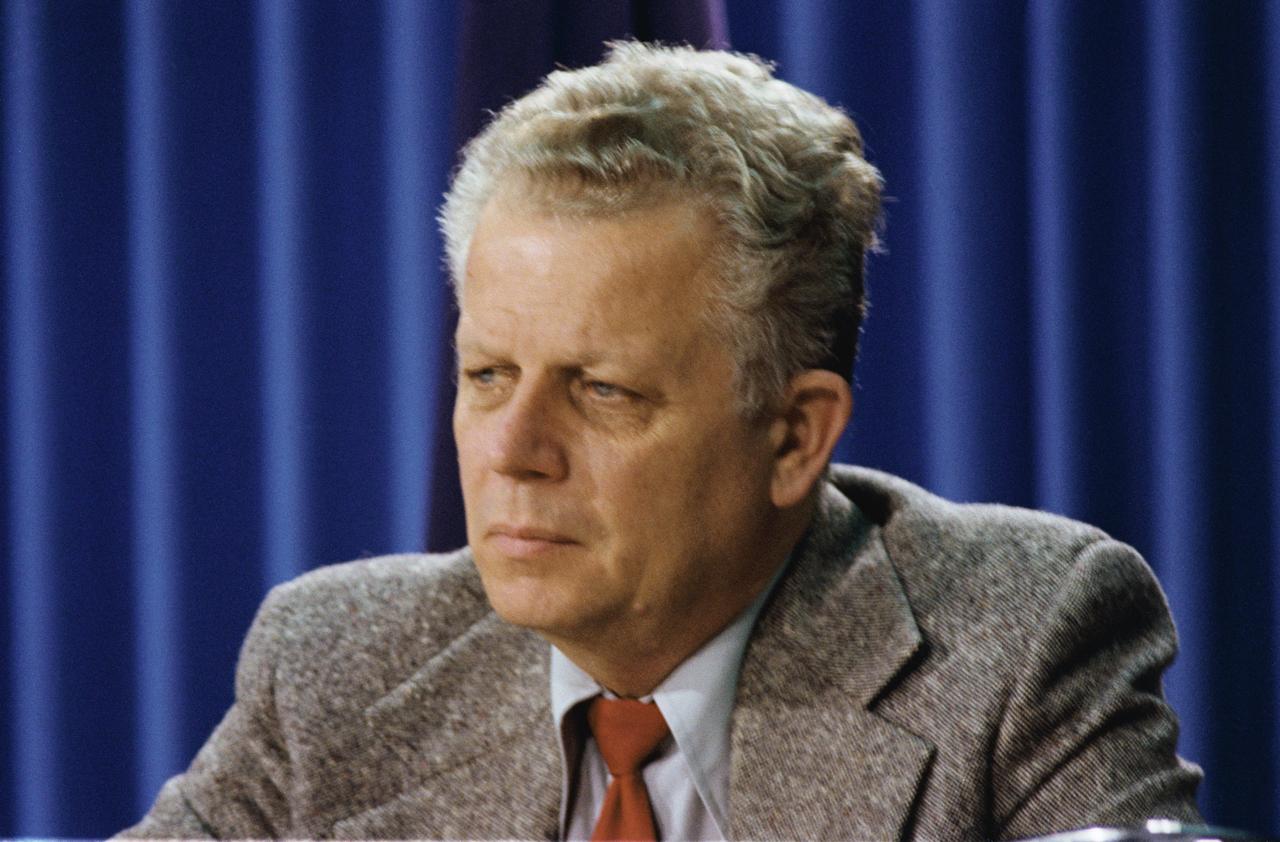
KENNEDY SPACE CENTER, FLA. - Official portrait of William W. "Bill" Parsons, director of the John F. Kennedy Space Center. Photo credit: NASA/Kim Shiflett

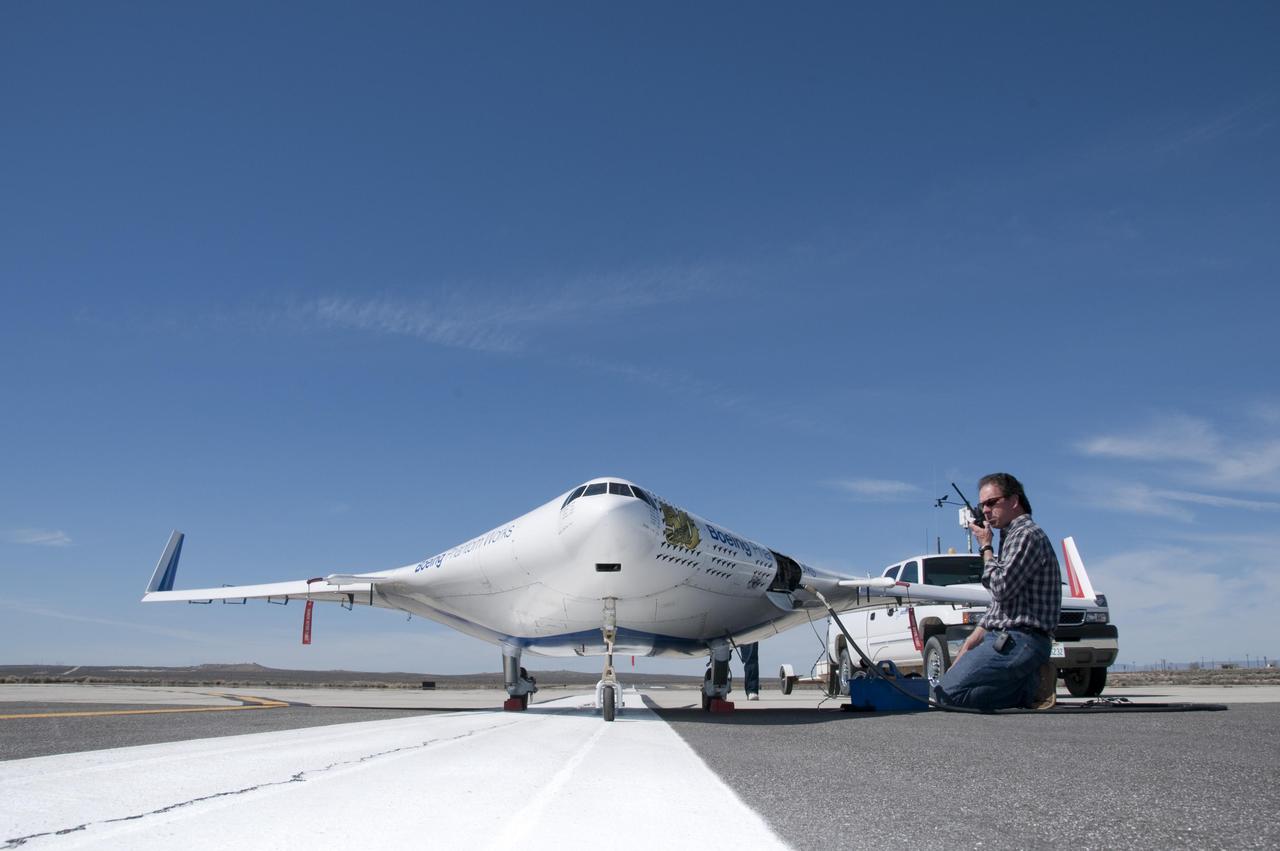
NASA engineer Gary Cosentino communicates with fellow X-48B flight team personnel in preparation for another flight.

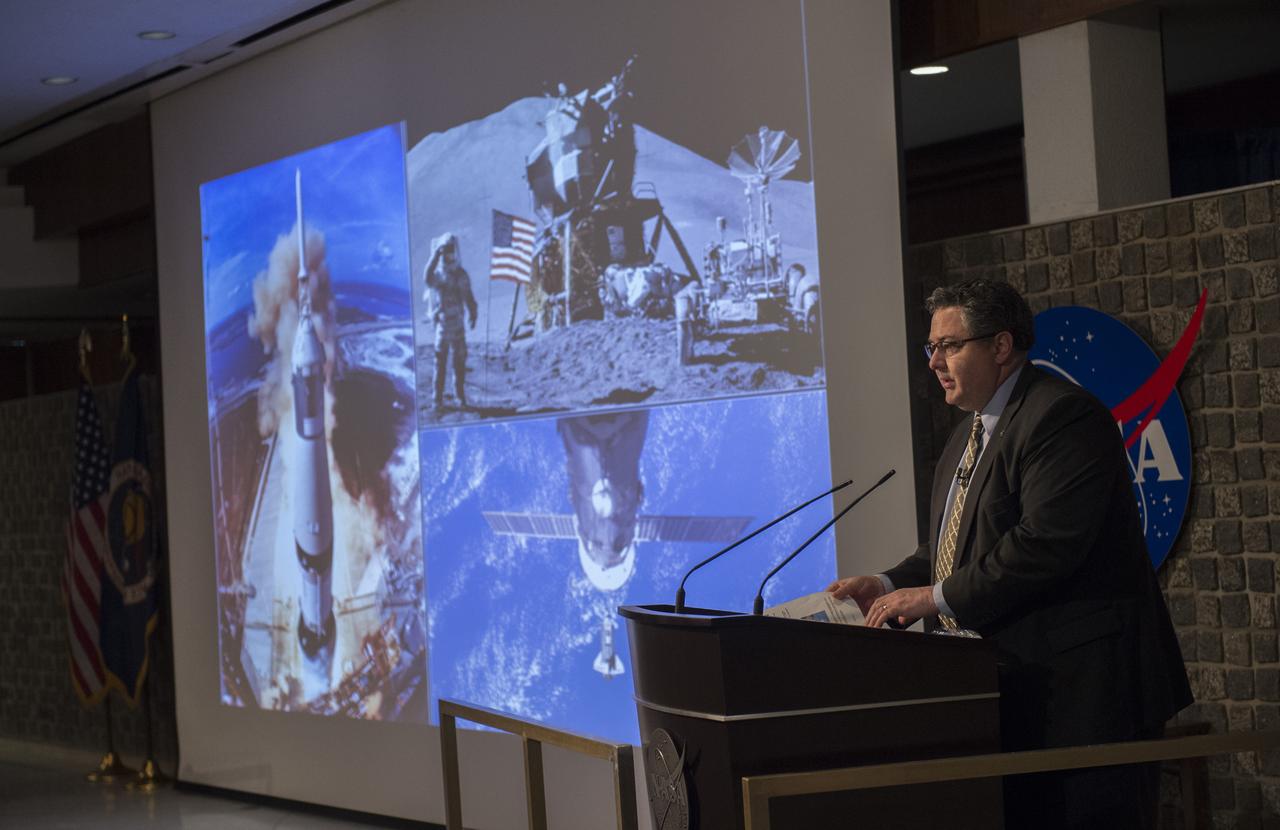
MSFC Director Todd May conducts All Hands meeting with Marshall Personnel following State of NASA address by Acting NASA Administrator Robert Lightfoot

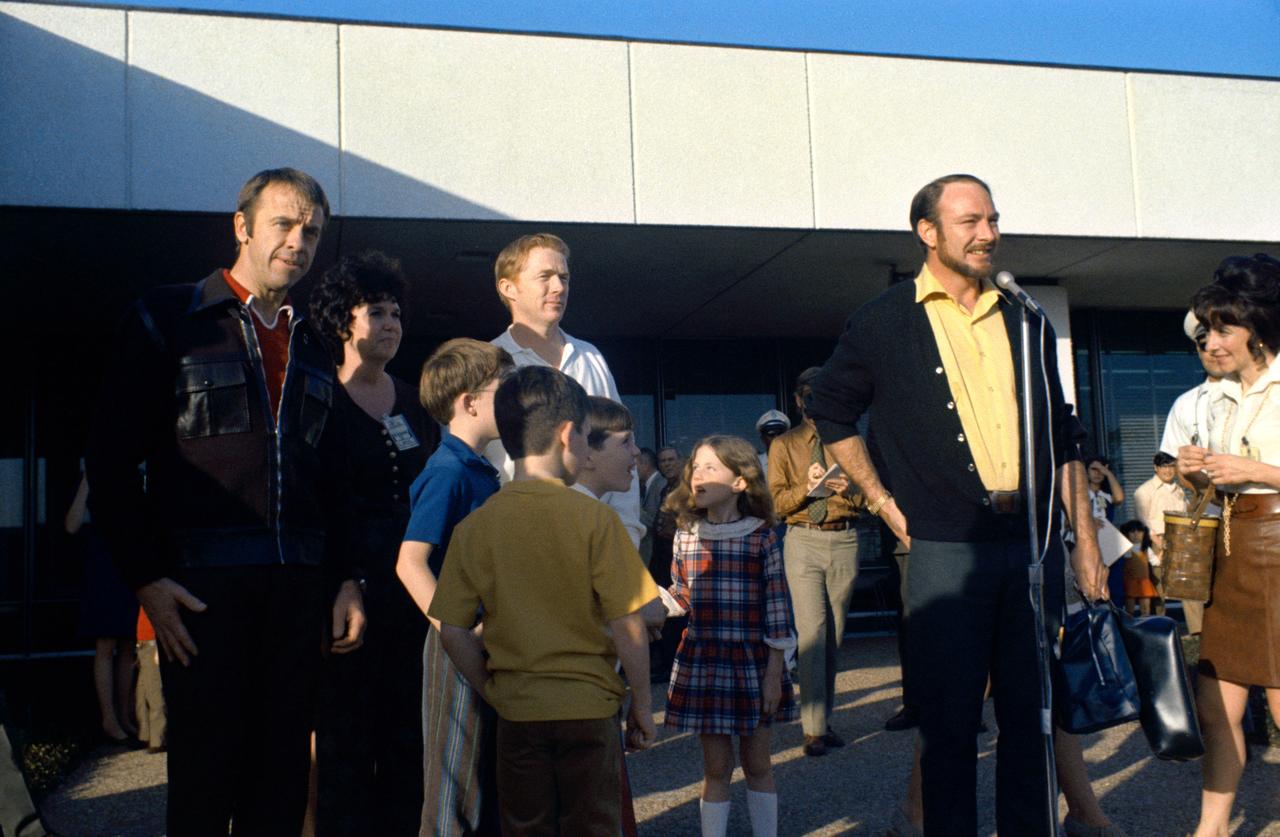
S71-22028 (26 Feb. 1971) --- Astronaut Edgar D. Mitchell, right, the Apollo 14 lunar module pilot, addresses NASA-MSC personnel and news media representatives and other visitors soon after he and his fellow crewmen were released from a 15-day confinement period in the Lunar Receiving Laboratory. Pictured with Mitchell in front of the LRL, MSC Building 37, are astronauts Alan B. Shepard Jr., left, commander; and Stuart A Roosa, command module pilot, Mrs. Mitchell is at right and Mrs. Roosa, near left. Roosa is flanked by his four children, left to right, Christopher A., Stuart A. Roosa Jr., John D. and Rosemary D.

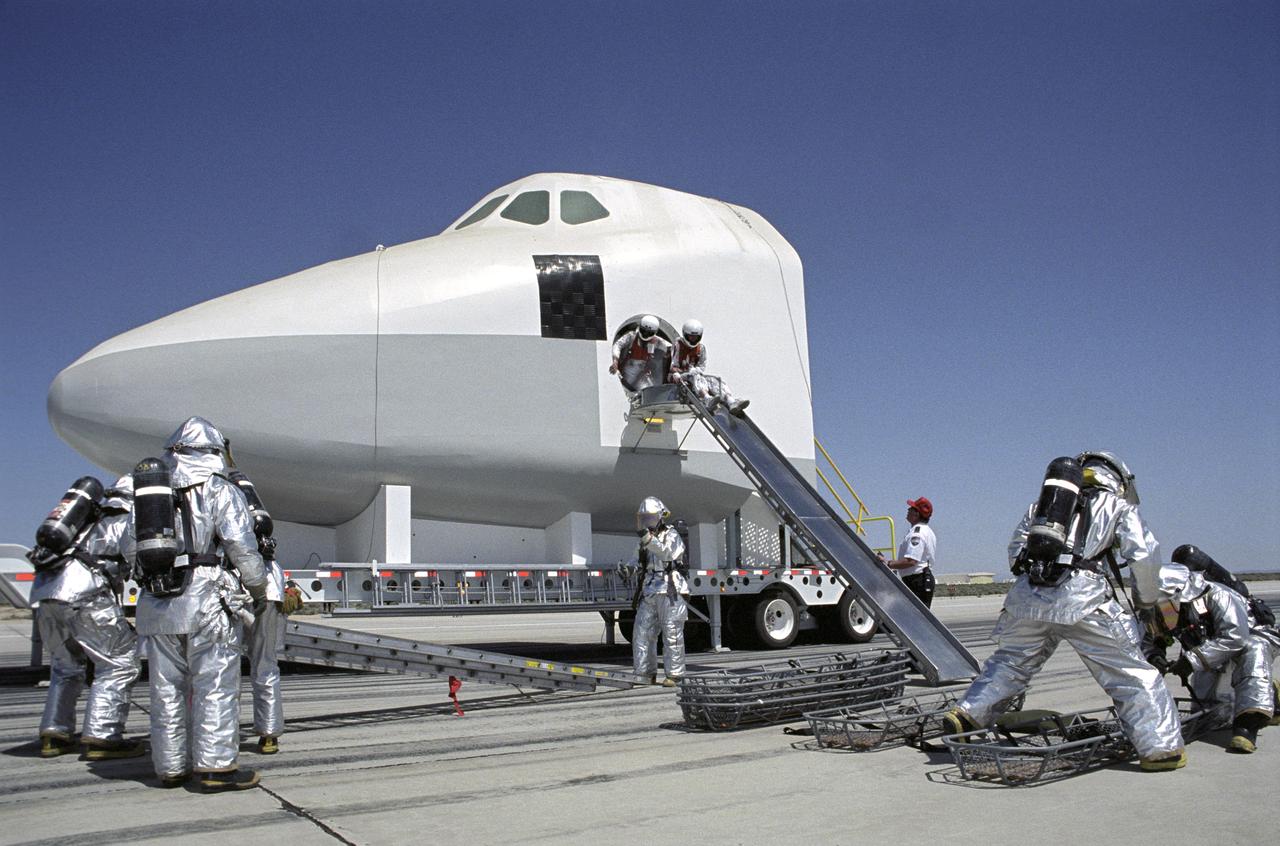
While fire-rescue personnel prepare evacuation litters, two stand-in "astronauts" prepare to use an exit slide from a Shuttle mockup during a rescue training exercise.

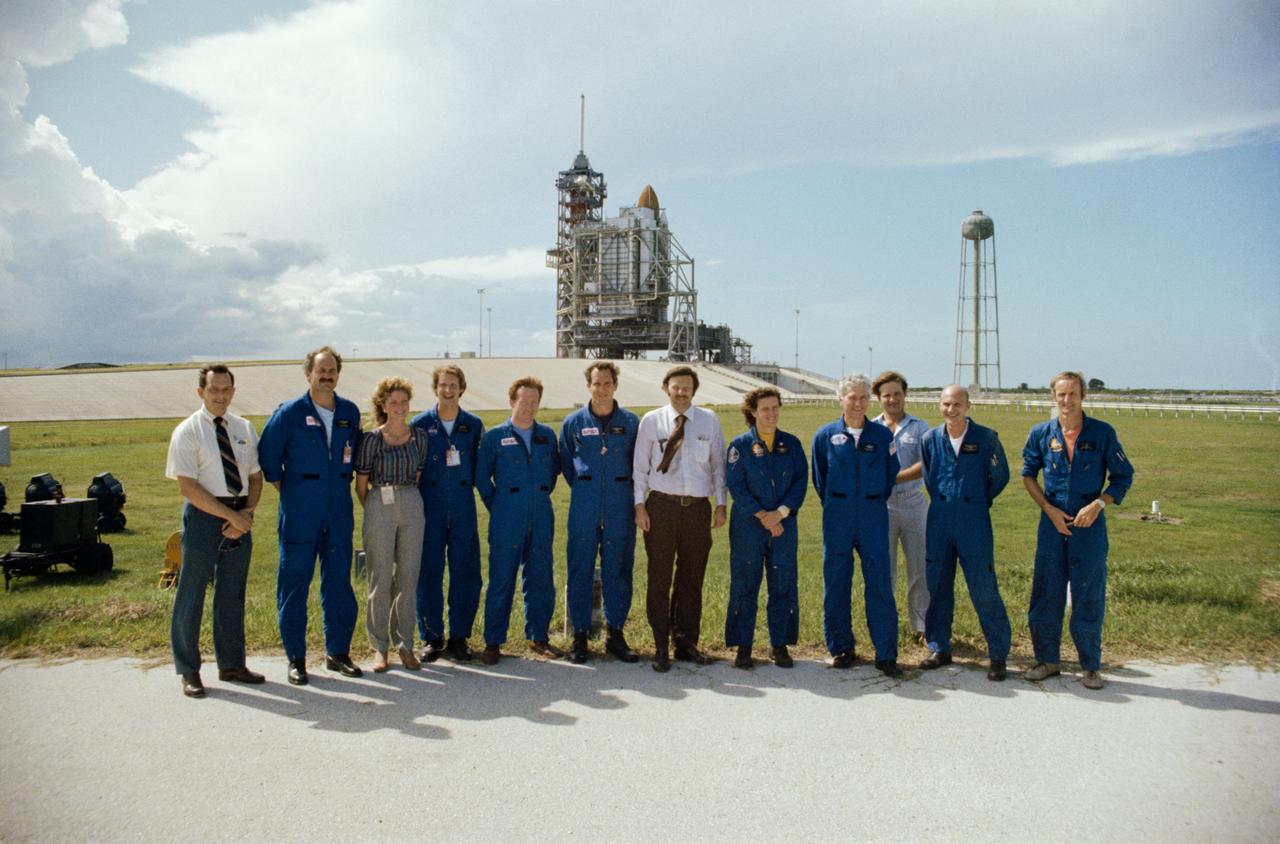
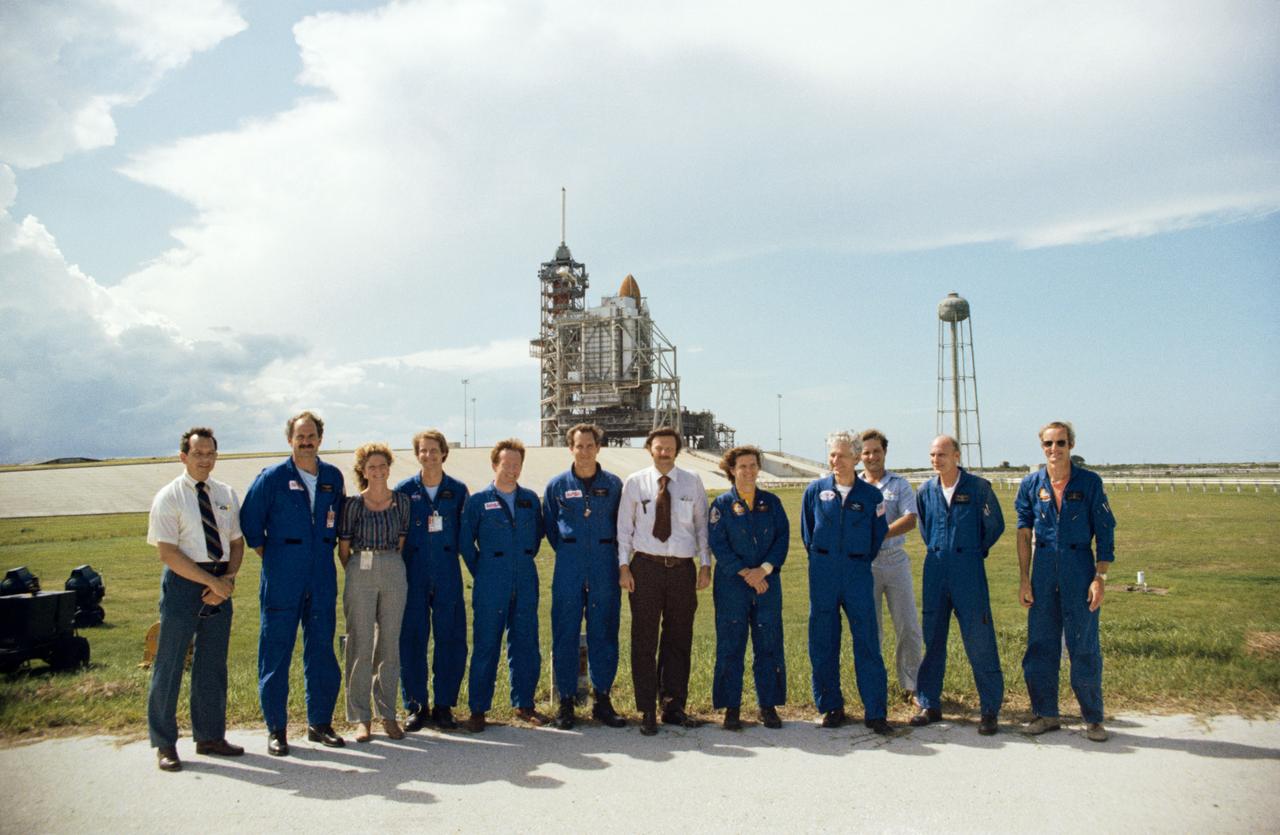
S82-32201 (29 May 1982) --- Members of the JSC astronaut corps, vehicle integration test team (VITT) and other personnel pose for a photograph at the completion of a countdown demonstration test (CDDT) at Launch Pad 39A, Kennedy Space Center (KSC). The participants are, from the left, Wilbur J. Etbauer, engineer with the VITT; mission specialist-astronaut James D. Van Hoften; Terri Stanford, engineer from JSC's flight operations directorate; mission specialist-astronaut Steven A. Hawley; astronaut Richard N. Richards; astronaut Michael J. Smith; Richard W. Nygren, head of the VITT; mission specialist-astronaut Kathryn D. Sullivan; astronaut Henry W. Hartsfield Jr., STS-4 pilot; Mark Haynes, a co-op student participating with the VITT; astronaut Thomas K. Mattingly II, STS-4 commander; and astronaut Donald E. Williams. Photo credit: NASA

S82-32200 (29 May 1982) --- Members of the JSC astronaut corps, STS-4 vehicle integration test team (VITT) and other personnel pose for a photograph at the completion of a countdown demonstration test (CDDT) at Launch Pad 39A, Kennedy Space Center (KSC). The participants are, from the left, Wilbur J. Etbauer, engineer with the VITT; mission specialist-astronaut James D. van Hoften; Terry Stanford, engineer from JSC's flight operations directorate; mission specialist-astronaut Steven A. Hawley; astronaut Richard N. Richards; astronaut Michael J. Smith; Richard W. Nygren, head of the VITT; mission specialist-astronaut Kathryn D. Sullivan; astronaut Henry W. Hartsfield Jr.,STS-4 pilot; Mary Haynes, a co-op student participating with the VITT; astronaut Thomas K. Mattingly II, STS-4 commander; and astronaut Donald E. Williams. Photo credit: NASA

S65-28699 (17 Aug. 1965) --- Astronaut Charles Conrad Jr. (dark shirt), pilot for the Gemini-5 spaceflight, discusses x-rays with members of the medical team at Cape Kennedy. Left to right are Dr. Eugene Tubbs; astronaut Conrad; Dr. Charles A. Berry, chief, Center Medical Programs, Manned Spacecraft Center; and Dr. Robert Moser (seated), Medical Monitor with the U.S. Army.

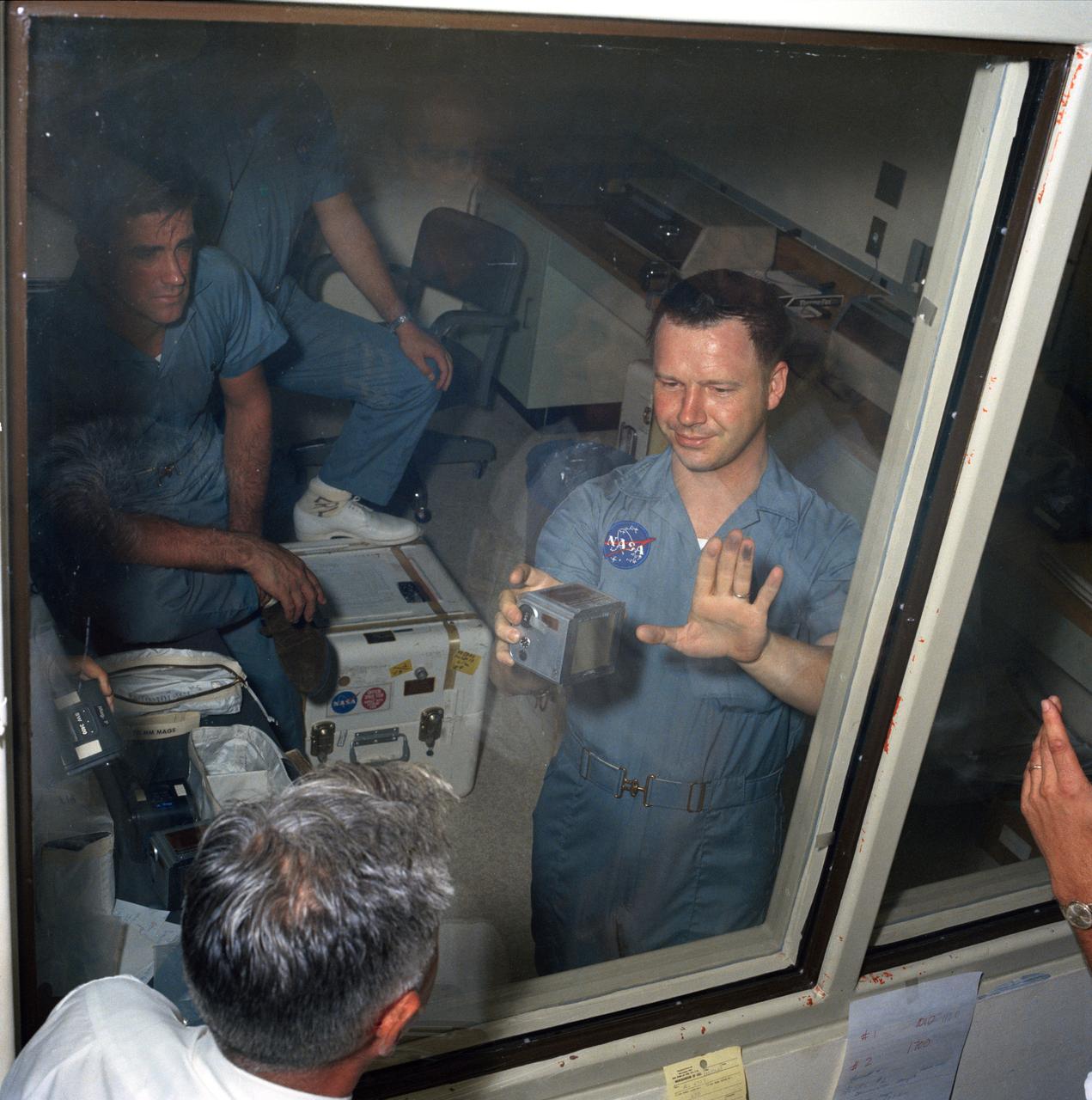
The first direct exposure to Lunar material for Crew Reception Personnel probably happened late Friday, 07/25/1969. Terry Slezak (displaying Moon dust on his left hand fingers), MSC photographic technician, was removing film magazines from the first of two (2) containers when the incident occurred. As he removed the plastic seal from Magazine "S", one of the 70mm magazines taken during Apollo XI Extravehicular Activity (EVA), it was apparent that the exterior of the cassette displayed traces of a black powdery substance. Apollo XI Commander Neil Armstrong reported during the mission that he had retrieved a 70mm cassette which had dropped to the Lunar surface. Seen in the backgound is John H. Boynton. ( S69-40054 ) MSC, Houston, TX
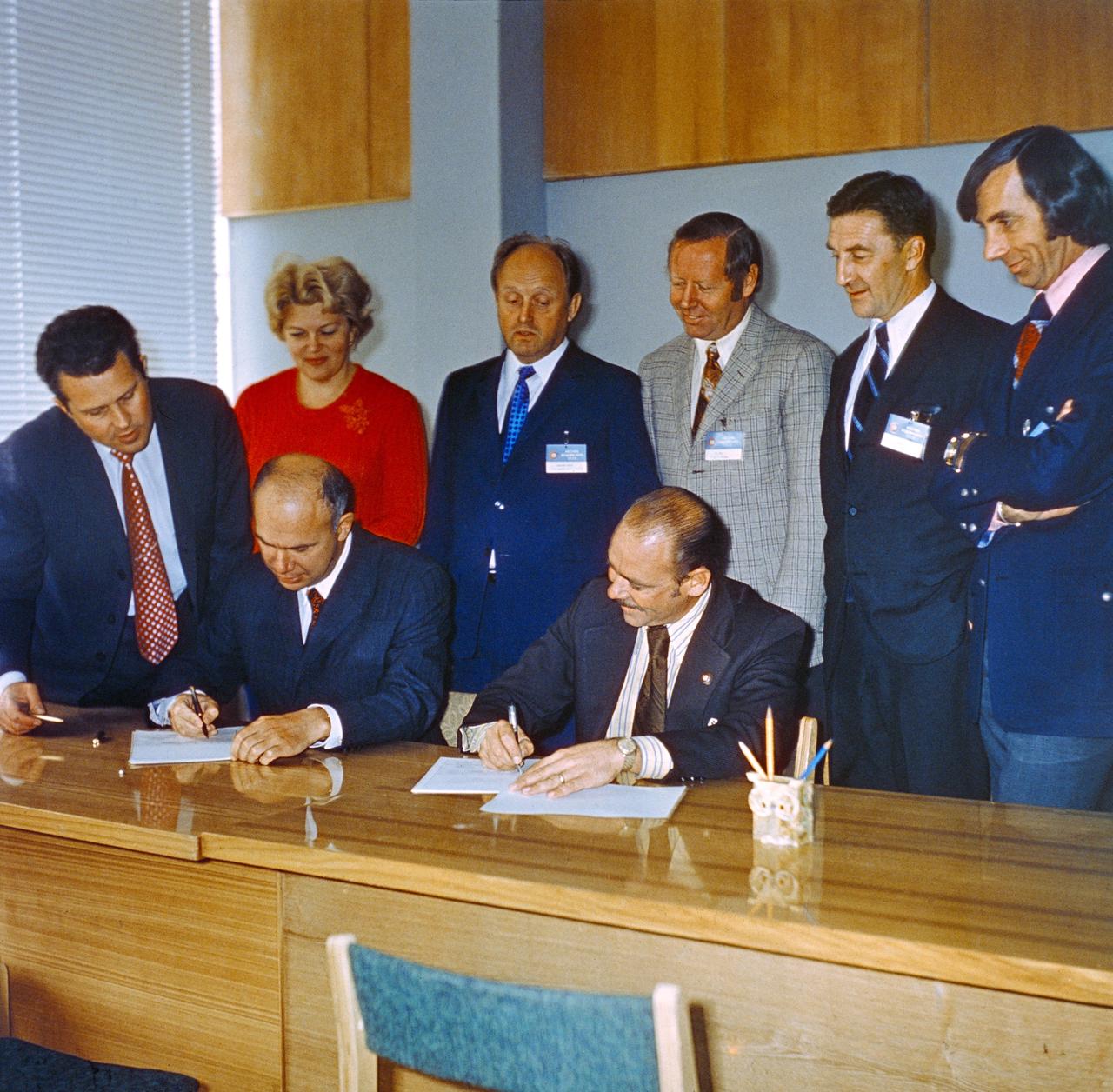
S74-29896 (September 1974) --- John P. Donnelly (seated right), NASA Assistant Administrator for Public Affairs, and Vladen S. Vereshchetin (seated left), Vice Chairman of Intercosmos, USSR Academy of Sciences, initial an agreement on information policy for the joint U.S.-USSR Apollo-Soyuz Test Project mission during ceremonies in Moscow in September 1974. Other members of the joint public affairs delegation looking on are, standing left to right, Vladimir A. Denissenko, Tatyana Klotchkovsaya, Igor P. Rumyantsev, John W. King, Nicholas Timacheff, and Robert Shafer. King is the Public Affairs Officer at the Johnson Space Center. Timacheff is the language officer with the JSC ASTP office. Shafer is NASA Deputy Assistant Administrator for Public Affairs (Television).
S63-07881 (15-16 May 1963) --- Walter C. Williams, Flight Operations Director; and Chris Kraft, Chief of the Flight Operations Division, MSC, are shown in the Mercury Control Center, Cape Canaveral, Florida, as the decision to go for the full 22 orbits is made for the Mercury Atlas 9 (MA-9) mission. Photo credit: NASA

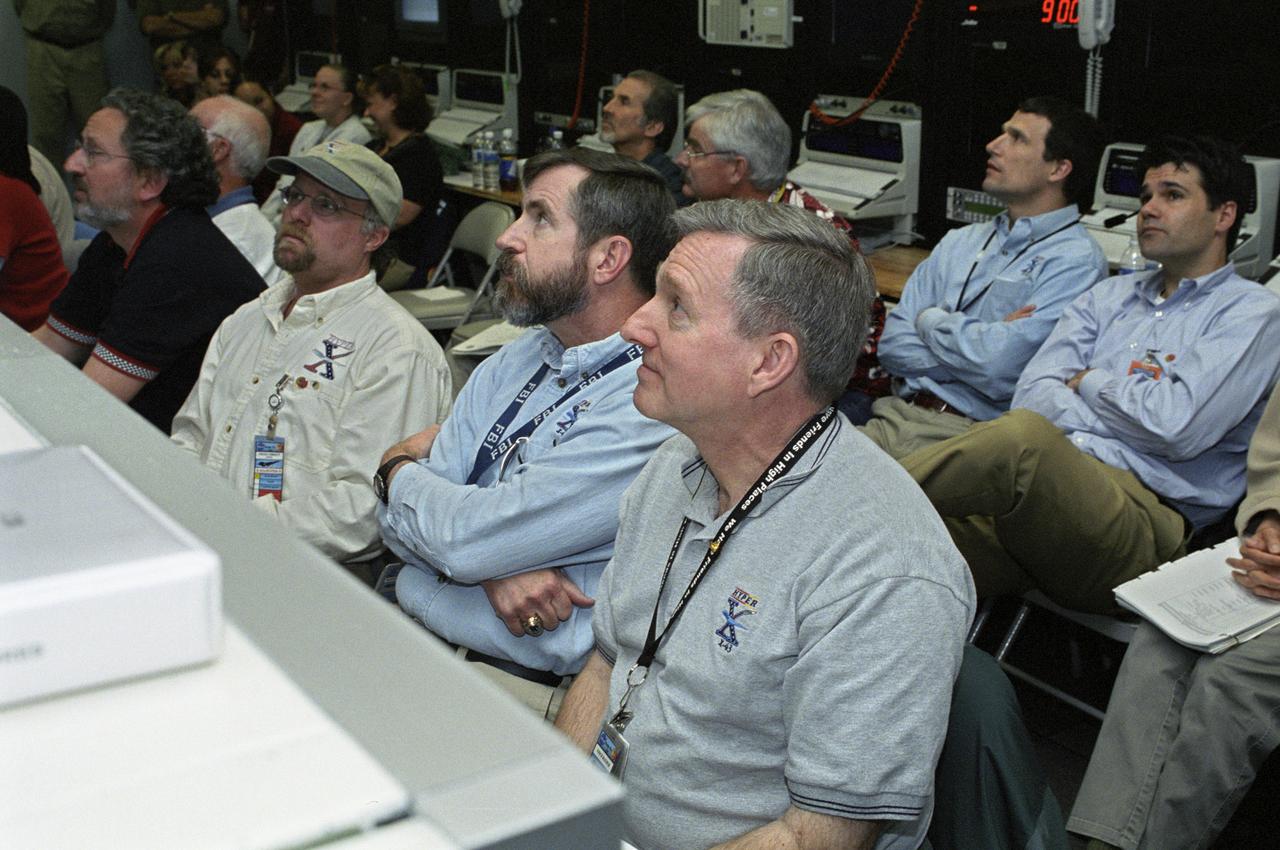
NASA personnel in a control room during the successful second flight of the X-43A aircraft. front row, left to right: Randy Voland, LaRC Propulsion; Craig Christy, Boeing Systems; Dave Reubush, NASA Hyper-X Deputy Program Manager; and Vince Rausch, NASA Hyper-X Program Manager. back row, left to right: Bill Talley, DCI/consultant; Pat Stoliker, DFRC Director (Acting) of Research Engineering; John Martin, LaRC G&C; and Dave Bose, AMA/Controls.

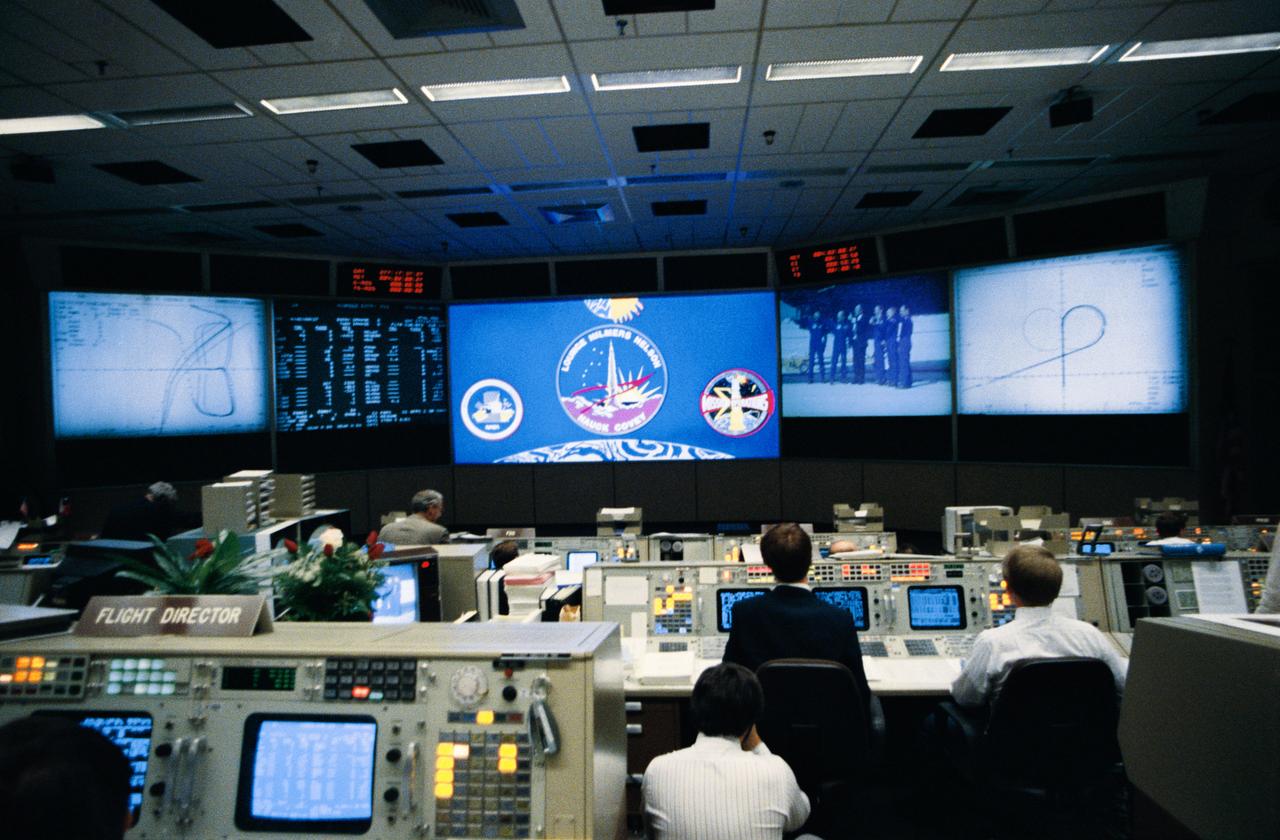
JSC Mission Control Center (MCC) Bldg 30 flight control room (FCR) personnel monitor STS-26 post landing activities and ceremonies at Edwards Air Force Base (EAFB) via their monitors. Displayed on front screens are approach and landing diagrams, data, the space shuttle program insignia, the STS-26 mission insignia, the Mission Operations Directorate insignia, and the STS-26 crew standing in front of Discovery, Orbiter Vehicle (OV) 103.

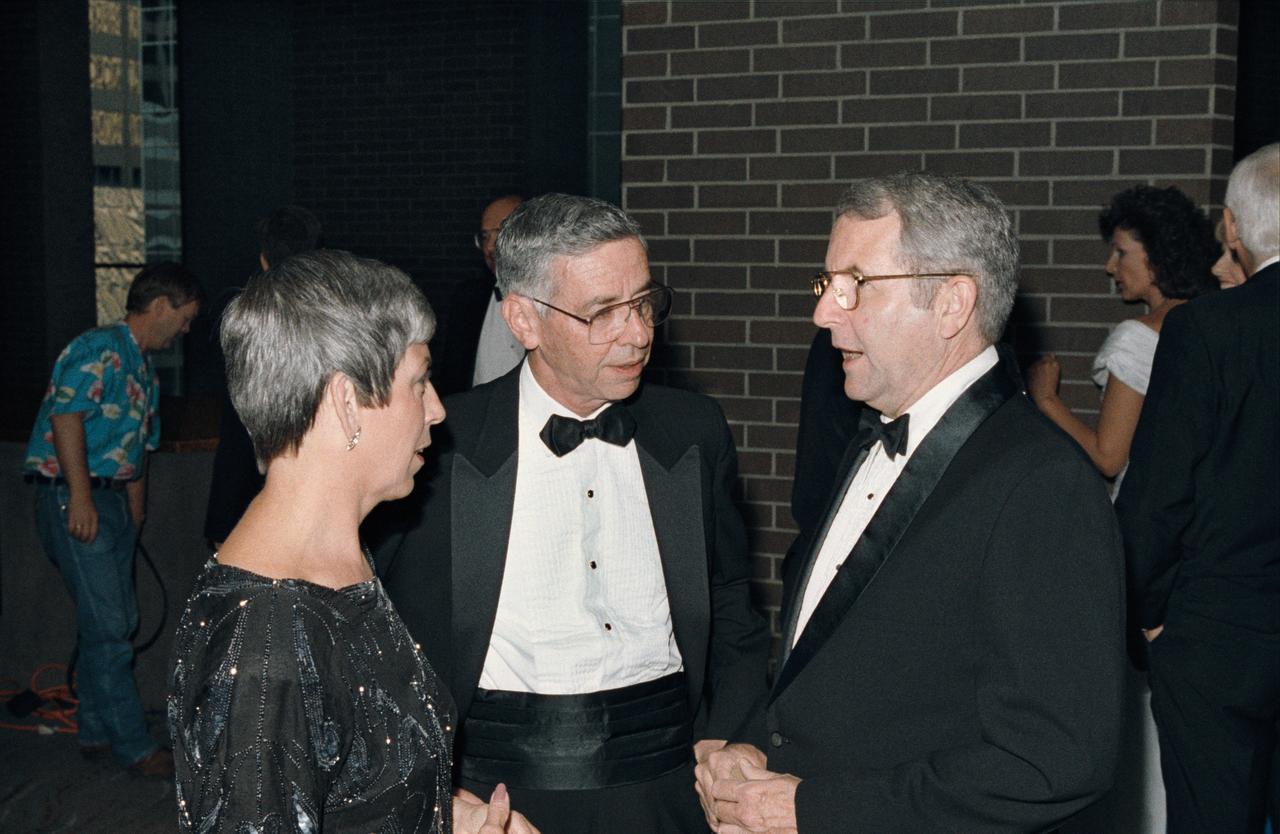
View from the Apollo 11 Twentieth Anniversary Black Tie reception at the downtown Houston Hyatt Regency Hotel. Scene show NASA/JSC Director Aaron Cohen talking with NASA Administrator Richard H. Truly and his wife, Cody.

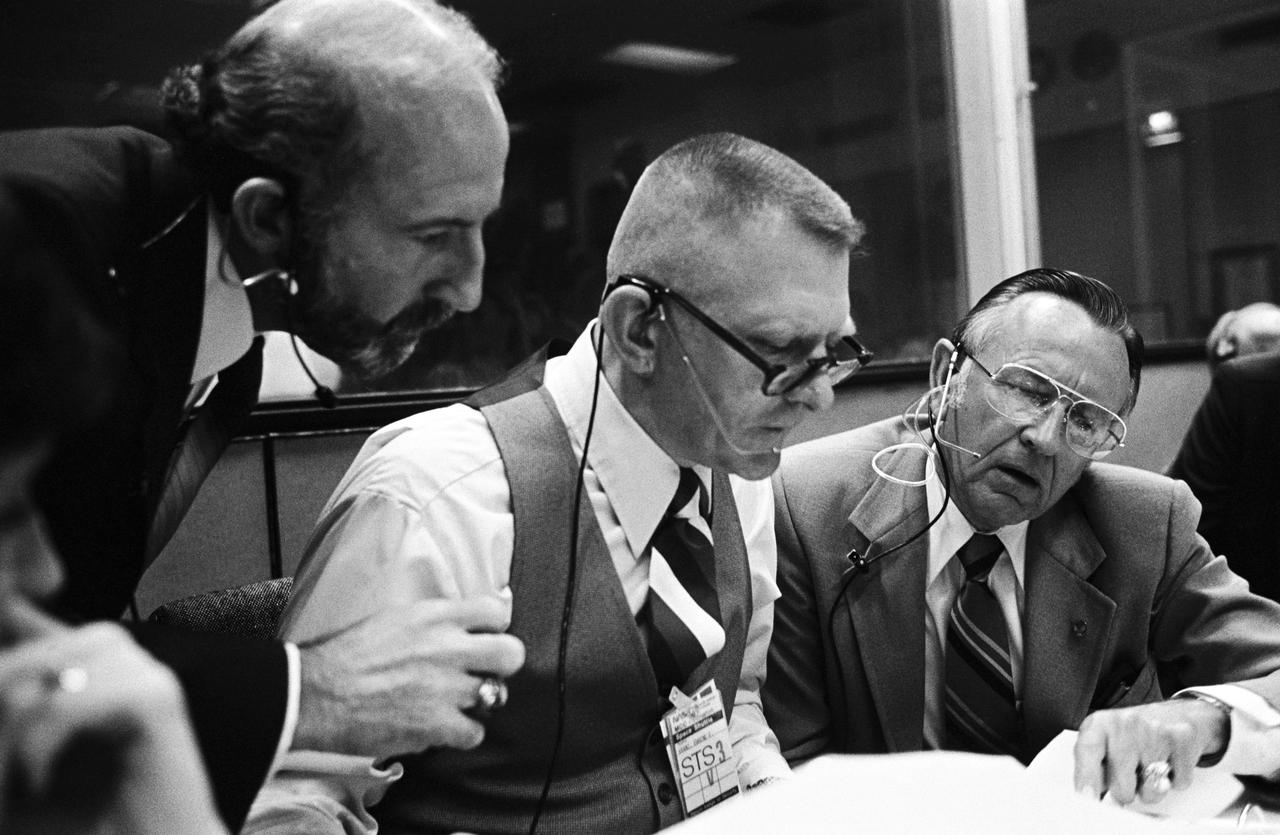
MOCR during Flight Day 1 of the STS-3 Mission. View: Thomas L. Moser, of the Structures and Mechanics Division, briefing Flight Director Eugene Kranz, Flight Operations, and Dr. Kraft, JSC Director. JSC, HOUSTON, TX

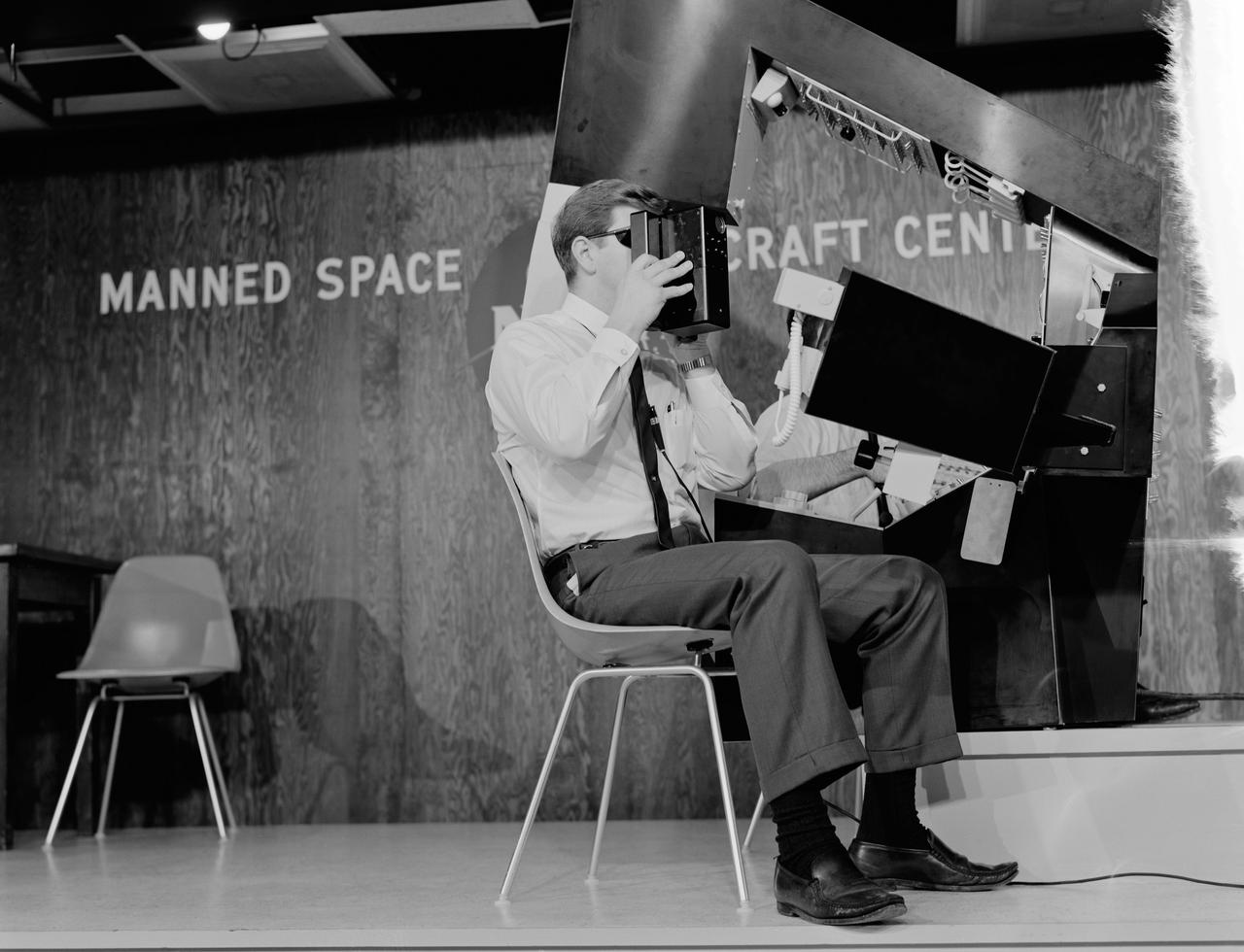
S65-42598 (10 Nov. 1965) --- Douglas S. Idlly, Electromagnetic Systems Branch, Instrumentation and Electronic Systems Division, illustrates an Optical Communications Transmitter (LASER) during a briefing at the news center of the Manned Spacecraft Center in Houston, Texas. Photo credit: NASA

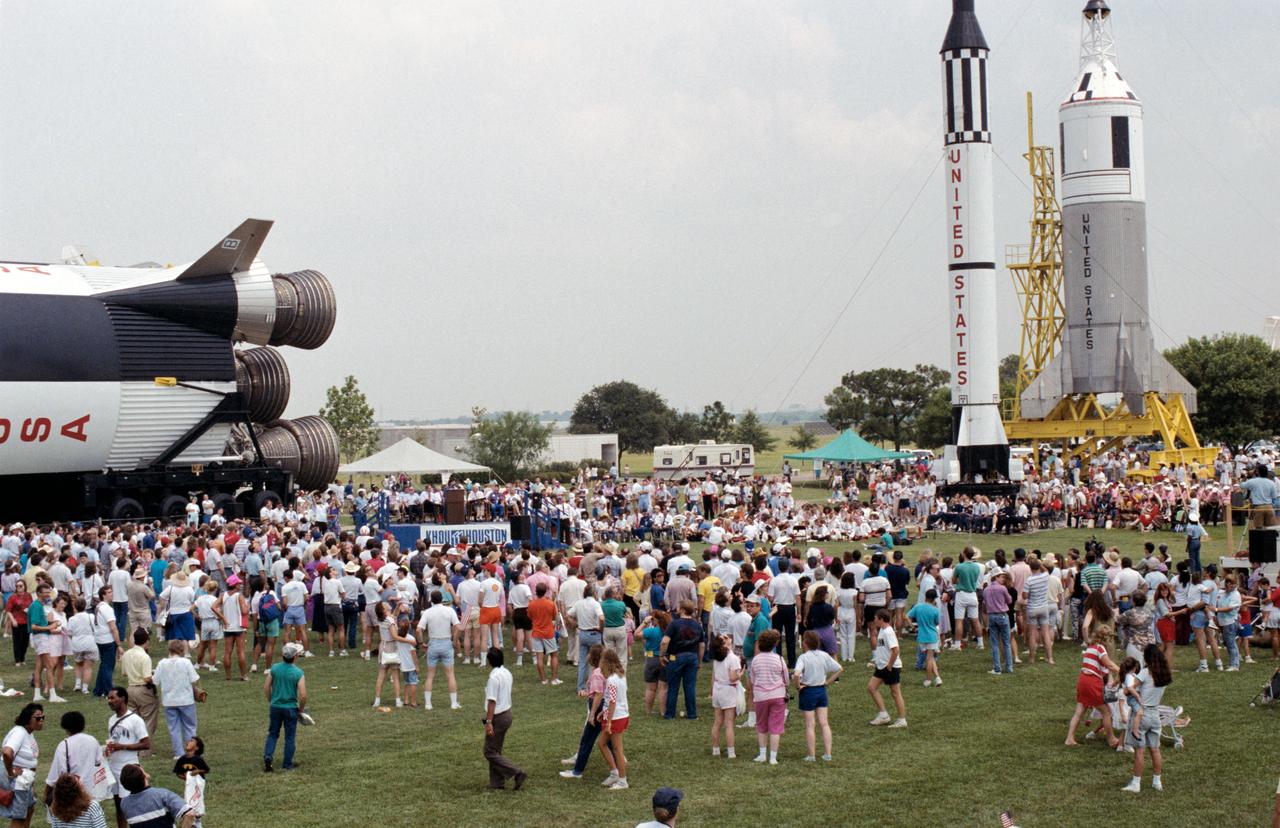
View of crowd at Rocket Park during Apollo 11 Anniversary festivities.

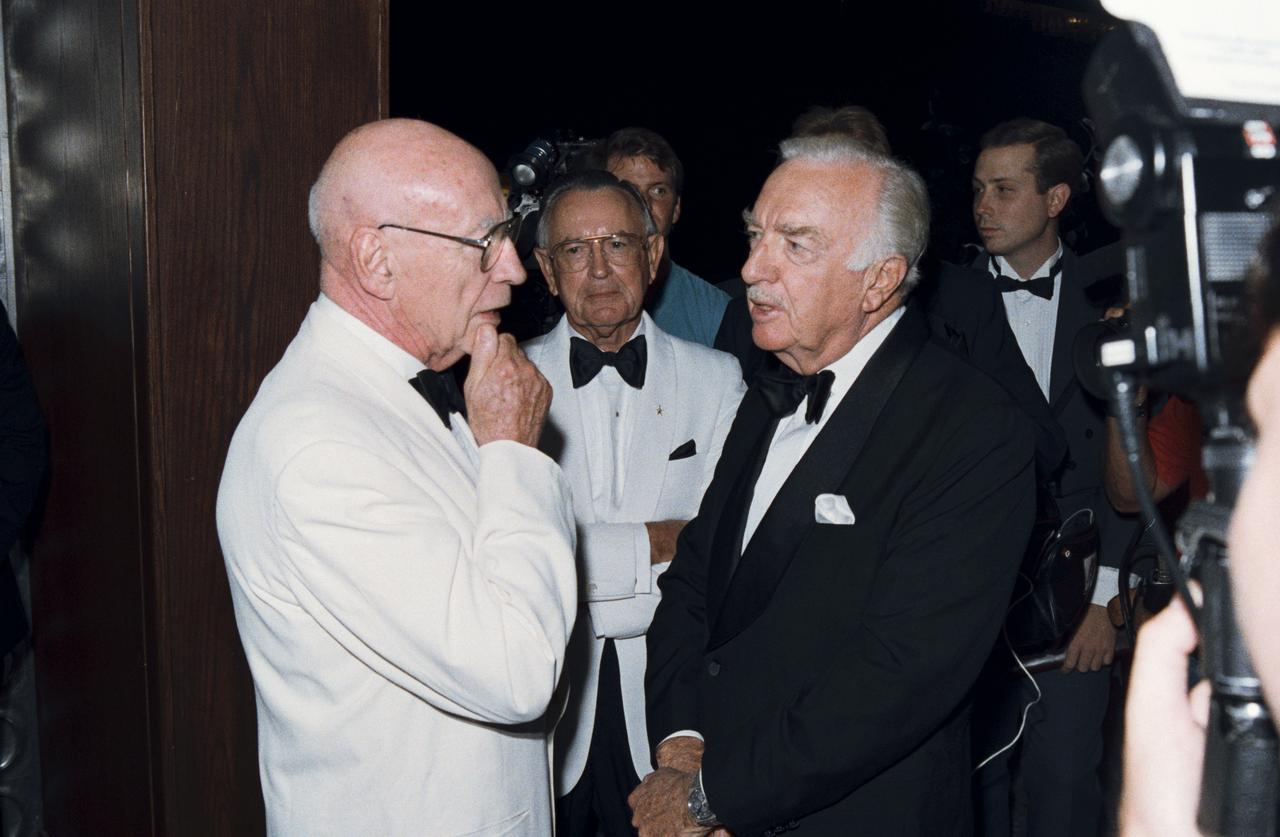
Views of the Apollo 11 Twentieth Anniversary Black Tie reception at the downtown Houston Hyatt Regency Hotel. Views include former JSC Directors Robert Gilruth and Christopher C. Kraft Jr. reminiscing with keynote speaker Walter Cronkite (39934); Apollo astronauts Tom Stafford (left) and Neil Armstrong (right) talk with former Soviet cosmonaut Alexei Leonov (center) at the gala (39935).

Terry White during a change-of-shift briefing in the JSC public affairs facility briefing room. White acted as one of the on-orbit public affairs officers and the landing PAO during the Challenger's STS-6 flight.

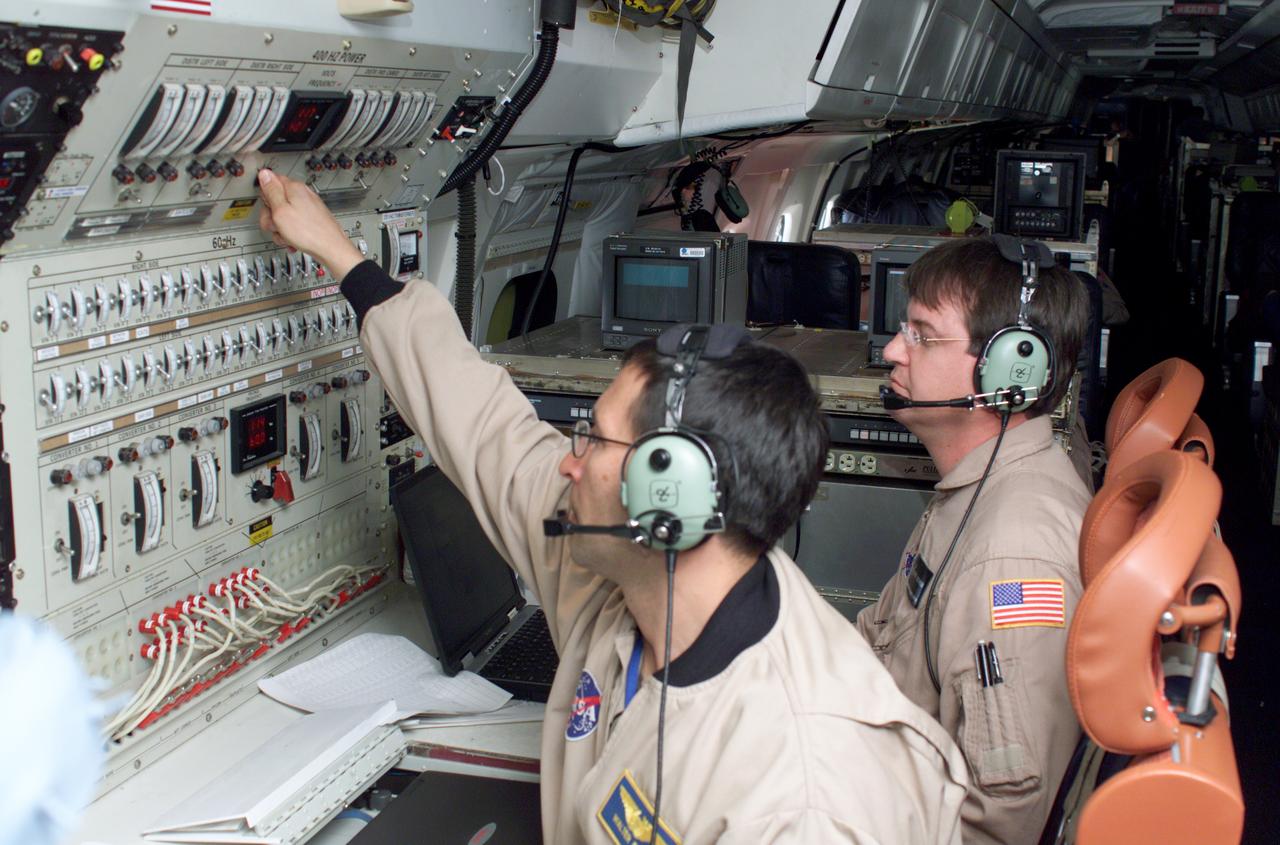
Airborne Science personnel Walter Klein and David Bushman at the Mission Manager's console onboard NASA's DC-8 during the AirSAR 2004 campaign. AirSAR 2004 is a three-week expedition by an international team of scientists that will use an all-weather imaging tool, called the Airborne Synthetic Aperture Radar (AirSAR), in a mission ranging from the tropical rain forests of Central America to frigid Antarctica.

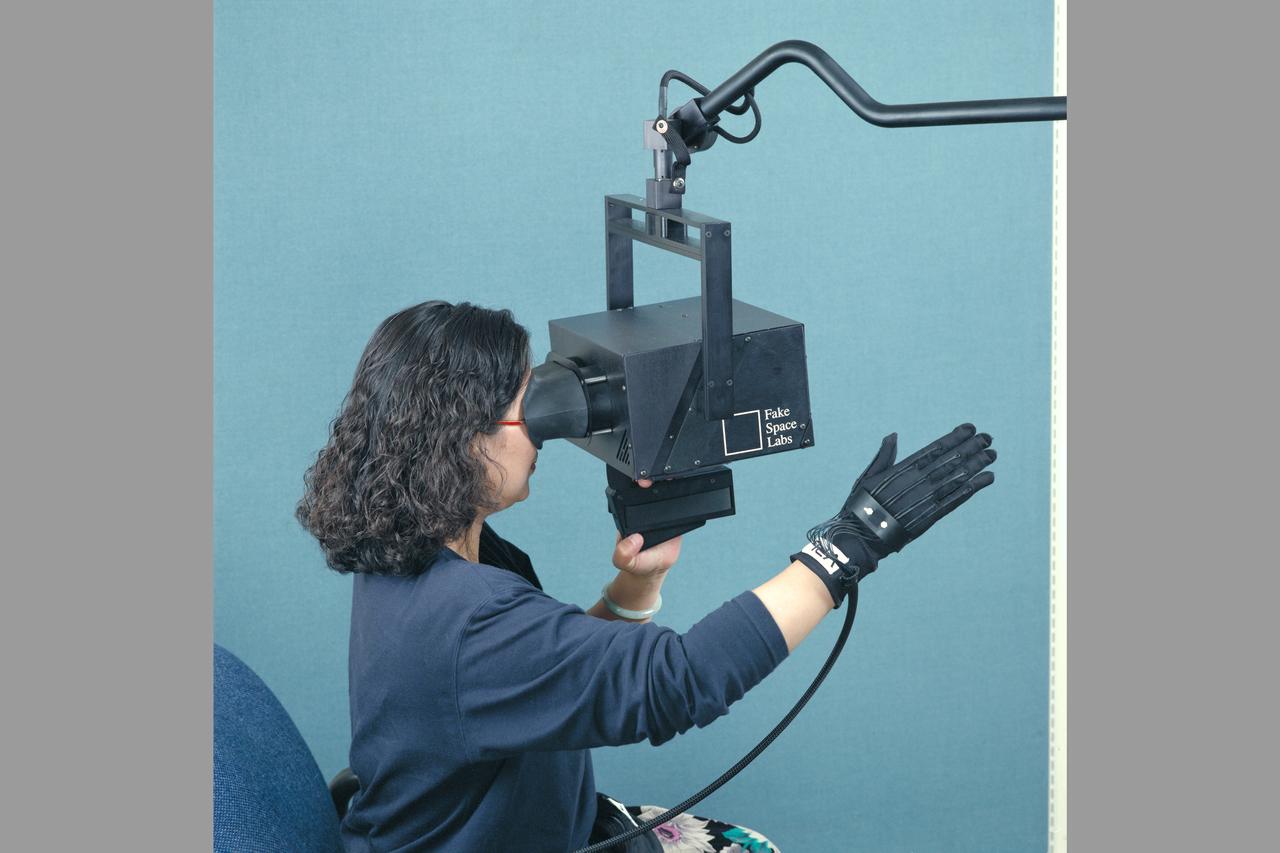
Fernando Figueroa (left), an aerospace technologist at Stennis, and John Schmatzel (center), a professor on loan from Rowan University in Glassboro, N.J., joined Ray Wang, president of Mobitrum Corp., in Silver Springs, Md., to test a virtual sensor instrument in development. The test was performed as part of NASA's Facilitated Access to the Space Environment for Technology Development and Training program.

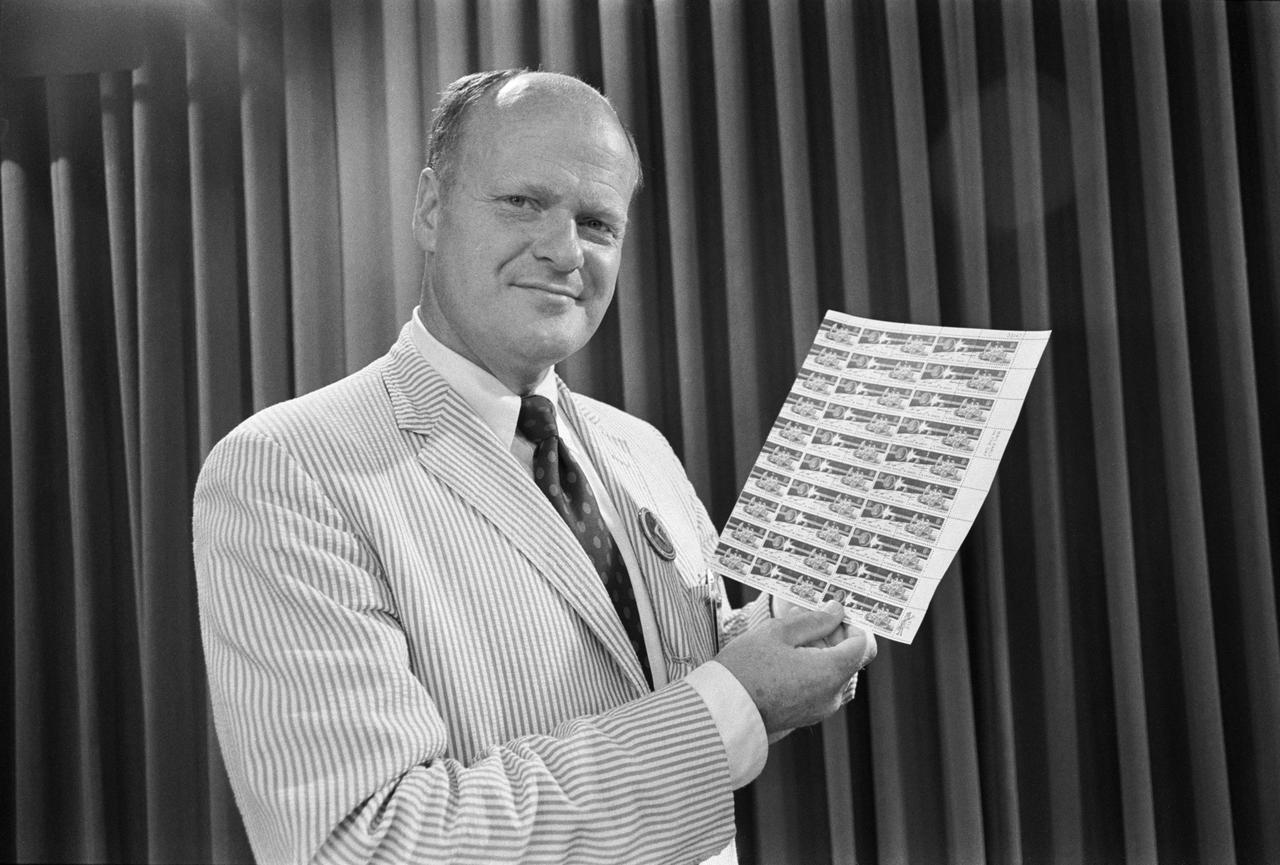
S71-41694 (2 Aug. 1971) --- Artist Robert McCall of Paradise Valley, Arizona, holds a sheet of commemorative postage stamps commemorating the Apollo 15 lunar landing mission. McCall was chose by the U.S. Postal Service to design the eight-cent stamp which heralds: "United States in Space -- A Decade of Achievement." McCall, who has maintained a close tie with the space program for many years, has been commissioned by the National Aeronautics and Space Administration to portray Apollo 15 activities from the Mission Control Center at the Manned Spacecraft Center, Houston, Texas.

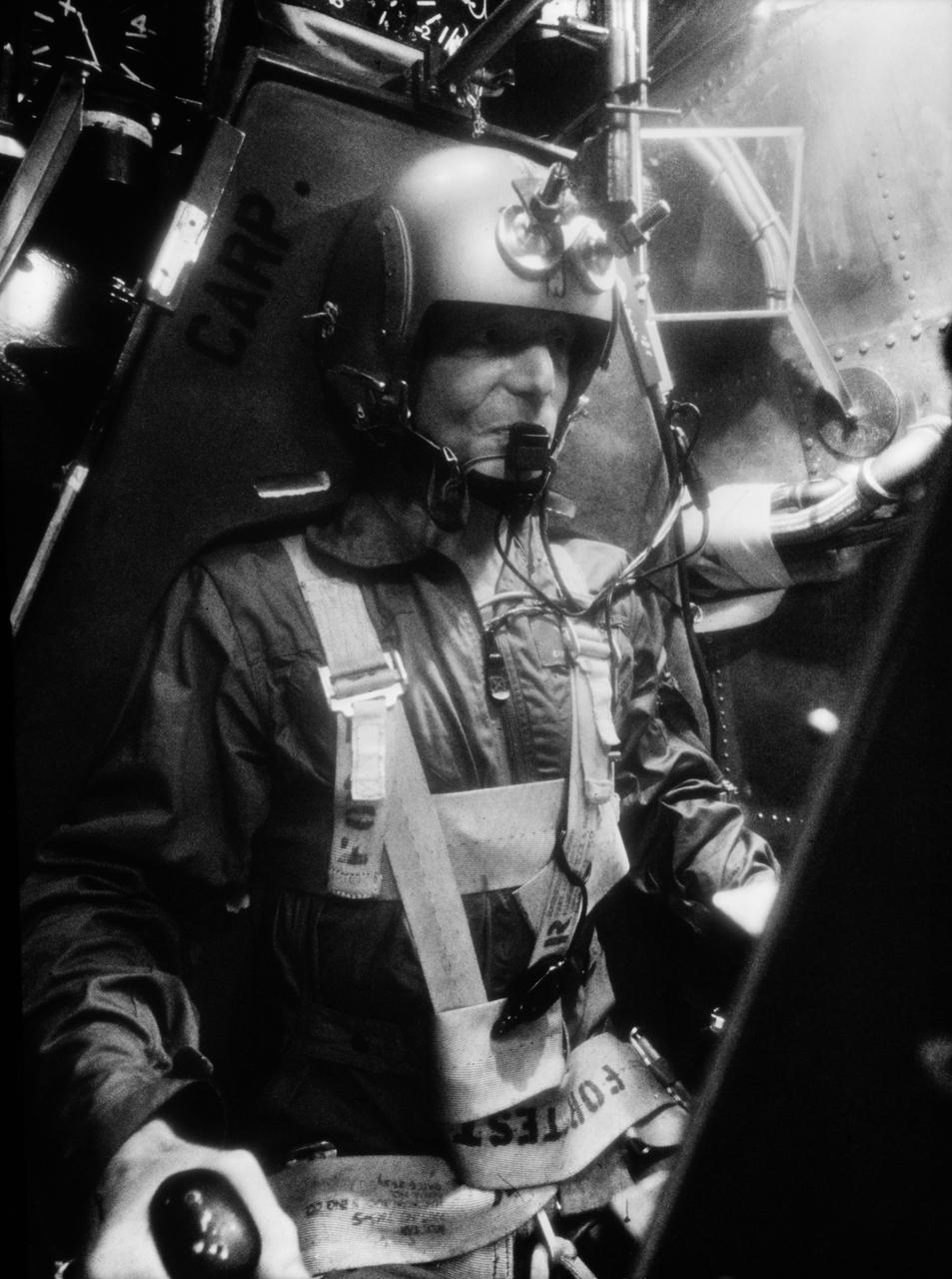
B59-00723 (1959) --- Close-up of astronaut M. Scott Carpenter, prime pilot for the Mercury-Atlas 7 (MA-7) mission, during centrifuge training. (M-199) Photo credit: NASA
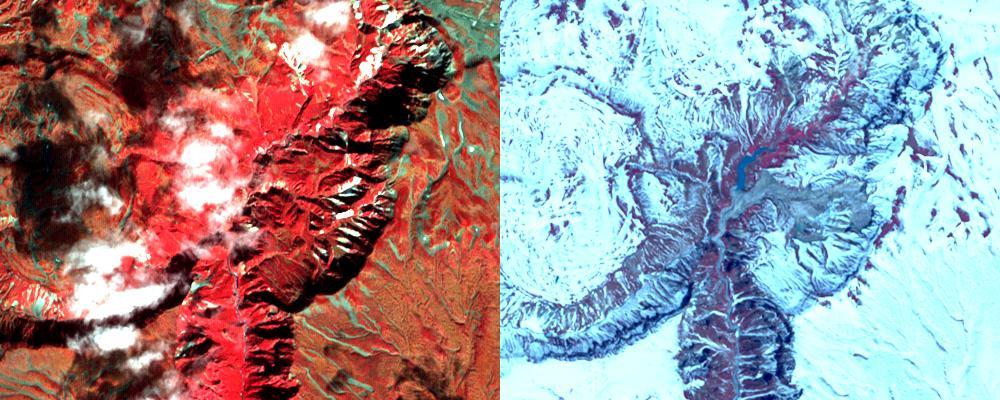
A devastating mudslide in the world-renowned Geyser Valley on the Kamchatka Peninsula virtually obliterated the natural wonder, forcing the emergency evacuation of visitors and national park personnel. This image was acquired by NASA Terra spacecraft.

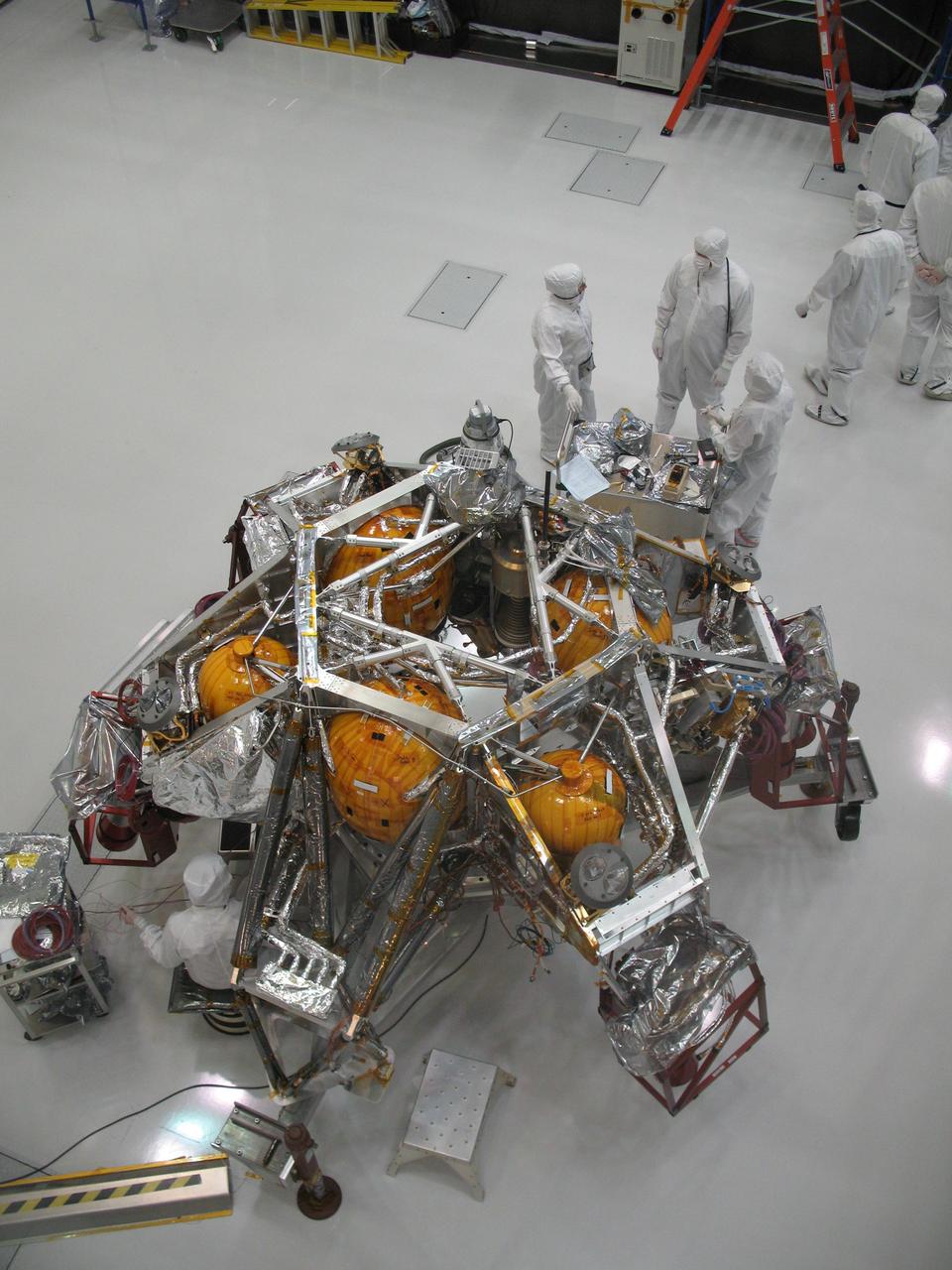
This image from early October 2008 shows personnel working on the descent stage of NASA Mars Science Laboratory inside the Spacecraft Assembly Facility at NASA Jet Propulsion Laboratory, Pasadena, Calif.

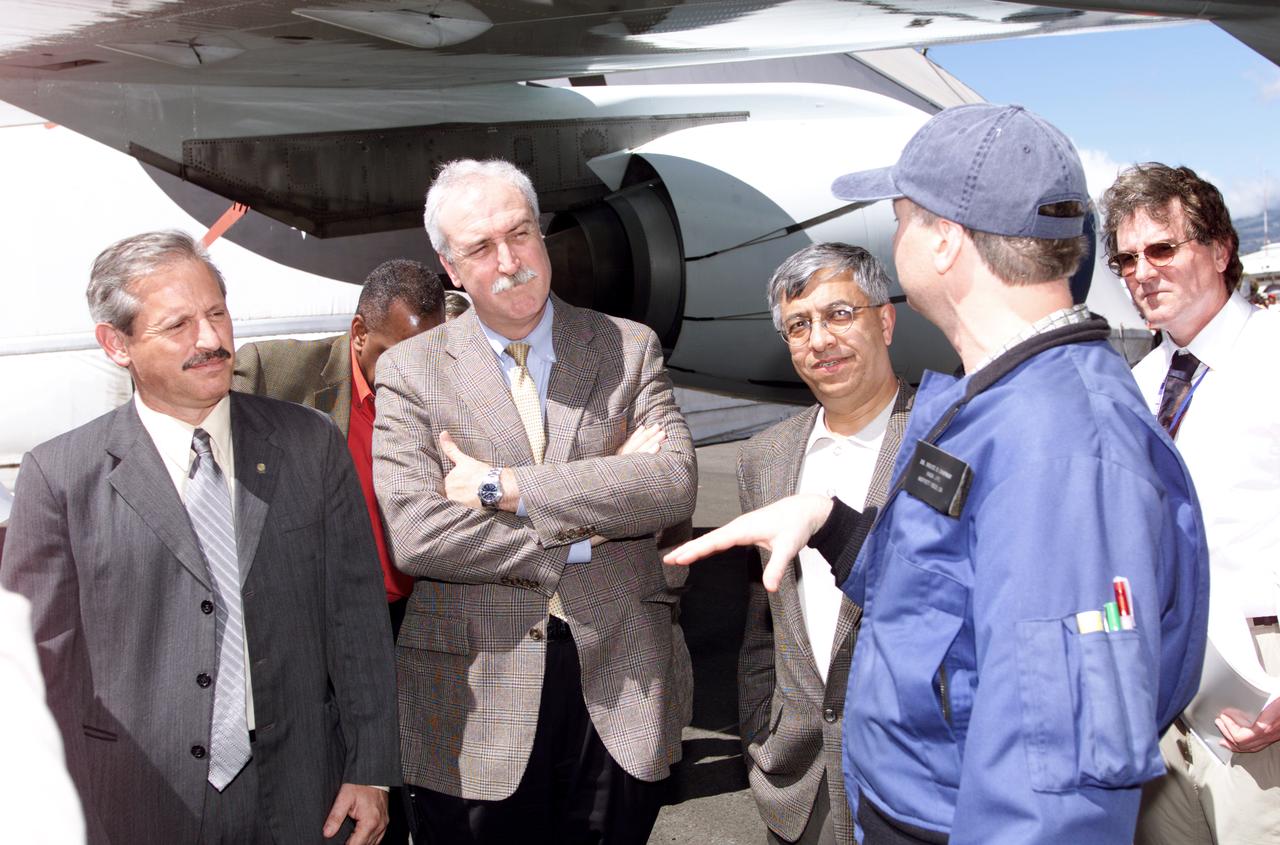
Personnel viewing AirSAR hardware while touring the outside of NASA's DC-8 during a stop-off on the AirSAR 2004 Mesoamerica campaign, L-R: Fernando Gutierrez, Costa Rican Minister of Science and Technology(MICIT); NASA Administrator Sean O'Keefe; Dr. Gahssem Asrar, NASA Associate Administrator for Earth Science Enterprises; JPL scientist Bruce Chapman; and Craig Dobson, NASA Program Manager for AirSAR. AirSAR 2004 Mesoamerica is a three-week expedition by an international team of scientists that will use an all-weather imaging tool, called the Airborne Synthetic Aperture Radar (AirSAR), in a mission ranging from the tropical rain forests of Central America to frigid Antarctica.

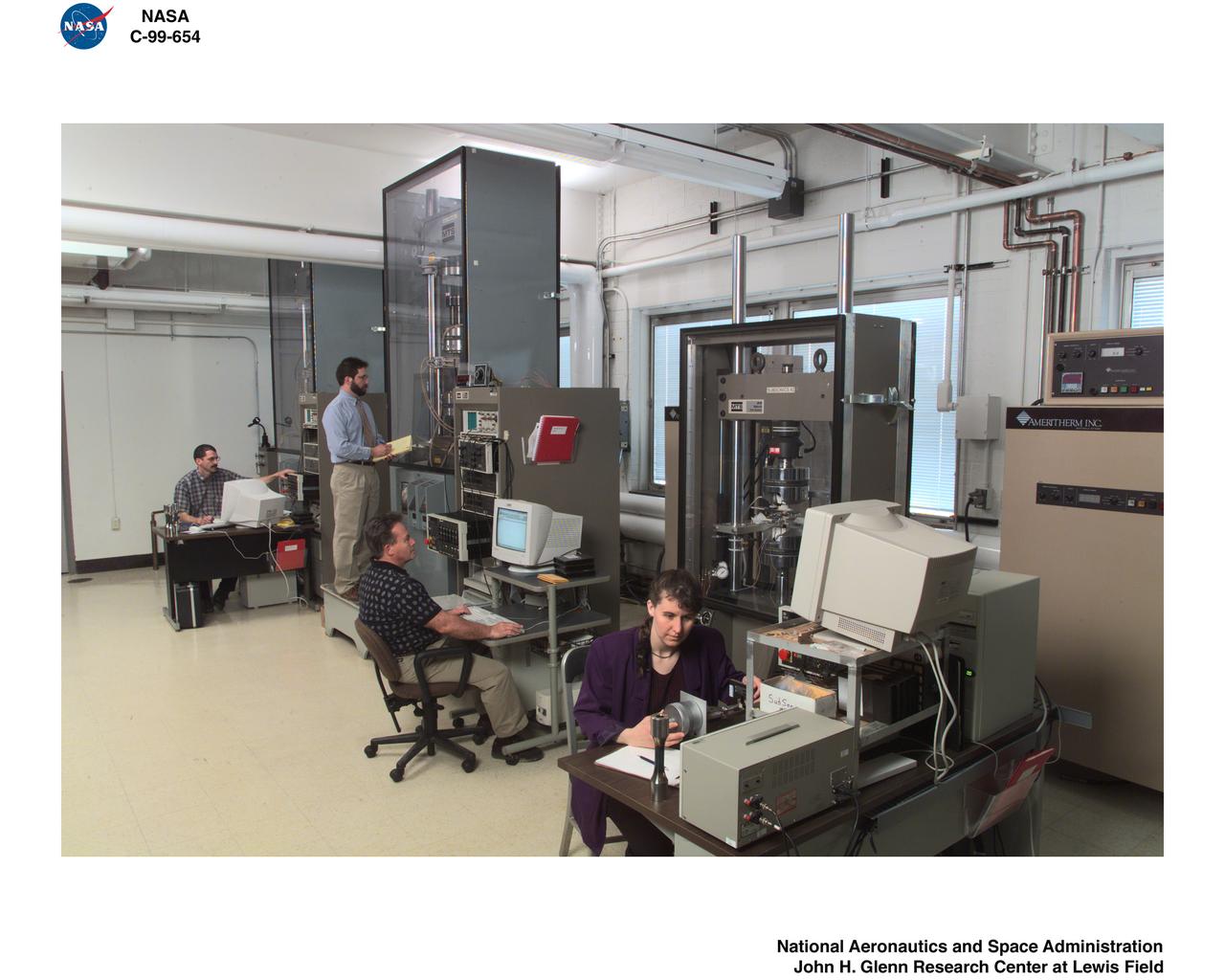
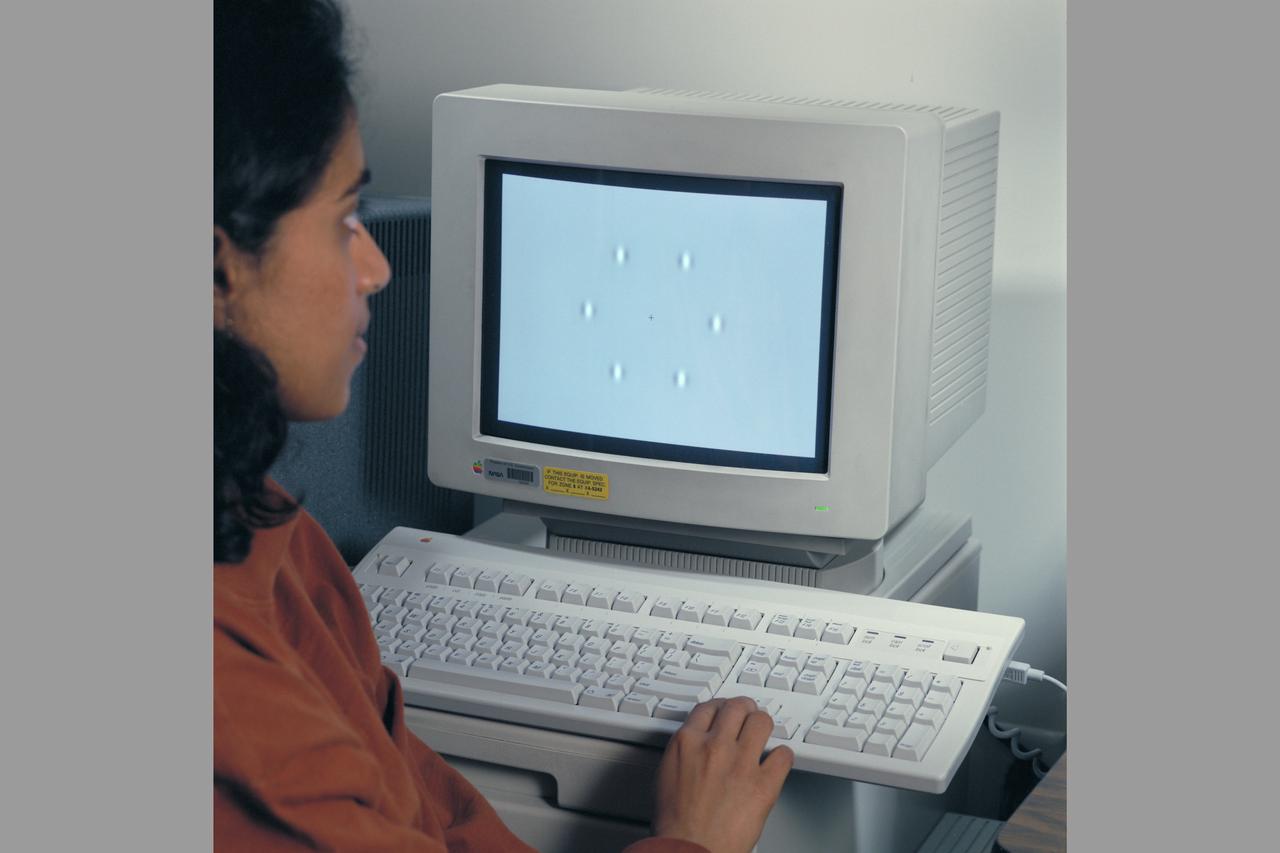
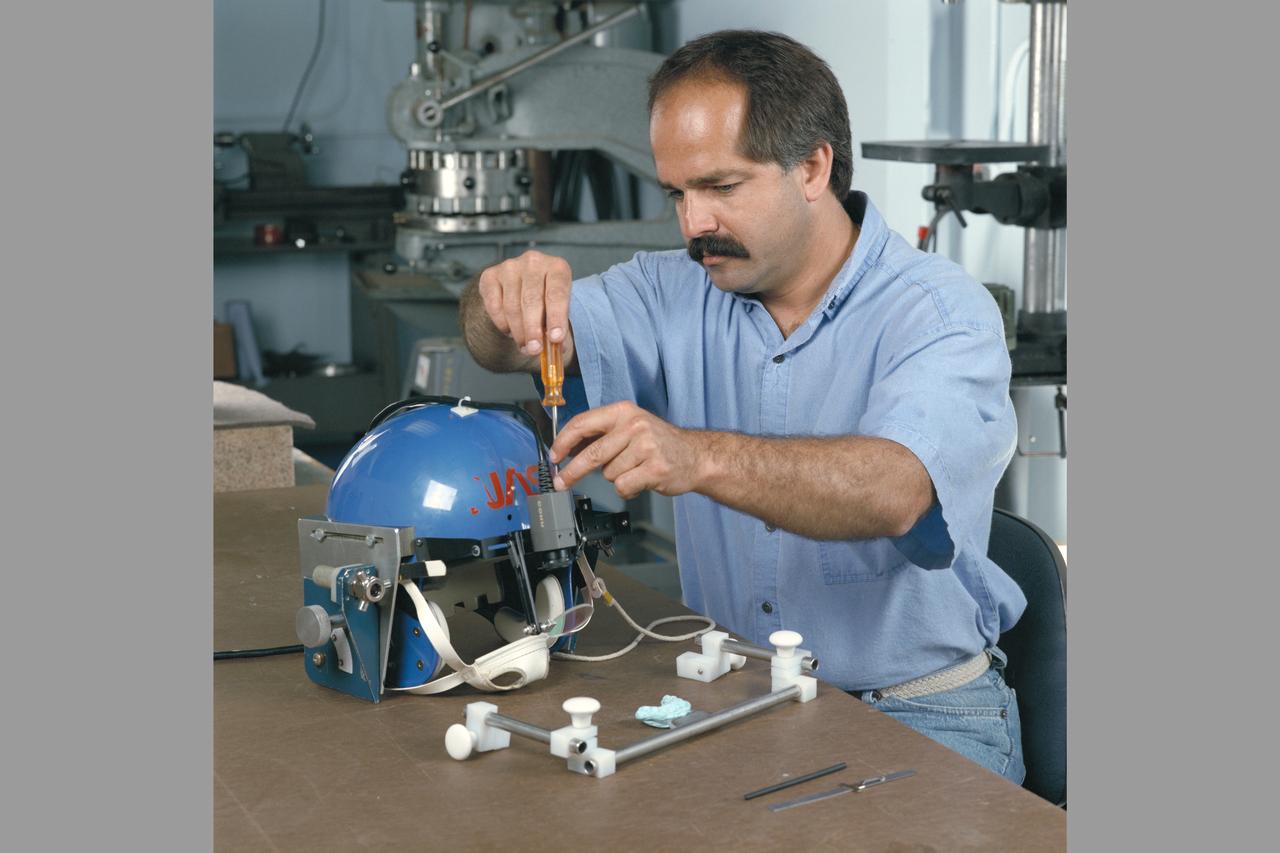
BRANCH 5920 PERSONNEL AT WORK

AIRCRAFT KC135 IN FLIGHT WITH PERSONNEL

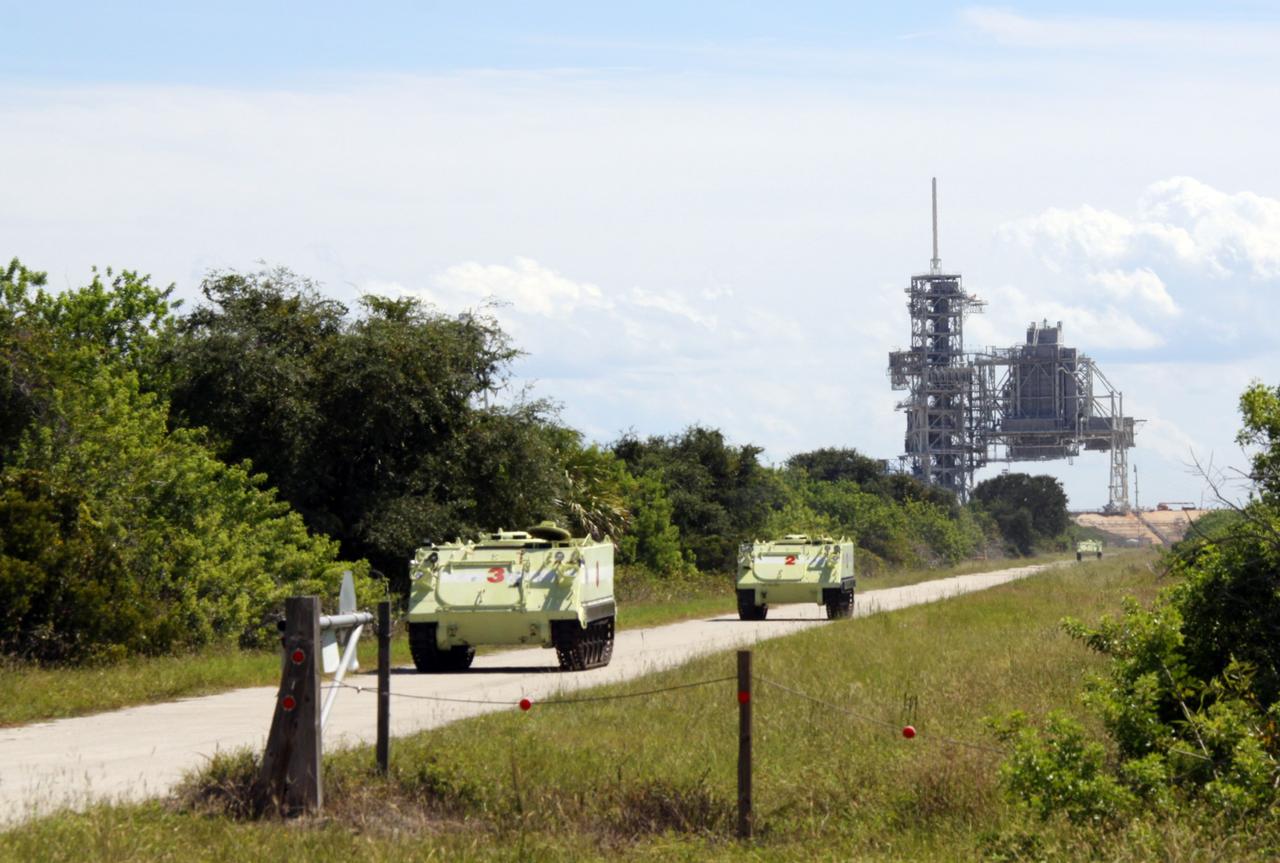
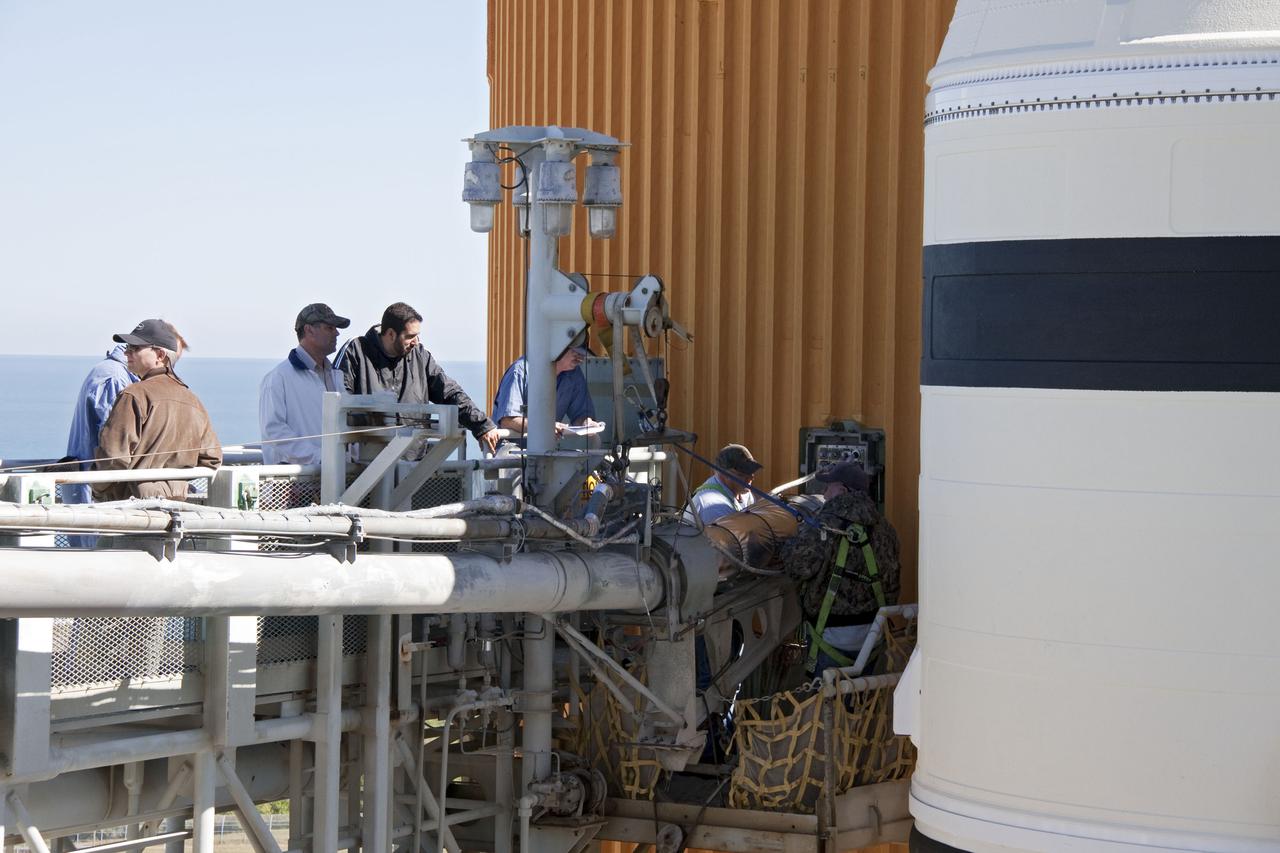
CAPE CANAVERAL, Fla. – At NASA Kennedy Space Center's Launch Pad 39A, M-113 armored personnel carriers exit the area during a Mode II-IV exercise that allows teams to practice an emergency response, including helicopter evacuation to local hospitals. The personnel carriers would be used to transport shuttle crews and responders during an emergency. The exercise involves NASA fire rescue personnel, volunteers portraying astronauts with simulated injuries, helicopters and personnel from the Air Force’s 920th Rescue Wing and medical trauma teams at three central Florida hospitals. The Space Shuttle Program and U.S. Air Force are conducting the emergency simulation. Photo credit: NASA/Jack Pfaller

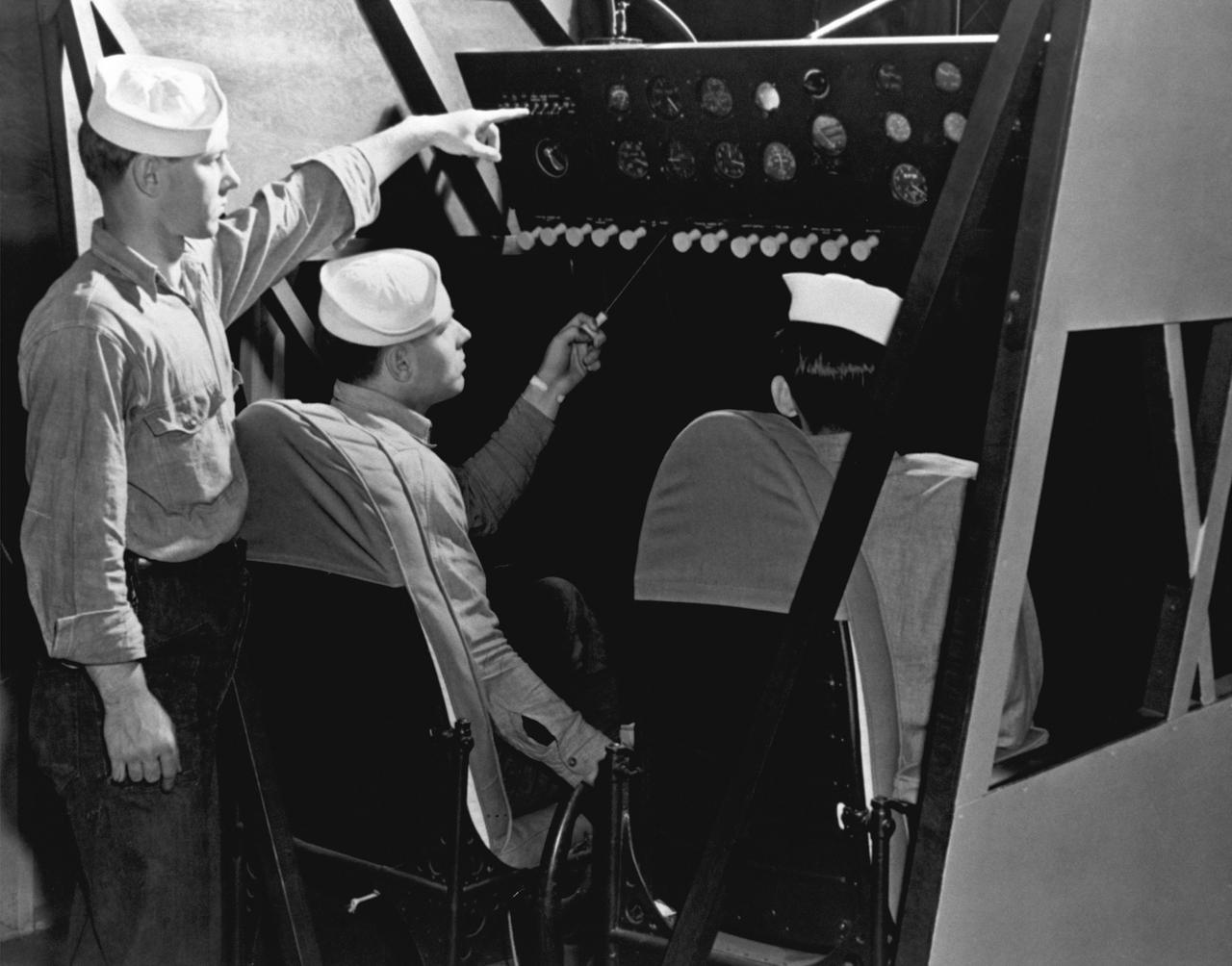
Blimp Synthetic Training of Navy personnel

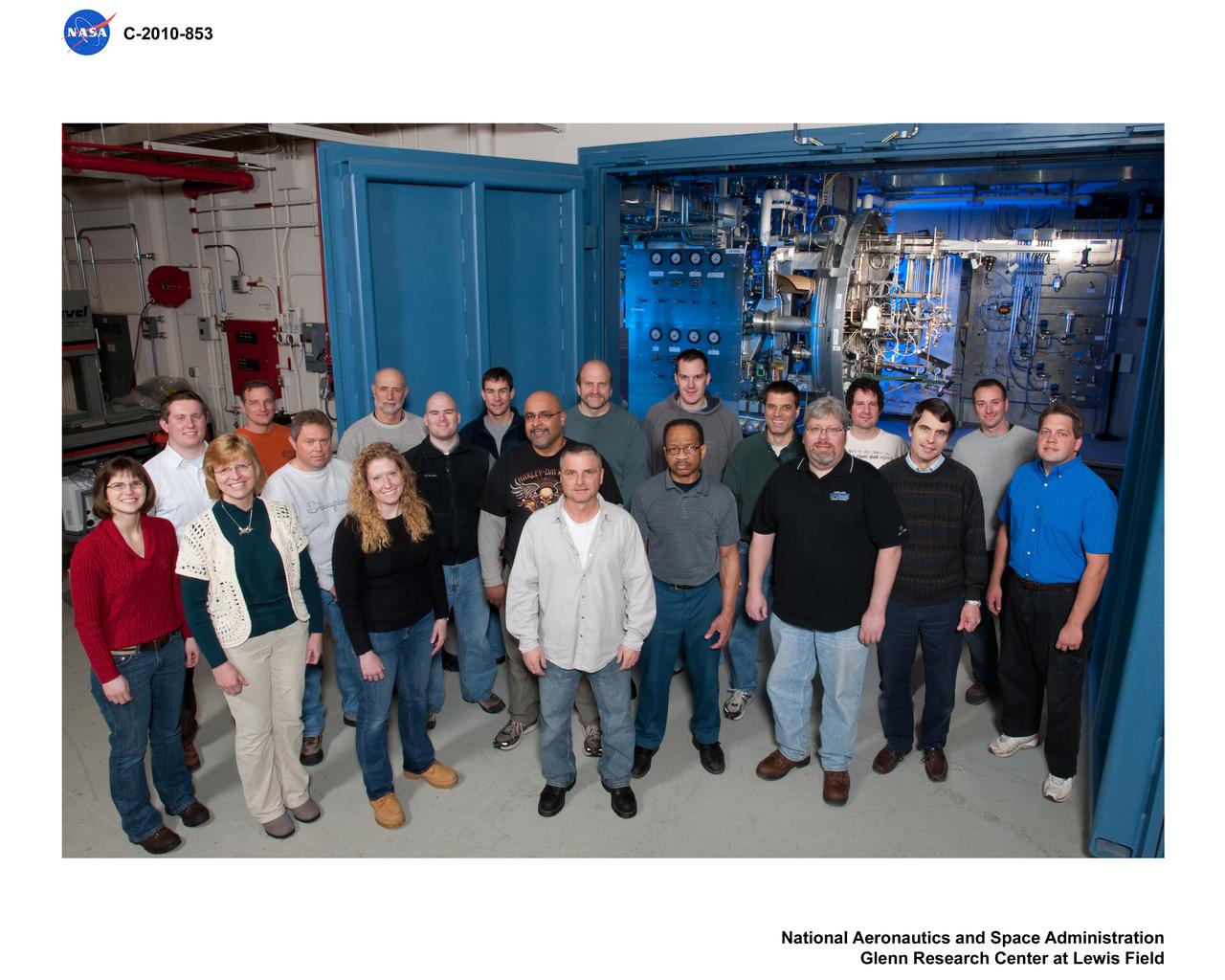
Altitude Combustion Stand Team Personnel

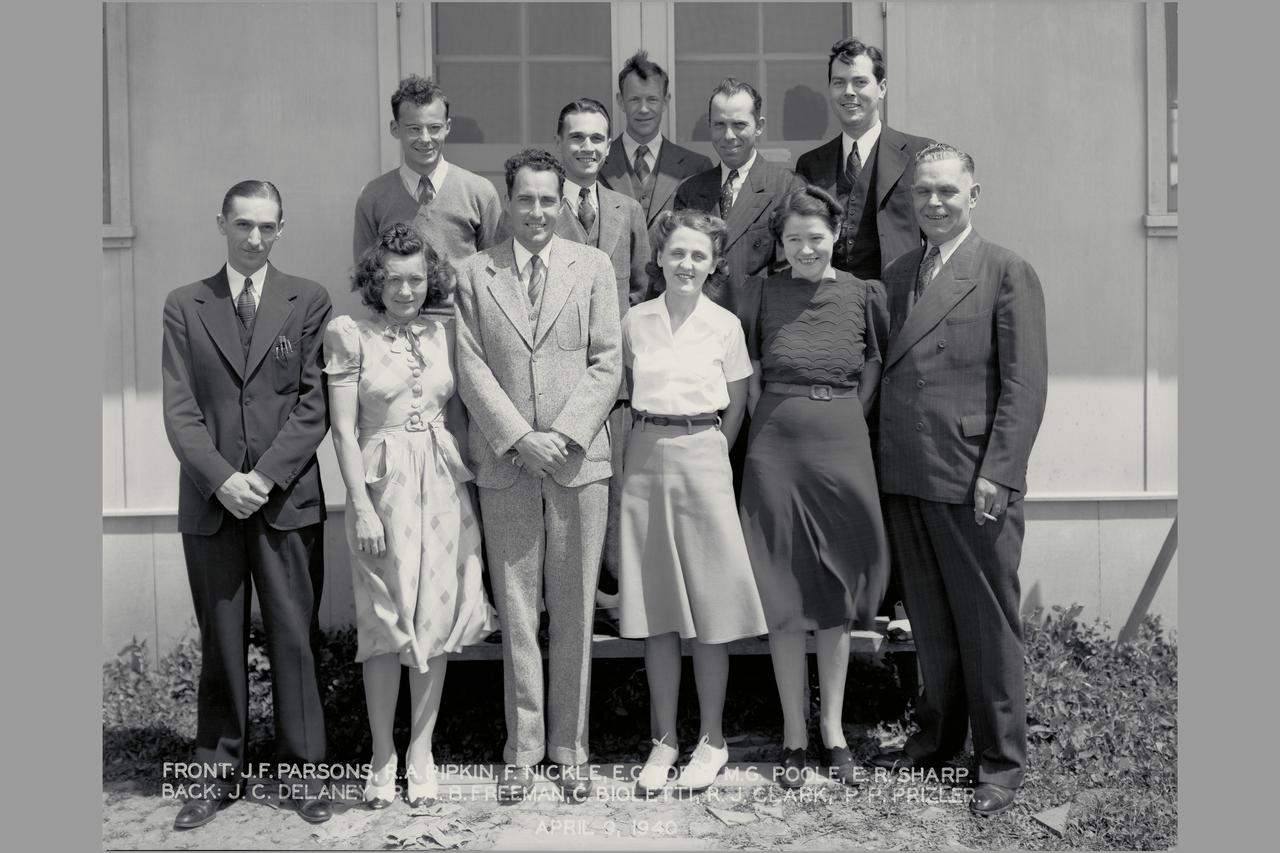
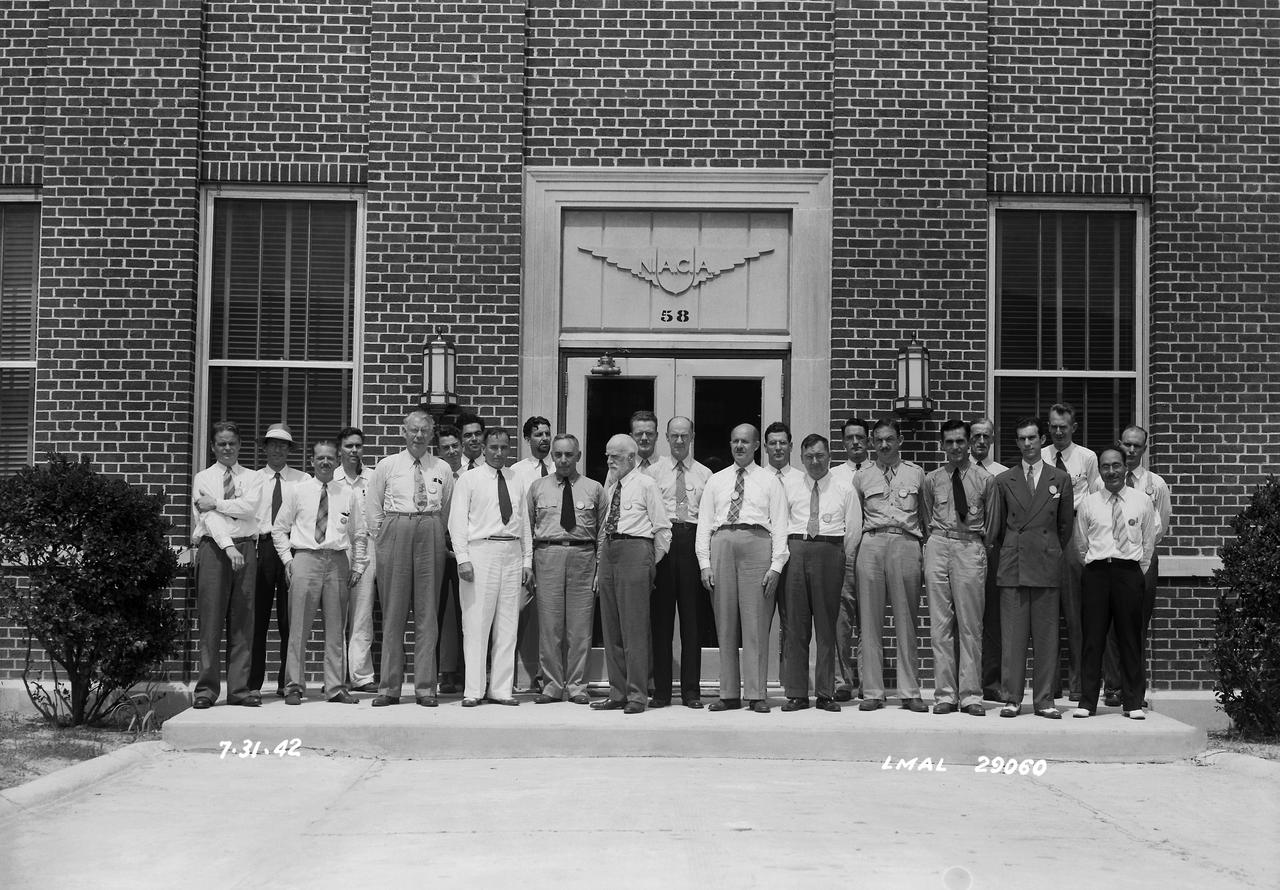
April 9, 1940 Ames personnel

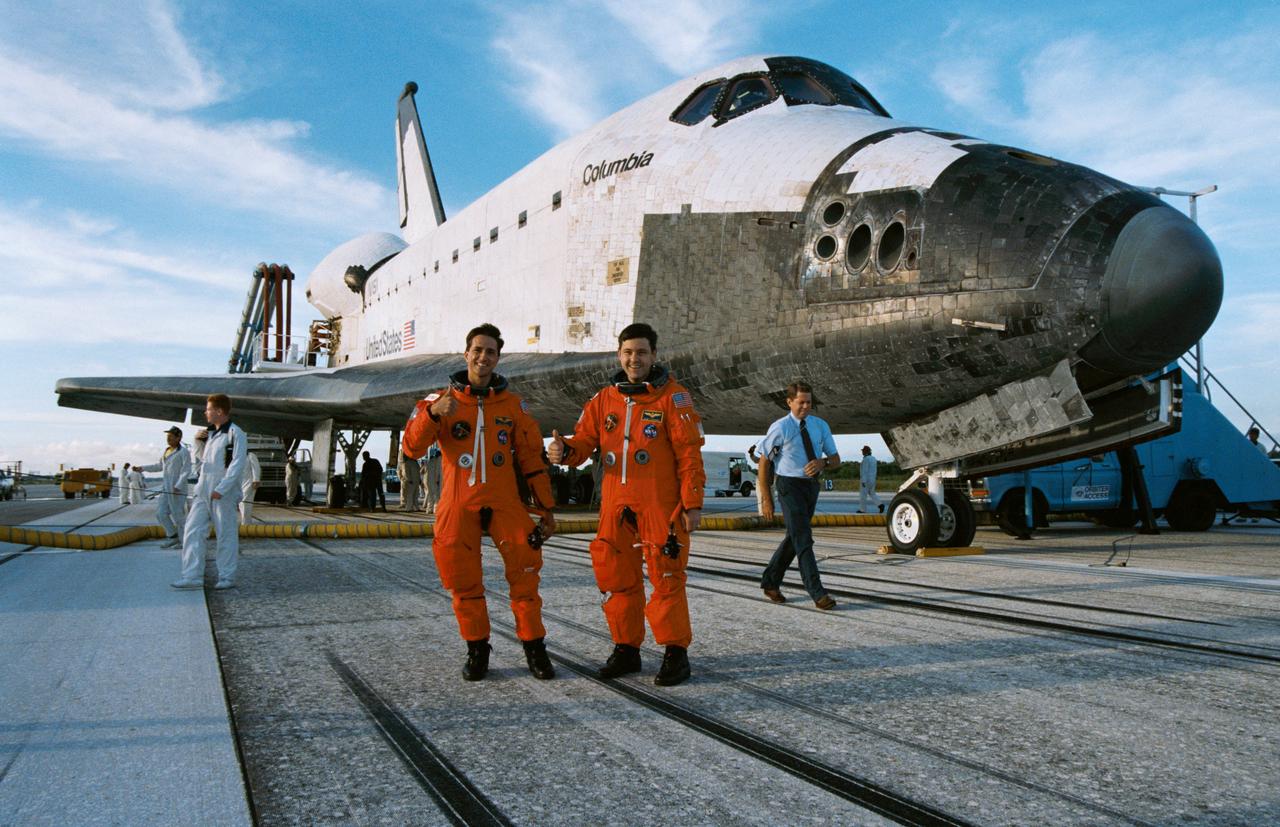
STS-65 Commander Robert D. Cabana (right) and Mission Specialist Donald A. Thomas, wearing launch and entry suits (LESs), signal mission success with a "thumbs up" gesture as they stand in front of Columbia, Orbiter Vehicle (OV) 102. The two crewmembers are all smiles after OV-102's landing at the Kennedy Space Center (KSC) Shuttle Landing Facility (SLF). The two, along with four other NASA astronauts and a Japanese payload specialist, had just broken a Shuttle duration record as they ran almost 18 hours over two weeks in space in support of the International Microgravity Laboratory 2 (IML-2) mission. Landing occurred at 6:38 am (Eastern Daylight Time (EDT)). Mission duration was 14 days, 17 hours and 56 minutes. In the background, KSC personnel conduct postflight servicing of the vehicle.

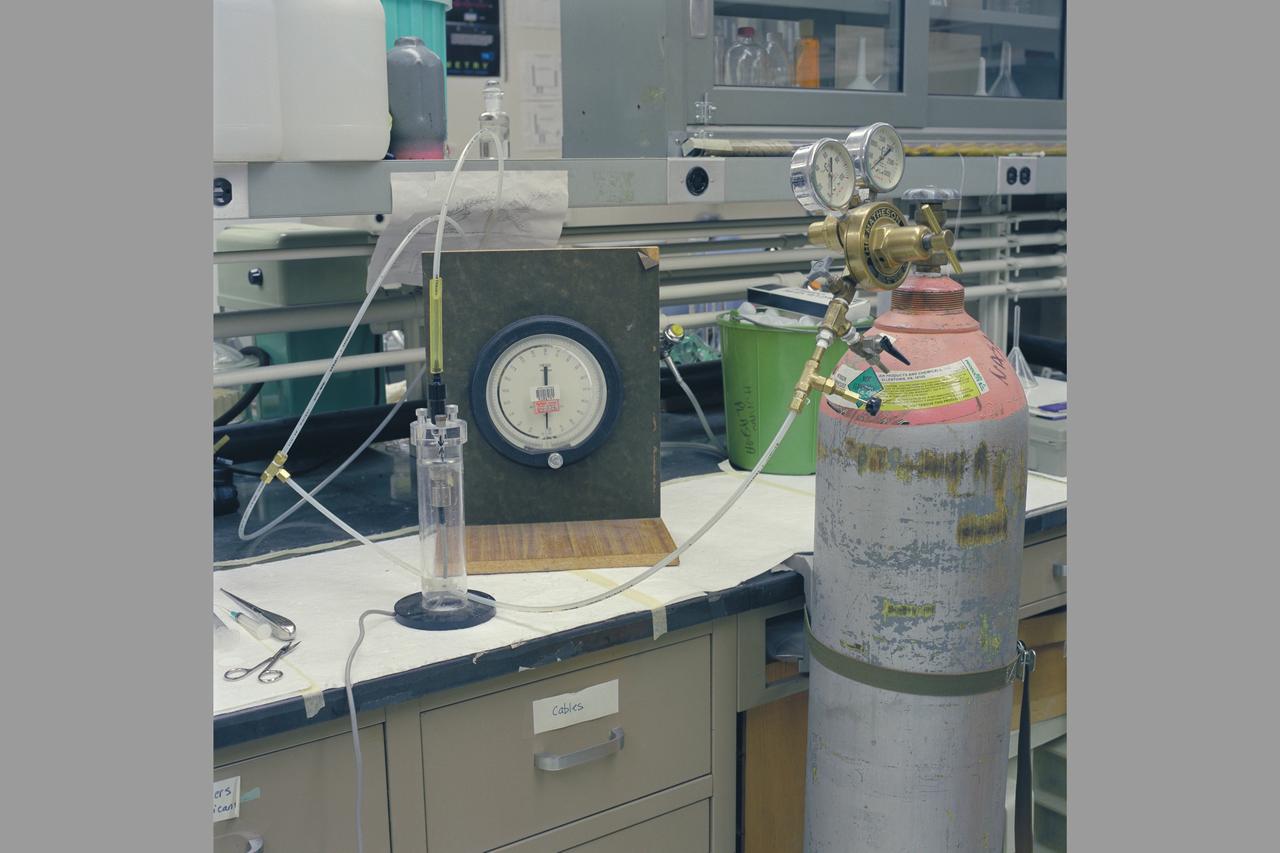
BRANCH 5920 PERSONNEL AT WORK - FATIGUE LAB

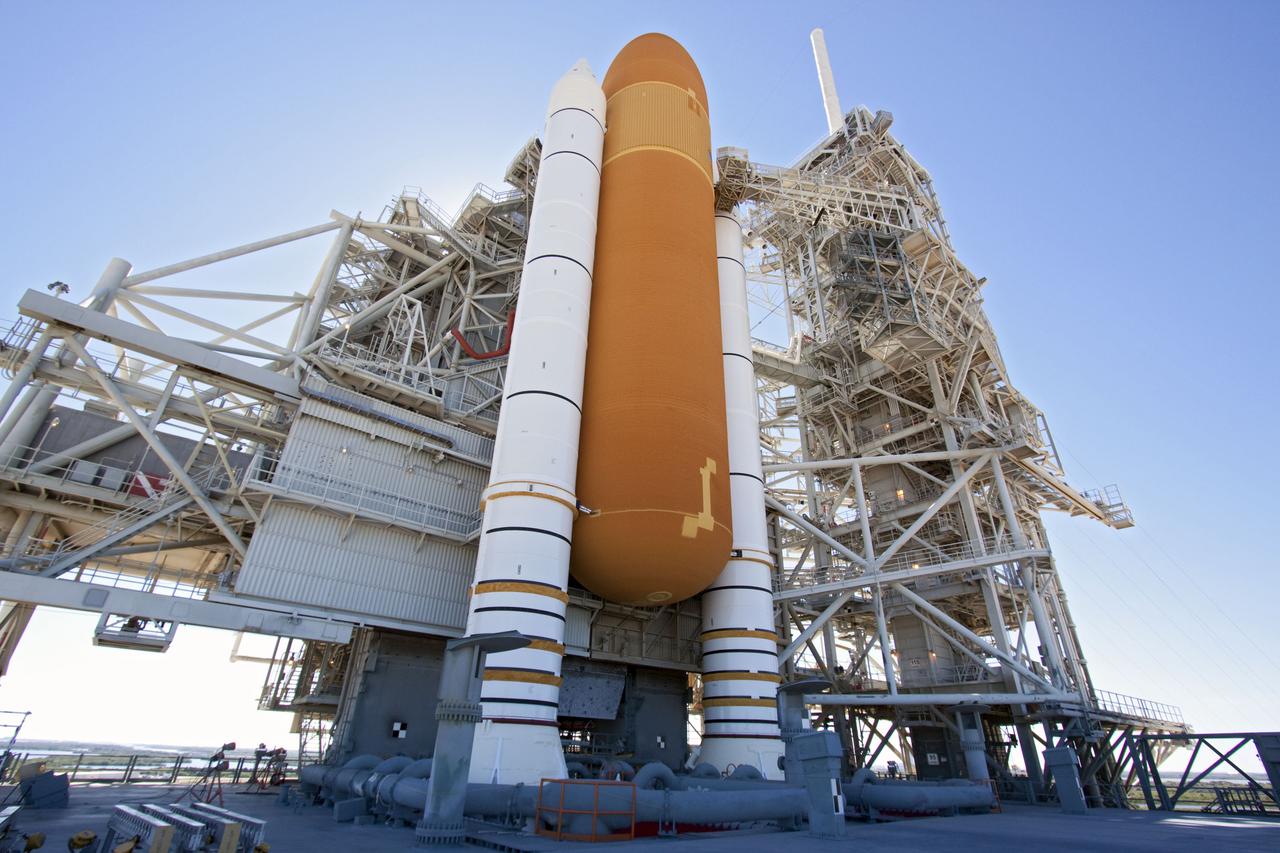
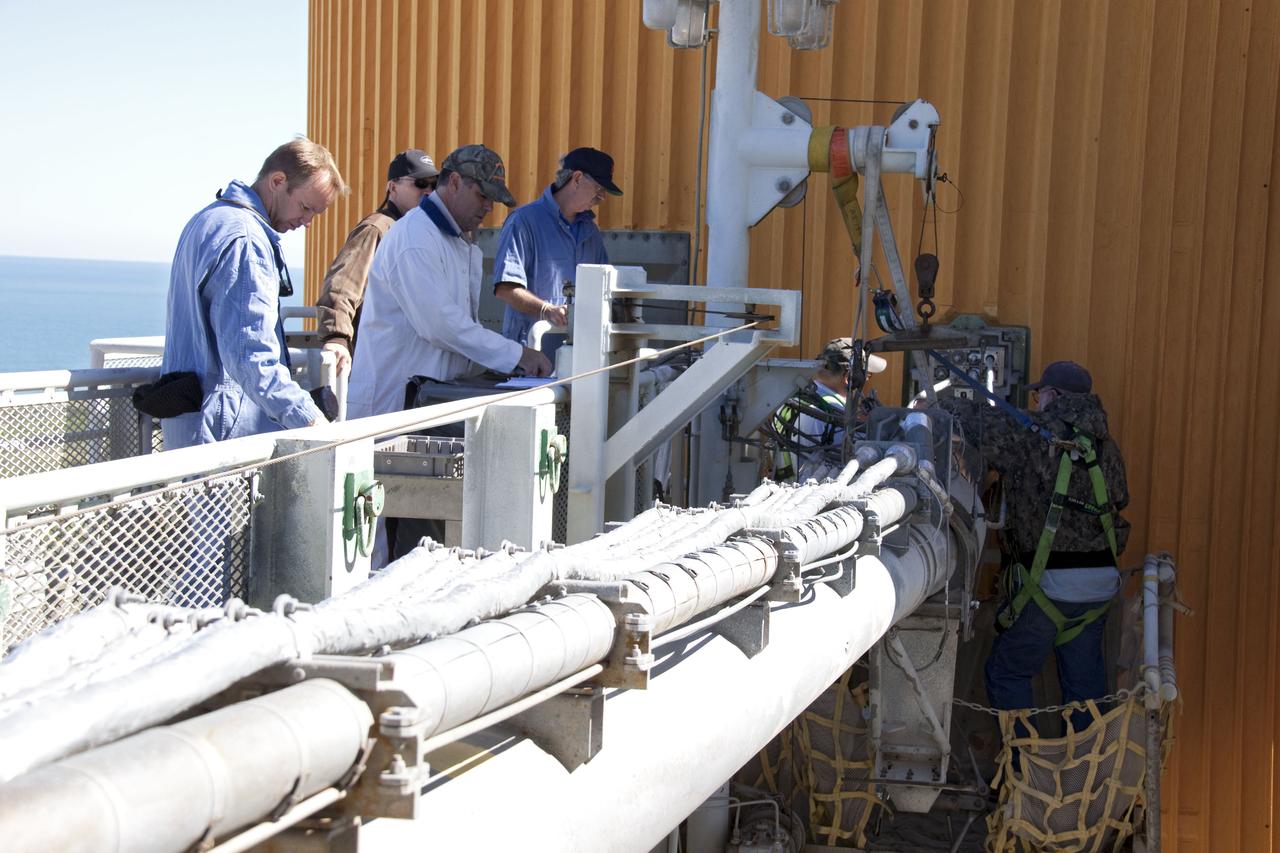
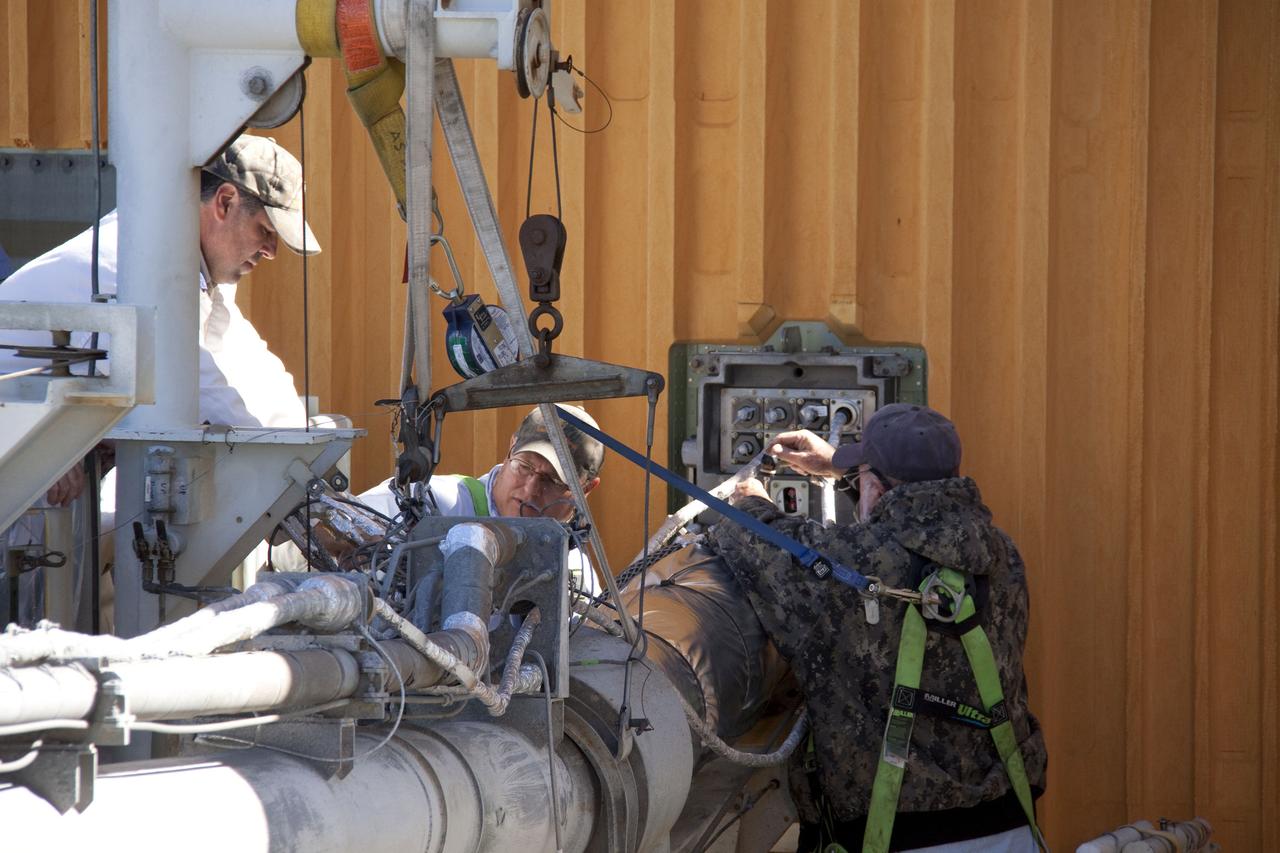
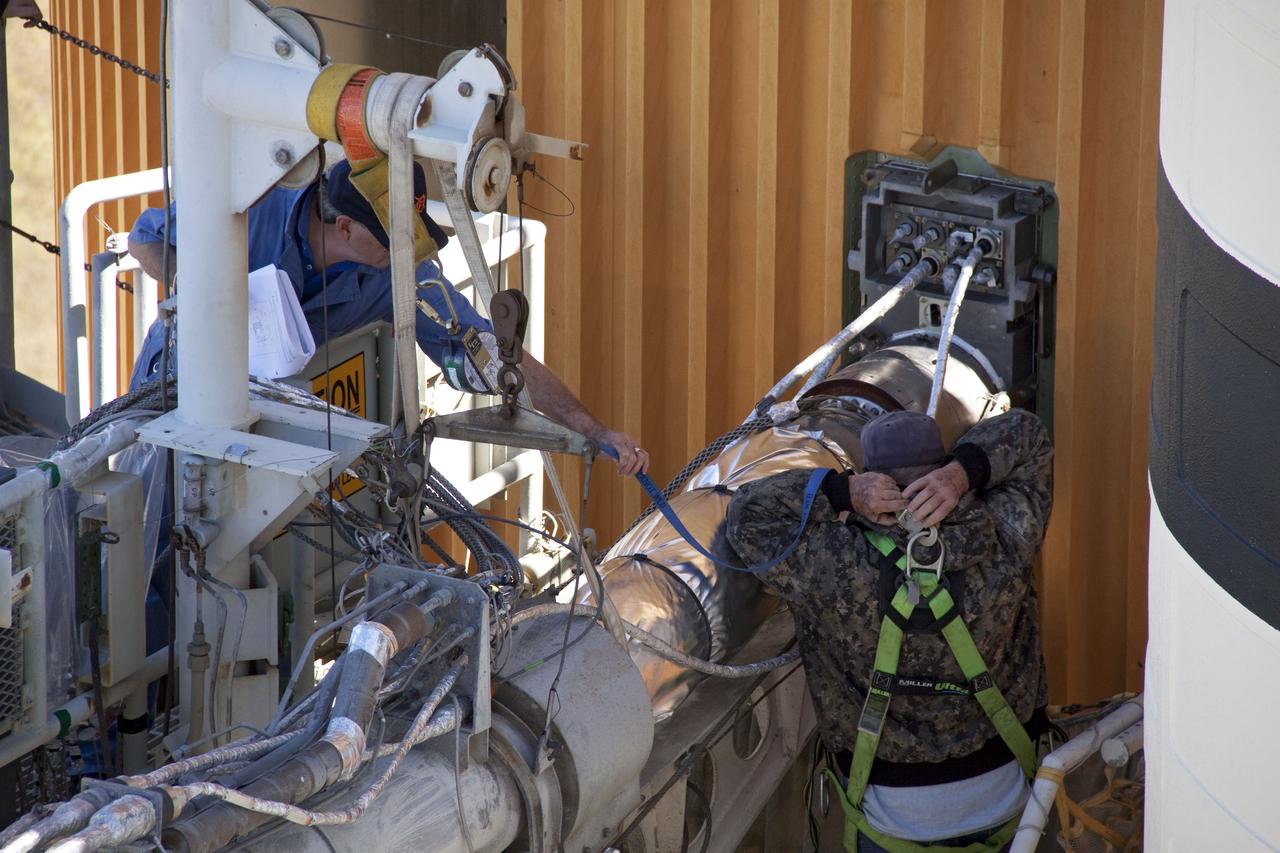
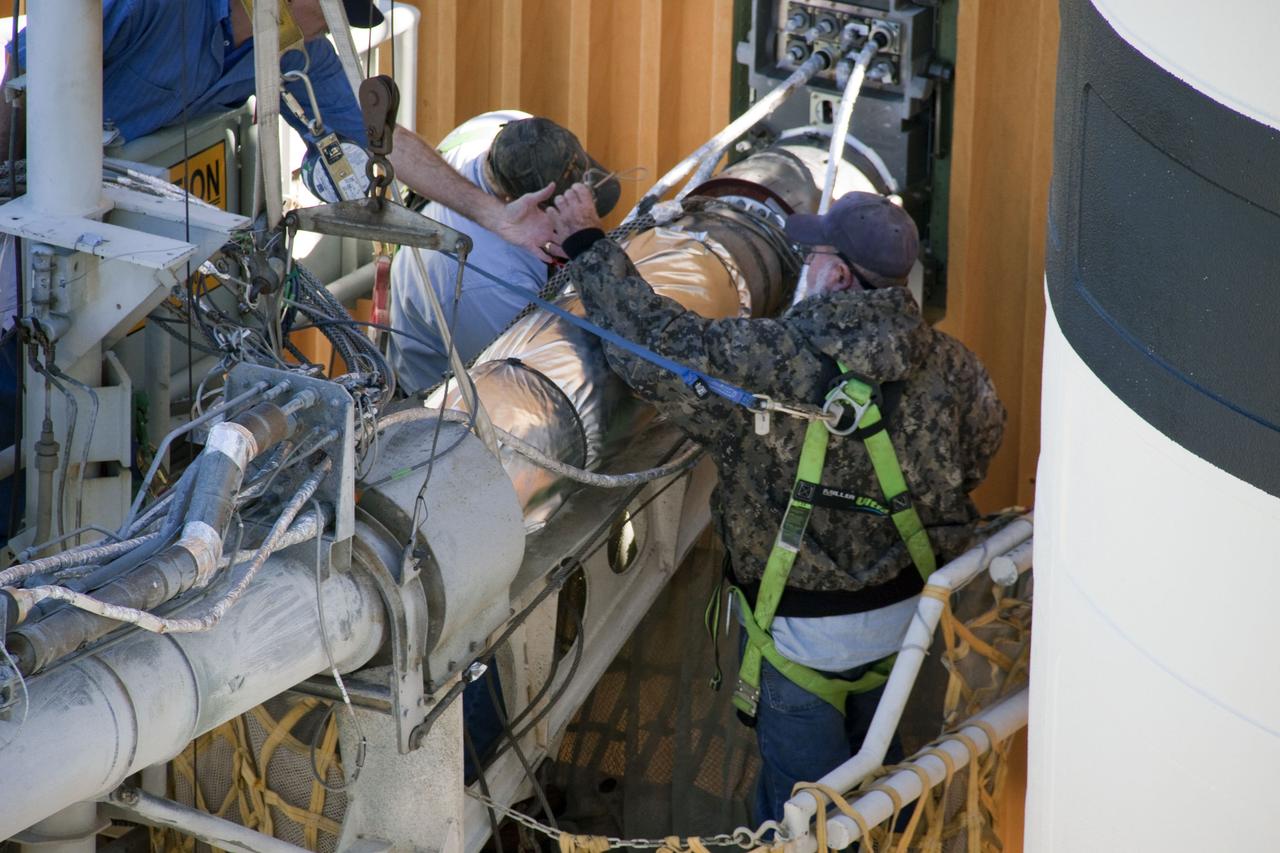
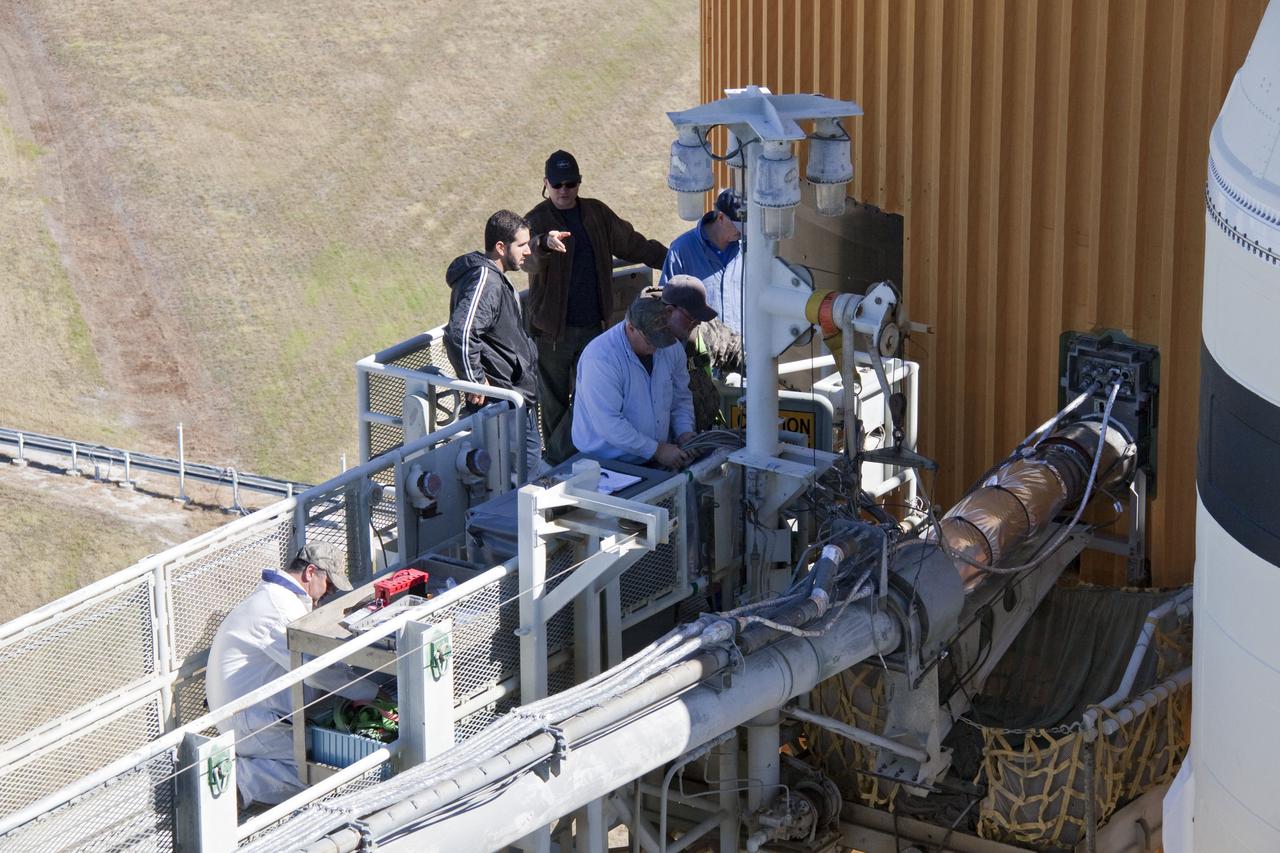
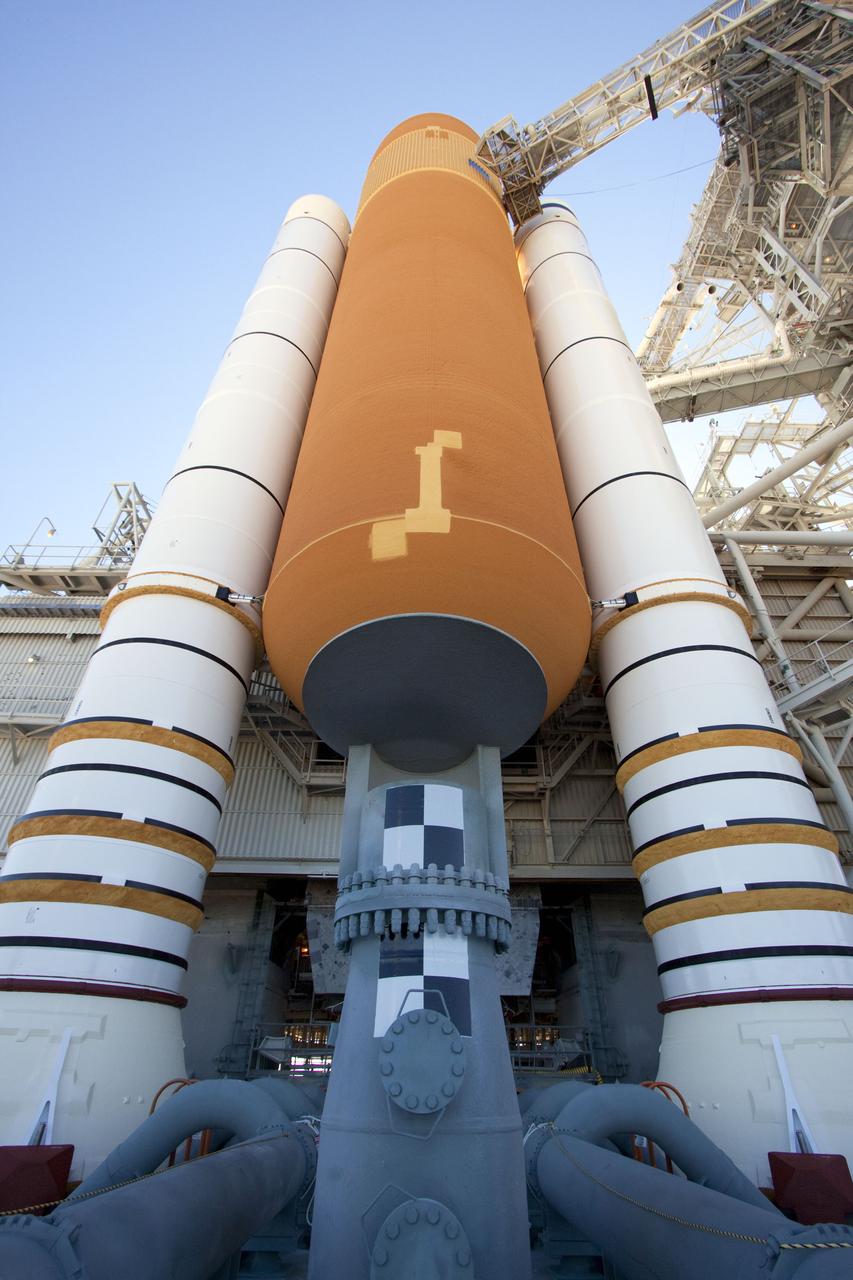
STS-133 DISCOVERY GUCP REPAIR PERSONNEL

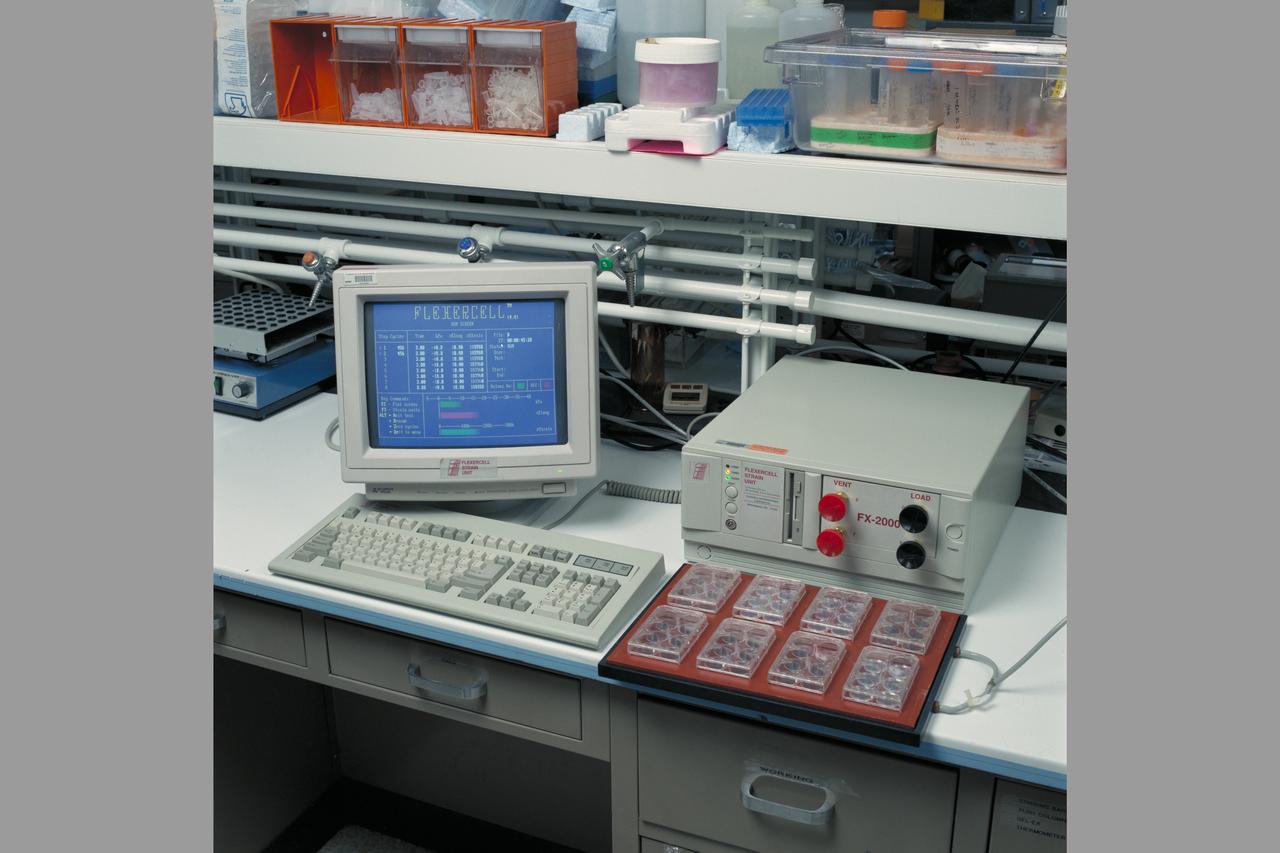
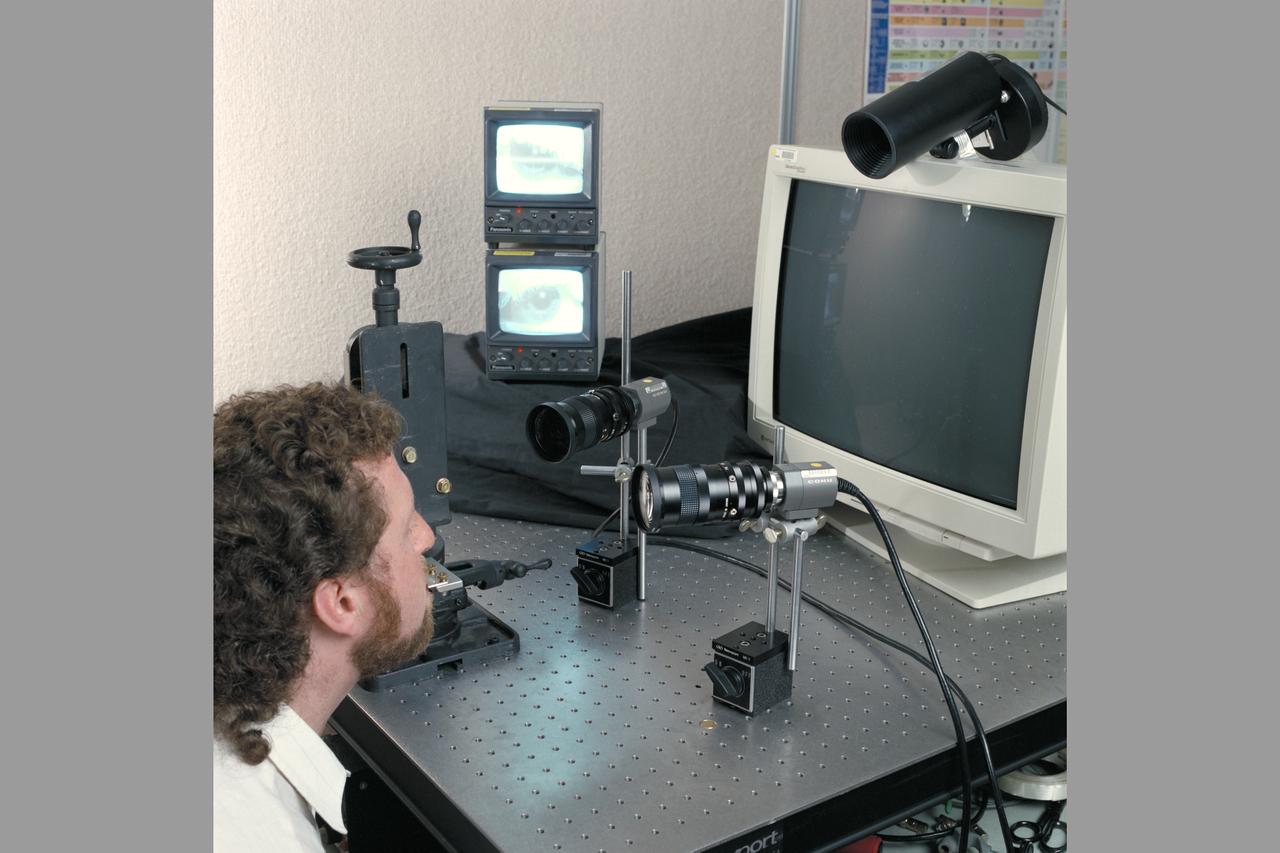
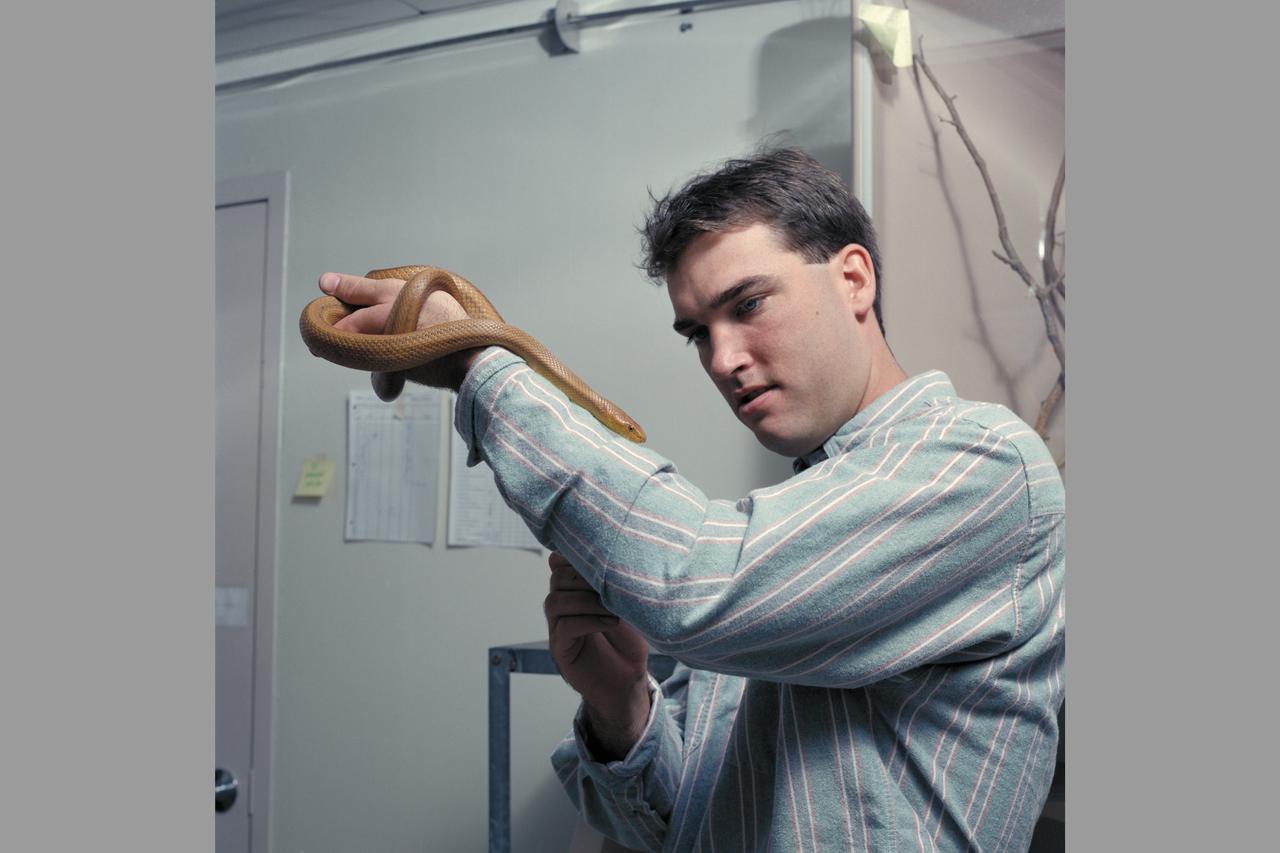
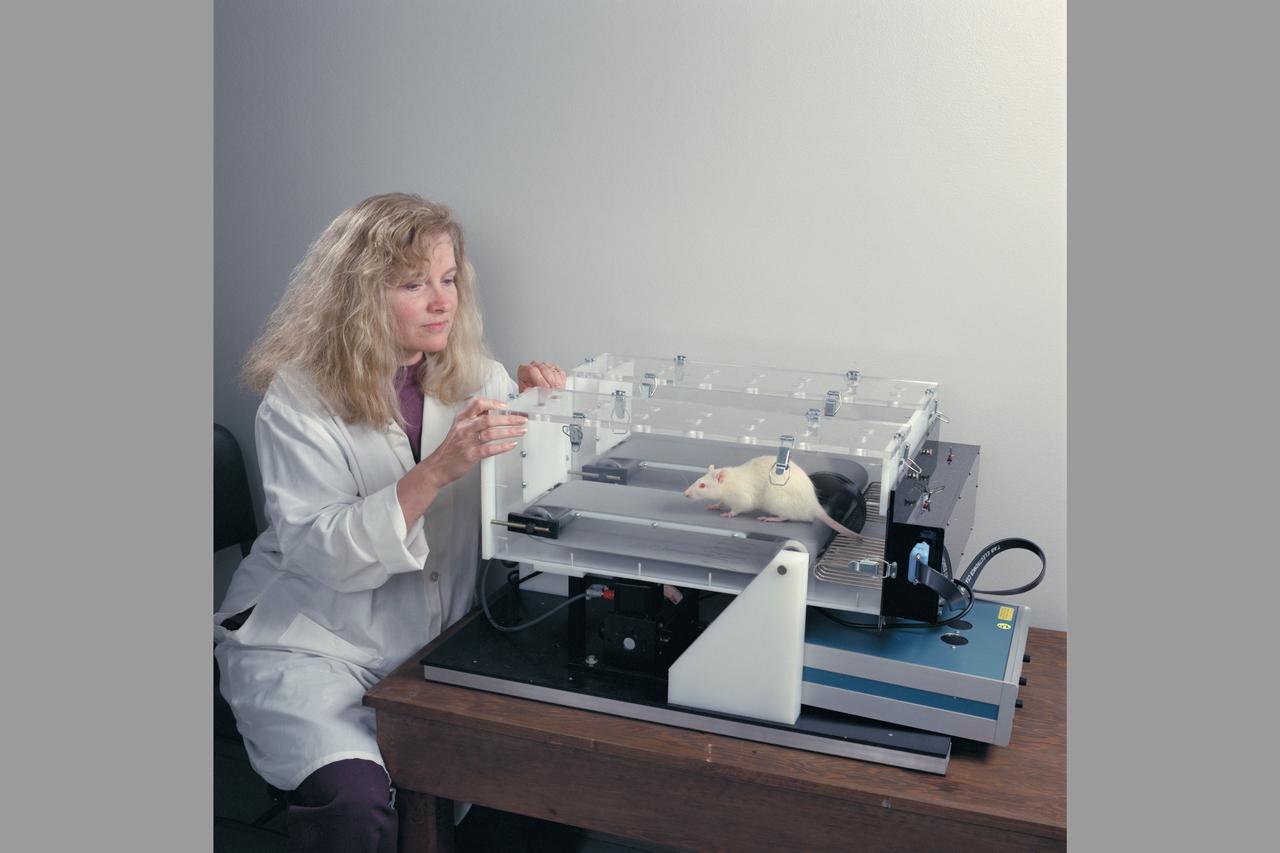
Life Sciences Division (code SL) laboratories and personnel:

STS-133 DISCOVERY GUCP REPAIR PERSONNEL

Life Sciences Division (code SL) laboratories and personnel:

STS-133 DISCOVERY GUCP REPAIR PERSONNEL

STS-133 DISCOVERY GUCP REPAIR PERSONNEL

STS-133 DISCOVERY GUCP REPAIR PERSONNEL

Life Sciences Division (code SL) laboratories and personnel:

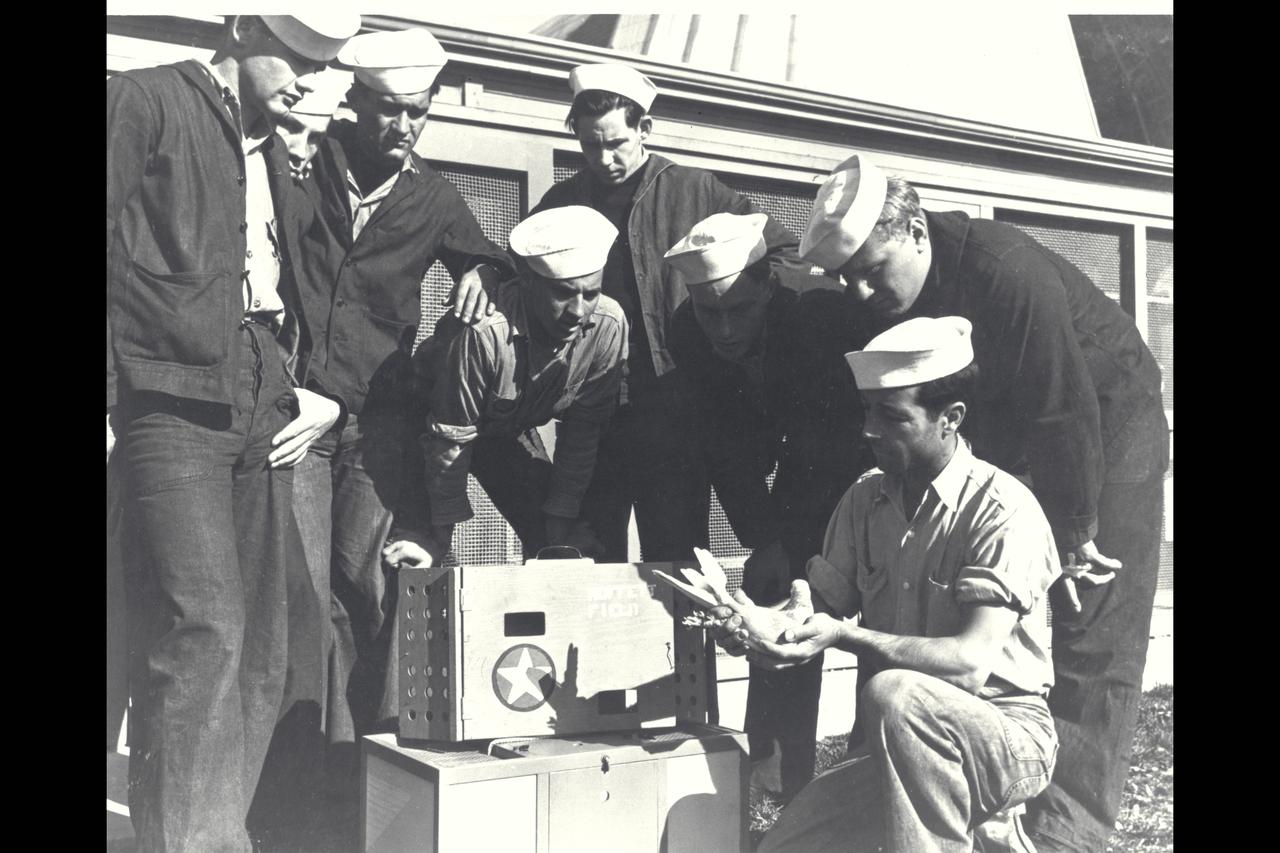
Moffett Field Pigeon with Navy personnel (@1935)

Flight Human Factors Branch (Code-FLT) Personnel.

STS-133 DISCOVERY GUCP REPAIR PERSONNEL

STS-133 DISCOVERY GUCP REPAIR PERSONNEL

STS-133 DISCOVERY GUCP REPAIR PERSONNEL

Life Sciences Division (code SL) laboratories and personnel:

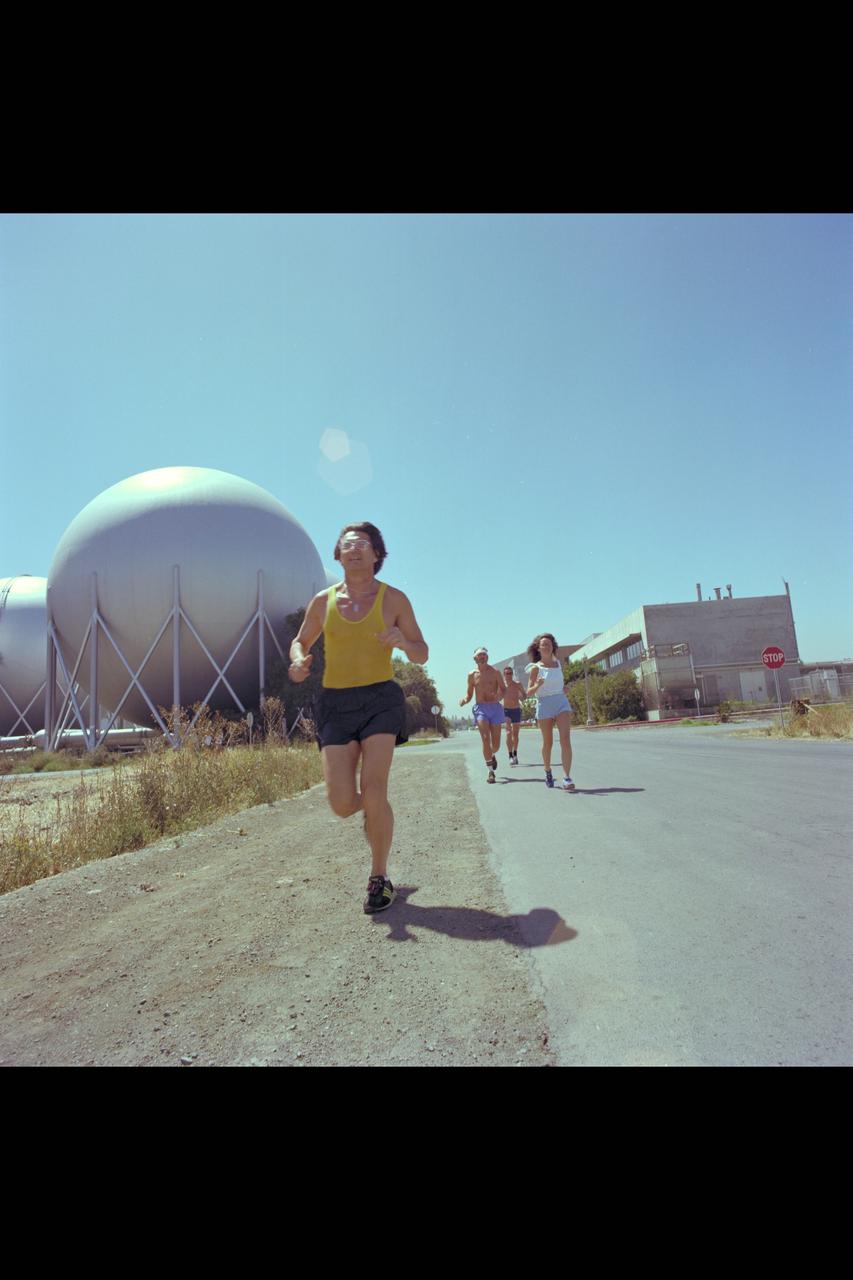
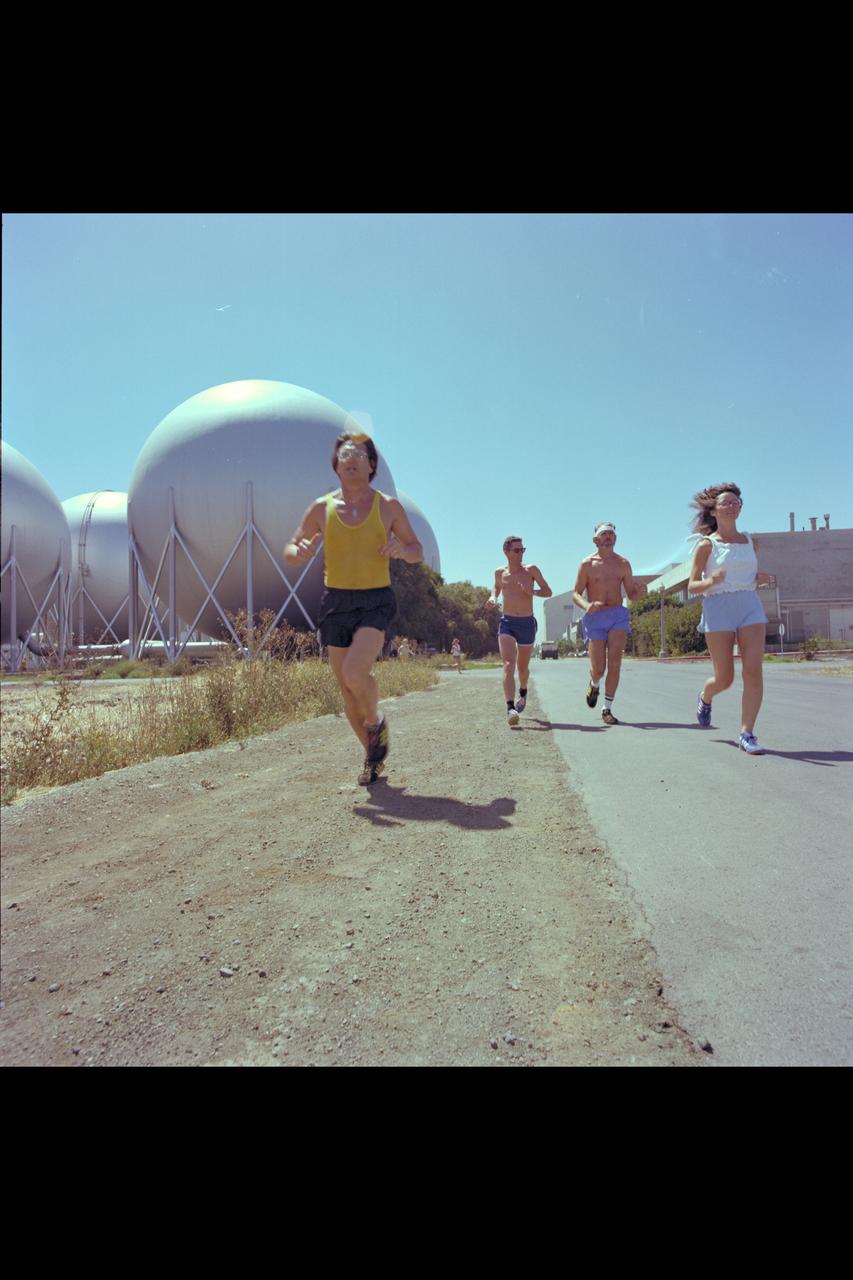
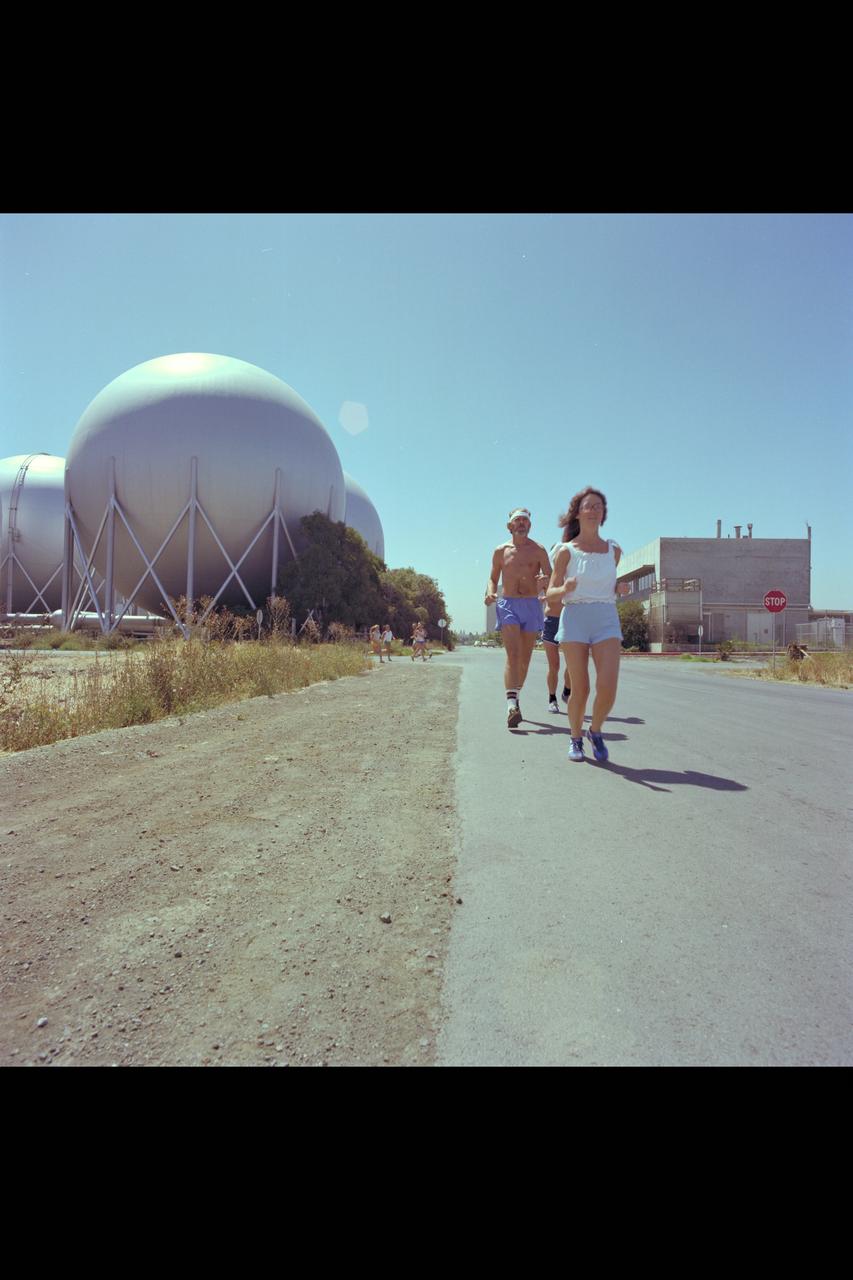
Recruiting Brochure: Ames Personnel Jogging around the center.

Recruiting Brochure: Ames Personnel Jogging around the center.

Recruiting Brochure: Ames Personnel Jogging around the center.

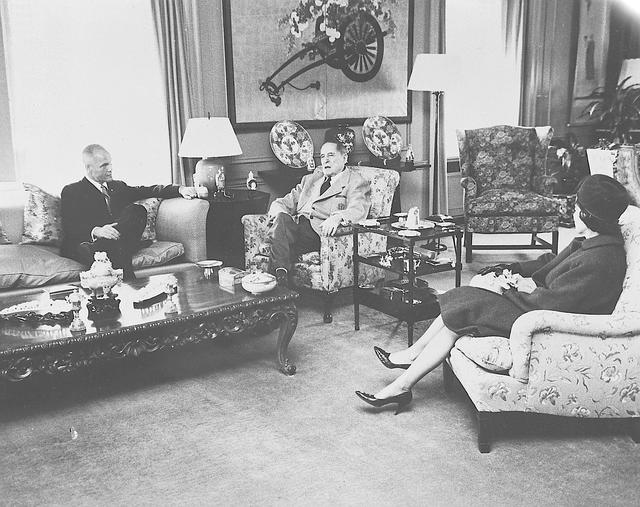
S62-02270 (1962) --- Astronaut John H. Glenn Jr. and wife visit with General Douglas McArthur in the Waldorf Astoria hotel. Photo credit: NASA

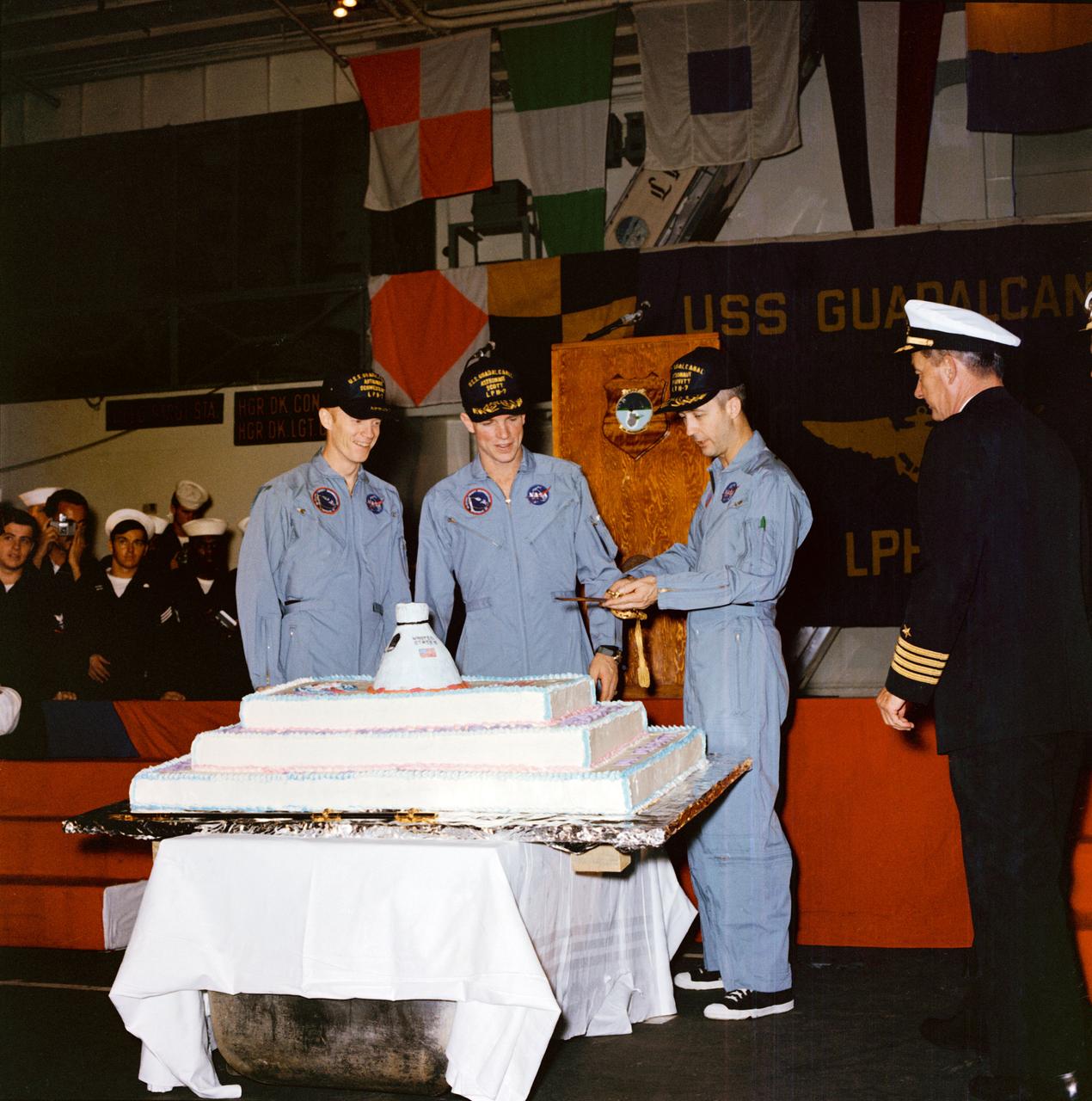
The Apollo 9 crew prepares to cut the 350-pound cake which was baked on the U.S.S. Guadalcanal in their honor. Left to right, are Astronauts Russell L. Schweickart, David R. Scott, and James A. McDivitt. Looking on at right is Capt. Roy M. Sudduth, commanding officer of the U.S.S. Guadalcanal.

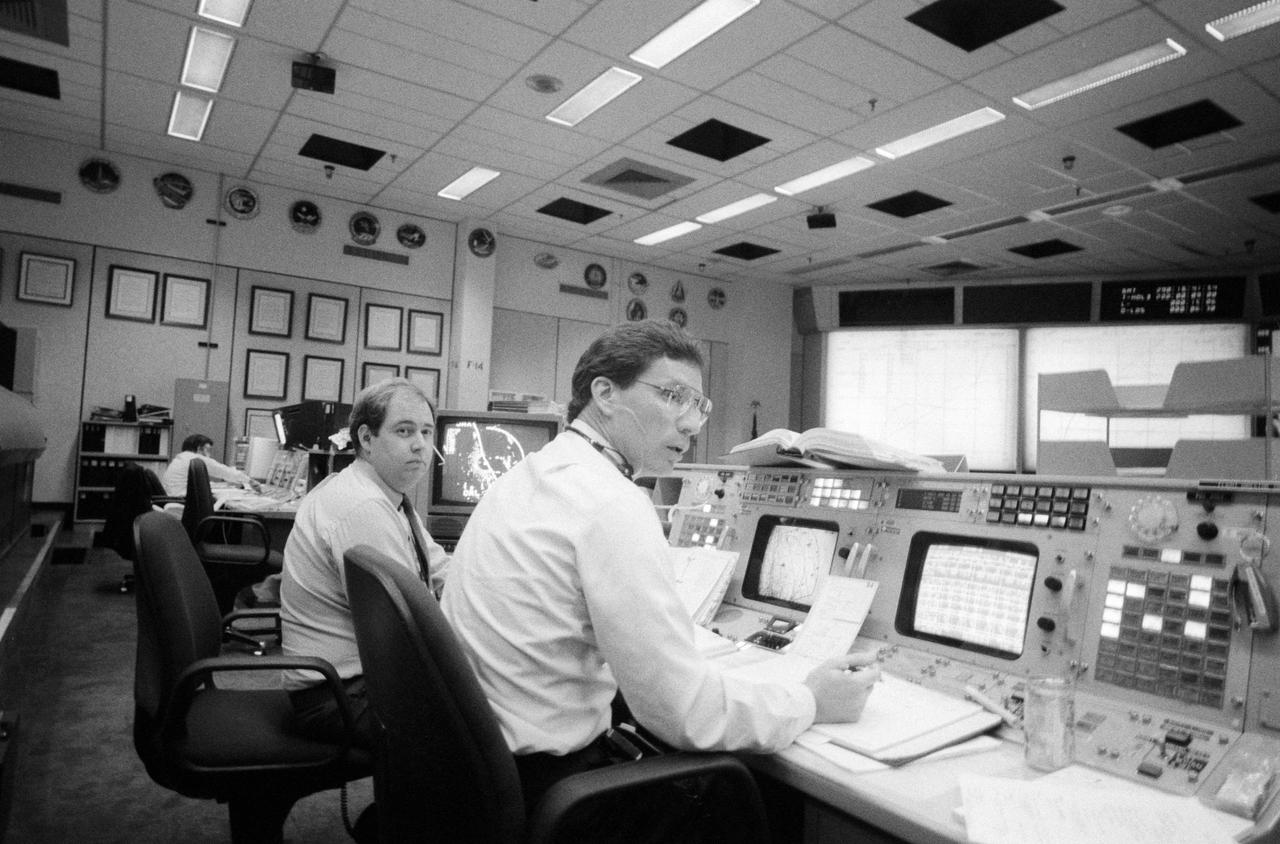
Flight directors Robert E. Castle, Jr (left) and Ronald D. Dittemore monitor console displays during STS-34 mission. Castle and Dittemore will oversee flight activities from their stations in JSC's Mission Control Center (MCC) Bldg 30 flight control room (FCR). In the background are the FCR large screens which display flight data.

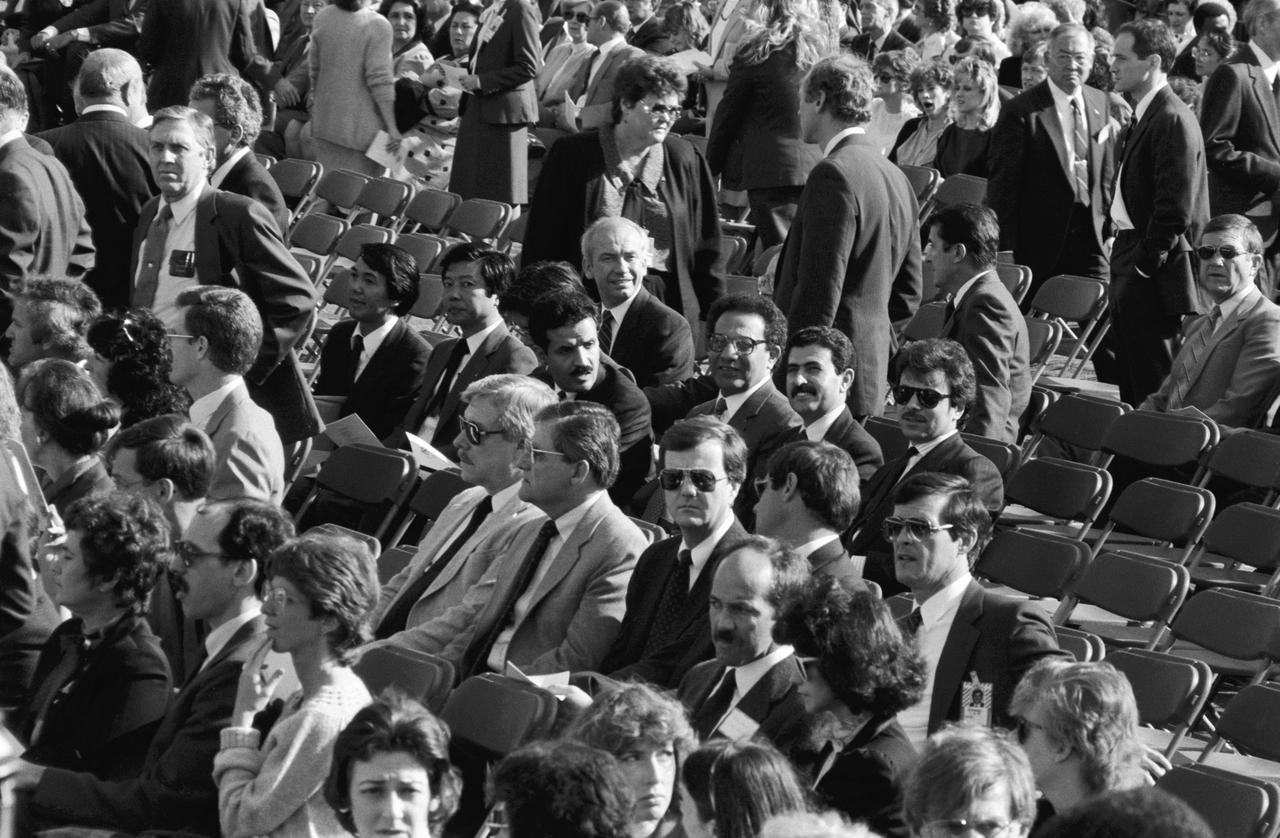
View of the audience at the memorial service at JSC for the Crew of STS 51-L. Sultan Salman Abdelazize Al-Saud of Saudi Arabia is seen in the center of the view.

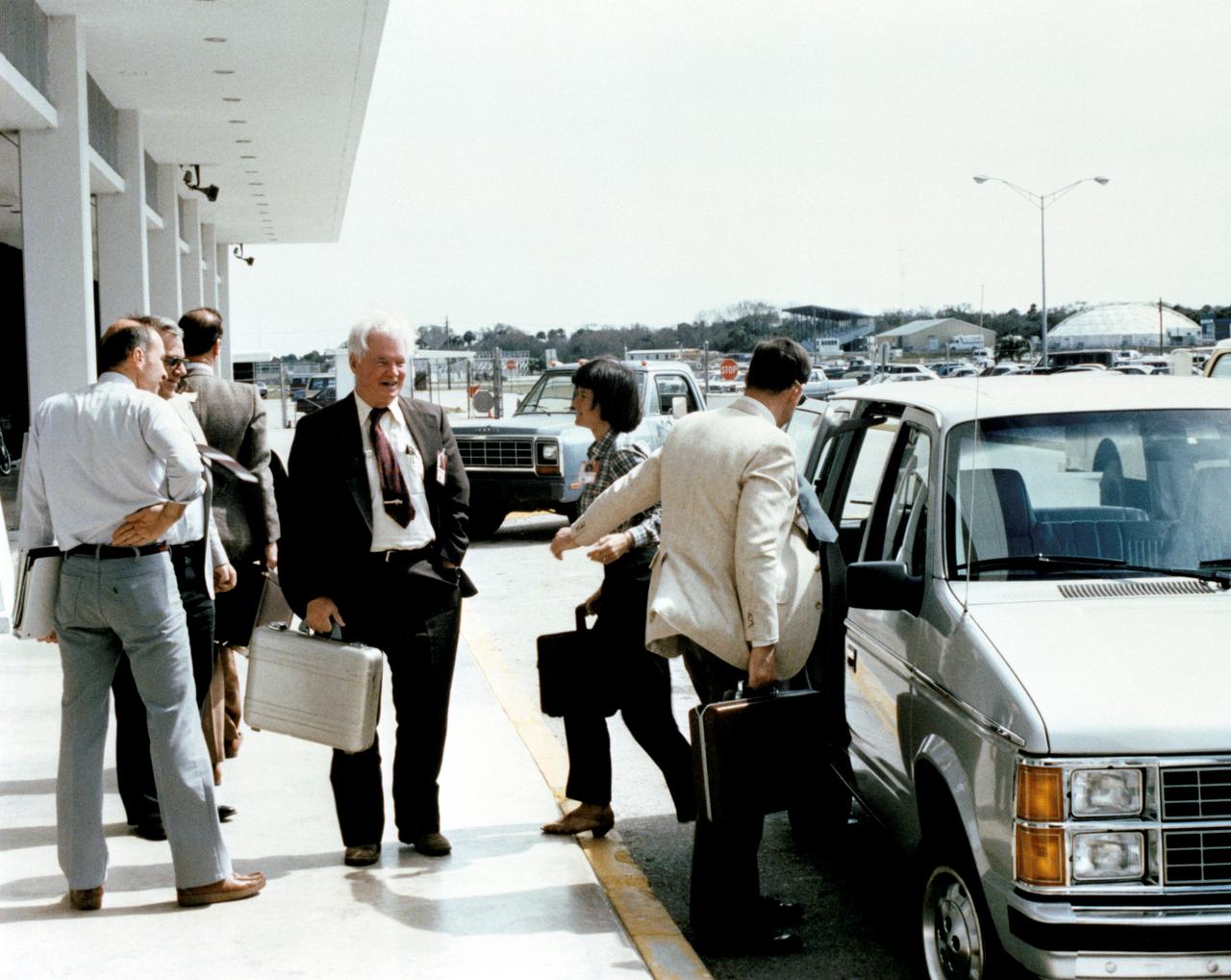
51L-10166 (4 March 1986) --- Members of the Presidential Commission on the space shuttle Challenger accident arrive at the Launch Control Center at Kennedy Space Center (KSC). Commission members present are Robert Hotz (center) and Dr. Sally Ride. Others pictured are John Chase, staff assistant to the Commission (far right) and from left to right: Bob Sieck, Director of Shuttle operations; Jack Martin and John Fabian.

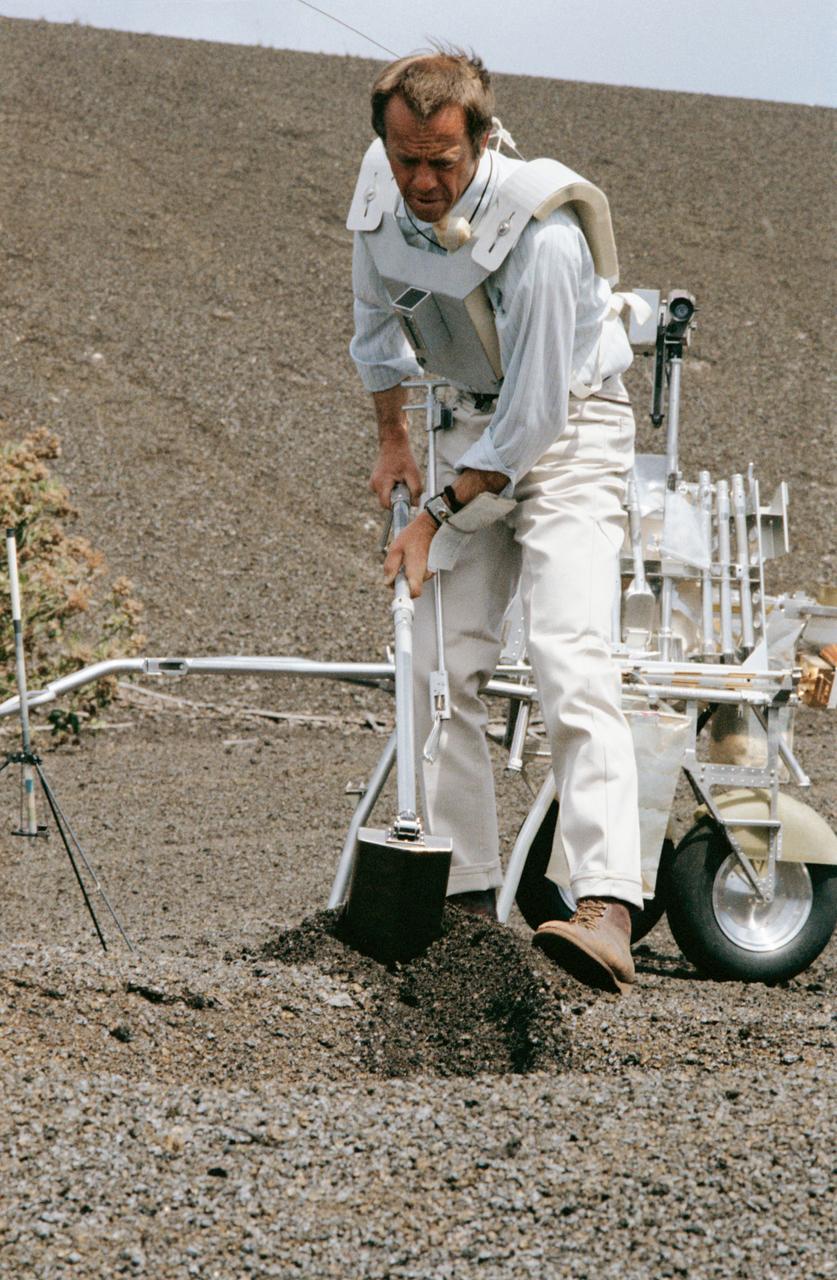
S70-34415 (April 1970) --- Astronaut Alan B. Shepard Jr., prime crew commander of the Apollo 14 mission, uses a trenching tool during a simulation of a traverse on the lunar surface. Members of the Apollo 14 prime and backup crews were in Hawaii to train for the extravehicular activity of their upcoming mission. Features of the terrain at Kapoho and other Hawaiian sites are very similar to those found on the lunar surface. A modular equipment transporter (MET), nicknamed the "Rickshaw" because of its appearance and method of propulsion, is behind Shepard, and a gnomon, one of the Apollo lunar hand tools (ALHT) is at extreme left.

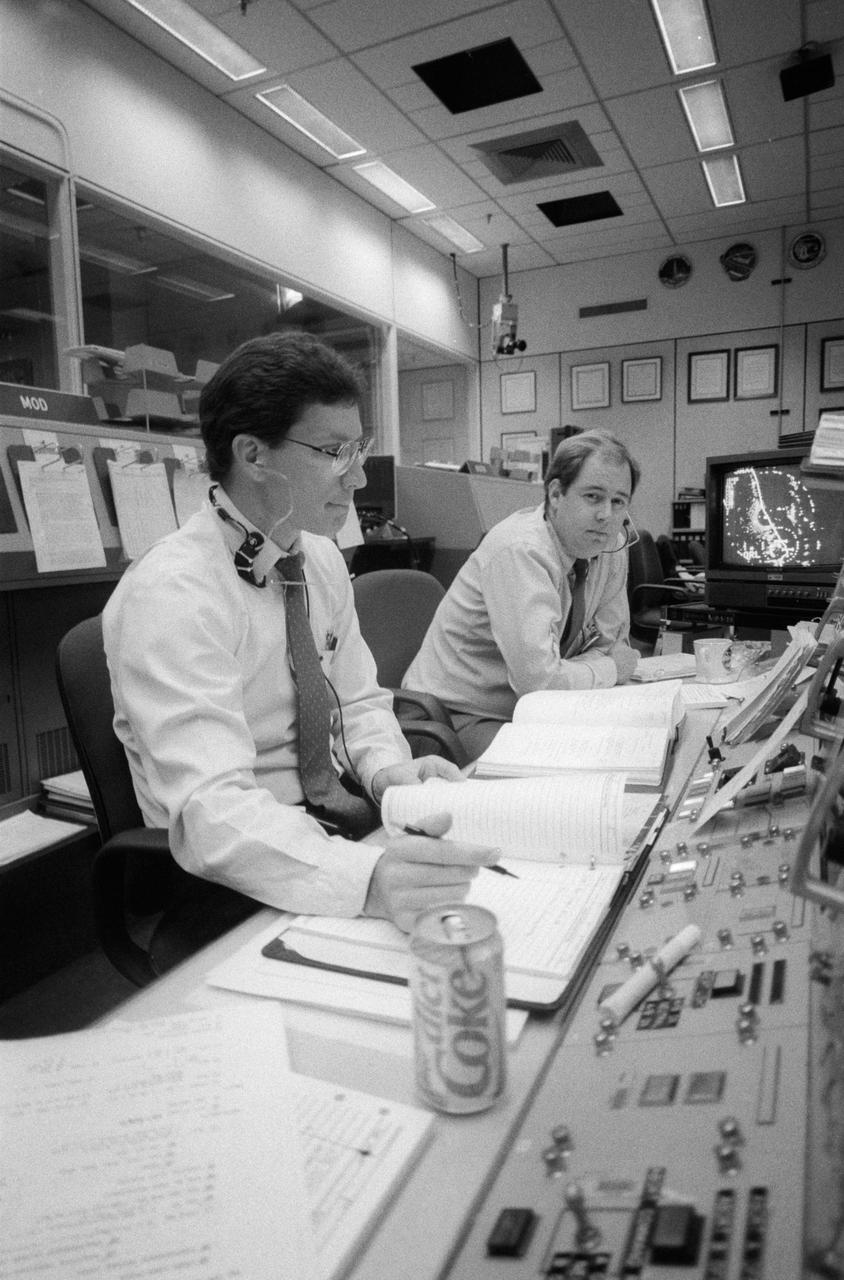
During STS-34, flight directors Robert E. Castle, Jr (left) and Ronald D. Dittemore review checklists and monitor displays at their console in JSC's Mission Control Center (MCC) Bldg 30 flight control room (FCR).

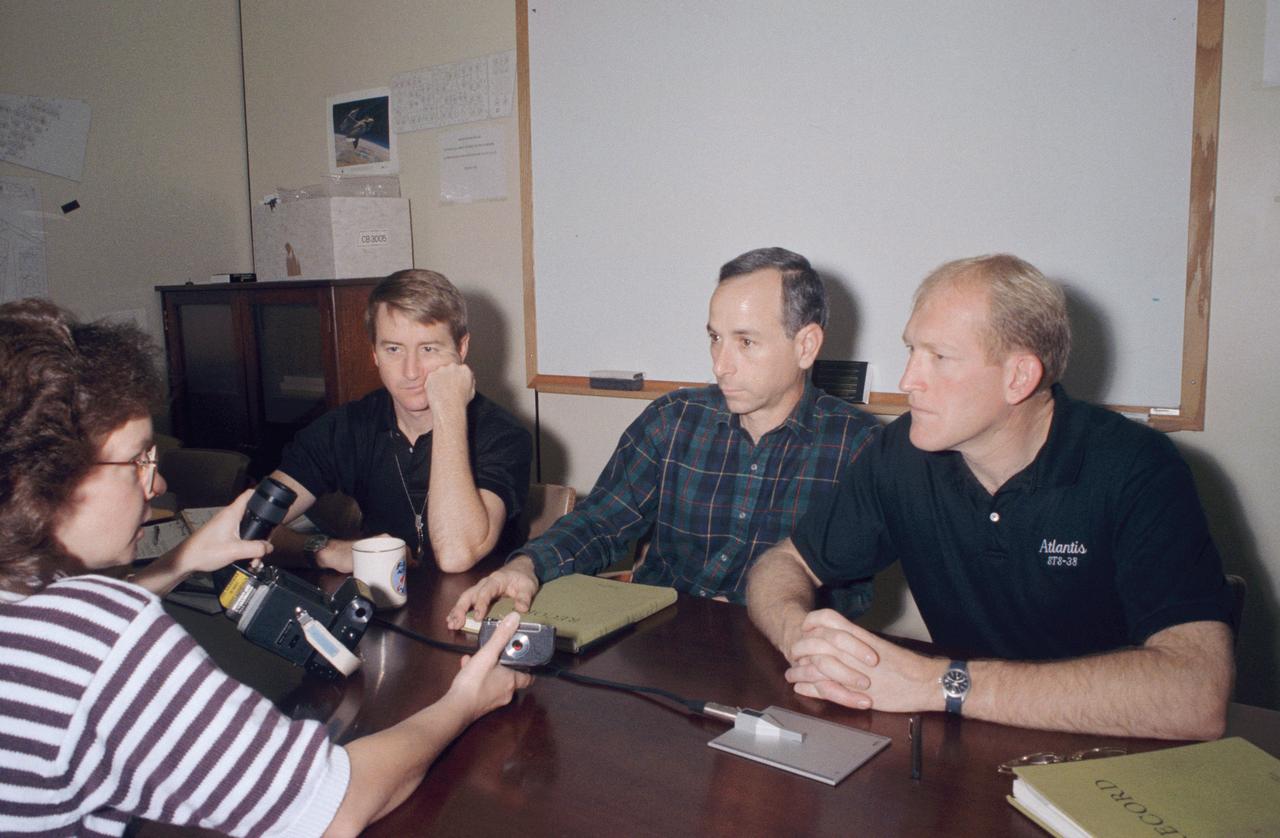
STS-38 crewmembers listen as RSOC-JSC crew trainer M. Judy Alexander explains the camera equipment they will be using on their upcoming Department of Defense (DOD) mission. Left to right are Pilot Frank L. Culbertson, Mission Specialist (MS) Carl J. Meade, and MS Charles D. Gemar. Alexander is holding a training version of the 70mm handheld HASSELBLAD camera.

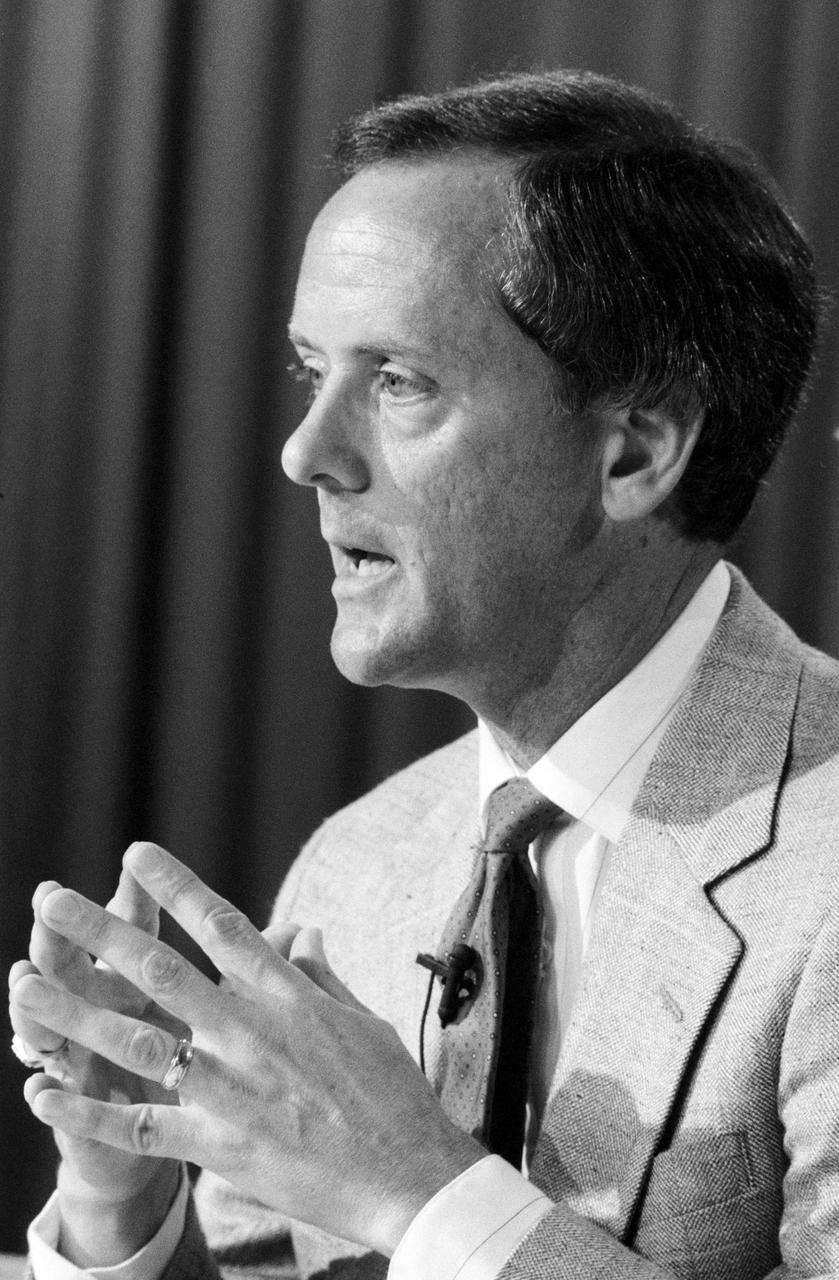
Lead flight director James M. Heflin, Jr answers question at STS-34's thirty days before launch (T-30) press briefing conducted in the JSC Auditorium and Public Affairs Facility Bldg 2 briefing room.

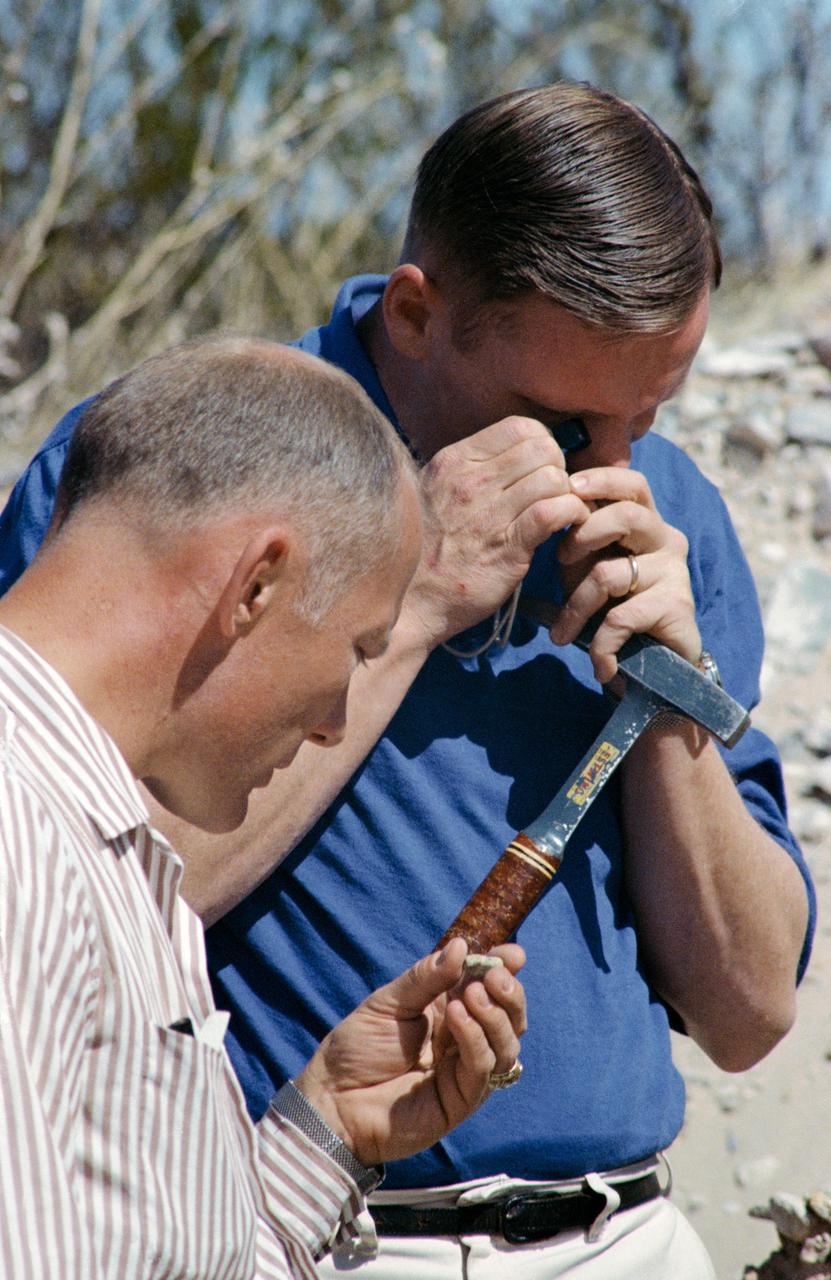
S69-25944 (25 Feb. 1969) --- These two Apollo 11 crew astronauts study rock samples during a geological field trip to the Quitman Mountains area near the Fort Quitman ruins in far west Texas. Neil A. Armstrong (in background) is the Apollo 11 commander; and Edwin E. Aldrin Jr. is the lunar module pilot.

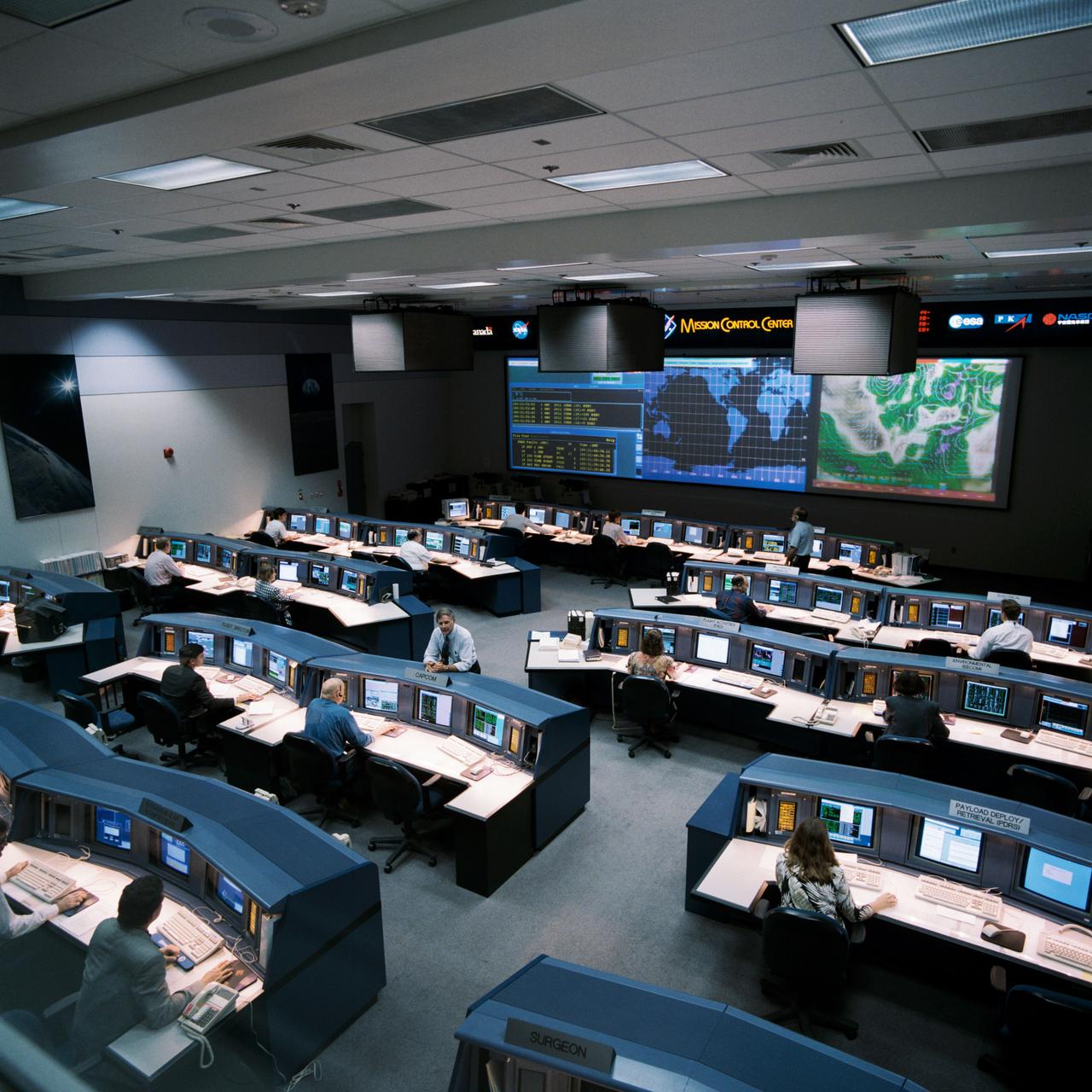
Documentation of the new mission control center White Flight Control Room (FLCR). Excellent overall view of White FLCR with personnel manning console workstations (11221). Fisheye lens perspective from Flight Director station with Brian Austin (11222). Environmental (EECOM) workstation and personnel (11223).

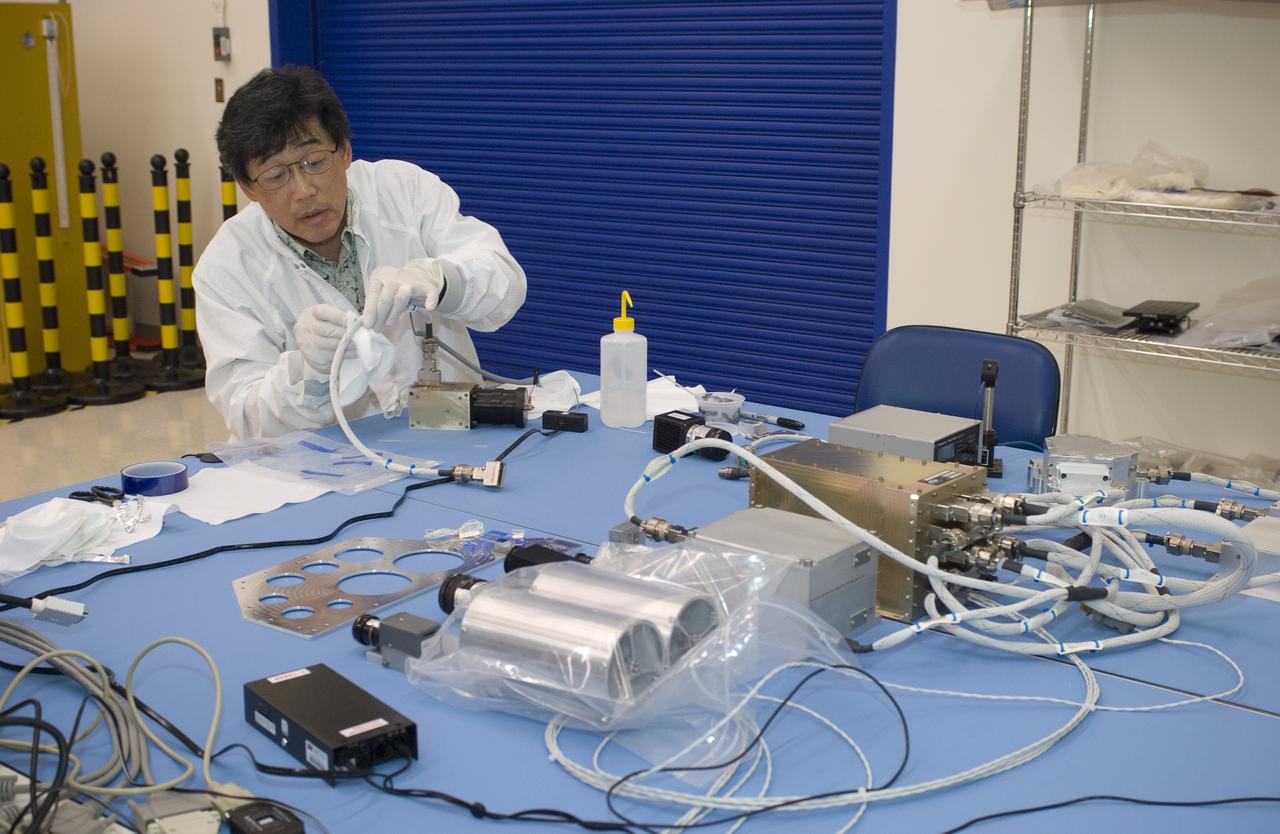
LCROSS flight hardware in clean room at Ames N-240. EEL personnel fabricating testing components with Jerry Wang of Ames, Engineering Evaluation labLCROSS flight hardware in clean room at Ames N-240. EEL personnel fabricating testing components with Jerry Wang of Ames, Engineering Evaluation lab

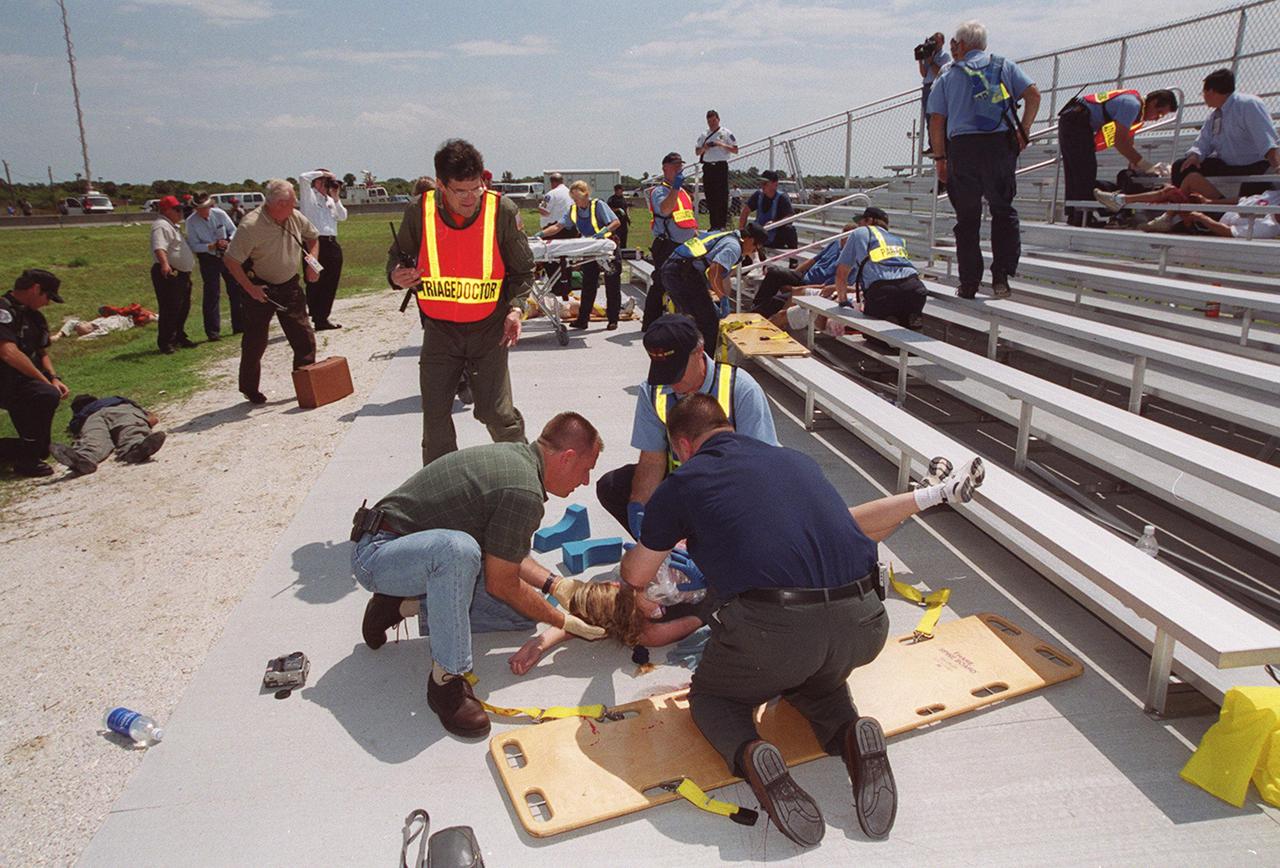
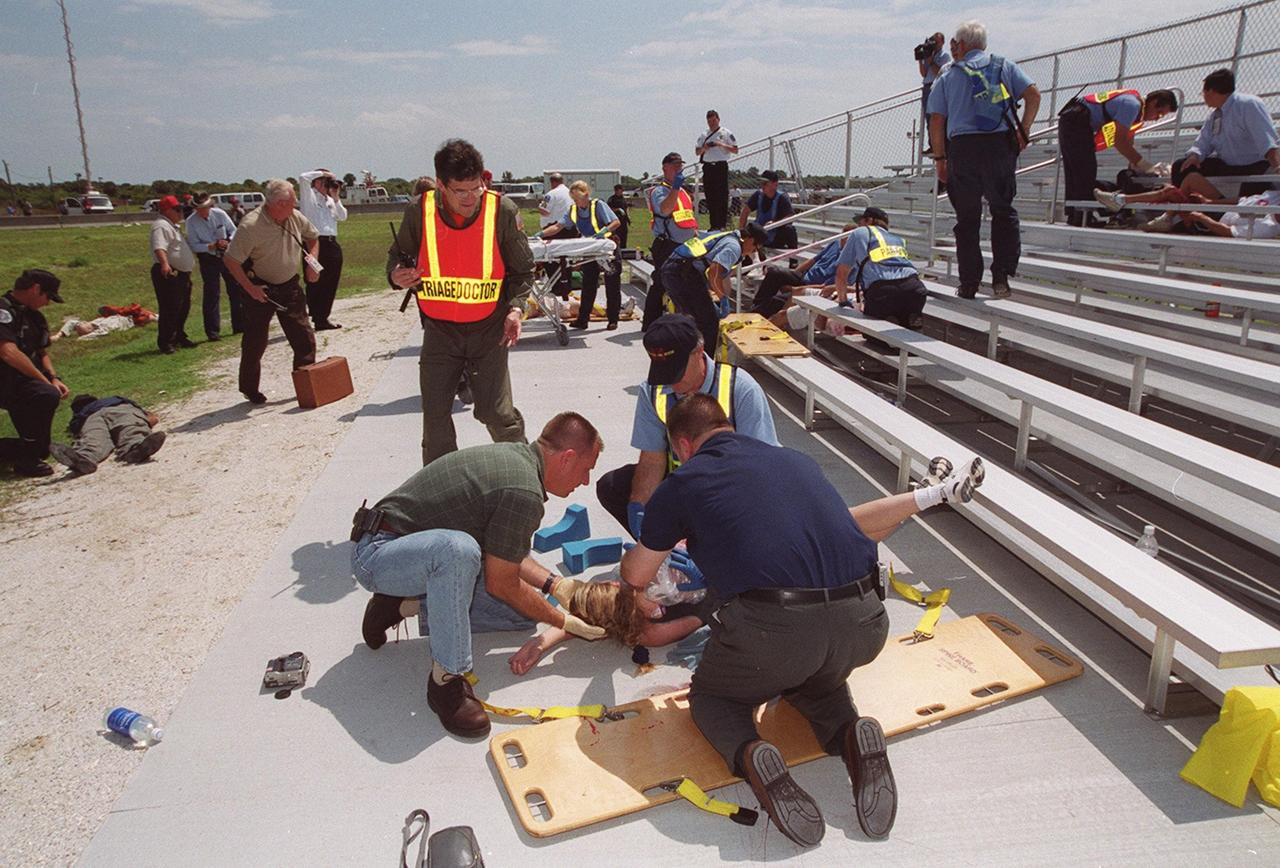
KENNEDY SPACE CENTER, FLA. -- During a staged mass casualty exercise in the Launch Complex 39 area, security and medical personnel take care of a “victim” on the ground by the bleachers. Employees are playing roles in the fictitious sniper attack that is being staged to validate capabilities of KSC’s fire, medical, helicopter transport and security personnel to respond to such an event

KENNEDY SPACE CENTER, FLA. -- During a staged mass casualty exercise in the Launch Complex 39 area, security and medical personnel take care of a “victim” on the ground by the bleachers. Employees are playing roles in the fictitious sniper attack that is being staged to validate capabilities of KSC’s fire, medical, helicopter transport and security personnel to respond to such an event

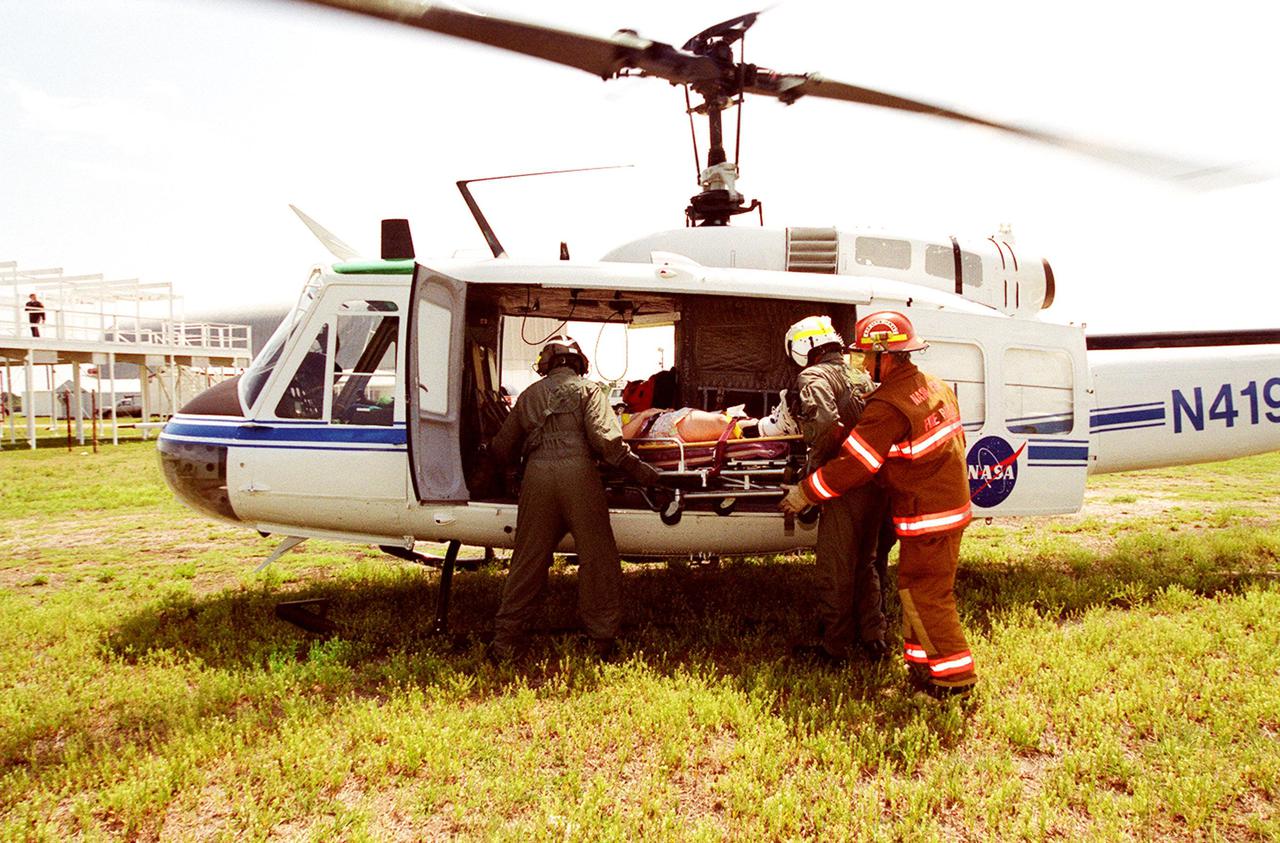
KENNEDY SPACE CENTER, FLA. -- Rescue personnel place a “victim” in a medevac helicopter during a staged mass casualty exercise in the Launch Complex 39 area. Employees are playing roles in the fictitious sniper attack that is being staged to validate capabilities of KSC’s fire, medical, helicopter transport and security personnel to respond to such an event

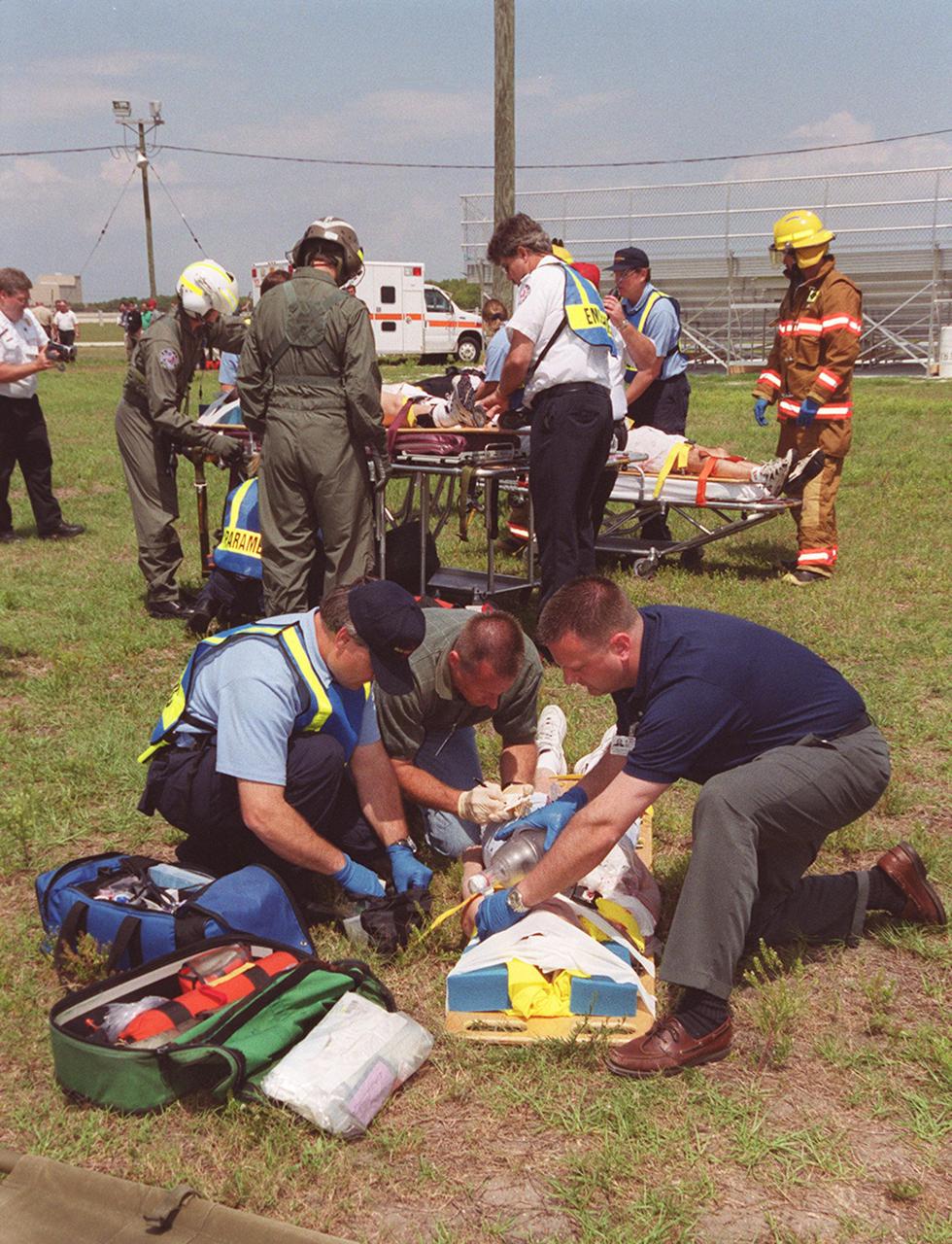
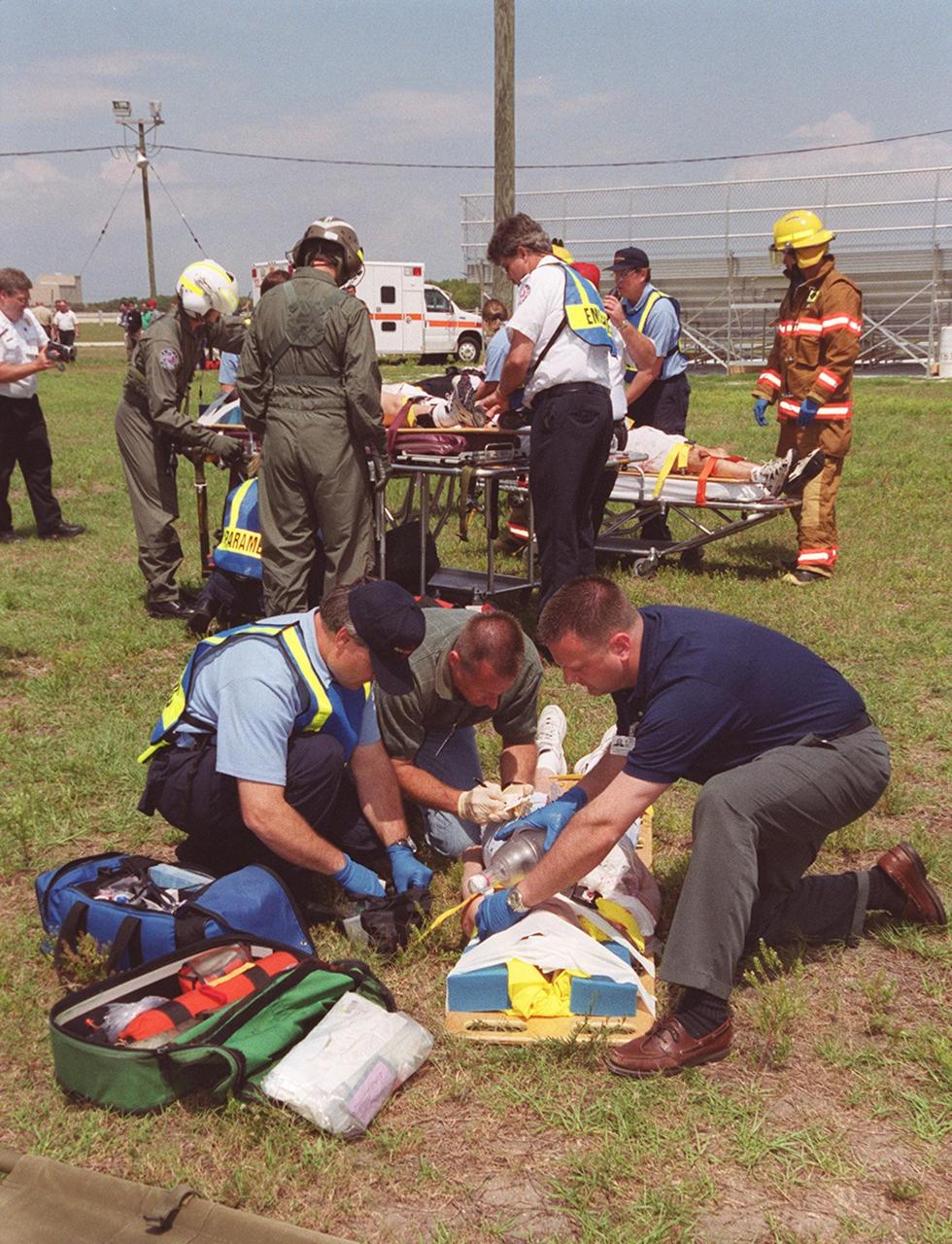
KENNEDY SPACE CENTER, FLA. -- Medical, paramedic and other personnel attend to role-playing “victims” on the grass in the Launch Complex 39 area. It is the site of a staged mass casualty exercise designed to validate capabilities of KSC’s fire, medical, helicopter transport and security personnel to respond to an event such as this fictitious sniper attack

KENNEDY SPACE CENTER, FLA. -- Medical, paramedic and other personnel attend to role-playing “victims” on the grass in the Launch Complex 39 area. It is the site of a staged mass casualty exercise designed to validate capabilities of KSC’s fire, medical, helicopter transport and security personnel to respond to an event such as this fictitious sniper attack

JSC2000-E-22733 (10 September 2000) --- Marc Ferring, an ISS flight director, monitors closely the rendezvous and docking operations of the International Space Station and the Space Shuttle Atlantis.

S73-30856 (29 June 1973) --- John Boyd observes a bag with two ?brackish water? minnows known as ?Mummichog Minnows? which will be onboard Skylab 3 with astronauts Alan L. Bean, Owen K. Garriott and Jack R. Lousma. The fish were added to the flight at the request of scientist-astronaut Dr. Owen K. Garriott, science pilot. Fifty eggs from the minnows will also be included in the bag. The objective of this experiment is to show what disorientation the fish will experience when exposed to weightlessness. Many fish have vestibular apparatus quite similar to man. Even though they live in an environment usually considered to resemble weightlessness, they do perceive a gravity vector. An aquarium of the minnows, caught off the coast of Beaufort, North Carolina, is in the background. Photo credit: NASA

STS130-S-023 (8 Feb. 2010) --- In Firing Room 4 in the Launch Control Center at NASA's Kennedy Space Center in Florida, NASA managers monitor the countdown of space shuttle Endeavour. From left are Janet Petro, Kennedy Space Center deputy director; Michael Coats, Johnson Space Center director (leaning back); John Shannon, Space Shuttle Program manager; Bill Gerstenmaier, associate administrator for Space Operations; and Chris Scolese, NASA associate administrator. Launch of Endeavour on the STS-130 mission to the International Space Station was at 4:14 a.m. (EST) on Feb. 8, 2010. This was the second launch attempt for Endeavour's STS-130 crew and the final scheduled space shuttle night launch. The first attempt on Feb. 7 was scrubbed due to unfavorable weather. The primary payload for the STS-130 mission to the International Space Station is the Tranquility node, a pressurized module that will provide additional room for crew members and many of the station's life support and environmental control systems. Attached to one end of Tranquility is the Cupola, a unique work area with six windows on its sides and one on top. The Cupola resembles a circular bay window and will provide a vastly improved view of the station's exterior. The multi-directional view will allow the crew to monitor spacewalks and docking operations, as well as provide a spectacular view of Earth and other celestial objects. The module was built in Turin, Italy, by Thales Alenia Space for the European Space Agency.

STS130-S-025 (8 Feb. 2010) --- From left, Mike Leinbach, shuttle launch director; Pete Nickolenko, assistant launch director; and Dana Hutcherson, flow director for space shuttle Endeavour, watch the liftoff of Endeavour through the windows of Firing Room 4 in the Launch Control Center at NASA's Kennedy Space Center in Florida. Launch of Endeavour on the STS-130 mission to the International Space Station was at 4:14 a.m. (EST) on Feb. 8, 2010. This was the second launch attempt for Endeavour's STS-130 crew and the final scheduled space shuttle night launch. The first attempt on Feb. 7 was scrubbed due to unfavorable weather. The primary payload for the STS-130 mission to the International Space Station is the Tranquility node, a pressurized module that will provide additional room for crew members and many of the station's life support and environmental control systems. Attached to one end of Tranquility is the Cupola, a unique work area with six windows on its sides and one on top. The Cupola resembles a circular bay window and will provide a vastly improved view of the station's exterior. The multi-directional view will allow the crew to monitor spacewalks and docking operations, as well as provide a spectacular view of Earth and other celestial objects. The module was built in Turin, Italy, by Thales Alenia Space for the European Space Agency.

MSFC Director Todd May, (green hard hat), poses with FBI Associate Deputy Director Paul Abbate, (4th from right), and agents atop SLS Test Stand 4693 with view toward land being cleared for FBI complex.

S77-22549 --- Dr. Farouk El-Baz (left), a scientist, chats with other participants of the Eighth Annual Lunar Science Conference.

STS130-S-021 (8 Feb. 2010) --- In Firing Room 4 in the Launch Control Center at NASA's Kennedy Space Center in Florida, from left, Johnson Space Center Director Michael L. Coats, NASA Administrator Charles Bolden and Kennedy Space Center Director Robert Cabana find a few minutes to talk before the launch of space shuttle Endeavour. Launch of Endeavour on the STS-130 mission to the International Space Station was at 4:14 a.m. (EST) on Feb. 8, 2010. This was the second launch attempt for Endeavour's STS-130 crew and the final scheduled space shuttle night launch. The first attempt on Feb. 7 was scrubbed due to unfavorable weather. The primary payload for the STS-130 mission to the International Space Station is the Tranquility node, a pressurized module that will provide additional room for crew members and many of the station's life support and environmental control systems. Attached to one end of Tranquility is the Cupola, a unique work area with six windows on its sides and one on top. The Cupola resembles a circular bay window and will provide a vastly improved view of the station's exterior. The multi-directional view will allow the crew to monitor spacewalks and docking operations, as well as provide a spectacular view of Earth and other celestial objects. The module was built in Turin, Italy, by Thales Alenia Space for the European Space Agency. Photo credit: NASA

MSFC Director Todd May and FBI Associate Deputy Director Paul Abbate pose atop SLS Test Stand 4693 with historic TTB test stand in background

MSFC Director Todd May presents token to FBI Associate Deputy Director Paul Abbate atop SLS Test Stand 4693

S73-34103 (1973) --- Wearing special germ-free clothing, Dr. Robert R. Gilruth, right, inspects lunar samples collected during the Apollo 17 mission, NASA's final Apollo flight.

JSC2000-E-22726 (10 Sept. 2000) --- From his console in Houston's Mission Control Center (MCC), lead Flight Director Phil Engelauf intently watches a monitor during the rendezvous operations between the Space Shuttle Atlantis and the International Space Station in Earth orbit. Partially visible in the background are astronauts Gerhard P.J. Thiele and Chris A. Hadfield, at the Spacecraft Communicator (CAPCOM) console.

Sarah Manning, an aerospace engineer at NASA’s Johnson Space Center, is part of a team that operates “Sasquatch,” an important software tool created specifically for the agency’s Orion spacecraft. Sasquatch will be used to predict large footprints of the various debris that will be released from Orion before splashdown into the Pacific Ocean. The Landing and Recovery team, based out of Exploration Ground Systems at Kennedy Space Center in Florida, will be aboard a Navy ship, ready to retrieve Orion and some of the intentionally released debris.

STS130-S-024 (8 Feb. 2010) --- NASA managers watch the liftoff of space shuttle Endeavour through the windows of Firing Room 4 in the Launch Control Center at NASA's Kennedy Space Center in Florida. Launch of Endeavour on the STS-130 mission to the International Space Station was at 4:14 a.m. (EST) on Feb. 8, 2010. This was the second launch attempt for Endeavour's STS-130 crew and the final scheduled space shuttle night launch. The first attempt on Feb. 7 was scrubbed due to unfavorable weather. The primary payload for the STS-130 mission to the International Space Station is the Tranquility node, a pressurized module that will provide additional room for crew members and many of the station's life support and environmental control systems. Attached to one end of Tranquility is the Cupola, a unique work area with six windows on its sides and one on top. The Cupola resembles a circular bay window and will provide a vastly improved view of the station's exterior. The multi-directional view will allow the crew to monitor spacewalks and docking operations, as well as provide a spectacular view of Earth and other celestial objects. The module was built in Turin, Italy, by Thales Alenia Space for the European Space Agency.

Senior Airman Kyle Boyes of the U.S. Air Force’s 45th Weather Squadron out of Patrick Air Force Base in Florida releases a weather balloon during Underway Recovery Test-8 in the Pacific Ocean in March 2020. Winds data gathered from weather balloons will help inform the course of the U.S. Navy ship carrying NASA’s Landing and Recovery team based out of Exploration Ground Systems at Kennedy Space Center, as it heads to where Orion will splash down following Artemis missions.

JSC2000-E-22723 (10 September 2000) --- Rob Navias, at the Public Affairs Officer (PAO) console in Houston's Mission Control Center, describes the docking of the Space Shuttle Atlantis and the International Space Station (ISS).

S65-20428 (23 March 1965) --- Astronaut John W. Young (center), pilot of the Gemini-Titan 3 flight, is shown during a steak breakfast which he was served about two hours prior to the 9:24 a.m. (EST) GT-3 launch. At left is J.S. McDonnell, board chairman and Chief Executive Officer of the McDonnell Aircraft Corporation. Dr. Charles A. Berry, chief of Center Medical Programs, is at right.

JSC2000-E-22725 (10 September 2000) --- The Spacecraft Communicator (CAPCOM) console in Houston's Mission Control Center (MCC) has an international flavor in this scene, photographed during the docking of the Space Shuttle Atlantis and the International Space Station (ISS). From the left are astronauts Robert B. Thirsk, Gerhard P.J. Thiele and Chris A. Hadfield. Thirsk and Hadfield represent the Canadian Space Agency (CSA), while Thiele is with the European Space Agency (ESA).

STS130-S-022 (8 Feb. 2010) --- In Firing Room 4 in the Launch Control Center at NASA's Kennedy Space Center in Florida, from top, Mike Leinbach, shuttle launch director; Pete Nickolenko, assistant launch director; and Dana Hutcherson, flow director for space shuttle Endeavour, manage the countdown to liftoff of Endeavour. Launch of Endeavour on the STS-130 mission to the International Space Station was at 4:14 a.m. (EST) on Feb. 8, 2010. This was the second launch attempt for Endeavour's STS-130 crew and the final scheduled space shuttle night launch. The first attempt on Feb. 7 was scrubbed due to unfavorable weather. The primary payload for the STS-130 mission to the International Space Station is the Tranquility node, a pressurized module that will provide additional room for crew members and many of the station's life support and environmental control systems. Attached to one end of Tranquility is the Cupola, a unique work area with six windows on its sides and one on top. The Cupola resembles a circular bay window and will provide a vastly improved view of the station's exterior. The multi-directional view will allow the crew to monitor spacewalks and docking operations, as well as provide a spectacular view of Earth and other celestial objects. The module was built in Turin, Italy, by Thales Alenia Space for the European Space Agency.

Life Sceince Division Facilities, Labs and Personnel (Code-SL) Nancy Daunton