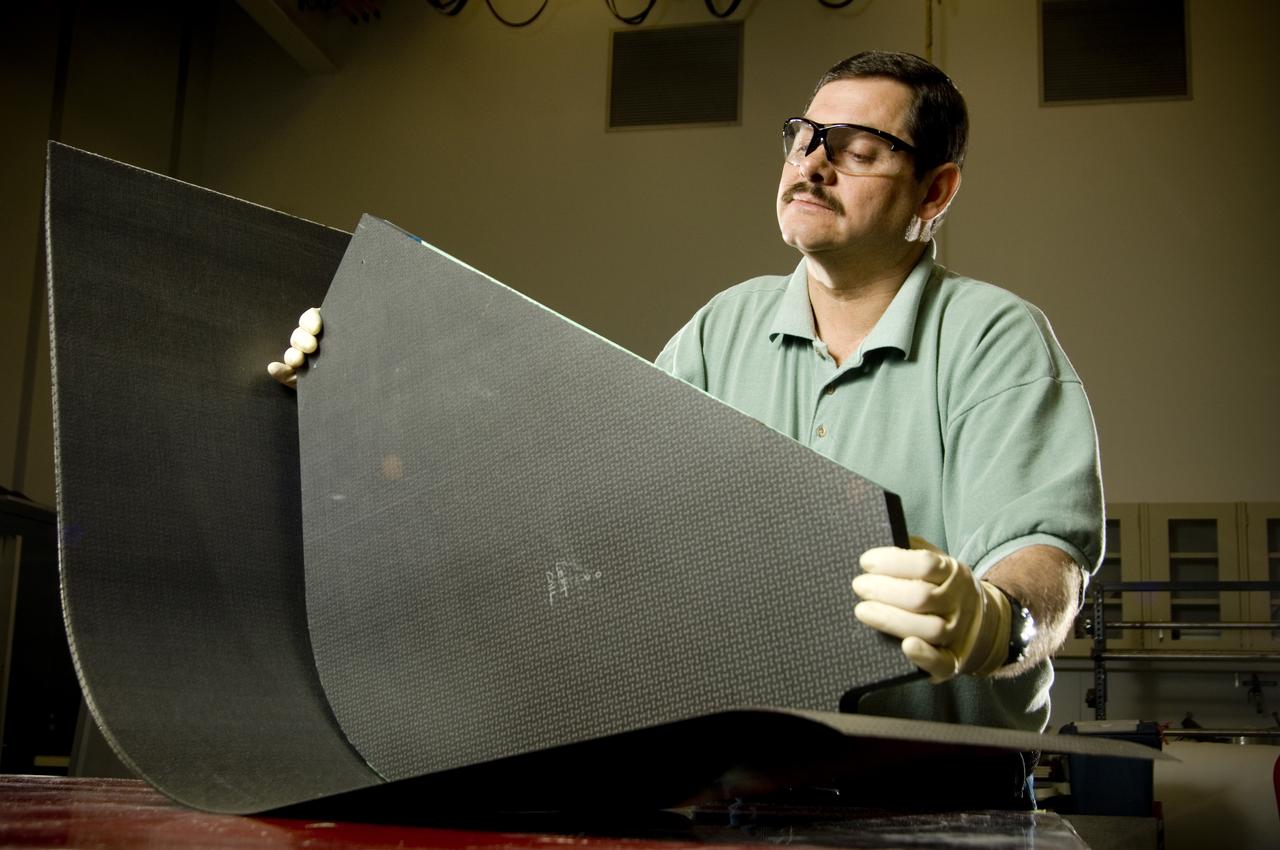
PHILLIP THOMPSON (ENGINEERING TECHNICIAN, ATK LS) ASSEMBLES A COMPOSITE
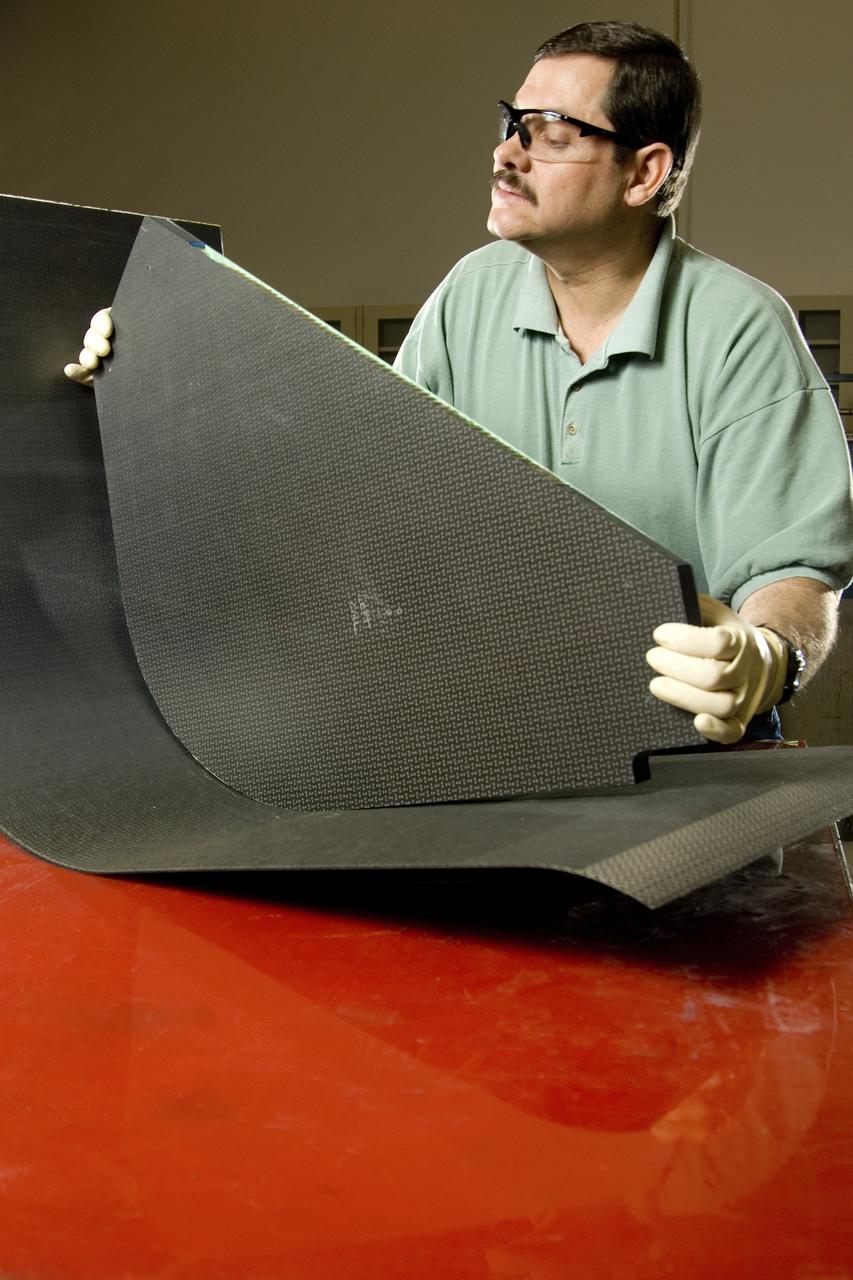
PHILLIP THOMPSON (ENGINEERING TECHNICIAN, ATK LS) ASSEMBLES A COMPOSITE
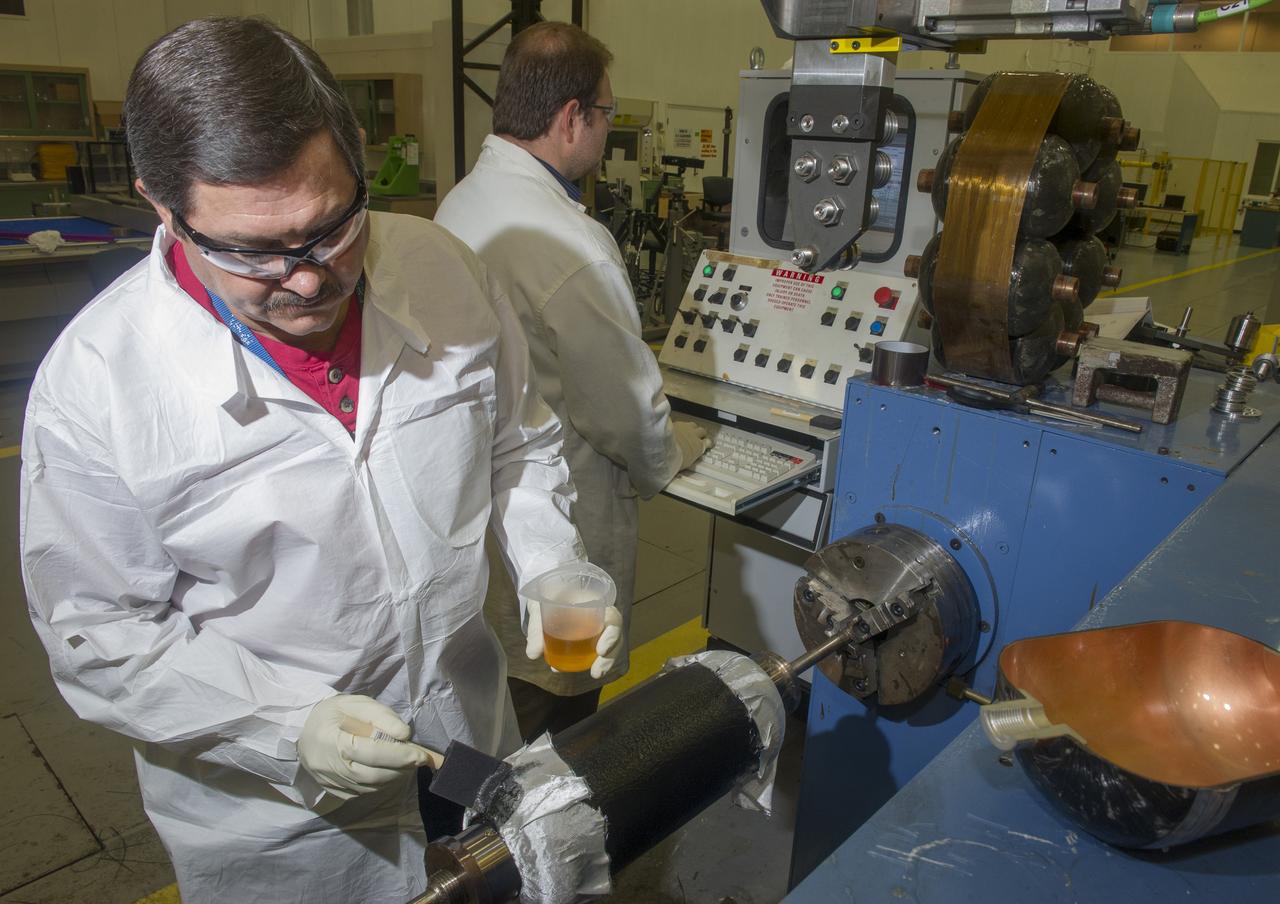
PHILLIP THOMPSON APPLIES EPOXY RESIN TO BURST TEST ARTICLE
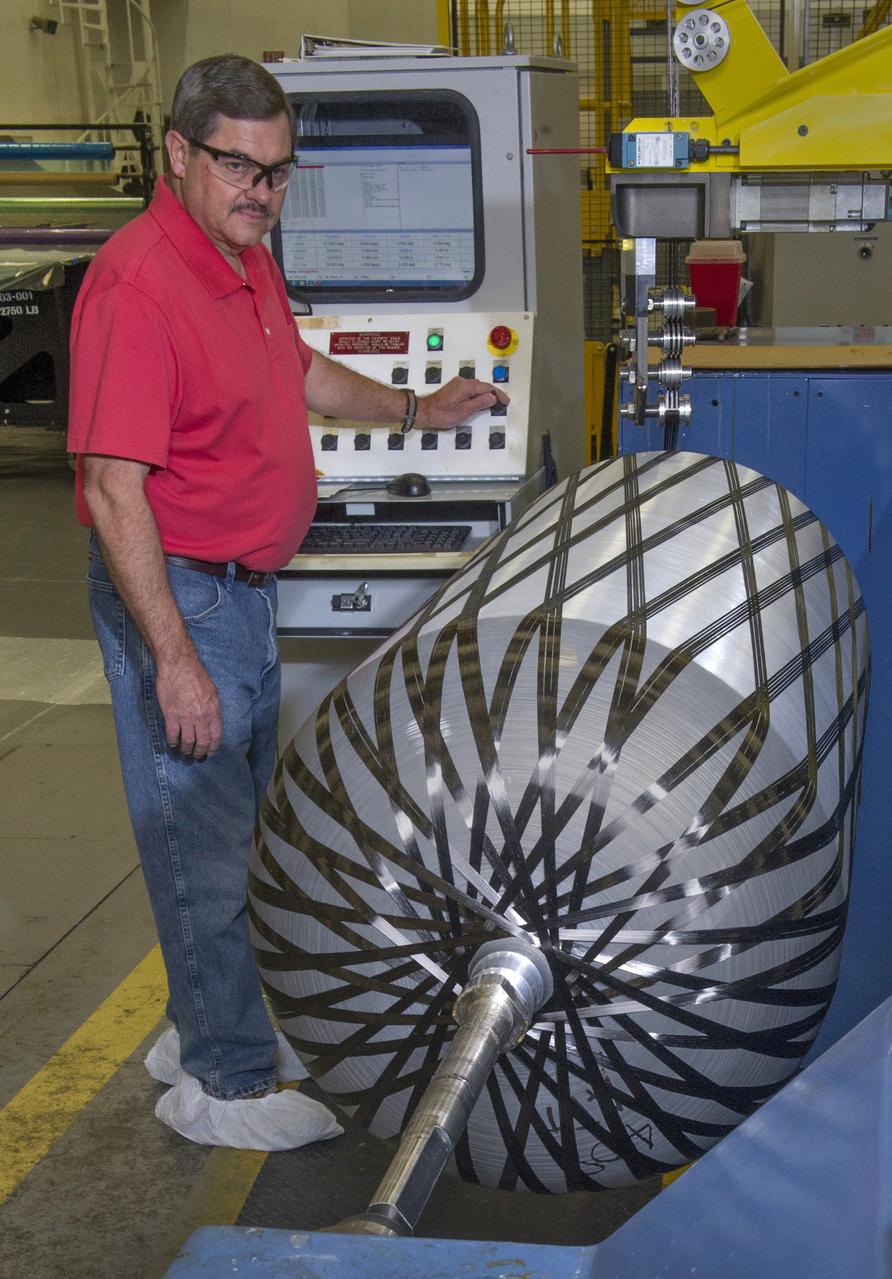
PHILLIP THOMPSON WRAPS PRESSURE VESSEL WITH COMPOSITE MATERIAL
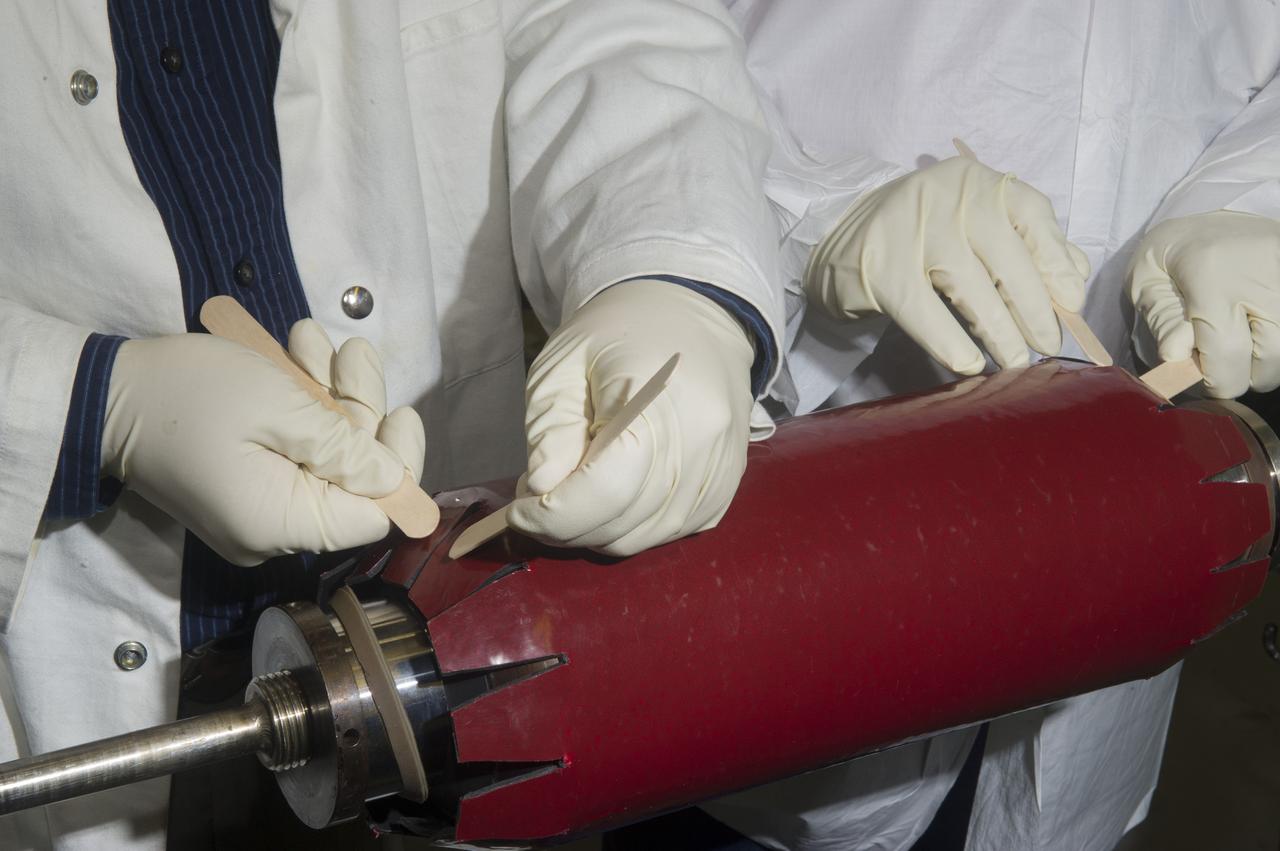
MATERIALS ENGINEER CHAD HASTINGS AND ENGINEERING TECHNICIAN PHILLIP THOMPSON LAYING UP RUBBER INSULATION ON BURST TEST ARTICLE
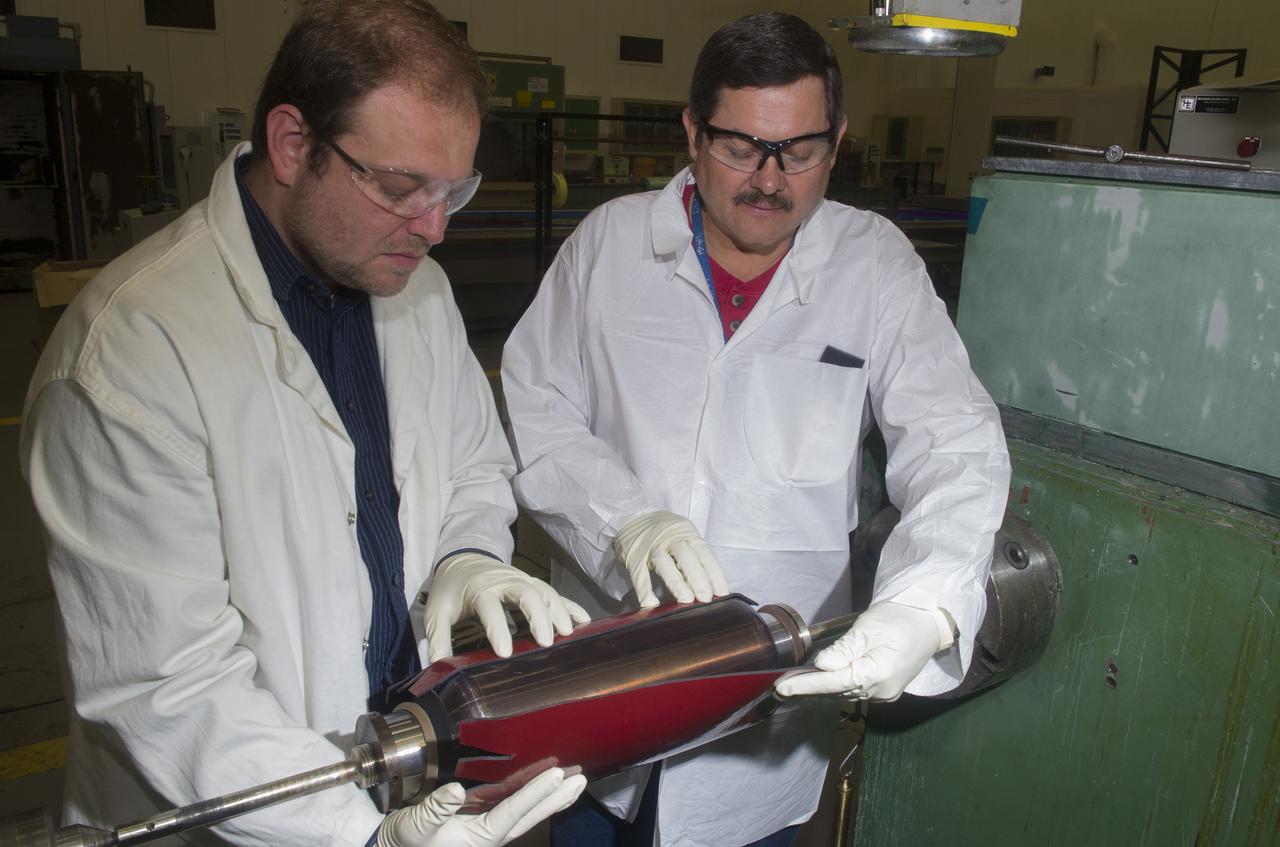
MATERIALS ENGINEER CHAD HASTINGS AND ENGINEERING TECHNICIAN PHILLIP THOMPSON LAYING UP RUBBER INSULATION ON BURST TEST ARTICLE
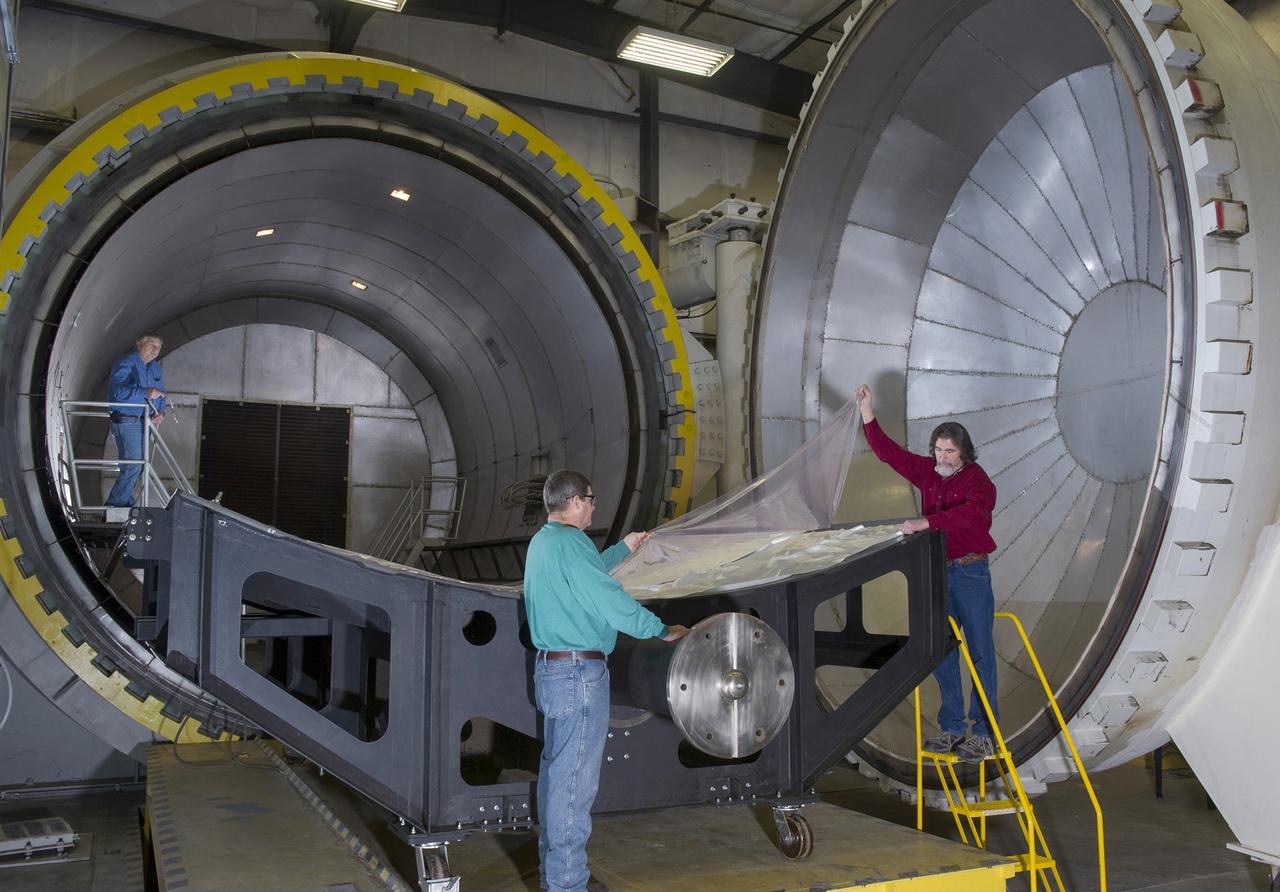
JAMES NEWTON, LEFT, PHILLIP THOMPSON, CENTER, AND DAVID LAWRENCE, RIGHT PREPARE COMPOSITE TOOL FOR CURE IN 18' X 20' AUTOCLAVE IN BUILDING 4707
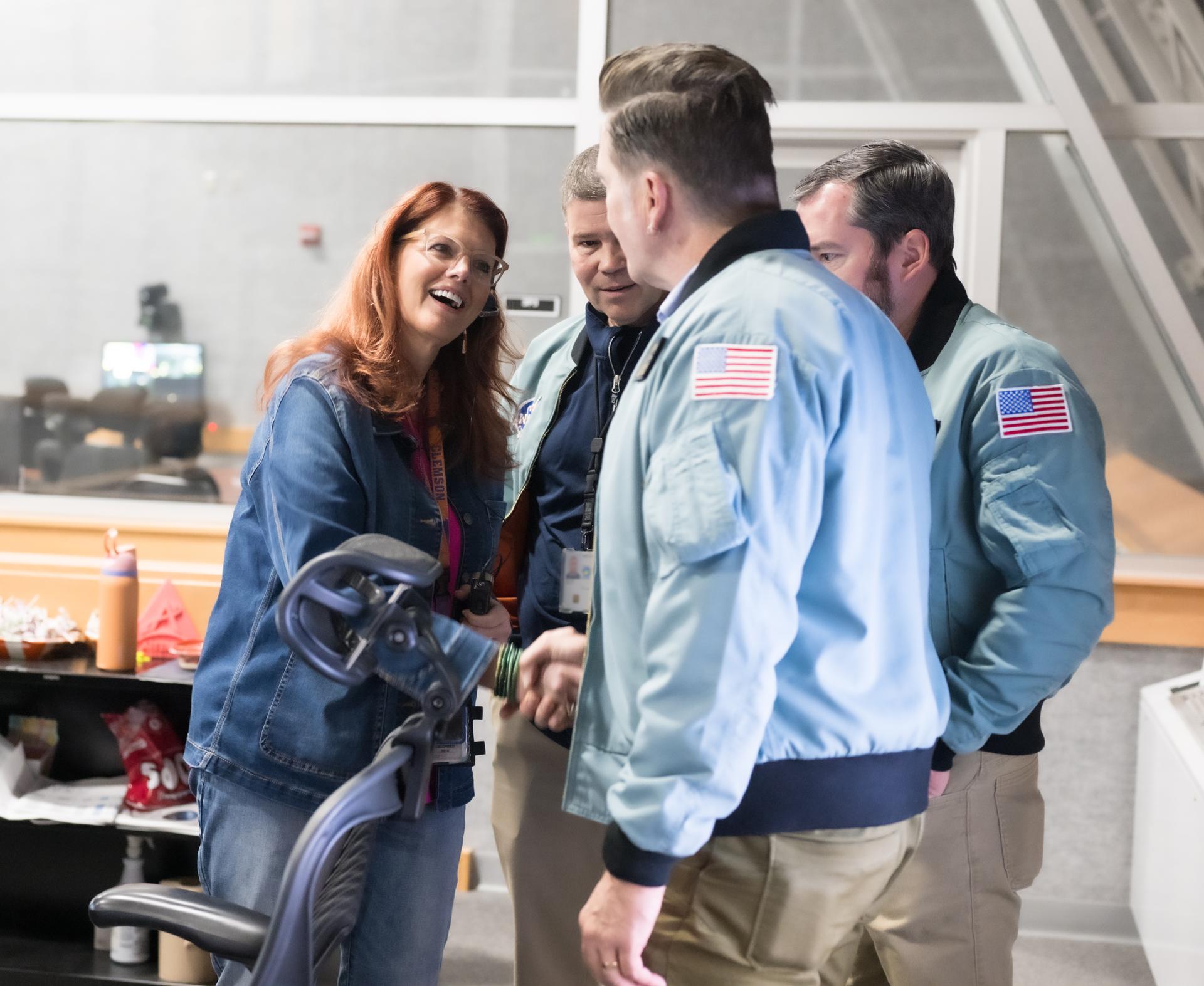
Charlie Blackwell-Thompson, Artemis II launch director at NASA's Kennedy Space Center greets Space Launch Systems (SLS) Chief Engineer John Blevins, second from left, SLS Deputy Chief Engineer Phillip Allen, center, and Engineering Advisor to the NASA Associate Administrator Adam Steltzner, right, in Firing Room One of the Rocco A. Petrone Launch Control Center as NASA’s Artemis II Space Launch System (SLS) rocket and Orion spacecraft, secured to the mobile launcher, roll out of High Bay 3 of the Vehicle Assembly Building to Launch Complex 39B, Saturday, Jan. 17, 2026, at NASA’s Kennedy Space Center in Florida. NASA’s Artemis II test flight will take Commander Reid Wiseman, Pilot Victor Glover, and Mission Specialist Christina Koch from NASA, and Mission Specialist Jeremy Hansen from the CSA (Canadian Space Agency), around the Moon and back to Earth no later than April 2026. Photo Credit: (NASA/Aubrey Gemignani) Portions of this image have been blurred for security reasons.

CAPE CANAVERAL, Fla. – NASA Goddard Space Flight Center scientists for the Solar Dynamics Observatory watch its launch from the Banana Creek viewing site at NASA's Kennedy Space Center in Florida. From left are Barbara Thompson, deputy project scientist; Dean Pesnell, project scientist; and Phillip Chamberlin, also a deputy project scientist. Liftoff from Launch Complex 41 on Cape Canaveral Air Force Station aboard a United Launch Alliance Atlas V rocket was at 10:23 a.m. EST Feb. 11. This is the 100th launch of a commercial Atlas_Centaur rocket. The observatory, known as SDO, is the first mission in NASA's Living With a Star Program and is designed to study the causes of solar variability and its impacts on Earth. The spacecraft's long-term measurements will give solar scientists in-depth information to help characterize the interior of the Sun, the Sun's magnetic field, the hot plasma of the solar corona, and the density of radiation that creates the ionosphere of the planets. The information will be used to create better forecasts of space weather needed to protect the aircraft, satellites and astronauts living and working in space. For information on SDO, visit http:__www.nasa.gov_sdo. Photo credit: NASA_Kim Shiflett