Just as Planned!
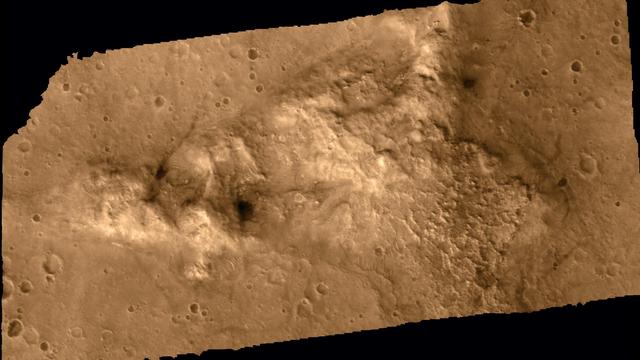
Spirit Plan for Columbia Hills
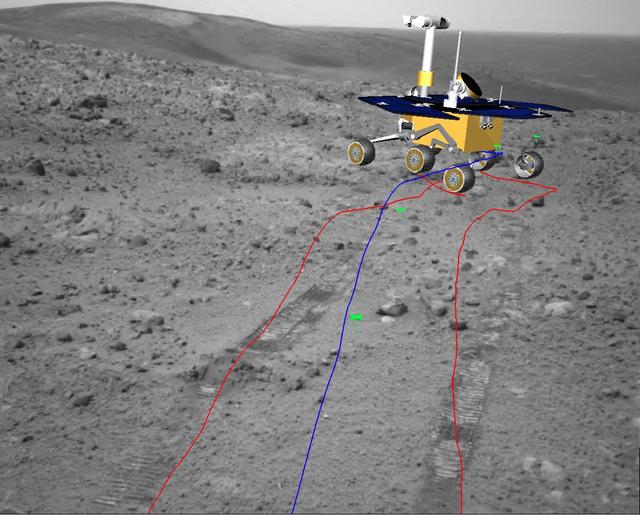
Simulated View for Rover Activity Planning
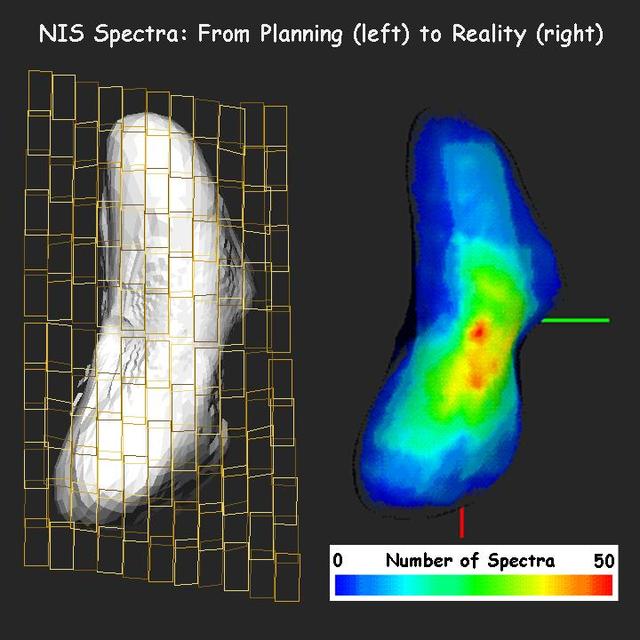
NEAR: From Planning to Data Analysis
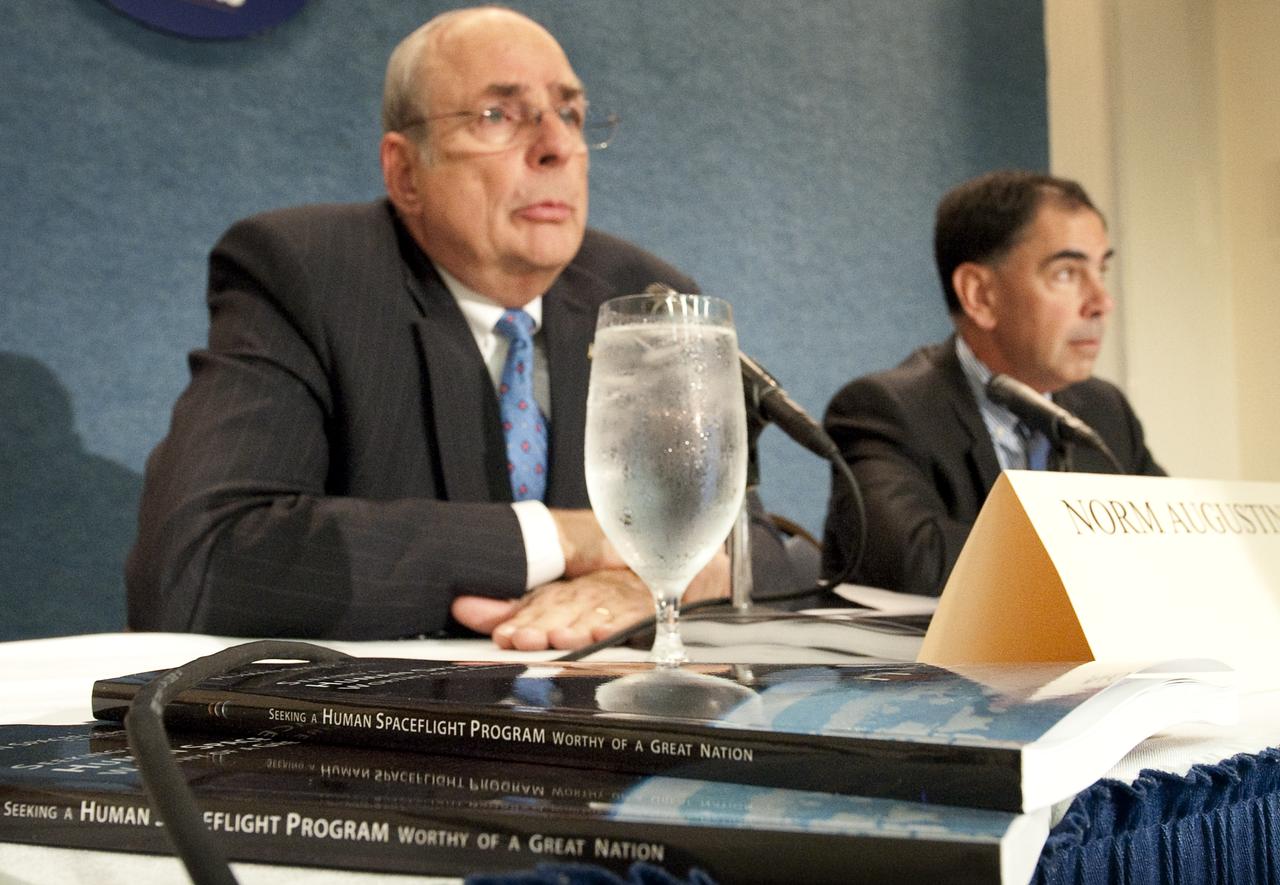
Copies of the U.S. Human Space Flight Plans Committee report are seen in the foreground of Chairman of the U.S. Human Space Flight Plans Committee Norman Augustine, left, and committee member Ed Crawley, right, during a press conference where the committee released it's report on Thursday, Oct., 22, 2009 at the National Press Club in Washington. The Obama Administration tasked the committee to do an independent review of planned U.S. human space flight activities with the goal of ensuring that the nation is on a vigorous and sustainable path to achieving its boldest aspirations in space. Photo Credit: (NASA/Bill Ingalls)

U.S. Human Space Flight Plans Committee member Ed Crawley answers a reporter's question during a press conference where the committee released it's report on Thursday, Oct., 22, 2009 at the National Press Club in Washington. The Obama Administration tasked the committee to do an independent review of planned U.S. human space flight activities with the goal of ensuring that the nation is on a vigorous and sustainable path to achieving its boldest aspirations in space. Photo Credit: (NASA/Bill Ingalls)

Copies of the U.S. Human Space Flight Plans Committee report are seen at a press conference where the committee released it's report findings on Thursday, Oct., 22, 2009 at the National Press Club in Washington. The Obama Administration tasked the committee to do an independent review of planned U.S. human space flight activities with the goal of ensuring that the nation is on a vigorous and sustainable path to achieving its boldest aspirations in space. Photo Credit: (NASA/Bill Ingalls)

Chairman of the U.S. Human Space Flight Plans Committee Norman Augustine answers a reporters question during a press conference where the committee released it's report on Thursday, Oct., 22, 2009 at the National Press Club in Washington. The Obama Administration tasked the committee to do an independent review of planned U.S. human space flight activities with the goal of ensuring that the nation is on a vigorous and sustainable path to achieving its boldest aspirations in space. Photo Credit: (NASA/Bill Ingalls)
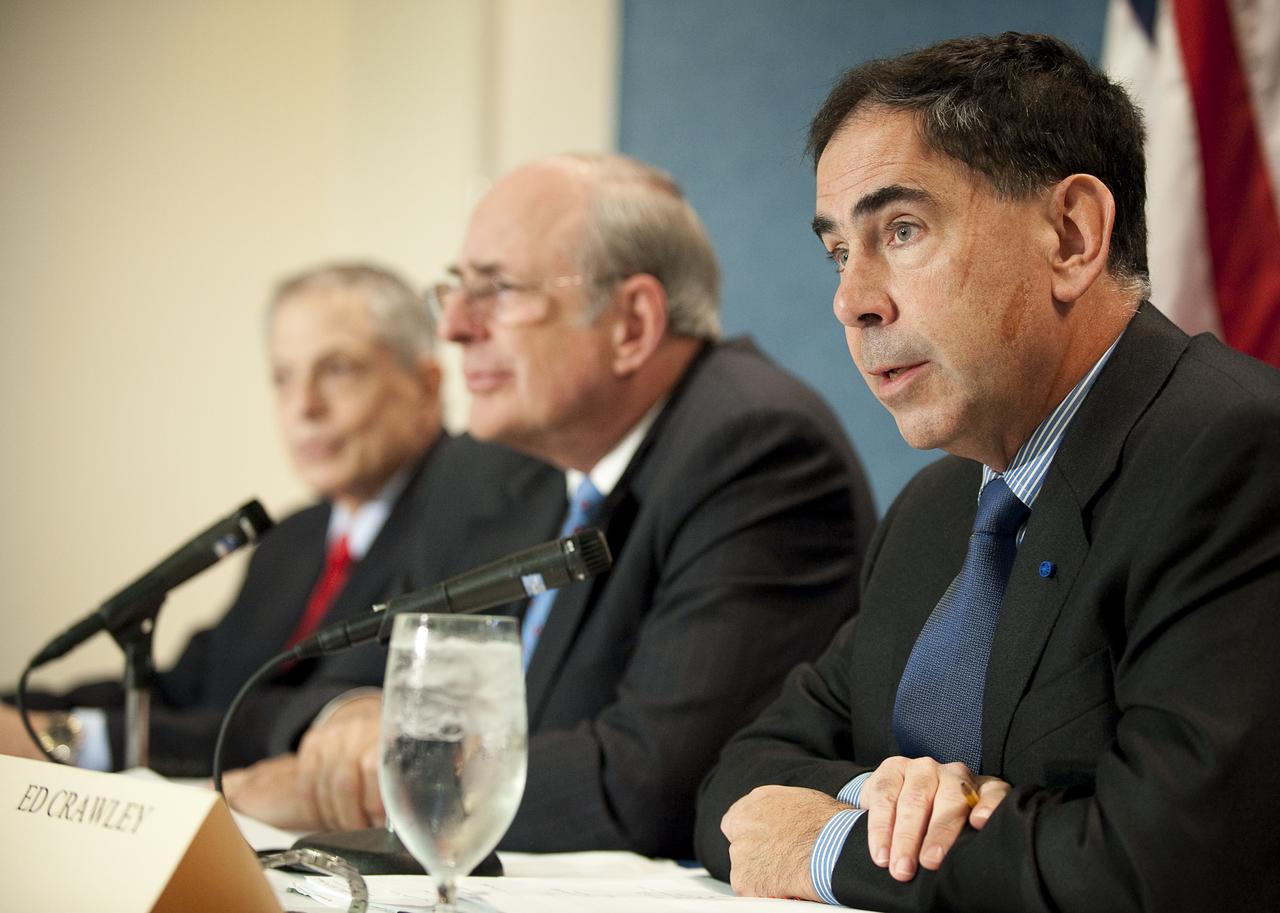
U.S. Human Space Flight Plans Committee member Ed Crawley, right, answers a reporter's question during a press conference where the committee released it's report on Thursday, Oct., 22, 2009 at the National Press Club in Washington. The Obama Administration tasked the committee to do an independent review of planned U.S. human space flight activities with the goal of ensuring that the nation is on a vigorous and sustainable path to achieving its boldest aspirations in space. Photo Credit: (NASA/Bill Ingalls)

Chairman of the U.S. Human Space Flight Plans Committee Norman Augustine, center, listens to reporters questions during a press conference where the committee released it's report on Thursday, Oct., 22, 2009 at the National Press Club in Washington. The Obama Administration tasked the committee to do an independent review of planned U.S. human space flight activities with the goal of ensuring that the nation is on a vigorous and sustainable path to achieving its boldest aspirations in space. Photo Credit: (NASA/Bill Ingalls)
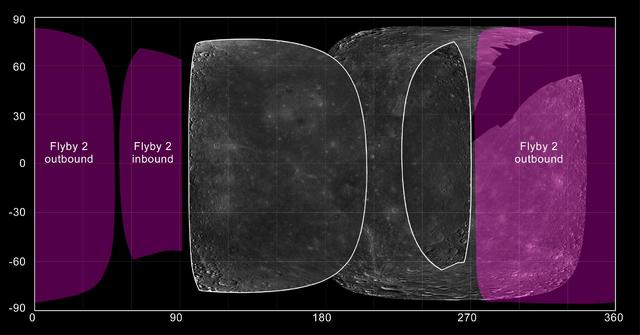
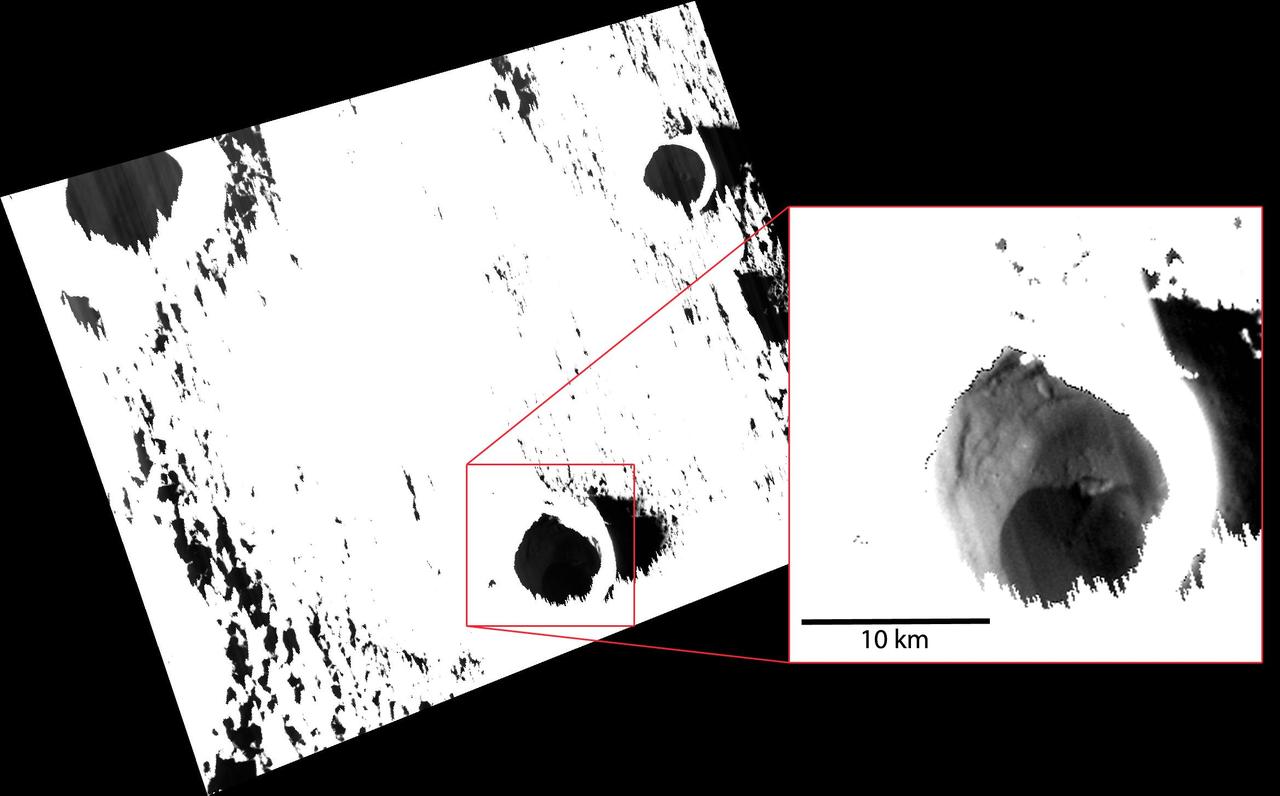
Imaging Plans for MESSENGER Second Mercury Flyby
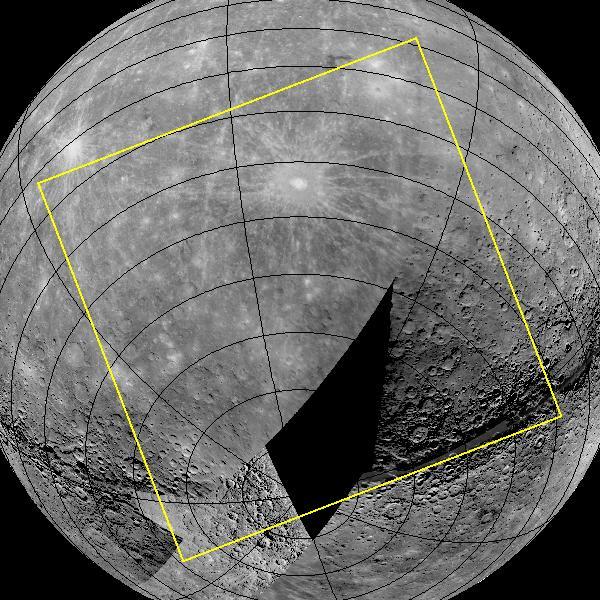
First Orbital Image Planned for March 29
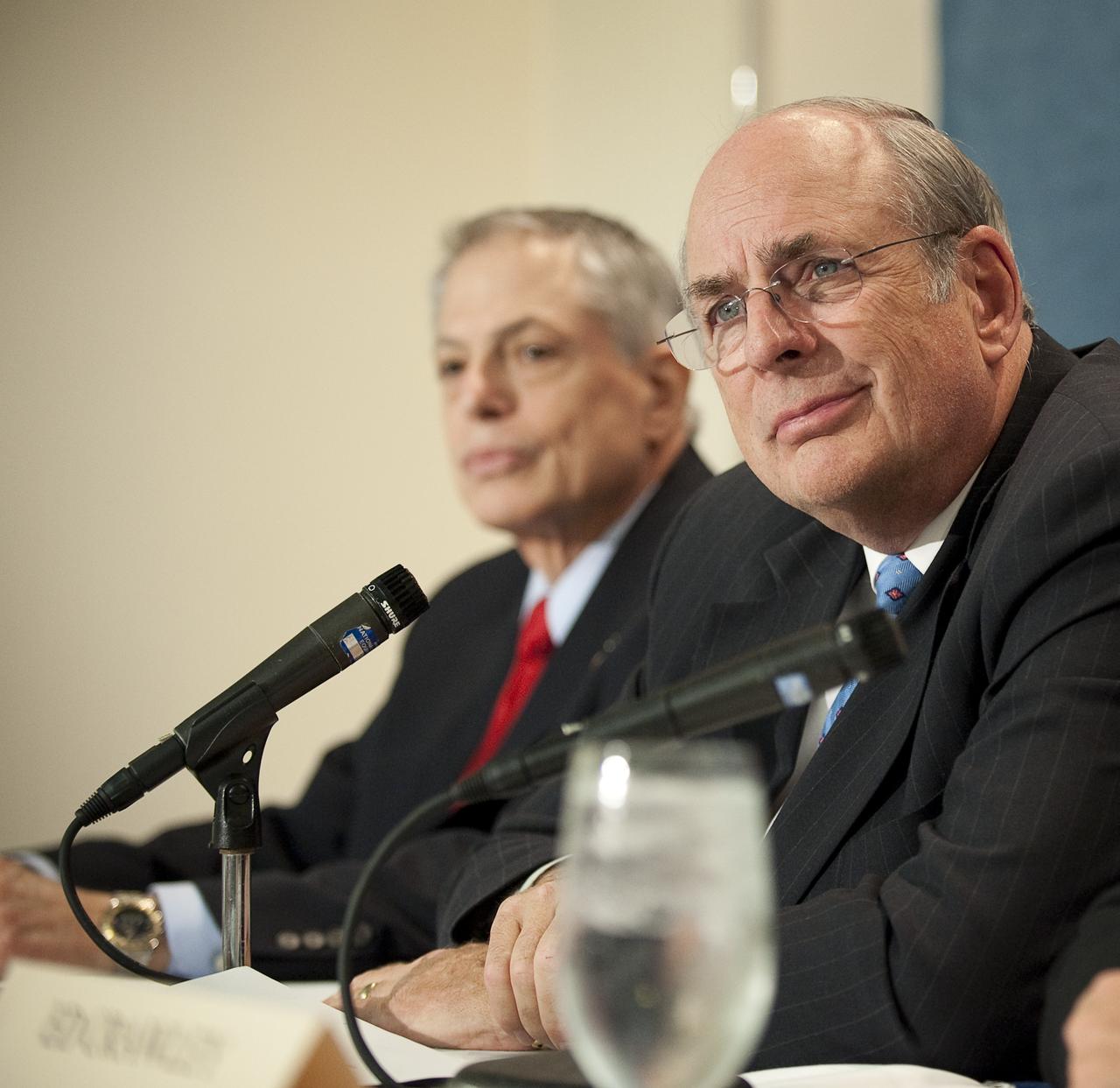
NASA Public Affairs Officer Doc Mirelson, left, and Chairman of the U.S. Human Space Flight Plans Committee Norman Augustine, right, listen to reporters questions during a press conference where the committee released it's report on Thursday, Oct., 22, 2009 at the National Press Club in Washington. The Obama Administration tasked the committee to do an independent review of planned U.S. human space flight activities with the goal of ensuring that the nation is on a vigorous and sustainable path to achieving its boldest aspirations in space. Photo Credit: (NASA/Bill Ingalls)

art002e016186 (April 6, 2026) – CSA (Canadian Space Agency) astronaut and Artemis II Mission Specialist Jeremy Hansen is seen working on his personal computing device during the Artemis II lunar flyby. The application seen on the screen is the Lunar Targeting Plan that guides them in the execution of the lunar science observation plan. This custom software was built by the crew lunar observations team, a subset of the Artemis II lunar science team. Hansen and his fellow crewmates spent approximately seven hours taking turns at the Orion windows capturing science data to share with their team back on Earth. At closest approach, they came within 4,067 miles of the Moon’s surface.
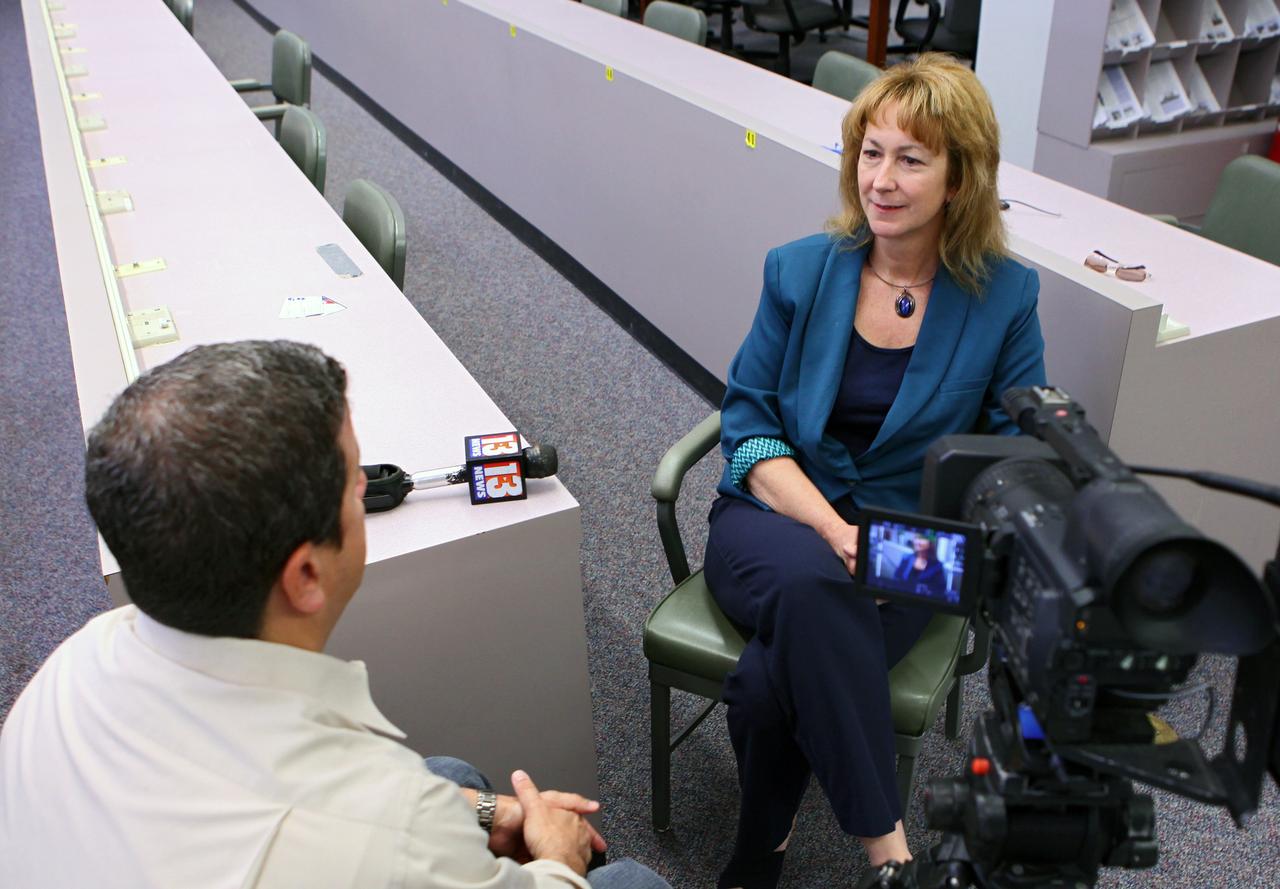
CAPE CANAVERAL, Fla. -- To start the new year, Joyce M. Riquelme from Kennedy's Center Planning and Development Office discusses the space center's direction with TV news reporter Greg Pallone of Channel 13 in Orlando.The office's purpose is to develop the world’s premier spaceport, meeting government and commercial space industry needs through comprehensive resource planning and the formation of partnerships to ensure the economic vitality of Kennedy Space Center. Photo credit: NASA/Kim Shiflett
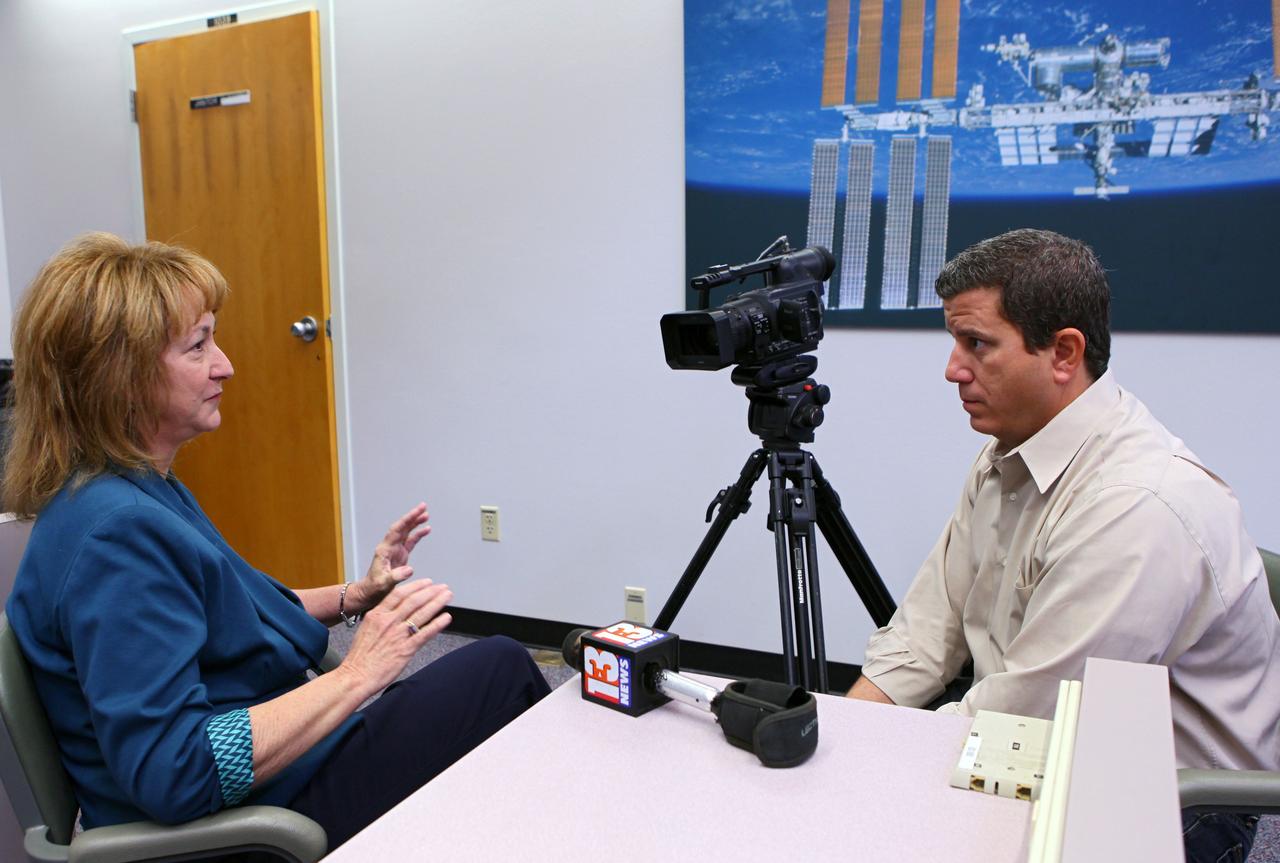
CAPE CANAVERAL, Fla. -- To start the new year, Joyce M. Riquelme from Kennedy's Center Planning and Development Office discusses the space center's direction with TV news reporter Greg Pallone of Channel 13 in Orlando.The office's purpose is to develop the world’s premier spaceport, meeting government and commercial space industry needs through comprehensive resource planning and the formation of partnerships to ensure the economic vitality of Kennedy Space Center. Photo credit: NASA/Kim Shiflett
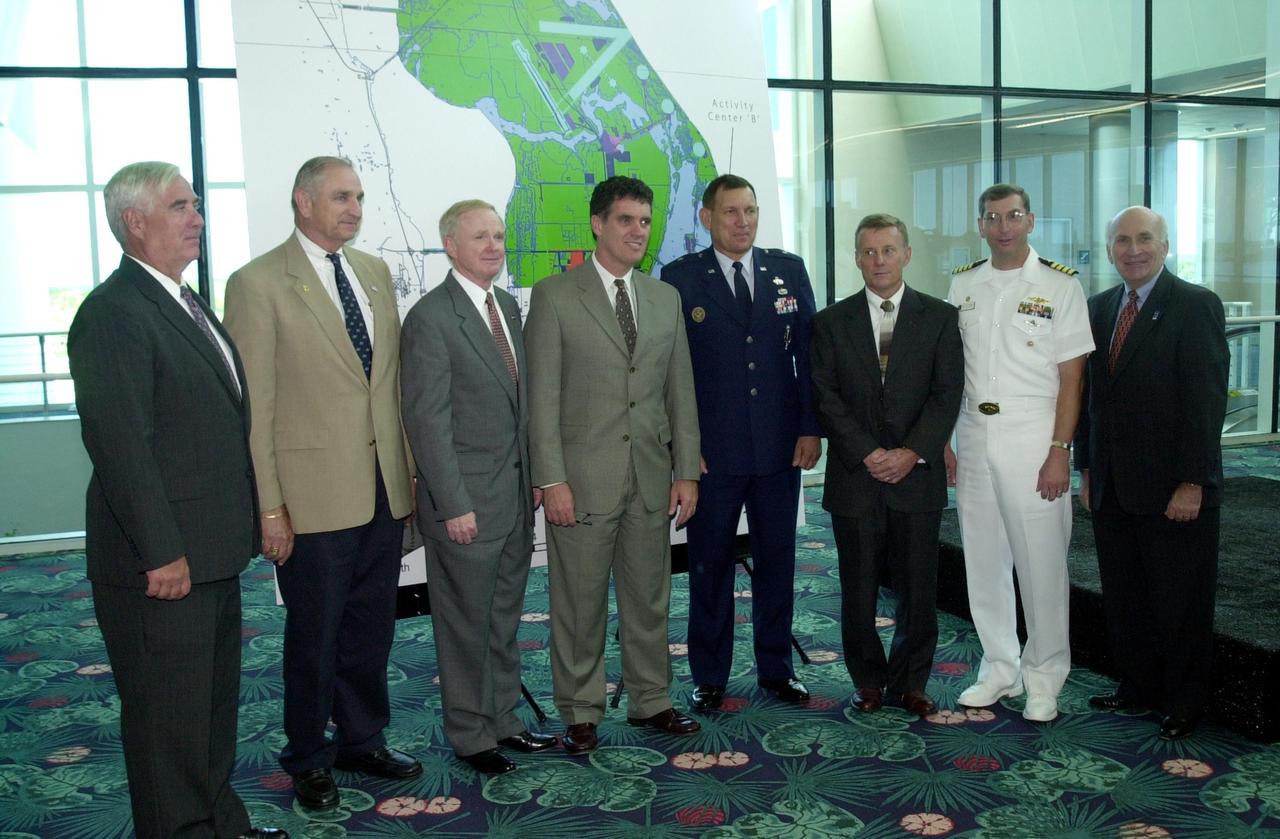
KENNEDY SPACE CENTER, FLA. -- Cape Canaveral Spaceport leaders gather after the master plan signing ceremony at Port Canaveral Terminal 10. From left are Canaveral National Seashore Superintendent Robert Newkirk, Canaveral Port Authority Executive Director Malcolm "Mac" McLouth, KSC Director Roy Bridges Jr., U.S. Rep. Dave Weldon, 45th Space Wing Commander Gregory Pavlovich, U.S. Fish & Wildlife Services Refuge Manager Ron Hight, Naval Ordnance Test Unit Commanding Officer William Borger, and Florida Space Authority Executive Director Ed Gormel. The plan represents interagency cooperation between the leadership group's agencies and the U.S. Fish and Wildlife Service, the National Park Service and U.S. Navy. Joining them in developing a vision of the Spaceport's future have been aerospace educators, researchers, and businesses, along with representatives from local, state and national government.
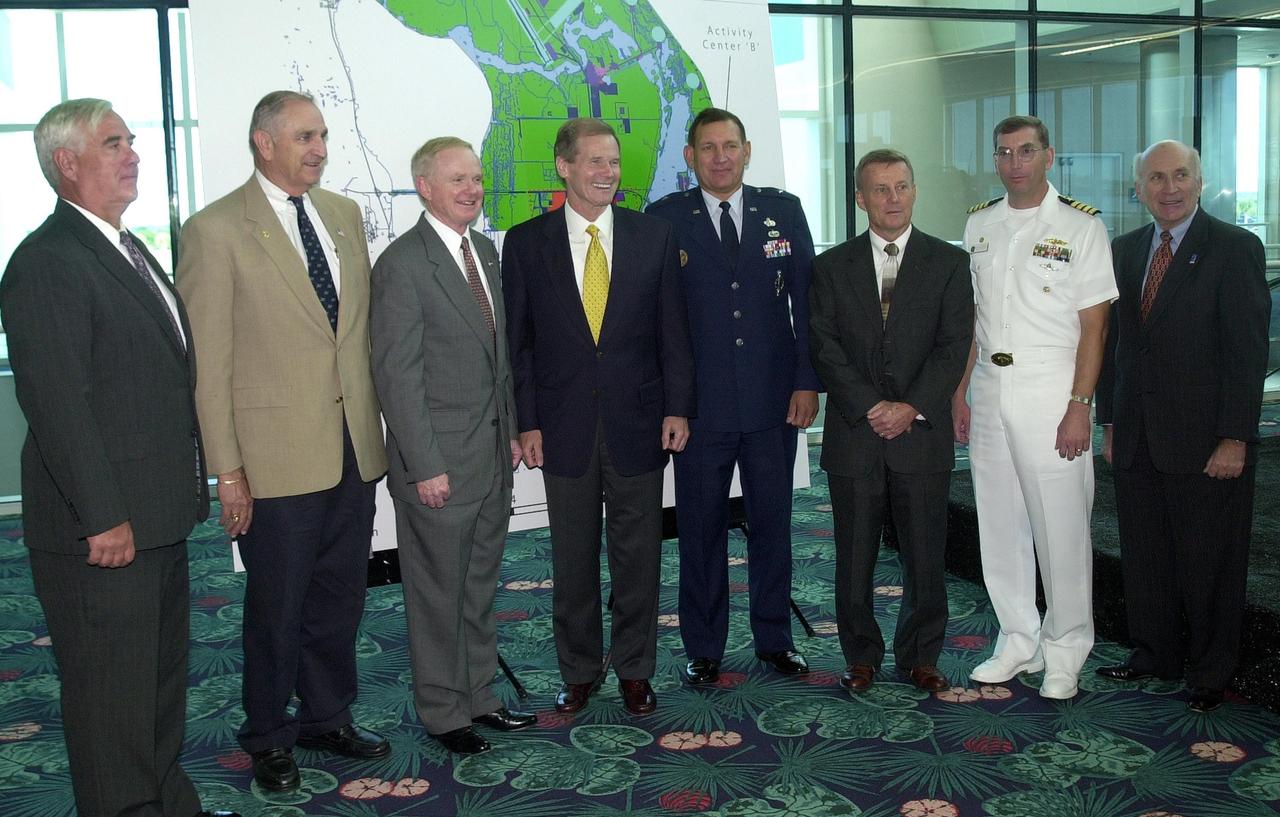
KENNEDY SPACE CENTER, FLA. -- Cape Canaveral Spaceport leaders gather after the master plan signing ceremony at Port Canaveral Terminal 10. From left are Canaveral National Seashore Superintendent Robert Newkirk, Canaveral Port Authority Executive Director Malcolm "Mac" McLouth, KSC Director Roy Bridges Jr., U.S. Sen. Bill Nelson, 45th Space Wing Commander Gregory Pavlovich, U.S. Fish & Wildlife Services Refuge Manager Ron Hight, Naval Ordnance Test Unit Commanding Officer William Borger, and Florida Space Authority Executive Director Ed Gormel. The plan represents interagency cooperation between the leadership group's agencies and the U.S. Fish and Wildlife Service, the National Park Service and U.S. Navy. Joining them in developing a vision of the Spaceport's future have been aerospace educators, researchers, and businesses, along with representatives from local, state and national government.
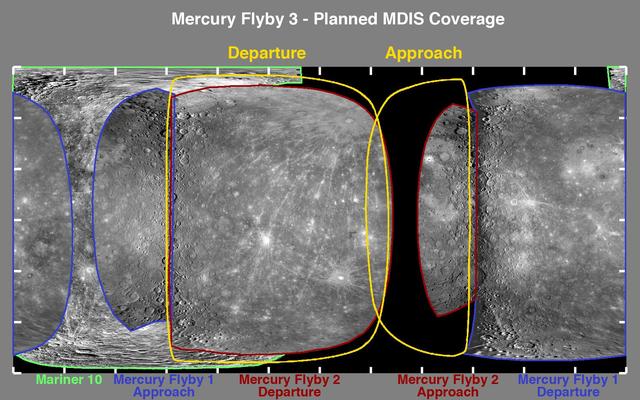
One Week to Mercury Flyby 3 - A Look at the Planned Imaging Coverage
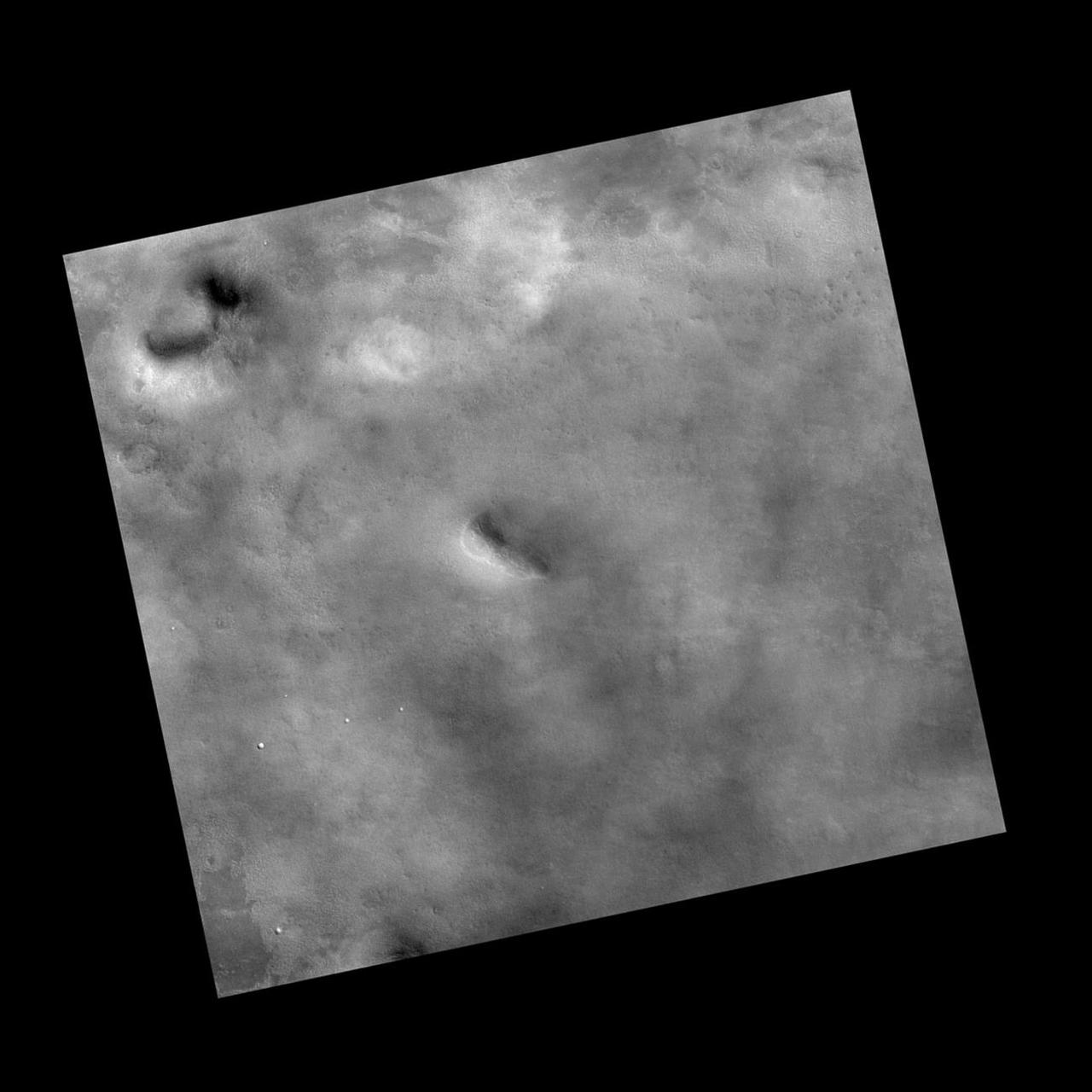
This view covers an area within the planned landing area for NASA Phoenix Mars Lander. It was taken by the Context Camera on NASA Mars Reconnaissance Orbiter.
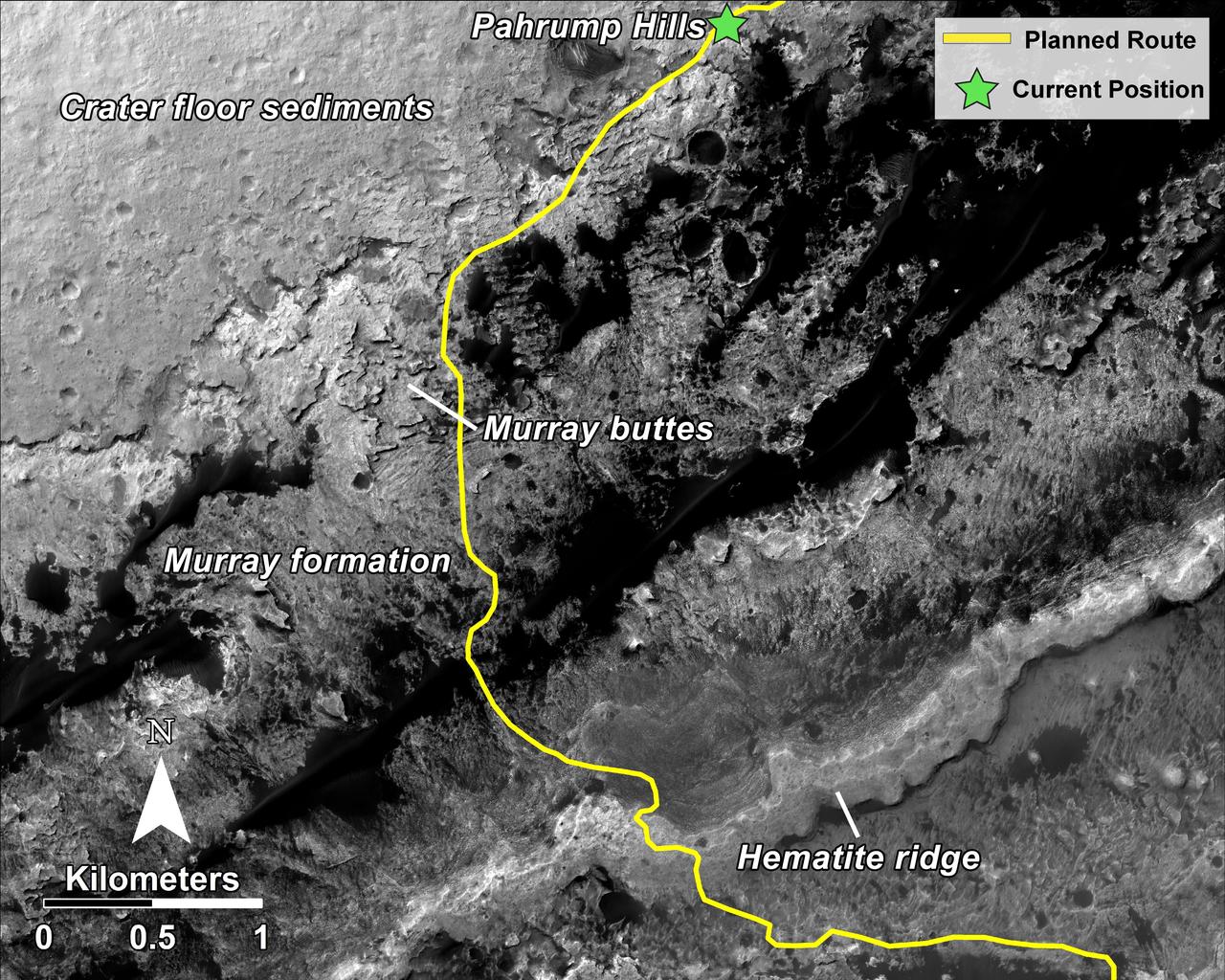
This mosaic, taken by NASA Mars Reconnaissance Orbiter, shows the planned route in yellow of NASA Curiosity rover from Pahrump Hills at the base of Mount Sharp, through the Murray Formation.
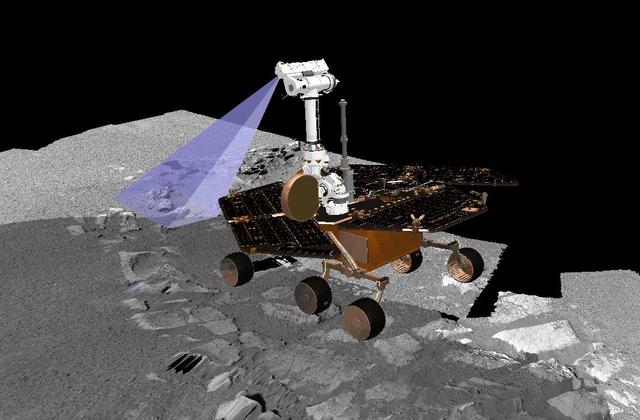
Pre-Planning the Last
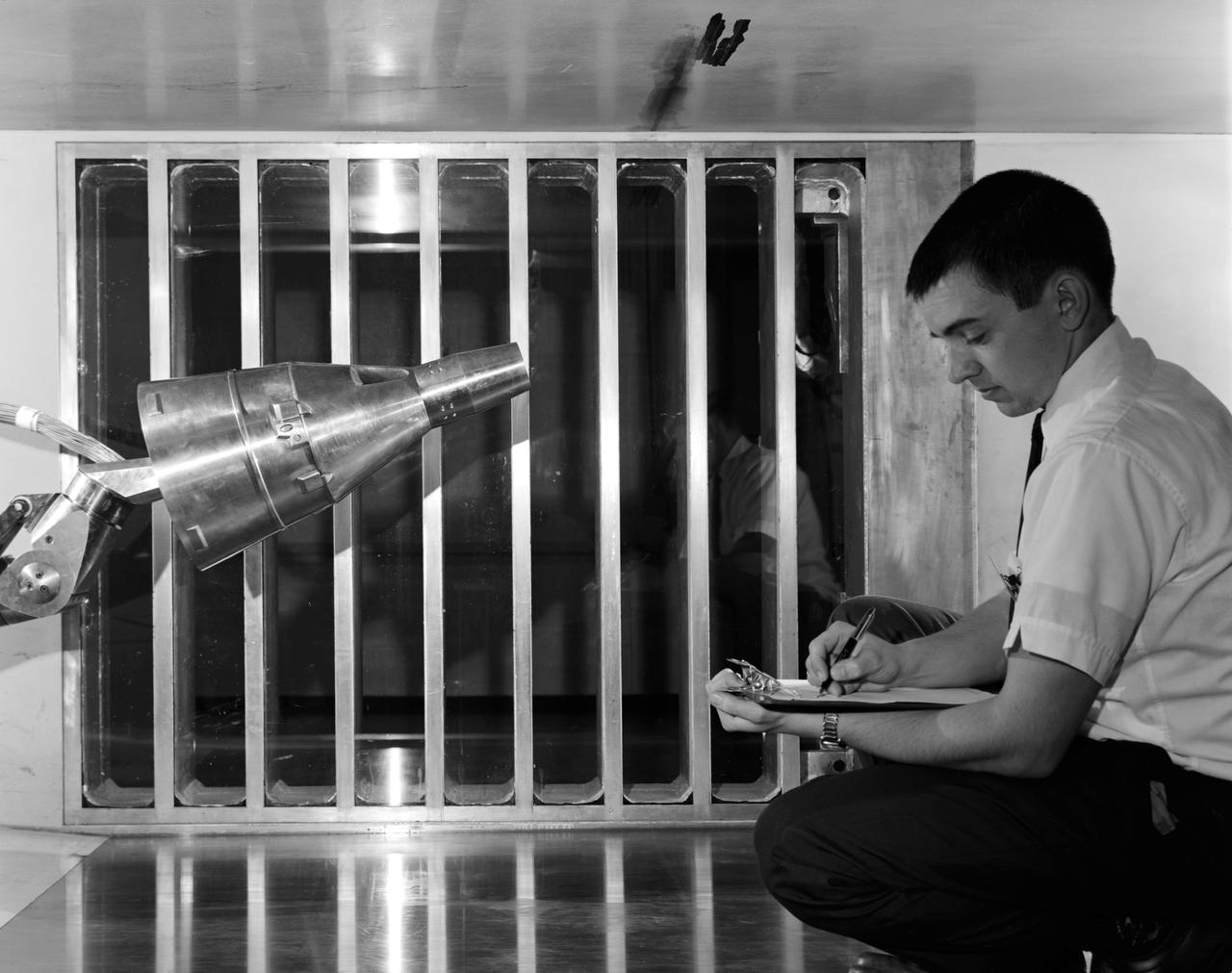
Gemini capsule being tested in Unitary Plan Wind Tunnel.
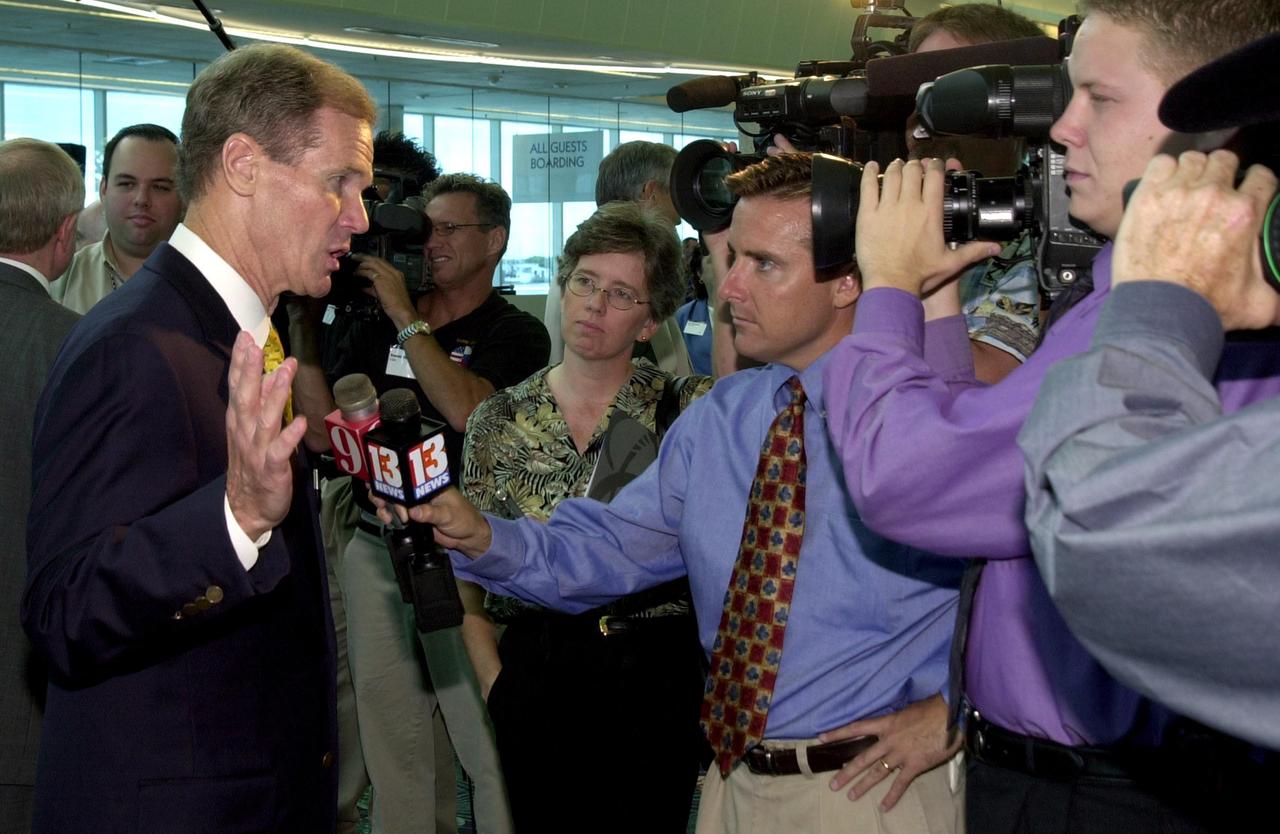
KENNEDY SPACE CENTER, FLA. - U.S. Sen. Bill Nelson talks to the media after the master plan signing ceremony at Port Canaveral Terminal 10. Also attending were Canaveral National Seashore Superintendent Robert Newkirk, Canaveral Port Authority Executive Director Malcolm "Mac" McLouth, KSC Director Roy Bridges Jr., U.S. Rep. Dave Weldon, 45th Space Wing Commander Gregory Pavlovich, U.S. Fish & Wildlife Services Refuge Manager Ron Hight, Naval Ordnance Test Unit Commanding Officer William Borger, and Florida Space Authority Executive Director Ed Gormel. The plan represents interagency cooperation between the leadership group's agencies and the U.S. Fish and Wildlife Service, the National Park Service and U.S. Navy. Joining them in developing a vision of the Spaceport's future have been aerospace educators, researchers, and businesses, along with representatives from local, state and national government.
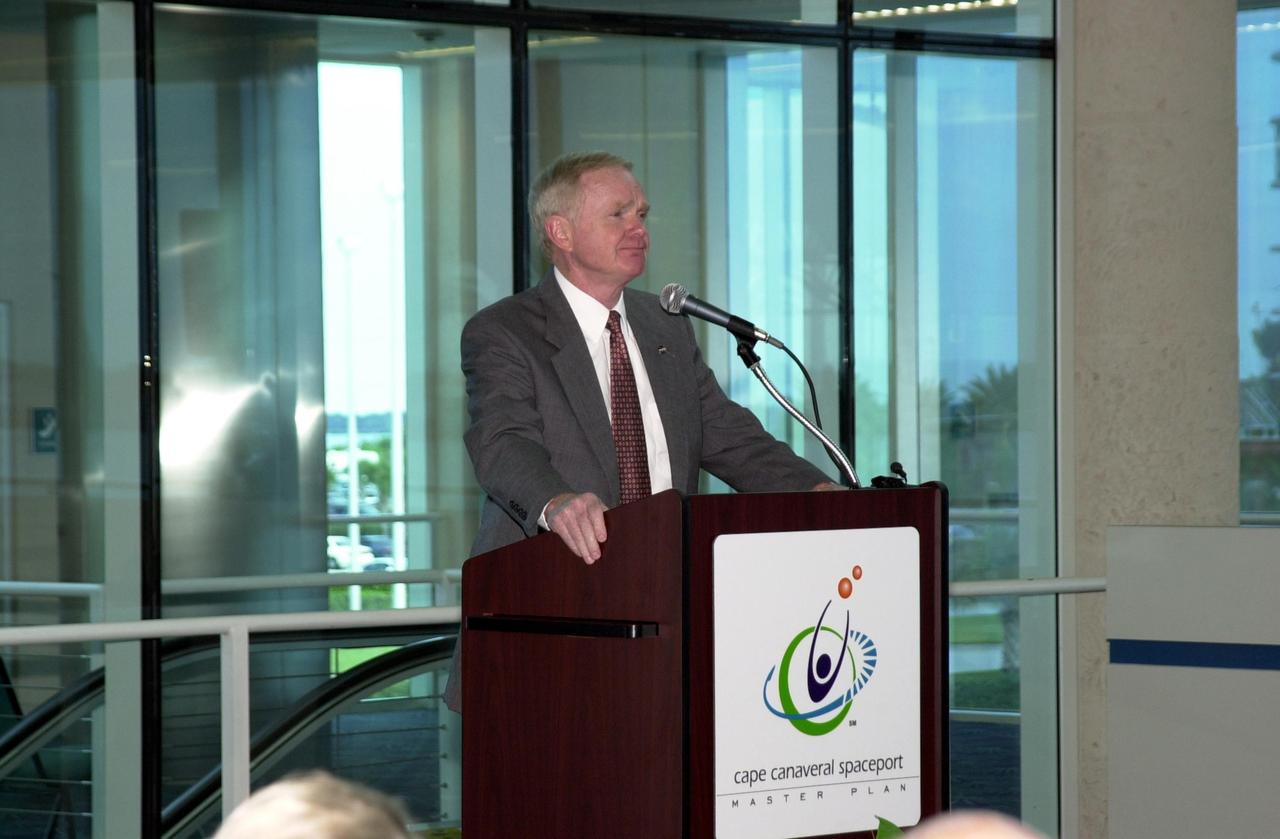
KENNEDY SPACE CENTER, FLA. -- Center Director Roy Bridges addresses guests at the master plan signing ceremony at Port Canaveral Terminal 10. Also attending were Canaveral National Seashore Superintendent Robert Newkirk, Canaveral Port Authority Executive Director Malcolm "Mac" McLouth, KSC Director Roy Bridges Jr., U.S. Rep. Dave Weldon, U.S. Sen. Bill Nelson, 45th Space Wing Commander Gregory Pavlovich, U.S. Fish & Wildlife Services Refuge Manager Ron Hight, Naval Ordnance Test Unit Commanding Officer William Borger, and Florida Space Authority Executive Director Ed Gormel. The plan represents interagency cooperation between the leadership group's agencies and the U.S. Fish and Wildlife Service, the National Park Service and U.S. Navy. Joining them in developing a vision of the Spaceport's future have been aerospace educators, researchers, and businesses, along with representatives from local, state and national government.
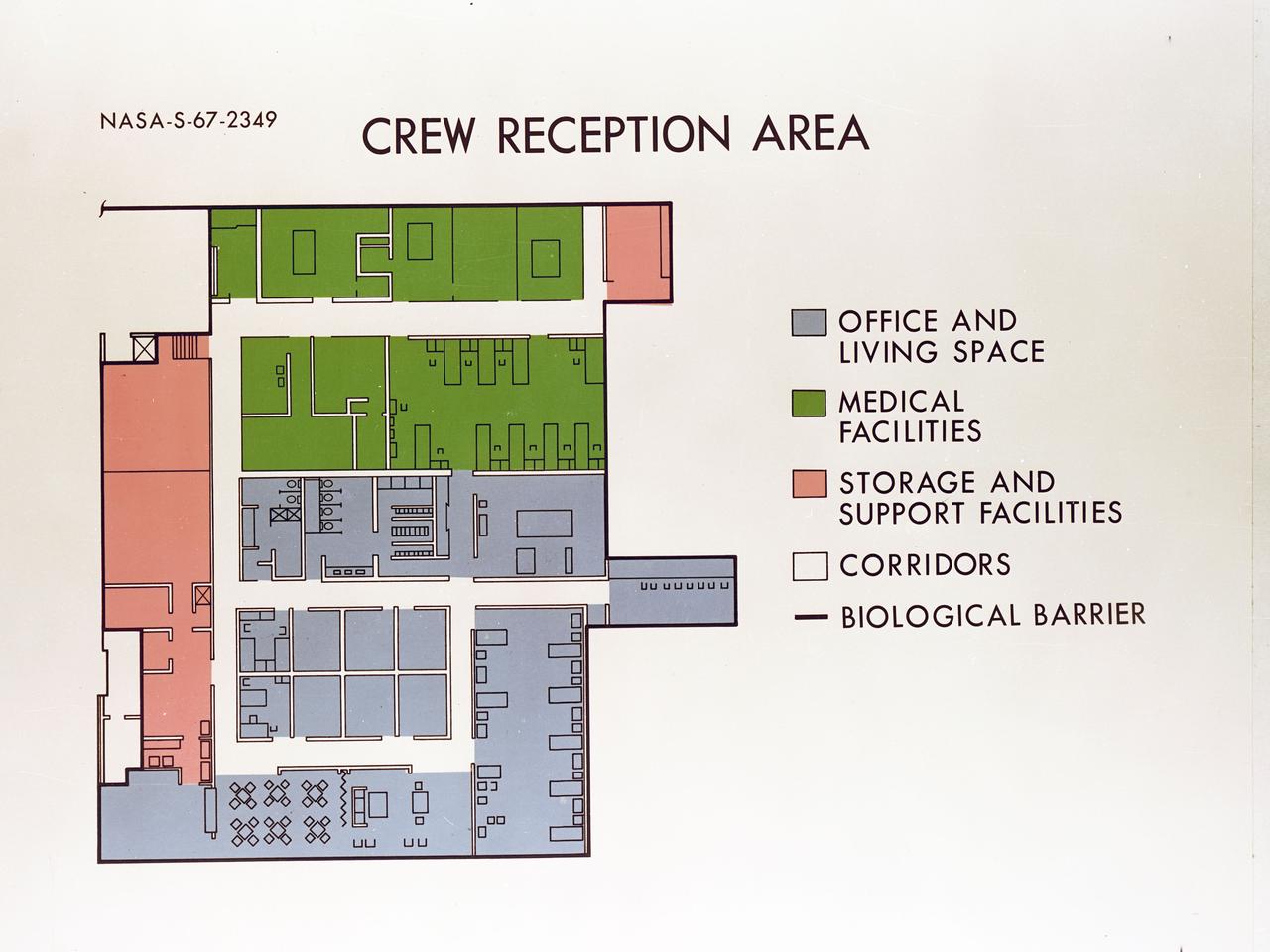
Artist's concept depicting the floor plan of the Crew Reception Area of the Lunar Receiving Laboratory (LRL), bldg 37.
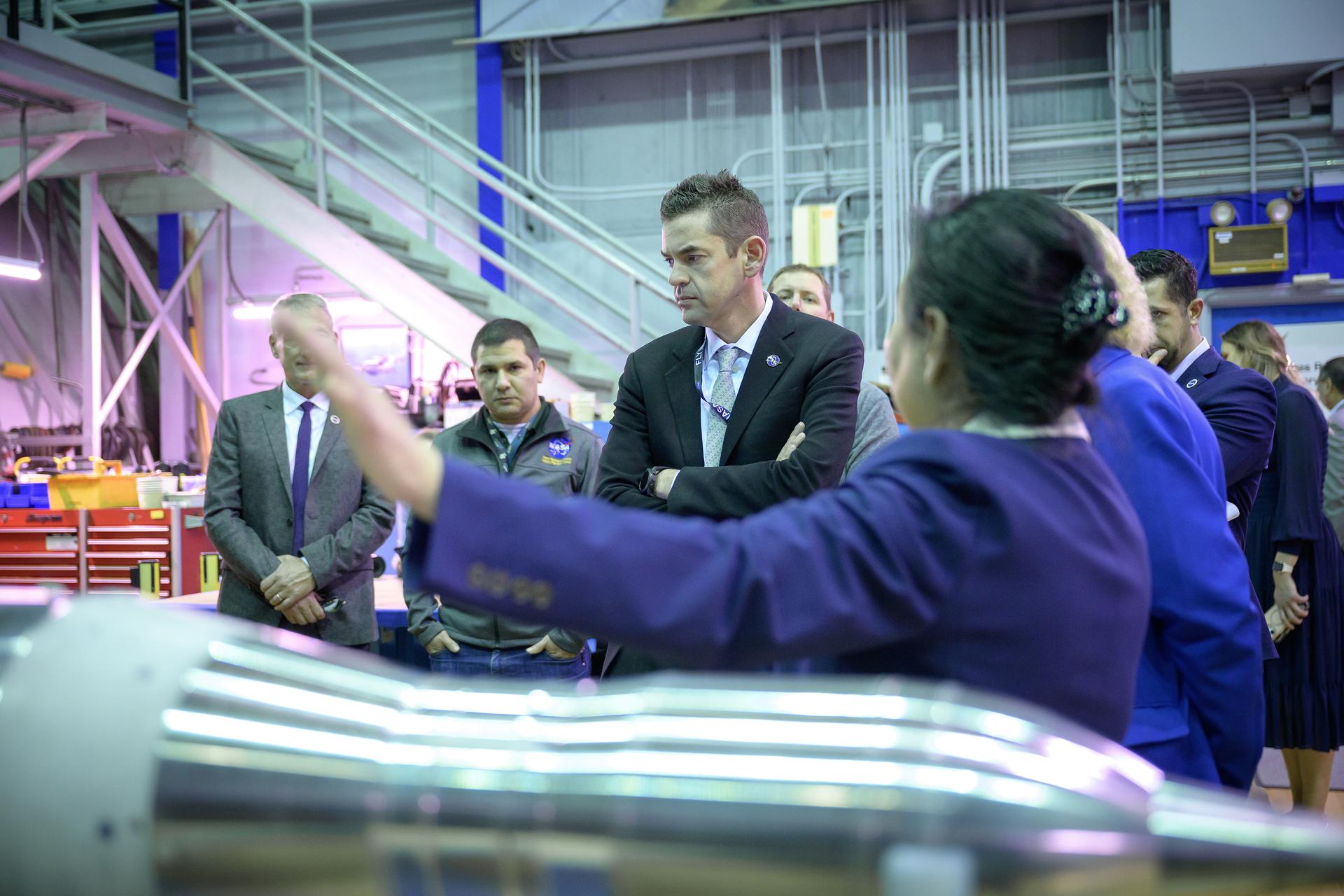
NASA Administrator Jared Isaacman listens to a presentation by wind tunnel staff in the Unitary Plan Wind Tunnel (UPWT) facility in N227.
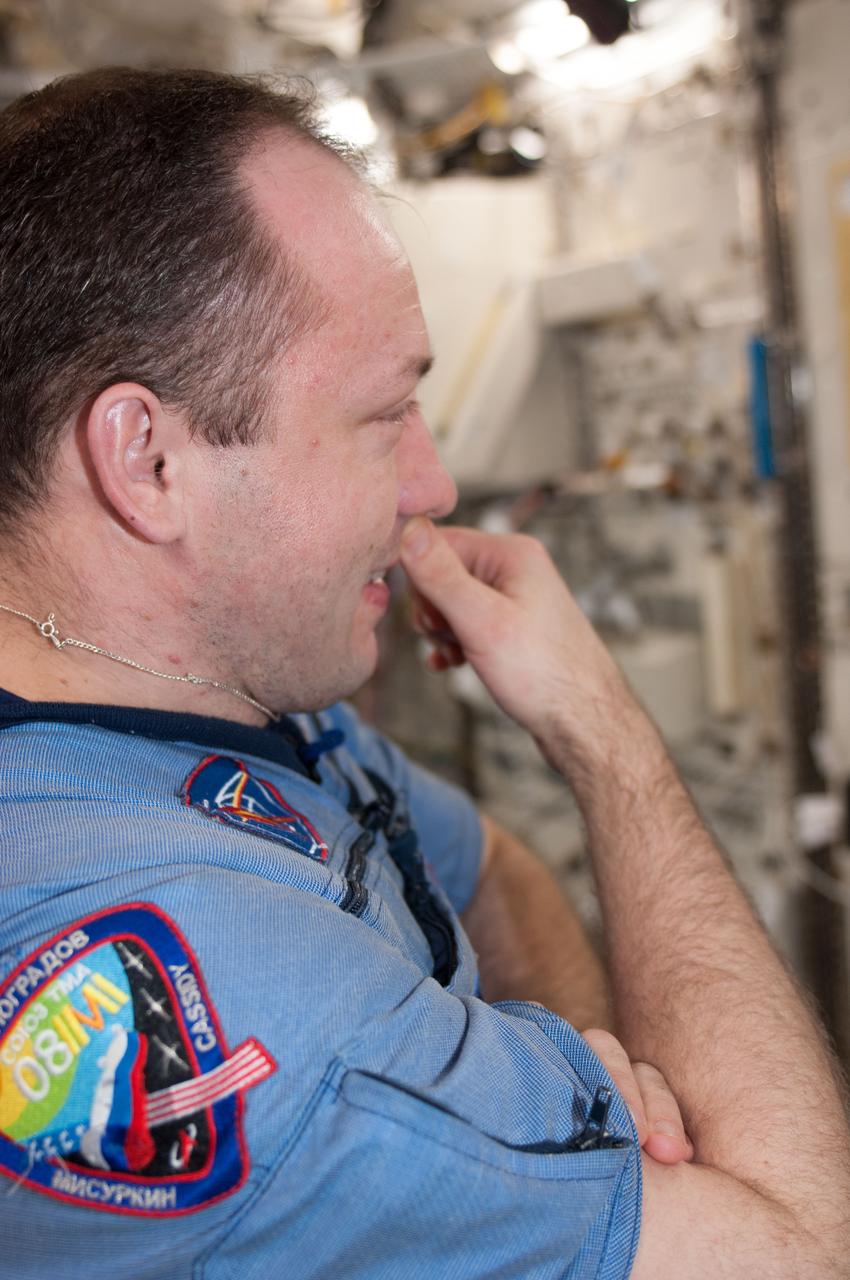
ISS036-E-035811 (23 Aug. 2013) --- Russian cosmonaut Alexander Misurkin, Expedition 36 flight engineer, is pictured in the International Space Station?s Kibo laboratory during a daily planning conference.
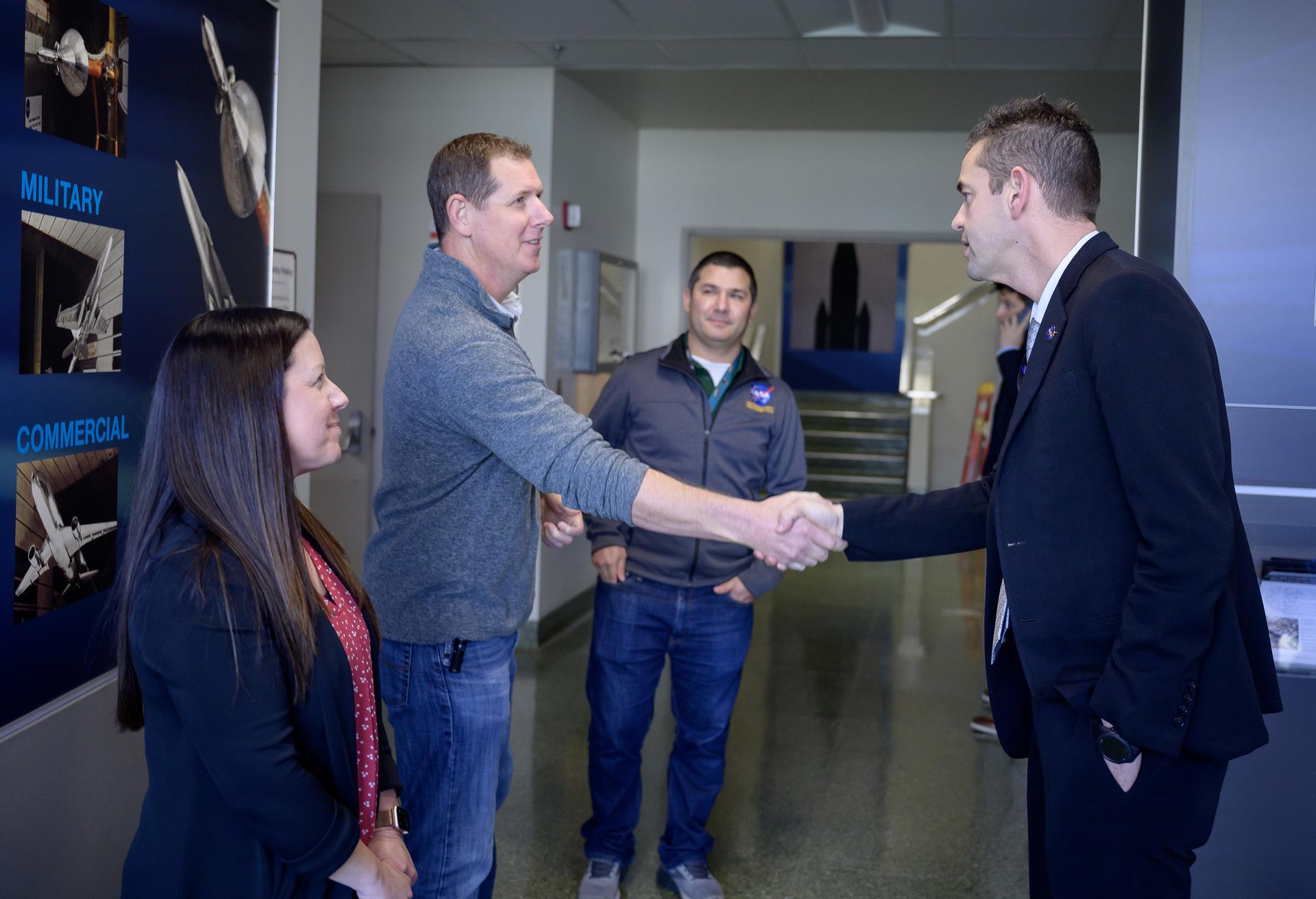
Wind tunnel staff Mike Treece and Wind Tunnel Division Chief Maureen Delgado greet NASA Administrator Jared Isaacman in the lobby of the Unitary Plan Wind Tunnel (UPWT) facility in N227.

Employees watch the last planned space shuttle main engine test firing.
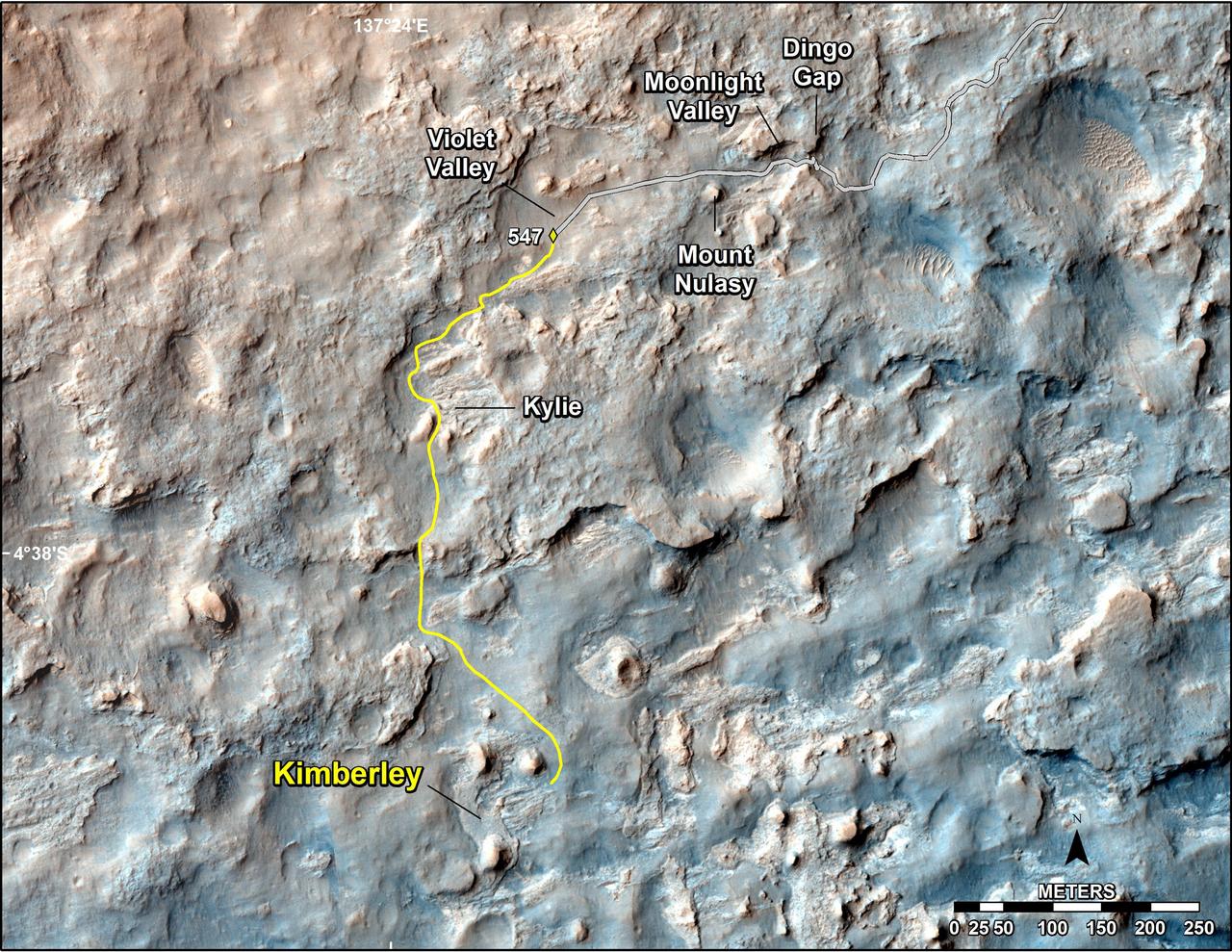
This map shows the route driven and route planned for NASA Curiosity Mars rover from before reaching Dingo Gap in upper right, to the mission next science waypoint, Kimberley formerly referred to as KMS-9, lower left.
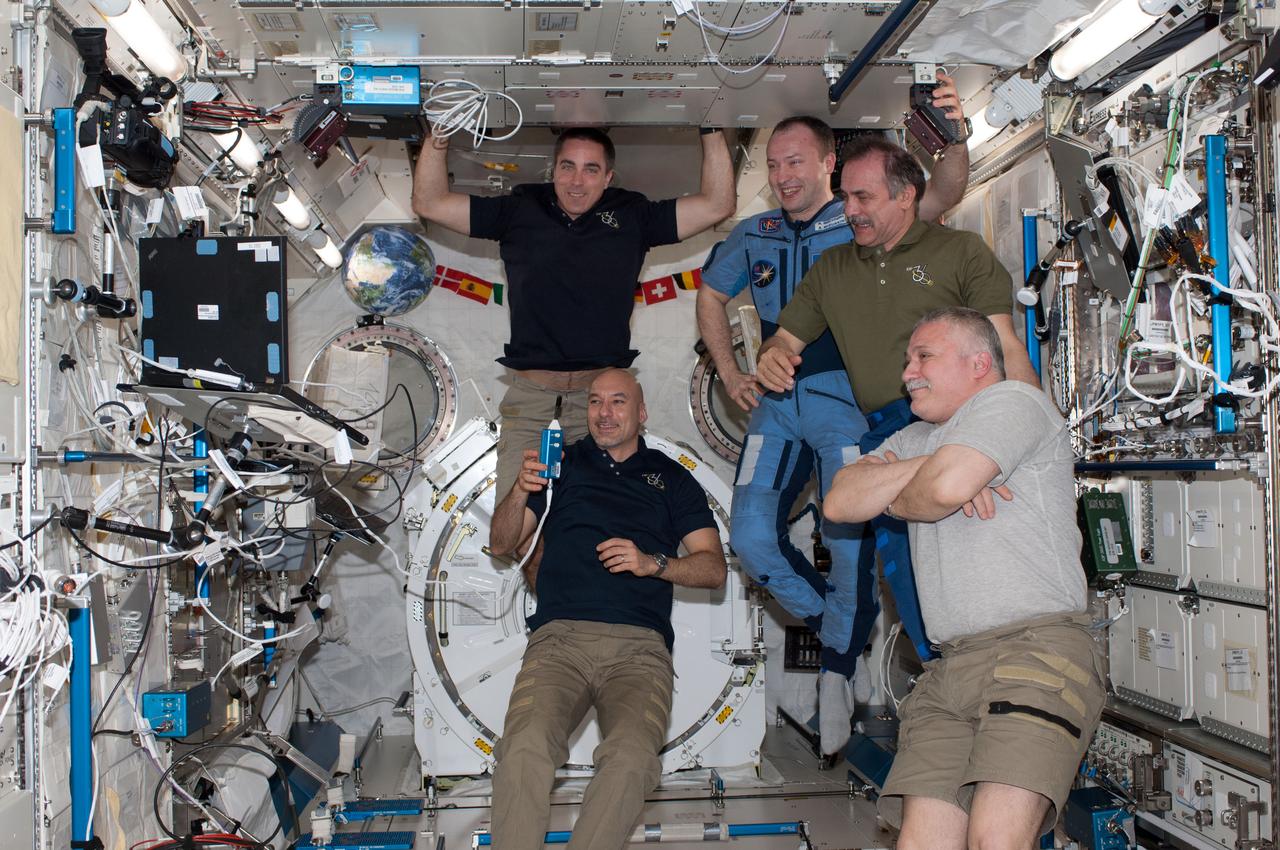
ISS036-E-035796 (23 Aug. 2013) --- Five of the six Expedition 36 crew members are pictured in the International Space Station?s Kibo laboratory during a daily planning conference. Pictured clockwise (from bottom left) are European Space Agency astronaut Luca Parmitano, NASA astronaut Chris Cassidy, Russian cosmonaut Alexander Misurkin, all flight engineers; Russian cosmonaut Pavel Vinogradov, commander; and Russian cosmonaut Fyodor Yurchikhin, flight engineer.
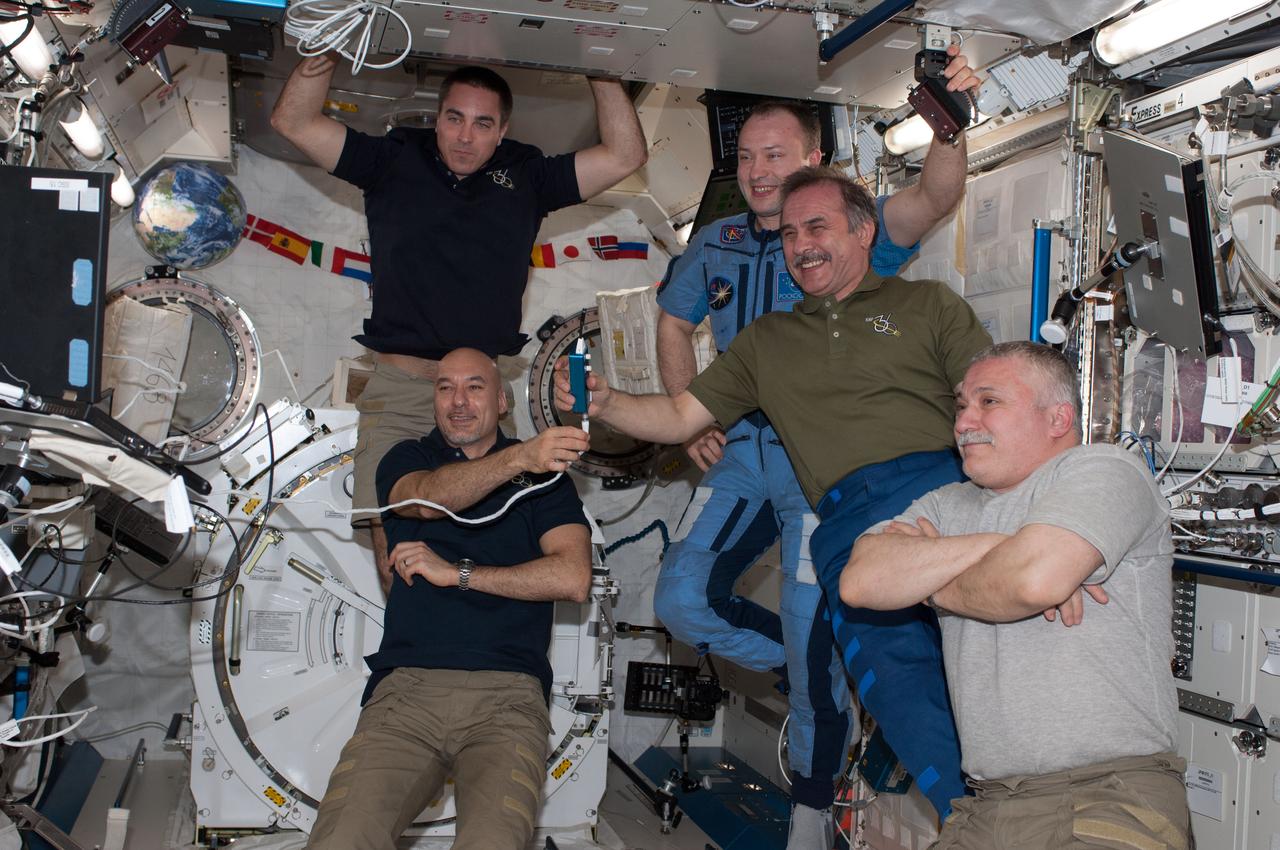
ISS036-E-035797 (23 Aug. 2013) --- Five of the six Expedition 36 crew members are pictured in the International Space Station?s Kibo laboratory during a daily planning conference. Pictured clockwise (from bottom left) are European Space Agency astronaut Luca Parmitano, NASA astronaut Chris Cassidy, Russian cosmonaut Alexander Misurkin, all flight engineers; Russian cosmonaut Pavel Vinogradov, commander; and Russian cosmonaut Fyodor Yurchikhin, flight engineer.
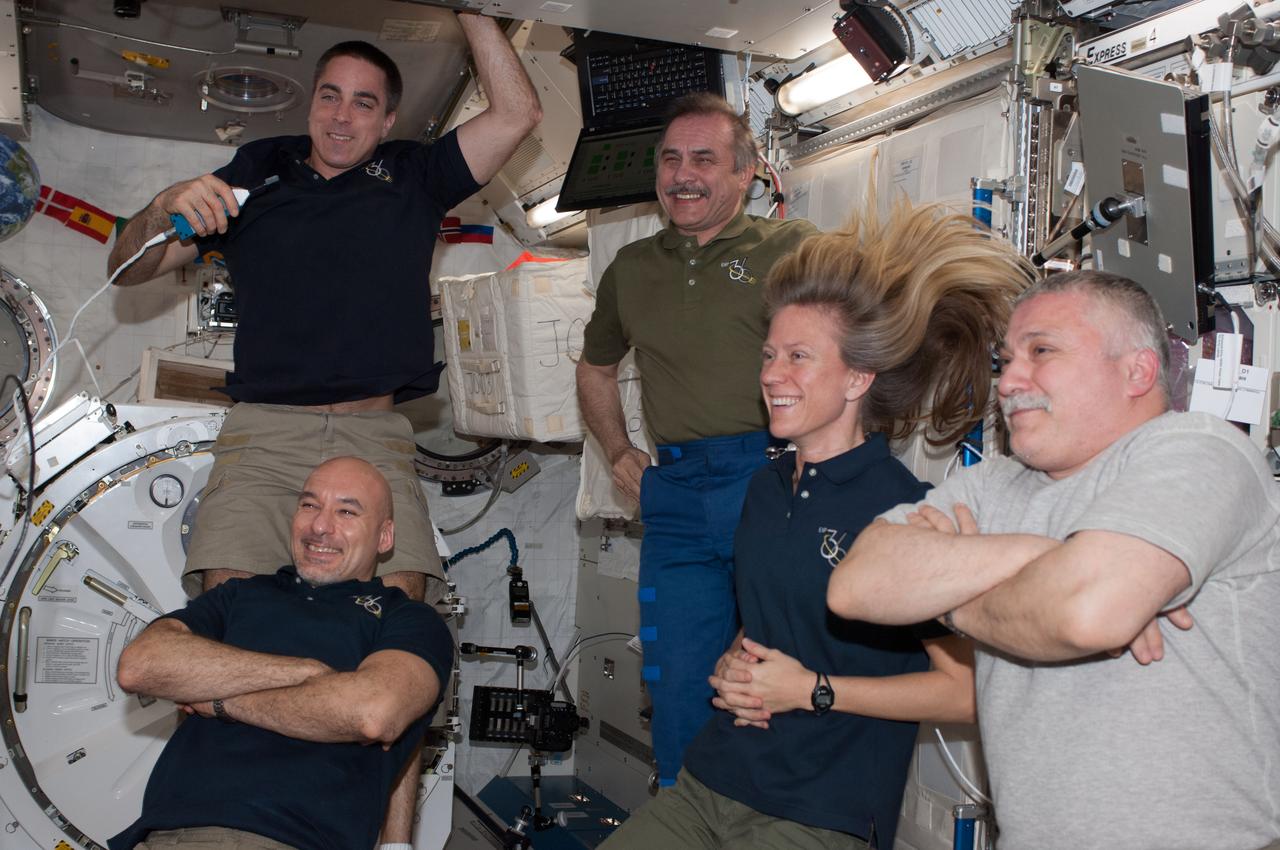
ISS036-E-035803 (23 Aug. 2013) --- Five of the six Expedition 36 crew members are pictured in the International Space Station?s Kibo laboratory during a daily planning conference. Pictured from bottom left are European Space Agency astronaut Luca Parmitano, NASA astronaut Chris Cassidy, both flight engineers; Russian cosmonaut Pavel Vinogradov, commander; NASA astronaut Karen Nyberg and Russian cosmonaut Fyodor Yurchikhin, both flight engineers.

The last planned space shuttle main engine test firing takes place on July 29, 2009.
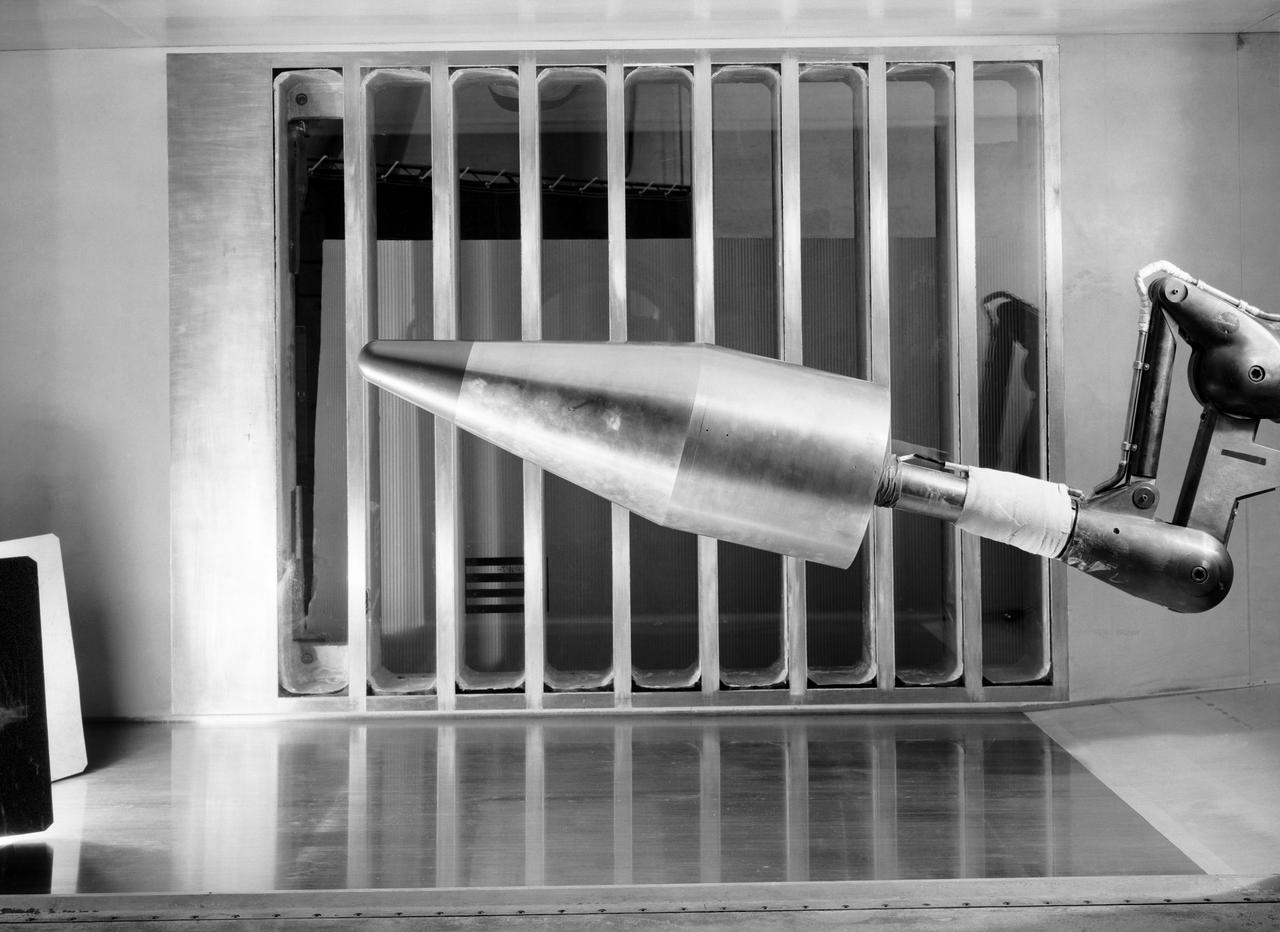
L57-700 In the reentry flight path of this nose cone model of a Jupiter Intermediate range ballistic missile (IRBM) was tested in the Unitary Plan Wind Tunnel. Photograph published in Engineer in Charge: A History of the Langley Aeronautical Laboratory, 1917-1958 by James R. Hansen. Page 475.
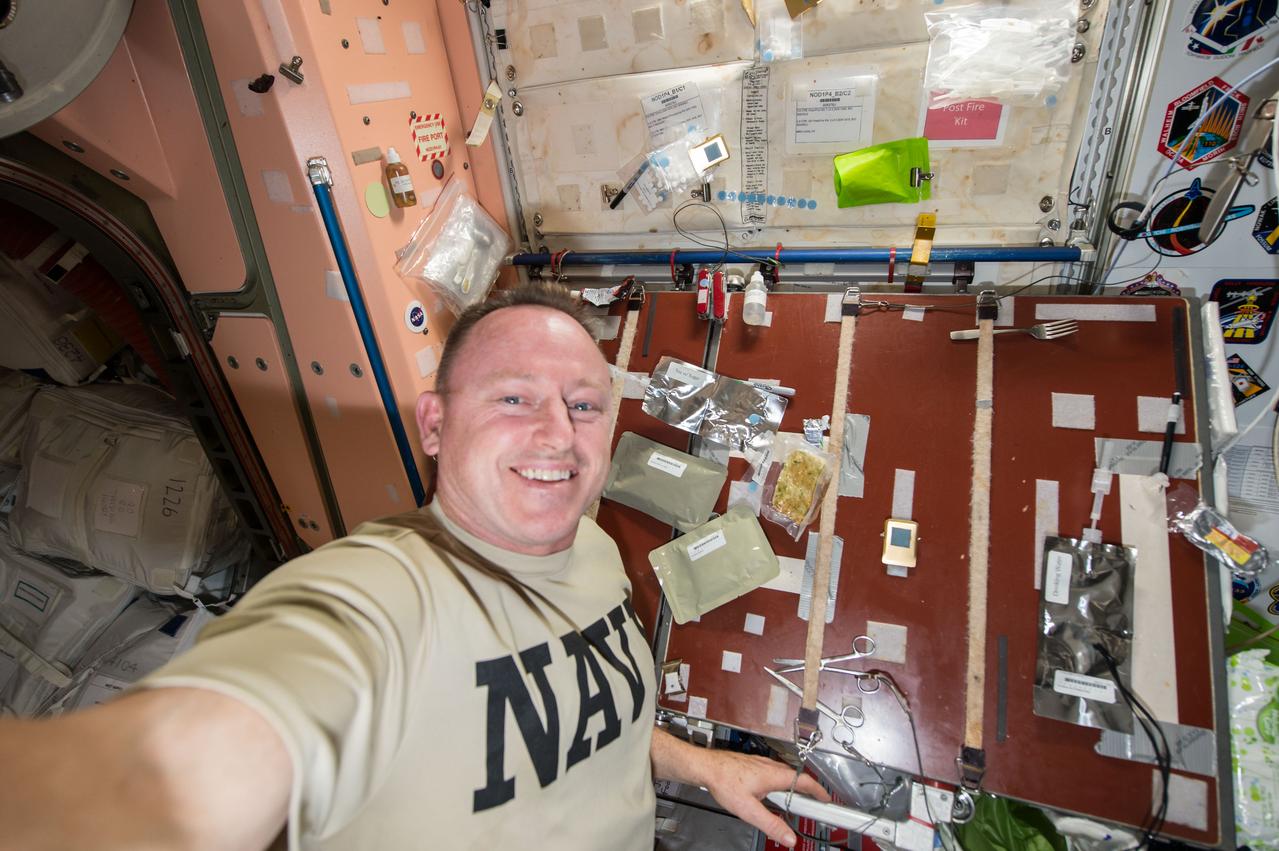
Commander Barry Wilmore takes a self-portrait with food packages (smoked turkey, cranapple dessert, cornbread dressing, and tea with sugar) planned for his Thanksgiving meal. Image was taken near the galley table in the Unity Node 1, and released by Wilmore on Instagram.
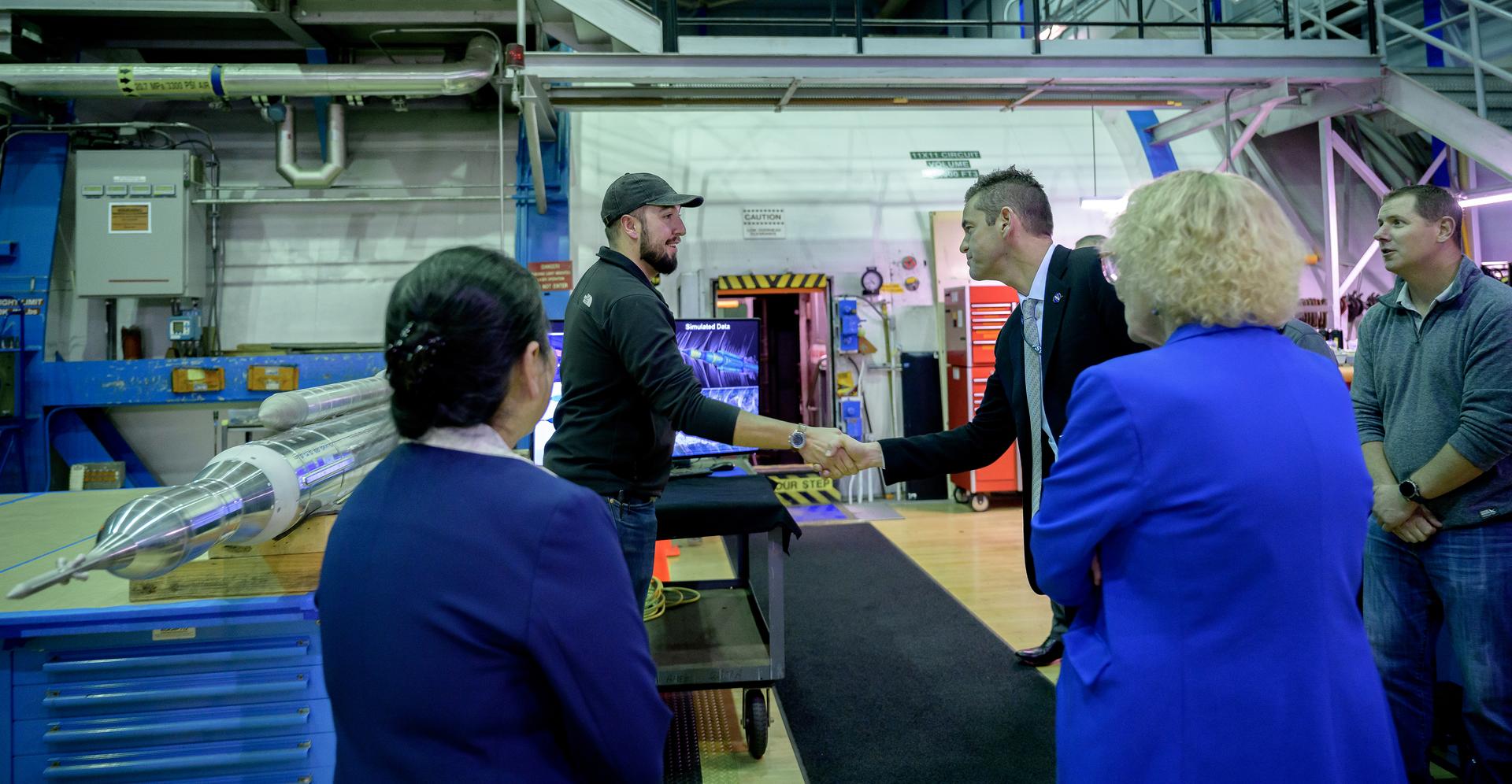
NASA Administrator Jared Isaacman meets wind tunnel staff during a tour of the Unitary Plan Wind Tunnel (UPWT) facility in N227.
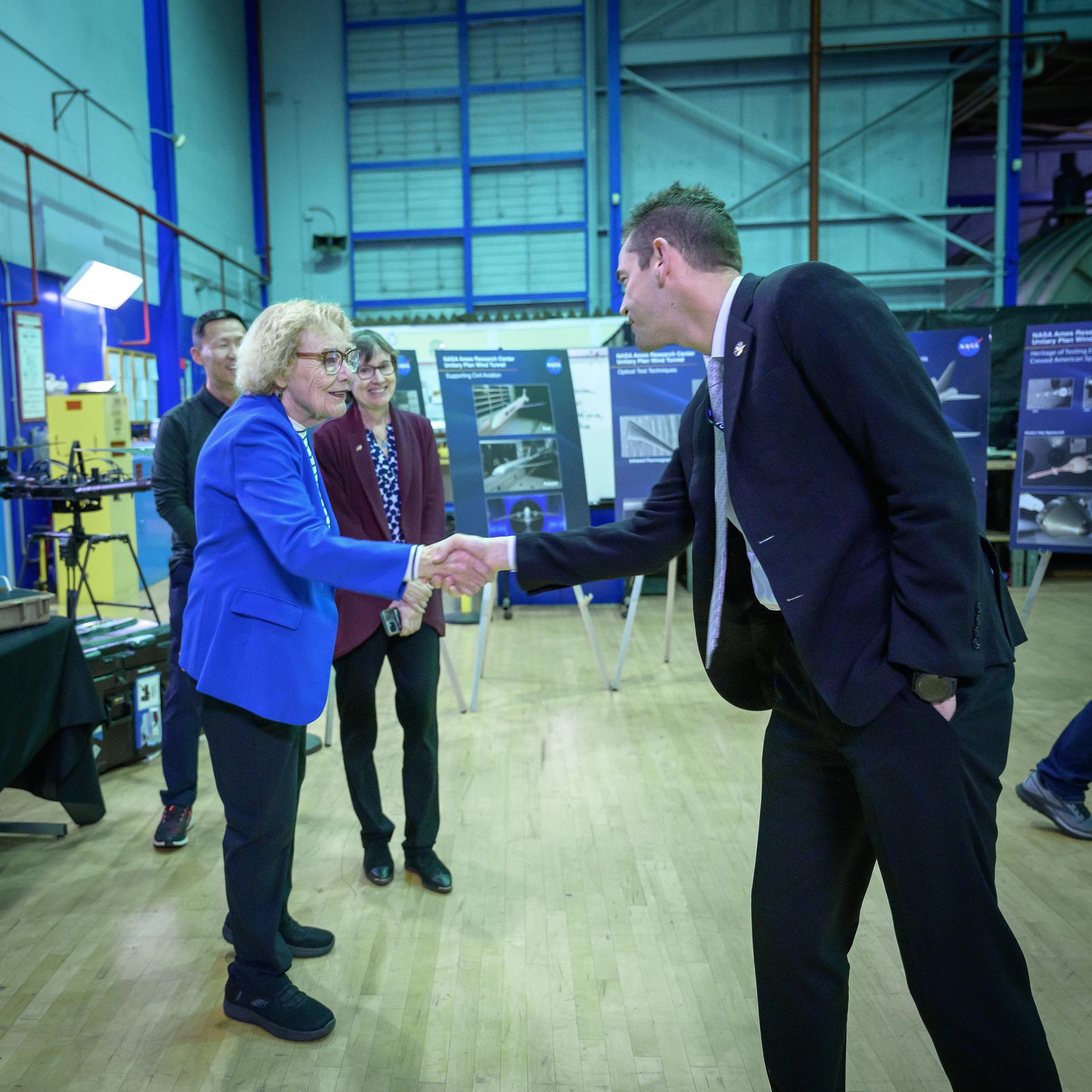
NASA Administrator Jared Isaacman meets Congresswoman Zoe Lofgren during a tour of the Unitary Plan Wind Tunnel (UPWT) facility in N227.

JSC2000-06247 (September 2000)--- Flight director Bill Reeves, at right foreground, and the fifty-odd flight controllers who support his STS-106 planning team pose for their group portrait in Houston's Mission Control Center.
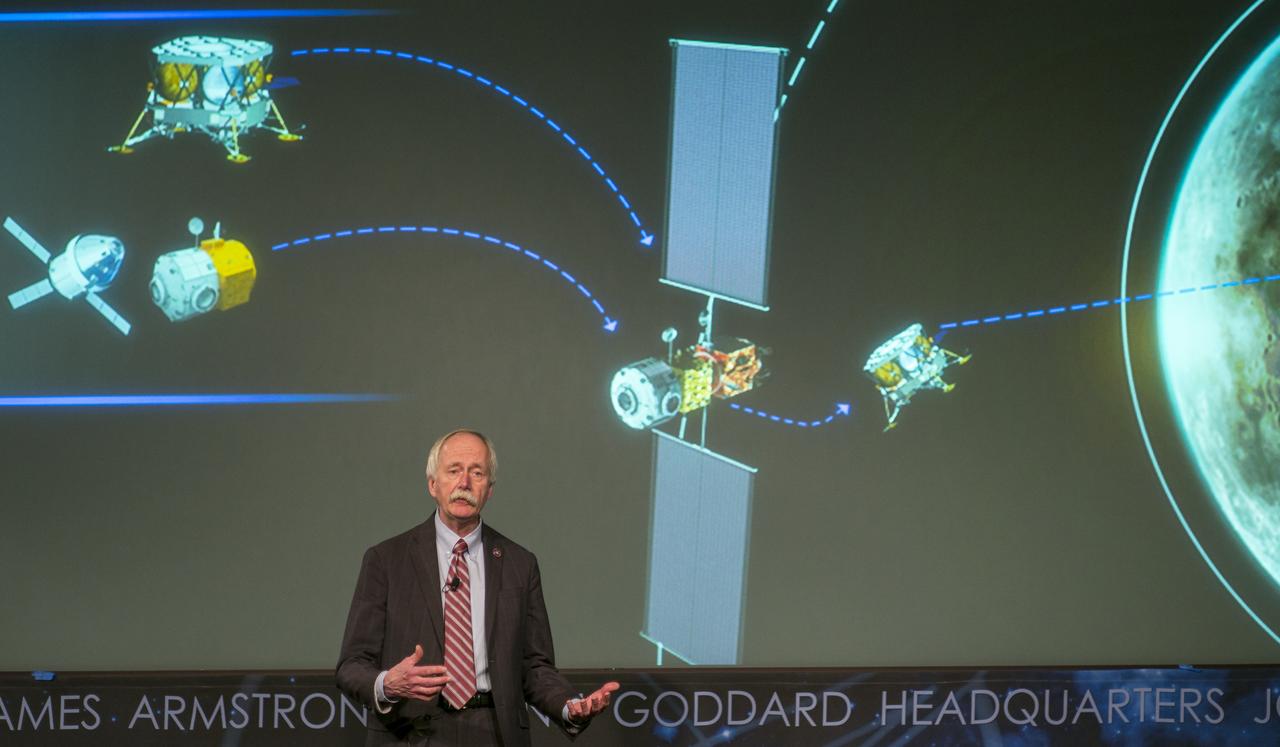
NASA Associate Administrator for the Human Exploration and Operations Mission Directorate William Gerstenmaier speaks at the opening of an industry forum on the agency's lunar exploration plans, Thursday, Feb. 14, 2019 at NASA Headquarters in Washington. The agency will work with industry to study and refine the approach to landing on the Moon, which includes a system of three separate elements that will provide astronauts transportation, landing, and safe return. Photo Credit: (NASA/Joel Kowsky)
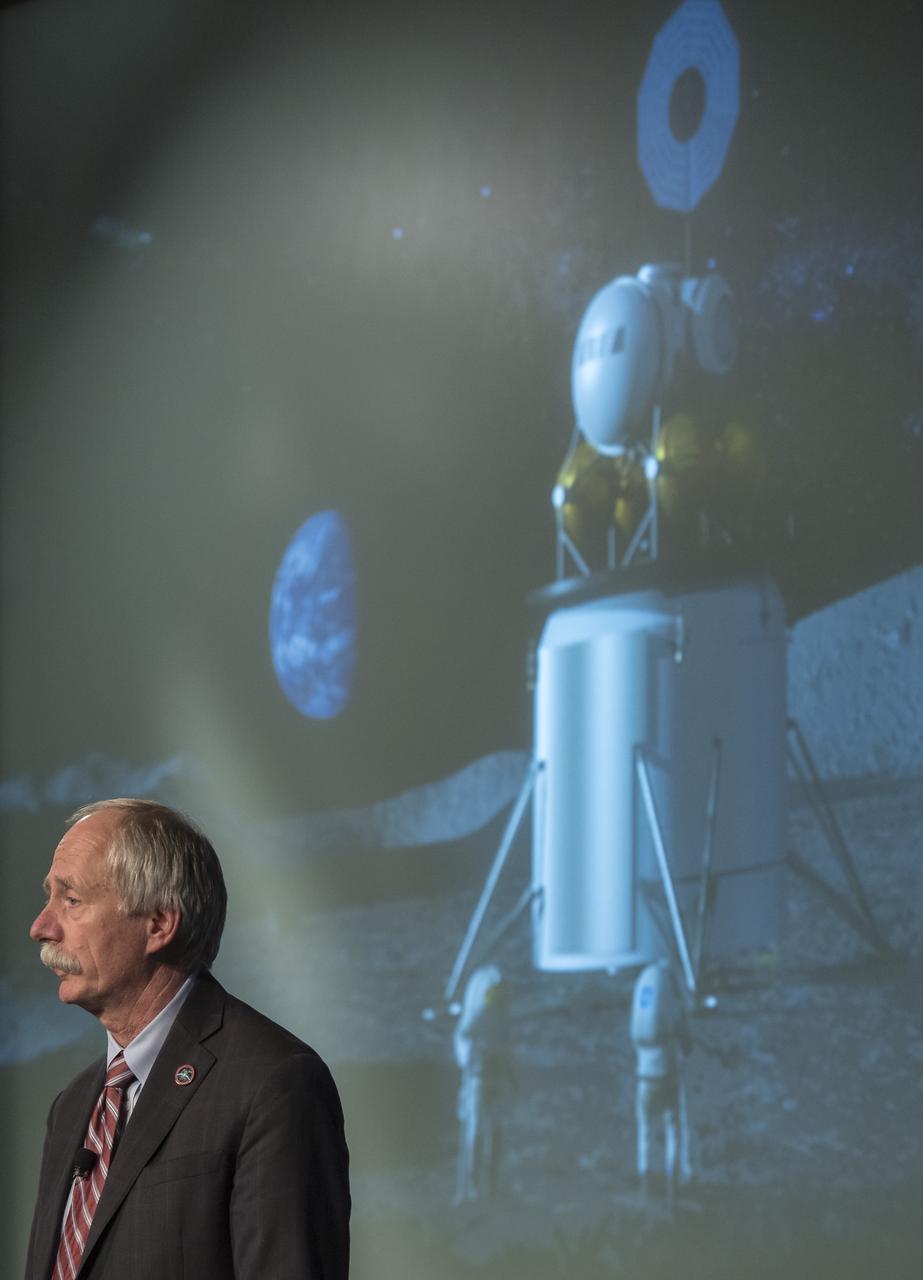
NASA Associate Administrator for the Human Exploration and Operations Mission Directorate William Gerstenmaier speaks at the opening of an industry forum on the agency's lunar exploration plans, Thursday, Feb. 14, 2019 at NASA Headquarters in Washington. The agency will work with industry to study and refine the approach to landing on the Moon, which includes a system of three separate elements that will provide astronauts transportation, landing, and safe return. Photo Credit: (NASA/Joel Kowsky)
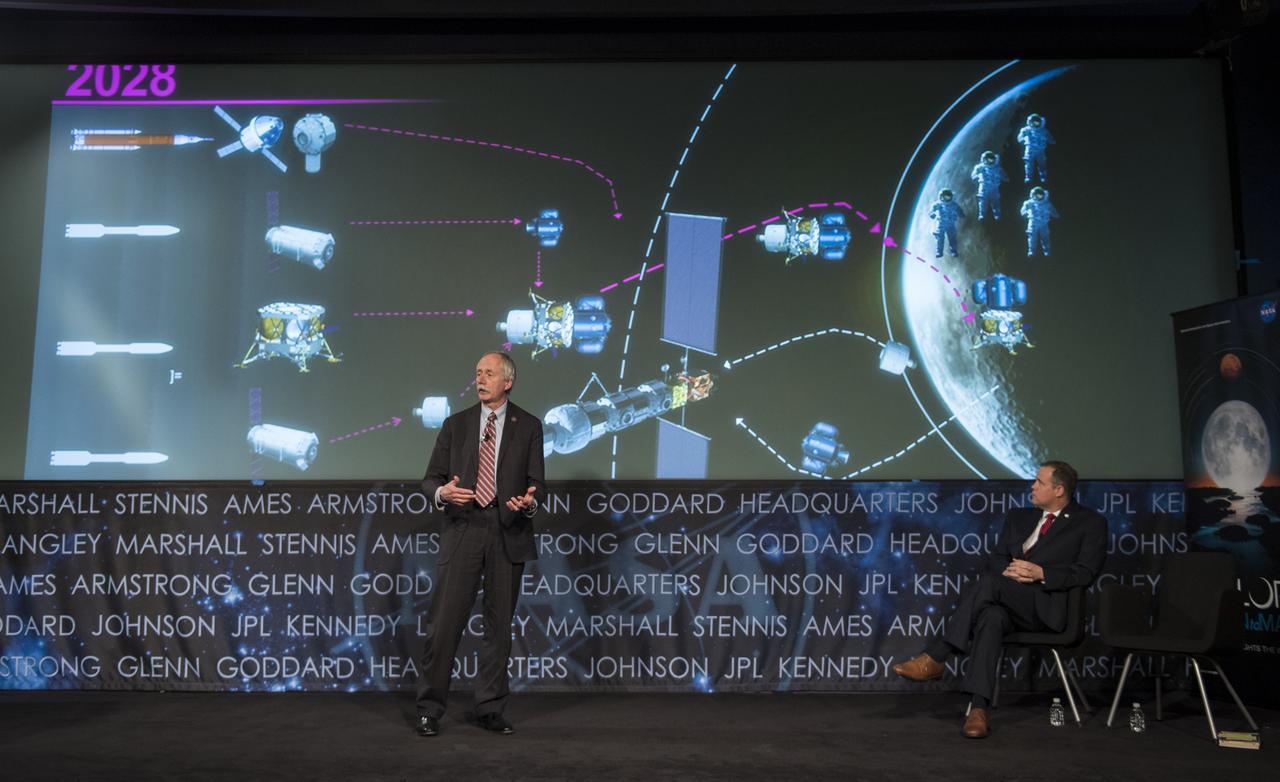
NASA Associate Administrator for the Human Exploration and Operations Mission Directorate William Gerstenmaier speaks at the opening of an industry forum on the agency's lunar exploration plans, Thursday, Feb. 14, 2019 at NASA Headquarters in Washington. The agency will work with industry to study and refine the approach to landing on the Moon, which includes a system of three separate elements that will provide astronauts transportation, landing, and safe return. Photo Credit: (NASA/Joel Kowsky)
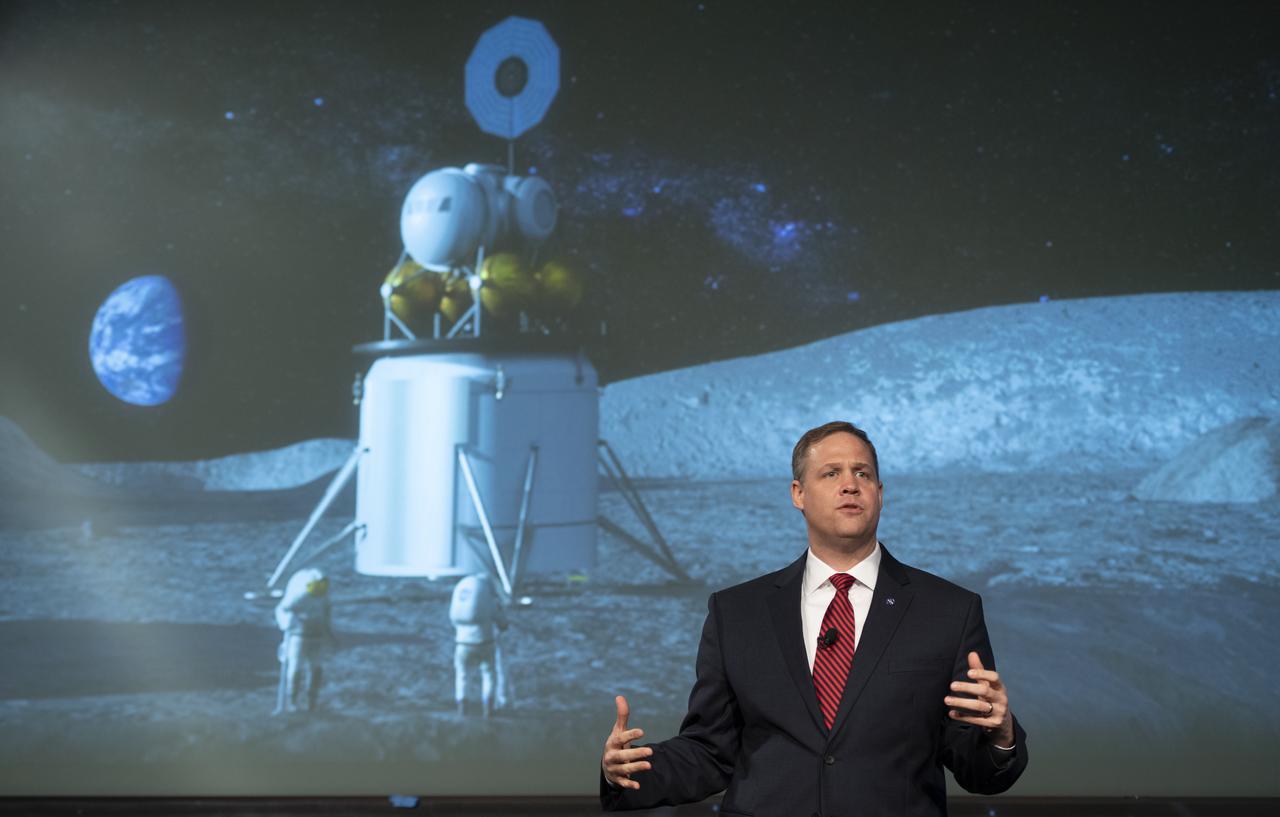
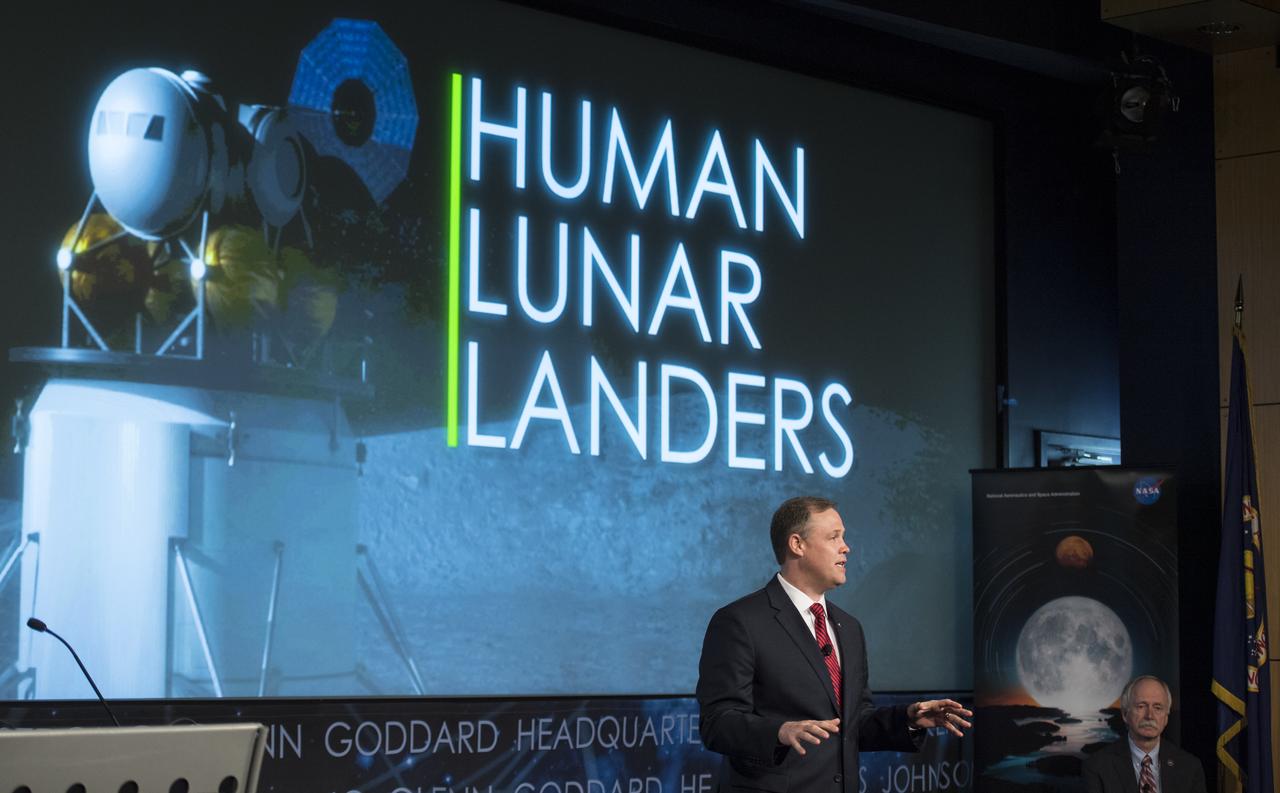
NASA Administrator Jim Bridenstine speaks at the opening of an industry forum on the agency's lunar exploration plans, Thursday, Feb. 14, 2019 at NASA Headquarters in Washington. The agency will work with industry to study and refine the approach to landing on the Moon, which includes a system of three separate elements that will provide astronauts transportation, landing, and safe return. Photo Credit: (NASA/Joel Kowsky)
NASA Administrator Jim Bridenstine speaks at the opening of an industry forum on the agency's lunar exploration plans, Thursday, Feb. 14, 2019 at NASA Headquarters in Washington. The agency will work with industry to study and refine the approach to landing on the Moon, which includes a system of three separate elements that will provide astronauts transportation, landing, and safe return. Photo Credit: (NASA/Joel Kowsky)
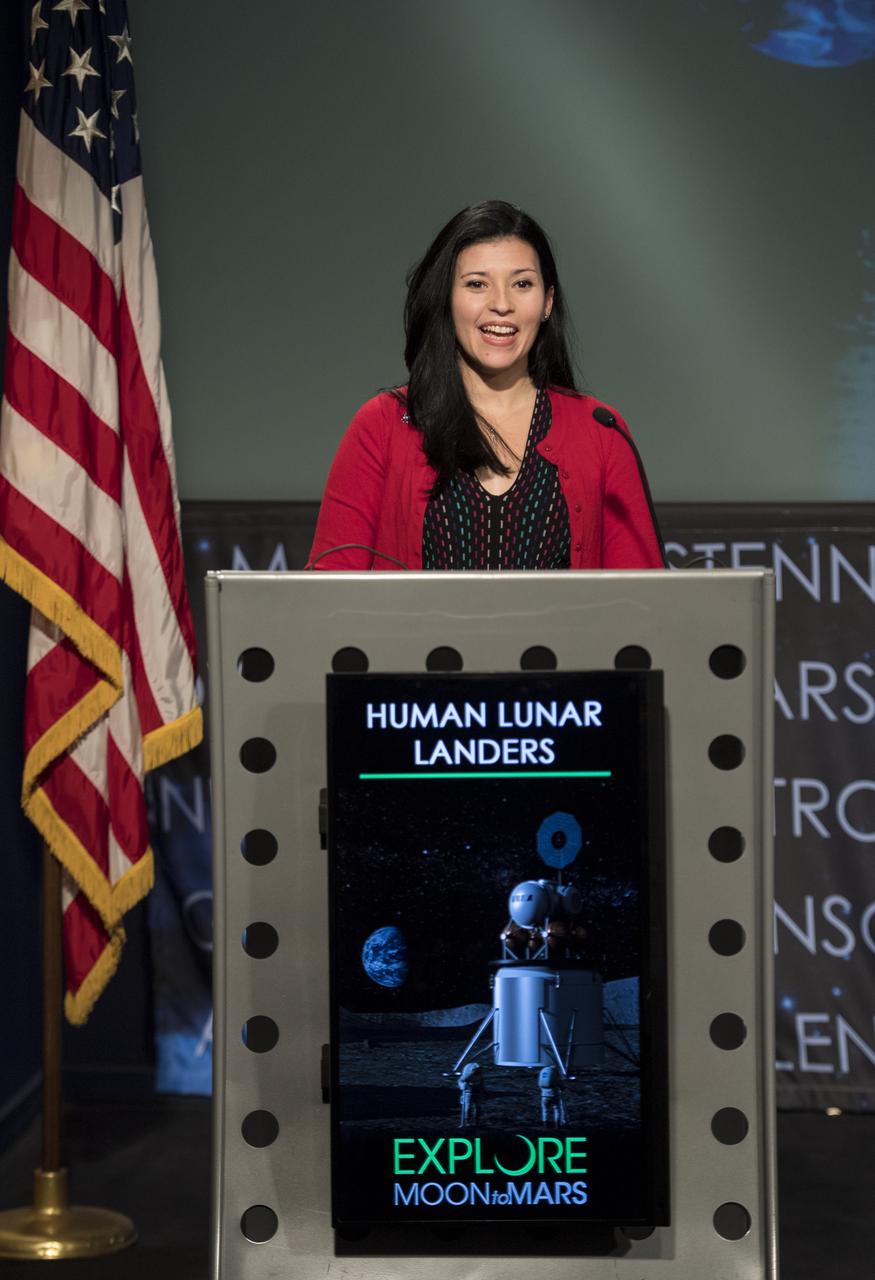
NASA Associate Administrator for the Office of Communications Bettina Inclán speaks at the opening an industry forum on the agency's lunar exploration plans, Thursday, Feb. 14, 2019 at NASA Headquarters in Washington. The agency will work with industry to study and refine the approach to landing on the Moon, which includes a system of three separate elements that will provide astronauts transportation, landing, and safe return. Photo Credit: (NASA/Joel Kowsky)
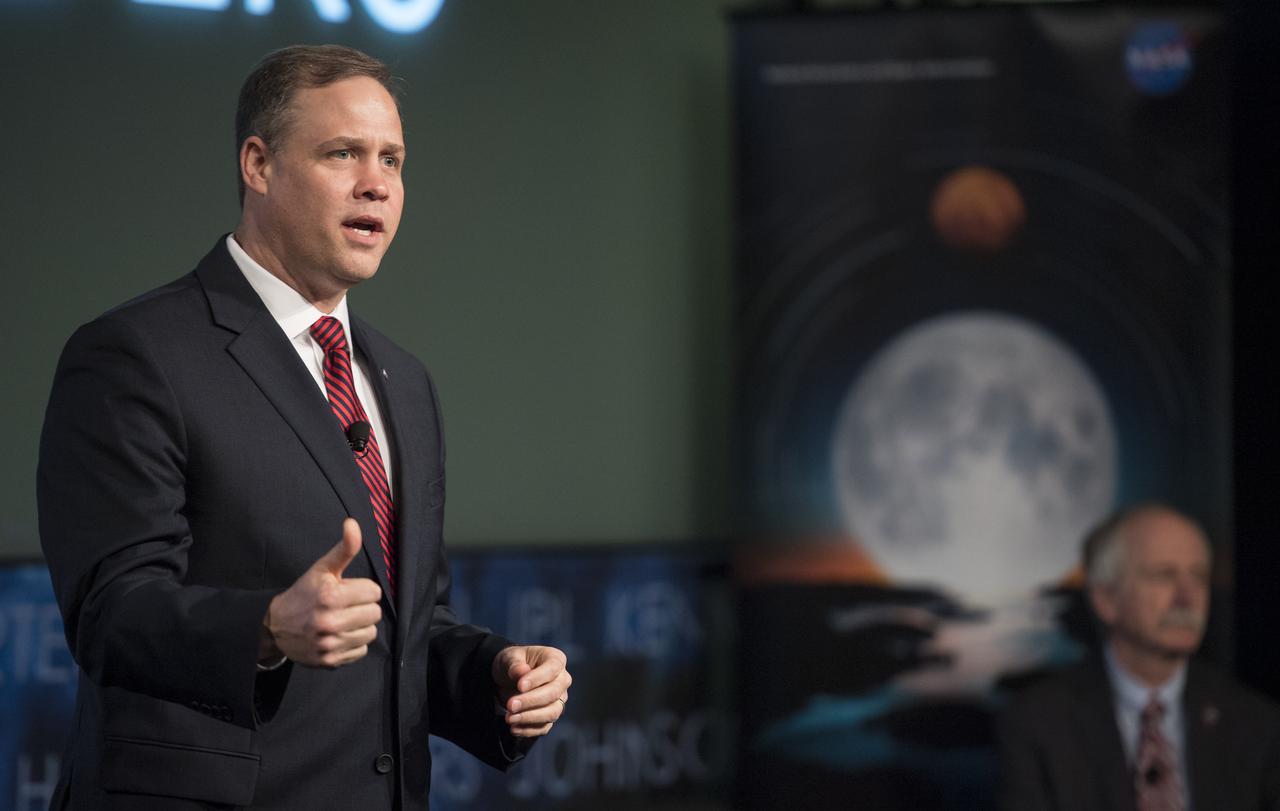
NASA Administrator Jim Bridenstine speaks at the opening of an industry forum on the agency's lunar exploration plans, Thursday, Feb. 14, 2019 at NASA Headquarters in Washington. The agency will work with industry to study and refine the approach to landing on the Moon, which includes a system of three separate elements that will provide astronauts transportation, landing, and safe return. Photo Credit: (NASA/Joel Kowsky)
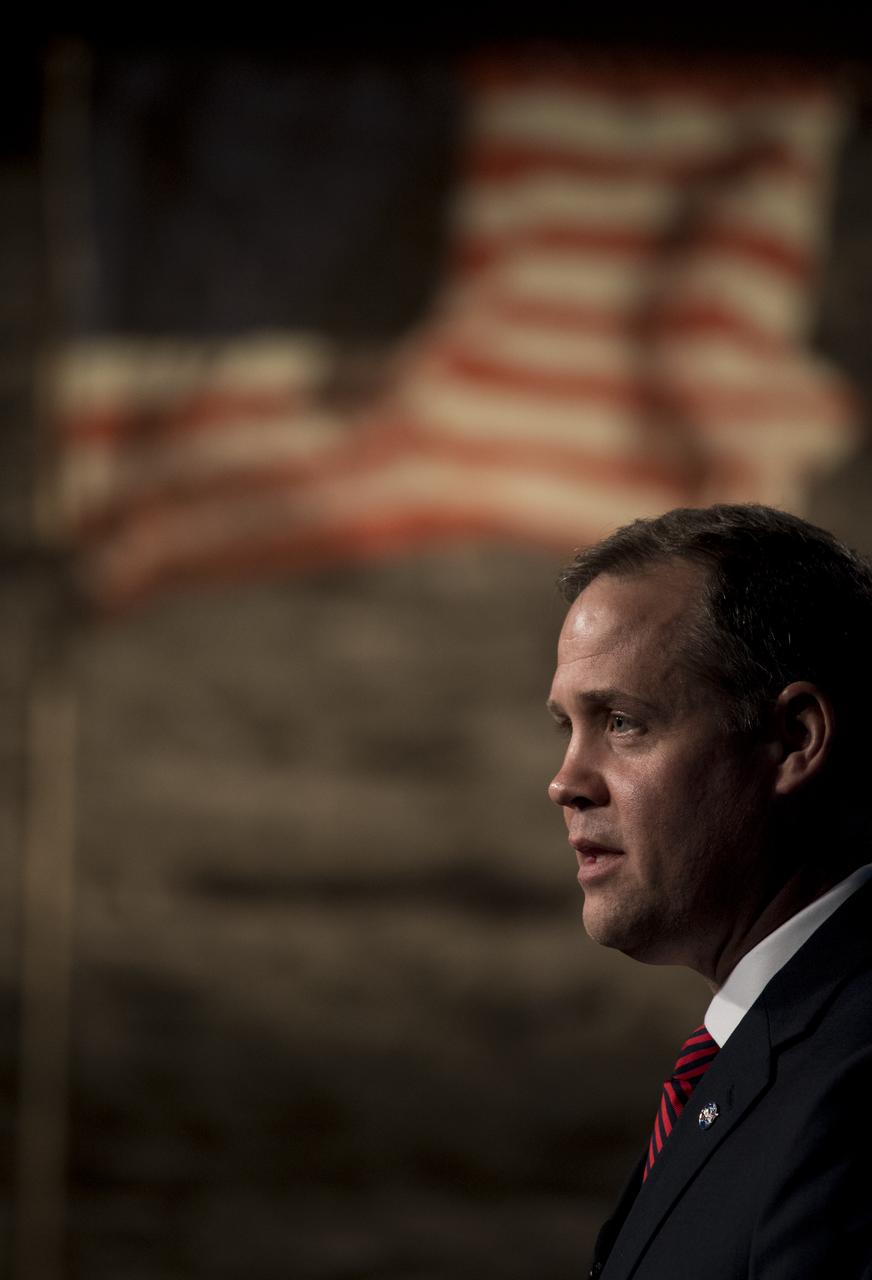
NASA Administrator Jim Bridenstine speaks at the opening of an industry forum on the agency's lunar exploration plans, Thursday, Feb. 14, 2019 at NASA Headquarters in Washington. The agency will work with industry to study and refine the approach to landing on the Moon, which includes a system of three separate elements that will provide astronauts transportation, landing, and safe return. Photo Credit: (NASA/Joel Kowsky)

Norman Augustine, chair of the Human Space Flight Review Committee, makes a point during the first of several public meetings at different U.S. locations, Wednesday, June 17, 2009, at the Carnegie Institution in Washington. The panel will examine ongoing and planned NASA development activities and potential alternatives in order to present options for advancing a safe, innovative, affordable and sustainable human space flight program following the space shuttle's retirement. The committee wil present its results by August 2009. Photo Credit: (NASA/Paul E. Alers)
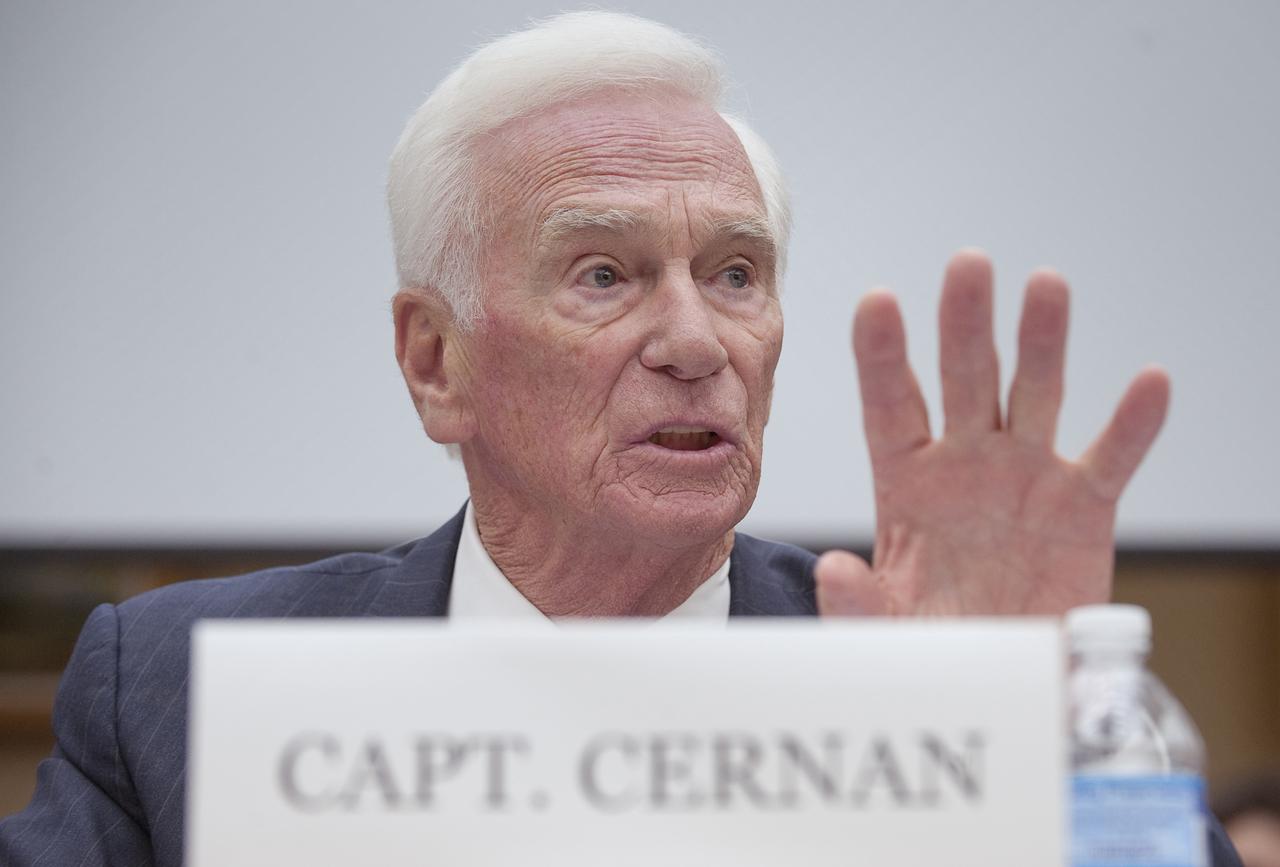
Retired Navy Captain and commander of Apollo 17 Eugene Cernan testifies during a hearing before the House Science and Technology Committee, Tuesday, May 26, 2010, at the Rayburn House office building on Capitol Hill in Washington. The hearing was to review proposed human spaceflight plan by NASA. Photo Credit: (NASA/Paul E. Alers)
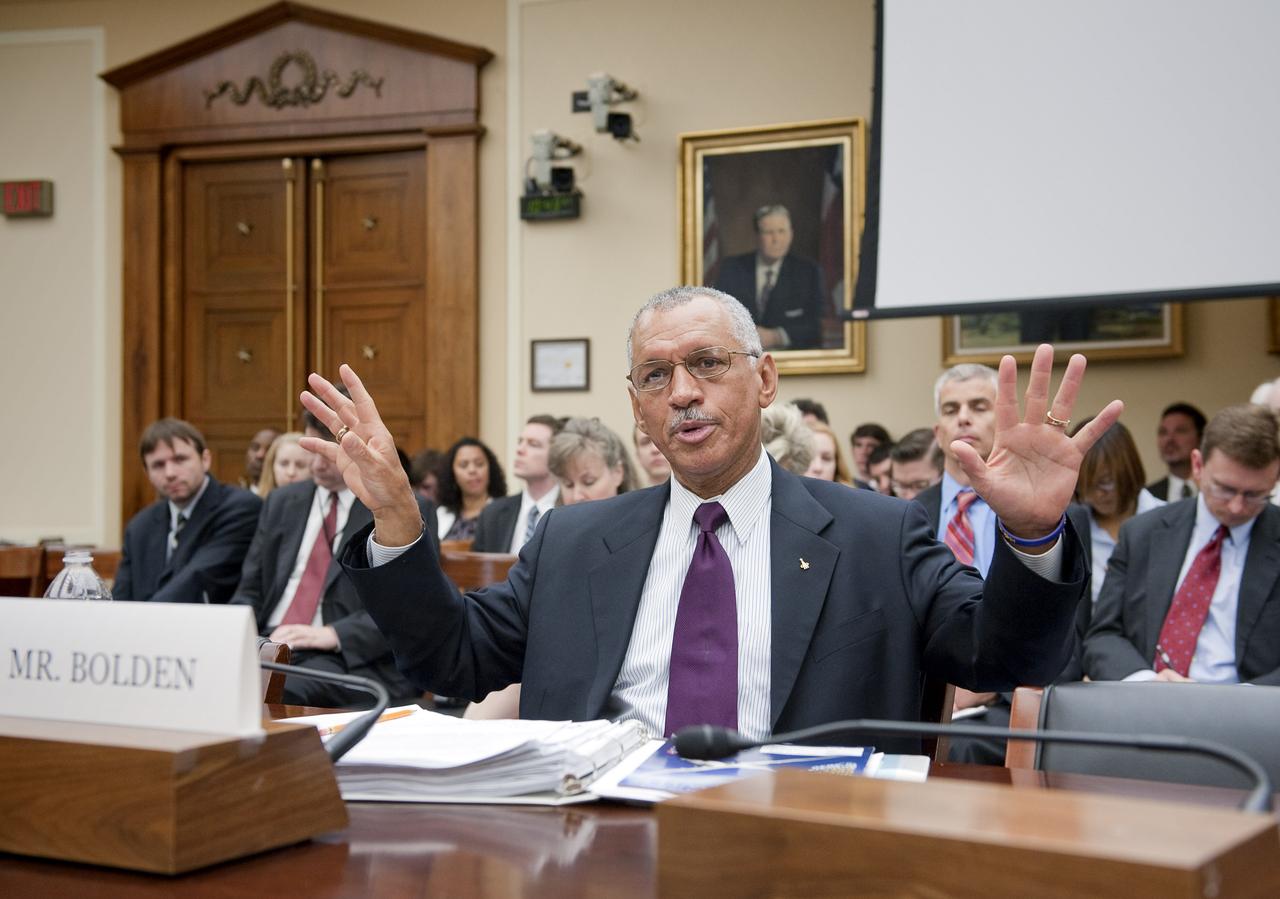
NASA Administrator Charles Bolden testifies during a hearing before the House Science and Technology Committee, Tuesday, May 26, 2010, at the Rayburn House office building on Capitol Hill in Washington. The hearing was to review proposed human spaceflight plan by NASA. Photo Credit: (NASA/Paul E. Alers)
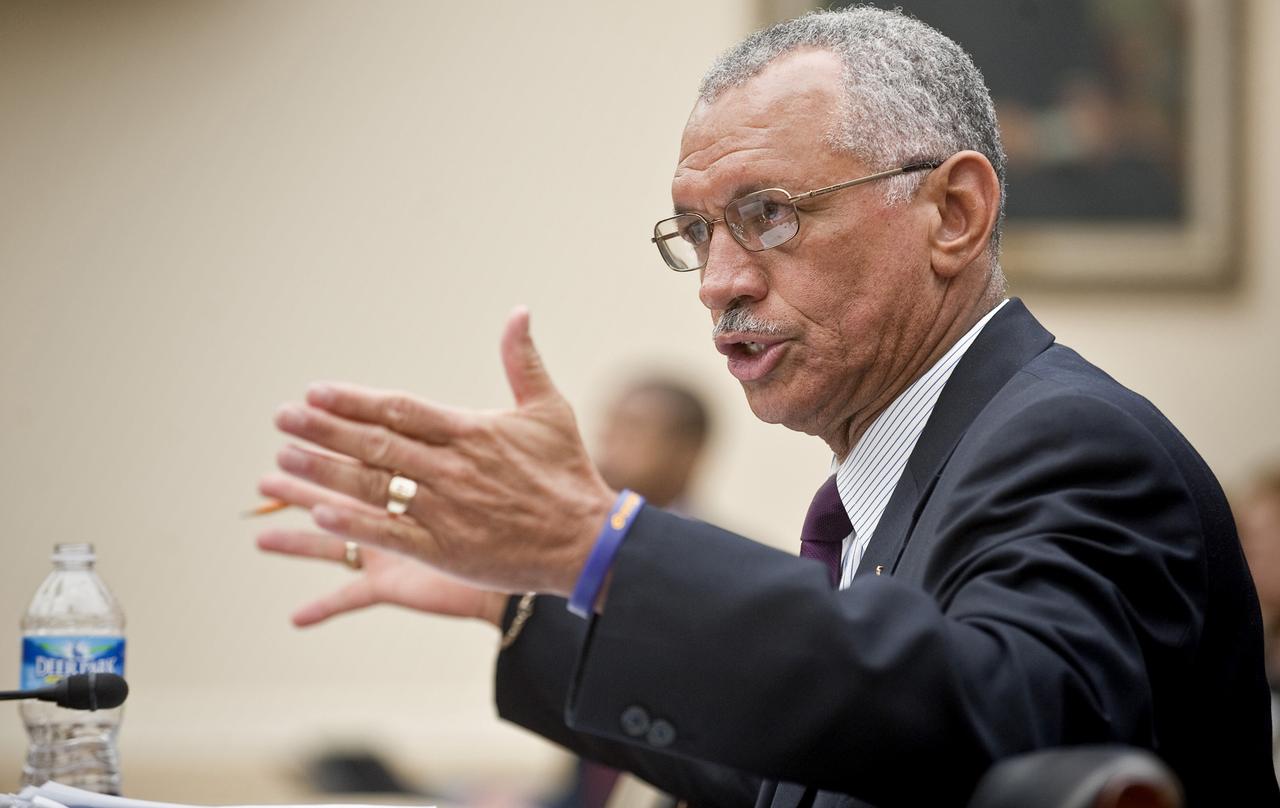
NASA Administrator Charles Bolden makes a point as he testifies during a hearing before the House Science and Technology Committee, Tuesday, May 26, 2010, at the Rayburn House office building on Capitol Hill in Washington. The hearing was to review proposed human spaceflight plan by NASA. Photo Credit: (NASA/Paul E. Alers)
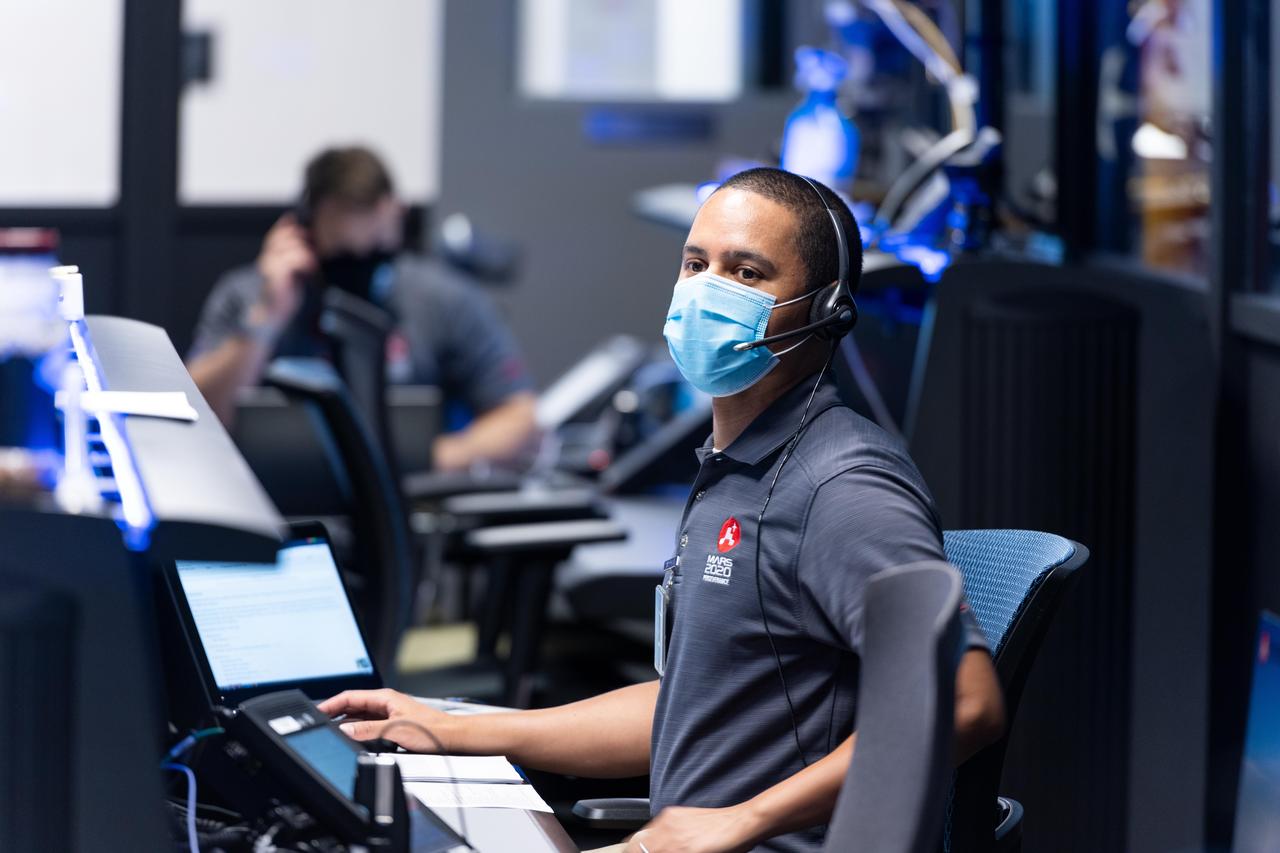
Matt Smith, flight director for the second Mars 2020 mission trajectory correction maneuver (TCM-2), studying the screens at NASA's Jet Propulsion Laboratory in Southern California. TCMs are a series of planned adjustments to put the rover on the correct path to land on Mars. https://photojournal.jpl.nasa.gov/catalog/PIA24193
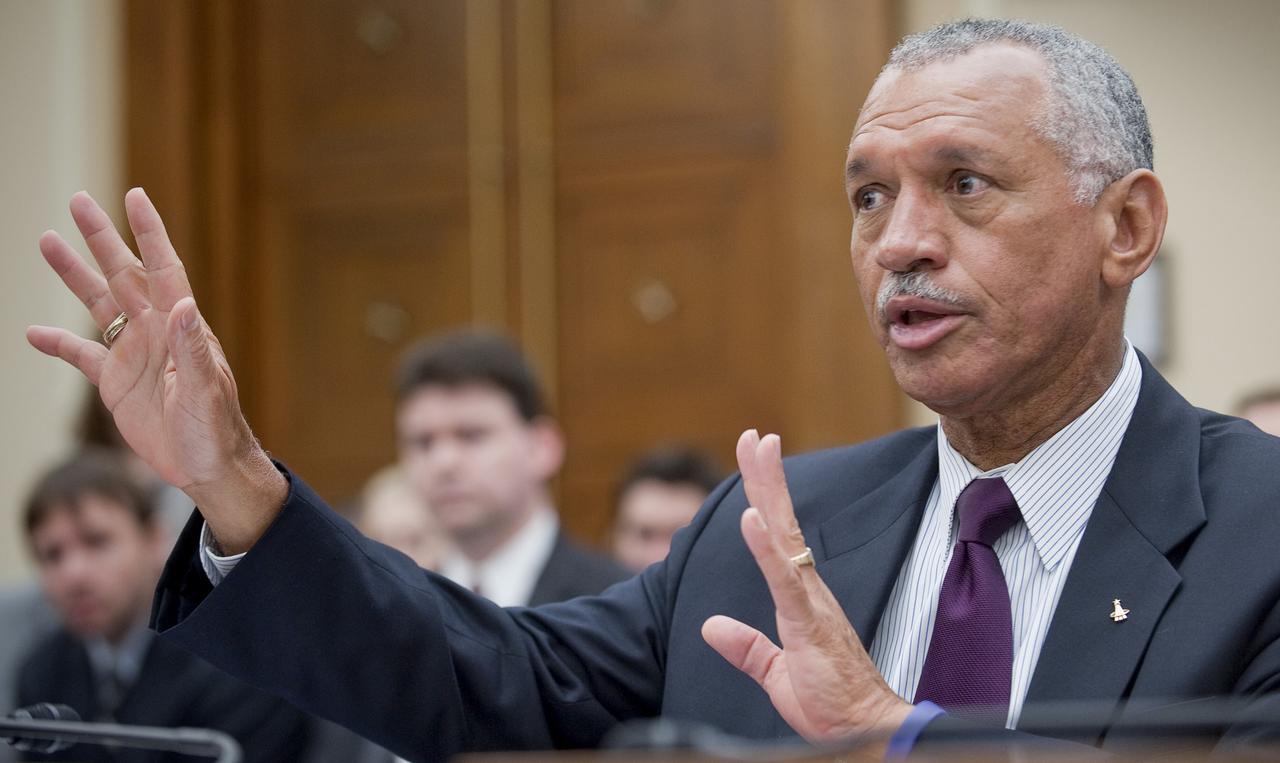
NASA Administrator Charles Bolden makes a point as he testifies during a hearing before the House Science and Technology Committee, Tuesday, May 26, 2010, at the Rayburn House office building on Capitol Hill in Washington. The hearing was to review proposed human spaceflight plan by NASA. Photo Credit: (NASA/Paul E. Alers)
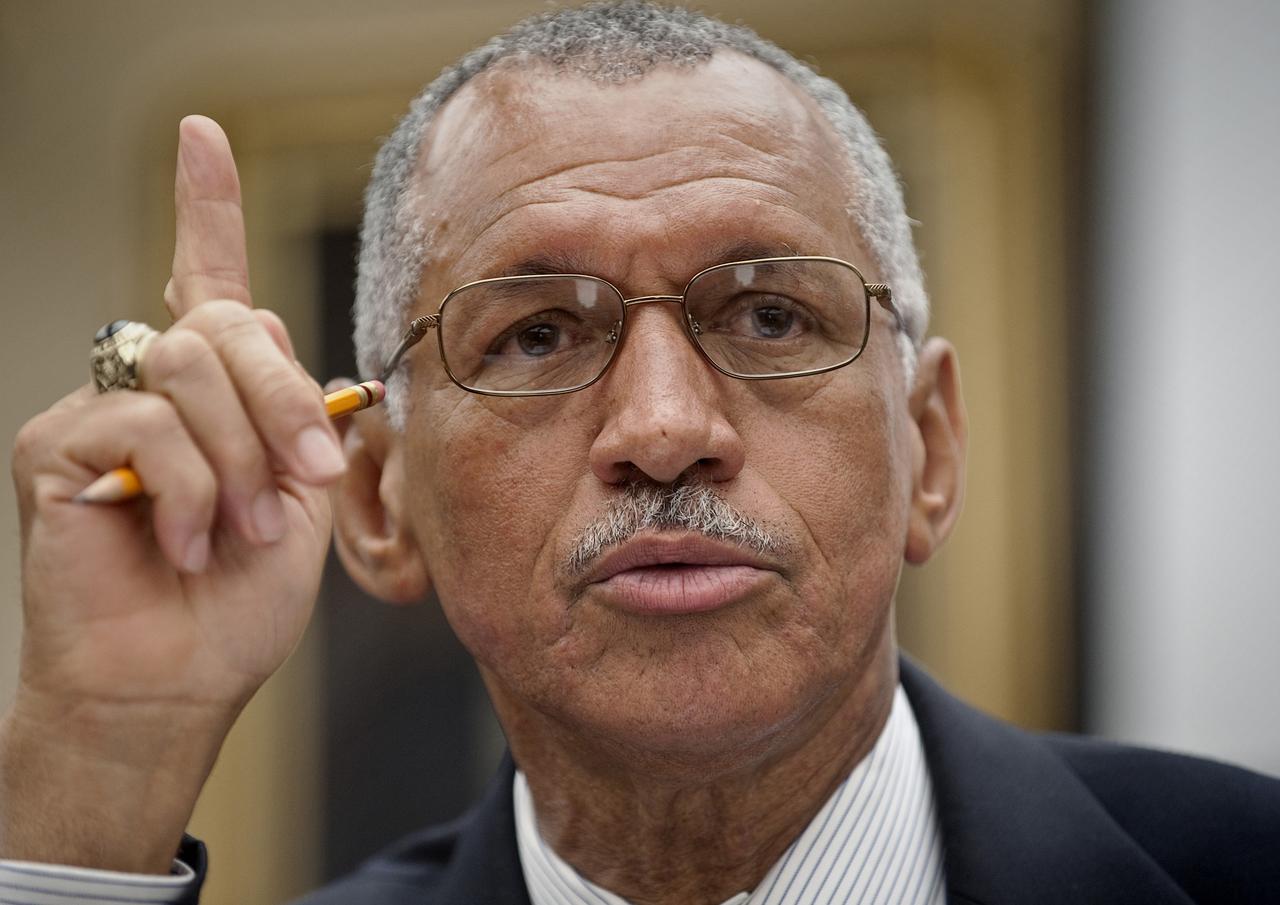
NASA Administrator Charles Bolden makes a point as he testifies during a hearing before the House Science and Technology Committee, Tuesday, May 26, 2010, at the Rayburn House office building on Capitol Hill in Washington. The hearing was to review proposed human spaceflight plan by NASA. Photo Credit: (NASA/Paul E. Alers)
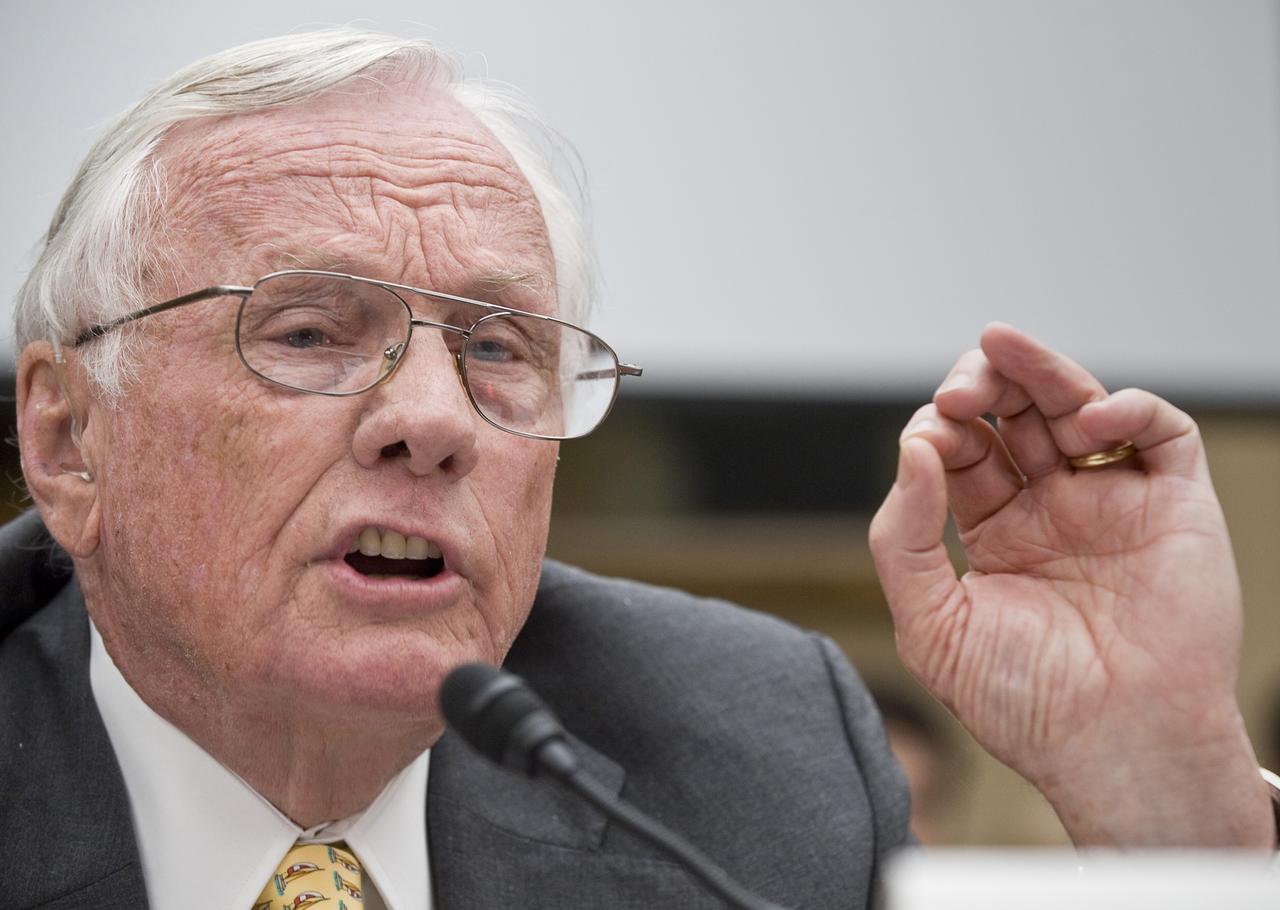
Apollo 11 Commander Neil Armstrong makes a point as he testifies during a hearing before the House Science and Technology Committee, Tuesday, May 26, 2010, at the Rayburn House office building on Capitol Hill in Washington. The hearing was to review proposed human spaceflight plan by NASA. Photo Credit: (NASA/Paul E. Alers)
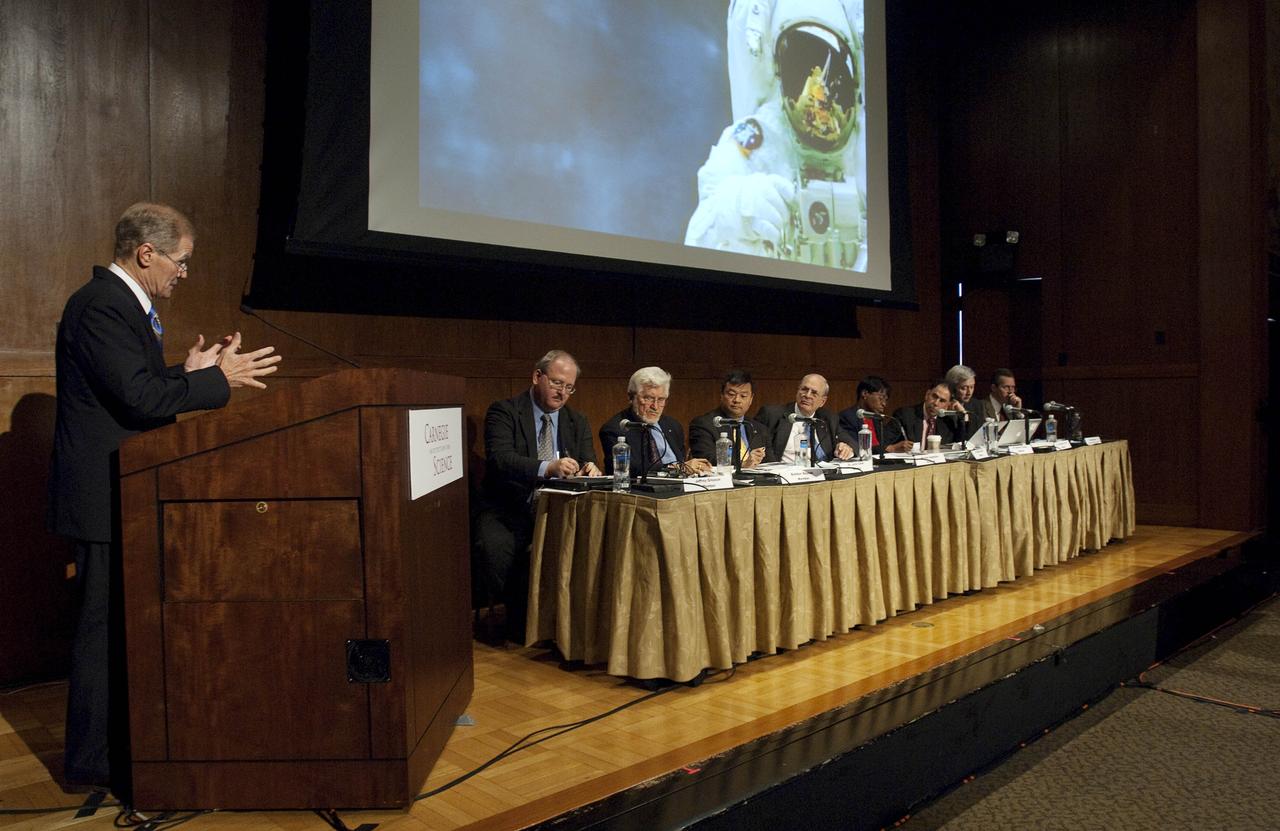
U.S. Sen. Bill Nelson, D-Fla., at podium, addresses members of the Human Space Flight Review Committee, Wednesday, June 17, 2009, at the Carnegie Institution in Washington. Seated from left are Jeffrey Greason, Bohdan Bejmuk, Dr. Leroy Chiao, Norman Augustine (chair), Dr. Wanda Austin, Dr. Edward Crawley, Dr. Christopher Chyba and Philip McAlister. The panel will examine ongoing and planned NASA development activities and potential alternatives in order to present options for advancing a safe, innovative, affordable and sustainable human space flight program following the space shuttle's retirement. The committee wil present its results by August 2009. Photo Credit: (NASA/Paul E. Alers)

Norman Augustine, chair of the Human Space Flight Review Committee, listens to a comment from the audience during the first of several public meetings at different U.S. locations, Wednesday, June 17, 2009, at the Carnegie Institution in Washington. The panel will examine ongoing and planned NASA development activities and potential alternatives in order to present options for advancing a safe, innovative, affordable and sustainable human space flight program following the space shuttle's retirement. The committee wil present its results by August 2009. Photo Credit: (NASA/Paul E. Alers)
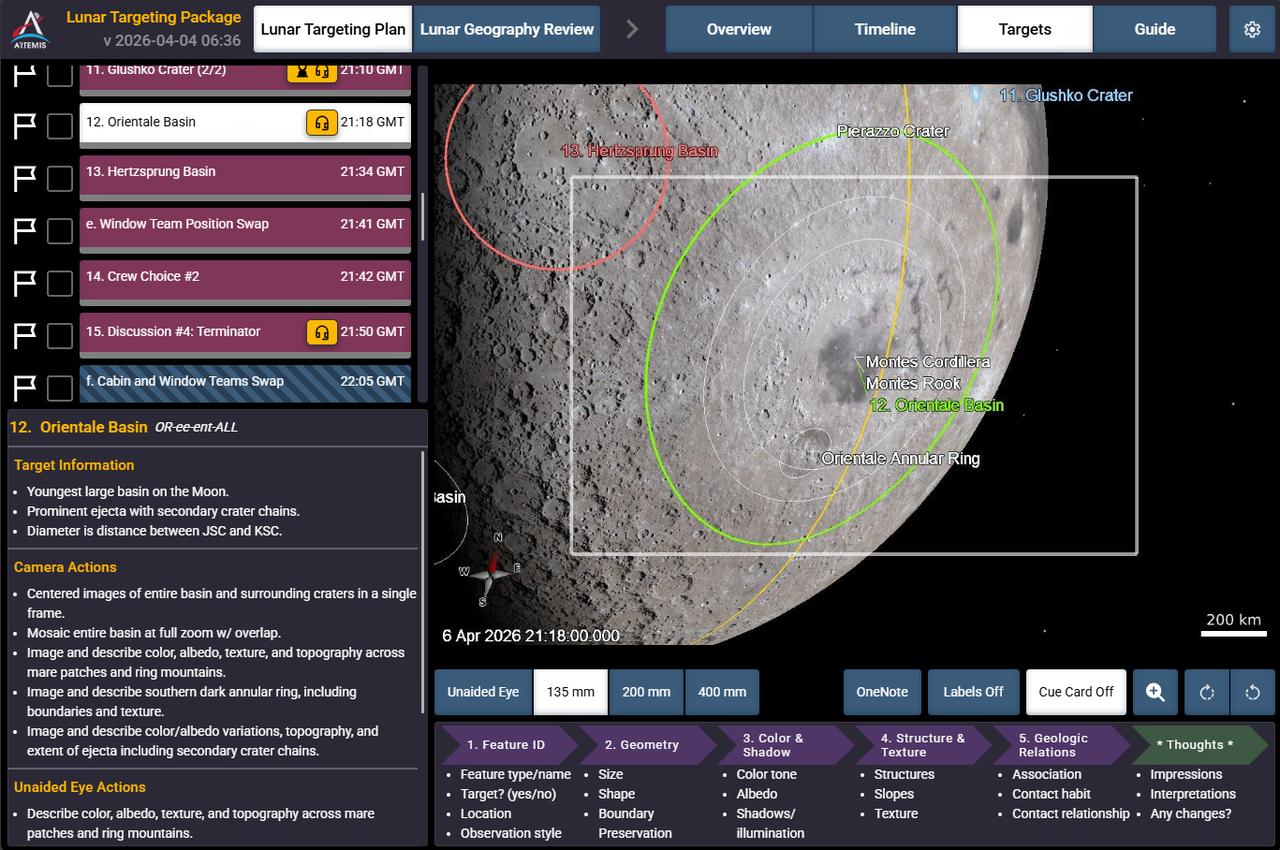
Caption: This is a screen shot of the application the crew sees on their personal computing devices that guides them in the execution of the lunar science observation plan. This custom software was built by the crew lunar observations team, a subset of the Artemis II lunar science team. In this screenshot you can see Orientale basin, target number 12 circled on the bottom right of the Moon, and to its left, target number 13, Hertzsprung basin.
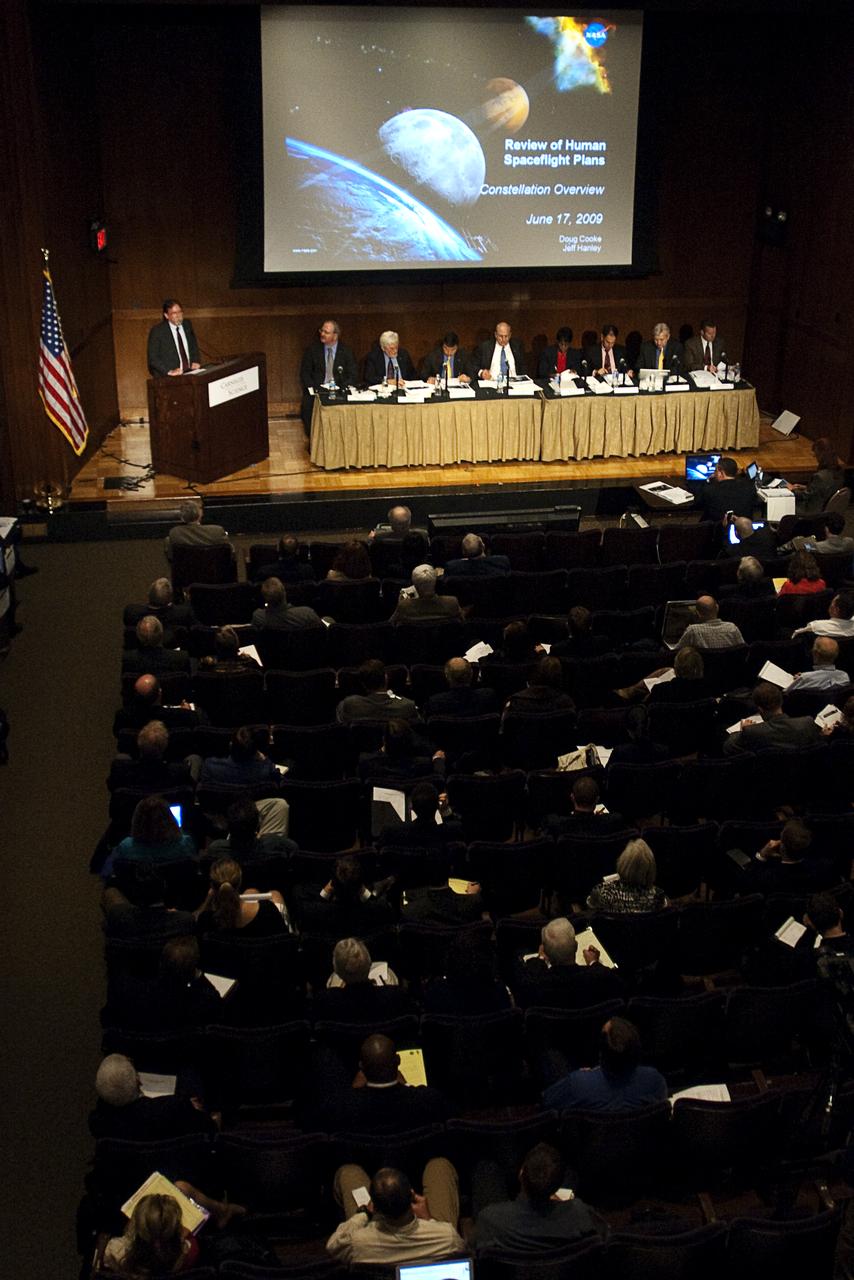
Douglas R. Cooke, Associate Administrator for Exploration Systems Mission Directorate, at podium, addresses the Human Space Flight Review Committee, Wednesday, June 17, 2009, at the Carnegie Institution in Washington. The panel will examine ongoing and planned NASA development activities and potential alternatives in order to present options for advancing a safe, innovative, affordable and sustainable human space flight program following the space shuttle's retirement. The committee wil present its results by August 2009. Seated from left on the panel is Jeffrey Greason, Bohdan Bejmuk, Dr. Leroy Chiao, Norman Augustine (chair), Dr. Wanda Austin, Dr. Edward Crawley, Dr. Christopher Chyba and Philip McAlister. Photo Credit: (NASA/Paul E. Alers)
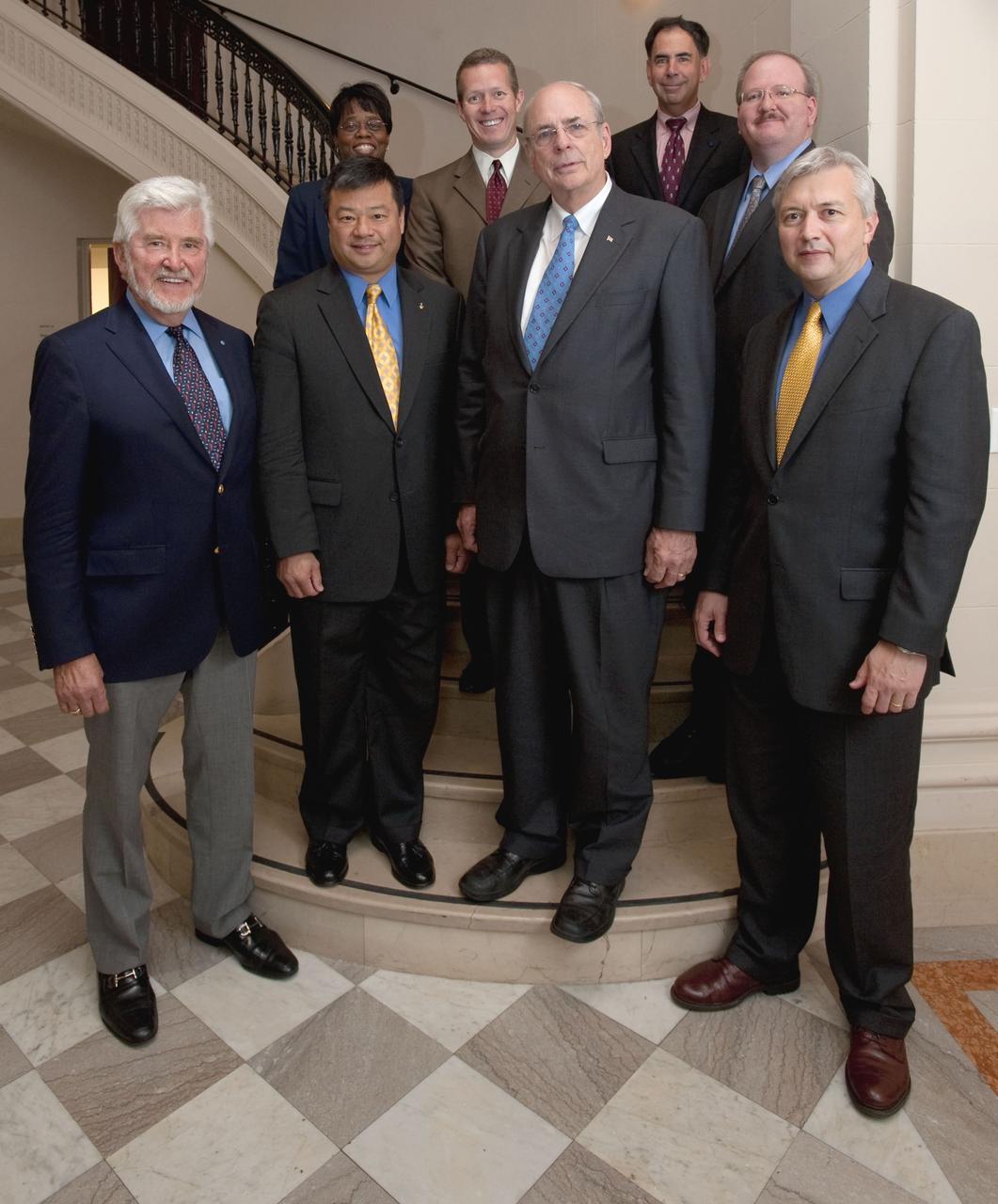
Norman Augustine, chair of the Human Space Flight Review Committee, front center, is joined by other members of the committee, clockwise from left, Bohdan Bejmuk, Leroy Chiao, Dr. Wanda Austin, Philip McAlister, Dr. Edward Crawley, Jeffrey Greason and Dr. Christopher Chyba prior to the start of the first of several public meetings at different U.S. locations, Wednesday, June 17, 2009, at the Carnegie Institution in Washington. The panel will examine ongoing and planned NASA development activities and potential alternatives in order to present options for advancing a safe, innovative, affordable and sustainable human space flight program following the space shuttle's retirement. The committee wil present its results by August 2009. Members of the committee that were not in attendance and are not pictured are Dr. Charles Kennel, Retired Air Force Gen. Lester Lyles and former astronaut Sally Ride. Photo Credit: (NASA/Paul E. Alers)
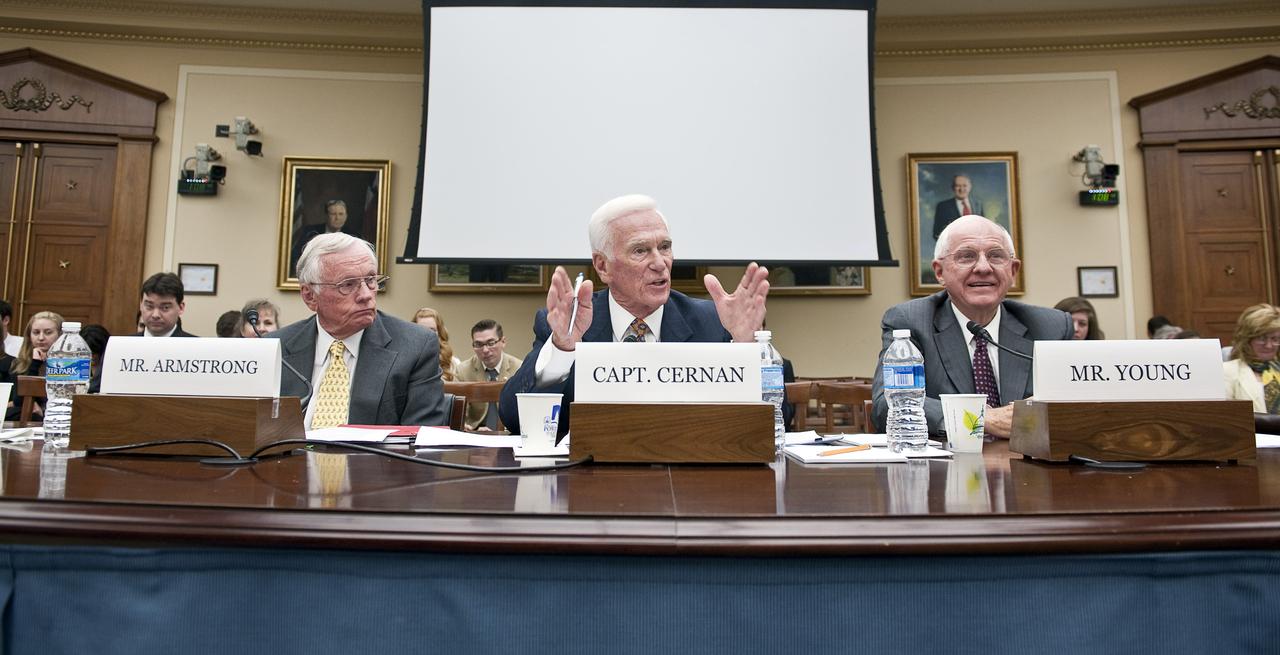
Retired Navy Captain and commander of Apollo 17 Eugene Cernan, center, is flanked by Apollo 11 Commander Neil Armstrong, left, and A. Thomas Young, as he testifies during a hearing before the House Science and Technology Committee, Tuesday, May 26, 2010, at the Rayburn House office building on Capitol Hill in Washington. The hearing was to review proposed human spaceflight plan by NASA. Photo Credit: (NASA/Paul E. Alers)
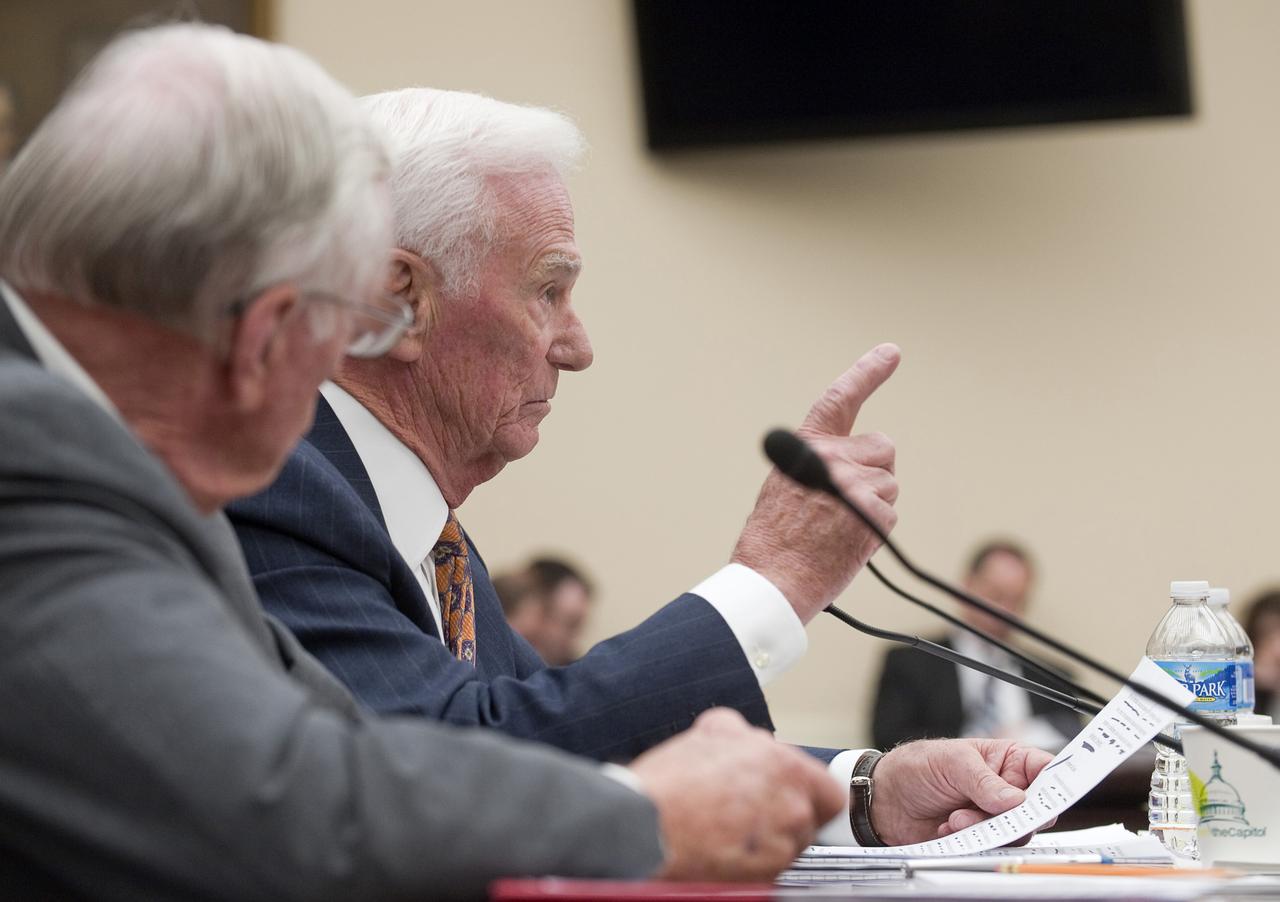
Retired Navy Captain and commander of Apollo 17 Eugene Cernan, center, testifies during a hearing before the House Science and Technology Committee, Tuesday, May 26, 2010, at the Rayburn House office building on Capitol Hill in Washington as Apollo 11 Commander Neil Armstrong, left, looks on. The hearing was to review proposed human spaceflight plan by NASA. Photo Credit: (NASA/Paul E. Alers)
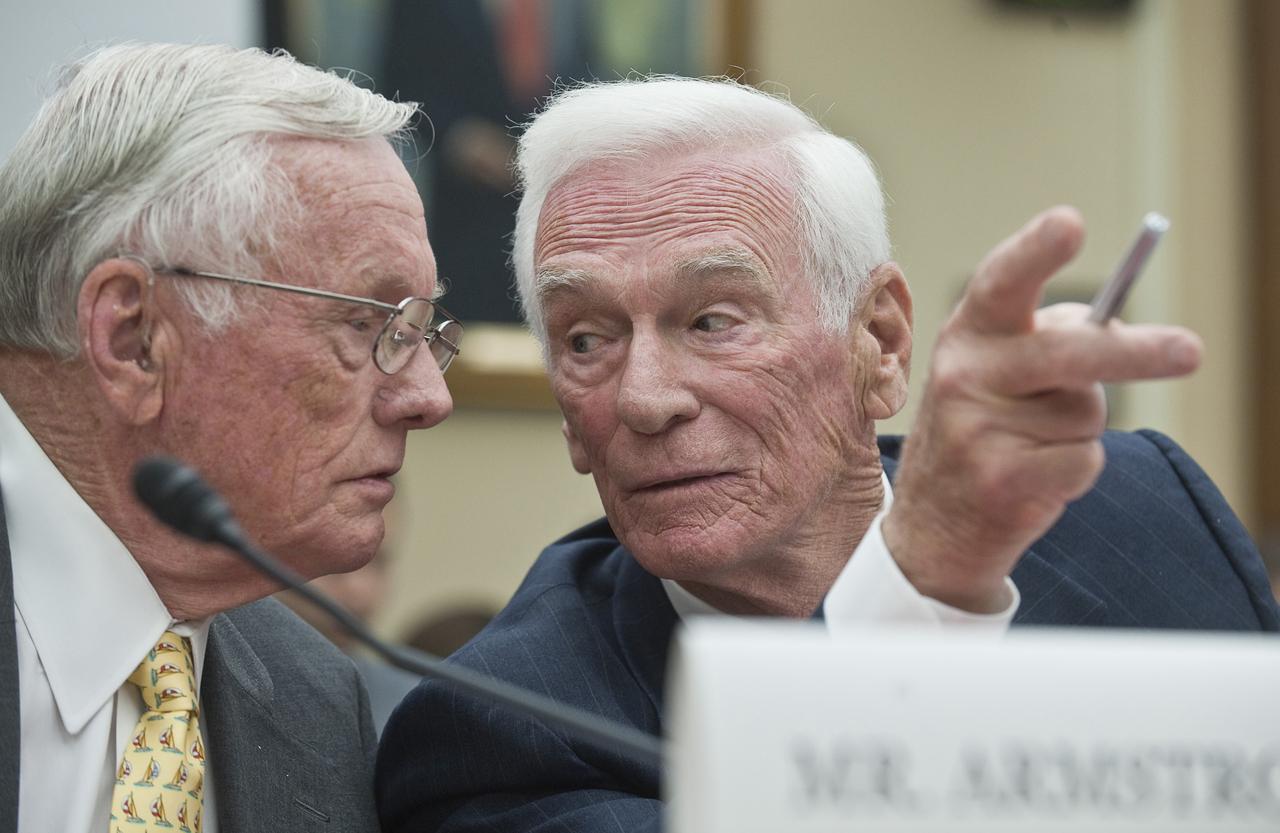
Apollo 11 Commander Neil Armstrong, left, and retired Navy Captain and commander of Apollo 17 Eugene Cernana, confer prior to testifying at a hearing before the House Science and Technology Committee, Tuesday, May 26, 2010, at the Rayburn House office building on Capitol Hill in Washington. The hearing was to review proposed human spaceflight plan by NASA. Photo Credit: (NASA/Paul E. Alers)
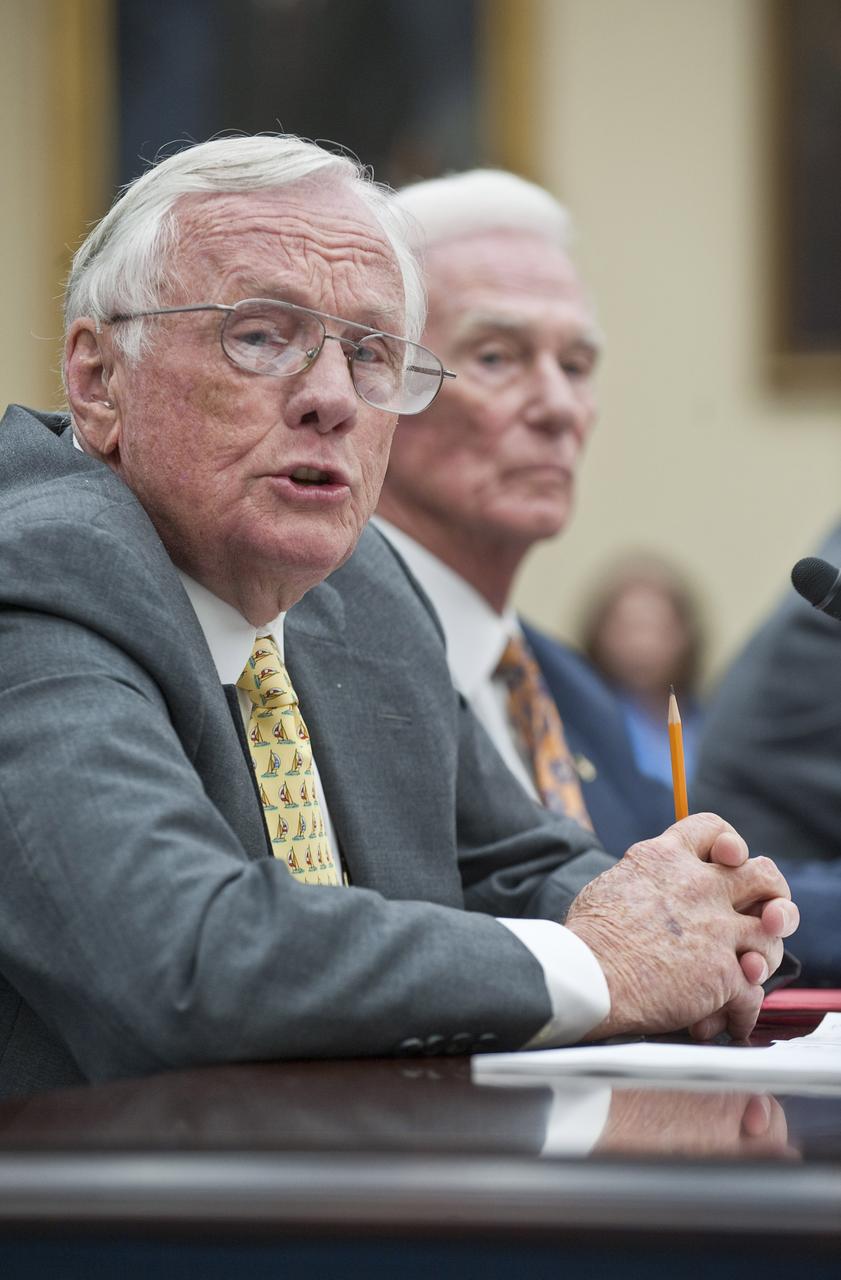
Apollo 11 Commander Neil Armstrong, left, testifies during a hearing before the House Science and Technology Committee, Tuesday, May 26, 2010, at the Rayburn House office building on Capitol Hill in Washington as retired Navy Captain and commander of Apollo 17 Eugene Cernan looks on. The hearing was to review proposed human spaceflight plan by NASA. Photo Credit: (NASA/Paul E. Alers)
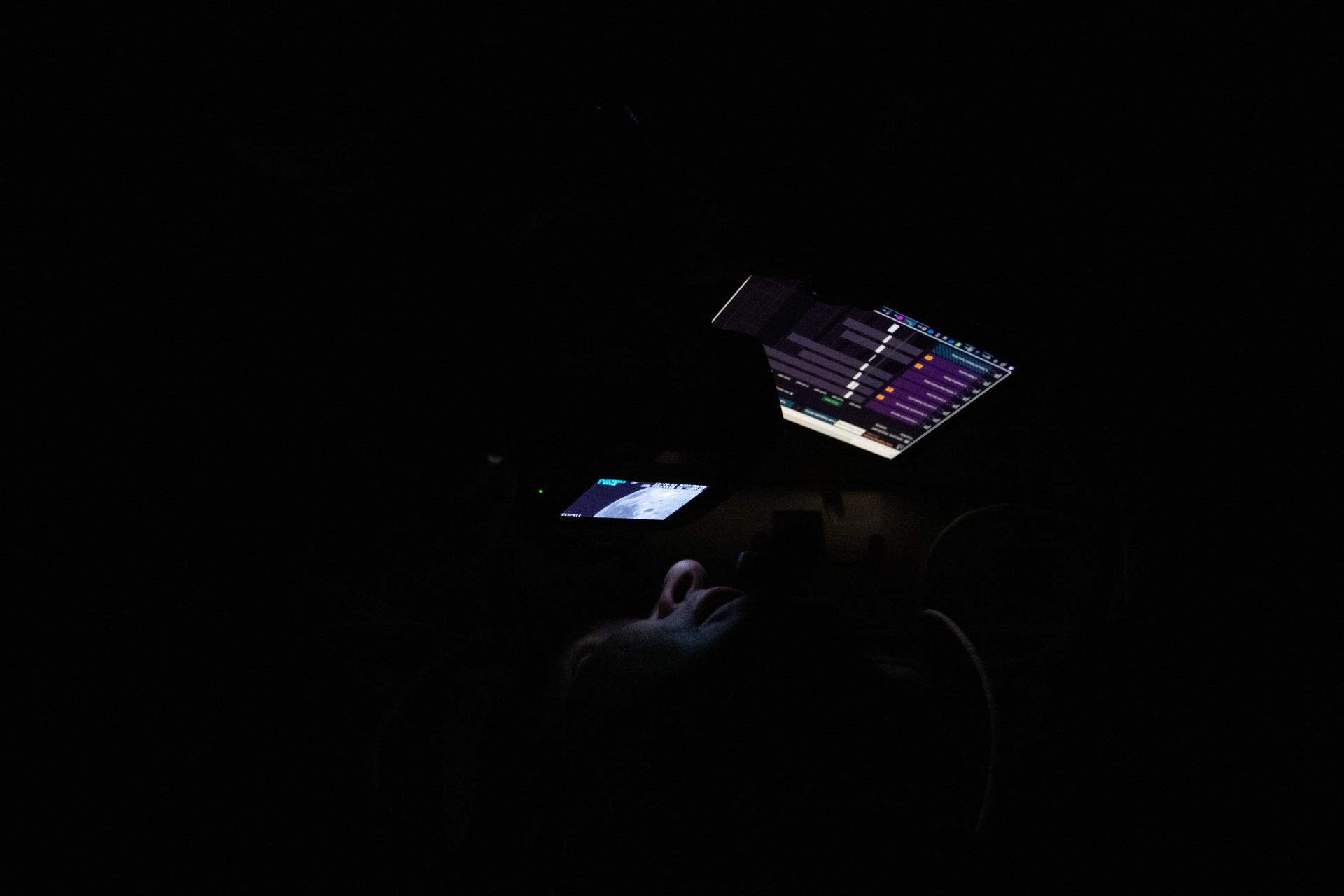
art002e014251 (April 6, 2026) – CSA (Canadian Space Agency) astronaut and Artemis II Mission Specialist Jeremy Hansen is seen taking images through the Orion spacecraft window during the Artemis II lunar flyby. Hansen and his fellow crewmates spent approximately seven hours taking turns at the Orion windows capturing science data to share with their team back on Earth. At closest approach, they came within 4,067 miles of the Moon’s surface. The application seen on the crew personal computing devices is the Lunar Targeting Plan that guides them in the execution of the lunar science observation plan. This custom software was built by the crew lunar observations team, a subset of the Artemis II lunar science team.
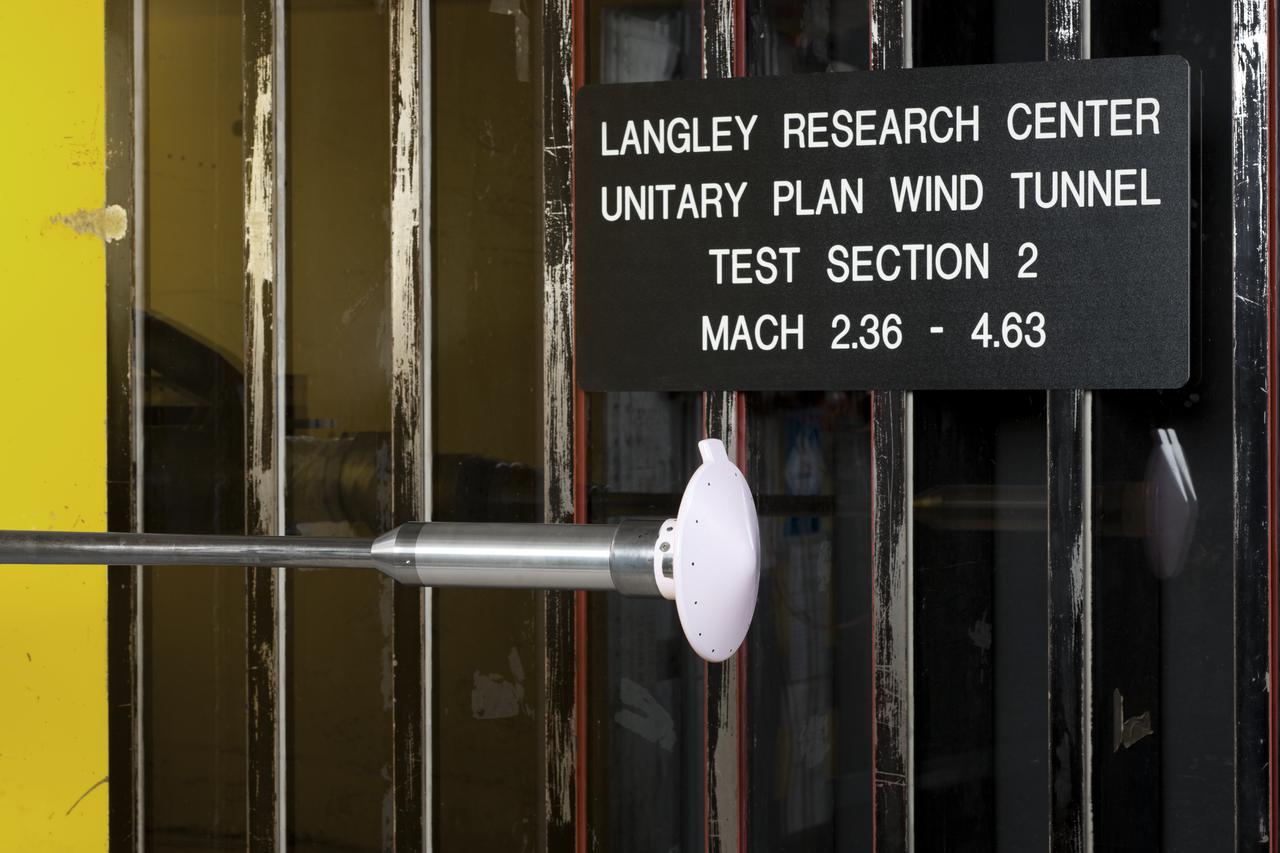
Test 1875 in Unitary Plan Wind Tunnel (UPWT) HIADS TTPM: Trim Tab study on various cone angled heat shields (TTPM) Technology Technical Performance Metric (HIADS) Hypersonic inflatable aerodynamic decelerators
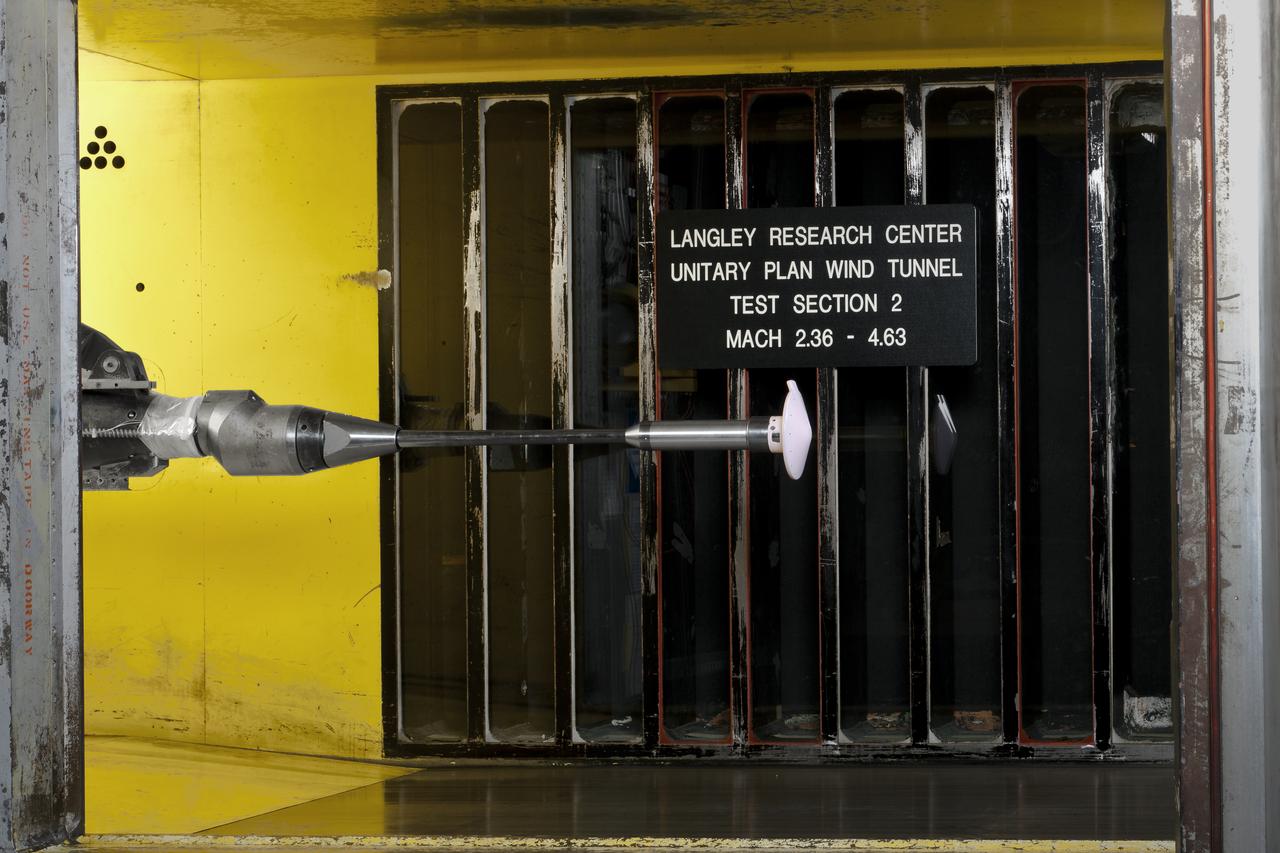
Test 1875 in Unitary Plan Wind Tunnel (UPWT) HIADS TTPM: Trim Tab study on various cone angled heat shields (TTPM) Technology Technical Performance Metric (HIADS) Hypersonic inflatable aerodynamic decelerators
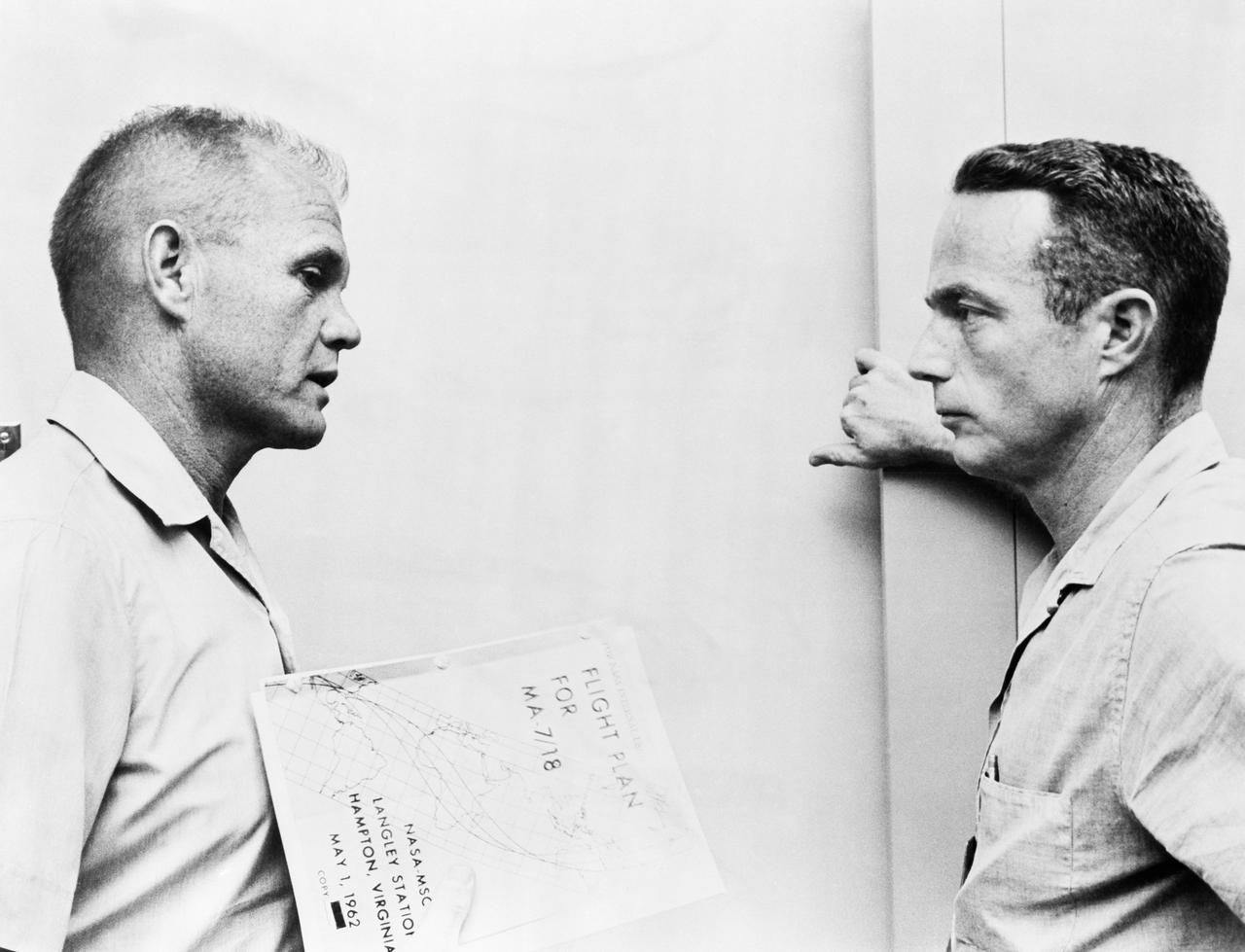
S62-02830 (1962) --- Astronauts John Glenn (left) and Scott Carpenter go over the flight plan for MA-7 mission. (62-MA7-63) Photo credit: NASA
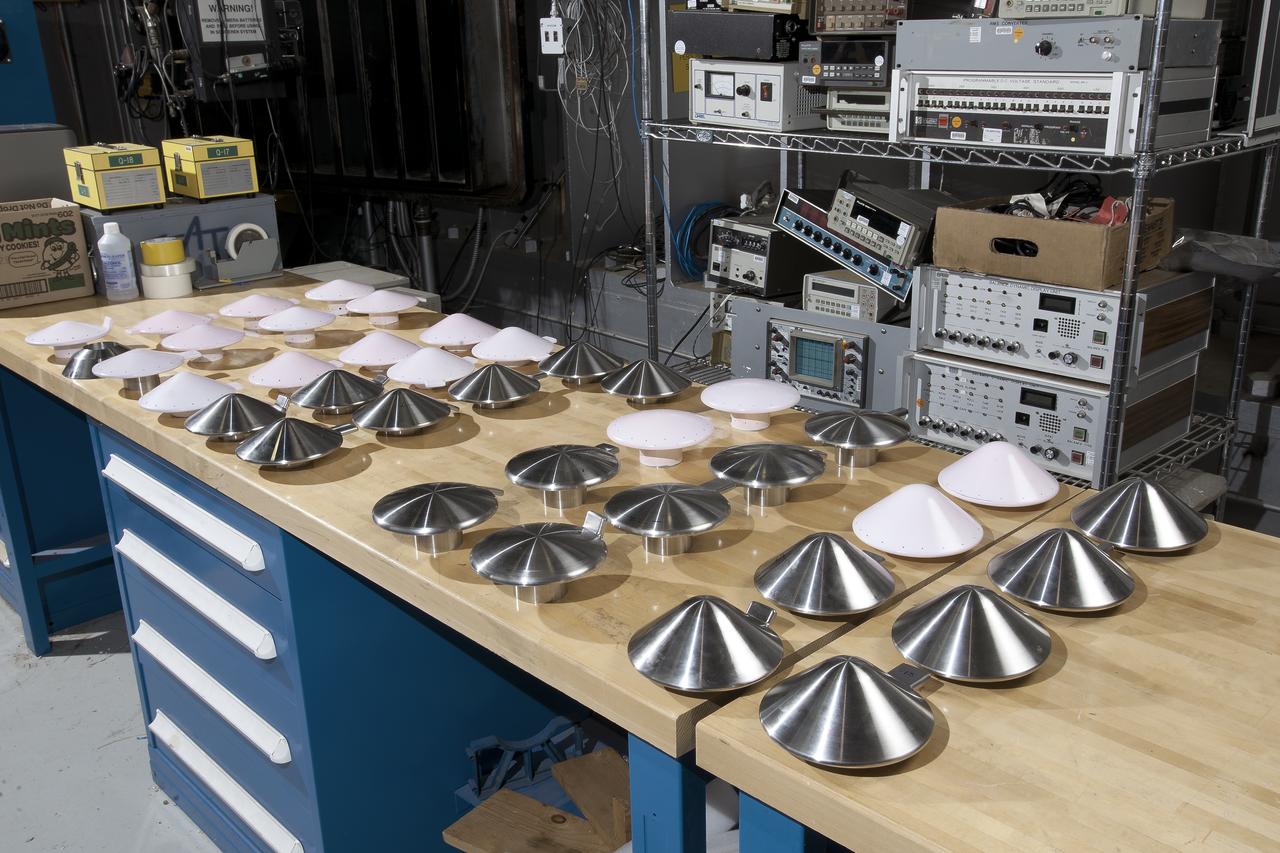
Test 1875 in Unitary Plan Wind Tunnel (UPWT) HIADS TTPM: Trim Tab study on various cone angled heat shields (TTPM) Technology Technical Performance Metric (HIADS) Hypersonic inflatable aerodynamic decelerators
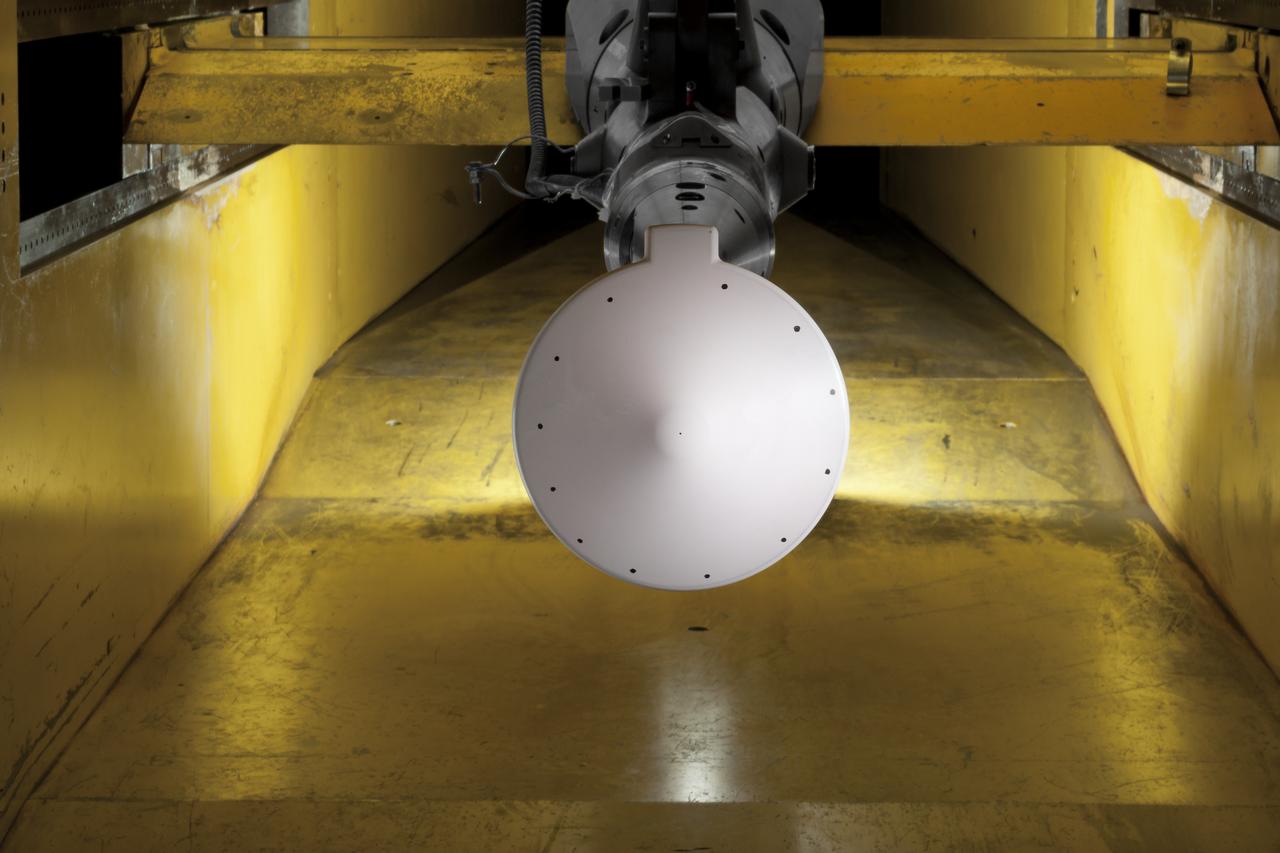
Test 1875 in Unitary Plan Wind Tunnel (UPWT) HIADS TTPM: Trim Tab study on various cone angled heat shields (TTPM) Technology Technical Performance Metric (HIADS) Hypersonic inflatable aerodynamic decelerators
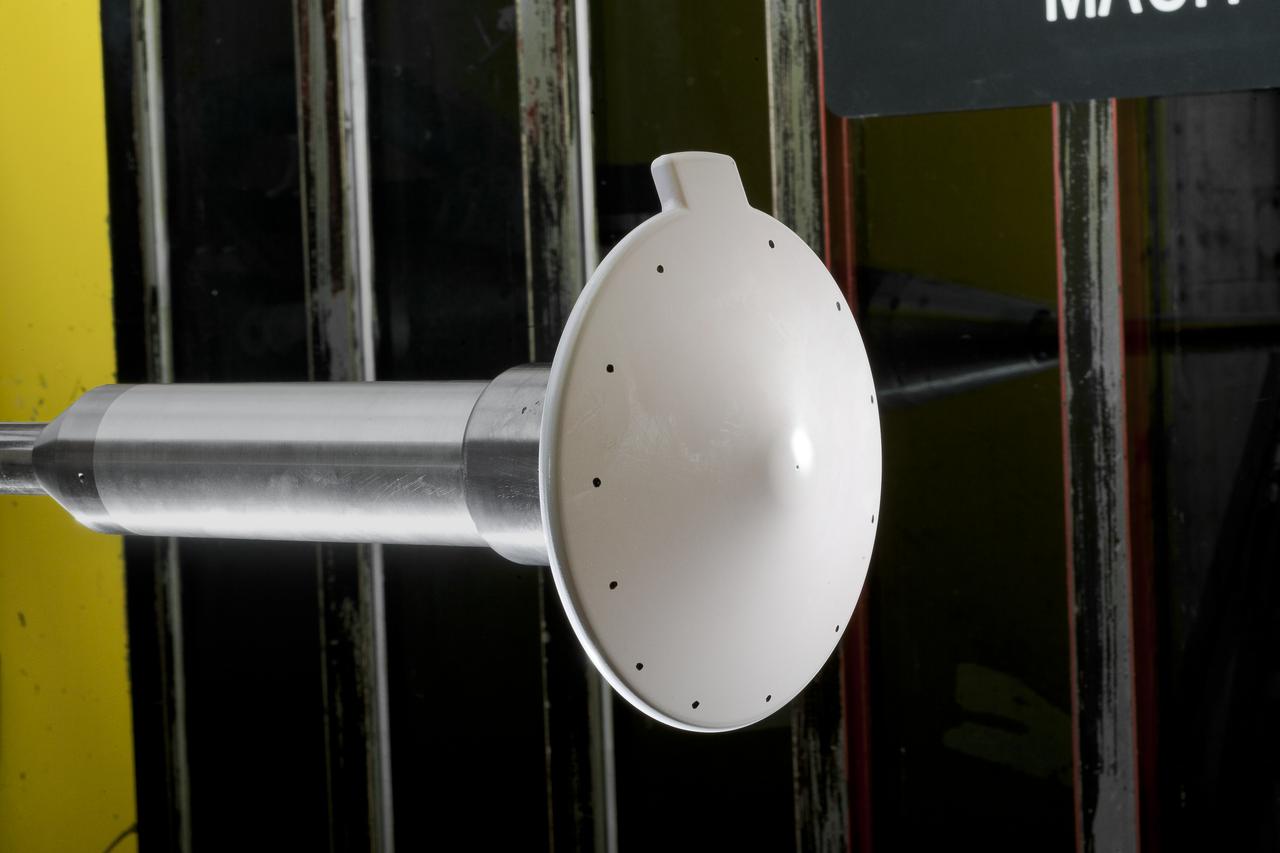
Test 1875 in Unitary Plan Wind Tunnel (UPWT) HIADS TTPM: Trim Tab study on various cone angled heat shields (TTPM) Technology Technical Performance Metric (HIADS) Hypersonic inflatable aerodynamic decelerators
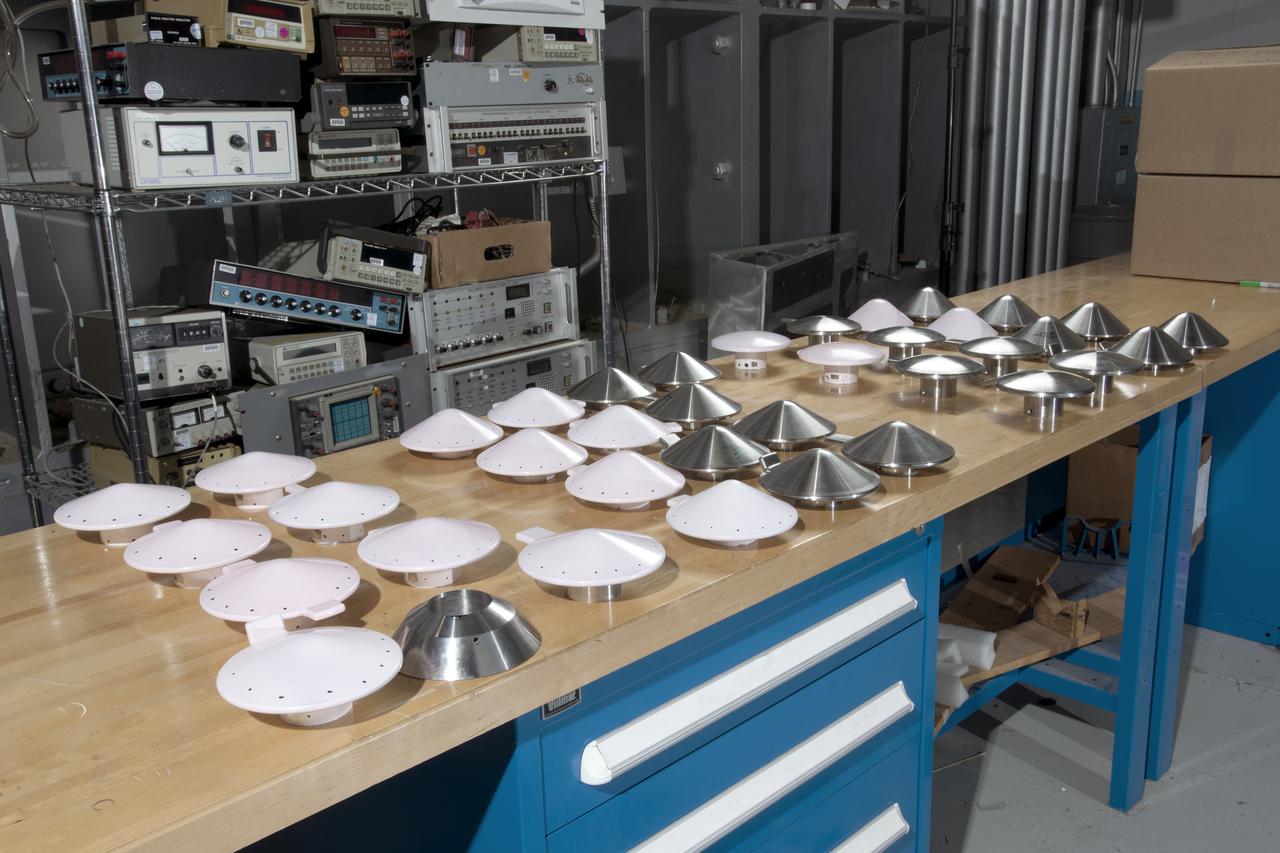
Test 1875 in Unitary Plan Wind Tunnel (UPWT) HIADS TTPM: Trim Tab study on various cone angled heat shields (TTPM) Technology Technical Performance Metric (HIADS) Hypersonic inflatable aerodynamic decelerators
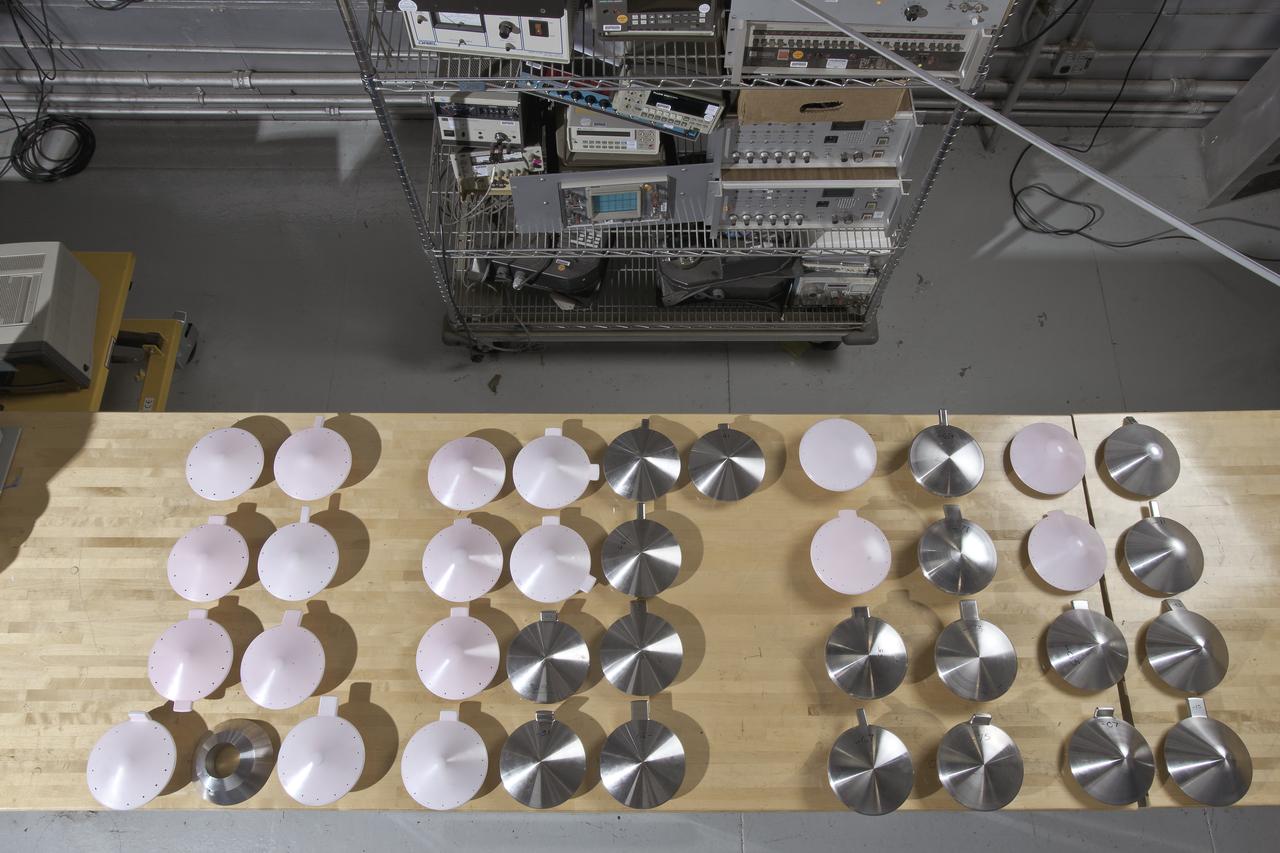
Test 1875 in Unitary Plan Wind Tunnel (UPWT) HIADS TTPM: Trim Tab study on various cone angled heat shields (TTPM) Technology Technical Performance Metric (HIADS) Hypersonic inflatable aerodynamic decelerators
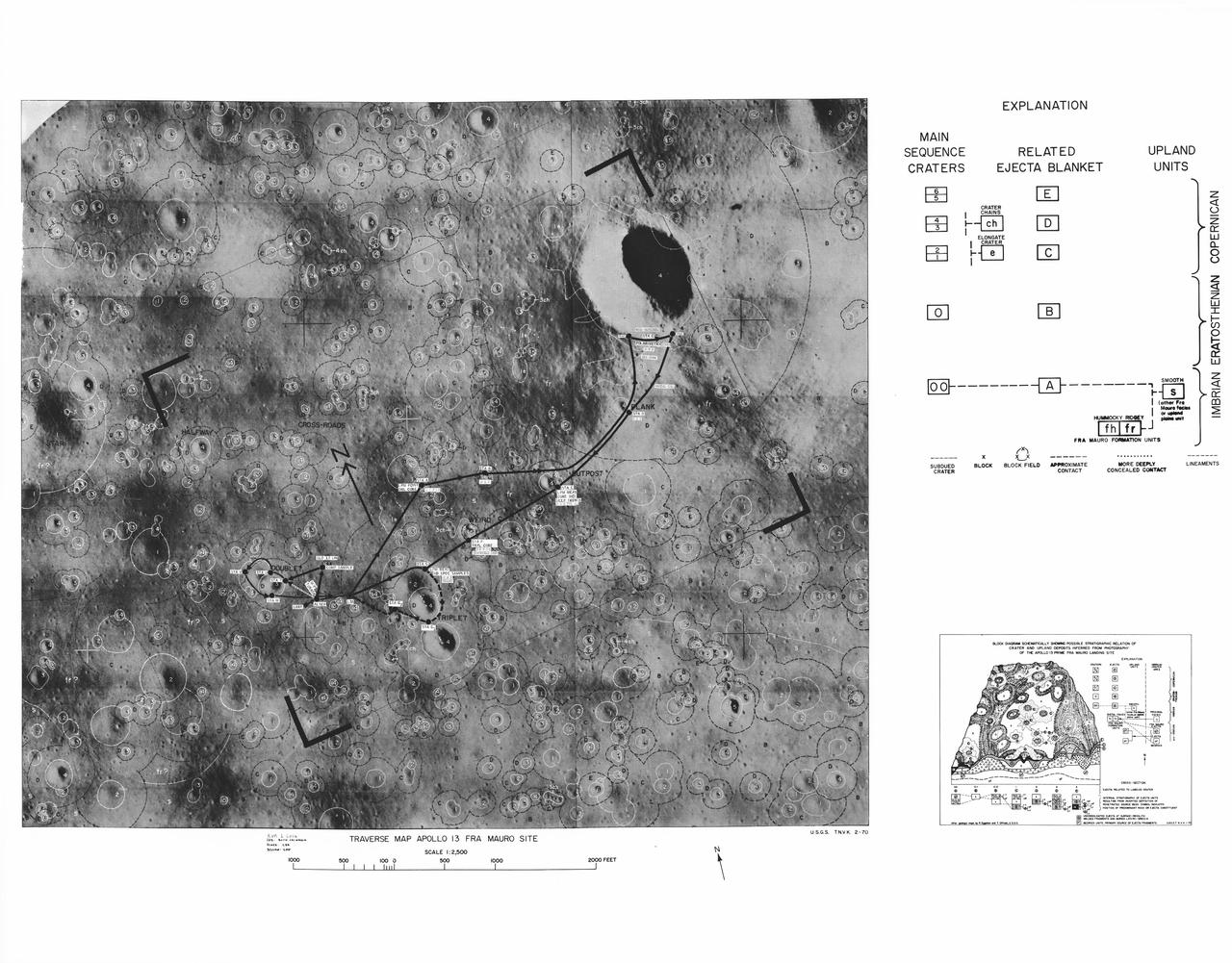
This lunar map shows the traverse plans for the Apollo 14 lunar landing mission. Areas marked include Lunar module landing site, areas for the Apollo Lunar Surface Experiment Package (ALSEP) and areas for gathering of core samples.
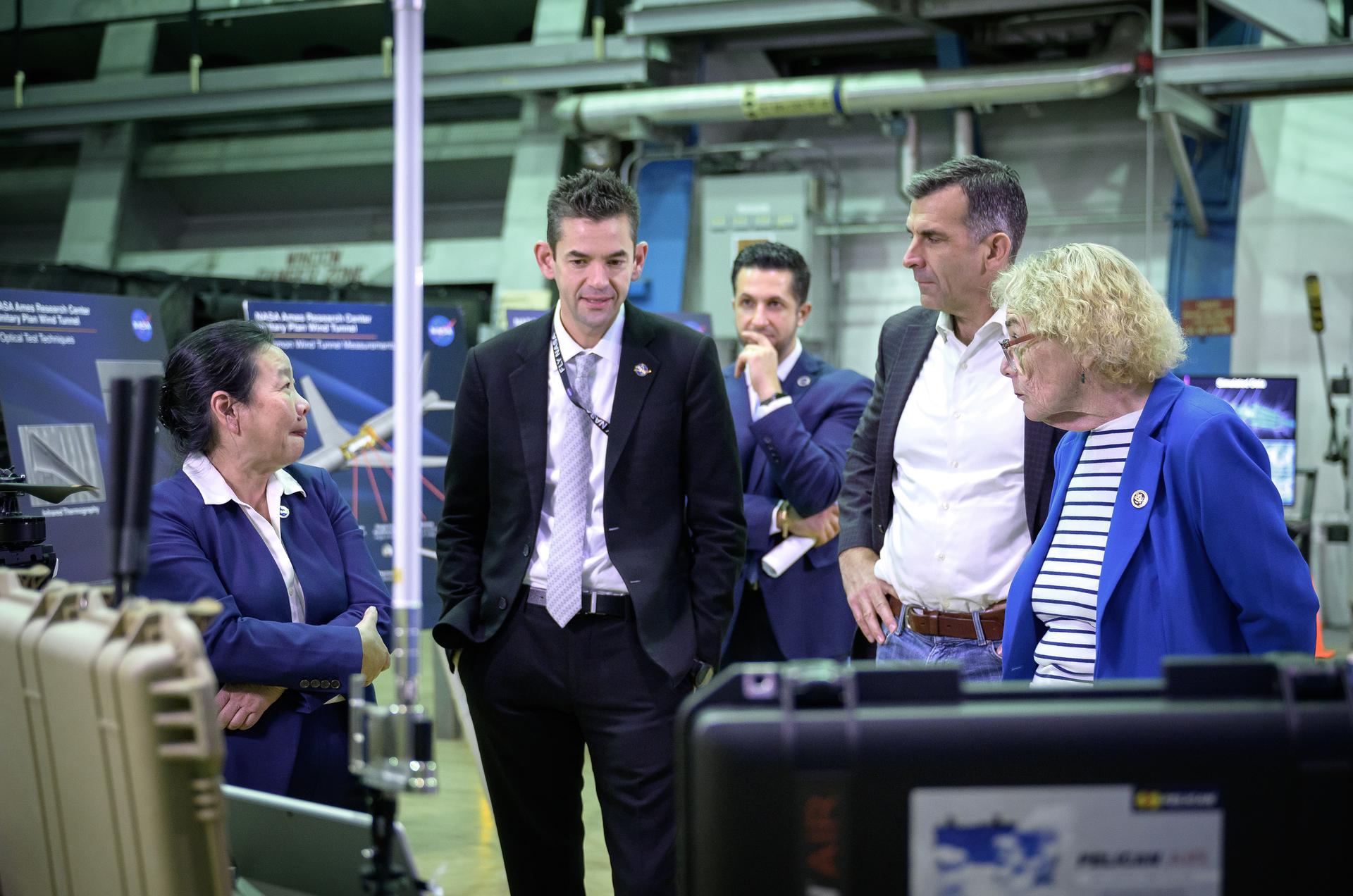
Director of Aeronautics Huy Tran, left, NASA Administrator Jared Isaacman, Associate Center Director Amir Deylami, back, Congressman Sam Liccardo, and Congresswoman Zoe Lofgren, right, tour the Unitary Plan Wind Tunnel (UPWT) facility in N227.
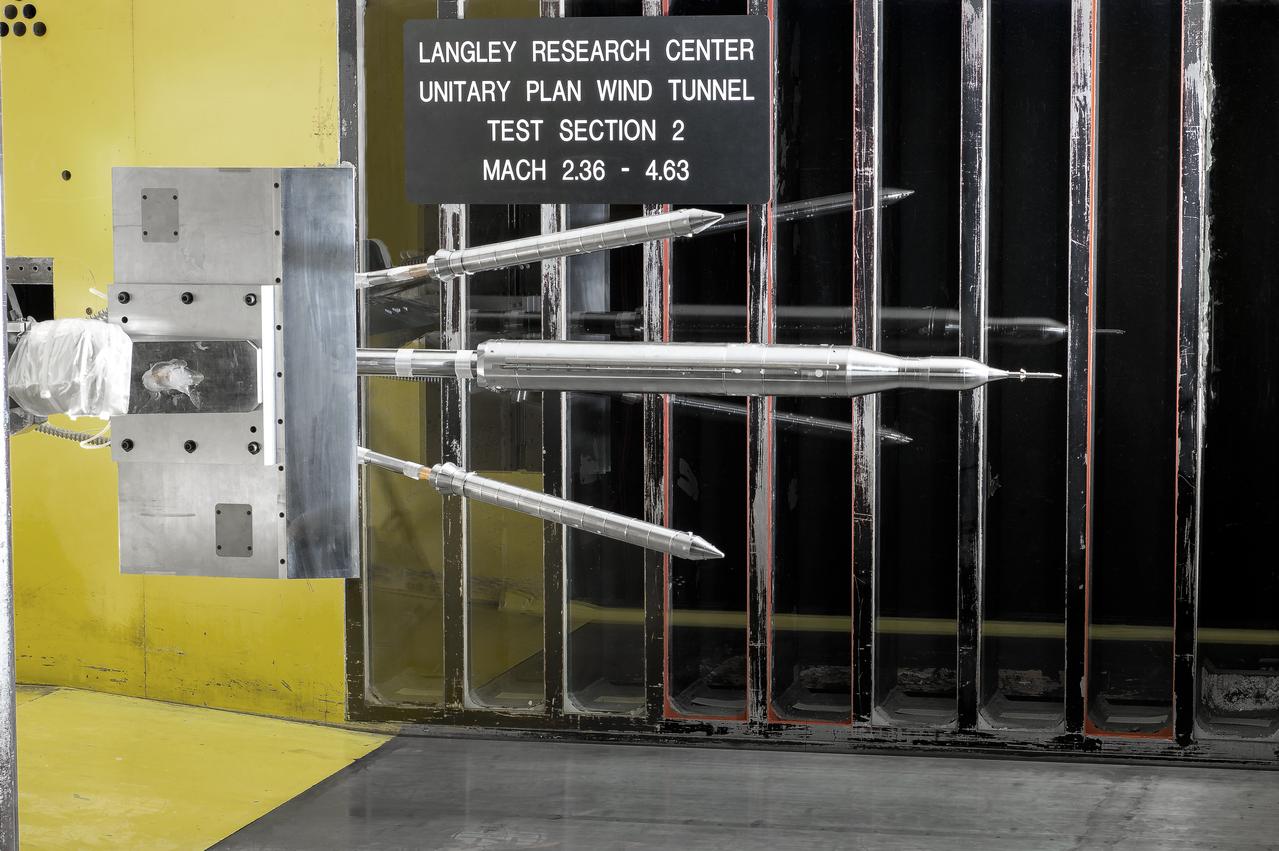
Stage Separation Test of the Space Launch System(SLS) in the Langley Unitary Plan Wind Tunnel (UPWT). The model used High Pressure air blown through the solid rocket boosters. (SRB) to simulate the booster separation motors (BSM) firing.
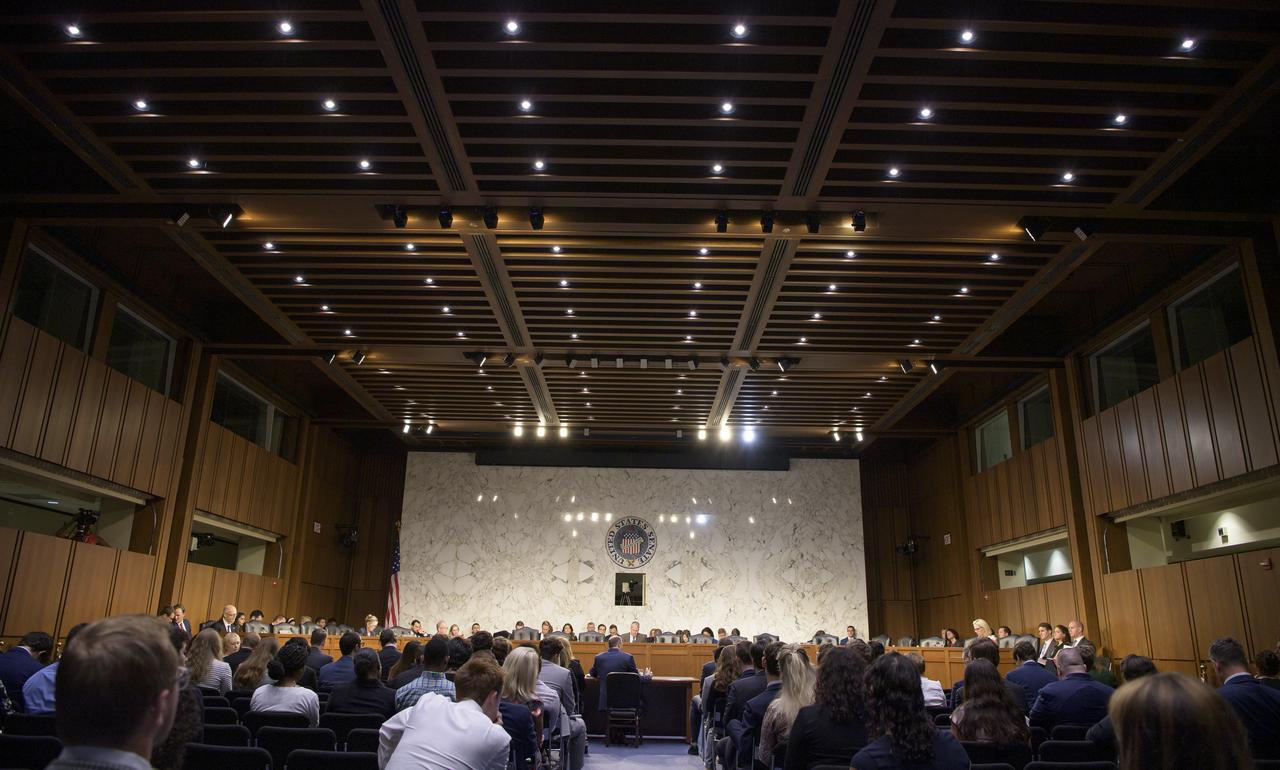
NASA Administrator Jim Bridenstine testifies before the Senate Committee on Commerce, Science, and Transportation during a hearing titled, “Moon to Mars: NASA’s Plans for Deep Space Exploration,” Wednesday, July 17, 2019, at the Hart Senate Office Building in Washington. Photo Credit: (NASA/Bill Ingalls)
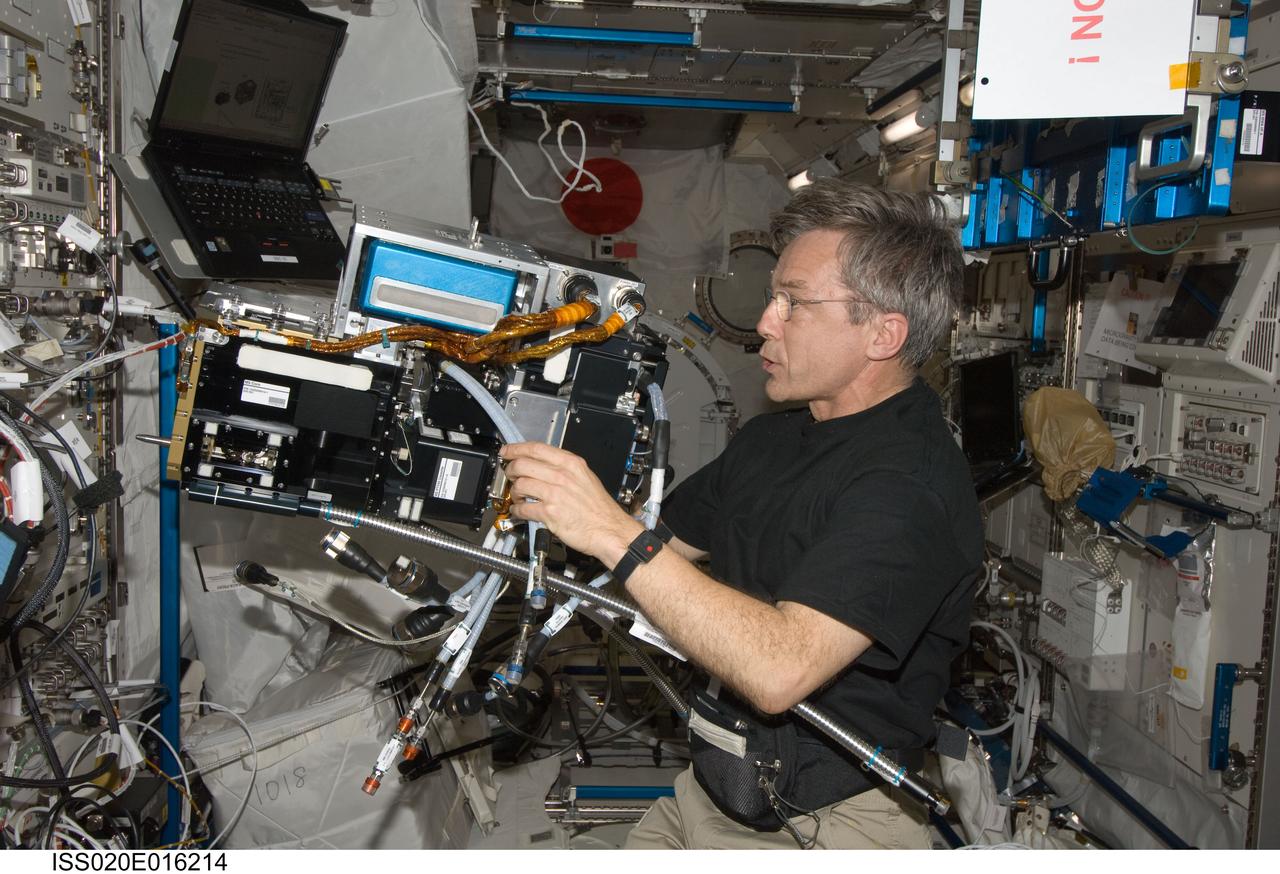
ISS020-E-016214 (1 July 2009) --- Canadian Space Agency astronaut Robert Thirsk, Expedition 20 flight engineer, prepares the Fluid Physics Experiment Facility (FPEF) for the planned Marangoni Surface experiment in the Kibo laboratory of the International Space Station.
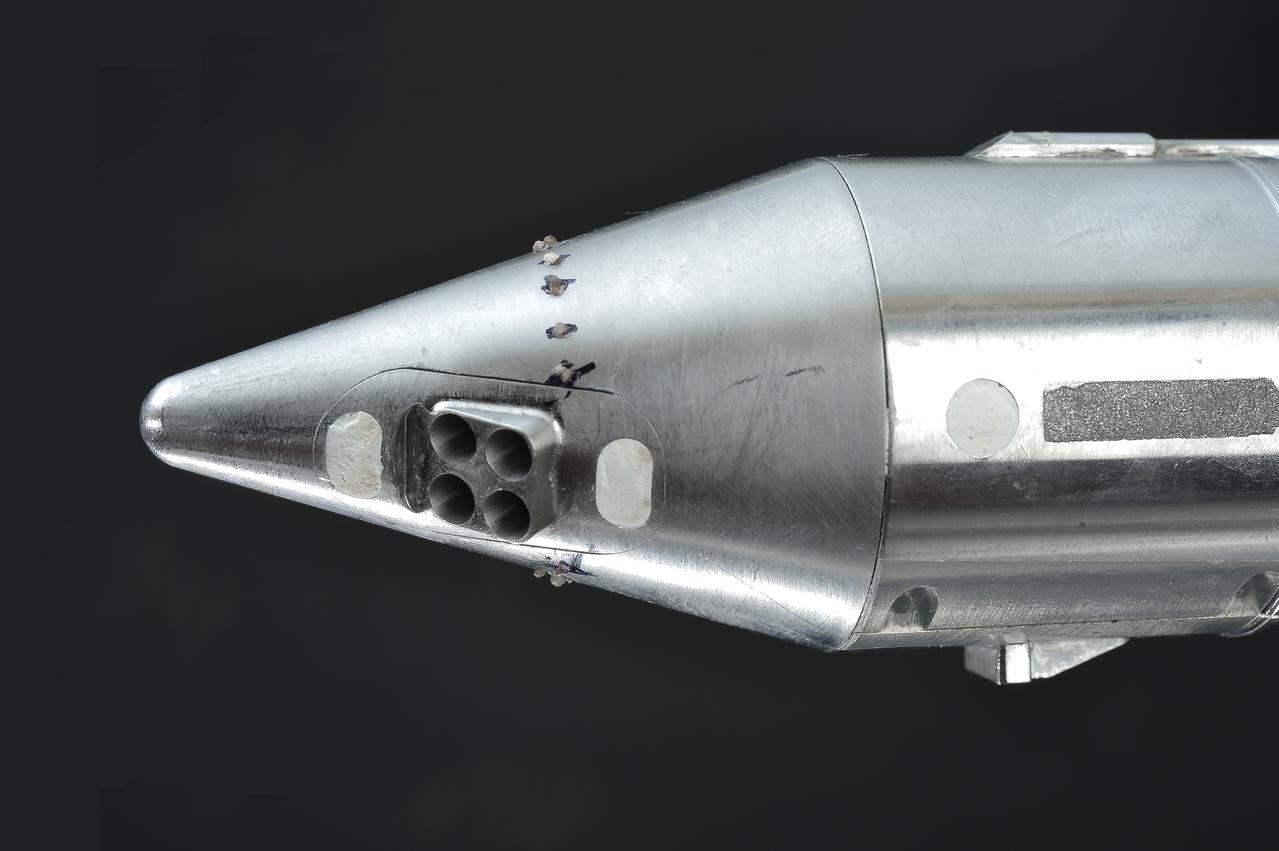
Stage Separation Test of the Space Launch System(SLS) in the Langley Unitary Plan Wind Tunnel (UPWT). The model used High Pressure air blown through the solid rocket boosters. (SRB) to simulate the booster separation motors (BSM) firing.
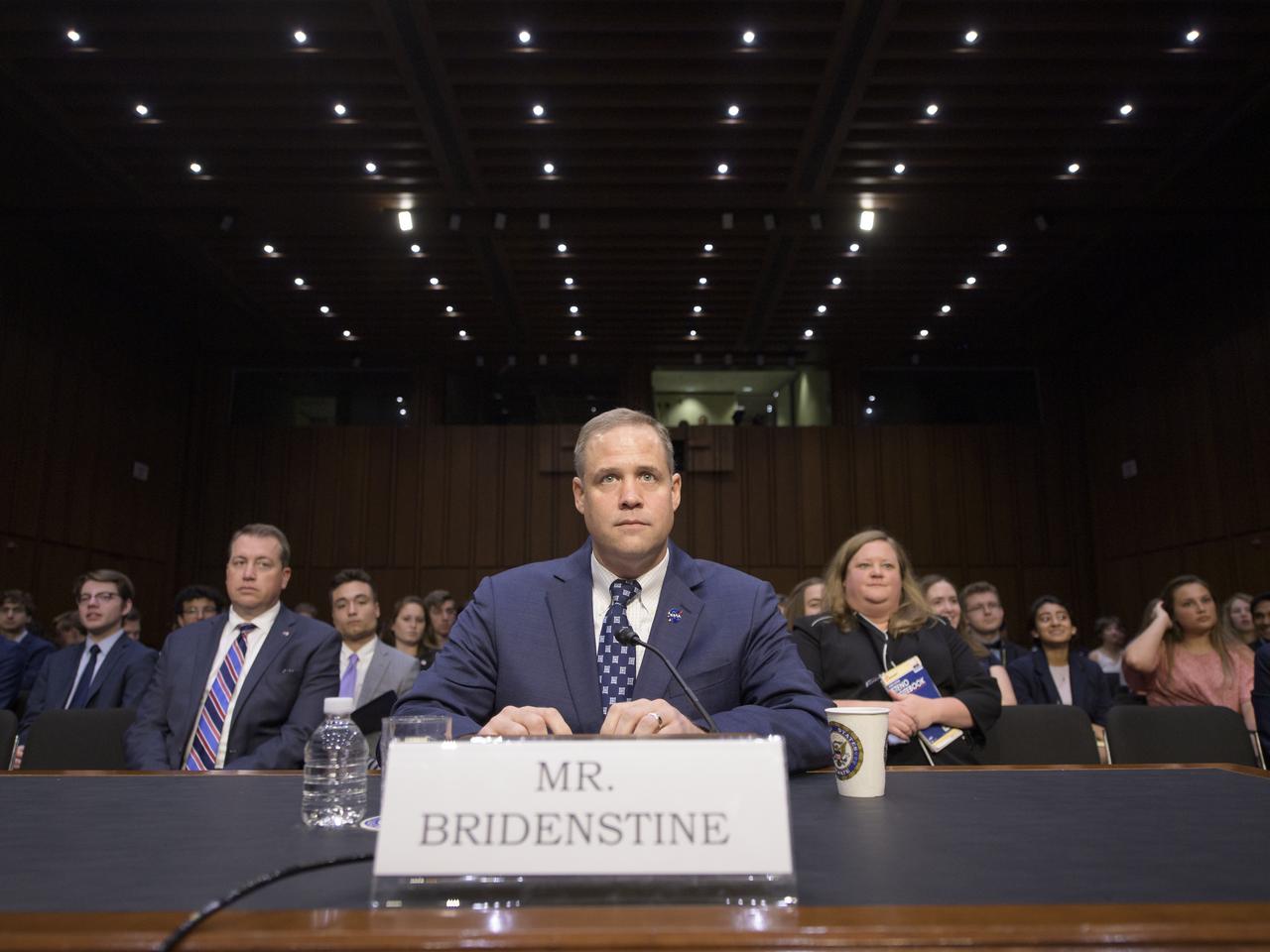
NASA Administrator Jim Bridenstine testifies before the Senate Committee on Commerce, Science, and Transportation during a hearing titled, “Moon to Mars: NASA’s Plans for Deep Space Exploration,” Wednesday, July 17, 2019, at the Hart Senate Office Building in Washington. Photo Credit: (NASA/Bill Ingalls)
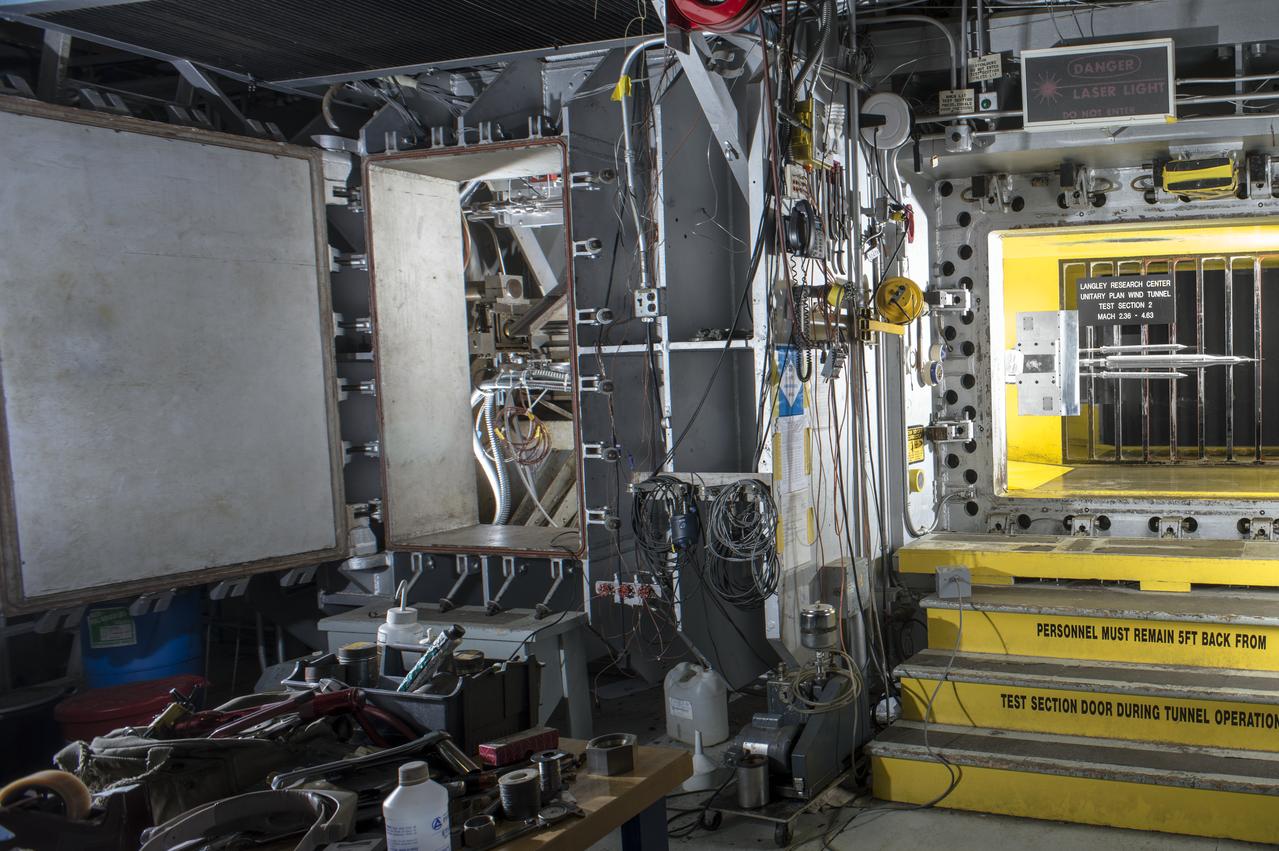
Stage Separation Test of the Space Launch System(SLS) in the Langley Unitary Plan Wind Tunnel (UPWT). The model used High Pressure air blown through the solid rocket boosters. (SRB) to simulate the booster separation motors (BSM) firing.
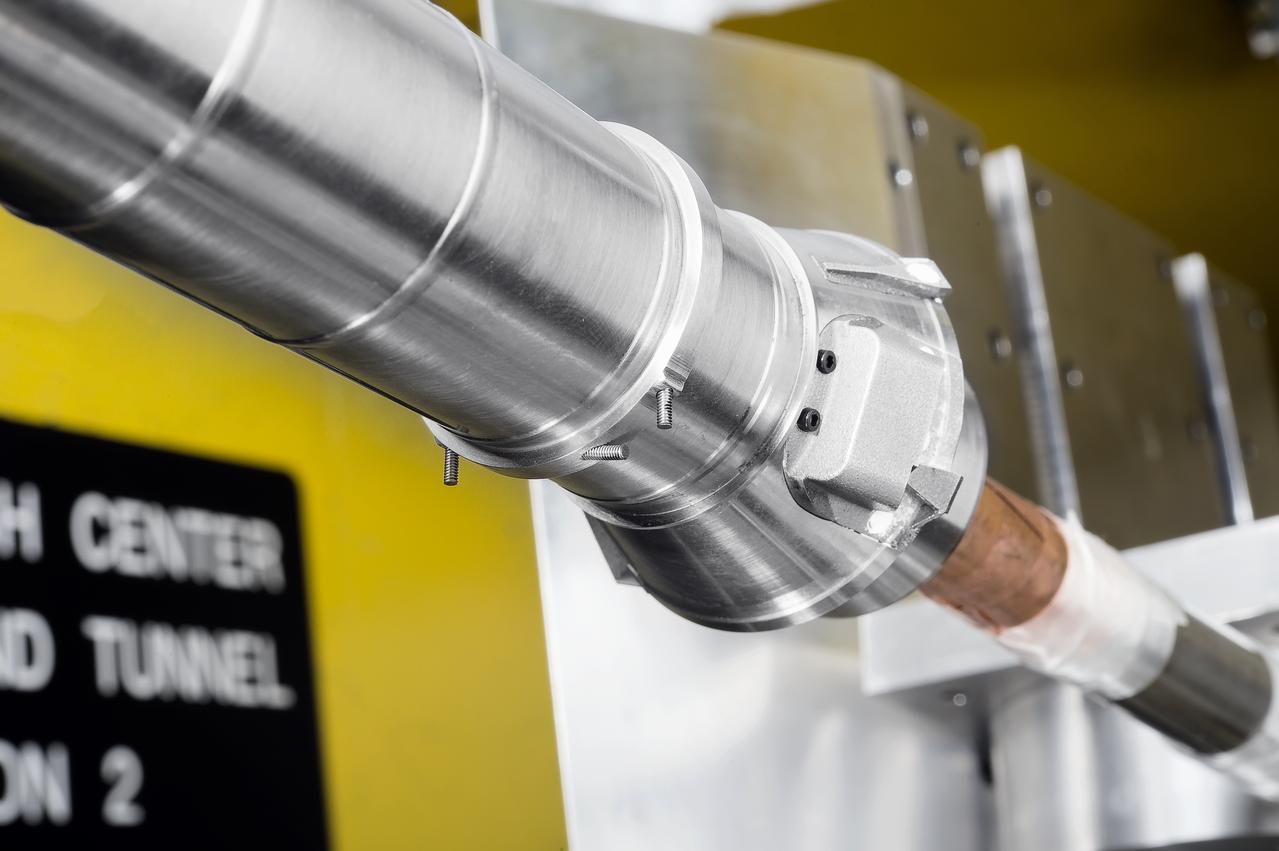
Stage Separation Test of the Space Launch System(SLS) in the Langley Unitary Plan Wind Tunnel (UPWT). The model used High Pressure air blown through the solid rocket boosters. (SRB) to simulate the booster separation motors (BSM) firing.
Stage Separation Test of the Space Launch System(SLS) in the Langley Unitary Plan Wind Tunnel (UPWT). The model used High Pressure air blown through the solid rocket boosters. (SRB) to simulate the booster separation motors (BSM) firing.
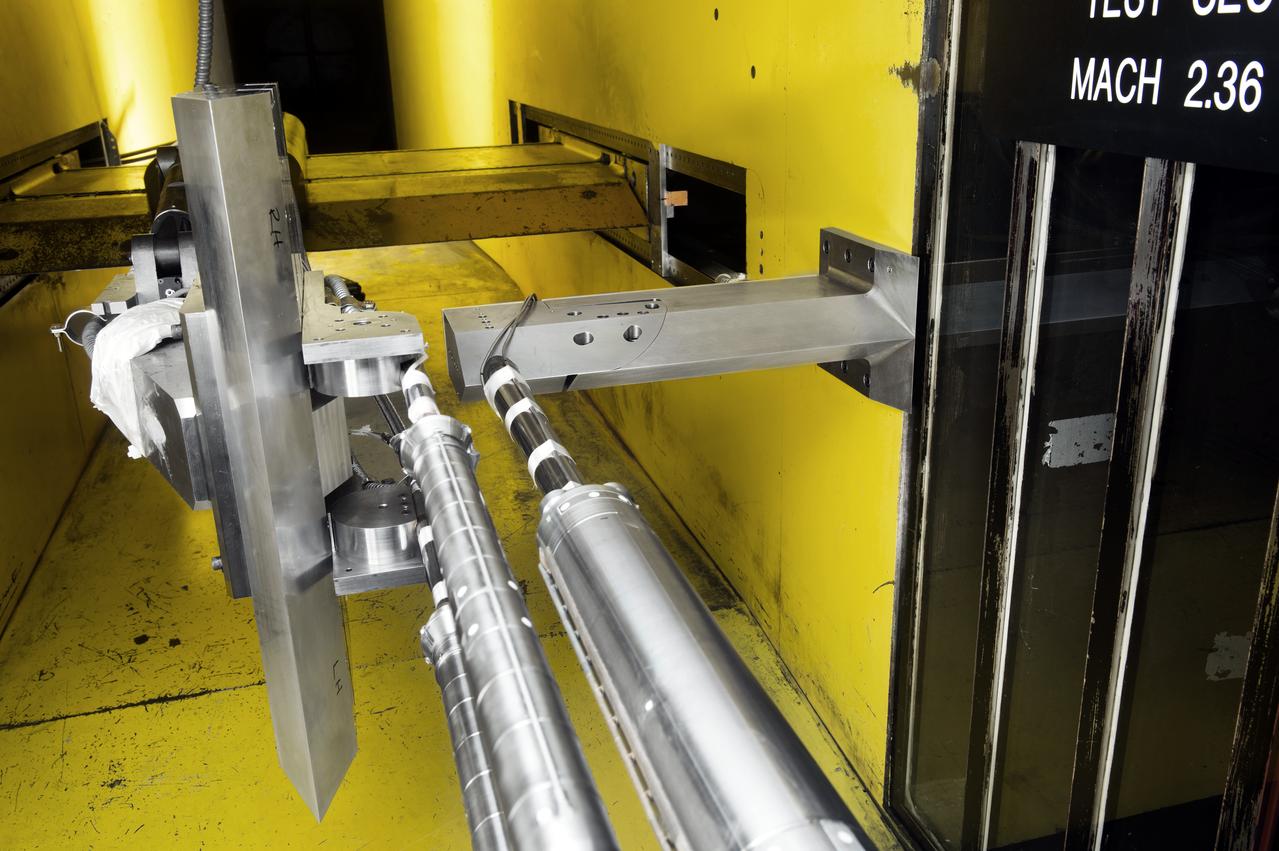
Stage Separation Test of the Space Launch System(SLS) in the Langley Unitary Plan Wind Tunnel (UPWT). The model used High Pressure air blown through the solid rocket boosters. (SRB) to simulate the booster separation motors (BSM) firing.
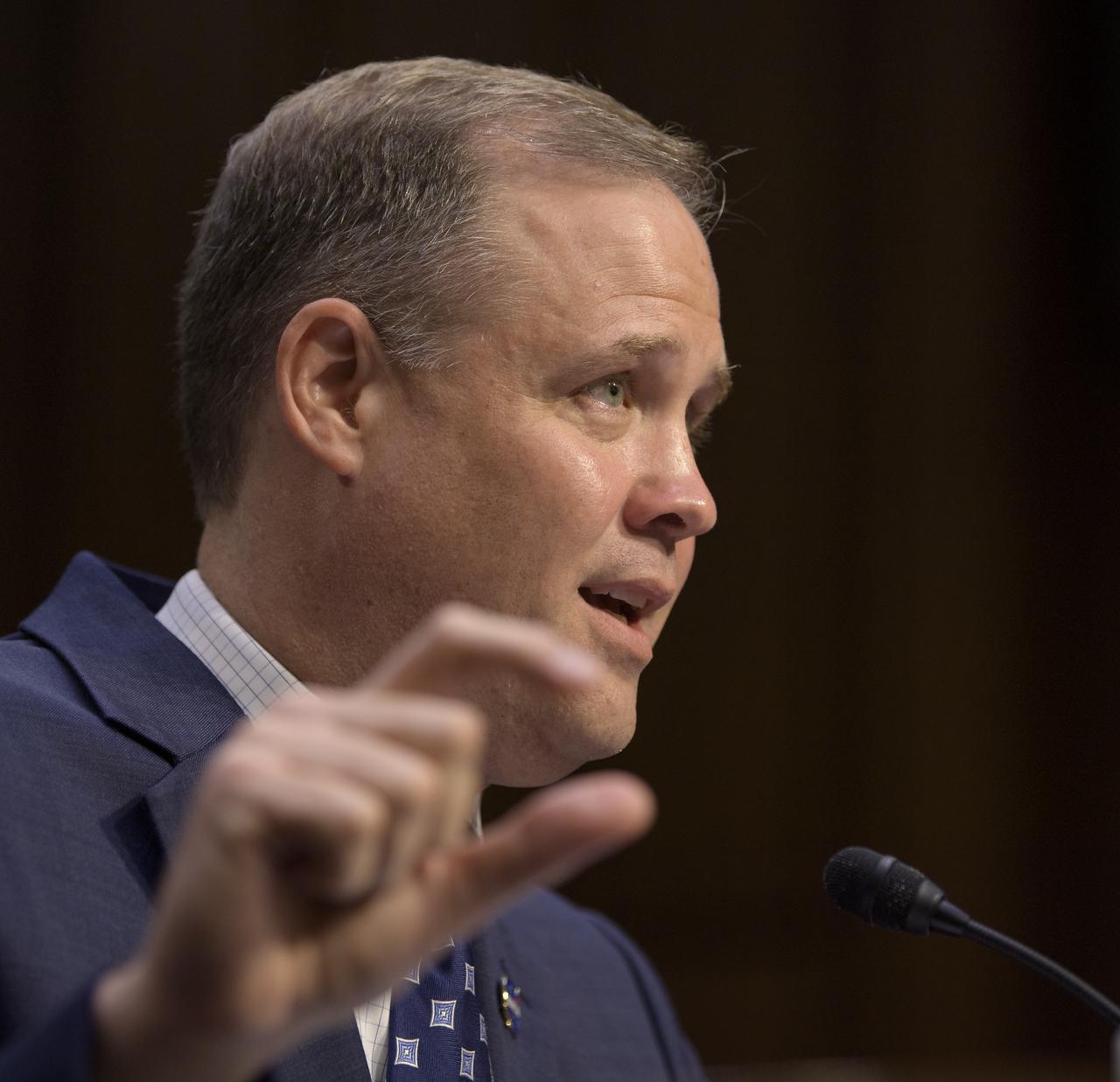
NASA Administrator Jim Bridenstine testifies before the Senate Committee on Commerce, Science, and Transportation during a hearing titled, “Moon to Mars: NASA’s Plans for Deep Space Exploration,” Wednesday, July 17, 2019, at the Hart Senate Office Building in Washington. Photo Credit: (NASA/Bill Ingalls)
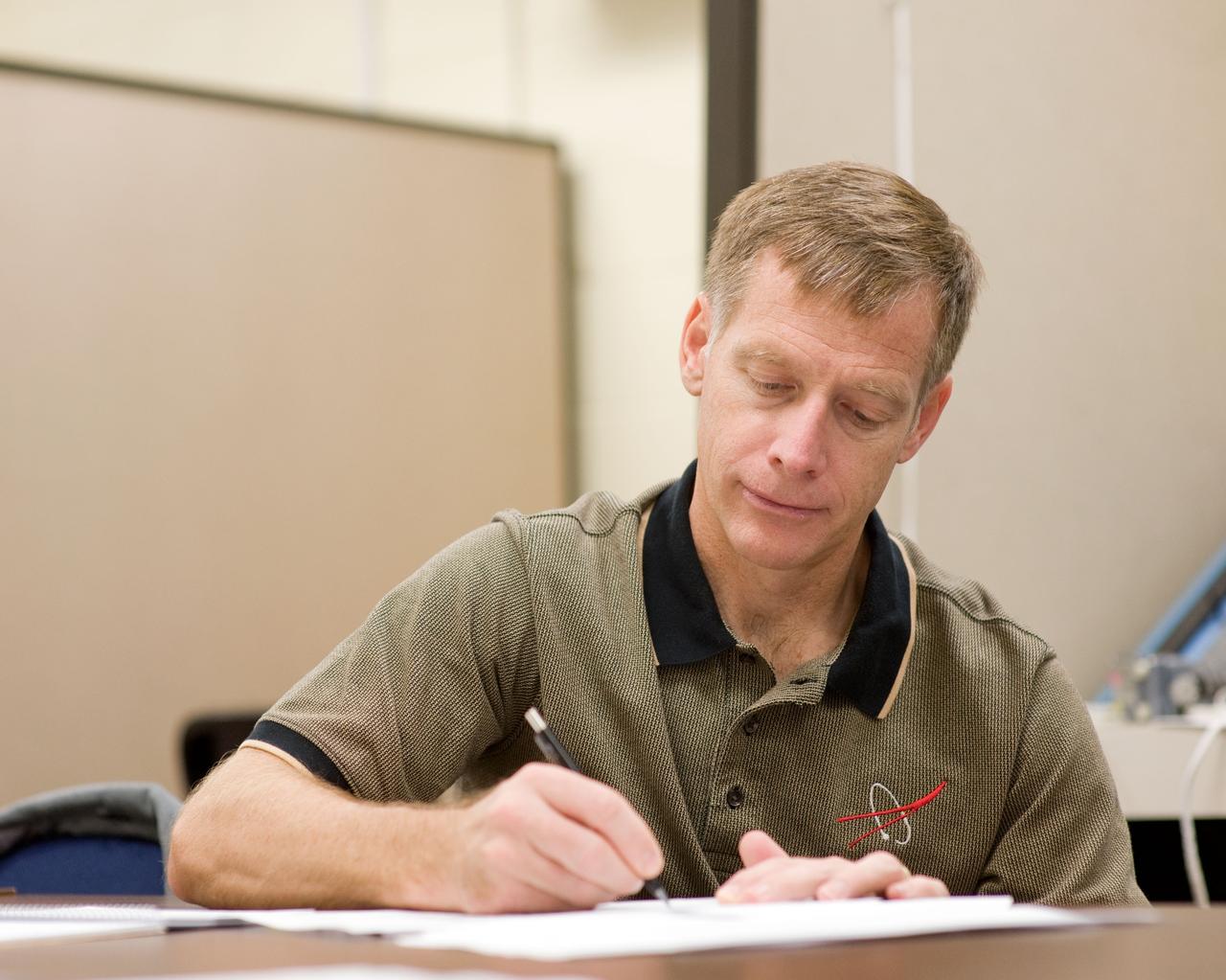
JSC2010-E-193582 (30 Nov. 2010) --- NASA astronaut Chris Ferguson, STS-135 commander, participates in a training session in the Space Vehicle Mock-up Facility at NASA's Johnson Space Center. STS-135 is planned to be the final mission of the space shuttle program. Photo credit: NASA or National Aeronautics and Space Administration
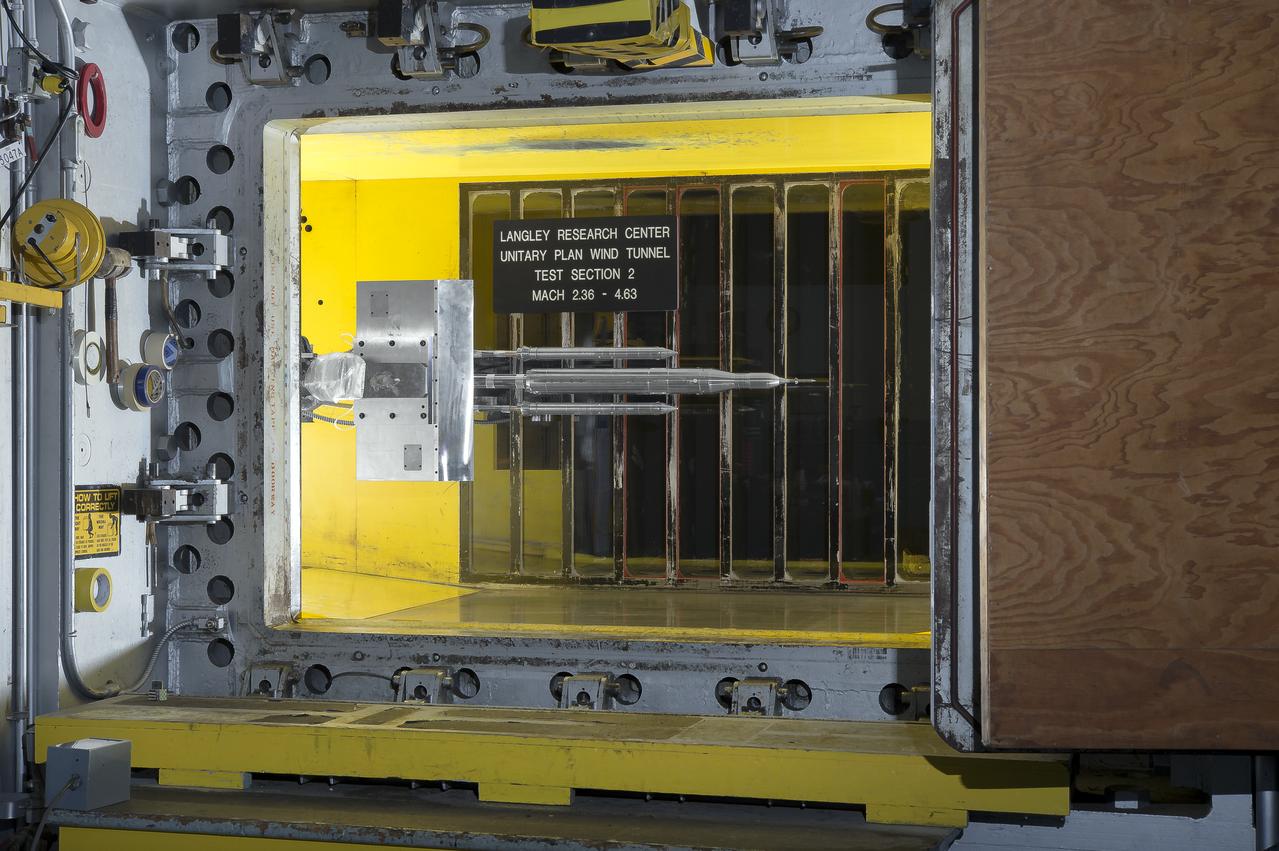
Stage Separation Test of the Space Launch System(SLS) in the Langley Unitary Plan Wind Tunnel (UPWT). The model used High Pressure air blown through the solid rocket boosters. (SRB) to simulate the booster separation motors (BSM) firing.
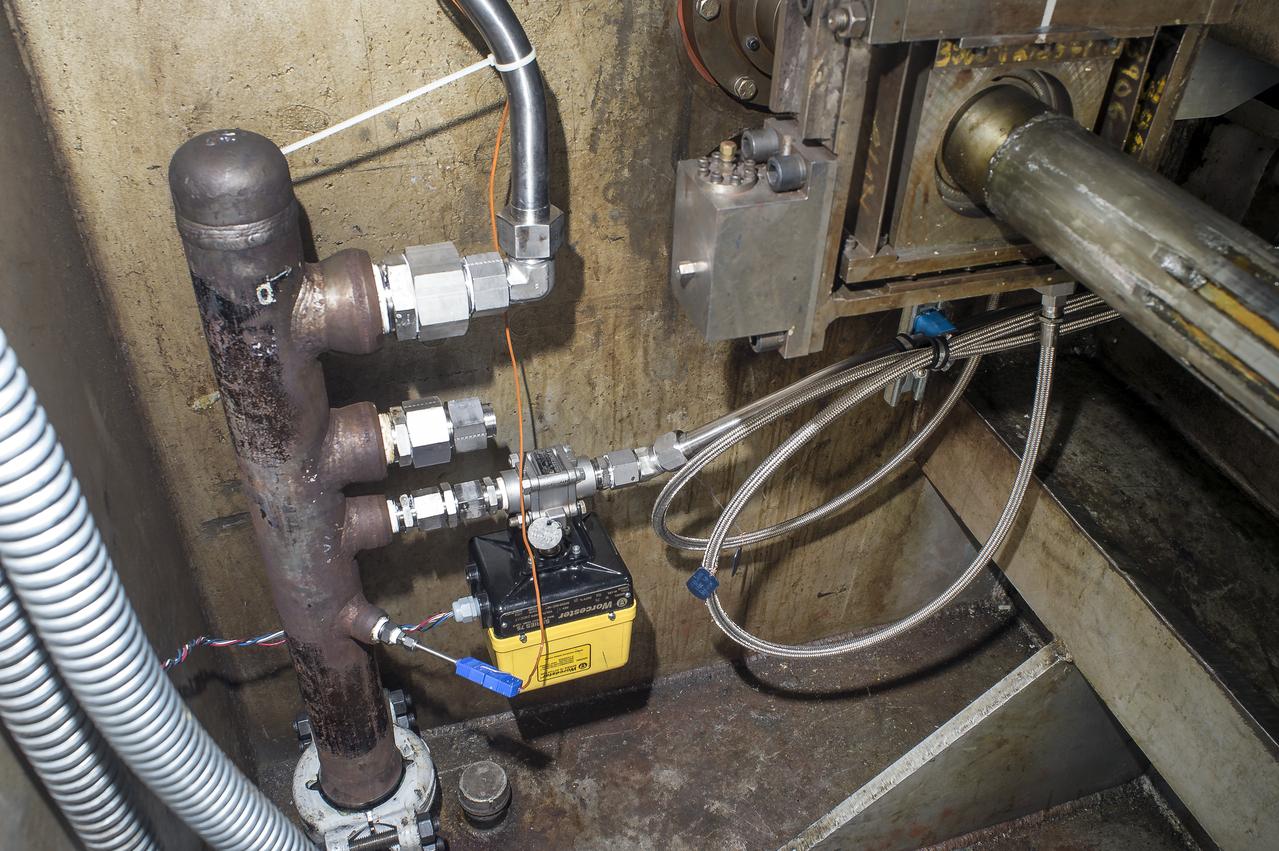
Stage Separation Test of the Space Launch System(SLS) in the Langley Unitary Plan Wind Tunnel (UPWT). The model used High Pressure air blown through the solid rocket boosters. (SRB) to simulate the booster separation motors (BSM) firing.
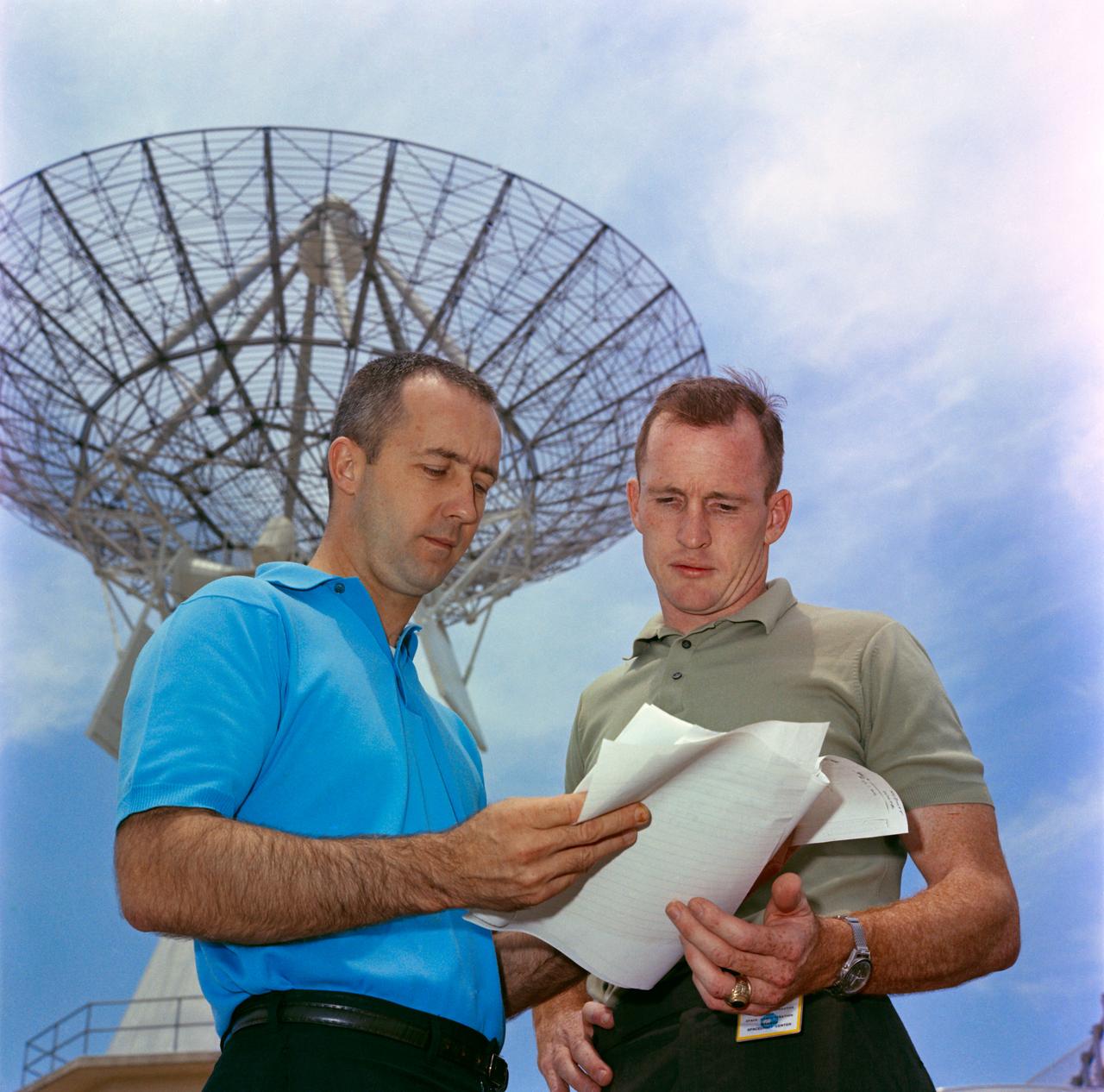
S65-29655 (7 May 1965) --- Astronauts James A. McDivitt (left) and Edward H. White II, Gemini-4 prime crew, are shown looking over training plans at Cape Kennedy during prelaunch preparations. The NASA Headquarters alternative photo number is 65-H-275.

NASA Administrator Jim Bridenstine testifies before the Senate Committee on Commerce, Science, and Transportation during a hearing titled, “Moon to Mars: NASA’s Plans for Deep Space Exploration,” Wednesday, July 17, 2019, at the Hart Senate Office Building in Washington. Photo Credit: (NASA/Bill Ingalls)
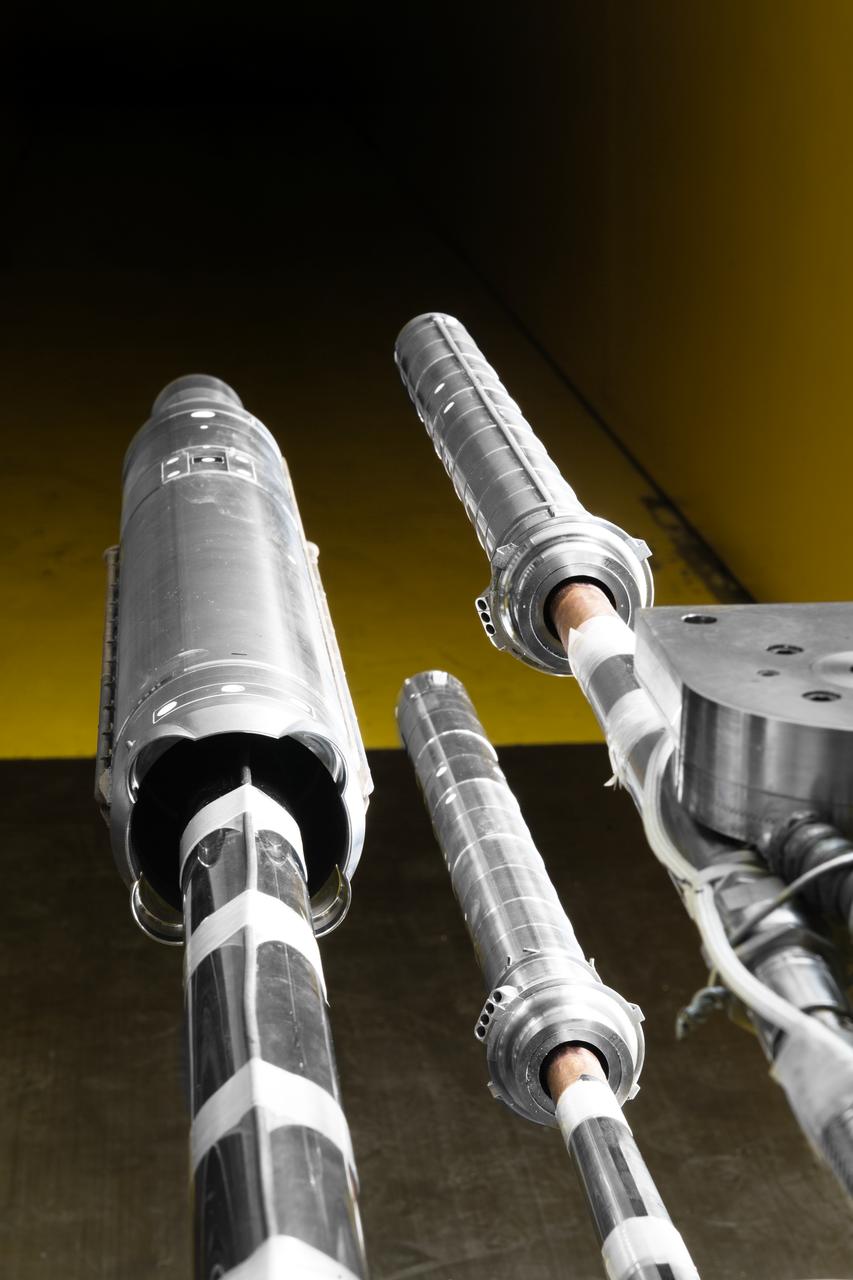
Stage Separation Test of the Space Launch System(SLS) in the Langley Unitary Plan Wind Tunnel (UPWT). The model used High Pressure air blown through the solid rocket boosters. (SRB) to simulate the booster separation motors (BSM) firing.

Stage Separation Test of the Space Launch System(SLS) in the Langley Unitary Plan Wind Tunnel (UPWT). The model used High Pressure air blown through the solid rocket boosters. (SRB) to simulate the booster separation motors (BSM) firing.
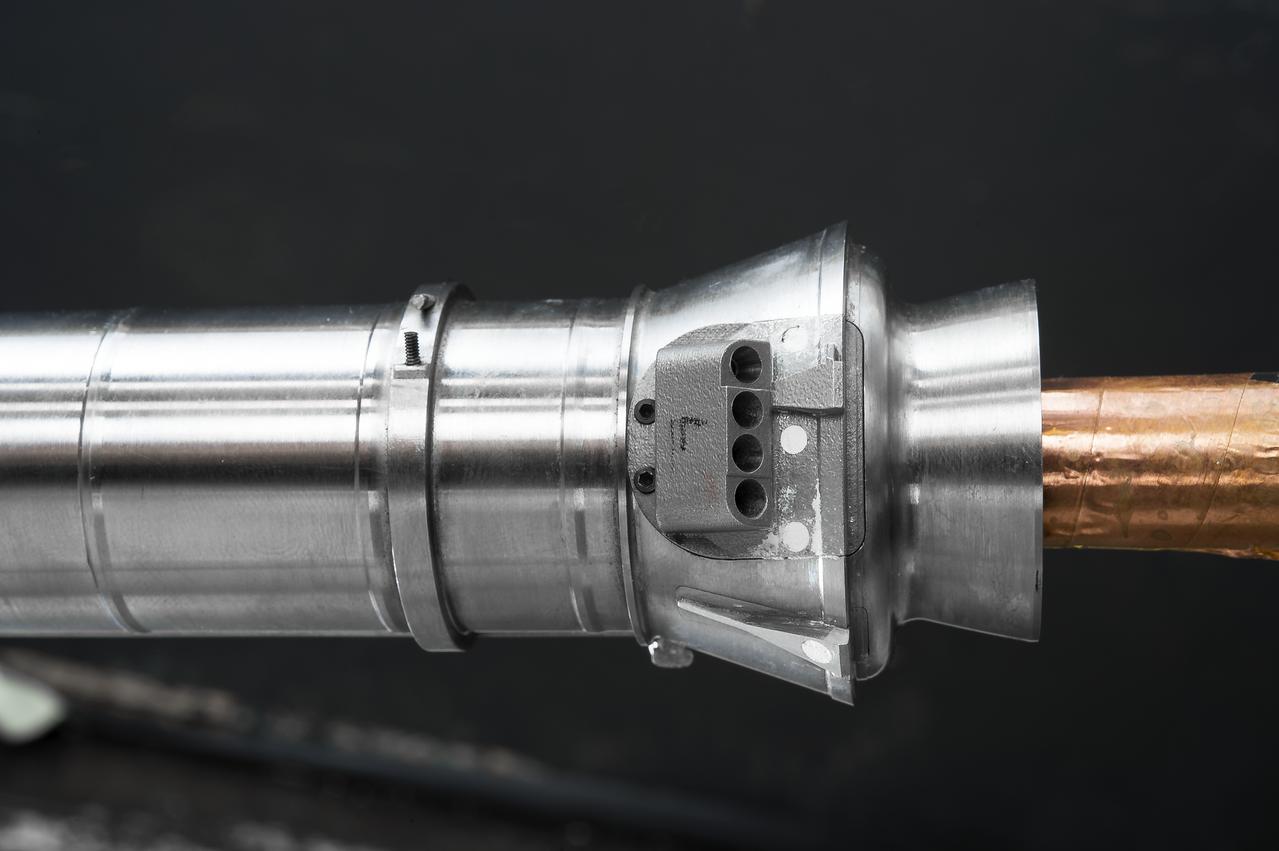
Stage Separation Test of the Space Launch System(SLS) in the Langley Unitary Plan Wind Tunnel (UPWT). The model used High Pressure air blown through the solid rocket boosters. (SRB) to simulate the booster separation motors (BSM) firing.
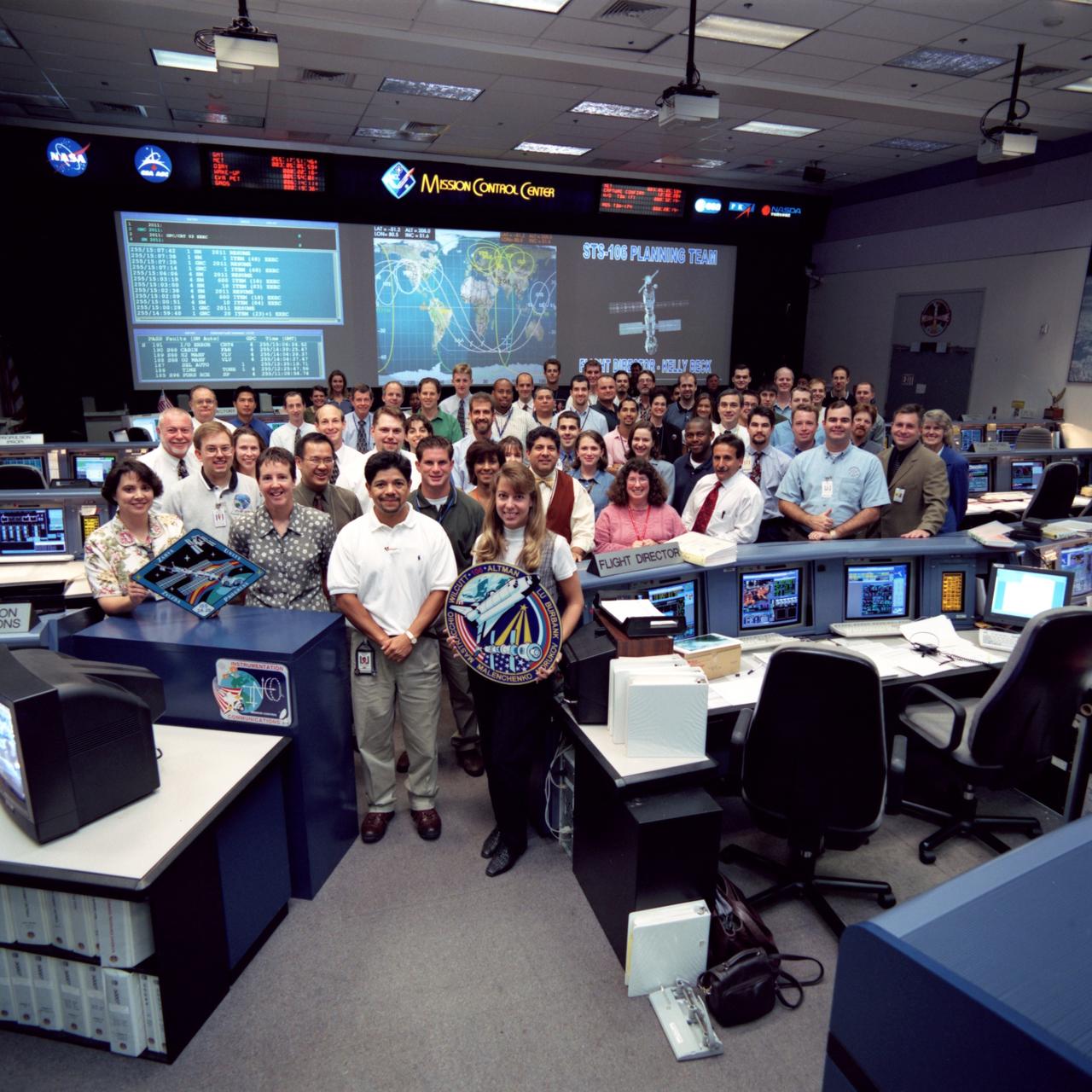
JSC2000-06242 (13 September 2000) --- Flight Director Kelly Beck (planning) is surrounded by the almost five dozen flight controllers who are supporting her shift during the current STS-106 mission. Beck is holding a large decal of the STS-106 insignia.
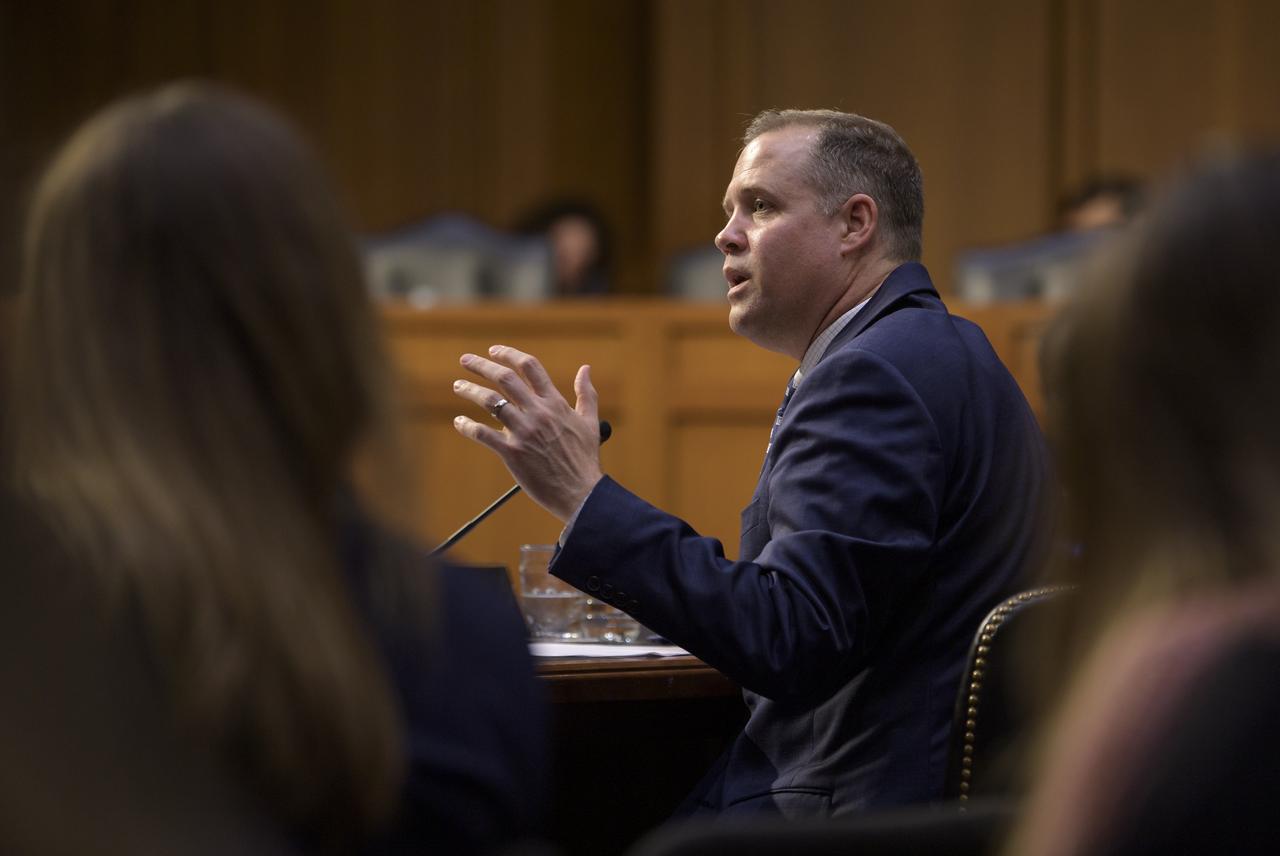
NASA Administrator Jim Bridenstine testifies before the Senate Committee on Commerce, Science, and Transportation during a hearing titled, “Moon to Mars: NASA’s Plans for Deep Space Exploration,” Wednesday, July 17, 2019, at the Hart Senate Office Building in Washington. Photo Credit: (NASA/Bill Ingalls)
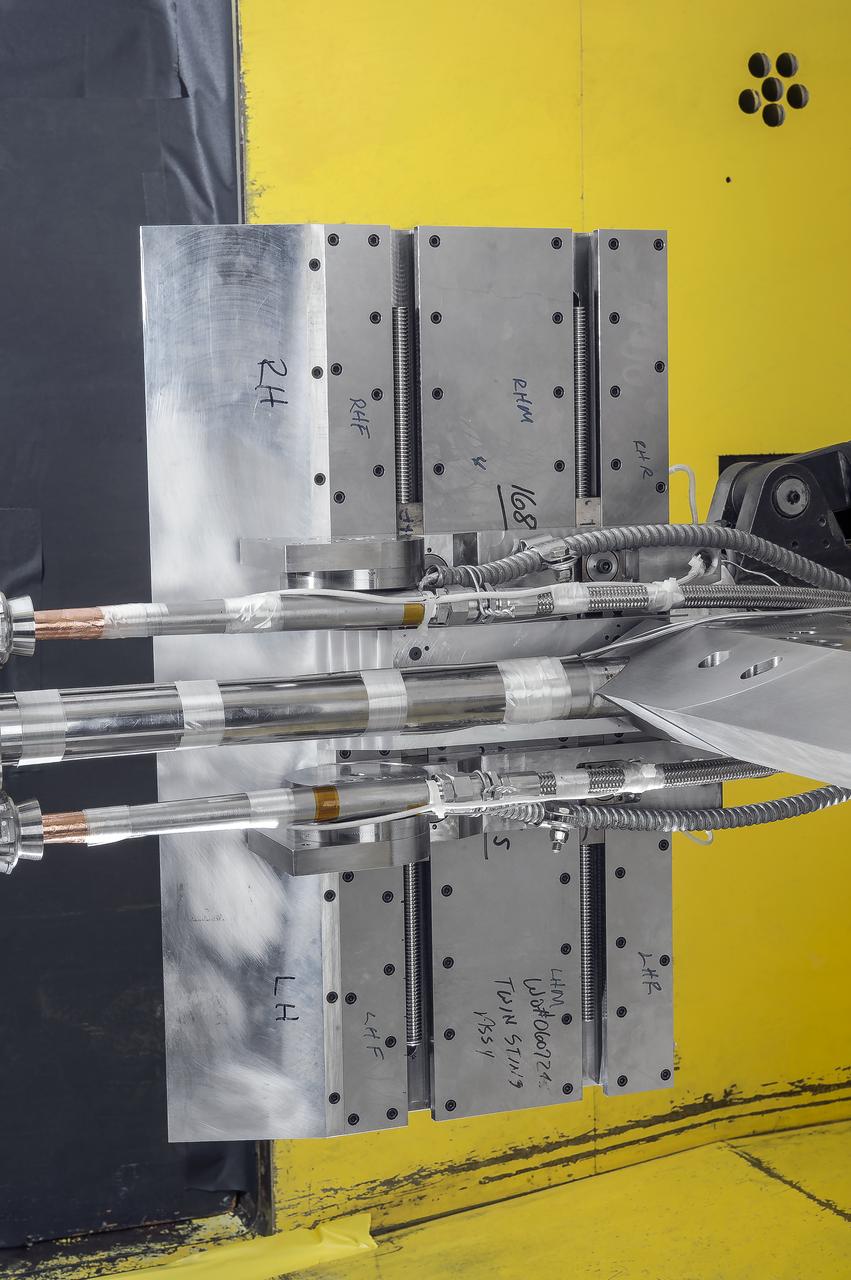
Stage Separation Test of the Space Launch System(SLS) in the Langley Unitary Plan Wind Tunnel (UPWT). The model used High Pressure air blown through the solid rocket boosters. (SRB) to simulate the booster separation motors (BSM) firing.
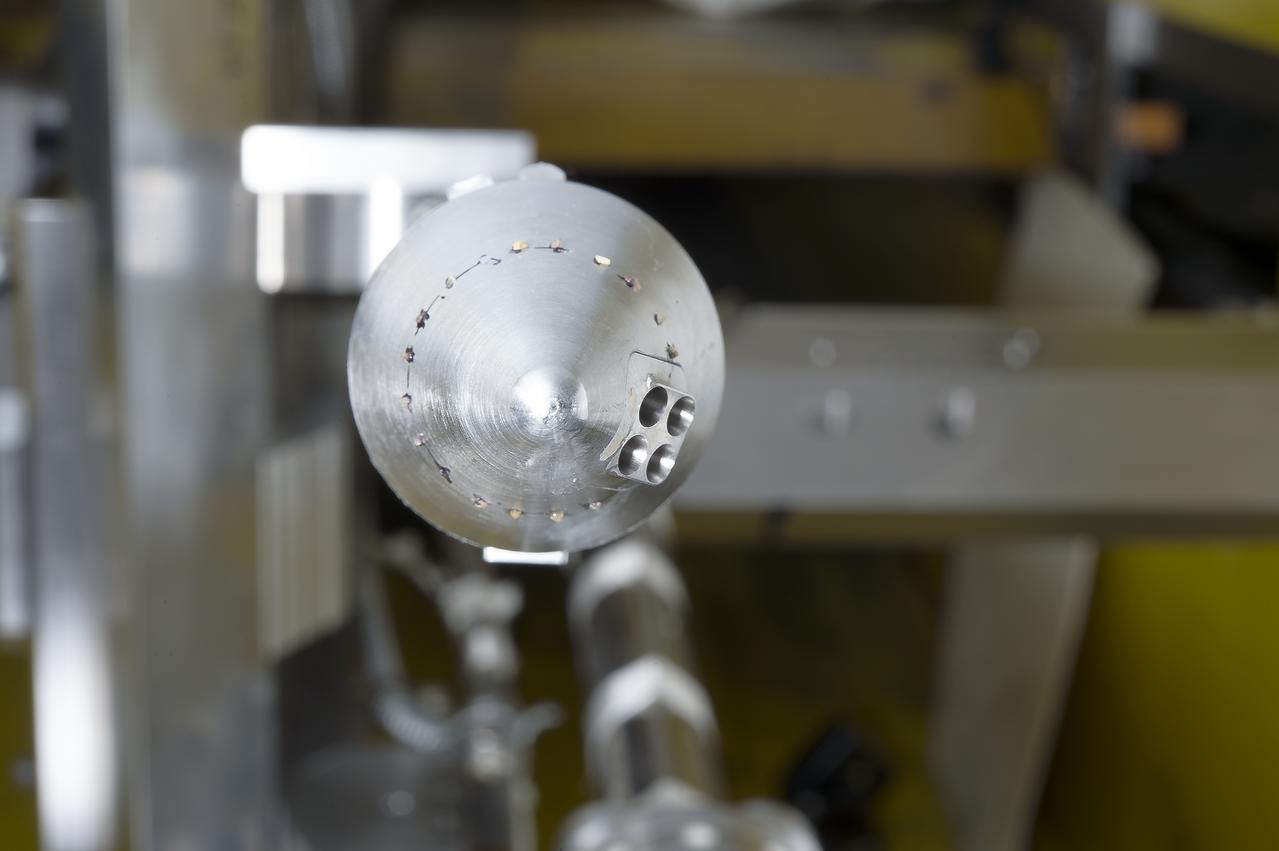
Stage Separation Test of the Space Launch System(SLS) in the Langley Unitary Plan Wind Tunnel (UPWT). The model used High Pressure air blown through the solid rocket boosters. (SRB) to simulate the booster separation motors (BSM) firing.
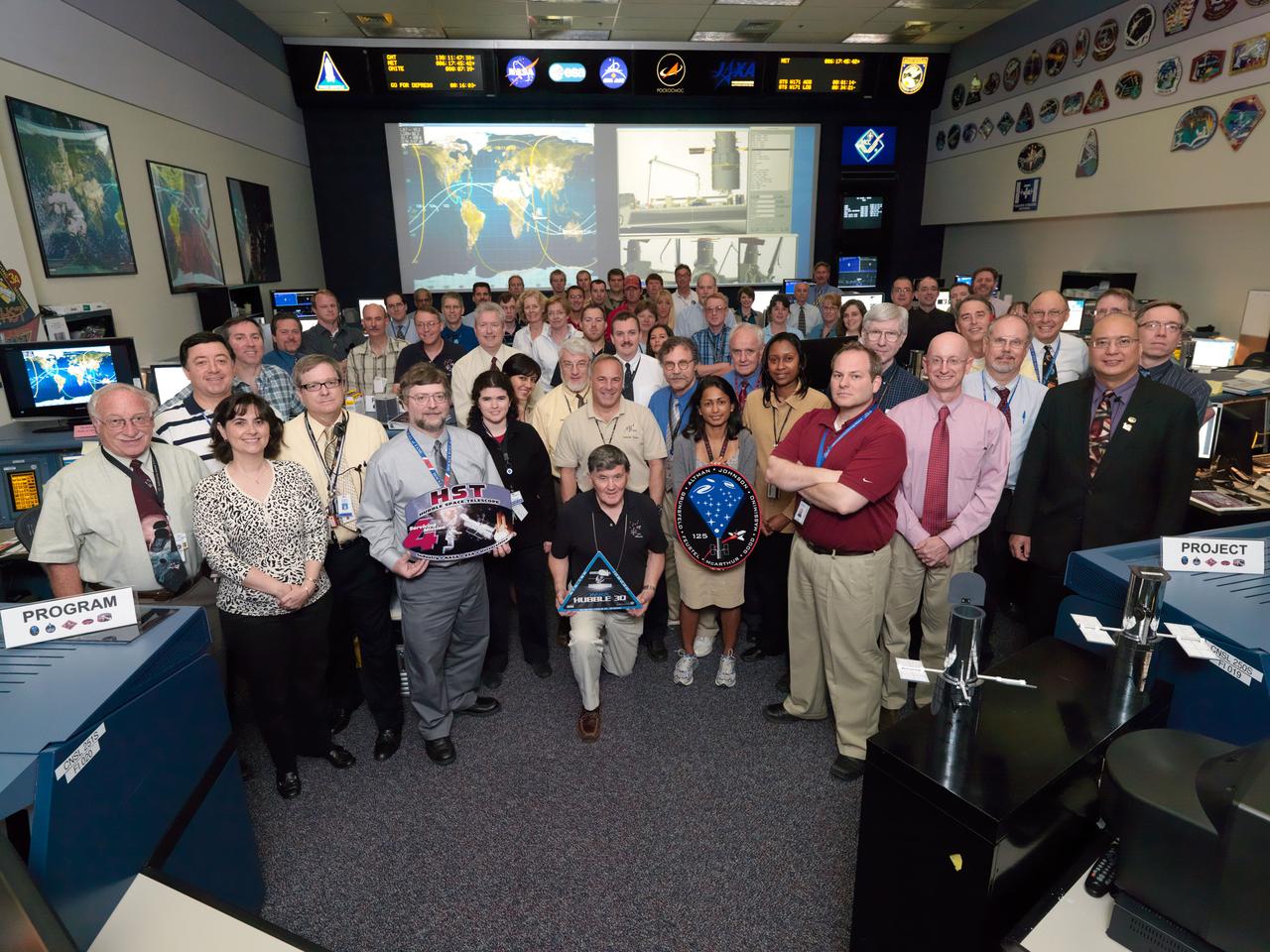
JSC2009-E-120479 (18 May 2009) --- Members of the STS-125 Hubble Space Telescope Planning and Orbit flight control team pose for a group portrait in the blue flight control room in the Mission Control Center at NASA's Johnson Space Center.
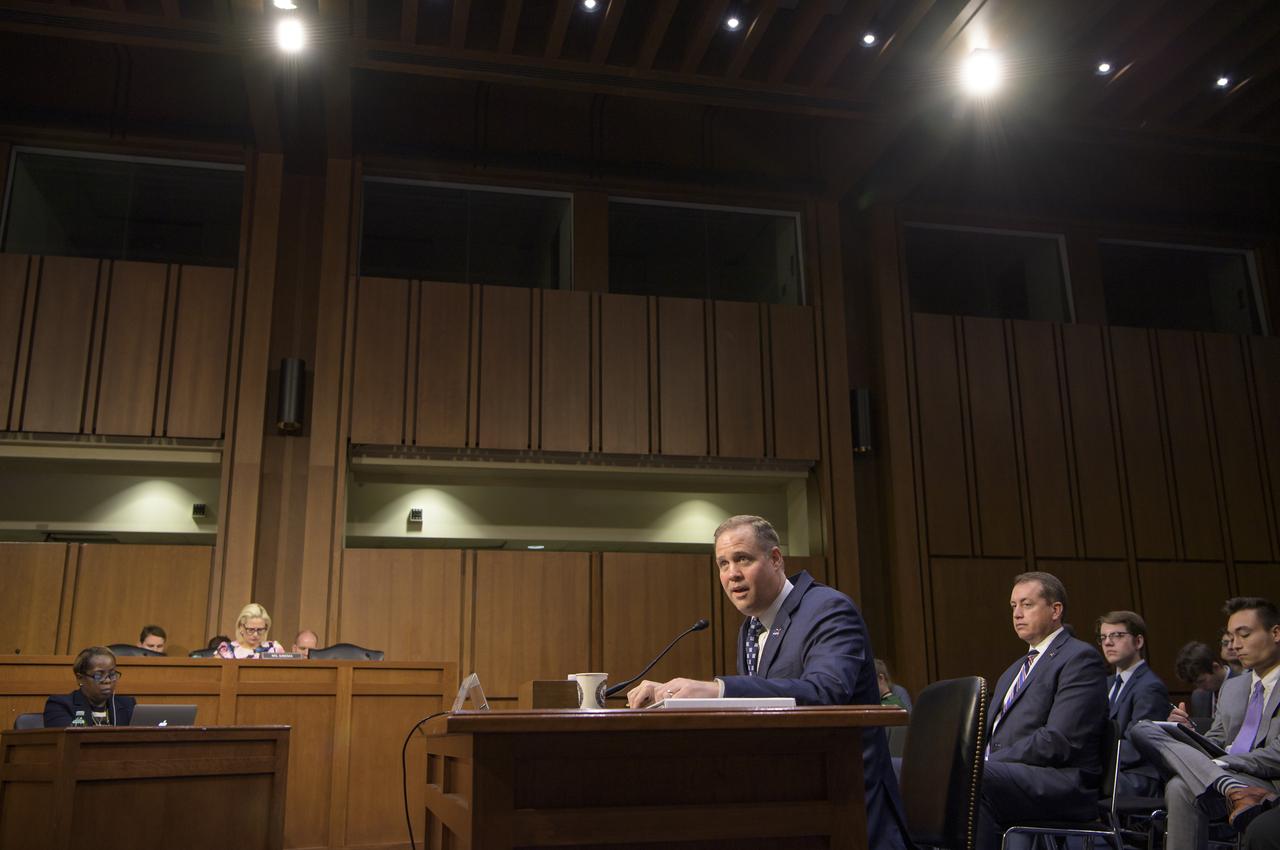
NASA Administrator Jim Bridenstine testifies before the Senate Committee on Commerce, Science, and Transportation during a hearing titled, “Moon to Mars: NASA’s Plans for Deep Space Exploration,” Wednesday, July 17, 2019, at the Hart Senate Office Building in Washington. Photo Credit: (NASA/Bill Ingalls)