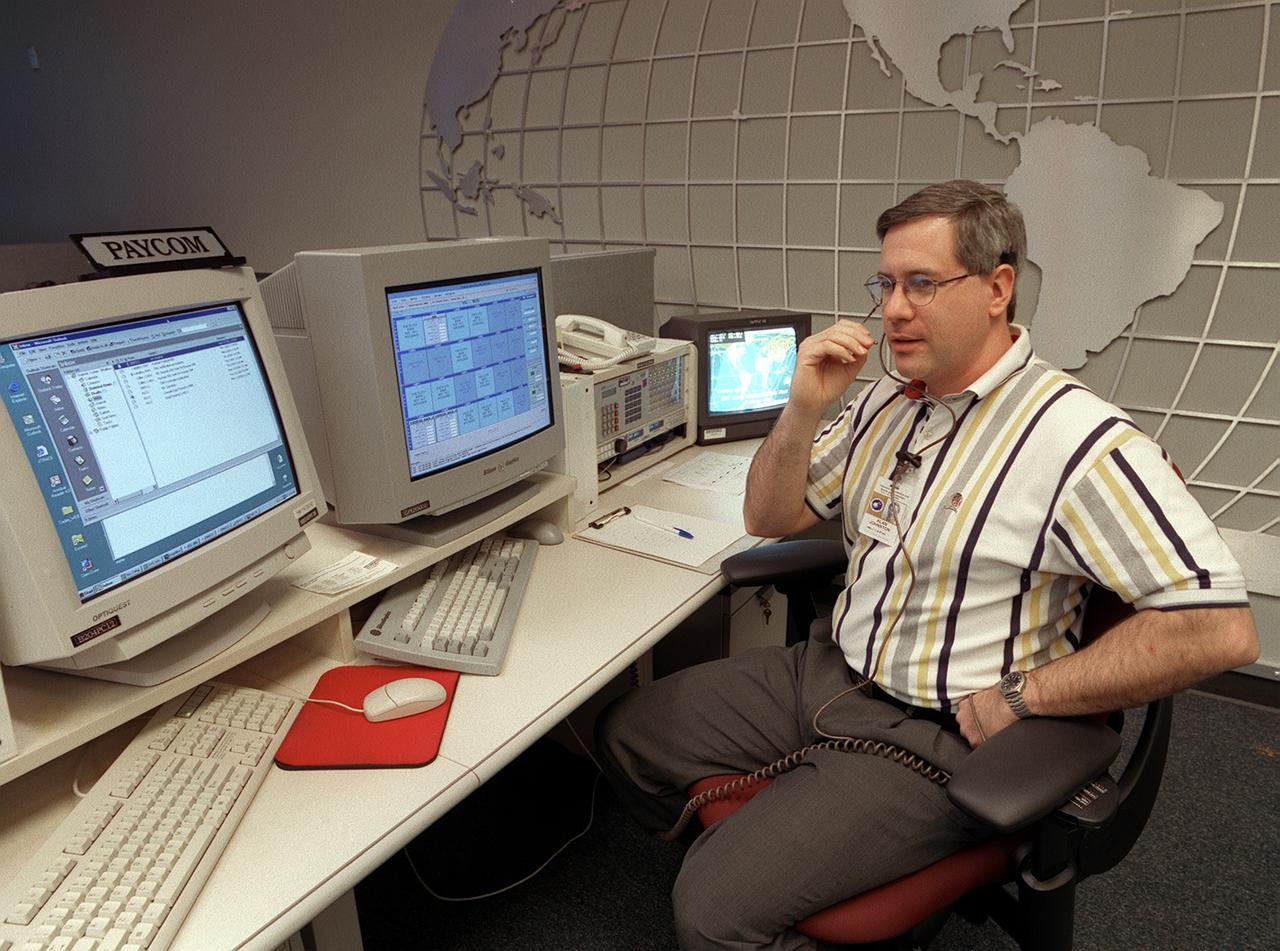
The Payload Operations Center (POC) is the science command post for the International Space Station (ISS). Located at NASA's Marshall Space Flight Center in Huntsville, Alabama, it is the focal point for American and international science activities aboard the ISS. The POC's unique capabilities allow science experts and researchers around the world to perform cutting-edge science in the unique microgravity environment of space. The POC is staffed around the clock by shifts of payload flight controllers. At any given time, 8 to 10 flight controllers are on consoles operating, plarning for, and controlling various systems and payloads. This photograph shows the Payload Communications Manager (PAYCOM) at a work station. The PAYCOM coordinates payload-related voice communications between the POC and the ISS crew. The PAYCOM is the voice of the POC.
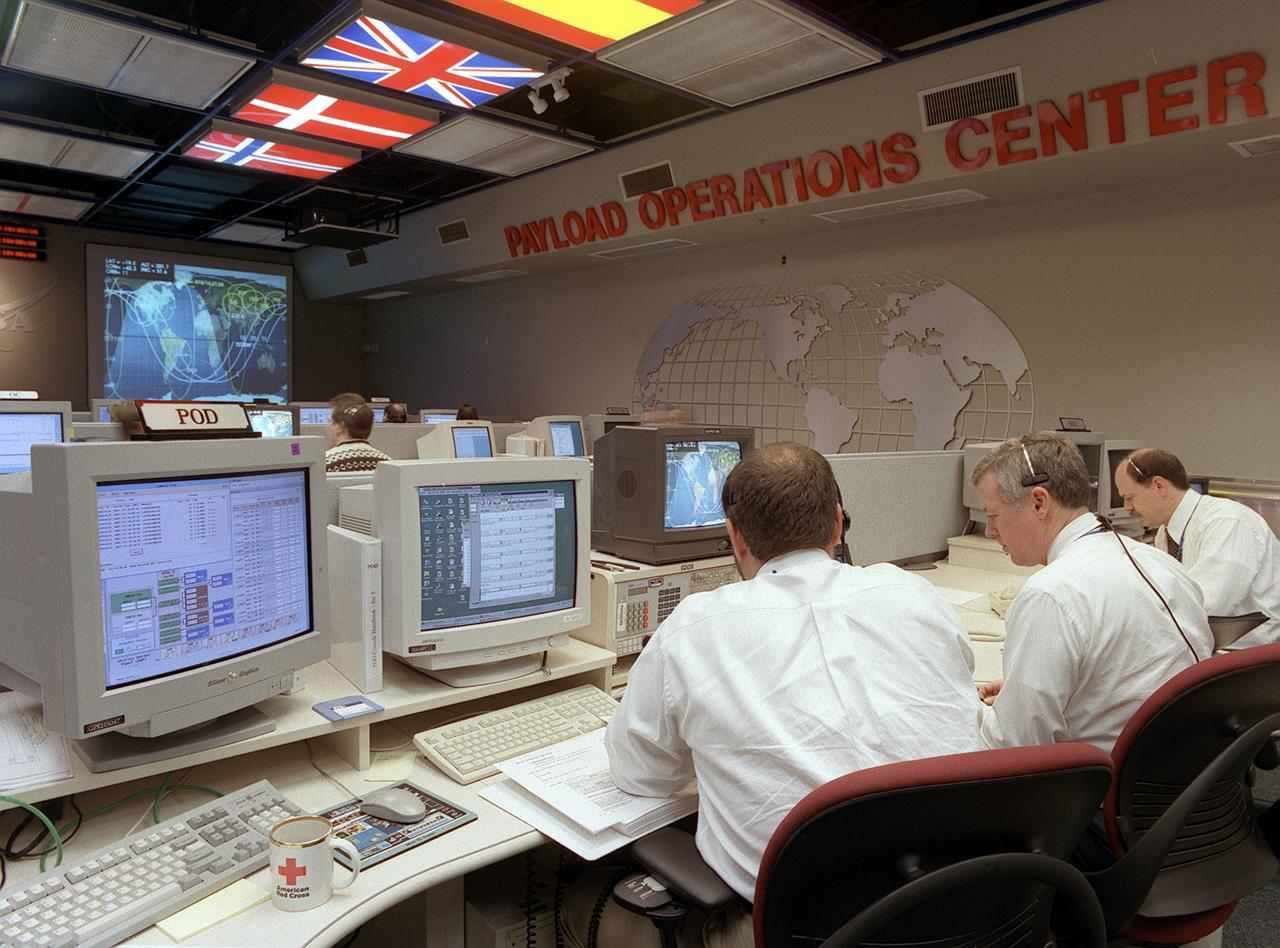
The Payload Operations Center (POC) is the science command post for the International Space Station (ISS). Located at NASA's Marshall Space Flight Center in Huntsville, Alabama, it is the focal point for American and international science activities aboard the ISS. The POC's unique capabilities allow science experts and researchers around the world to perform cutting-edge science in the unique microgravity environment of space. The POC is staffed around the clock by shifts of payload flight controllers. At any given time, 8 to 10 flight controllers are on consoles, operating, plarning for, and controlling various systems and payloads. This photograph shows the Payload Operations Director (POD) at work. The POD is the leader of the POC flight control team. The Director guides all payload activities in coordination with Mission Control at Johnson Space Center at Houston, Texas, the Station crew, the international partners, and other research facilities.
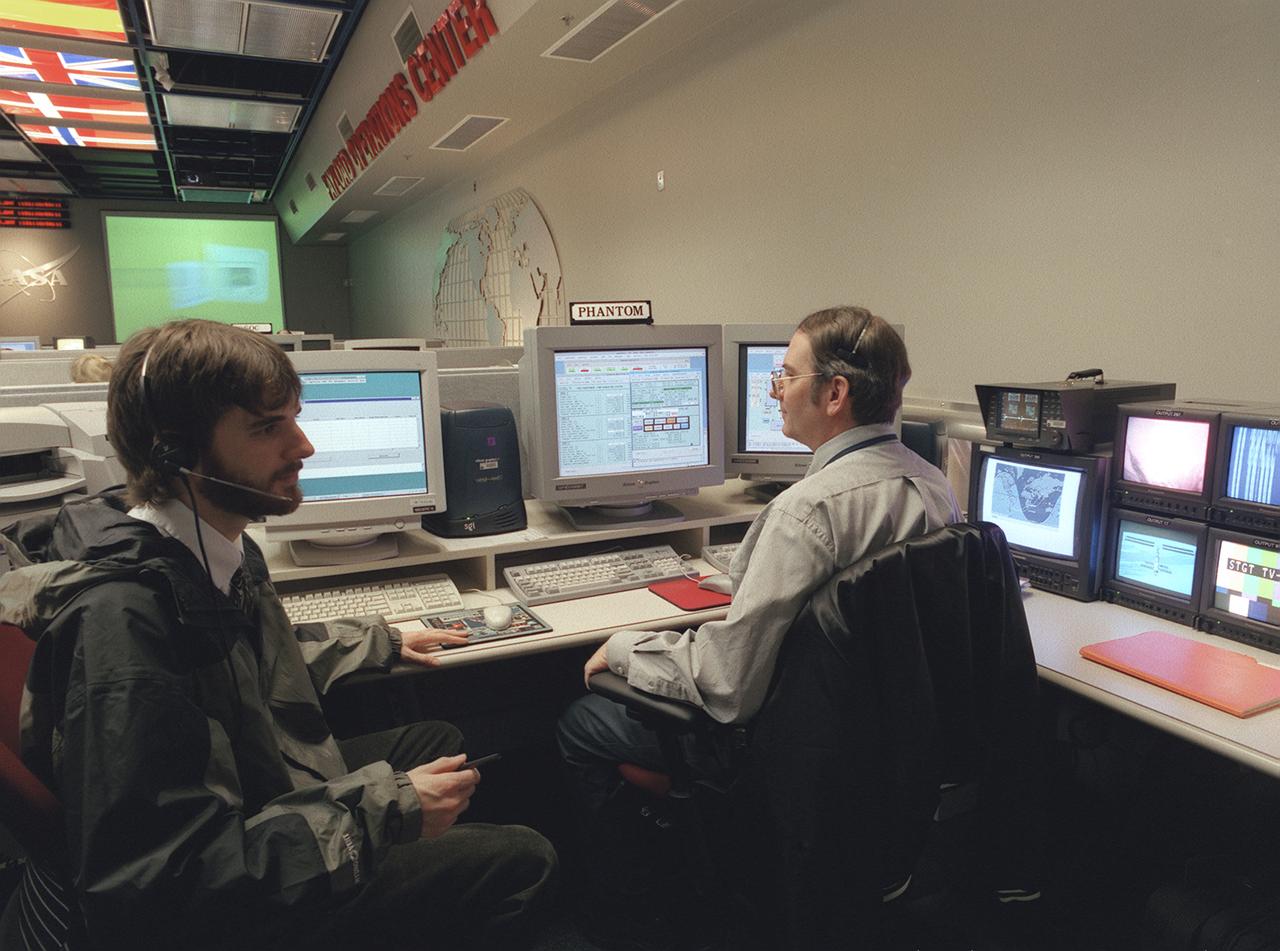
The Payload Operations Center (POC) is the science command post for the International Space Station (ISS). Located at NASA's Marshall Space Flight Center in Huntsville, Alabama, it is the focal point for American and international science activities aboard the ISS. The POC's unique capabilities allow science experts and researchers around the world to perform cutting-edge science in the unique microgravity environment of space. The POC is staffed around the clock by shifts of payload flight controllers. At any given time, 8 to 10 flight controllers are on consoles operating, plarning for, and controlling various systems and payloads. This photograph shows the Photo and TV Operations Manager (PHANTOM) at a work station. The PHANTOM configures all video systems aboard the ISS and ensures they are working properly, providing a video link from the ISS to the POC.
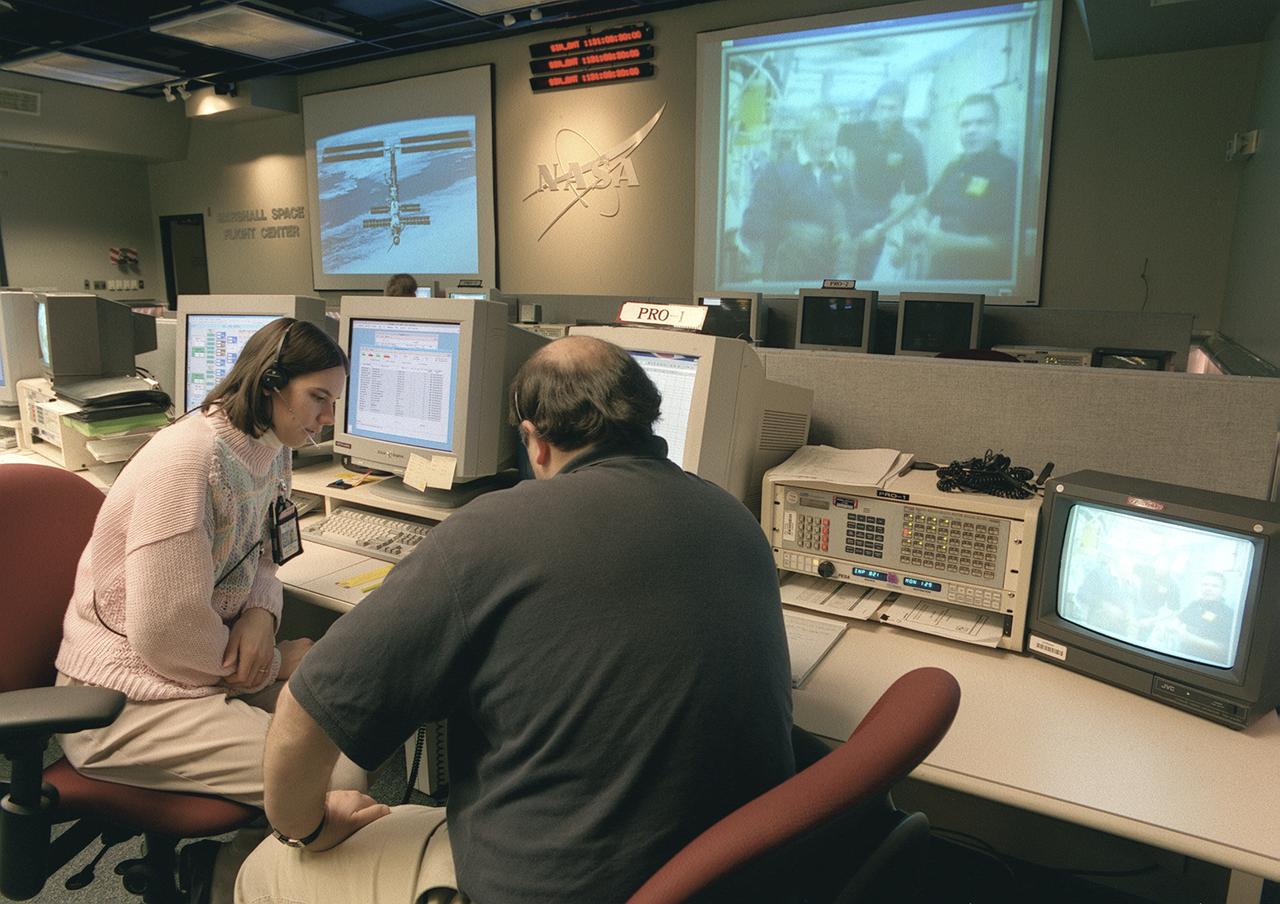
The Payload Operations Center (POC) is the science command post for the International Space Station (ISS). Located at NASA's Marshall Space Flight Center in Huntsville, Alabama, it is the focal point for American and international science activities aboard the ISS. The POC's unique capabilities allow science experts and researchers around the world to perform cutting-edge science in the unique microgravity environment of space. The POC is staffed around the clock by shifts of payload flight controllers. At any given time, 8 to 10 flight controllers are on consoles operating, plarning for, and controlling various systems and payloads. This photograph shows a Payload Rack Officer (PRO) at a work station. The PRO is linked by a computer to all payload racks aboard the ISS. The PRO monitors and configures the resources and environment for science experiments including EXPRESS Racks, multiple-payload racks designed for commercial payloads.
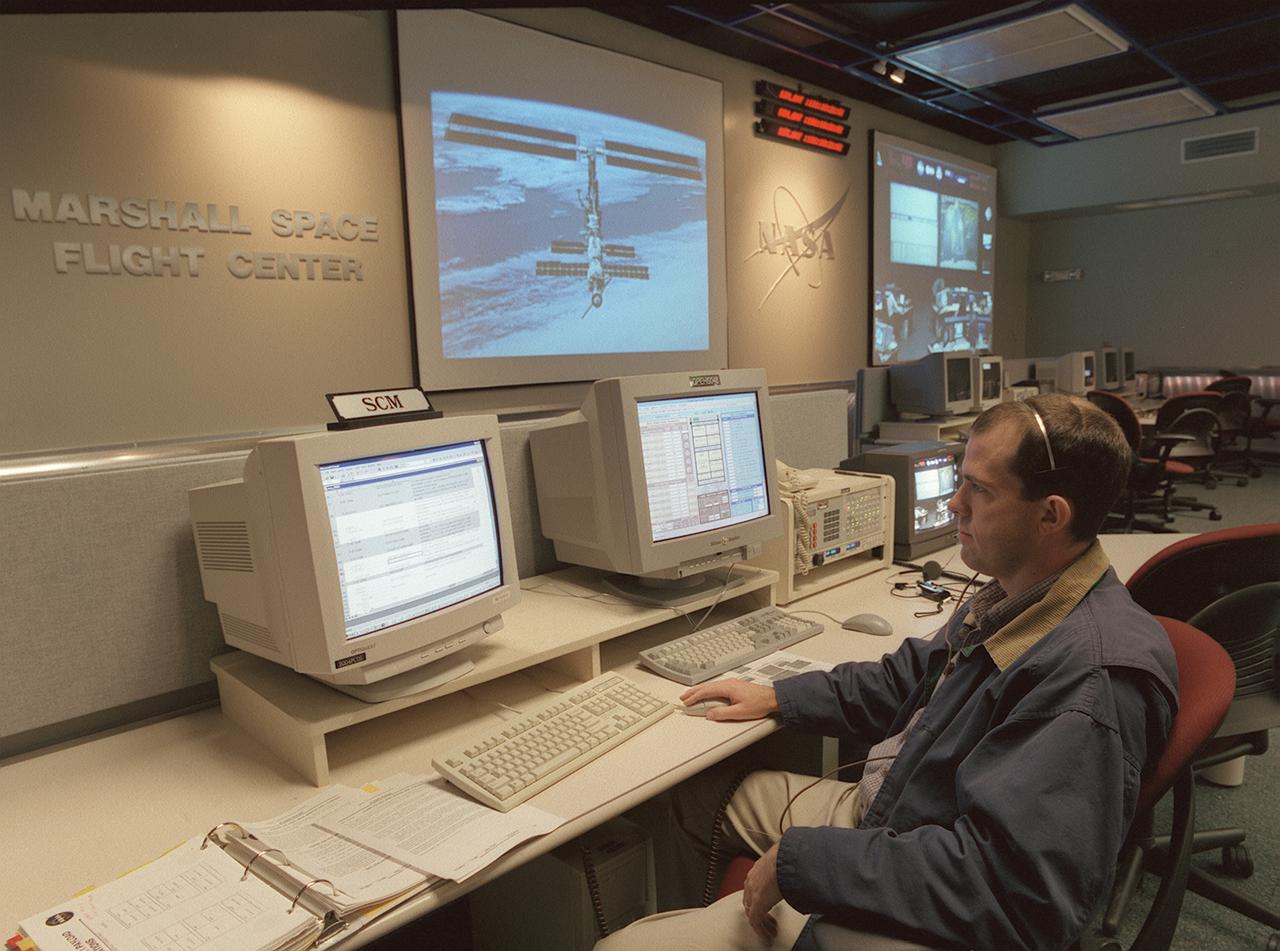
The Payload Operations Center (POC) is the science command post for the International Space Station (ISS). Located at NASA's Marshall Space Flight Center in Huntsville, Alabama, it is the focal point for American and international science activities aboard the ISS. The POC's unique capabilities allow science experts and researchers around the world to perform cutting-edge science in the unique microgravity environment of space. The POC is staffed around the clock by shifts of payload flight controllers. At any given time, 8 to 10 flight controllers are on consoles operating, plarning for, and controlling various systems and payloads. This photograph show the Safety Coordination Manager (SCM) at a work station. The SCM monitors science experiments to ensure they are conducted in a safe manner in accordance with strict safety regulations.
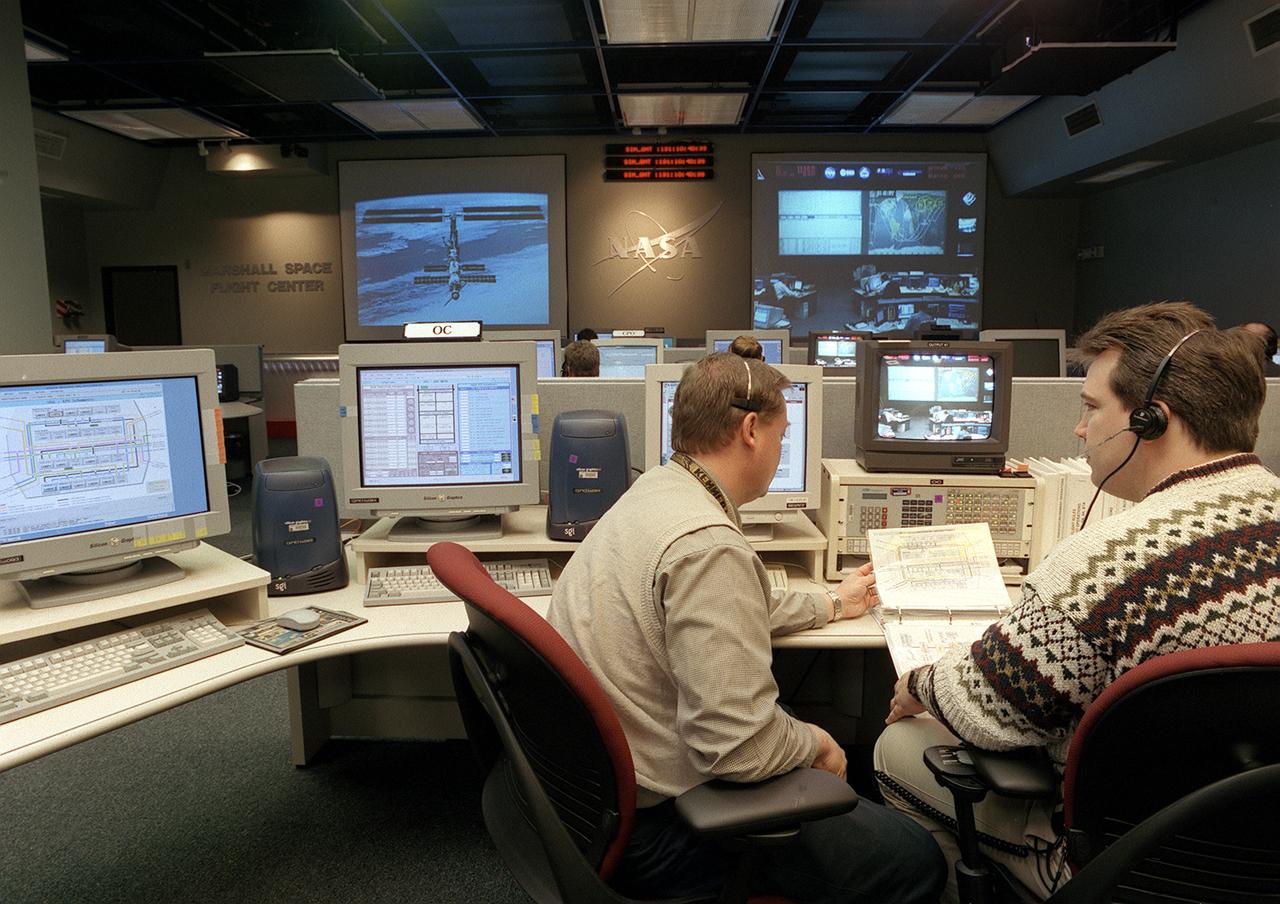
The Payload Operations Center (POC) is the science command post for the International Space Station (ISS). Located at NASA's Marshall Space Flight Center in Huntsville, Alabama, it is the focal point for American and international science activities aboard the ISS. The POC's unique capabilities allow science experts and researchers around the world to perform cutting-edge science in the unique microgravity environment of space. The POC is staffed around the clock by shifts of payload flight controllers. At any given time, 8 to 10 flight controllers are on consoles operating, plarning for, and controlling various systems and payloads. This photograph shows the Operations Controllers (OC) at their work stations. The OC coordinates the configuration of resources to enable science operations, such as power, cooling, commanding, and the availability of items like tools and laboratory equipment.
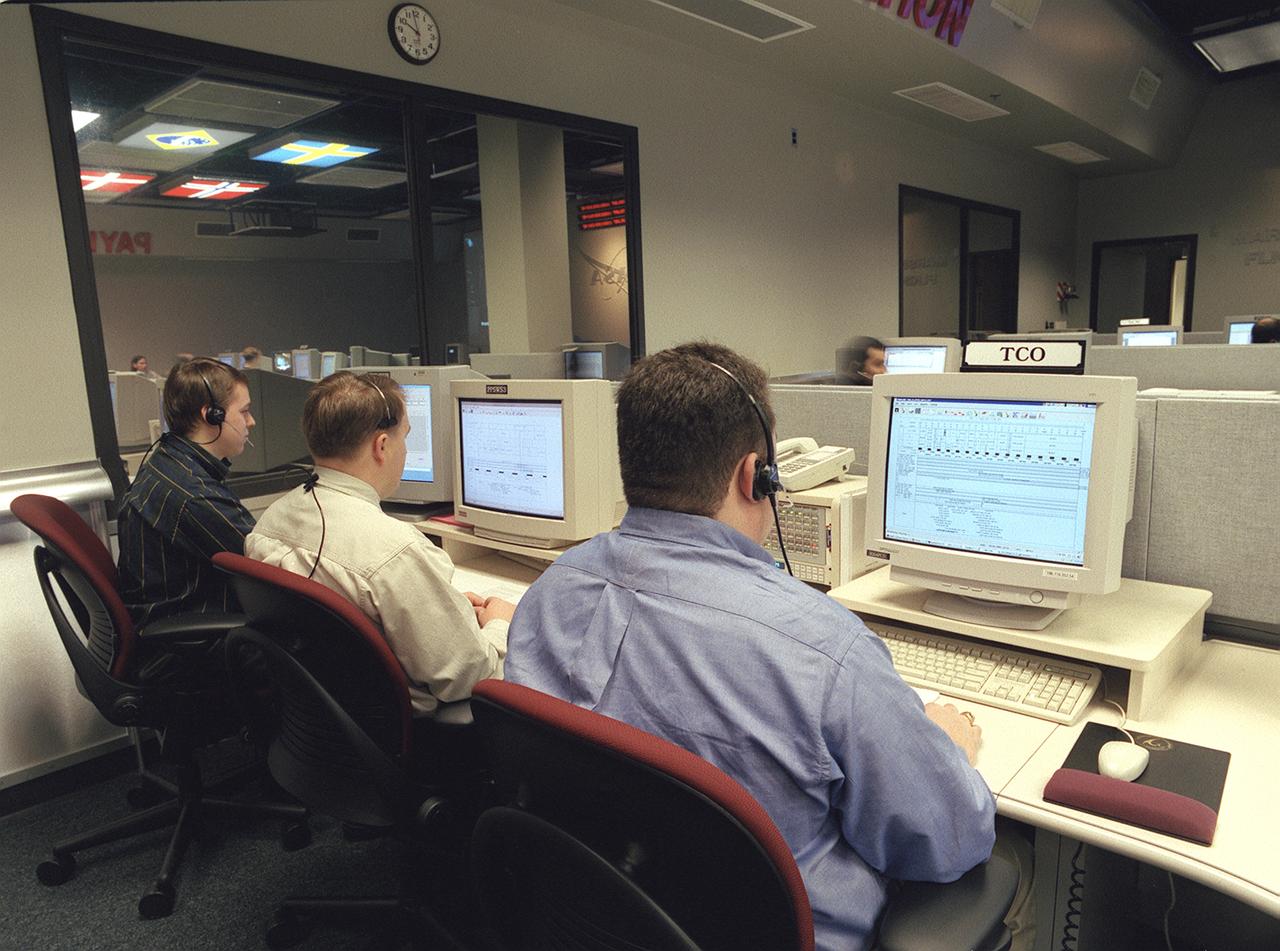
The Payload Operations Center (POC) is the science command post for the International Space Station (ISS). Located at NASA's Marshall Space Flight Center in Huntsville, Alabama, it is the focal point for American and international science activities aboard the ISS. The POC's unique capabilities allow science experts and researchers around the world to perform cutting-edge science in the unique microgravity environment of space. The POC is staffed around the clock by shifts of payload flight controllers. At any given time, 8 to 10 flight controllers are on consoles operating, plarning for, and controlling various systems and payloads. This photograph shows the Timeline Change Officer (TCO) at a work station. The TCO maintains the daily schedule of science activities and work assignments, and works with planners at Mission Control at Johnson Space Center in Houston, Texas, to ensure payload activities are accommodated in overall ISS plans and schedules.
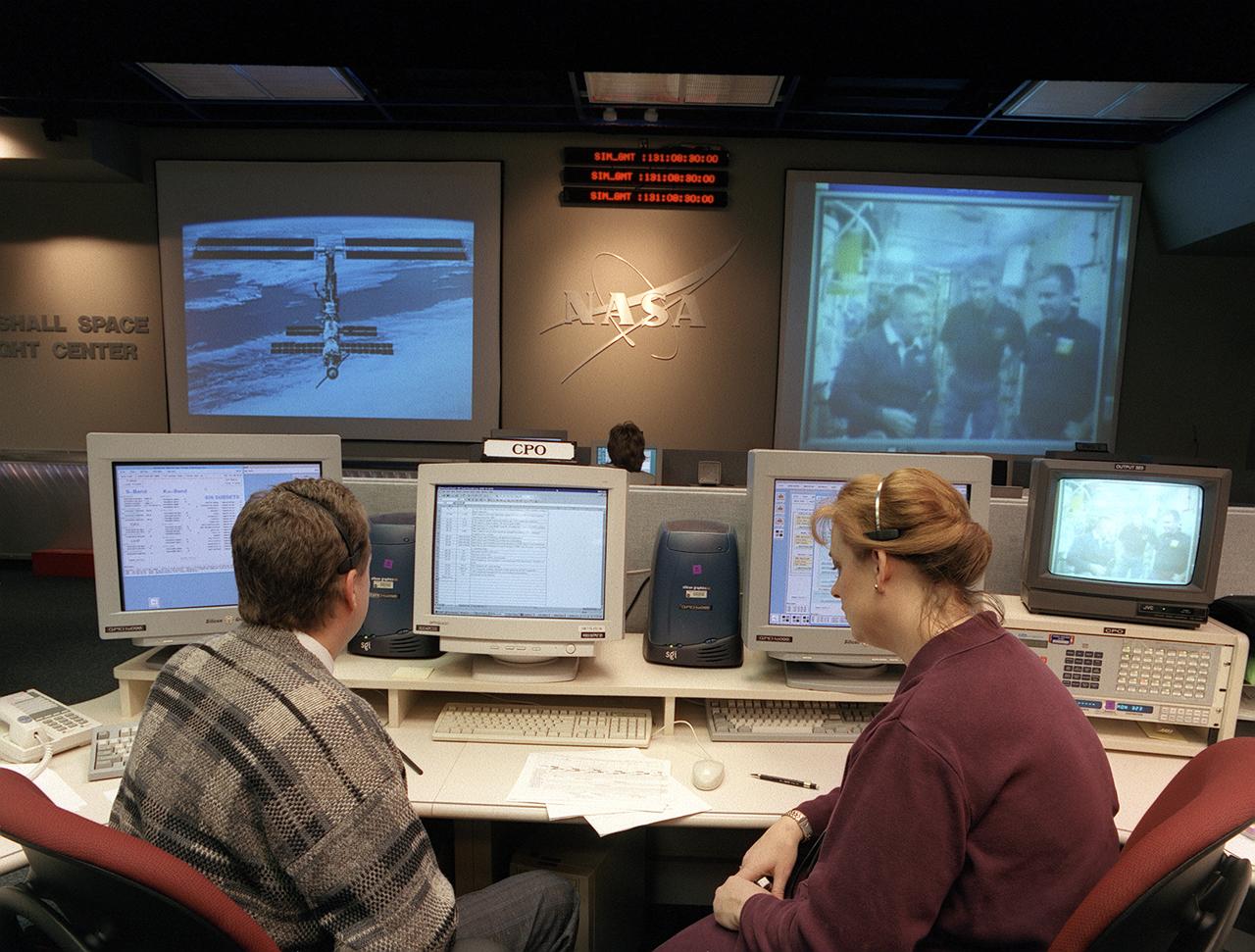
The Payload Operations Center (POC) is the science command post for the International Space Station (ISS). Located at NASA's Marshall Space Flight Center (MSFC) in Huntsville, Alabama, it is the focal point for American and international science activities aboard the ISS. The POC's unique capabilities allow science experts and researchers around the world to perform cutting-edge science in the unique microgravity environment of space. The POC is staffed around the clock by shifts of payload flight controllers. At any given time, 8 to 10 flight controllers are on consoles operating, plarning for, and controlling various systems and payloads. This photograph shows the Command and Payload Multiplexer/Demultiplexer (MDM) Officers (CPO's) at their work stations. The CPO maintains the command link between the Operation Center at MSFC and Mission Control at Johnson Space Center in Houston, Texas, and configures the link to allow the international partners and remote scientists to operate their payloads from their home sites.
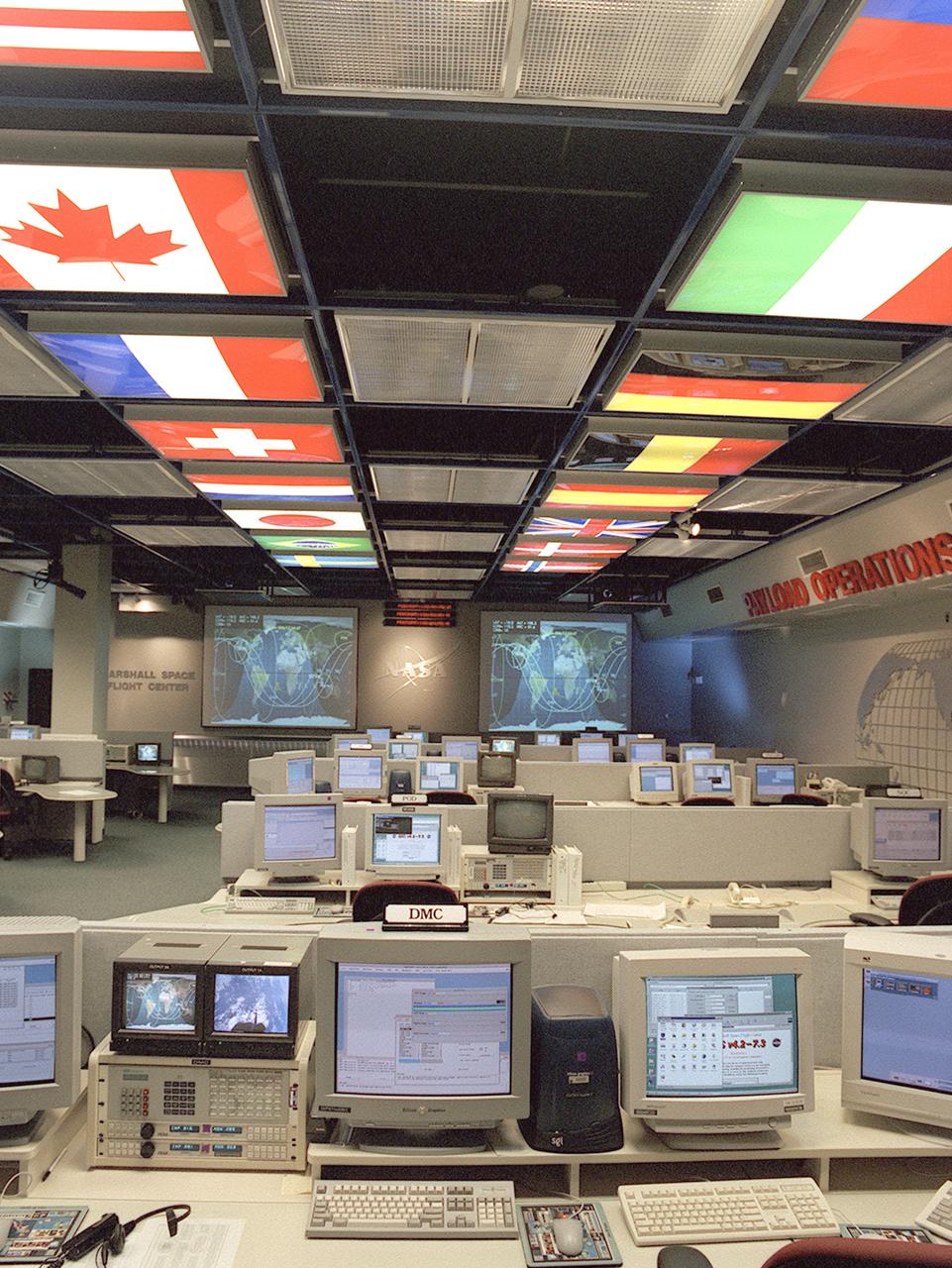
The International Space Station (ISS) Payload Operations Center (POC) at NASA's Marshall Space Flight Center (MSFC) in Huntsville, Alabama, is the world's primary science command post for the (ISS), the most ambitious space research facility in human history. The Payload Operations team is responsible for managing all science research experiments aboard the Station. The center is also home for coordination of the mission-plarning work of variety of international sources, all science payload deliveries and retrieval, and payload training and safety programs for the Station crew and all ground personnel. Within the POC, critical payload information from the ISS is displayed on a dedicated workstation, reading both S-band (low data rate) and Ku-band (high data rate) signals from a variety of experiments and procedures operated by the ISS crew and their colleagues on Earth. The POC is the focal point for incorporating research and experiment requirements from all international partners into an integrated ISS payload mission plan. This photograph is an overall view of the MSFC Payload Operations Center displaying the flags of the countries participating in the ISS. The flags at the left portray The United States, Canada, France, Switzerland, Netherlands, Japan, Brazil, and Sweden. The flags at the right portray The Russian Federation, Italy, Germany, Belgium, Spain, United Kingdom, Denmark, and Norway.
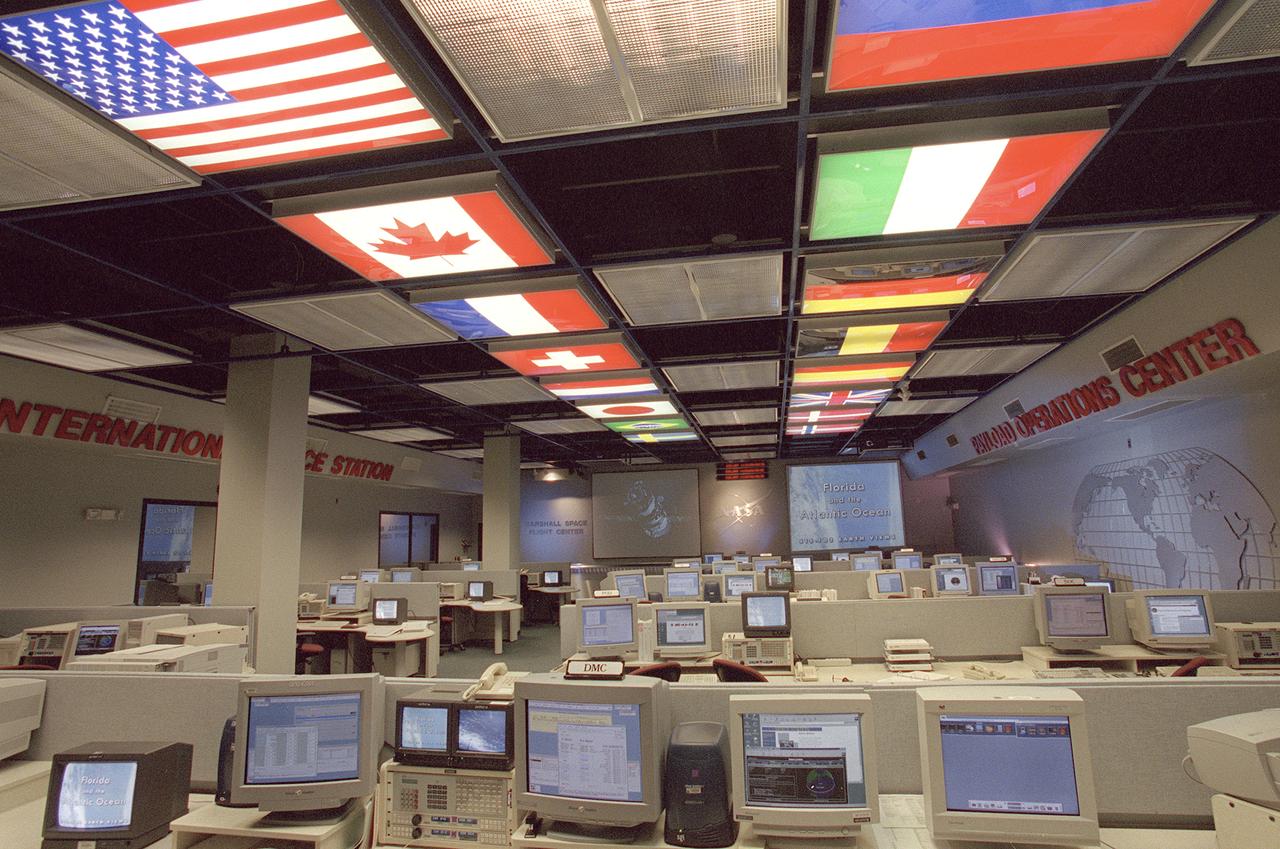
The International Space Station (ISS) Payload Operations Center (POC) at NASA's Marshall Space Flight Center (MSFC) in Huntsville, Alabama, is the world's primary science command post for the International Space Station (ISS), the most ambitious space research facility in human history. The Payload Operations team is responsible for managing all science research experiments aboard the Station. The center is also home for coordination of the mission-plarning work of variety of international sources, all science payload deliveries and retrieval, and payload training and safety programs for the Station crew and all ground personnel. Within the POC, critical payload information from the ISS is displayed on a dedicated workstation, reading both S-band (low data rate) and Ku-band (high data rate) signals from a variety of experiments and procedures operated by the ISS crew and their colleagues on Earth. The POC is the focal point for incorporating research and experiment requirements from all international partners into an integrated ISS payload mission plan. This photograph is an overall view of the MSFC Payload Operations Center displaying the flags of the countries participating the ISS. The flags at the left portray The United States, Canada, France, Switzerland, Netherlands, Japan, Brazil, and Sweden. The flags at the right portray The Russian Federation, Italy, Germany, Belgium, Spain, United Kingdom, Denmark, and Norway.
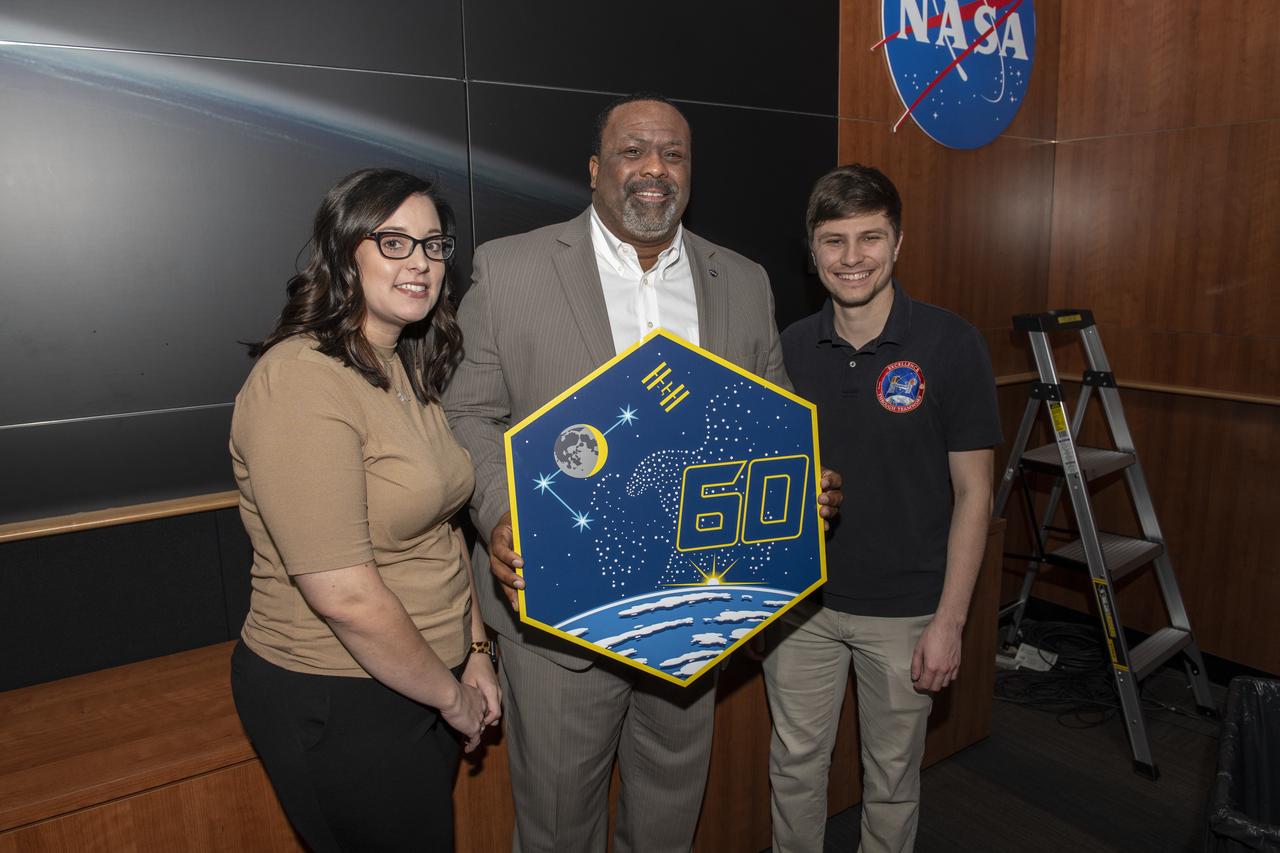
Increment 60 plaque hanging in the Payload Operations Operation Integration (POC) facility. Dwight Mosby holding the Increment 60 plaque along with Kira Thomas and Christian Bonner who hung the plaque.

PAYLOAD OPERATIONS INTEGRATION CENTER TEAM MEMBER STEPHANIE DUDLEY TALKS TO STUDENTS ABOUT HER DAY-TO-DAY JOB DUTIES AS A PAYLOAD OPERATIONS DIRECTOR.
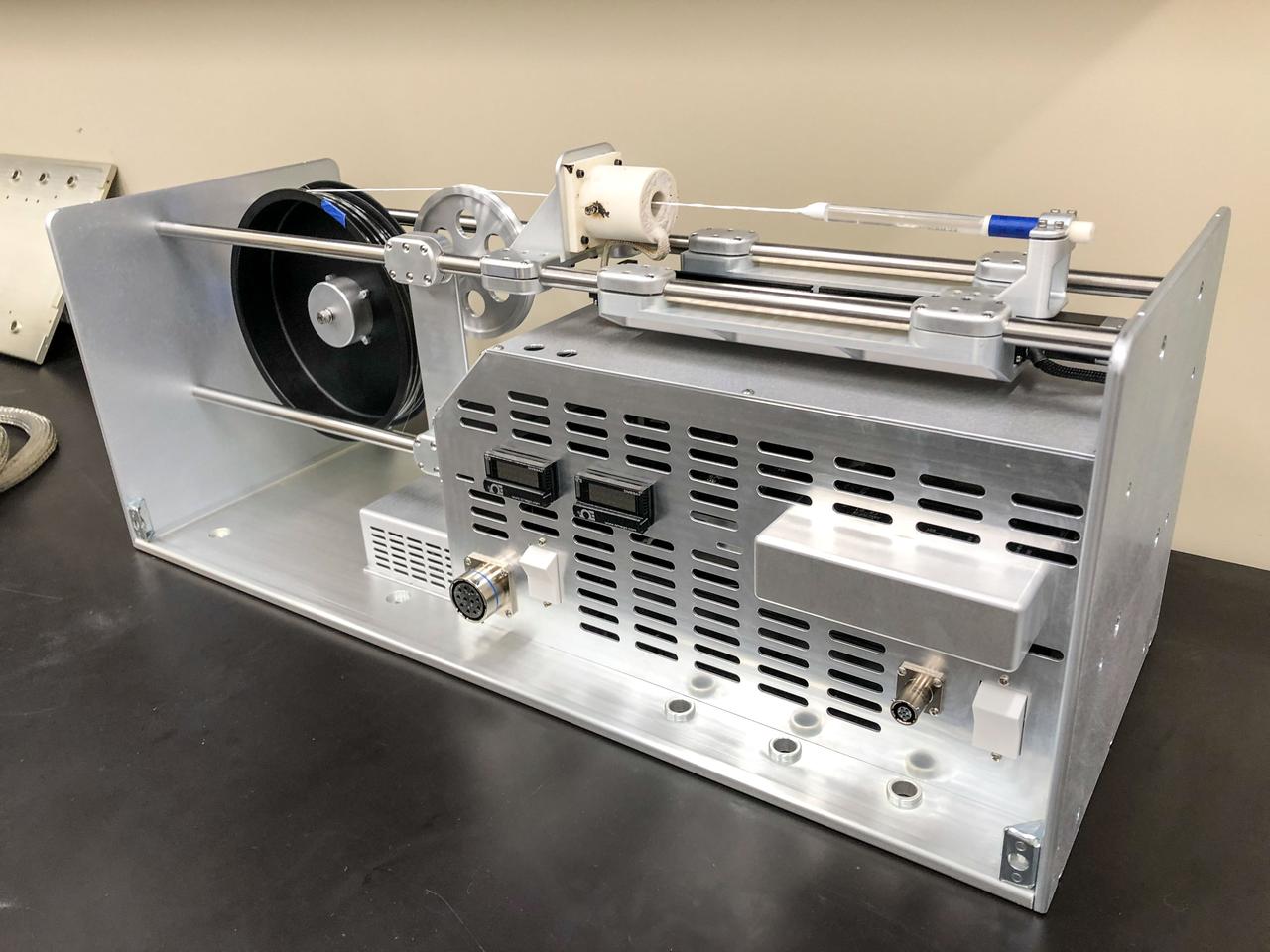
jsc2019e048247 (9/28/2018) — Preflight imagery of the Fiber Optic Production hardware. Physical Optics Corporation’s (POC’s) Fiber Optic Production investigation will create optical fibers with high commercial value aboard the International Space Station (ISS)and will operate within the Microgravity Science Glovebox (MSG).
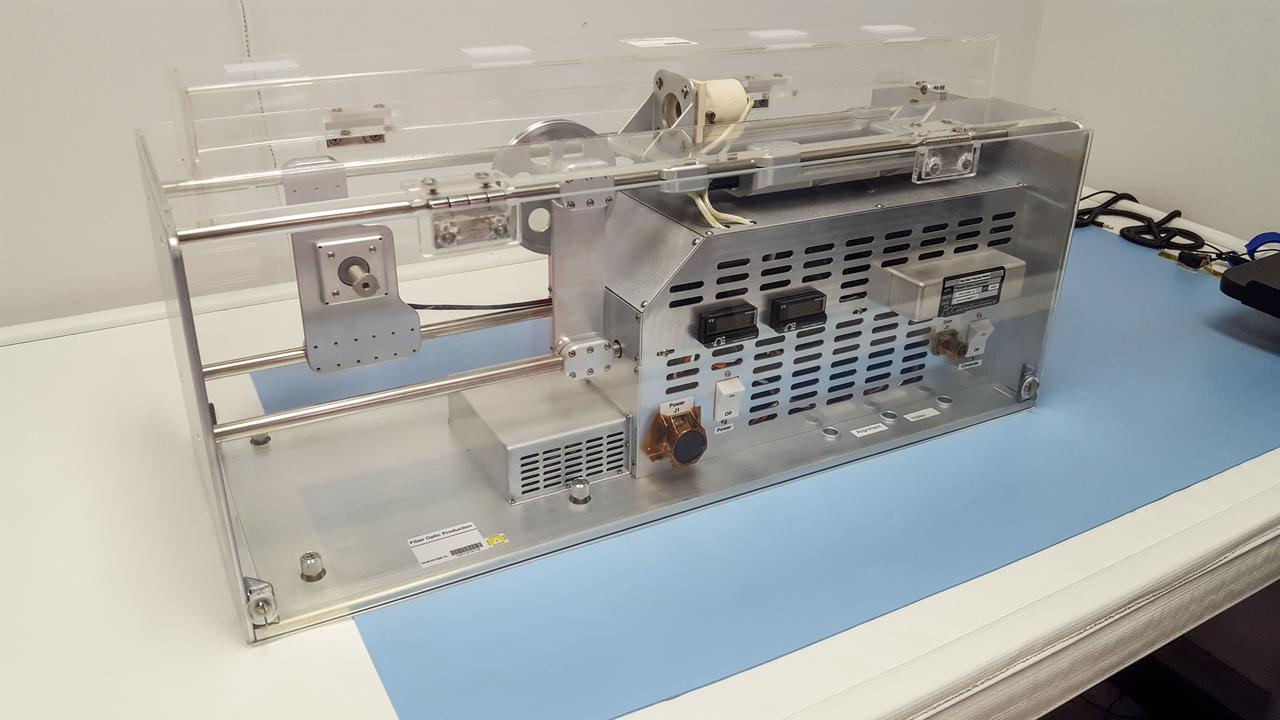
jsc2019e048245 (3/6/2019) — Preflight imagery of the Fiber Optic Production hardware. Physical Optics Corporation’s (POC’s) Fiber Optic Production investigation will create optical fibers with high commercial value aboard the International Space Station (ISS)and will operate within the Microgravity Science Glovebox (MSG).
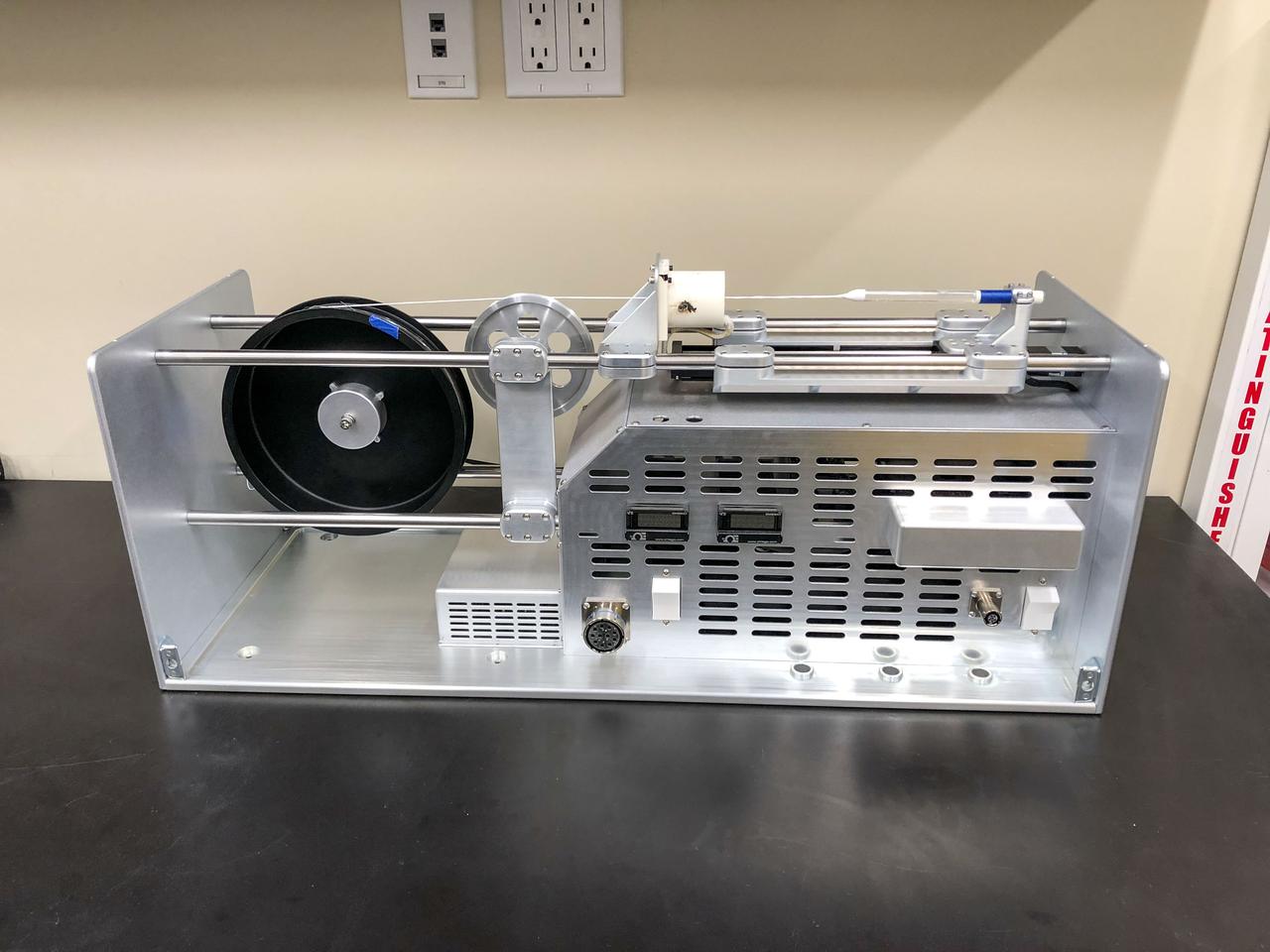
jsc2019e048246 (9/28/2018) — Preflight imagery of the Fiber Optic Production hardware. Physical Optics Corporation’s (POC’s) Fiber Optic Production investigation will create optical fibers with high commercial value aboard the International Space Station (ISS)and will operate within the Microgravity Science Glovebox (MSG).
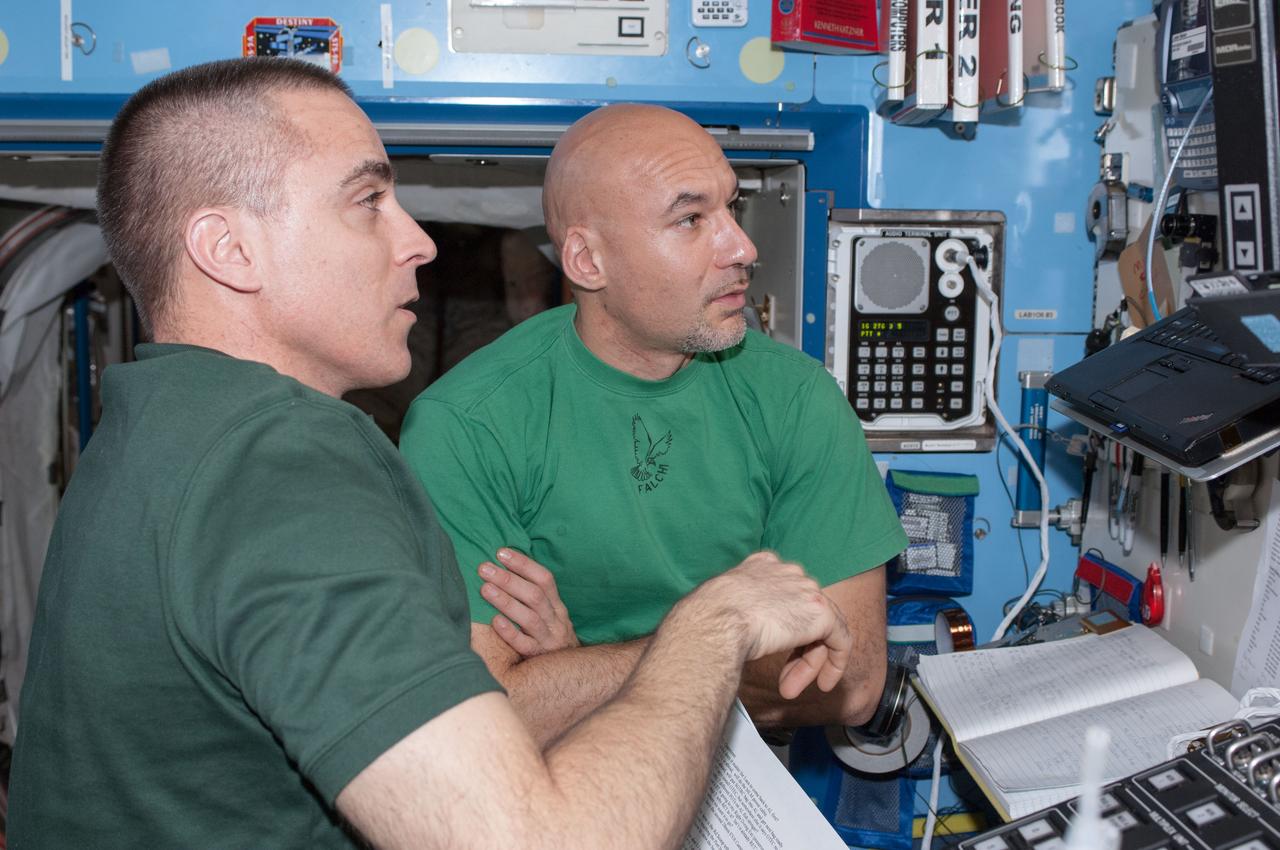
ISS036-E-012130 (25 June 2013) --- NASA astronaut Chris Cassidy (left) and European Space Agency astronaut Luca Parmitano, both Expedition 36 flight engineers, perform a Portable Onboard Computers (POC) Dynamic Onboard Ubiquitous Graphics (DOUG) software review in preparation for spacewalks scheduled for July 9 and July 16.
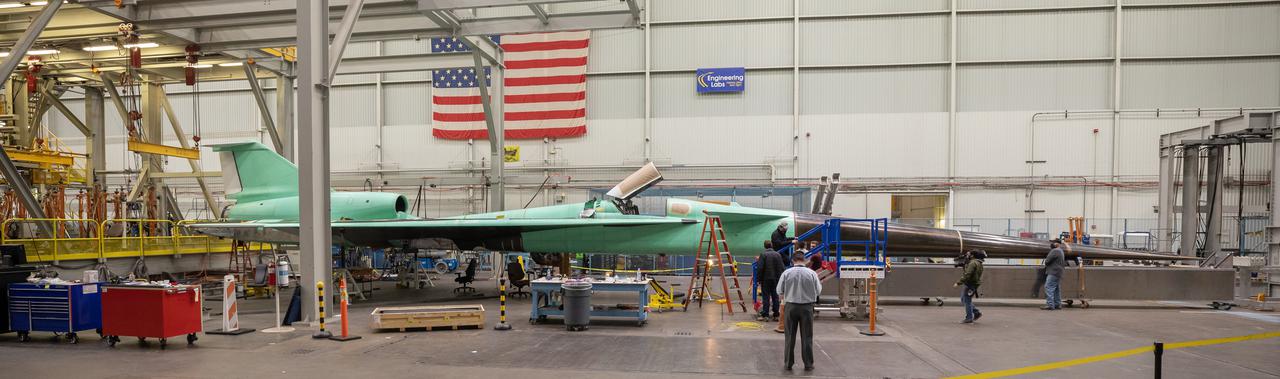
This panoramic side view of NASA’s X-59 Quiet SuperSonic Technology airplane shows the aircraft sitting on jacks at a Lockheed Martin test facility in Fort Worth, Texas. Lockheed Martin Aeronautics Company - Fort Worth - Chris Hanoch Subject: SEG 230 Nose Attachement FP#: 21-03420 POC: Analiese Smith, Chris Higgins Other info: X-59 in Fort Worth, testing
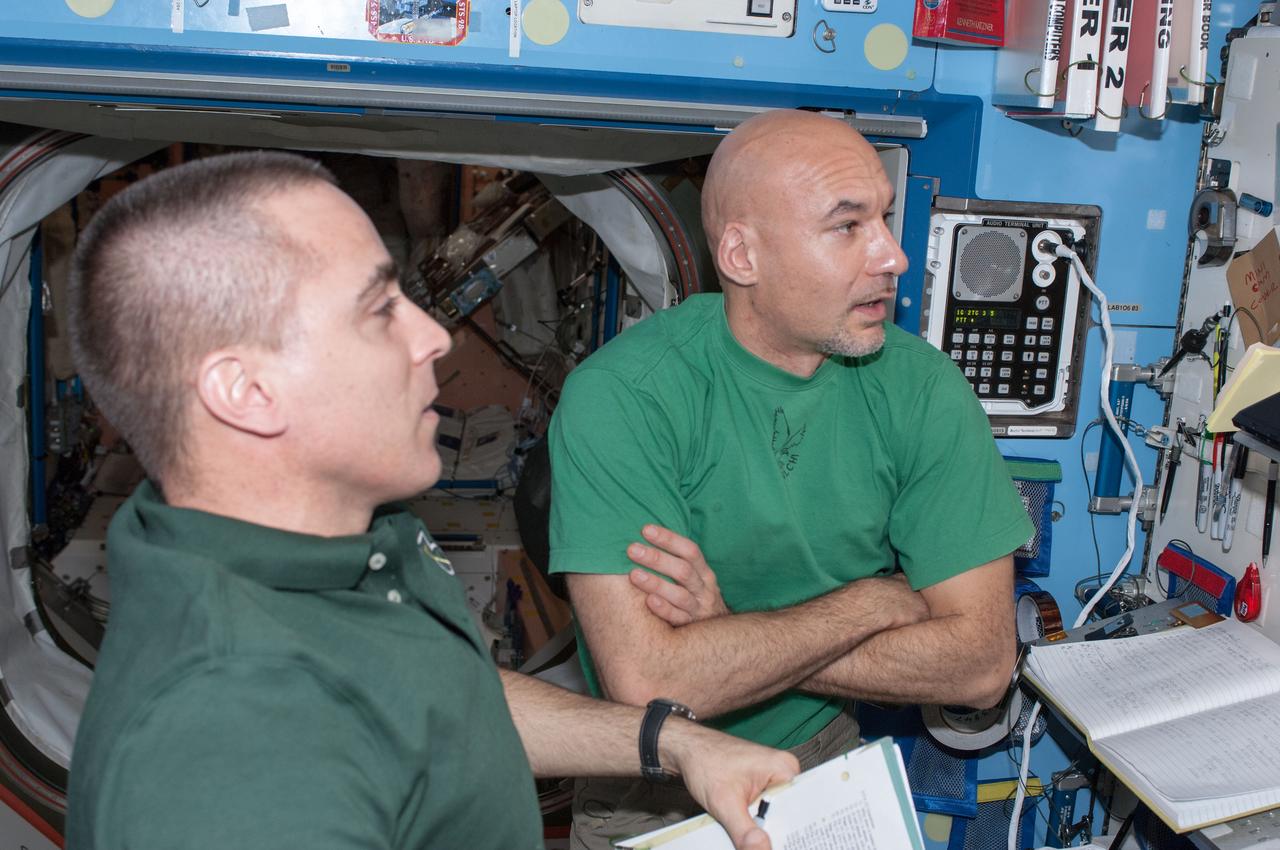
ISS036-E-012131 (25 June 2013) --- NASA astronaut Chris Cassidy (left) and European Space Agency astronaut Luca Parmitano, both Expedition 36 flight engineers, perform a Portable Onboard Computers (POC) Dynamic Onboard Ubiquitous Graphics (DOUG) software review in preparation for spacewalks scheduled for July 9 and July 16.
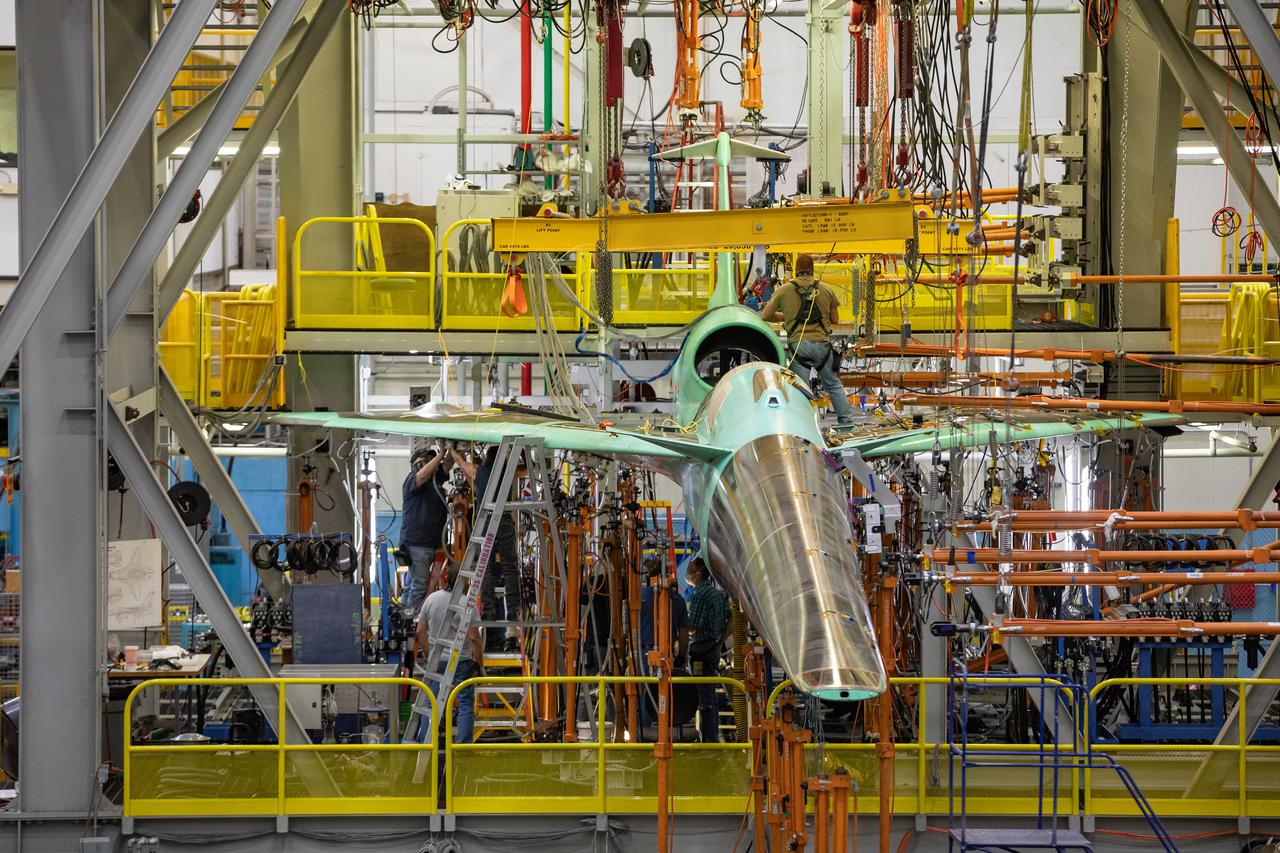
NASA’s X-59 Quiet SuperSonic Technology airplane undergoes structural stress tests at a Lockheed Martin facility in Fort Worth, Texas. Lockheed Martin Aeronautics Company - Fort Worth - Chris Hanoch Subject: X-59 - Various Angles in Test Fixture FP#: 21-03420 POC: Analiese Smith, Chris Higgins Other info: X-59 in Fort Worth, testing; high angle shots in fixture 1-10-22

Title: W-8 Fan Acoustic Casing Treatment Test on the Source Diagnostic Test Rotor Alone Hardware Program: Advanced Air Vehicles Program (AAVP) Project: Advanced Air Transport Technology (AATT) Sub-project: Aircraft Noise Reduction (ANR) Weekly Highlight: · Acoustic Casing Treatment Testing Completed in the W-8 Single Stage Axial Compressor Facility: Testing of Acoustic Casing Treatments on the Source Diagnostic Test (SDT) rotor alone hardware which had begun in early January was completed on Thursday, February 16th. Four different over-the-rotor acoustic casing treatment concepts were tested along with two baseline configurations. Testing included steady-aerodynamic measurements of fan performance, hotfilm turbulence measurements, and inlet acoustic measurements with an in-duct array. These measurements will be used to assess the aerodynamic and acoustic impact of fan acoustic casing treatments on a high bypass ratio fan at TRL 3. This test was the last of 3 planned tests of potential over-the-rotor acoustic casing treatments. The first treatment test was completed in the Normal Incidence Tube (NIT) at Langley Research Center (LaRC) in Fall 2015 and the second was completed on the Advanced Noise Control Fan (ANCF) in the Aero-Acoustic Propulsion Laboratory (AAPL) in Winter 2016. This work is supported by the Aircraft Noise Reduction (ANR) subproject of the Advanced Air Transport Technology (AATT) Project. (POC: LTV/ Rick Bozak 3-5160)