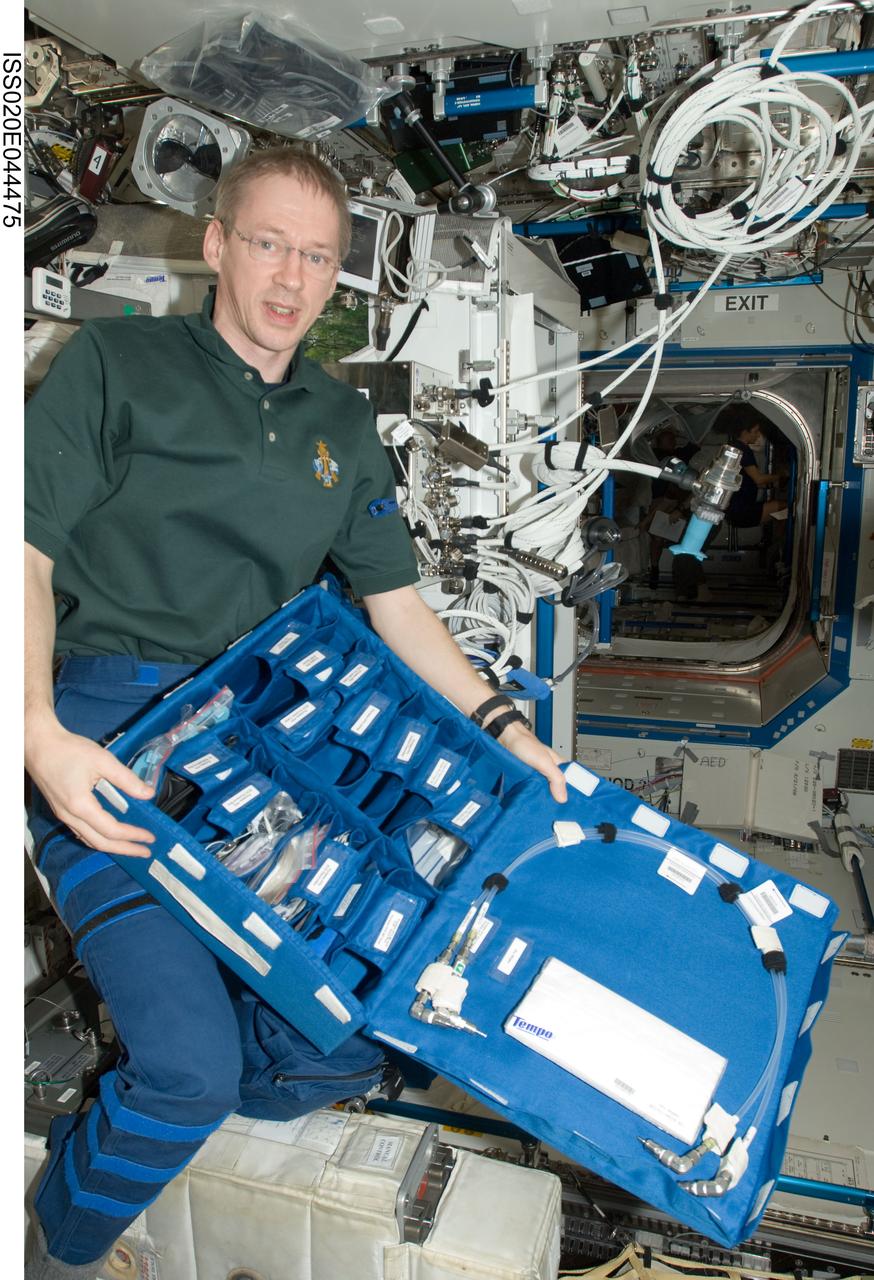
ISS020-E-044475 (3 Oct. 2009) --- European Space Agency astronaut Frank De Winne, Expedition 20 flight engineer and Expedition 21 commander, holds a Portable Pulmonary Function System (PPFS) stowage bag in the Destiny laboratory of the International Space Station.
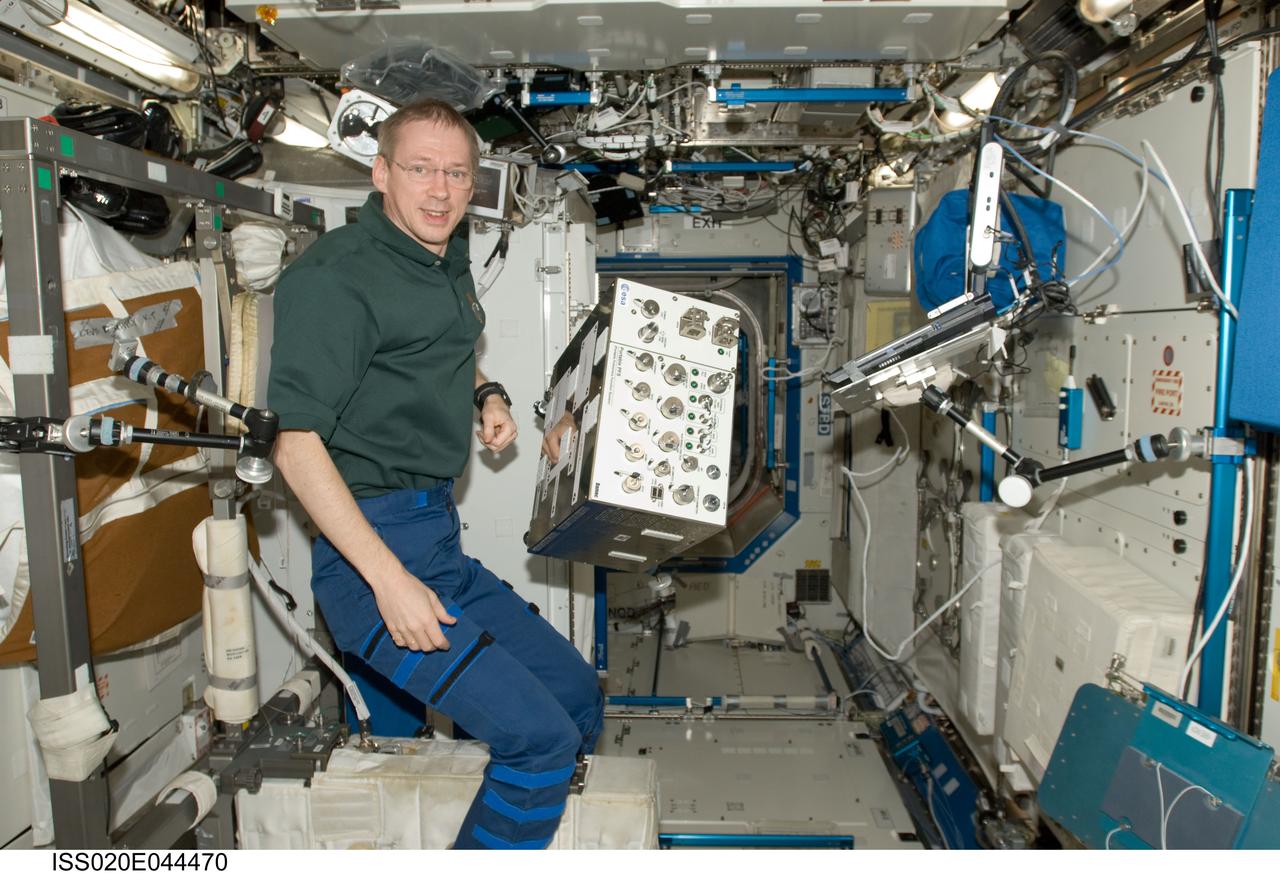
ISS020-E-044470 (3 Oct. 2009) --- European Space Agency astronaut Frank De Winne, Expedition 20 flight engineer and Expedition 21 commander, is pictured near Portable Pulmonary Function System (PPFS) hardware floating freely in the Destiny laboratory of the International Space Station.
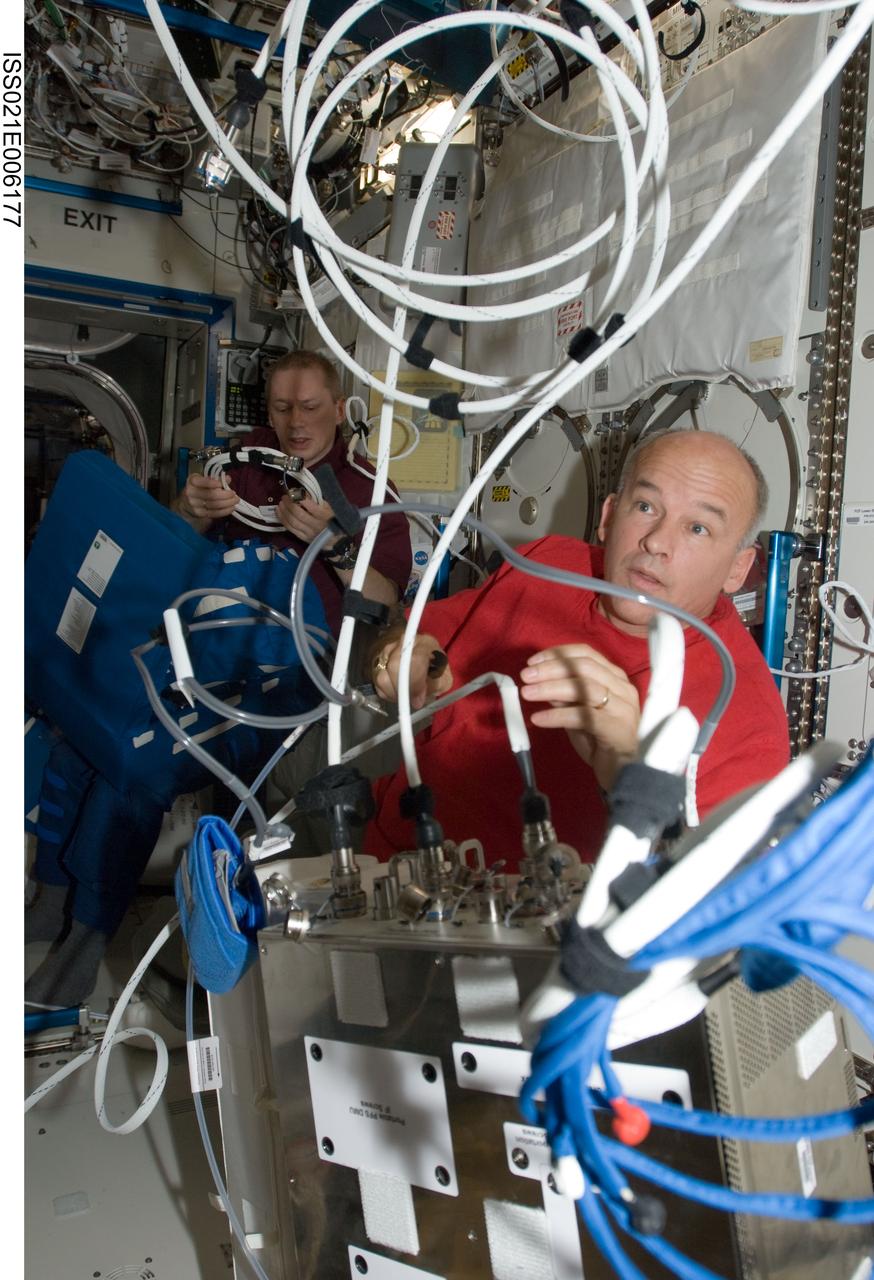
ISS021-E-006177 (14 Oct. 2009) --- NASA astronaut Jeffrey Williams, Expedition 21 flight engineer, works with the Portable Pulmonary Function System (PPFS) in the Destiny laboratory of the International Space Station. European Space Agency astronaut Frank De Winne, commander, works in the background.
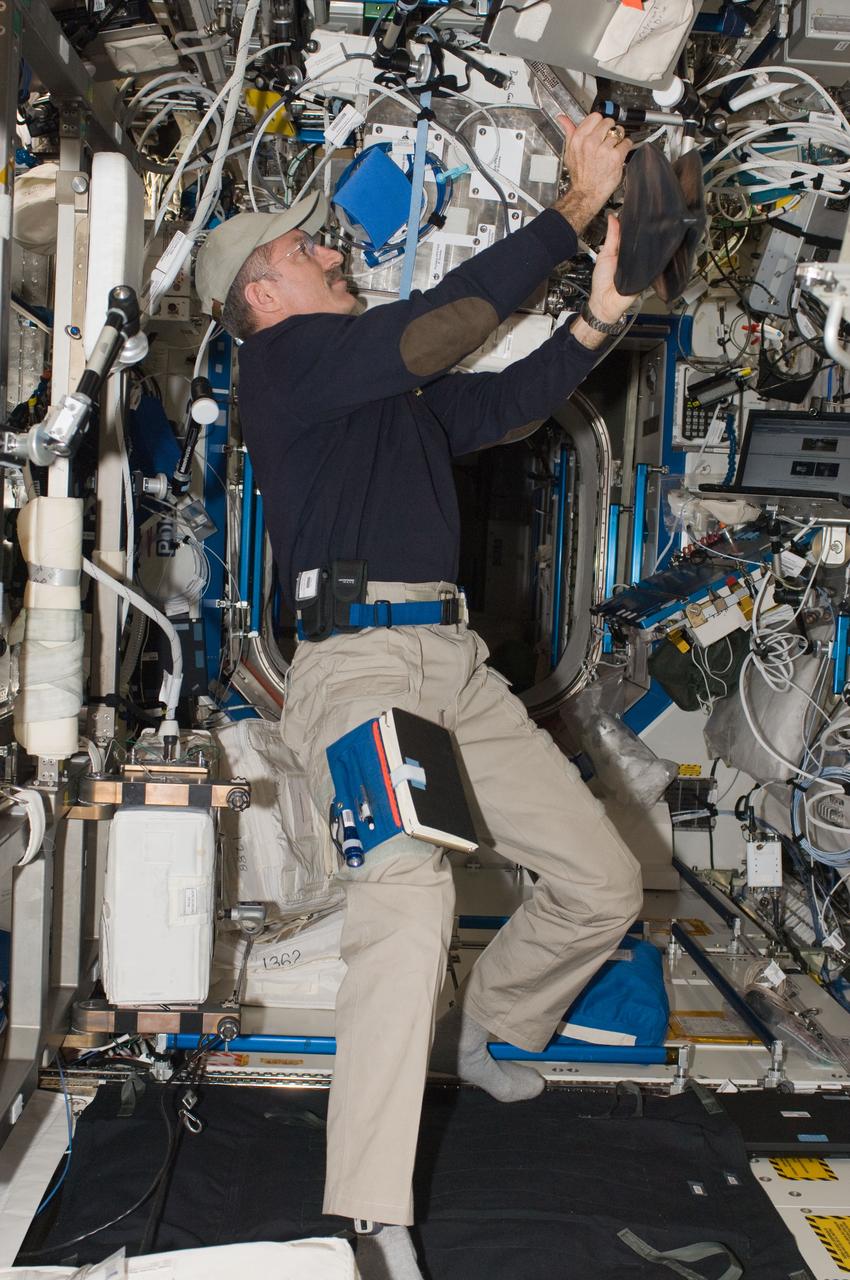
ISS030-E-060136 (2 Feb. 2012) --- NASA astronaut Dan Burbank, Expedition 30 commander, works with the Portable Pulmonary Function System (PPFS) Mixing Bag System (MBS) in the Destiny laboratory of the International Space Station.
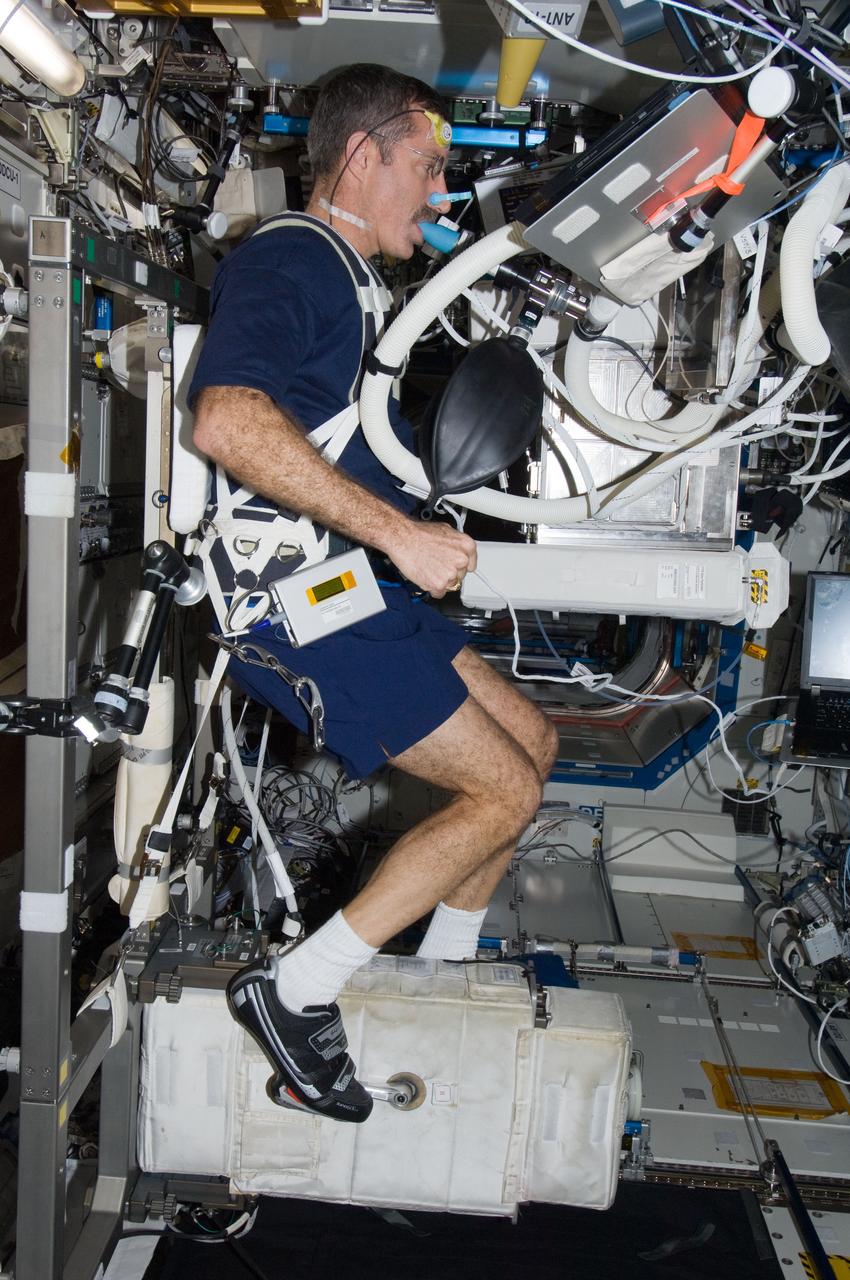
iss030e007538 (12/02/2011) --- NASA astronaut Dan Burbank using the Portable Pulmonary Function System, (PPFS) hardware while exercises on the Cycle Ergometer with Vibration Isolation and Stabilization System (CEVIS), the station’s exercise bike, inside the Destiny laboratory module.
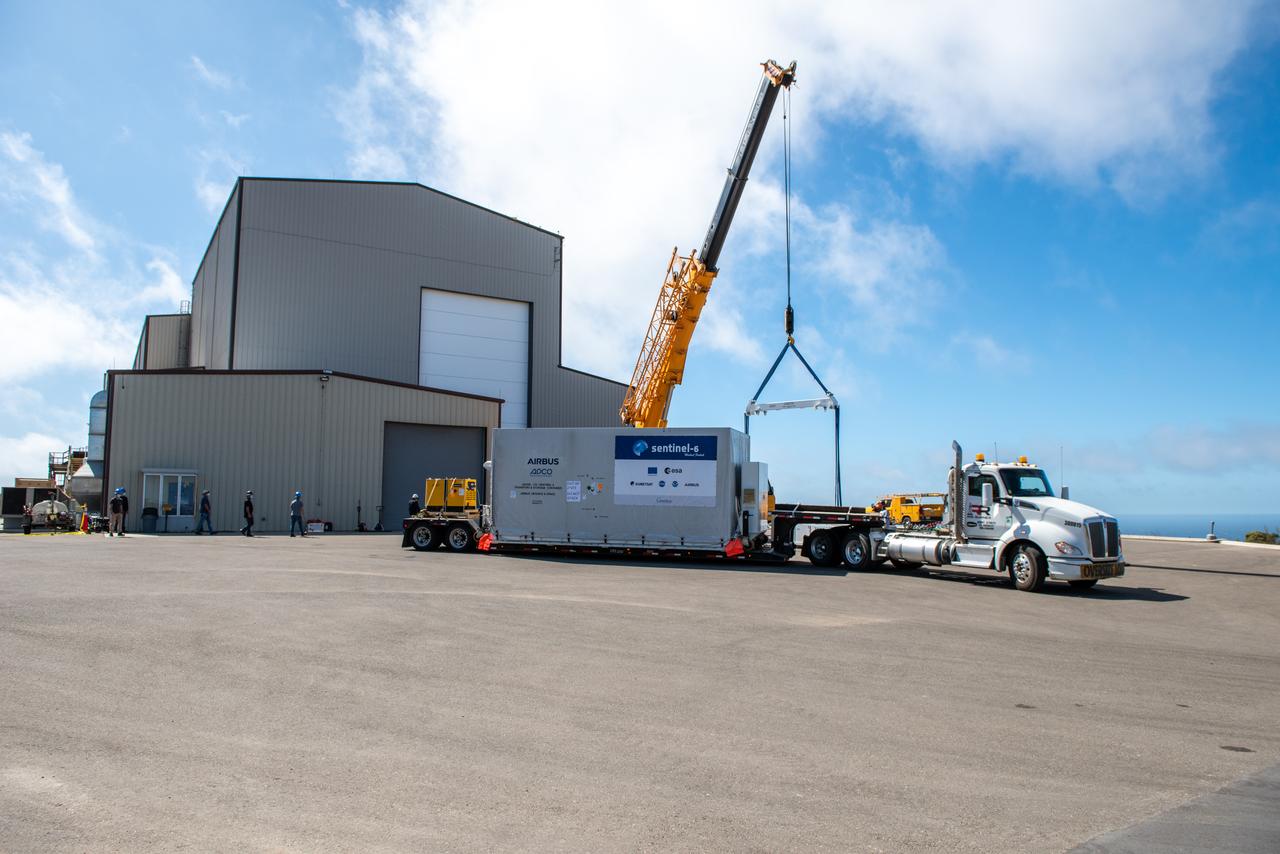
The Sentinel-6 Michael Freilich mission is an international partnership and the first launch of a constellation of two satellites that will observe changes in Earth’s sea levels for at least the next decade. Launching atop a SpaceX Falcon 9 rocket, Sentinel-6 Michael Freilich is targeted to lift off from Vandenberg Air Force Base in California on Nov. 10, 2020. The Launch Services Program at Kennedy Space Center in Florida is responsible for launch management.
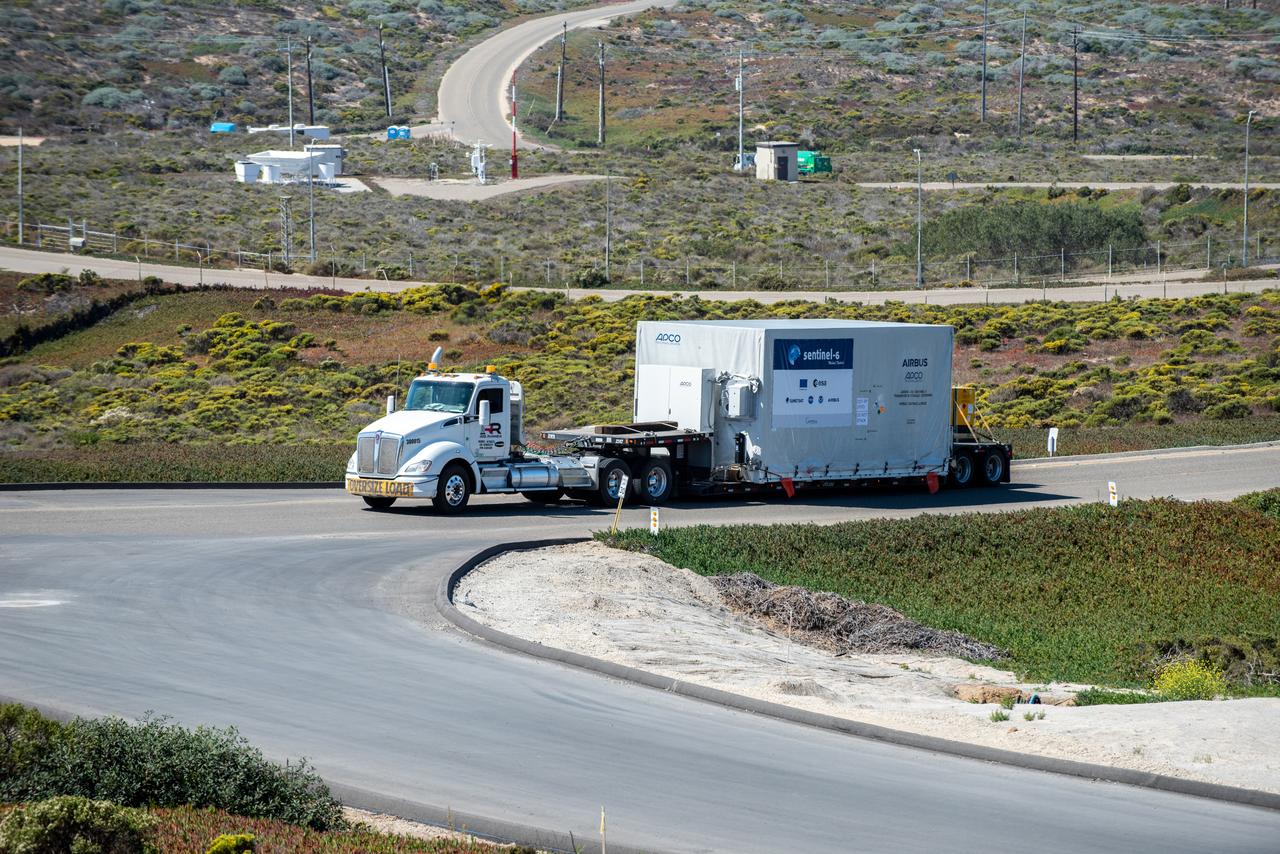
The Sentinel-6 Michael Freilich mission is an international partnership and the first launch of a constellation of two satellites that will observe changes in Earth’s sea levels for at least the next decade. Launching atop a SpaceX Falcon 9 rocket, Sentinel-6 Michael Freilich is targeted to lift off from Vandenberg Air Force Base in California on Nov. 10, 2020. The Launch Services Program at Kennedy Space Center in Florida is responsible for launch management.
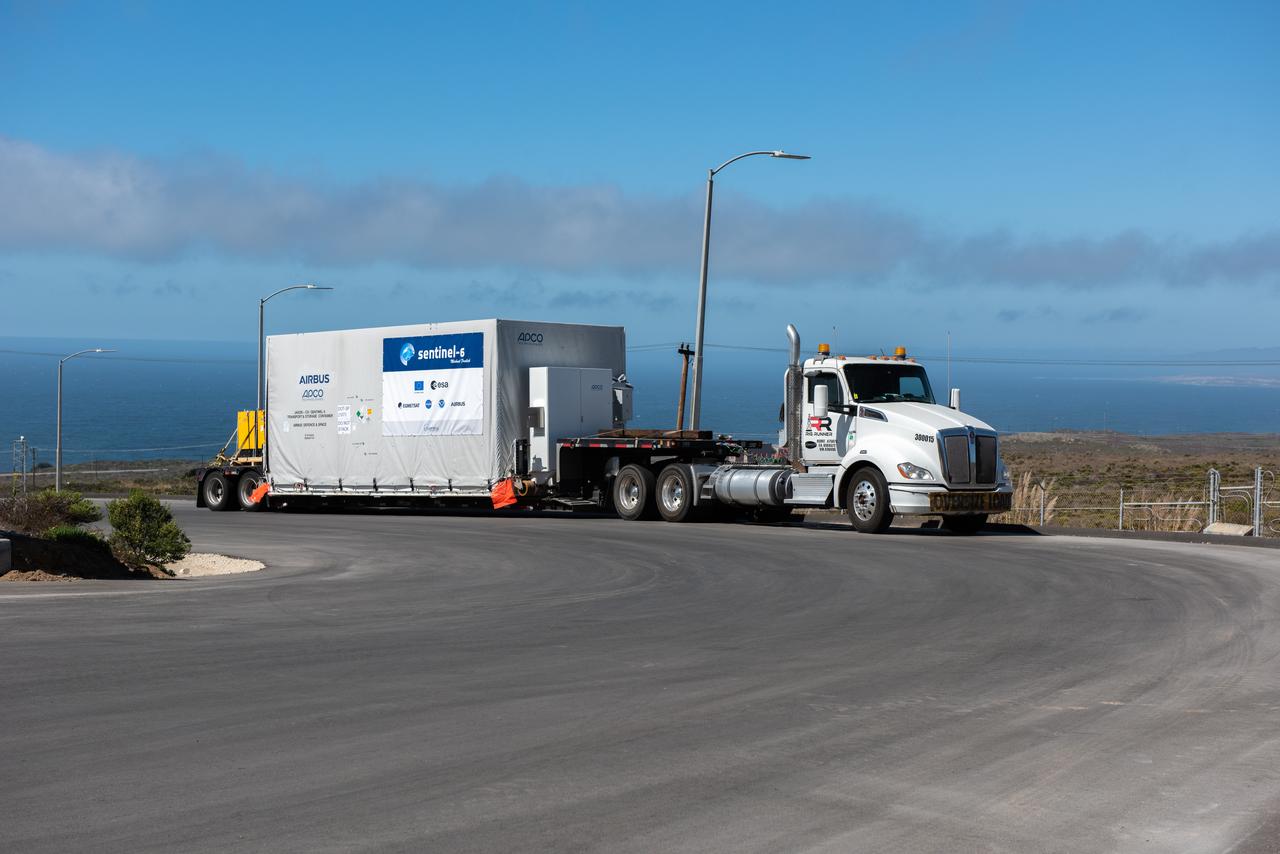
The Sentinel-6 Michael Freilich mission is an international partnership and the first launch of a constellation of two satellites that will observe changes in Earth’s sea levels for at least the next decade. Launching atop a SpaceX Falcon 9 rocket, Sentinel-6 Michael Freilich is targeted to lift off from Vandenberg Air Force Base in California on Nov. 10, 2020. The Launch Services Program at Kennedy Space Center in Florida is responsible for launch management.
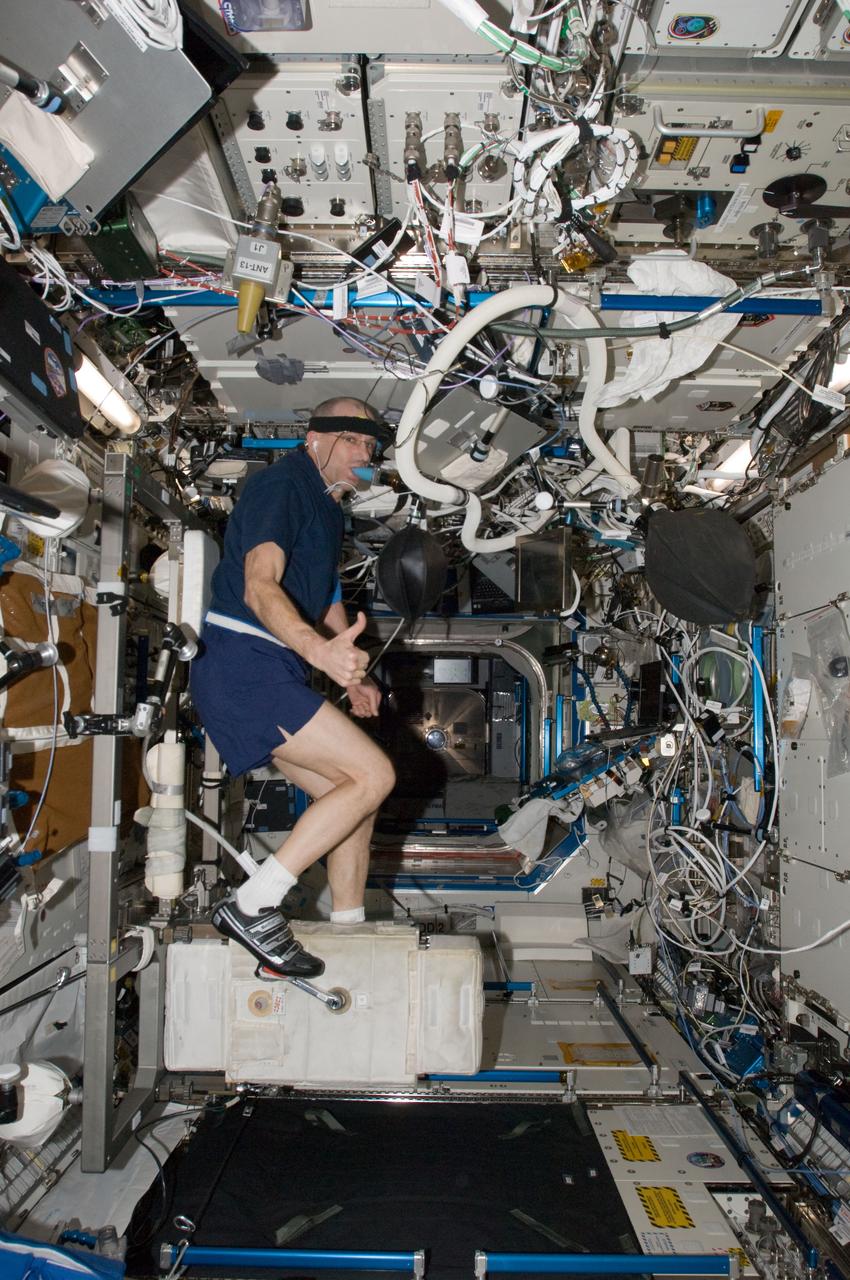
ISS030-E-132541 (7 March 2012) --- NASA astronaut Don Pettit, Expedition 30 flight engineer, performs a VO2max experiment while using the Cycle Ergometer with Vibration Isolation System (CEVIS) in the Destiny laboratory of the International Space Station. VO2max uses the Portable Pulmonary Function System (PPFS), CEVIS, Pulmonary Function System (PFS) gas cylinders and mixing bag system, plus multiple other pieces of hardware to measure oxygen uptake and cardiac output.
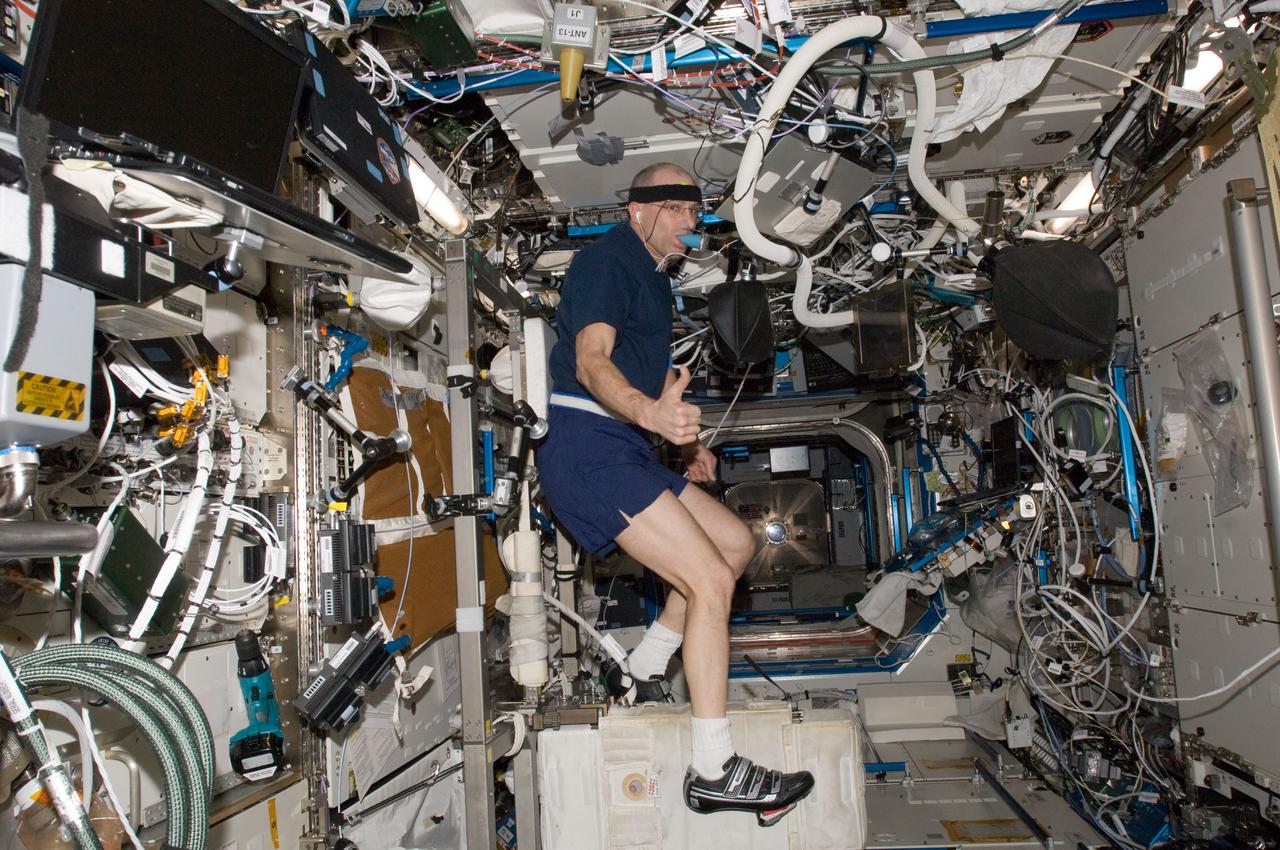
ISS030-E-132542 (7 March 2012) --- NASA astronaut Don Pettit, Expedition 30 flight engineer, performs a VO2max experiment while using the Cycle Ergometer with Vibration Isolation System (CEVIS) in the Destiny laboratory of the International Space Station. VO2max uses the Portable Pulmonary Function System (PPFS), CEVIS, Pulmonary Function System (PFS) gas cylinders and mixing bag system, plus multiple other pieces of hardware to measure oxygen uptake and cardiac output.
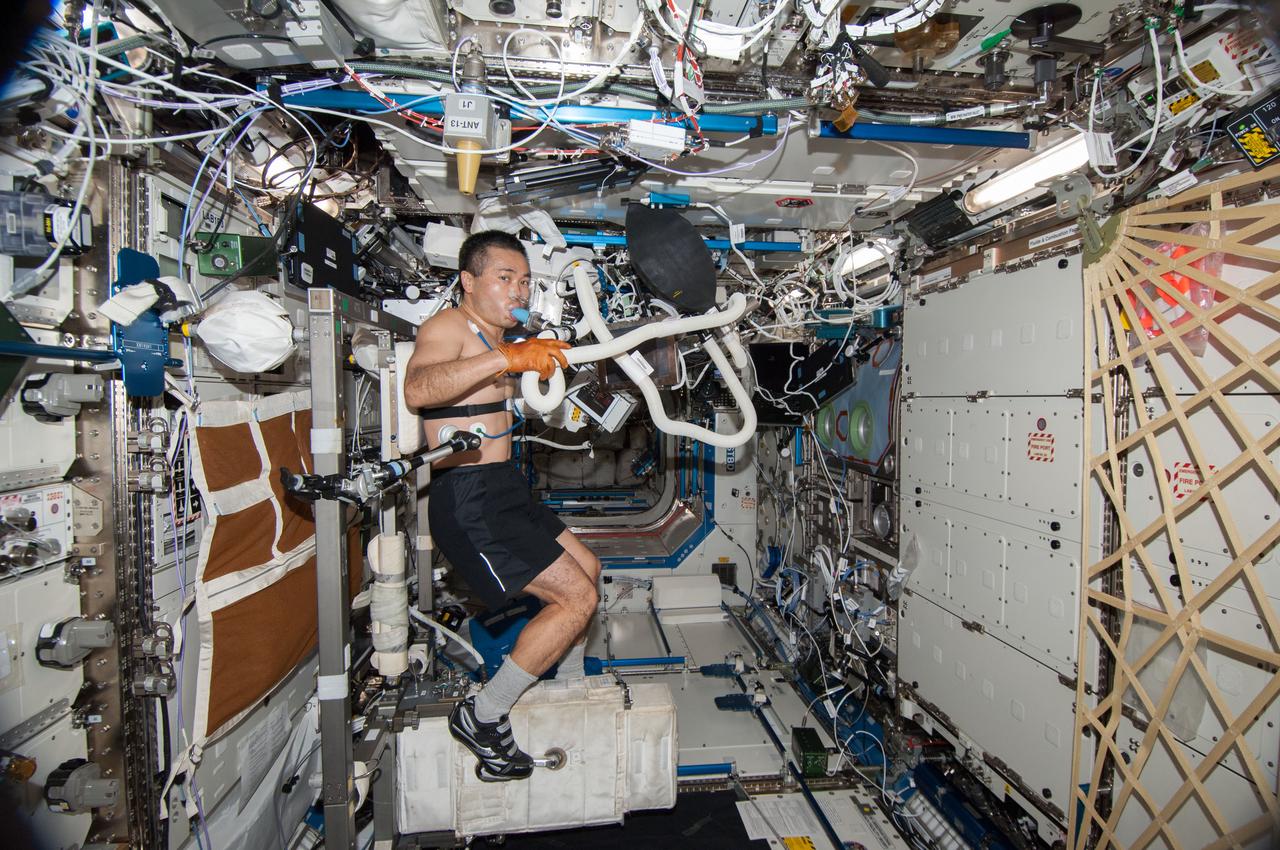
ISS038-E-009211 (26 Nov. 2013) --- Japan Aerospace Exploration Agency astronaut Koichi Wakata, Expedition 38 flight engineer, performs a VO2max session for the SPRINT investigation while using the Cycle Ergometer with Vibration Isolation System (CEVIS) in the Destiny laboratory of the International Space Station. VO2max uses the Portable Pulmonary Function System (PPFS), CEVIS, Pulmonary Function System (PFS) gas cylinders and mixing bag system, plus multiple other pieces of hardware to measure oxygen uptake and cardiac output.
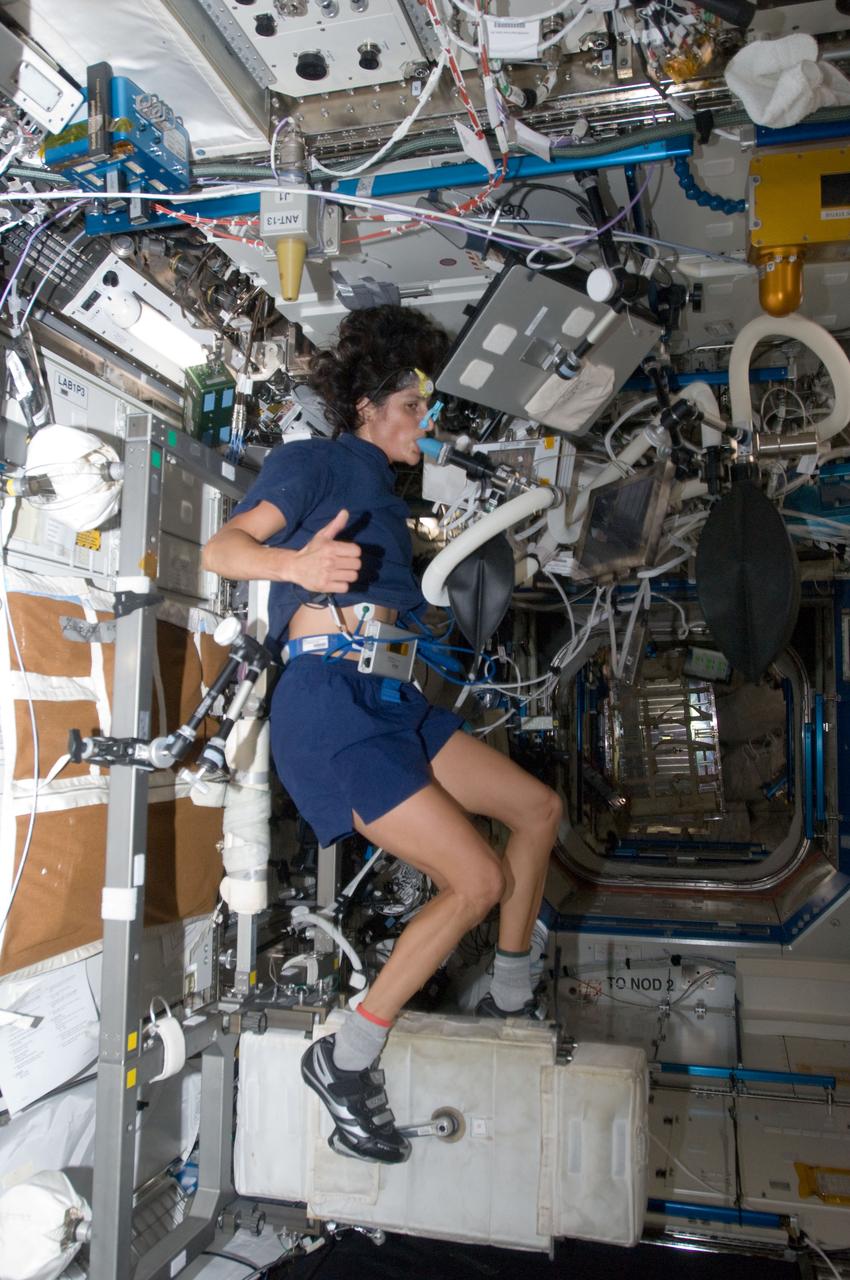
ISS032-E-016875 (8 Aug. 2012) --- NASA astronaut Sunita Williams, Expedition 32 flight engineer, performs a VO2max experiment while using the Cycle Ergometer with Vibration Isolation System (CEVIS) in the Destiny laboratory of the International Space Station. VO2max uses the Portable Pulmonary Function System (PPFS), CEVIS, Pulmonary Function System (PFS) gas cylinders and mixing bag system, plus multiple other pieces of hardware to measure oxygen uptake and cardiac output.
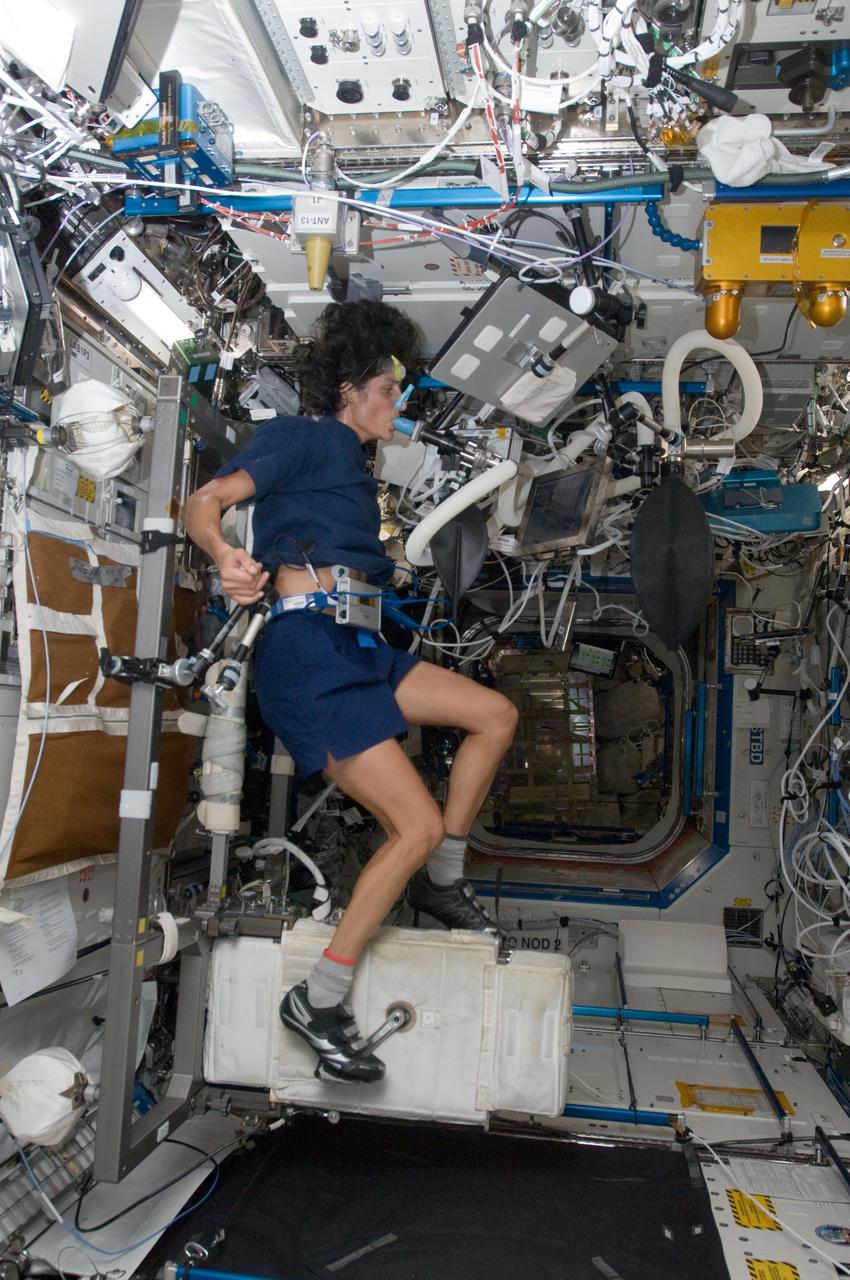
ISS032-E-016876 (8 Aug. 2012) --- NASA astronaut Sunita Williams, Expedition 32 flight engineer, performs a VO2max experiment while using the Cycle Ergometer with Vibration Isolation System (CEVIS) in the Destiny laboratory of the International Space Station. VO2max uses the Portable Pulmonary Function System (PPFS), CEVIS, Pulmonary Function System (PFS) gas cylinders and mixing bag system, plus multiple other pieces of hardware to measure oxygen uptake and cardiac output.
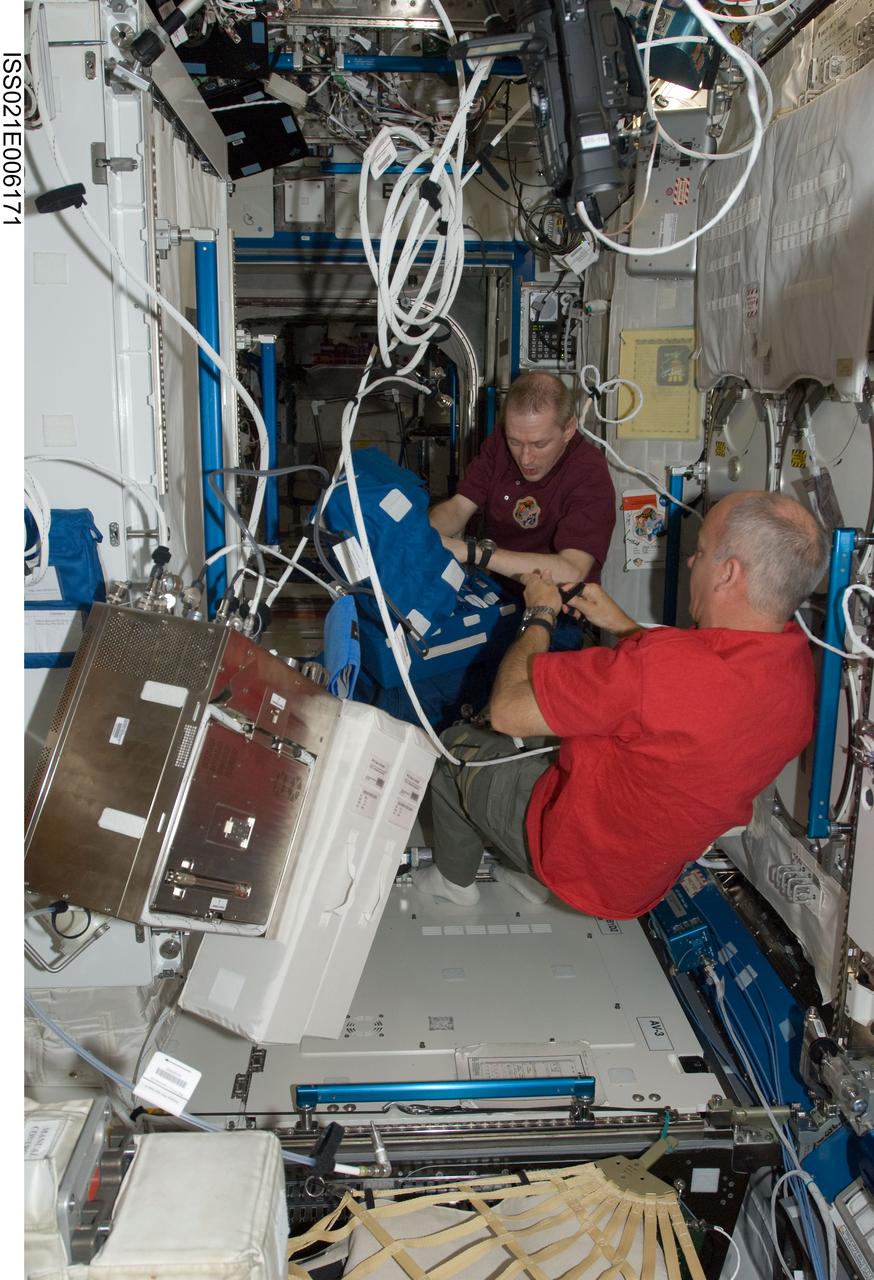
ISS021-E-006171 (14 Oct. 2009) --- European Space Agency astronaut Frank De Winne (background), Expedition 21 commander; and NASA astronaut Jeffrey Williams, flight engineer, work in the Destiny laboratory of the International Space Station.
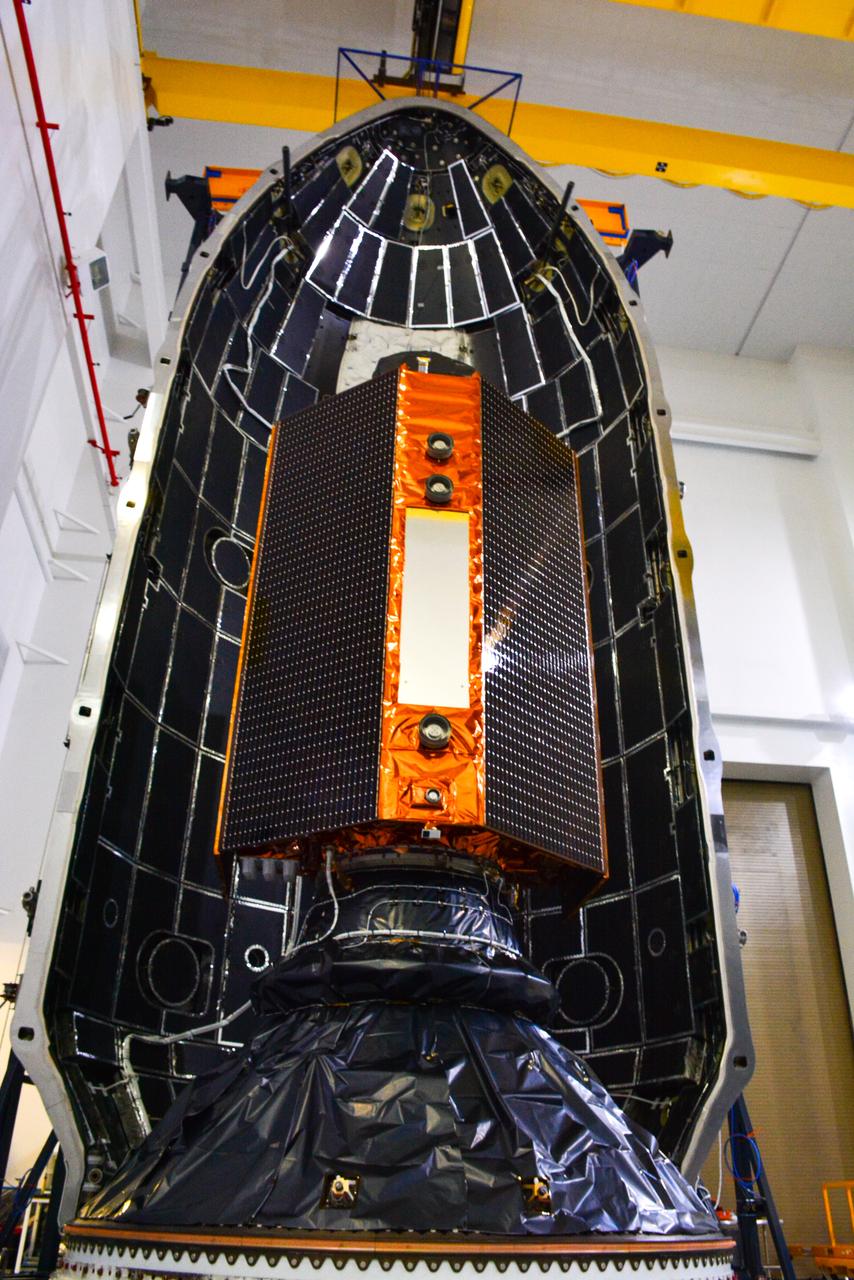
The U.S.-European Sentinel-6 Michael Freilich ocean-monitoring satellite is being encapsulated in the SpaceX Falcon 9 rocket’s payload fairing on Nov. 3, 2020, inside SpaceX’s Payload Processing Facility at Vandenberg Air Force Base (VAFB) in California. Sentinel-6 is scheduled to launch on Nov. 21, 2020, at 12:17 p.m. EST (9:17 a.m. PST), from Space Launch Complex 4E at VAFB. The Launch Services Program at NASA’s Kennedy Space Center in Florida is responsible for launch management.
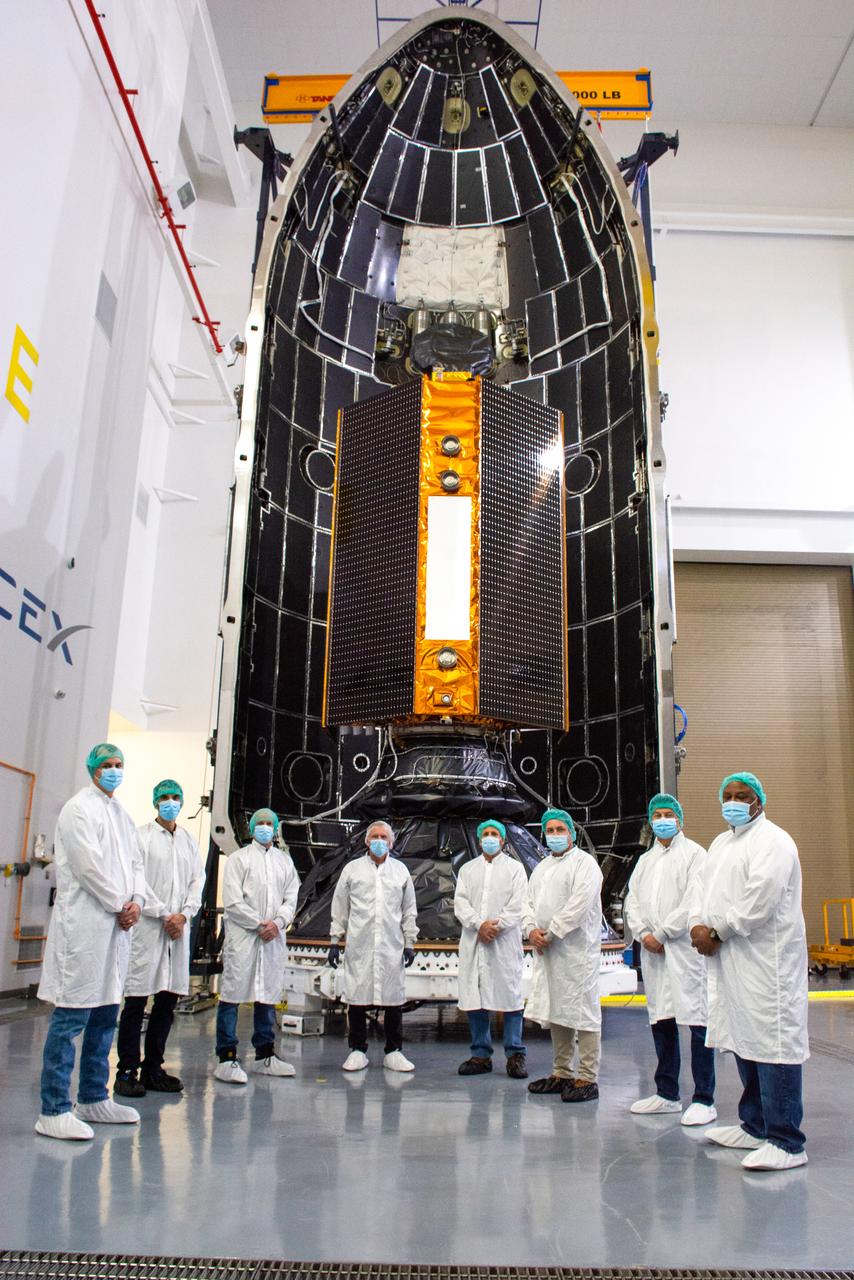
Inside SpaceX’s Payload Processing Facility at Vandenberg Air Force Base in California, the U.S.-European Sentinel-6 Michael Freilich ocean-monitoring satellite is being encapsulated in the SpaceX Falcon 9 payload fairing on Nov. 3, 2020. Sentinel-6 is scheduled to launch on Nov. 21, 2020, at 12:17 p.m. EST (9:17 a.m. PST), atop the SpaceX Falcon 9 rocket from Space Launch Complex 4E at Vandenberg Air Force Base. The Launch Services Program at Kennedy is responsible for launch management.
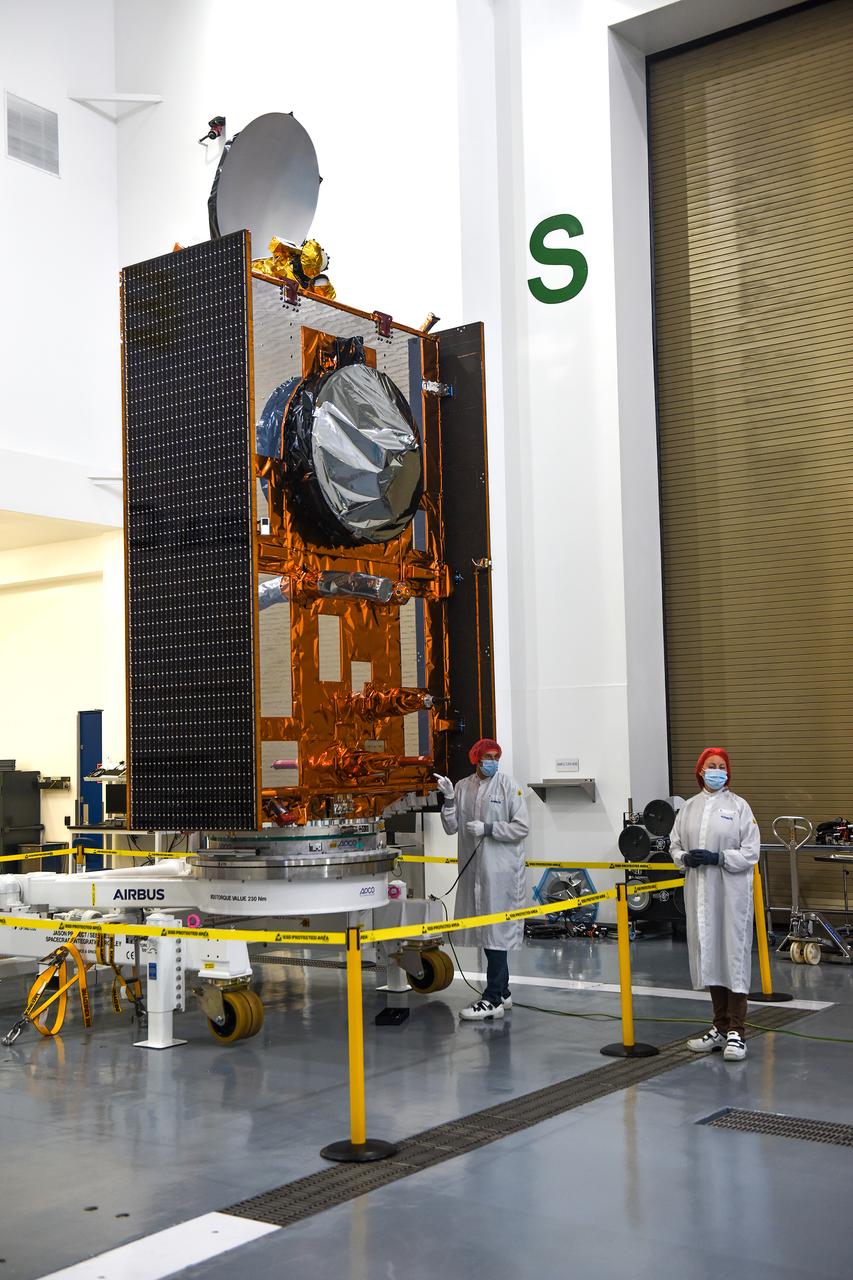
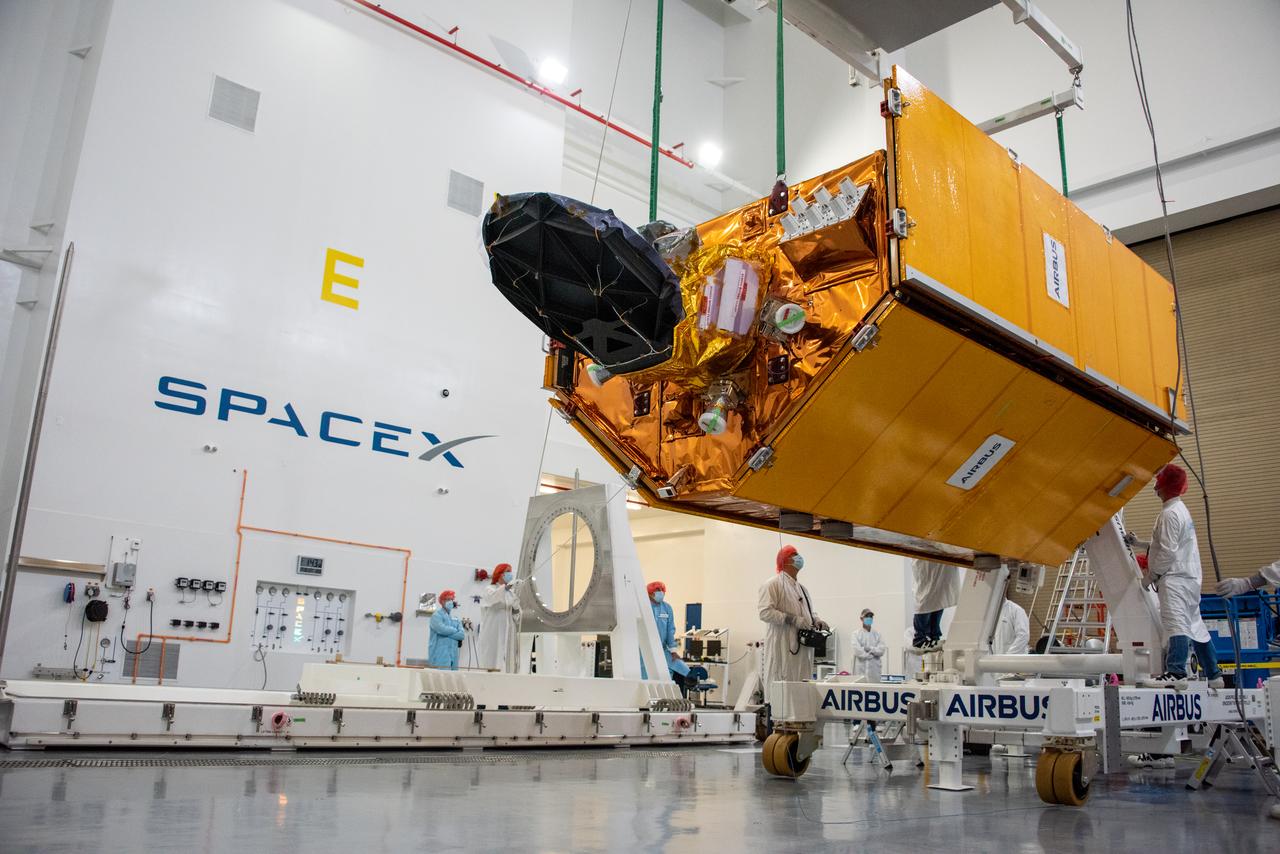
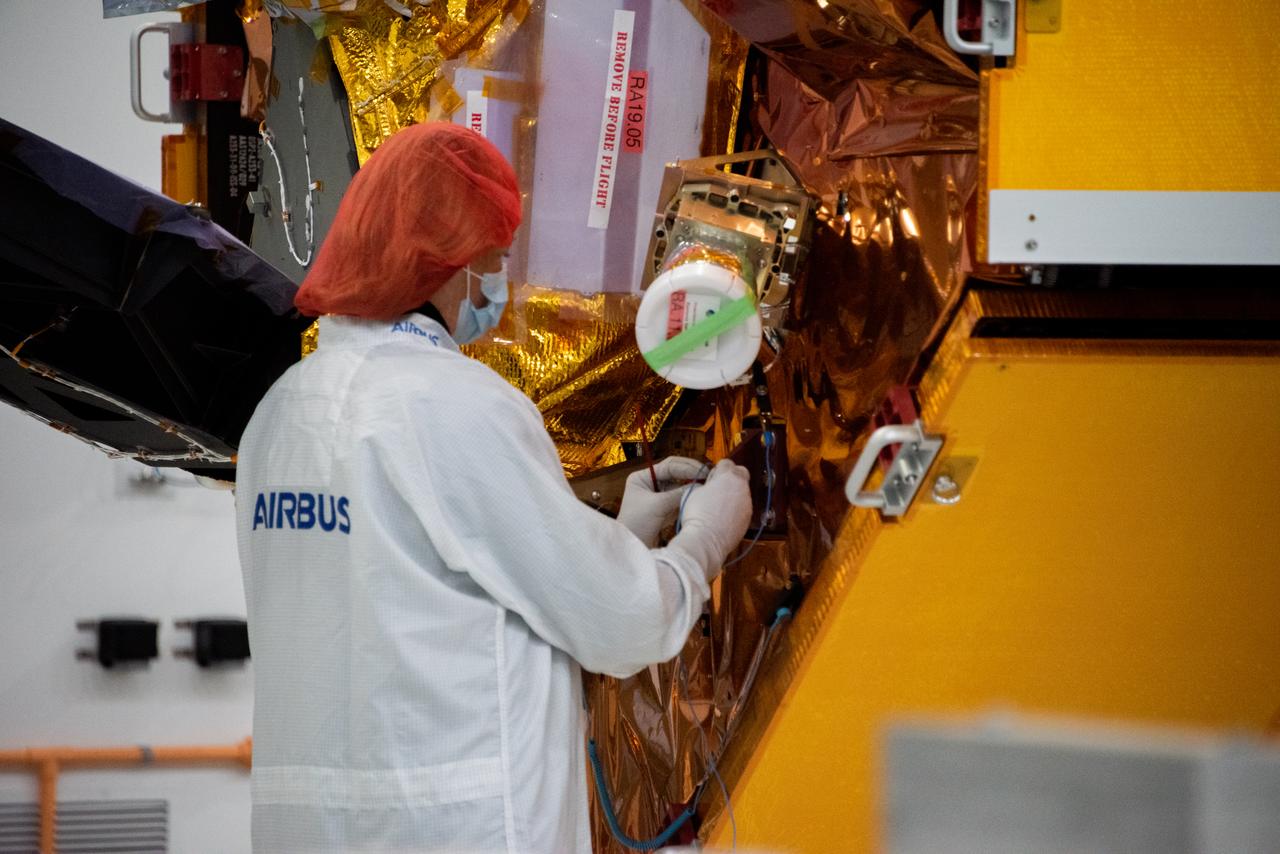
Airbus Defence and Space technicians position the Sentinel-6 Michael Freilich spacecraft for fueling inside SpaceX’s Payload Processing Facility at Vandenberg Air Force Base (VAFB) in California on Oct. 22, 2020. The mission is an international collaboration and will be the first of two satellites launched to continue observing changes in Earth’s sea levels for at least the next decade. The Sentinel-6 Michael Freilich satellite is scheduled to launch from VAFB atop a SpaceX Falcon 9 rocket. NASA’s Launch Services Program at Kennedy Space Center in Florida is responsible for launch management.
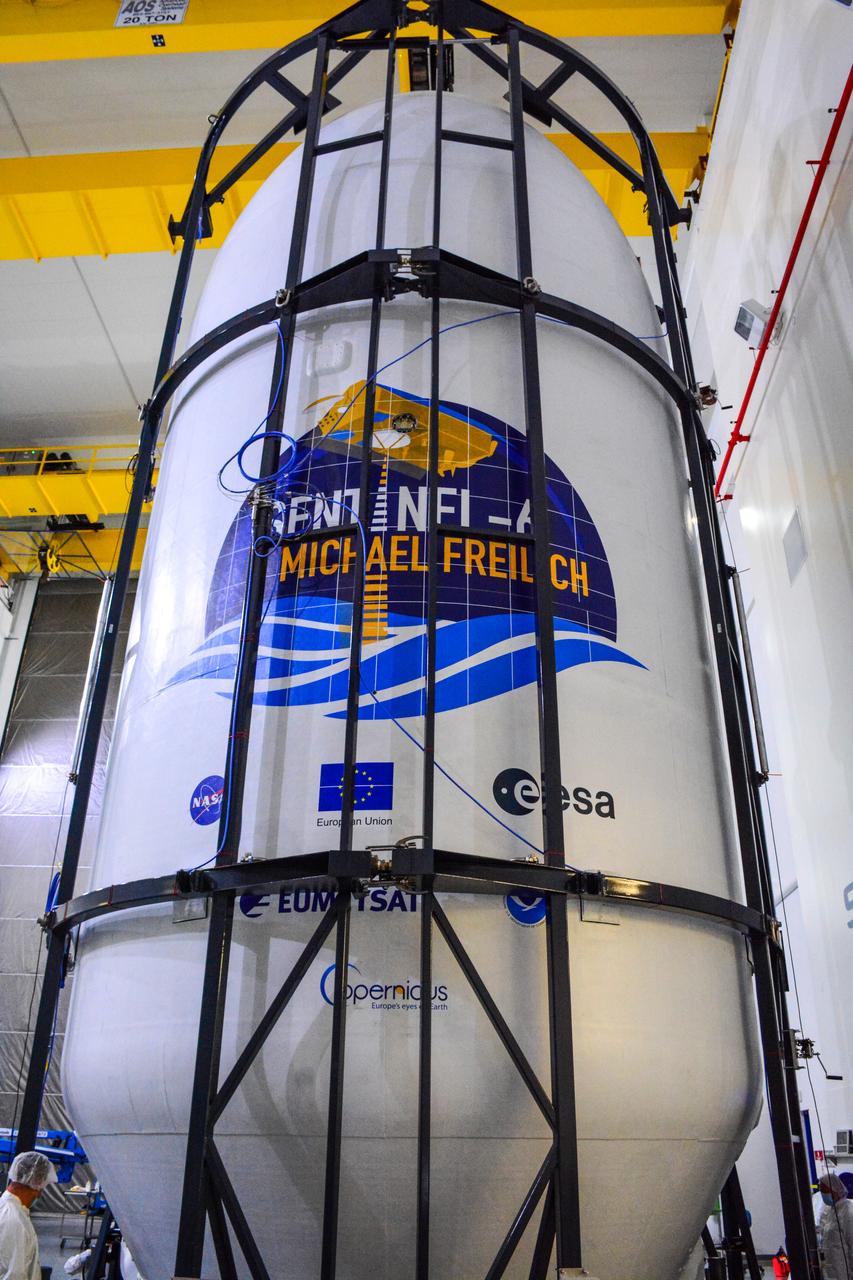
The U.S.-European Sentinel-6 Michael Freilich ocean-monitoring satellite, secured inside the SpaceX Falcon 9 rocket’s payload fairing, is shown inside SpaceX’s Payload Processing Facility at Vandenberg Air Force Base (VAFB) in California following encapsulation on Nov. 3, 2020. Sentinel-6 is scheduled to launch on Nov. 21, 2020, at 12:17 p.m. EST (9:17 a.m. PST), from Space Launch Complex 4E at VAFB. The Launch Services Program at NASA’s Kennedy Space Center in Florida is responsible for launch management.
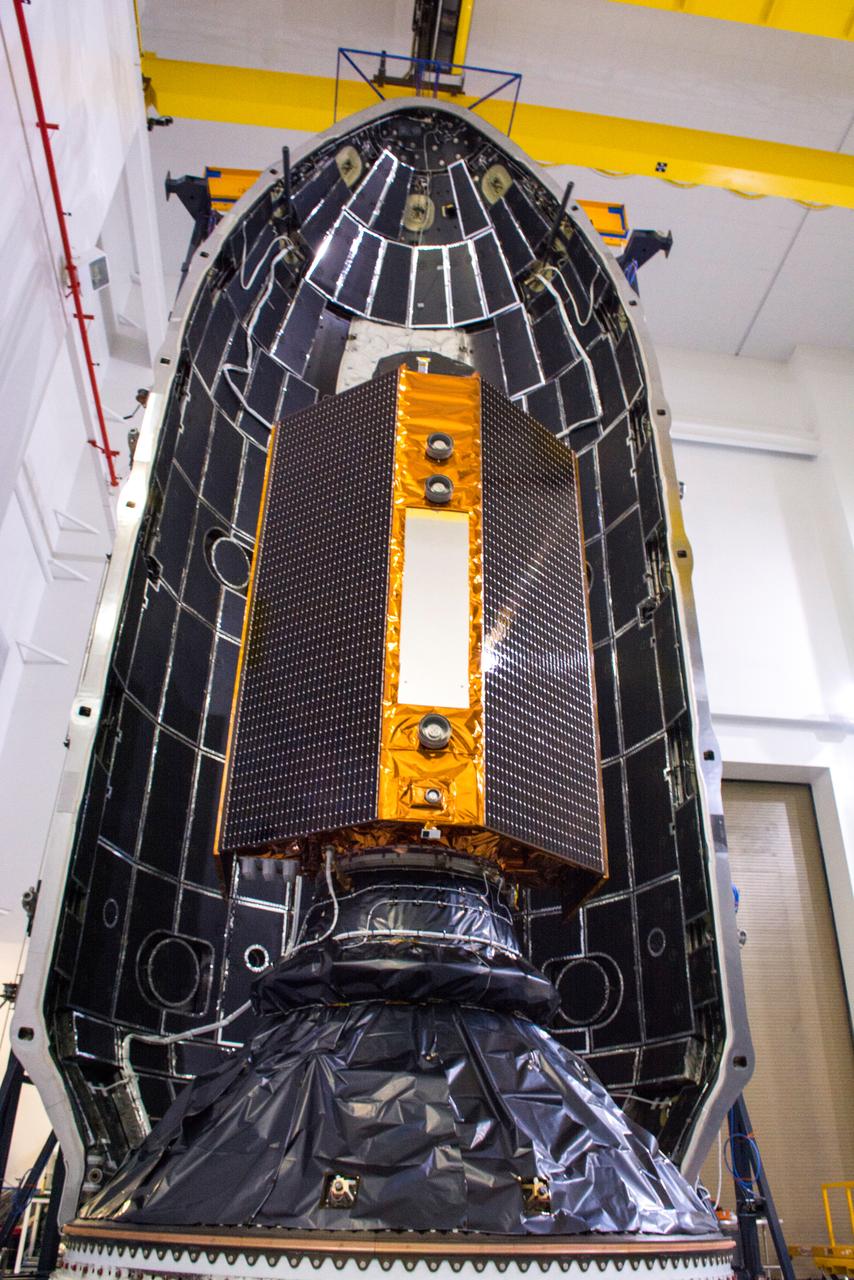
Inside SpaceX’s Payload Processing Facility at Vandenberg Air Force Base in California, the U.S.-European Sentinel-6 Michael Freilich ocean-monitoring satellite is being encapsulated in the SpaceX Falcon 9 payload fairing on Nov. 3, 2020. Sentinel-6 is scheduled to launch on Nov. 21, 2020, at 12:17 p.m. EST (9:17 a.m. PST), atop the SpaceX Falcon 9 rocket from Space Launch Complex 4E at Vandenberg Air Force Base. The Launch Services Program at Kennedy is responsible for launch management.
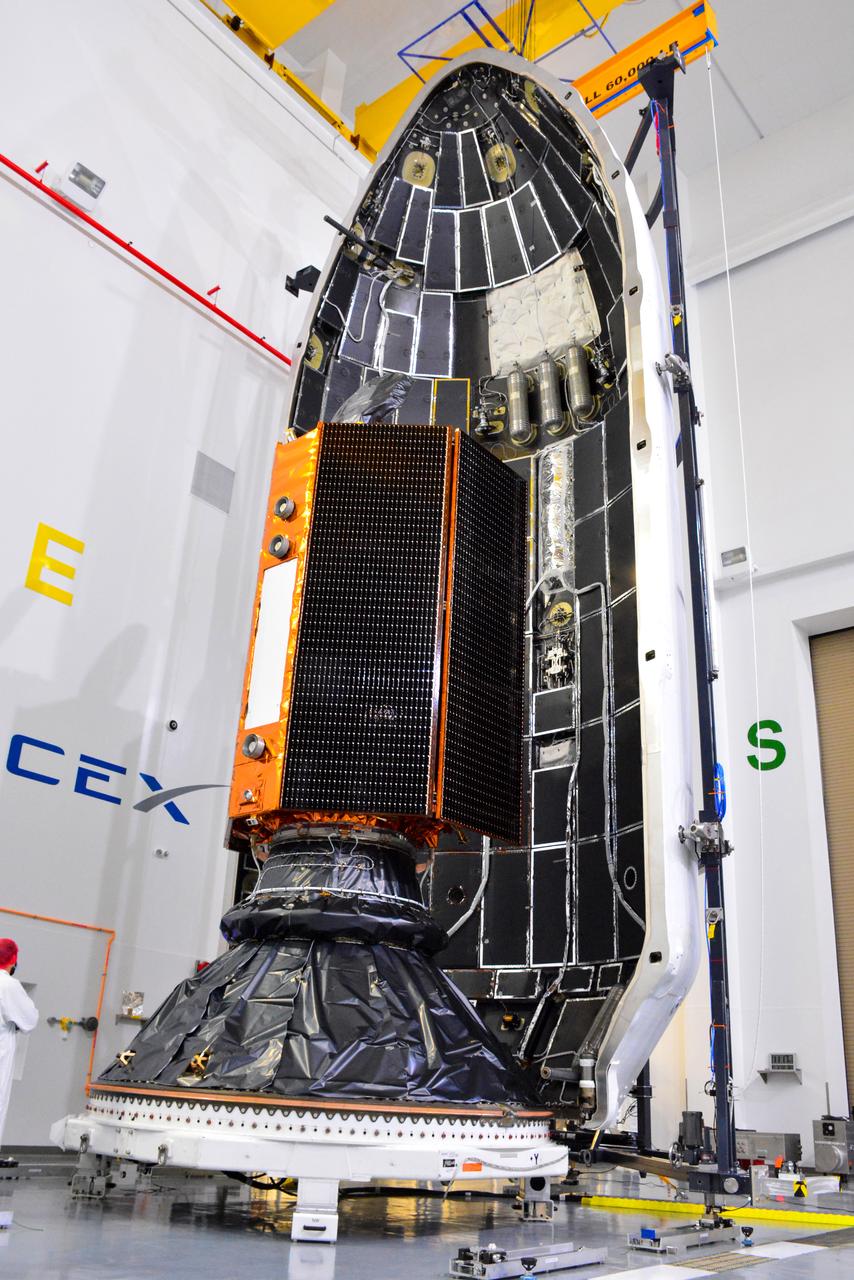
Inside SpaceX’s Payload Processing Facility at Vandenberg Air Force Base in California, the U.S.-European Sentinel-6 Michael Freilich ocean-monitoring satellite is being encapsulated in the SpaceX Falcon 9 payload fairing on Nov. 3, 2020. Sentinel-6 is scheduled to launch on Nov. 21, 2020, at 12:17 p.m. EST (9:17 a.m. PST), atop the SpaceX Falcon 9 rocket from Space Launch Complex 4E at Vandenberg Air Force Base. The Launch Services Program at Kennedy is responsible for launch management.
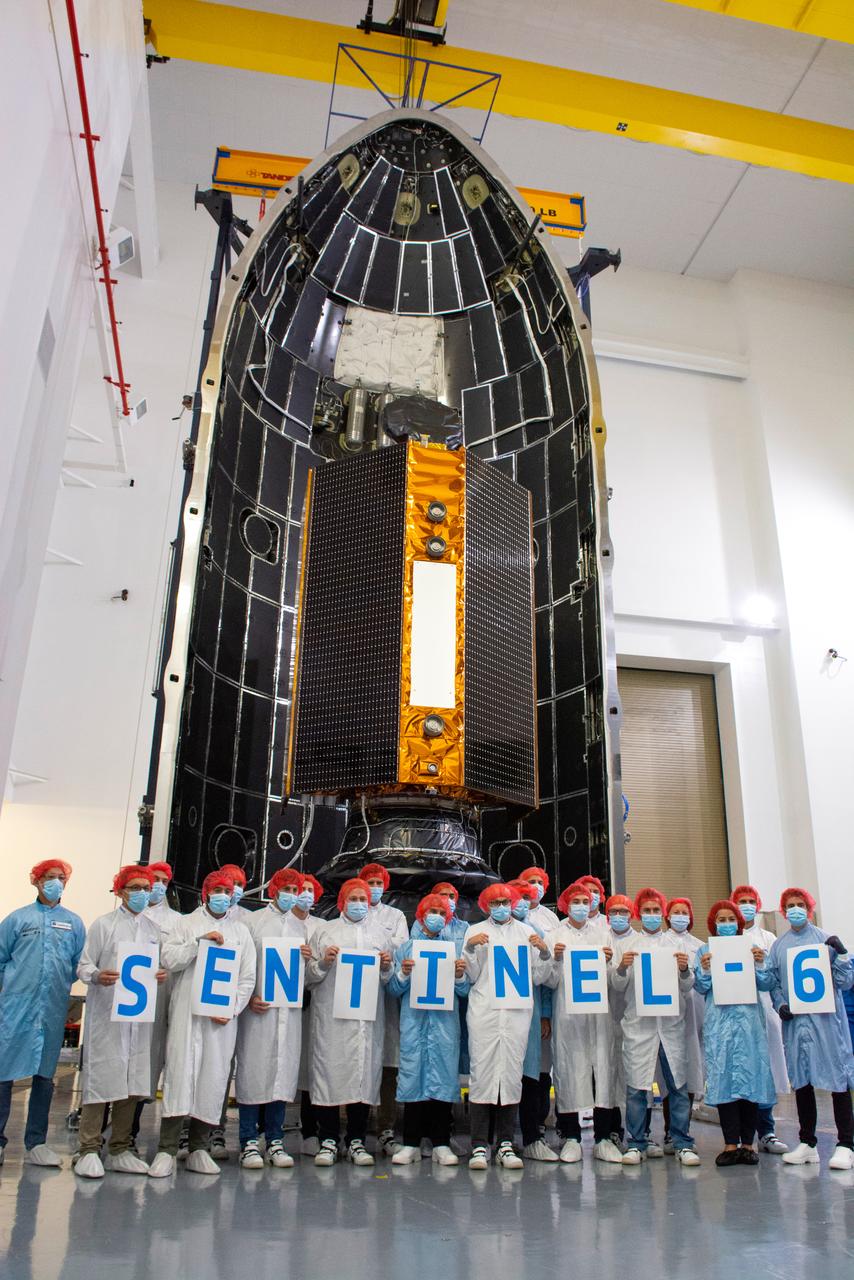
Inside SpaceX’s Payload Processing Facility at Vandenberg Air Force Base in California, the U.S.-European Sentinel-6 Michael Freilich ocean-monitoring satellite is being encapsulated in the SpaceX Falcon 9 payload fairing on Nov. 3, 2020. Sentinel-6 is scheduled to launch on Nov. 21, 2020, at 12:17 p.m. EST (9:17 a.m. PST), atop the SpaceX Falcon 9 rocket from Space Launch Complex 4E at Vandenberg Air Force Base. The Launch Services Program at Kennedy is responsible for launch management.
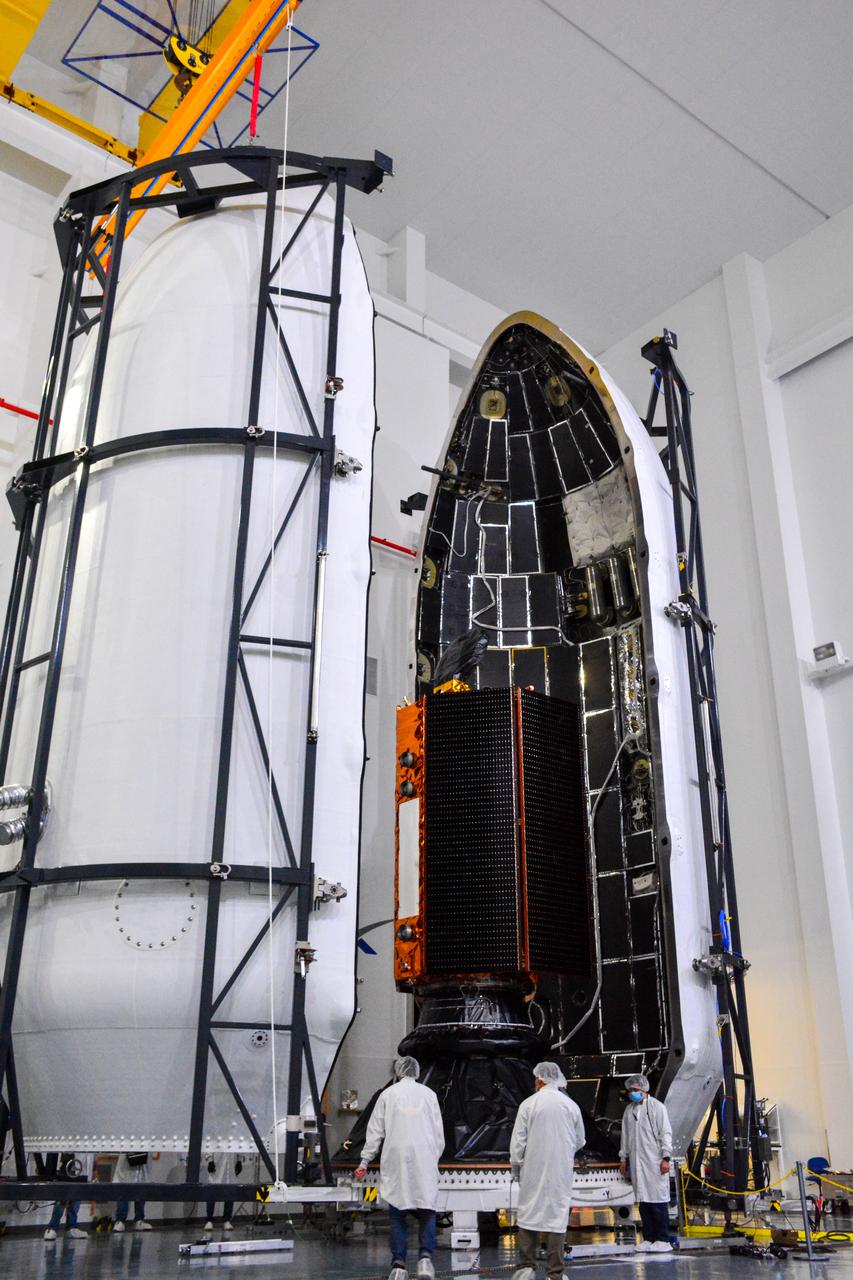
The U.S.-European Sentinel-6 Michael Freilich ocean-monitoring satellite is encapsulated in the SpaceX Falcon 9 rocket’s payload fairing on Nov. 3, 2020, inside SpaceX’s Payload Processing Facility at Vandenberg Air Force Base (VAFB) in California. Sentinel-6 is scheduled to launch on Nov. 21, 2020, at 12:17 p.m. EST (9:17 a.m. PST), from Space Launch Complex 4E at VAFB. The Launch Services Program at NASA’s Kennedy Space Center in Florida is responsible for launch management.
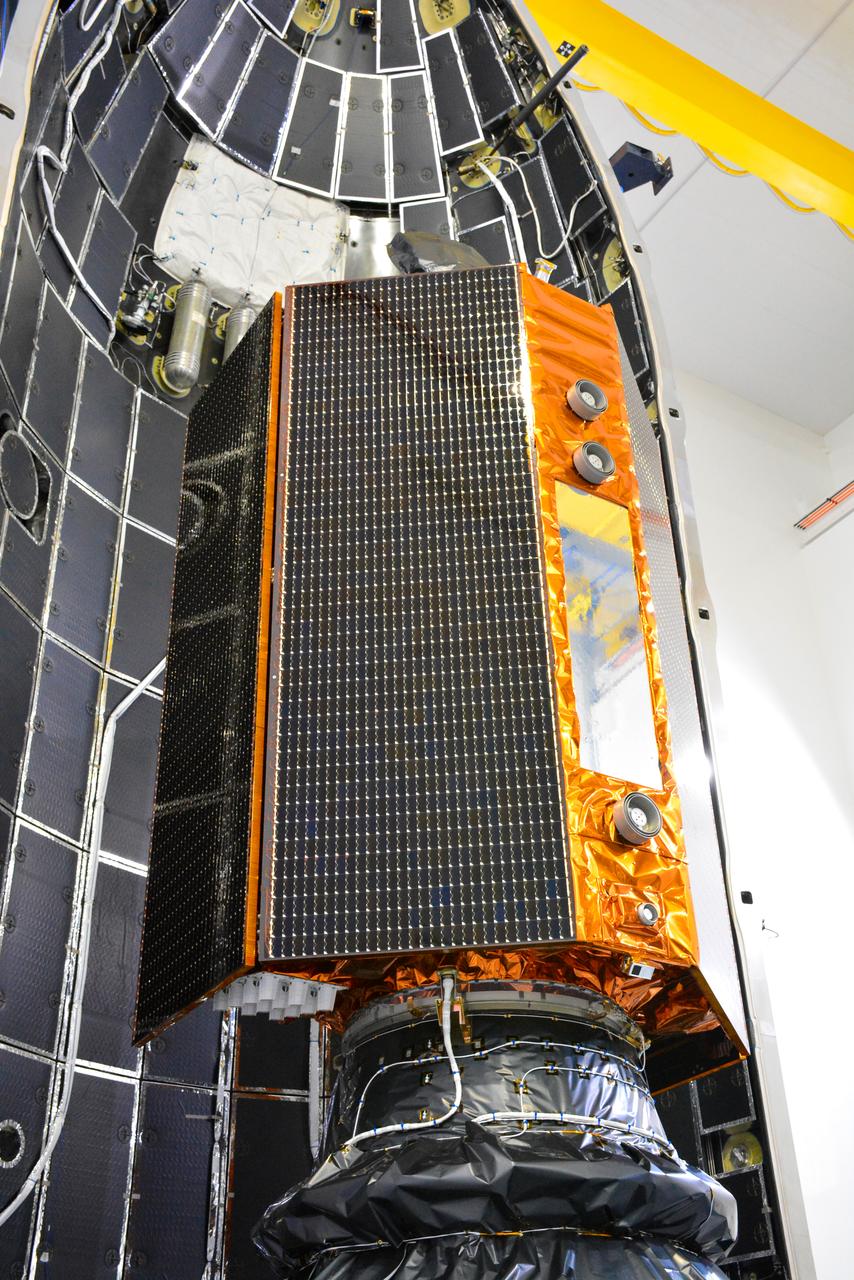
Inside SpaceX’s Payload Processing Facility at Vandenberg Air Force Base in California, the U.S.-European Sentinel-6 Michael Freilich ocean-monitoring satellite is being encapsulated in the SpaceX Falcon 9 payload fairing on Nov. 3, 2020. Sentinel-6 is scheduled to launch on Nov. 21, 2020, at 12:17 p.m. EST (9:17 a.m. PST), atop the SpaceX Falcon 9 rocket from Space Launch Complex 4E at Vandenberg Air Force Base. The Launch Services Program at Kennedy is responsible for launch management.
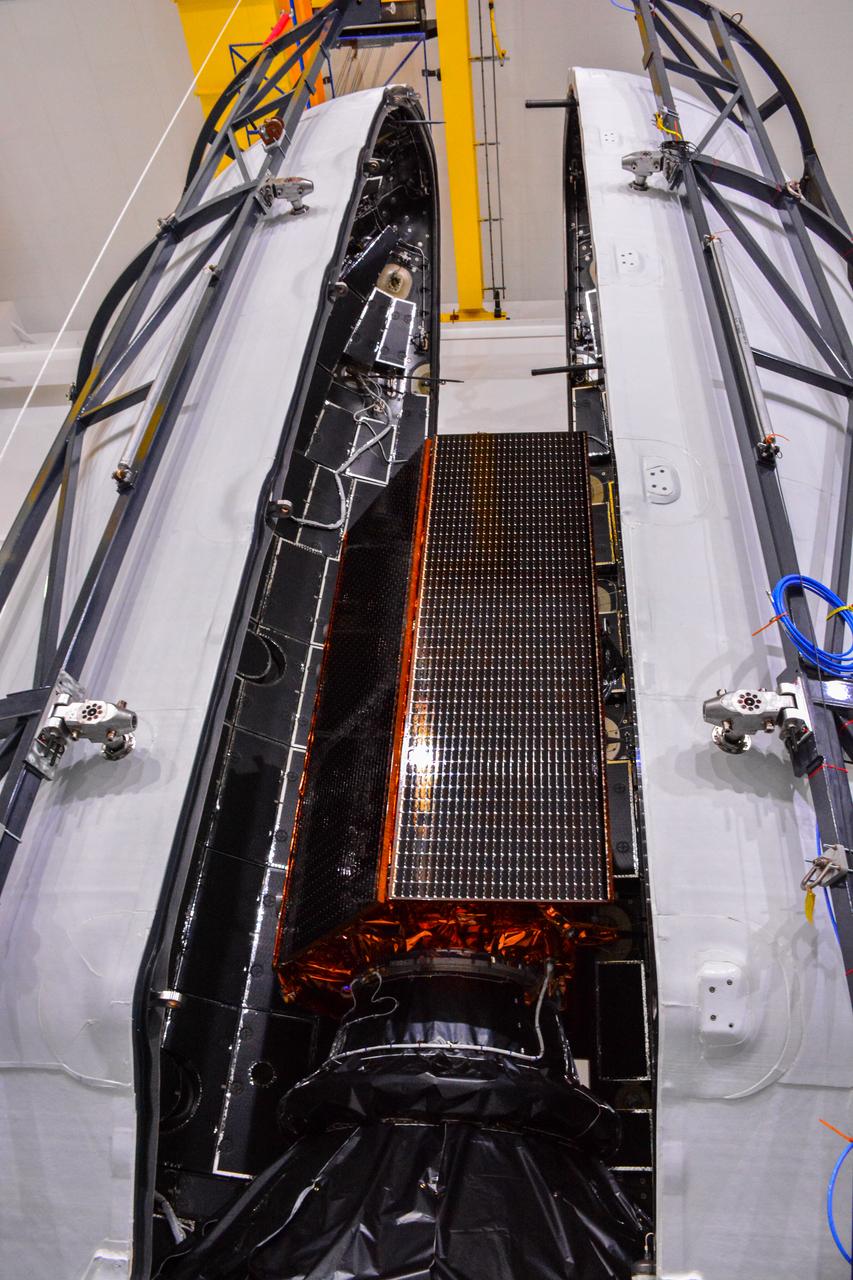
The U.S.-European Sentinel-6 Michael Freilich ocean-monitoring satellite is encapsulated in the SpaceX Falcon 9 rocket’s payload fairing on Nov. 3, 2020, inside SpaceX’s Payload Processing Facility at Vandenberg Air Force Base (VAFB) in California. Sentinel-6 is scheduled to launch on Nov. 21, 2020, at 12:17 p.m. EST (9:17 a.m. PST), from Space Launch Complex 4E at VAFB. The Launch Services Program at NASA’s Kennedy Space Center in Florida is responsible for launch management.

The U.S.-European Sentinel-6 Michael Freilich ocean-monitoring satellite is being encapsulated in the SpaceX Falcon 9 rocket’s payload fairing on Nov. 3, 2020, inside SpaceX’s Payload Processing Facility at Vandenberg Air Force Base (VAFB) in California. Sentinel-6 is scheduled to launch on Nov. 21, 2020, at 12:17 p.m. EST (9:17 a.m. PST), from Space Launch Complex 4E at VAFB. The Launch Services Program at NASA’s Kennedy Space Center in Florida is responsible for launch management.
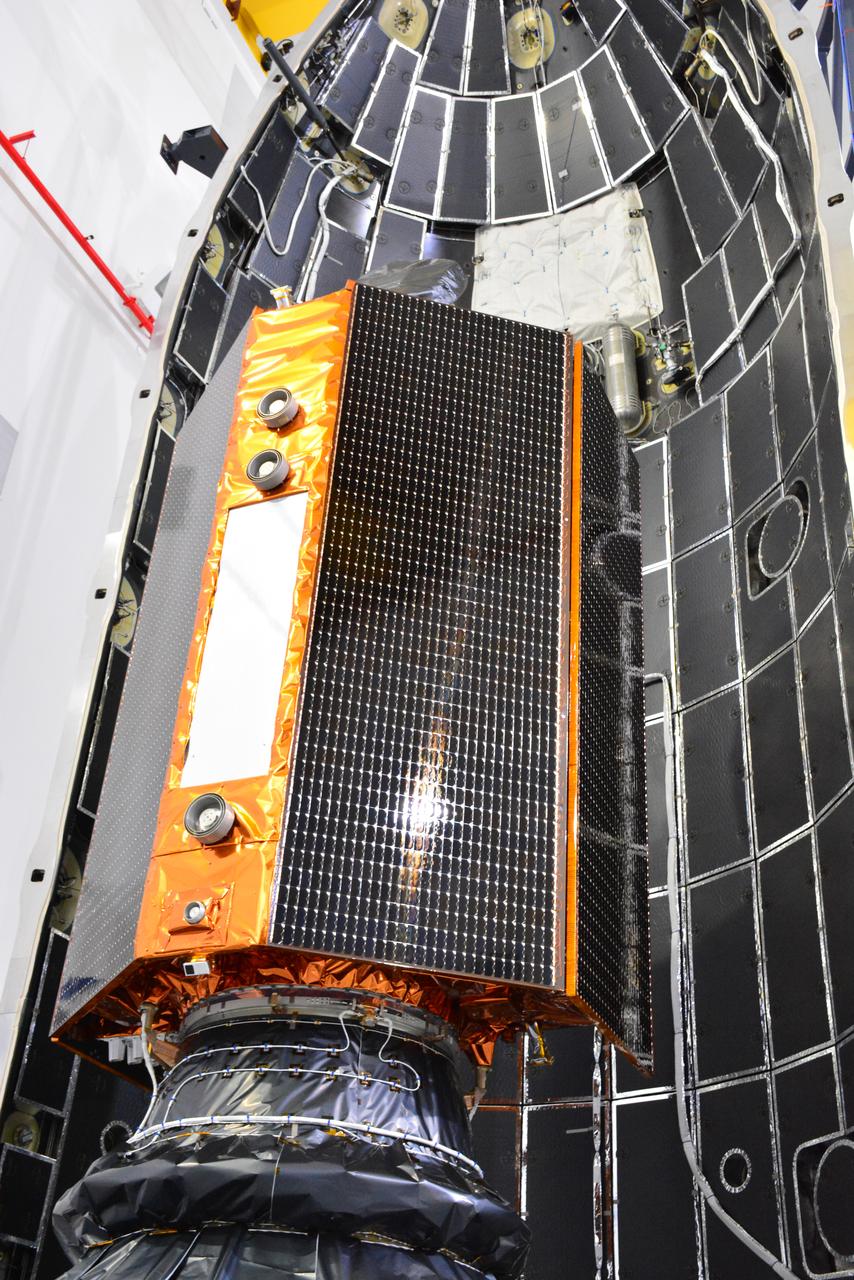
Inside SpaceX’s Payload Processing Facility at Vandenberg Air Force Base in California, the U.S.-European Sentinel-6 Michael Freilich ocean-monitoring satellite is being encapsulated in the SpaceX Falcon 9 payload fairing on Nov. 3, 2020. Sentinel-6 is scheduled to launch on Nov. 21, 2020, at 12:17 p.m. EST (9:17 a.m. PST), atop the SpaceX Falcon 9 rocket from Space Launch Complex 4E at Vandenberg Air Force Base. The Launch Services Program at Kennedy is responsible for launch management.
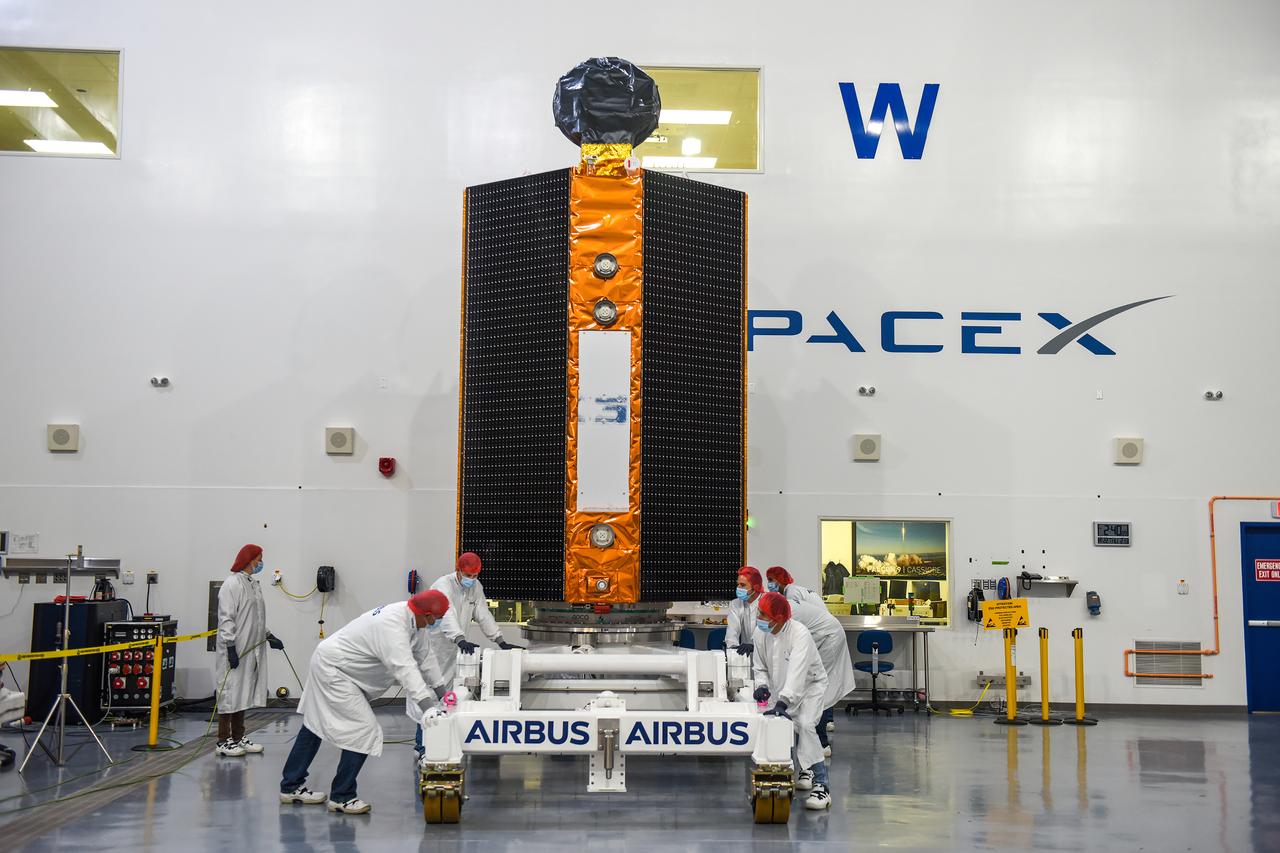
Airbus Defence and Space technicians position the Sentinel-6 Michael Freilich spacecraft for fueling inside SpaceX’s Payload Processing Facility at Vandenberg Air Force Base (VAFB) in California on Oct. 22, 2020. The mission is an international collaboration and will be the first of two satellites launched to continue observing changes in Earth’s sea levels for at least the next decade. The Sentinel-6 Michael Freilich satellite is scheduled to launch from VAFB atop a SpaceX Falcon 9 rocket. NASA’s Launch Services Program at Kennedy Space Center in Florida is responsible for launch management.
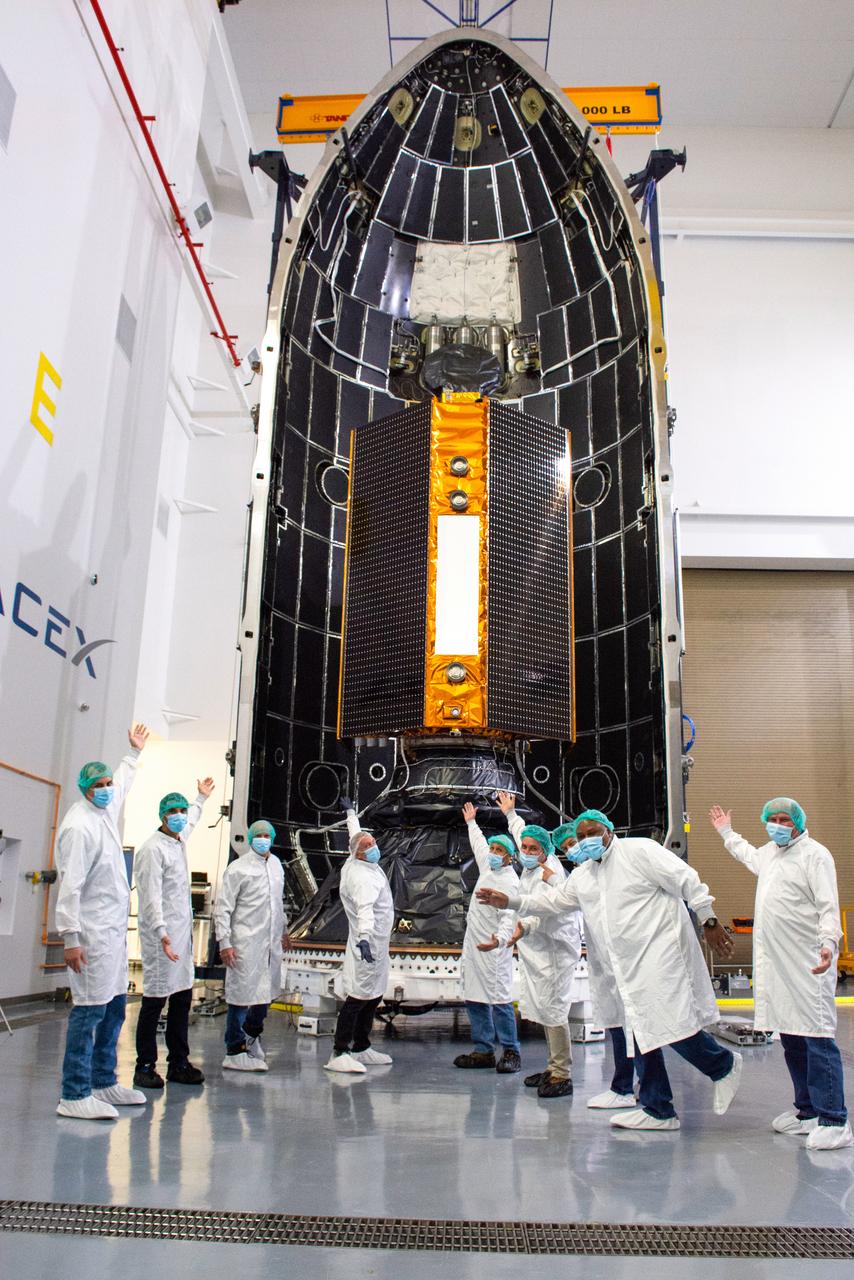
Inside SpaceX’s Payload Processing Facility at Vandenberg Air Force Base in California, the U.S.-European Sentinel-6 Michael Freilich ocean-monitoring satellite is being encapsulated in the SpaceX Falcon 9 payload fairing on Nov. 3, 2020. Sentinel-6 is scheduled to launch on Nov. 21, 2020, at 12:17 p.m. EST (9:17 a.m. PST), atop the SpaceX Falcon 9 rocket from Space Launch Complex 4E at Vandenberg Air Force Base. The Launch Services Program at Kennedy is responsible for launch management.
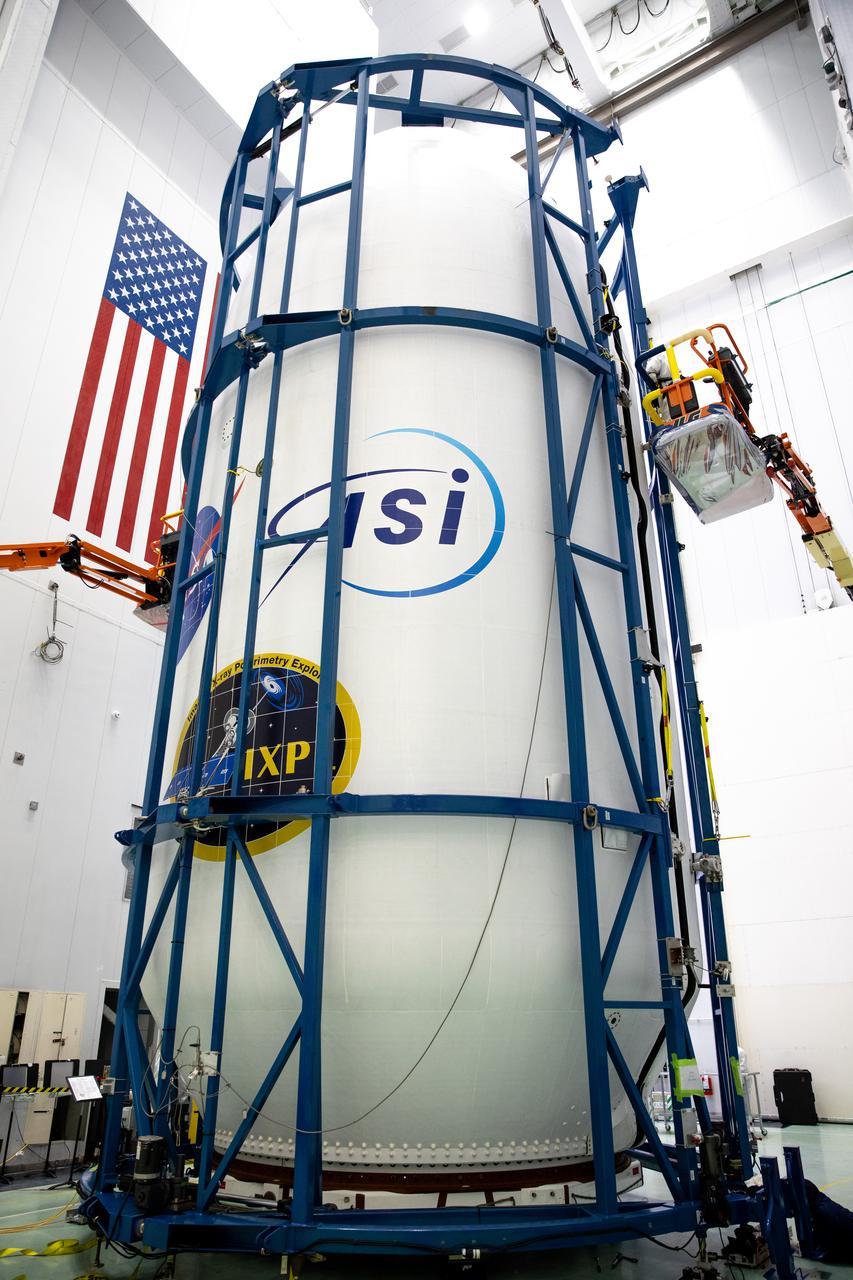
NASA’s Imaging X-Ray Polarimetry Explorer (IXPE) spacecraft and nose fairing are brought together for encapsulation inside SpaceX’s Payload Processing Facility at Kennedy Space Center in Florida on Dec. 2, 2021. The mission is scheduled to launch no earlier than Thursday, Dec. 9, at 1 a.m. EST, on a SpaceX Falcon 9 rocket from Launch Complex 39A at NASA’s Kennedy Space Center in Florida. IXPE is the first satellite dedicated to measuring the polarization of X-rays from a variety of cosmic sources, such as black holes and neutron stars.
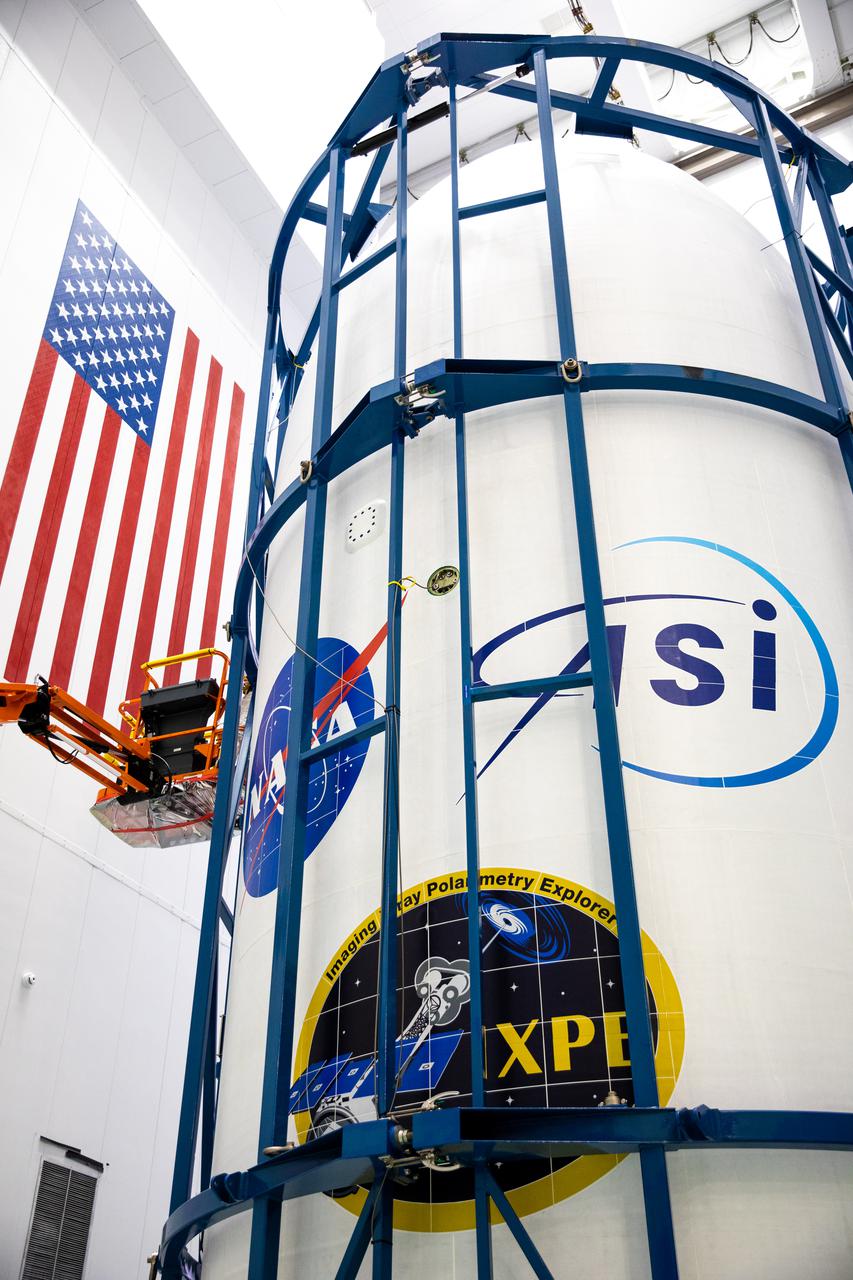
NASA’s Imaging X-Ray Polarimetry Explorer (IXPE) spacecraft and nose fairing are brought together for encapsulation inside SpaceX’s Payload Processing Facility at Kennedy Space Center in Florida on Dec. 2, 2021. The mission is scheduled to launch no earlier than Thursday, Dec. 9, at 1 a.m. EST, on a SpaceX Falcon 9 rocket from Launch Complex 39A at NASA’s Kennedy Space Center in Florida. IXPE is the first satellite dedicated to measuring the polarization of X-rays from a variety of cosmic sources, such as black holes and neutron stars.
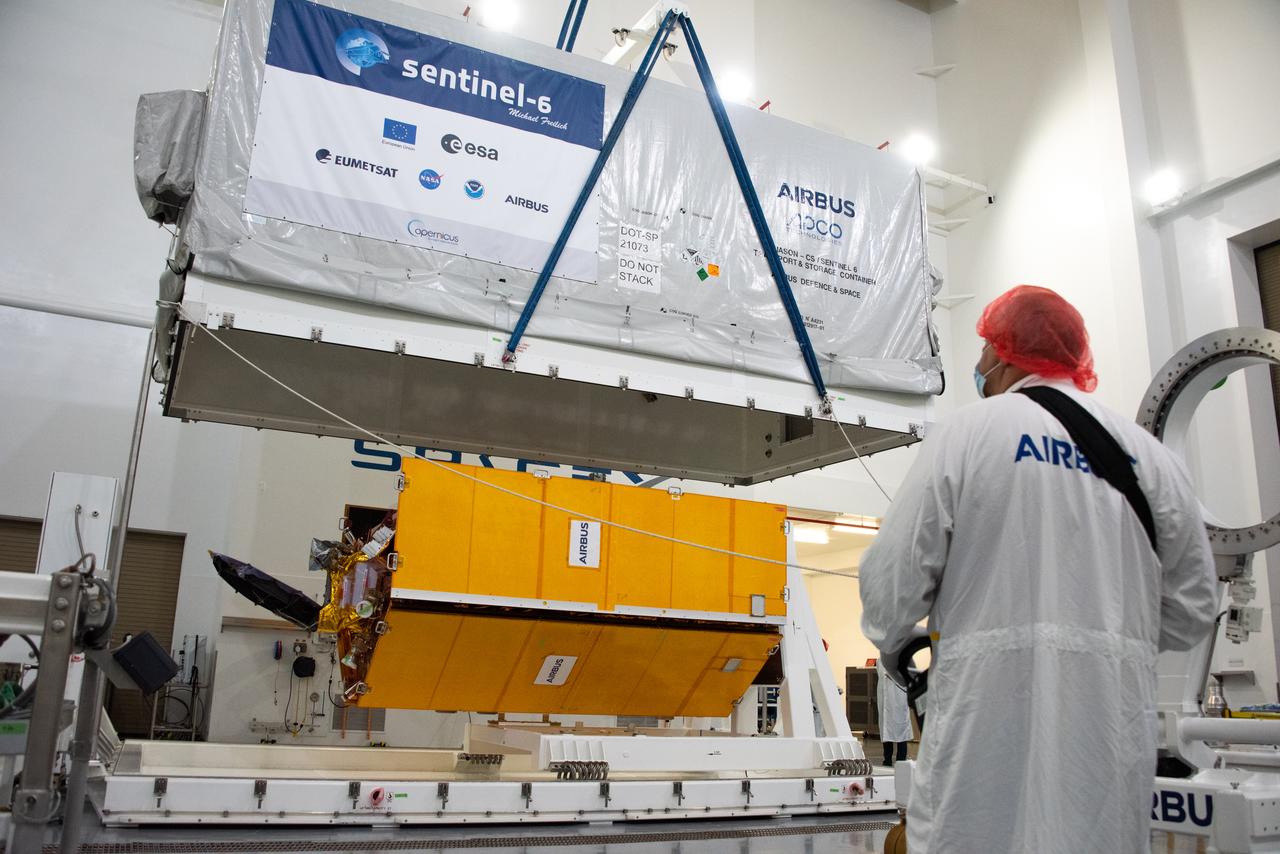
The Sentinel-6 Michael Freilich mission is an international partnership and the first launch of a constellation of two satellites that will observe changes in Earth’s sea levels for at least the next decade. Launching atop a SpaceX Falcon 9 rocket, Sentinel-6 Michael Freilich is targeted to lift off from Vandenberg Air Force Base in California on Nov. 10, 2020. The Launch Services Program at Kennedy Space Center in Florida is responsible for launch management.
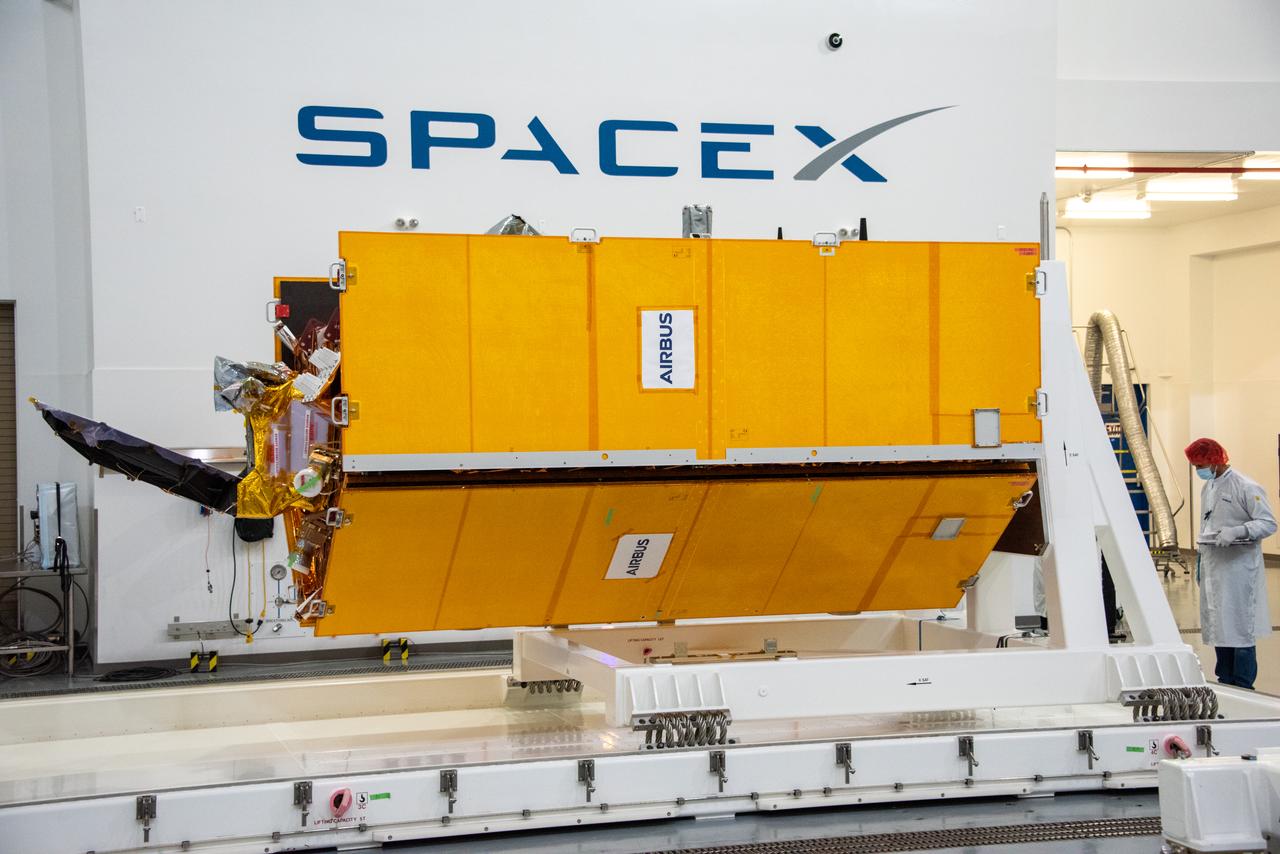
The Sentinel-6 Michael Freilich mission is an international partnership and the first launch of a constellation of two satellites that will observe changes in Earth’s sea levels for at least the next decade. Launching atop a SpaceX Falcon 9 rocket, Sentinel-6 Michael Freilich is targeted to lift off from Vandenberg Air Force Base in California on Nov. 10, 2020. The Launch Services Program at Kennedy Space Center in Florida is responsible for launch management.
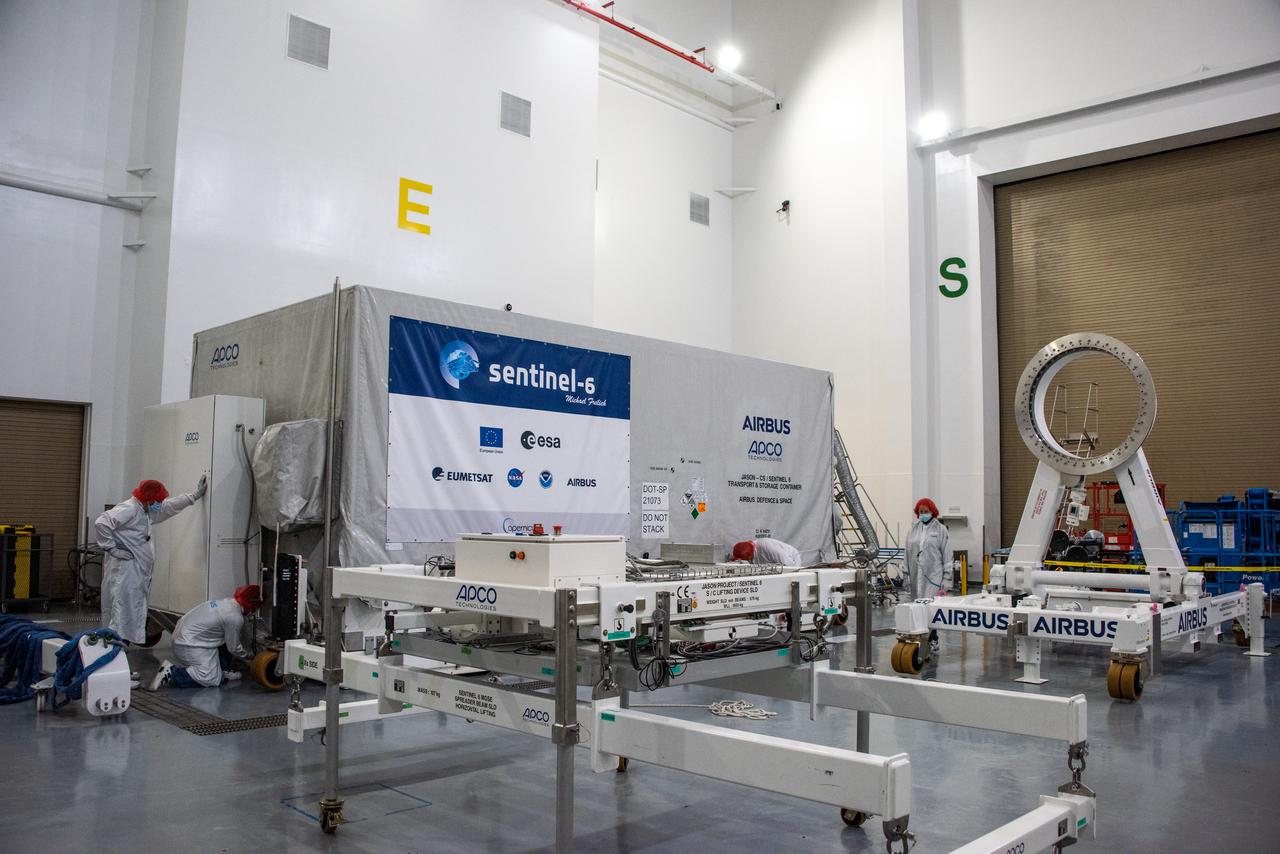
The Sentinel-6 Michael Freilich mission is an international partnership and the first launch of a constellation of two satellites that will observe changes in Earth’s sea levels for at least the next decade. Launching atop a SpaceX Falcon 9 rocket, Sentinel-6 Michael Freilich is targeted to lift off from Vandenberg Air Force Base in California on Nov. 10, 2020. The Launch Services Program at Kennedy Space Center in Florida is responsible for launch management.
The Sentinel-6 Michael Freilich mission is an international partnership and the first launch of a constellation of two satellites that will observe changes in Earth’s sea levels for at least the next decade. Launching atop a SpaceX Falcon 9 rocket, Sentinel-6 Michael Freilich is targeted to lift off from Vandenberg Air Force Base in California on Nov. 10, 2020. The Launch Services Program at Kennedy Space Center in Florida is responsible for launch management.
The Sentinel-6 Michael Freilich mission is an international partnership and the first launch of a constellation of two satellites that will observe changes in Earth’s sea levels for at least the next decade. Launching atop a SpaceX Falcon 9 rocket, Sentinel-6 Michael Freilich is targeted to lift off from Vandenberg Air Force Base in California on Nov. 10, 2020. The Launch Services Program at Kennedy Space Center in Florida is responsible for launch management.