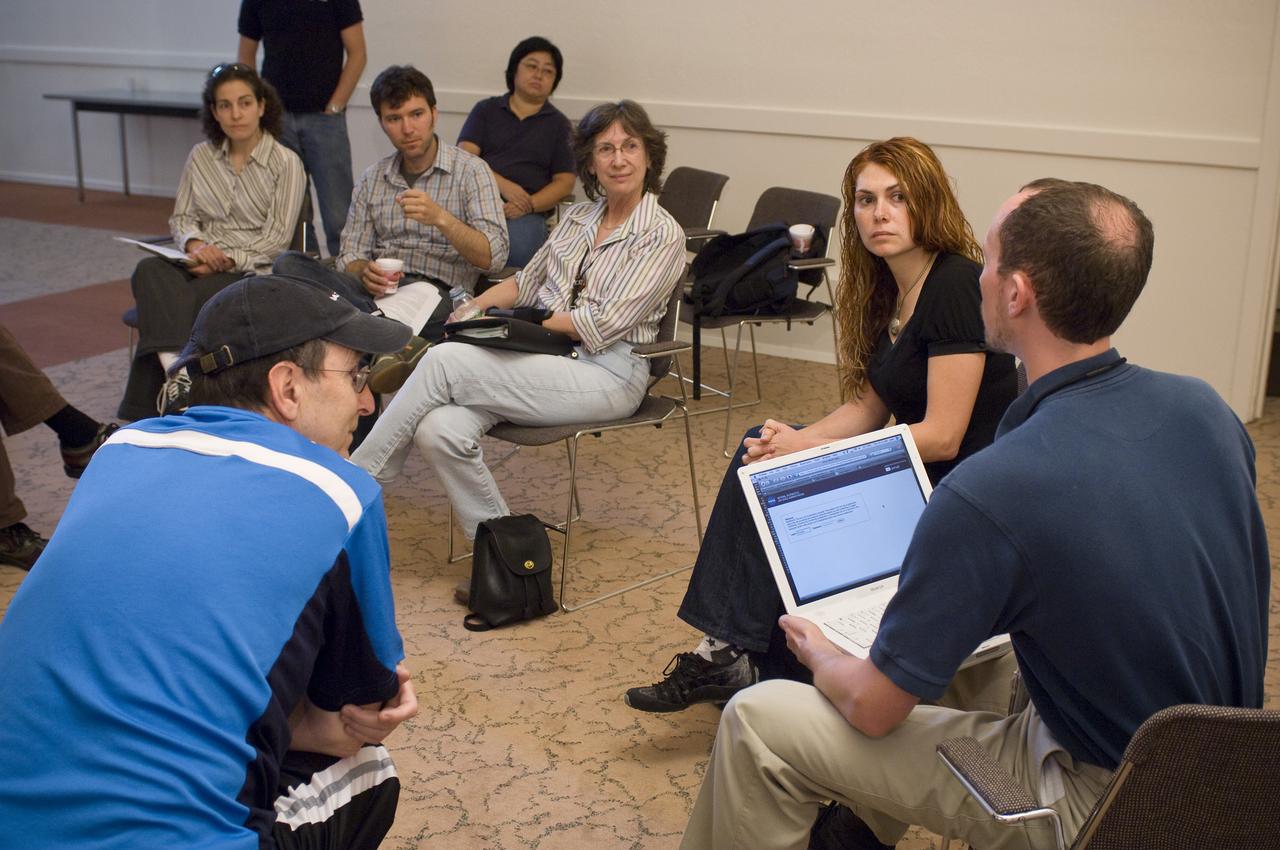
OpenAmes - OpenForum (to build creative ideas in workforce integration (contractor and civil servant, Imporving communicaiton tools, and PR and Morale) meeting in Bldg 3

OpenAmes - OpenForum (to build creative ideas in workforce integration (contractor and civil servant, Imporving communicaiton tools, and PR and Morale) meeting in Bldg 3
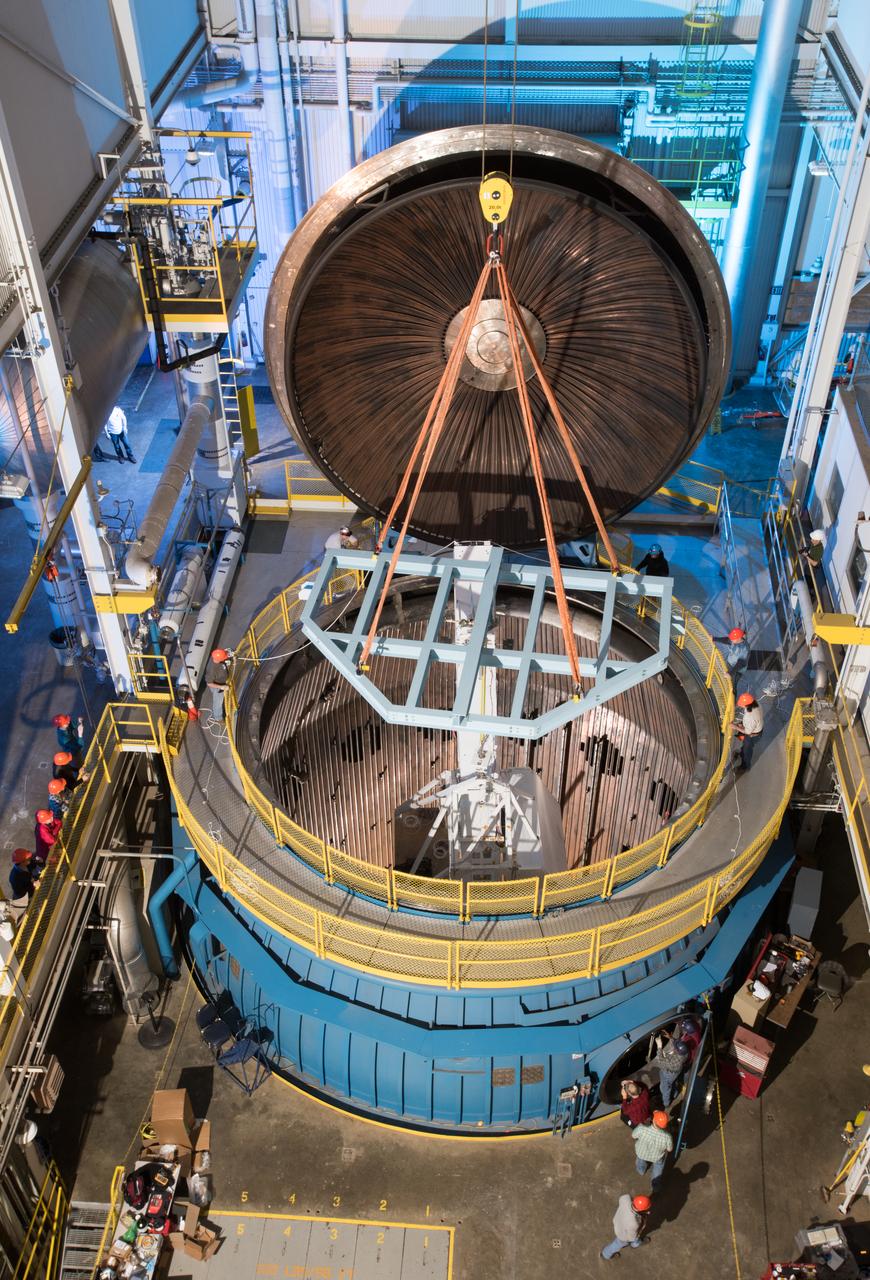
Documentation and PR photographs of Gamma-Ray Imager/Polarimeter for Solar Flares (GRIPS) test hardware at Plum Brook B-2 Faciity (Bldg. 3211)

OpenAmes - OpenForum (to build creative ideas in workforce integration (contractor and civil servant, Imporving communicaiton tools, and PR and Morale) meeting in Bldg 3
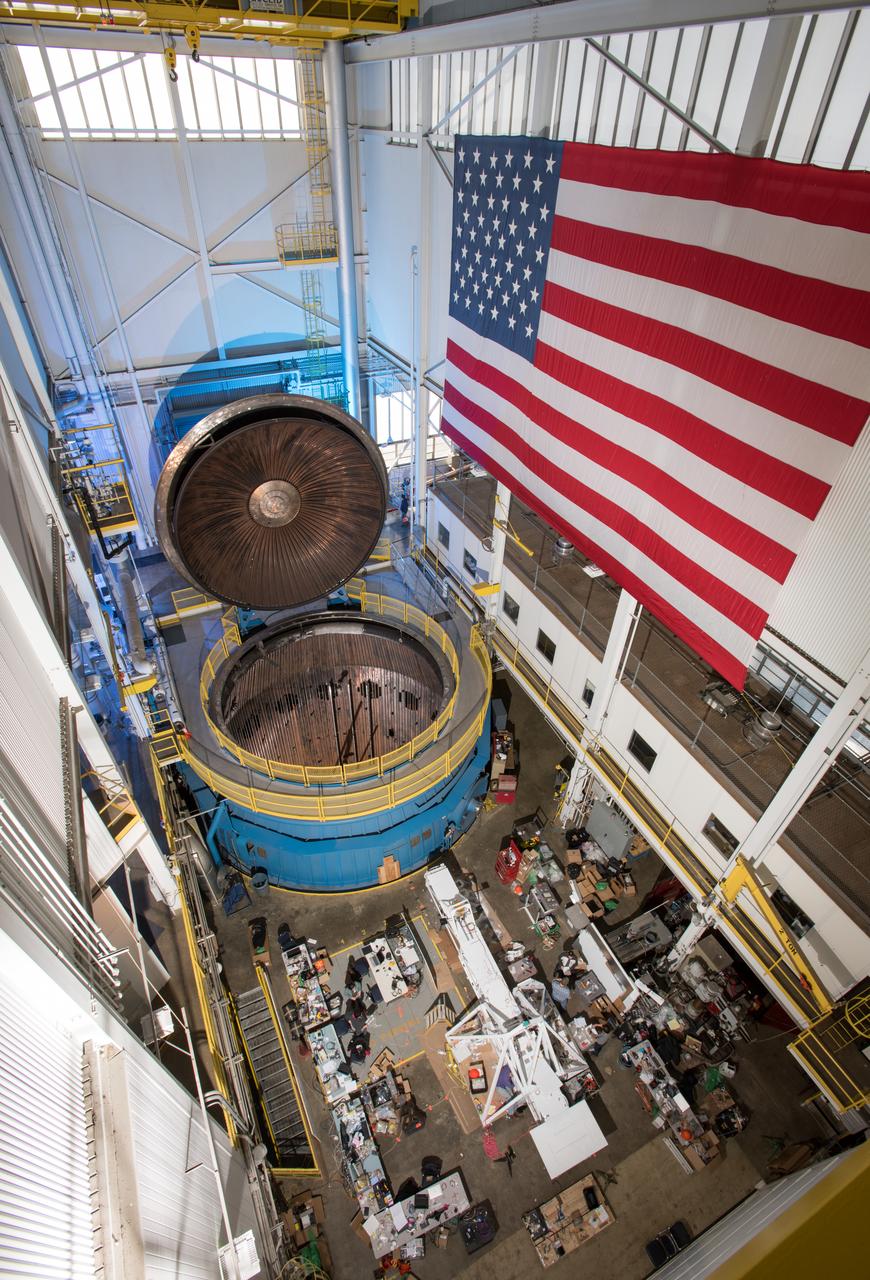
Documentation and PR photographs of Gamma-Ray Imager/Polarimeter for Solar Flares (GRIPS) test hardware at Plum Brook B-2 Faciity (Bldg. 3211)
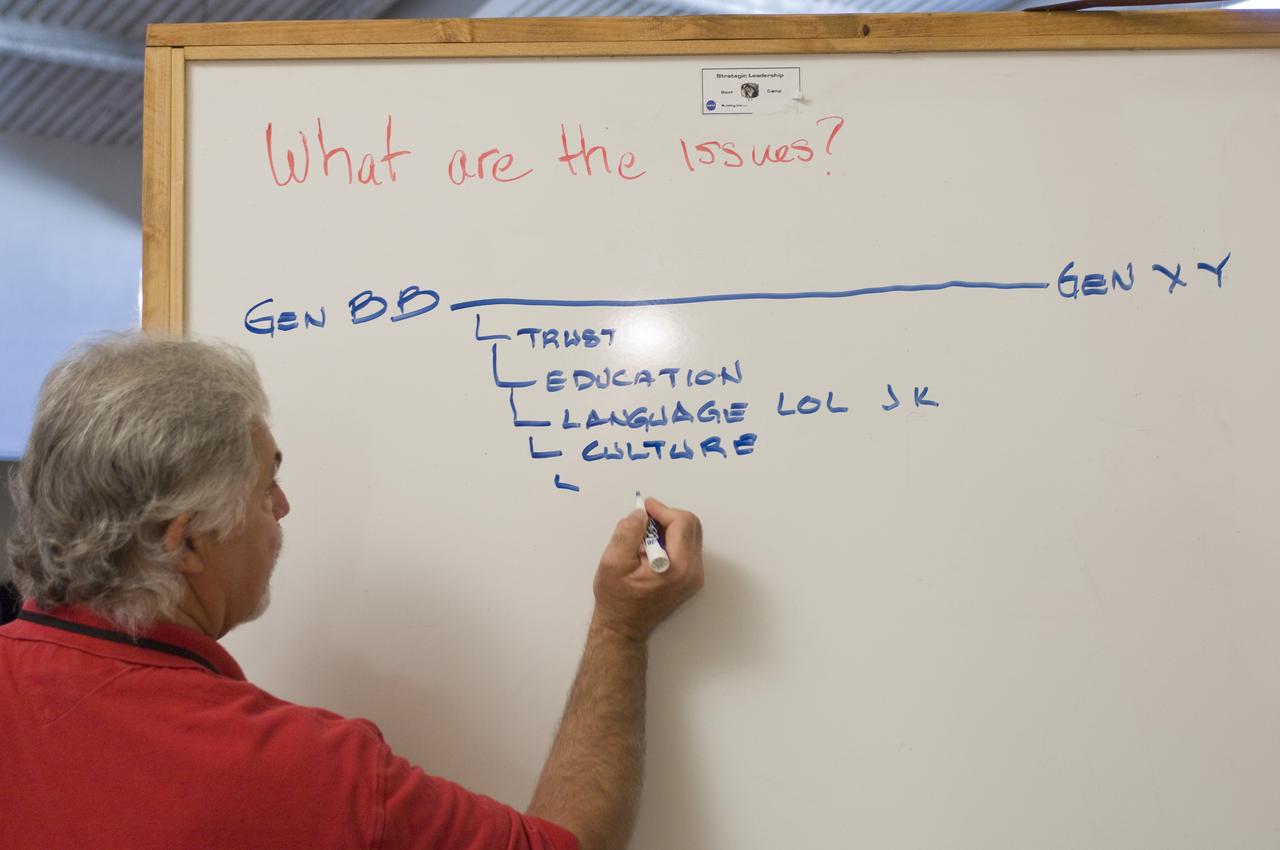
OpenAmes - OpenForum (to build creative ideas in workforce integration (contractor and civil servant, Imporving communicaiton tools, and PR and Morale) meeting in Bldg 3

OpenAmes - OpenForum (to build creative ideas in workforce integration (contractor and civil servant, Imporving communicaiton tools, and PR and Morale) meeting in Bldg 3
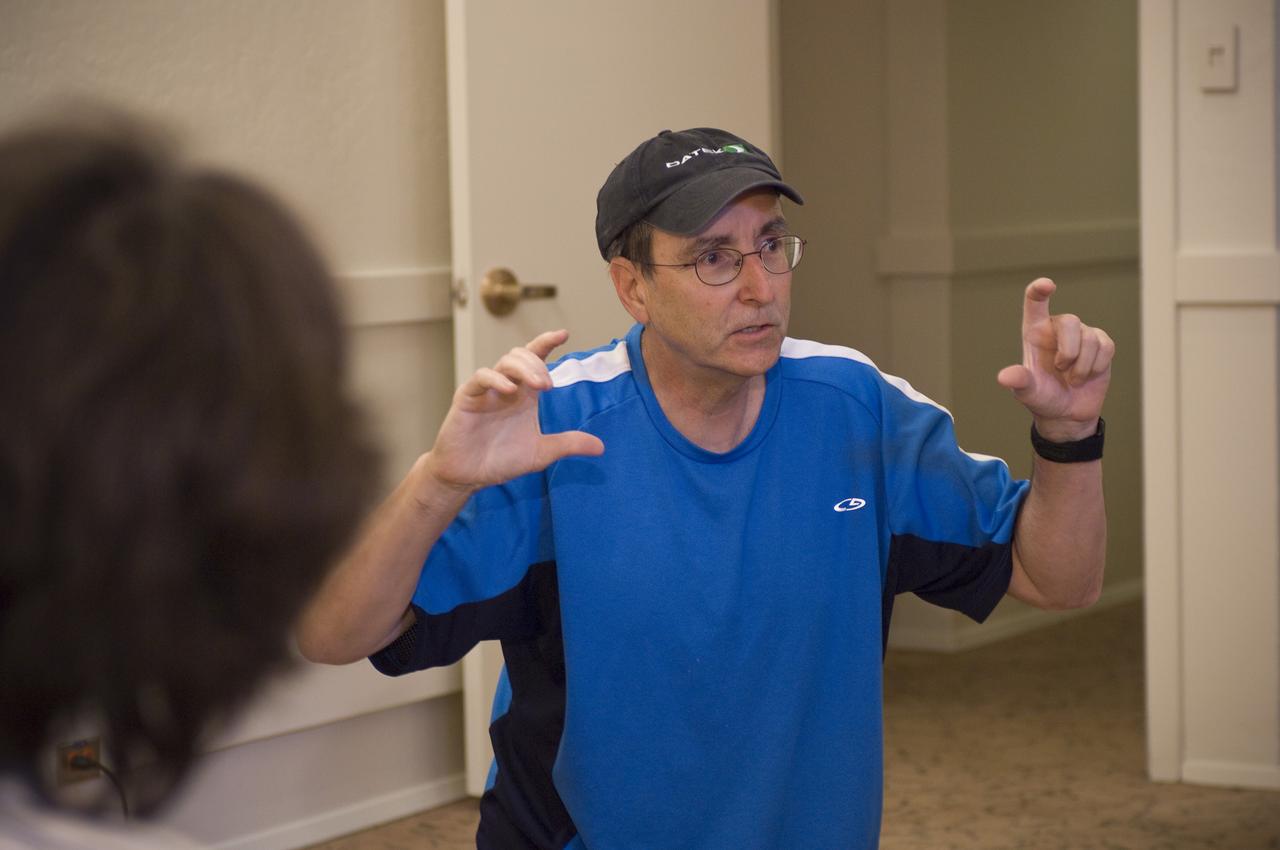
OpenAmes - OpenForum (to build creative ideas in workforce integration (contractor and civil servant, Imporving communicaiton tools, and PR and Morale) meeting in Bldg 3

OpenAmes - OpenForum (to build creative ideas in workforce integration (contractor and civil servant, Imporving communicaiton tools, and PR and Morale) meeting in Bldg 3
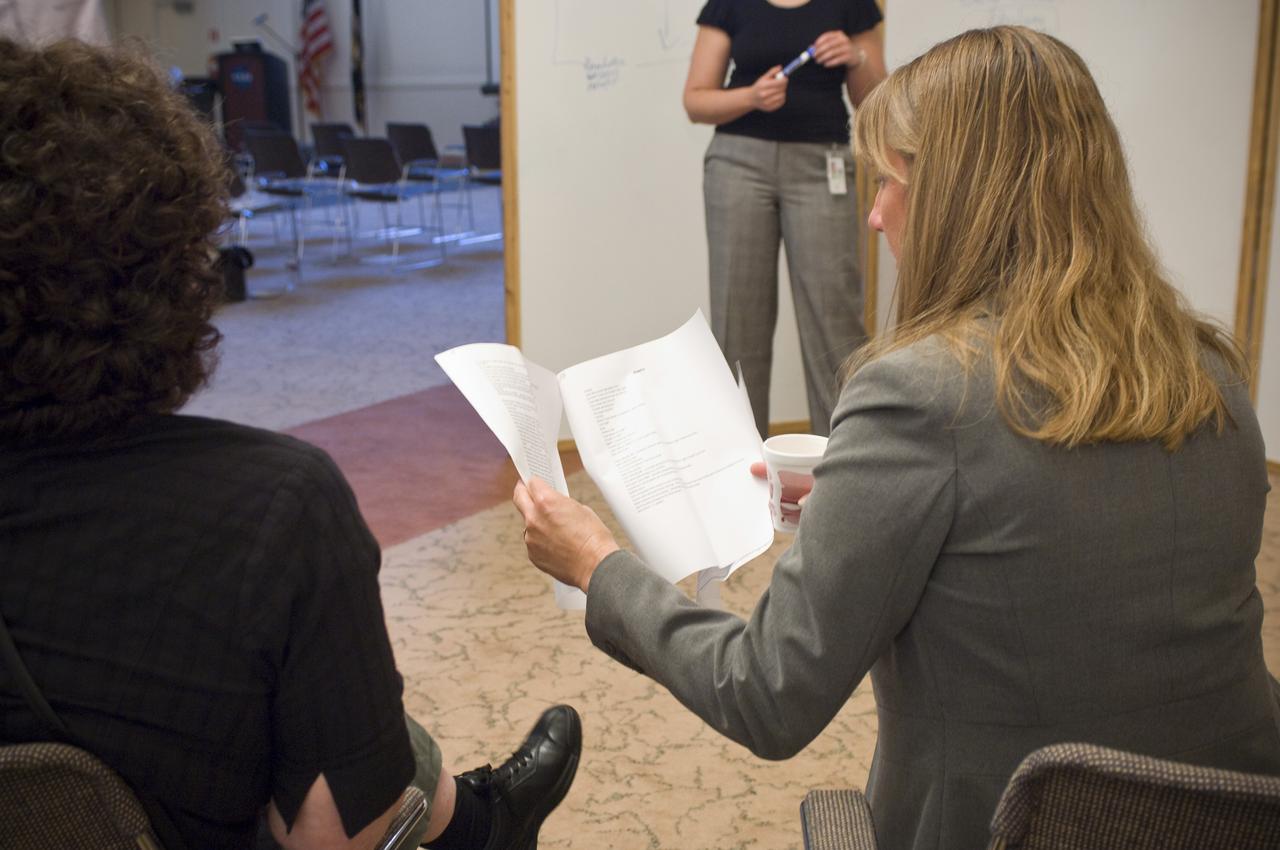
OpenAmes - OpenForum (to build creative ideas in workforce integration (contractor and civil servant, Imporving communicaiton tools, and PR and Morale) meeting in Bldg 3
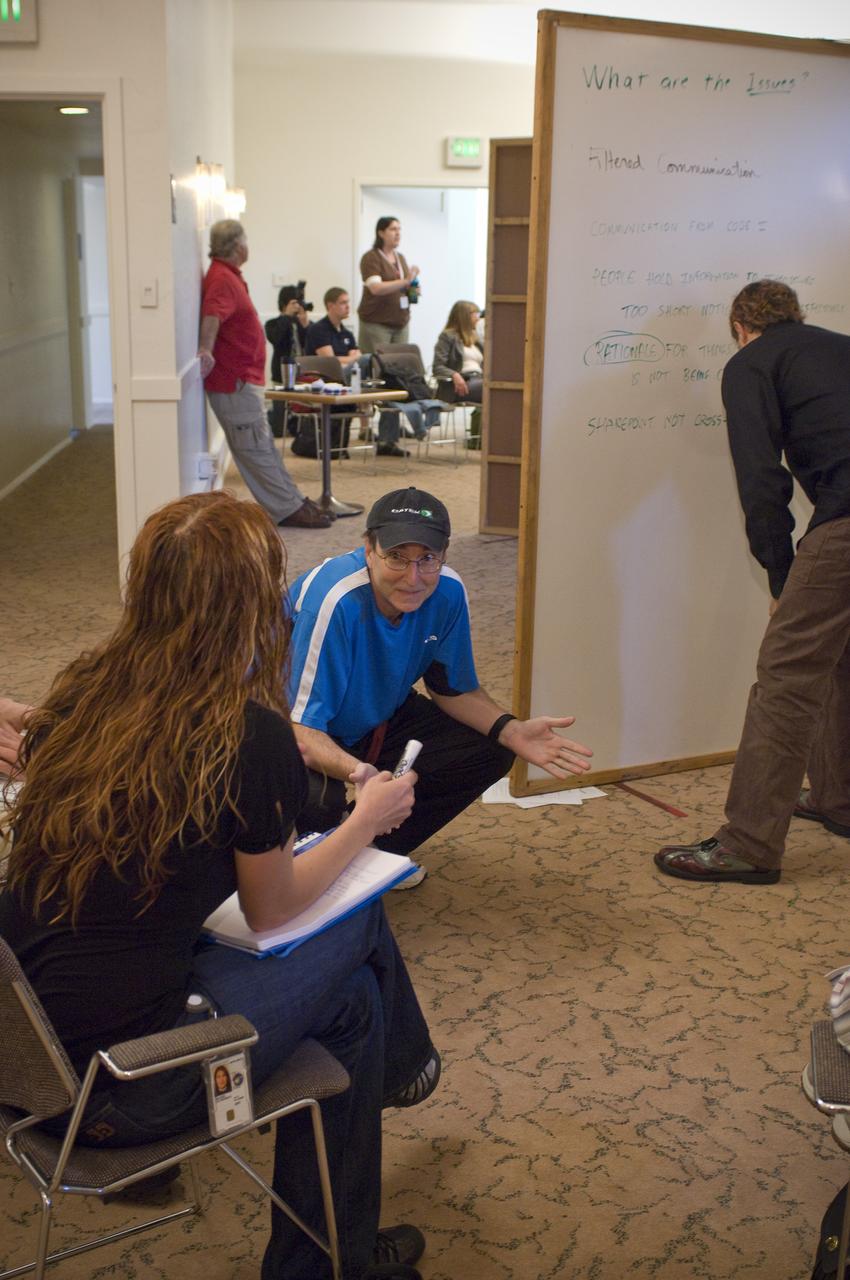
OpenAmes - OpenForum (to build creative ideas in workforce integration (contractor and civil servant, Imporving communicaiton tools, and PR and Morale) meeting in Bldg 3
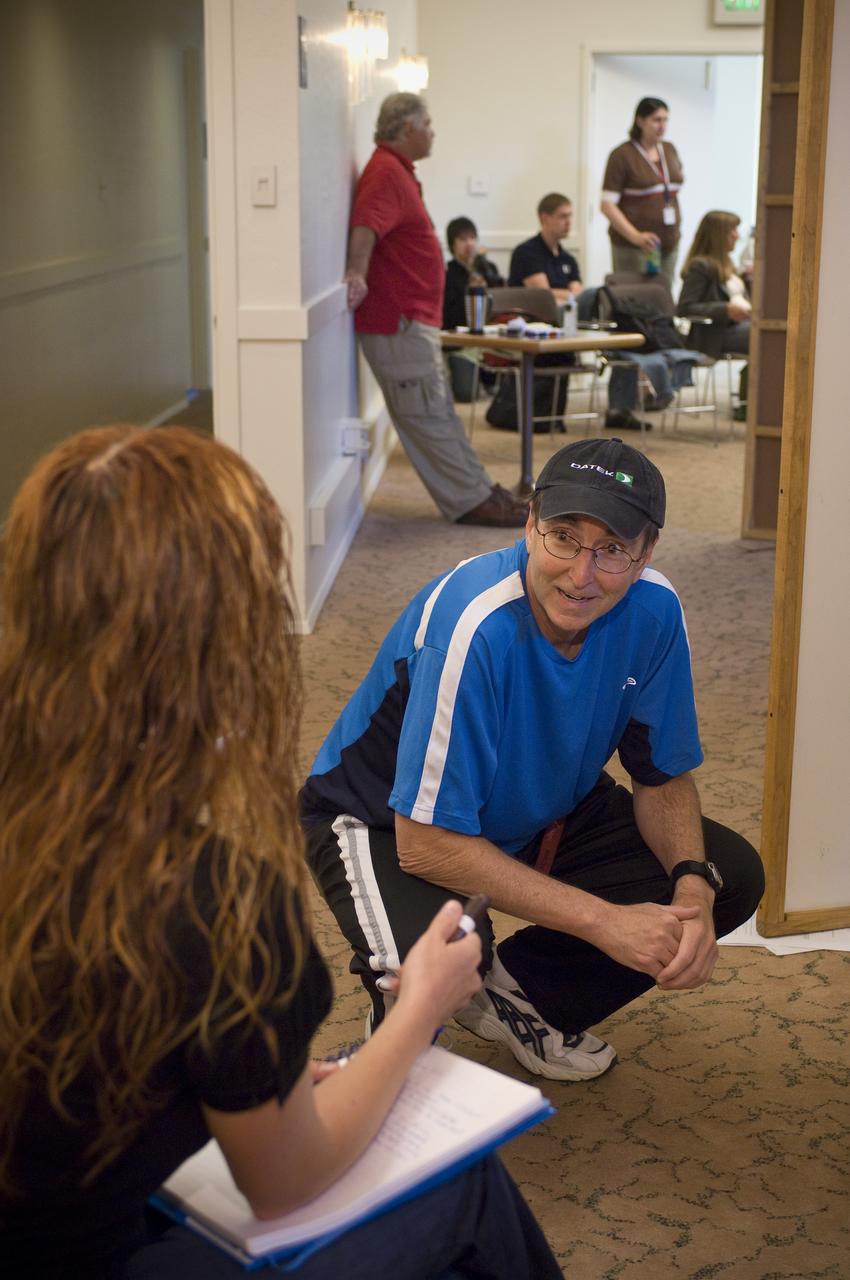
OpenAmes - OpenForum (to build creative ideas in workforce integration (contractor and civil servant, Imporving communicaiton tools, and PR and Morale) meeting in Bldg 3
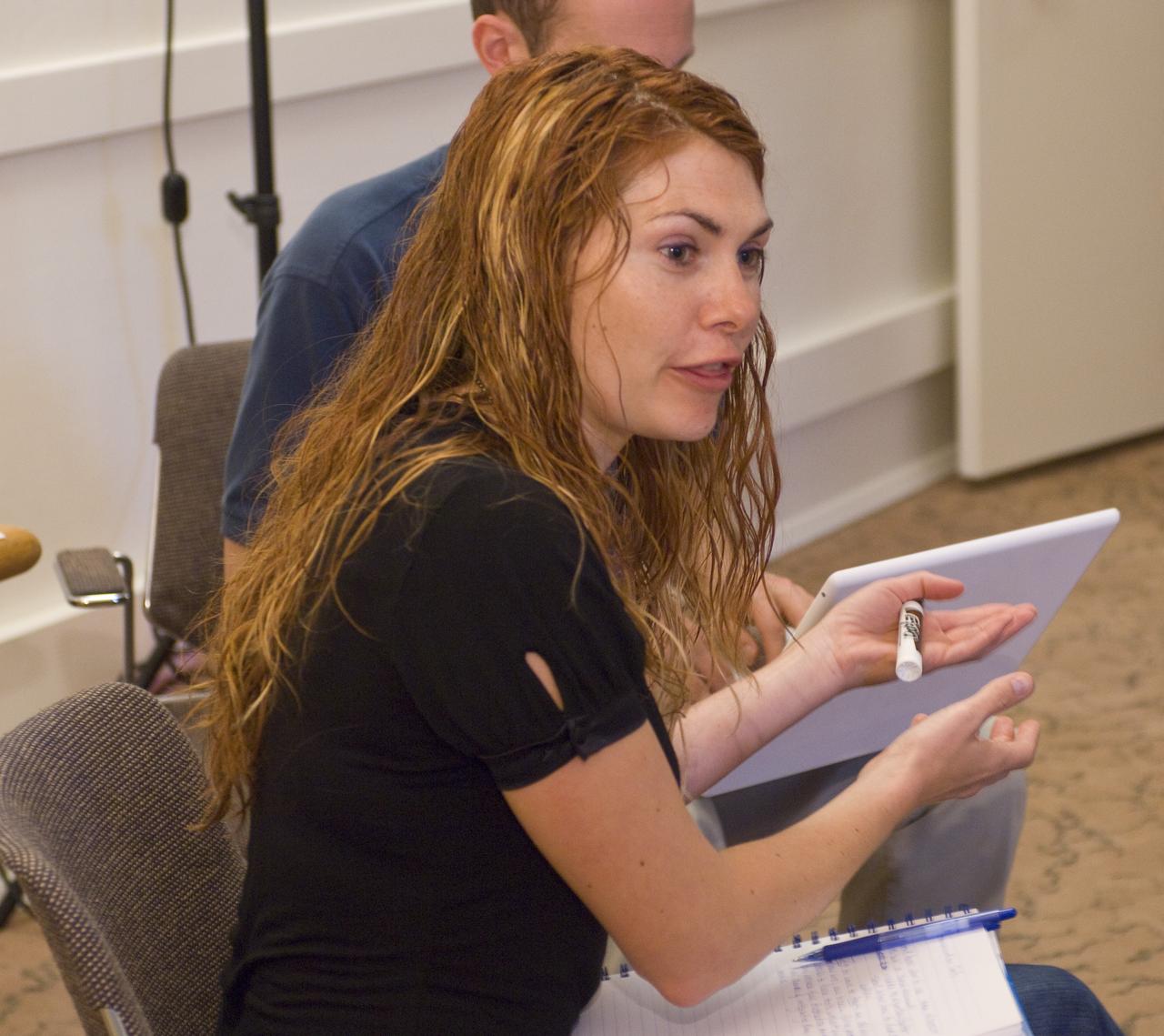
OpenAmes - OpenForum (to build creative ideas in workforce integration (contractor and civil servant, Imporving communicaiton tools, and PR and Morale) meeting in Bldg 3
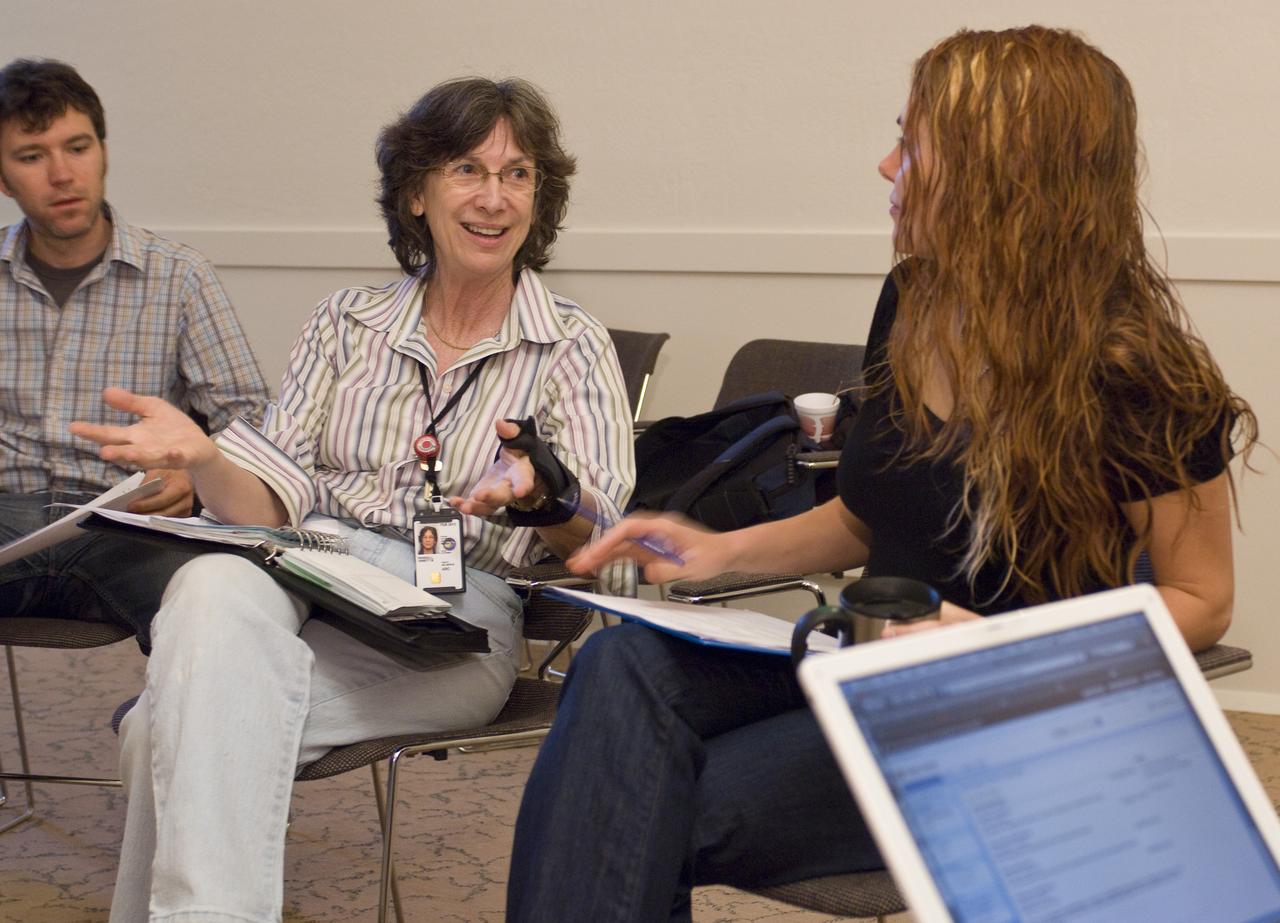
OpenAmes - OpenForum (to build creative ideas in workforce integration (contractor and civil servant, Imporving communicaiton tools, and PR and Morale) meeting in Bldg 3
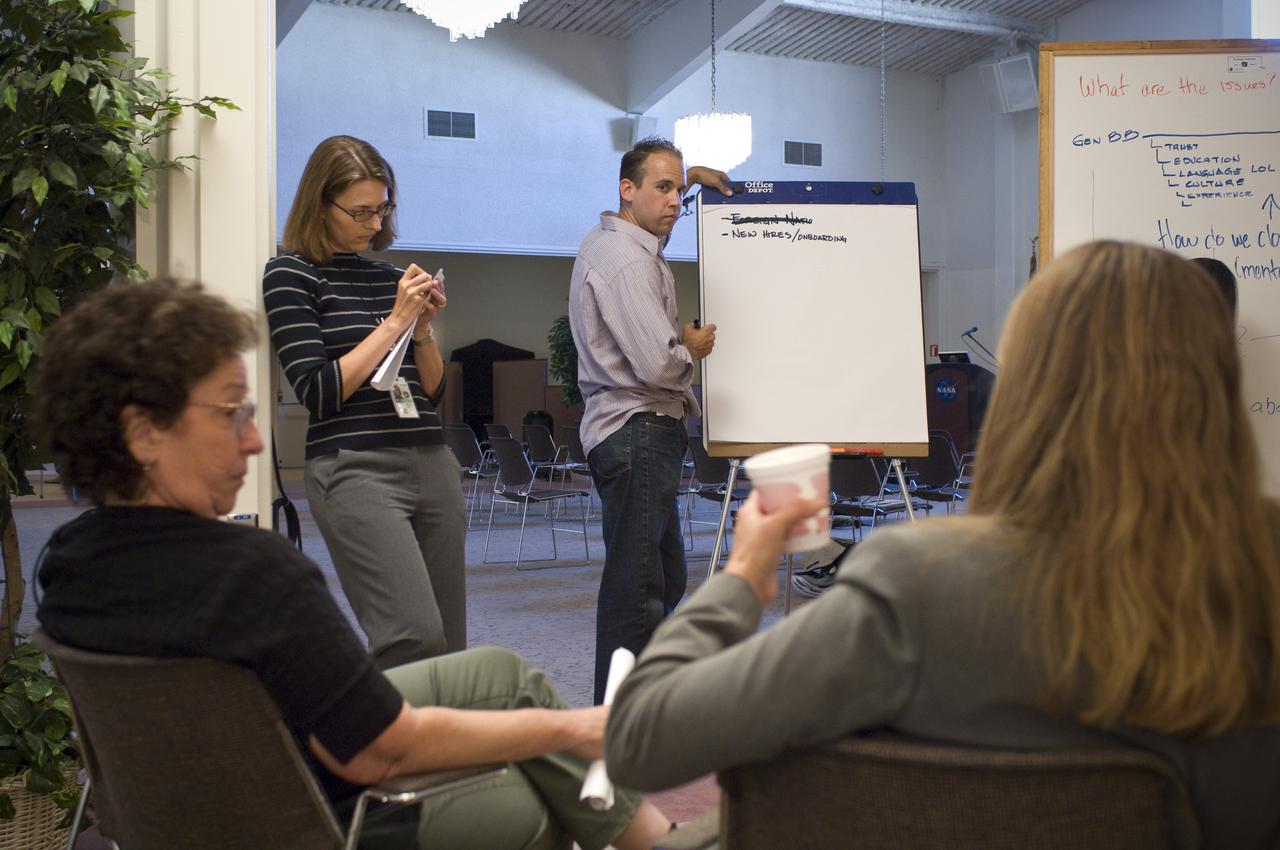
OpenAmes - OpenForum (to build creative ideas in workforce integration (contractor and civil servant, Imporving communicaiton tools, and PR and Morale) meeting in Bldg 3
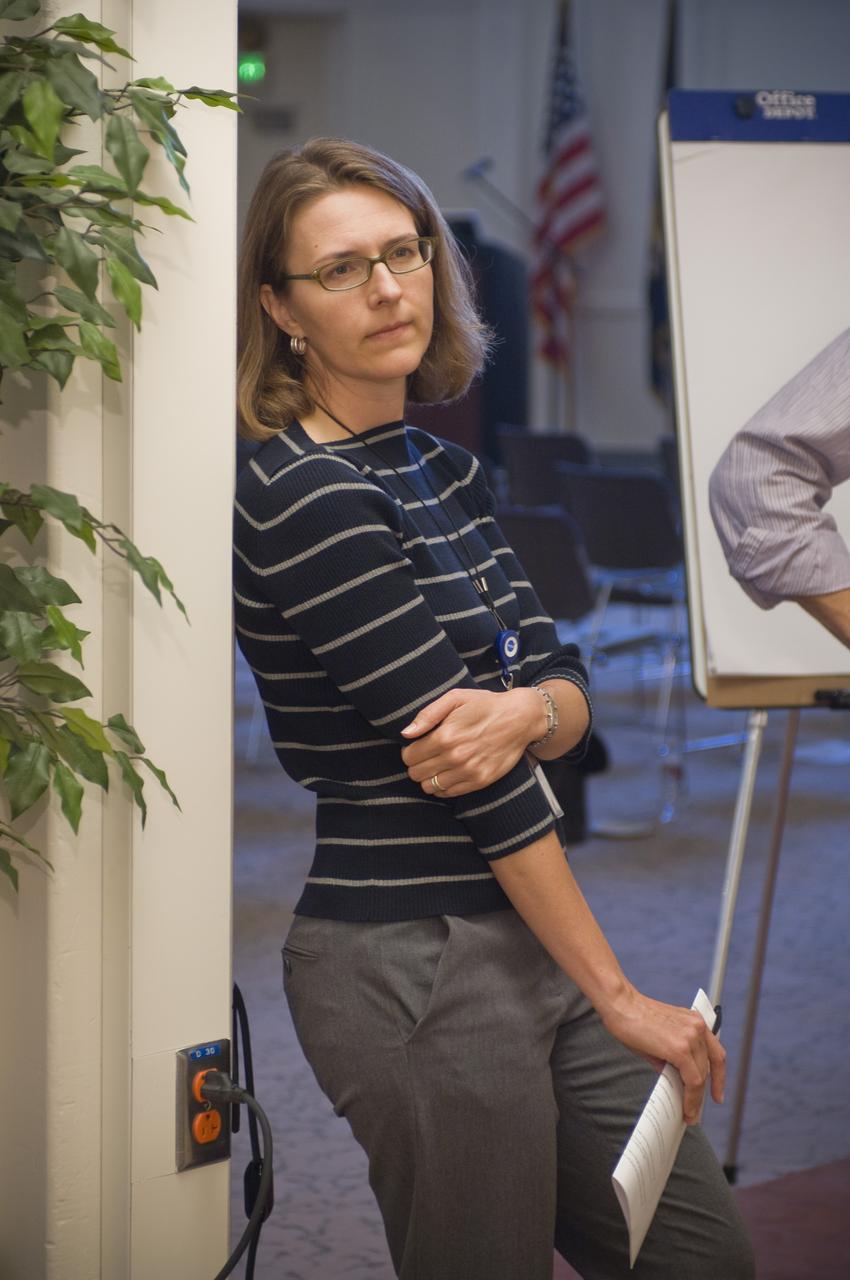
OpenAmes - OpenForum (to build creative ideas in workforce integration (contractor and civil servant, Imporving communicaiton tools, and PR and Morale) meeting in Bldg 3
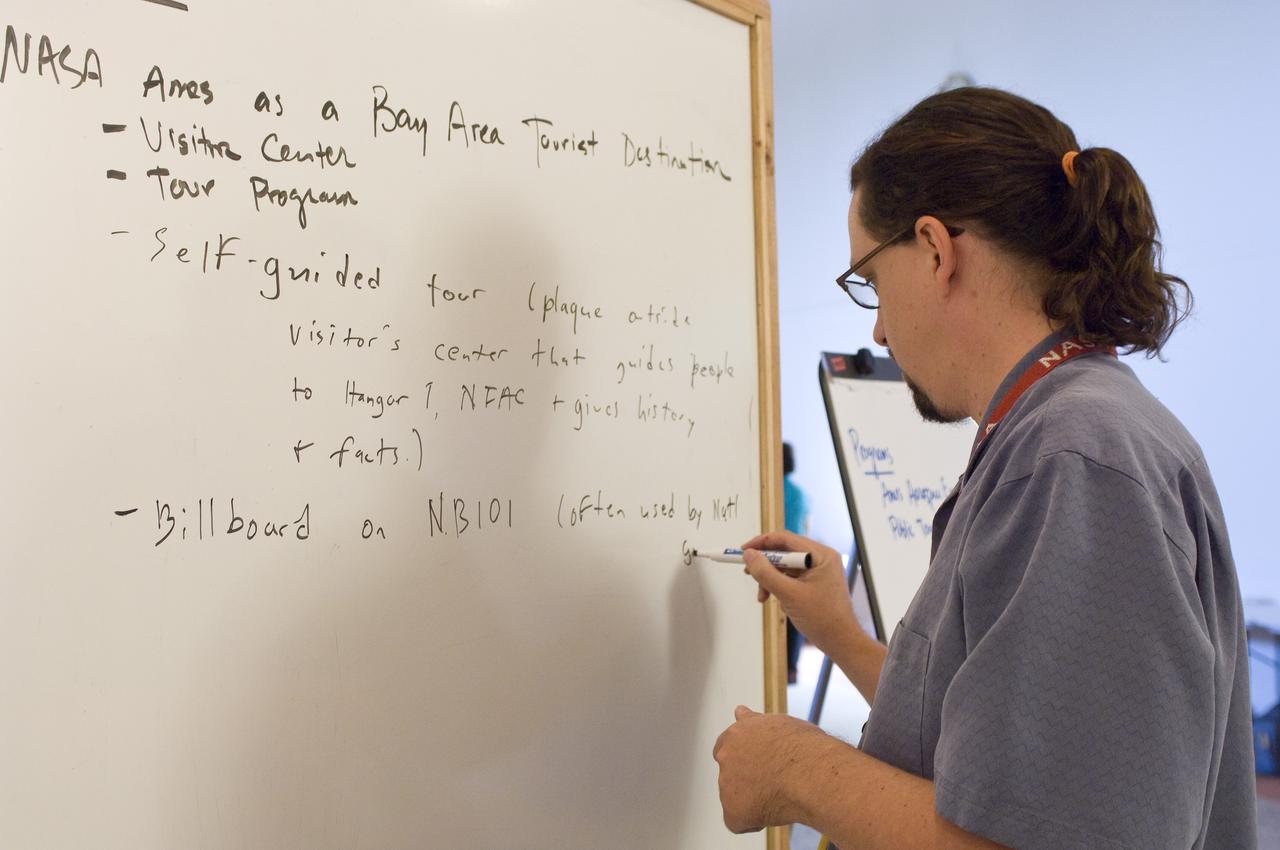
OpenAmes - OpenForum (to build creative ideas in workforce integration (contractor and civil servant, Imporving communicaiton tools, and PR and Morale) meeting in Bldg 3

OpenAmes - OpenForum (to build creative ideas in workforce integration (contractor and civil servant, Imporving communicaiton tools, and PR and Morale) meeting in Bldg 3
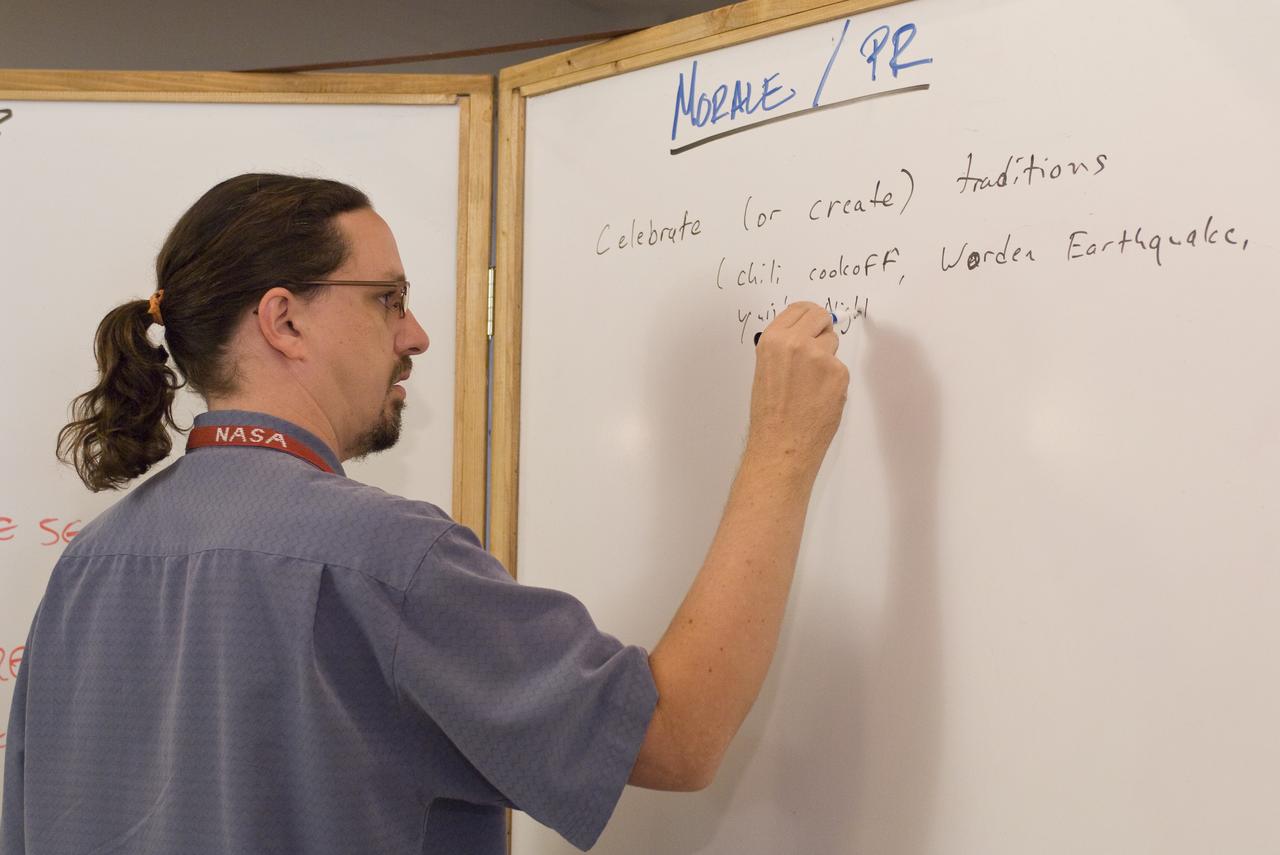
OpenAmes - OpenForum (to build creative ideas in workforce integration (contractor and civil servant, Imporving communicaiton tools, and PR and Morale) meeting in Bldg 3

OpenAmes - OpenForum (to build creative ideas in workforce integration (contractor and civil servant, Imporving communicaiton tools, and PR and Morale) meeting in Bldg 3
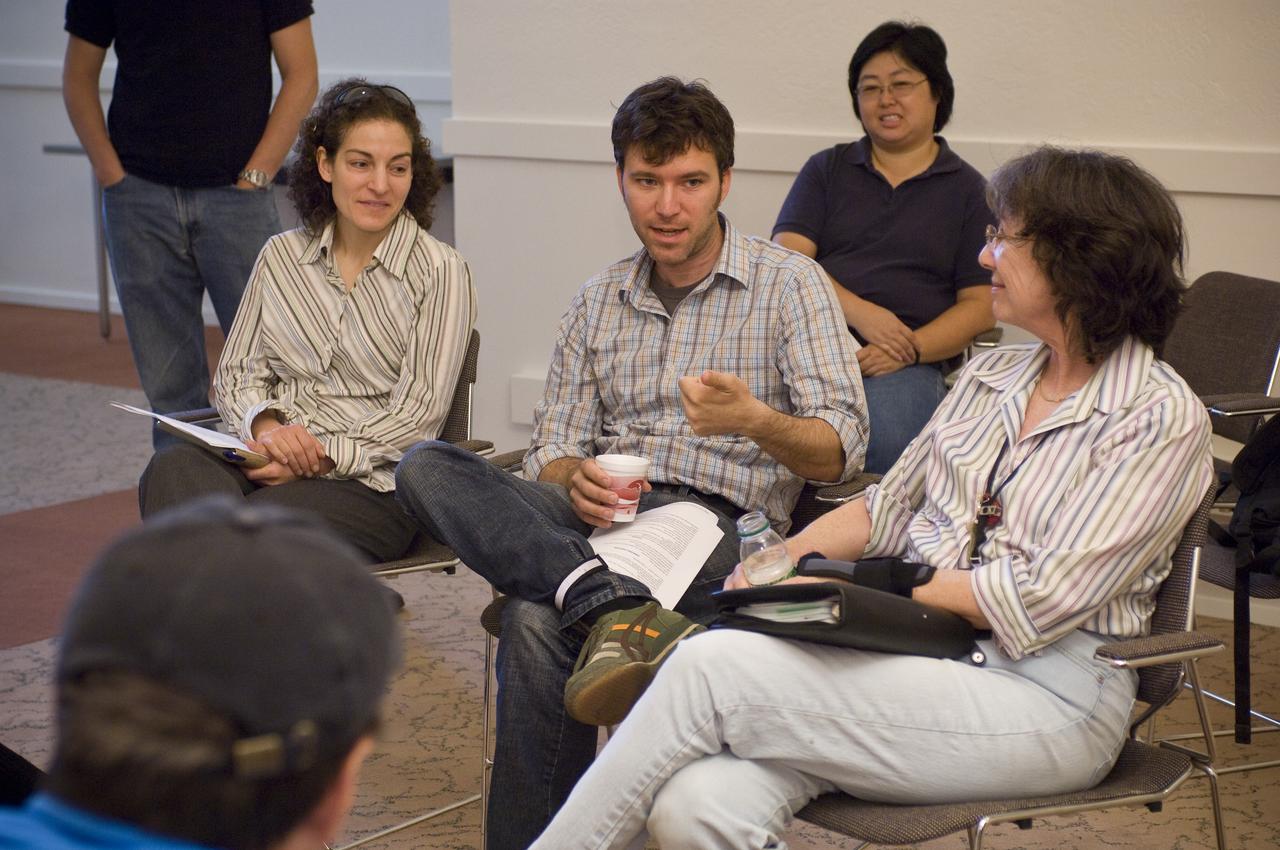
OpenAmes - OpenForum (to build creative ideas in workforce integration (contractor and civil servant, Imporving communicaiton tools, and PR and Morale) meeting in Bldg 3
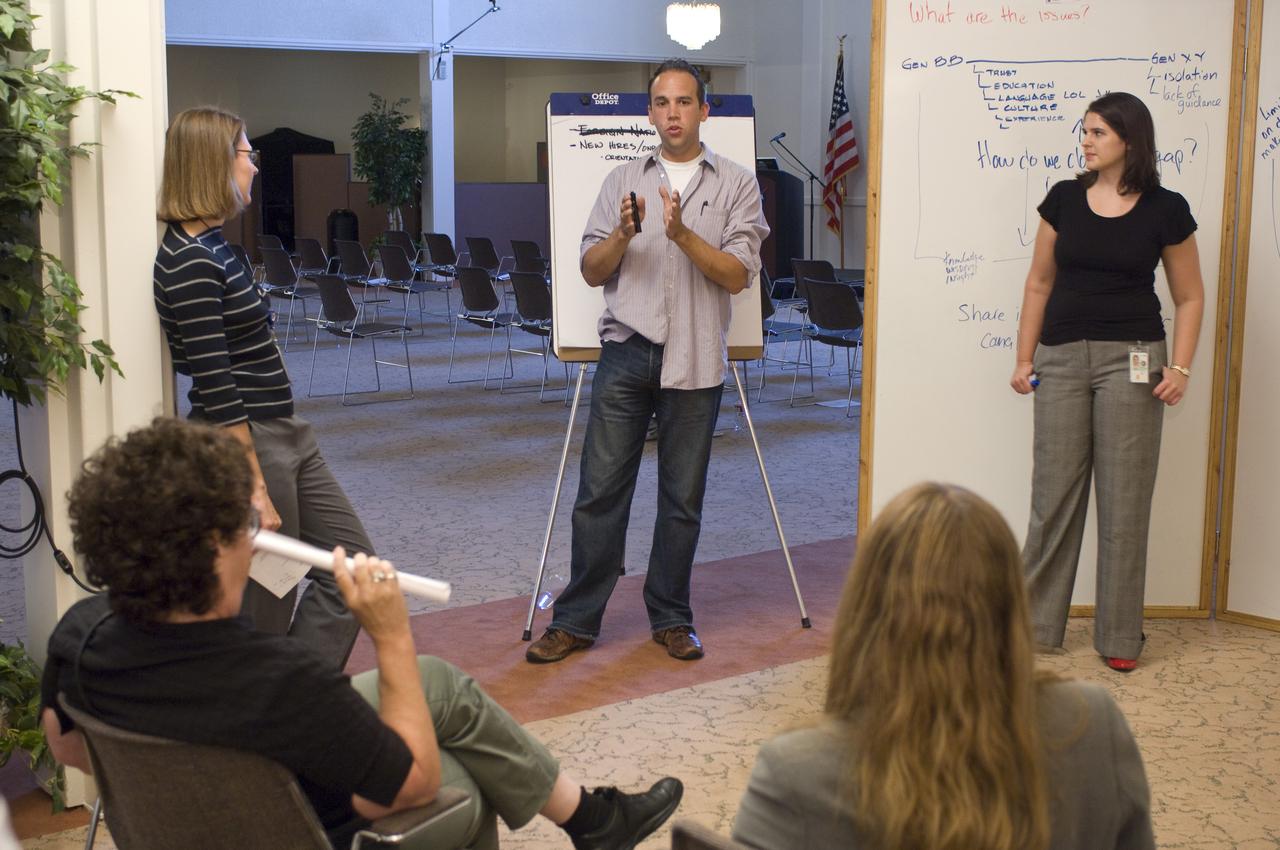
OpenAmes - OpenForum (to build creative ideas in workforce integration (contractor and civil servant, Imporving communicaiton tools, and PR and Morale) meeting in Bldg 3
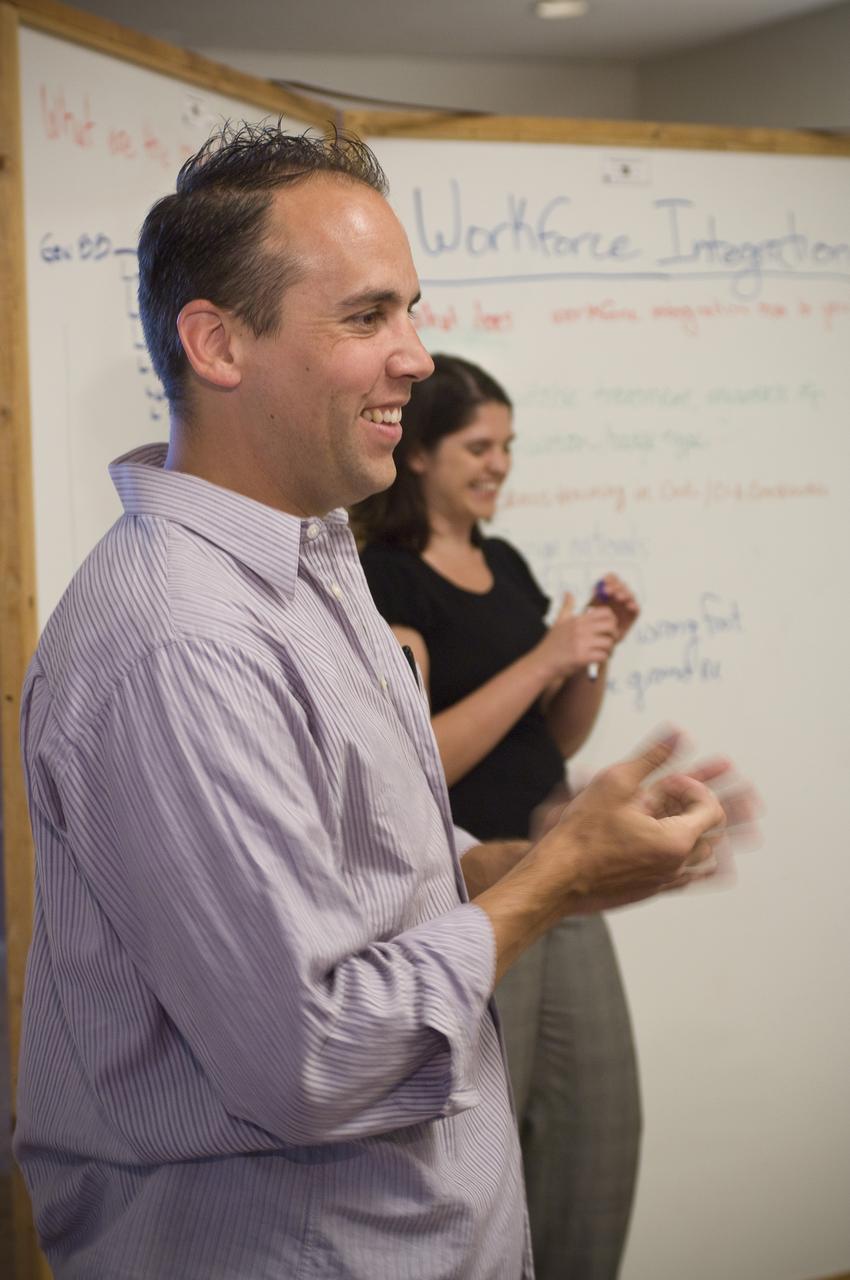
OpenAmes - OpenForum (to build creative ideas in workforce integration (contractor and civil servant, Imporving communicaiton tools, and PR and Morale) meeting in Bldg 3
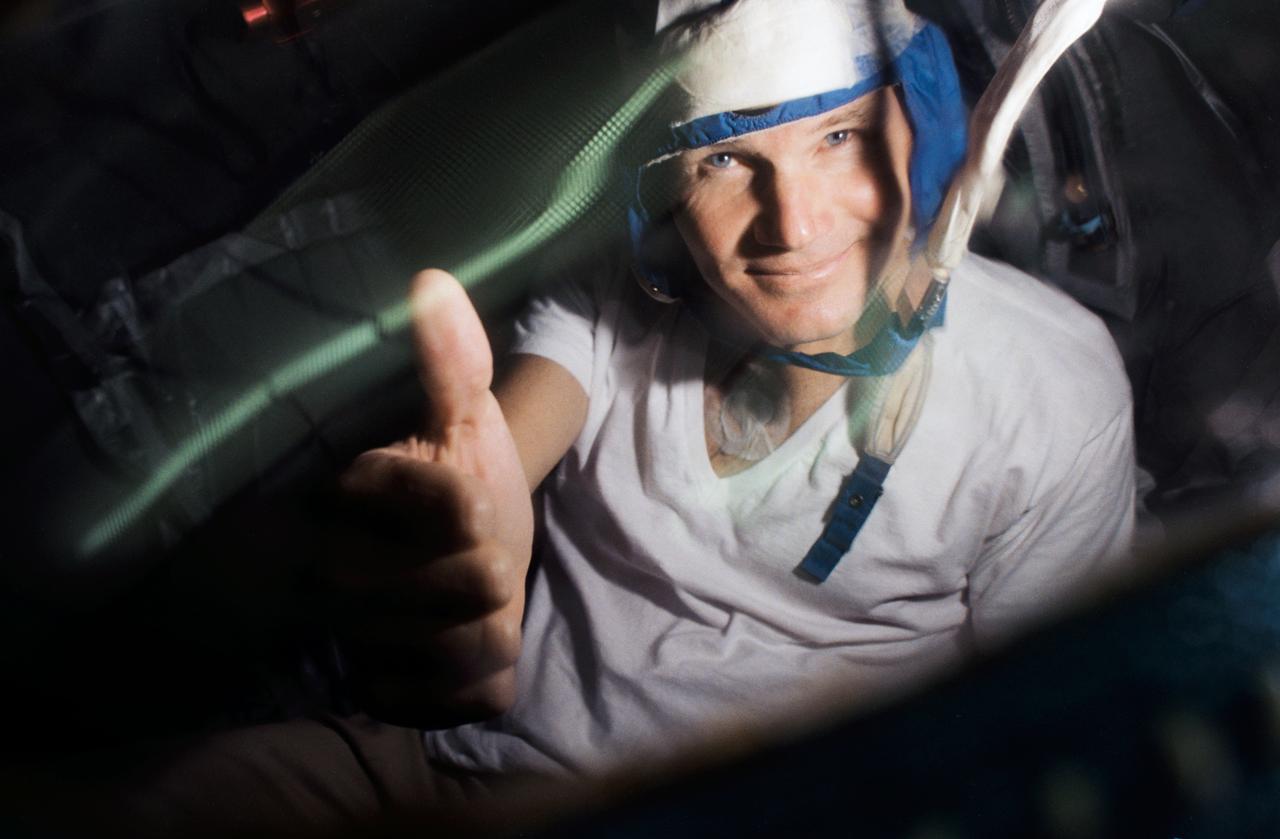
U.S. Representative Bill Nelson (D.,Florida) gives a thumbs up signal from inside a small ball called a personal rescue sphere (PRS). The PRS is not part of STS 61-C hardware, but serves to evaluate a subject's reaction to close quarters. The photo was taken through a visor on the 39-inch diameter fabric rescue sphere.
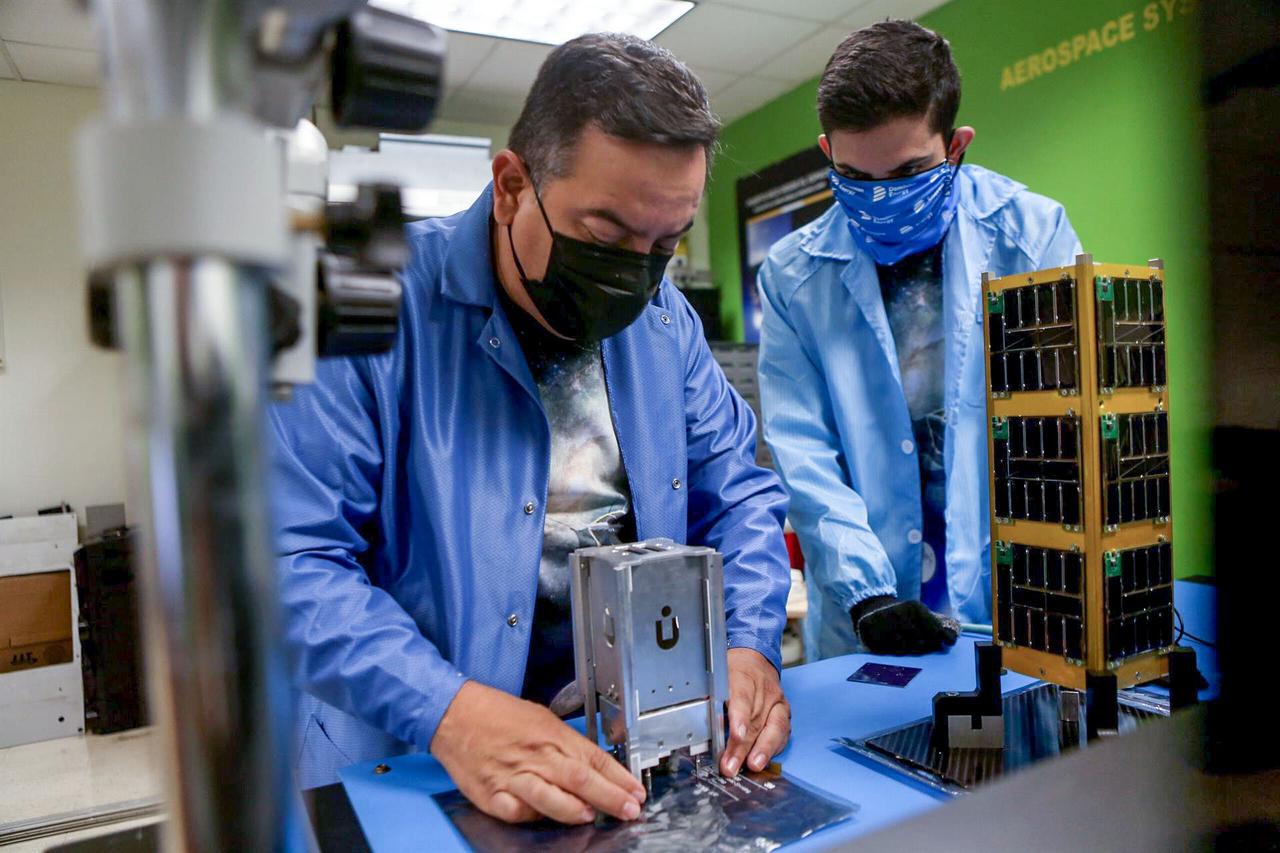
jsc2021e037903 (8/24/2021) --- Dr. Amilcar Rincon-Charris and Edwardivan Labarca-Torres working with the integration of the PRCuNaR2 payload. The Puerto Rico CubeSat NanoRocks 2 (PR-CuNaR2) is an educational and scientific microsatellite that seeks to increase understanding of the outcomes of relevant collisions among millimeter-sized particles, or “pebbles”, in a protoplanetary disk. Image courtesy of Inter-American University of Puerto Rico.
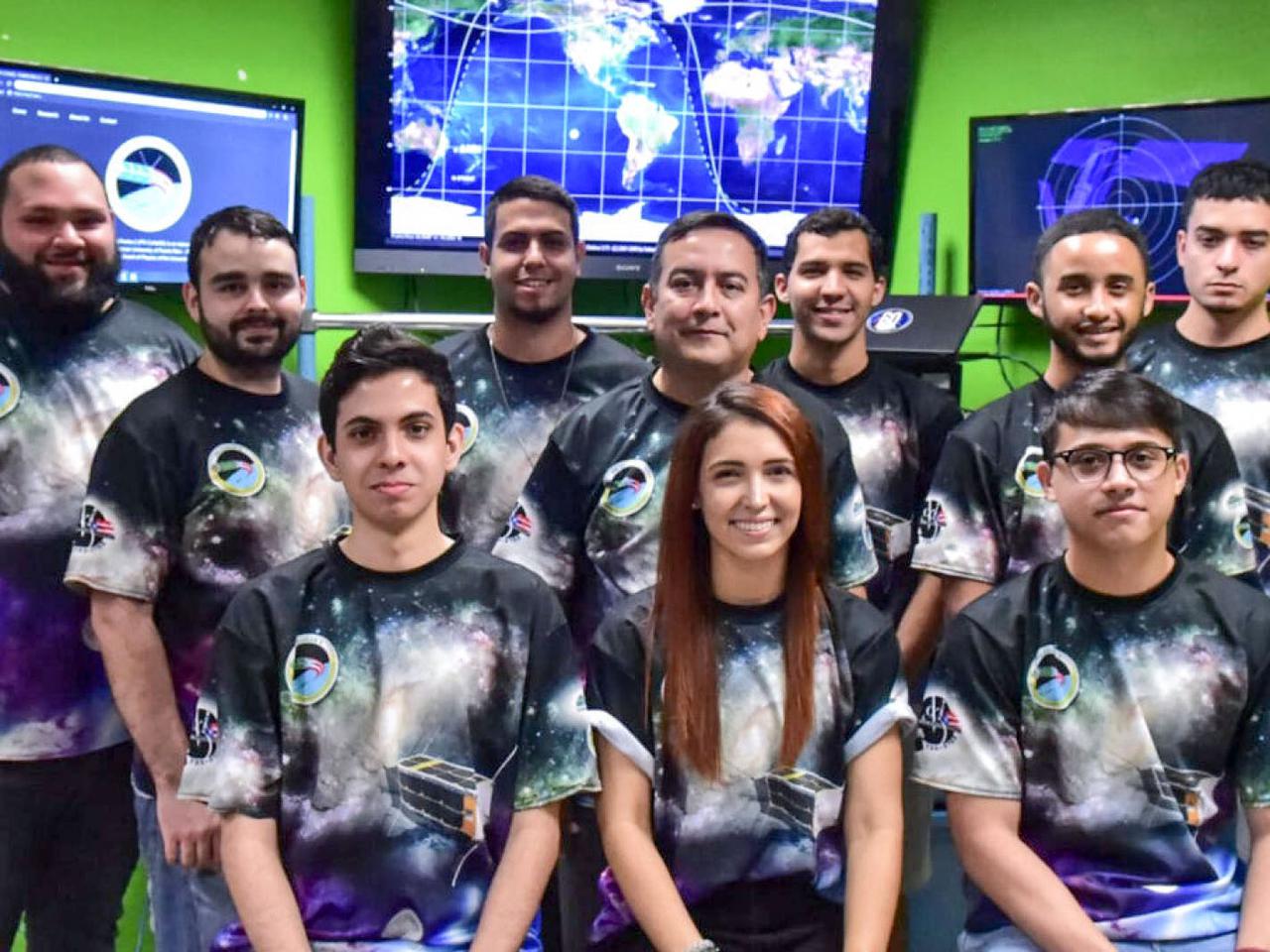
jsc2021e037904 (8/24/2021) --- Group photo of the PRCuNaR2 development team. From top left to right, Hector Gonzalez, Carlos Gibson, Lucas Soto, Amilcar Rincon, Xavier Alvarez, Ian Ortiz and Jesus Marrero. From bottom left to right, Edwardivan Labarca, Natalie Cruz and Carlos Vergara. The Puerto Rico CubeSat NanoRocks 2 (PR-CuNaR2) is an educational and scientific microsatellite that seeks to increase understanding of the outcomes of relevant collisions among millimeter-sized particles, or “pebbles”, in a protoplanetary disk. Image courtesy of Inter-American University of Puerto Rico.
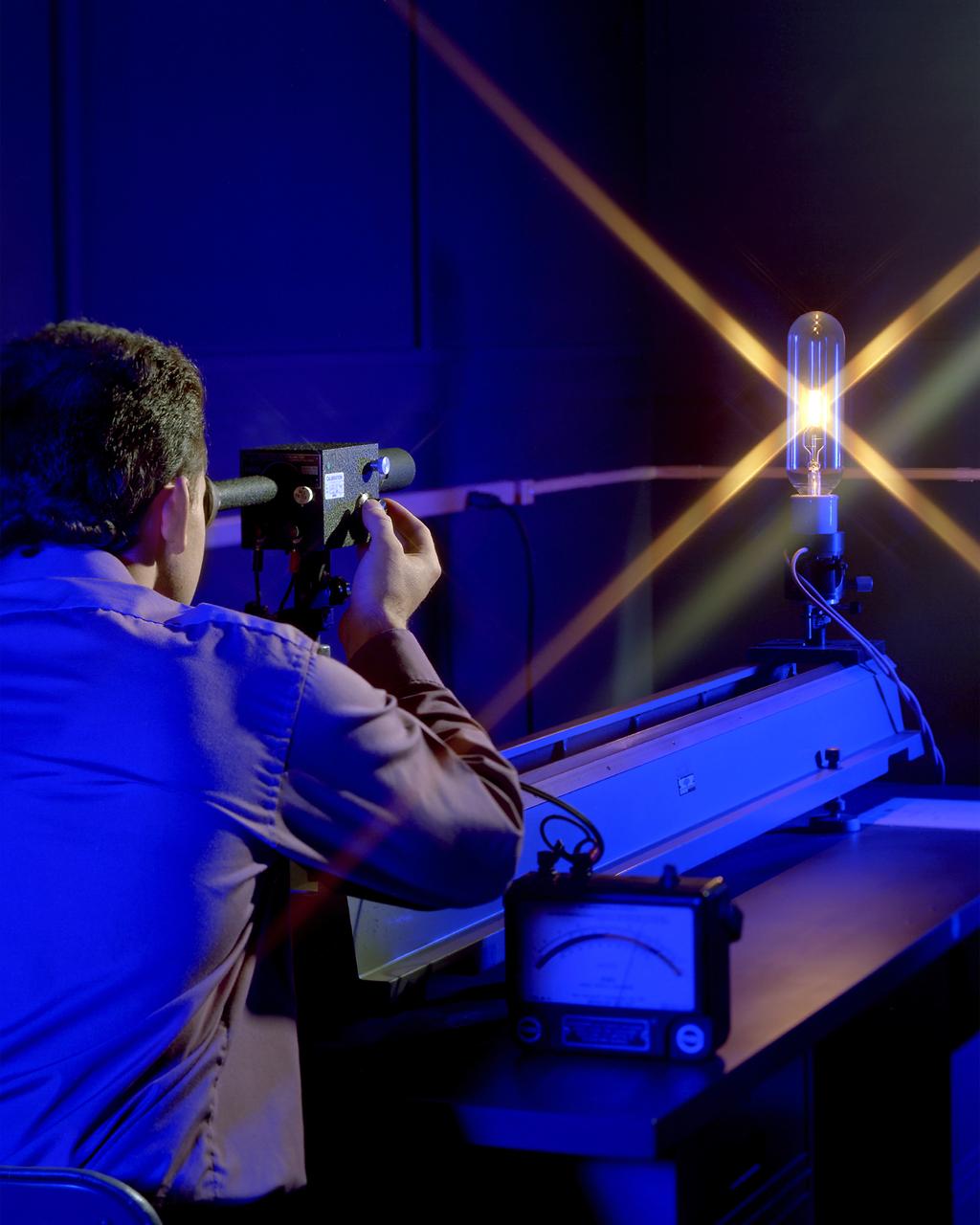
Pictured is a method for testing high temperature measurements by comparing the color spectrum of light at various power settings with an Optical Pyrometer. The devices are calibrated at NIST. The power through the bulb is varied and monitored by the meter on the table. The scanning device that the technician is looking though is adjusted till the color scheme viewed within in the device matches the color of the emanating from the bulb at the particular power setting. Using a relationship table provided, the technicians can then identify the temperature. The light source pictured is used to calibrate the device that the technician looks through. The technician would then go to a source of heat such as an oven and by aligning the color given off by the unit under test (UUT), he would use the reference table to determine the source’s heat output.
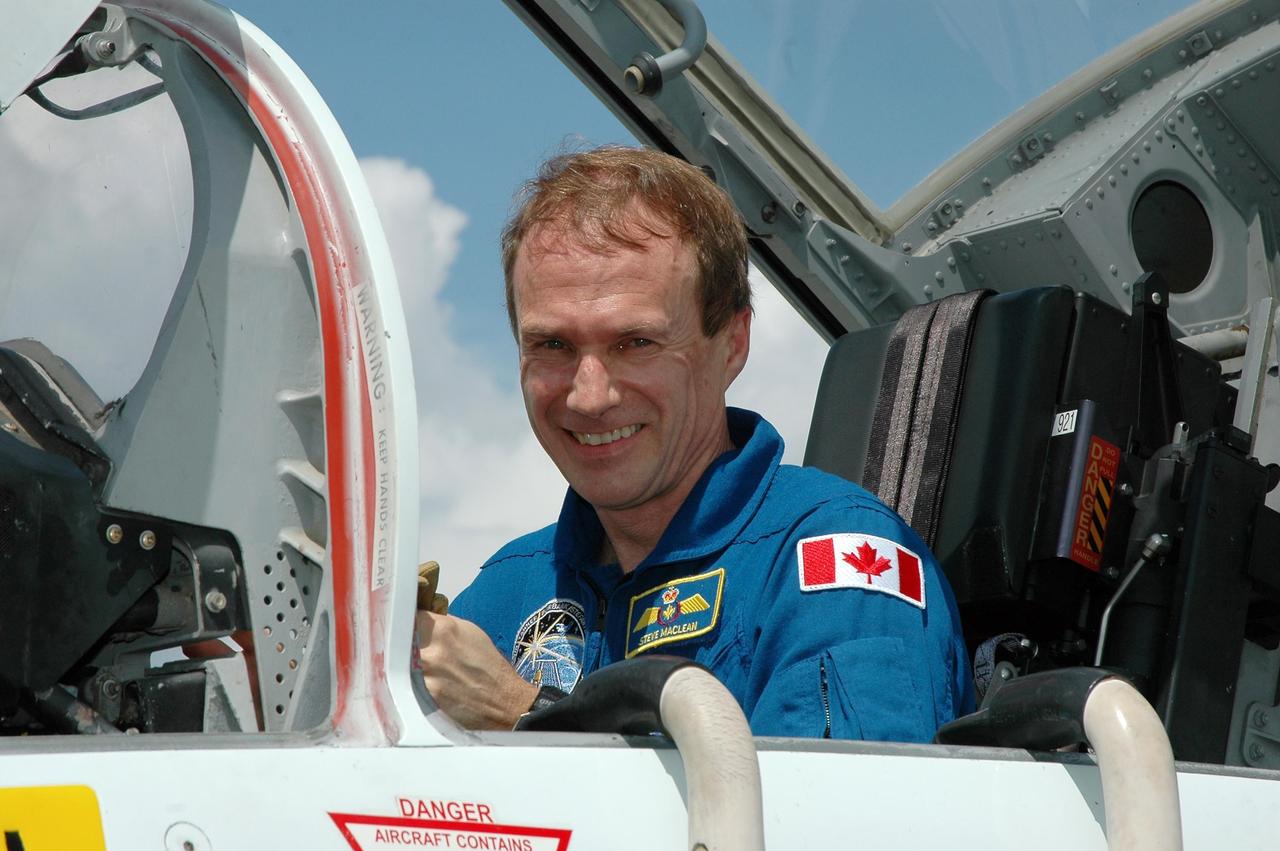
KENNEDY SPACE CENTER, FLA. - The crew of mission STS-115 arrives at NASA Kennedy Space Center's Shuttle Landing Facility to prepare for launch on Aug. 27 to the International Space Station. Seen here is Mission Specialist Steven MacLean, who will be making his second flight on the shuttle. MacLean is with the Canadian Space Agency. The mission will deliver and install the 17-and-a-half-ton P3/Pr truss segment to the port side of the integrated truss system on the orbital outpost. The truss includes a new set of photovoltaic solar arrays. When unfurled to their full length of 240 feet, the arrays will provide additional power for the station in preparation for the delivery of international science modules over the next two years. STS-115 is expected to last 11 days and includes three scheduled spacewalks. Photo credit: NASA/Kim Shiflett
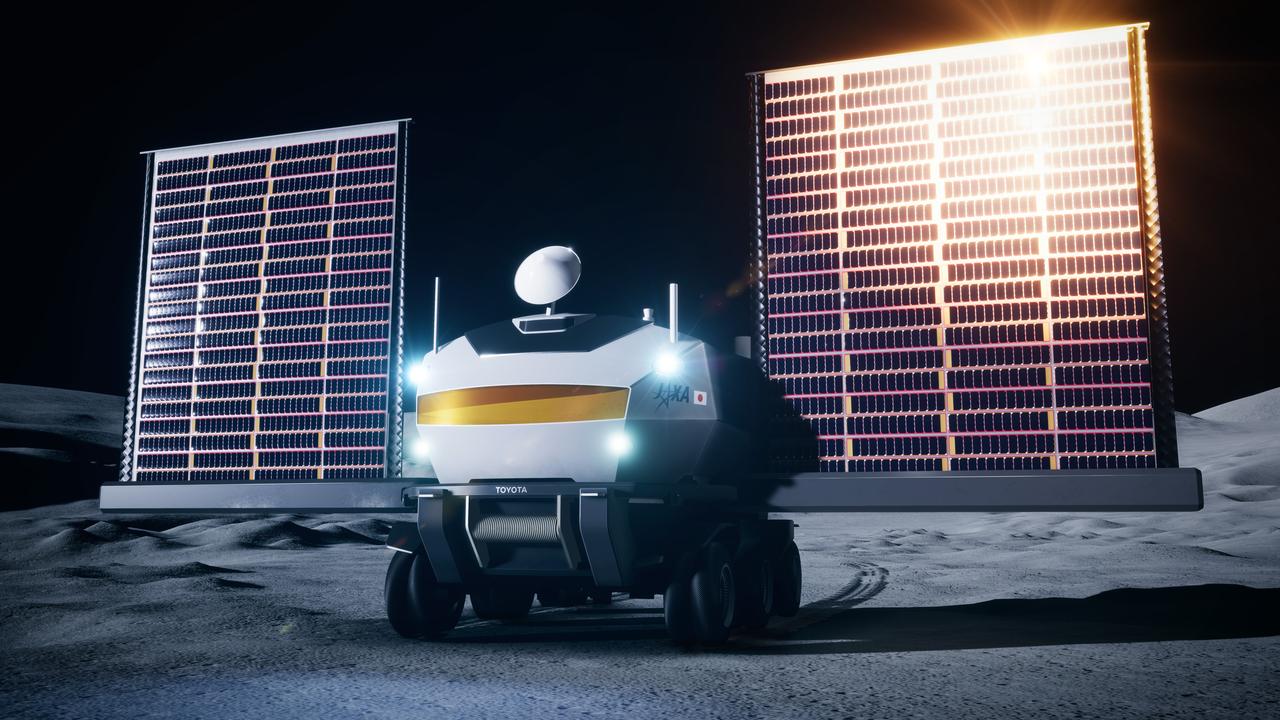
A concept image of JAXA’s (Japan Aerospace Exploration Agency) pressurized rover with its solar arrays deployed on the surface of the Moon. Image Credit: JAXA/Toyota
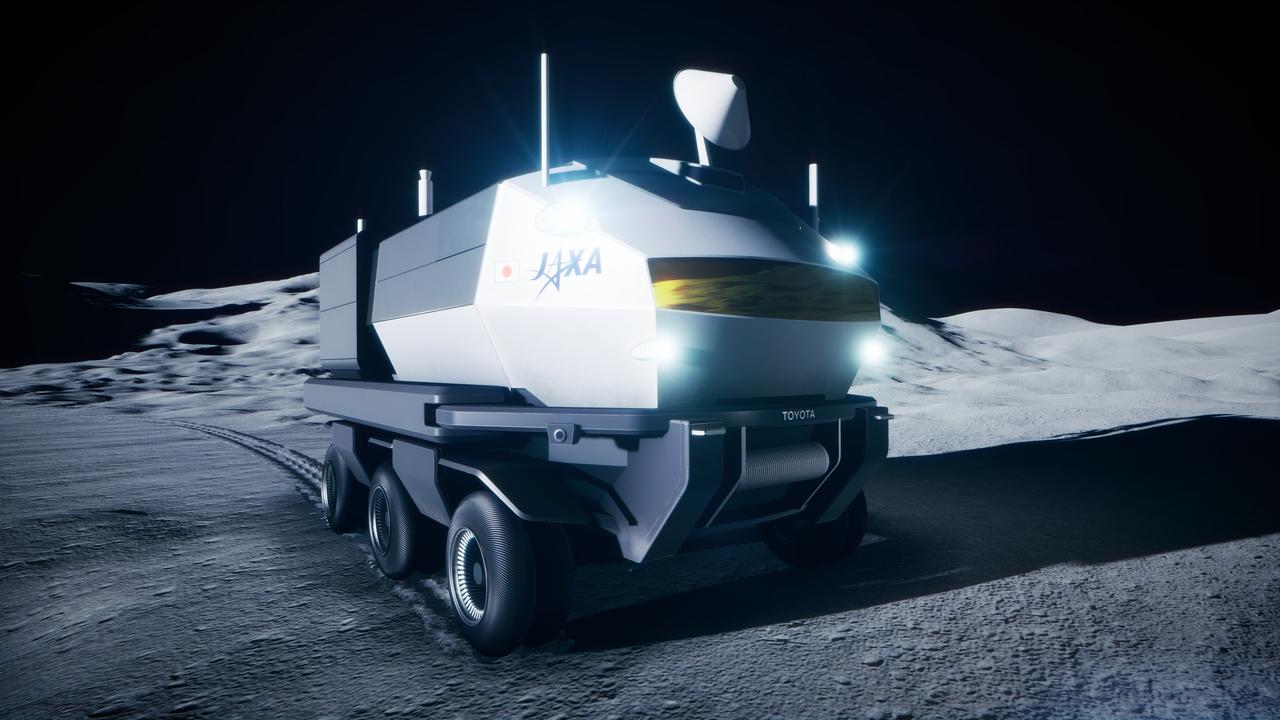
A concept image of JAXA’s (Japan Aerospace Exploration Agency) pressurized rover on the surface of the Moon. Image Credit: JAXA/Toyota
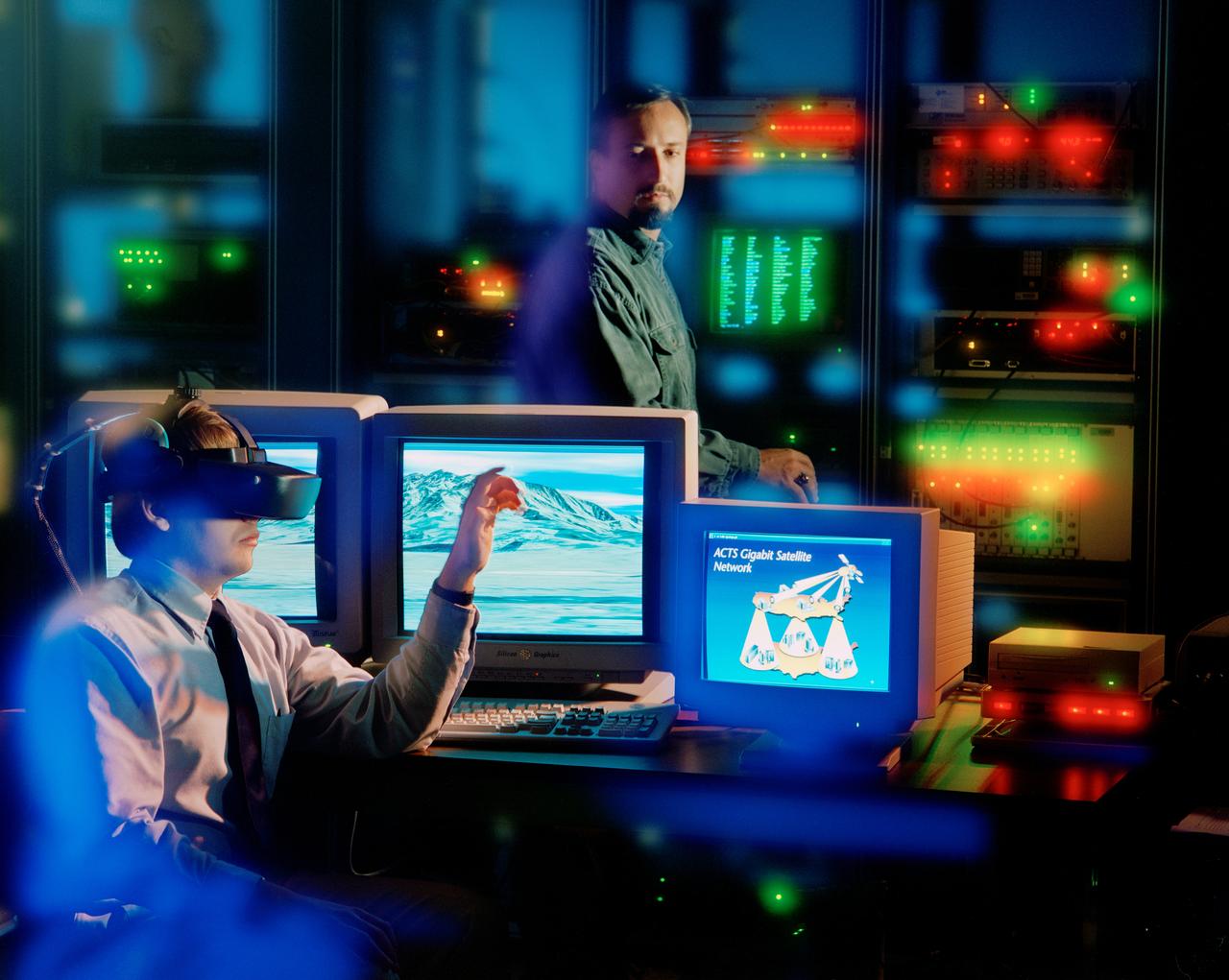
CRAY AND SP-2 COMPUTERS
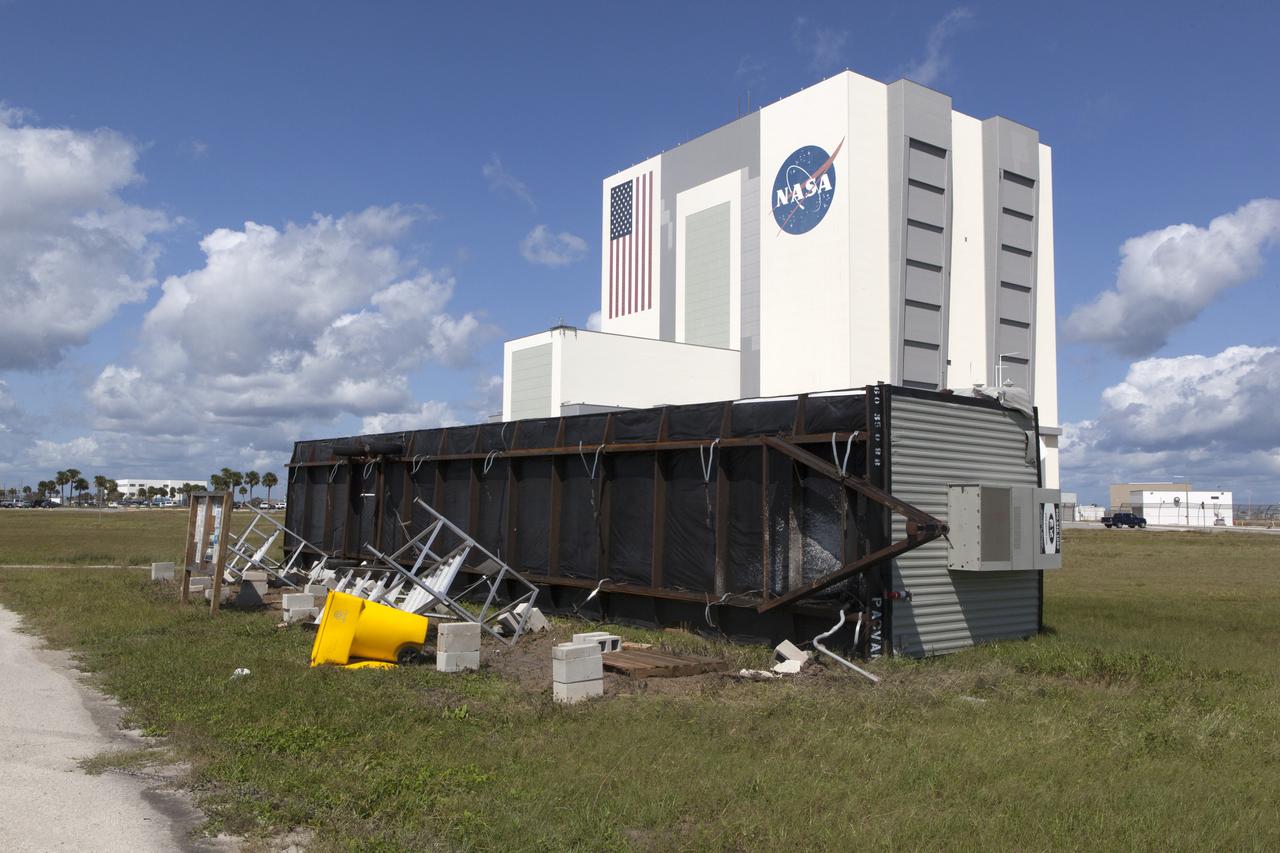
A trailer flipped on it's side at the Turn Basin is seen during a survey of NASA's Kennedy Space Center in Florida on September 12, 2017. The survey was performed to identify structures and facilities that may have sustained damage from Hurricane Irma as the storm passed Kennedy on September 10, 2017. NASA closed the center ahead of the storm's onset and only a small team of specialists known as the Rideout Team was on the center as the storm approached and passed.
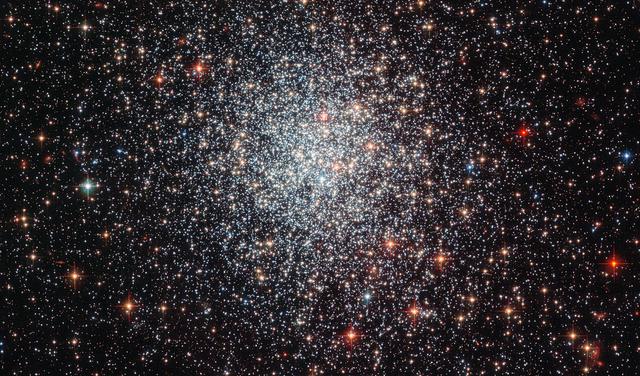
Shown here in a new image taken with the Advanced Camera for Surveys (ACS) on board the NASA/ESA Hubble Space Telescope, is the globular cluster NGC 1783. This is one of the biggest globular clusters in the Large Magellanic Cloud, a satellite galaxy of our own galaxy, the Milky Way, in the southern hemisphere constellation of Dorado. First observed by John Herschel in 1835, NGC 1783 is nearly 160 000 light-years from Earth, and has a mass around 170 000 times that of the Sun. Globular clusters are dense collections of stars held together by their own gravity, which orbit around galaxies like satellites. The image clearly shows the symmetrical shape of NGC 1783 and the concentration of stars towards the centre, both typical features of globular clusters. By measuring the colour and brightness of individual stars, astronomers can deduce an overall age for a cluster and a picture of its star formation history. NGC 1783 is thought to be under one and a half billion years old — which is very young for globular clusters, which are typically several billion years old. During that time, it is thought to have undergone at least two periods of star formation, separated by 50 to 100 million years. This ebb and flow of star-forming activity is an indicator of how much gas is available for star formation at any one time. When the most massive stars created in the first burst of formation explode as supernovae they blow away the gas needed to form further stars, but the gas reservoir can later be replenished by less massive stars which last longer and shed their gas less violently. After this gas flows to the dense central regions of the star cluster, a second phase of star formation can take place and once again the short-lived massive stars blow away any leftover gas. This cycle can continue a few times, at which time the remaining gas reservoir is thought to be too small to form any new stars. A version of this image was entered into the Hubble's Hidden Treasures image pr

Expedition 59 crewmembers Nick Hague of NASA (left), Christina Koch of NASA (center) and Alexey Ovchinin of Roscosmos (right) walk along the Kremlin Wall in Moscow Feb. 21 as they prepare for the ceremonial laying of flowers as part of pre-launch activities. They will launch March 14, U.S. time, on the Soyuz MS-12 spacecraft from the Baikonur Cosmodrome in Kazakhstan for a six-and-a-half month mission on the International Space Station. Andrey Shelepin/Gagarin Cosmonaut Training Center