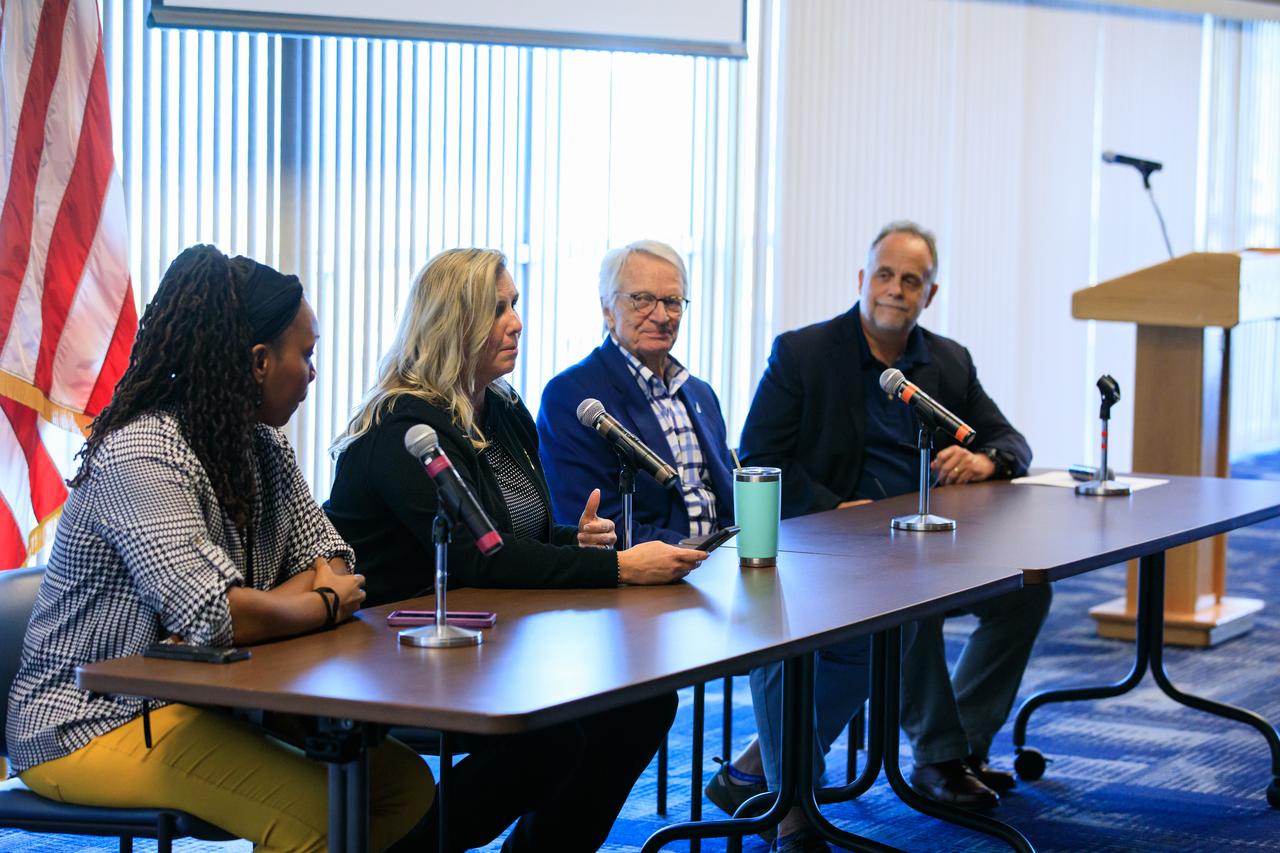
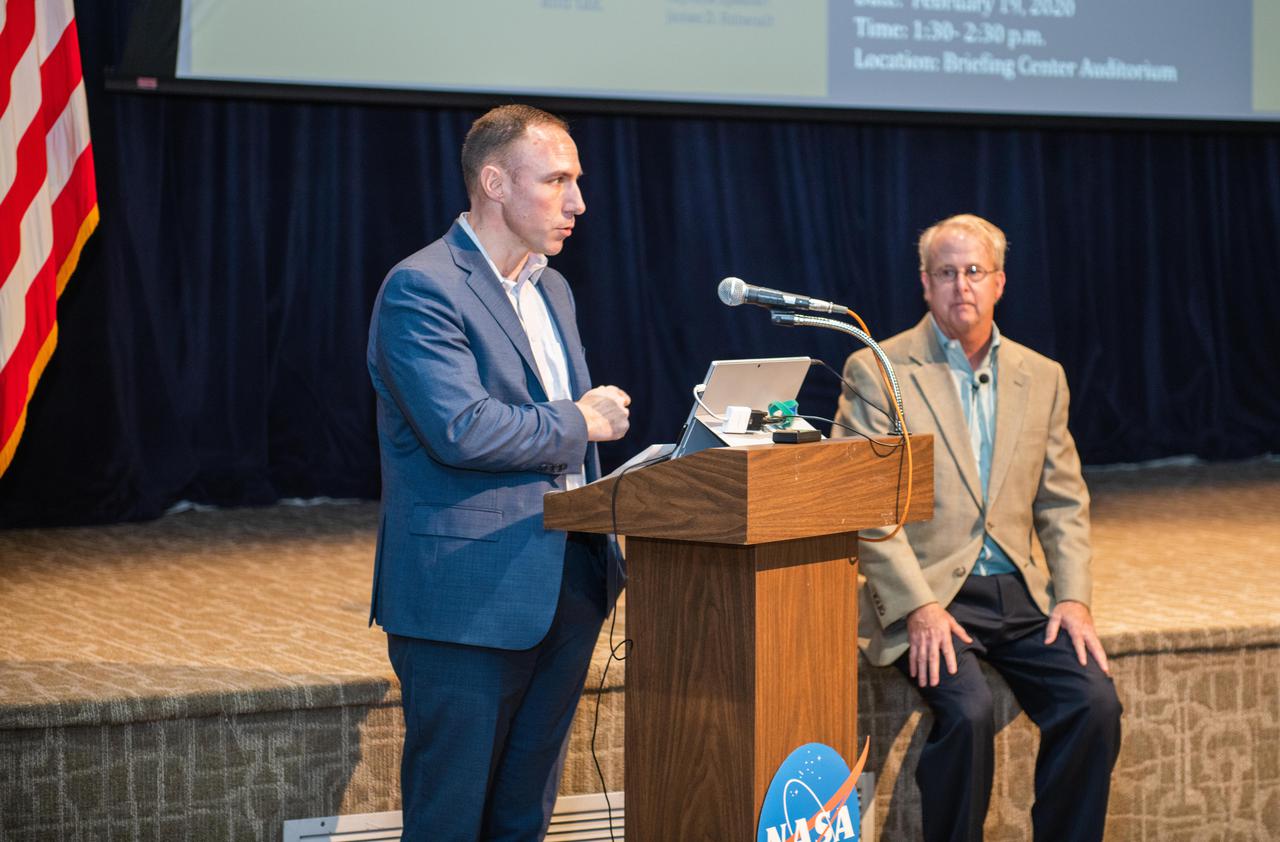
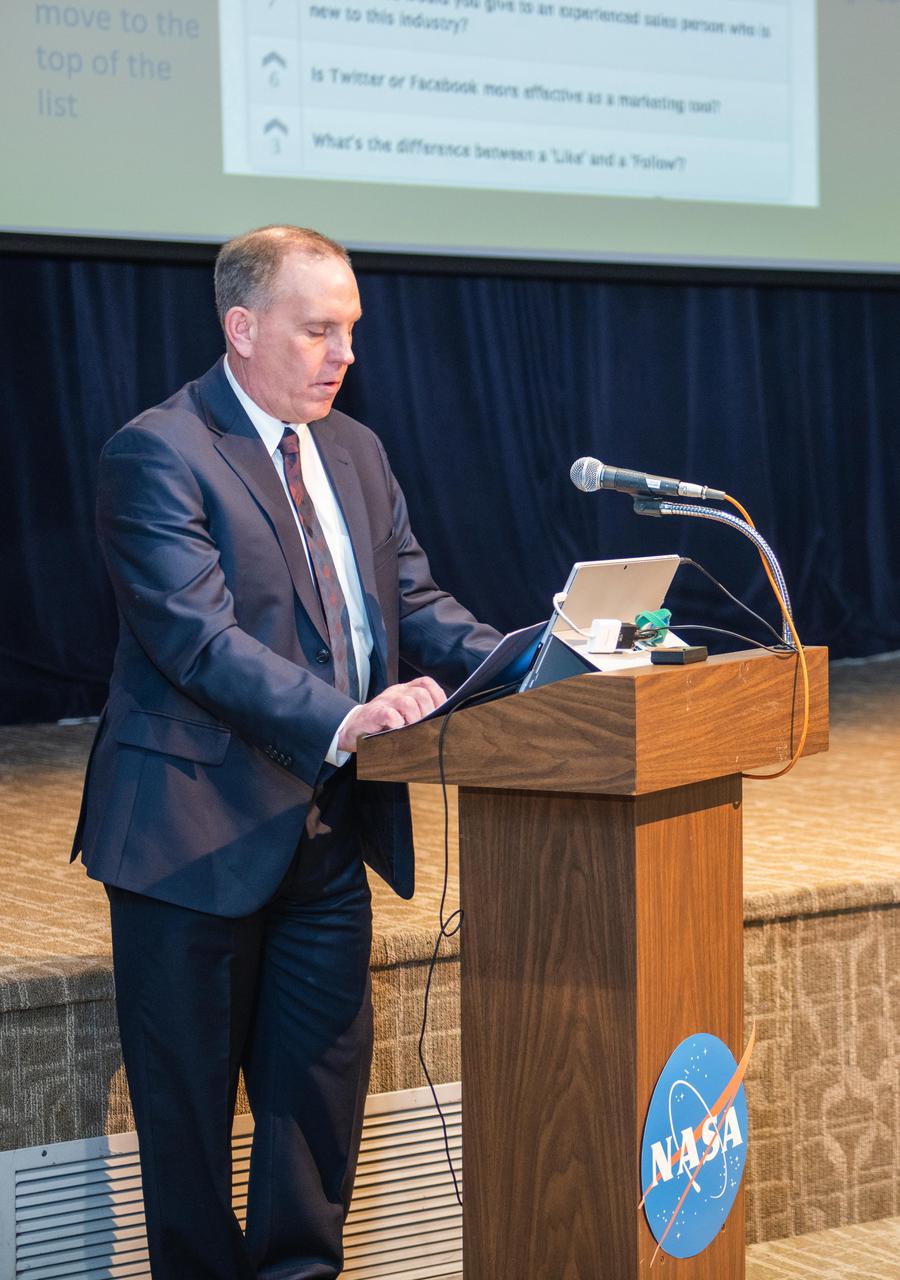
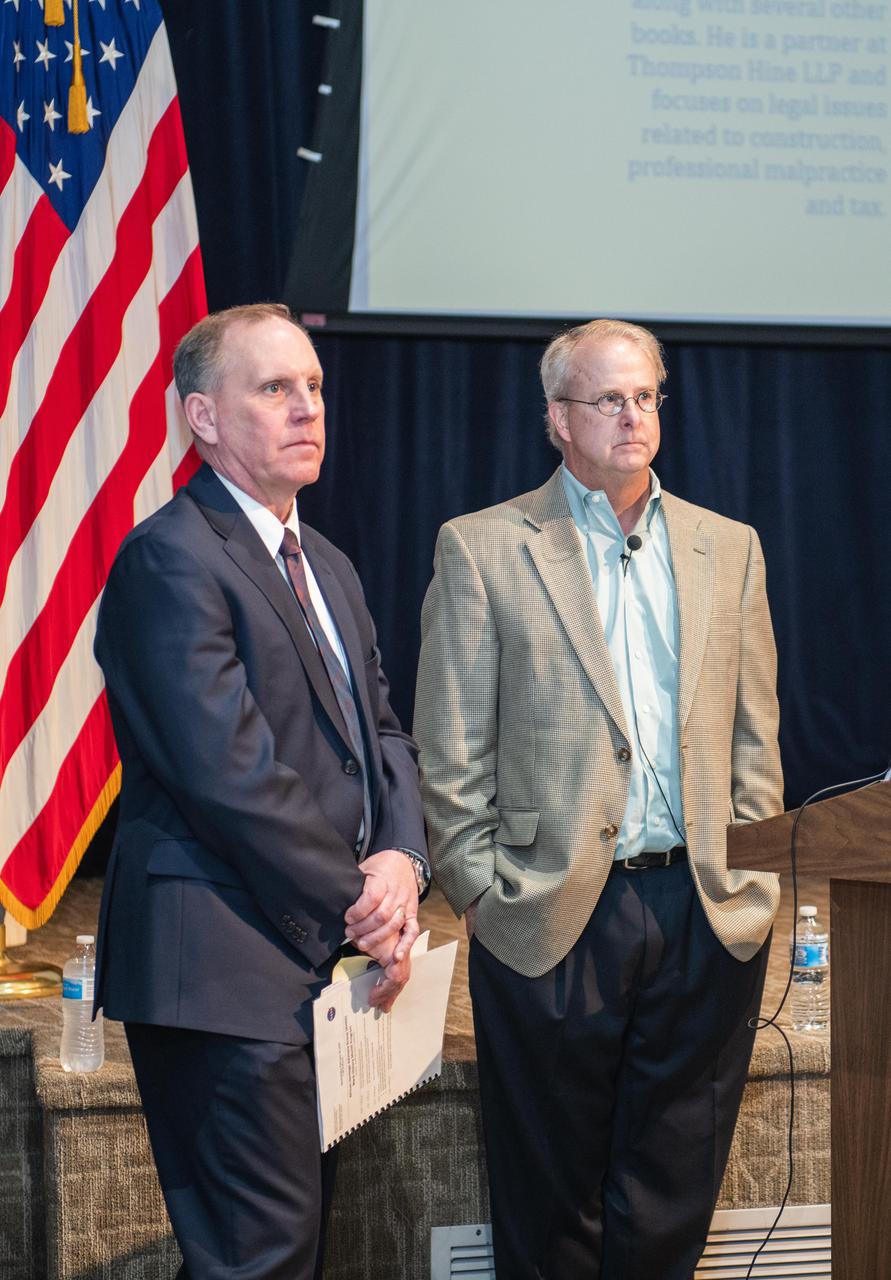
NASA’s Exploration Ground Systems Manager Shawn Quinn, right, moderates the inaugural Cross-Program Connection event at NASA Kennedy Space Center’s Space Station Processing Facility in Florida on March 8, 2023. Other participants, from left, are: Stacie Turner, Kennedy’s Deep Space Logistics; Dana Hutcherson, NASA’s Commercial Crew Program deputy program manager; and Arthur Muir, a retired Chicago attorney and America’s oldest Mt. Everest summiteer. Muir, 75, was the speaker at the event titled “Explorers Doing the Impossible.” He toured Kennedy before sharing his experiences in overcoming incredible challenges during his journey to the top of Earth’s highest mountain.

Black History Month Program

Black History Month Program
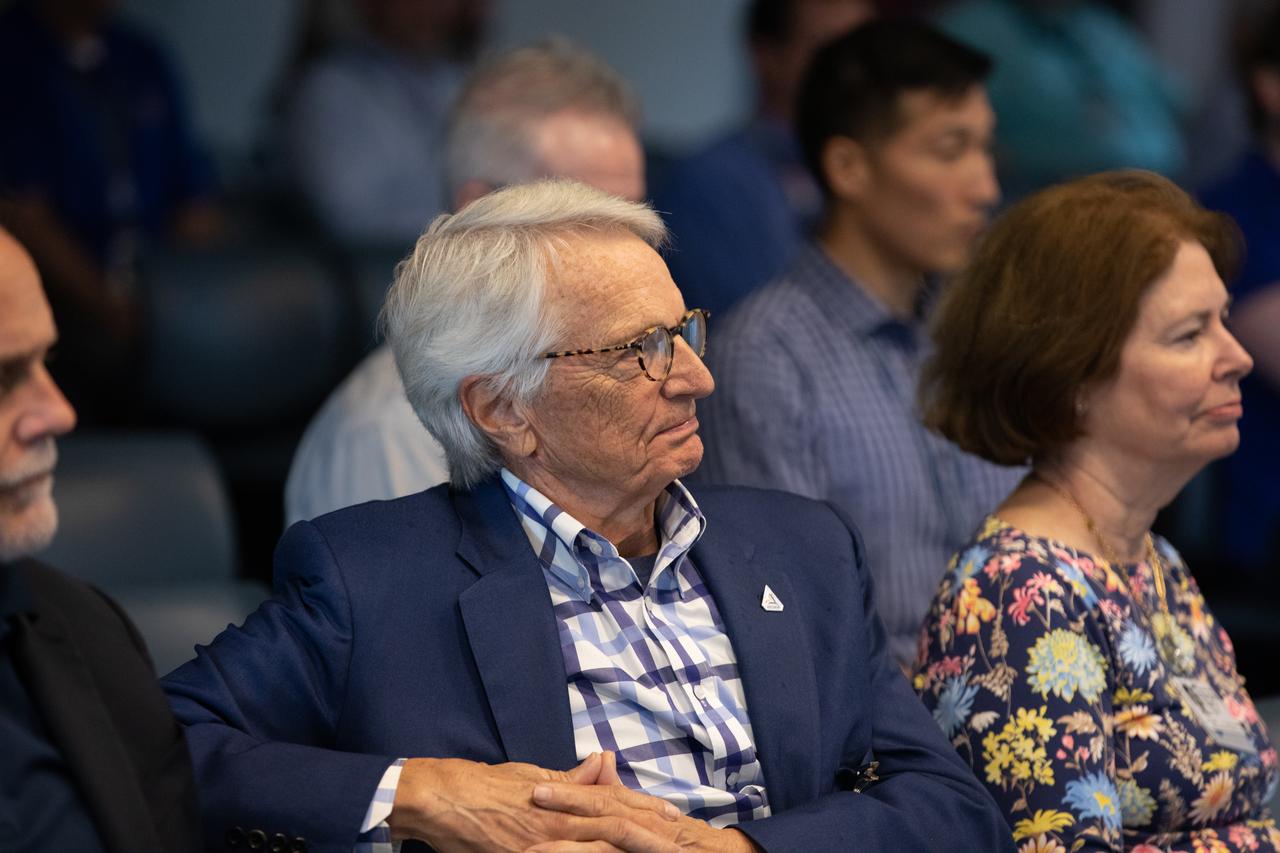
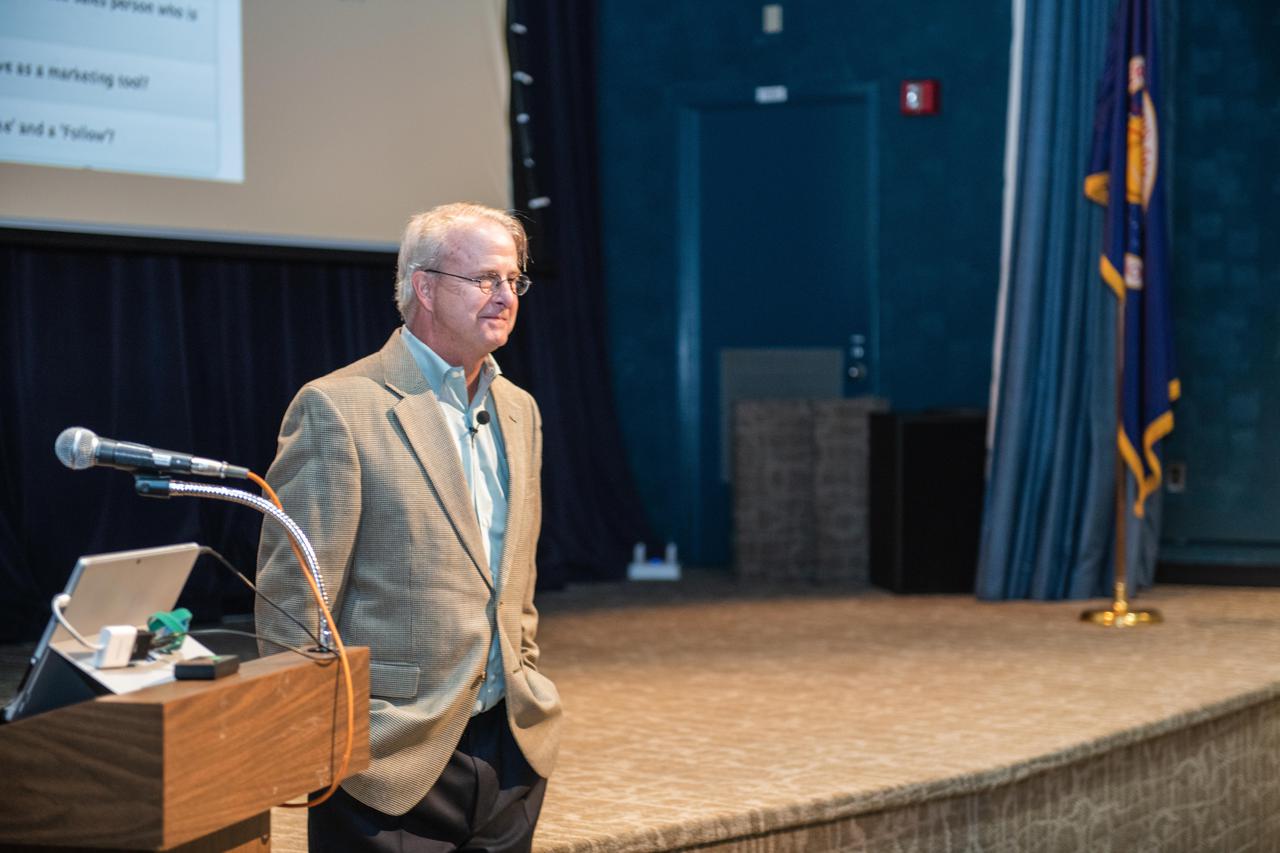
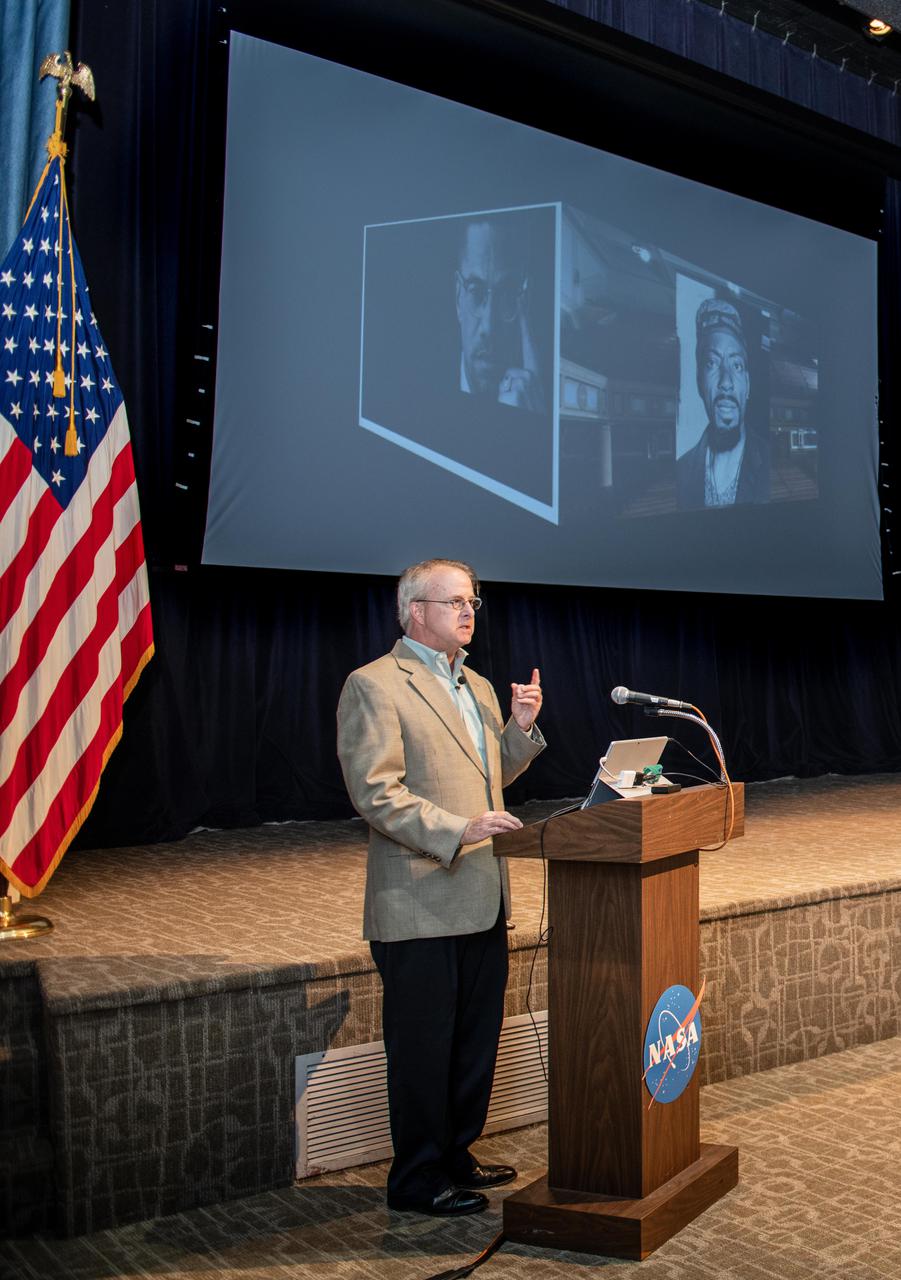
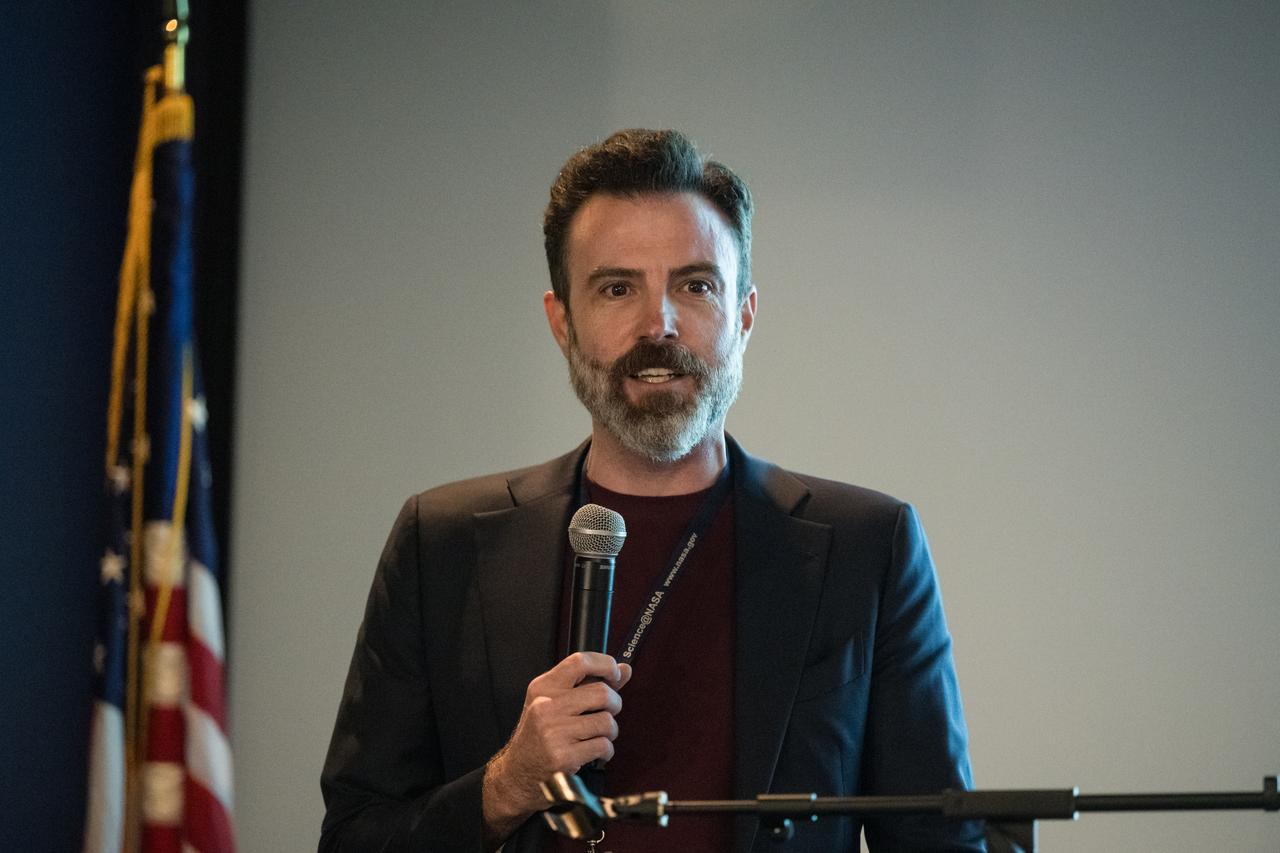
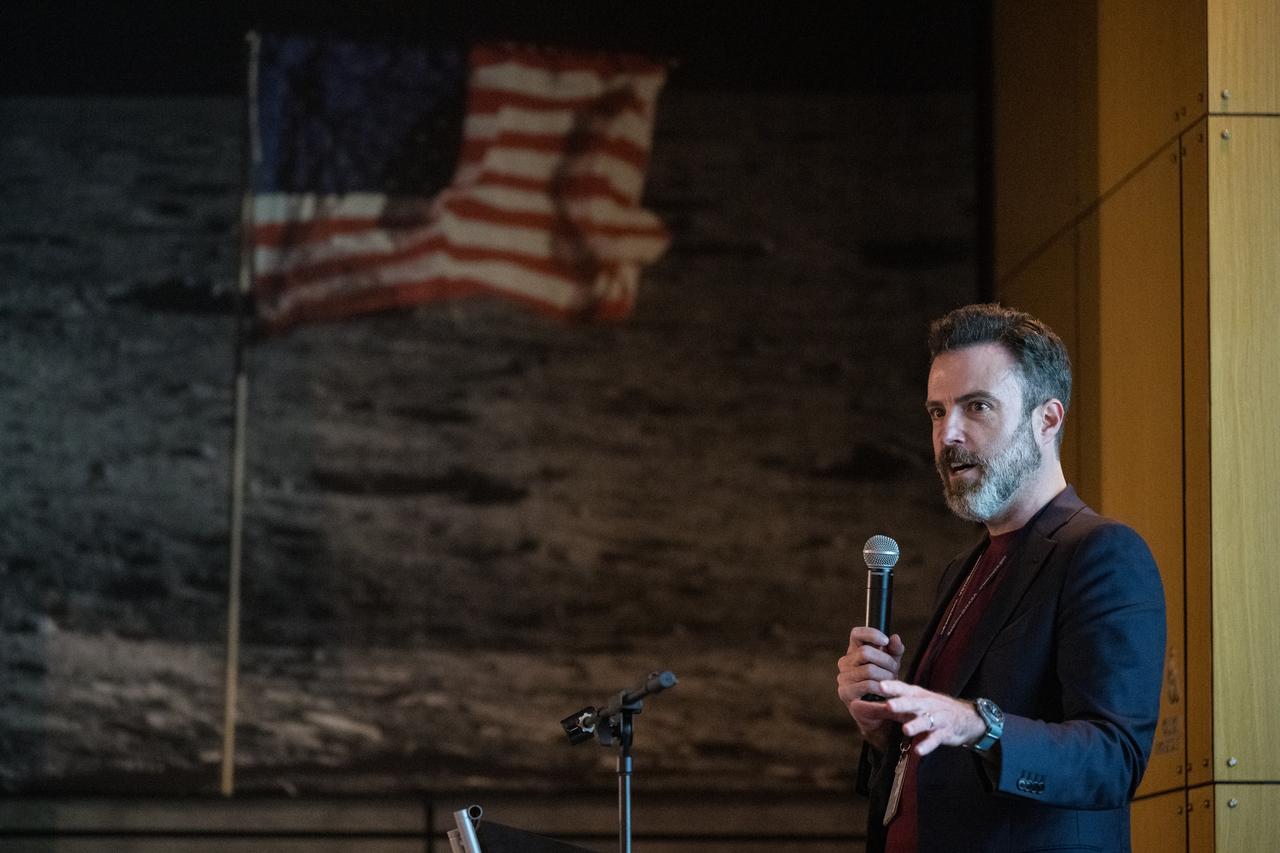
Arthur Muir, a retired Chicago attorney and America’s oldest Mt. Everest summiteer, attends the inaugural Cross-Program Connection event at NASA Kennedy Space Center’s Space Station Processing Facility on March 8, 2023. Muir, 75, was the speaker at the Florida spaceport function titled “Explorers Doing the Impossible.” He toured Kennedy before sharing his experiences in overcoming incredible challenges during his journey to the top of Earth’s highest mountain.
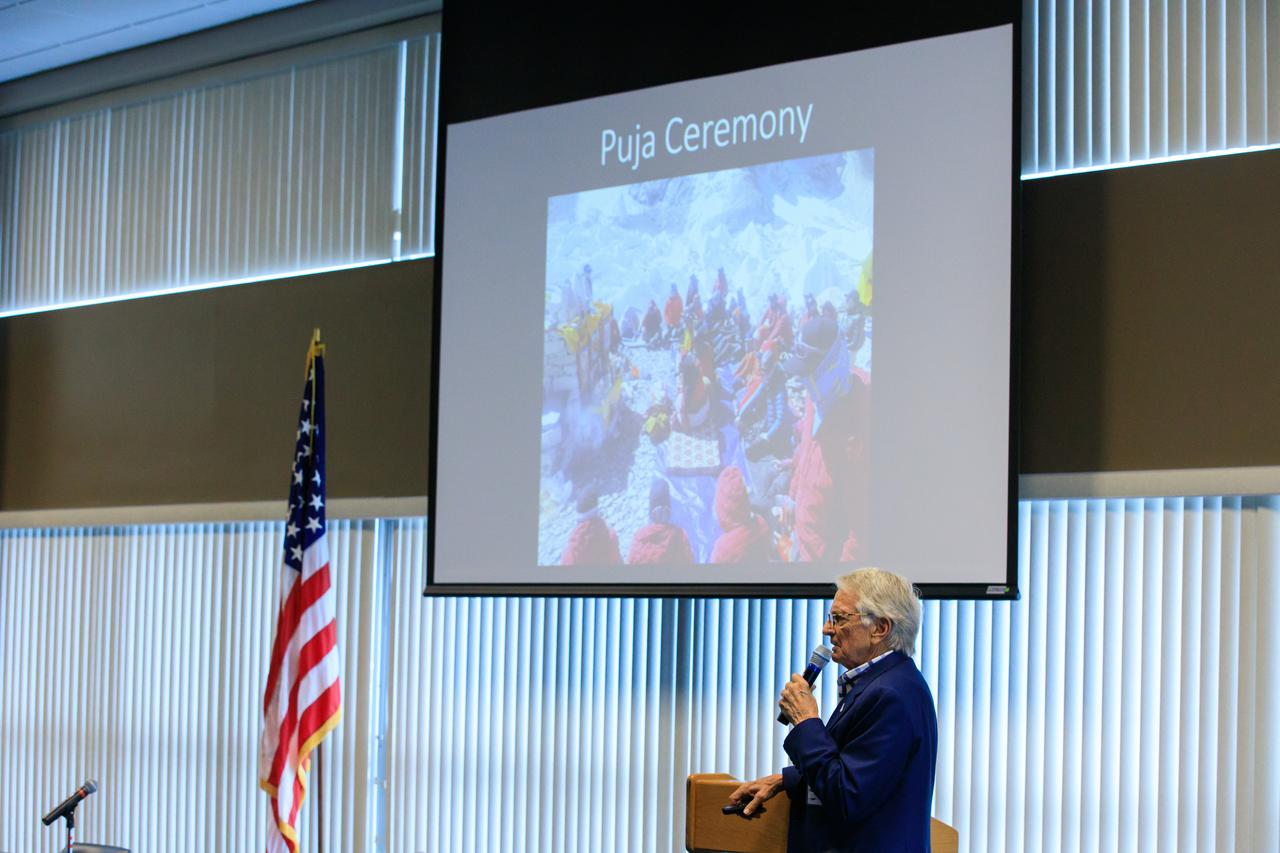
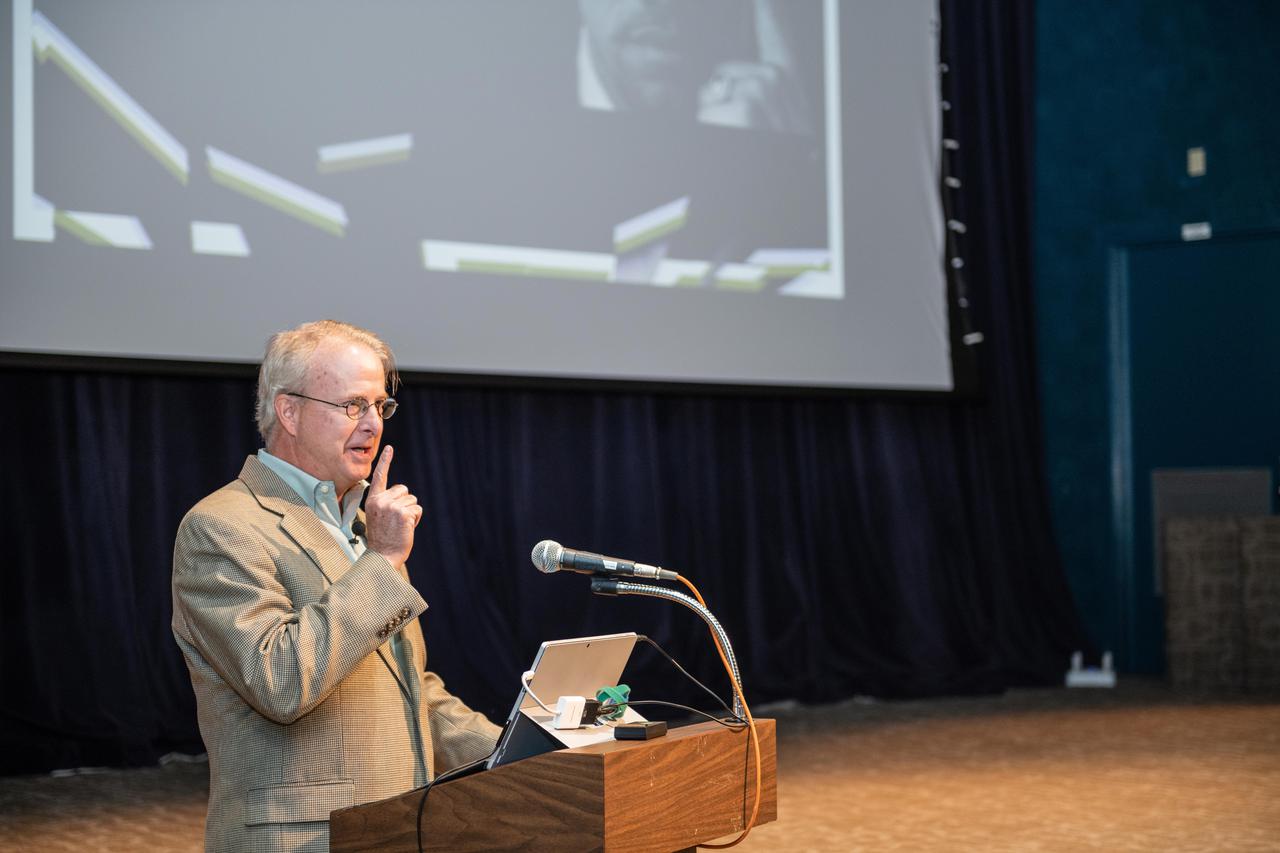
Arthur Muir, a retired Chicago attorney and America’s oldest Mt. Everest summiteer, addresses the audience during the inaugural Cross-Program Connection event at NASA Kennedy Space Center’s Space Station Processing Facility on March 8, 2023. Muir, 75, was the speaker at the Florida spaceport function titled “Explorers Doing the Impossible.” He toured Kennedy before sharing his experiences in overcoming incredible challenges during his journey to the top of Earth’s highest mountain.
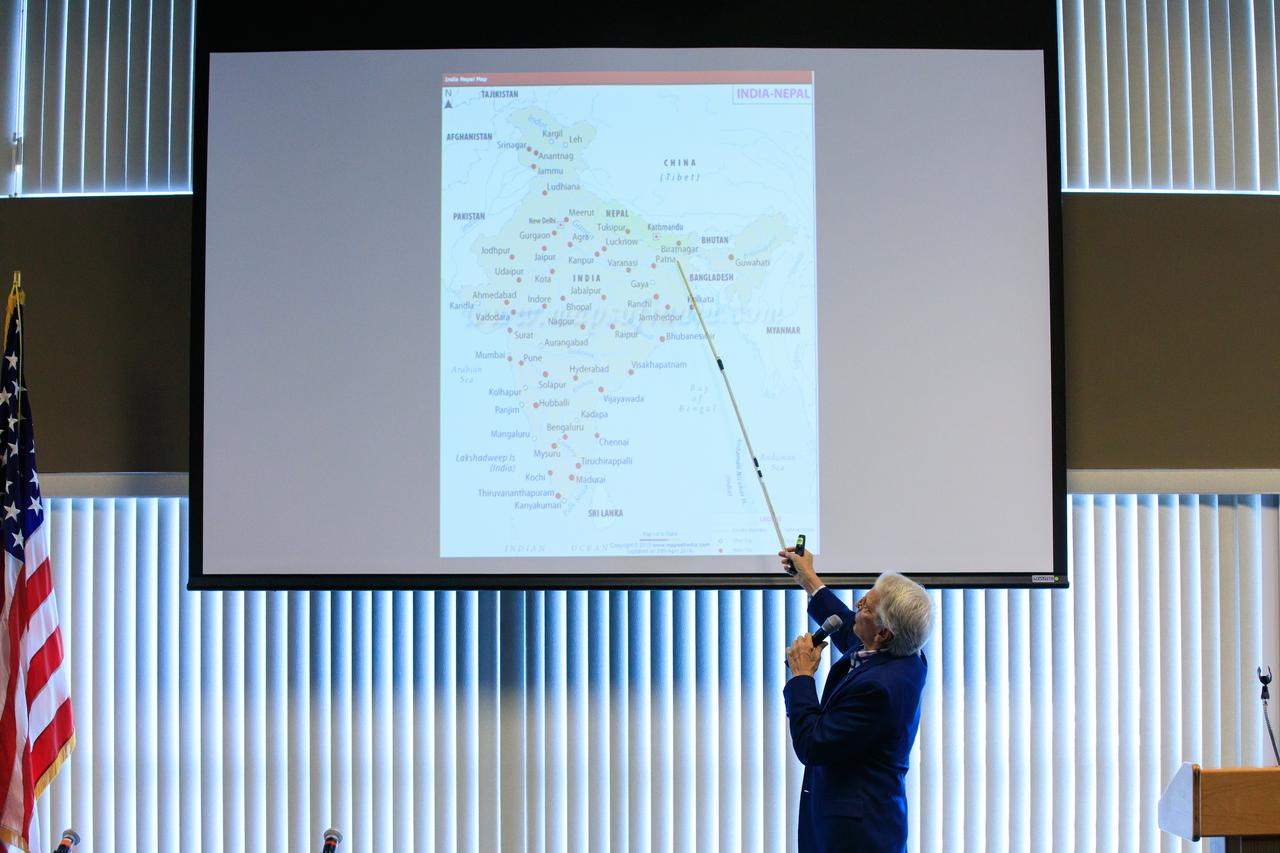
Arthur Muir, a retired Chicago attorney and America’s oldest Mt. Everest summiteer, delivers his presentation during the inaugural Cross-Program Connection event at NASA Kennedy Space Center’s Space Station Processing Facility on March 8, 2023. Muir, 75, was the speaker at the Florida spaceport function titled “Explorers Doing the Impossible.” He toured Kennedy before sharing his experiences in overcoming incredible challenges during his journey to the top of Earth’s highest mountain.
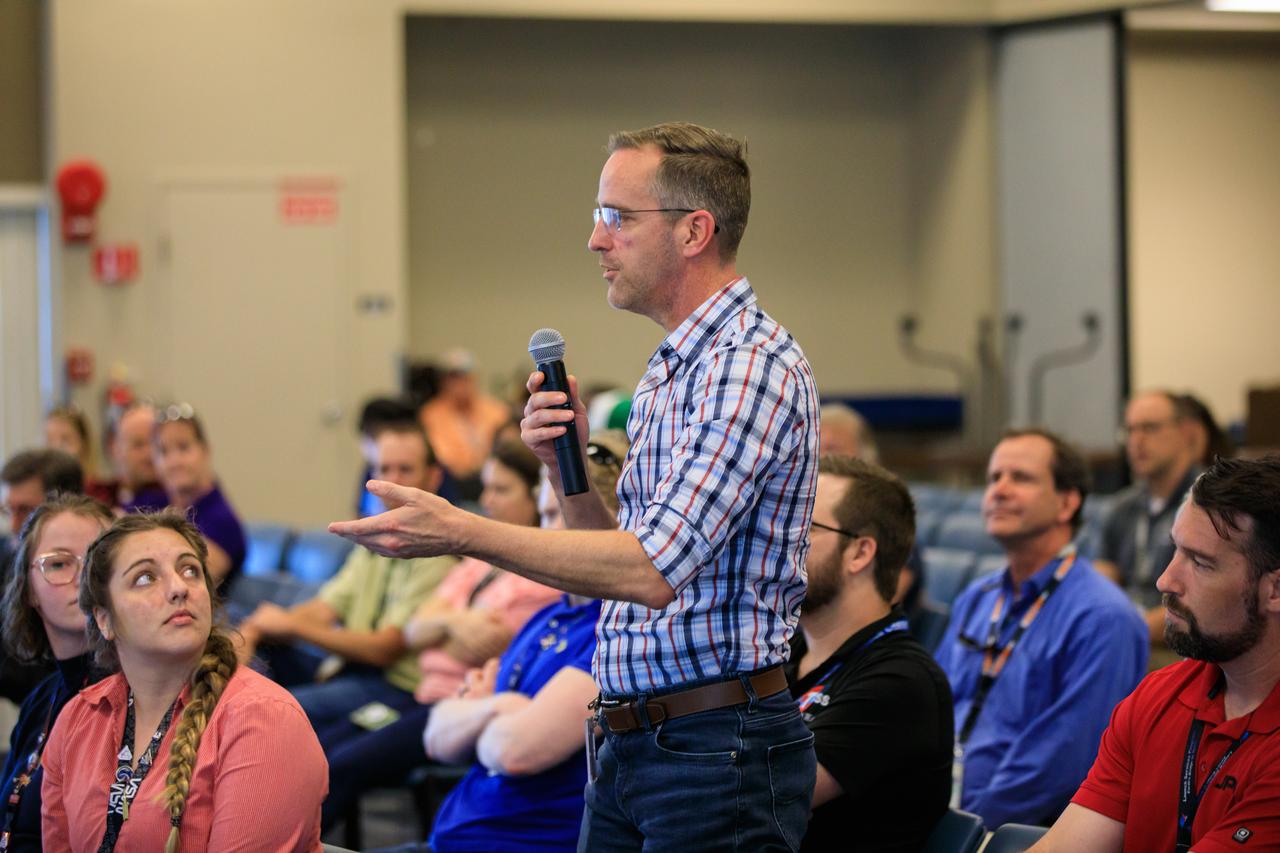
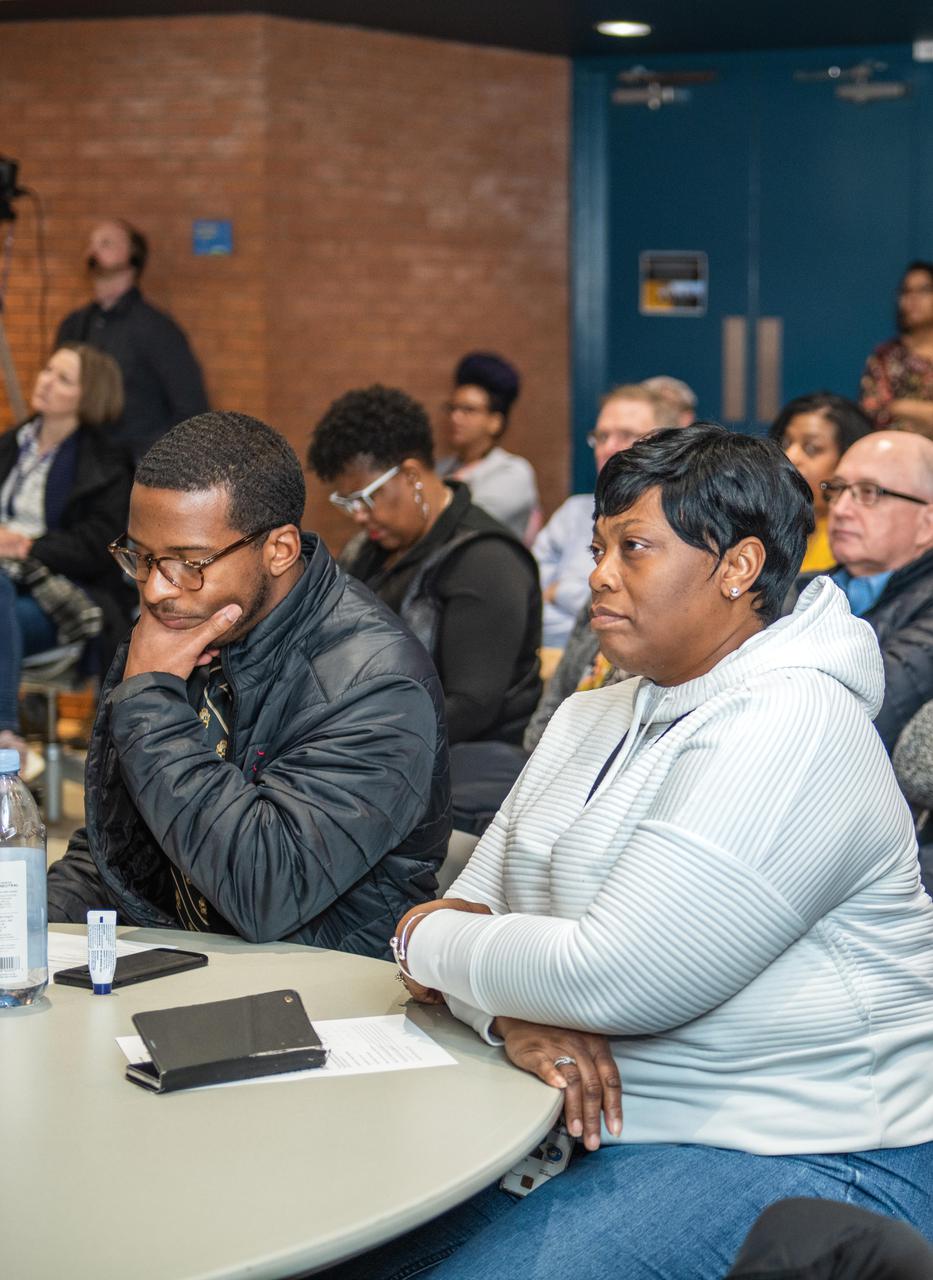
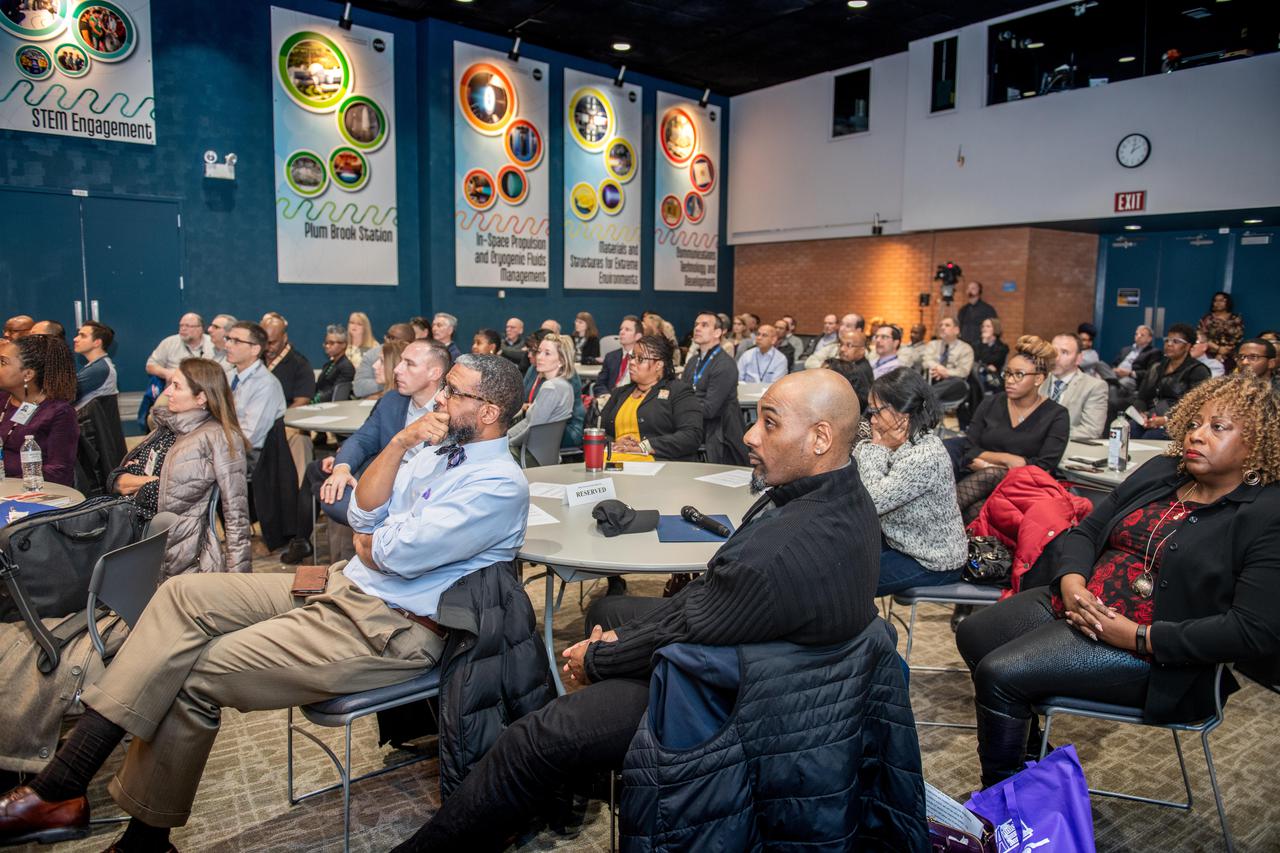
An audience member asks a question during the inaugural Cross-Program Connection event at NASA Kennedy Space Center’s Space Station Processing Facility on March 8, 2023. Arthur Muir, a retired Chicago attorney and America’s oldest Mt. Everest summiteer, was the speaker at the Florida spaceport function titled “Explorers Doing the Impossible.” He toured Kennedy before sharing his experiences in overcoming incredible challenges during his journey to the top of Earth’s highest mountain.
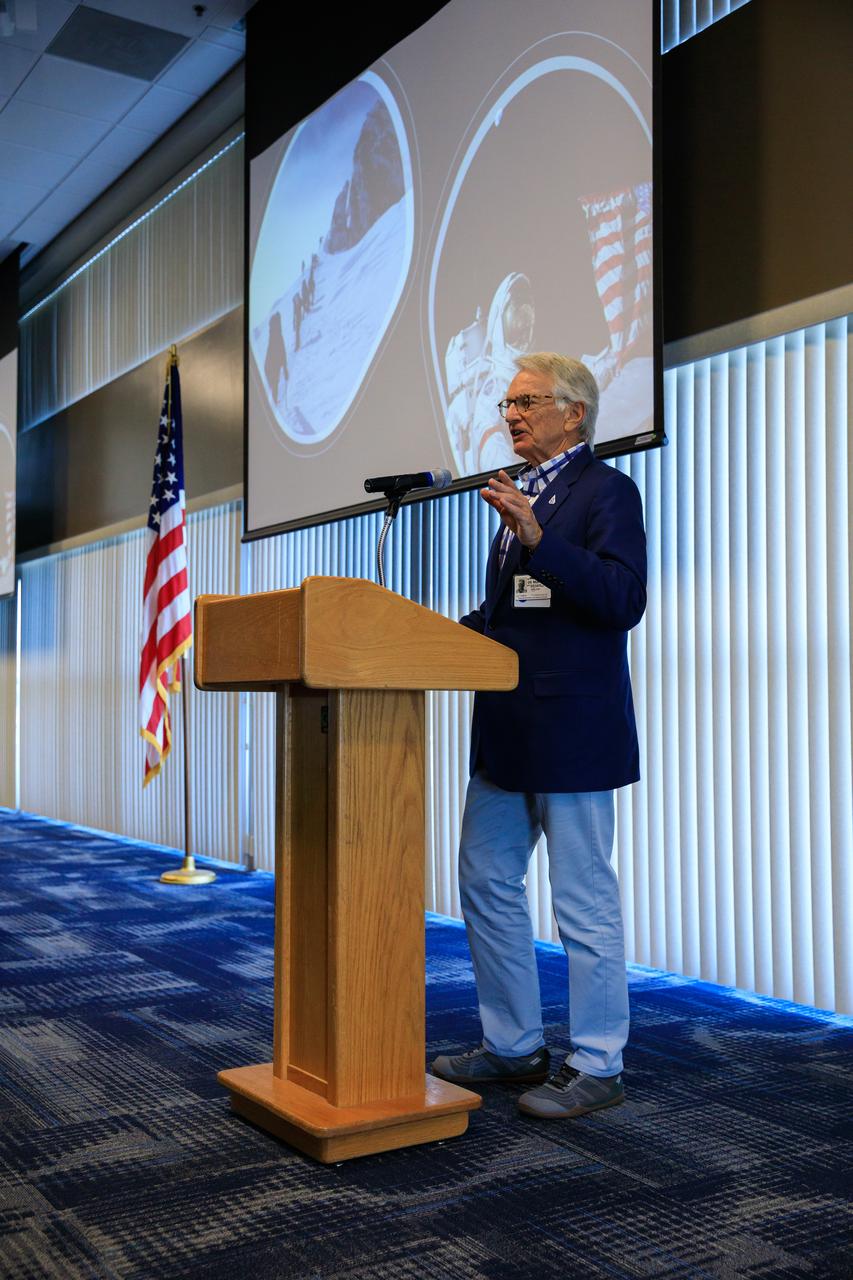
Arthur Muir, a retired Chicago attorney and America’s oldest Mt. Everest summiteer, addresses the audience during the inaugural Cross-Program Connection event at NASA Kennedy Space Center’s Space Station Processing Facility on March 8, 2023. Muir, 75, was the speaker at the Florida spaceport function titled “Explorers Doing the Impossible.” He toured Kennedy before sharing his experiences in overcoming incredible challenges during his journey to the top of Earth’s highest mountain.
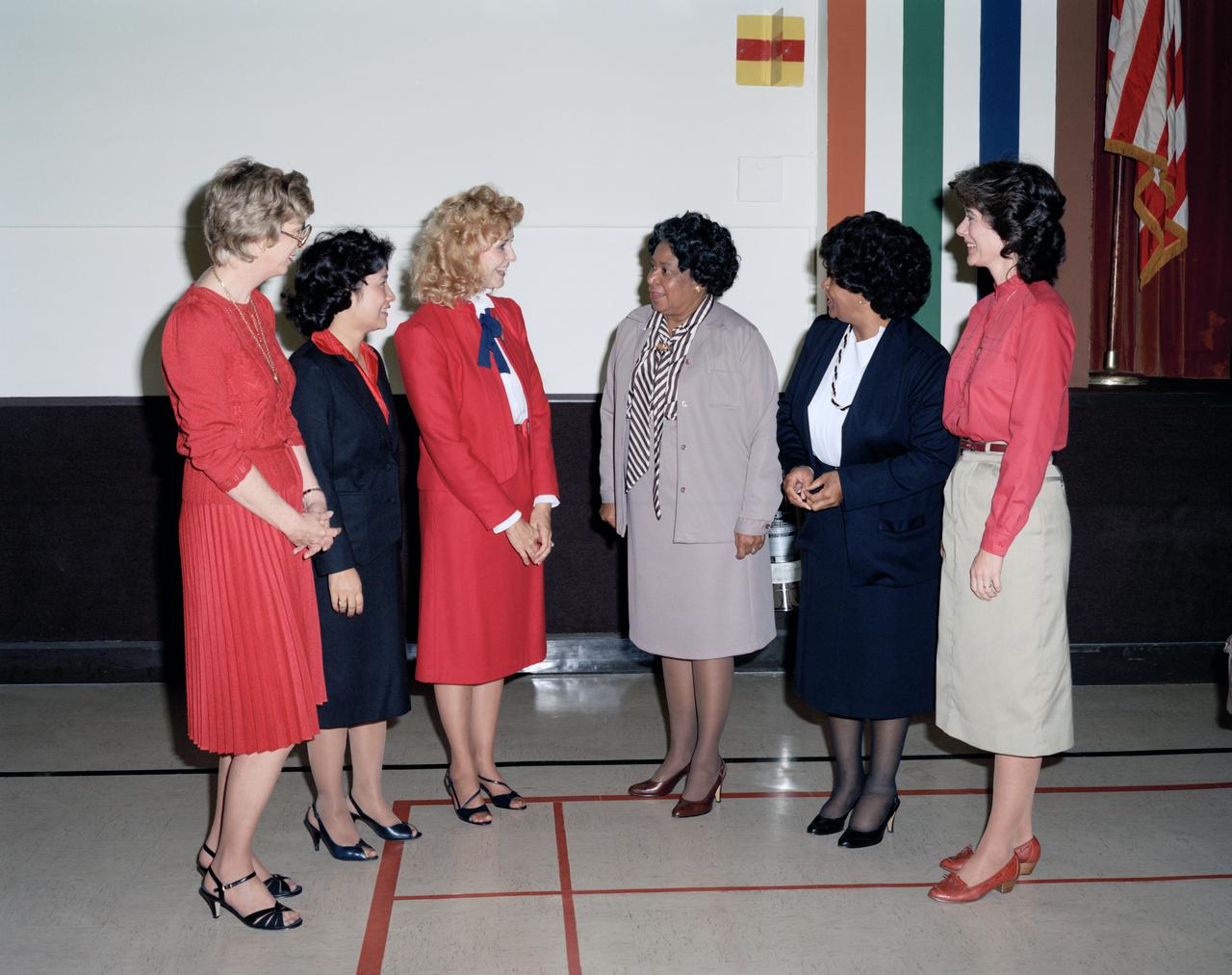
Members of the Langley Federal Women's Program surround Mary Jackson in the brown suit, of the Office of Equal Opportunity Programs. Mary Jackson NASA's first African-American female engineer, and subsequent career supporting the hiring and promotion of other deserving female and minority employees.

A technician works on the interior structure of the SpaceX Crew Dragon spacecraft at the company's facility in Hawthorne, California. SpaceX is developing its Crew Dragon in partnership with NASA’s Commercial Crew Program to carry astronauts to and from the International Space Station.

A SpaceX SuperDraco engine is hot-fired at the company's test facility in McGregor, Texas. SpaceX is developing its Crew Dragon spacecraft and Falcon 9 rocket in partnership with NASA’s Commercial Crew Program to carry astronauts to and from the International Space Station.

A SpaceX Merlin engine is on a test stand at the company's facility in McGregor, Texas. SpaceX is developing its Crew Dragon spacecraft and Falcon 9 rocket in partnership with NASA’s Commercial Crew Program to carry astronauts to and from the International Space Station.
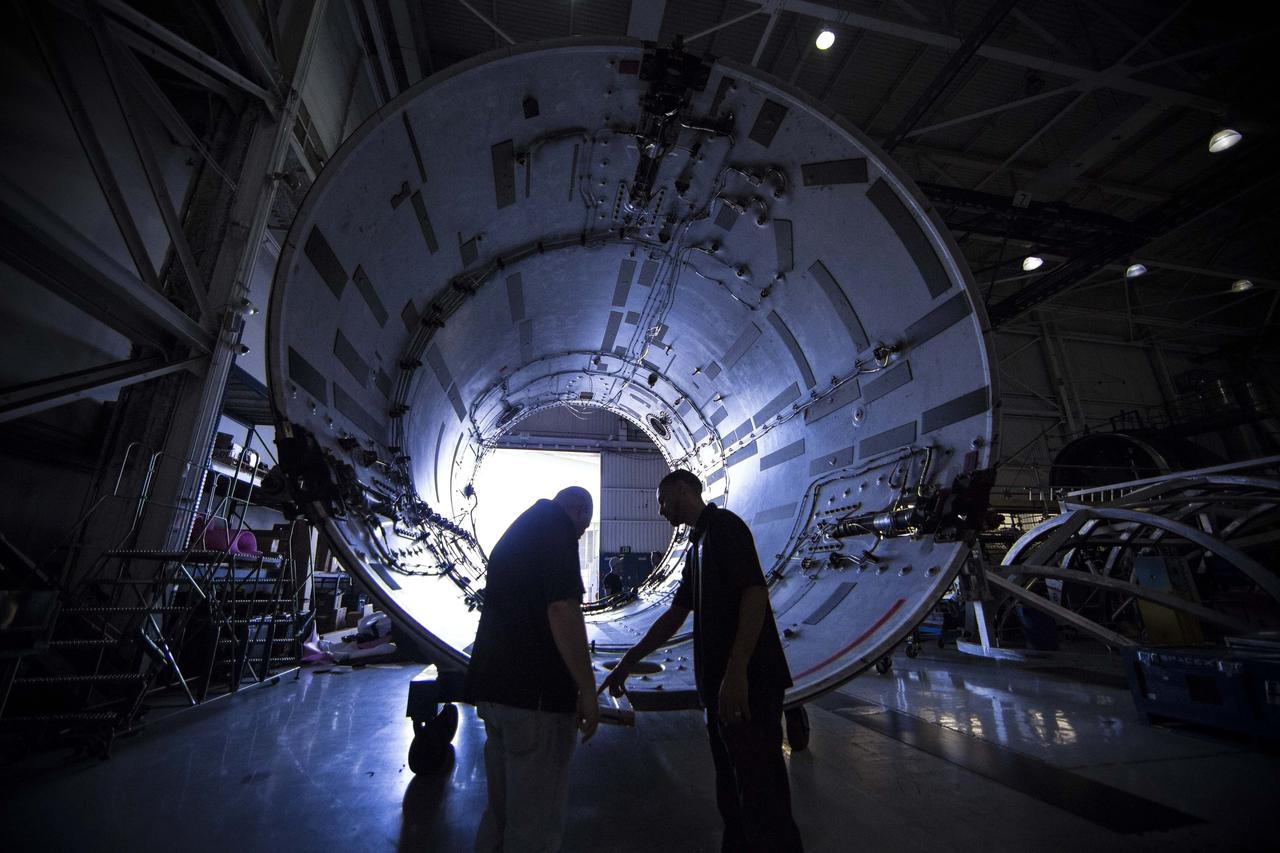
The inter-stage of a SpaceX Falcon 9 rocket inside the company's manufacturing facility. SpaceX is developing its Crew Dragon spacecraft and Falcon 9 rocket in partnership with NASA's Commercial Crew Program to carry astronauts to and from the International Space Station.
Artemis will light our way to Mars. The new Artemis identity draws bold inspiration from the Apollo program and forges its own path, showing how it will pursue lunar exploration like never before and pave the way to Mars.
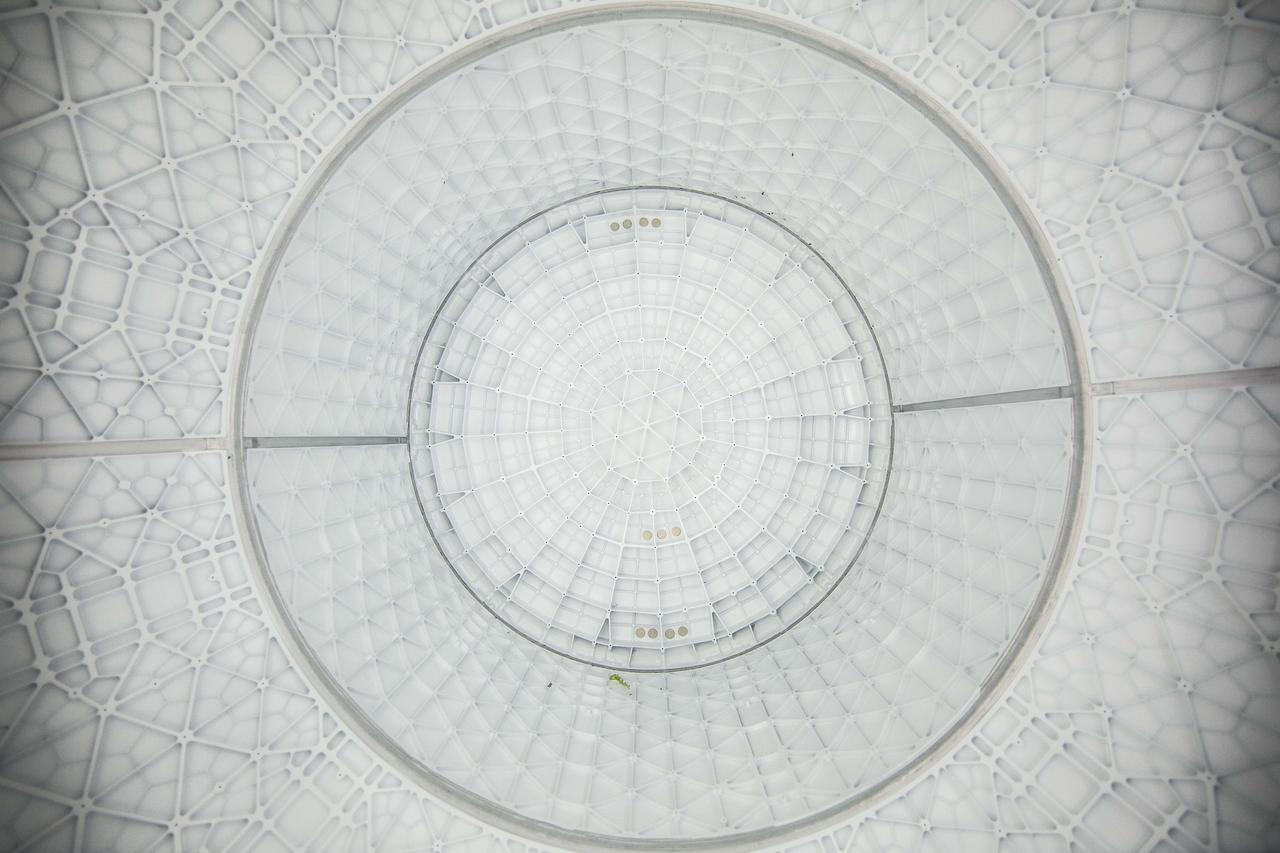
The interior structure of the SpaceX Crew Dragon spacecraft at the company's facility in Hawthorne, California. SpaceX is developing its Crew Dragon spacecraft and Falcon 9 rocket in partnership with NASA’s Commercial Crew Program to carry astronauts to and from the International Space Station.

Glenn Research Center, Black History Month Program for Center Employees

Glenn Research Center, Black History Month Program for Center Employees

Glenn Research Center, Black History Month Program for Center Employees
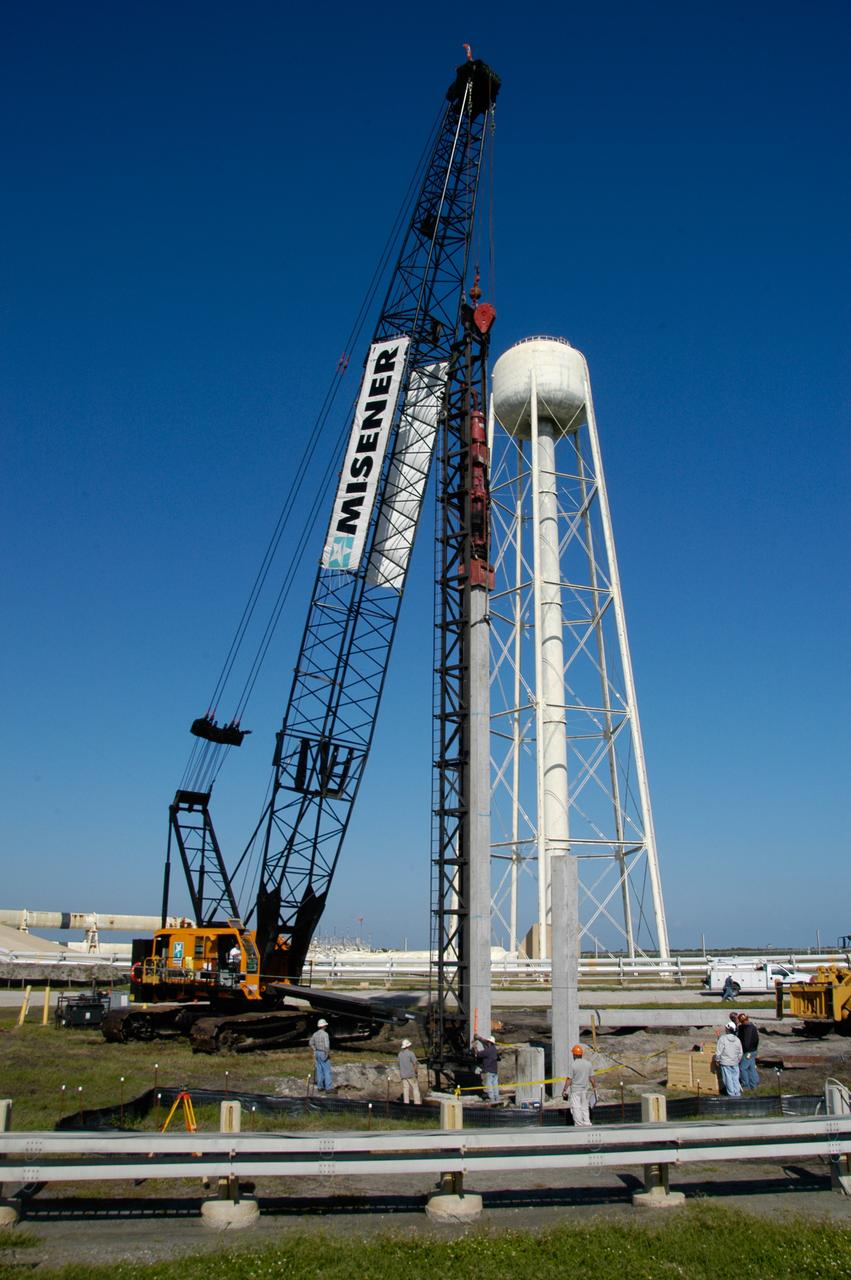
On Launch Pad 39B at NASA's Kennedy Space Center, the crane crawler puts a piling into place to be pounded into the ground to help construct lightning towers for the Constellation Program and Ares/Orion launches. Pad B will be the site of the first Ares vehicle launch, including Ares I-X which is scheduled for April 2009.

On Launch Pad 39B at NASA's Kennedy Space Center, the crane crawler lifts a piling off a truck. The piling will be pounded into the ground to help construct lightning towers for the Constellation Program and Ares/Orion launches. Pad B will be the site of the first Ares vehicle launch, including Ares I-X which is scheduled for April 2009.
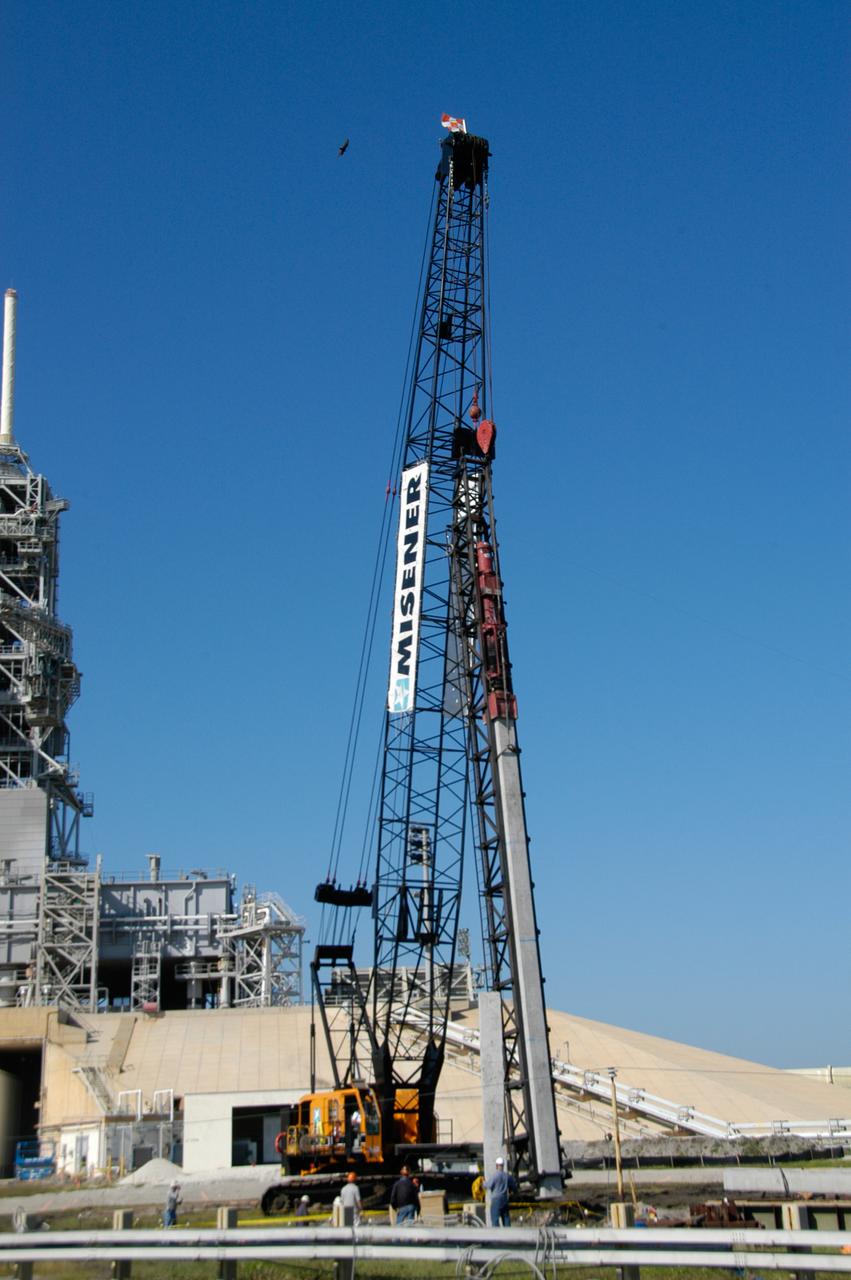
On Launch Pad 39B at NASA's Kennedy Space Center, the crane crawler lifts a piling into place to be pounded into the ground to help construct lightning towers for the Constellation Program and Ares/Orion launches. Pad B will be the site of the first Ares vehicle launch, including Ares I-X which is scheduled for April 2009.
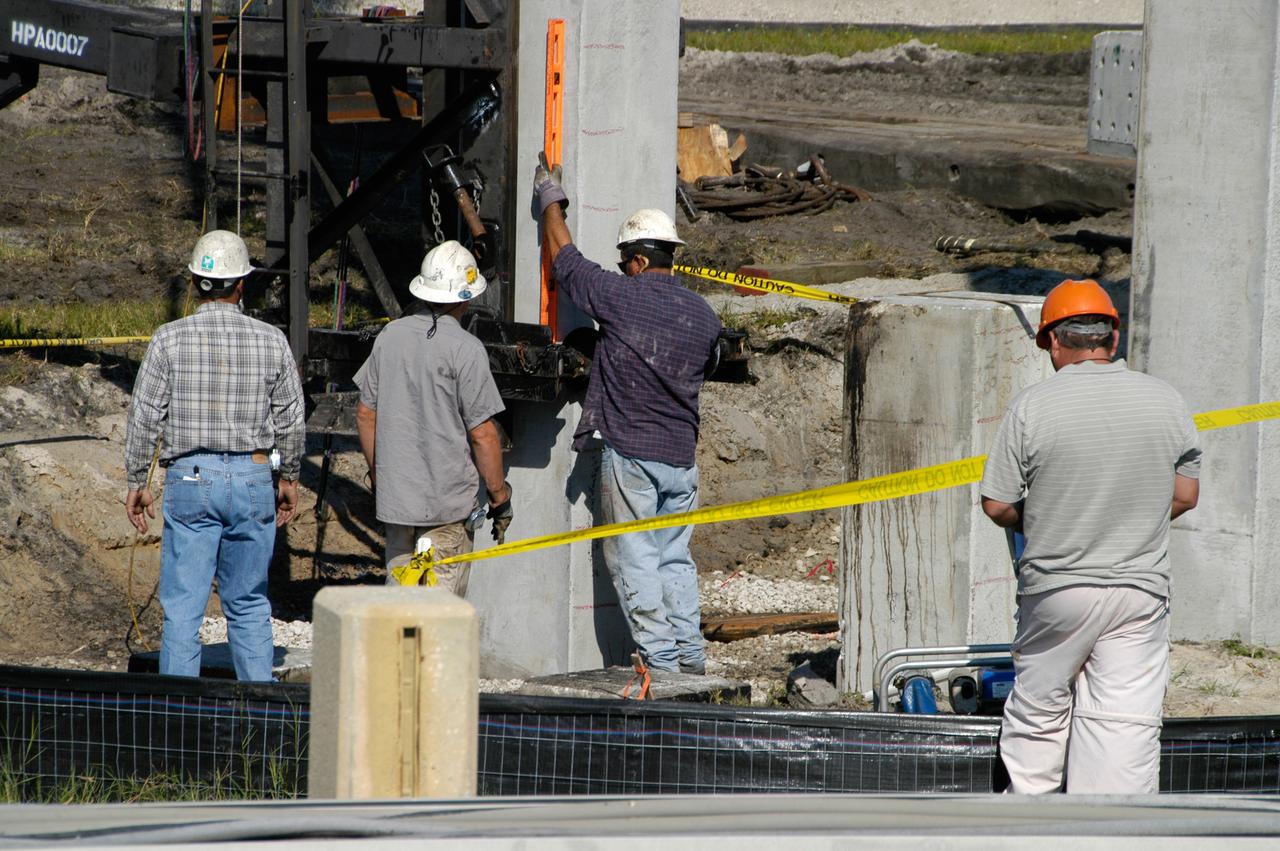
On Launch Pad 39B at NASA's Kennedy Space Center, workers measure the piling being pounded into the ground to help construct lightning towers for the Constellation Program and Ares/Orion launches. Pad B will be the site of the first Ares vehicle launch, including Ares I-X which is scheduled for April 2009.
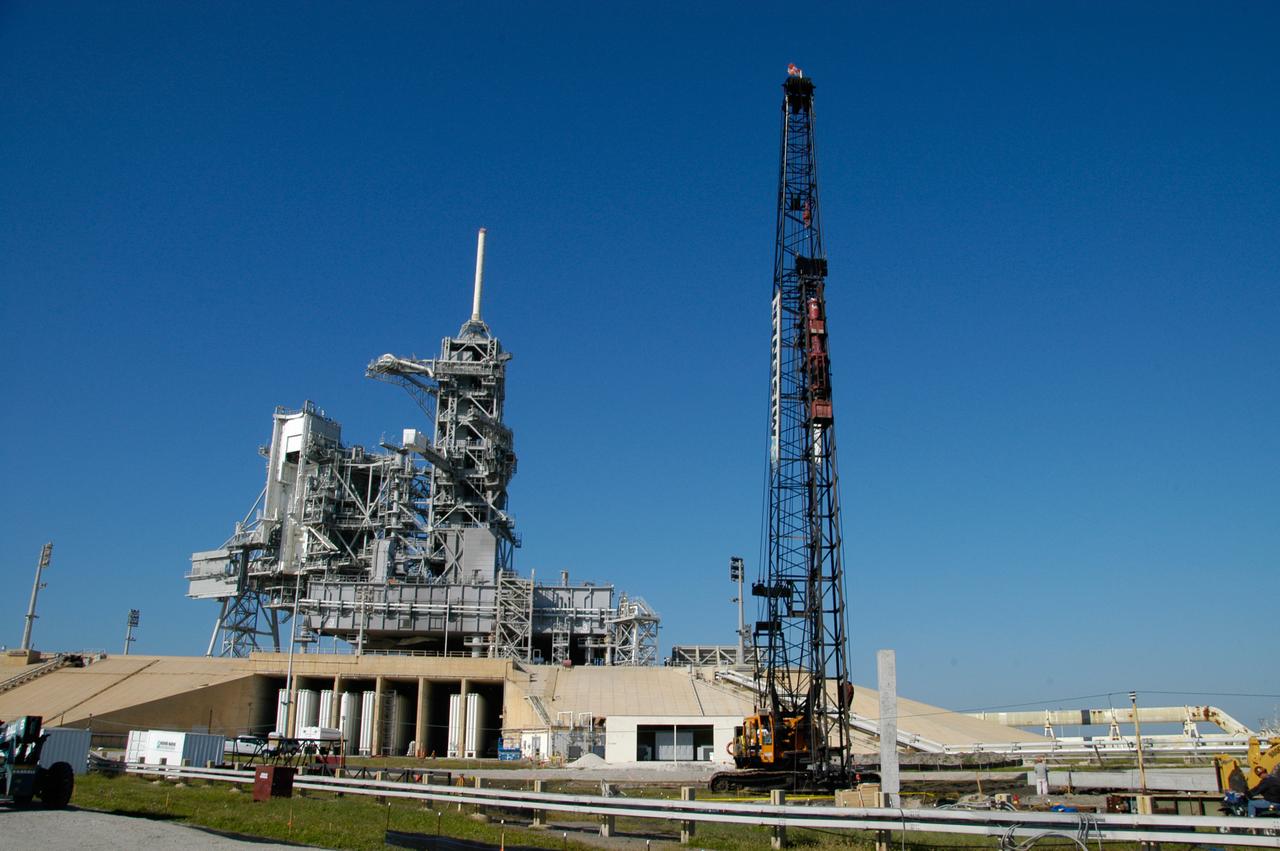
On Launch Pad 39B at NASA's Kennedy Space Center, pilings are being pounded into the ground to help construct lightning towers for the Constellation Program and Ares/Orion launches. Pad B will be the site of the first Ares vehicle launch, including Ares I-X which is scheduled for April 2009.
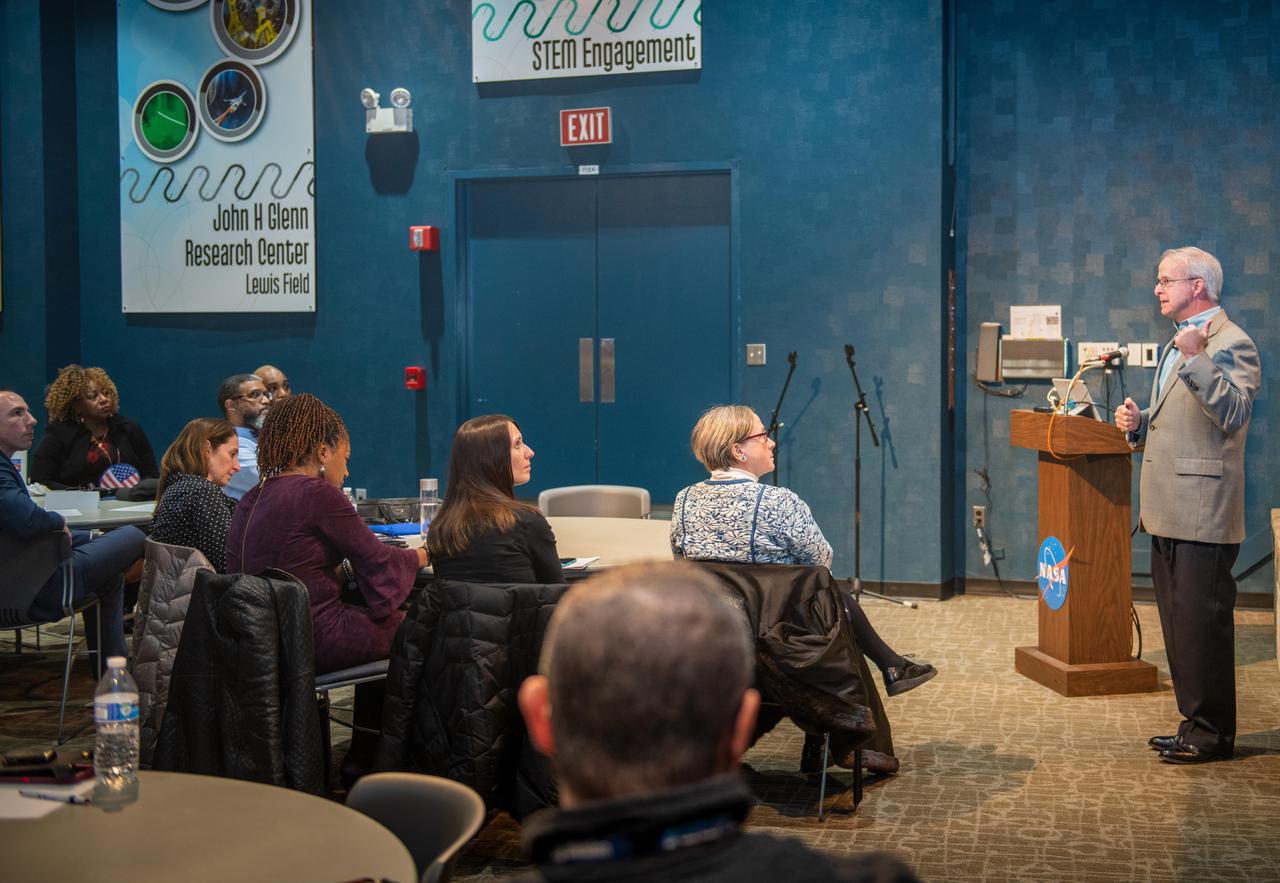
Glenn Research Center, Black History Month Program for Center Employees
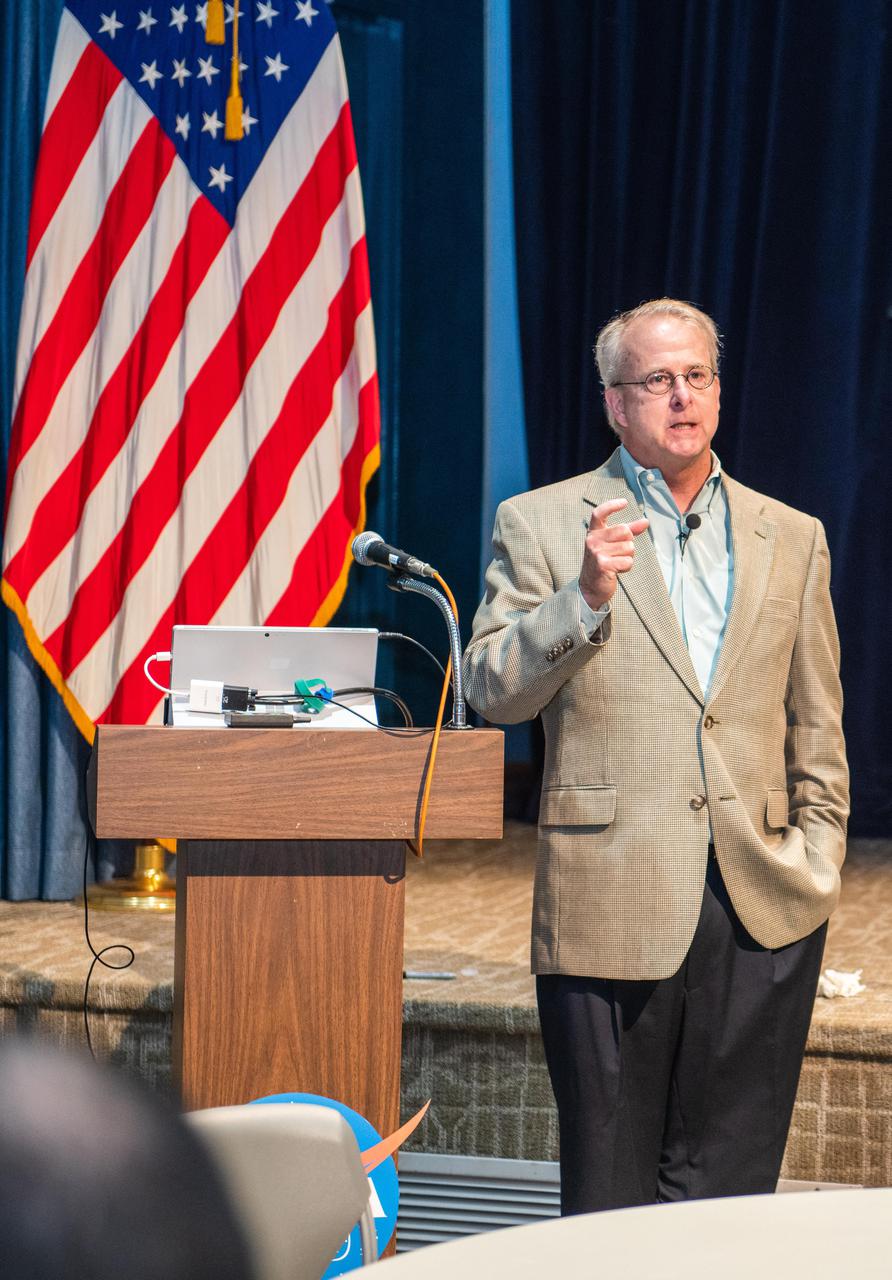
Glenn Research Center, Black History Month Program for Center Employees

Glenn Research Center, Black History Month Program for Center Employees
Glenn Research Center, Black History Month Program for Center Employees

Glenn Research Center, Black History Month Program for Center Employees
Glenn Research Center, Black History Month Program for Center Employees
Glenn Research Center, Black History Month Program for Center Employees
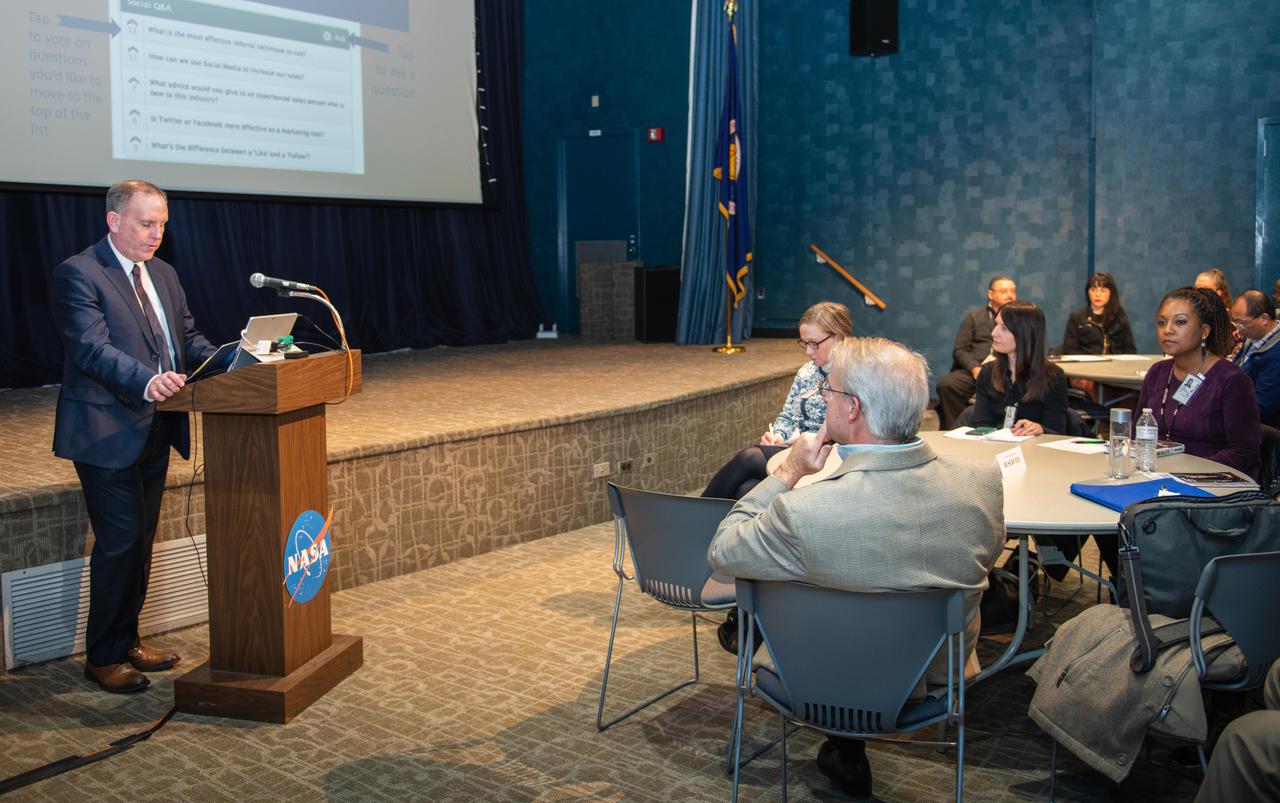
Glenn Research Center, Black History Month Program for Center Employees

Glenn Research Center, Black History Month Program for Center Employees
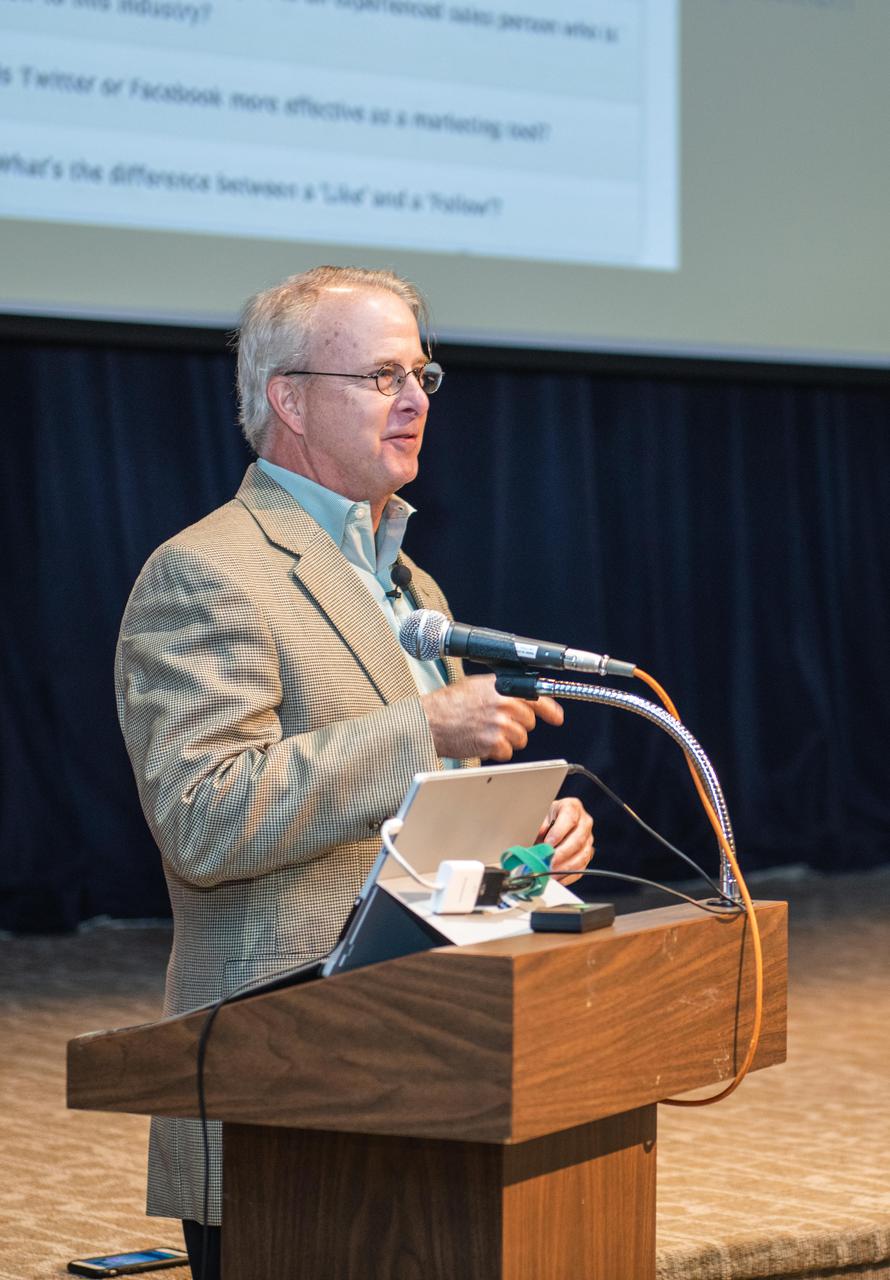
Glenn Research Center, Black History Month Program for Center Employees

Glenn Research Center, Black History Month Program for Center Employees
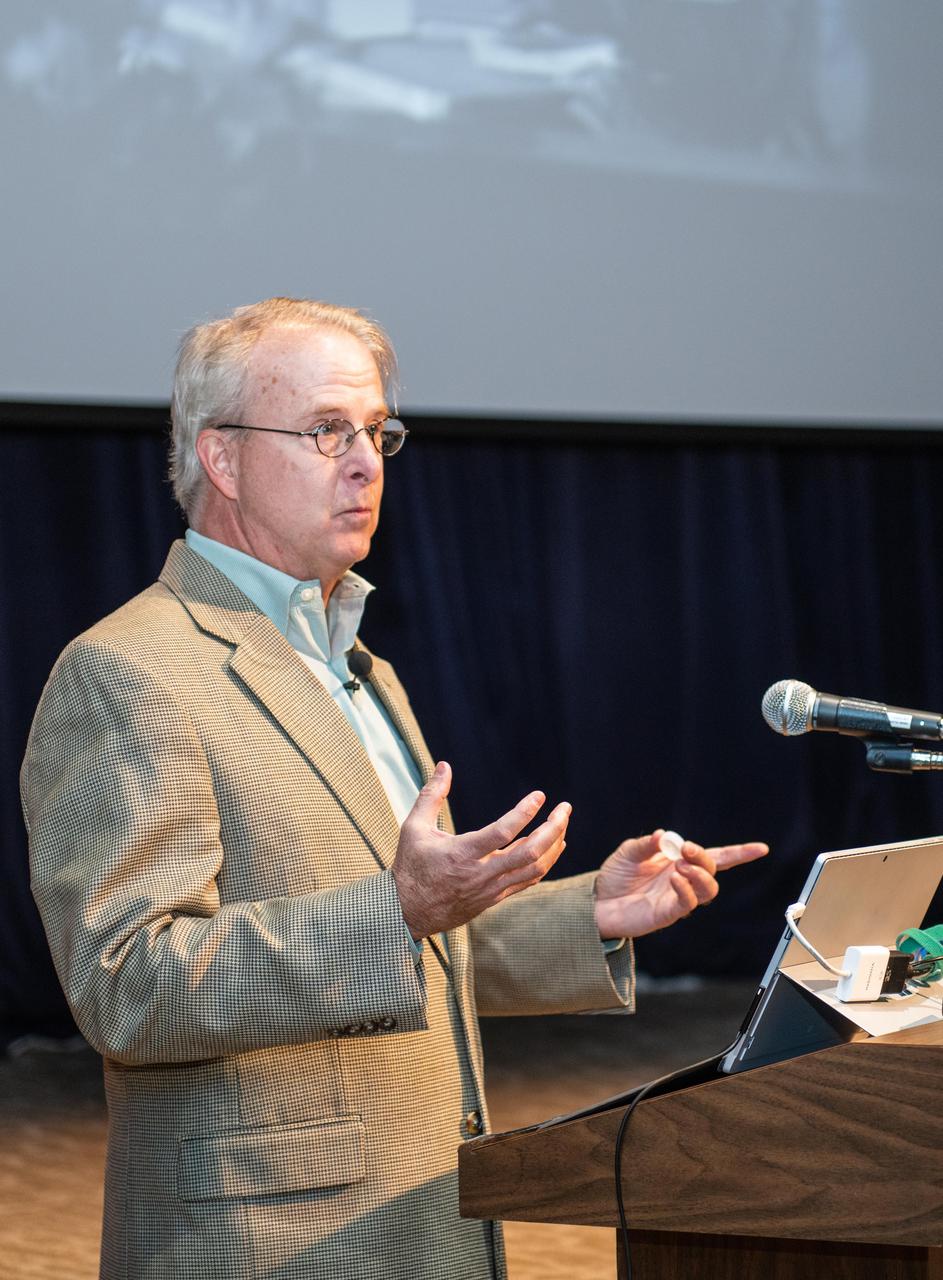
Glenn Research Center, Black History Month Program for Center Employees
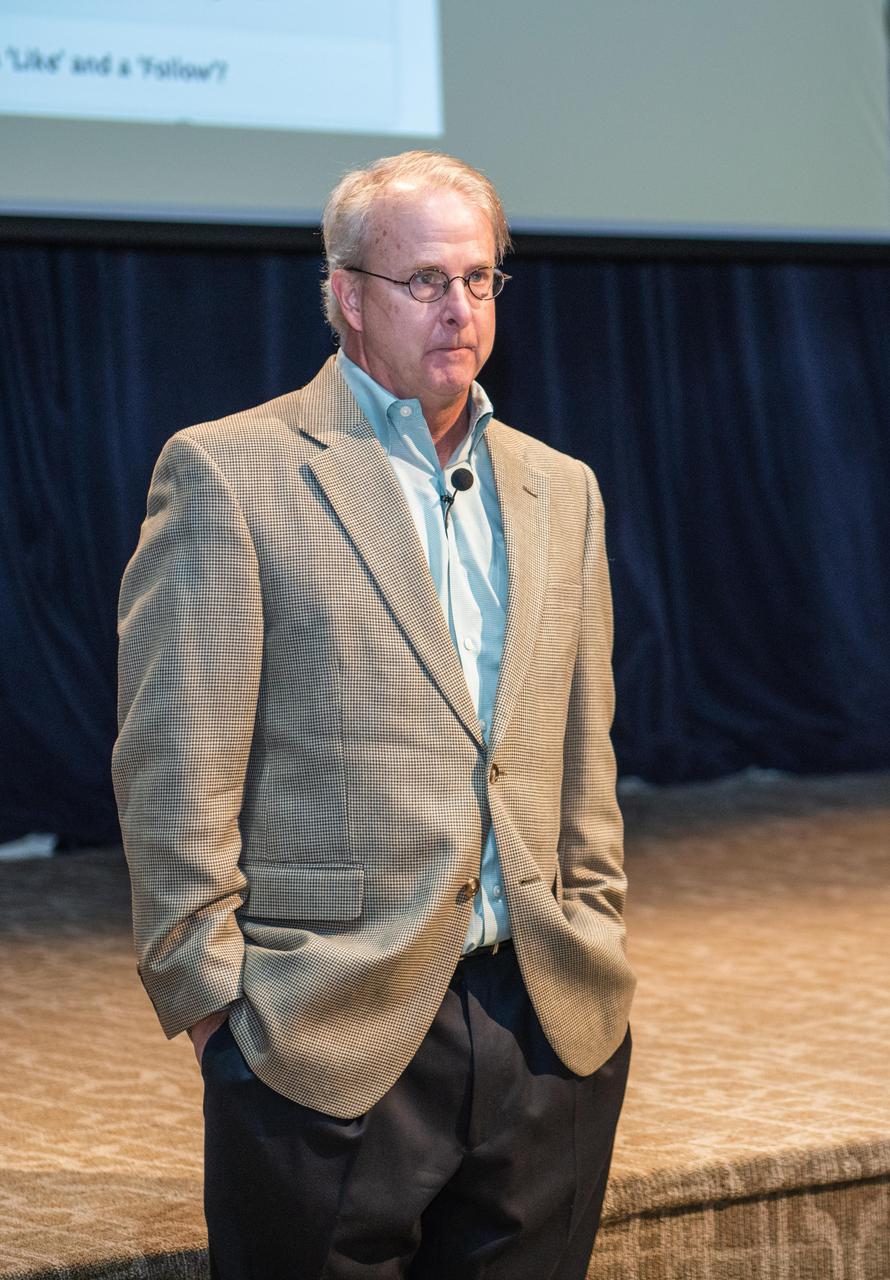
Glenn Research Center, Black History Month Program for Center Employees
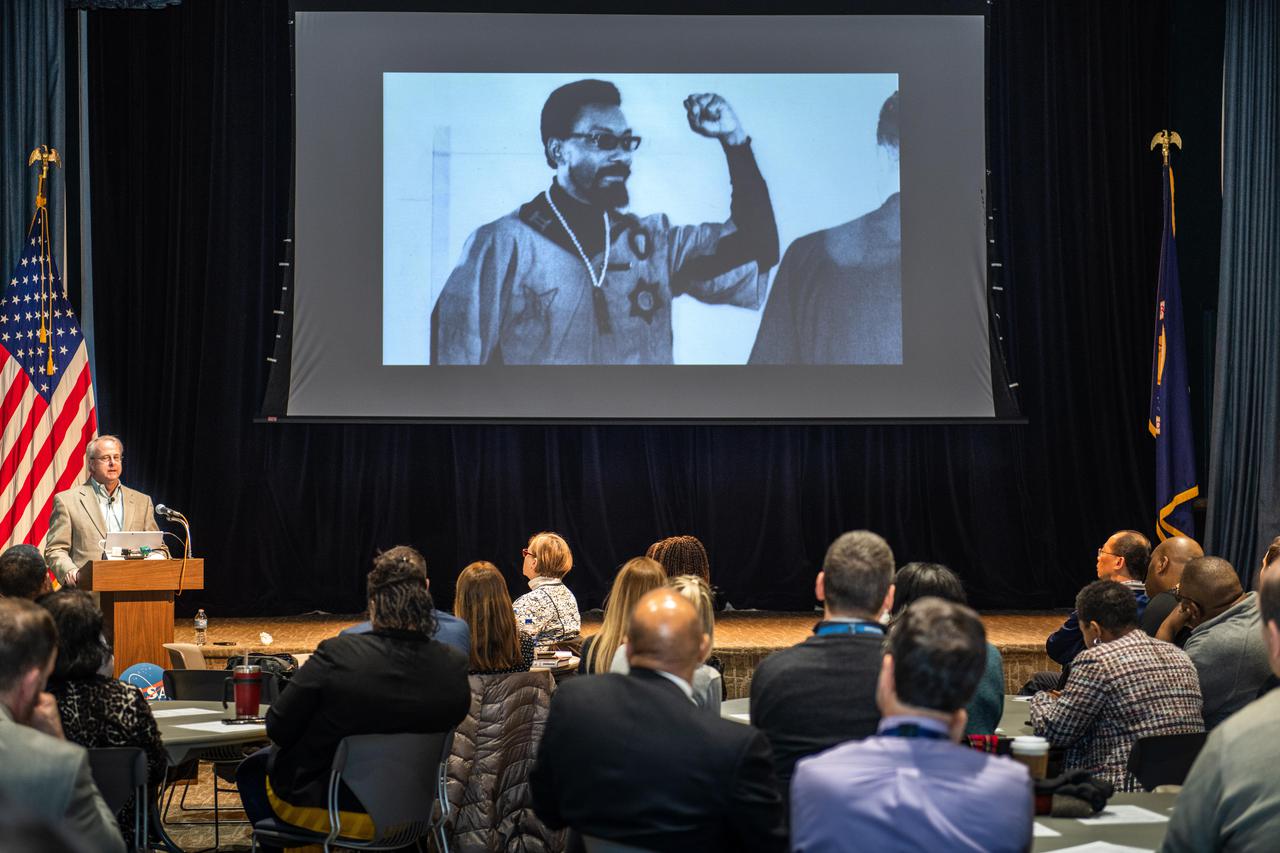
Glenn Research Center, Black History Month Program for Center Employees
Glenn Research Center, Black History Month Program for Center Employees

Glenn Research Center, Black History Month Program for Center Employees

Glenn Research Center, Black History Month Program for Center Employees
Glenn Research Center, Black History Month Program for Center Employees
Glenn Research Center, Black History Month Program for Center Employees

Glenn Research Center, Black History Month Program for Center Employees

Glenn Research Center, Black History Month Program for Center Employees

Glenn Research Center, Black History Month Program for Center Employees
Glenn Research Center, Black History Month Program for Center Employees
Glenn Research Center, Black History Month Program for Center Employees

Glenn Research Center, Black History Month Program for Center Employees
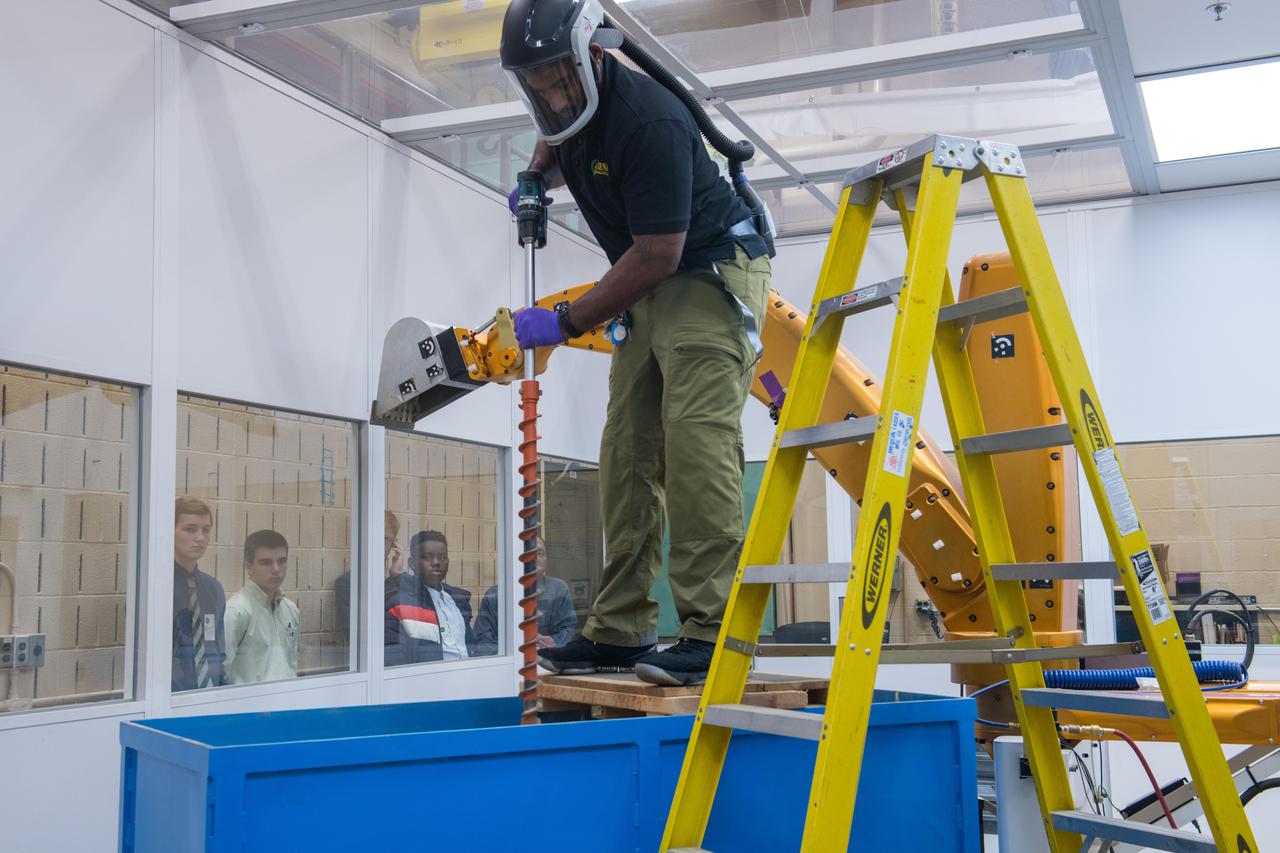
High School Student Shadowing Program

Ronnie Rigney (r), chief of the Propulsion Test Office in the Project Directorate at Stennis Space Center, stands with agency colleagues to receive the prestigious American Institute of Aeronautics and Astronautics George M. Low Space Transportation Award on Sept. 12. Rigney accepted the award on behalf of the NASA and contractor team at Stennis for their support of the Space Shuttle Program that ended last summer. From 1975 to 2009, Stennis Space Center tested every main engine used to power 135 space shuttle missions. Stennis continued to provide flight support services through the end of the Space Shuttle Program in July 2011. The center also supported transition and retirement of shuttle hardware and assets through September 2012. The 2012 award was presented to the space shuttle team 'for excellence in the conception, development, test, operation and retirement of the world's first and only reusable space transportation system.' Joining Rigney for the award ceremony at the 2012 AIAA Conference in Pasadena, Calif., were: (l to r) Allison Zuniga, NASA Headquarters; Michael Griffin, former NASA administrator; Don Noah, Johnson Space Center in Houston; Steve Cash, Marshall Space Flight Center in Huntsville, Ala.; and Pete Nickolenko, Kennedy Space Center in Florida.

Ronnie Rigney (r), chief of the Propulsion Test Office in the Project Directorate at Stennis Space Center, stands with agency colleagues to receive the prestigious American Institute of Aeronautics and Astronautics George M. Low Space Transportation Award on Sept. 12. Rigney accepted the award on behalf of the NASA and contractor team at Stennis for their support of the Space Shuttle Program that ended last summer. From 1975 to 2009, Stennis Space Center tested every main engine used to power 135 space shuttle missions. Stennis continued to provide flight support services through the end of the Space Shuttle Program in July 2011. The center also supported transition and retirement of shuttle hardware and assets through September 2012. The 2012 award was presented to the space shuttle team 'for excellence in the conception, development, test, operation and retirement of the world's first and only reusable space transportation system.' Joining Rigney for the award ceremony at the 2012 AIAA Conference in Pasadena, Calif., were: (l to r) Allison Zuniga, NASA Headquarters; Michael Griffin, former NASA administrator; Don Noah, Johnson Space Center in Houston; Steve Cash, Marshall Space Flight Center in Huntsville, Ala.; and Pete Nickolenko, Kennedy Space Center in Florida.
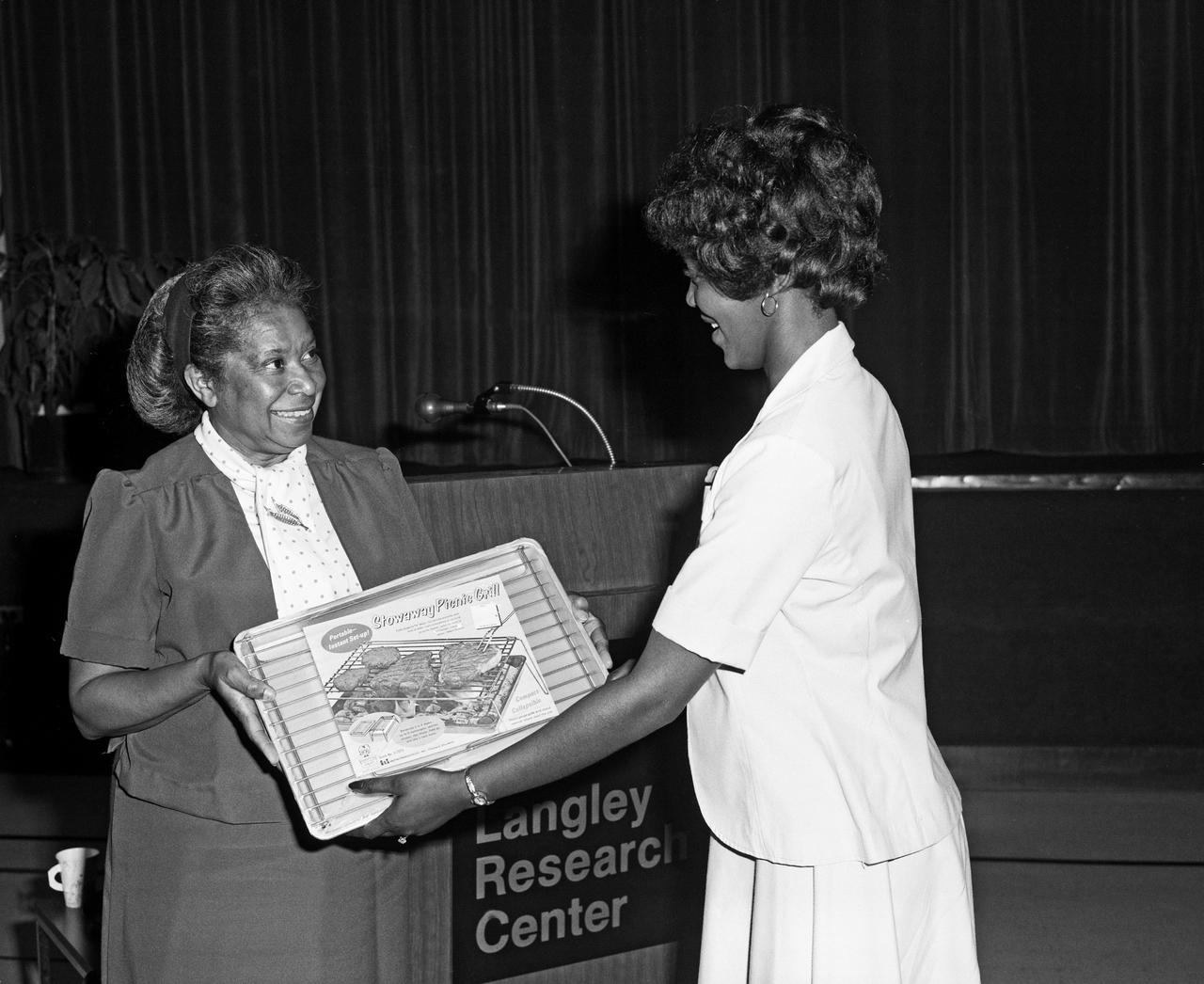
Federal Women's Program with Mary Jackson giving out awards. In 1958 Mary Jackson became NASA's first black female engineer.
Federal Women's Program with Mary Jackson giving out awards. In 1958 Mary Jackson became NASA's first black female engineer.
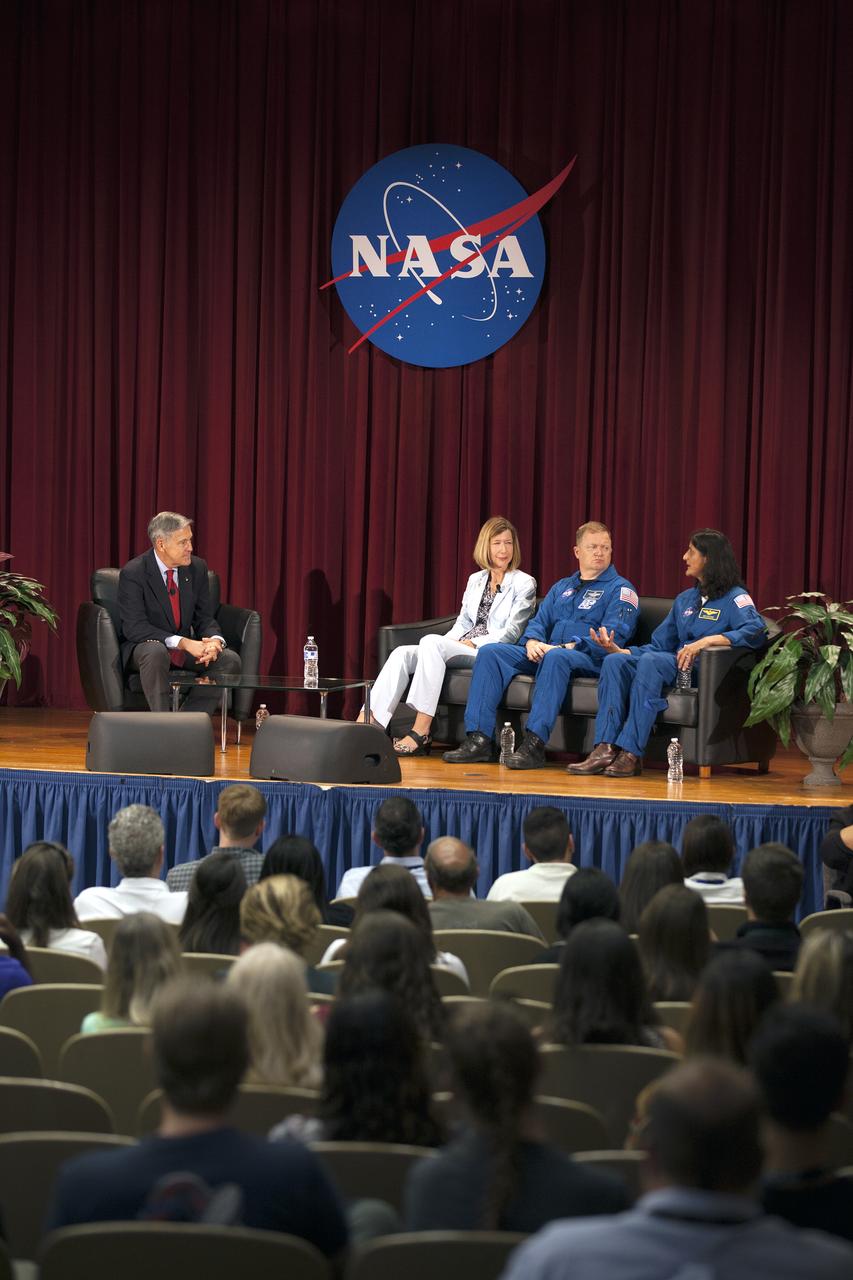
Astronauts selected to train for the flight tests of NASA’s Commercial Crew Program participated in a panel discussion with employees at NASA’s Kennedy Space Center in Florida. From left, are Kennedy Center Director Bob Cabana, Commercial Crew Program Manager Kathy Lueders, and astronauts Eric Boe and Suni Williams.
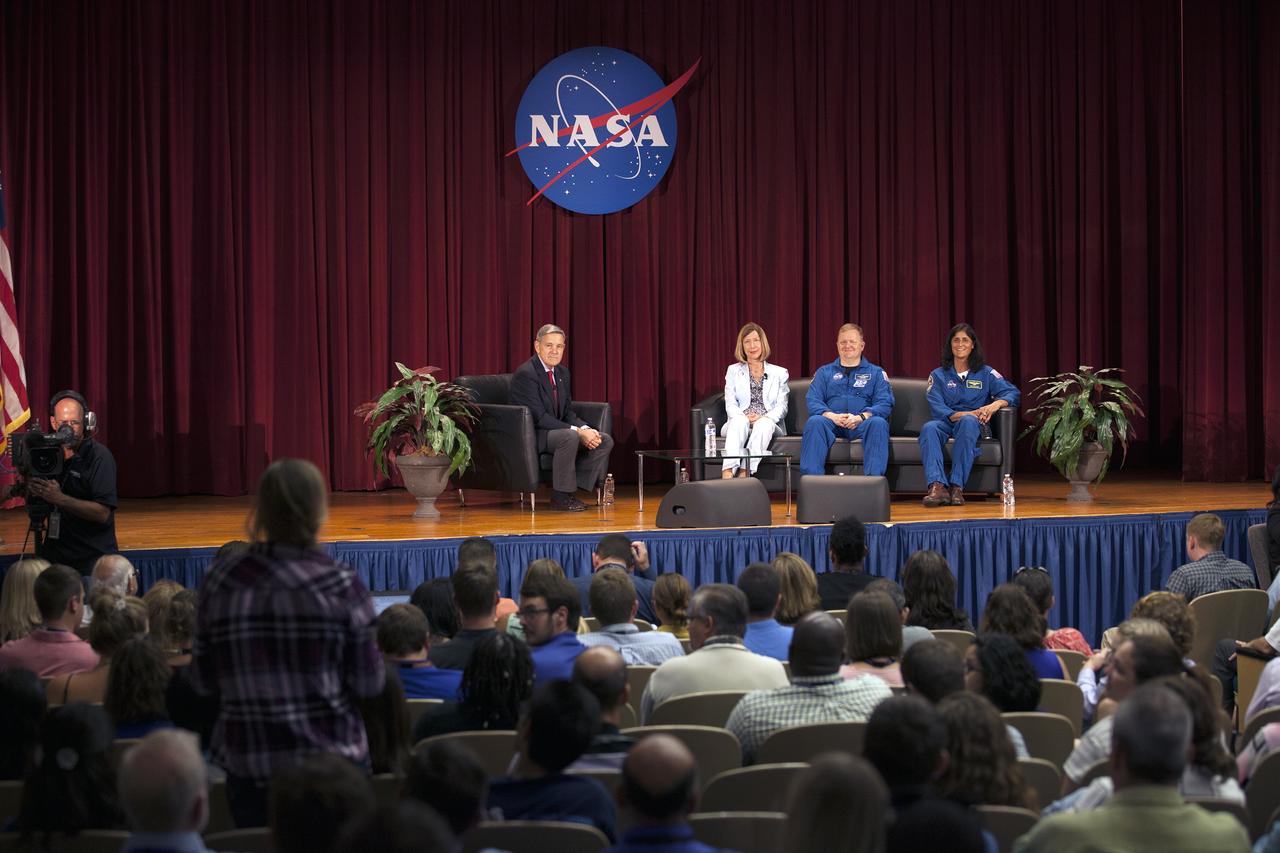
Astronauts selected to train for the flight tests of NASA’s Commercial Crew Program participated in a panel discussion with employees at NASA’s Kennedy Space Center in Florida. From left, are Kennedy Center Director Bob Cabana, Commercial Crew Program Manager Kathy Lueders, and astronauts Eric Boe and Suni Williams.
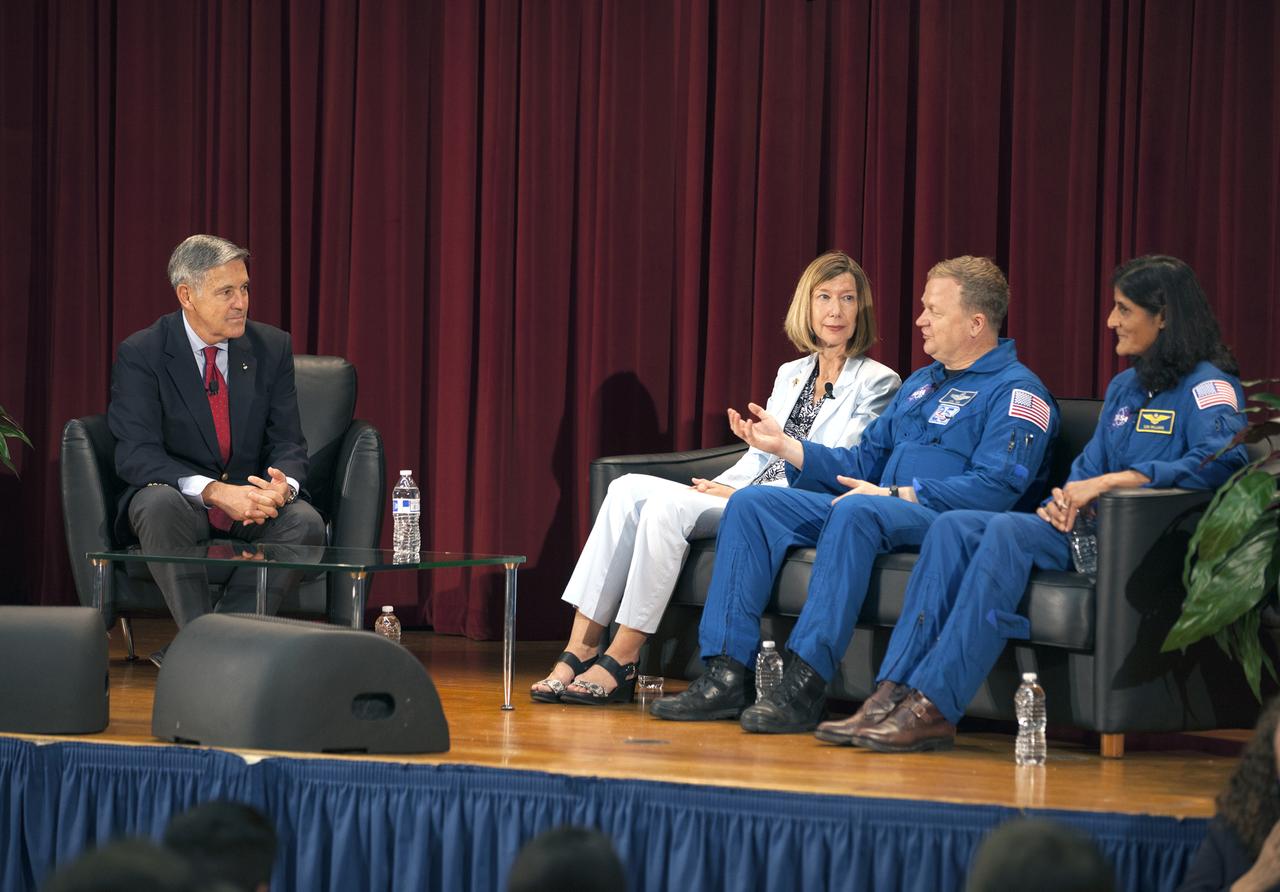
Astronauts selected to train for the flight tests of NASA’s Commercial Crew Program participated in a panel discussion with employees at NASA’s Kennedy Space Center in Florida. From left, are Kennedy Center Director Bob Cabana, Commercial Crew Program Manager Kathy Lueders, and astronauts Eric Boe and Suni Williams.
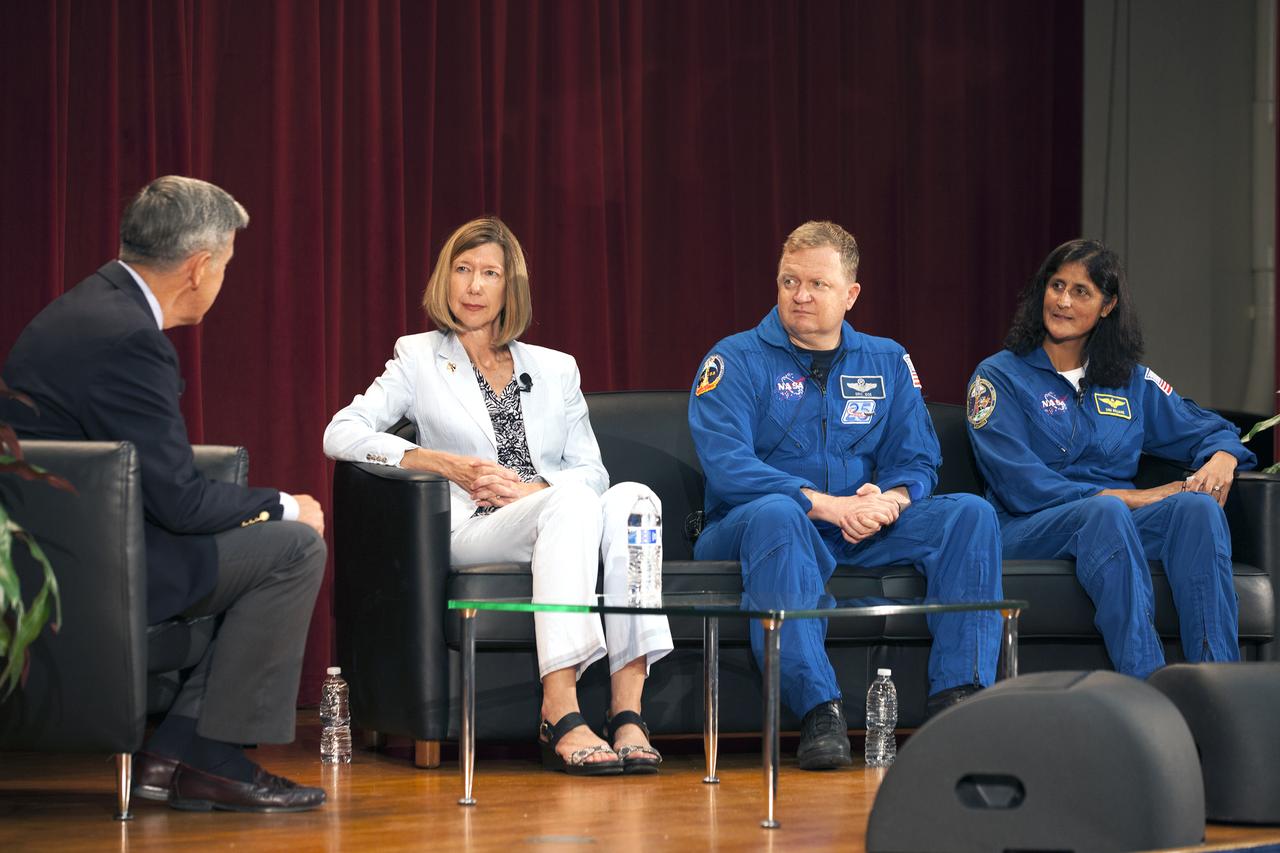
Astronauts selected to train for the flight tests of NASA’s Commercial Crew Program participated in a panel discussion with employees at NASA’s Kennedy Space Center in Florida. From left, are Kennedy Center Director Bob Cabana, Commercial Crew Program Manager Kathy Lueders, and astronauts Eric Boe and Suni Williams.
Director of the Space Weather Program, Jamie Favors, speaks about the Space Weather Pilot Project, Tuesday, August 6, 2024, at the Mary W. Jackson NASA Headquarters building in Washington. Every summer early career researchers from NASA’s DEVELOP National Program come to NASA Headquarters and present their research projects. DEVELOP is a training and development program where early career researchers work on Earth science projects, mentored by science advisors from NASA and partner agencies, and provide research results to local communities. Photo Credit: (NASA/Aubrey Gemignani)
Director of the Space Weather Program, Jamie Favors, speaks about the Space Weather Pilot Project, Tuesday, August 6, 2024, at the Mary W. Jackson NASA Headquarters building in Washington. Every summer early career researchers from NASA’s DEVELOP National Program come to NASA Headquarters and present their research projects. DEVELOP is a training and development program where early career researchers work on Earth science projects, mentored by science advisors from NASA and partner agencies, and provide research results to local communities. Photo Credit: (NASA/Aubrey Gemignani)
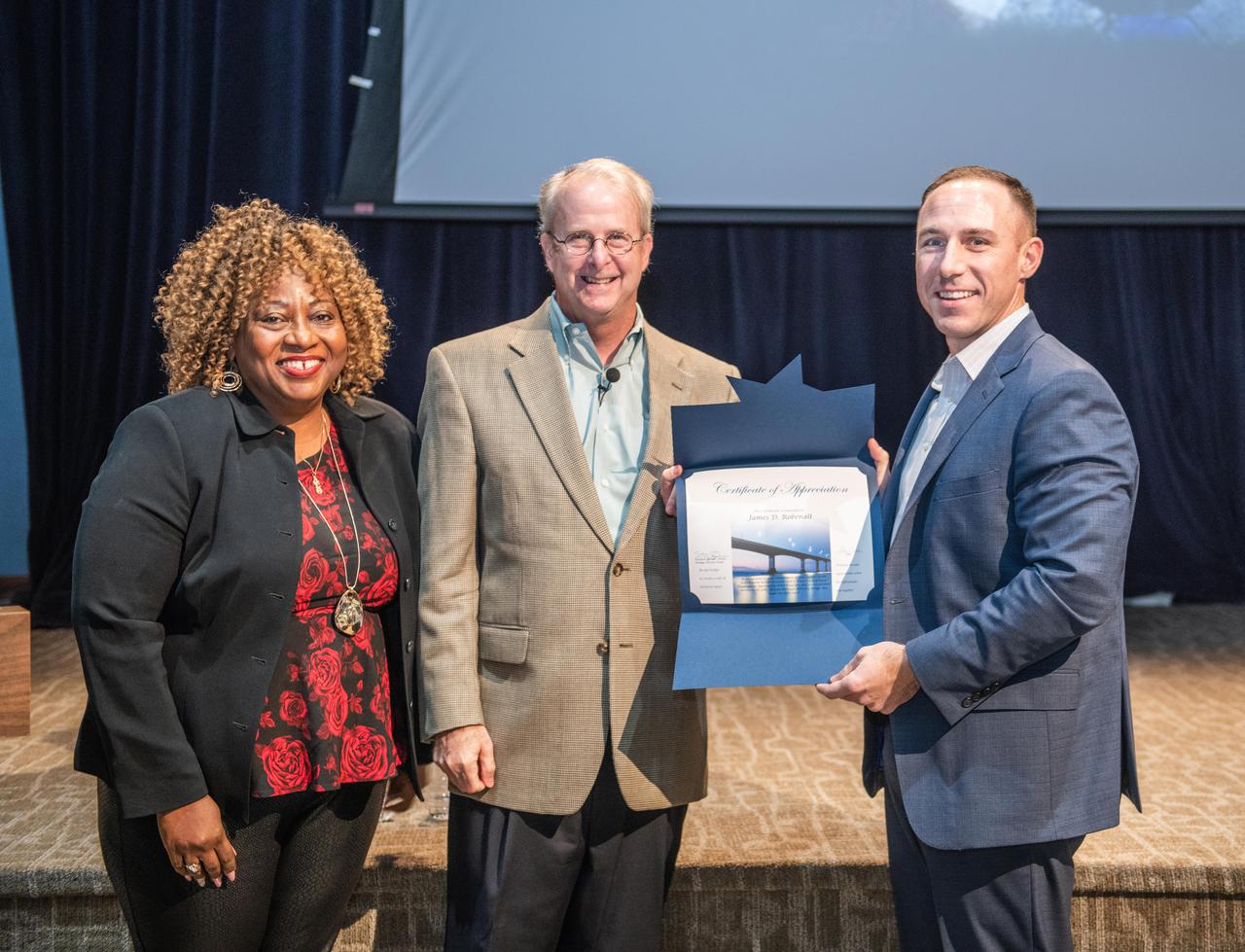
Glenn Research Center, Black History Month Program for Center Employees
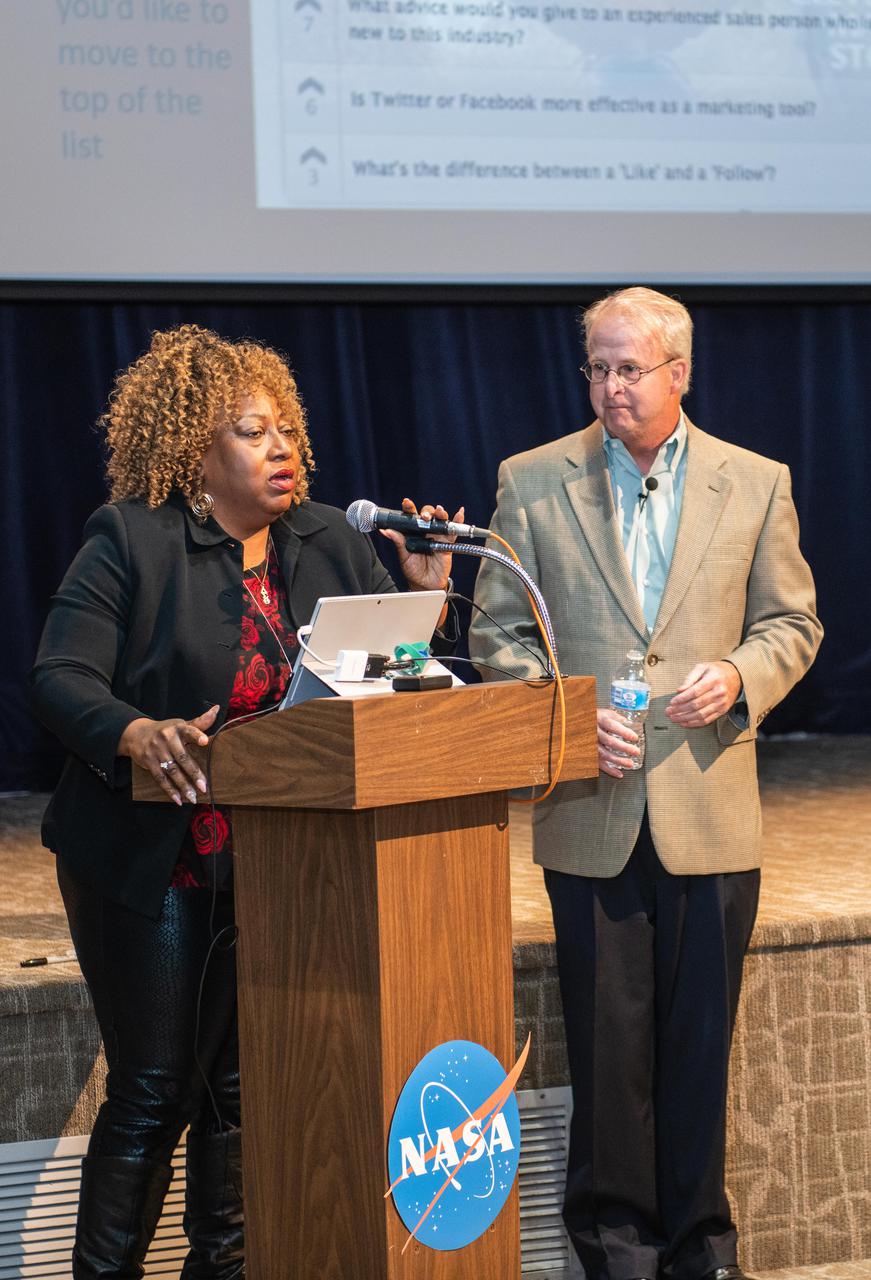
Glenn Research Center, Black History Month Program for Center Employees
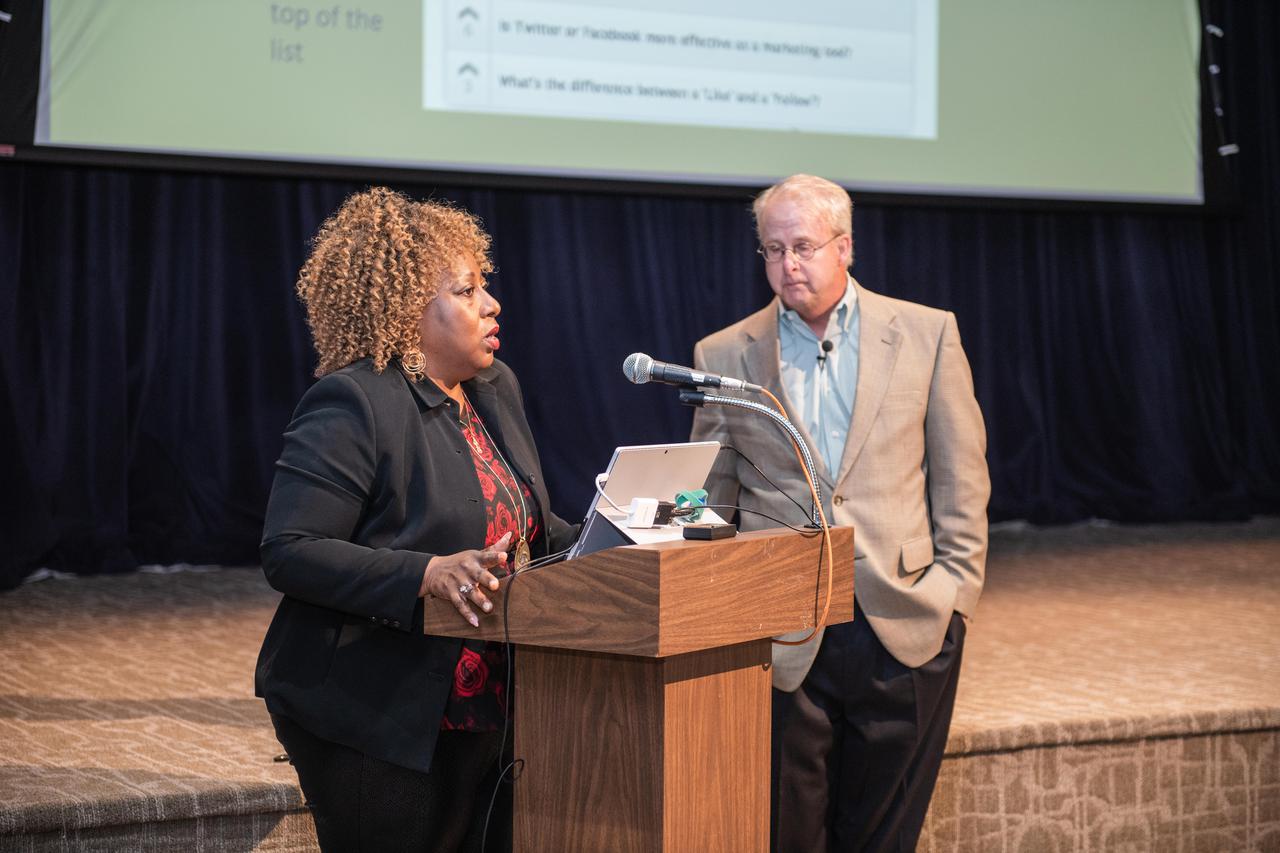
Glenn Research Center, Black History Month Program for Center Employees

Photograph taken June 17, 1982. Federal Women's Program with Mary Jackson giving out awards to Kathi Porter. In 1958 Mary Jackson became NASA's first black female engineer. Mary Jackson was Federal Women’s Coordinator at Langley at the time.
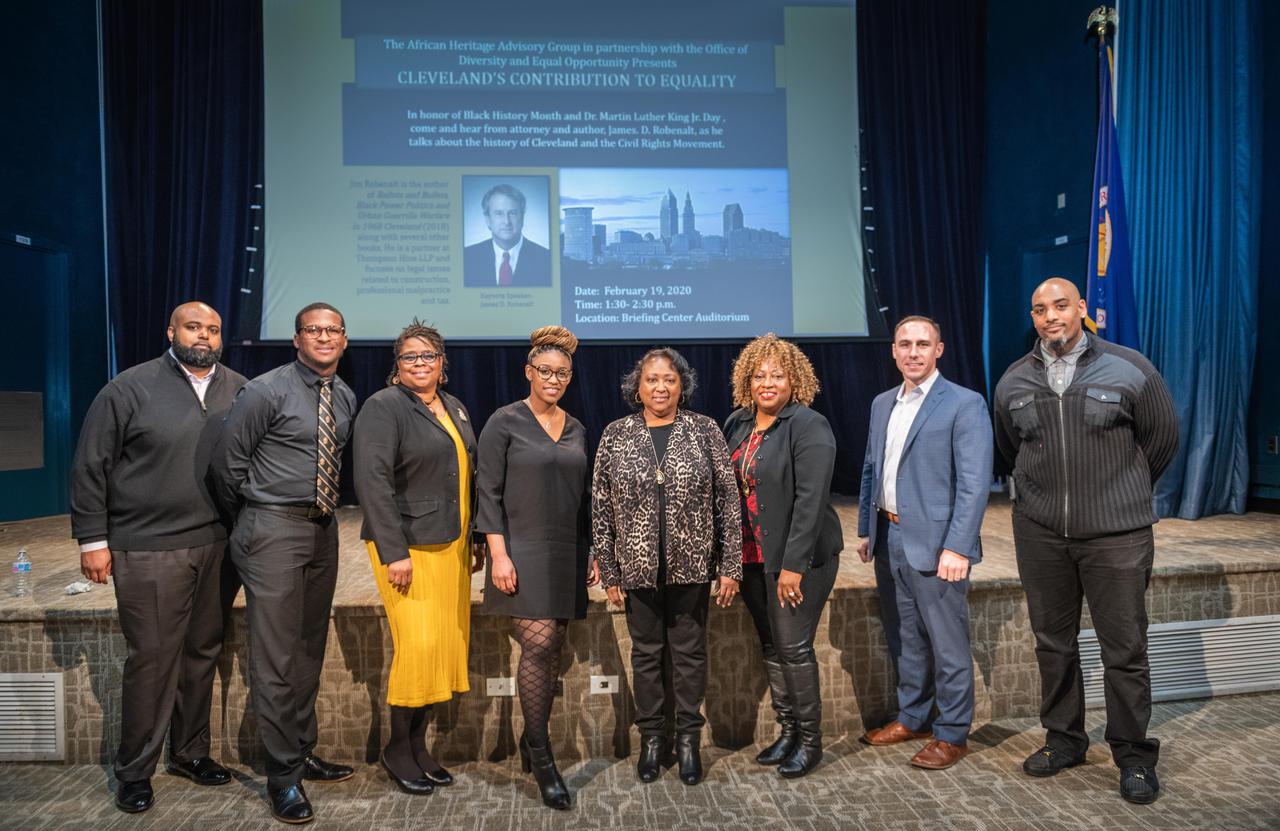
Glenn Research Center, Black History Month Program for Center Employees
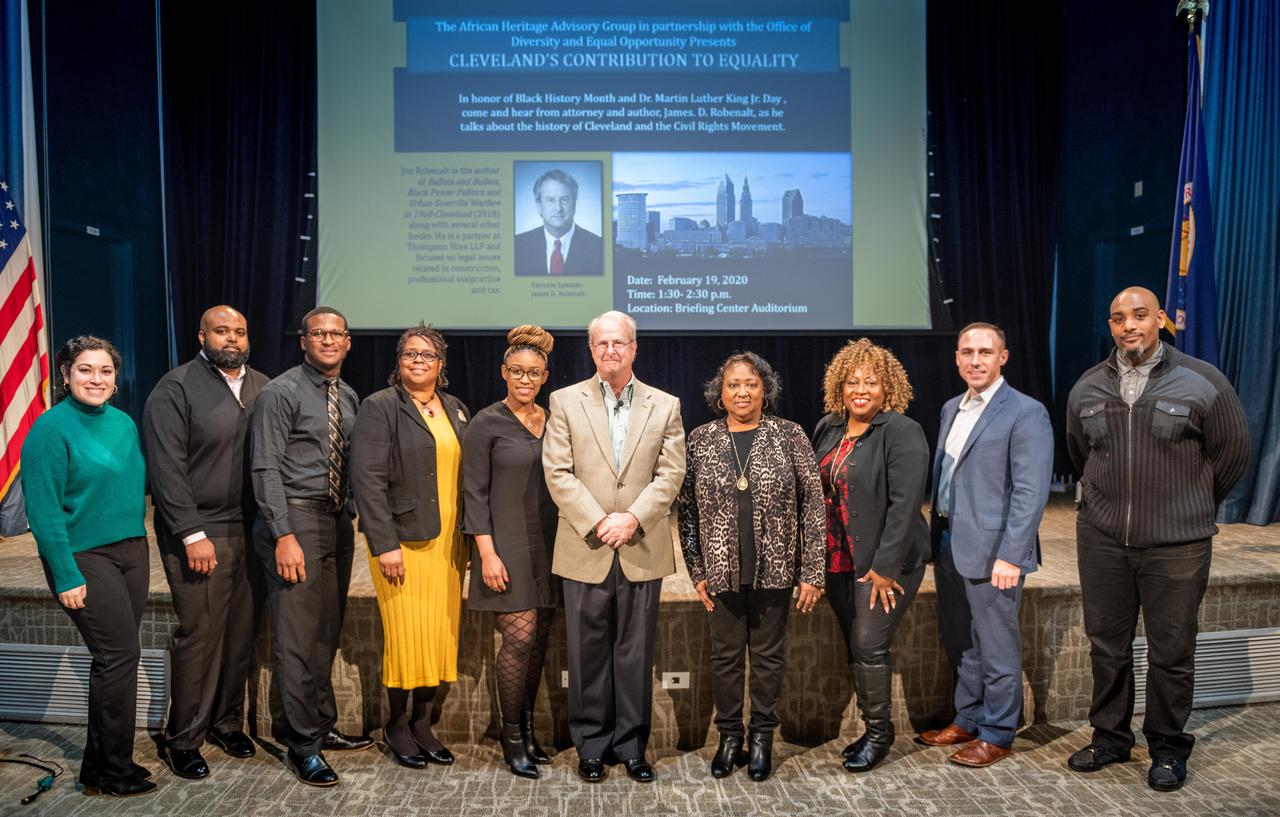
Glenn Research Center, Black History Month Program for Center Employees
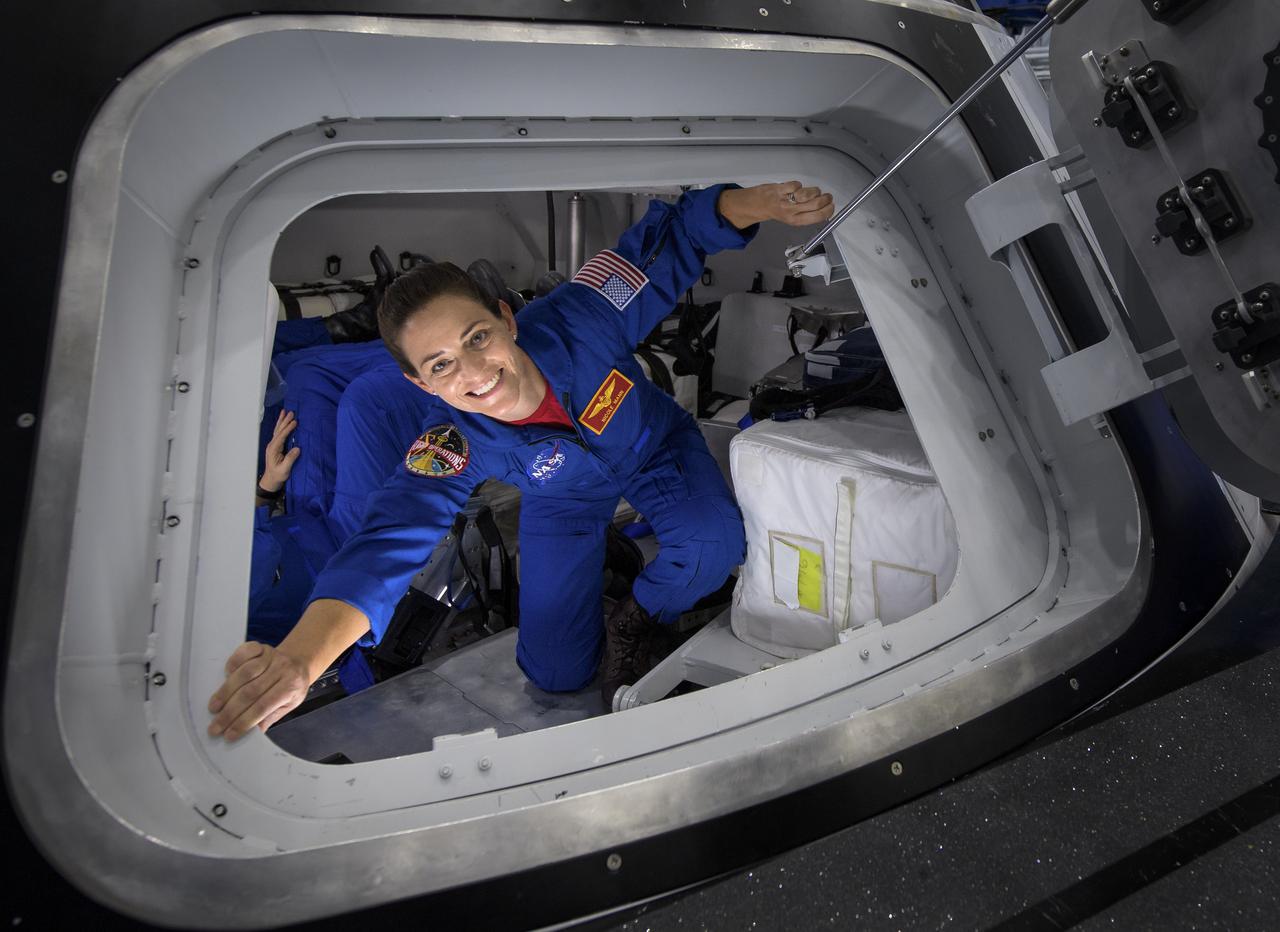
NASA astronaut Nicole Mann poses for a photograph as she exits the Boeing Mockup Trainer at NASA’s Johnson Space Center in Houston, Texas on Aug. 2, 2018 ahead of the commercial crew flight assignments announcement Aug. 3. Mann, along with NASA astronaut Eric Boe and Boeing astronaut Chris Ferguson were assigned to launch aboard Boeing’s CST-100 Starliner on the company’s Crew Flight Test targeted for mid-2019 in partnership with NASA’s Commercial Crew Program. Photo Credit: (NASA/Bill Ingalls)
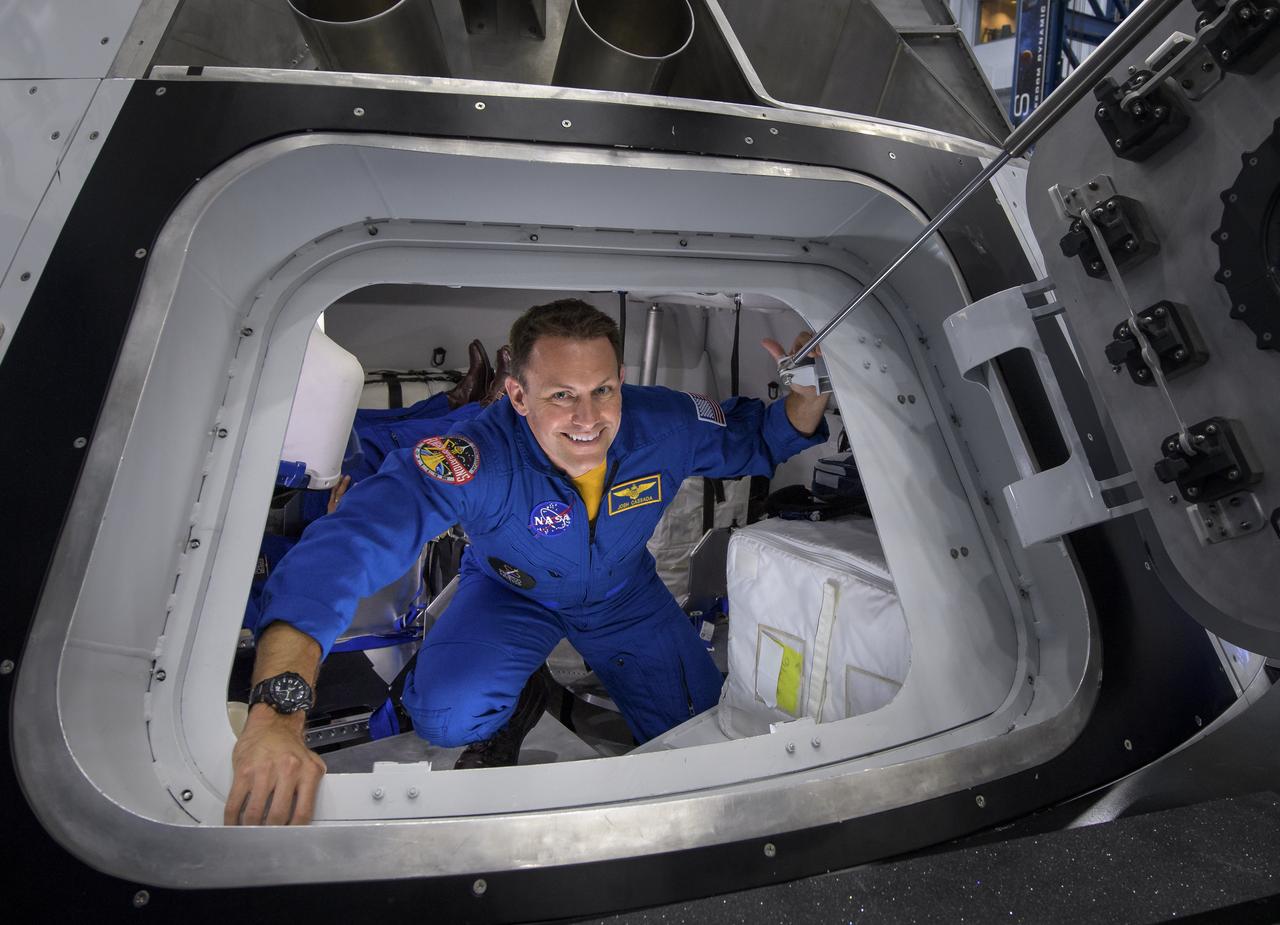
NASA astronaut Josh Cassada stops to pose for photograph as he exits the Boeing Mockup Trainer at NASA’s Johnson Space Center in Houston, Texas on Aug. 2, 2018 ahead of the commercial crew flight assignments announcement Aug. 3. Cassada, and NASA astronaut Suni Williams were assigned to launch aboard Boeing’s CST-100 Starliner on the company’s first operational mission to the International Space Station in partnership with NASA’s Commercial Crew Program. Photo Credit: (NASA/Bill Ingalls)
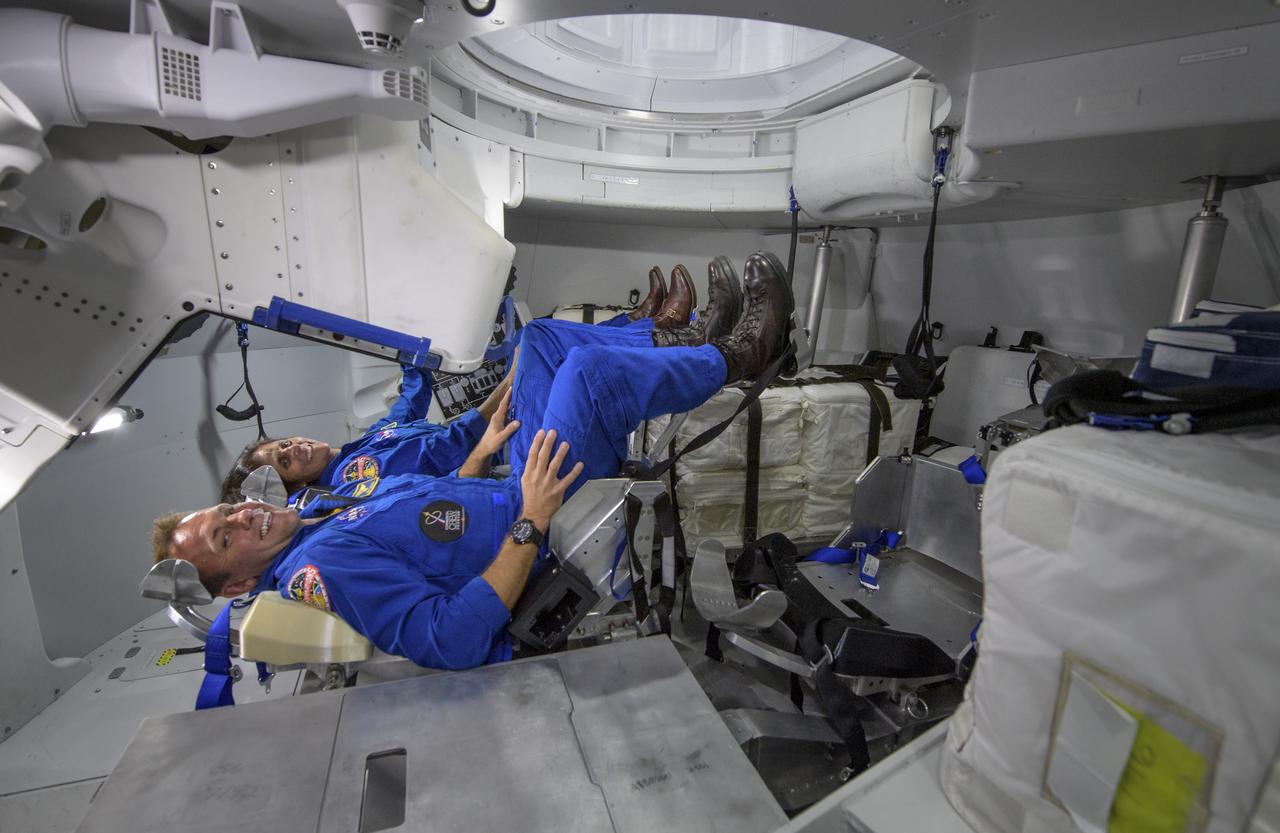
NASA astronauts Josh Cassada, foreground, and Suni Williams pose for a photograph inside of the Boeing Mockup Trainer at NASA’s Johnson Space Center in Houston, Texas on Aug. 2, 2018 ahead of the commercial crew flight assignments announcement Aug. 3. The pair was assigned to launch aboard Boeing’s CST-100 Starliner on the company’s first operational mission to the International Space Station in partnership with NASA’s Commercial Crew Program. Photo Credit: (NASA/Bill Ingalls)
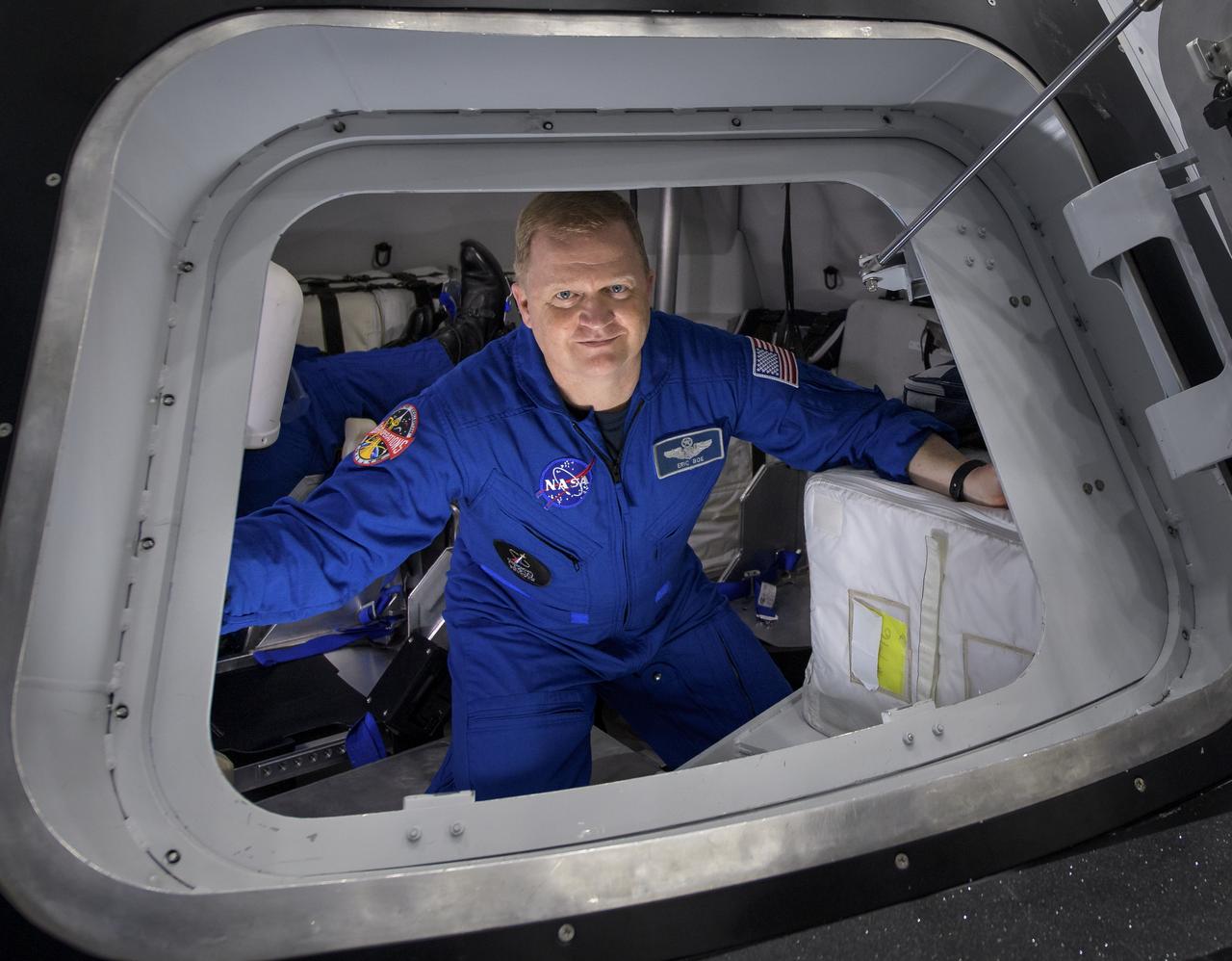
NASA astronaut Eric Boe poses for a photograph as he exits the Boeing Mockup Trainer at NASA’s Johnson Space Center in Houston, Texas on Aug. 2, 2018 ahead of the commercial crew flight assignments announcement Aug. 3. Boe, along with NASA astronaut Nicole Aunapu Mann and Boeing astronaut Chris Ferguson were assigned to launch aboard Boeing’s CST-100 Starliner on the company’s Crew Flight Test targeted for mid-2019 in partnership with NASA’s Commercial Crew Program. Photo Credit: (NASA/Bill Ingalls)
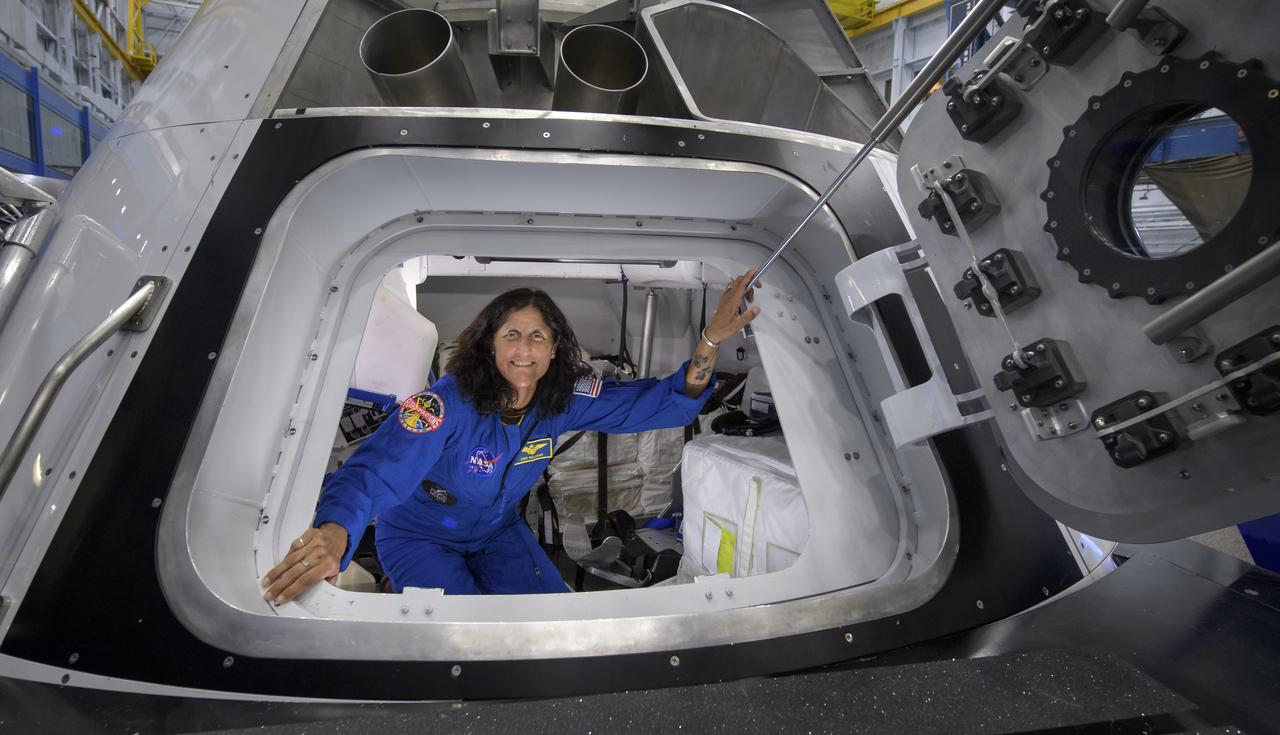
NASA astronaut Suni Williams stops to pose for photograph as she exits the Boeing Mockup Trainer at NASA’s Johnson Space Center in Houston, Texas on Aug. 2, 2018 ahead of the commercial crew flight assignments announcement Aug. 3. Williams and NASA astronaut Josh Cassada were assigned to launch aboard Boeing’s CST-100 Starliner on the company’s first operational mission to the International Space Station in partnership with NASA’s Commercial Crew Program. Photo Credit: (NASA/Bill Ingalls)
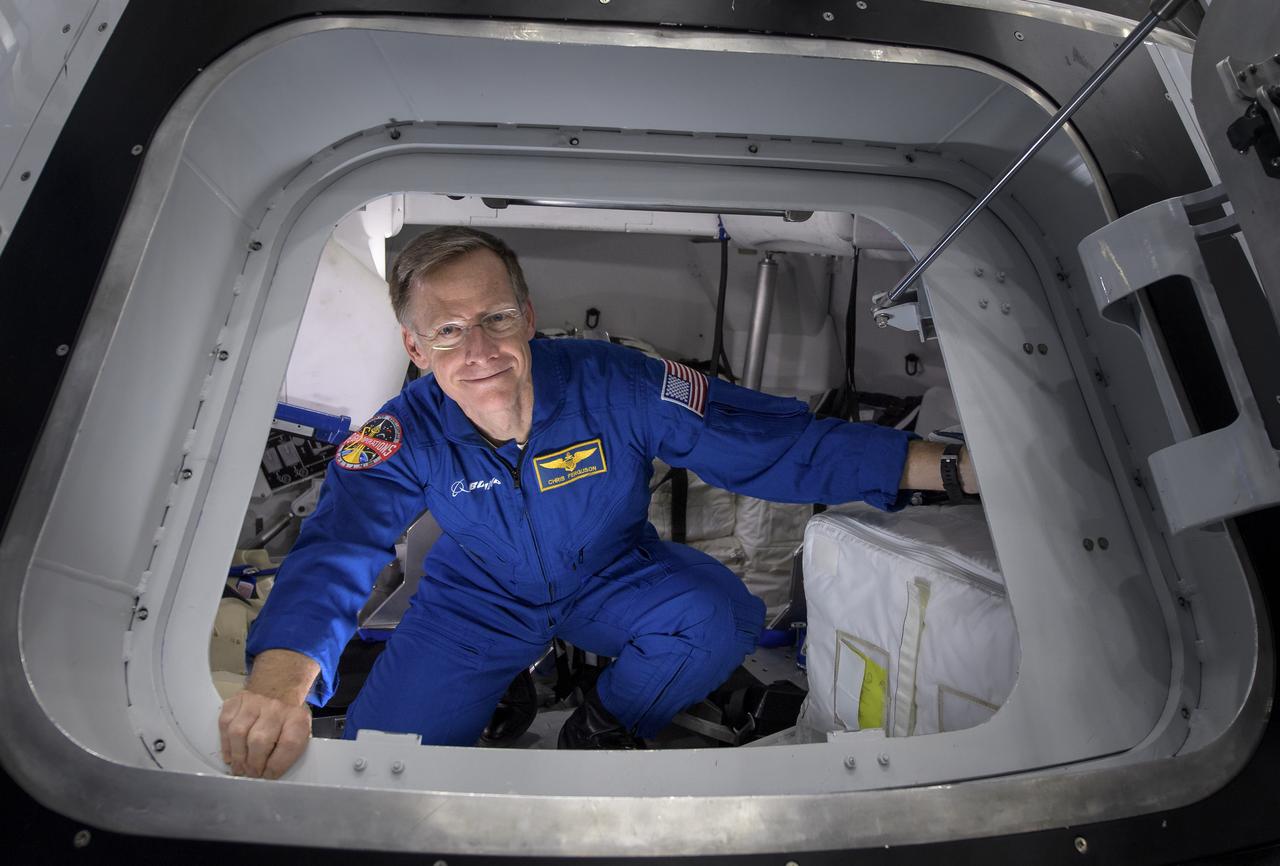
Boeing astronaut Chris Ferguson poses for a photograph as he exits the Boeing Mockup Trainer at NASA’s Johnson Space Center in Houston, Texas on Aug. 2, 2018 ahead of the commercial crew flight assignments announcement Aug. 3. Ferguson, along with NASA astronauts Eric Boe and Nicole Aunapu Mann were assigned to launch aboard Boeing’s CST-100 Starliner on the company’s Crew Flight Test targeted for mid-2019 in partnership with NASA’s Commercial Crew Program. Photo Credit: (NASA/Bill Ingalls)
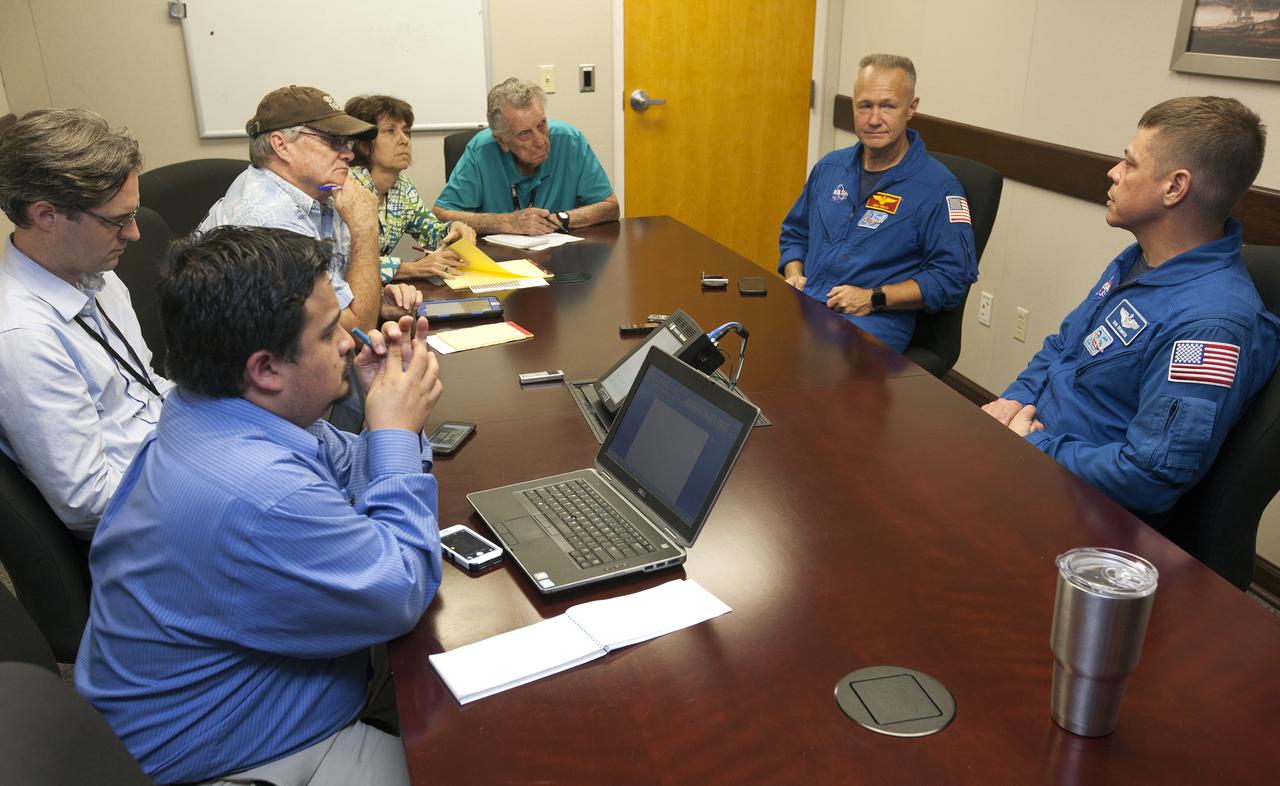
Astronauts selected to train for the flight tests of NASA’s Commercial Crew Program talked to members of the media at the News Center at NASA’s Kennedy Space Center in Florida. From left are astronauts Doug Hurley and Bob Behnken.
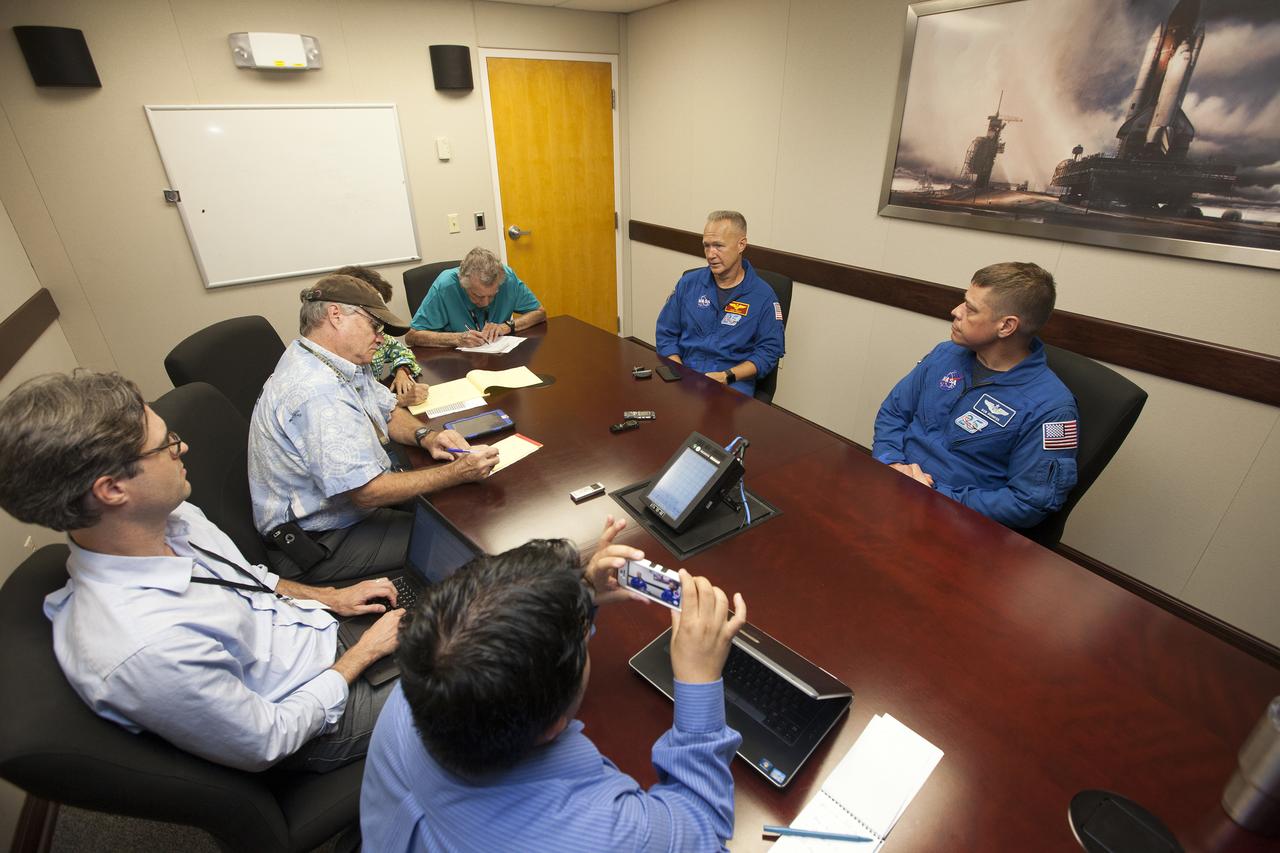
Astronauts selected to train for the flight tests of NASA’s Commercial Crew Program talked to members of the media at the News Center at NASA’s Kennedy Space Center in Florida. From left are astronauts Doug Hurley and Bob Behnken.
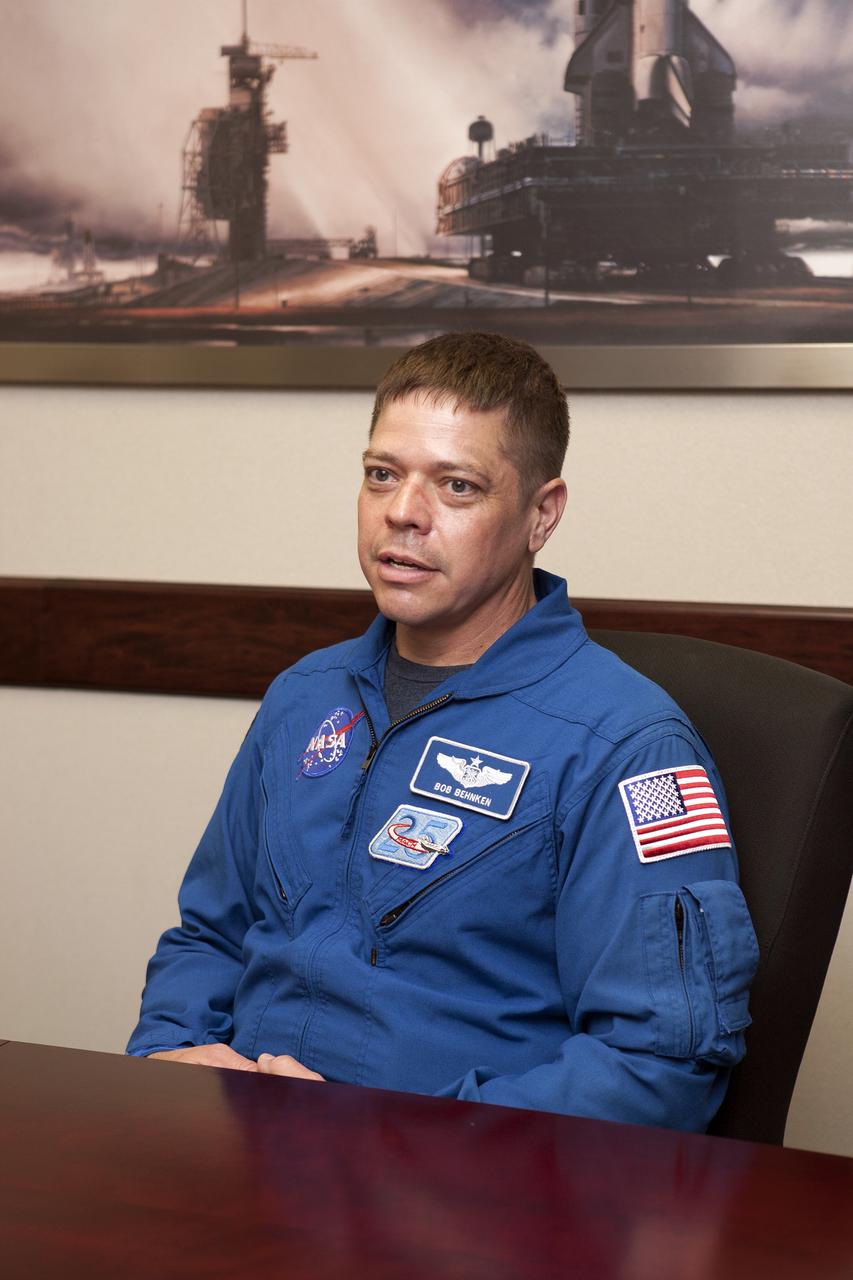
Astronauts selected to train for the flight tests of NASA’s Commercial Crew Program talked to members of the media at the News Center at NASA’s Kennedy Space Center in Florida. During the discussion, astronaut Bob Behnken answers a question.
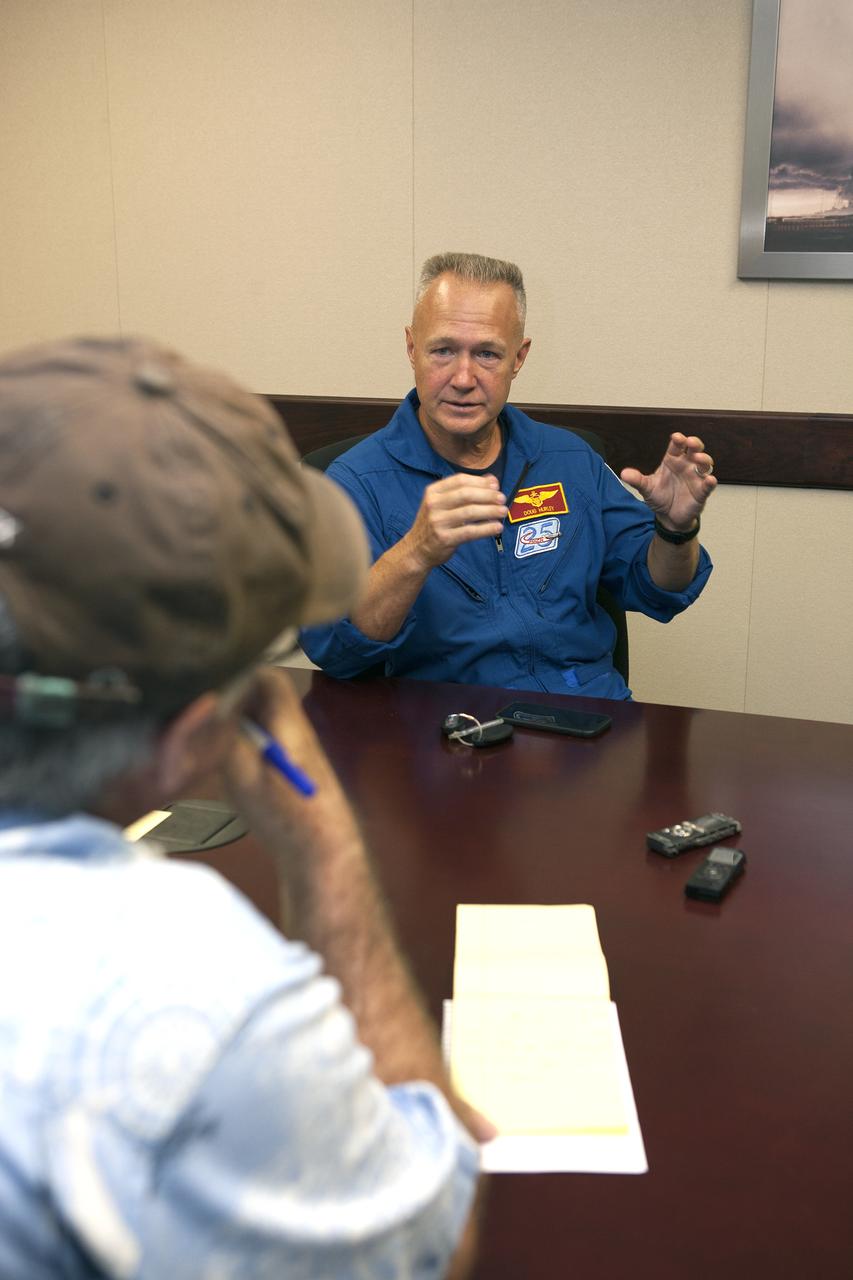
Astronauts selected to train for the flight tests of NASA’s Commercial Crew Program talked to members of the media at the News Center at NASA’s Kennedy Space Center in Florida. During the discussion, astronaut Doug Hurley answers a question.
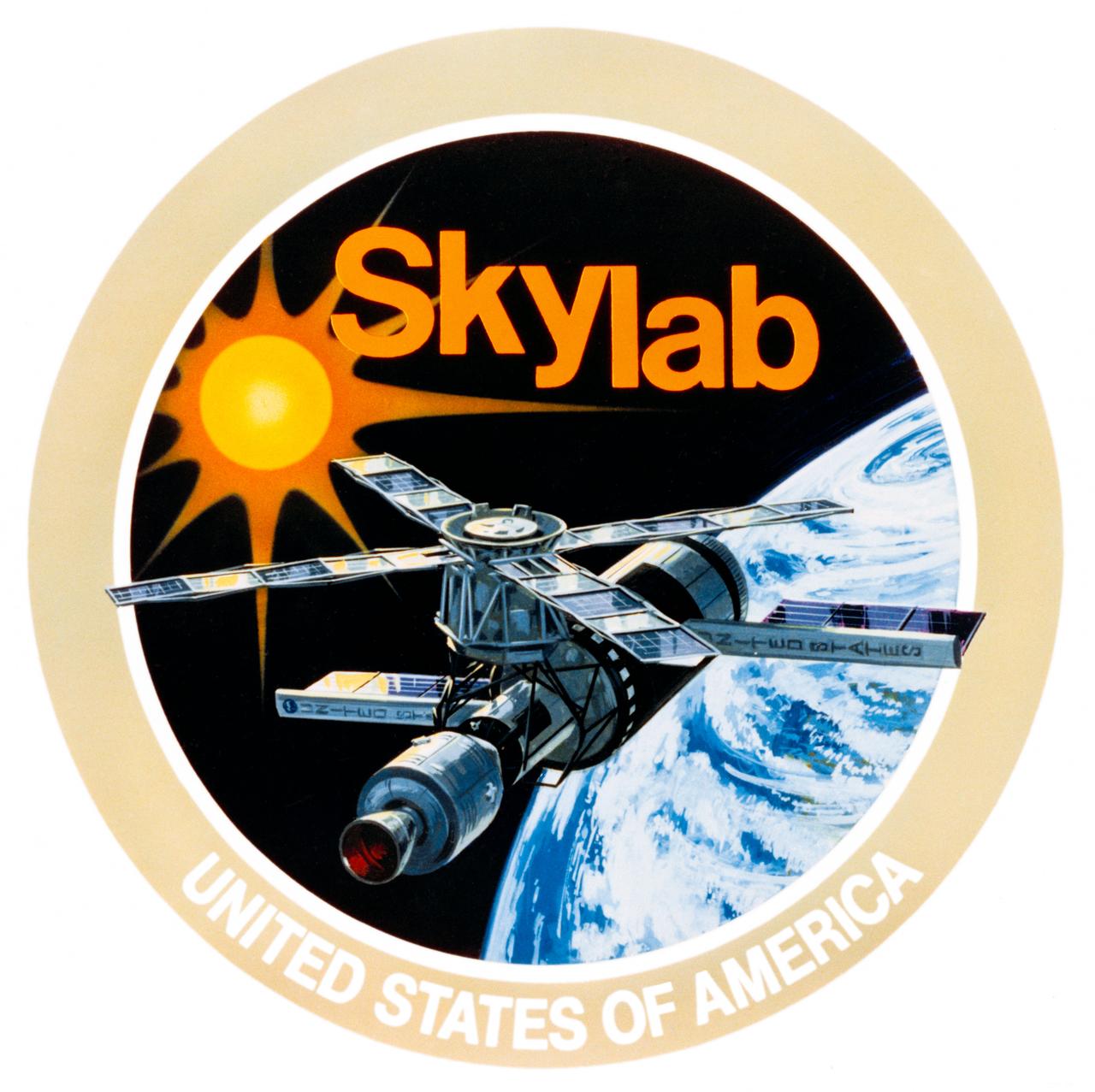
S73-23952 (May 1973) --- This is the official emblem for the National Aeronautics and Space Administration's (NASA) Skylab Program. The emblem depicts the United States Skylab space station cluster in Earth orbit with the sun in the background. Skylab will evaluate systems and techniques designed to gather information on Earth resources and environmental problems. Solar telescopes will increase man's knowledge of our sun and the multitude of solar influences on Earth environment. Medical experiments will increase knowledge of man himself and his relationship to his earthly environment and adaptability to spaceflight. Additionally, Skylab will experiment with industrial processes which may be enhanced by the unique weightless, vacuum environment of orbital spaceflight. The 100-ton laboratory complex Skylab space station is composed of the Command/Service Module (CSM), Orbital Workshop (OW), Apollo Telescope Mount (ATM), Multiple Docking Adapter (MDA), and Airlock Module (AM). The NASA insignia design for Skylab is reserved for use by the astronauts and for other official use as the NASA Administrator may authorize. Public availability has been approved only in the form of illustrations by the various news media. When and if there is any change in this policy, which we do not anticipate, it will be publicly announced. Photo credit: NASA

Beating the Odds Student Success/ Leadership Program tours the Goddard Space Flight Center.
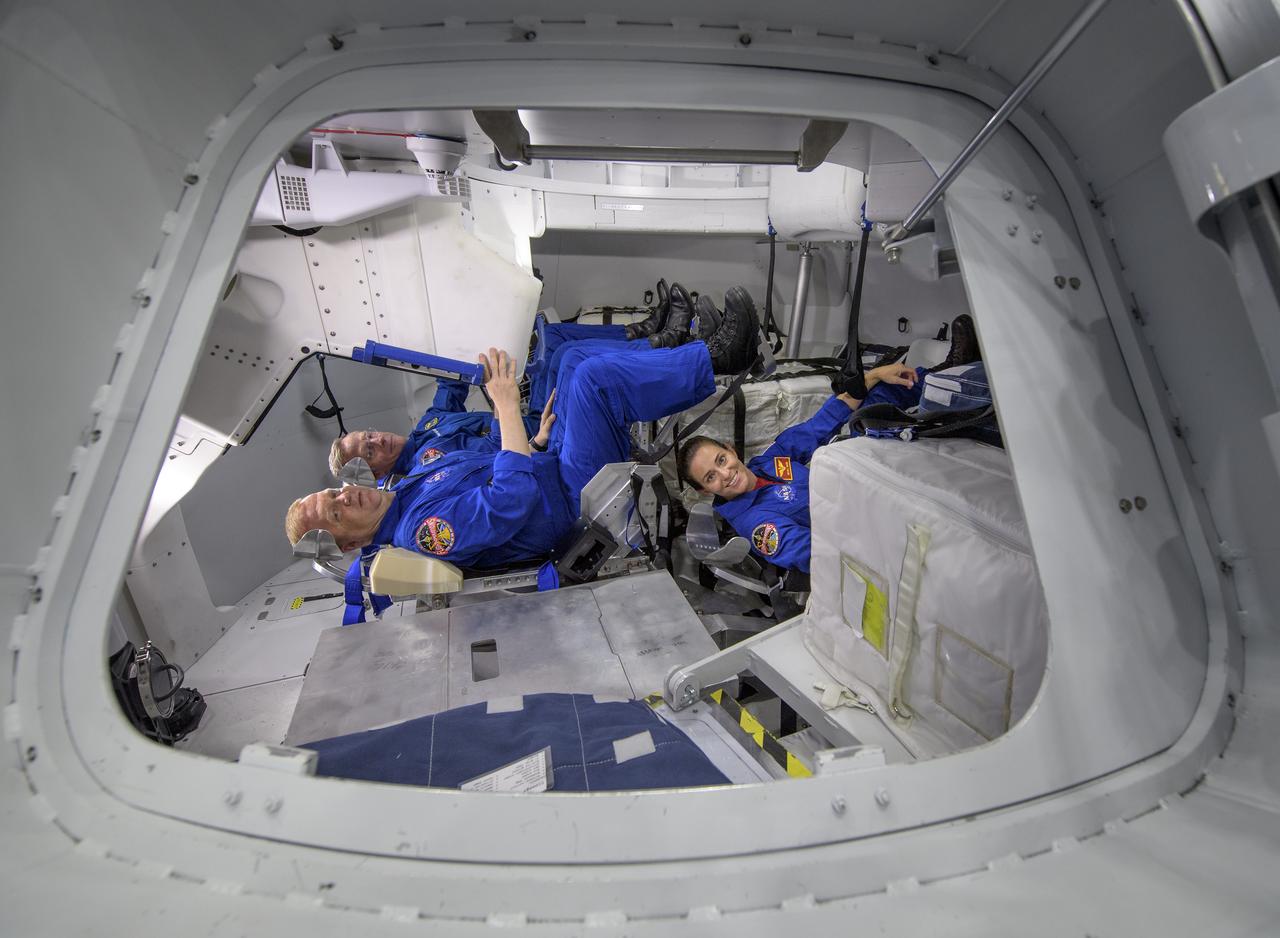
NASA astronauts Eric Boe, foreground left, and Nicole Mann, foreground right, along with Boeing astronaut Chris Ferguson, background, pose for a photograph inside the Boeing Mockup Trainer at NASA’s Johnson Space Center in Houston, Texas on Aug. 2, 2018 ahead of the commercial crew flight assignments announcement Aug. 3. The three were assigned to launch aboard Boeing’s CST-100 Starliner on the company’s Crew Flight Test targeted for mid-2019 in partnership with NASA’s Commercial Crew Program. Photo Credit: (NASA/Bill Ingalls)
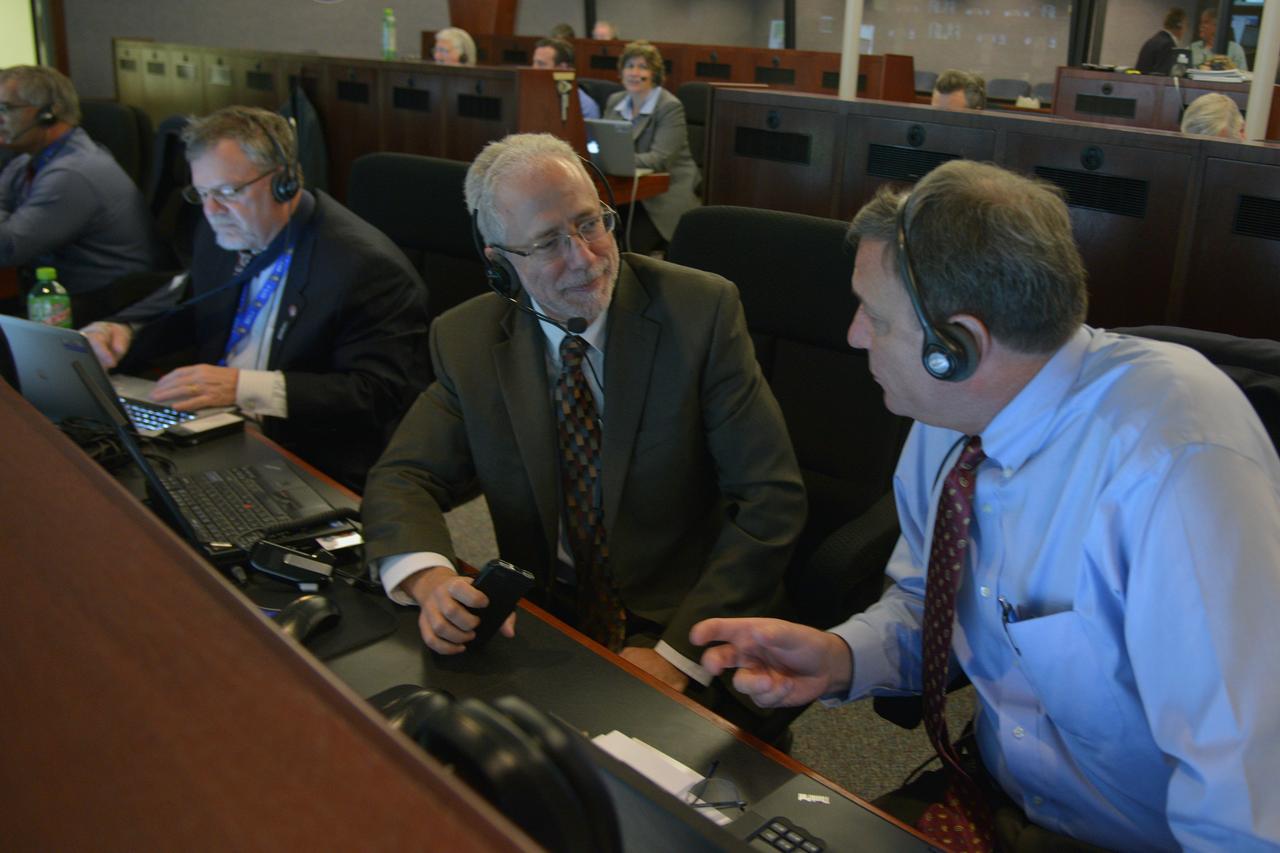
The Orion program management team reviews the launch procedure in Building AE at Cape Canaveral Air Force Station ahead of the launch of Orion on Exploration Flight Test-1 (EFT-1) on Dec. 4, 2014. Pictured from left to right: Mike Hawes, Lockheed Martin Orion program manager, Mark Geyer, NASA Orion program manager, and Mark Kirasich, NASA Orion deputy program manager. Part of Batch image transfer from Flickr.
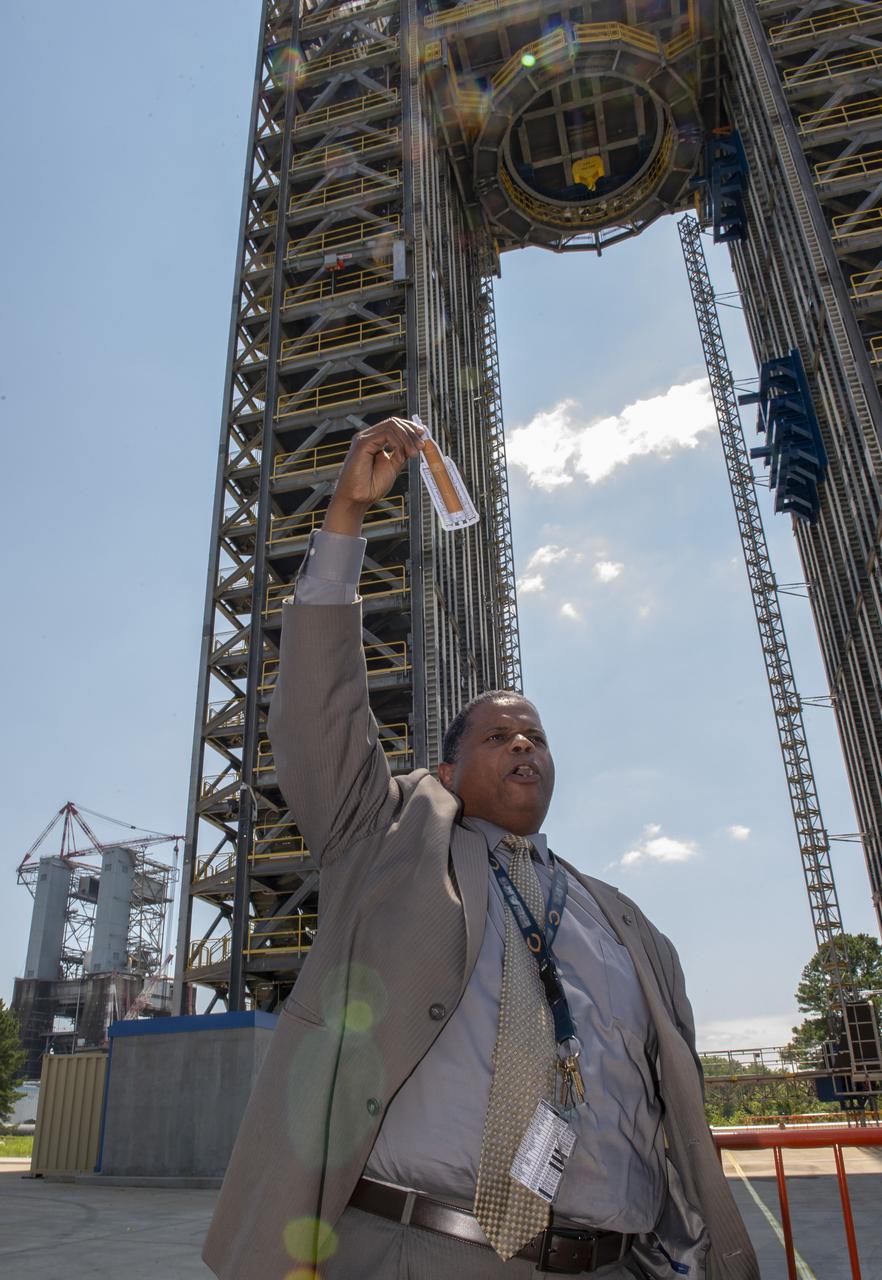
Students from the Tarik Black Foundation attend a STEM program at MSFC and visit SLS Test Stand 4693 in West Test Area. Gary Willis tells Tarik Black Foundation students about Test Stand 4693 and its importance in SLS development.

Fernando Figueroa (left), an aerospace technologist at Stennis, and John Schmatzel (center), a professor on loan from Rowan University in Glassboro, N.J., joined Ray Wang, president of Mobitrum Corp., in Silver Springs, Md., to test a virtual sensor instrument in development. The test was performed as part of NASA's Facilitated Access to the Space Environment for Technology Development and Training program.
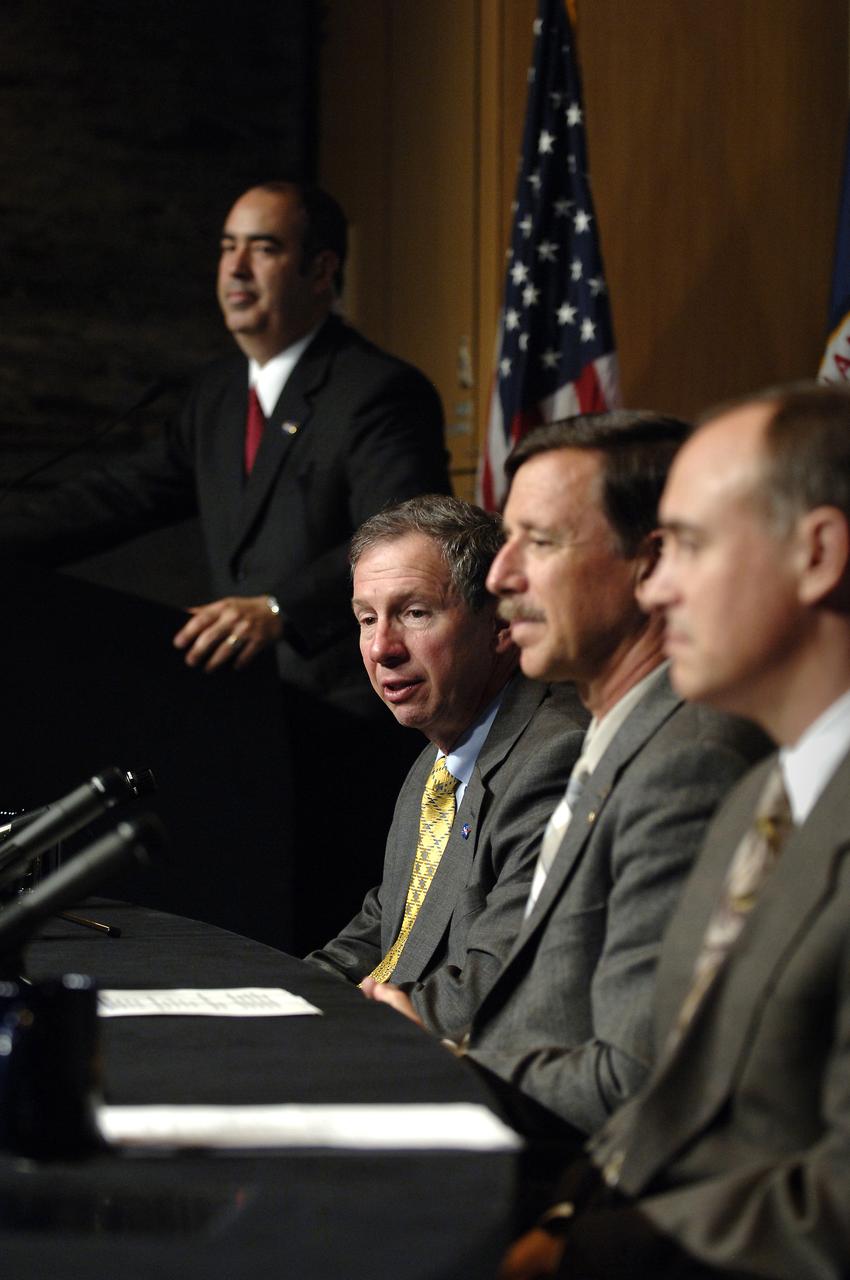
NASA Administrator Michael Griffin, seated left, Scott Horowitz, NASA Associate Administrator for Exploration Systems and Jeff Hanley, Constellation Program Manager, right, are seen during a press conference outlining specific center responsibilities associated with the Constellation Program for robotic and human moon and Mars exploration, Monday, June 5, 2006, at NASA Headquarters in Washington. Dean Acosta, NASA Deputy Assistant Administrator and Press Secretary, far left, moderates the program. Photo Credit (NASA/Bill Ingalls)

Jeff Hanley, Constellation Program Manager, speaks during a press conference outlining specific center responsibilities associated with the Constellation Program for robotic and human Moon and Mars exploration, Monday, June 5, 2006, at NASA Headquarters in Washington. Photo Credit (NASA/Bill Ingalls)
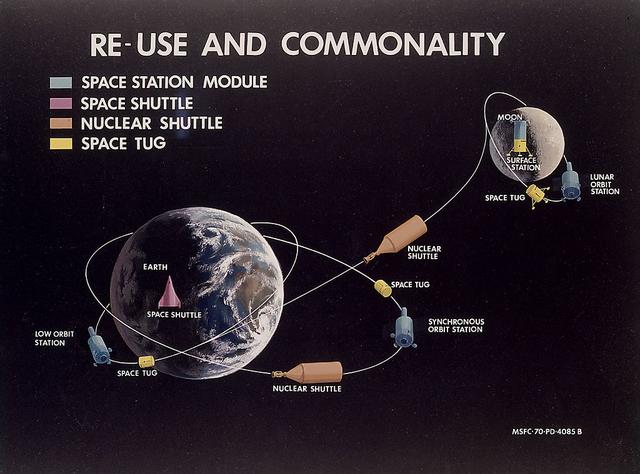
This 1970 artist's concept illustrates the use of the Space Shuttle, Nuclear Shuttle, and Space Tug in NASA's Integrated Program. As a result of the Space Task Group's recommendations for more commonality and integration in the American space program, Marshall Space Flight Center engineers studied many of the spacecraft depicted here.

Jeff Hanley, Constellation Program Manager, right, listens to a question during a NASA Update outlining responsibilities of the NASA centers associated with the Constellation Program for robotic and human Moon and Mars exploration on Wednesday, June 5, 2006, at NASA Headquarters in Washington. Photo Credit: (NASA/Bill Ingalls)

Jeff Hanley, Constellation Program Manager, announces to NASA employees and members of the media the responsibilities of the NASA centers associated with the Constellation Program for robotic and human Moon and Mars exploration on Wednesday, June 5, 2006, at NASA Headquarters in Washington. Photo Credit: (NASA/Bill Ingalls)
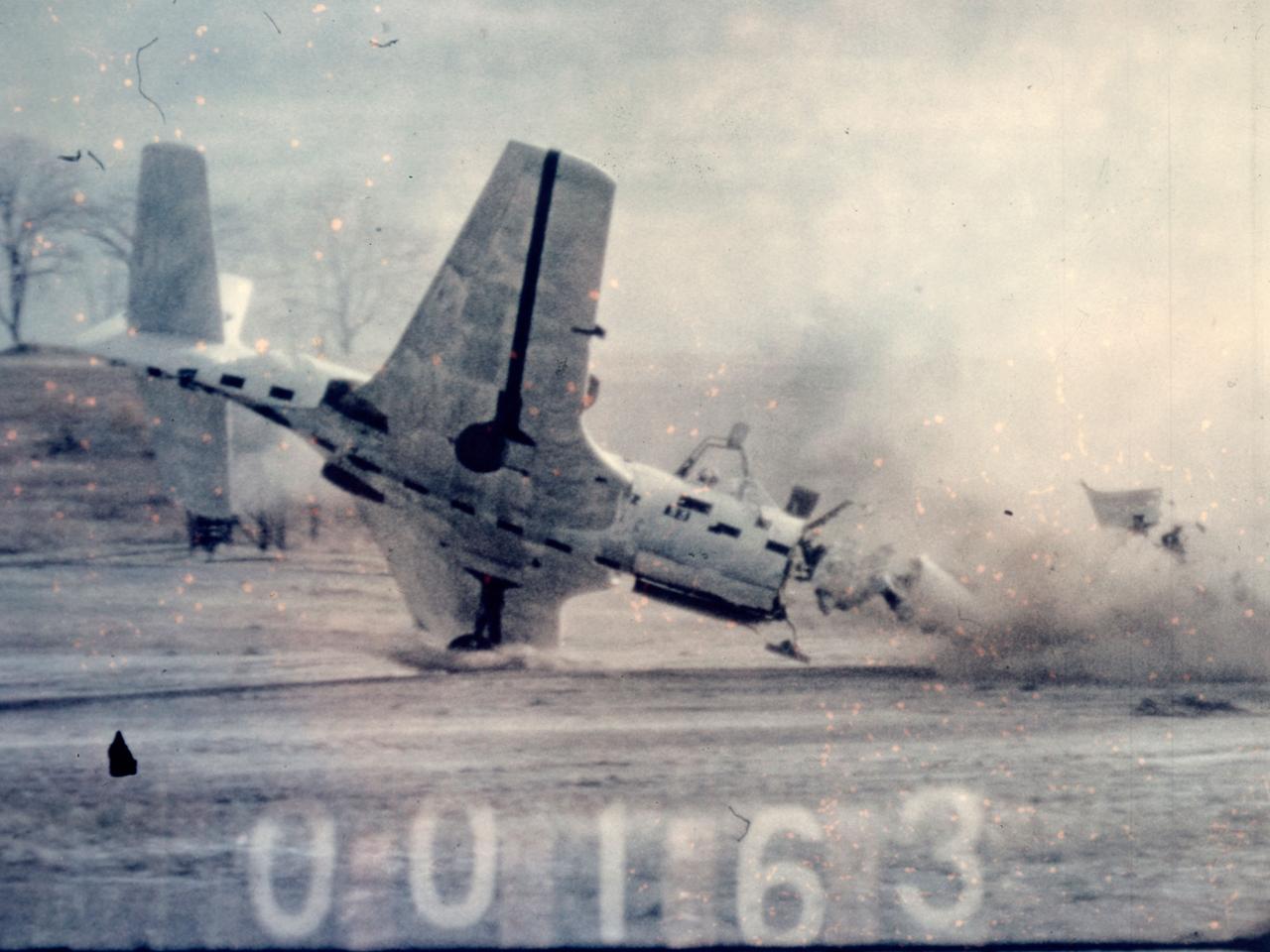
Researchers at the National Advisory Committee for Aeronautics (NACA) Lewis Flight Propulsion Laboratory purposely wreck a McDonnell FH-1 Phantom as part of the laboratory’s Crash Fire Program. NACA Lewis researchers created the program in 1949 to investigate methods for improving survival rates for take-off and landing-type crashes. In these types of crashes, the passengers often survived the impact only to perish in the ensuing fire. Previously there had been little information on the nature of post-crash fires, and it was difficult to use analytical studies in this area. Irving Pinkel, Chief of the Lewis Flight Propulsion Division, was the primary researcher. He enlisted flight safety specialist and aeronautics researchers G. Merritt Preston and Gerard Pesman, mechanical engineer Dugald Black, and others. The tests were conducted at the nearby Ravenna Arsenal using decommissioned Air Force fighter and transport aircraft. The pilotless aircraft were accelerated down a rail on a 1700-foot track at take-off speeds and run into barriers to simulate a variety of different types of crashes. The first barrier stripped off the landing gears and another briefly sent the aircraft off the ground before it crashed into a dirt mound. Telemetry and high-speed cameras were crucial elements in these studies. NACA Lewis photographer Bill Wynne developed a method for inserting timekeeping devices on test film that were able to show time to one thousandth of a second.
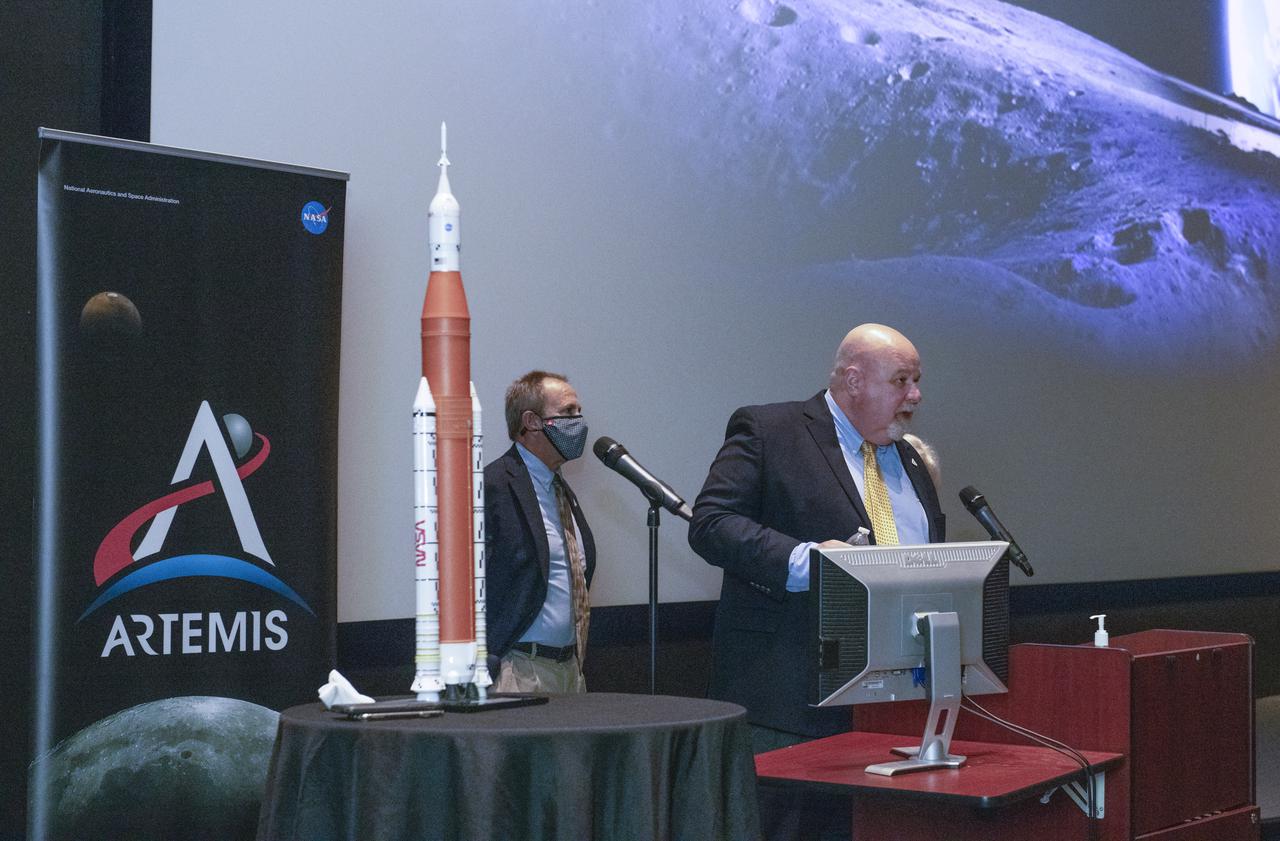
John Honeycutt, SLS Program Manager, takes questions at Chamber Media Briefing at USSRC
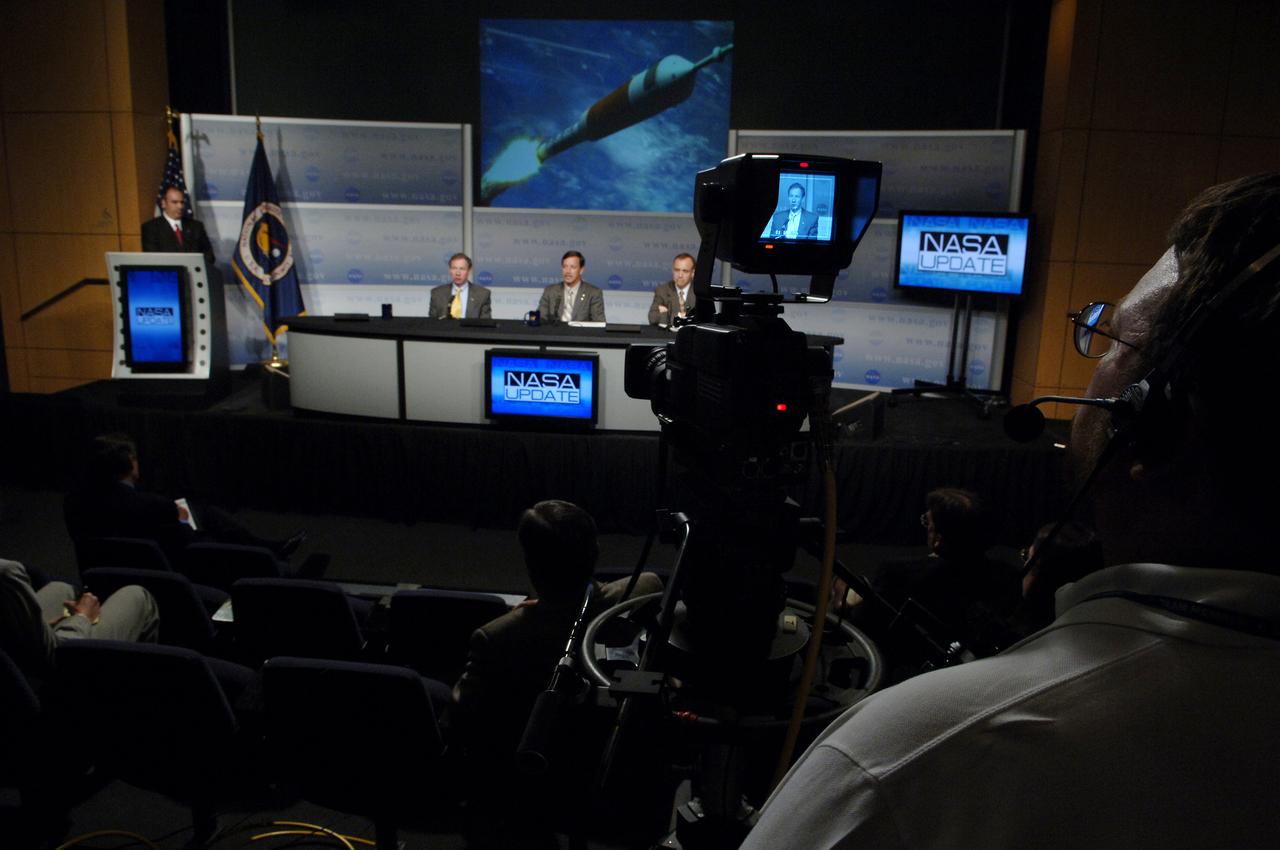
NASA Administrator Michael Griffin is seen through a television camera at a NASA Update announcing to NASA employees and members of the media the responsibilities of the NASA centers associated with the Constellation Program for robotic and human Moon and Mars exploration on Wednesday, June 5, 2006, at NASA Headquarters in Washington. Griffin was joined by Scott J. Horowitz, NASA Associate Administrator for Exploration Systems and Jeff Hanley, Constellation Program Manager, right. Dean Acosta, NASA Deputy Assistant Administrator and Press Secretary, far left, moderates the program. Photo Credit: (NASA/Bill Ingalls)
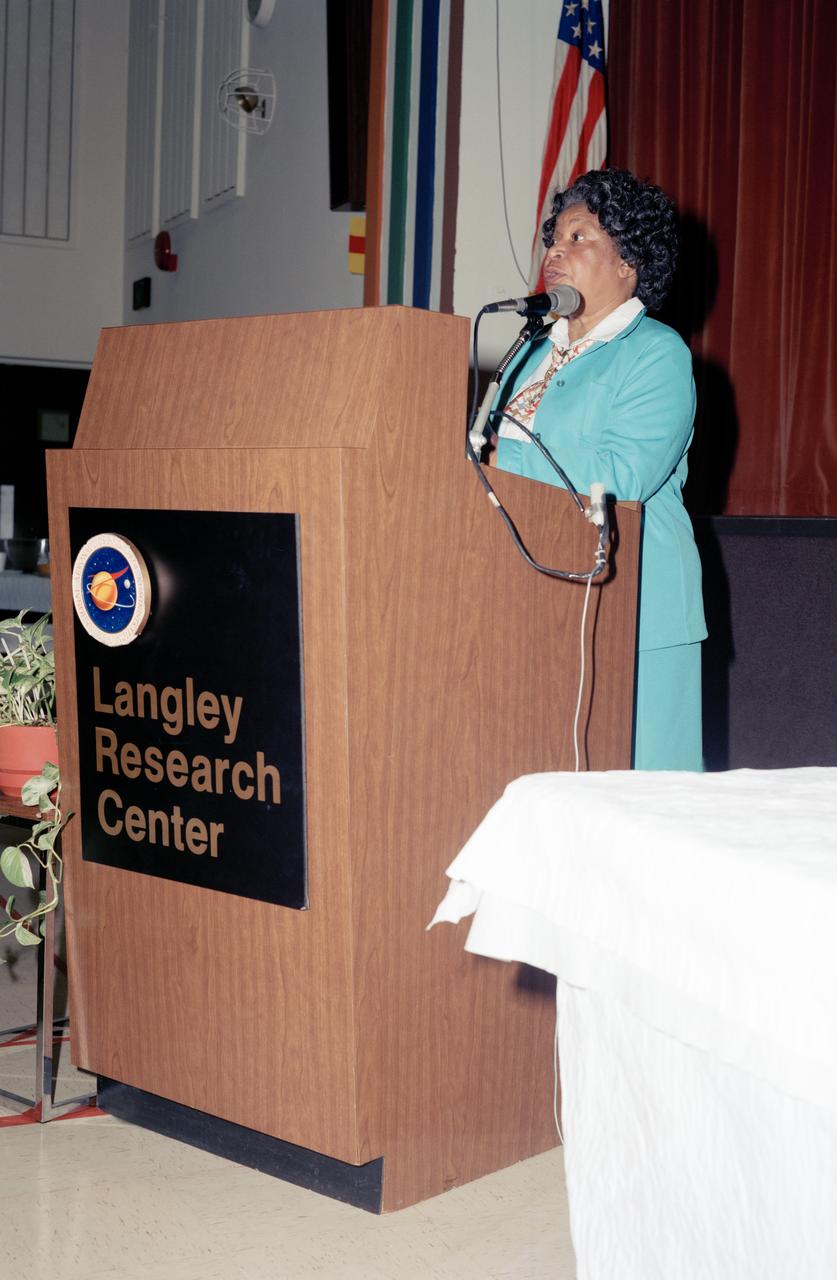
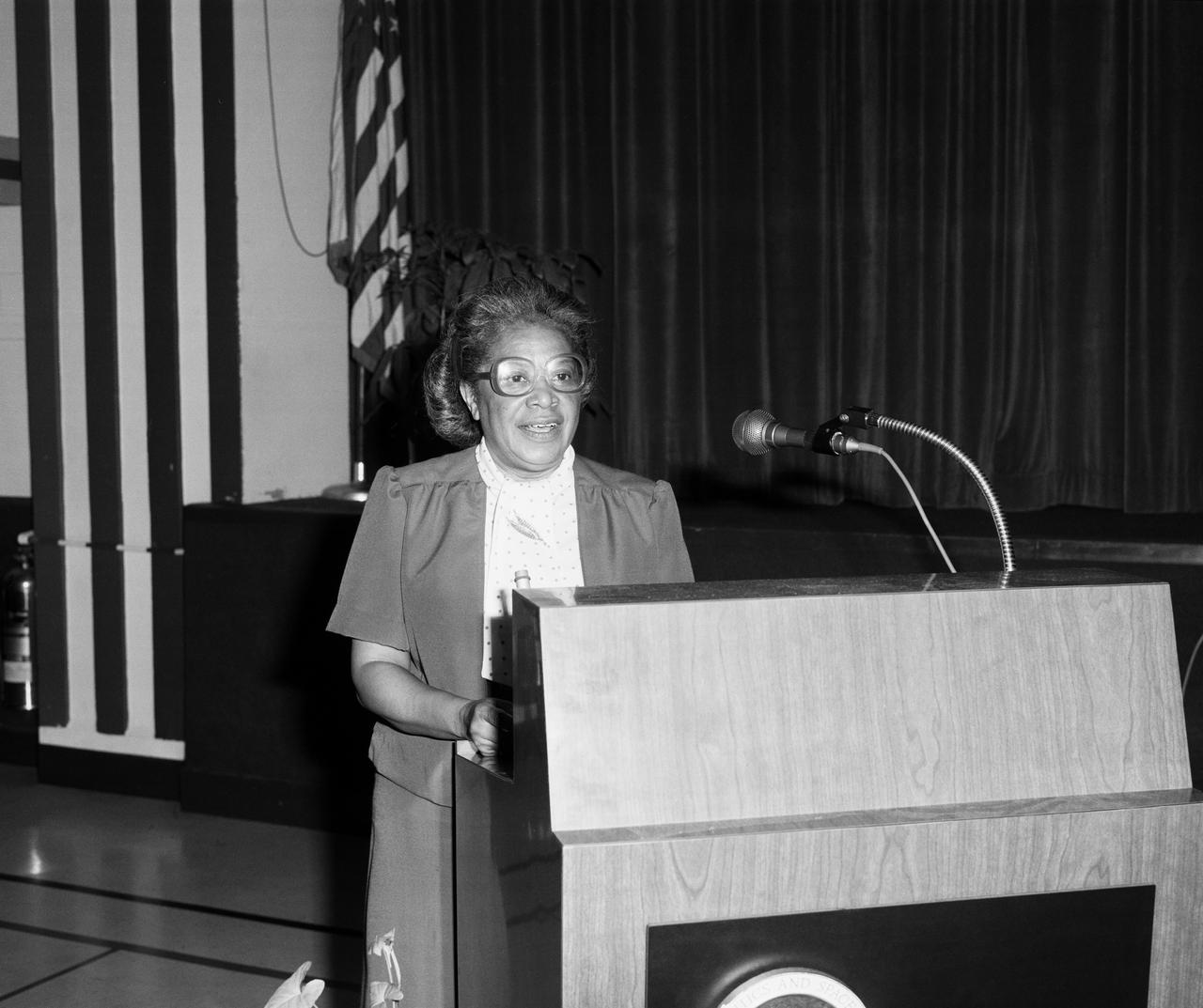
Federal Women's Program speaking is Mary Jackson. In 1958 Mary Jackson became NASA’s first black female engineer.
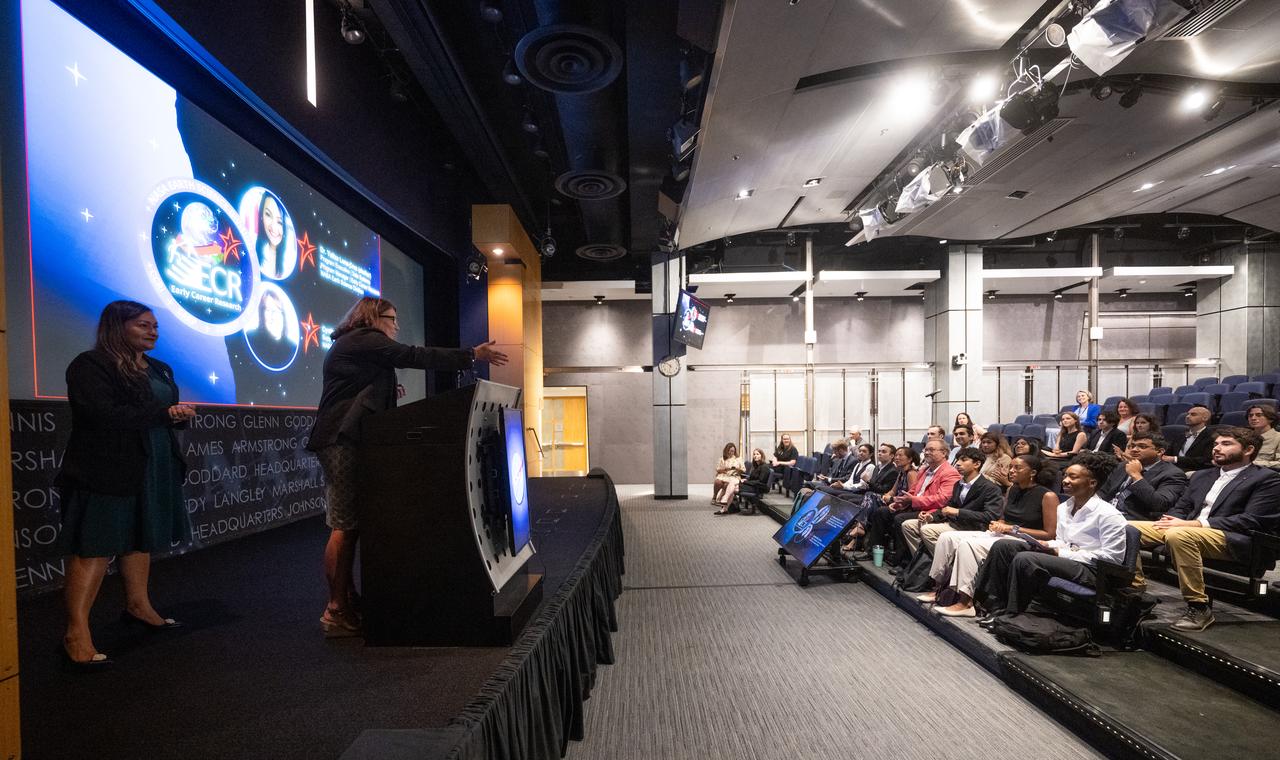
Cynthia Hall, support scientist for the Early Career Research Program in NASA’s Earth Science Division, right, and Yaítza Luna-Cruz, a program executive in the Earth Science Division of NASA’s Science Mission Directorate and program manager for the Early Career Research Program speak to the Climate Change Research Initiative (CCRI) cohort, Wednesday, Aug. 7, 2024, at the Mary W. Jackson NASA Headquarters building in Washington, DC. The Earth Science Division’s Early Career Research Program’s Climate Change Research Initiative (CCRI) is a year-long STEM engagement and experiential learning opportunity for educators and students from high school to graduate level. Photo Credit: (NASA/Joel Kowsky)
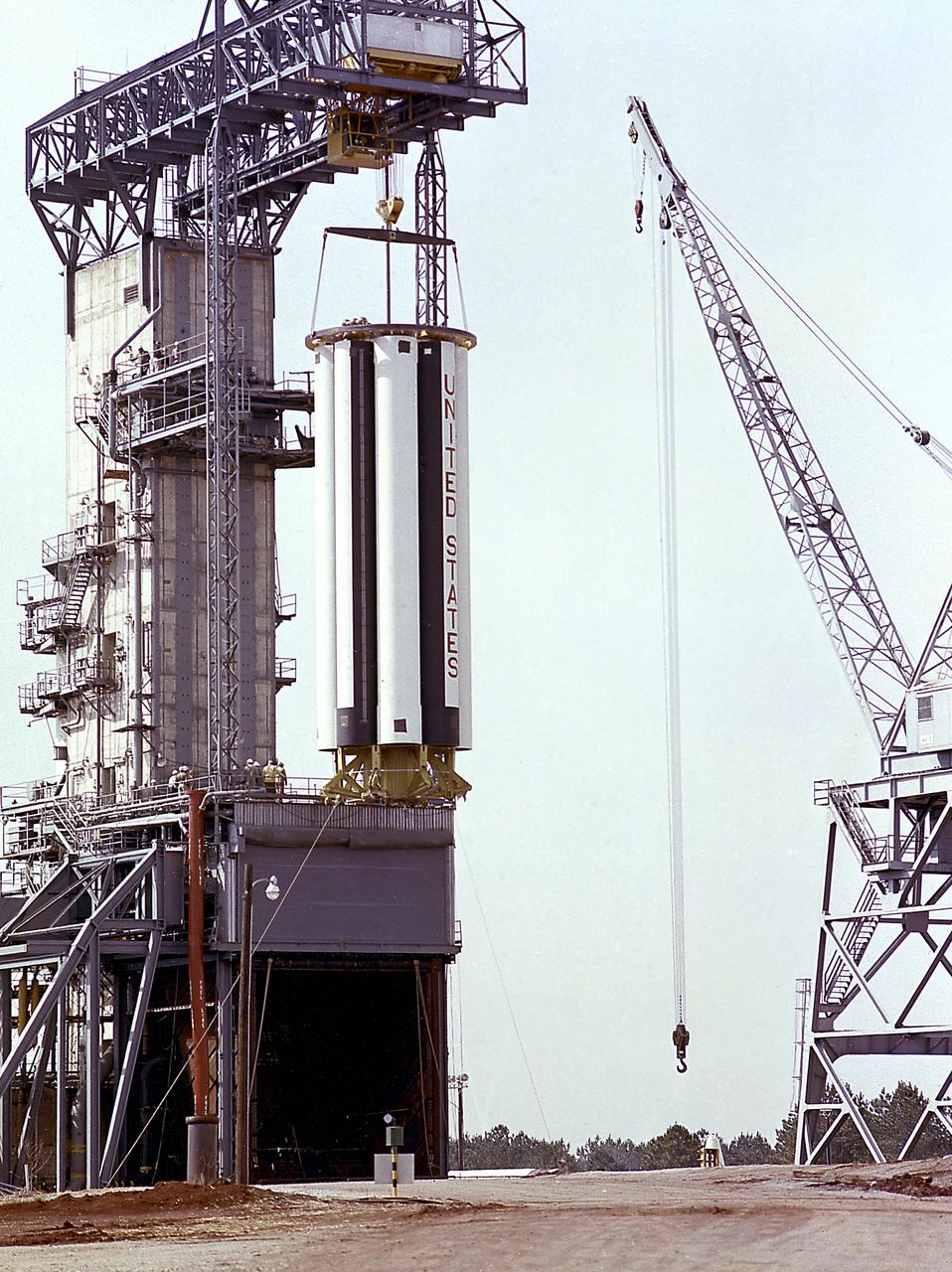
The Saturn Project was approved on January 18, 1960, as a program of the highest national priority. The formal test program to prove out the clustered-booster concept was well underway at Redstone Arsenal. This photograph depicts a mockup of the Saturn booster (S-I stage) being installed in the Army Ballistic Missile Agency (ABMA) test stand, on January 19, 1960, to check mating of the booster and stand and servicing methods.
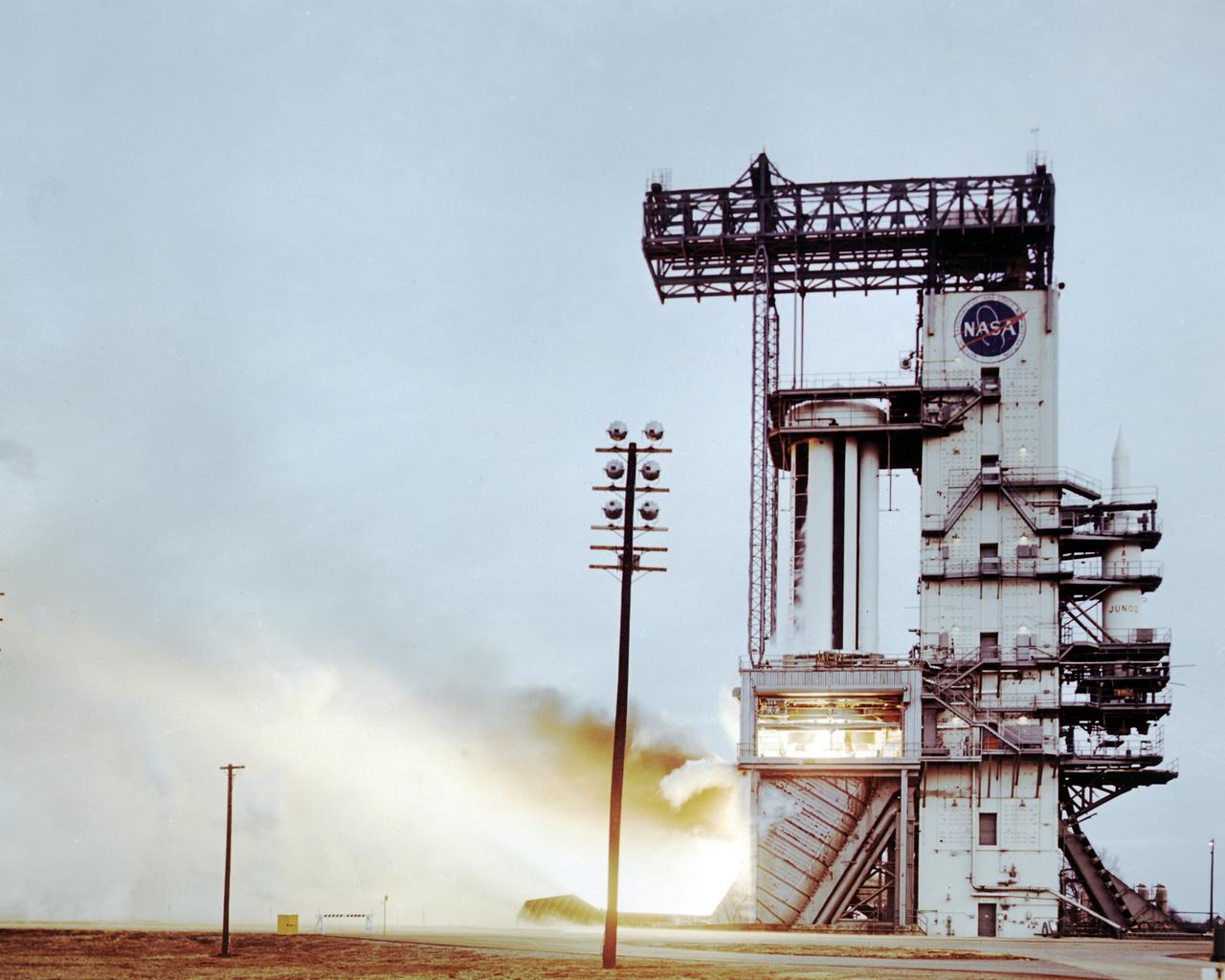
The Saturn project was approved on January 18, 1960 as a program of the highest national priority. The formal test program to prove out the clustered-booster concept was well underway. A series of static tests of the Saturn I booster (S-I stage) began June 3, 1960 at the Marshall Space Flight Center (MSFC). This photograph depicts the Saturn I S-I stage equipped with eight H-1 engines, being successfully test-fired on February 4, 1961. A Juno rocket is visible on the right side of the test stand.

Scott Horowitz, NASA Associate Administrator for Exploration Systems, center, speaks as Jeff Hanley, Constellation Program Manager, right, looks on during a press conference outlining specific center responsibilities associated with the Constellation Program for robotic and human Moon and Mars exploration, Monday, June 5, 2006, at NASA Headquarters in Washington. Photo Credit (NASA/Bill Ingalls)
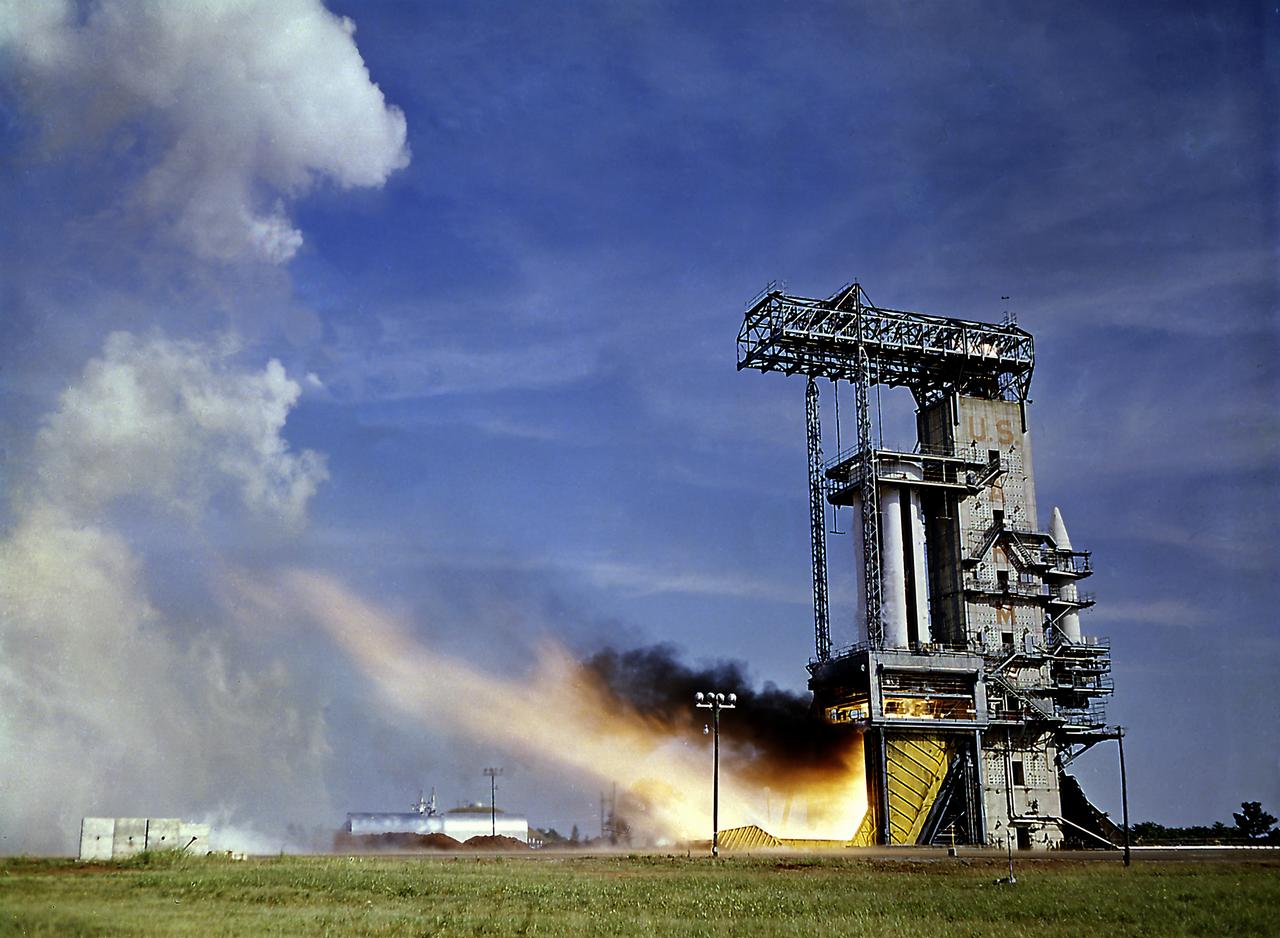
The Saturn Project was approved on January 18, 1960 as a program of the highest national priority. The formal test program to prove out the clustered-booster concept was well underway. A series of static tests of the Saturn I booster (S-I stage) began June 3, 1960 at the Marshall Space Flight Center (MSFC). This photograph depicts the Saturn I S-I stage equipped with eight H-1 engines, being successfully test-fired for the duration of 121 seconds on June 15, 1960.
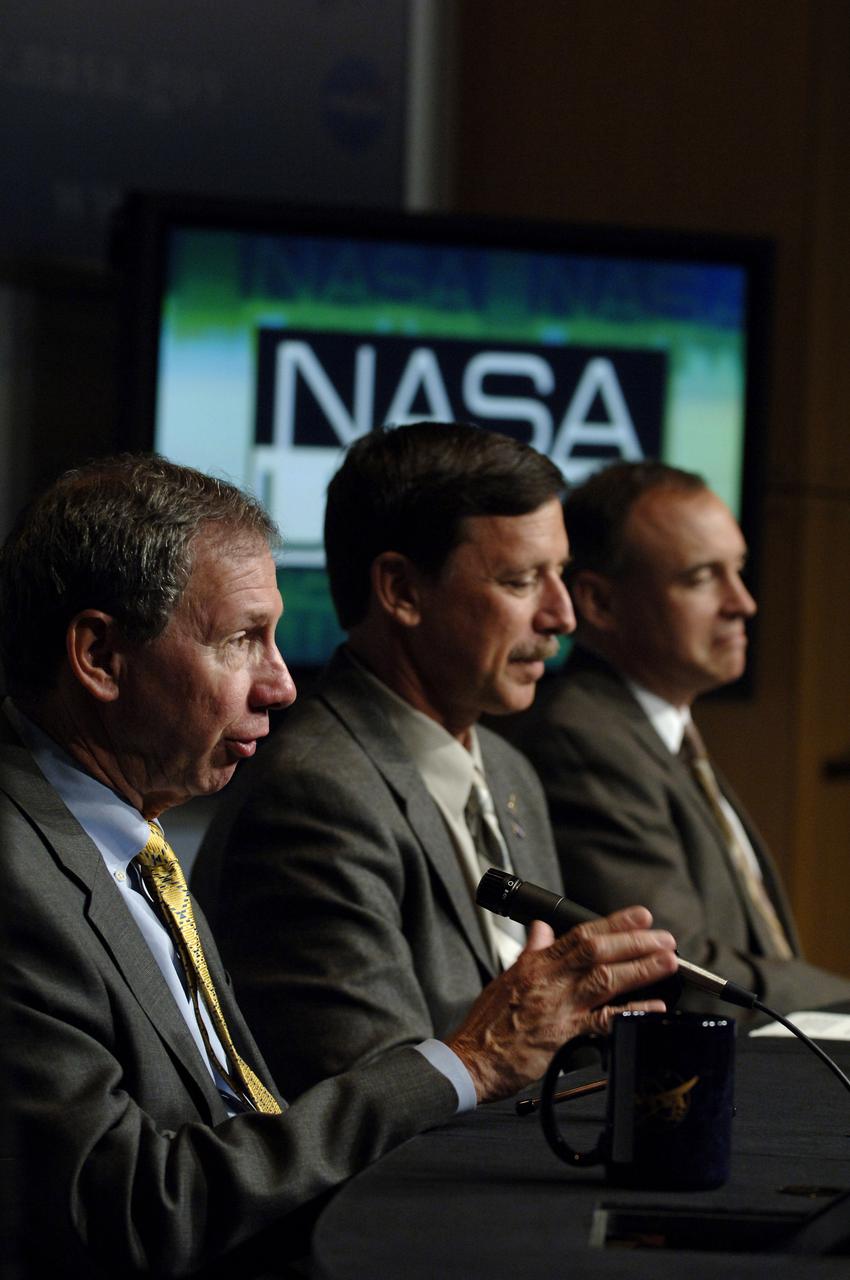
NASA Administrator Michael Griffin, left, announces to NASA employees and members of the media the responsibilities of the NASA centers associated with the Constellation Program for robotic and human Moon and Mars exploration on Wednesday, June 5, 2006, at NASA Headquarters in Washington. He is joined by Scott J. Horowitz, NASA Associate Administrator for Exploration Systems and Jeff Hanley, Constellation Program Manager, right. Photo Credit: (NASA/Bill Ingalls)
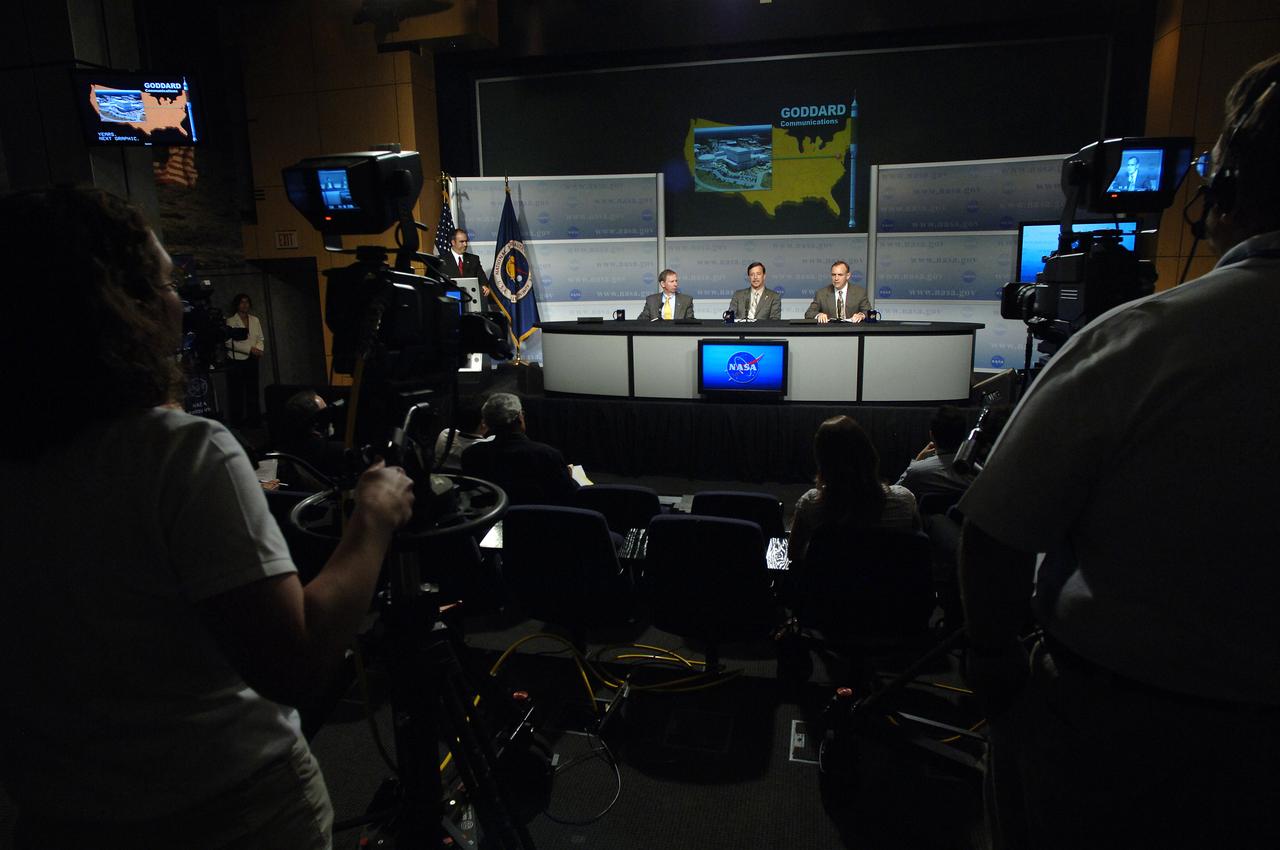
NASA Administrator Michael Griffin, left, Scott Horowitz, NASA Associate Administrator for Exploration Systems and Jeff Hanley, Constellation Program Manager, right, are seen during a press conference outlining specific center responsibilities associated with the Constellation Program for robotic and human Moon and Mars exploration, Monday, June 5, 2006, at NASA Headquarters in Washington. Photo Credit (NASA/Bill Ingalls)

Scott Horowitz, NASA Associate Administrator for Exploration Systems, left, and Jeff Hanley, Constellation Program Manager, are seen during a press conference outlining specific center responsibilities associated with the Constellation Program for robotic and human Moon and Mars exploration, Monday, June 5, 2006, at NASA Headquarters in Washington. Photo Credit (NASA/Bill Ingalls)

Members of the media listen during a press conference with NASA Administrator Michael Griffin, Scott Horowitz, NASA Associate Administrator for Exploration Systems and Jeff Hanley, Constellation Program Manager, outlining specific center responsibilities associated with the Constellation Program for robotic and human Moon and Mars exploration, Monday, June 5, 2006, at NASA Headquarters in Washington. Photo Credit (NASA/Bill Ingalls)
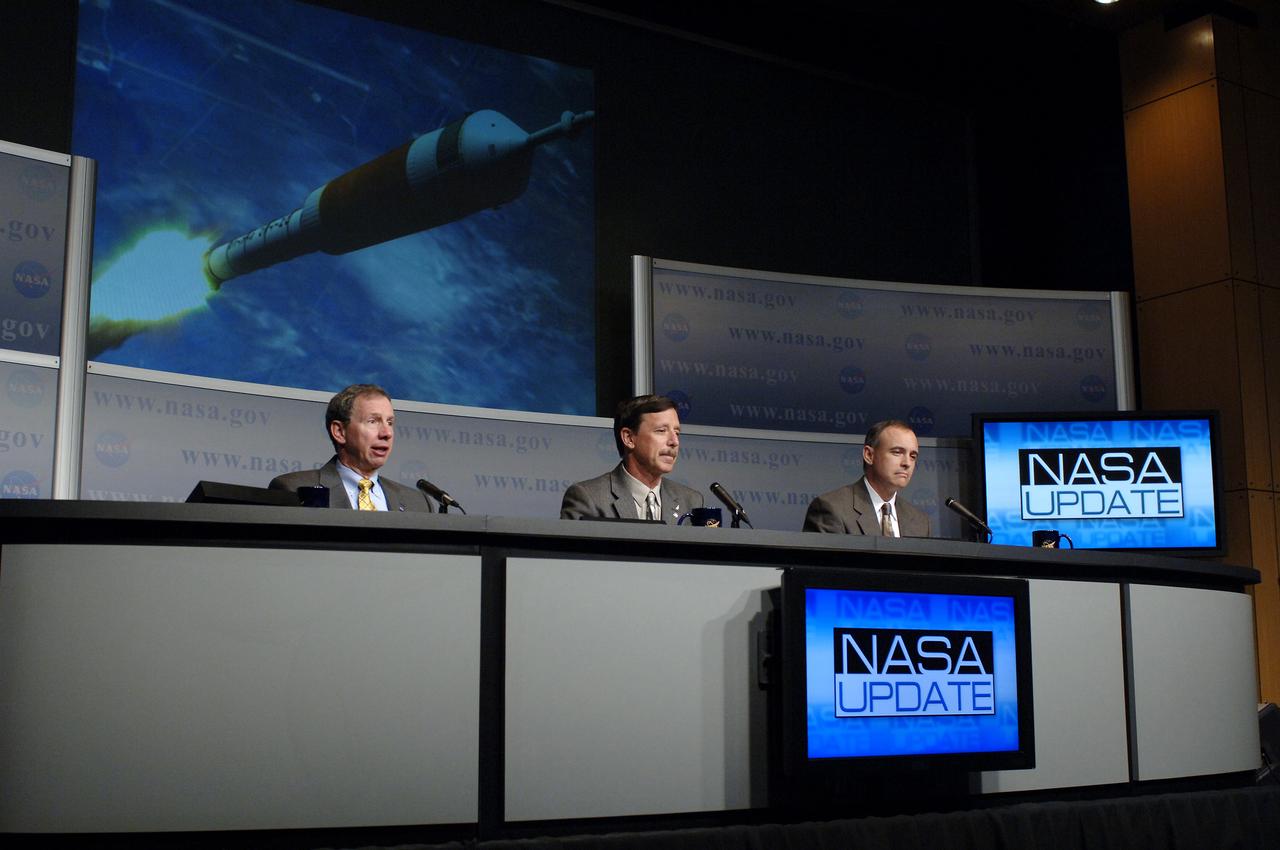
NASA Administrator Michael Griffin, left, Scott J. Horowitz, NASA Associate Administrator for Exploration Systems and Jeff Hanley, Constellation Program Manager, right, announce to NASA employees and members of the media the responsibilities of the NASA centers associated with the Constellation Program for robotic and human Moon and Mars exploration on Wednesday, June 5, 2006, at NASA Headquarters in Washington. Photo Credit: (NASA/Bill Ingalls)