Propulsion Systems Laboratory, PSL Fundamental Aero Test
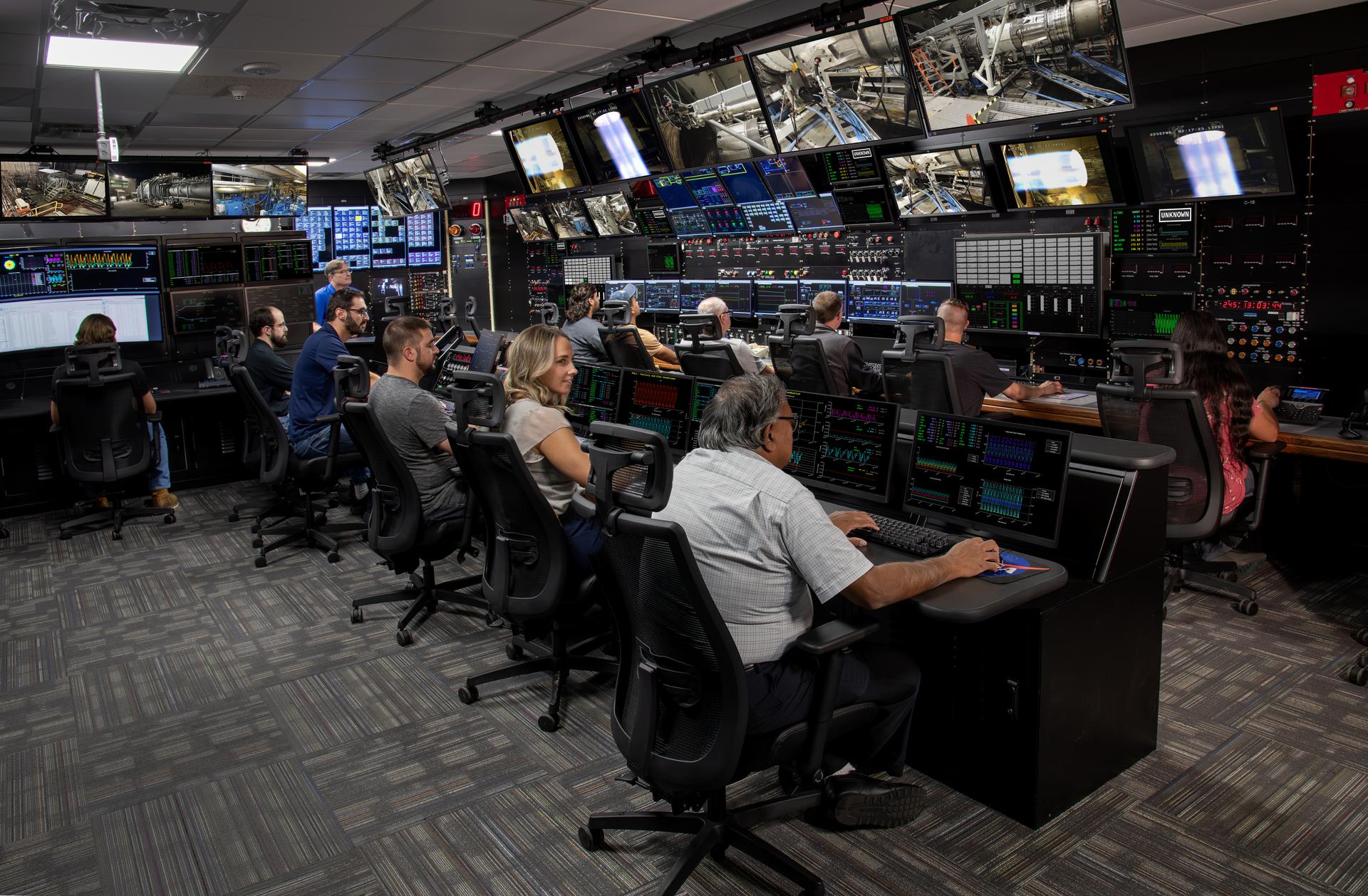
NASA GRC PSL, Propulsion System Lab, control room with operations personnel
NASA GRC PSL, Propulsion System Lab, control room
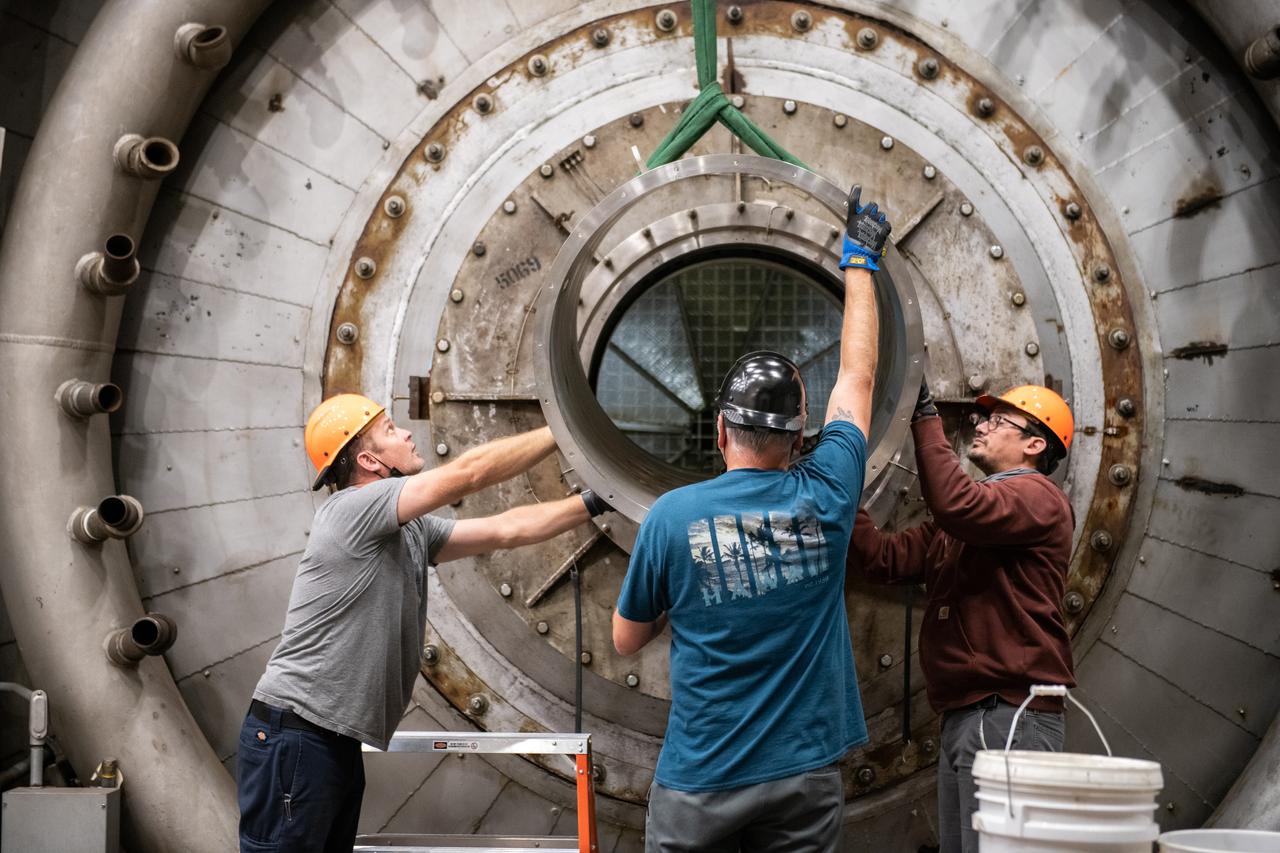
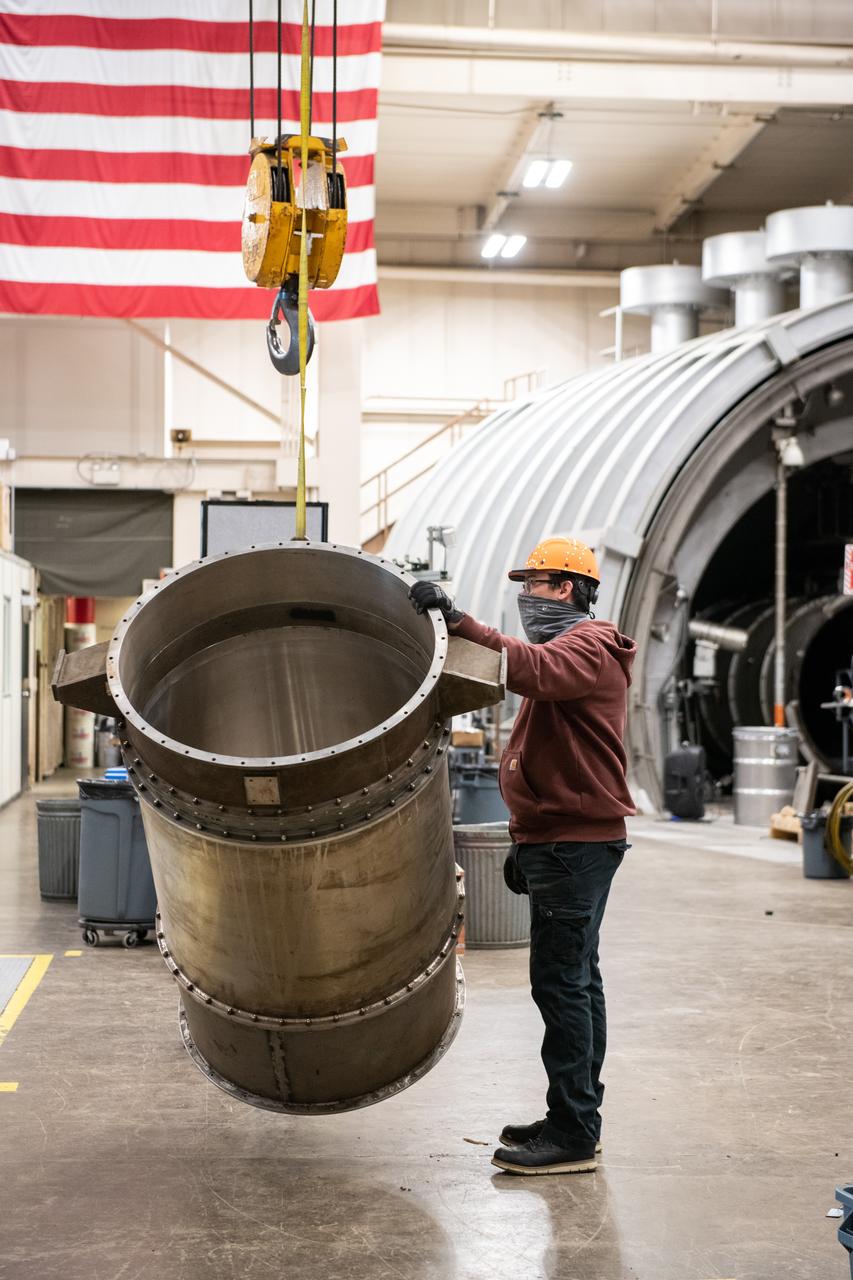
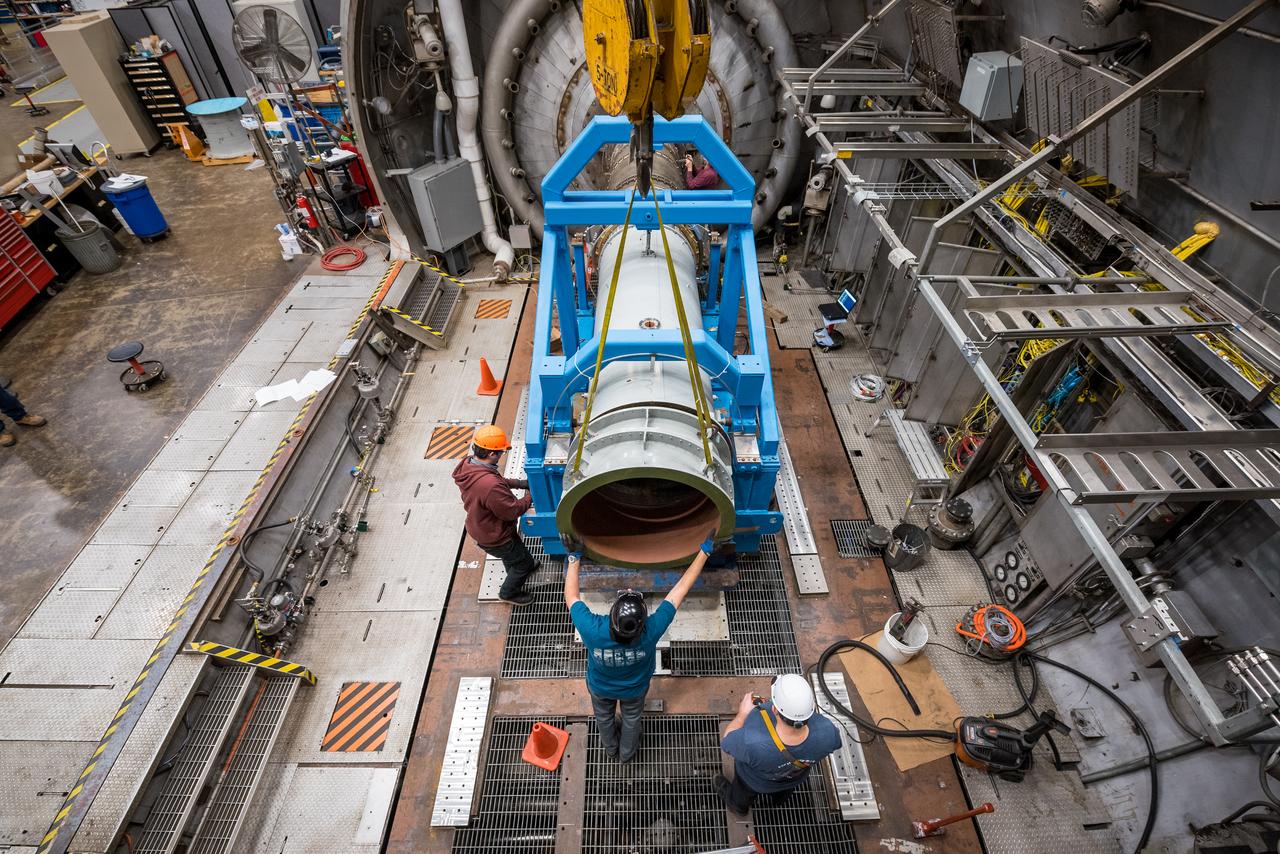
American Society of Mechanical Engineers, ASME Nozzle Test at Propulsion Systems Laboratory, PSL Documentation Photographs
American Society of Mechanical Engineers, ASME Nozzle Test at Propulsion Systems Laboratory, PSL
American Society of Mechanical Engineers, ASME Nozzle Test at Propulsion Systems Laboratory, PSL Documentation Photographs
American Society of Mechanical Engineers, ASME Nozzle Test at Propulsion Systems Laboratory, PSL
American Society of Mechanical Engineers ASME Nozzle Test at Propulsion Systems Laboratory PSL Documentation Photos from Time-lapse
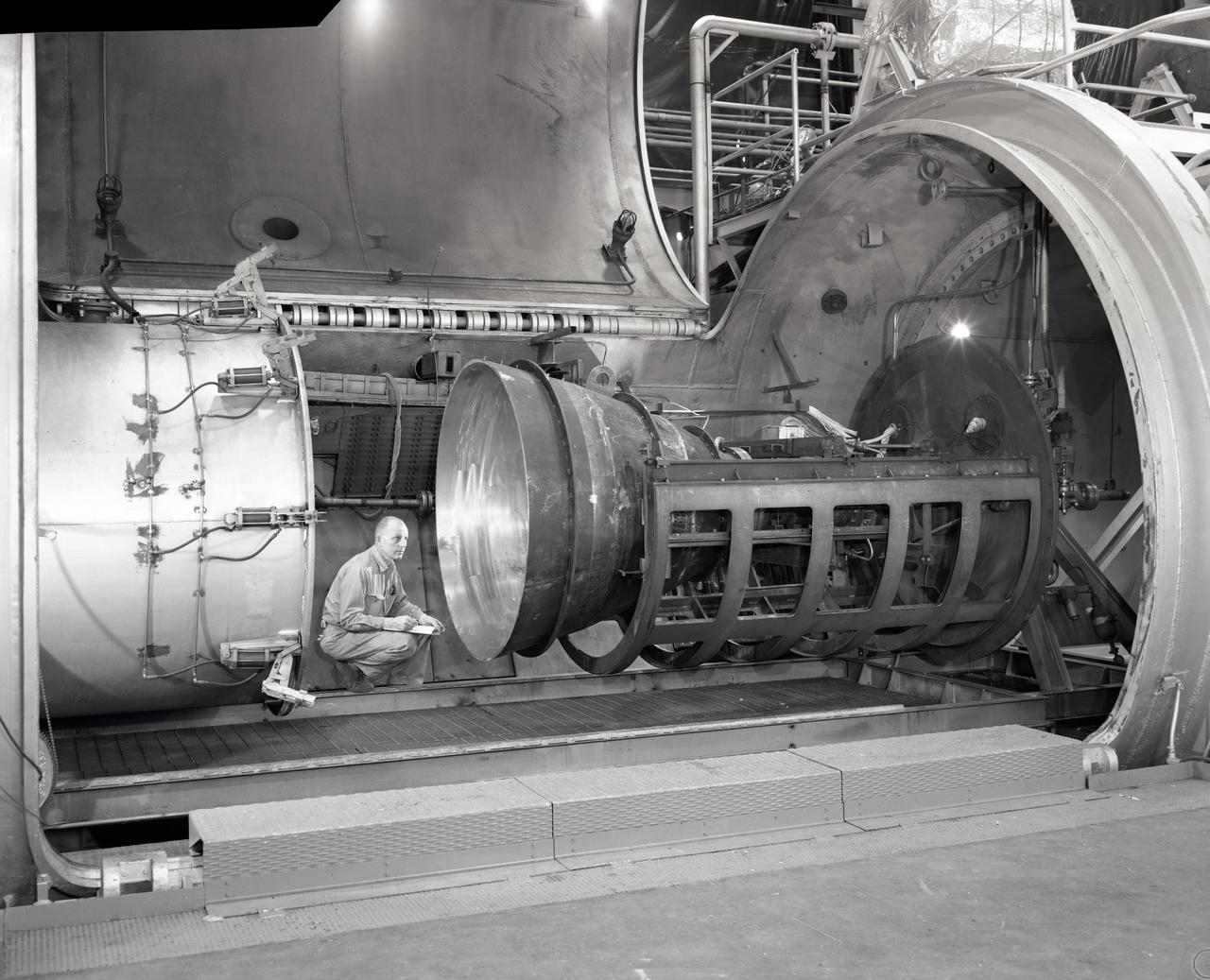
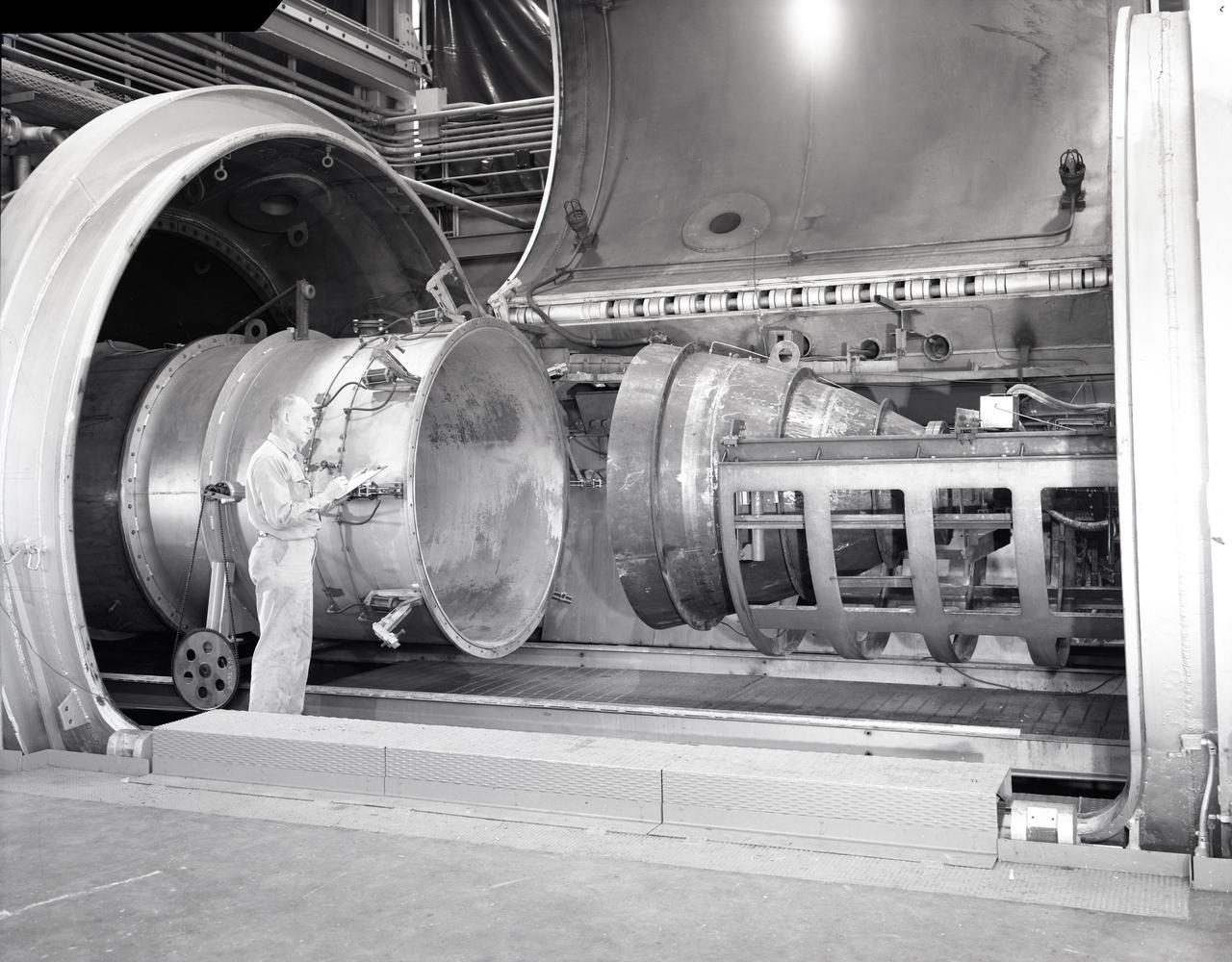
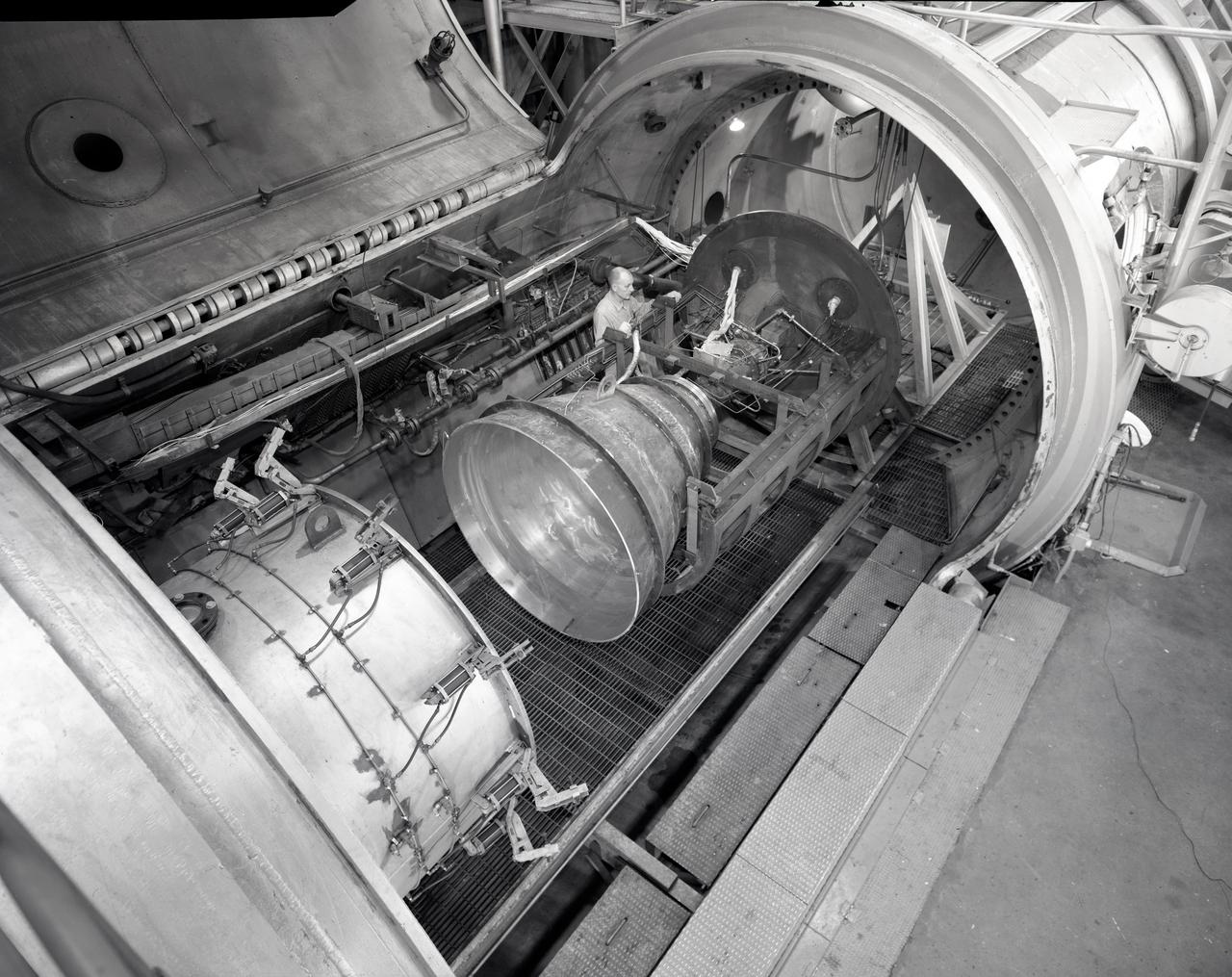
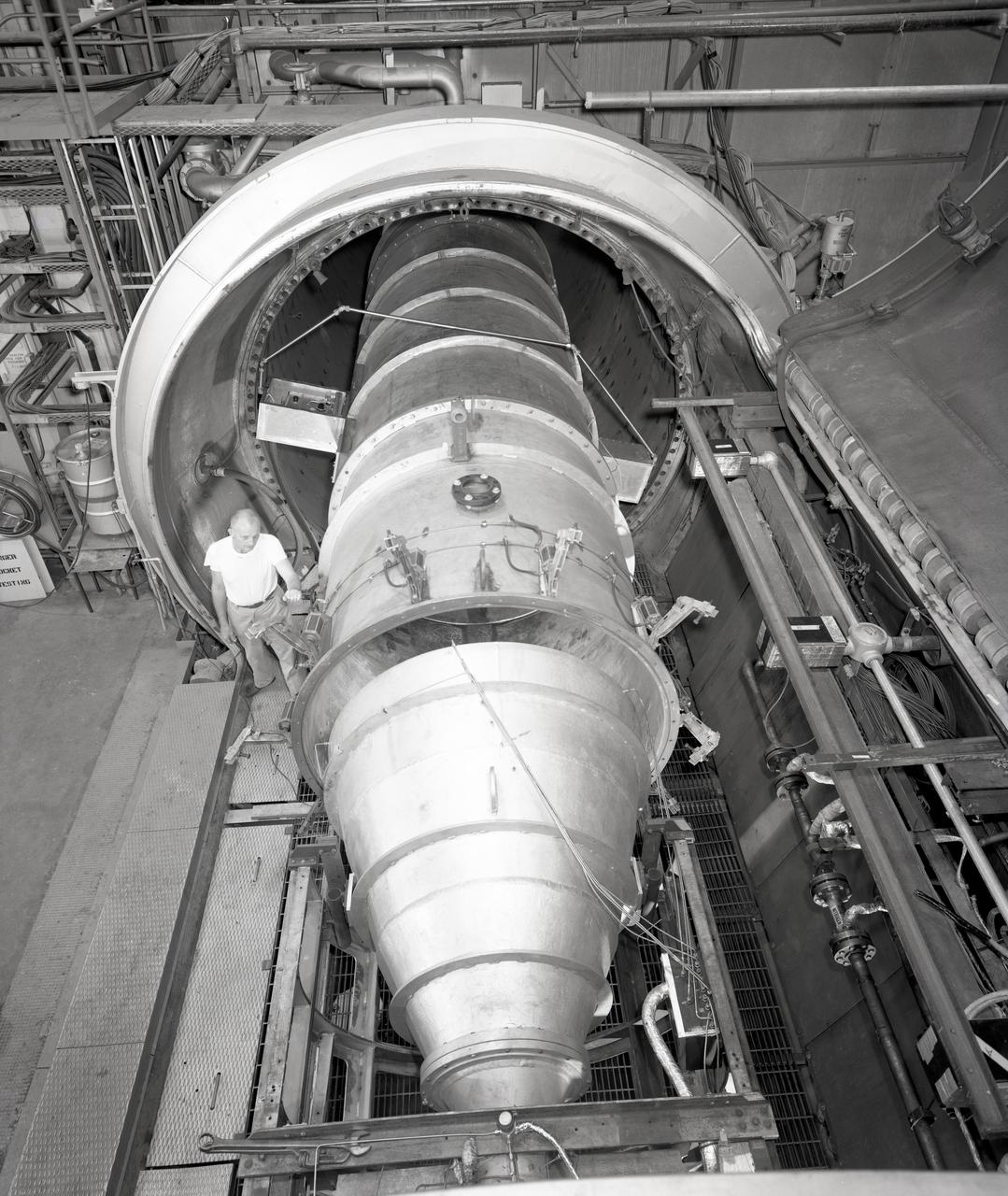
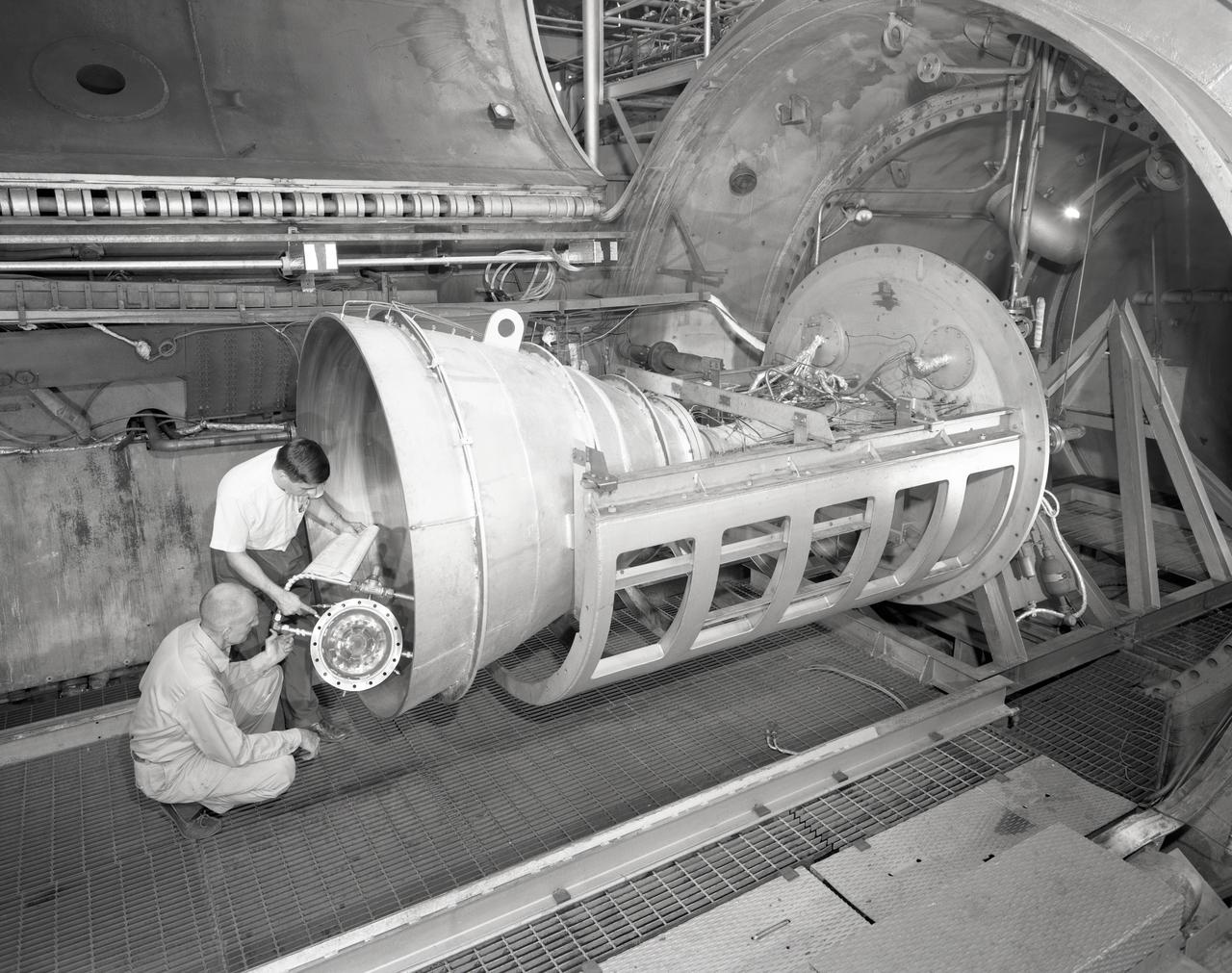
APOLLO CONTOUR ENGINE MOUNTED IN THE PROPULSION SYSTEMS LABORATORY PSL NO. 2 TEST CELL
APOLLO CONTOUR ENGINE MOUNTED IN THE PROPULSION SYSTEMS LABORATO
APOLLO CONTOUR ENGINE MOUNTED IN THE PROPULSION SYSTEMS LABORATORY PSL NO. 2 TEST CELL
APOLLO CONTOUR ENGINE MOUNTED IN THE PROPULSION SYSTEMS LABORATO
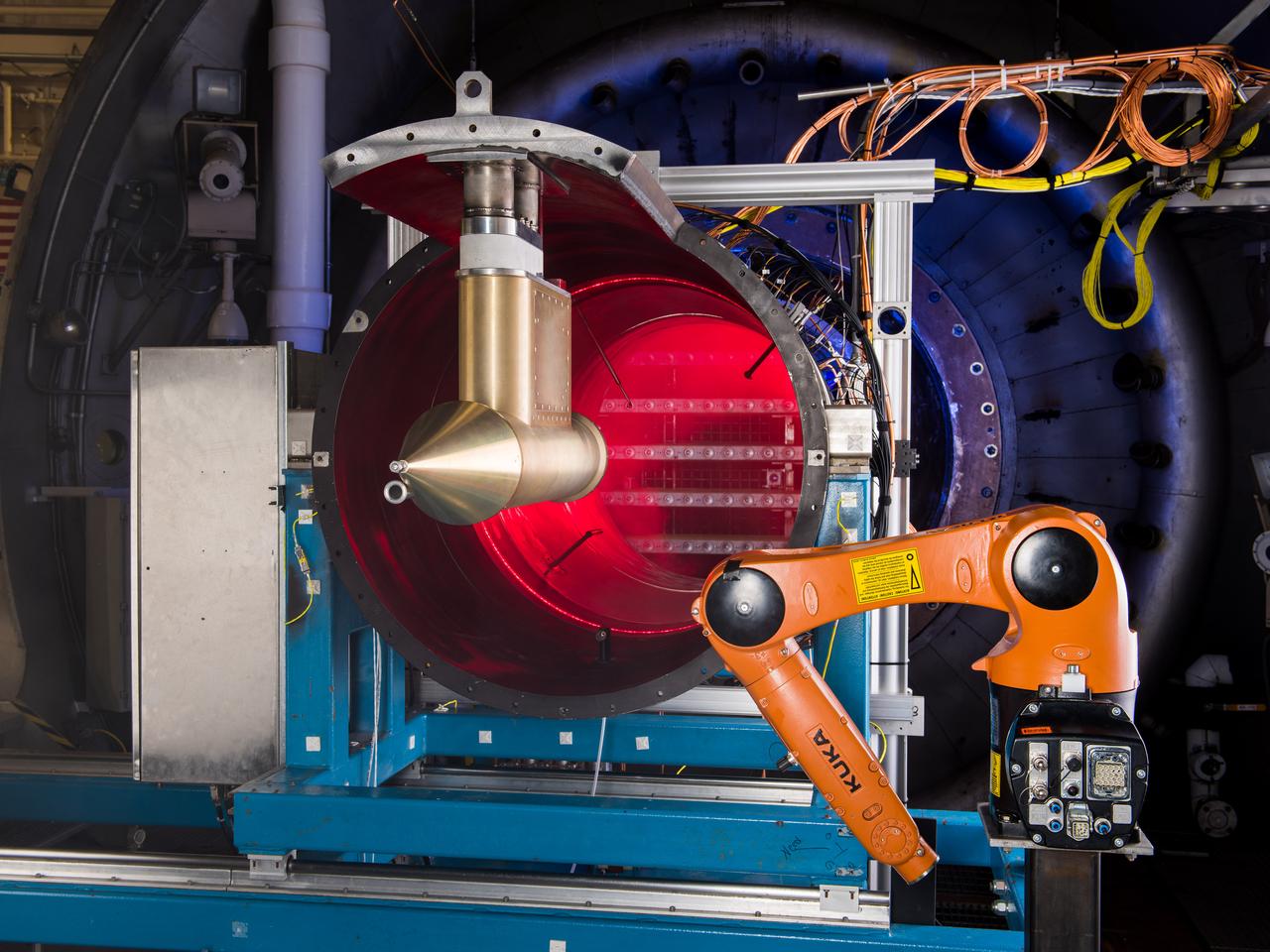
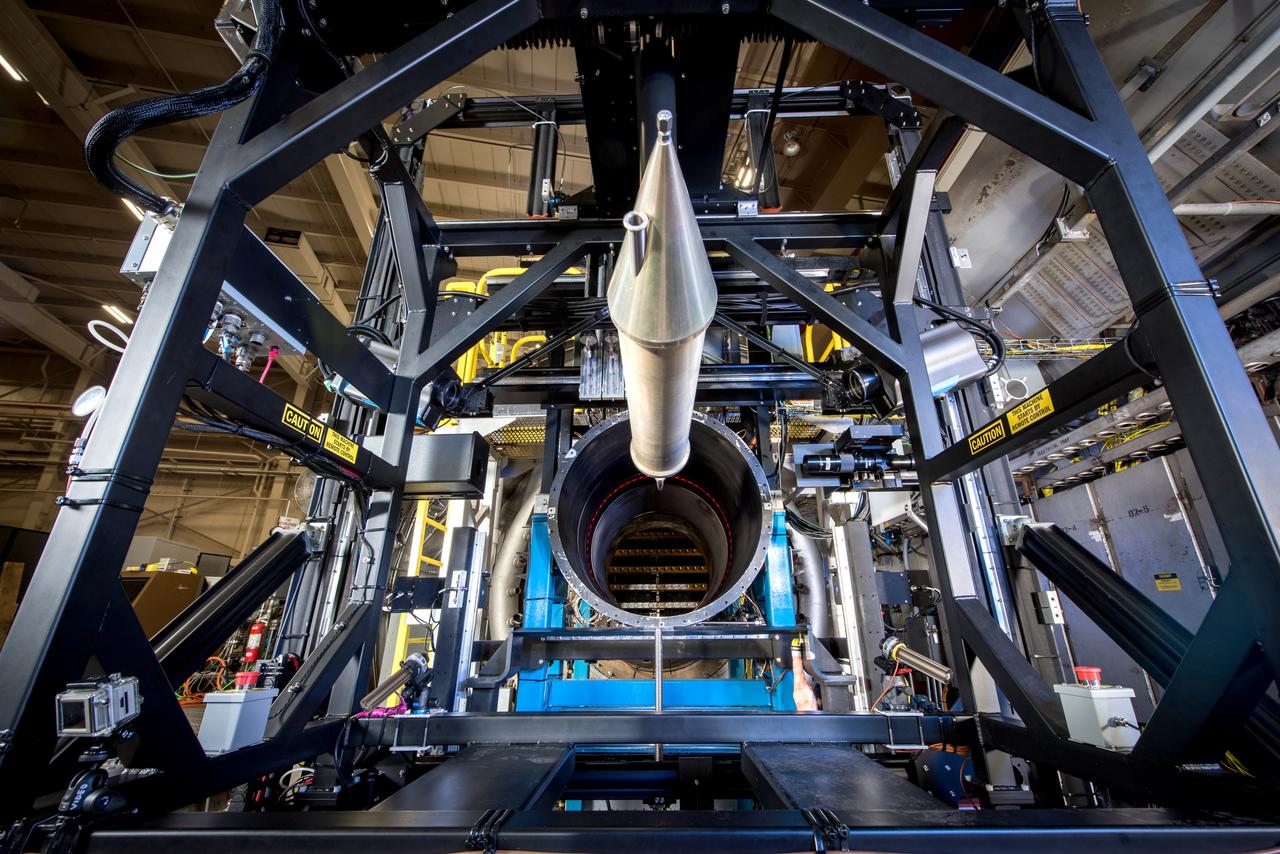
NASA Glenn’s Propulsion Systems Lab (PSL) is conducting research to characterize ice crystal clouds that can create a hazard to aircraft engines in certain conditions. With specialized equipment, scientists can create a simulated ice crystal cloud with the set of bars in the back spraying out a mist. The red area includes lasers, which measure the intensity of the cloud and a series of probes to measure everything from humidity to air pressure. The isokinetic probe (in gold) samples particles and the robotic arm (in orange) has a test tube on the end that catches ice particles for further measuring. NASA Glenn’s PSL is the only place in the world which can create these kind of ice crystal cloud conditions.
Propulsion Systems Lab
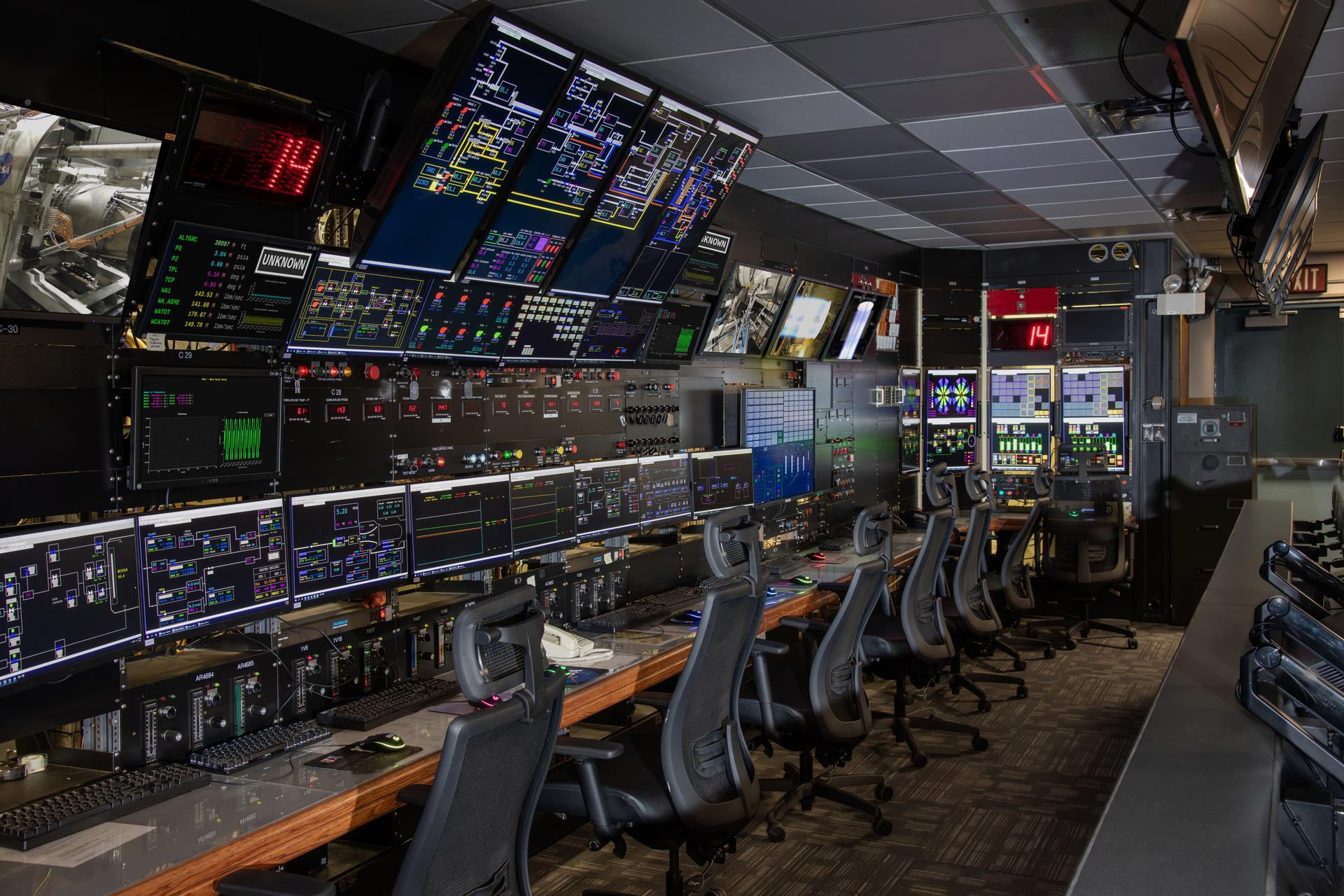
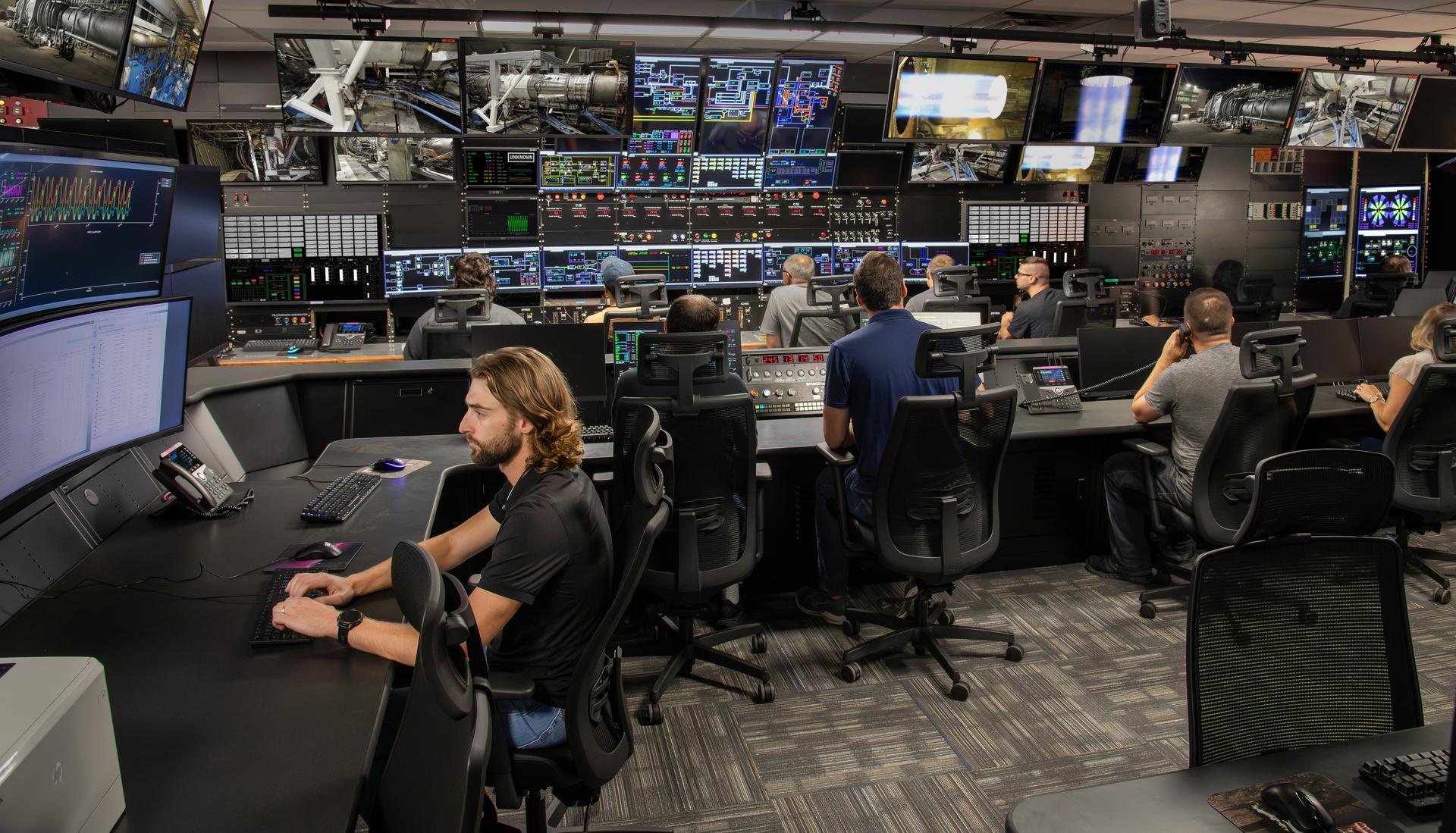
Gunnar Kadlic monitors the data system in the NASA Glenn's Propulsion System Lab (PSL) recently remodeled control room.  This is where jet and rocket engines are tested at GRC.  This re-modeled control room offers better test monitoring and work stations for test engineers and technicians.
GRC-2025-C-07466
APOLLO CONTOUR ENGINE MOUNTED IN THE PROPULSION SYSTEMS LABORATORY PSL NO. 2 TEST CELL
APOLLO CONTOUR ENGINE MOUNTED IN THE PROPULSION SYSTEMS LABORATO
Apollo Contour Engine Model being tested in the NASA Lewis Research Center, Propulsion Systems Laboratory, PSL
Apollo Contour Engine Model being tested in the NASA Lewis Resea
Apollo Contour Engine Model being tested in the NASA Lewis Research Center, Propulsion Systems Laboratory, PSL
Apollo Contour Engine Model being tested in the NASA Lewis Resea
NASA Glenn’s Propulsion Systems Lab (PSL) is conducting research to characterize ice crystal clouds that can create a hazard to aircraft engines under certain conditions. The isokinetic probe (in gold) samples particles and another series of probes can measure everything from humidity to air pressure.
Ice Crystal Cloud Research
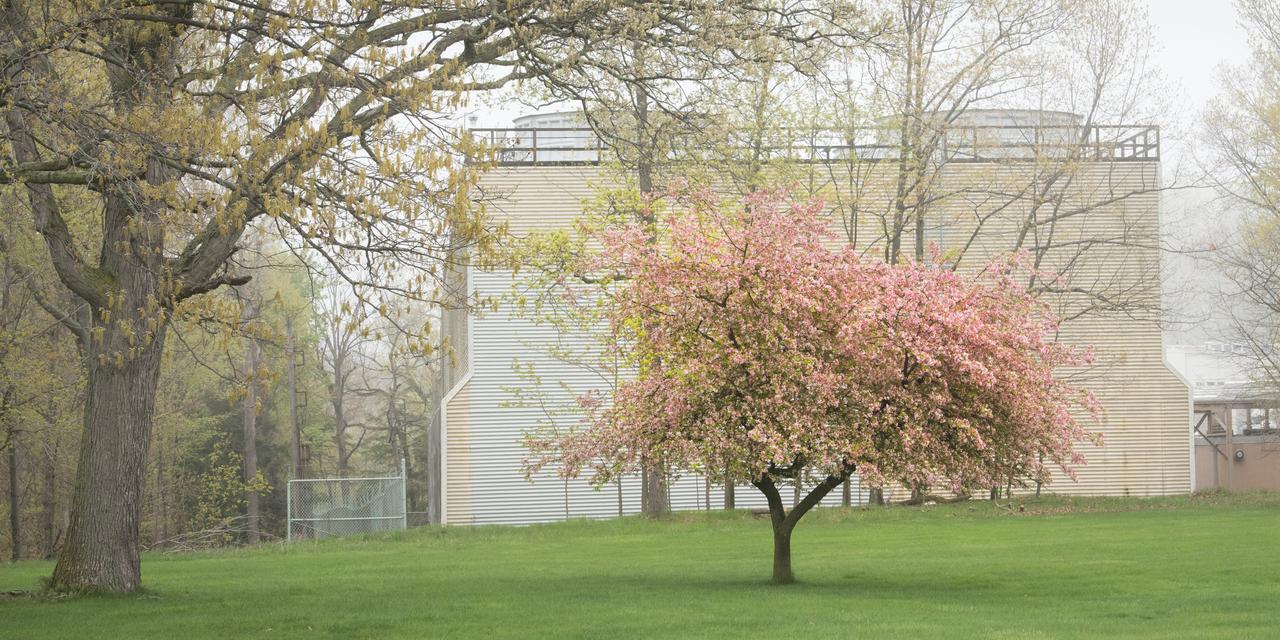
Flowering Crab Apple Tree in full Bloom in front of the Propulsion Systems Laboratory, PSL Cooling Tower #6 on a Foggy Day in Early Spring
Flowering Crab Apple Tree in full Bloom in front of the Propulsi
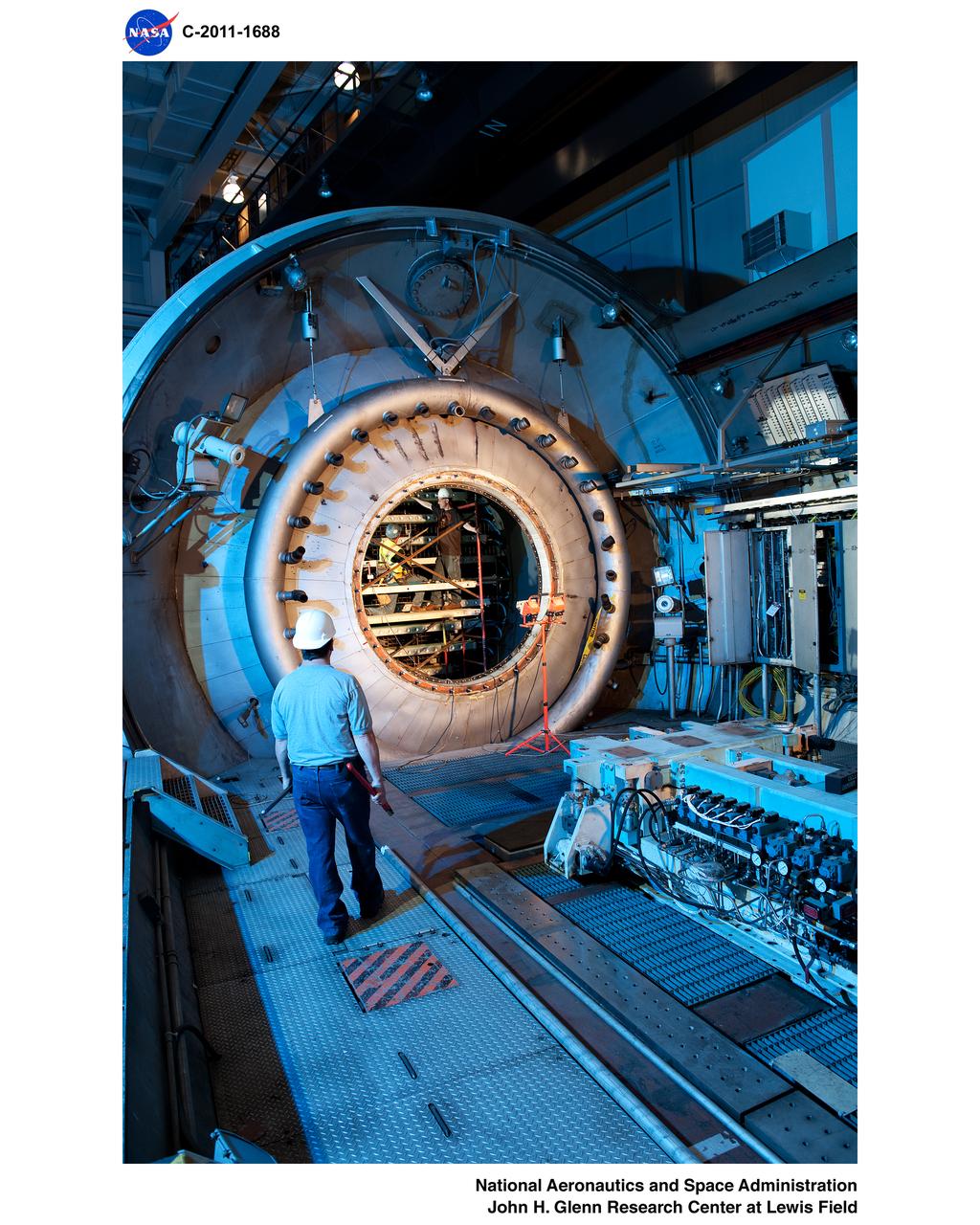
Icing Spray Bar Installation to the Propulsion System Laboratory, PSL, Cell 3
GRC-2011-C-01688
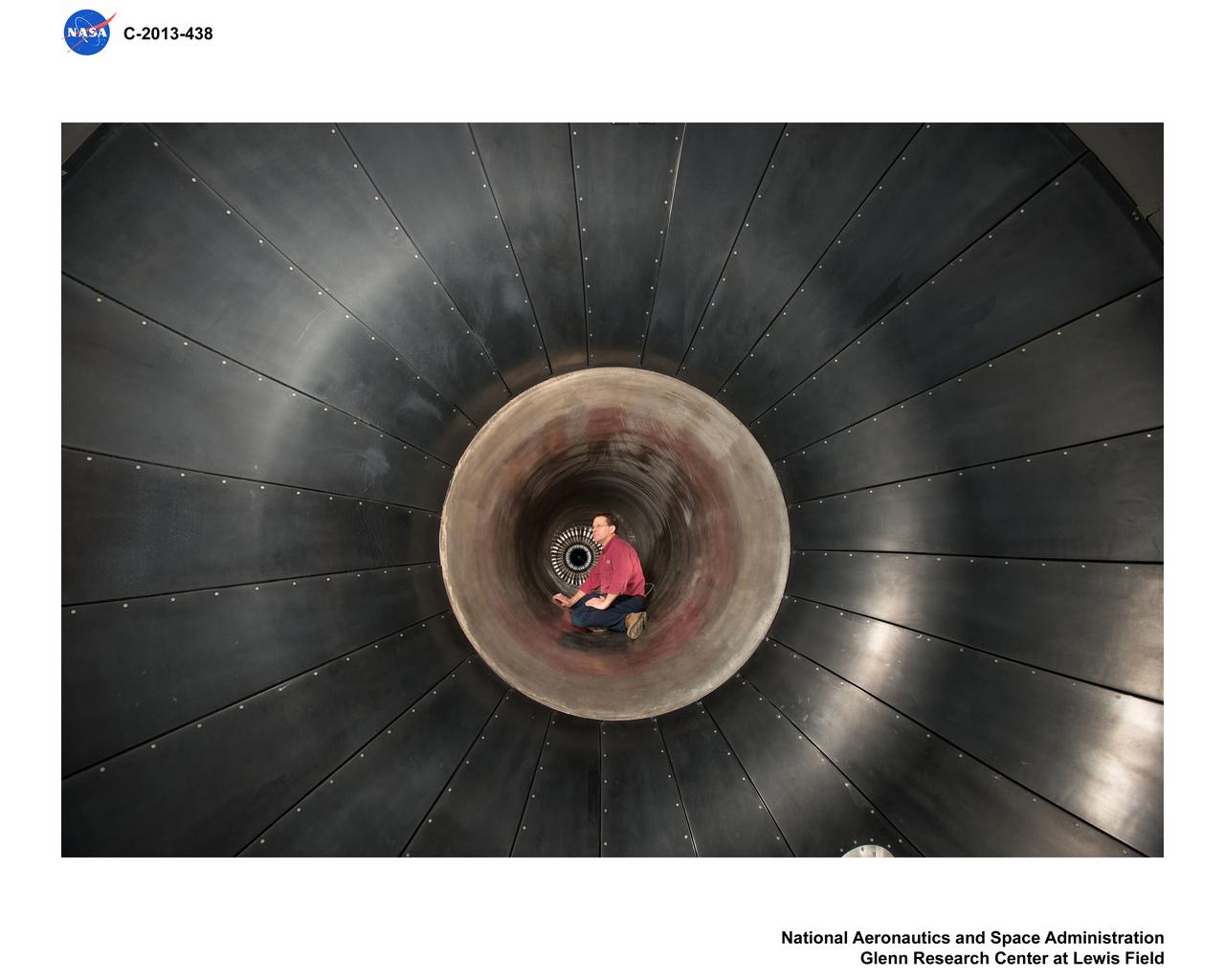
Power Systems Laboratory, PSL, Icing Spray Bar System with Model
GRC-2013-C-00438
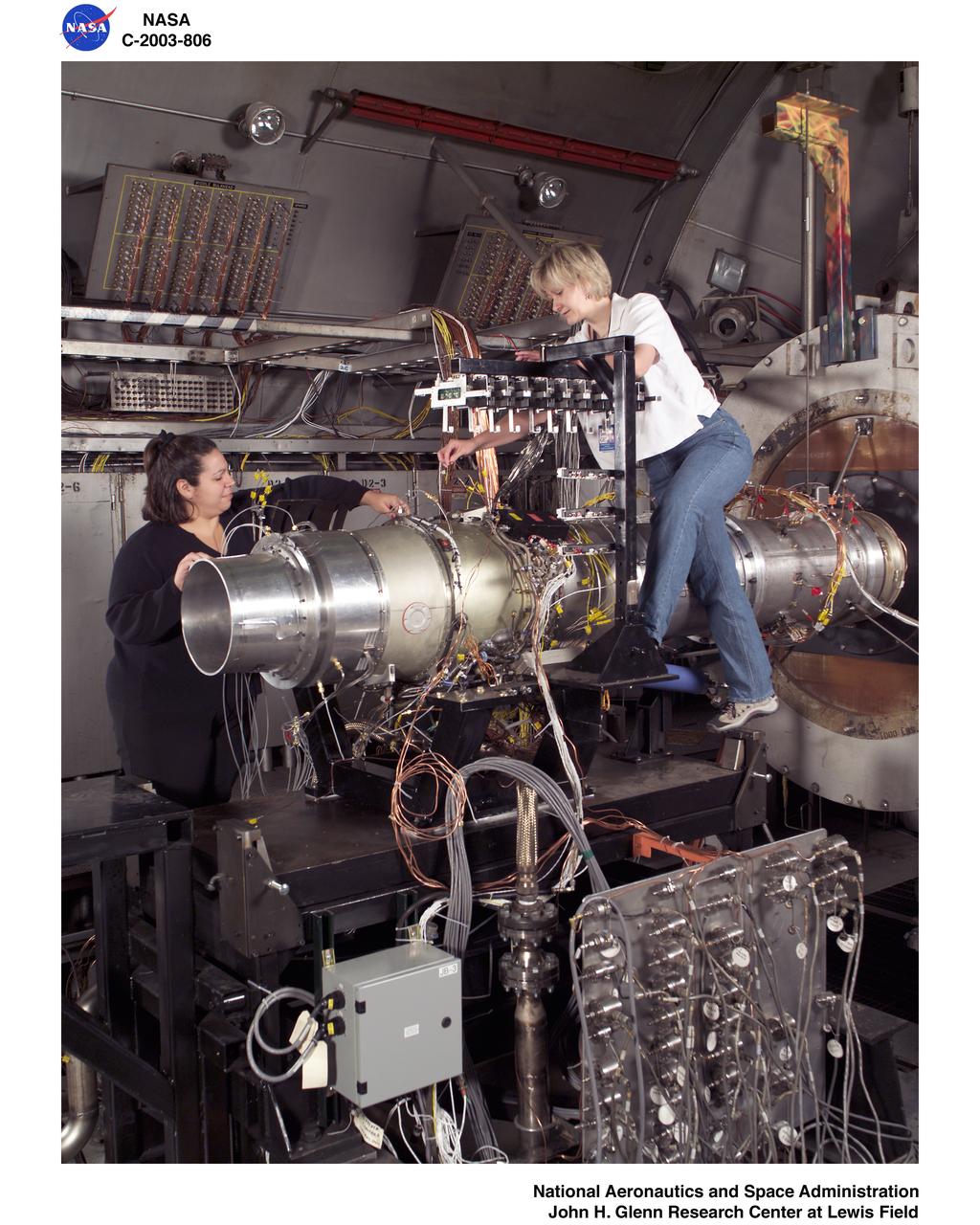
WILLIAMS INTERNATIONAL FJ33 TURBOFAN JET ENGINE TEST IN THE PROPULSION SYSTEMS LAB - PSL - CELL 4
GRC-2003-C-00806
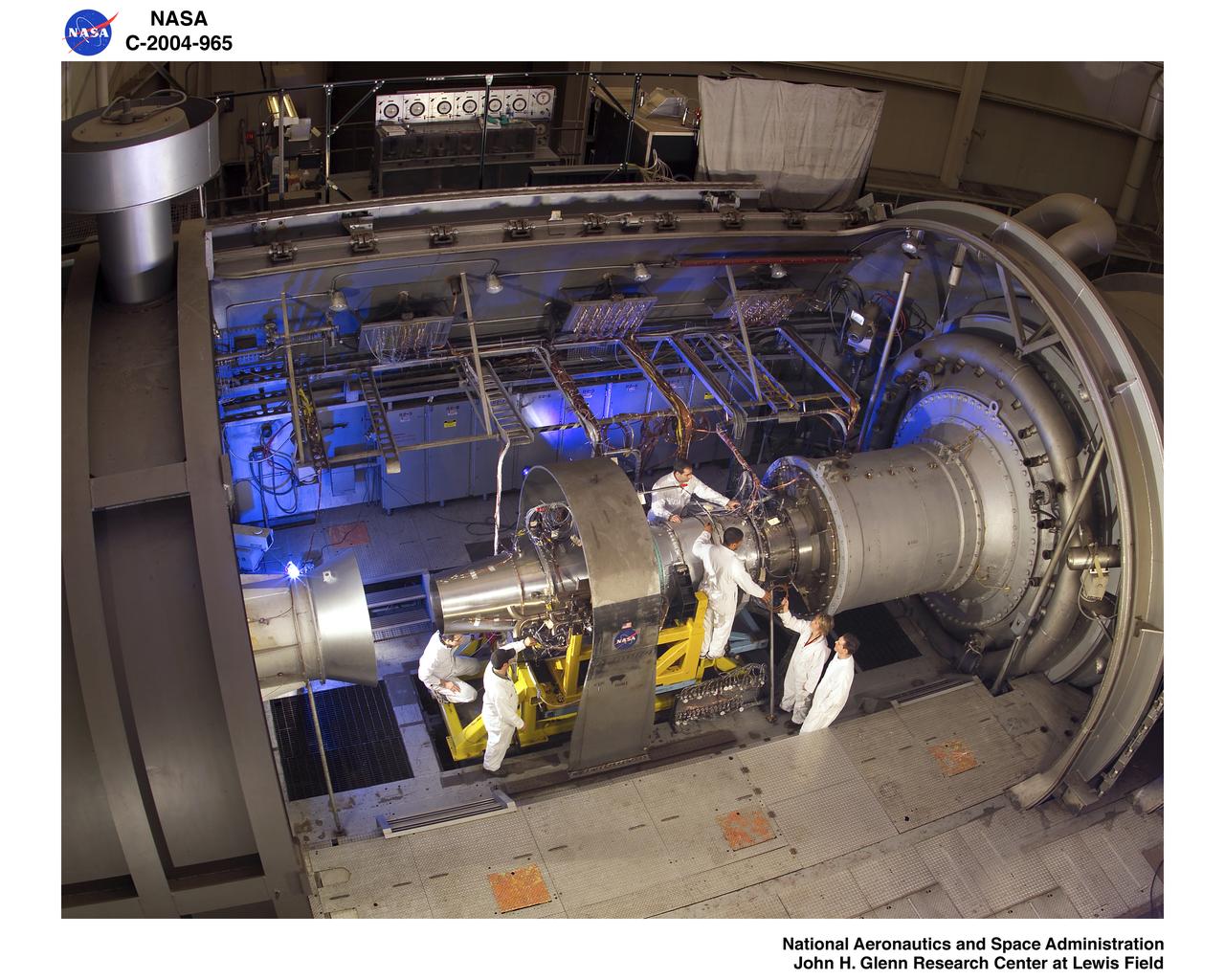
Jet engine being set up for testing with technicians from Propulsion System lab PSL
GRC-2004-C-00965
PSL CONTROL ROOM TEST ENGINEERS  AND OPERATORS   GE J85 TBCC  ENGINE TEST TURBINE BASED COMBINED CYCLE
GRC-1998-C-00730
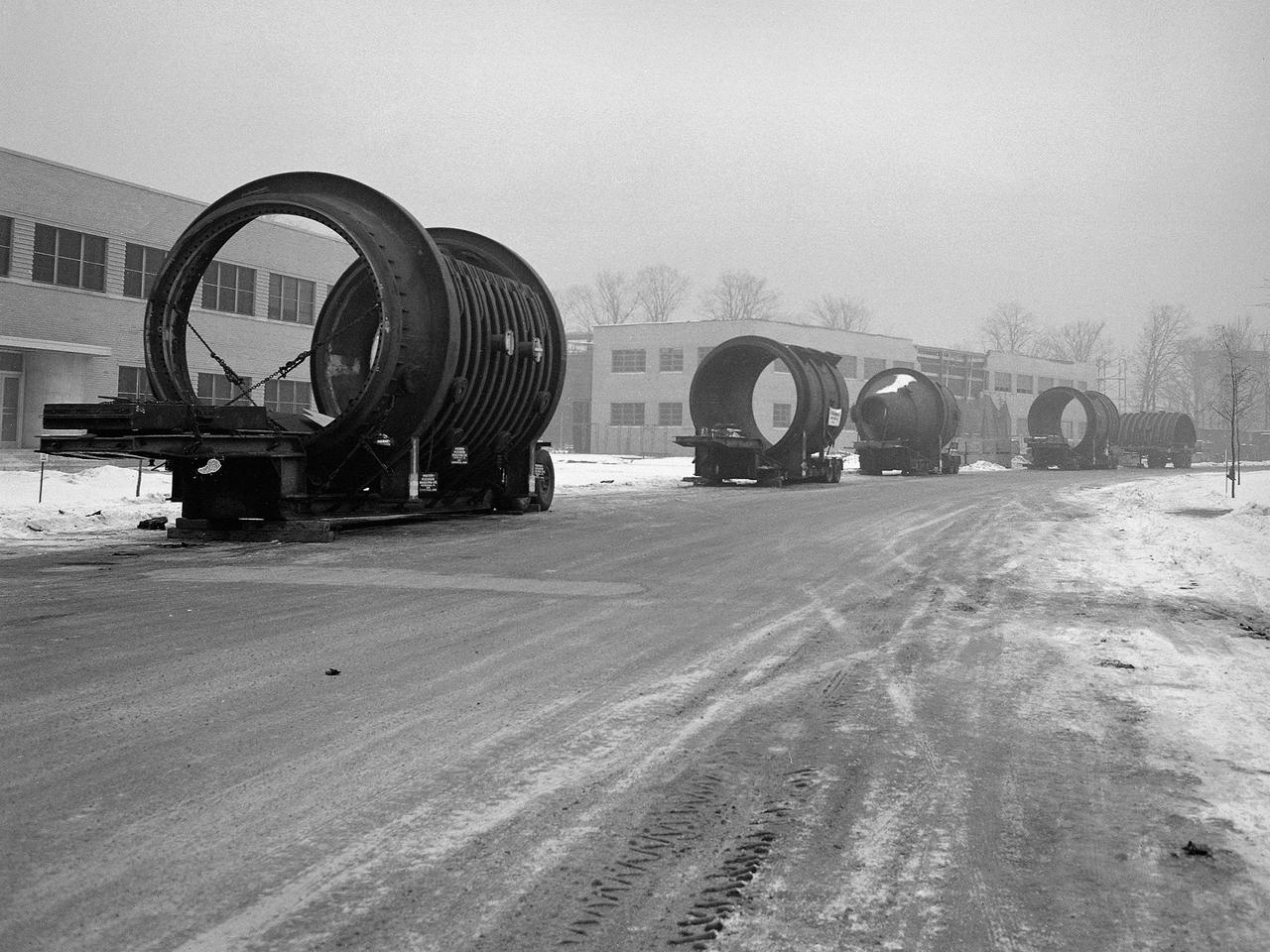
A caravan of large steel castings arrived at the National Advisory Committee for Aeronautics (NACA) Lewis Flight Propulsion Laboratory in January 1951. These pieces would serve as the two 14-foot diameter test chambers in the new Propulsion Systems Laboratory (PSL). NACA Lewis specialized in aircraft engines and offered many engine test facilities. In the late 1940s, however, the NACA realized a larger facility was required to test the newest jet engines. When completed in October 1952, PSL became the nation’s most powerful facility for testing full-scale engines at simulated flight altitudes.     NACA engineers began designing the PSL in 1947, and excavations commenced in September 1949. In the spring of 1950, the facility’s supports were erected, and the two large exhaust gas coolers were installed. Work on the Access Building began in early 1951 with the arrival of the large test section pieces, seen in this photograph. The massive pieces were delivered to the area from the Henry Pratt Company by rail and then loaded on a series of flatbed trucks that transported them to Lewis. The nearest vehicle has one of the clamshell access hatches.     PSL was initially used to study the jet engines of the early 1950s and ramjets for missile programs such as Navaho and Bomarc. With the advent of the space program in the late 1950s, the facility was used to investigate complex rocket engines, including the Pratt and Whitney RL-10.
Arrival of Equipment for the New Propulsion Systems Laboratory
The NASA Glenn's Propulsion System Lab (PSL) recently remodeled control room.  This is where jet and rocket engines are tested at GRC.  This remodeled control room offers better test monitoring and work stations for test engineers and technicians.
GRC-2025-C-07467
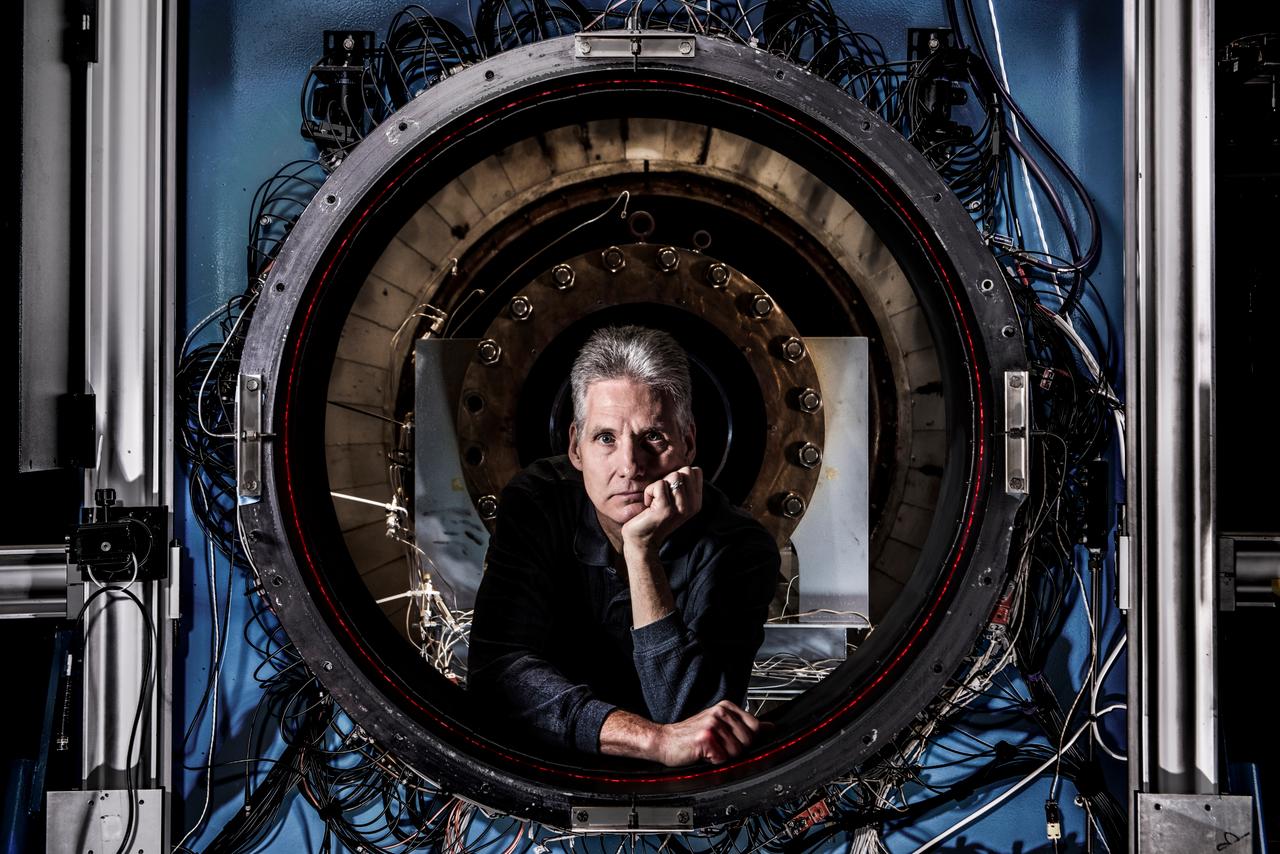
How do you measure a cloud?  Tim Bencic does it with lasers.  The NASA Glenn engineer invented a tomography system for our Propulsion Systems Lab to help understand the dangers of ice crystal icing on airplanes.  Bencic’s system, affectionally called “Tim-ography” is like a CAT Scan.  The laser light within its circular geometry bounces off the surface of ice particles in the cloud and fiber optic detectors map out its properties.  This tool is helping NASA’s researchers make aircraft safer in challenging weather conditions.
Inventor Series - Tim Bencic with Tomography System