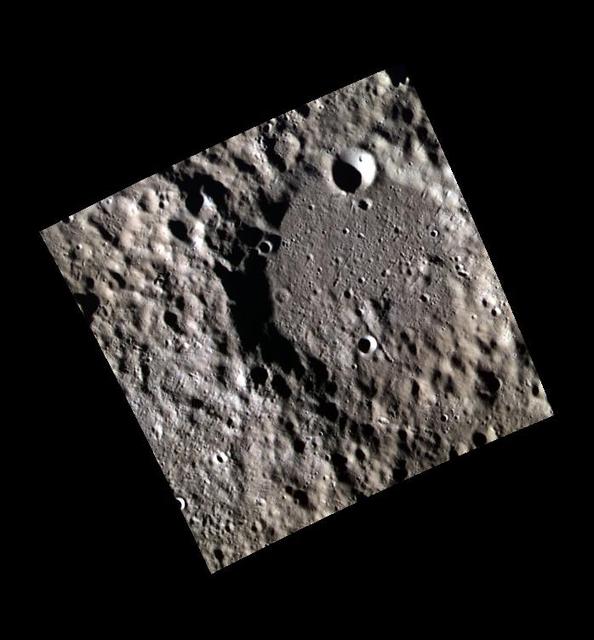
Mercury, a Planetary Punching Bag
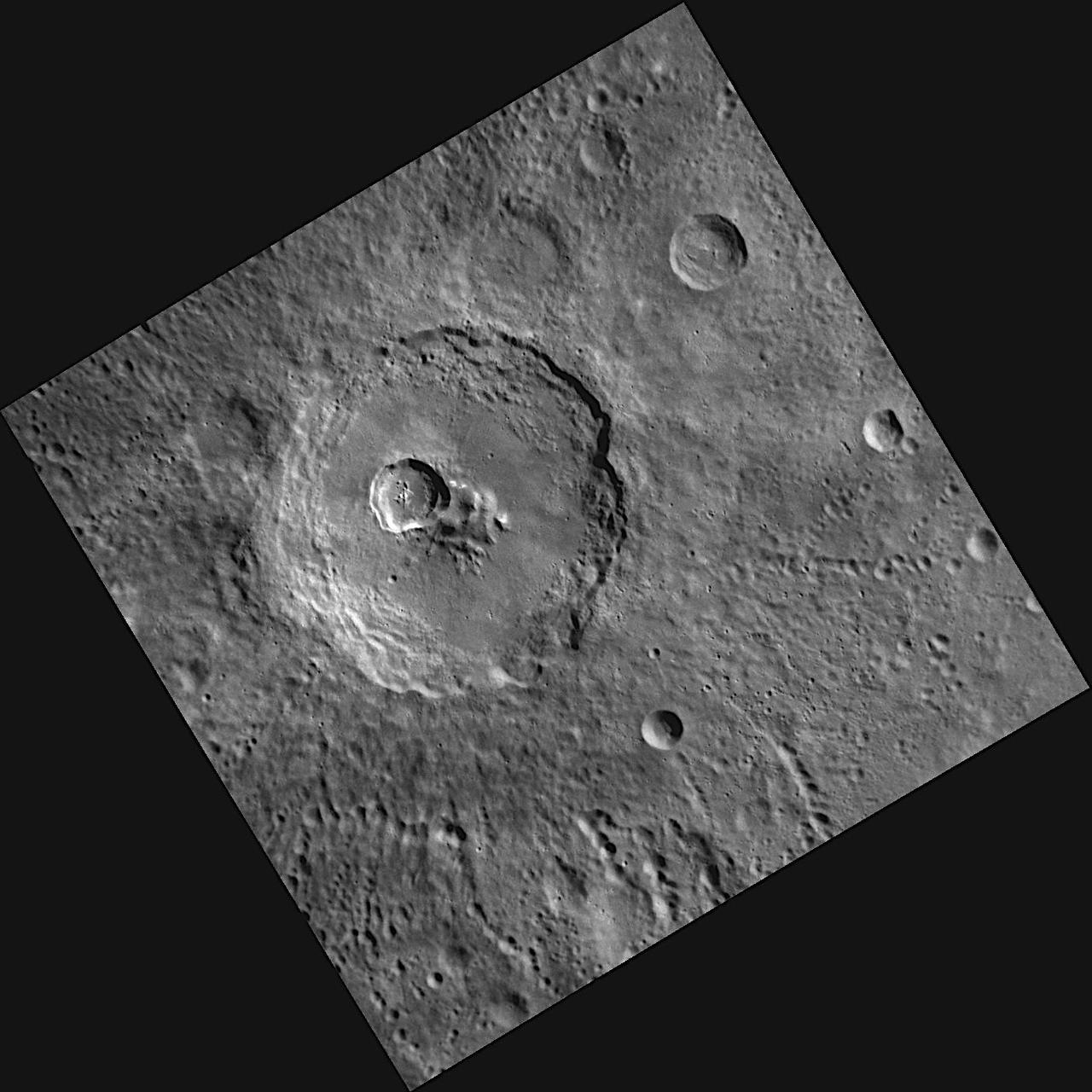
One-two Punch
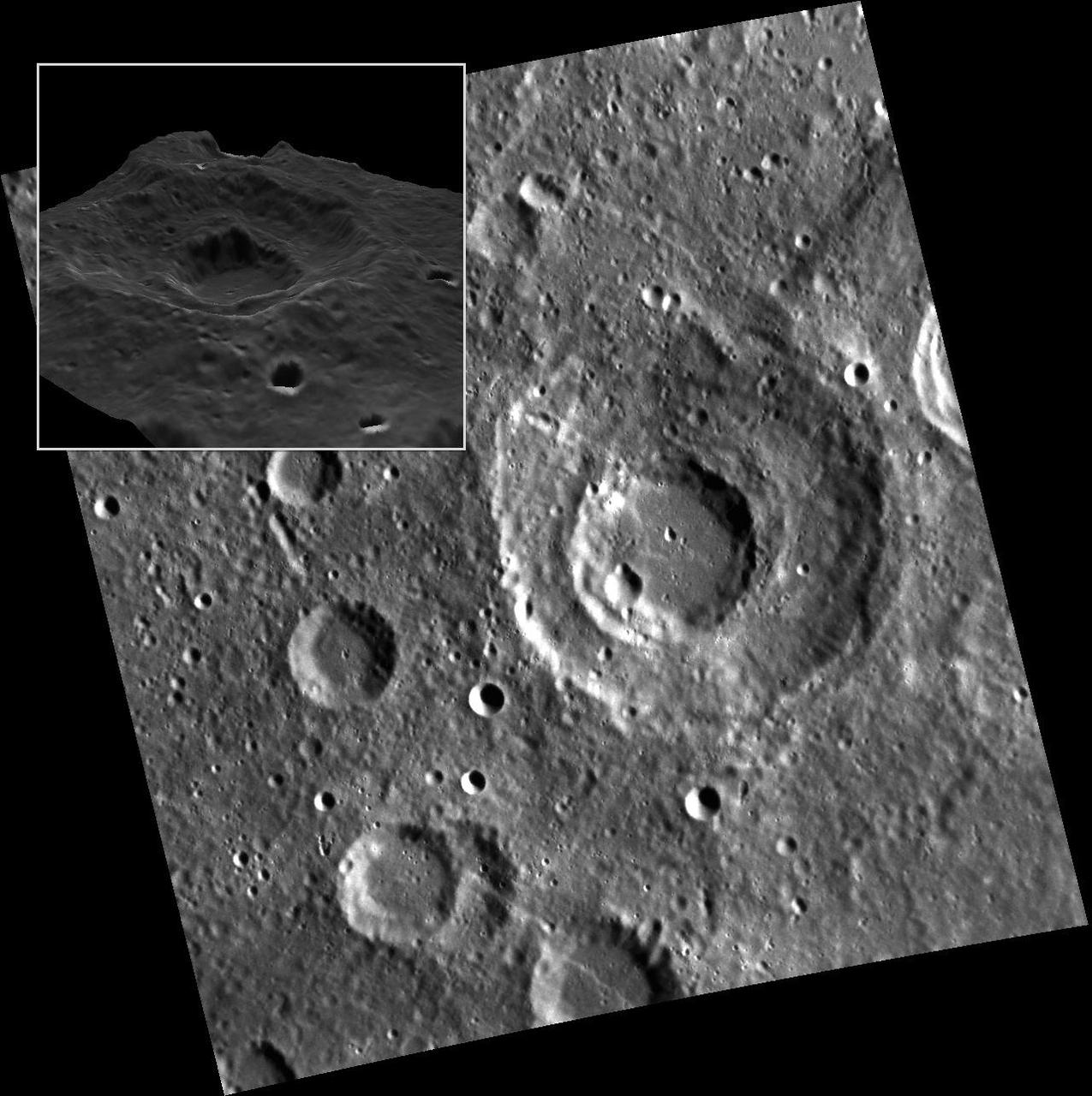
The One-Two Punch
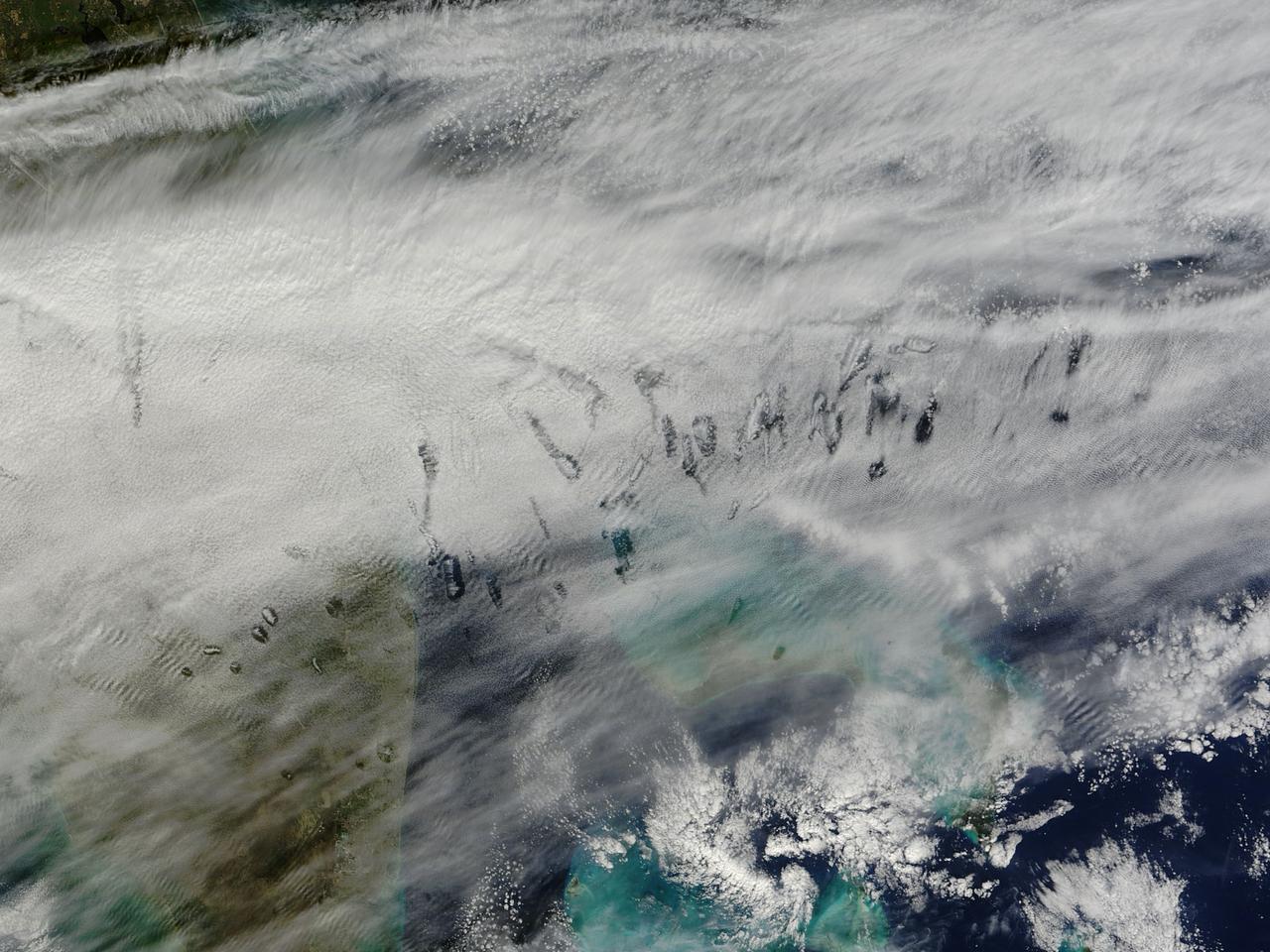
In elementary school, students learn that water freezes at 0 degrees Celsius (32 degrees Fahrenheit). That is true most of the time, but there are exceptions to the rule. For instance, water with very few impurities (such as dust or pollution particles, fungal spores, bacteria) can be chilled to much cooler temperatures and still remain liquid—a process known as supercooling. Supercooling may sound exotic, but it occurs pretty routinely in Earth’s atmosphere. Altocumulus clouds, a common type of mid-altitude cloud, are mostly composed of water droplets supercooled to a temperature of about -15 degrees C. Altocumulus clouds with supercooled tops cover about 8 percent of Earth’s surface at any given time. Supercooled water droplets play a key role in the formation of hole-punch and canal clouds, the distinctive clouds shown in these satellite images. Hole-punch clouds usually appear as circular gaps in decks of altocumulus clouds; canal clouds look similar but the gaps are longer and thinner. This true-color image shows hole-punch and canal clouds off the coast of Florida, as observed on December 12, 2014, by the Moderate Resolution Imaging Spectroradiometer (MODIS) on NASA’s Terra satellite. Both types of cloud form when aircraft fly through cloud decks rich with supercooled water droplets and produce aerodynamic contrails. Air expands and cools as it moves around the wings and past the propeller, a process known as adiabatic cooling. Air temperatures over jet wings often cool by as much as 20 degrees Celsius, pushing supercooled water droplets to the point of freezing. As ice crystals form, they absorb nearby water droplets. Since ice crystals are relatively heavy, they tend to sink. This triggers tiny bursts of snow or rain that leave gaps in the cloud cover. Whether a cloud formation becomes a hole-punch or canal depends on the thickness of the cloud layer, the air temperature, and the degree of horizontal wind shear. Both descending and ascending aircraft—including jets and propeller planes—can trigger hole-punch and canal clouds. The nearest major airports in the images above include Miami International, Fort Lauderdale International, Grand Bahama International, and Palm Beach International. Credit: NASA/GSFC/Jeff Schmaltz/MODIS Land Rapid Response Team <b><a href="http://www.nasa.gov/audience/formedia/features/MP_Photo_Guidelines.html" rel="nofollow">NASA image use policy.</a></b> <b><a href="http://www.nasa.gov/centers/goddard/home/index.html" rel="nofollow">NASA Goddard Space Flight Center</a></b> enables NASA’s mission through four scientific endeavors: Earth Science, Heliophysics, Solar System Exploration, and Astrophysics. Goddard plays a leading role in NASA’s accomplishments by contributing compelling scientific knowledge to advance the Agency’s mission. <b>Follow us on <a href="http://twitter.com/NASAGoddardPix" rel="nofollow">Twitter</a></b> <b>Like us on <a href="http://www.facebook.com/pages/Greenbelt-MD/NASA-Goddard/395013845897?ref=tsd" rel="nofollow">Facebook</a></b> <b>Find us on <a href="http://instagram.com/nasagoddard?vm=grid" rel="nofollow">Instagram</a></b>

Nicholeen Viall, PUNCH Mission Scientist, NASA’s Goddard Flight Center, participates in a science briefing on Tuesday, Feb. 25, 2025, to discuss the upcoming launch of NASA’s SPHEREx (Spectro-Photometer for the History of the Universe, Epoch of Reionization and Ices Explorer) observatory and PUNCH (Polarimeter to Unify the Corona and Heliosphere) satellites at Vandenberg Space Force Base in California. SPHEREx will use its telescope to provide an all-sky spectral survey, creating a 3D map of the entire sky to help scientists investigate the origins of our universe. PUNCH will study origins of the Sun’s outflow of material, or the solar wind, capturing continuous 3D images of the Sun’s corona and the solar wind’s journey into the solar system.
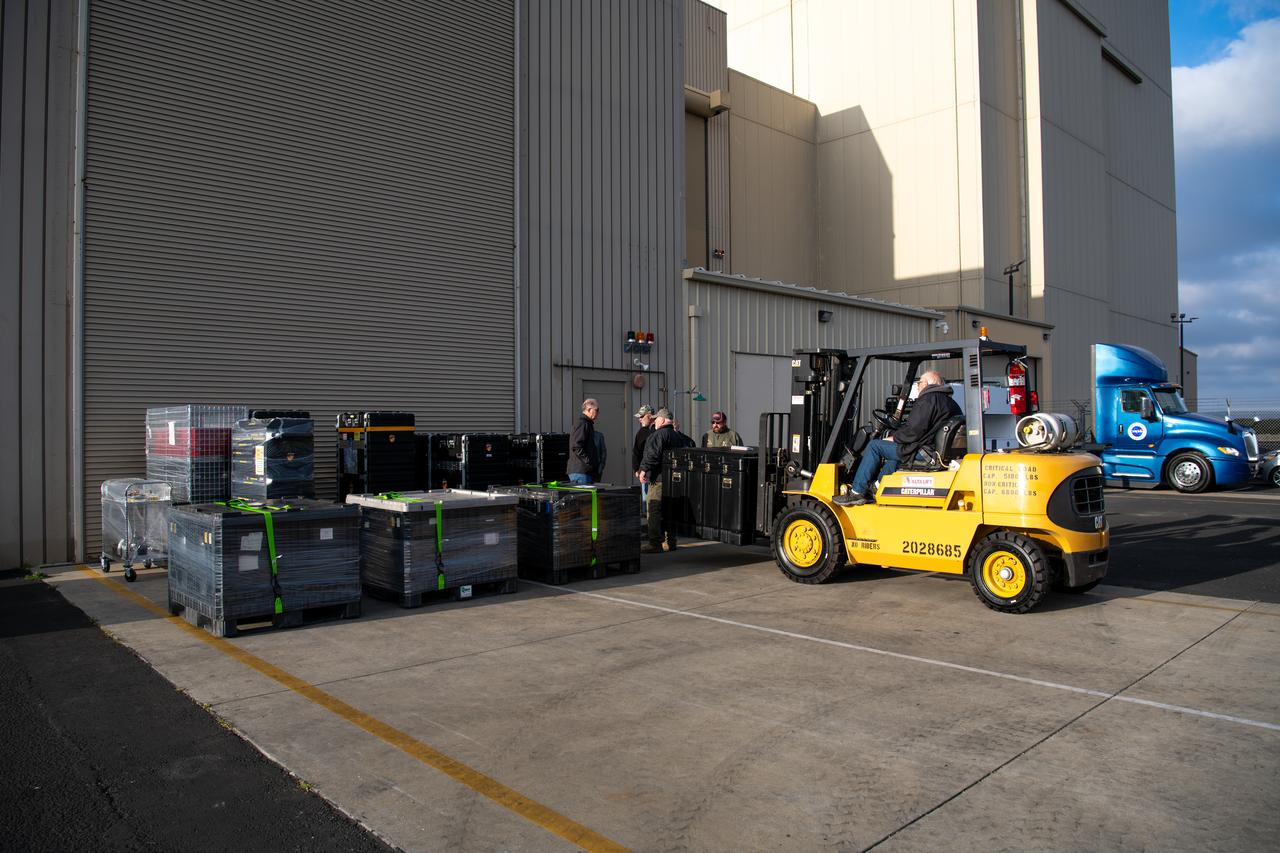
Teams at Vandenberg Space Force Base in California offload several shipping containers protecting NASA’s PUNCH (Polarimeter to Unify the Corona and Heliosphere) satellites on Saturday, Jan. 18, 2025. PUNCH will make 3D observations of the Sun’s corona to learn how the mass and energy becomes solar wind. PUNCH, along with NASA’s SPHEREx (Spectro-Photometer for the History of the Universe, Epoch of Reionization and Ices Explorer), a space telescope, will launch aboard a SpaceX Falcon 9 rocket in late February 2025.
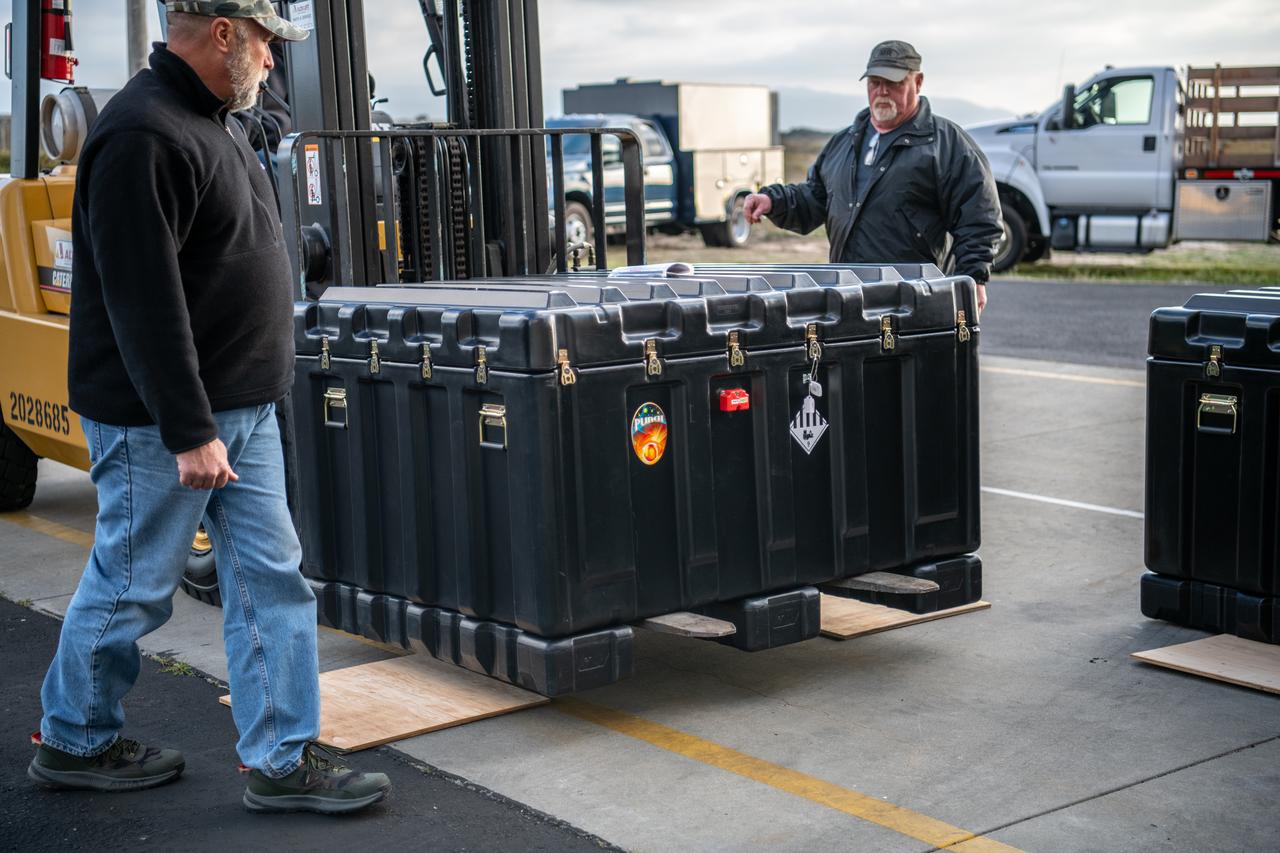
Teams at Vandenberg Space Force Base in California offload several shipping containers protecting NASA’s PUNCH (Polarimeter to Unify the Corona and Heliosphere) satellites on Saturday, Jan. 18, 2025. PUNCH will make 3D observations of the Sun’s corona to learn how the mass and energy becomes solar wind. PUNCH, along with NASA’s SPHEREx (Spectro-Photometer for the History of the Universe, Epoch of Reionization and Ices Explorer), a space telescope, will launch aboard a SpaceX Falcon 9 rocket in late February 2025.
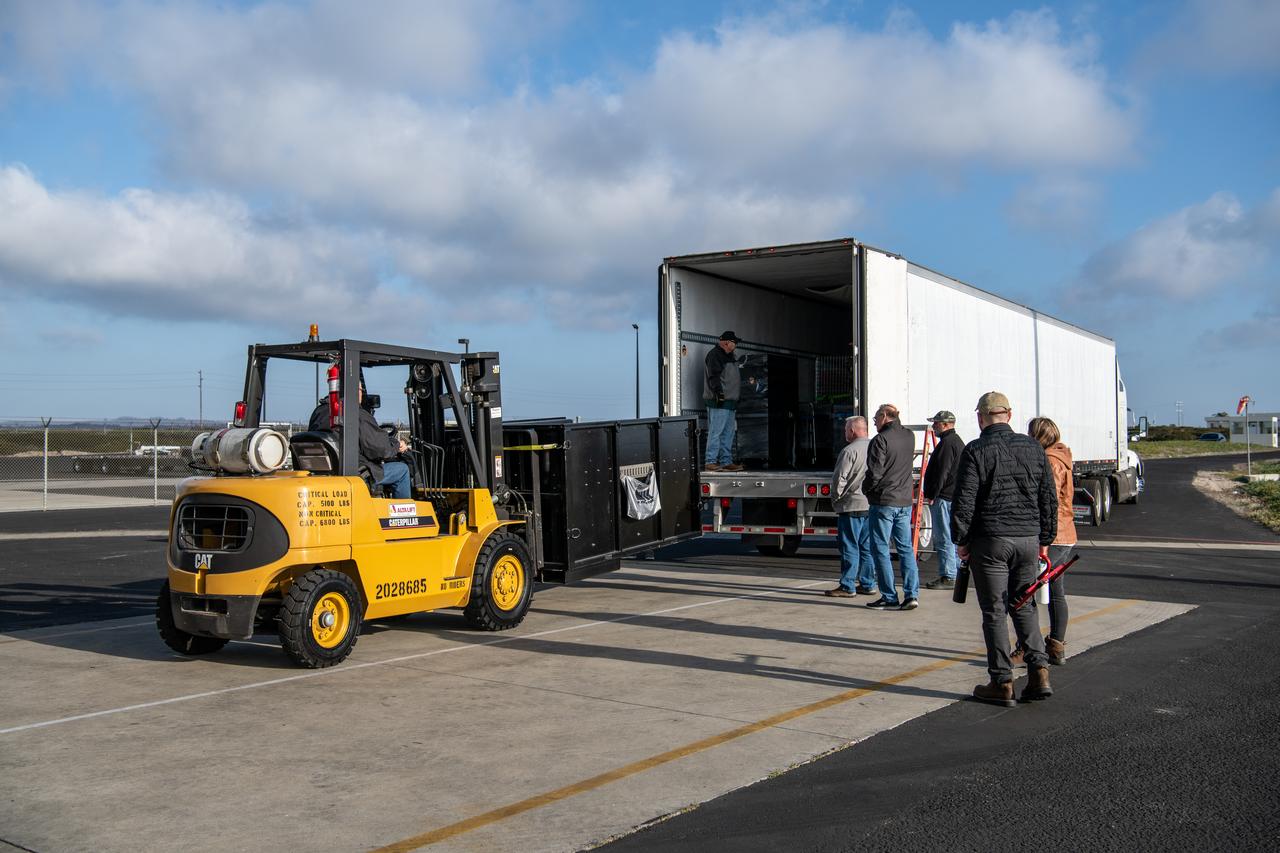
Teams at Vandenberg Space Force Base in California offload several shipping containers protecting NASA’s PUNCH (Polarimeter to Unify the Corona and Heliosphere) satellites on Saturday, Jan. 18, 2025. PUNCH will make 3D observations of the Sun’s corona to learn how the mass and energy becomes solar wind. PUNCH, along with NASA’s SPHEREx (Spectro-Photometer for the History of the Universe, Epoch of Reionization and Ices Explorer), a space telescope, will launch aboard a SpaceX Falcon 9 rocket in late February 2025.
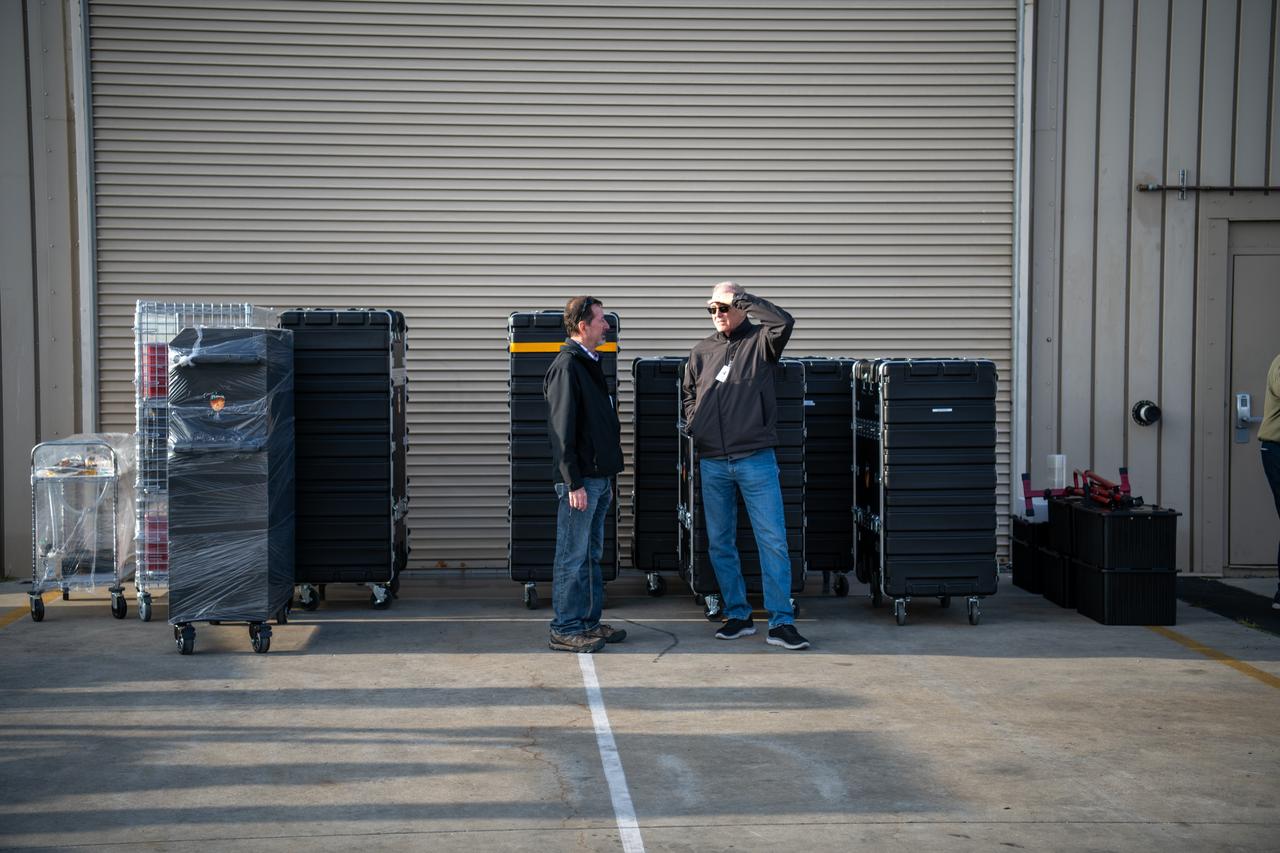
NASA’s four PUNCH (Polarimeter to Unify the Corona and Heliosphere) satellites arrive at Astrotech Space Operations located inside Vandenberg Space Force Base in California on Saturday, Jan. 18, 2025. The four satellites of PUNCH will make 3D observations of the Sun’s corona to learn how the mass and energy becomes solar wind. PUNCH, along with NASA’s SPHEREx (Spectro-Photometer for the History of the Universe, Epoch of Reionization and Ices Explorer), a space telescope, will launch aboard a SpaceX Falcon 9 rocket in late February 2025.
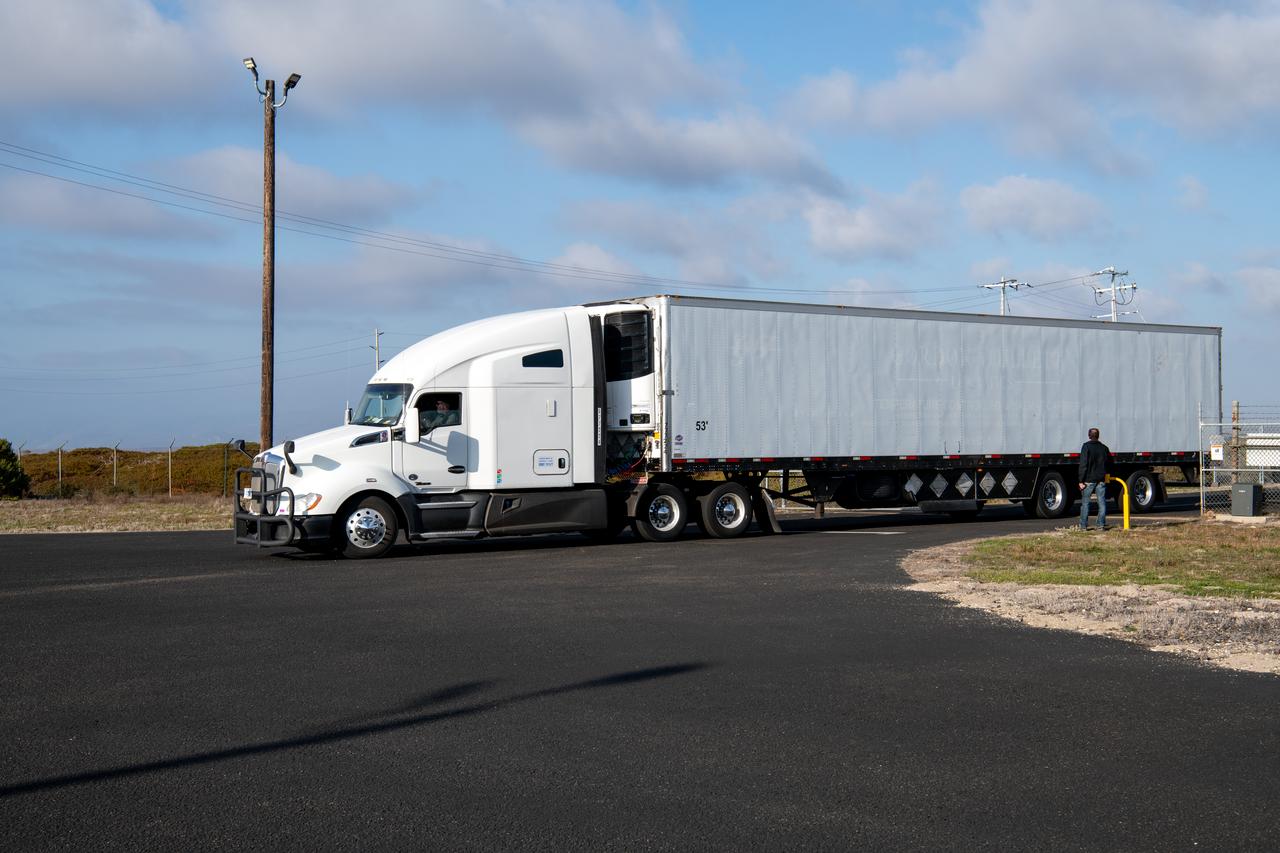
A transport truck carrying four small satellites of NASA’s PUNCH (Polarimeter to Unify the Corona and Heliosphere) arrives at Astrotech Space Operations located inside Vandenberg Space Force Base in California on Saturday, Jan. 18, 2025. PUNCH will make 3D observations of the Sun’s corona to learn how the mass and energy becomes solar wind. PUNCH, along with NASA’s SPHEREx (Spectro-Photometer for the History of the Universe, Epoch of Reionization and Ices Explorer), a space telescope, will launch aboard a SpaceX Falcon 9 rocket in late February 2025.
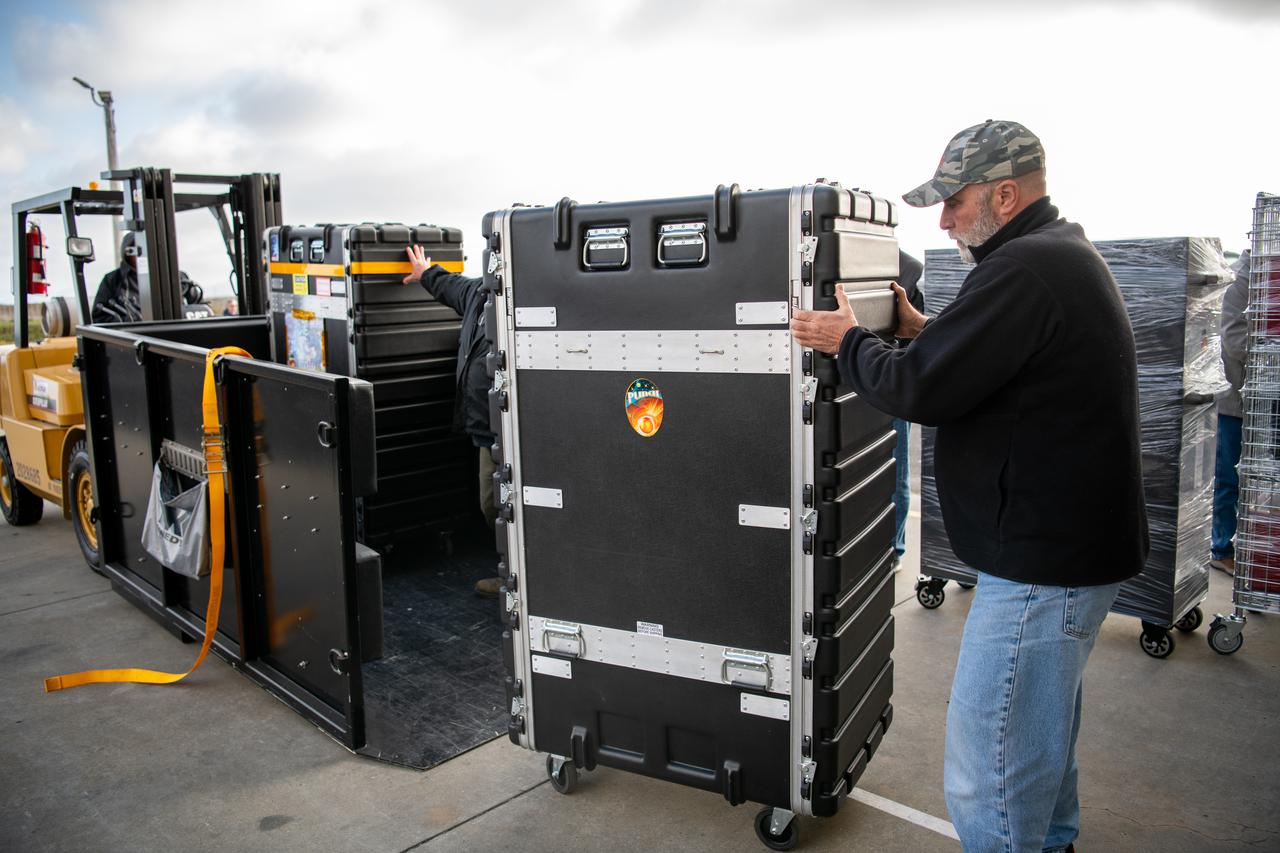
Teams at Vandenberg Space Force Base in California offload several shipping containers protecting NASA’s PUNCH (Polarimeter to Unify the Corona and Heliosphere) satellites on Saturday, Jan. 18, 2025. PUNCH will make 3D observations of the Sun’s corona to learn how the mass and energy becomes solar wind. PUNCH, along with NASA’s SPHEREx (Spectro-Photometer for the History of the Universe, Epoch of Reionization and Ices Explorer), a space telescope, will launch aboard a SpaceX Falcon 9 rocket in late February 2025.
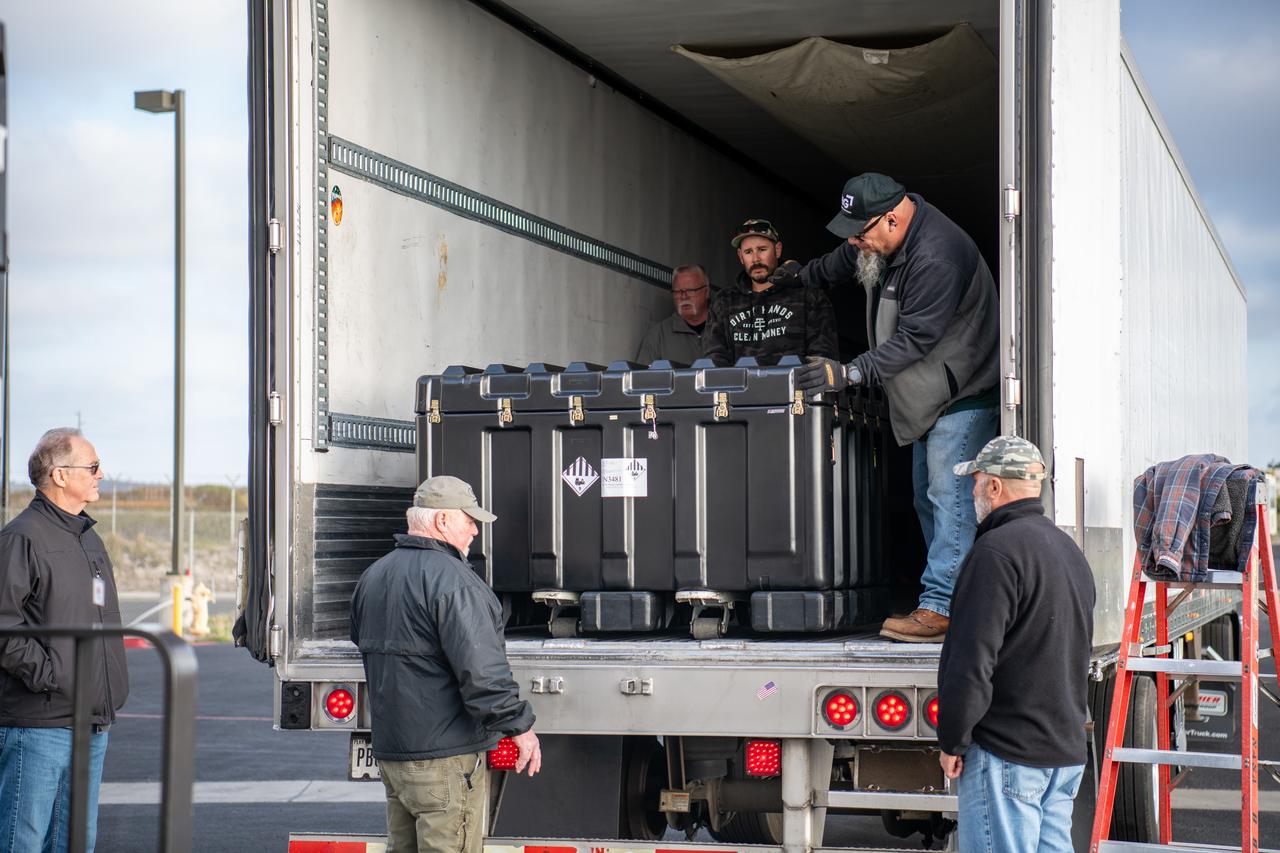
Teams at Vandenberg Space Force Base in California offload several shipping containers protecting NASA’s PUNCH (Polarimeter to Unify the Corona and Heliosphere) satellites on Saturday, Jan. 18, 2025. PUNCH will make 3D observations of the Sun’s corona to learn how the mass and energy becomes solar wind. PUNCH, along with NASA’s SPHEREx (Spectro-Photometer for the History of the Universe, Epoch of Reionization and Ices Explorer), a space telescope, will launch aboard a SpaceX Falcon 9 rocket in late February 2025.
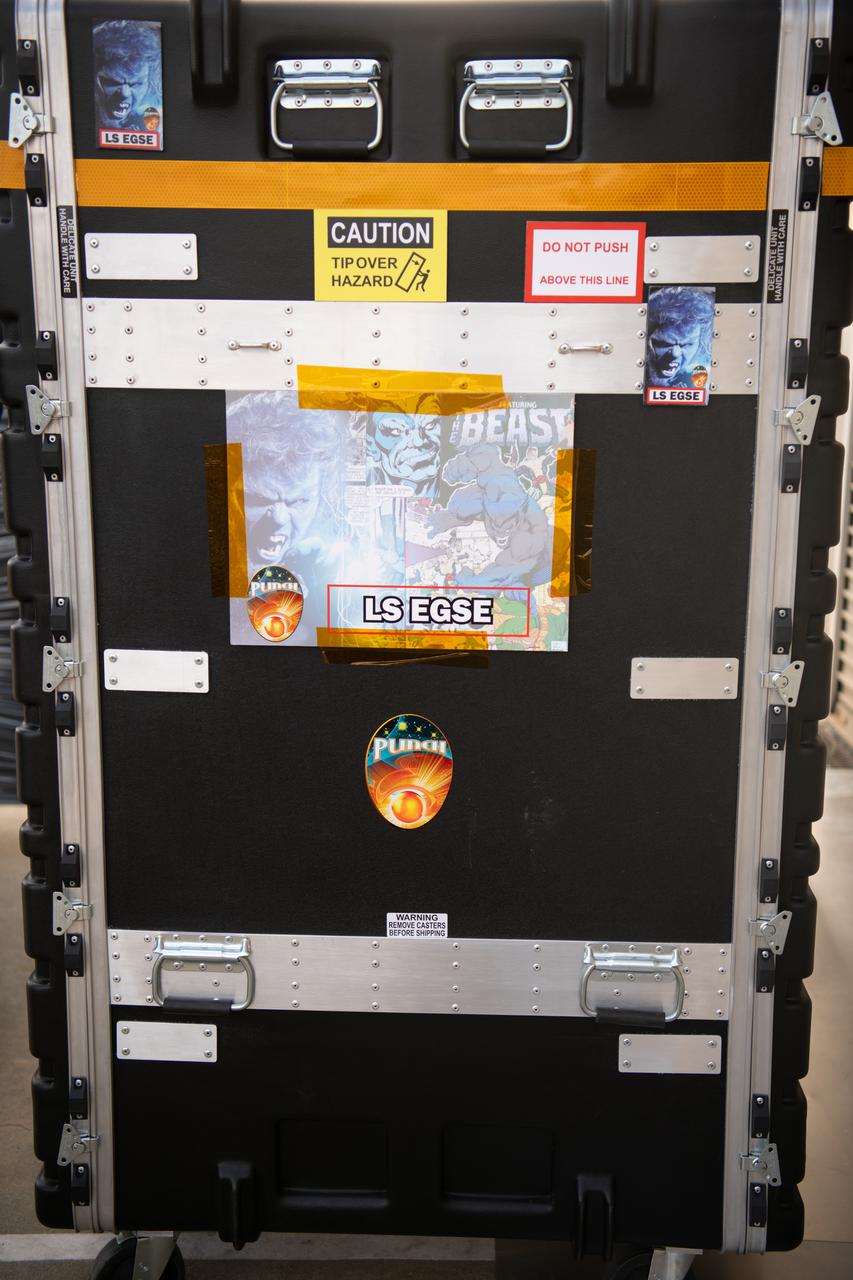
Teams at Vandenberg Space Force Base in California offload several shipping containers protecting NASA’s PUNCH (Polarimeter to Unify the Corona and Heliosphere) satellites on Saturday, Jan. 18, 2025. PUNCH will make 3D observations of the Sun’s corona to learn how the mass and energy becomes solar wind. PUNCH, along with NASA’s SPHEREx (Spectro-Photometer for the History of the Universe, Epoch of Reionization and Ices Explorer), a space telescope, will launch aboard a SpaceX Falcon 9 rocket in late February 2025.
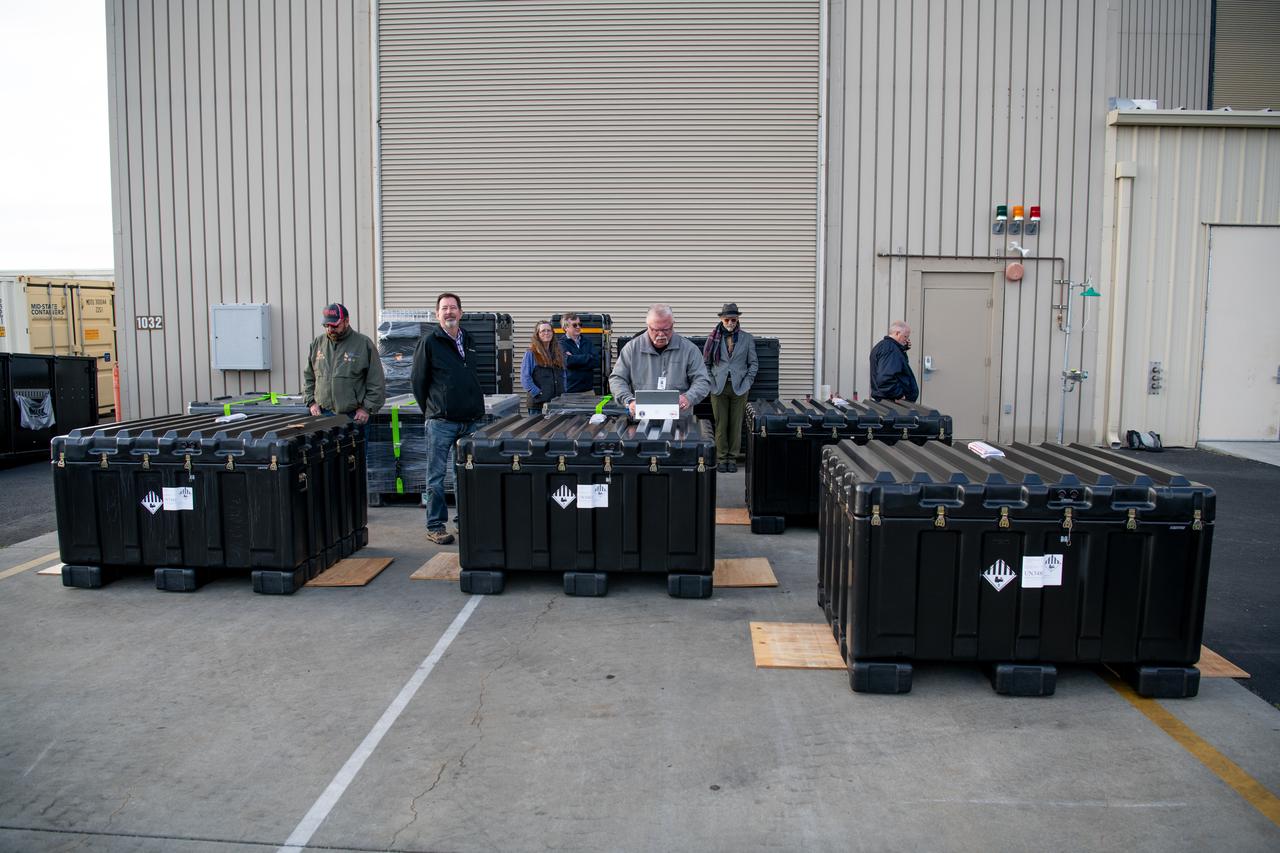
NASA’s four PUNCH (Polarimeter to Unify the Corona and Heliosphere) satellites arrive at Astrotech Space Operations located inside Vandenberg Space Force Base in California on Saturday, Jan. 18, 2025. The four satellites of PUNCH will make 3D observations of the Sun’s corona to learn how the mass and energy becomes solar wind. PUNCH, along with NASA’s SPHEREx (Spectro-Photometer for the History of the Universe, Epoch of Reionization and Ices Explorer), a space telescope, will launch aboard a SpaceX Falcon 9 rocket in late February 2025.
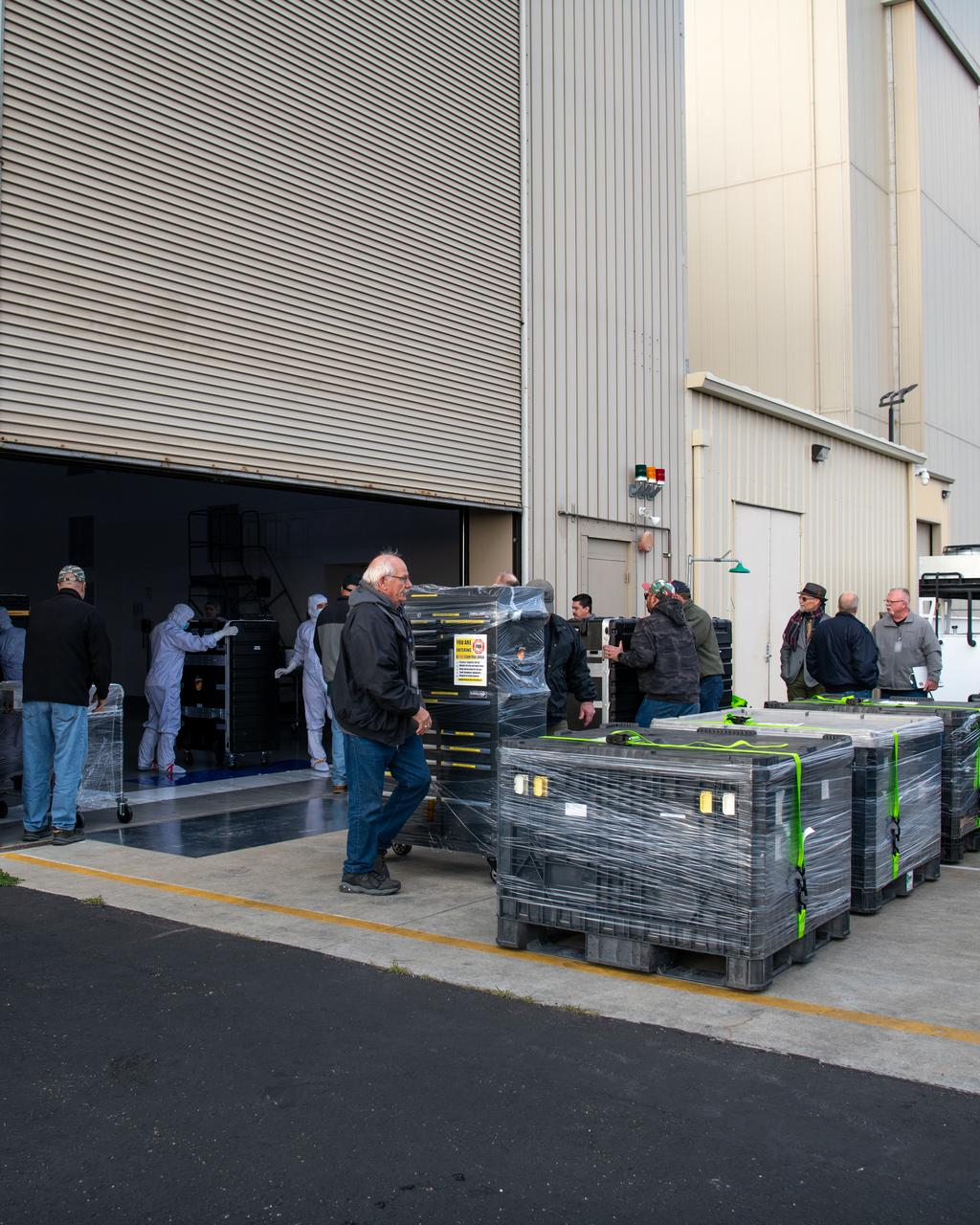
Teams at Vandenberg Space Force Base in California offload several shipping containers protecting NASA’s PUNCH (Polarimeter to Unify the Corona and Heliosphere) satellites on Saturday, Jan. 18, 2025. PUNCH will make 3D observations of the Sun’s corona to learn how the mass and energy becomes solar wind. PUNCH, along with NASA’s SPHEREx (Spectro-Photometer for the History of the Universe, Epoch of Reionization and Ices Explorer), a space telescope, will launch aboard a SpaceX Falcon 9 rocket in late February 2025.
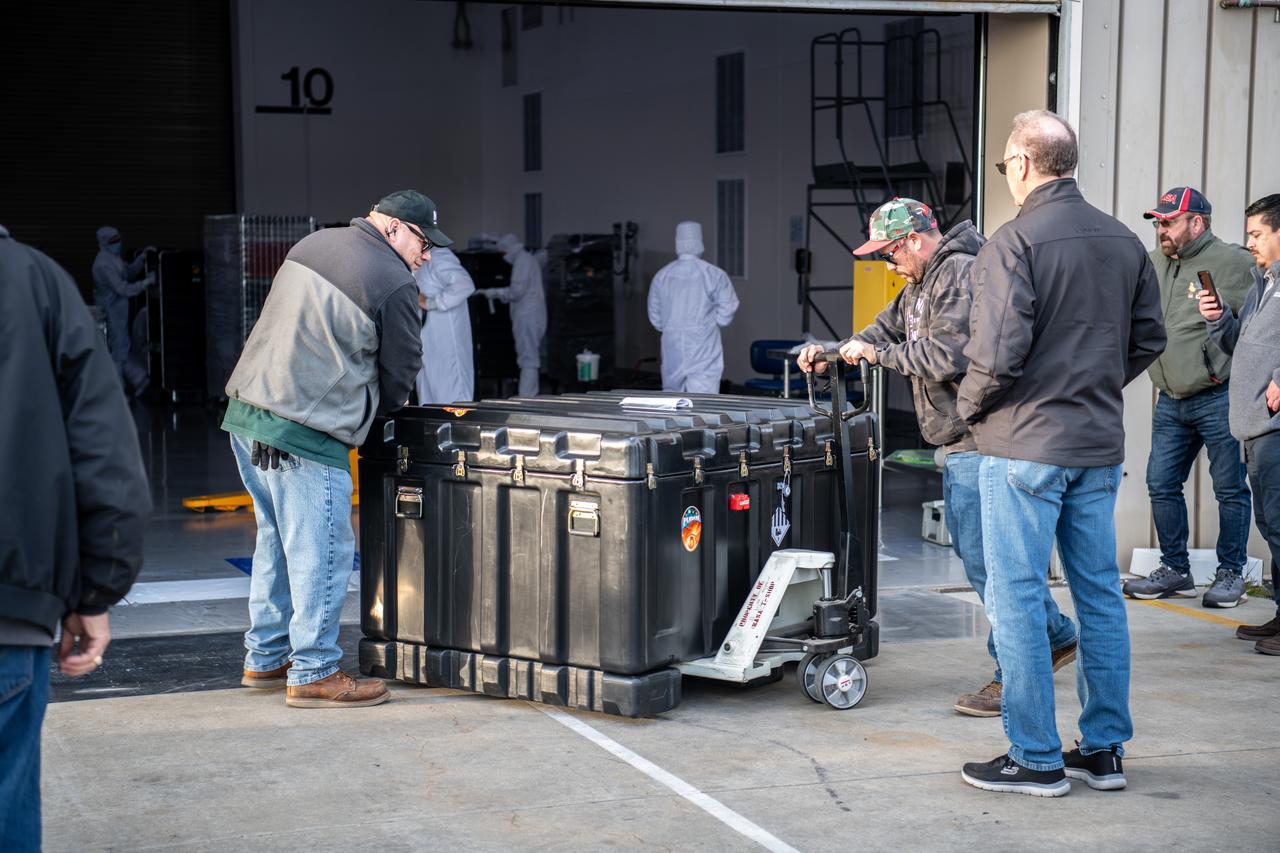
Teams at Vandenberg Space Force Base in California offload several shipping containers protecting NASA’s PUNCH (Polarimeter to Unify the Corona and Heliosphere) satellites on Saturday, Jan. 18, 2025. PUNCH will make 3D observations of the Sun’s corona to learn how the mass and energy becomes solar wind. PUNCH, along with NASA’s SPHEREx (Spectro-Photometer for the History of the Universe, Epoch of Reionization and Ices Explorer), a space telescope, will launch aboard a SpaceX Falcon 9 rocket in late February 2025.
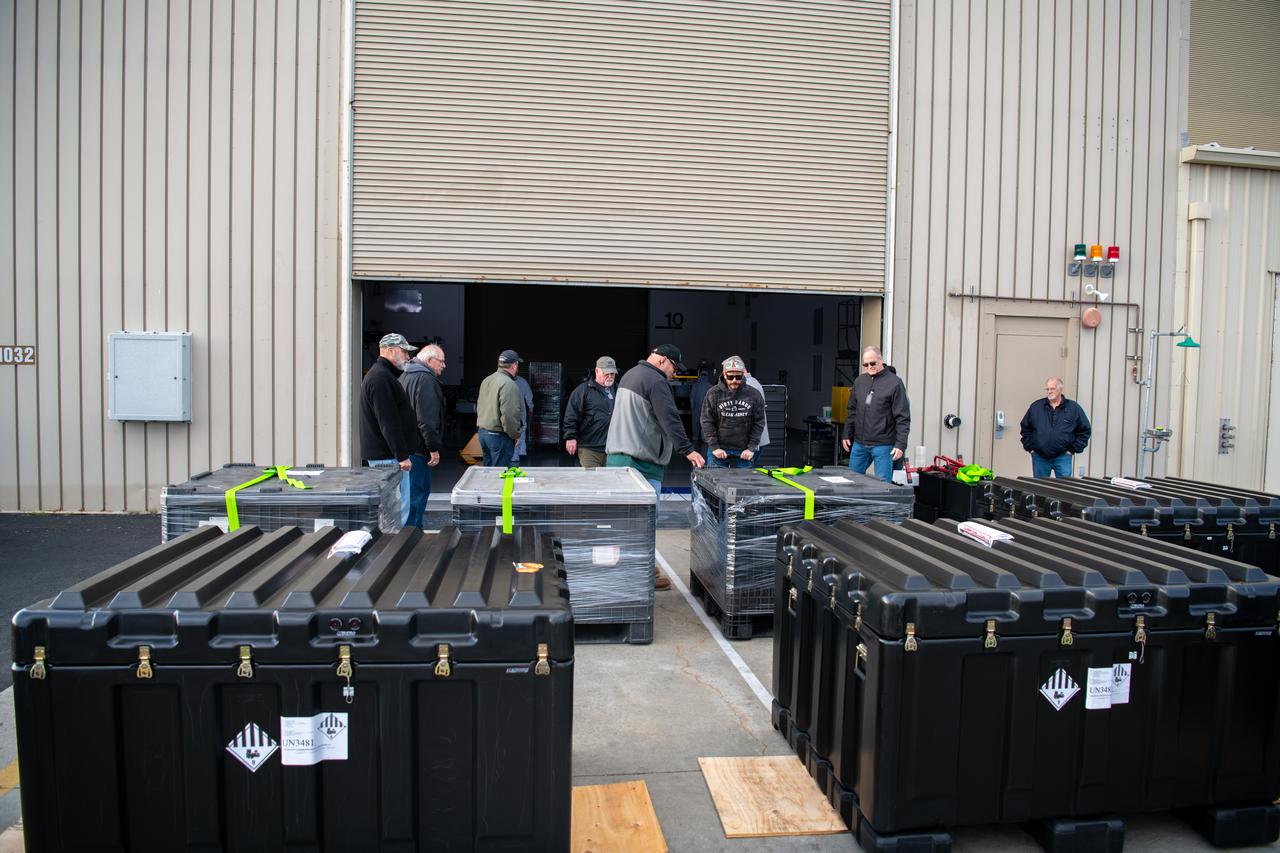
Teams at Vandenberg Space Force Base in California offload several shipping containers protecting NASA’s PUNCH (Polarimeter to Unify the Corona and Heliosphere) satellites on Saturday, Jan. 18, 2025. PUNCH will make 3D observations of the Sun’s corona to learn how the mass and energy becomes solar wind. PUNCH, along with NASA’s SPHEREx (Spectro-Photometer for the History of the Universe, Epoch of Reionization and Ices Explorer), a space telescope, will launch aboard a SpaceX Falcon 9 rocket in late February 2025.
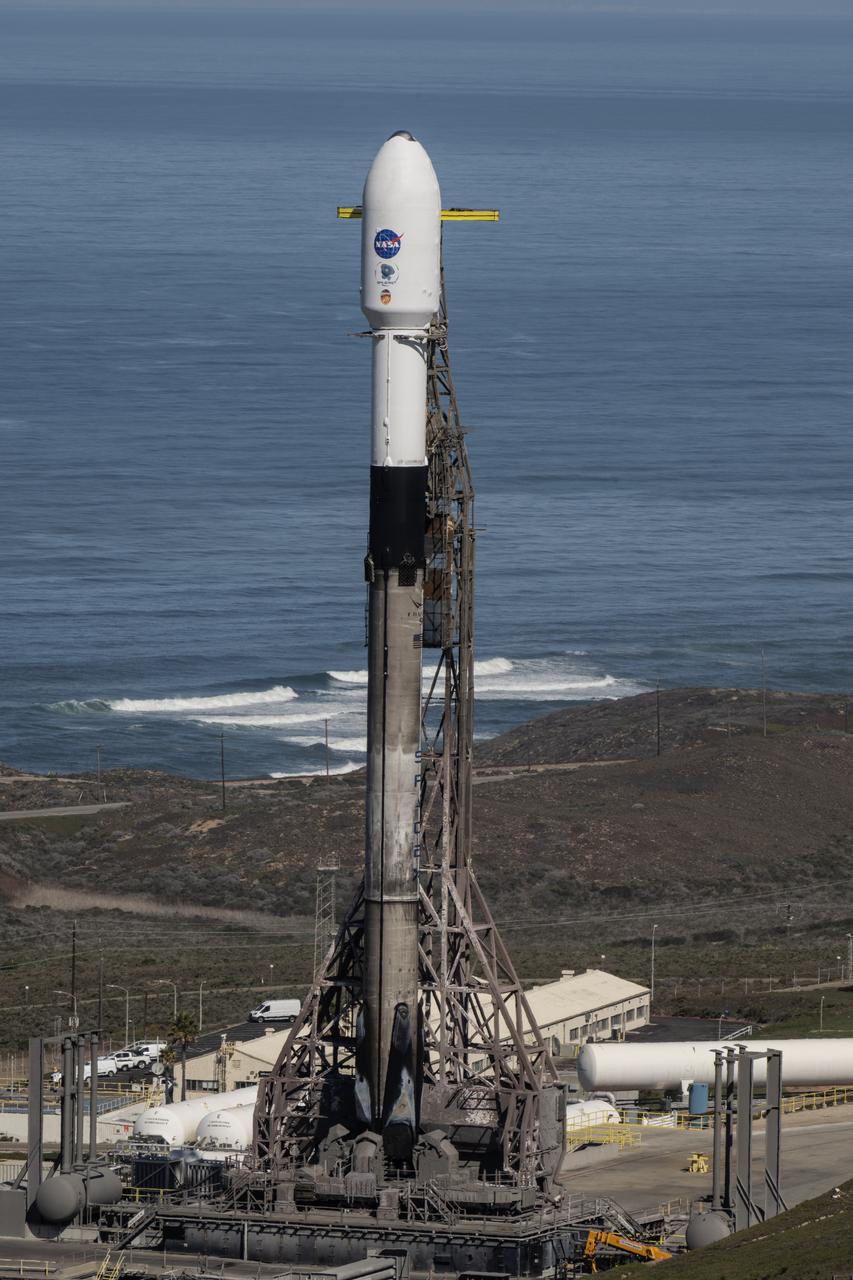
A SpaceX Falcon 9 rocket, carrying NASA’s SPHEREx (Spectro-Photometer for the History of the Universe, Epoch of Reionization and Ices Explorer) observatory and PUNCH (Polarimeter to Unify the Corona and Heliosphere) satellites, is vertical at Space Launch Complex 4 East from Vandenberg Space Force Base in California on Saturday, March 8, 2025. SPHEREx will use its telescope to provide an all-sky spectral survey, creating a 3D map of the entire sky to help scientists investigate the origins of our universe. PUNCH will study origins of the Sun’s outflow of material, or the solar wind, capturing continuous 3D images of the Sun’s corona and the solar wind’s journey into the solar system.

NASA and Caltech participate in a science briefing on Tuesday, Feb. 25, 2025, to discuss the upcoming launch of NASA’s SPHEREx (Spectro-Photometer for the History of the Universe, Epoch of Reionization and Ices Explorer) observatory and PUNCH (Polarimeter to Unify the Corona and Heliosphere) satellites at Vandenberg Space Force Base in California. SPHEREx will use its telescope to provide an all-sky spectral survey, creating a 3D map of the entire sky to help scientists investigate the origins of our universe. PUNCH will study origins of the Sun’s outflow of material, or the solar wind, capturing continuous 3D images of the Sun’s corona and the solar wind’s journey into the solar system.
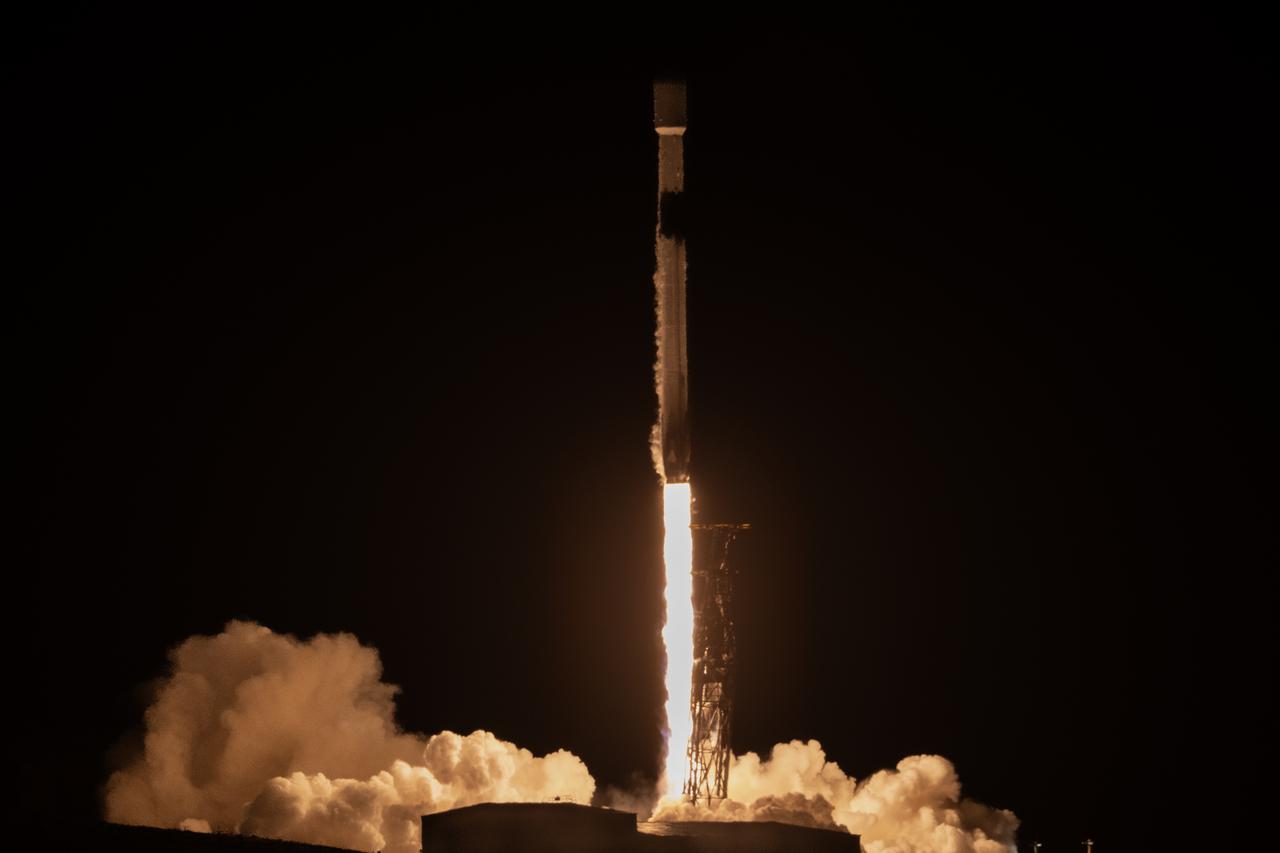
A SpaceX Falcon 9 rocket, carrying NASA’s SPHEREx (Spectro-Photometer for the History of the Universe, Epoch of Reionization and Ices Explorer) observatory and PUNCH (Polarimeter to Unify the Corona and Heliosphere) satellites, launches from Space Launch Complex 4 East at Vandenberg Space Force Base in California on Tuesday, March 11, 2025. SPHEREx will use its telescope to provide an all-sky spectral survey, creating a 3D map of the entire sky to help scientists investigate the origins of our universe. PUNCH will study origins of the Sun’s outflow of material, or the solar wind, capturing continuous 3D images of the Sun’s corona and the solar wind’s journey into the solar system.
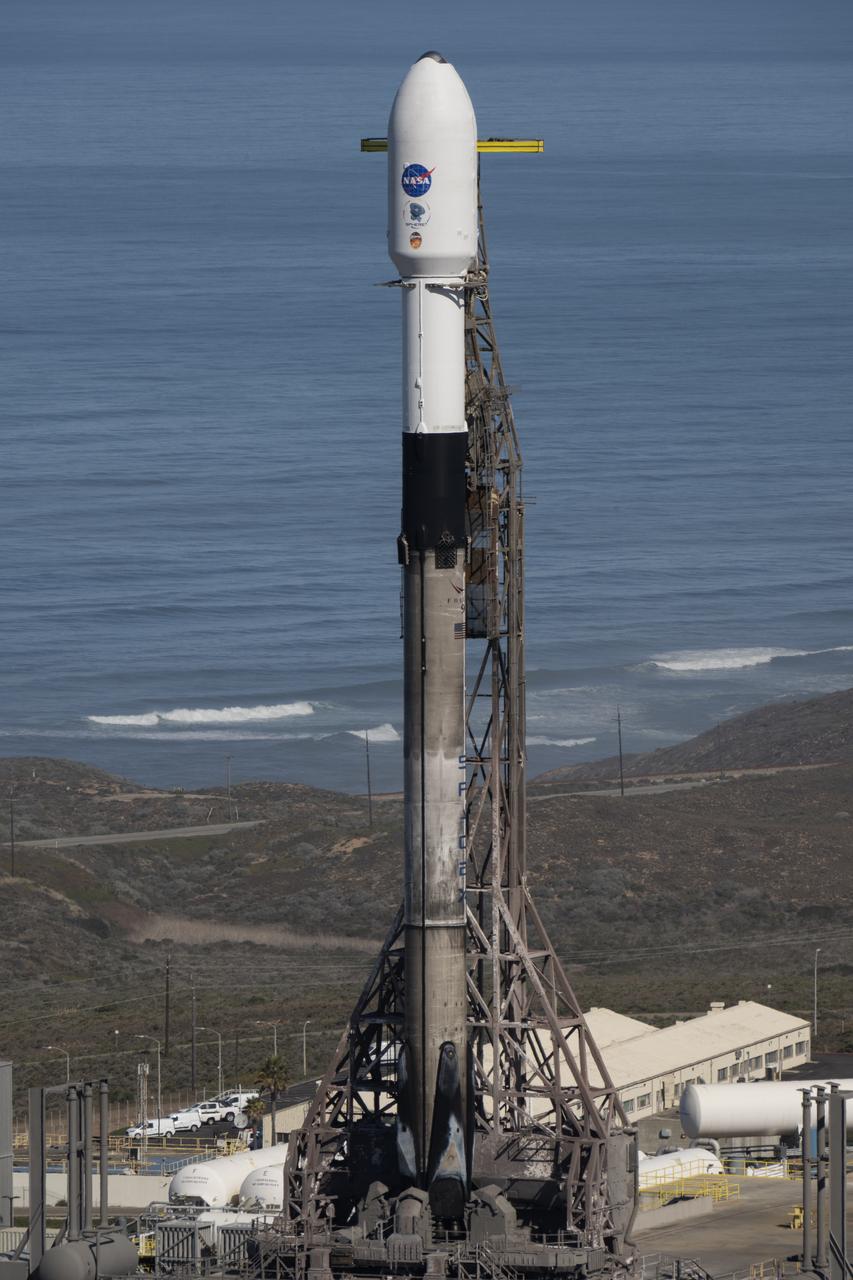
A SpaceX Falcon 9 rocket, carrying NASA’s SPHEREx (Spectro-Photometer for the History of the Universe, Epoch of Reionization and Ices Explorer) observatory and PUNCH (Polarimeter to Unify the Corona and Heliosphere) satellites, is vertical at Space Launch Complex 4 East from Vandenberg Space Force Base in California on Saturday, March 8, 2025. SPHEREx will use its telescope to provide an all-sky spectral survey, creating a 3D map of the entire sky to help scientists investigate the origins of our universe. PUNCH will study origins of the Sun’s outflow of material, or the solar wind, capturing continuous 3D images of the Sun’s corona and the solar wind’s journey into the solar system.

Alise Fischer, communications, NASA Headquarters participates in a science briefing on Tuesday, Feb. 25, 2025, to discuss the upcoming launch of NASA’s SPHEREx (Spectro-Photometer for the History of the Universe, Epoch of Reionization and Ices Explorer) observatory and PUNCH (Polarimeter to Unify the Corona and Heliosphere) satellites at Vandenberg Space Force Base in California. SPHEREx will use its telescope to provide an all-sky spectral survey, creating a 3D map of the entire sky to help scientists investigate the origins of our universe. PUNCH will study origins of the Sun’s outflow of material, or the solar wind, capturing continuous 3D images of the Sun’s corona and the solar wind’s journey into the solar system.
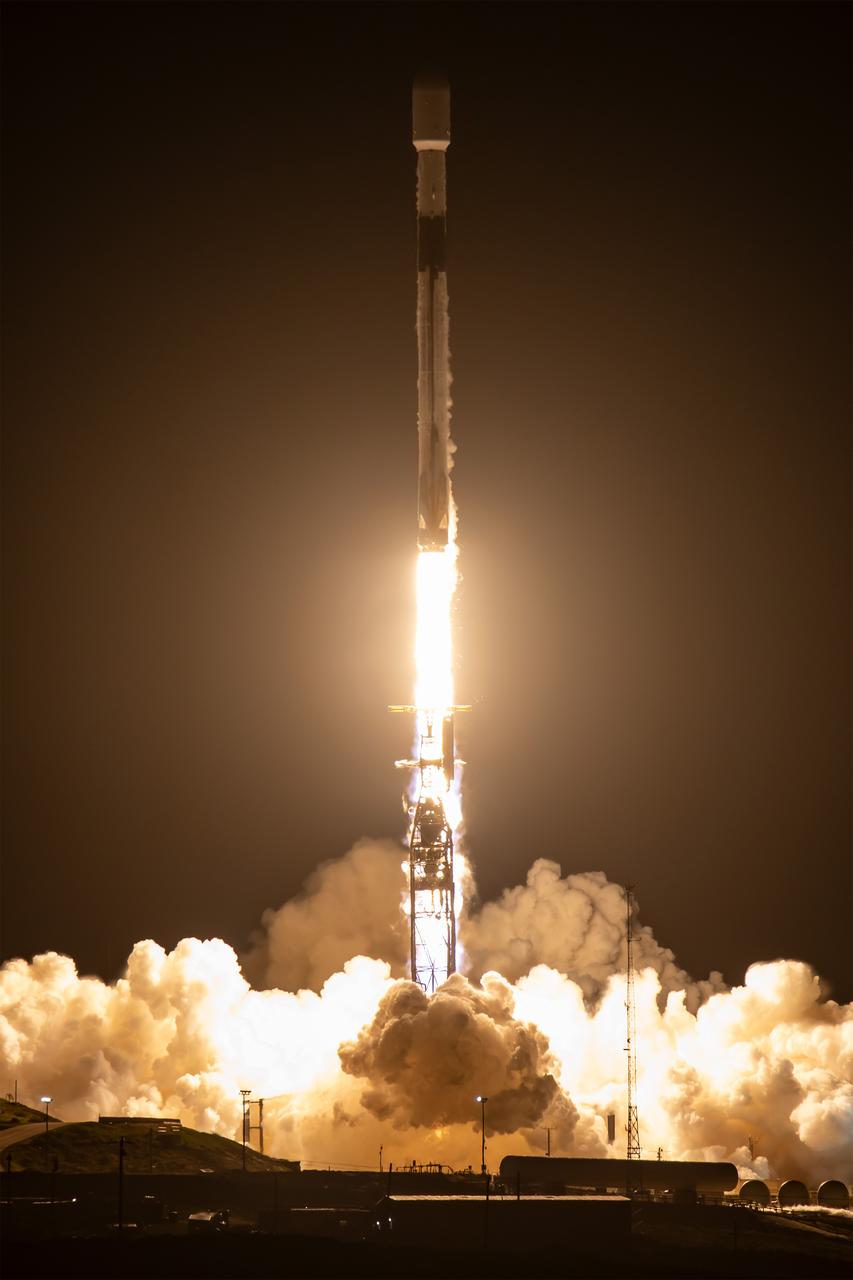
A SpaceX Falcon 9 rocket, carrying NASA’s SPHEREx (Spectro-Photometer for the History of the Universe, Epoch of Reionization and Ices Explorer) observatory and PUNCH (Polarimeter to Unify the Corona and Heliosphere) satellites, launches from Space Launch Complex 4 East at Vandenberg Space Force Base in California on Tuesday, March 11, 2025. SPHEREx will use its telescope to provide an all-sky spectral survey, creating a 3D map of the entire sky to help scientists investigate the origins of our universe. PUNCH will study origins of the Sun’s outflow of material, or the solar wind, capturing continuous 3D images of the Sun’s corona and the solar wind’s journey into the solar system.

Phil Korngut, SPHEREx instrument scientist, Caltech, participates in a science briefing on Tuesday, Feb. 25, 2025, to discuss the upcoming launch of NASA’s SPHEREx (Spectro-Photometer for the History of the Universe, Epoch of Reionization and Ices Explorer) observatory and PUNCH (Polarimeter to Unify the Corona and Heliosphere) satellites at Vandenberg Space Force Base in California. SPHEREx will use its telescope to provide an all-sky spectral survey, creating a 3D map of the entire sky to help scientists investigate the origins of our universe. PUNCH will study origins of the Sun’s outflow of material, or the solar wind, capturing continuous 3D images of the Sun’s corona and the solar wind’s journey into the solar system.

Rachel Akeson, SPHEREx science data center lead, Caltech/IPAC, participates in a science briefing on Tuesday, Feb. 25, 2025, to discuss the upcoming launch of NASA’s SPHEREx (Spectro-Photometer for the History of the Universe, Epoch of Reionization and Ices Explorer) observatory and PUNCH (Polarimeter to Unify the Corona and Heliosphere) satellites at Vandenberg Space Force Base in California. SPHEREx will use its telescope to provide an all-sky spectral survey, creating a 3D map of the entire sky to help scientists investigate the origins of our universe. PUNCH will study origins of the Sun’s outflow of material, or the solar wind, capturing continuous 3D images of the Sun’s corona and the solar wind’s journey into the solar system.
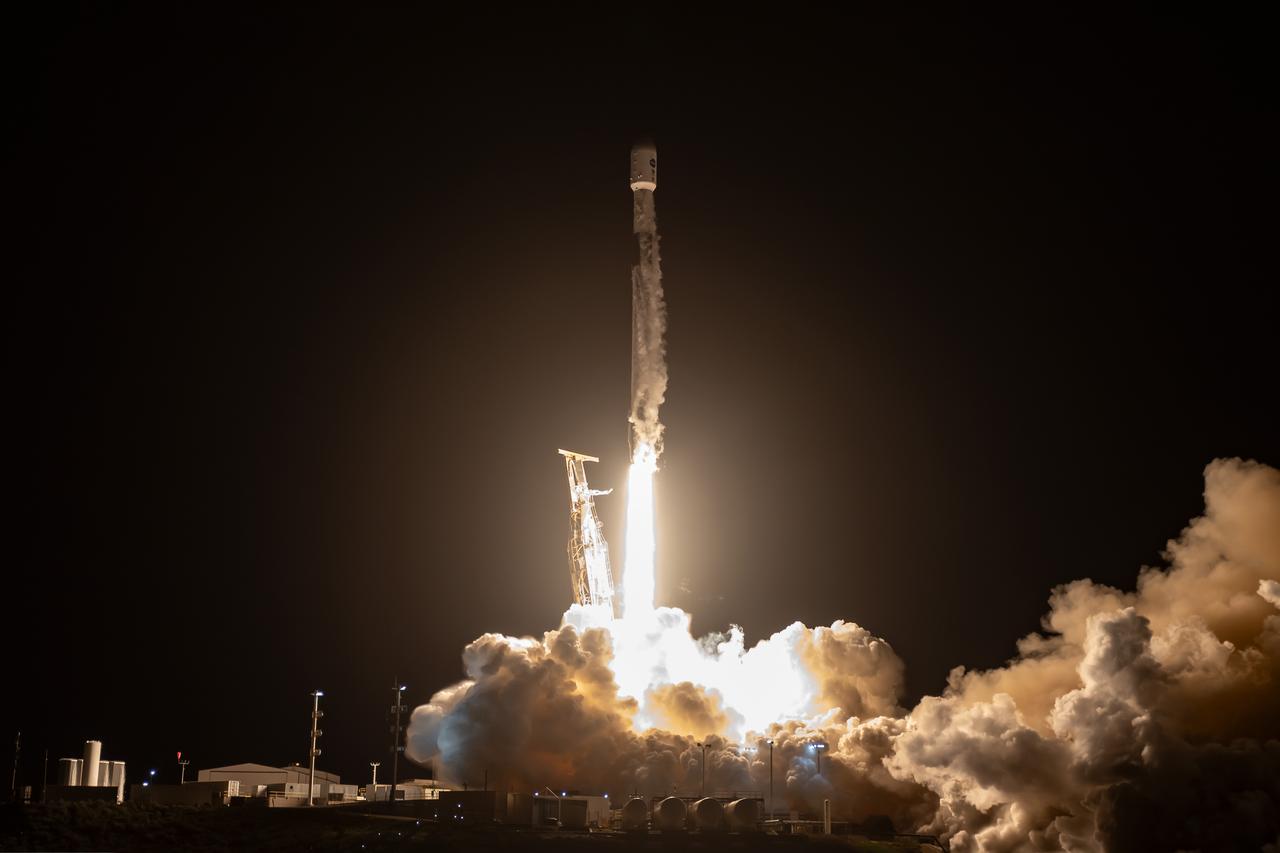
A SpaceX Falcon 9 rocket, carrying NASA’s SPHEREx (Spectro-Photometer for the History of the Universe, Epoch of Reionization and Ices Explorer) observatory and PUNCH (Polarimeter to Unify the Corona and Heliosphere) satellites, launches from Space Launch Complex 4 East at Vandenberg Space Force Base in California on Tuesday, March 11, 2025. SPHEREx will use its telescope to provide an all-sky spectral survey, creating a 3D map of the entire sky to help scientists investigate the origins of our universe. PUNCH will study origins of the Sun’s outflow of material, or the solar wind, capturing continuous 3D images of the Sun’s corona and the solar wind’s journey into the solar system.
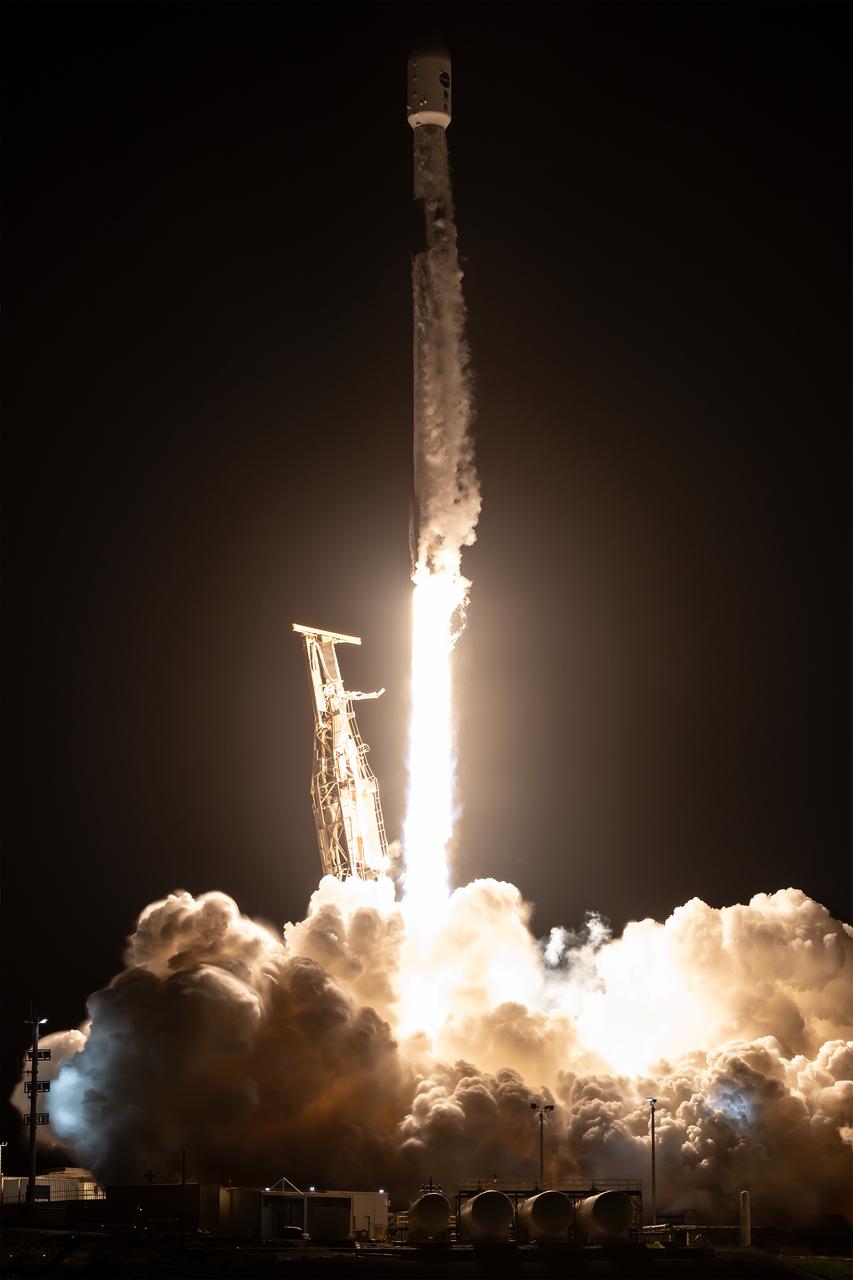
A SpaceX Falcon 9 rocket, carrying NASA’s SPHEREx (Spectro-Photometer for the History of the Universe, Epoch of Reionization and Ices Explorer) observatory and PUNCH (Polarimeter to Unify the Corona and Heliosphere) satellites, launches from Space Launch Complex 4 East at Vandenberg Space Force Base in California on Tuesday, March 11, 2025. SPHEREx will use its telescope to provide an all-sky spectral survey, creating a 3D map of the entire sky to help scientists investigate the origins of our universe. PUNCH will study origins of the Sun’s outflow of material, or the solar wind, capturing continuous 3D images of the Sun’s corona and the solar wind’s journey into the solar system.
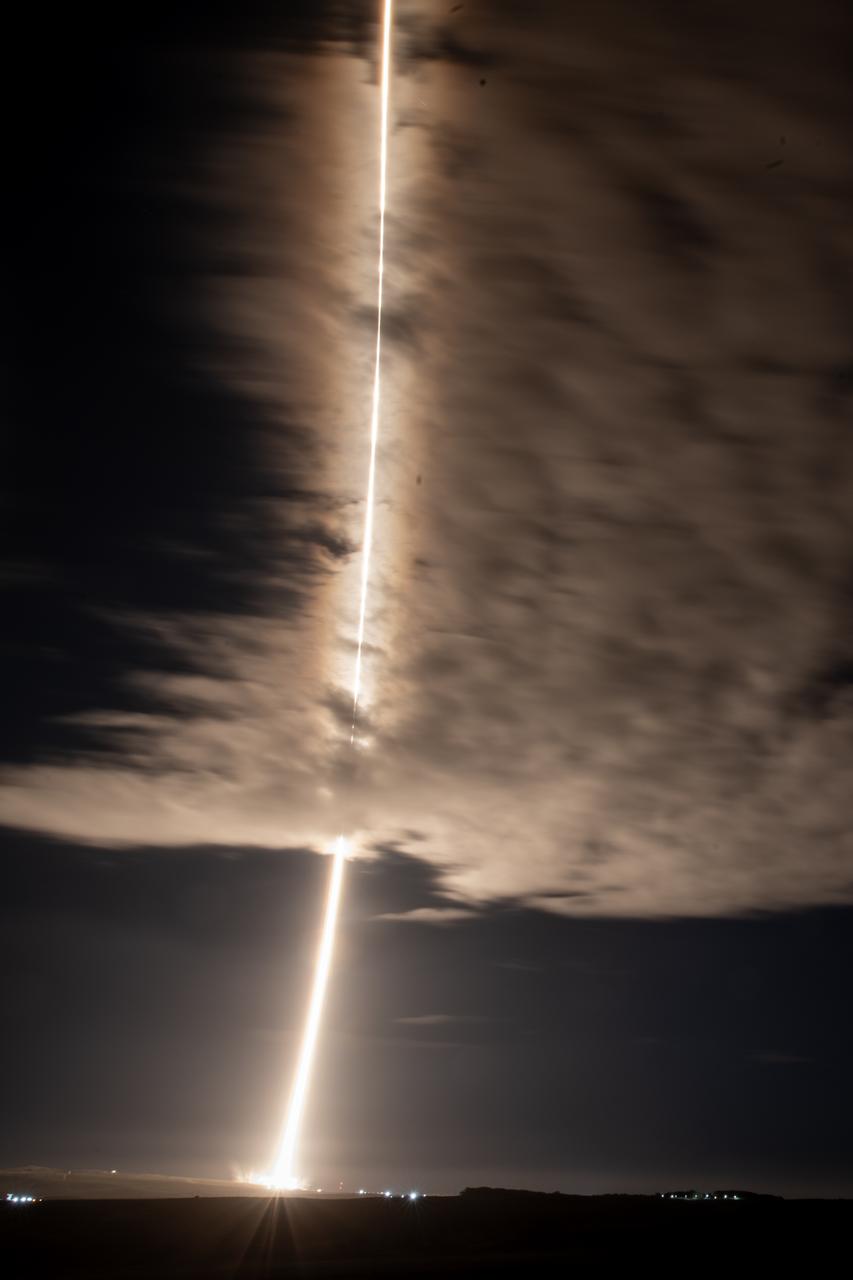
A streak lights up the sky following the launch of NASA’s SPHEREx (Spectro-Photometer for the History of the Universe, Epoch of Reionization and Ices Explorer) observatory and PUNCH (Polarimeter to Unify the Corona and Heliosphere) satellites at Space Launch Complex 4 East from Vandenberg Space Force Base in California on Tuesday, March 11, 2025. SPHEREx will use its telescope to provide an all-sky spectral survey, creating a 3D map of the entire sky to help scientists investigate the origins of our universe. PUNCH will study origins of the Sun’s outflow of material, or the solar wind, capturing continuous 3D images of the Sun’s corona and the solar wind’s journey into the solar system.
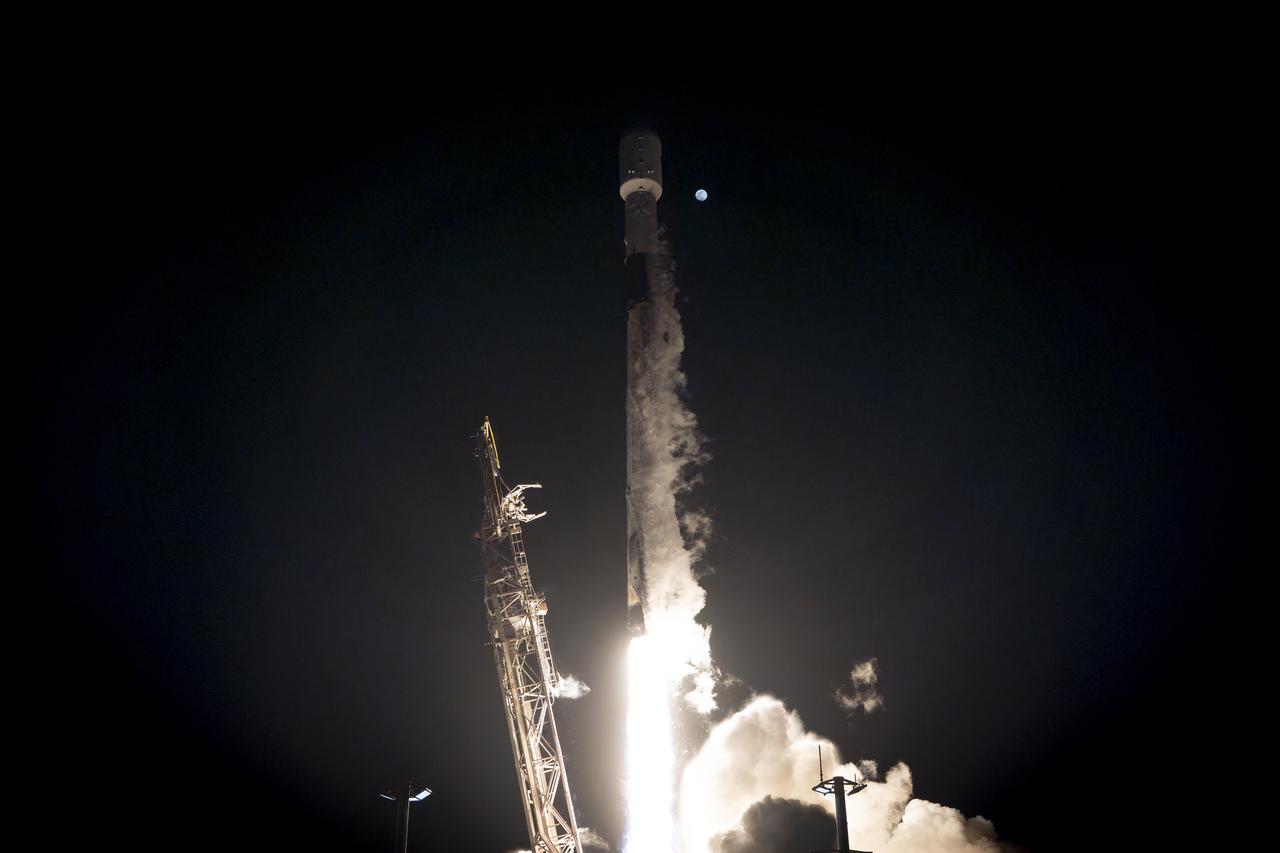
A SpaceX Falcon 9 rocket, carrying NASA’s SPHEREx (Spectro-Photometer for the History of the Universe, Epoch of Reionization and Ices Explorer) observatory and PUNCH (Polarimeter to Unify the Corona and Heliosphere) satellites, launches from Space Launch Complex 4 East at Vandenberg Space Force Base in California on Tuesday, March 11, 2025. SPHEREx will use its telescope to provide an all-sky spectral survey, creating a 3D map of the entire sky to help scientists investigate the origins of our universe. PUNCH will study origins of the Sun’s outflow of material, or the solar wind, capturing continuous 3D images of the Sun’s corona and the solar wind’s journey into the solar system.
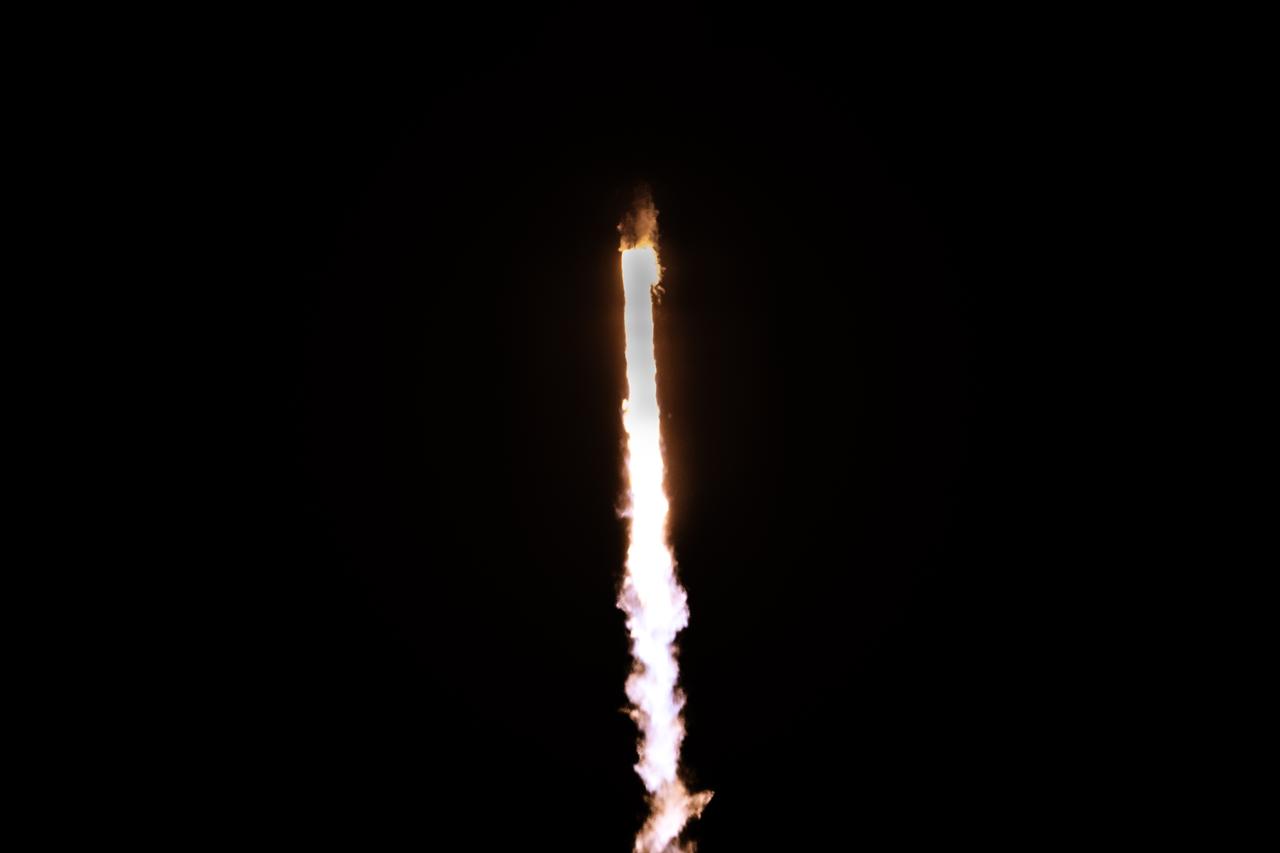
A SpaceX Falcon 9 rocket, carrying NASA’s SPHEREx (Spectro-Photometer for the History of the Universe, Epoch of Reionization and Ices Explorer) observatory and PUNCH (Polarimeter to Unify the Corona and Heliosphere) satellites, launches from Space Launch Complex 4 East at Vandenberg Space Force Base in California on Tuesday, March 11, 2025. SPHEREx will use its telescope to provide an all-sky spectral survey, creating a 3D map of the entire sky to help scientists investigate the origins of our universe. PUNCH will study origins of the Sun’s outflow of material, or the solar wind, capturing continuous 3D images of the Sun’s corona and the solar wind’s journey into the solar system.
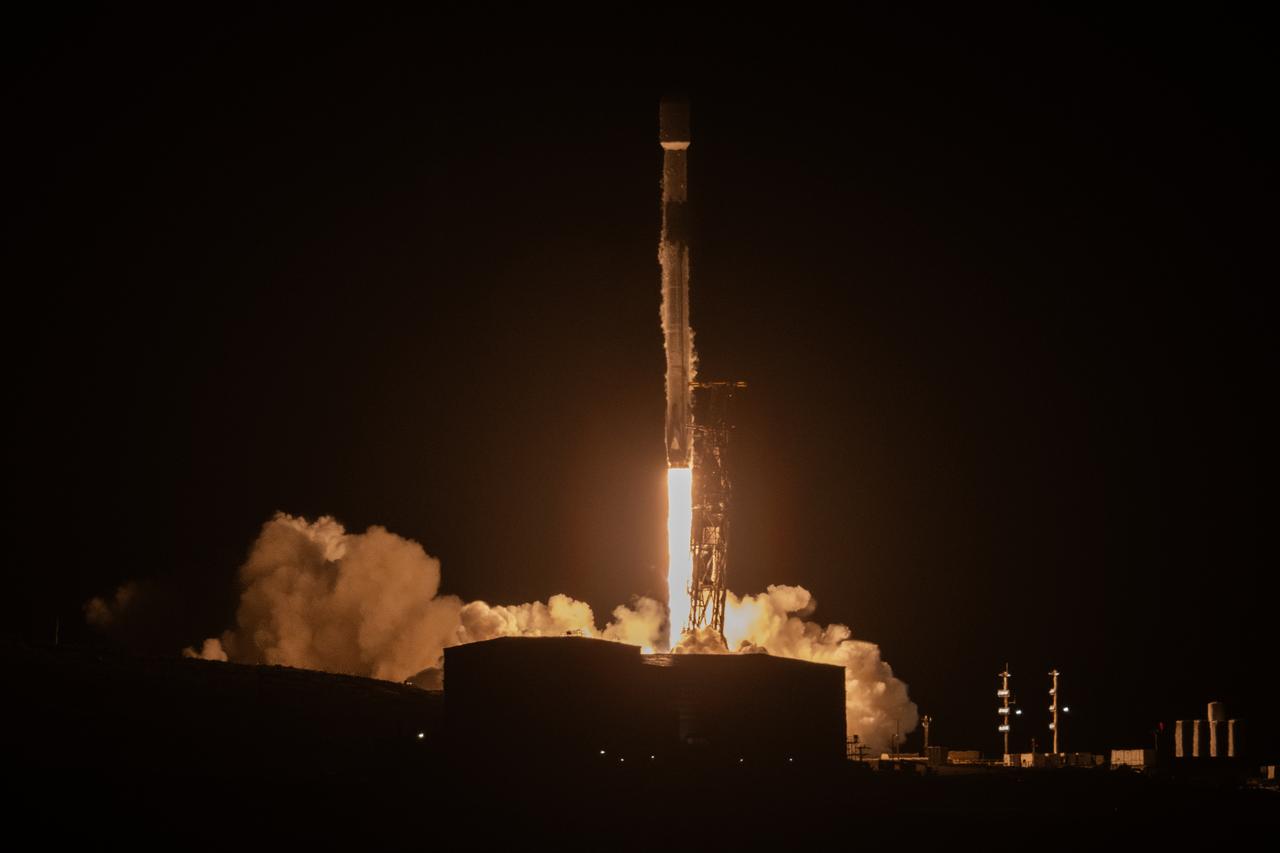
A SpaceX Falcon 9 rocket, carrying NASA’s SPHEREx (Spectro-Photometer for the History of the Universe, Epoch of Reionization and Ices Explorer) observatory and PUNCH (Polarimeter to Unify the Corona and Heliosphere) satellites, launches from Space Launch Complex 4 East at Vandenberg Space Force Base in California on Tuesday, March 11, 2025. SPHEREx will use its telescope to provide an all-sky spectral survey, creating a 3D map of the entire sky to help scientists investigate the origins of our universe. PUNCH will study origins of the Sun’s outflow of material, or the solar wind, capturing continuous 3D images of the Sun’s corona and the solar wind’s journey into the solar system.
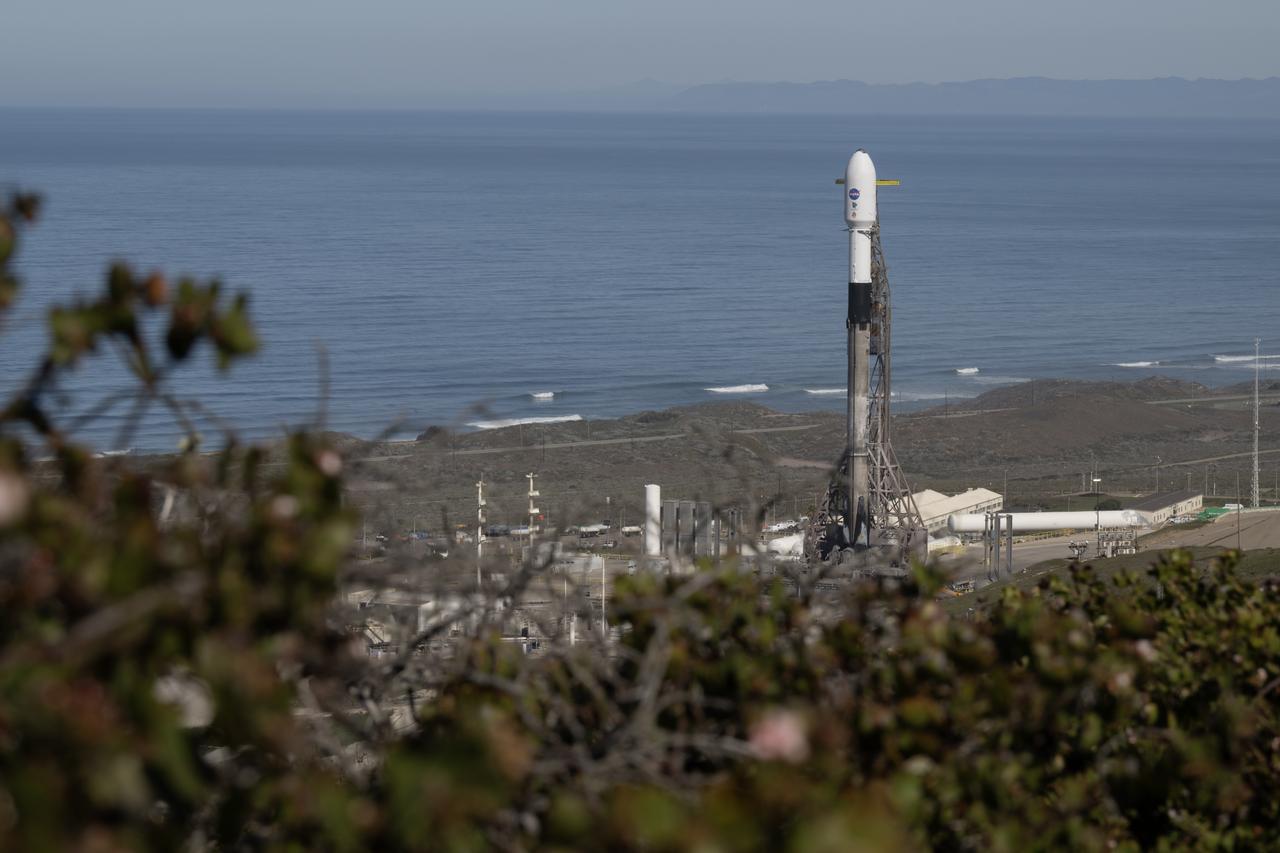
A SpaceX Falcon 9 rocket, carrying NASA’s SPHEREx (Spectro-Photometer for the History of the Universe, Epoch of Reionization and Ices Explorer) observatory and PUNCH (Polarimeter to Unify the Corona and Heliosphere) satellites, is vertical at Space Launch Complex 4 East from Vandenberg Space Force Base in California on Saturday, March 8, 2025. SPHEREx will use its telescope to provide an all-sky spectral survey, creating a 3D map of the entire sky to help scientists investigate the origins of our universe. PUNCH will study origins of the Sun’s outflow of material, or the solar wind, capturing continuous 3D images of the Sun’s corona and the solar wind’s journey into the solar system.
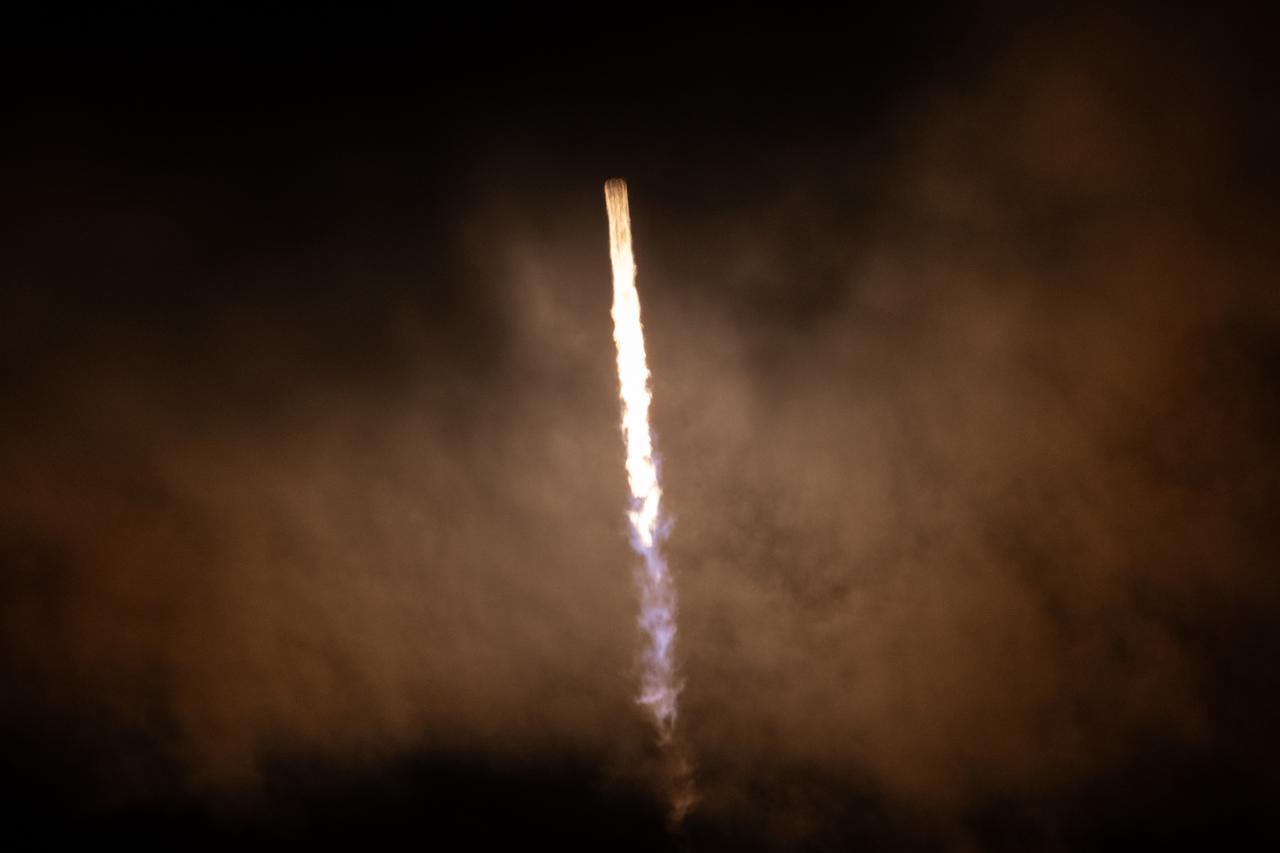
A SpaceX Falcon 9 rocket, carrying NASA’s SPHEREx (Spectro-Photometer for the History of the Universe, Epoch of Reionization and Ices Explorer) observatory and PUNCH (Polarimeter to Unify the Corona and Heliosphere) satellites, launches from Space Launch Complex 4 East at Vandenberg Space Force Base in California on Tuesday, March 11, 2025. SPHEREx will use its telescope to provide an all-sky spectral survey, creating a 3D map of the entire sky to help scientists investigate the origins of our universe. PUNCH will study origins of the Sun’s outflow of material, or the solar wind, capturing continuous 3D images of the Sun’s corona and the solar wind’s journey into the solar system.
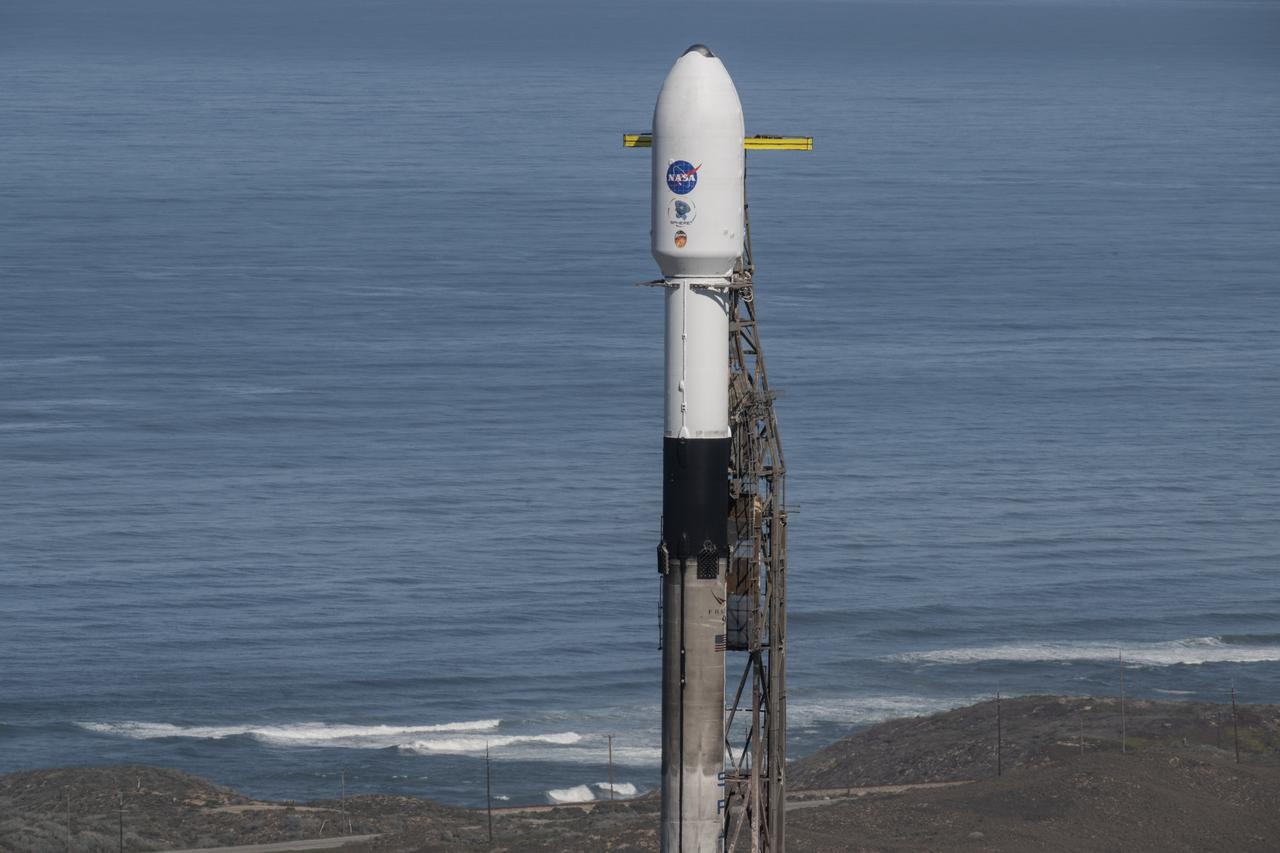
A SpaceX Falcon 9 rocket, carrying NASA’s SPHEREx (Spectro-Photometer for the History of the Universe, Epoch of Reionization and Ices Explorer) observatory and PUNCH (Polarimeter to Unify the Corona and Heliosphere) satellites, is vertical at Space Launch Complex 4 East from Vandenberg Space Force Base in California on Saturday, March 8, 2025. SPHEREx will use its telescope to provide an all-sky spectral survey, creating a 3D map of the entire sky to help scientists investigate the origins of our universe. PUNCH will study origins of the Sun’s outflow of material, or the solar wind, capturing continuous 3D images of the Sun’s corona and the solar wind’s journey into the solar system.

Joe Westlake, director, Heliophysics Division, NASA Headquarters, participates in a science briefing on Tuesday, Feb. 25, 2025, to discuss the upcoming launch of NASA’s SPHEREx (Spectro-Photometer for the History of the Universe, Epoch of Reionization and Ices Explorer) observatory and PUNCH (Polarimeter to Unify the Corona and Heliosphere) satellites at Vandenberg Space Force Base in California. SPHEREx will use its telescope to provide an all-sky spectral survey, creating a 3D map of the entire sky to help scientists investigate the origins of our universe. PUNCH will study origins of the Sun’s outflow of material, or the solar wind, capturing continuous 3D images of the Sun’s corona and the solar wind’s journey into the solar system.

Shawn Domagal-Goldman, acting director, Astrophysics Division, NASA Headquarters, participates in a science briefing on Tuesday, Feb. 25, 2025, to discuss the upcoming launch of NASA’s SPHEREx (Spectro-Photometer for the History of the Universe, Epoch of Reionization and Ices Explorer) observatory and PUNCH (Polarimeter to Unify the Corona and Heliosphere) satellites at Vandenberg Space Force Base in California. SPHEREx will use its telescope to provide an all-sky spectral survey, creating a 3D map of the entire sky to help scientists investigate the origins of our universe. PUNCH will study origins of the Sun’s outflow of material, or the solar wind, capturing continuous 3D images of the Sun’s corona and the solar wind’s journey into the solar system.
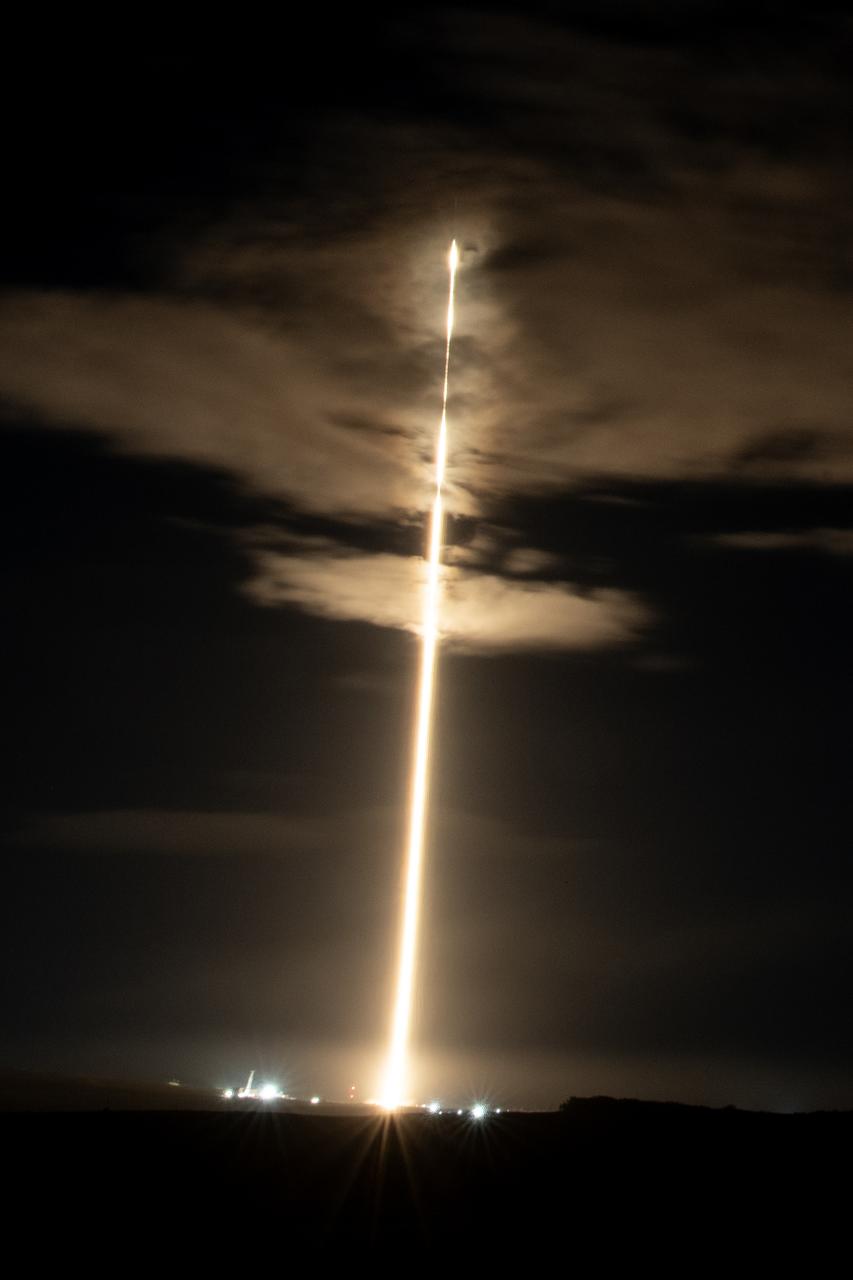
A streak lights up the sky as the first stage of a SpaceX Falcon 9 rocket lands at Vandenberg Space Force Base’s Landing Zone 4 in California on Tuesday March 11, 2025, following the launch of NASA’s SPHEREx (Spectro-Photometer for the History of the Universe, Epoch of Reionization and Ices Explorer) observatory and PUNCH (Polarimeter to Unify the Corona and Heliosphere) satellites. SPHEREx will use its telescope to provide an all-sky spectral survey, creating a 3D map of the entire sky to help scientists investigate the origins of our universe. PUNCH will study origins of the Sun’s outflow of material, or the solar wind, capturing continuous 3D images of the Sun’s corona and the solar wind’s journey into the solar system.
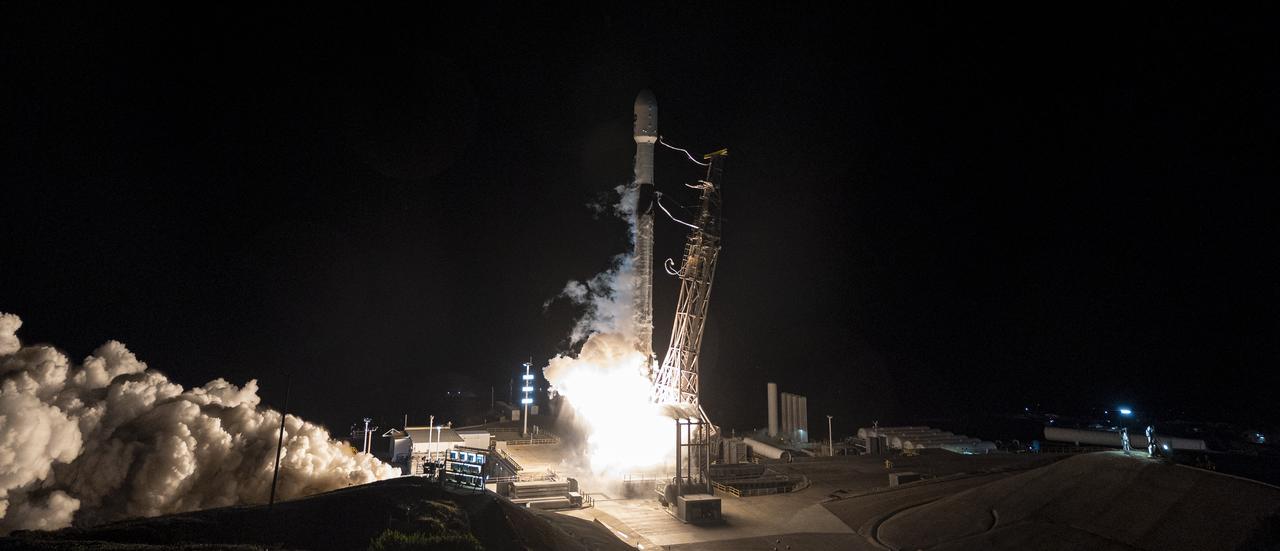
A SpaceX Falcon 9 rocket, carrying NASA’s SPHEREx (Spectro-Photometer for the History of the Universe, Epoch of Reionization and Ices Explorer) observatory and PUNCH (Polarimeter to Unify the Corona and Heliosphere) satellites, launches from Space Launch Complex 4 East at Vandenberg Space Force Base in California on Tuesday, March 11, 2025. SPHEREx will use its telescope to provide an all-sky spectral survey, creating a 3D map of the entire sky to help scientists investigate the origins of our universe. PUNCH will study origins of the Sun’s outflow of material, or the solar wind, capturing continuous 3D images of the Sun’s corona and the solar wind’s journey into the solar system.

A SpaceX Falcon 9 rocket, carrying NASA’s SPHEREx (Spectro-Photometer for the History of the Universe, Epoch of Reionization and Ices Explorer) observatory and PUNCH (Polarimeter to Unify the Corona and Heliosphere) satellites, launches from Space Launch Complex 4 East at Vandenberg Space Force Base in California on Tuesday, March 11, 2025. SPHEREx will use its telescope to provide an all-sky spectral survey, creating a 3D map of the entire sky to help scientists investigate the origins of our universe. PUNCH will study origins of the Sun’s outflow of material, or the solar wind, capturing continuous 3D images of the Sun’s corona and the solar wind’s journey into the solar system.
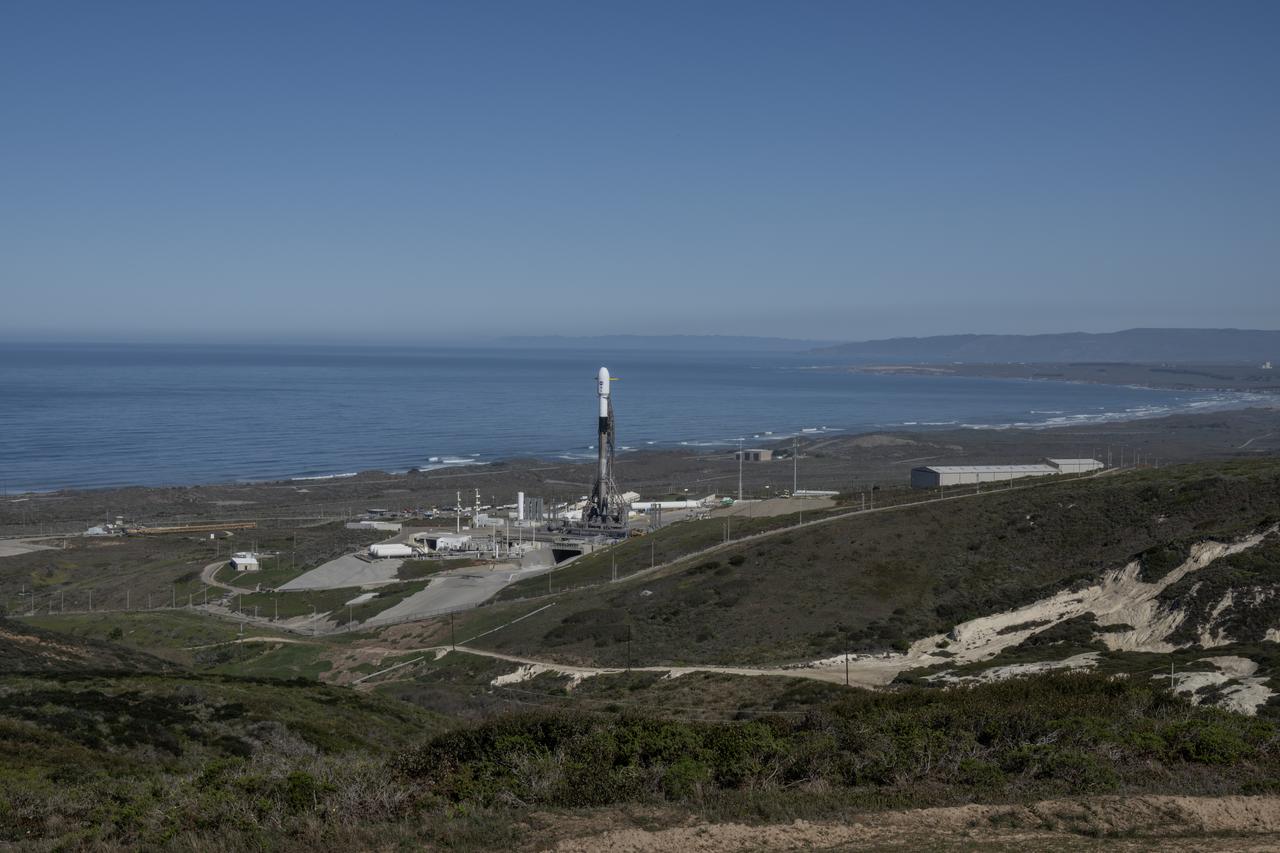
A SpaceX Falcon 9 rocket, carrying NASA’s SPHEREx (Spectro-Photometer for the History of the Universe, Epoch of Reionization and Ices Explorer) observatory and PUNCH (Polarimeter to Unify the Corona and Heliosphere) satellites, is vertical at Space Launch Complex 4 East from Vandenberg Space Force Base in California on Saturday, March 8, 2025. SPHEREx will use its telescope to provide an all-sky spectral survey, creating a 3D map of the entire sky to help scientists investigate the origins of our universe. PUNCH will study origins of the Sun’s outflow of material, or the solar wind, capturing continuous 3D images of the Sun’s corona and the solar wind’s journey into the solar system.
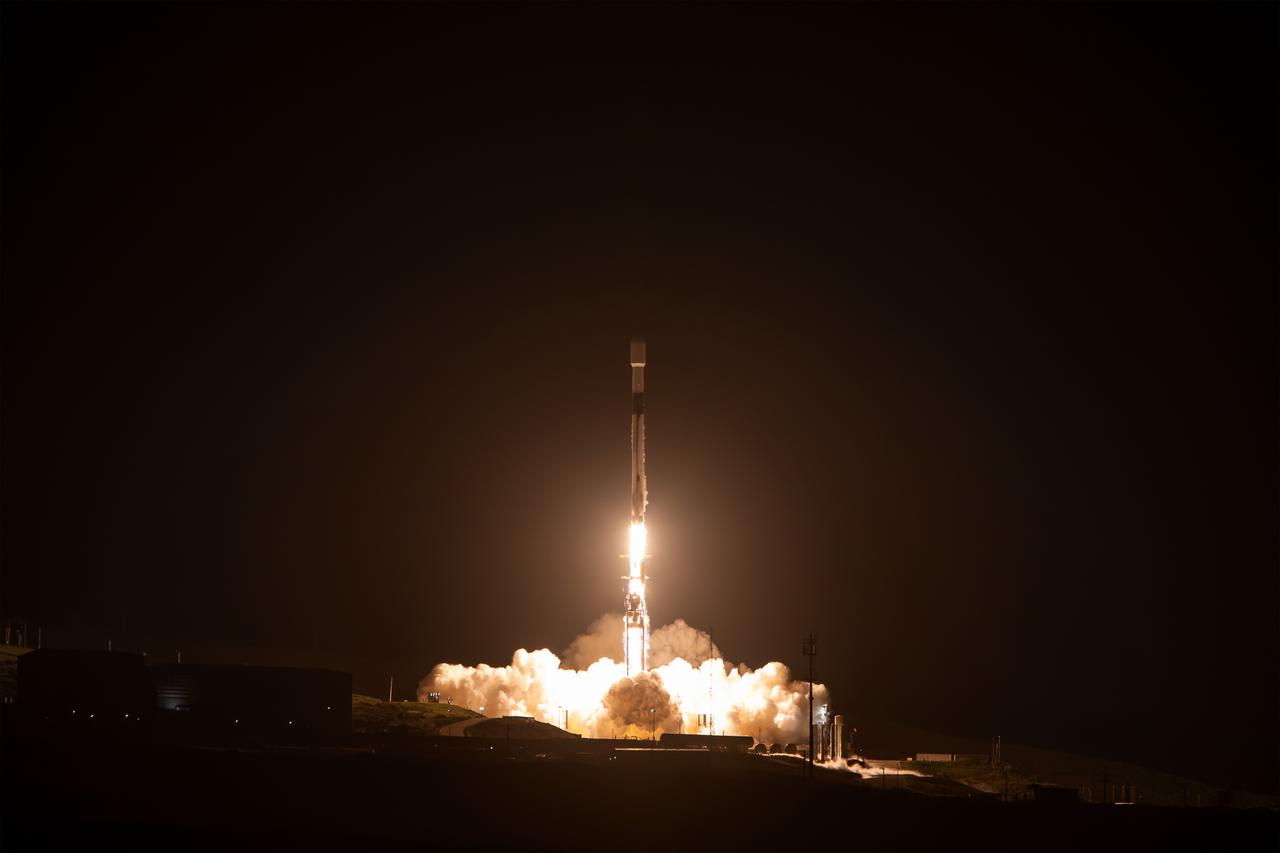
A SpaceX Falcon 9 rocket, carrying NASA’s SPHEREx (Spectro-Photometer for the History of the Universe, Epoch of Reionization and Ices Explorer) observatory and PUNCH (Polarimeter to Unify the Corona and Heliosphere) satellites, launches from Space Launch Complex 4 East at Vandenberg Space Force Base in California on Tuesday, March 11, 2025. SPHEREx will use its telescope to provide an all-sky spectral survey, creating a 3D map of the entire sky to help scientists investigate the origins of our universe. PUNCH will study origins of the Sun’s outflow of material, or the solar wind, capturing continuous 3D images of the Sun’s corona and the solar wind’s journey into the solar system.
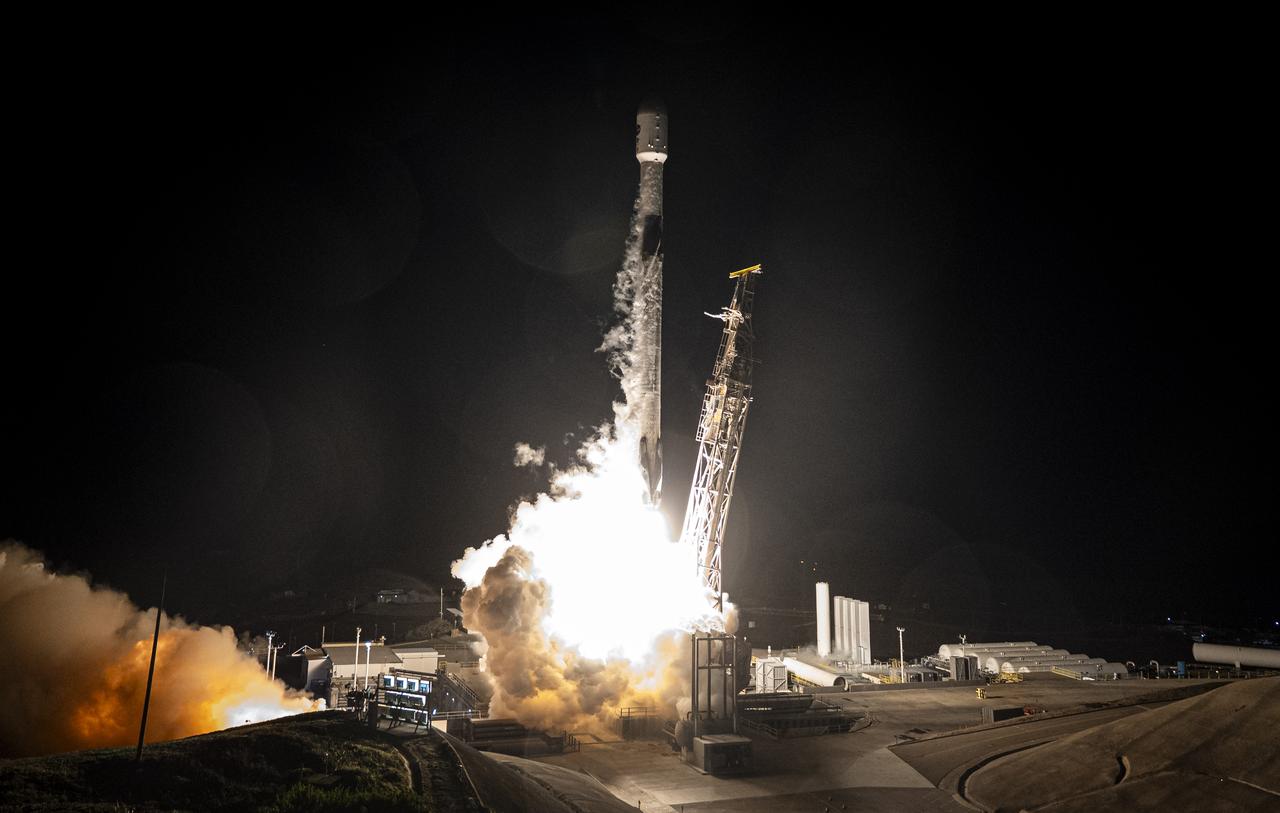
A SpaceX Falcon 9 rocket, carrying NASA’s SPHEREx (Spectro-Photometer for the History of the Universe, Epoch of Reionization and Ices Explorer) observatory and PUNCH (Polarimeter to Unify the Corona and Heliosphere) satellites, launches from Space Launch Complex 4 East at Vandenberg Space Force Base in California on Tuesday, March 11, 2025. SPHEREx will use its telescope to provide an all-sky spectral survey, creating a 3D map of the entire sky to help scientists investigate the origins of our universe. PUNCH will study origins of the Sun’s outflow of material, or the solar wind, capturing continuous 3D images of the Sun’s corona and the solar wind’s journey into the solar system.
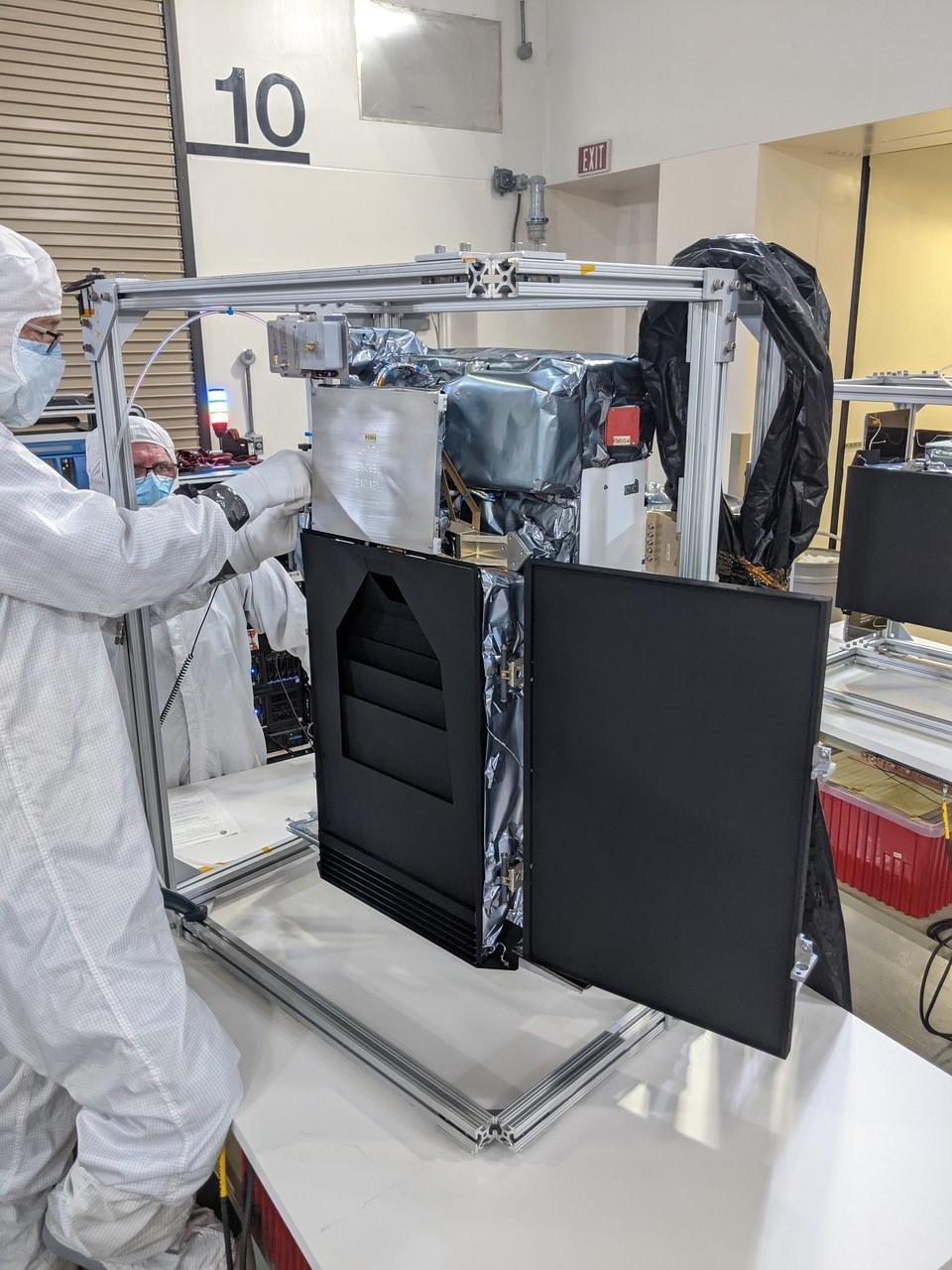
Technicians conduct integration and testing of NASA’s PUNCH (Polarimeter to Unify the Corona and Heliosphere) satellites during prelaunch operations inside Astrotech Space Operations on Vandenberg Space Force Base in California on Thursday, Jan. 23, 2025. PUNCH, consisting of four satellites, will produce continuous 3D images of the solar wind and solar storms as it travels from the Sun to Earth to better understand how material in the corona accelerates to become the solar wind that fills the solar system. PUNCH, along with NASA’s SPHEREx (Spectro-Photometer for the History of the Universe, Epoch of Reionization and Ices Explorer), a space telescope, will launch aboard a SpaceX Falcon 9 rocket in late February 2025.
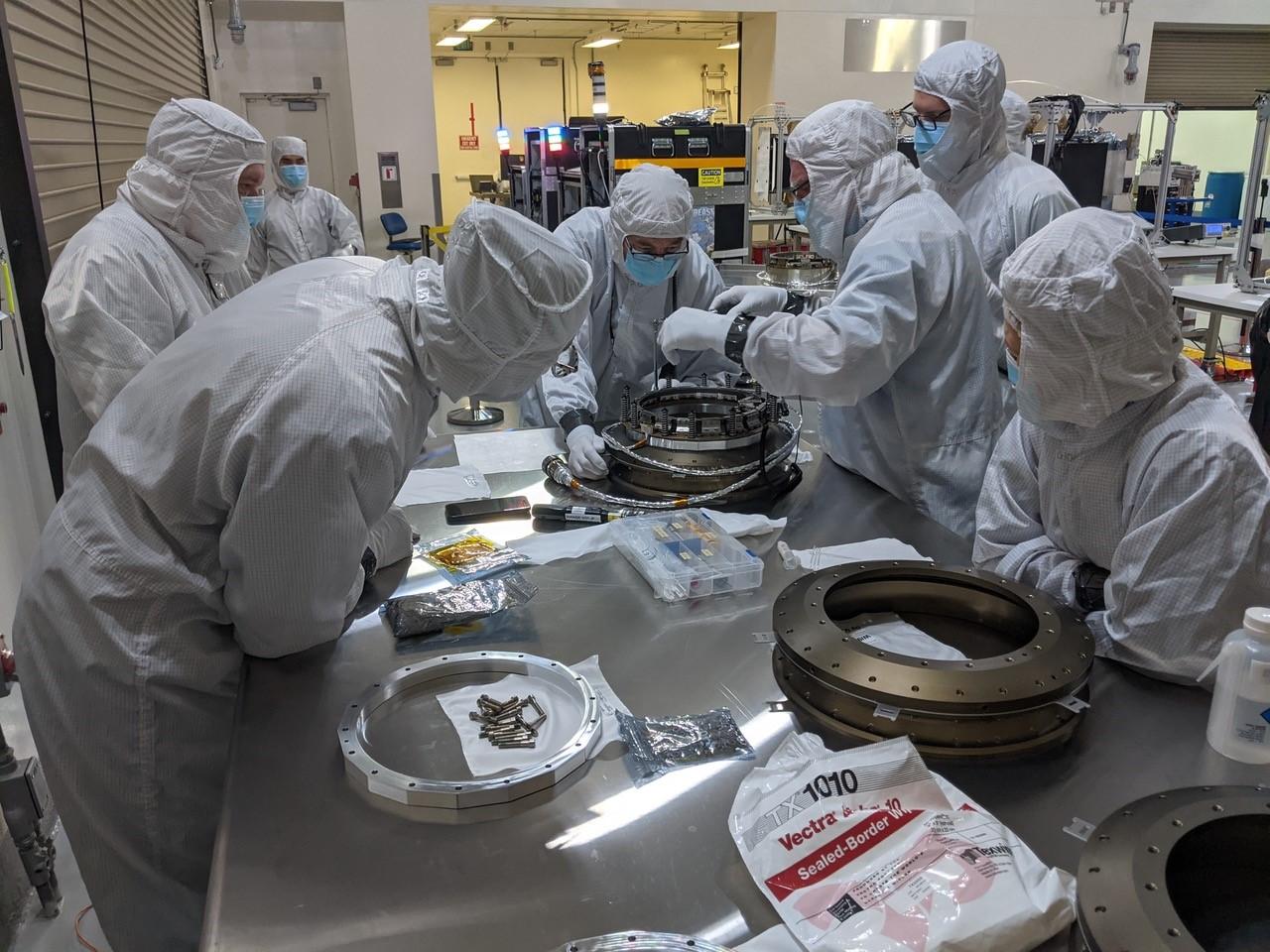
Technicians conduct integration and testing of NASA’s PUNCH (Polarimeter to Unify the Corona and Heliosphere) satellites during prelaunch operations inside Astrotech Space Operations on Vandenberg Space Force Base in California on Thursday, Jan. 23, 2025. PUNCH, consisting of four satellites, will produce continuous 3D images of the solar wind and solar storms as it travels from the Sun to Earth to better understand how material in the corona accelerates to become the solar wind that fills the solar system. PUNCH, along with NASA’s SPHEREx (Spectro-Photometer for the History of the Universe, Epoch of Reionization and Ices Explorer), a space telescope, will launch aboard a SpaceX Falcon 9 rocket in late February 2025.
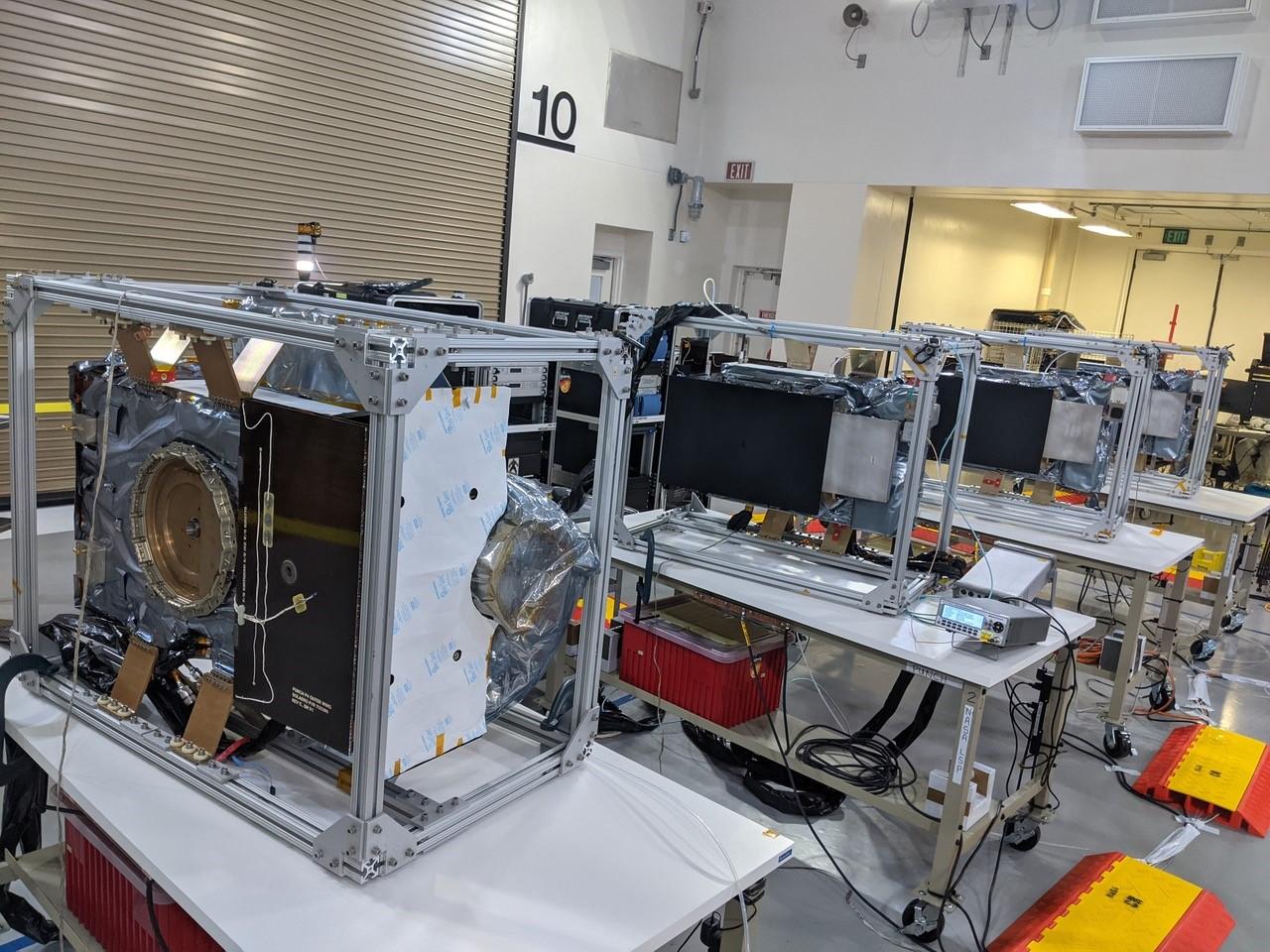
Technicians conduct integration and testing of NASA’s PUNCH (Polarimeter to Unify the Corona and Heliosphere) satellites during prelaunch operations inside Astrotech Space Operations on Vandenberg Space Force Base in California on Thursday, Jan. 23, 2025. PUNCH, consisting of four satellites, will produce continuous 3D images of the solar wind and solar storms as it travels from the Sun to Earth to better understand how material in the corona accelerates to become the solar wind that fills the solar system. PUNCH, along with NASA’s SPHEREx (Spectro-Photometer for the History of the Universe, Epoch of Reionization and Ices Explorer), a space telescope, will launch aboard a SpaceX Falcon 9 rocket in late February 2025.
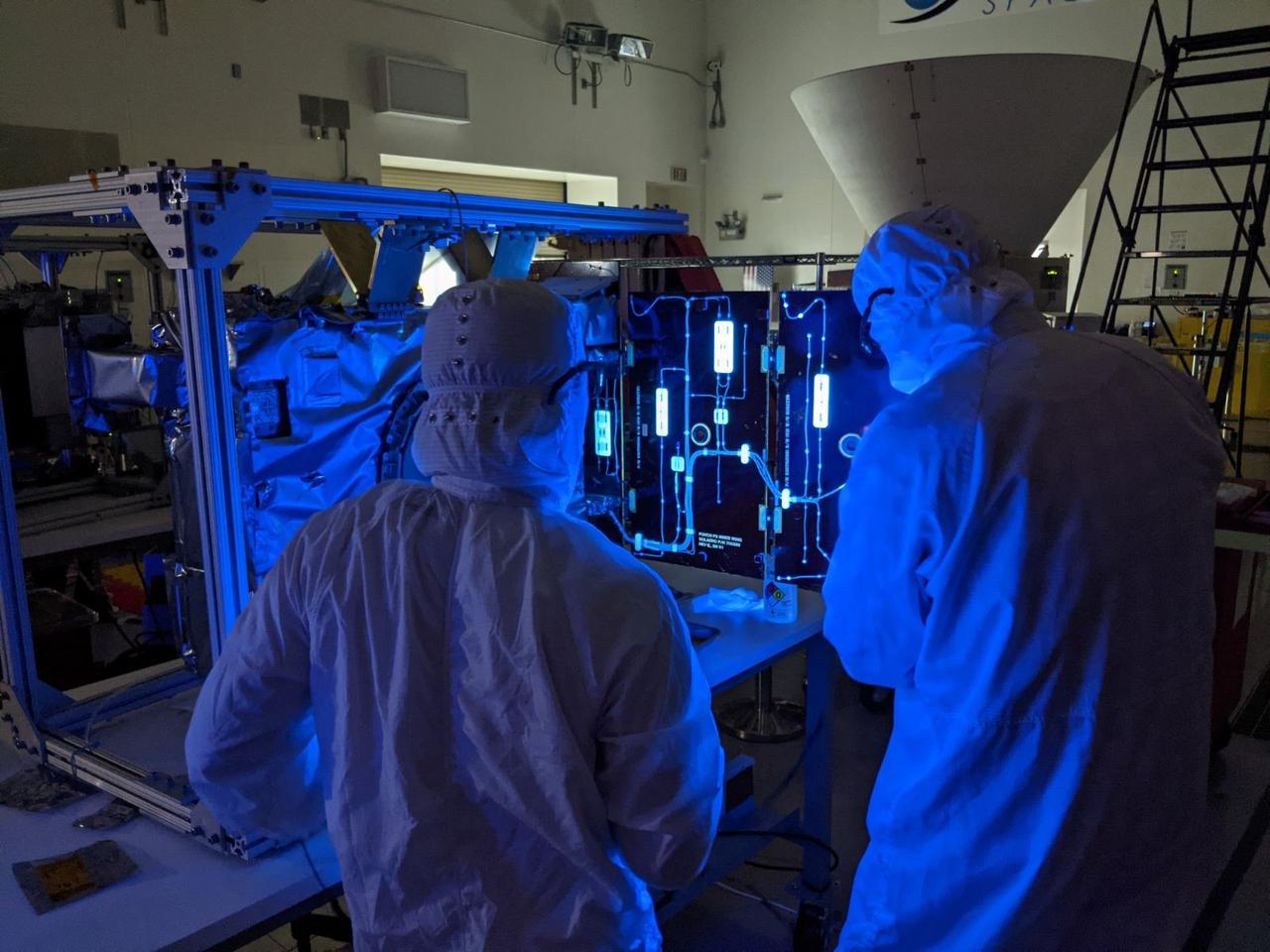
Technicians conduct integration and testing of NASA’s PUNCH (Polarimeter to Unify the Corona and Heliosphere) satellites during prelaunch operations inside Astrotech Space Operations on Vandenberg Space Force Base in California on Thursday, Jan. 23, 2025. PUNCH, consisting of four satellites, will produce continuous 3D images of the solar wind and solar storms as it travels from the Sun to Earth to better understand how material in the corona accelerates to become the solar wind that fills the solar system. PUNCH, along with NASA’s SPHEREx (Spectro-Photometer for the History of the Universe, Epoch of Reionization and Ices Explorer), a space telescope, will launch aboard a SpaceX Falcon 9 rocket in late February 2025.
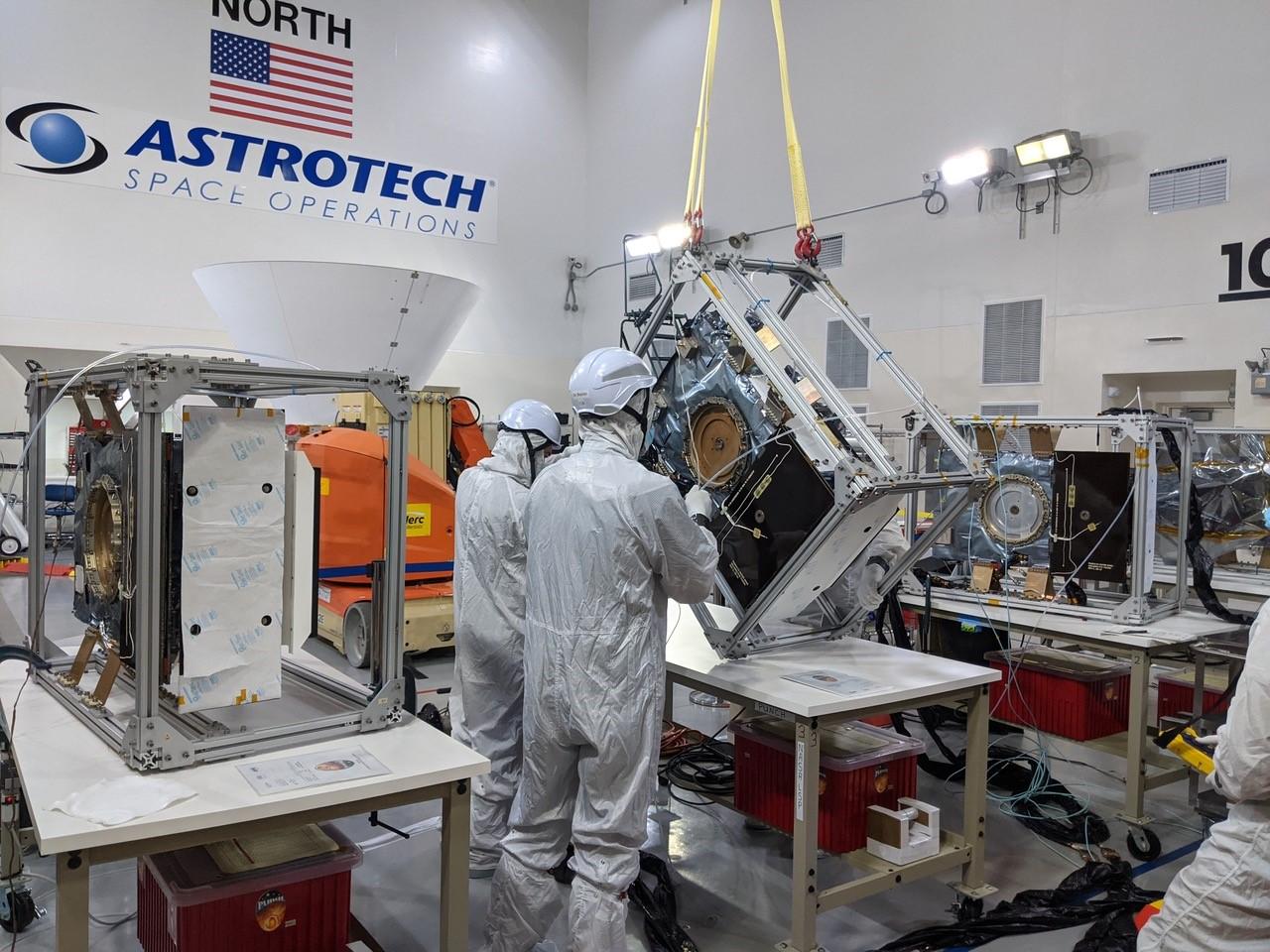
Technicians conduct integration and testing of NASA’s PUNCH (Polarimeter to Unify the Corona and Heliosphere) satellites during prelaunch operations inside Astrotech Space Operations on Vandenberg Space Force Base in California on Thursday, Jan. 23, 2025. PUNCH, consisting of four satellites, will produce continuous 3D images of the solar wind and solar storms as it travels from the Sun to Earth to better understand how material in the corona accelerates to become the solar wind that fills the solar system. PUNCH, along with NASA’s SPHEREx (Spectro-Photometer for the History of the Universe, Epoch of Reionization and Ices Explorer), a space telescope, will launch aboard a SpaceX Falcon 9 rocket in late February 2025.

David Cheney, PUNCH program executive, NASA Headquarters, participates in a prelaunch news conference on Friday, March 7, 2025, to discuss the upcoming launch of NASA’s SPHEREx (Spectro-Photometer for the History of the Universe, Epoch of Reionization and Ices Explorer) observatory and PUNCH (Polarimeter to Unify the Corona and Heliosphere) satellites at Vandenberg Space Force Base in California. SPHEREx will use its telescope to provide an all-sky spectral survey, creating a 3D map of the entire sky to help scientists investigate the origins of our universe. PUNCH will study origins of the Sun’s outflow of material, or the solar wind, capturing continuous 3D images of the Sun’s corona and the solar wind’s journey into the solar system. Liftoff aboard a SpaceX Falcon 9 rocket is targeted for NET 10:10 p.m. EST (7:10 p.m. PST), Saturday, March 8, 2025, at Space Launch Complex 4 East from Vandenberg Space Force Base in California.
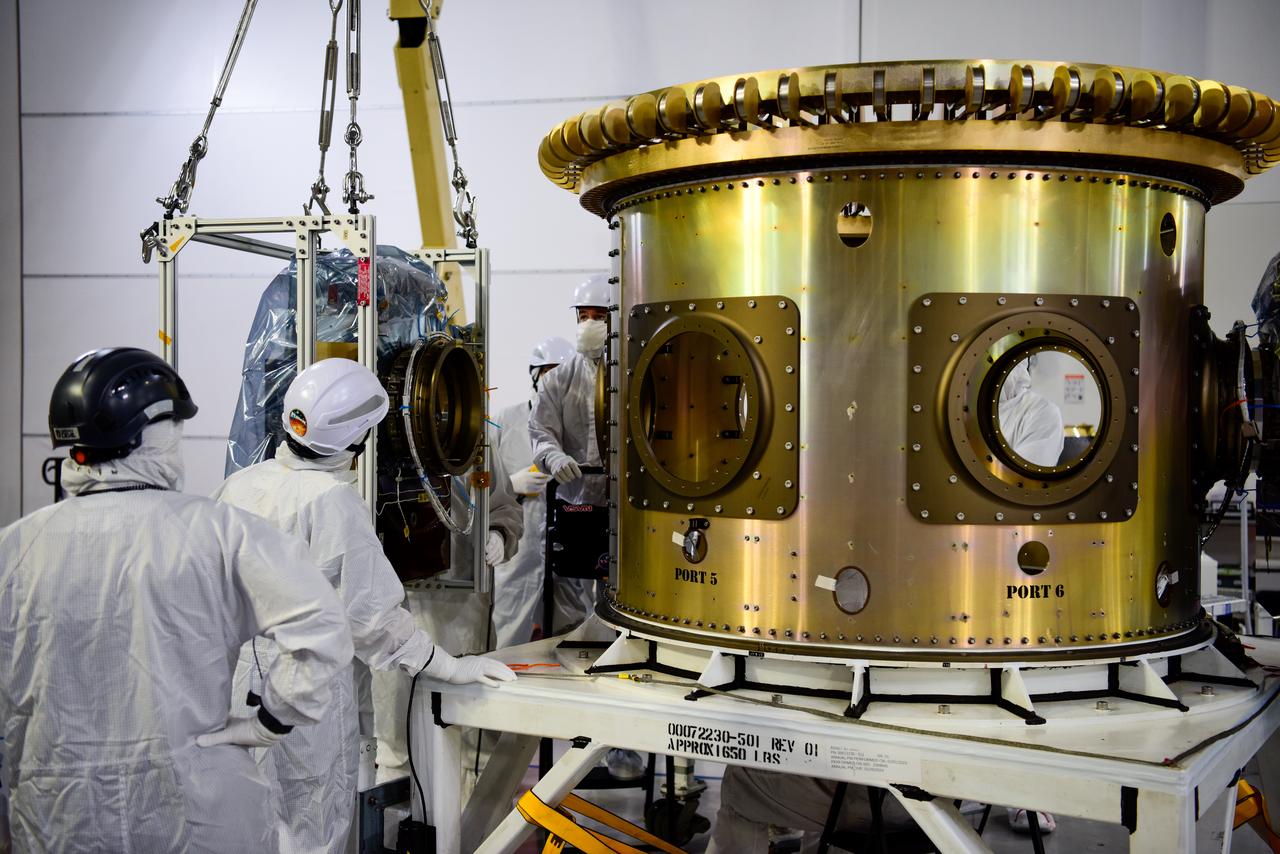
Technicians integrate NASA’s four PUNCH (Polarimeter to Unify the Corona and Heliosphere) satellites to the evolved expendable launch vehicle secondary payload adapter array ring inside the Astrotech Space Operations Facility at Vandenberg Space Force Base in California on Friday, Feb. 14, 2025. PUNCH will study origins of the Sun’s outflow of material, or the solar wind, capturing continuous 3D images of the Sun’s corona and the solar wind’s journey into the solar system. The PUNCH mission is launching as a rideshare with NASA’s SPHEREx (Spectro-Photometer for the History of the Universe, Epoch of Reionization and Ices Explorer) observatory scheduled to launch aboard a SpaceX Falcon 9 rocket at 10:09 p.m. EST (7:09 p.m. PST), Friday, Feb. 28, 2025, at Space Launch Complex 4 East from Vandenberg Space Force Base in California.
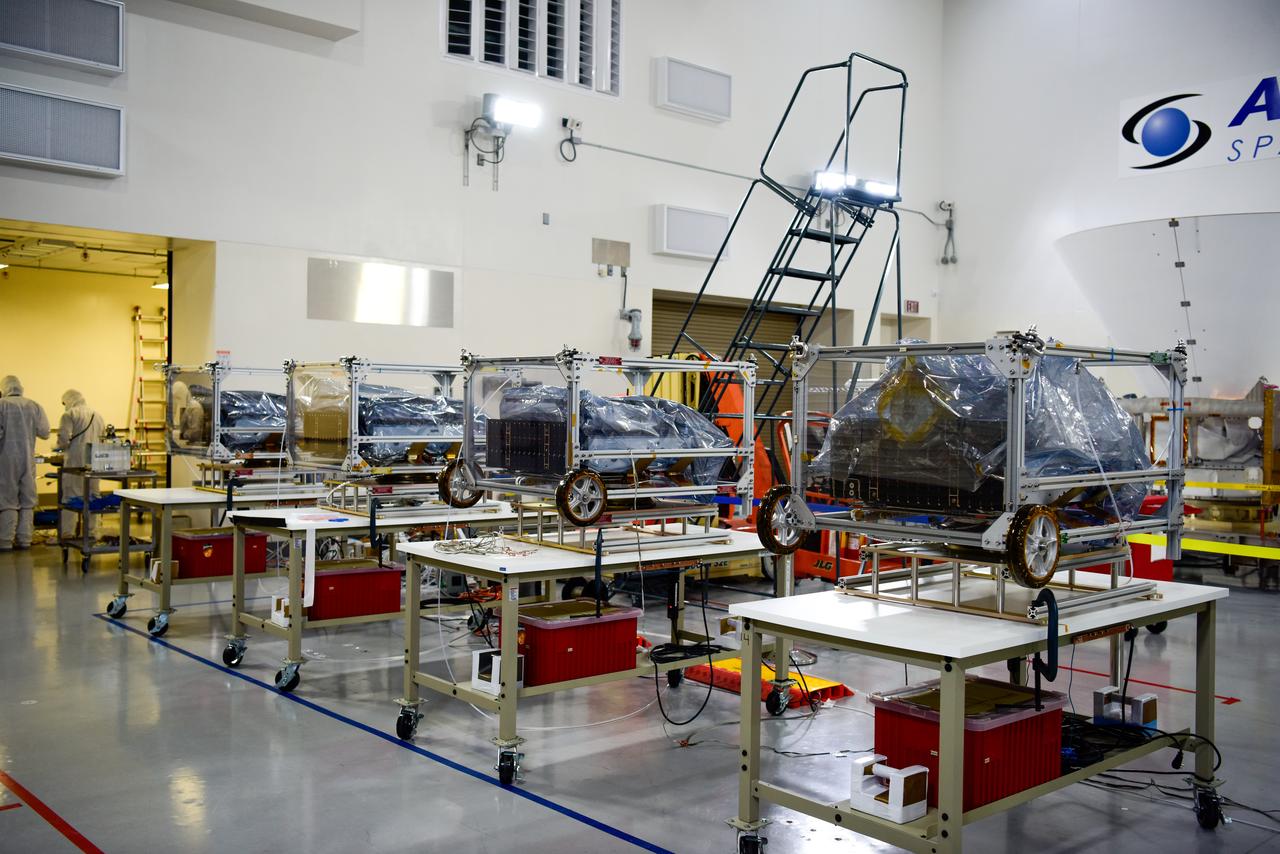
NASA’s four PUNCH (Polarimeter to Unify the Corona and Heliosphere) satellites await integration to the evolved expendable launch vehicle secondary payload adapter array ring inside the Astrotech Space Operations Facility at Vandenberg Space Force Base in California on Friday, Feb. 14, 2025. PUNCH will study origins of the Sun’s outflow of material, or the solar wind, capturing continuous 3D images of the Sun’s corona and the solar wind’s journey into the solar system. The PUNCH mission is launching as a rideshare with NASA’s SPHEREx (Spectro-Photometer for the History of the Universe, Epoch of Reionization and Ices Explorer) observatory scheduled to launch aboard a SpaceX Falcon 9 rocket at 10:09 p.m. EST (7:09 p.m. PST), Friday, Feb. 28, 2025, at Space Launch Complex 4 East from Vandenberg Space Force Base in California.
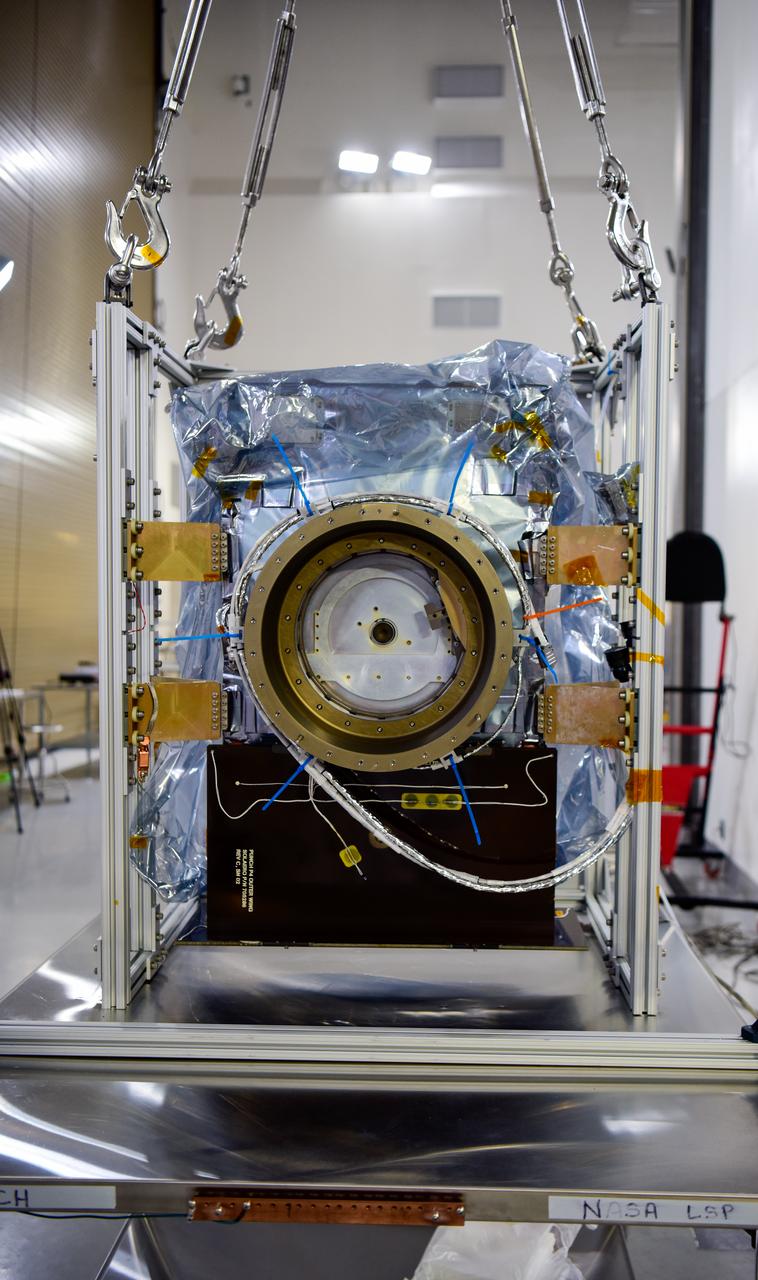
Technicians integrate NASA’s four PUNCH (Polarimeter to Unify the Corona and Heliosphere) satellites to the evolved expendable launch vehicle secondary payload adapter array ring inside the Astrotech Space Operations Facility at Vandenberg Space Force Base in California on Friday, Feb. 14, 2025. PUNCH will study origins of the Sun’s outflow of material, or the solar wind, capturing continuous 3D images of the Sun’s corona and the solar wind’s journey into the solar system. The PUNCH mission is launching as a rideshare with NASA’s SPHEREx (Spectro-Photometer for the History of the Universe, Epoch of Reionization and Ices Explorer) observatory scheduled to launch aboard a SpaceX Falcon 9 rocket at 10:09 p.m. EST (7:09 p.m. PST), Friday, Feb. 28, 2025, at Space Launch Complex 4 East from Vandenberg Space Force Base in California.
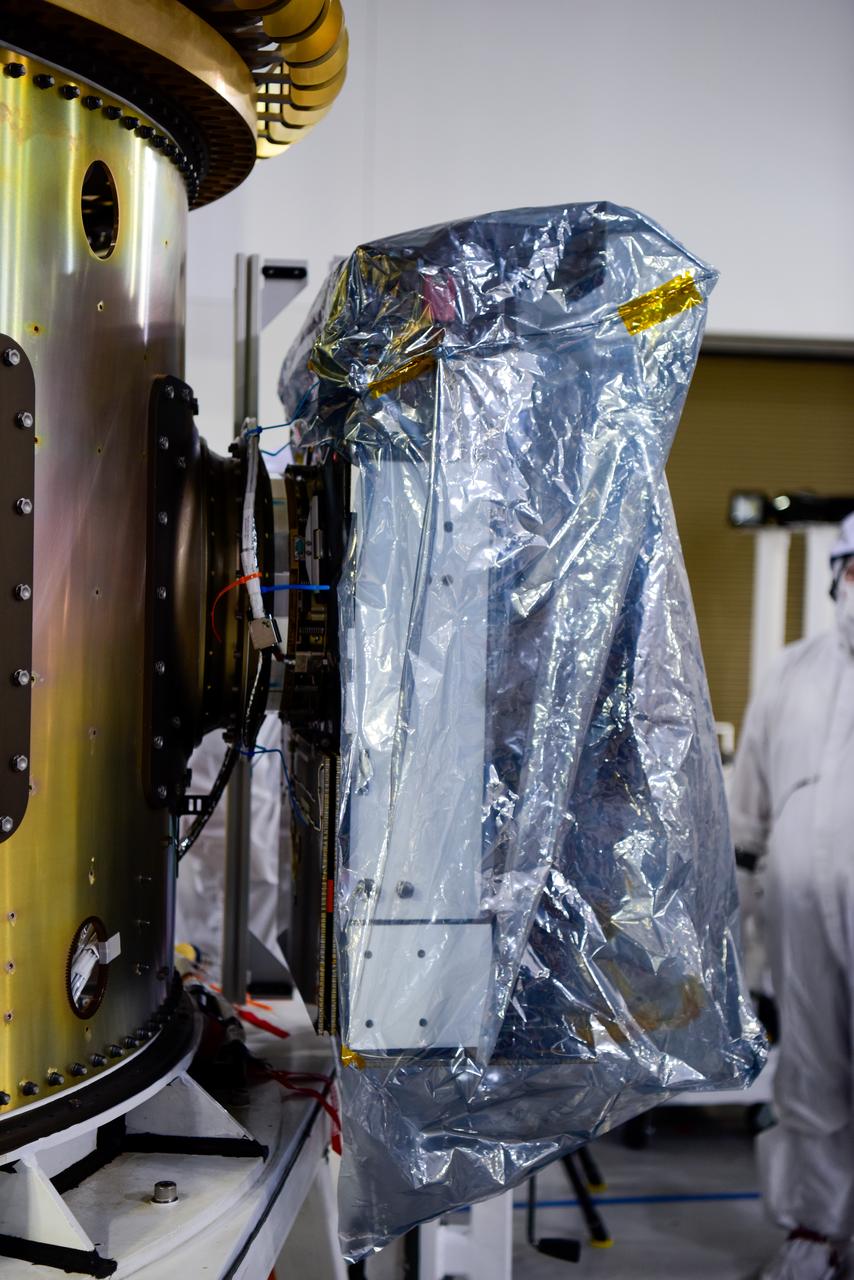
Technicians integrate NASA’s four PUNCH (Polarimeter to Unify the Corona and Heliosphere) satellites to the evolved expendable launch vehicle secondary payload adapter array ring inside the Astrotech Space Operations Facility at Vandenberg Space Force Base in California on Friday, Feb. 14, 2025. PUNCH will study origins of the Sun’s outflow of material, or the solar wind, capturing continuous 3D images of the Sun’s corona and the solar wind’s journey into the solar system. The PUNCH mission is launching as a rideshare with NASA’s SPHEREx (Spectro-Photometer for the History of the Universe, Epoch of Reionization and Ices Explorer) observatory scheduled to launch aboard a SpaceX Falcon 9 rocket at 10:09 p.m. EST (7:09 p.m. PST), Friday, Feb. 28, 2025, at Space Launch Complex 4 East from Vandenberg Space Force Base in California.
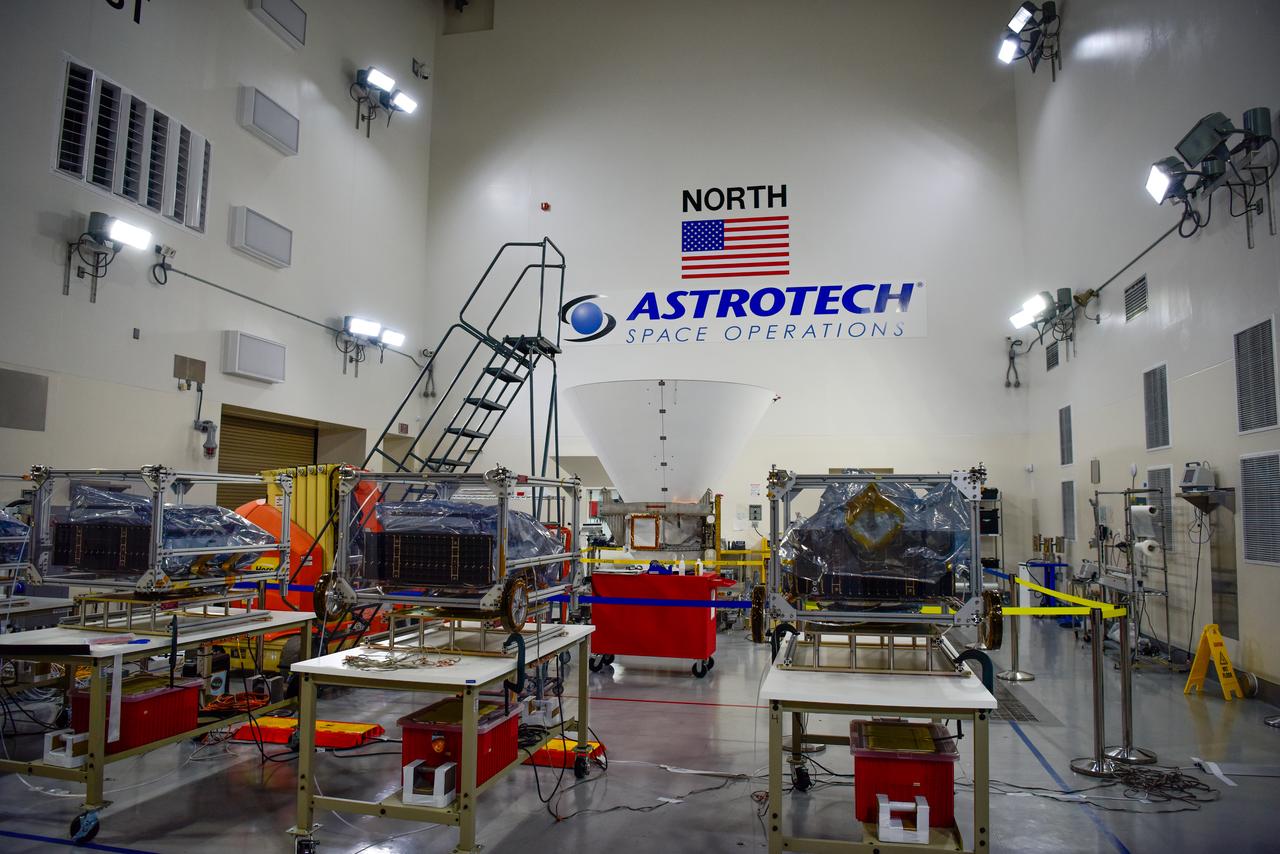
NASA’s four PUNCH (Polarimeter to Unify the Corona and Heliosphere) satellites await integration to the evolved expendable launch vehicle secondary payload adapter array ring inside the Astrotech Space Operations Facility at Vandenberg Space Force Base in California on Friday, Feb. 14, 2025. PUNCH will study origins of the Sun’s outflow of material, or the solar wind, capturing continuous 3D images of the Sun’s corona and the solar wind’s journey into the solar system. The PUNCH mission is launching as a rideshare with NASA’s SPHEREx (Spectro-Photometer for the History of the Universe, Epoch of Reionization and Ices Explorer) observatory scheduled to launch aboard a SpaceX Falcon 9 rocket at 10:09 p.m. EST (7:09 p.m. PST), Friday, Feb. 28, 2025, at Space Launch Complex 4 East from Vandenberg Space Force Base in California.
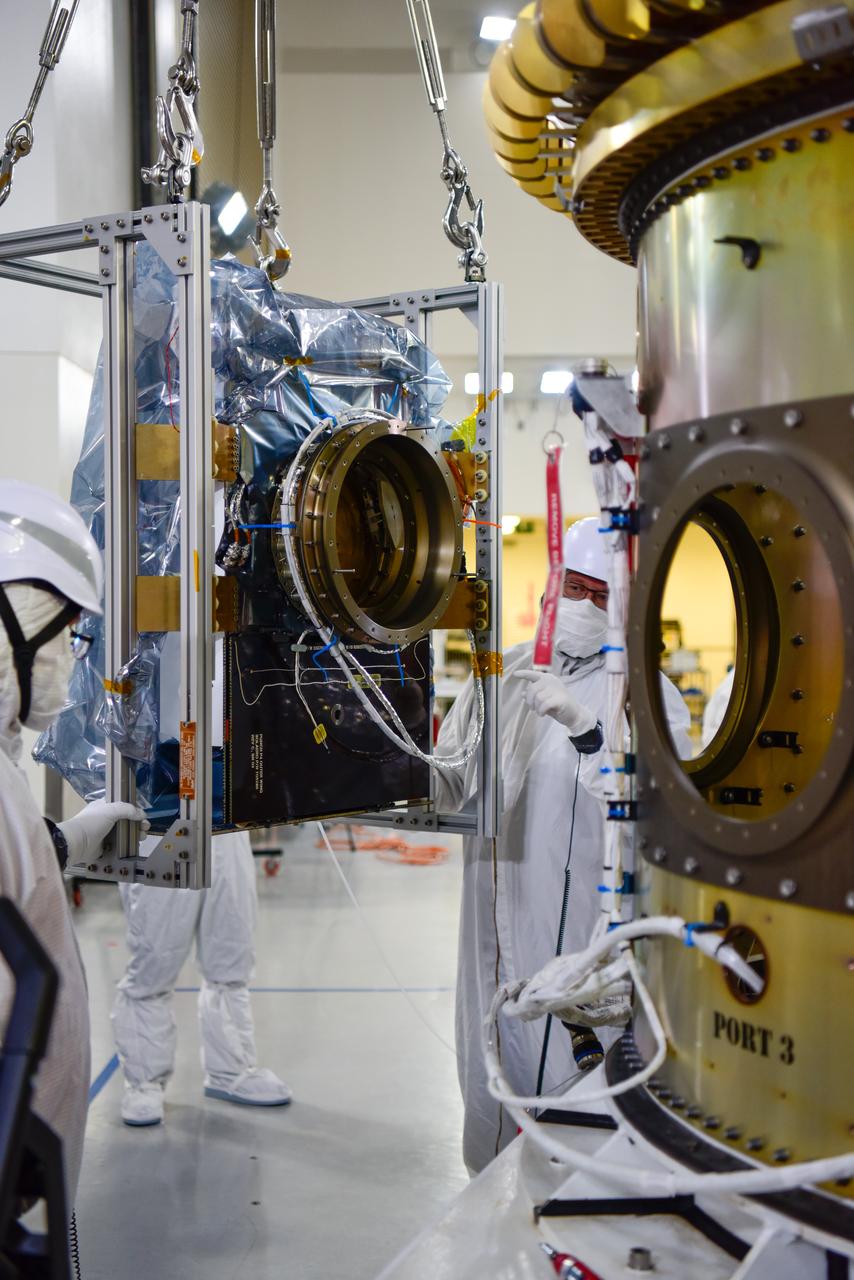
Technicians integrate NASA’s four PUNCH (Polarimeter to Unify the Corona and Heliosphere) satellites to the evolved expendable launch vehicle secondary payload adapter array ring inside the Astrotech Space Operations Facility at Vandenberg Space Force Base in California on Friday, Feb. 14, 2025. PUNCH will study origins of the Sun’s outflow of material, or the solar wind, capturing continuous 3D images of the Sun’s corona and the solar wind’s journey into the solar system. The PUNCH mission is launching as a rideshare with NASA’s SPHEREx (Spectro-Photometer for the History of the Universe, Epoch of Reionization and Ices Explorer) observatory scheduled to launch aboard a SpaceX Falcon 9 rocket at 10:09 p.m. EST (7:09 p.m. PST), Friday, Feb. 28, 2025, at Space Launch Complex 4 East from Vandenberg Space Force Base in California.
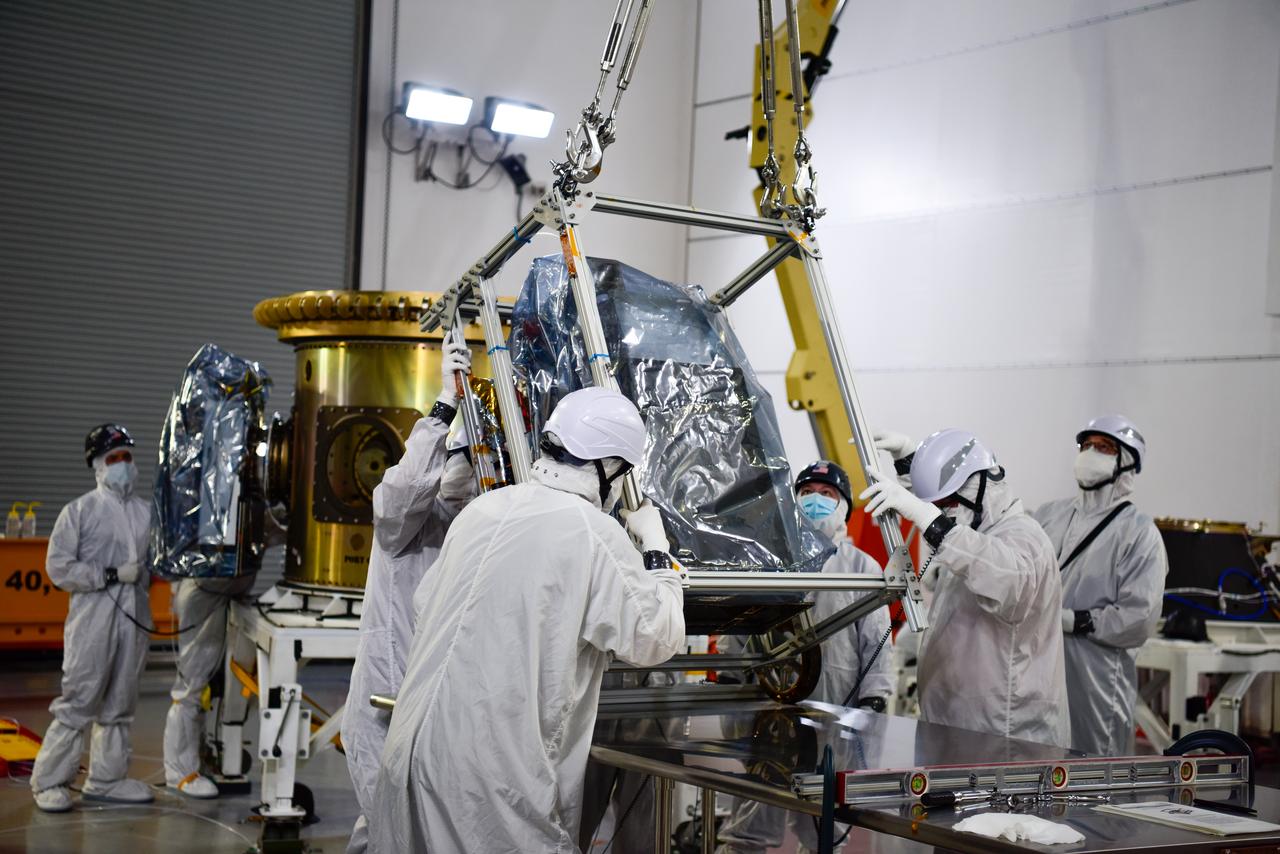
Technicians integrate NASA’s four PUNCH (Polarimeter to Unify the Corona and Heliosphere) satellites to the evolved expendable launch vehicle secondary payload adapter array ring inside the Astrotech Space Operations Facility at Vandenberg Space Force Base in California on Friday, Feb. 14, 2025. PUNCH will study origins of the Sun’s outflow of material, or the solar wind, capturing continuous 3D images of the Sun’s corona and the solar wind’s journey into the solar system. The PUNCH mission is launching as a rideshare with NASA’s SPHEREx (Spectro-Photometer for the History of the Universe, Epoch of Reionization and Ices Explorer) observatory scheduled to launch aboard a SpaceX Falcon 9 rocket at 10:09 p.m. EST (7:09 p.m. PST), Friday, Feb. 28, 2025, at Space Launch Complex 4 East from Vandenberg Space Force Base in California.
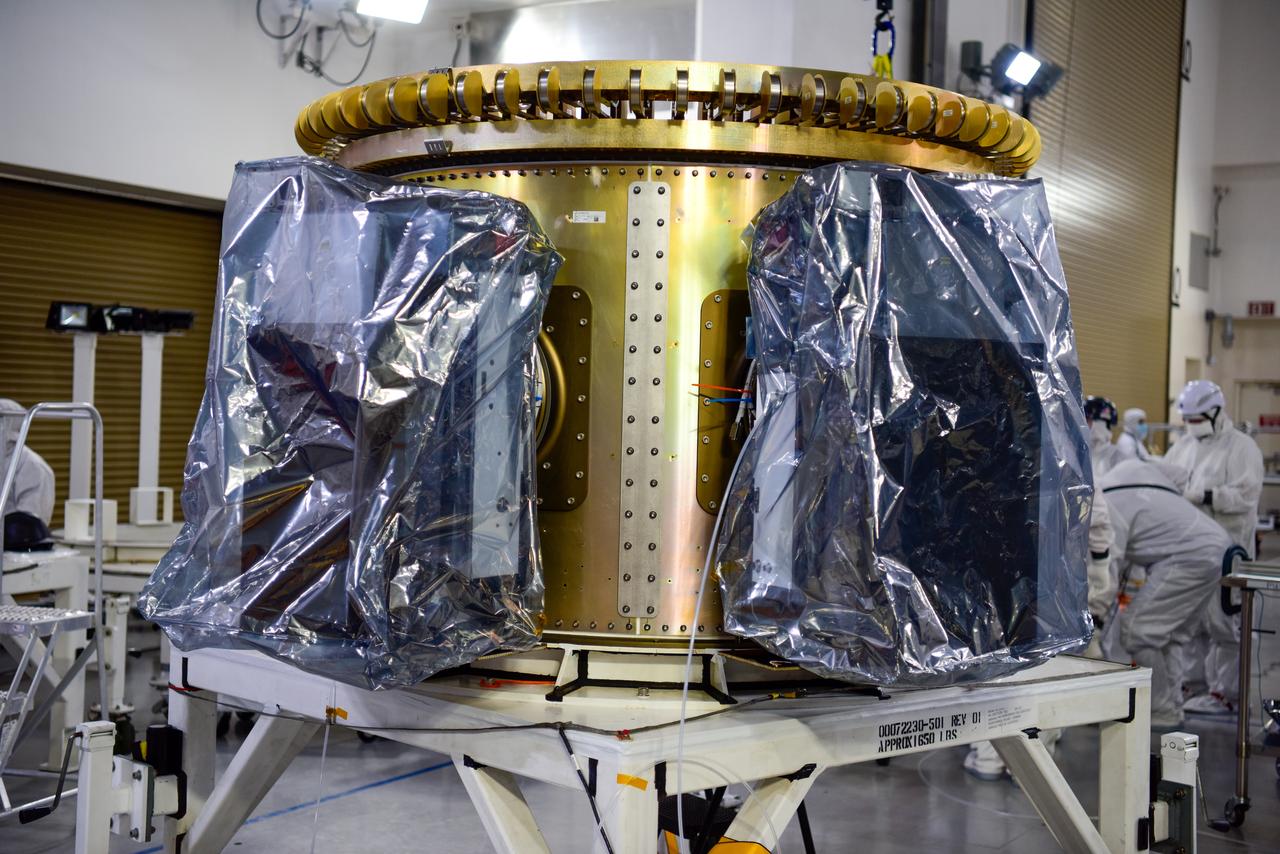
Technicians integrate NASA’s four PUNCH (Polarimeter to Unify the Corona and Heliosphere) satellites to the evolved expendable launch vehicle secondary payload adapter array ring inside the Astrotech Space Operations Facility at Vandenberg Space Force Base in California on Friday, Feb. 14, 2025. PUNCH will study origins of the Sun’s outflow of material, or the solar wind, capturing continuous 3D images of the Sun’s corona and the solar wind’s journey into the solar system. The PUNCH mission is launching as a rideshare with NASA’s SPHEREx (Spectro-Photometer for the History of the Universe, Epoch of Reionization and Ices Explorer) observatory scheduled to launch aboard a SpaceX Falcon 9 rocket at 10:09 p.m. EST (7:09 p.m. PST), Friday, Feb. 28, 2025, at Space Launch Complex 4 East from Vandenberg Space Force Base in California.
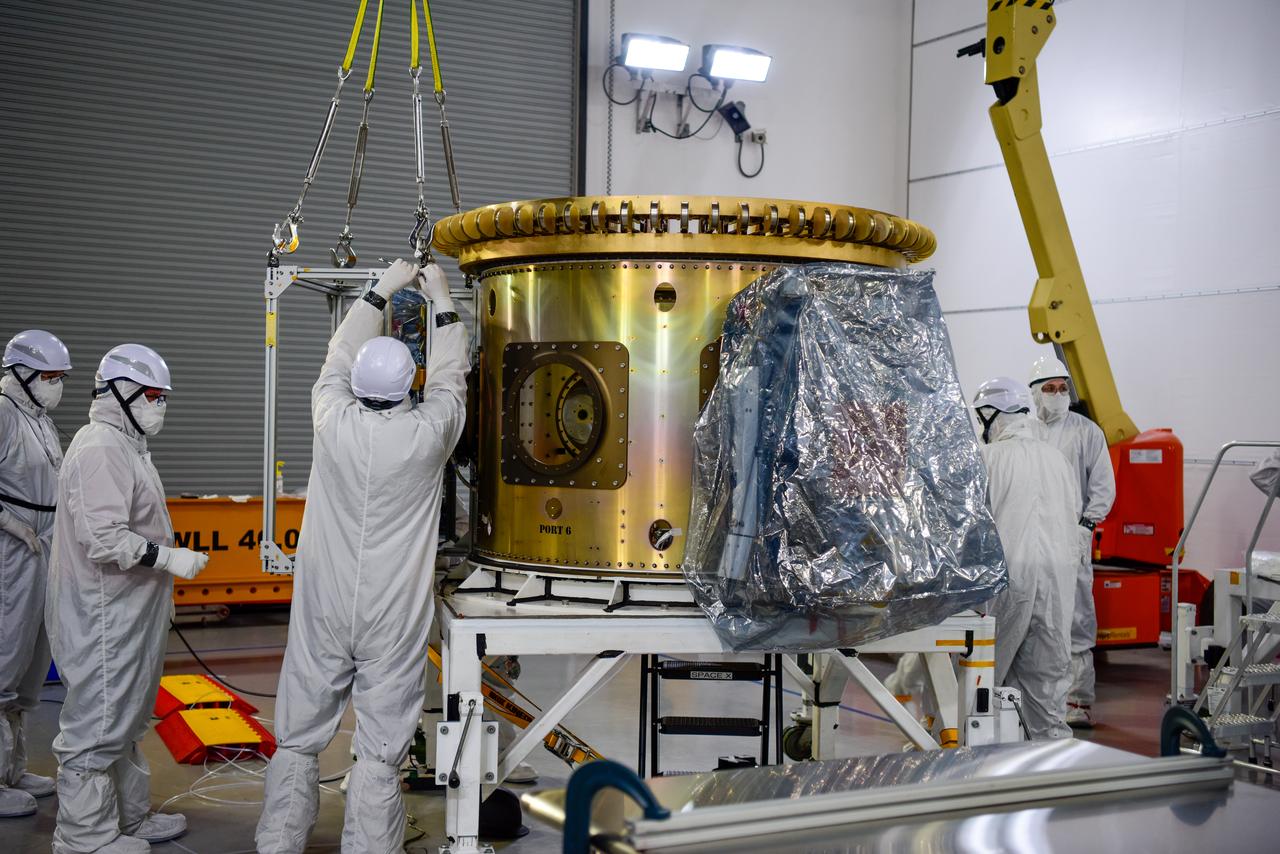
Technicians integrate NASA’s four PUNCH (Polarimeter to Unify the Corona and Heliosphere) satellites to the evolved expendable launch vehicle secondary payload adapter array ring inside the Astrotech Space Operations Facility at Vandenberg Space Force Base in California on Friday, Feb. 14, 2025. PUNCH will study origins of the Sun’s outflow of material, or the solar wind, capturing continuous 3D images of the Sun’s corona and the solar wind’s journey into the solar system. The PUNCH mission is launching as a rideshare with NASA’s SPHEREx (Spectro-Photometer for the History of the Universe, Epoch of Reionization and Ices Explorer) observatory scheduled to launch aboard a SpaceX Falcon 9 rocket at 10:09 p.m. EST (7:09 p.m. PST), Friday, Feb. 28, 2025, at Space Launch Complex 4 East from Vandenberg Space Force Base in California.
Technicians integrate NASA’s four PUNCH (Polarimeter to Unify the Corona and Heliosphere) satellites to the evolved expendable launch vehicle secondary payload adapter array ring inside the Astrotech Space Operations Facility at Vandenberg Space Force Base in California on Friday, Feb. 14, 2025. PUNCH will study origins of the Sun’s outflow of material, or the solar wind, capturing continuous 3D images of the Sun’s corona and the solar wind’s journey into the solar system. The PUNCH mission is launching as a rideshare with NASA’s SPHEREx (Spectro-Photometer for the History of the Universe, Epoch of Reionization and Ices Explorer) observatory scheduled to launch aboard a SpaceX Falcon 9 rocket at 10:09 p.m. EST (7:09 p.m. PST), Friday, Feb. 28, 2025, at Space Launch Complex 4 East from Vandenberg Space Force Base in California.
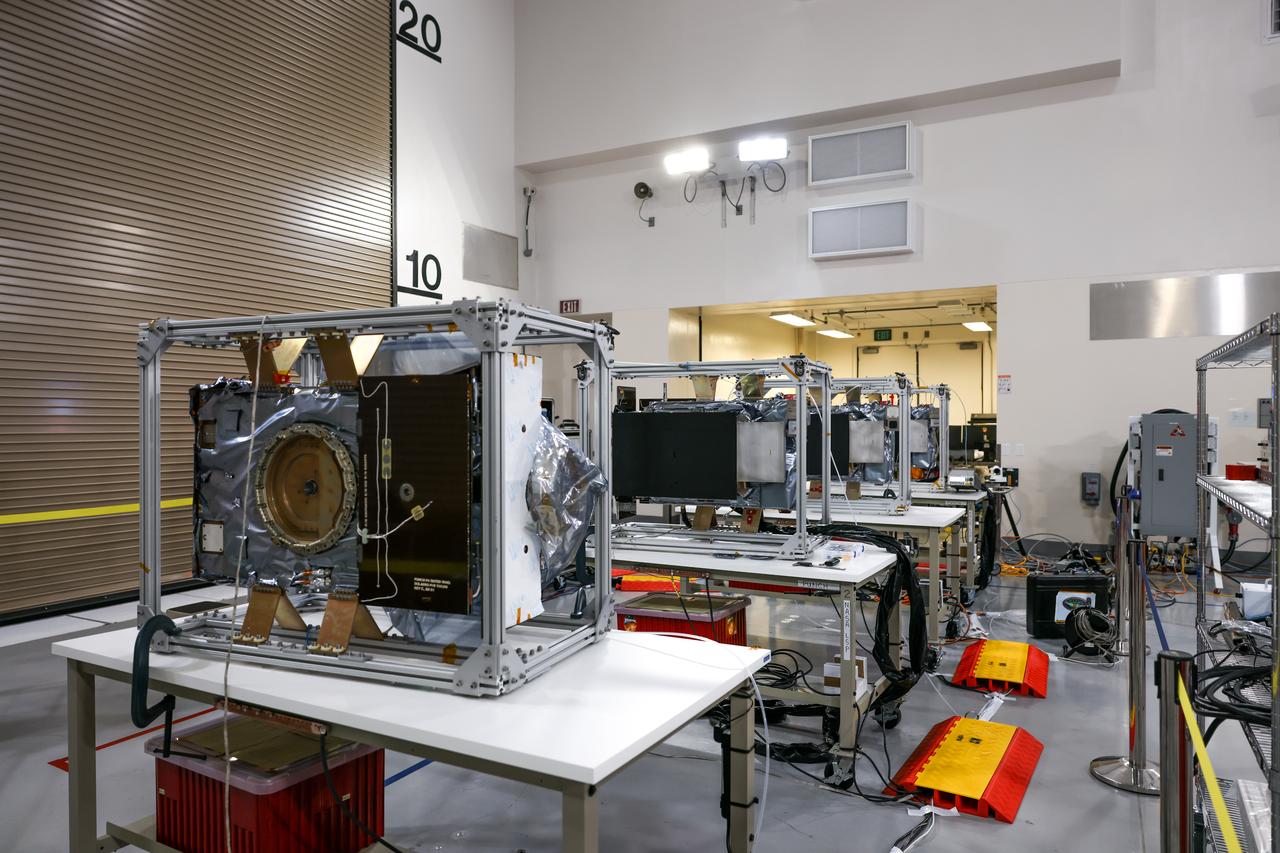
Crews conduct a solar array deployment test on the spacecraft of NASA’s PUNCH (Polarimeter to Unify the Corona and Heliosphere) satellites at Astrotech Space Operations located on Vandenberg Space Force Base in California on Tuesday, Jan. 21, 2025. The four satellites of PUNCH will make 3D observations of the Sun’s corona to learn how the mass and energy becomes solar wind. PUNCH, along with NASA’s SPHEREx (Spectro-Photometer for the History of the Universe, Epoch of Reionization and Ices Explorer), a space telescope, will launch aboard a SpaceX Falcon 9 rocket in late February 2025.
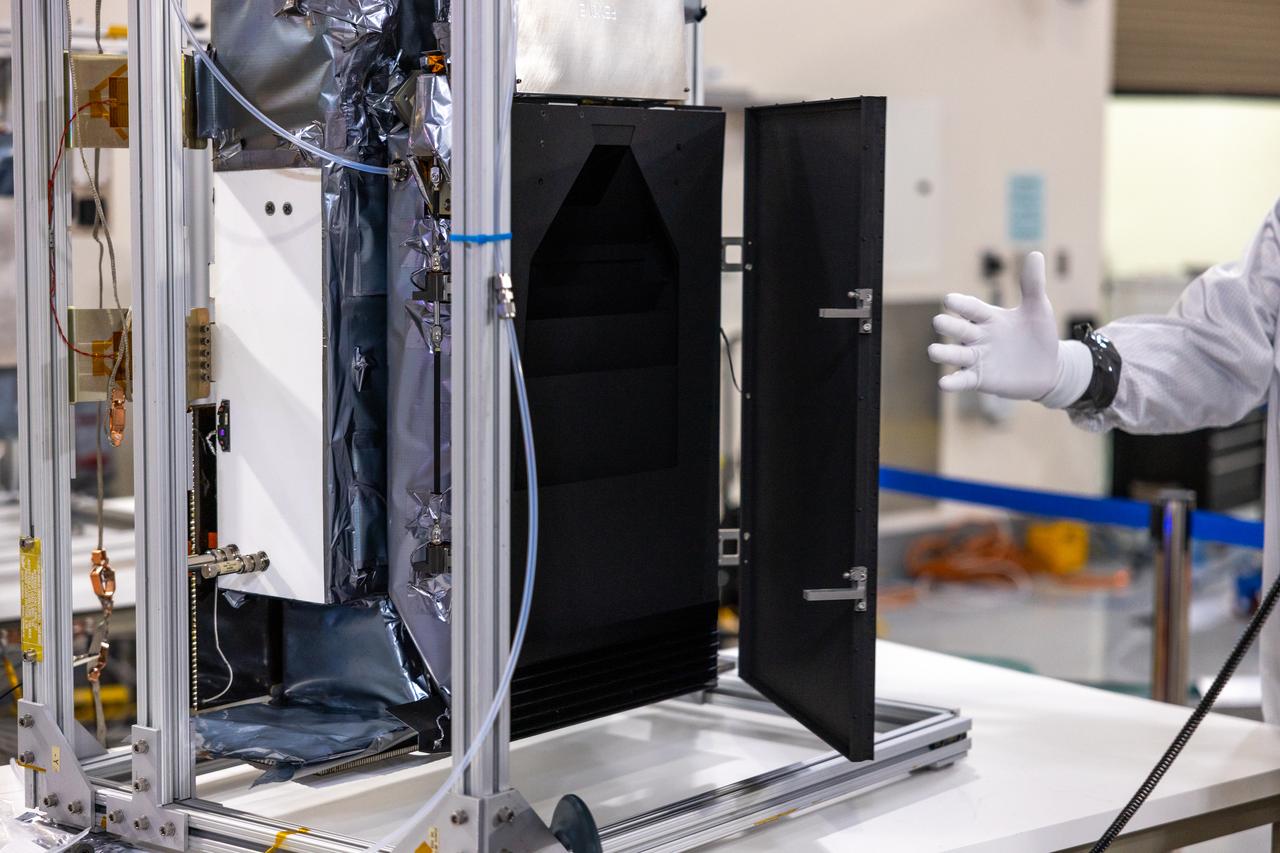
Crews conduct additional solar array deployment testing for NASA’s PUNCH (Polarimeter to Unify the Corona and Heliosphere) satellites at Astrotech Space Operations located on Vandenberg Space Force Base in California on Wednesday, Jan. 22, 2025. PUNCH, consisting of four satellites, will produce continuous 3D images of the solar wind and solar storms as it travels from the Sun to Earth to better understand how material in the corona accelerates. PUNCH, along with NASA’s SPHEREx (Spectro-Photometer for the History of the Universe, Epoch of Reionization and Ices Explorer), a space telescope, will launch aboard a SpaceX Falcon 9 rocket from Launch Complex 4E at Vandenberg Space Force Base in Central California on Thursday, Feb. 27, 2025.
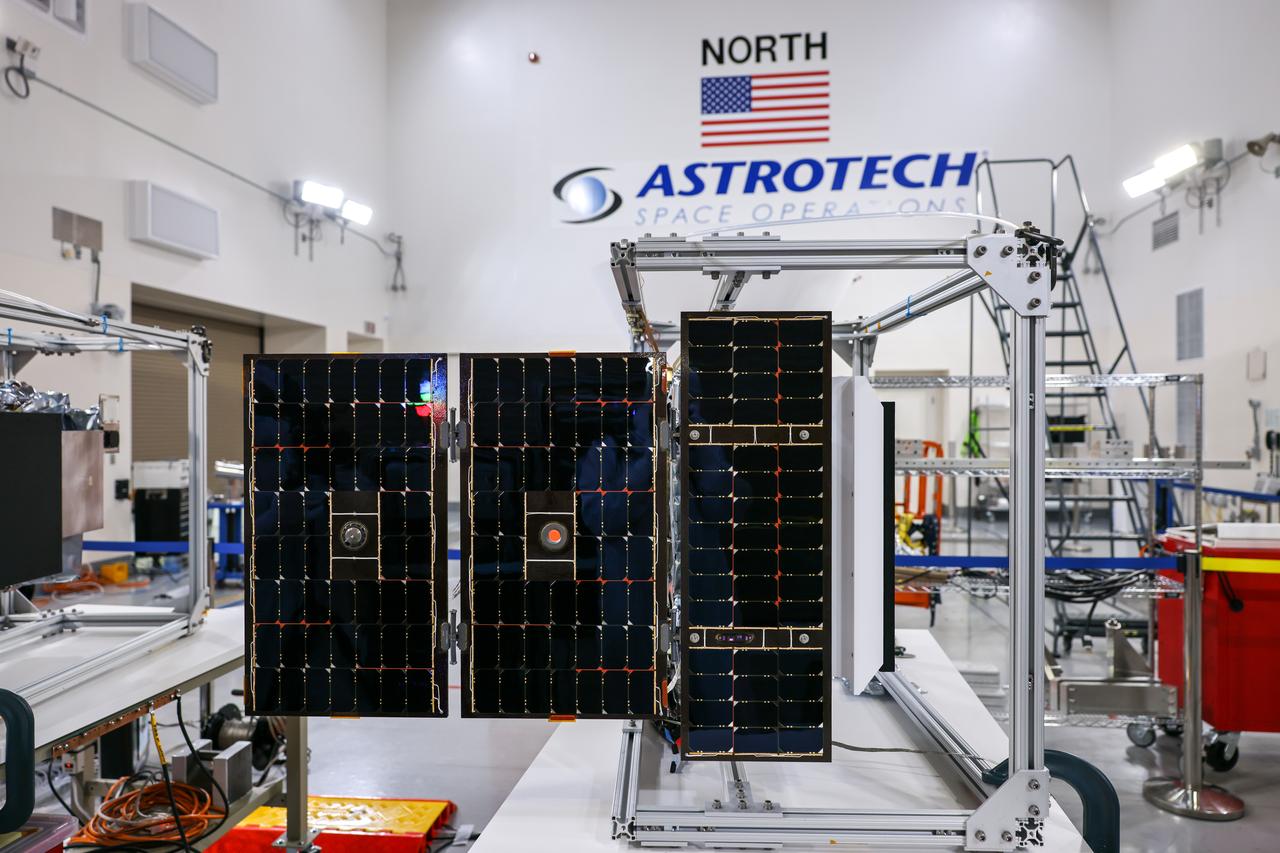
Crews conduct a solar array deployment test on the spacecraft of NASA’s PUNCH (Polarimeter to Unify the Corona and Heliosphere) satellites at Astrotech Space Operations located on Vandenberg Space Force Base in California on Tuesday, Jan. 21, 2025. The four satellites of PUNCH will make 3D observations of the Sun’s corona to learn how the mass and energy becomes solar wind. PUNCH, along with NASA’s SPHEREx (Spectro-Photometer for the History of the Universe, Epoch of Reionization and Ices Explorer), a space telescope, will launch aboard a SpaceX Falcon 9 rocket in late February 2025.
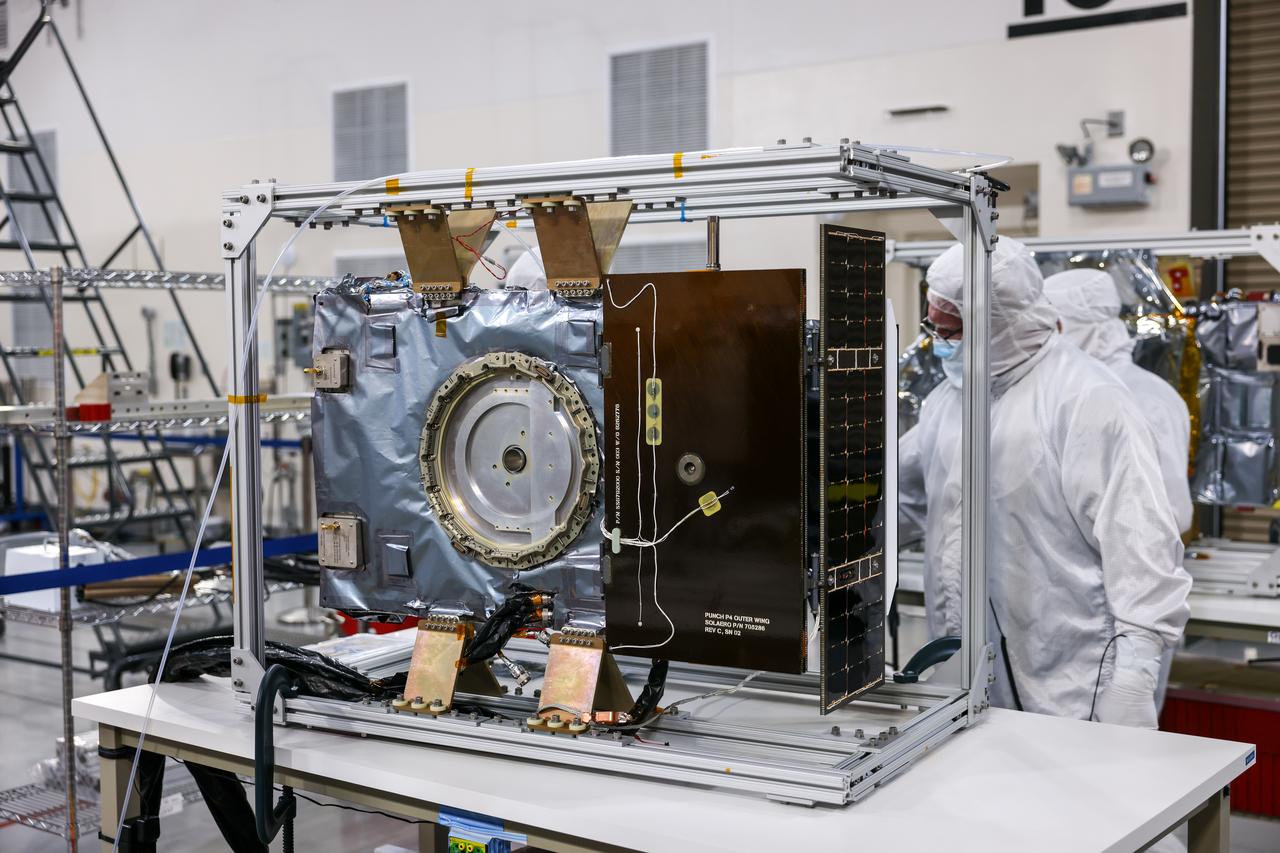
Crews conduct a solar array deployment test on the spacecraft of NASA’s PUNCH (Polarimeter to Unify the Corona and Heliosphere) satellites at Astrotech Space Operations located on Vandenberg Space Force Base in California on Tuesday, Jan. 21, 2025. The four satellites of PUNCH will make 3D observations of the Sun’s corona to learn how the mass and energy becomes solar wind. PUNCH, along with NASA’s SPHEREx (Spectro-Photometer for the History of the Universe, Epoch of Reionization and Ices Explorer), a space telescope, will launch aboard a SpaceX Falcon 9 rocket in late February 2025.
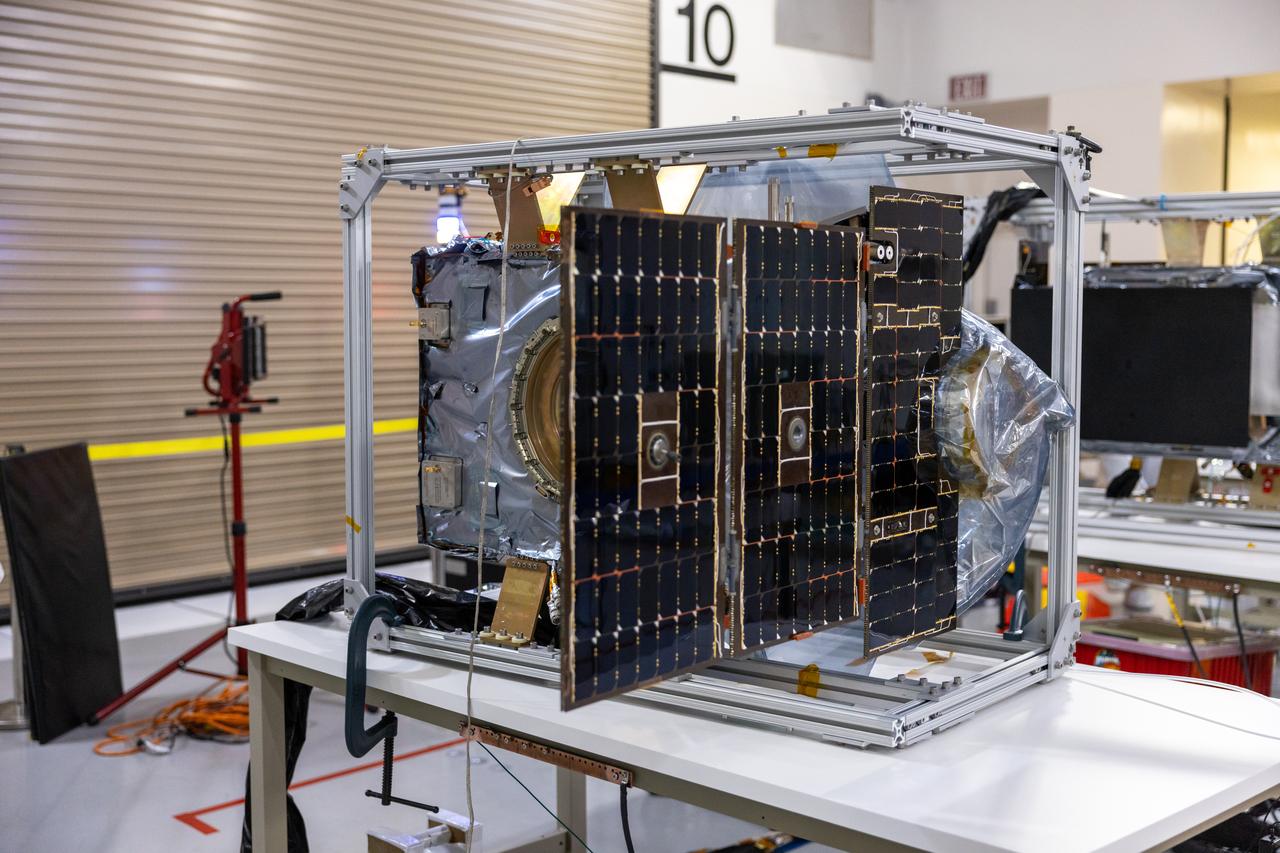
Crews conduct additional solar array deployment testing for NASA’s PUNCH (Polarimeter to Unify the Corona and Heliosphere) satellites at Astrotech Space Operations located on Vandenberg Space Force Base in California on Wednesday, Jan. 22, 2025. PUNCH, consisting of four satellites, will produce continuous 3D images of the solar wind and solar storms as it travels from the Sun to Earth to better understand how material in the corona accelerates. PUNCH, along with NASA’s SPHEREx (Spectro-Photometer for the History of the Universe, Epoch of Reionization and Ices Explorer), a space telescope, will launch aboard a SpaceX Falcon 9 rocket from Launch Complex 4E at Vandenberg Space Force Base in Central California on Thursday, Feb. 27, 2025.
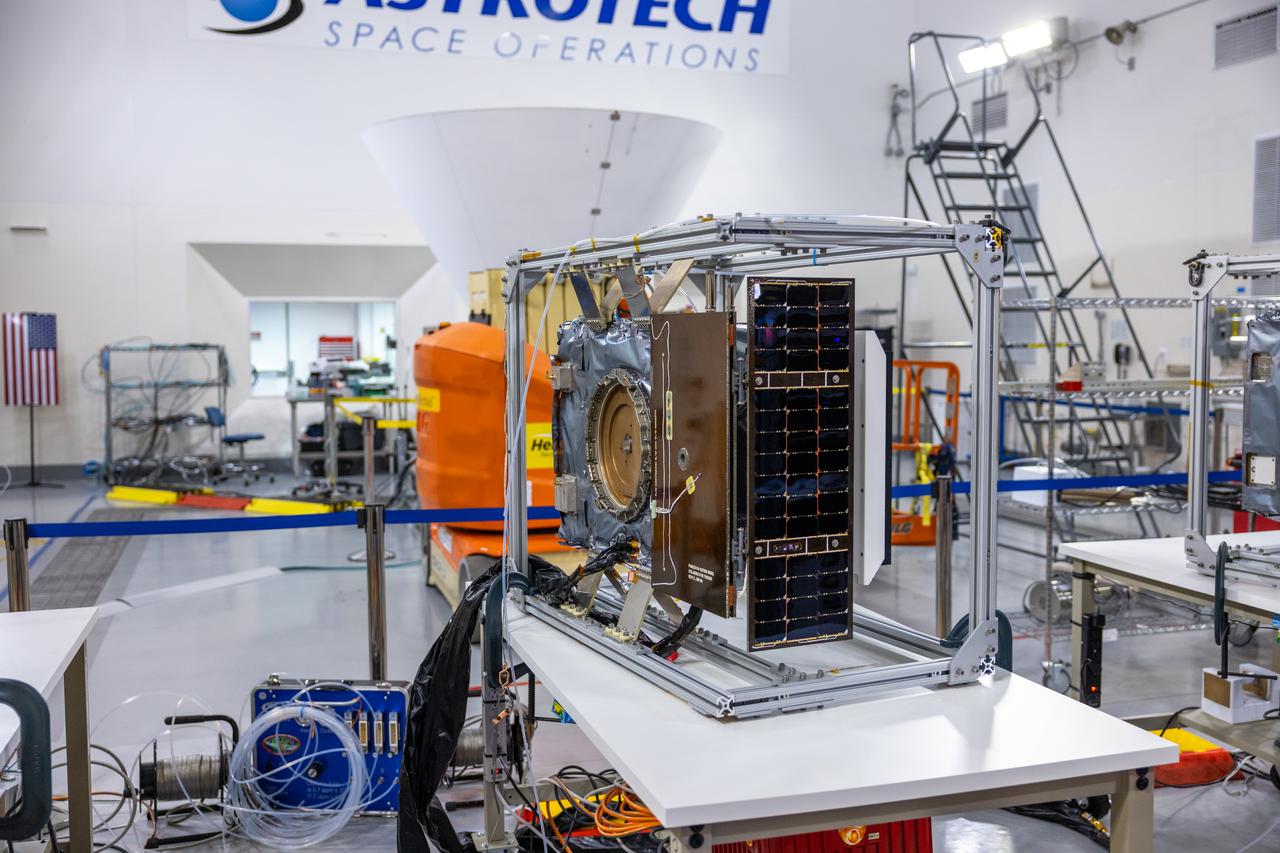
Crews conduct additional solar array deployment testing for NASA’s PUNCH (Polarimeter to Unify the Corona and Heliosphere) satellites at Astrotech Space Operations located on Vandenberg Space Force Base in California on Wednesday, Jan. 22, 2025. PUNCH, consisting of four satellites, will produce continuous 3D images of the solar wind and solar storms as it travels from the Sun to Earth to better understand how material in the corona accelerates. PUNCH, along with NASA’s SPHEREx (Spectro-Photometer for the History of the Universe, Epoch of Reionization and Ices Explorer), a space telescope, will launch aboard a SpaceX Falcon 9 rocket from Launch Complex 4E at Vandenberg Space Force Base in Central California on Thursday, Feb. 27, 2025.
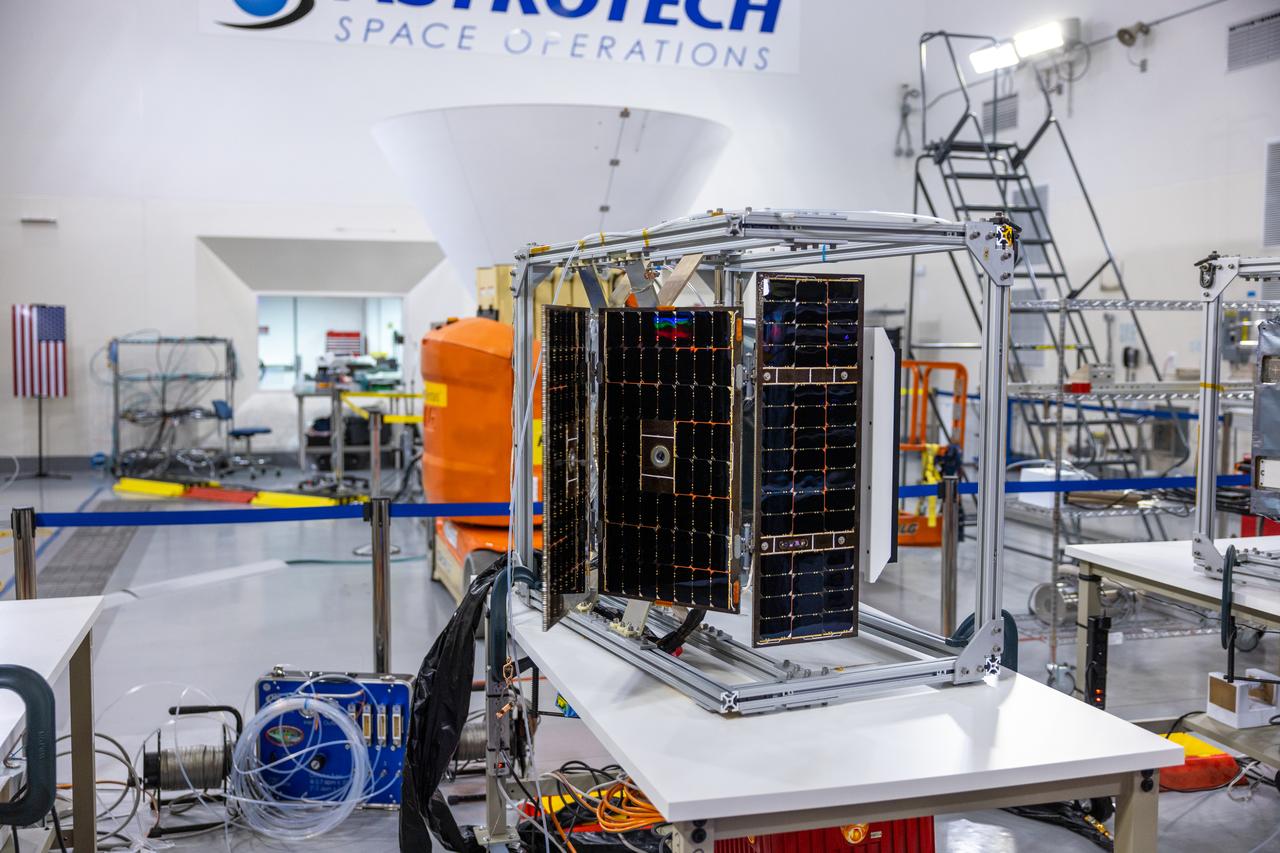
Crews conduct additional solar array deployment testing for NASA’s PUNCH (Polarimeter to Unify the Corona and Heliosphere) satellites at Astrotech Space Operations located on Vandenberg Space Force Base in California on Wednesday, Jan. 22, 2025. PUNCH, consisting of four satellites, will produce continuous 3D images of the solar wind and solar storms as it travels from the Sun to Earth to better understand how material in the corona accelerates. PUNCH, along with NASA’s SPHEREx (Spectro-Photometer for the History of the Universe, Epoch of Reionization and Ices Explorer), a space telescope, will launch aboard a SpaceX Falcon 9 rocket from Launch Complex 4E at Vandenberg Space Force Base in Central California on Thursday, Feb. 27, 2025.
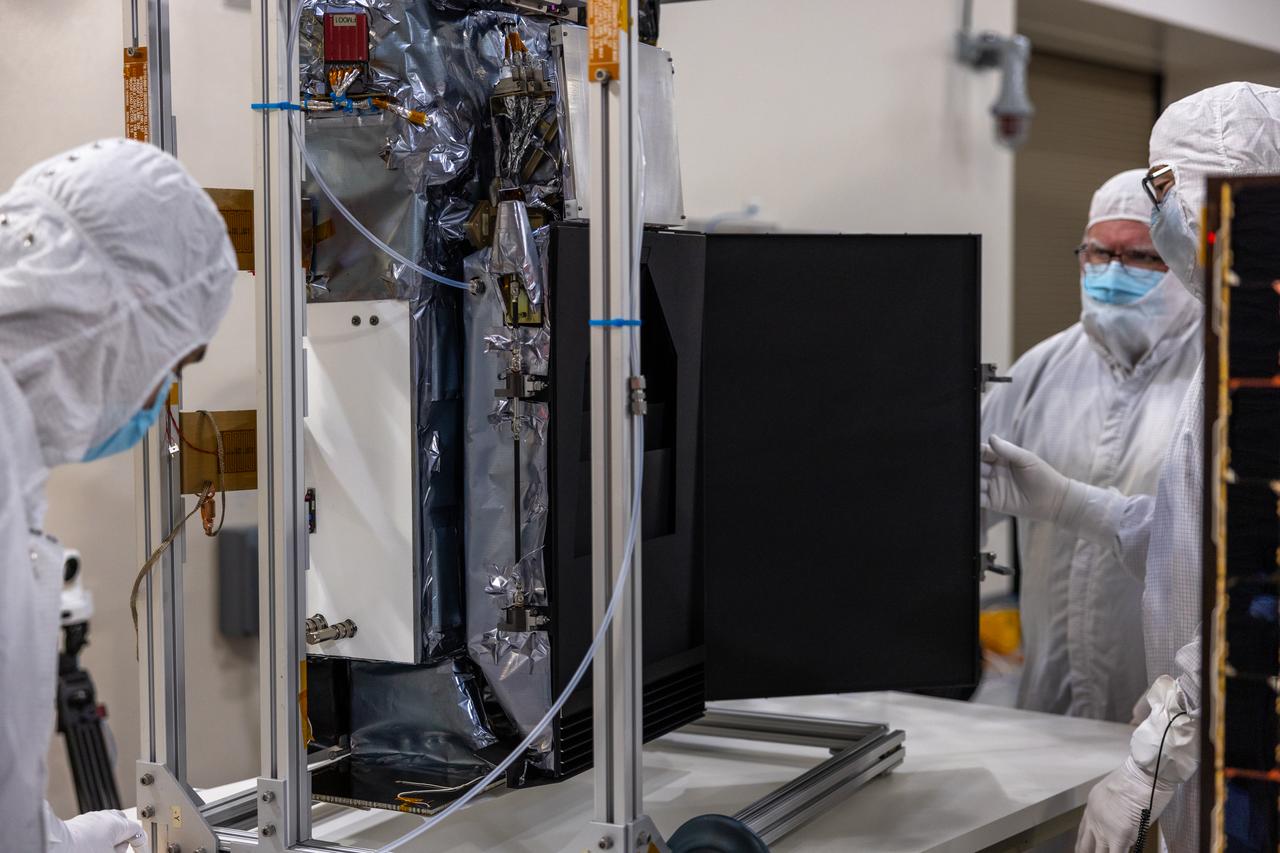
Crews conduct additional solar array deployment testing for NASA’s PUNCH (Polarimeter to Unify the Corona and Heliosphere) satellites at Astrotech Space Operations located on Vandenberg Space Force Base in California on Wednesday, Jan. 22, 2025. PUNCH, consisting of four satellites, will produce continuous 3D images of the solar wind and solar storms as it travels from the Sun to Earth to better understand how material in the corona accelerates. PUNCH, along with NASA’s SPHEREx (Spectro-Photometer for the History of the Universe, Epoch of Reionization and Ices Explorer), a space telescope, will launch aboard a SpaceX Falcon 9 rocket from Launch Complex 4E at Vandenberg Space Force Base in Central California on Thursday, Feb. 27, 2025.
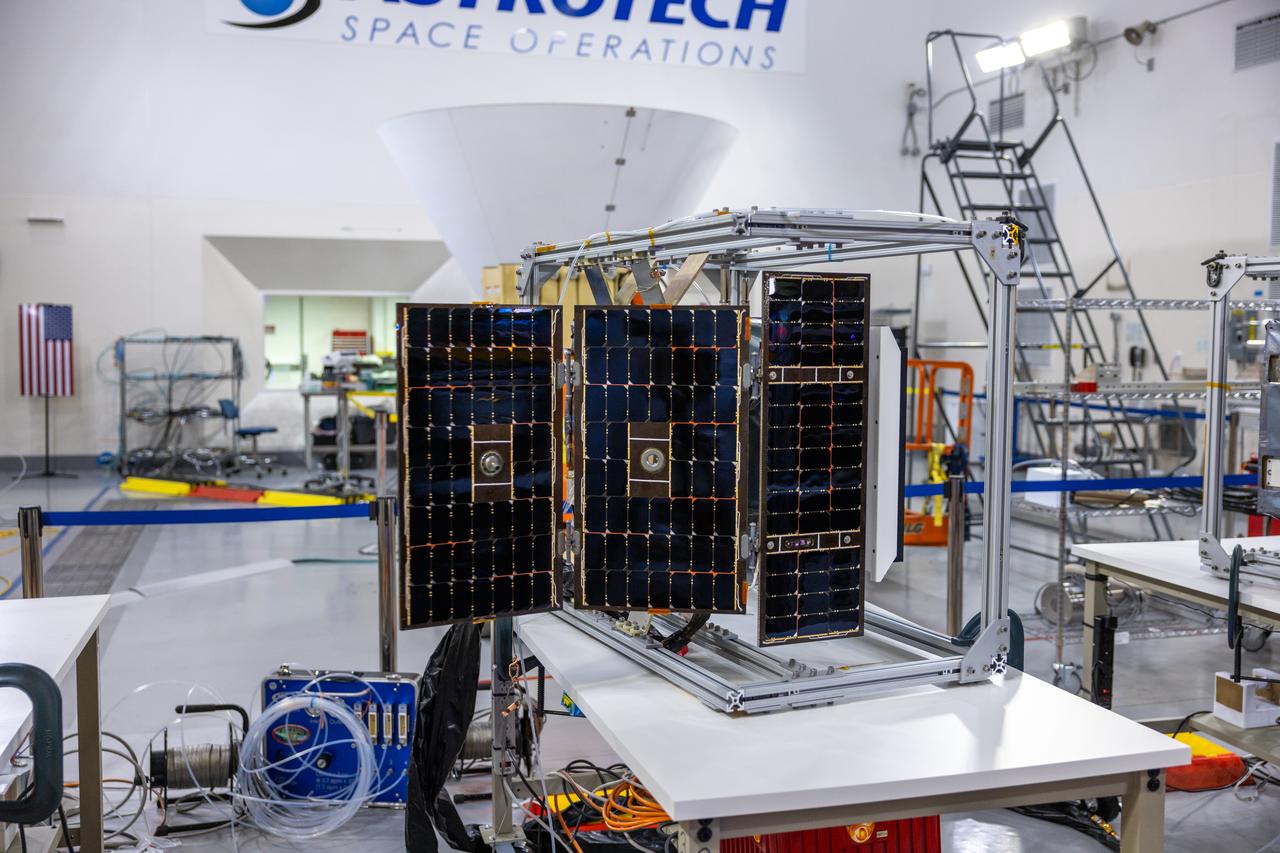
Crews conduct additional solar array deployment testing for NASA’s PUNCH (Polarimeter to Unify the Corona and Heliosphere) satellites at Astrotech Space Operations located on Vandenberg Space Force Base in California on Wednesday, Jan. 22, 2025. PUNCH, consisting of four satellites, will produce continuous 3D images of the solar wind and solar storms as it travels from the Sun to Earth to better understand how material in the corona accelerates. PUNCH, along with NASA’s SPHEREx (Spectro-Photometer for the History of the Universe, Epoch of Reionization and Ices Explorer), a space telescope, will launch aboard a SpaceX Falcon 9 rocket from Launch Complex 4E at Vandenberg Space Force Base in Central California on Thursday, Feb. 27, 2025.
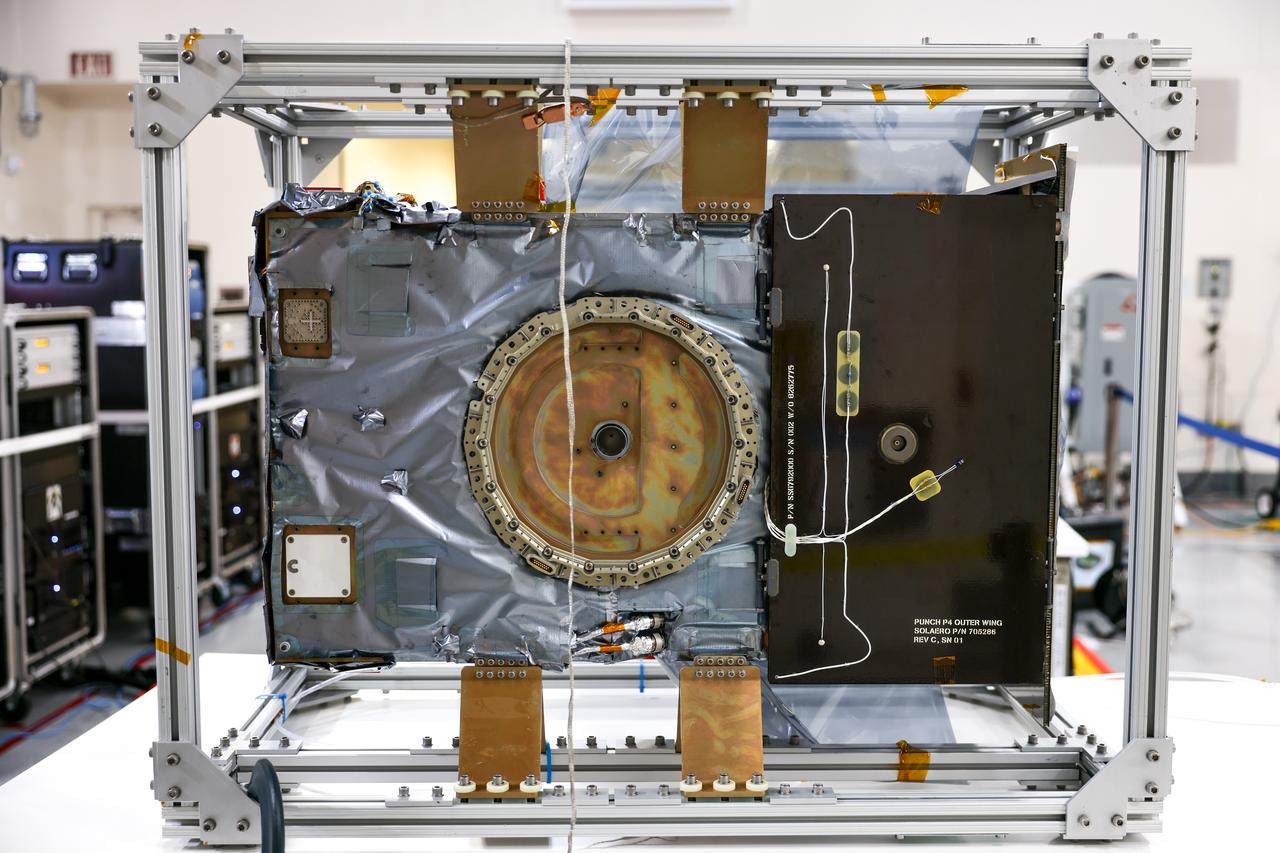
Crews conduct a solar array deployment test on the spacecraft of NASA’s PUNCH (Polarimeter to Unify the Corona and Heliosphere) satellites at Astrotech Space Operations located on Vandenberg Space Force Base in California on Tuesday, Jan. 21, 2025. The four satellites of PUNCH will make 3D observations of the Sun’s corona to learn how the mass and energy becomes solar wind. PUNCH, along with NASA’s SPHEREx (Spectro-Photometer for the History of the Universe, Epoch of Reionization and Ices Explorer), a space telescope, will launch aboard a SpaceX Falcon 9 rocket in late February 2025.
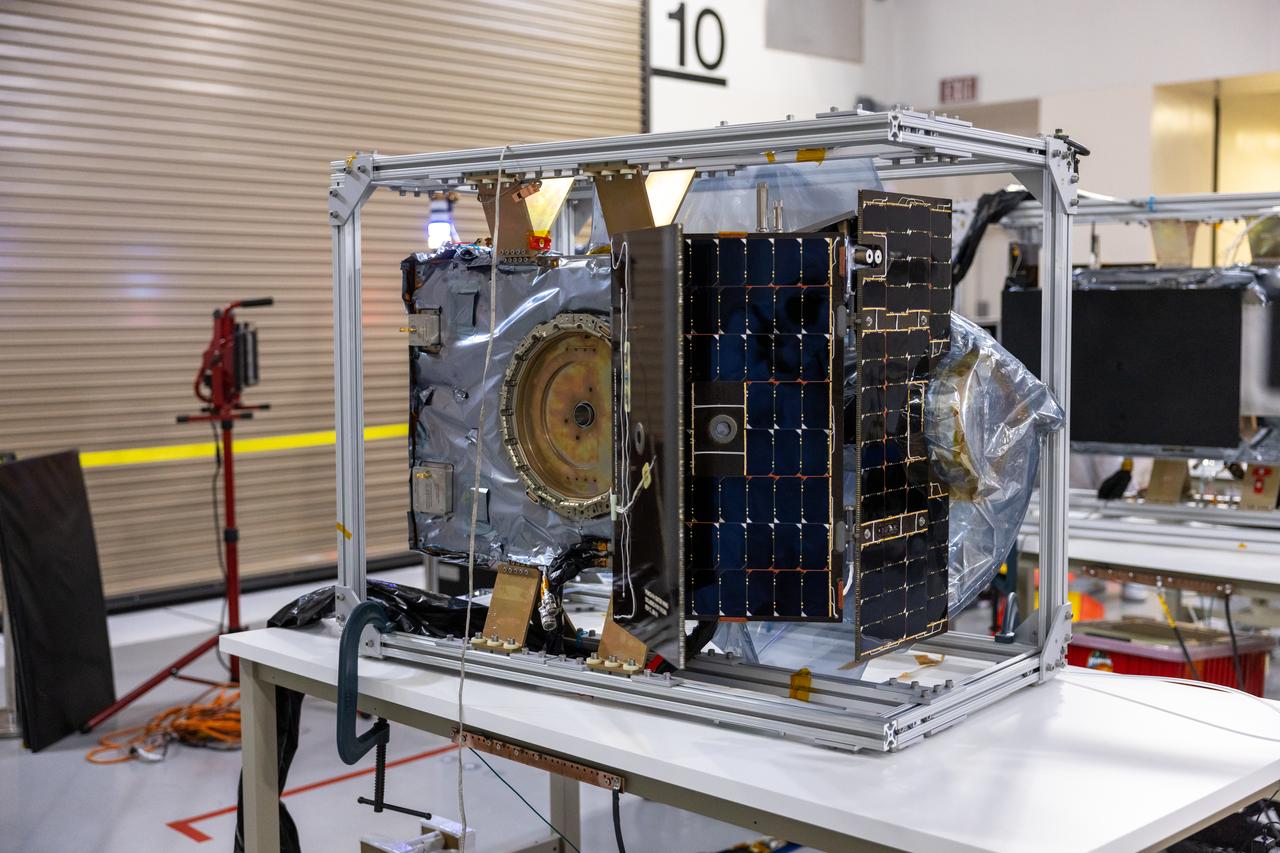
Crews conduct additional solar array deployment testing for NASA’s PUNCH (Polarimeter to Unify the Corona and Heliosphere) satellites at Astrotech Space Operations located on Vandenberg Space Force Base in California on Wednesday, Jan. 22, 2025. PUNCH, consisting of four satellites, will produce continuous 3D images of the solar wind and solar storms as it travels from the Sun to Earth to better understand how material in the corona accelerates. PUNCH, along with NASA’s SPHEREx (Spectro-Photometer for the History of the Universe, Epoch of Reionization and Ices Explorer), a space telescope, will launch aboard a SpaceX Falcon 9 rocket from Launch Complex 4E at Vandenberg Space Force Base in Central California on Thursday, Feb. 27, 2025.
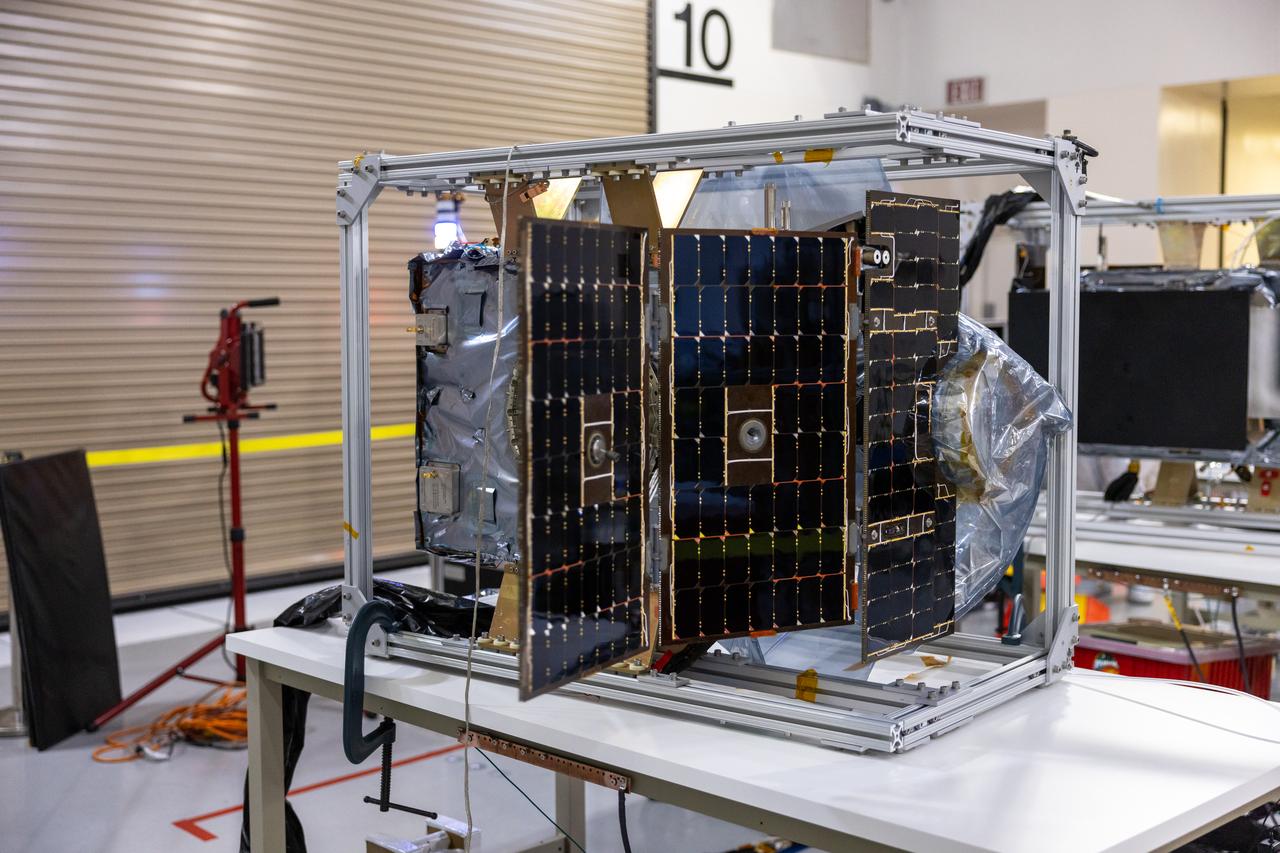
Crews conduct additional solar array deployment testing for NASA’s PUNCH (Polarimeter to Unify the Corona and Heliosphere) satellites at Astrotech Space Operations located on Vandenberg Space Force Base in California on Wednesday, Jan. 22, 2025. PUNCH, consisting of four satellites, will produce continuous 3D images of the solar wind and solar storms as it travels from the Sun to Earth to better understand how material in the corona accelerates. PUNCH, along with NASA’s SPHEREx (Spectro-Photometer for the History of the Universe, Epoch of Reionization and Ices Explorer), a space telescope, will launch aboard a SpaceX Falcon 9 rocket from Launch Complex 4E at Vandenberg Space Force Base in Central California on Thursday, Feb. 27, 2025.
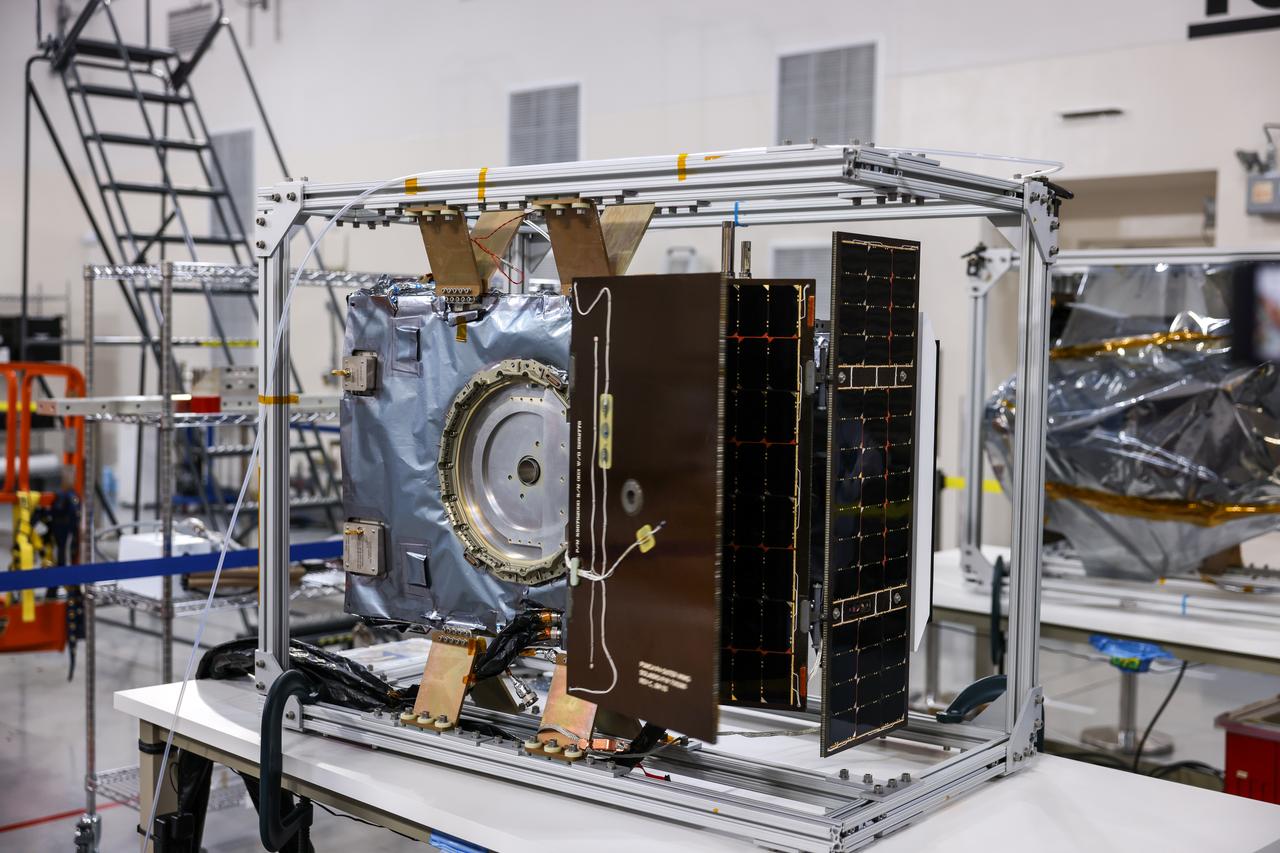
Crews conduct a solar array deployment test on the spacecraft of NASA’s PUNCH (Polarimeter to Unify the Corona and Heliosphere) satellites at Astrotech Space Operations located on Vandenberg Space Force Base in California on Tuesday, Jan. 21, 2025. The four satellites of PUNCH will make 3D observations of the Sun’s corona to learn how the mass and energy becomes solar wind. PUNCH, along with NASA’s SPHEREx (Spectro-Photometer for the History of the Universe, Epoch of Reionization and Ices Explorer), a space telescope, will launch aboard a SpaceX Falcon 9 rocket in late February 2025.
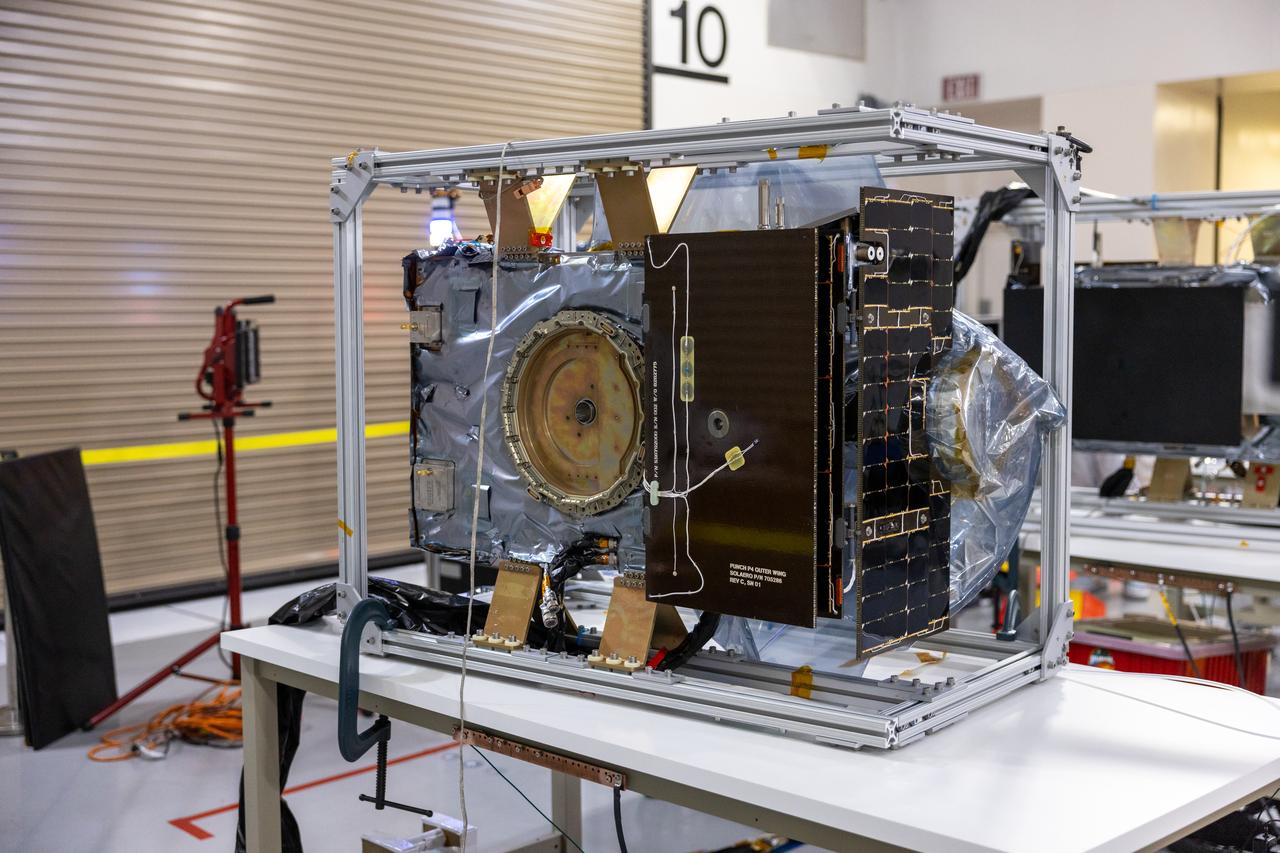
Crews conduct additional solar array deployment testing for NASA’s PUNCH (Polarimeter to Unify the Corona and Heliosphere) satellites at Astrotech Space Operations located on Vandenberg Space Force Base in California on Wednesday, Jan. 22, 2025. PUNCH, consisting of four satellites, will produce continuous 3D images of the solar wind and solar storms as it travels from the Sun to Earth to better understand how material in the corona accelerates. PUNCH, along with NASA’s SPHEREx (Spectro-Photometer for the History of the Universe, Epoch of Reionization and Ices Explorer), a space telescope, will launch aboard a SpaceX Falcon 9 rocket from Launch Complex 4E at Vandenberg Space Force Base in Central California on Thursday, Feb. 27, 2025.
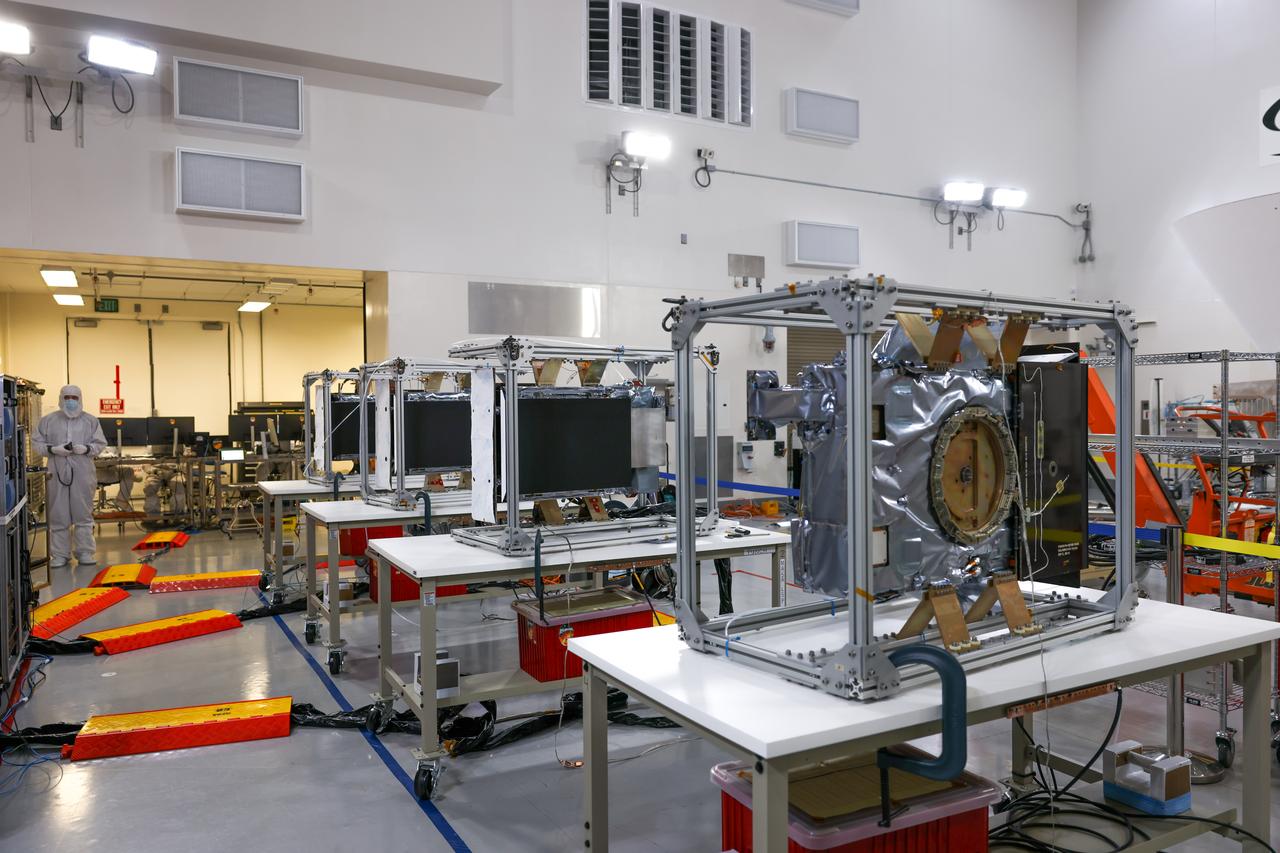
Crews conduct a solar array deployment test on the spacecraft of NASA’s PUNCH (Polarimeter to Unify the Corona and Heliosphere) satellites at Astrotech Space Operations located on Vandenberg Space Force Base in California on Tuesday, Jan. 21, 2025. The four satellites of PUNCH will make 3D observations of the Sun’s corona to learn how the mass and energy becomes solar wind. PUNCH, along with NASA’s SPHEREx (Spectro-Photometer for the History of the Universe, Epoch of Reionization and Ices Explorer), a space telescope, will launch aboard a SpaceX Falcon 9 rocket in late February 2025.
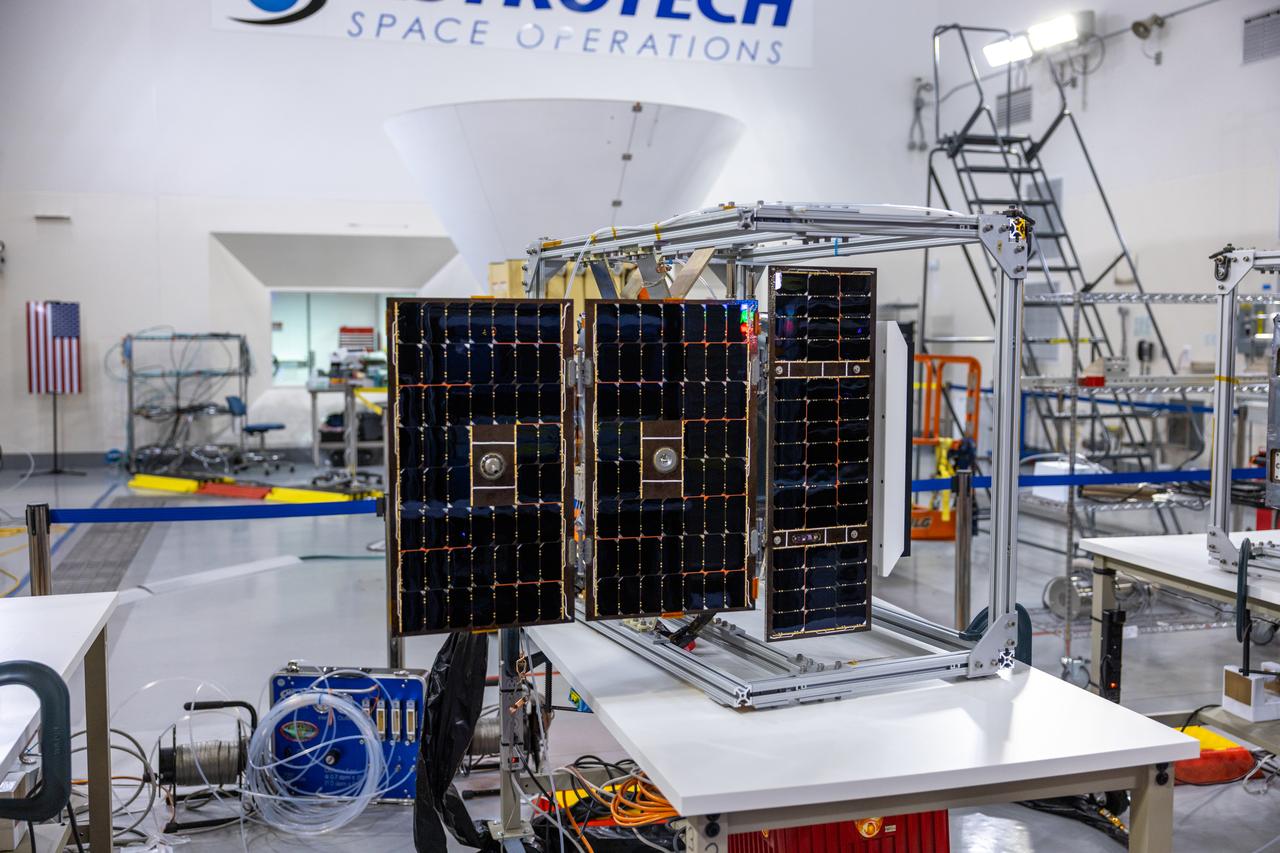
Crews conduct additional solar array deployment testing for NASA’s PUNCH (Polarimeter to Unify the Corona and Heliosphere) satellites at Astrotech Space Operations located on Vandenberg Space Force Base in California on Wednesday, Jan. 22, 2025. PUNCH, consisting of four satellites, will produce continuous 3D images of the solar wind and solar storms as it travels from the Sun to Earth to better understand how material in the corona accelerates. PUNCH, along with NASA’s SPHEREx (Spectro-Photometer for the History of the Universe, Epoch of Reionization and Ices Explorer), a space telescope, will launch aboard a SpaceX Falcon 9 rocket from Launch Complex 4E at Vandenberg Space Force Base in Central California on Thursday, Feb. 27, 2025.
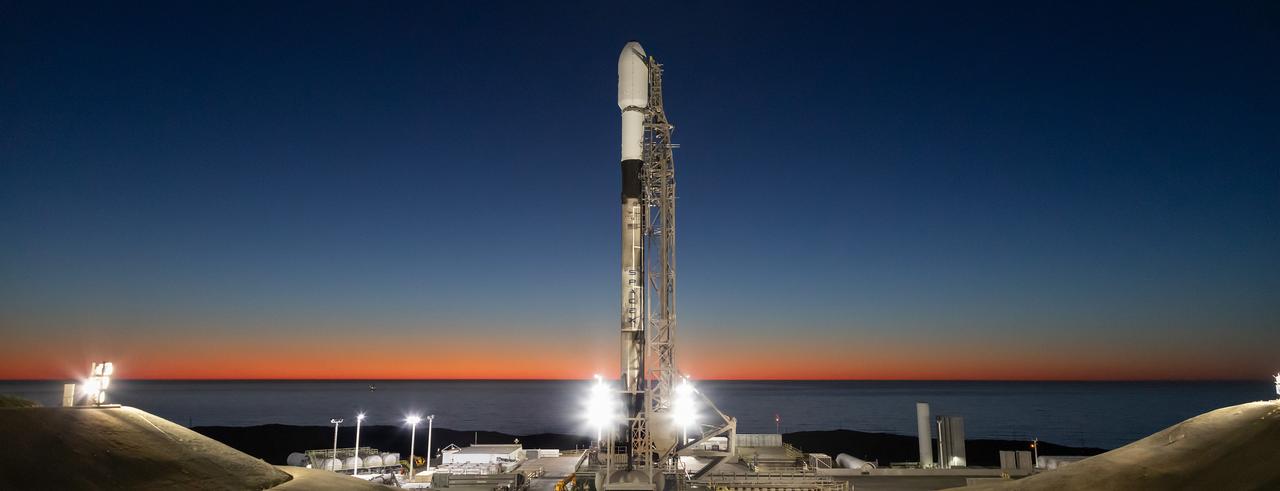
A SpaceX Falcon 9 rocket, carrying NASA’s SPHEREx (Spectro-Photometer for the History of the Universe, Epoch of Reionization and Ices Explorer) observatory and PUNCH (Polarimeter to Unify the Corona and Heliosphere) satellites, is vertical at Space Launch Complex 4 East from Vandenberg Space Force Base in California on Saturday, March 8, 2025. SPHEREx will use its telescope to provide an all-sky spectral survey, creating a 3D map of the entire sky to help scientists investigate the origins of our universe. PUNCH will study origins of the Sun’s outflow of material, or the solar wind, capturing continuous 3D images of the Sun’s corona and the solar wind’s journey into the solar system.
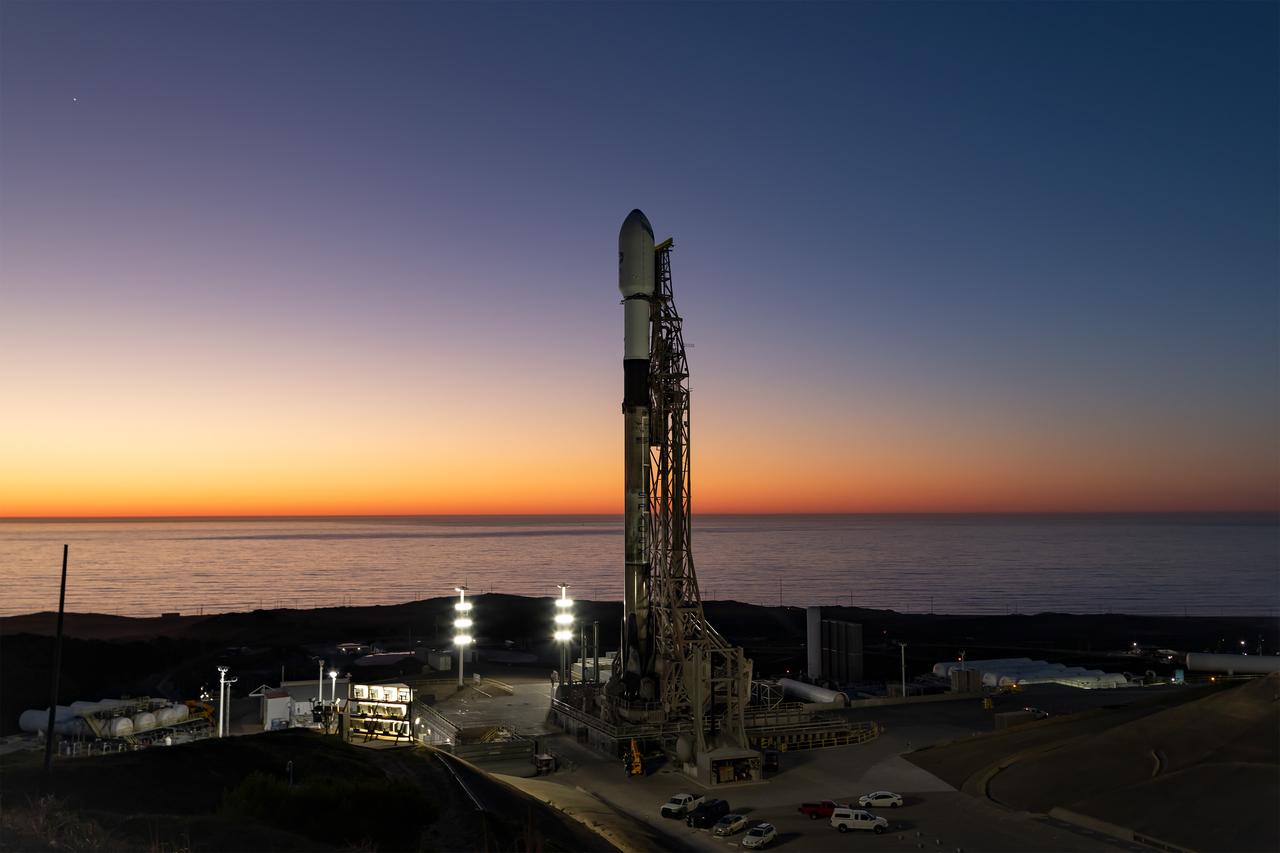
A SpaceX Falcon 9 rocket, carrying NASA’s SPHEREx (Spectro-Photometer for the History of the Universe, Epoch of Reionization and Ices Explorer) observatory and PUNCH (Polarimeter to Unify the Corona and Heliosphere) satellites, is vertical at Space Launch Complex 4 East from Vandenberg Space Force Base in California on Saturday, March 8, 2025. SPHEREx will use its telescope to provide an all-sky spectral survey, creating a 3D map of the entire sky to help scientists investigate the origins of our universe. PUNCH will study origins of the Sun’s outflow of material, or the solar wind, capturing continuous 3D images of the Sun’s corona and the solar wind’s journey into the solar system.
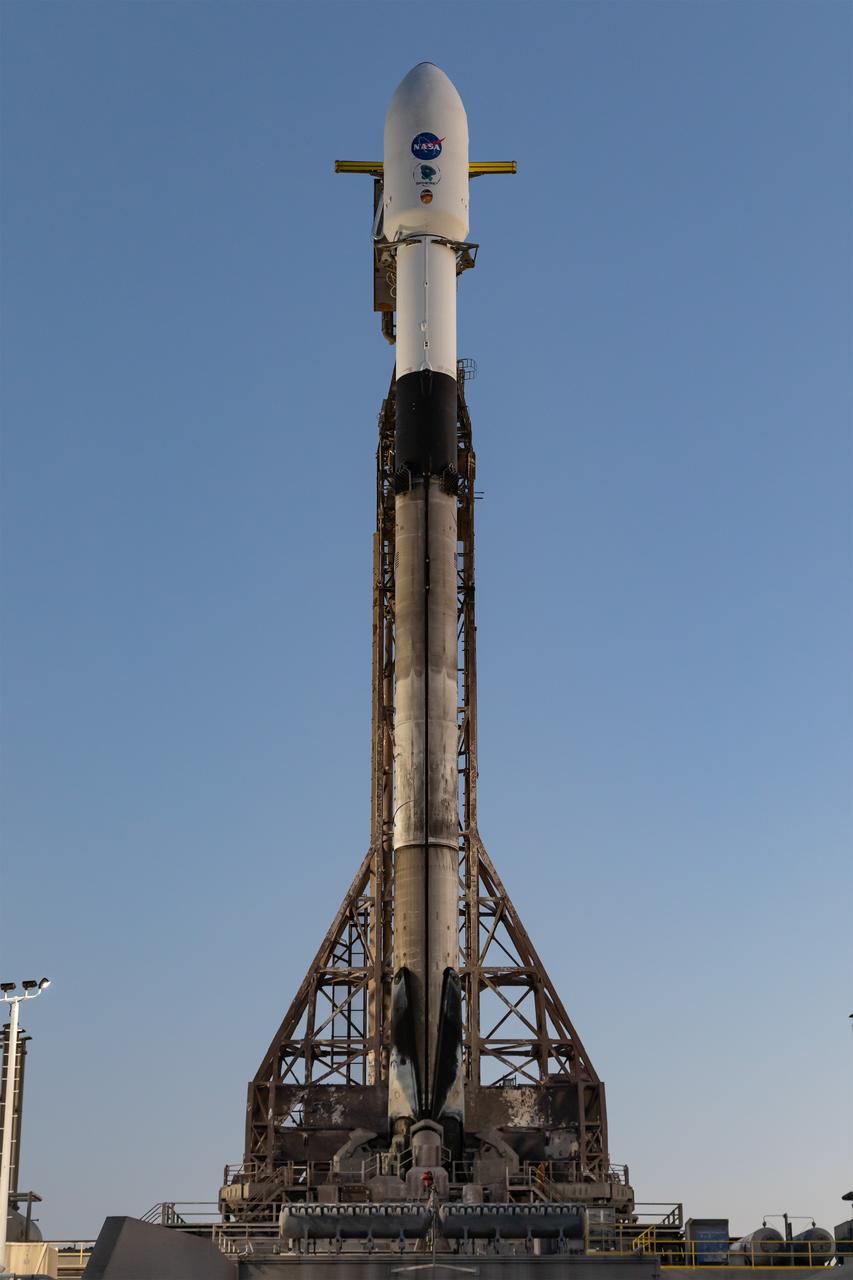
A SpaceX Falcon 9 rocket, carrying NASA’s SPHEREx (Spectro-Photometer for the History of the Universe, Epoch of Reionization and Ices Explorer) observatory and PUNCH (Polarimeter to Unify the Corona and Heliosphere) satellites, is vertical at Space Launch Complex 4 East from Vandenberg Space Force Base in California on Saturday March 8, 2025. SPHEREx will use its telescope to provide an all-sky spectral survey, creating a 3D map of the entire sky to help scientists investigate the origins of our universe. PUNCH will study origins of the Sun’s outflow of material, or the solar wind, capturing continuous 3D images of the Sun’s corona and the solar wind’s journey into the solar system.
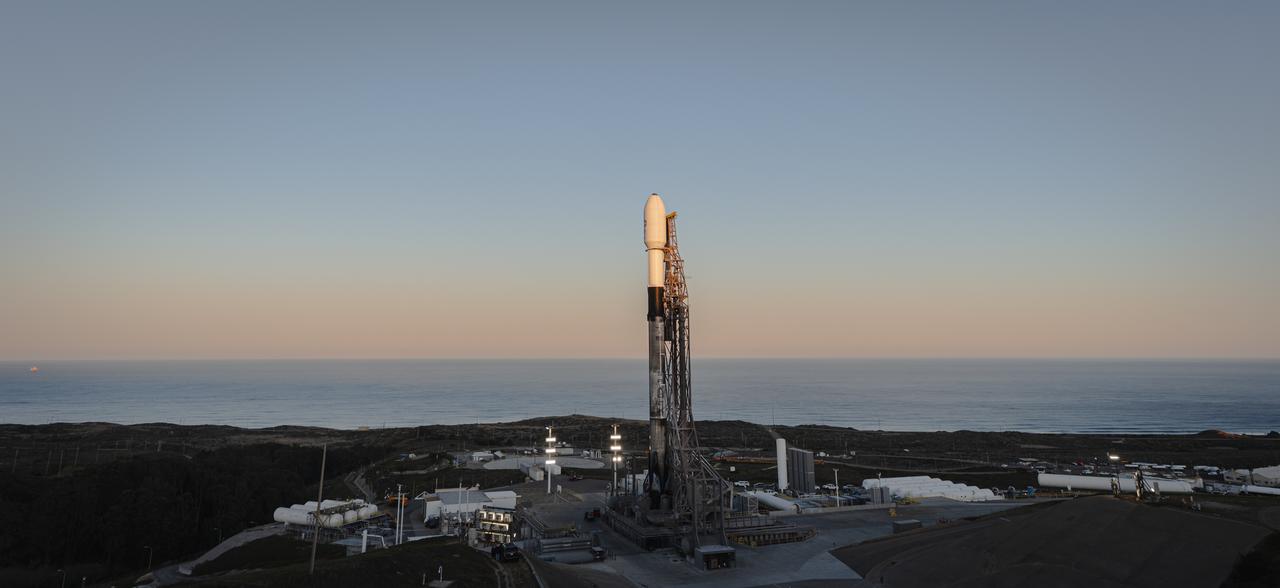
A SpaceX Falcon 9 rocket, carrying NASA’s SPHEREx (Spectro-Photometer for the History of the Universe, Epoch of Reionization and Ices Explorer) observatory and PUNCH (Polarimeter to Unify the Corona and Heliosphere) satellites, is vertical at Space Launch Complex 4 East from Vandenberg Space Force Base in California on Saturday March 8, 2025. SPHEREx will use its telescope to provide an all-sky spectral survey, creating a 3D map of the entire sky to help scientists investigate the origins of our universe. PUNCH will study origins of the Sun’s outflow of material, or the solar wind, capturing continuous 3D images of the Sun’s corona and the solar wind’s journey into the solar system.
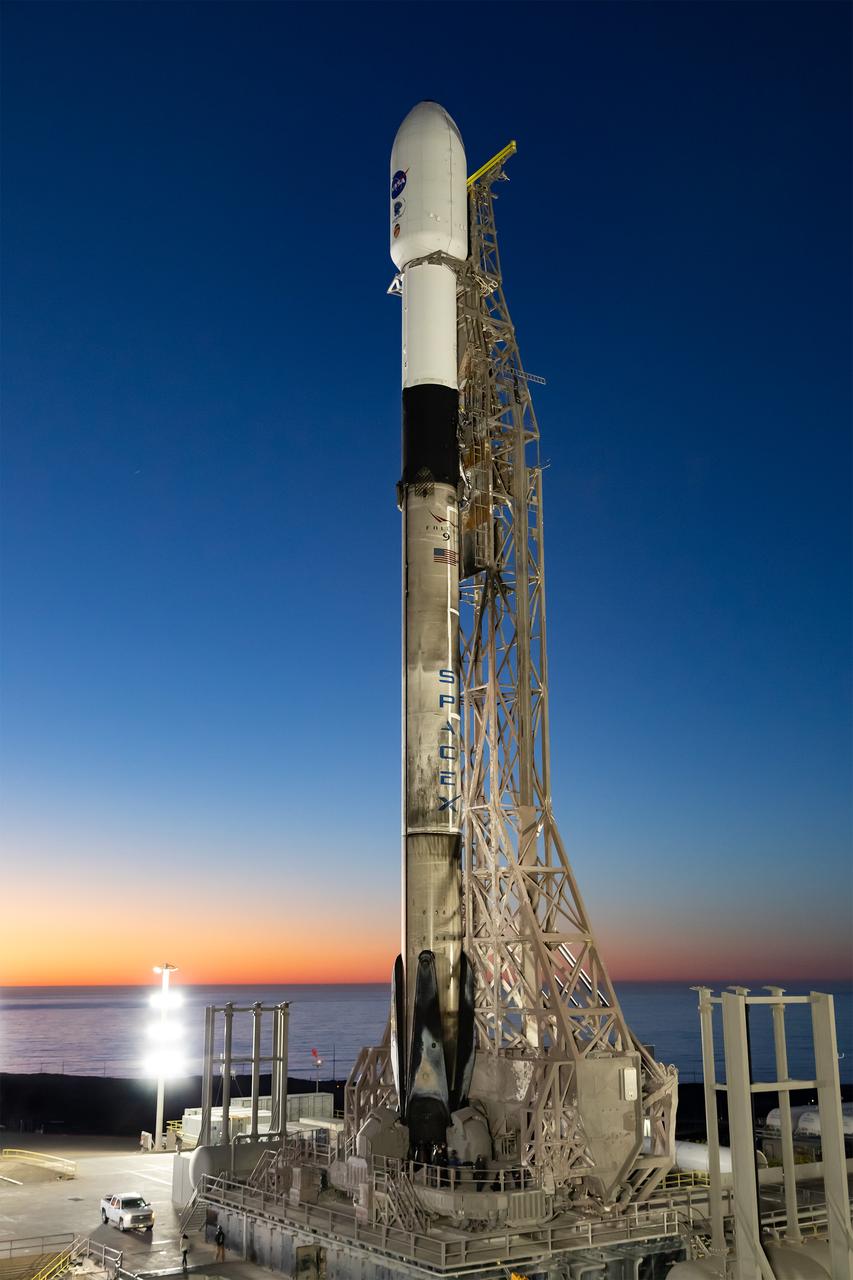
A SpaceX Falcon 9 rocket, carrying NASA’s SPHEREx (Spectro-Photometer for the History of the Universe, Epoch of Reionization and Ices Explorer) observatory and PUNCH (Polarimeter to Unify the Corona and Heliosphere) satellites, is vertical at Space Launch Complex 4 East from Vandenberg Space Force Base in California on Saturday, March 8, 2025. SPHEREx will use its telescope to provide an all-sky spectral survey, creating a 3D map of the entire sky to help scientists investigate the origins of our universe. PUNCH will study origins of the Sun’s outflow of material, or the solar wind, capturing continuous 3D images of the Sun’s corona and the solar wind’s journey into the solar system.
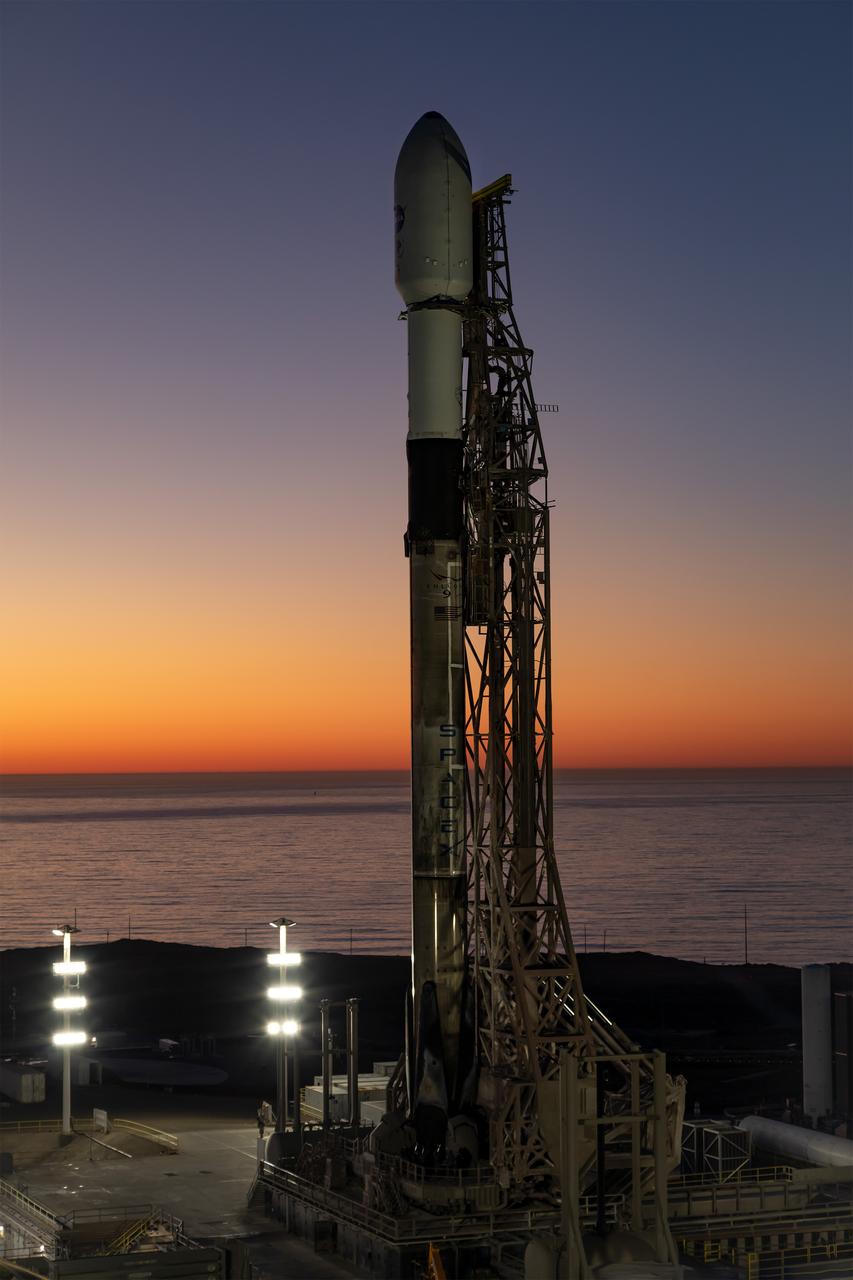
A SpaceX Falcon 9 rocket, carrying NASA’s SPHEREx (Spectro-Photometer for the History of the Universe, Epoch of Reionization and Ices Explorer) observatory and PUNCH (Polarimeter to Unify the Corona and Heliosphere) satellites, is vertical at Space Launch Complex 4 East from Vandenberg Space Force Base in California on Saturday, March 8, 2025. SPHEREx will use its telescope to provide an all-sky spectral survey, creating a 3D map of the entire sky to help scientists investigate the origins of our universe. PUNCH will study origins of the Sun’s outflow of material, or the solar wind, capturing continuous 3D images of the Sun’s corona and the solar wind’s journey into the solar system.
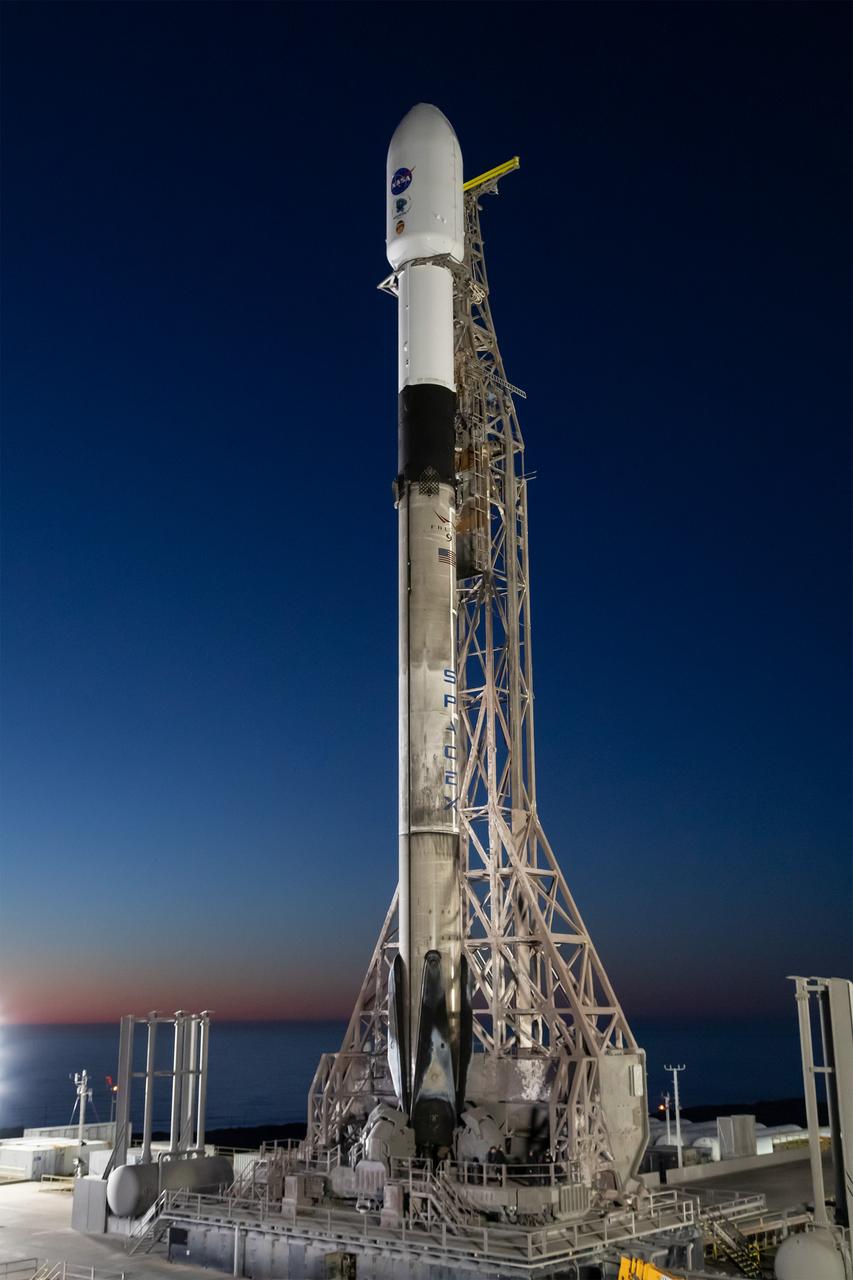
A SpaceX Falcon 9 rocket, carrying NASA’s SPHEREx (Spectro-Photometer for the History of the Universe, Epoch of Reionization and Ices Explorer) observatory and PUNCH (Polarimeter to Unify the Corona and Heliosphere) satellites, is vertical at Space Launch Complex 4 East from Vandenberg Space Force Base in California on Saturday, March 8, 2025. SPHEREx will use its telescope to provide an all-sky spectral survey, creating a 3D map of the entire sky to help scientists investigate the origins of our universe. PUNCH will study origins of the Sun’s outflow of material, or the solar wind, capturing continuous 3D images of the Sun’s corona and the solar wind’s journey into the solar system.
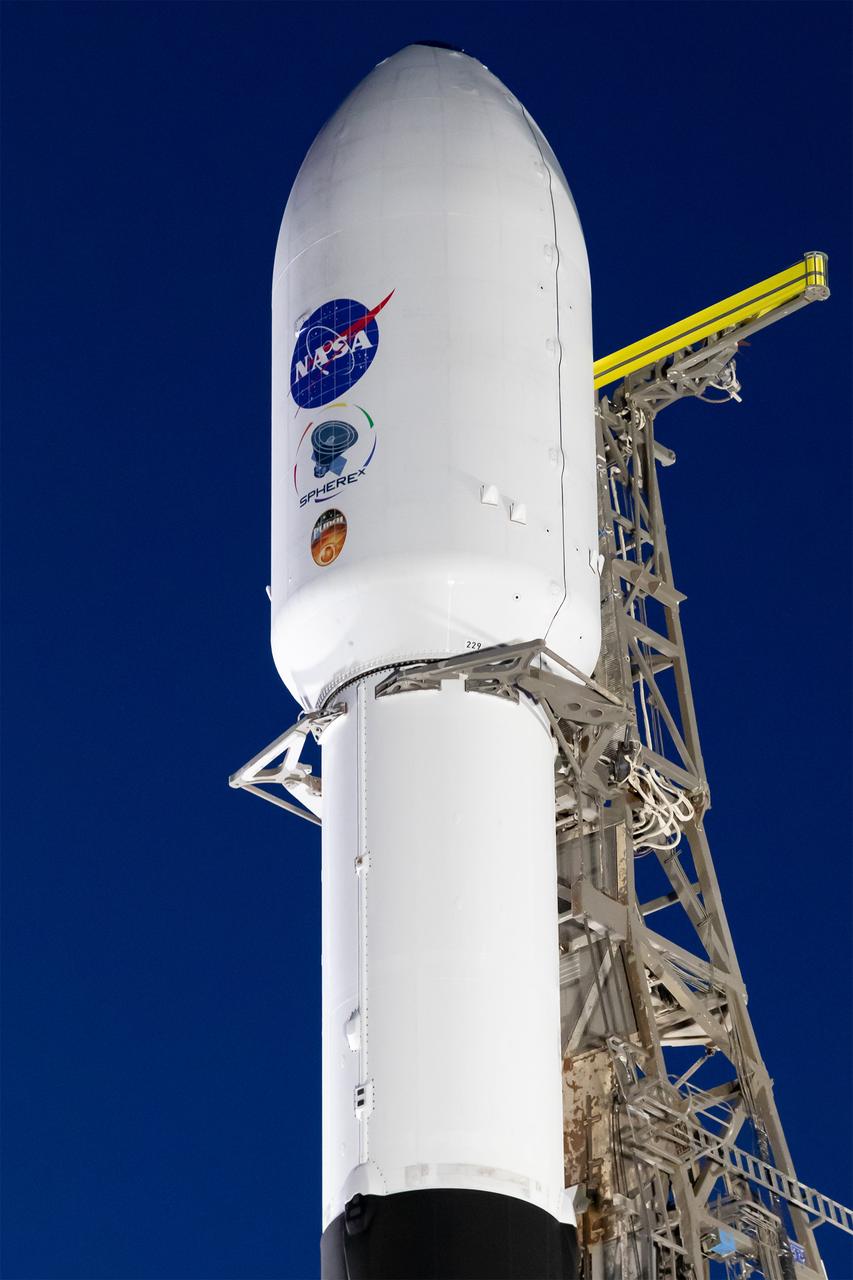
A SpaceX Falcon 9 rocket, carrying NASA’s SPHEREx (Spectro-Photometer for the History of the Universe, Epoch of Reionization and Ices Explorer) observatory and PUNCH (Polarimeter to Unify the Corona and Heliosphere) satellites, is vertical at Space Launch Complex 4 East from Vandenberg Space Force Base in California on Saturday, March 8, 2025. SPHEREx will use its telescope to provide an all-sky spectral survey, creating a 3D map of the entire sky to help scientists investigate the origins of our universe. PUNCH will study origins of the Sun’s outflow of material, or the solar wind, capturing continuous 3D images of the Sun’s corona and the solar wind’s journey into the solar system.
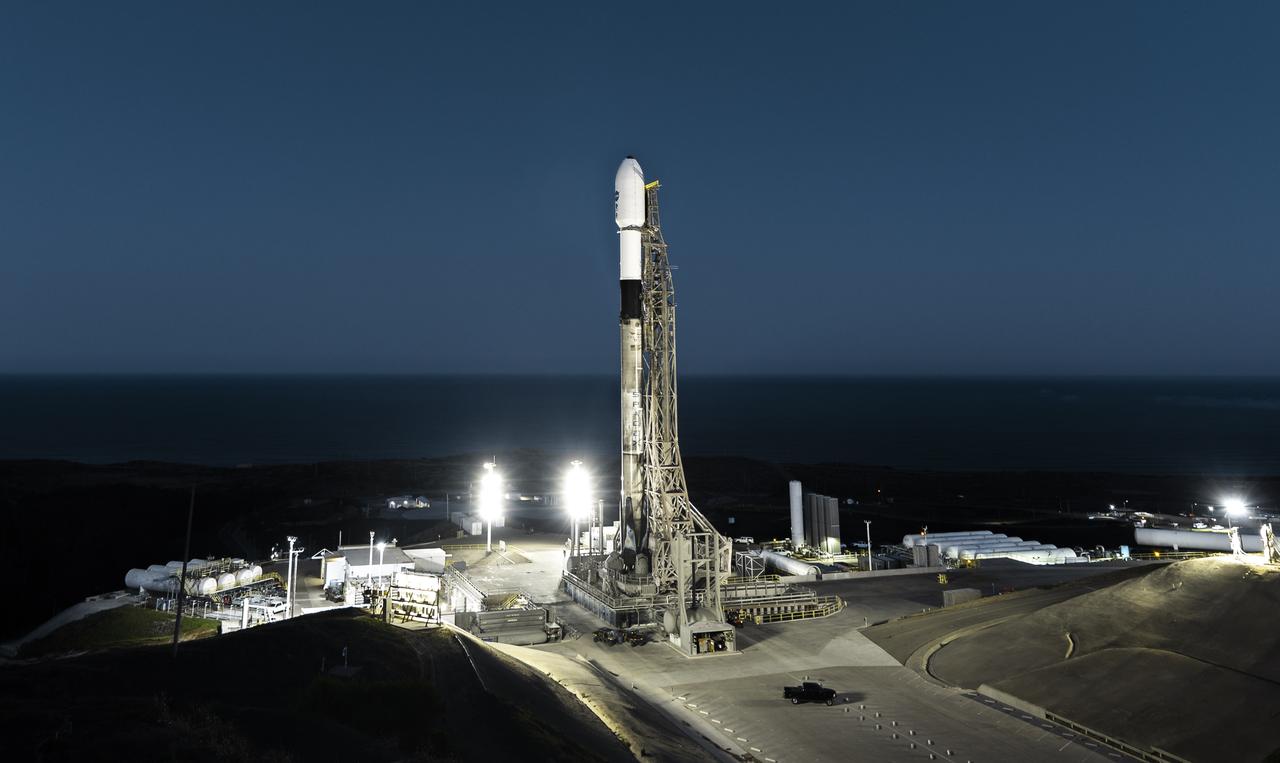
A SpaceX Falcon 9 rocket, carrying NASA’s SPHEREx (Spectro-Photometer for the History of the Universe, Epoch of Reionization and Ices Explorer) observatory and PUNCH (Polarimeter to Unify the Corona and Heliosphere) satellites, is vertical at Space Launch Complex 4 East from Vandenberg Space Force Base in California on Saturday March 8, 2025. SPHEREx will use its telescope to provide an all-sky spectral survey, creating a 3D map of the entire sky to help scientists investigate the origins of our universe. PUNCH will study origins of the Sun’s outflow of material, or the solar wind, capturing continuous 3D images of the Sun’s corona and the solar wind’s journey into the solar system.
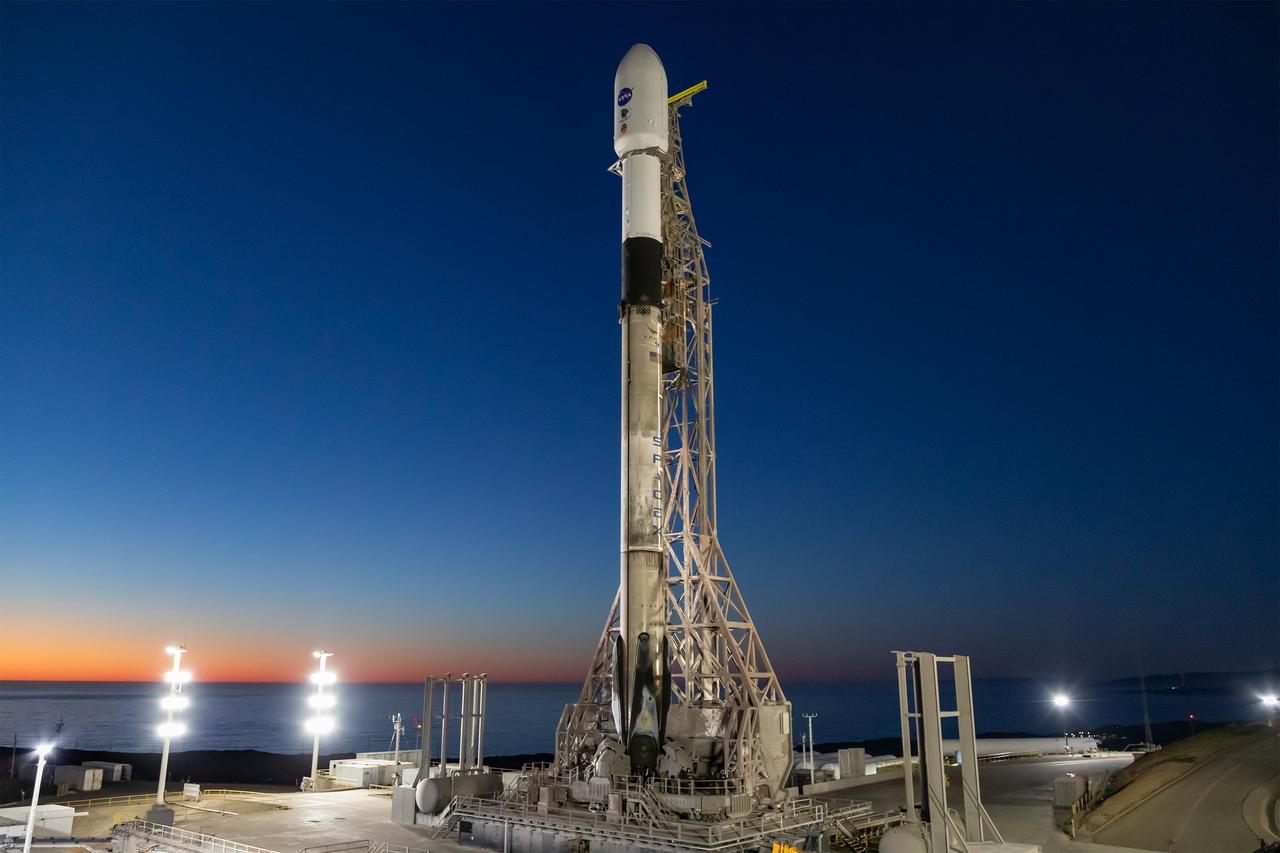
A SpaceX Falcon 9 rocket, carrying NASA’s SPHEREx (Spectro-Photometer for the History of the Universe, Epoch of Reionization and Ices Explorer) observatory and PUNCH (Polarimeter to Unify the Corona and Heliosphere) satellites, is vertical at Space Launch Complex 4 East from Vandenberg Space Force Base in California on Saturday, March 8, 2025. SPHEREx will use its telescope to provide an all-sky spectral survey, creating a 3D map of the entire sky to help scientists investigate the origins of our universe. PUNCH will study origins of the Sun’s outflow of material, or the solar wind, capturing continuous 3D images of the Sun’s corona and the solar wind’s journey into the solar system.
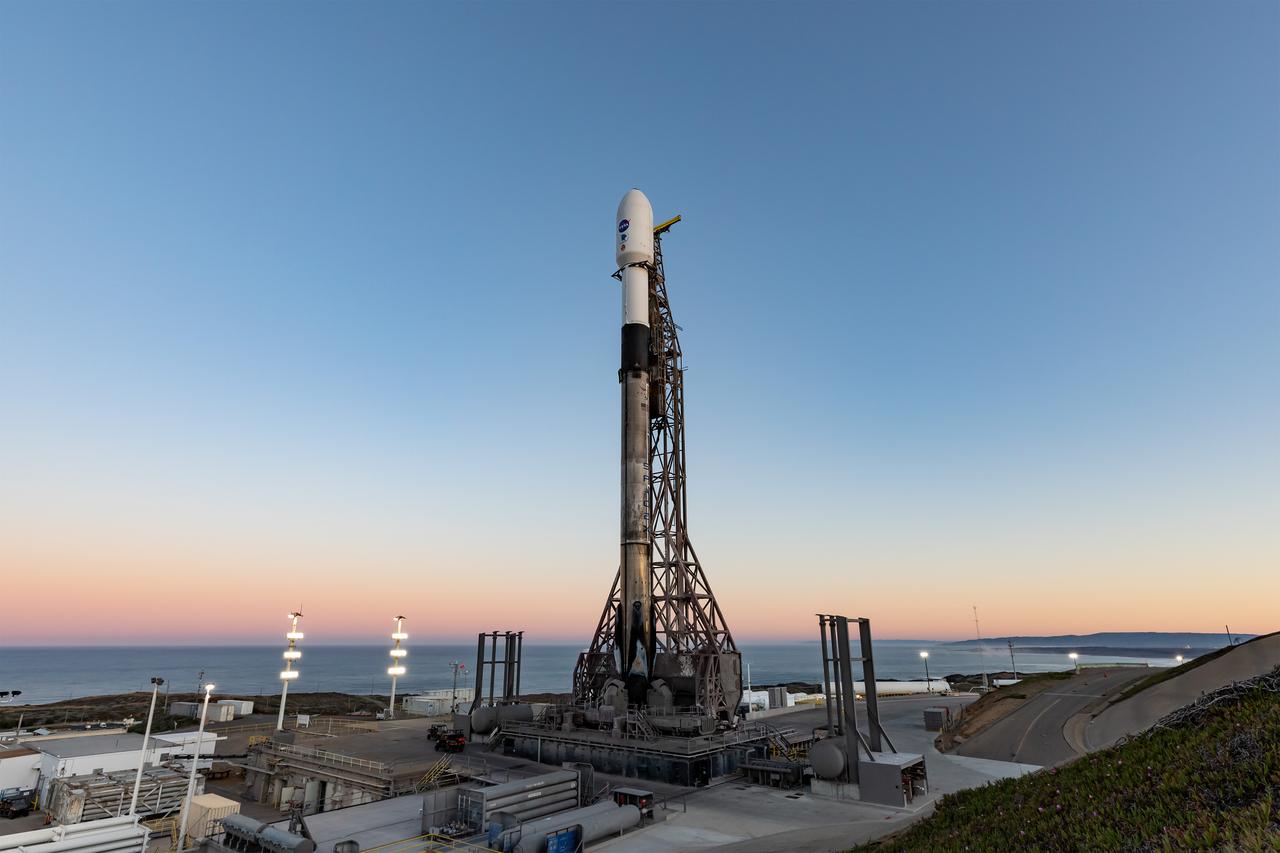
A SpaceX Falcon 9 rocket, carrying NASA’s SPHEREx (Spectro-Photometer for the History of the Universe, Epoch of Reionization and Ices Explorer) observatory and PUNCH (Polarimeter to Unify the Corona and Heliosphere) satellites, is vertical at Space Launch Complex 4 East from Vandenberg Space Force Base in California on Saturday March 8, 2025. SPHEREx will use its telescope to provide an all-sky spectral survey, creating a 3D map of the entire sky to help scientists investigate the origins of our universe. PUNCH will study origins of the Sun’s outflow of material, or the solar wind, capturing continuous 3D images of the Sun’s corona and the solar wind’s journey into the solar system.
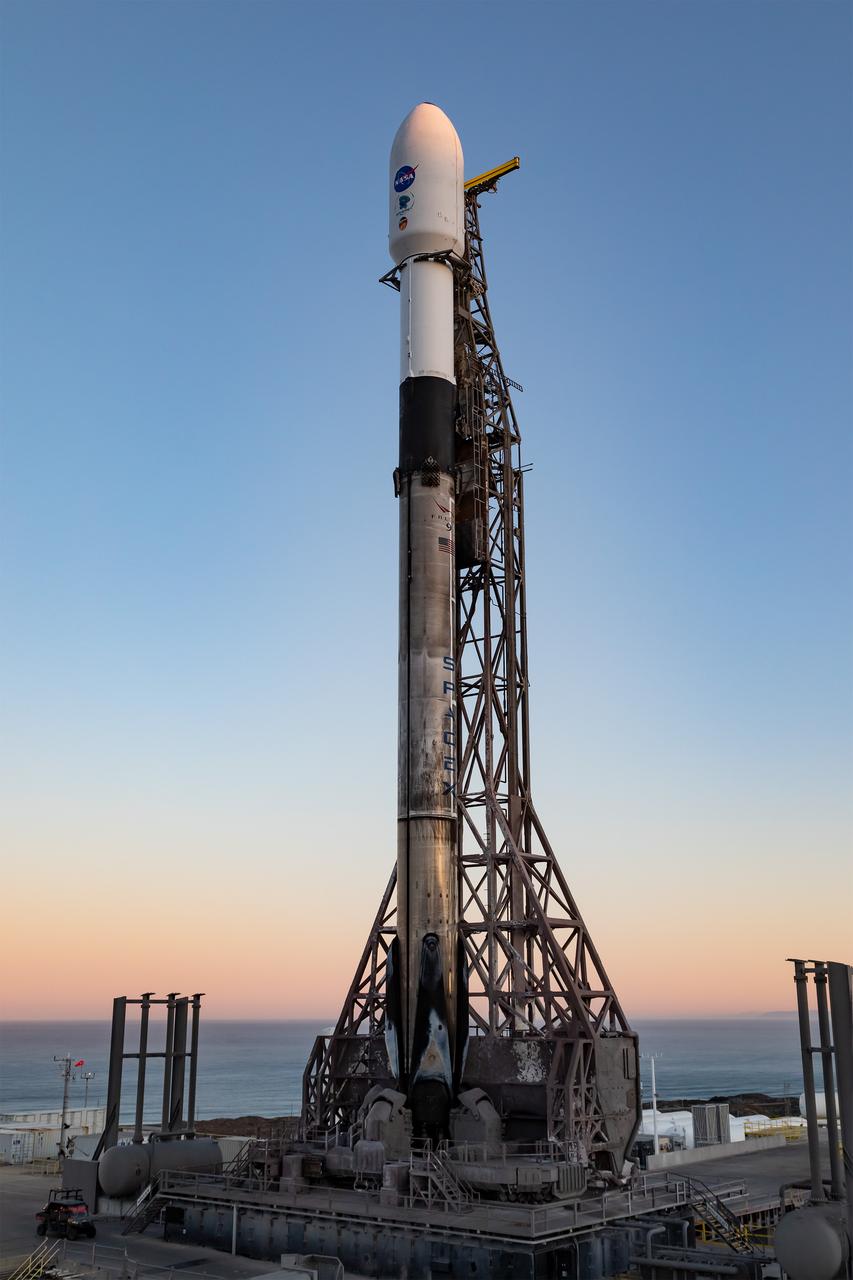
A SpaceX Falcon 9 rocket, carrying NASA’s SPHEREx (Spectro-Photometer for the History of the Universe, Epoch of Reionization and Ices Explorer) observatory and PUNCH (Polarimeter to Unify the Corona and Heliosphere) satellites, is vertical at Space Launch Complex 4 East from Vandenberg Space Force Base in California on Saturday March 8, 2025. SPHEREx will use its telescope to provide an all-sky spectral survey, creating a 3D map of the entire sky to help scientists investigate the origins of our universe. PUNCH will study origins of the Sun’s outflow of material, or the solar wind, capturing continuous 3D images of the Sun’s corona and the solar wind’s journey into the solar system.
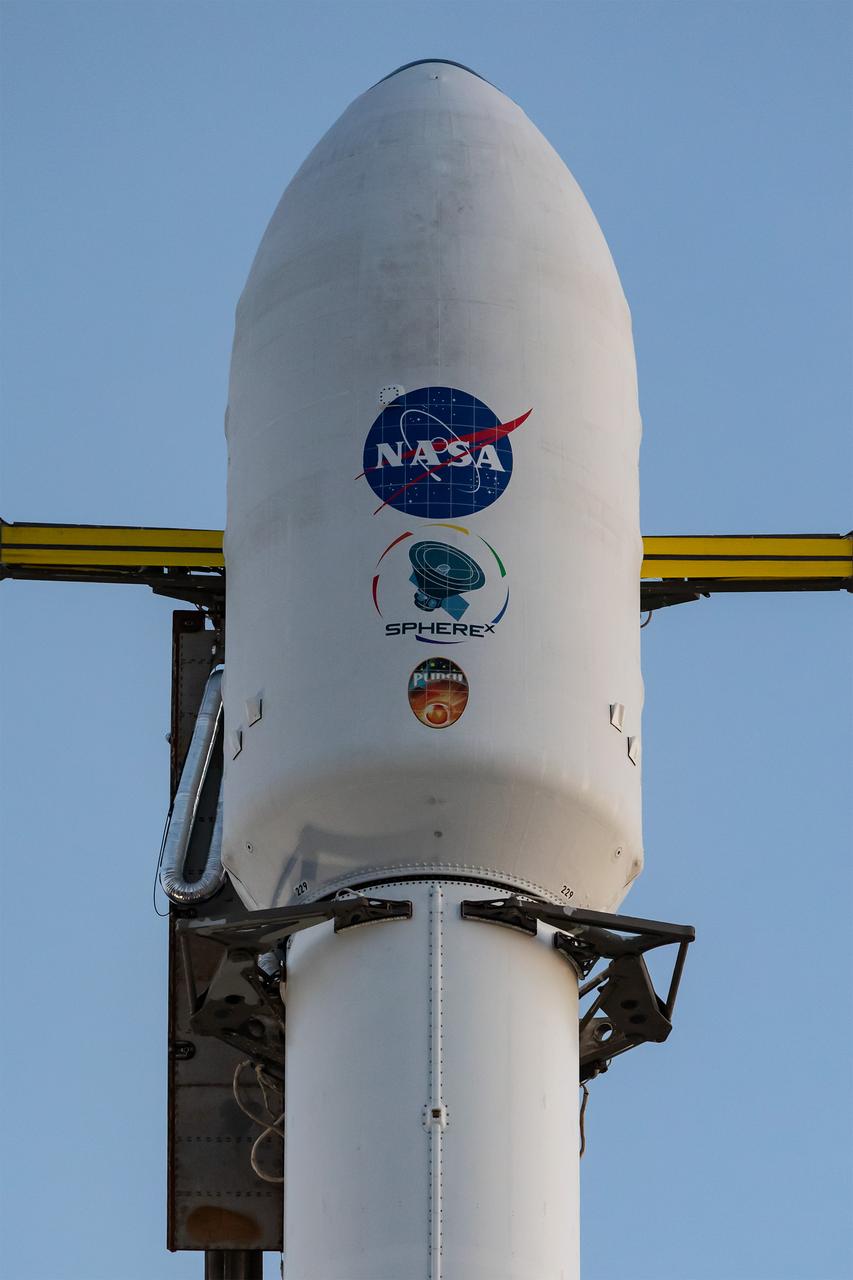
A SpaceX Falcon 9 rocket, carrying NASA’s SPHEREx (Spectro-Photometer for the History of the Universe, Epoch of Reionization and Ices Explorer) observatory and PUNCH (Polarimeter to Unify the Corona and Heliosphere) satellites, is vertical at Space Launch Complex 4 East from Vandenberg Space Force Base in California on Saturday March 8, 2025. SPHEREx will use its telescope to provide an all-sky spectral survey, creating a 3D map of the entire sky to help scientists investigate the origins of our universe. PUNCH will study origins of the Sun’s outflow of material, or the solar wind, capturing continuous 3D images of the Sun’s corona and the solar wind’s journey into the solar system.
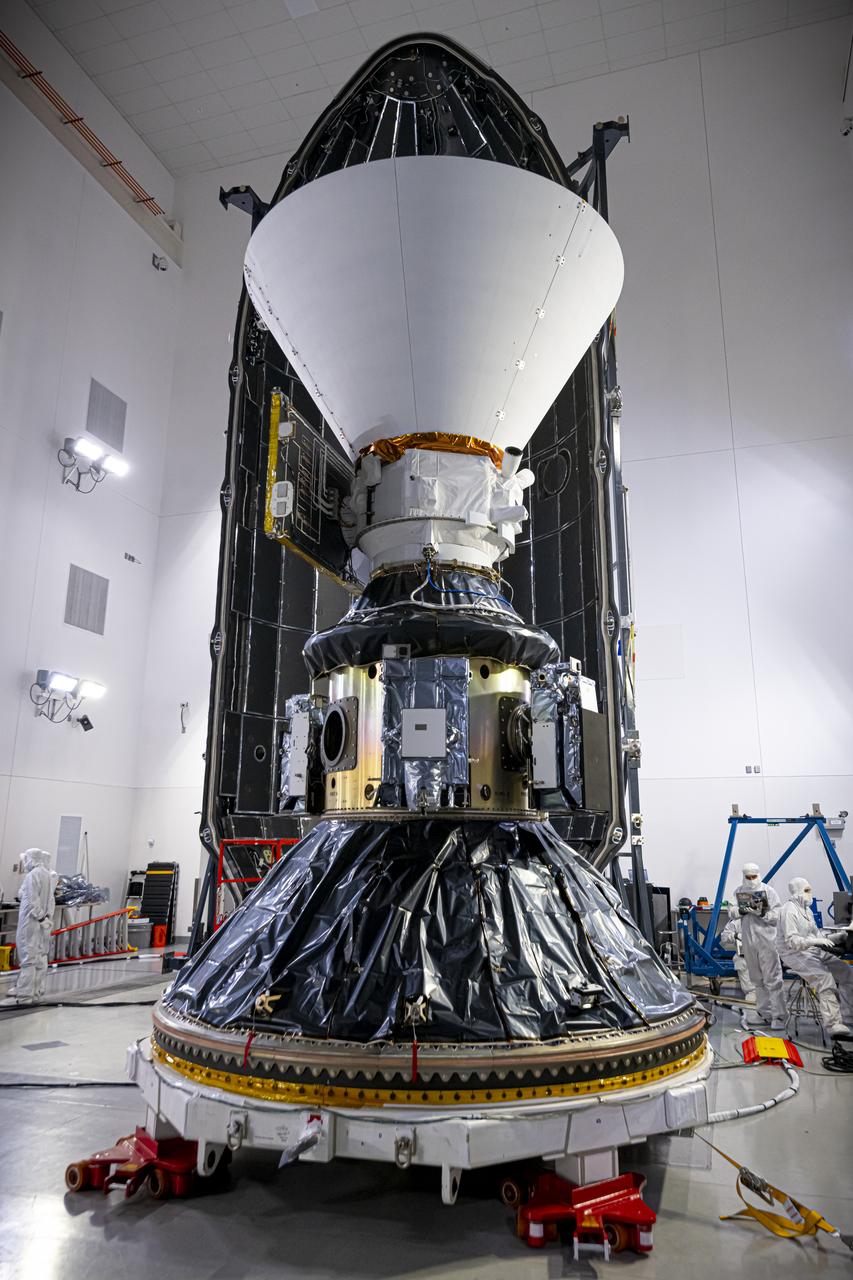
Technicians and engineers encapsulate NASA’s SPHEREx (Spectro-Photometer for the History of the Universe, Epoch of Reionization and Ices Explorer) observatory and PUNCH (Polarimeter to Unify the Corona and Heliosphere) satellites within a protective payload fairing inside the Astrotech Space Operations facility at Vandenberg Space Force Base in California, on Thursday, Feb. 27, 2025. SPHEREx will use its telescope to provide an all-sky spectral survey, creating a 3D map of the entire sky to help scientists investigate the origins of our universe. PUNCH will study origins of the Sun’s outflow of material, or the solar wind, capturing continuous 3D images of the Sun’s corona and the solar wind’s journey into the solar system. Liftoff aboard a SpaceX Falcon 9 rocket is targeted for NET 10:09 EST (7:09 p.m. PST), Tuesday, March 4, 2025, at Space Launch Complex 4 East from Vandenberg Space Force Base in California.
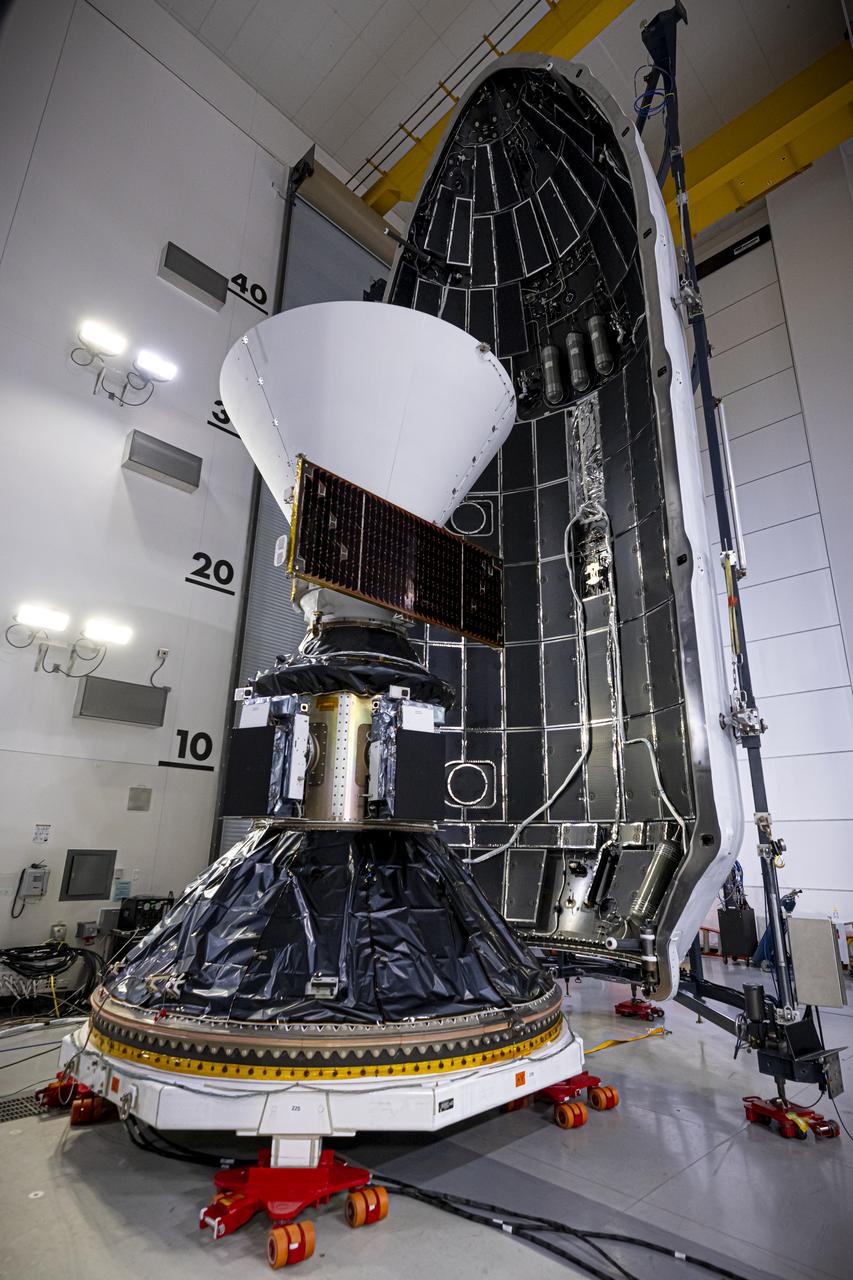
Technicians and engineers encapsulate NASA’s SPHEREx (Spectro-Photometer for the History of the Universe, Epoch of Reionization and Ices Explorer) observatory and PUNCH (Polarimeter to Unify the Corona and Heliosphere) satellites within a protective payload fairing inside the Astrotech Space Operations facility at Vandenberg Space Force Base in California, on Thursday, Feb. 27, 2025. SPHEREx will use its telescope to provide an all-sky spectral survey, creating a 3D map of the entire sky to help scientists investigate the origins of our universe. PUNCH will study origins of the Sun’s outflow of material, or the solar wind, capturing continuous 3D images of the Sun’s corona and the solar wind’s journey into the solar system. Liftoff aboard a SpaceX Falcon 9 rocket is targeted for NET 10:09 EST (7:09 p.m. PST), Tuesday, March 4, 2025, at Space Launch Complex 4 East from Vandenberg Space Force Base in California.
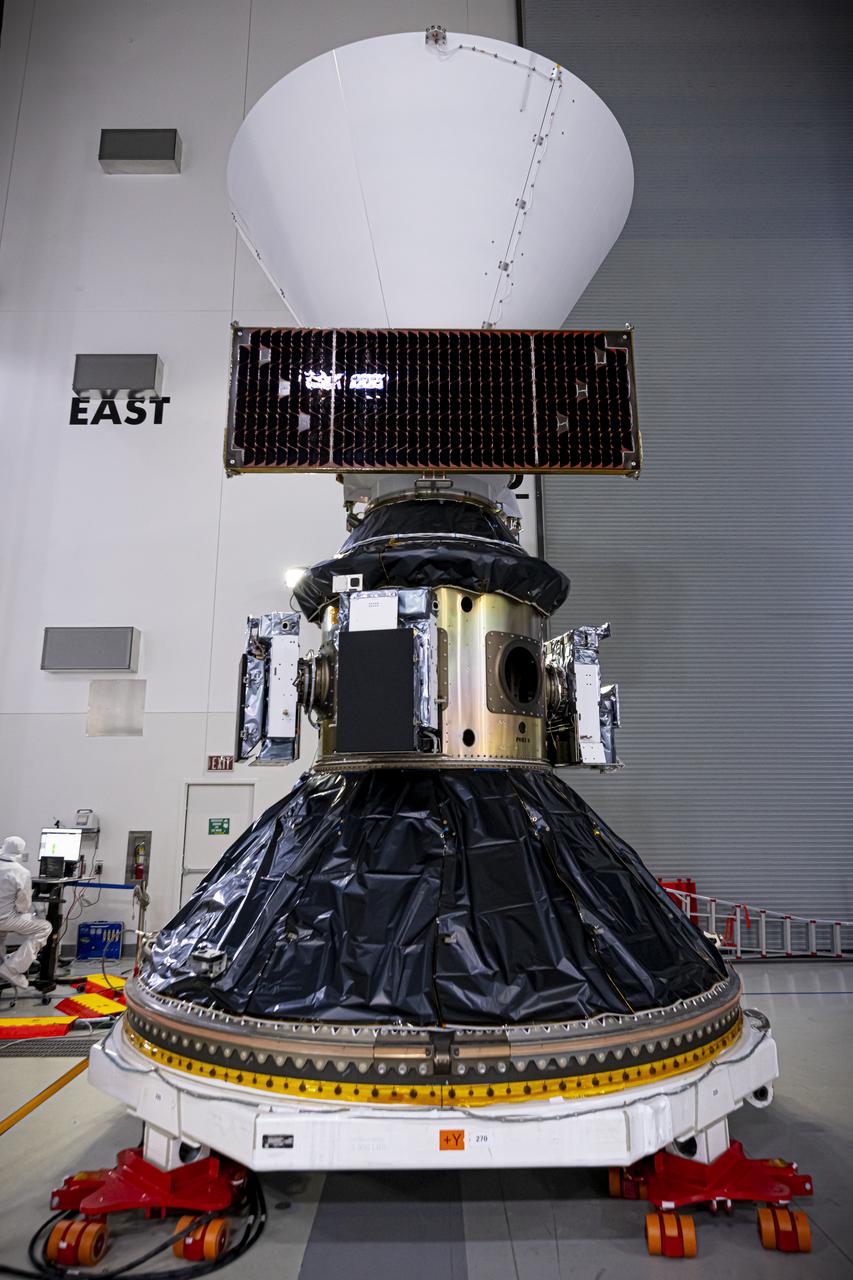
Technicians and engineers encapsulate NASA’s SPHEREx (Spectro-Photometer for the History of the Universe, Epoch of Reionization and Ices Explorer) observatory and PUNCH (Polarimeter to Unify the Corona and Heliosphere) satellites within a protective payload fairing inside the Astrotech Space Operations facility at Vandenberg Space Force Base in California, on Thursday, Feb. 27, 2025. SPHEREx will use its telescope to provide an all-sky spectral survey, creating a 3D map of the entire sky to help scientists investigate the origins of our universe. PUNCH will study origins of the Sun’s outflow of material, or the solar wind, capturing continuous 3D images of the Sun’s corona and the solar wind’s journey into the solar system. Liftoff aboard a SpaceX Falcon 9 rocket is targeted for NET 10:09 EST (7:09 p.m. PST), Tuesday, March 4, 2025, at Space Launch Complex 4 East from Vandenberg Space Force Base in California.
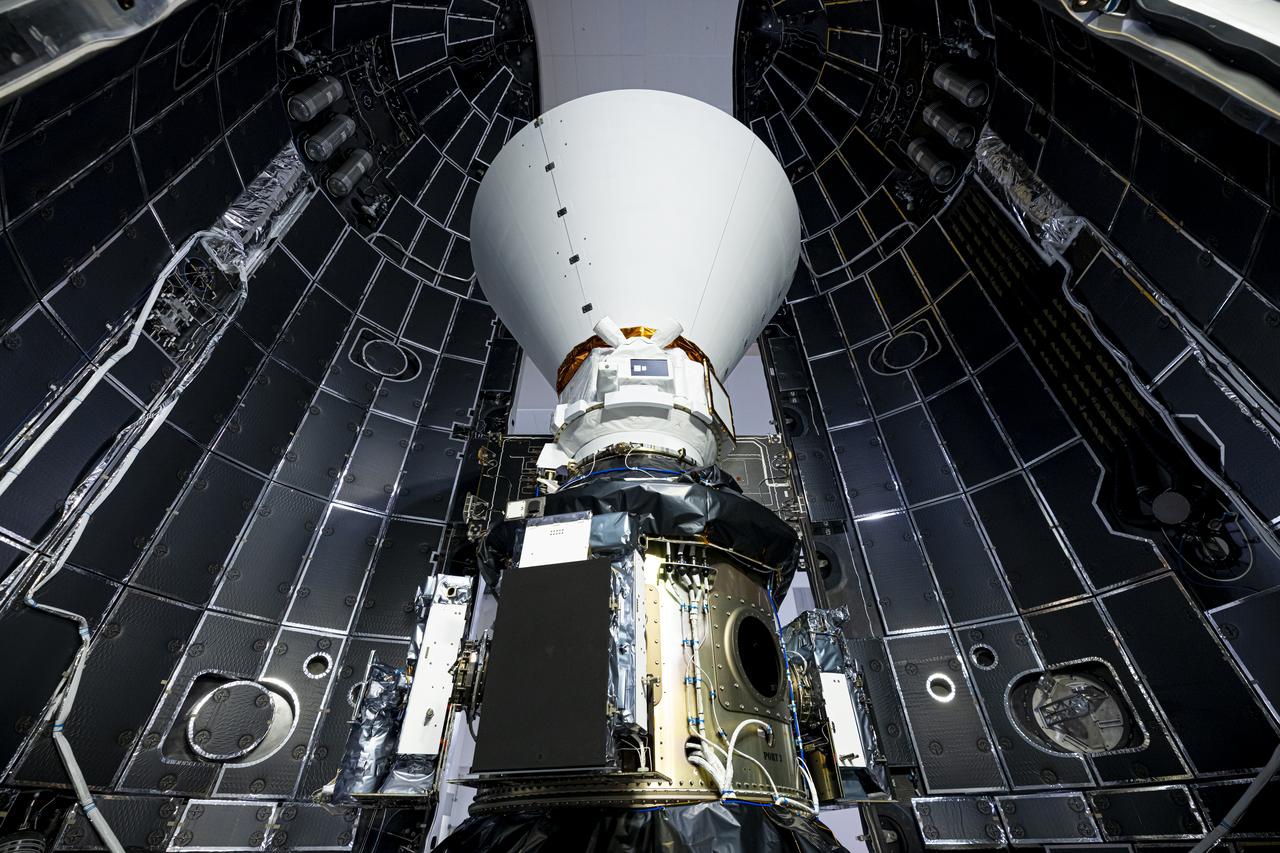
Technicians and engineers encapsulate NASA’s SPHEREx (Spectro-Photometer for the History of the Universe, Epoch of Reionization and Ices Explorer) observatory and PUNCH (Polarimeter to Unify the Corona and Heliosphere) satellites within a protective payload fairing inside the Astrotech Space Operations facility at Vandenberg Space Force Base in California, on Thursday, Feb. 27, 2025. SPHEREx will use its telescope to provide an all-sky spectral survey, creating a 3D map of the entire sky to help scientists investigate the origins of our universe. PUNCH will study origins of the Sun’s outflow of material, or the solar wind, capturing continuous 3D images of the Sun’s corona and the solar wind’s journey into the solar system. Liftoff aboard a SpaceX Falcon 9 rocket is targeted for NET 10:09 EST (7:09 p.m. PST), Tuesday, March 4, 2025, at Space Launch Complex 4 East from Vandenberg Space Force Base in California.
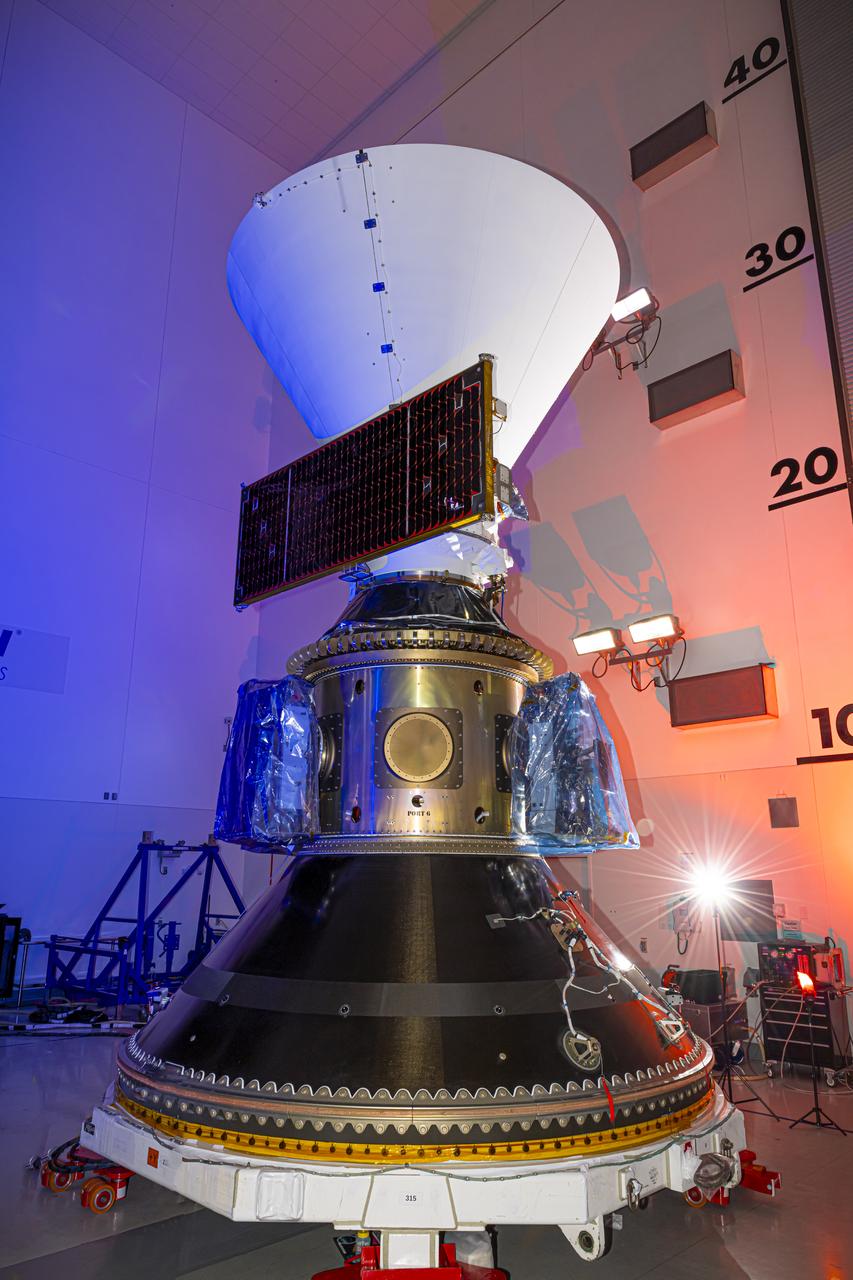
Technicians and engineers encapsulate NASA’s SPHEREx (Spectro-Photometer for the History of the Universe, Epoch of Reionization and Ices Explorer) observatory and PUNCH (Polarimeter to Unify the Corona and Heliosphere) satellites within a protective payload fairing inside the Astrotech Space Operations facility at Vandenberg Space Force Base in California, on Saturday, March 1, 2025. SPHEREx will use its telescope to provide an all-sky spectral survey, creating a 3D map of the entire sky to help scientists investigate the origins of our universe. PUNCH will study origins of the Sun’s outflow of material, or the solar wind, capturing continuous 3D images of the Sun’s corona and the solar wind’s journey into the solar system. Liftoff aboard a SpaceX Falcon 9 rocket is targeted for NET 10:09 EST (7:09 p.m. PST), Tuesday, March 4, 2025, at Space Launch Complex 4 East from Vandenberg Space Force Base in California.
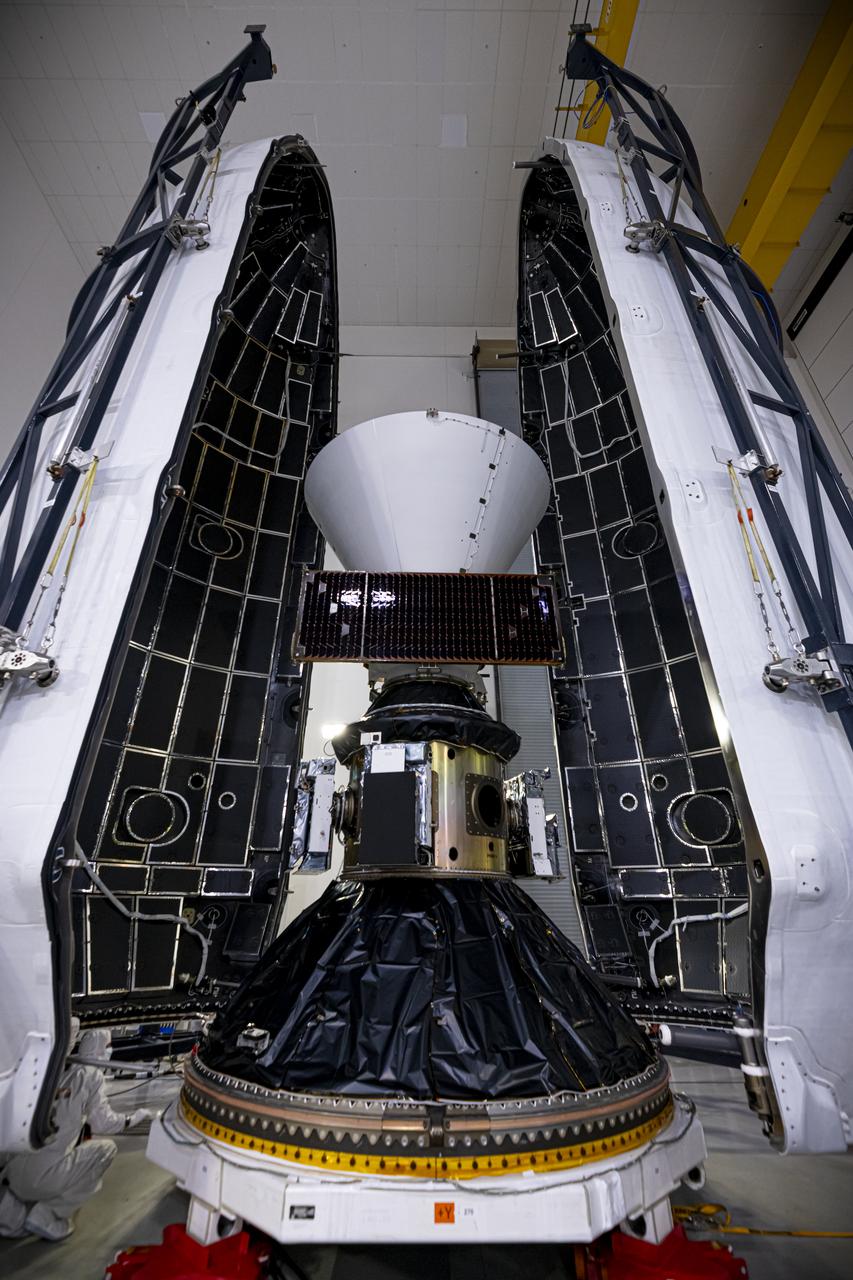
Technicians and engineers encapsulate NASA’s SPHEREx (Spectro-Photometer for the History of the Universe, Epoch of Reionization and Ices Explorer) observatory and PUNCH (Polarimeter to Unify the Corona and Heliosphere) satellites within a protective payload fairing inside the Astrotech Space Operations facility at Vandenberg Space Force Base in California, on Thursday, Feb. 27, 2025. SPHEREx will use its telescope to provide an all-sky spectral survey, creating a 3D map of the entire sky to help scientists investigate the origins of our universe. PUNCH will study origins of the Sun’s outflow of material, or the solar wind, capturing continuous 3D images of the Sun’s corona and the solar wind’s journey into the solar system. Liftoff aboard a SpaceX Falcon 9 rocket is targeted for NET 10:09 EST (7:09 p.m. PST), Tuesday, March 4, 2025, at Space Launch Complex 4 East from Vandenberg Space Force Base in California.
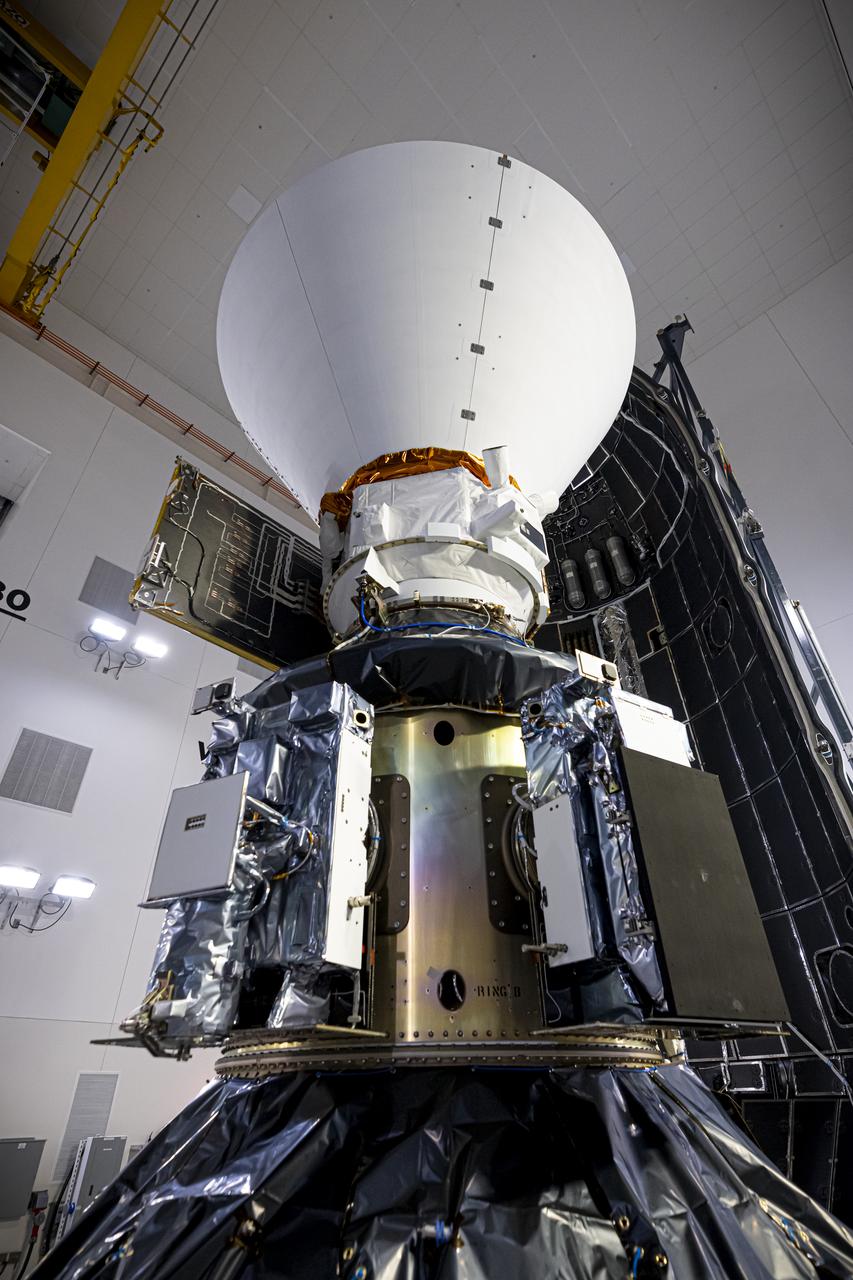
Technicians and engineers encapsulate NASA’s SPHEREx (Spectro-Photometer for the History of the Universe, Epoch of Reionization and Ices Explorer) observatory and PUNCH (Polarimeter to Unify the Corona and Heliosphere) satellites within a protective payload fairing inside the Astrotech Space Operations facility at Vandenberg Space Force Base in California, on Thursday, Feb. 27, 2025. SPHEREx will use its telescope to provide an all-sky spectral survey, creating a 3D map of the entire sky to help scientists investigate the origins of our universe. PUNCH will study origins of the Sun’s outflow of material, or the solar wind, capturing continuous 3D images of the Sun’s corona and the solar wind’s journey into the solar system. Liftoff aboard a SpaceX Falcon 9 rocket is targeted for NET 10:09 EST (7:09 p.m. PST), Tuesday, March 4, 2025, at Space Launch Complex 4 East from Vandenberg Space Force Base in California.
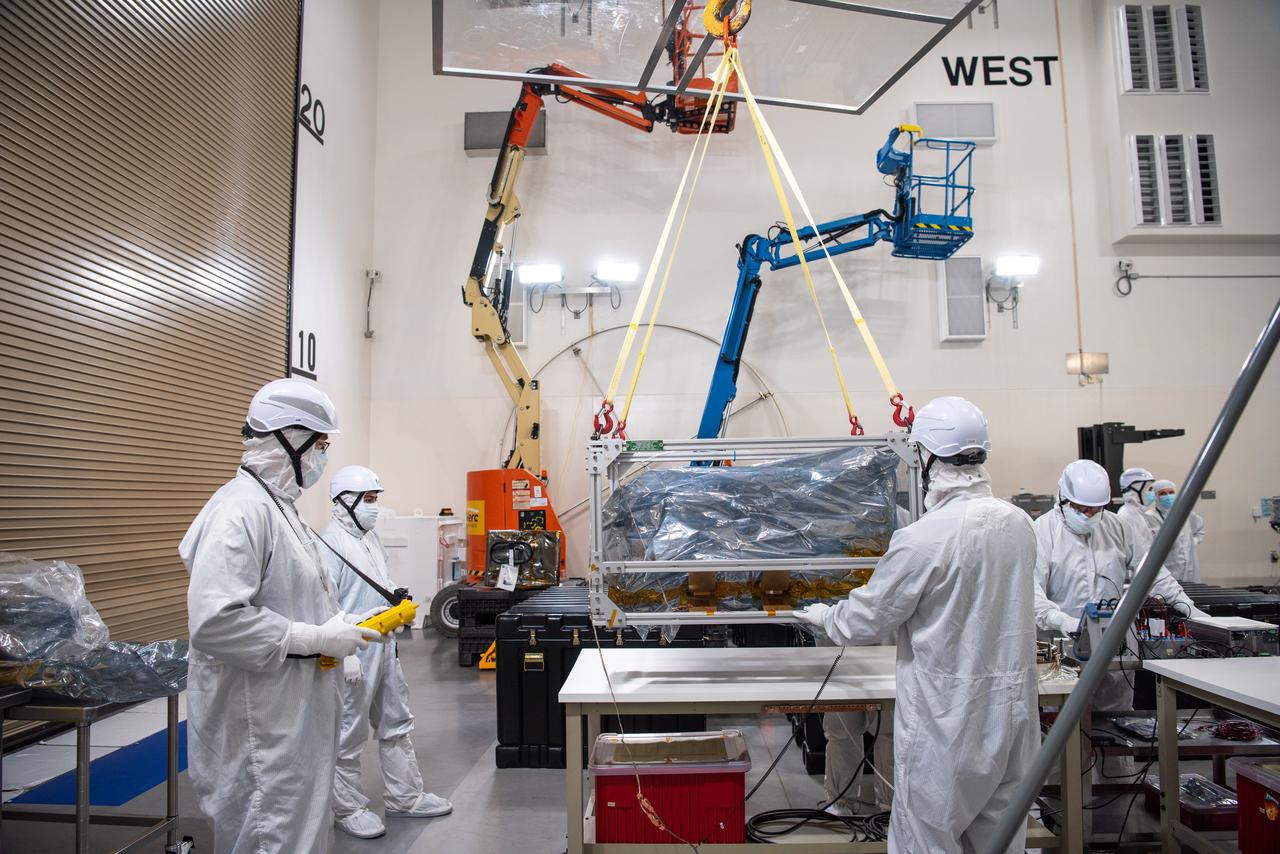
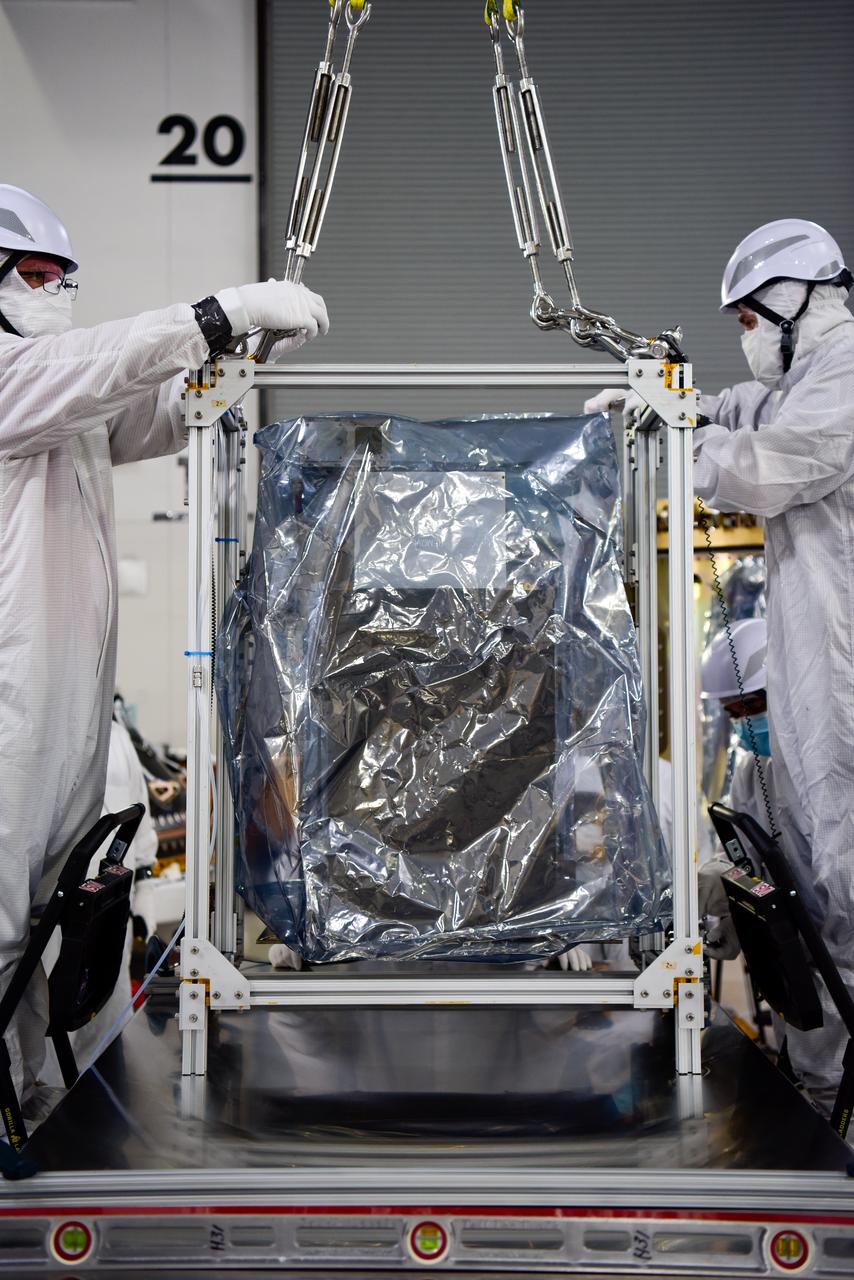
Technicians use an overheard crane to lift NASA’s PUNCH (Polarimeter to Unify the Corona and Heliosphere) spacecraft onto a work stand for testing operations at the Astrotech Processing Facility on Vandenberg Space Force Base in California on Sunday, Jan. 19, 2025. PUNCH, consisting of four satellites, will produce continuous 3D images of the solar wind and solar storms as it travels from the Sun to Earth to better understand how material in the corona accelerates to become the solar wind that fills the solar system. PUNCH will launch aboard a SpaceX Falcon 9 rocket in late February 2025.
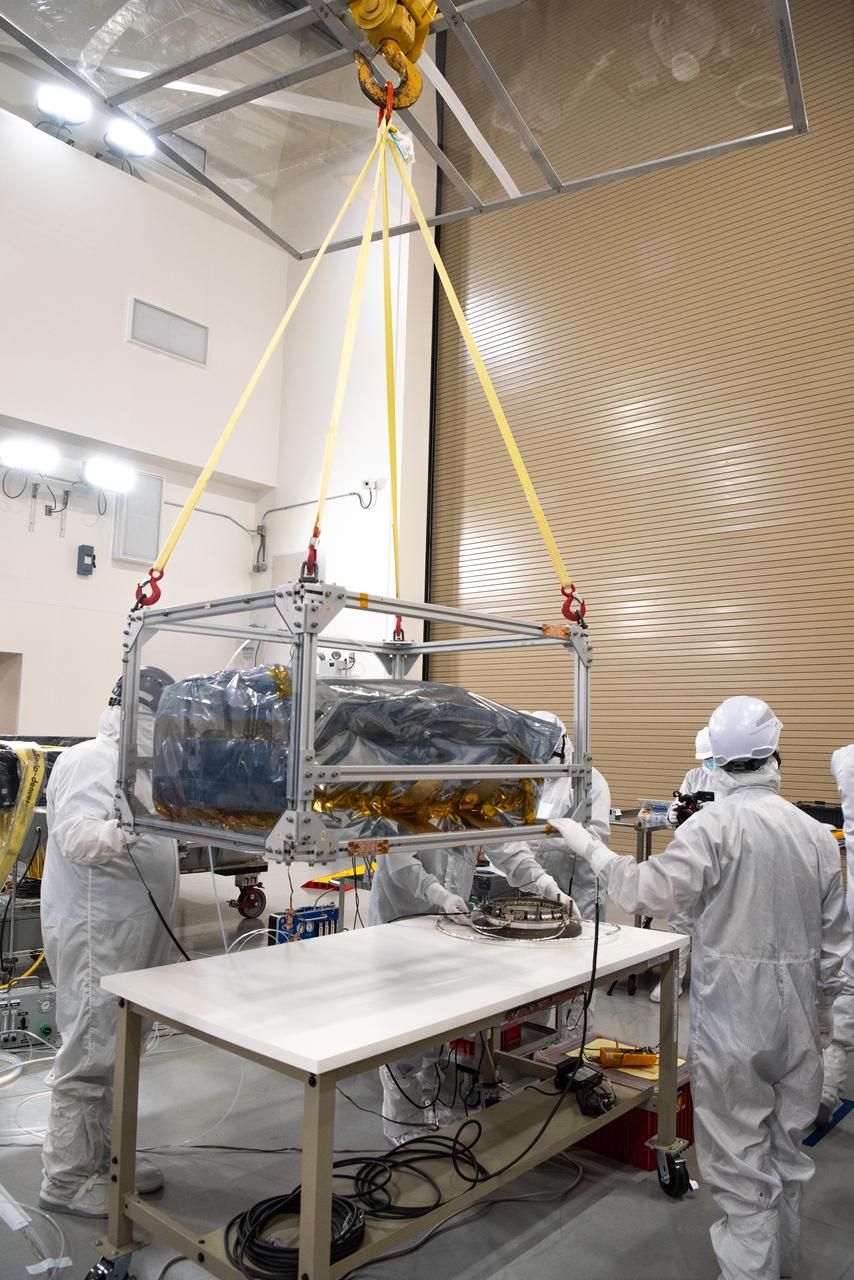
Technicians use an overheard crane to lift NASA’s PUNCH (Polarimeter to Unify the Corona and Heliosphere) spacecraft onto a work stand for testing operations at the Astrotech Processing Facility on Vandenberg Space Force Base in California on Sunday, Jan. 19, 2025. PUNCH, consisting of four satellites, will produce continuous 3D images of the solar wind and solar storms as it travels from the Sun to Earth to better understand how material in the corona accelerates to become the solar wind that fills the solar system. PUNCH will launch aboard a SpaceX Falcon 9 rocket in late February 2025.
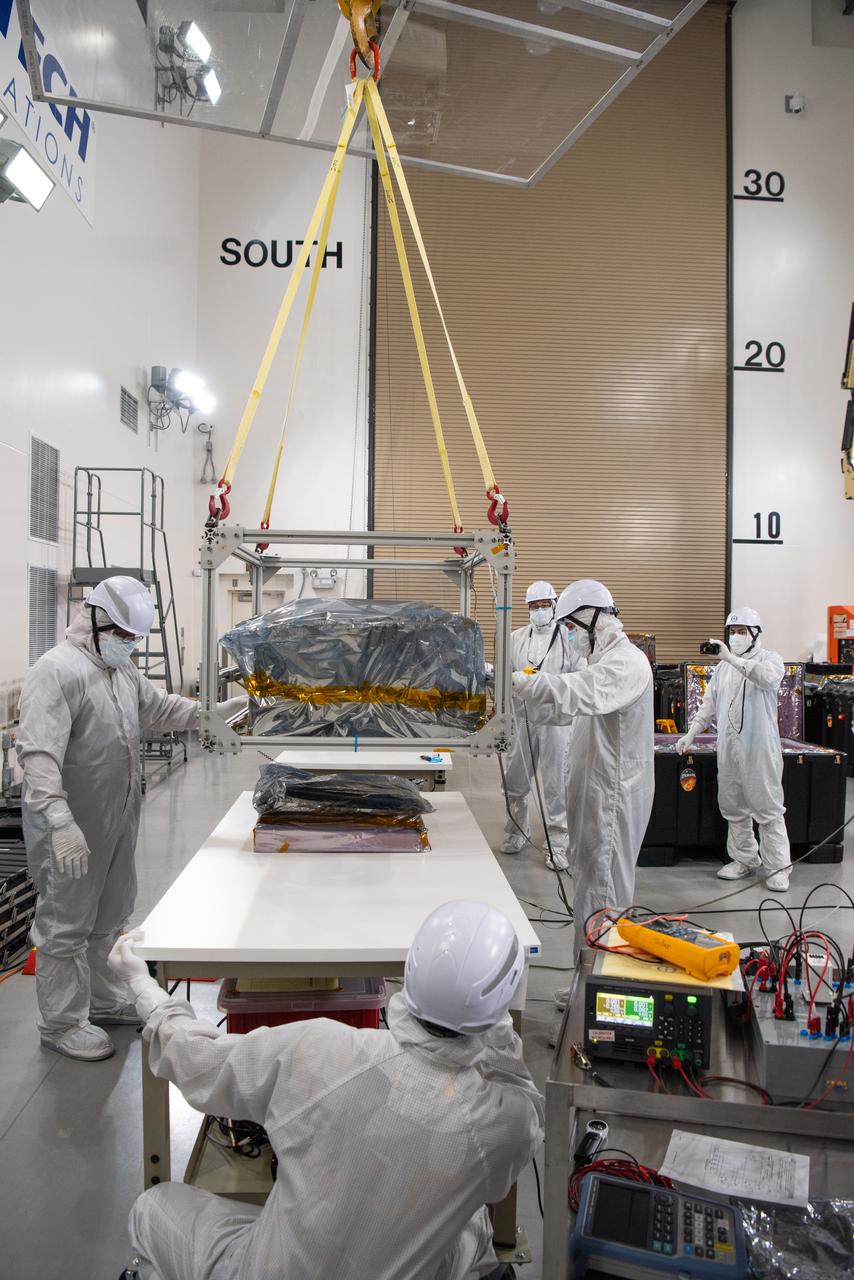
Technicians use an overheard crane to lift NASA’s PUNCH (Polarimeter to Unify the Corona and Heliosphere) spacecraft onto a work stand for testing operations at the Astrotech Processing Facility on Vandenberg Space Force Base in California on Sunday, Jan. 19, 2025. PUNCH, consisting of four satellites, will produce continuous 3D images of the solar wind and solar storms as it travels from the Sun to Earth to better understand how material in the corona accelerates to become the solar wind that fills the solar system. PUNCH will launch aboard a SpaceX Falcon 9 rocket in late February 2025.
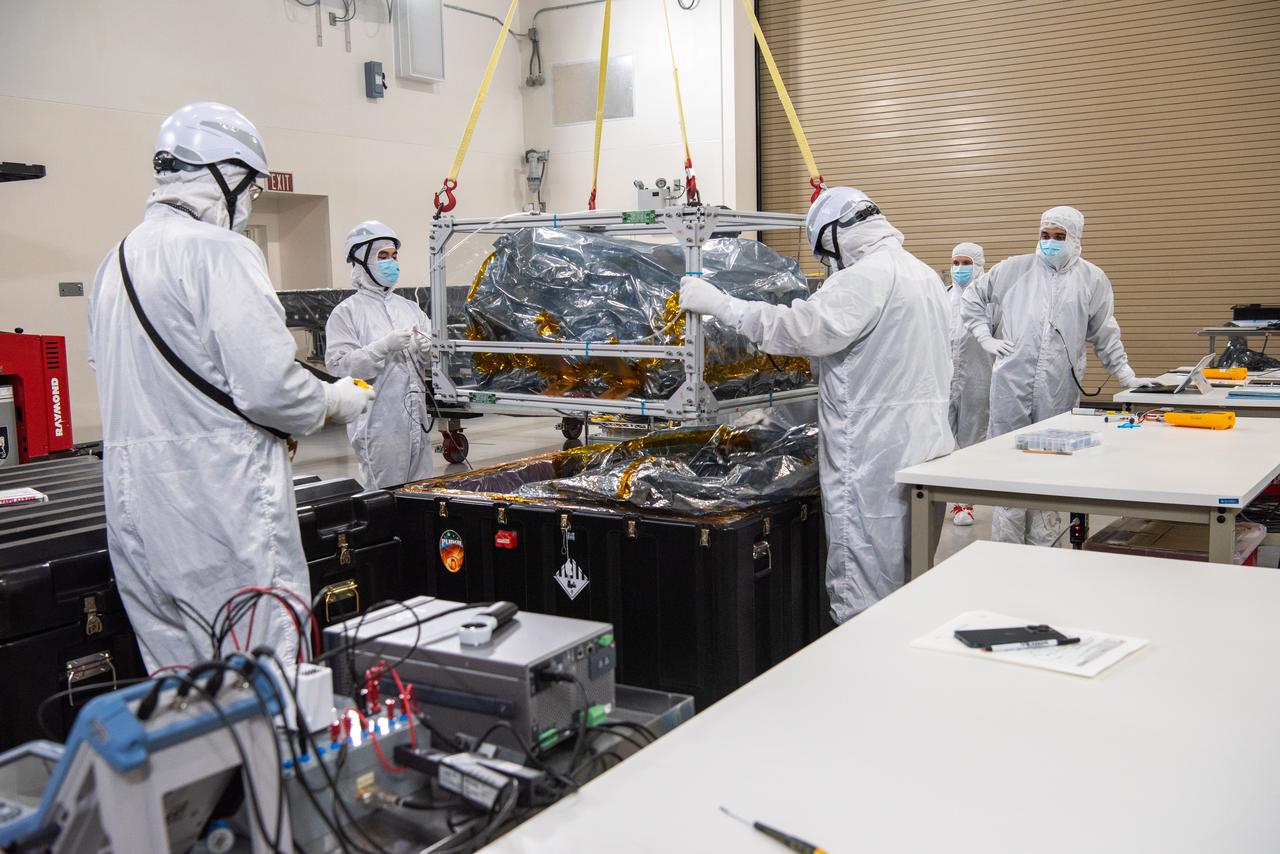
Technicians use an overheard crane to lift NASA’s PUNCH (Polarimeter to Unify the Corona and Heliosphere) spacecraft onto a work stand for testing operations at the Astrotech Processing Facility on Vandenberg Space Force Base in California on Sunday, Jan. 19, 2025. PUNCH, consisting of four satellites, will produce continuous 3D images of the solar wind and solar storms as it travels from the Sun to Earth to better understand how material in the corona accelerates to become the solar wind that fills the solar system. PUNCH will launch aboard a SpaceX Falcon 9 rocket in late February 2025.
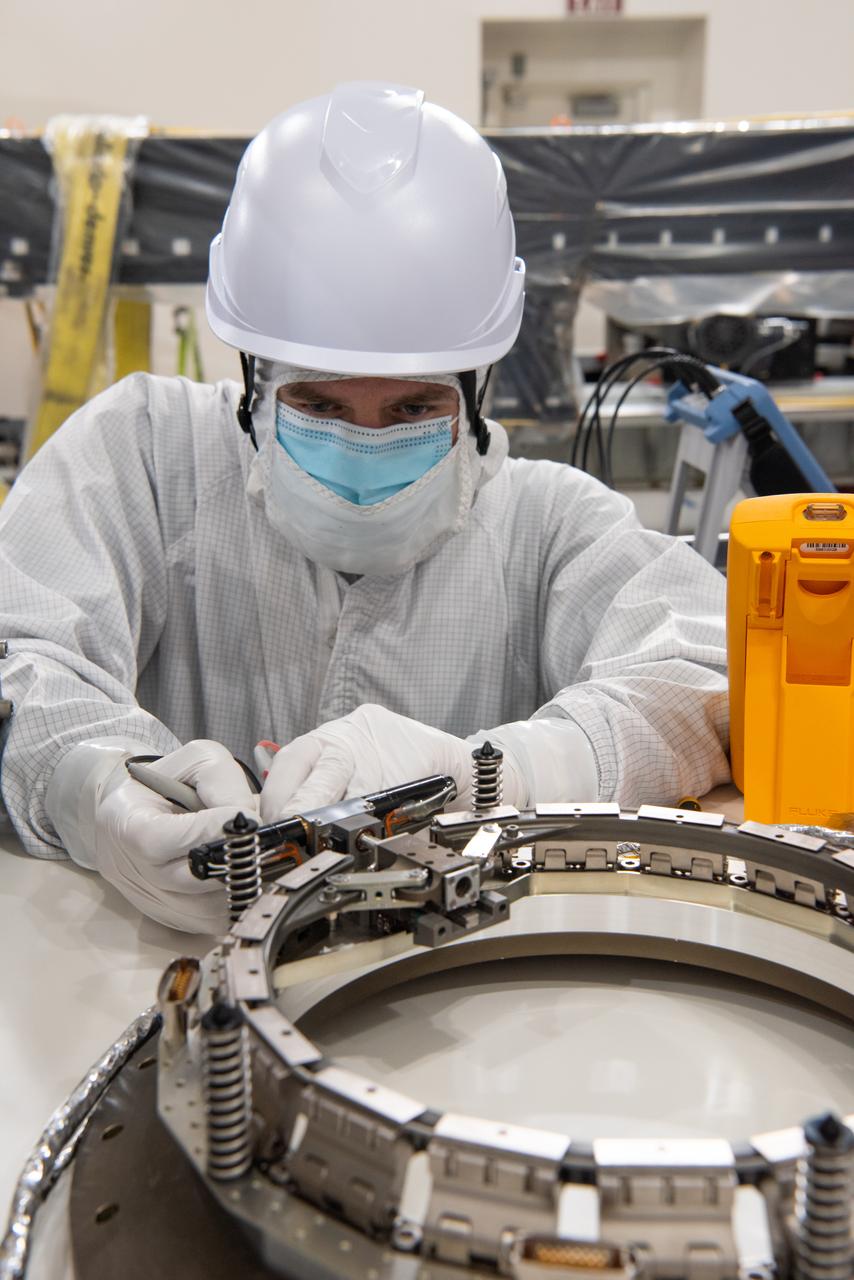
Technicians conduct testing operations on NASA’s PUNCH (Polarimeter to Unify the Corona and Heliosphere) spacecraft onto a work stand for testing operations at the Astrotech Processing Facility on Vandenberg Space Force Base in California on Sunday, Jan. 19, 2025. PUNCH, consisting of four satellites, will produce continuous 3D images of the solar wind and solar storms as it travels from the Sun to Earth to better understand how material in the corona accelerates to become the solar wind that fills the solar system. PUNCH will launch aboard a SpaceX Falcon 9 rocket in late February 2025.
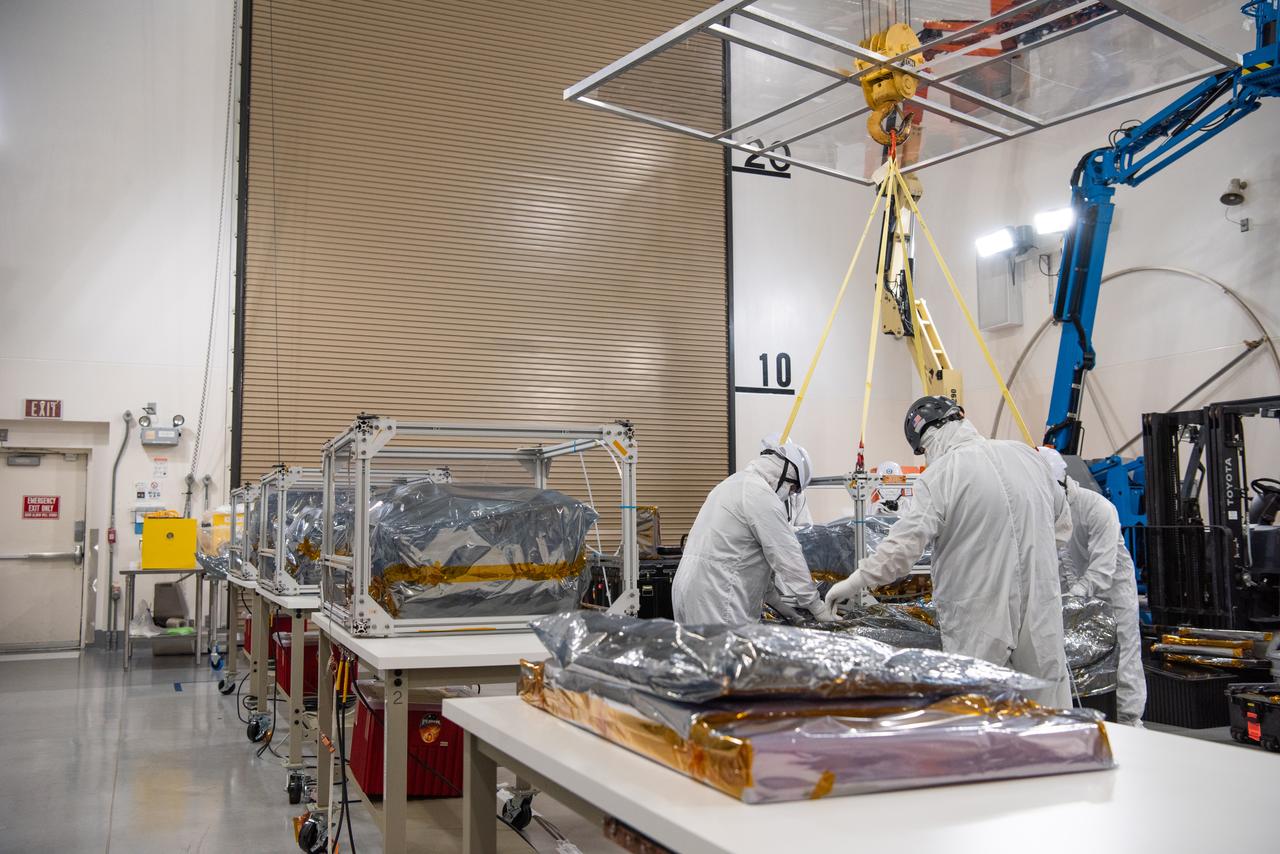
Technicians use an overheard crane to lift NASA’s PUNCH (Polarimeter to Unify the Corona and Heliosphere) spacecraft onto a work stand for testing operations at the Astrotech Processing Facility on Vandenberg Space Force Base in California on Sunday, Jan. 19, 2025. PUNCH, consisting of four satellites, will produce continuous 3D images of the solar wind and solar storms as it travels from the Sun to Earth to better understand how material in the corona accelerates to become the solar wind that fills the solar system. PUNCH will launch aboard a SpaceX Falcon 9 rocket in late February 2025.