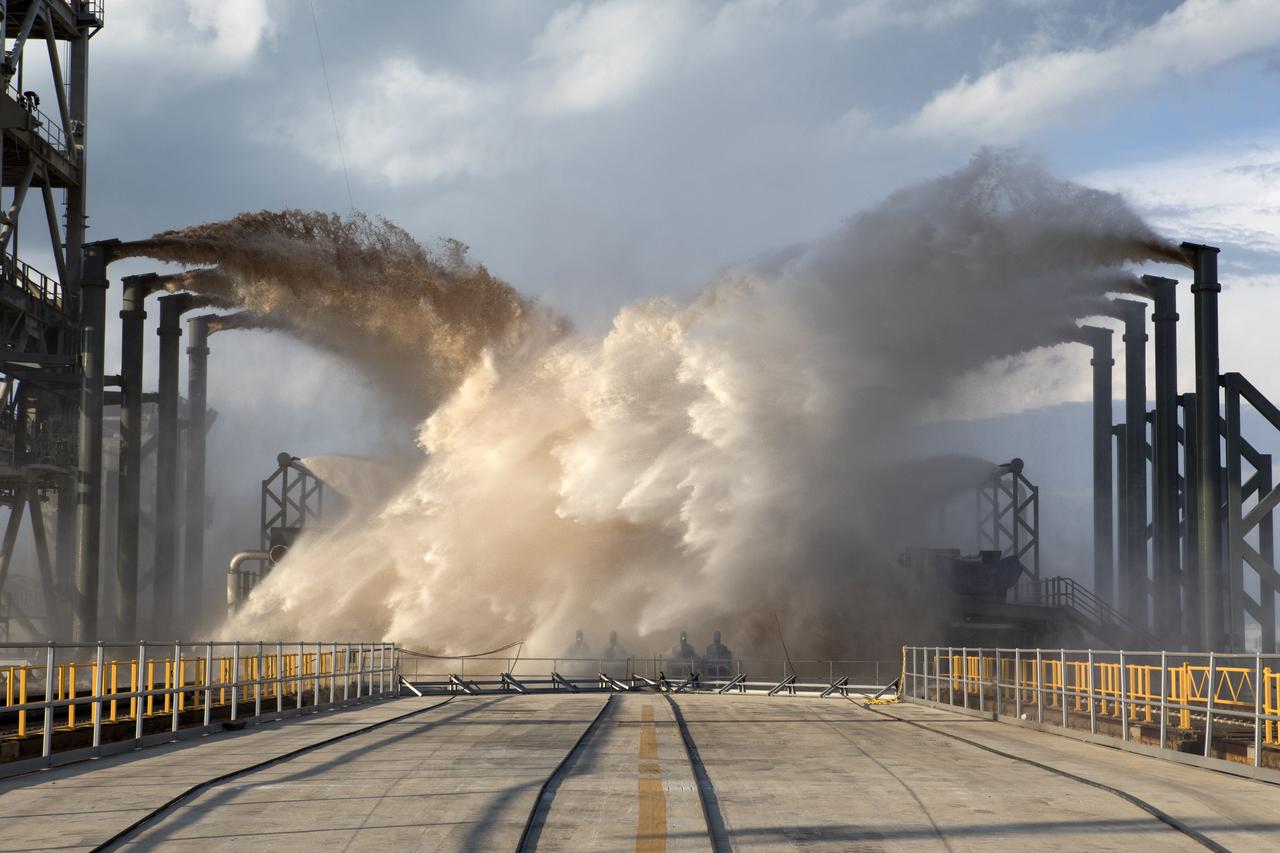
Water sprays onto Launch Complex 39A during a test by SpaceX of the sound suppression system at the launch pad. The water deluge diminishes vibration at the pad during a liftoff to protect the pad structures and rocket itself from excessive shaking. Photo credit: NASA/Kim Shiflett
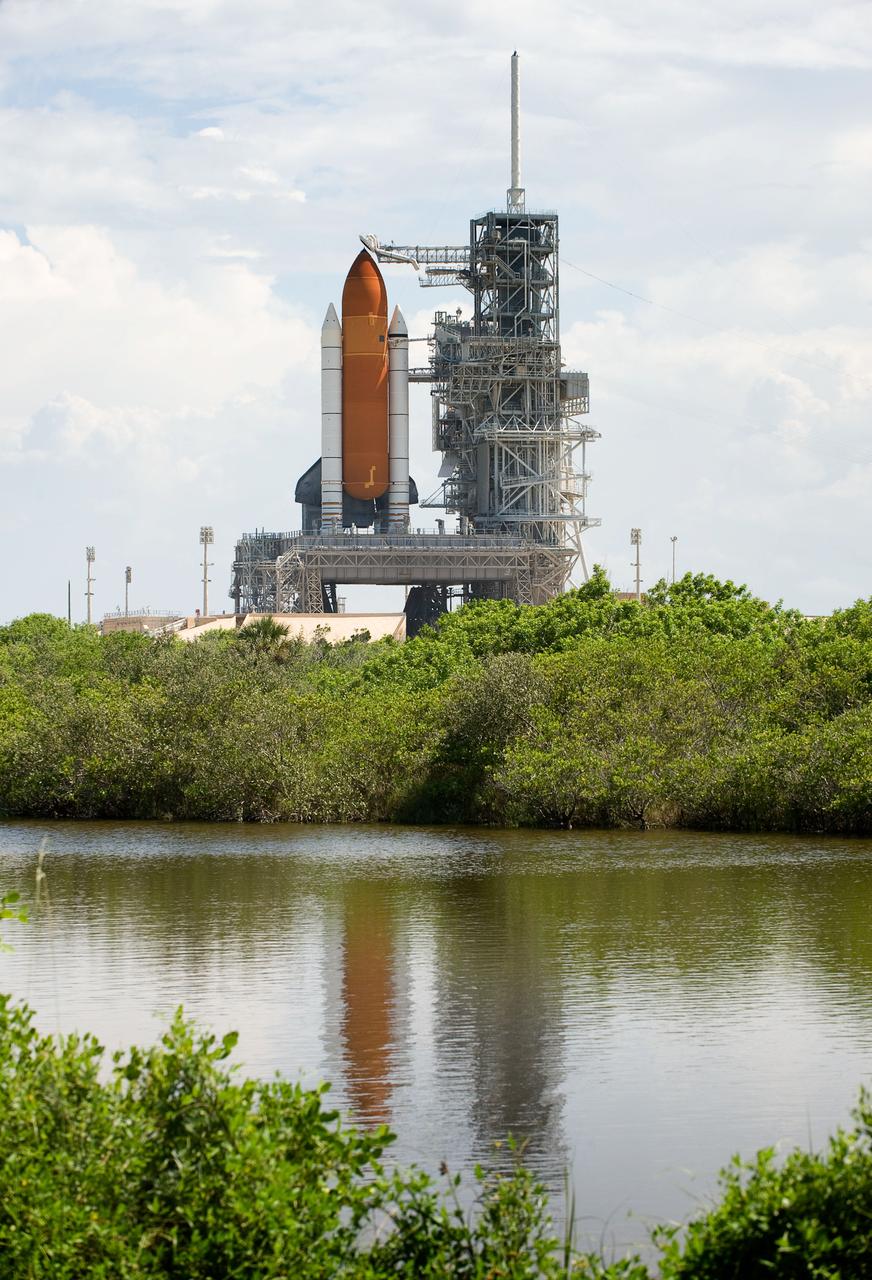
The space shuttle Endeavour is seen at launch pad 39A at NASA's Kennedy Space Center in Cape Canaveral, Florida on Saturday, July 11, 2009. NASA is hopeful that Endeavour will launch with the crew of STS-127 on Sunday. Photo Credit: (NASA/Bill Ingalls)
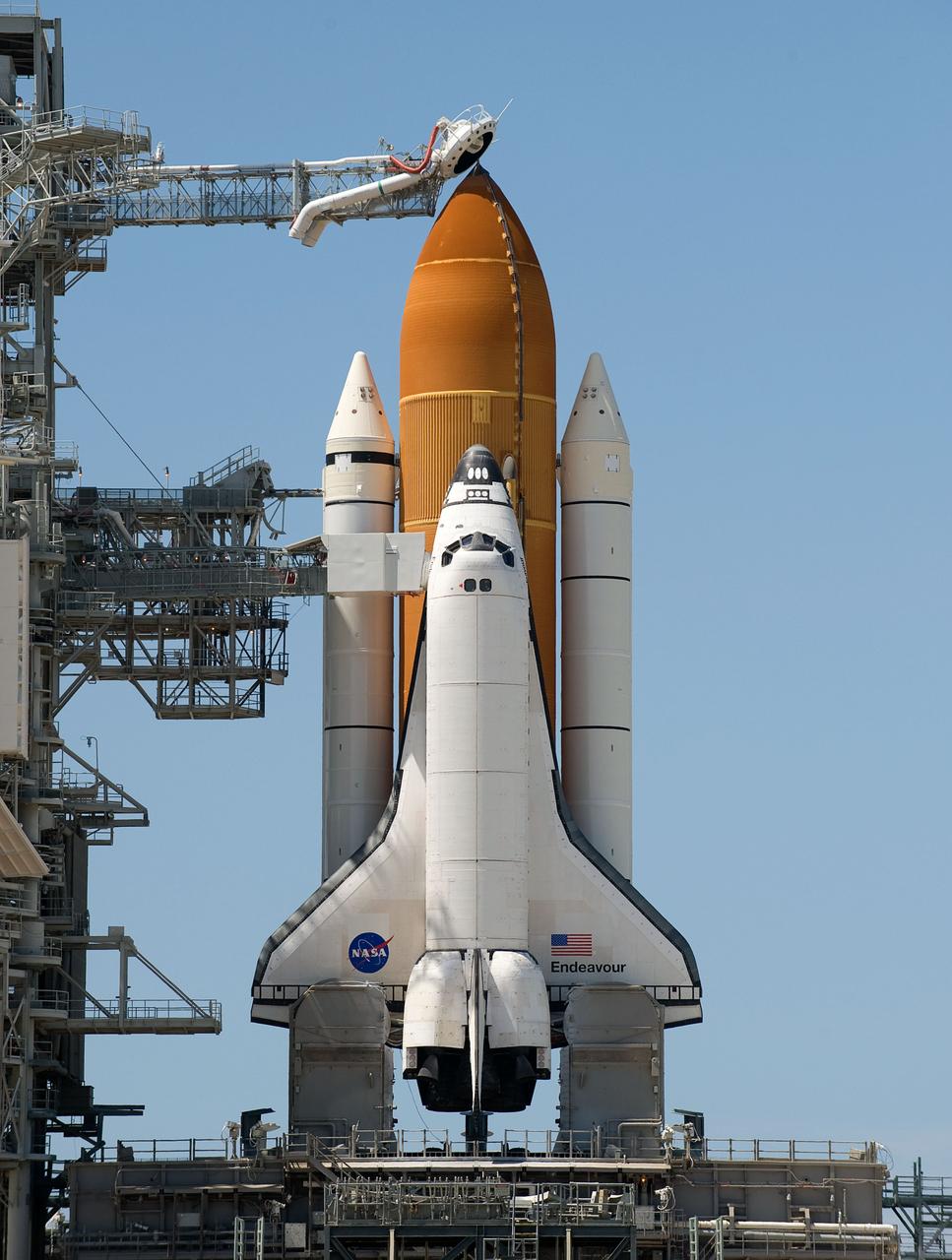
The space shuttle Endeavour is seen at launch pad 39A at NASA's Kennedy Space Center in Cape Canaveral, Florida on Saturday, July 11, 2009. NASA is hopeful that Endeavour will launch with the crew of STS-127 on Sunday. Photo Credit: (NASA/Bill Ingalls)
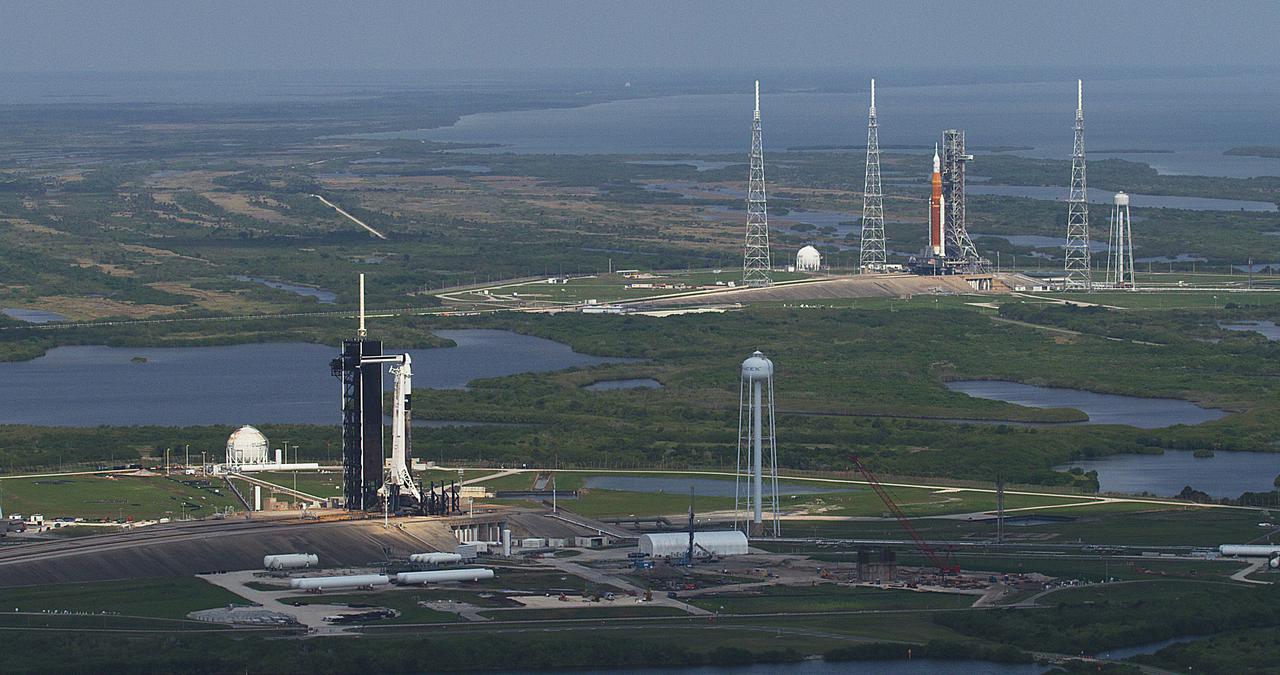
SpaceX’s Axiom-1 is in the foreground on Launch Pad 39A with NASA’s Artemis I in the background on Launch Pad 39B on April 6, 2022. This is the first time two totally different types of rockets and spacecraft designed to carry humans are on the sister pads at the same time—but it won’t be the last as NASA’s Kennedy Space Center in Florida continues to grow as a multi-user spaceport to launch both government and commercial rockets.
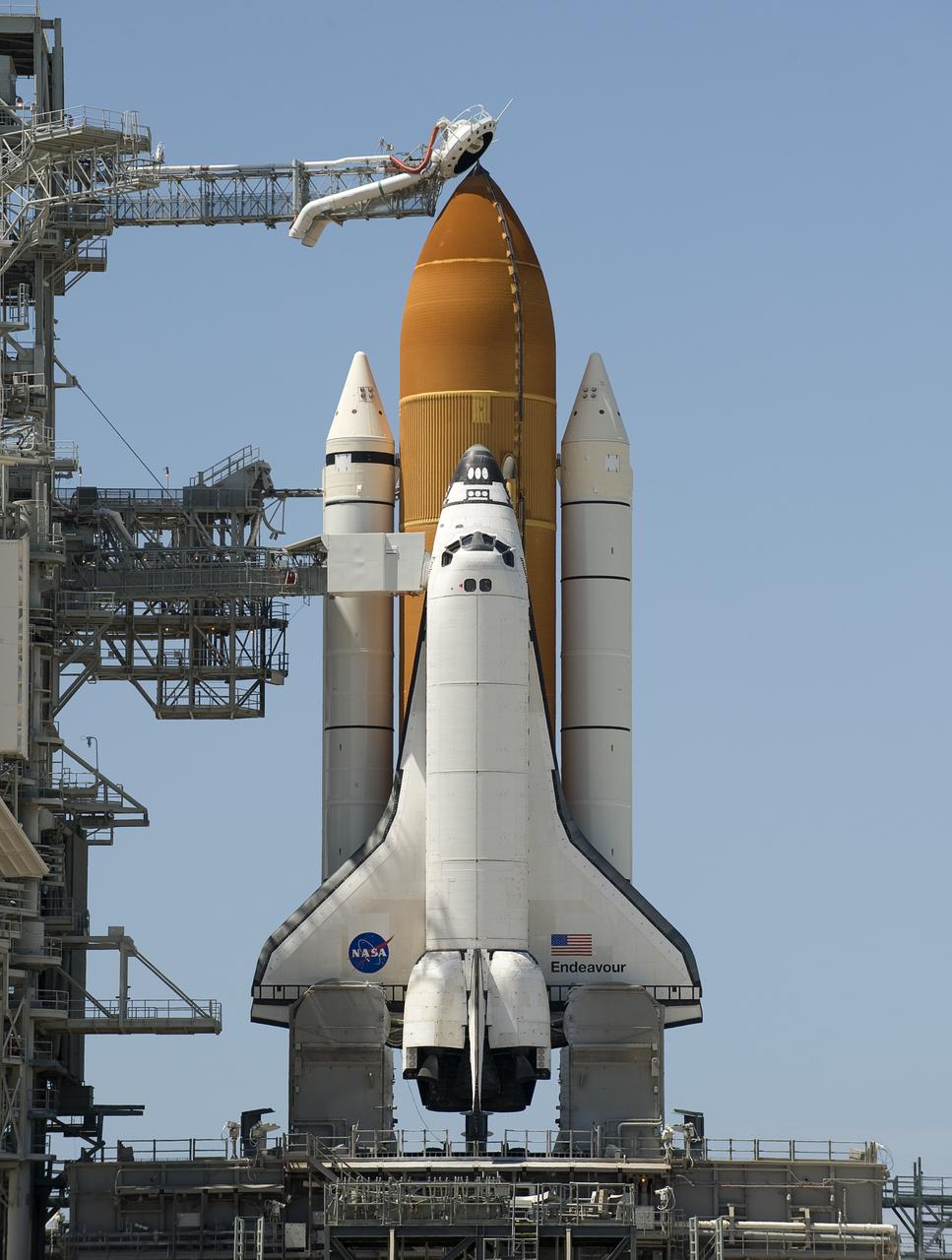
The space shuttle Endeavour is seen at launch pad 39A at NASA's Kennedy Space Center in Cape Canaveral, Florida on Saturday, July 11, 2009. NASA is hopeful that Endeavour will launch with the crew of STS-127 on Sunday. Photo Credit: (NASA/Bill Ingalls)
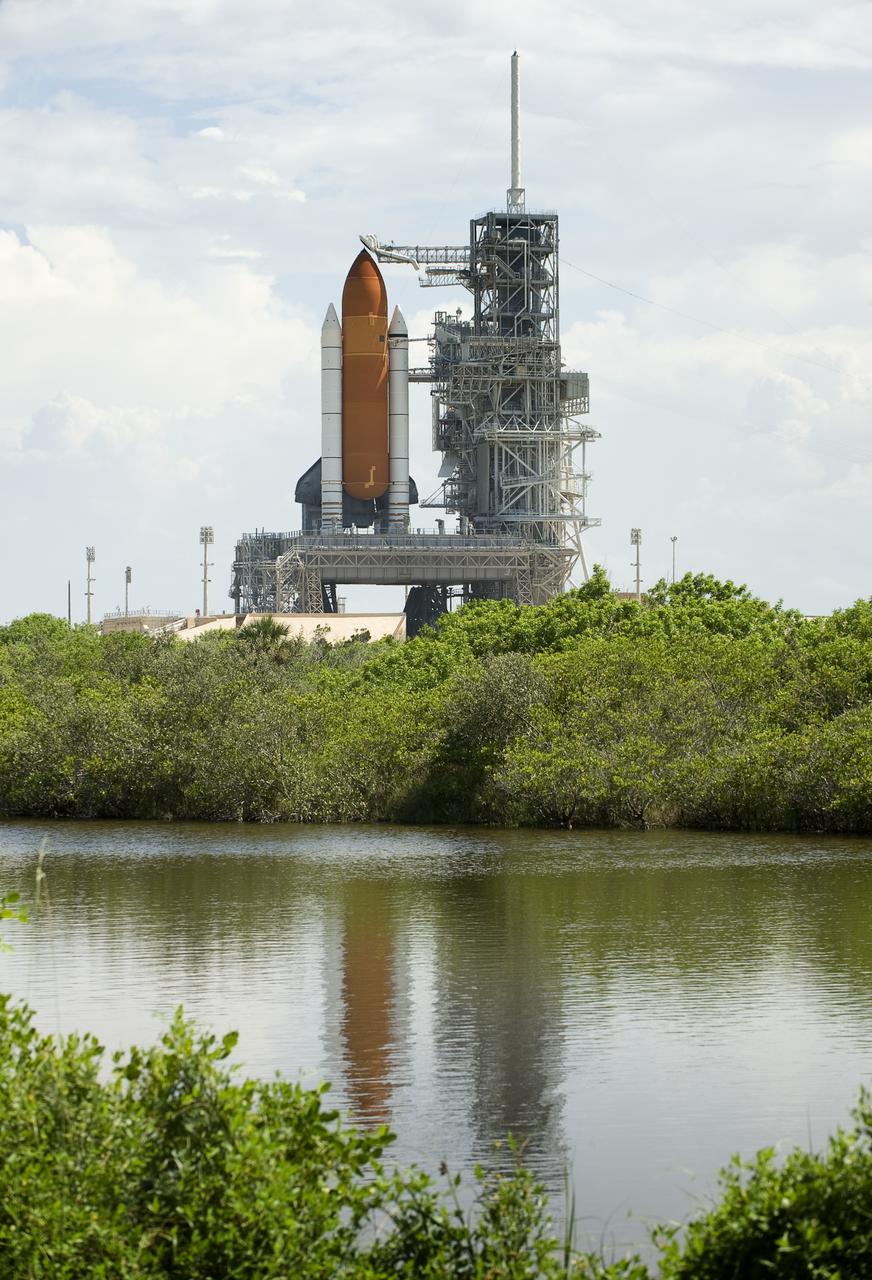
The space shuttle Endeavour is seen at launch pad 39A at NASA's Kennedy Space Center in Cape Canaveral, Florida on Saturday, July 11, 2009. NASA is hopeful that Endeavour will launch with the crew of STS-127 on Sunday. Photo Credit: (NASA/Bill Ingalls)
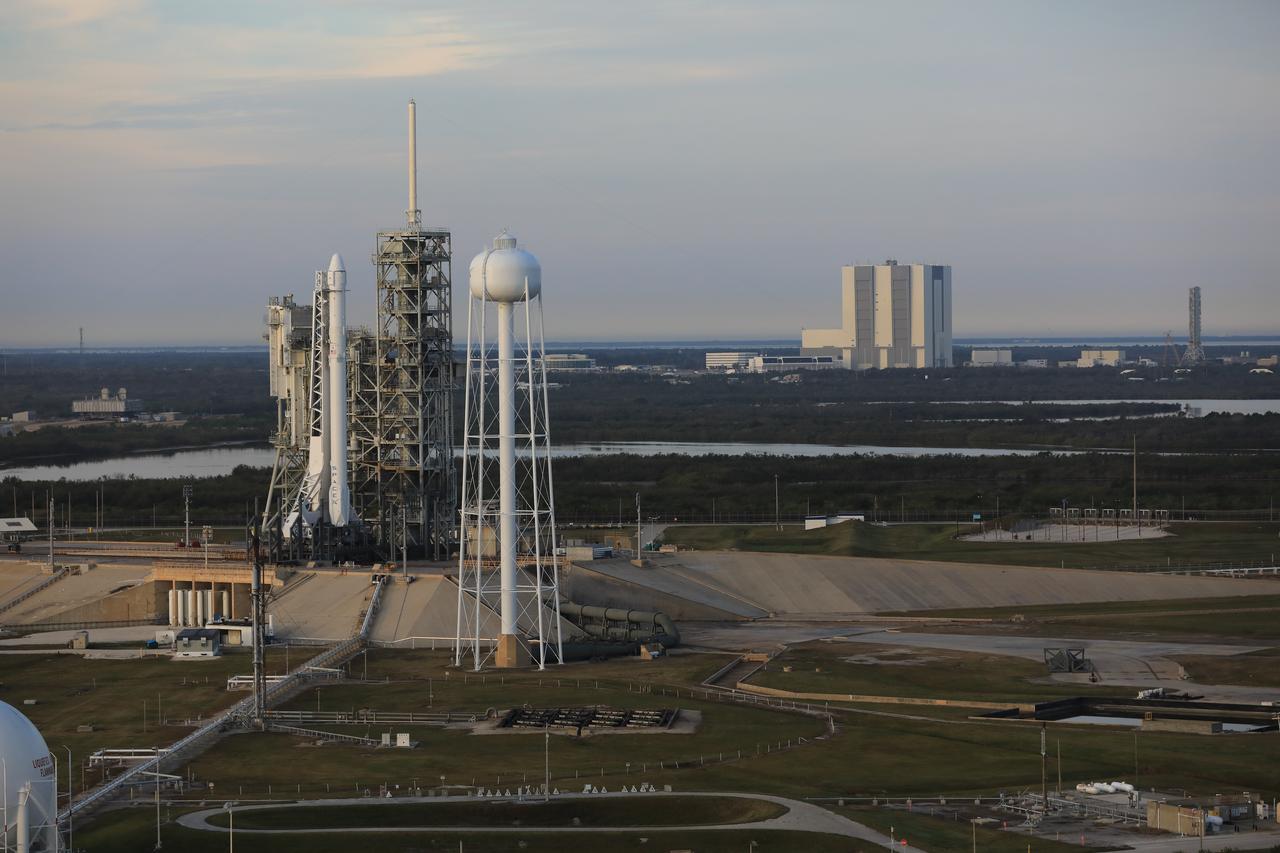
A Falcon 9 rocket stands ready for liftoff at the Kennedy Space Center's Launch Complex 39A. In this aerial view, stands on the launch pad with the Vehicle Assembly Building (VAB) in the background. To the right of the VAB is the mobile launcher that will be used for stacking NASA's Space Launch System rocket which will send the agency's Orion spacecraft on missions beyond low-Earth orbit. The Falcon 9 will boost a Dragon resupply spacecraft to the International Space Station. Liftoff is scheduled for 9:39 a.m. EST. Dragon will bring up 5,500 pounds of supplies, on its 10th commercial resupply services mission to the space station.
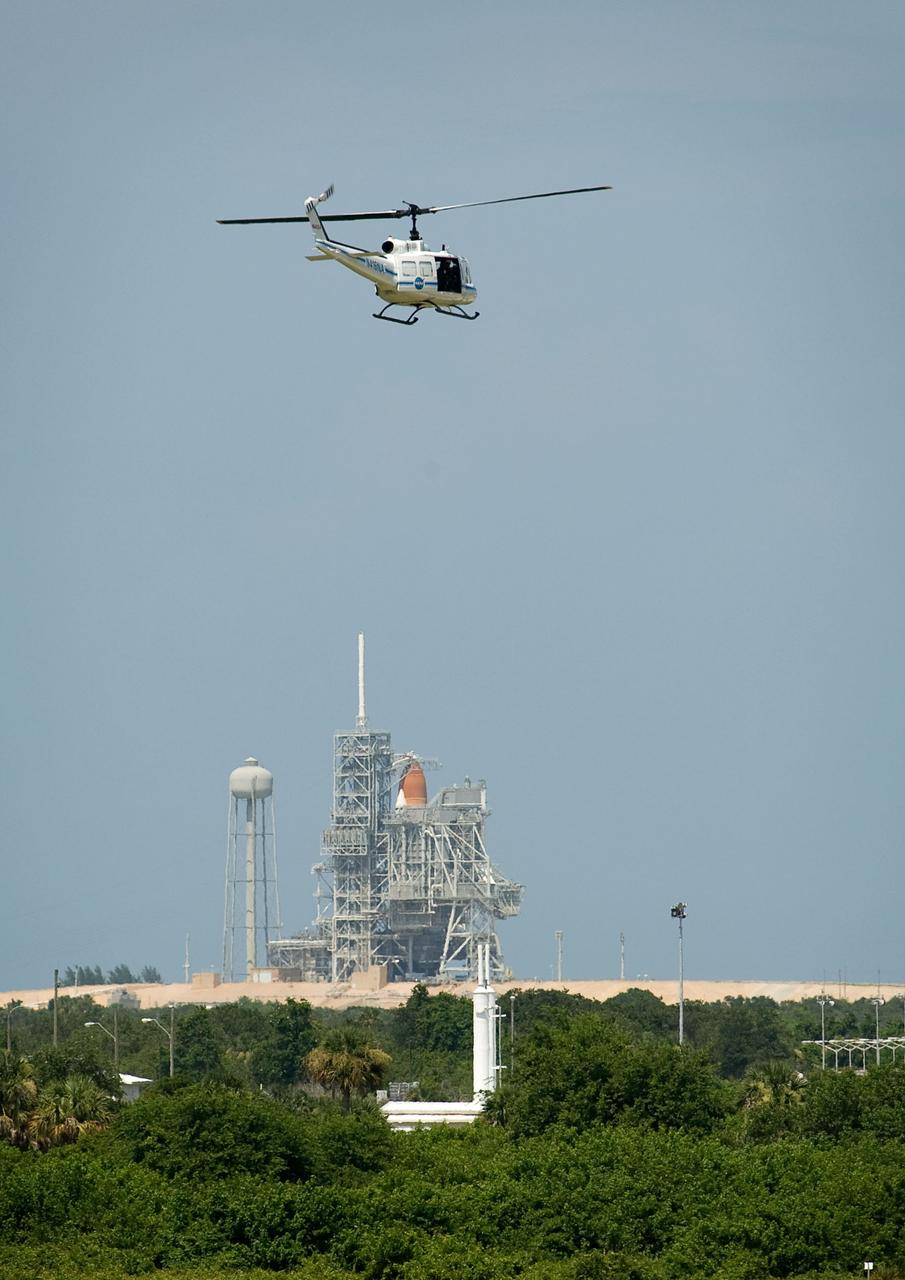
A NASA Security helicopter watches over the Astrovan as it takes the crew of STS-127 to the space shuttle Endeavour at pad 39a at NASA's Kennedy Space Center in Cape Canaveral, Florida, Saturday, July 12, 2009. Endeavour is set to launch at 7:13p.m. EDT with the crew of STS-127 and start a 16-day mission that will feature five spacewalks and complete construction of the Japan Aerospace Exploration Agency's Kibo laboratory. Photo Credit: (NASA/Bill Ingalls)
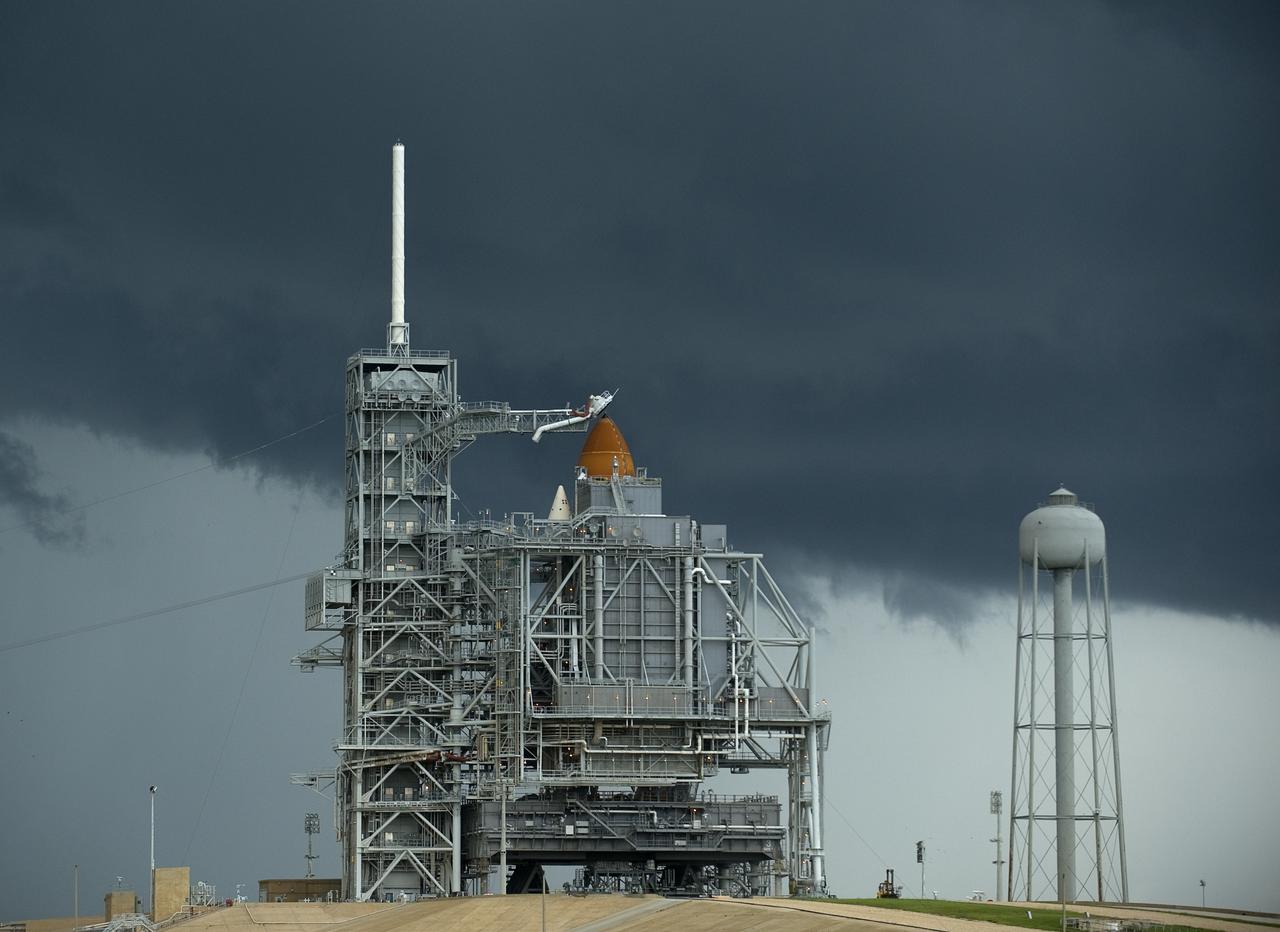
Storm clouds approach Launch Pad 39A at NASA's Kennedy Space Center in Florida on Friday, July 10, 2009 as space shuttle Endeavour stands awaiting Saturday's planned launch of the STS-127 mission. Photo Credit: (NASA/Bill Ingalls)
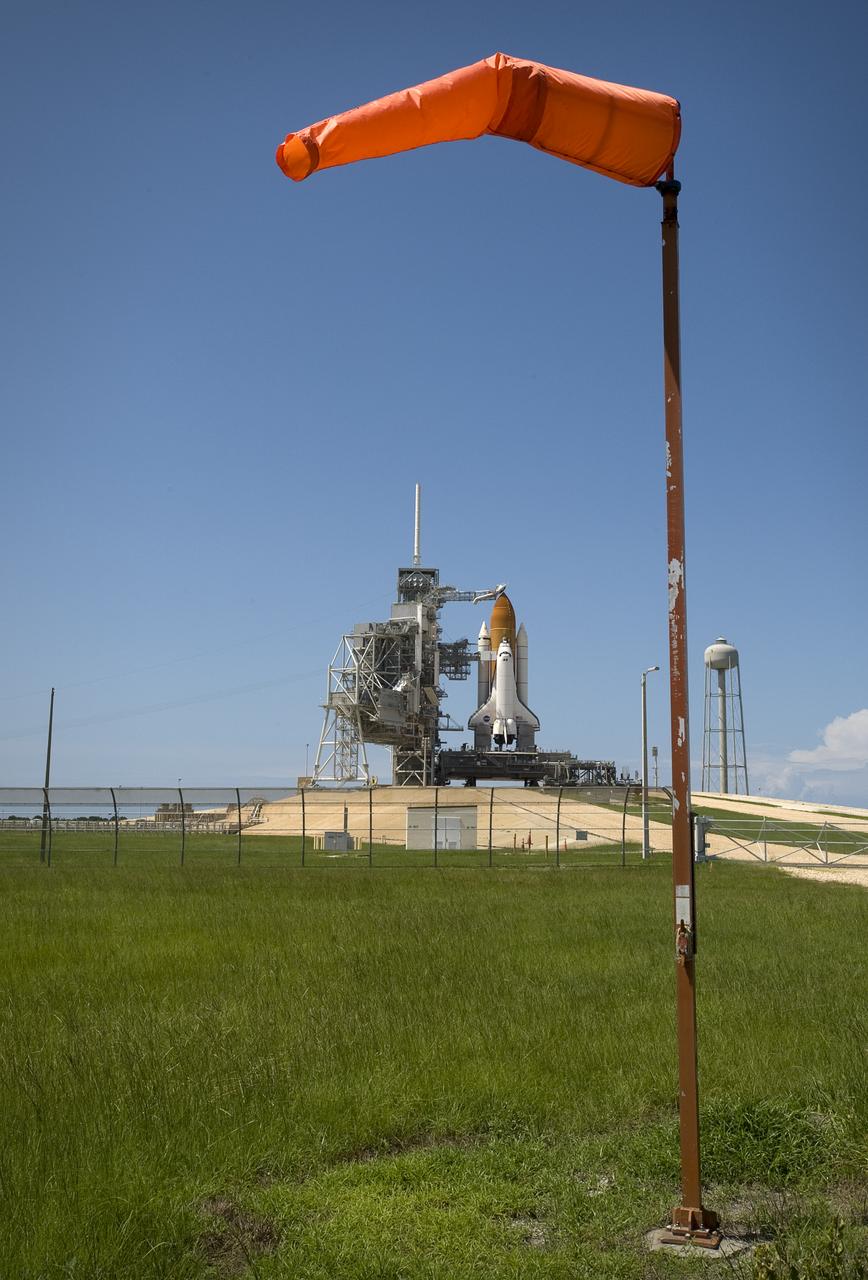
The space shuttle Endeavour is framed by a windsock at launch pad 39A at the NASA Kennedy Space Center in Cape Canaveral, Florida on Saturday, July 11, 2009. NASA is hopeful that Endeavour will launch with the crew of STS-127 on Sunday. Photo Credit: (NASA/Bill Ingalls)
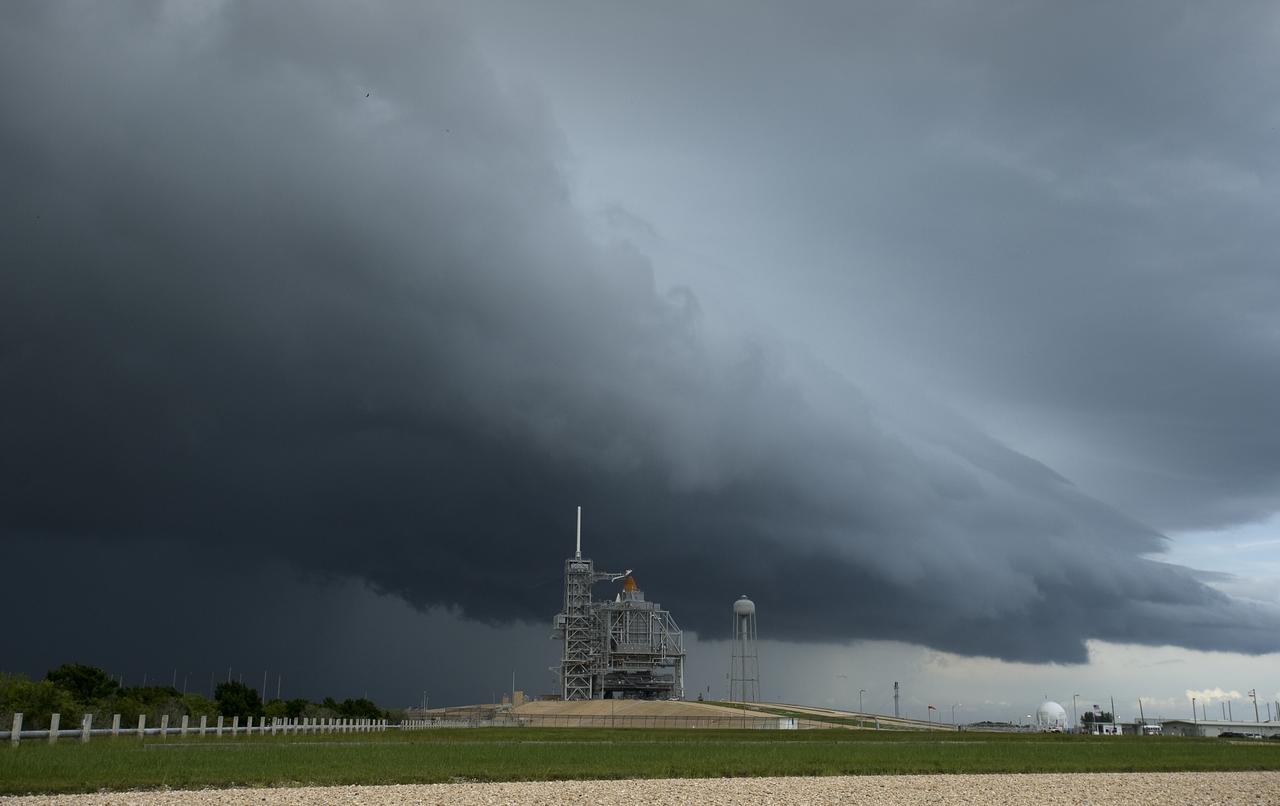
Storm clouds approach Launch Pad 39A at NASA's Kennedy Space Center in Florida on Friday, July 10, 2009 as space shuttle Endeavour stands awaiting Saturday's planned launch of the STS-127 mission. Photo Credit: (NASA/Bill Ingalls)
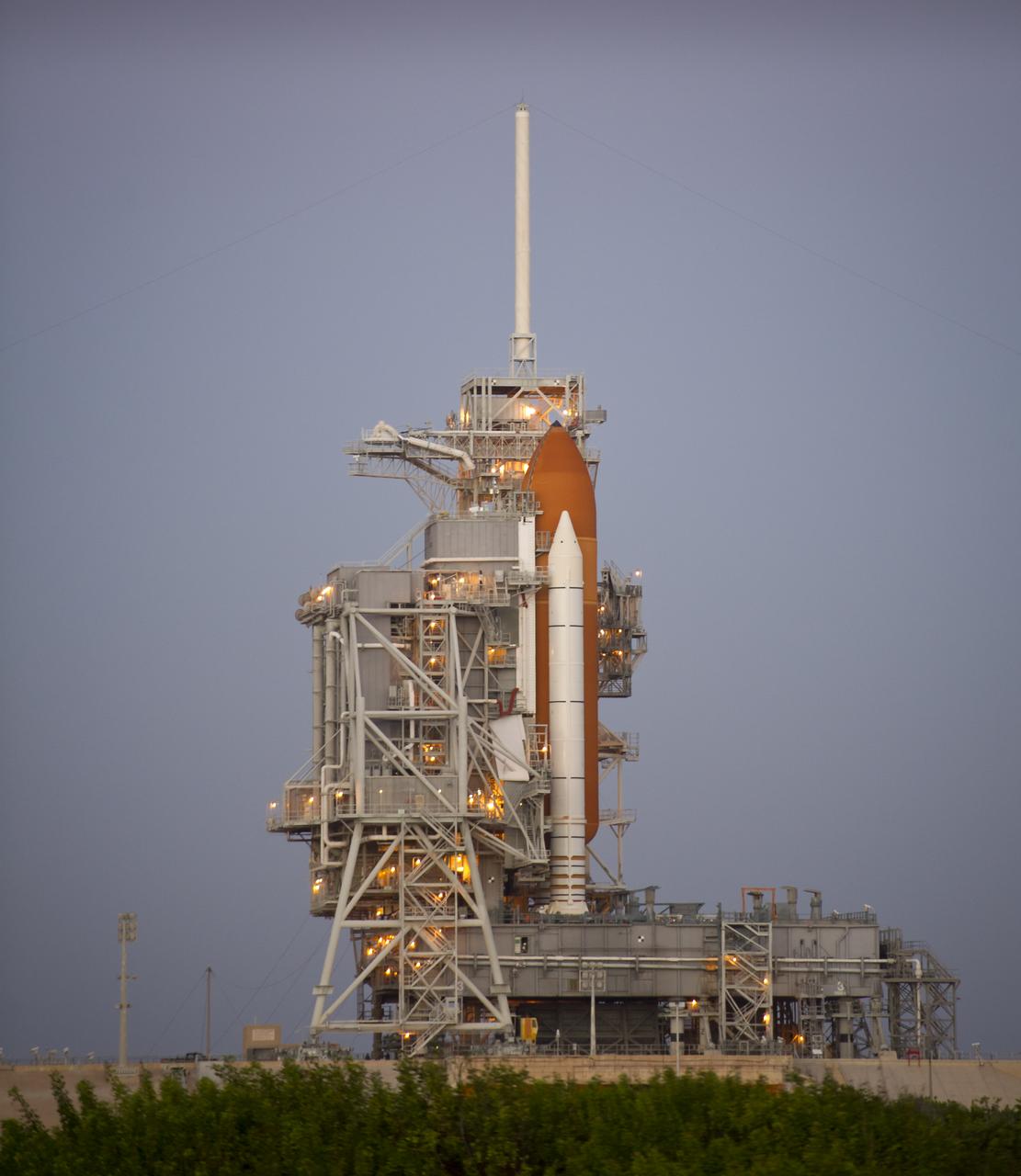
The space shuttle Discovery is seen on launch pad 39a early in the morning of Sunday, Oct. 31, 2010 at the NASA Kennedy Space Center in Cape Canaveral, Fla. During Space Shuttle Discovery's final spaceflight, the STS-133 crew members will take important spare parts to the International Space Station along with the Express Logistics Carrier-4. Discovery is targeted for launch at 3:52 p.m. Wednesday, Nov. 3, 2010. Photo Credit: (NASA/Bill Ingalls)

The space shuttle Atlantis is seen on launch pad 39a of the NASA Kennedy Space Center shortly after the rotating service structure was rolled back, Sunday, Nov. 15, 2009, Cape Canaveral, FL. Atlantis is scheduled to launch at 2:28p.m. EST, Monday, Nov. 16, 2009. Photo Credit: (NASA/Bill Ingalls)
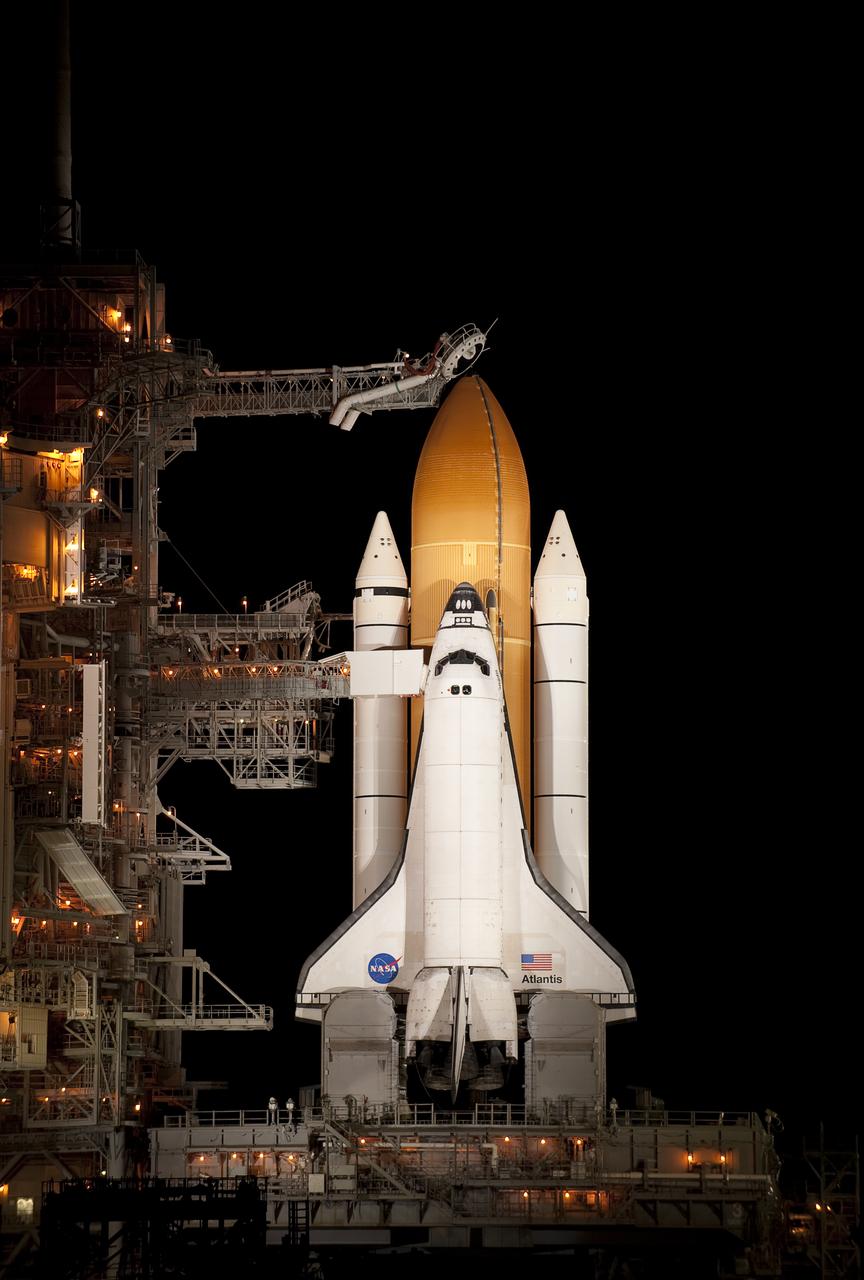
The space shuttle Atlantis is seen on launch pad 39a of the NASA Kennedy Space Center shortly after the rotating service structure was rolled back, Sunday, Nov. 15, 2009, Cape Canaveral, FL. Atlantis is scheduled to launch at 2:28p.m. EST, Monday, Nov. 16, 2009. Photo Credit: (NASA/Bill Ingalls)
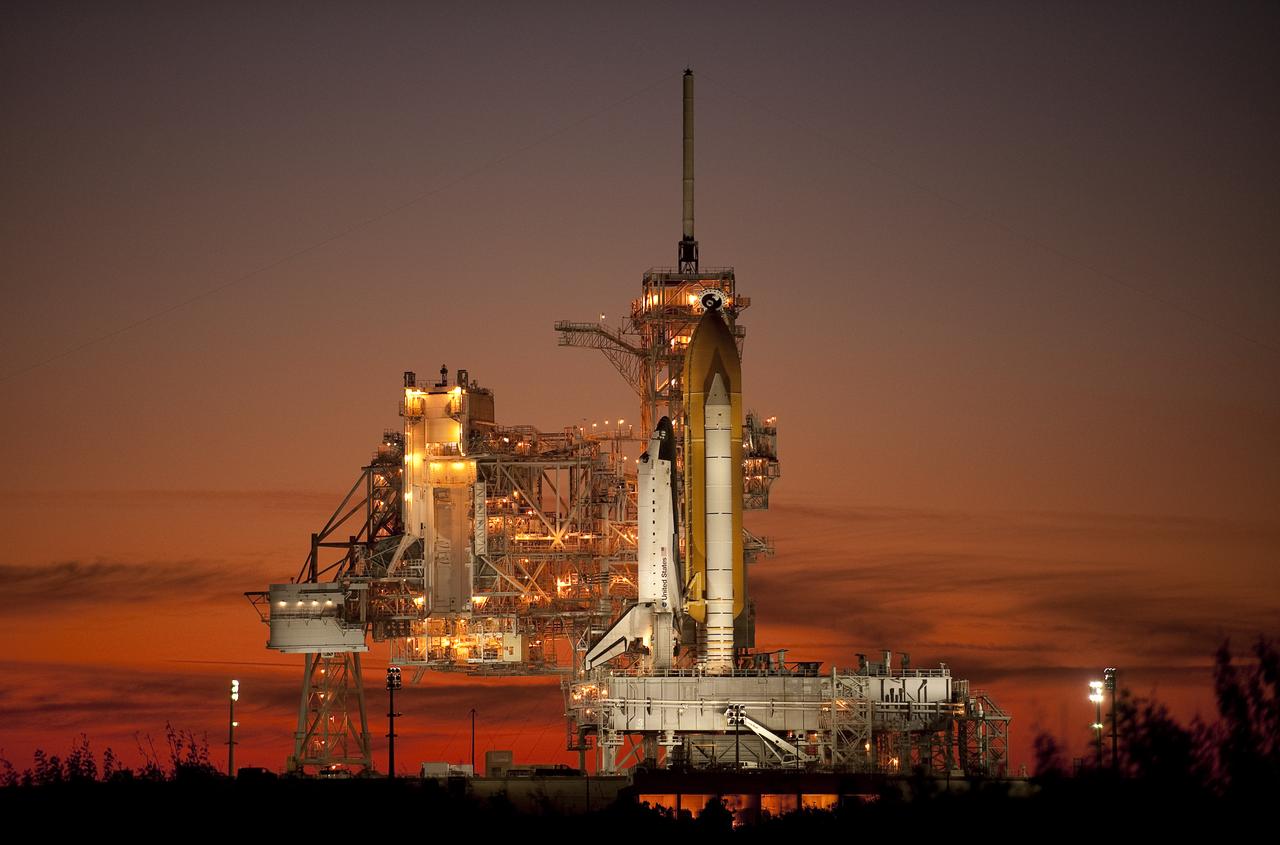
The space shuttle Atlantis is seen on launch pad 39a of the NASA Kennedy Space Center shortly after the rotating service structure was rolled back, Sunday, Nov. 15, 2009, Cape Canaveral, FL. Atlantis is scheduled to launch at 2:28p.m. EST, Monday, Nov. 16, 2009. Photo Credit: (NASA/Bill Ingalls)
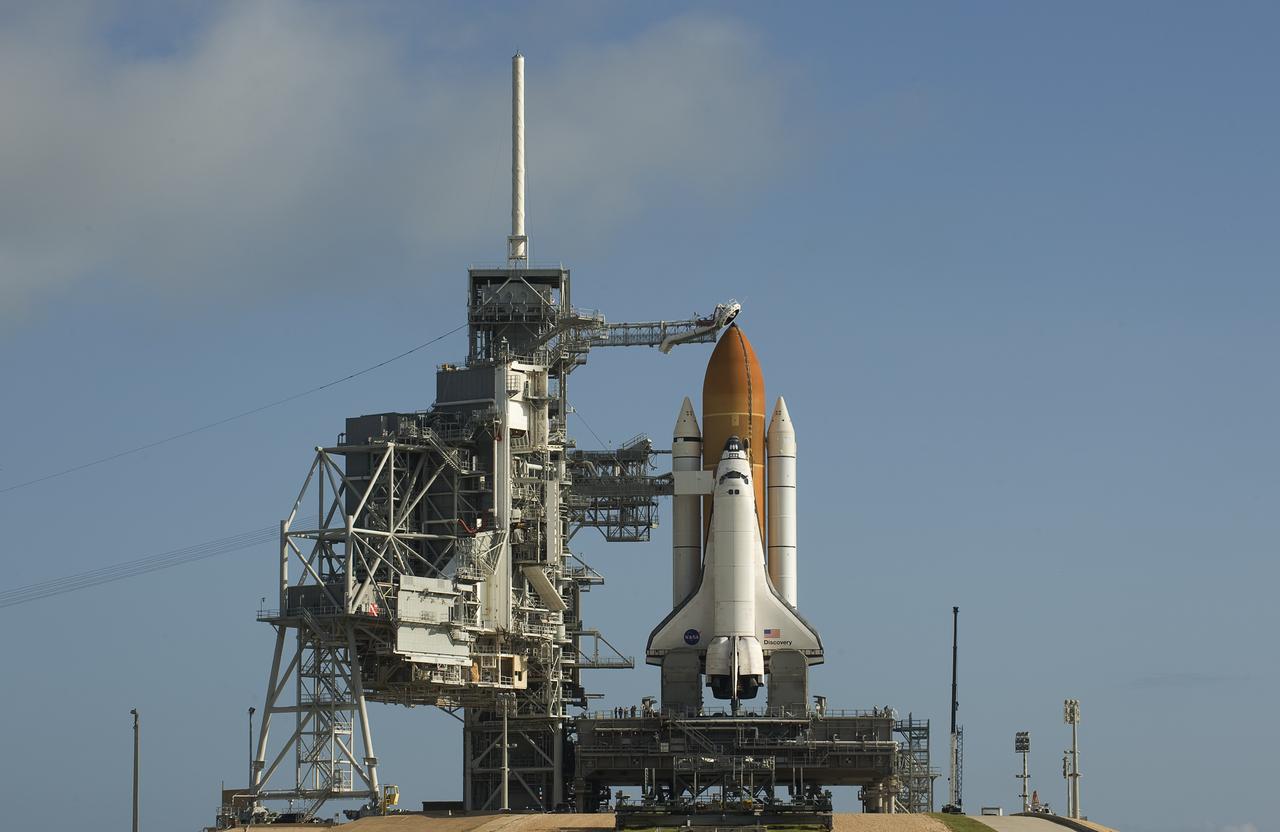
The space shuttle Discovery is poised for liftoff on the STS-128 mission from pad 39a at the Kennedy Space Center in Cape Canaveral, Fla., Monday, Aug. 24, 2009. Discovery is scheduled to launch early Tuesday morning. Photo Credit: (NASA/Bill Ingalls)
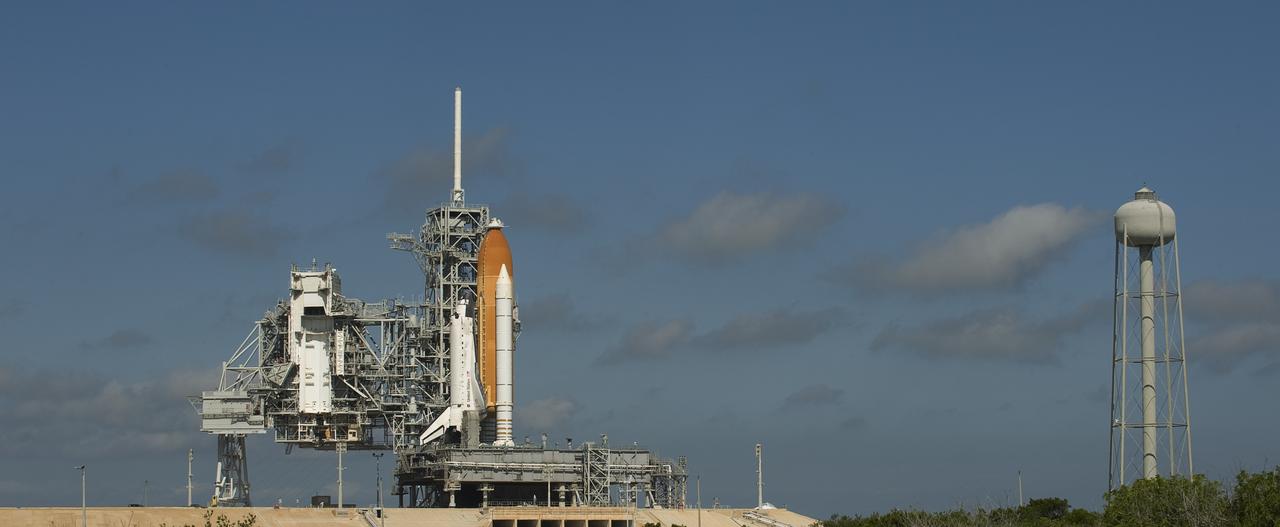
The space shuttle Discovery is poised for liftoff on the STS-128 mission from pad 39a at the Kennedy Space Center in Cape Canaveral, Fla., Monday, Aug. 24, 2009. Discovery is scheduled to launch early Tuesday morning. Photo Credit: (NASA/Bill Ingalls)
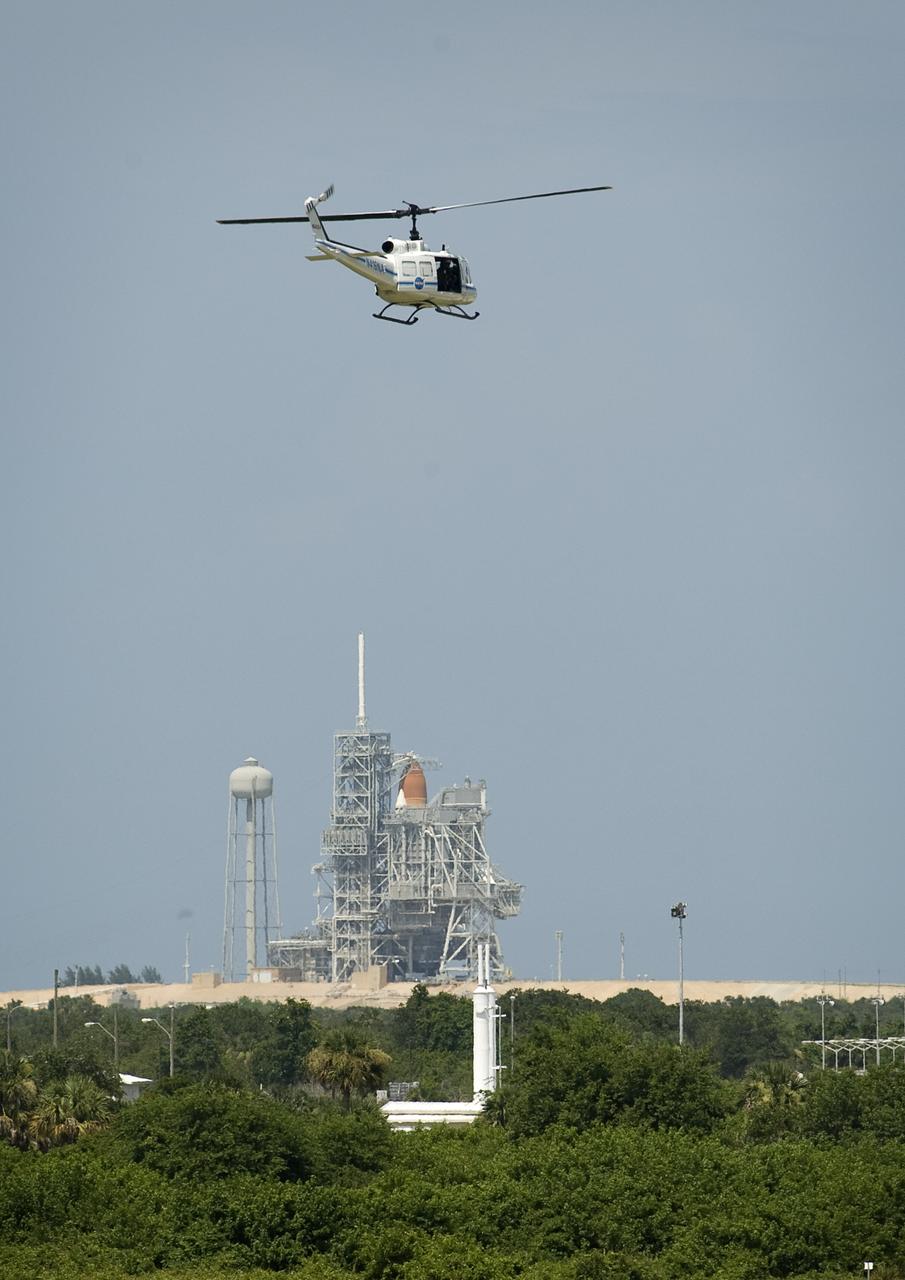
A NASA Security helicopter watches over the Astrovan as it takes the crew of STS-127 to the space shuttle Endeavour at pad 39a at NASA's Kennedy Space Center in Cape Canaveral, Florida, Sunday, July 12, 2009. Endeavour is set to launch at 7:13p.m. EDT with the crew of STS-127 and start a 16-day mission that will feature five spacewalks and complete construction of the Japan Aerospace Exploration Agency's Kibo laboratory. Photo Credit: (NASA/Bill Ingalls)
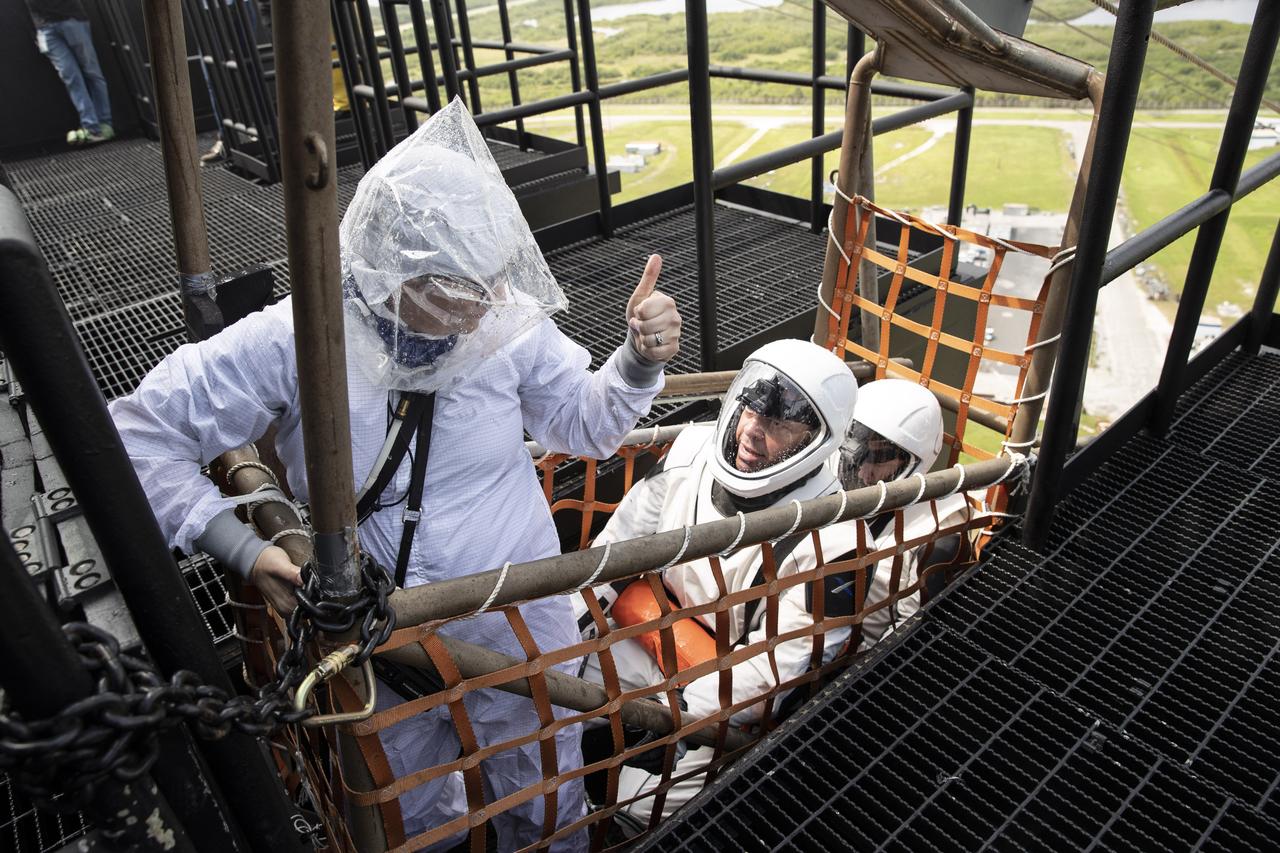
NASA and SpaceX conducted a formal verification of the company’s emergency escape system on Sept. 18, 2019, at Kennedy Space Center’s Launch Complex 39A in Florida. From left, NASA astronauts Shannon Walker and Bob Behnken participated in the exercise to verify the crew can safely and quickly evacuate from the launch pad in the unlikely event of an emergency before liftoff of SpaceX’s first crewed flight test, called Demo-2. At tower level on the pad, Walker and Behnken practiced loading into a slidewire basket and simulating an emergency escape to ground level. As Boeing and SpaceX begin to make regular flights to the International Space Station for NASA’s Commercial Crew Program, the agency will continue to advance its mission to go beyond low-Earth orbit and establish a human presence on the Moon with the ultimate goal of sending astronauts to Mars.
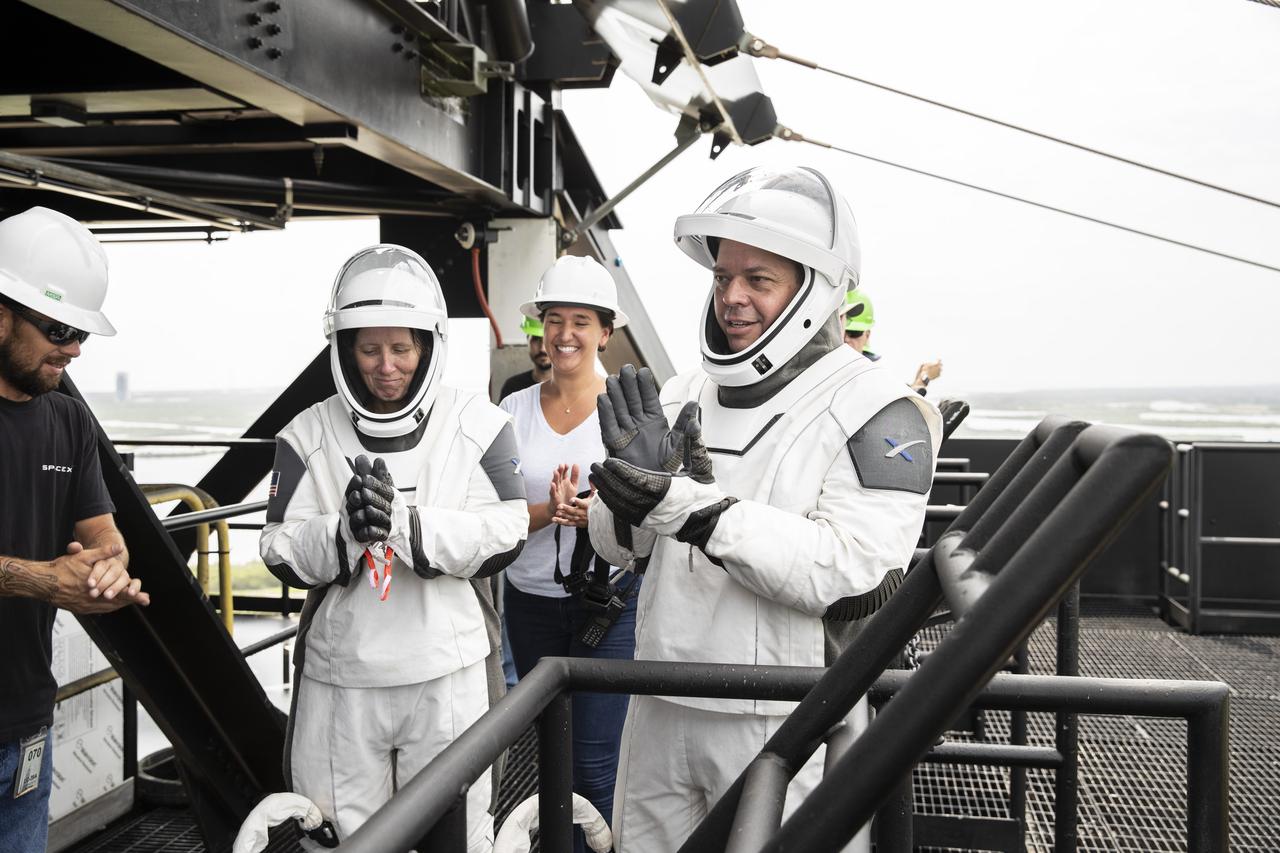
NASA and SpaceX conducted a formal verification of the company’s emergency escape system on Sept. 18, 2019, at Kennedy Space Center’s Launch Complex 39A in Florida. From left, NASA astronauts Shannon Walker and Bob Behnken participated in the exercise to verify the crew can safely and quickly evacuate from the launch pad in the unlikely event of an emergency before liftoff of SpaceX’s first crewed flight test, called Demo-2. At tower level on the pad, Walker and Behnken practiced loading into slidewire baskets and simulating an emergency escape to ground level. As Boeing and SpaceX begin to make regular flights to the International Space Station for NASA’s Commercial Crew Program, the agency will continue to advance its mission to go beyond low-Earth orbit and establish a human presence on the Moon with the ultimate goal of sending astronauts to Mars.
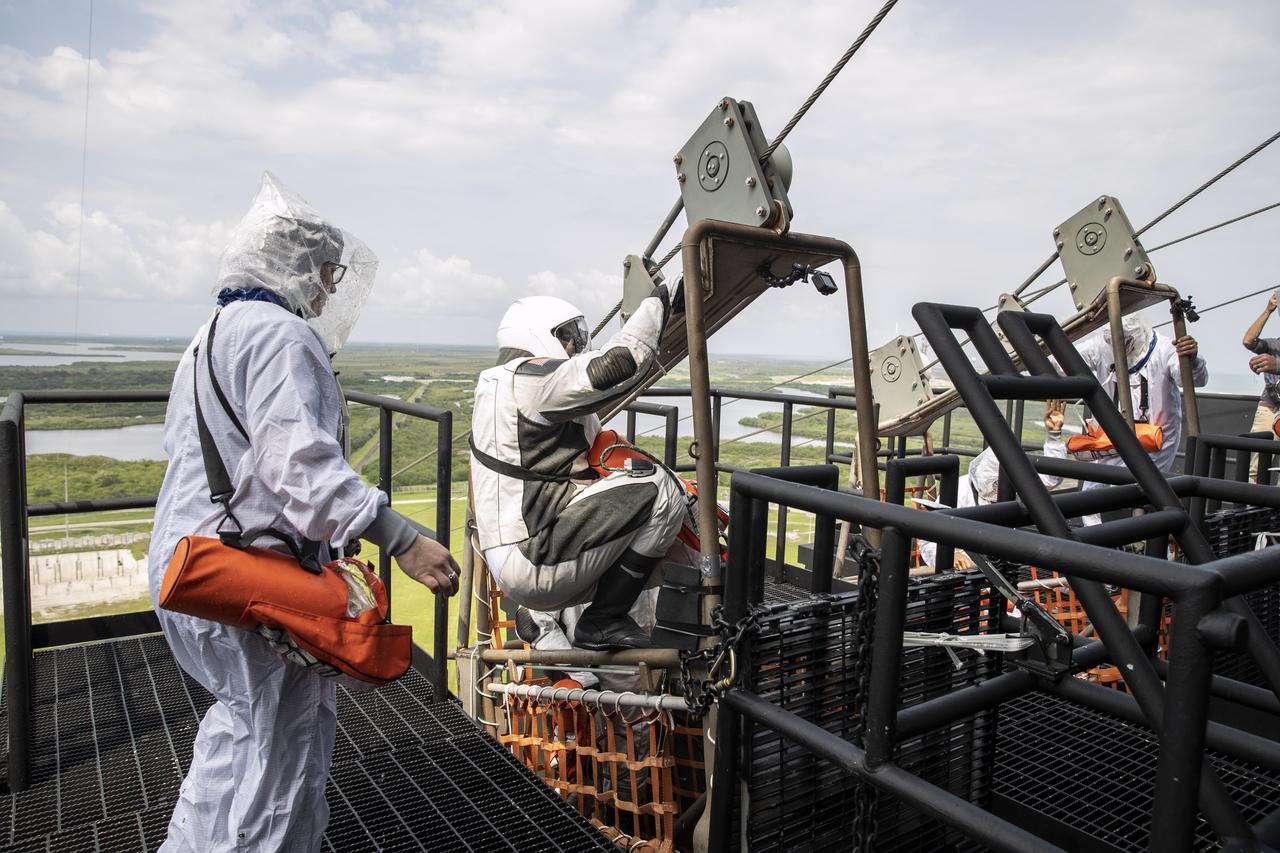
NASA and SpaceX conducted a formal verification of the company’s emergency escape system on Sept. 18, 2019, at Kennedy Space Center’s Launch Complex 39A in Florida. NASA astronauts Shannon Walker and Bob Behnken participated in the exercise to verify the crew can safely and quickly evacuate from the launch pad in the unlikely event of an emergency before liftoff of SpaceX’s first crewed flight test, called Demo-2. At tower level on the pad, Behnken practiced loading into a slidewire basket and simulating an emergency escape to ground level. As Boeing and SpaceX begin to make regular flights to the International Space Station for NASA’s Commercial Crew Program, the agency will continue to advance its mission to go beyond low-Earth orbit and establish a human presence on the Moon with the ultimate goal of sending astronauts to Mars.
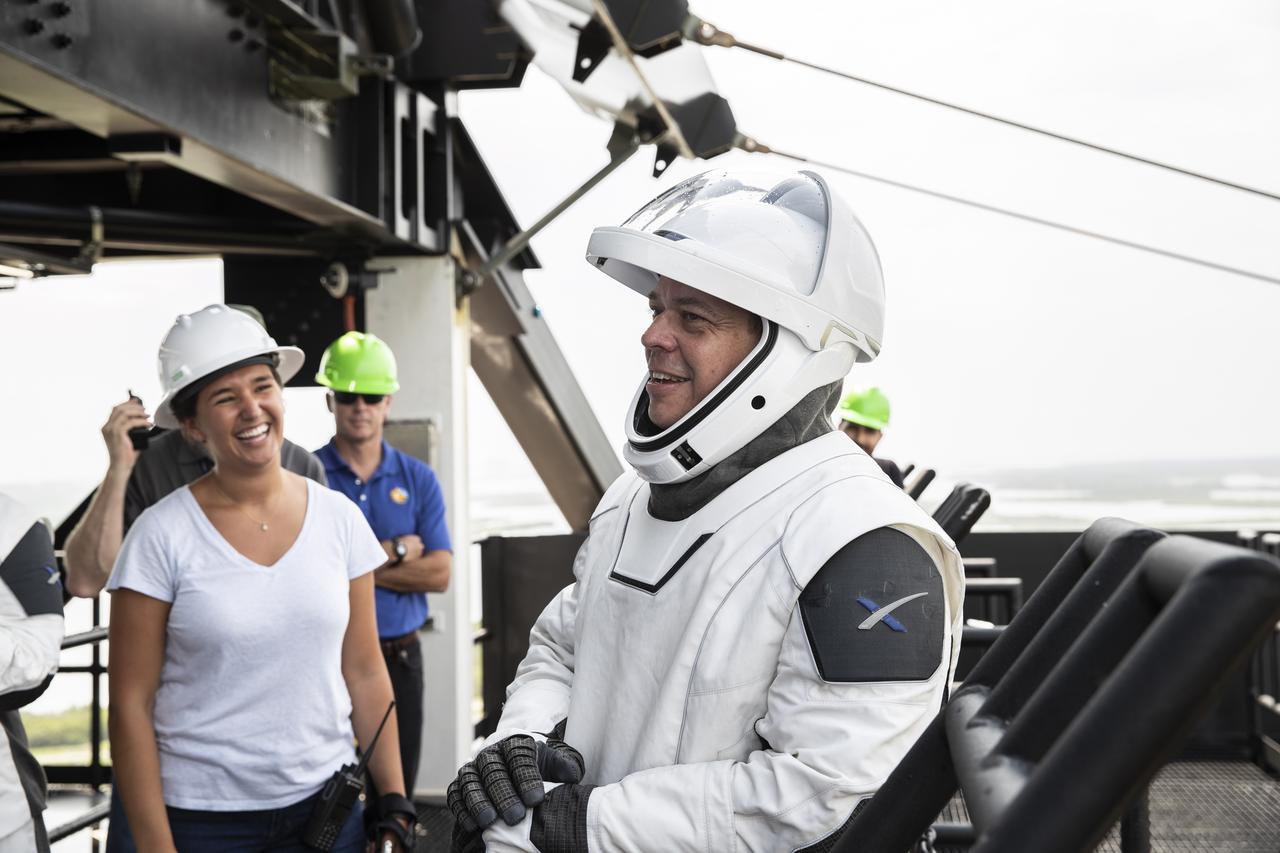
NASA and SpaceX conducted a formal verification of the company’s emergency escape system on Sept. 18, 2019, at Kennedy Space Center’s Launch Complex 39A in Florida. NASA astronaut Bob Behnken participated in the exercise to verify the crew can safely and quickly evacuate from the launch pad in the unlikely event of an emergency before liftoff of SpaceX’s first crewed flight test, called Demo-2. At tower level on the pad, Behnken practiced loading into a slidewire basket and simulating an emergency escape to ground level. As Boeing and SpaceX begin to make regular flights to the International Space Station for NASA’s Commercial Crew Program, the agency will continue to advance its mission to go beyond low-Earth orbit and establish a human presence on the Moon with the ultimate goal of sending astronauts to Mars.
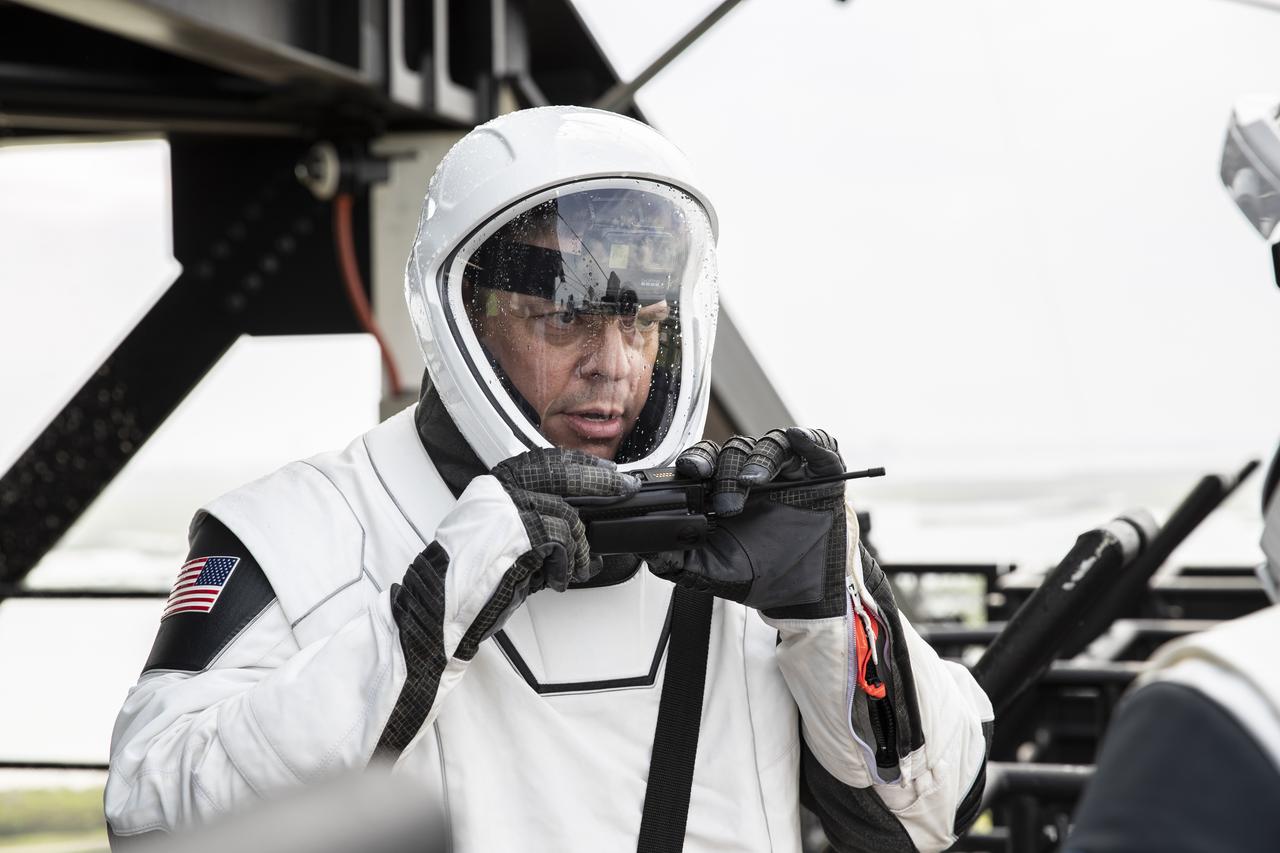
NASA and SpaceX conducted a formal verification of the company’s emergency escape system on Sept. 18, 2019, at Kennedy Space Center’s Launch Complex 39A in Florida. NASA astronaut Bob Behnken participated in the exercise to verify the crew can safely and quickly evacuate from the launch pad in the unlikely event of an emergency before liftoff of SpaceX’s first crewed flight test, called Demo-2. As Boeing and SpaceX begin to make regular flights to the International Space Station for NASA’s Commercial Crew Program, the agency will continue to advance its mission to go beyond low-Earth orbit and establish a human presence on the Moon with the ultimate goal of sending astronauts to Mars.

A Falcon 9 rocket stands ready for liftoff at the Kennedy Space Center's Launch Complex 39A. The historic launch site now is operated by SpaceX under a property agreement signed with NASA. The rocket will boost a Dragon resupply spacecraft to the International Space Station. Liftoff is scheduled for 10:01 a.m. EST on Feb. 18. On its 10th commercial resupply services mission to the space station, Dragon will bring up 5,000 pounds of supplies, such as the Stratospheric Aerosol and Gas Experiment (SAGE) III instrument to further study ozone in the atmosphere. Once mounted on the space station, SAGE III will measure the Earth’s sunscreen, or ozone, along with other gases and aerosols, or tiny particles in the atmosphere.
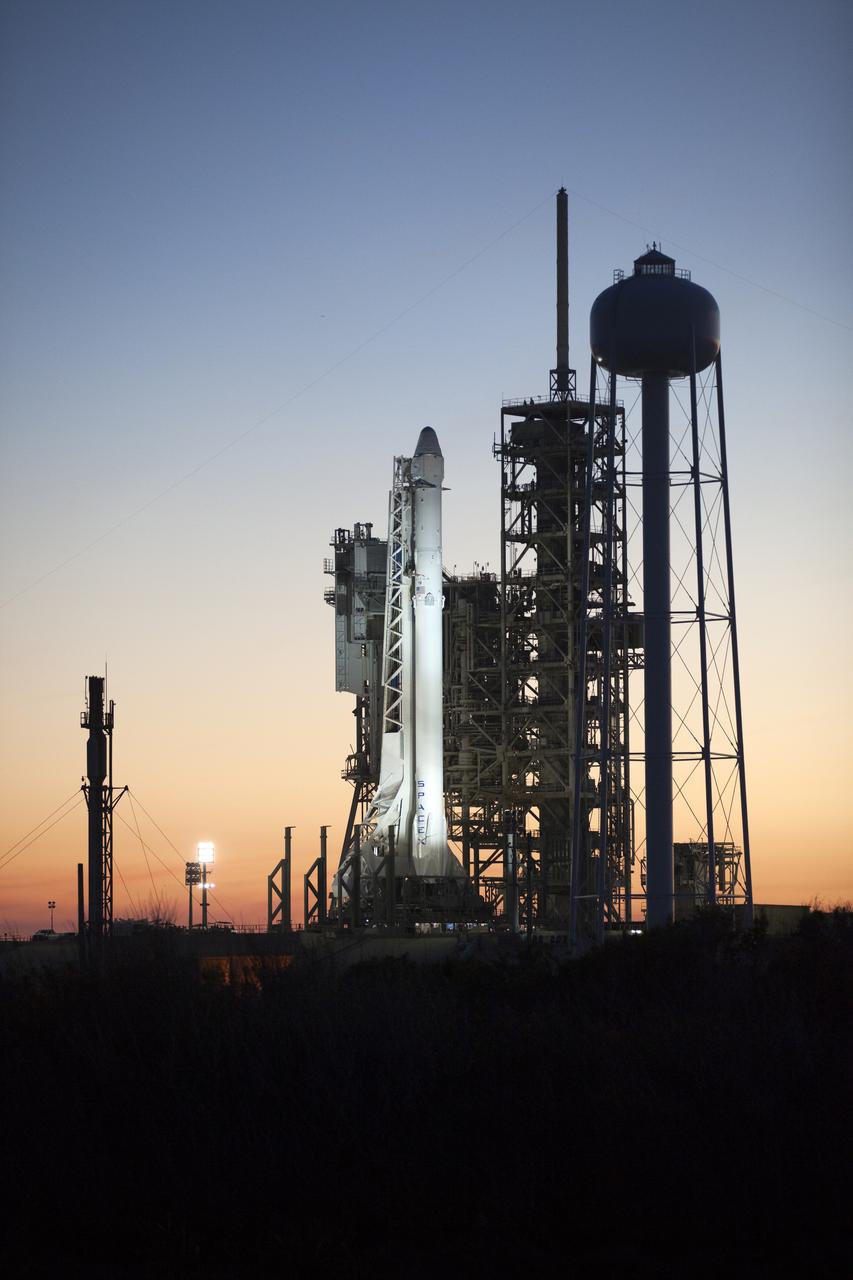
A Falcon 9 rocket stands ready for liftoff at the Kennedy Space Center's Launch Complex 39A. The historic launch site now is operated by SpaceX under a property agreement signed with NASA. The rocket will boost a Dragon resupply spacecraft to the International Space Station. Liftoff is scheduled for 10:01 a.m. EST on Feb. 18. On its 10th commercial resupply services mission to the space station, Dragon will bring up 5,000 pounds of supplies, such as the Stratospheric Aerosol and Gas Experiment (SAGE) III instrument to further study ozone in the atmosphere. Once mounted on the space station, SAGE III will measure the Earth’s sunscreen, or ozone, along with other gases and aerosols, or tiny particles in the atmosphere.
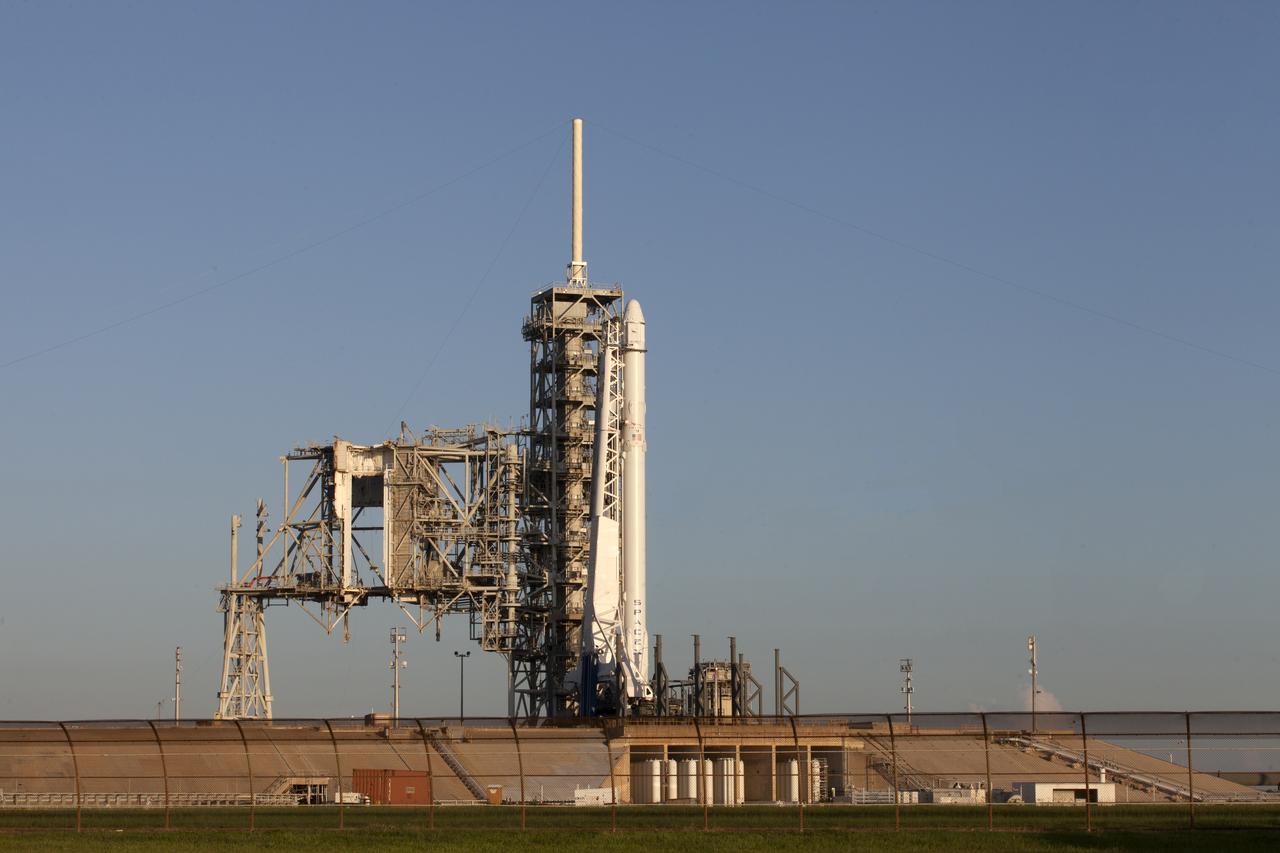
As a Falcon 9 rocket stands ready for liftoff at the Kennedy Space Center's Launch Complex 39A. The rocket will boost a Dragon resupply spacecraft to the International Space Station. Liftoff is scheduled for 12:31 p.m. EDT. On its 12th commercial resupply services mission to the space station, Dragon will bring up more than 6,400 pounds of supplies. The historic launch site now is operated by SpaceX under a property agreement signed with NASA.
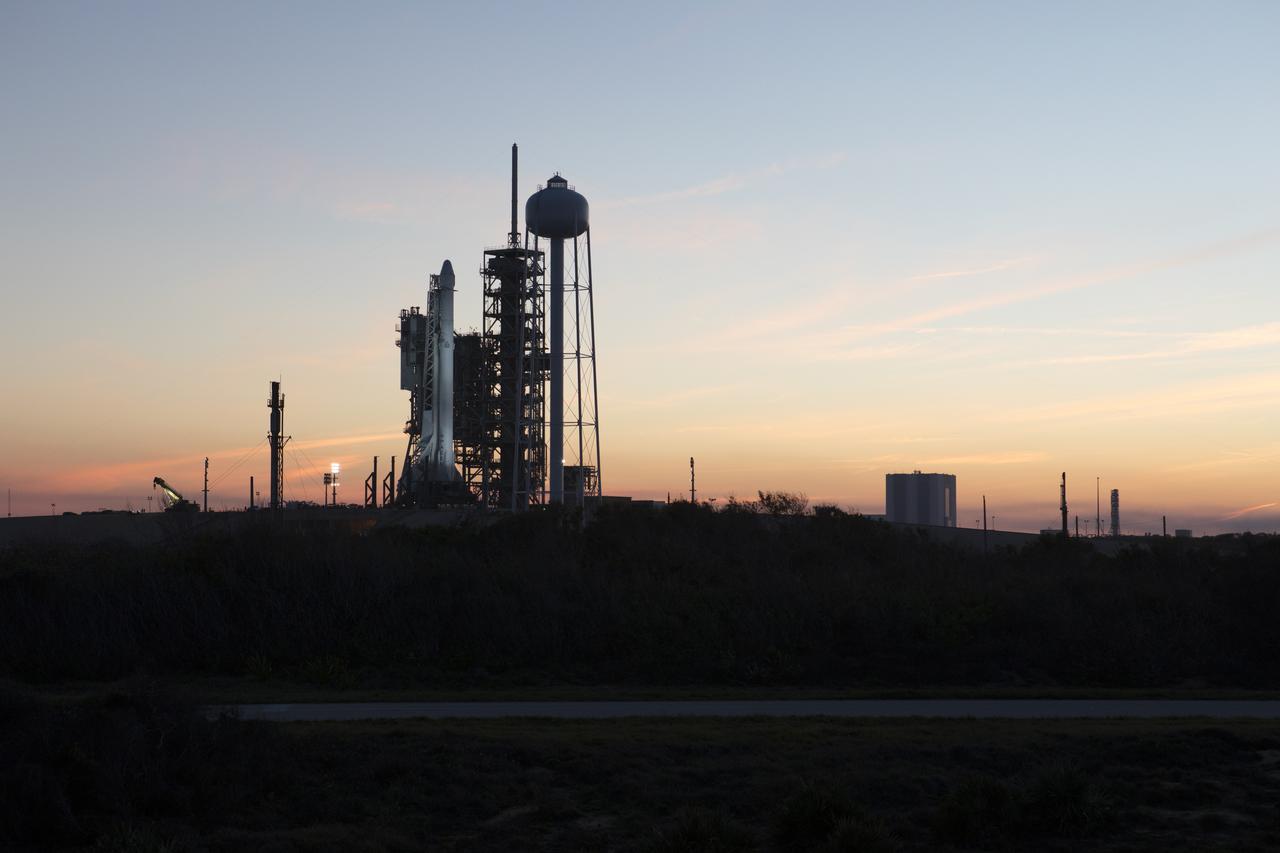
As sun sets, a Falcon 9 rocket stands ready for liftoff at the Kennedy Space Center's Launch Complex 39A. The historic launch site now is operated by SpaceX under a property agreement signed with NASA. In the background is the Vehicle Assembly Building. The rocket will boost a Dragon resupply spacecraft to the International Space Station. Liftoff is scheduled for 10:01 a.m. EST on Feb. 18. On its 10th commercial resupply services mission to the space station, Dragon will bring up 5,000 pounds of supplies, such as the Stratospheric Aerosol and Gas Experiment (SAGE) III instrument to further study ozone in the atmosphere. Once mounted on the space station, SAGE III will measure the Earth’s sunscreen, or ozone, along with other gases and aerosols, or tiny particles in the atmosphere.
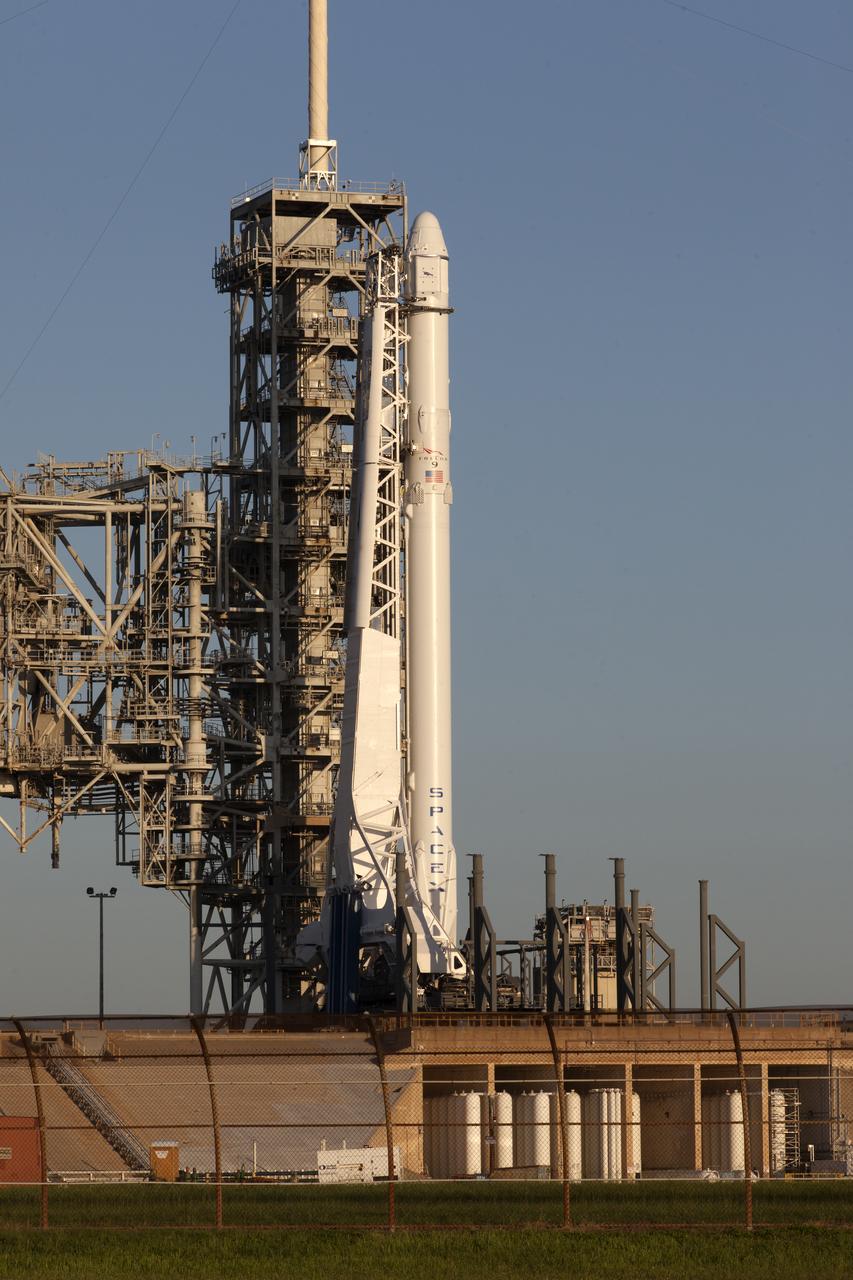
As a Falcon 9 rocket stands ready for liftoff at the Kennedy Space Center's Launch Complex 39A. The rocket will boost a Dragon resupply spacecraft to the International Space Station. Liftoff is scheduled for 12:31 p.m. EDT. On its 12th commercial resupply services mission to the space station, Dragon will bring up more than 6,400 pounds of supplies. The historic launch site now is operated by SpaceX under a property agreement signed with NASA.
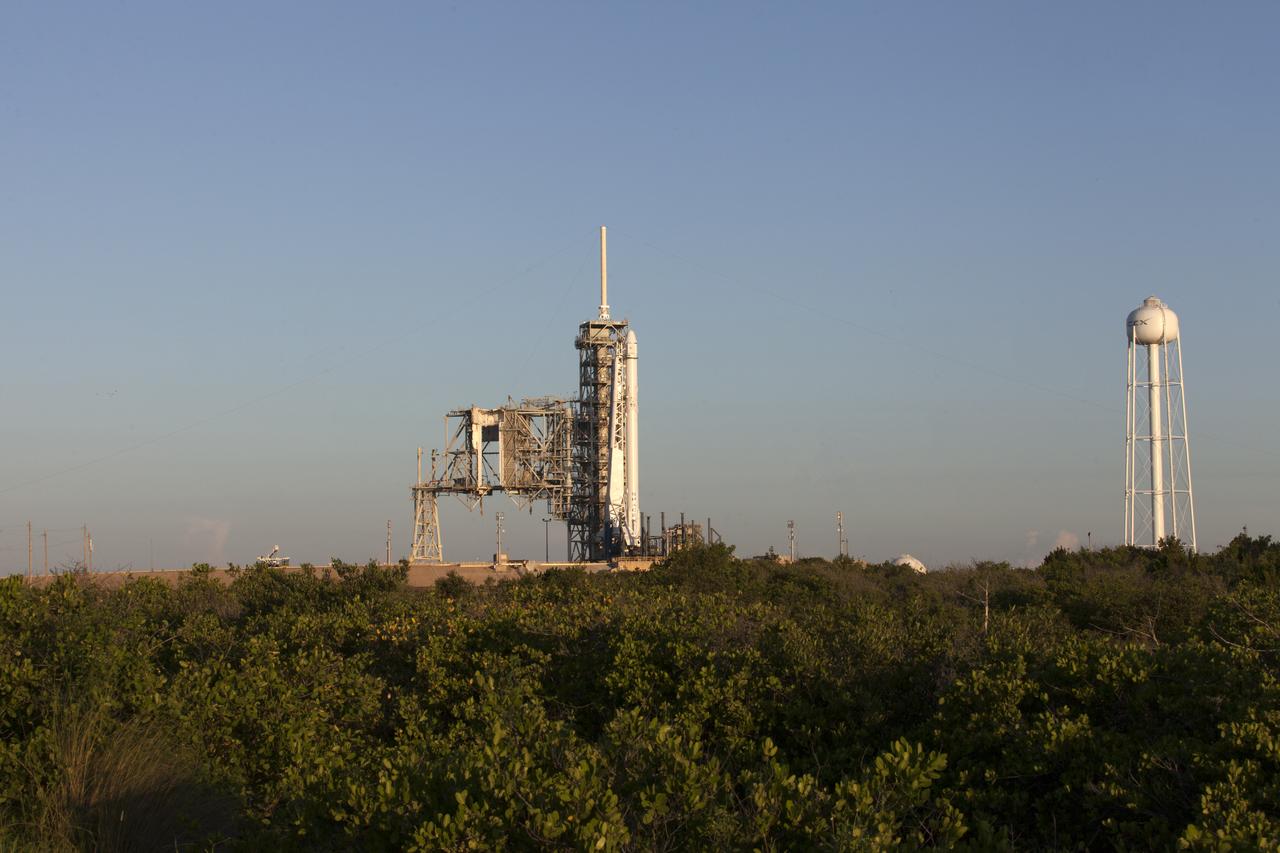
As a Falcon 9 rocket stands ready for liftoff at the Kennedy Space Center's Launch Complex 39A. The rocket will boost a Dragon resupply spacecraft to the International Space Station. Liftoff is scheduled for 12:31 p.m. EDT. On its 12th commercial resupply services mission to the space station, Dragon will bring up more than 6,400 pounds of supplies. The historic launch site now is operated by SpaceX under a property agreement signed with NASA.
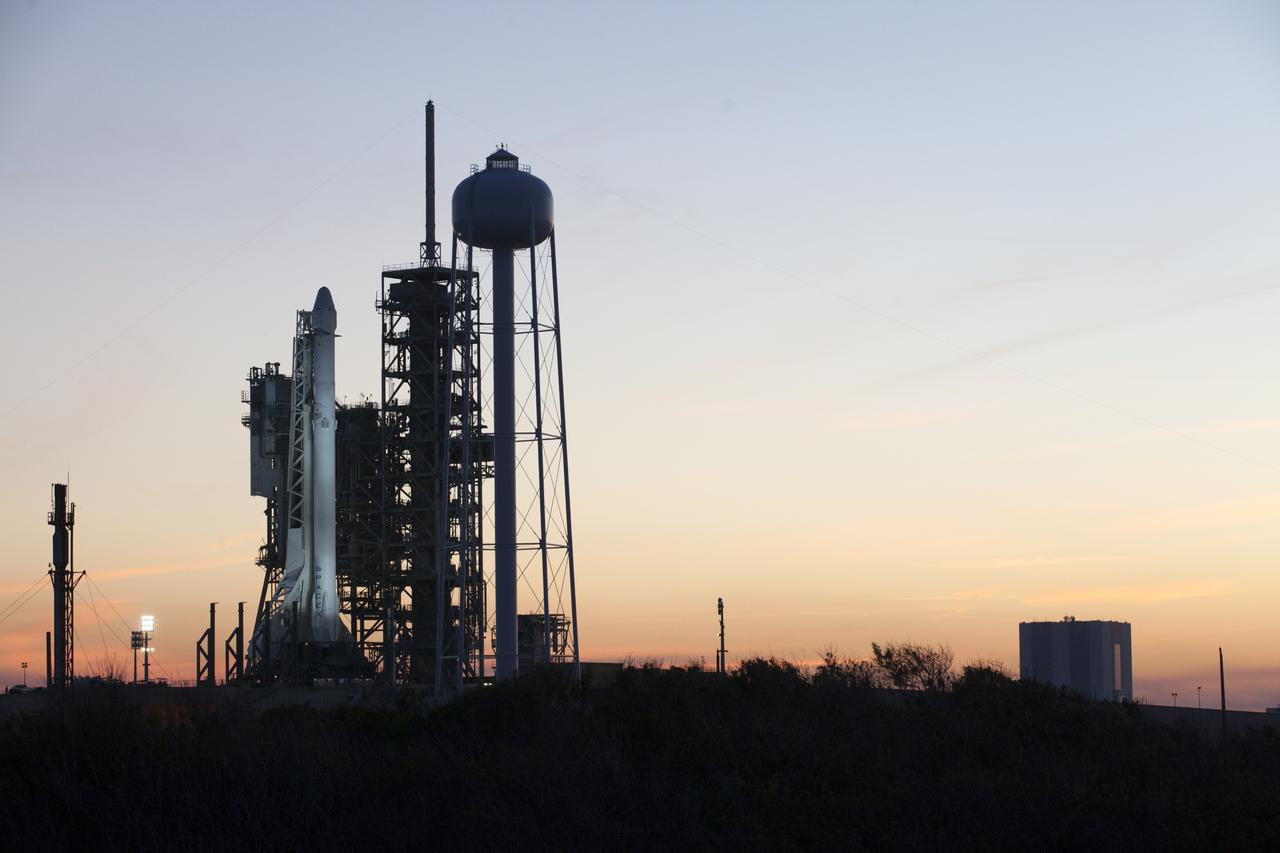
As sun sets, a Falcon 9 rocket stands ready for liftoff at the Kennedy Space Center's Launch Complex 39A. The historic launch site now is operated by SpaceX under a property agreement signed with NASA. In the background is the Vehicle Assembly Building. The rocket will boost a Dragon resupply spacecraft to the International Space Station. Liftoff is scheduled for 10:01 a.m. EST on Feb. 18. On its 10th commercial resupply services mission to the space station, Dragon will bring up 5,000 pounds of supplies, such as the Stratospheric Aerosol and Gas Experiment (SAGE) III instrument to further study ozone in the atmosphere. Once mounted on the space station, SAGE III will measure the Earth’s sunscreen, or ozone, along with other gases and aerosols, or tiny particles in the atmosphere.

As a Falcon 9 rocket stands ready for liftoff at the Kennedy Space Center's Launch Complex 39A. The rocket will boost a Dragon resupply spacecraft to the International Space Station. Liftoff is scheduled for 12:31 p.m. EDT. On its 12th commercial resupply services mission to the space station, Dragon will bring up more than 6,400 pounds of supplies. The historic launch site now is operated by SpaceX under a property agreement signed with NASA.
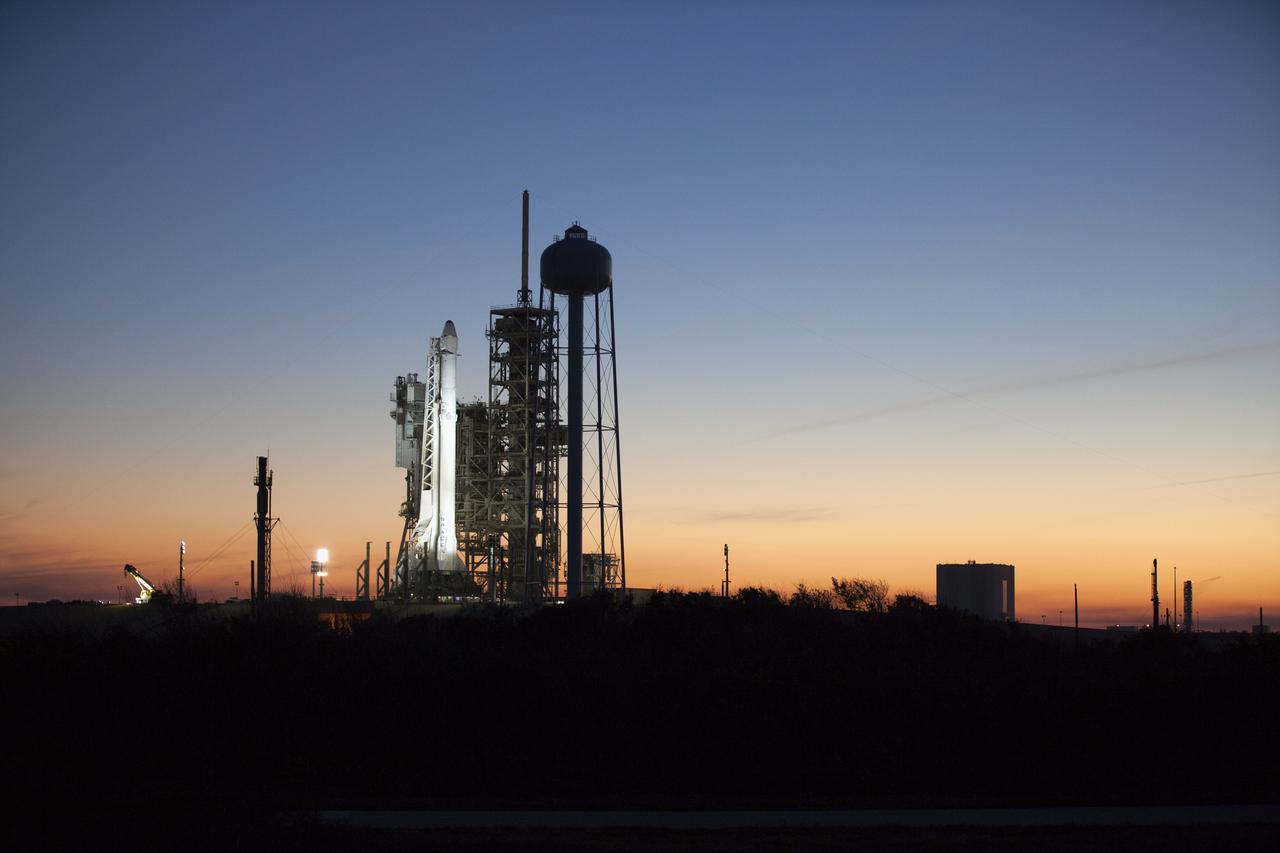
As sun sets, a Falcon 9 rocket stands ready for liftoff at the Kennedy Space Center's Launch Complex 39A. The historic launch site now is operated by SpaceX under a property agreement signed with NASA. In the background is the Vehicle Assembly Building. The rocket will boost a Dragon resupply spacecraft to the International Space Station. Liftoff is scheduled for 10:01 a.m. EST on Feb. 18. On its 10th commercial resupply services mission to the space station, Dragon will bring up 5,000 pounds of supplies, such as the Stratospheric Aerosol and Gas Experiment (SAGE) III instrument to further study ozone in the atmosphere. Once mounted on the space station, SAGE III will measure the Earth’s sunscreen, or ozone, along with other gases and aerosols, or tiny particles in the atmosphere.
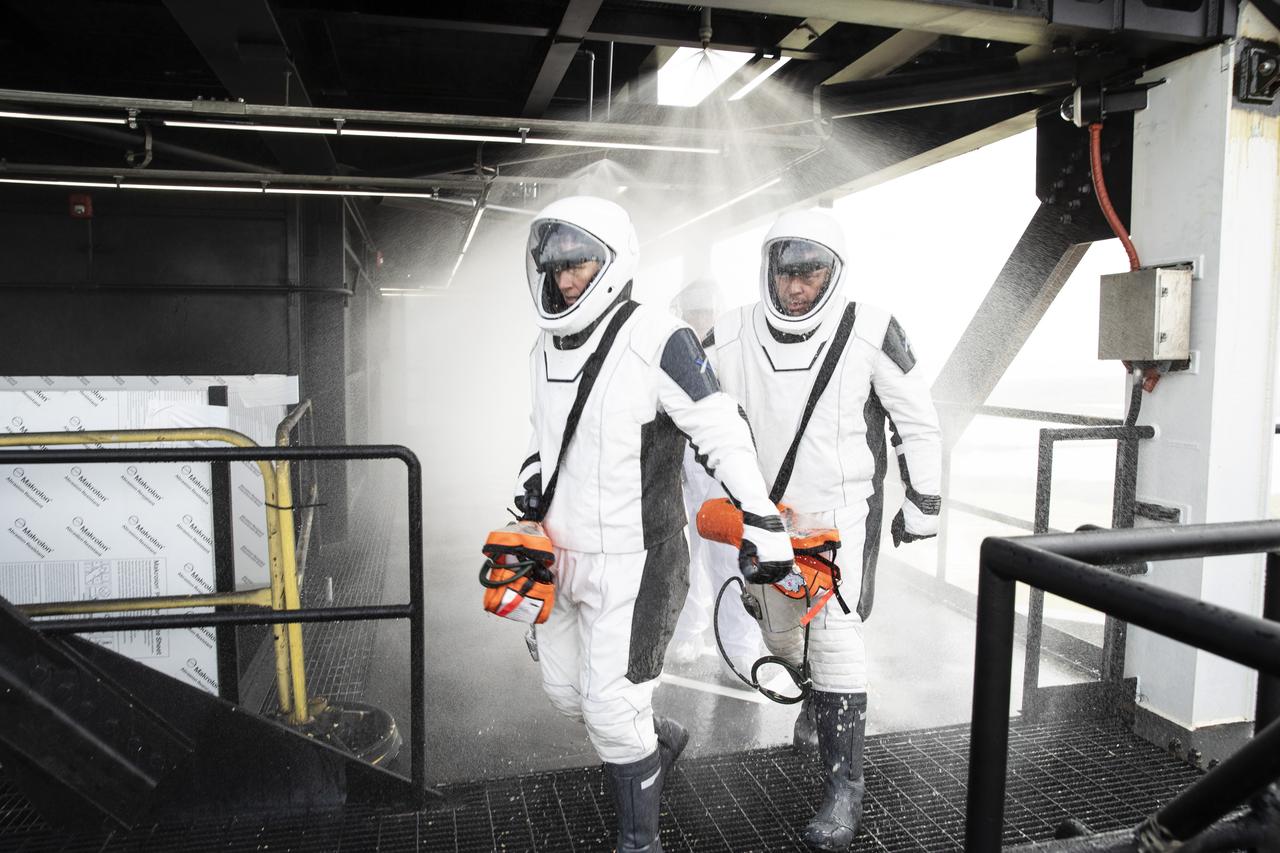
NASA and SpaceX conducted a formal verification of the company’s emergency escape system on Sept. 18, 2019, at Kennedy Space Center’s Launch Complex 39A in Florida. NASA astronauts Shannon Walker, in front, and Bob Behnken participated in the exercise to verify the crew can safely and quickly evacuate from the launch pad in the unlikely event of an emergency before liftoff of SpaceX’s first crewed flight test, called Demo-2. During the escape verification, Walker and Behnken pass through the water deluge system on the 265-foot level of the crew access tower. As Boeing and SpaceX begin to make regular flights to the International Space Station for NASA’s Commercial Crew Program, the agency will continue to advance its mission to go beyond low-Earth orbit and establish a human presence on the Moon with the ultimate goal of sending astronauts to Mars.
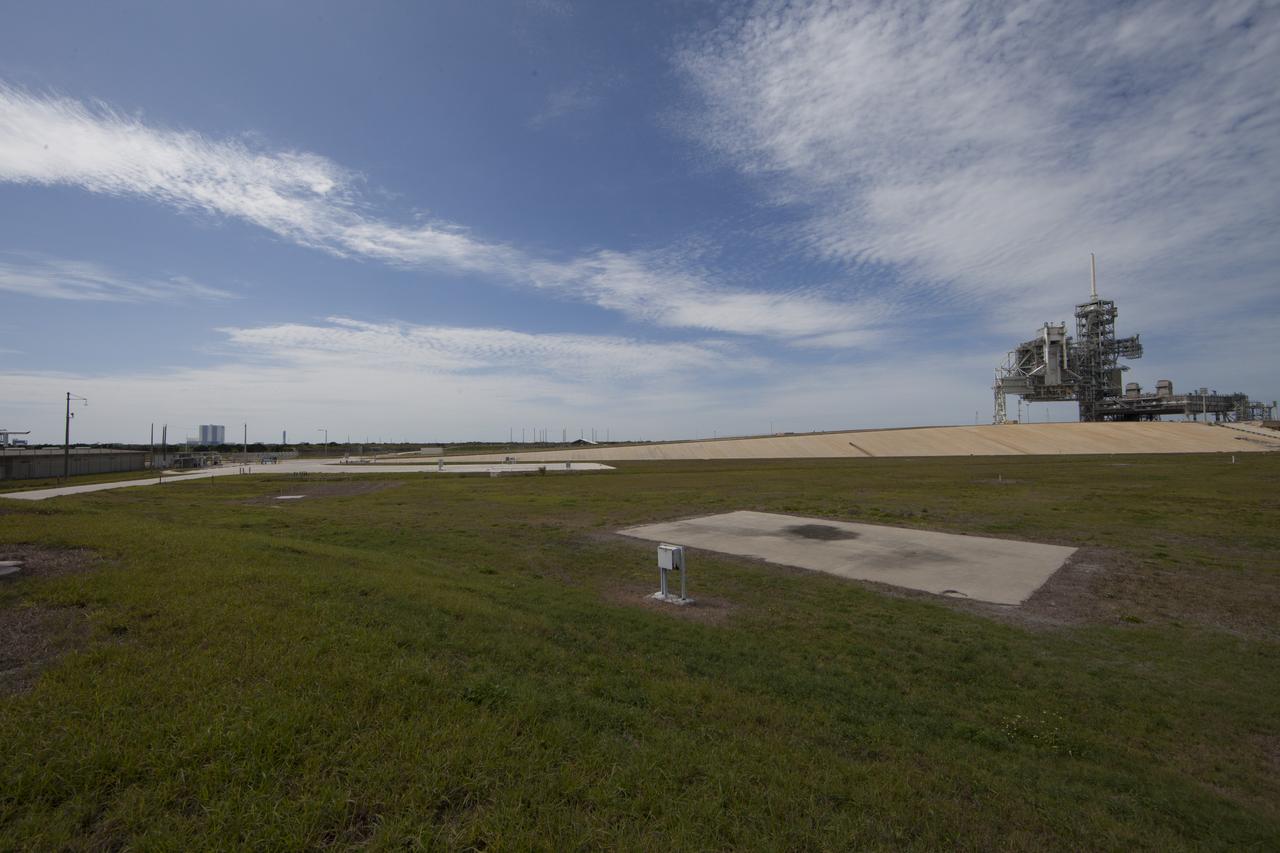
CAPE CANAVERAL, Fla. -- At NASA's Kennedy Space Center in Florida, launch pad 39A looks much like it did after the liftoff of STS-135, the final space shuttle mission, on July 8, 2011. Both launch pad 39A and 39B pad 39A was originally built for the Apollo/Saturn V rockets that launched American astronauts on their historic journeys to the moon and later modified to support the 30-year shuttle program. To learn more about Launch Pad 39A visit: http://www.nasa.gov/mission_pages/shuttle/launch/launch-complex39-toc.html Photo credit: NASA/Dan Casper
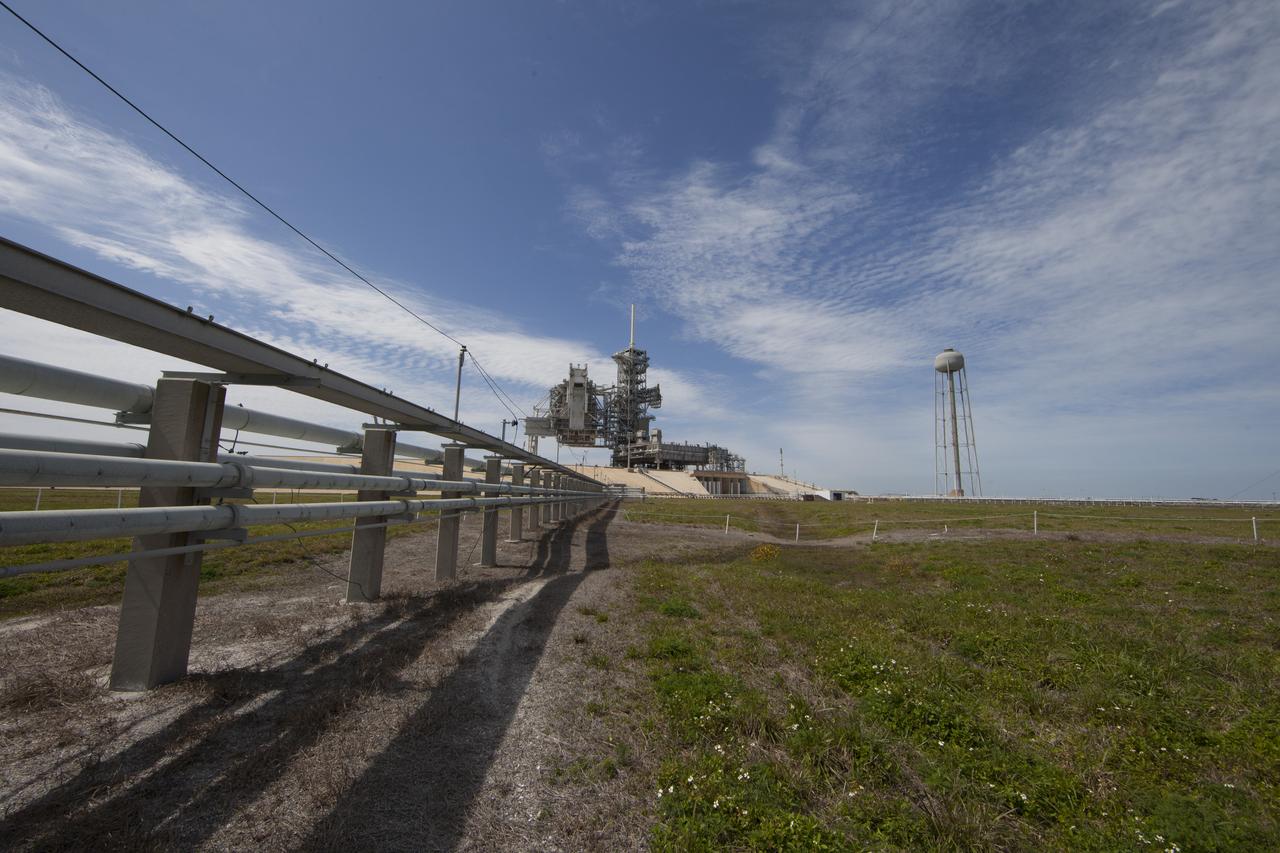
CAPE CANAVERAL, Fla. -- At NASA's Kennedy Space Center in Florida, launch pad 39A looks much like it did after the liftoff of STS-135, the final space shuttle mission, on July 8, 2011. Both launch pad 39A and 39B pad 39A was originally built for the Apollo/Saturn V rockets that launched American astronauts on their historic journeys to the moon and later modified to support the 30-year shuttle program. To learn more about Launch Pad 39A visit: http://www.nasa.gov/mission_pages/shuttle/launch/launch-complex39-toc.html Photo credit: NASA/Dan Casper
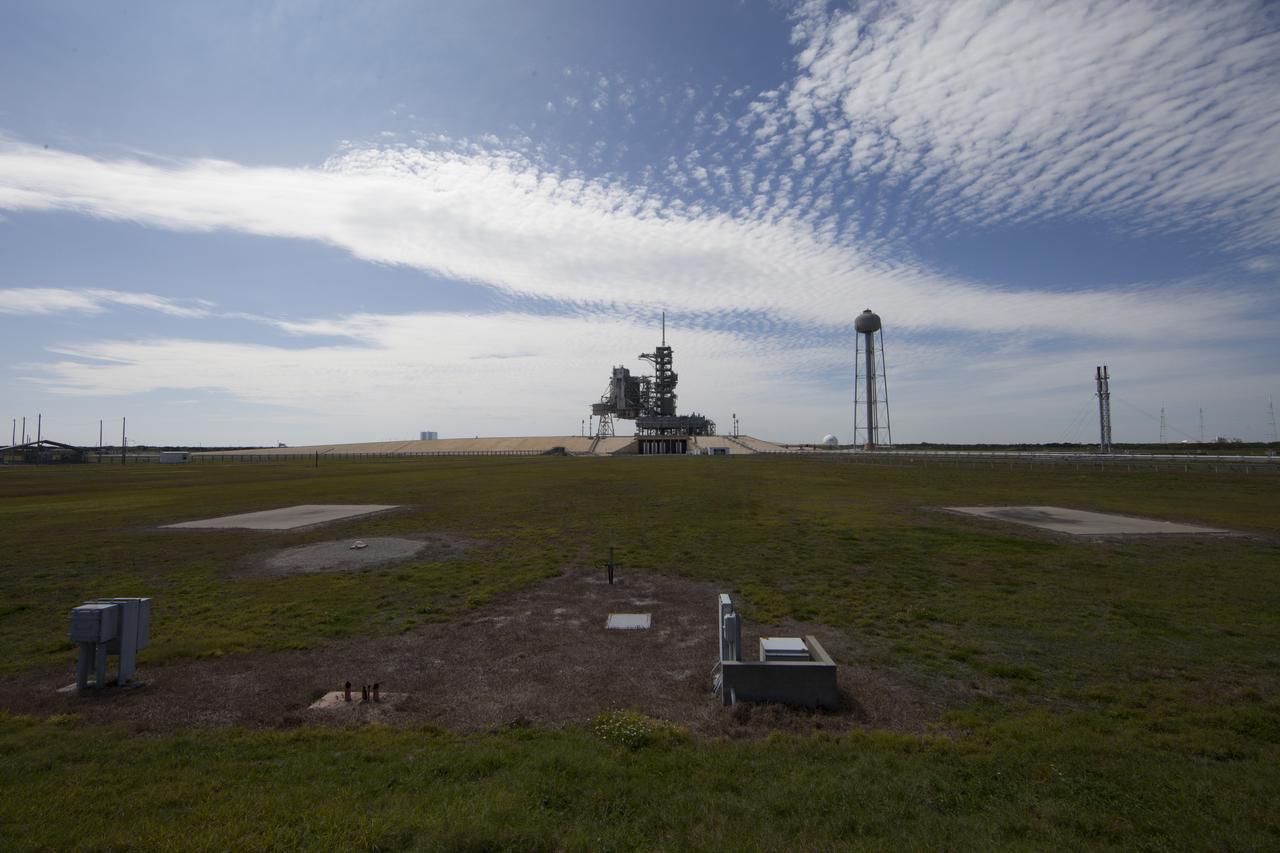
CAPE CANAVERAL, Fla. -- At NASA's Kennedy Space Center in Florida, launch pad 39A looks much like it did after the liftoff of STS-135, the final space shuttle mission, on July 8, 2011. Both launch pad 39A and 39B pad 39A was originally built for the Apollo/Saturn V rockets that launched American astronauts on their historic journeys to the moon and later modified to support the 30-year shuttle program. To learn more about Launch Pad 39A visit: http://www.nasa.gov/mission_pages/shuttle/launch/launch-complex39-toc.html Photo credit: NASA/Dan Casper
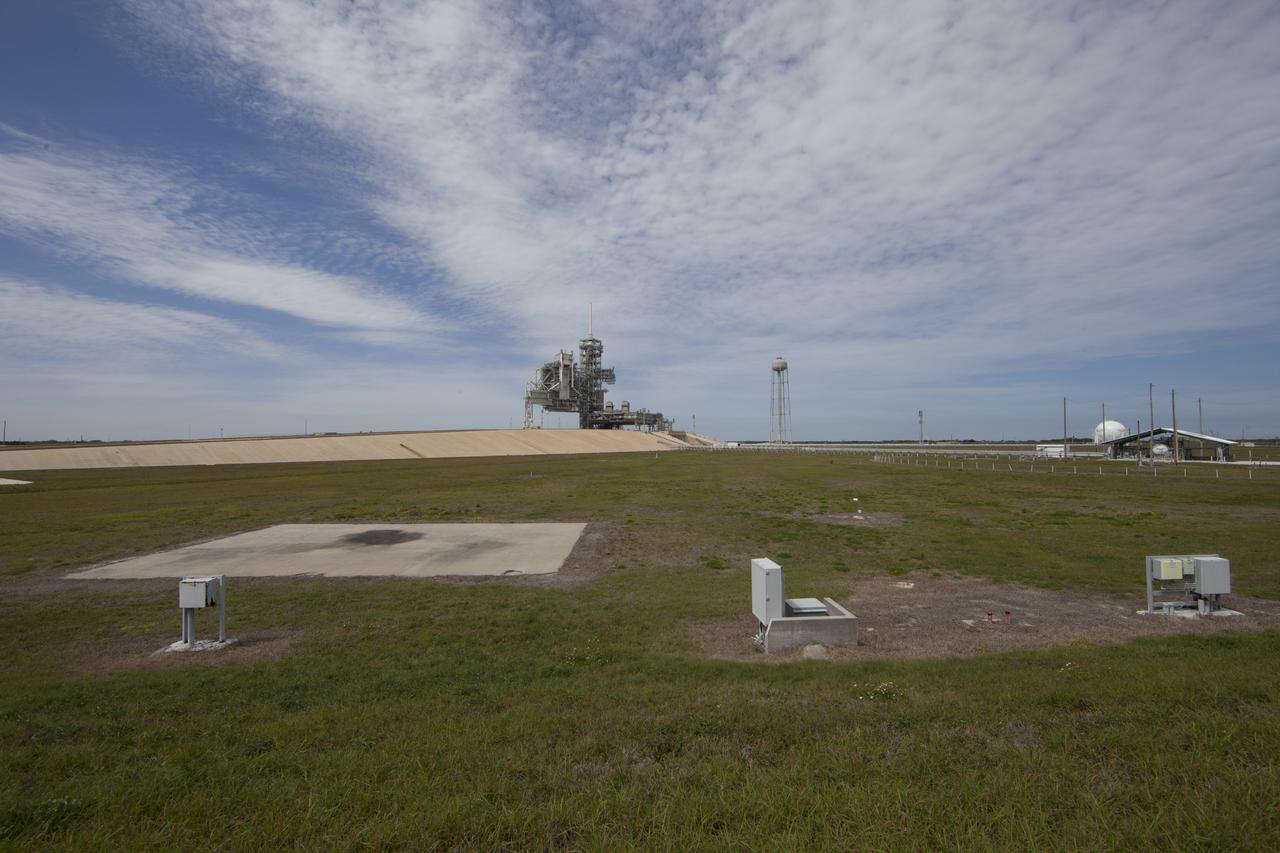
CAPE CANAVERAL, Fla. -- At NASA's Kennedy Space Center in Florida, launch pad 39A looks much like it did after the liftoff of STS-135, the final space shuttle mission, on July 8, 2011. Both launch pad 39A and 39B pad 39A was originally built for the Apollo/Saturn V rockets that launched American astronauts on their historic journeys to the moon and later modified to support the 30-year shuttle program. To learn more about Launch Pad 39A visit: http://www.nasa.gov/mission_pages/shuttle/launch/launch-complex39-toc.html Photo credit: NASA/Dan Casper
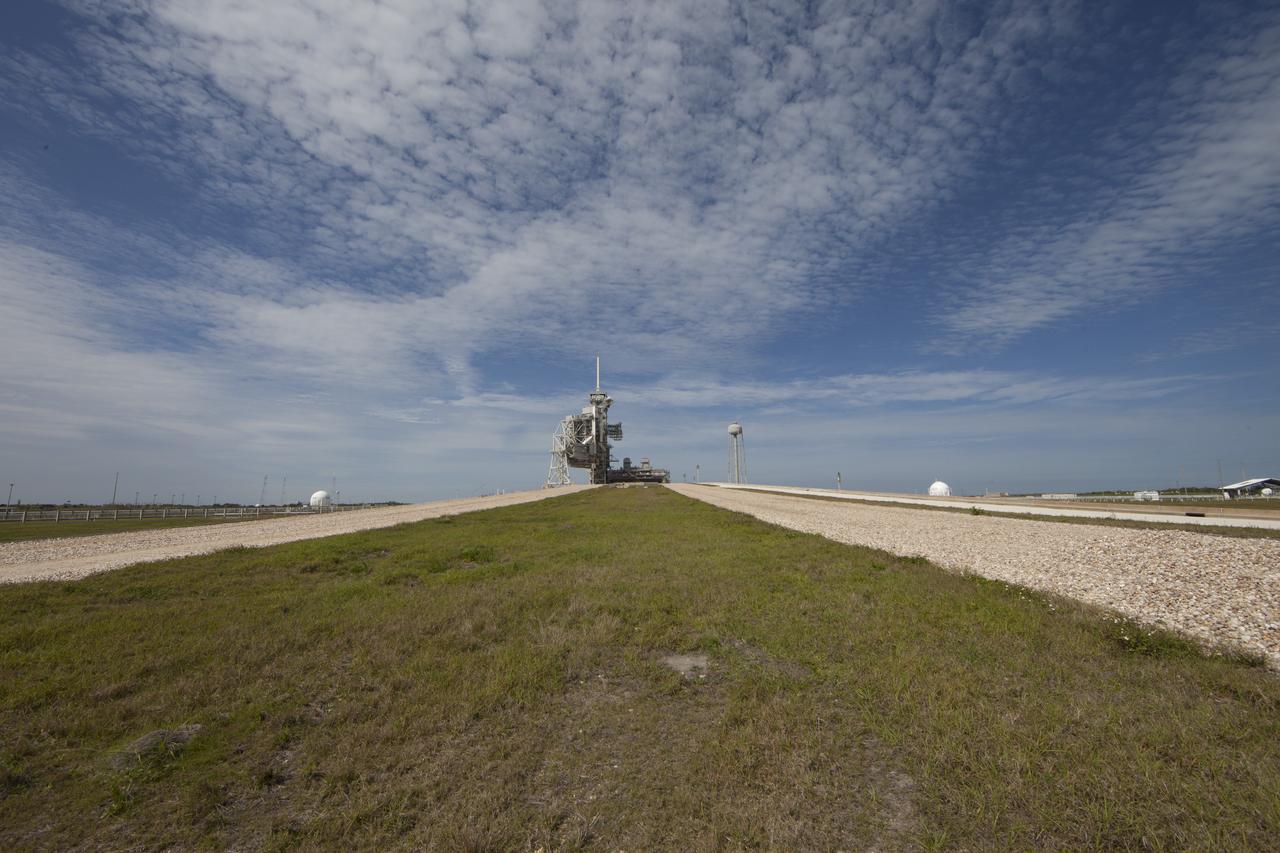
CAPE CANAVERAL, Fla. -- At NASA's Kennedy Space Center in Florida, launch pad 39A looks much like it did after the liftoff of STS-135, the final space shuttle mission, on July 8, 2011. Both launch pad 39A and 39B pad 39A was originally built for the Apollo/Saturn V rockets that launched American astronauts on their historic journeys to the moon and later modified to support the 30-year shuttle program. To learn more about Launch Pad 39A visit: http://www.nasa.gov/mission_pages/shuttle/launch/launch-complex39-toc.html Photo credit: NASA/Dan Casper
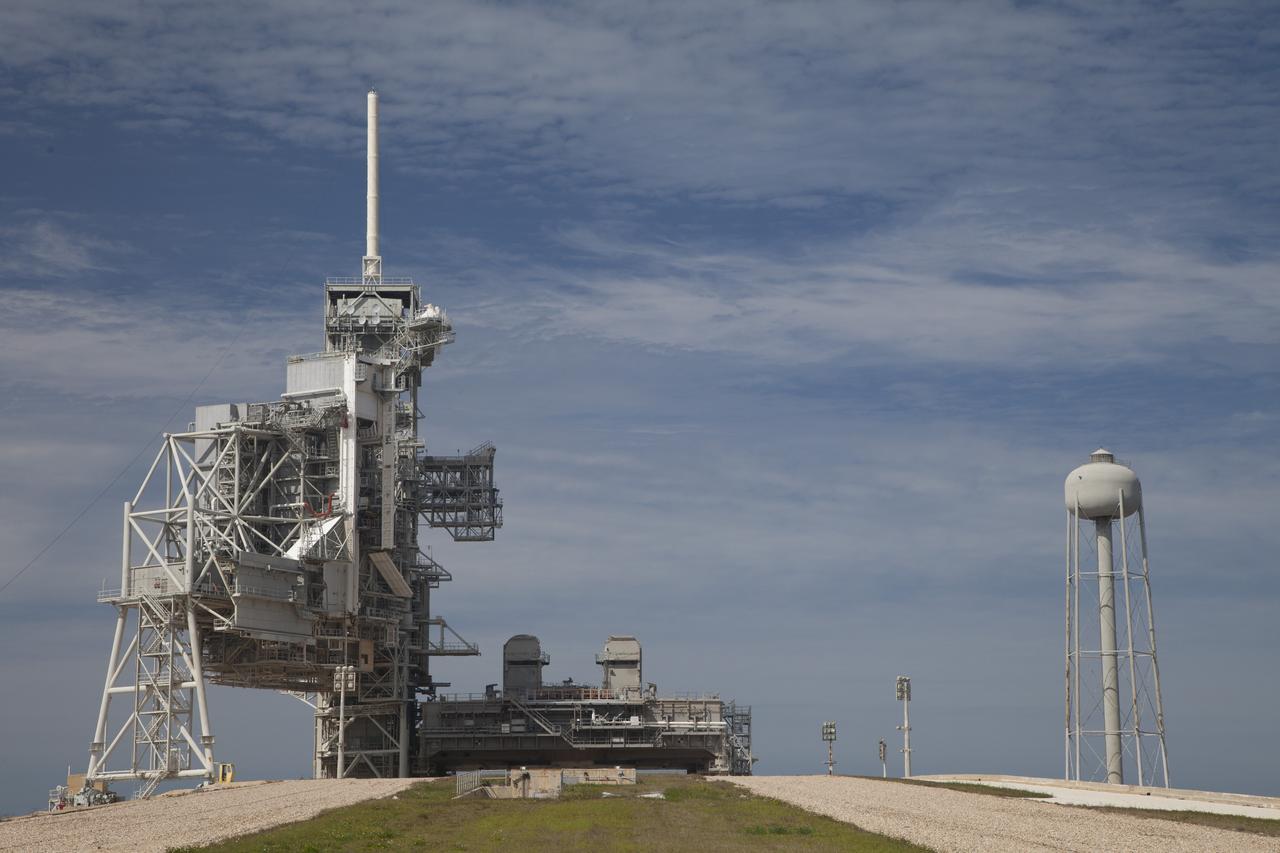
CAPE CANAVERAL, Fla. -- Launch pad 39A looks much like it did after the liftoff of STS-135, the final space shuttle mission, on July 8, 2011. The mobile launcher platform remains in place next to the fixed service structure and rotating service structure. Located at NASA's Kennedy Space Center in Florida, pad 39A was originally built for the Apollo/Saturn V rockets that launched American astronauts on their historic journeys to the moon and later modified to support the 30-year shuttle program. Both launch pad 39A and 39B pad 39A was originally built for the Apollo/Saturn V rockets that launched American astronauts on their historic journeys to the moon and later modified to support the 30-year shuttle program. To learn more about Launch Pad 39A visit: http://www.nasa.gov/mission_pages/shuttle/launch/launch-complex39-toc.html Photo credit: NASA/Dan Casper
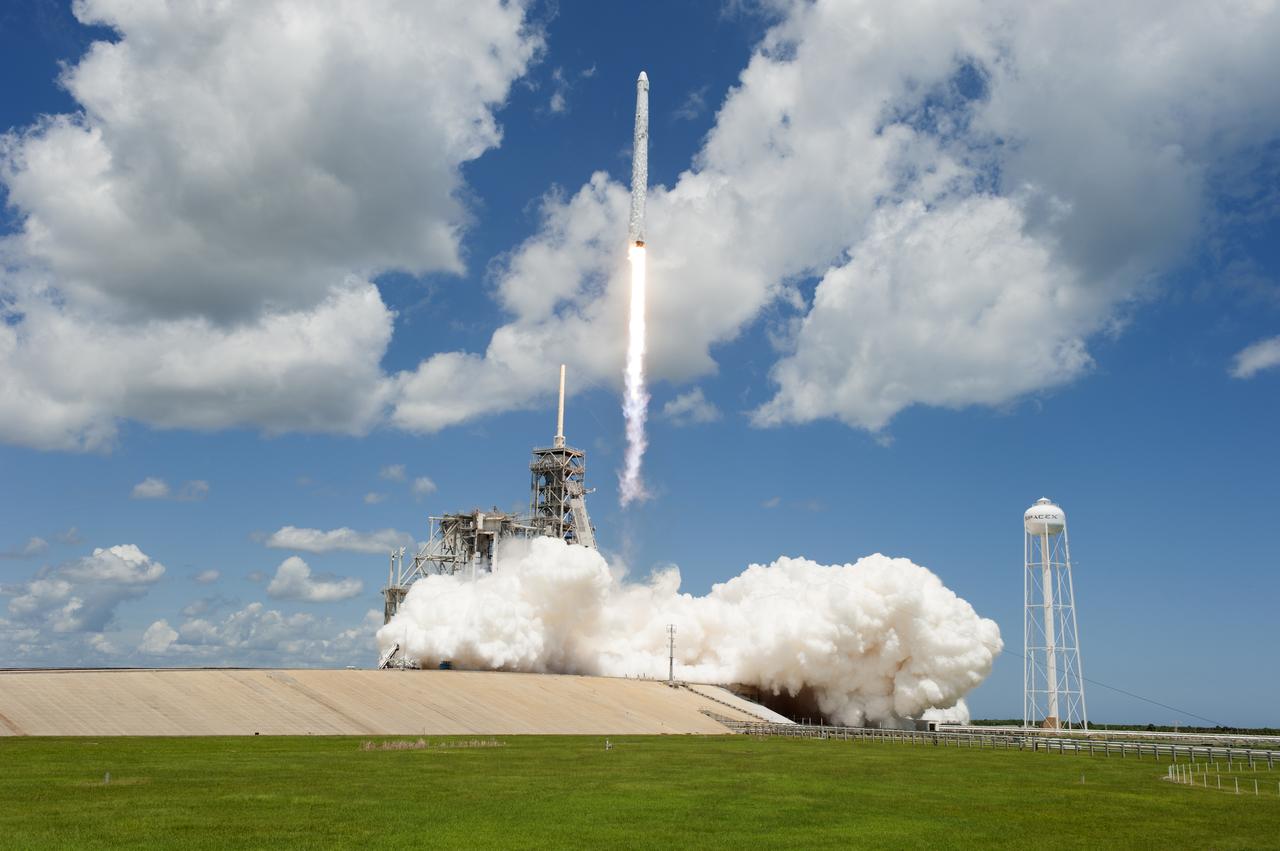
Liftoff of the two-stage Falcon 9 launch vehicle carrying the Dragon resupply spacecraft from Launch Complex 39A at NASA's Kennedy Space Center in Florida is reflected in the water surrounding the pad. Liftoff was at 12:31 p.m. EDT. On its 12th commercial resupply services mission to the International Space Station, Dragon will bring up more than 6,400 pounds of supplies and new science experiments and equipment for technology research.
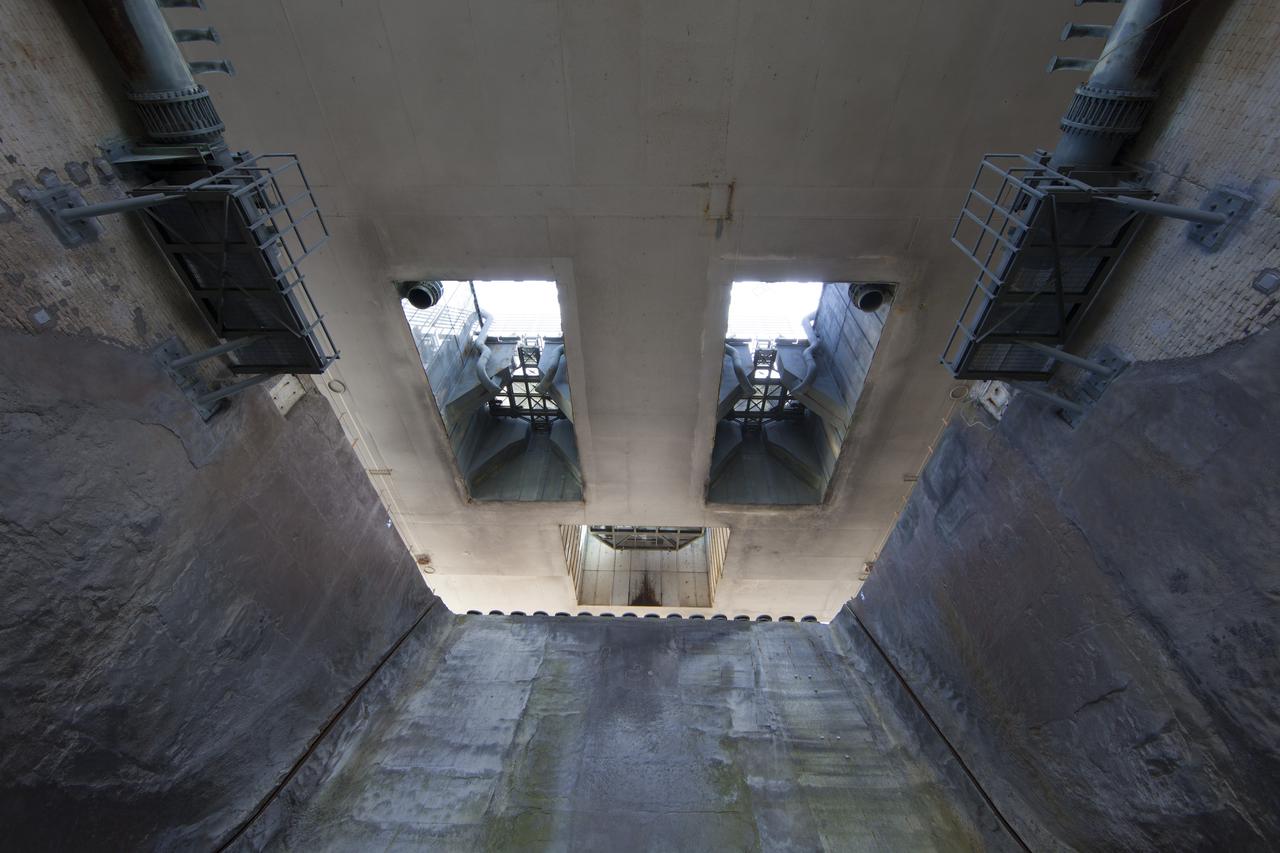
CAPE CANAVERAL, Fla. -- At NASA's Kennedy Space Center in Florida, launch pad 39A looks much like it did after the liftoff of STS-135, the final space shuttle mission, on July 8, 2011. This view shows the flame trench where smoke and flame from the shuttle's twin solid rocket boosters were deflected away from the pad. Both launch pad 39A and 39B pad 39A was originally built for the Apollo/Saturn V rockets that launched American astronauts on their historic journeys to the moon and later modified to support the 30-year shuttle program. To learn more about Launch Pad 39A visit: http://www.nasa.gov/mission_pages/shuttle/launch/launch-complex39-toc.html Photo credit: NASA/Dan Casper
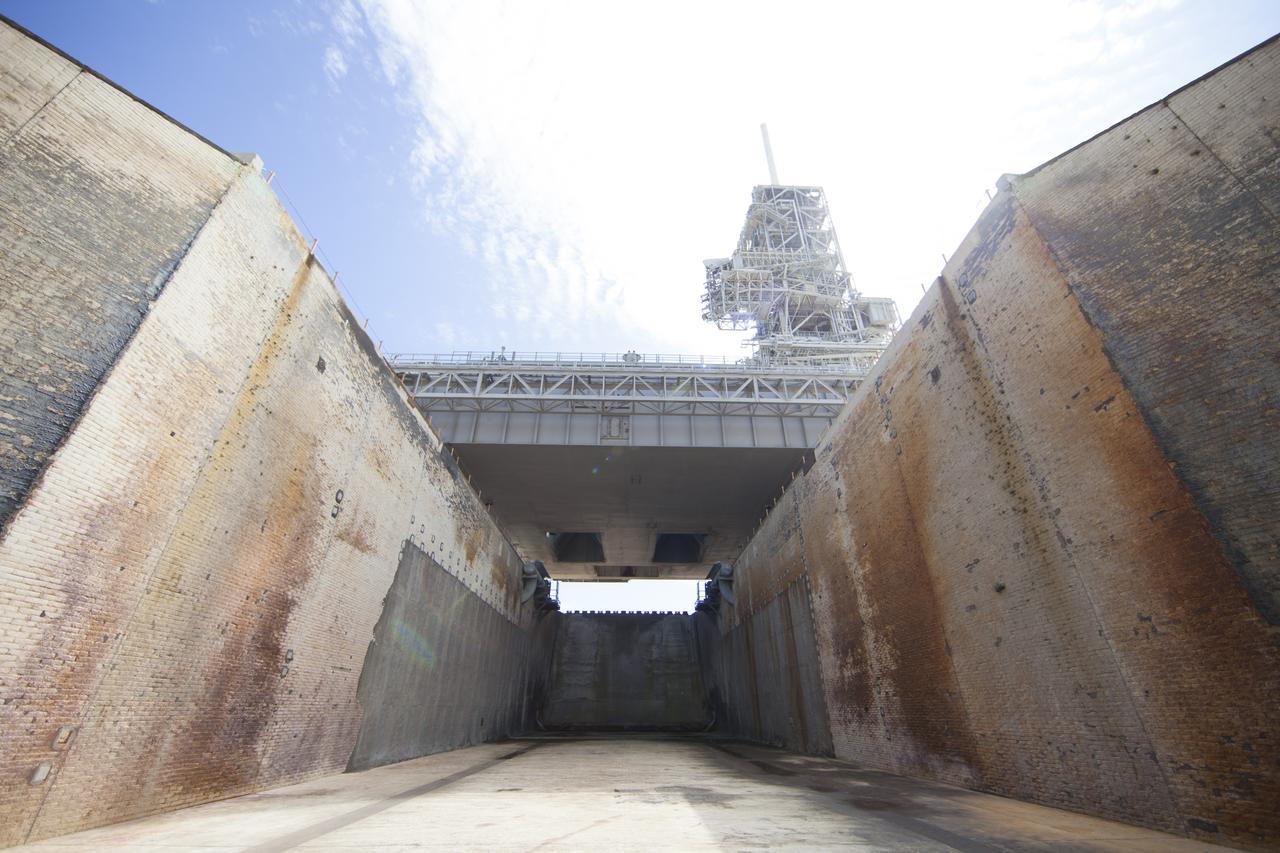
CAPE CANAVERAL, Fla. -- At NASA's Kennedy Space Center in Florida, launch pad 39A looks much like it did after the liftoff of STS-135, the final space shuttle mission, on July 8, 2011. This view shows the flame trench where smoke and flame from the shuttle's twin solid rocket boosters were deflected away from the pad. Both launch pad 39A and 39B pad 39A was originally built for the Apollo/Saturn V rockets that launched American astronauts on their historic journeys to the moon and later modified to support the 30-year shuttle program. To learn more about Launch Pad 39A visit: http://www.nasa.gov/mission_pages/shuttle/launch/launch-complex39-toc.html Photo credit: NASA/Dan Casper
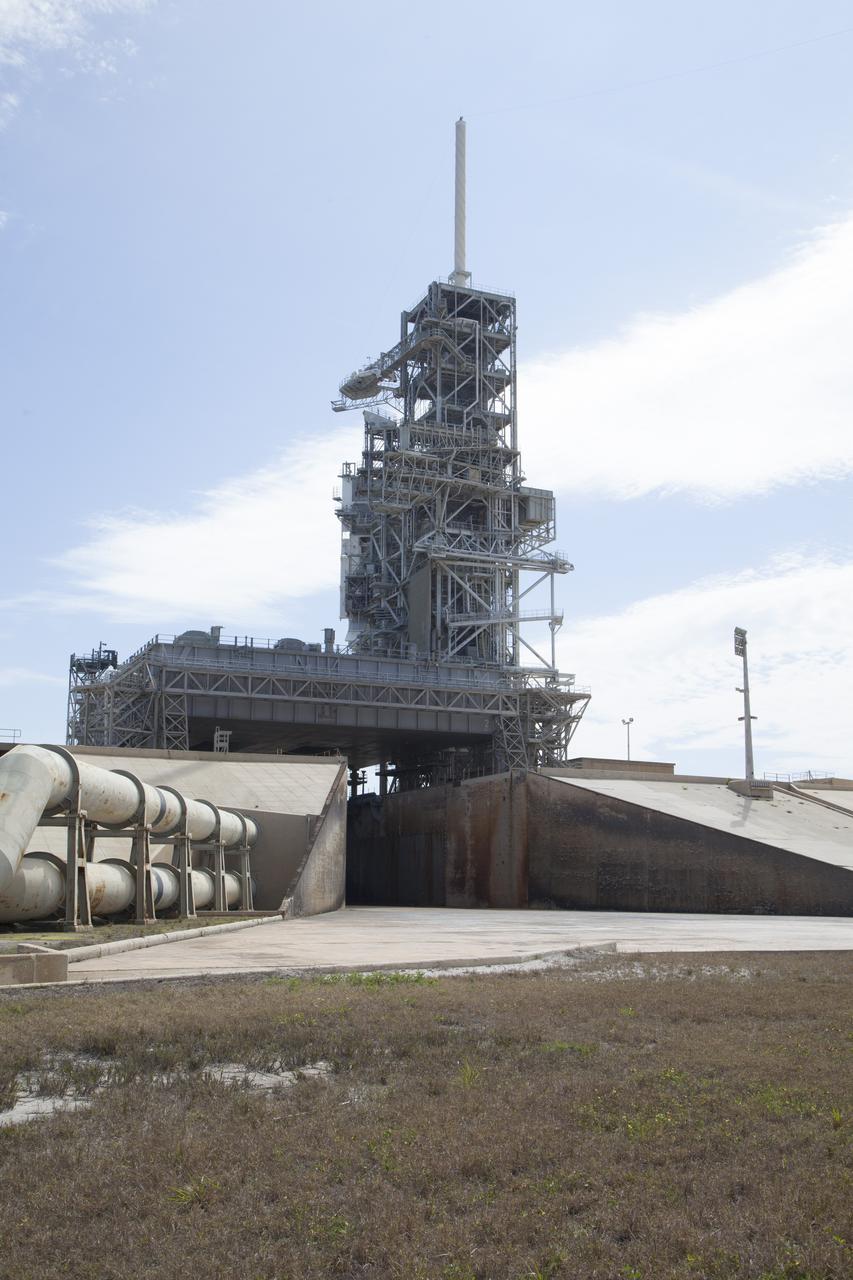
CAPE CANAVERAL, Fla. -- At NASA's Kennedy Space Center in Florida, launch pad 39A looks much like it did after the liftoff of STS-135, the final space shuttle mission, on July 8, 2011. This view shows the flame trench where smoke and flame from the shuttle's twin solid rocket boosters were deflected away from the pad. Both launch pad 39A and 39B pad 39A was originally built for the Apollo/Saturn V rockets that launched American astronauts on their historic journeys to the moon and later modified to support the 30-year shuttle program. To learn more about Launch Pad 39A visit: http://www.nasa.gov/mission_pages/shuttle/launch/launch-complex39-toc.html Photo credit: NASA/Dan Casper
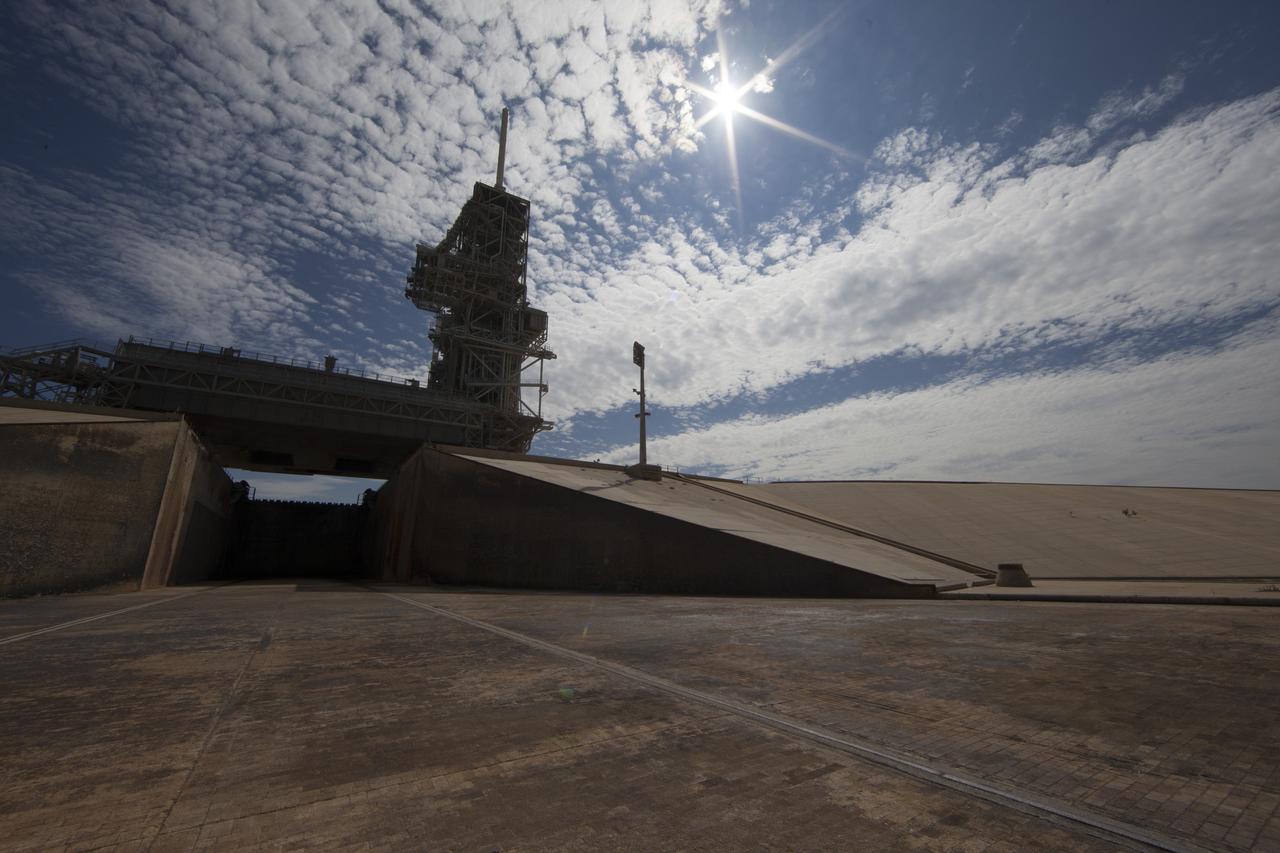
CAPE CANAVERAL, Fla. -- At NASA's Kennedy Space Center in Florida, launch pad 39A looks much like it did after the liftoff of STS-135, the final space shuttle mission, on July 8, 2011. This view shows the flame trench where smoke and flame from the shuttle's twin solid rocket boosters were deflected away from the pad. Both launch pad 39A and 39B pad 39A was originally built for the Apollo/Saturn V rockets that launched American astronauts on their historic journeys to the moon and later modified to support the 30-year shuttle program. To learn more about Launch Pad 39A visit: http://www.nasa.gov/mission_pages/shuttle/launch/launch-complex39-toc.html Photo credit: NASA/Dan Casper
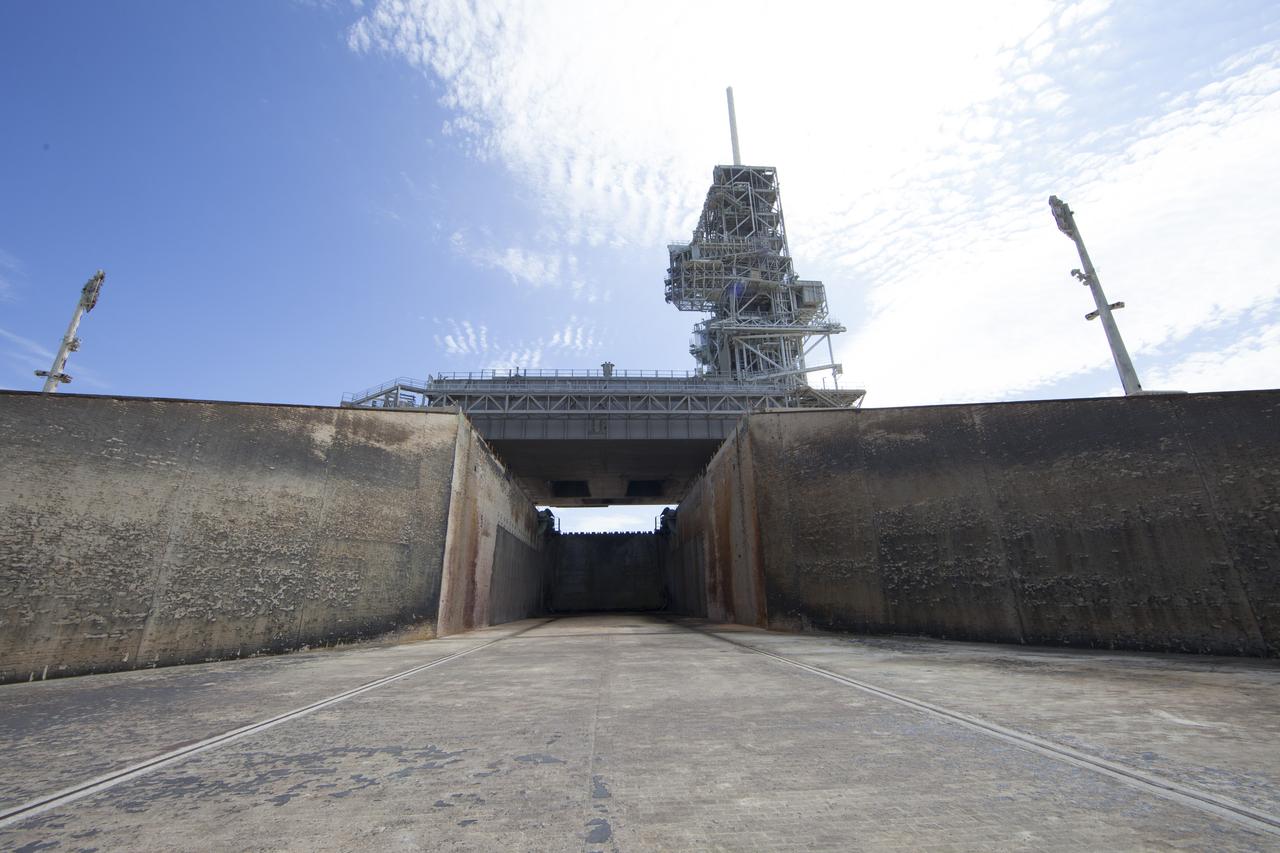
CAPE CANAVERAL, Fla. -- At NASA's Kennedy Space Center in Florida, launch pad 39A looks much like it did after the liftoff of STS-135, the final space shuttle mission, on July 8, 2011. This view shows the flame trench where smoke and flame from the shuttle's twin solid rocket boosters were deflected away from the pad. Both launch pad 39A and 39B pad 39A was originally built for the Apollo/Saturn V rockets that launched American astronauts on their historic journeys to the moon and later modified to support the 30-year shuttle program. To learn more about Launch Pad 39A visit: http://www.nasa.gov/mission_pages/shuttle/launch/launch-complex39-toc.html Photo credit: NASA/Dan Casper
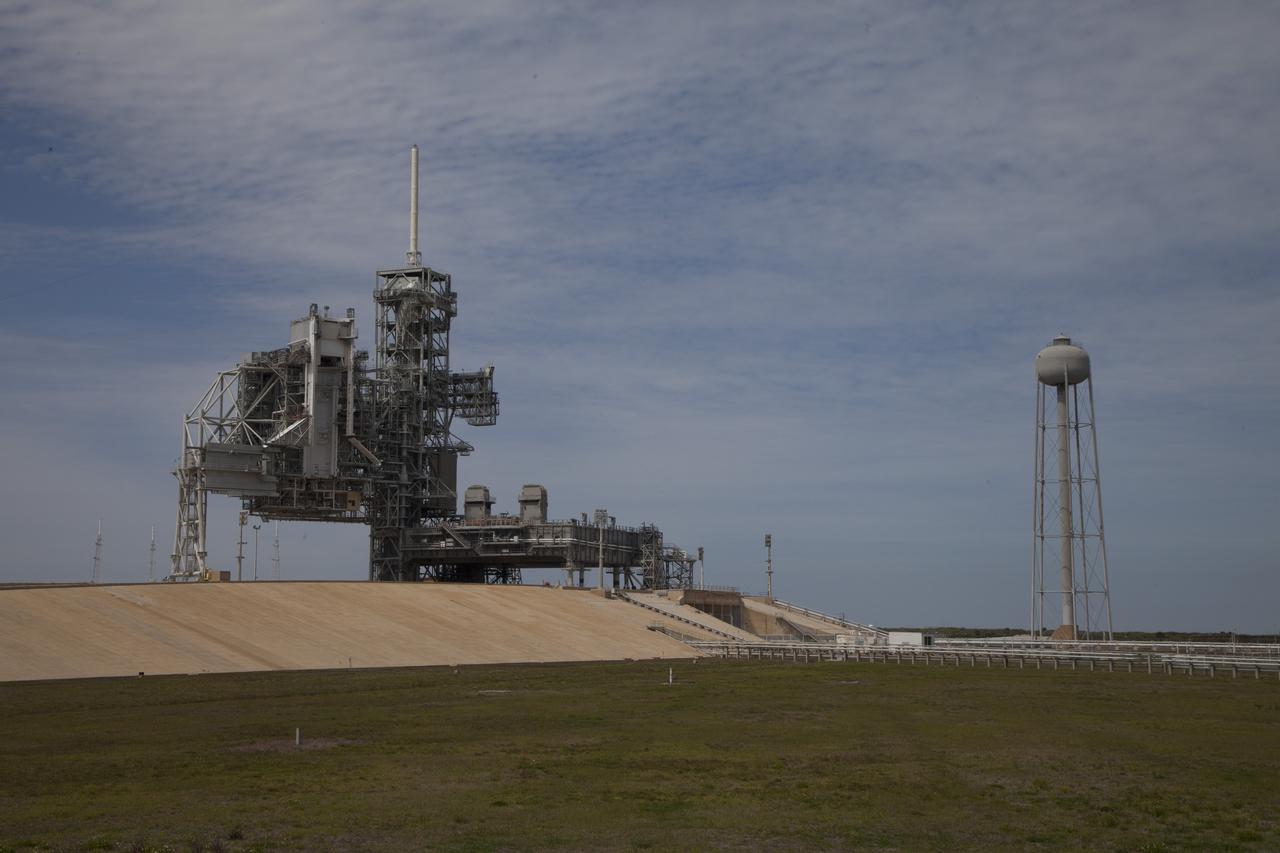
CAPE CANAVERAL, Fla. -- At NASA's Kennedy Space Center in Florida, launch pad 39A looks much like it did after the liftoff of STS-135, the final space shuttle mission, on July 8, 2011. The mobile launcher platform remains in place next to the fixed service structure and rotating service structure. Both launch pad 39A and 39B pad 39A was originally built for the Apollo/Saturn V rockets that launched American astronauts on their historic journeys to the moon and later modified to support the 30-year shuttle program. To learn more about Launch Pad 39A visit: http://www.nasa.gov/mission_pages/shuttle/launch/launch-complex39-toc.html Photo credit: NASA/Dan Casper
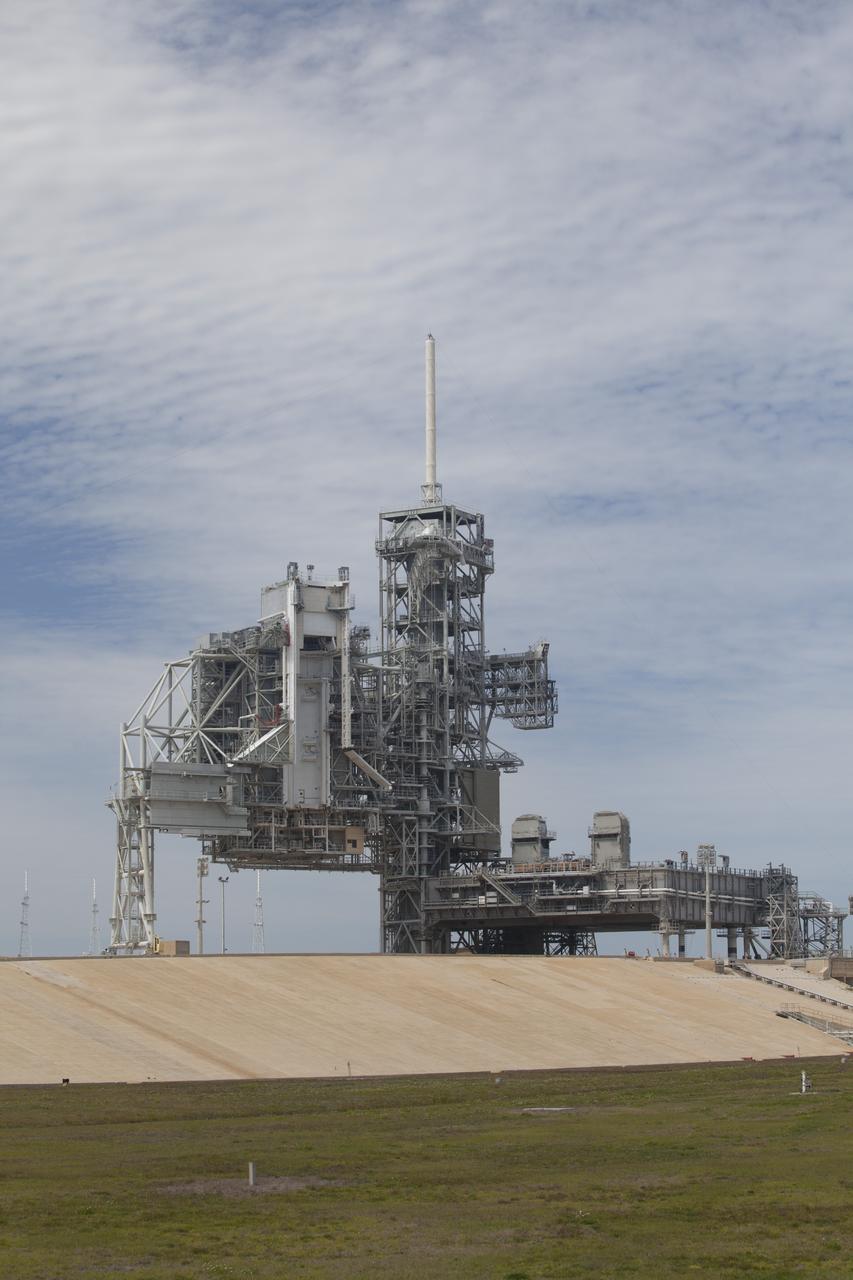
CAPE CANAVERAL, Fla. -- At NASA's Kennedy Space Center in Florida, launch pad 39A looks much like it did after the liftoff of STS-135, the final space shuttle mission, on July 8, 2011. The mobile launcher platform remains in place next to the fixed service structure and rotating service structure. Both launch pad 39A and 39B pad 39A was originally built for the Apollo/Saturn V rockets that launched American astronauts on their historic journeys to the moon and later modified to support the 30-year shuttle program. To learn more about Launch Pad 39A visit: http://www.nasa.gov/mission_pages/shuttle/launch/launch-complex39-toc.html Photo credit: NASA/Dan Casper
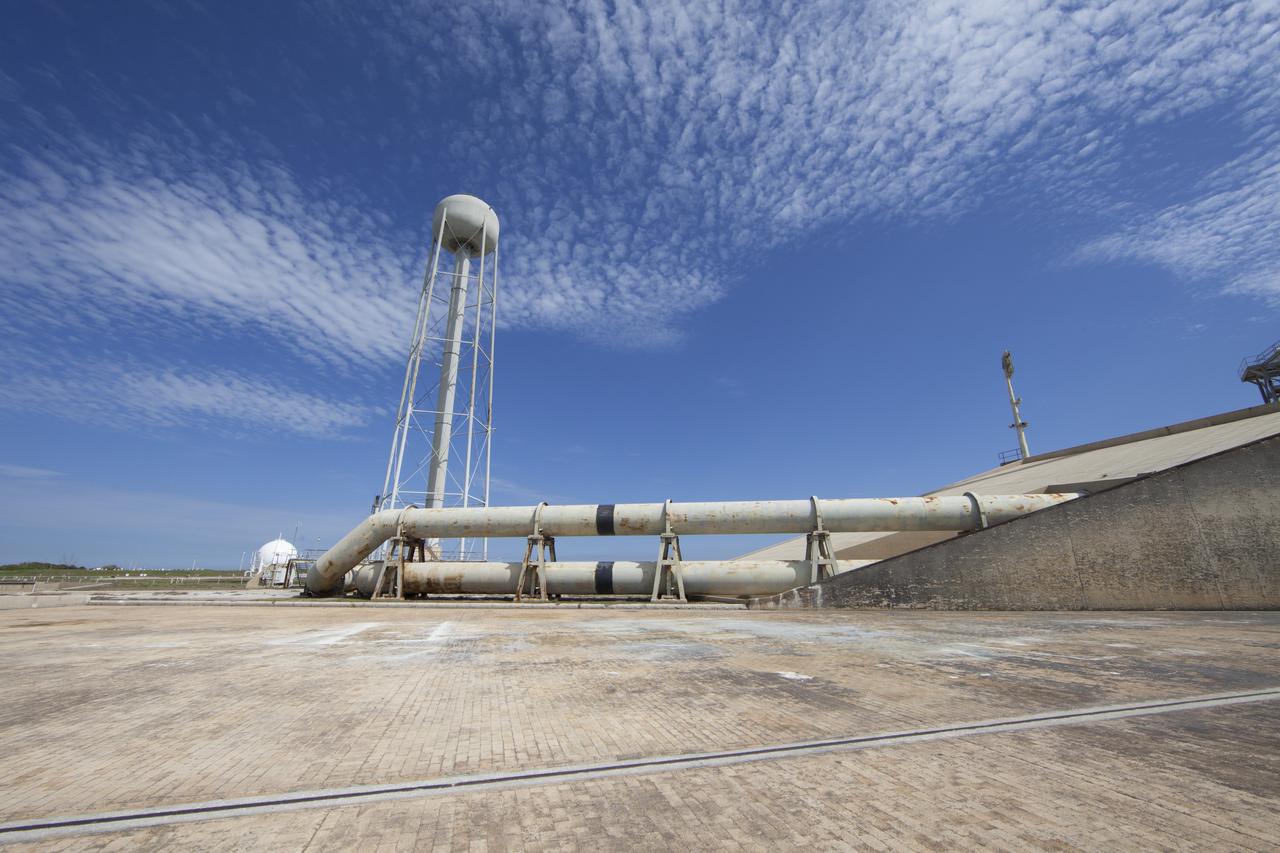
CAPE CANAVERAL, Fla. -- At NASA's Kennedy Space Center in Florida, launch pad 39A looks much like it did after the liftoff of STS-135, the final space shuttle mission, on July 8, 2011. During the shuttle program, water was stored in the 290-foot-high, 300,000 gallon tank. Water was released just prior to the main engine ignition and flows by gravity to special outlets on the platform to protect the orbiter and its payloads from being damaged by acoustical energy reflected from the platform during liftoff. Both launch pad 39A and 39B pad 39A was originally built for the Apollo/Saturn V rockets that launched American astronauts on their historic journeys to the moon and later modified to support the 30-year shuttle program. To learn more about Launch Pad 39A visit: http://www.nasa.gov/mission_pages/shuttle/launch/launch-complex39-toc.html Photo credit: NASA/Dan Casper
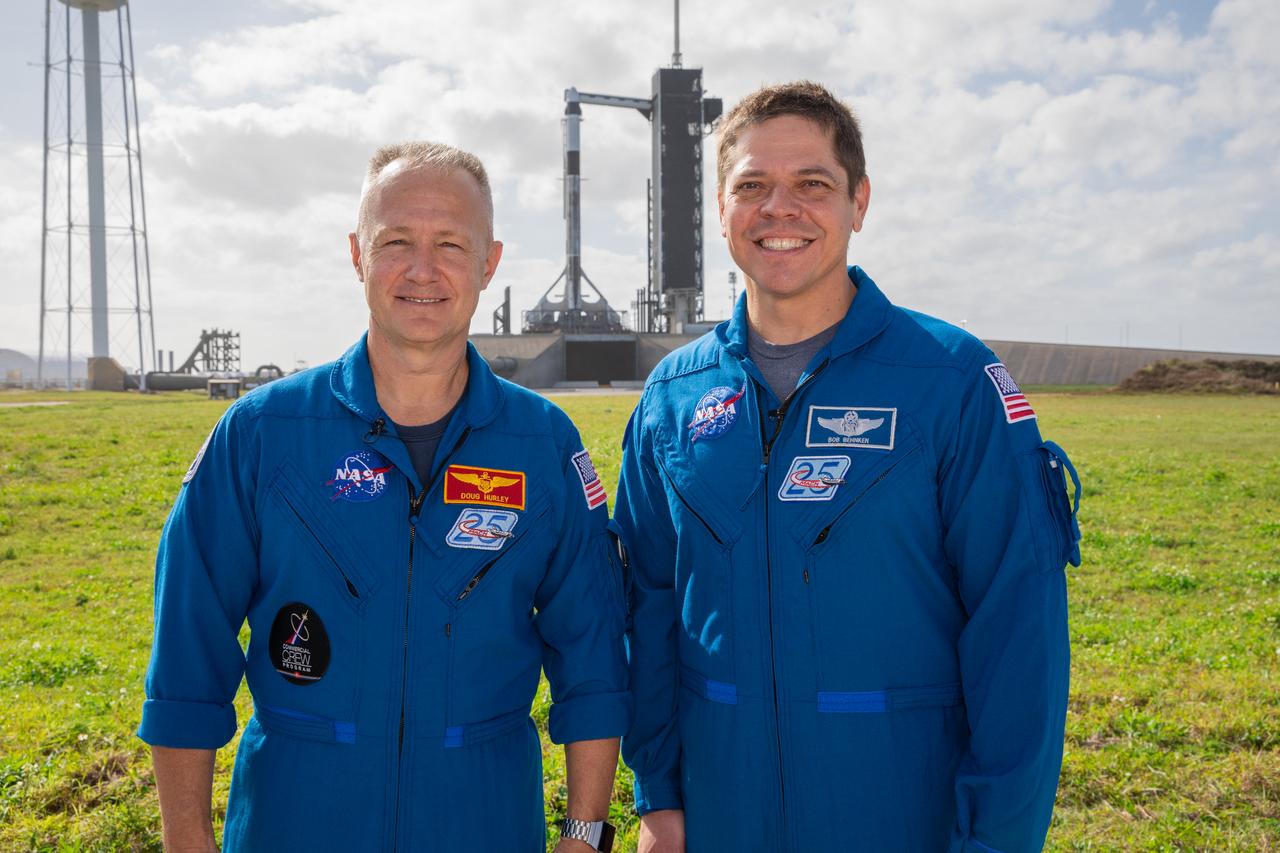
NASA astronauts Doug Hurley, left, and Bob Behnken stand near Launch Pad 39A at the agency’s Kennedy Space Center in Florida on Jan. 17, 2020, during a dress rehearsal ahead of the SpaceX uncrewed In-Flight Abort Test. In the background, the company’s Falcon 9 rocket is topped by the Crew Dragon spacecraft. The flight test will demonstrate the spacecraft’s escape capabilities in preparation for crewed flights to the International Space Station as part of the agency’s Commercial Crew Program. Hurley and Behnken are slated to fly on the company’s first crewed mission, Demo-2.
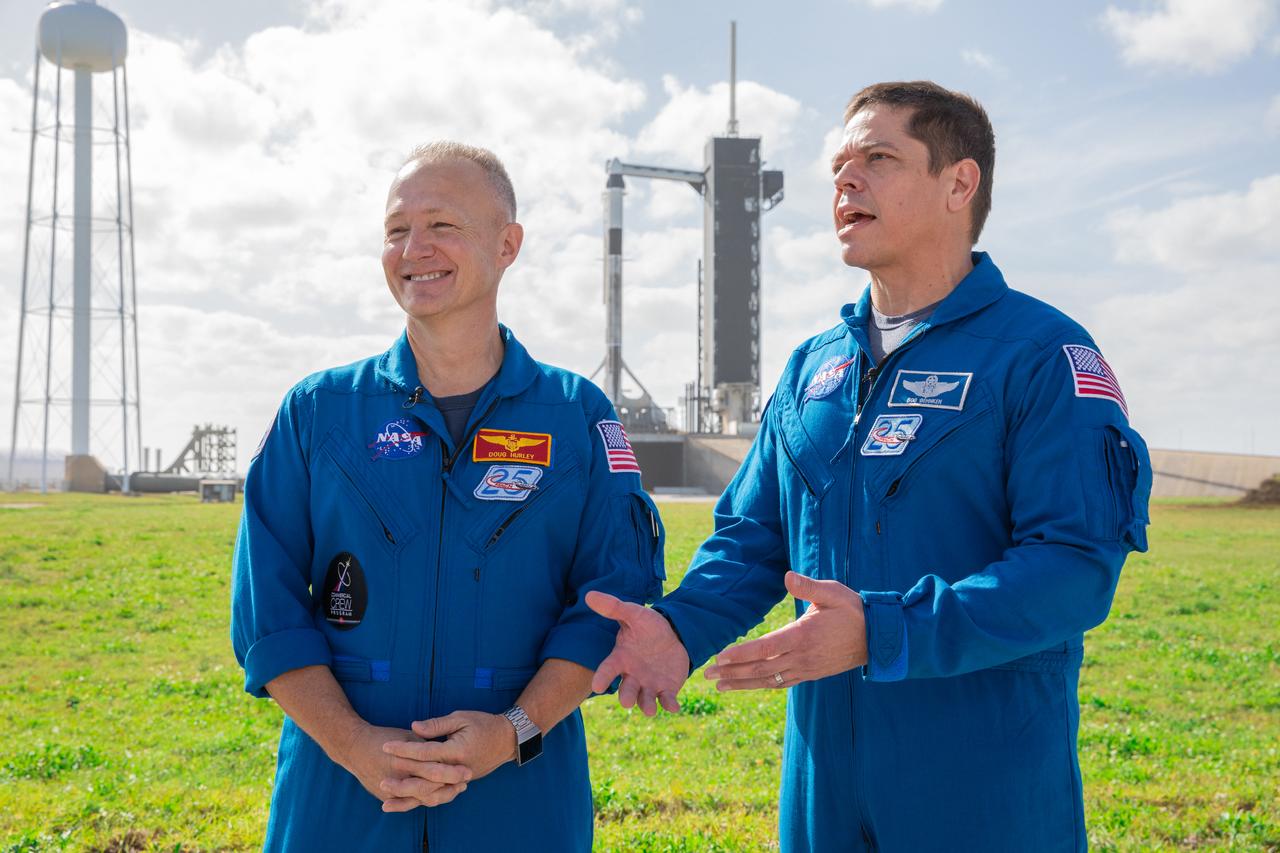
NASA astronauts Doug Hurley, left, and Bob Behnken stand near Launch Pad 39A at the agency’s Kennedy Space Center in Florida on Jan. 17, 2020, during a dress rehearsal ahead of the SpaceX uncrewed In-Flight Abort Test. In the background, the company’s Falcon 9 rocket is topped by the Crew Dragon spacecraft. The flight test will demonstrate the spacecraft’s escape capabilities in preparation for crewed flights to the International Space Station as part of the agency’s Commercial Crew Program. Hurley and Behnken are slated to fly on the company’s first crewed mission, Demo-2.
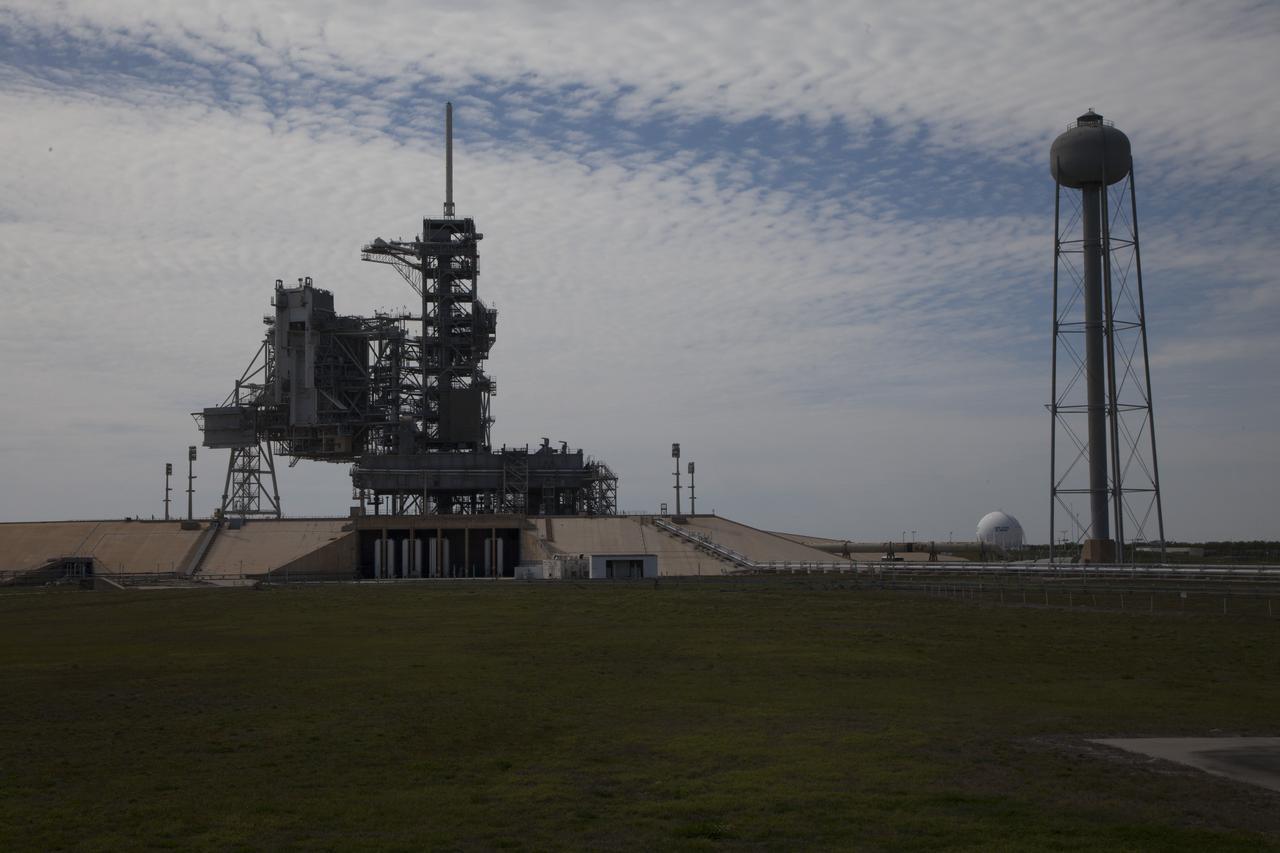
CAPE CANAVERAL, Fla. -- At NASA's Kennedy Space Center in Florida, launch pad 39A looks much like it did after the liftoff of STS-135, the final space shuttle mission, on July 8, 2011. The mobile launcher platform remains in place next to the fixed service structure and rotating service structure. During the shuttle program, water was stored in the 290-foot-high, 300,000 gallon tank on the right. Water was released just prior to the main engine ignition and flows by gravity to special outlets on the platform to protect the orbiter and its payloads from being damaged by acoustical energy reflected from the platform during liftoff. Both launch pad 39A and 39B pad 39A was originally built for the Apollo/Saturn V rockets that launched American astronauts on their historic journeys to the moon and later modified to support the 30-year shuttle program. To learn more about Launch Pad 39A visit: http://www.nasa.gov/mission_pages/shuttle/launch/launch-complex39-toc.html Photo credit: NASA/Dan Casper
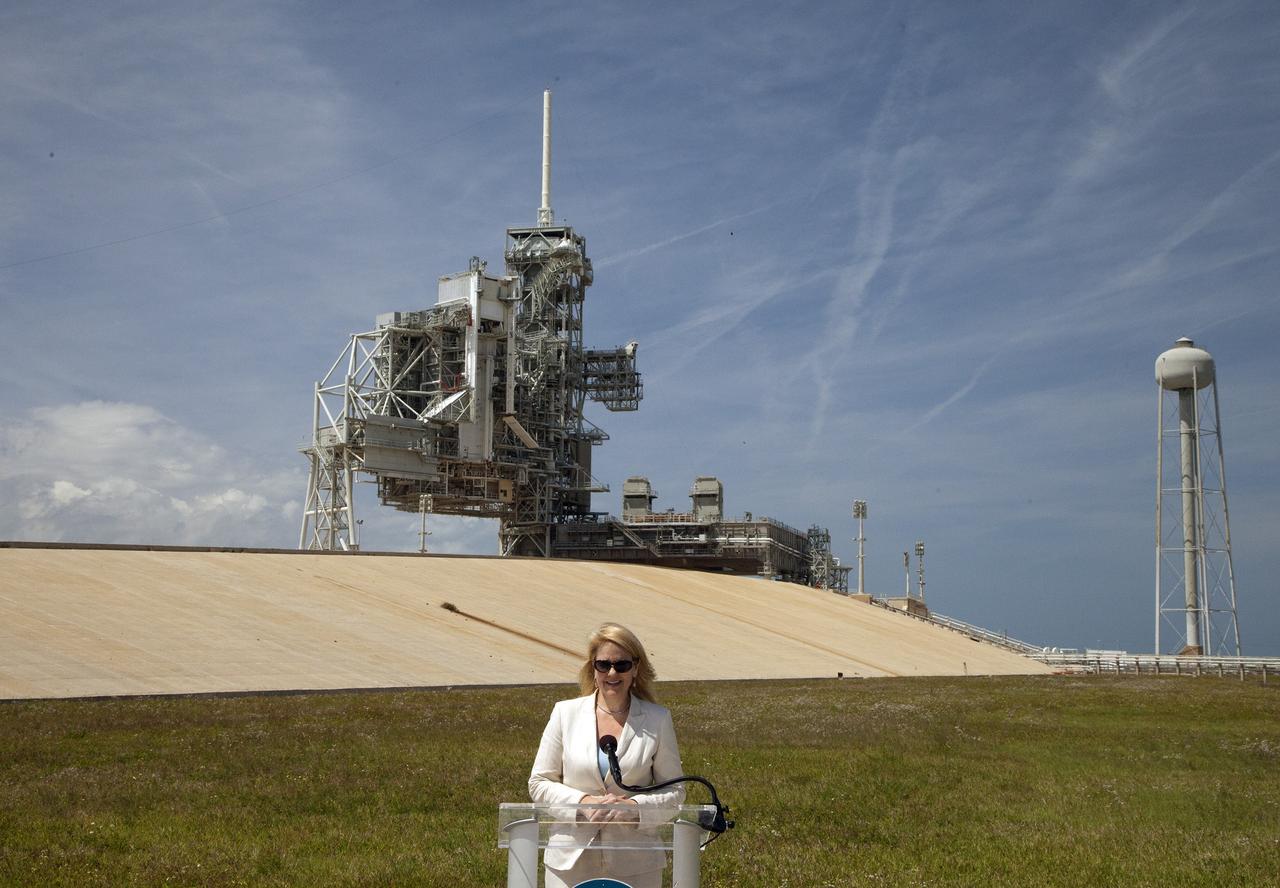
CAPE CANAVERAL, Fla. -- At Kennedy Space Center's Launch Pad 39A, Gwynne Shotwell, president and chief operating officer of Space Exploration Technologies SpaceX of Hawthorne, Calif., announces that NASA has just signed a lease agreement with SpaceX for use and operation of Launch Complex 39A. SpaceX will use Launch Complex 39A for rockets such as the Falcon Heavy, currently under development. Both launch pad 39A and 39B were originally built for the Apollo/Saturn V rockets that launched American astronauts on their historic journeys to the moon and later modified to support the 30-year shuttle program. Pad 39B is now being modified by NASA to support the Space Launch System SLS rocket boosting the Orion spacecraft part of the agency’s plan to explore beyond low-Earth orbit. To learn more about Launch Pad 39A visit: http://www.nasa.gov/mission_pages/shuttle/launch/launch-complex39-toc.html Photo credit: NASA/Dan Casper
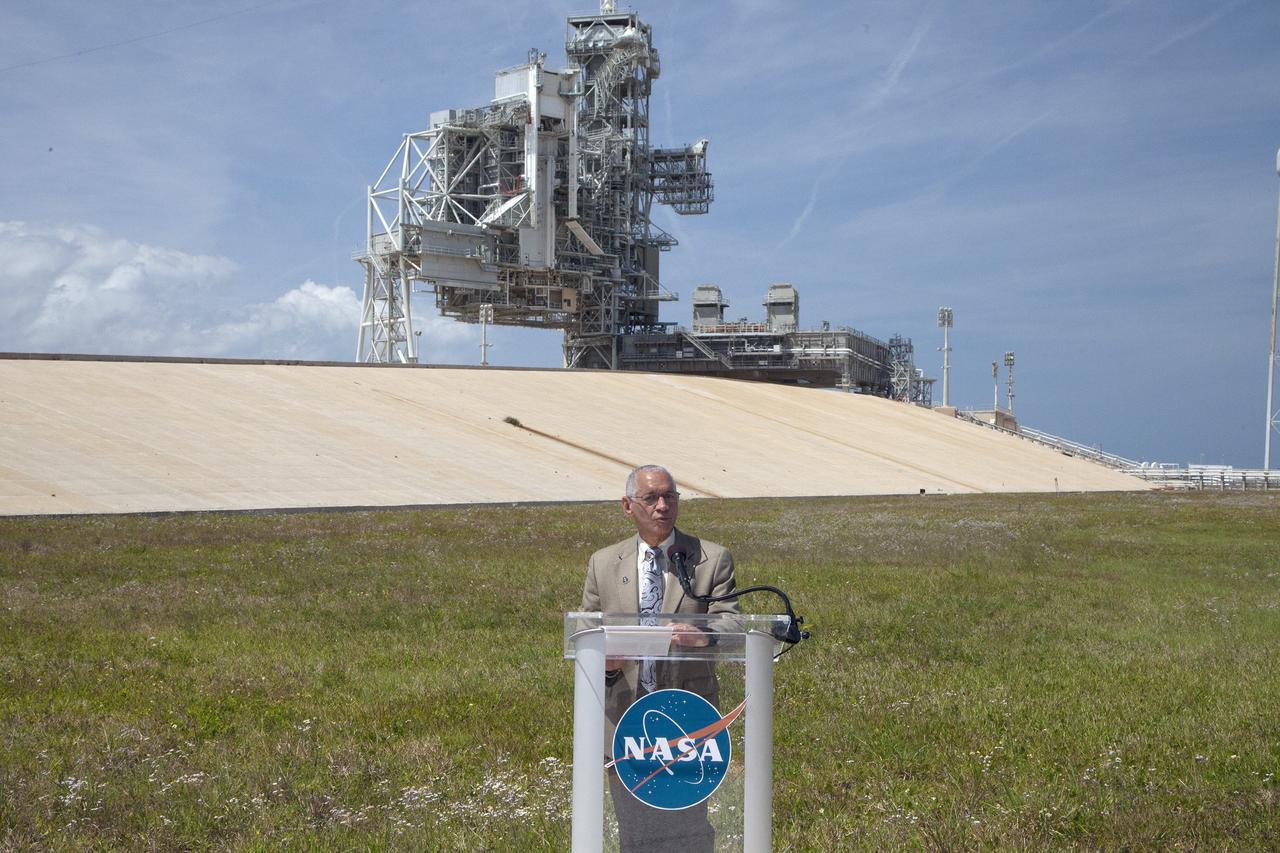
CAPE CANAVERAL, Fla. -- At Kennedy Space Center Launch Pad 39A, NASA Administrator Charlie Bolden announces that NASA has just signed a lease agreement with Space Exploration Technologies SpaceX of Hawthorne, Calif., for use and operation of Launch Complex 39A. SpaceX will use Launch Complex 39A for rockets such as the Falcon Heavy, currently under development. Both launch pad 39A and 39B were originally built for the Apollo/Saturn V rockets that launched American astronauts on their historic journeys to the moon and later modified to support the 30-year shuttle program. Pad 39B is now being modified by NASA to support the Space Launch System SLS rocket boosting the Orion spacecraft part of the agency’s plan to explore beyond low-Earth orbit. To learn more about Launch Pad 39A visit: http://www.nasa.gov/mission_pages/shuttle/launch/launch-complex39-toc.html Photo credit: NASA/Dan Casper
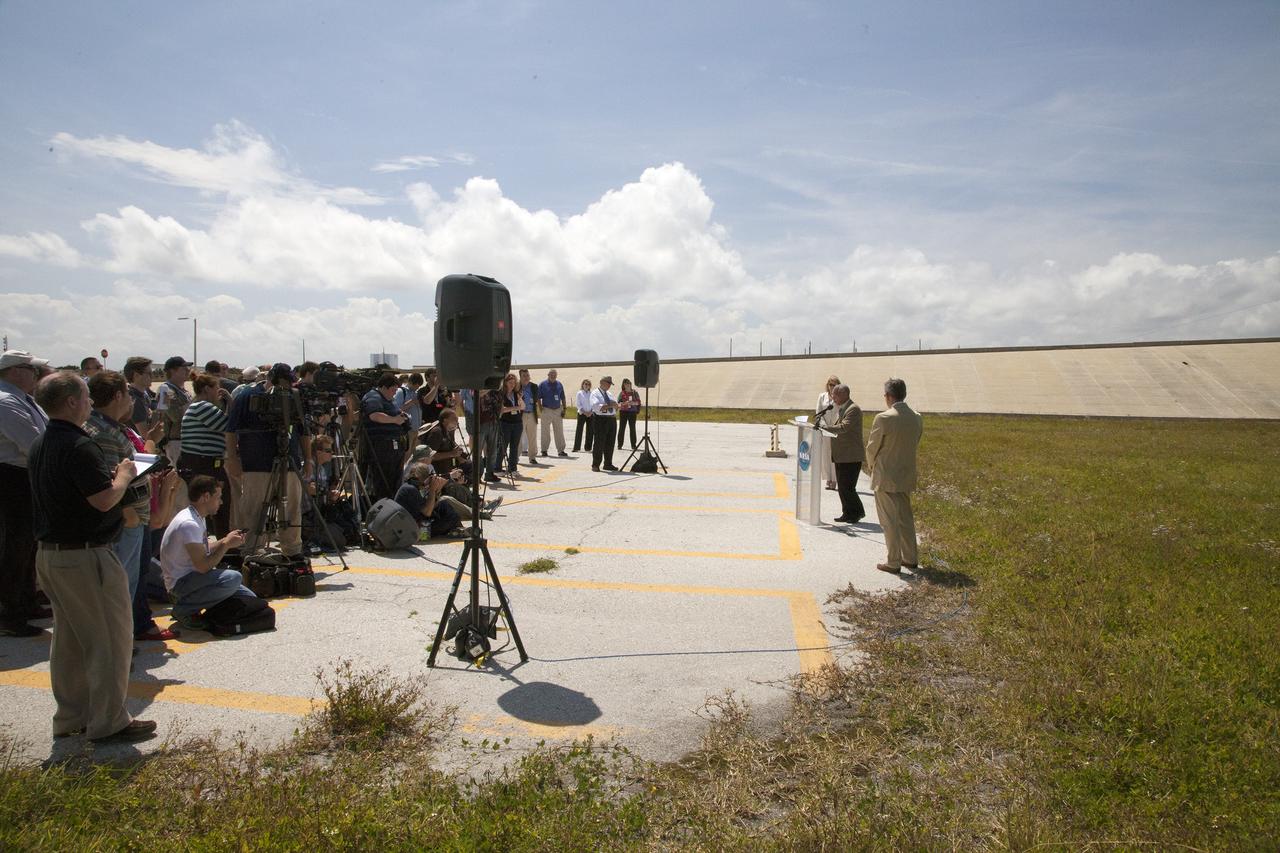
CAPE CANAVERAL, Fla. -- At Kennedy Space Center Launch Pad 39A, NASA Administrator Charlie Bolden announces that NASA has just signed a lease agreement with Space Exploration Technologies SpaceX of Hawthorne, Calif., for use and operation of Launch Complex 39A. SpaceX will use Launch Complex 39A for rockets such as the Falcon Heavy, currently under development. Both launch pad 39A and 39B were originally built for the Apollo/Saturn V rockets that launched American astronauts on their historic journeys to the moon and later modified to support the 30-year shuttle program. Pad 39B is now being modified by NASA to support the Space Launch System SLS rocket boosting the Orion spacecraft part of the agency’s plan to explore beyond low-Earth orbit. To learn more about Launch Pad 39A visit: http://www.nasa.gov/mission_pages/shuttle/launch/launch-complex39-toc.html Photo credit: NASA/Dan Casper
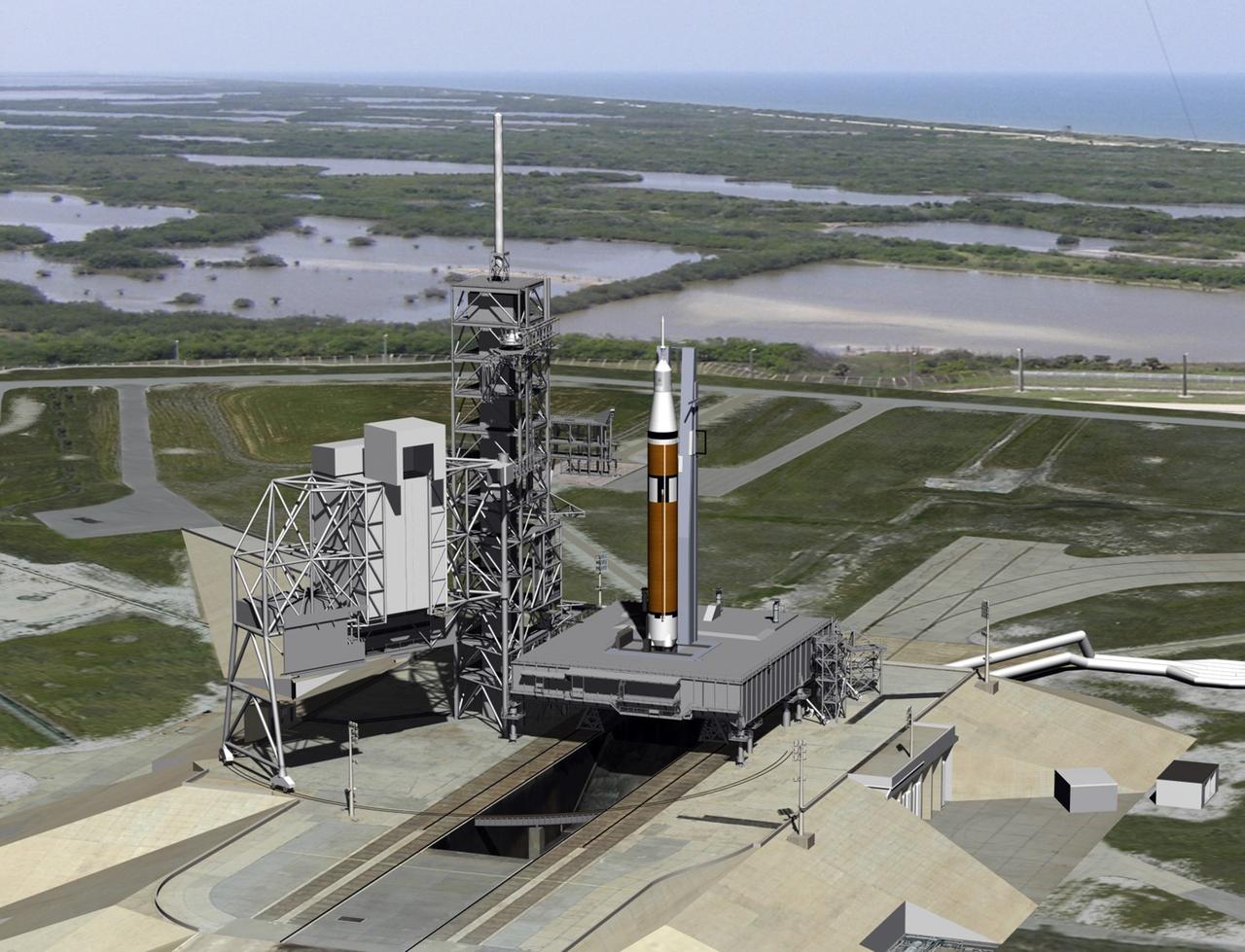
CAPE CANAVERAL, Fla. – An artist's concept shows a possible layout of a commercial spacecraft and rocket using facilities at Launch Pad 39A as NASA's Kennedy Space Center in Florida undergoes a transformation into a multi-user spaceport. Several companies are designing rockets and spacecraft that could be used to launch astronauts and payloads into space in the future. Credit: NASA
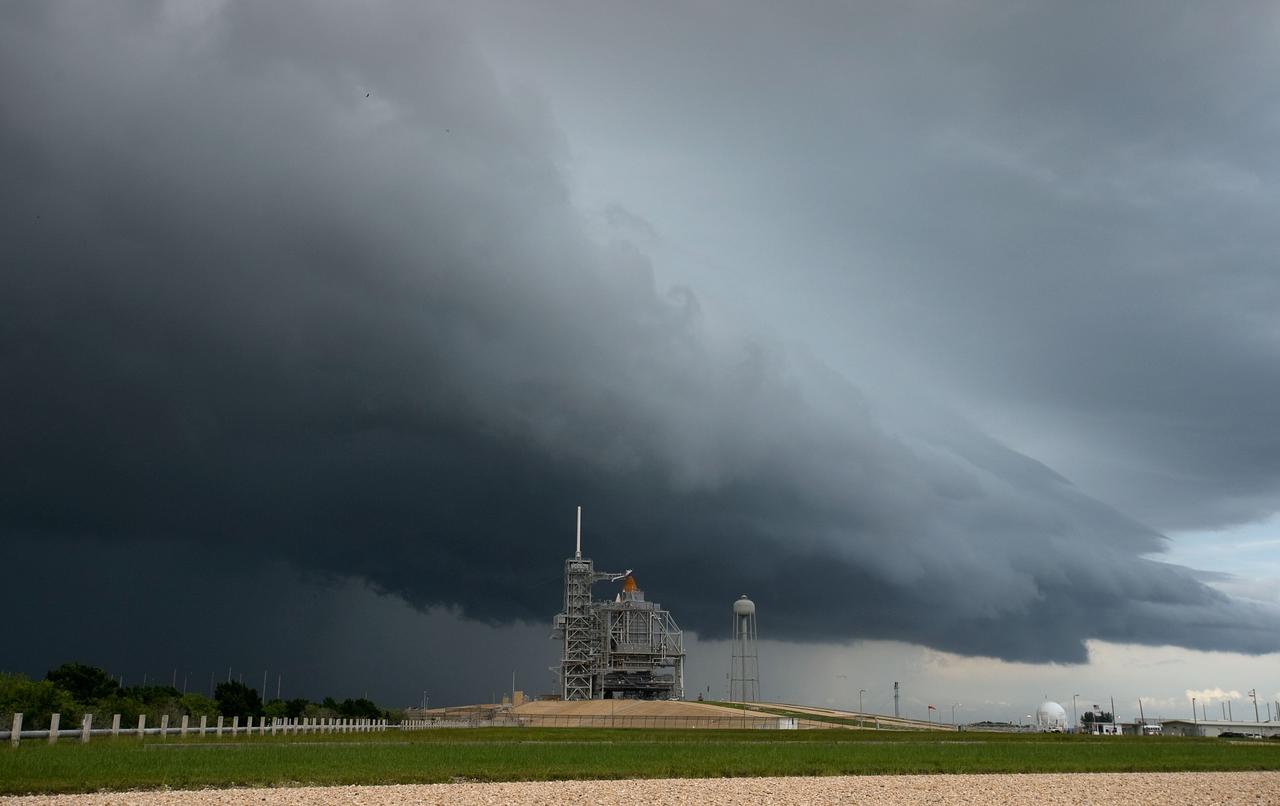
Storm clouds approach Launch Pad 39A at NASA's Kennedy Space Center in Florida on Friday, July 10, 2009 as space shuttle Endeavour stands awaiting Saturday's planned launch of the STS-127 mission. Photo Credit: (NASA/Bill Ingalls)
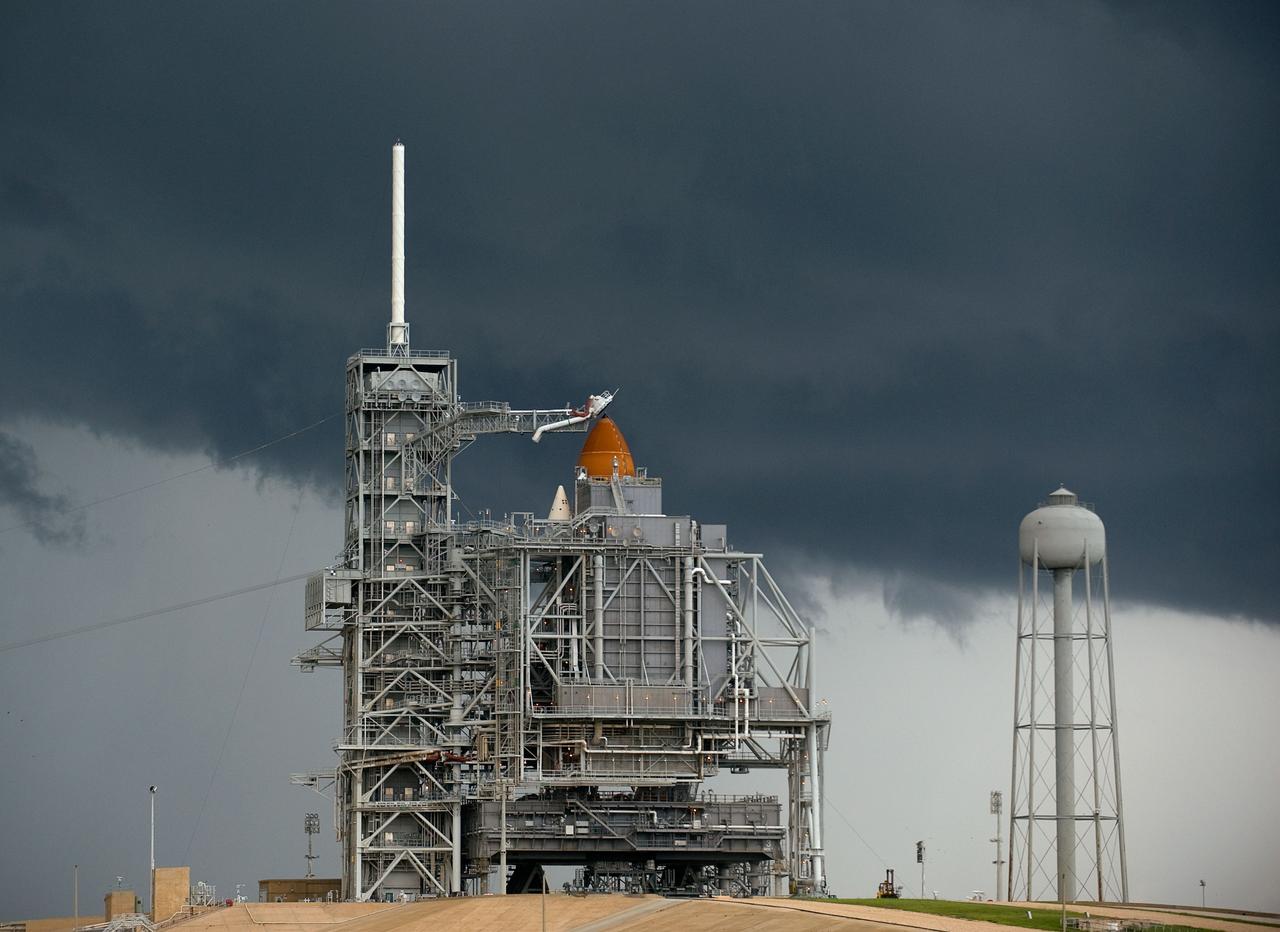
Storm clouds approach Launch Pad 39A at NASA's Kennedy Space Center in Florida on Friday, July 10, 2009 as space shuttle Endeavour stands awaiting Saturday's planned launch of the STS-127 mission. Photo Credit: (NASA/Bill Ingalls)
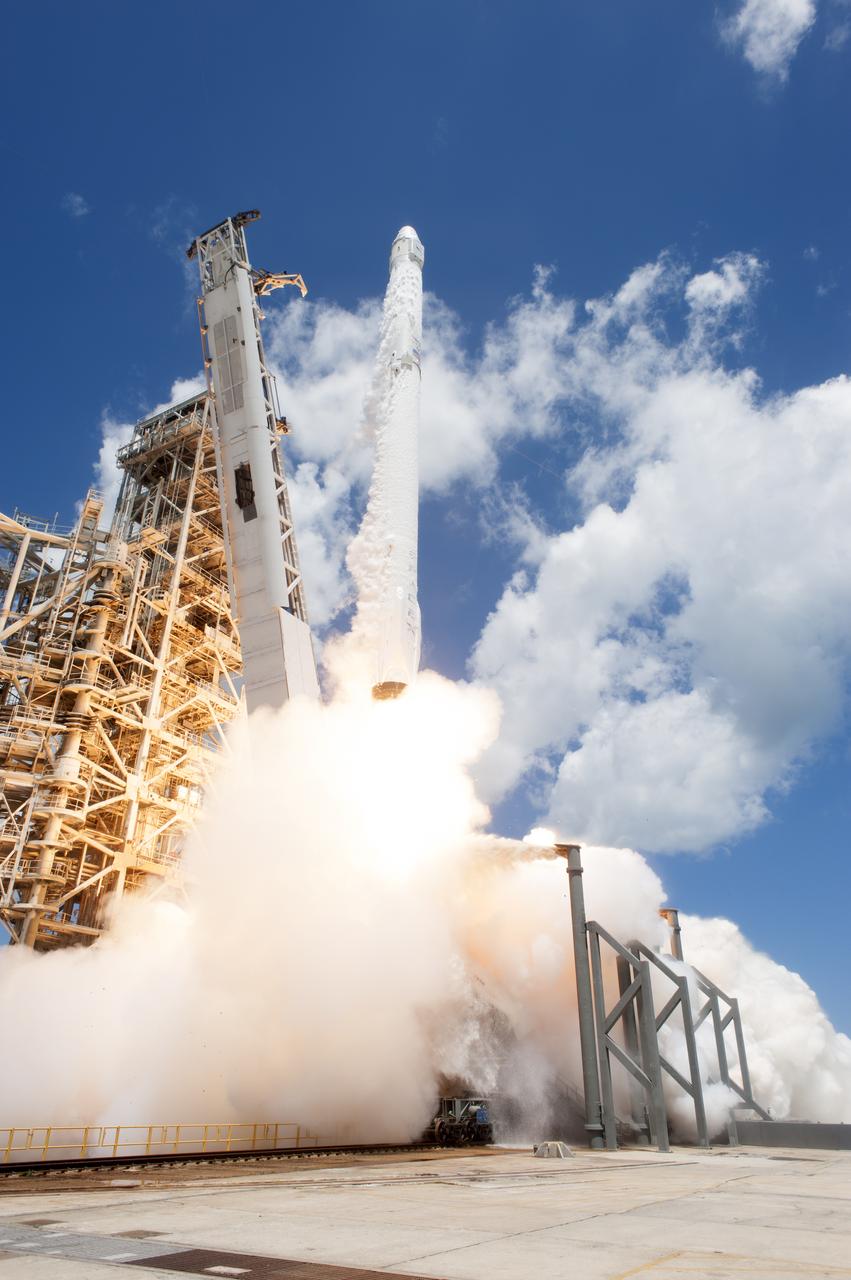
The two-stage SpaceX Falcon 9 launch vehicle lifts off Launch Complex 39A at NASA's Kenney Space Center carrying the Dragon resupply spacecraft to the International Space Station. Liftoff was at 12:31 p.m. EDT. On its 12th commercial resupply services mission to the International Space Station, Dragon will bring up more than 6,400 pounds of supplies and new science experiments and equipment for technology research.
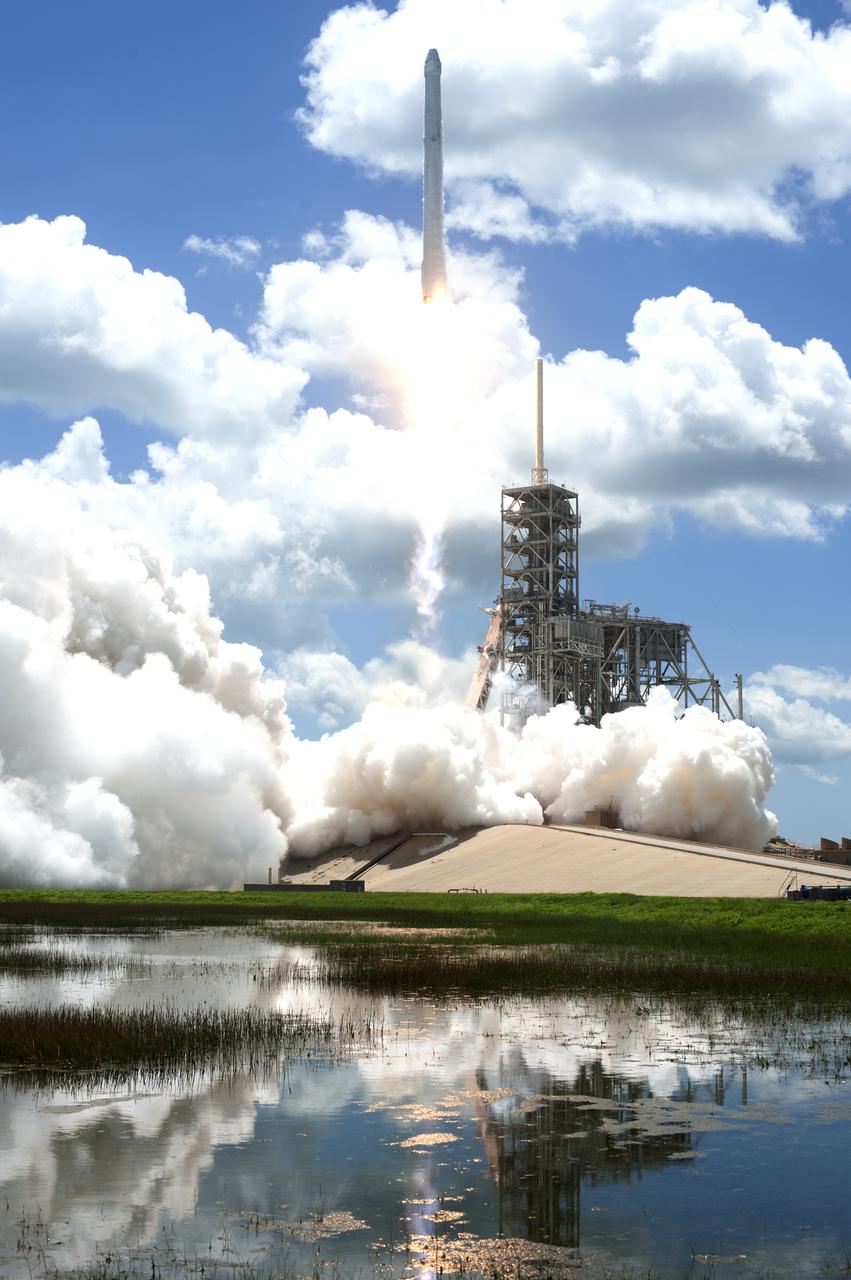
The two-stage SpaceX Falcon 9 launch vehicle lifts off Launch Complex 39A at NASA's Kennedy Space Center carrying the Dragon resupply spacecraft to the International Space Station. Liftoff was at 12:31 p.m. EDT. On its 12th commercial resupply services mission to the International Space Station, Dragon will bring up more than 6,400 pounds of supplies and new science experiments and equipment for technology research.
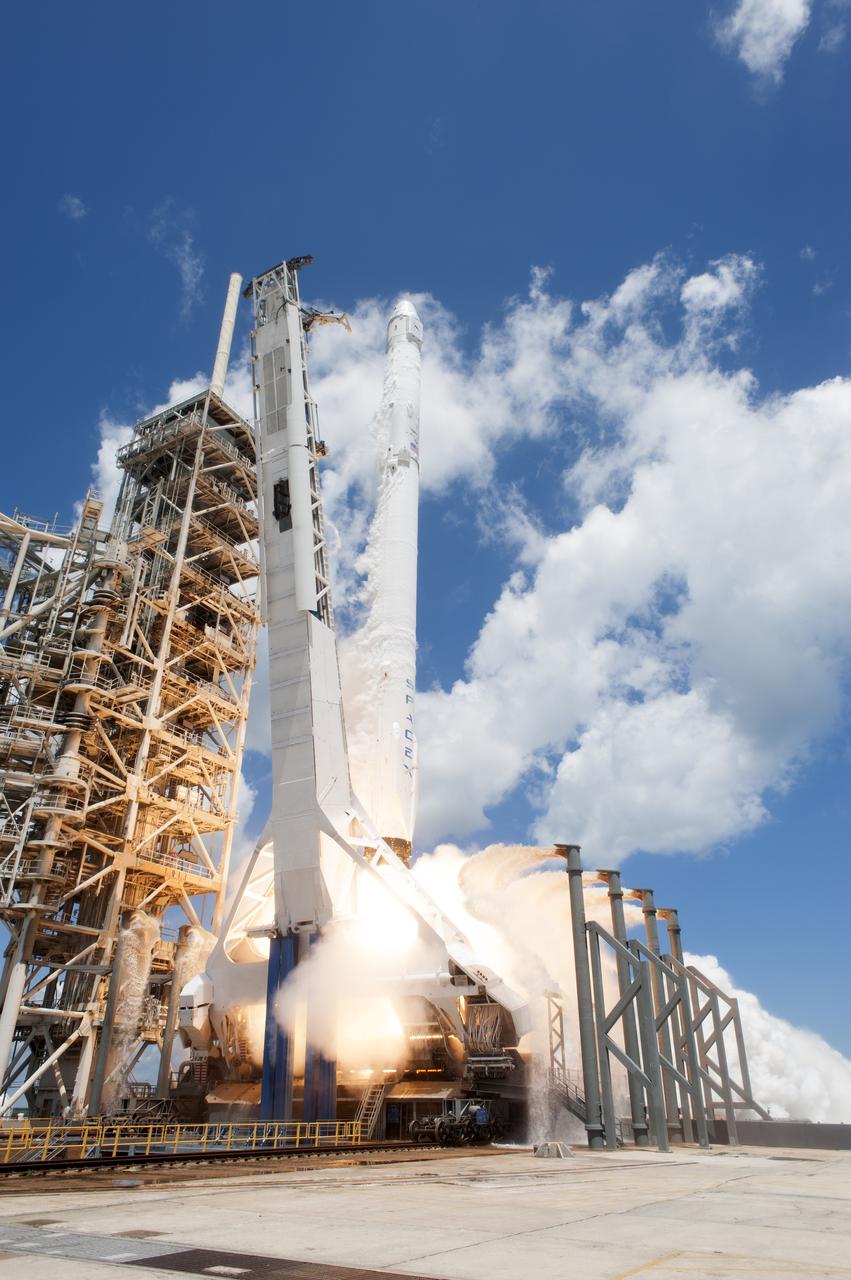
The two-stage SpaceX Falcon 9 launch vehicle lifts off Launch Complex 39A at NASA's Kenney Space Center carrying the Dragon resupply spacecraft to the International Space Station. Liftoff was at 12:31 p.m. EDT. On its 12th commercial resupply services mission to the International Space Station, Dragon will bring up more than 6,400 pounds of supplies and new science experiments and equipment for technology research.

The two-stage SpaceX Falcon 9 launch vehicle lifts off Launch Complex 39A at NASA's Kennedy Space Center carrying the Dragon resupply spacecraft to the International Space Station. Liftoff was at 12:31 p.m. EDT. On its 12th commercial resupply services mission to the International Space Station, Dragon will bring up more than 6,400 pounds of supplies and new science experiments and equipment for technology research.
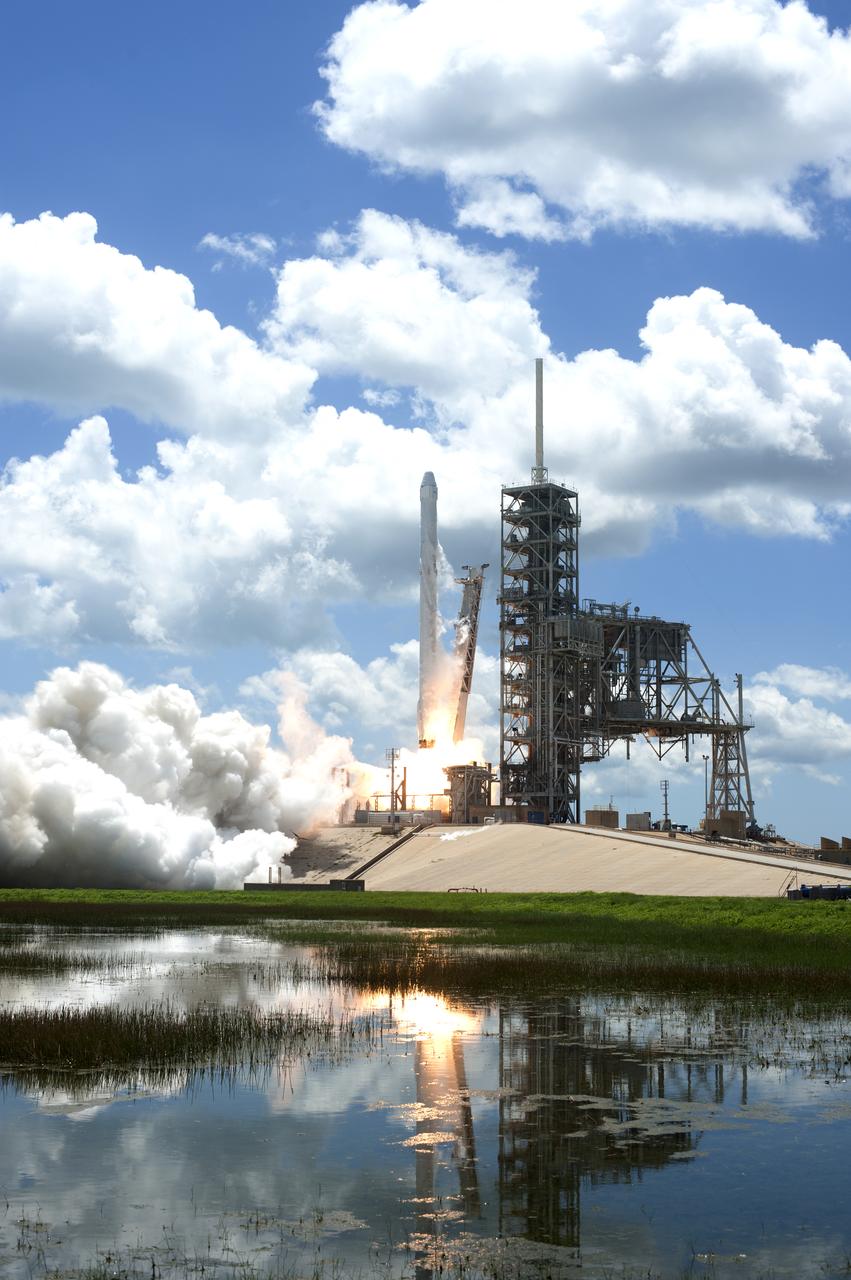
The two-stage SpaceX Falcon 9 launch vehicle lifts off Launch Complex 39A at NASA's Kennedy Space Center carrying the Dragon resupply spacecraft to the International Space Station. Liftoff was at 12:31 p.m. EDT. On its 12th commercial resupply services mission to the International Space Station, Dragon will bring up more than 6,400 pounds of supplies and new science experiments and equipment for technology research.
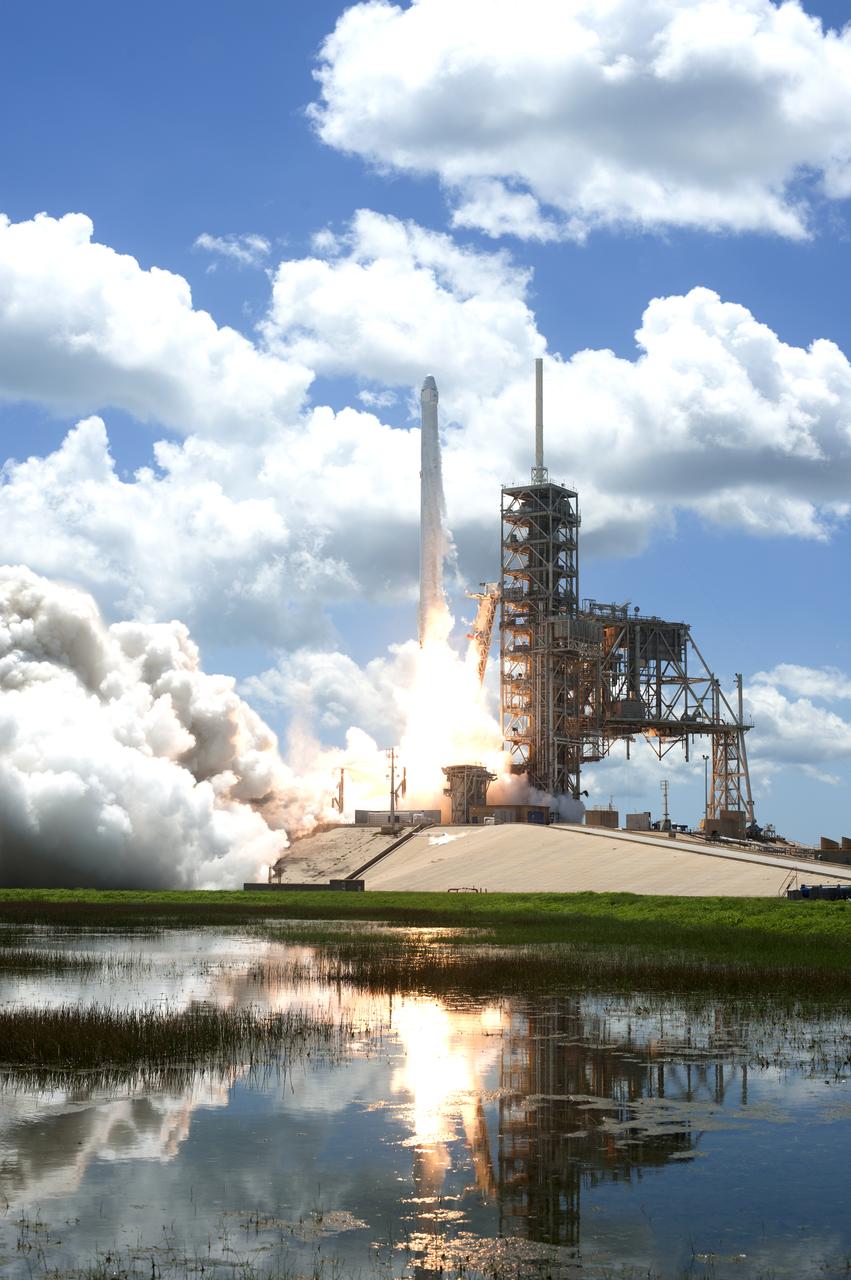
The two-stage SpaceX Falcon 9 launch vehicle lifts off Launch Complex 39A at NASA's Kennedy Space Center carrying the Dragon resupply spacecraft to the International Space Station. Liftoff was at 12:31 p.m. EDT. On its 12th commercial resupply services mission to the International Space Station, Dragon will bring up more than 6,400 pounds of supplies and new science experiments and equipment for technology research.
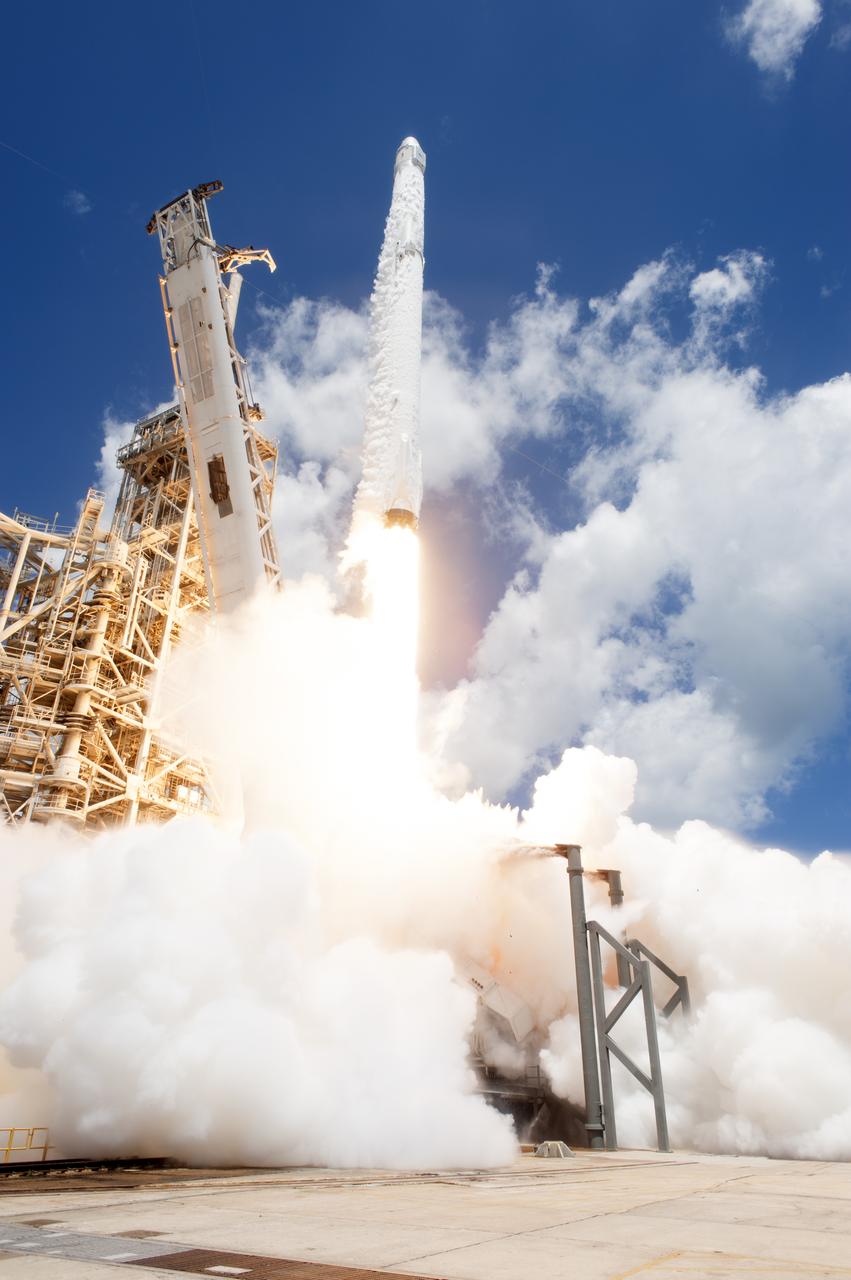
The two-stage SpaceX Falcon 9 launch vehicle lifts off Launch Complex 39A at NASA's Kenney Space Center carrying the Dragon resupply spacecraft to the International Space Station. Liftoff was at 12:31 p.m. EDT. On its 12th commercial resupply services mission to the International Space Station, Dragon will bring up more than 6,400 pounds of supplies and new science experiments and equipment for technology research.
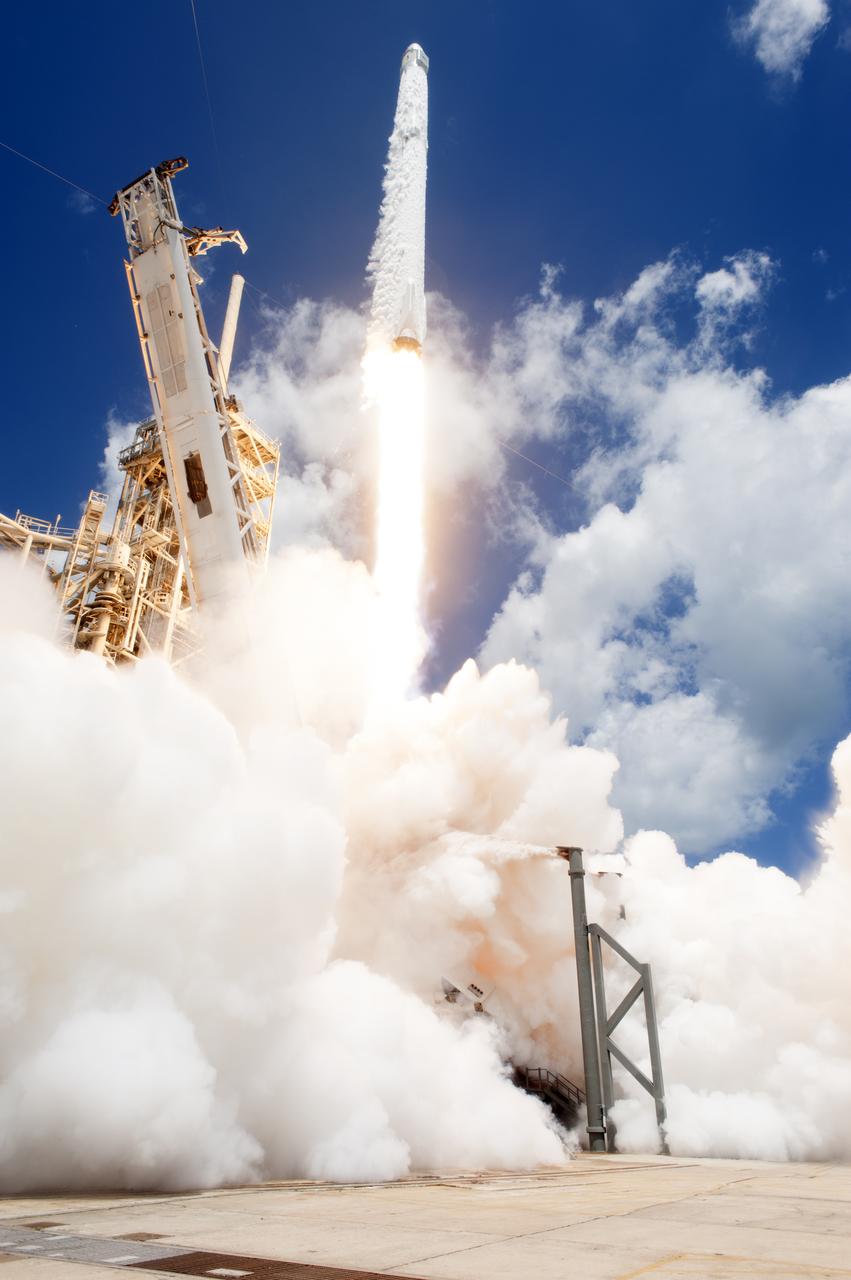
The two-stage SpaceX Falcon 9 launch vehicle lifts off Launch Complex 39A at NASA's Kenney Space Center carrying the Dragon resupply spacecraft to the International Space Station. Liftoff was at 12:31 p.m. EDT. On its 12th commercial resupply services mission to the International Space Station, Dragon will bring up more than 6,400 pounds of supplies and new science experiments and equipment for technology research.
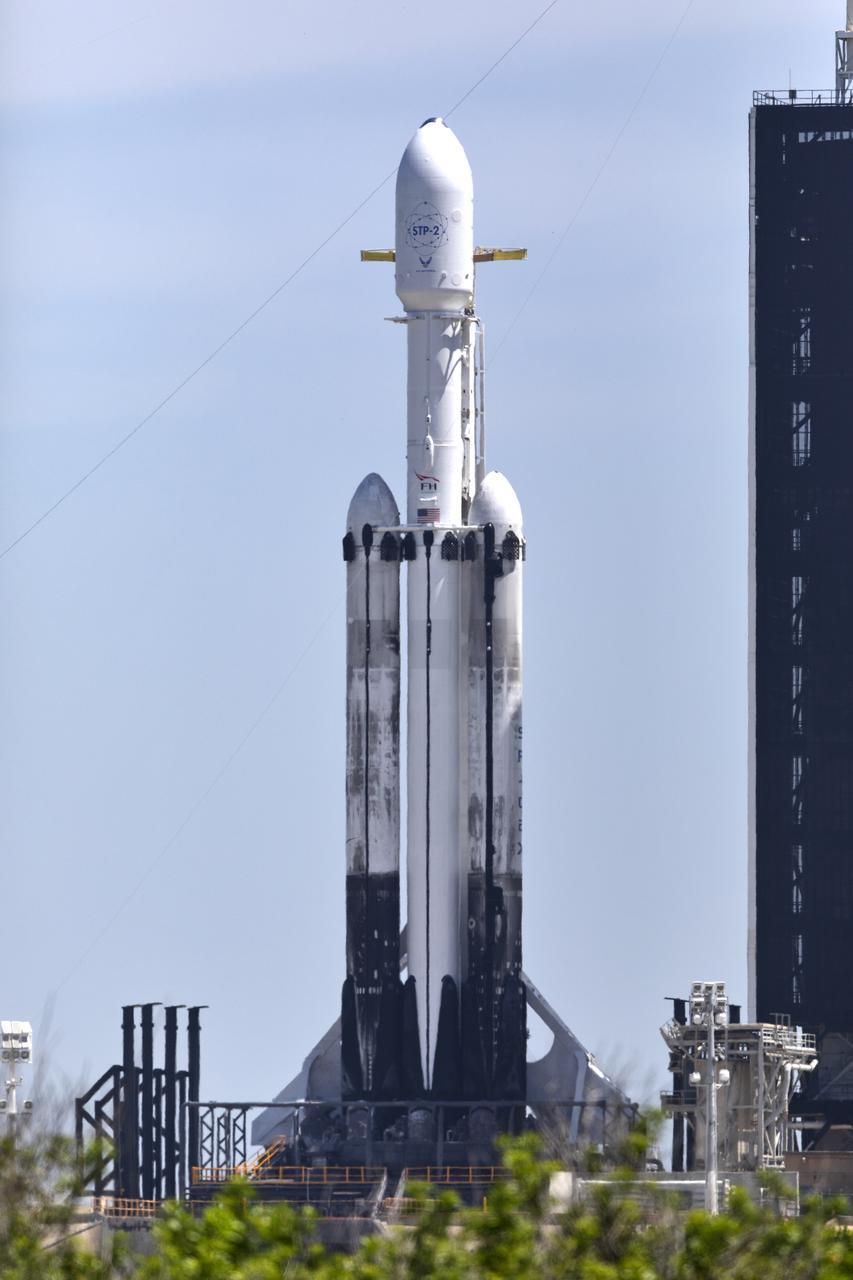
A SpaceX Falcon Heavy rocket is ready for launch on the pad at Launch Complex 39A at NASA’s Kennedy Space Center in Florida on June 24, 2019. SpaceX and the U.S. Department of Defense will launch two dozen satellites to space, including four NASA payloads that are part of the Space Test Program-2, managed by the U.S. Air Force Space and Missile Systems Center. The launch window opens at 11:30 p.m. EDT on June 24. The four NASA payloads include two technology demonstrations to improve how spacecraft propel and navigate, as well as two NASA science missions to help us better understand the nature of space and how it impacts technology on spacecraft and the ground.
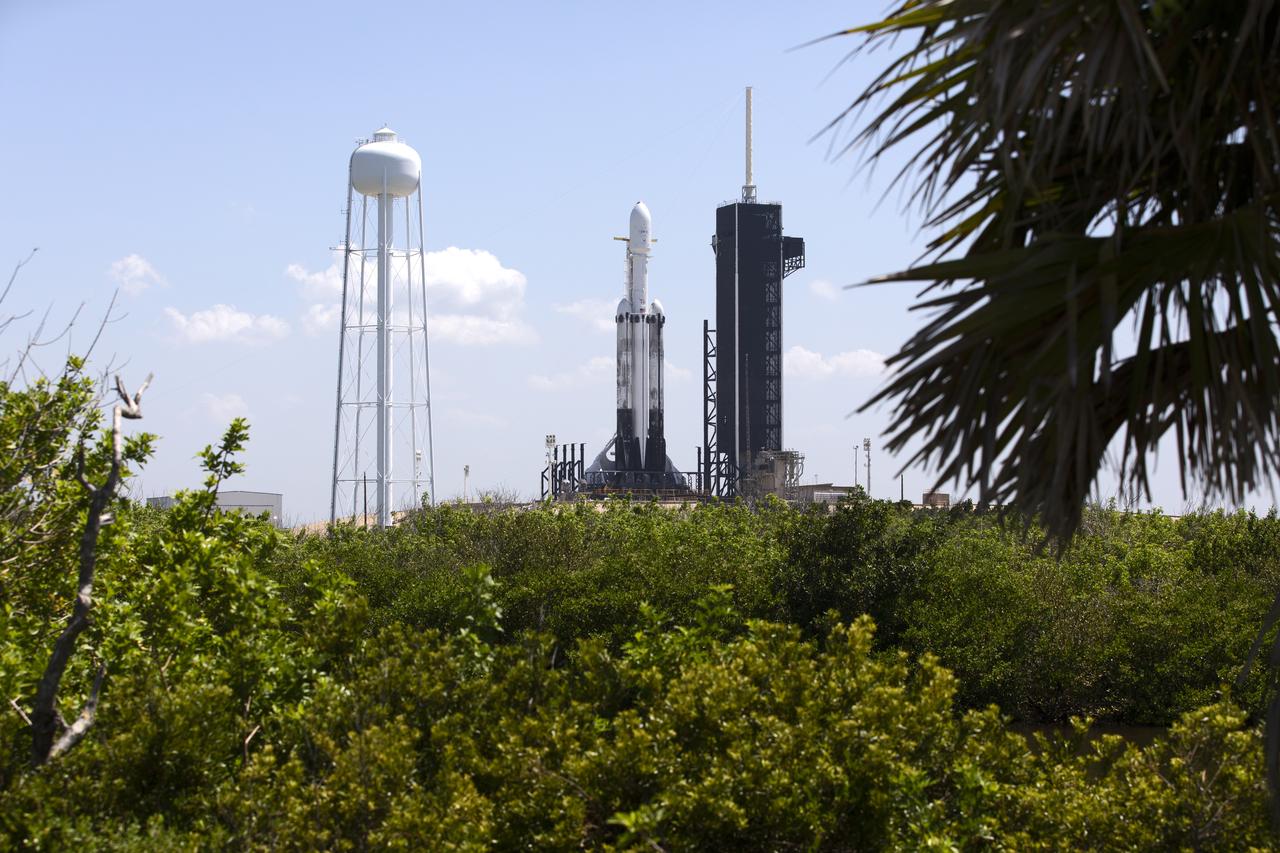
A SpaceX Falcon Heavy rocket is ready for launch on the pad at Launch Complex 39A at NASA’s Kennedy Space Center in Florida on June 24, 2019. SpaceX and the U.S. Department of Defense will launch two dozen satellites to space, including four NASA payloads that are part of the Space Test Program-2, managed by the U.S. Air Force Space and Missile Systems Center. The launch window opens at 11:30 p.m. EDT on June 24. The four NASA payloads include two technology demonstrations to improve how spacecraft propel and navigate, as well as two NASA science missions to help us better understand the nature of space and how it impacts technology on spacecraft and the ground.
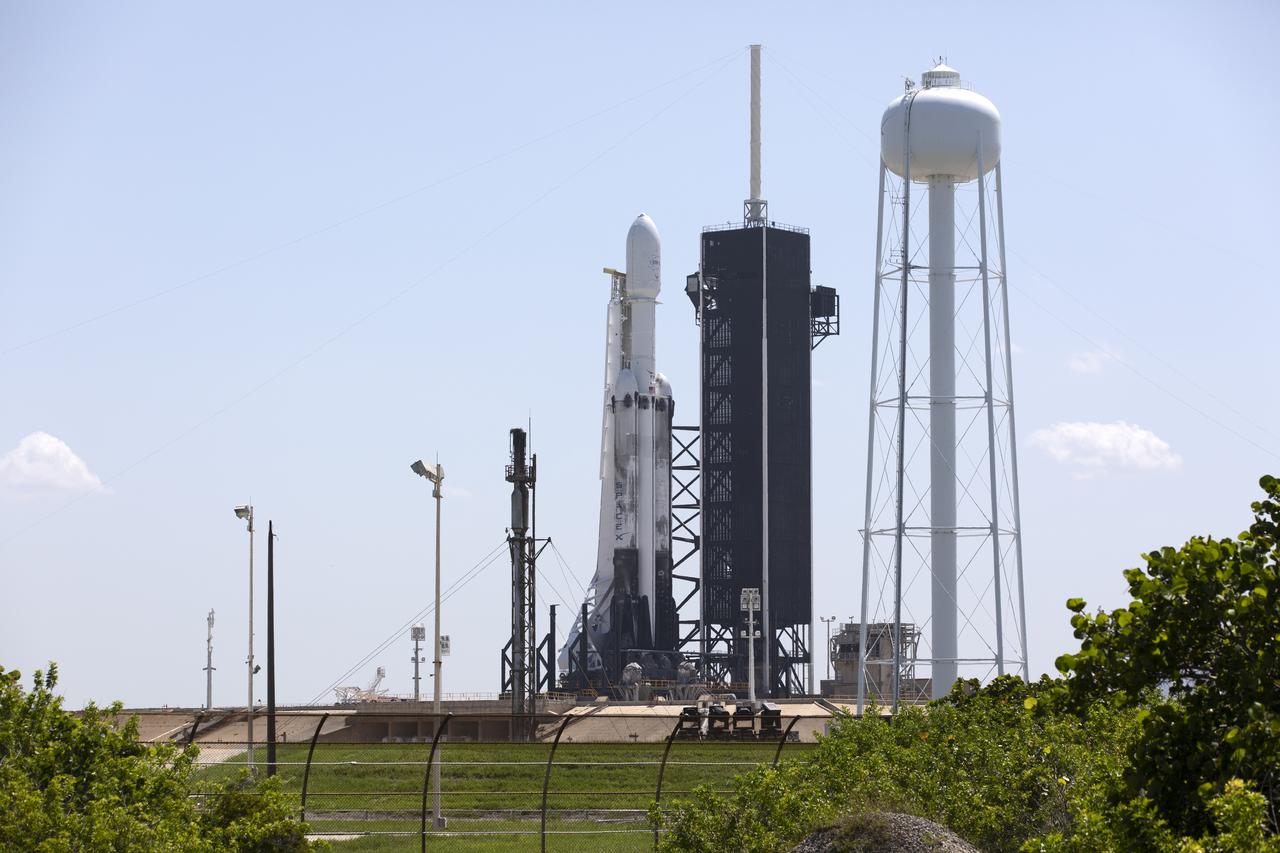
A SpaceX Falcon Heavy rocket is ready for launch on the pad at Launch Complex 39A at NASA’s Kennedy Space Center in Florida on June 24, 2019. SpaceX and the U.S. Department of Defense will launch two dozen satellites to space, including four NASA payloads that are part of the Space Test Program-2, managed by the U.S. Air Force Space and Missile Systems Center. The launch window opens at 11:30 p.m. EDT on June 24. The four NASA payloads include two technology demonstrations to improve how spacecraft propel and navigate, as well as two NASA science missions to help us better understand the nature of space and how it impacts technology on spacecraft and the ground.
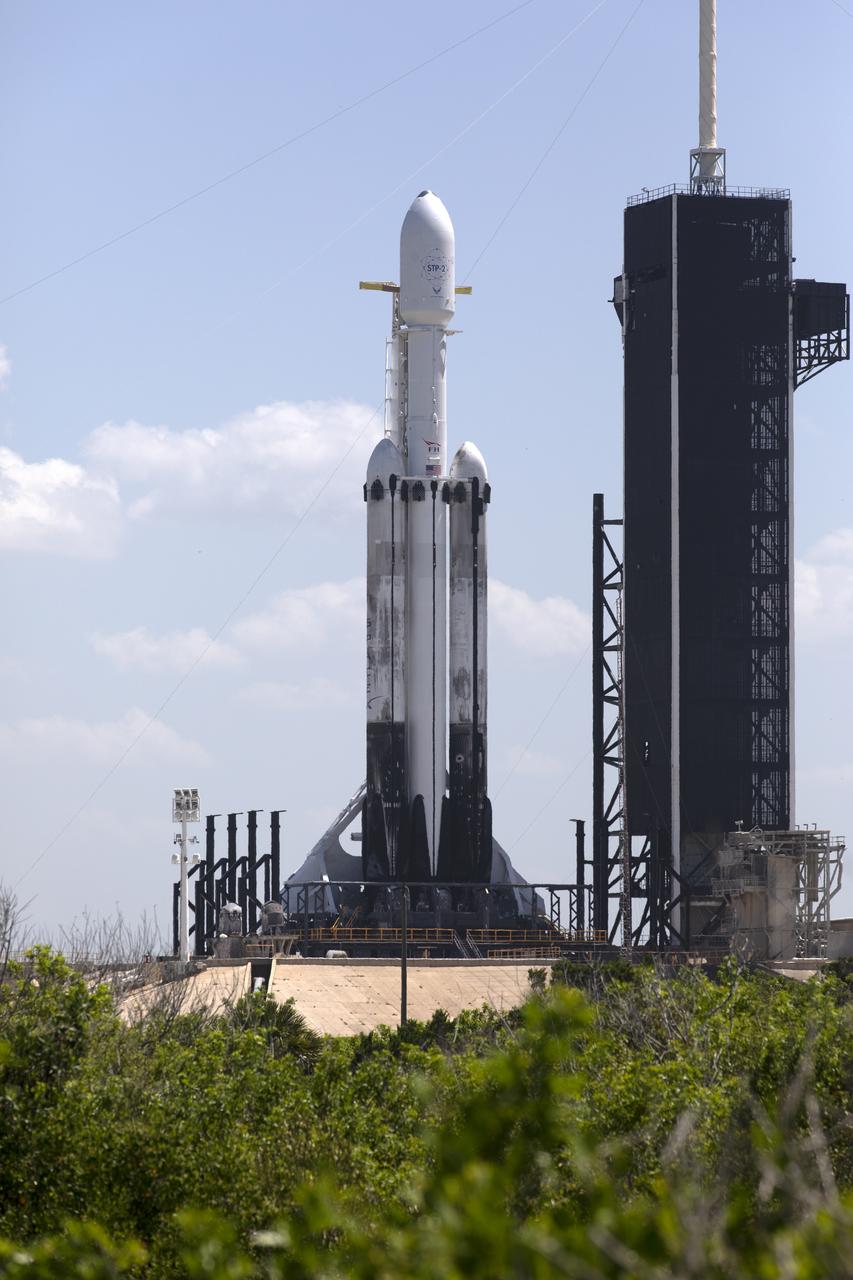
A SpaceX Falcon Heavy rocket is ready for launch on the pad at Launch Complex 39A at NASA’s Kennedy Space Center in Florida on June 24, 2019. SpaceX and the U.S. Department of Defense will launch two dozen satellites to space, including four NASA payloads that are part of the Space Test Program-2, managed by the U.S. Air Force Space and Missile Systems Center. The launch window opens at 11:30 p.m. EDT on June 24. The four NASA payloads include two technology demonstrations to improve how spacecraft propel and navigate, as well as two NASA science missions to help us better understand the nature of space and how it impacts technology on spacecraft and the ground.
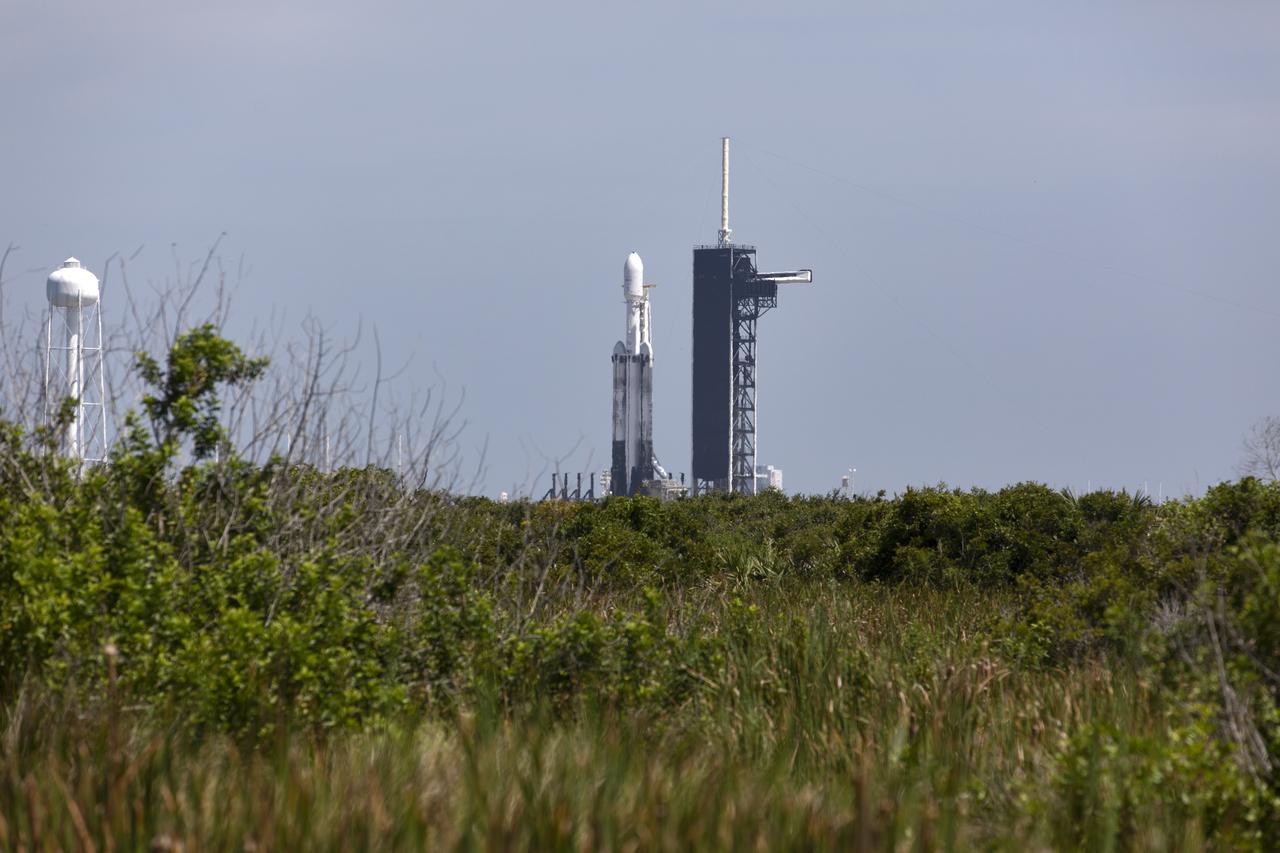
A SpaceX Falcon Heavy rocket is ready for launch on the pad at Launch Complex 39A at NASA’s Kennedy Space Center in Florida on June 24, 2019. SpaceX and the U.S. Department of Defense will launch two dozen satellites to space, including four NASA payloads that are part of the Space Test Program-2, managed by the U.S. Air Force Space and Missile Systems Center. The launch window opens at 11:30 p.m. EDT on June 24. The four NASA payloads include two technology demonstrations to improve how spacecraft propel and navigate, as well as two NASA science missions to help us better understand the nature of space and how it impacts technology on spacecraft and the ground.
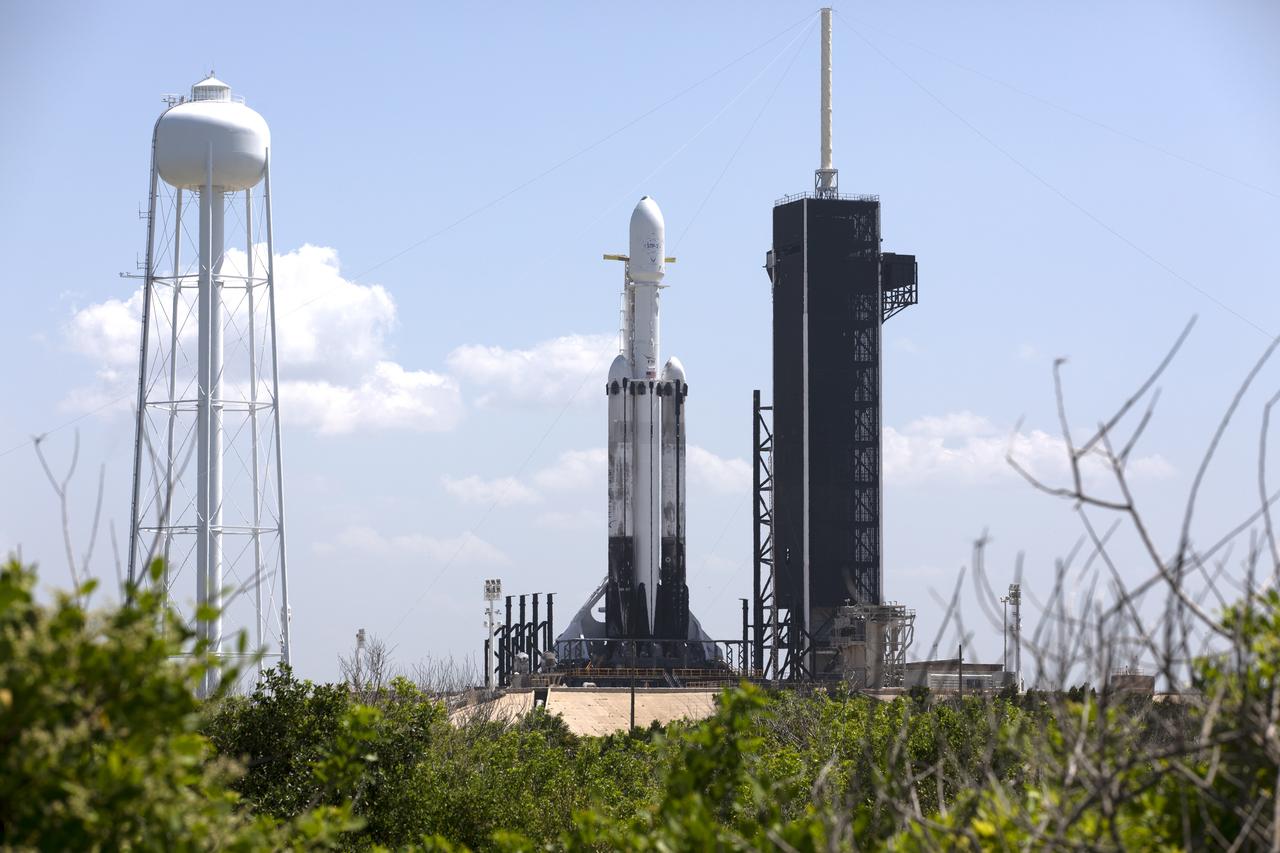
A SpaceX Falcon Heavy rocket is ready for launch on the pad at Launch Complex 39A at NASA’s Kennedy Space Center in Florida on June 24, 2019. SpaceX and the U.S. Department of Defense will launch two dozen satellites to space, including four NASA payloads that are part of the Space Test Program-2, managed by the U.S. Air Force Space and Missile Systems Center. The launch window opens at 11:30 p.m. EDT on June 24. The four NASA payloads include two technology demonstrations to improve how spacecraft propel and navigate, as well as two NASA science missions to help us better understand the nature of space and how it impacts technology on spacecraft and the ground.
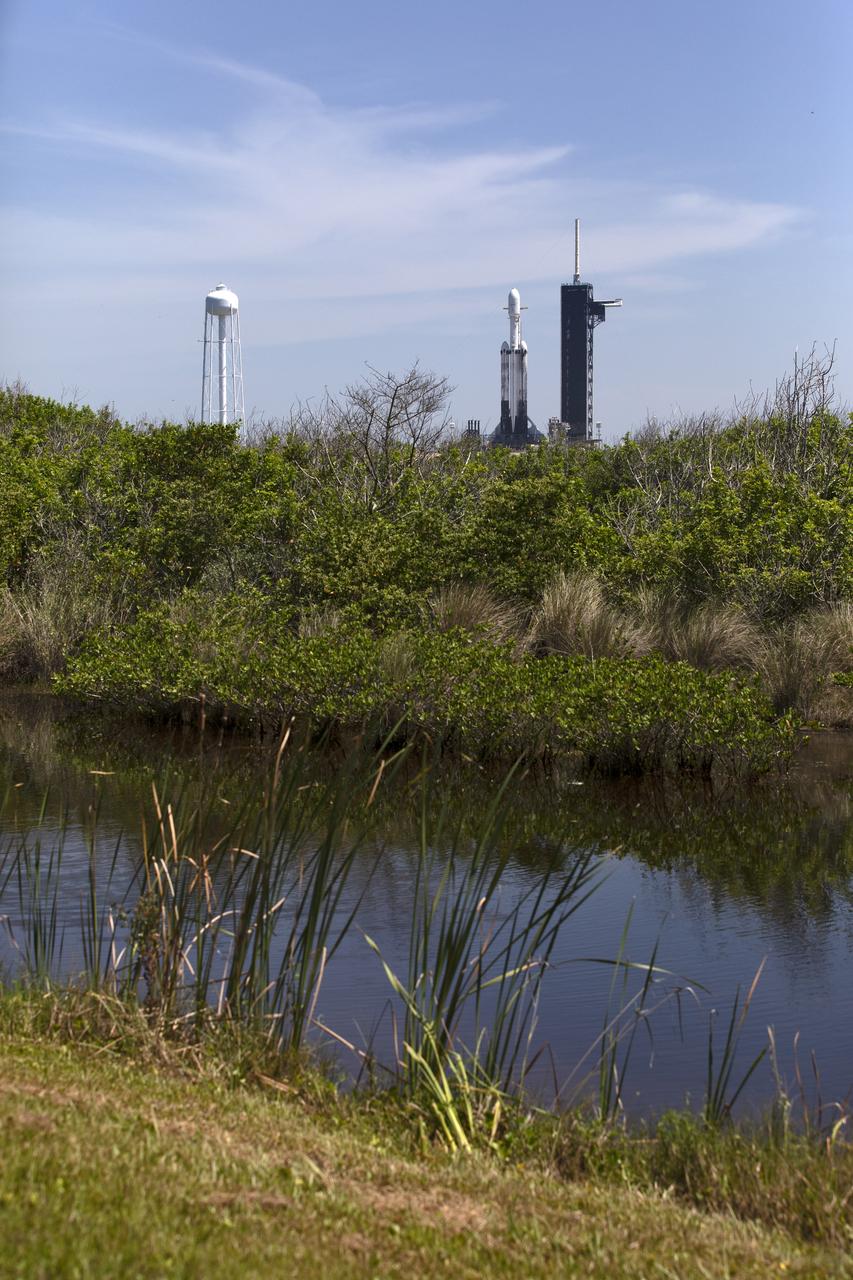
A SpaceX Falcon Heavy rocket is ready for launch on the pad at Launch Complex 39A at NASA’s Kennedy Space Center in Florida on June 24, 2019. SpaceX and the U.S. Department of Defense will launch two dozen satellites to space, including four NASA payloads that are part of the Space Test Program-2, managed by the U.S. Air Force Space and Missile Systems Center. The launch window opens at 11:30 p.m. EDT on June 24. The four NASA payloads include two technology demonstrations to improve how spacecraft propel and navigate, as well as two NASA science missions to help us better understand the nature of space and how it impacts technology on spacecraft and the ground.
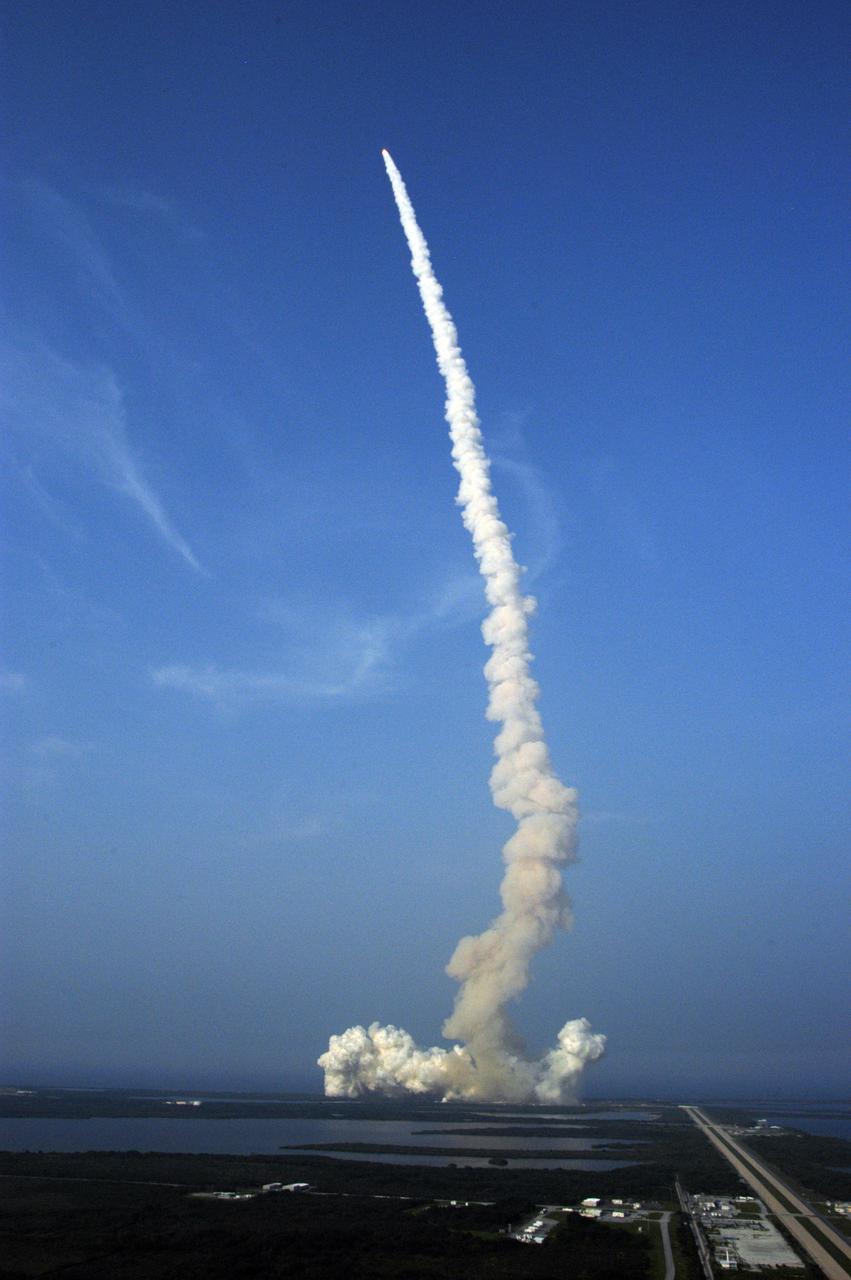
Space Shuttle Endeavour paints the still-blue evening sky as it leaves Earth behind on its journey into space on mission STS-118. Liftoff from Launch Pad 39A was on time at 6:36 p.m. EDT. The mission is the 22nd shuttle flight to the International Space Station. It will continue space station construction by delivering a third starboard truss segment, S5, and other payloads such as the SPACEHAB module and the external stowage platform 3. The 11-day mission may be extended to as many as 14 depending on the test of the Station-to-Shuttle Power Transfer System that will allow the docked shuttle to draw electrical power from the station and extend its visits to the orbiting lab.
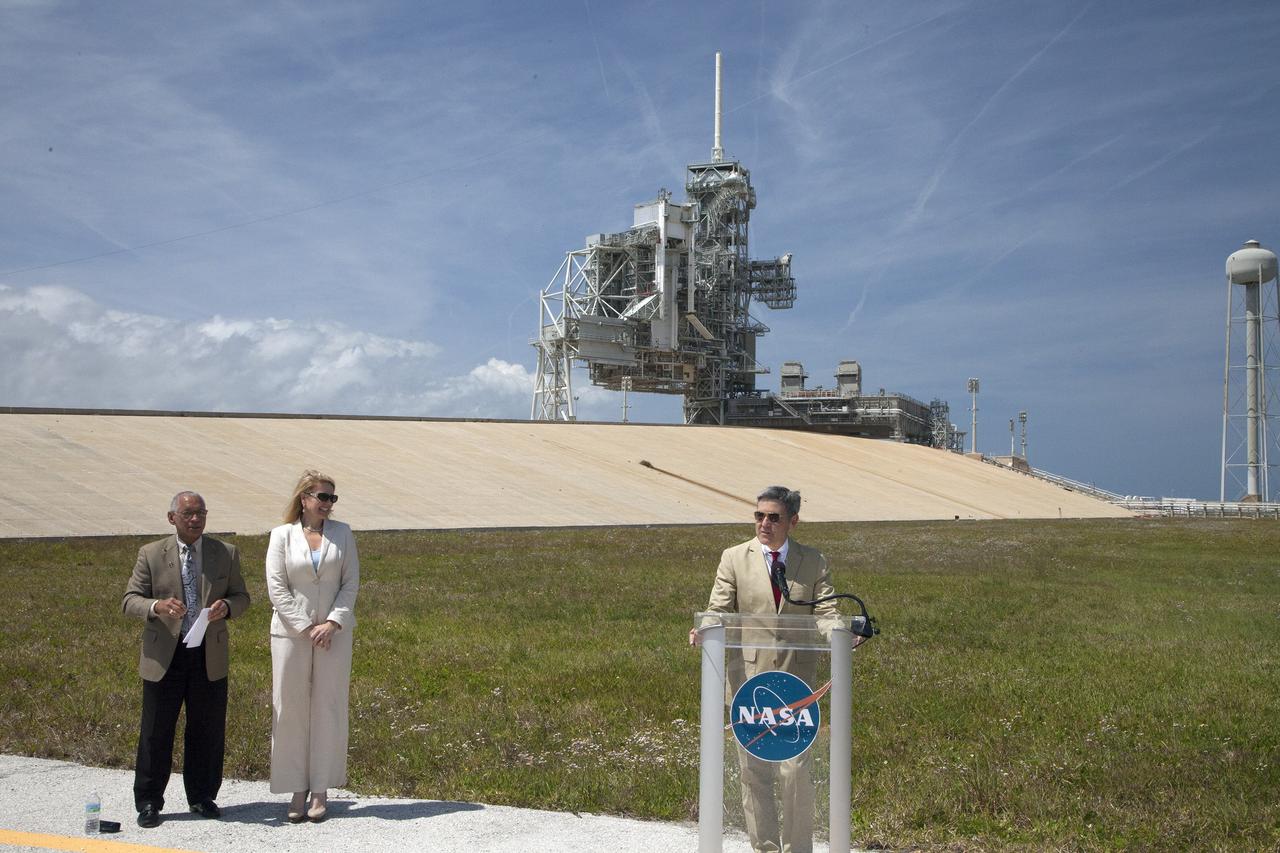
CAPE CANAVERAL, Fla. -- At Kennedy Space Center's Launch Pad 39A, center director Bob Cabana announces that NASA has just signed a lease agreement with Space Exploration Technologies SpaceX of Hawthorne, Calif., for use and operation of Launch Complex 39A. NASA Administrator Charlie Bolden, left, and Gwynne Shotwell, president and chief operating officer of SpaceX, look on. SpaceX will use Launch Complex 39A for rockets such as the Falcon Heavy, currently under development. Both launch pad 39A and 39B were originally built for the Apollo/Saturn V rockets that launched American astronauts on their historic journeys to the moon and later modified to support the 30-year shuttle program. Pad 39B is now being modified by NASA to support the Space Launch System SLS rocket boosting the Orion spacecraft part of the agency’s plan to explore beyond low-Earth orbit. To learn more about Launch Pad 39A visit: http://www.nasa.gov/mission_pages/shuttle/launch/launch-complex39-toc.html Photo credit: NASA/Dan Casper
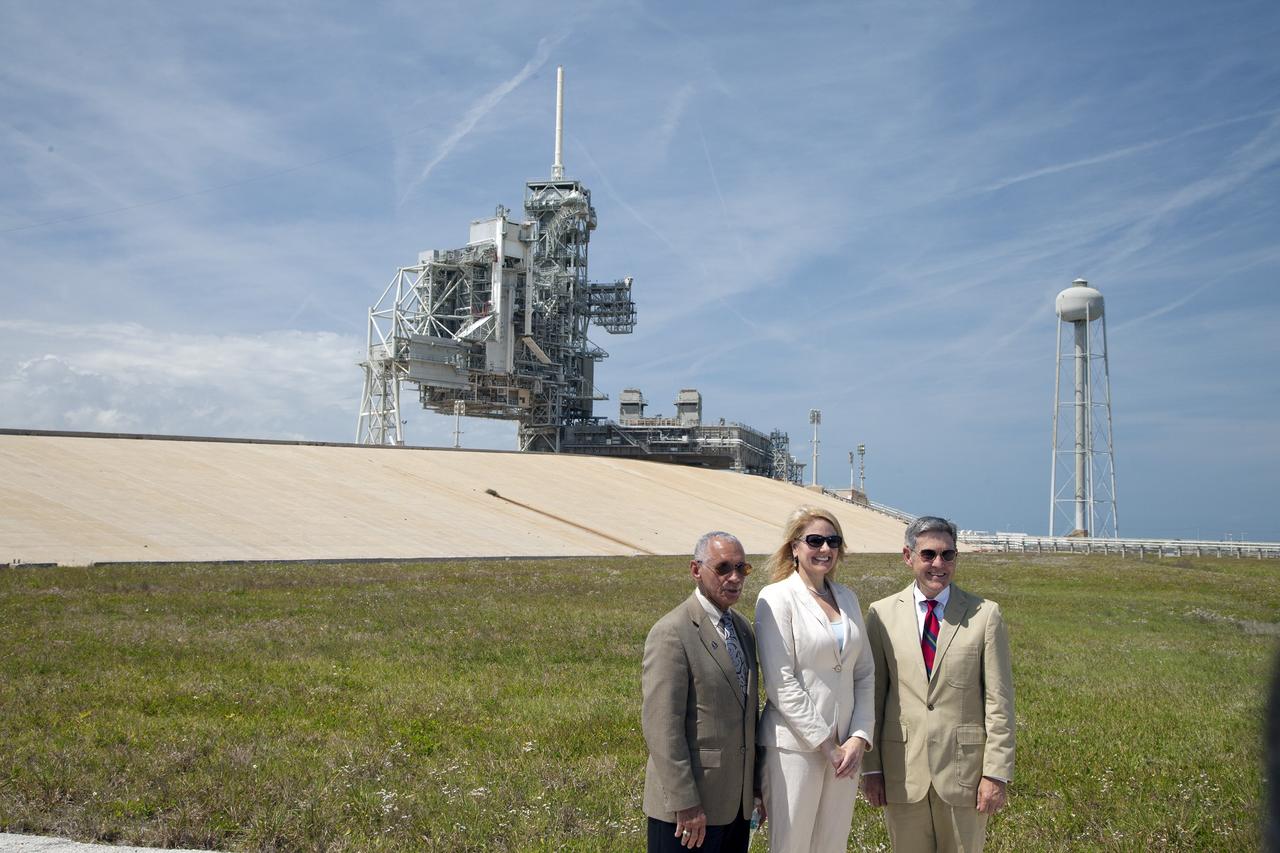
CAPE CANAVERAL, Fla. -- At Kennedy Space Center's Launch Pad 39A, from the left, NASA Administrator Charlie Bolden, Gwynne Shotwell, president and chief operating officer of Space Exploration Technologies SpaceX and Kennedy Space Center Director Bob Cabana pose in from the of the historic launch complex after announcing that NASA has just signed a lease agreement with SpaceX for use and operation of Launch Complex 39A. SpaceX will use Launch Complex 39A for rockets such as the Falcon Heavy, currently under development. Both launch pad 39A and 39B were originally built for the Apollo/Saturn V rockets that launched American astronauts on their historic journeys to the moon and later modified to support the 30-year shuttle program. Pad 39B is now being modified by NASA to support the Space Launch System SLS rocket boosting the Orion spacecraft part of the agency’s plan to explore beyond low-Earth orbit. To learn more about Launch Pad 39A visit: http://www.nasa.gov/mission_pages/shuttle/launch/launch-complex39-toc.html Photo credit: NASA/Dan Casper
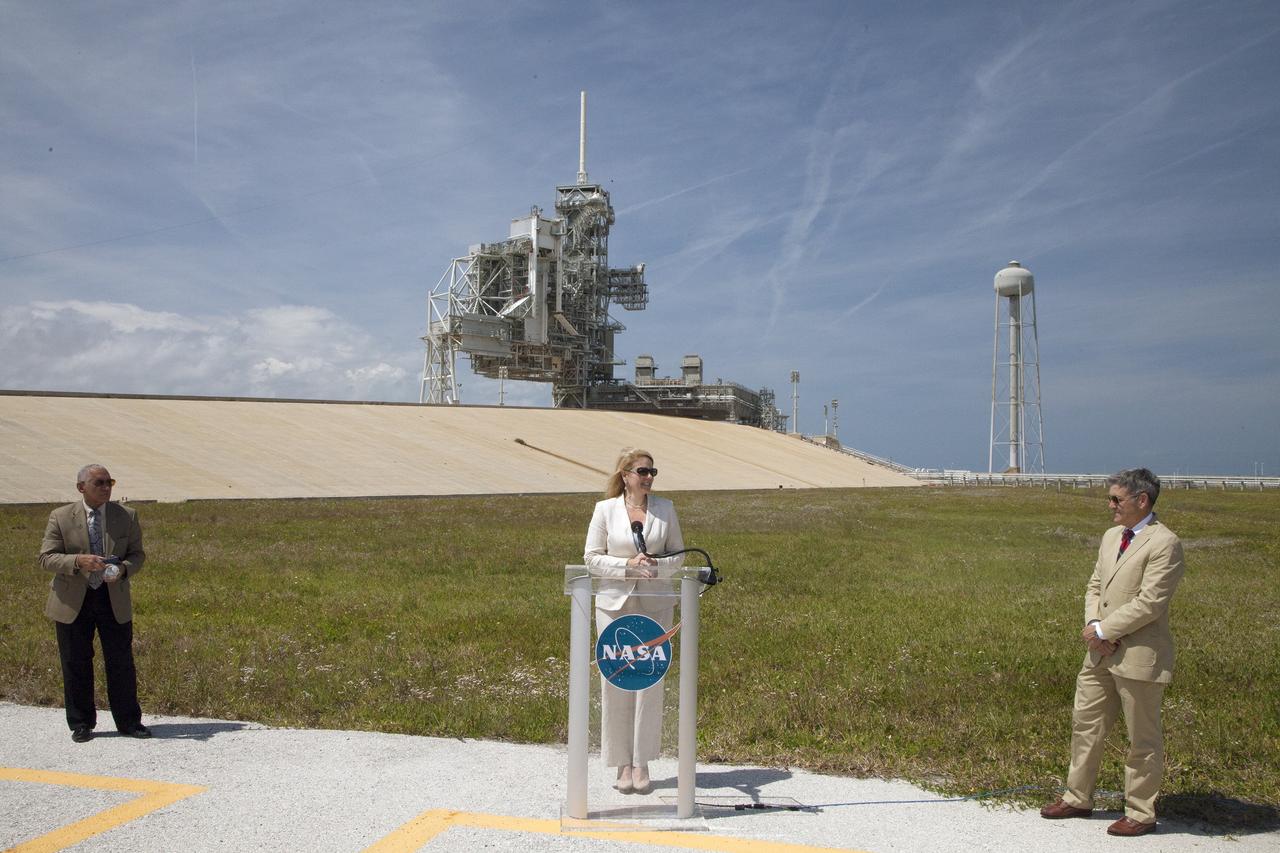
CAPE CANAVERAL, Fla. -- At Kennedy Space Center's Launch Pad 39A, Gwynne Shotwell, president and chief operating officer of Space Exploration Technologies SpaceX of Hawthorne, Calif., announces that NASA has just signed a lease agreement with SpaceX for use and operation of Launch Complex 39A. NASA Administrator Charlie Bolden, left, and Kennedy Space Center Director Bob Cabana listen. SpaceX will use Launch Complex 39A for rockets such as the Falcon Heavy, currently under development. Both launch pad 39A and 39B were originally built for the Apollo/Saturn V rockets that launched American astronauts on their historic journeys to the moon and later modified to support the 30-year shuttle program. Pad 39B is now being modified by NASA to support the Space Launch System SLS rocket boosting the Orion spacecraft part of the agency’s plan to explore beyond low-Earth orbit. To learn more about Launch Pad 39A visit: http://www.nasa.gov/mission_pages/shuttle/launch/launch-complex39-toc.html Photo credit: NASA/Dan Casper
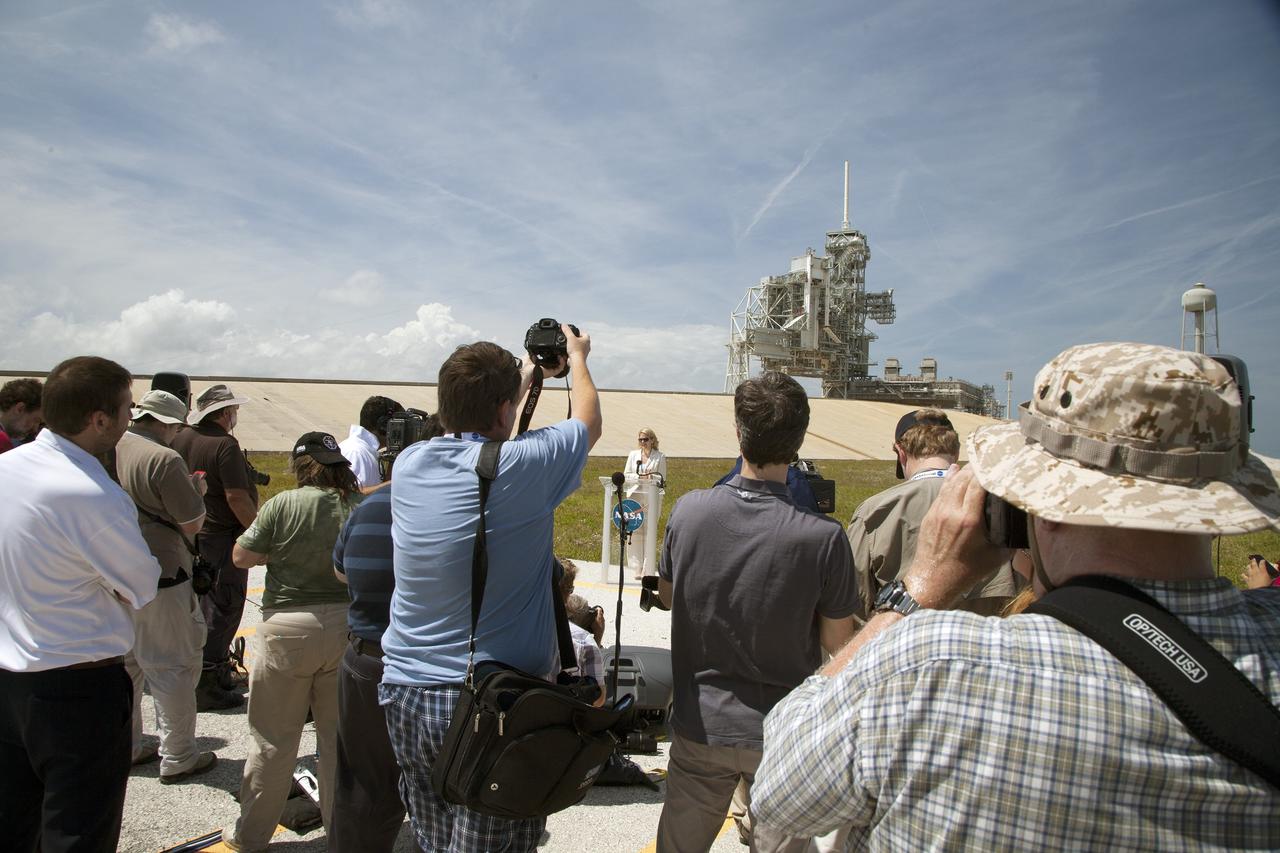
CAPE CANAVERAL, Fla. -- At Kennedy Space Center's Launch Pad 39A, Gwynne Shotwell, president and chief operating officer of Space Exploration Technologies SpaceX of Hawthorne, Calif., speaks to members of the news media announcing that NASA has just signed a lease agreement with SpaceX for use and operation of Launch Complex 39A. SpaceX will use Launch Complex 39A for rockets such as the Falcon Heavy, currently under development. Both launch pad 39A and 39B were originally built for the Apollo/Saturn V rockets that launched American astronauts on their historic journeys to the moon and later modified to support the 30-year shuttle program. Pad 39B is now being modified by NASA to support the Space Launch System SLS rocket boosting the Orion spacecraft part of the agency’s plan to explore beyond low-Earth orbit. To learn more about Launch Pad 39A visit: http://www.nasa.gov/mission_pages/shuttle/launch/launch-complex39-toc.html Photo credit: NASA/Dan Casper

KENNEDY SPACE CENTER, FLA. -- A blooming cactus takes the spotlight in a sandy area near Launch Pad 39A on the Kennedy Space Center. A broad variety of flora and fauna can be found on the grounds, which share a boundary with the Merritt Island National Wildlife Refuge. Within the refuge, 1,045 plant species has been identified and more than 500 species of wildlife, including 330 species of birds, 117 fishes, 65 amphibians and reptiles and 31 mammals. Photo credit: NASA/Ken Thornsley
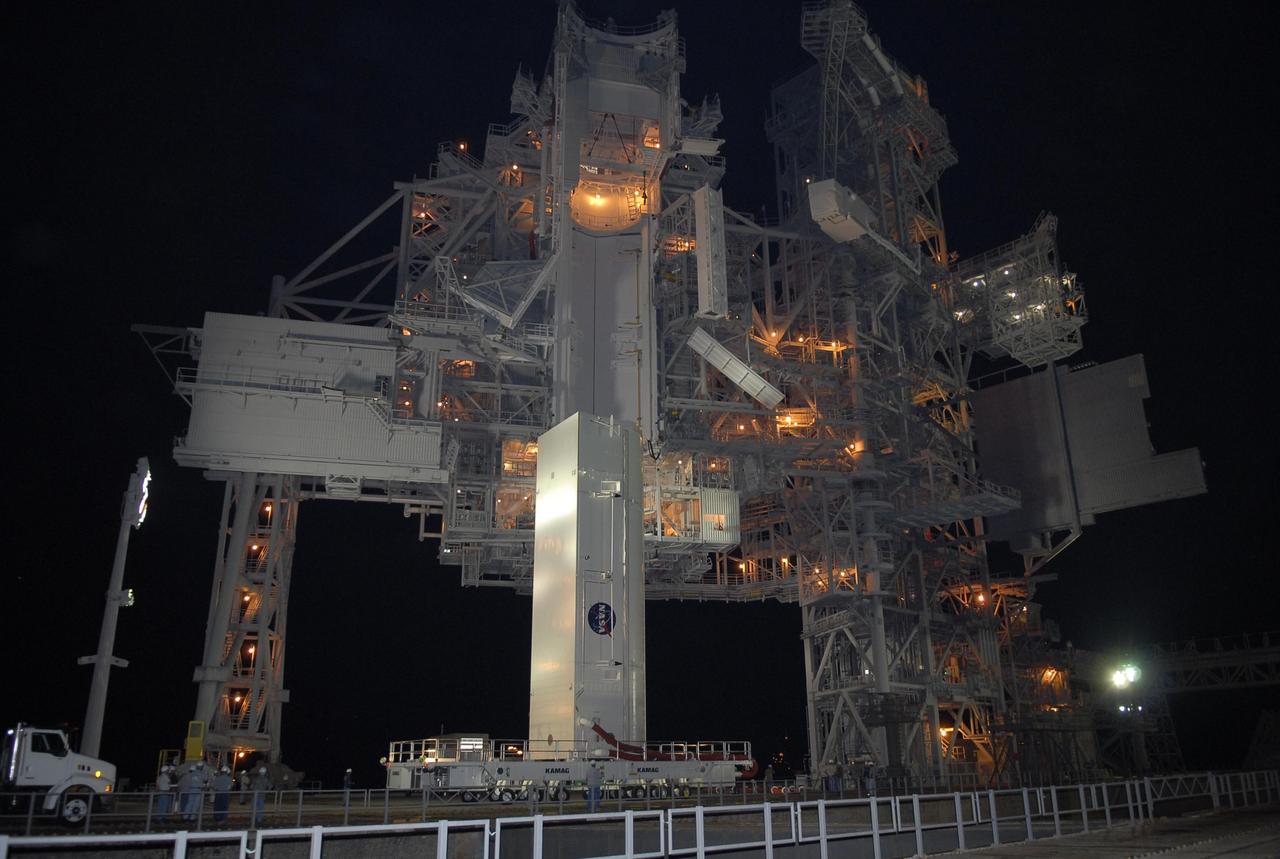
KENNEDY SPACE CENTER, FLA. -- The payload transporter arrives with its canister on Launch Pad 39A. Inside the canister are the S5 truss, SPACEHAB module and external stowage platform 3, the payload for mission STS-118. The canister will be lifted up to the payload changeout room above and the payloads transferred inside to wait for Space Shuttle Endeavour to arrive at the pad. The changeout room is the enclosed, environmentally controlled portion of the rotating service structure that supports cargo delivery to the pad and subsequent vertical installation into the orbiter payload bay. The mission will be Endeavour's first flight in more than four years. The shuttle has undergone extensive modifications, including the addition of safety upgrades already added to shuttles Discovery and Atlantis. Endeavour also features new hardware, such as the Station-to-Shuttle Power Transfer System that will allow the docked shuttle to draw electrical power from the station and extend its visits to the orbiting lab. Space Shuttle Endeavour is targeted for launch on Aug. 7 from Launch Pad 39A. Photo credit: NASA/Kim Shiflett
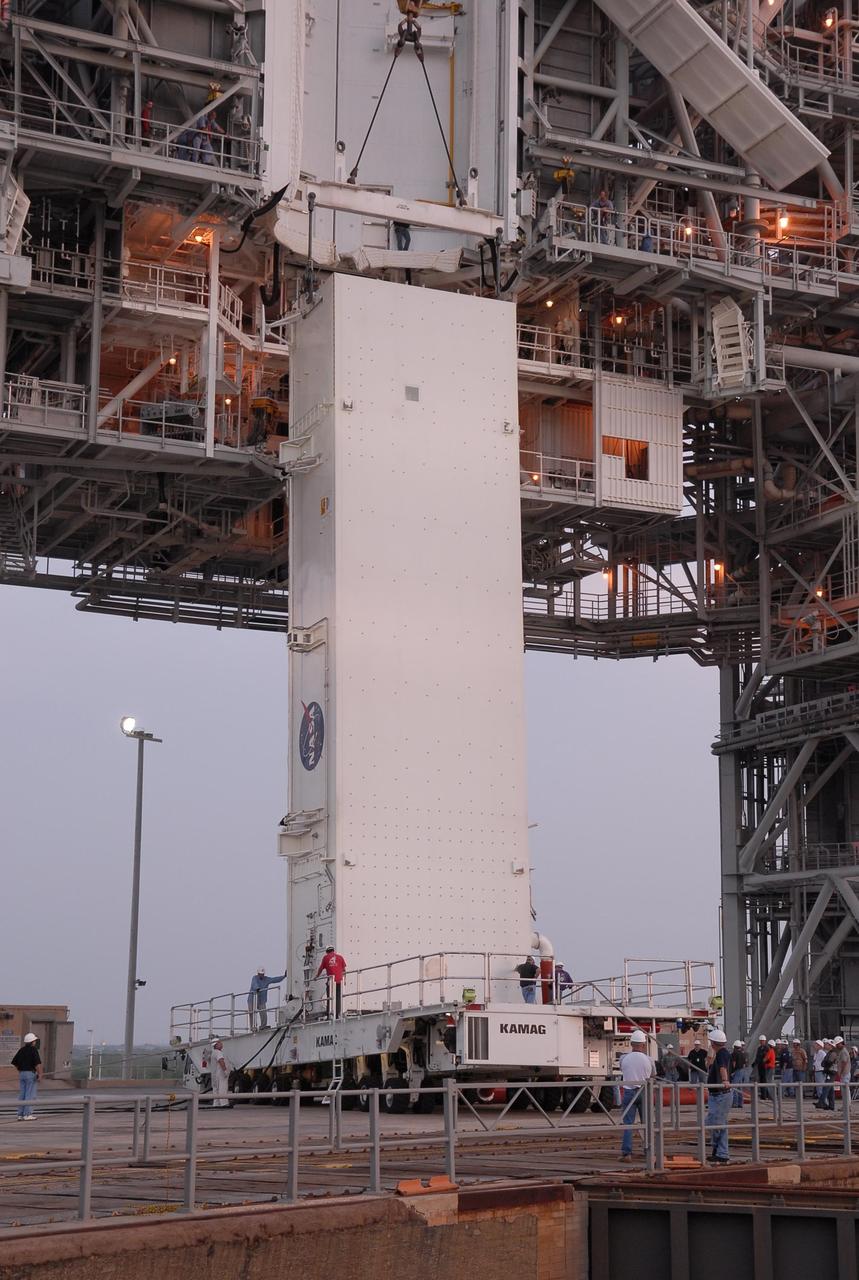
KENNEDY SPACE CENTER, FLA. -- On Launch Pad 39A, the payload canister is prepared for lifting. Inside the canister are the S5 truss, SPACEHAB module and external stowage platform 3, the payload for mission STS-118. The canister will be lifted up to the payload changeout room above and the payloads transferred inside to wait for Space Shuttle Endeavour to arrive at the pad. The changeout room is the enclosed, environmentally controlled portion of the rotating service structure that supports cargo delivery to the pad and subsequent vertical installation into the orbiter payload bay. The mission will be Endeavour's first flight in more than four years. The shuttle has undergone extensive modifications, including the addition of safety upgrades already added to shuttles Discovery and Atlantis. Endeavour also features new hardware, such as the Station-to-Shuttle Power Transfer System that will allow the docked shuttle to draw electrical power from the station and extend its visits to the orbiting lab. Space Shuttle Endeavour is targeted for launch on Aug. 7 from Launch Pad 39A. Photo credit: NASA/Kim Shiflett
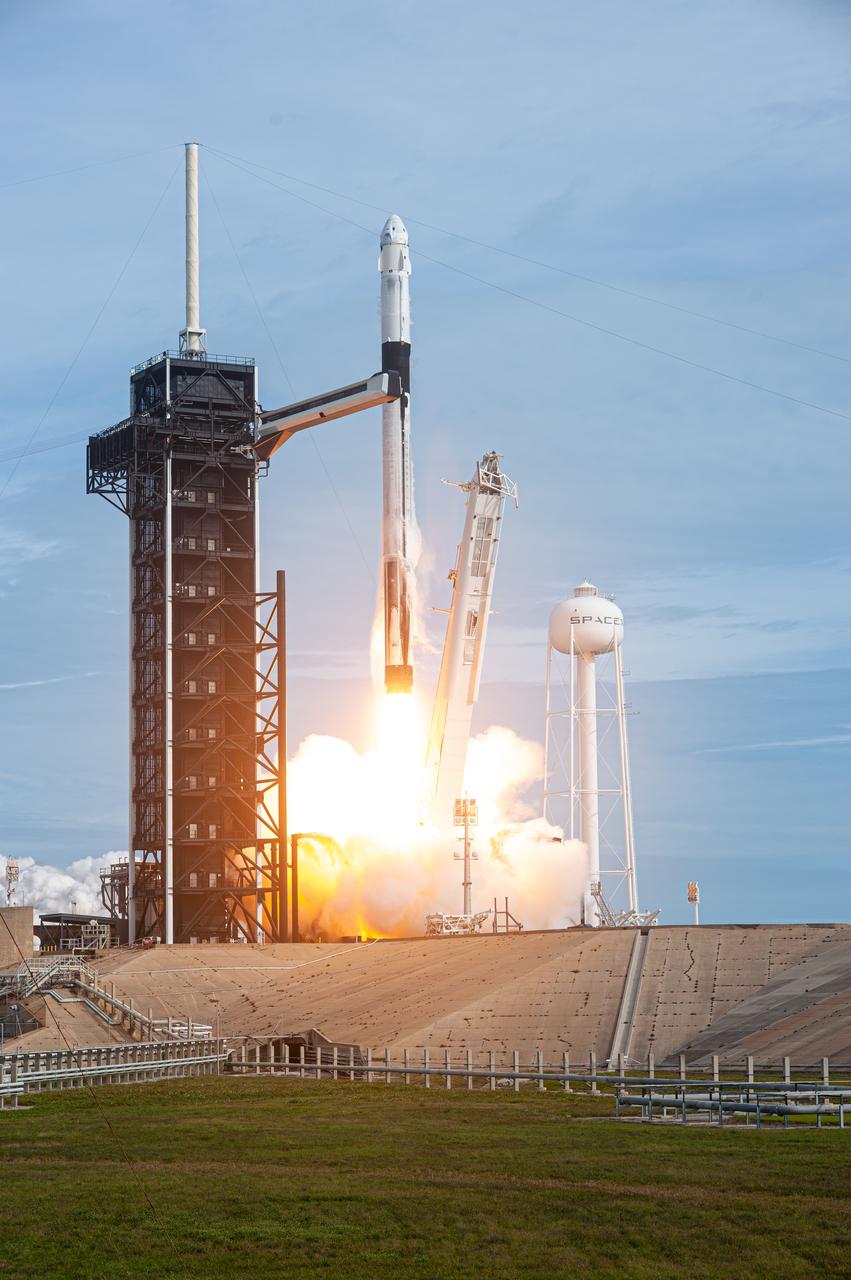
A SpaceX Falcon 9 rocket lifts off from Launch Complex 39A at NASA’s Kennedy Space Center in Florida at 10:30 a.m. EST on Jan. 19, 2020, carrying the Crew Dragon spacecraft on the company’s uncrewed In-Flight Abort Test. The flight test demonstrated the spacecraft’s escape capabilities in preparation for crewed flights to the International Space Station as part of the agency’s Commercial Crew Program.
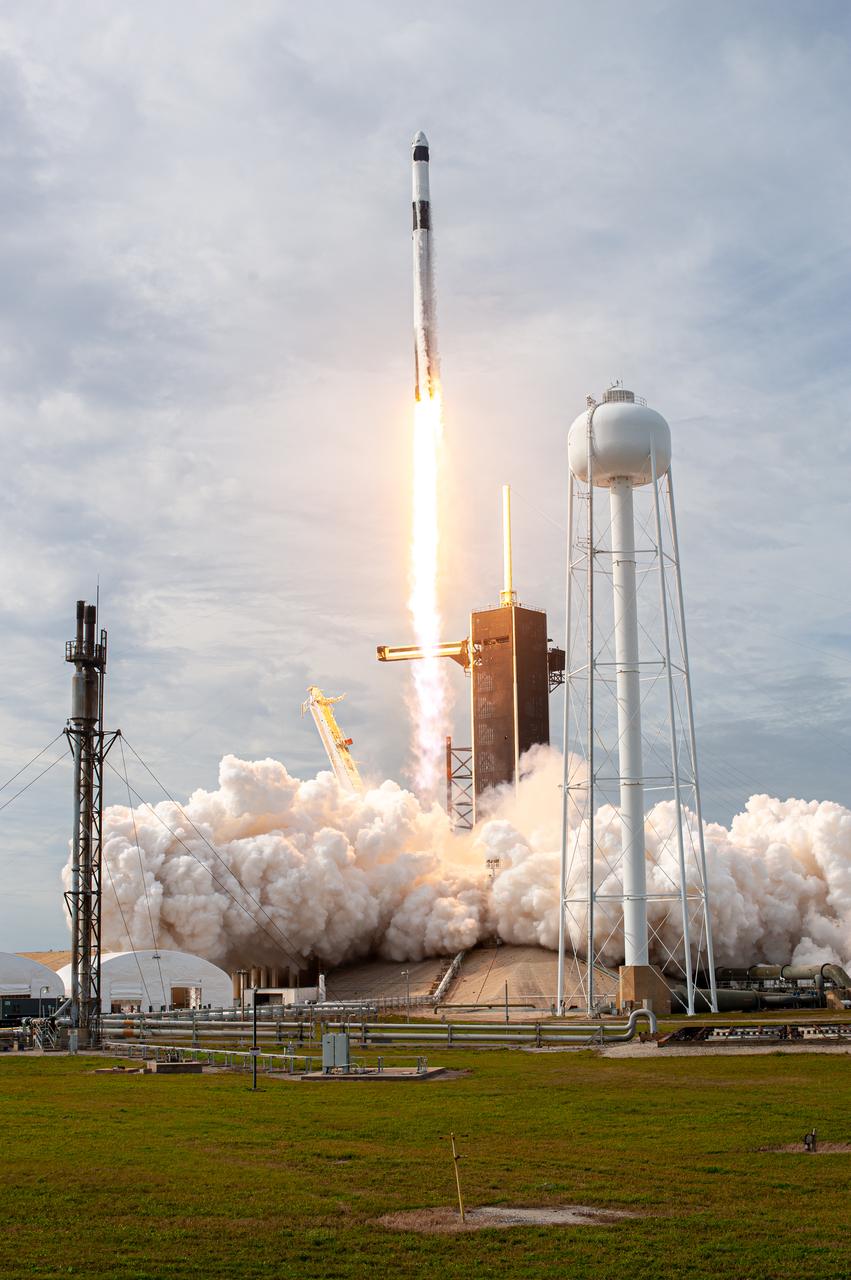
A SpaceX Falcon 9 rocket lifts off from Launch Complex 39A at NASA’s Kennedy Space Center in Florida at 10:30 a.m. EST on Jan. 19, 2020, carrying the Crew Dragon spacecraft on the company’s uncrewed In-Flight Abort Test. The flight test demonstrated the spacecraft’s escape capabilities in preparation for crewed flights to the International Space Station as part of the agency’s Commercial Crew Program.
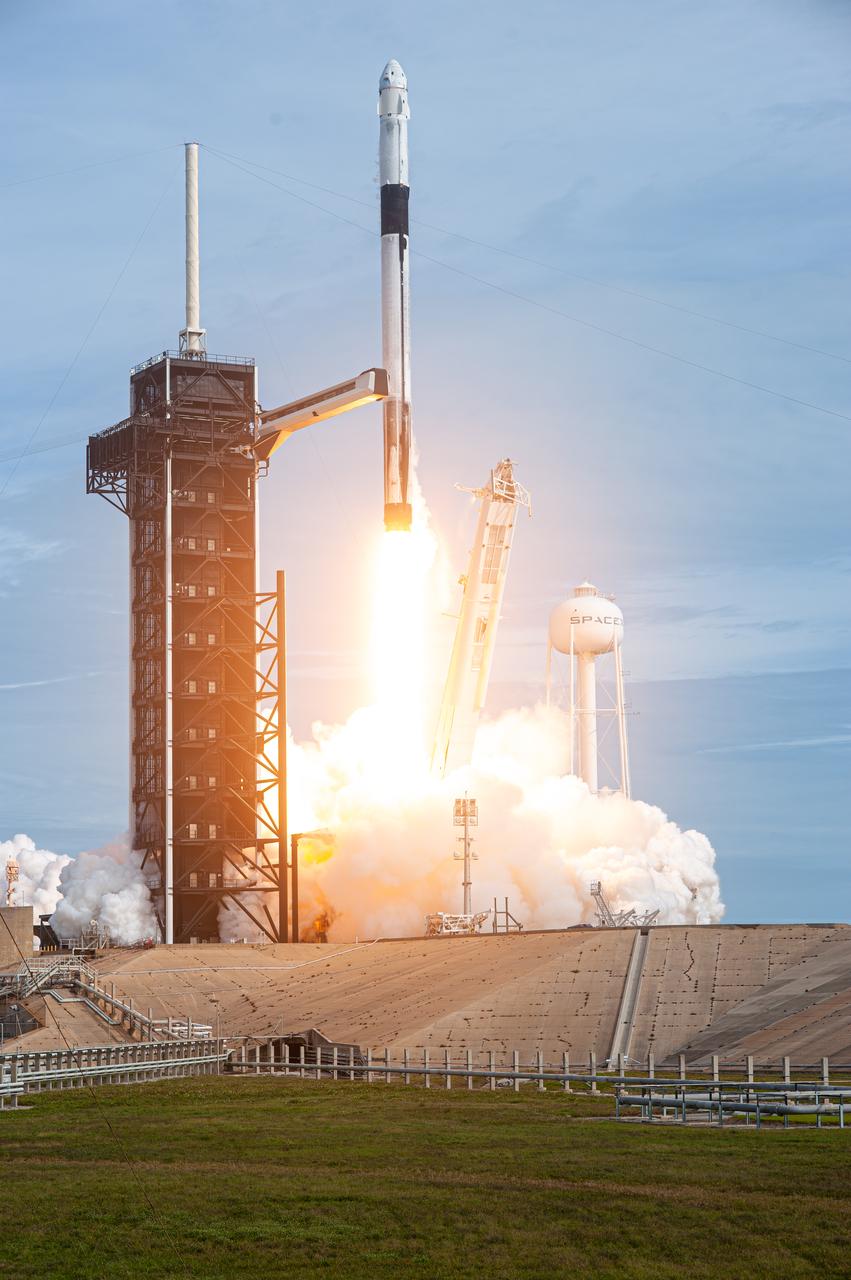
A SpaceX Falcon 9 rocket lifts off from Launch Complex 39A at NASA’s Kennedy Space Center in Florida at 10:30 a.m. EST on Jan. 19, 2020, carrying the Crew Dragon spacecraft on the company’s uncrewed In-Flight Abort Test. The flight test demonstrated the spacecraft’s escape capabilities in preparation for crewed flights to the International Space Station as part of the agency’s Commercial Crew Program.
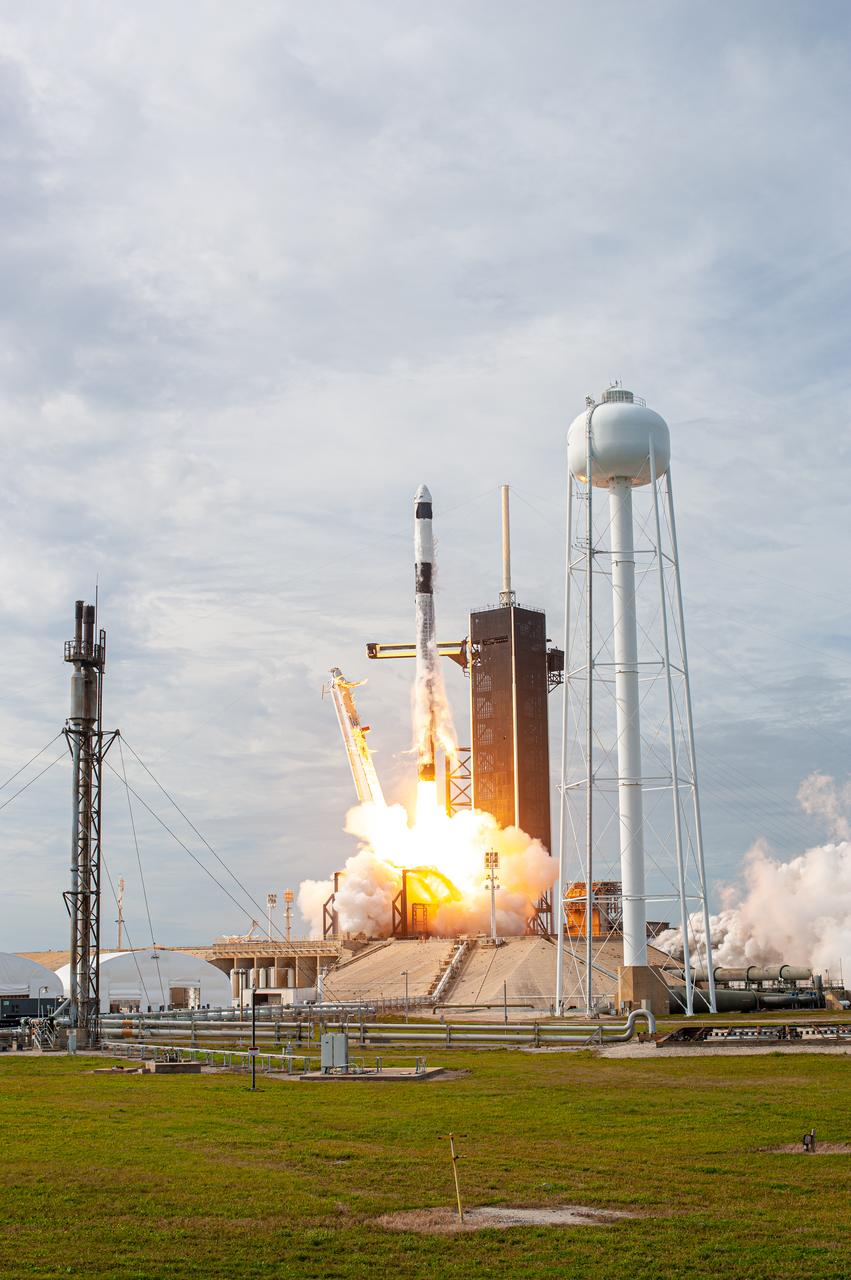
A SpaceX Falcon 9 rocket lifts off from Launch Complex 39A at NASA’s Kennedy Space Center in Florida at 10:30 a.m. EST on Jan. 19, 2020, carrying the Crew Dragon spacecraft on the company’s uncrewed In-Flight Abort Test. The flight test demonstrated the spacecraft’s escape capabilities in preparation for crewed flights to the International Space Station as part of the agency’s Commercial Crew Program.
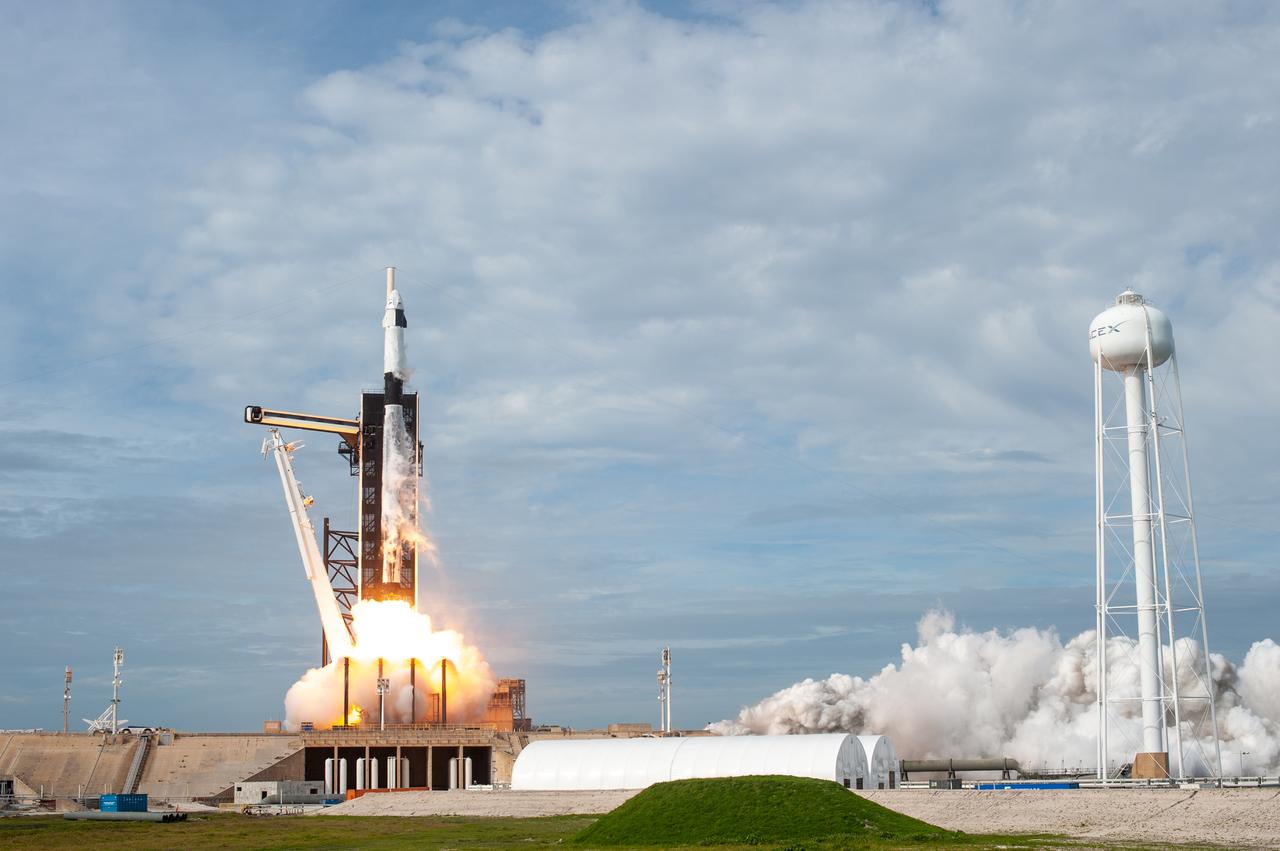
A SpaceX Falcon 9 rocket lifts off from Launch Complex 39A at NASA’s Kennedy Space Center in Florida at 10:30 a.m. EST on Jan. 19, 2020, carrying the Crew Dragon spacecraft on the company’s uncrewed In-Flight Abort Test. The flight test demonstrated the spacecraft’s escape capabilities in preparation for crewed flights to the International Space Station as part of the agency’s Commercial Crew Program.
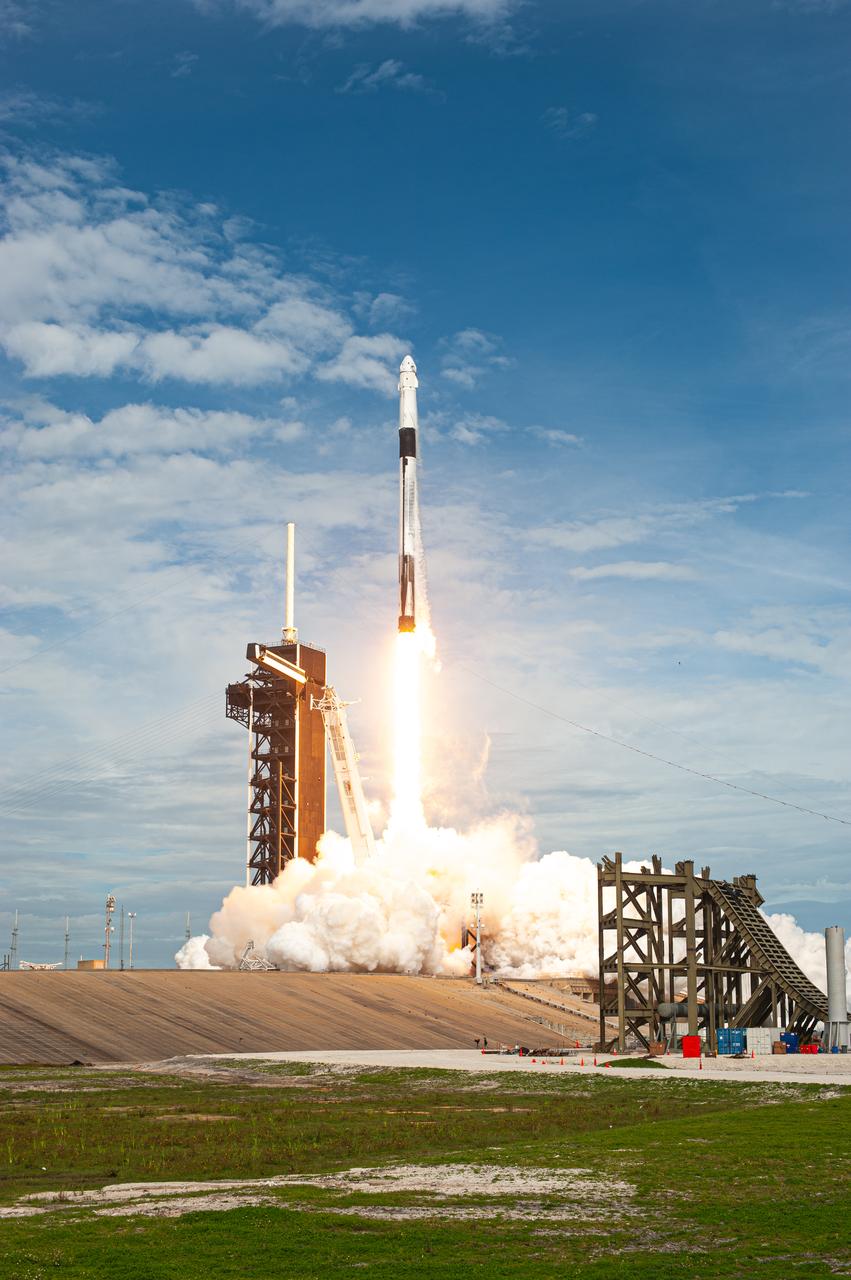
A SpaceX Falcon 9 rocket lifts off from Launch Complex 39A at NASA’s Kennedy Space Center in Florida at 10:30 a.m. EST on Jan. 19, 2020, carrying the Crew Dragon spacecraft on the company’s uncrewed In-Flight Abort Test. The flight test demonstrated the spacecraft’s escape capabilities in preparation for crewed flights to the International Space Station as part of the agency’s Commercial Crew Program.
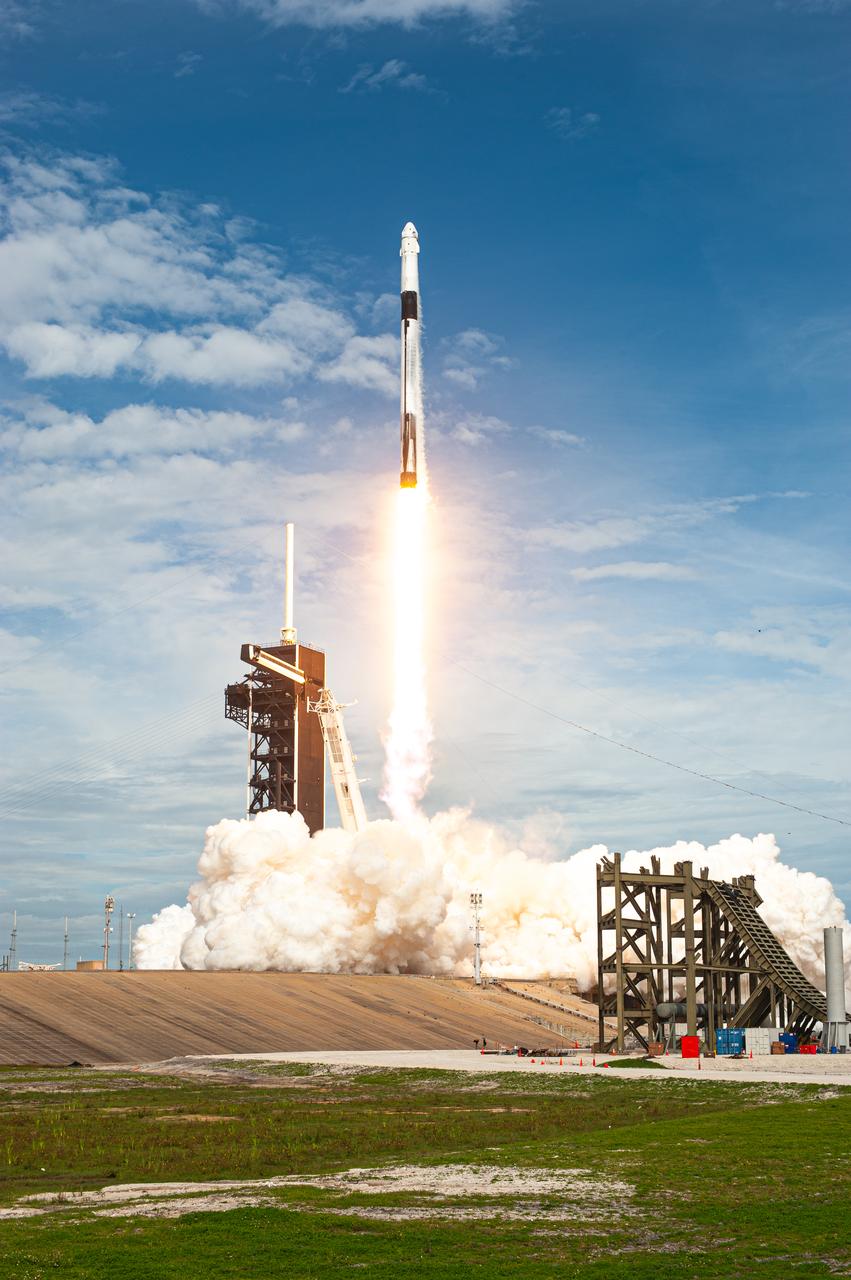
A SpaceX Falcon 9 rocket lifts off from Launch Complex 39A at NASA’s Kennedy Space Center in Florida at 10:30 a.m. EST on Jan. 19, 2020, carrying the Crew Dragon spacecraft on the company’s uncrewed In-Flight Abort Test. The flight test demonstrated the spacecraft’s escape capabilities in preparation for crewed flights to the International Space Station as part of the agency’s Commercial Crew Program.

A SpaceX Falcon 9 rocket lifts off from Launch Complex 39A at NASA’s Kennedy Space Center in Florida at 10:30 a.m. EST on Jan. 19, 2020, carrying the Crew Dragon spacecraft on the company’s uncrewed In-Flight Abort Test. The flight test demonstrated the spacecraft’s escape capabilities in preparation for crewed flights to the International Space Station as part of the agency’s Commercial Crew Program.
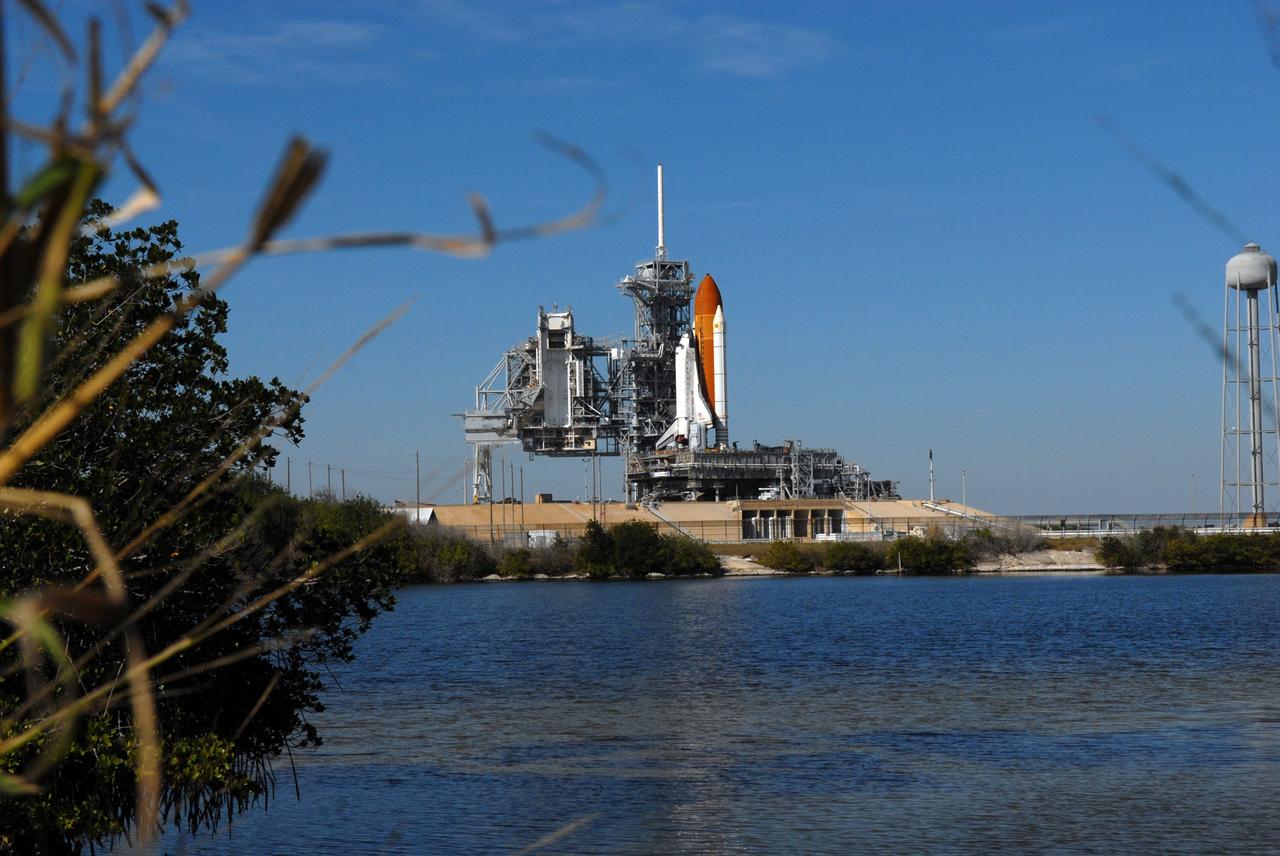
CAPE CANAVERAL, Fla. -- Viewed across the waters of the Banana River at NASA's Kennedy Space Center in Florida, space shuttle Discovery is secured on Launch Pad 39A. First motion was at 5:17 a.m. EST. Discovery was secured to the pad at 12:16 p.m. Discovery is targeted to launch to the International Space Station Feb. 12. During Discovery's 14-day mission, the crew will install the S6 truss segment and its solar arrays to the starboard side of the station, completing the station's backbone, or truss, enabling a six-person crew to live there starting in May. Photo credit: NASA/Troy Cryder
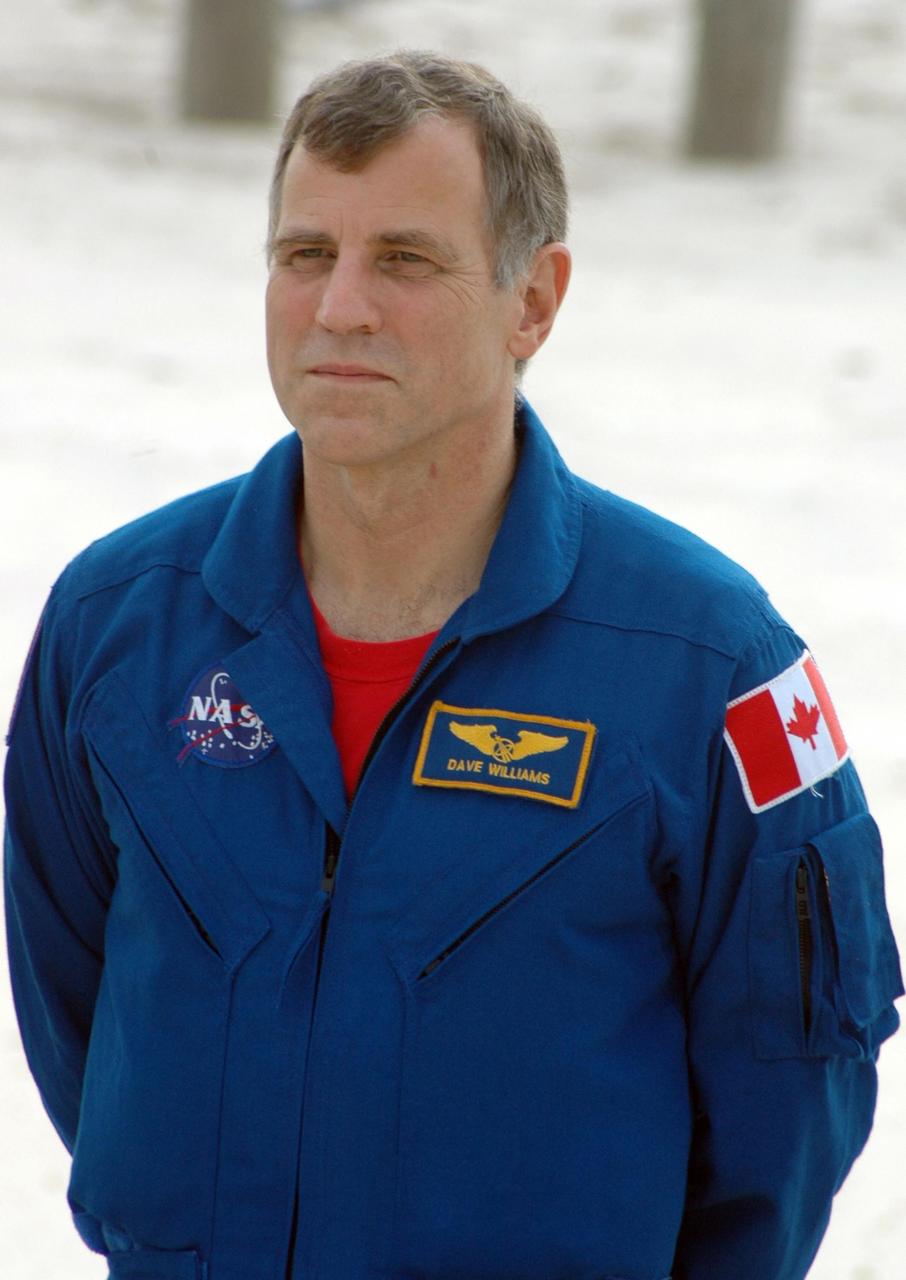
KENNEDY SPACE CENTER, Fla. -- In the slidewire basket bunker area of Launch Pad 39A, STS-118 Mission Specialist Dave Williams is introduced to the press during a media interview before the crew's morning training activities in the terminal countdown demonstration test, or TCDT. Williams represents the Canadian Space Agency. TCDT activities include M-113 training, payload familiarization, the emergency egress training at the pad and a simulated launch countdown. The mission is the 22nd flight to the International Space Station and Space Shuttle Endeavour will carry a payload including the S5 truss, a SPACEHAB module and external stowage platform 3. STS-118 is targeted for launch on Aug. 7. Photo credit: NASA/Ken Thornsley
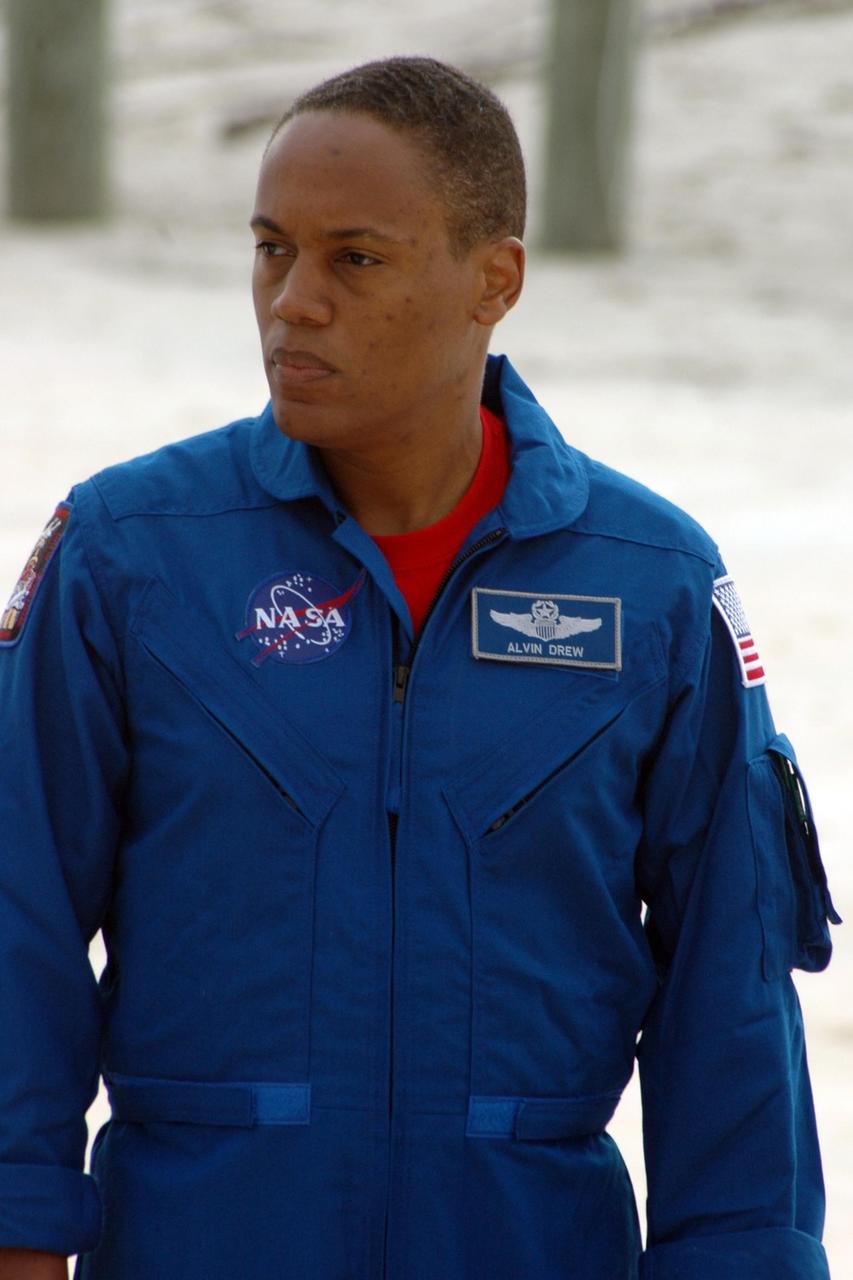
KENNEDY SPACE CENTER, Fla. -- In the slidewire basket bunker area of Launch Pad 39A, STS-118 Mission Specialist Alvin Drew waits to begin a media interview before the crew's morning training activities in the terminal countdown demonstration test, or TCDT. Those activities include M-113 training, payload familiarization, the emergency egress training at the pad and a simulated launch countdown. The mission is the 22nd flight to the International Space Station and Space Shuttle Endeavour will carry a payload including the S5 truss, a SPACEHAB module and external stowage platform 3. STS-118 is targeted for launch on Aug. 7. Photo credit: NASA/Ken Thornsley
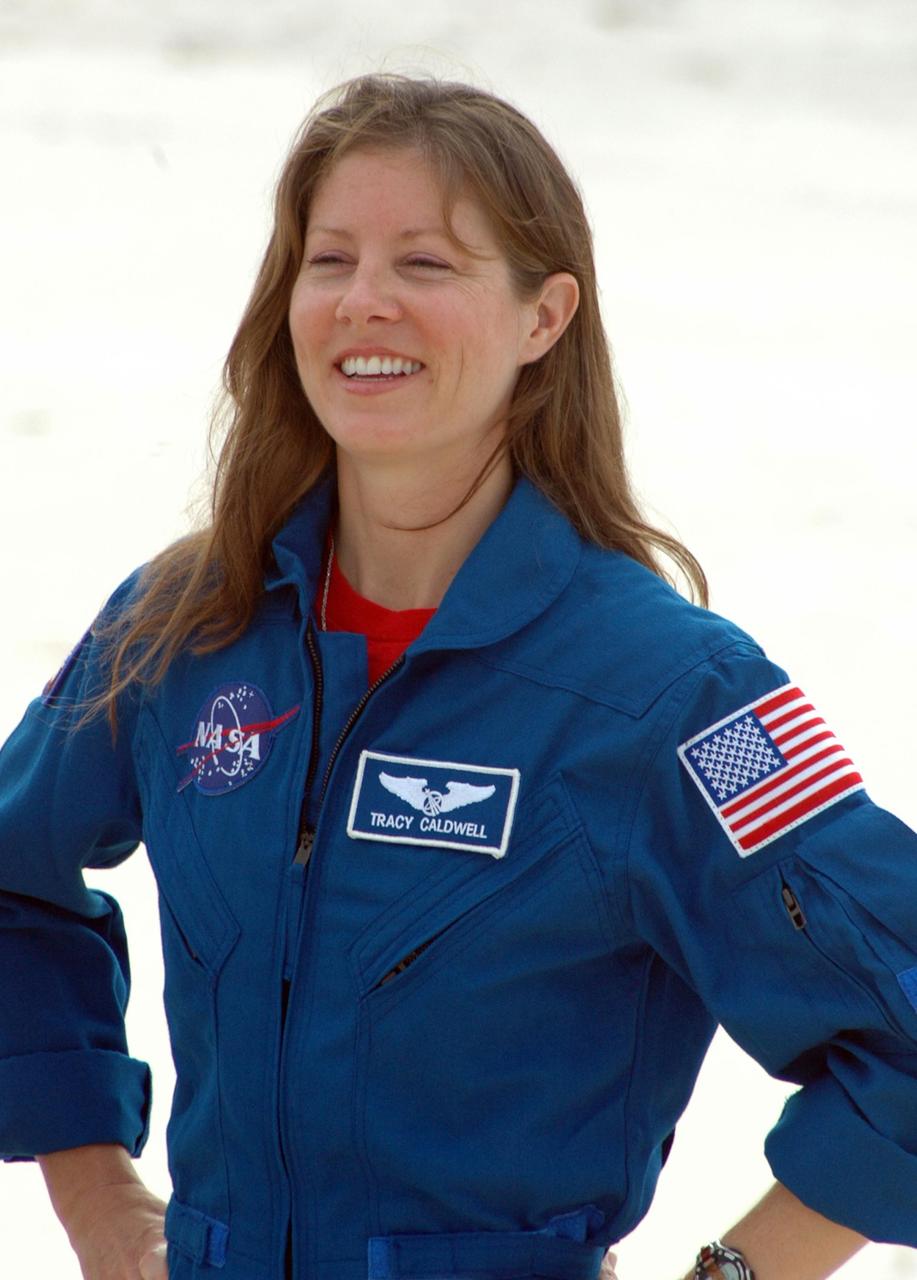
KENNEDY SPACE CENTER, Fla. -- In the slidewire basket bunker area of Launch Pad 39A, STS-118 Mission Specialist Tracy Caldwell reacts to the waiting press during a media interview before the crew's morning training activities in the terminal countdown demonstration test, or TCDT. Those activities include M-113 training, payload familiarization, the emergency egress training at the pad and a simulated launch countdown. The mission is the 22nd flight to the International Space Station and Space Shuttle Endeavour will carry a payload including the S5 truss, a SPACEHAB module and external stowage platform 3. STS-118 is targeted for launch on Aug. 7. Photo credit: NASA/Ken Thornsley
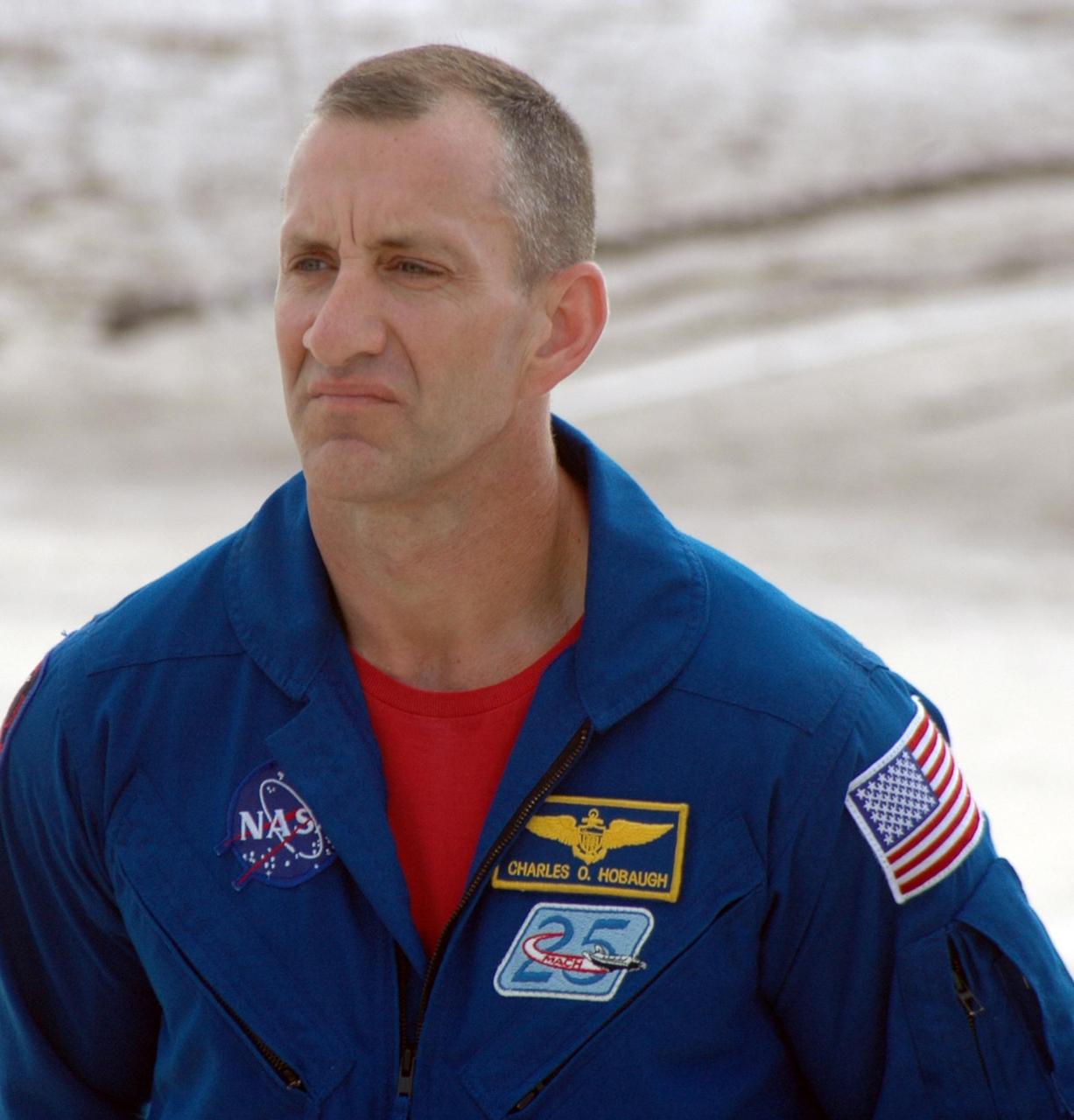
KENNEDY SPACE CENTER, Fla. -- In the slidewire basket bunker area of Launch Pad 39A, STS-118 Pilot Charlie Hobaugh waits to begin a media interview before the crew's morning training activities in the terminal countdown demonstration test, or TCDT. Those activities include M-113 training, payload familiarization, the emergency egress training at the pad and a simulated launch countdown. The mission is the 22nd flight to the International Space Station and Space Shuttle Endeavour will carry a payload including the S5 truss, a SPACEHAB module and external stowage platform 3. STS-118 is targeted for launch on Aug. 7. Photo credit: NASA/Ken Thornsley
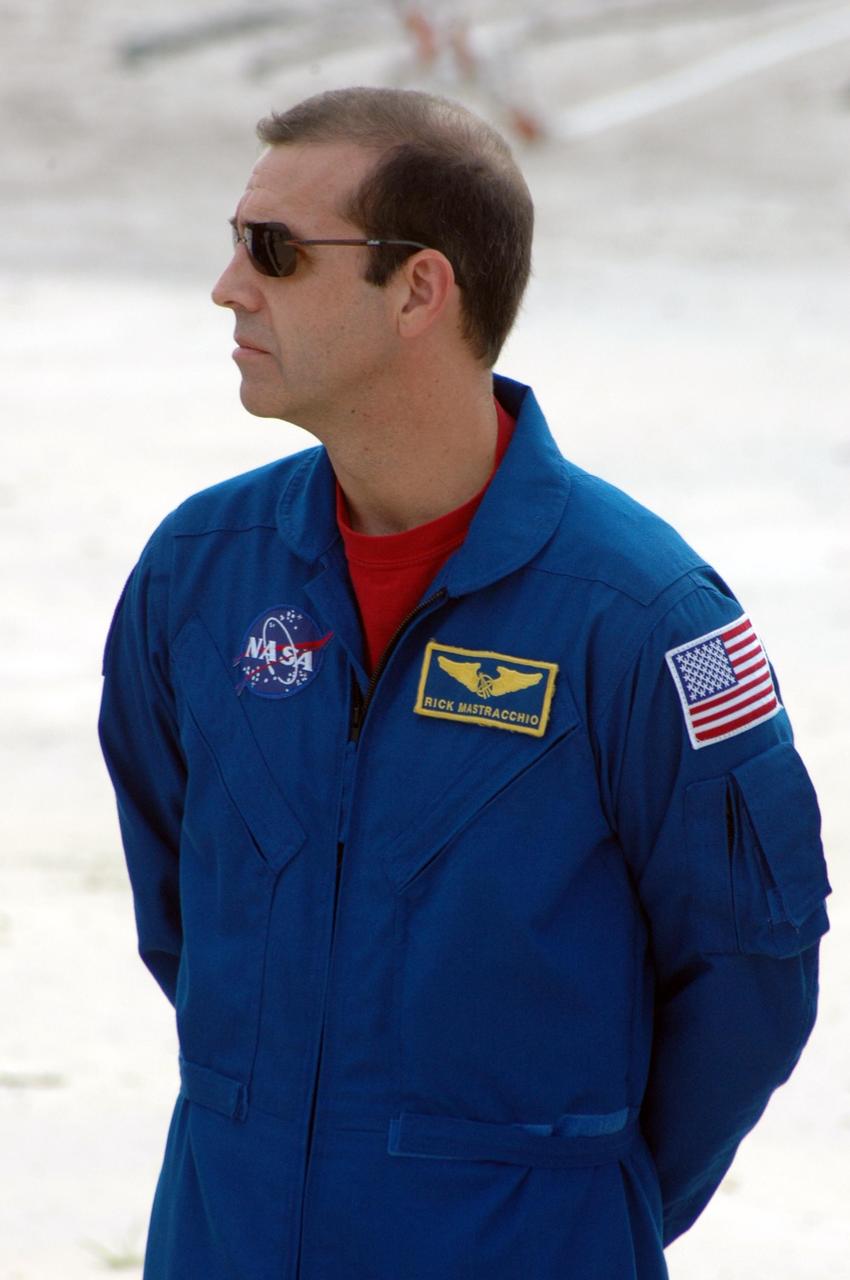
KENNEDY SPACE CENTER, Fla. -- In the slidewire basket bunker area of Launch Pad 39A, STS-118 Mission Specialist Rick Mastracchio waits to begin a media interview before the crew's morning training activities in the terminal countdown demonstration test, or TCDT. Those activities include M-113 training, payload familiarization, the emergency egress training at the pad and a simulated launch countdown. The mission is the 22nd flight to the International Space Station and Space Shuttle Endeavour will carry a payload including the S5 truss, a SPACEHAB module and external stowage platform 3. STS-118 is targeted for launch on Aug. 7. Photo credit: NASA/Ken Thornsley
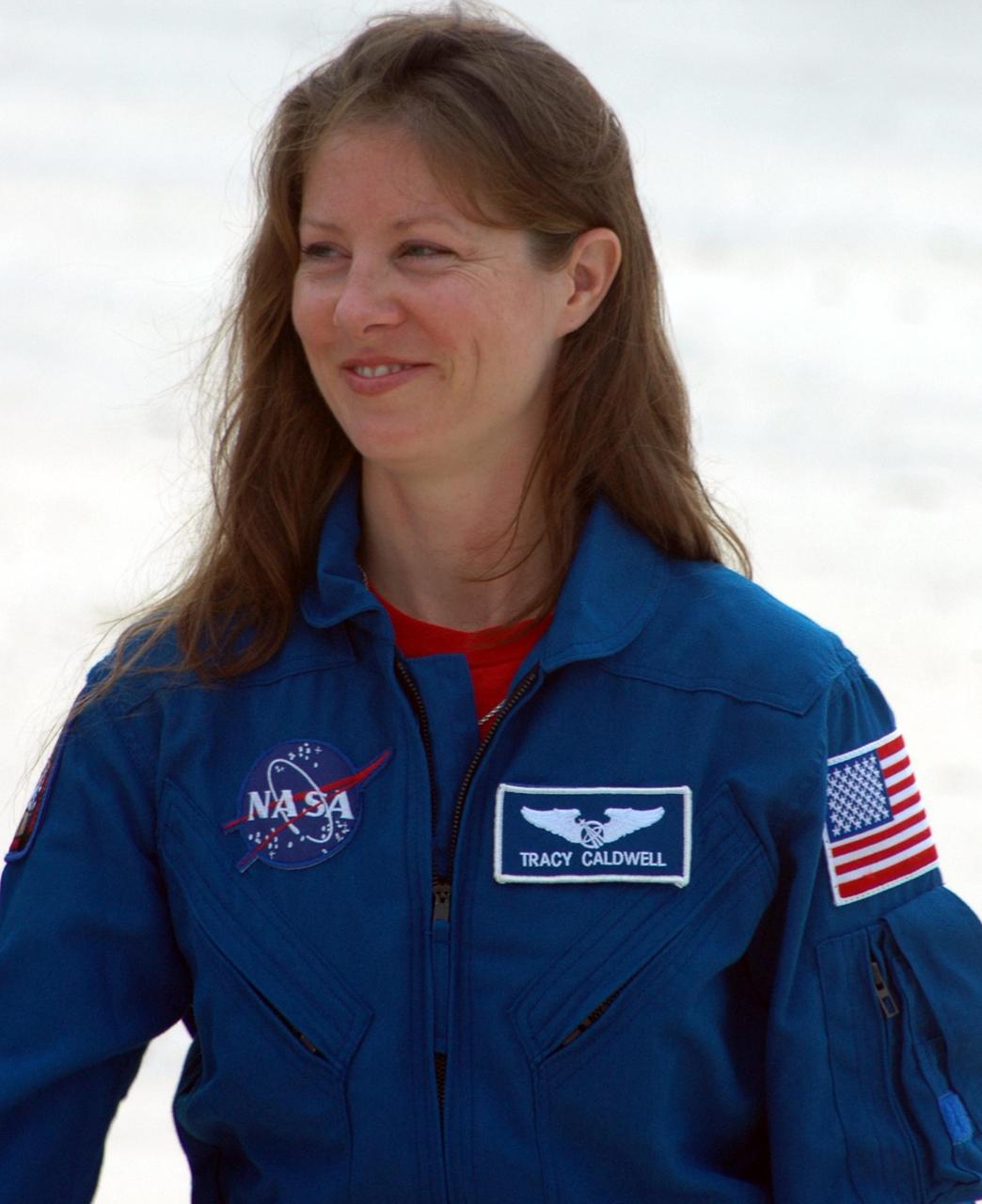
KENNEDY SPACE CENTER, Fla. -- In the slidewire basket bunker area of Launch Pad 39A, STS-118 Mission Specialist Tracy Caldwell reacts to the waiting press during a media interview before the crew's morning training activities in the terminal countdown demonstration test, or TCDT. Those activities include M-113 training, payload familiarization, the emergency egress training at the pad and a simulated launch countdown. The mission is the 22nd flight to the International Space Station and Space Shuttle Endeavour will carry a payload including the S5 truss, a SPACEHAB module and external stowage platform 3. STS-118 is targeted for launch on Aug. 7. Photo credit: NASA/Ken Thornsley
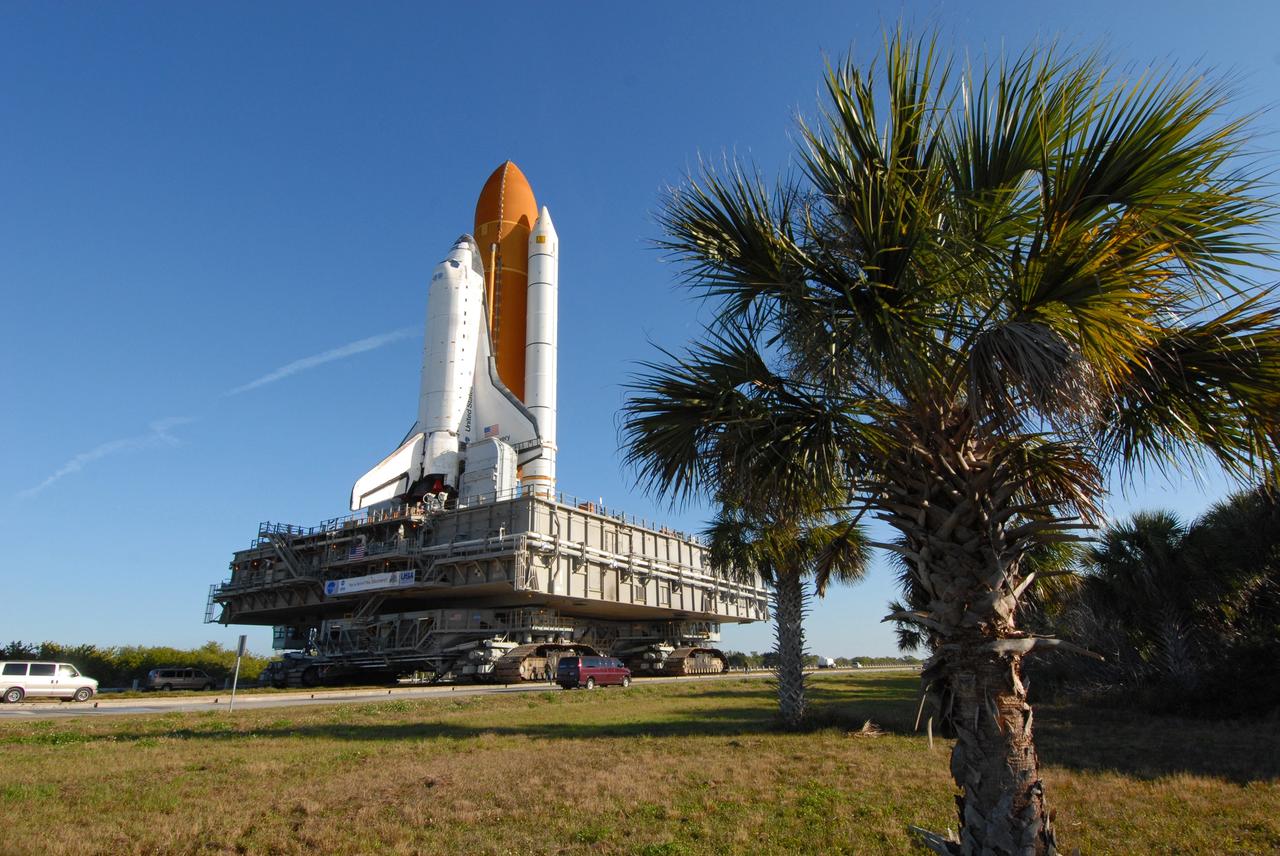
CAPE CANAVERAL, Fla. -- Space shuttle Discovery, atop the mobile launcher platform, makes the slow 3.4-mile journey via the massive crawler-transporter to Launch Pad 39A at NASA's Kennedy Space Center in Florida. First motion out of the Vehicle Assembly Building was at 5:17 a.m. EST. Discovery was secured to the pad at 12:16 p.m. Discovery is targeted to launch to the International Space Station Feb. 12. During Discovery's 14-day mission, the crew will install the S6 truss segment and its solar arrays to the starboard side of the station, completing the station's backbone, or truss, enabling a six-person crew to live there starting in May. Photo credit: NASA/Troy Cryder
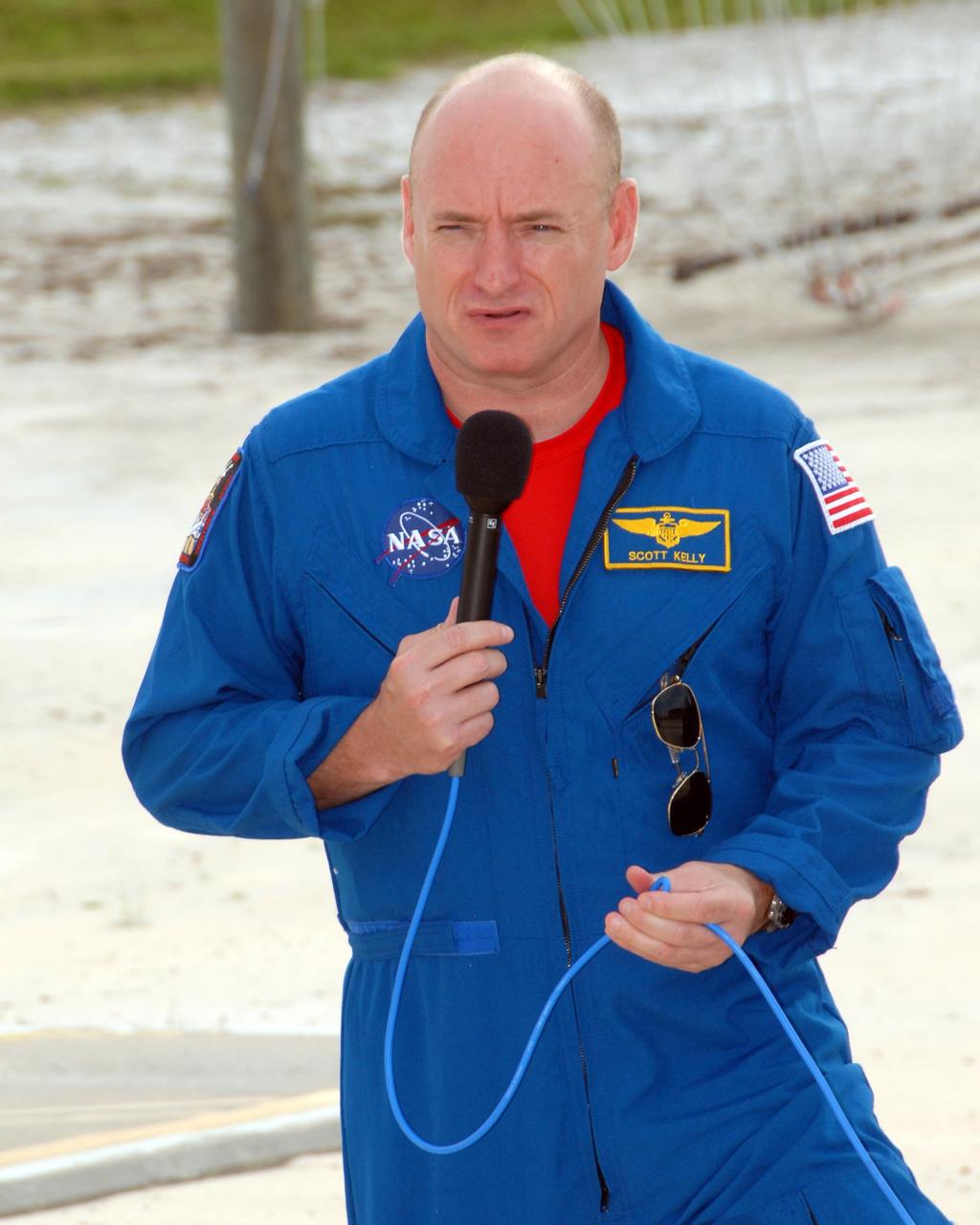
KENNEDY SPACE CENTER, Fla. -- On the slidewire basket bunker area of Launch Pad 39A, STS-118 Commander Scott Kelly talks to the media before the crew's morning training activities in the terminal countdown demonstration test, or TCDT. TCDT activities include M-113 training, payload familiarization, the emergency egress training at the pad and a simulated launch countdown. The mission is the 22nd flight to the International Space Station and Space Shuttle Endeavour will carry a payload including the S5 truss, a SPACEHAB module and external stowage platform 3. STS-118 is targeted for launch on Aug. 7. NASA/George Shelton
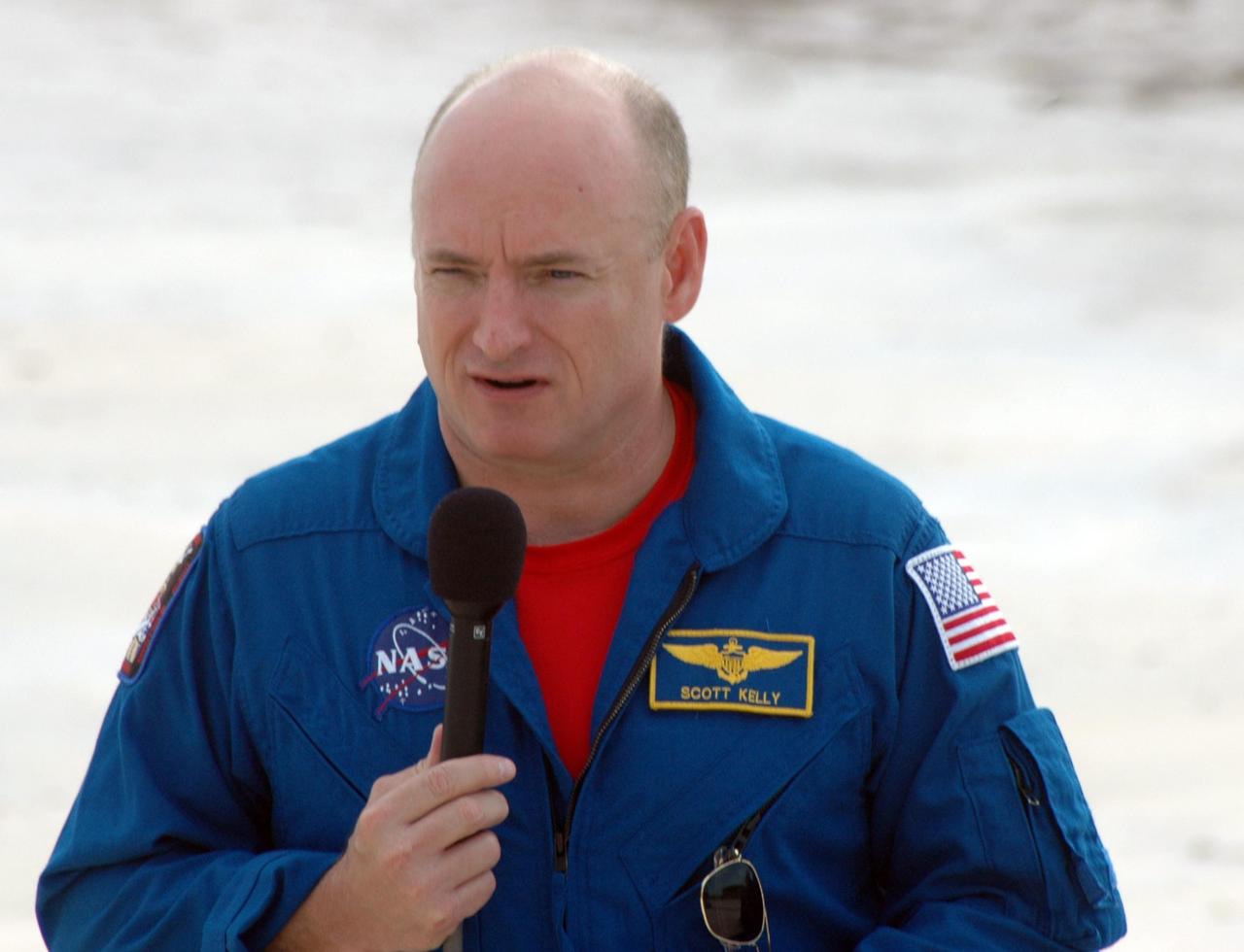
KENNEDY SPACE CENTER, Fla. -- In the slidewire basket bunker area of Launch Pad 39A, STS-118 Commander Scott Kelly talks to the media at a press conference before the crew's morning training activities in the terminal countdown demonstration test, or TCDT. Those activities include M-113 training, payload familiarization, the emergency egress training at the pad and a simulated launch countdown. The mission is the 22nd flight to the International Space Station and Space Shuttle Endeavour will carry a payload including the S5 truss, a SPACEHAB module and external stowage platform 3. STS-118 is targeted for launch on Aug. 7. Photo credit: NASA/Ken Thornsley
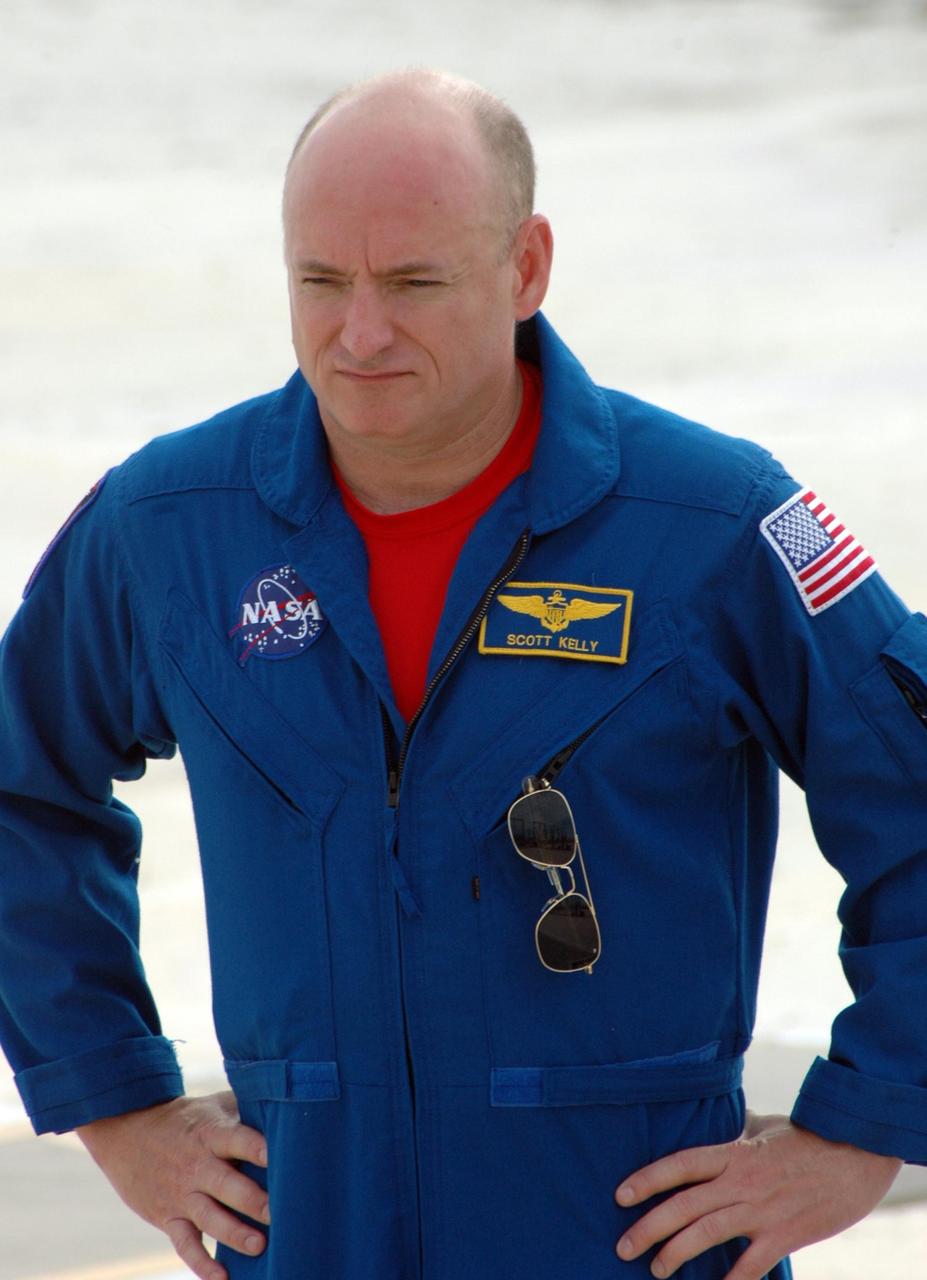
KENNEDY SPACE CENTER, Fla. -- In the slidewire basket bunker area of Launch Pad 39A, STS-118 Commander Scott Kelly waits to begin a media interview before the crew's morning training activities in the terminal countdown demonstration test, or TCDT. Those activities include M-113 training, payload familiarization, the emergency egress training at the pad and a simulated launch countdown. The mission is the 22nd flight to the International Space Station and Space Shuttle Endeavour will carry a payload including the S5 truss, a SPACEHAB module and external stowage platform 3. STS-118 is targeted for launch on Aug. 7. Photo credit: NASA/Ken Thornsley
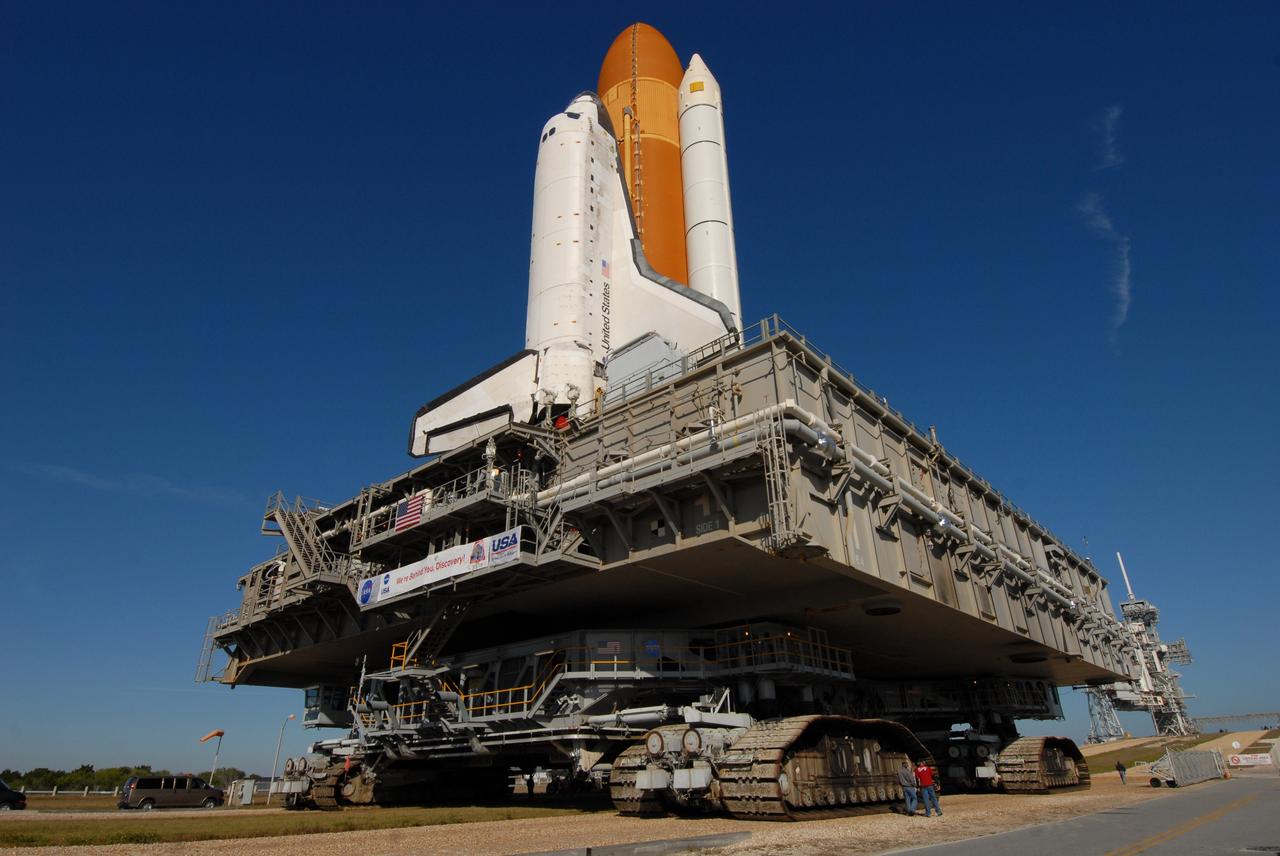
CAPE CANAVERAL, Fla. -- Space shuttle Discovery, atop the mobile launcher platform and crawler-transporter, approaches the ramp to Launch Pad 39A at NASA's Kennedy Space Center in Florida. First motion out of the Vehicle Assembly Building was at 5:17 a.m. EST. Discovery was secured to the pad at 12:16 p.m. Discovery is targeted to launch to the International Space Station Feb. 12. During Discovery's 14-day mission, the crew will install the S6 truss segment and its solar arrays to the starboard side of the station, completing the station's backbone, or truss, enabling a six-person crew to live there starting in May. Photo credit: NASA/Troy Cryder