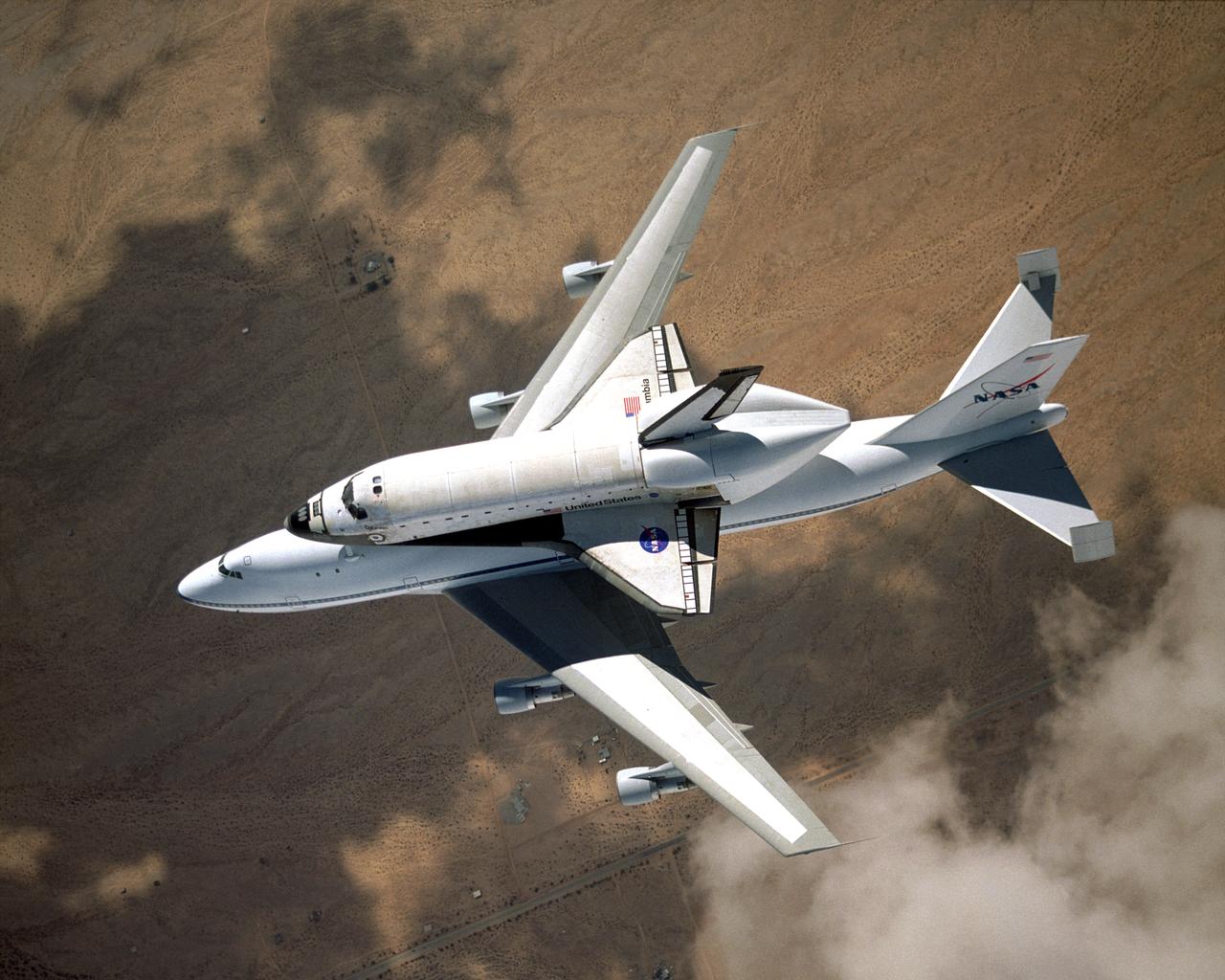
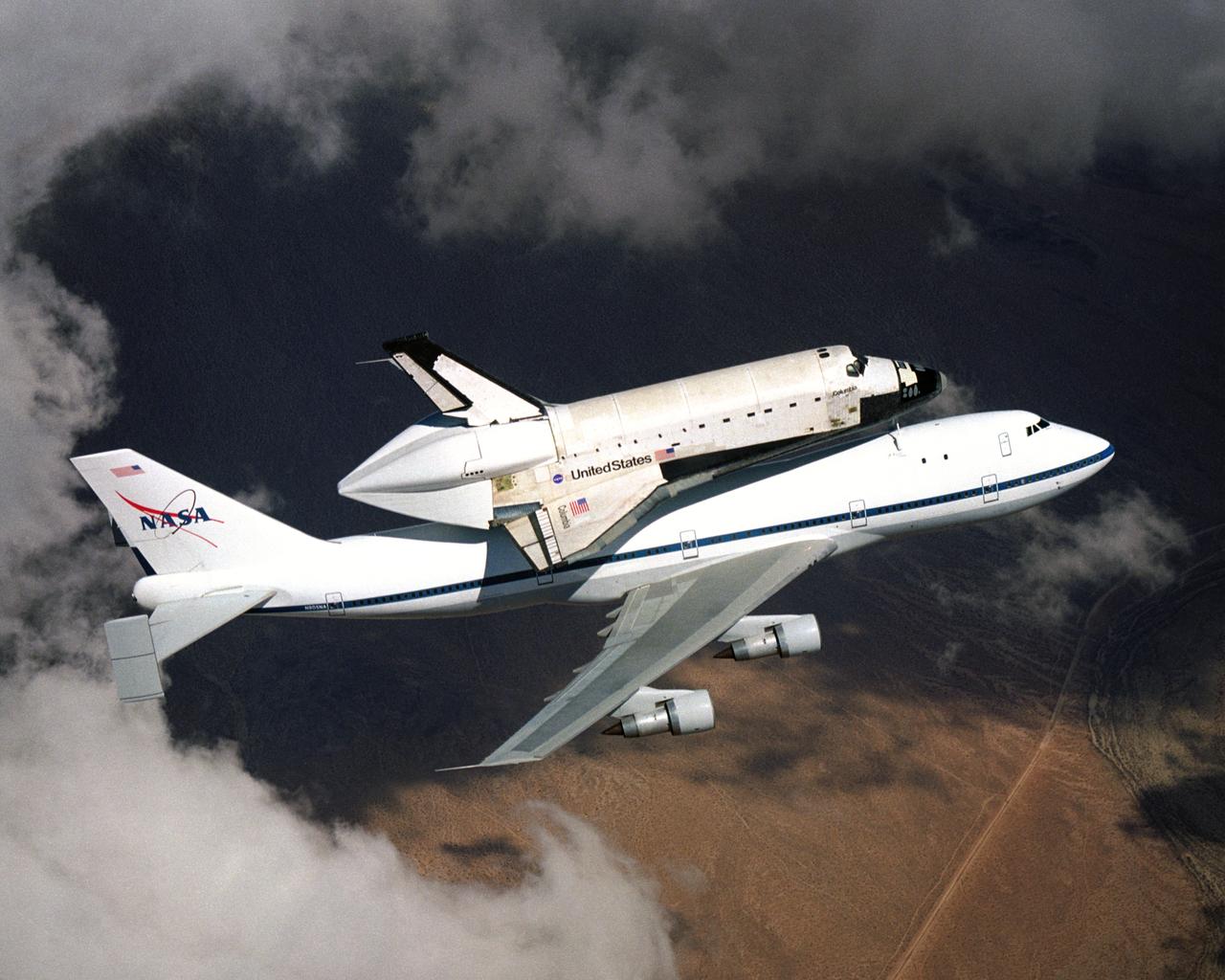
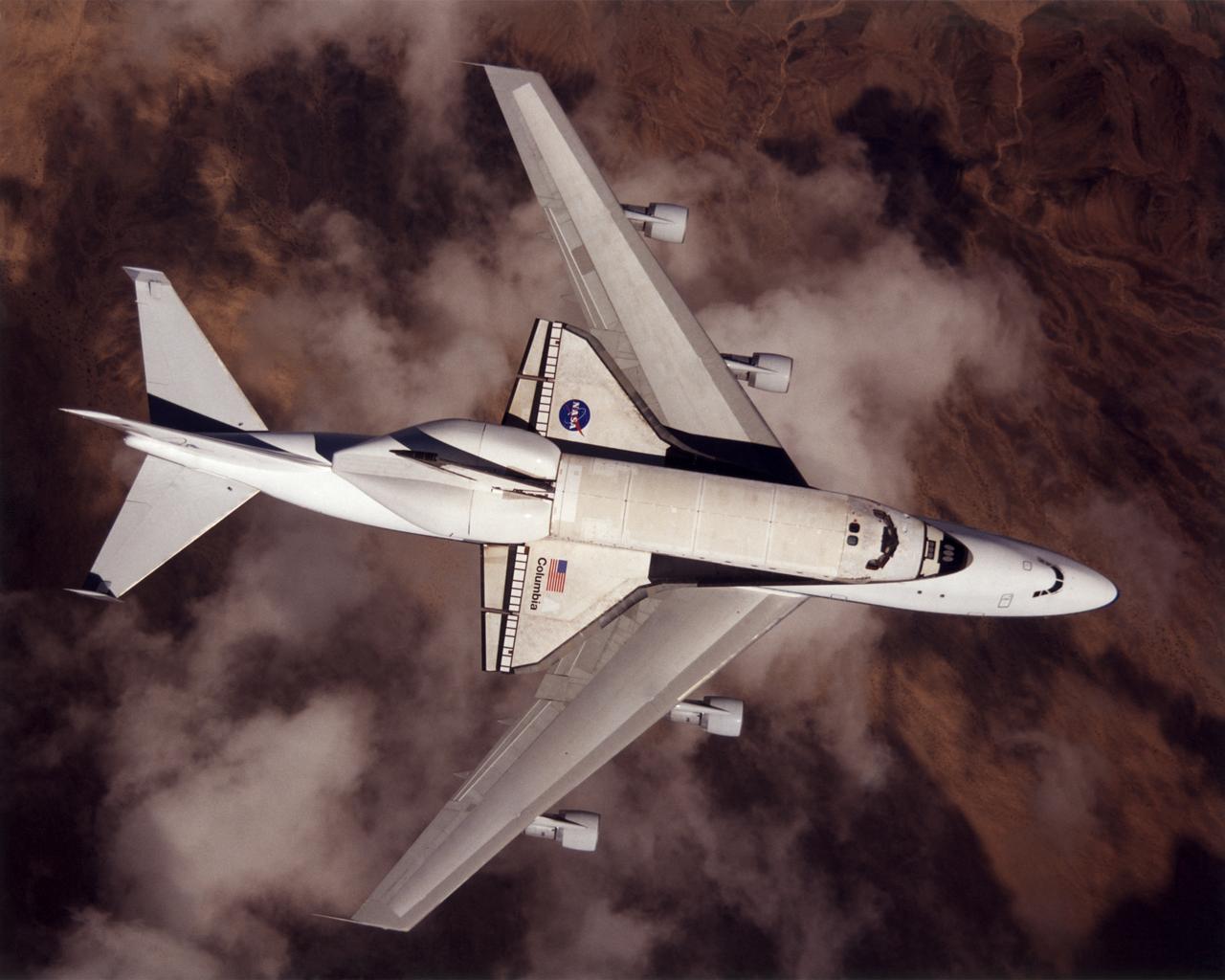
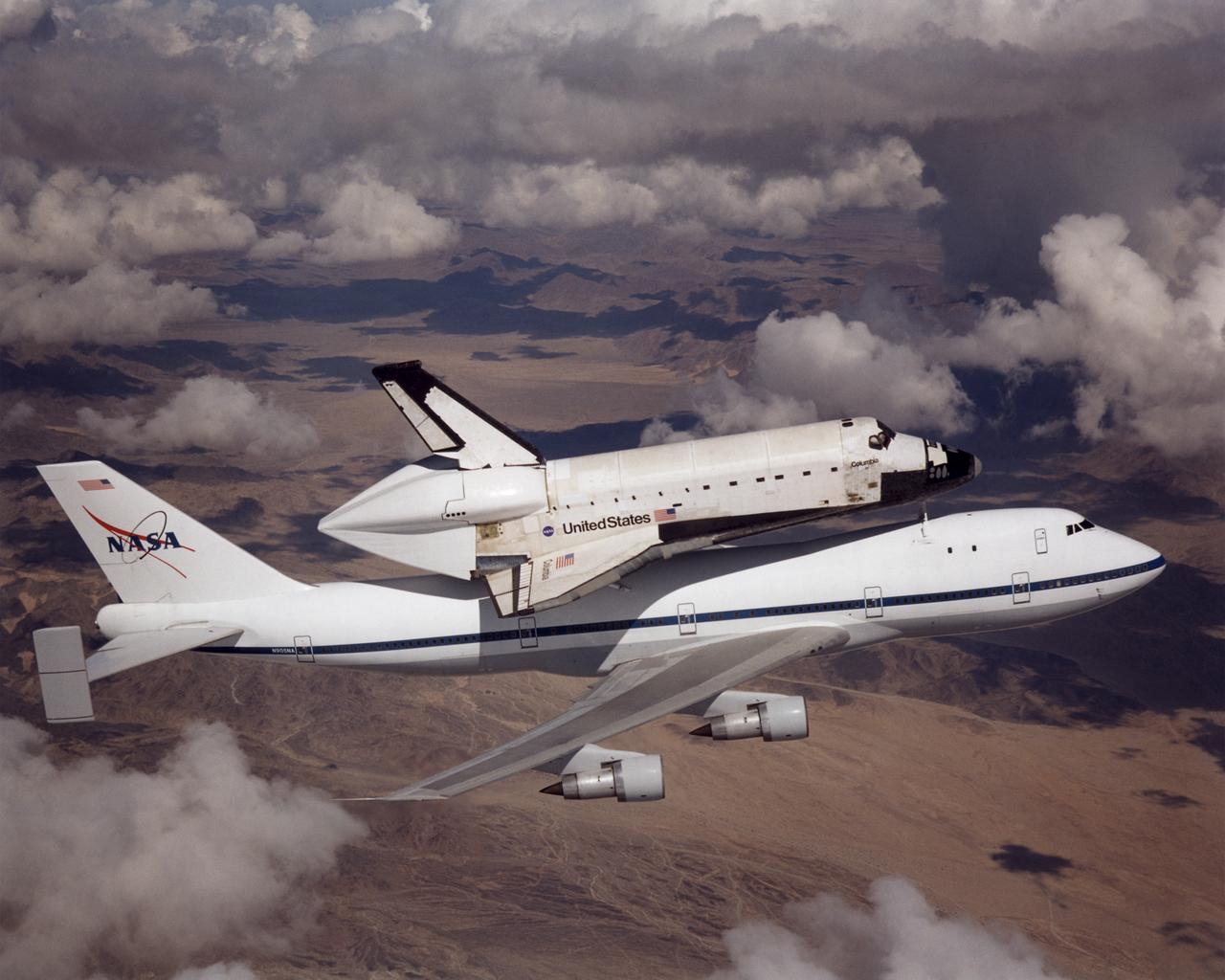
NASA space shuttle Columbia hitched a ride on a special 747 carrier aircraft for the flight from Palmdale, California, to Kennedy Space Center, Florida, on March 1, 2001. A half hour behind Columbia's takeoff, the shuttle Atlantis departed the NASA Dryden Flight Research Center at Edwards Air Force Base, California, also bound for Kennedy Space Center.
NASA space shuttle Columbia hitched a ride on a special 747 carrier aircraft for the flight from Palmdale, California, to Kennedy Space Center, Florida, on March 1, 2001
Technicians check out the X-59 aircraft as it sits near the runway at Lockheed Martin Skunk Works in Palmdale, California, on June 19, 2023.  Lockheed Martin Photography By Garry Tice 1011 Lockheed Way, Palmdale, Ca. 93599 Event: Move to Run Stall 5 Date: 6/19/2023 Additional Info:
Move to Run Stall 5
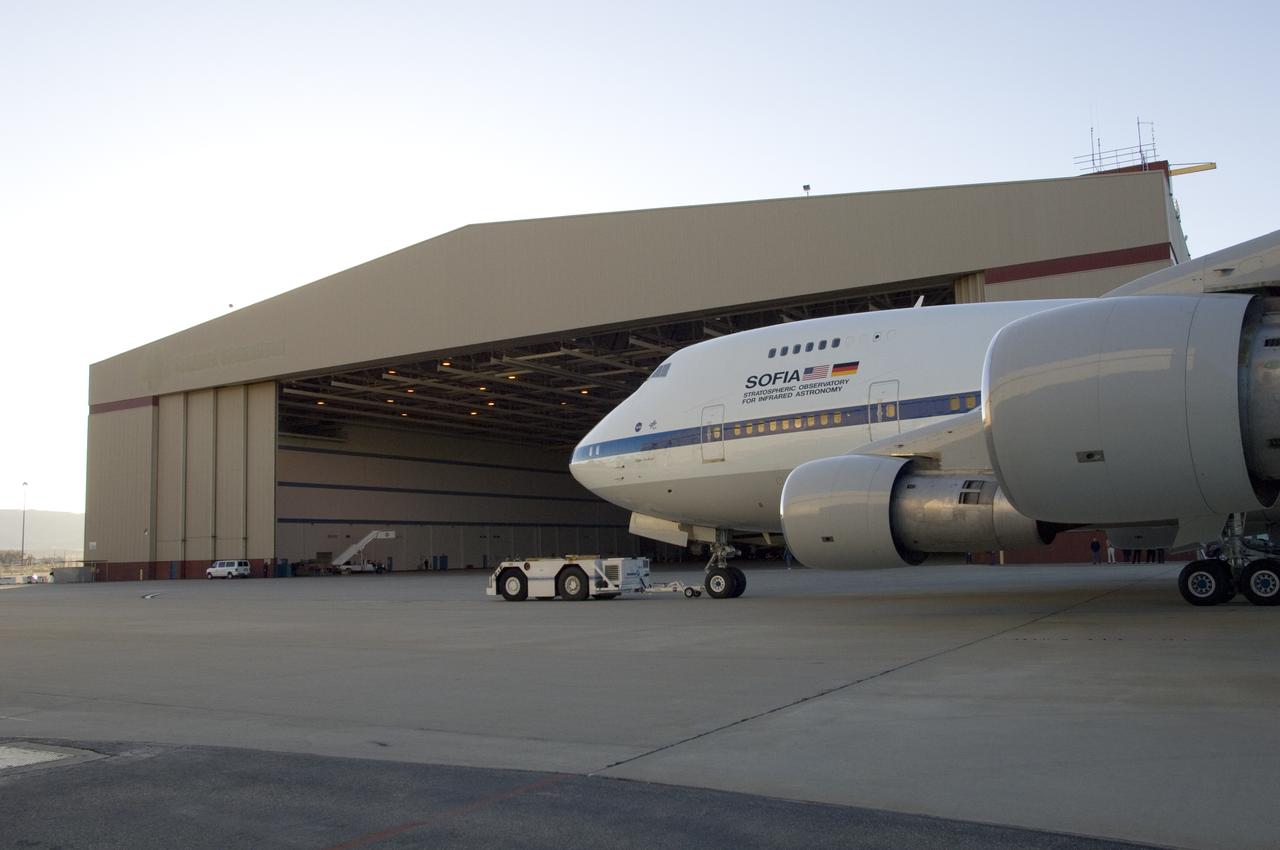
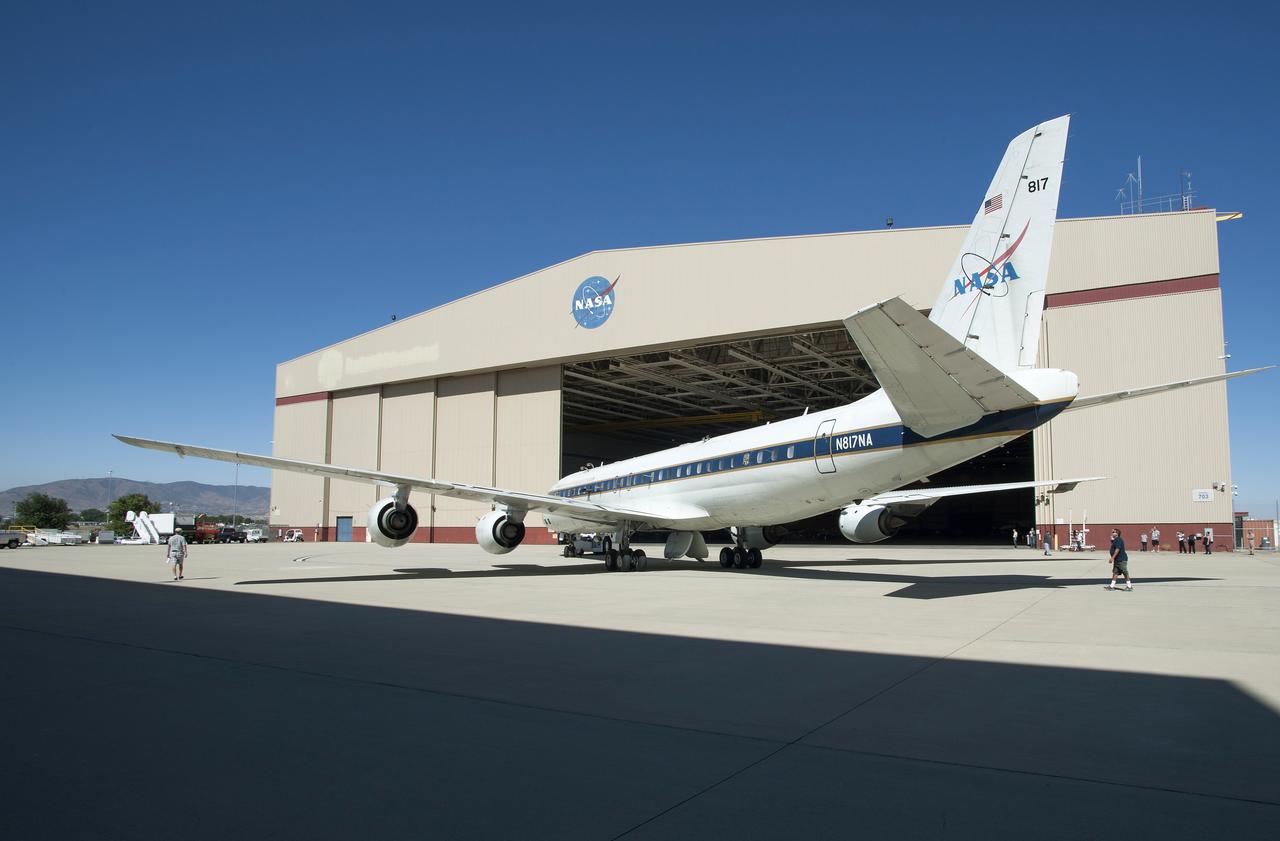
An aircraft tug tows NASA's SOFIA infrared observatory 747SP into Hangar 703 upon arrival at its base, the Dryden Aircraft Operations Facility in Palmdale, Calif.
An aircraft tug tows NASA's SOFIA infrared observatory 747SP into Hangar 703 upon arrival at its base, the Dryden Aircraft Operations Facility in Palmdale, CA.
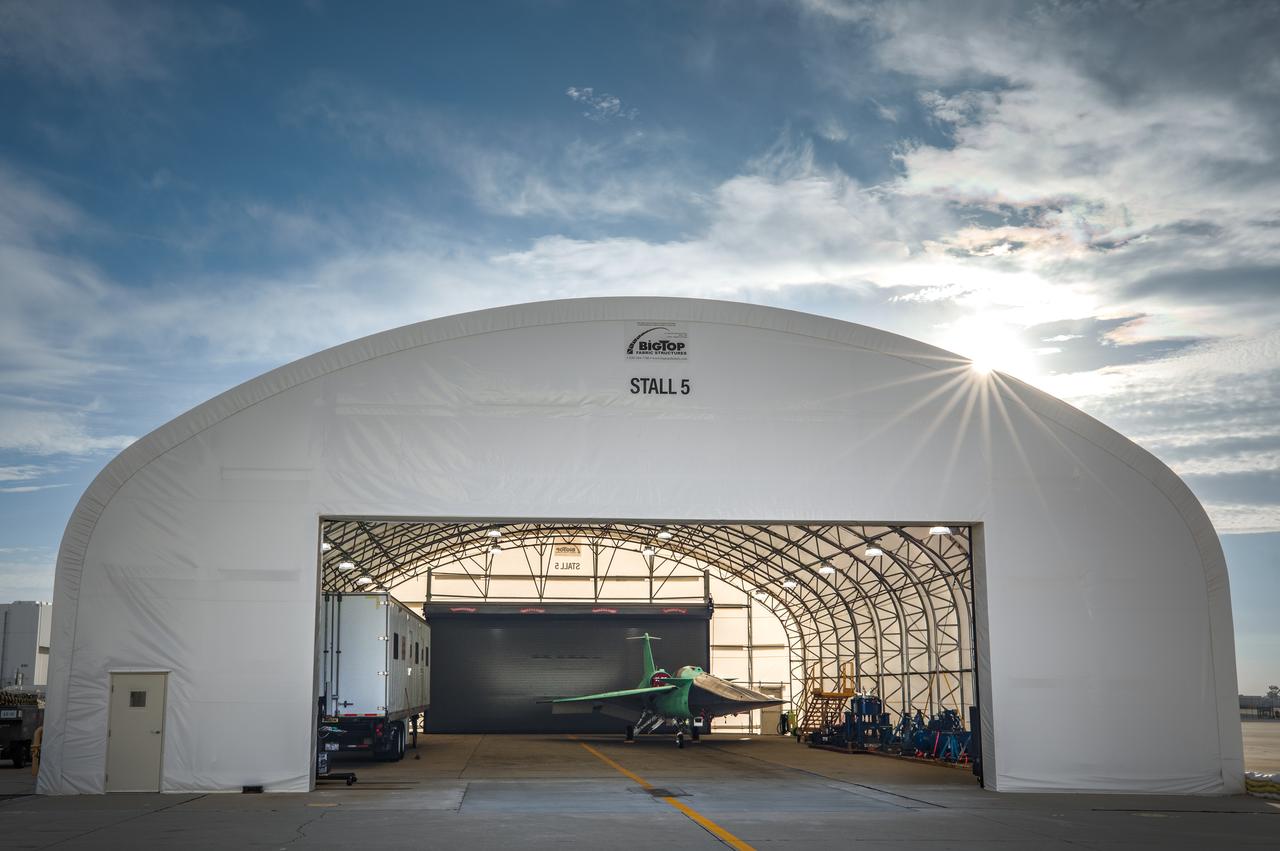
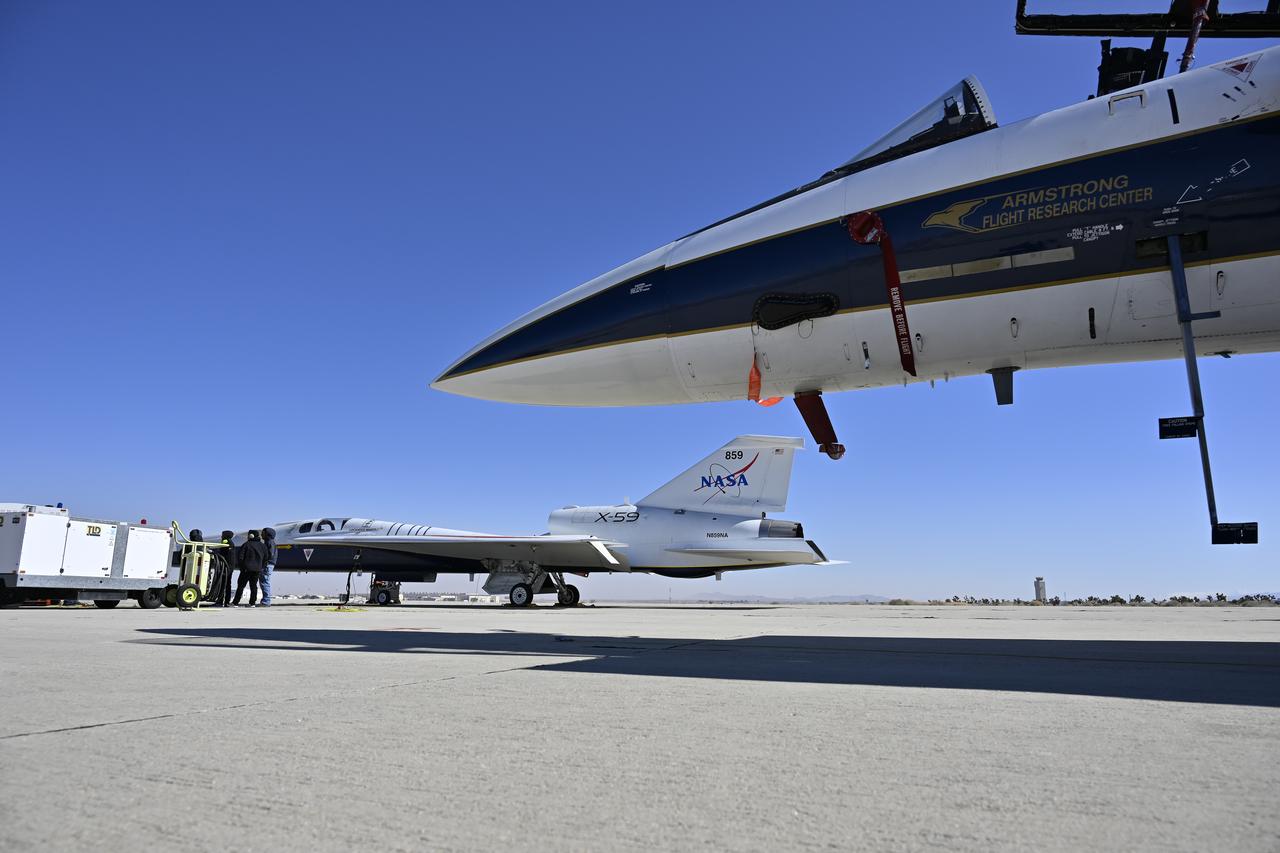
NASA’s X-59 aircraft is parked in stall five near the runway at Lockheed Martin Skunk Works in Palmdale, California, on June 19, 2023. This is where the X-59 will be housed during ground and initial flight tests.  Lockheed Martin Photography By Garry Tice 1011 Lockheed Way, Palmdale, Ca. 93599 Event: Move to Run Stall 5 Date: 6/19/2023 Additional Info:
Move to Run Stall 5
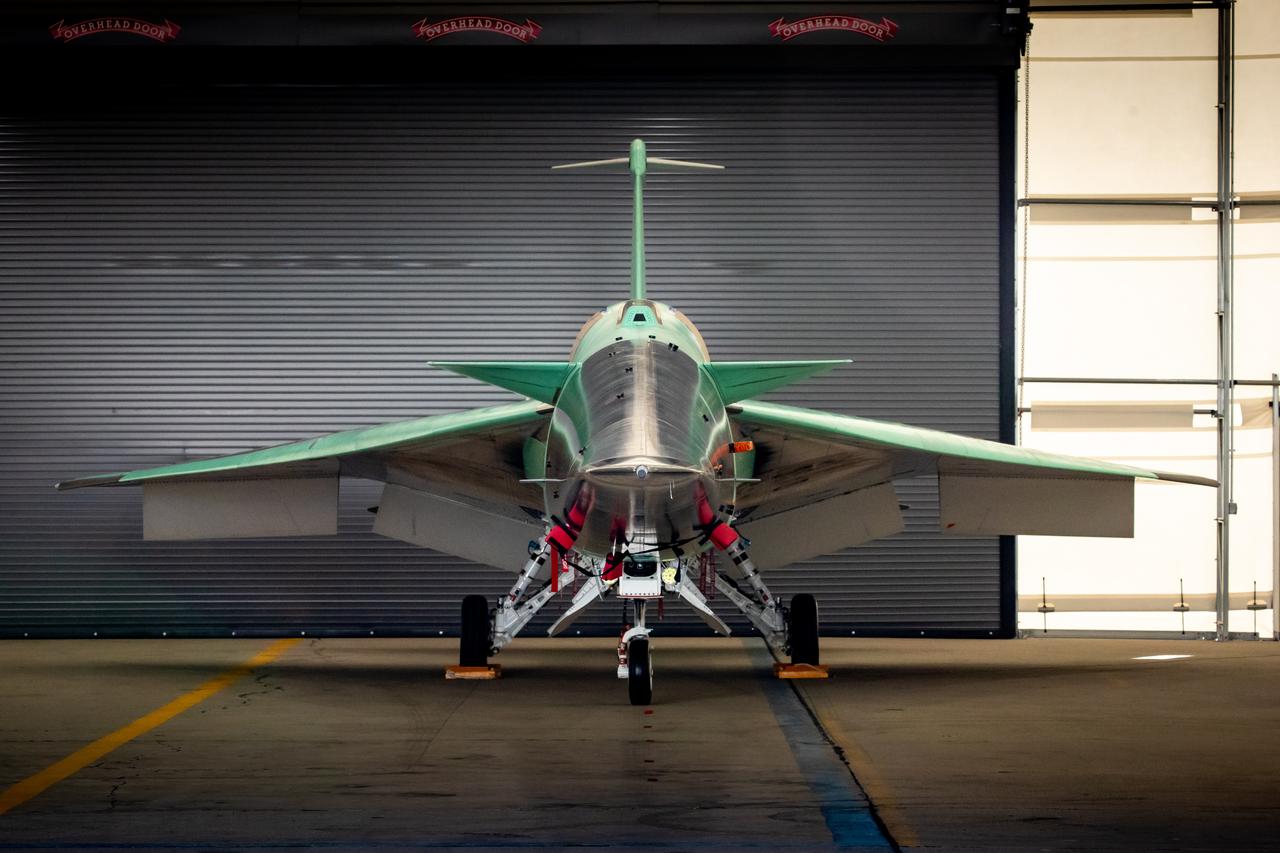
NASA’s X-59 aircraft is parked near the runway at Lockheed Martin Skunk Works in Palmdale, California, on June 19, 2023. This is where the X-59 will be housed during ground and initial flight tests.  Lockheed Martin Photography By Garry Tice 1011 Lockheed Way, Palmdale, Ca. 93599 Event: Move to Run Stall 5 Date: 6/19/2023 Additional Info:
Move to Run Stall 5
NASA space shuttle Columbia hitched a ride on a special 747 carrier aircraft for the flight from Palmdale, California, to Kennedy Space Center, Florida, on March 1, 2001. A half hour behind Columbia's takeoff, the shuttle Atlantis departed the NASA Dryden Flight Research Center at Edwards Air Force Base, California, also bound for Kennedy Space Center.
NASA space shuttle Columbia hitched a ride on a special 747 carrier aircraft for the flight from Palmdale, California, to Kennedy Space Center, Florida, on March 1, 2001
NASA space shuttle Columbia hitched a ride on a special 747 carrier aircraft for the flight from Palmdale, California, to Kennedy Space Center, Florida, on March 1, 2001. A half hour behind Columbia's takeoff, the shuttle Atlantis departed the NASA Dryden Flight Research Center at Edwards Air Force Base, California, also bound for Kennedy Space Center.
NASA space shuttle Columbia hitched a ride on a special 747 carrier aircraft for the flight from Palmdale, California, to Kennedy Space Center, Florida, on March 1, 2001
NASA space shuttle Columbia hitched a ride on a special 747 carrier aircraft for the flight from Palmdale, California, to Kennedy Space Center, Florida, on March 1, 2001. A half hour behind Columbia's takeoff, the shuttle Atlantis departed the NASA Dryden Flight Research Center at Edwards Air Force Base, California, also bound for Kennedy Space Center.
NASA space shuttle Columbia hitched a ride on a special 747 carrier aircraft for the flight from Palmdale, California, to Kennedy Space Center, Florida, on March 1, 2001
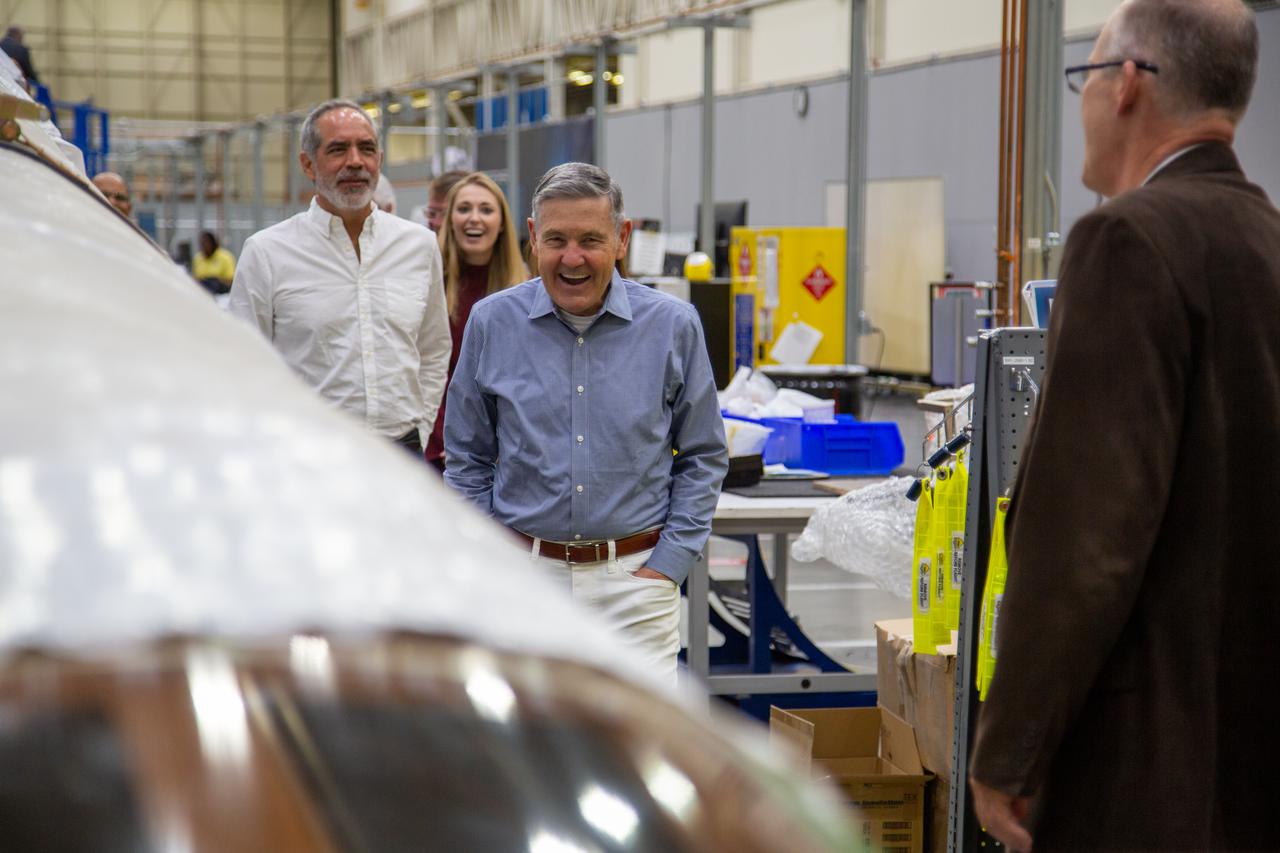
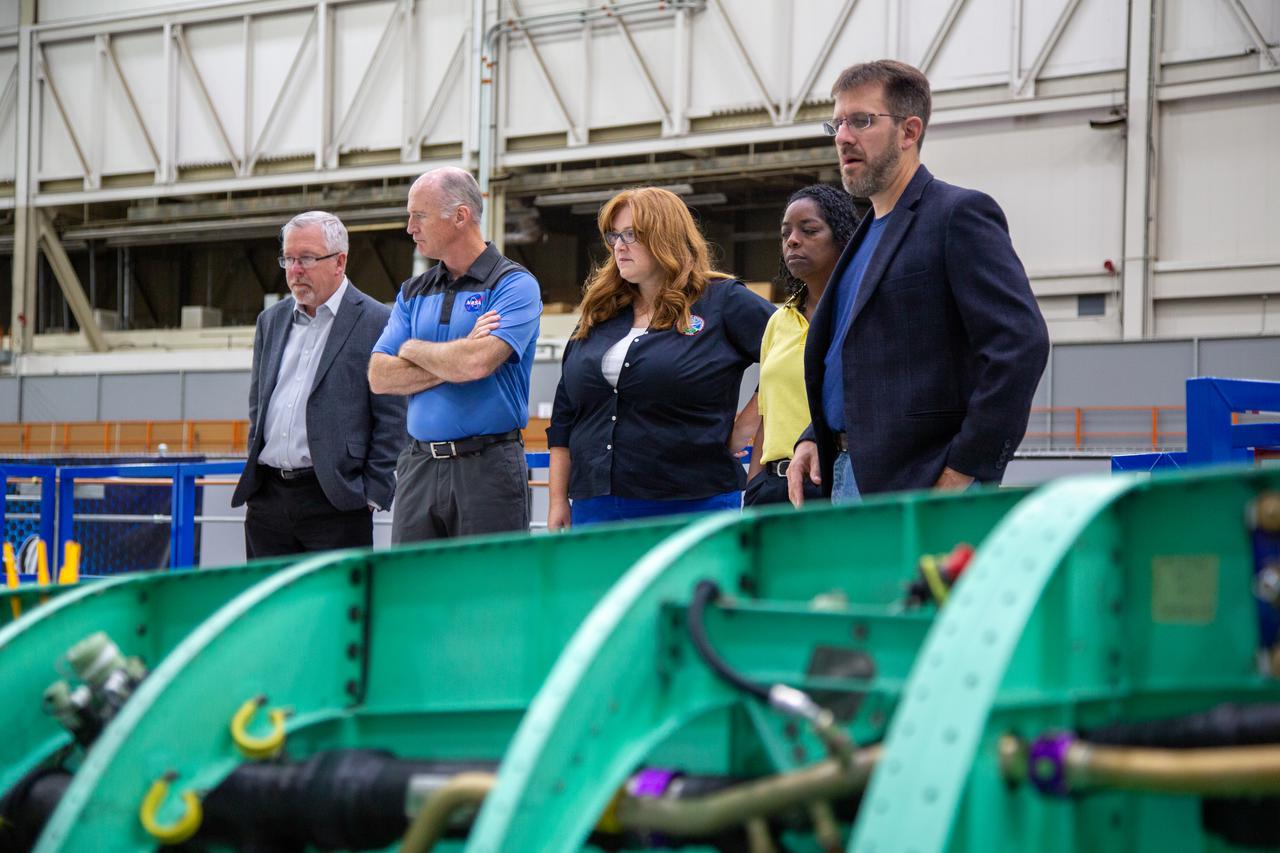
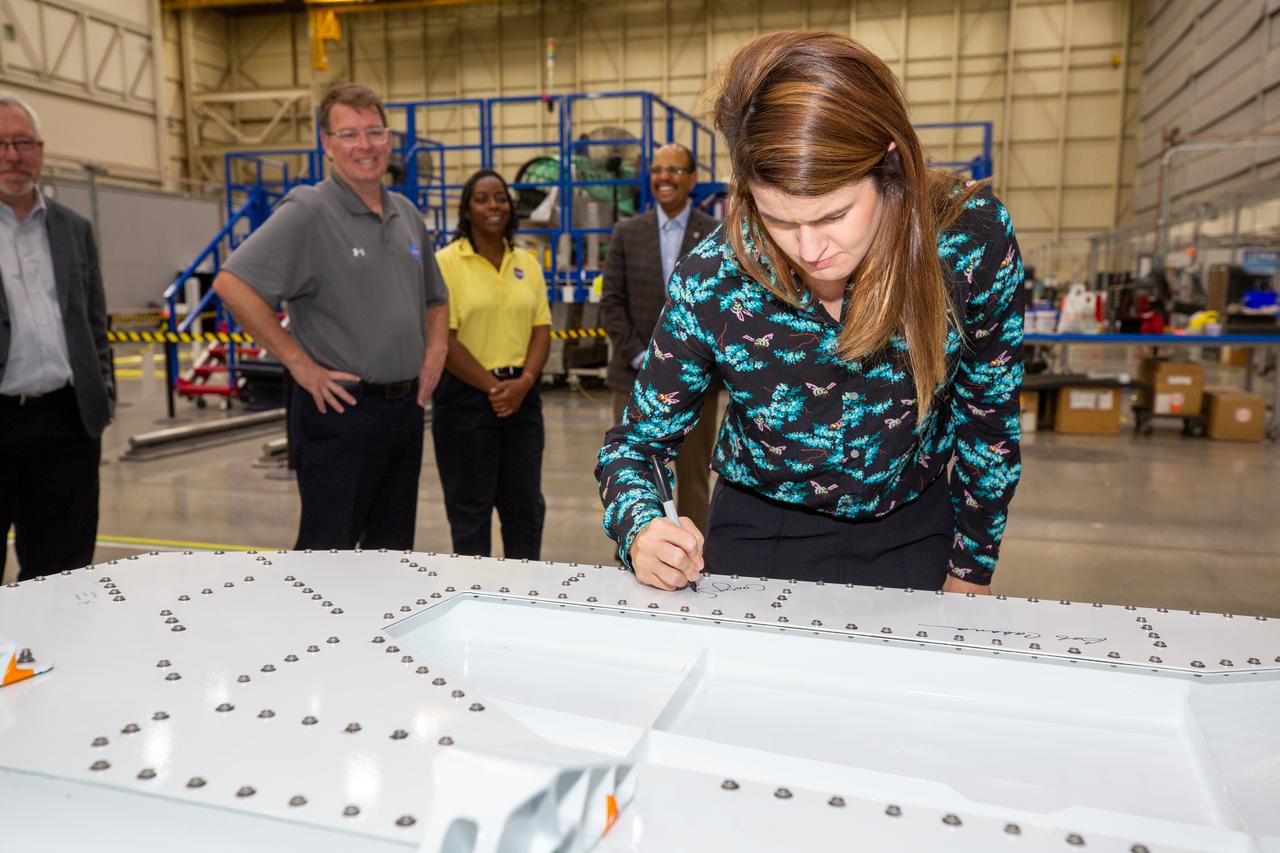
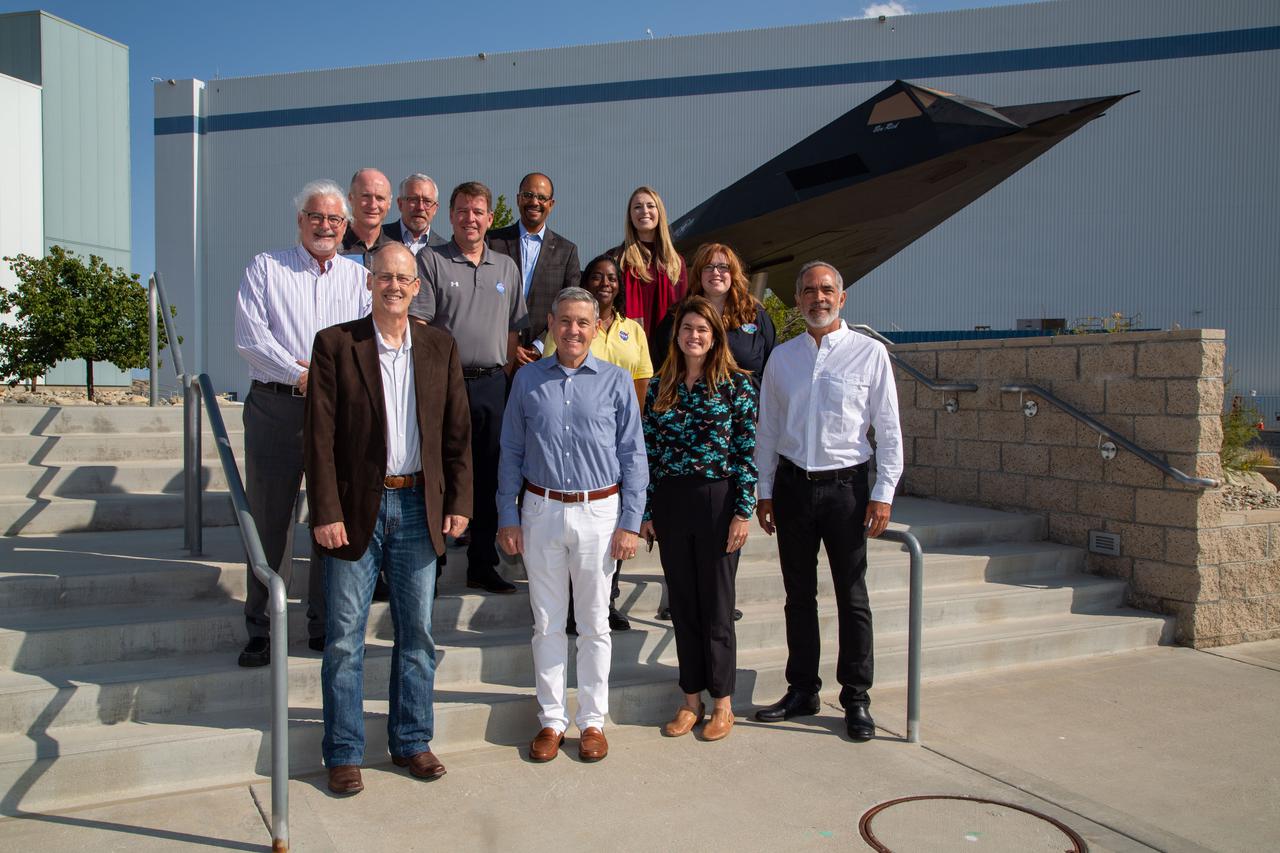
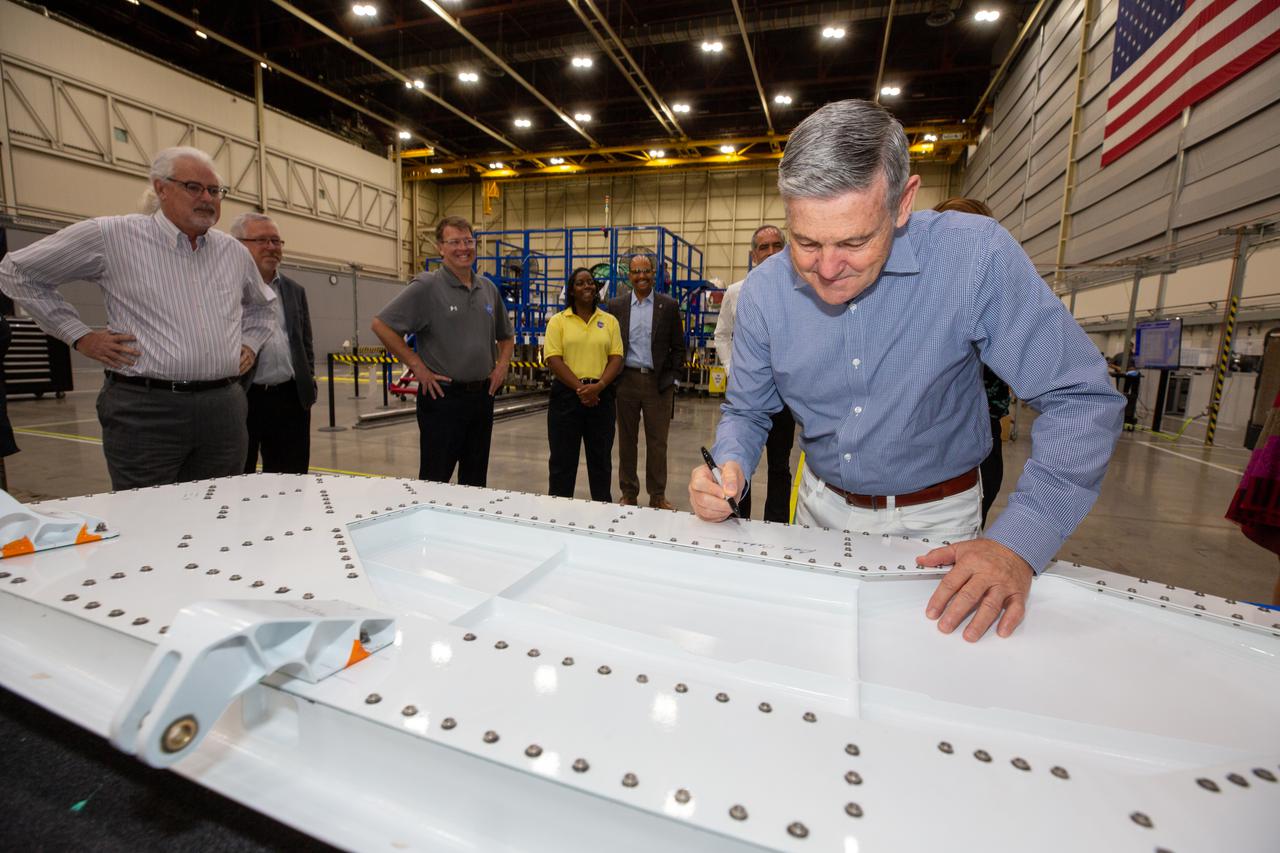
In July 2021, NASA associate administrator Bob Cabana visits Lockheed Martin in Palmdale, California to see the assembly of the X-59 QueSST.
P21-142-30
In July 2021, NASA associate administrator Bob Cabana visits Lockheed Martin in Palmdale, California to see the assembly of the X-59 QueSST.
P21-142-11
In July 2021, NASA associate administrator Bob Cabana visits Lockheed Martin in Palmdale, California to see the assembly of the X-59 QueSST.
P21-414-36
In July 2021, NASA associate administrator Bob Cabana visits Lockheed Martin in Palmdale, California to see the assembly of the X-59 QueSST.
P21-142-21
In July 2021, NASA associate administrator Bob Cabana visits Lockheed Martin in Palmdale, California to see the assembly of the X-59 QueSST.
P21-142-18
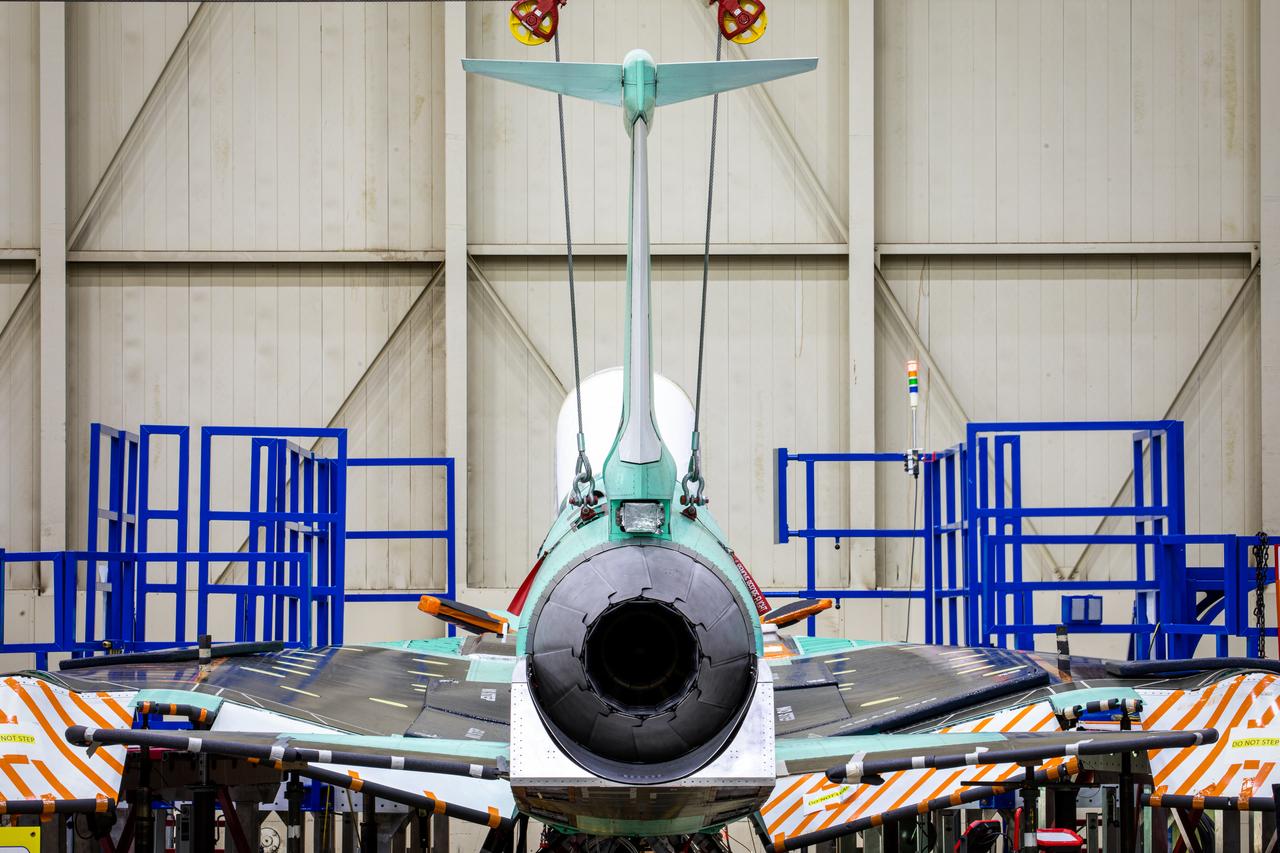
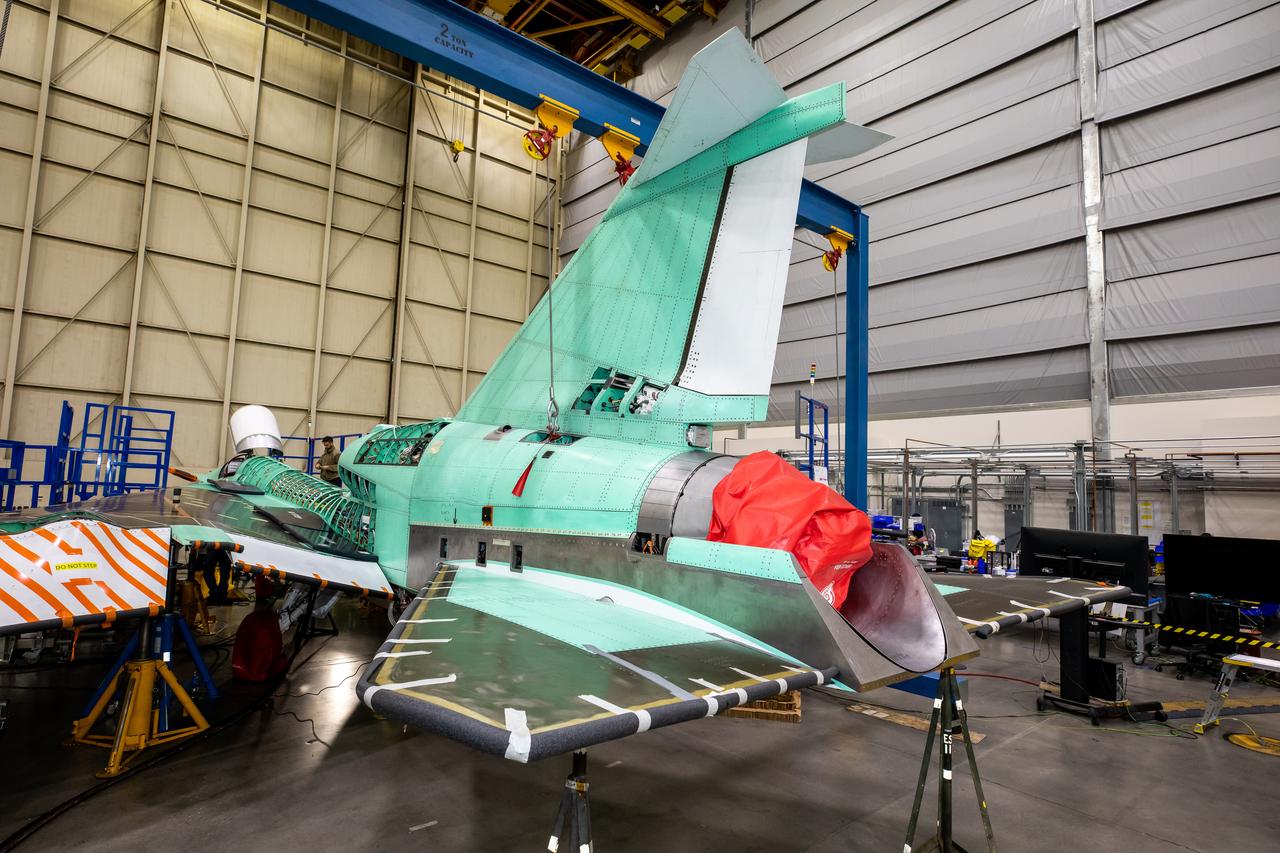
A perfectly framed up rearview shot of NASA’s X-59 tail after its recent installation of the lower empennage, or tail section, in late March at Lockheed Martin Skunk Works in Palmdale, California.
Lower Empennage Final Install
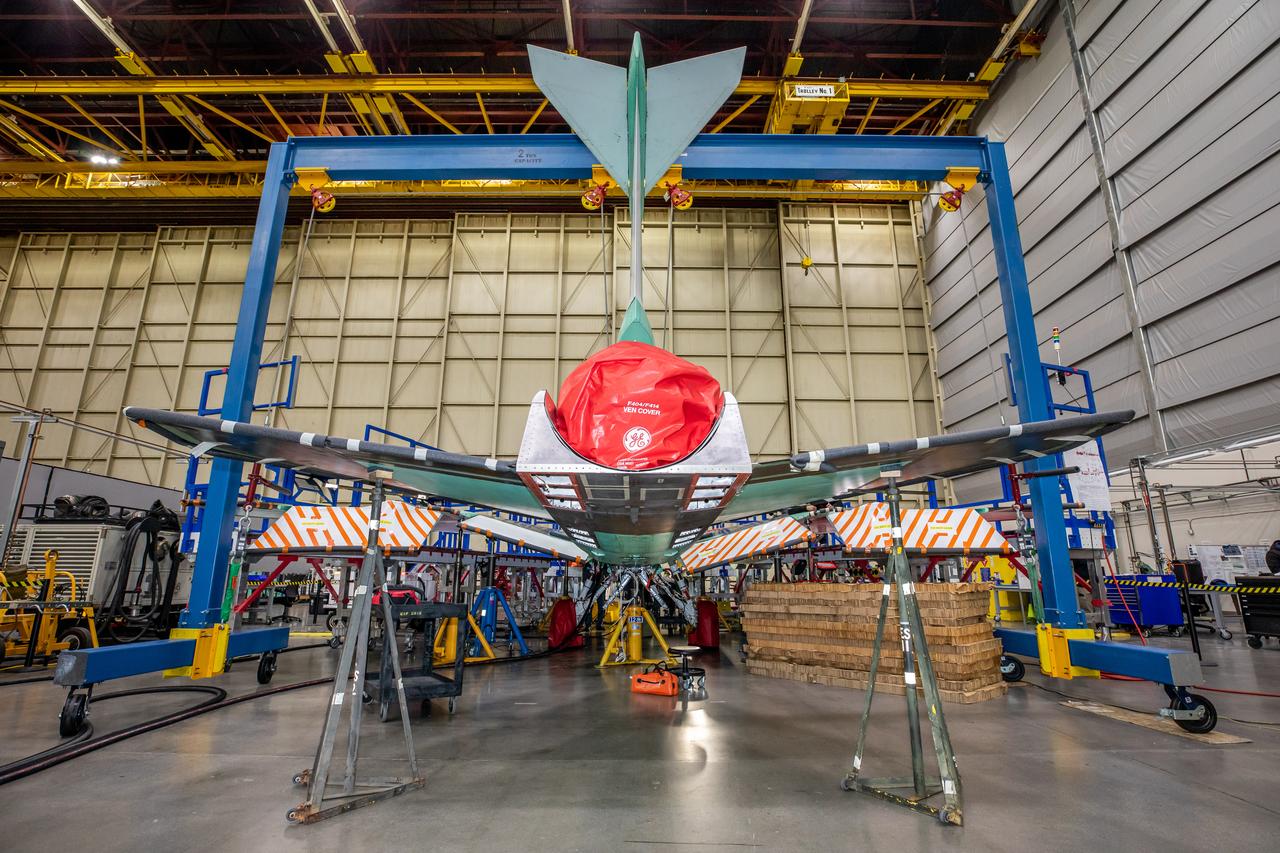
NASA’s X-59 sits in support framing while undergoing the installation of its lower empennage, or tail section, at Lockheed Martin Skunk Works in Palmdale, California in late March.
Lower Empennage Final Install Event
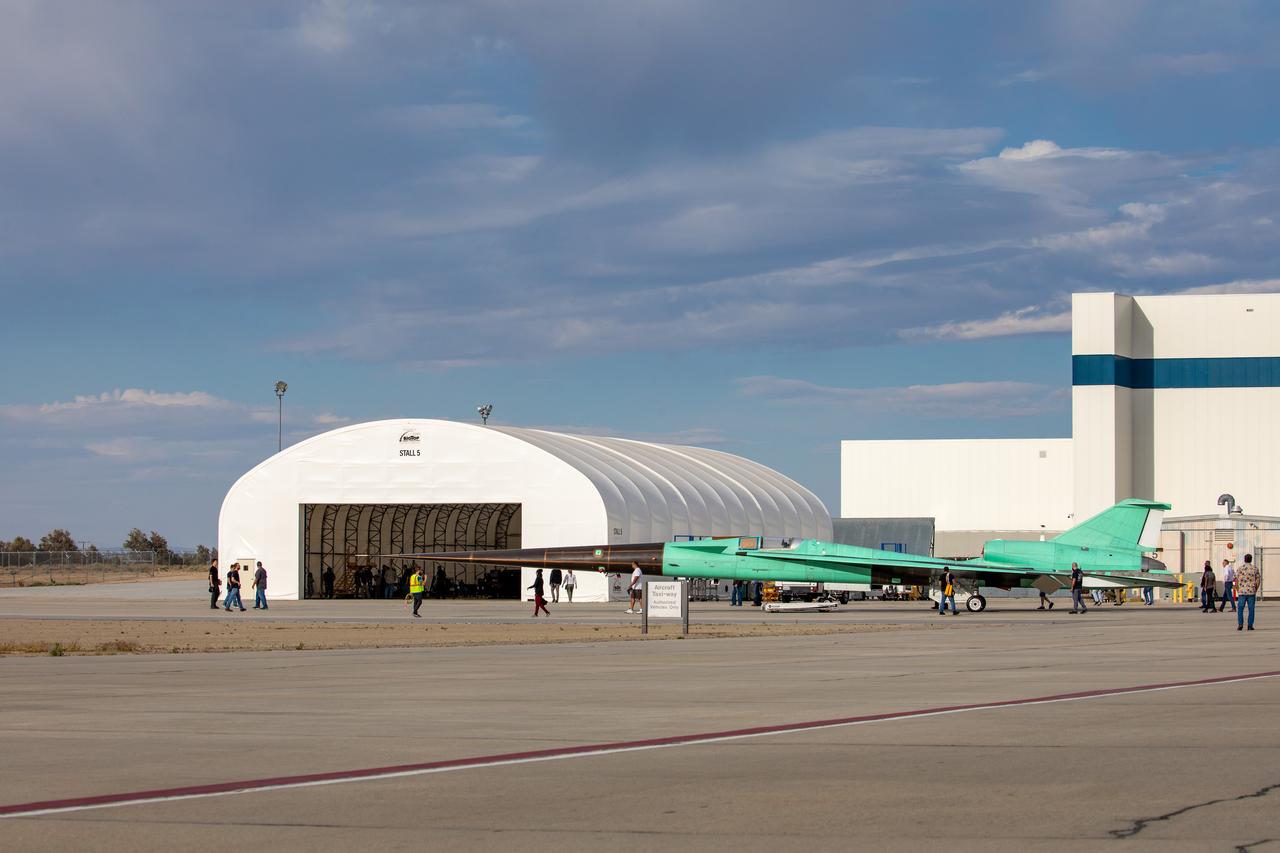
NASA’s X-59 research aircraft moves from its construction site to the flight line – or the space between the hangar and the runway – at Lockheed Martin Skunk Works in Palmdale, California, on June 16, 2023. This milestone kicks off a series of ground tests to ensure the X-59 is safe and ready to fly.  The X-59 is designed to fly faster than Mach 1 while reducing the resulting sonic boom to a thump for people on the ground. NASA will evaluate this technology during flight tests as part of the agency’s Quesst mission, which helps enable commercial supersonic air travel over land.  Lockheed Martin Photography By Garry Tice 1011 Lockheed Way, Palmdale, Ca. 93599 Event: Move to Run Stall 5 Date: 6/19/2023 Additional Info:
Move to Run Stall 5
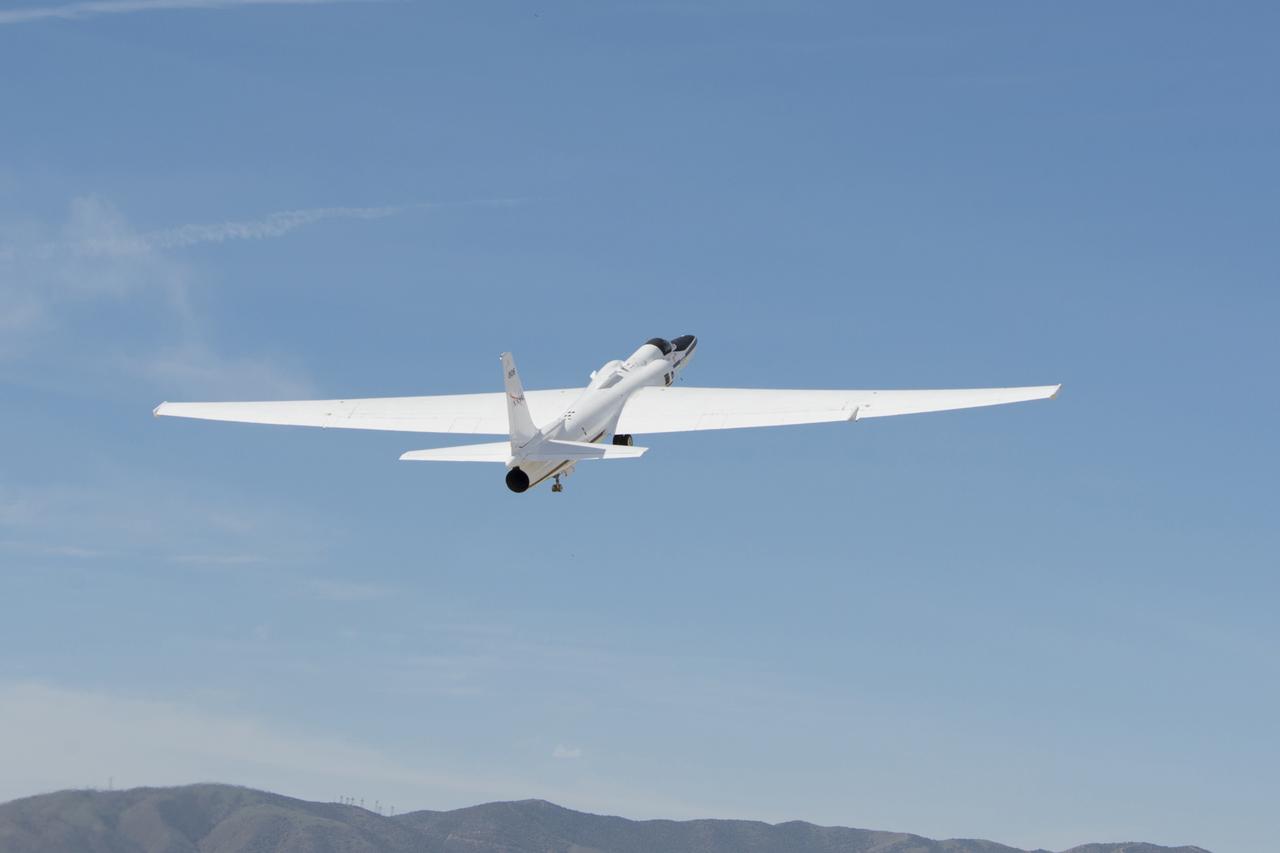
NASA’s ER-2 takes off from its base of operations at NASA’s Armstrong Flight Research Center Building 703 in Palmdale, California to test instruments that will support upcoming science flights for the Geostationary Operational Environmental Satellite-R-series.
AFRC2016-0105-15
The tail of NASA’s X-59 aircraft is shown here in late March at Lockheed Martin Skunk Works in Palmdale, California where the plane recently underwent a final install of the lower empennage or better known as tail section of the plane.
Lower Empennage Final Install Event
In July 2021, NASA associate administrator Bob Cabana visits Lockheed Martin in Palmdale, California to see the assembly of the X-59 QueSST.
P21-142-28
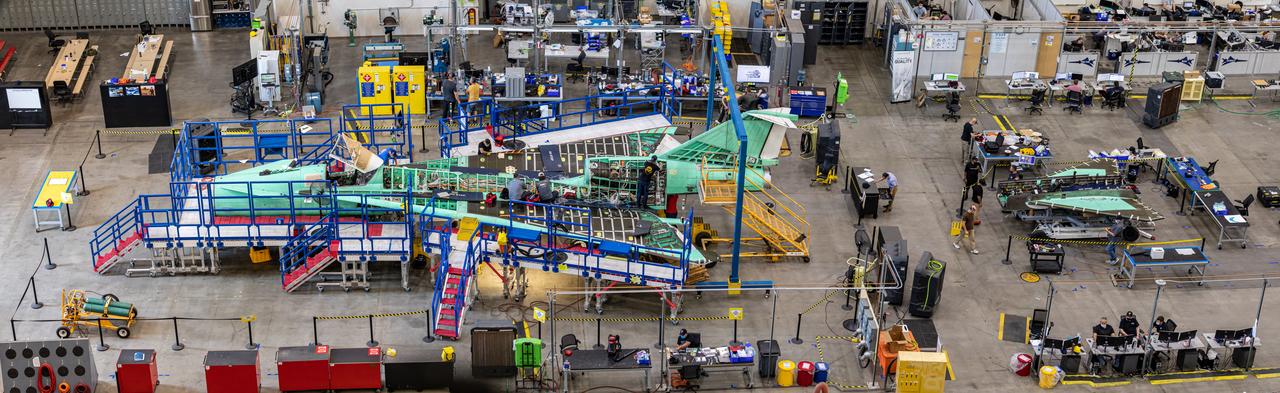
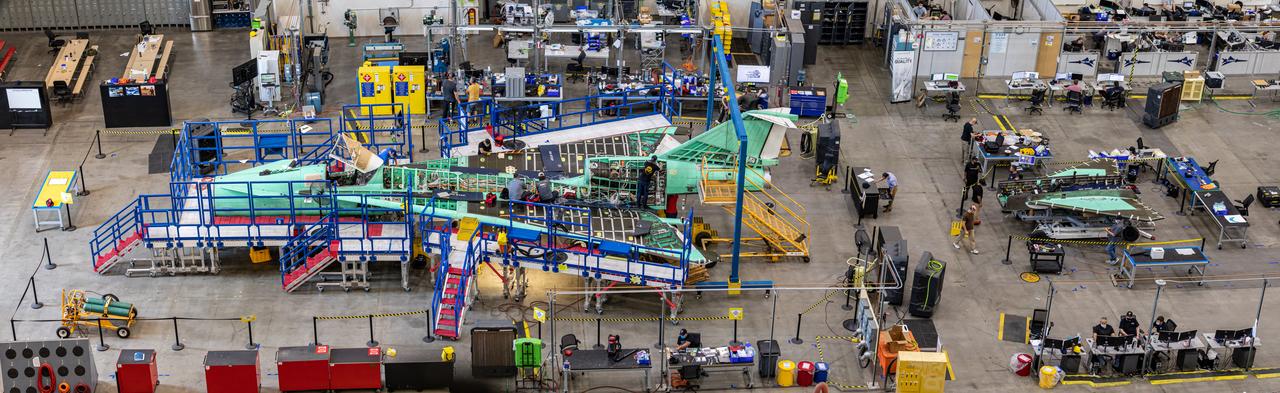
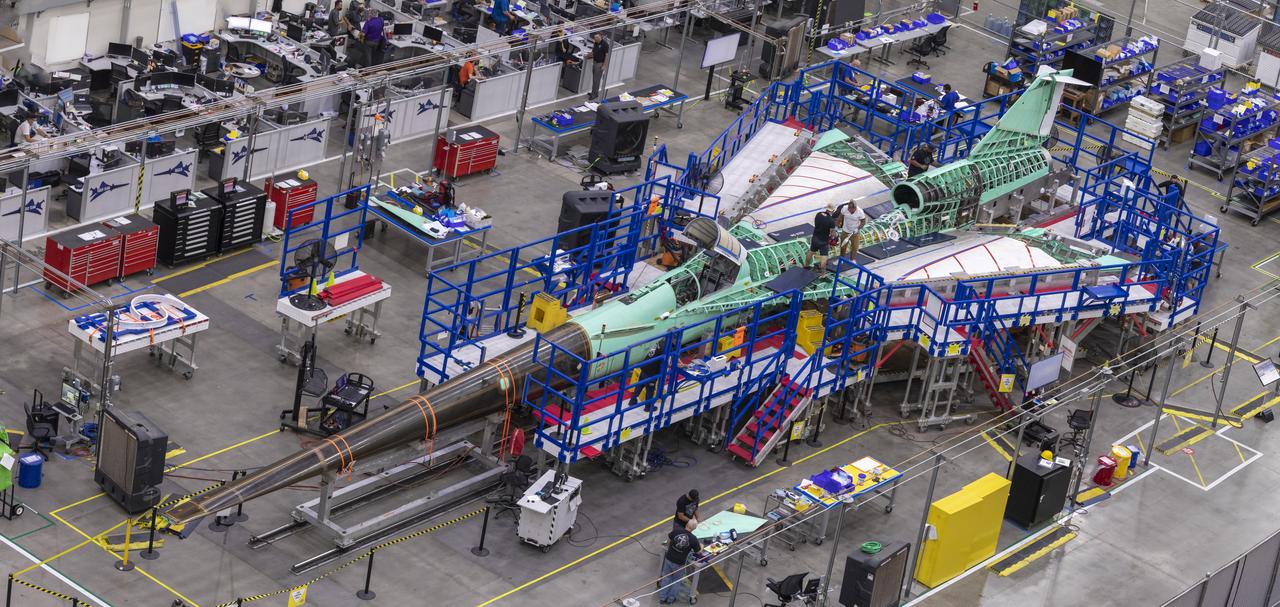
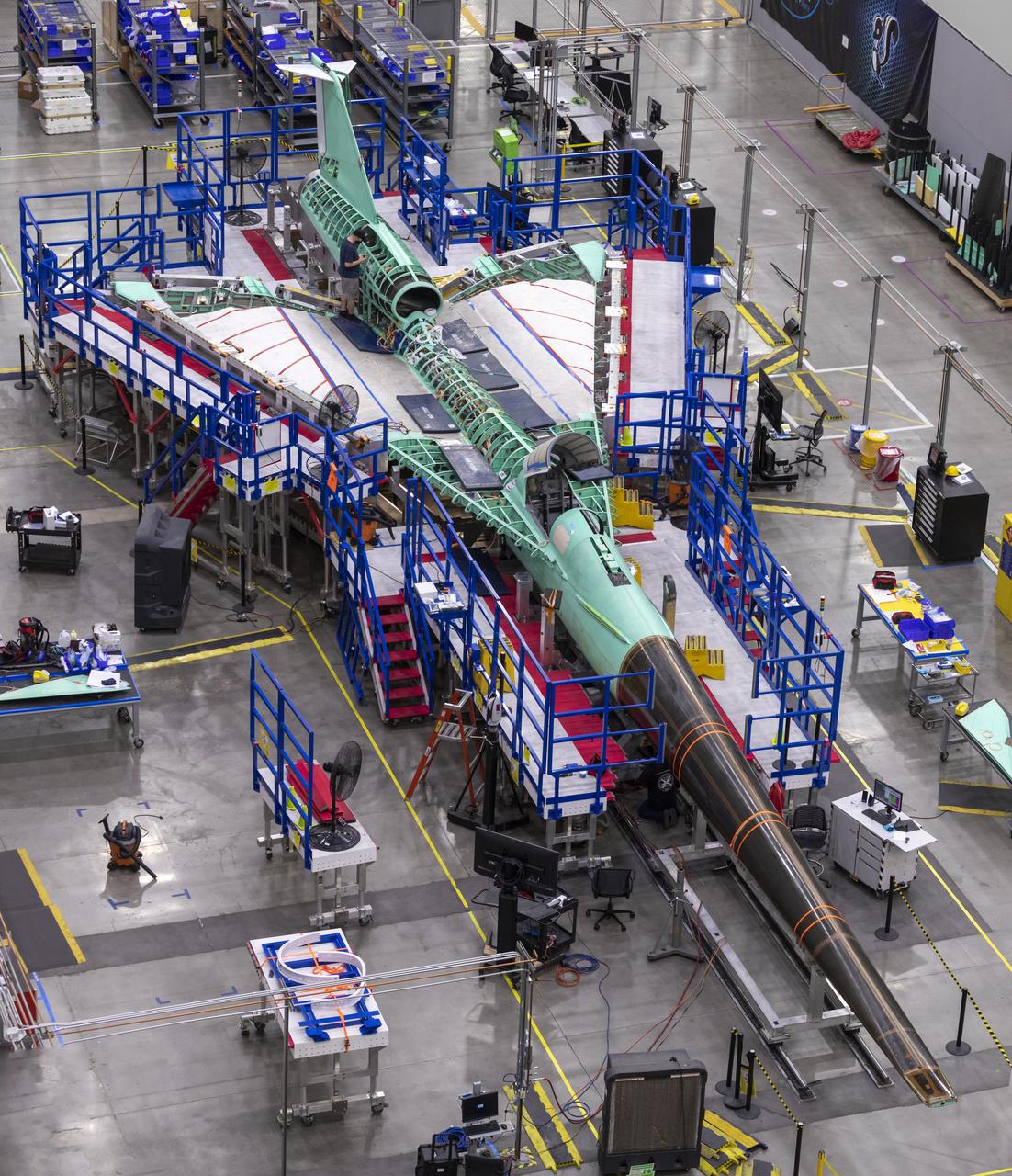
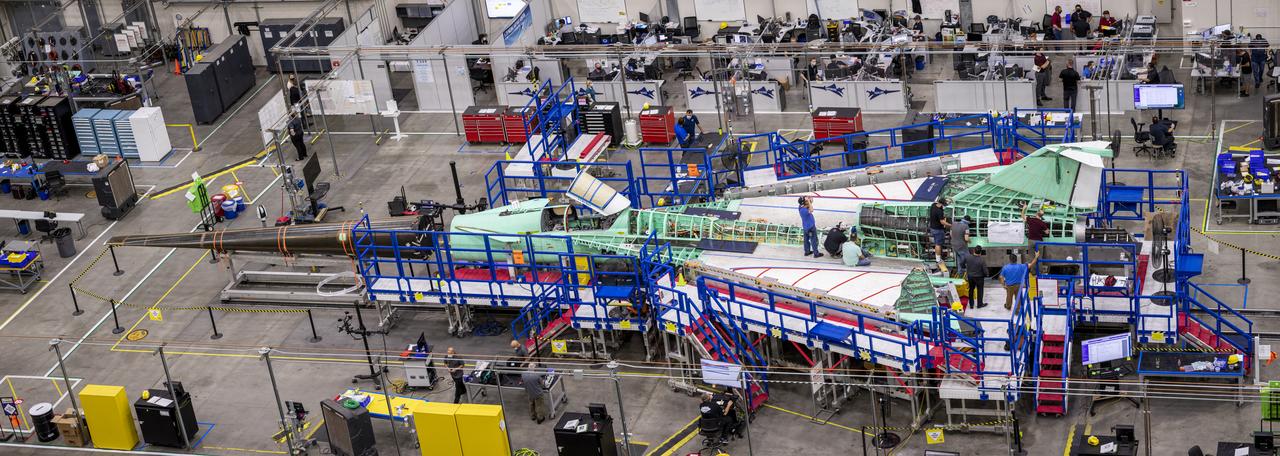
This overhead view of the X-59 shows the aircraft’s current state of assembly at Lockheed Martin Skunk Works in Palmdale, California. Throughout the manufacturing process, the team often removes components to effectively and safely assemble other sections of the aircraft. The X-59’s horizontal tails and lower empennage were recently removed from the aircraft and can be seen behind it as the team prepares for the installation of the engine. The X-59 is the centerpiece of the Quesst mission which plans to help enable commercial supersonic air travel over land.
X-59 aircraft’s current state of assembly
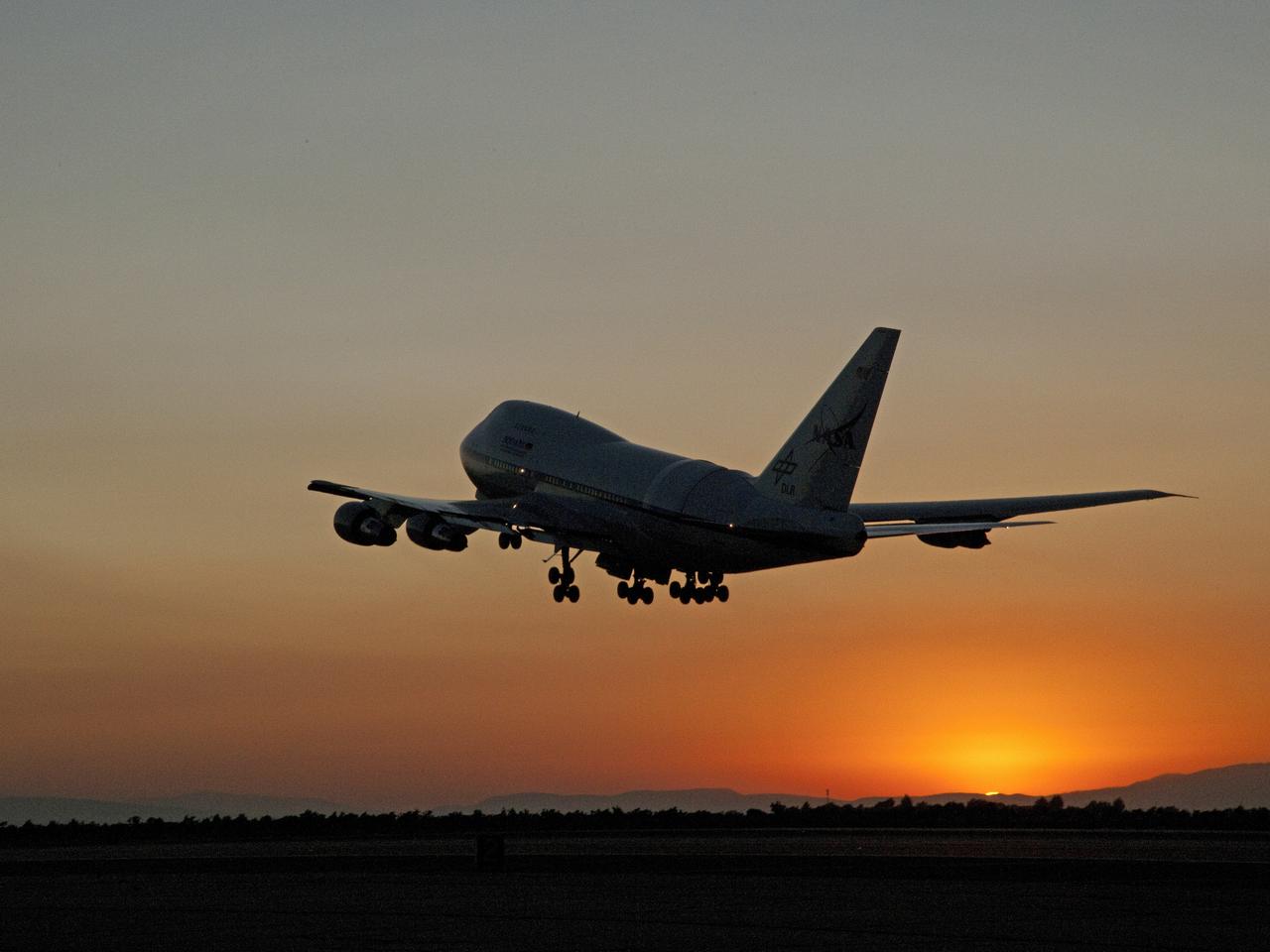
SOFIA lifts off from Air Force Plant 42 in Palmdale, Calif., at sunset.
ED11-0211-06
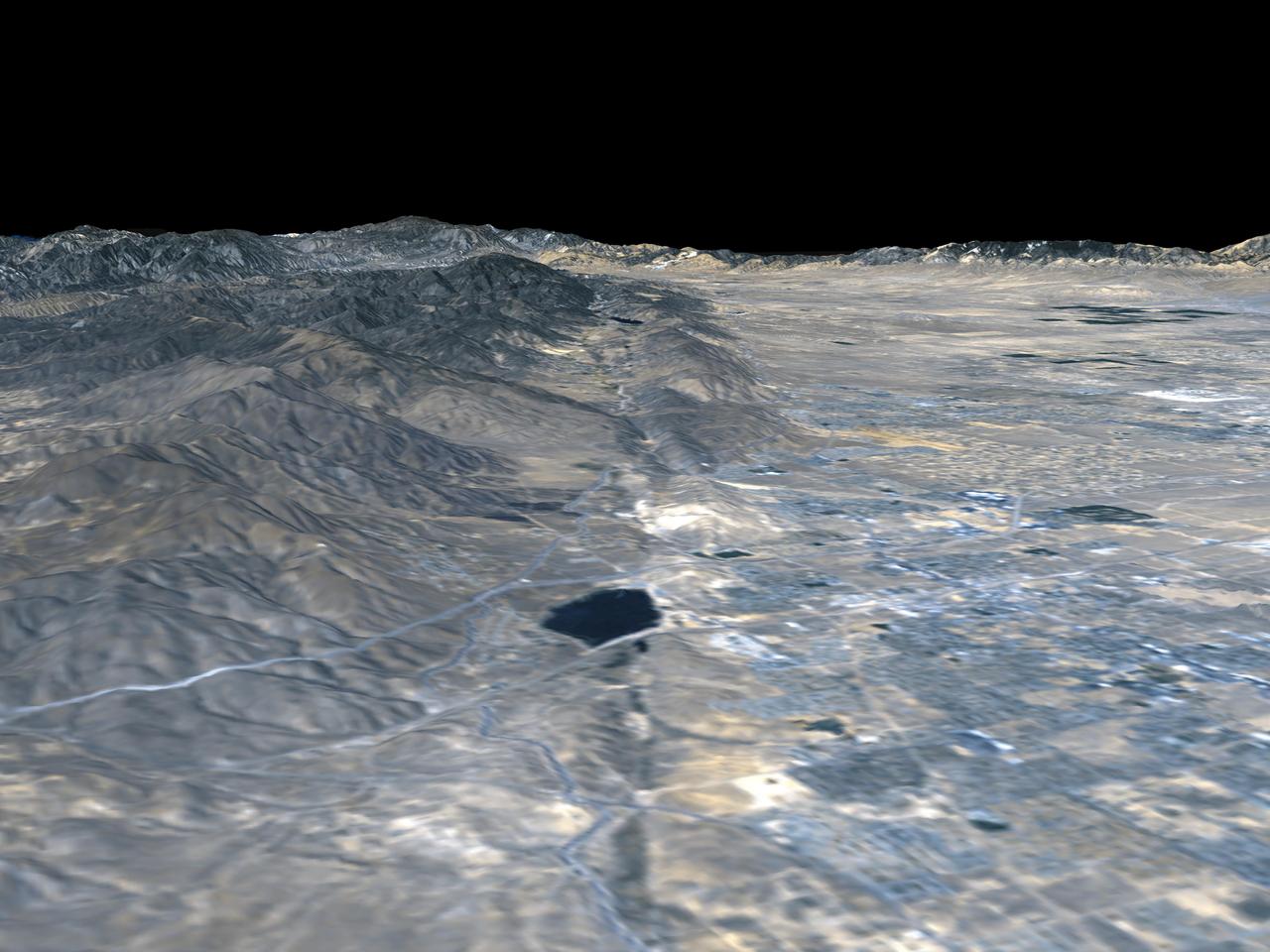
The prominent linear feature straight down the center of this perspective view is the San Andreas Fault. This segment of the fault lies near the city of Palmdale, CA the flat area in the right half of the image about 60 kilometers north of Los Angeles.
Perspective view, Landsat overlay San Andreas Fault, Palmdale, California
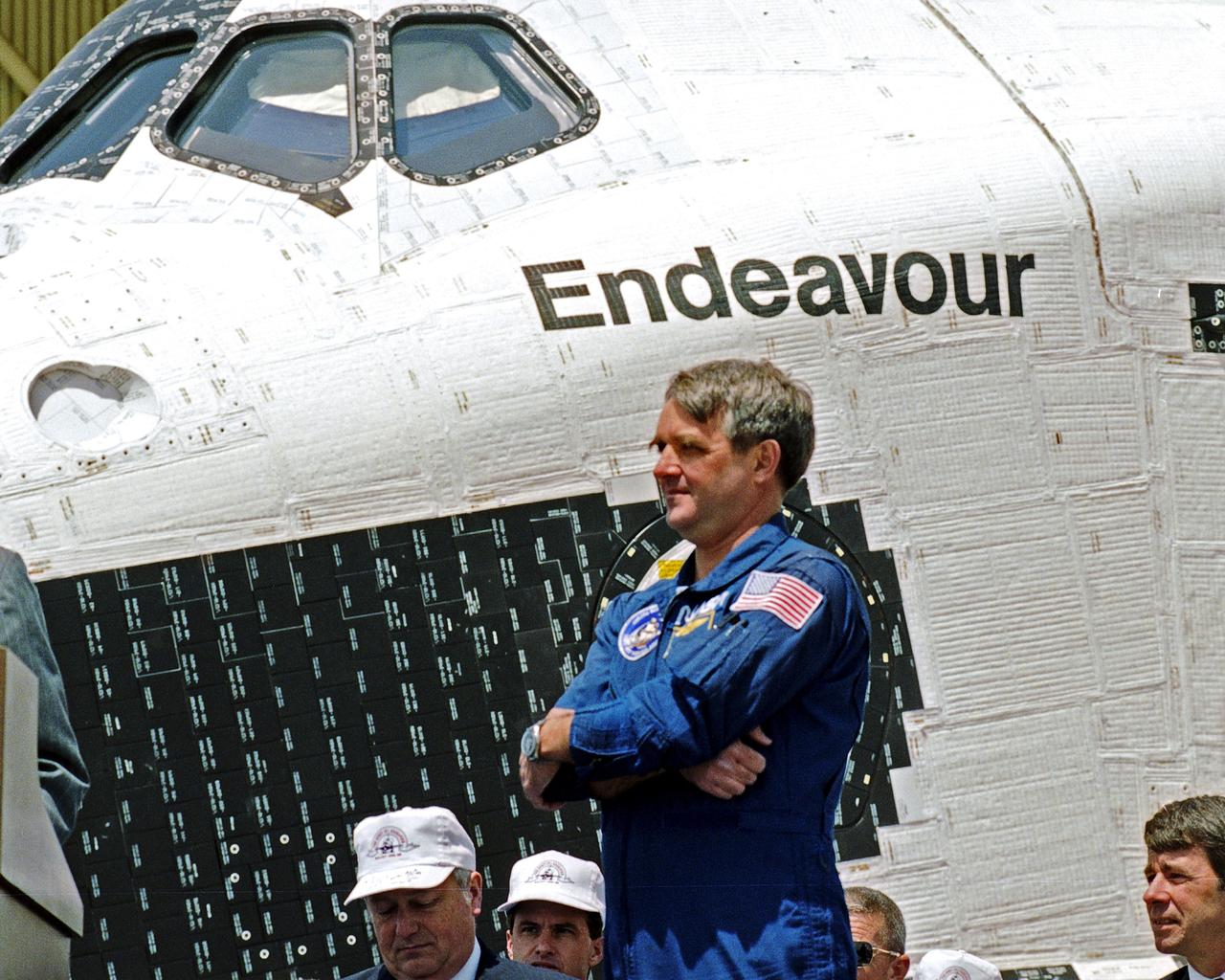
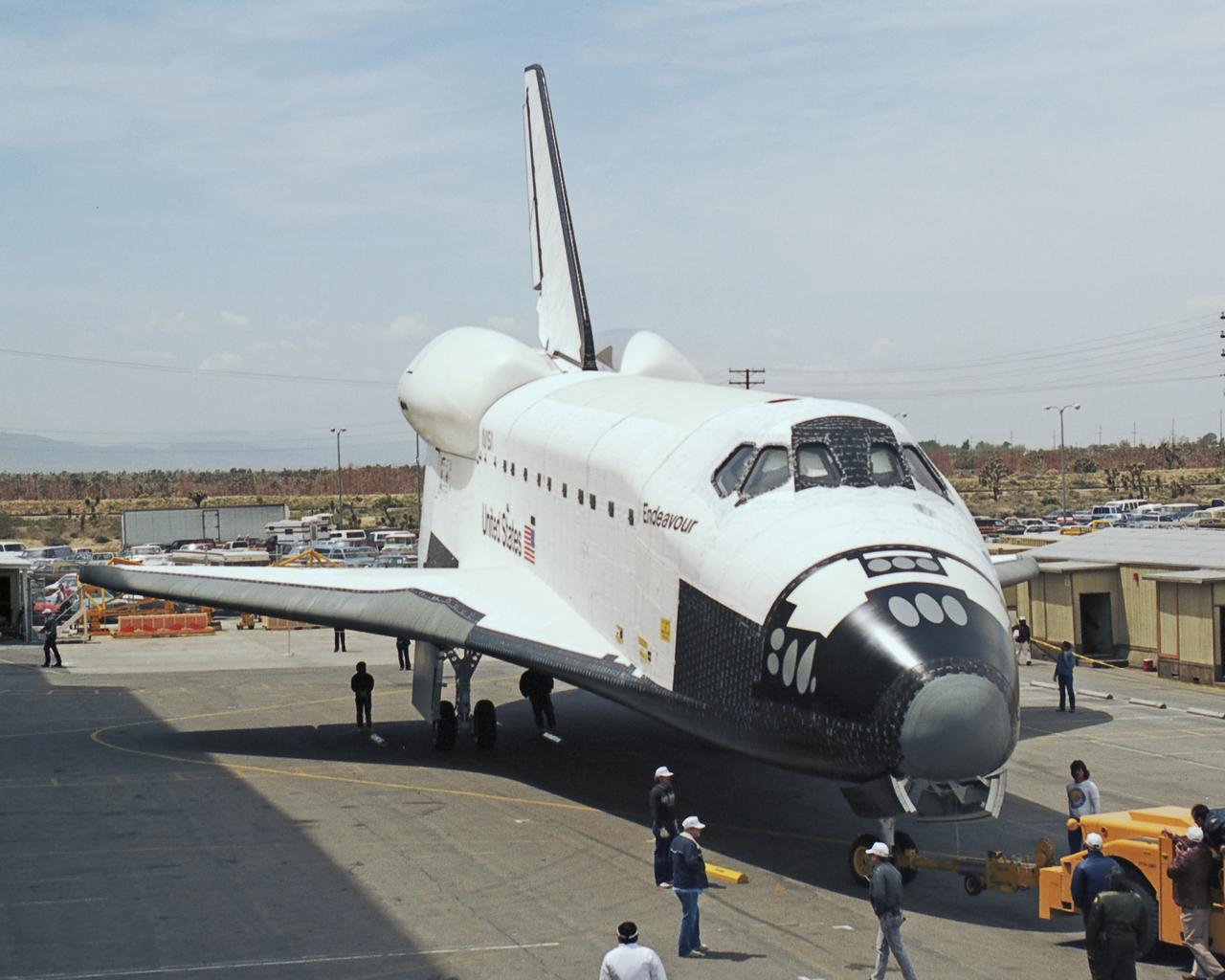
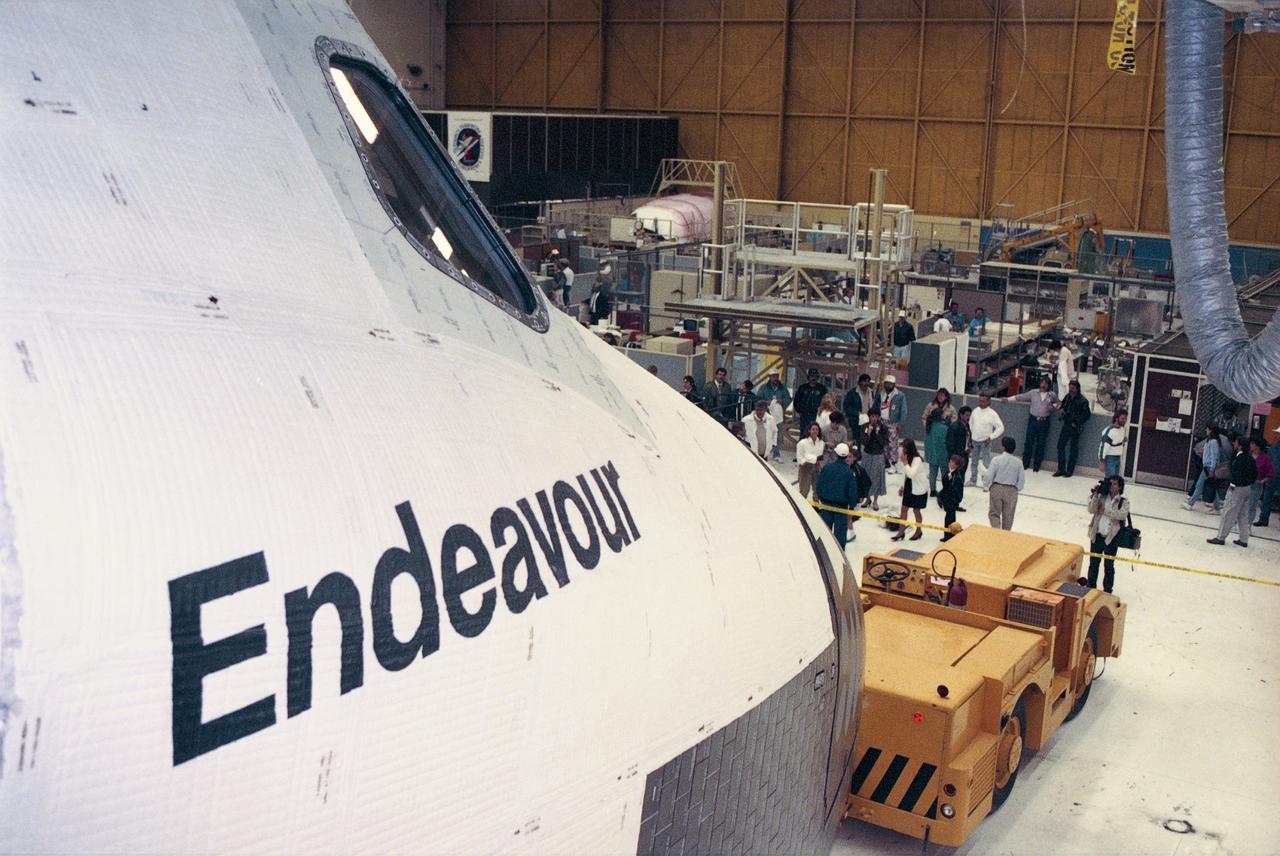
Chief Astronaut Daniel Brandenstein stands tall during a proud moment in the history of manned spaceflight: the debut of the newest space shuttle orbiter, Endeavour, at Palmdale, Calif. Photo credit: NASA
KSC-91PC-0765
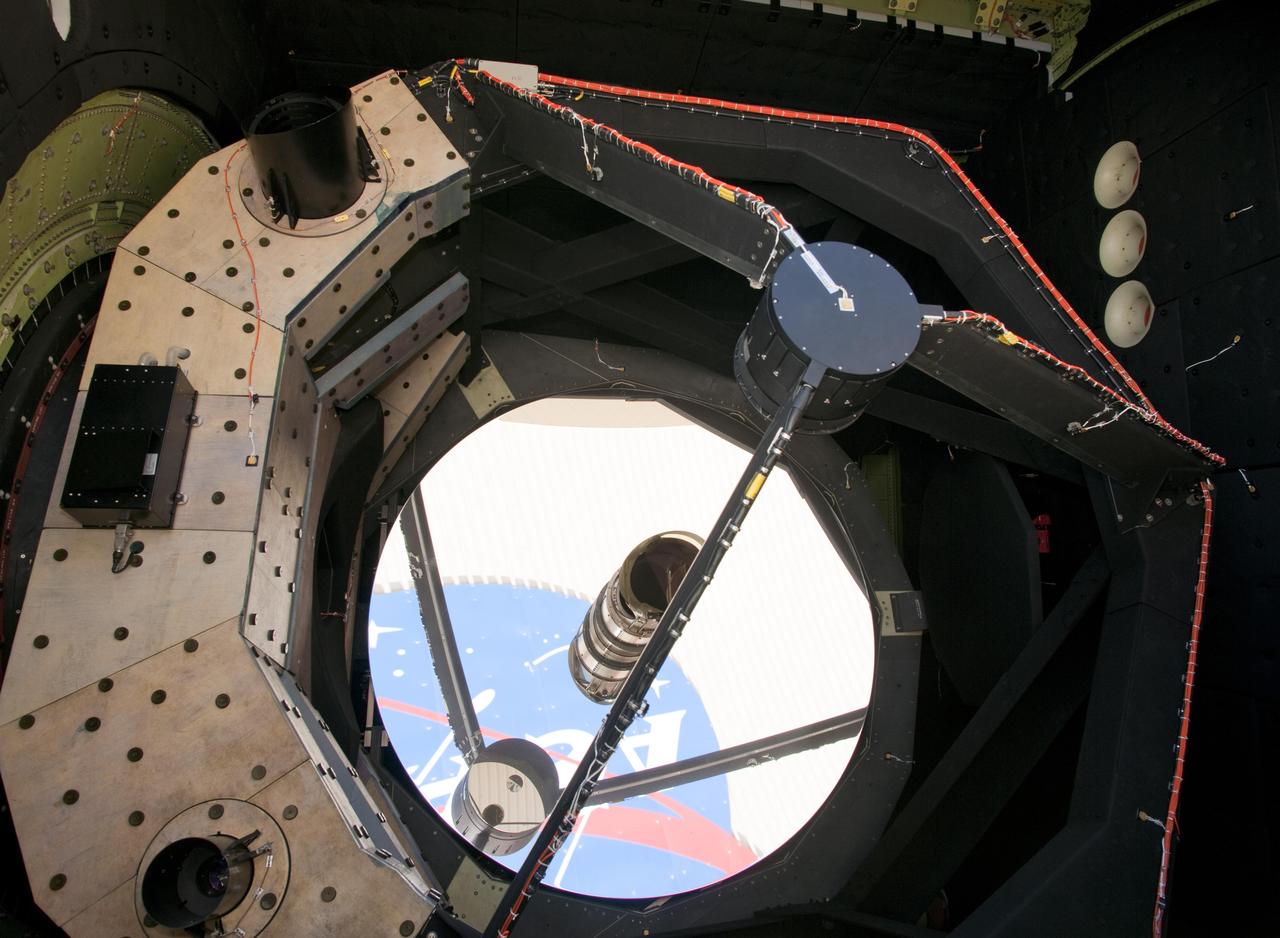
The NASA logo on Bldg. 703 at Armstrong Flight Research Center in Palmdale, Calif., is reflected in the telescope's 2.5-meter primary mirror.
ED11-0173-076
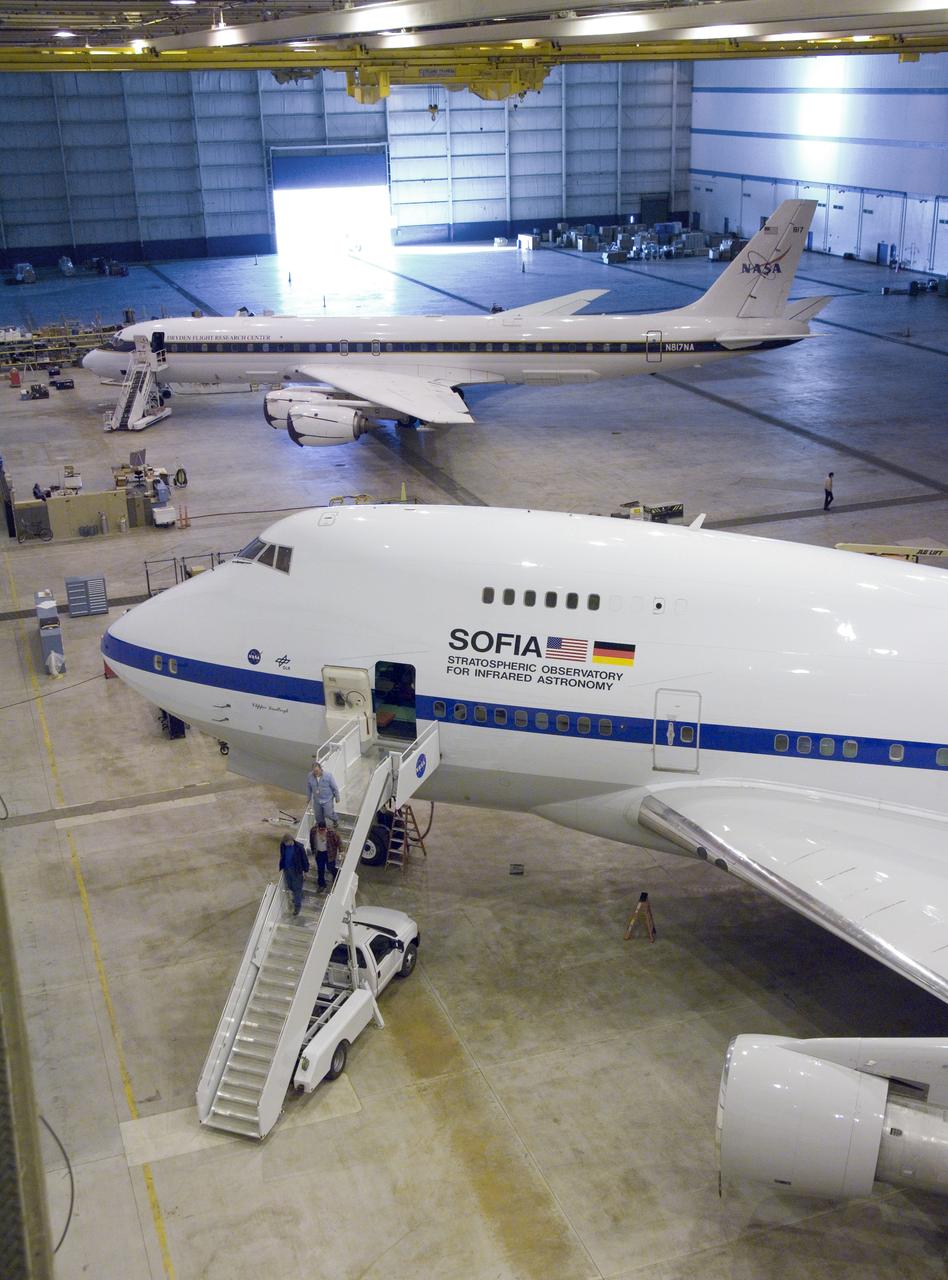
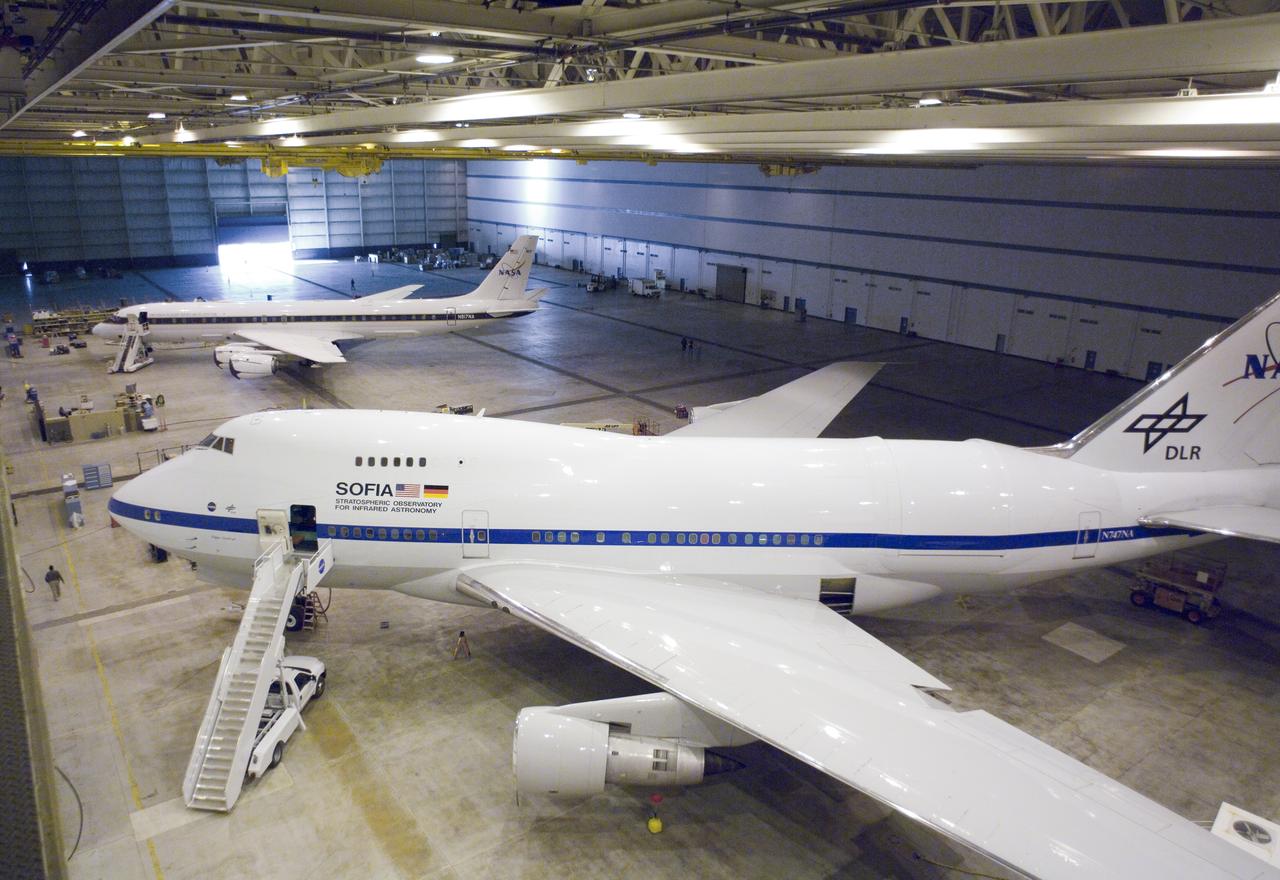
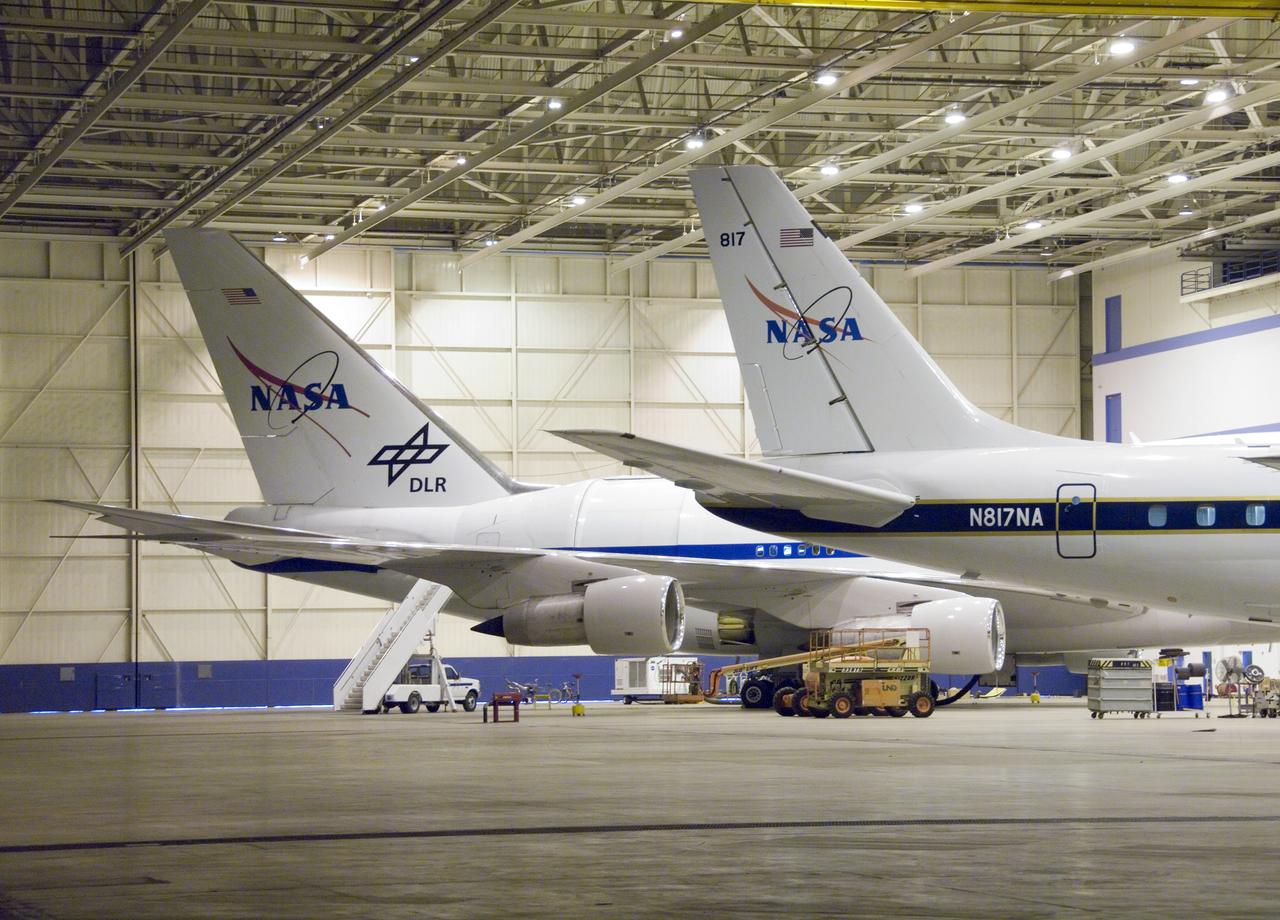
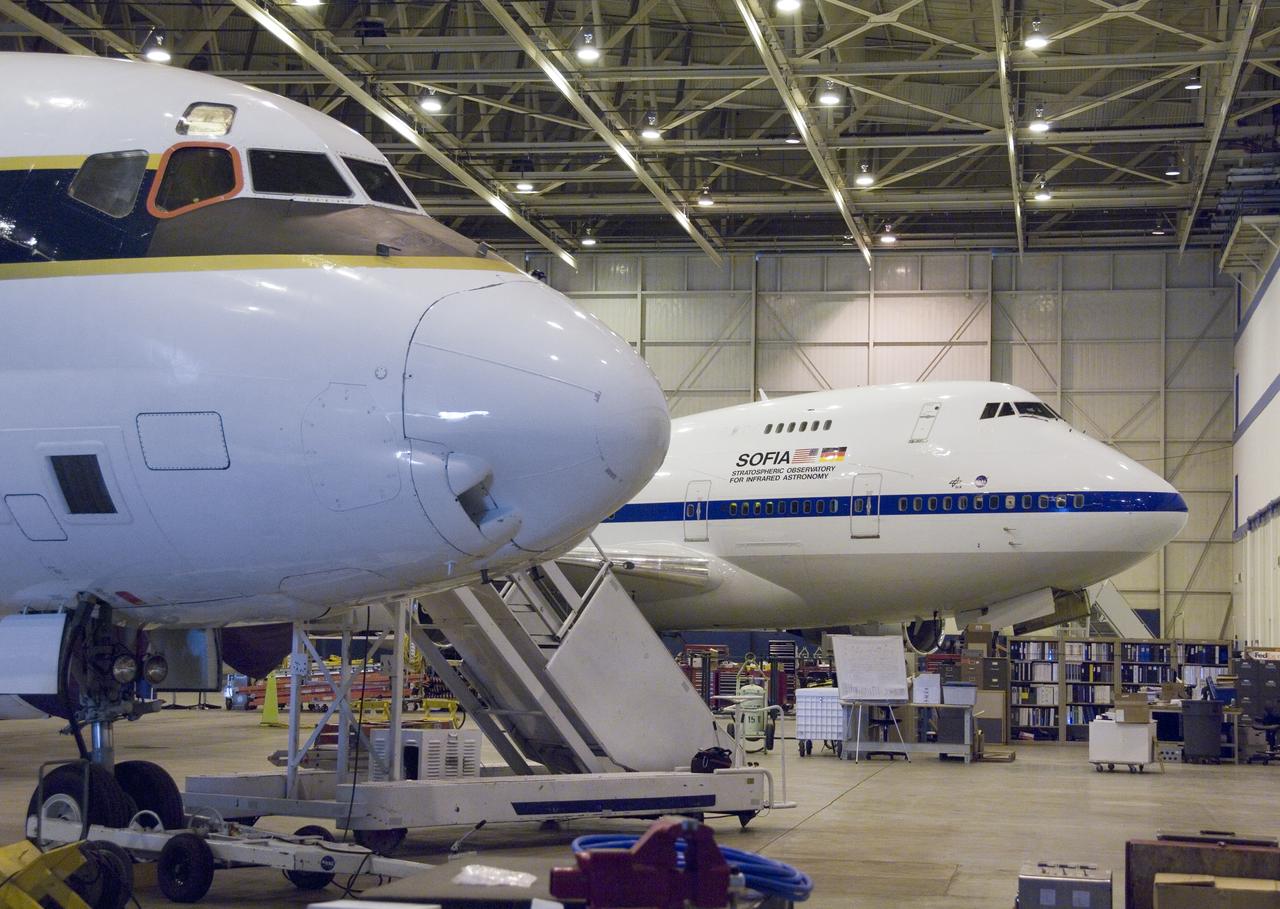
Two large science aircraft, a DC-8 flying laboratory and the SOFIA 747SP, are based at NASA's Dryden Aircraft Operations Facility in Palmdale, Calif.
NASA'S SOFIA infrared observatory 747SP (front) and DC-8 flying laboratory (rear) are now housed at the Dryden Aircraft Operations Facility in Palmdale, Calif.
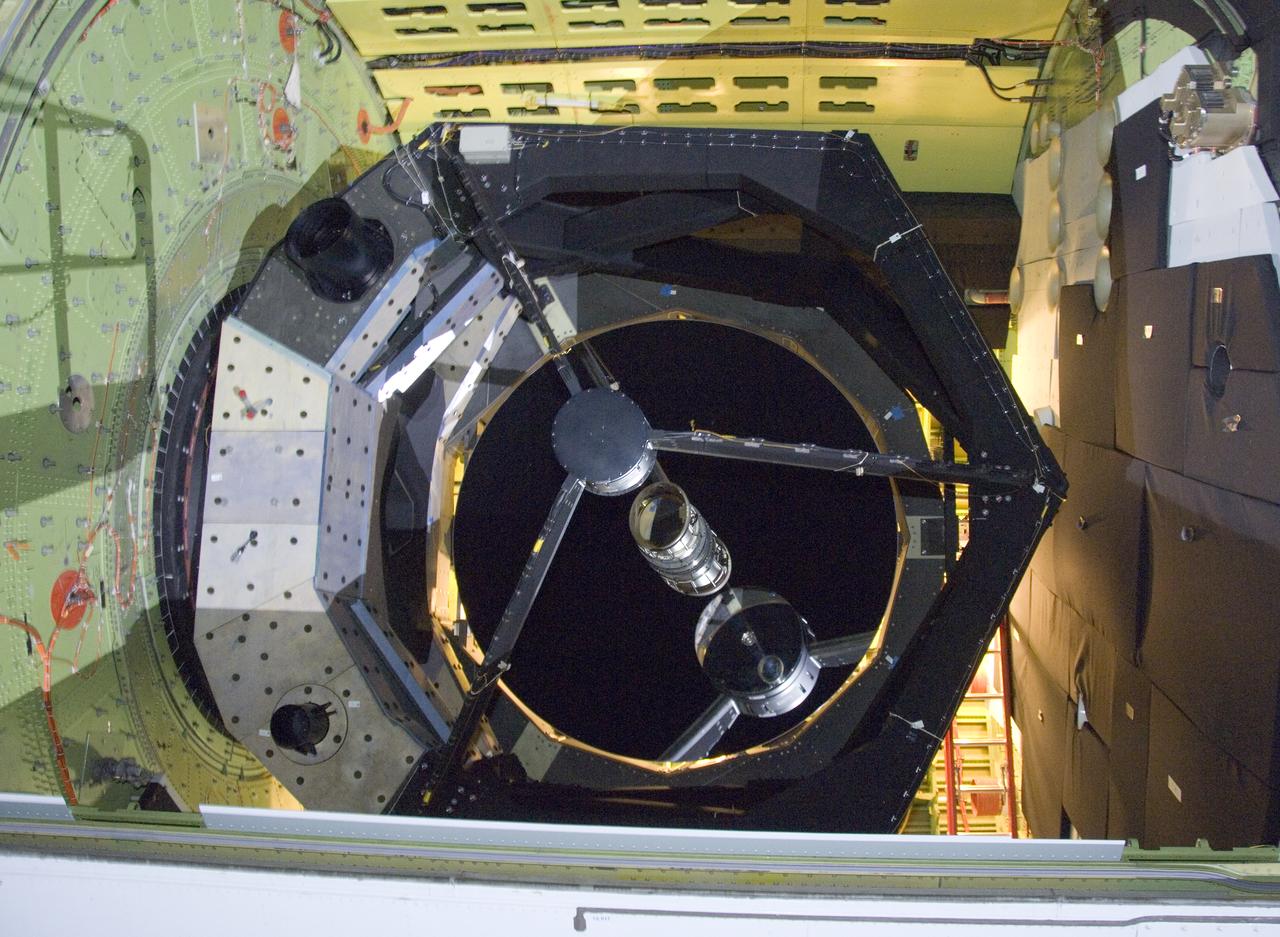
The 2.5-meter infrared telescope peers out from its cavity in the SOFIA airborne observatory during nighttime line operations testing at Palmdale, Calif.
The cavernous expanse of the Dryden Aircraft Operations Facility in Palmdale, Calif., now houses NASA's DC-8 science laboratory and SOFIA infrared observatory.
The cavernous expanse of the Dryden Aircraft Operations Facility in Palmdale, Calif., now houses NASA's DC-8 science laboratory and SOFIA infrared observatory
The Dryden Aircraft Operations Facility in Palmdale, Calif., is now home to two large science aircraft, NASA's SOFIA observatory and a DC-8 science laboratory.
The Dryden Aircraft Operations Facility in Palmdale, Calif., is now home to two large science aircraft, NASA's SOFIA observatory and a DC-8 science laboratory
NASA's SOFIA infrared observatory 747SP is shadowed by a NASA F/A-18 during a flyby at its new home, the Dryden Aircraft Operations Facility in Palmdale, Calif.
NASA's SOFIA infrared observatory 747SP is shadowed by a NASA F-18 during a flyby at its new home, the Dryden Aircraft Operations Facility in Palmdale, Calif
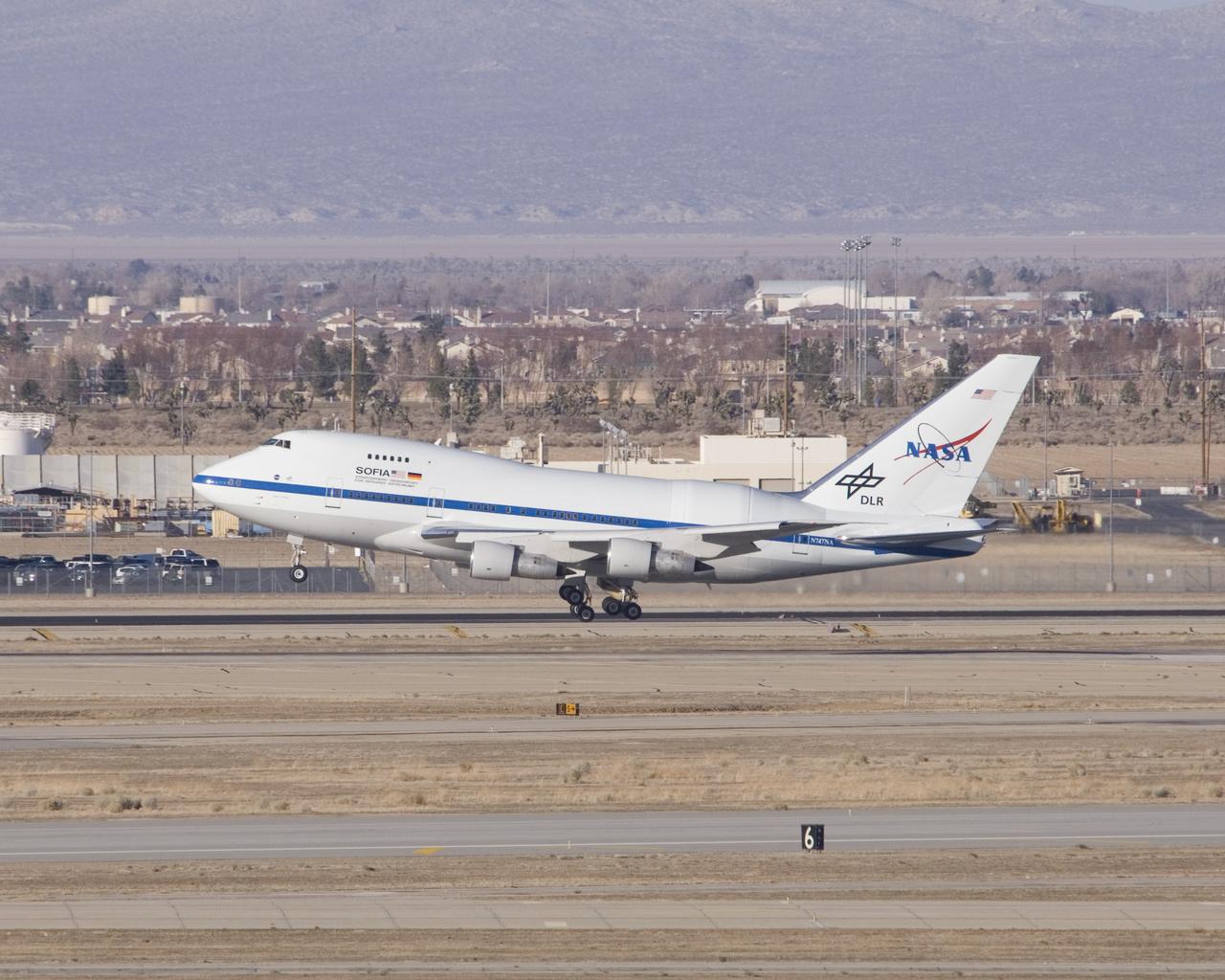
NASA's SOFIA infrared observatory touches down at Air Force Plant 42 in Palmdale, Calif., as it arrives at its new home, the Dryden Aircraft Operations Facility.
NASA's SOFIA infrared observatory touches down at Air Force Plant 42 in Palmdale, CA, as it arrives at its new home, the Dryden Aircraft Operations Facility
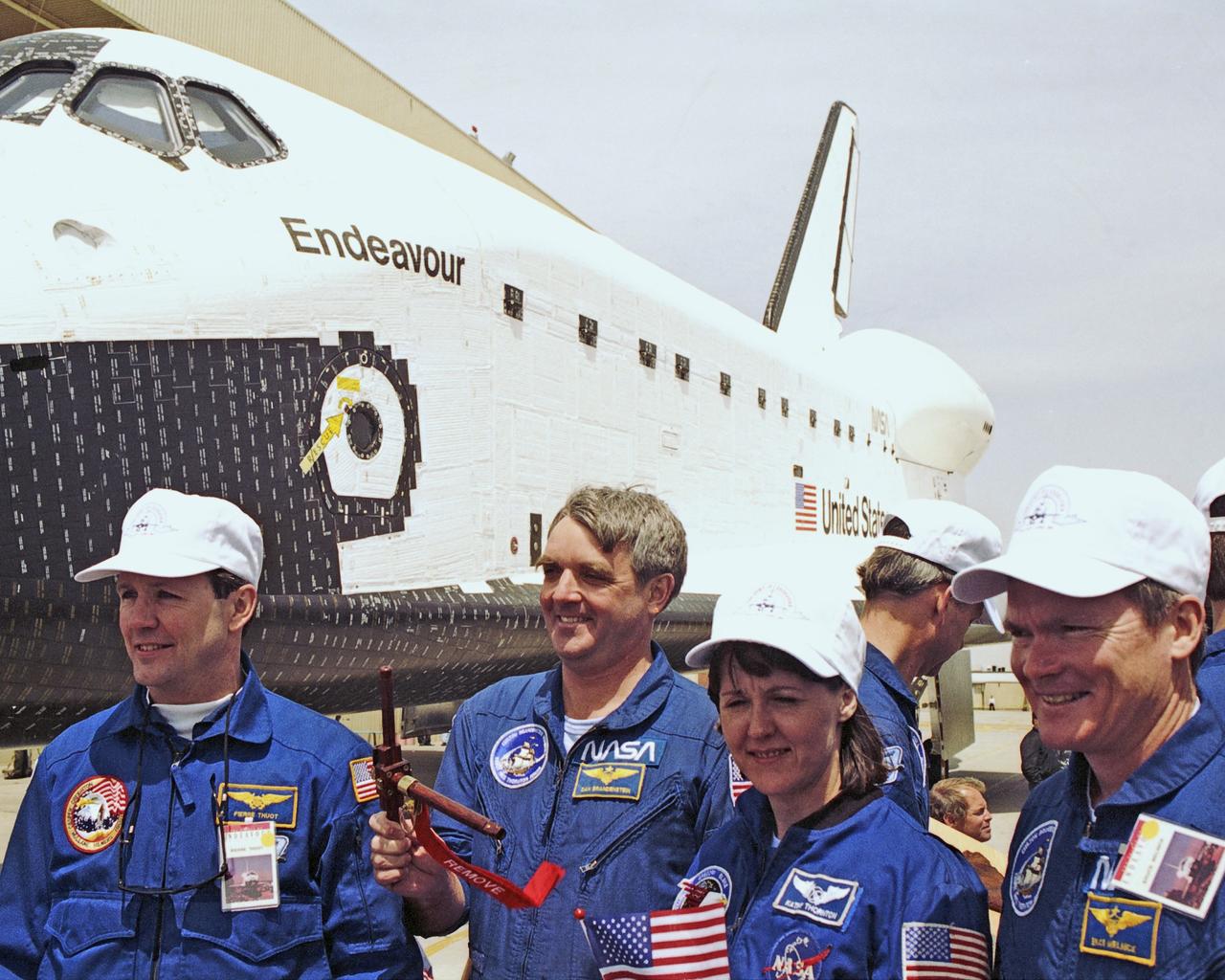
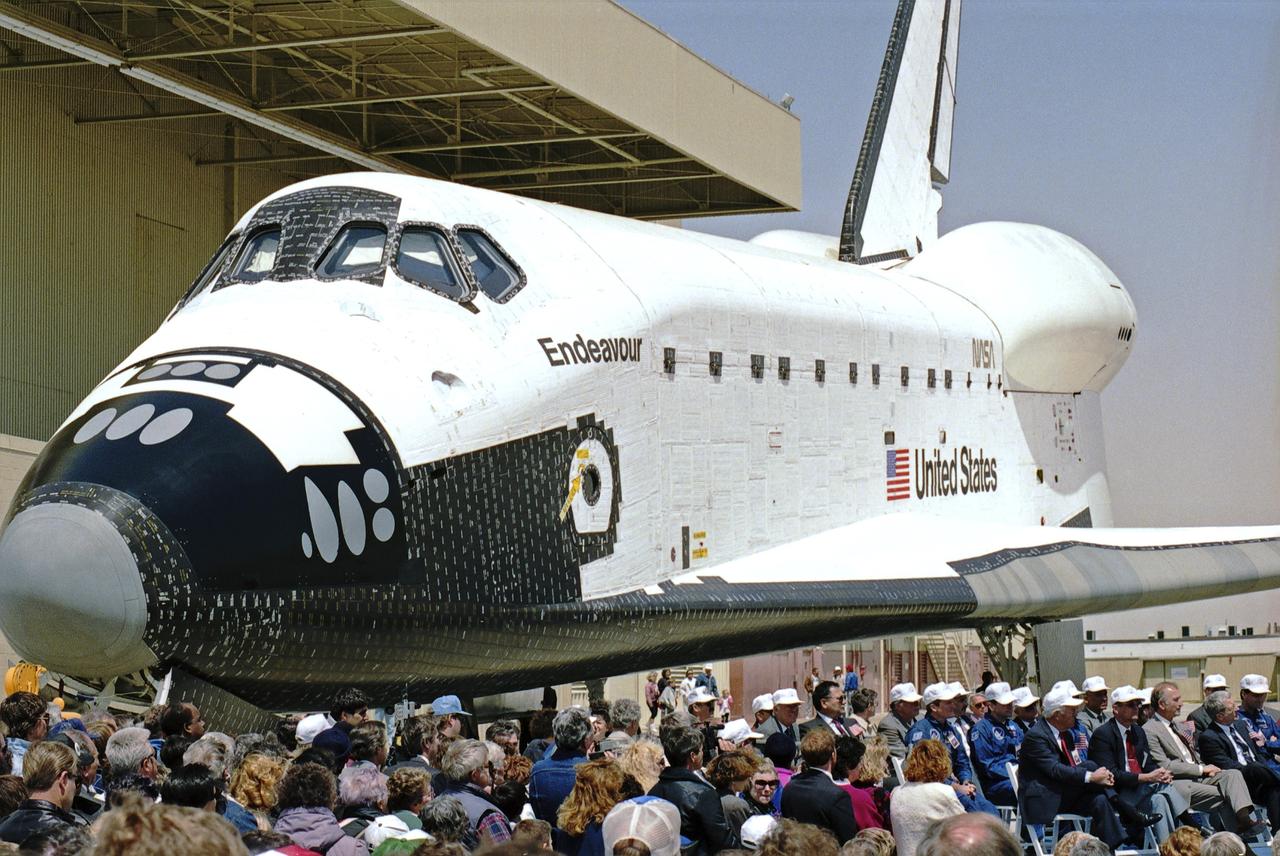
Chief astronaut Daniel Brandenstein second from left, and astronauts Pierre Thuot left, Kathryn Thornton, and Bruce Melnick are on hand for a proud moment in the history of manned spaceflight: the debut of the newest space shuttle orbiter, Endeavour, at Palmdale, Calif. Photo credit: NASA
KSC-91PC-0771
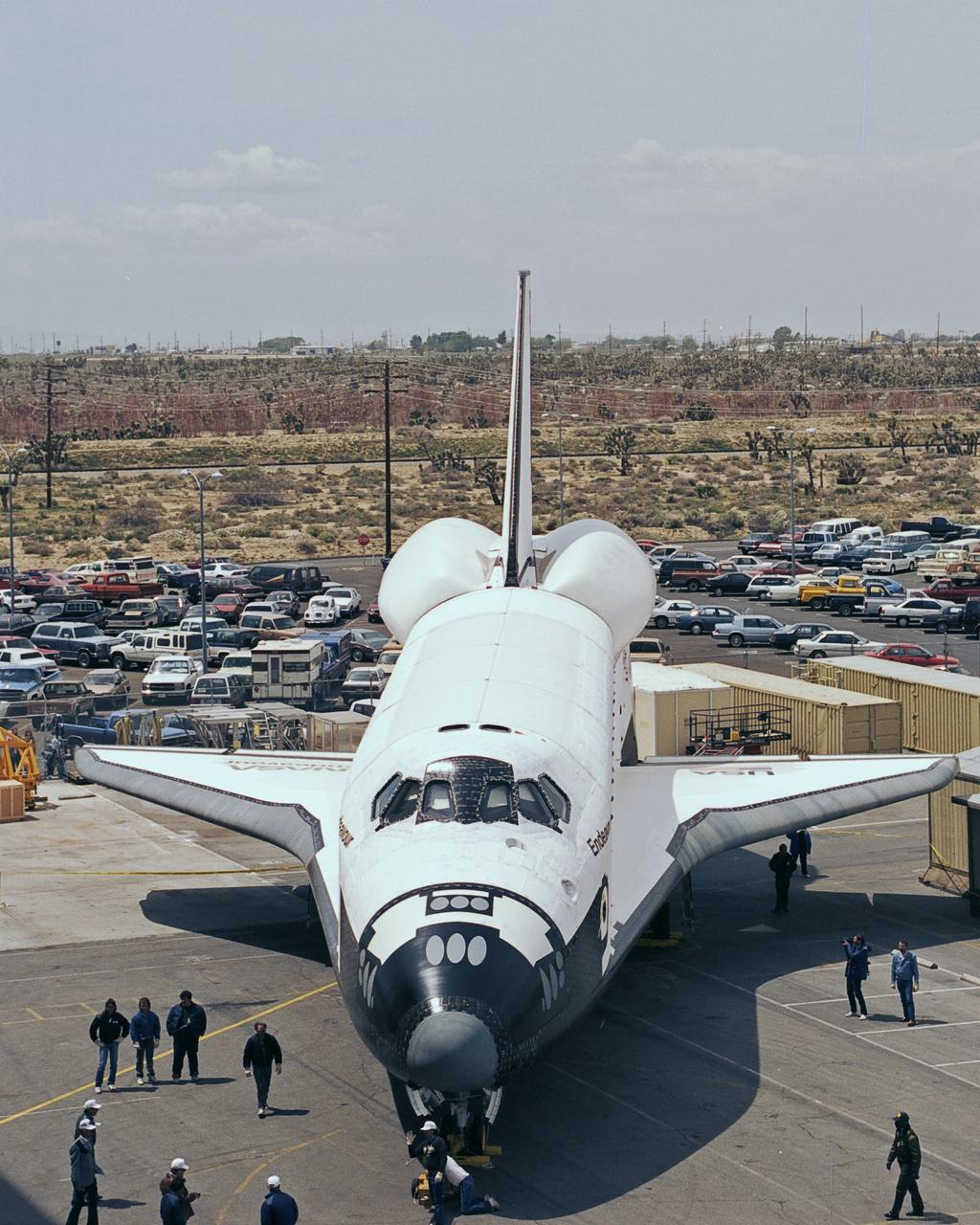
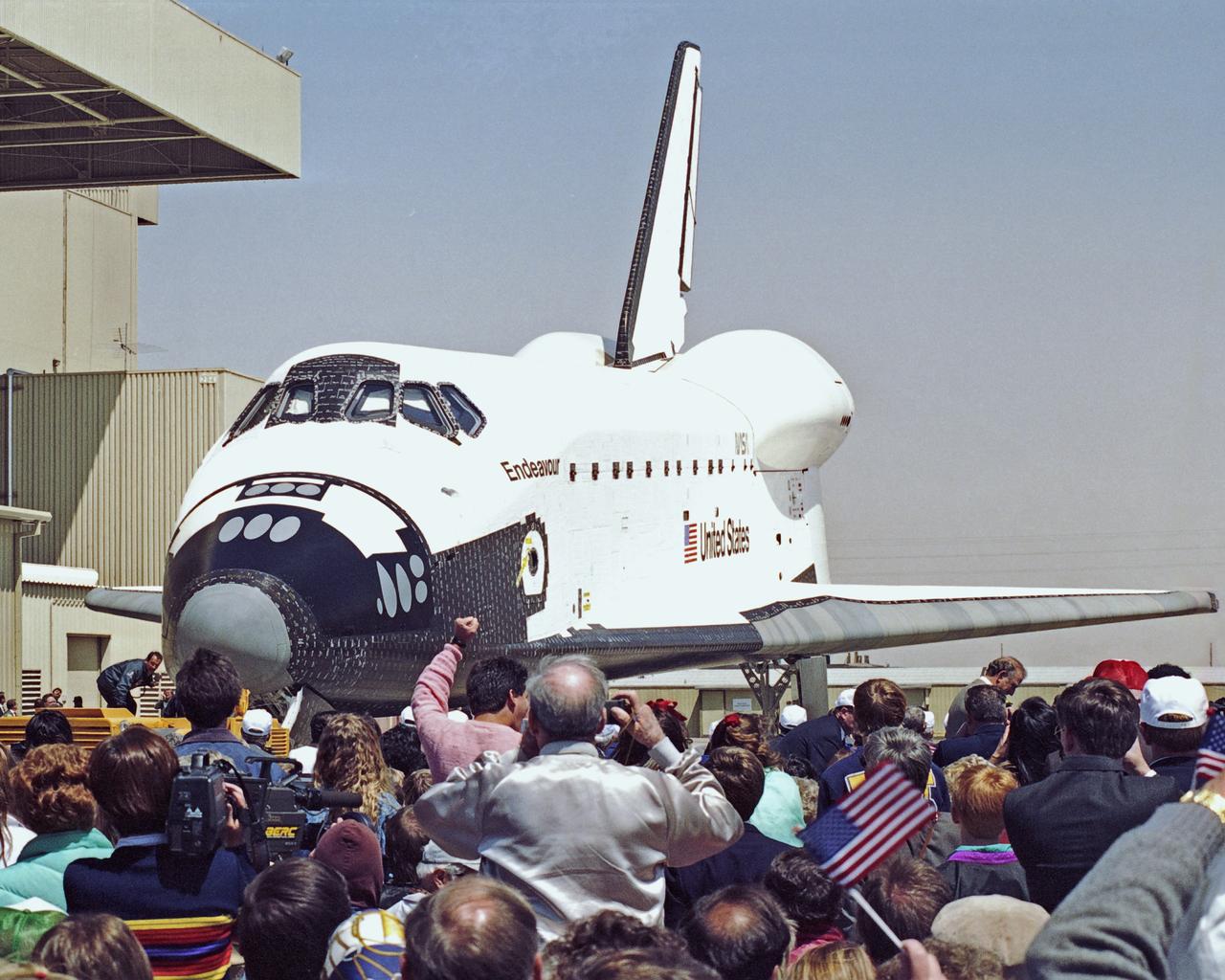
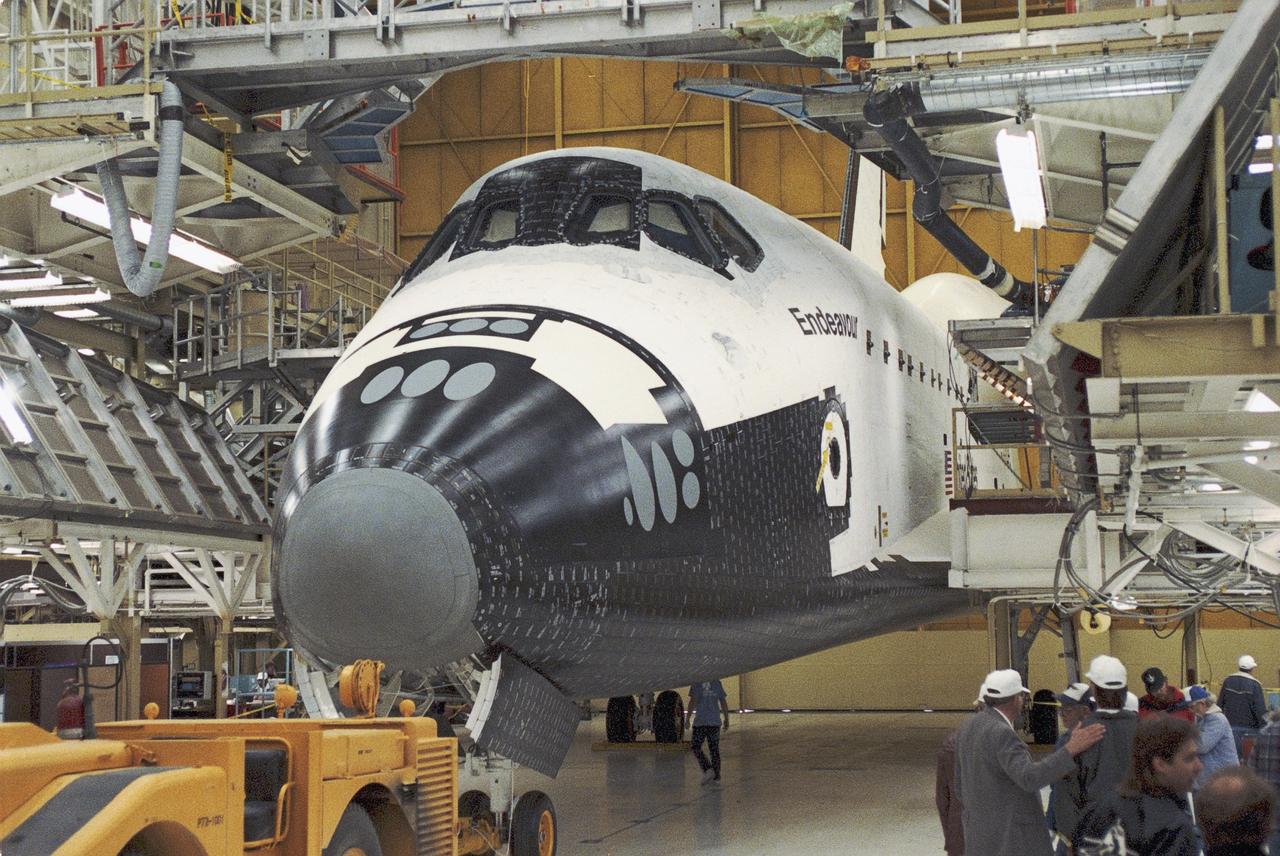
The newest space shuttle orbiter, Endeavour is ready to roll out of the hangar at Palmdale, Calif.  OV-105 features many design enhancements, including a drag chute for safer landings and equipment to allow the orbiter to remain in space for up to 28 days. Photo credit: NASA
KSC-91PC-0767
The newest space shuttle orbiter, Endeavour is ready to roll out of the hangar at Palmdale, Calif. OV-105 features many design enhancements, including a drag chute for safer landings and equipment to allow the orbiter to remain in space for up to 28 days. Photo credit: NASA
KSC-91PC-0770
The newest space shuttle orbiter, Endeavour, is ready to roll out of the hangar at Palmdale, Calif. OV-105 features many design enhancements, including a drag chute for safer landings and equipment to allow the orbiter to remain in space for up to 28 days. Photo credit: NASA
KSC-91PC-0766
The newest space shuttle orbiter, Endeavour is ready to roll out of the hangar at Palmdale, Calif. OV-105 features many design enhancements, including a drag chute for safer landings and equipment to allow the orbiter to remain in space for up to 28 days.Photo credit: NASA
KSC-91PC-0768
The newest space shuttle orbiter, Endeavour, rolls out of the hangar at Palmdale, Calif. OV-105 features many design enhancements, including a drag chute for safer landings and equipment to allow the orbiter to remain in space for up to 28 days. Photo credit: NASA
KSC-91PC-0764
The newest space shuttle orbiter, Endeavour is ready to roll out of the hangar at Palmdale, Calif. OV-105 features many design enhancements, including drag chute for safer landings and equipment to allow the orbiter to remain in space for up to 28 days. Photo credit: NASA
KSC-91PC-0769
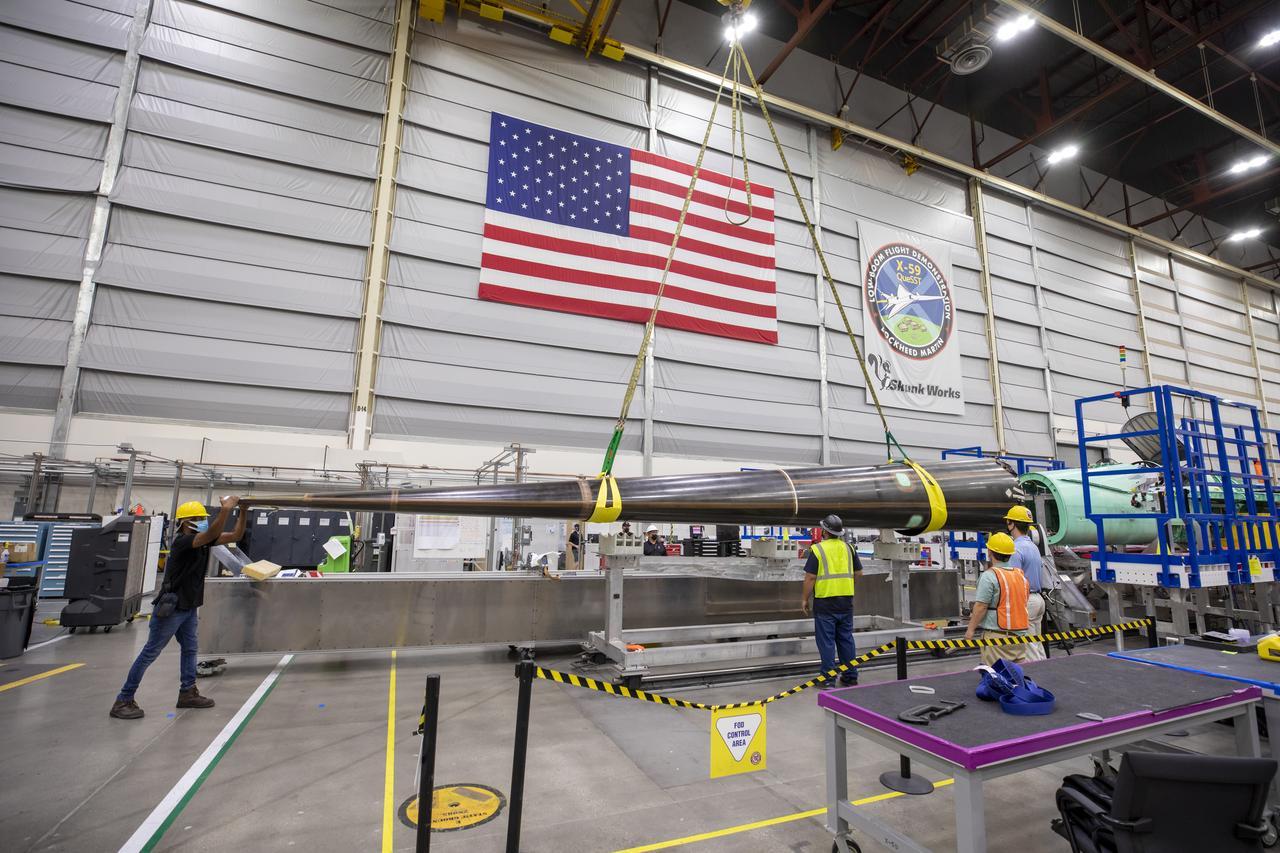
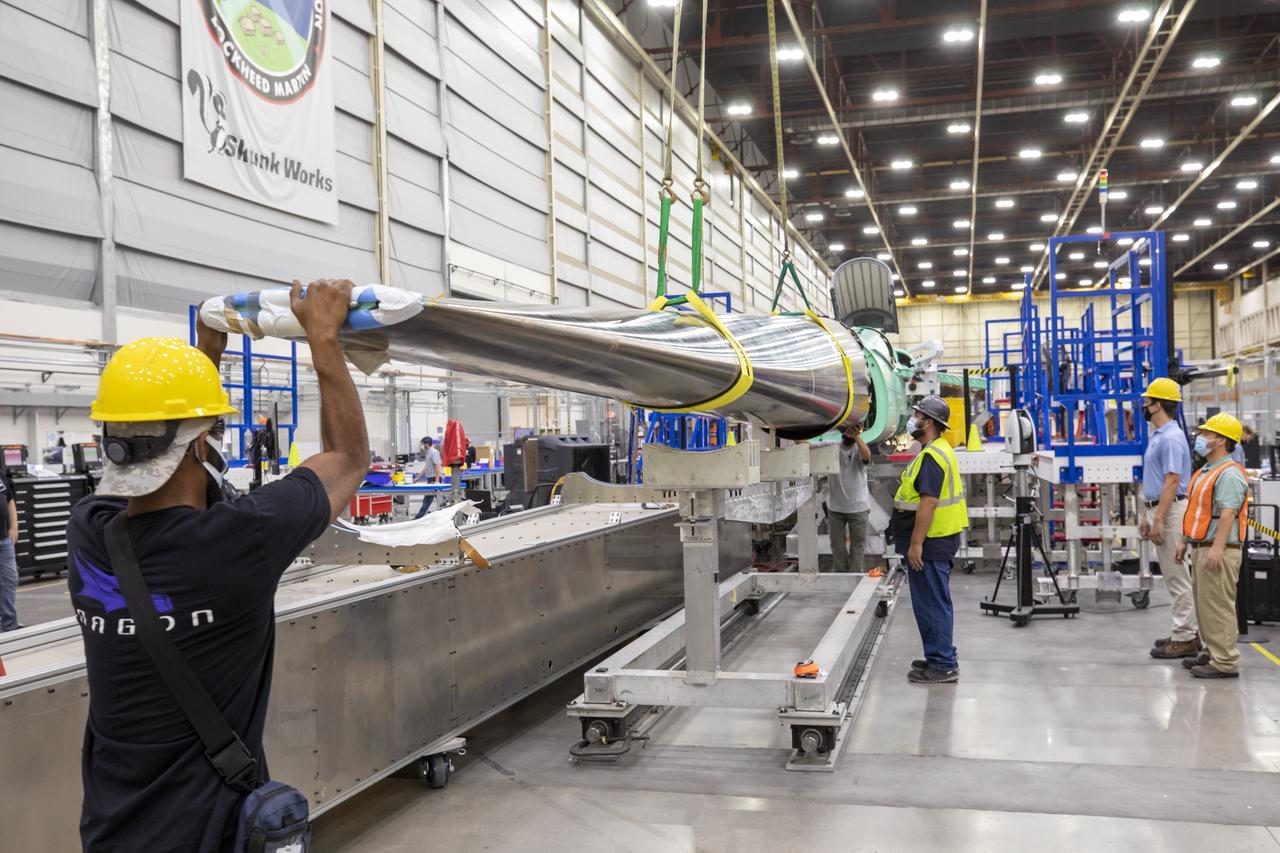
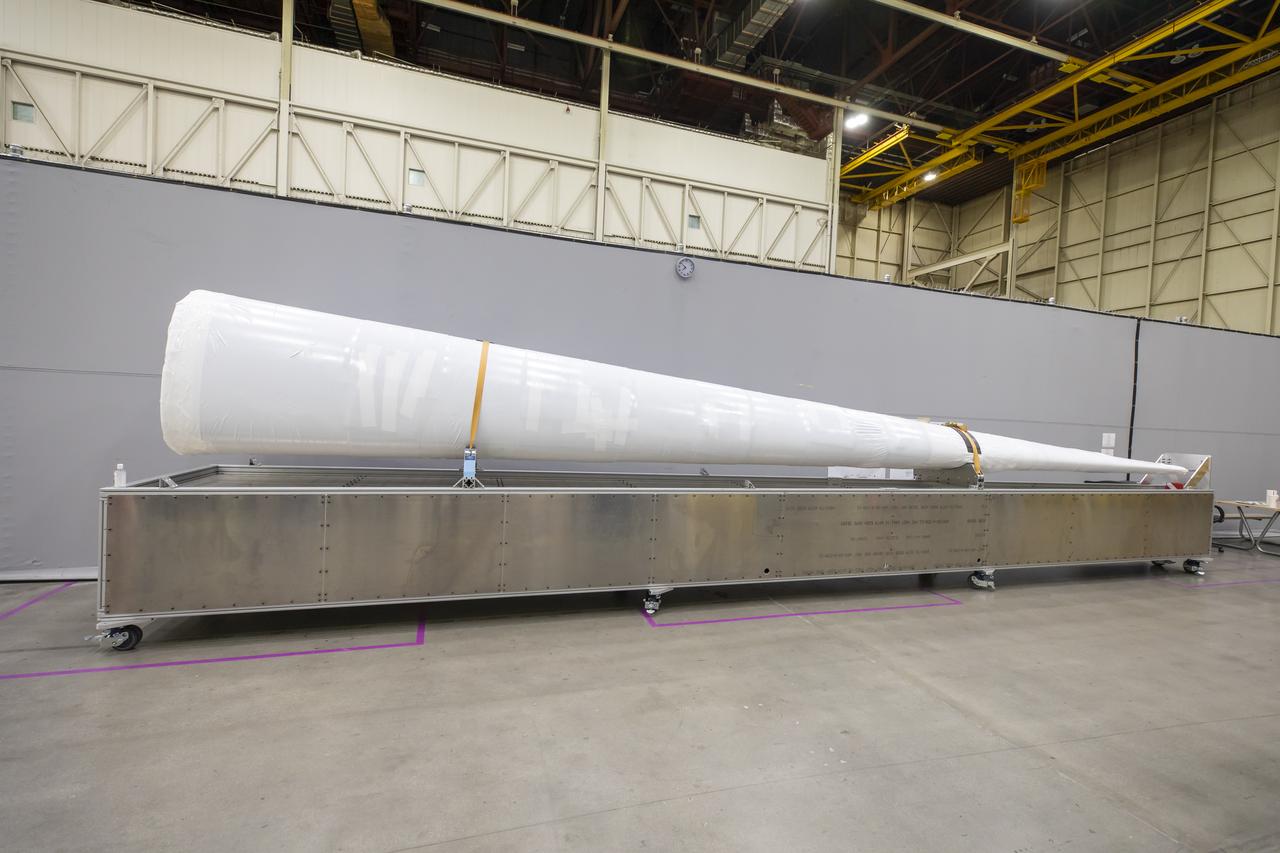
Event: SEG 230 Nose The X-59’s nose is wrapped up safely and rests on a dolly before the team temporarily attaches it to the aircraft for fit checks at Lockheed Martin in Palmdale, California. The full length of the X-plane’s nose is 38-feet – making up one third of the plane’s full length. The aircraft, under construction at Lockheed Martin Skunk Works in Palmdale, California, once in the air will demonstrate the ability to fly supersonic while reducing the loud sonic boom to a quiet sonic thump.
SEG 230 Nose
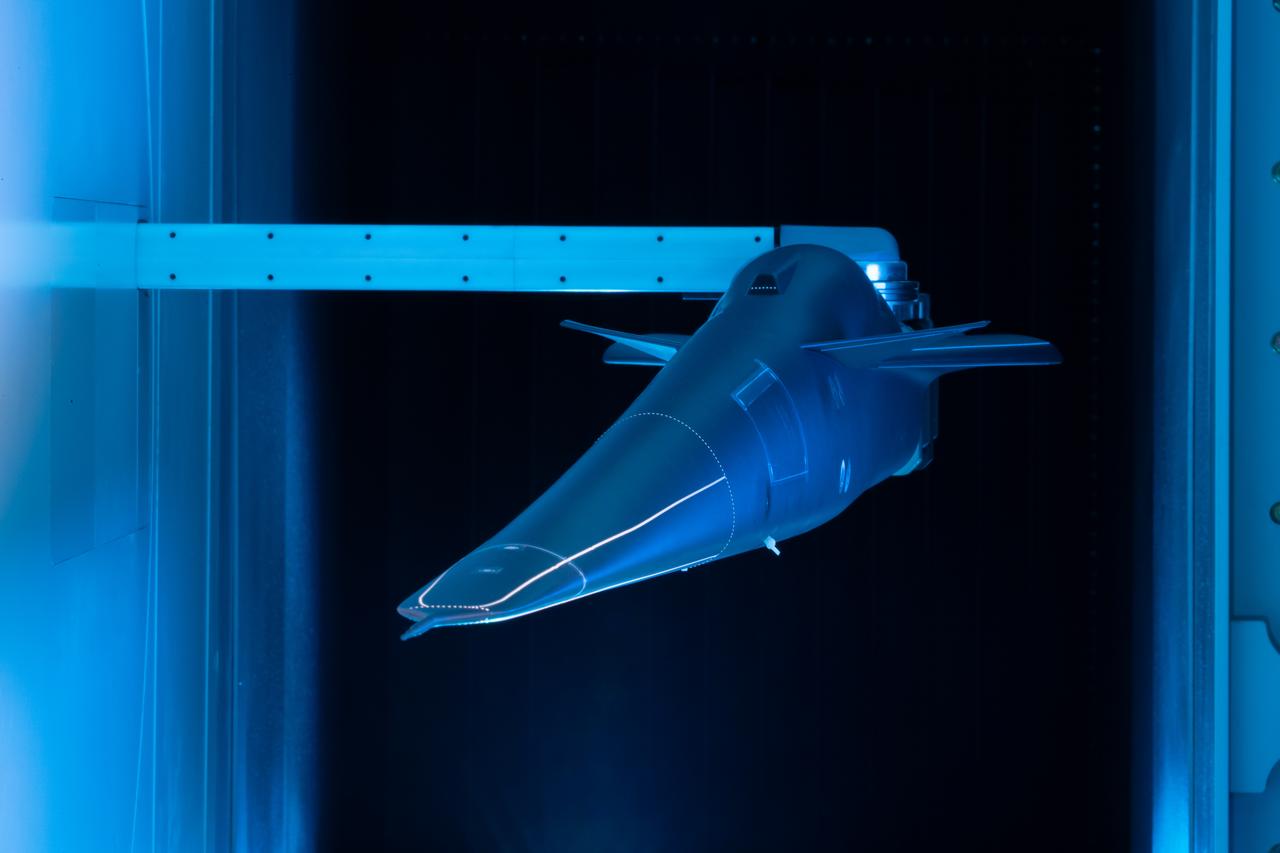
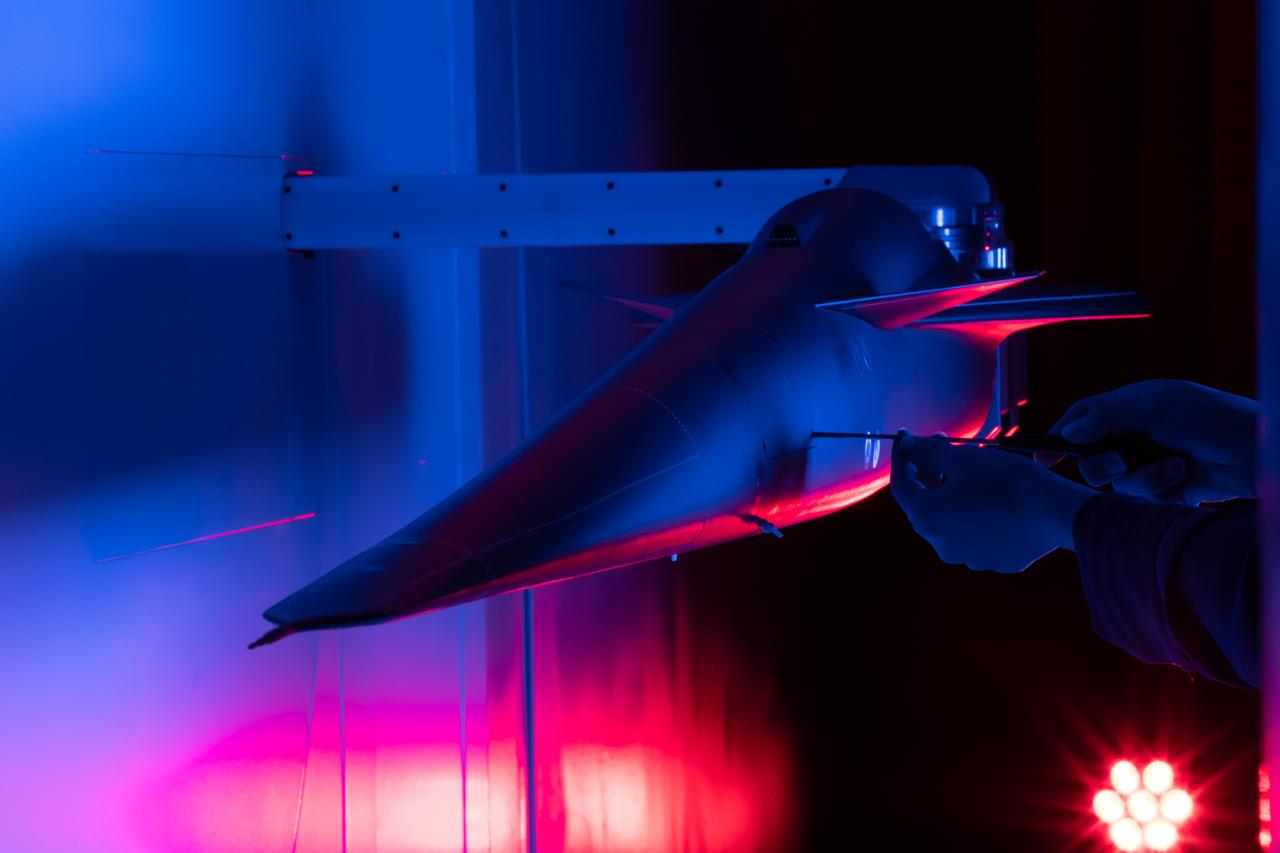
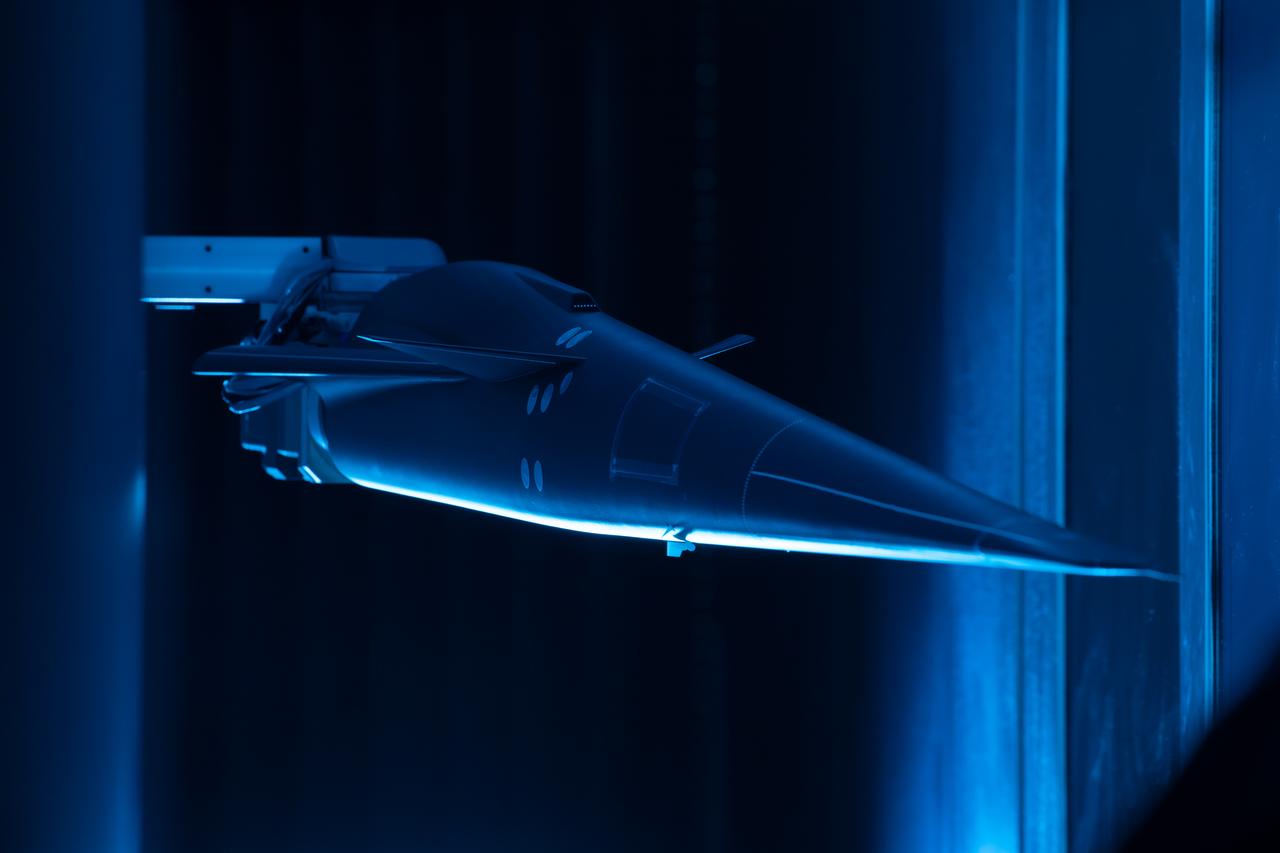
Event: Forebody and Nose - Windtunnel Testing A model of the X-59 forebody is shown in the Lockheed Martin Skunk Works’ wind tunnel in Palmdale, California. These tests gave the team measurements of wind flow angle around the aircraft’s nose and confirmed computer predictions made using computational fluid dynamics (CFD) software tools. The data will be fed into the aircraft flight control system to tell the pilot the aircraft’s altitude, speed and angle. This is part of NASA’s Quesst mission which plans to help enable supersonic air travel over land.
Forebody and Nose - Windtunnel Testing
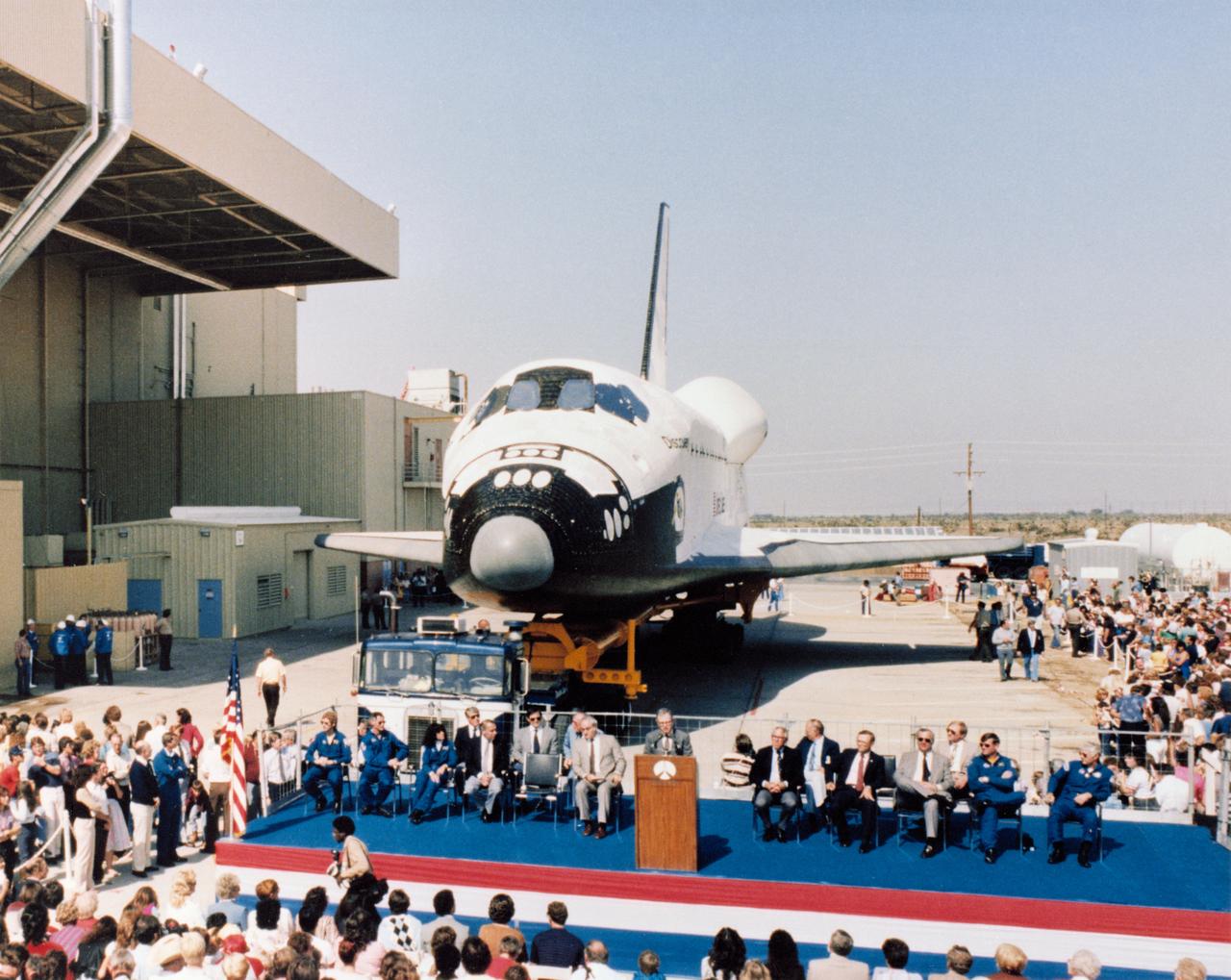
S84-30898 (16 Oct 1983) --- NASA Space Shuttle Orbiter 103, Discovery, is rolled out in formal ceremonies at the Rockwell International Palmdale, California, facility.  On hand to greet the vehicle and the public are members of the 41-D crew--the first team of astronauts to man the new vehicle. Scheduled for a spring or summer flight in 1984 are astronauts Henry W. Hartsfield (right), commander; Michael L. Coats (second right), pilot; and Judith A. Resnik, Richard M. (Mike) Mullane and Steven A. Hawley (on left of stage), all mission specialists.  Don Beall of Rockwell International (at lectern) prepares to introduce Dr. Rocco A. Petrone, president of Rockwell's Space Transportation Systems Division.
ORBITER VEHICLE (OV)-103 - PALMDALE, CA
Event: Forebody and Nose - Windtunnel Testing A technician works on the X-59 model during testing in the low-speed wind tunnel at Lockheed Martin Skunk Works in Palmdale, California. These tests gave the team measurements of wind flow angle around the aircraft’s nose and confirmed computer predictions made using computational fluid dynamics (CFD) software tools. The data will be fed into the aircraft flight control system to tell the pilot the aircraft’s altitude, speed, and angle. This is part of NASA’s Quesst mission which plans to help enable supersonic air travel over land.
Forebody and Nose - Windtunnel Testing
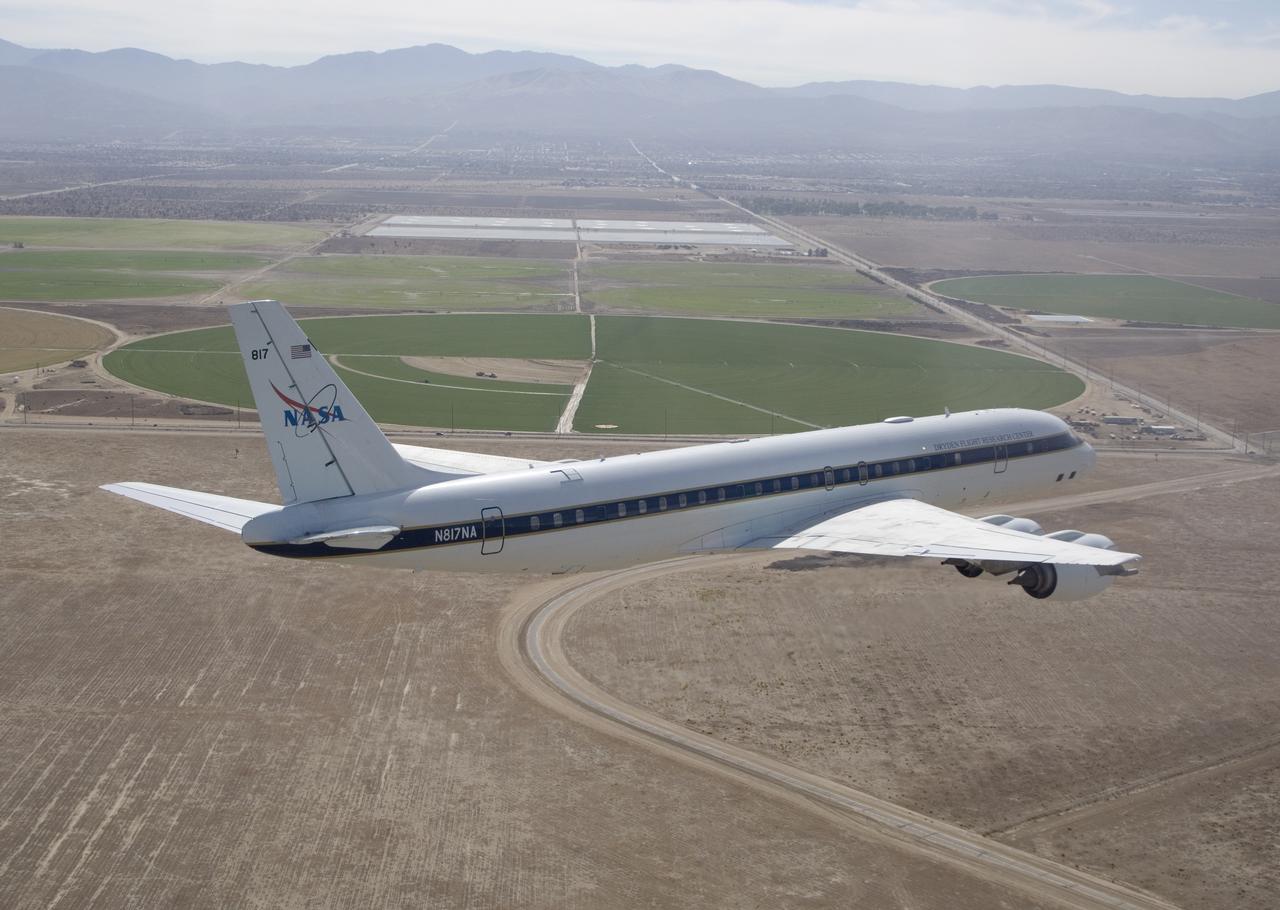
Agricultural fields spread out beyond NASA's DC-8 airborne science laboratory as it heads for landing at Air Force Plant 42 in Palmdale, Calif.
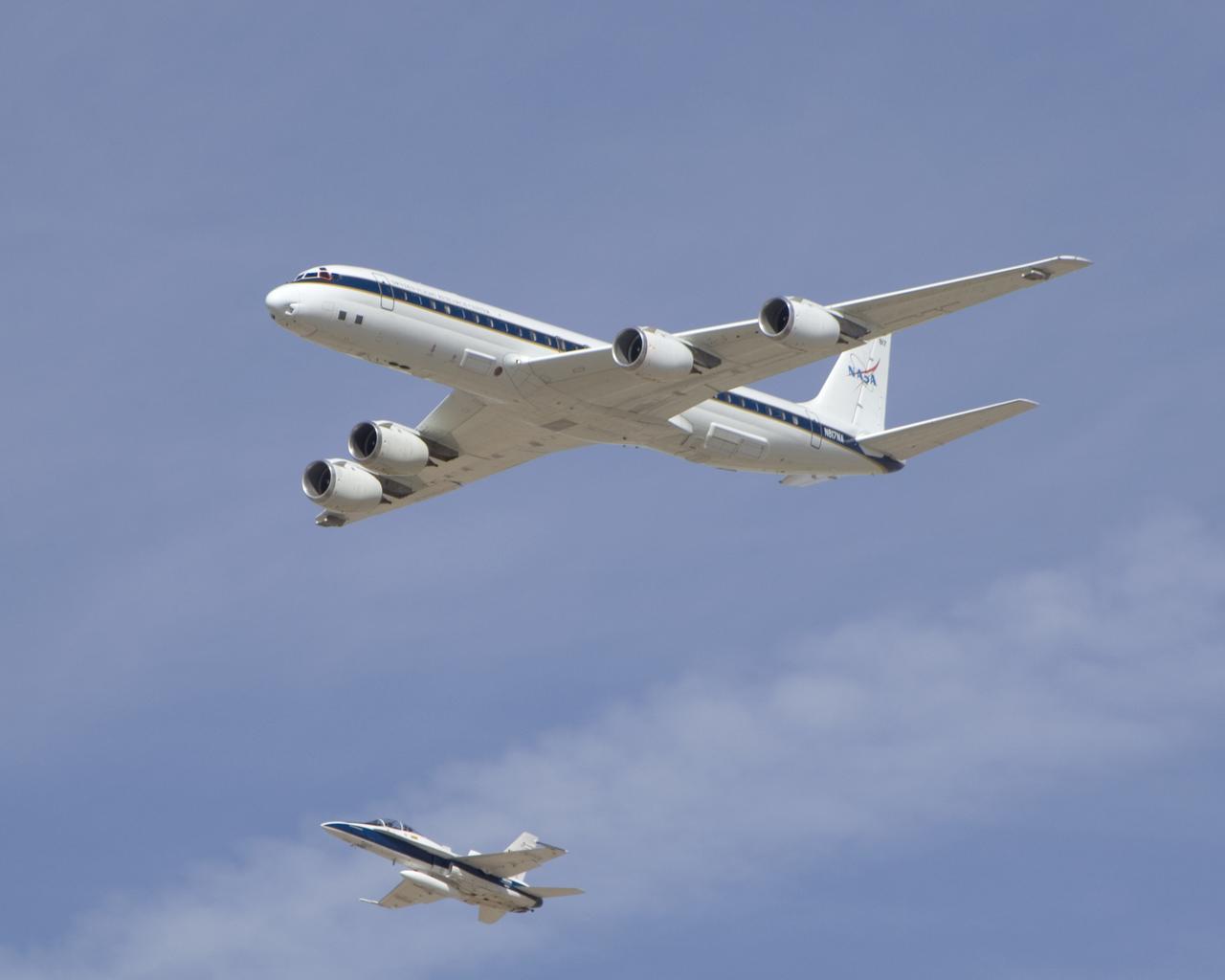
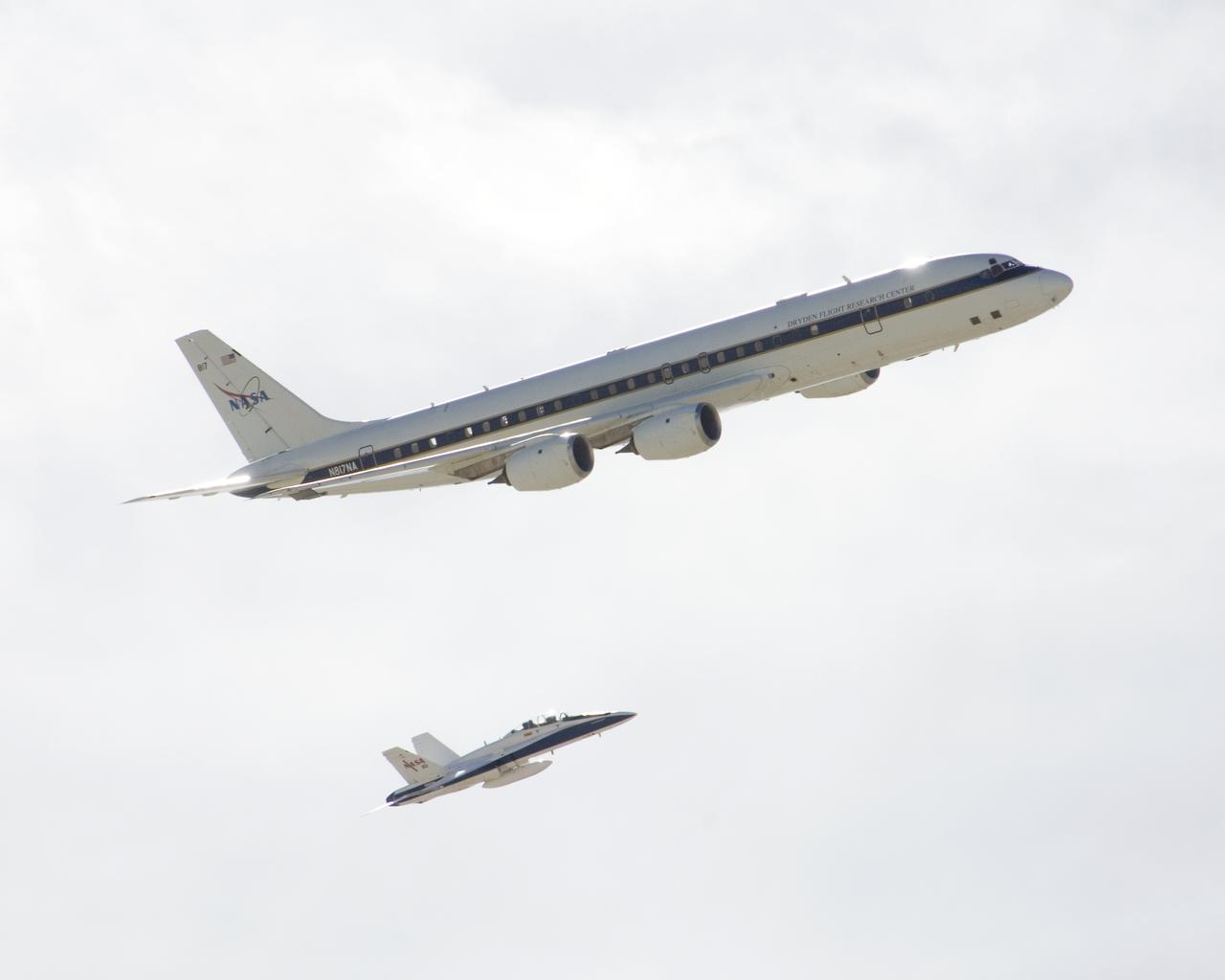
NASA's DC-8 airborne science laboratory is shadowed by a NASA F/A-18 chase plane during a flyover of the Dryden Aircraft Operations Facility in Palmdale, Calif.
NASA's DC-8 airborne science laboratory has become the first science aircraft to be based at the Dryden Aircraft Operations Facility in Palmdale, Calif.
NASA's DC-8 airborne science laboratory is shadowed by a NASA F/A-18 chase plane during a flyover of the Dryden Aircraft Operations Facility in Palmdale, Calif.
The SOFIA telescope team collected baseline operational measurements during several nights of characterization testing in March 2008 while the SOFIA 747SP aircraft that houses the German-built infrared telescope was parked on an unlit ramp next to its hangar at the NASA Dryden Flight Operations Facility in Palmdale, Calif. The primary celestial target was Polaris, the North Star. The activity provided the team with a working knowledge of how telescope operating systems interact and the experience of tracking celestial targets from the ground.
NASA's SOFIA flying observatory was captured in striking relief during nighttime telescope characterization tests in Palmdale, Calif., in March 2008
This overhead view of the X-59 shows the aircraft at Lockheed Martin Skunk Works in Palmdale, California. During the assembly of this experimental aircraft, the team often has to remove components to effectively and safely assemble other sections of the aircraft. In this image, the nose is not attached and the horizontal stabilators are shown behind the tail. The X-59 is the centerpiece of NASA’s Quesst mission which plans to produce data that will help enable commercial supersonic air travel over land.
FTIS Sensors and From Above
Event: Forebody and Nose - Windtunnel Testing A model of the X-59 forebody is shown in the Lockheed Martin Skunk Works’ wind tunnel in Palmdale, California. These tests gave the team measurements of wind flow angle around the aircraft’s nose and confirmed computer predictions made using computational fluid dynamics (CFD) software tools. The data will be fed into the aircraft flight control system to tell the pilot the aircraft’s altitude, speed and angle. This is part of NASA’s Quesst mission which plans to help enable supersonic air travel over land.
Forebody and Nose - Windtunnel Testing
This overhead view of the X-59 shows the aircraft at Lockheed Martin Skunk Works in Palmdale, California. During the assembly of this experimental aircraft, the team often has to remove components to effectively and safely assemble other sections of the aircraft. In this image, the nose is not attached and the horizontal stabilators are shown behind the tail. The X-59 is the centerpiece of NASA’s Quesst mission which plans to produce data that will help enable commercial supersonic air travel over land.
FTIS Sensors and From Above
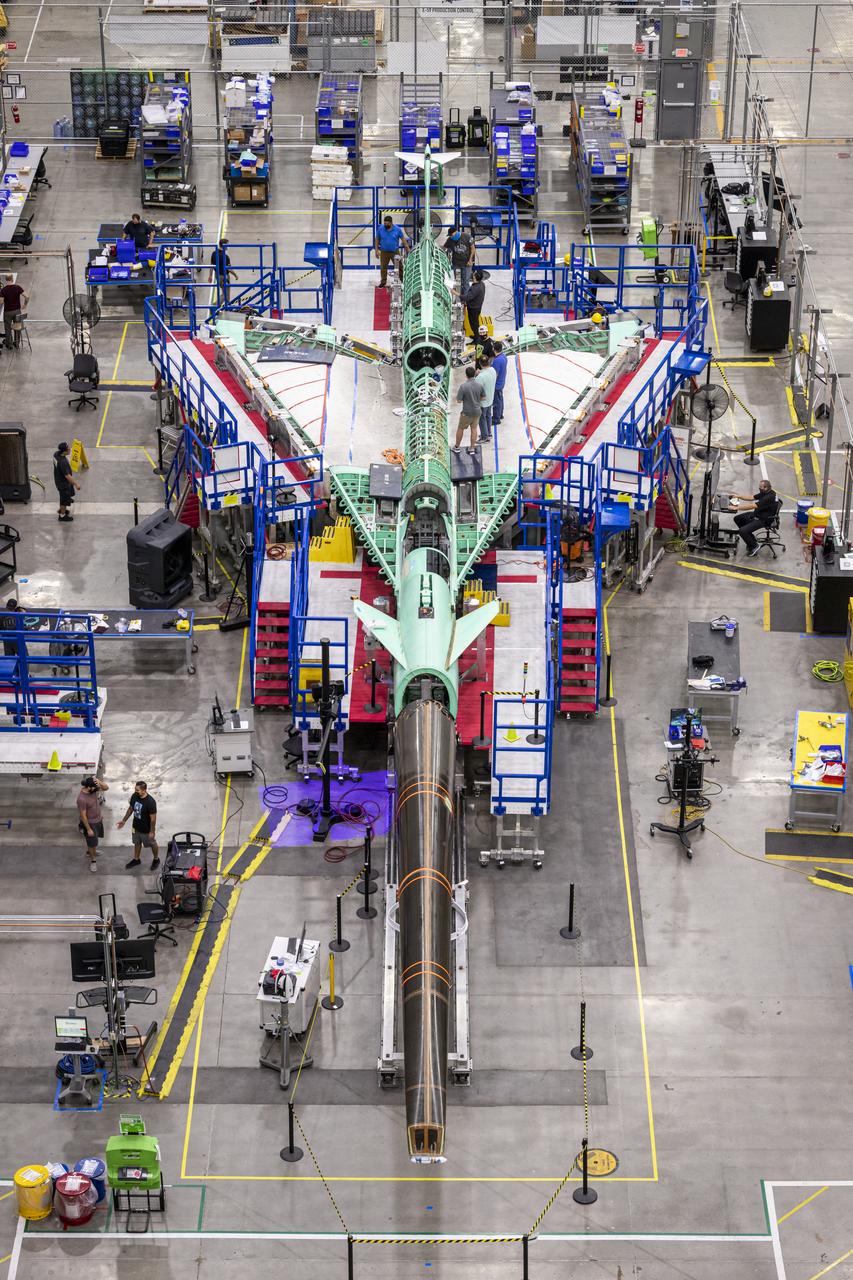
This is an overhead view of the X-59 aircraft at Lockheed Martin Skunk Works in Palmdale, California. The nose was installed, and the plane awaits engine installation. Technicians continue to wire the aircraft as the team preforms several system checkouts to ensure the safety of the aircraft. The X-59 aircraft will demonstrate the ability to fly supersonic while reducing the loud sonic boom to a quiet sonic thump and help enable commercial supersonic air travel over land.
From Above With Nose Installed
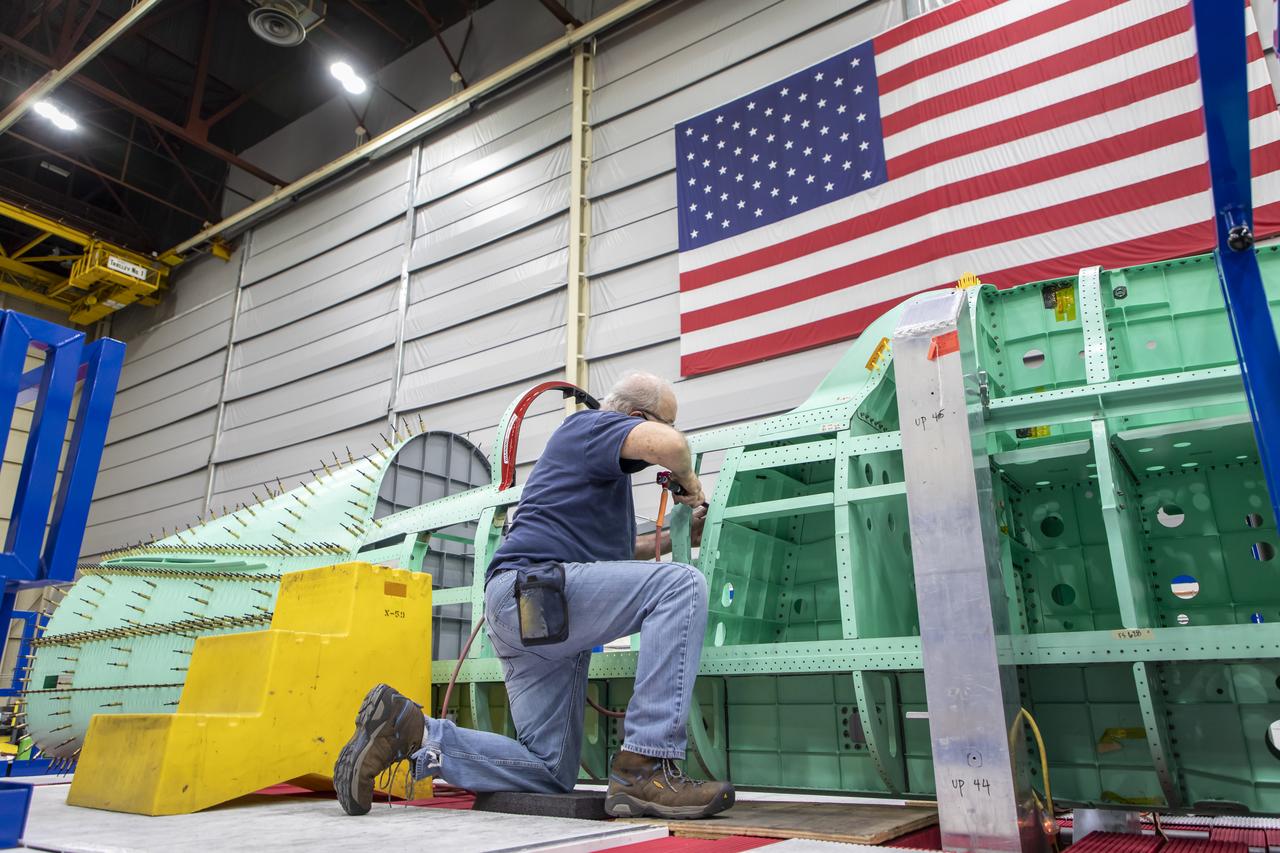
Event: SEG 210 Forebody A Lockheed Martin technician prepares to install the left fuselage skins onto the X-59. Once in the air, the aircraft, currently under construction at Lockheed Martin Skunk Works in Palmdale, California, will demonstrate the ability to fly supersonic while reducing the loud sonic boom to a quiet sonic thump.
SEG 210 Forebody
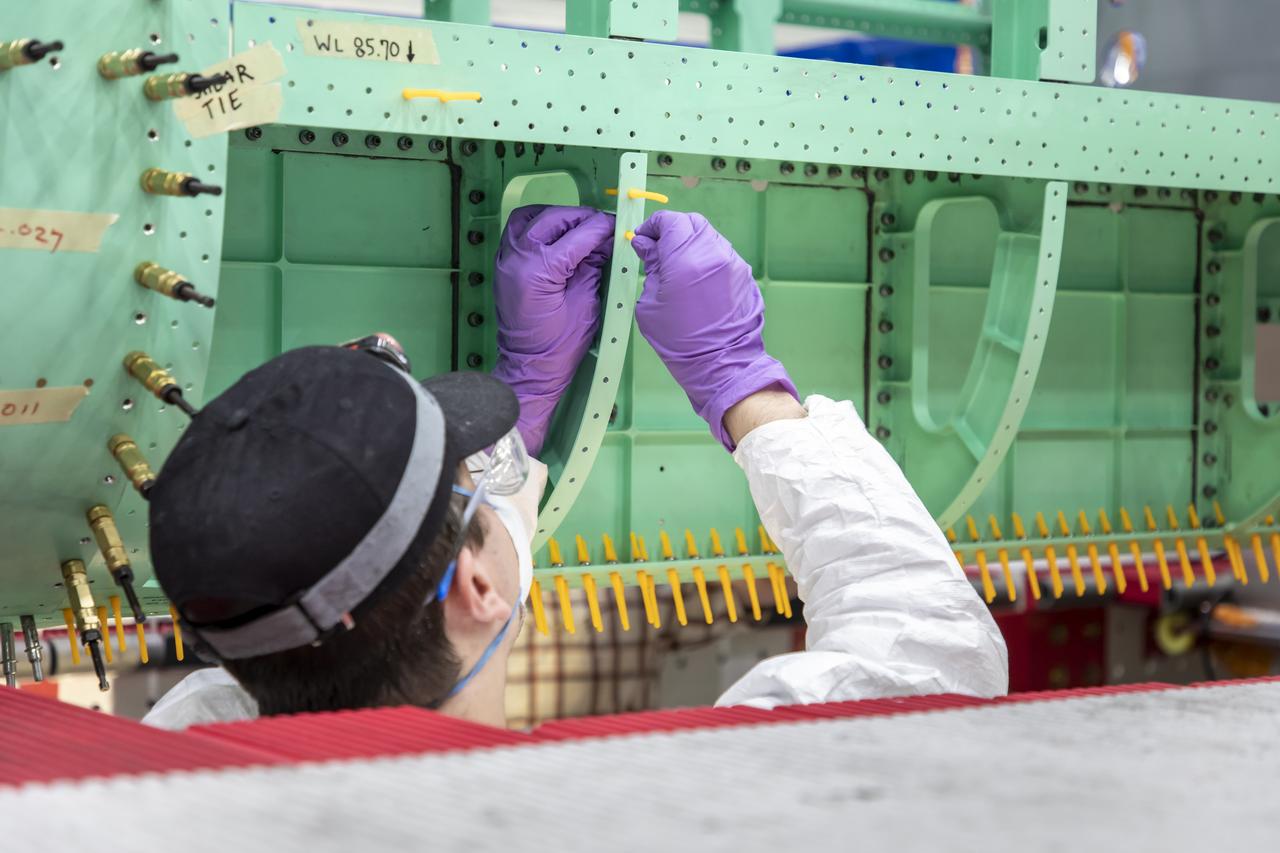
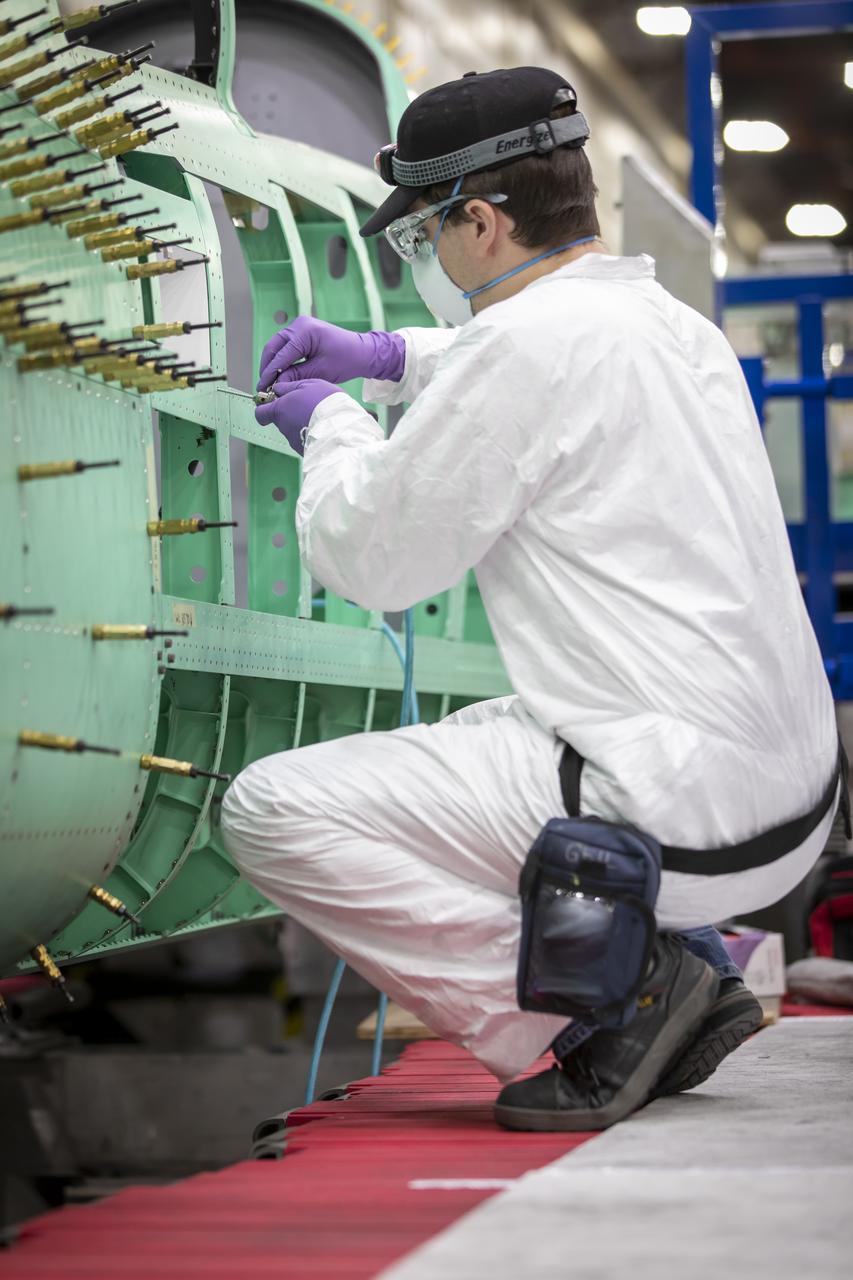
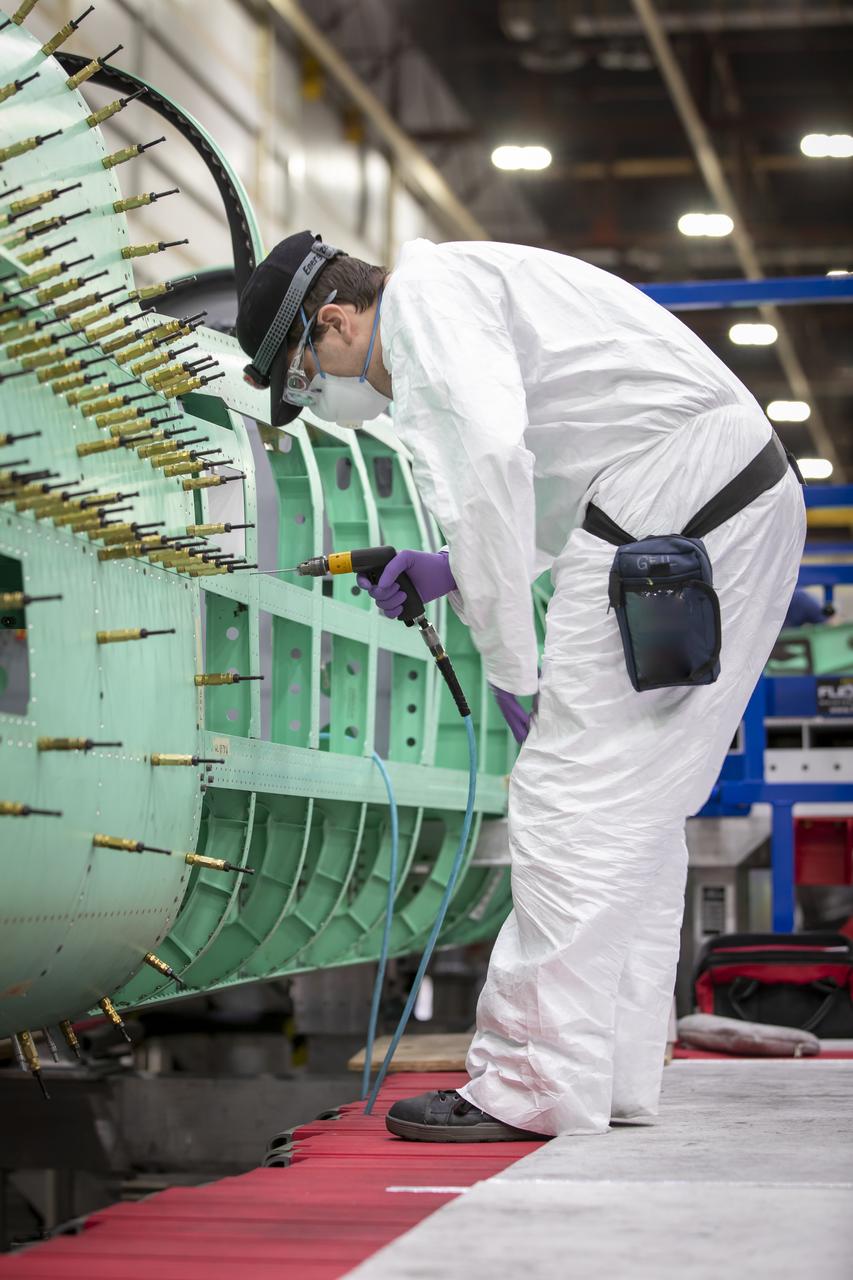
A Lockheed Martin technician prepares holes for installation of the fuselage panel on the X-59. The fuselage is the section of the aircraft that contains the cockpit. The aircraft, under construction at Lockheed Martin Skunk Works in Palmdale, California, will demonstrate the ability to fly supersonic while reducing the loud sonic boom to a quiet sonic thump.
LRC-2022-H1_P_X-59-8
Event: SEG 210 Forebody A Lockheed Martin technician prepares to install the left fuselage skins onto the X-59. Once in the air, the aircraft, currently under construction at Lockheed Martin Skunk Works in Palmdale, California, will demonstrate the ability to fly supersonic while reducing the loud sonic boom to a quiet sonic thump.
SEG 210 Forebody
Lockheed Martin technicians work to align and check the fastener holes on the X-59’s fuselage skin. The aircraft, under construction at Lockheed Martin Skunk Works in Palmdale, California, will demonstrate the ability to fly supersonic while reducing the loud sonic boom to a quiet sonic thump.
LRC-2022-H1_P_X-59-6
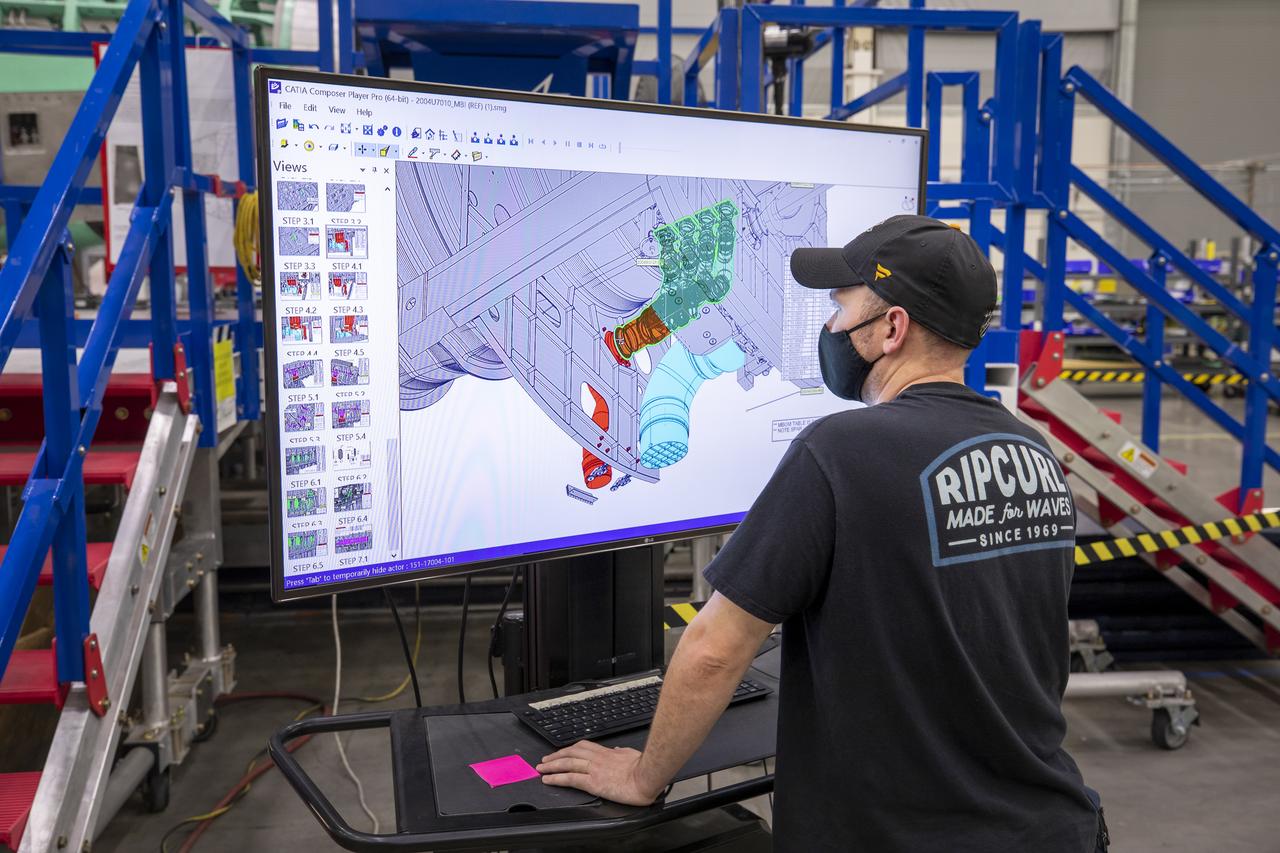
A Lockheed Martin technician looks at the connector installation on the cad model of the X-59 airplane. The aircraft, under construction at Lockheed Martin Skunk Works in Palmdale, California, will demonstrate the ability to fly supersonic while reducing the loud sonic boom to a quiet sonic thump.
Aircraft Updates
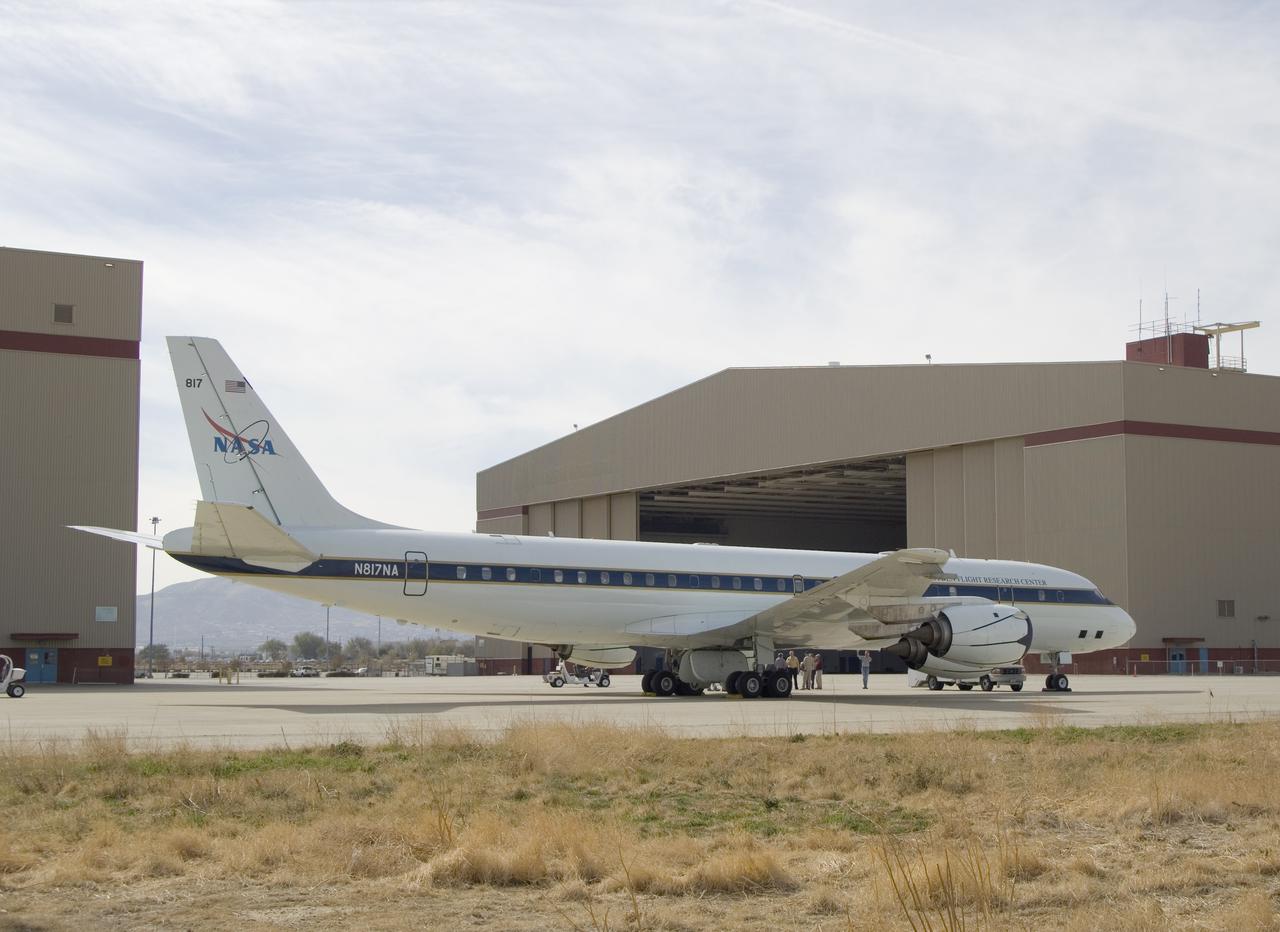
Media observe as ground crews tow NASA’s DC-8 airborne laboratory into its Palmdale, California hangar.
AFRC2016-0192-30
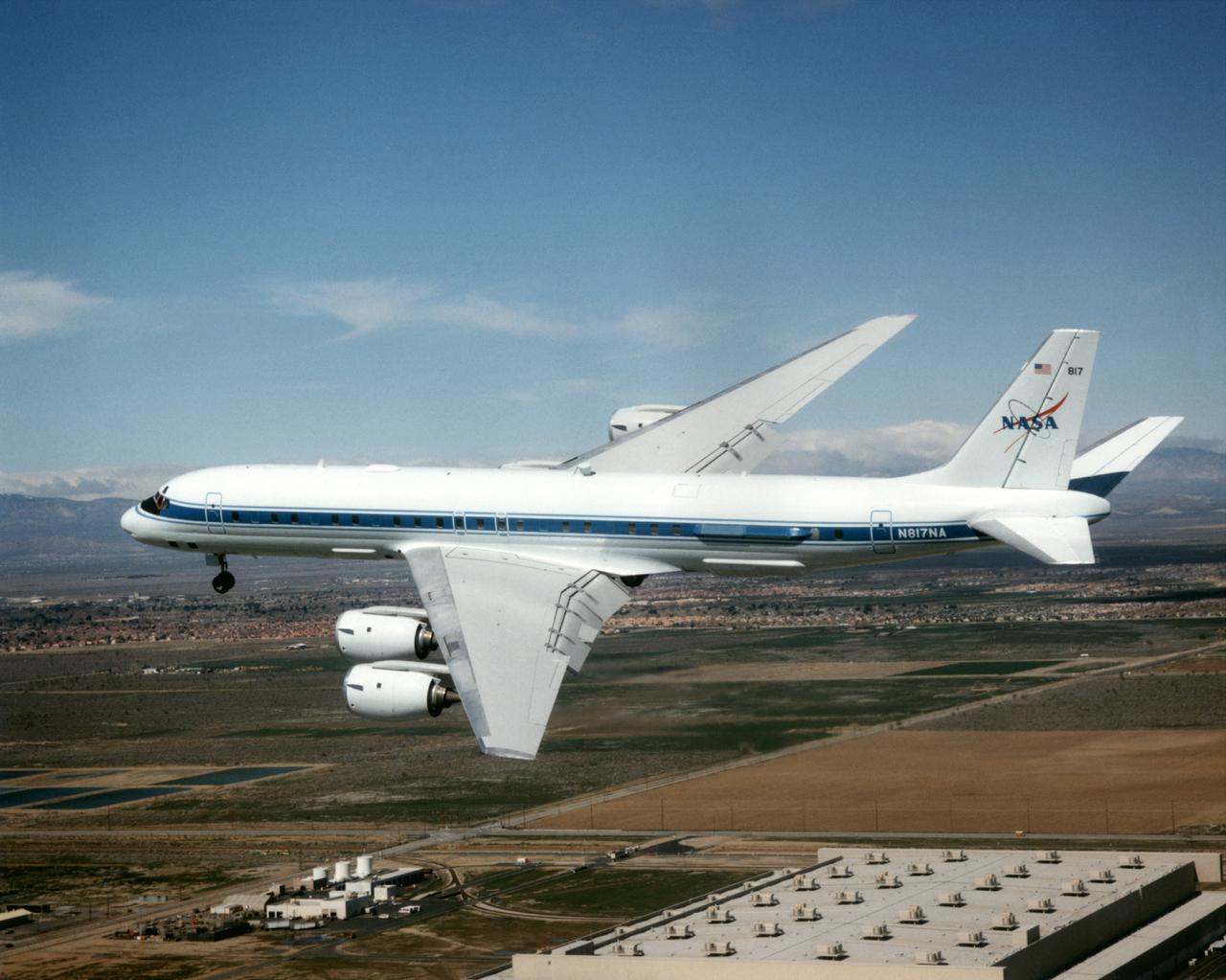
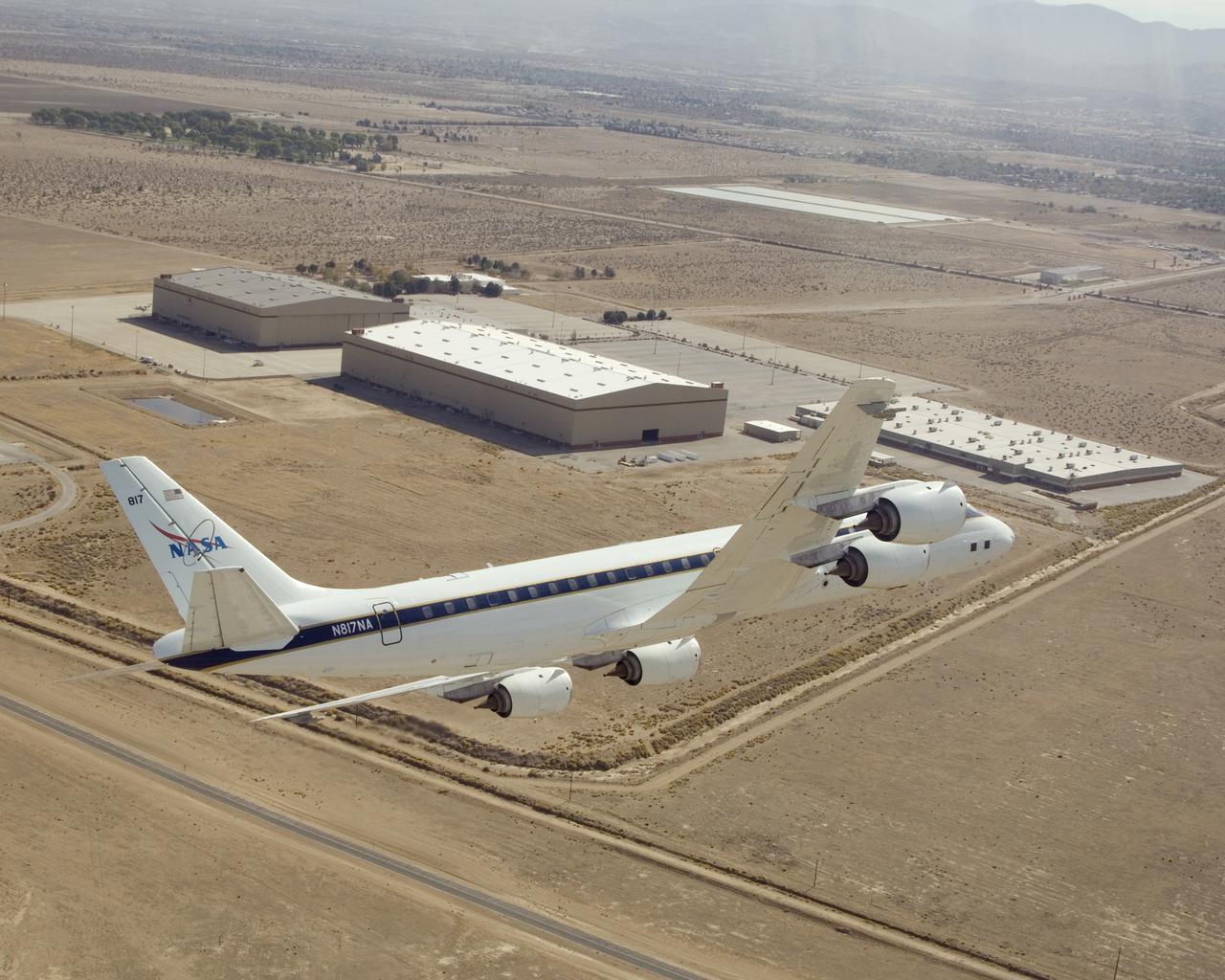
The DC-8 Airborne Laboratory in a left banking turn above the airport at Palmdale, California. The right wing is silhouetted against the blue sky, while the left wing contrasts with the desert terrain. The former airliner is a "dash-72" model and has a range of 5,400 miles. The craft can stay airborne for 12 hours and has an operational speed range between 300 and 500 knots. The research flights are made at between 500 and 41,000 feet. The aircraft can carry up to 30,000 lbs of research/science payload equipment installed in 15 mission-definable spaces.
DC-8 Airborne Laboratory in flight over Palmdale, CA
A technician is working on the engine inlet of NASA’s X-59 Quiet Supersonic Technology (QueSST) aircraft at Lockheed Martin’s Skunk Works facility in Palmdale, California.
SEG 500 Empennage, SEG 400 Main Wing Assembly-Final Mate
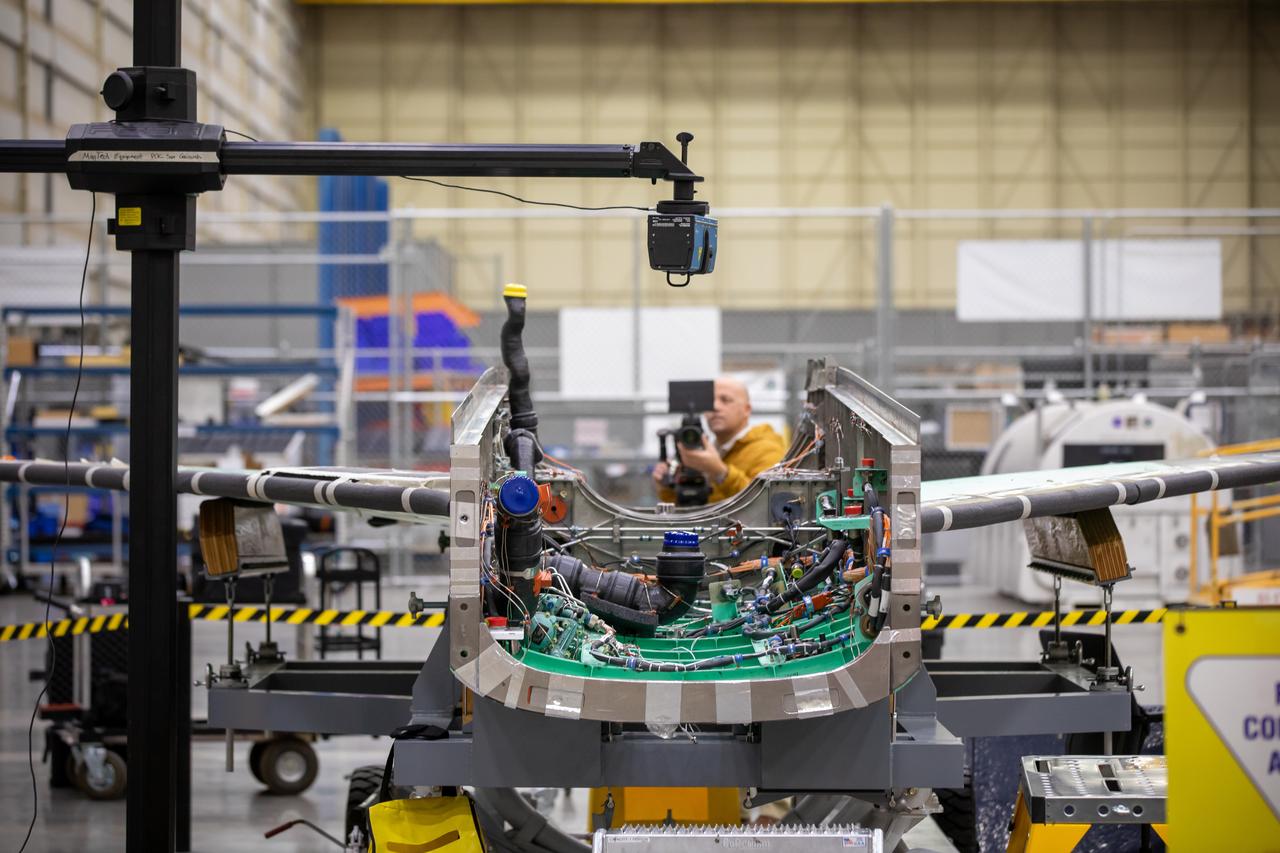
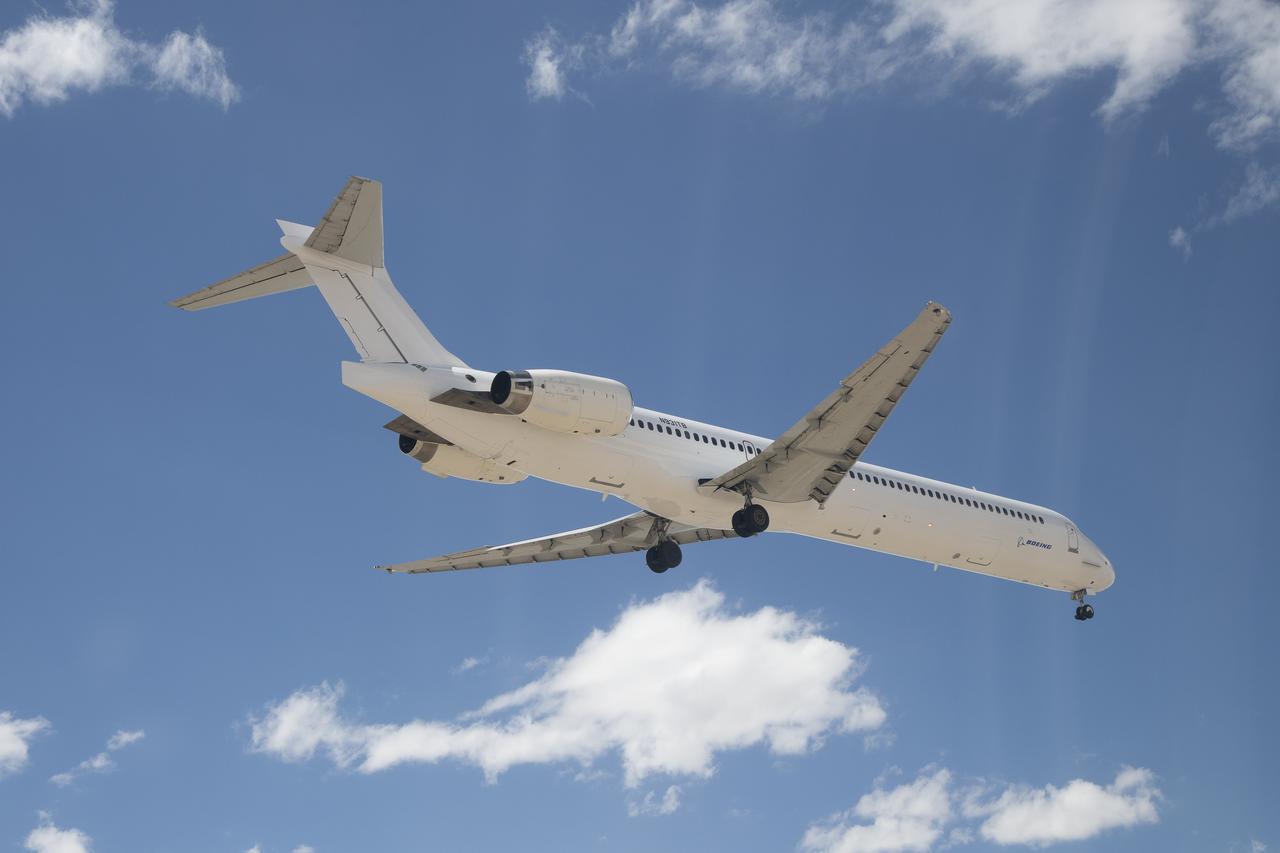
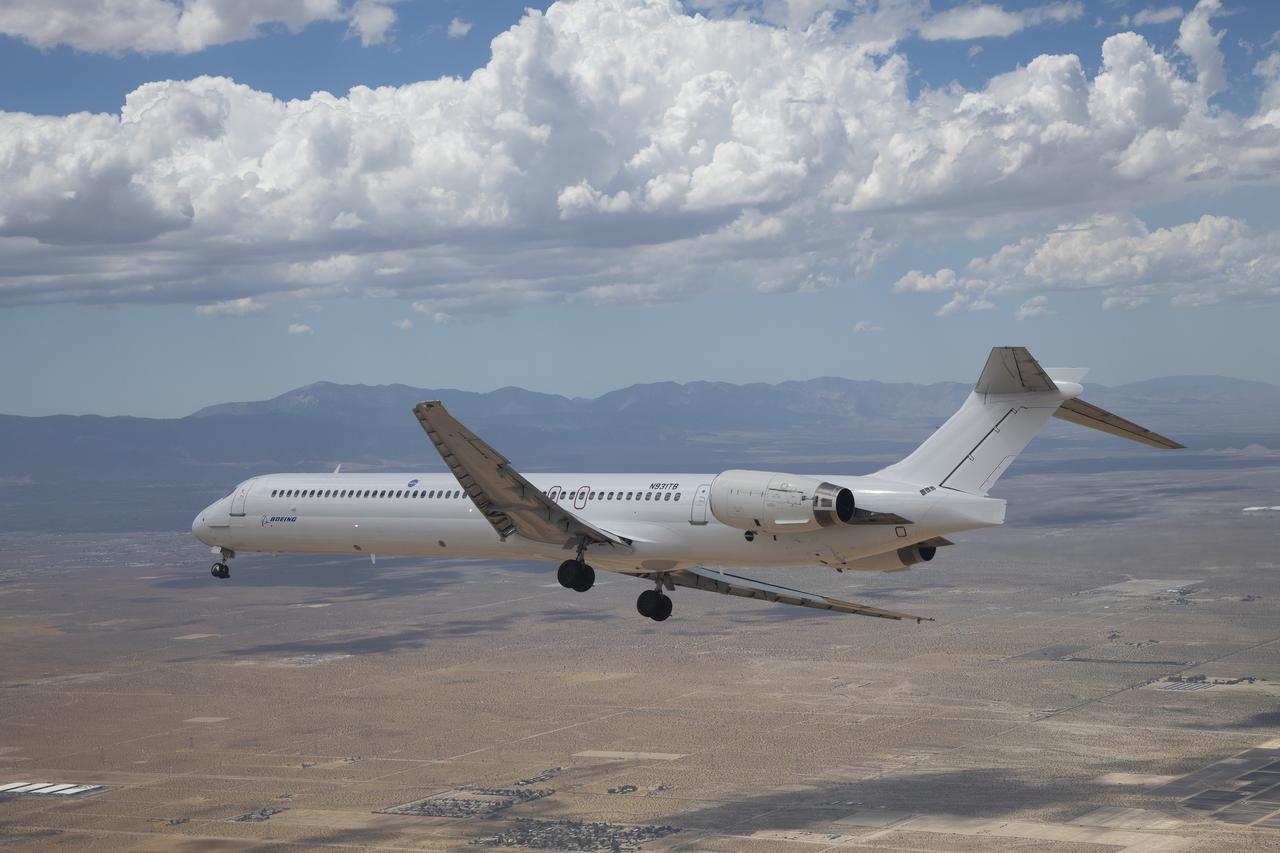
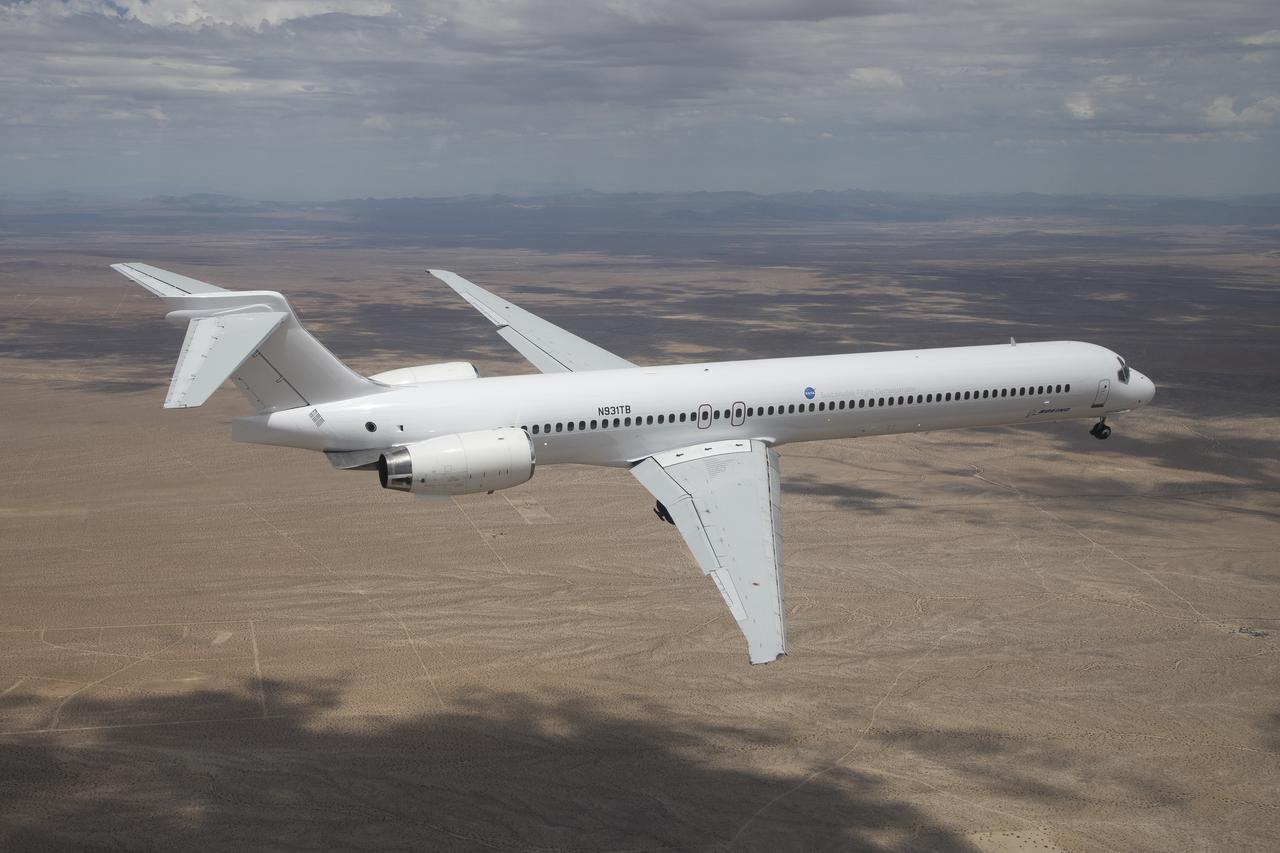
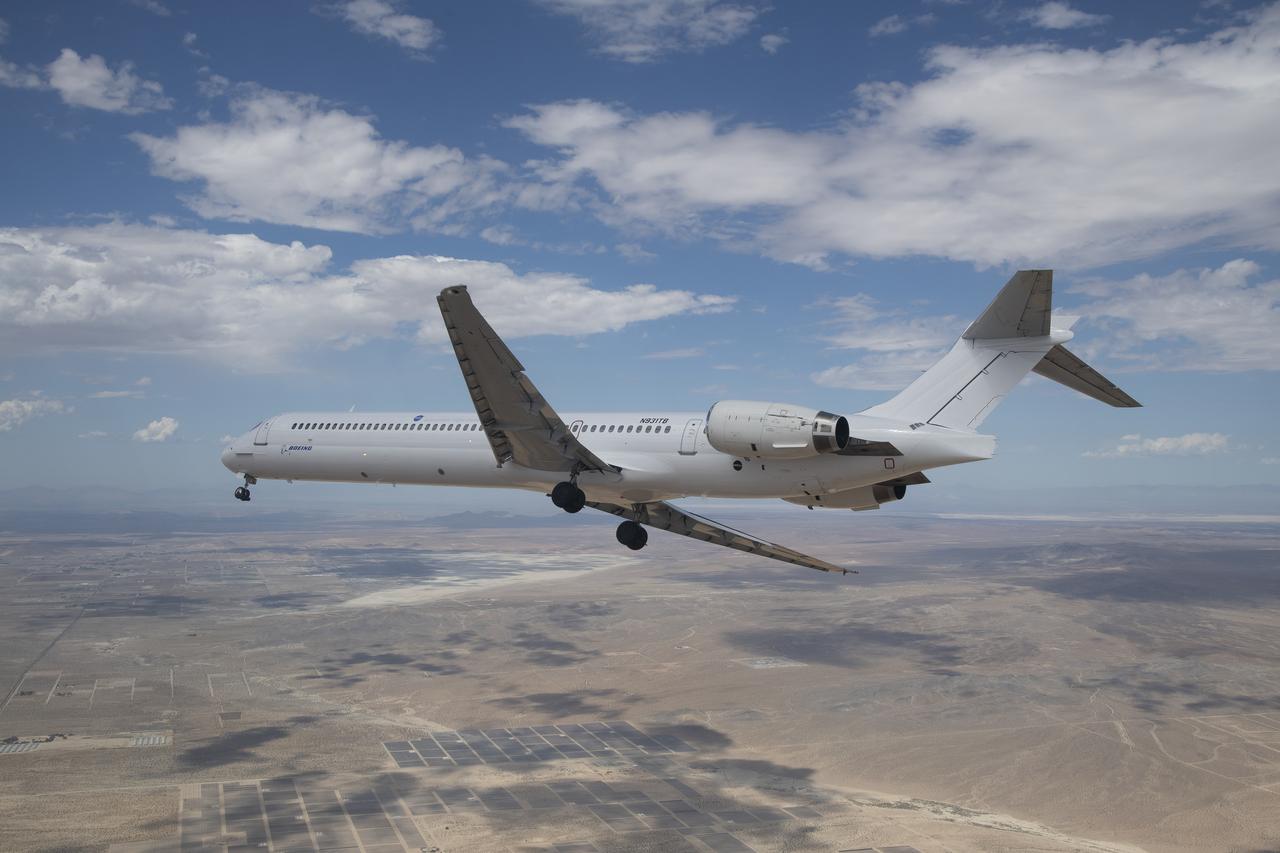
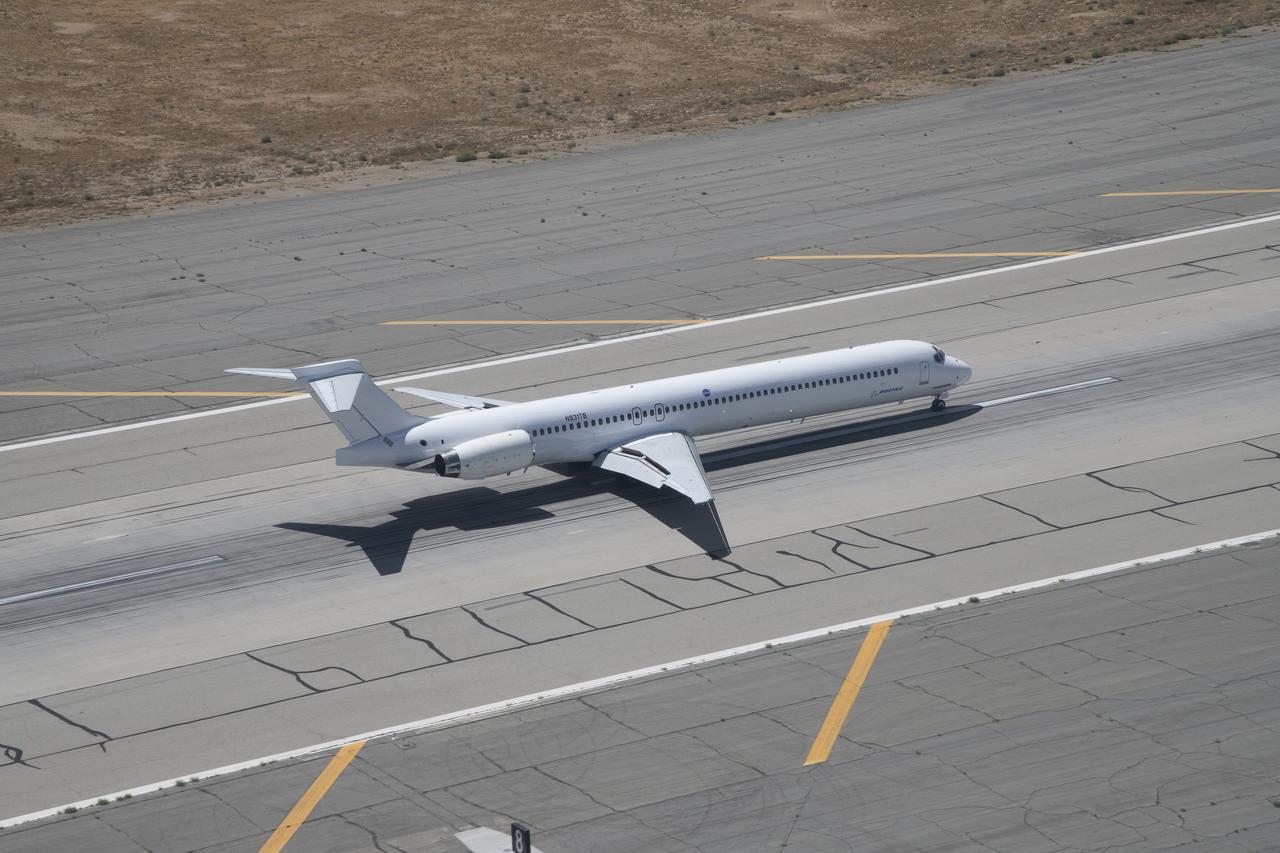
Boeing’s MD-90 aircraft flies from Victorville California to Palmdale, California on August 15, 2023. This aircraft will be NASA’s future Sustainable Flight Demonstrator. Modifications to the aircraft will include changes to the fuselage and most notably the use of a transonic truss-braced wing.
Boeing MD-90 flies from Victorville, California to Palmdale, California where it will begin modifications as part of NASA Sustainable Flight Demonstrator
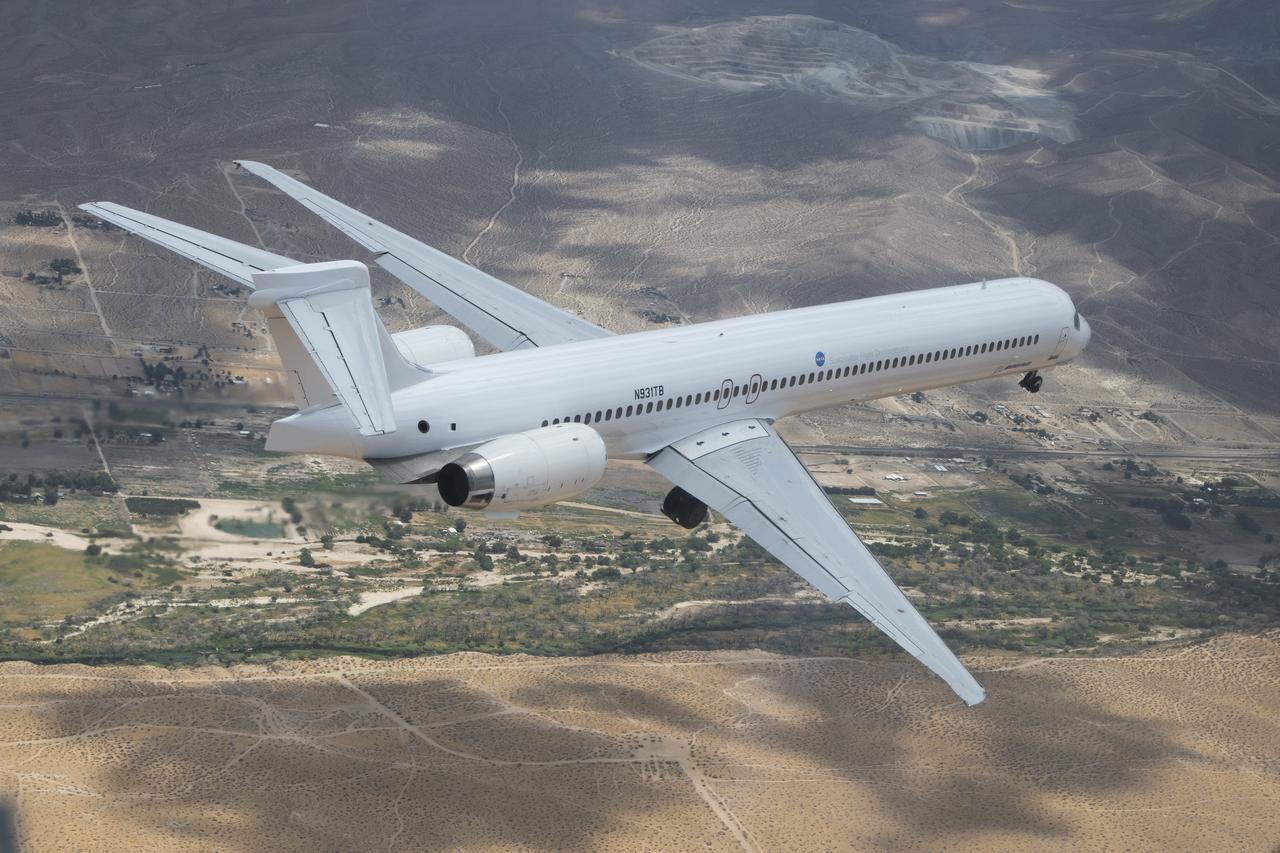
Boeing’s MD-90 aircraft flies from Victorville California to Palmdale, California on August 15, 2023. This aircraft will be NASA’s future Sustainable Flight Demonstrator. Modifications to the aircraft will include changes to the fuselage and most notably the use of a transonic truss-braced wing.
Boeing MD-90 flies from Victorville, California to Palmdale, California where it will begin modifications as part of NASA Sustainable Flight Demonstrator
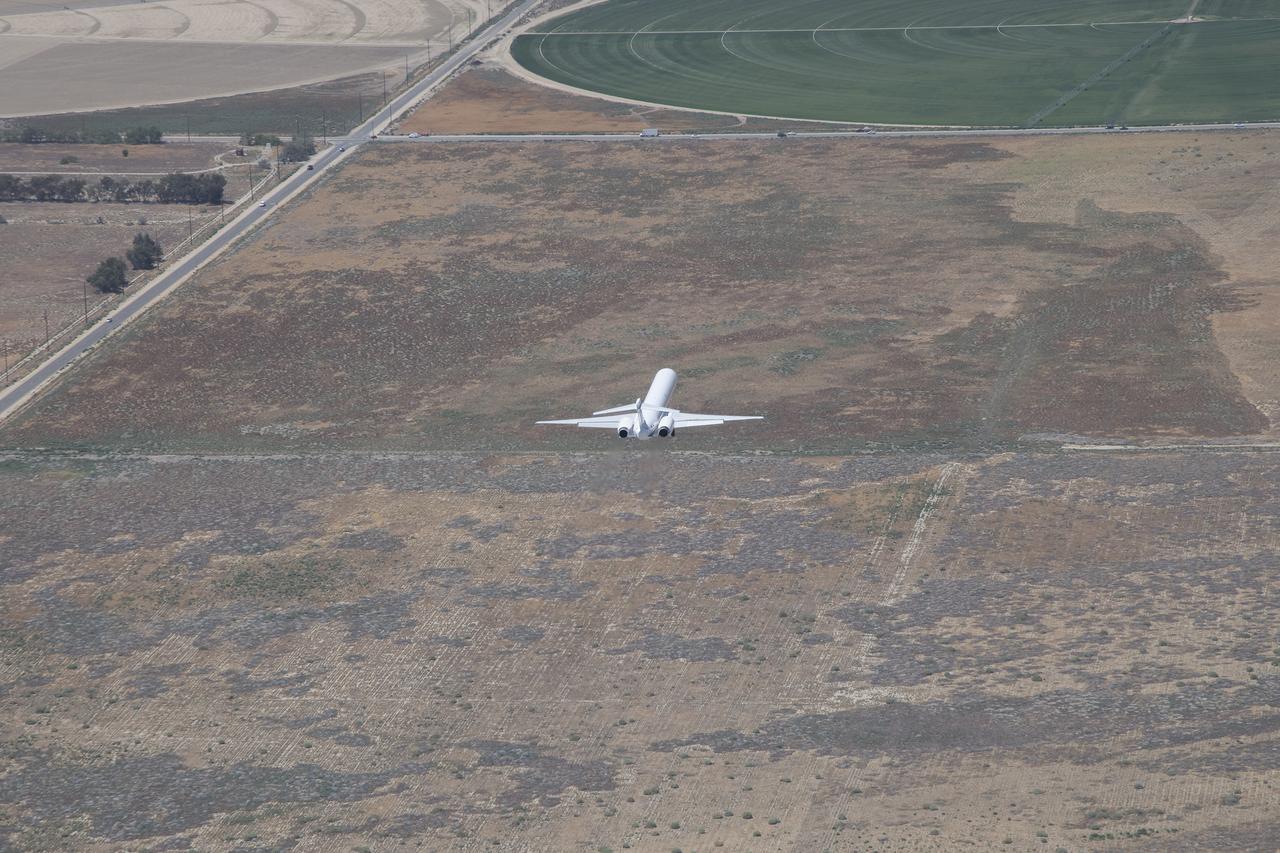
Boeing’s MD-90 aircraft flies from Victorville California to Palmdale, California on August 15, 2023. This aircraft will be NASA’s future Sustainable Flight Demonstrator. Modifications to the aircraft will include changes to the fuselage and most notably the use of a transonic truss-braced wing.
Boeing MD-90 flies from Victorville, California to Palmdale, California where it will begin modifications as part of NASA Sustainable Flight Demonstrator
Boeing’s MD-90 aircraft flies from Victorville California to Palmdale, California on August 15, 2023. This aircraft will be NASA’s future Sustainable Flight Demonstrator. Modifications to the aircraft will include changes to the fuselage and most notably the use of a transonic truss-braced wing.
Boeing MD-90 flies from Victorville, California to Palmdale, California where it will begin modifications as part of NASA Sustainable Flight Demonstrator
Boeing’s MD-90 aircraft flies from Victorville California to Palmdale, California on August 15, 2023. This aircraft will be NASA’s future Sustainable Flight Demonstrator. Modifications to the aircraft will include changes to the fuselage and most notably the use of a transonic truss-braced wing.
Boeing MD-90 flies from Victorville, California to Palmdale, California where it will begin modifications as part of NASA Sustainable Flight Demonstrator
Boeing’s MD-90 aircraft flies from Victorville California to Palmdale, California on August 15, 2023. This aircraft will be NASA’s future Sustainable Flight Demonstrator. Modifications to the aircraft will include changes to the fuselage and most notably the use of a transonic truss-braced wing.
Boeing MD-90 flies from Victorville, California to Palmdale, California where it will begin modifications as part of NASA Sustainable Flight Demonstrator
Boeing’s MD-90 aircraft flies from Victorville California to Palmdale, California on August 15, 2023. This aircraft will be NASA’s future Sustainable Flight Demonstrator. Modifications to the aircraft will include changes to the fuselage and most notably the use of a transonic truss-braced wing.
Boeing MD-90 flies from Victorville, California to Palmdale, California where it will begin modifications as part of NASA Sustainable Flight Demonstrator
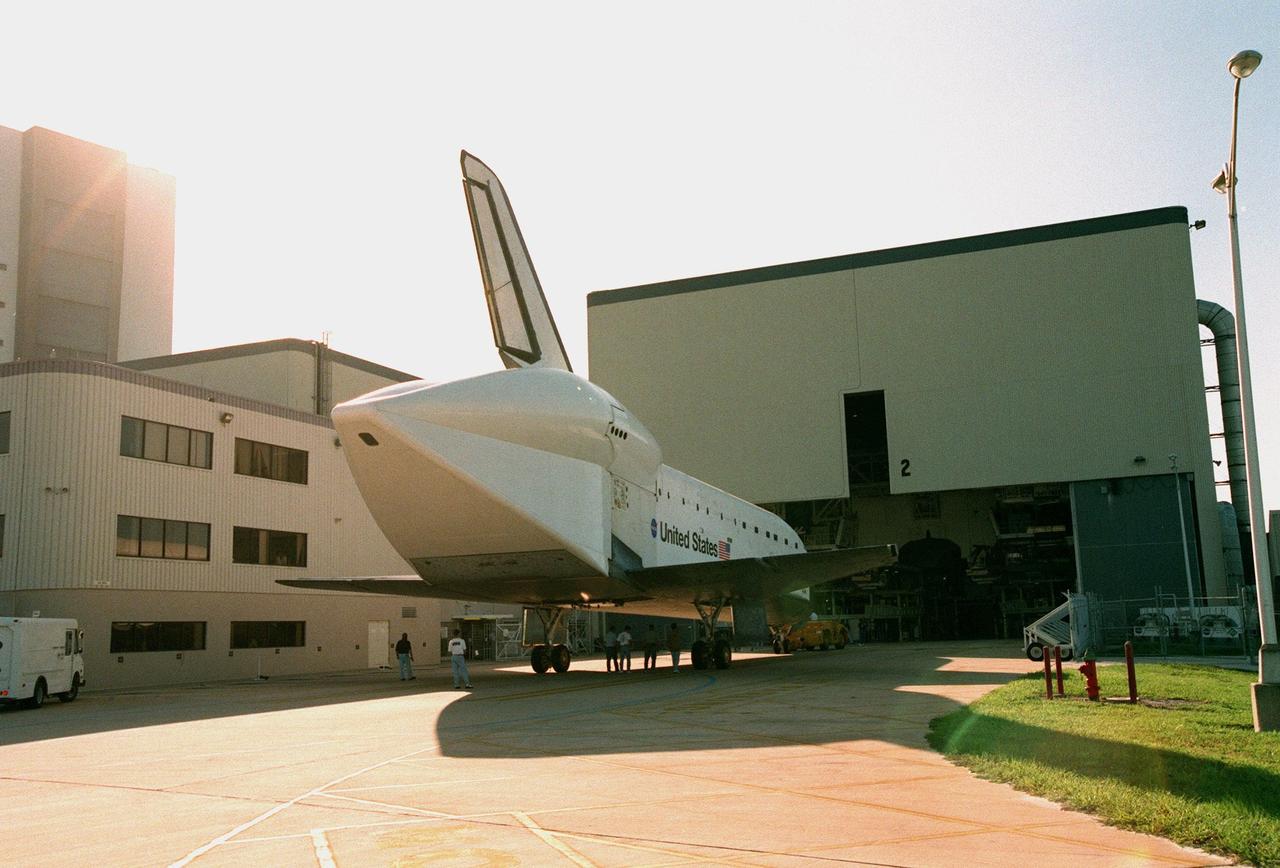
Seen from behind, the orbiter Atlantis moves into the Orbiter Processing Facility 2 (OPF-2) where it will undergo preparations for its planned flight in June 1999. Atlantis spent 10 months in Palmdale, CA, undergoing extensive inspections and modifications in the orbiter processing facility there. The modifications included several upgrades enabling it to support International Space Station missions, such as adding an external airlock for ISS docking missions and installing thinner, lighter thermal protection blankets for weight reduction which will allow it to haul heavier cargo. OPF-2 consists of two 2,700-square-meter (29,000 square feet) high bays. It measures 29 meters (95 ft). high, 121 meters (397 ft) long and 71 meters (233 ft) wide
KSC-98pc1168
Seen from behind, the orbiter Atlantis approaches the entrance of Orbiter Processing Facility 2 (OPF-2) where it will undergo preparations for its planned flight in June 1999. Atlantis spent 10 months in Palmdale, CA, undergoing extensive inspections and modifications in the orbiter processing facility there. The modifications included several upgrades enabling it to support International Space Station missions, such as adding an external airlock for ISS docking missions and installing thinner, lighter thermal protection blankets for weight reduction which will allow it to haul heavier cargo. OPF-2 consists of a 2,700-square-meter (29,000 square ft.) high bay. The building measures 29 meters (95 ft). high, 121 meters (397 ft.) long and 71 meters (233 ft.) wide
KSC-98pc1167
A laser scans the inside of the X-59 aircraft’s lower engine bay at Lockheed Martin Skunk Works in Palmdale, California. These scans can help identify potential hardware or wiring interferences prior to the final installation of the engine and lower tail.
Quesst Mission |Lower Engine Bay Laser Scan
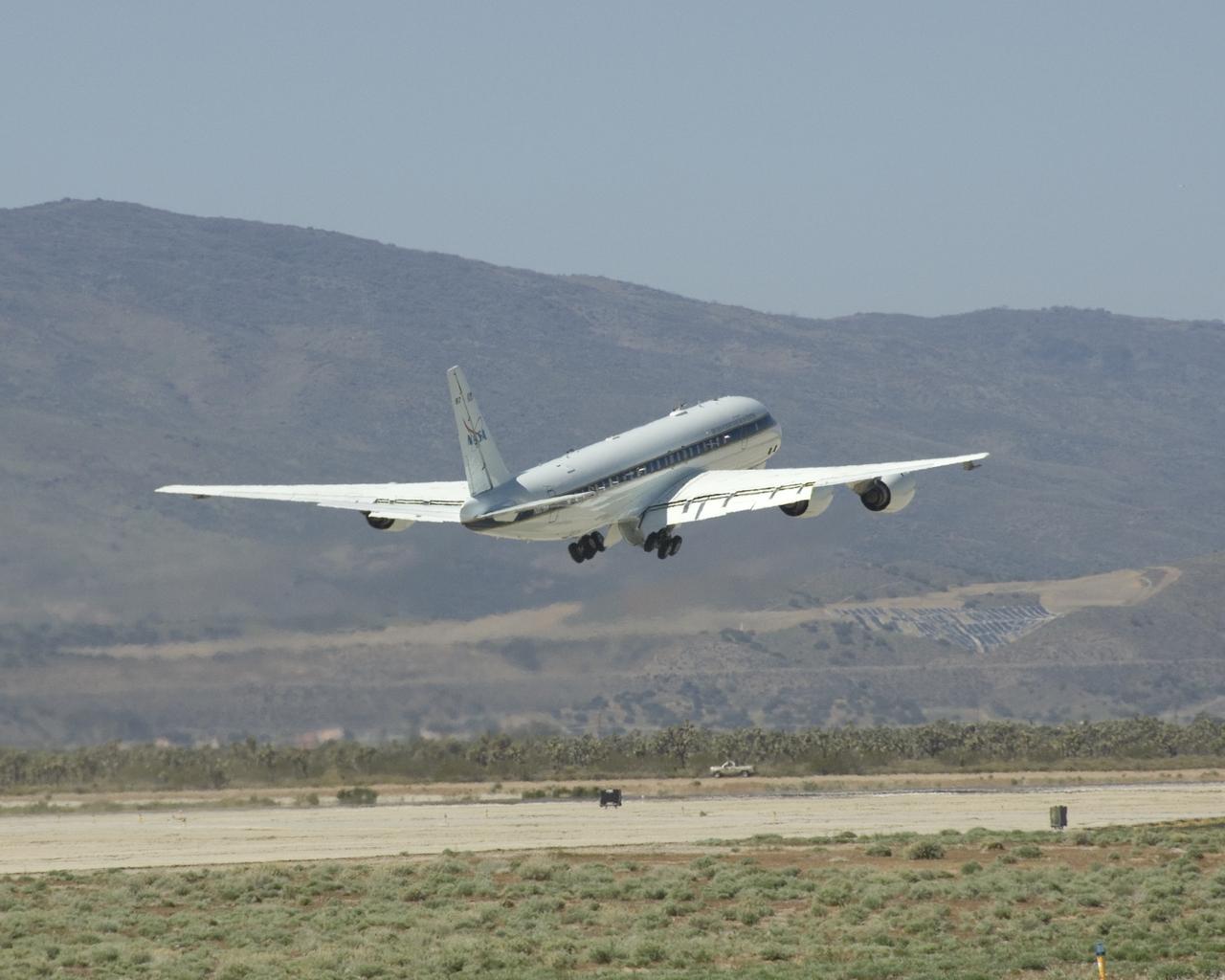
NASA's DC-8 flying laboratory lifts off the runway at Air Force Plant 42 in Palmdale, Calif., on its first flight in the ARCTAS atmospheric science mission.
NASA's DC-8 flying laboratory lifts off the runway at Air Force Plant 42 in Palmdale, Calif., on its first flight in the ARCTAS atmospheric science mission
NASA's DC-8 airborne science laboratory banks low over the Dryden Aircraft Operations Facility at Air Force Plant 42 in Palmdale, Calif., upon arrival November 8, 2007.
NASA's DC-8 airborne science laboratory banks low over the Dryden Aircraft Operations Facility at Air Force Plant 42 in Palmdale, Calif., upon arrival November 8
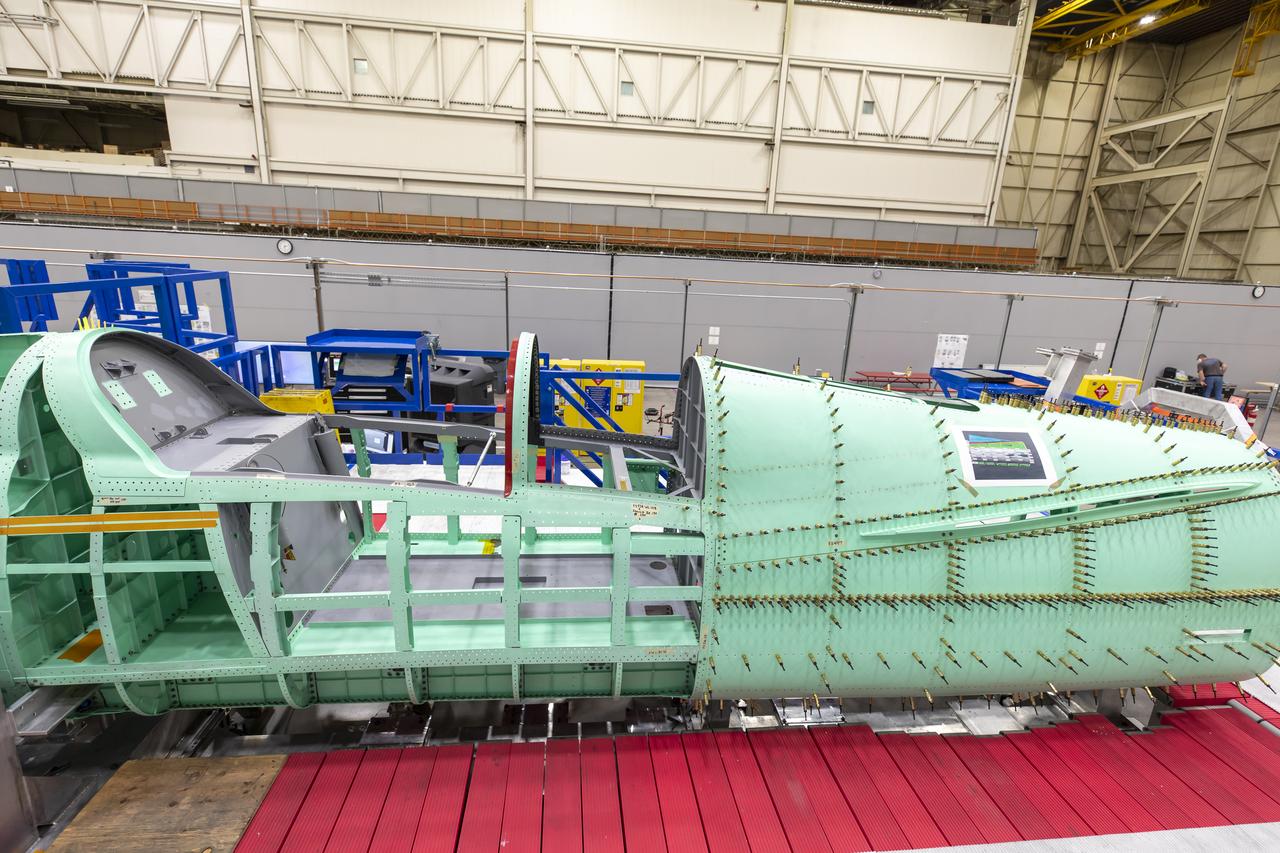
Event: SEG 210 Forebody A right side view of where the team is preparing the X-59 structure for installation of the forward fuselage, which contains the cockpit. The aircraft, under construction at Lockheed Martin Skunk Works in Palmdale, California, will fly to demonstrate the ability to fly supersonic while reducing the loud sonic boom to a quiet sonic thump.
SEG 210 Forebody
Event: SEG 410 Main Wing A Lockheed Martin technician works on the installation of wiring on the trailing edge structure of the right side of the X-59’s wing. The aircraft, under construction at Lockheed Martin Skunk Works in Palmdale, California, will demonstrate the ability to fly supersonic while reducing the loud sonic boom to a quiet sonic thump.
SEG 410 Main Wing
Event: SEG 210 Forebody A Lockheed Martin technician works on the ejection seat support structure and once complete, the ejection seat rails will be installed on the X-59 airplane. The aircraft, under construction at Lockheed Martin Skunk Works in Palmdale, California, will demonstrate the ability to fly supersonic while reducing the loud sonic boom to a quiet sonic thump.
SEG 210 Forebody
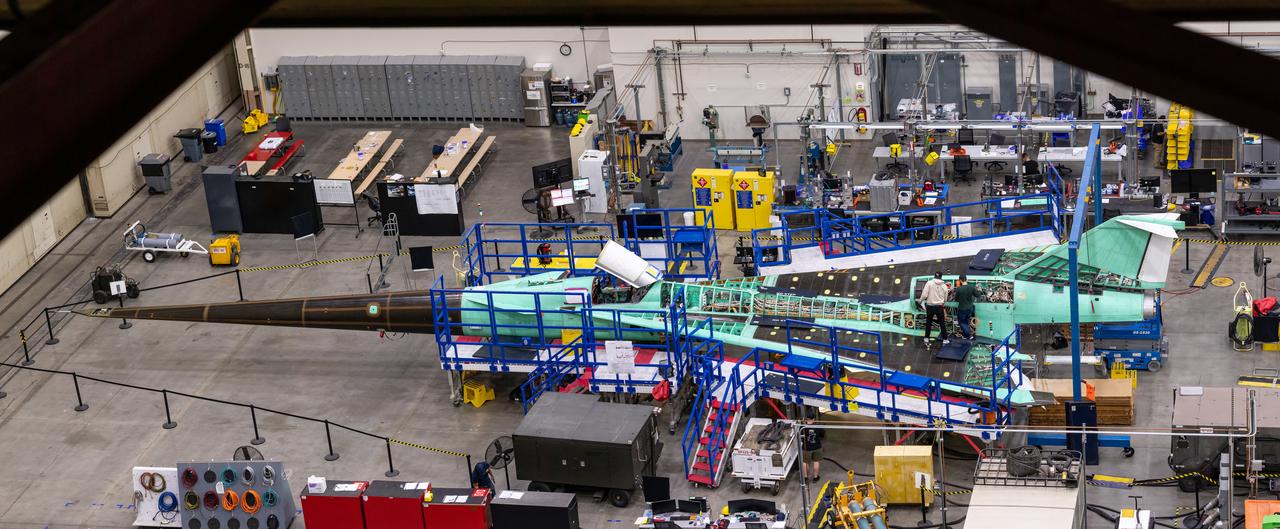
Event: Manufacturing Area From Above  A overhead view of the X-59 with its nose on. The X-59’s nose is 38-feet long – approximately one third of the length of the entire aircraft. The aircraft, under construction at Lockheed Martin Skunk Works in Palmdale, California, will demonstrate the ability to fly supersonic while reducing the loud sonic boom to a quiet sonic thump.
Manufacturing Area From Above
Event: SEG 570 Vertical Tail Assembly - Final Install Lockheed Martin technicians work on a fit check and installation of the vertical tail onto the X-59 aircraft. The plane is under construction at Lockheed Martin Skunk Works in Palmdale, California, will fly to demonstrate the ability to fly supersonic while reducing the loud sonic boom to a quiet sonic thump.
SEG 570 Vertical Tail Assembly - Final Install
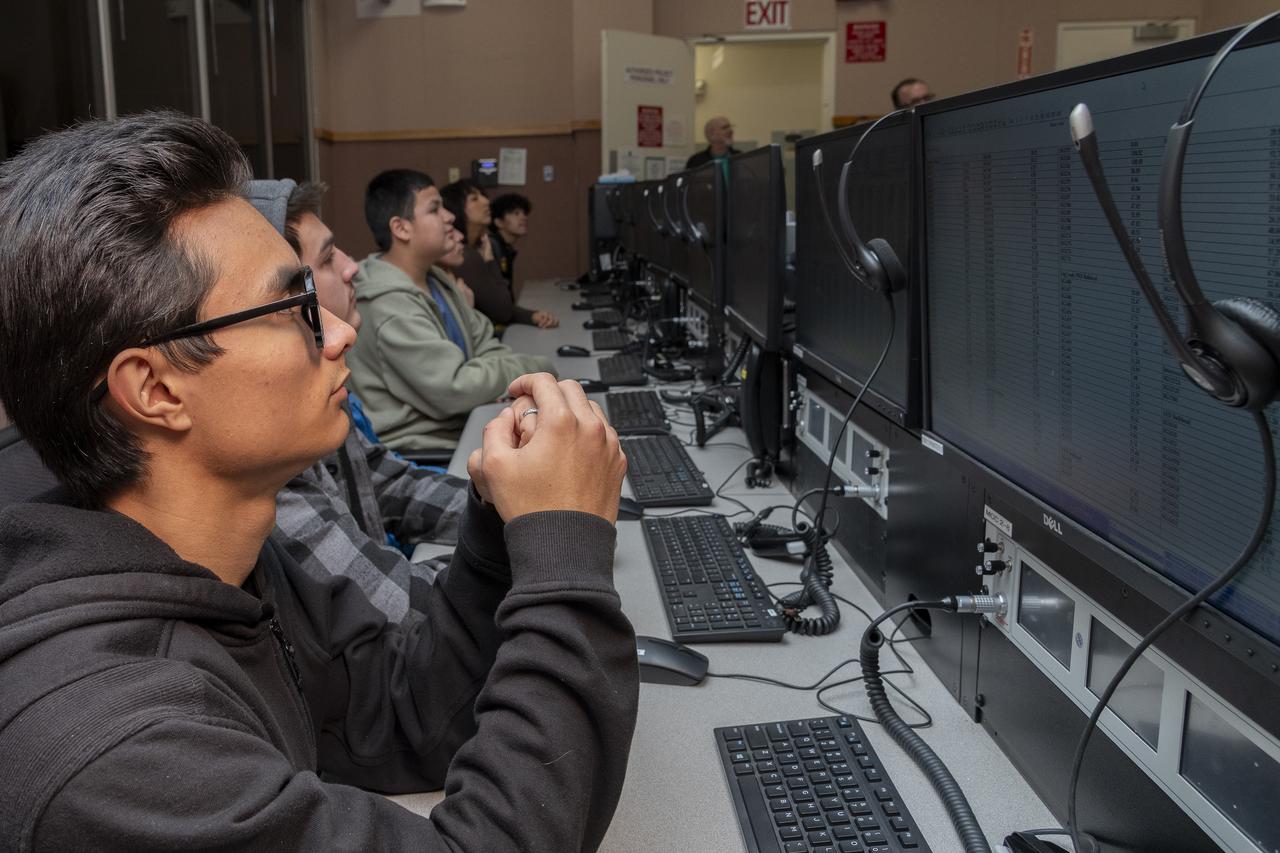
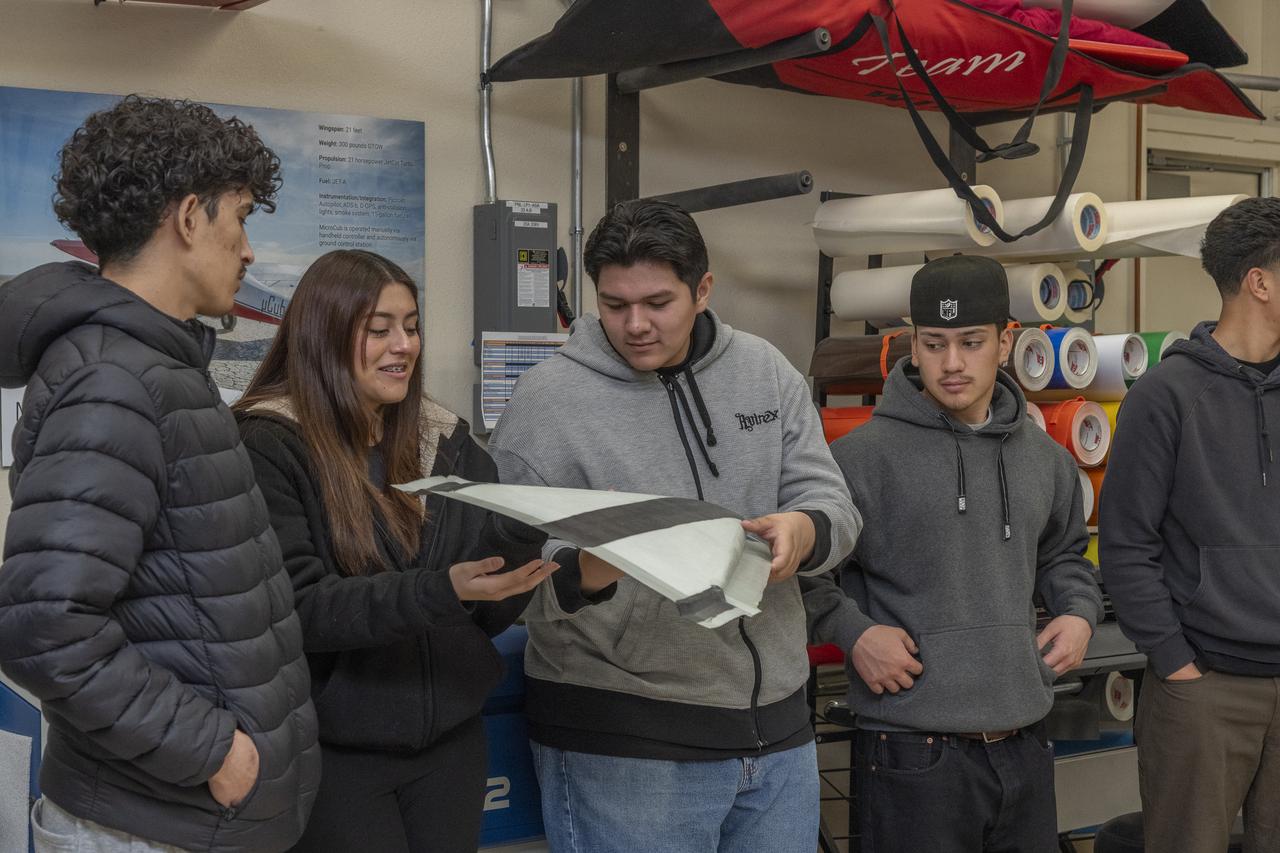
Students tour a control room at NASA’s Armstrong Research Flight Center in Edwards, California. The students are from the engineering club at Palmdale High School in Palmdale, California.
Engineering Club Visits NASA Armstrong
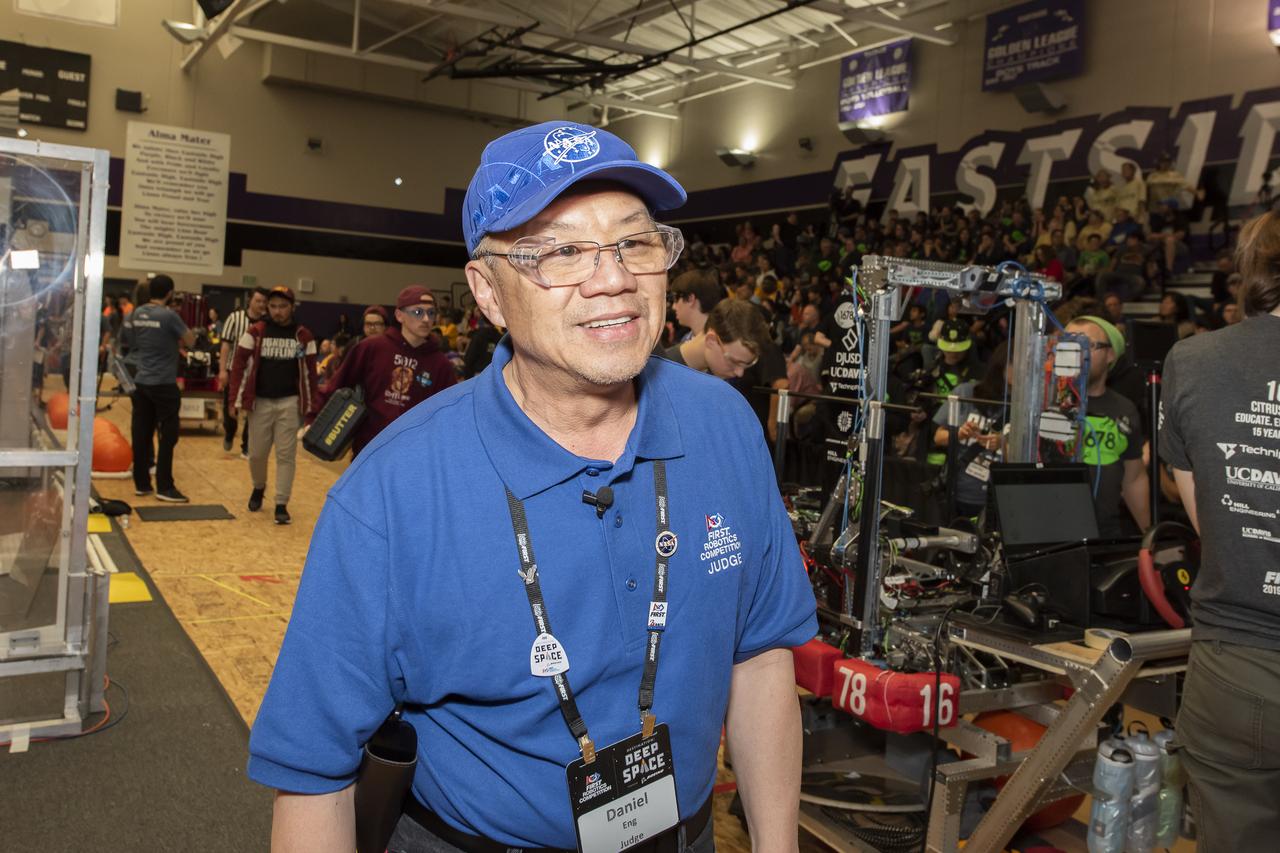
NASA Systems Engineer Daniel Eng serves his second year as a judge for the Aerospace Valley Robotics Competition at the Palmdale Aerospace Academy in Palmdale, California, in 2019.
NASA Systems Engineer Daniel Eng Judges Robotics Competition
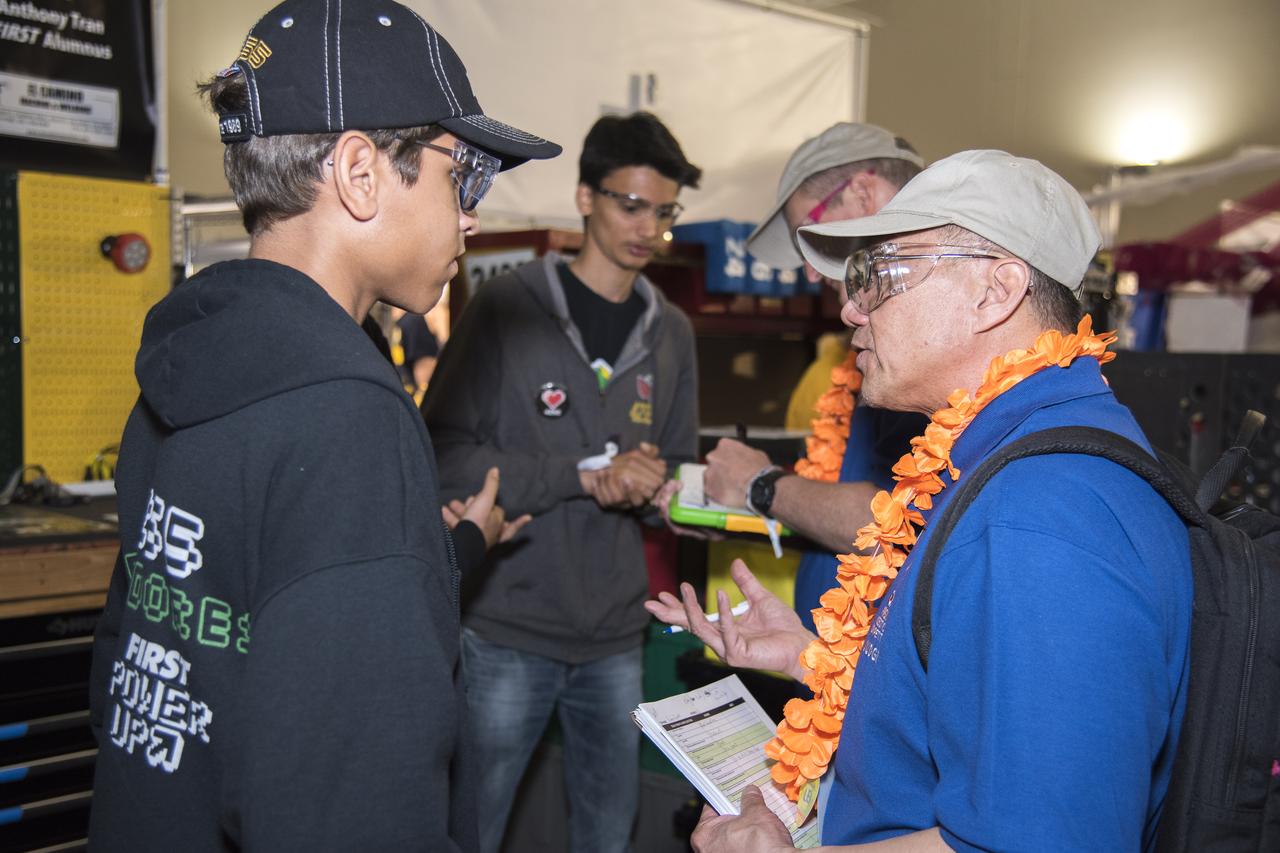
NASA systems engineer, Daniel Eng, right, talks with student participants at the 2019 Aerospace Valley Robotics Competition at the Palmdale Aerospace Academy in Palmdale, California.
NASA Systems Engineer Talks with Students at Robotics Competition
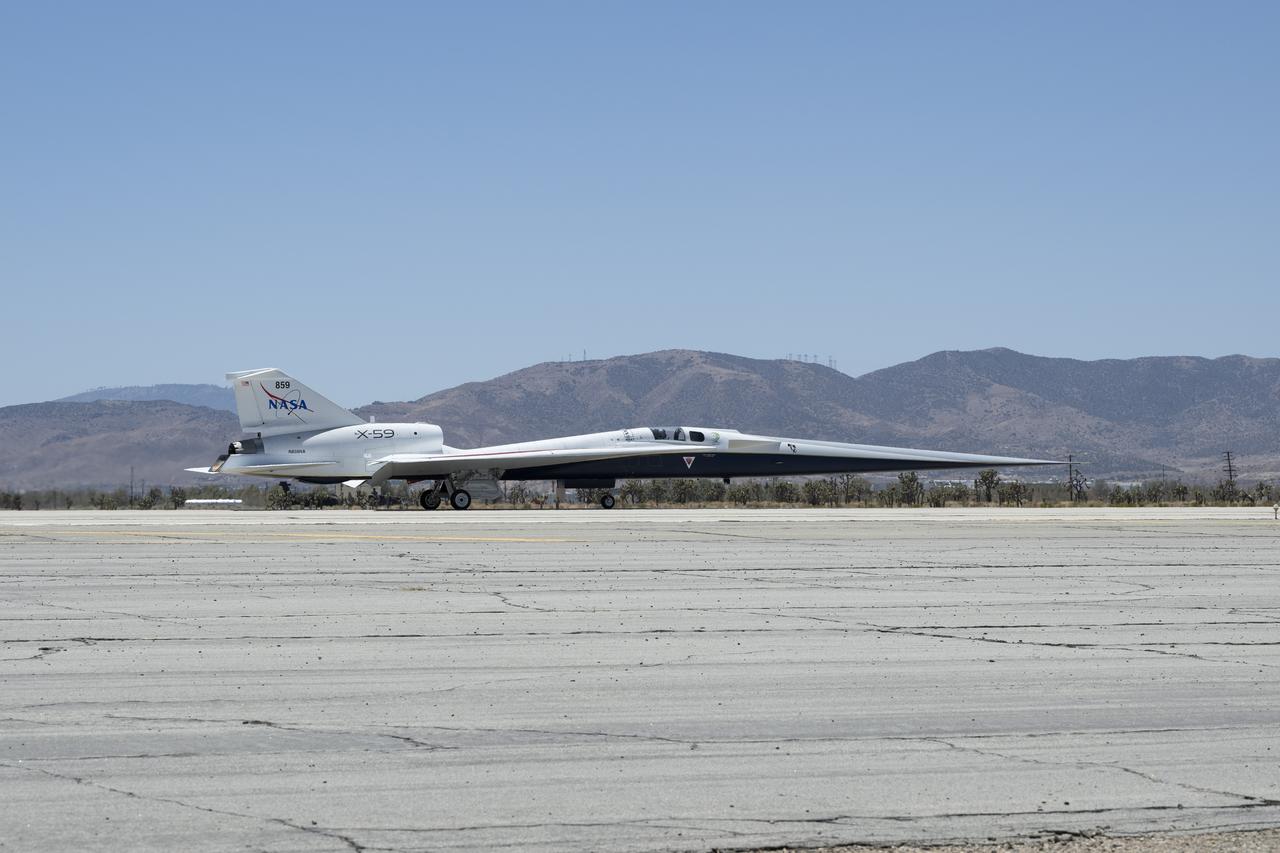
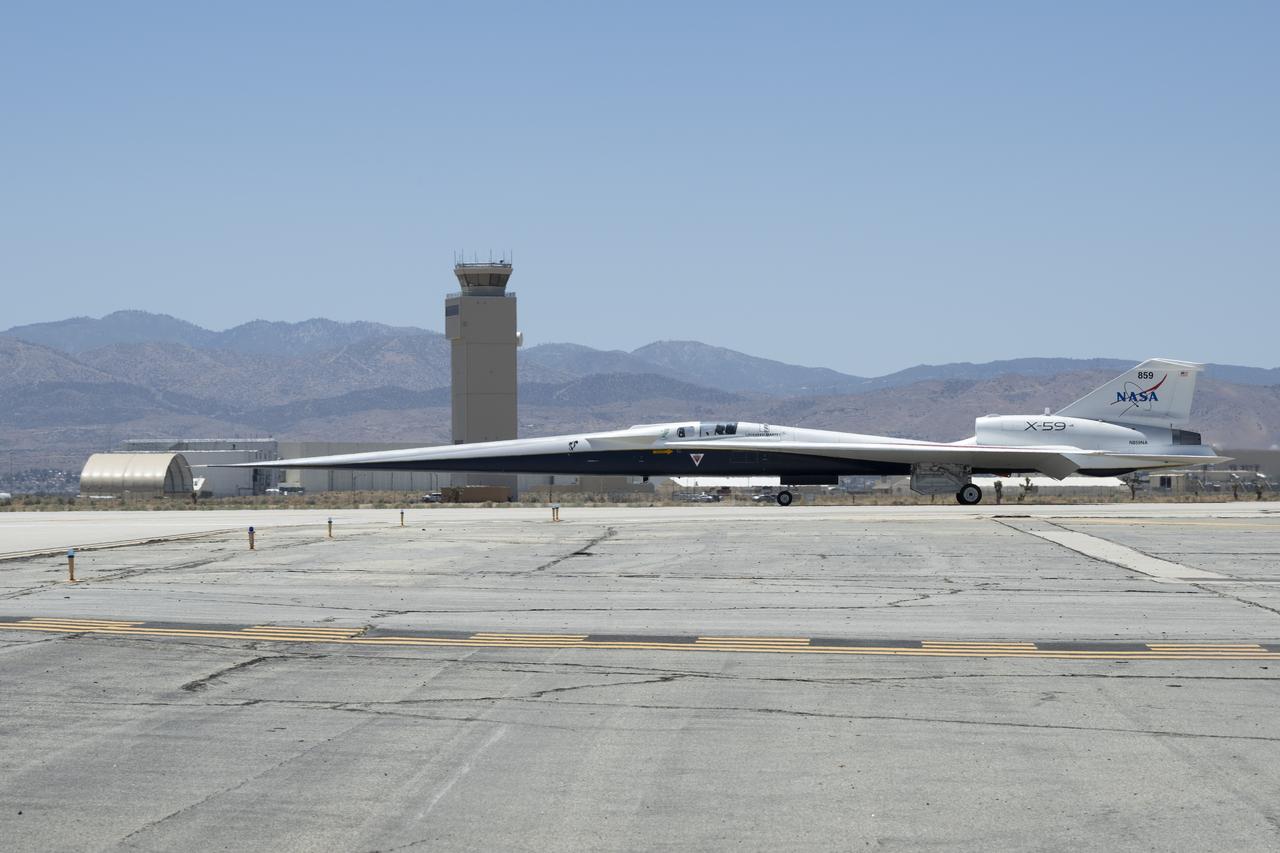
NASA’s X-59 quiet supersonic research aircraft taxis across the runway during a low-speed taxi test at U.S. Air Force Plant 42 in Palmdale, California, on July 10, 2025. The test marks the start of taxi tests and the last series of ground tests before first flight.
NASA’s X-59 Begins Taxi Tests
A overhead view of the X-59 with its nose on. The X-59’s nose is 38-feet long – approximately one third of the length of the entire aircraft. The plane is under construction at Lockheed Martin Skunk Works in Palmdale, California, will fly to demonstrate the ability to fly supersonic while reducing the loud sonic boom to a quiet sonic thump.
Manufacturing Area From Above
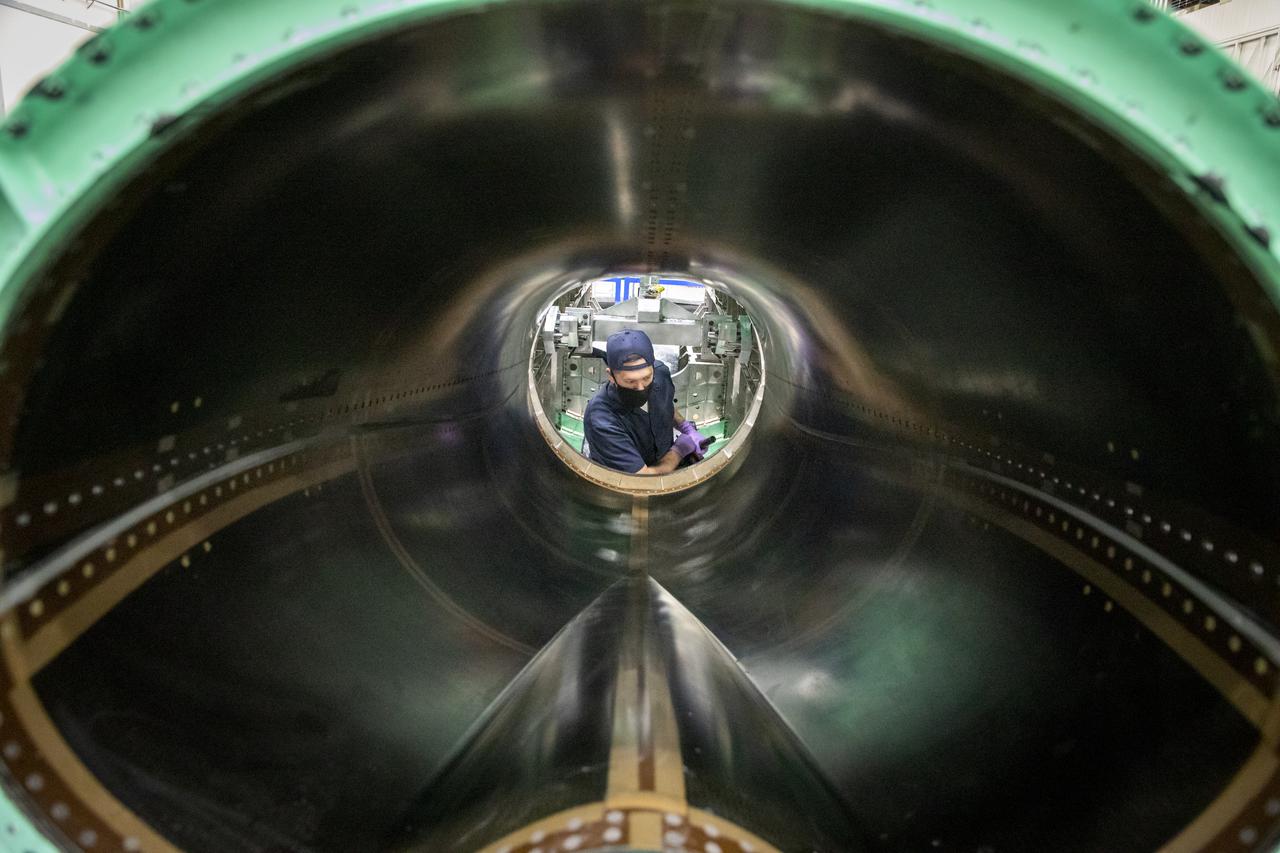
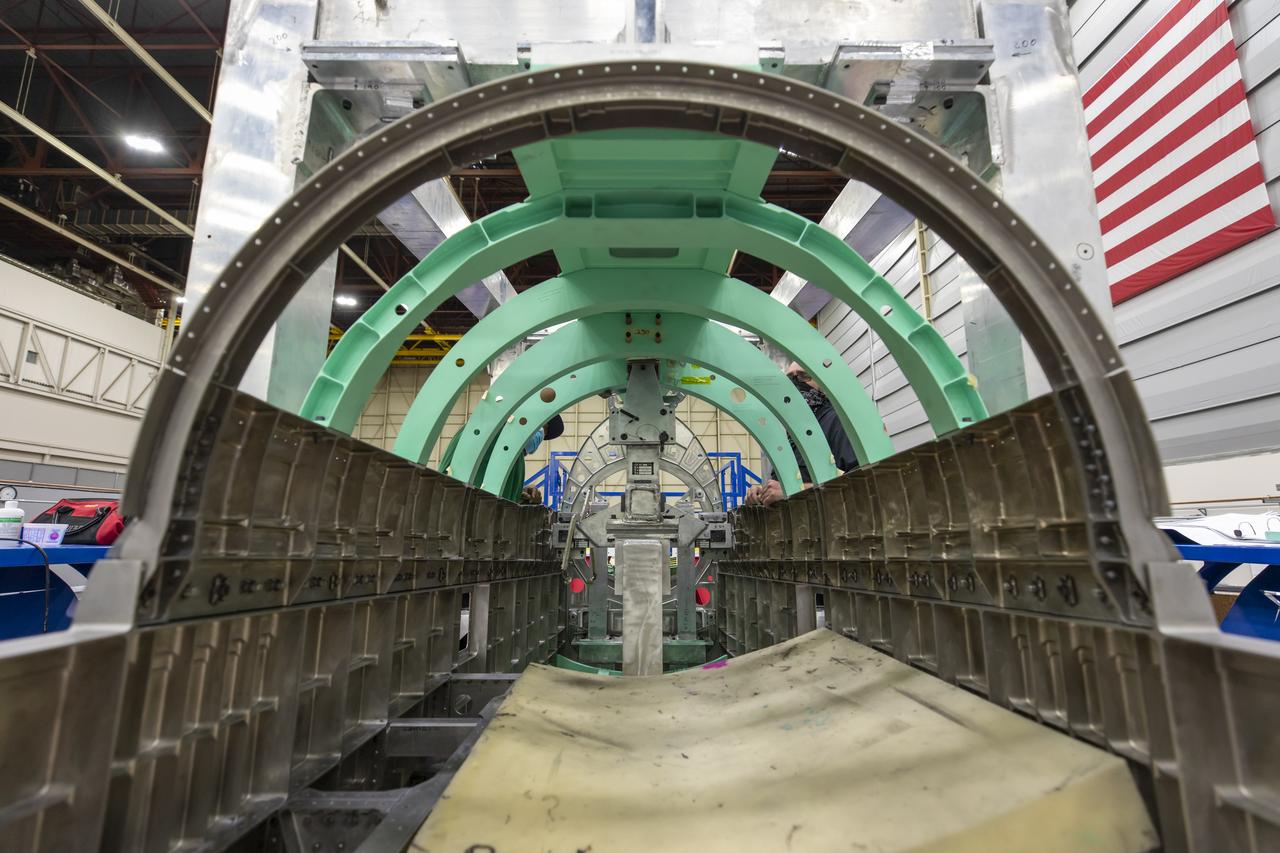
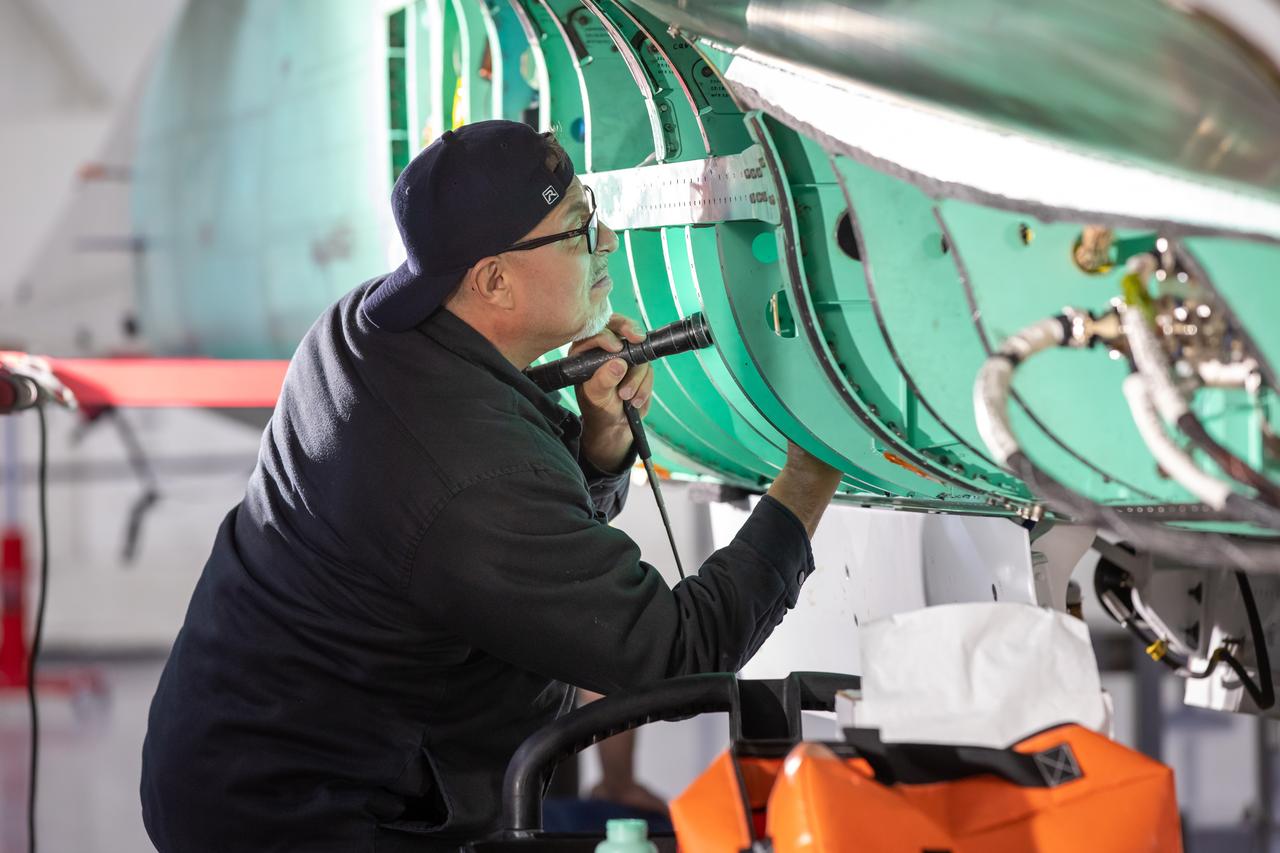
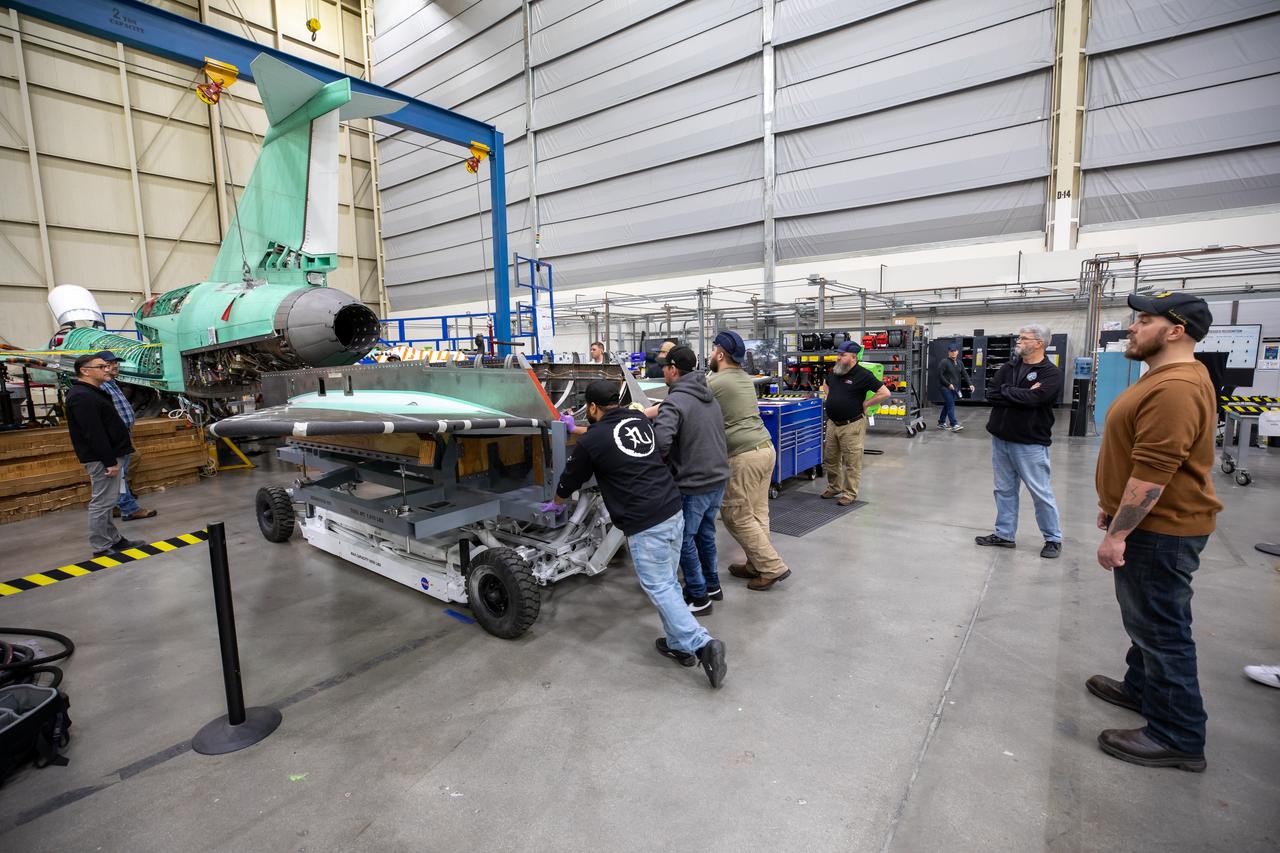
Event: SEG 510 Upper Empennage An inside peek at the X-59 gives us a view from the aft end looking at the engine bay. Later in the assembly process, the engine will be placed inside this section. The aircraft, under construction at Lockheed Martin Skunk Works in Palmdale, California, will demonstrate the ability to fly supersonic while reducing the loud sonic boom to a quiet sonic thump.
SEG 510 Upper Empennage
Event: SEG 230 Nose - Craned Onto Tooling A close up of the X-59’s duckbill nose, which is a crucial part of its supersonic design shaping. The team prepares the nose for a fit check. The X-59’s nose is 38-feet long – approximately one third of the length of the entire aircraft. The aircraft, under construction at Lockheed Martin Skunk Works in Palmdale, California, will demonstrate the ability to fly supersonic while reducing the loud sonic boom to a quiet sonic thump.
SEG 230 Nose - Craned Onto Tooling
Event: SEG 230 Nose - Craned Onto Tooling A close-up of the X-59’s duckbill nose, which is a crucial part of its supersonic design shaping. The team prepares the nose for a fit check. The X-59’s nose is 38-feet long – approximately one third of the length of the entire aircraft. The aircraft, under construction at Lockheed Martin Skunk Works in Palmdale, California, will demonstrate the ability to fly supersonic while reducing the loud sonic boom to a quiet sonic thump.
SEG 230 Nose - Craned Onto Tooling
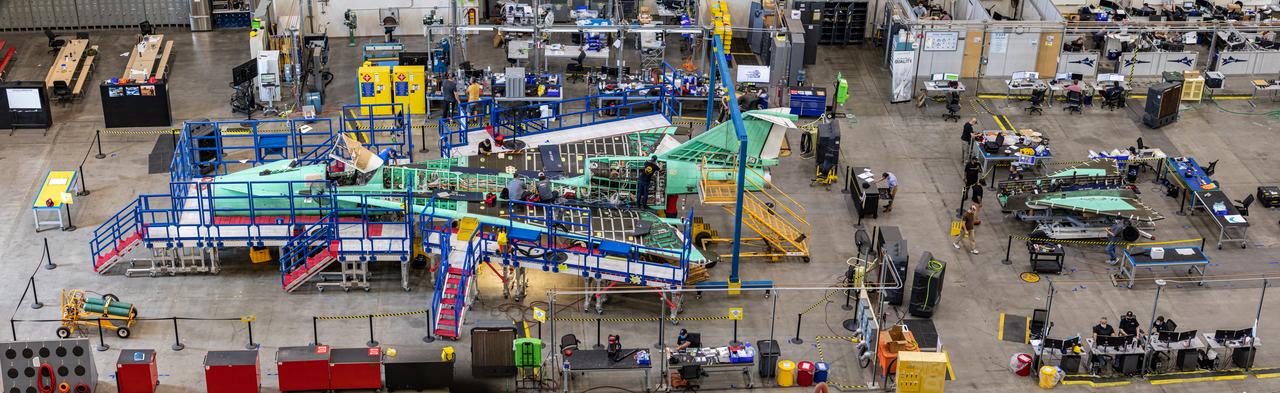
A panoramic side view of the left top of the X-59 supersonic plane with the tail on and the nose in the process of installation. The X-59’s nose is 38-feet long – approximately one third of the length of the entire aircraft. The aircraft, under construction at Lockheed Martin Skunk Works in Palmdale, California, will demonstrate the ability to fly supersonic while reducing the loud sonic boom to a quiet sonic thump.
Manufacturing Area From Above
An overhead view of the X-59 supersonic plane with the tail on and the nose in the process of installation. The X-59’s nose is 38-feet long – approximately one third of the length of the entire aircraft. The aircraft, under construction at Lockheed Martin Skunk Works in Palmdale, California, will demonstrate the ability to fly supersonic while reducing the loud sonic boom to a quiet sonic thump.
Manufacturing Area From Above
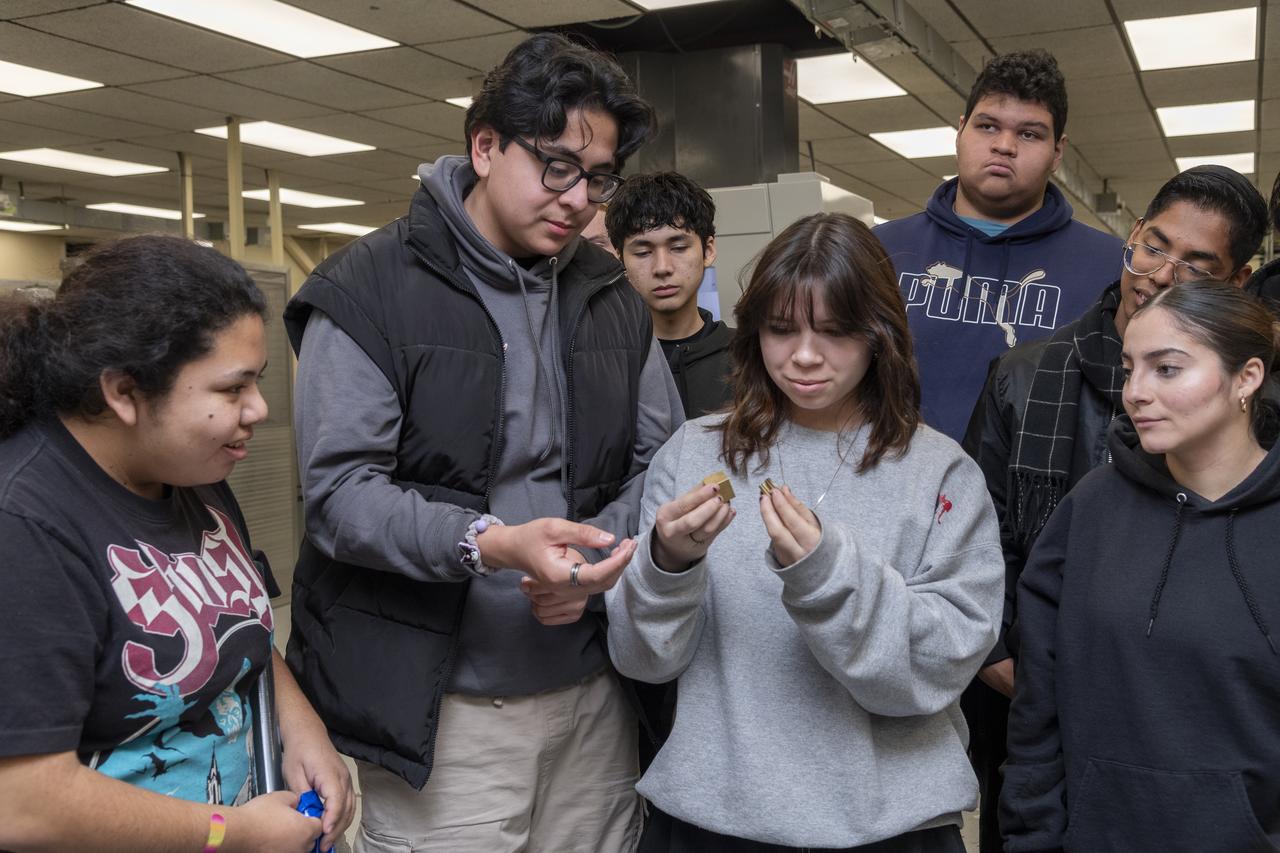
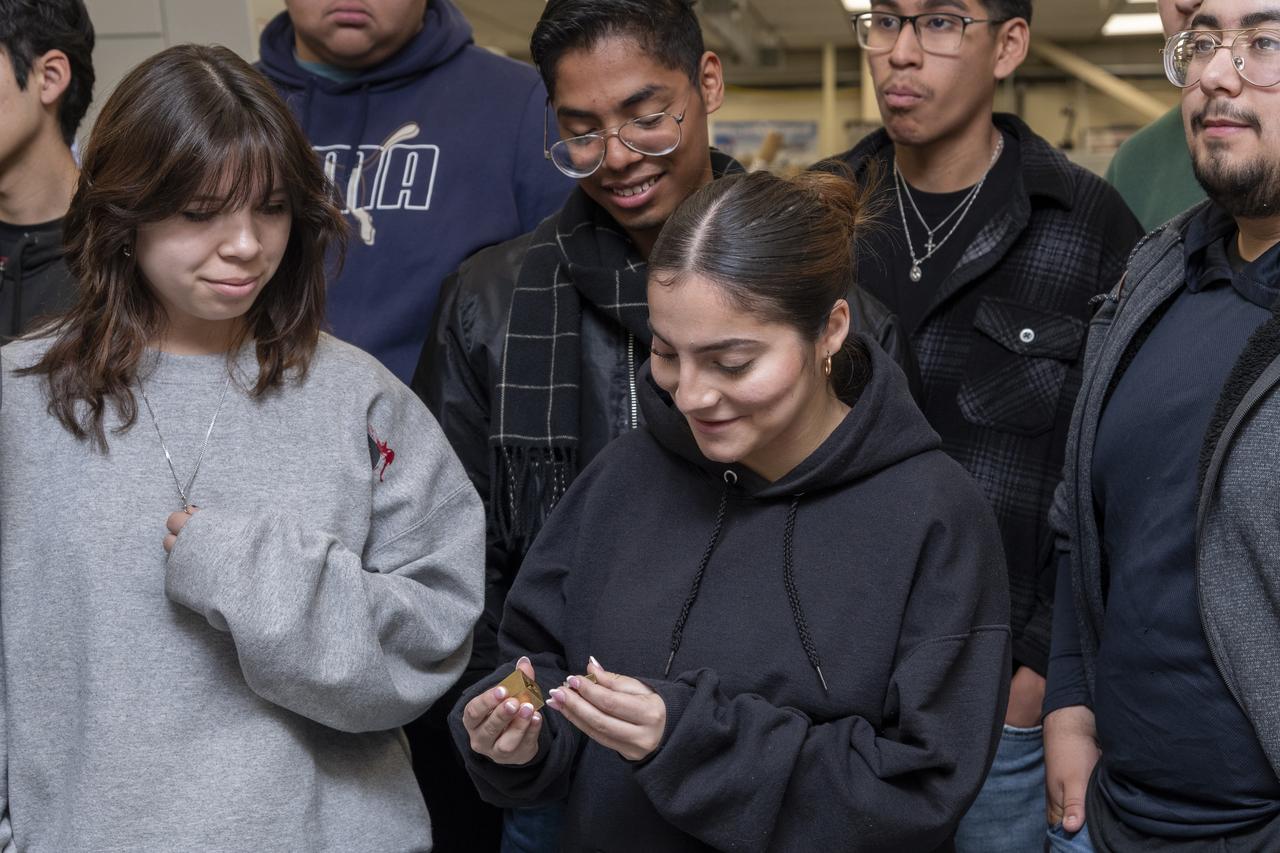
Students examine small parts made at the Experimental Fabrication Shop at NASA’s Armstrong Research Flight Center in Edwards, California. The students are from the engineering club from Palmdale High School in Palmdale, California.
Engineering Club Visits NASA Armstrong
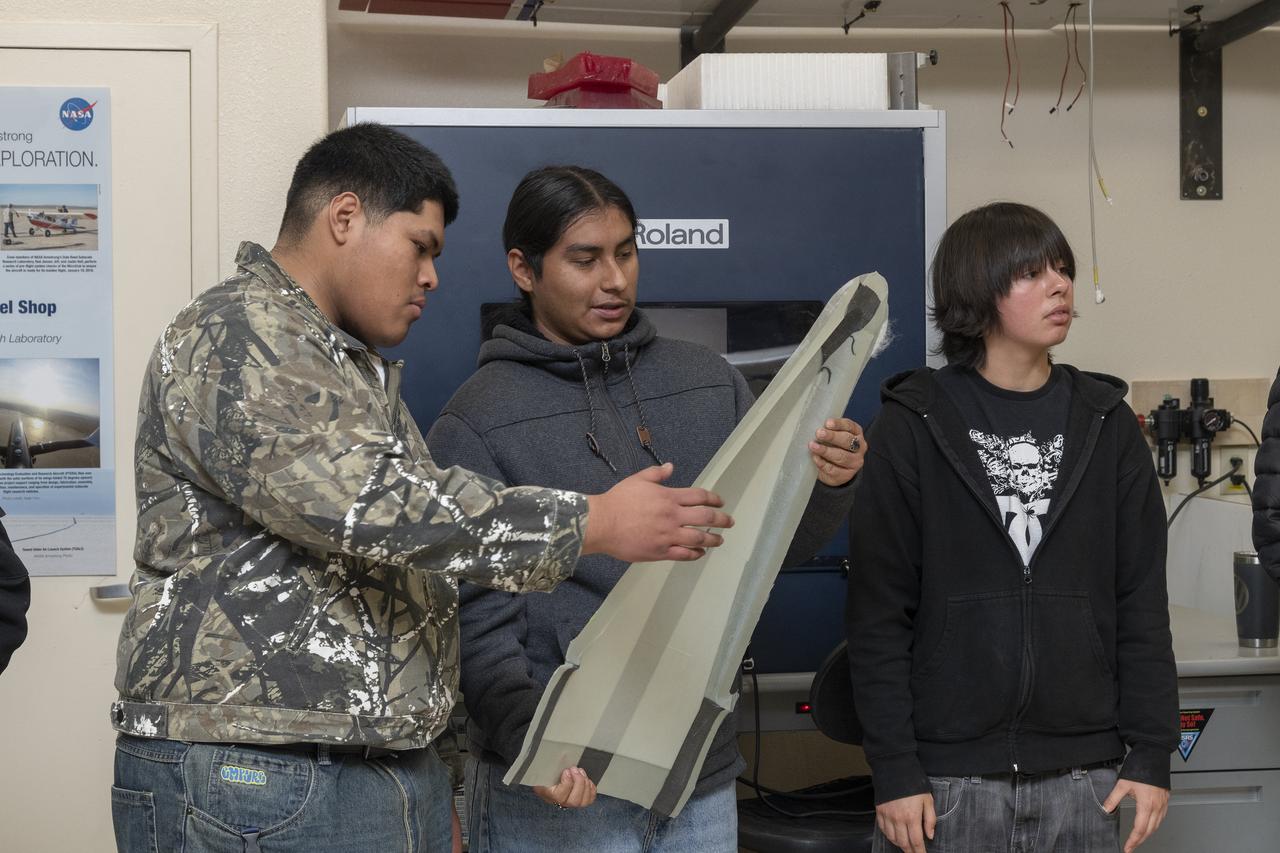
Students look at a subscale model at the Dale Reed Subscale Flight Research Laboratory at NASA’s Armstrong Research Flight Center in Edwards, California. The students are from the engineering club from Palmdale High School in Palmdale, California.
Engineering Club Visits NASA Armstrong
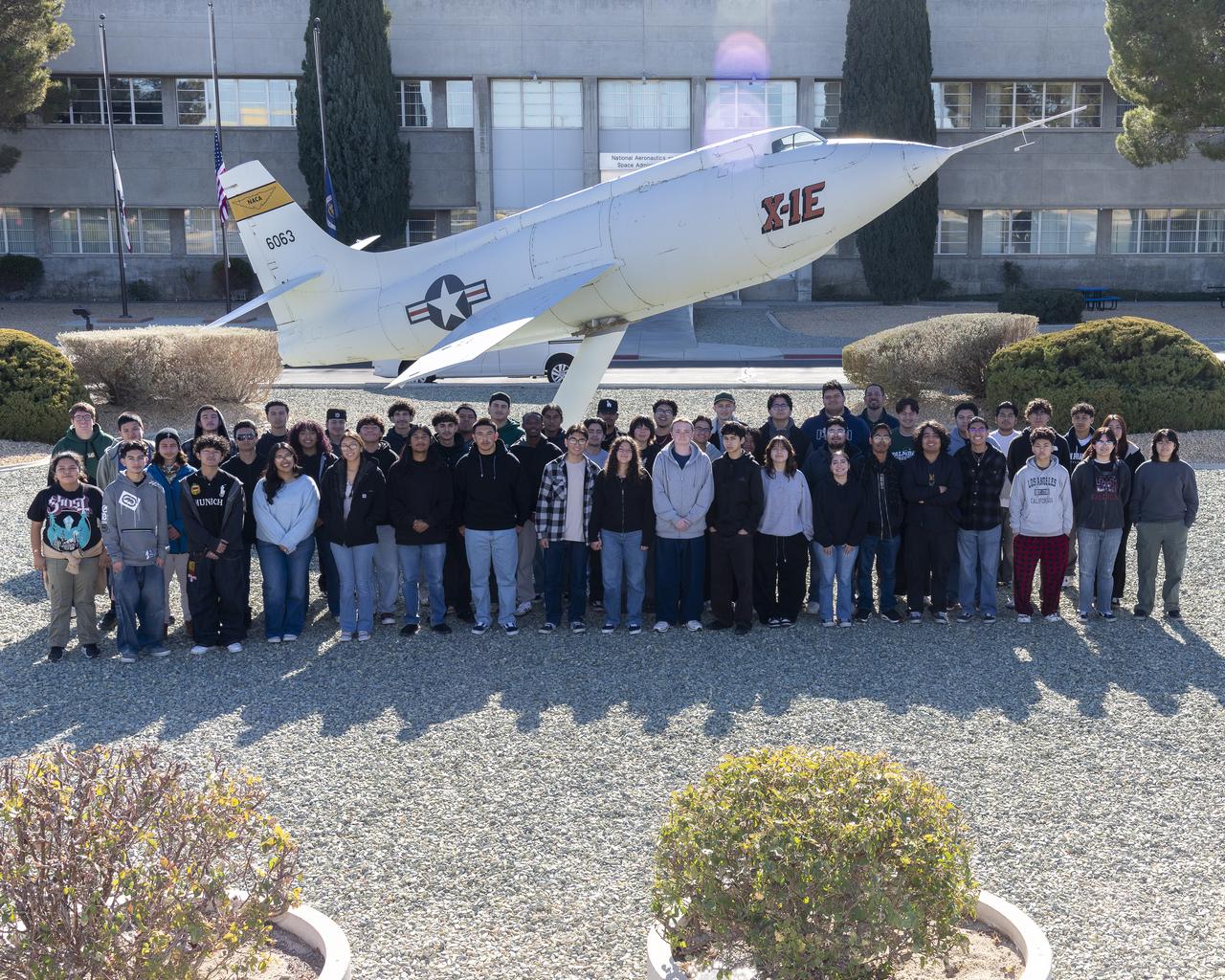
The engineering club from Palmdale High School in Palmdale, California, visits NASA’s Armstrong Research Flight Center in Edwards, California. The students took a group photo in front of the historic X-1E aircraft on display at the center.
Engineering Club Visits NASA Armstrong
Students look at a subscale model at the Dale Reed Subscale Flight Research Laboratory at NASA’s Armstrong Research Flight Center in Edwards, California. The students are from the engineering club from Palmdale High School in Palmdale, California.
Engineering Club Visits NASA Armstrong
Students examine small parts made at the Experimental Fabrication Shop at NASA’s Armstrong Research Flight Center in Edwards, California. The students are from the engineering club from Palmdale High School in Palmdale, California.
Engineering Club Visits NASA Armstrong
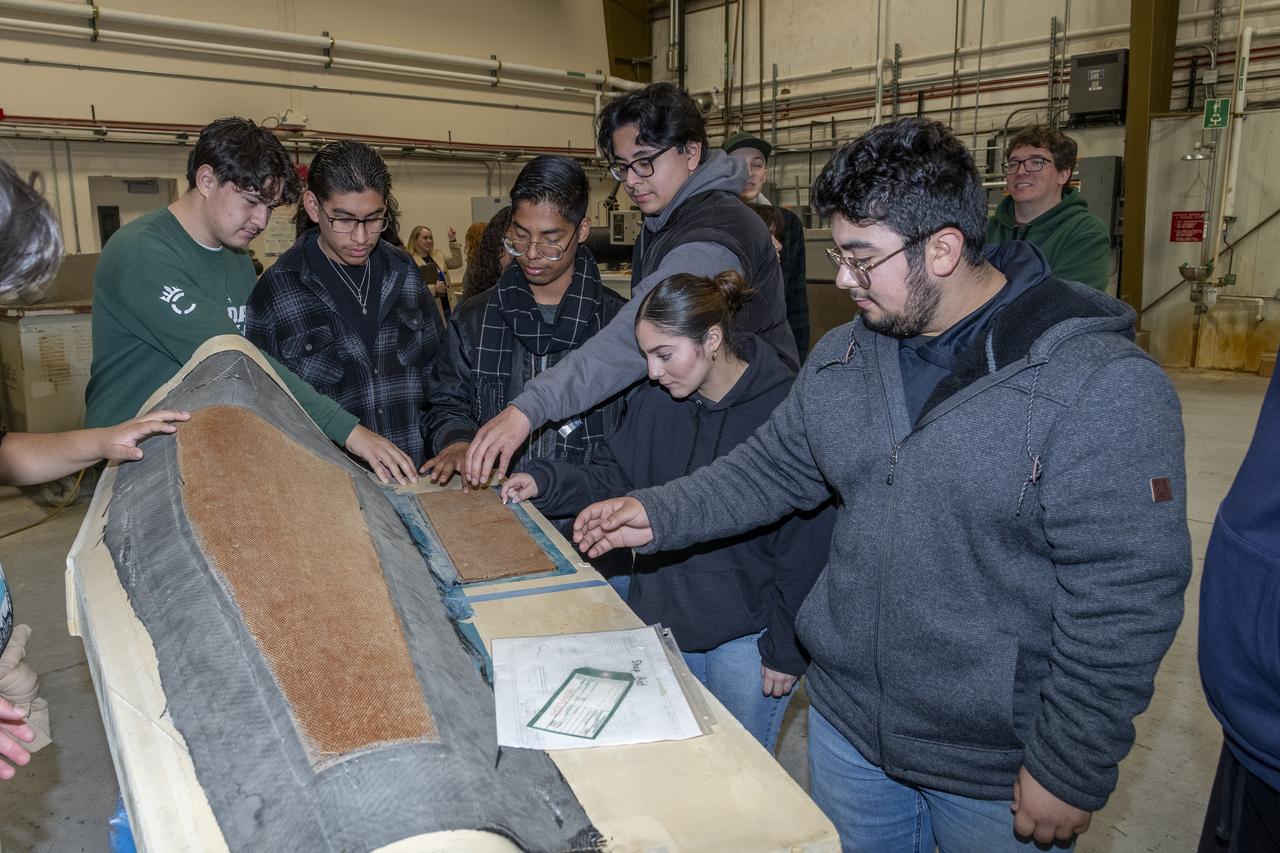
Students examine the Global Hawk Fairing Load Test at the Experimental Fabrication Shop at NASA’s Armstrong Research Flight Center in Edwards, California. The students are from the engineering club from Palmdale High School in Palmdale, California.
Engineering Club Visits NASA Armstrong
NASA’s X-59 quiet supersonic research aircraft taxis across the runway during a low-speed taxi test at U.S. Air Force Plant 42 in Palmdale, California, on July 10, 2025. The test marks the start of taxi tests and the last series of ground tests before first flight.
NASA’s X-59 Begins Taxi Tests
NASA’s X-59 quiet supersonic research aircraft successfully completed electromagnetic interference (EMI) testing at Lockheed Martin Skunk Works in Palmdale, California. During EMI tests, the team examined each of the X-59’s internal electronic systems, ensuring they worked with one another without interference. The X-59 is designed to fly faster than the speed of sound while reducing the loud sonic boom to a quieter sonic thump.
NASA’s X-59 Completes Electromagnetic Interference Testing
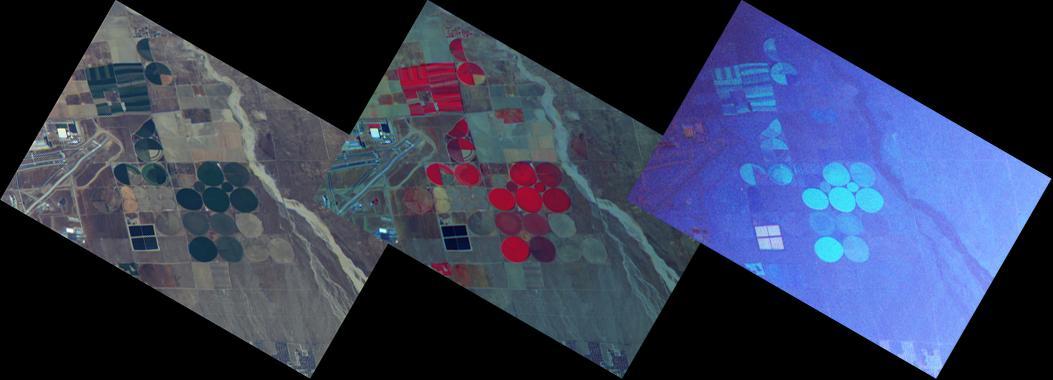
These three images are from NASA ER-2 aircraft which imaged the area around the Palmdale, Calif., airport during its first checkout flight on Oct. 7, 2010. For more details, go the Photojournal.
NASA ER-2 Checks Out New Airborne Multiangle Polarizing Imager
NASA Terra spacecraft captured this image of the wildfire near Palmdale, Calif. on August 1, 2010 called the Crown fire. The burned areas appear in shades of gray in this simulated natural color image.
ASTER Views California Crown Fire
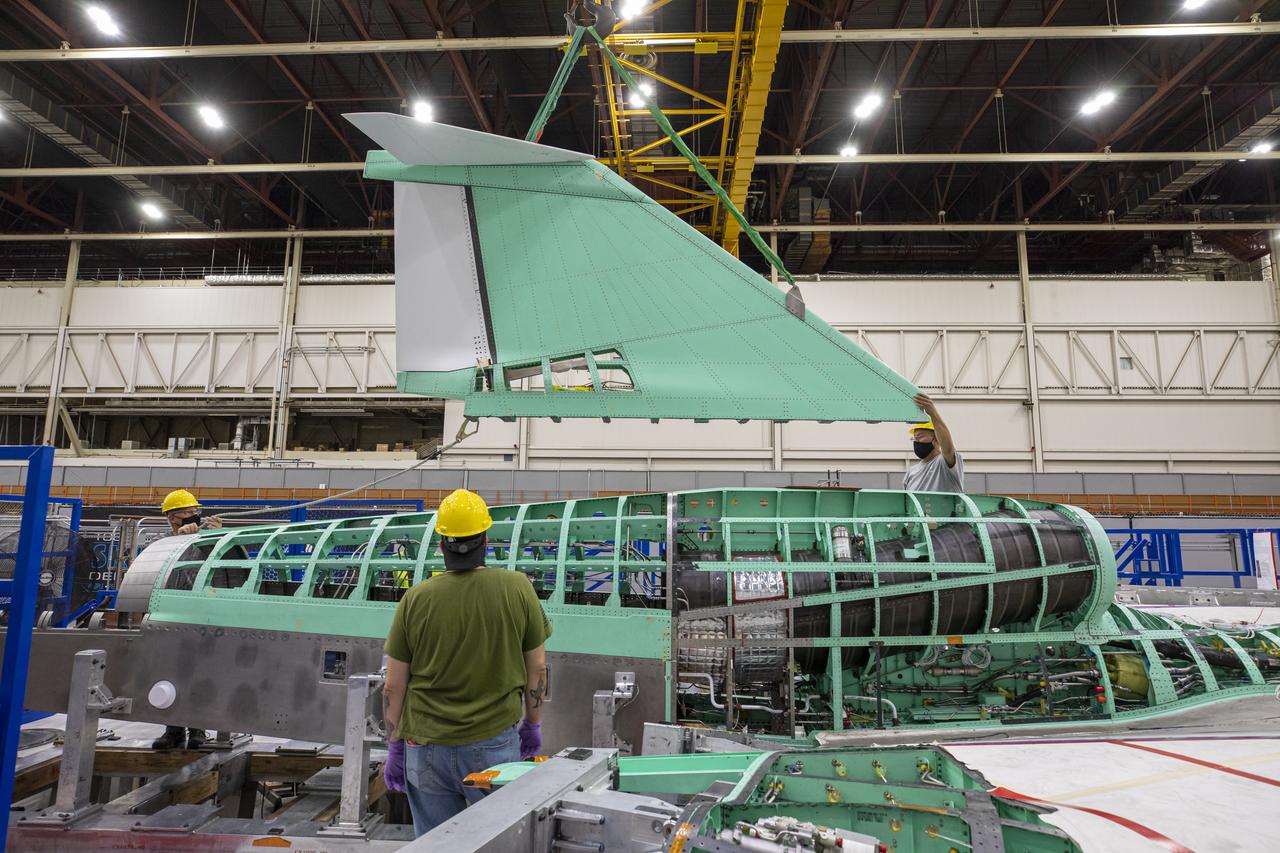
The X-59 team at Lockheed Martin Skunk Works in Palmdale, California, load the lower empennage - the tail section - into place. The surfaces used to control the tilt of the airplane are called stabilators and are connected to the lower empennage. The X-59 is the centerpiece of NASA’s Quesst mission, which could help enable commercial supersonic air travel over land.
Lower Empennage Test Fit Install
The X-59 team at Lockheed Martin Skunk Works in Palmdale, California, load the lower empennage - the tail section - into place. The surfaces used to control the tilt of the airplane are called stabilators and are connected to the lower empennage.  The X-59 is the centerpiece of NASA’s Quesst mission, which could help enable commercial supersonic air travel over land.
Lower Empennage Test Fit Install
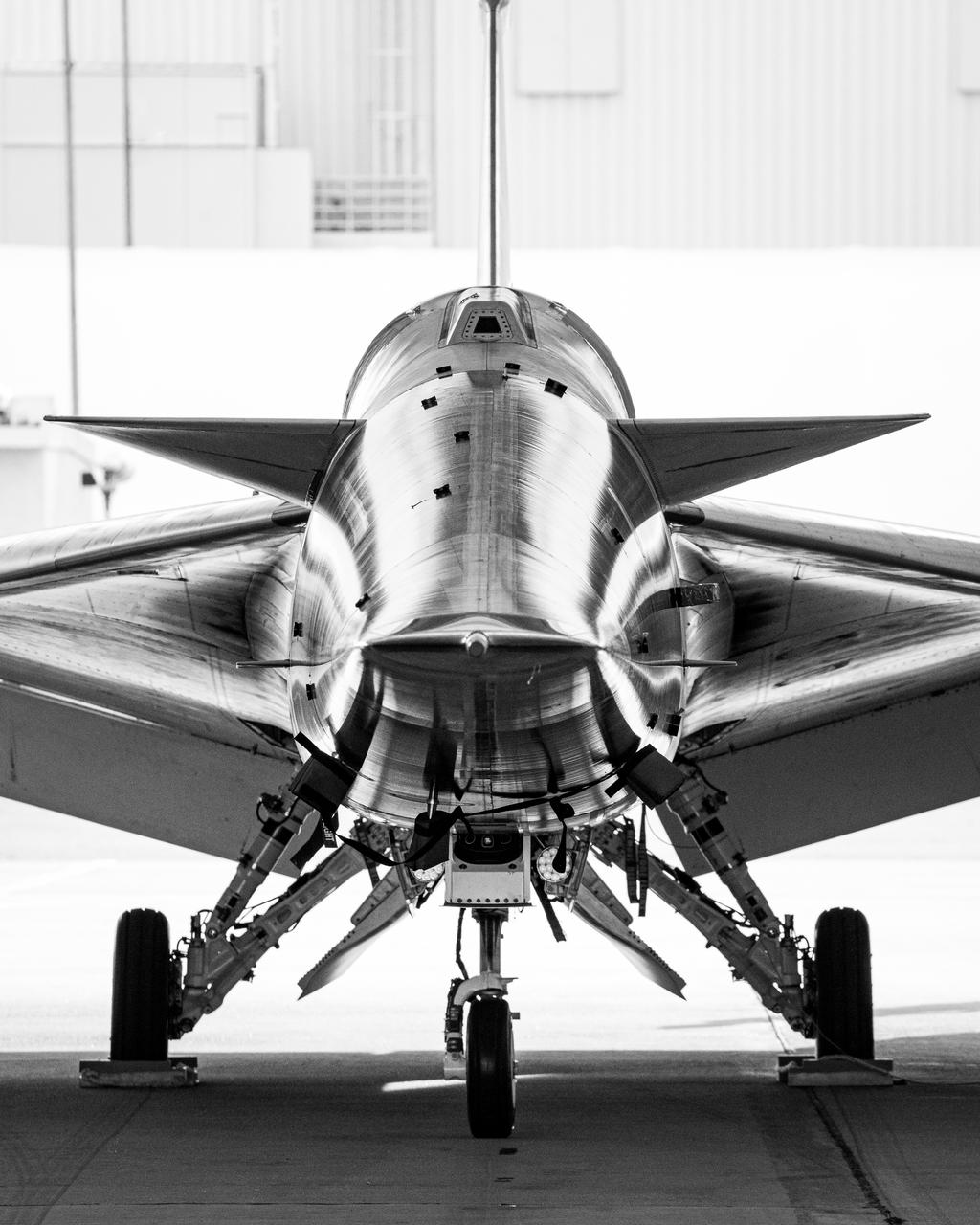
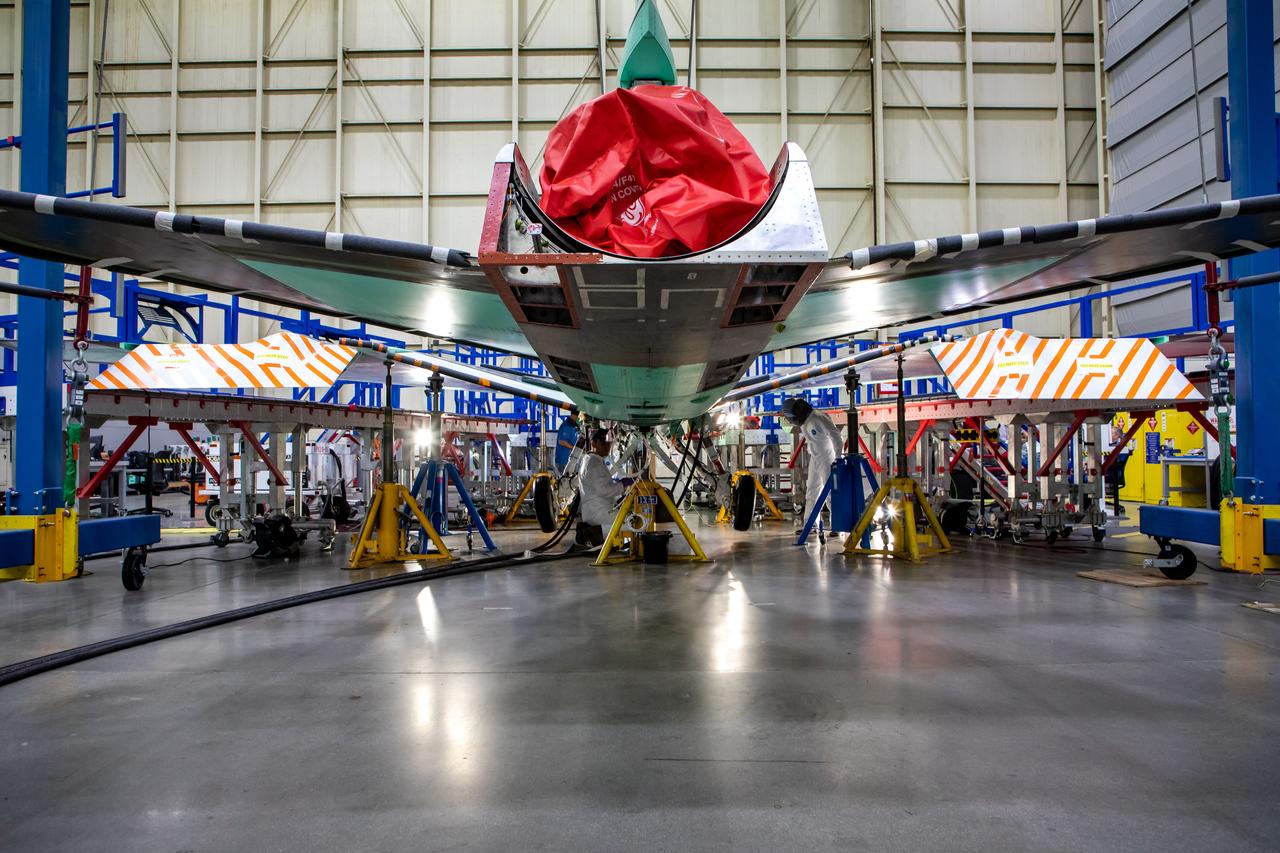
Technicians perform landing gear checkout testing at Lockheed Martin Skunk Works in Palmdale, California. These tests make sure that all the parts of X-59’s landing gear and doors are working in the correct order.  The X-59 is the centerpiece of NASA’s Quesst mission, which could help enable commercial supersonic air travel over land.
Checkout Tests of X-59 Landing Gear
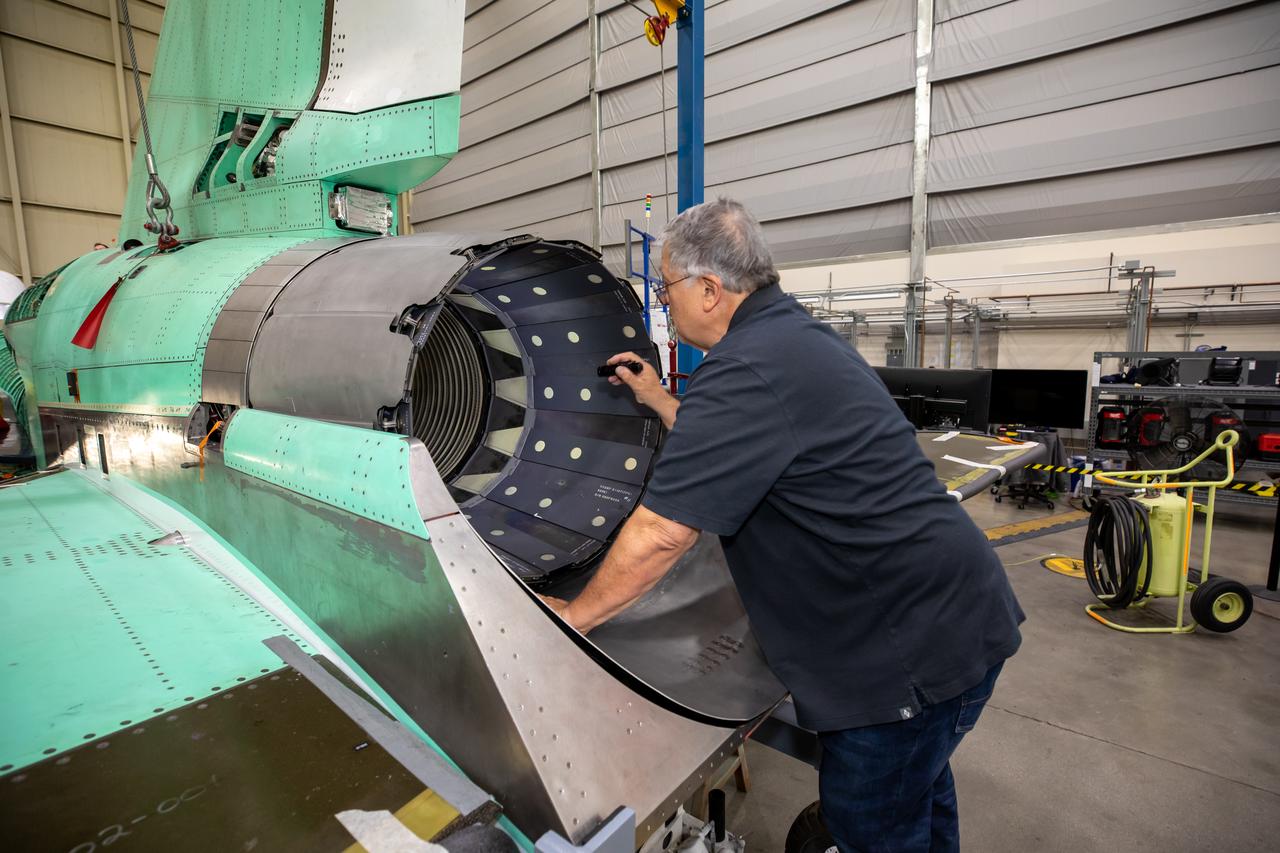
A quality inspector inspects the GE F-414 engine nozzle after installation at Lockheed Martin’s Skunk Works facility in Palmdale, California. Once the aircraft and ground testing are complete, the X-59 will undergo flight testing, which will demonstrate the plane’s ability to fly supersonic - faster than the speed of sound - while reducing the loud sonic boom. This could enable commercial supersonic air travel over land.
Quality Inspection of NASA’s X-59 Engine