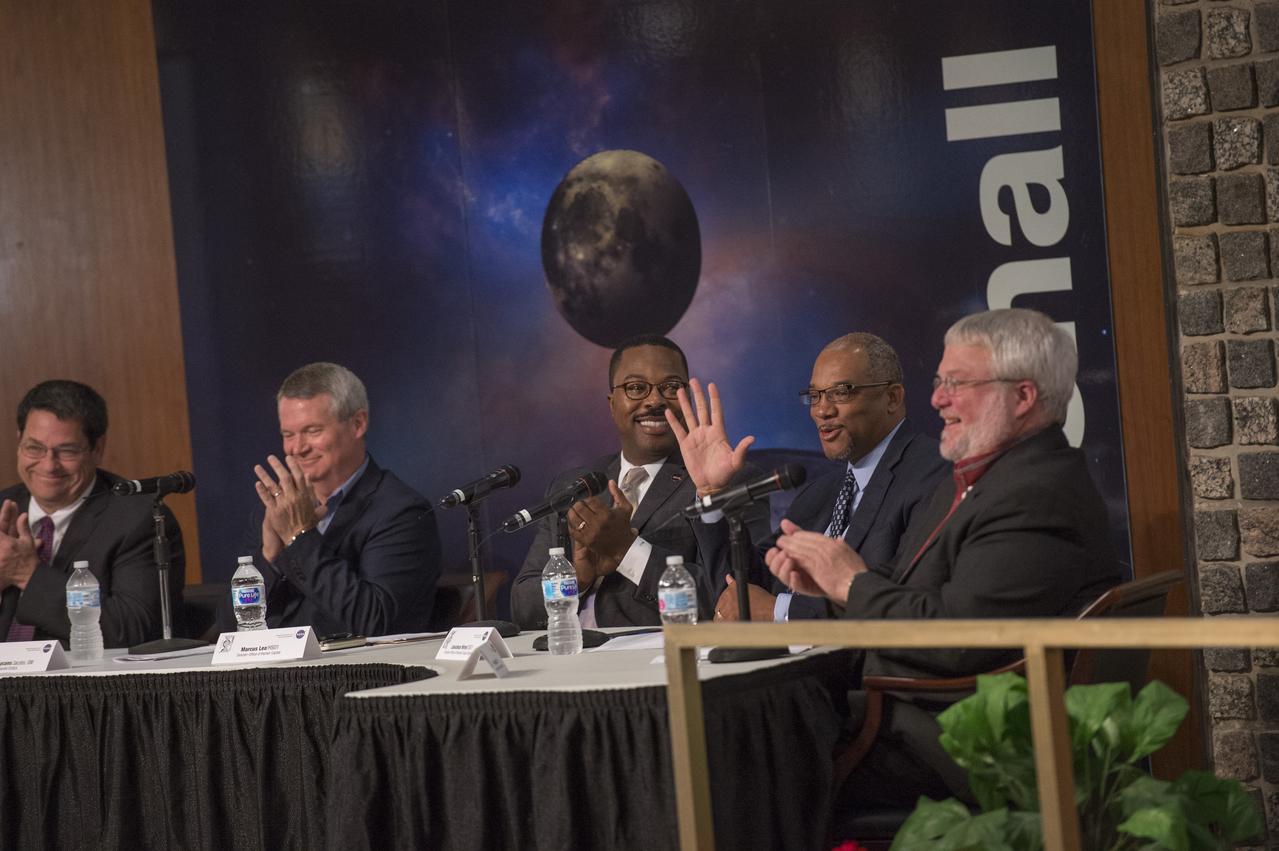
"Just Culture" session panelists Roy Malone, Randy Lycans, Marcus Lea, Loucious Hires, and Pete Allen.
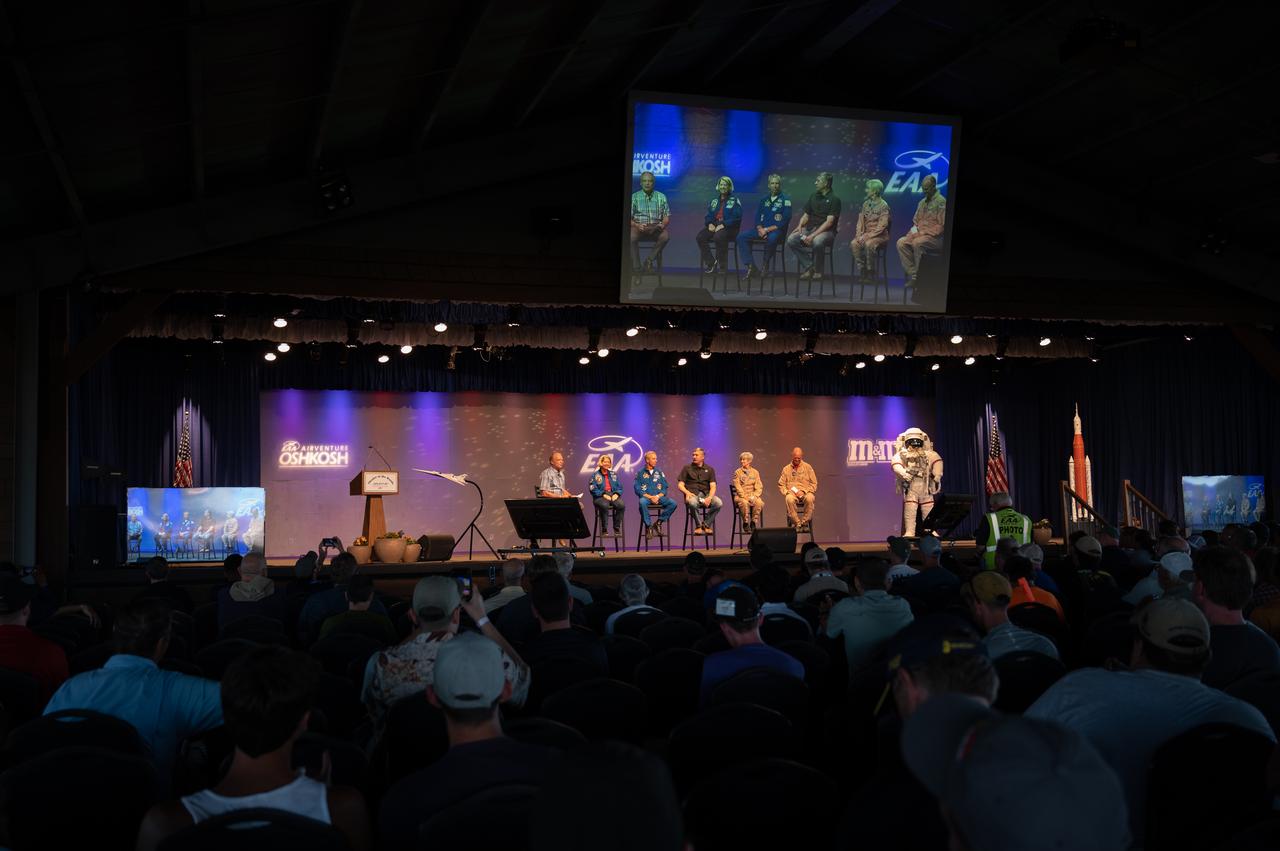
NASA panelists appear at special panel titled “The Next Bold Step: The Future of Space Flight and Aerospace,” on July 29, 2022, at EAA Airventure. Panelists include Deputy Administrator Pam Melroy, Astronaut Drew Feustel, Artemis Mission Manager Michael Sarafin, Research Pilot Liz Ruth and Test Pilot Nils Larson.
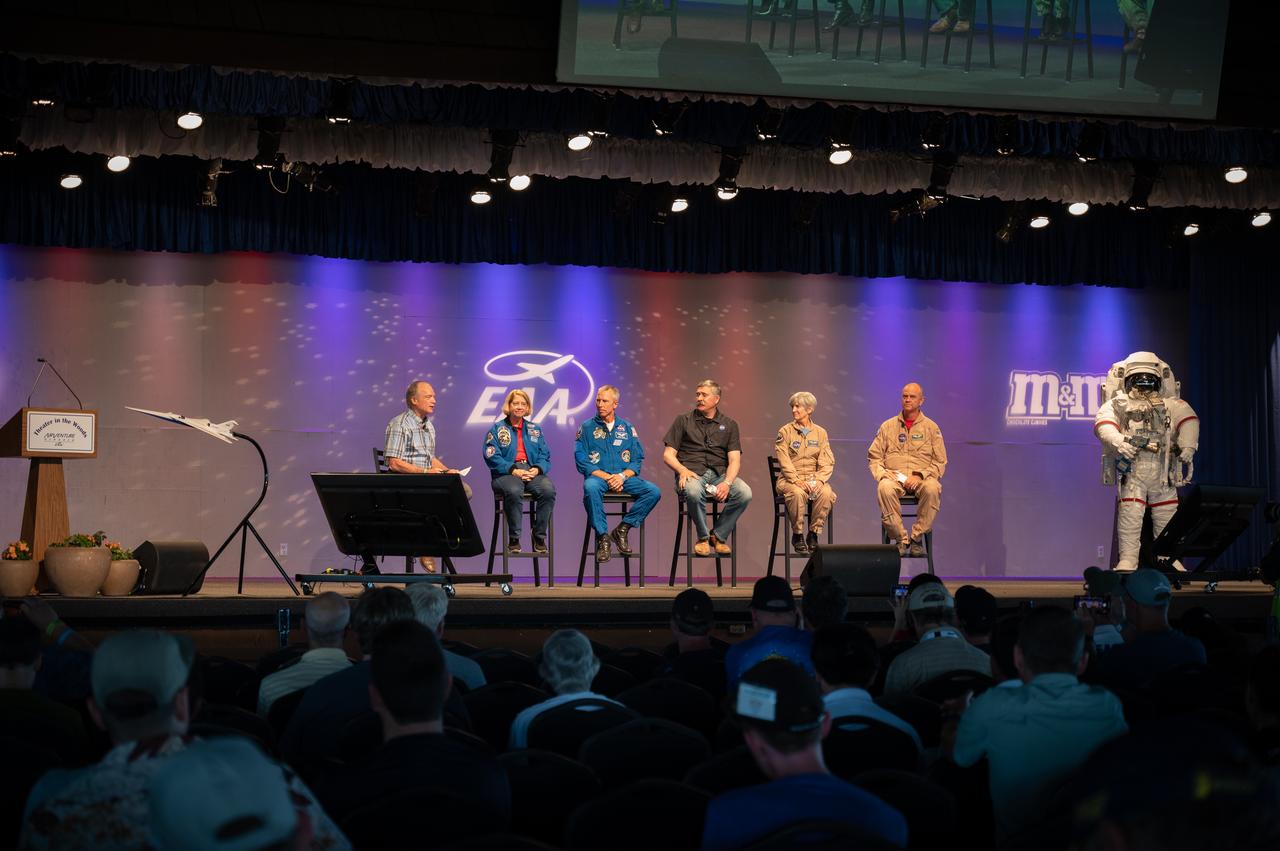
NASA panelists appear at special panel titled “The Next Bold Step: The Future of Space Flight and Aerospace,” on July 29, 2022, at EAA Airventure. Panelists include Deputy Administrator Pam Melroy, Astronaut Drew Feustel, Artemis Mission Manager Michael Sarafin, Research Pilot Liz Ruth and Test Pilot Nils Larson.

An audience member asks the panelists a question at the “Ancient Earth, Alien Earths” Event at NASA Headquarters in Washington, DC Wednesday, August 20, 2014. The event was sponsored by NASA, the National Science Foundation (NSF), and the Smithsonian Institution and was moderated by Dr. David H. Grinspoon, Senior Scientist at the Planetary Science Institute. Six scientists discussed how research on early Earth could help guide our search for habitable planets orbiting other stars. Photo Credit: (NASA/Aubrey Gemignani)
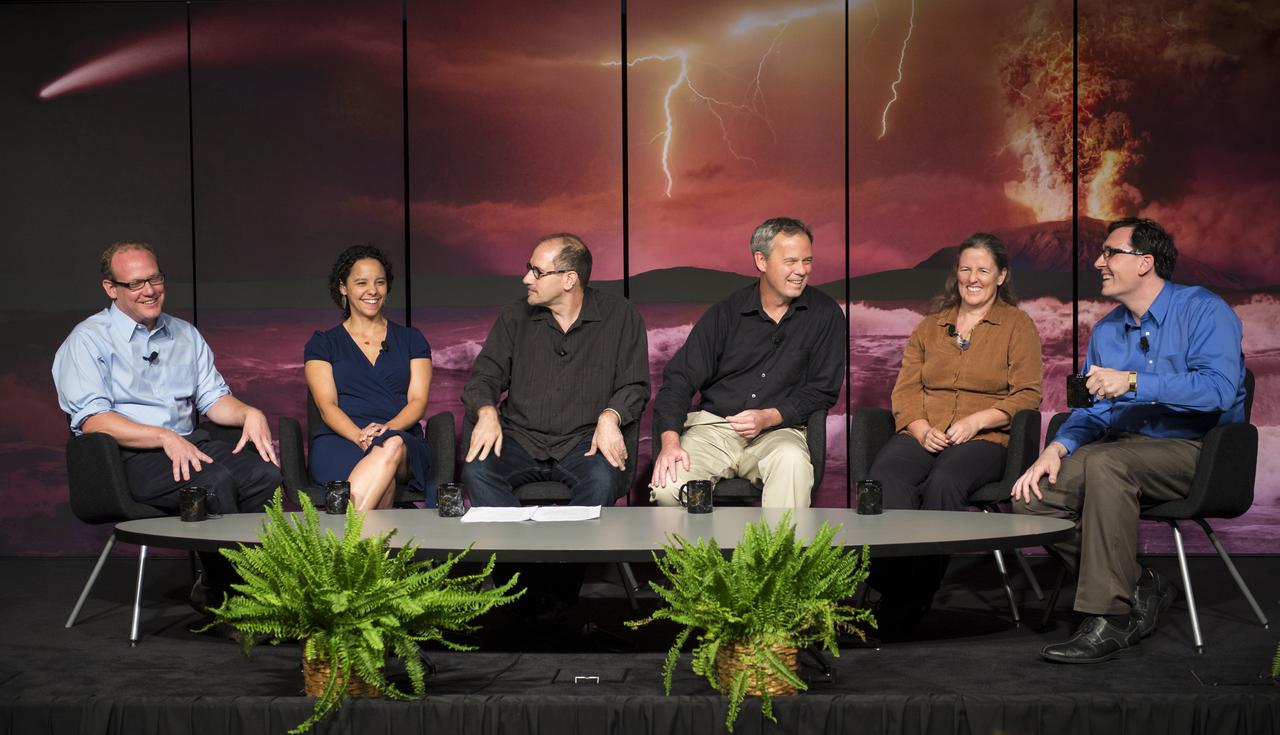
Panelists discuss how research on early Earth could help guide our search for habitable planets orbiting other stars at the “Ancient Earth, Alien Earths” Event at NASA Headquarters in Washington, DC Wednesday, August 20, 2014. The event was sponsored by NASA, the National Science Foundation (NSF), and the Smithsonian Institution and was moderated by Dr. David H. Grinspoon, Senior Scientist at the Planetary Science Institute. Photo Credit: (NASA/Aubrey Gemignani)

Panelists pose for a group photo at the “Ancient Earth, Alien Earths” Event at NASA Headquarters in Washington, DC Wednesday, August 20, 2014. The event was sponsored by NASA, the National Science Foundation (NSF), and the Smithsonian Institution and highlighted how research on early Earth could help guide our search for habitable planets orbiting other stars. Photo Credit: (NASA/Aubrey Gemignani)
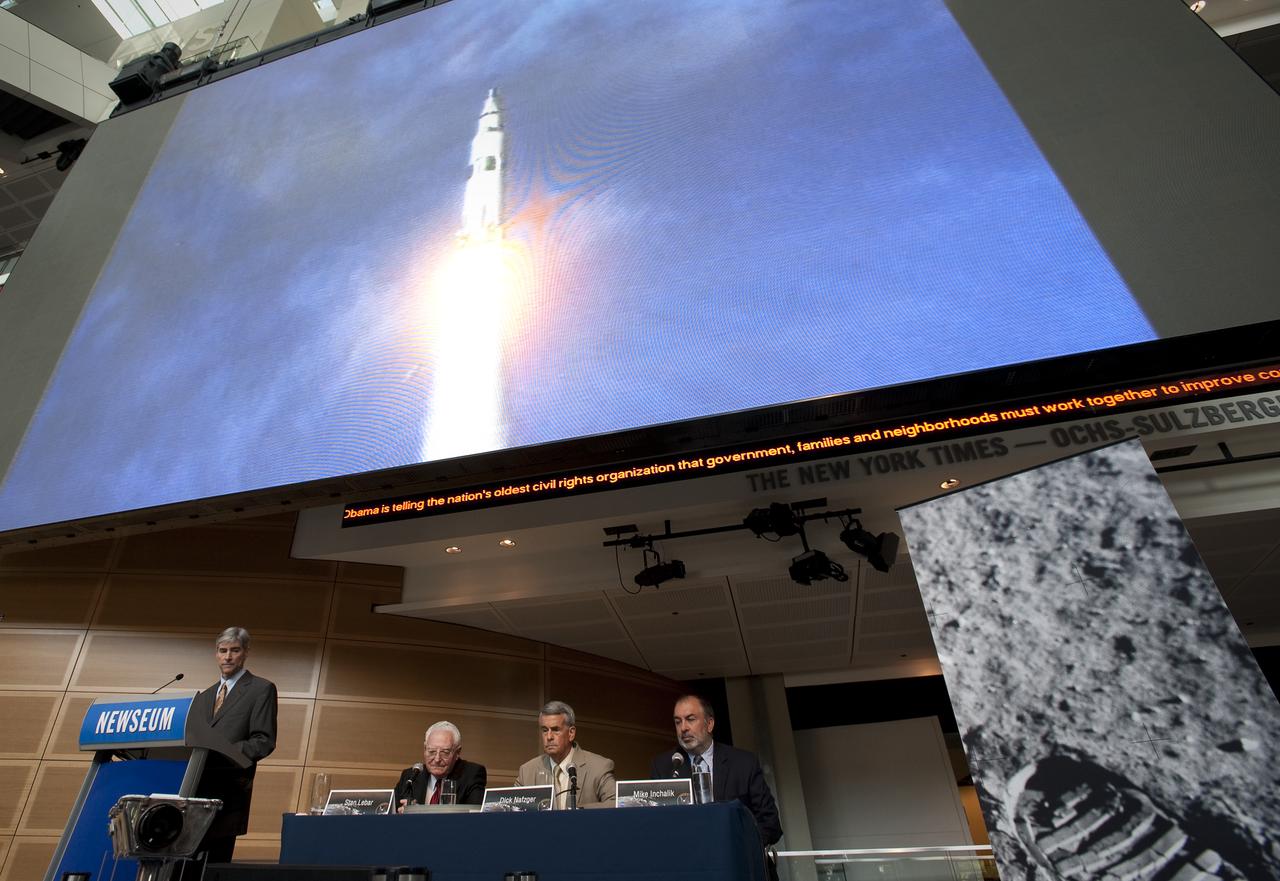
Footage of the Saturn V Apollo 11 rocket launch is seen on a large video monitor above panelists at NASA's briefing where restored Apollo 11 moonwalk footage was revealed for the first time at the Newseum, Thursday, July 16, 2009, in Washington, DC. Photo Credit: (NASA/Bill Ingalls)
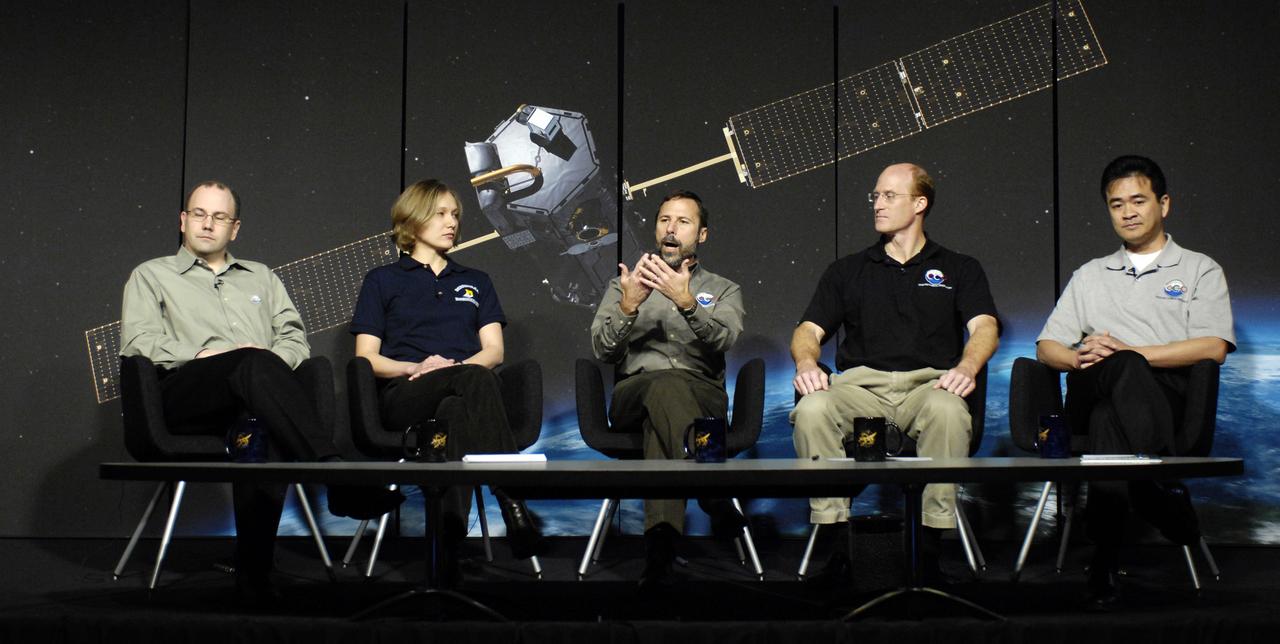
Panelists are seen during a media briefing to discuss the upcoming Orbiting Carbon Observatory mission, the first NASA spacecraft dedicated to studying carbon dioxide, Thursday, Jan. 29, 2009, at NASA Headquarters in Washington. Photo Credit: (NASA/Paul E. Alers)
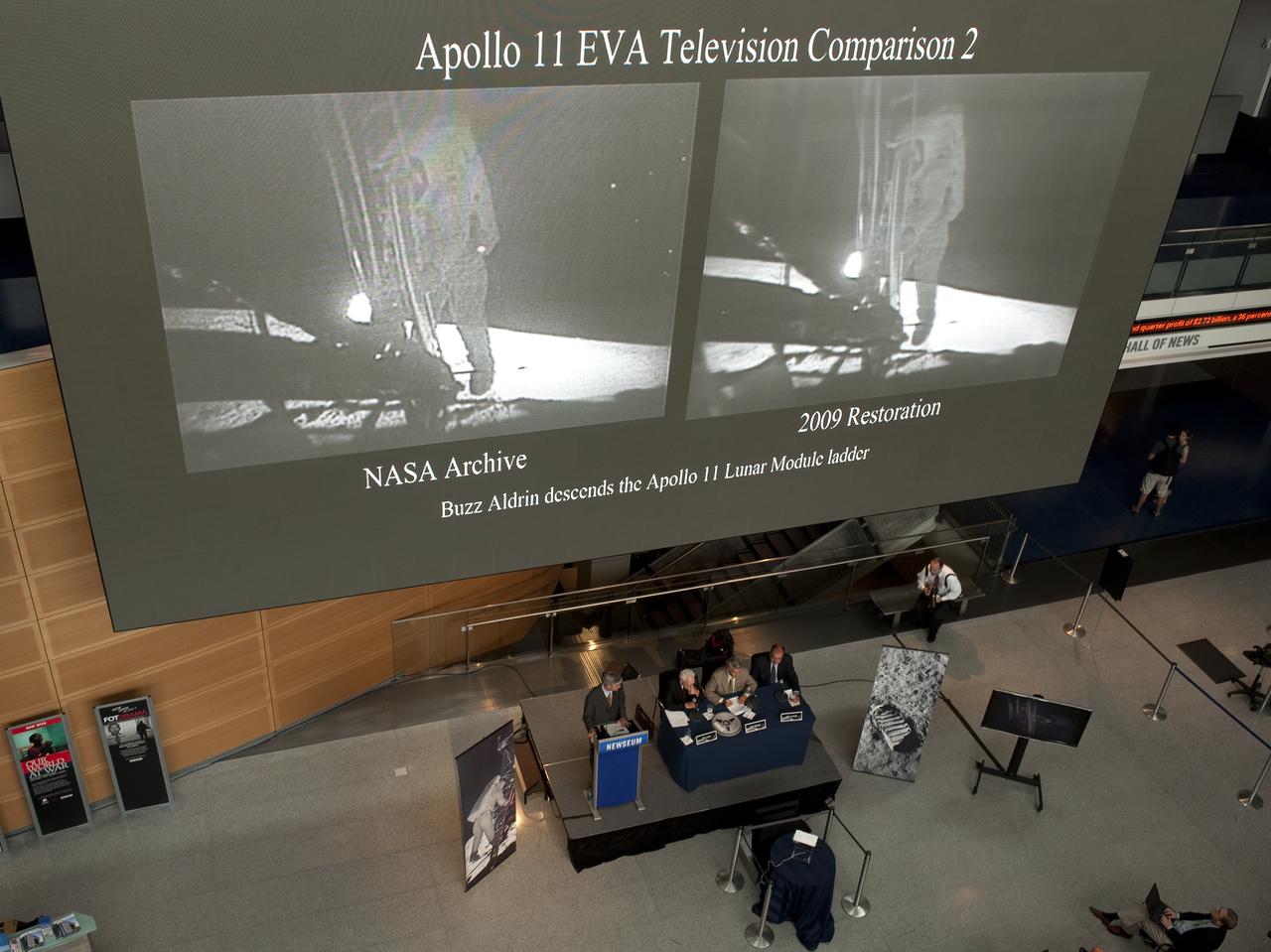
Archived and restored Apollo 11 moonwalk footage is shown on a large video monitor above panelists at a NASA briefing where restored Apollo 11 moonwalk footage was revealed for the first time at the Newseum, Thursday, July 16, 2009, in Washington, DC. Photo Credit: (NASA/Carla Cioffi)
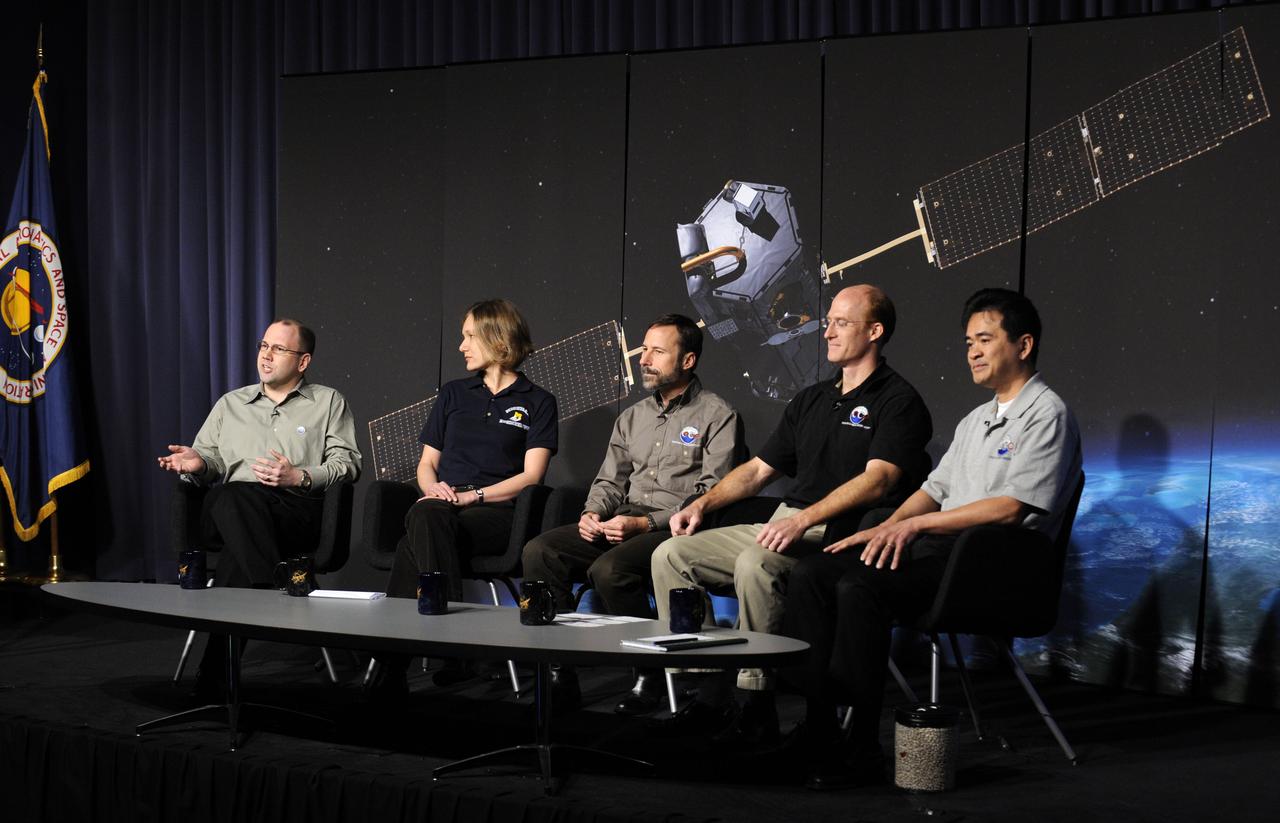
Panelists are seen during a media briefing to discuss the upcoming Orbiting Carbon Observatory mission, the first NASA spacecraft dedicated to studying carbon dioxide, Thursday, Jan. 29, 2009, at NASA Headquarters in Washington. Photo Credit: (NASA/Paul E. Alers)
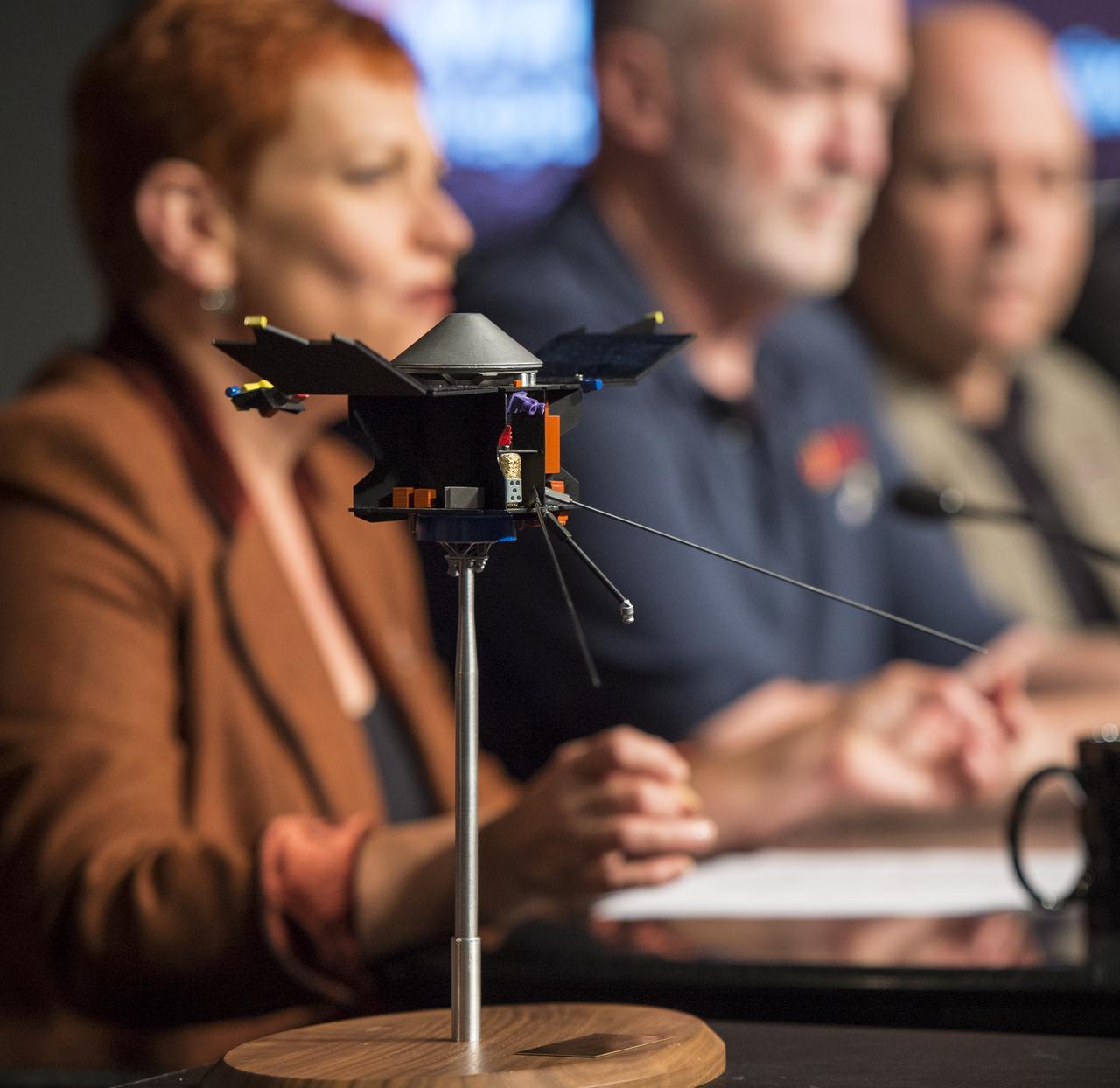
A model of the Mars Atmosphere and Volatile EvolutioN (MAVEN) spacecraft is seen on display during a media briefing where panelist outlined activities around the Sunday, Sept. 21 orbital insertion at Mars of MAVEN, Wednesday, Sept. 17, 2014 at NASA Headquarters in Washington. (Photo credit: NASA/Bill Ingalls)
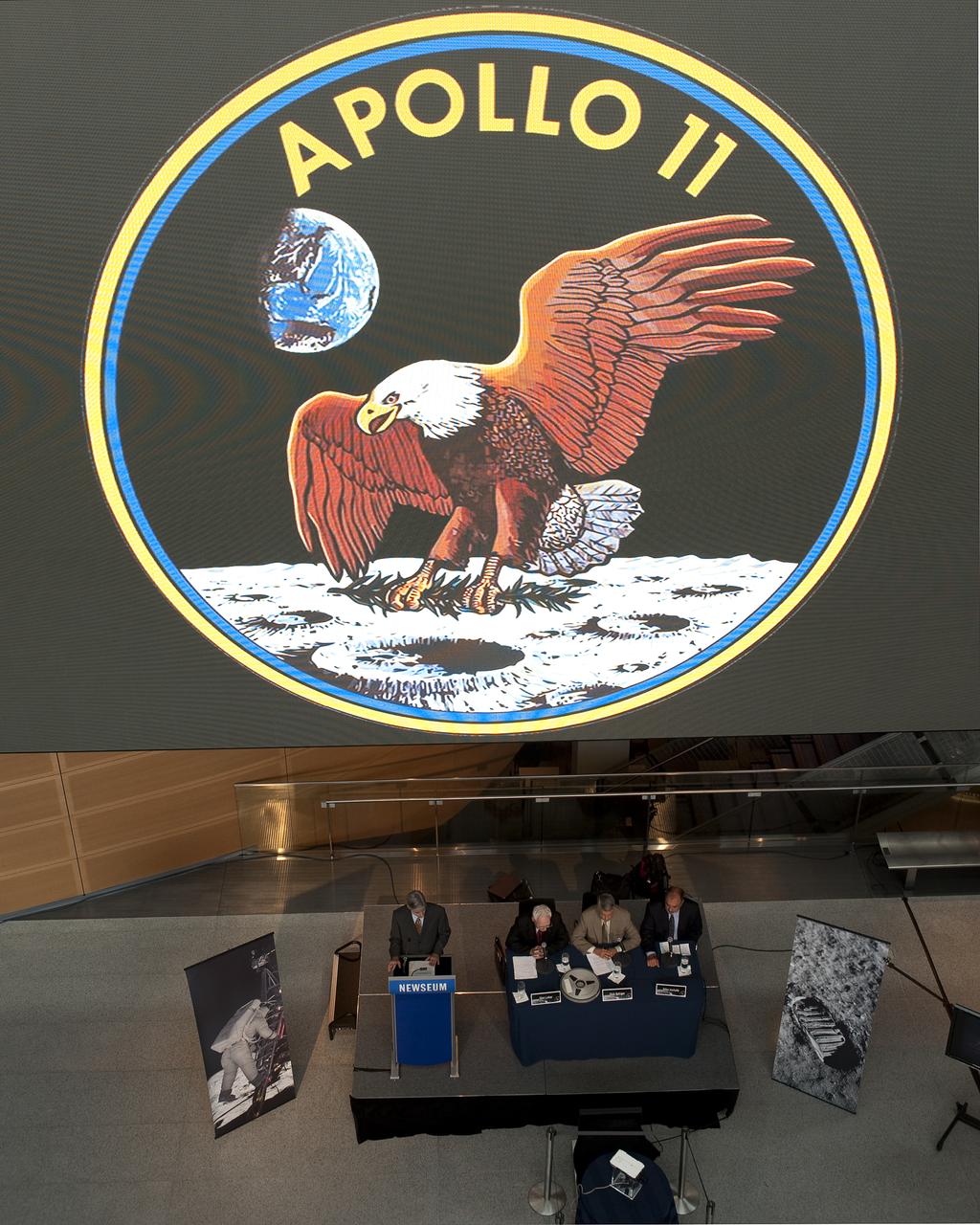
The Apollo 11 logo is seen on a large video monitor above panelists at NASA's briefing where restored Apollo 11 moonwalk footage was revealed for the first time at the Newseum, Thursday, July 16, 2009, in Washington, DC. Photo Credit: (NASA/Carla Cioffi)
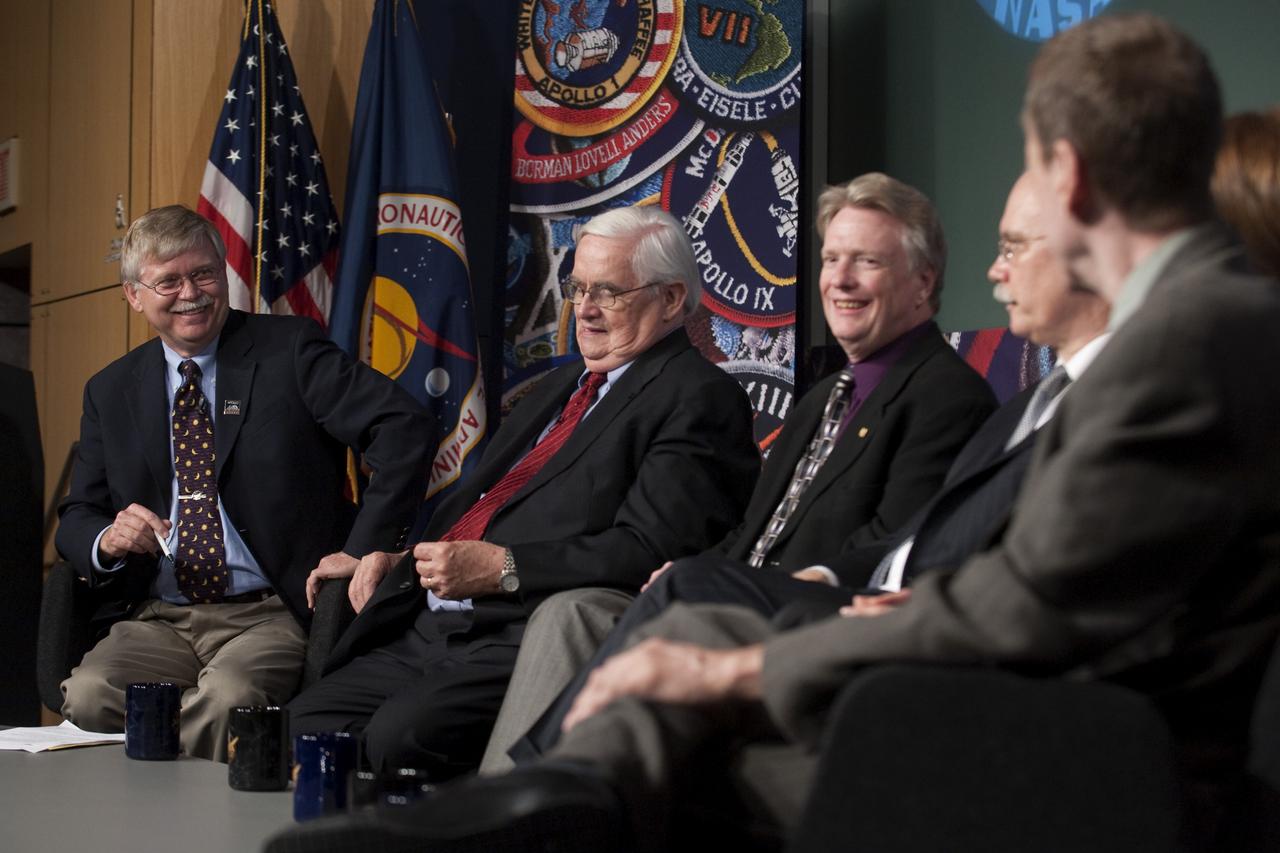
NASA chief historian Steven Dick, seated left, shares a laugh with panelists John Logsdon, Roger Launius, Michael Neufeld, Cristina Guidi and Craig Nelson, at an Apollo History and Legacy roundtable discussion, Thursday, July 16, 2009, at NASA Headquarters in Washington. Photo Credit: (NASA/Paul E. Alers)
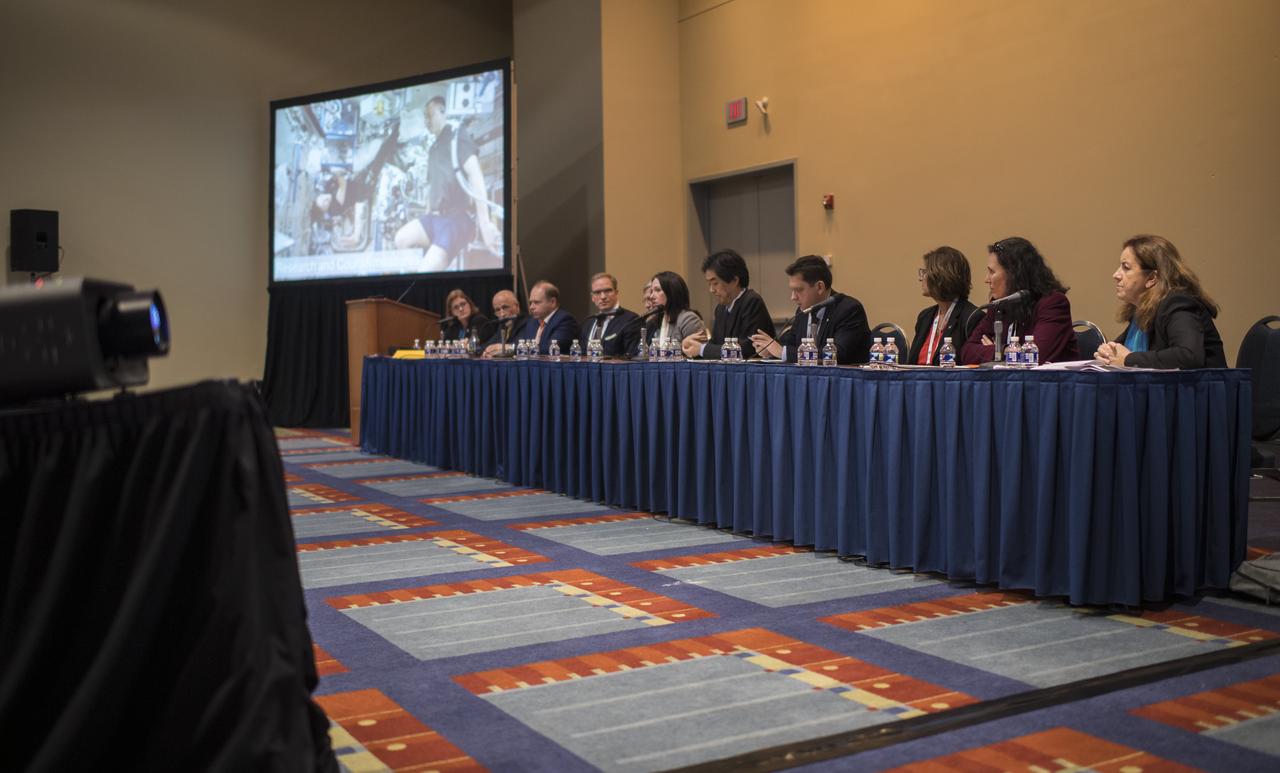
Panelists are seen during a discussion titled “ISS-Moon-Mars: Using Spaceflight Platforms to Study and Simulate Future Missions” during the the 70th International Astronautical Congress, Monday, Oct. 21, 2019 at the Walter E. Washington Convention Center in Washington. Photo Credit: (NASA/Joel Kowsky)
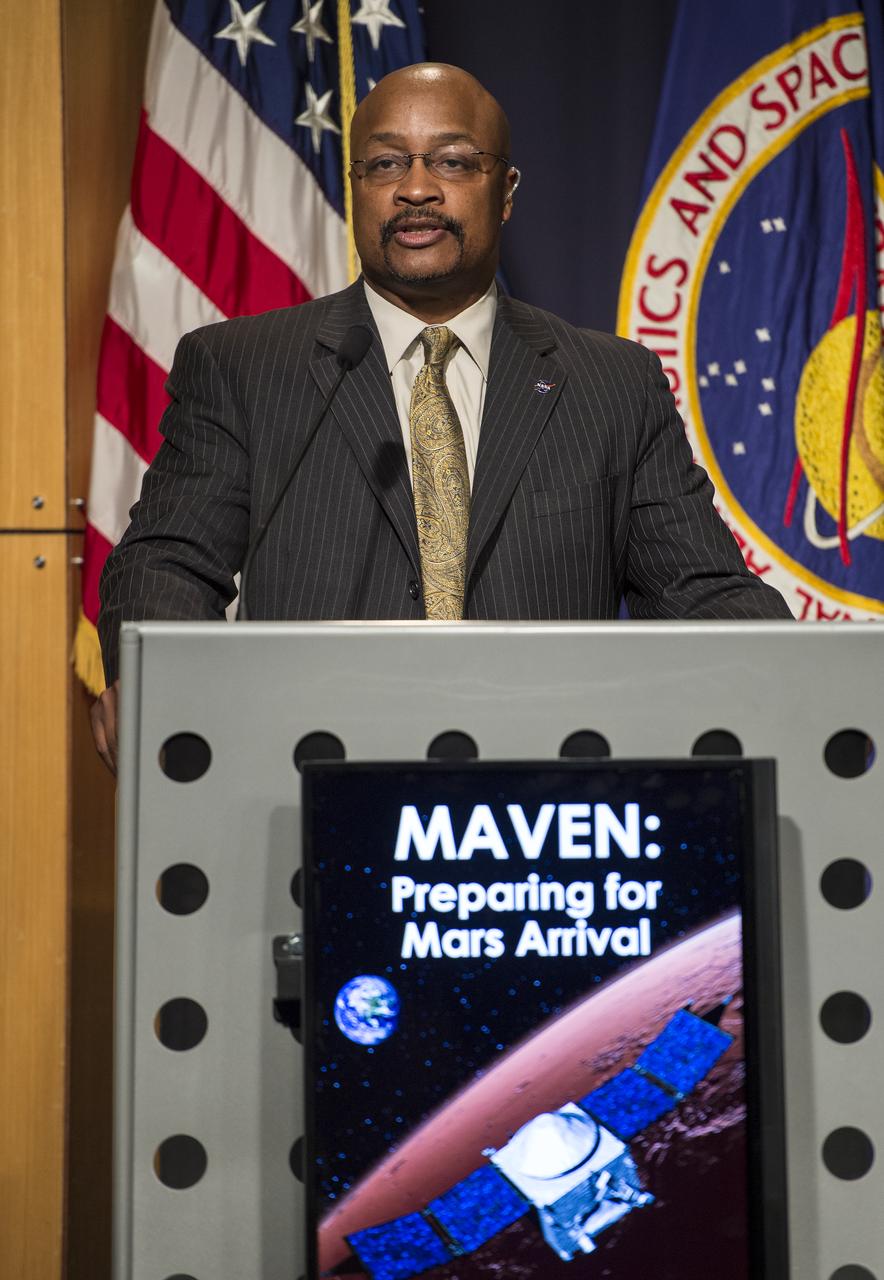
Dwayne Brown, NASA public affairs officer, moderates a media briefing where panelist outlined activities around the Sunday, Sept. 21 orbital insertion at Mars of the agency’s Mars Atmosphere and Volatile EvolutioN (MAVEN) spacecraft, Wednesday, Sept. 17, 2014 at NASA Headquarters in Washington. (Photo credit: NASA/Bill Ingalls)
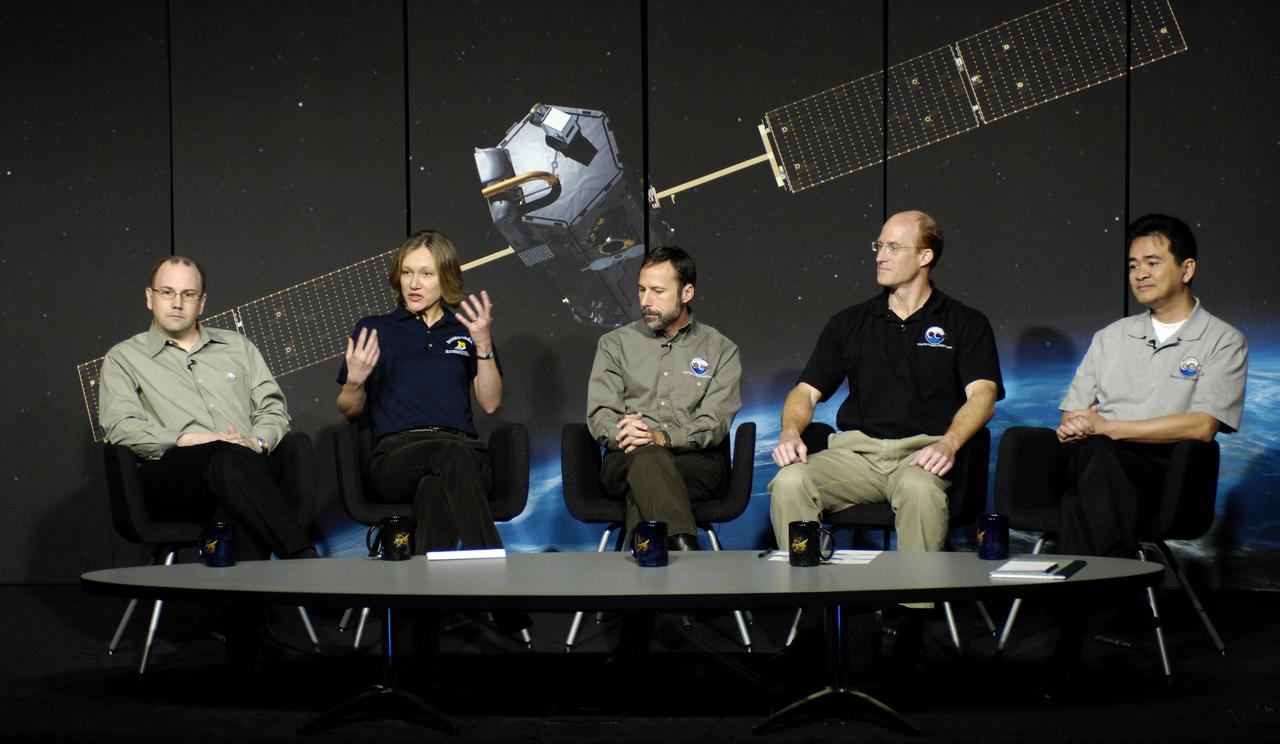
Panelists are seen during a media briefing to discuss the upcoming Orbiting Carbon Observatory mission, the first NASA spacecraft dedicated to studying carbon dioxide, Thursday, Jan. 29, 2009, at NASA Headquarters in Washington. Photo Credit: (NASA/Paul E. Alers)
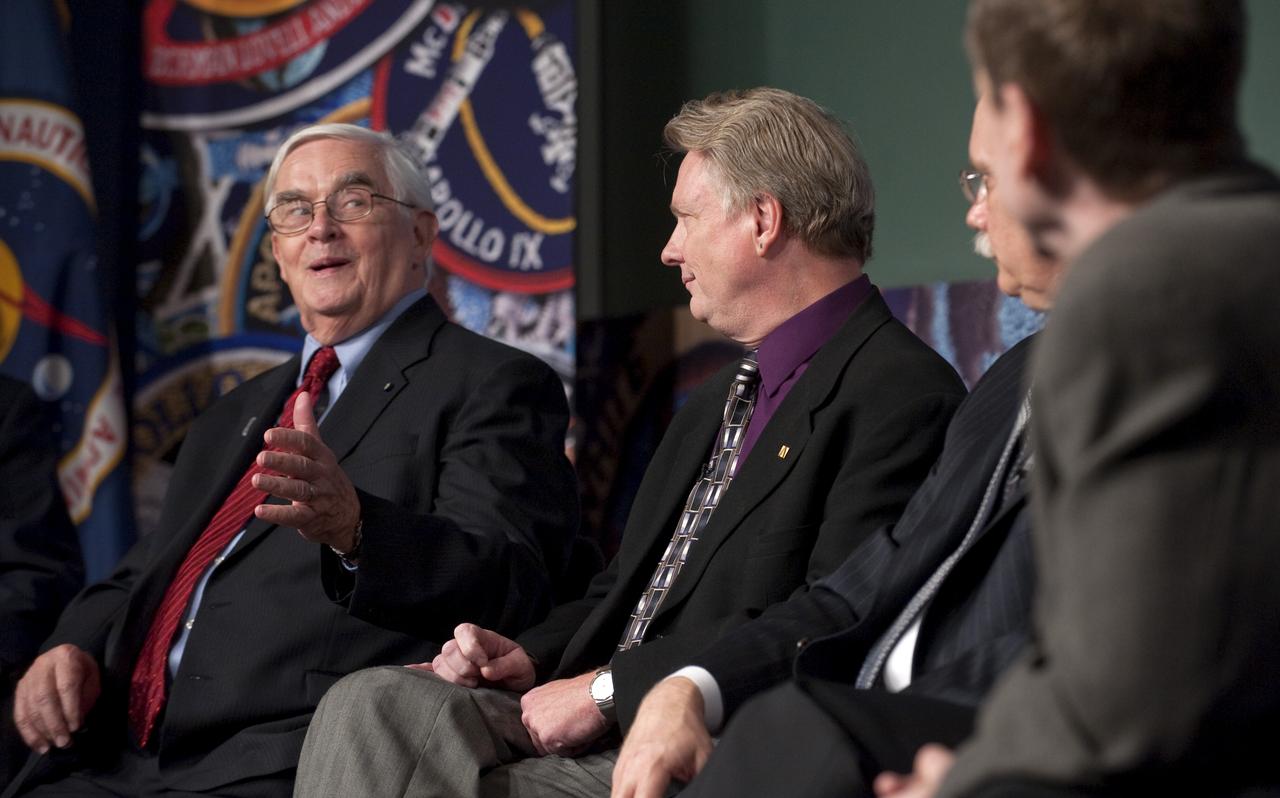
John Logsdon, Charles A. Lindbergh chair in aerospace history at the Smithsonianan, left, speaks as other panelists look on during an Apollo History and Legacy roundtable discussion, Thursday, July 16, 2009, at NASA Headquarters in Washington. Photo Credit: (NASA/Paul E. Alers)
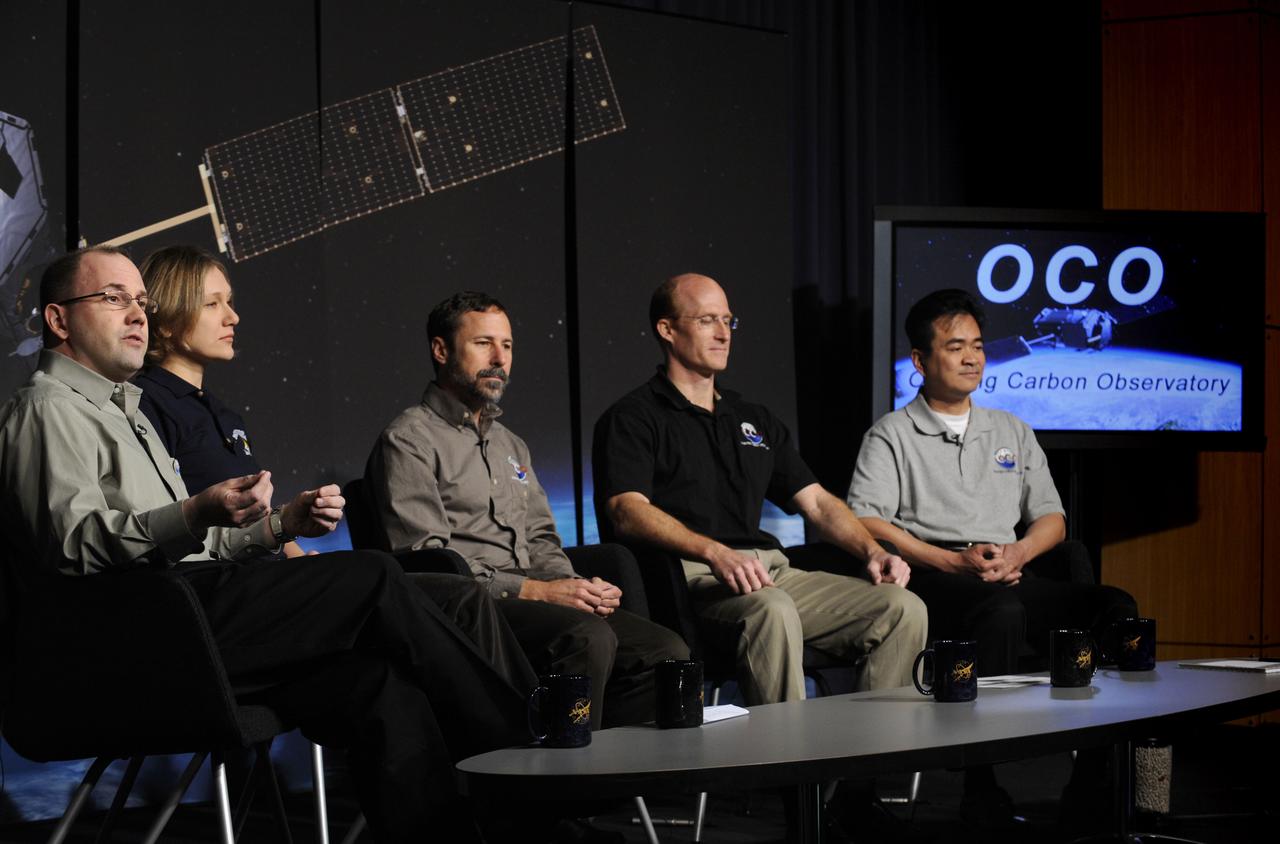
Panelists are seen during a media briefing to discuss the upcoming Orbiting Carbon Observatory mission, the first NASA spacecraft dedicated to studying carbon dioxide, Thursday, Jan. 29, 2009, at NASA Headquarters in Washington. Photo Credit: (NASA/Paul E. Alers)
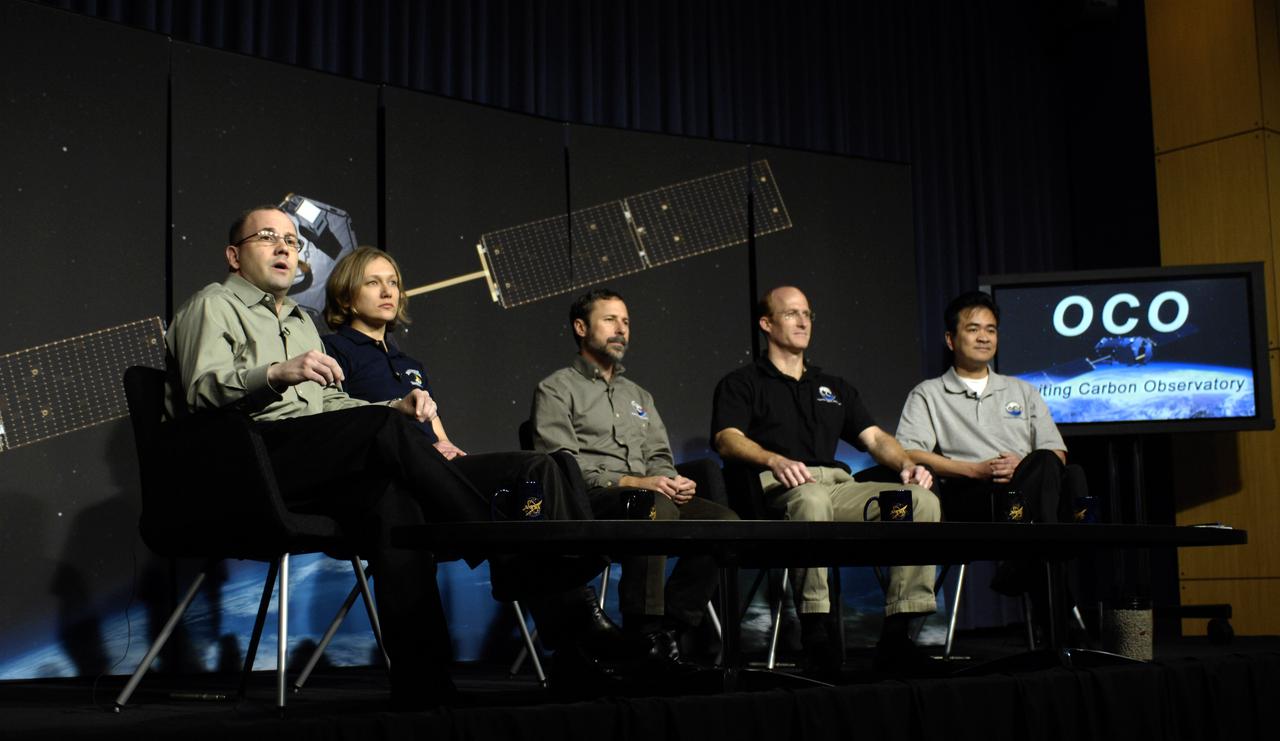
Panelists are seen during a media briefing to discuss the upcoming Orbiting Carbon Observatory mission, the first NASA spacecraft dedicated to studying carbon dioxide, Thursday, Jan. 29, 2009, at NASA Headquarters in Washington. Photo Credit: (NASA/Paul E. Alers)

Dr. Phoebe Cohen, Professor of Geosciences, Williams College, speaks on a panel at the “Ancient Earth, Alien Earths” Event at NASA Headquarters in Washington, DC Wednesday, August 20, 2014. The event was sponsored by NASA, the National Science Foundation (NSF), and the Smithsonian Institution and was moderated by Dr. David H. Grinspoon, Senior Scientist at the Planetary Science Institute. Six scientists discussed how research on early Earth could help guide our search for habitable planets orbiting other stars. Photo Credit: (NASA/Aubrey Gemignani)

Dr. Christopher House, Professor of Geosciences, Pennsylvania State University, speaks on a panel at the “Ancient Earth, Alien Earths” Event at NASA Headquarters in Washington, DC Wednesday, August 20, 2014. The event was sponsored by NASA, the National Science Foundation (NSF), and the Smithsonian Institution and was moderated by Dr. David H. Grinspoon, Senior Scientist at the Planetary Science Institute. Six scientists discussed how research on early Earth could help guide our search for habitable planets orbiting other stars. Photo Credit: (NASA/Aubrey Gemignani)

Dr. Dawn Sumner, Professor of Geology, UC Davis, speaks on a panel at the “Ancient Earth, Alien Earths” Event at NASA Headquarters in Washington, DC Wednesday, August 20, 2014. The event was sponsored by NASA, the National Science Foundation (NSF), and the Smithsonian Institution and was moderated by Dr. David H. Grinspoon, Senior Scientist at the Planetary Science Institute. Six scientists discussed how research on early Earth could help guide our search for habitable planets orbiting other stars. Photo Credit: (NASA/Aubrey Gemignani)

Dr. Timothy Lyons, Professor of Biogeochemistry, UC Riverside, speaks on a panel at the “Ancient Earth, Alien Earths” Event at NASA Headquarters in Washington, DC Wednesday, August 20, 2014. The event was sponsored by NASA, the National Science Foundation (NSF), and the Smithsonian Institution and was moderated by Dr. David H. Grinspoon, Senior Scientist at the Planetary Science Institute. Six scientists discussed how research on early Earth could help guide our search for habitable planets orbiting other stars. Photo Credit: (NASA/Aubrey Gemignani)
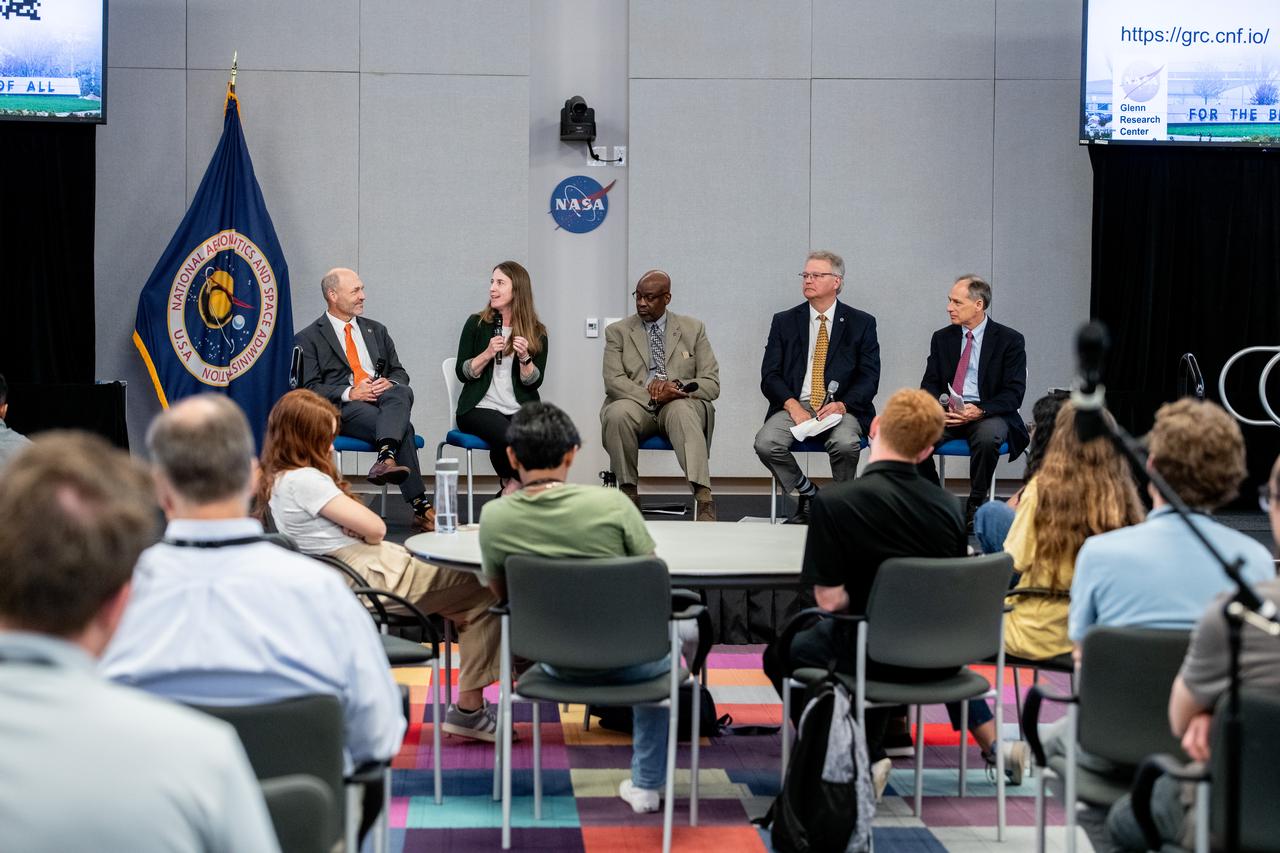
During the meeting, Dr. Calvin and center leaders will explore how technologies being developed at NASA Glenn could help reduce the effects of climate change. The panelists who will be leading the discussion include: Dr. Calvin; Larry Sivic, Associate Director; Dr. Rickey Shyne, Director of Research and Engineering; Bryan Smith, Director of Facilities, Test, & Manufacturing; and W. Allen Kilgore, Acting Director of Aeronautics. Director of Space Flight Systems Dr. Mike Barrett will serve as the moderator.
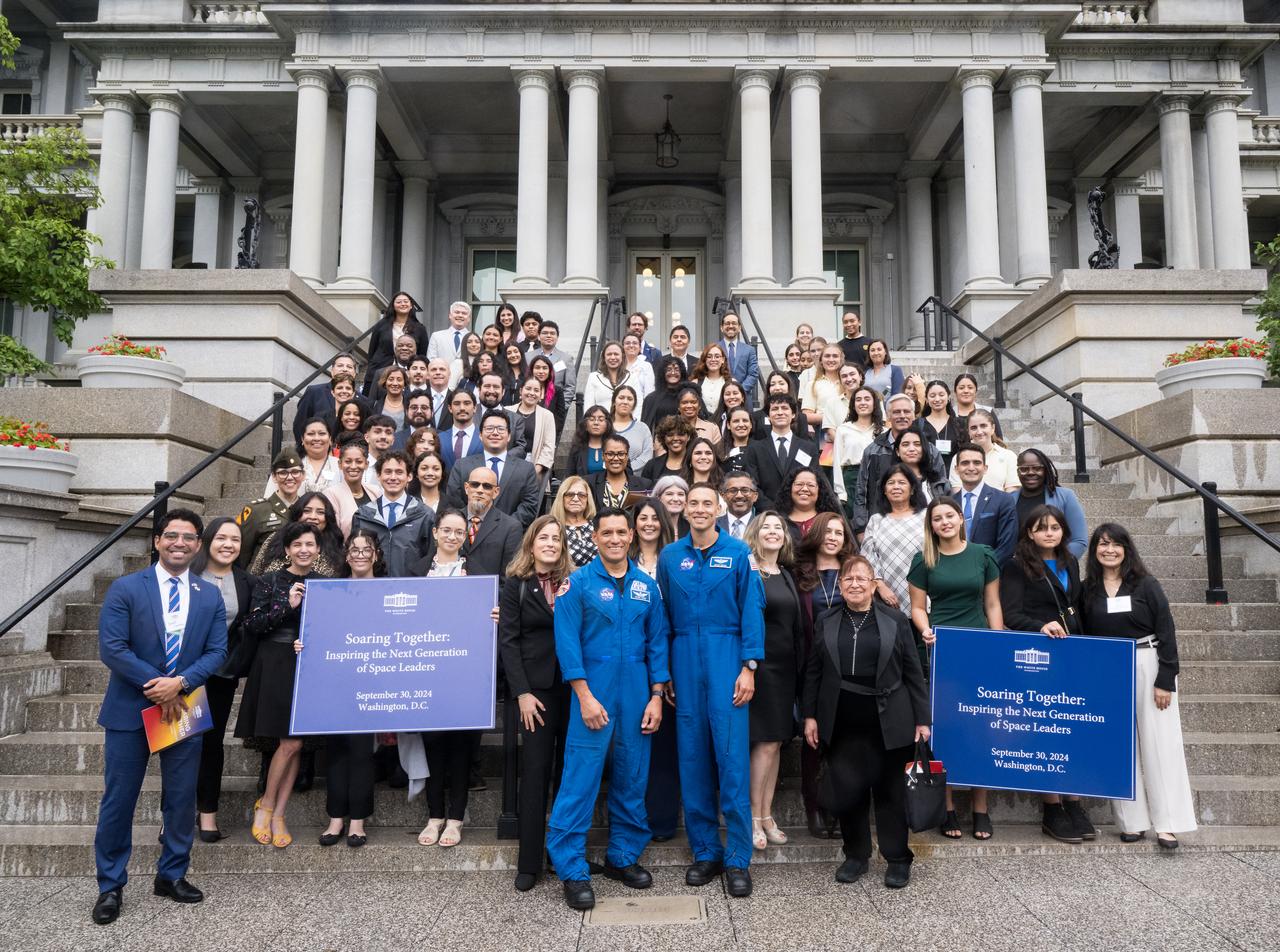
NASA astronauts Frank Rubio, center left, and Marcos Berrios, center right, pose for a photo on the Navy Steps of the Eisenhower Executive Office Building with attendees, panelists, and speakers of the White House Hispanic Heritage month event titled “Soaring Together: Inspiring the Next Generation of Space Leaders” at the Eisenhower Executive Office Building, Monday, Sept. 30, 2024 in Washington. Photo Credit: (NASA/Aubrey Gemignani)
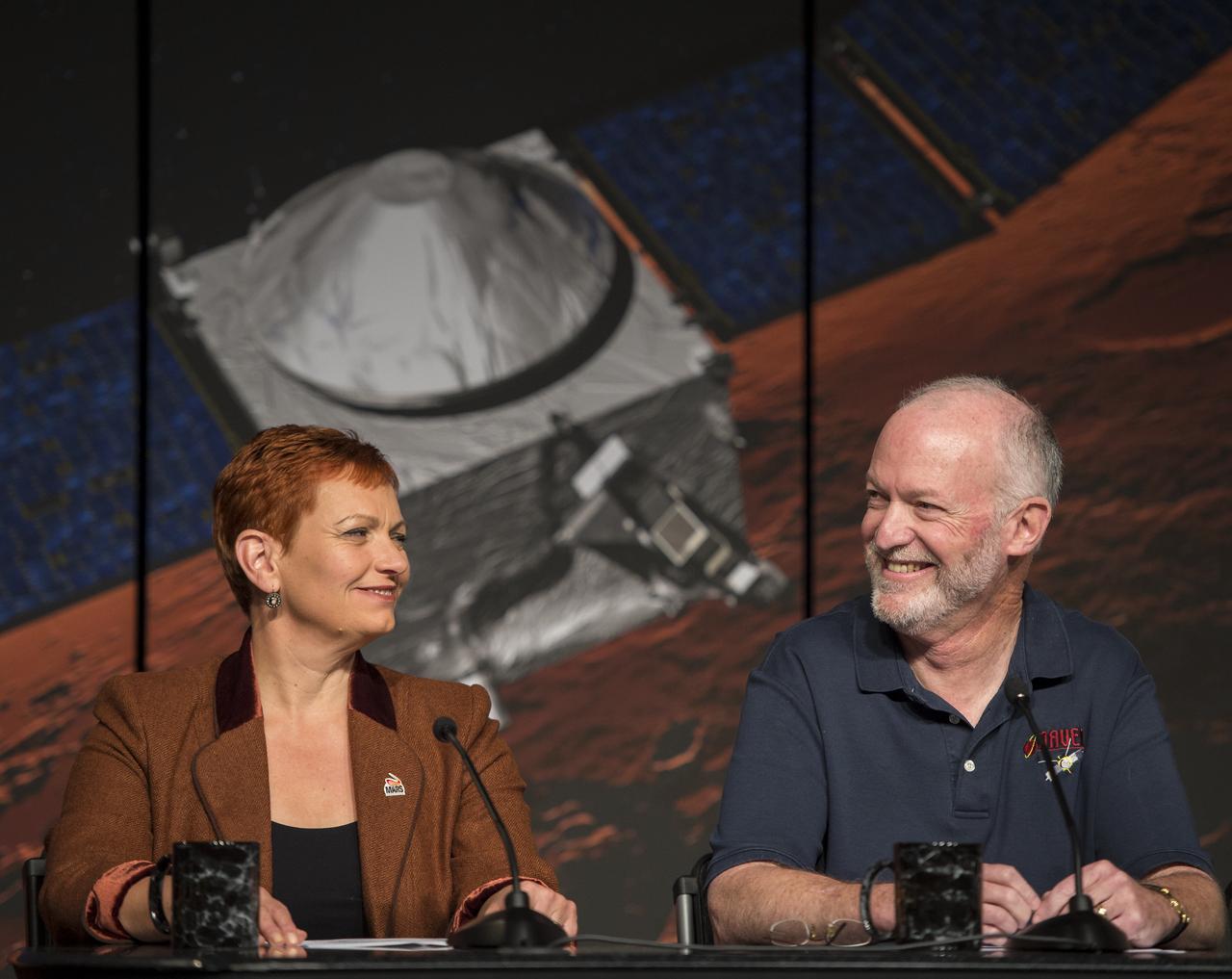
Lisa May, lead program executive, Mars Exploration Program, NASA Headquarters, and Bruce Jakosky, MAVEN principal investigator, Laboratory for Atmospheric and Space Physics, University of Colorado, Boulder, are seen during a media briefing where they and other panelist outlined activities around the Sunday, Sept. 21 orbital insertion at Mars of the agency’s Mars Atmosphere and Volatile EvolutioN (MAVEN) spacecraft, Wednesday, Sept. 17, 2014 at NASA Headquarters in Washington. (Photo credit: NASA/Bill Ingalls)
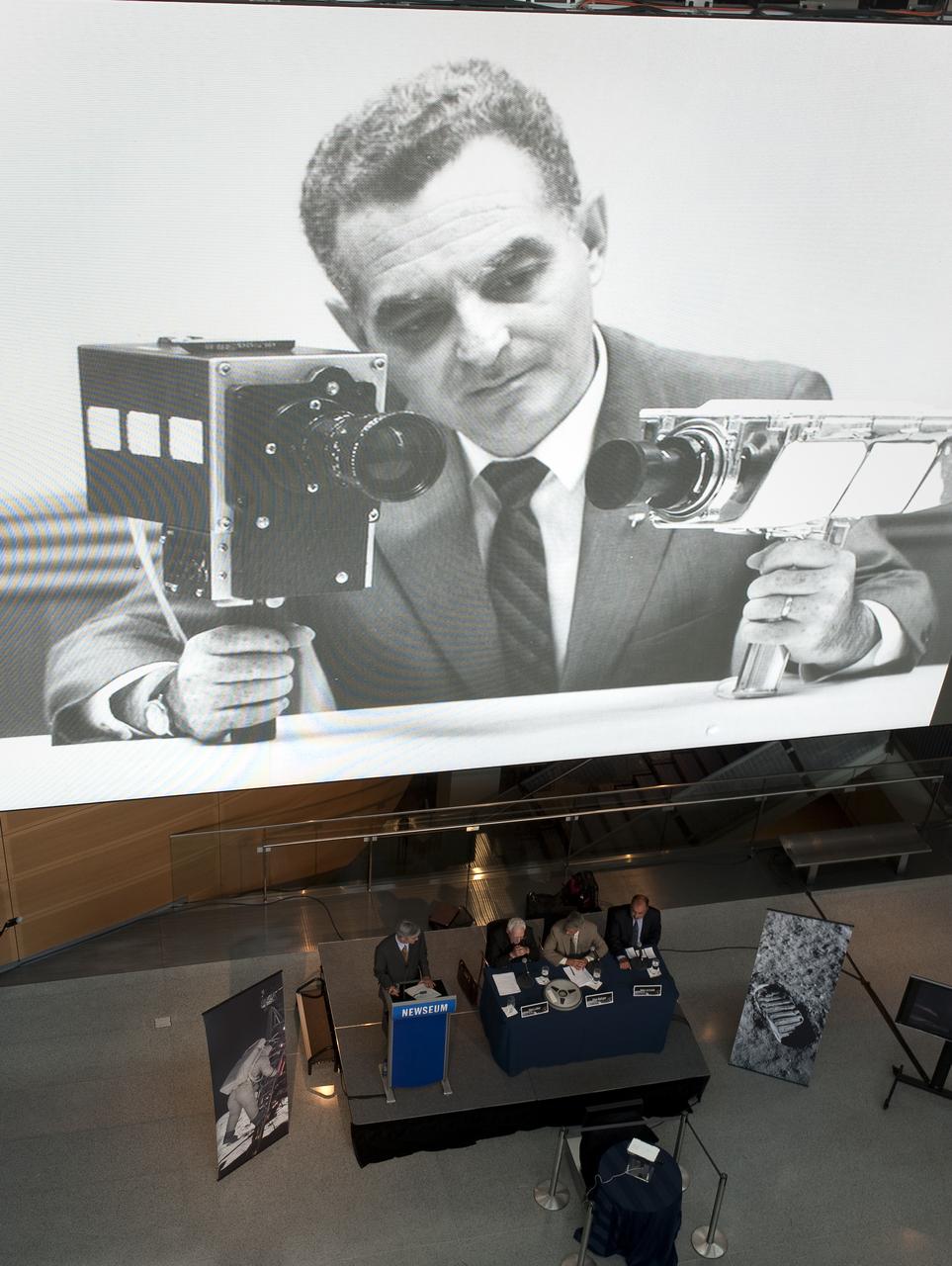
A photograph from the 1960's showing Stan Lebar, former Westinghouse Electric program manager, holding two cameras used during the Apollo missions is seen on a large video monitor above panelists, including Stan Lebar, at NASA's briefing where restored Apollo 11 moonwalk footage was revealed for the first time at the Newseum, Thursday, July 16, 2009, in Washington, DC. Photo Credit: (NASA/Carla Cioffi)
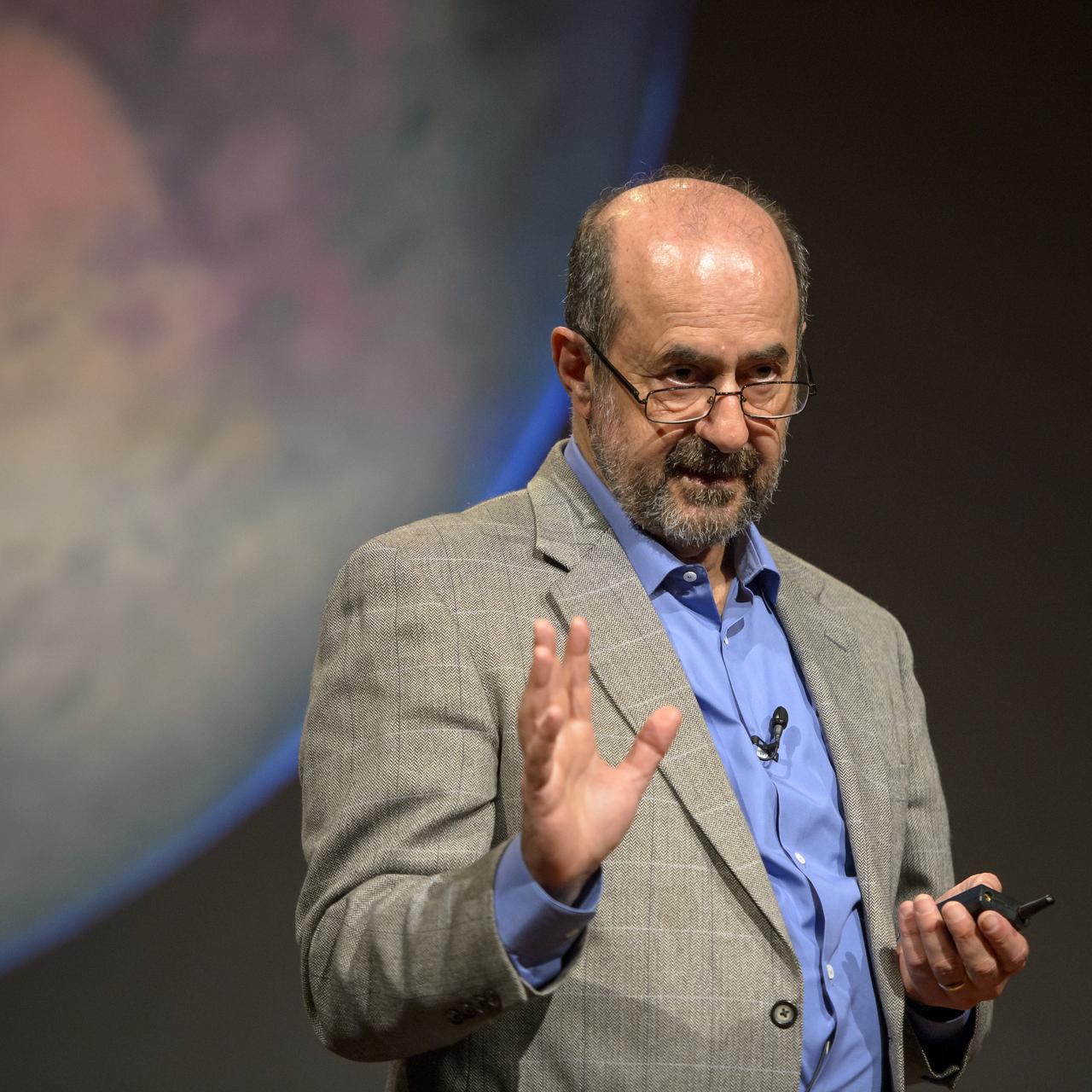
Marc Kaufman, space news writer, National Geographic and The Washington Post, and author of the new National Geographic book “Mars Up Close”, kicks off a panel discussion of Mars experts involved in current Mars exploration, Tuesday, August 5, 2014, at the National Geographic Society headquarters in Washington. The panelist shared what we’ve learned from Curiosity and the other Mars rovers surveying the red planet. Photo Credit: (NASA/Bill Ingalls)
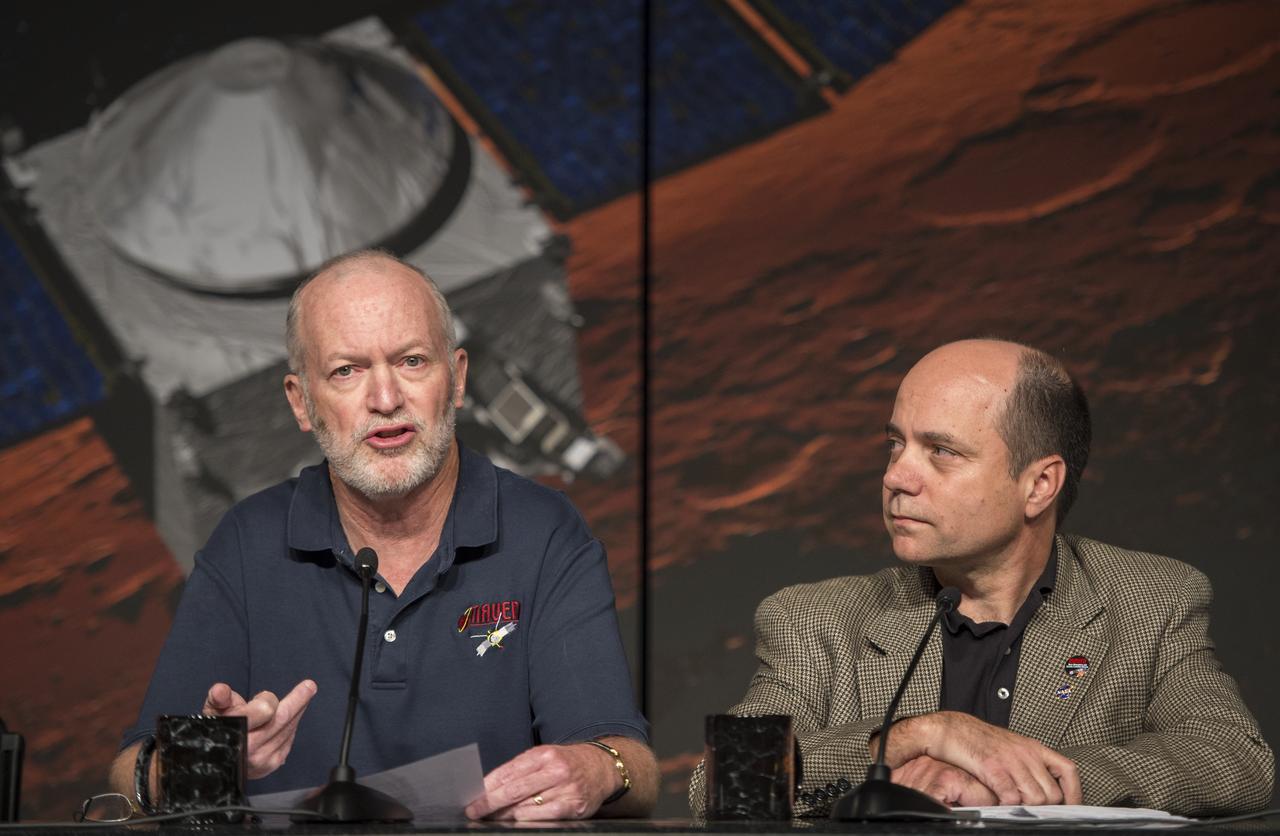
Bruce Jakosky, MAVEN principal investigator, Laboratory for Atmospheric and Space Physics, University of Colorado, Boulder, left, and David Mitchell, MAVEN project manager, NASA’s Goddard Space Flight Center, Greenbelt, Maryland are seen during a media briefing where they and other panelist outlined activities around the Sunday, Sept. 21 orbital insertion at Mars of the agency’s Mars Atmosphere and Volatile EvolutioN (MAVEN) spacecraft, Wednesday, Sept. 17, 2014 at NASA Headquarters in Washington. (Photo credit: NASA/Bill Ingalls)
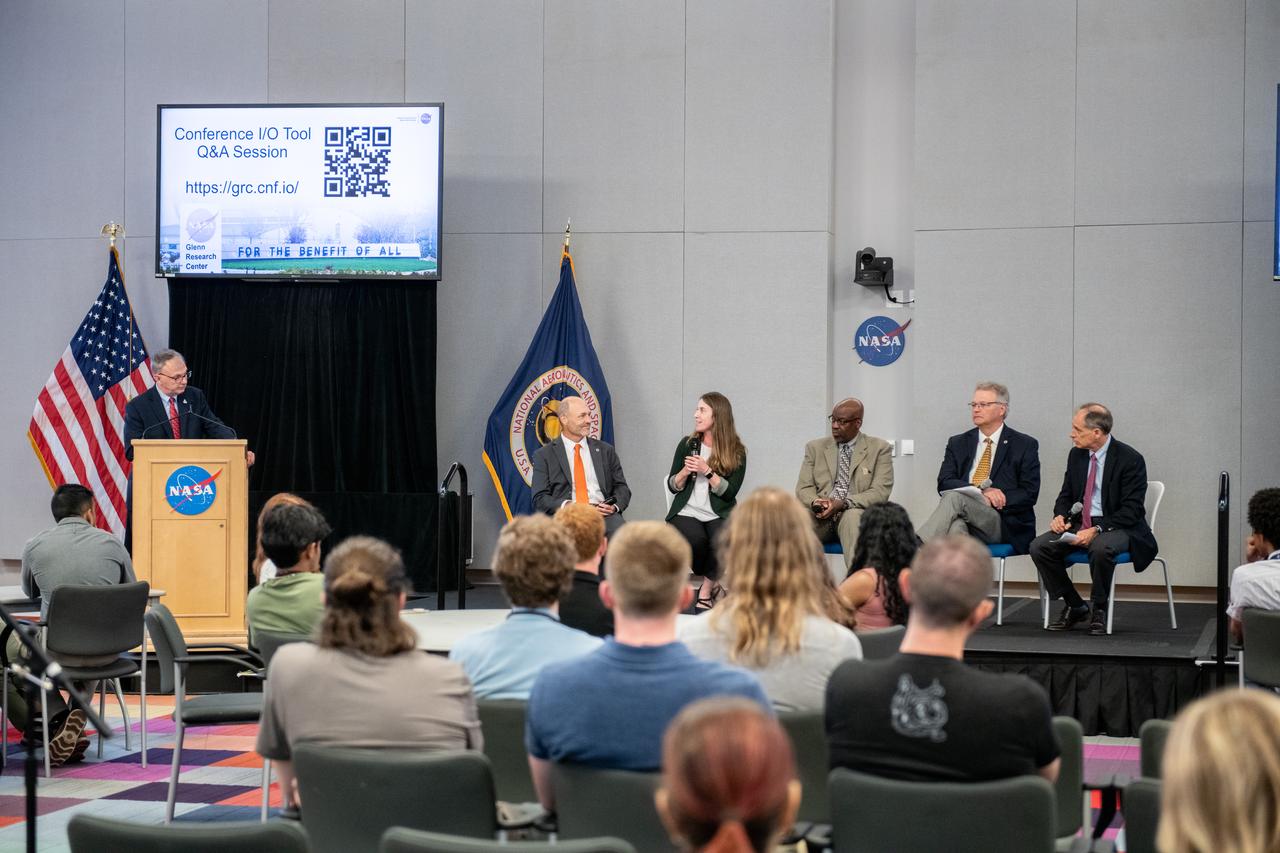
During the climate town hall meeting on June 17th 2024, Dr. Calvin and center leaders explored how technologies being developed at NASA Glenn Research Center could help reduce the effects of climate change. The panelists who lead the discussion include: Dr. Calvin; Dr. Rickey Shyne, Director of Research and Engineering; Bryan Smith, Director of Facilities, Test, & Manufacturing; and W. Allen Kilgore, Acting Director of Aeronautics. Director of Space Flight Systems Dr. Mike Barrett served as the moderator.
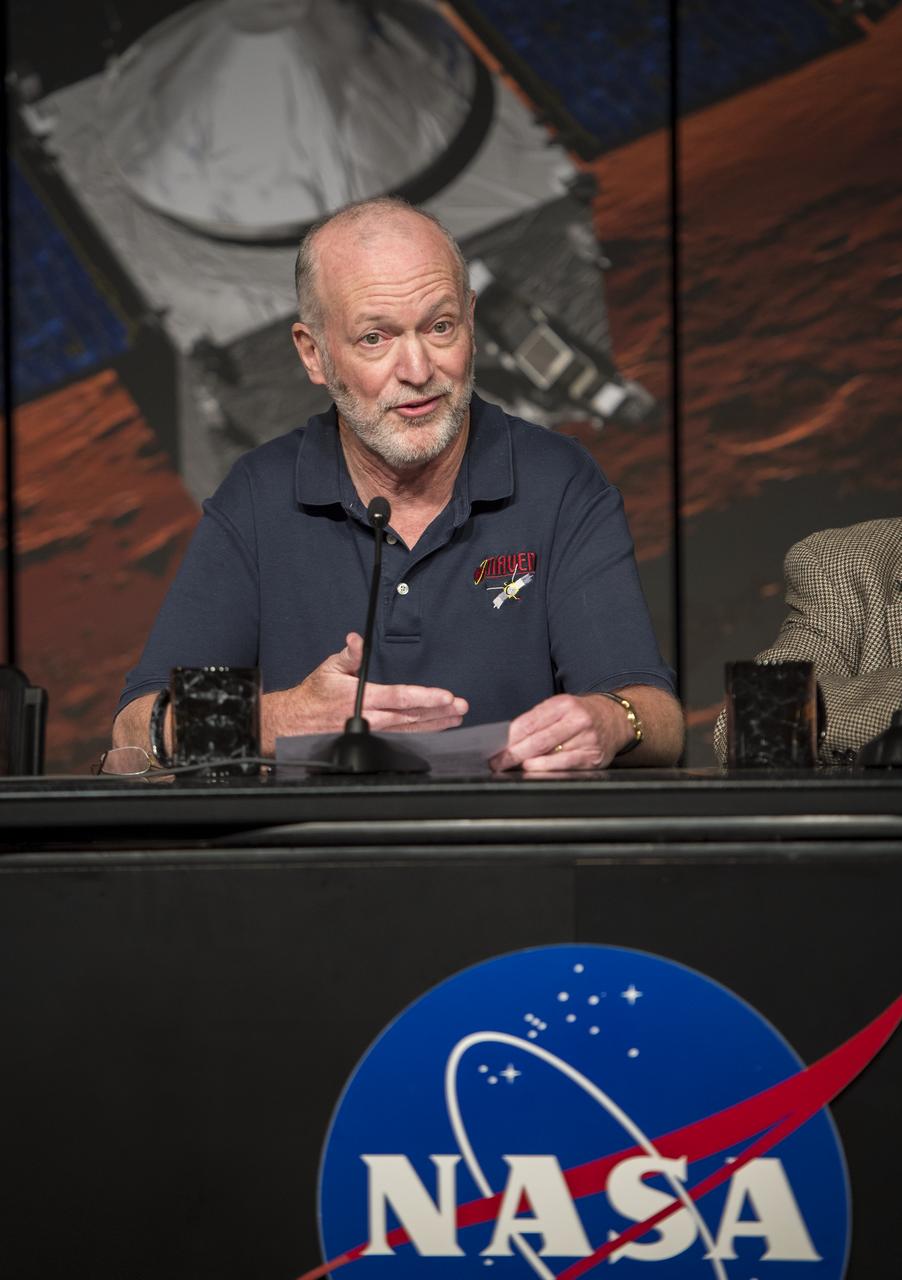
Bruce Jakosky, MAVEN principal investigator, Laboratory for Atmospheric and Space Physics, University of Colorado, Boulder, is seen during a media briefing where he and other panelist outlined activities around the Sunday, Sept. 21 orbital insertion at Mars of the agency’s Mars Atmosphere and Volatile EvolutioN (MAVEN) spacecraft, Wednesday, Sept. 17, 2014 at NASA Headquarters in Washington. (Photo credit: NASA/Bill Ingalls)
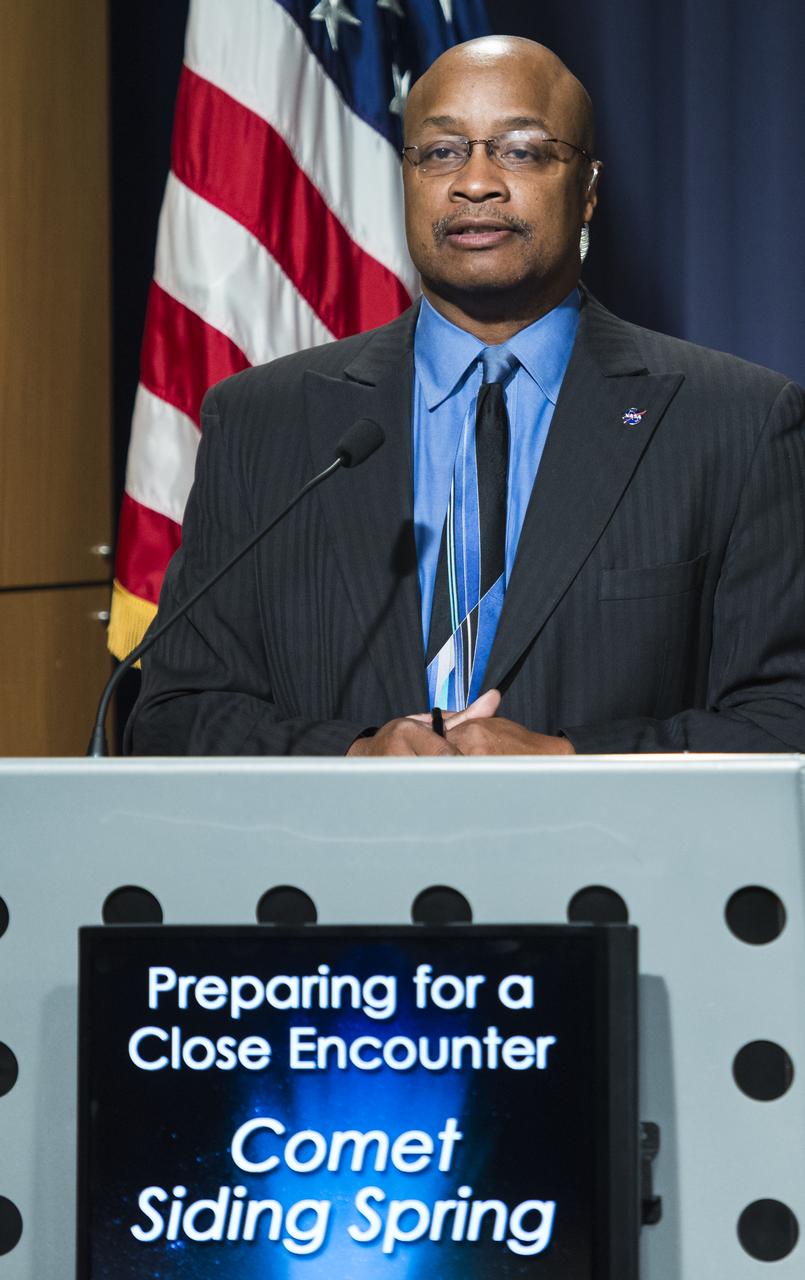
Dwayne Brown, NASA public affairs officer, moderates a media briefing where panelists outlined how space and Earth-based assets will be used to image and study comet Siding Spring during its Sunday, Oct. 19 flyby of Mars, Thursday, Oct. 9, 2014 at NASA Headquarters in Washington. Photo Credit: (NASA/Joel Kowsky)
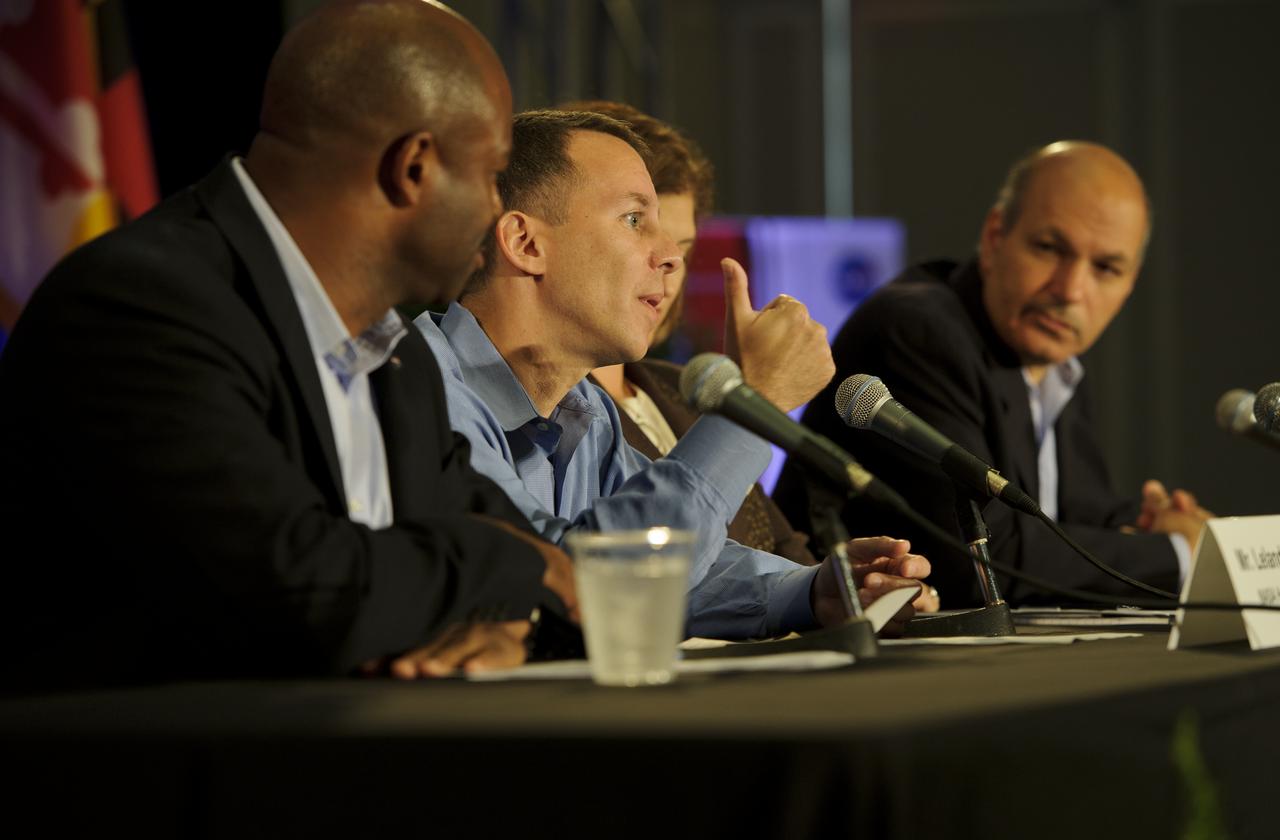
Dr. Robert Braun, NASA Chief Technologist, second from left, makes a point, as panelists Leland Melvin, Assoicate Administrator for NASA Education, left, Dr. Laurie Leshin, NASA Deputy Associate Administrator Exploration Systems Mission Directortorate, and Dr. Waleed Abdalati, NASA Chief Scientist, right, look on during a panel discussion at the NASA Future Forum held at the Riggs Alumni Center on the campus of the University of Maryland, Thursday, Aug. 11, 2011 in College Park, Md. Photo Credit: (NASA/Paul E. Alers)
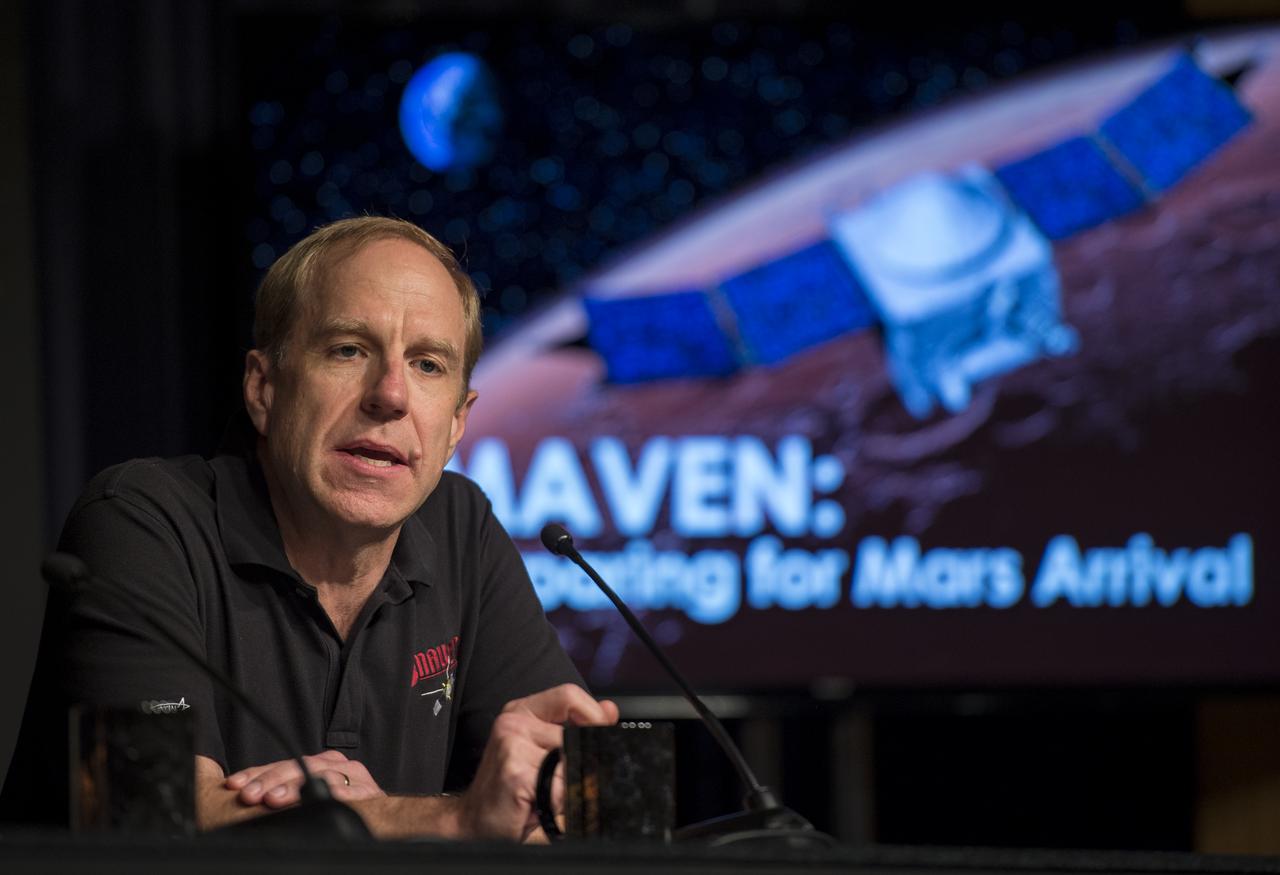
Guy Beutelschies, Lockheed Martin MAVEN program manager, Lockheed Martin Space Systems Company, Littleton, Colorado is seen during a media briefing where he and other panelist outlined activities around the Sunday, Sept. 21 orbital insertion at Mars of the agency’s Mars Atmosphere and Volatile EvolutioN (MAVEN) spacecraft, Wednesday, Sept. 17, 2014 at NASA Headquarters in Washington. (Photo credit: NASA/Bill Ingalls)
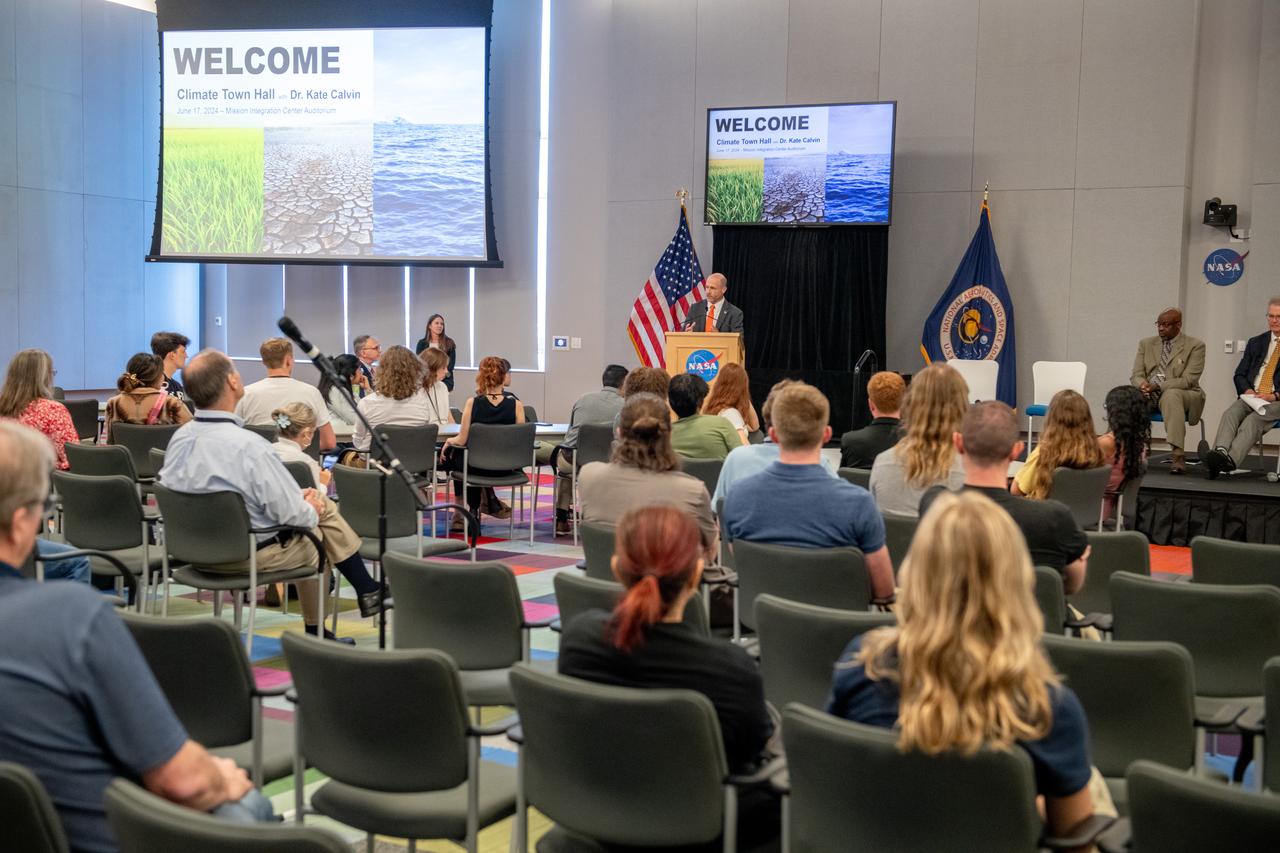
During the meeting, Dr. Calvin and center leaders will explore how technologies being developed at NASA Glenn could help reduce the effects of climate change. The panelists who will be leading the discussion include: Dr. Calvin; Larry Sivic, Associate Director; Dr. Rickey Shyne, Director of Research and Engineering; Bryan Smith, Director of Facilities, Test, & Manufacturing; and W. Allen Kilgore, Acting Director of Aeronautics. Director of Space Flight Systems Dr. Mike Barrett will serve as the moderator.
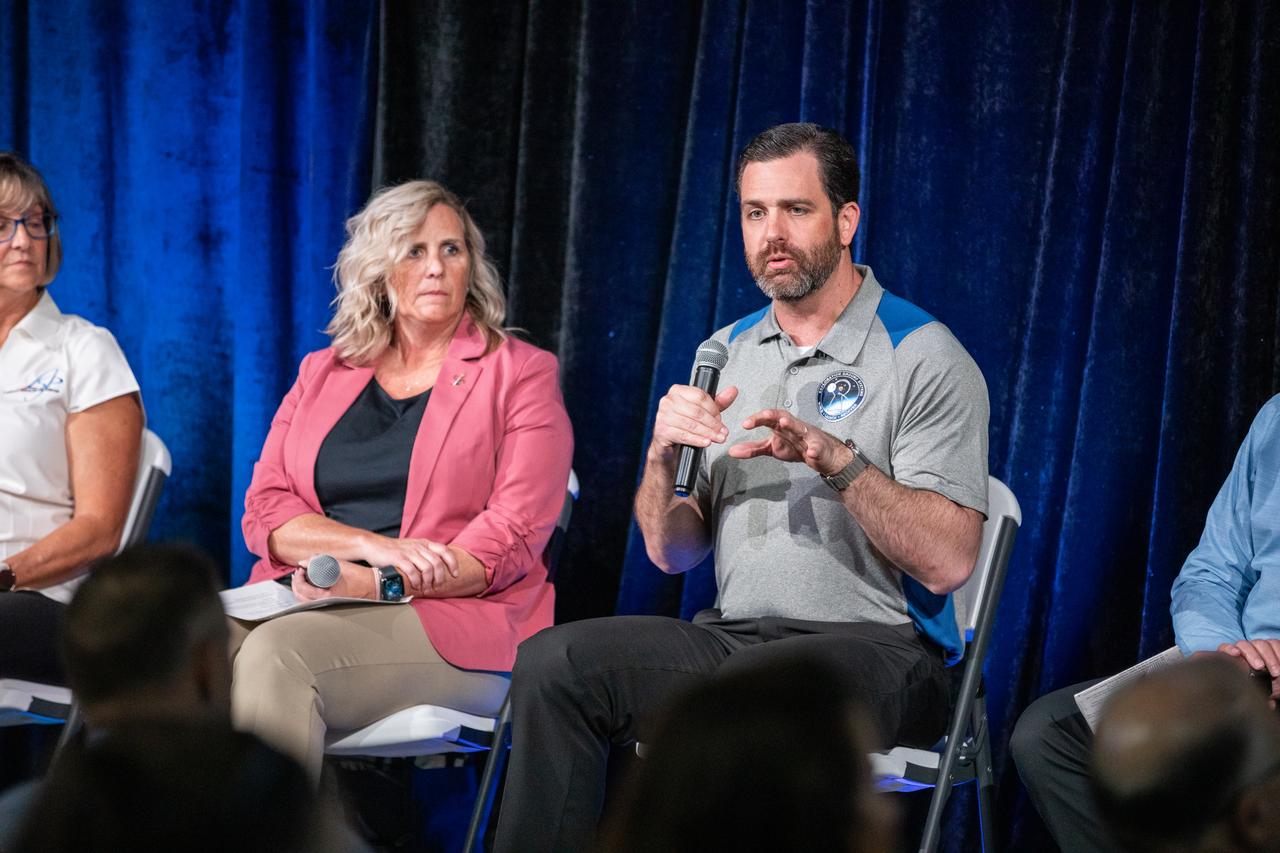
Jeremy Parsons, deputy manager, NASA’s Exploration Ground Systems, speaks to a crowd gathered for the NASA Kennedy Space Center Community Leaders Update on Thursday, May 23, 2024, at the center’s Visitor Complex. At left, Dana Hutcherson, deputy manager, Commercial Crew Program, were among the panelists discussing how programs based at NASA Kennedy support the agency’s efforts to return humans to the Moon in preparation for Mars and answered questions from guests.
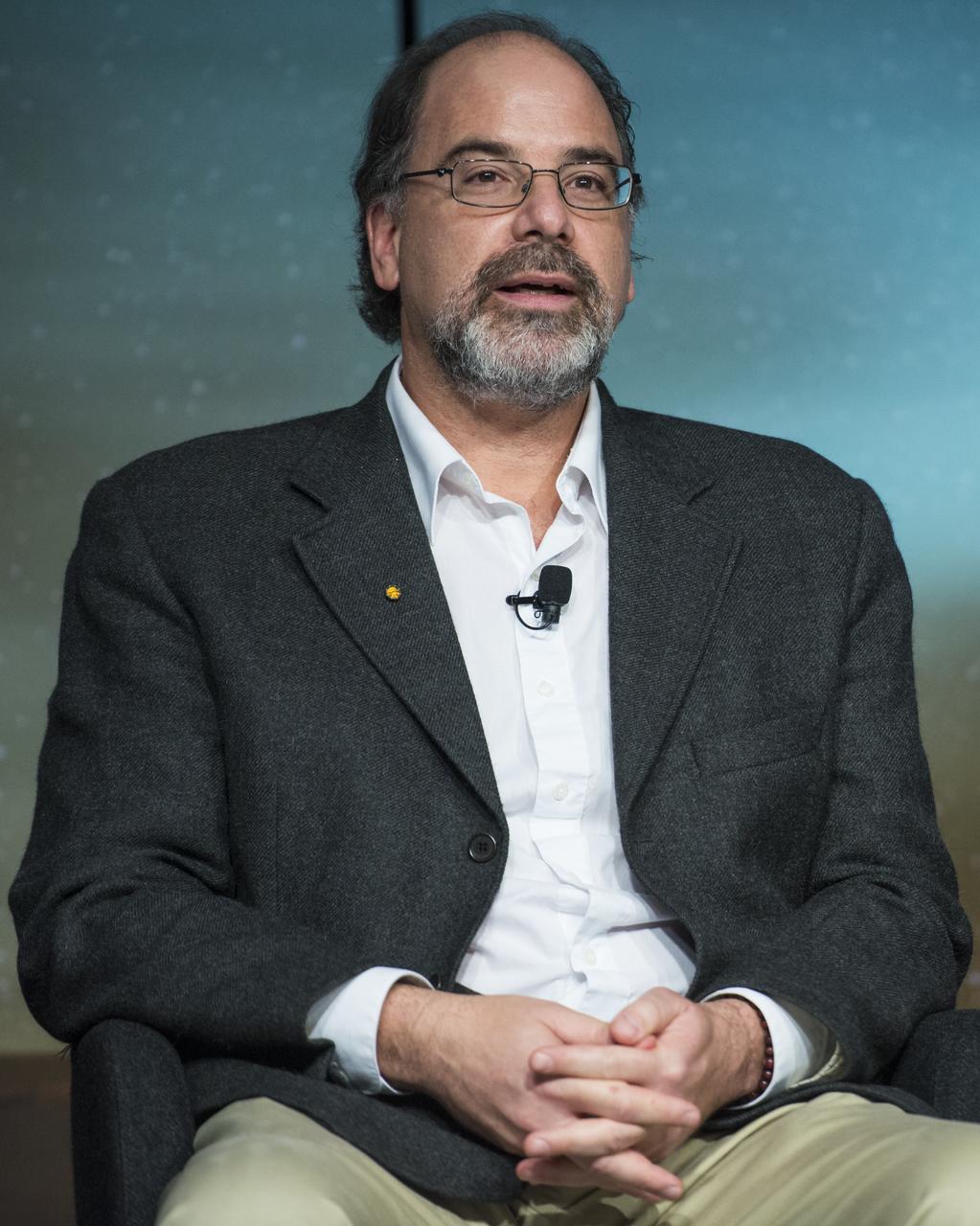
Carey Lisse, senior astrophysicist, Johns Hopkins University Applied Physics Laboratory, Laurel, Maryland gives remarks during a media briefing where he and other panelists outlined how space and Earth-based assets will be used to image and study comet Siding Spring during its Sunday, Oct. 19 flyby of Mars, Thursday, Oct. 9, 2014 at NASA Headquarters in Washington. Photo Credit: (NASA/Joel Kowsky)
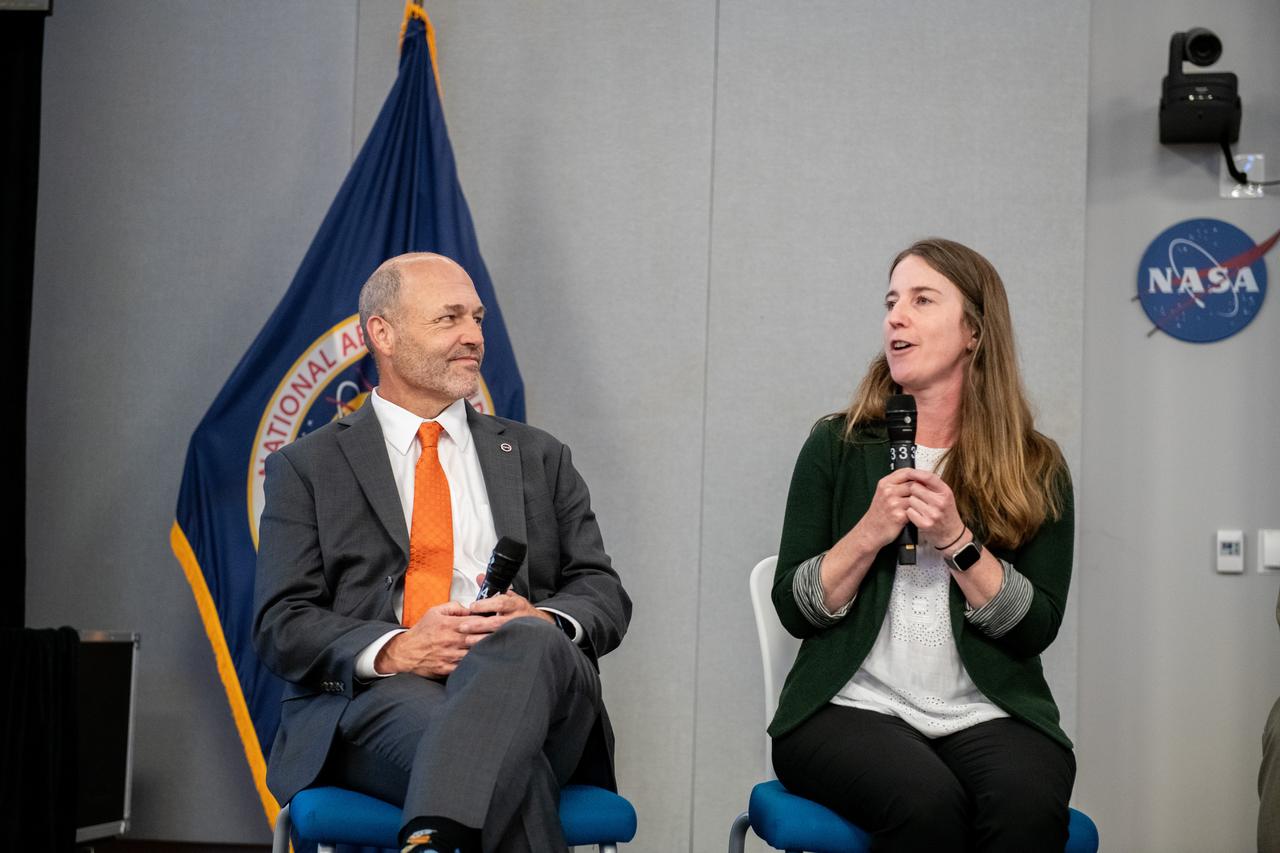
During the climate town hall meeting on June 17th 2024, Dr. Calvin and center leaders explored how technologies being developed at NASA Glenn Research Center could help reduce the effects of climate change. The panelists who lead the discussion include: Dr. Calvin; Dr. Rickey Shyne, Director of Research and Engineering; Bryan Smith, Director of Facilities, Test, & Manufacturing; and W. Allen Kilgore, Acting Director of Aeronautics. Director of Space Flight Systems Dr. Mike Barrett served as the moderator.
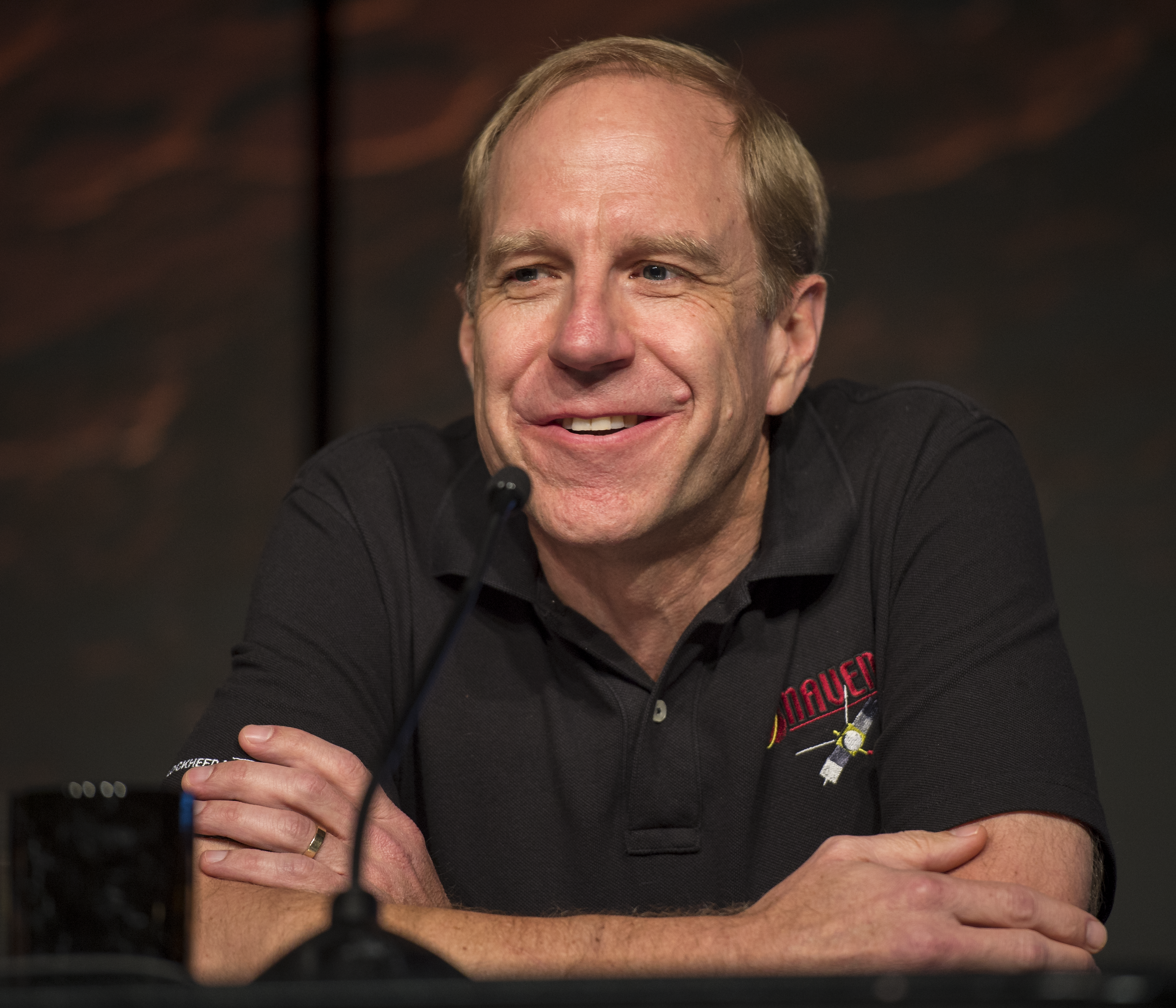
Guy Beutelschies, Lockheed Martin MAVEN program manager, Lockheed Martin Space Systems Company, Littleton, Colorado is seen during a media briefing where he and other panelist outlined activities around the Sunday, Sept. 21 orbital insertion at Mars of the agency’s Mars Atmosphere and Volatile EvolutioN (MAVEN) spacecraft, Wednesday, Sept. 17, 2014 at NASA Headquarters in Washington. (Photo credit: NASA/Bill Ingalls)
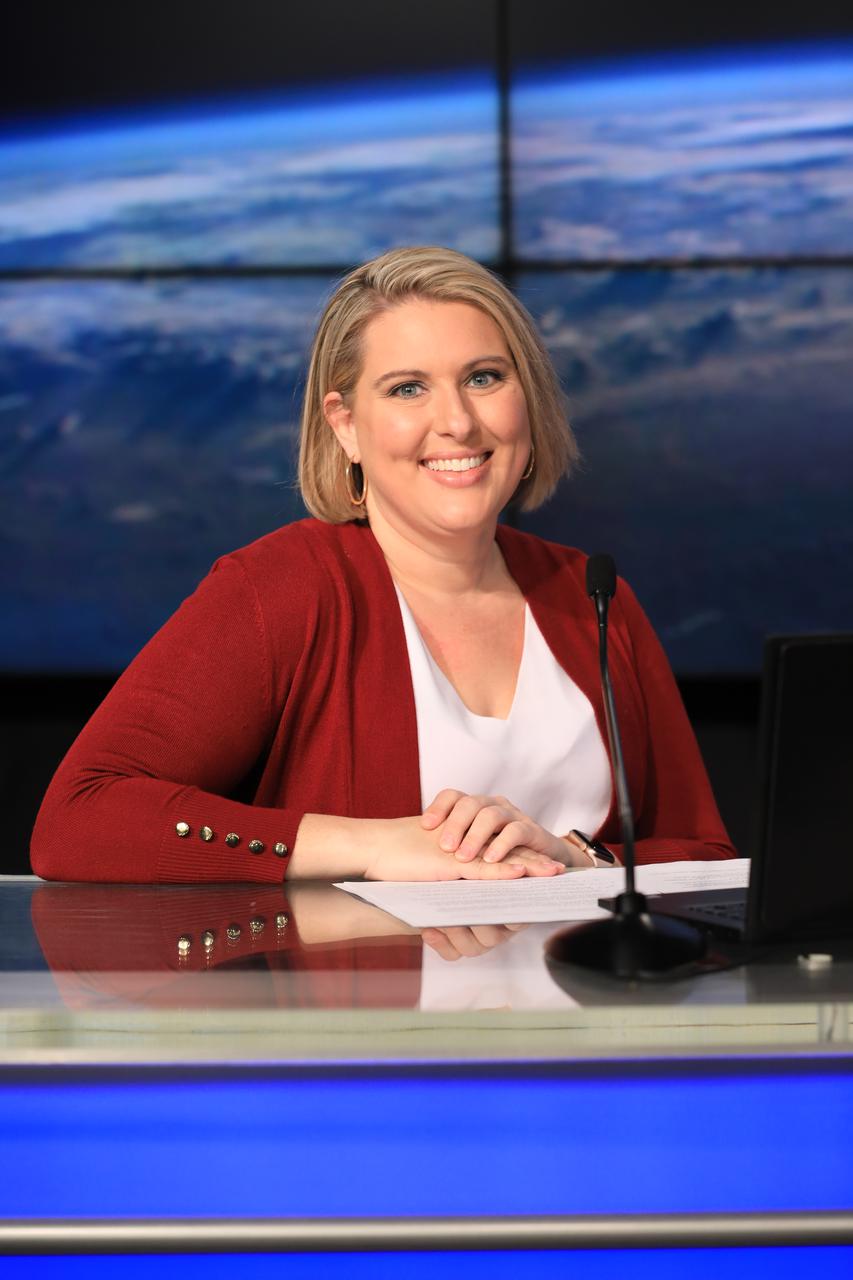
Leah Martin, NASA Communications, moderates the Safety Starts With You Leadership Panel on Jan. 25, 2022, at Kennedy Space Center in Florida. The panel discussion featured senior leaders from the spaceport addressing ways employees can focus on safely completing mission objectives in the new year. Panelists included Kennedy Space Center Director Janet Petro, Director of Safety and Mission Assurance Ronnie Rodriguez, Director of Spaceport Integration and Services Nancy Bray, and Exploration Ground Systems Chief of Staff Sasha Sims.
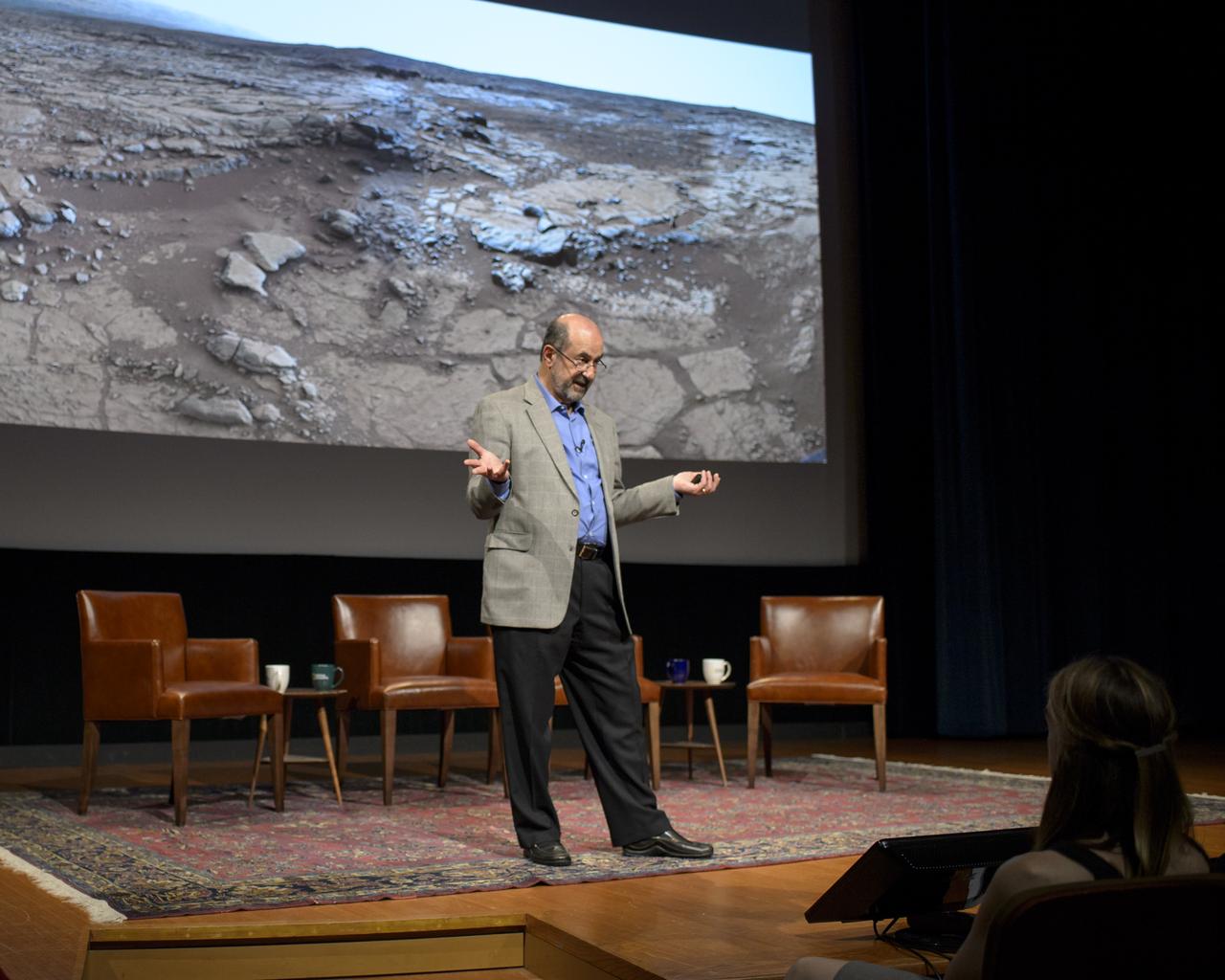
Marc Kaufman, space news writer, National Geographic and The Washington Post, and author of the new National Geographic book “Mars Up Close”, kicks off a panel discussion of Mars experts involved in current Mars exploration, Tuesday, August 5, 2014, at the National Geographic Society headquarters in Washington. The panelist shared what we’ve learned from Curiosity and the other Mars rovers surveying the red planet. Photo Credit: (NASA/Bill Ingalls)
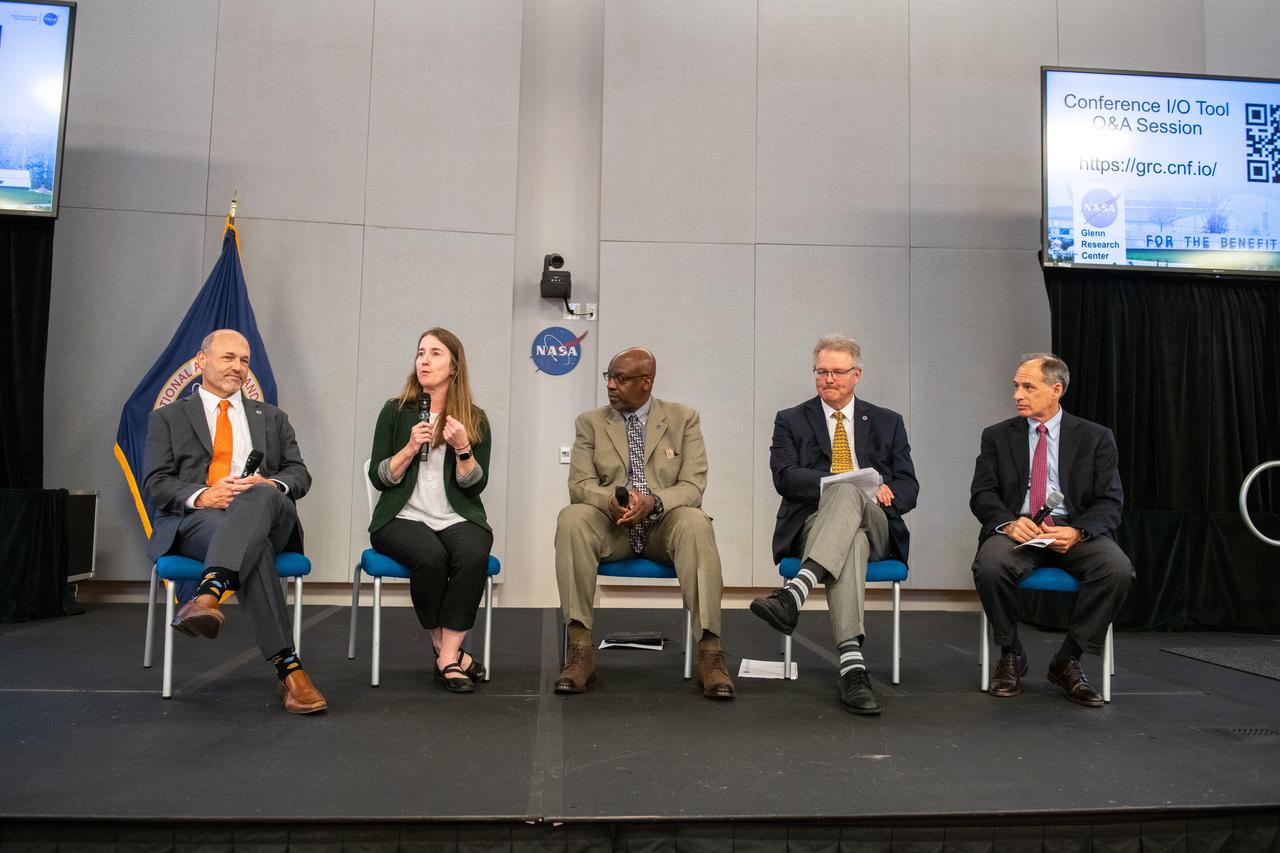
During the climate town hall meeting on June 17th 2024, Dr. Calvin and center leaders explored how technologies being developed at NASA Glenn Research Center could help reduce the effects of climate change. The panelists who lead the discussion include: Dr. Calvin; Dr. Rickey Shyne, Director of Research and Engineering; Bryan Smith, Director of Facilities, Test, & Manufacturing; and W. Allen Kilgore, Acting Director of Aeronautics. Director of Space Flight Systems Dr. Mike Barrett served as the moderator.
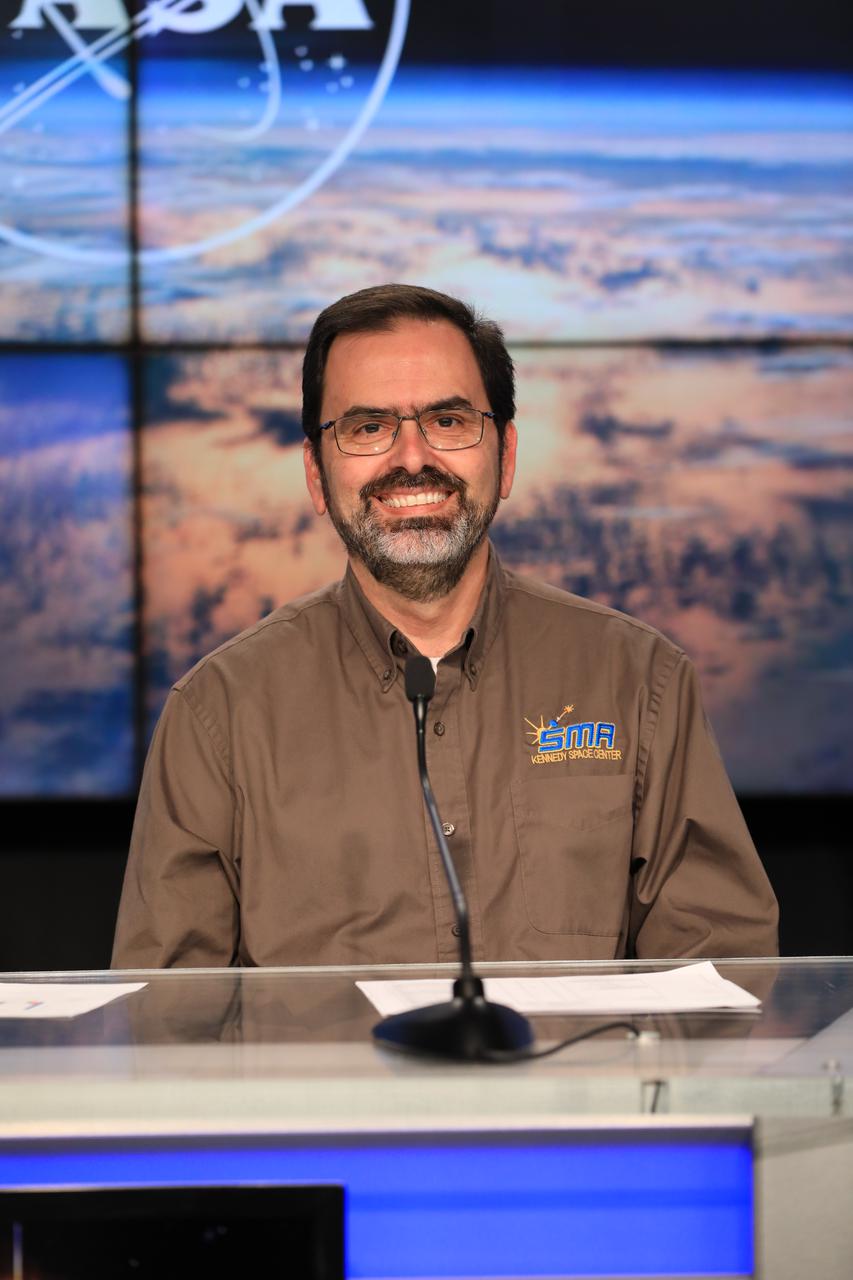
Director of Safety and Mission Assurance Ronnie Rodriguez participates in the Safety Starts With You Leadership Panel on Jan. 25, 2022, at NASA’s Kennedy Space Center in Florida. The panel discussion featured senior leaders from the spaceport addressing ways employees can focus on safely completing mission objectives in the new year. Other panelists included Kennedy Space Center Director Janet Petro, Director of Spaceport Integration and Services Nancy Bray, and Exploration Ground Systems Chief of Staff Sasha Sims.
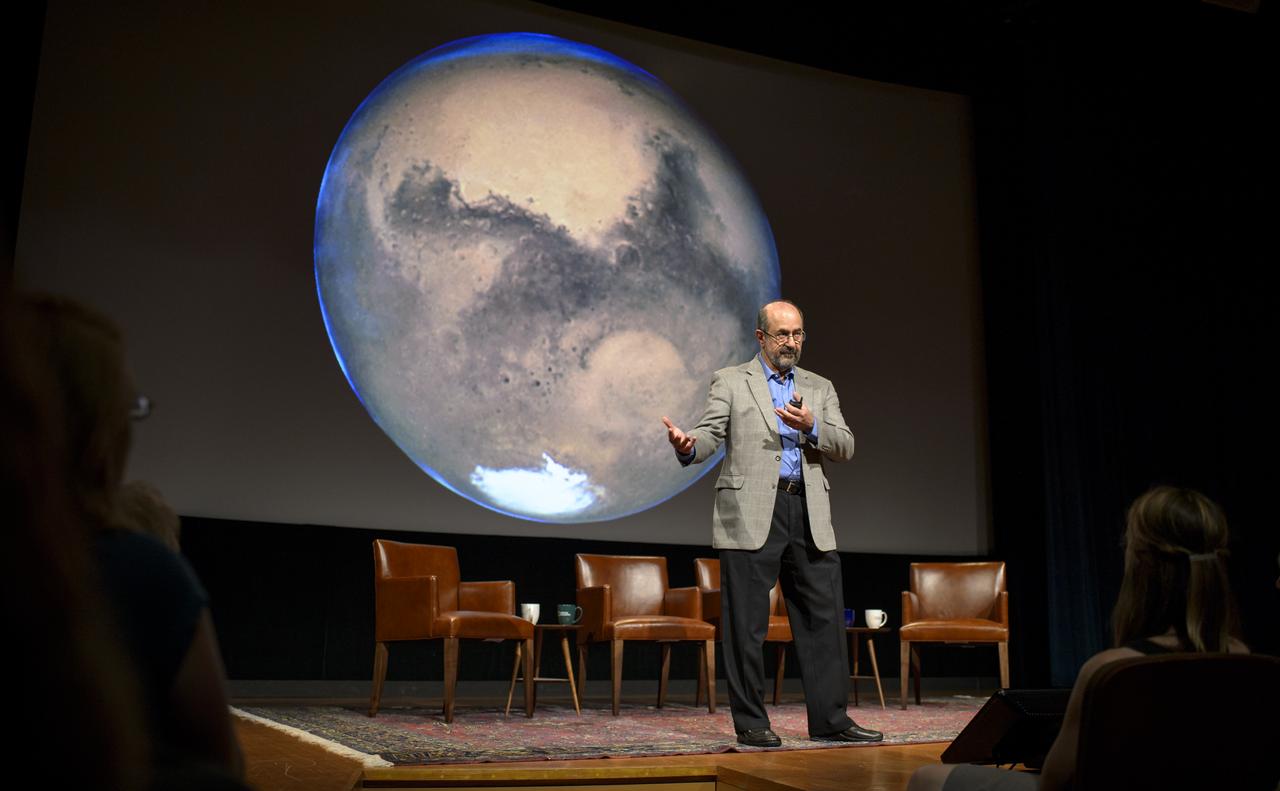
Marc Kaufman, space news writer, National Geographic and The Washington Post, and author of the new National Geographic book “Mars Up Close”, kicks off a panel discussion of Mars experts involved in current Mars exploration, Tuesday, August 5, 2014, at the National Geographic Society headquarters in Washington. The panelist shared what we’ve learned from Curiosity and the other Mars rovers surveying the red planet. Photo Credit: (NASA/Bill Ingalls)
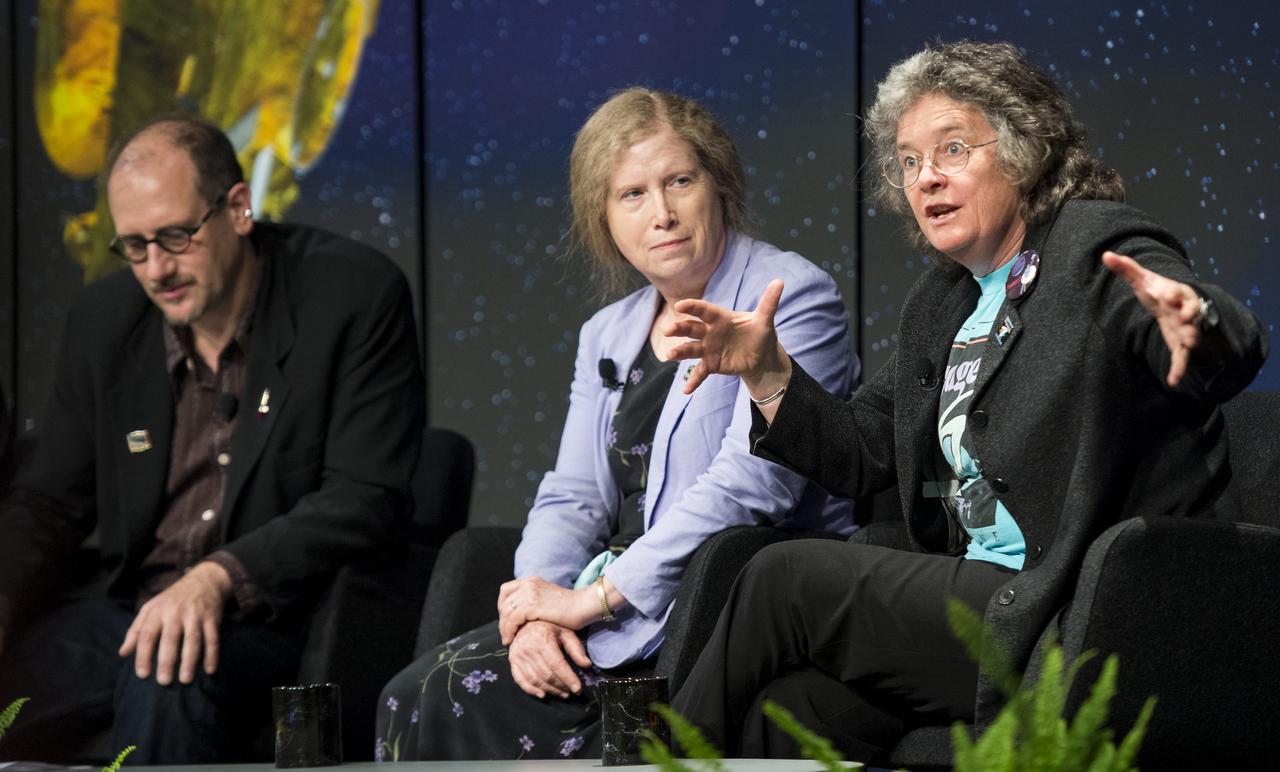
Dr. Fran Bagenal, senior scientist at the University of Colorado, far right, speaks during a panel discussion at the "NASA's New Horizons Pluto Mission: Continuing Voyager's Legacy of Exploration" event on Monday, August, 25, 2014, in the James E. Webb Auditorium at NASA Headquarters in Washington, DC. The panelists gave their accounts of Voyager's encounter with Neptune and discussed their current assignments on NASA's New Horizons mission to Pluto. Photo Credit: (NASA/Joel Kowsky)
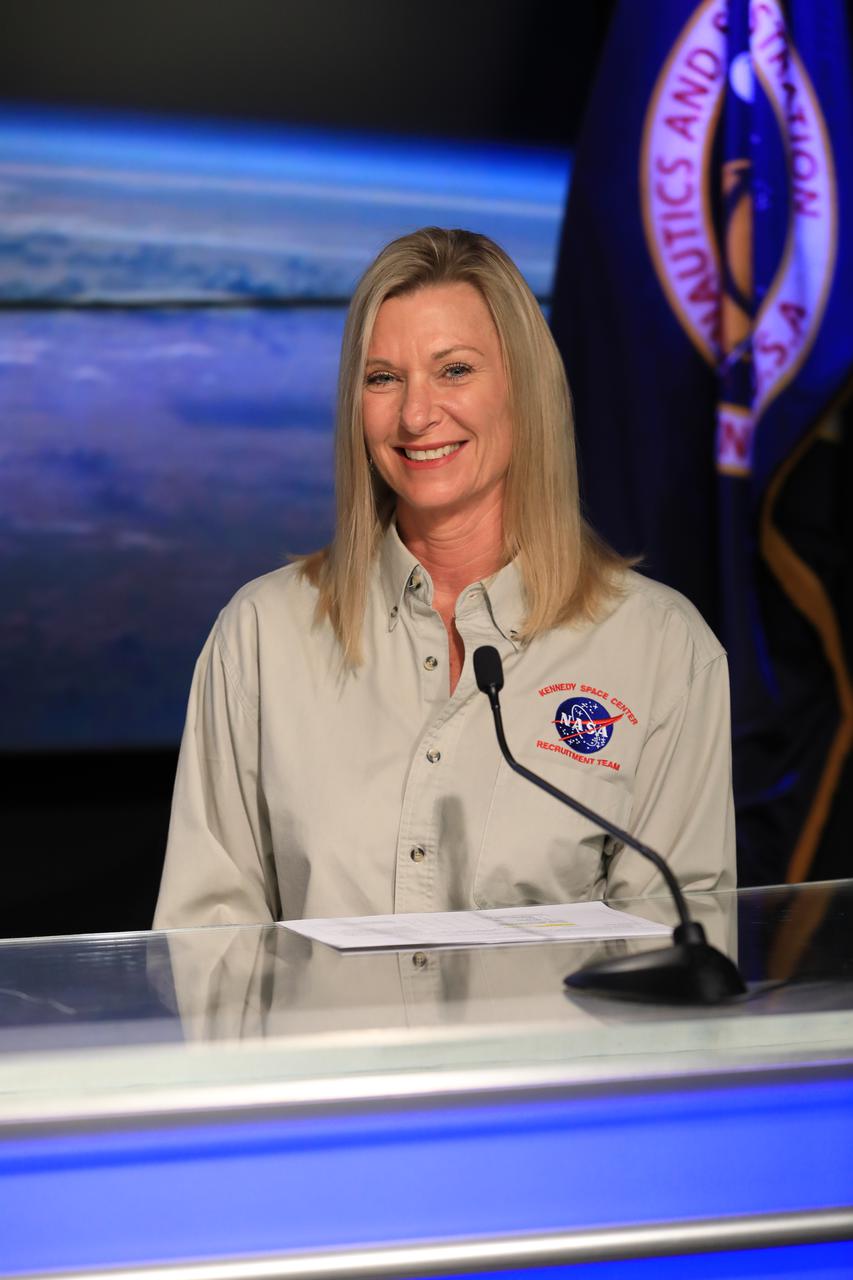
Director of Spaceport Integration and Services Nancy Bray participates in the Safety Starts With You Leadership Panel on Jan. 25, 2022, at NASA’s Kennedy Space Center in Florida. The panel discussion featured senior leaders from the spaceport addressing ways employees can focus on safely completing mission objectives in the new year. Other panelists included Kennedy Space Center Director Janet Petro, Director of KSC Safety and Mission Assurance Ronnie Rodriguez, and Exploration Ground Systems Chief of Staff Sasha Sims.
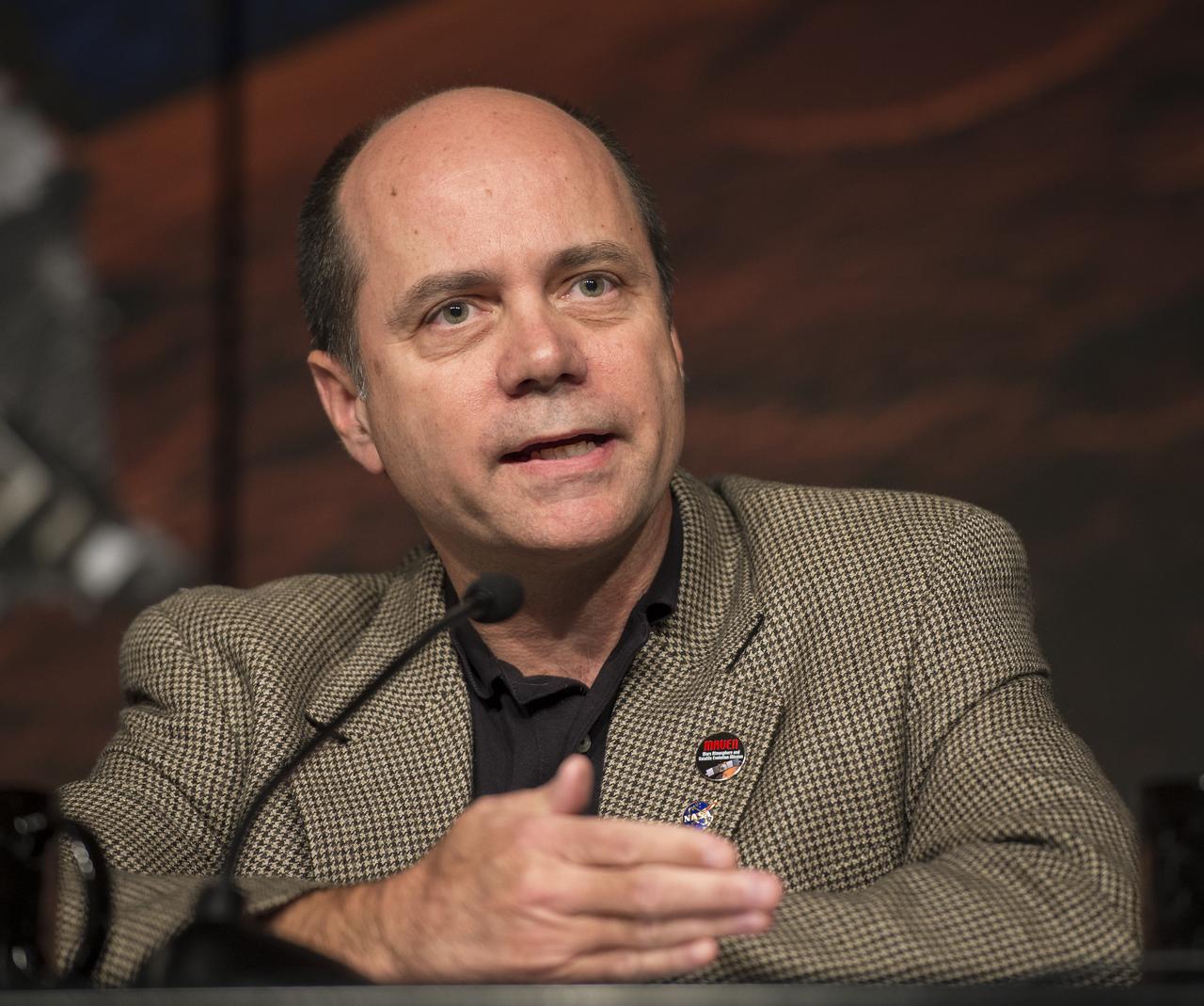
David Mitchell, MAVEN project manager, NASA’s Goddard Space Flight Center, Greenbelt, Maryland is seen during a media briefing where he and other panelist outlined activities around the Sunday, Sept. 21 orbital insertion at Mars of the agency’s Mars Atmosphere and Volatile EvolutioN (MAVEN) spacecraft, Wednesday, Sept. 17, 2014 at NASA Headquarters in Washington. (Photo credit: NASA/Bill Ingalls)
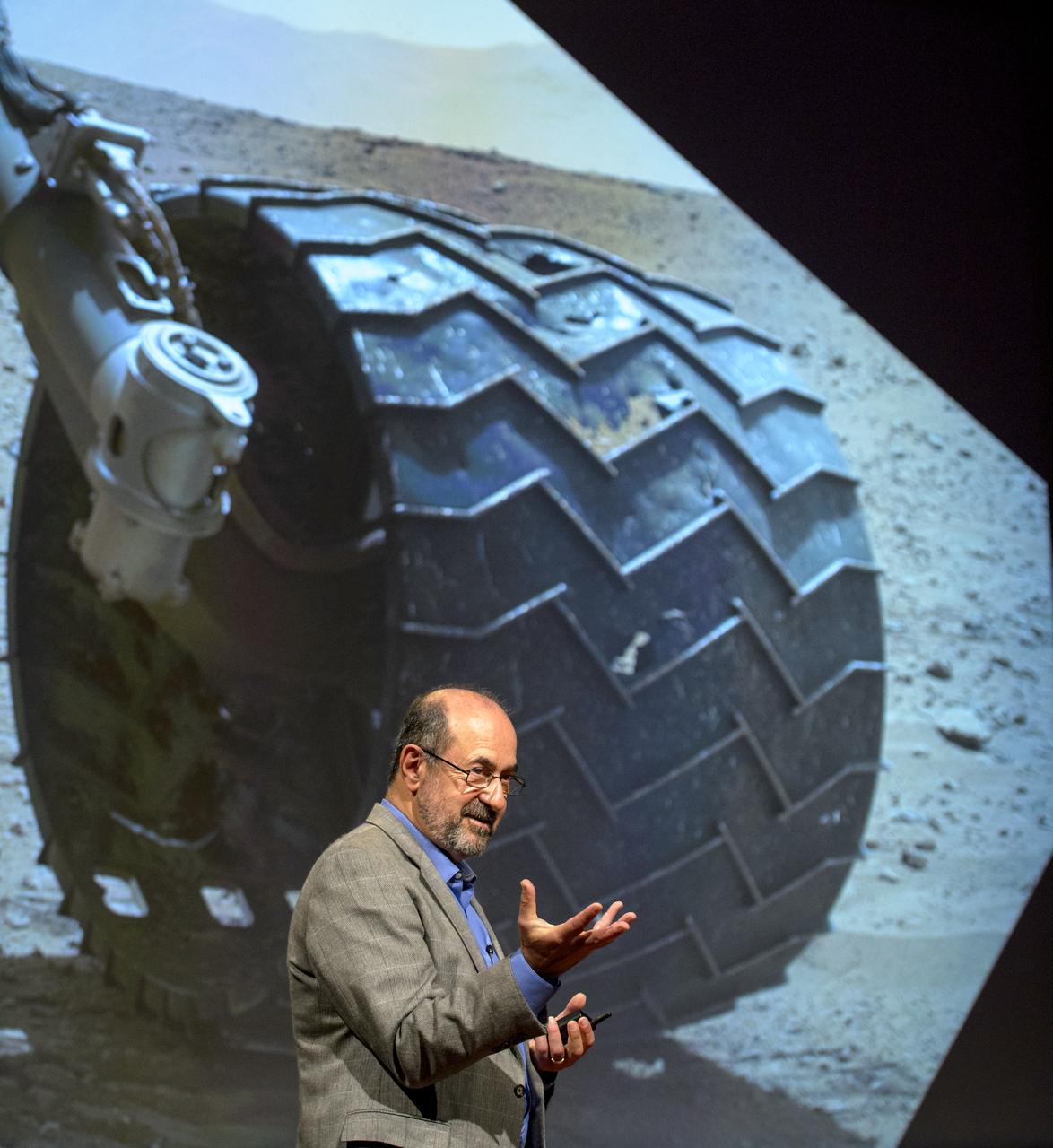
Marc Kaufman, space news writer, National Geographic and The Washington Post, and author of the new National Geographic book “Mars Up Close”, kicks off a panel discussion of Mars experts involved in current Mars exploration, Tuesday, August 5, 2014, at the National Geographic Society headquarters in Washington. The panelist shared what we’ve learned from Curiosity and the other Mars rovers surveying the red planet. Photo Credit: (NASA/Bill Ingalls)
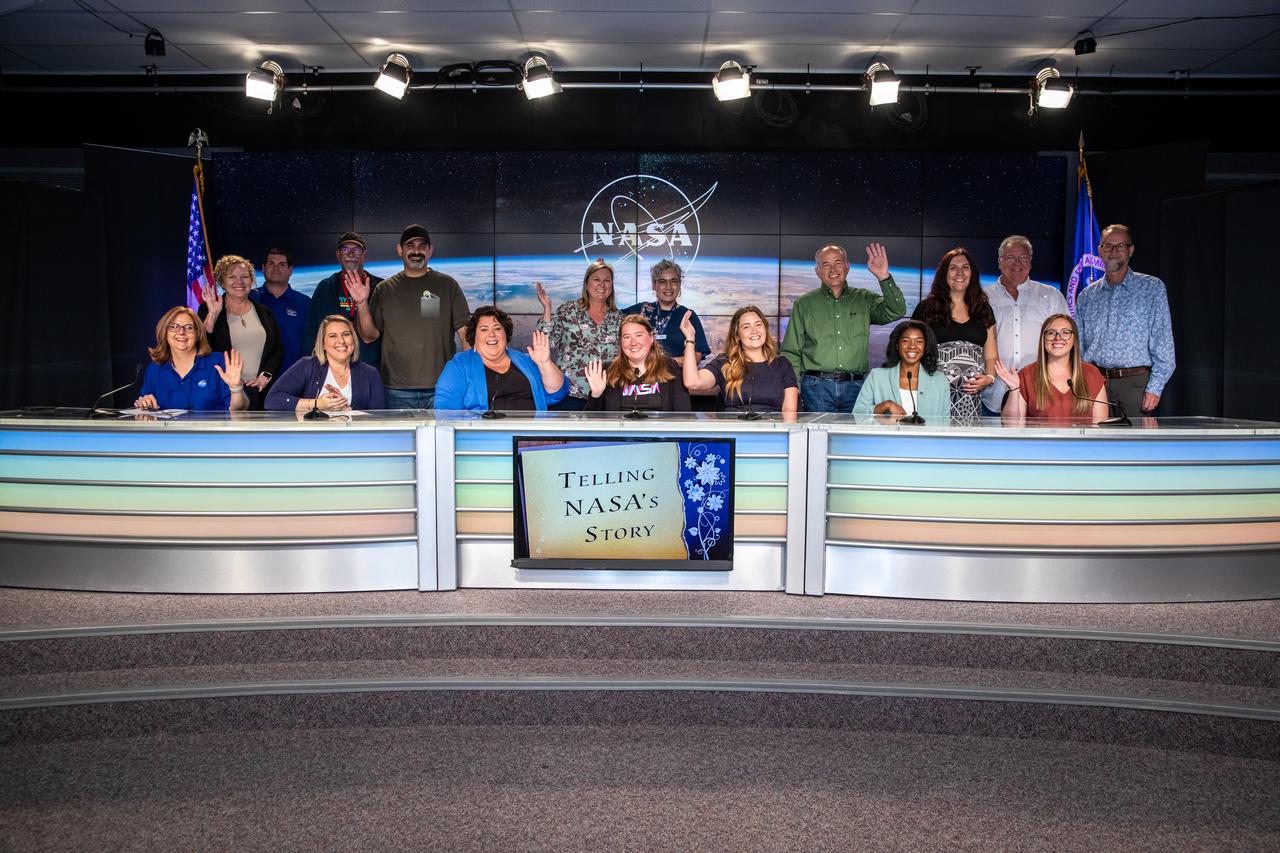
Employees who work at NASA’s Kennedy Space Center Press Site are photographed inside the News Auditorium at the Florida spaceport on March 23, 2023, following a panel discussion held to commemorate Women’s History Month. The event, titled “Celebrating the Women Who Tell Our Stories,” included women who typically work behind the scenes sharing what goes into conceiving, creating, and curating NASA stories. Panelists included Kennedy’s news chief, members of the broadcast team, public affairs specialists, a video producer, and a writer.
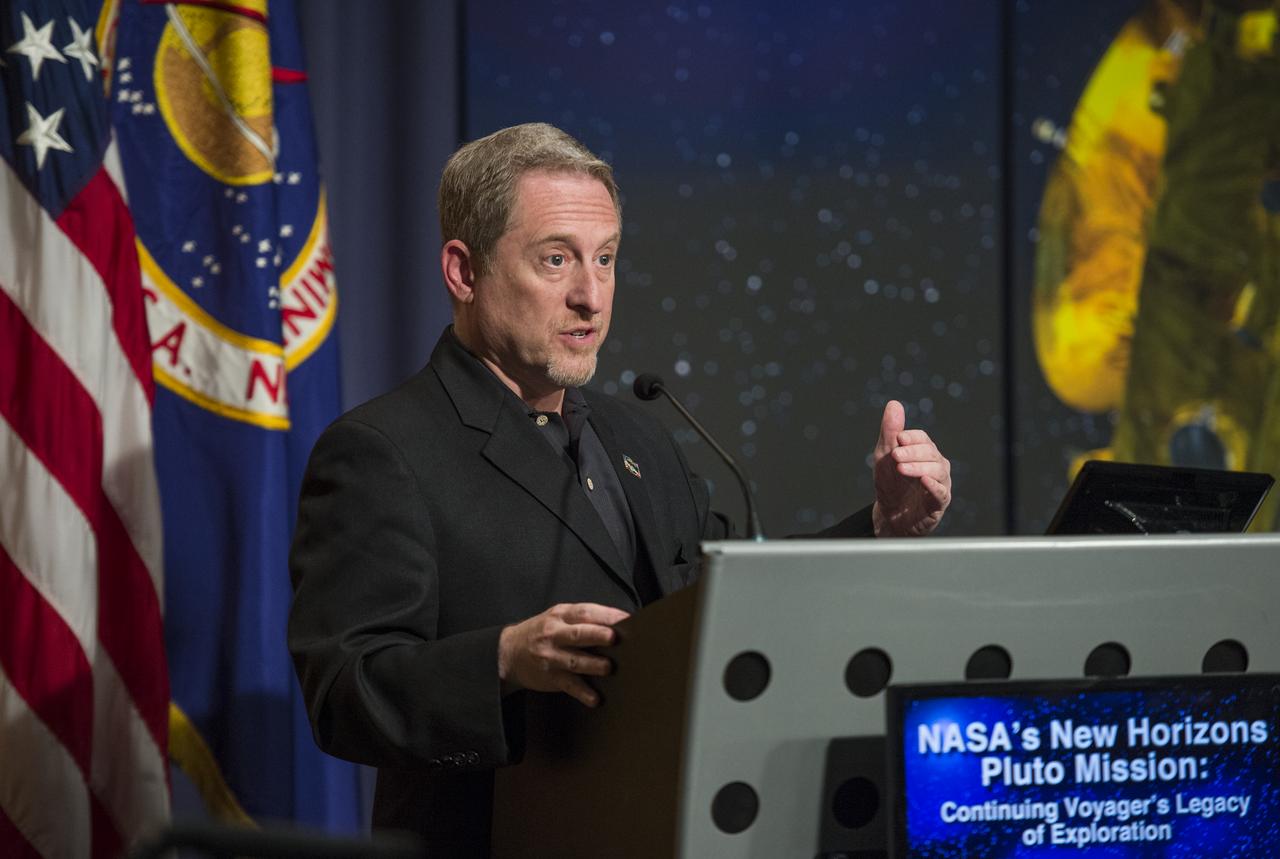
Dr. Alan Stern, Principal Investigator on NASA's New Horizons Mission, delivers closing remarks following a panel discussion at the "NASA's New Horizons Pluto Mission: Continuing Voyager's Legacy of Exploration" event on Monday, August, 25, 2014, in the James E. Webb Auditorium at NASA Headquarters in Washington, DC. The panelists gave their accounts of Voyager's encounter with Neptune and discussed their current assignments on NASA's New Horizons mission to Pluto. Photo Credit: (NASA/Joel Kowsky)
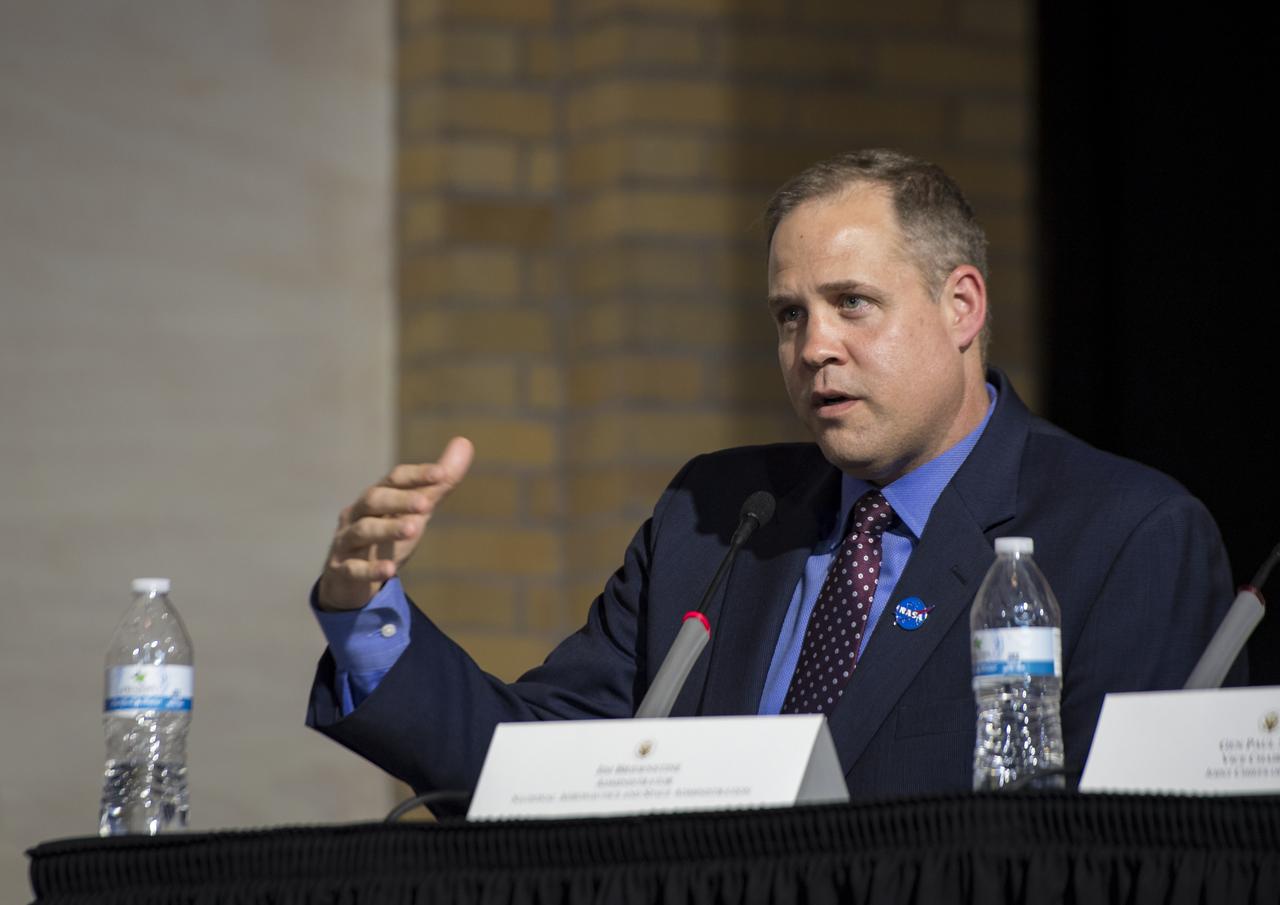
NASA Administrator Jim Bridenstine asks panelists a question during the National Space Council meeting titled, Moon, Mars, and Worlds Beyond, Winning the Next Frontier, Tuesday, Oct. 23, 2018 at the National War College at Fort Lesley J. McNair in Washington. Chaired by the Vice President, the council's role is to advise the President regarding national space policy and strategy, and review the nation's long-range goals for space activities.Photo Credit: (NASA/Aubrey Gemignani)
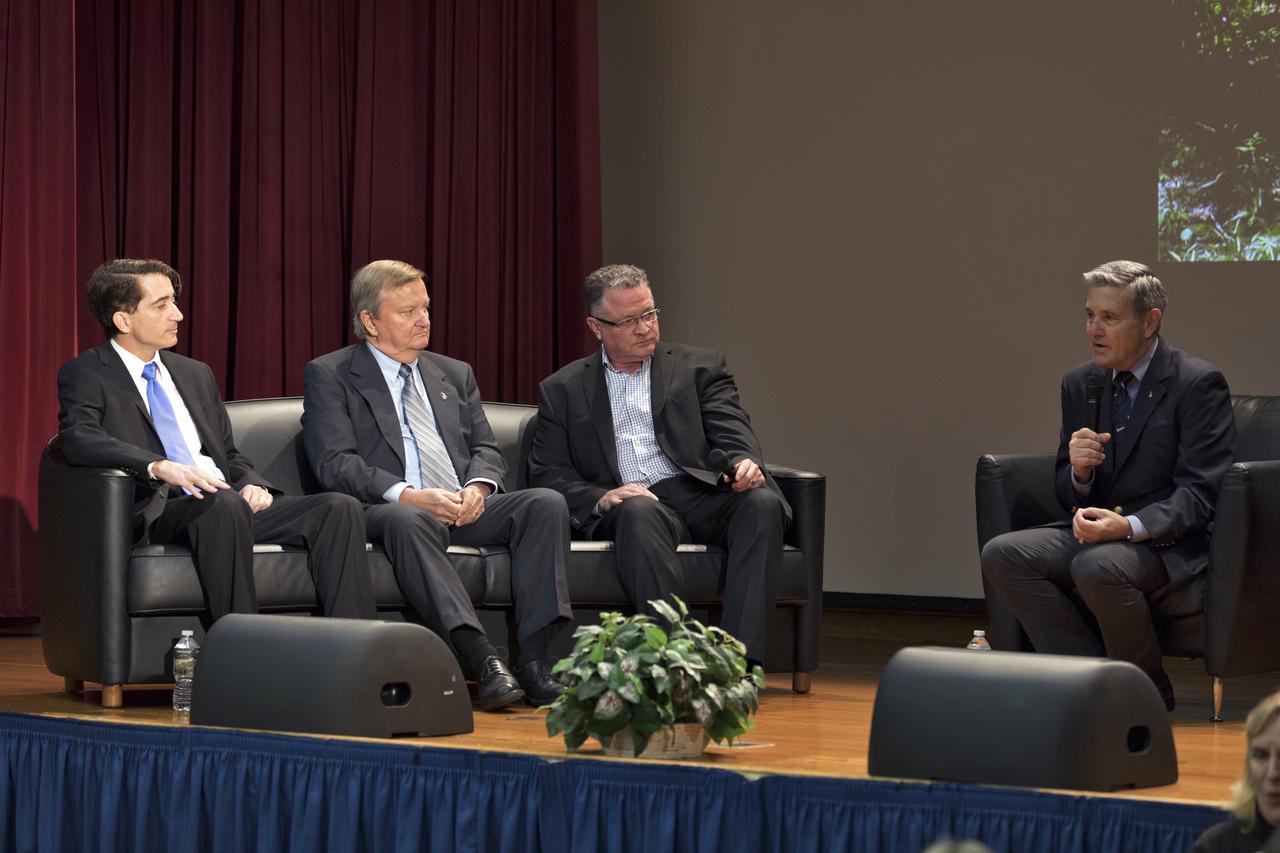
NASA Kennedy Space Center Director Bob Cabana, far right, poses a question to several panelists during an Apollo, Challenger, Columbia Lessons Learned Program (ACCLLP) employee event. The theme of the presentation was "Columbia: Lessons and Legends of Recovery." Participating, from left, are Mike Ciannilli, ACCLLP manager; Mike Leinbach, former shuttle launch director; and Dave King, NASA Columbia Recovery director and former director of Marshall Space Flight Center.
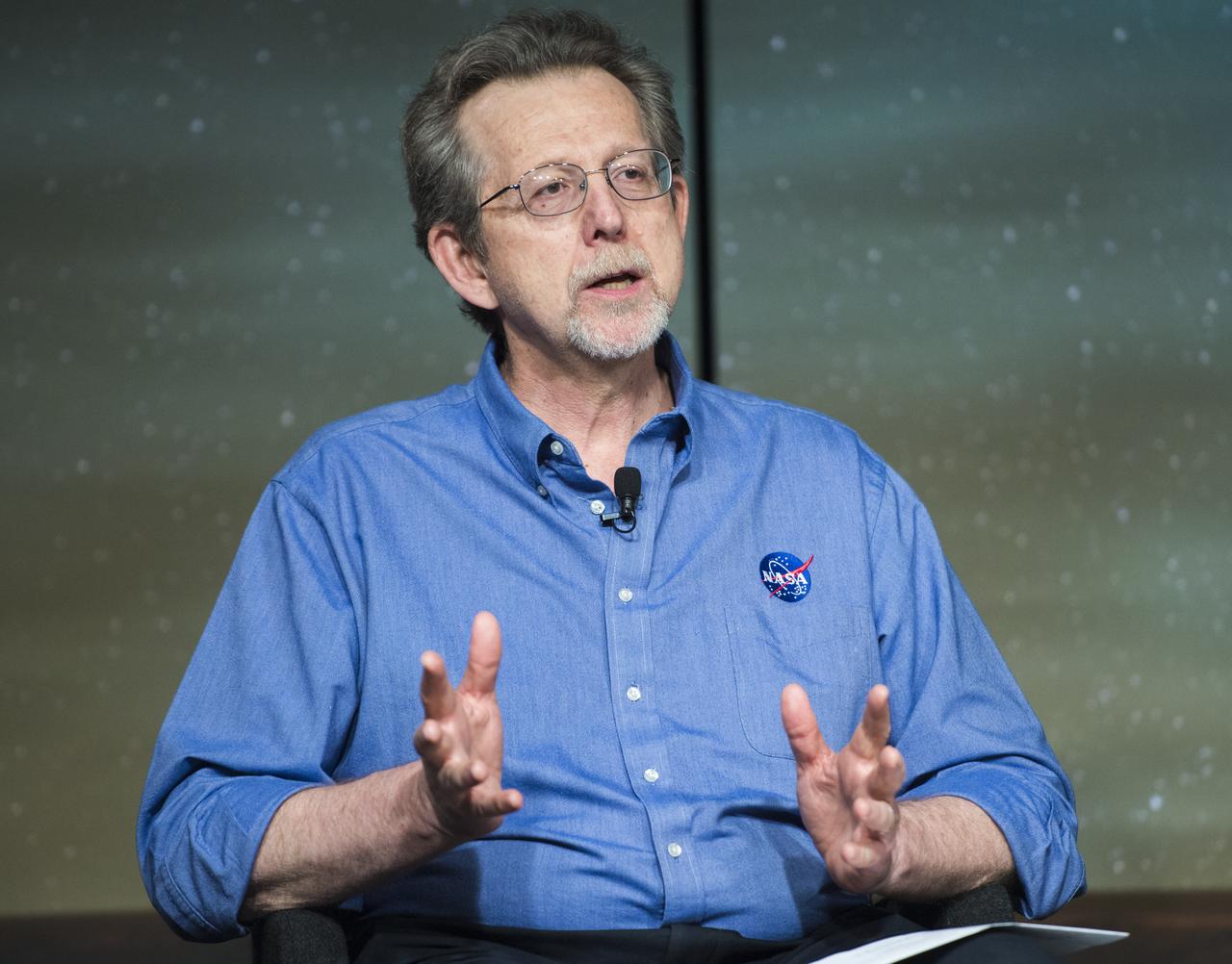
Jim Green, director, Planetary Science Division, NASA Headquarters, Washington gives remarks during a media briefing where he and other panelists outlined how space and Earth-based assets will be used to image and study comet Siding Spring during its Sunday, Oct. 19 flyby of Mars, Thursday, Oct. 9, 2014 at NASA Headquarters in Washington. Photo Credit: (NASA/Joel Kowsky)
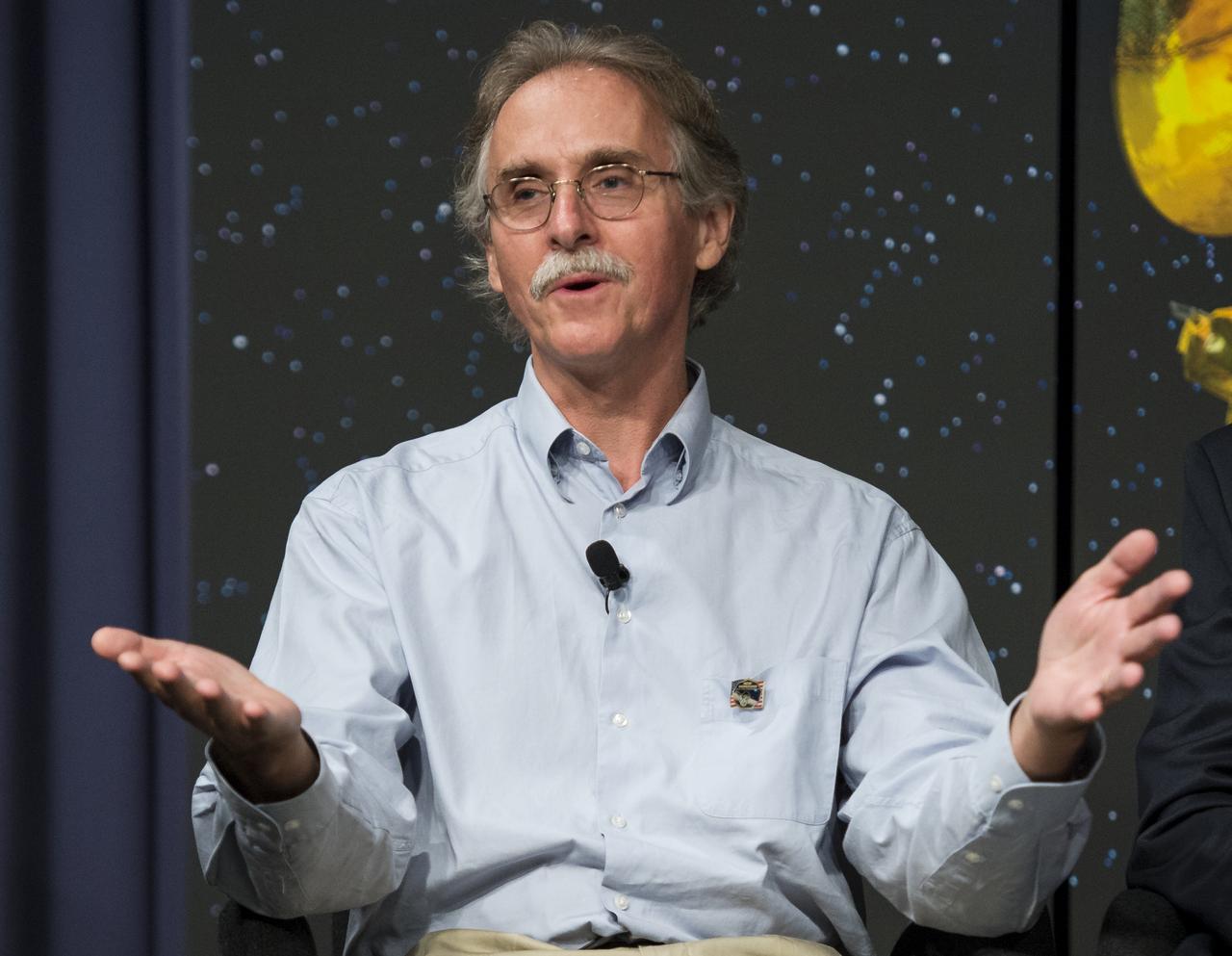
Dr. John Spencer, senior scientist at the Southwest Research Institute in Boulder, Colorado, speaks during a panel discussion at the "NASA's New Horizons Pluto Mission: Continuing Voyager's Legacy of Exploration" event on Monday, August, 25, 2014, in the James E. Webb Auditorium at NASA Headquarters in Washington, DC. The panelists gave their accounts of Voyager's encounter with Neptune and discussed their current assignments on NASA's New Horizons mission to Pluto. Photo Credit: (NASA/Joel Kowsky)

Lisa May, lead program executive, Mars Exploration Program, NASA Headquarters gives remarks during a media briefing where she and other panelist outlined activities around the Sunday, Sept. 21 orbital insertion at Mars of the agency’s Mars Atmosphere and Volatile EvolutioN (MAVEN) spacecraft, Wednesday, Sept. 17, 2014 at NASA Headquarters in Washington. (Photo credit: NASA/Bill Ingalls)
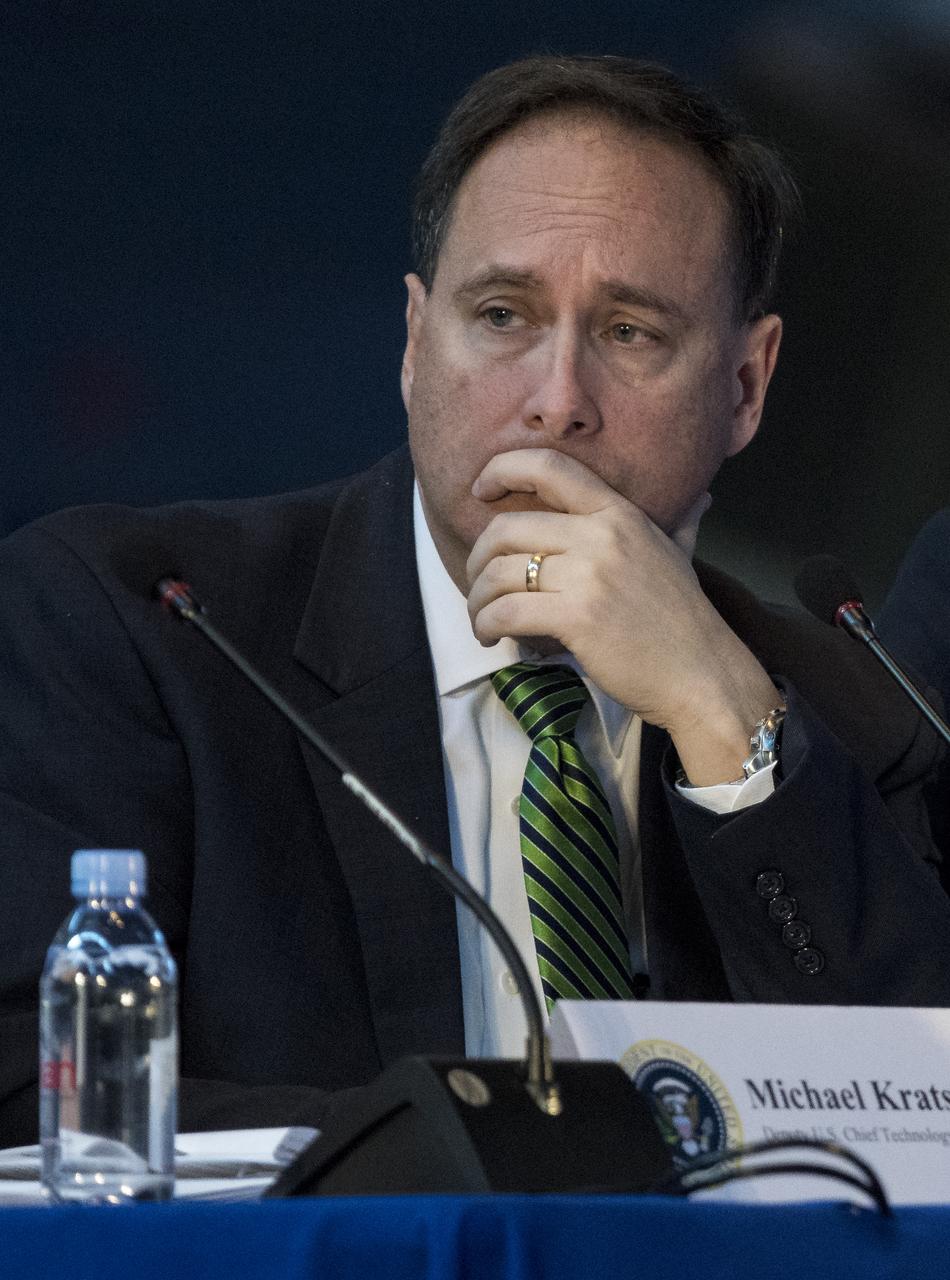
Acting NASA Administrator Robert Lightfoot listens to remarks by panelists during the National Space Council's first meeting, Thursday, Oct. 5, 2017 at the Smithsonian National Air and Space Museum's Steven F. Udvar-Hazy Center in Chantilly, Va. The National Space Council, chaired by Vice President Mike Pence heard testimony from representatives from civil space, commercial space, and national security space industry representatives. Photo Credit: (NASA/Joel Kowsky)
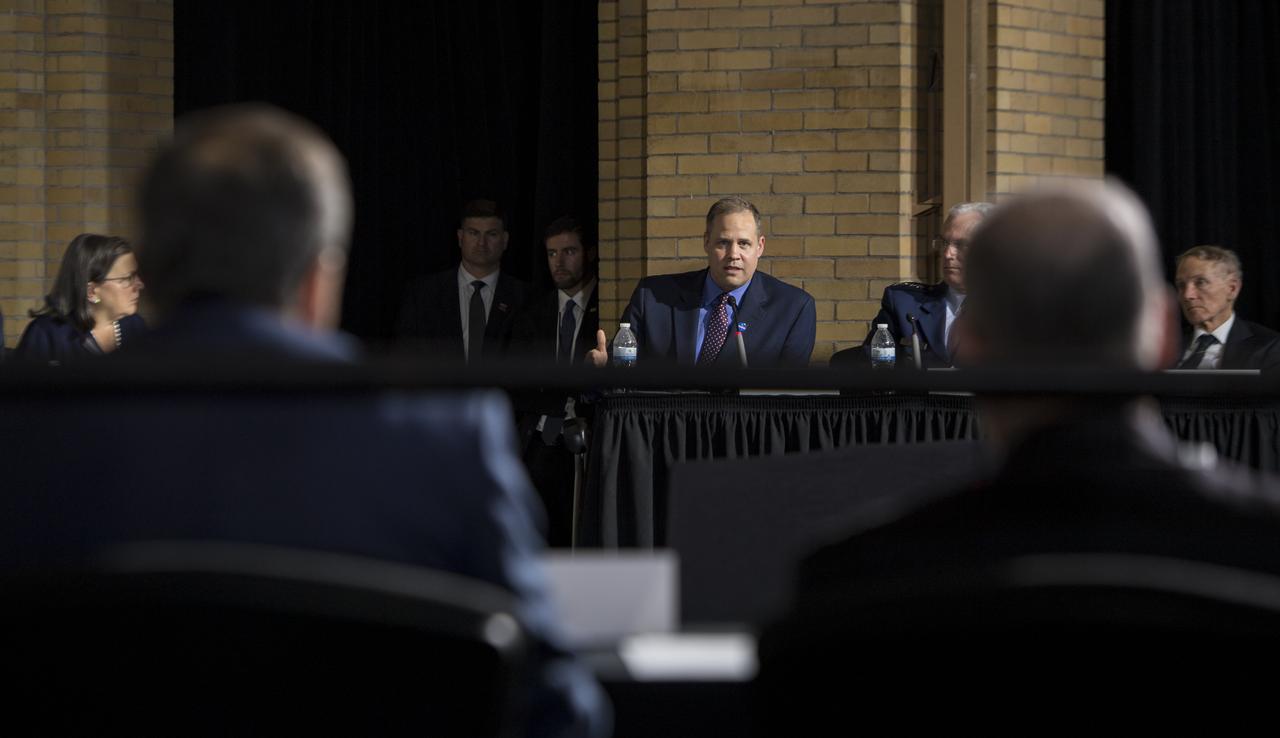
NASA Administrator Jim Bridenstine asks panelists a question during the National Space Council meeting titled, Moon, Mars, and Worlds Beyond, Winning the Next Frontier, Tuesday, Oct. 23, 2018 at the National War College at Fort Lesley J. McNair in Washington. Chaired by the Vice President, the council's role is to advise the President regarding national space policy and strategy, and review the nation's long-range goals for space activities.Photo Credit: (NASA/Aubrey Gemignani)
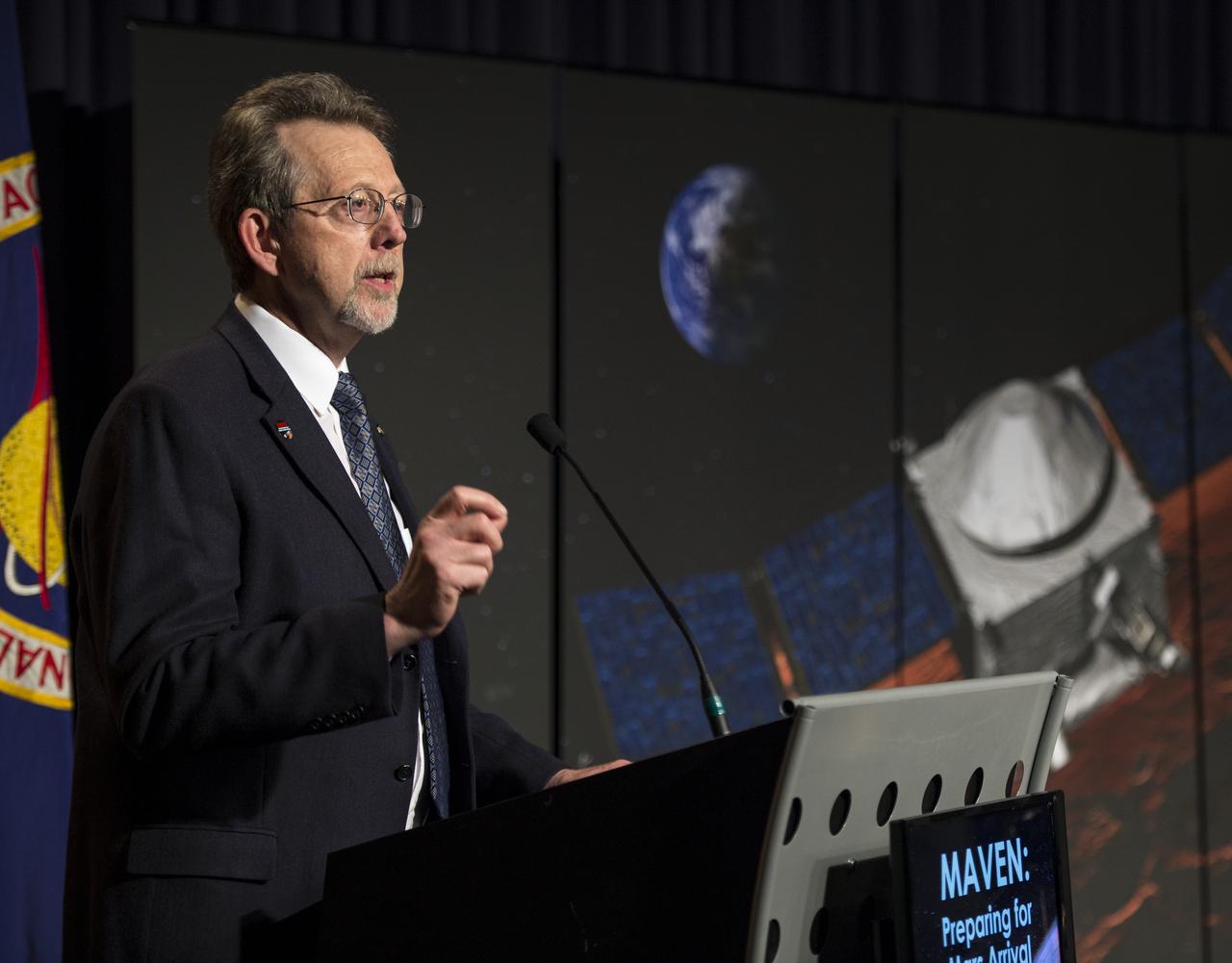
Dr. Jim Green, NASA‘s Planetary Science Division Director and Head of Mars Program, gives opening remarks at a media briefing where panelist outlined activities around the Sunday, Sept. 21 orbital insertion at Mars of the agency’s Mars Atmosphere and Volatile EvolutioN (MAVEN) spacecraft, Wednesday, Sept. 17, 2014 at NASA Headquarters in Washington. (Photo credit: NASA/Bill Ingalls)
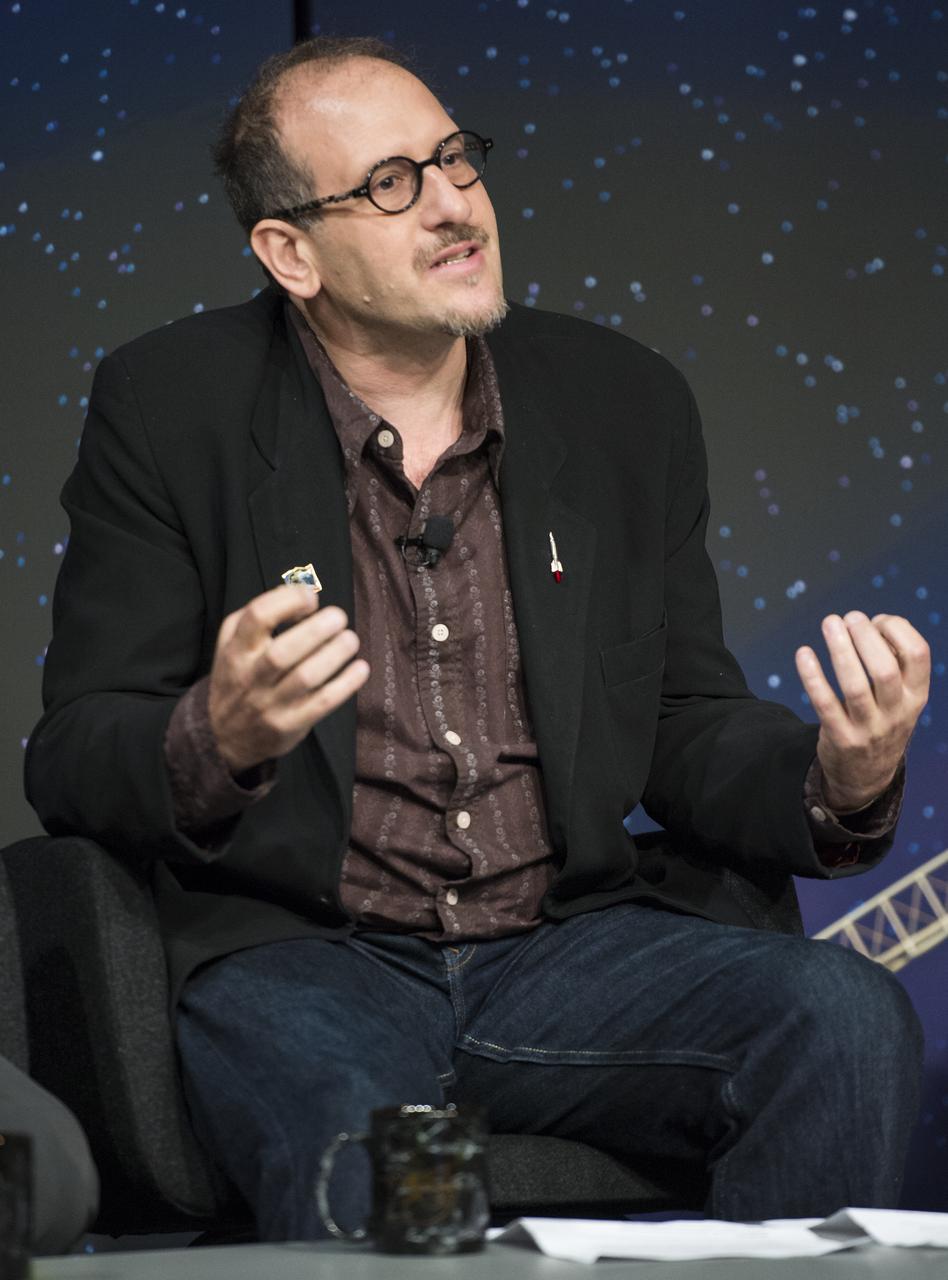
Dr. David H. Grinspoon, senior scientist at the Planetary Science Institute, speaks about working on NASA's Voyager team while serving as moderator for a panel discussion at the "NASA's New Horizons Pluto Mission: Continuing Voyager's Legacy of Exploration" event on Monday, August, 25, 2014, in the James E. Webb Auditorium at NASA Headquarters in Washington, DC. The panelists gave their accounts of Voyager's encounter with Neptune and discussed their current assignments on NASA's New Horizons mission to Pluto. Photo Credit: (NASA/Joel Kowsky)
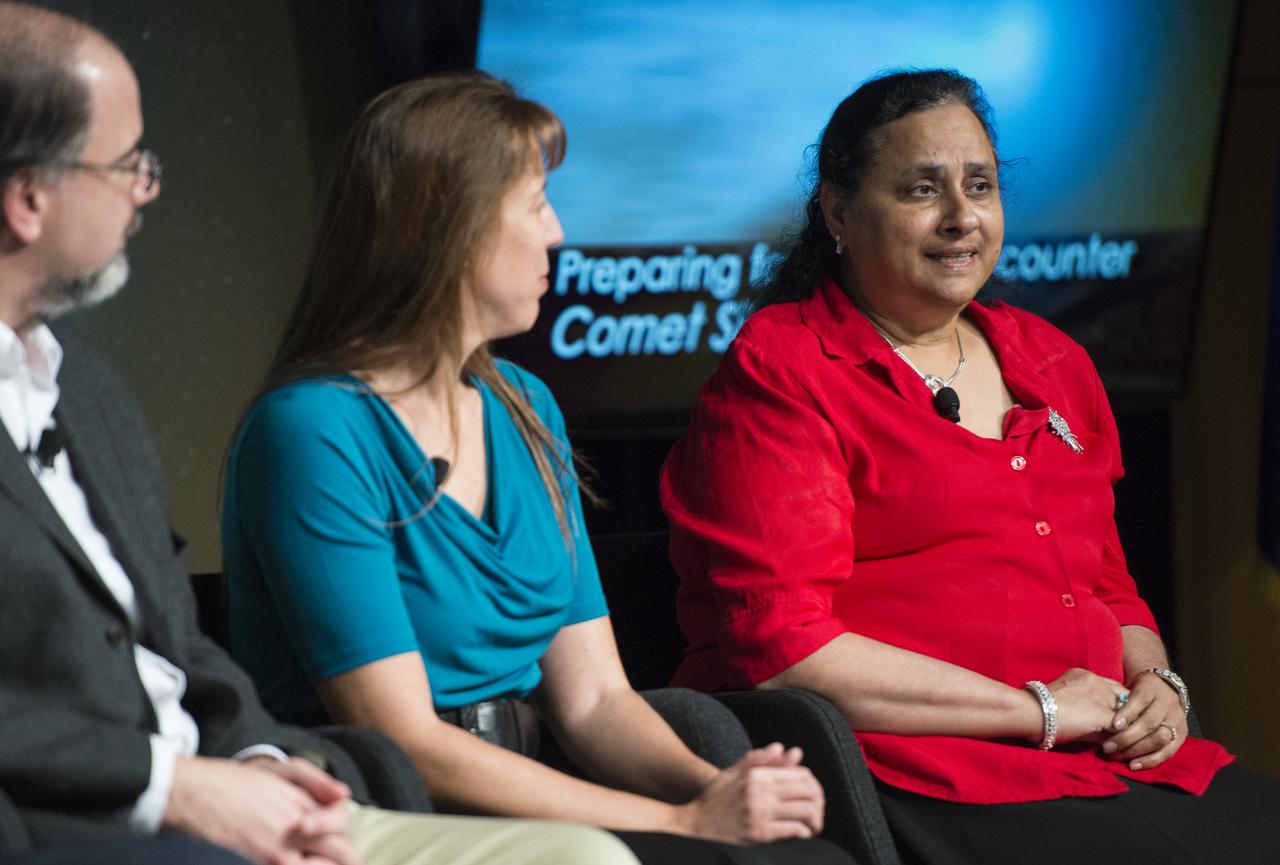
Padma Yanamandra-Fisher, senior research scientist, Space Science Institute, Rancho Cucamonga Branch, California, right, gives remarks during a media briefing where she and other panelists outlined how space and Earth-based assets will be used to image and study comet Siding Spring during its Sunday, Oct. 19 flyby of Mars, Thursday, Oct. 9, 2014 at NASA Headquarters in Washington. Photo Credit: (NASA/Joel Kowsky)
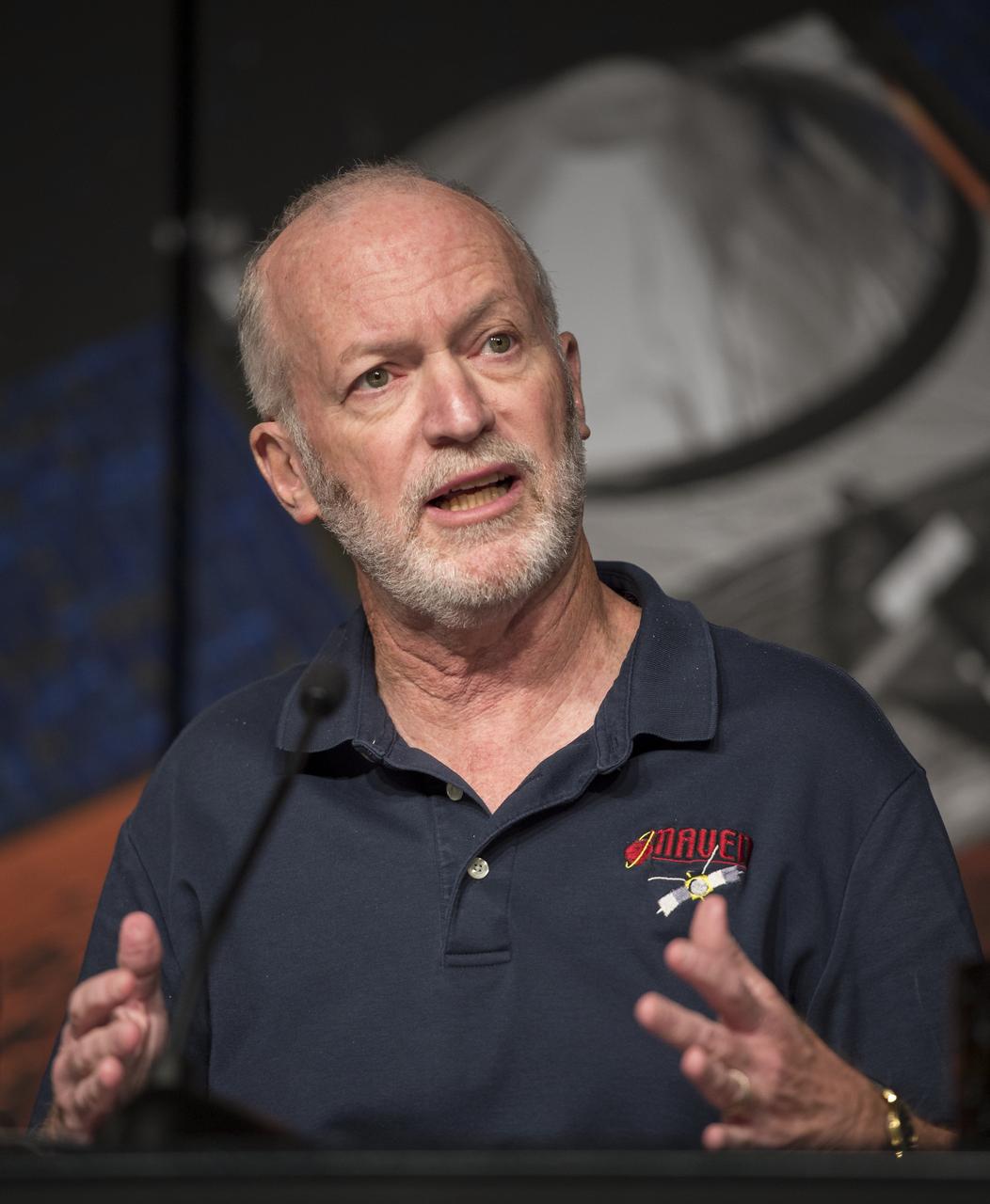
Bruce Jakosky, MAVEN principal investigator, Laboratory for Atmospheric and Space Physics, University of Colorado, Boulder, is seen during a media briefing where he and other panelist outlined activities around the Sunday, Sept. 21 orbital insertion at Mars of the agency’s Mars Atmosphere and Volatile EvolutioN (MAVEN) spacecraft, Wednesday, Sept. 17, 2014 at NASA Headquarters in Washington. (Photo credit: NASA/Bill Ingalls)
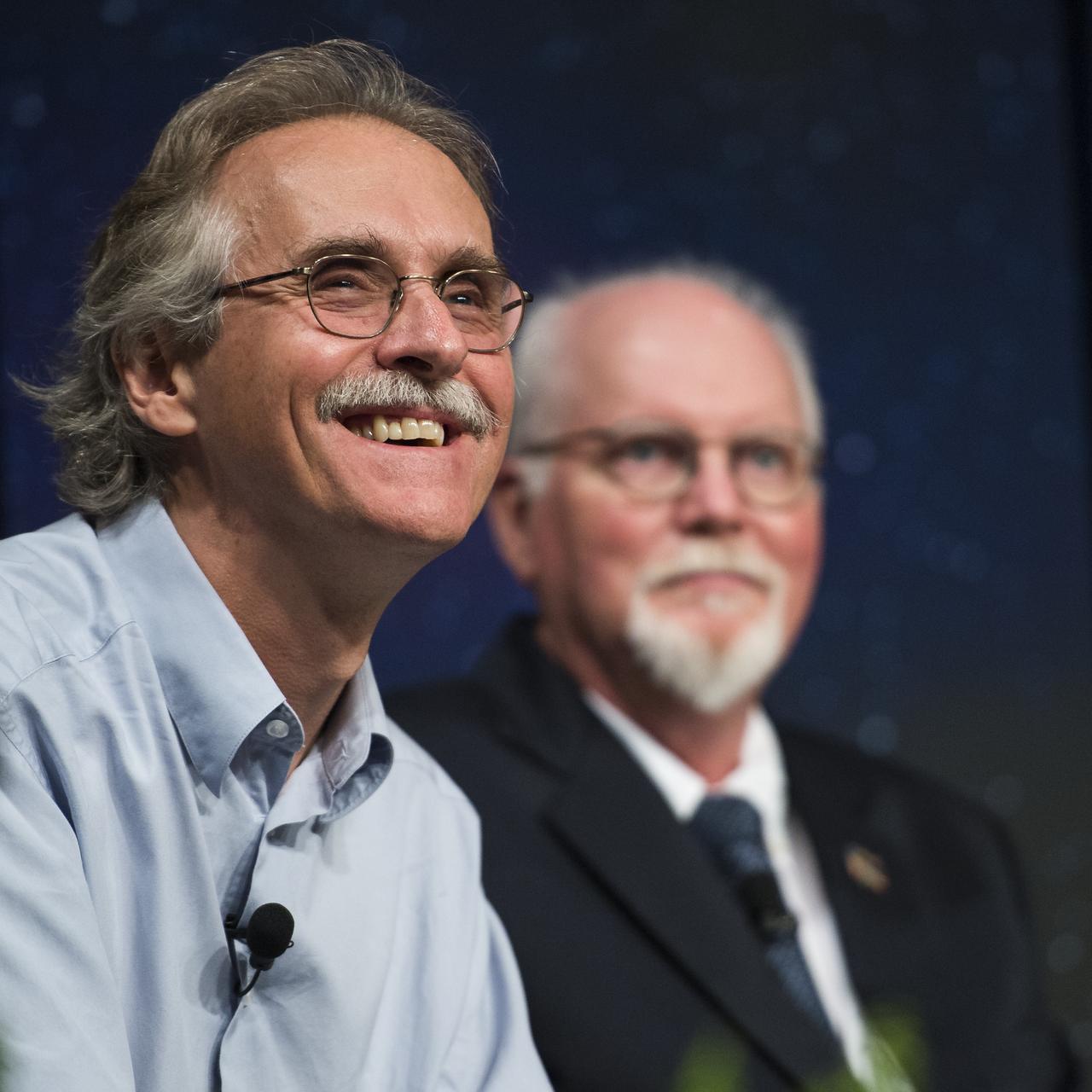
Dr. John Spencer, senior scientist at the Southwest Research Institute, answers a question from the audience during a panel discussion at the "NASA's New Horizons Pluto Mission: Continuing Voyager's Legacy of Exploration" event on Monday, August, 25, 2014, in the James E. Webb Auditorium at NASA Headquarters in Washington, DC. The panelists gave their accounts of Voyager's encounter with Neptune and discussed their current assignments on NASA's New Horizons mission to Pluto. Photo Credit: (NASA/Joel Kowsky)
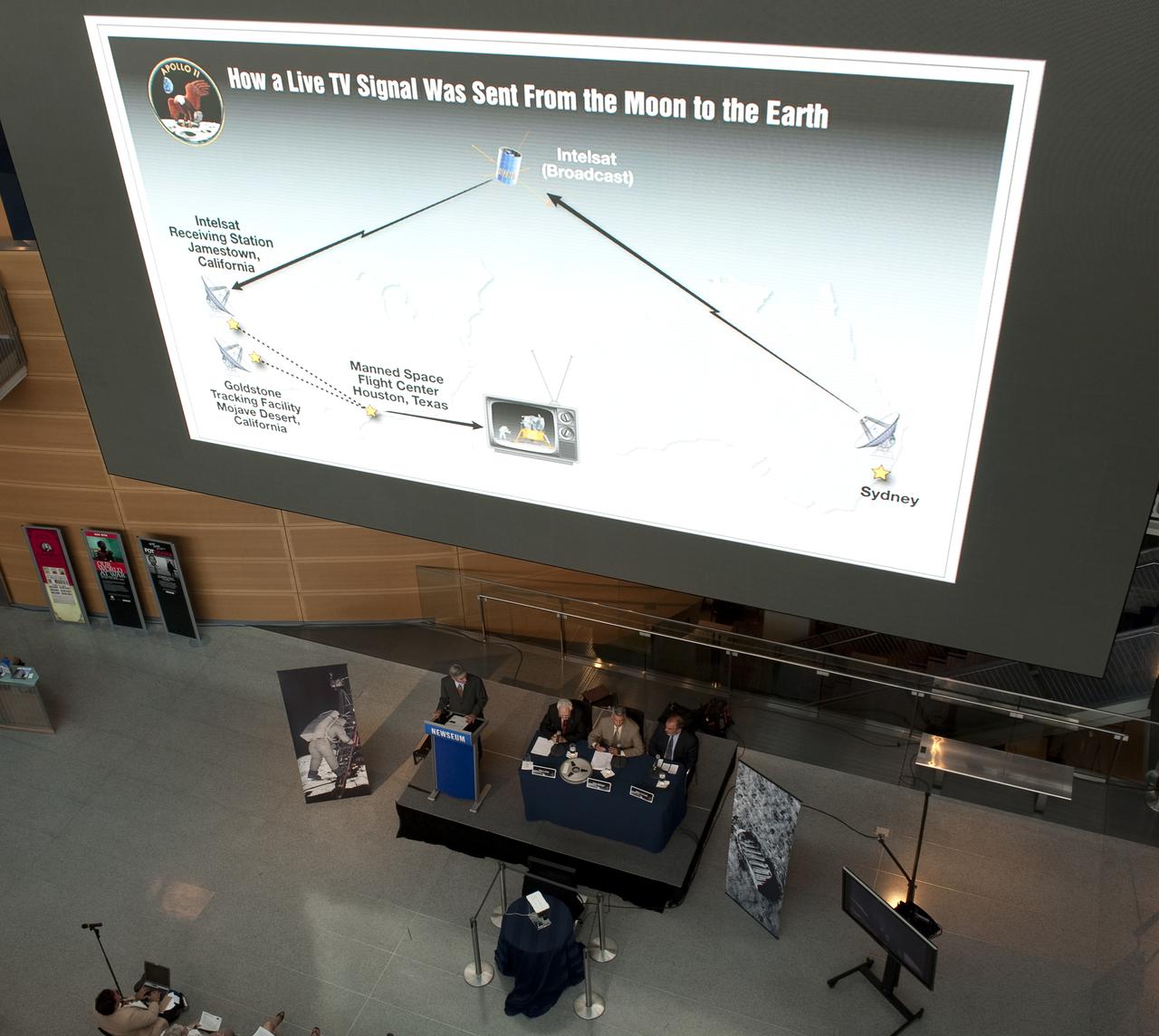
Graphics showing how TV signals were sent from the Apollo 11 mission back to Earth are shown on a large video monitor above panelists at NASA's briefing where restored Apollo 11 moonwalk footage was revealed for the first time at the Newseum, Thursday, July 16, 2009, in Washington, DC. Photo Credit: (NASA/Carla Cioffi)
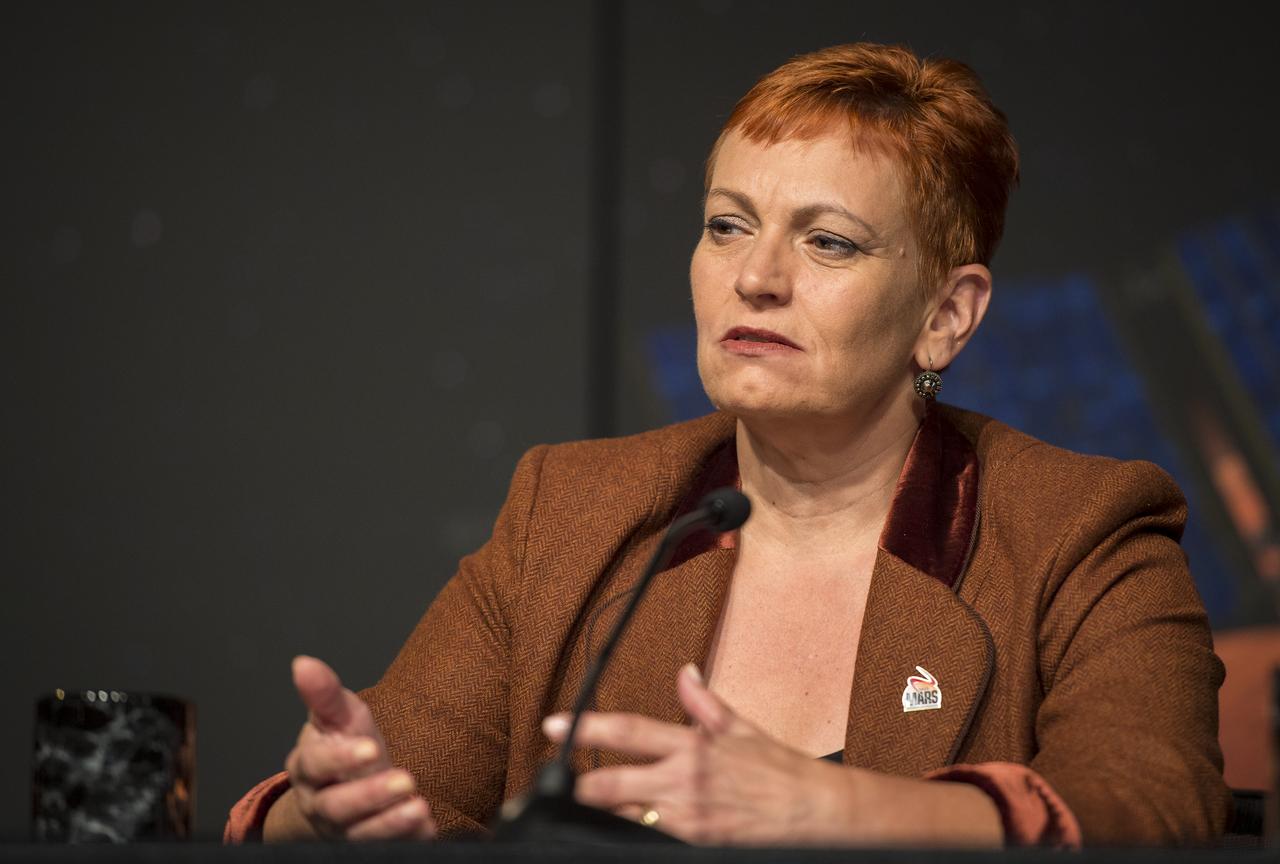
Lisa May, lead program executive, Mars Exploration Program, NASA Headquarters gives remarks during a media briefing where she and other panelist outlined activities around the Sunday, Sept. 21 orbital insertion at Mars of the agency’s Mars Atmosphere and Volatile EvolutioN (MAVEN) spacecraft, Wednesday, Sept. 17, 2014 at NASA Headquarters in Washington. (Photo credit: NASA/Bill Ingalls)
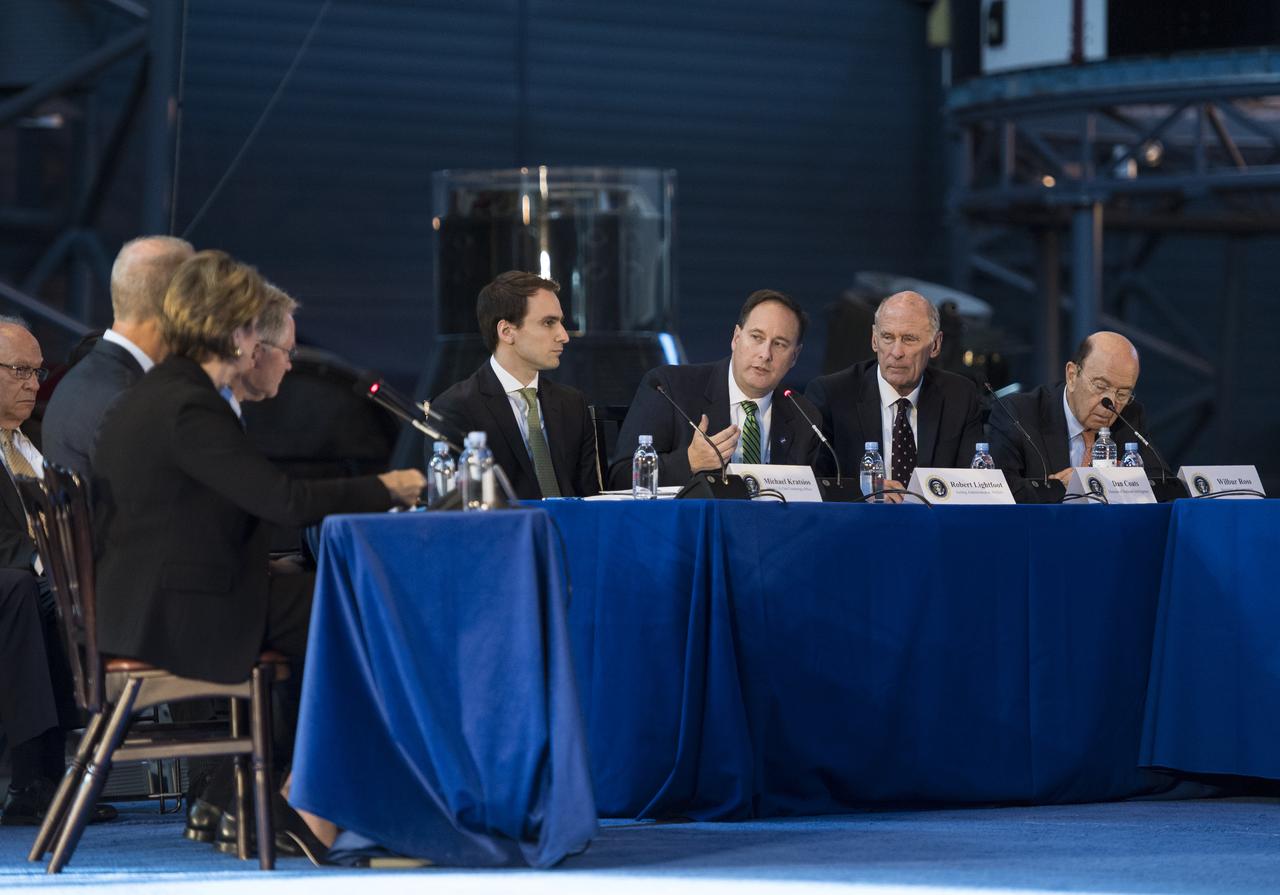
Acting NASA Administrator Robert Lightfoot asks a questions of panelists during the National Space Council's first meeting, Thursday, Oct. 5, 2017 at the Smithsonian National Air and Space Museum's Steven F. Udvar-Hazy Center in Chantilly, Va. The National Space Council, chaired by Vice President Mike Pence heard testimony from representatives from civil space, commercial space, and national security space industry representatives. Photo Credit: (NASA/Joel Kowsky)
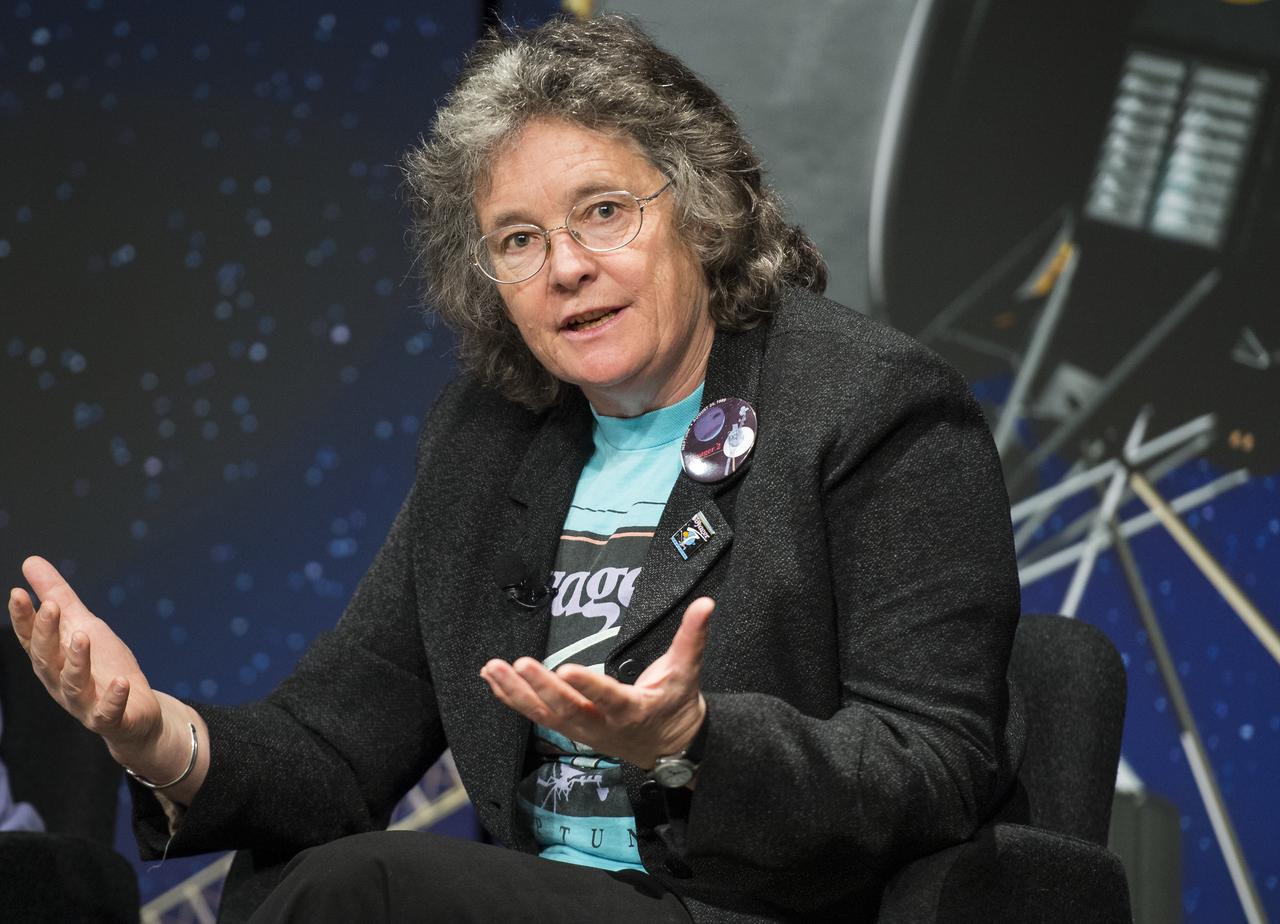
Dr. Fran Bagenal, senior scientist at the University of Colorado, speaks during a panel discussion at the "NASA's New Horizons Pluto Mission: Continuing Voyager's Legacy of Exploration" event on Monday, August, 25, 2014, in the James E. Webb Auditorium at NASA Headquarters in Washington, DC. The panelists gave their accounts of Voyager's encounter with Neptune and discussed their current assignments on NASA's New Horizons mission to Pluto. Photo Credit: (NASA/Joel Kowsky)

Dr. Bonnie Buratti, senior scientist at NASA's Jet Propultion Laboratory, speaks during a panel discussion at the "NASA's New Horizons Pluto Mission: Continuing Voyager's Legacy of Exploration" event on Monday, August, 25, 2014, in the James E. Webb Auditorium at NASA Headquarters in Washington, DC. The panelists gave their accounts of Voyager's encounter with Neptune and discussed their current assignments on NASA's New Horizons mission to Pluto. Photo Credit: (NASA/Joel Kowsky)
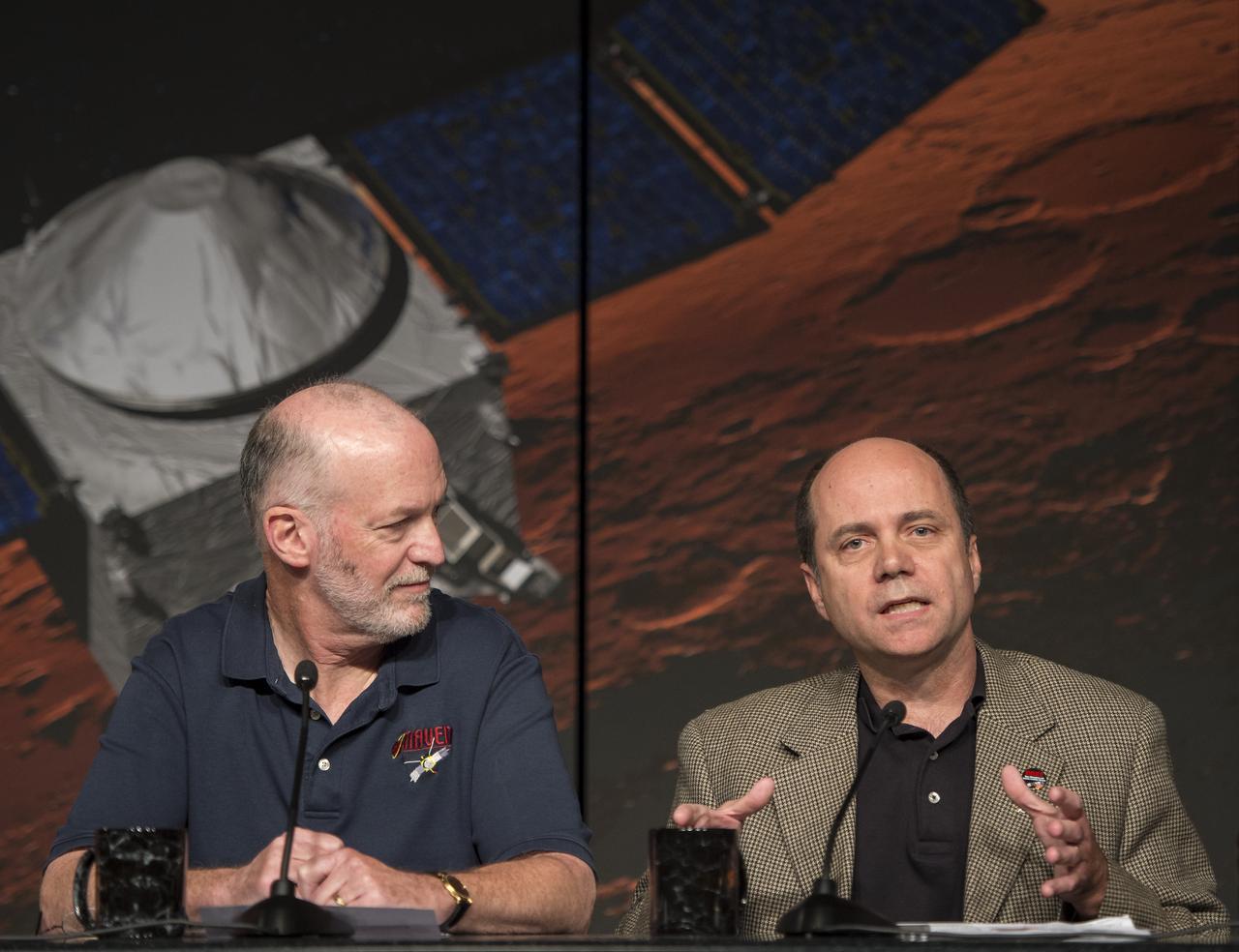
Bruce Jakosky, MAVEN principal investigator, Laboratory for Atmospheric and Space Physics, University of Colorado, Boulder, left, and David Mitchell, MAVEN project manager, NASA’s Goddard Space Flight Center, Greenbelt, Maryland are seen during a media briefing where they and other panelist outlined activities around the Sunday, Sept. 21 orbital insertion at Mars of the agency’s Mars Atmosphere and Volatile EvolutioN (MAVEN) spacecraft, Wednesday, Sept. 17, 2014 at NASA Headquarters in Washington. (Photo credit: NASA/Bill Ingalls)
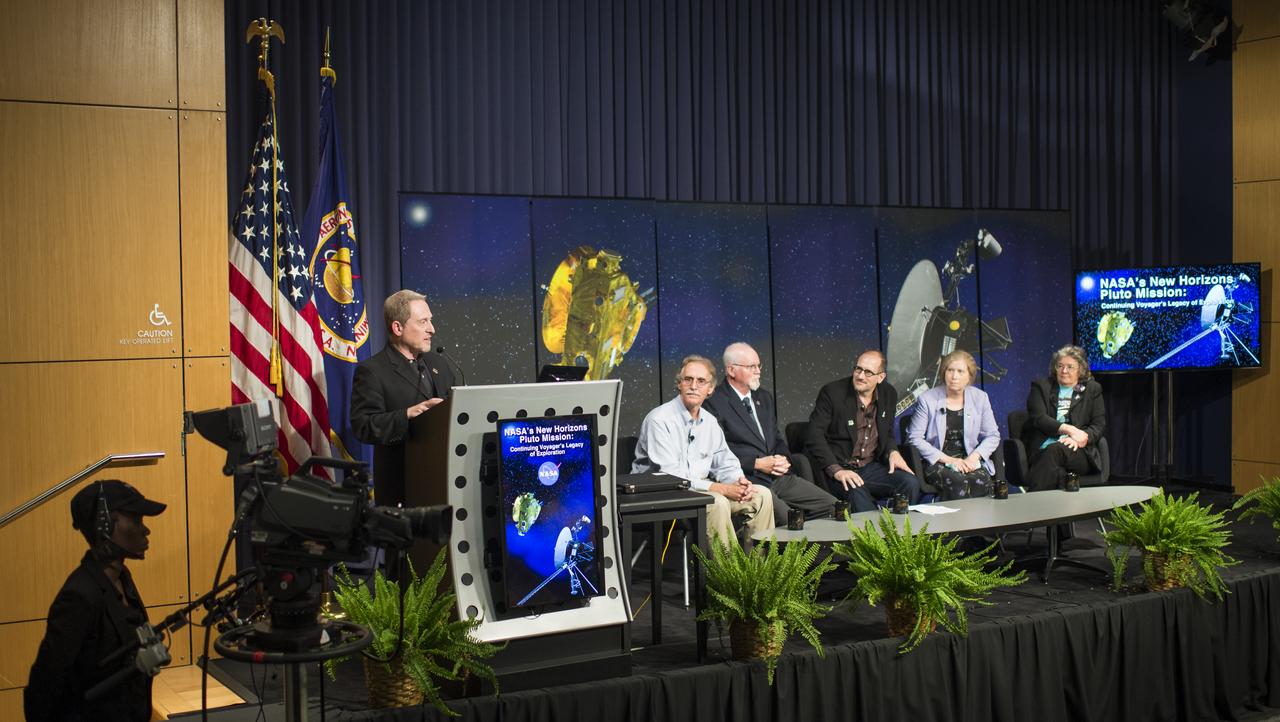
Dr. Alan Stern, Principal Investigator on NASA's New Horizons Mission, left, delivers closing remarks following a panel discussion at the "NASA's New Horizons Pluto Mission: Continuing Voyager's Legacy of Exploration" event on Monday, August, 25, 2014, in the James E. Webb Auditorium at NASA Headquarters in Washington, DC. The panelists gave their accounts of Voyager's encounter with Neptune and discussed their current assignments on NASA's New Horizons mission to Pluto. Photo Credit: (NASA/Joel Kowsky)
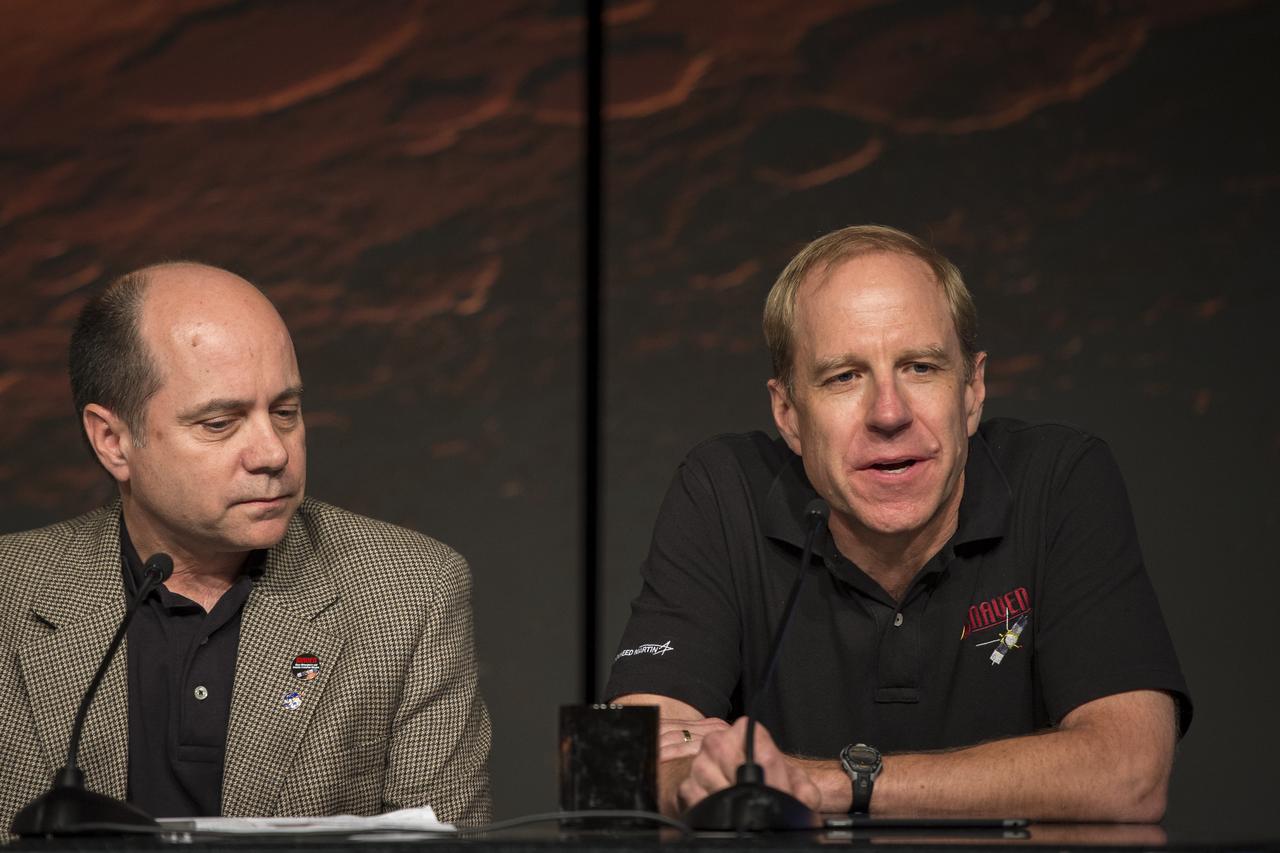
David Mitchell, MAVEN project manager, NASA’s Goddard Space Flight Center, Greenbelt, Maryland, left, and Guy Beutelschies, Lockheed Martin MAVEN program manager, Lockheed Martin Space Systems Company, Littleton, Colorado are seen during a media briefing where they and other panelist outlined activities around the Sunday, Sept. 21 orbital insertion at Mars of the agency’s Mars Atmosphere and Volatile EvolutioN (MAVEN) spacecraft, Wednesday, Sept. 17, 2014 at NASA Headquarters in Washington. (Photo credit: NASA/Bill Ingalls)
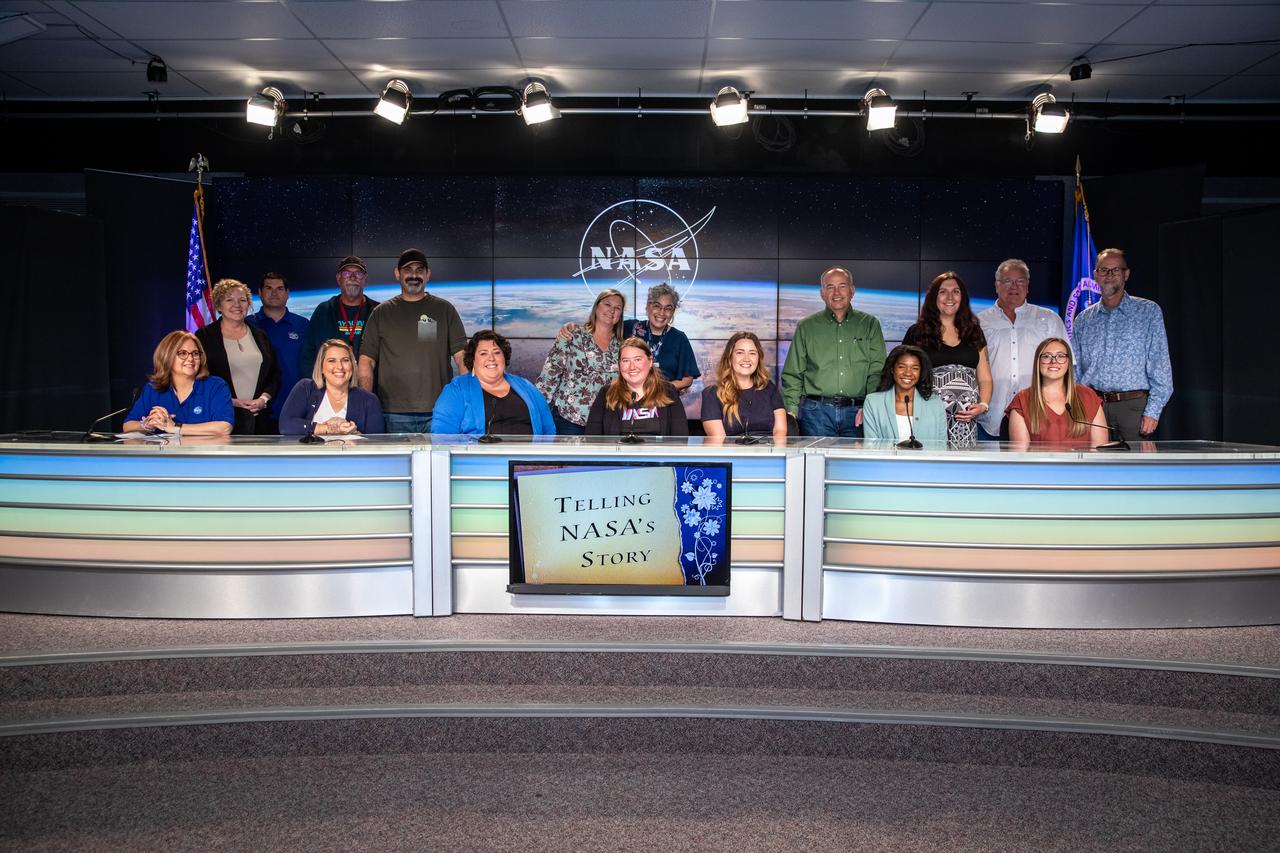
Employees who work at NASA’s Kennedy Space Center Press Site are photographed inside the News Auditorium at the Florida spaceport on March 23, 2023, following a panel discussion held to commemorate Women’s History Month. The event, titled “Celebrating the Women Who Tell Our Stories,” included women who typically work behind the scenes sharing what goes into conceiving, creating, and curating NASA stories. Panelists included Kennedy’s news chief, members of the broadcast team, public affairs specialists, a video producer, and a writer.
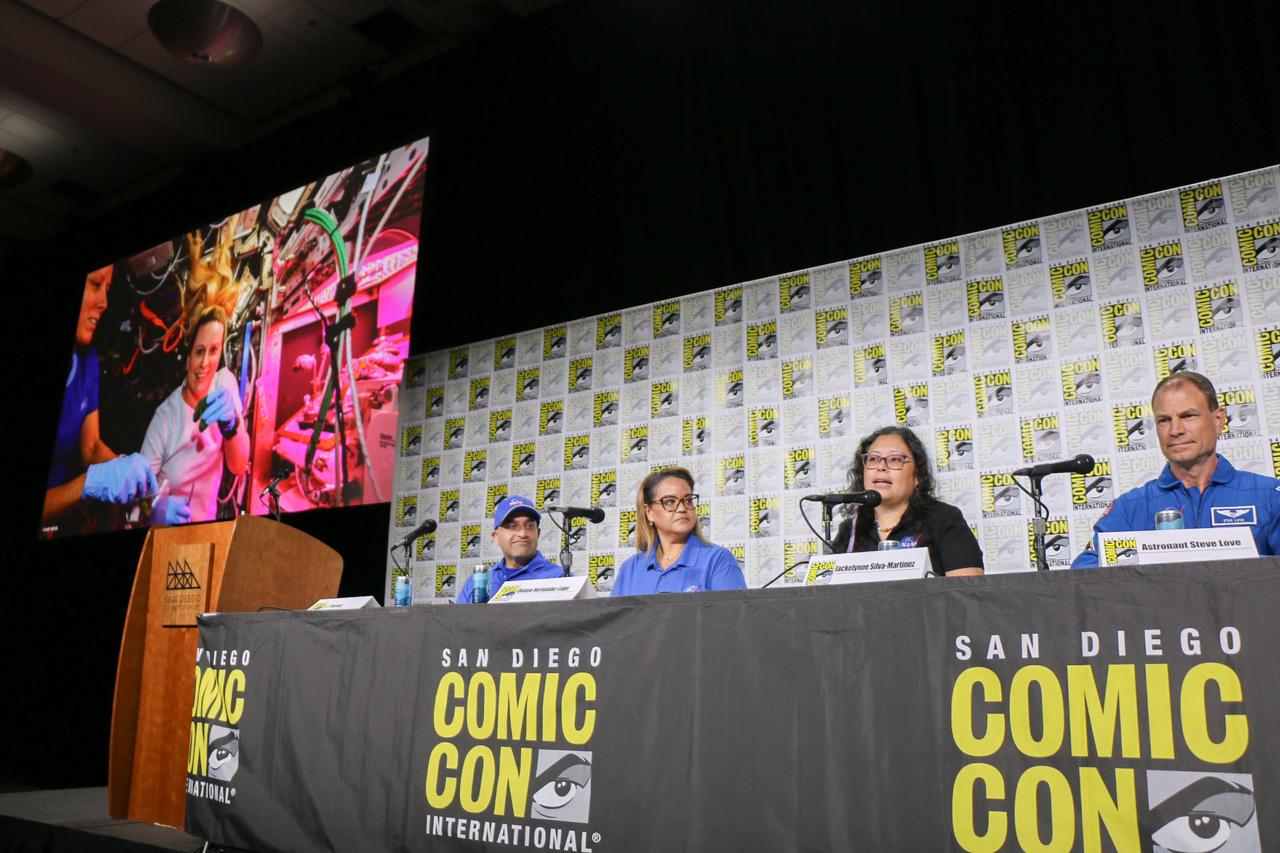
jsc2024e055756 (July 25, 2024) -- NASA panelists Dionne Hernandez-Lugo, Jackelynne Silva-Martinez, A.C. Charania, and Astronaut Stan Love discuss the Artemis program and Gateway's role in lunar exploration during the "Exploring the Moon: The Artemis Generation" panel at San Diego Comic-Con 2024. The event captivated a full house of space exploration enthusiasts. Photo Credit: NASA
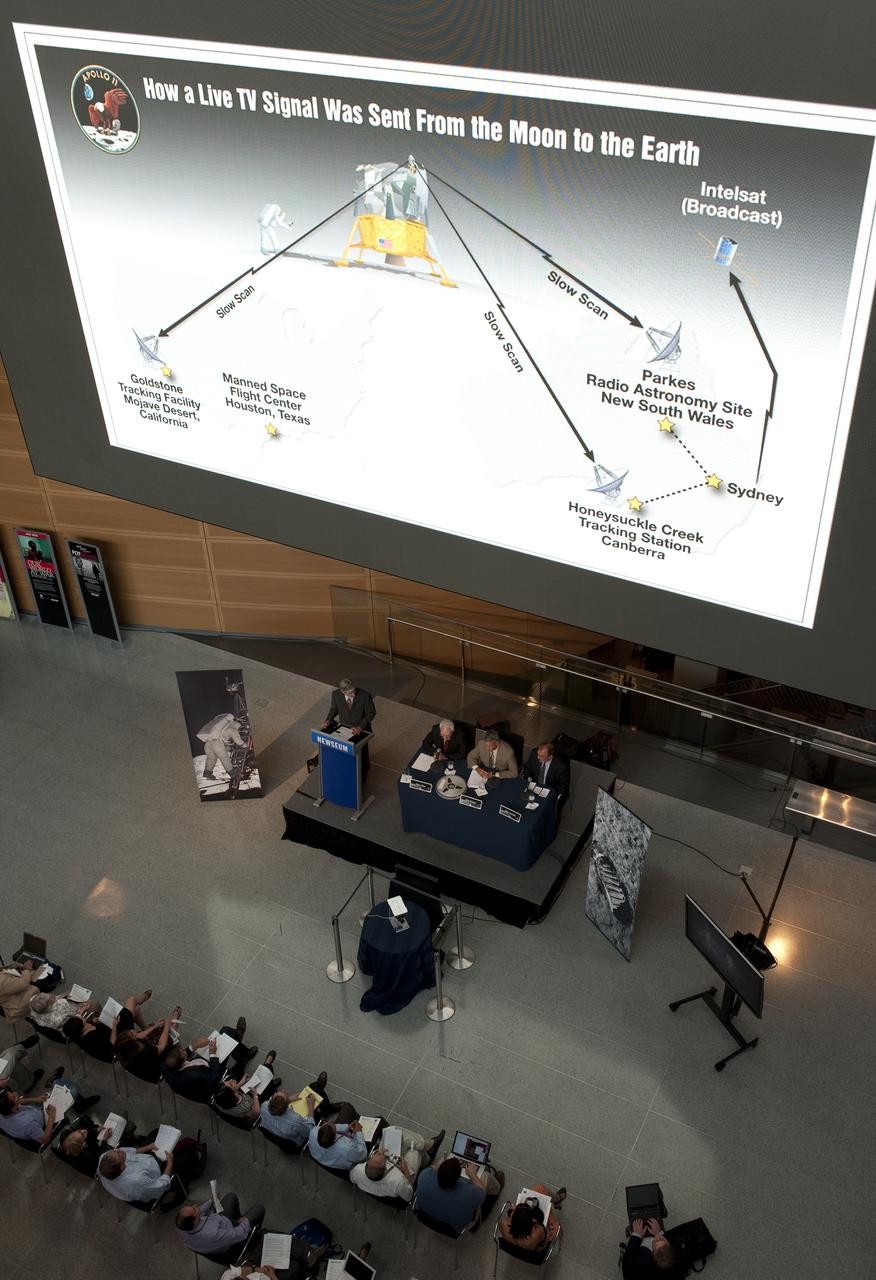
Graphics showing how TV signals were sent from the Apollo 11 mission back to Earth are shown on a large video monitor above panelists at NASA's briefing where restored Apollo 11 moonwalk footage was revealed for the first time at the Newseum, Thursday, July 16, 2009, in Washington, DC. Photo Credit: (NASA/Carla Cioffi)
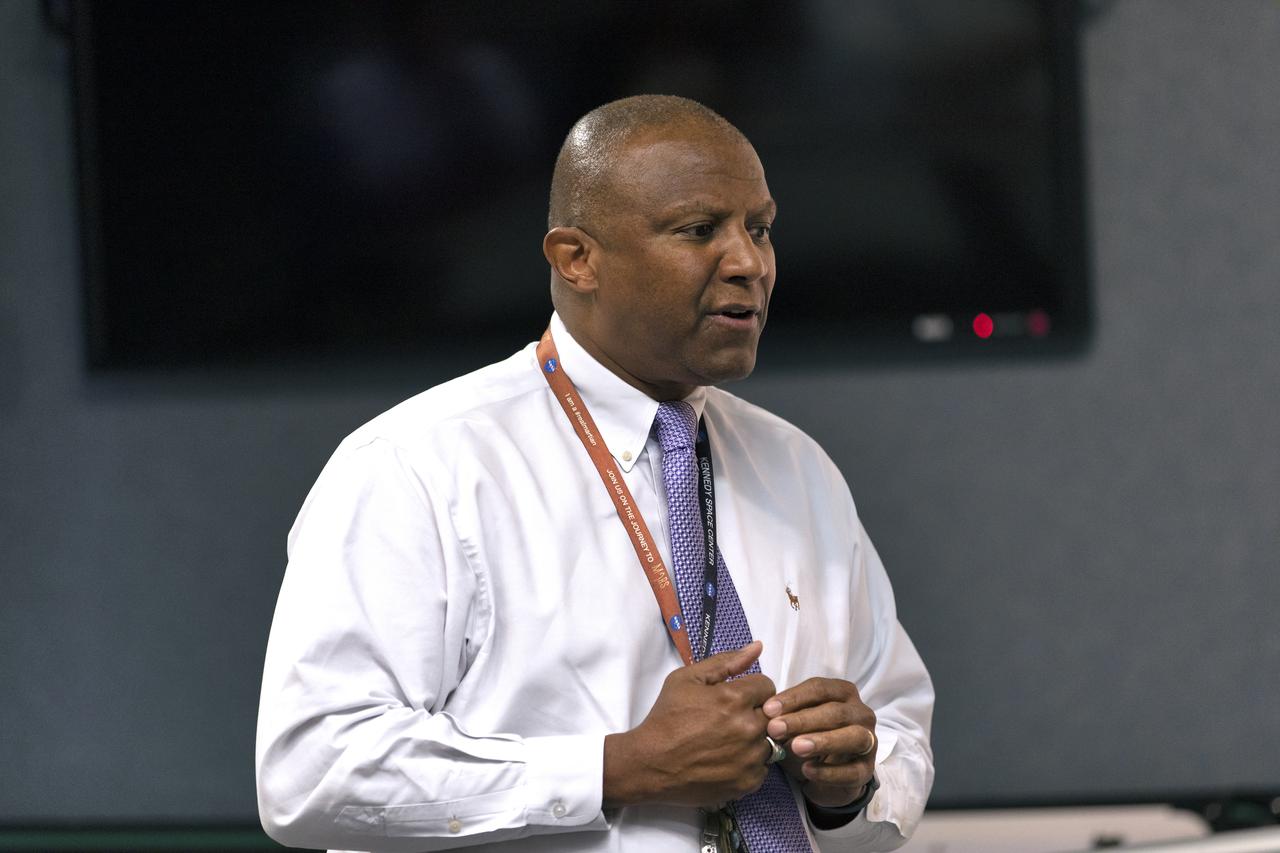
In recognition of Black History Month, the Black Employee Strategy Team hosted a panel discussion featuring some of the future leaders of NASA’s Kennedy Space Center on Feb. 13, 2019. Opening the event was Kennedy’s Associate Director, Technical, Kelvin Manning. Panelists shared personal testimony about their journey toward NASA employment, leadership styles and keys to their success.
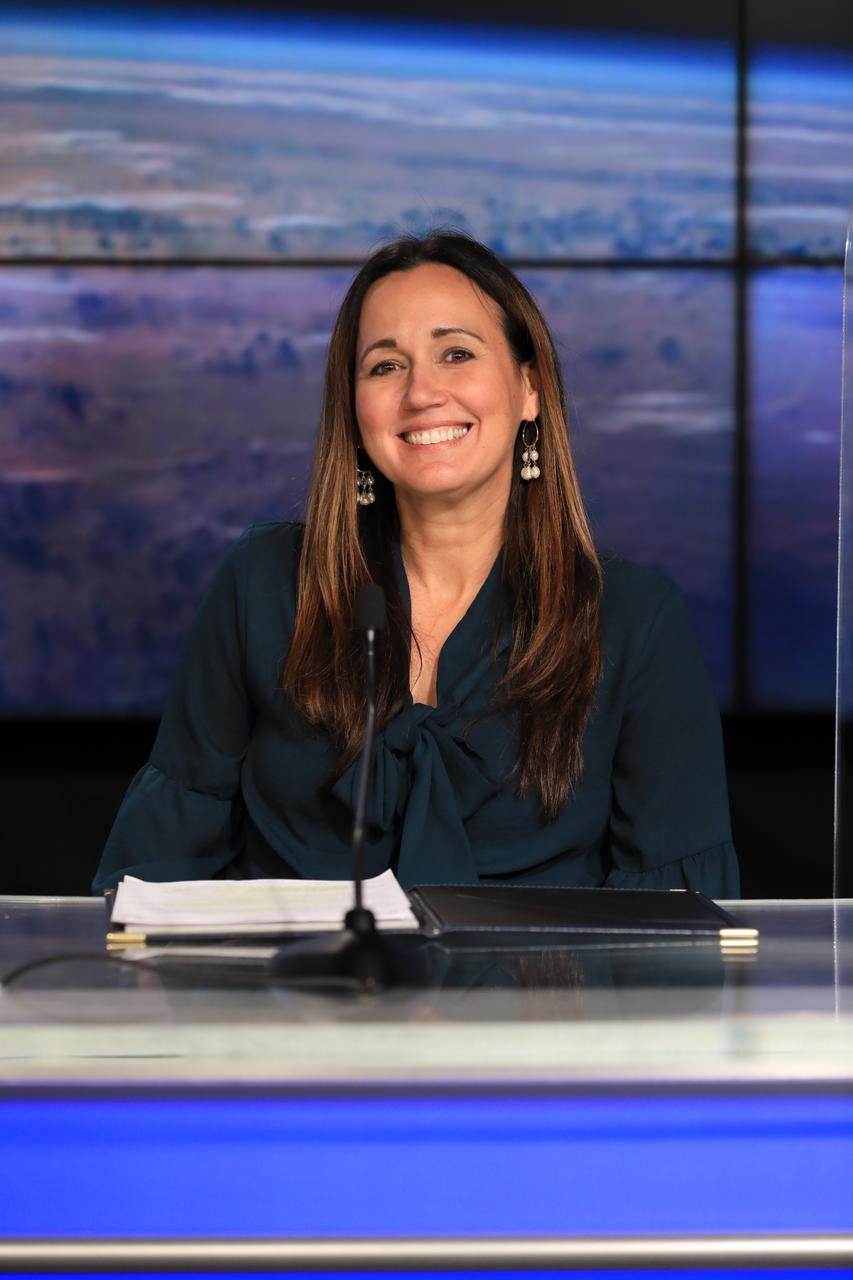
Exploration Ground Systems Chief of Staff Sasha Sims participates in the Safety Starts With You Leadership Panel on Jan. 25, 2022, at NASA’s Kennedy Space Center in Florida. The panel discussion featured senior leaders from the spaceport addressing ways employees can focus on safely completing mission objectives in the new year. Other panelists included Kennedy Space Center Director Janet Petro, Director of Safety and Mission Assurance Ronnie Rodriguez, and Director of Spaceport Integration and Services Nancy Bray.
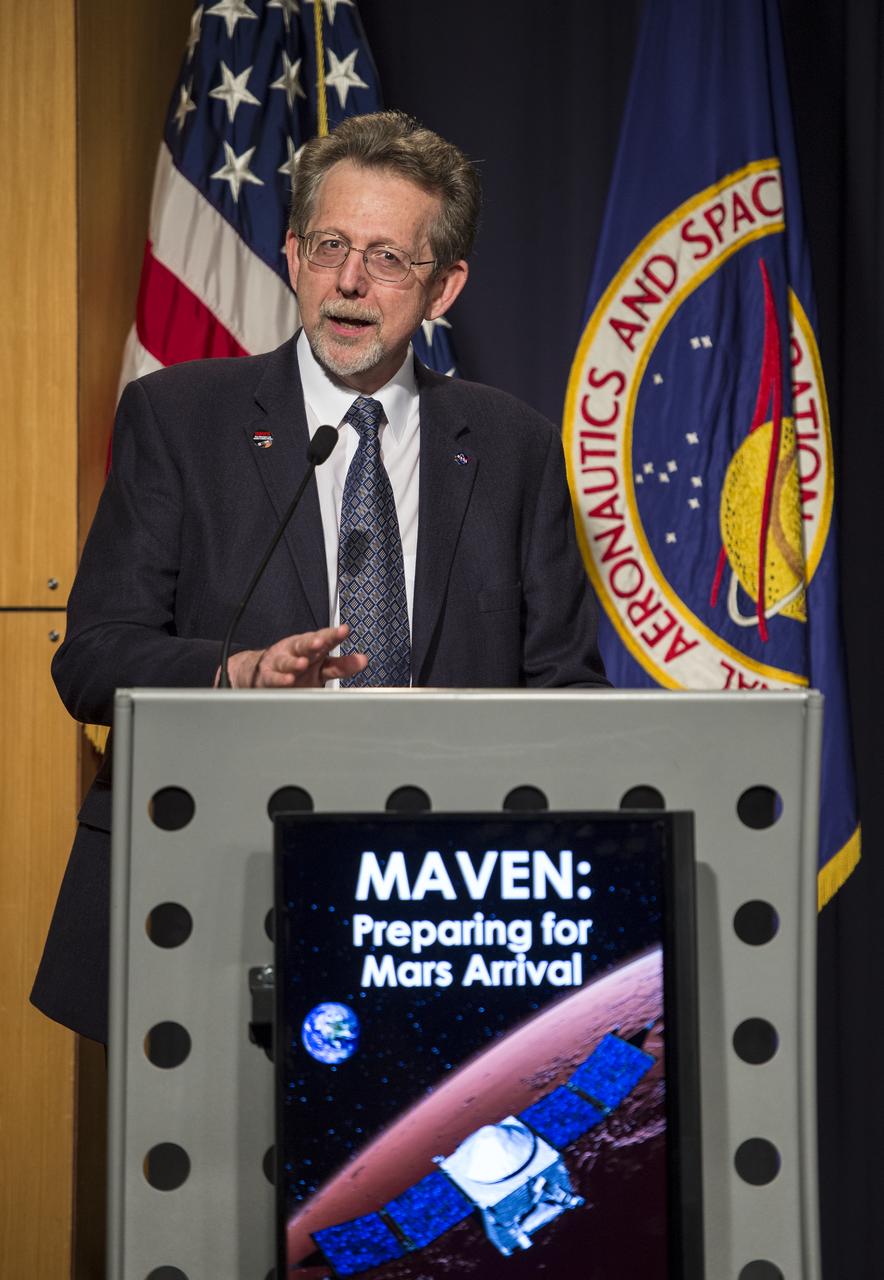
Dr. Jim Green, NASA‘s Planetary Science Division Director and Head of Mars Program, gives opening remarks at a media briefing where panelist outlined activities around the Sunday, Sept. 21 orbital insertion at Mars of the agency’s Mars Atmosphere and Volatile EvolutioN (MAVEN) spacecraft, Wednesday, Sept. 17, 2014 at NASA Headquarters in Washington. (Photo credit: NASA/Bill Ingalls)
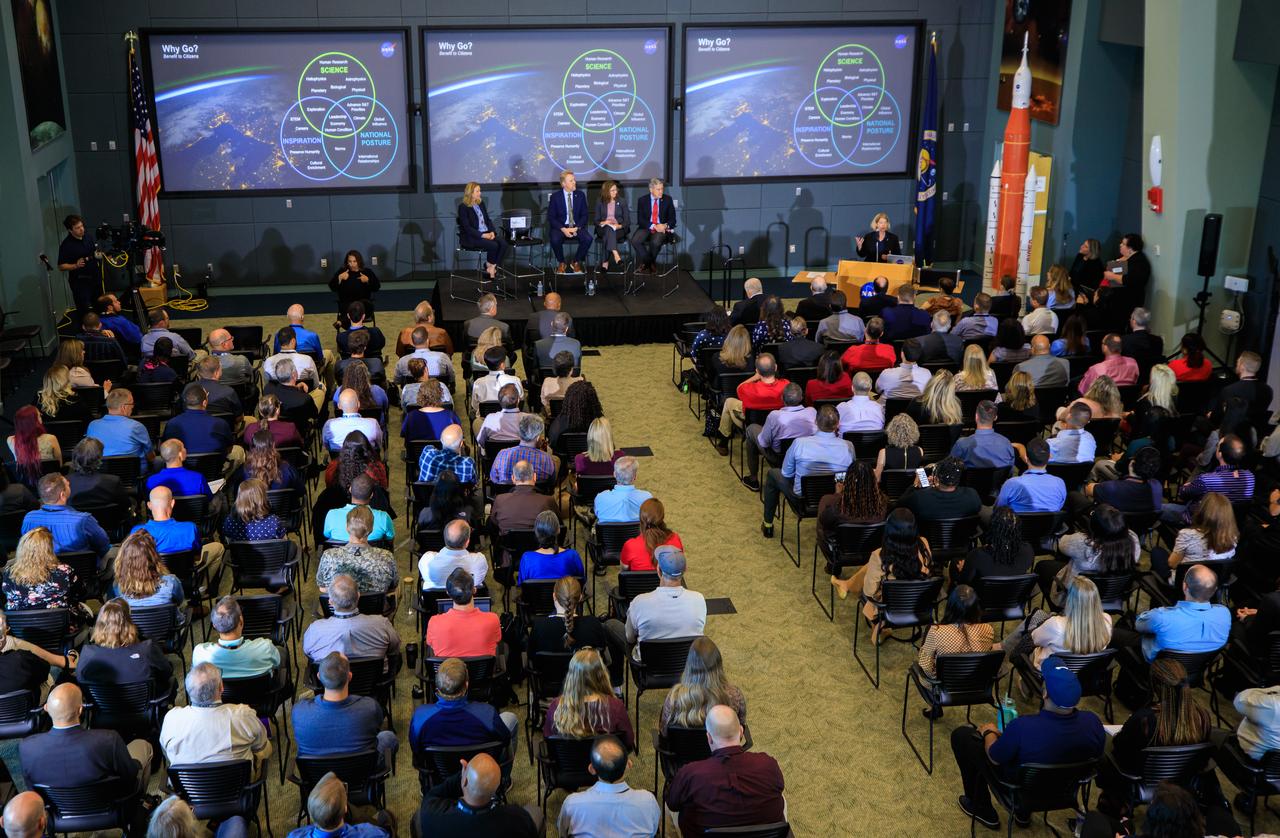
Kennedy Space Center employees attend a town hall discussion on Nov. 29, 2022, at the space center in Florida. Panelists included Janet Petro, director of the space center; NASA Deputy Administrator Pam Melroy; NASA Associate Administrator Bob Cabana; Kurt Vogel, director of NASA Space Architectures; and Cathy Koerner, deputy associate administrator, Exploration Systems Development. Discussion centered around NASA’s Moon to Mars objectives, Kennedy’s role in deep space exploration, and the path forward in the coming months and years.
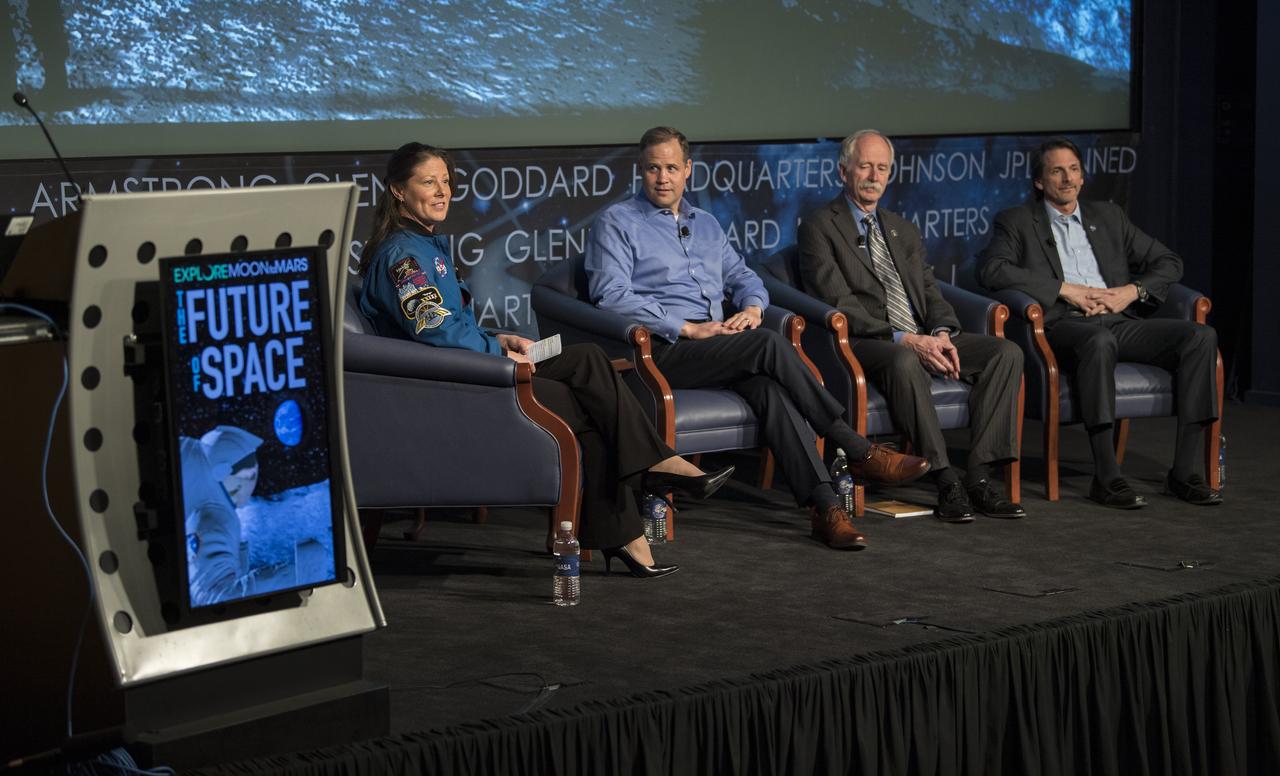
NASA astronaut Tracy Caldwell Dyson, left, moderates a panel discussion with NASA Administrator Jim Bridenstine, NASA Associate Administrator for the Human Exploration and Operations Mission Directorate, Bill Gerstenmaier, and NASA Deputy Associate Administrator for Exploration, Steve Clarke at the "Future of Space" STEM event, Monday, April 29, 2019 at NASA Headquarters in Washington, where college students were able to ask the panelists questions as well as speak with two astronauts currently on the International Space Station, Nick Hague and Christina Koch. Photo Credit: (NASA/Aubrey Gemignani)
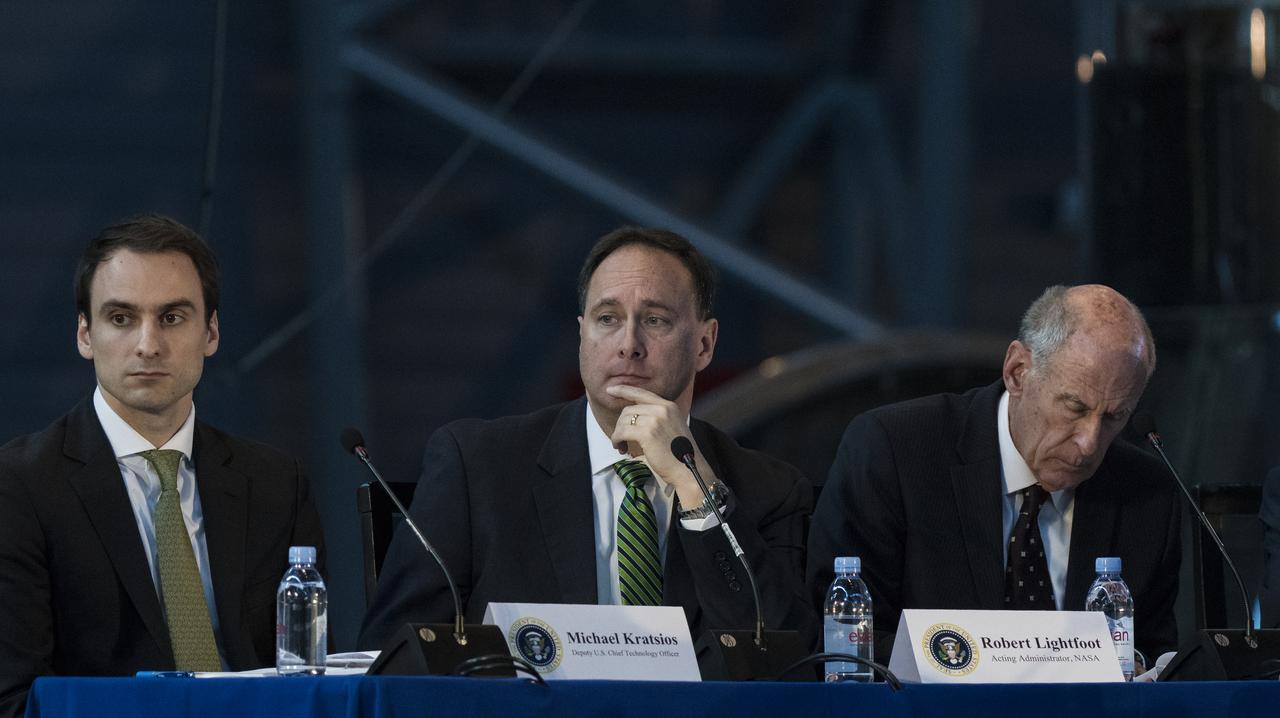
Acting NASA Administrator Robert Lightfoot, center, along with Deputy Chief Technology Officer of the United States Michael Kratsios, left, and Director of National Intelligence Daniel Coats, right, listen to remarks by panelists during the National Space Council's first meeting, Thursday, Oct. 5, 2017 at the Smithsonian National Air and Space Museum's Steven F. Udvar-Hazy Center in Chantilly, Va. The National Space Council, chaired by Vice President Mike Pence heard testimony from representatives from civil space, commercial space, and national security space industry representatives. Photo Credit: (NASA/Joel Kowsky)
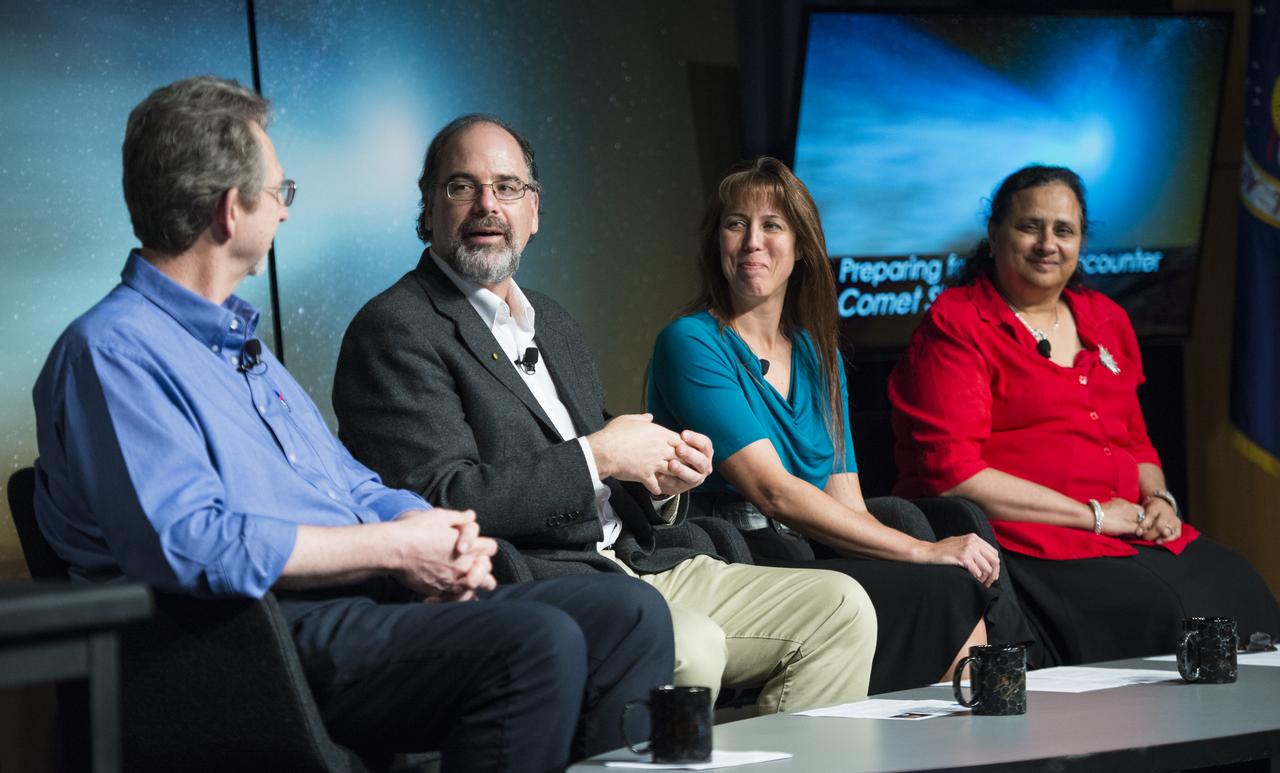
Panelists, from left, Jim Green, director, Planetary Science Division, NASA Headquarters, Washington, Carey Lisse, senior astrophysicist, Johns Hopkins University Applied Physics Laboratory, Laurel, Maryland, Kelly Fast, program scientist, Planetary Science Division, NASA Headquarters, Washington, and Padma Yanamandra-Fisher, senior research scientist, Space Science Institute, Rancho Cucamonga Branch, California, are seen during a media briefing where they outlined how space and Earth-based assets will be used to image and study comet Siding Spring during its Sunday, Oct. 19 flyby of Mars, Thursday, Oct. 9, 2014 at NASA Headquarters in Washington. (Photo credit: NASA/Joel Kowsky)
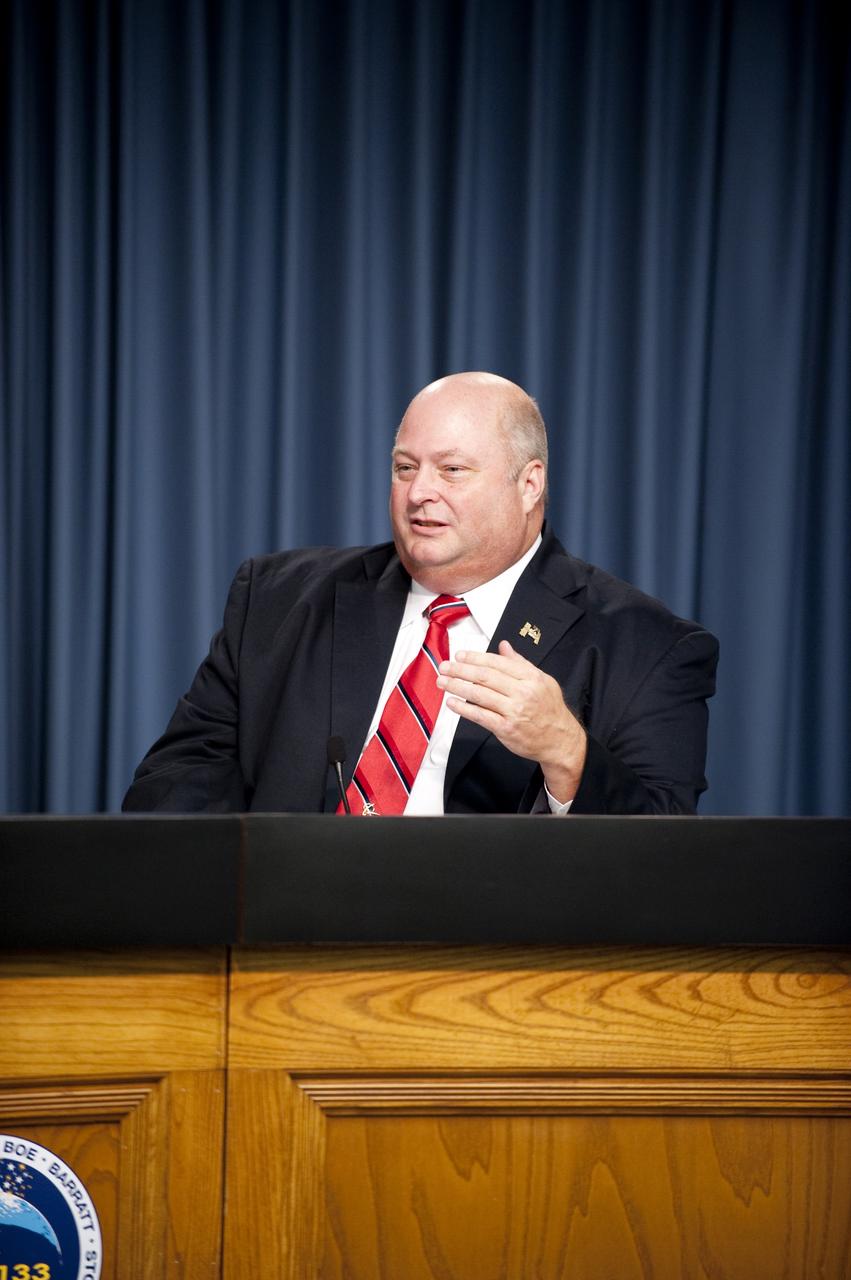
CAPE CANAVERAL, Fla. -- At NASA's Kennedy Space Center in Florida, Director of The Boeing Company's Program Management Development David Bethay helps mark the 10-year milestone of human life, work and research aboard the International Space Station with a panel discussion that aired on NASA TV. Panelists not pictured are Center Director Bob Cabana International Space Station and Spacecraft Processing Director Josie Burnett and International Space Station and Spacecraft Processing Deputy Director Bill Dowdell. Johnson Space Center in Houston, Marshall Space Flight Center in Huntsville, Ala., and NASA Headquarters in Washington also hosted panel discussions for the milestone celebration.
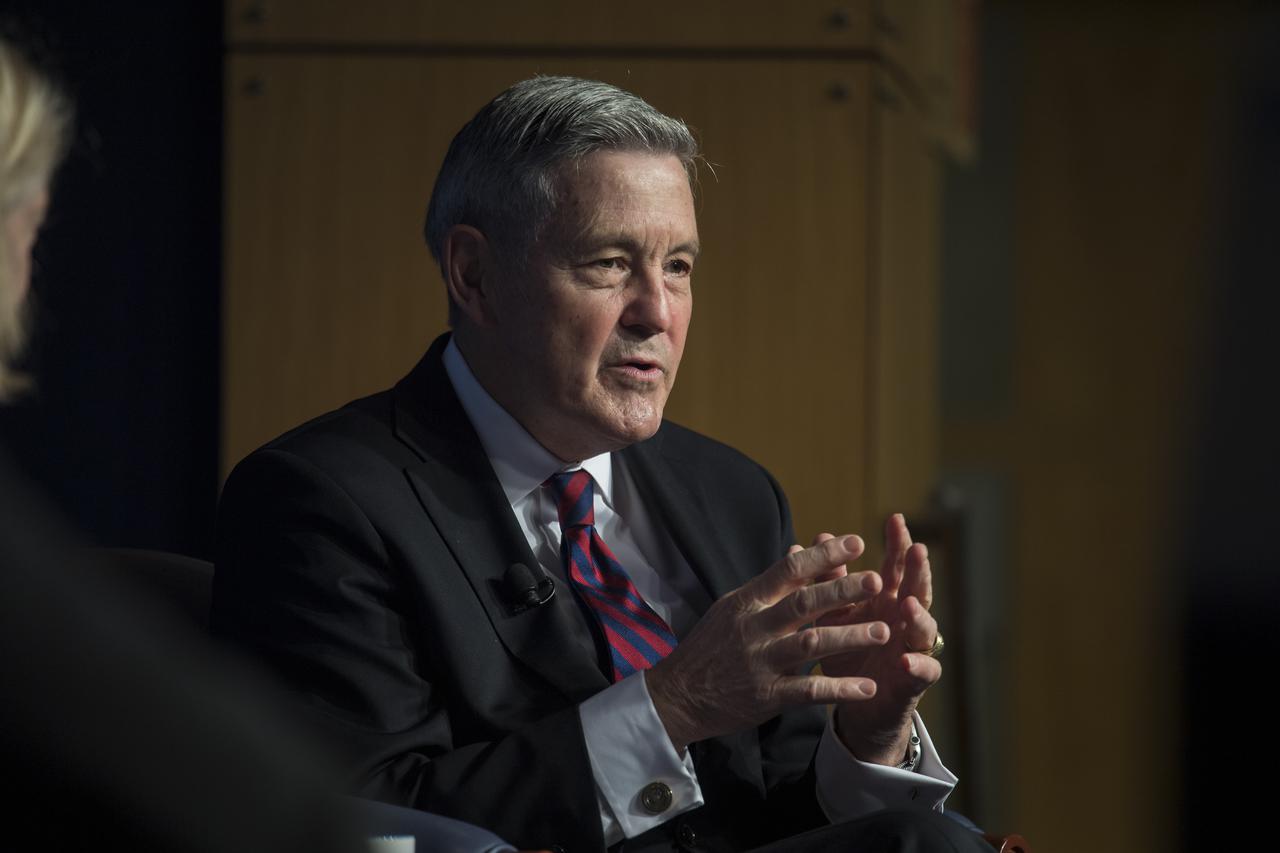
NASA Associate Administrator Bob Cabana speaks during the 2022 NASA Safety Stand-Down panel discussion, Thursday, Jan. 27, 2022, at the Mary W. Jackson NASA Headquarters building in Washington. The event followed the annual visit to Arlington National Cemetery where NASA leadership and family members and/or friends of the astronauts commemorate NASA’s Day of Remembrance and the sacrifices made to further exploration. Panelists included NASA Safety and Mission Assurance Chief Russ DeLoach, NASA Administrator Bill Nelson, NASA Deputy Administrator Pam Melroy, and NASA Associate Administrator Bob Cabana. Photo Credit: (NASA/Aubrey Gemignani)
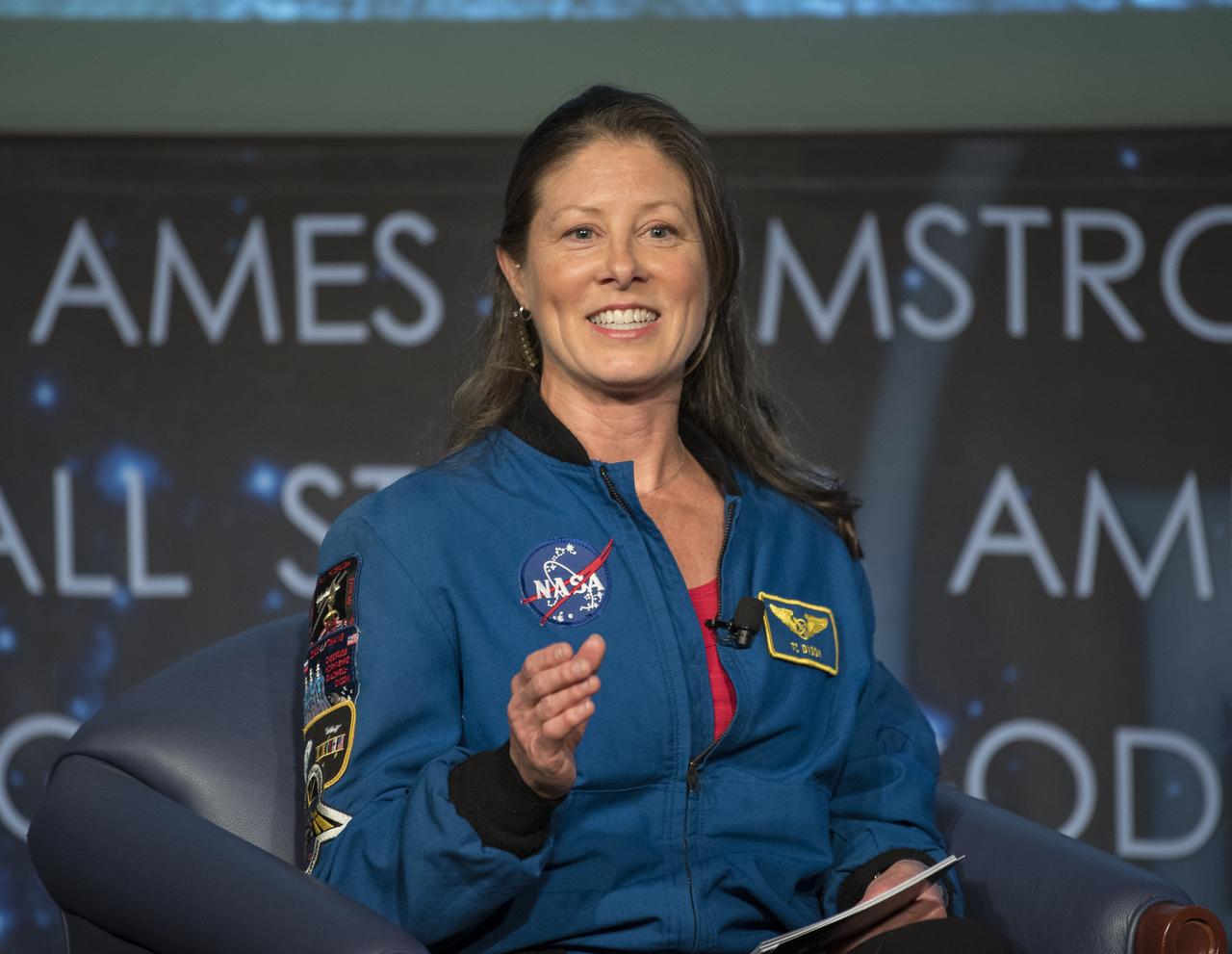
NASA astronaut Tracy Caldwell Dyson, moderates a panel discussion with NASA Administrator Jim Bridenstine, NASA Associate Administrator for the Human Exploration and Operations Mission Directorate, Bill Gerstenmaier, and NASA Deputy Associate Administrator for Exploration, Steve Clarke at the "Future of Space" STEM event, Monday, April 29, 2019 at NASA Headquarters in Washington, where college students were able to ask the panelists questions as well as speak with two astronauts currently on the International Space Station, Nick Hague and Christina Koch. Photo Credit: (NASA/Aubrey Gemignani)
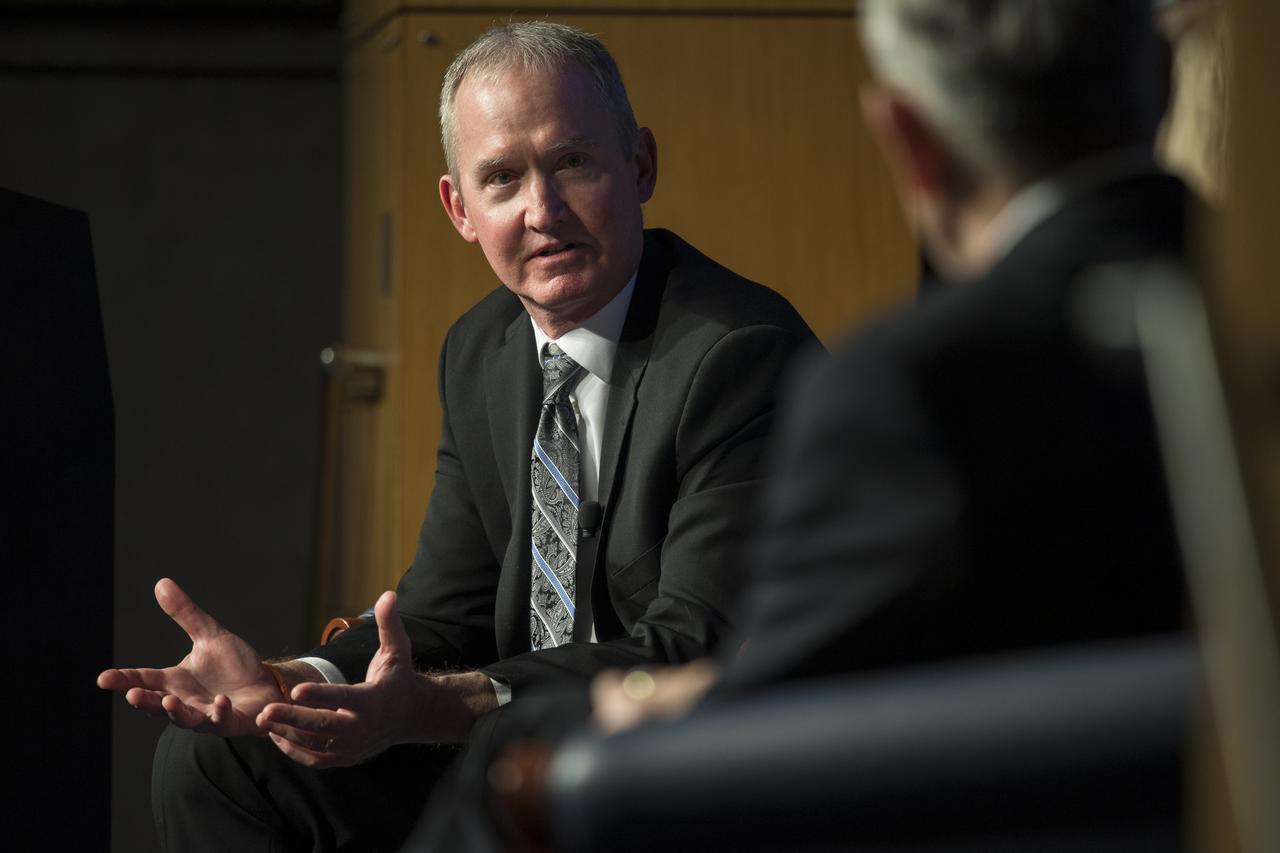
NASA Safety and Mission Assurance Chief Russ DeLoach speaks during the 2022 NASA Safety Stand-Down panel discussion, Thursday, Jan. 27, 2022, at the Mary W. Jackson NASA Headquarters building in Washington. The event followed the annual visit to Arlington National Cemetery where NASA leadership and family members and/or friends of the astronauts commemorate NASA’s Day of Remembrance and the sacrifices made to further exploration. Panelists included NASA Safety and Mission Assurance Chief Russ DeLoach, NASA Administrator Bill Nelson, NASA Deputy Administrator Pam Melroy, and NASA Associate Administrator Bob Cabana. Photo Credit: (NASA/Aubrey Gemignani)
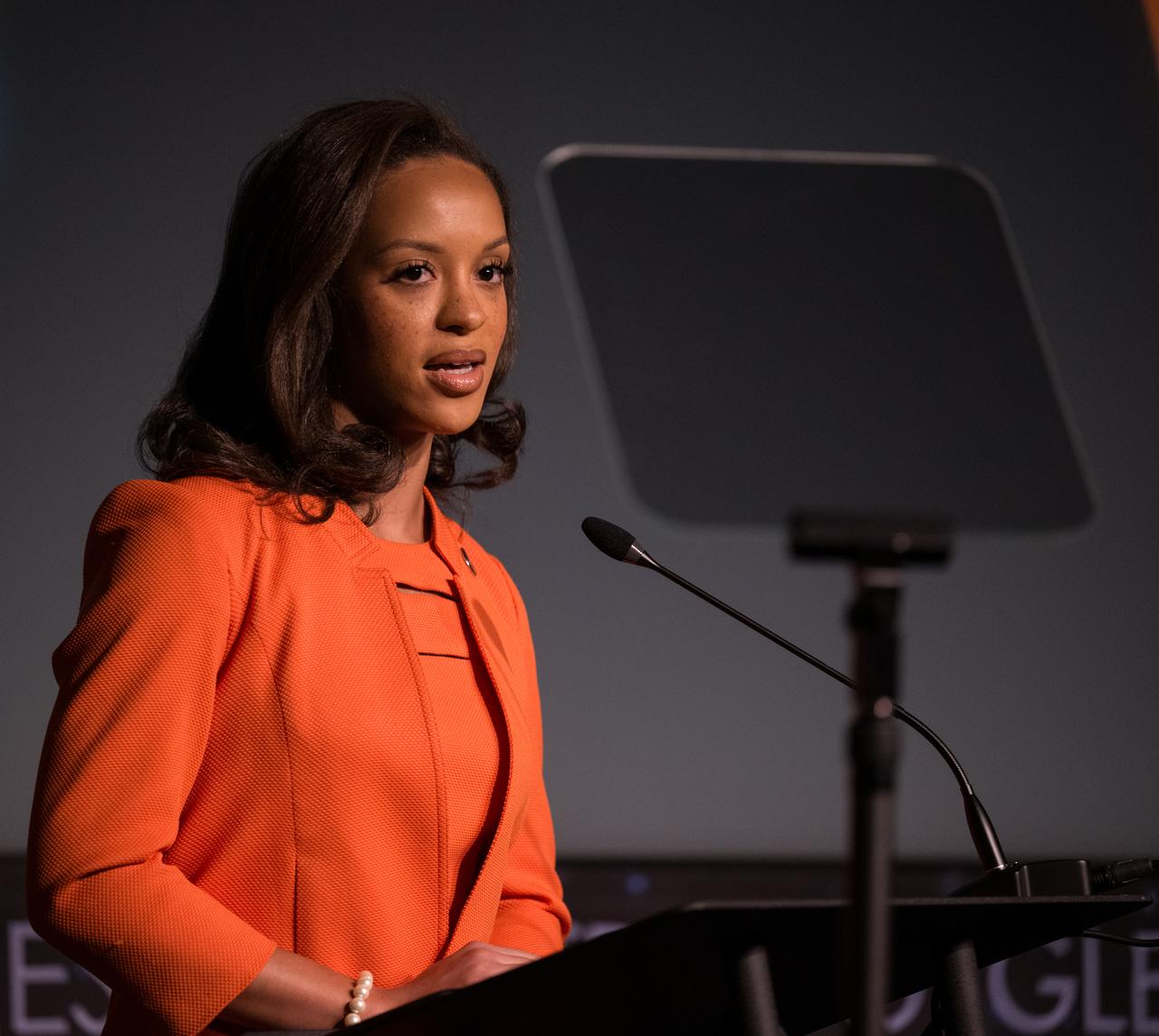
NASA Deputy Press Secretary to NASA Administrator Bill Nelson, Faith McKie, introduces the panelists during a media briefing to discuss the upcoming solar eclipse, Tuesday, March 26, 2024 at the Mary W. Jackson NASA Headquarters building in Washington. A total solar eclipse will sweep across a narrow portion of the North American continent from Mexico’s Pacific coast to the Atlantic coast of Newfoundland, Canada on April 8, 2024. A partial solar eclipse will be visible across the entire North American continent along with parts of Central America and Europe. Photo Credit: (NASA/Aubrey Gemignani)
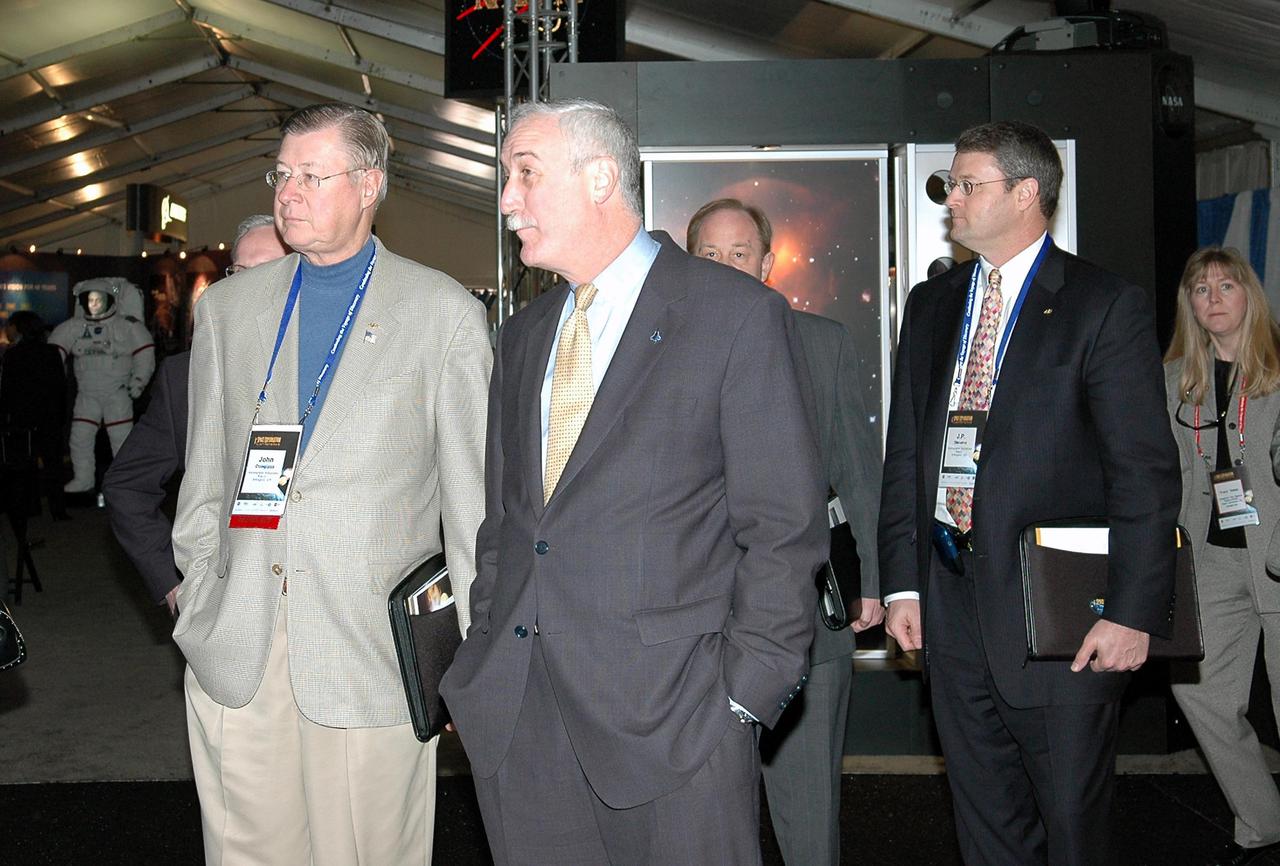
KENNEDY SPACE CENTER, FLA. - NASA Administrator Sean O’Keefe (center) talks to John Douglass, with the Aerospace Industries Association, at the “1st Space Exploration Conference: Continuing the Voyage of Discovery,” being held at Disney’s Contemporary Resort in Orlando. O’Keefe is the keynote speaker kicking off the conference. Douglass is one of the panelists. Topics being presented focus on new missions, technologies and infrastructure needed to turn the vision for space exploration into reality. Other keynote speakers at the three-day conference are Congressman Dave Weldon, film director James Cameron and NASA’s senior Mars scientist James Garvin. The conference has drawn attendees from around the world.

NASA Kennedy Space Center Director Bob Cabana, far right, serves as moderator for the “Apollo Heroes Panel Discussion” in the IMAX Theater at the Kennedy Space Center Visitor Complex in Florida on July 16, 2019. Panelists are, from left, JoAnn Morgan, the only woman on console in the Launch Control Center for Apollo 11 launch countdown activities; Bob Sieck, Apollo-era launch team member and former space shuttle launch director; and Harrison Schmitt, Apollo 17 astronaut and moonwalker. The panel discussion is one of several events at the visitor complex to honor the 50th anniversary of NASA’s Saturn V/Apollo 11 launch and landing on the Moon.
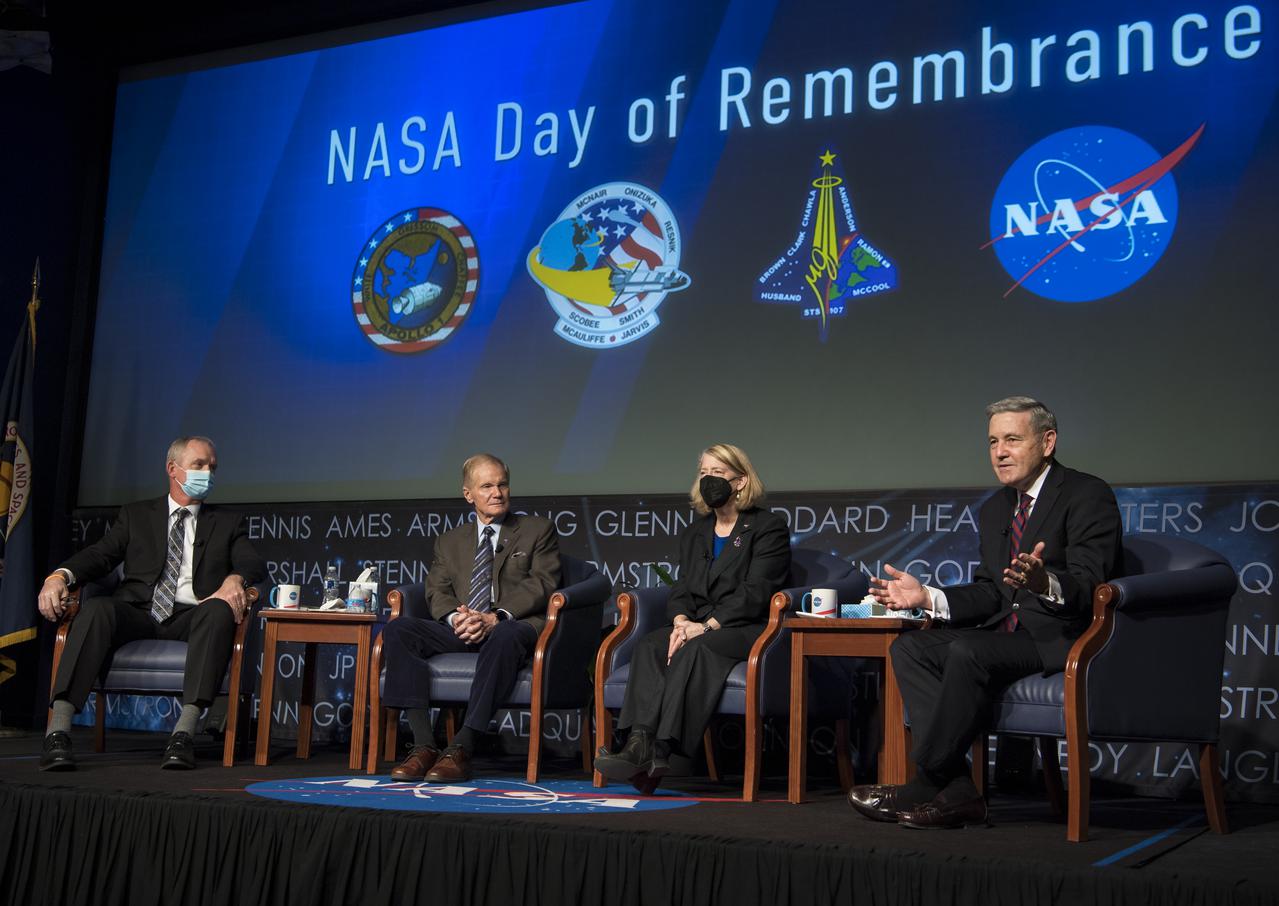
NASA Associate Administrator Bob Cabana, right, speaks during the 2022 NASA Safety Stand-Down panel discussion, Thursday, Jan. 27, 2022, at the Mary W. Jackson NASA Headquarters building in Washington. The event followed the annual visit to Arlington National Cemetery where NASA leadership and family members and/or friends of the astronauts commemorate NASA’s Day of Remembrance and the sacrifices made to further exploration. Panelists included from left to right, NASA Safety and Mission Assurance Chief Russ DeLoach, NASA Administrator Bill Nelson, NASA Deputy Administrator Pam Melroy, and NASA Associate Administrator Bob Cabana. Photo Credit: (NASA/Aubrey Gemignani)
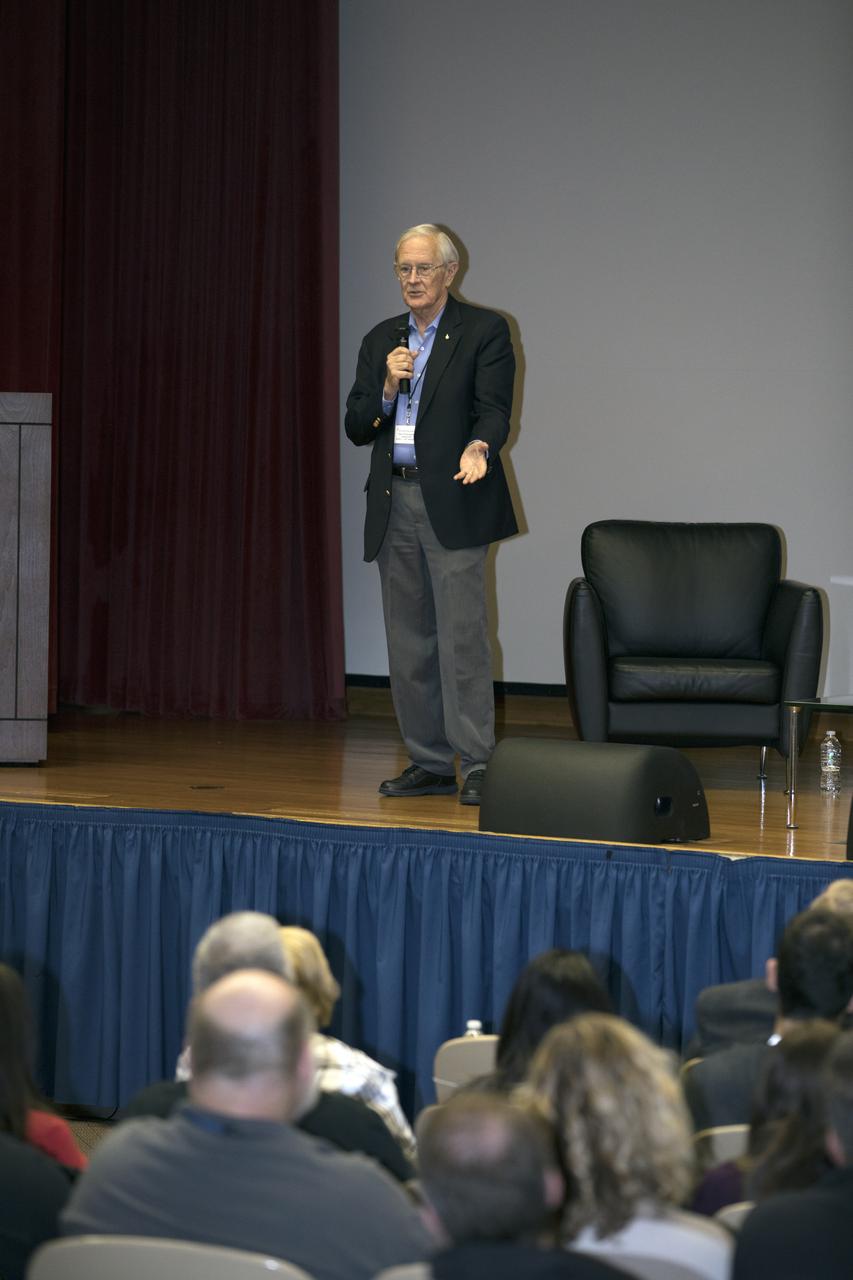
Charlie Duke, former Apollo 16 astronaut and member of the Apollo 1 Emergency Egress Investigation Team, speaks to participants during the Apollo 1 Lessons Learned presentation in the Training Auditorium at NASA's Kennedy Space Center in Florida. The program's theme was "To There and Back Again." Other guest panelists included Ernie Reyes, retired, Apollo 1 senior operations engineer; and John Tribe, retired, Apollo 1 Reaction and Control System lead engineer. The event helped pay tribute to the Apollo 1 crew, Gus Grissom, Ed White II, and Roger Chaffee.

NASA Administrator Bill Nelson speaks during the 2022 NASA Safety Stand-Down panel discussion, Thursday, Jan. 27, 2022, at the Mary W. Jackson NASA Headquarters building in Washington. The event followed the annual visit to Arlington National Cemetery where NASA leadership and family members and/or friends of the astronauts commemorate NASA’s Day of Remembrance and the sacrifices made to further exploration. Panelists included NASA Safety and Mission Assurance Chief Russ DeLoach, NASA Administrator Bill Nelson, NASA Deputy Administrator Pam Melroy, and NASA Associate Administrator Bob Cabana. Photo Credit: (NASA/Aubrey Gemignani)
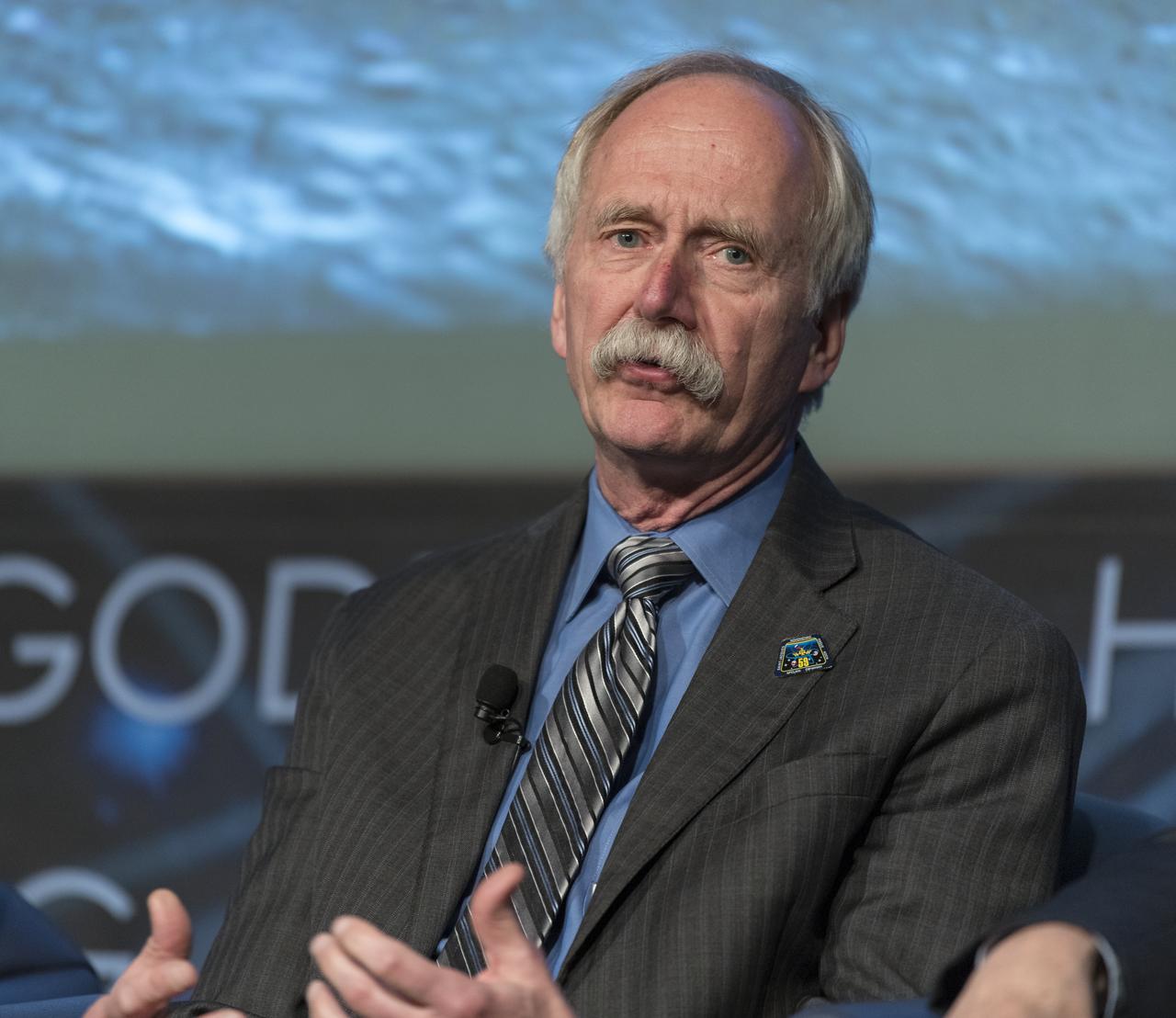
NASA Associate Administrator for the Human Exploration and Operations Mission Directorate, Bill Gerstenmaier speaks at the "Future of Space" STEM event, Monday, April 29, 2019 at NASA Headquarters in Washington, where college students were able to ask panelists, Gerstenmaier, NASA Administrator Jim Bridenstine, and NASA Deputy Associate Administrator for Exploration, Steve Clarke questions as well as speak with two astronauts currently on the International Space Station, Nick Hague and Christina Koch. NASA astronaut Tracy Caldwell Dyson moderated the panel discussion. Photo Credit: (NASA/Aubrey Gemignani)
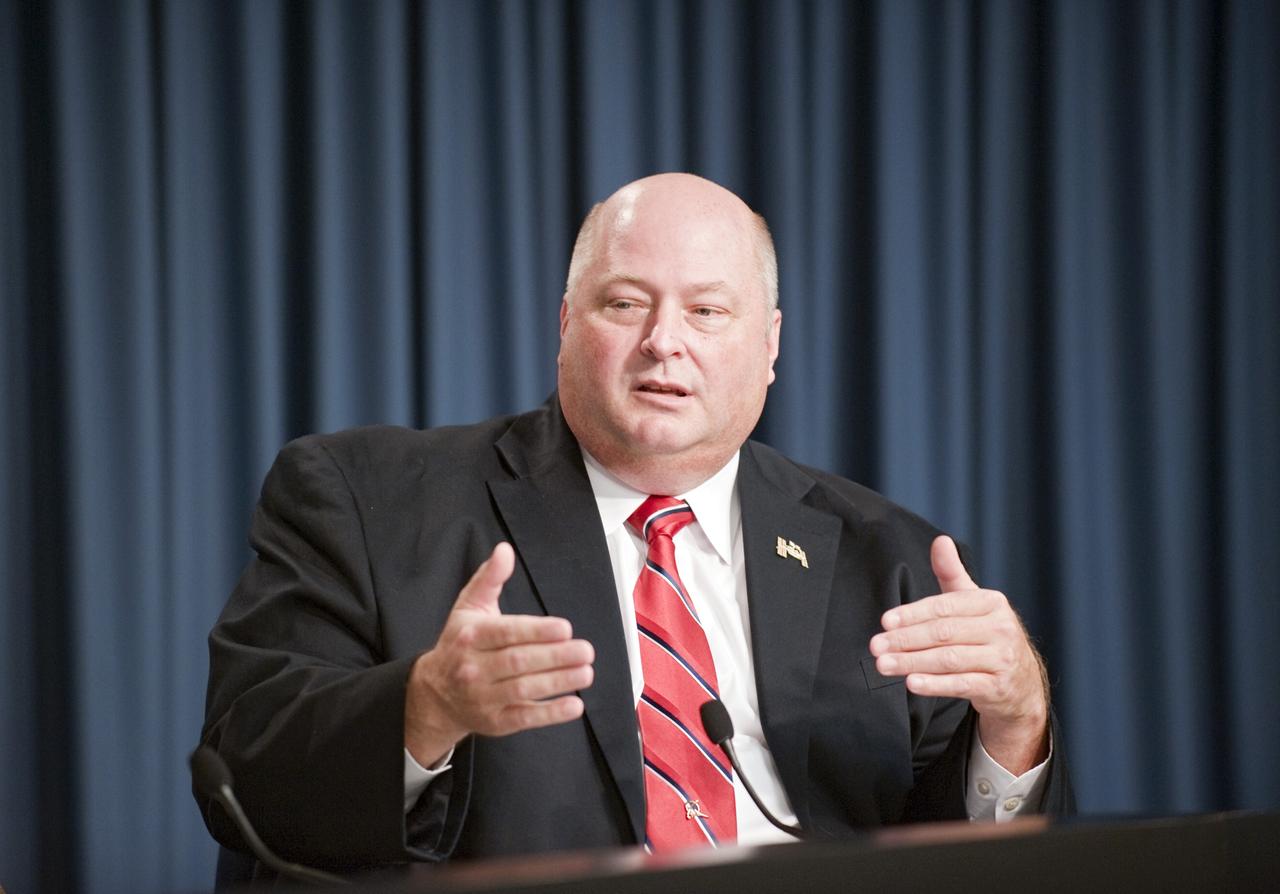
CAPE CANAVERAL, Fla. -- At NASA's Kennedy Space Center in Florida, Director of The Boeing Company's Program Management Development David Bethay helps mark the 10-year milestone of human life, work and research aboard the International Space Station with a panel discussion that aired on NASA TV. Panelists not pictured are Center Director Bob Cabana, International Space Station and Spacecraft Processing Director Josie Burnett and International Space Station and Spacecraft Processing Deputy Director Bill Dowdell. Johnson Space Center in Houston, Marshall Space Flight Center in Huntsville, Ala., and NASA Headquarters in Washington also hosted panel discussions for the milestone celebration.
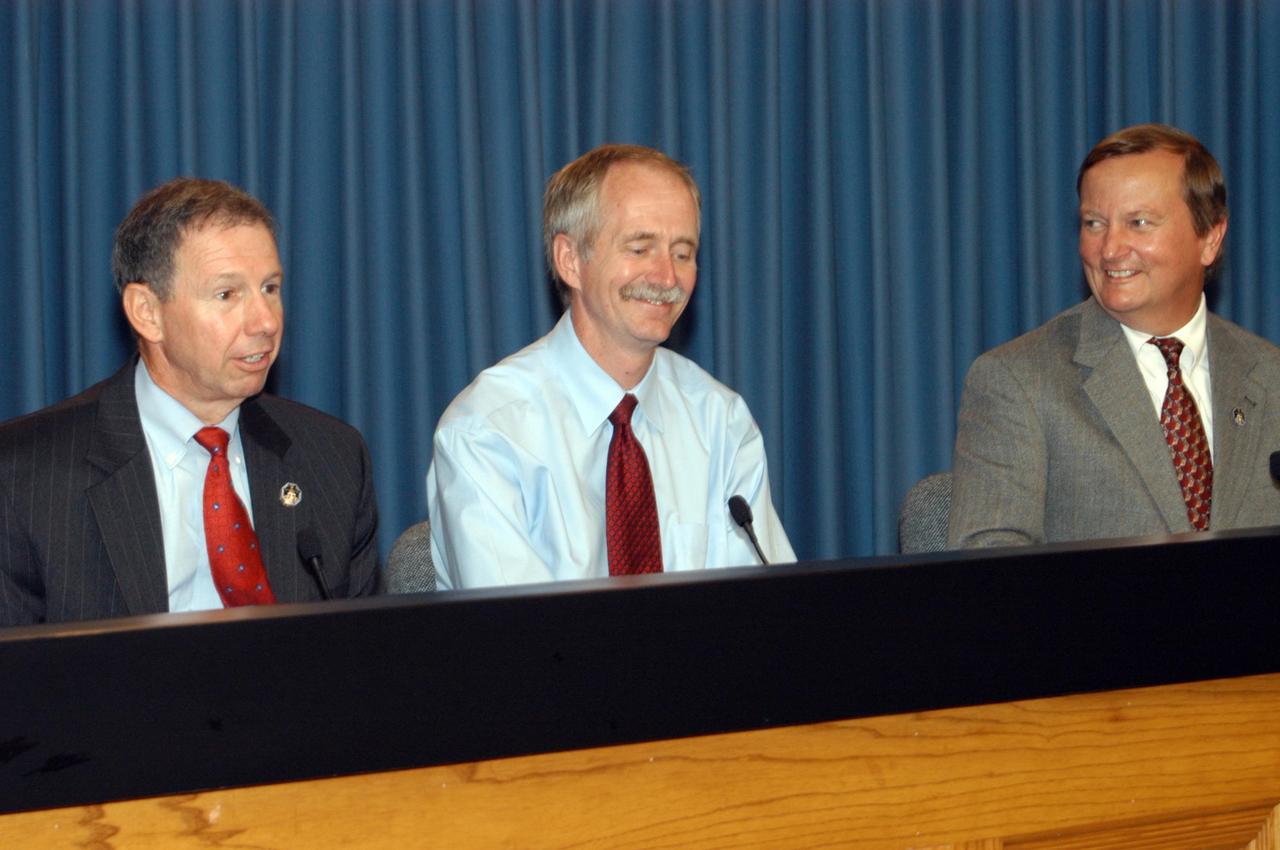
KENNEDY SPACE CENTER, FLA. - A press conference after the landing of the orbiter Discovery and mission STS-121 crew features NASA Administrator Mike Griffin, Associate Administrator for Space Operations Bill Gerstenmaier and Shuttle Launch Director Mike Leinbach. A few of the questions from the media evoked smiles from the panelists. Discovery traveled 5.3 million miles, landing on orbit 202. Mission elapsed time was 12 days, 18 hours, 37 minutes and 54 seconds. The landing is the 62nd at Kennedy Space Center and the 32nd for Discovery. Photo credit: NASA/George Shelton
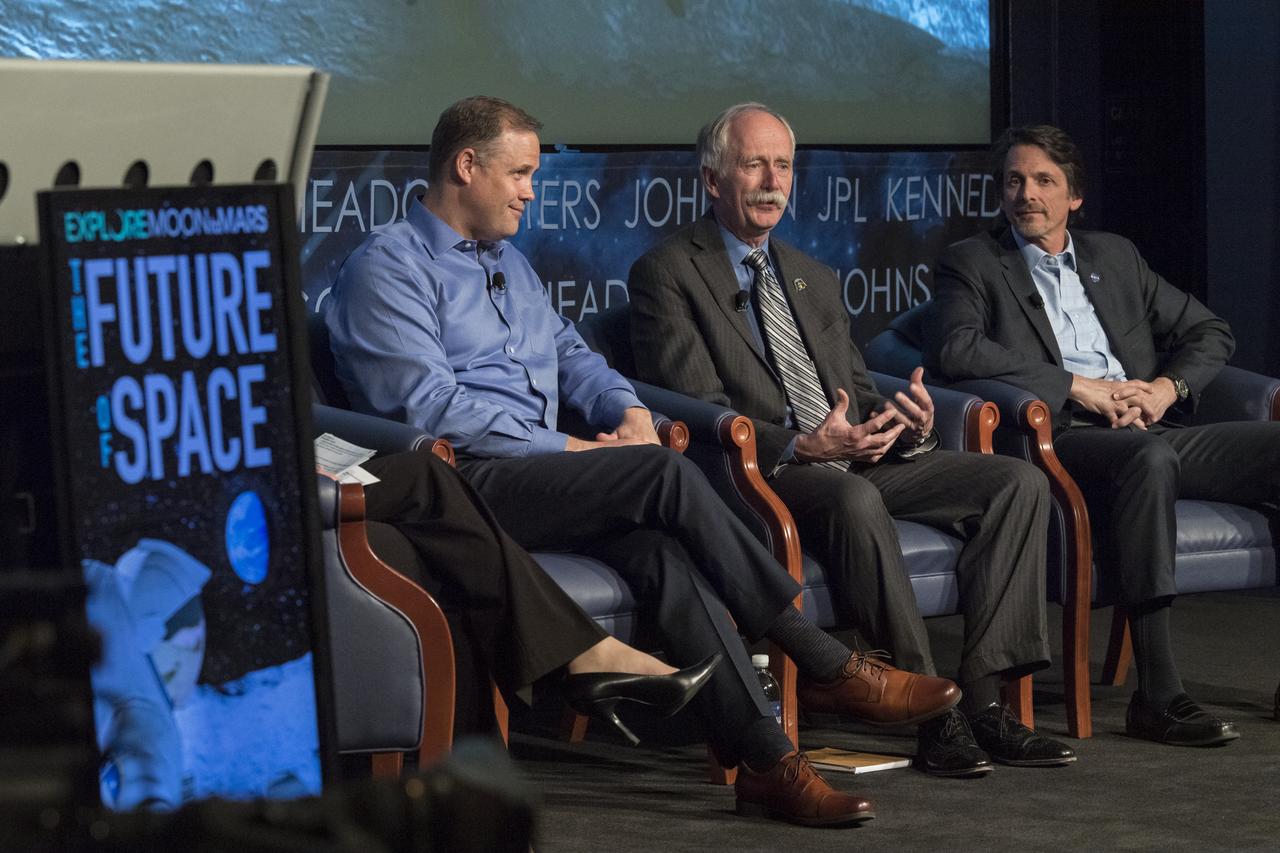
NASA Associate Administrator for the Human Exploration and Operations Mission Directorate, Bill Gerstenmaier, center, speaks at the "Future of Space" STEM event, Monday, April 29, 2019 at NASA Headquarters in Washington, where college students were able to ask panelists, NASA Administrator Jim Bridenstine, left, Gerstenmaier, and NASA Deputy Associate Administrator for Exploration, Steve Clarke, questions as well as speak with two astronauts currently on the International Space Station, Nick Hague and Christina Koch. NASA astronaut Tracy Caldwell Dyson moderated the panel discussion. Photo Credit: (NASA/Aubrey Gemignani)
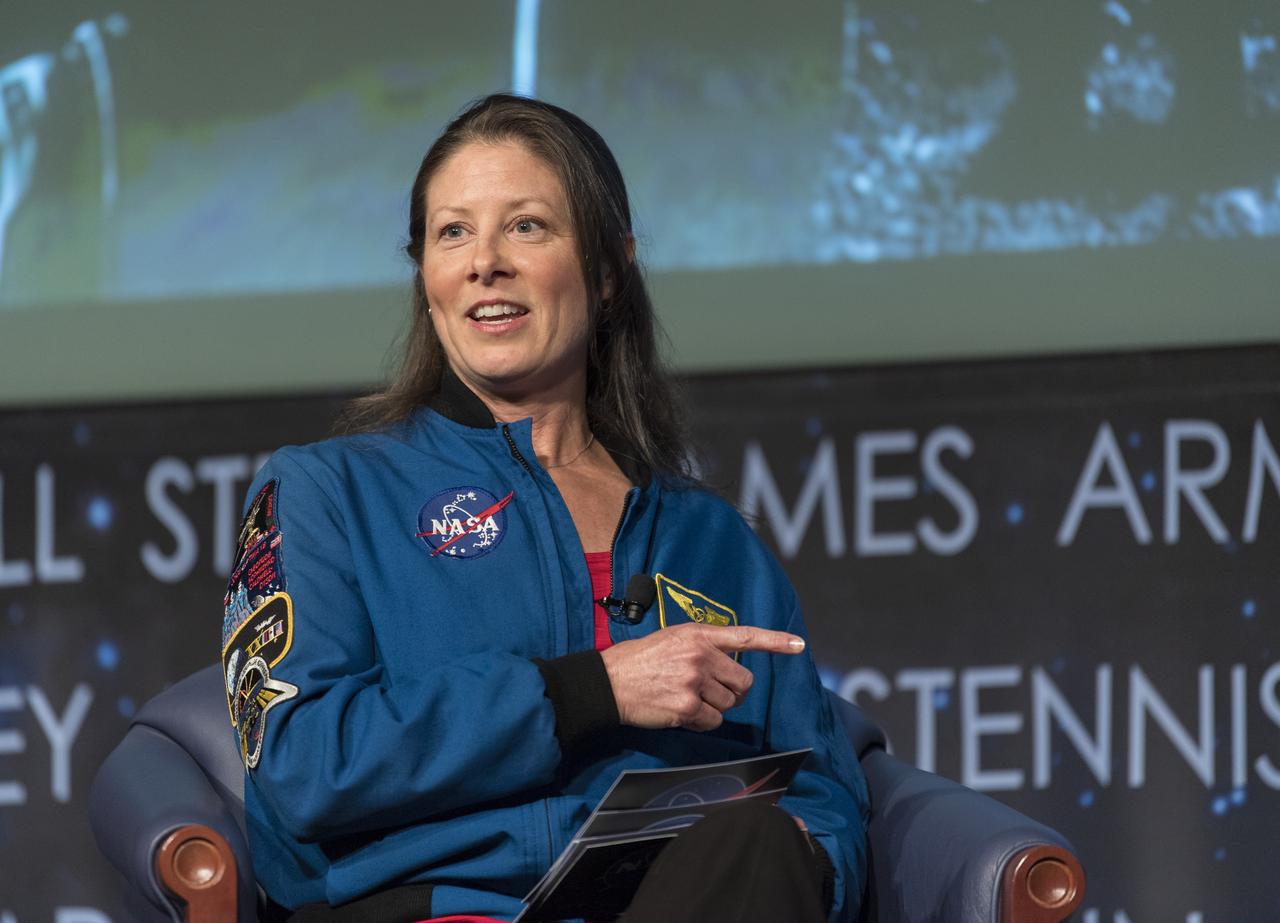
NASA astronaut Tracy Caldwell Dyson, moderates a panel discussion with NASA Administrator Jim Bridenstine, NASA Associate Administrator for the Human Exploration and Operations Mission Directorate, Bill Gerstenmaier, and NASA Deputy Associate Administrator for Exploration, Steve Clarke at the "Future of Space" STEM event, Monday, April 29, 2019 at NASA Headquarters in Washington, where college students were able to ask the panelists questions as well as speak with two astronauts currently on the International Space Station, Nick Hague and Christina Koch. Photo Credit: (NASA/Aubrey Gemignani)
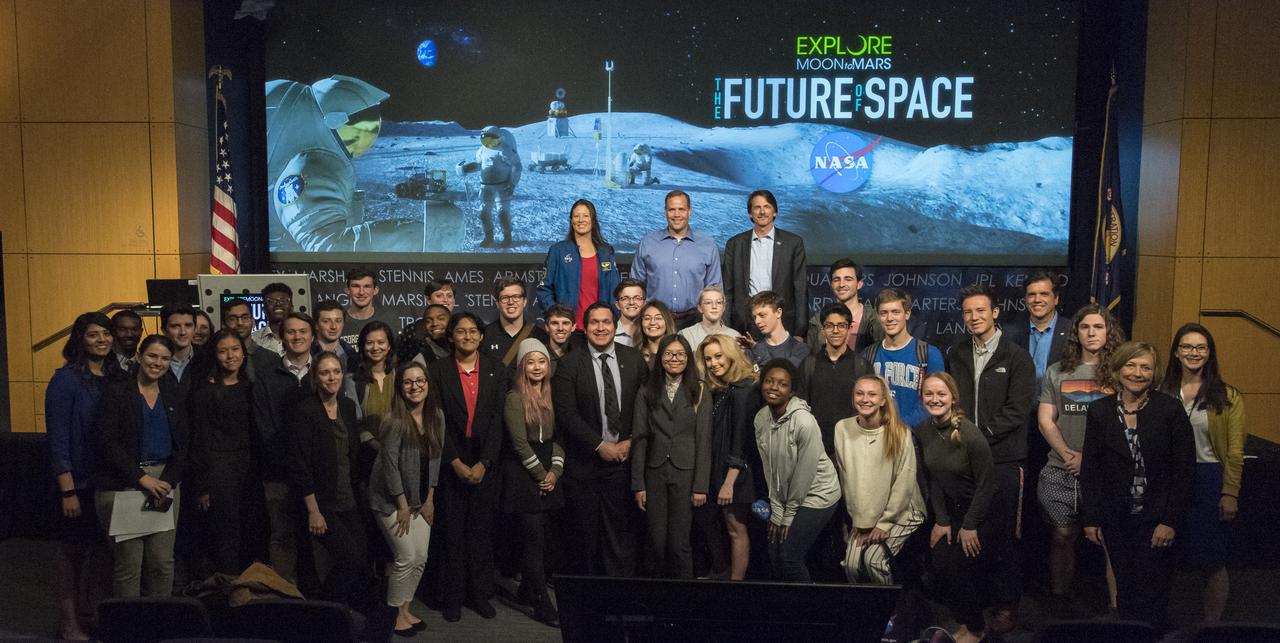
NASA Administrator Jim Bridenstine poses for a photo with college students after the "Future of Space" STEM event, Monday, April 29, 2019 at NASA Headquarters in Washington, where they were able to ask panelists, Bridenstine, NASA Associate Administrator for the Human Exploration and Operations Mission Directorate, Bill Gerstenmaier, and NASA Deputy Associate Administrator for Exploration, Steve Clarke, questions as well as speak with two astronauts currently on the International Space Station, Nick Hague and Christina Koch. NASA astronaut Tracy Caldwell Dyson moderated the panel discussion. Photo Credit: (NASA/Aubrey Gemignani)
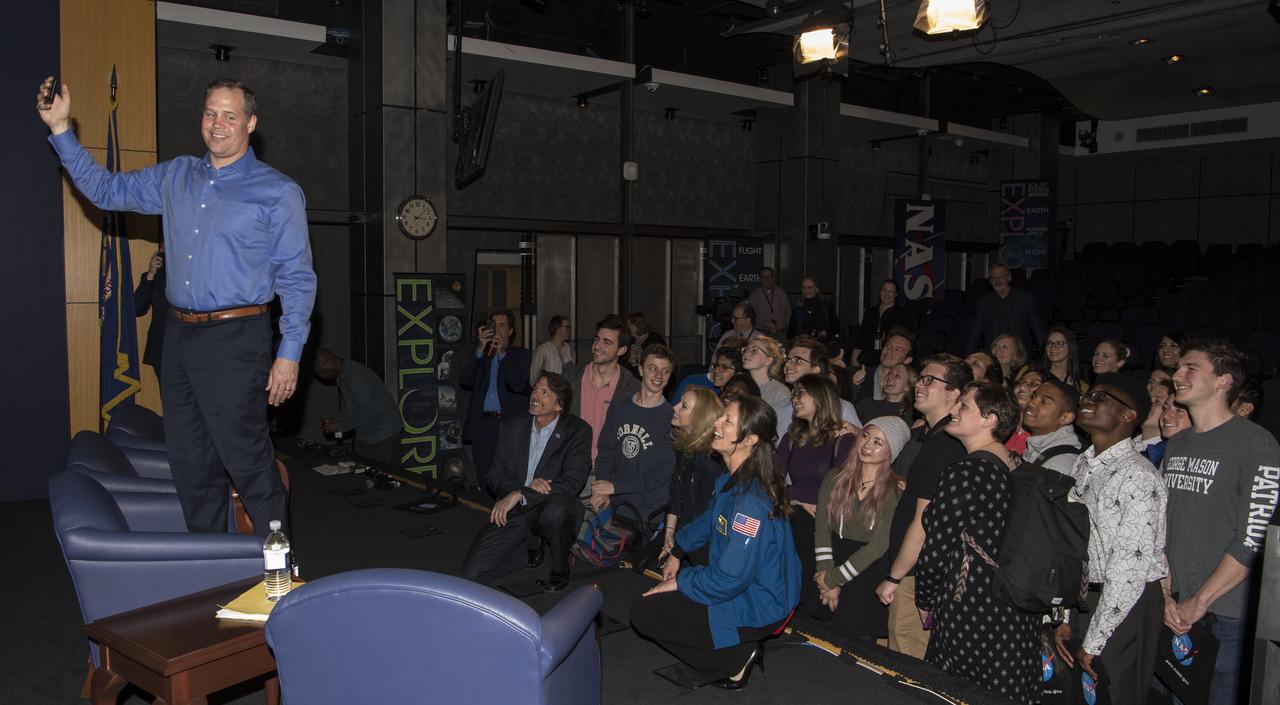
NASA Administrator Jim Bridenstine takes a selfie with college students after the "Future of Space" STEM event, Monday, April 29, 2019 at NASA Headquarters in Washington, where they were able to ask panelists, Bridenstine, NASA Associate Administrator for the Human Exploration and Operations Mission Directorate, Bill Gerstenmaier, and NASA Deputy Associate Administrator for Exploration, Steve Clarke, questions as well as speak with two astronauts currently on the International Space Station, Nick Hague and Christina Koch. NASA astronaut Tracy Caldwell Dyson moderated the panel discussion. Photo Credit: (NASA/Aubrey Gemignani)
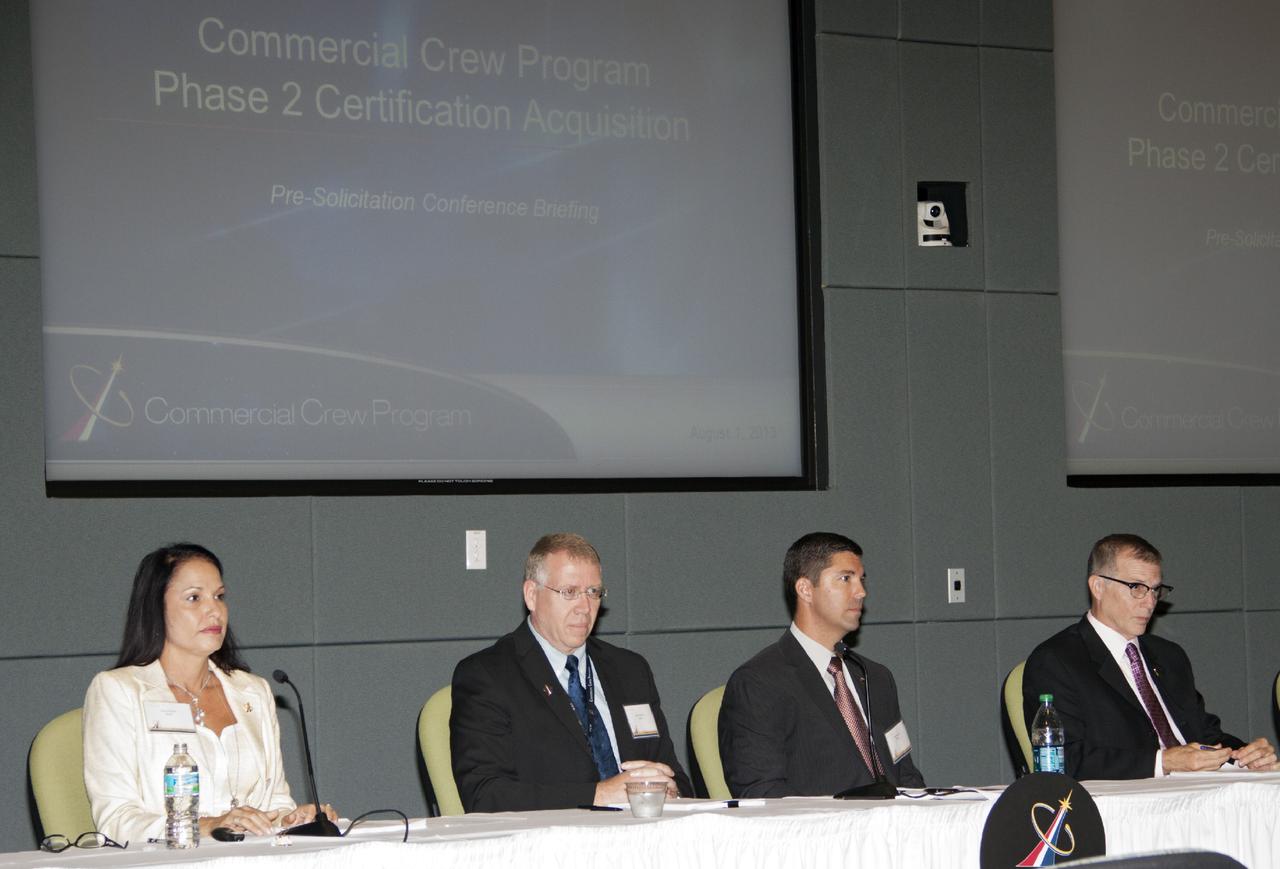
CAPE CANAVERAL, Fla. - Panelists of the Commercial Crew Transportation Capability, or CCtCap, Pre-Proposal Conference at Kennedy Space Center in Florida are, from left, Maria Collura, Brian Hinerth, Trip Healy and Lee Pagel. CCtCap will be the next phase of certification efforts for CCP mission to the International Space Station. The purpose of the conference was to involve aerospace industry representatives in the CCtCap draft Request for Proposal, or RFP, process and provide a greater understanding for both parties before the official RFP is released in the fall of 2013. To learn more about CCP, visit www.nasa.gov/commercialcrew. Photo credit: NASA/Jim Grossmann
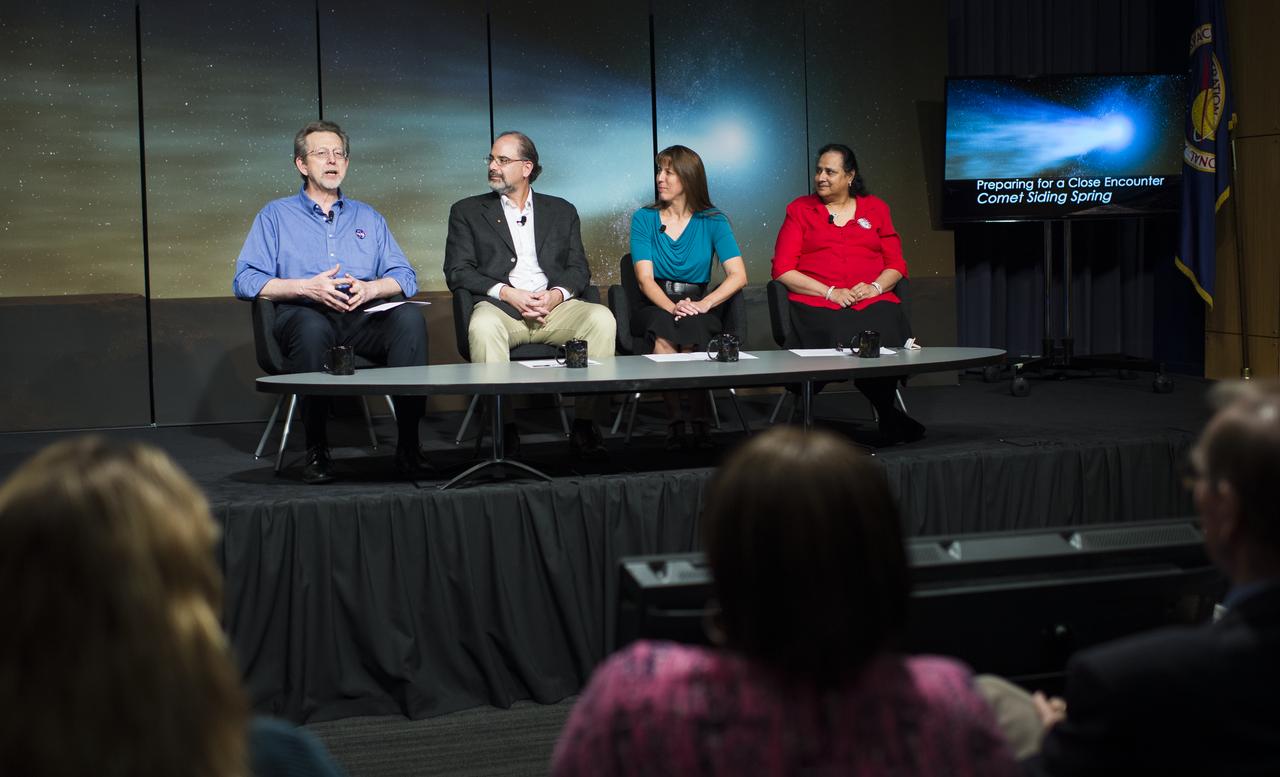
Panelists, from left, Jim Green, director, Planetary Science Division, NASA Headquarters, Washington, Carey Lisse, senior astrophysicist, Johns Hopkins University Applied Physics Laboratory, Laurel, Maryland, Kelly Fast, program scientist, Planetary Science Division, NASA Headquarters, Washington, and Padma Yanamandra-Fisher, senior research scientist, Space Science Institute, Rancho Cucamonga Branch, California, are seen during a media briefing where they outlined how space and Earth-based assets will be used to image and study comet Siding Spring during its Sunday, Oct. 19 flyby of Mars, Thursday, Oct. 9, 2014 at NASA Headquarters in Washington. (Photo credit: NASA/Joel Kowsky)
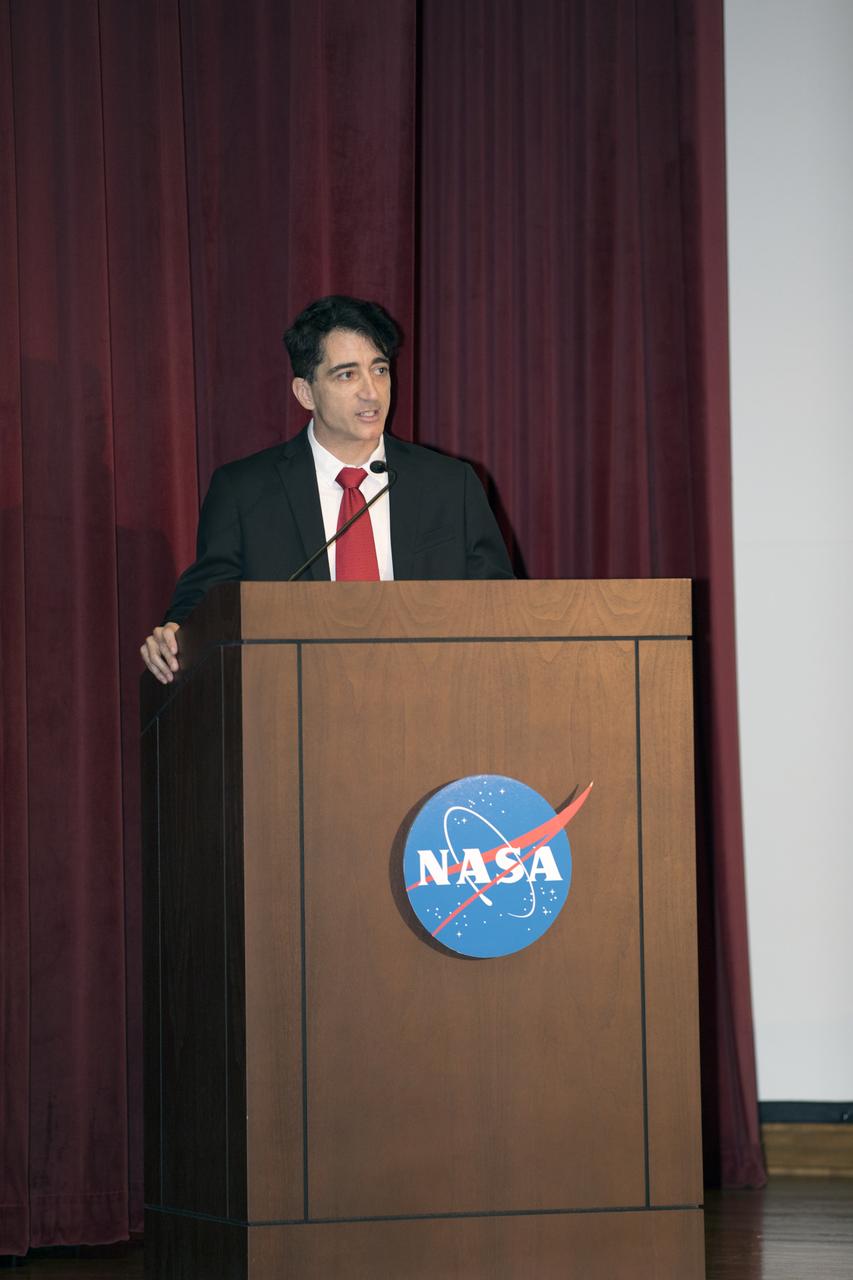
Mike Ciannilli, the Apollo, Challenger, Columbia Lessons Learned Program manager, welcomes participants to the Apollo 1 Lessons Learned presentation in the Training Auditorium at NASA’s Kennedy Space Center in Florida. The program's theme was "To There and Back Again." Guest panelists included Charlie Duke, former Apollo 16 astronaut and member of the Apollo 1 Emergency Egress Investigation Team; Ernie Reyes, retired, Apollo 1 senior operations engineer; and John Tribe, retired, Apollo 1 Reaction and Control System lead engineer. The event helped pay tribute to the Apollo 1 crew, Gus Grissom, Ed White II, and Roger Chaffee.