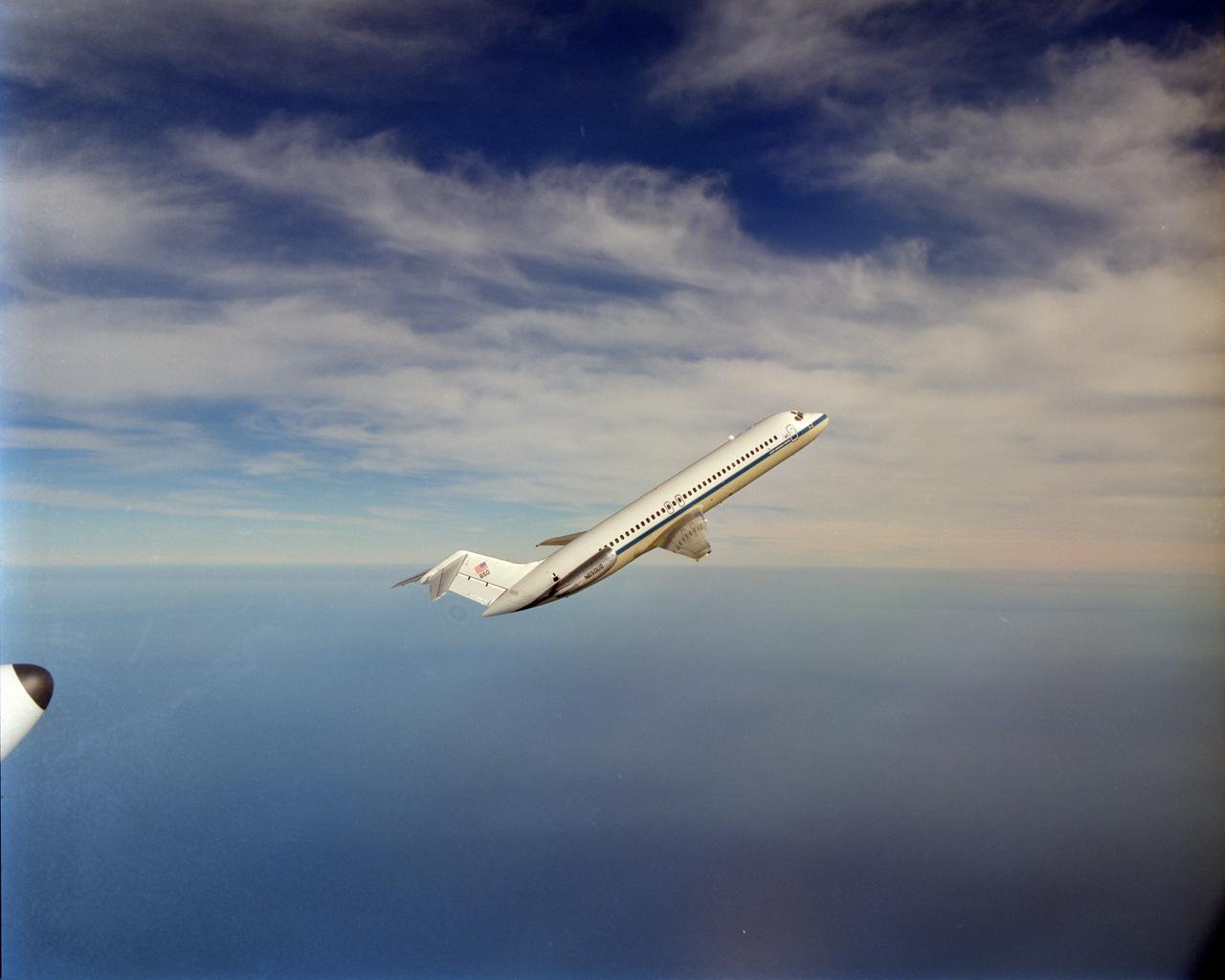
NASA aircraft DC-9 microgravity plane performs it's first test parabolas over Lake Erie. This was photographed by the NASA Glenn Lear Jet in a chase plane configuration.
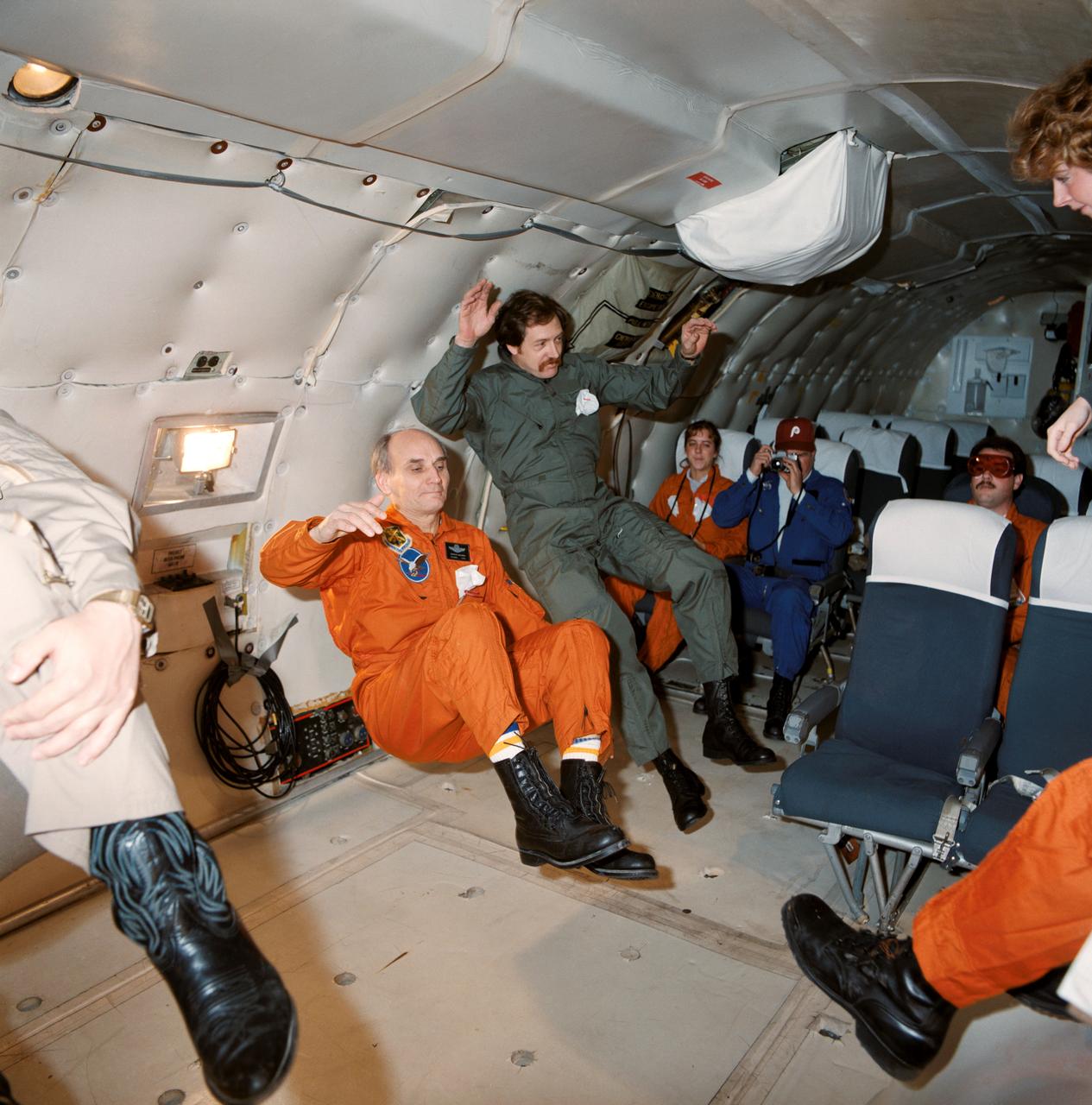
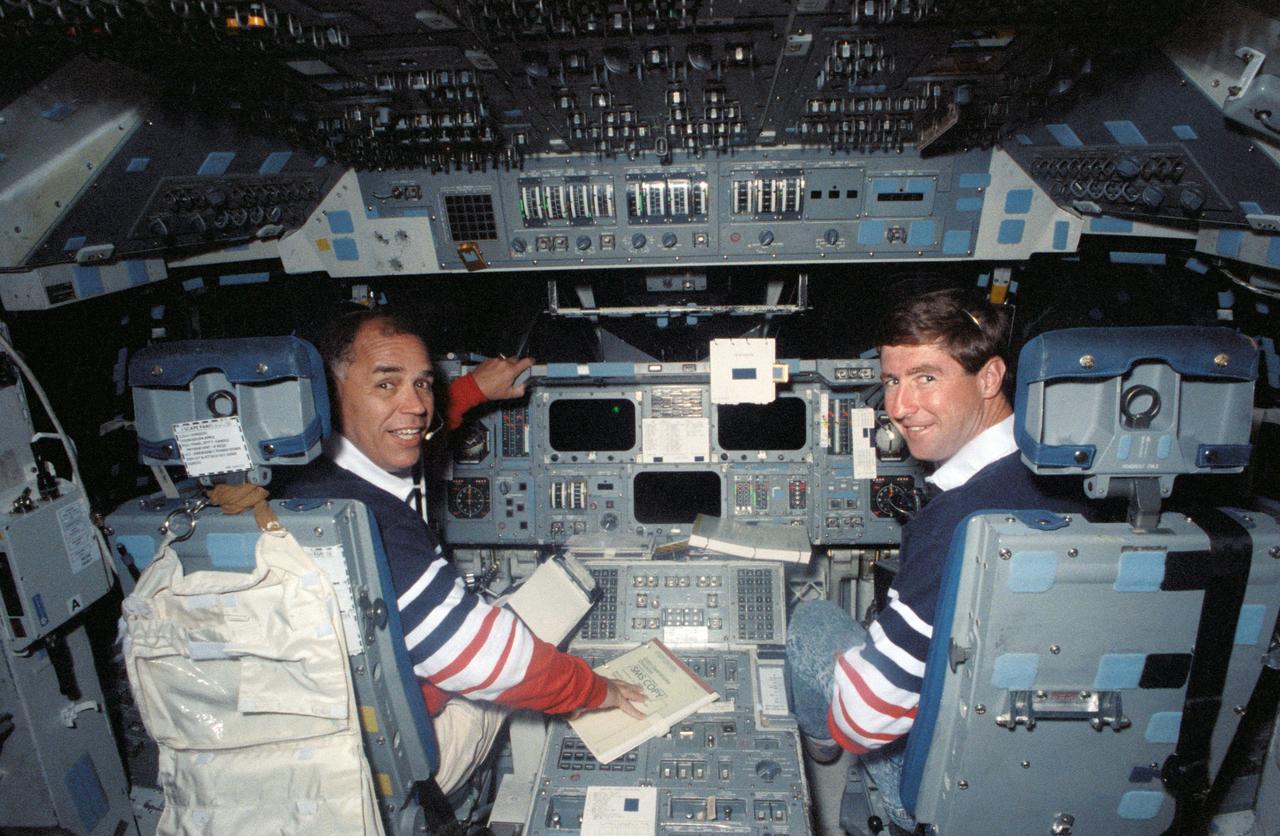
Views of STS-51E Crewman Senator Jake Garn during Zero-G Parabolas. 1. Senator E. J. "Jake" Garn - Zero-G
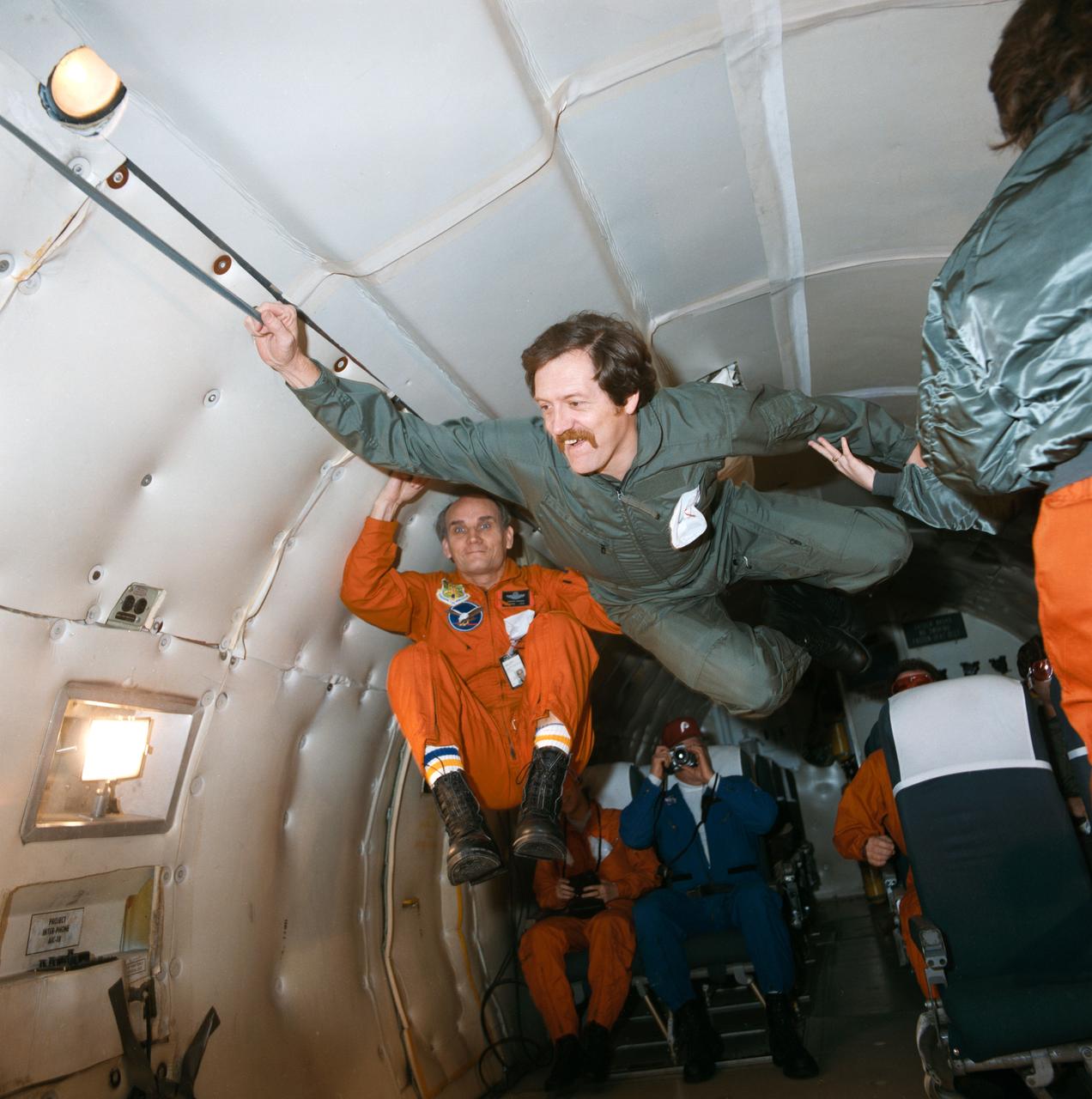
Views of STS-51E Crewman Senator Jake Garn during Zero-G Parabolas. 1. Senator E. J. "Jake" Garn - Zero-G
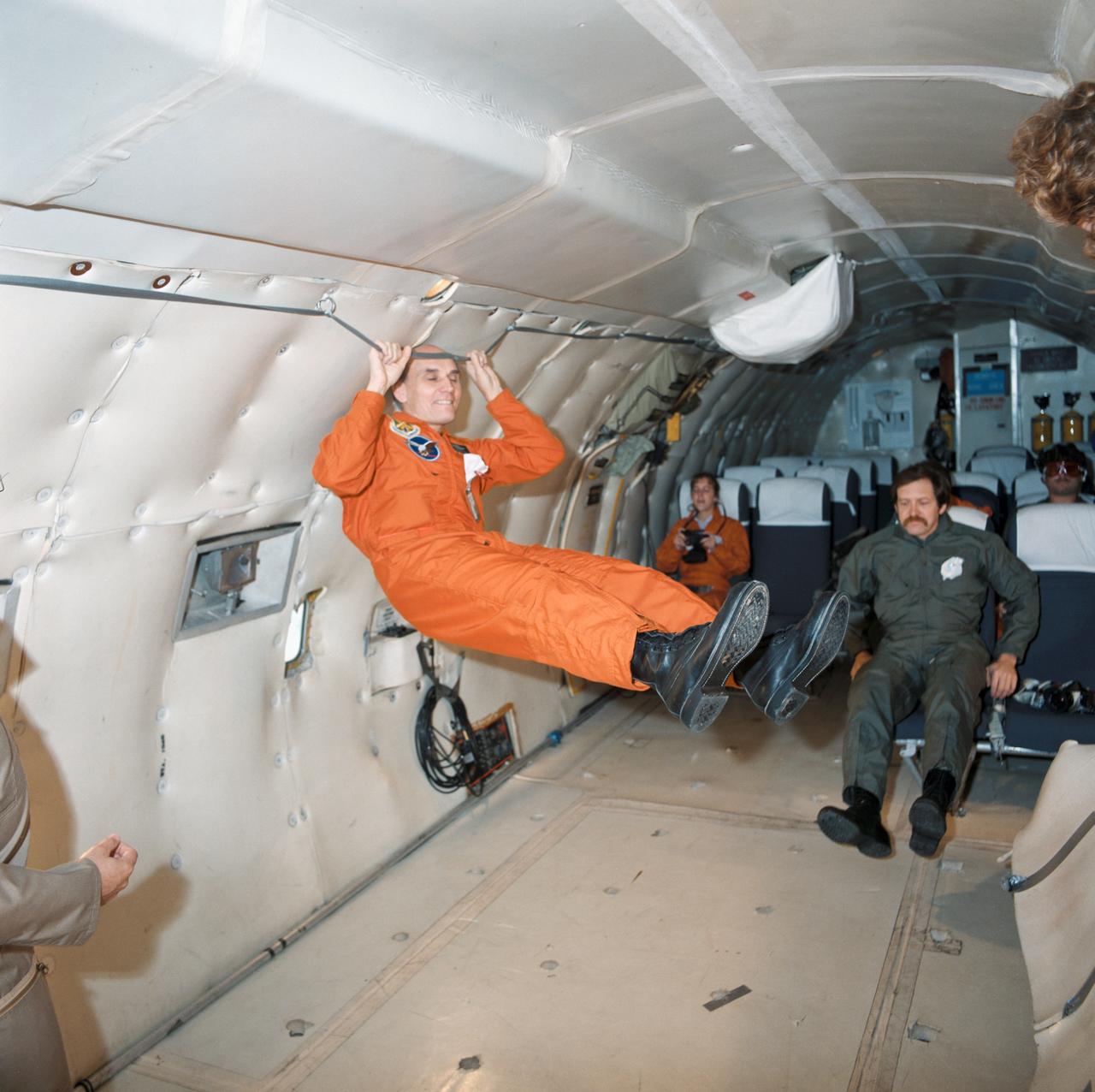
Views of STS-51E Crewman Senator Jake Garn during Zero-G Parabolas. 1. Senator E. J. "Jake" Garn - Zero-G
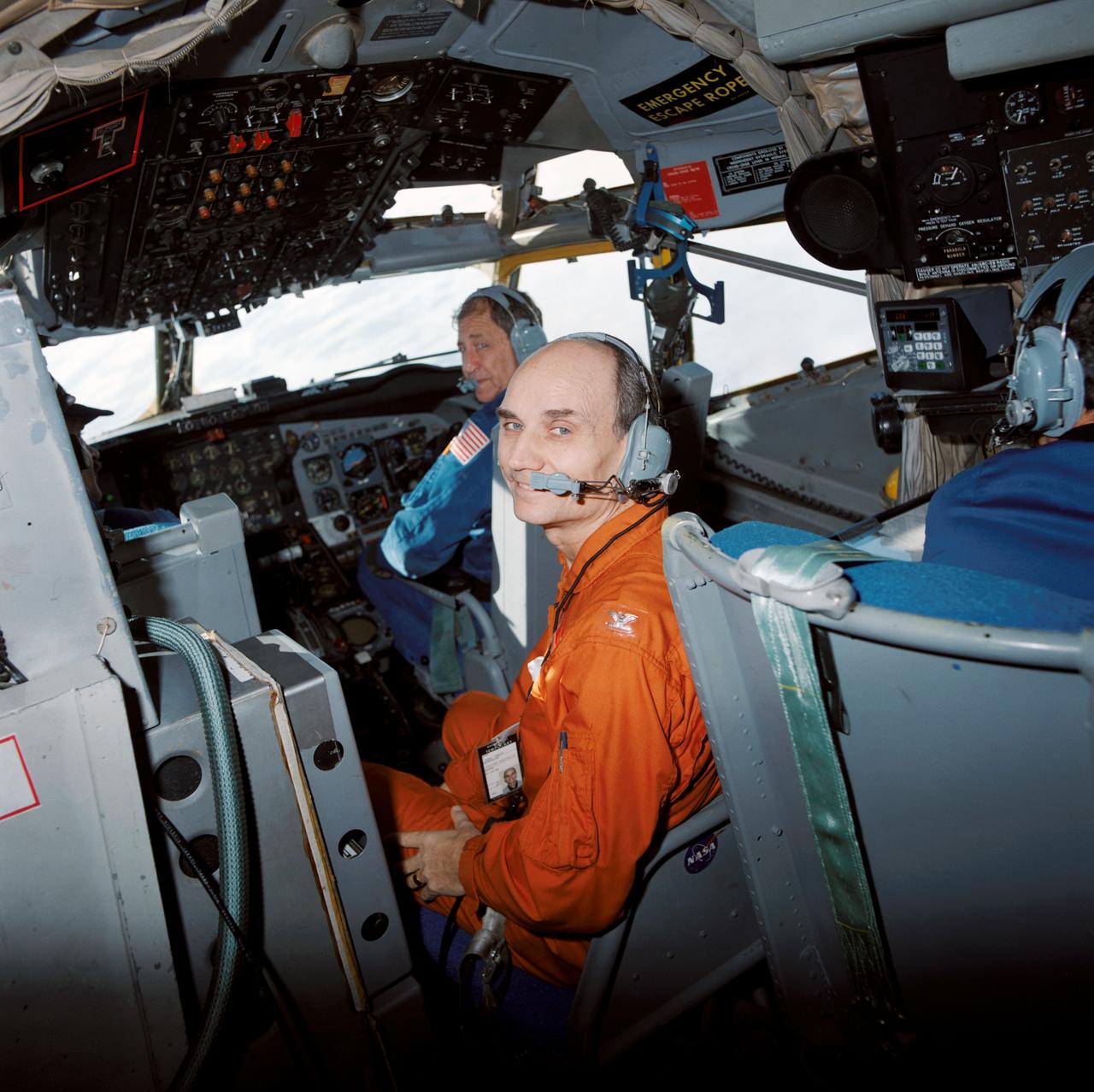
Views of STS-51E Crewman Senator Jake Garn during Zero-G Parabolas. 1. Senator E. J. "Jake" Garn - Zero-G
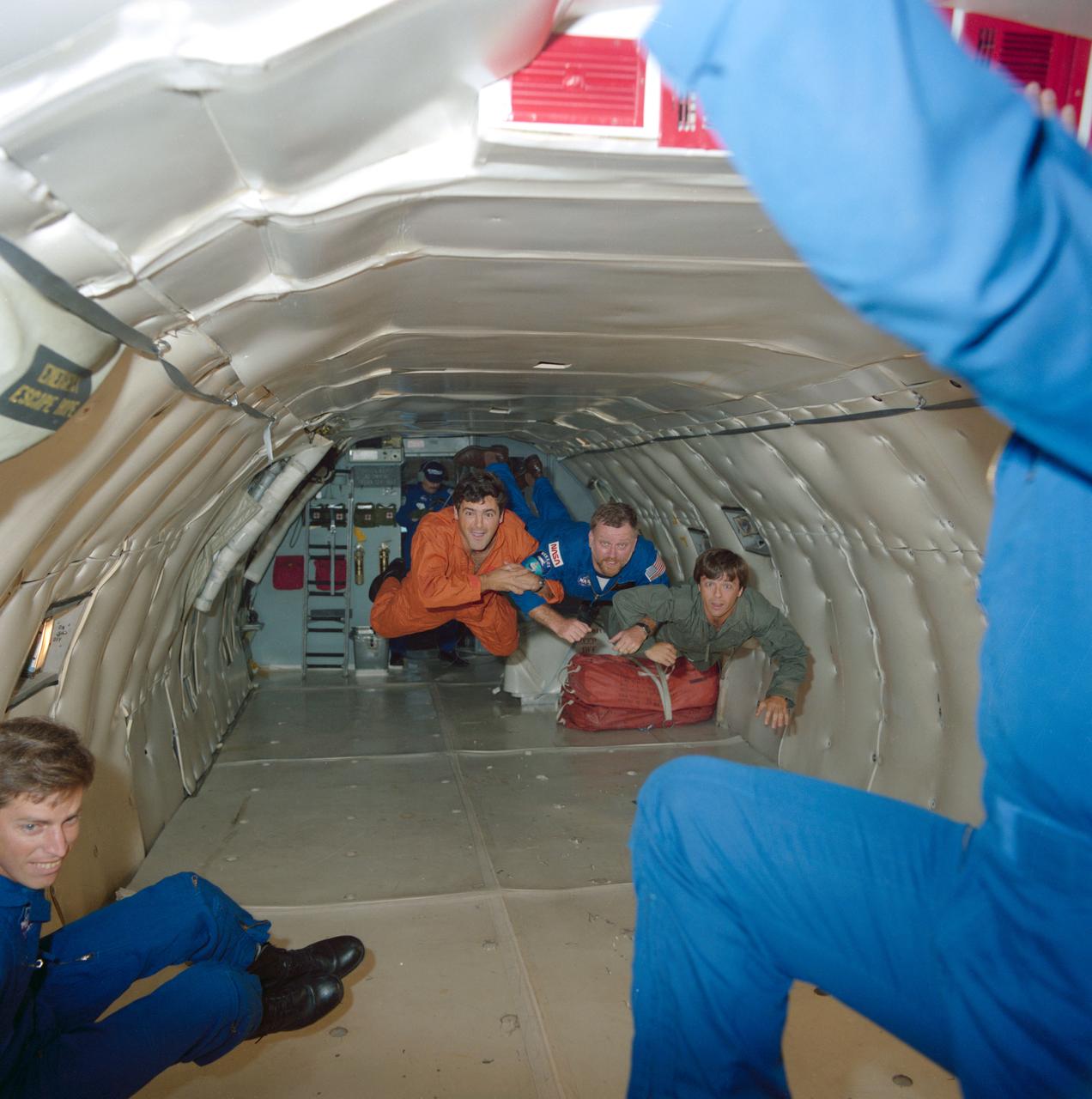
S84-40538 (24 Aug 1984) --- Two 41-G payload specialists and a backup for one of them appear to be at home in zero gravity in this scene photographed aboard a KC-135 "Zero gravity" aircraft flying one of its weightlessness opportunity parabolas. Paul D. Scully-Power, a civilian oceanographer with the U.S. Navey, is flanked by Marc Garneau (left) and Robert Thirsk, both representing the National Research Council of Canada. Thirsk is back up payload specialist for Garneau.
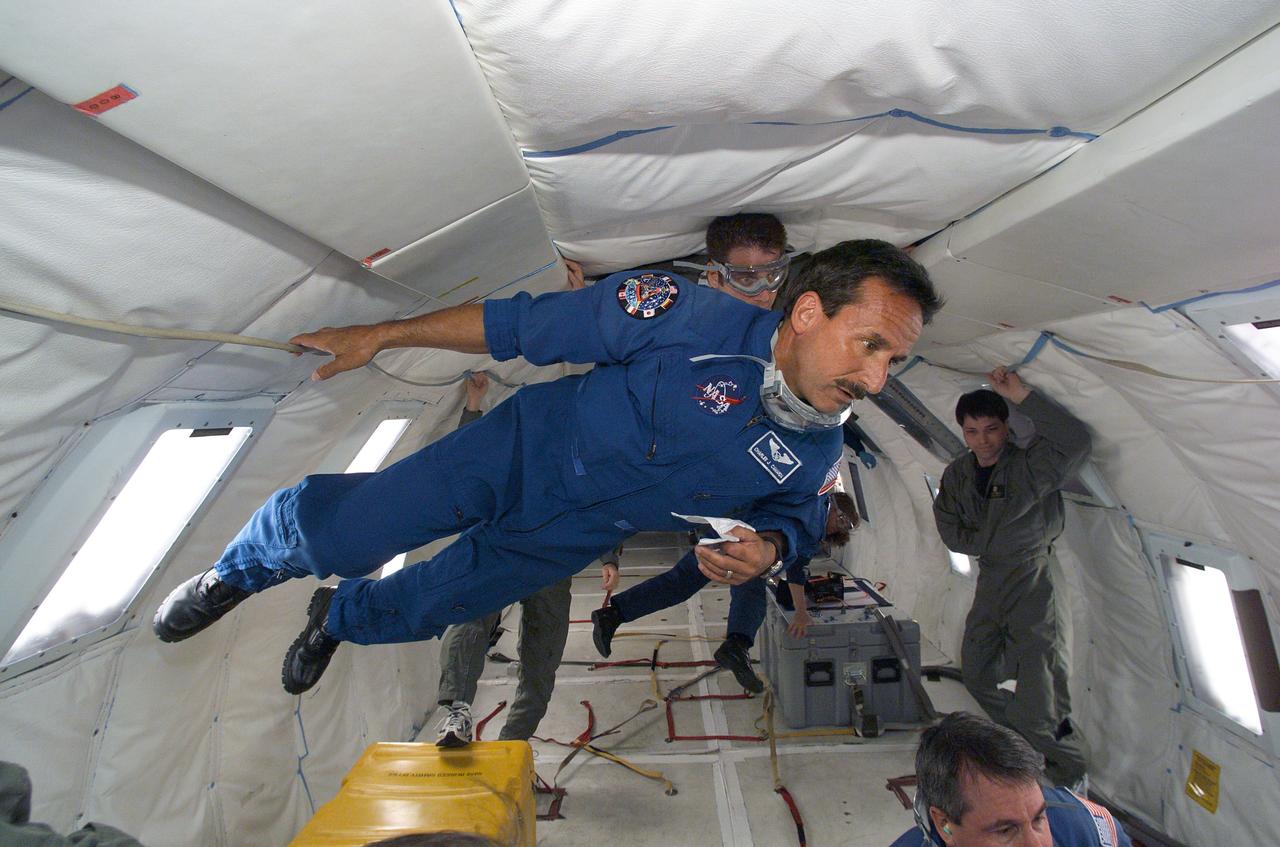
JSC2004-E-24534 (1 June 2004) --- Astronaut Charles J. Camarda, STS-114 mission specialist, participates in Return to Flight training aboard NASA’s KC-135 aircraft. The aircraft, based at Ellington Field near Johnson Space Center (JSC), frequently flies a series of parabola patterns over the Gulf of Mexico to afford opportunities for astronauts and investigators to experience brief periods of weightlessness.
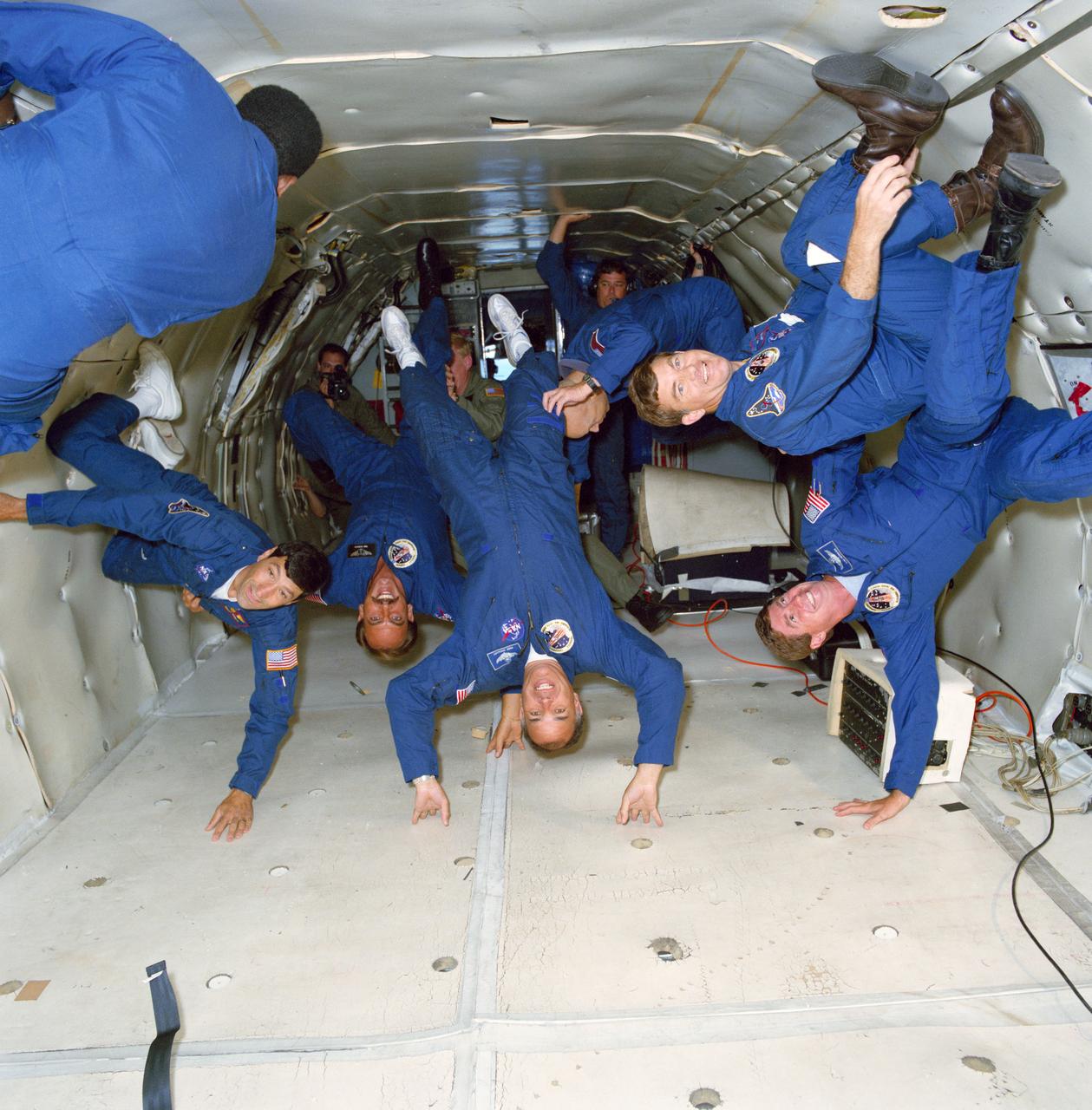
S91-38355 (28 May 1991) --- Seen floating about the vacant spaces of the Johnson Space Center's KC-135 "zero-gravity" aircraft are the six crewmembers for the STS 44 mission. Left to right are Terence T. Henricks, James S. Voss, F. Story Musgrave (partially obscured), Frederick D. Gregory, Thomas J. Hennen and Mario Runco Jr. Gregory is mission commander. Hennen is payload specialist for this flight, dedicated to the Department of Defense. The flight served as a refresher and a preview of the experience of weightlessness, as the special aircraft flew a series of parabolas which provided short sessions of zero-gravity.
S91-38355 (28 May 1991) --- Seen floating about the vacant spaces of the Johnson Space Center's KC-135 "zero-gravity" aircraft are the six crewmembers for the STS 44 mission. Left to right are Terence T. Henricks, James S. Voss, F. Story Musgrave (partially obscured), Frederick D. Gregory, Thomas J. Hennen and Mario Runco Jr. Gregory is mission commander. Hennen is payload specialist for this flight, dedicated to the Department of Defense. The flight served as a refresher and a preview of the experience of weightlessness, as the special aircraft flew a series of parabolas which provided short sessions of zero-gravity.
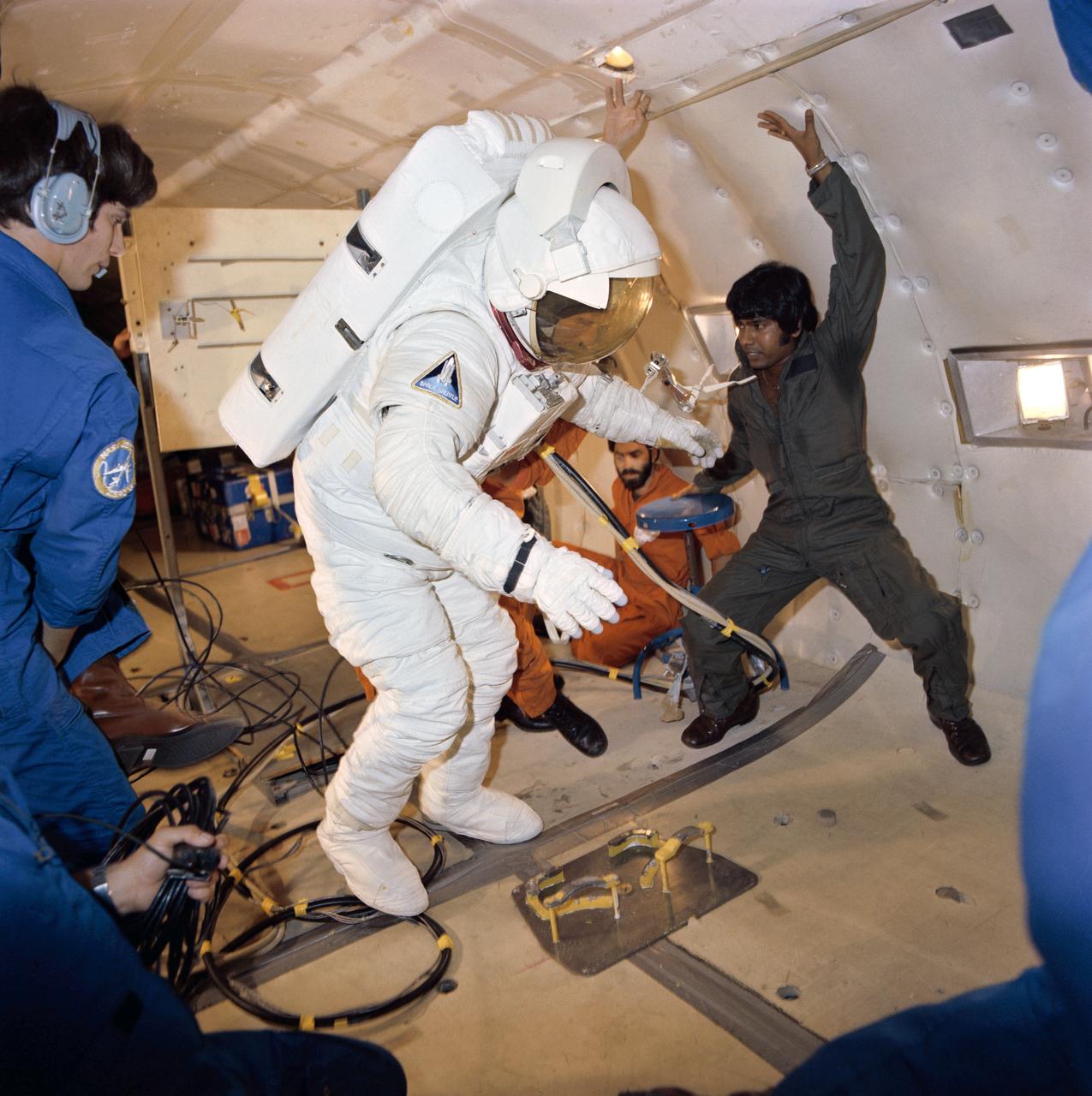
S81-34448 (July 1981) --- Astronaut C. Gordon Fullerton, STS-3 pilot, fully suited, gets a preview of what it might be like in space during a flight aboard NASA's KC-135 "zero-gravity" aircraft. A special parabolic pattern flown the aircraft provides short periods of weightlessness. Fullerton's suit is an Extravehicular Mobility Unit (EMU), used by astronauts when leaving the shirt-sleeve environment of their shuttle orbiter to go outside perform tasks in space. There are no such EVA plans on STS-3, but crew members are trained in this area in the event of the necessity to perform chores in space that for some reason or other can't be done remotely. The astronaut has just donned his suit during a parabola and now takes the opportunity to float around in the absence of gravity. Photo credit: NASA
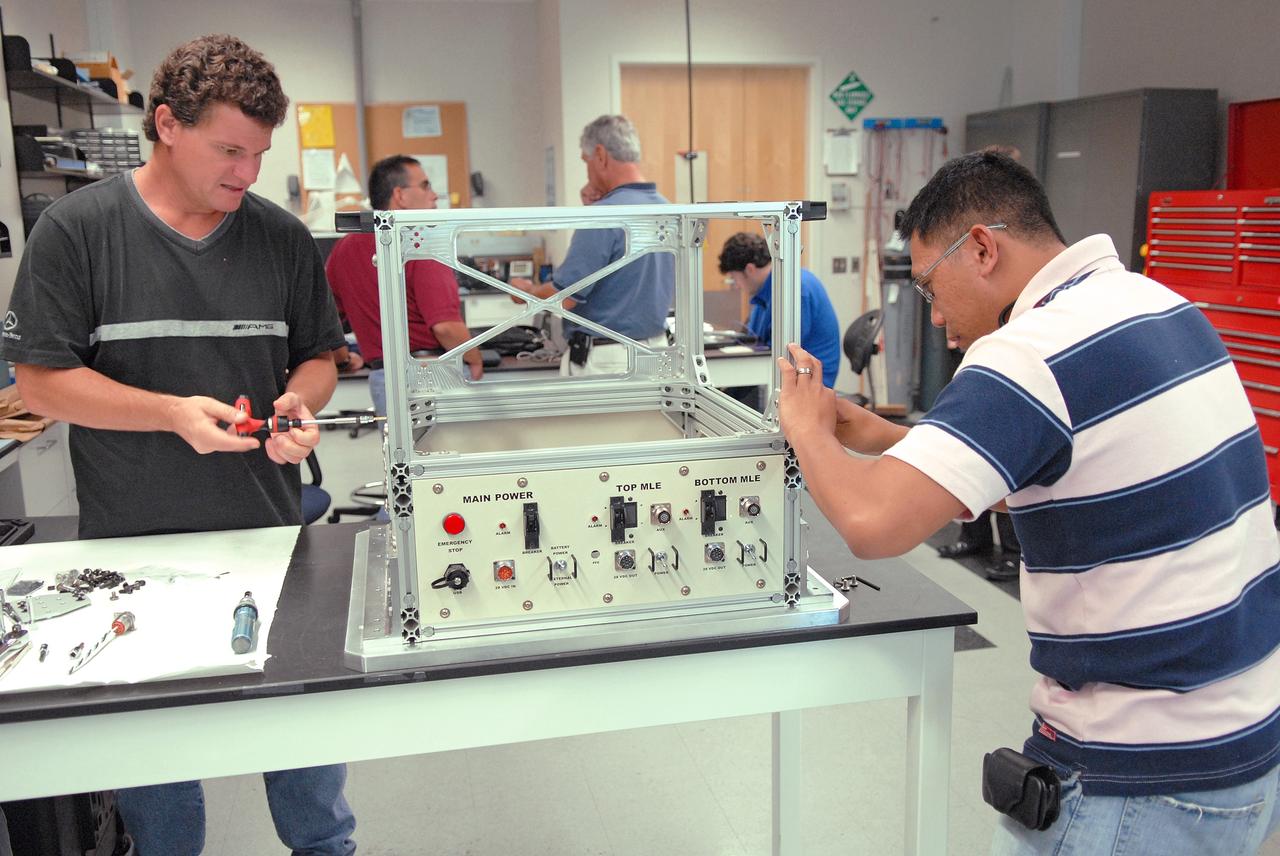
CAPE CANAVERAL, Fla. – Technicians in the Life Science Building at NASA's Kennedy Space Center work on the FASTRACK Space Experiment Platform. The rack is designed to support two standard lockers that fit inside the space shuttle's crew middeck. It is being developed jointly by Kennedy and Space Florida to facilitate NASA and commercial use of reusable U.S. suborbital flight vehicles currently under development. FASTRACK will enable investigators to test experiments, apparatus and analytical techniques in hardware compatible with the International Space Station, and to perform science that can be carried out during the reduced gravity available for brief periods during aircraft parabolas. Flight testing of the FASTRACK will be performed on four consecutive days between September 9-12 from Ellington Field near NASA's Johnson Space Center, Houston. Photo credit: NASA/Troy Cryder
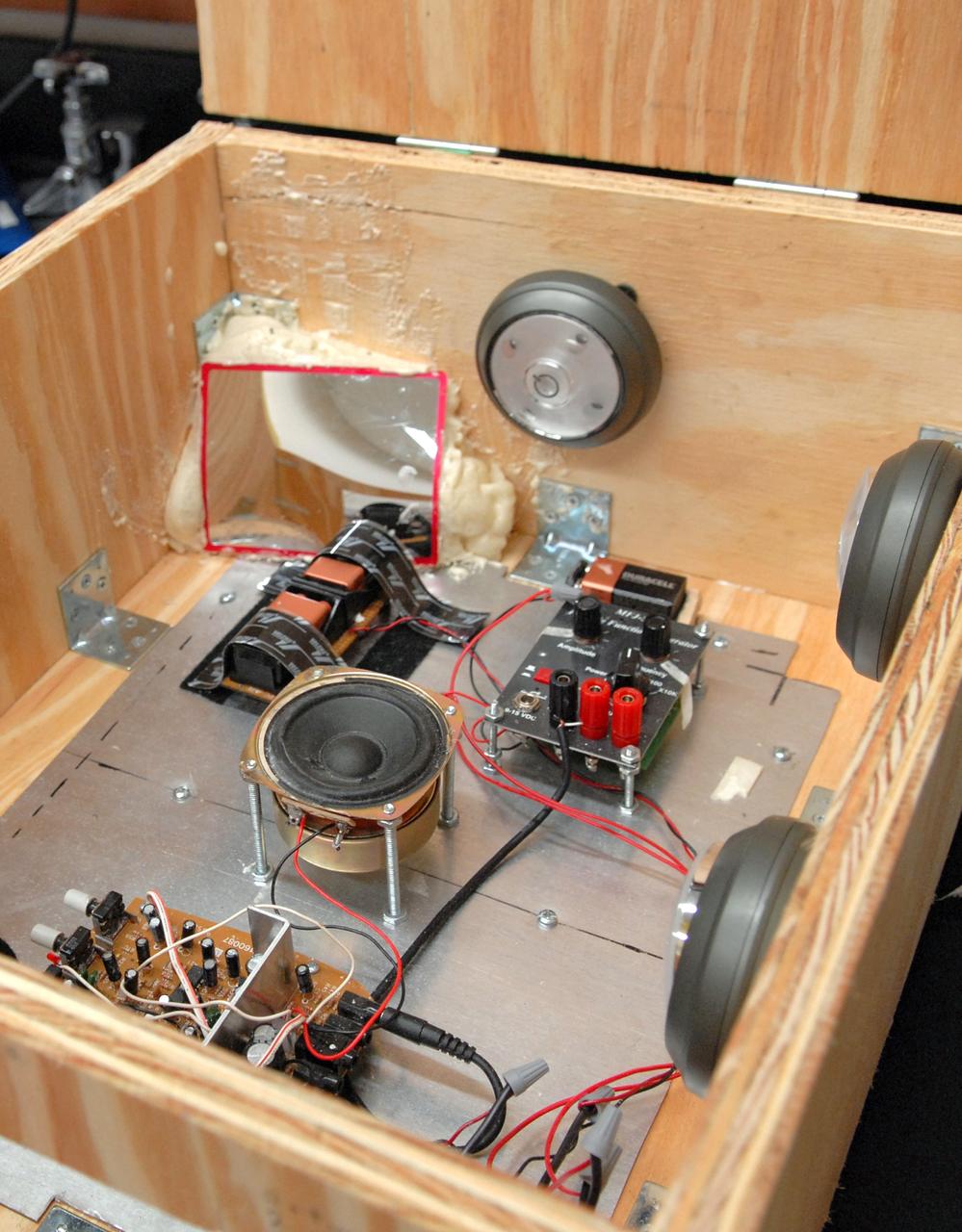
CAPE CANAVERAL, Fla. – Experiments are placed inside the FASTRACK Space Experiment Platform viewed in the Life Science Building at NASA's Kennedy Space Center. The space experiment rack is under development for flight aboard NASA's first commercially-provided research flights on Zero Gravity Corporation's reduced gravity aircraft. It is being developed jointly by Kennedy and Space Florida to facilitate NASA and commercial use of reusable U.S. suborbital flight vehicles currently under development. FASTRACK will enable investigators to test experiments, apparatus and analytical techniques in hardware compatible with the International Space Station, and to perform science that can be carried out during the reduced gravity available for brief periods during aircraft parabolas. Flight testing of the FASTRACK will be performed on four consecutive days between September 9-12 from Ellington Field near NASA's Johnson Space Center, Houston. Photo credit: NASA/Troy Cryder
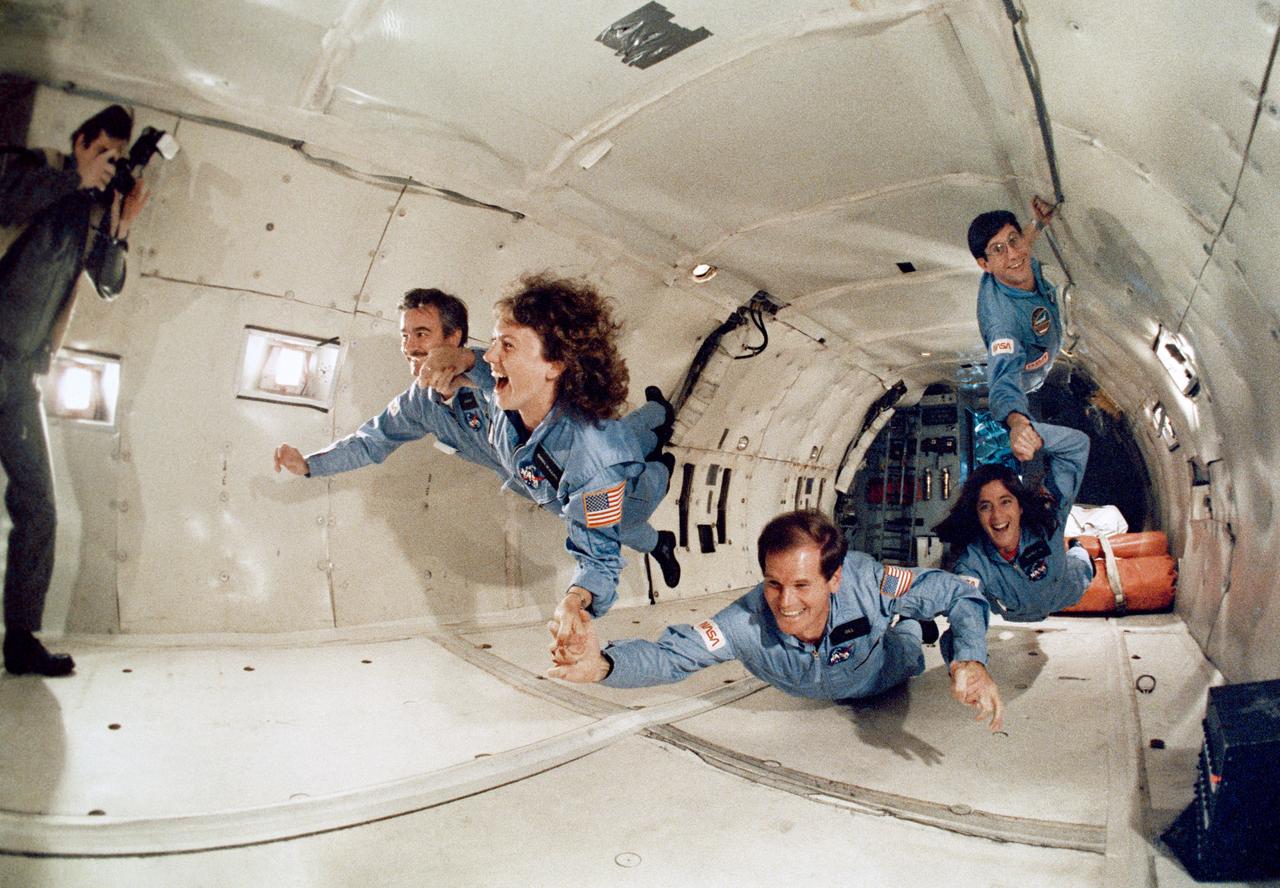
S85-44834 (20 Nov. 1985) --- This flying human chain represents prime and backup payload specialists for two upcoming STS missions. The group, representing trainees for STS-61C later this year and STS-51L early next year, shared some 40 parabolas in NASA?s KC-135, ?Zero-G? aircraft on Nov. 20, 1985. Left to right are Gerard Magilton, RCA backup payload specialist for STS-61C; Sharon Christa McAuliffe, payload specialist/teacher citizen observer for STS-51L; U.S. Representative Bill Nelson (D., Florida), scheduled for 61C; Barbara R. Morgan, backup to McAuliffe; and Robert J. Cenker, RCA payload specialist for 61C. The photo was taken by Otis Imboden. Photo credit: NASA
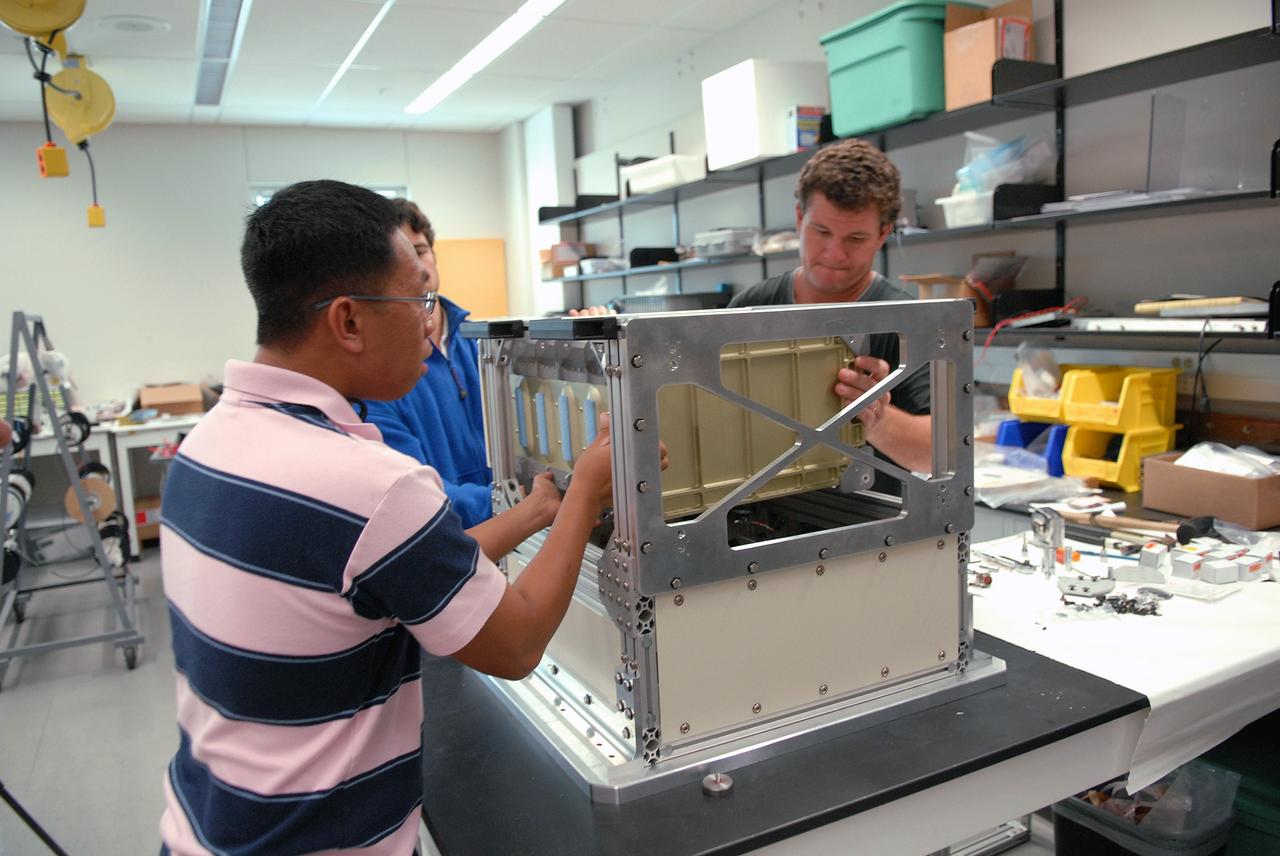
CAPE CANAVERAL, Fla. – Technicians in the Life Science Building at NASA's Kennedy Space Center work on the FASTRACK Space Experiment Platform. The rack is designed to support two standard lockers that fit inside the space shuttle's crew middeck. It is being developed jointly by Kennedy and Space Florida to facilitate NASA and commercial use of reusable U.S. suborbital flight vehicles currently under development. FASTRACK will enable investigators to test experiments, apparatus and analytical techniques in hardware compatible with the International Space Station, and to perform science that can be carried out during the reduced gravity available for brief periods during aircraft parabolas. Flight testing of the FASTRACK will be performed on four consecutive days between September 9-12 from Ellington Field near NASA's Johnson Space Center, Houston. Photo credit: NASA/Troy Cryder
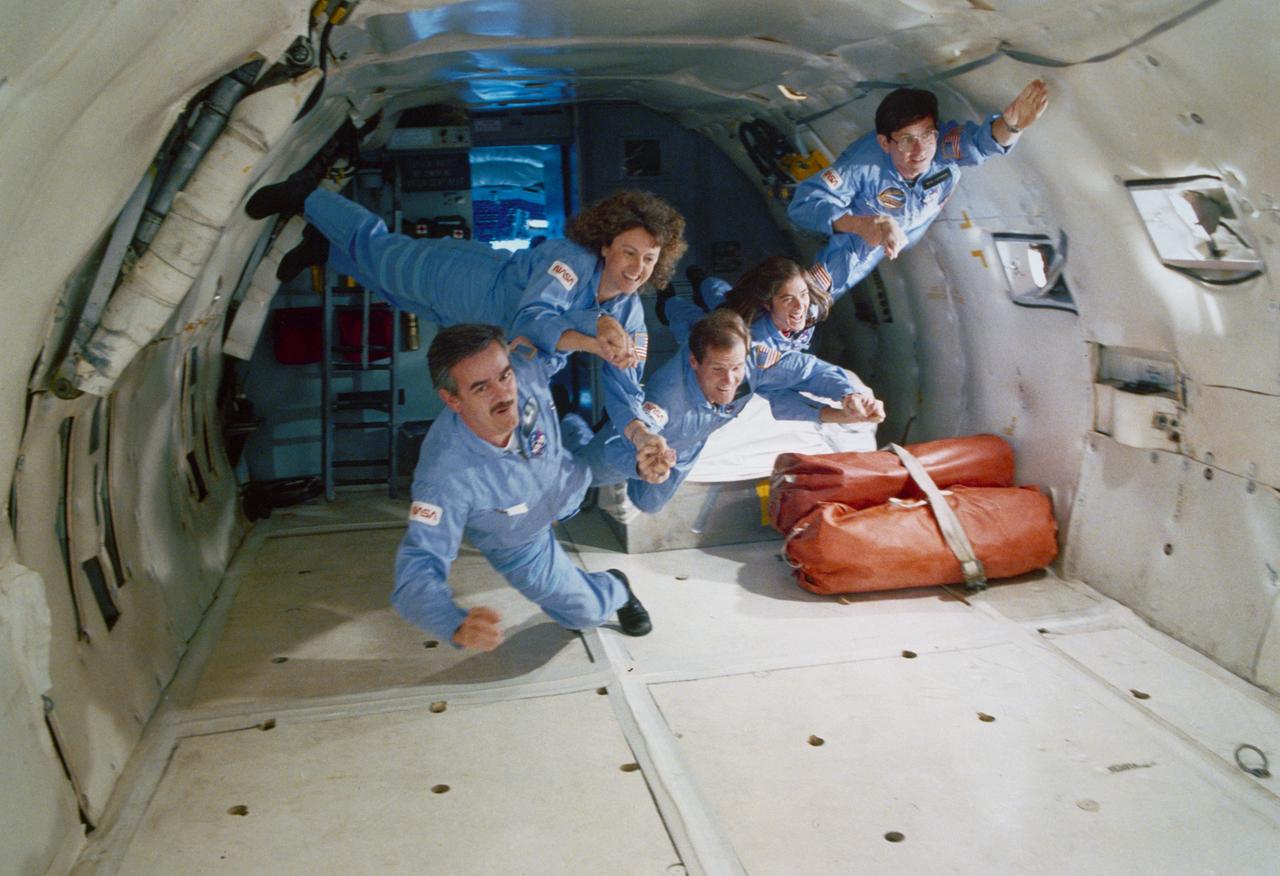
S85-44835 (20 Nov. 1985) --- This flying human chain represents prime and backup payload specialists for two upcoming STS missions. The group, representing trainees for STS-61C later this year and STS-51L early next year, shared some 40 parabolas in NASA?s KSC-135, ?Zero-G? aircraft on Nov. 20. Left to right are Gerard Magilton, RCA backup payload specialist for STS-61C; Sharon Christa McAuliffe, payload specialist/teacher citizen observer for STS-51L; U.S. Rep. Bill Nelson (D., Florida), scheduled for 61-C; Barbara R. Morgan, backup to McAuliffe; and Robert J. Cenker, RCA payload specialist for 61-C. The photo was taken by Keith Meyers, New York Times. Photo credit: NASA
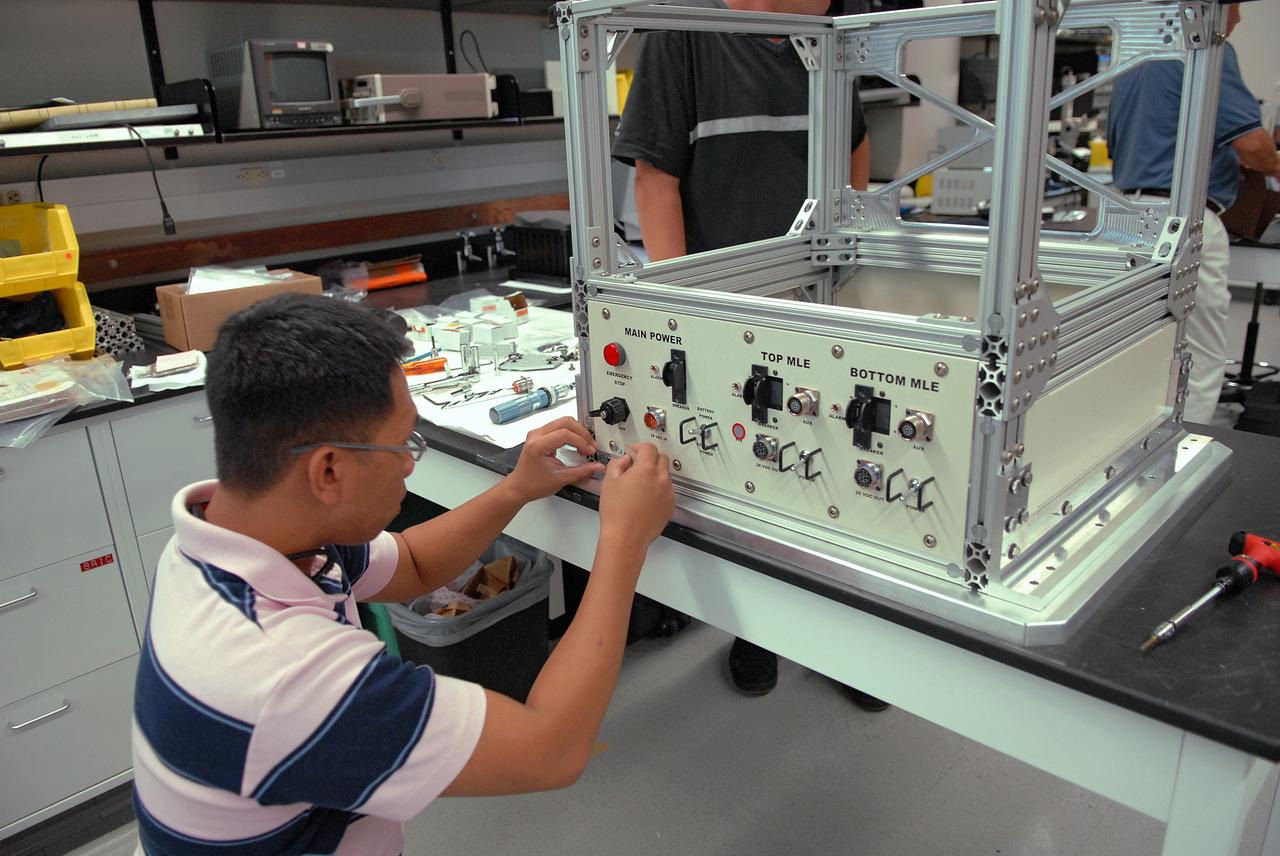
CAPE CANAVERAL, Fla. – A technician in the Life Science Building at NASA's Kennedy Space Center works on the FASTRACK Space Experiment Platform. The rack is designed to support two standard lockers that fit inside the space shuttle's crew middeck. It is being developed jointly by Kennedy and Space Florida to facilitate NASA and commercial use of reusable U.S. suborbital flight vehicles currently under development. FASTRACK will enable investigators to test experiments, apparatus and analytical techniques in hardware compatible with the International Space Station, and to perform science that can be carried out during the reduced gravity available for brief periods during aircraft parabolas. Flight testing of the FASTRACK will be performed on four consecutive days between September 9-12 from Ellington Field near NASA's Johnson Space Center, Houston. Photo credit: NASA/Troy Cryder
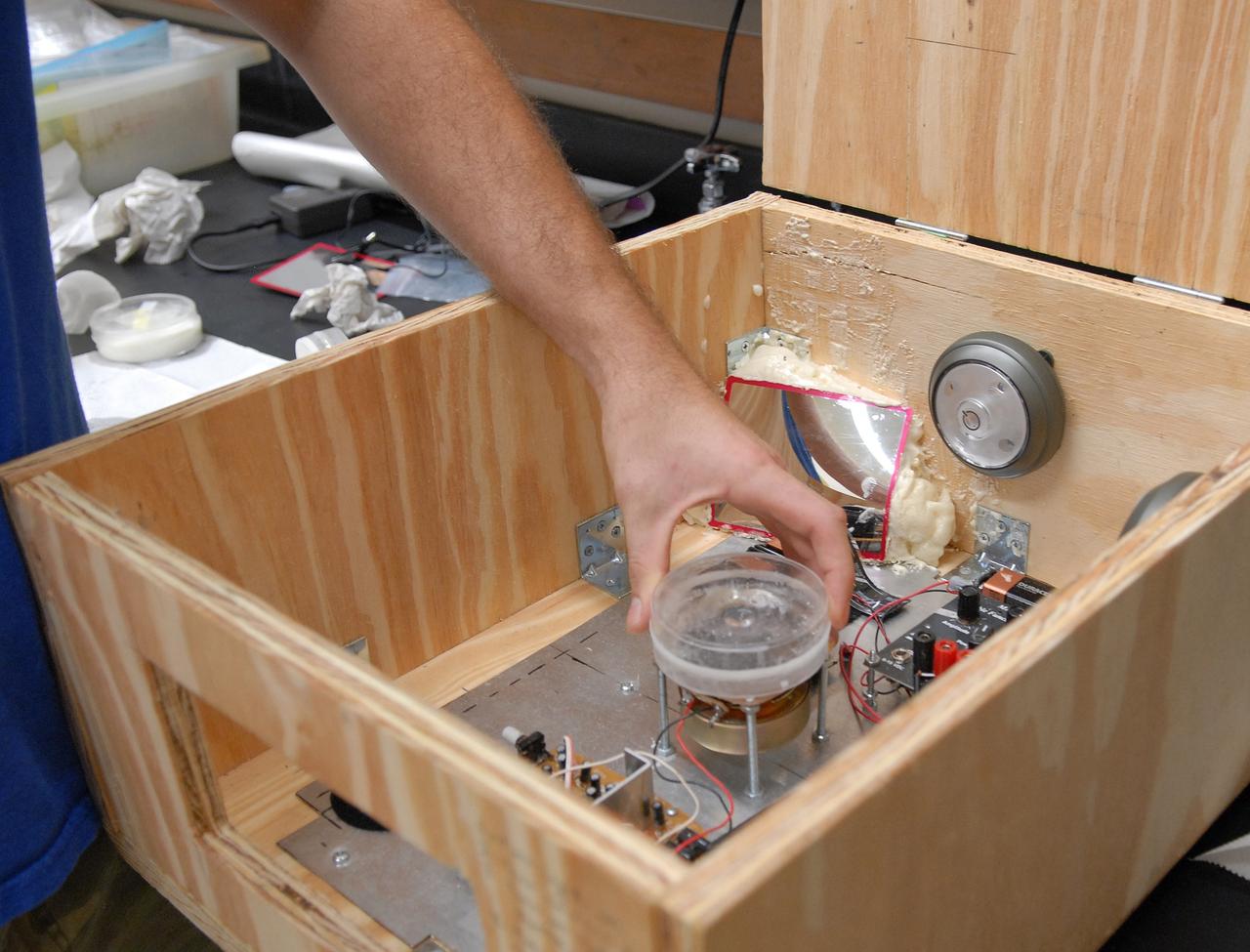
CAPE CANAVERAL, Fla. – Experiments are placed inside the FASTRACK Space Experiment Platform viewed in the Life Science Building at NASA's Kennedy Space Center. The space experiment rack is under development for flight aboard NASA's first commercially-provided research flights on Zero Gravity Corporation's reduced gravity aircraft. It is being developed jointly by Kennedy and Space Florida to facilitate NASA and commercial use of reusable U.S. suborbital flight vehicles currently under development. FASTRACK will enable investigators to test experiments, apparatus and analytical techniques in hardware compatible with the International Space Station, and to perform science that can be carried out during the reduced gravity available for brief periods during aircraft parabolas. Flight testing of the FASTRACK will be performed on four consecutive days between September 9-12 from Ellington Field near NASA's Johnson Space Center, Houston. Photo credit: NASA/Troy Cryder
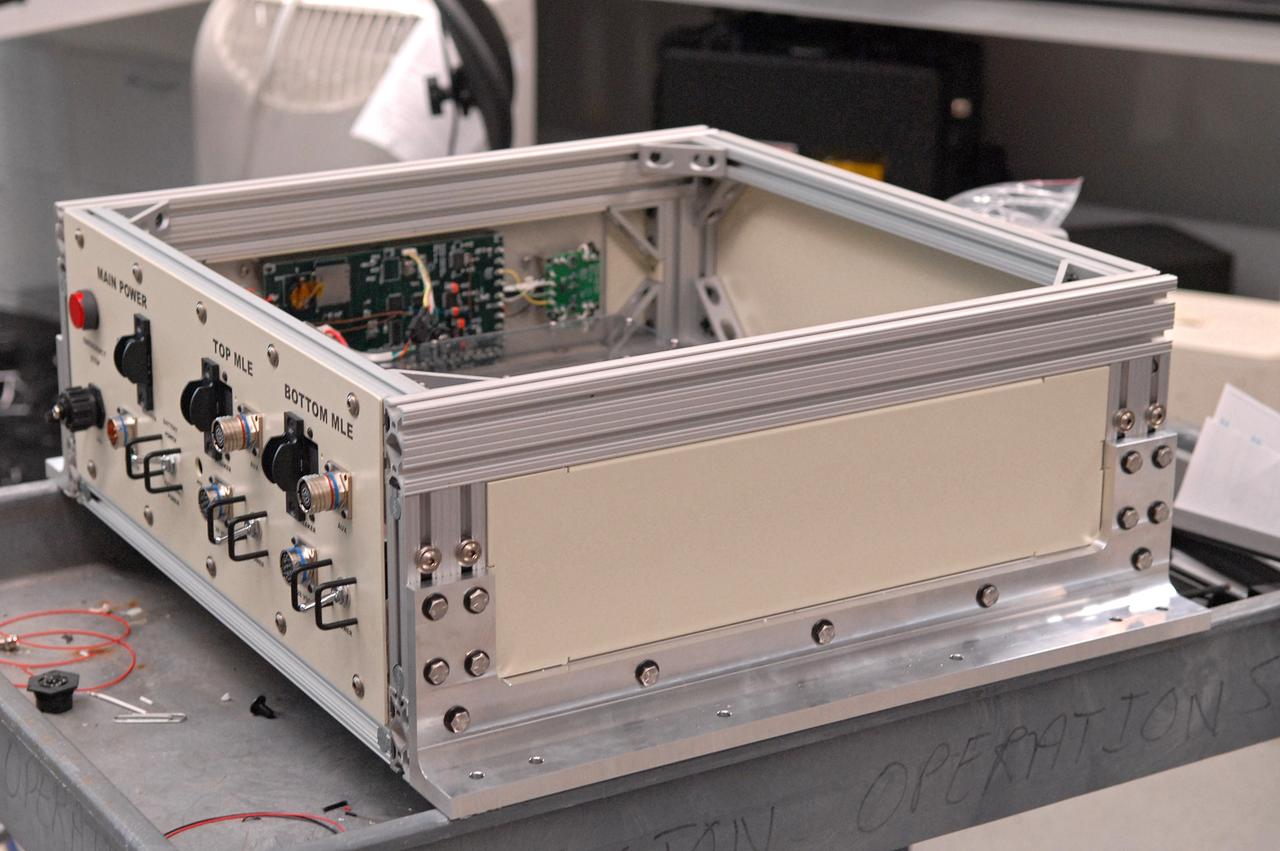
CAPE CANAVERAL, Fla. – In the Life Science Building at NASA's Kennedy Space Center, a space experiment rack is under development for flight aboard NASA's first commercially-provided research flights on Zero Gravity Corporation's reduced gravity aircraft. Known as the FASTRACK Space Experiment Platform, the rack is designed to support two standard lockers that fit inside the space shuttle's crew middeck. It is being developed jointly by Kennedy and Space Florida to facilitate NASA and commercial use of reusable U.S. suborbital flight vehicles currently under development. FASTRACK will enable investigators to test experiments, apparatus and analytical techniques in hardware compatible with the International Space Station, and to perform science that can be carried out during the reduced gravity available for brief periods during aircraft parabolas. Flight testing of the FASTRACK will be performed on four consecutive days between September 9-12 from Ellington Field near NASA's Johnson Space Center, Houston. Photo credit: NASA/Troy Cryder
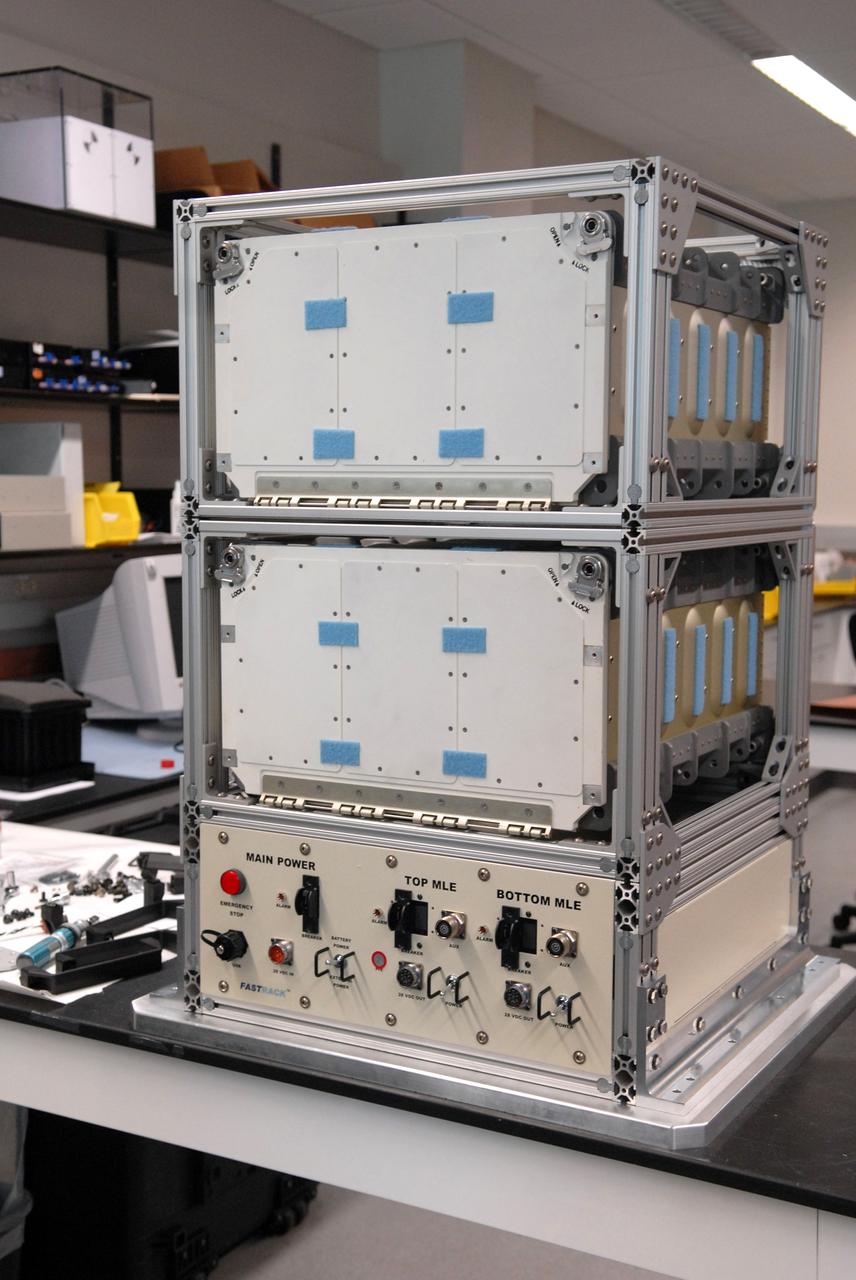
CAPE CANAVERAL, Fla. – In the Life Science Building at NASA's Kennedy Space Center, this space experiment rack is under development for flight aboard NASA's first commercially-provided research flights on Zero Gravity Corporation's reduced gravity aircraft. Known as the FASTRACK Space Experiment Platform, the rack is designed to support two standard lockers that fit inside the space shuttle's crew middeck. It is being developed jointly by Kennedy and Space Florida to facilitate NASA and commercial use of reusable U.S. suborbital flight vehicles currently under development. FASTRACK will enable investigators to test experiments, apparatus and analytical techniques in hardware compatible with the International Space Station, and to perform science that can be carried out during the reduced gravity available for brief periods during aircraft parabolas. Flight testing of the FASTRACK will be performed on four consecutive days between September 9-12 from Ellington Field near NASA's Johnson Space Center, Houston. Photo credit: NASA/Troy Cryder
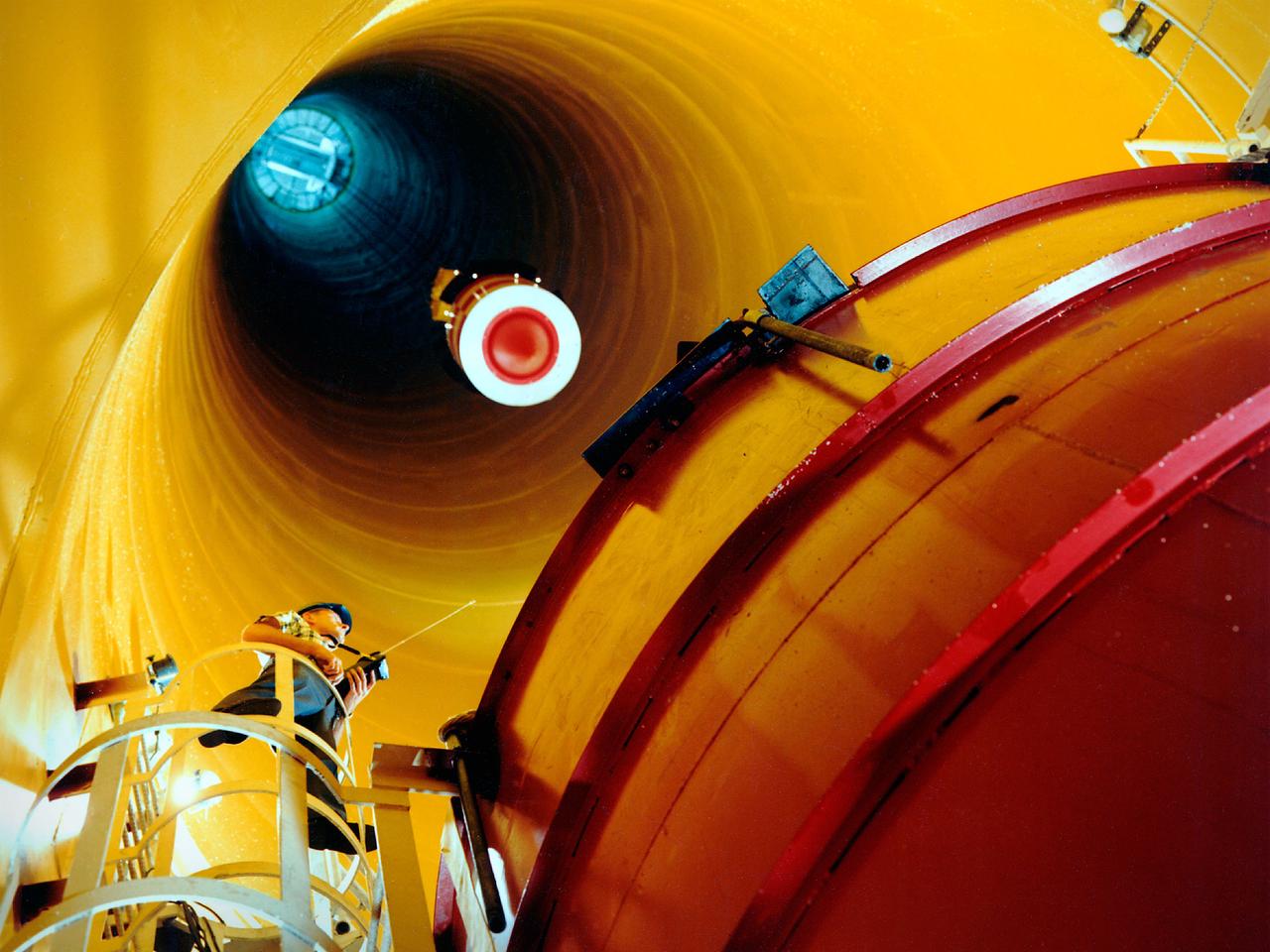
National Aeronautics and Space Administration (NASA) Lewis Research Center. Lewis researchers had been studying the behavior of liquid in microgravity for several years using ballistic rocket flights, aircraft flying series of parabolas, and in the 2.2-Second Drop Tower. It was easier to control experiments and repeat tests based on almost instantaneous test results in the Zero Gravity Research Facility than missiles or aircraft. It also more than doubled the microgravity time of the original drop tower. The experiments were enclosed in a large experiment package that was suspended inside the chamber. A vacuum was introduced to the chamber before the package was released. The test equipment allowed researchers to film and take measurements of the experiment as it was falling. The 2500‐pound package was slowed by special Styrofoam‐like pellets in a decelerator cart. An experiment, traveling 176 feet per second, was stopped in about 15 feet of deceleration material. The facility’s designers struggled to determine the correct type of deceleration pellets to use. For several years Lewis engineers tested various samples from manufacturers. The final selection was not made until the facility’s completion in May 1966, just before the facility made its public debut at the 1966 Inspection of the Center.

The National Aeronautics and Space Administration (NASA) Lewis Research Center acquired two North American AJ-2 Savages in the early 1960s to fly microgravity-inducing parabola flight patterns. Lewis was in the midst of an extensive study to determine the behavior of liquid hydrogen in microgravity so that proper fuel systems could be designed. Jack Enders was the primary pilot for the program and future astronaut Fred Haise worked with the cameras and instrumentation in the rear of the aircraft. North American developed the AJ-2 for the Navy in the mid-1940s as a carrier-based bomber. By the 1960s the Savage was no longer considered a modern aircraft, but its performance capabilities made it appealing to the Lewis researchers. The AJ-2 ‘s power, speed, response time, structural robustness, and large interior space were applicable to the microgravity flights. The AJ-2 could also accommodate a pilot, flight engineer, and two observers. Lewis engineers installed a 100-litre liquid hydrogen dewar, cryogenic cooling system, and cameras in the bomb bay. The AJ-2 was flown on a level course over western Lake Erie then went into a 20-degree dip to generate 375 knot. At 13,000 feet the pilot pulled the nose up by 40 degrees. The speed decreased and both latitudinal and longitudinal accelerations were nullified. Upon reaching 17,000 feet, the pilot turned the aircraft into a 45-degree dive. As the speed reached 390 knots the pilot pulled the aircraft up again. Each maneuver produced approximately 27 seconds of microgravity.