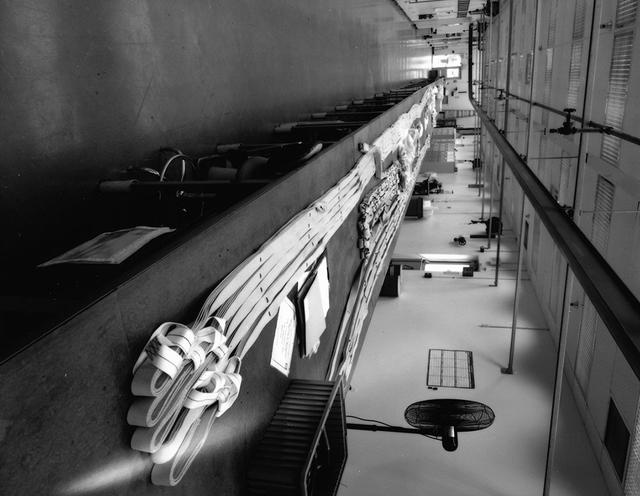
Interior view of the Parachute Refurbishment Facility
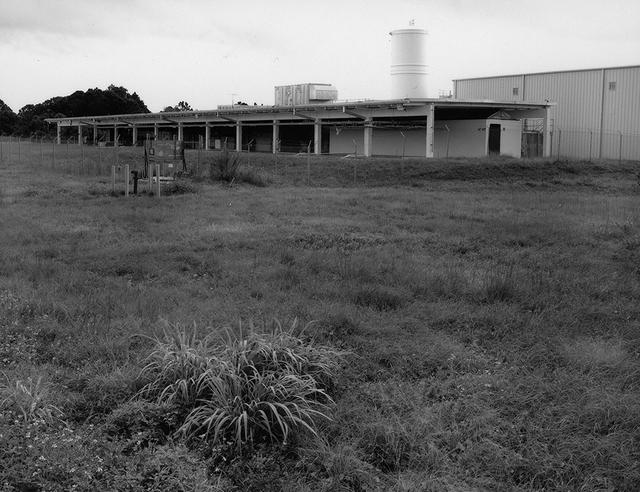
Exterior view of the Parachute Refurbishment Facility
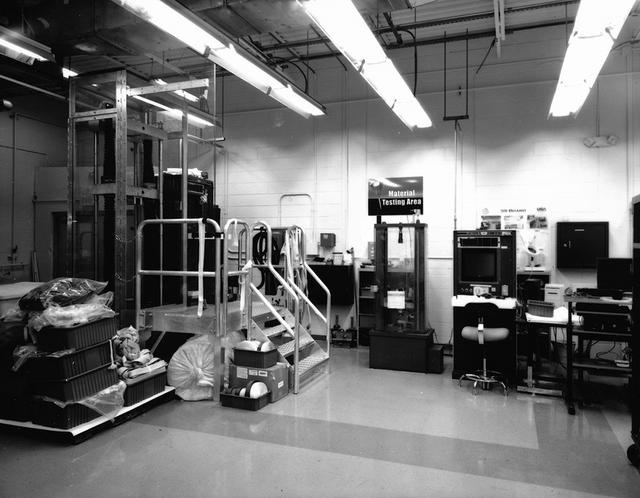
Interior view of the Parachute Refurbishment Facility
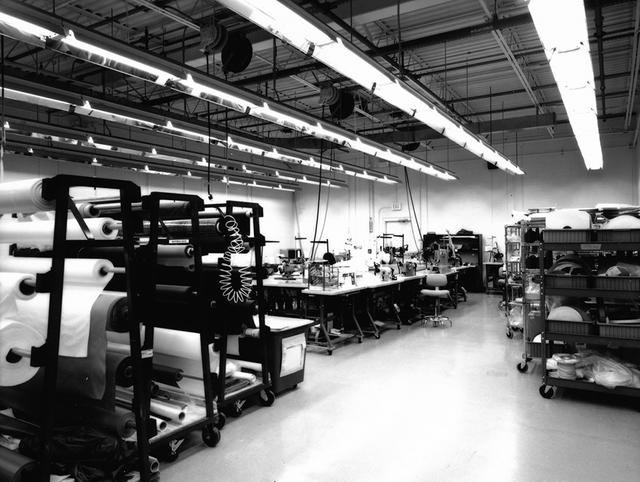
Interior view of the Parachute Refurbishment Facility
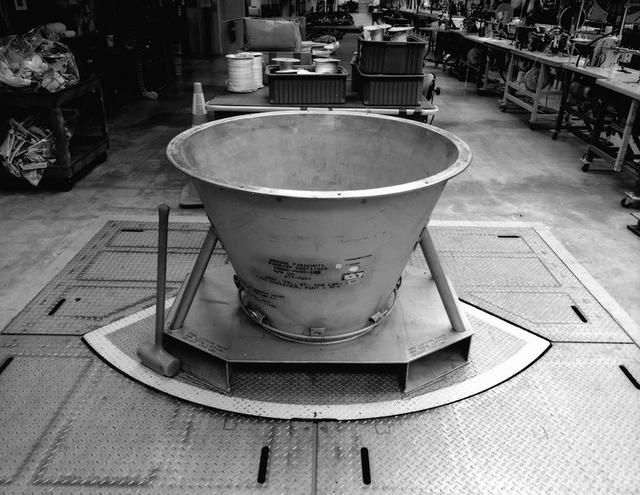
Interior view of the Parachute Refurbishment Facility
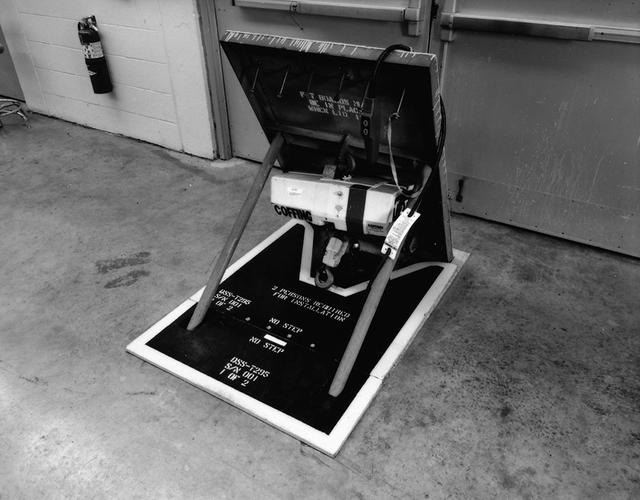
Interior view of the Parachute Refurbishment Facility
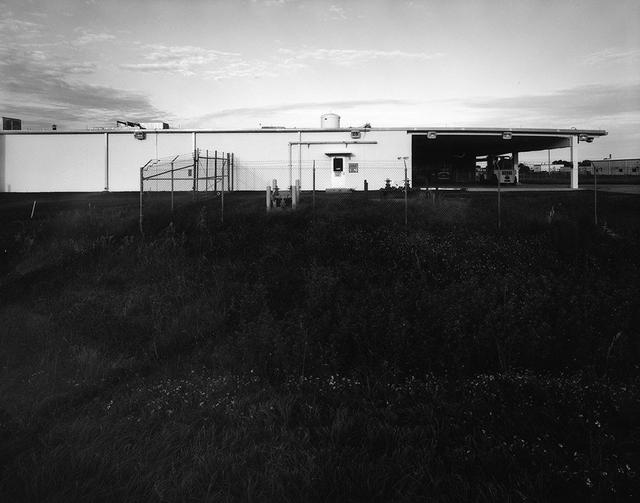
Exterior view of the Parachute Refurbishment Facility
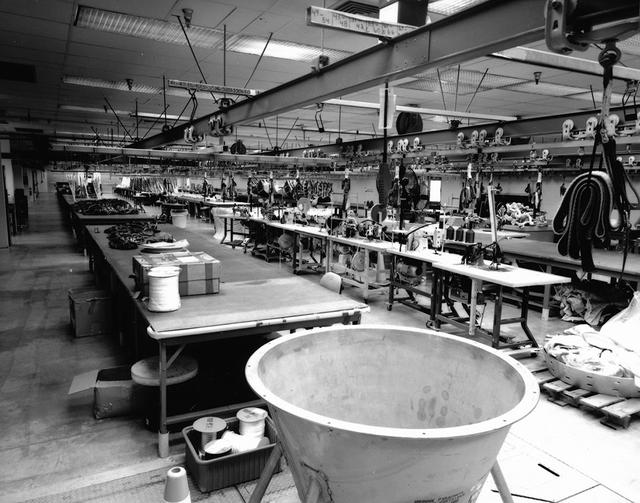
Interior view of the Parachute Refurbishment Facility
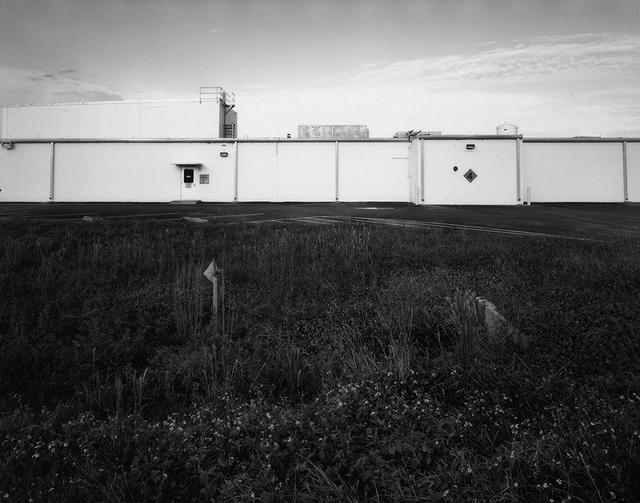
Exterior view of the Parachute Refurbishment Facility
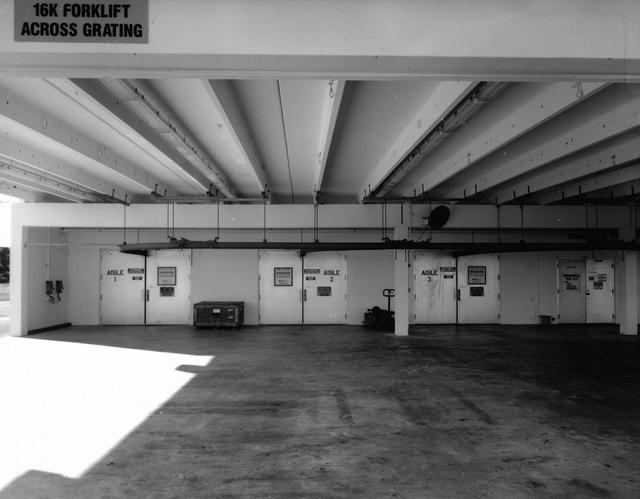
Interior view of the Parachute Refurbishment Facility
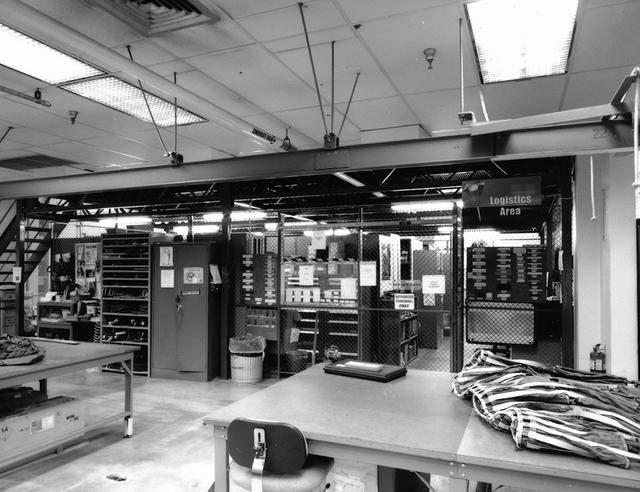
Interior view of the Parachute Refurbishment Facility
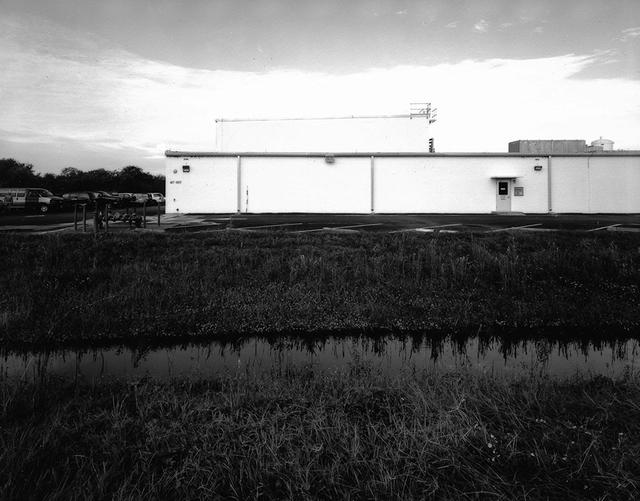
Exterior view of the Parachute Refurbishment Facility
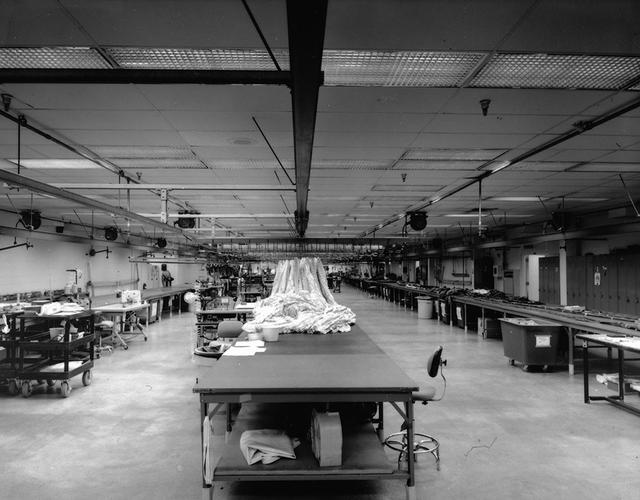
Interior view of the Parachute Refurbishment Facility
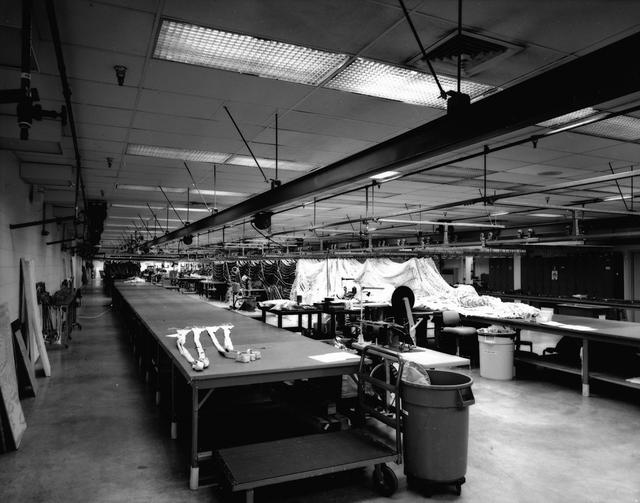
Interior view of the Parachute Refurbishment Facility
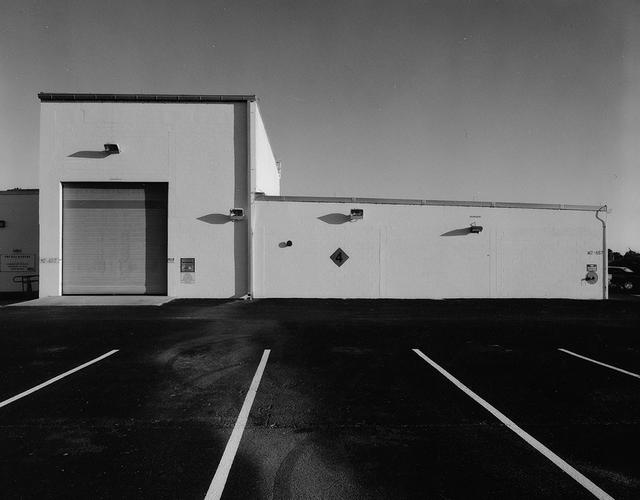
Exterior view of the Parachute Refurbishment Facility
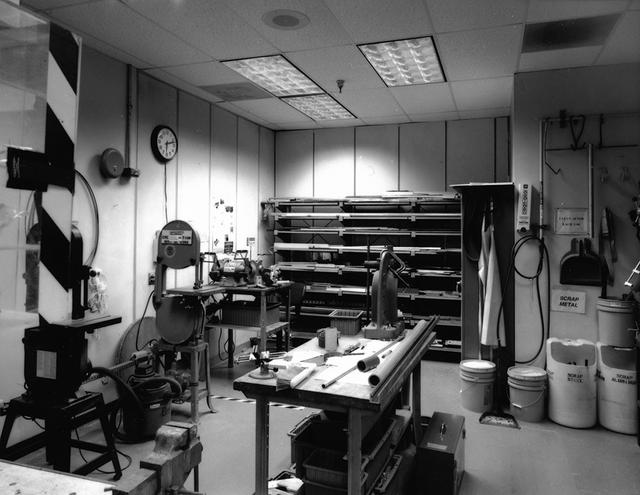
Interior view of the Parachute Refurbishment Facility
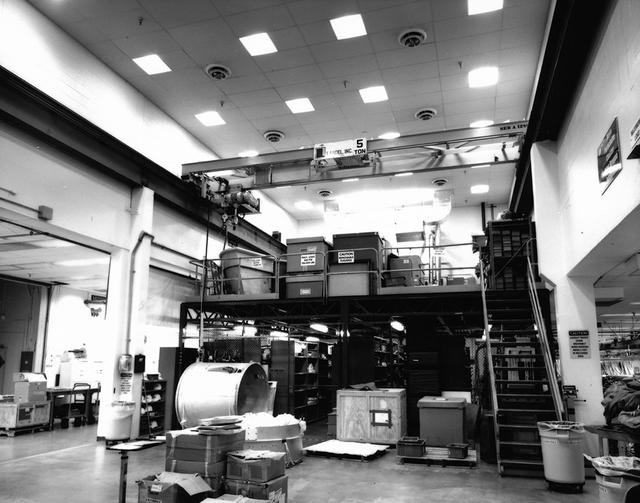
Interior view of the Parachute Refurbishment Facility
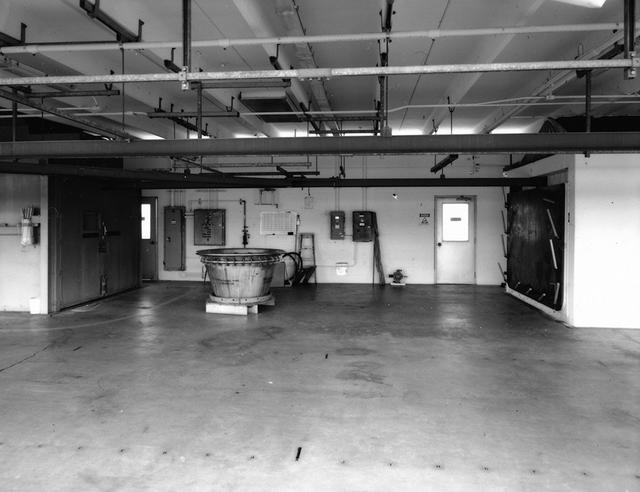
Interior view of the Parachute Refurbishment Facility
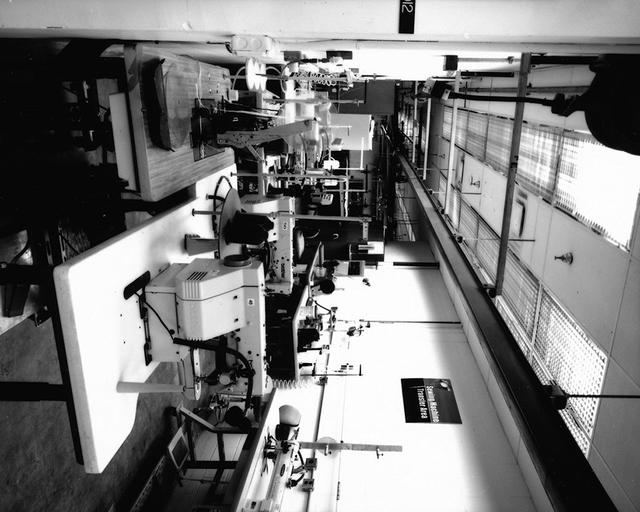
Interior view of the Parachute Refurbishment Facility
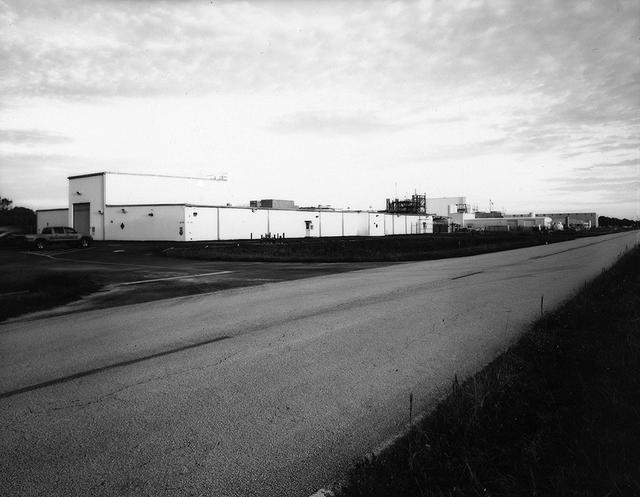
Exterior view of the Parachute Refurbishment Facility
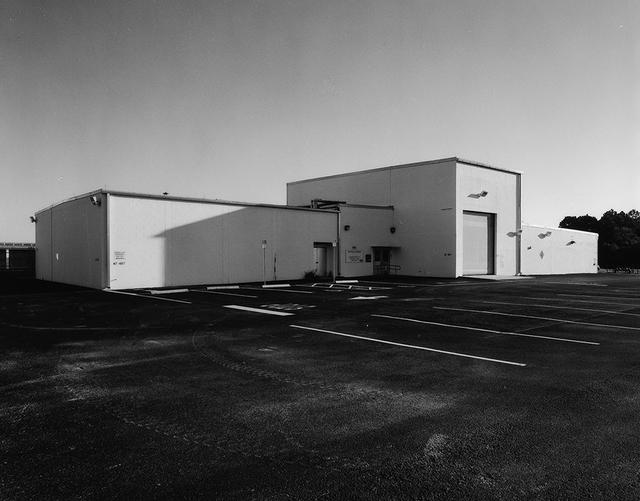
Exterior view of the Parachute Refurbishment Facility
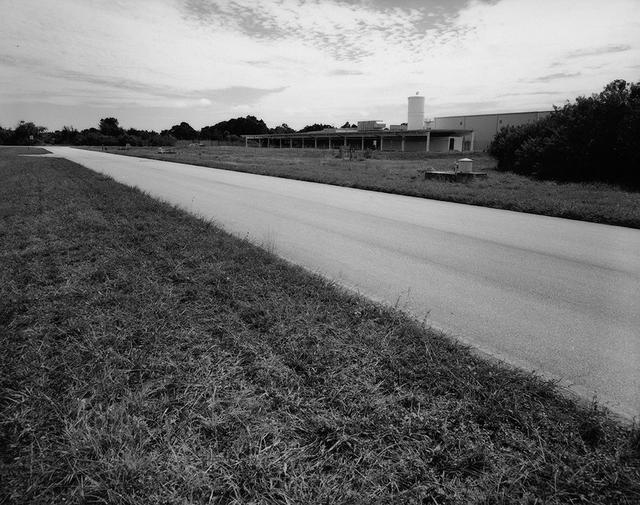
Exterior view of the Parachute Refurbishment Facility
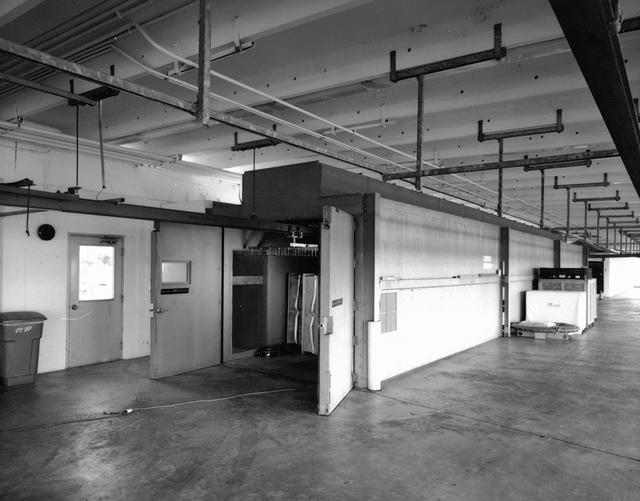
Interior view of the Parachute Refurbishment Facility
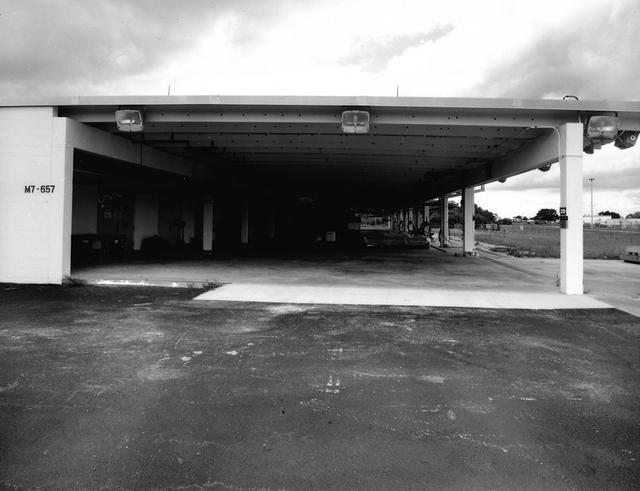
Exterior view of the Parachute Refurbishment Facility
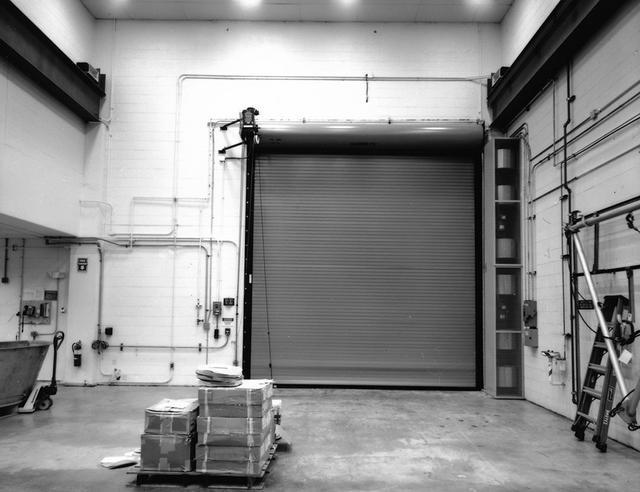
Interior view of the Parachute Refurbishment Facility
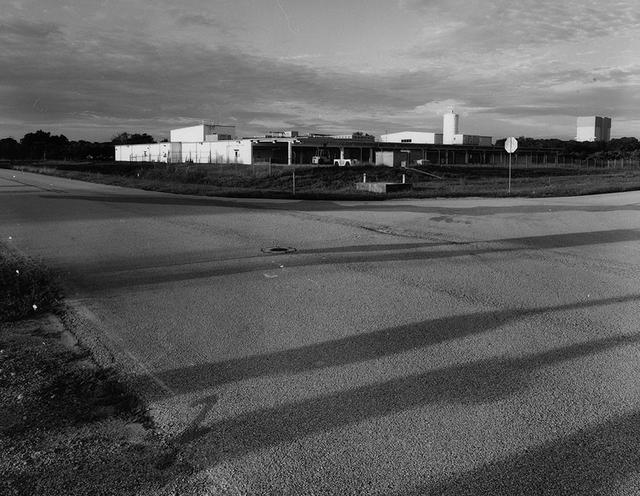
Exterior view of the Parachute Refurbishment Facility
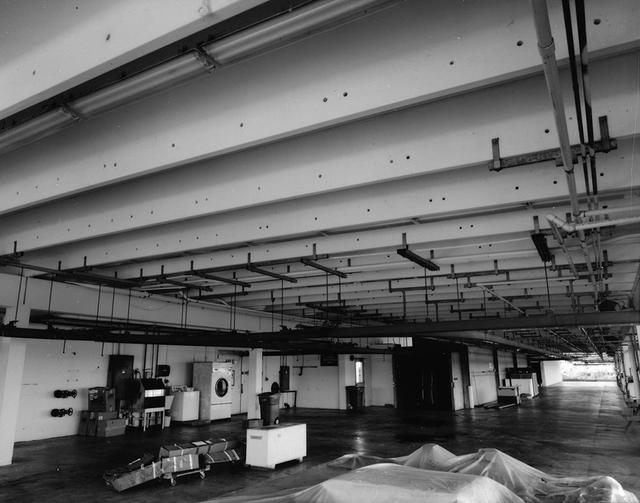
Interior view of the Parachute Refurbishment Facility
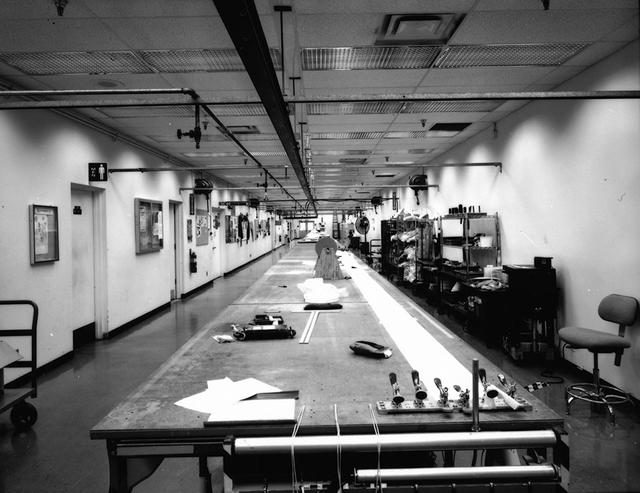
Interior view of the Parachute Refurbishment Facility
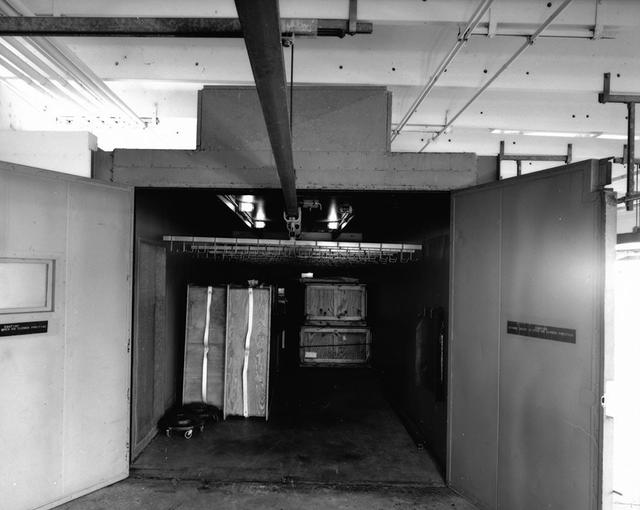
Interior view of the Parachute Refurbishment Facility
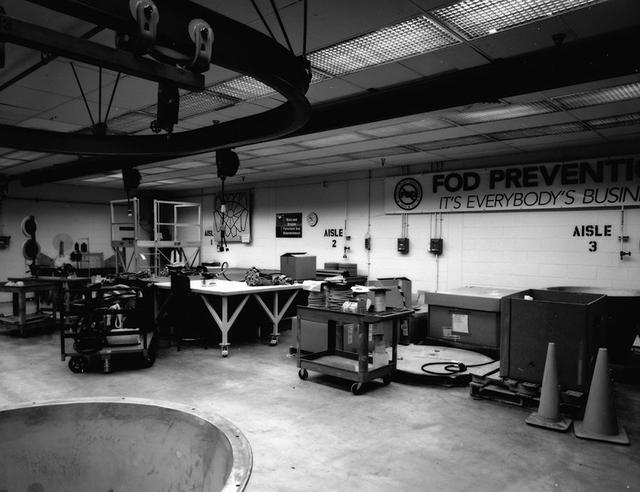
Interior view of the Parachute Refurbishment Facility
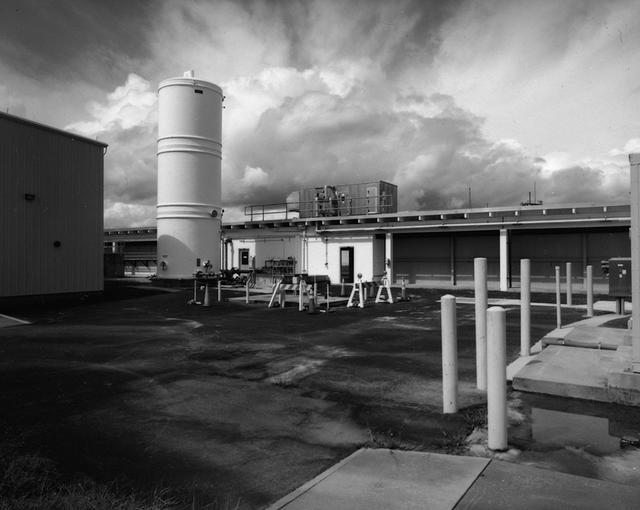
Exterior view of the Parachute Refurbishment Facility
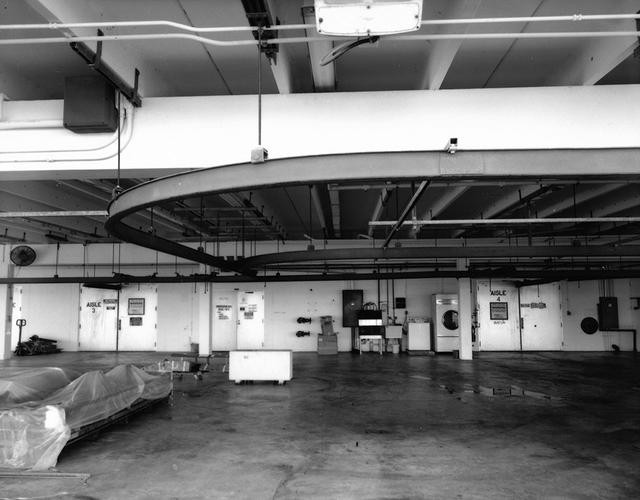
Interior view of the Parachute Refurbishment Facility
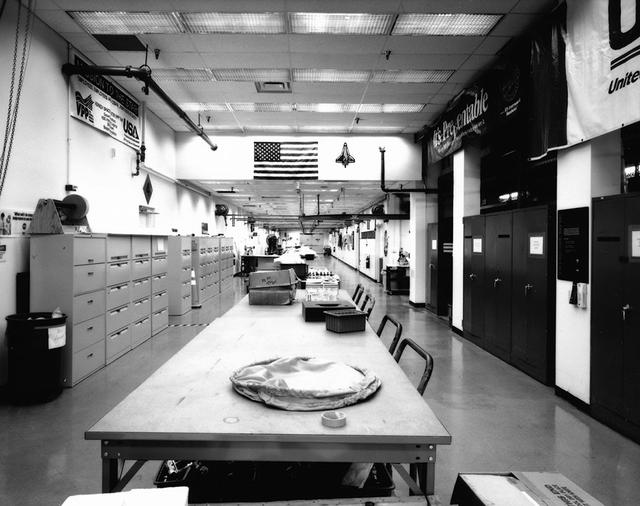
Interior view of the Parachute Refurbishment Facility
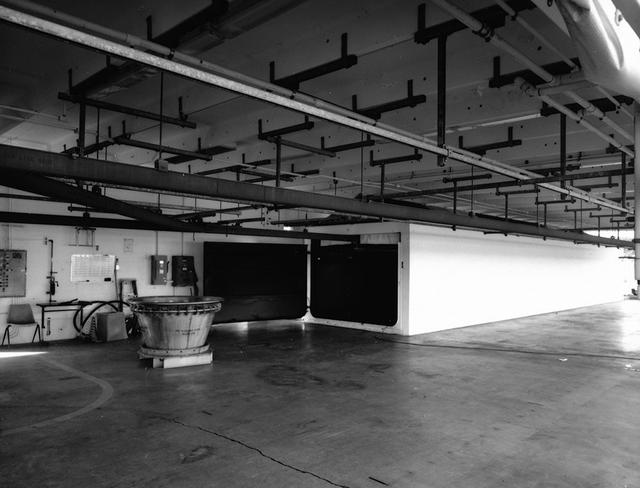
Interior view of the Parachute Refurbishment Facility
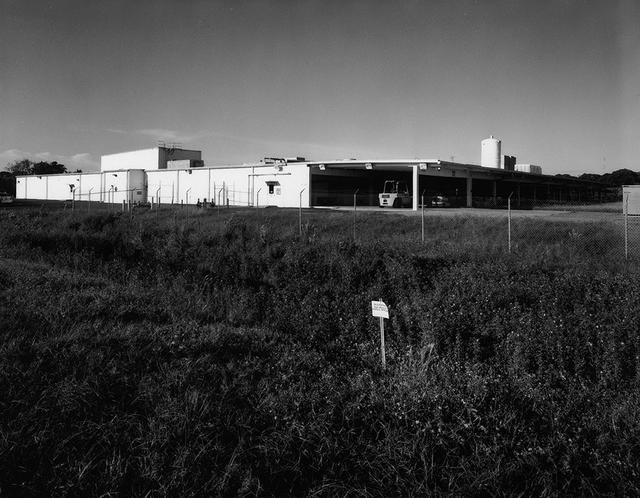
Exterior view of the Parachute Refurbishment Facility
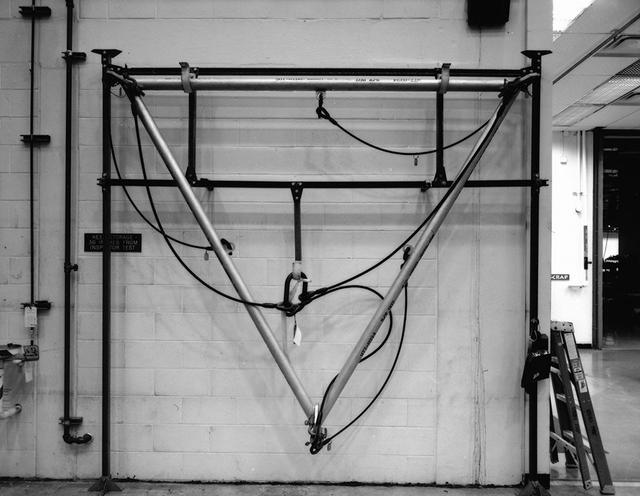
Interior view of the Parachute Refurbishment Facility
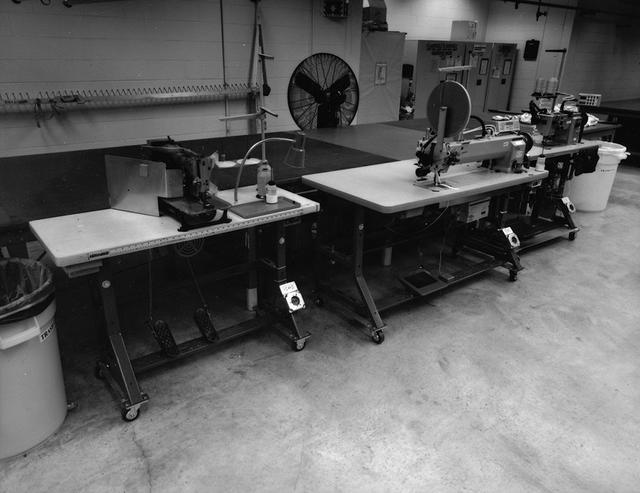
Interior view of the Parachute Refurbishment Facility
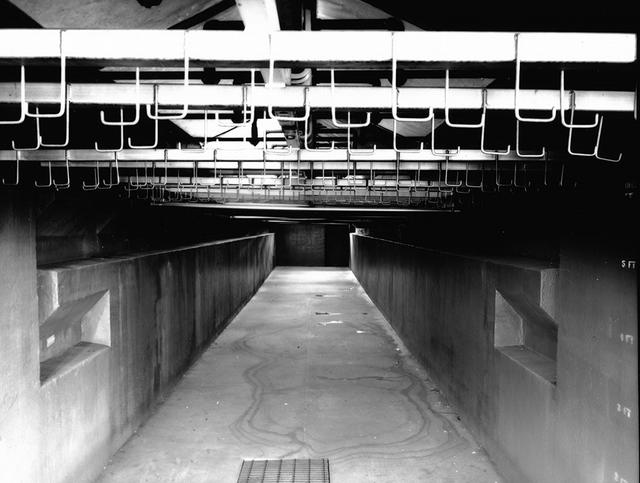
Interior view of the Parachute Refurbishment Facility
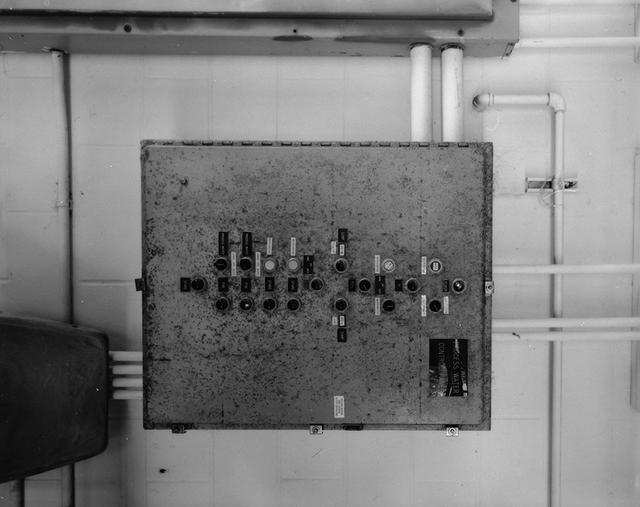
Interior view of the Parachute Refurbishment Facility
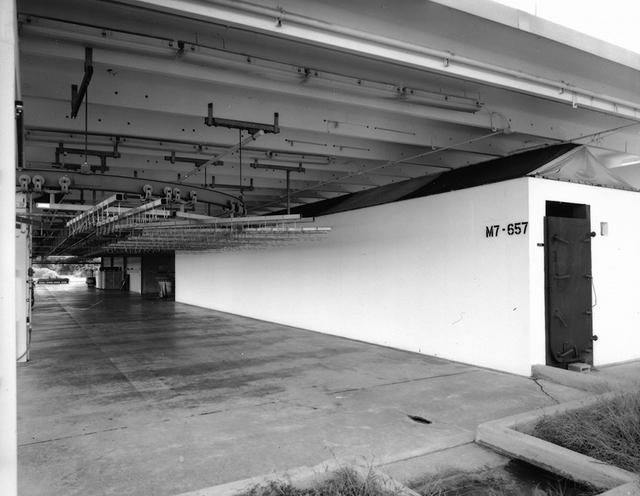
Interior view of the Parachute Refurbishment Facility
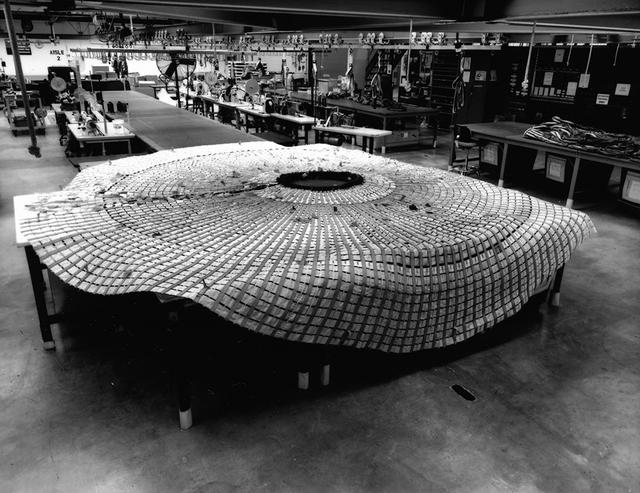
Interior view of the Parachute Refurbishment Facility
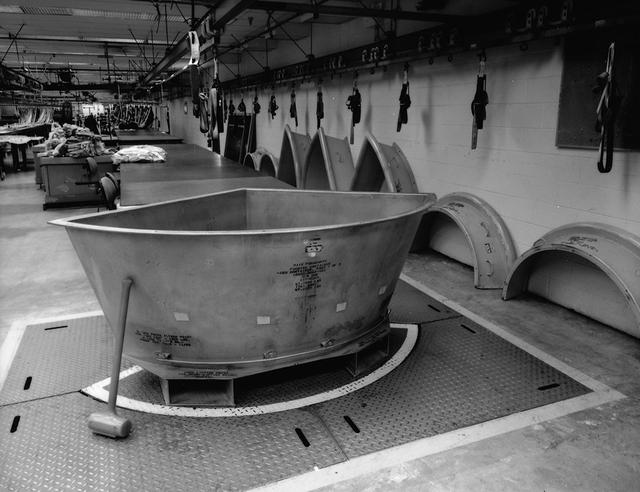
Interior view of the Parachute Refurbishment Facility
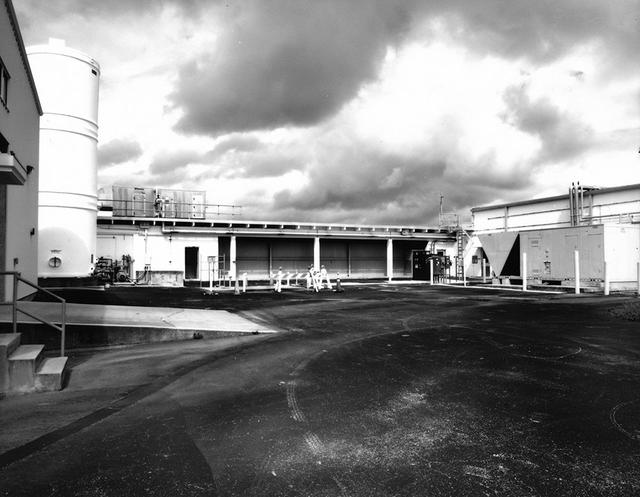
Exterior view of the Parachute Refurbishment Facility
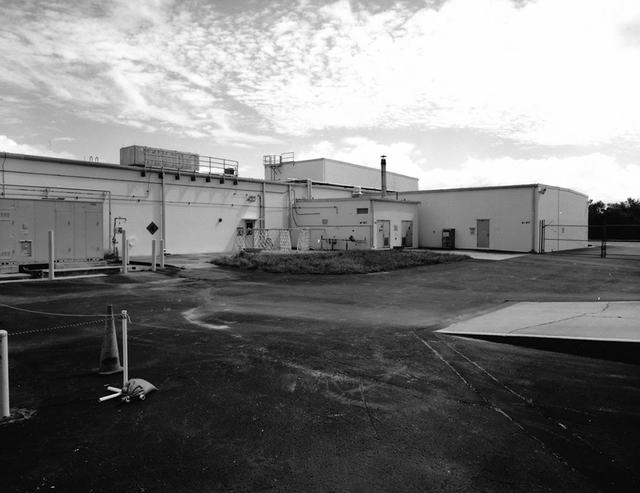
Exterior view of the Parachute Refurbishment Facility
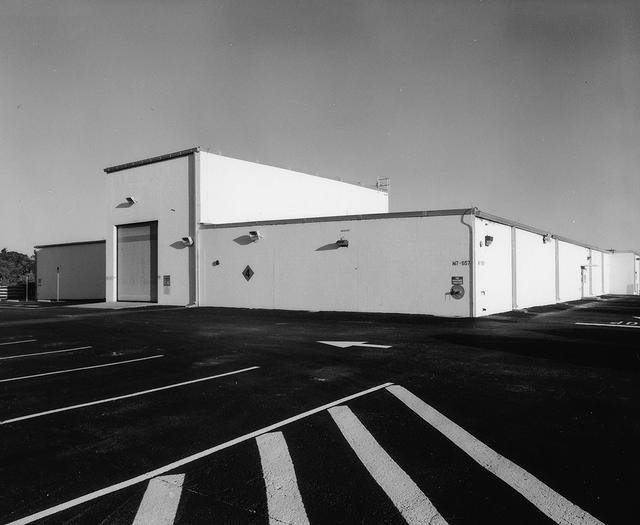
Exterior view of the Parachute Refurbishment Facility
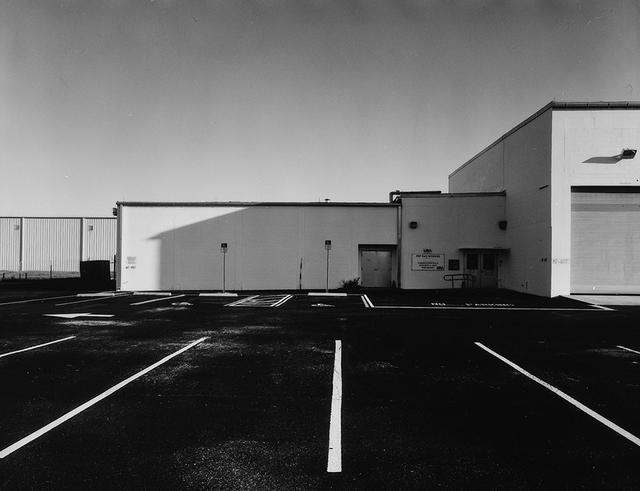
Exterior view of the Parachute Refurbishment Facility
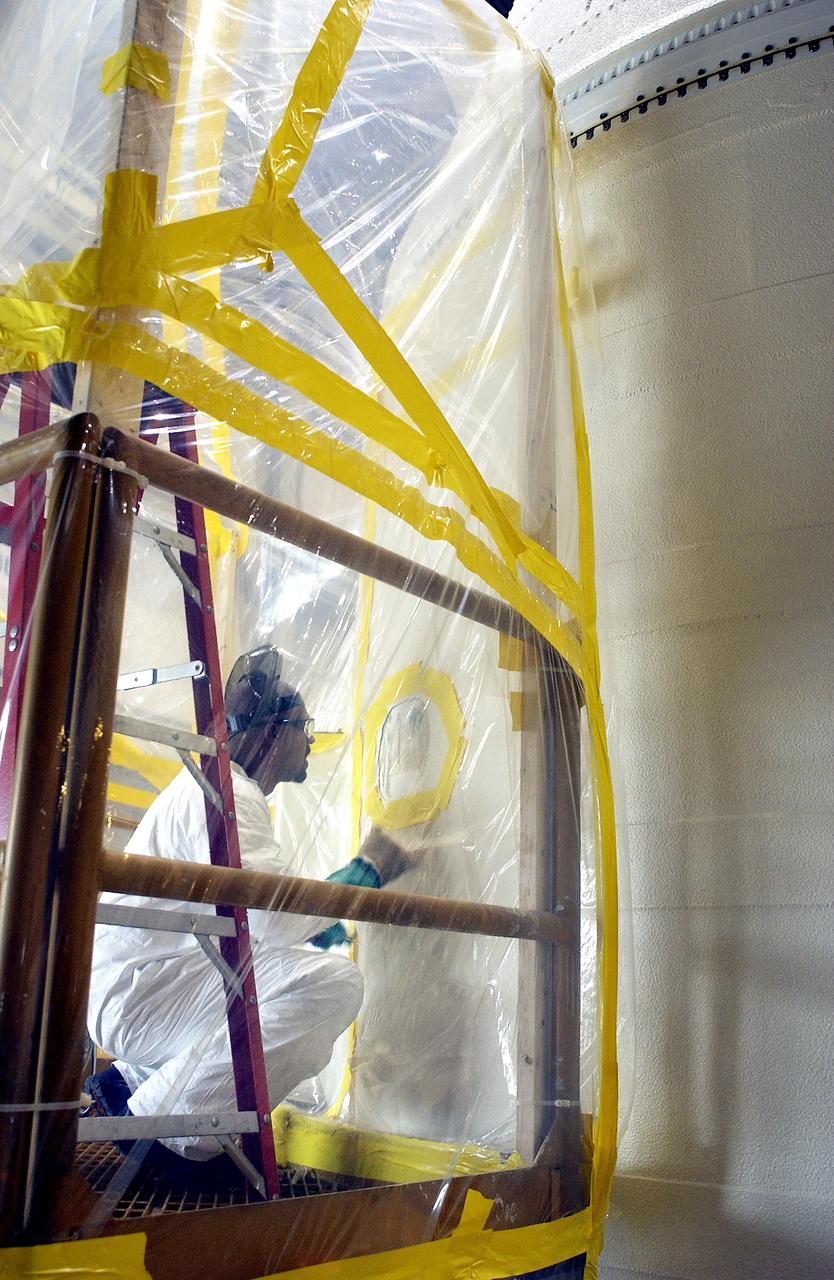
KENNEDY SPACE CENTER, FLA. - In the Solid Rocket Booster Assembly and Refurbishment Facility (ARF), Vernon Gibbs, with United Space Alliance, prepares the forward skirt of a solid rocket booster for installation of the parachute camera. Refurbishment and subassembly of Shuttle SRB hardware - primarily the forward and aft assemblies - is carried out in the ARF.
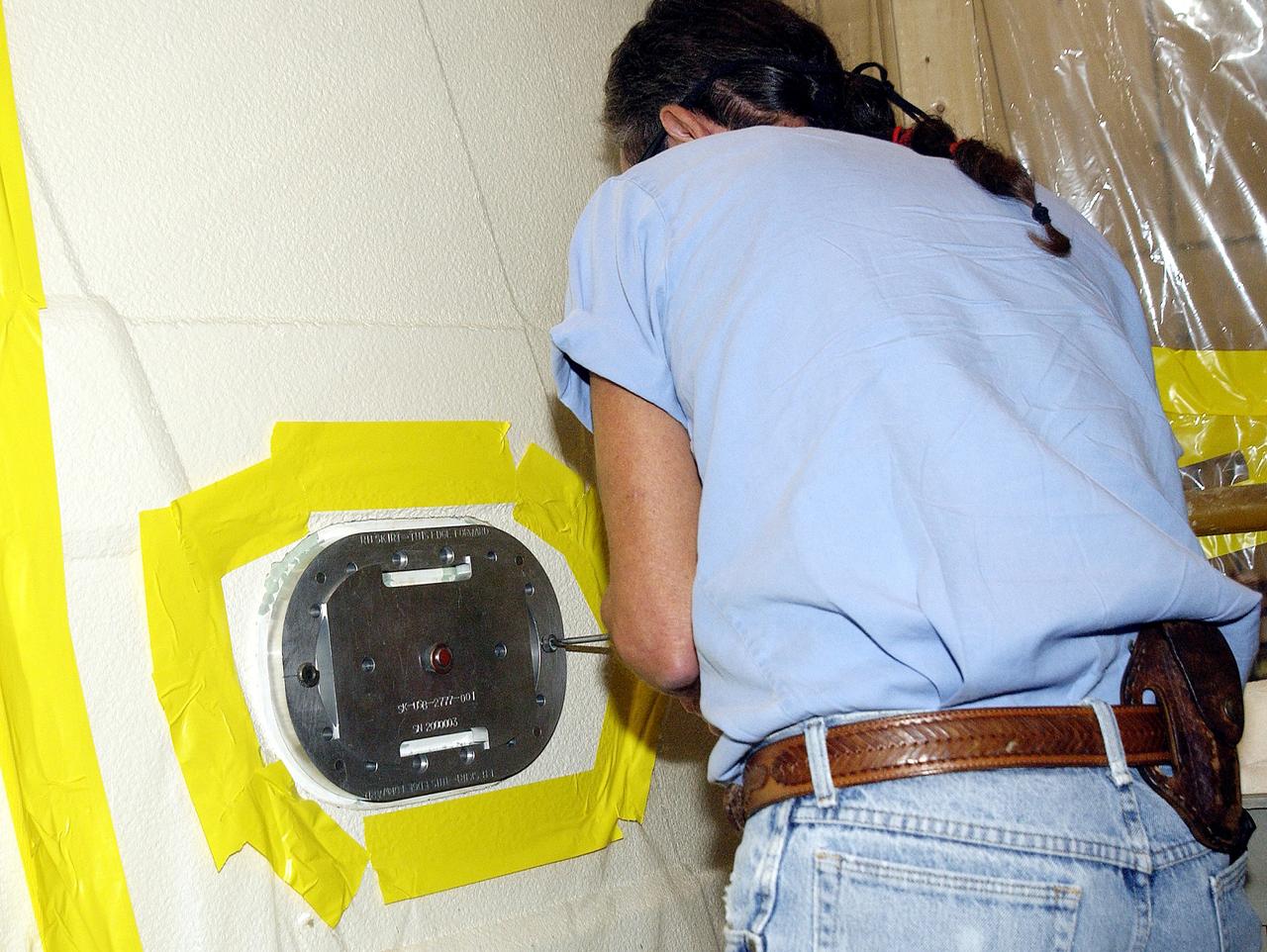
KENNEDY SPACE CENTER, FLA. - In the Solid Rocket Booster Assembly and Refurbishment Facility (ARF), Donnie Cardigan, with United Space Alliance, installs the parachute camera on the solid rocket booster forward skirt. Refurbishment and subassembly of Shuttle SRB hardware - primarily the forward and aft assemblies - is carried out in the ARF.
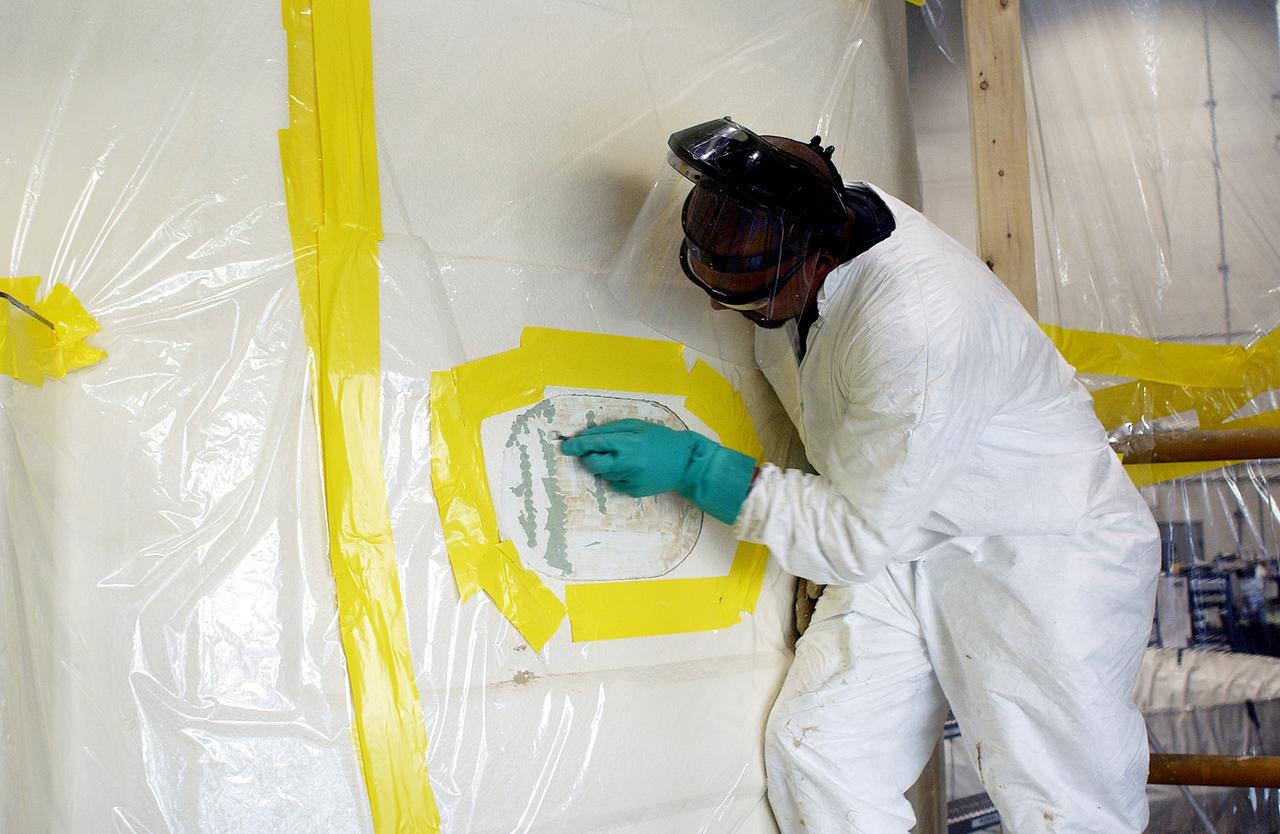
KENNEDY SPACE CENTER, FLA. - In the Solid Rocket Booster Assembly and Refurbishment Facility (ARF), Vernon Gibbs, with United Space Alliance, prepares the forward skirt of a solid rocket booster for installation of the parachute camera. Refurbishment and subassembly of Shuttle SRB hardware - primarily the forward and aft assemblies - is carried out in the ARF.
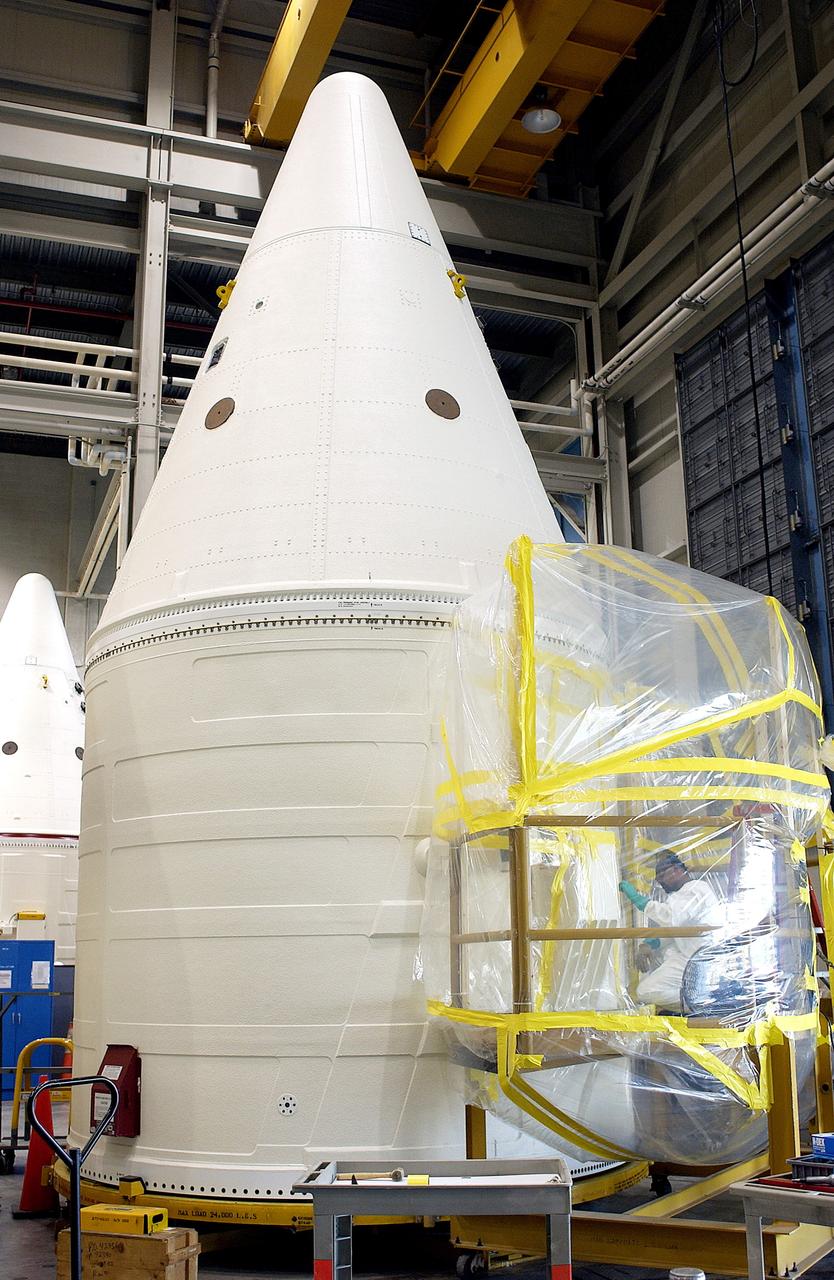
KENNEDY SPACE CENTER, FLA. - In the Solid Rocket Booster Assembly and Refurbishment Facility (ARF), Vernon Gibbs, with United Space Alliance, prepares the forward skirt of a solid rocket booster for installation of the parachute camera. Refurbishment and subassembly of Shuttle SRB hardware - primarily the forward and aft assemblies - is carried out in the ARF.
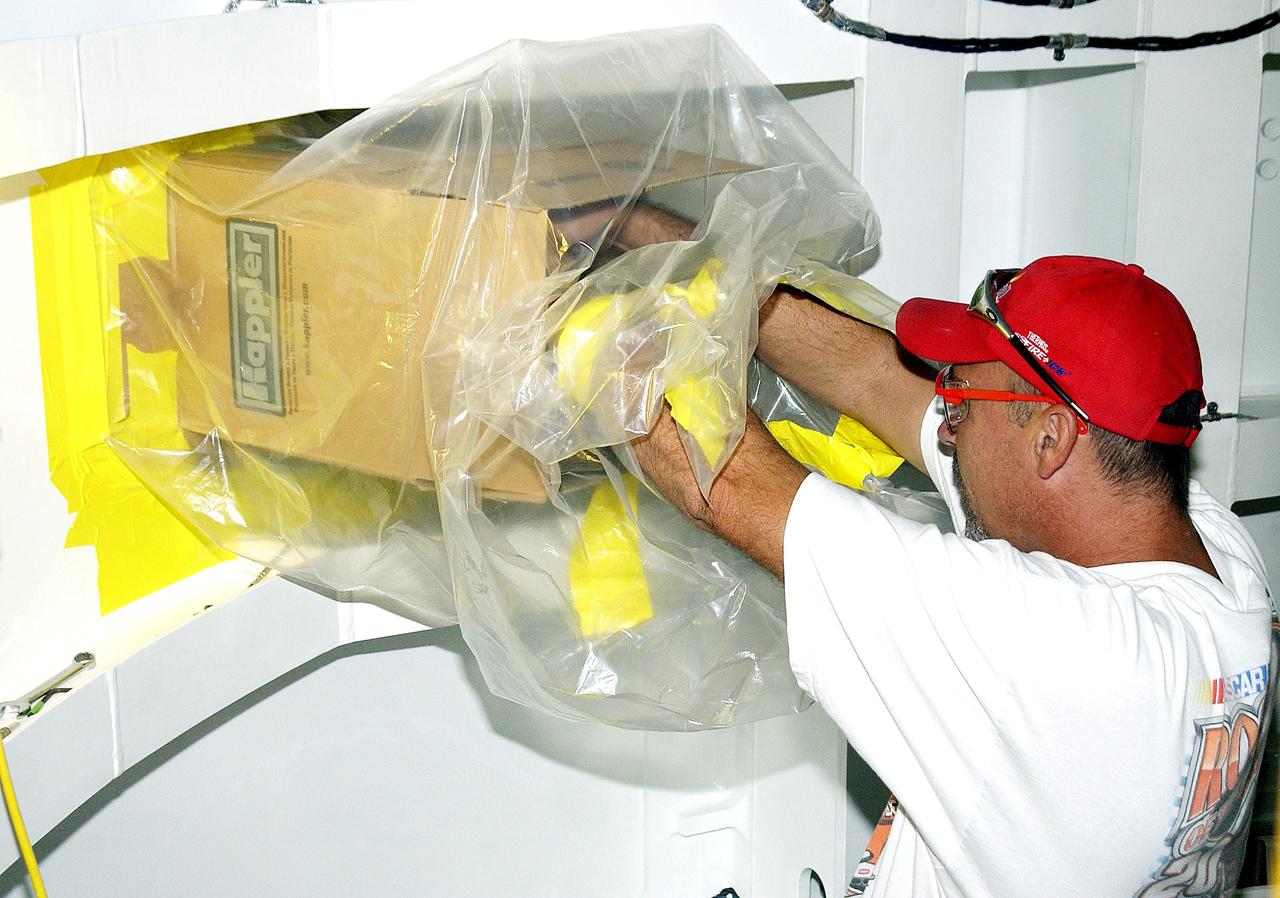
KENNEDY SPACE CENTER, FLA. - In the Solid Rocket Booster Assembly and Refurbishment Facility (ARF), Troy Krout, with United Space Alliance, works on positioning the parachute camera after installation on the solid rocket booster forward skirt. Refurbishment and subassembly of Shuttle SRB hardware - primarily the forward and aft assemblies - is carried out in the ARF.
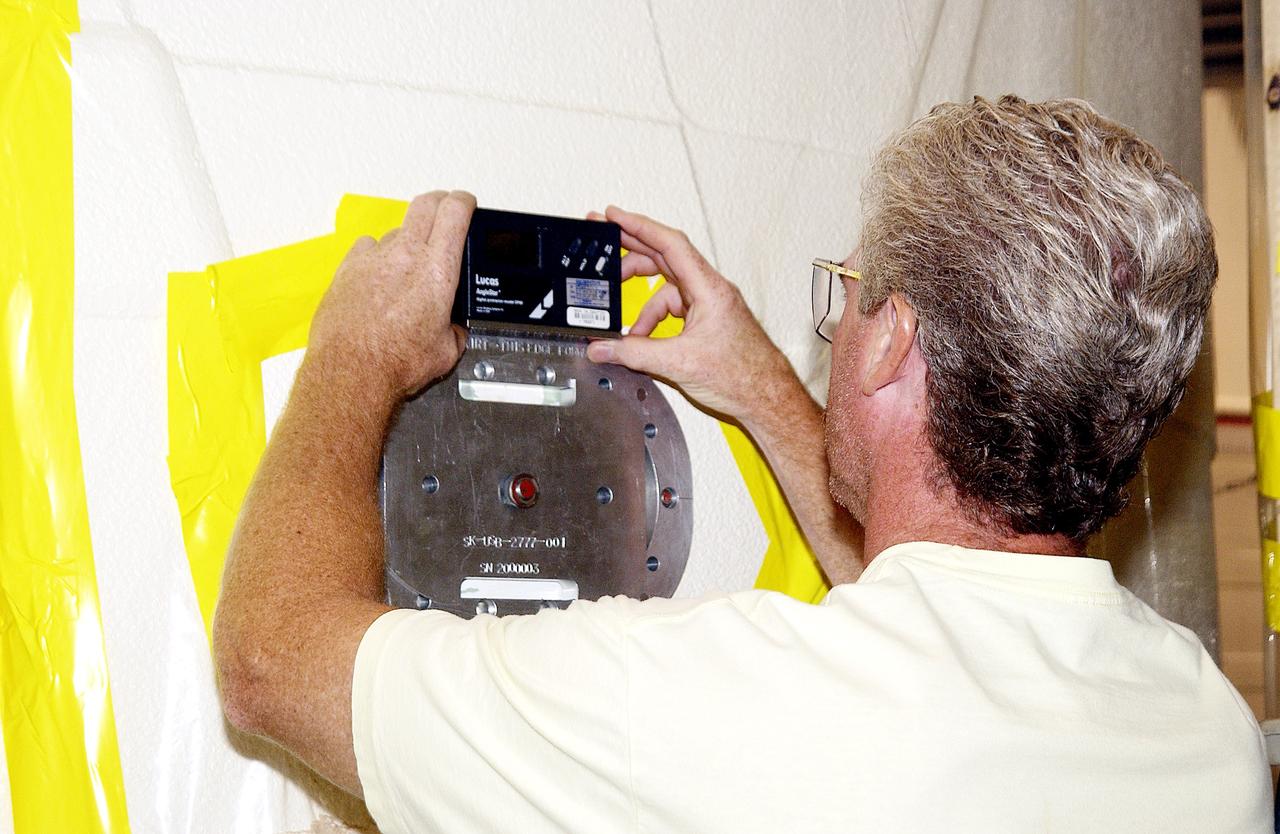
KENNEDY SPACE CENTER, FLA. - Mark Northcraft adjusts the position of the parachute camera just installed on the solid rocket booster forward skirt in the Solid Rocket Booster Assembly and Refurbishment Facility (ARF). Refurbishment and subassembly of Shuttle SRB hardware - primarily the forward and aft assemblies - is carried out in the ARF.
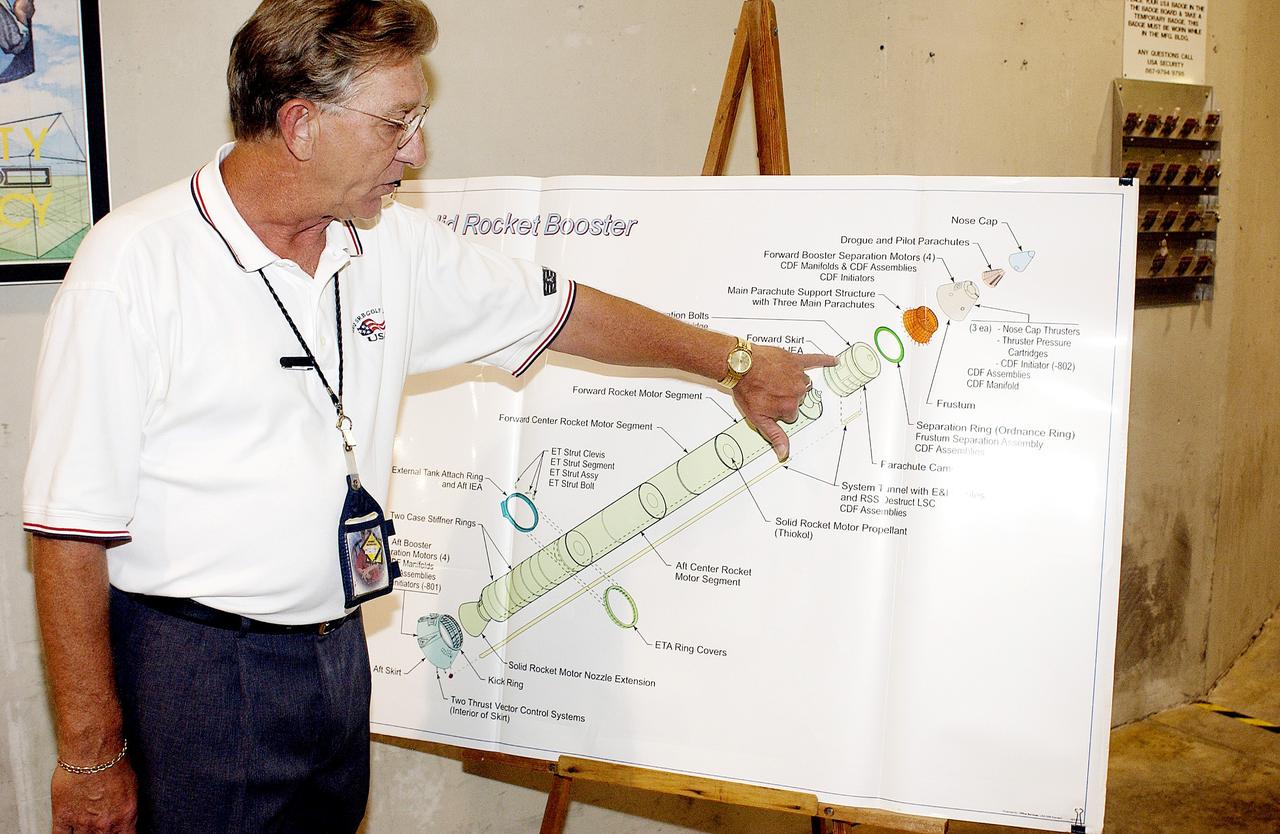
KENNEDY SPACE CENTER, FLA. - On a drawing of a solid rocket booster (SRB), Mark Northcraft, with United Space Alliance, points to the spot where a parachute camera will be installed, on the forward skirt of the SRB. The work is being done in the Solid Rocket Booster Assembly and Refurbishment Facility, which routinely carries out refurbishment and subassembly of Shuttle SRB hardware.
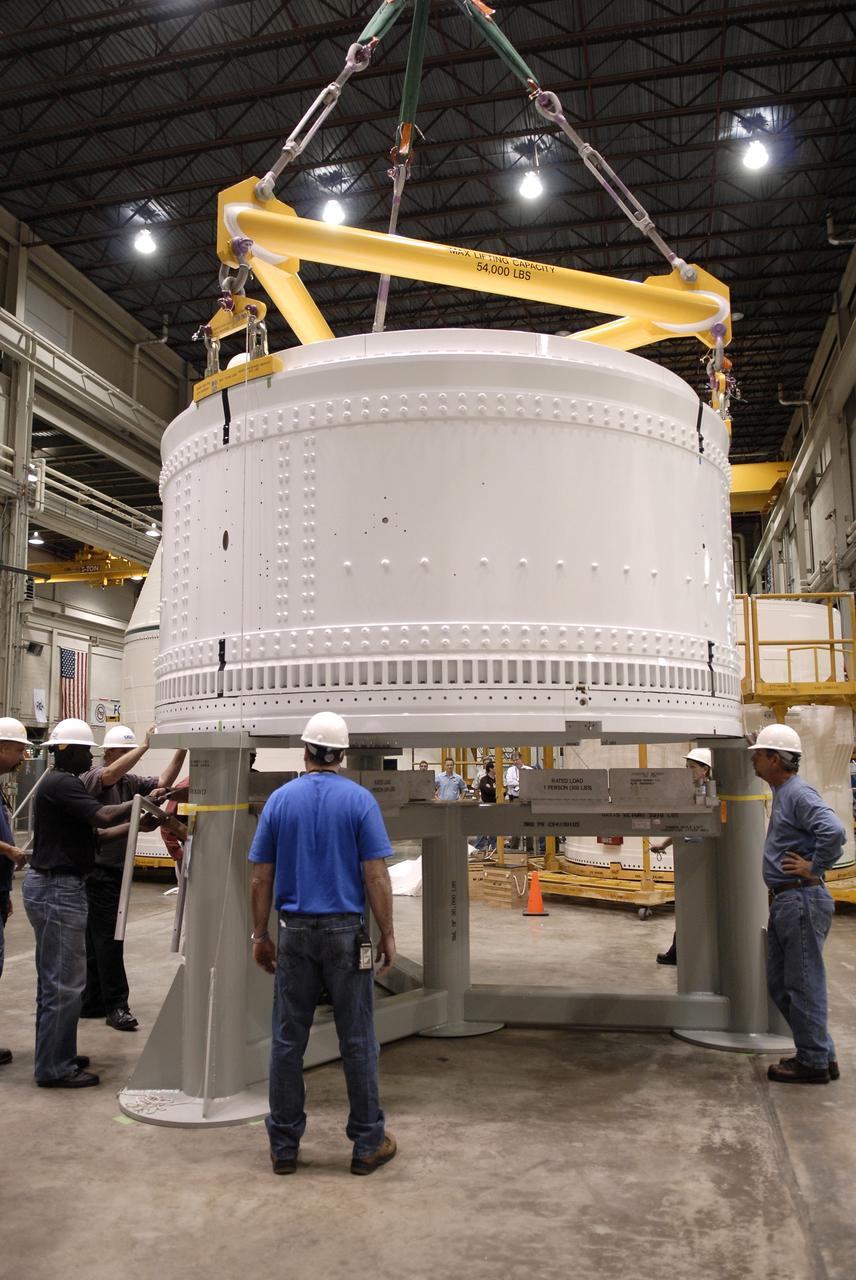
CAPE CANAVERAL, Fla. -- In the Assembly and Refurbishment Facility at NASA's Kennedy Space Center in Florida, the forward skirt extension of the Ares I-X first stage is lowered onto a work stand. The extension will house new, larger parachutes. The three main parachutes each have a 150-foot diameter, compared to the shuttle booster main parachutes, which are 136 feet across. Photo credit: NASA/Kim Shiflett
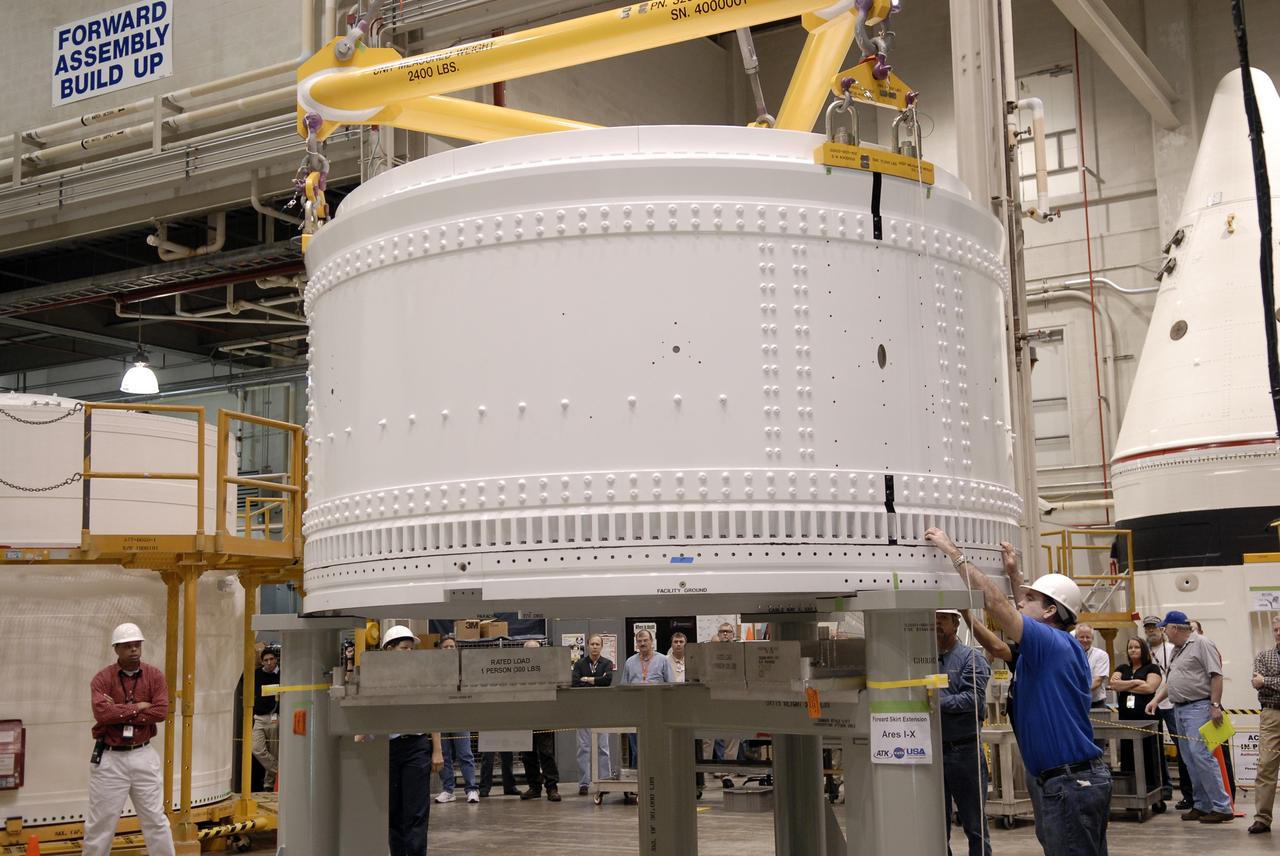
CAPE CANAVERAL, Fla. -- In the Assembly and Refurbishment Facility at NASA's Kennedy Space Center in Florida, the forward skirt extension of the Ares I-X first stage is lowered onto a work stand. The extension will house new, larger parachutes. The three main parachutes each have a 150-foot diameter, compared to the shuttle booster main parachutes, which are 136 feet across. Photo credit: NASA/Kim Shiflett
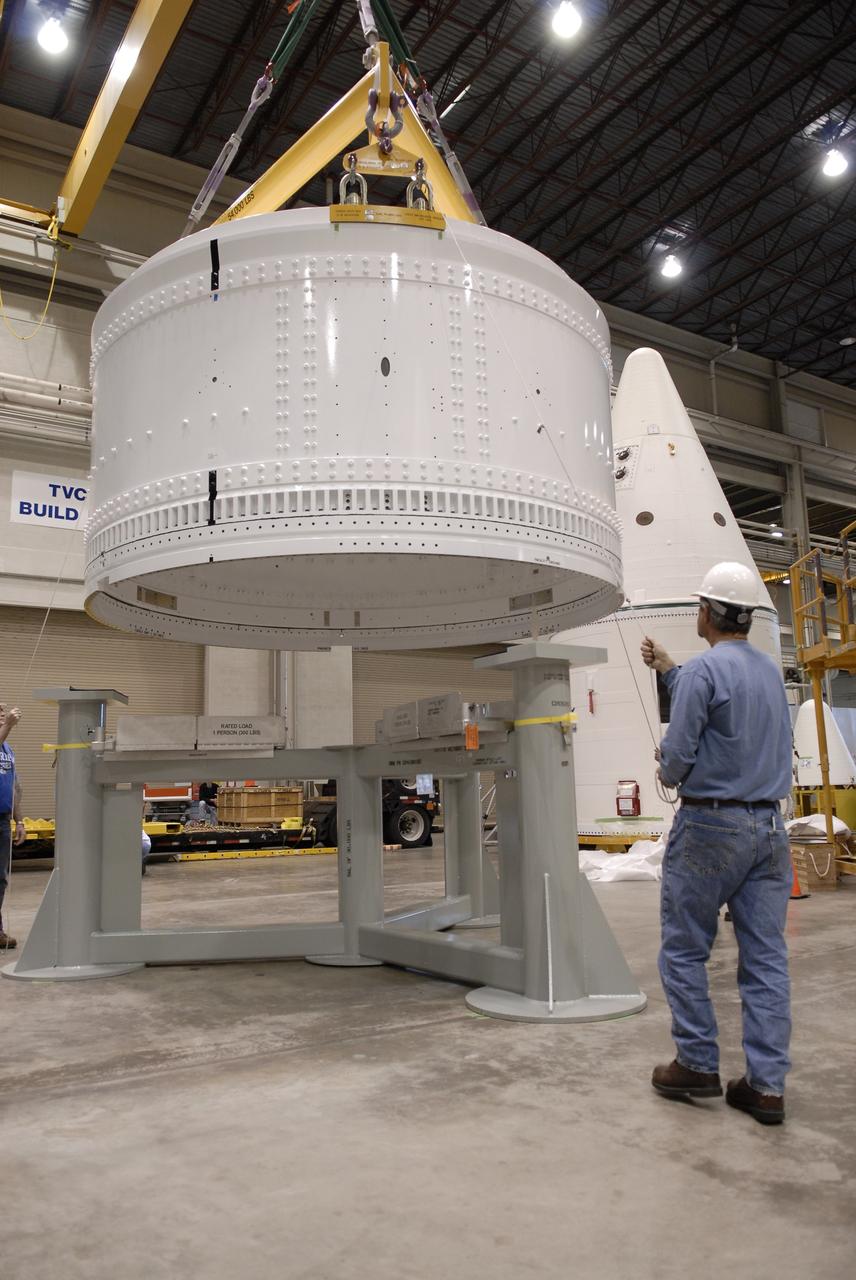
CAPE CANAVERAL, Fla. -- In the Assembly and Refurbishment Facility at NASA's Kennedy Space Center in Florida, the forward skirt extension of the Ares I-X first stage is moved to a work stand. The extension will house new, larger parachutes. The three main parachutes each have a 150-foot diameter, compared to the shuttle booster main parachutes, which are 136 feet across. Photo credit: NASA/Kim Shiflett
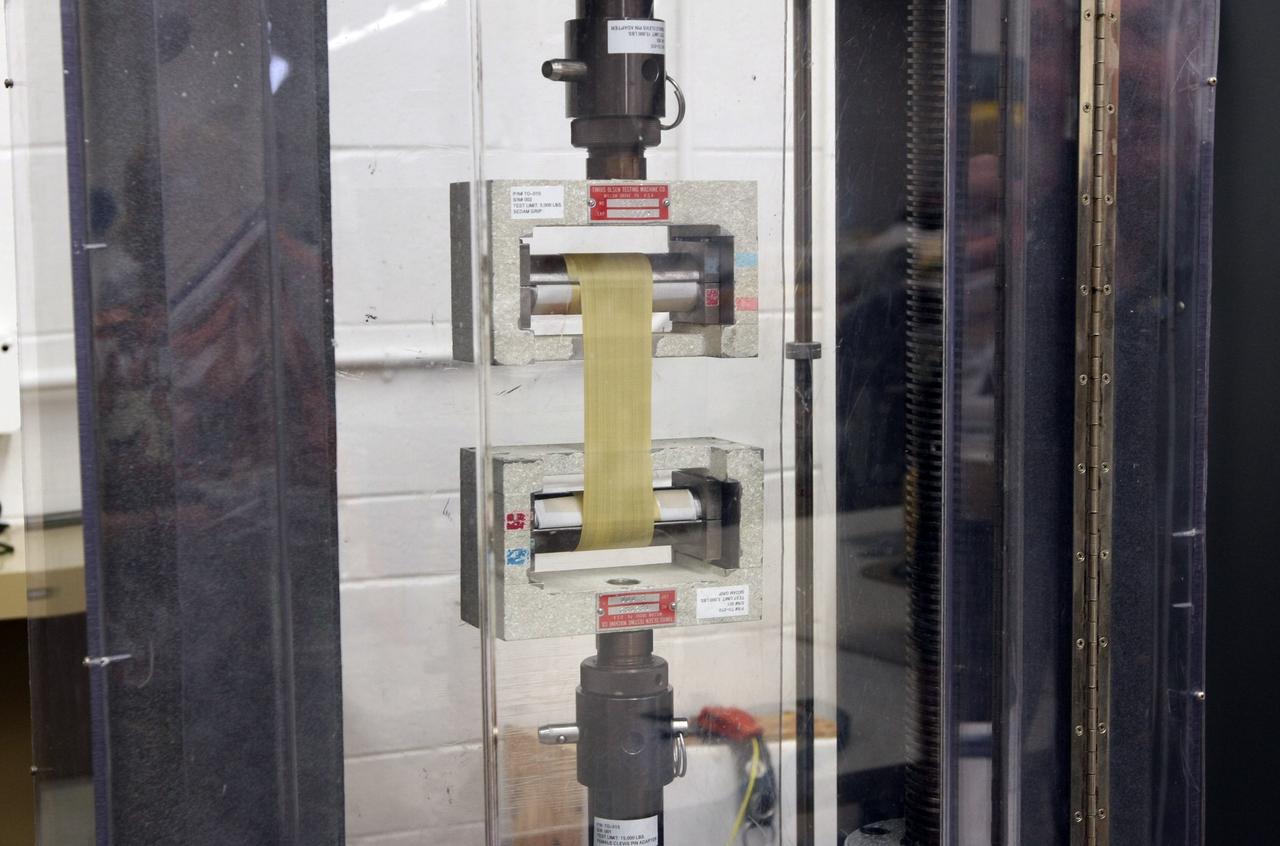
CAPE CANAVERAL, Fla. – A look at strapping equipment used on parachutes in the Parachute Refurbishment Facility at NASA's Kennedy Space Center. Ares I is an in-line, two-stage rocket that will transport the Orion crew exploration vehicle to low-Earth orbit. The Ares I first stage will be a five-segment solid rocket booster based on the four-segment design used for the shuttle. As with the shuttle, this booster will fall away when spent, lowered by parachute into the Atlantic Ocean where it can be retrieved for re-use. Photo credit: NASA/Dimitri Gerondidakis
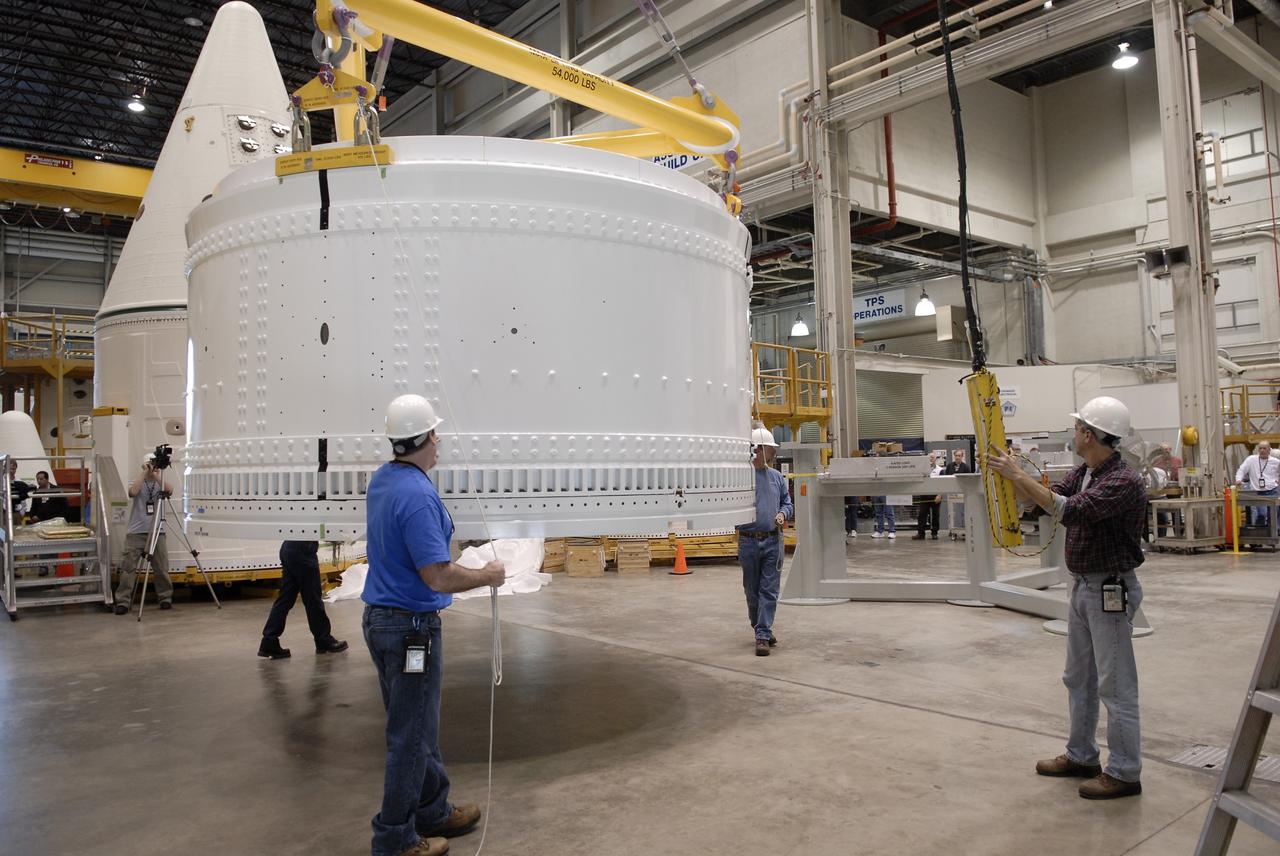
CAPE CANAVERAL, Fla. -- In the Assembly and Refurbishment Facility at NASA's Kennedy Space Center in Florida, the forward skirt extension of the Ares I-X first stage is moved. The extension will house new, larger parachutes. The three main parachutes each have a 150-foot diameter, compared to the shuttle booster main parachutes, which are 136 feet across. Photo credit: NASA/Kim Shiflett
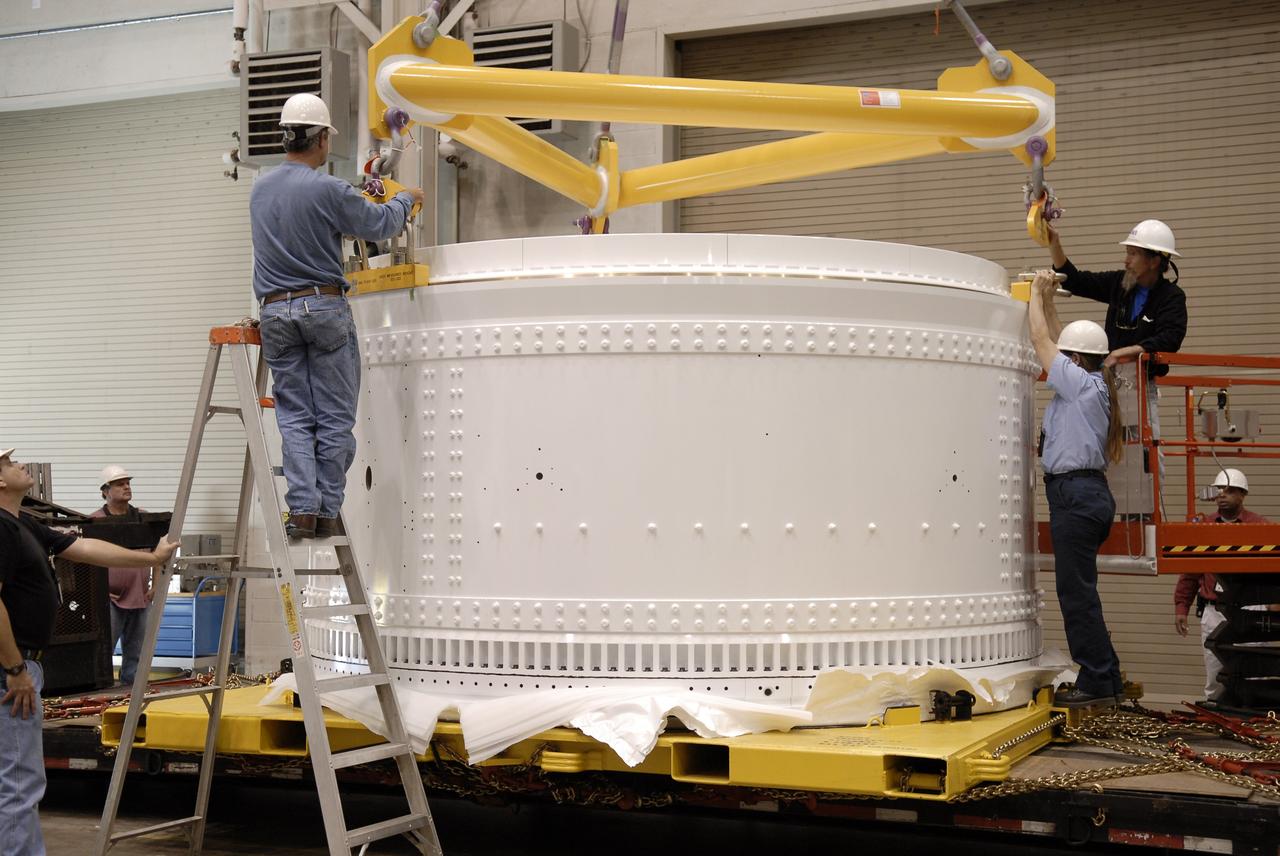
CAPE CANAVERAL, Fla. -- In the Assembly and Refurbishment Facility at NASA's Kennedy Space Center in Florida, the forward skirt extension of the Ares I-X first stage is lowered onto a work stand. The extension will house new, larger parachutes. The three main parachutes each have a 150-foot diameter, compared to the shuttle booster main parachutes, which are 136 feet across. Photo credit: NASA/Kim Shiflett
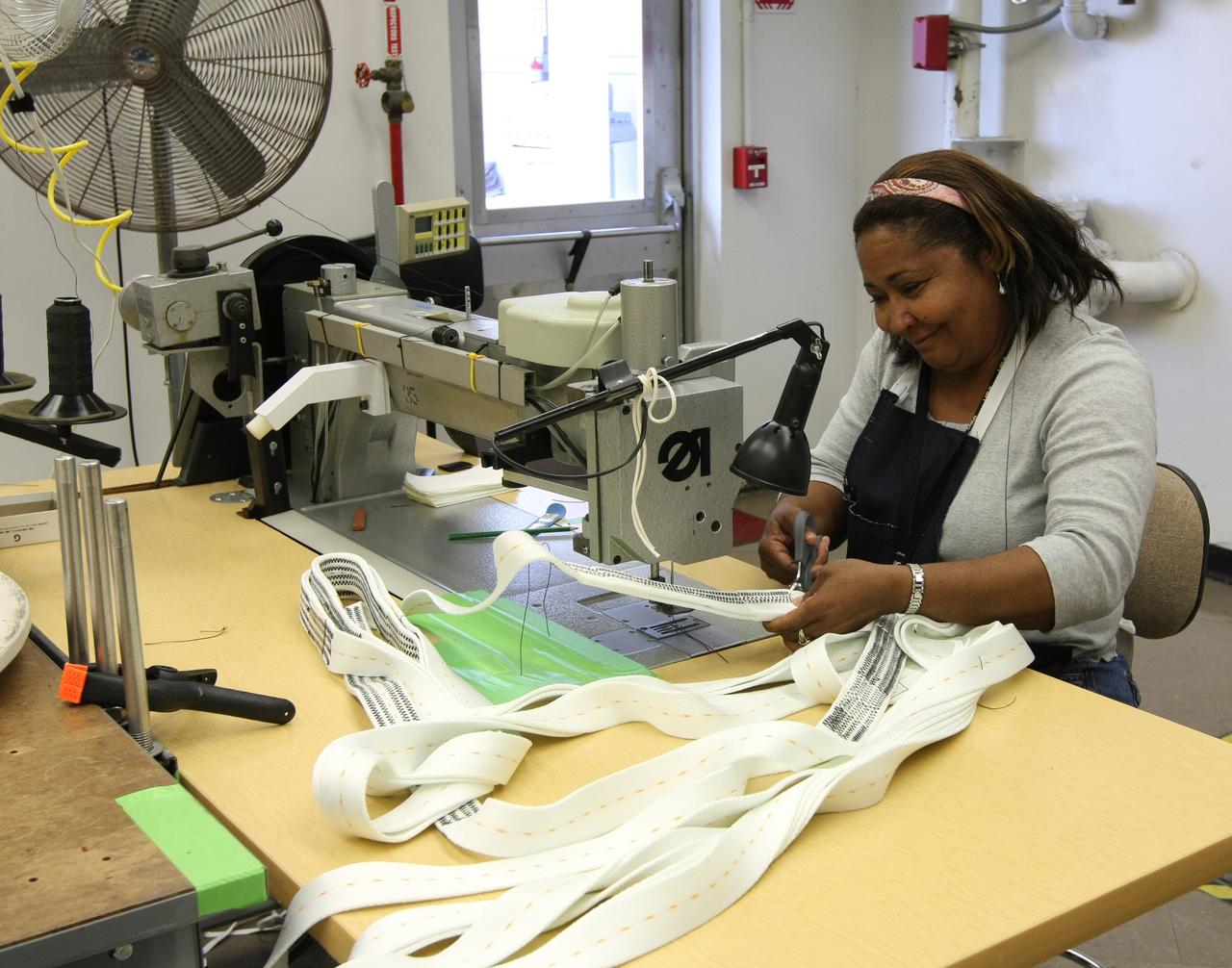
CAPE CANAVERAL, Fla. – Parachute technician Betty Smith sews Ares-I parachute suspension lines in the Parachute Refurbishment Facility at NASA's Kennedy Space Center. Ares I is an in-line, two-stage rocket that will transport the Orion crew exploration vehicle to low-Earth orbit. The Ares I first stage will be a five-segment solid rocket booster based on the four-segment design used for the shuttle. As with the shuttle, this booster will fall away when spent, lowered by parachute into the Atlantic Ocean where it can be retrieved for re-use. Photo credit: NASA/Dimitri Gerondidakis
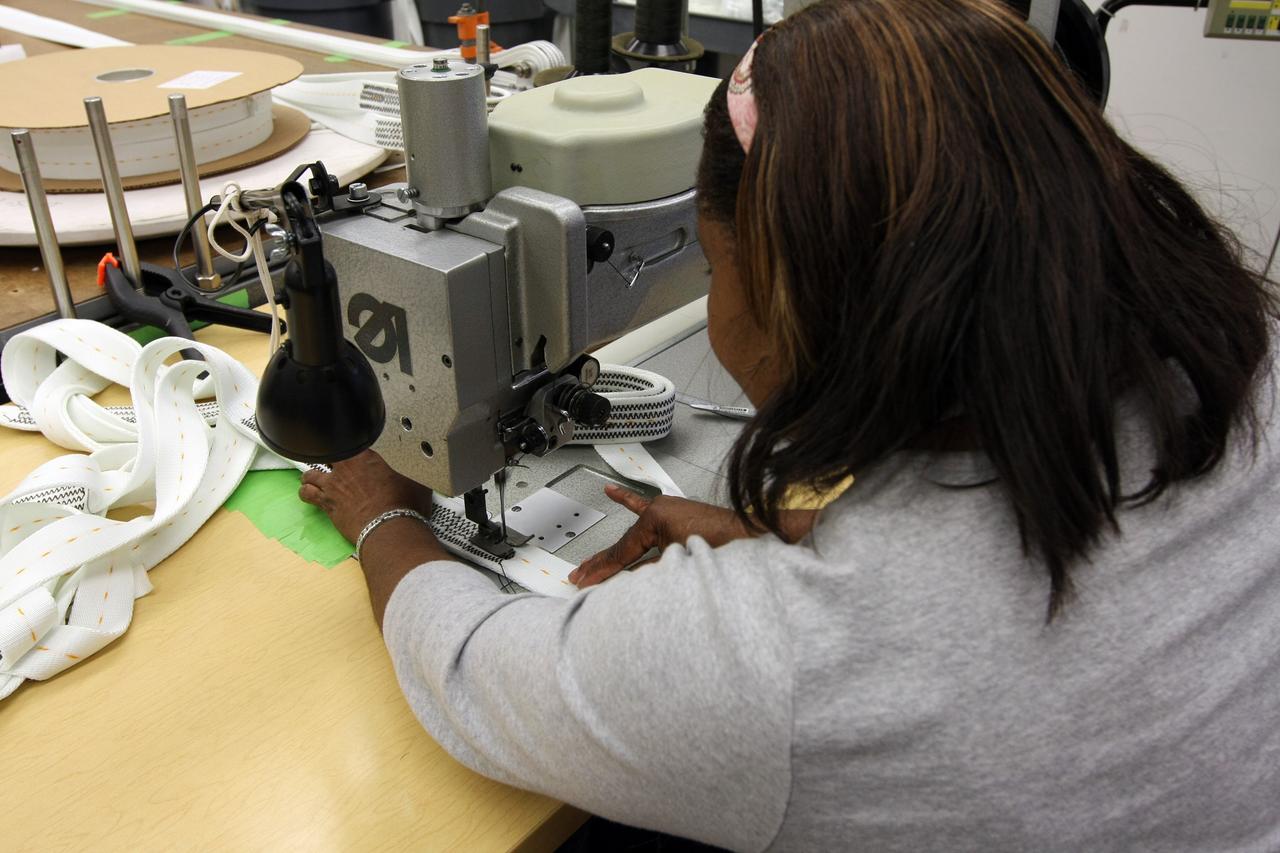
CAPE CANAVERAL, Fla. – Parachute technician Betty Smith sews Ares-I parachute suspension lines in the Parachute Refurbishment Facility at NASA's Kennedy Space Center. Ares I is an in-line, two-stage rocket that will transport the Orion crew exploration vehicle to low-Earth orbit. The Ares I first stage will be a five-segment solid rocket booster based on the four-segment design used for the shuttle. As with the shuttle, this booster will fall away when spent, lowered by parachute into the Atlantic Ocean where it can be retrieved for re-use. Photo credit: NASA/Dimitri Gerondidakis
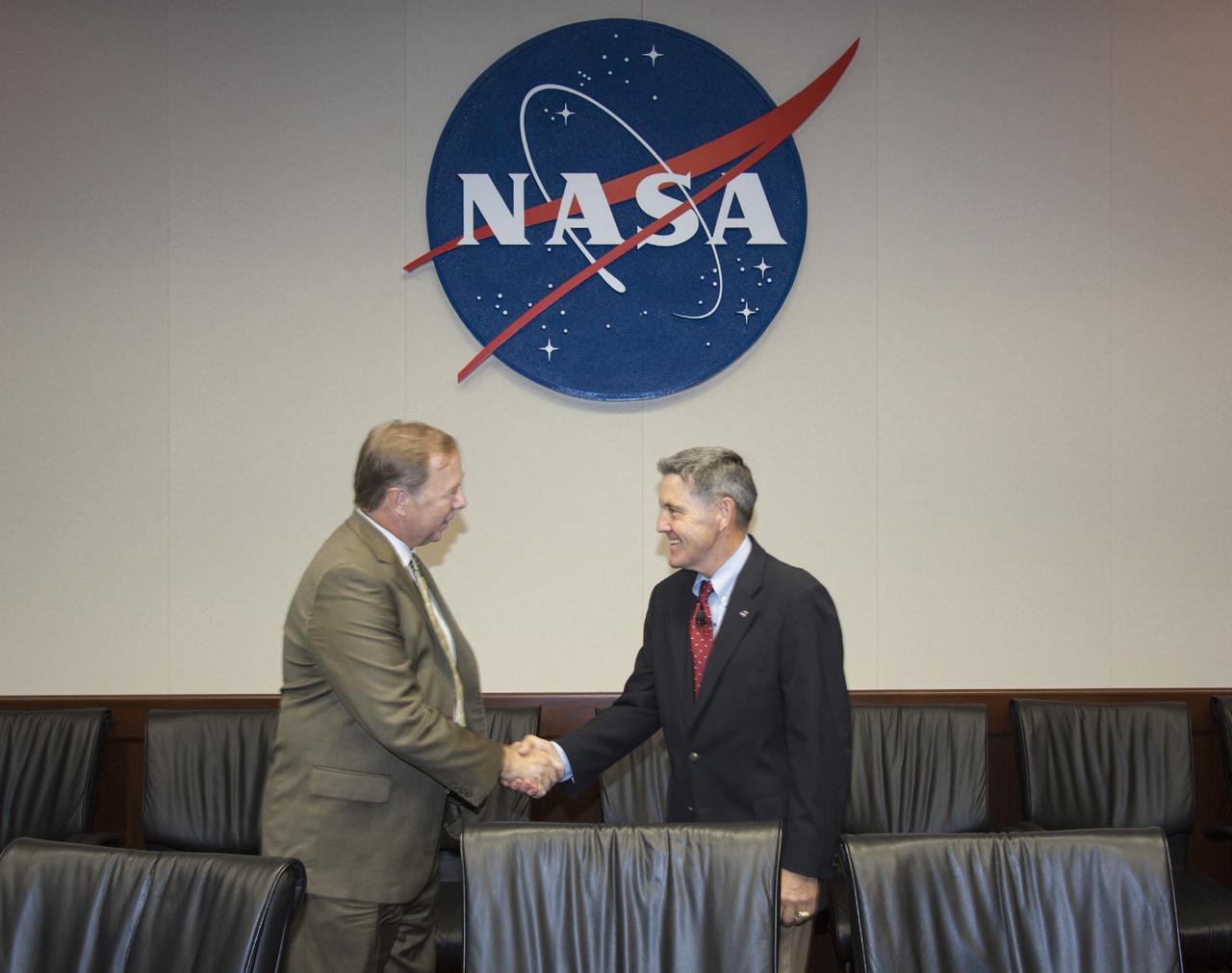
CAPE CANAVERAL, Fla. – At NASA’s Kennedy Space Center in Florida, Director Bob Cabana, at right, shakes hands with Larry Williams, president and CEO of Ballistic Recovery Systems Inc., or BRS Aerospace of Miami, Fla., after signing a new partnership agreement for use of the Parachute Refurbishment Facility, or PRF. Under a 10-year lease agreement, BRS Aerospace will operate and maintain the facility. The PRF previously was used during NASA’s Space Shuttle Program to manufacture and refurbish the solid rocket booster parachutes. Because of NASA’s transition from the shuttle to future commercial and government mission activities, the agreement allows NASA to preserve the unique facility capabilities for future spaceflight projects. Kennedy’s Center Planning and Development team and the Economic Development Commission of Florida’s Space Coast worked with BRS Aerospace to establish the agreement. For more information about BRS Aerospace, visit http://www.brsparachutes.com. Photo credit: NASA/Jim Grossmann
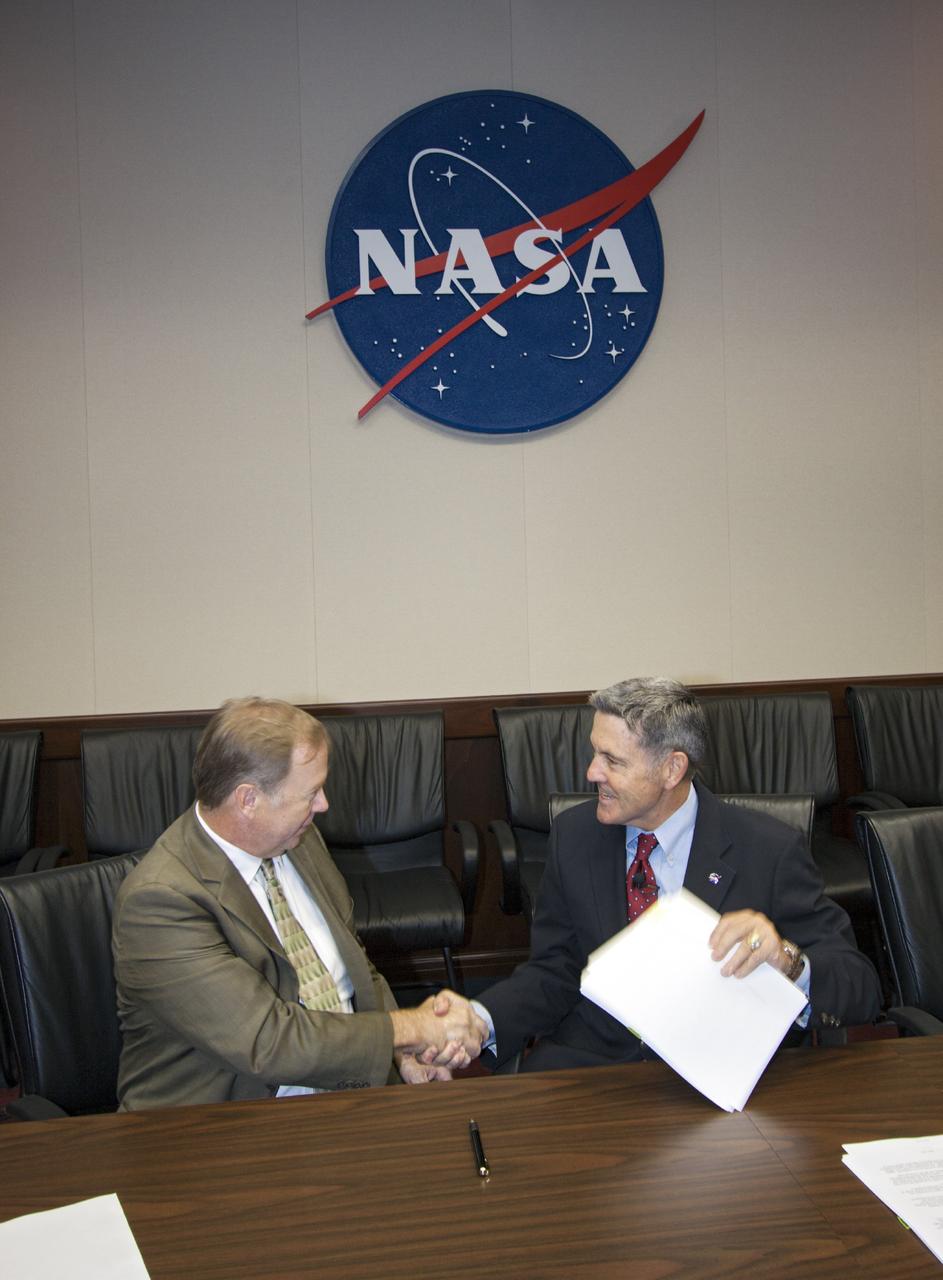
CAPE CANAVERAL, Fla. – At NASA’s Kennedy Space Center in Florida, Director Bob Cabana, at right, shakes hands with Larry Williams, president and CEO of Ballistic Recovery Systems Inc., or BRS Aerospace of Miami, Fla., after signing a new partnership agreement for use of the Parachute Refurbishment Facility, or PRF. Under a 10-year lease agreement, BRS Aerospace will operate and maintain the facility. The PRF previously was used during NASA’s Space Shuttle Program to manufacture and refurbish the solid rocket booster parachutes. Because of NASA’s transition from the shuttle to future commercial and government mission activities, the agreement allows NASA to preserve the unique facility capabilities for future spaceflight projects. Kennedy’s Center Planning and Development team and the Economic Development Commission of Florida’s Space Coast worked with BRS Aerospace to establish the agreement. For more information about BRS Aerospace, visit http://www.brsparachutes.com. Photo credit: NASA/Jim Grossmann
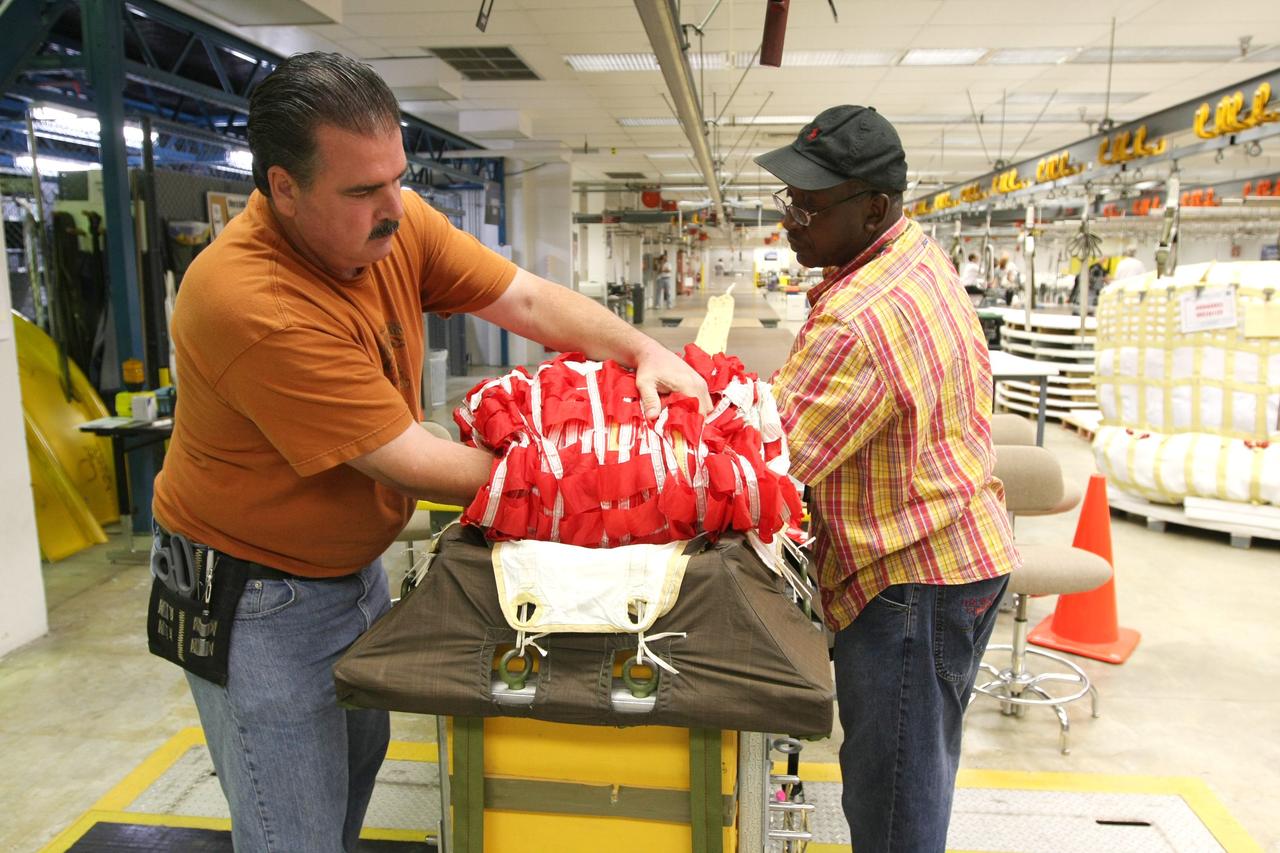
CAPE CANAVERAL, Fla. – In the Parachute Refurbishment Facility at NASA's Kennedy Space Center, technicians Mike Rothering (left) and James Murrell carefully fold an Ares-I parachute prior to packing. Ares I is an in-line, two-stage rocket that will transport the Orion crew exploration vehicle to low-Earth orbit. The Ares I first stage will be a five-segment solid rocket booster based on the four-segment design used for the shuttle. As with the shuttle, this booster will fall away when spent, lowered by parachute into the Atlantic Ocean where it can be retrieved for re-use. Photo credit: NASA/Dimitri Gerondidakis
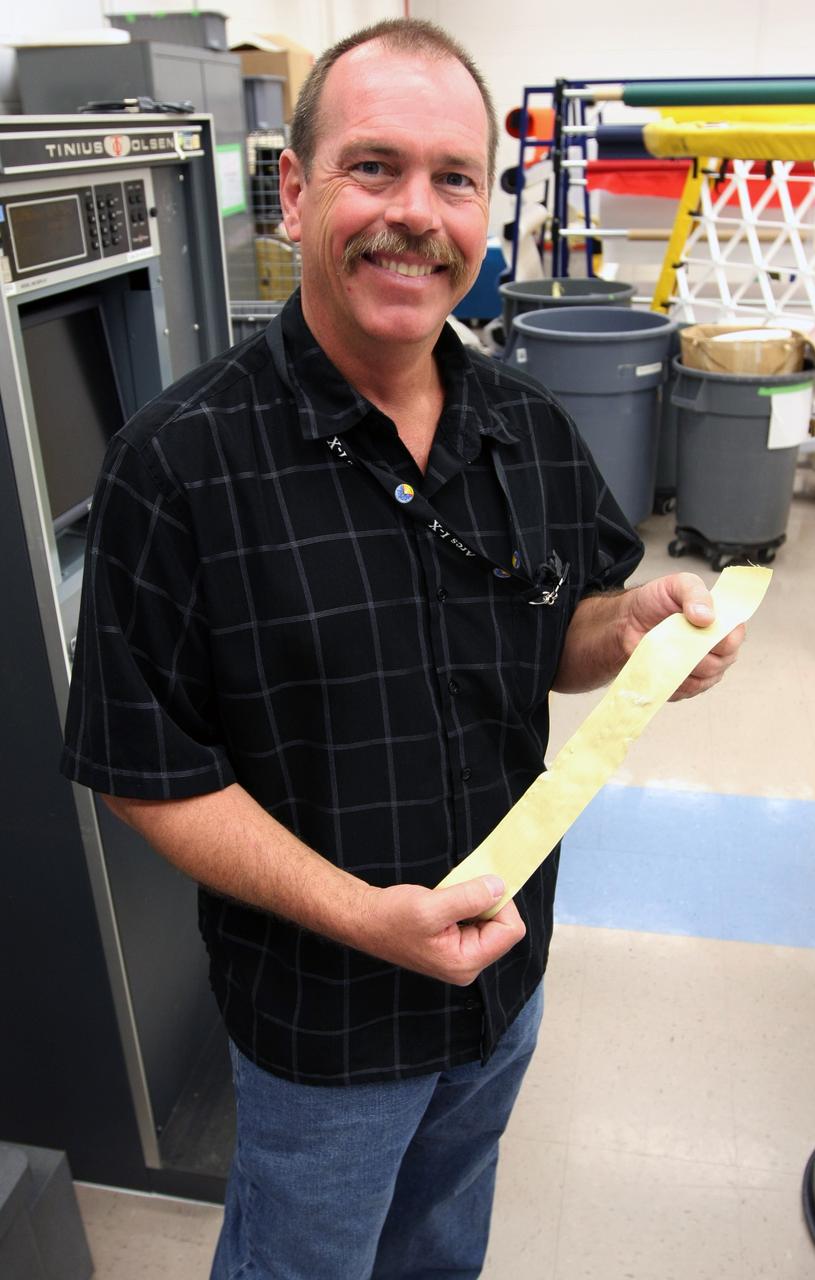
CAPE CANAVERAL, Fla. – In the Parachute Refurbishment Facility at NASA's Kennedy Space Center, Dave Hillebrandt checks strapping used on Ares-I parachutes. Ares I is an in-line, two-stage rocket that will transport the Orion crew exploration vehicle to low-Earth orbit. The Ares I first stage will be a five-segment solid rocket booster based on the four-segment design used for the shuttle. As with the shuttle, this booster will fall away when spent, lowered by parachute into the Atlantic Ocean where it can be retrieved for re-use. Photo credit: NASA/Dimitri Gerondidakis
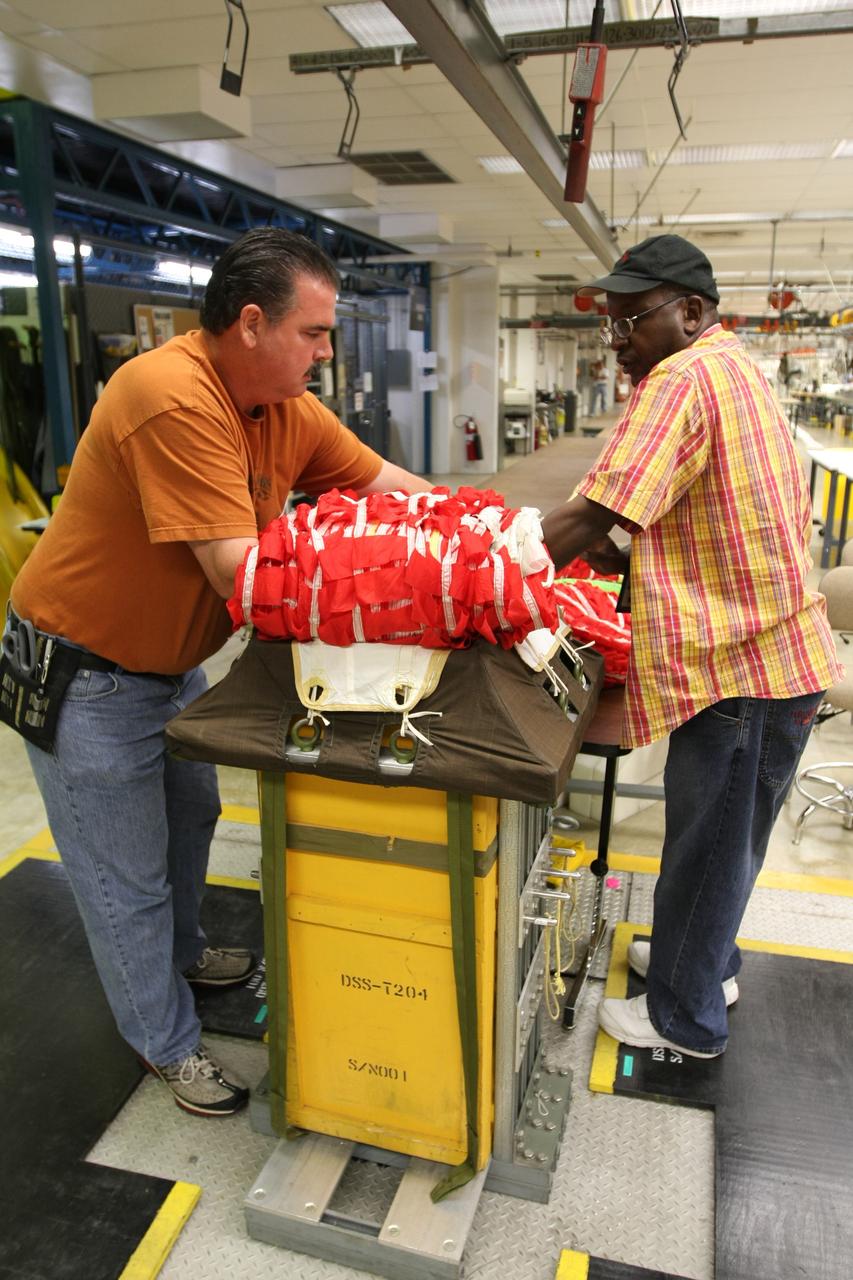
CAPE CANAVERAL, Fla. – In the Parachute Refurbishment Facility at NASA's Kennedy Space Center, technicians Mike Rothering (left) and James Murrell carefully fold an Ares-I parachute prior to packing. Ares I is an in-line, two-stage rocket that will transport the Orion crew exploration vehicle to low-Earth orbit. The Ares I first stage will be a five-segment solid rocket booster based on the four-segment design used for the shuttle. As with the shuttle, this booster will fall away when spent, lowered by parachute into the Atlantic Ocean where it can be retrieved for re-use. Photo credit: NASA/Dimitri Gerondidakis

CAPE CANAVERAL, Fla. – In the Parachute Refurbishment Facility at NASA's Kennedy Space Center, parachutes for the Ares rockets are being prepared for packing. Ares I is an in-line, two-stage rocket that will transport the Orion crew exploration vehicle to low-Earth orbit. The Ares I first stage will be a five-segment solid rocket booster based on the four-segment design used for the shuttle. As with the shuttle, this booster will fall away when spent, lowered by parachute into the Atlantic Ocean where it can be retrieved for re-use. Unlike the shuttle, the booster will be flying faster, at Mach 6, when its separation from the rest of Ares I occurs. Photo credit: NASA/Jack Pfaller
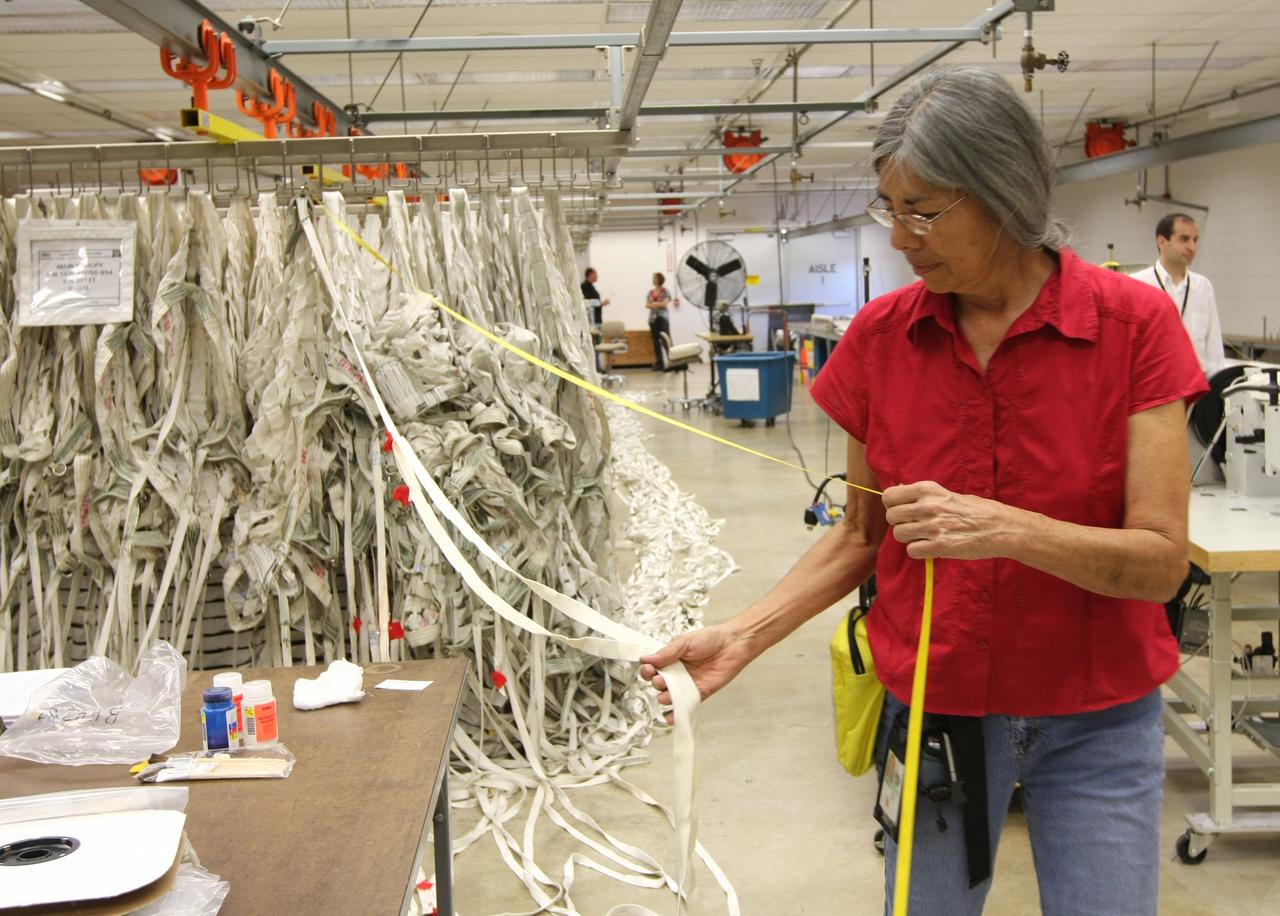
CAPE CANAVERAL, Fla. – In the Parachute Refurbishment Facility at NASA's Kennedy Space Center, Deborah Coombs, senior parachute technician, measures suspension lines for the Ares-I main canopy. Ares I is an in-line, two-stage rocket that will transport the Orion crew exploration vehicle to low-Earth orbit. The Ares I first stage will be a five-segment solid rocket booster based on the four-segment design used for the shuttle. As with the shuttle, this booster will fall away when spent, lowered by parachute into the Atlantic Ocean where it can be retrieved for re-use. Photo credit: NASA/Dimitri Gerondidakis

CAPE CANAVERAL, Fla. – In the Parachute Refurbishment Facility at NASA's Kennedy Space Center, parachutes for the Ares rockets are being packed. Ares I is an in-line, two-stage rocket that will transport the Orion crew exploration vehicle to low-Earth orbit. The Ares I first stage will be a five-segment solid rocket booster based on the four-segment design used for the shuttle. As with the shuttle, this booster will fall away when spent, lowered by parachute into the Atlantic Ocean where it can be retrieved for re-use. Unlike the shuttle, the booster will be flying faster, at Mach 6, when its separation from the rest of Ares I occurs. Photo credit: NASA/Jack Pfaller
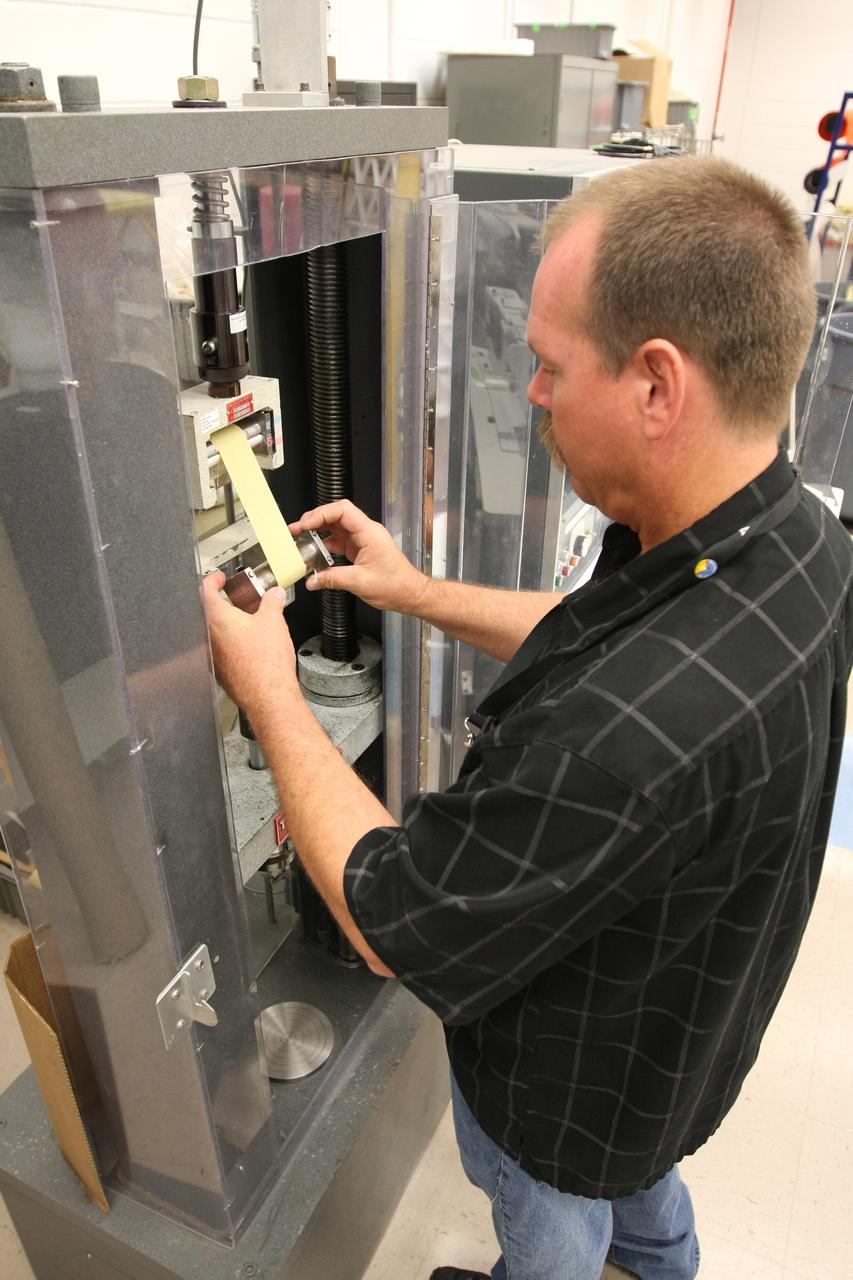
CAPE CANAVERAL, Fla. – In the Parachute Refurbishment Facility at NASA's Kennedy Space Center, Dave Hillebrandt checks strapping equipment used on Ares-I parachutes. Ares I is an in-line, two-stage rocket that will transport the Orion crew exploration vehicle to low-Earth orbit. The Ares I first stage will be a five-segment solid rocket booster based on the four-segment design used for the shuttle. As with the shuttle, this booster will fall away when spent, lowered by parachute into the Atlantic Ocean where it can be retrieved for re-use. Photo credit: NASA/Dimitri Gerondidakis
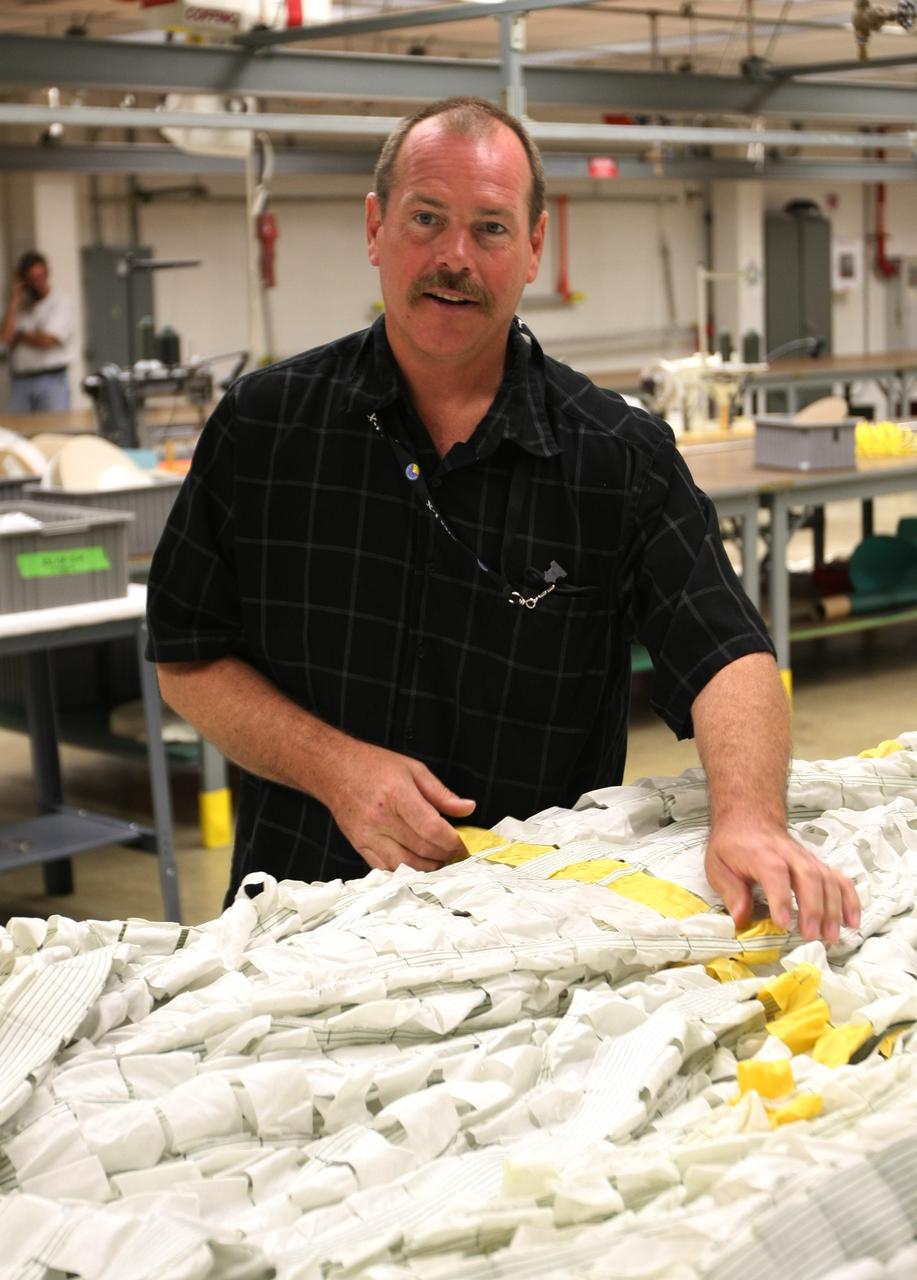
CAPE CANAVERAL, Fla. – In the Parachute Refurbishment Facility at NASA's Kennedy Space Center, Dave Hillebrandt checks strapping on an Ares-I parachute. Ares I is an in-line, two-stage rocket that will transport the Orion crew exploration vehicle to low-Earth orbit. The Ares I first stage will be a five-segment solid rocket booster based on the four-segment design used for the shuttle. As with the shuttle, this booster will fall away when spent, lowered by parachute into the Atlantic Ocean where it can be retrieved for re-use. Photo credit: NASA/Dimitri Gerondidakis
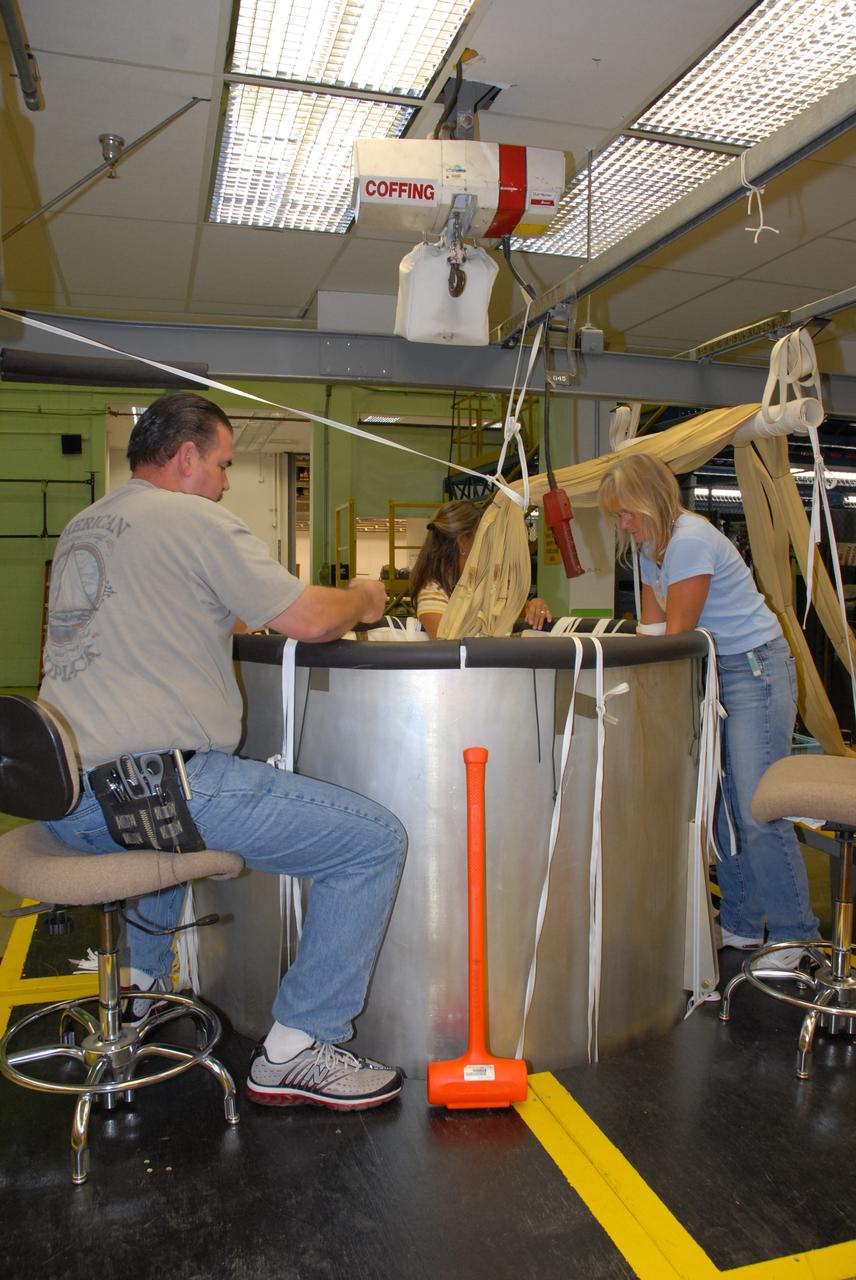
CAPE CANAVERAL, Fla. – In the Parachute Refurbishment Facility at NASA's Kennedy Space Center, parachutes for the Ares rockets are being packed. Ares I is an in-line, two-stage rocket that will transport the Orion crew exploration vehicle to low-Earth orbit. The Ares I first stage will be a five-segment solid rocket booster based on the four-segment design used for the shuttle. As with the shuttle, this booster will fall away when spent, lowered by parachute into the Atlantic Ocean where it can be retrieved for re-use. Unlike the shuttle, the booster will be flying faster, at Mach 6, when its separation from the rest of Ares I occurs. Photo credit: NASA/Jack Pfaller

CAPE CANAVERAL, Fla. – In the Parachute Refurbishment Facility at NASA's Kennedy Space Center, Deborah Coombs, senior parachute technician, measures suspension lines for the Ares-I main canopy. Ares I is an in-line, two-stage rocket that will transport the Orion crew exploration vehicle to low-Earth orbit. The Ares I first stage will be a five-segment solid rocket booster based on the four-segment design used for the shuttle. As with the shuttle, this booster will fall away when spent, lowered by parachute into the Atlantic Ocean where it can be retrieved for re-use. Photo credit: NASA/Dimitri Gerondidakis
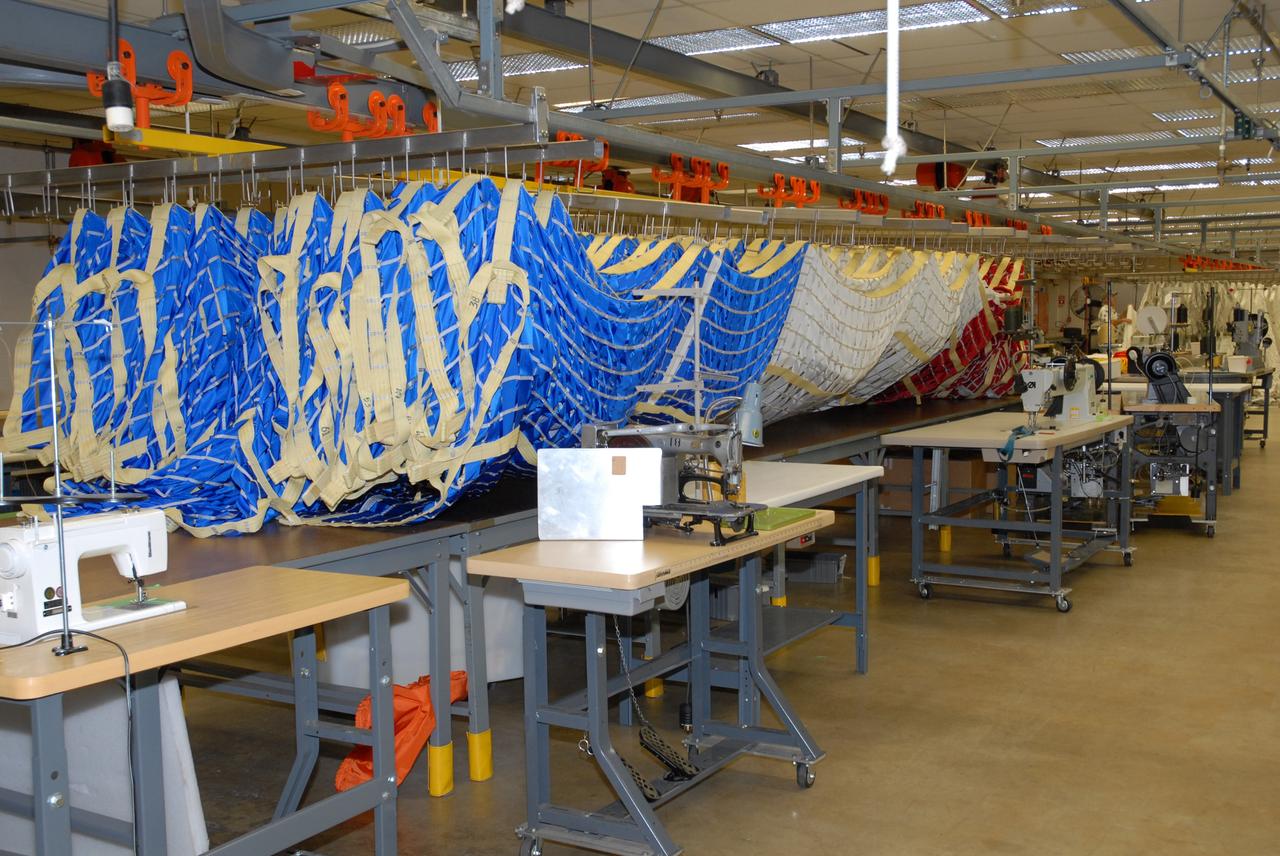
CAPE CANAVERAL, Fla. – In the Parachute Refurbishment Facility at NASA's Kennedy Space Center, parachutes for the Ares rockets are being prepared for packing. Ares I is an in-line, two-stage rocket that will transport the Orion crew exploration vehicle to low-Earth orbit. The Ares I first stage will be a five-segment solid rocket booster based on the four-segment design used for the shuttle. As with the shuttle, this booster will fall away when spent, lowered by parachute into the Atlantic Ocean where it can be retrieved for re-use. Unlike the shuttle, the booster will be flying faster, at Mach 6, when its separation from the rest of Ares I occurs. Photo credit: NASA/Jack Pfaller
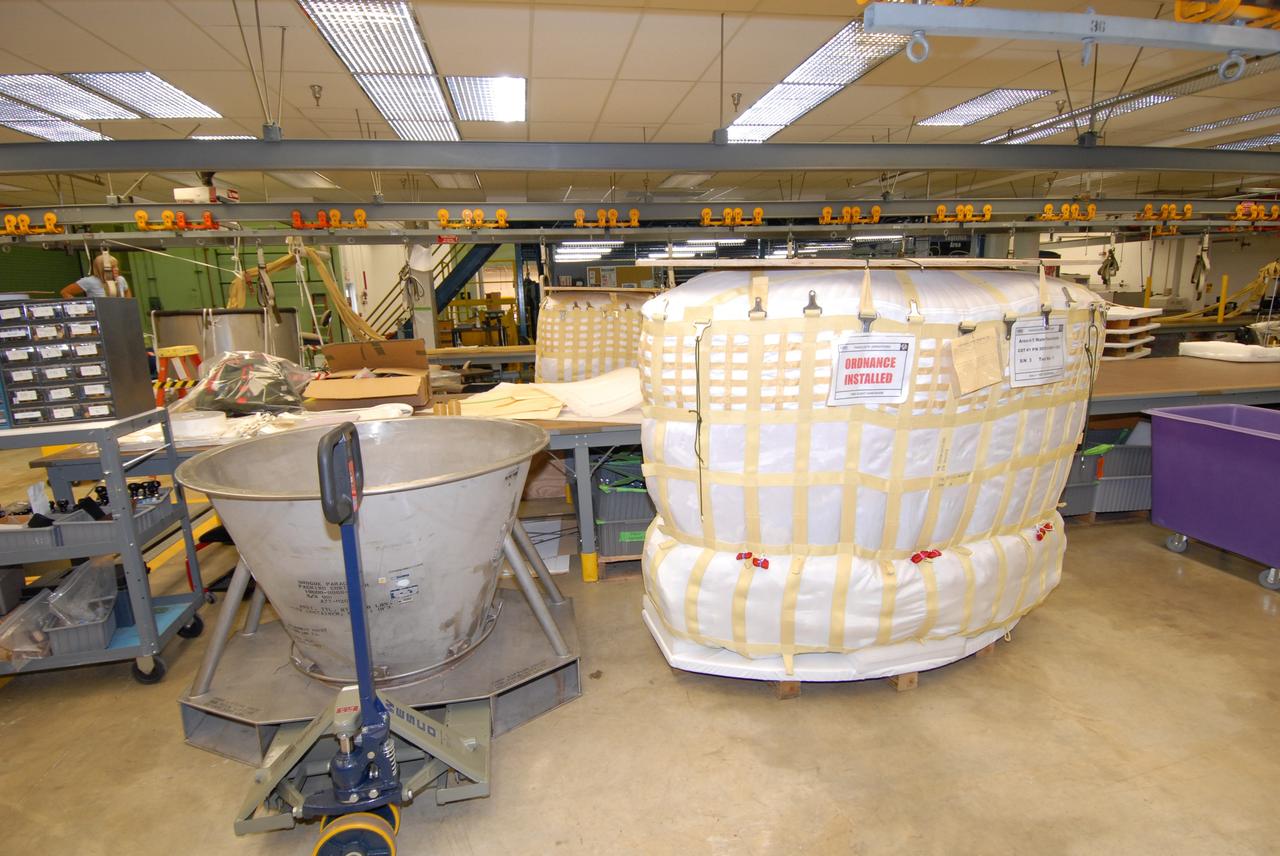
CAPE CANAVERAL, Fla. – In the Parachute Refurbishment Facility at NASA's Kennedy Space Center, parachutes for the Ares rockets are being prepared for packing. Ares I is an in-line, two-stage rocket that will transport the Orion crew exploration vehicle to low-Earth orbit. The Ares I first stage will be a five-segment solid rocket booster based on the four-segment design used for the shuttle. As with the shuttle, this booster will fall away when spent, lowered by parachute into the Atlantic Ocean where it can be retrieved for re-use. Unlike the shuttle, the booster will be flying faster, at Mach 6, when its separation from the rest of Ares I occurs. Photo credit: NASA/Jack Pfaller
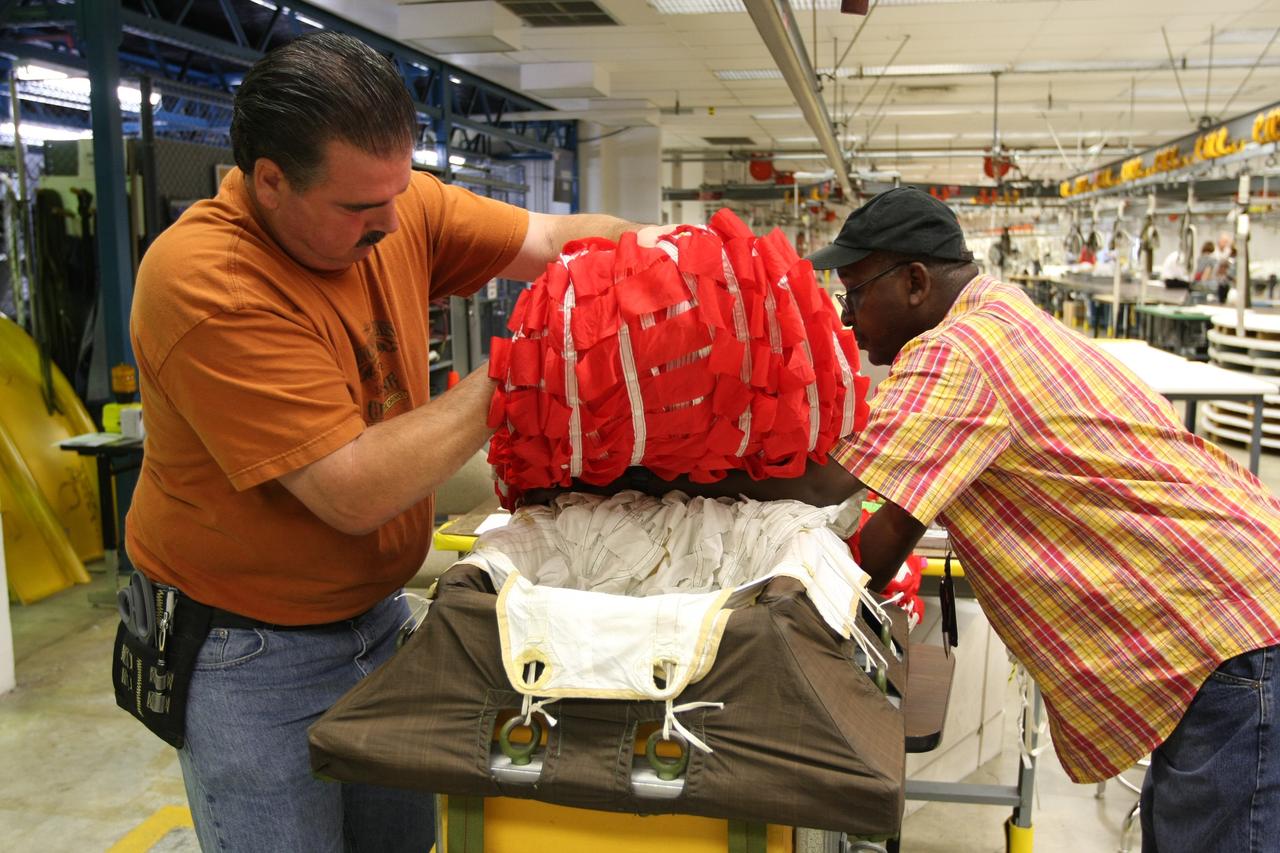
CAPE CANAVERAL, Fla. – In the Parachute Refurbishment Facility at NASA's Kennedy Space Center, technicians Mike Rothering (left) and James Murrell carefully fold an Ares-I parachute prior to packing. Ares I is an in-line, two-stage rocket that will transport the Orion crew exploration vehicle to low-Earth orbit. The Ares I first stage will be a five-segment solid rocket booster based on the four-segment design used for the shuttle. As with the shuttle, this booster will fall away when spent, lowered by parachute into the Atlantic Ocean where it can be retrieved for re-use. Photo credit: NASA/Dimitri Gerondidakis
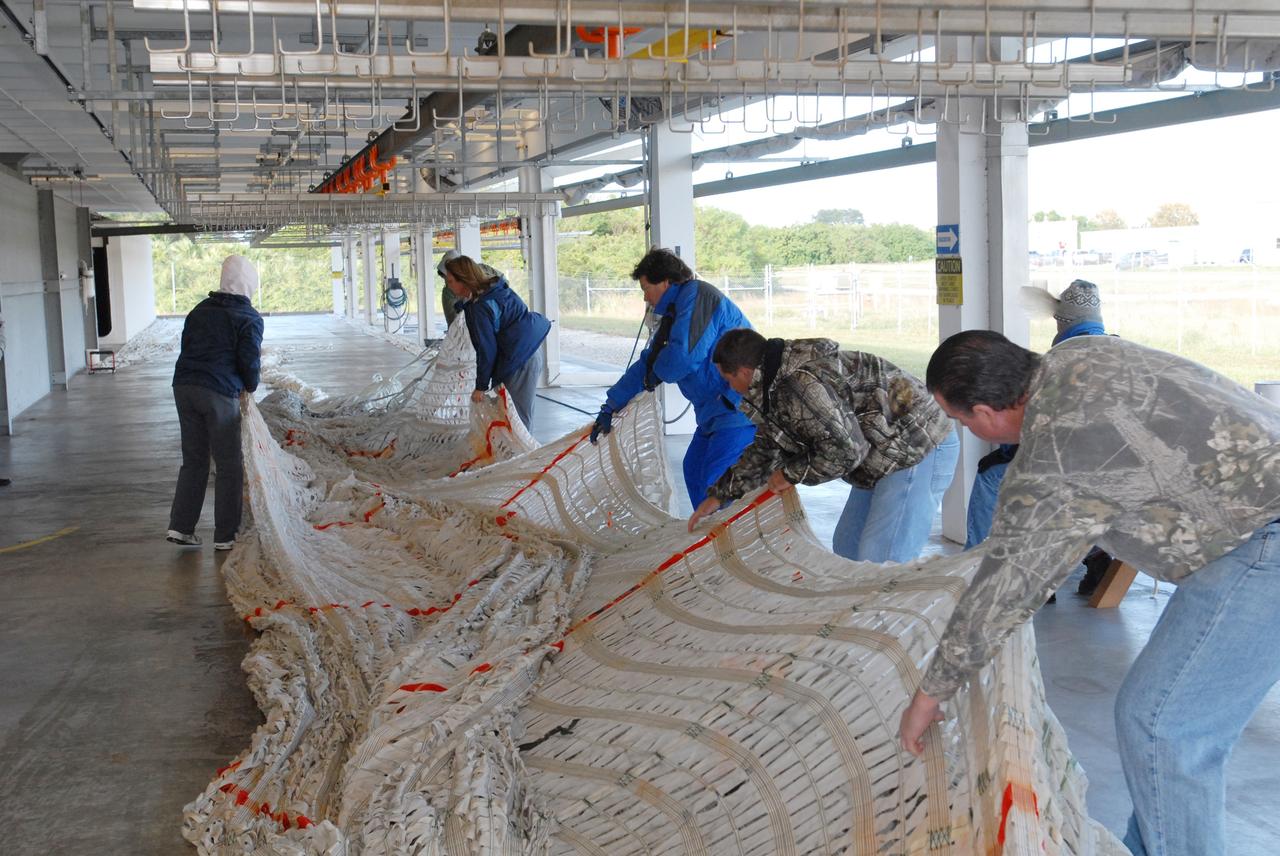
CAPE CANAVERAL, Fla. – At the Parachute Refurbishment Facility at NASA's Kennedy Space Center in Florida, workers spread out the parachutes recovered from sea after the launch of space shuttle Endeavour on the STS-126 mission to detangle them. The parachutes are used to slow the descent of the solid rocket boosters that are jettisoned during liftoff. One pilot, one drogue and three main canopies per booster slow the booster’s fall from about 360 mph to 50 mph. After the chutes are cleaned and repaired, they must be carefully packed into their bags so they will deploy correctly the next time they are used. Photo credit: NASA/Jim Grossmann
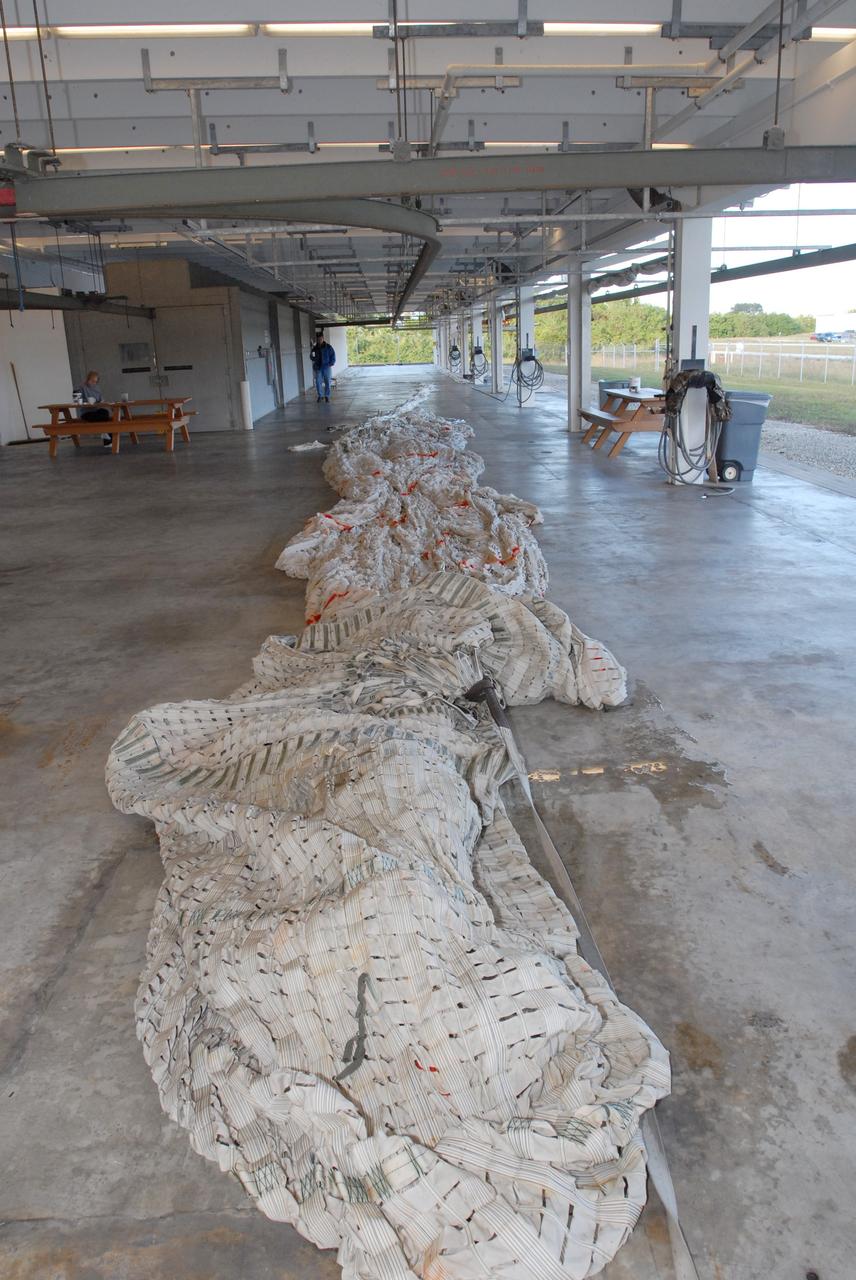
CAPE CANAVERAL, Fla. – Parachutes recovered from sea after the launch of space shuttle Endeavour on the STS-126 mission are stretched out at the Parachute Refurbishment Facility at NASA's Kennedy Space Center in Florida to detangle them. The parachutes are used to slow the descent of the solid rocket boosters that are jettisoned during liftoff. After the chutes are returned to the facility following launch, a hanging monorail system is used to transport each parachute into a 30,000-gallon washer and then into a huge dryer heated with 140-de¬gree air at 13,000 cubic feet per minute. One pilot, one drogue and three main canopies per booster slow the booster’s fall from about 360 mph to 50 mph. After the chutes are cleaned and repaired, they must be care¬fully packed into their bags so they will deploy correctly the next time they are used. Photo credit: NASA/Jim Grossmann
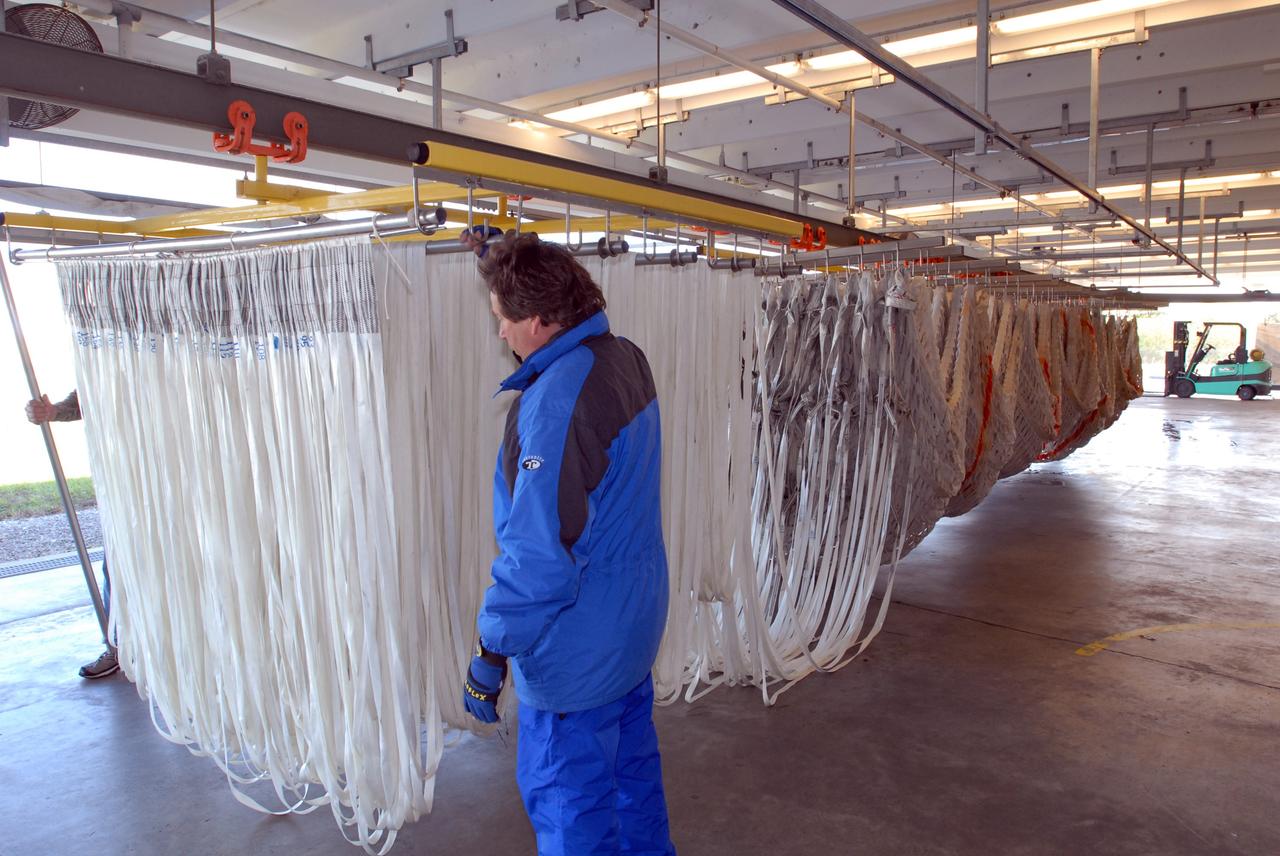
CAPE CANAVERAL, Fla. – At the Parachute Refurbishment Facility at NASA's Kennedy Space Center in Florida, a worker checks the parachute lines suspended from the monorail system. The parachutes were recovered from sea after the launch of space shuttle Endeavour on the STS-126 mission The parachutes are used to slow the descent of the solid rocket boosters that are jettisoned during liftoff. The monorail will transport each parachute into a 30,000-gallon washer and a huge dryer heated with 140-degree air at 13,000 cubic feet per minute. One pilot, one drogue and three main canopies per booster slow the booster’s fall from about 360 mph to 50 mph. After the chutes are cleaned and repaired, they must be carefully packed into their bags so they will deploy correctly the next time they are used. Photo credit: NASA/Jim Grossmann
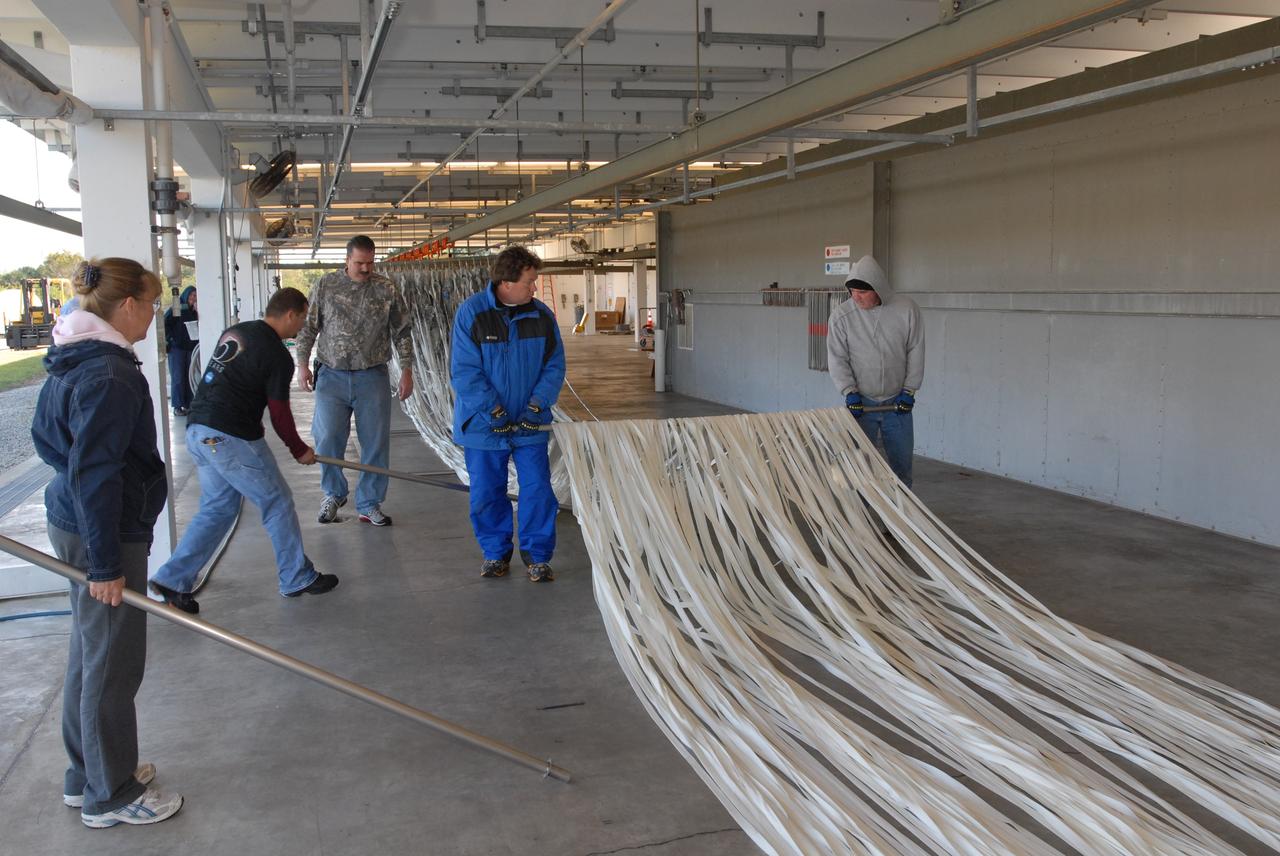
CAPE CANAVERAL, Fla. – At the Parachute Refurbishment Facility at NASA's Kennedy Space Center in Florida, workers place rods under the lines of the parachutes recovered from sea after the launch of space shuttle Endeavour on the STS-126 mission to hang them on a monorail system. Behind them, the parachutes are suspended from the monorail. The parachutes are used to slow the descent of the solid rocket boosters that are jettisoned during liftoff. The monorail will transport each parachute into a 30,000-gallon washer and a huge dryer heated with 140-degree air at 13,000 cubic feet per minute. One pilot, one drogue and three main canopies per booster slow the booster’s fall from about 360 mph to 50 mph. After the chutes are cleaned and repaired, they must be carefully packed into their bags so they will deploy correctly the next time they are used. Photo credit: NASA/Jim Grossmann

KENNEDY SPACE CENTER, FLA. -- Workers prepare a parachute for an upcoming test at the Parachute Refurbishment Facility. The first stage of the new Ares I rocket and Orion spacecraft will use parachutes to return to Earth. Current tests are being performed in Arizona to make sure the designs can safely handle their intended weight. Ares I is an in-line, two-stage rocket that will transport the Orion crew exploration vehicle to low-Earth orbit. The Ares I first stage will be a five-segment solid rocket booster based on the four-segment design used for the shuttle. As with the shuttle, this booster will fall away when spent, lowered by parachute into the Atlantic Ocean where it can be retrieved for re-use. Unlike the shuttle, the booster will be flying faster, at Mach 6, when its separation from the rest of Ares I occurs. Photo credit: NASA/Kim Shiflett
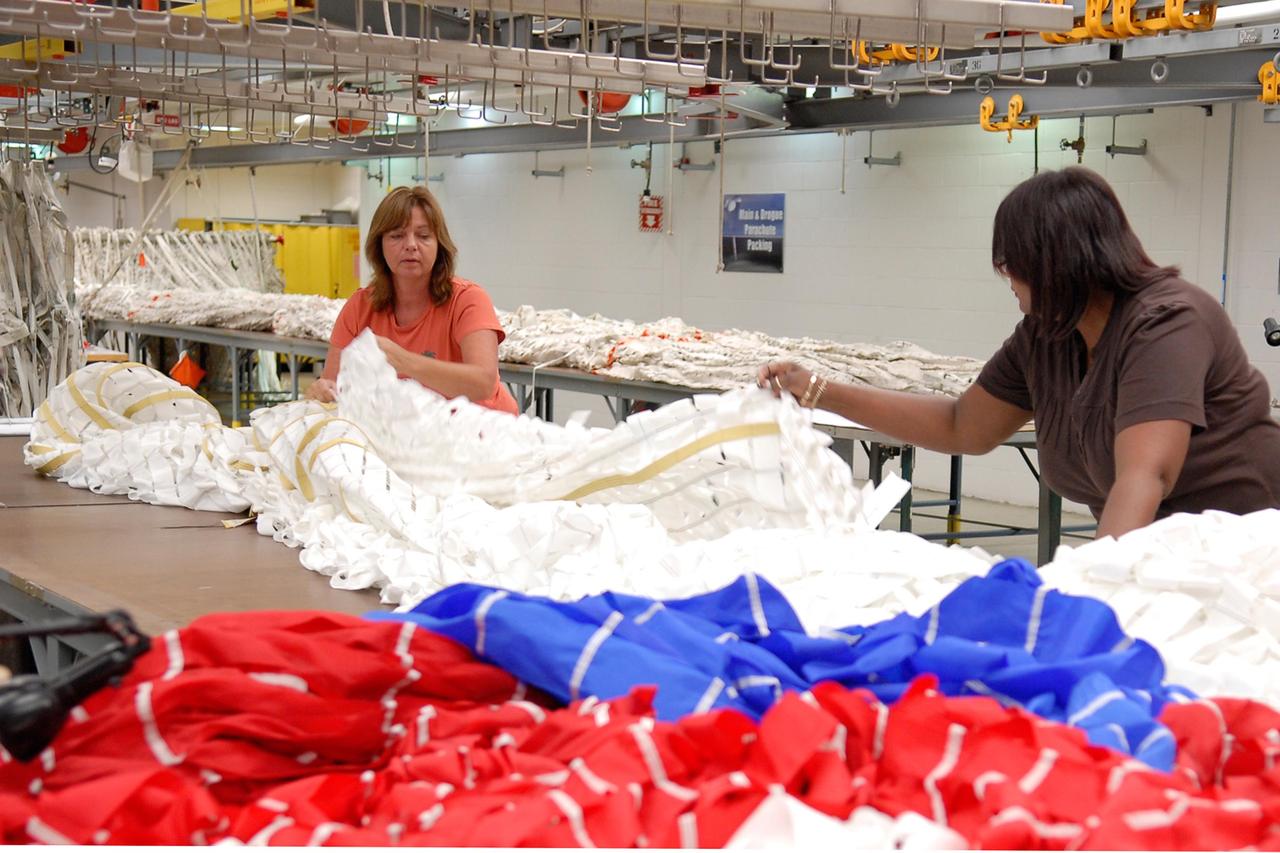
KENNEDY SPACE CENTER, FLA. -- Workers prepare a parachute for an upcoming test at the Parachute Refurbishment Facility. The first stage of the new Ares I rocket and Orion spacecraft will use parachutes to return to Earth. Current tests are being performed in Arizona to make sure the designs can safely handle their intended weight. Ares I is an in-line, two-stage rocket that will transport the Orion crew exploration vehicle to low-Earth orbit. The Ares I first stage will be a five-segment solid rocket booster based on the four-segment design used for the shuttle. As with the shuttle, this booster will fall away when spent, lowered by parachute into the Atlantic Ocean where it can be retrieved for re-use. Unlike the shuttle, the booster will be flying faster, at Mach 6, when its separation from the rest of Ares I occurs. Photo credit: NASA/Kim Shiflett
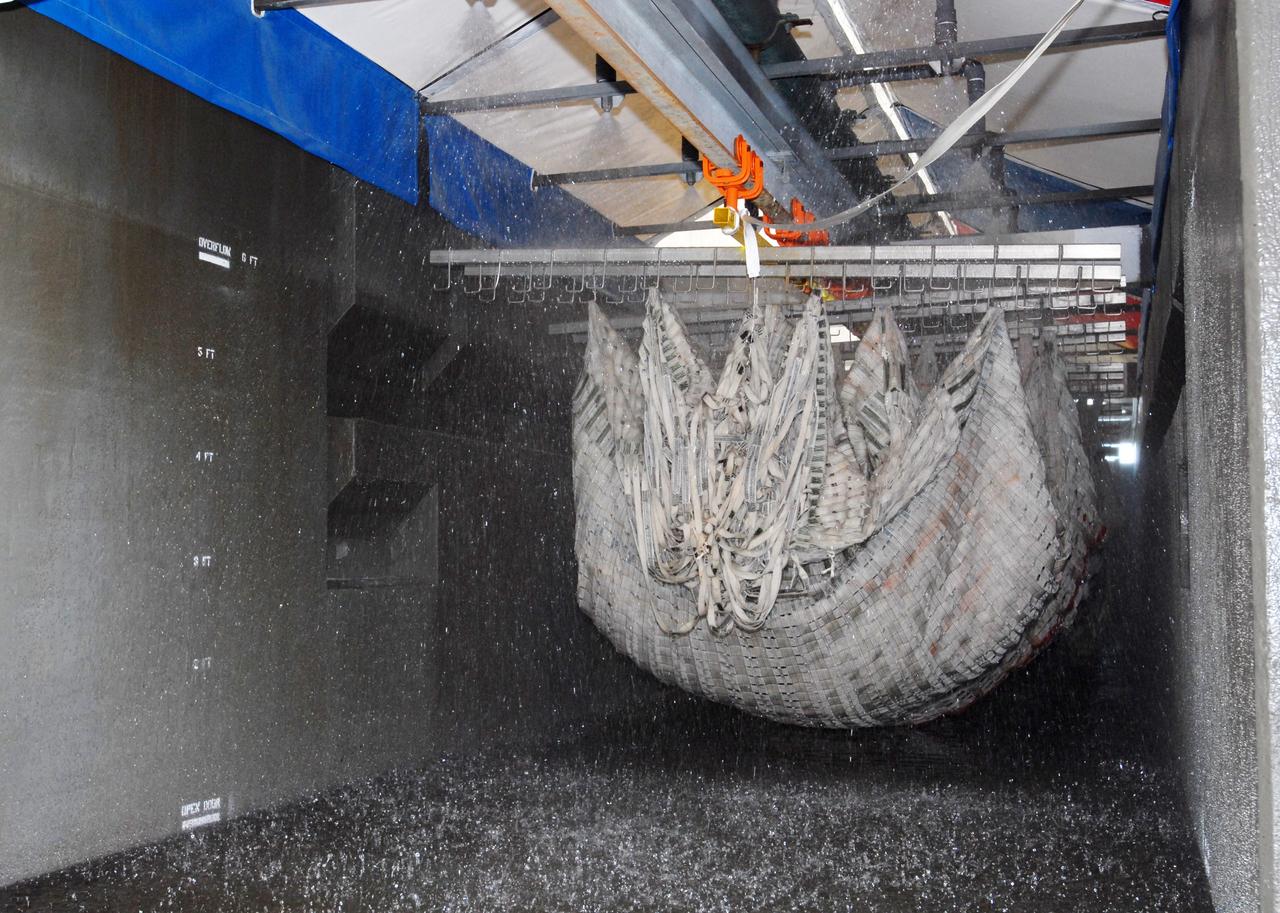
CAPE CANAVERAL, Fla. – At the Parachute Refurbishment Facility at NASA's Kennedy Space Center in Florida, the parachutes recovered from sea after the launch of space shuttle Endeavour on the STS-126 mission are moved through the 30,000-gallon washer. The parachutes are used to slow the descent of the solid rocket boosters that are jettisoned during liftoff. After washing, the monorail will move the parachutes into a huge dryer heated with 140-degree air at 13,000 cubic feet per minute. One pilot, one drogue and three main canopies per booster slow the booster’s fall from about 360 mph to 50 mph. After the chutes are cleaned and repaired, they must be carefully packed into their bags so they will deploy correctly the next time they are used. Photo credit: NASA/Jim Grossmann
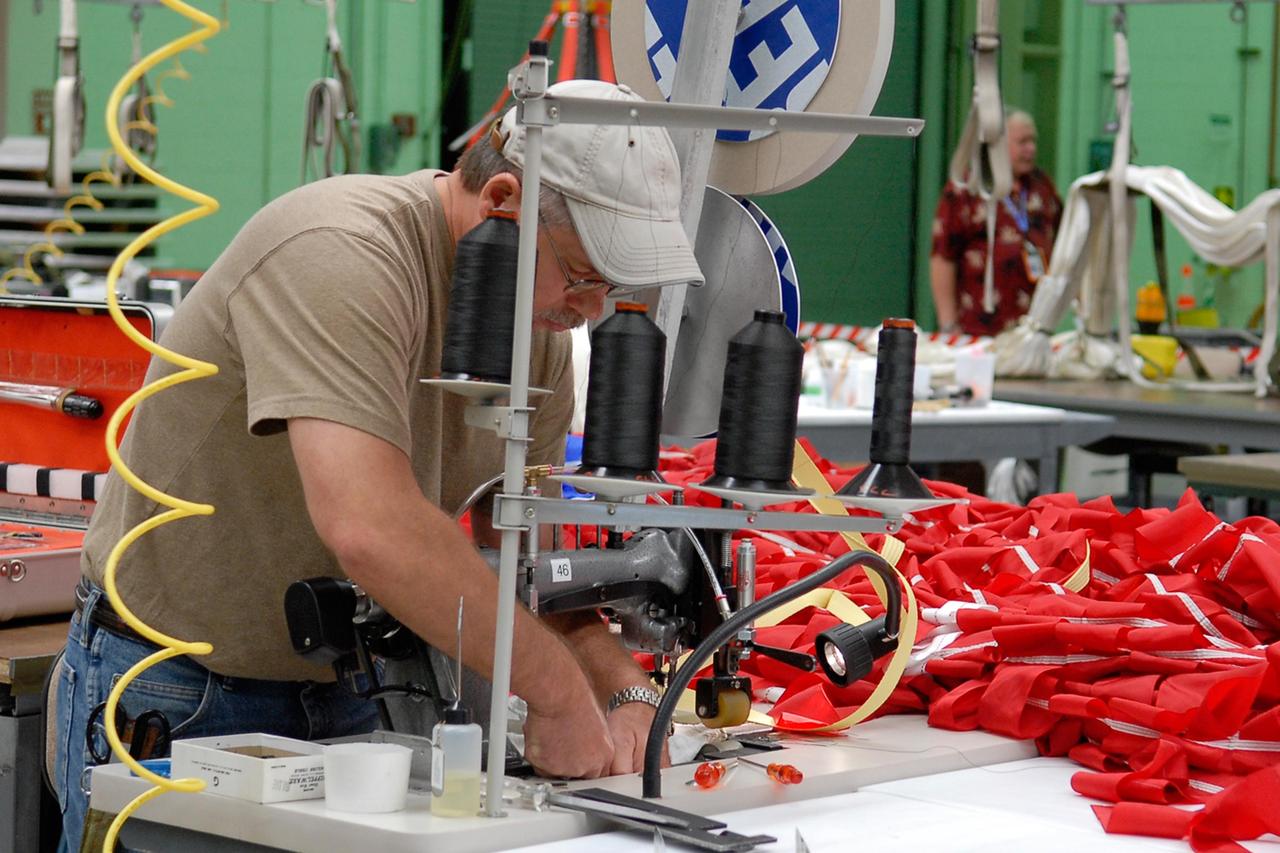
KENNEDY SPACE CENTER, FLA. -- A worker sews a parachute being prepared for an upcoming test at the Parachute Refurbishment Facility. The first stage of the new Ares I rocket and Orion spacecraft will use parachutes to return to Earth. Current tests are being performed in Arizona to make sure the designs can safely handle their intended weight. Ares I is an in-line, two-stage rocket that will transport the Orion crew exploration vehicle to low-Earth orbit. The Ares I first stage will be a five-segment solid rocket booster based on the four-segment design used for the shuttle. As with the shuttle, this booster will fall away when spent, lowered by parachute into the Atlantic Ocean where it can be retrieved for re-use. Unlike the shuttle, the booster will be flying faster, at Mach 6, when its separation from the rest of Ares I occurs. Photo credit: NASA/Kim Shiflett
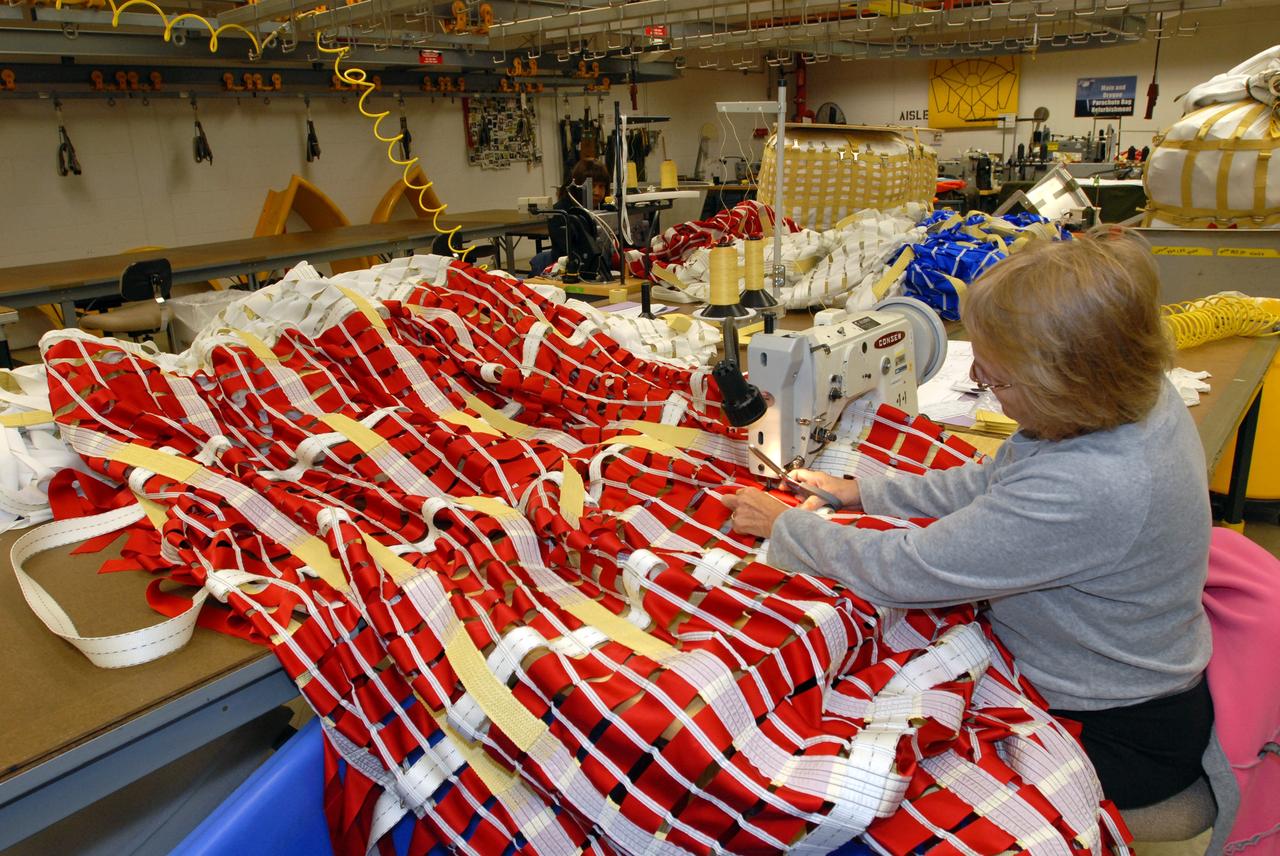
CAPE CANAVERAL, Fla. – In the Parachute Refurbishment Facility at NASA's Kennedy Space Center in Florida, workers repair the parachutes recovered from sea after the launch of space shuttle Endeavour on the STS-126 mission. Typically, each main canopy requires hundreds of repairs after each use. The smaller chutes and the parachute deployment bags they are packed in also require repairs. The parachutes are used to slow the descent of the solid rocket boosters that are jettisoned during liftoff. One pilot, one drogue and three main canopies per booster slow the booster’s fall from about 360 mph to 50 mph. After the chutes are cleaned and repaired, they must be carefully packed into their bags so they will deploy correctly the next time they are used. Photo credit: NASA/Jim Grossmann
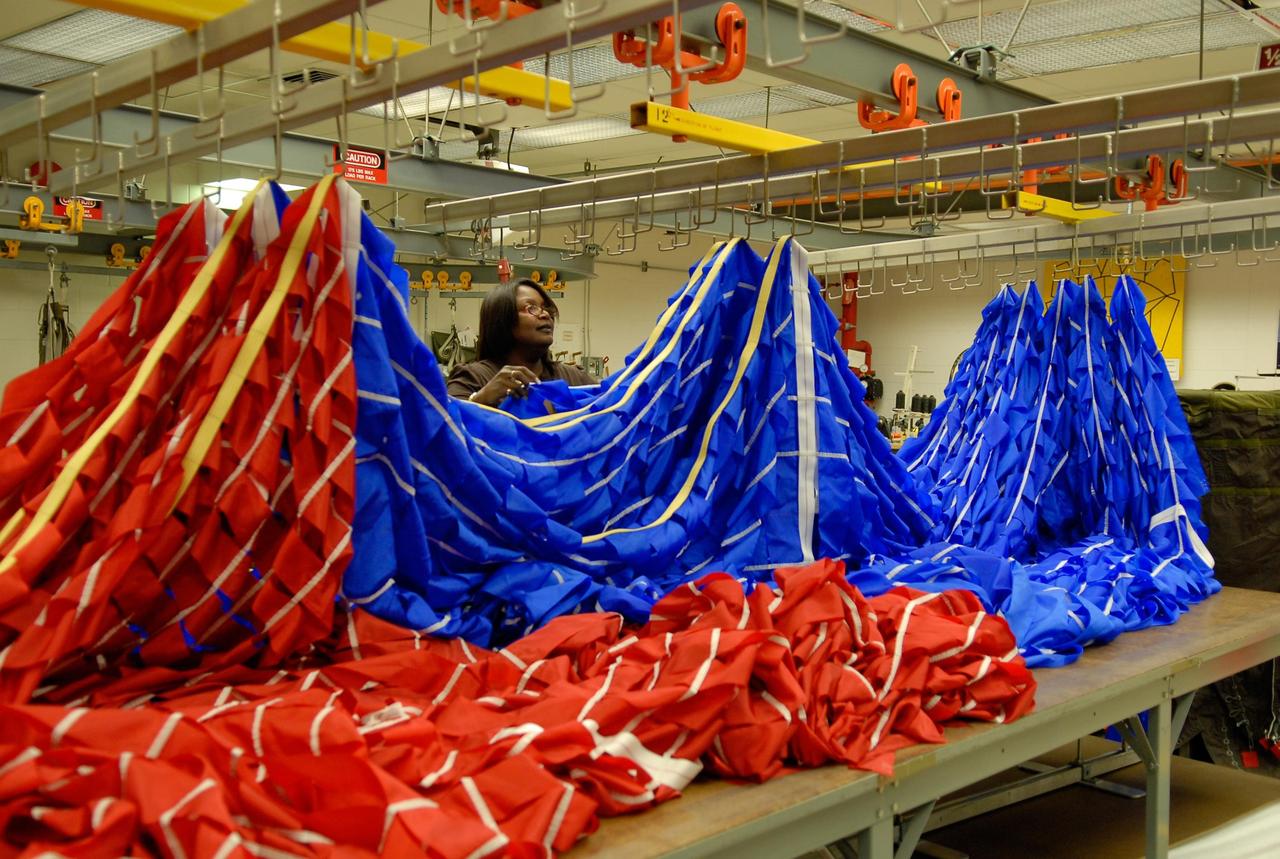
KENNEDY SPACE CENTER, FLA. -- A worker hangs portions of a parachute in preparation for an upcoming test at the Parachute Refurbishment Facility. The first stage of the new Ares I rocket and Orion spacecraft will use parachutes to return to Earth. Current tests are being performed in Arizona to make sure the designs can safely handle their intended weight. Ares I is an in-line, two-stage rocket that will transport the Orion crew exploration vehicle to low-Earth orbit. The Ares I first stage will be a five-segment solid rocket booster based on the four-segment design used for the shuttle. As with the shuttle, this booster will fall away when spent, lowered by parachute into the Atlantic Ocean where it can be retrieved for re-use. Unlike the shuttle, the booster will be flying faster, at Mach 6, when its separation from the rest of Ares I occurs. Photo credit: NASA/Kim Shiflett
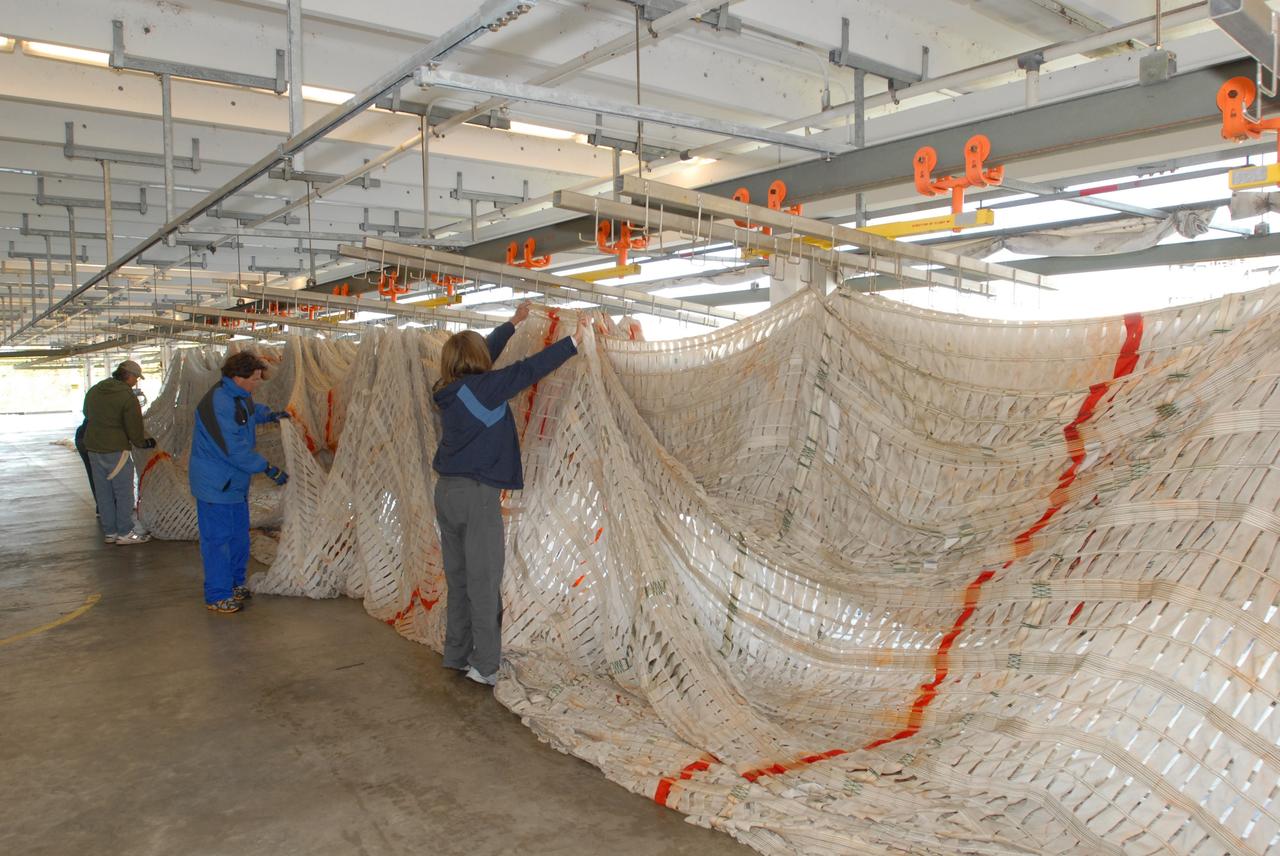
CAPE CANAVERAL, Fla. – At the Parachute Refurbishment Facility at NASA's Kennedy Space Center in Florida, workers begin hanging the parachutes recovered from sea after the launch of space shuttle Endeavour on the STS-126 mission onto a monorail system. The parachutes are used to slow the descent of the solid rocket boosters that are jettisoned during liftoff. The monorail will transport each parachute into a 30,000-gallon washer and a huge dryer heated with 140-degree air at 13,000 cubic feet per minute One pilot, one drogue and three main canopies per booster slow the booster’s fall from about 360 mph to 50 mph. After the chutes are cleaned and repaired, they must be carefully packed into their bags so they will deploy correctly the next time they are used. Photo credit: NASA/Jim Grossmann
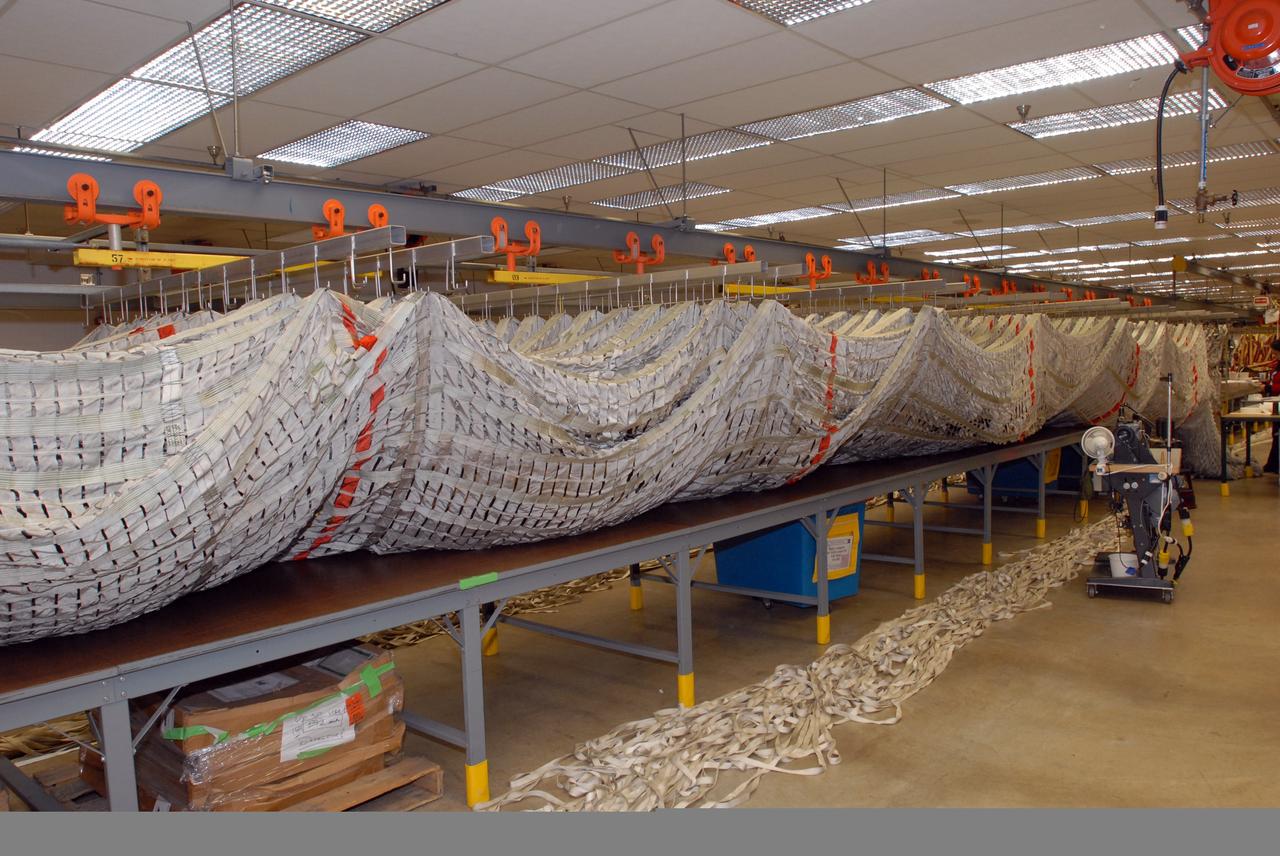
CAPE CANAVERAL, Fla. – Parachutes recovered from sea after the launch of space shuttle Endeavour on the STS-126 mission are suspended from a hanging monorail system at the Parachute Refurbishment Facility at NASA's Kennedy Space Center in Florida. The parachutes are used to slow the descent of the solid rocket boosters that are jettisoned during liftoff. The monorail will transport each parachute into a 30,000-gallon washer and a huge dryer heated with 140-degree air at 13,000 cubic feet per minute. One pilot, one drogue and three main canopies per booster slow the booster’s fall from about 360 mph to 50 mph. After the chutes are cleaned and repaired, they must be carefully packed into their bags so they will deploy correctly the next time they are used. Photo credit: NASA/Jim Grossmann

KENNEDY SPACE CENTER, FLA. -- A worker prepares a parachute for an upcoming test at the Parachute Refurbishment Facility. The first stage of the new Ares I rocket and Orion spacecraft will use parachutes to return to Earth. Current tests are being performed in Arizona to make sure the designs can safely handle their intended weight. Ares I is an in-line, two-stage rocket that will transport the Orion crew exploration vehicle to low-Earth orbit. The Ares I first stage will be a five-segment solid rocket booster based on the four-segment design used for the shuttle. As with the shuttle, this booster will fall away when spent, lowered by parachute into the Atlantic Ocean where it can be retrieved for re-use. Unlike the shuttle, the booster will be flying faster, at Mach 6, when its separation from the rest of Ares I occurs. Photo credit: NASA/Kim Shiflett
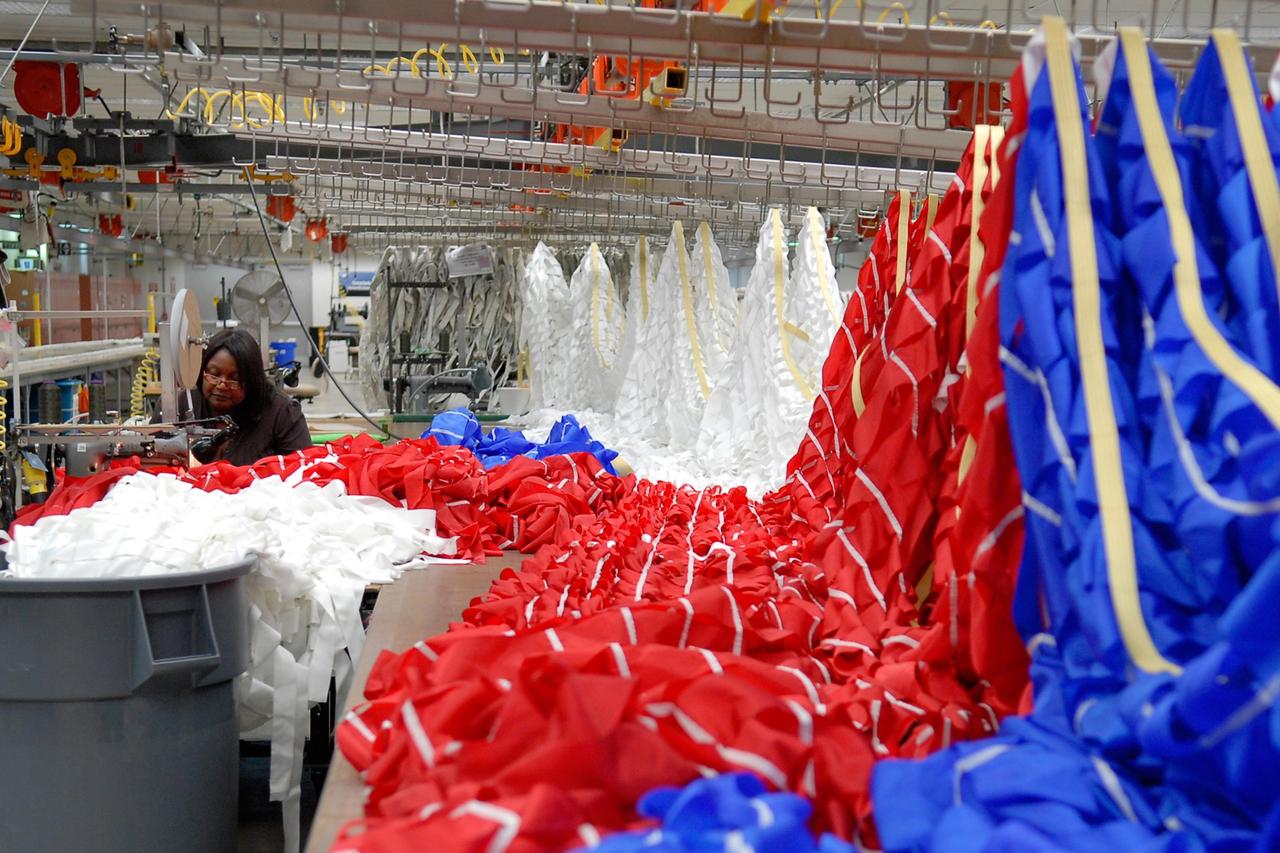
KENNEDY SPACE CENTER, FLA. -- A worker sews a parachute being prepared for an upcoming test at the Parachute Refurbishment Facility. The first stage of the new Ares I rocket and Orion spacecraft will use parachutes to return to Earth. Current tests are being performed in Arizona to make sure the designs can safely handle their intended weight. Ares I is an in-line, two-stage rocket that will transport the Orion crew exploration vehicle to low-Earth orbit. The Ares I first stage will be a five-segment solid rocket booster based on the four-segment design used for the shuttle. As with the shuttle, this booster will fall away when spent, lowered by parachute into the Atlantic Ocean where it can be retrieved for re-use. Unlike the shuttle, the booster will be flying faster, at Mach 6, when its separation from the rest of Ares I occurs. Photo credit: NASA/Kim Shiflett
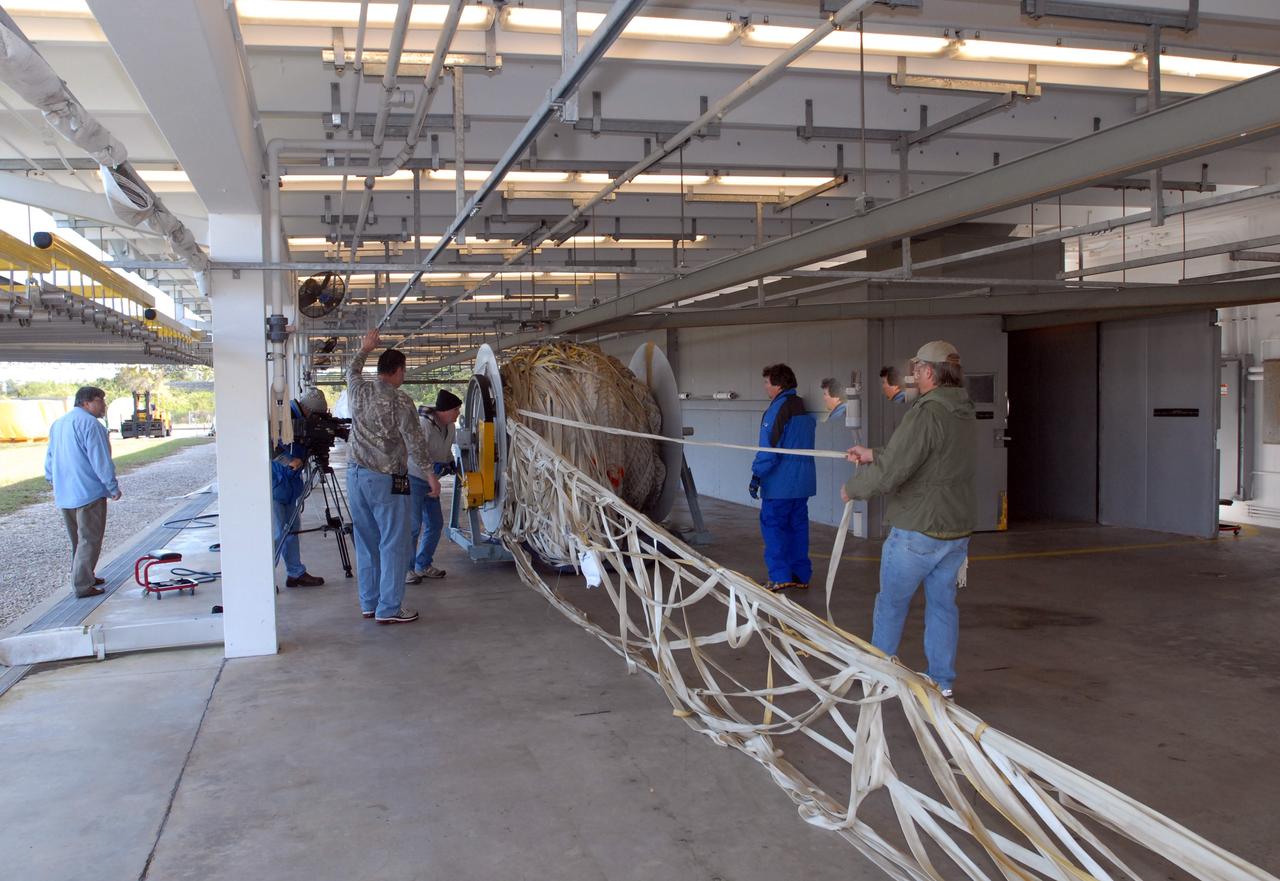
CAPE CANAVERAL, Fla. – At the Parachute Refurbishment Facility at NASA's Kennedy Space Center in Florida, another parachute recovered from sea after the launch of space shuttle Endeavour on the STS-126 mission is unwound from a large turnstile. After their recovery, the parachutes are untangled, hung on a monorail system and transported into a 30,000-gallon washer and a huge dryer heated with 140-degree air at 13,000 cubic feet per minute. The parachutes are used to slow the descent of the solid rocket boosters that are jettisoned during liftoff. One pilot, one drogue and three main canopies per booster slow the booster’s fall from about 360 mph to 50 mph. After the chutes are cleaned and repaired, they must be carefully packed into their bags so they will deploy correctly the next time they are used. Photo credit: NASA/Jim Grossmann
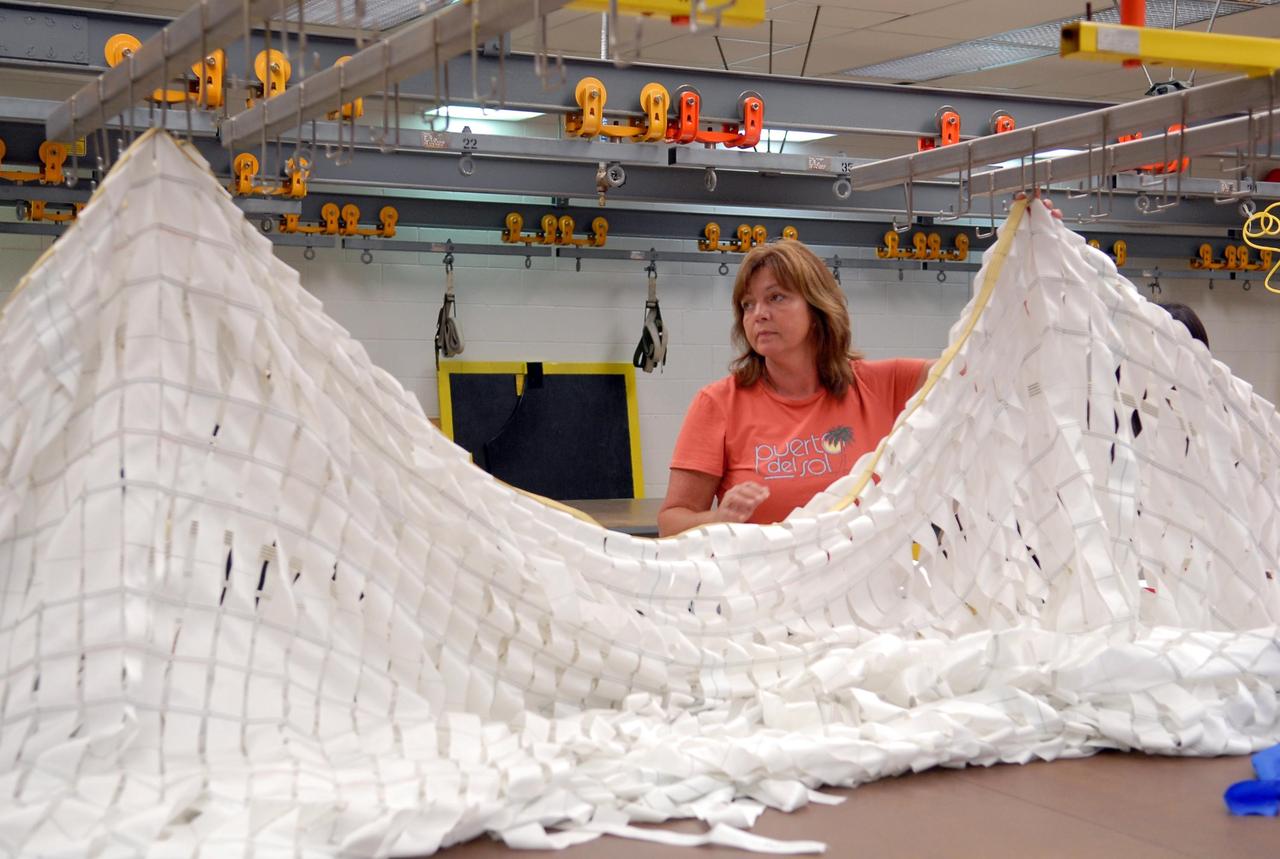
KENNEDY SPACE CENTER, FLA. -- A worker prepares a parachute for an upcoming test at the Parachute Refurbishment Facility. The first stage of the new Ares I rocket and Orion spacecraft will use parachutes to return to Earth. Current tests are being performed in Arizona to make sure the designs can safely handle their intended weight. Ares I is an in-line, two-stage rocket that will transport the Orion crew exploration vehicle to low-Earth orbit. The Ares I first stage will be a five-segment solid rocket booster based on the four-segment design used for the shuttle. As with the shuttle, this booster will fall away when spent, lowered by parachute into the Atlantic Ocean where it can be retrieved for re-use. Unlike the shuttle, the booster will be flying faster, at Mach 6, when its separation from the rest of Ares I occurs. Photo credit: NASA/Kim Shiflett
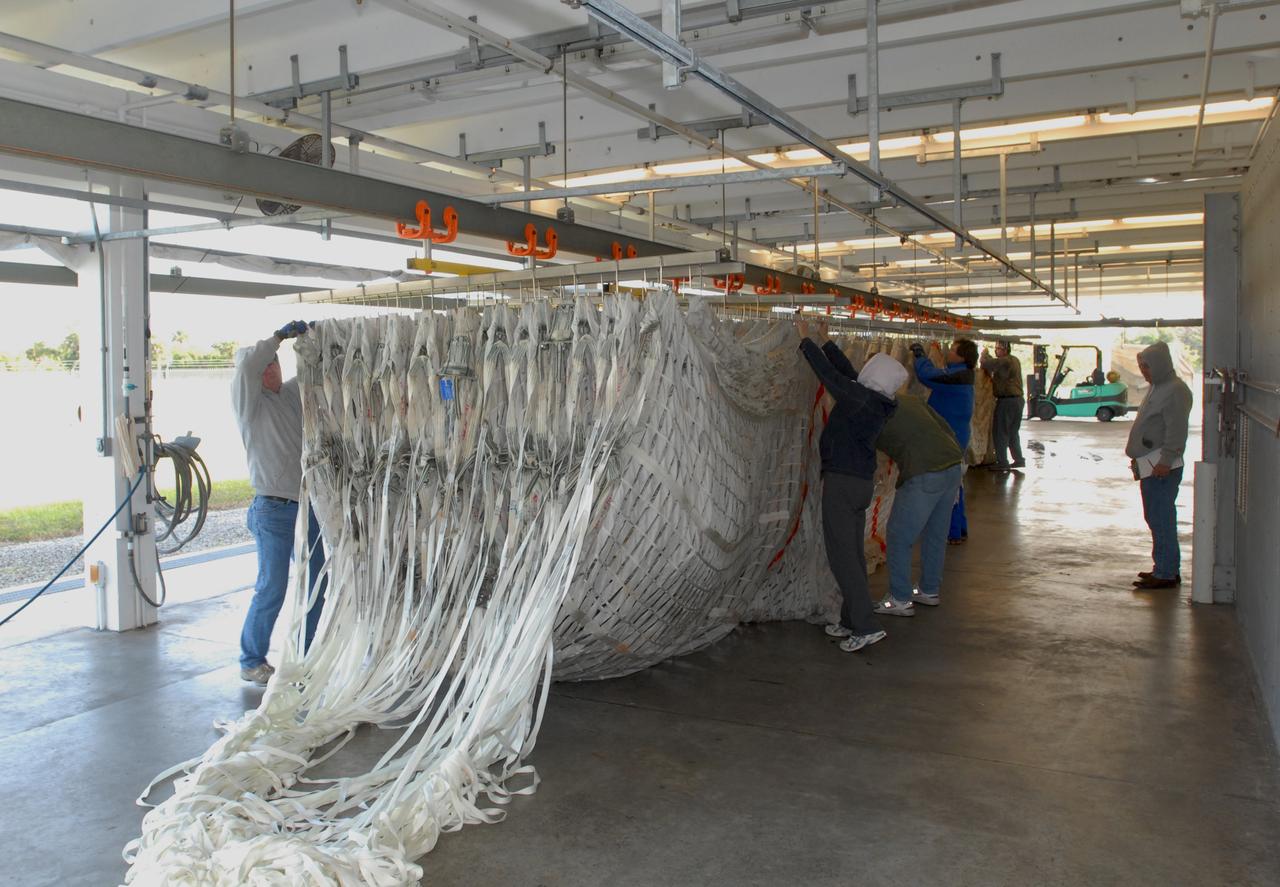
CAPE CANAVERAL, Fla. – At the Parachute Refurbishment Facility at NASA's Kennedy Space Center in Florida, workers begin hanging the parachutes recovered from sea after the launch of space shuttle Endeavour on the STS-126 mission onto a monorail system. The parachutes are used to slow the descent of the solid rocket boosters that are jettisoned during liftoff. The monorail will transport each parachute into a 30,000-gallon washer and a huge dryer heated with 140-degree air at 13,000 cubic feet per minute. One pilot, one drogue and three main canopies per booster slow the booster’s fall from about 360 mph to 50 mph. After the chutes are cleaned and repaired, they must be carefully packed into their bags so they will deploy correctly the next time they are used. Photo credit: NASA/Jim Grossmann
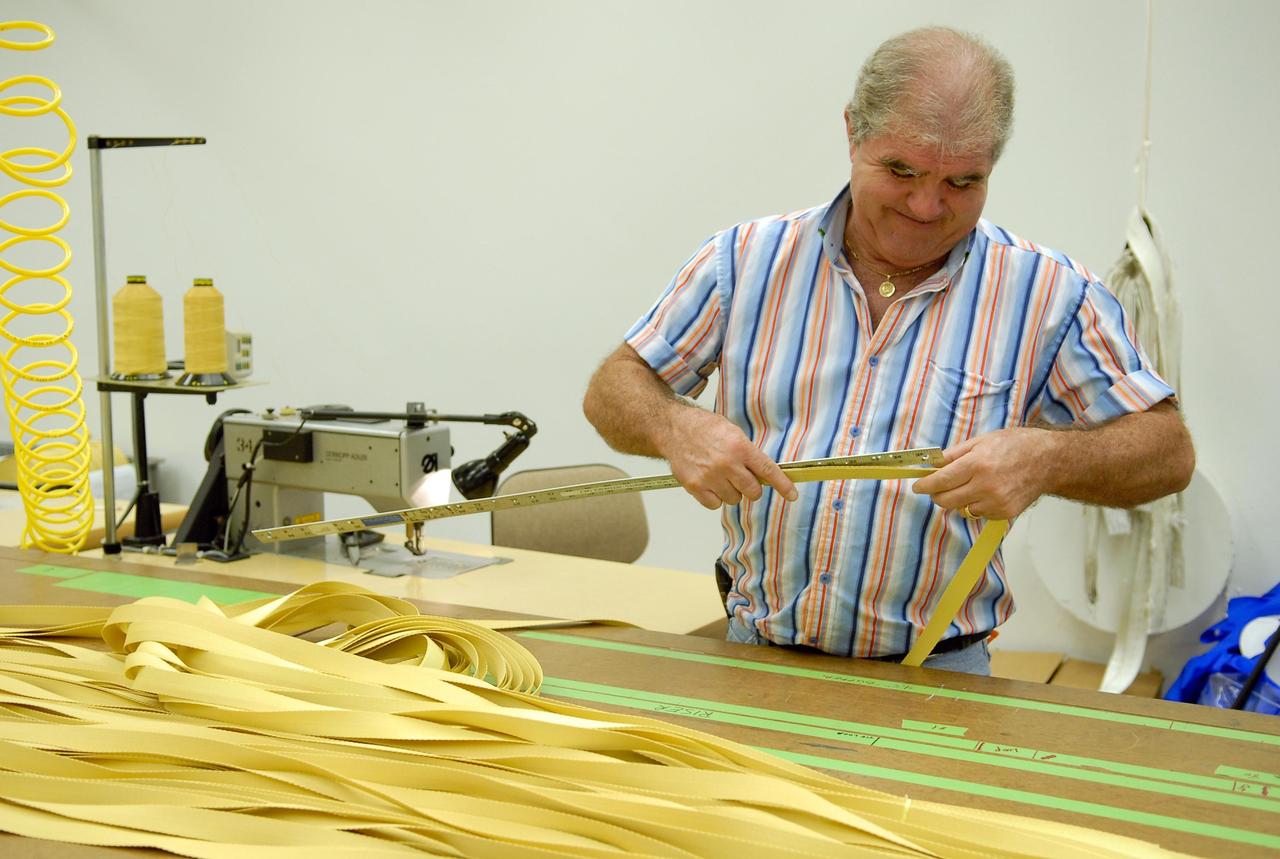
KENNEDY SPACE CENTER, FLA. -- A worker measures straps for parachutes being prepared for an upcoming test at the Parachute Refurbishment Facility. The first stage of the new Ares I rocket and Orion spacecraft will use parachutes to return to Earth. Current tests are being performed in Arizona to make sure the designs can safely handle their intended weight. Ares I is an in-line, two-stage rocket that will transport the Orion crew exploration vehicle to low-Earth orbit. The Ares I first stage will be a five-segment solid rocket booster based on the four-segment design used for the shuttle. As with the shuttle, this booster will fall away when spent, lowered by parachute into the Atlantic Ocean where it can be retrieved for re-use. Unlike the shuttle, the booster will be flying faster, at Mach 6, when its separation from the rest of Ares I occurs. Photo credit: NASA/Kim Shiflett

CAPE CANAVERAL, Fla. – At the Parachute Refurbishment Facility at NASA's Kennedy Space Center in Florida, a worker checks the parachute lines, recovered from sea after the launch of space shuttle Endeavour on the STS-126 mission, as they move into the 30,000-gallon washer. The parachutes are used to slow the descent of the solid rocket boosters that are jettisoned during liftoff. After washing, the monorail will move the parachutes into a huge dryer heated with 140-degree air at 13,000 cubic feet per minute. One pilot, one drogue and three main canopies per booster slow the booster’s fall from about 360 mph to 50 mph. After the chutes are cleaned and repaired, they must be carefully packed into their bags so they will deploy correctly the next time they are used. Photo credit: NASA/Jim Grossmann

CAPE CANAVERAL, Fla. - In the Parachute Refurbishment Facility at NASA's Kennedy Space Center, the process of packing a colorful main parachute, slated for use on the Ares I-X test flight, is under way. The new parachutes are red, white and blue. The launch is targeted for July 2009 from Kennedy Space Center’s Launch Pad 39B and will provide an early opportunity to test and prove hardware, facilities and ground operations associated with the Ares I rocket. The Ares I-X rocket is a combination of existing and simulator hardware that will resemble the Ares I crew launch vehicle in size, shape and weight. It will provide valuable data to guide the final design of the Ares I, which will launch astronauts in the Orion crew exploration vehicle. The test flight also will bring NASA one step closer to its exploration goals of returning humans to the moon for sustained exploration of the lunar surface and missions to destinations beyond. Photo credit: NASA/Jack Pfaller
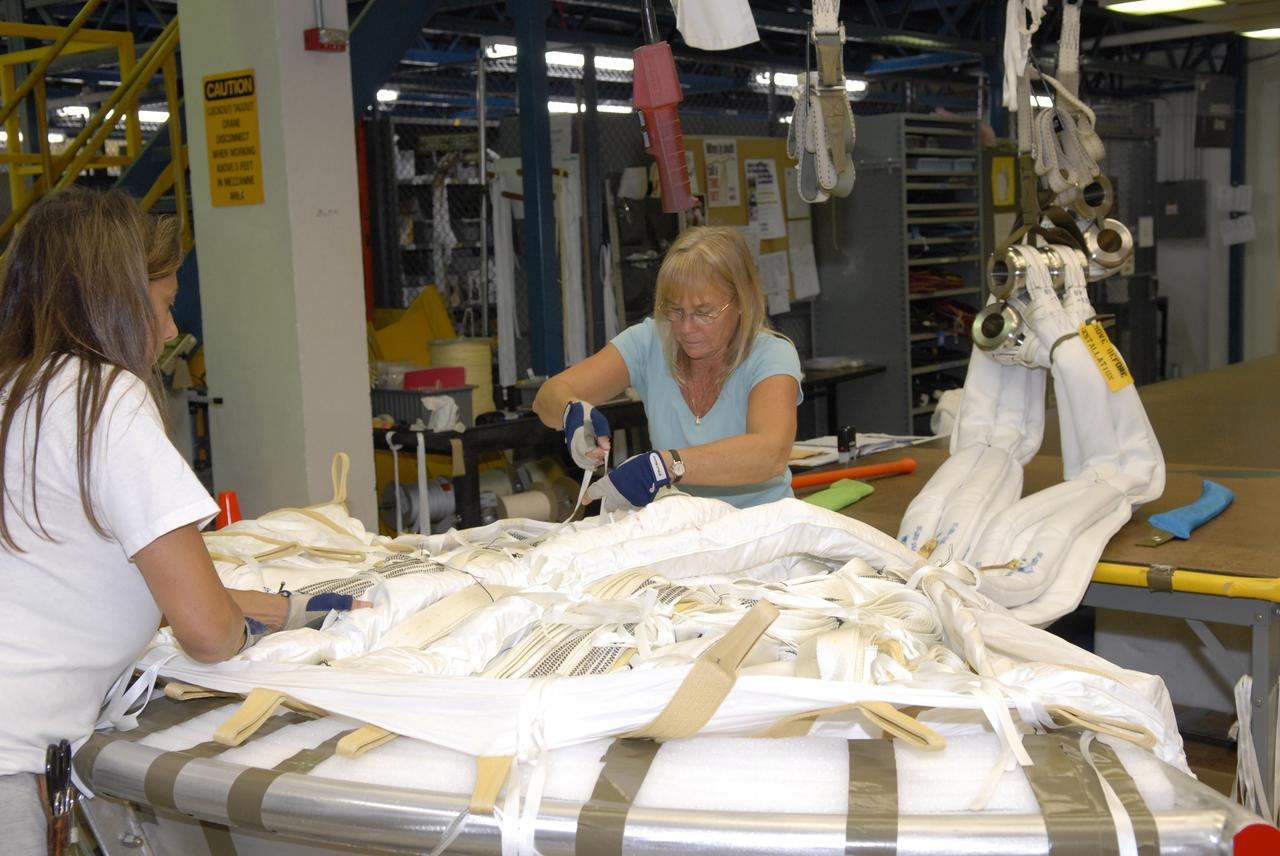
CAPE CANAVERAL, Fla. -- In the Parachute Refurbishment Facility at NASA's Kennedy Space Center in Florida, workers straighten the straps of the parachutes they are packing that will be used in the Ares I-X development flight in July 2009. The first stage of the new Ares I rocket and Orion spacecraft will use parachutes to return to Earth. Ares I-X is the test vehicle for the Ares I, which is part of the Constellation Program to return men to the moon and beyond. Ares I is the essential core of a safe, reliable, cost-effective space transportation system that eventually will carry crewed missions back to the moon, on to Mars and out into the solar system. Ares I may also use its 25-ton payload capacity to deliver resources and supplies to the International Space Station, or to "park" payloads in orbit for retrieval by other spacecraft bound for the moon or other destinations. Photo credit: NASA/Jack Pfaller
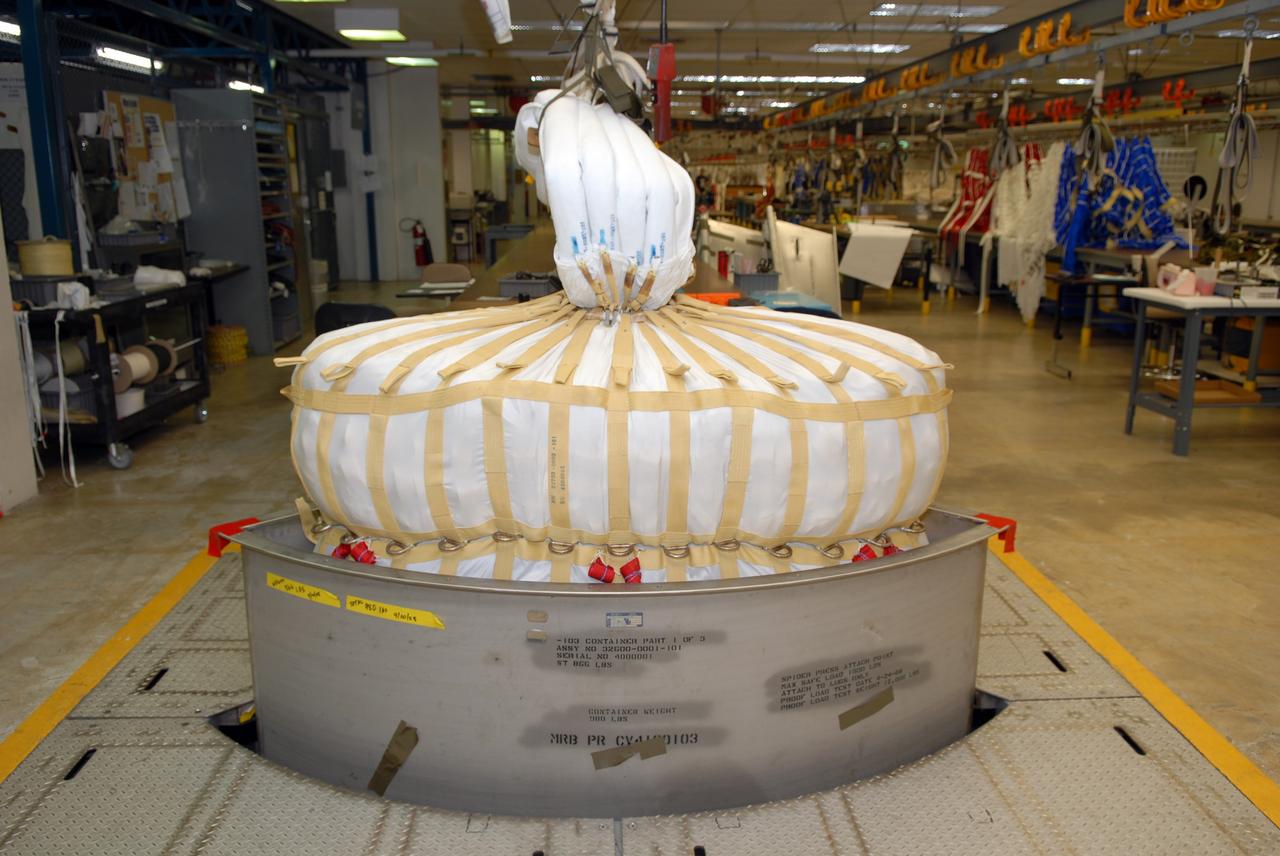
CAPE CANAVERAL, Fla. -- In the Parachute Refurbishment Facility at NASA's Kennedy Space Center in Florida, the parachutes are packed for the Ares I-X development flight in July 2009. The first stage of the new Ares I rocket and Orion spacecraft will use parachutes to return to Earth. Ares I-X is the test vehicle for the Ares I, which is part of the Constellation Program to return men to the moon and beyond. Ares I is the essential core of a safe, reliable, cost-effective space transportation system that eventually will carry crewed missions back to the moon, on to Mars and out into the solar system. Ares I may also use its 25-ton payload capacity to deliver resources and supplies to the International Space Station, or to "park" payloads in orbit for retrieval by other spacecraft bound for the moon or other destinations. Photo credit: NASA/Jack Pfaller
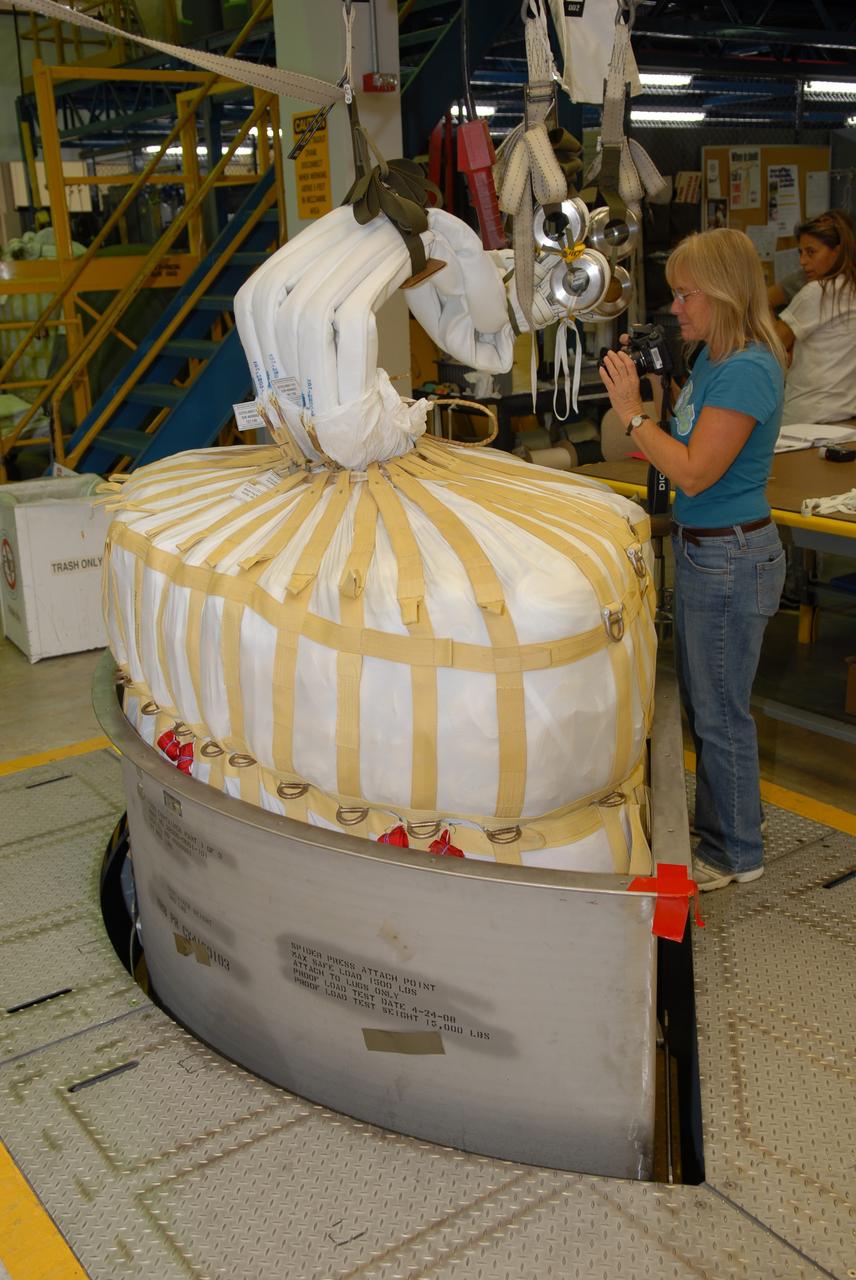
CAPE CANAVERAL, Fla. -- In the Parachute Refurbishment Facility at NASA's Kennedy Space Center in Florida, the parachutes are packed for the Ares I-X development flight in July 2009. The first stage of the new Ares I rocket and Orion spacecraft will use parachutes to return to Earth. Ares I-X is the test vehicle for the Ares I, which is part of the Constellation Program to return men to the moon and beyond. Ares I is the essential core of a safe, reliable, cost-effective space transportation system that eventually will carry crewed missions back to the moon, on to Mars and out into the solar system. Ares I may also use its 25-ton payload capacity to deliver resources and supplies to the International Space Station, or to "park" payloads in orbit for retrieval by other spacecraft bound for the moon or other destinations. Photo credit: NASA/Jack Pfaller
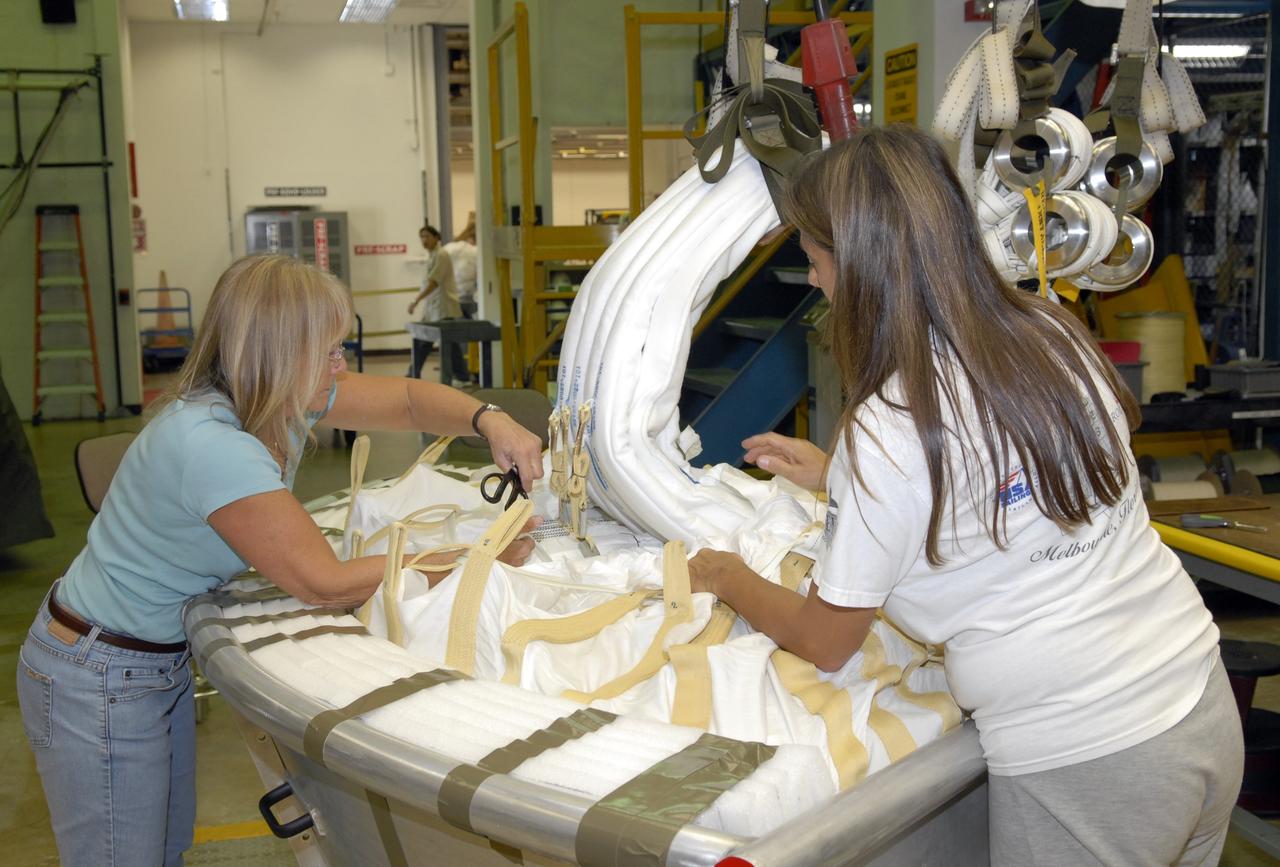
CAPE CANAVERAL, Fla. -- In the Parachute Refurbishment Facility at NASA's Kennedy Space Center in Florida, workers pack the parachutes that will be used in the Ares I-X development flight in July 2009. The first stage of the new Ares I rocket and Orion spacecraft will use parachutes to return to Earth. Ares I-X is the test vehicle for the Ares I, which is part of the Constellation Program to return men to the moon and beyond. Ares I is the essential core of a safe, reliable, cost-effective space transportation system that eventually will carry crewed missions back to the moon, on to Mars and out into the solar system. Ares I may also use its 25-ton payload capacity to deliver resources and supplies to the International Space Station, or to "park" payloads in orbit for retrieval by other spacecraft bound for the moon or other destinations. Photo credit: NASA/Jack Pfaller