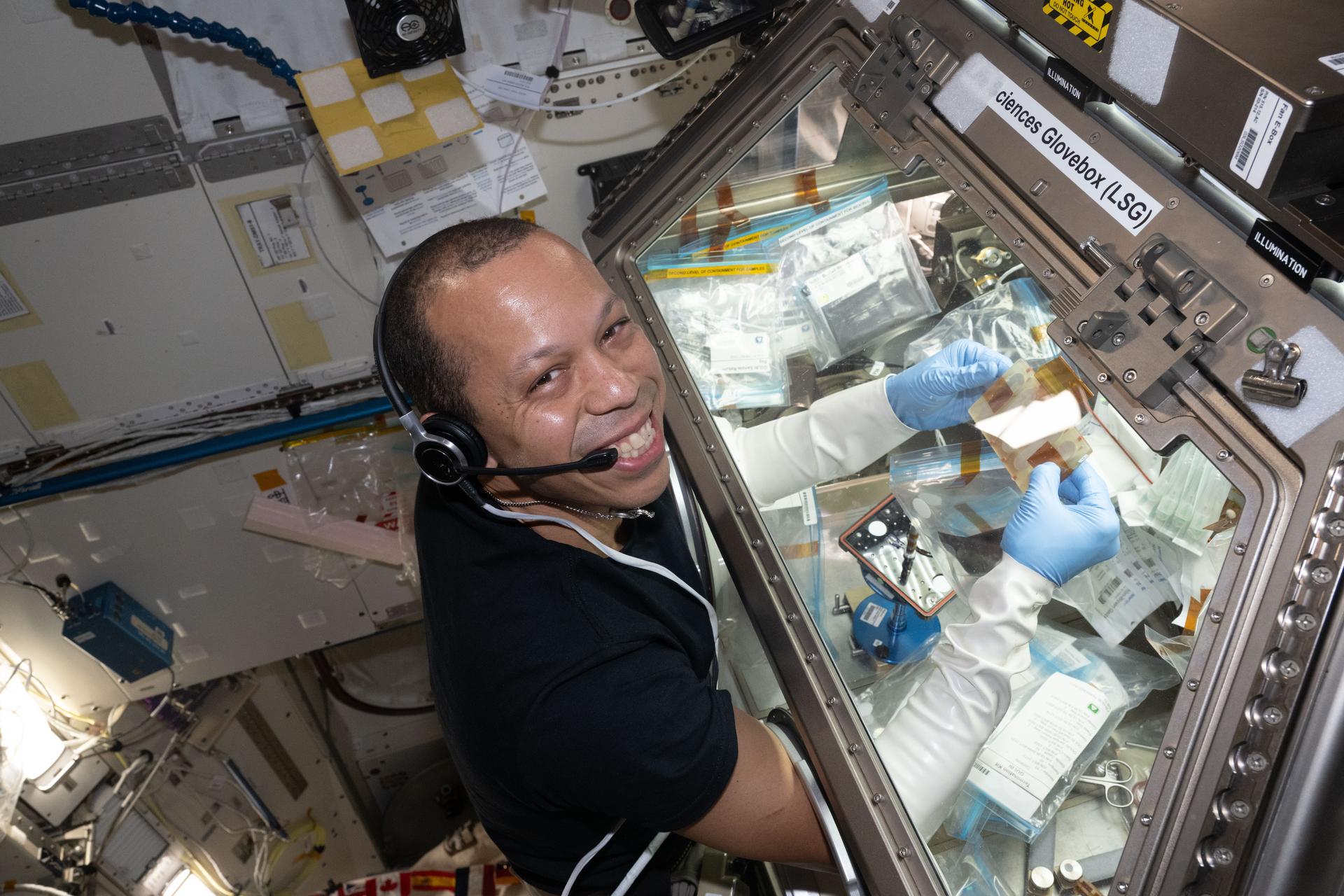
iss074e0149044 (Jan. 19, 2026) --- NASA astronaut and Expedition 74 Flight Engineer Chris Williams safely processes samples of a bacterial pathogen inside the Kibo laboratory module’s Life Science Glovebox. Williams was exploring a way to prevent the formation of biofilms, or a layer of microorganisms, anywhere water is found on a spacecraft where they pose human health risks and can damage equipment. The microbe samples are housed inside a specialized cell culture chamber, called a BioCell, and exposed to different levels of ultraviolet light to learn how to inhibit microbial growth and reduce reliance on chemical disinfectants.
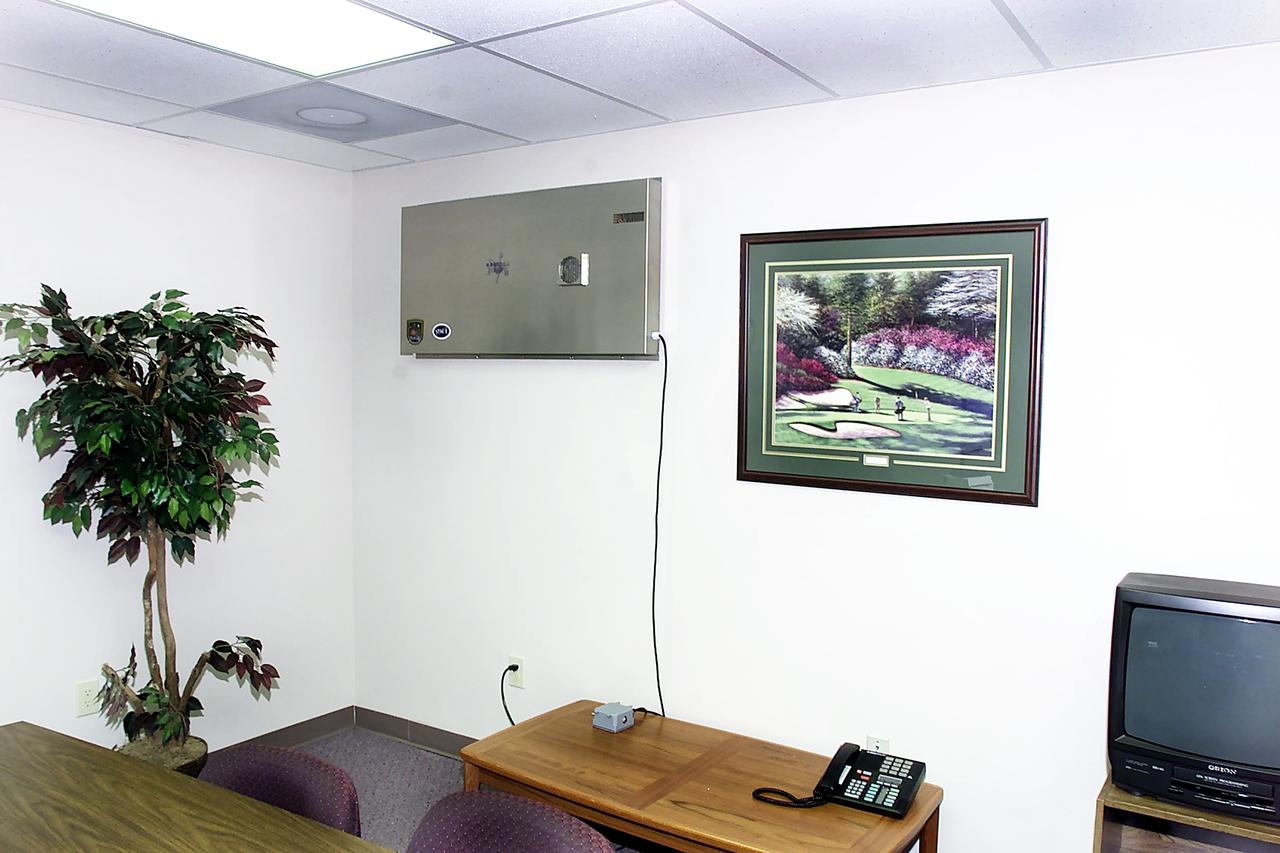
AiroCide Ti02, an anthrax-killing air scrubber manufactured by KES Science and Technology Inc., in Kernesaw, Georgia, looks like a square metal box when it is installed on an office wall. Its fans draw in airborne spores and airflow forces them through a maze of tubes. Inside, hydroxyl radicals (OH-) attack and kill pathogens. Most remaining spores are destroyed by high-energy ultraviolet photons. Building miniature greenhouses for experiments on the International Space Station (ISS) has led to the invention of this device that annihilates anthrax-a bacteria that can be deadly when inhaled. The research enabling the invention started at the University of Wisconsin (Madison) Center for Space Automation and Robotics (WCSAR), one of 17 NASA Commercial Space Centers. A special coating technology used in the anthrax-killing invention is also being used inside WCSAR-built plant growth units on the ISS. This commercial research is managed by the Space Product Development Program at the Marshall Space Flight Center.

This is a photo of a technician at KES Science and Technology Inc., in Kernesaw, Georgia, assembling the AiroCide Ti02, an anthrax-killing device about the size of a small coffee table. The anthrax-killing air scrubber, AiroCide Ti02, is a tabletop-size metal box that bolts to office ceilings or walls. Its fans draw in airborne spores and airflow forces them through a maze of tubes. Inside, hydroxyl radicals (OH-) attack and kill pathogens. Most remaining spores are destroyed by high-energy ultraviolet photons. Building miniature greenhouses for experiments on the International Space Station has led to the invention of this device that annihilates anthrax, a bacteria that can be deadly when inhaled. The research enabling the invention started at the University of Wisconsin's (Madison) Center for Space Automation and Robotics (WCSAR), one of 17 NASA Commercial Space Centers. A special coating technology used in this anthrax-killing invention is also being used inside WCSAR-built plant growth units on the International Space Station. This commercial research is managed by the Space Product Development Program at the Marshall Space Flight Center.
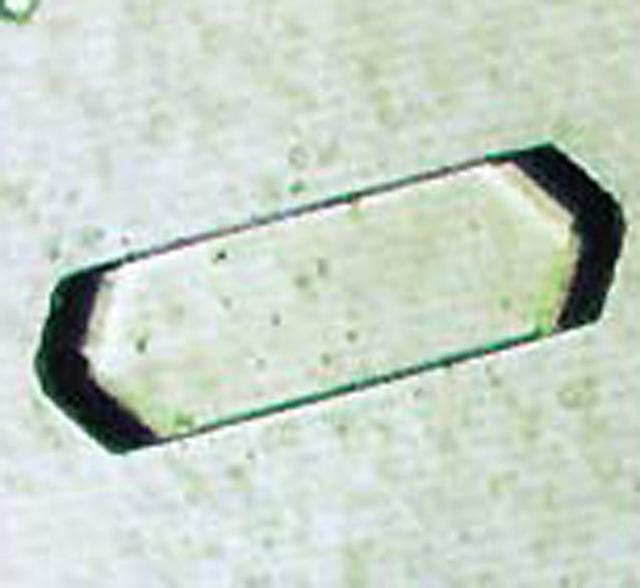
This virus is the Spherical T=1 icosahedral satellite virus of classical rod virus TMV, and is a plant pathogen. Important in the study of virus structure, RNA structure and virus assembly.
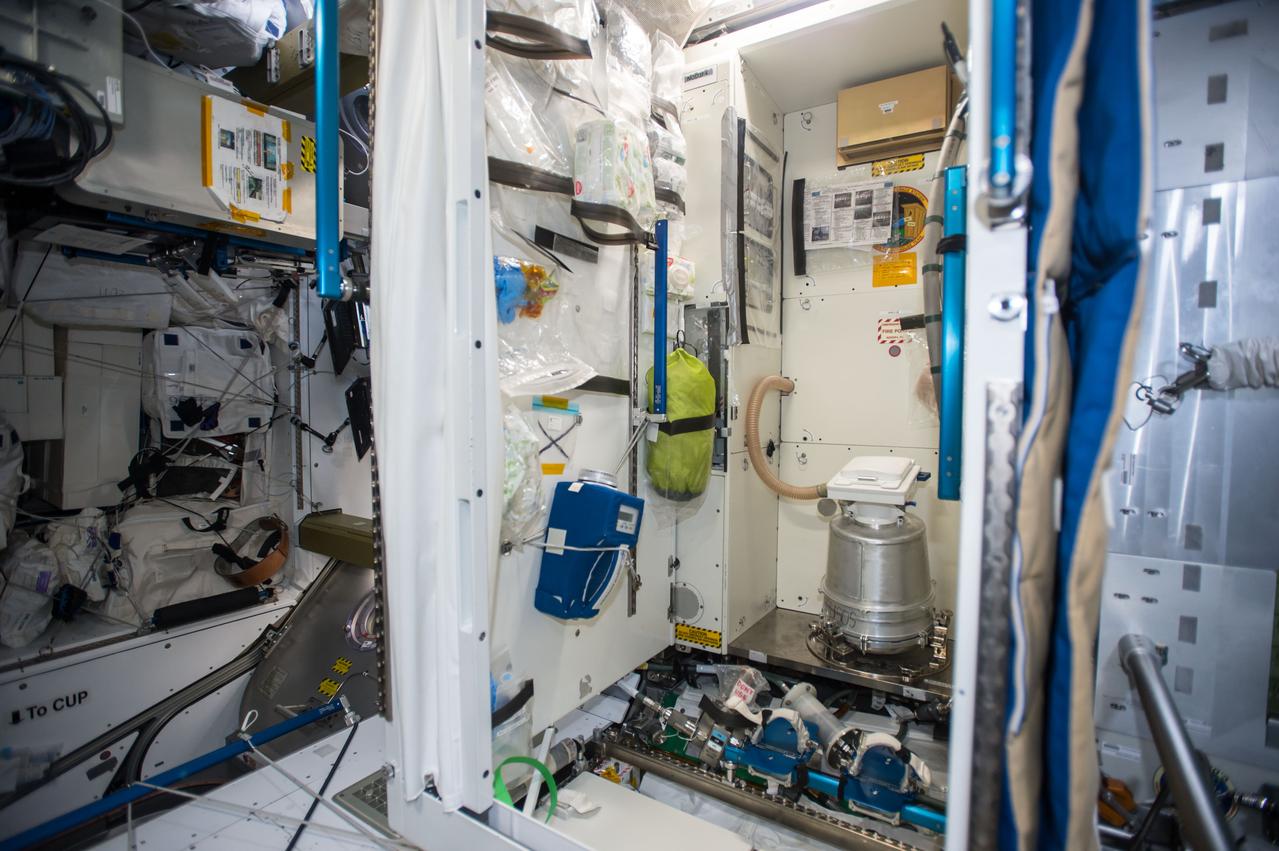
iss052e006450 (Jun. 23, 2017) --- Microbial Tracking-2 by the toilet in the node 3 module monitoring microbes present to assess the health environment on the International Space Station (ISS) and understand the effects of the spaceflight environment on viral and microbial pathogen dynamics.
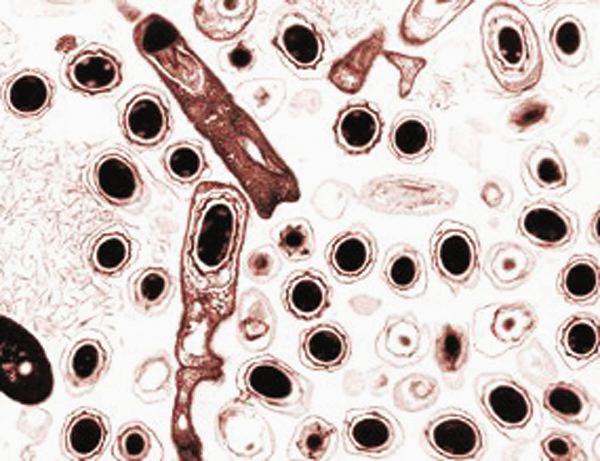
Anthrax spores are inactive forms of Bacillus anthracis. They can survive for decades inside a spore's tough protective coating; they become active when inhaled by humans. A result of NASA- and industry-sponsored research to develop small greenhouses for space research is the unique AiroCide TiO2 system that kills anthrax spores and other pathogens.
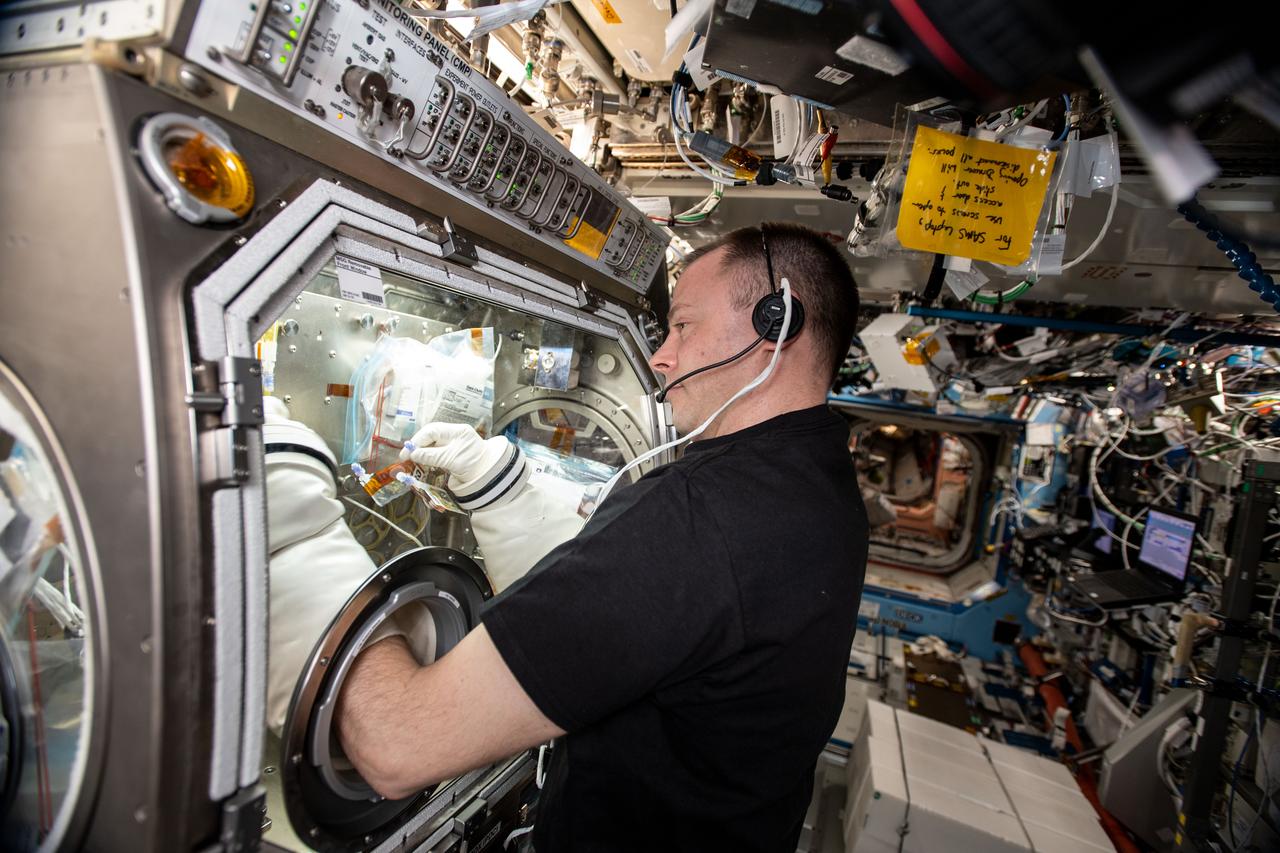
iss059e061522 (May 14, 2019) --- NASA astronaut Nick Hague conducts research operations in the U.S. Destiny laboratory module's Microgravity Sciences Glovebox. Hague is exploring why pathogens become more virulent in the weightless environment of outer space posing a flight risk to astronauts.
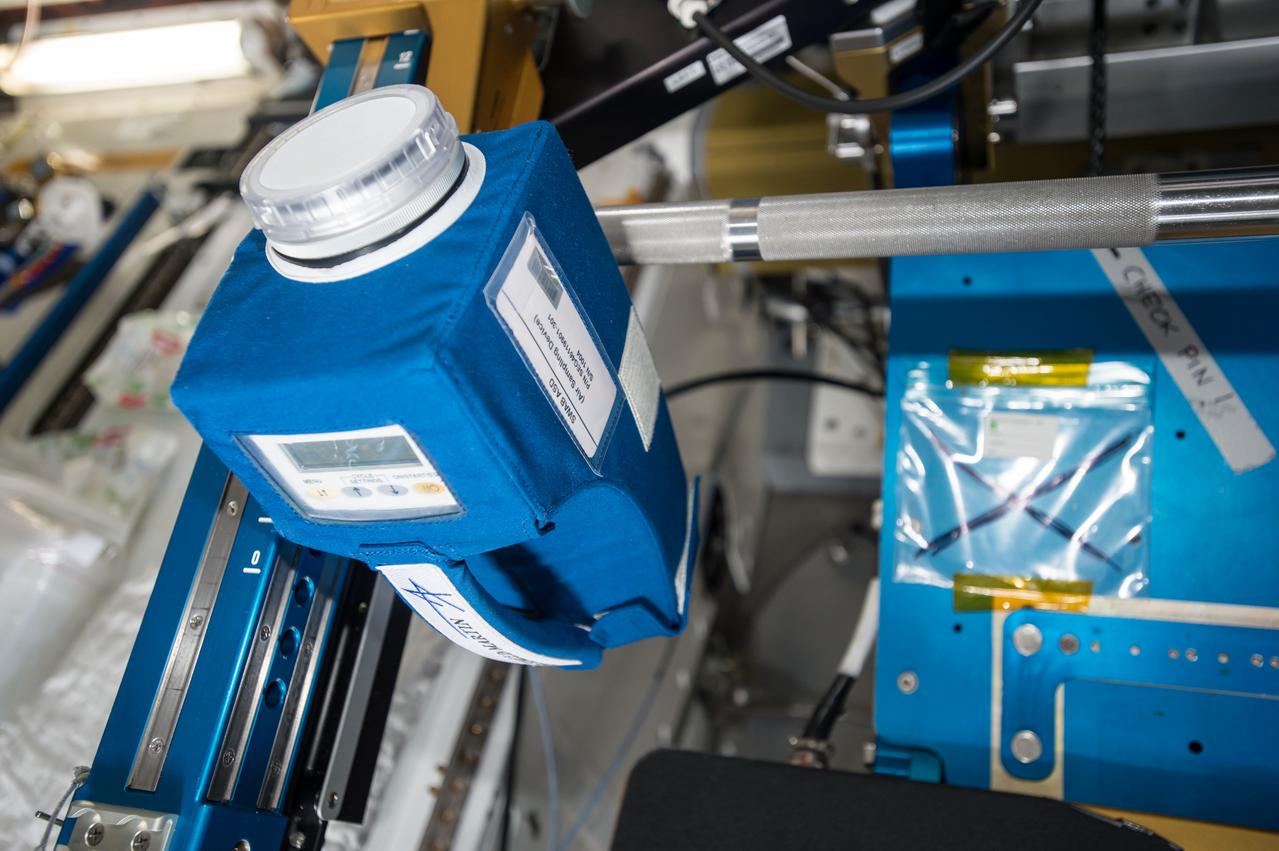
iss052e006453 (Jun. 23, 2017) --- Microbial Tracking-2 in the Node 2 module at air sampling location number 2 monitoring microbes present to assess the health environment on the International Space Station (ISS) and understand the effects of the spaceflight environment on viral and microbial pathogen dynamics.
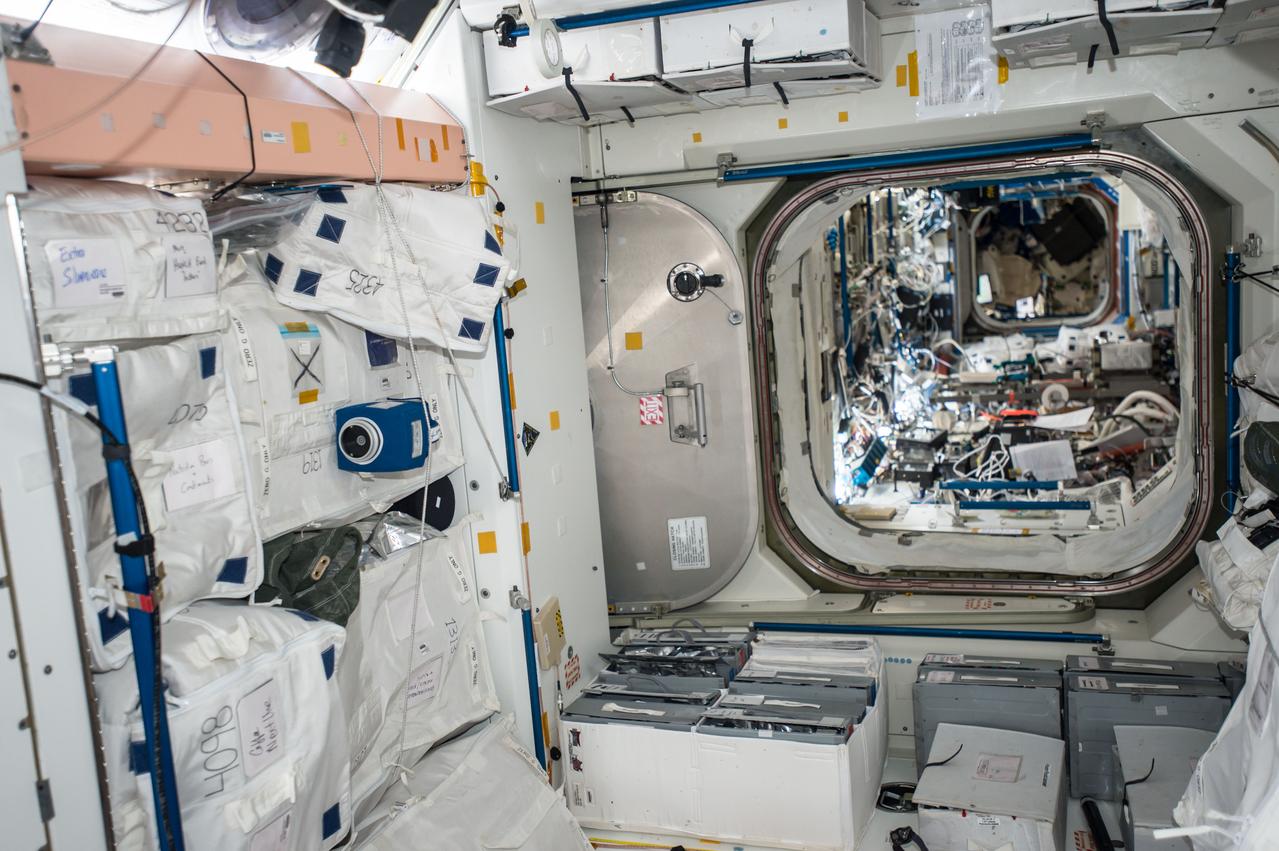
iss052e006446 (Jun. 23, 2017) --- Microbial Tracking-2 in the Node 2 module at air sampling location number 5 monitoring microbes present to assess the health environment on the International Space Station (ISS) and understand the effects of the spaceflight environment on viral and microbial pathogen dynamics. Destiny and Node 1 modules are seen in the background.
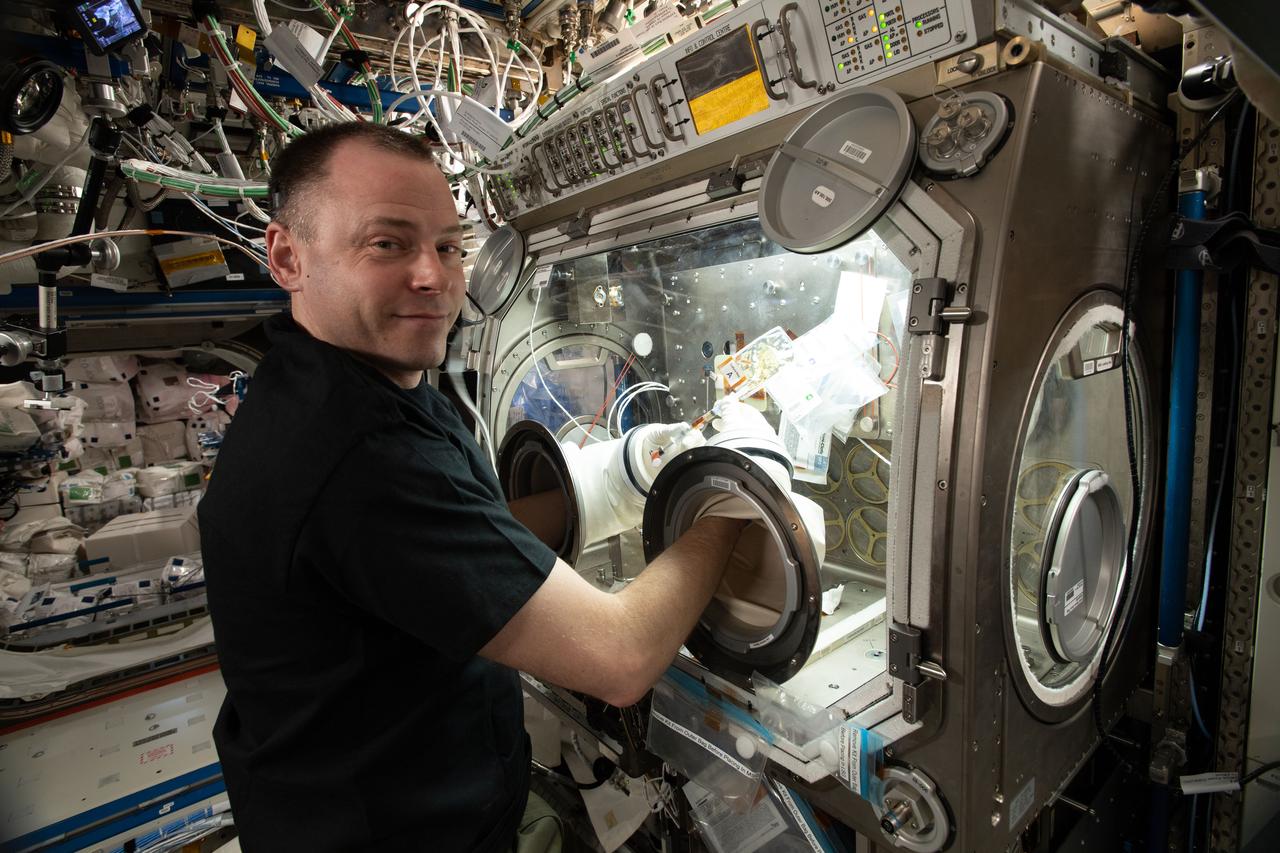
iss059e061135 (May 13, 2019) --- NASA astronaut Nick Hague conducts research operations in the U.S. Destiny laboratory module's Microgravity Sciences Glovebox. Hague is exploring why pathogens become more virulent in the weightless environment of outer space posing a flight risk to astronauts.
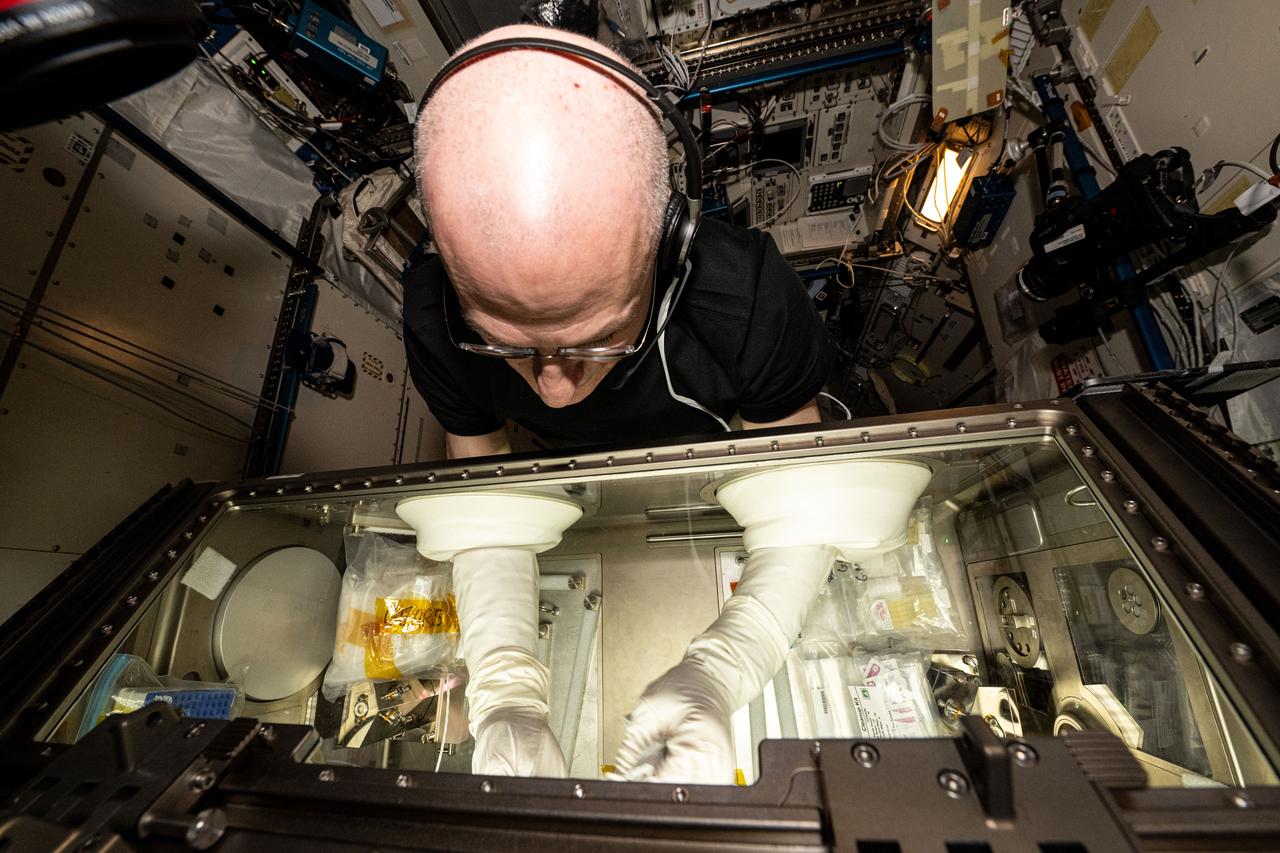
iss072e310952 (Dec. 3, 2024) --- NASA astronaut and Expedition 72 Flight Engineer Don Pettit processes bacteria samples in the Kibo laboratory module's Life Science Glove to understand why some pathogens are more potent in the microgravity environment. Those samples were also packed inside the SpaceX Dragon cargo spacecraft for return and analysis back on Earth. The space biology investigation uses genetic analysis techniques to identify the antibiotic resistant organisms and help researchers protect crew health on long-term space missions.
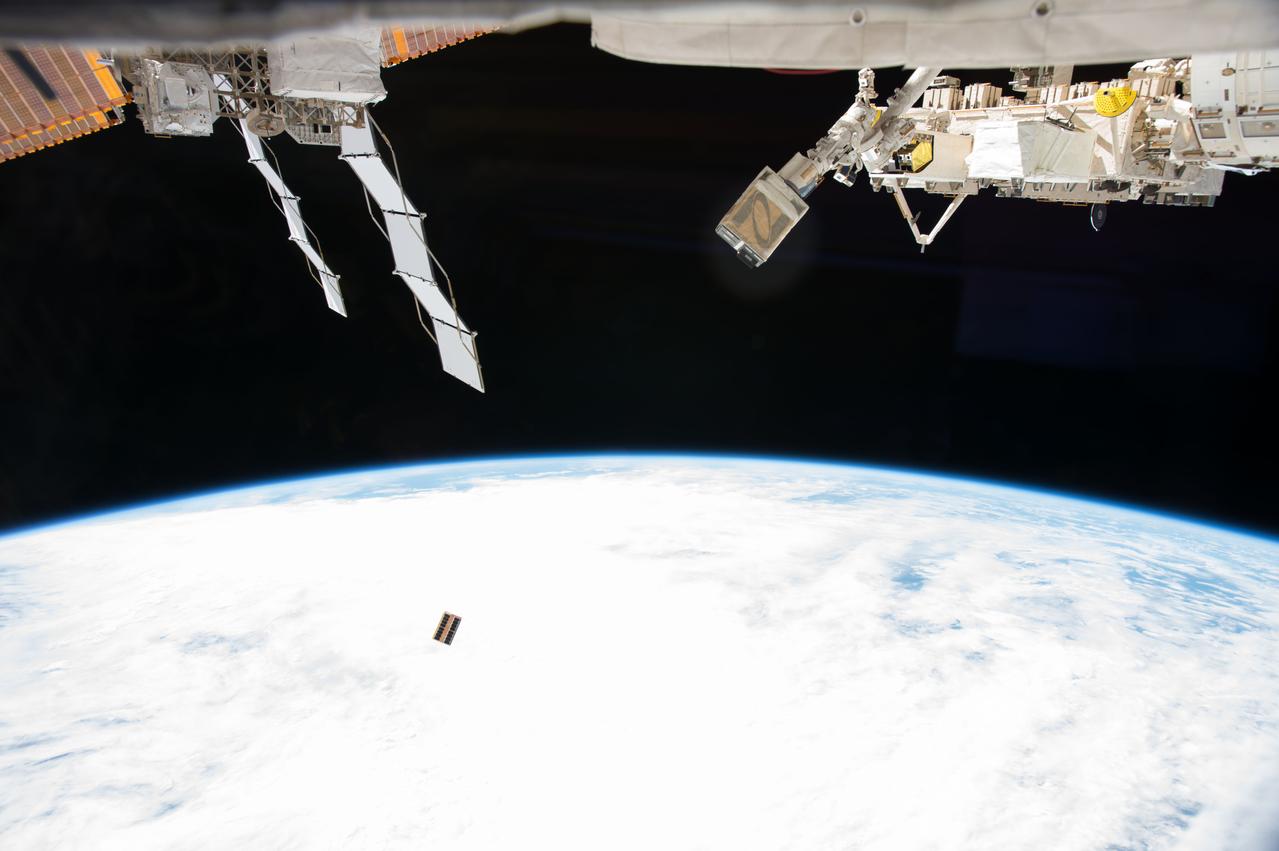
iss053e215867 (Nov. 20, 2017) --- The EcAMSat, short for E. coli AntiMicrobial Satellite, is seen moments after being ejected from the NanoRacks CubeSat Deployer attached to the outside of Kibo laboratory module from the Japan Aerospace Exploration Agency. The E. coli AntiMicrobial Satellite (EcAMSat) mission will investigate space microgravity effects on the antibiotic resistance of E. coli, a bacterial pathogen responsible for urinary tract infection in humans and animals.
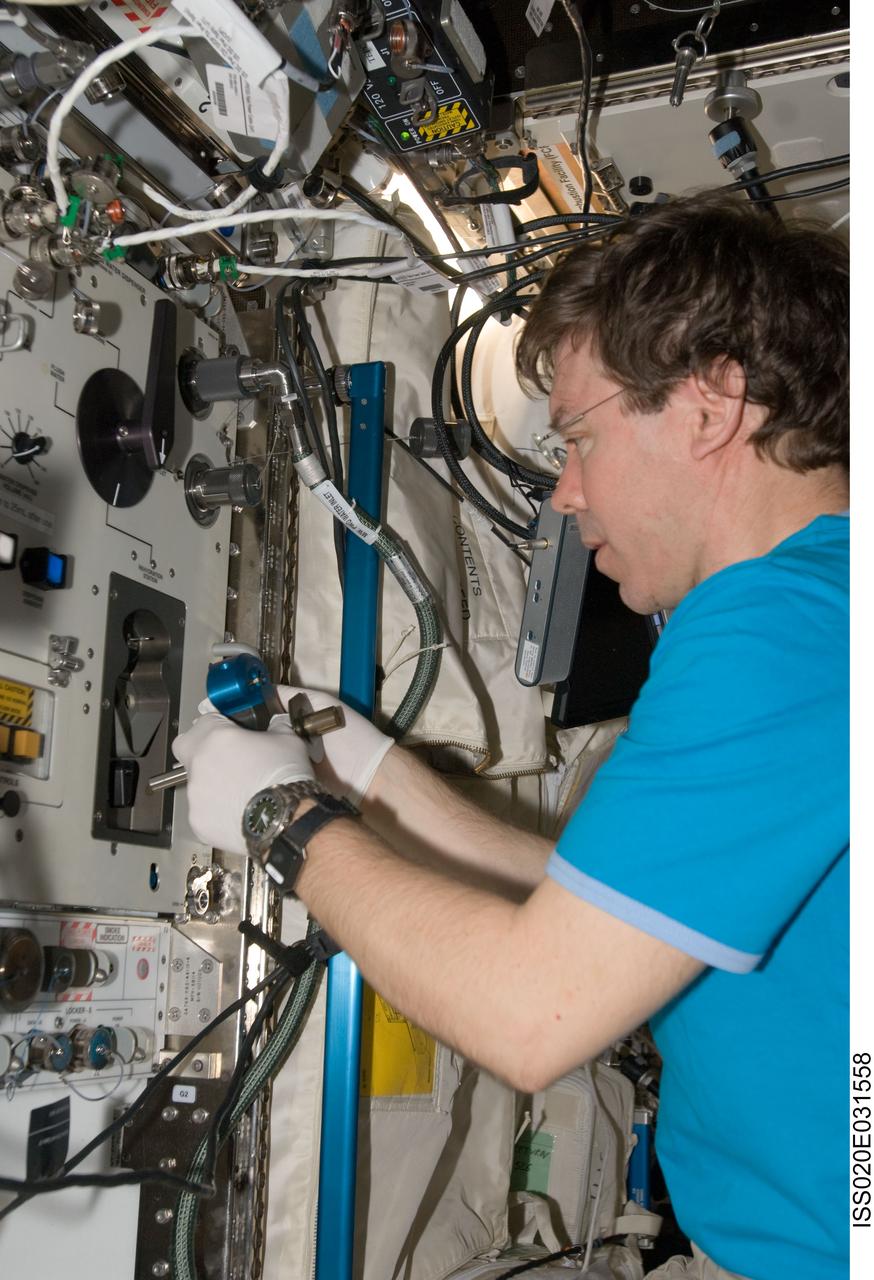
ISS020-E-031558 (18 Aug. 2009) --- NASA astronaut Michael Barratt, Expedition 20 flight engineer, conducts a Surface, Water and Air Biocharacterization (SWAB) water sampling from the Potable Water Dispenser (PWD) in the Destiny laboratory of the International Space Station. SWAB uses advanced molecular techniques to comprehensively evaluate microbes onboard the space station, including pathogens (organisms that may cause disease). This study will allow an assessment of the risk of microbes to the crew and the spacecraft.
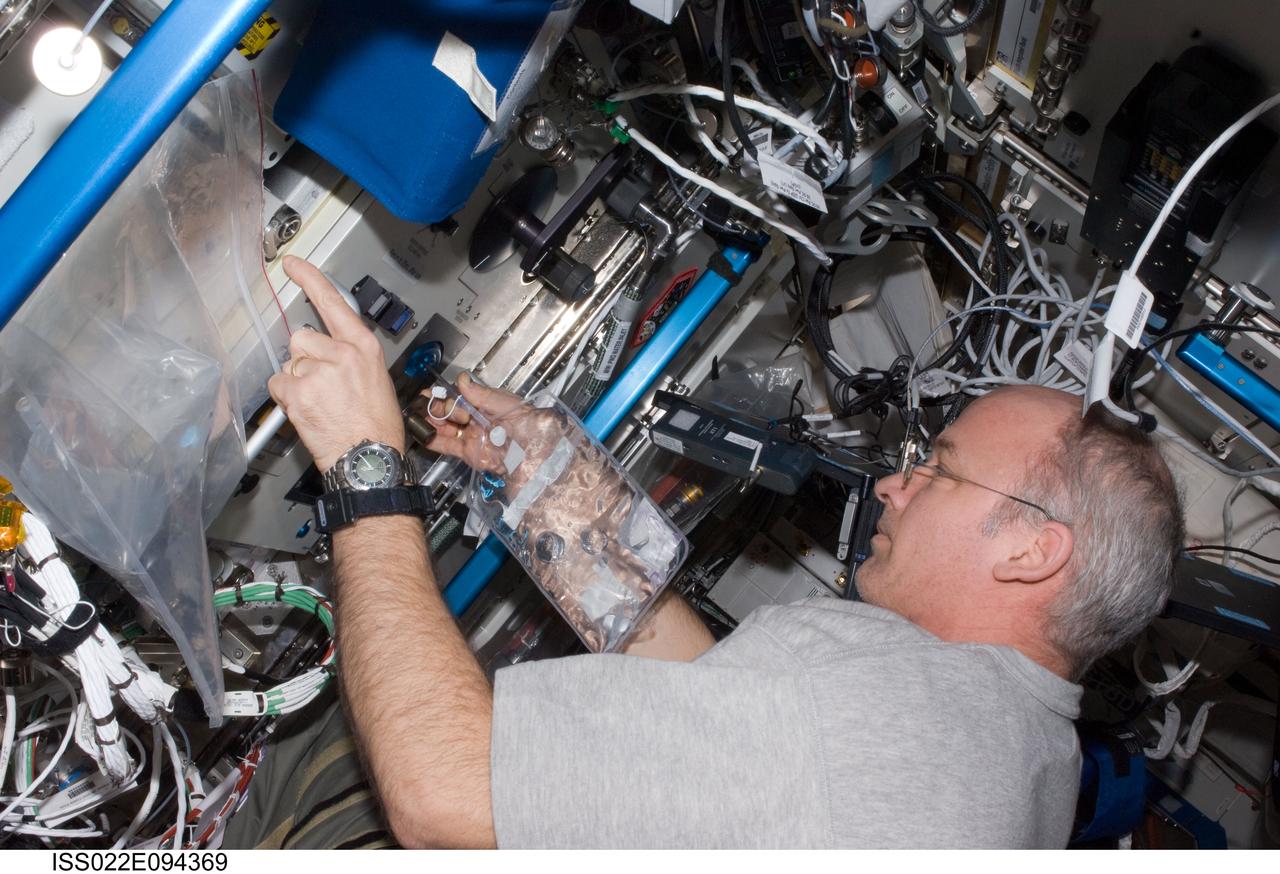
ISS022-E-094369 (15 March 2010) --- NASA astronaut Jeffrey Williams, Expedition 22 commander, conducts a Surface, Water and Air Biocharacterization (SWAB) water sampling from the Potable Water Dispenser (PWD) in the Destiny laboratory of the International Space Station. SWAB uses advanced molecular techniques to comprehensively evaluate microbes onboard the space station, including pathogens (organisms that may cause disease). This study will allow an assessment of the risk of microbes to the crew and the spacecraft.

ISS022-E-094374 (15 March 2010) --- NASA astronaut Jeffrey Williams, Expedition 22 commander, conducts a Surface, Water and Air Biocharacterization (SWAB) water sampling from the Potable Water Dispenser (PWD) in the Destiny laboratory of the International Space Station. SWAB uses advanced molecular techniques to comprehensively evaluate microbes onboard the space station, including pathogens (organisms that may cause disease). This study will allow an assessment of the risk of microbes to the crew and the spacecraft.
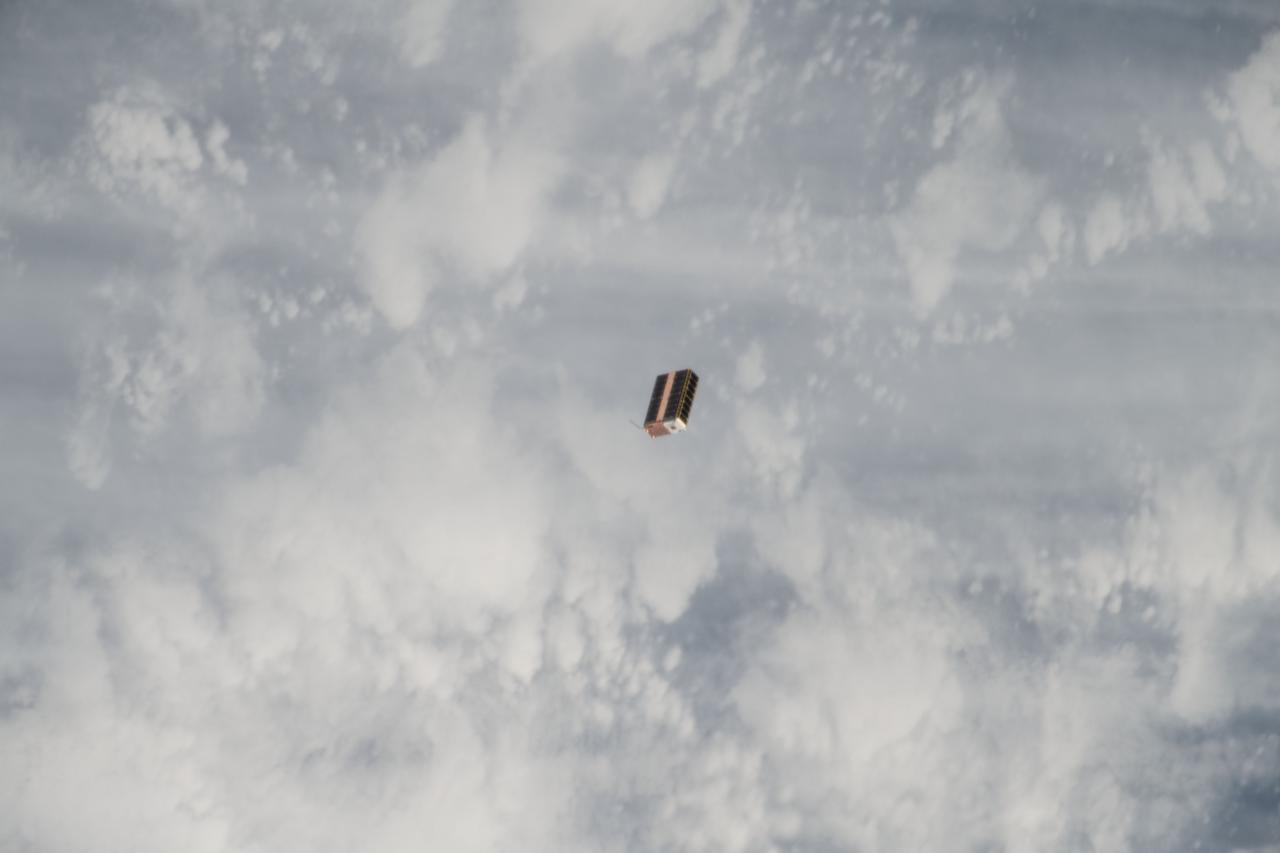
iss053e216632 (Nov. 20, 2017) --- The EcAMSat, short for E. coli AntiMicrobial Satellite, is seen moments after being ejected from the NanoRacks CubeSat Deployer attached to the outside of Kibo laboratory module from the Japan Aerospace Exploration Agency. The E. coli AntiMicrobial Satellite (EcAMSat) mission will investigate space microgravity effects on the antibiotic resistance of E. coli, a bacterial pathogen responsible for urinary tract infection in humans and animals.

iss053e215850 (Nov. 20, 2017) --- The EcAMSat, short for E. coli AntiMicrobial Satellite, is seen moments after being ejected from the NanoRacks CubeSat Deployer attached to the outside of Kibo laboratory module from the Japan Aerospace Exploration Agency. The E. coli AntiMicrobial Satellite (EcAMSat) mission will investigate space microgravity effects on the antibiotic resistance of E. coli, a bacterial pathogen responsible for urinary tract infection in humans and animals.
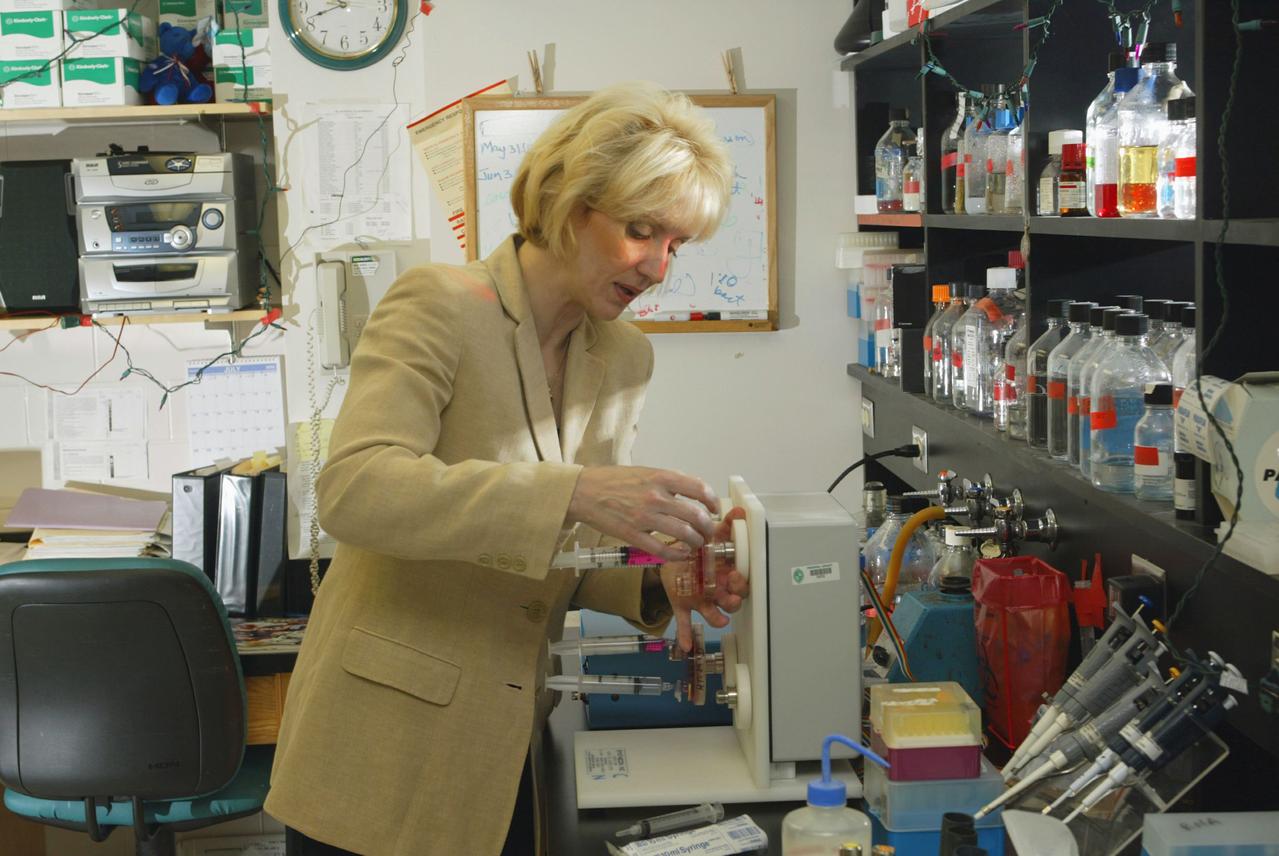
Dr. Cheryl Nickerson of Tulane University is studying the effects of simulated low-g on a well-known pathogen, Salmonella typhimurium, a bacterium that causes two to four million cases of gastrointestinal illness in the United States each year. While most healthy people recover readily, S. typhimurium can kill people with weakened immune systems. Thus, a simple case of food poisoning could disrupt a space mission. Using the NASA rotating-wall bioreactor, Nickerson cultured S. typhimurium in modeled microgravity. Mice infected with the bacterium died an average of three days faster than the control mice, indicating that S. typhimurium's virulence was enhanced by the bioreactor. Earlier research showed that 3 percent of the genes were altered by exposure to the bioreactor. Nickerson's work earned her a 2001 Presidential Early Career Award for Scientists and Engineers.
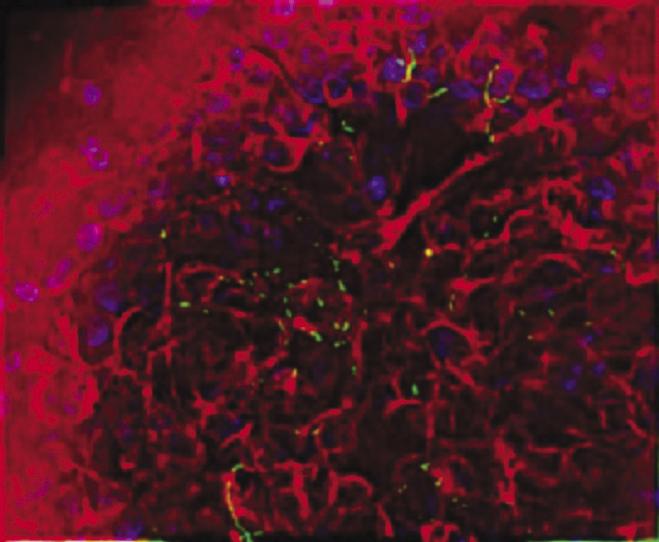
Salmonella typhimurium appears green in on human intestinal tissue (stained red) cultured in a NASA rotating wall bioreactor. Dr. Cheryl Nickerson of Tulane University is studying the effects of simulated low-g on a well-known pathogen, Salmonella typhimurium, a bacterium that causes two to four million cases of gastrointestinal illness in the United States each year. While most healthy people recover readily, S. typhimurium can kill people with weakened immune systems. Thus, a simple case of food poisoning could disrupt a space mission. Using the NASA rotating-wall bioreactor, Nickerson cultured S. typhimurium in modeled microgravity. Mice infected with the bacterium died an average of three days faster than the control mice, indicating that S. typhimurium's virulence was enhanced by the bioreactor. Earlier research showed that 3 percent of the genes were altered by exposure to the bioreactor. Nickerson's work earned her a 2001 Presidential Early Career Award for Scientists and Engineers.
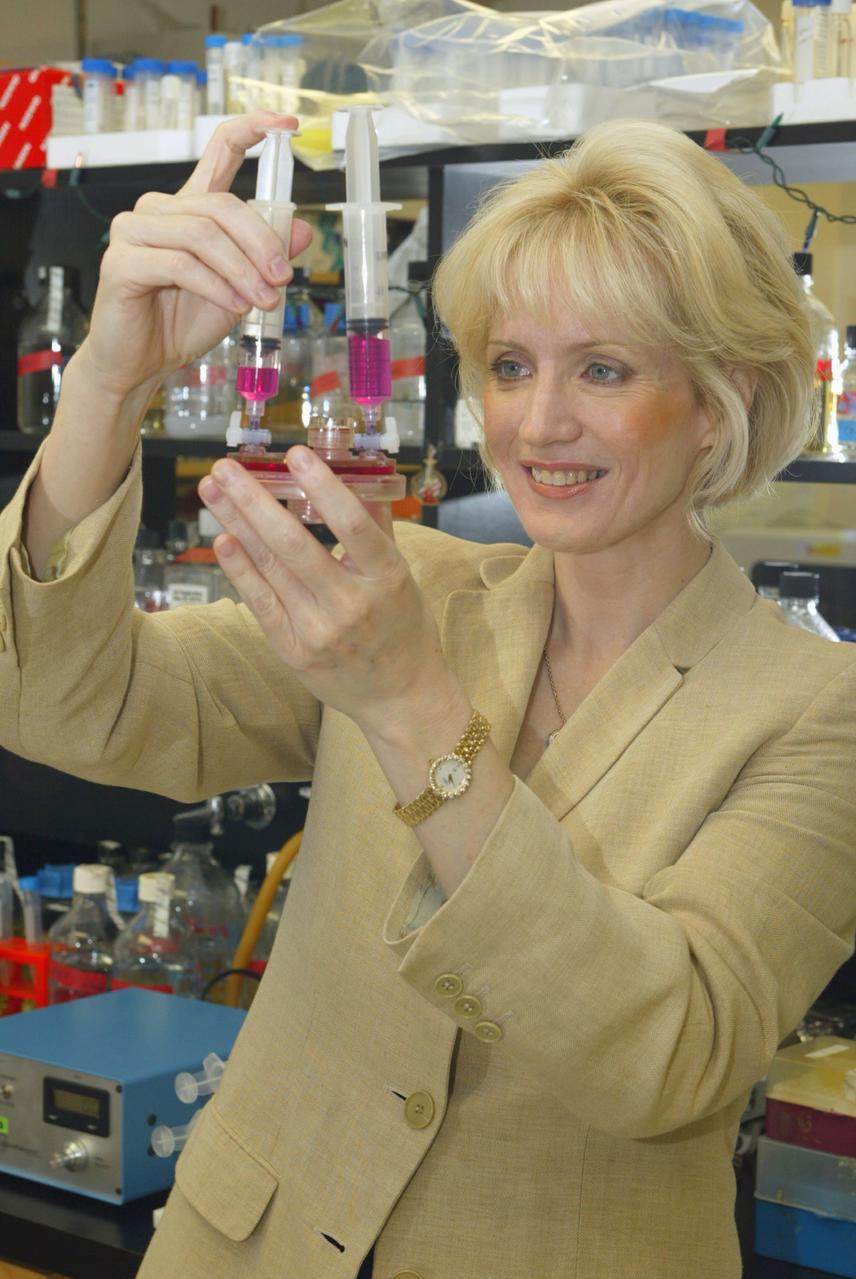
Dr. Cheryl Nickerson of Tulane University is studying the effects of simulated low-g on a well-known pathogen, Salmonella typhimurium, a bacterium that causes two to four million cases of gastrointestinal illness in the United States each year. While most healthy people recover readily, S. typhimurium can kill people with weakened immune systems. Thus, a simple case of food poisoning could disrupt a space mission. Using the NASA rotating-wall bioreactor, Nickerson cultured S. typhimurium in modeled microgravity. Mice infected with the bacterium died an average of three days faster than the control mice, indicating that S. typhimurium's virulence was enhanced by the bioreactor. Earlier research showed that 3 percent of the genes were altered by exposure to the bioreactor. Nickerson's work earned her a 2001 Presidential Early Career Award for Scientists and Engineers.
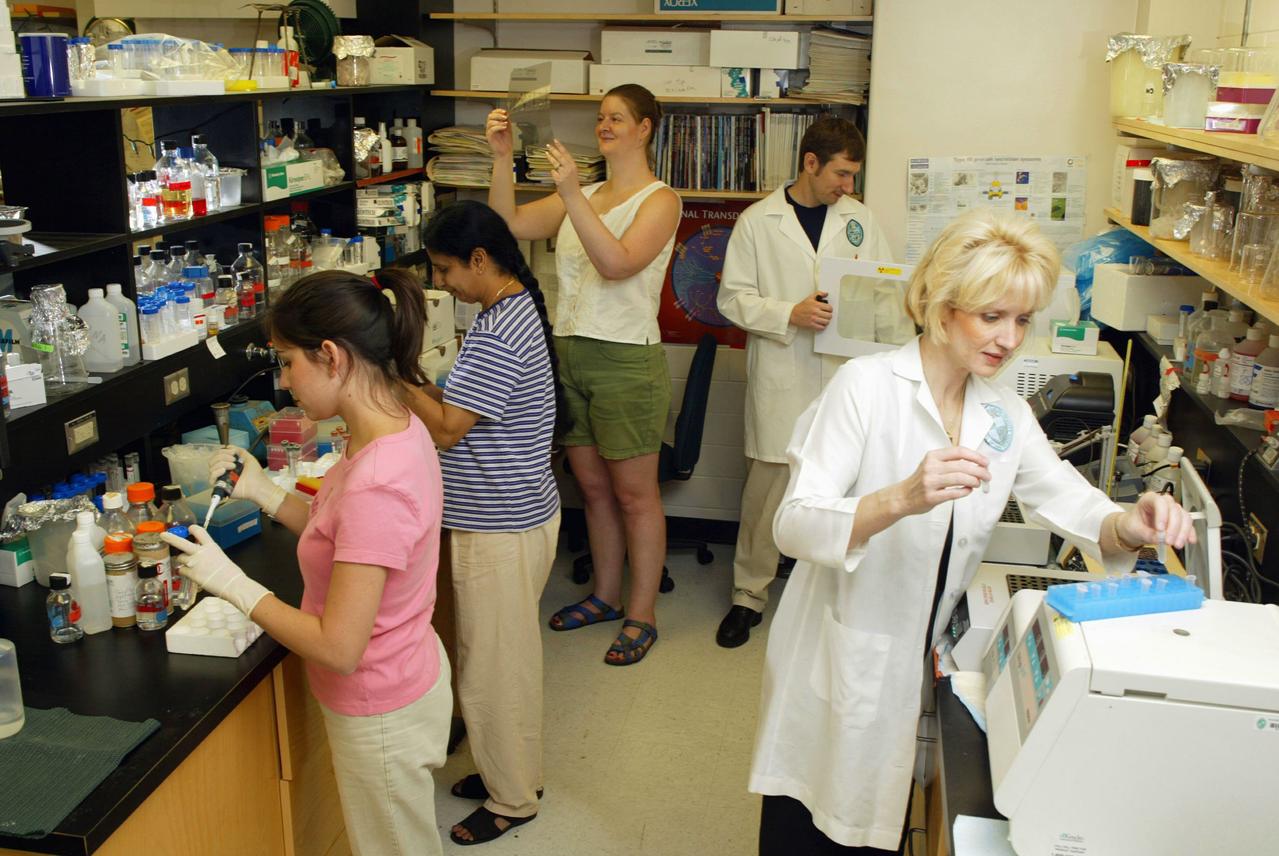
Dr. Cheryl Nickerson (right) of Tulane University is studying the effects of simulated low-g on a well-known pathogen, Salmonella typhimurium, a bacterium that causes two to four million cases of gastrointestinal illness in the United States each year. While most healthy people recover readily, S. typhimurium can kill people with weakened immune systems. Thus, a simple case of food poisoning could disrupt a space mission. Using the NASA rotating-wall bioreactor, Nickerson cultured S. typhimurium in modeled microgravity. Mice infected with the bacterium died an average of three days faster than the control mice, indicating that S. typhimurium's virulence was enhanced by the bioreactor. Earlier research showed that 3 percent of the genes were altered by exposure to the bioreactor. Nickerson's work earned her a 2001 Presidential Early Career Award for Scientists and Engineers.