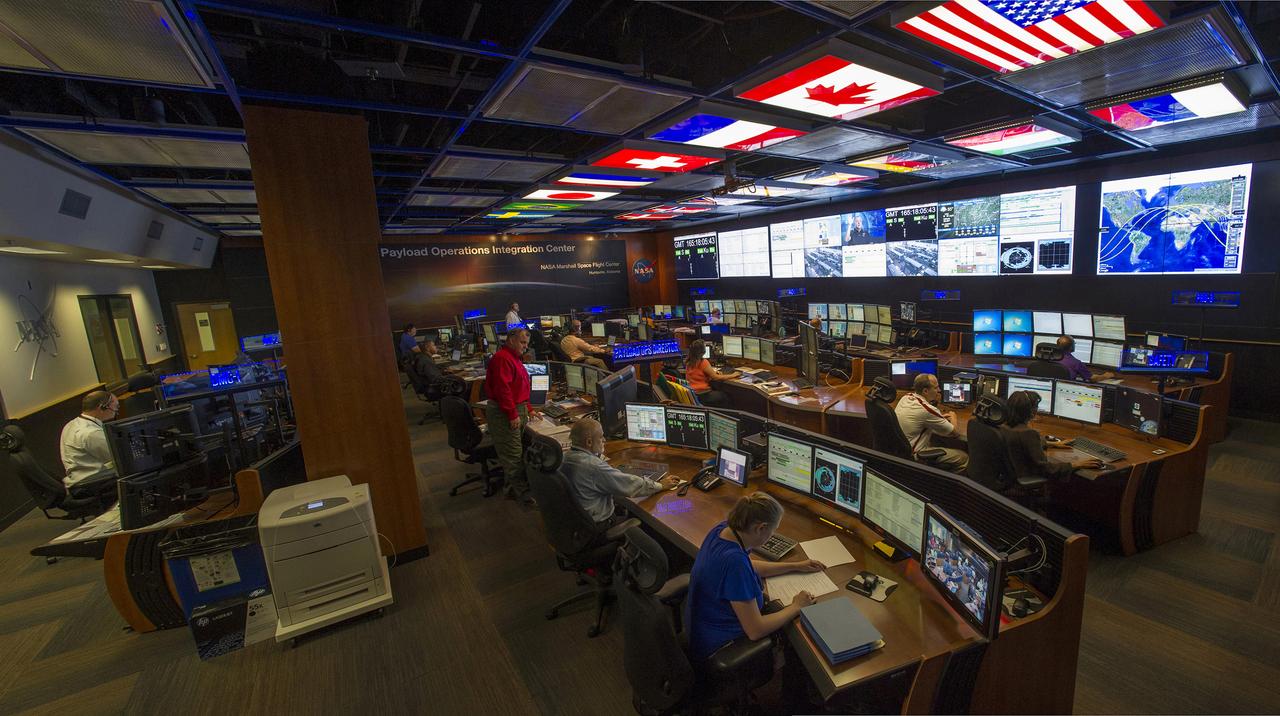
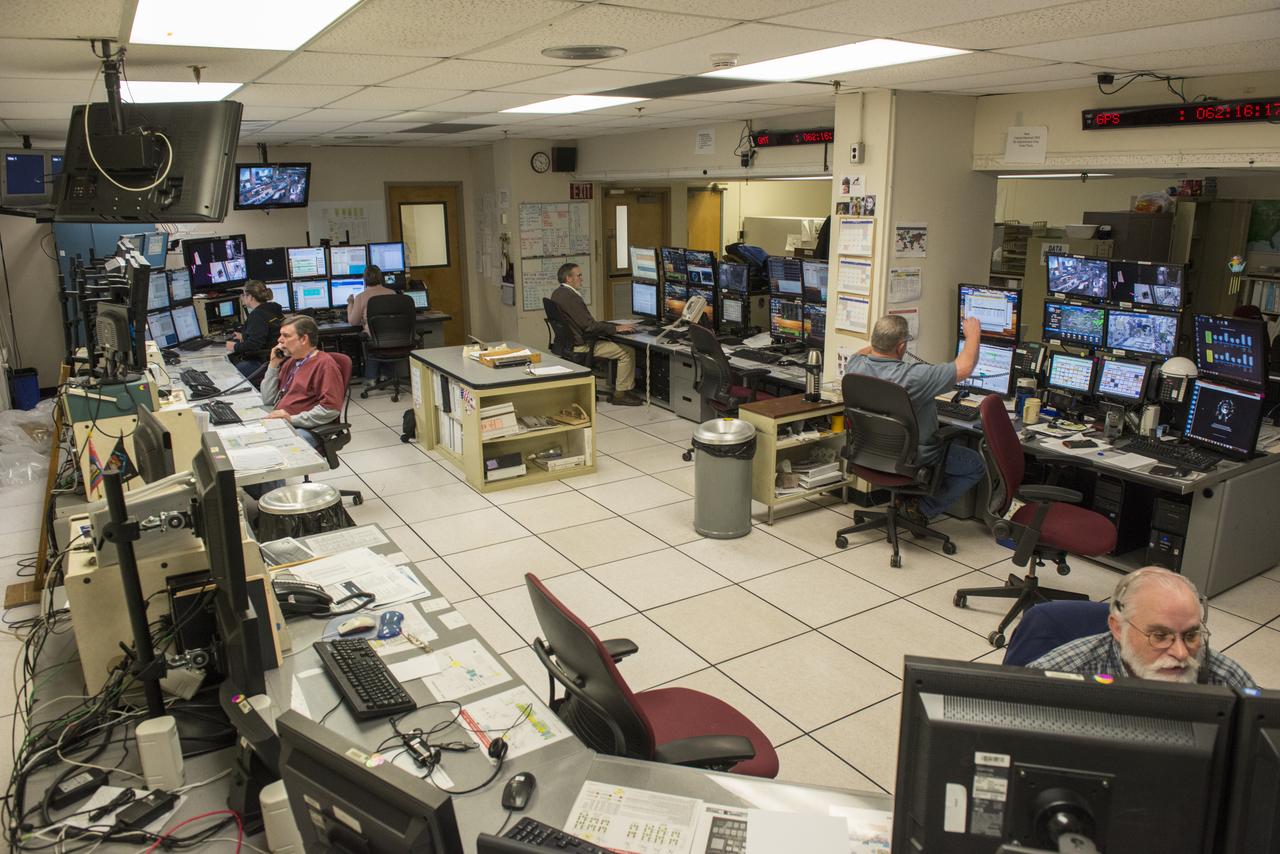
PANORAMIC VIEW OF PAYLOAD OPERATIONS INTEGRATION CENTER, PCA1, BLDG. 4663…UPDATED 10/21/15
Panoramic view of the Payload Operations Integration Center
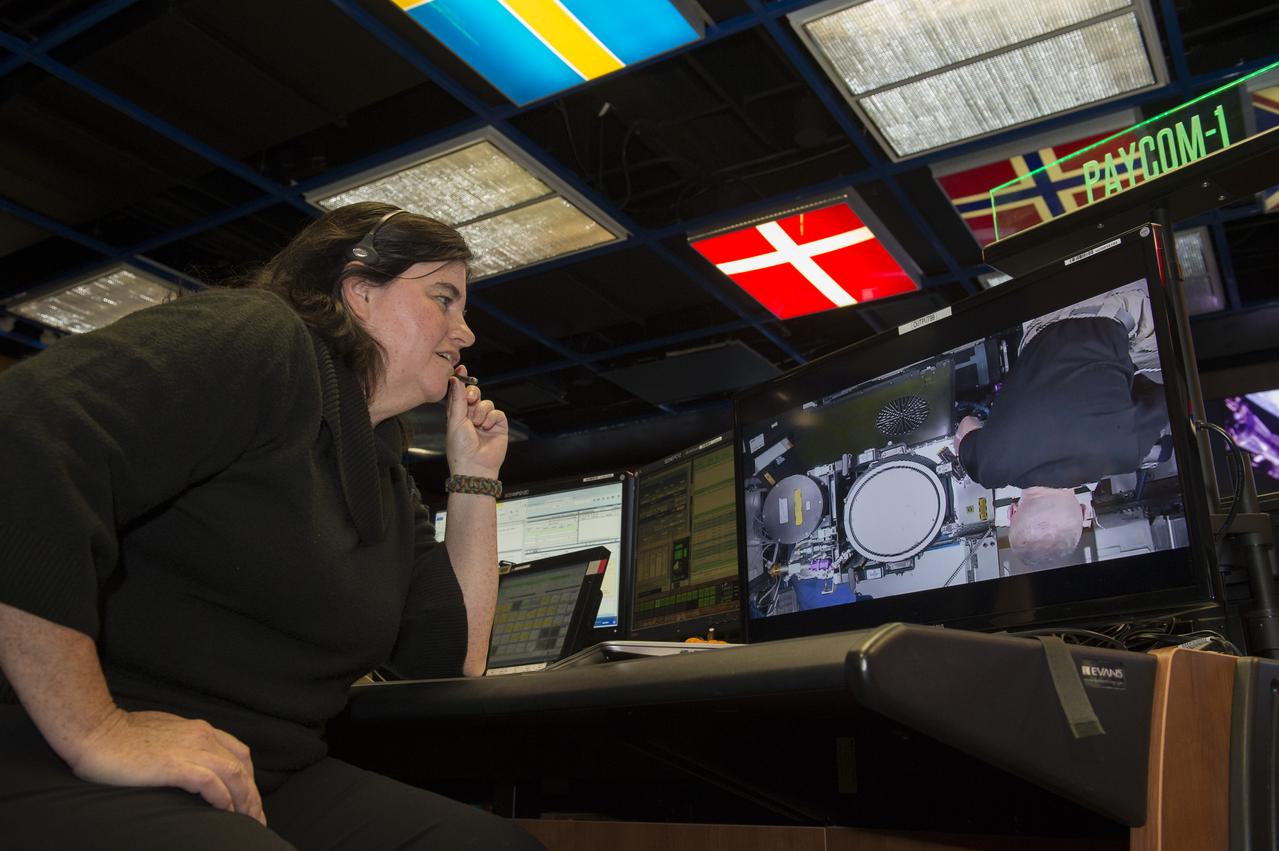
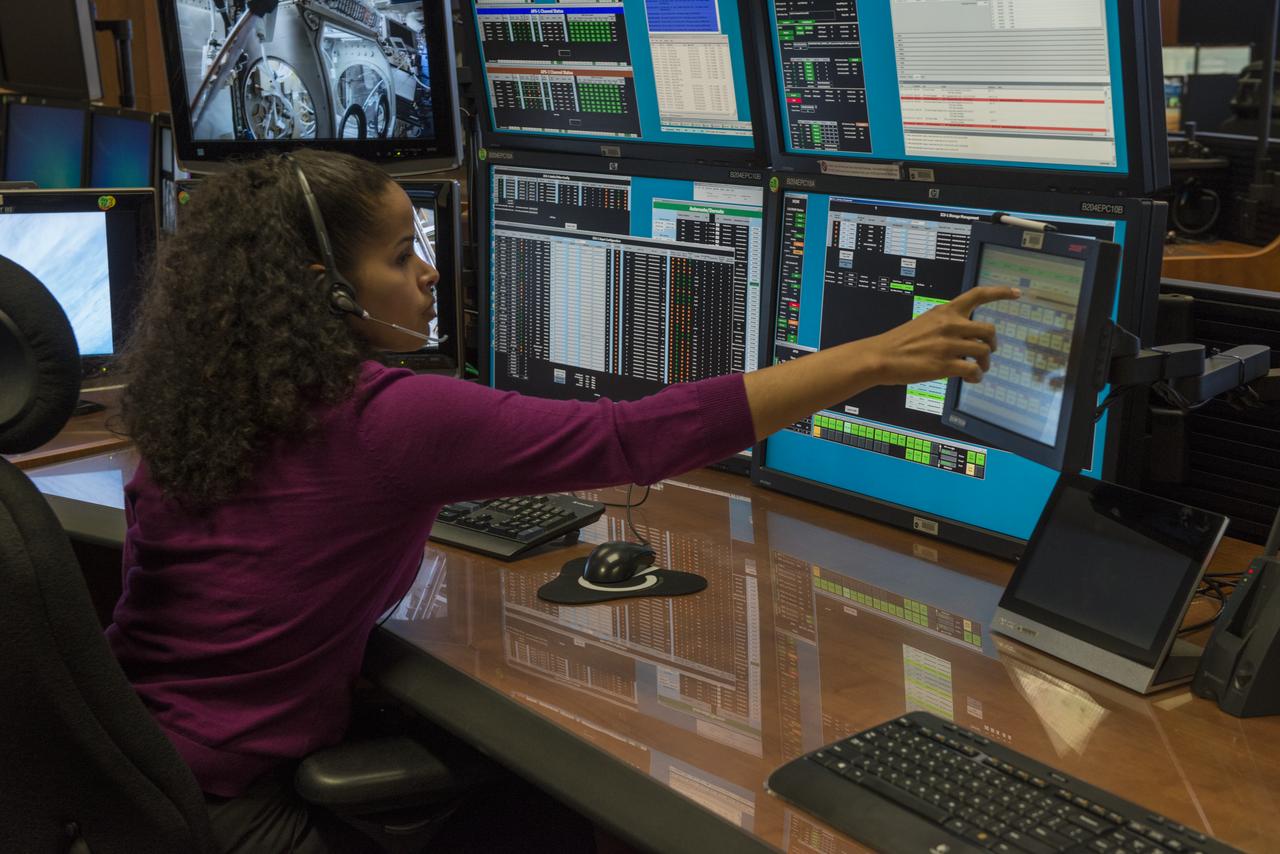
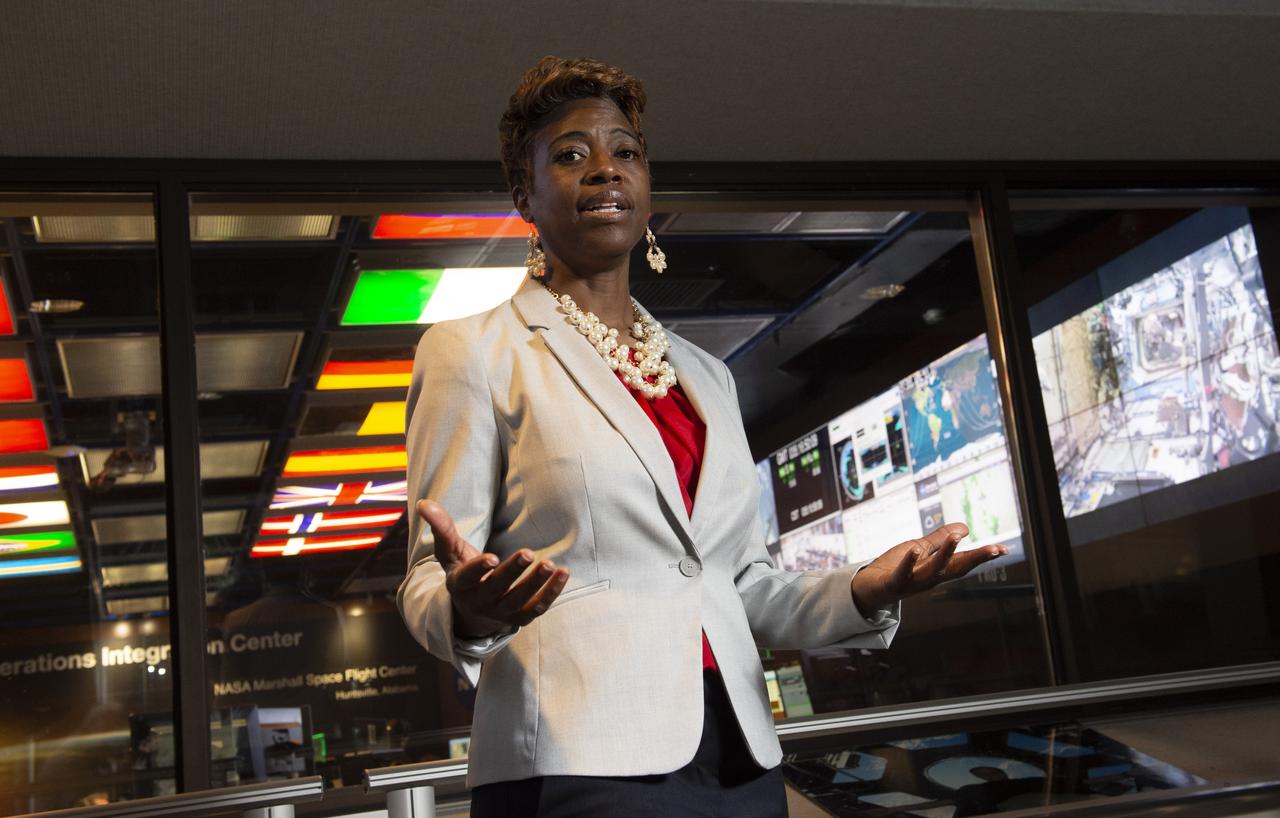
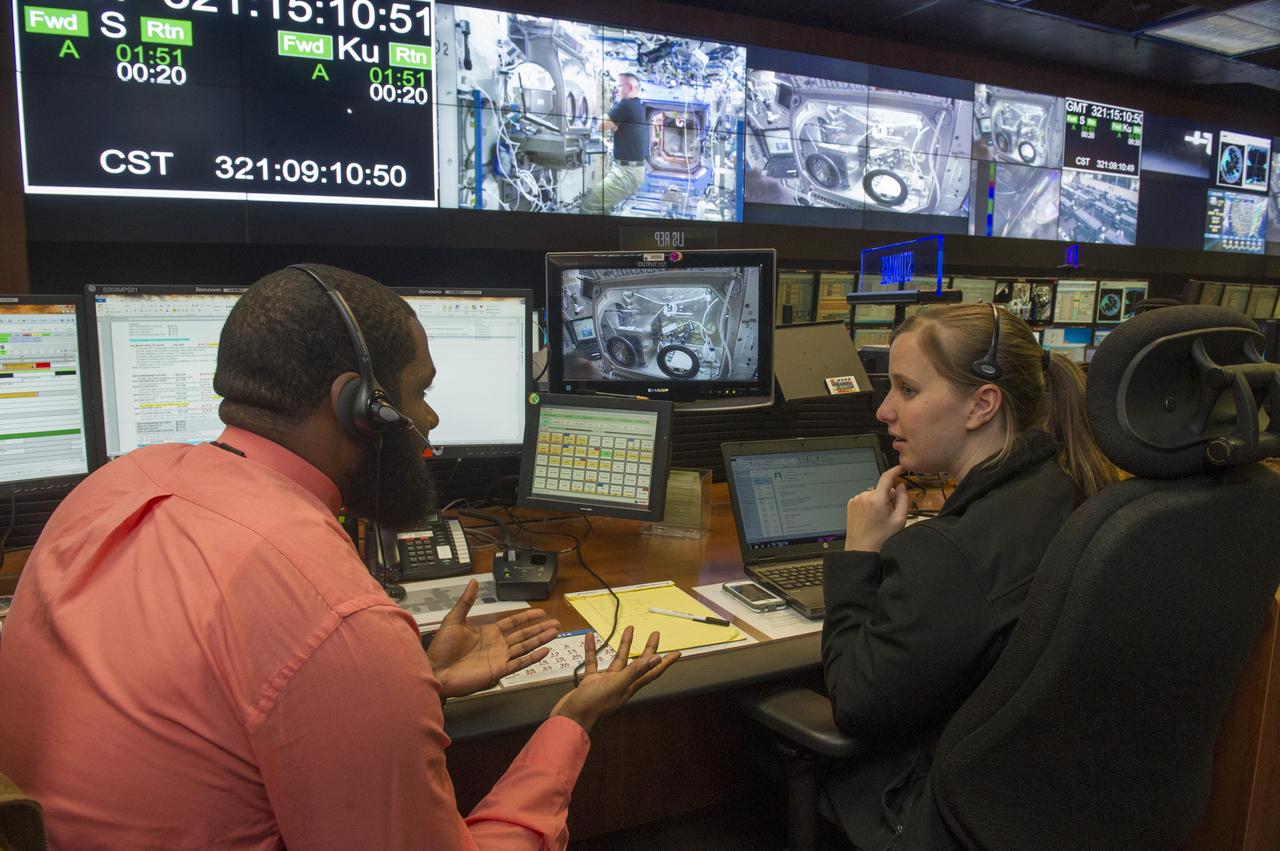
Penny Pettigrew is an International Space Station Payload Communications Manager, or PAYCOM, in the Payload Operations Integration Center at NASA's Marshall Space Flight Center in Huntsville, Alabama.
Penny Pettigrew in the Payload Operations Integration Center
Penny Pettigrew chats in real time with a space station crew member conducting an experiment in microgravity some 250 miles overhead. The Payload Operations Integration Center cadre monitor science communications on station 24 hours a day, seven days a week, 365 days per year.
Penny Pettigrew in the Payload Operations Integration Center
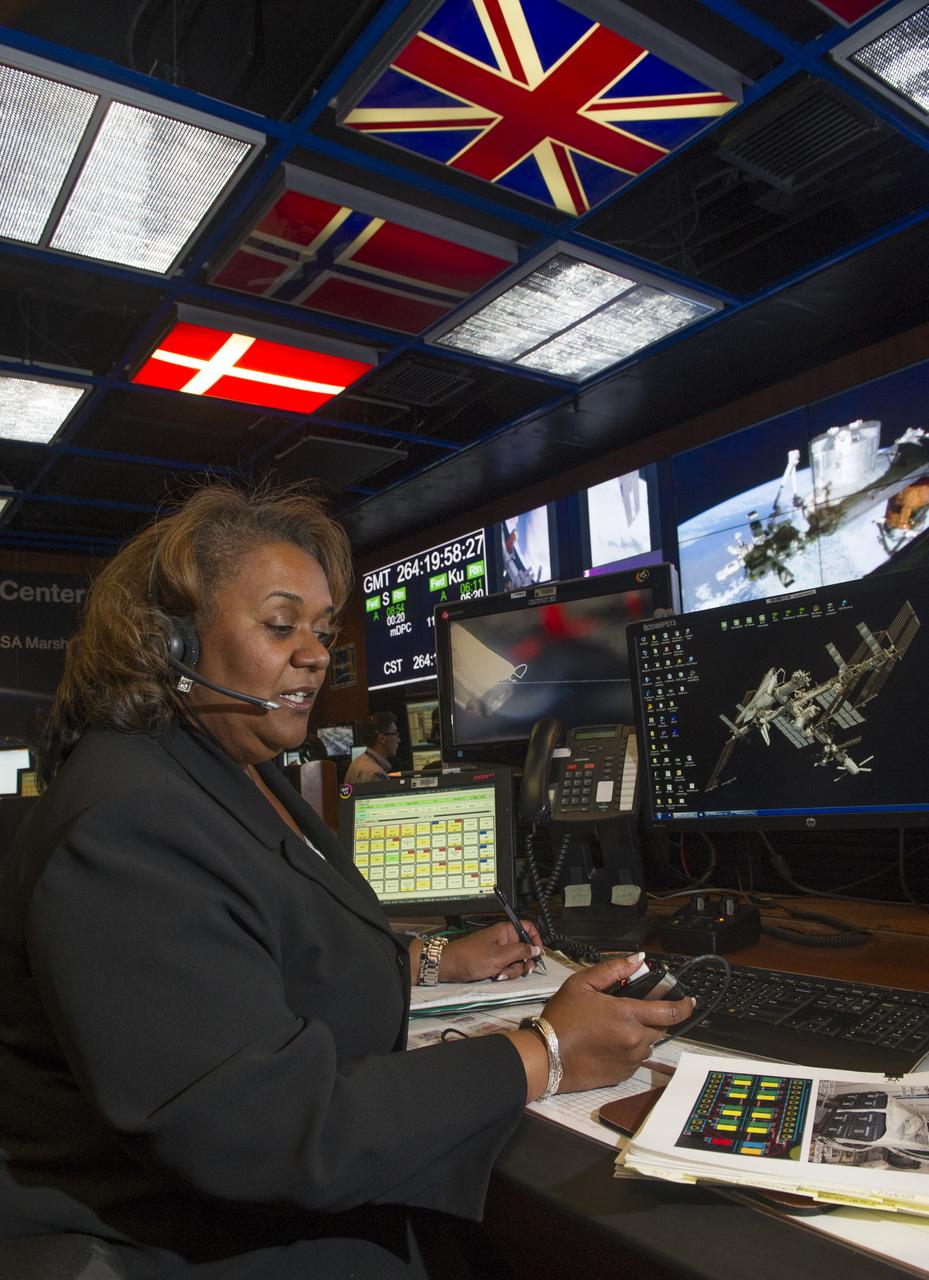
LYBREASE WOODARD ON CONSOLE AT PAYLOAD OPERATIONS CONTROL CENTER FOR FORBES MAGAZINE ARTICLE
Lybrease Woodard on console in the Payload Operations Integration Center.
 NEWLY REMODELED POIC (PAYLOAD OPERATIONS INTEGRATION CENTER) SHOWING ALL STATIONS STAFFED, JUNE 14, 2013
1300346
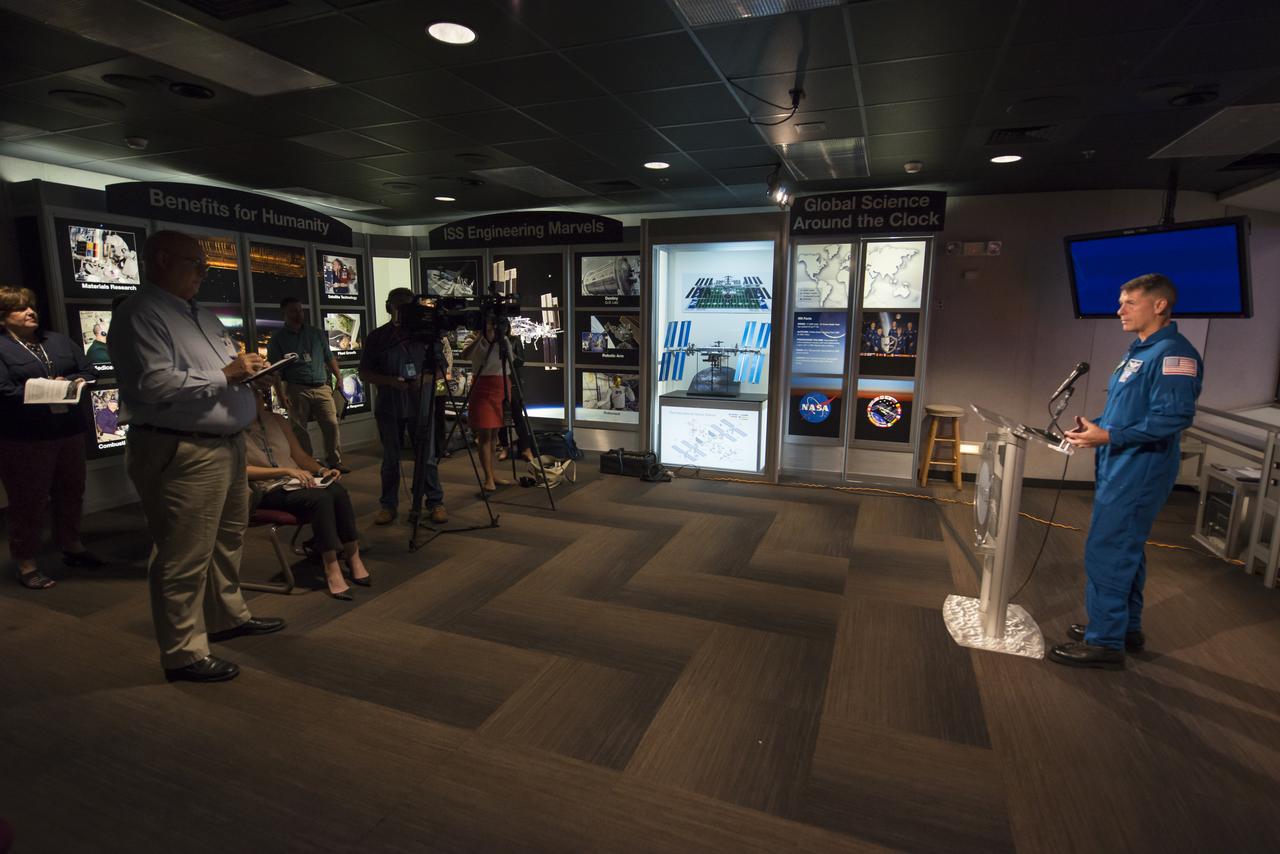
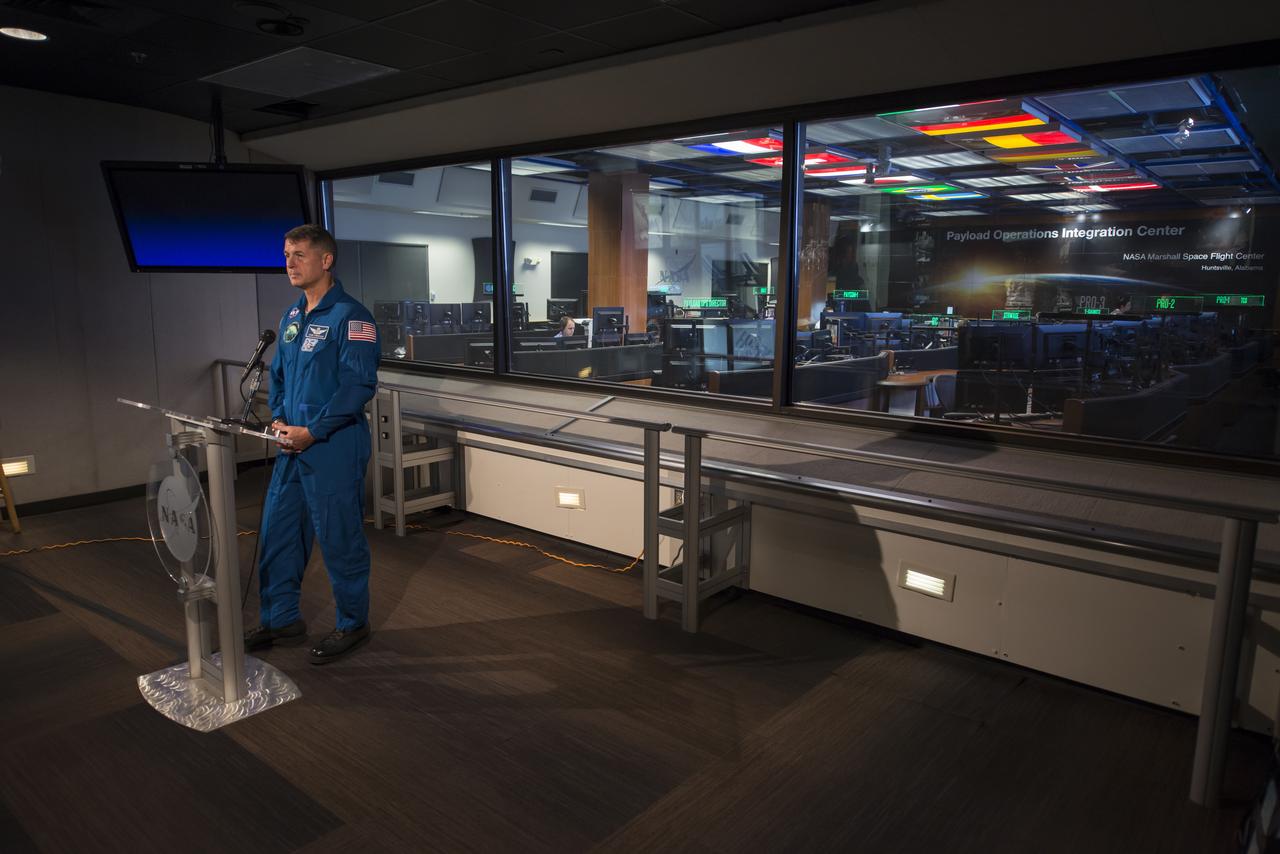
Expedition 49/50 Astronaut Shane Kimbrough briefs the press on his extended mission to the International Space Station in the Marshall Space Flight Center Payload Operations Integration Center (POIC).
PANORAMA PHOTOGRAPHS OF THE NEWLY REMODELED PAYLOAD OPERATIONS INTEGRATION CENTER (POIC) IN BUILDING 4663 AT THE MARSHALL SPACE FLIGHT CENTER
1300415
Dwight Mosby, Payload Operations Mission Division Manager, welcomes scientists and engineers from around the world as they participate in the annual Payload Operations and Integration Working Group meeting held Oct. 20-21. The event offers payload developers, investigators and project managers the opportunity to coordinate processes and schedules and to review the status of scientific payloads currently on or soon launching to the International Space Station. The gathering, hosted by NASA Marshall’s Payload Operations and Integration Center, was held virtually.  The POIC is mission control for science on the International Space Station.
Dwight Mosby Opens the Annual Payload Operations and Integration
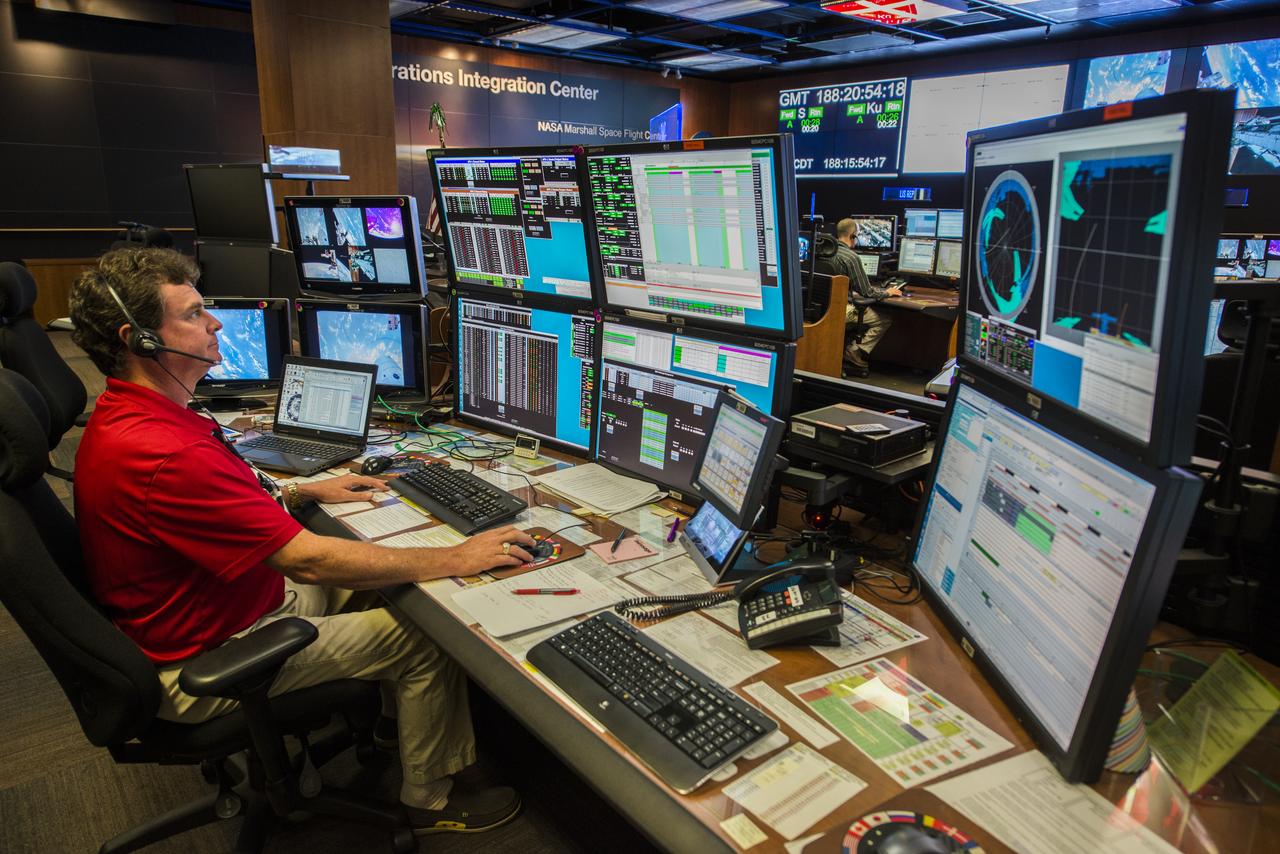
MARK ROBERTS, DATA MANAGEMENT COORDINATOR, AT HIS WORKSTATION IN THE PAYLOAD OPERATIONS INTEGRATION CENTER (POIC).
1400609
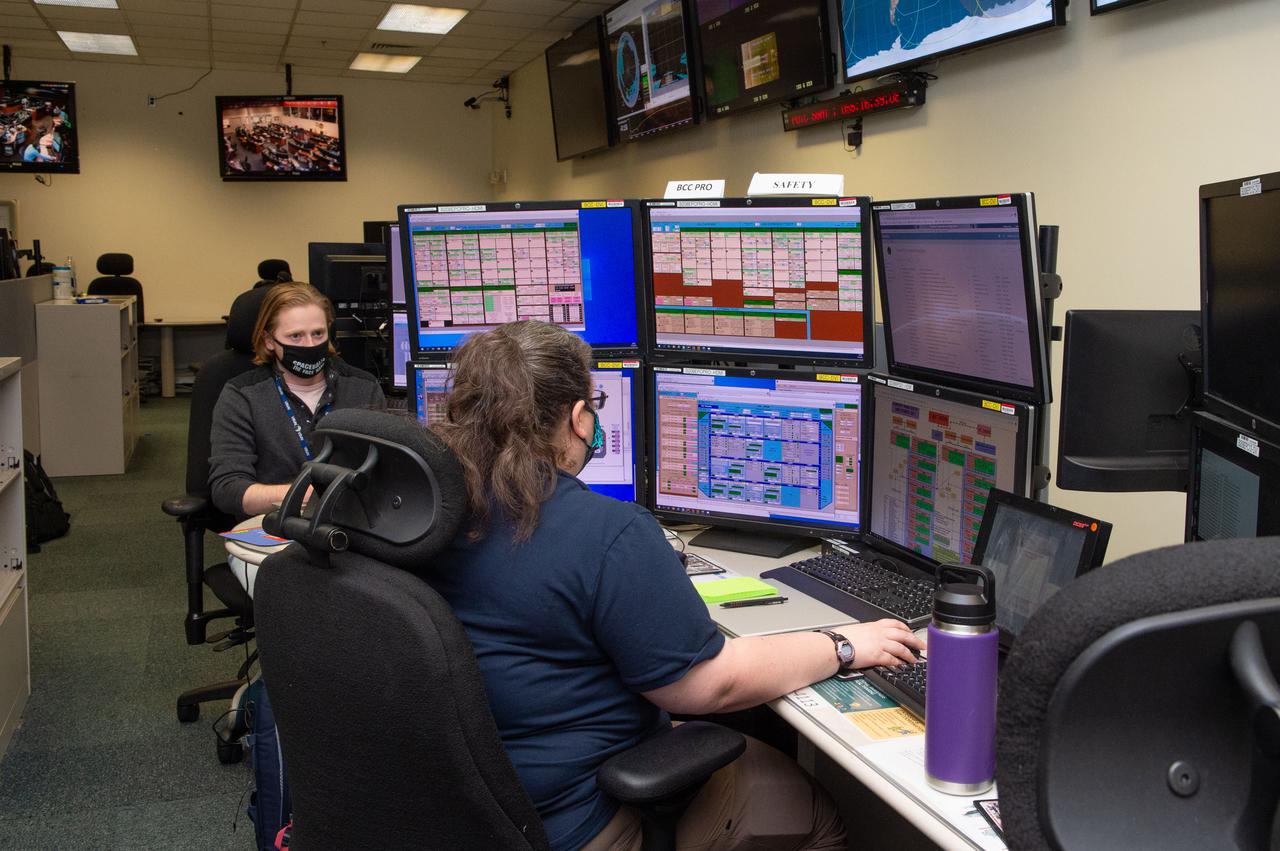
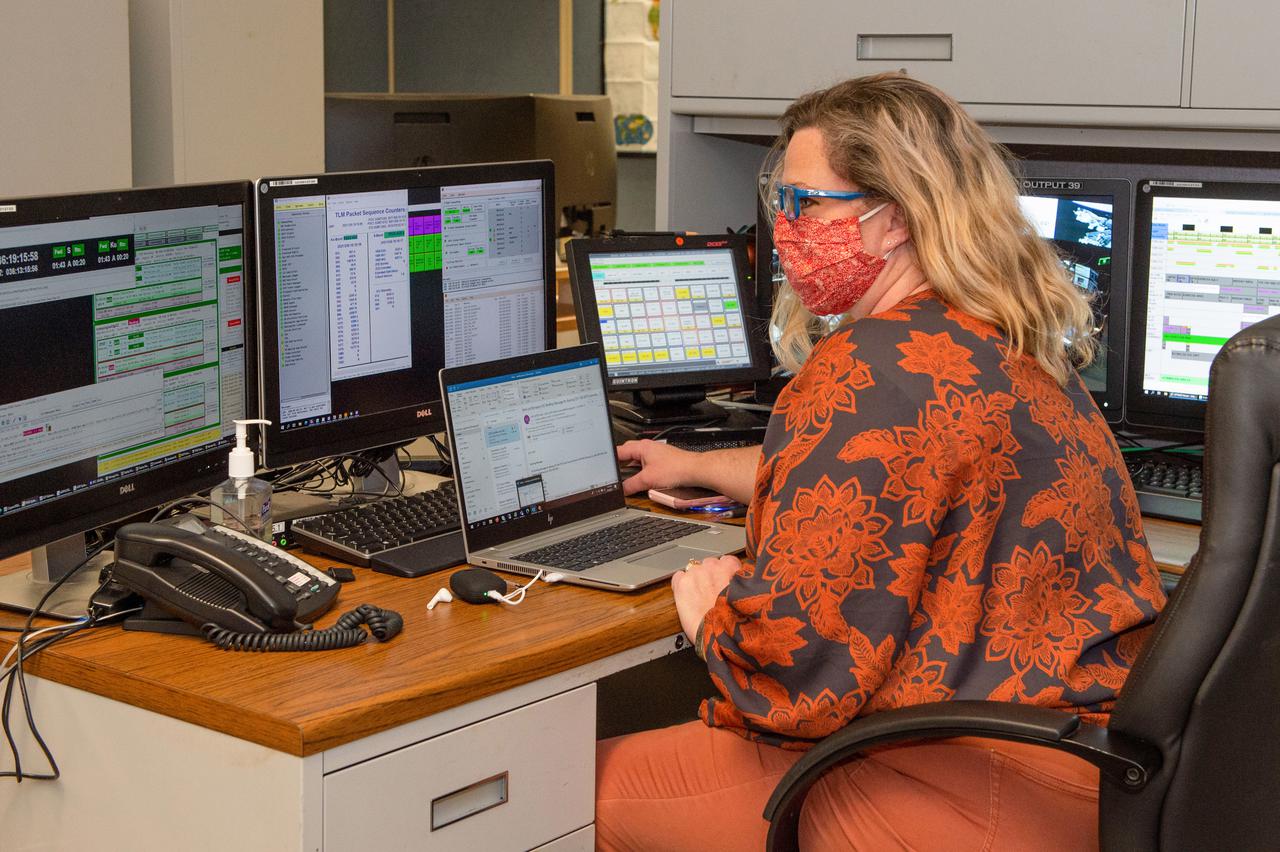
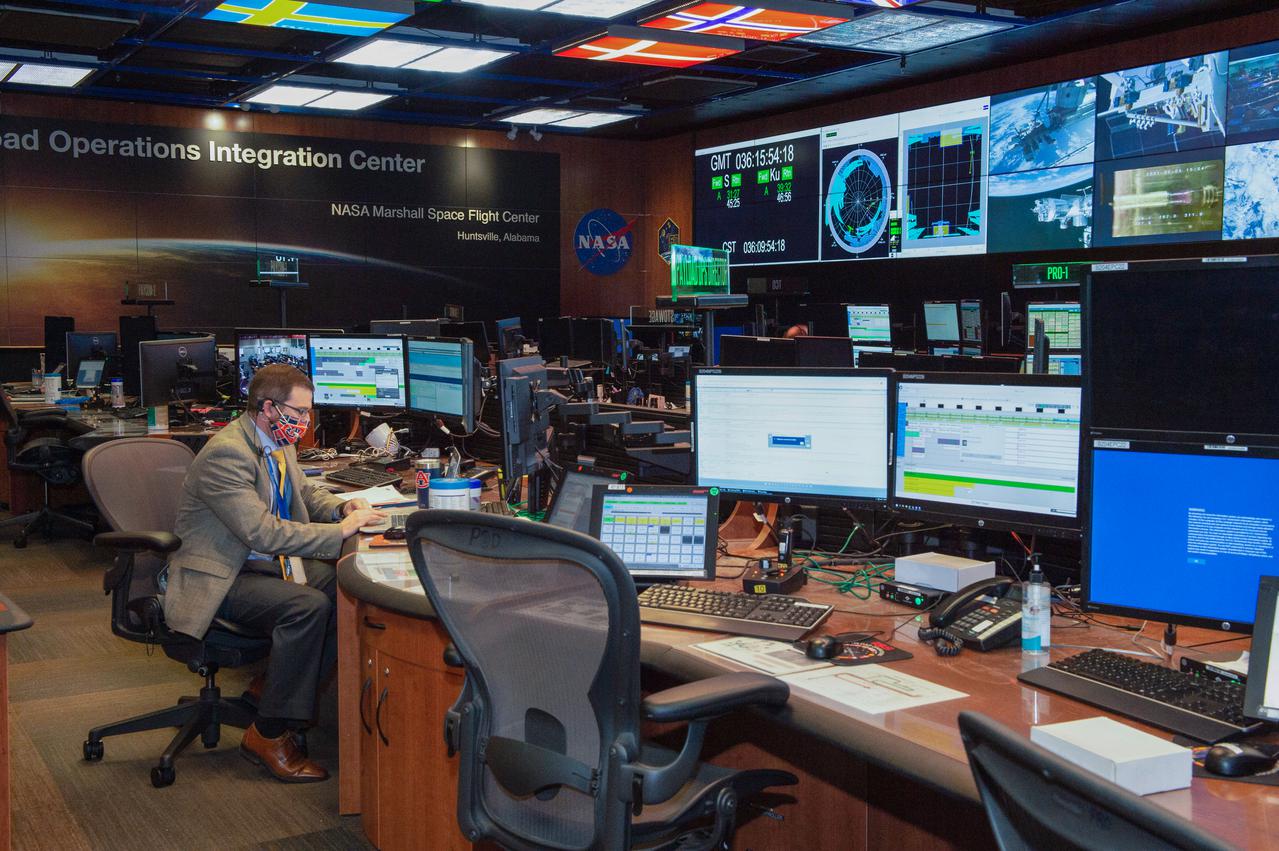
A look inside the International Space Station Payload Operations Integration Center at NASA’s Marshall Space Flight Center in Huntsville, AL.  The POIC team supports science operations on the International Space Station 24 hours a day, 7 days a week. For more than 20 years the POIC team has worked with scientists from around the world to enable the space station crew to conduct experiments that improve life on Earth and enable future exploration.
A look inside the International Space Station Payload Operations Integration Center at NASA’s Marshall Space Flight Center in Huntsville, AL. The POIC team supports science operations on the International Space Station 24 hours a day, 7 days a week. For more than 20 years the POIC team has worked with scientists from around the world to enable the space station crew to conduct experiments that improve life on Earth and enable future exploration.
A look inside the International Space Station Payload Operations Integration Center at NASA’s Marshall Space Flight Center in Huntsville, AL.  The POIC team supports science operations on the International Space Station 24 hours a day, 7 days a week. For more than 20 years the POIC team has worked with scientists from around the world to enable the space station crew to conduct experiments that improve life on Earth and enable future exploration.
A look inside the International Space Station Payload Operations Integration Center at NASA’s Marshall Space Flight Center in Huntsville, AL. The POIC team supports science operations on the International Space Station 24 hours a day, 7 days a week. For more than 20 years the POIC team has worked with scientists from around the world to enable the space station crew to conduct experiments that improve life on Earth and enable future exploration.
A look inside the International Space Station Payload Operations Integration Center at NASA’s Marshall Space Flight Center in Huntsville, AL.  The POIC team supports science operations on the International Space Station 24 hours a day, 7 days a week. For more than 20 years the POIC team has worked with scientists from around the world to enable the space station crew to conduct experiments that improve life on Earth and enable future exploration.
A look inside the International Space Station Payload Operations Integration Center at NASA’s Marshall Space Flight Center in Huntsville, AL. The POIC team supports science operations on the International Space Station 24 hours a day, 7 days a week. For more than 20 years the POIC team has worked with scientists from around the world to enable the space station crew to conduct experiments that improve life on Earth and enable future exploration.
A look inside the International Space Station Payload Operations Integration Center at NASA’s Marshall Space Flight Center in Huntsville, AL.  The POIC team supports science operations on the International Space Station 24 hours a day, 7 days a week. For more than 20 years the POIC team has worked with scientists from around the world to enable the space station crew to conduct experiments that improve life on Earth and enable future exploration.
A look inside the International Space Station Payload Operations Integration Center at NASA’s Marshall Space Flight Center in Huntsville, AL. The POIC team supports science operations on the International Space Station 24 hours a day, 7 days a week. For more than 20 years the POIC team has worked with scientists from around the world to enable the space station crew to conduct experiments that improve life on Earth and enable future exploration.
A look inside the International Space Station Payload Operations Integration Center at NASA’s Marshall Space Flight Center in Huntsville, AL.  The POIC team supports science operations on the International Space Station 24 hours a day, 7 days a week. For more than 20 years the POIC team has worked with scientists from around the world to enable the space station crew to conduct experiments that improve life on Earth and enable future exploration.
A look inside the International Space Station Payload Operations Integration Center at NASA’s Marshall Space Flight Center in Huntsville, AL. The POIC team supports science operations on the International Space Station 24 hours a day, 7 days a week. For more than 20 years the POIC team has worked with scientists from around the world to enable the space station crew to conduct experiments that improve life on Earth and enable future exploration.
A look inside the International Space Station Payload Operations Integration Center at NASA’s Marshall Space Flight Center in Huntsville, AL.  The POIC team supports science operations on the International Space Station 24 hours a day, 7 days a week. For more than 20 years the POIC team has worked with scientists from around the world to enable the space station crew to conduct experiments that improve life on Earth and enable future exploration.
A look inside the International Space Station Payload Operations Integration Center at NASA’s Marshall Space Flight Center in Huntsville, AL. The POIC team supports science operations on the International Space Station 24 hours a day, 7 days a week. For more than 20 years the POIC team has worked with scientists from around the world to enable the space station crew to conduct experiments that improve life on Earth and enable future exploration.
A look inside the International Space Station Payload Operations Integration Center at NASA’s Marshall Space Flight Center in Huntsville, AL.  The POIC team supports science operations on the International Space Station 24 hours a day, 7 days a week. For more than 20 years the POIC team has worked with scientists from around the world to enable the space station crew to conduct experiments that improve life on Earth and enable future exploration.
A look inside the International Space Station Payload Operations Integration Center at NASA’s Marshall Space Flight Center in Huntsville, AL. The POIC team supports science operations on the International Space Station 24 hours a day, 7 days a week. For more than 20 years the POIC team has worked with scientists from around the world to enable the space station crew to conduct experiments that improve life on Earth and enable future exploration.
A look inside the International Space Station Payload Operations Integration Center at NASA’s Marshall Space Flight Center in Huntsville, AL.  The POIC team supports science operations on the International Space Station 24 hours a day, 7 days a week. For more than 20 years the POIC team has worked with scientists from around the world to enable the space station crew to conduct experiments that improve life on Earth and enable future exploration.
A look inside the International Space Station Payload Operations Integration Center at NASA’s Marshall Space Flight Center in Huntsville, AL. The POIC team supports science operations on the International Space Station 24 hours a day, 7 days a week. For more than 20 years the POIC team has worked with scientists from around the world to enable the space station crew to conduct experiments that improve life on Earth and enable future exploration.
A look inside the International Space Station Payload Operations Integration Center at NASA’s Marshall Space Flight Center in Huntsville, AL.  The POIC team supports science operations on the International Space Station 24 hours a day, 7 days a week. For more than 20 years the POIC team has worked with scientists from around the world to enable the space station crew to conduct experiments that improve life on Earth and enable future exploration.
A look inside the International Space Station Payload Operations Integration Center at NASA’s Marshall Space Flight Center in Huntsville, AL. The POIC team supports science operations on the International Space Station 24 hours a day, 7 days a week. For more than 20 years the POIC team has worked with scientists from around the world to enable the space station crew to conduct experiments that improve life on Earth and enable future exploration.
A look inside the International Space Station Payload Operations Integration Center at NASA’s Marshall Space Flight Center in Huntsville, AL.  The POIC team supports science operations on the International Space Station 24 hours a day, 7 days a week. For more than 20 years the POIC team has worked with scientists from around the world to enable the space station crew to conduct experiments that improve life on Earth and enable future exploration.
A look inside the International Space Station Payload Operations Integration Center at NASA’s Marshall Space Flight Center in Huntsville, AL. The POIC team supports science operations on the International Space Station 24 hours a day, 7 days a week. For more than 20 years the POIC team has worked with scientists from around the world to enable the space station crew to conduct experiments that improve life on Earth and enable future exploration.
A look inside the International Space Station Payload Operations Integration Center at NASA’s Marshall Space Flight Center in Huntsville, AL.  The POIC team supports science operations on the International Space Station 24 hours a day, 7 days a week. For more than 20 years the POIC team has worked with scientists from around the world to enable the space station crew to conduct experiments that improve life on Earth and enable future exploration.
A look inside the International Space Station Payload Operations Integration Center at NASA’s Marshall Space Flight Center in Huntsville, AL. The POIC team supports science operations on the International Space Station 24 hours a day, 7 days a week. For more than 20 years the POIC team has worked with scientists from around the world to enable the space station crew to conduct experiments that improve life on Earth and enable future exploration.
A look inside the International Space Station Payload Operations Integration Center at NASA’s Marshall Space Flight Center in Huntsville, AL.  The POIC team supports science operations on the International Space Station 24 hours a day, 7 days a week. For more than 20 years the POIC team has worked with scientists from around the world to enable the space station crew to conduct experiments that improve life on Earth and enable future exploration.
A look inside the International Space Station Payload Operations Integration Center at NASA’s Marshall Space Flight Center in Huntsville, AL. The POIC team supports science operations on the International Space Station 24 hours a day, 7 days a week. For more than 20 years the POIC team has worked with scientists from around the world to enable the space station crew to conduct experiments that improve life on Earth and enable future exploration.
A look inside the International Space Station Payload Operations Integration Center at NASA’s Marshall Space Flight Center in Huntsville, AL.  The POIC team supports science operations on the International Space Station 24 hours a day, 7 days a week. For more than 20 years the POIC team has worked with scientists from around the world to enable the space station crew to conduct experiments that improve life on Earth and enable future exploration.
A look inside the International Space Station Payload Operations Integration Center at NASA’s Marshall Space Flight Center in Huntsville, AL. The POIC team supports science operations on the International Space Station 24 hours a day, 7 days a week. For more than 20 years the POIC team has worked with scientists from around the world to enable the space station crew to conduct experiments that improve life on Earth and enable future exploration.
A look inside the International Space Station Payload Operations Integration Center at NASA’s Marshall Space Flight Center in Huntsville, AL.  The POIC team supports science operations on the International Space Station 24 hours a day, 7 days a week. For more than 20 years the POIC team has worked with scientists from around the world to enable the space station crew to conduct experiments that improve life on Earth and enable future exploration.
A look inside the International Space Station Payload Operations Integration Center at NASA’s Marshall Space Flight Center in Huntsville, AL. The POIC team supports science operations on the International Space Station 24 hours a day, 7 days a week. For more than 20 years the POIC team has worked with scientists from around the world to enable the space station crew to conduct experiments that improve life on Earth and enable future exploration.
A look inside the International Space Station Payload Operations Integration Center at NASA’s Marshall Space Flight Center in Huntsville, AL.  The POIC team supports science operations on the International Space Station 24 hours a day, 7 days a week. For more than 20 years the POIC team has worked with scientists from around the world to enable the space station crew to conduct experiments that improve life on Earth and enable future exploration.
A look inside the International Space Station Payload Operations Integration Center at NASA’s Marshall Space Flight Center in Huntsville, AL. The POIC team supports science operations on the International Space Station 24 hours a day, 7 days a week. For more than 20 years the POIC team has worked with scientists from around the world to enable the space station crew to conduct experiments that improve life on Earth and enable future exploration.
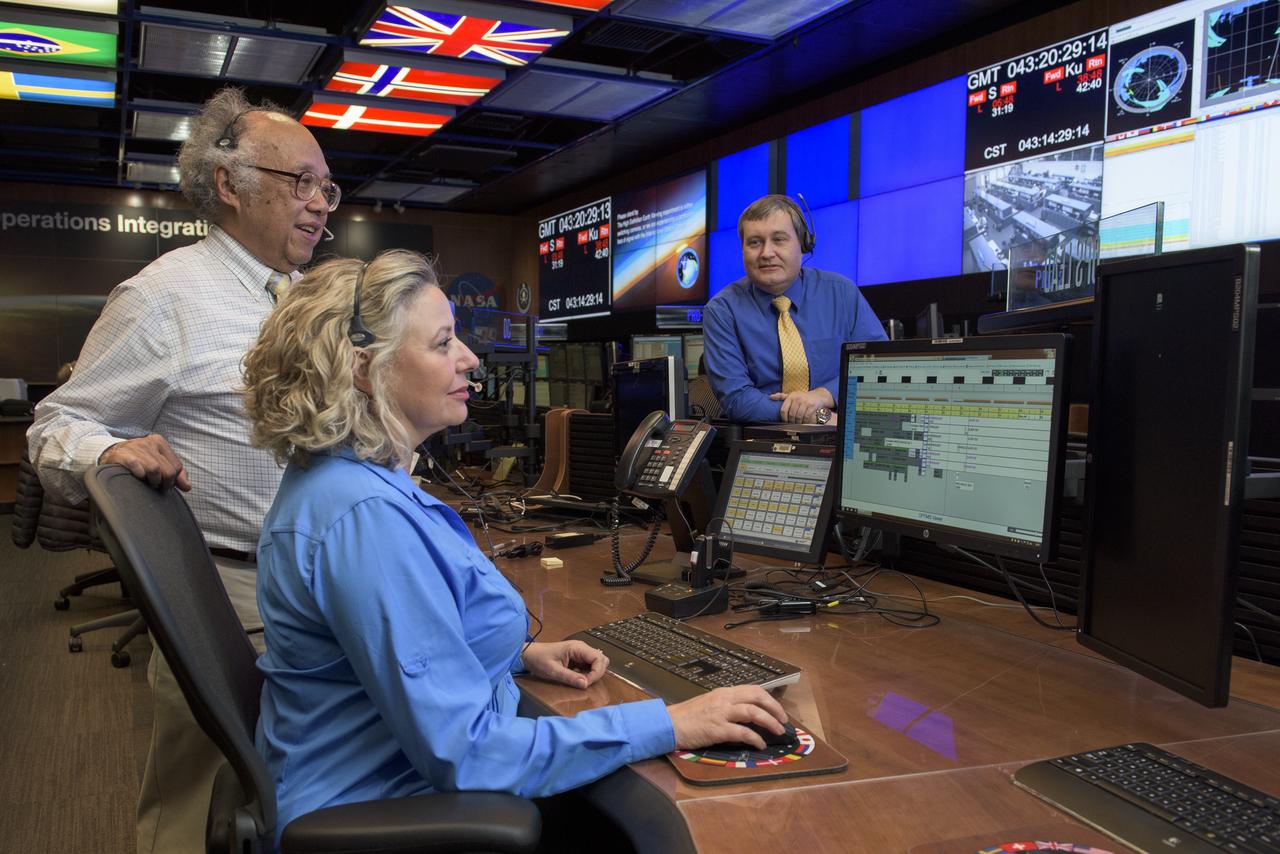
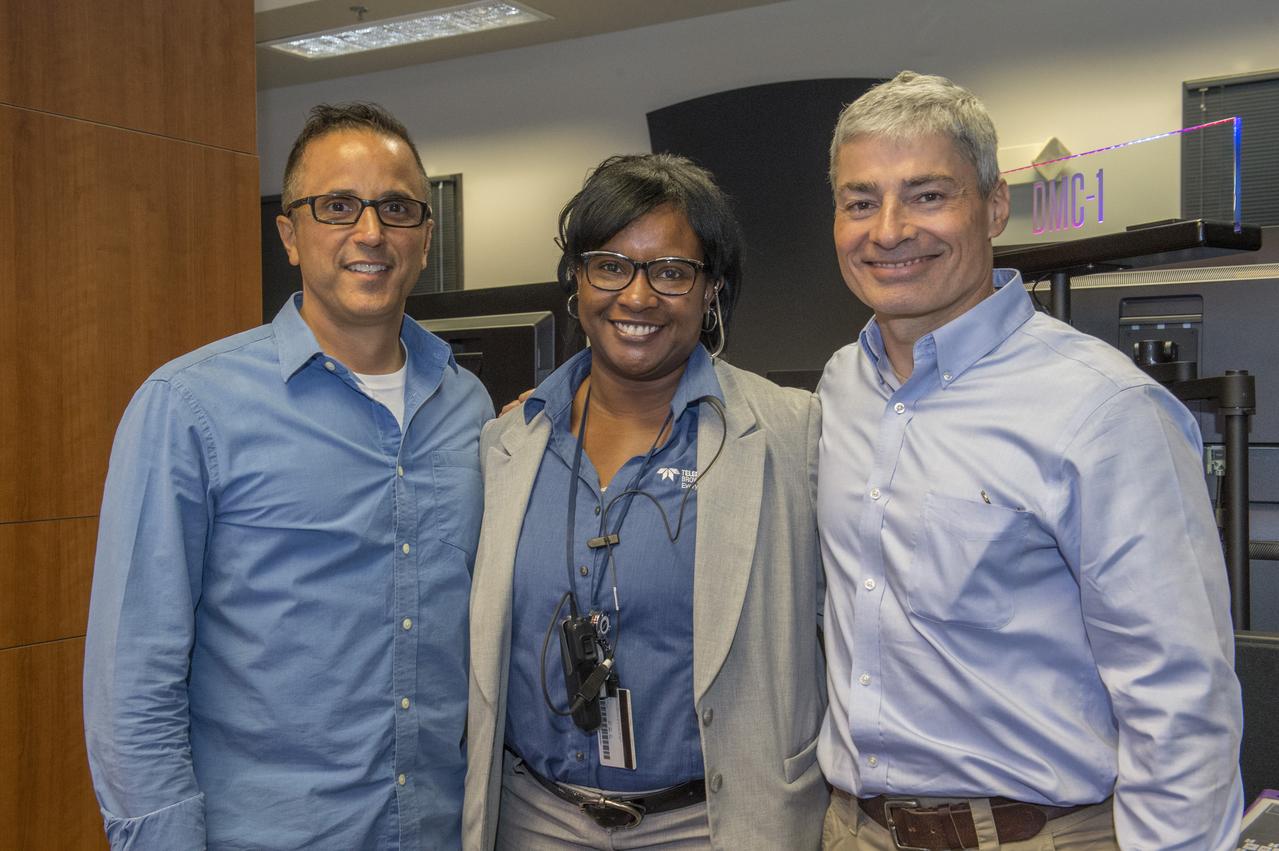
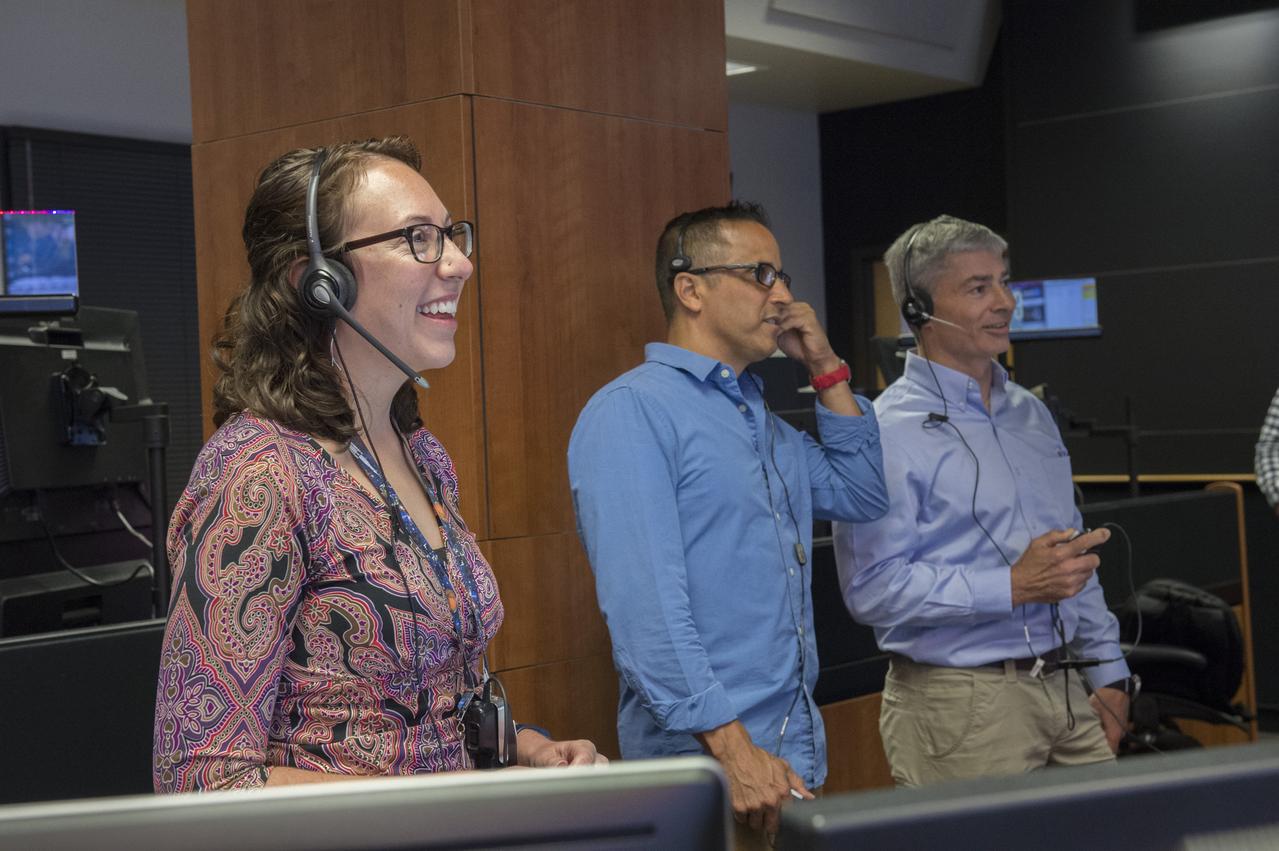
A PHOTOGRAPH FIRST RUN IN THE “MARSHALL STAR” IN 2001 IS RECREATED FOR PUBLICATION 15 YEARS LATER IN THE REMODELED PAYLOAD OPERATIONS INTEGRATION CENTER (POIC). PICTURED (L TO R) ARE: BRIAN LITTLE, OLA MYSZKA, AND ARIS TANONE.
MARSHALL STAR PHOTO RECREATION
 Dr. Ruth Jones, Branch Chief for Industrial Safety Branch (QD12) at MSFC, talks safety issues in the Payload Operation Integration Center. Photo for publication in University of Arkansas, Pine Bluff, Alumni magazine.
Dr. Ruth Jones photos for University of Arkansas Alumni publication
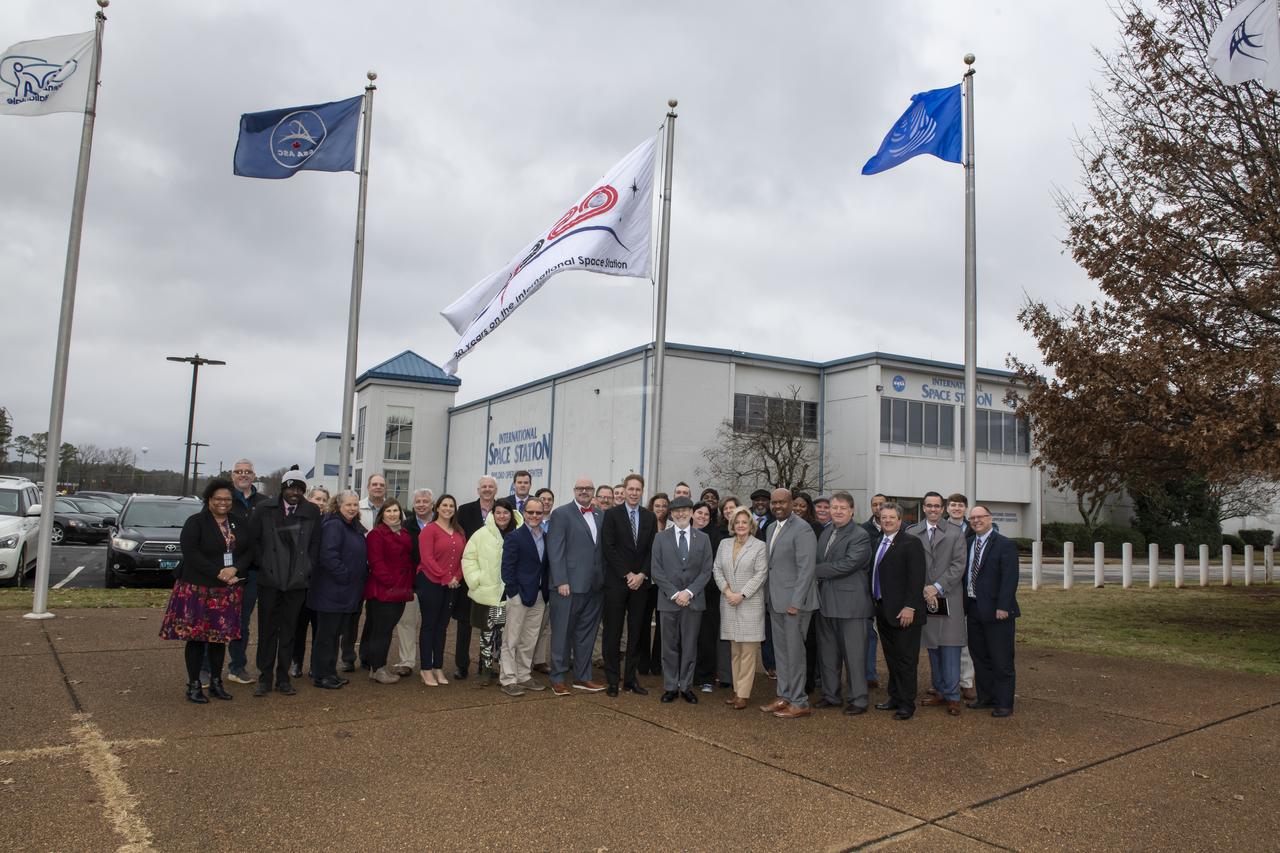
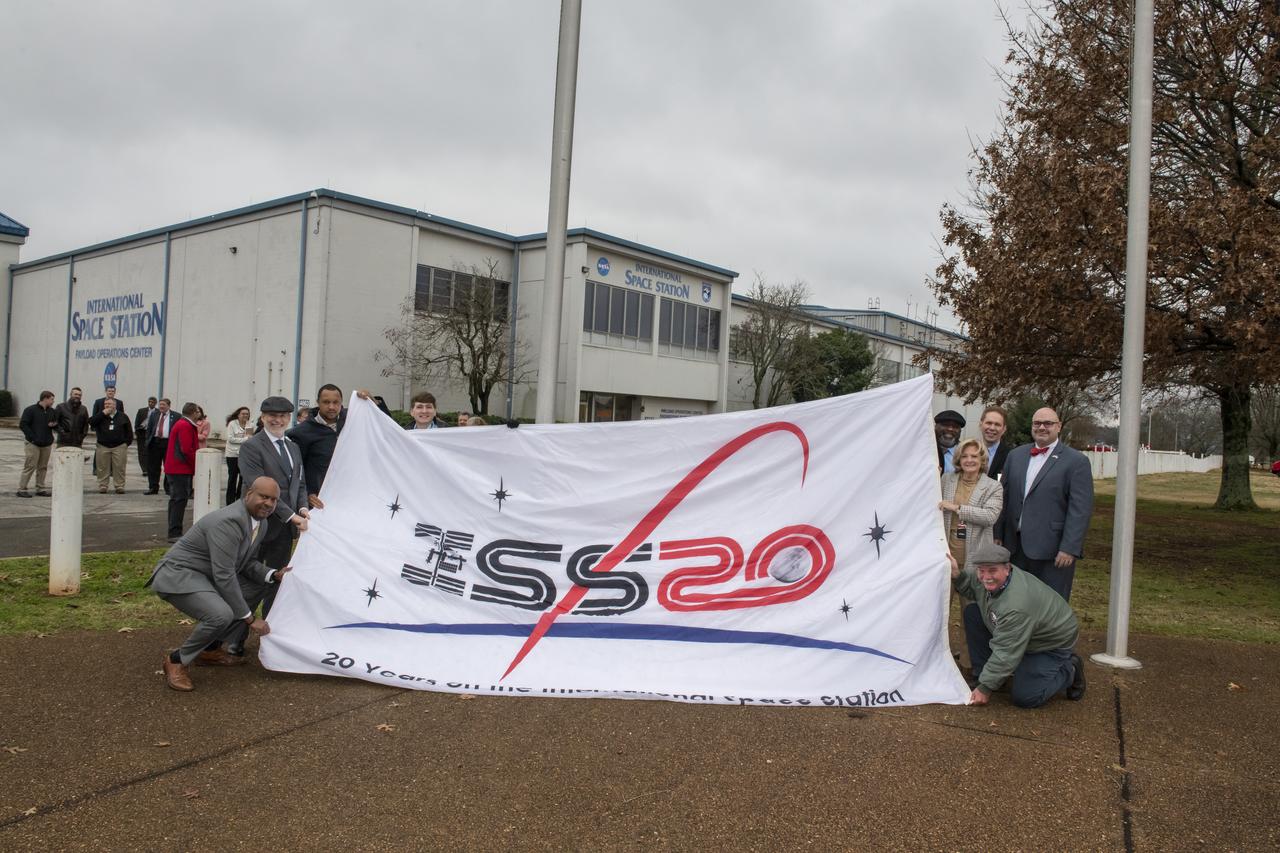
NASA Associate Administrator for the Human Exploration and Operations Mission Directorate and Marshall Center Director Jody Singer participate in the hanging of a new International Space Station flag out side of the Huntsville Operations Support Center (HOSC). Also participating were employees of the support center and the Payload Operations Integration Center.
Associate Administrator Douglas Loverro Participates in the Hanging of the ISS Flag
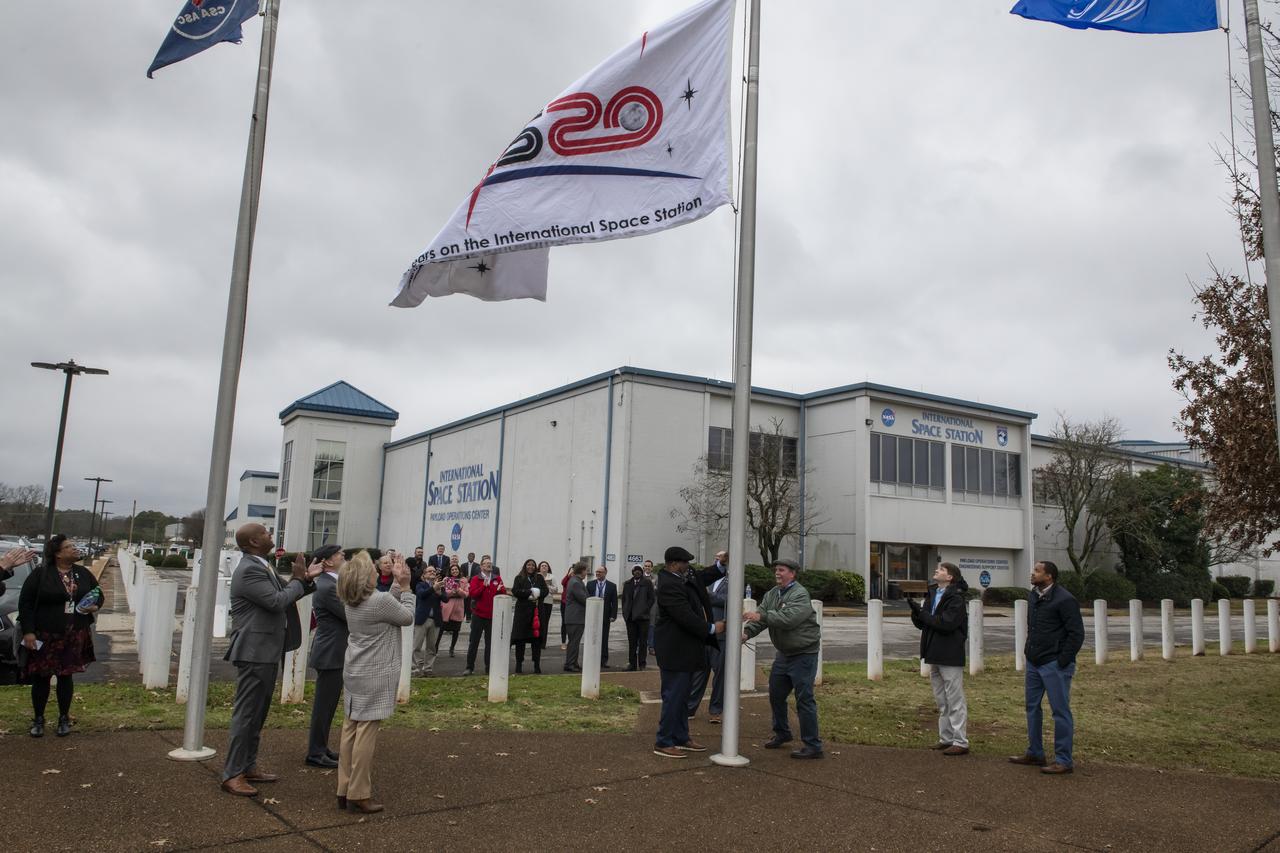
NASA Associate Administrator for the Human Exploration and Operations Mission Directorate and Marshall Center Director Jody Singer participate in the hanging of a new International Space Station flag out side of the Huntsville Operations Support Center (HOSC). Also participating were employees of the support center and the Payload Operations Integration Center.
Associate Administrator Douglas Loverro Participates in the Hanging of the ISS Flag
NASA Associate Administrator for the Human Exploration and Operations Mission Directorate and Marshall Center Director Jody Singer participate in the hanging of a new International Space Station flag out side of the Huntsville Operations Support Center (HOSC). Also participating were employees of the support center and the Payload Operations Integration Center.
Associate Administrator Douglas Loverro Participates in the Hanging of the ISS Flag
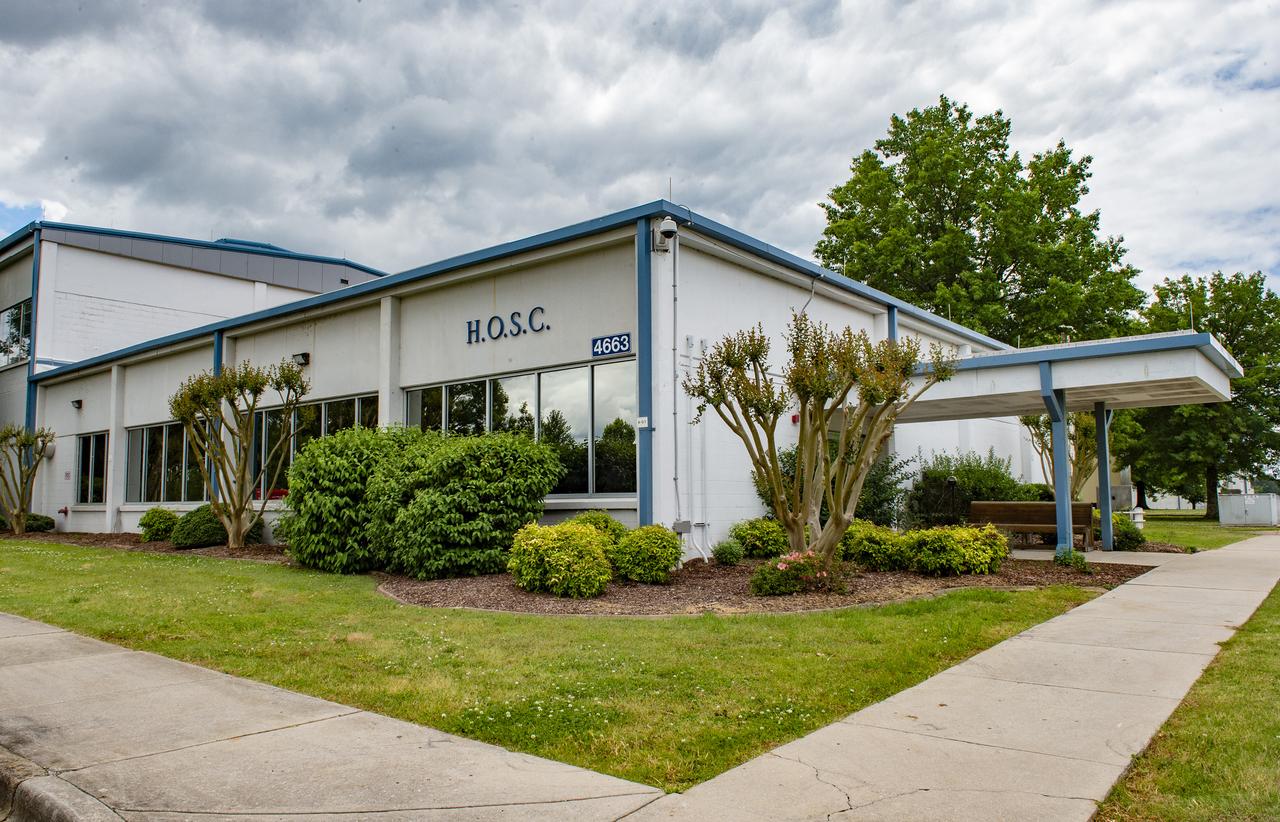
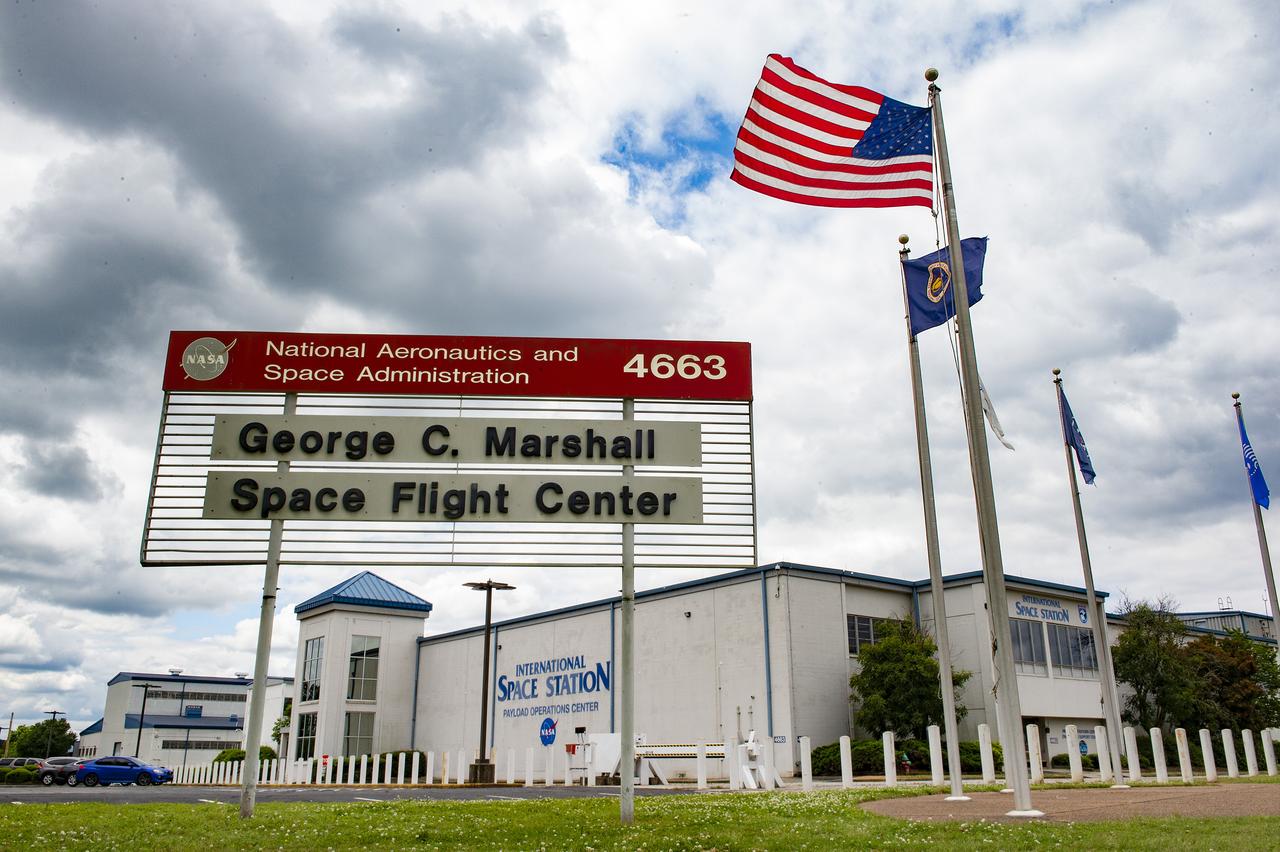
MSFC Building 4663, NW corner view showing entrance to Huntsville Operations Support Center (HOSC). The HOSC is home to the Payload Operations Integration Center (POIC) which supports the mission and scientific experiments aboard the International Space Station (ISS).
MSFC Building 4663, NW corner view showing entrance to Huntsville Operations Support Center (HOSC).
A look inside the International Space Station Payload Operations Integration Center at NASA’s Marshall Space Flight Center in Huntsville, AL.  The POIC team supports science operations on the International Space Station 24 hours a day, 7 days a week. For more than 20 years the POIC team has worked with scientists from around the world to enable the space station crew to conduct experiments that improve life on Earth and enable future exploration.
A look inside the International Space Station Payload Operations
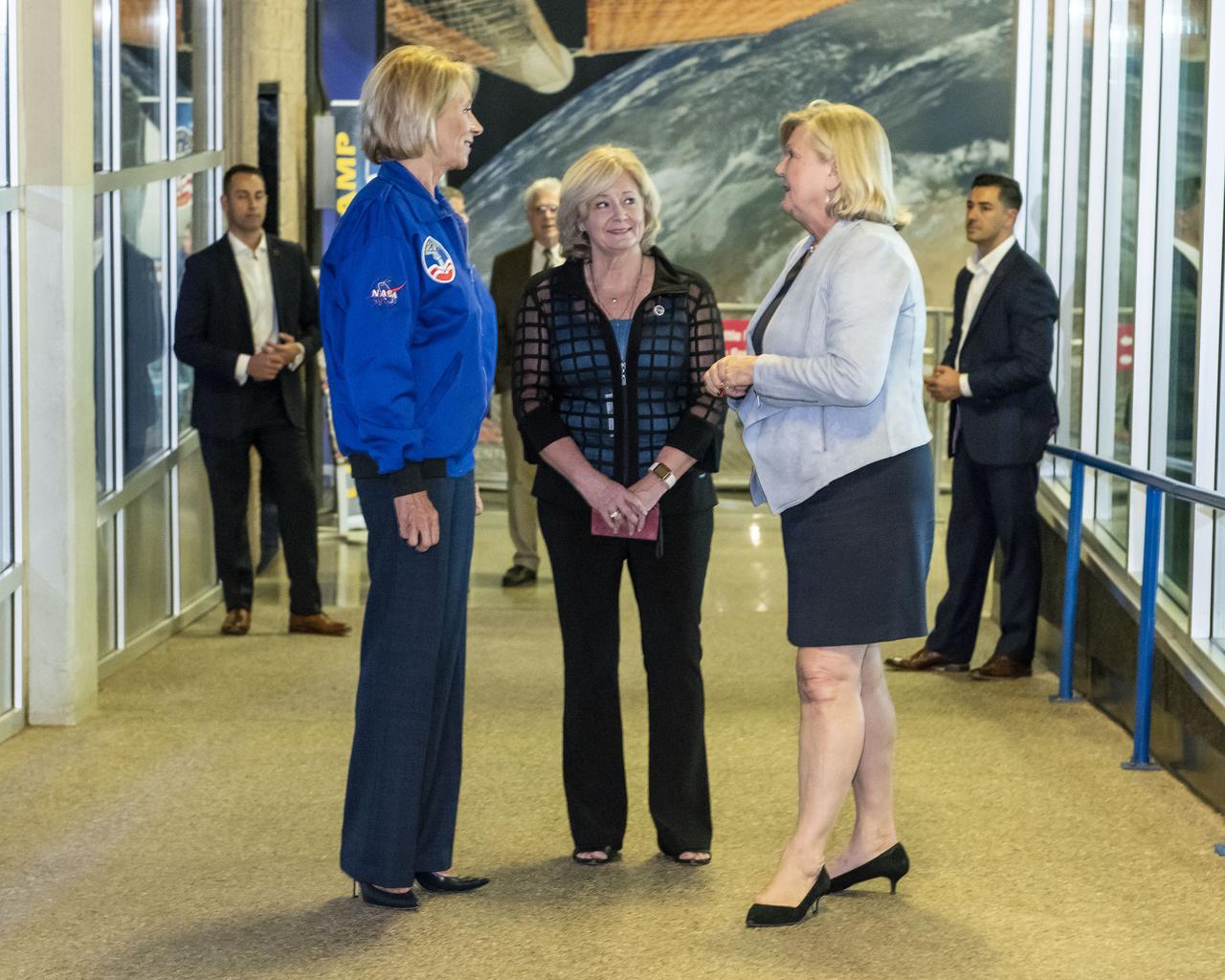
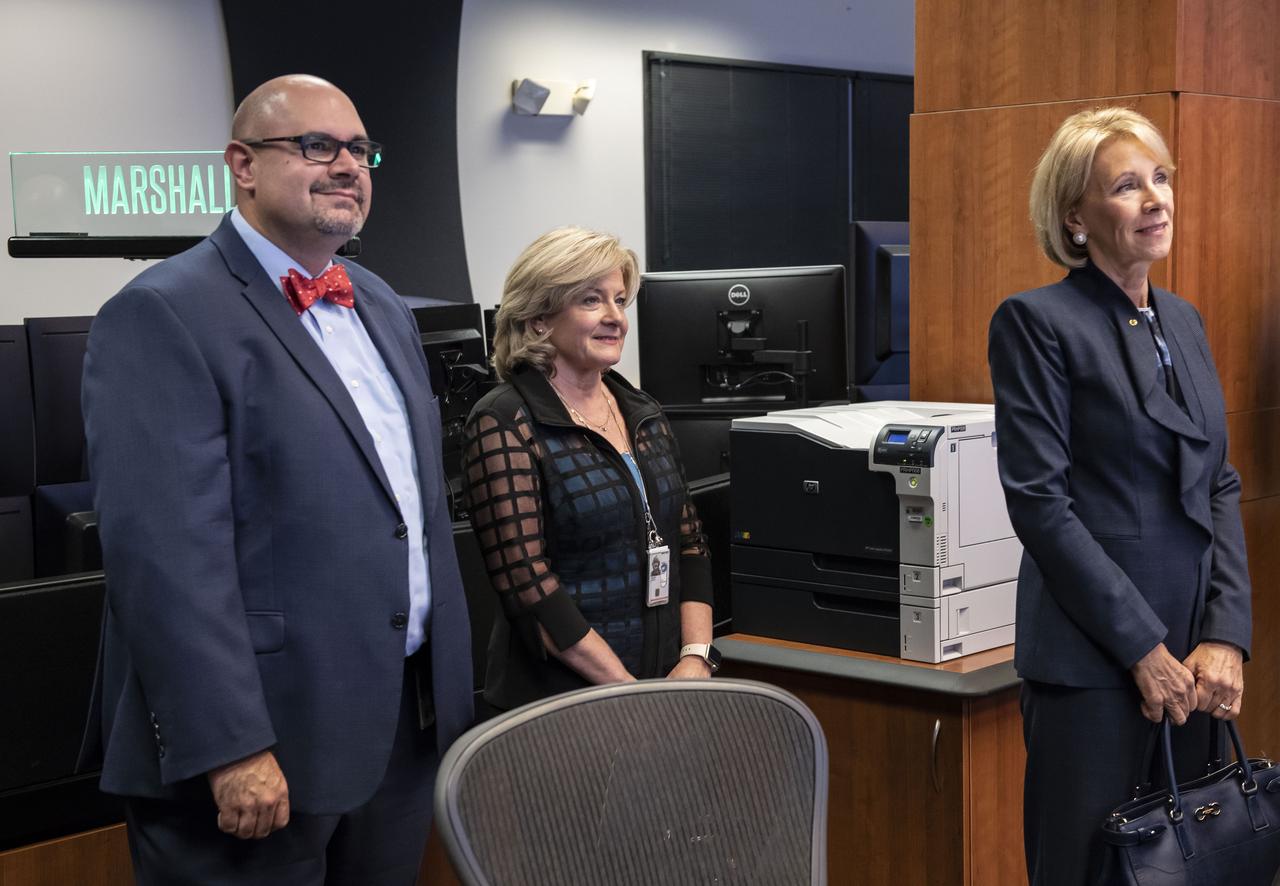
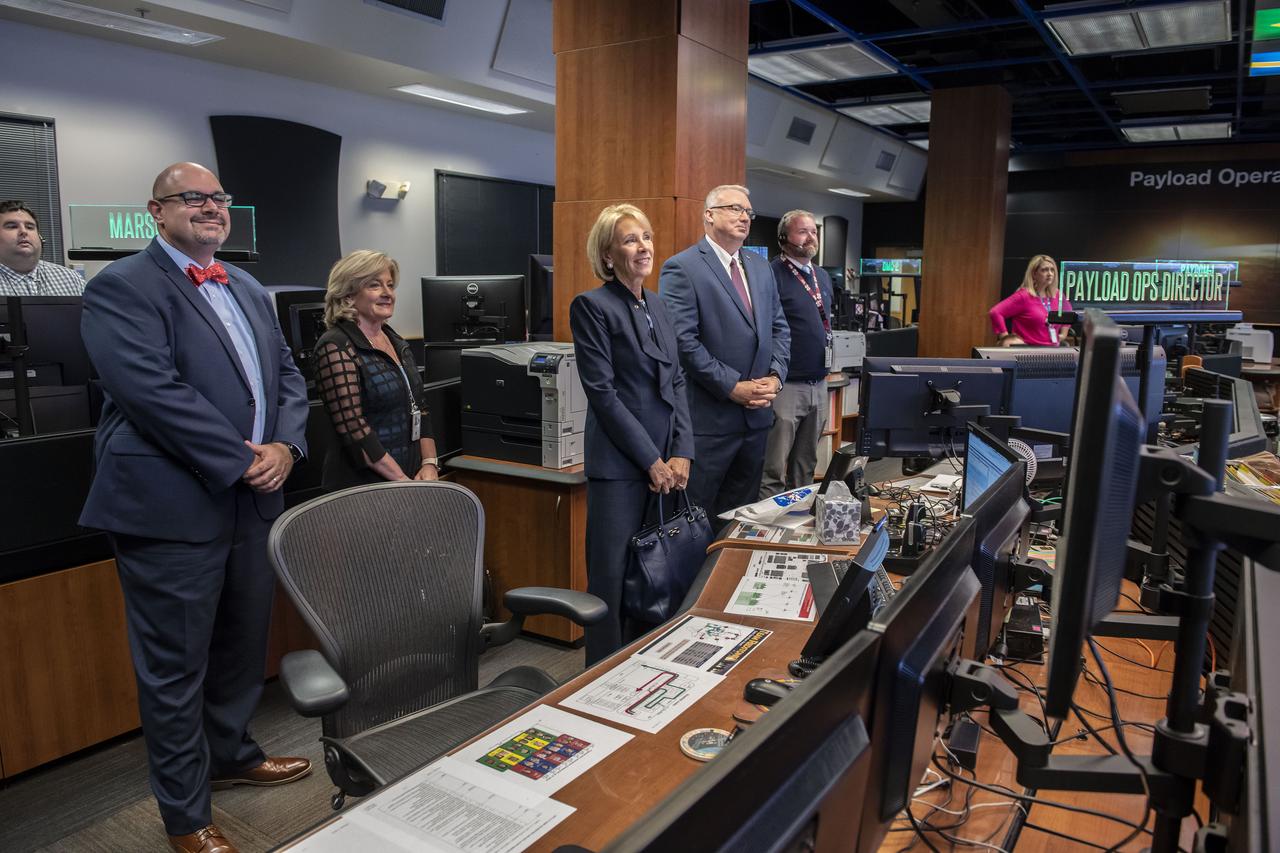
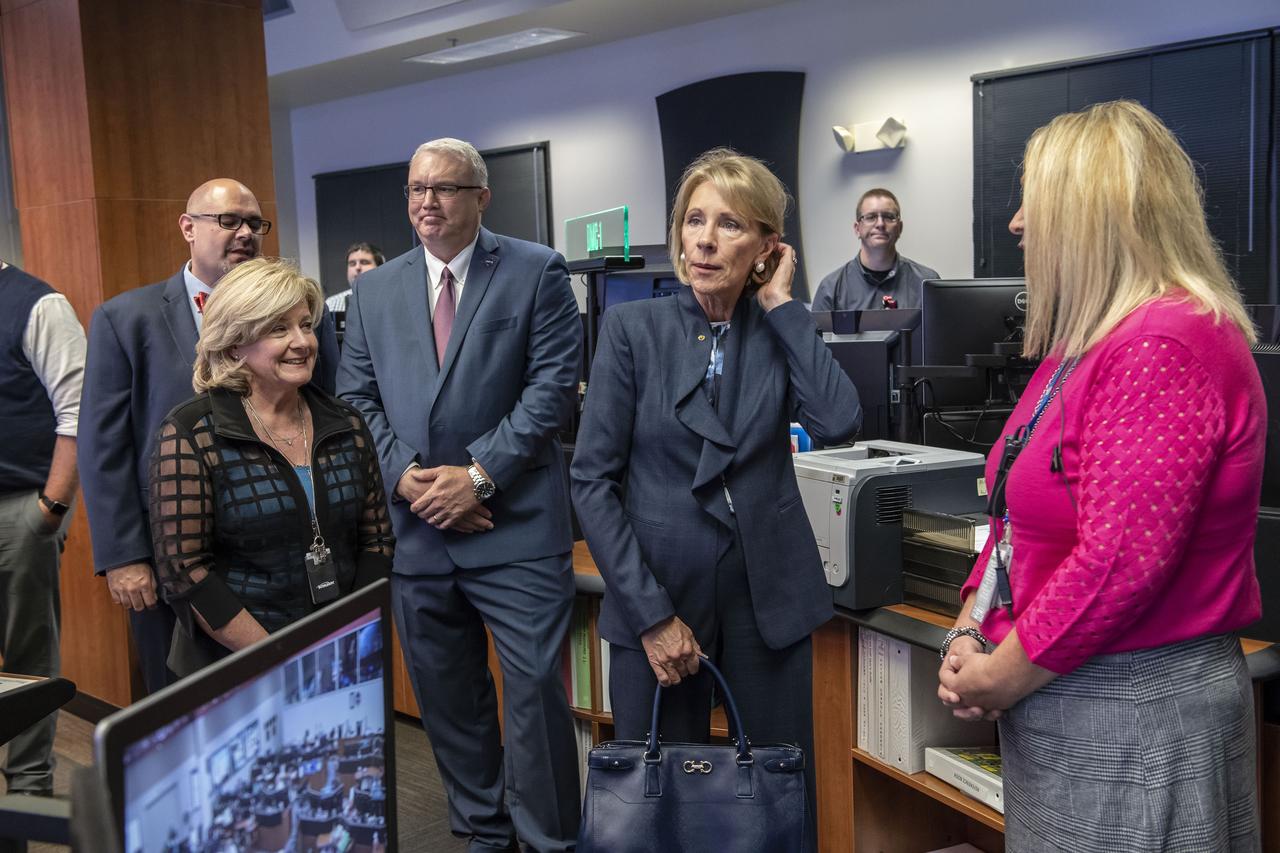
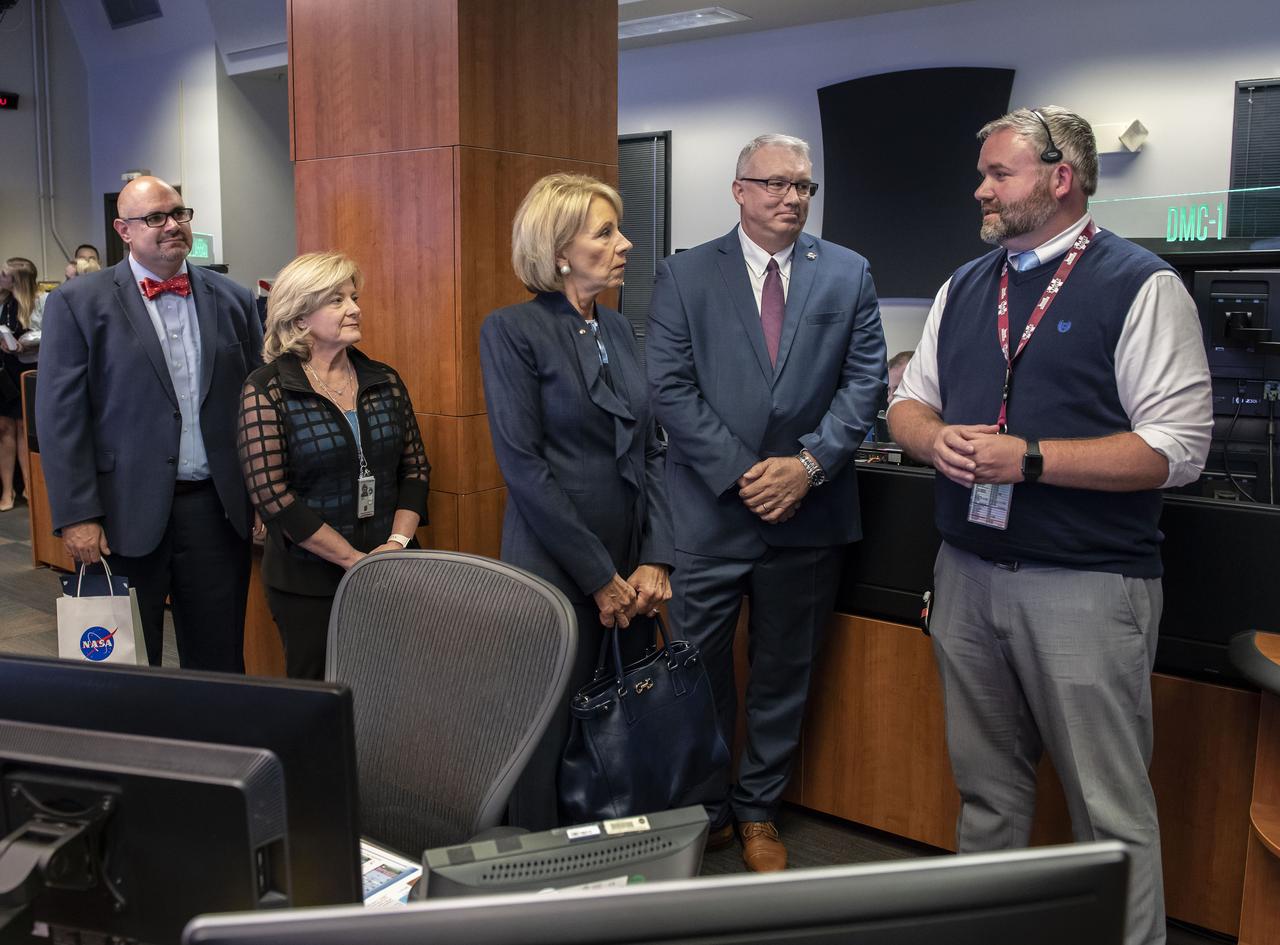
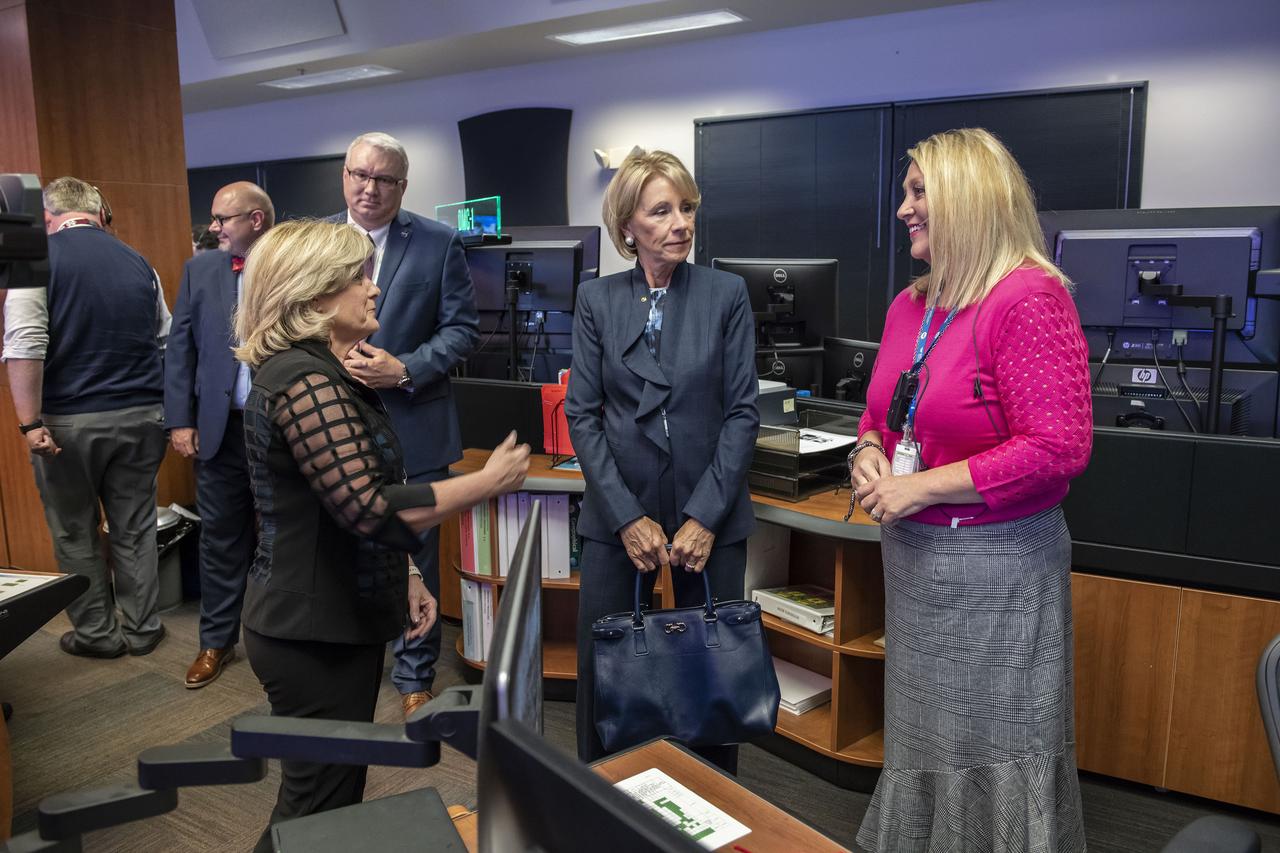
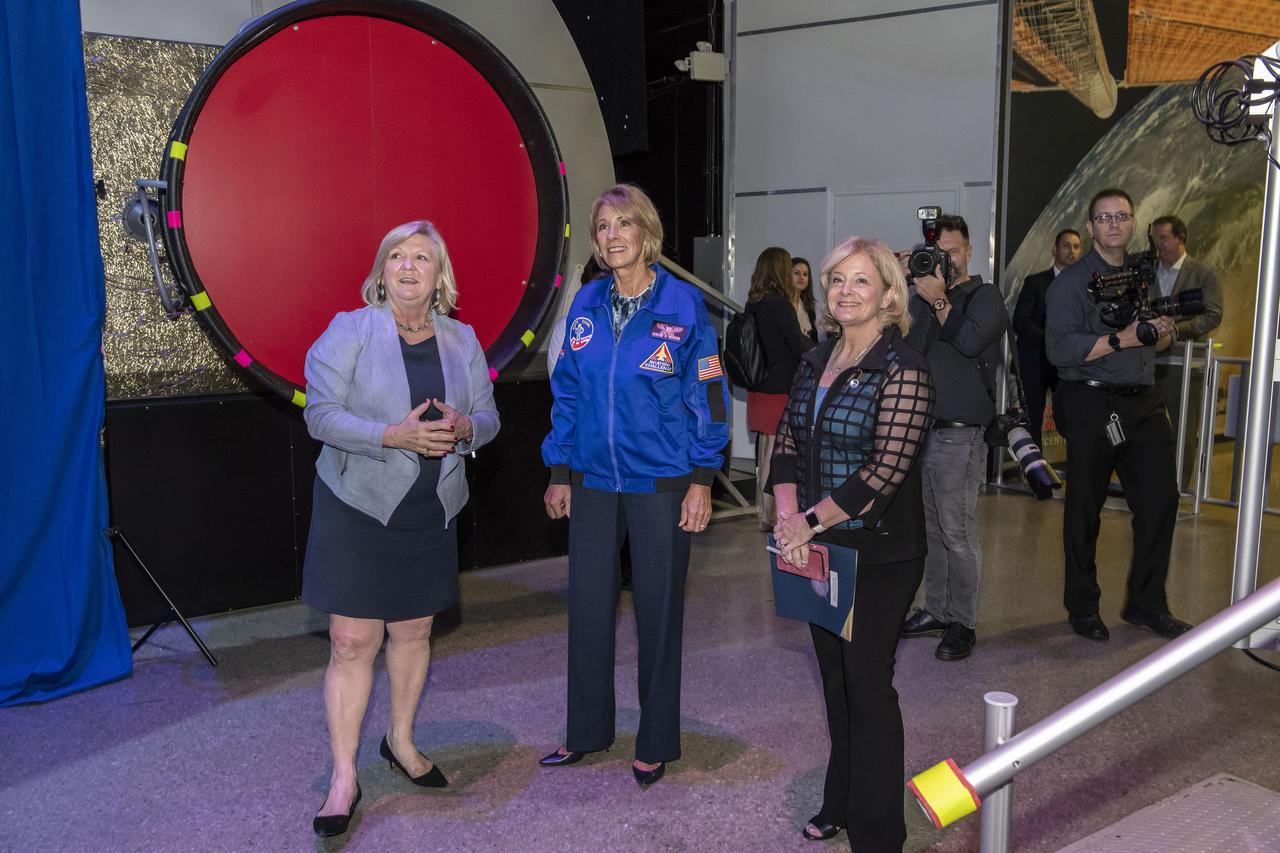
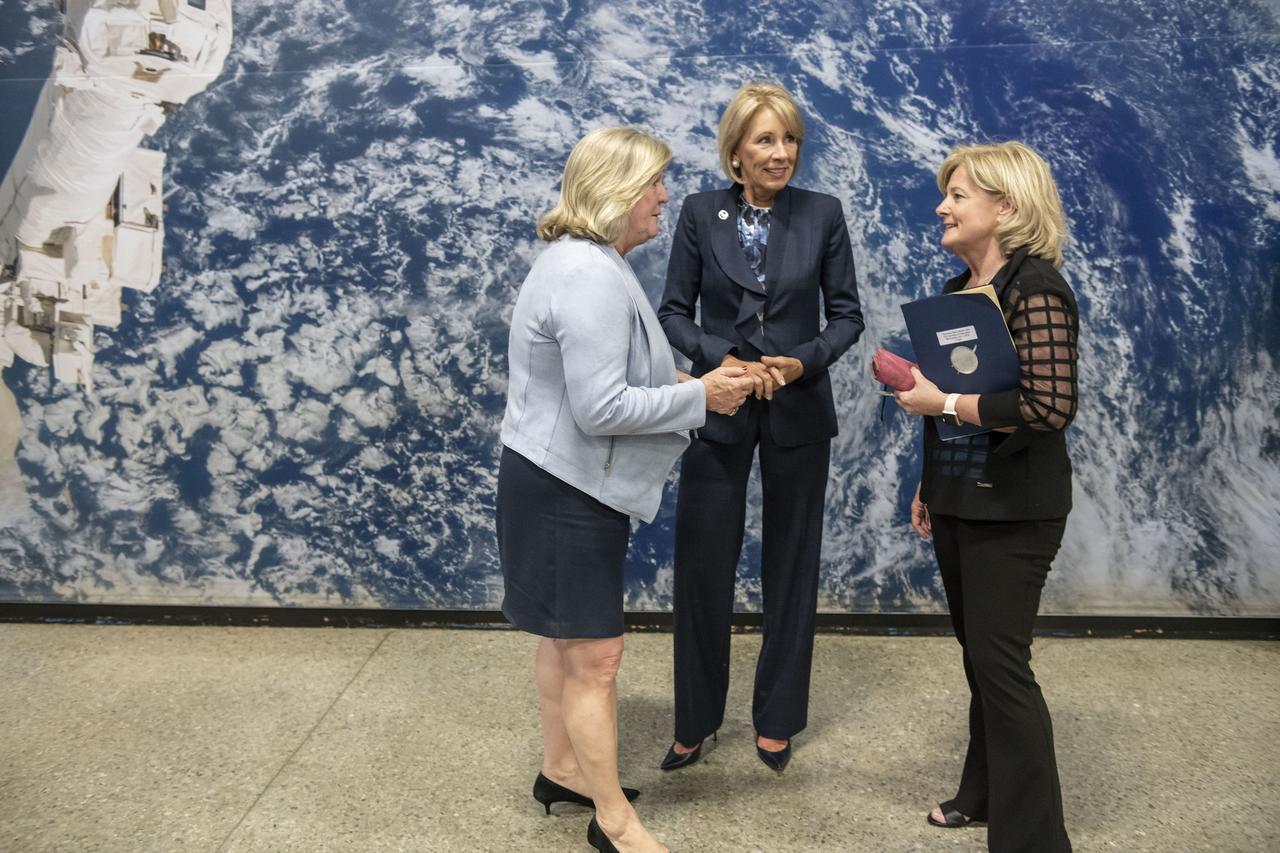
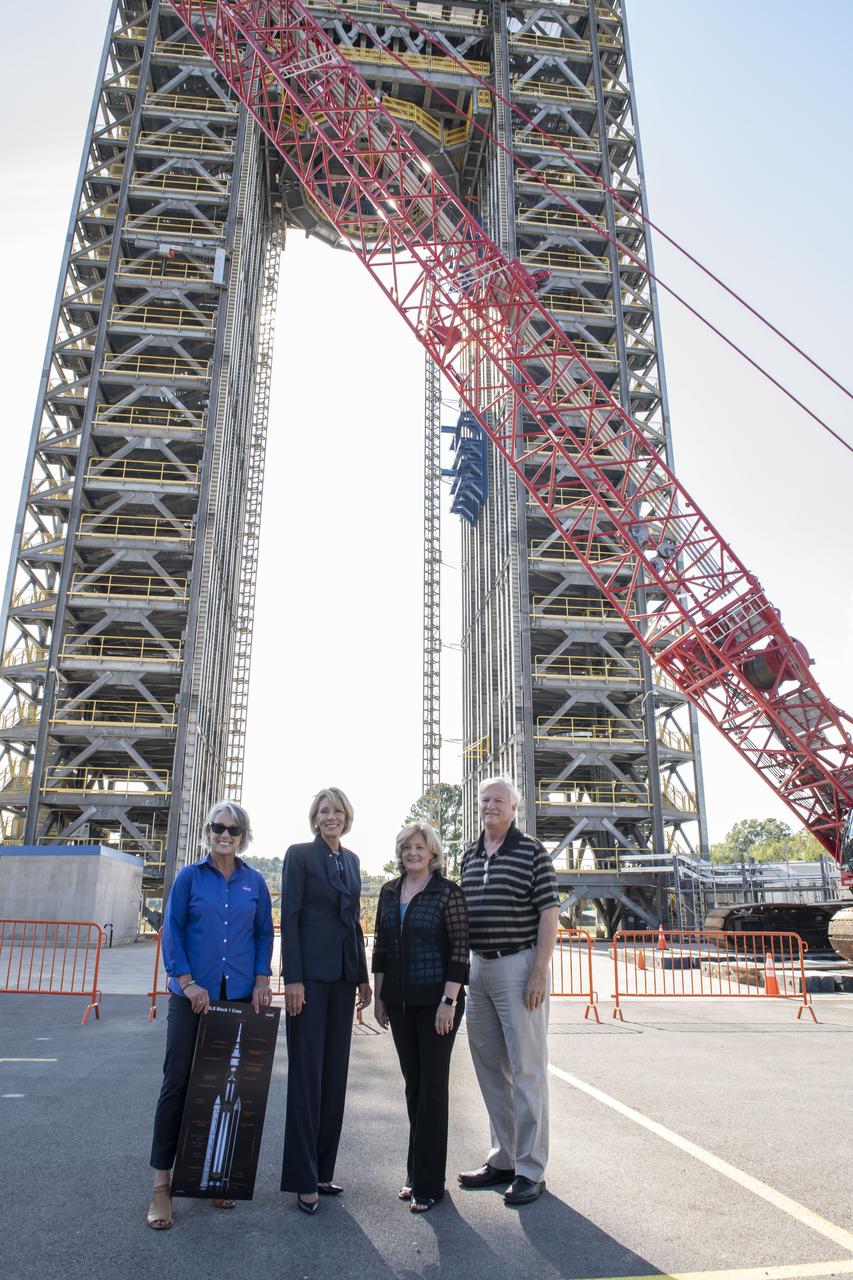
Secretary of Education Betsy DeVos visited the Payload Operations Integration Center (POIC) and test stand 4693 at the Marshall Space Flight Center (MSFC). The visit to MSFC was followed by a tour of educational facilities at the U.S. Space and Rocket Center (USSRC). Secretary DeVos was accompanied by Marshall Center Director Jody Singer and USSRC CEO Dr. Deborah Barnhart.
Betsy DeVos, Secretary of Education, Visit to MSFC and USSRC
Secretary of Education Betsy DeVos visited the Payload Operations Integration Center (POIC) and test stand 4693 at the Marshall Space Flight Center (MSFC). The visit to MSFC was followed by a tour of educational facilities at the U.S. Space and Rocket Center (USSRC). Secretary DeVos was accompanied by Marshall Center Director Jody Singer and USSRC CEO Dr. Deborah Barnhart.
Betsy DeVos, Secretary of Education, Visit to MSFC and USSRC
Secretary of Education Betsy DeVos visited the Payload Operations Integration Center (POIC) and test stand 4693 at the Marshall Space Flight Center (MSFC). The visit to MSFC was followed by a tour of educational facilities at the U.S. Space and Rocket Center (USSRC). Secretary DeVos was accompanied by Marshall Center Director Jody Singer and USSRC CEO Dr. Deborah Barnhart.
Betsy DeVos, Secretary of Education, Visit to MSFC and USSRC
Secretary of Education Betsy DeVos visited the Payload Operations Integration Center (POIC) and test stand 4693 at the Marshall Space Flight Center (MSFC). The visit to MSFC was followed by a tour of educational facilities at the U.S. Space and Rocket Center (USSRC). Secretary DeVos was accompanied by Marshall Center Director Jody Singer and USSRC CEO Dr. Deborah Barnhart.
Betsy DeVos, Secretary of Education, Visit to MSFC and USSRC
Secretary of Education Betsy DeVos visited the Payload Operations Integration Center (POIC) and test stand 4693 at the Marshall Space Flight Center (MSFC). The visit to MSFC was followed by a tour of educational facilities at the U.S. Space and Rocket Center (USSRC). Secretary DeVos was accompanied by Marshall Center Director Jody Singer and USSRC CEO Dr. Deborah Barnhart.
Betsy DeVos, Secretary of Education, Visit to MSFC and USSRC
Secretary of Education Betsy DeVos visited the Payload Operations Integration Center (POIC) and test stand 4693 at the Marshall Space Flight Center (MSFC). The visit to MSFC was followed by a tour of educational facilities at the U.S. Space and Rocket Center (USSRC). Secretary DeVos was accompanied by Marshall Center Director Jody Singer and USSRC CEO Dr. Deborah Barnhart.
Betsy DeVos, Secretary of Education, Visit to MSFC and USSRC
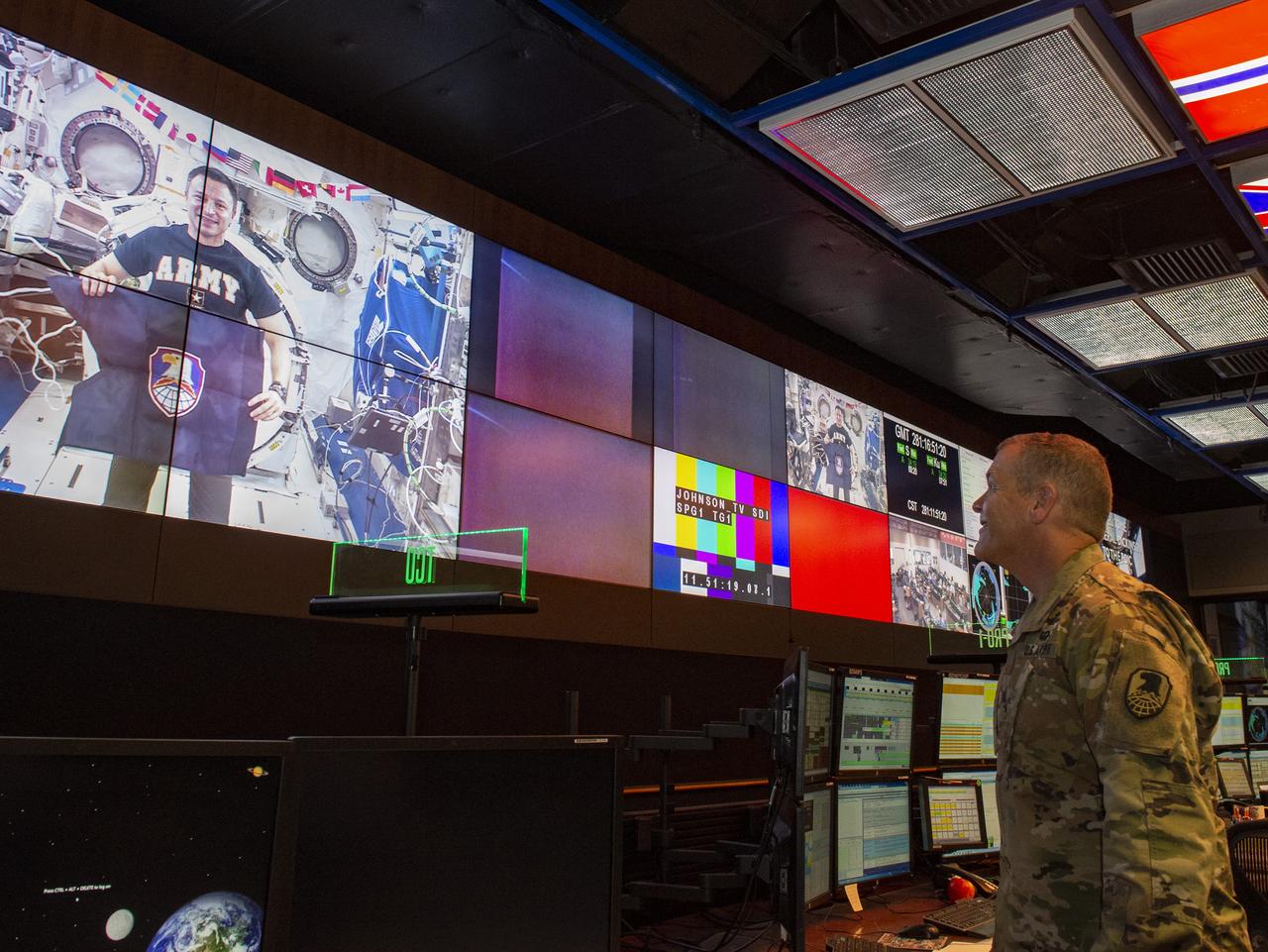
Army Lt. Gen. James Dickinson, right, commanding general of the U.S. Army Space and Missile Defense Command, speaks with NASA astronaut and current International Space Station crew member Andrew Morgan, an Army colonel, during an Oct. 8 downlink to the Payload Operations Integration Center at NASA’s Marshall Space Flight Center.
Army Lt. Gen. James Dickinson, right, commanding general of the
Testing of software with ground hardware for the Structue and Response of Spherical Diffusion Flames, s-Flame, experiment  - of the Advanced Combustion via Microgravity Experiments, ACME, project conducted in the ISS Combustion Integrated Rack, CIR - by ACME Software Engineer Jeffrey Eggers, Operations Lead Angela Adams, and Planning Lead Melani Smajdek in the Telescience Support Center, TSC, also known as the Glenn ISS Payload Operations Center, GIPOC
Testing of software with ground hardware for the Structue and Response of Spherical Diffusion Flames, s-Flame, experiment in the Telescience Support Center, TSC, also known as the Glenn ISS Payload Operations Center, GIPOC
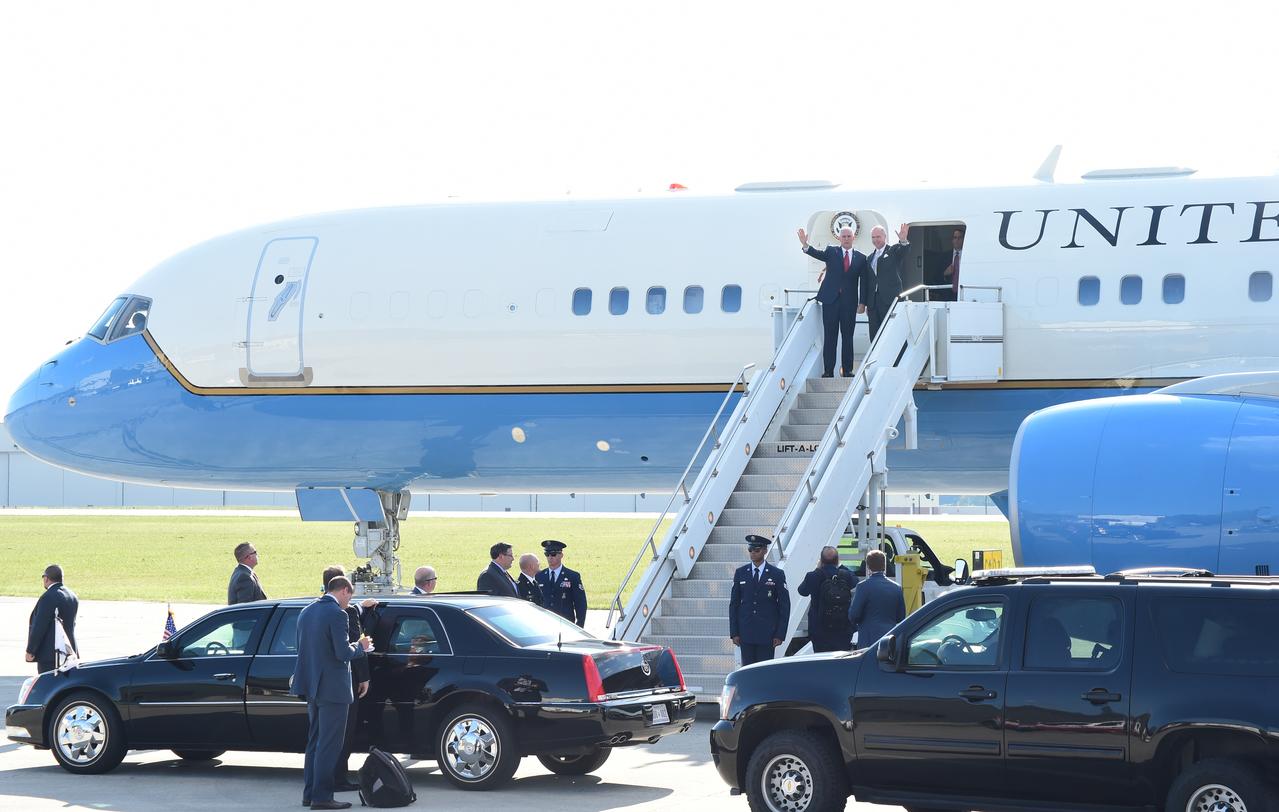
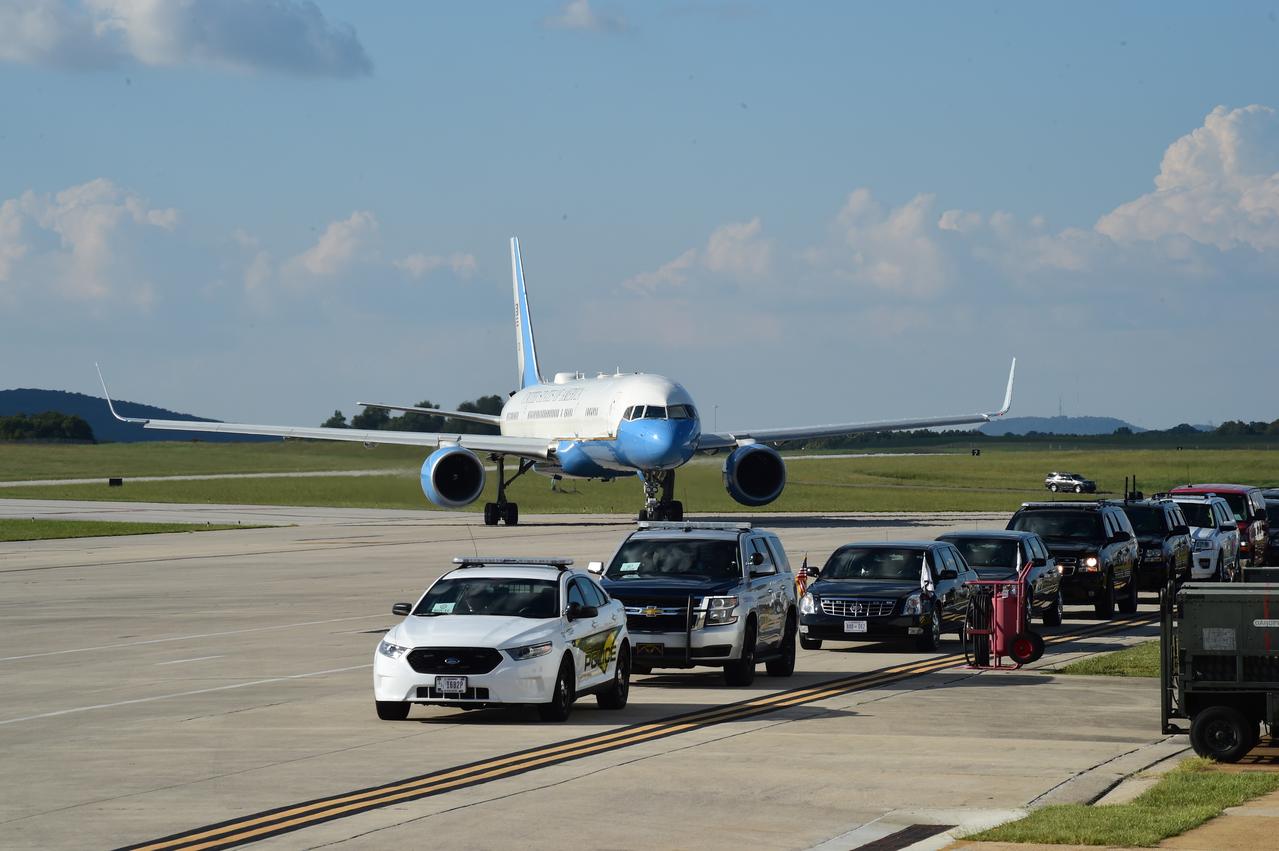
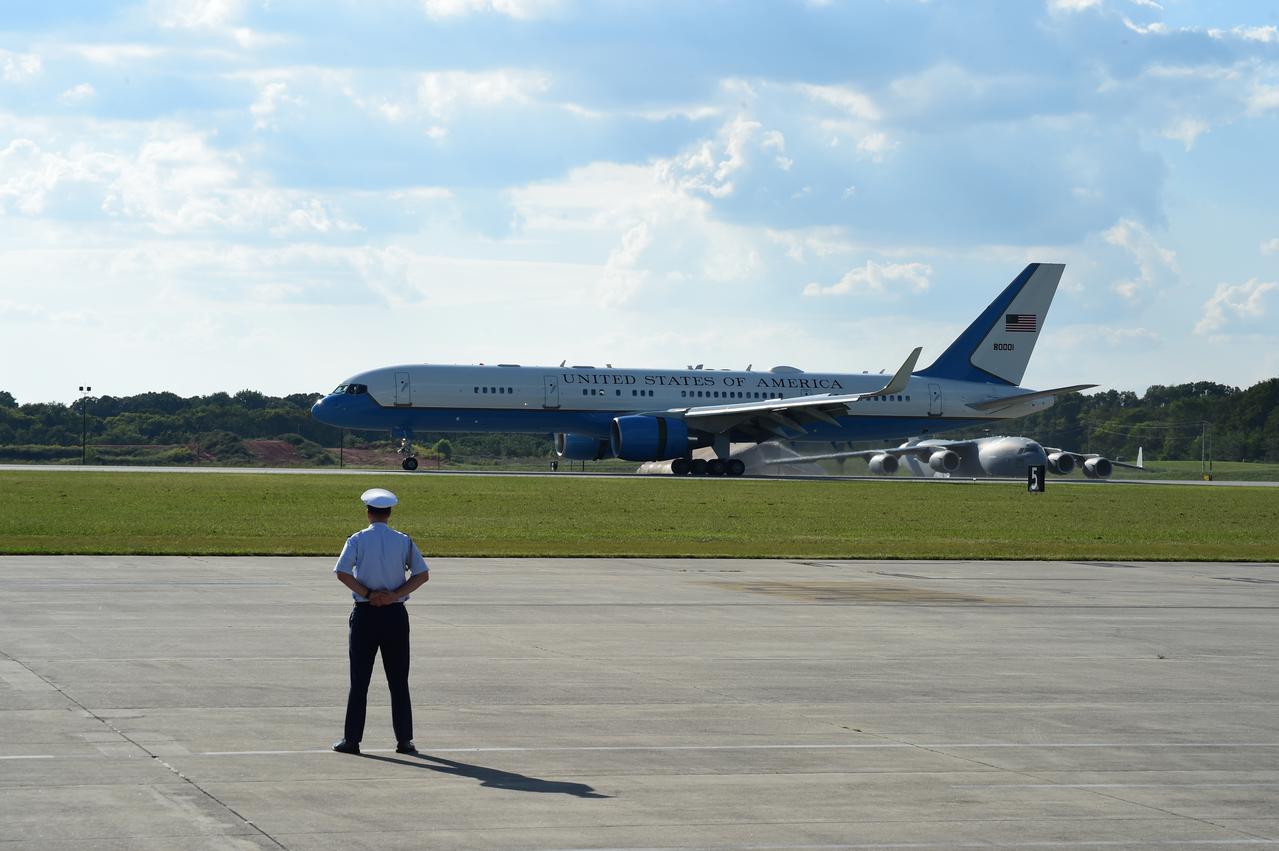
Air Force Two lands with Vice President Mike Pence along with Congressman Robert Aderholt at the Redstone Army Airfield in Huntsville, Alabama, on Monday, Sept. 25. The Vice President is visiting NASA’s Marshall Space Flight Center, located on Redstone Arsenal, to meet with employees, view test hardware for NASA’s Space Launch System — America’s new deep-space rocket, and tour the Payload Operations Integration Center, “science central” for the International Space Station. Photo Credit: (NASA/Emmett Given)
Vice President Pence Visits Marshall Space Flight Center
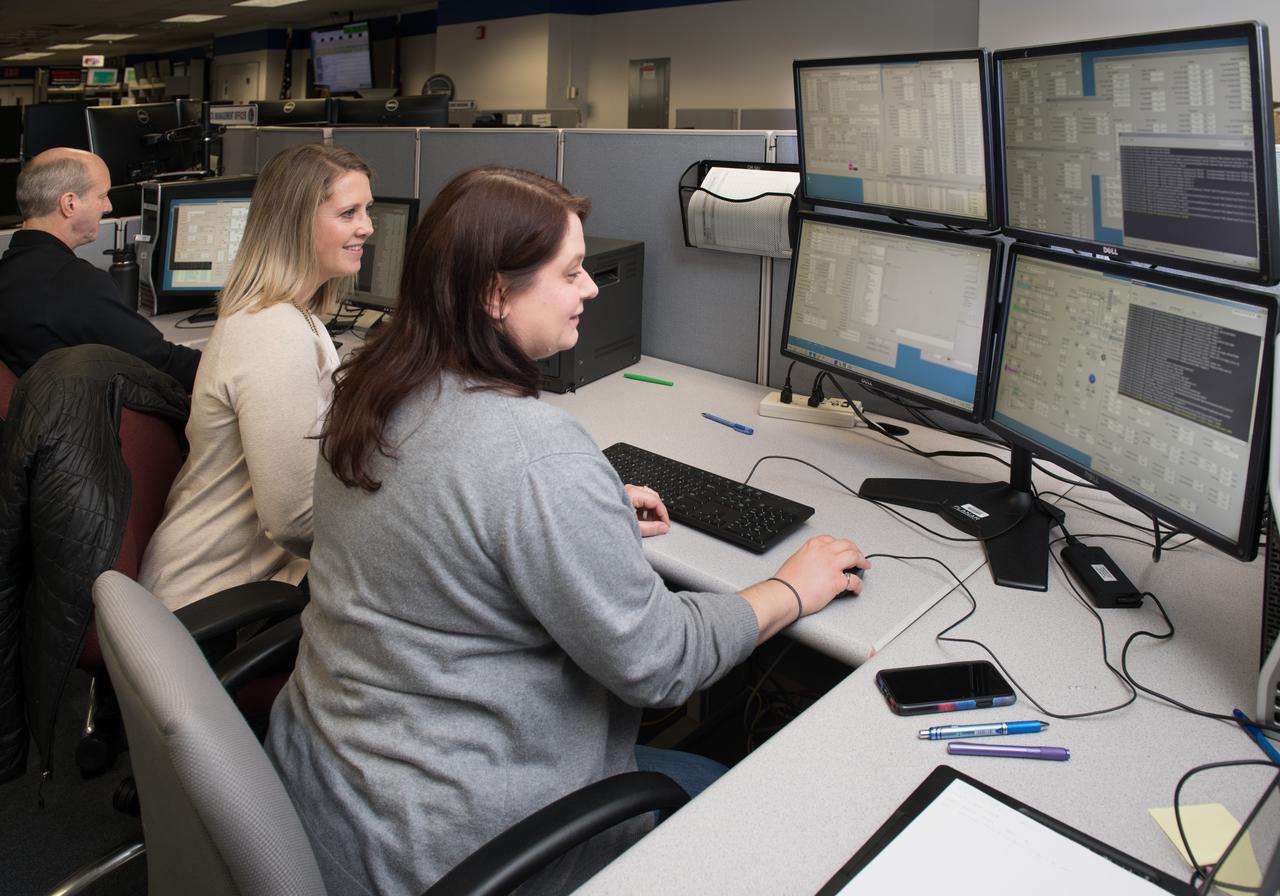
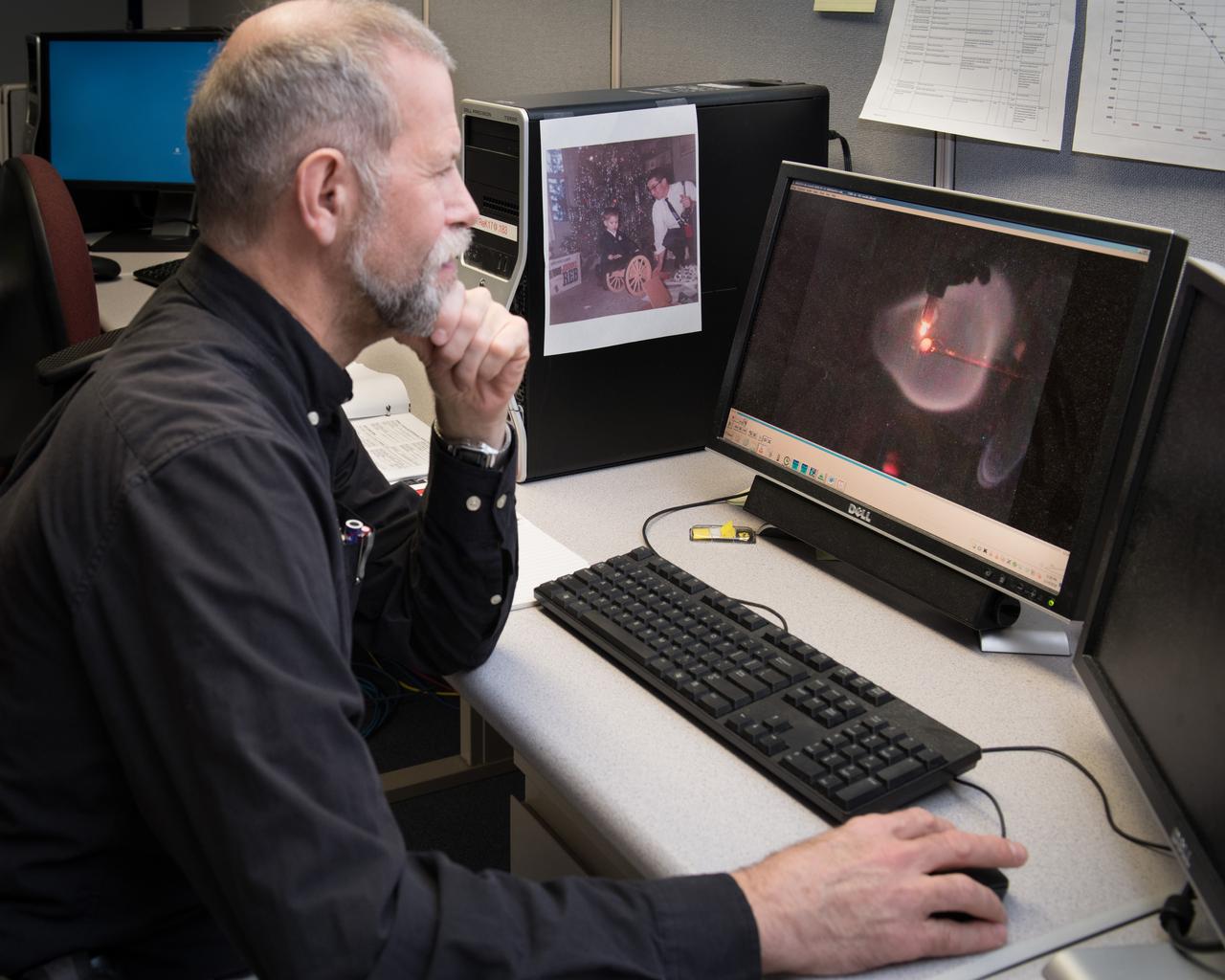
Review of ISS data from the Structure and Response of Spherical Diffusion Flames (s-Flame) experiment - of the Advanced Combustion via Microgravity Experiments. ACME project conducted in the Combustion Integrated Rack, CIR - by ACME Project Scientist Dennis Stocker in the Telescience Support Center,TSC, also known as the Glenn ISS Payload Operations Center, GIPOC
Review of International Space Station, ISS data from the Structure and Response of Spherical Diffusion Flames, s-Flame experiment in the Telescience Support Center, TSC, also known as the Glenn ISS Payload Operations Center, GIPOC
Air Force Two lands with Vice President Mike Pence along with Congressman Robert Aderholt at the Redstone Army Airfield in Huntsville, Alabama, on Monday, Sept. 25. The Vice President is visiting NASA’s Marshall Space Flight Center, located on Redstone Arsenal, to meet with employees, view test hardware for NASA’s Space Launch System — America’s new deep-space rocket, and tour the Payload Operations Integration Center, “science central” for the International Space Station. Photo Credit: (NASA/Emmett Given)
Vice President Pence Visits Marshall Space Flight Center
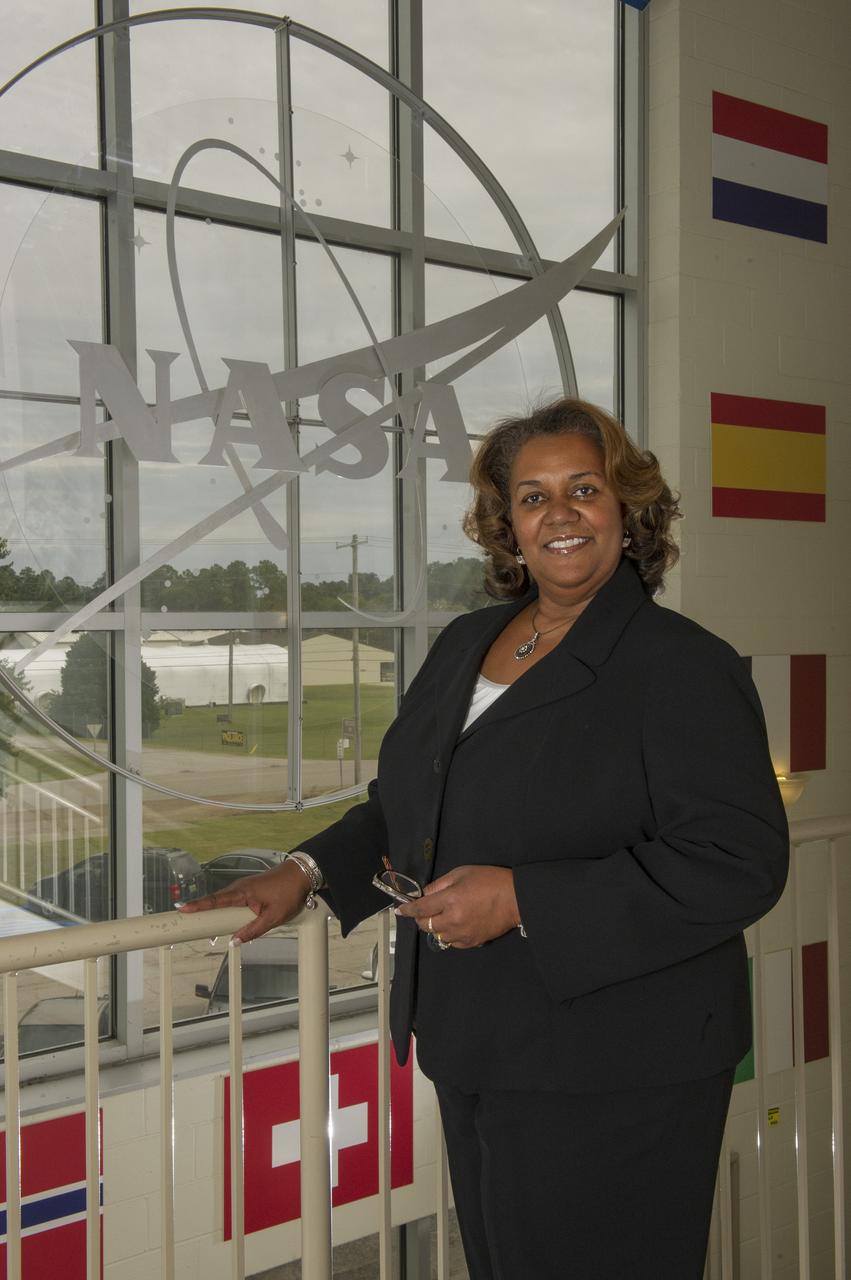
ENVIRONMENTAL PHOTO OF LYBREASE WOODARD FOR FORBES MAGAZINE ARTICLE:  THE PIONEERING NASA  EXEC MENTORING SPACE SCIENCE'S POWER WOMEN
Lybrease Woodard in the lobby of the Payload Operations Integration Center facility.
Air Force Two lands with Vice President Mike Pence along with Congressman Robert Aderholt at the Redstone Army Airfield in Huntsville, Alabama, on Monday, Sept. 25. The Vice President is visiting NASA’s Marshall Space Flight Center, located on Redstone Arsenal, to meet with employees, view test hardware for NASA’s Space Launch System — America’s new deep-space rocket, and tour the Payload Operations Integration Center, “science central” for the International Space Station. Photo Credit: (NASA/Emmett Given)
Vice President Pence Visits Marshall Space Flight Center
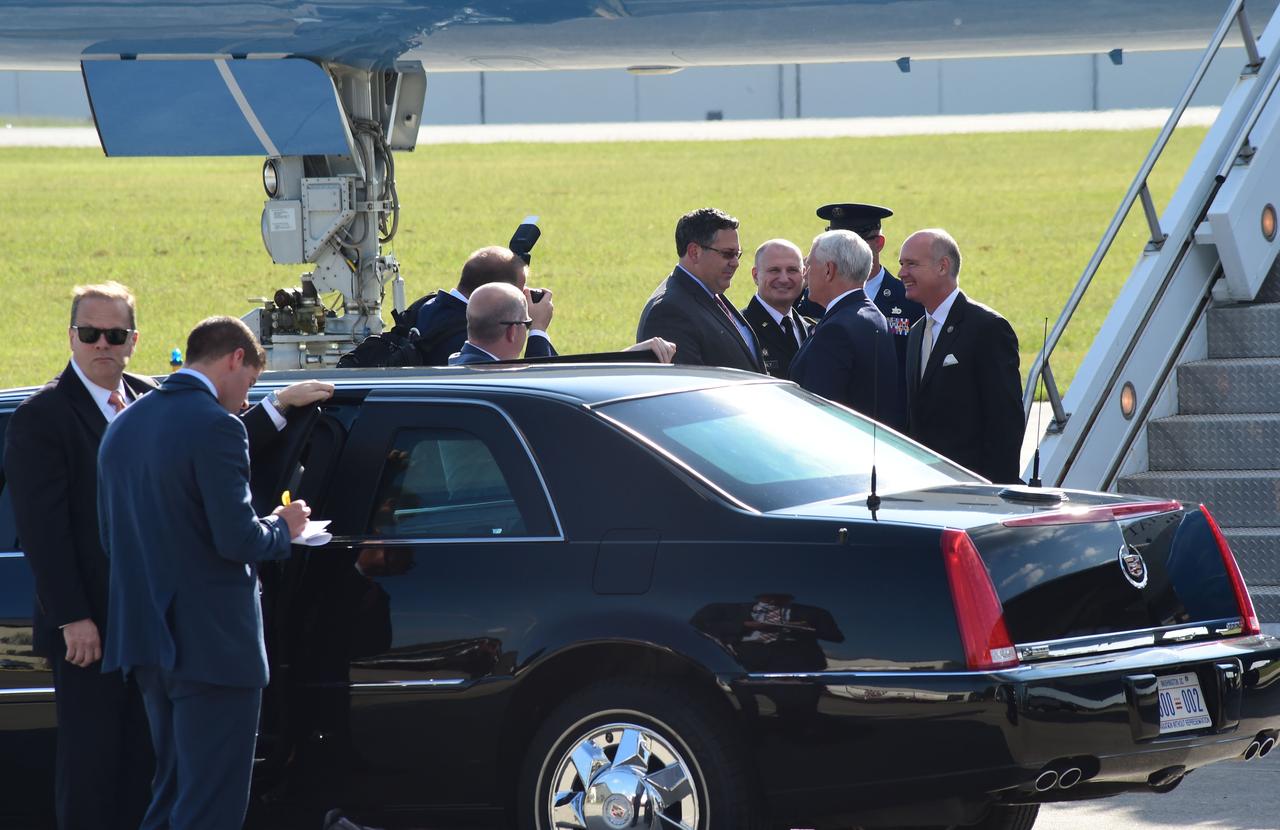
Air Force Two lands with Vice President Mike Pence along with Congressman Robert Aderholt at the Redstone Army Airfield in Huntsville, Alabama, on Monday, Sept. 25. They were greeted by NASA’s Marshall Space Flight Center Director Todd May and Redstone Arsenal’s Lt. Gen. Edward Daly. The Vice President is visiting NASA’s Marshall Center to meet with employees, view test hardware for NASA’s Space Launch System — America’s new deep-space rocket, and tour the Payload Operations Integration Center, “science central” for the International Space Station. Photo Credit: (NASA/Emmett Given)
Vice President Pence Visits Marshall Space Flight Center
PAYLOAD OPERATIONS INTEGRATION CENTER TEAM MEMBER STEPHANIE DUDLEY TALKS TO STUDENTS ABOUT HER DAY-TO-DAY JOB DUTIES AS A PAYLOAD OPERATIONS DIRECTOR.
1300124
NASA ASTRONAUT CHRIS CASSIDY, ,SIGNS A PLAQUE TO BE MOUNTED IN THE PAYLOAD OPERATIONS INTEGRATION CENTER AT THE MARSHALL SPACE FLIGHT CENTER.
1400026
MSFC Building 4663, NE corner view of Huntsville Operations  Support Center, housing the Payload Operations Integration Center (POIC). The POIC supports ongoing flight operations and scientific experiments aboard the International Space Station (ISS)
Huntsville Operations Support Center (HOSC)
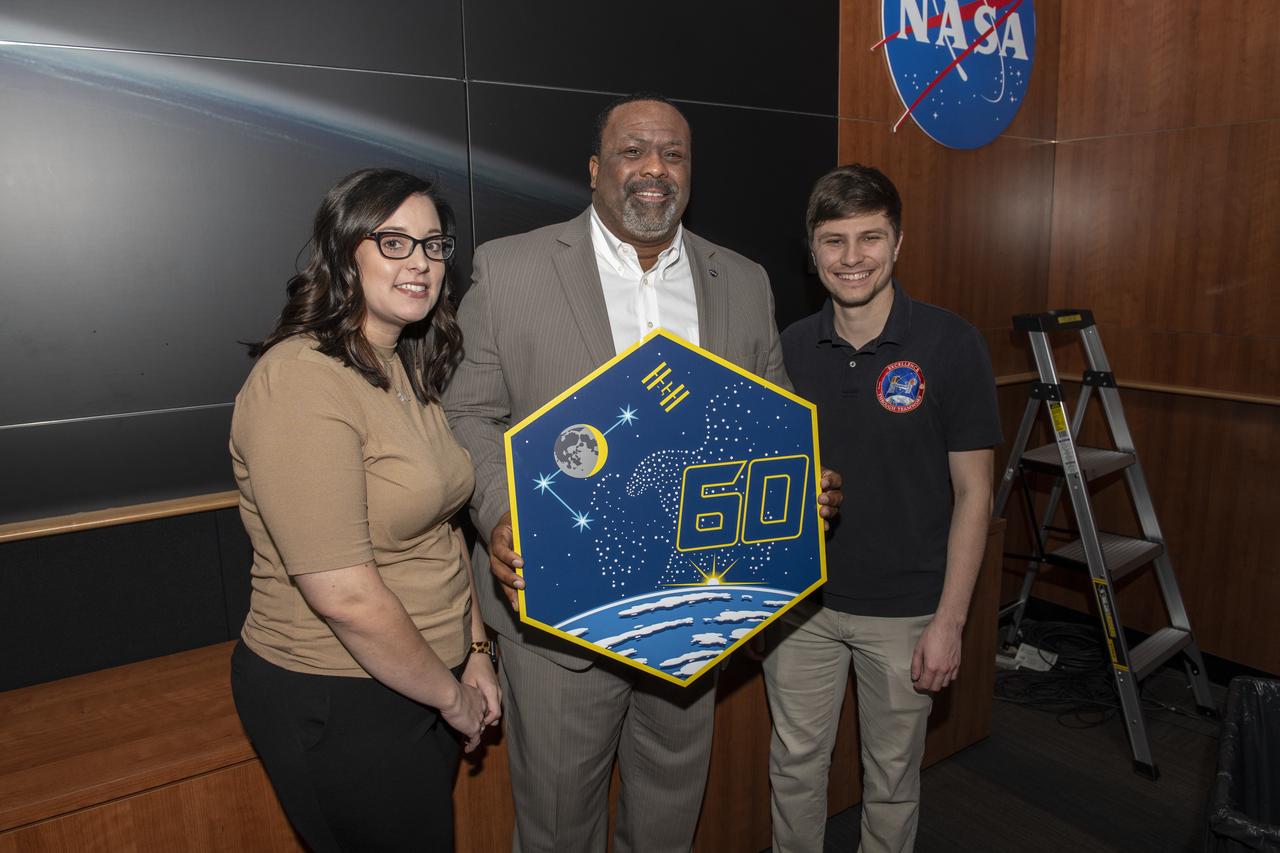
Increment 60 plaque hanging in the Payload Operations Operation Integration (POC) facility.  Dwight Mosby holding the Increment 60 plaque along with Kira Thomas and Christian Bonner who hung the plaque.
Increment 60 Plaque Hanging
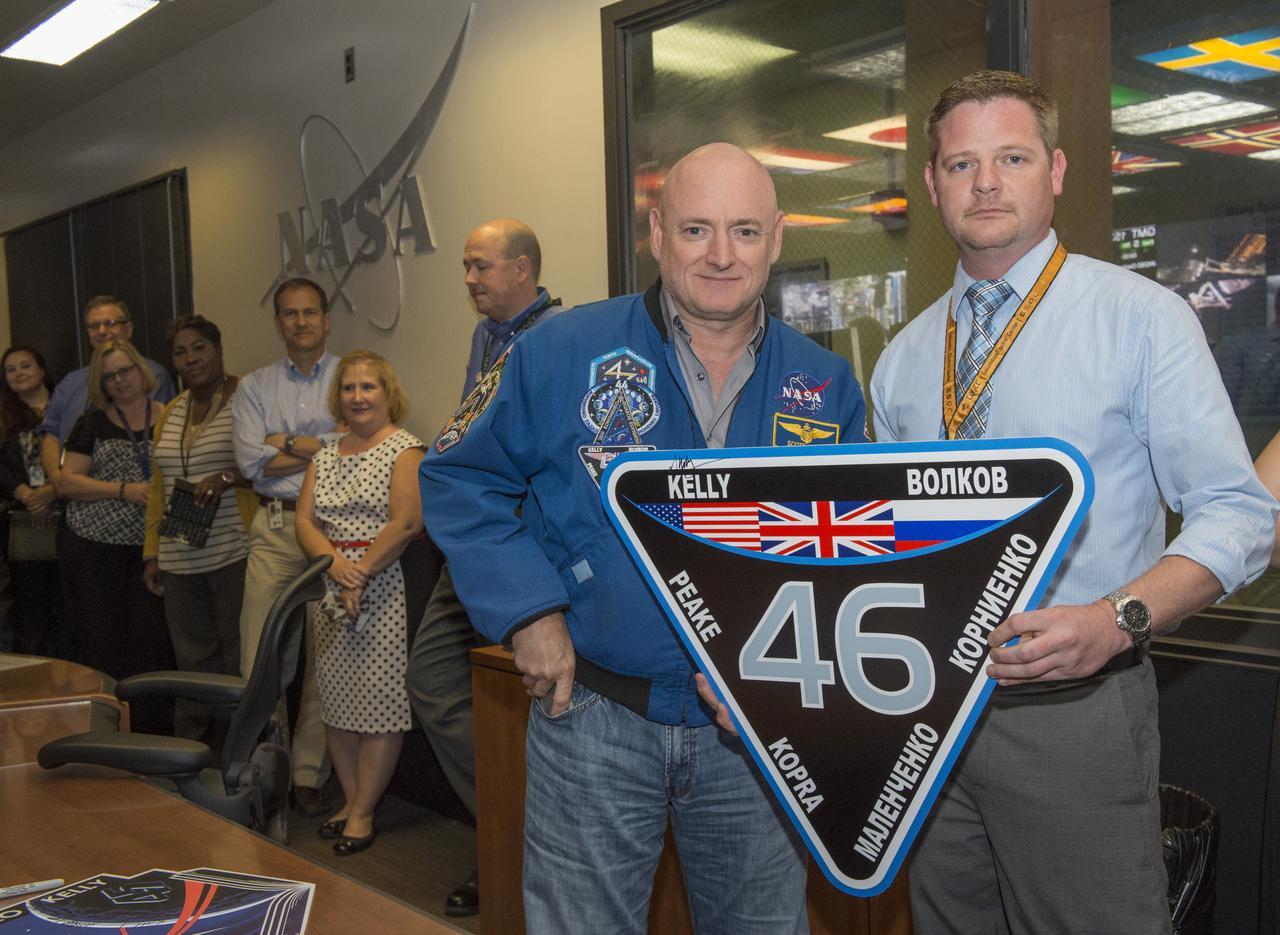
RETIRED NASA ASTRONAUT SCOTT KELLY, LEFT, AND PAYLOAD PLANNING MANAGER TONY PITTMAN PAUSE FOR A PHOTO BEFORE HANGING THE MISSION PATCH FOR EXPEDITION 46 ON THE WALL OF THE PAYLOAD OPERATIONS INTEGRATION CENTER
EXPEDITION 46 PLAQUE HANGING
DATA OPERATIONS CONTROL ROOM TEAM MEMBERS TAKE ALL SCIENCE DATA FROM THE INTERNATIONAL SPACE STATION, AND DISTRIBUTE IT TO THE PAYLOAD OPERATIONS INTEGRATION CENTER AND SCIENTISTS ALL OVER THE WORLD WHO HAVE EXPERIMENTS ON THE ORBITING LABORATORY.
1400136
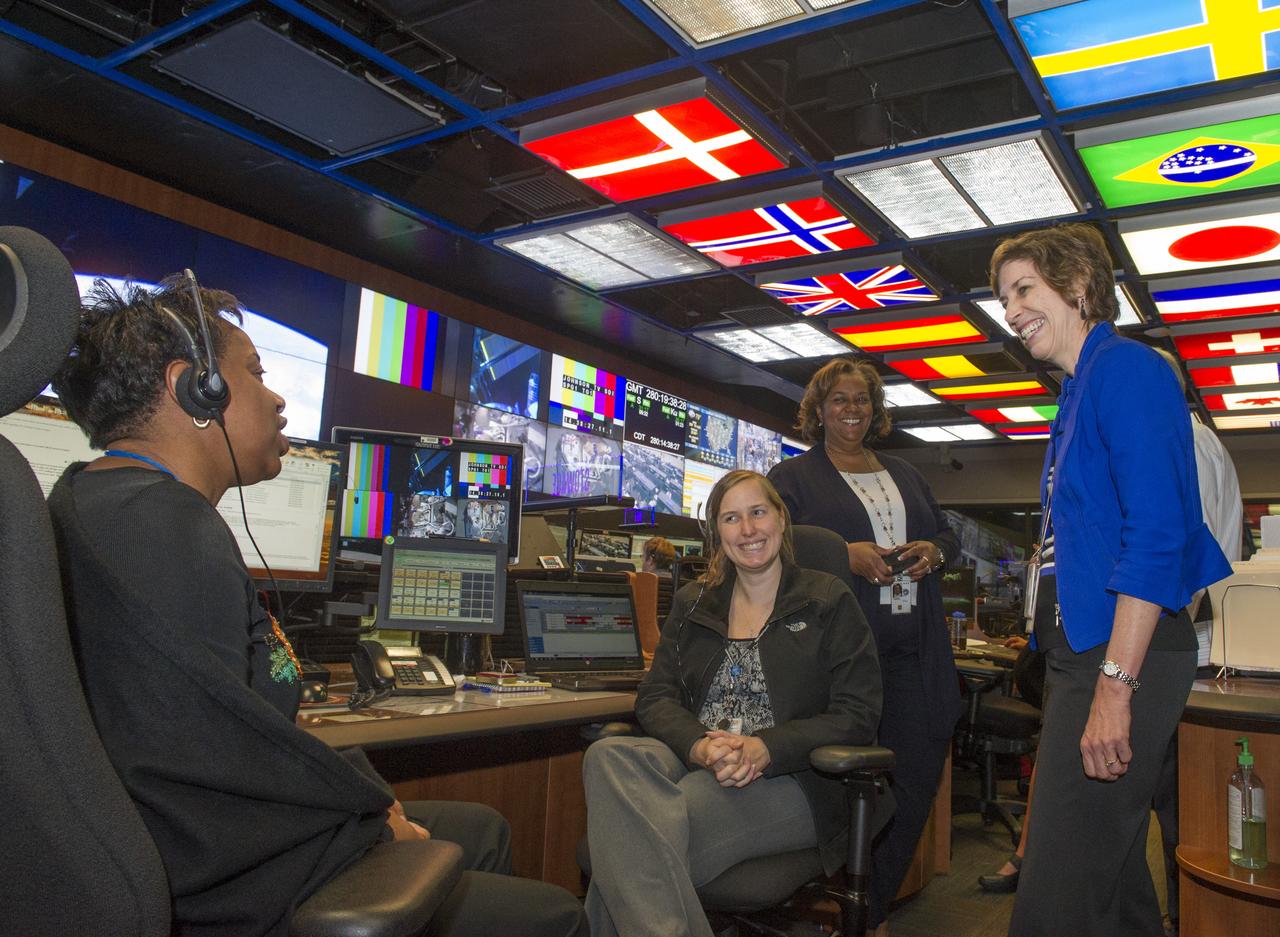
FROM LEFT, EUGENA GOGGANS AND MELISSA HOPPER, BOTH STOWAGE ENGINEERS, AND LYBREASE WOODARD, ASSOCIATE DIRECTOR OF THE MISSION OPERATIONS LAB, GREET DR. ELLEN OCHOA IN THE PAYLOAD OPERATIONS INTEGRATION CENTER FOR THE ISS
1401412
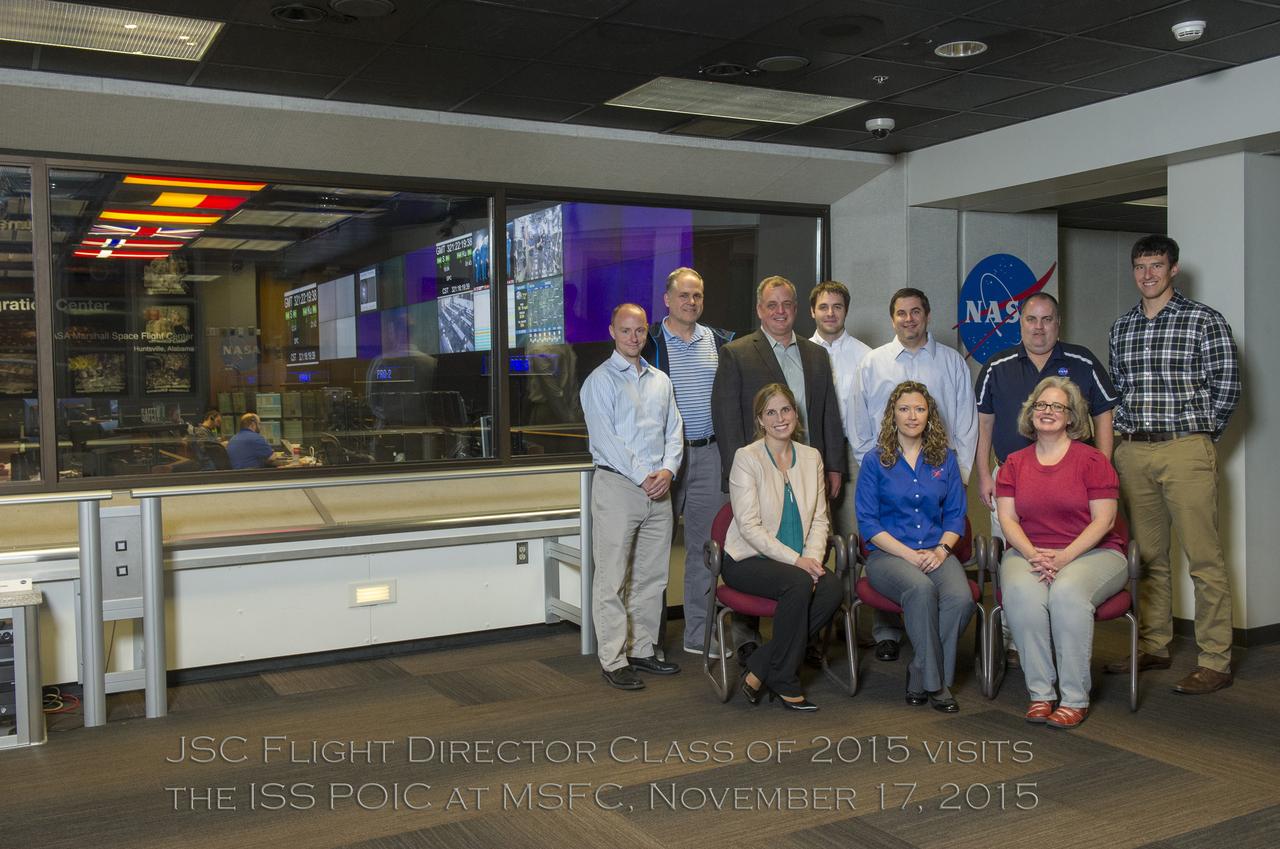
JSC FLIGHT DIRECTOR CLASS OF 2015 VISITS THE INTERNATIONAL SPACE STATION PAYLOAD OPERATION INTEGRATION CENTER AT MSFC, NOVEMBER 17, 2015
2015 JSC Flight Director Class
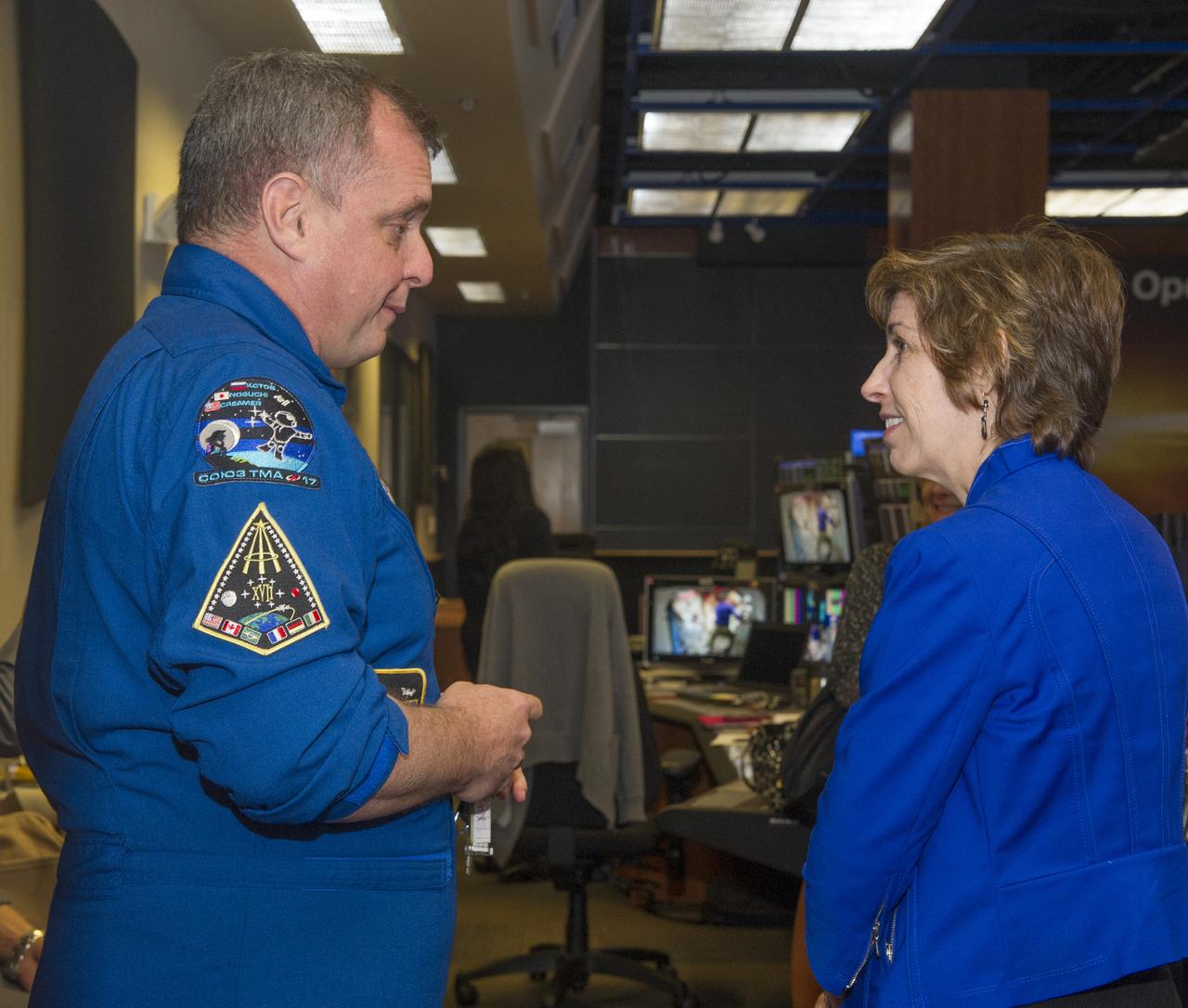
ASTRONAUT T.J. CREAMER OF ISS EXPEDITION 22 AND 23, GREETS DR. ELLEN OCHOA INSIDE THE PAYLOAD OPERATIONS INTEGRATION CENTER FOR THE ISS
1401411
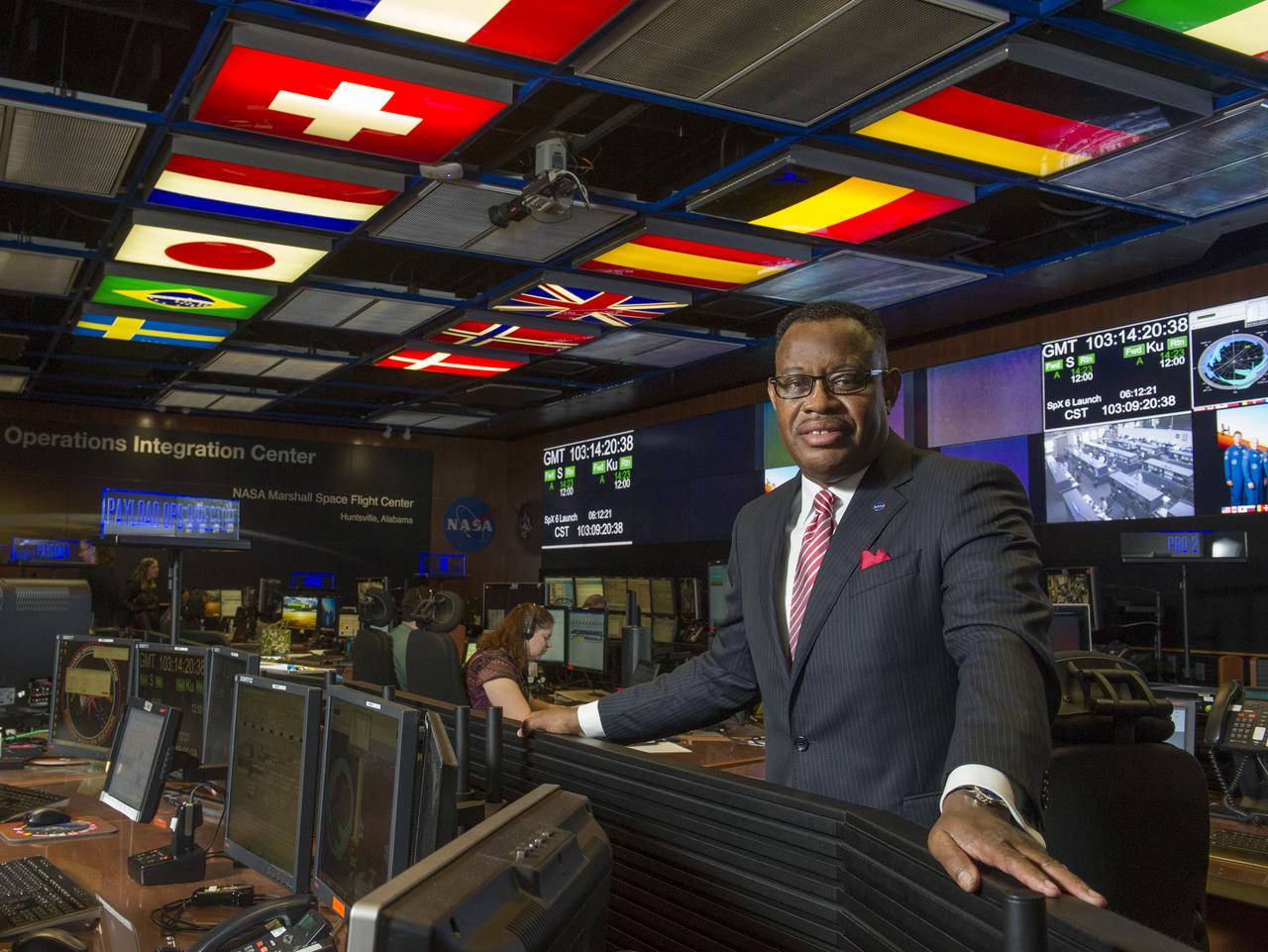
LEWIS WOOTEN, NEW DIRECTOR OF THE MISSION OPERATIONS LABORATORY AT NASA'S MARSHALL SPACE FLIGHT CENTER IN HUNTSVILLE, ALABAMA, MANAGES OPERATIONS IN THE PAYLOAD OPERATIONS INTEGRATION CENTER-THE COMMAND POST FOR ALL SCIENCE AND RESEARCH ACTIVITIES ON THE INTERNATIONAL SPACE STATION
Lewis Wooten in the MSFC Payload Operations Integration facility.
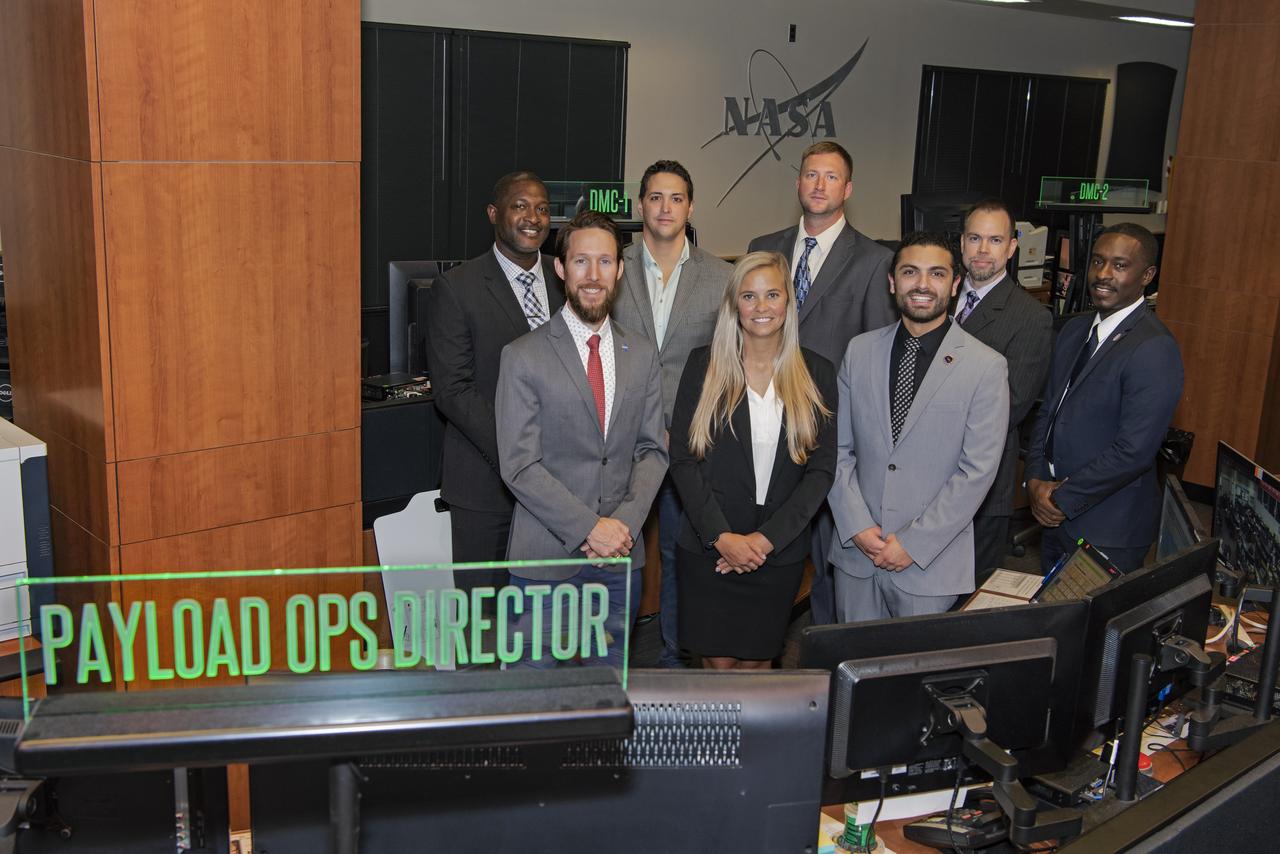
Official group photo of the new class of PODs (Payload Operations Directors) for 2019, taken in building 4663 Payload Operations Center. (L to R) Stacey Steele, Michael Vigo, Dr. Ian Howley, Luke Bingaman, Jennifer McMillian, Luke Mays, Carlos Barreto, David Nicholas Benjamin
New POD Class
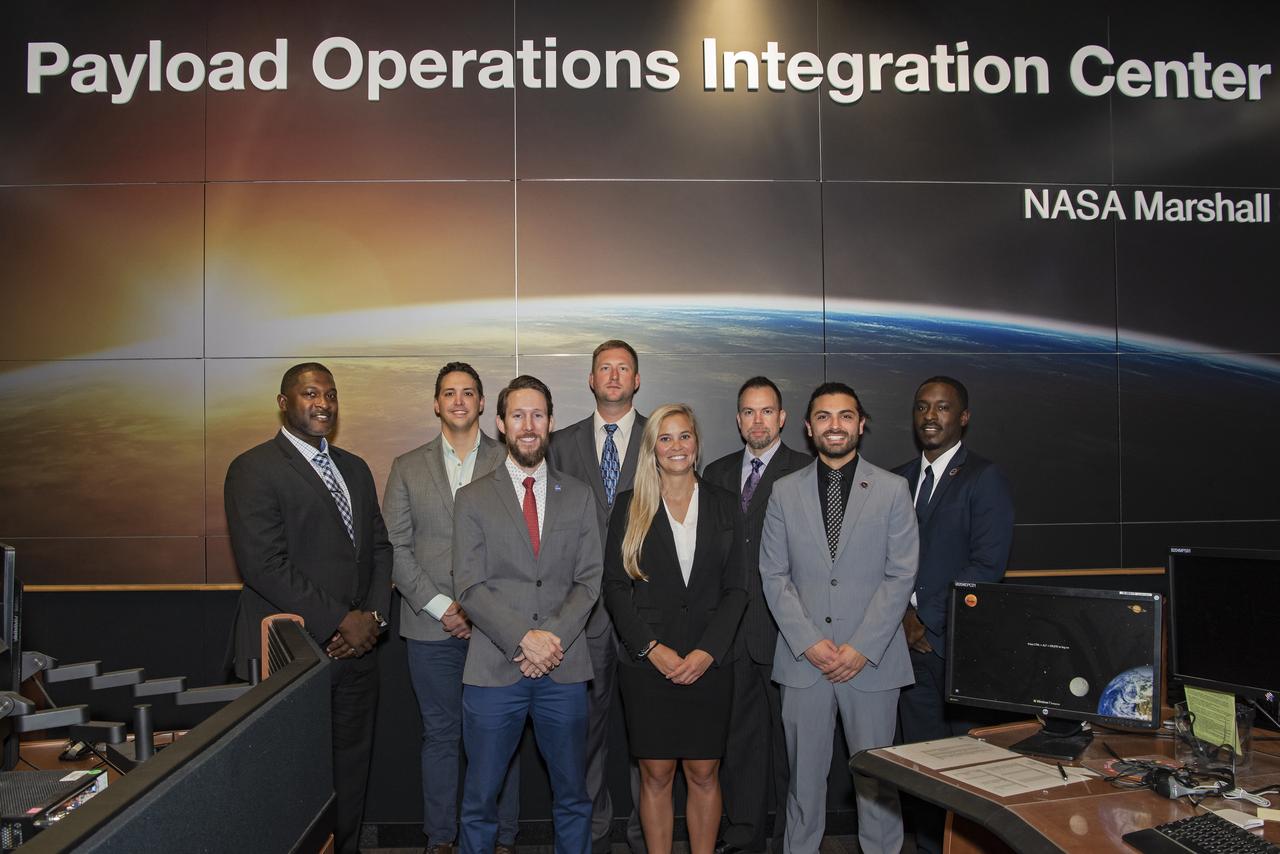
Official group photo of the new class of PODs (Payload Operations Directors) for 2019, taken in building 4663 Payload Operations Center. (L to R) Stacey Steele, Dr. Ian Howley, Michael Vigo, Jennifer McMillian, Luke Bingaman, Carlos Barreto, Luke Mays, David Nicholas Benjamin
New POD Class
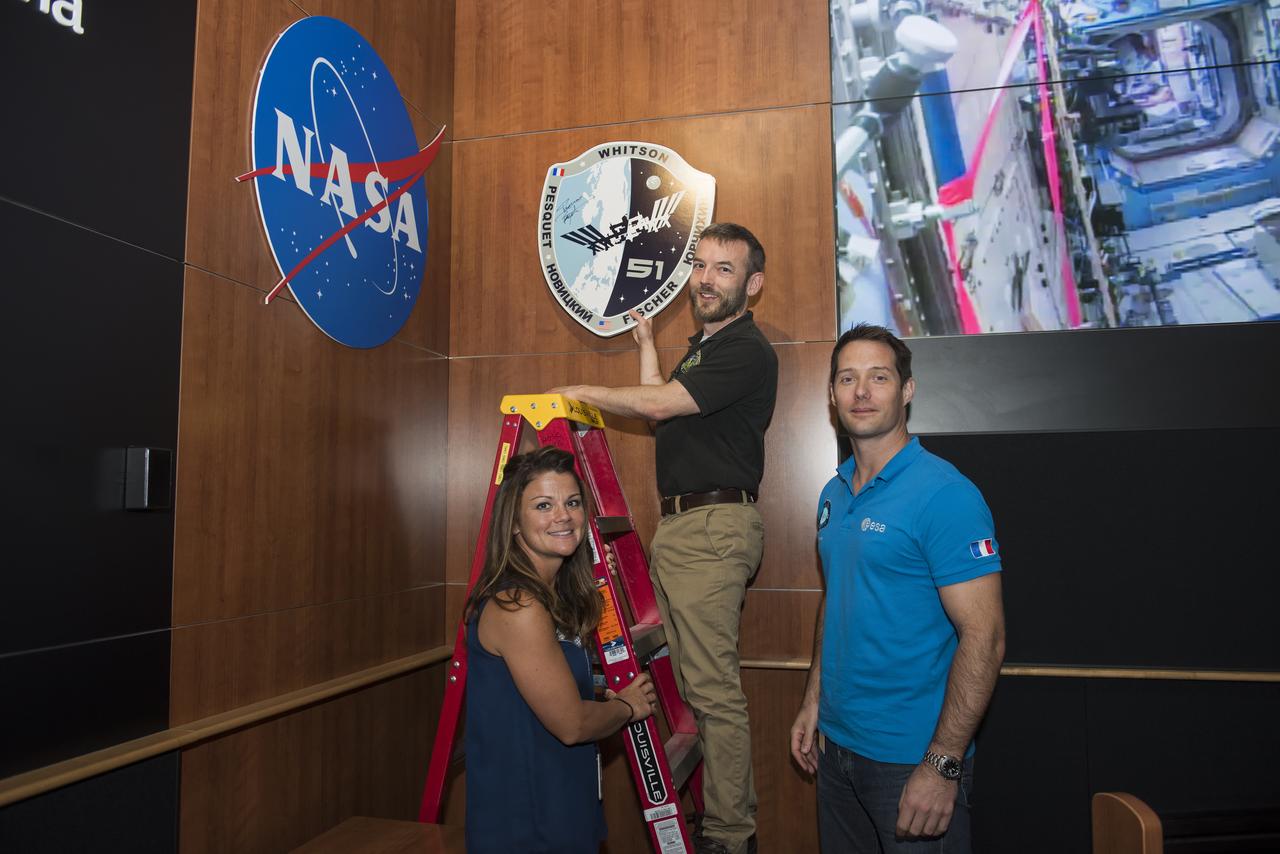
Space Station expedition 50/51 crew member Thomas Pesquet hangs a commemorative plaque in the Payload Operation Integration Center at NASA's Marshall Space Flight Center.
Astronaut Thomas Pesquet hangs Expedition 50/51 plaque.
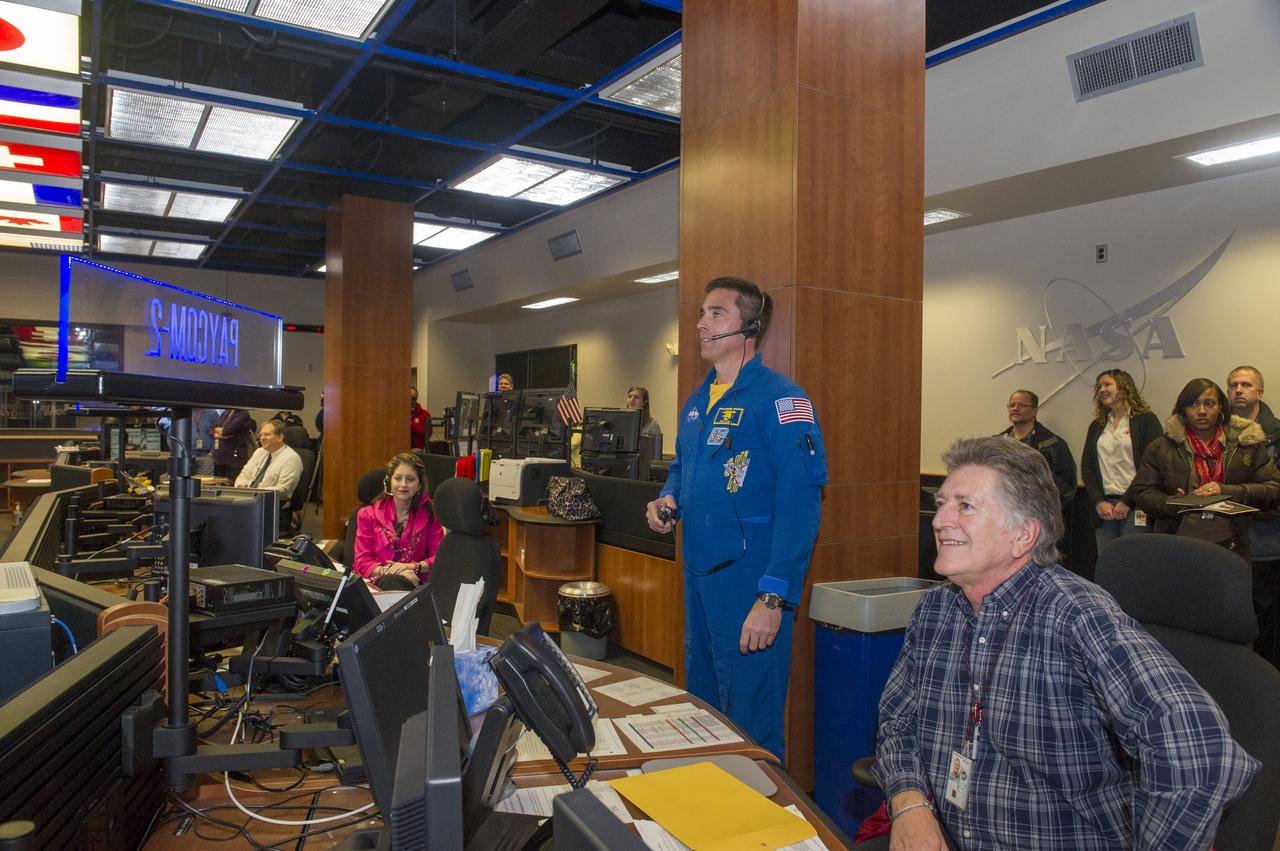
NASA ASTRONAUT CHRIS CASSIDY TALKS LIVE WITH CURRENT ISS CREW MEMBERS DURING A VISIT TO THE PAYLOAD OPERATIONS INTEGRATION CENTER, OR THE POIC, AS PART OF A MARSHALL SPACE FLIGHT CENTER VISIT JAN. 22.
1400027
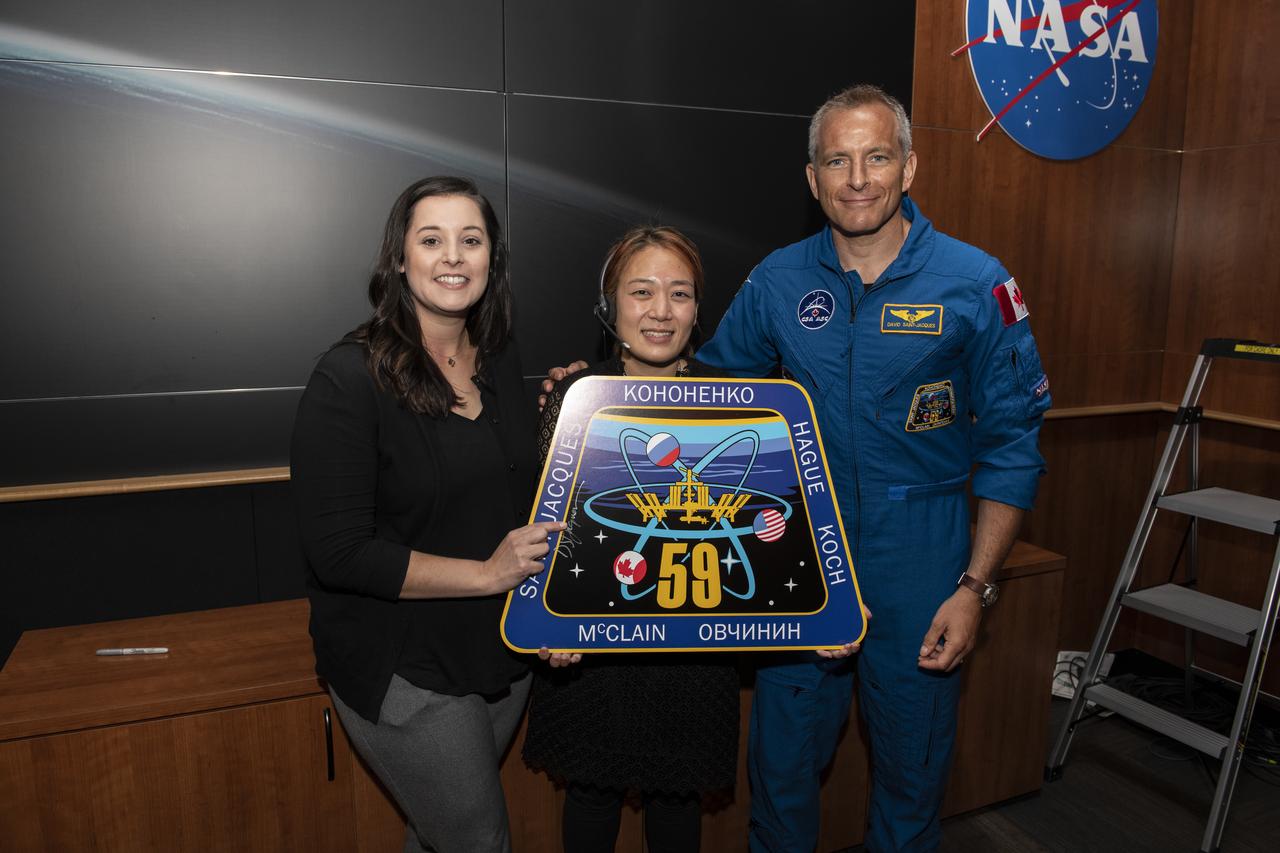
Expedition 59 Astronaut David Saint-Jaques visits Marshall Space Flight Center's Payload Operations Integration Center where Operations Controller Halley Chang hangs the Expedition 59 plaque with the help of Timeline Change Officer Kira Thomas along with David Saint-Jaques.
Expedition 59 Plaque Hanging In the Payload Operations Integrati
Expedition 59 Astronaut David Saint-Jaques visits Marshall Space Flight Center's Payload Operations Integration Center where Operations Controller Halley Chang hangs the Expedition 59 plaque with the help of Timeline Change Officer Kira Thomas along with David Saint-Jaques.
Expedition 59 Plaque Hanging In the Payload Operations Integrati
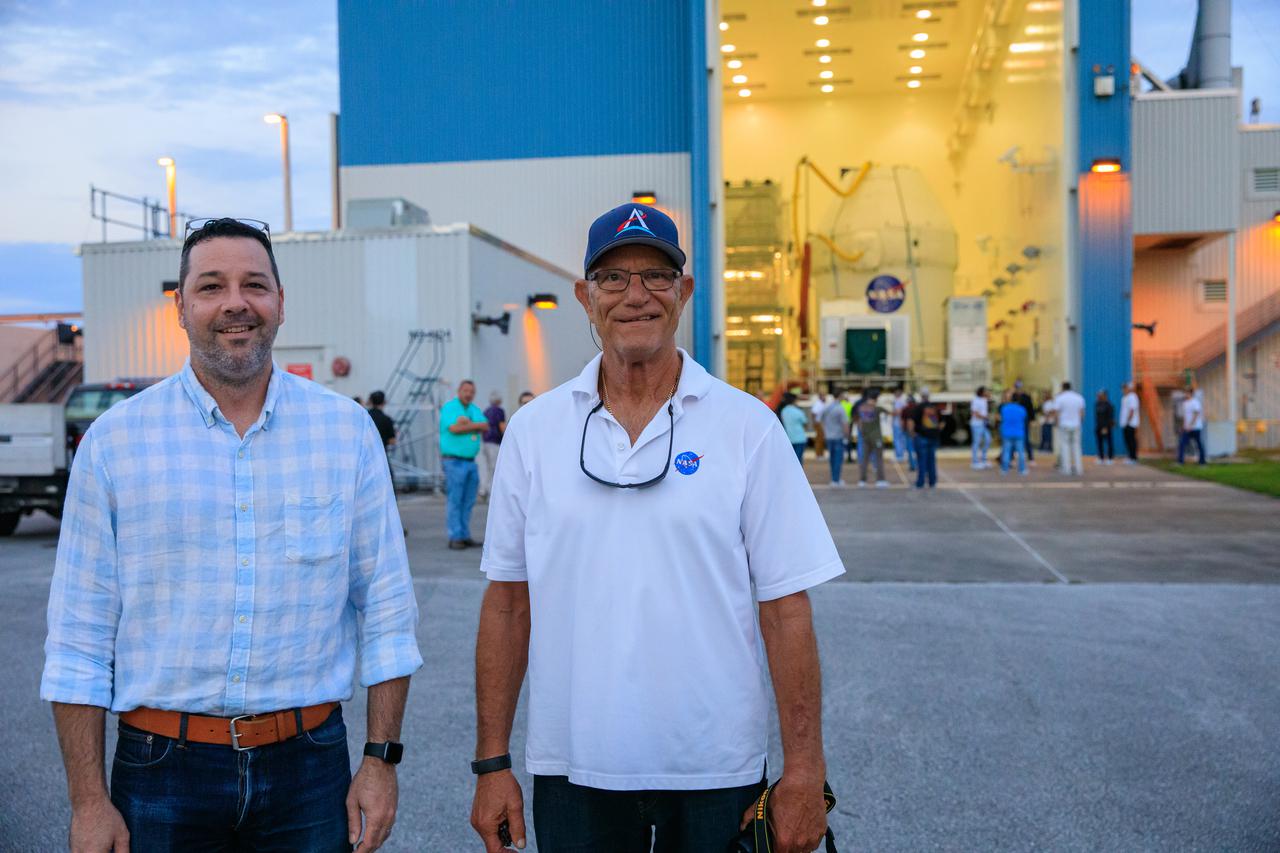
Mike Collins, NASA Operations manager for Spacecraft Offline Operations, left, and Skip Williams, operations manager for the Multi-Payload Processing Facility (MPPF) spacecraft offline element integration team, stand in front of the Orion spacecraft for the Artemis I mission, as the capsule moves out from Kennedy Space Center’s MFFP on July 10, 2021. Orion is being transported to the Florida spaceport’s Launch Abort System Facility, where teams with Exploration Ground Systems and contractor Jacobs will integrate components of the launch abort system onto the spacecraft. Launching later this year, Artemis I will be a test of the Orion spacecraft and SLS rocket as an integrated system ahead of crewed flights to the Moon.
Artemis I - Orion Move to Launch Abort System Facility (LASF)
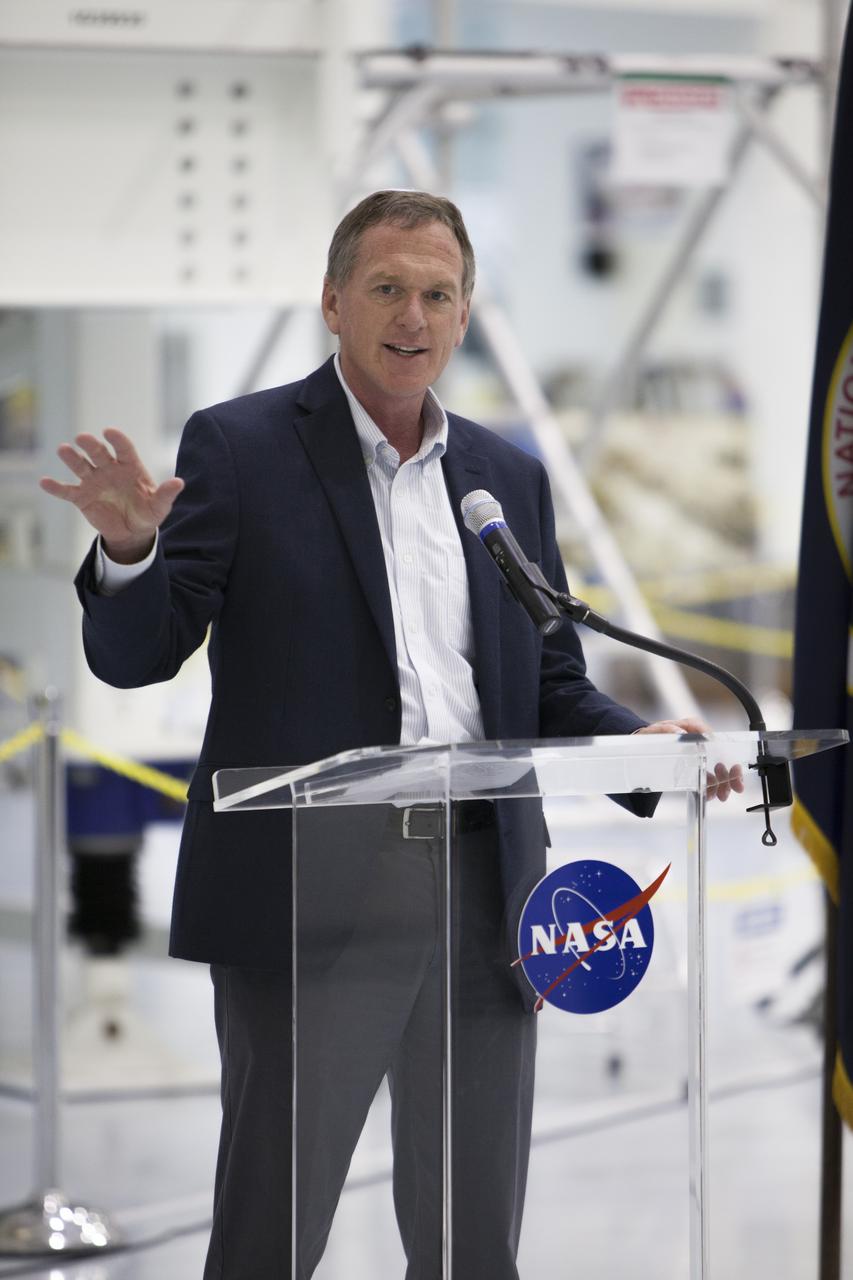
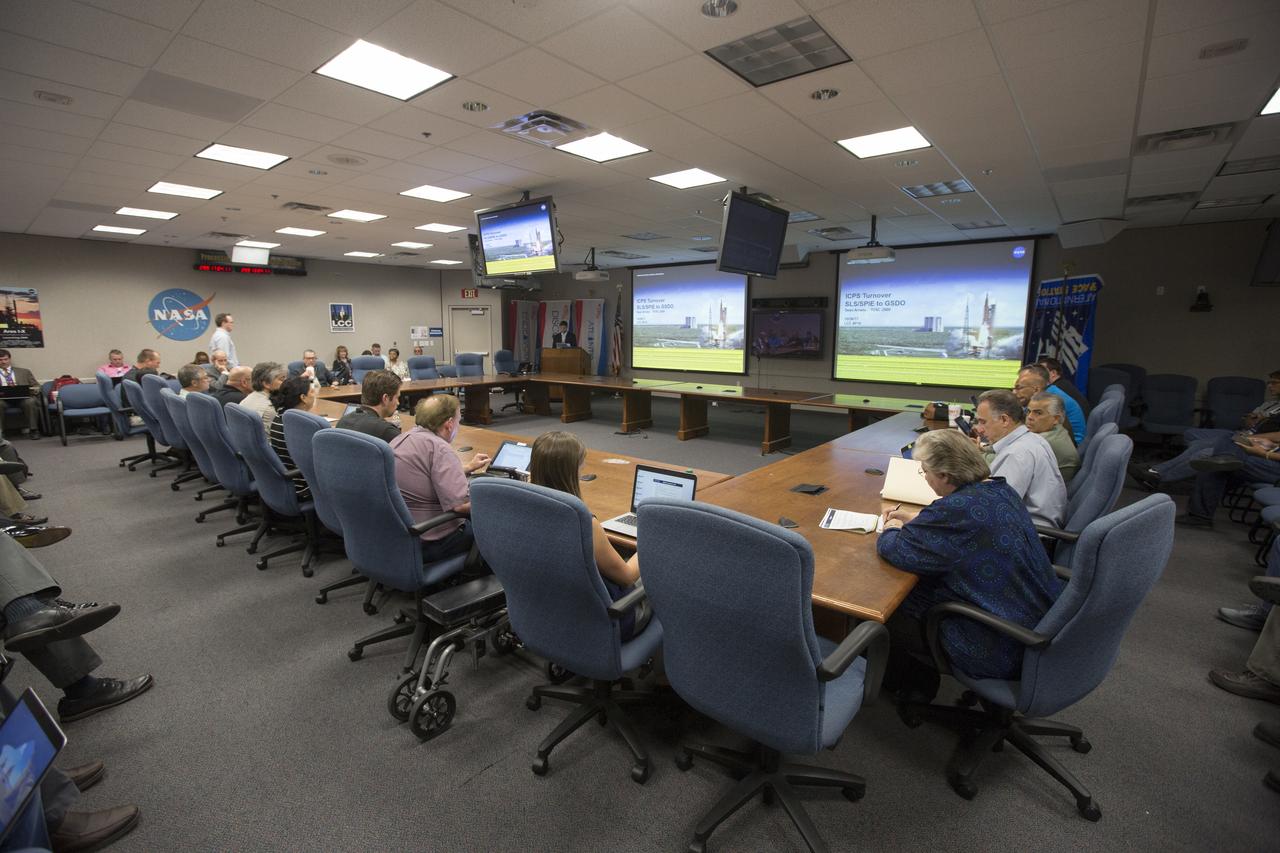
Mike Bolger, Ground Systems Development and Operations Program manager at NASA's Kennedy Space Center, speaks to guests during a ceremony in the high bay of the Space Station Processing Facility. The event marked the milestone of the Space Launch System rocket's Interim Cryogenic Propulsion Stage (ICPS) being turned over from NASA's Spacecraft/Payload Integration and Evolution organization to the spaceport's Ground Systems Development and Operations directorate. The ICPS is the first integrated piece of flight hardware to arrive in preparation for the uncrewed Exploration Mission-1.
ICPS Turnover GSDO Employee Event
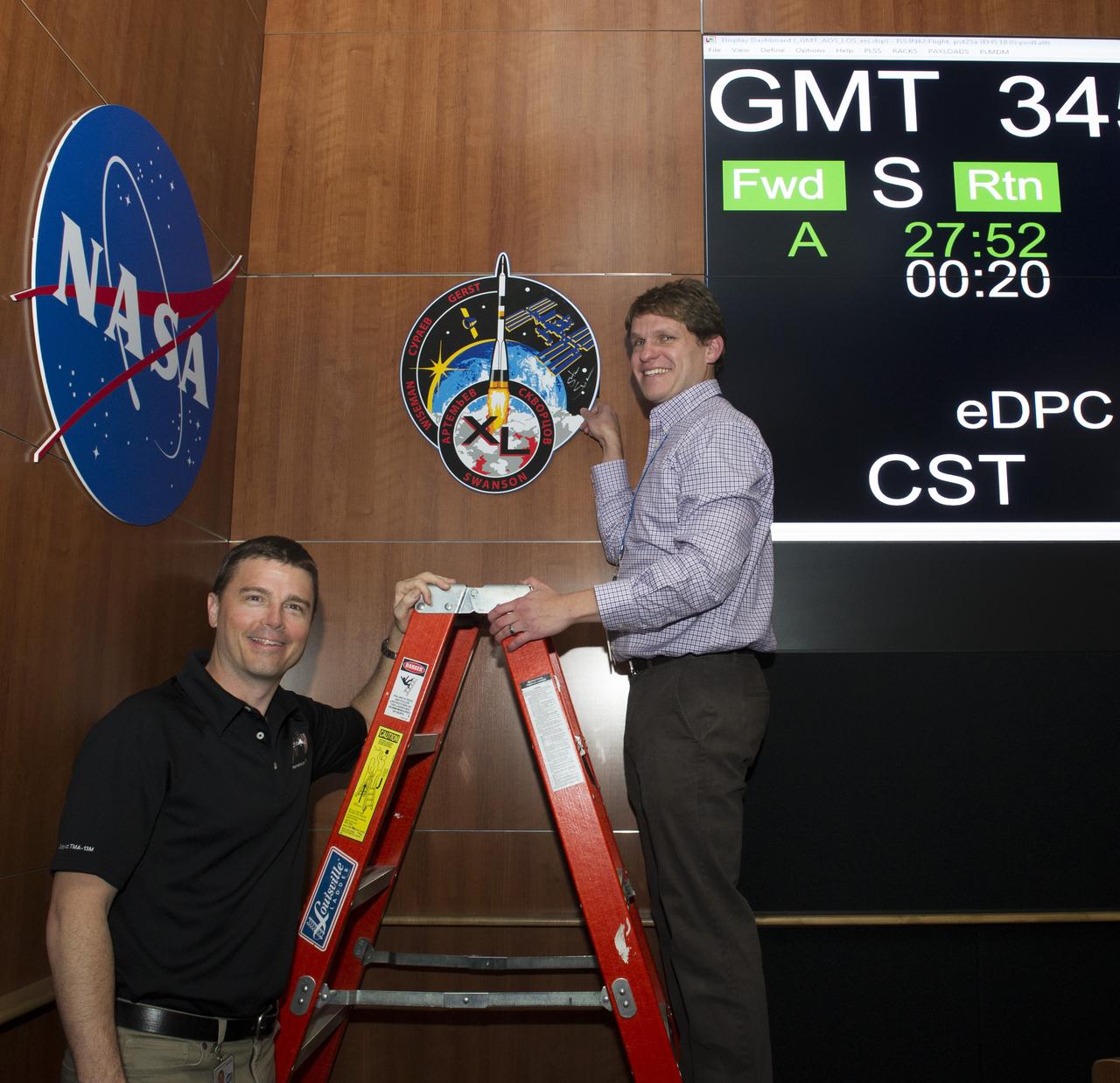
RYAN MILLER, RIGHT, LEAD PAYLOAD PLANNING MANAGER FOR EXPEDITION 39/40 WITH THE PAYLOAD OPERATIONS INTEGRATION CENTER AT THE MARSHALL SPACE FLIGHT CENTER, HELPS NASA ASTRONAUT REID WISEMAN PREPARE TO AUTOGRAPH THE INTERNATIONAL SPACE STATION EXPEDITION 40 MISSION PLAQUE HANGING IN THE POIC. WISEMAN VISITED THE MARSHALL CENTER DEC. 11 FOR A MEETING WITH THE MARSHALL-BASED PAYLOAD OPERATIONS TEAM HE WORKED WITH DURING HIS SIX MONTHS ON THE ORBITING LABORATORY, DISCUSSING THE FINER POINTS OF THE INVESTIGATIONS PERFORMED ON THE SPACE STATION FROM JUNE THROUGH NOVEMBER 2014.
1401617
DARIAN BRYANT, LEFT, AND MELISSA HOPPER, STOWAGE ENGINEERS WITH THE PAYLOAD OPERATIONS INTEGRATION CENTER AT NASA'S MARSHALL SPACE FLIGHT CENTER WORK WITH NASA ASTRONAUT BARRY "BUTCH" WILMORE TO CALIBRATE THE FIRST 3-D PRINTER FLOWN ON THE INTERNATIONAL SPACE STATION.
1401529
 NASA astronauts Joe Acaba and Mark Vande Hei  Acaba visited Marshall April 11 for their honorary Expedition 54 plaque hanging ceremony and to provide valuable feedback of their on-orbit science investigations with the Payload Operations and Integration Center team.  Payload Operations Director Phillipia Simmons with Astronauts Joe Acaba (L) and Mark Vande Hei
Expedition 54 plaque hanging ceremony
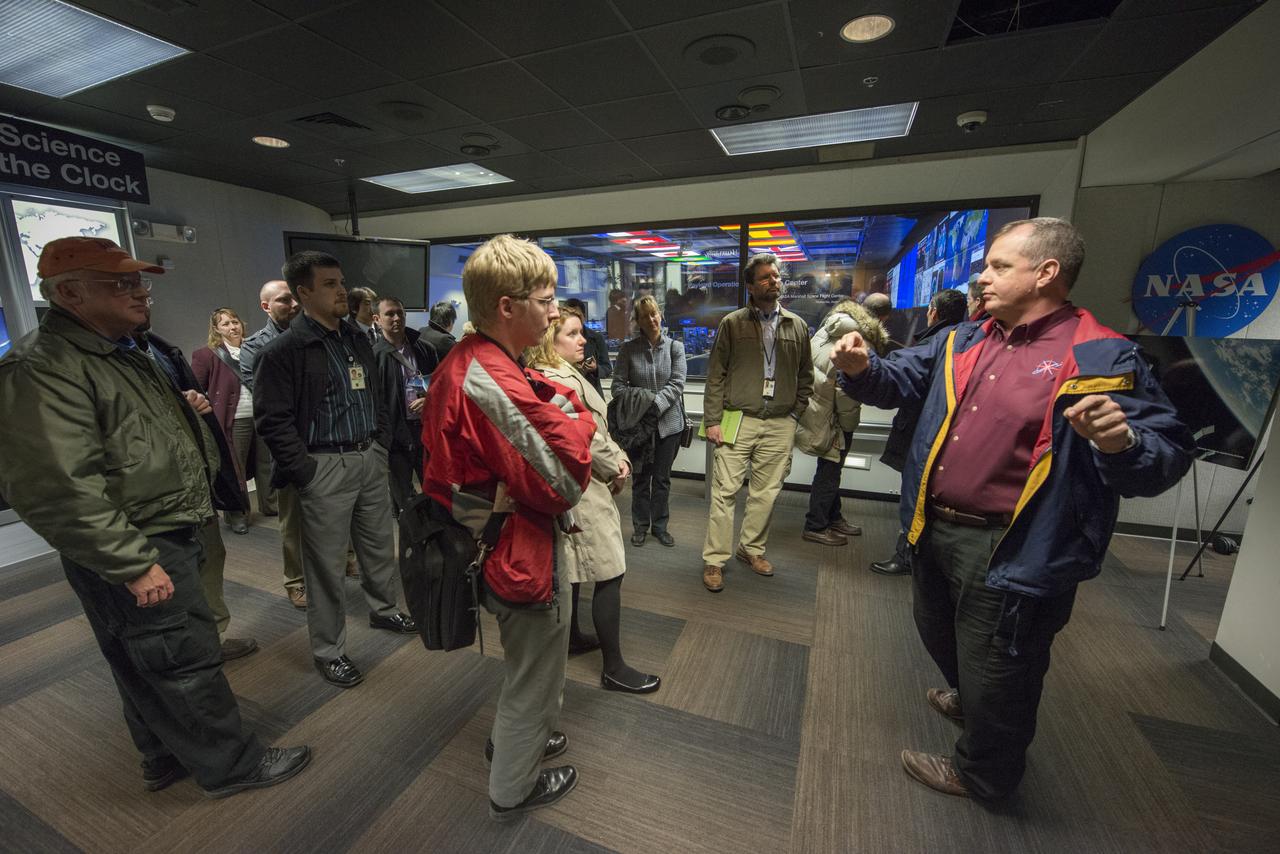
SPACE STATION SCIENCE INVESTIGATORS FROM AROUND THE WORLD TOUR THE PAYLOAD OPERATIONS INTEGRATION CENTER (POIC). THE TOUR WAS LED BY ASTRONAUT AND PAYLOAD OPERATIONS DIRECTOR AT MSFC T.J. CREAMER. WHEN SCIENTIFIC EXPERIMENTS REACH THE STATION, PARTICIPANTS IN THE TOUR WILL WORK WITH MSFC CONTROLLERS IN THE POIC WHO CAN SEND COMMANDS TO THE EXPERIMENTS, MONITOR DATA, AND ASSIST THE ISS CREW.
1400042
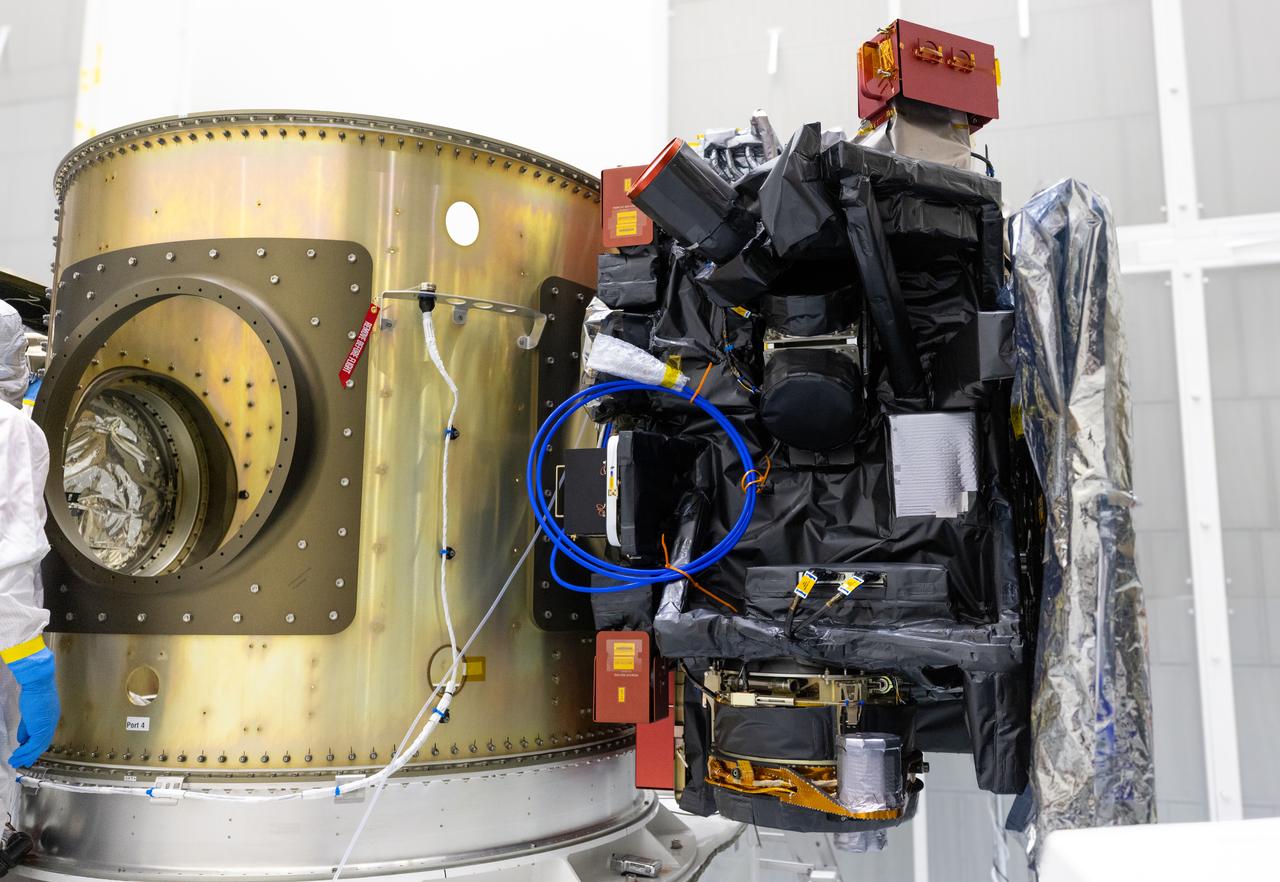
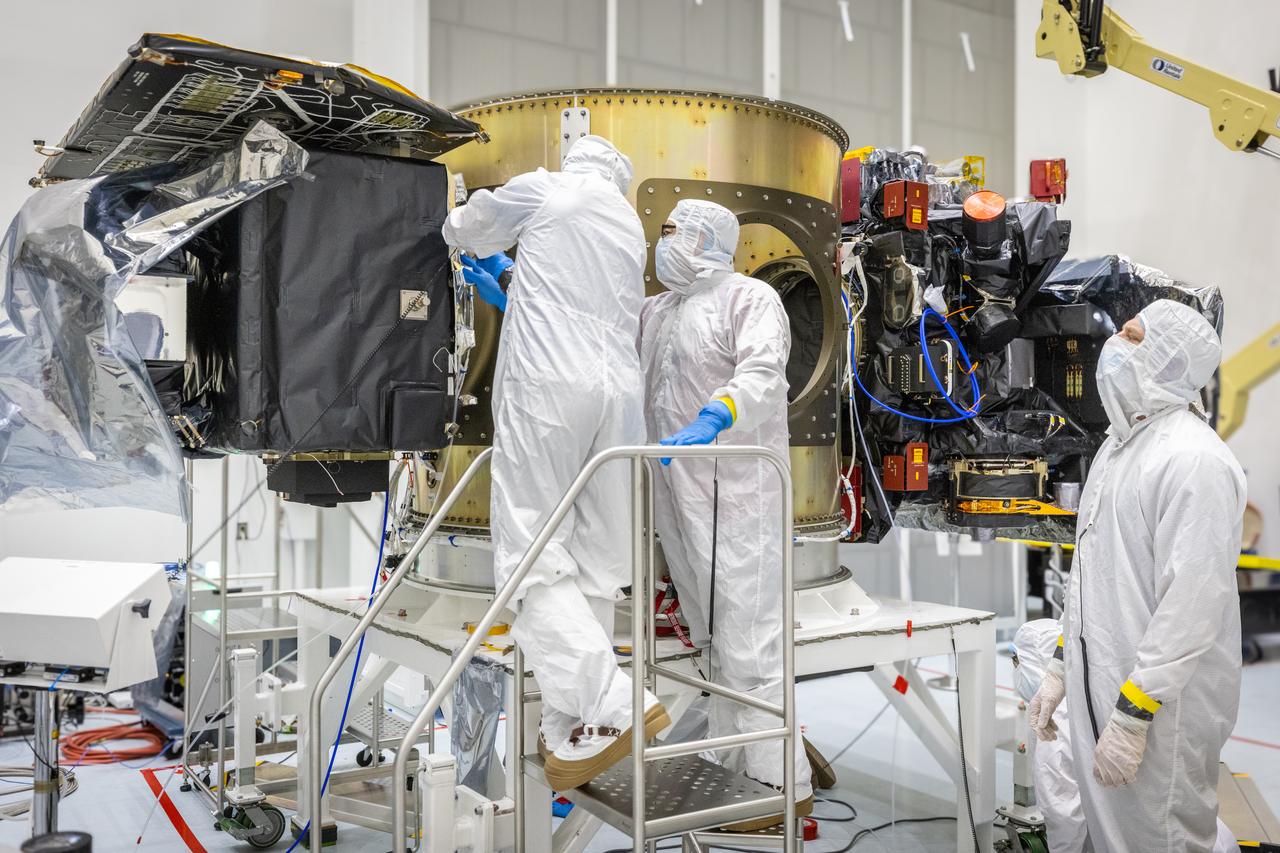
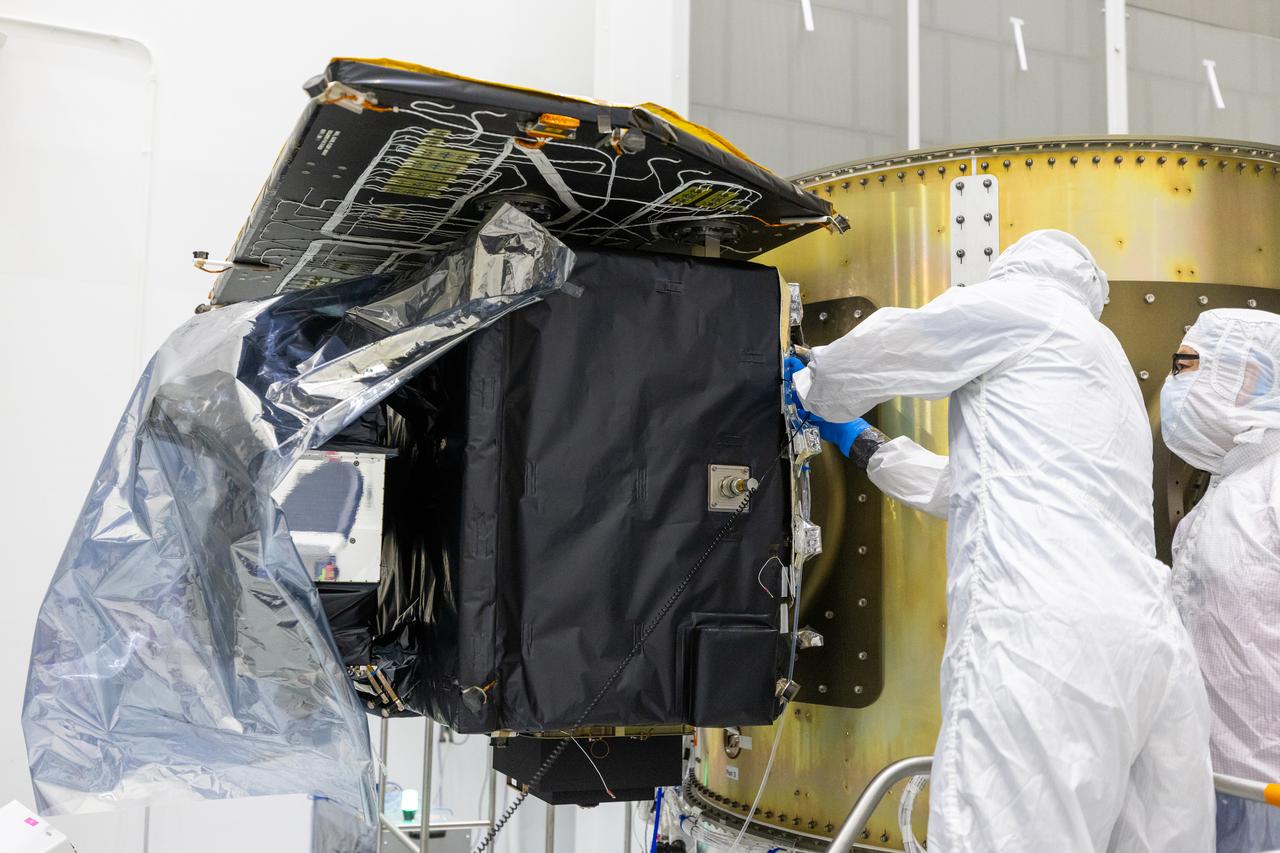
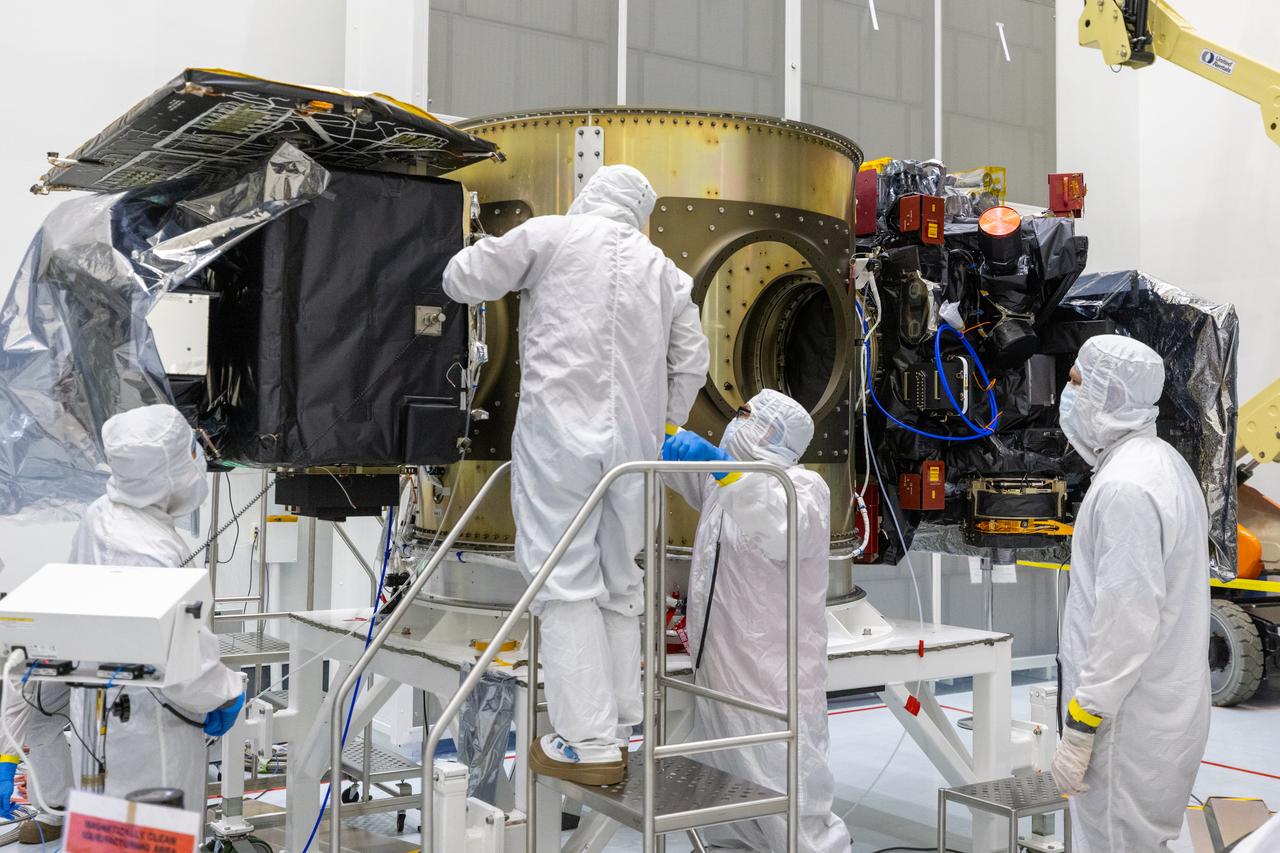
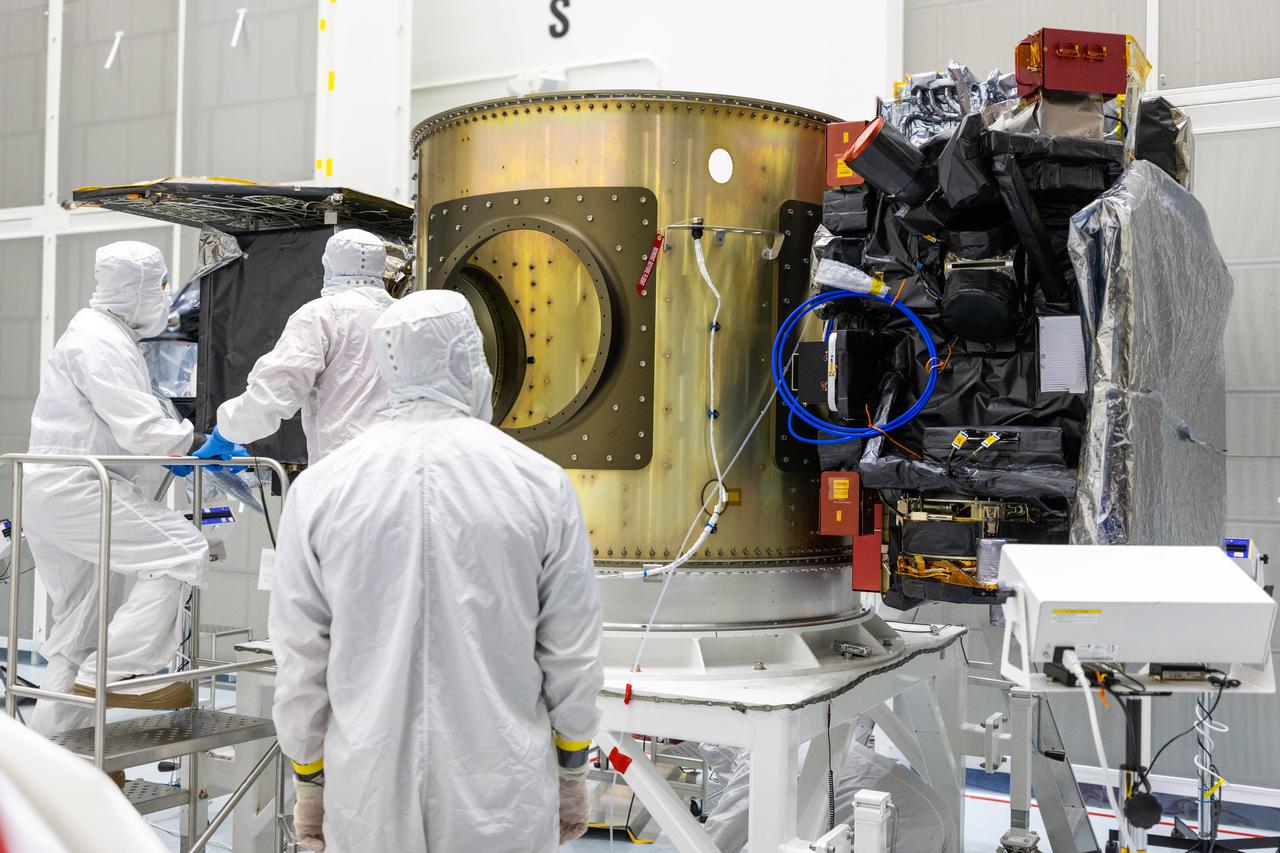
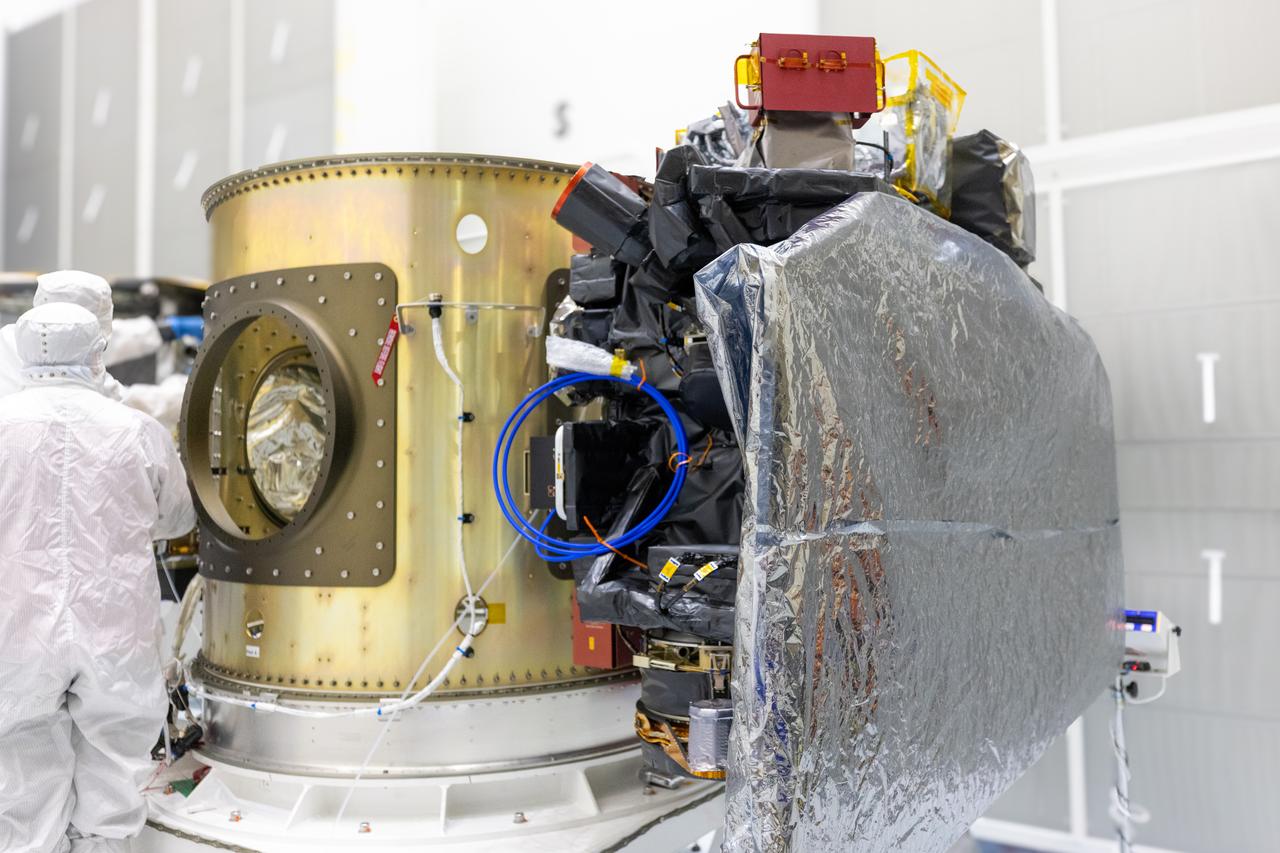
Technicians integrate NASA’s Carruthers Geocorona Observatory and the National Oceanic and Atmospheric Administration’s (NOAA) Space Weather Follow On Lagrange - 1 (SWFO-L1) satellite to the Evolved Expendable Launch Vehicle Secondary Payload Adapter Array Ring (ESPA) inside the Astrotech Space Operations Facility near NASA’s Kennedy Space Center in Florida on Friday, Sept. 5, 2025. The integration of the rideshares prepares for the next milestone of attaching NASA’s IMAP (Interstellar Mapping and Acceleration Probe) Sun mapping observatory to a payload adapter and stacking all three observatories together to prepare them for encapsulation in the payload fairing.
NASA’s Carruthers Geocorona Observatory and SWFO-L1 Mate
Technicians integrate NASA’s Carruthers Geocorona Observatory and the National Oceanic and Atmospheric Administration’s (NOAA) Space Weather Follow On Lagrange - 1 (SWFO-L1) satellite to the Evolved Expendable Launch Vehicle Secondary Payload Adapter Array Ring (ESPA) inside the Astrotech Space Operations Facility near NASA’s Kennedy Space Center in Florida on Friday, Sept. 5, 2025. The integration of the rideshares prepares for the next milestone of attaching NASA’s IMAP (Interstellar Mapping and Acceleration Probe) Sun mapping observatory to a payload adapter and stacking all three observatories together to prepare them for encapsulation in the payload fairing.
NASA’s Carruthers Geocorona Observatory and SWFO-L1 Mate
Technicians integrate NASA’s Carruthers Geocorona Observatory and the National Oceanic and Atmospheric Administration’s (NOAA) Space Weather Follow On Lagrange - 1 (SWFO-L1) satellite to the Evolved Expendable Launch Vehicle Secondary Payload Adapter Array Ring (ESPA) inside the Astrotech Space Operations Facility near NASA’s Kennedy Space Center in Florida on Friday, Sept. 5, 2025. The integration of the rideshares prepares for the next milestone of attaching NASA’s IMAP (Interstellar Mapping and Acceleration Probe) Sun mapping observatory to a payload adapter and stacking all three observatories together to prepare them for encapsulation in the payload fairing.
NASA’s Carruthers Geocorona Observatory and SWFO-L1 Mate
Technicians integrate NASA’s Carruthers Geocorona Observatory and the National Oceanic and Atmospheric Administration’s (NOAA) Space Weather Follow On Lagrange - 1 (SWFO-L1) satellite to the Evolved Expendable Launch Vehicle Secondary Payload Adapter Array Ring (ESPA) inside the Astrotech Space Operations Facility near NASA’s Kennedy Space Center in Florida on Friday, Sept. 5, 2025. The integration of the rideshares prepares for the next milestone of attaching NASA’s IMAP (Interstellar Mapping and Acceleration Probe) Sun mapping observatory to a payload adapter and stacking all three observatories together to prepare them for encapsulation in the payload fairing.
NASA’s Carruthers Geocorona Observatory and SWFO-L1 Mate
Technicians integrate NASA’s Carruthers Geocorona Observatory and the National Oceanic and Atmospheric Administration’s (NOAA) Space Weather Follow On Lagrange - 1 (SWFO-L1) satellite to the Evolved Expendable Launch Vehicle Secondary Payload Adapter Array Ring (ESPA) inside the Astrotech Space Operations Facility near NASA’s Kennedy Space Center in Florida on Friday, Sept. 5, 2025. The integration of the rideshares prepares for the next milestone of attaching NASA’s IMAP (Interstellar Mapping and Acceleration Probe) Sun mapping observatory to a payload adapter and stacking all three observatories together to prepare them for encapsulation in the payload fairing.
NASA’s Carruthers Geocorona Observatory and SWFO-L1 Mate
Technicians integrate NASA’s Carruthers Geocorona Observatory and the National Oceanic and Atmospheric Administration’s (NOAA) Space Weather Follow On Lagrange - 1 (SWFO-L1) satellite to the Evolved Expendable Launch Vehicle Secondary Payload Adapter Array Ring (ESPA) inside the Astrotech Space Operations Facility near NASA’s Kennedy Space Center in Florida on Friday, Sept. 5, 2025. The integration of the rideshares prepares for the next milestone of attaching NASA’s IMAP (Interstellar Mapping and Acceleration Probe) Sun mapping observatory to a payload adapter and stacking all three observatories together to prepare them for encapsulation in the payload fairing.
NASA’s Carruthers Geocorona Observatory and SWFO-L1 Mate
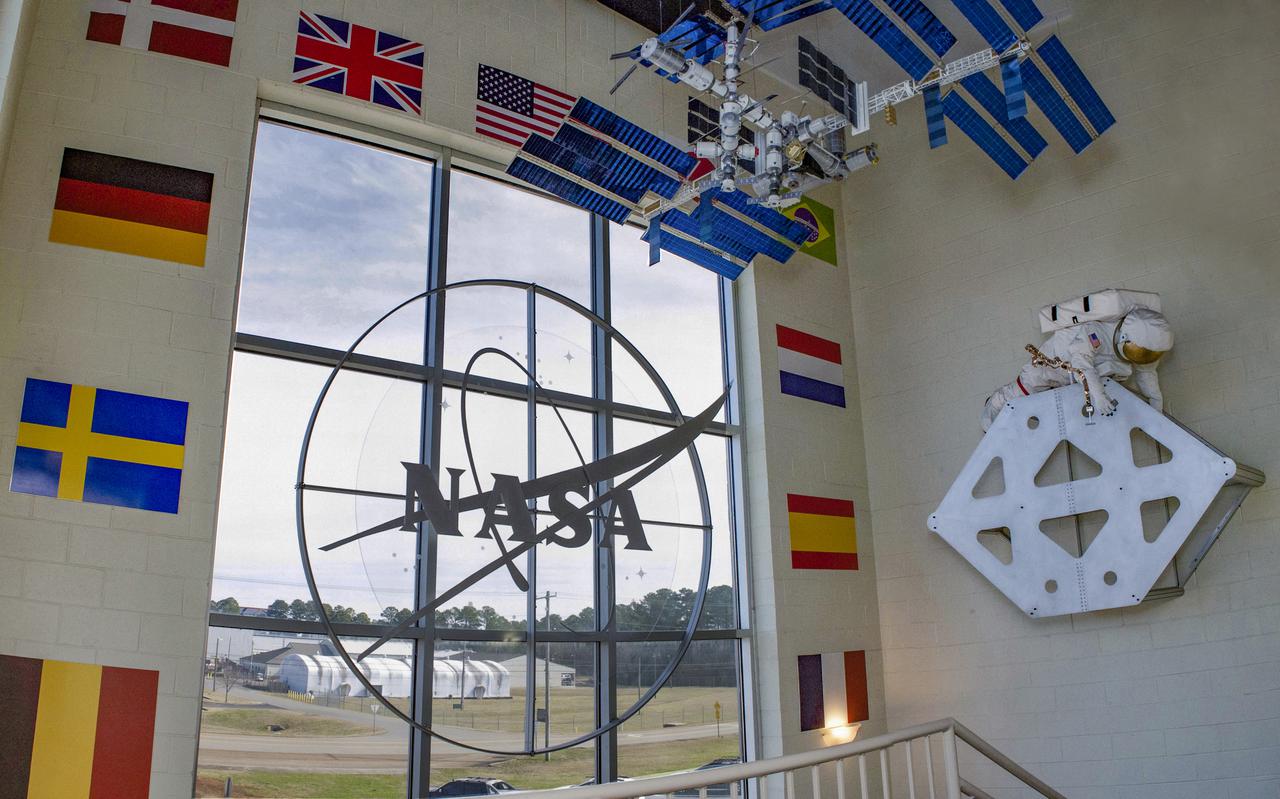
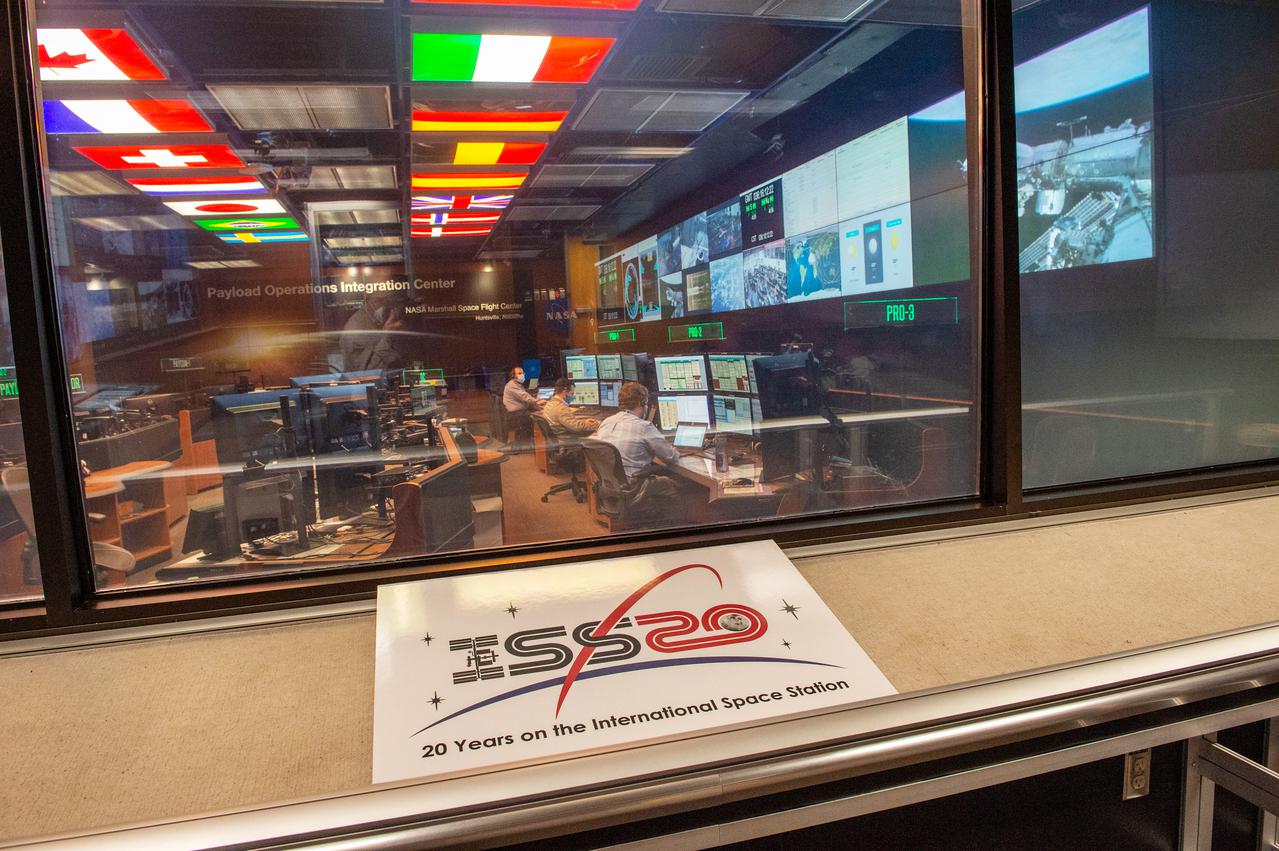
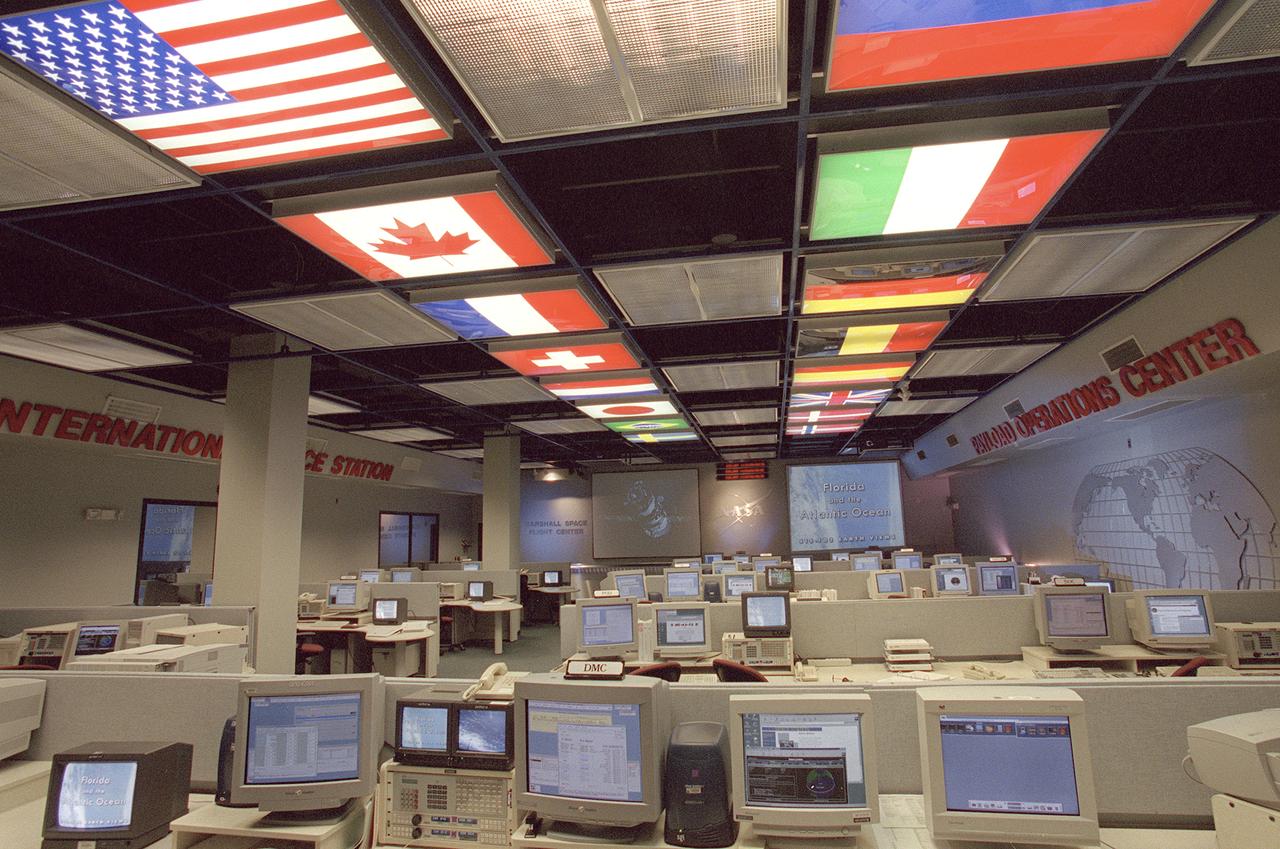
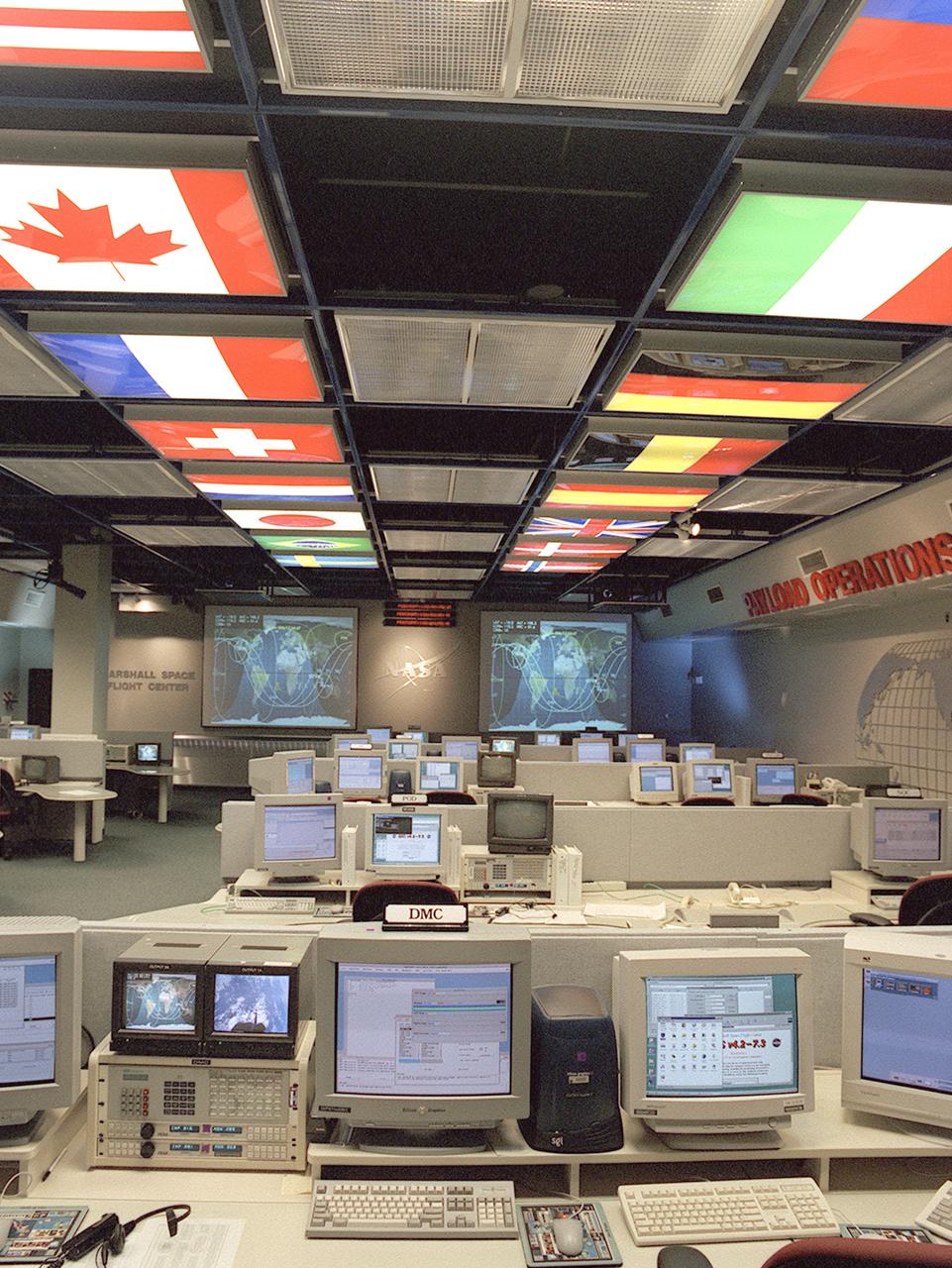
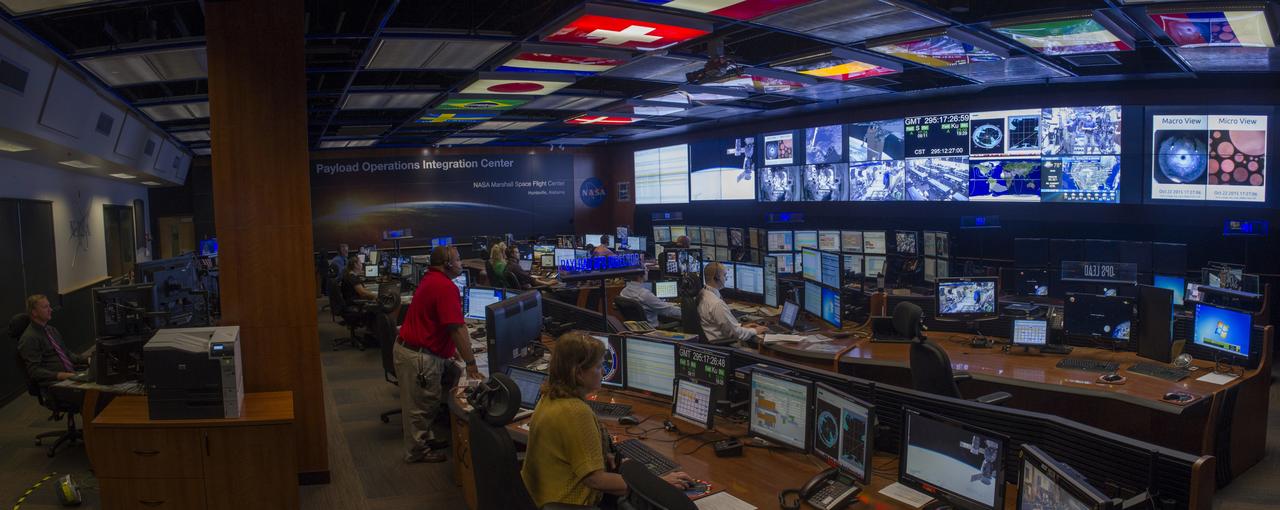
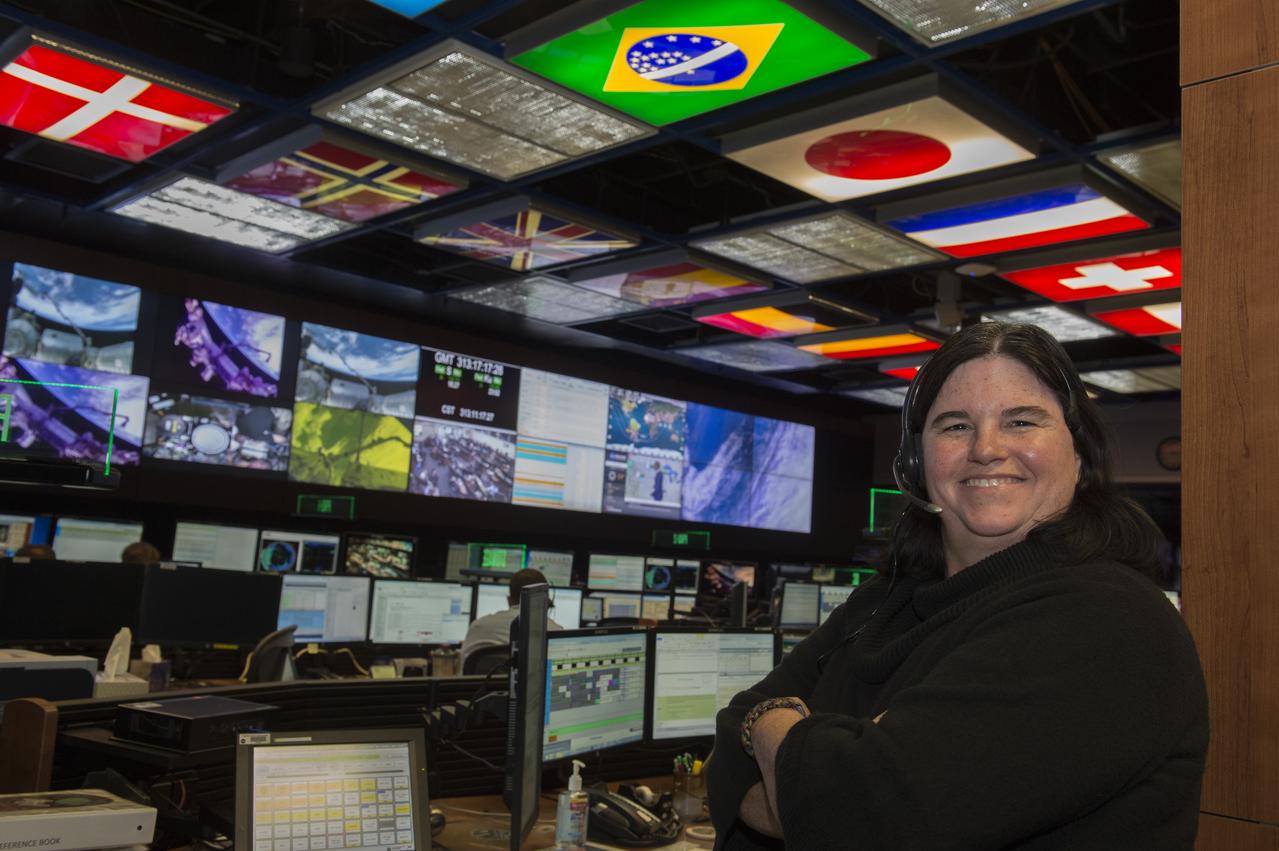
The International Space Station (ISS) Payload Operations Center (POC) at NASA's Marshall Space Flight Center (MSFC) in Huntsville, Alabama, is the world's primary science command post for the International Space Station (ISS), the most ambitious space research facility in human history. The Payload Operations team is responsible for managing all science research experiments aboard the Station. The center is also home for coordination of the mission-plarning work of variety of international sources, all science payload deliveries and retrieval, and payload training and safety programs for the Station crew and all ground personnel. Within the POC, critical payload information from the ISS is displayed on a dedicated workstation, reading both S-band (low data rate) and Ku-band (high data rate) signals from a variety of experiments and procedures operated by the ISS crew and their colleagues on Earth. The POC is the focal point for incorporating research and experiment requirements from all international partners into an integrated ISS payload mission plan. This photograph is an overall view of the MSFC Payload Operations Center displaying the flags of the countries participating the ISS. The flags at the left portray The United States, Canada, France, Switzerland, Netherlands, Japan, Brazil, and Sweden. The flags at the right portray The Russian Federation, Italy, Germany, Belgium, Spain, United Kingdom, Denmark, and Norway.
International Space Station (ISS)
The International Space Station (ISS) Payload Operations Center (POC) at NASA's Marshall Space Flight Center (MSFC) in Huntsville, Alabama, is the world's primary science command post for the (ISS), the most ambitious space research facility in human history. The Payload Operations team is responsible for managing all science research experiments aboard the Station. The center is also home for coordination of the mission-plarning work of variety of international sources, all science payload deliveries and retrieval, and payload training and safety programs for the Station crew and all ground personnel. Within the POC, critical payload information from the ISS is displayed on a dedicated workstation, reading both S-band (low data rate) and Ku-band (high data rate) signals from a variety of experiments and procedures operated by the ISS crew and their colleagues on Earth. The POC is the focal point for incorporating research and experiment requirements from all international partners into an integrated ISS payload mission plan. This photograph is an overall view of the MSFC Payload Operations Center displaying the flags of the countries participating in the ISS. The flags at the left portray The United States, Canada, France, Switzerland, Netherlands, Japan, Brazil, and Sweden. The flags at the right portray The Russian Federation, Italy, Germany, Belgium, Spain, United Kingdom, Denmark, and Norway.
International Space Station (ISS)
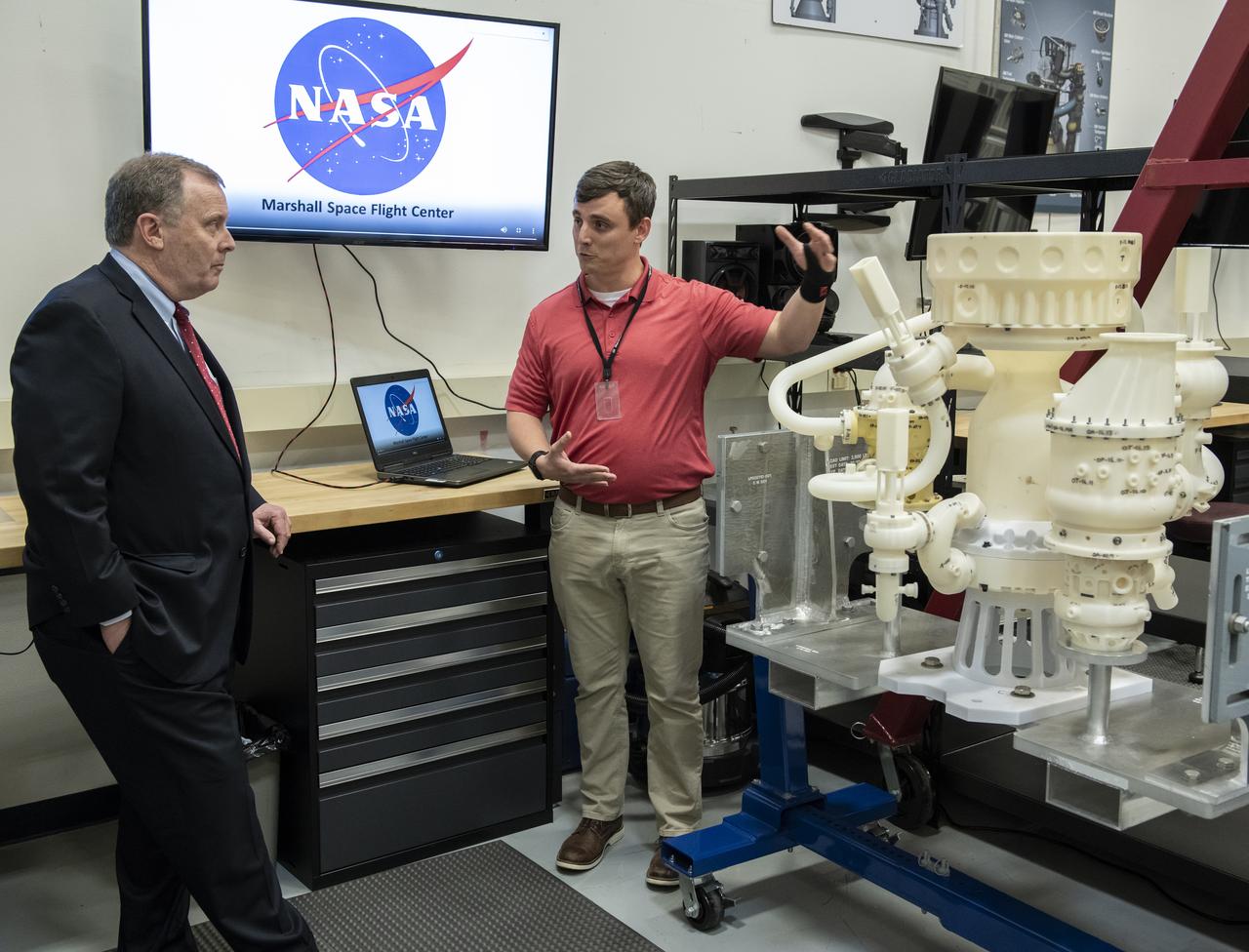
NASA Deputy Administrator Jim Morhard, left, visits the Combustion Lab at Marshall Space Flight Center on March 25, where Michael Allison shares the advancements being made in additive manufacturing of rocket engine parts at Marshall. Allison leads the assembly and integration lead for the MC2 engine model, shown here, which is an additively manufactured liquid engine designed and developed at Marshall. During his tour of the center, Morhard also saw the work being done by Marshall to advance deep space exploration at the Liquid Hydrogen Test Stand, Deep Space Habitat, Payload Operations Integration Center and the Systems Integration Lab.
NASA Deputy Administrator, Jim Morhard, Tours MSFC Additive Manu
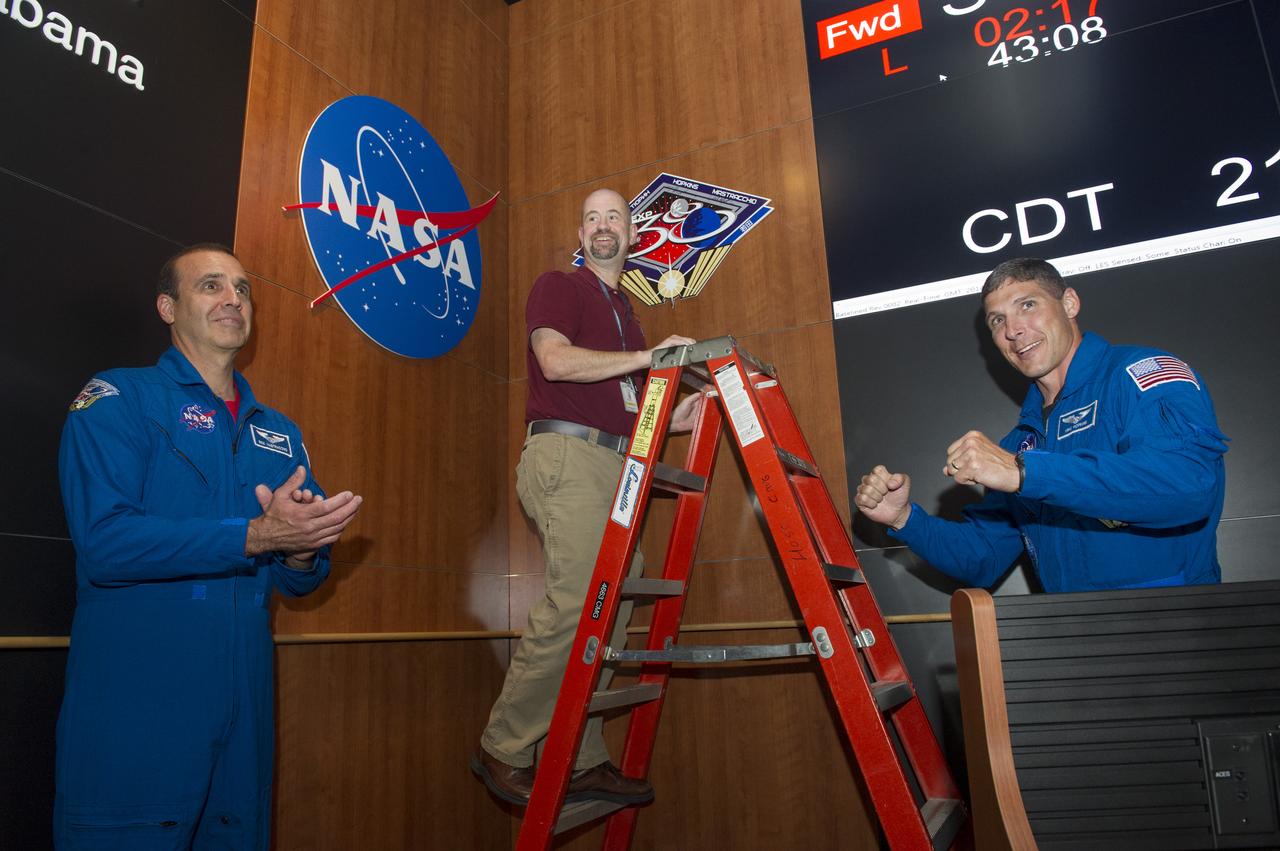
NASA ASTRONAUTS RICHARD MASTRACCHIO, LEFT, AND MICHAEL HOPKINS FLANK ED LITKENHOUS, A PAYLOAD ACTIVITY REQUIREMENTS COORDINATOR IN THE PAYLOAD OPERATIONS AND INTEGRATION CENTER (POIC), AS HE HANGS THE ASTRONAUTS' MISSION PLAQUE ON THE WALL OF THE POIC IN THE MARSHALL CENTER'S BUILDING 4663. THE PLAQUE JOINED THE LOGOS FROM PREVIOUS MISSIONS HANGING AROUND THE ROOM, RECOGNIZING THE COLLABORATION BETWEEN THE ORBITING ASTRONAUTS AND THE HUNTSVILLE-BASED TEAM
1400810
Stephanie Shelton, a payload communications manager at NASA's Marshall Space Flight Center, joins NASA astronauts Joe Acaba and Mark Vande Hei for a call to the onboard crew of the International Space Station. Vande Hei and Acaba visited Marshall April 11 for their honorary Expedition 54 plaque hanging ceremony and to provide valuable feedback of their on-orbit science investigations with the Payload Operations and Integration Center team..
Stephanie Shelton, a payload communications manager at NASA's Ma
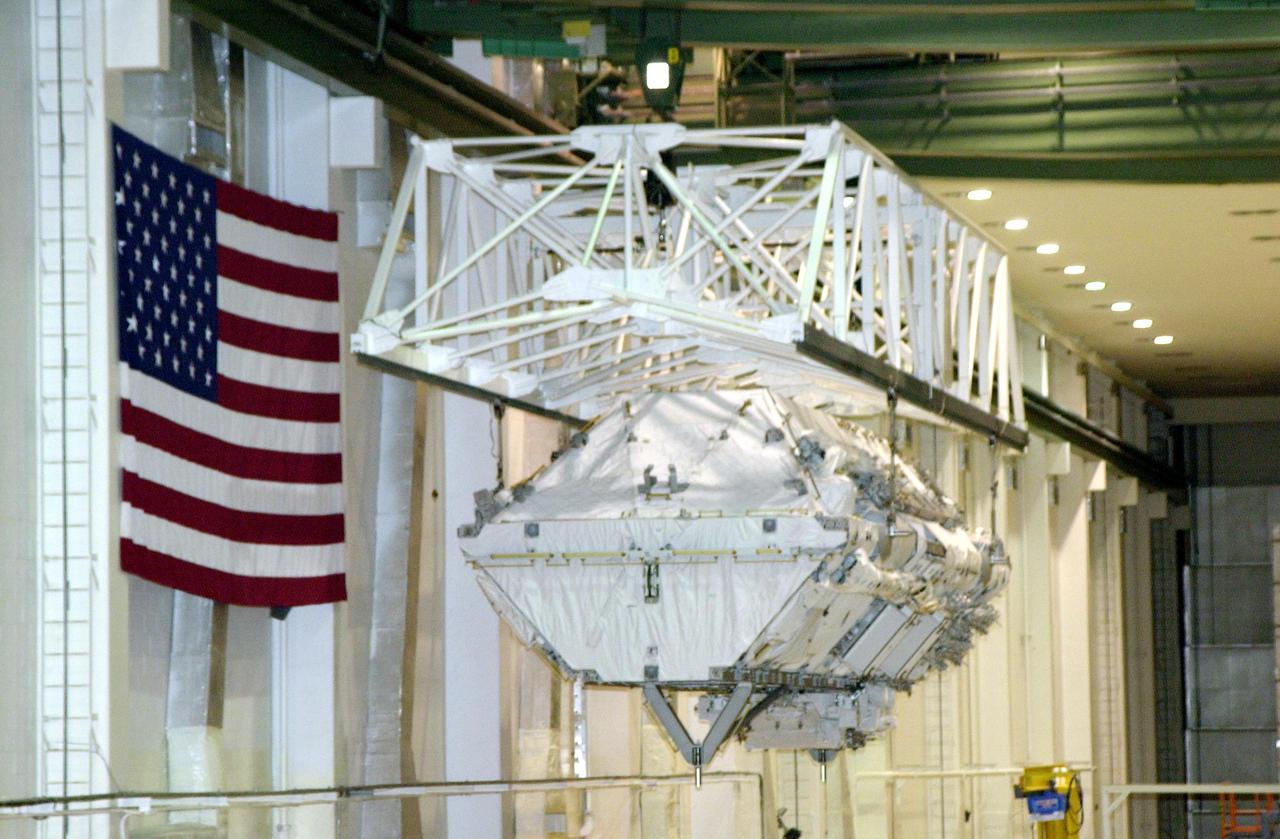
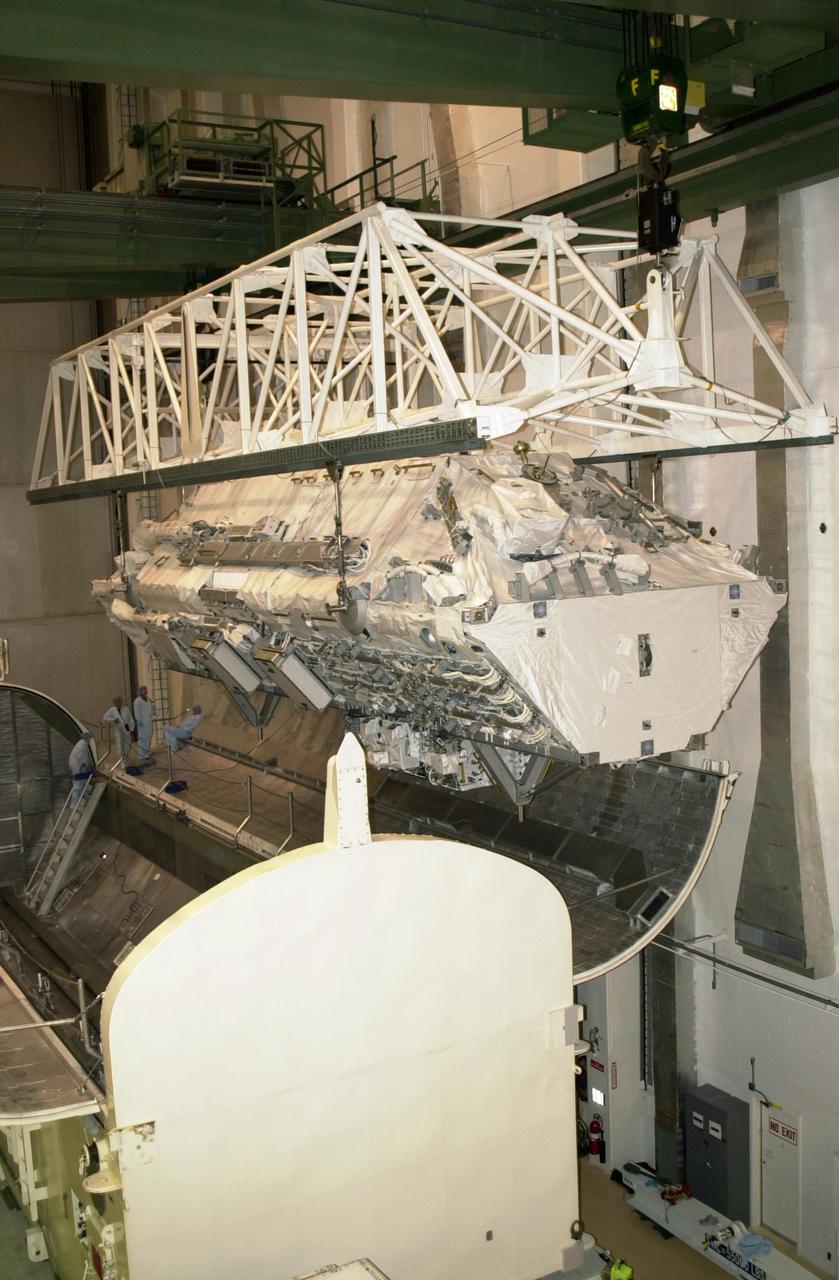
KENNEDY SPACE CENTER, FLA. -- In the Operations and Checkout Building, an overhead crane carries the Integrated Truss Structure S0 from its workstand toward the payload canister.  The S0 truss will be transported to the launch pad for mission STS-110.  Part of the payload, the S0 truss will become the backbone of the orbiting International Space Station (ISS), at the center of the 10-truss, girderlike structure that will ultimately extend the length of a football field on the ISS.   The S0 truss will be attached to the U.S. Lab, 'Destiny,'  on the 11-day mission.    Launch is scheduled for April 4
KSC-02PD-0343
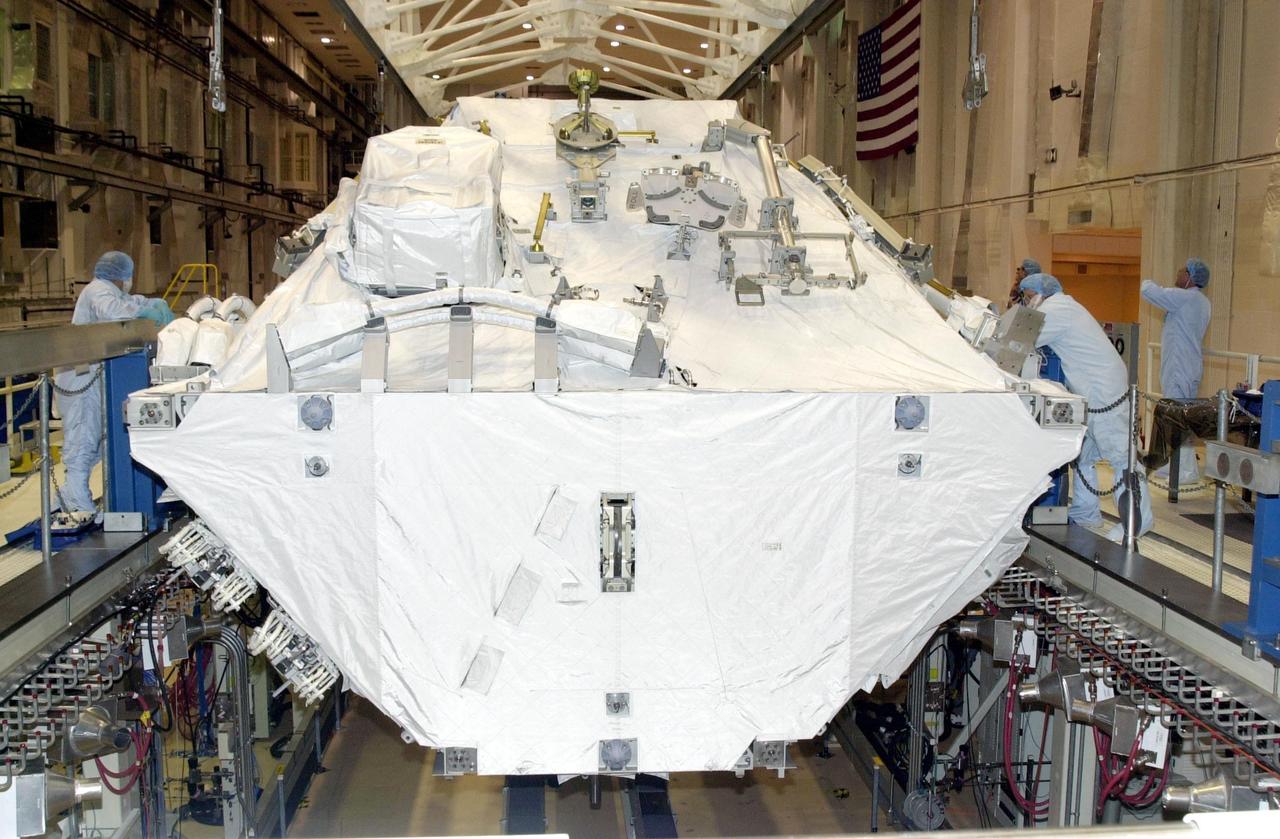
KENNEDY SPACE CENTER, FLA. --  In the Operations and Checkout Building, the Integrated Truss Structure S0 is ready to be moved to the payload canister for transport to the launch pad for mission STS-110.  Part of the payload, the S0 truss will become the backbone of the orbiting International Space Station (ISS), at the center of the 10-truss, girderlike structure that will ultimately extend the length of a football field on the ISS.   The S0 truss will be attached to the U.S. Lab, "Destiny,"  on the 11-day mission.    Launch is scheduled for April 4.
KSC-02pd0342
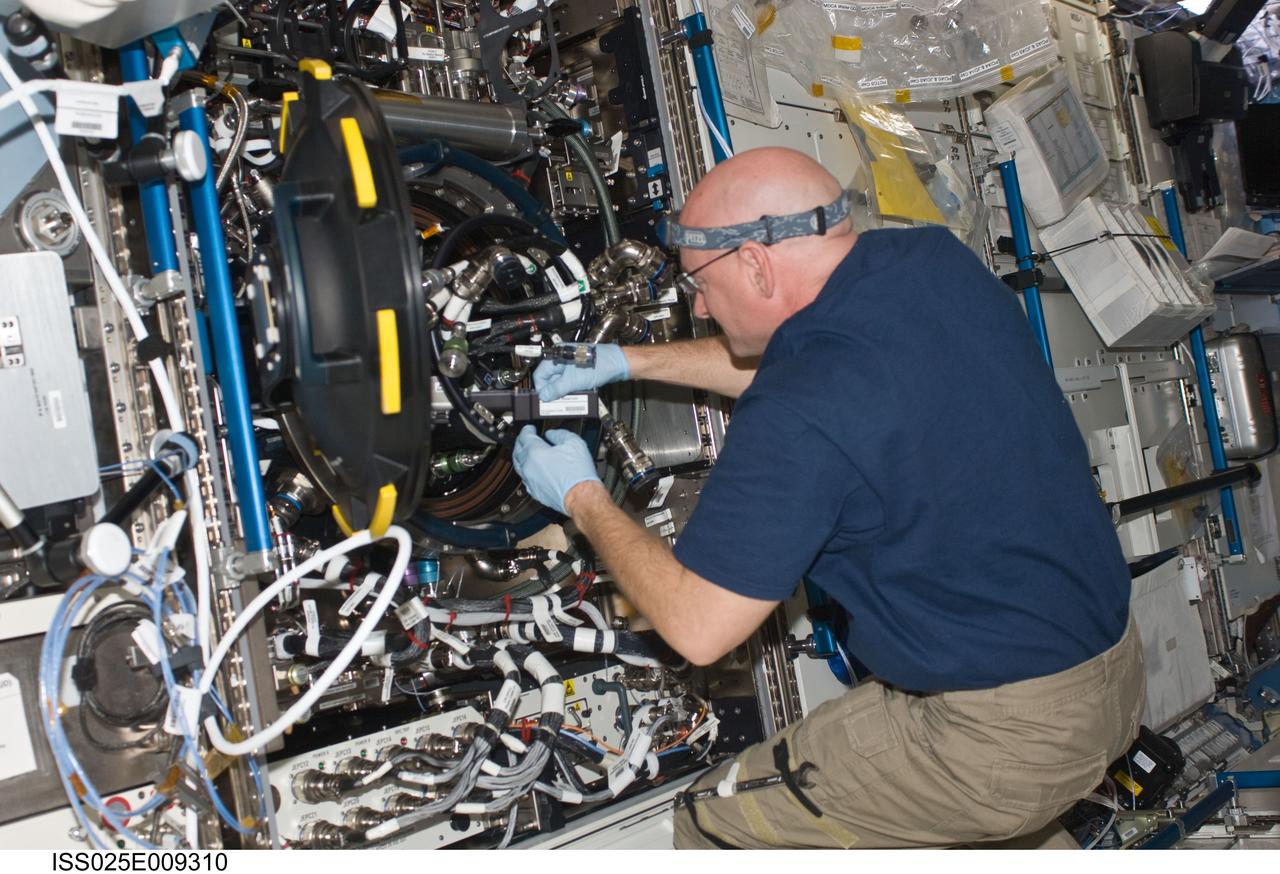
ISS025-E-009310 (26 Oct. 2010) --- NASA astronaut Scott Kelly, Expedition 25 flight engineer, works on the Combustion Integrated Rack (CIR) Multi-user Drop Combustion Apparatus (MDCA) in the Destiny laboratory of the International Space Station. Kelly set up an experiment run on the Fluids & Combustion Facility (FCF) with a new fuel reservoir, ground-assisted by Payload Operations Integration Center/Huntsville (POIC).
Kelly with CIR
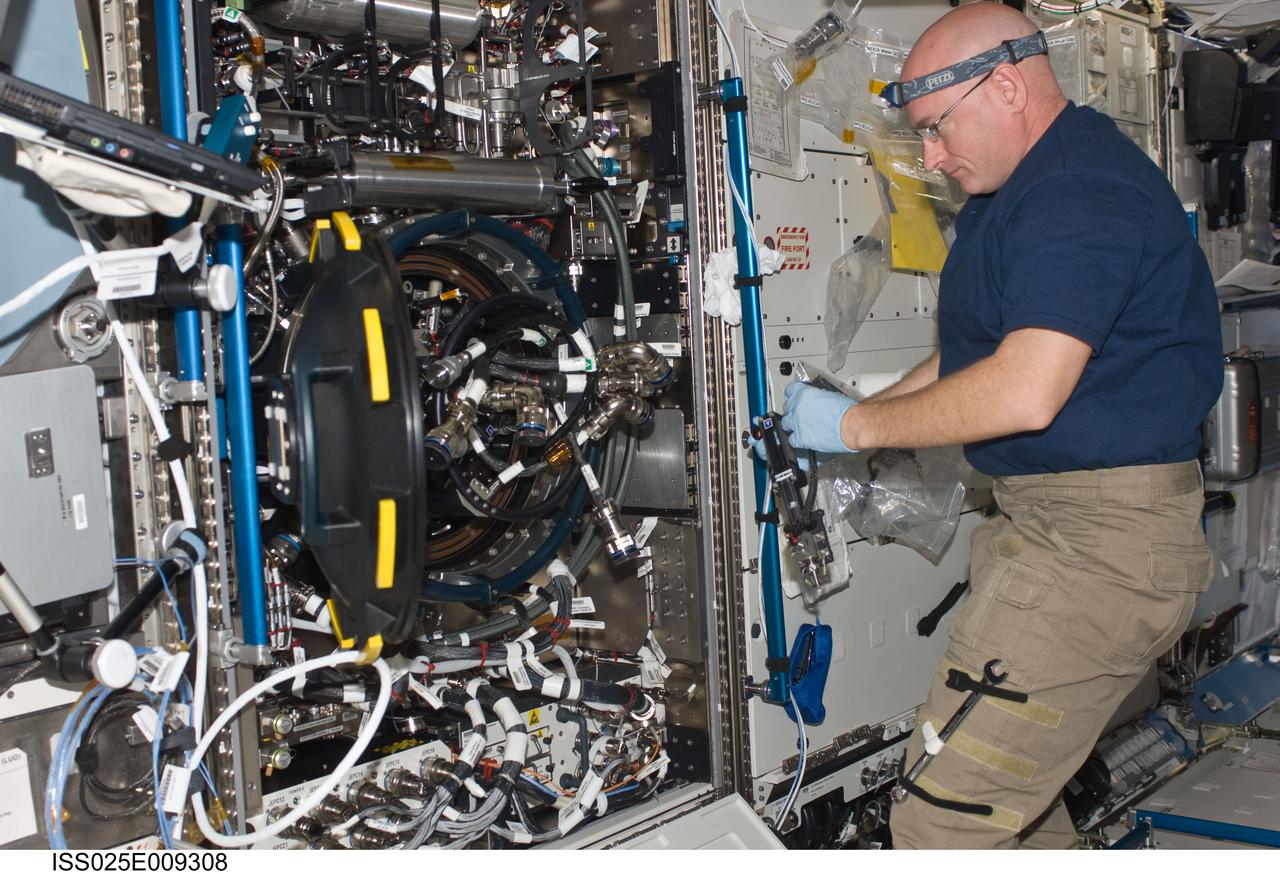
ISS025-E-009308 (26 Oct. 2010) --- NASA astronaut Scott Kelly, Expedition 25 flight engineer, works on the Combustion Integrated Rack (CIR) Multi-user Drop Combustion Apparatus (MDCA) in the Destiny laboratory of the International Space Station. Kelly set up an experiment run on the Fluids & Combustion Facility (FCF) with a new fuel reservoir, ground-assisted by Payload Operations Integration Center/Huntsville (POIC).
Kelly with CIR
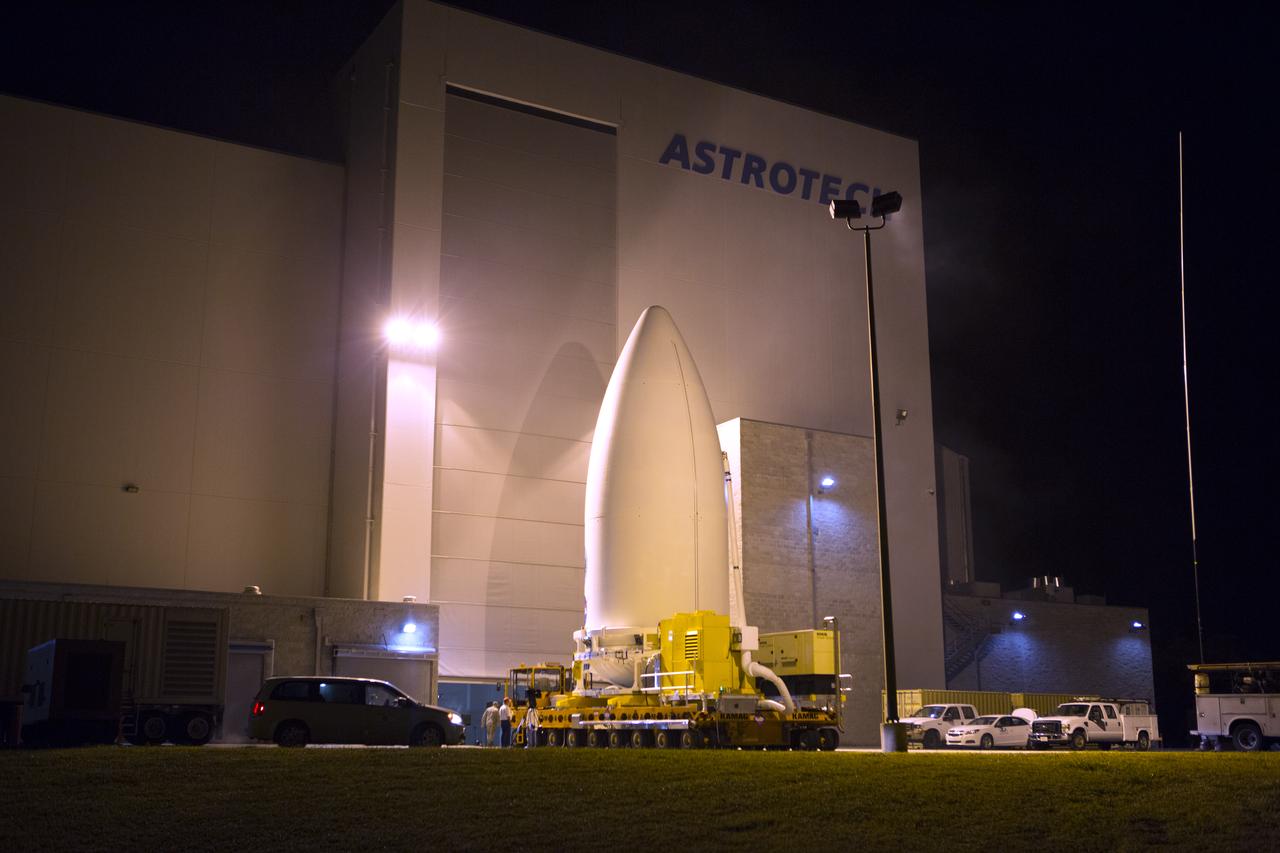
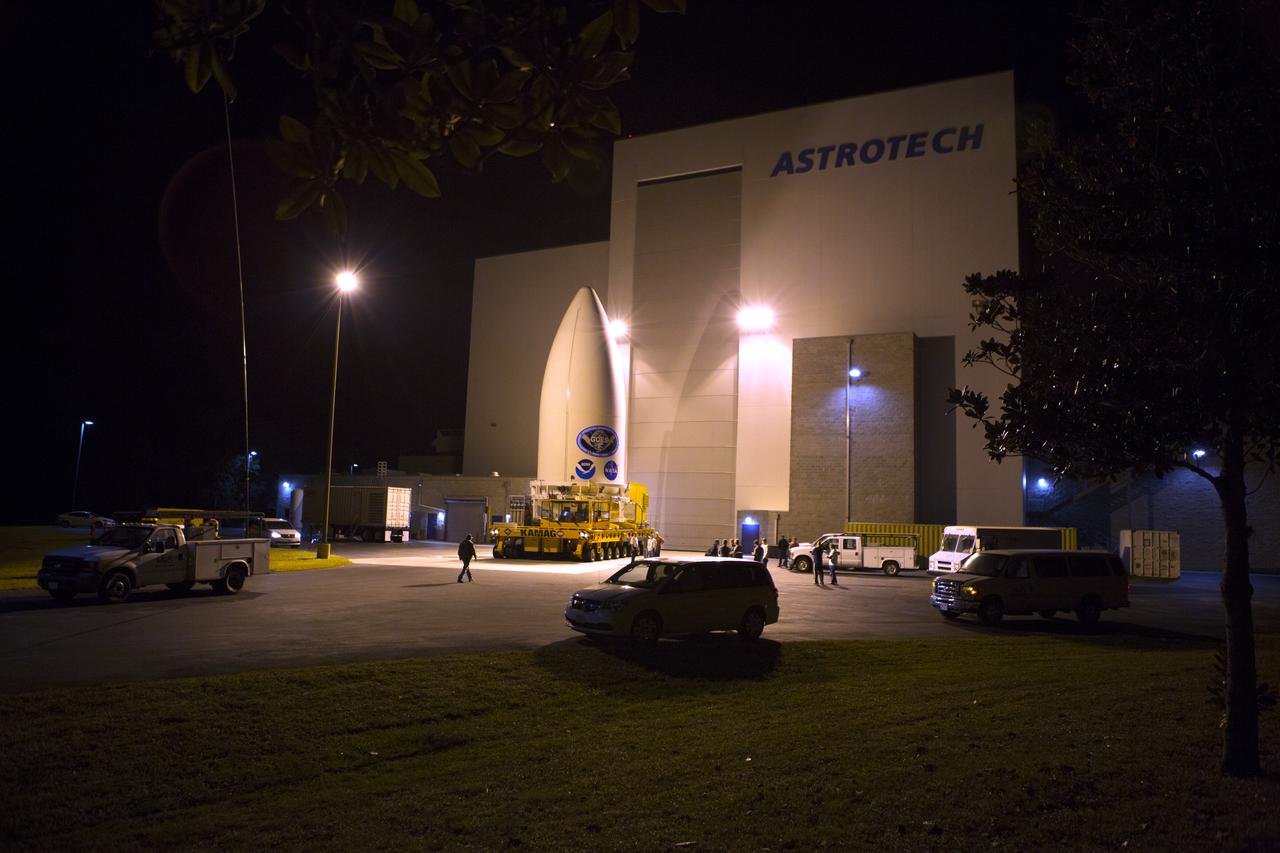
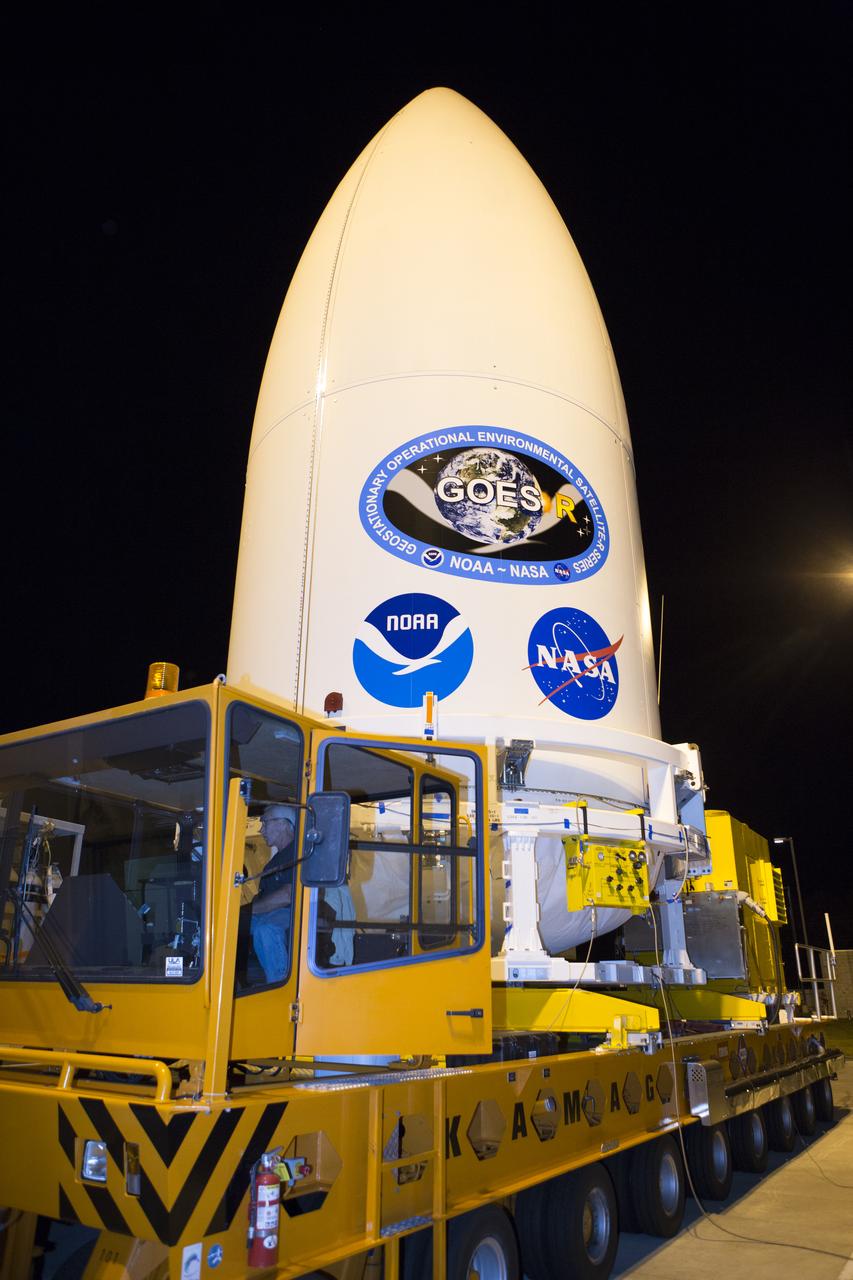
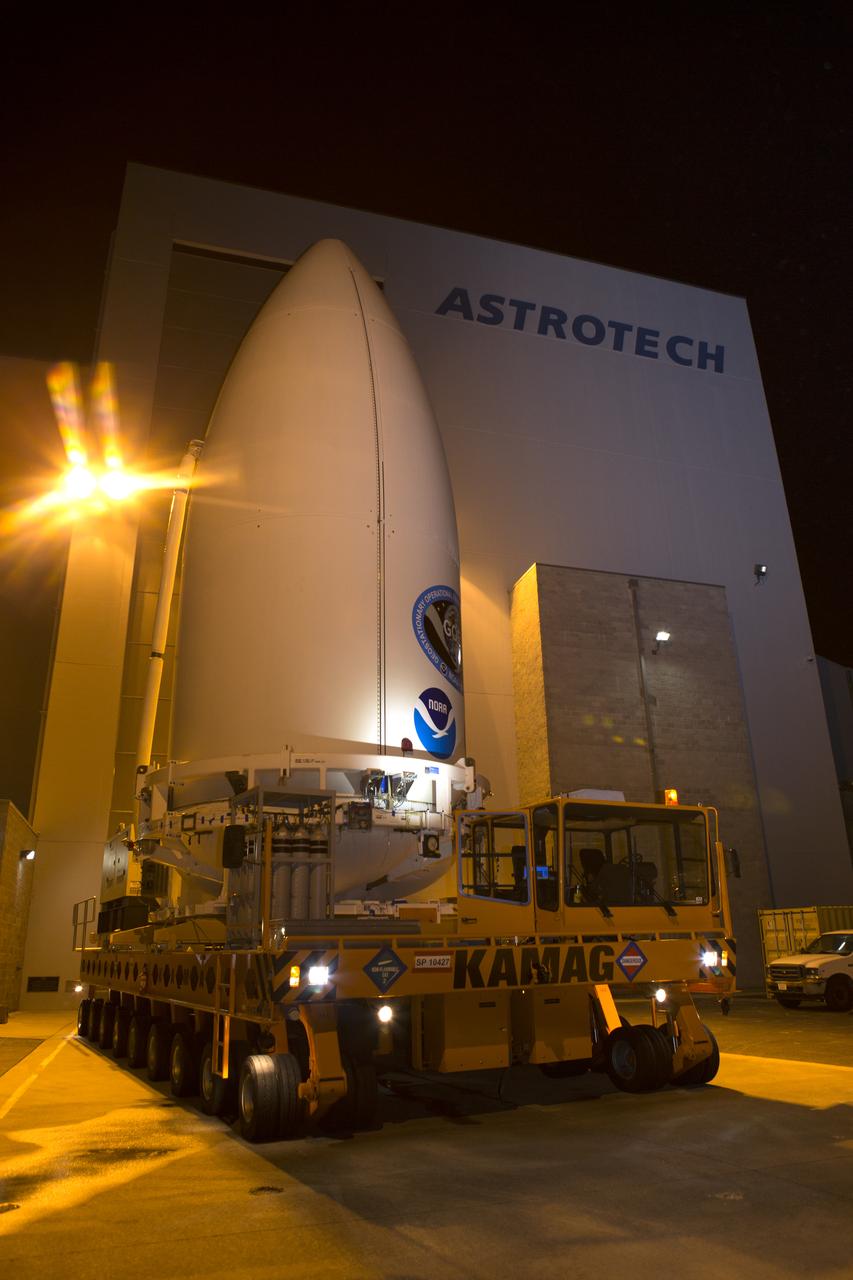
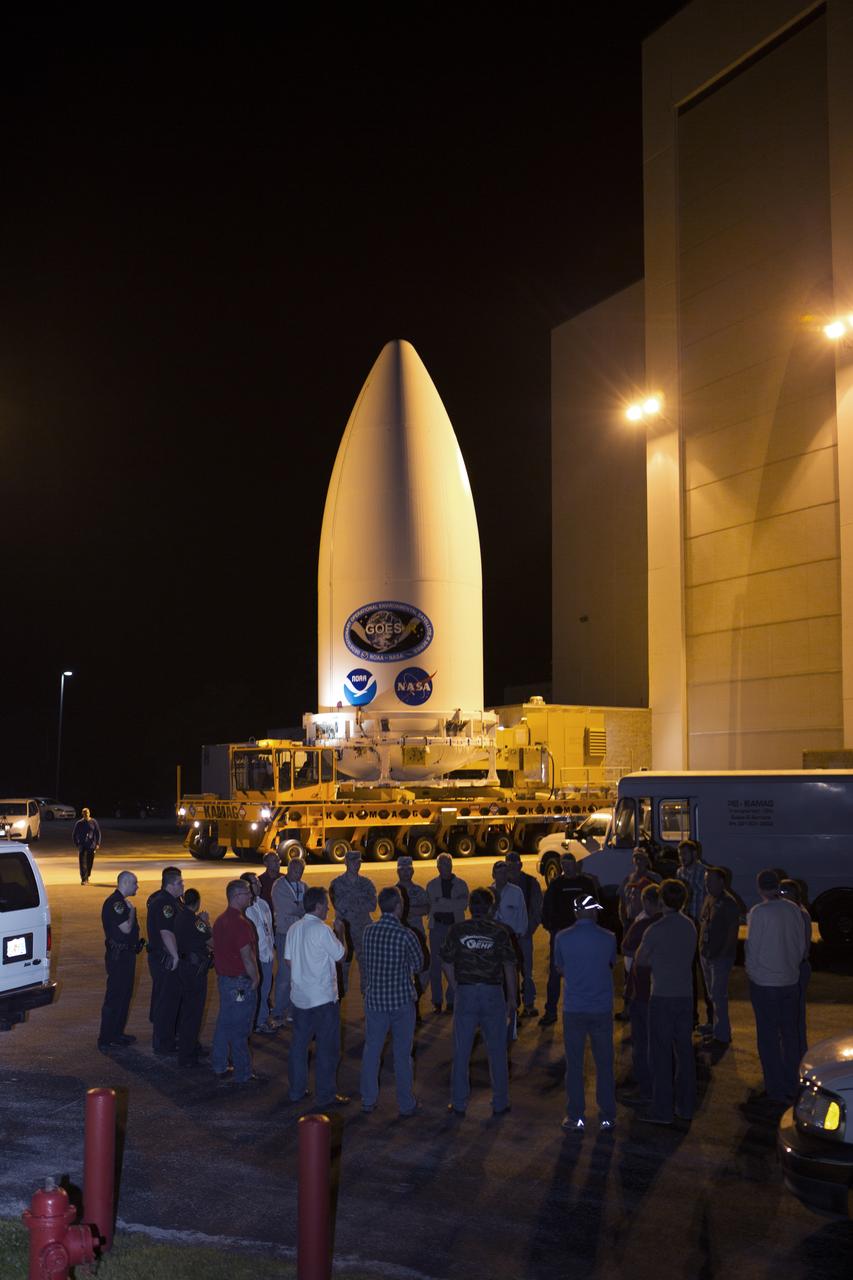
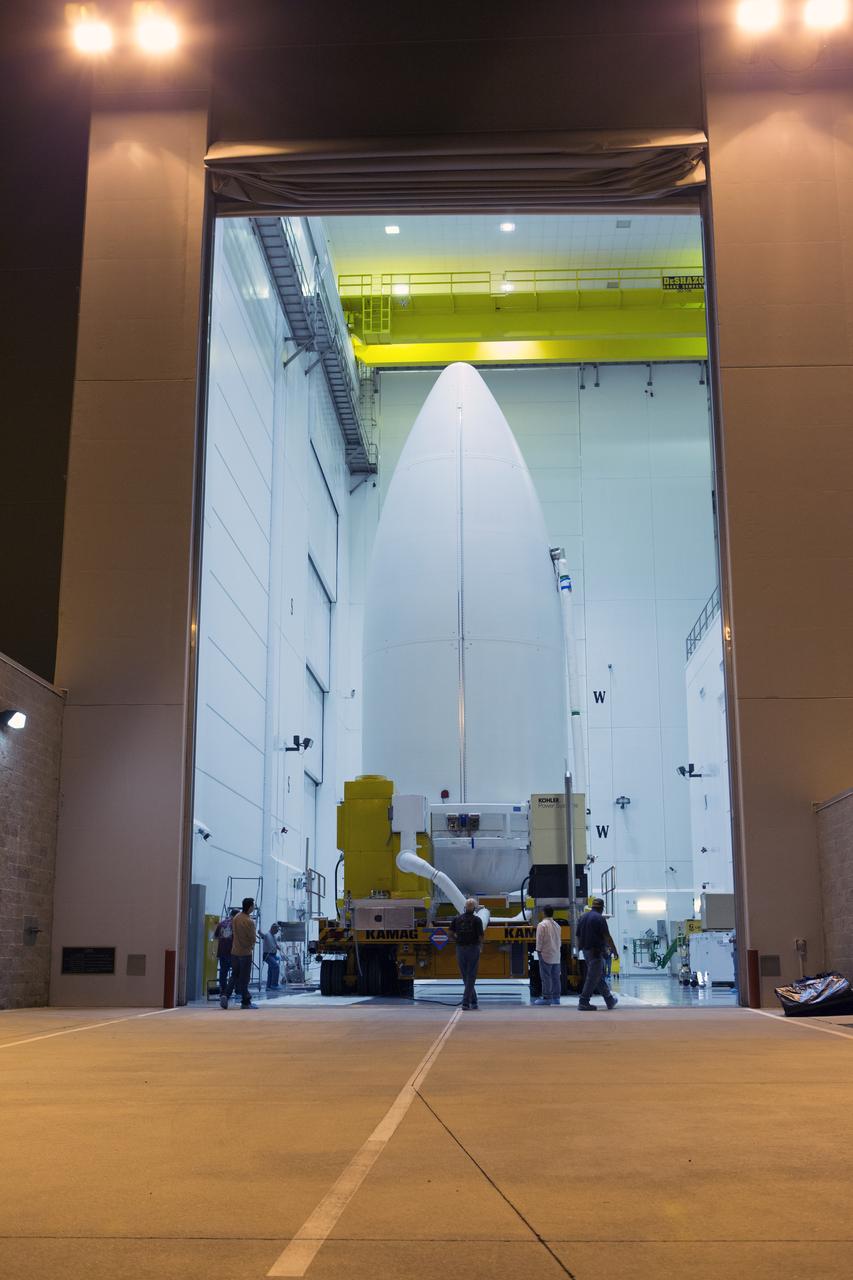
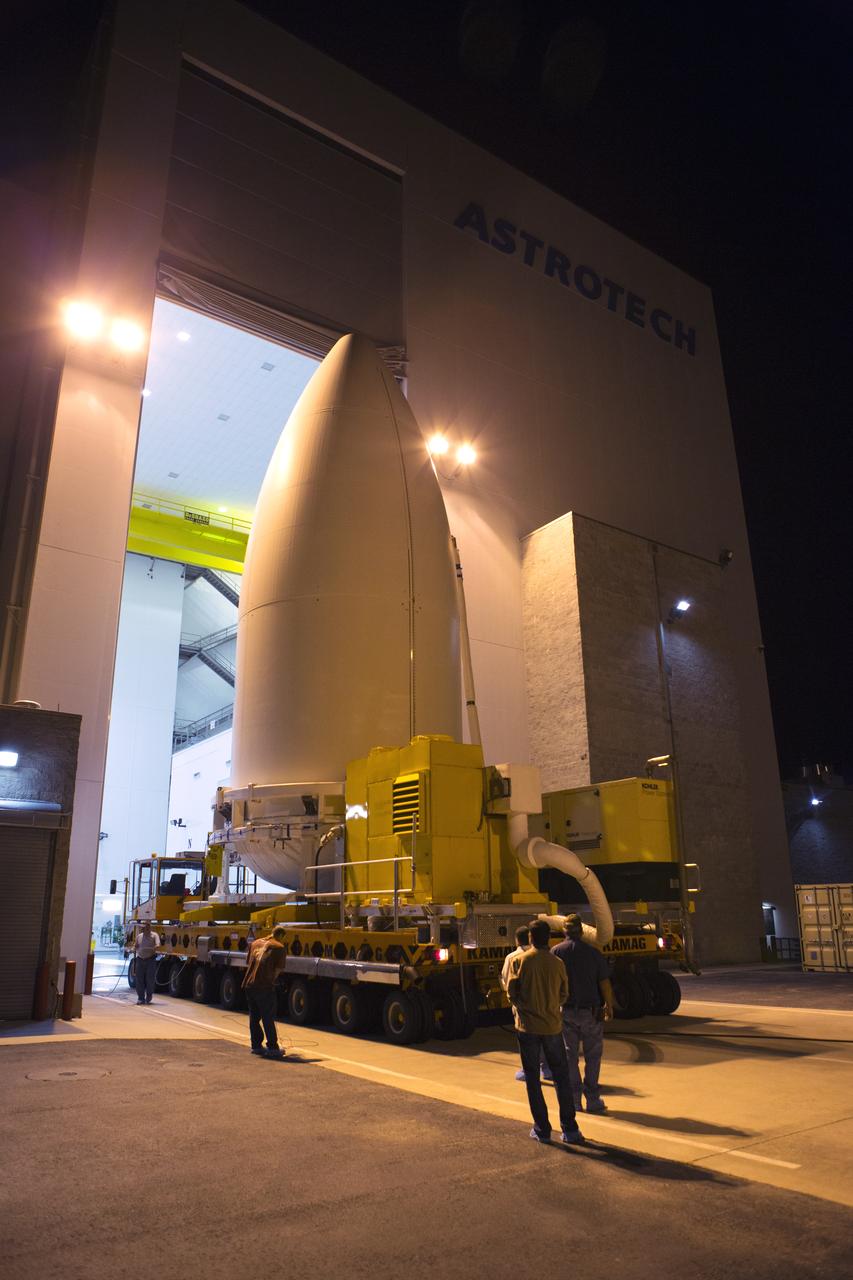
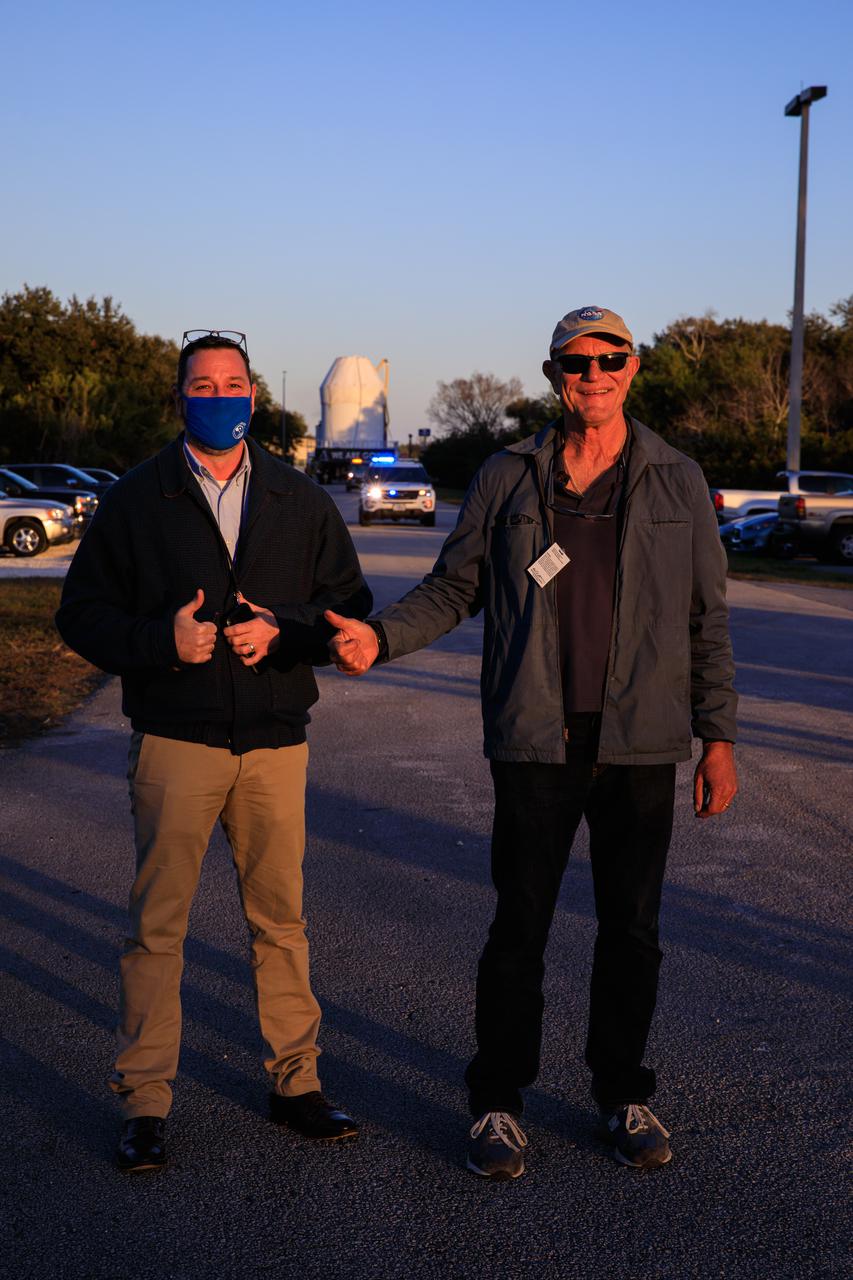
Enclosed in its payload fairing, NOAA's Geostationary Operational Environmental Satellite (GOES-R) departs from the Astrotech payload processing facility in Titusville, Florida, near NASA's Kennedy Space Center. GOES-R will be transported to the Vertical Integration Facility at Space Launch Complex 41 at Cape Canaveral Air Force Station. The satellite will launch aboard a United Launch Alliance Atlas V rocket in November. GOES-R is the first satellite in a series of next-generation NOAA GOES Satellites.
GOES-R Transport from Astrotech to VIF at Pad 41
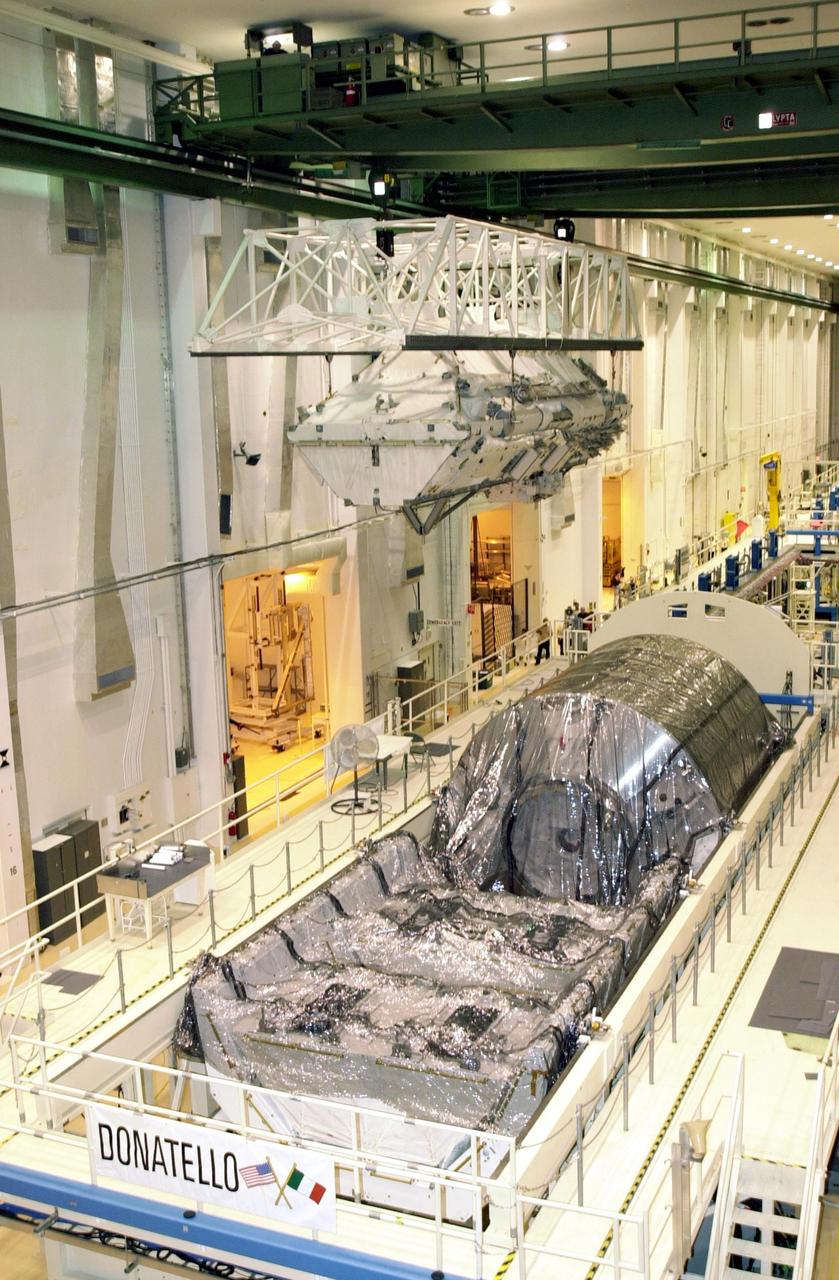
KENNEDY SPACE CENTER, FLA. -- In the Operations and Checkout Building, an overhead crane carries the Integrated Truss Structure S0 to the payload canister which will transport it to the launch pad for mission STS-110.  Seen below the truss is the Multi-Purpose Logistics Module Donatello, currently not in use. The S0 truss will be part of the payload on Space Shuttle Atlantis. The S0 truss will be attached to the U.S. Lab, "Destiny,"  on the 11-day mission, becoming the backbone of the orbiting International Space Station (ISS). Launch is scheduled for April 4
KSC-02pd0344
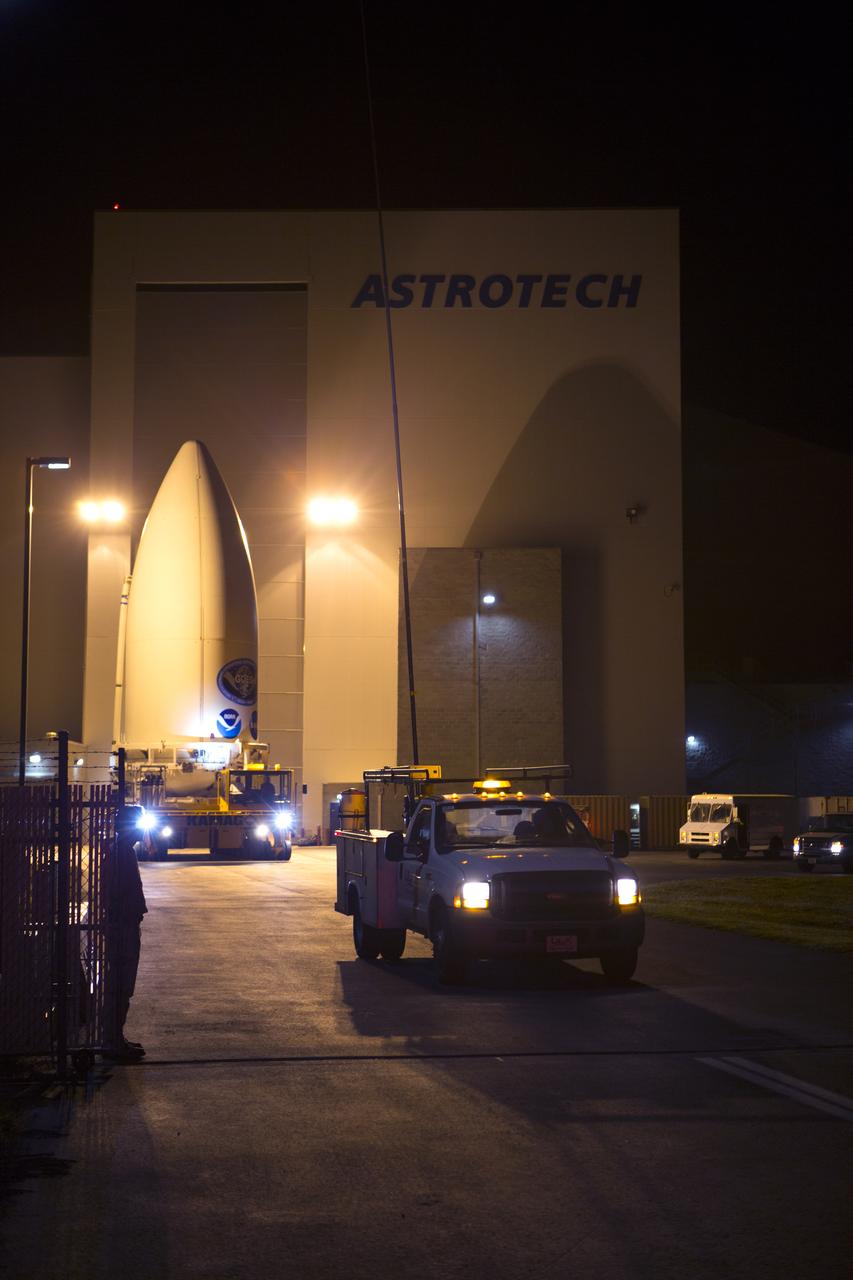
Enclosed in its payload fairing, NOAA's Geostationary Operational Environmental Satellite (GOES-R) emerges from the Astrotech payload processing facility in Titusville, Florida, near NASA's Kennedy Space Center. GOES-R will be transported to the Vertical Integration Facility at Space Launch Complex 41 at Cape Canaveral Air Force Station. The satellite will launch aboard a United Launch Alliance Atlas V rocket in November. GOES-R is the first satellite in a series of next-generation NOAA GOES Satellites.
GOES-R Transport from Astrotech to VIF at Pad 41
KENNEDY SPACE CENTER, FLA. --  Workers in the Operations and Checkout Building watch as the Integrated Truss Structure S0 is lowered into the payload canister.  The S0 truss will soon be on its way to the launch pad for mission STS-110.  Part of the payload on Space Shuttle Atlantis,  the S0 truss will be attached to the U.S. Lab, "Destiny,"  on the 11-day mission, becoming the backbone of the orbiting International Space Station (ISS). Launch is scheduled for April 4
KSC-02pd0346
Enclosed in its payload fairing, NOAA's Geostationary Operational Environmental Satellite (GOES-R) departs from the Astrotech payload processing facility in Titusville, Florida, near NASA's Kennedy Space Center. GOES-R will be transported to the Vertical Integration Facility at Space Launch Complex 41 at Cape Canaveral Air Force Station. The satellite will launch aboard a United Launch Alliance Atlas V rocket in November. GOES-R is the first satellite in a series of next-generation NOAA GOES Satellites.
GOES-R Transport from Astrotech to VIF at Pad 41
Enclosed in its payload fairing, NOAA's Geostationary Operational Environmental Satellite (GOES-R) departs from the Astrotech payload processing facility in Titusville, Florida, near NASA's Kennedy Space Center. GOES-R will be transported to the Vertical Integration Facility at Space Launch Complex 41 at Cape Canaveral Air Force Station. The satellite will launch aboard a United Launch Alliance Atlas V rocket in November. GOES-R is the first satellite in a series of next-generation NOAA GOES Satellites.
GOES-R Transport from Astrotech to VIF at Pad 41
KENNEDY SPACE CENTER, FLA. --  The Integrated Truss Structure S0 arrives at the payload canister in the Operations and Checkout Building for transfer to the launch pad for mission STS-110.  Part of the payload on Space Shuttle Atlantis,  the S0 truss will be attached to the U.S. Lab, 'Destiny,'  on the 11-day mission, becoming the backbone of the orbiting International Space Station (ISS). Launch is scheduled for April 4
KSC-02PD-0345
Enclosed in its payload fairing, NOAA's Geostationary Operational Environmental Satellite (GOES-R) departs from the Astrotech payload processing facility in Titusville, Florida, near NASA's Kennedy Space Center. GOES-R will be transported to the Vertical Integration Facility at Space Launch Complex 41 at Cape Canaveral Air Force Station. The satellite will launch aboard a United Launch Alliance Atlas V rocket in November. GOES-R is the first satellite in a series of next-generation NOAA GOES Satellites.
GOES-R Transport from Astrotech to VIF at Pad 41
Enclosed in its payload fairing, NOAA's Geostationary Operational Environmental Satellite (GOES-R) departs from the Astrotech payload processing facility in Titusville, Florida, near NASA's Kennedy Space Center. GOES-R will be transported to the Vertical Integration Facility at Space Launch Complex 41 at Cape Canaveral Air Force Station. The satellite will launch aboard a United Launch Alliance Atlas V rocket in November. GOES-R is the first satellite in a series of next-generation NOAA GOES Satellites.
GOES-R Transport from Astrotech to VIF at Pad 41
Enclosed in its payload fairing, NOAA's Geostationary Operational Environmental Satellite (GOES-R) is moved out of the Astrotech payload processing facility in Titusville, Florida, near NASA's Kennedy Space Center. GOES-R will be transported to the Vertical Integration Facility at Space Launch Complex 41 at Cape Canaveral Air Force Station. The satellite will launch aboard a United Launch Alliance Atlas V rocket in November. GOES-R is the first satellite in a series of next-generation NOAA GOES Satellites.
GOES-R Transport from Astrotech to VIF at Pad 41
Enclosed in its payload fairing, NOAA's Geostationary Operational Environmental Satellite (GOES-R) departs from the Astrotech payload processing facility in Titusville, Florida, near NASA's Kennedy Space Center. GOES-R will be transported to the Vertical Integration Facility at Space Launch Complex 41 at Cape Canaveral Air Force Station. The satellite will launch aboard a United Launch Alliance Atlas V rocket in November. GOES-R is the first satellite in a series of next-generation NOAA GOES Satellites.
GOES-R Transport from Astrotech to VIF at Pad 41
KENNEDY SPACE CENTER, FLA. -  Inside Astrotech Space Operations in Titusville, Fla., STS-116 Mission Specialists Robert Curbeam (left) and Christer Fugelsang look over the Integrated Cargo Carrier during the Crew Equipment Interface Test. The ICC will be carried in Space Shuttle Discovery’s payload cargo bay during the mission to the International Space Station.  Mission crews make frequent trips to the Kennedy Space Center to become familiar with the equipment and payloads they will be using.  STS-116 will be mission No. 20 to the International Space Station and construction flight 12A.1.  The mission payload is the SPACEHAB module, the P5 integrated truss structure and other key components.   Launch is scheduled for no earlier than Dec. 7.  Photo credit: NASA/Kim Shiflett
KSC-06pd2318
Meeting in the Launch Control Center of NASA's Kennedy Space Center in Florida, officials of the agency's Spacecraft/Payload Integration and Evolution (SPIE) organization formally turn over processing of the Space Launch System (SLS) rocket's Interim Cryogenic Propulsion Stage (ICPS) to the center's Ground Systems Development and Operations (GSDO) directorate. The ICPS is the first integrated piece of flight hardware to arrive in preparation for the uncrewed Exploration Mission-1. With the Orion attached, the ICPS sits atop the SLS rocket and will provide the spacecraft with the additional thrust needed to travel tens of thousands of miles beyond the Moon.
Interim Cryogenic Propulsion Stage (ICPS) Handover Signing
Secured atop a transport vehicle, Orion moves along the route to the Multi-Payload Processing Facility (MPPF) on Jan. 16, 2021, after departing from the Neil Armstrong Operations and Checkout Building at NASA’s Kennedy Space Center in Florida. Watching Orion move, from left are Mike Collins, NASA Operations manager for Spacecraft Offline Operations at Kennedy, and Skip Williams, operations manager for the MPPF spacecraft offline element integration team. In the MPPF, Orion will undergo processing with the Exploration Ground Systems team taking over ground processing ahead of the Artemis I launch.
Orion Transport to MPPF
Secretary of Education Betsy DeVos visited the Payload Operations Integration Center (POIC) and test stand 4693 at the Marshall Space Flight Center (MSFC). The visit to MSFC was followed by a tour of educational facilities at the U.S. Space and Rocket Center (USSRC). Secretary DeVos was accompanied by Marshall Center Director Jody Singer and USSRC CEO Dr. Deborah Barnhart.
Betsy DeVos, Secretary of Education, Visit to MSFC and USSRC
Secretary of Education Betsy DeVos visited the Payload Operations Integration Center (POIC) and test stand 4693 at the Marshall Space Flight Center (MSFC). The visit to MSFC was followed by a tour of educational facilities at the U.S. Space and Rocket Center (USSRC). Secretary DeVos was accompanied by Marshall Center Director Jody Singer and USSRC CEO Dr. Deborah Barnhart.
Betsy DeVos, Secretary of Education, Visit to MSFC and USSRC
Secretary of Education Betsy DeVos visited the Payload Operations Integration Center (POIC) and test stand 4693 at the Marshall Space Flight Center (MSFC). The visit to MSFC was followed by a tour of educational facilities at the U.S. Space and Rocket Center (USSRC). Secretary DeVos was accompanied by Marshall Center Director Jody Singer and USSRC CEO Dr. Deborah Barnhart.
Betsy DeVos, Secretary of Education, Visit to MSFC and USSRC