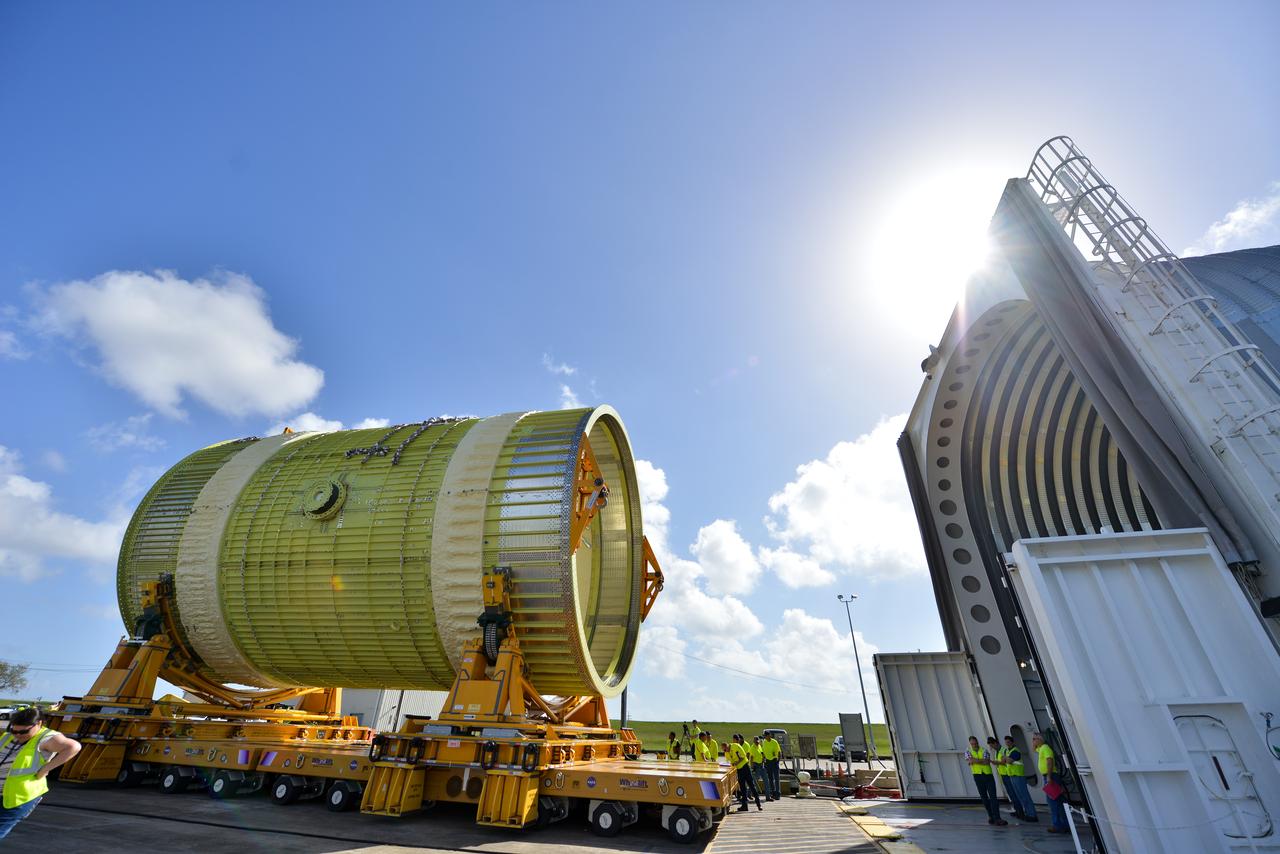
Intertank STA on Pegasus Barge
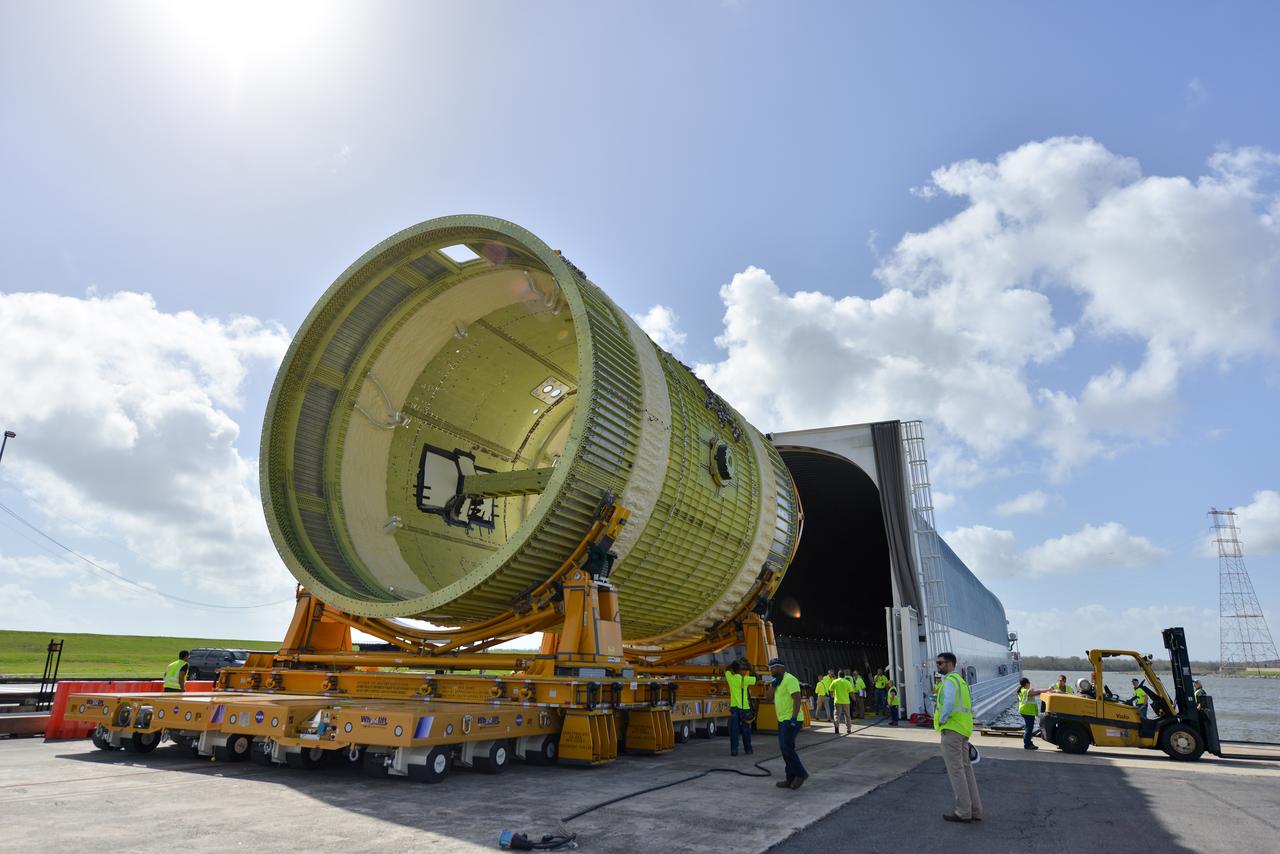
Intertank STA on Pegasus Barge
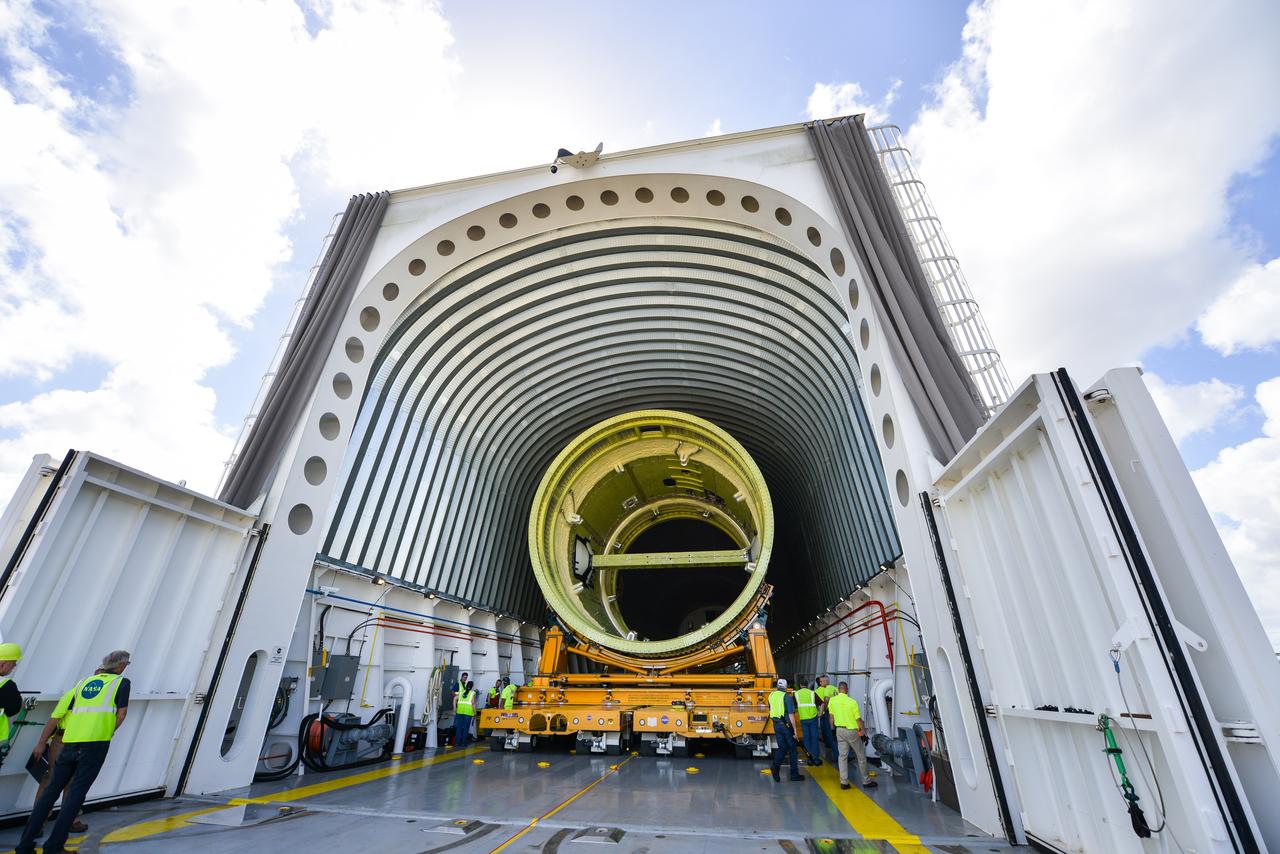
Intertank STA on board the Pegasus Barge.
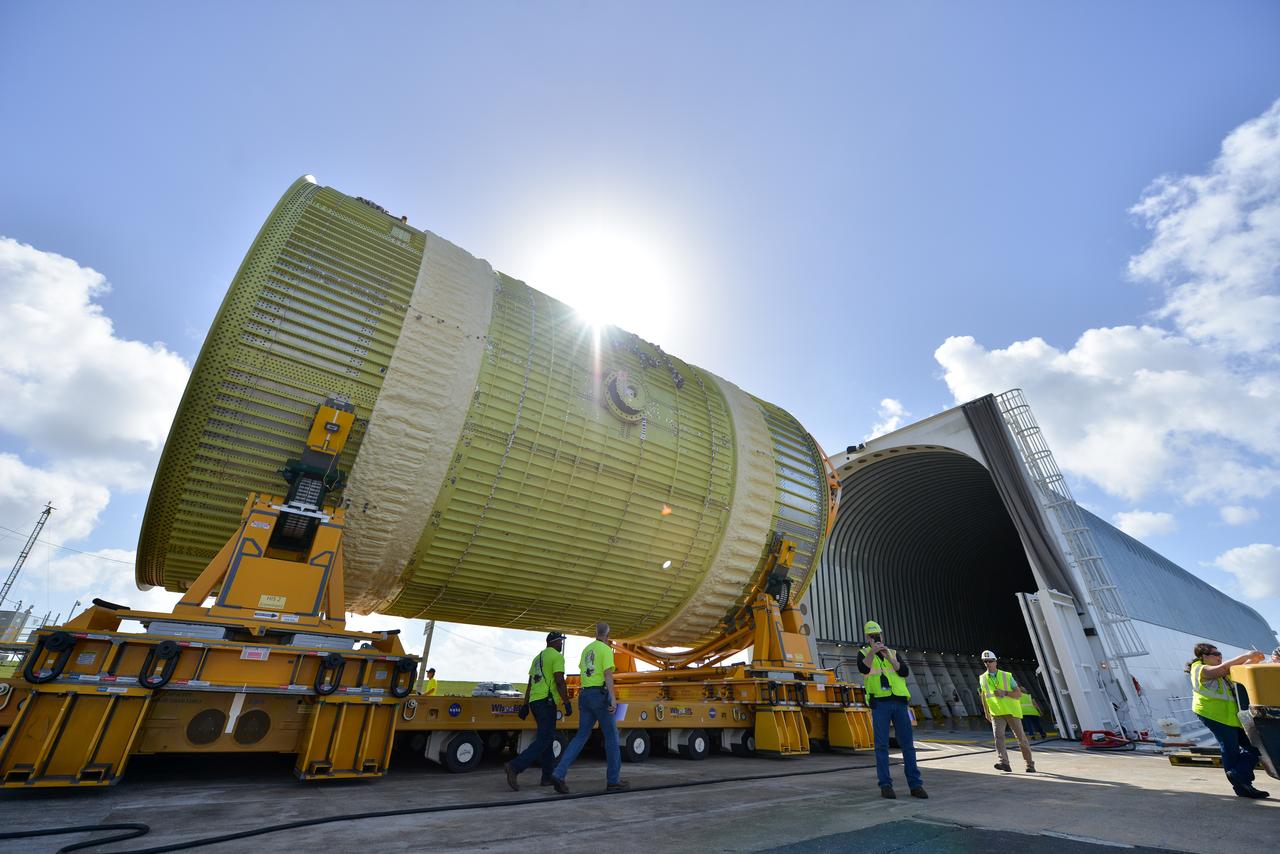
Intertank STA is prepped prior to being loaded on the NASA Barge, Pegasus.
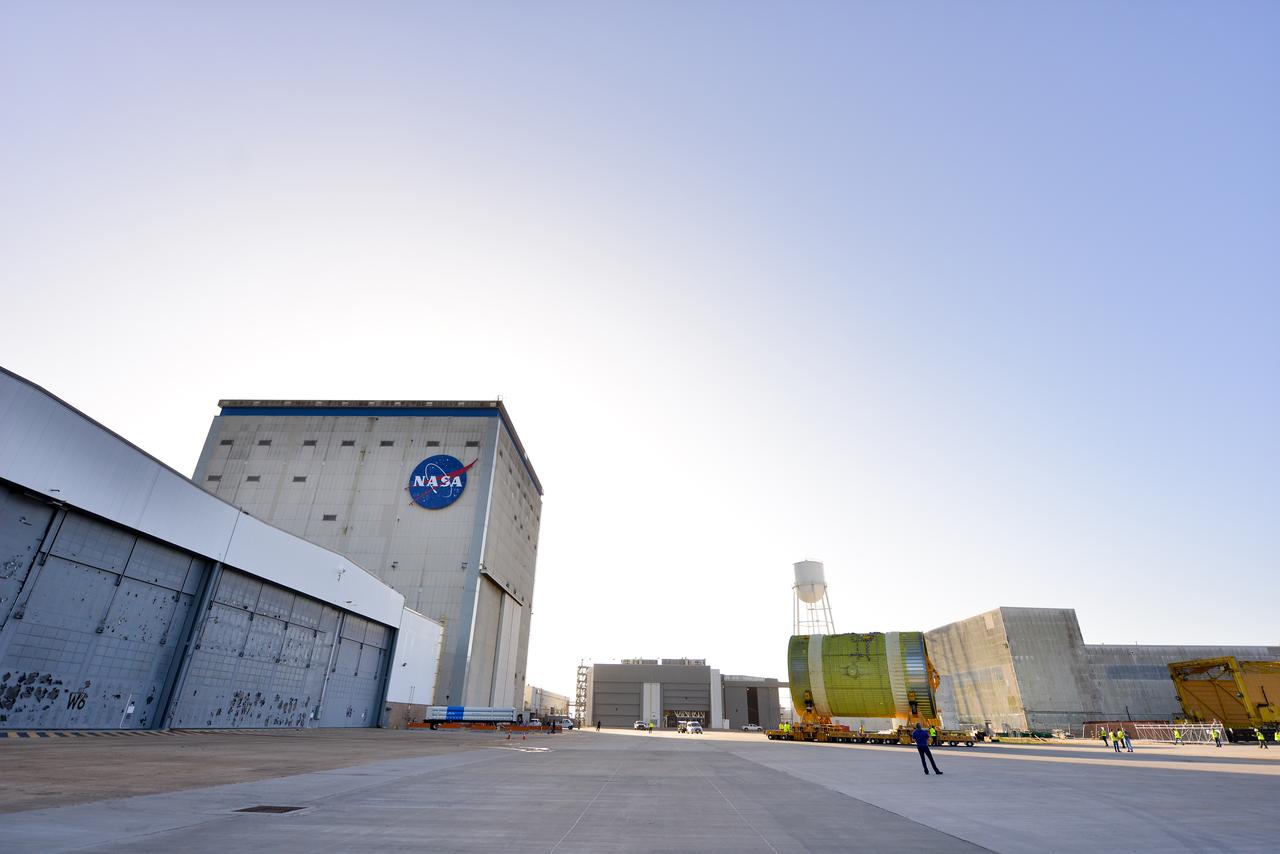
Intertank STA on way to Pegasus Barge
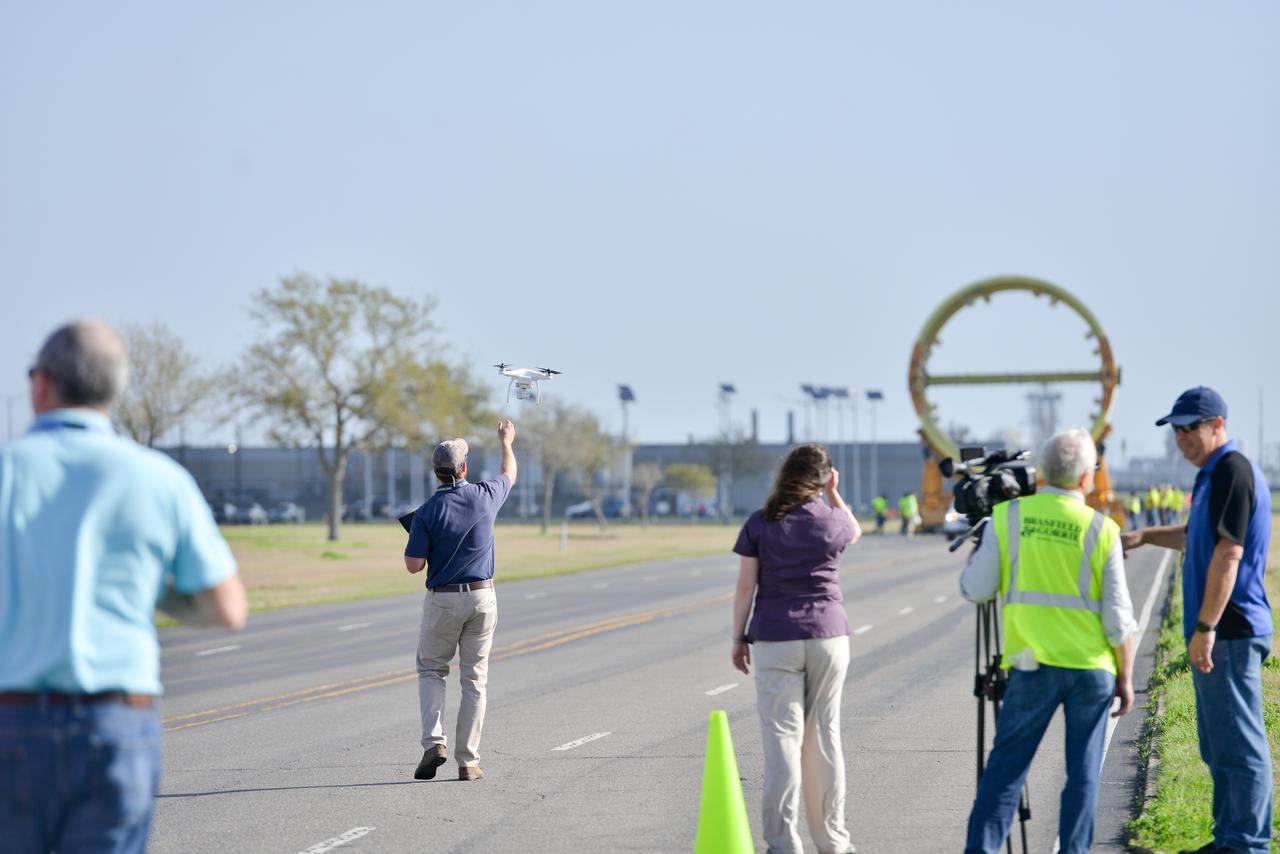
Drone Crew and Media Services document the Intertank STA en route to Pegasus.
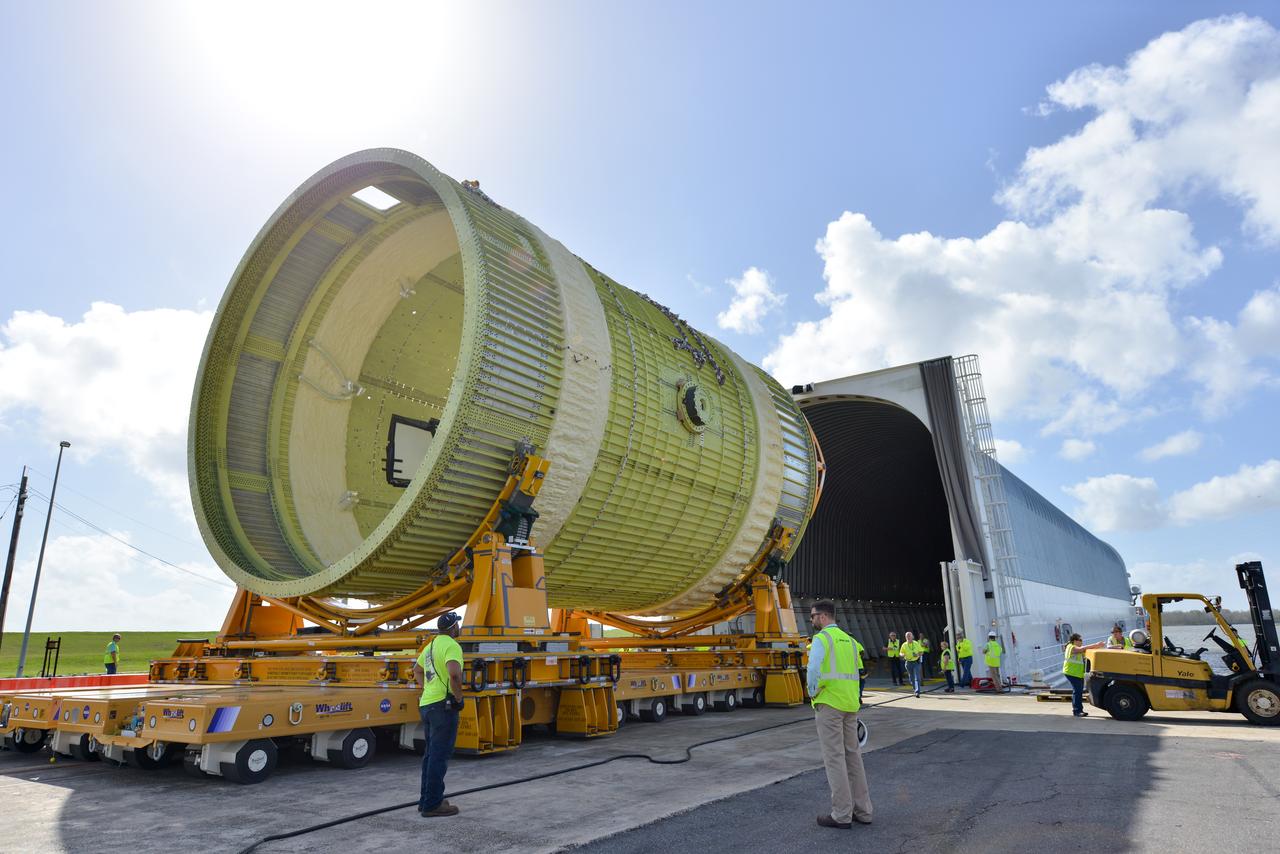
Intertank STA awaits loading onto the Pegasus Barge
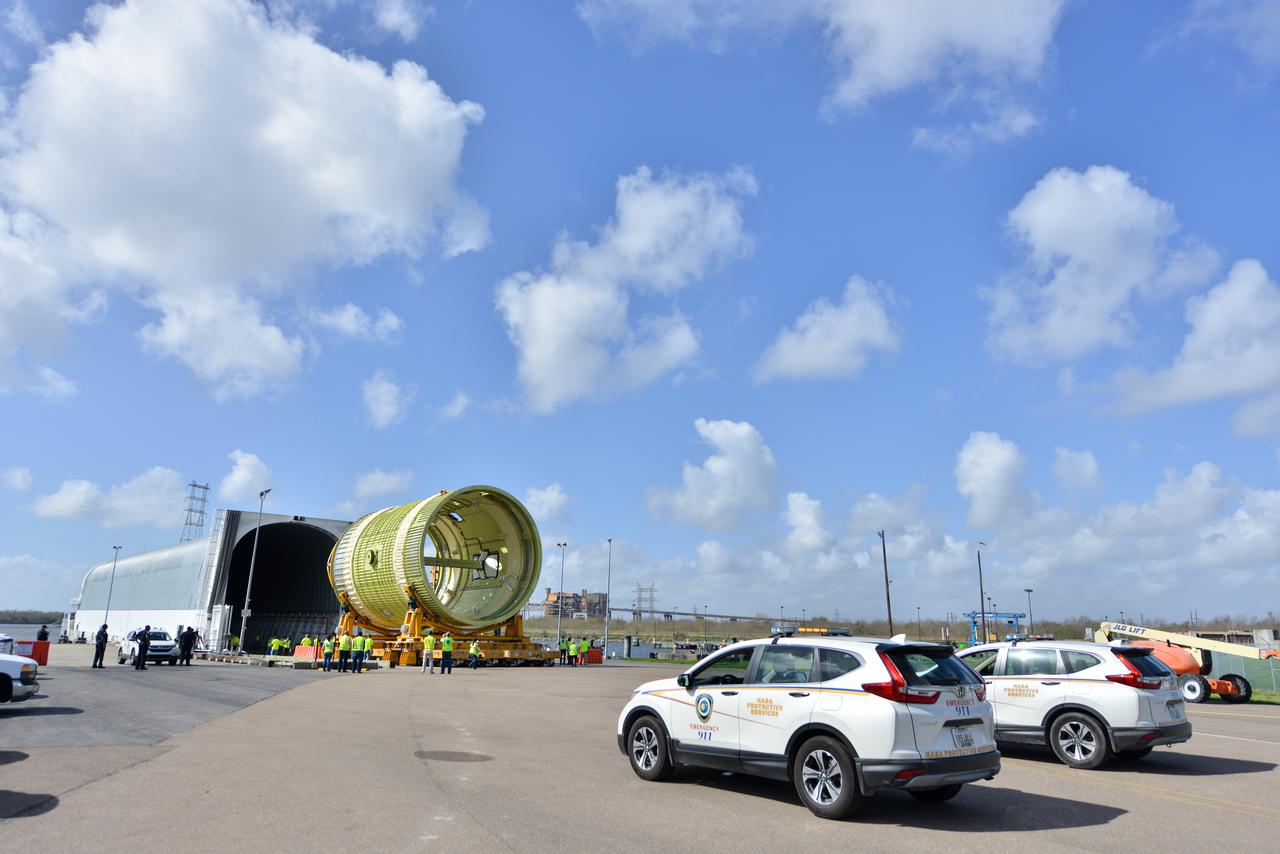
Michoud Protective Services escorts Intertank STA to Pegasus.
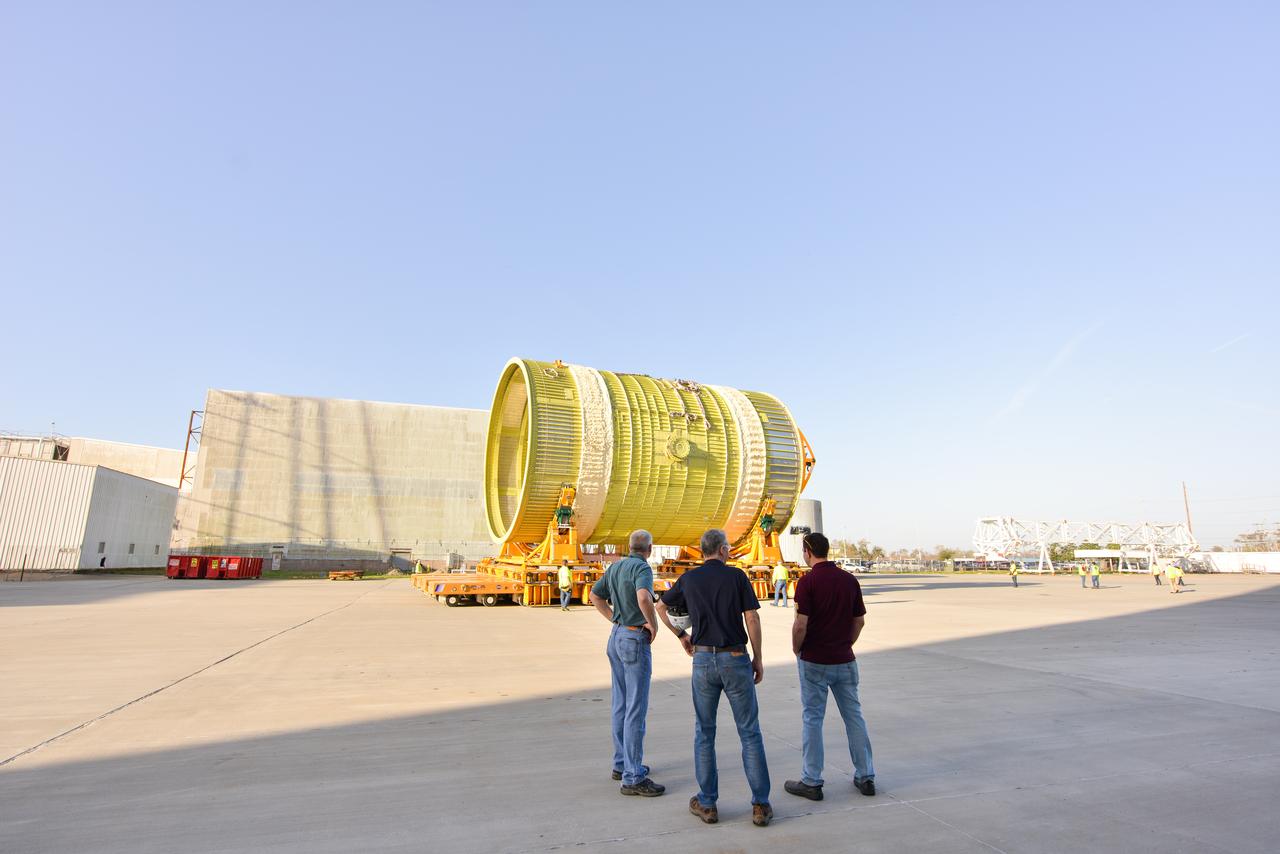
Intertank STA en route to Pegasus Barge
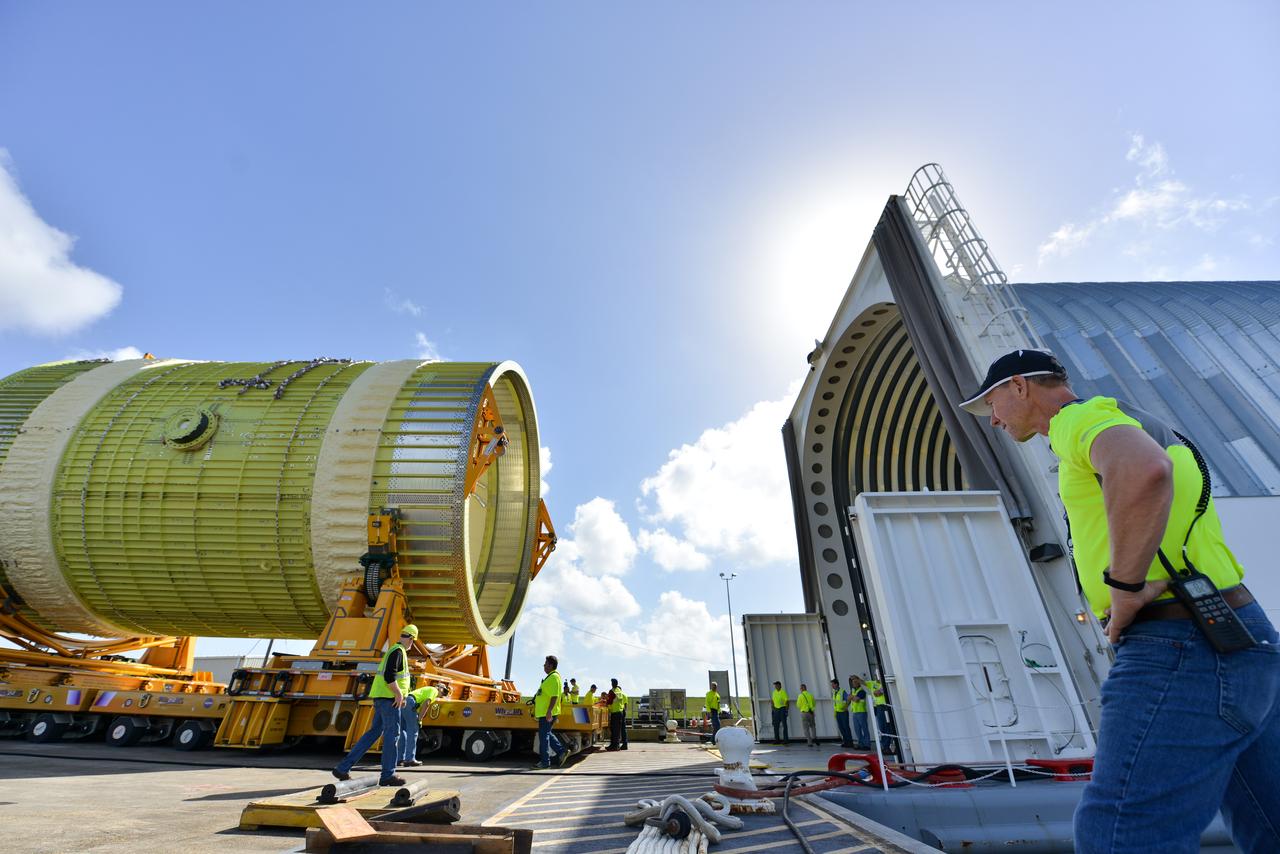
Pegasus Engineer watches the preparations before the move crew loads the Intertank STA on board.
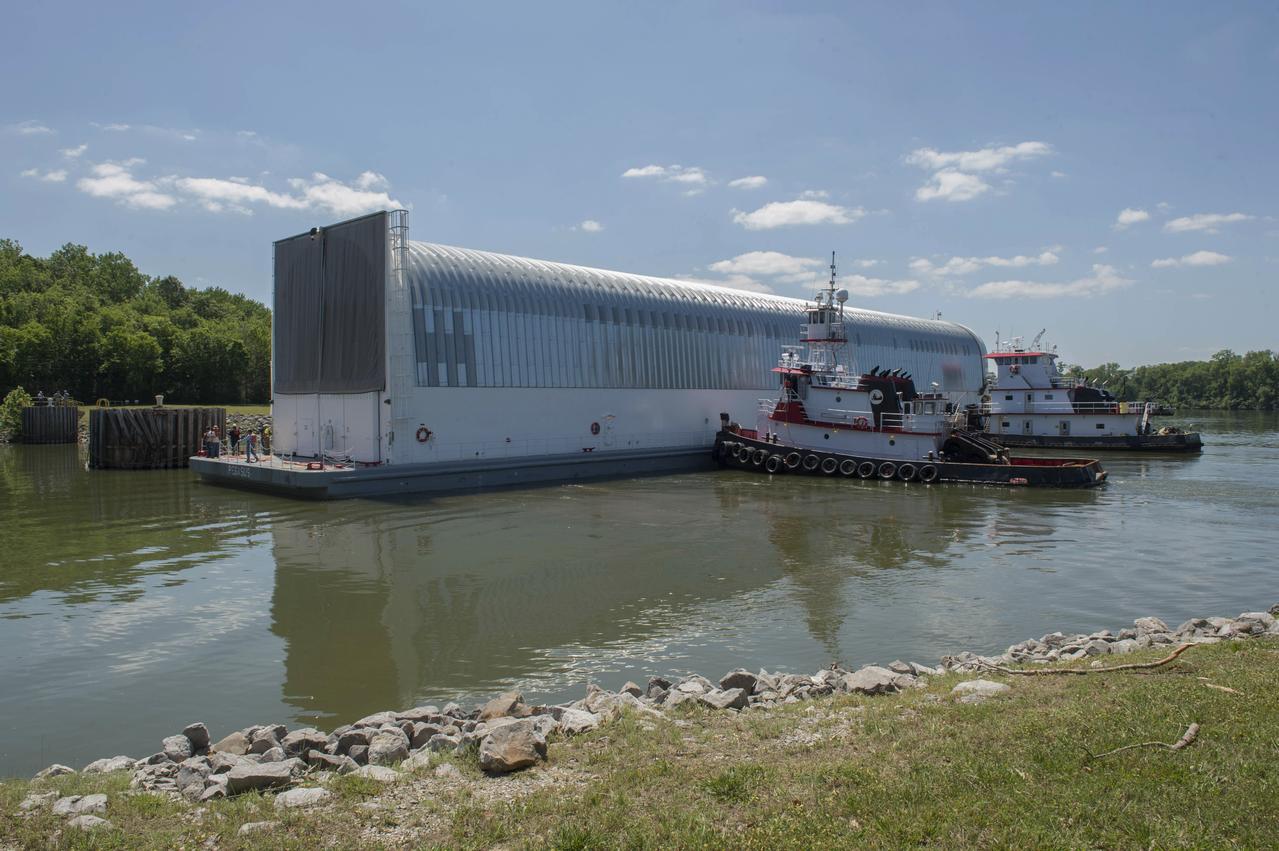
NASA’s barge, Pegasus, approaches the barge dock on Redstone Arsenal, home to the Marshall Space Flight Center. Pegasus is transporting the RS-25 engine core stage test article from the Michoud Assembly Facility to Marshall for structural testing.
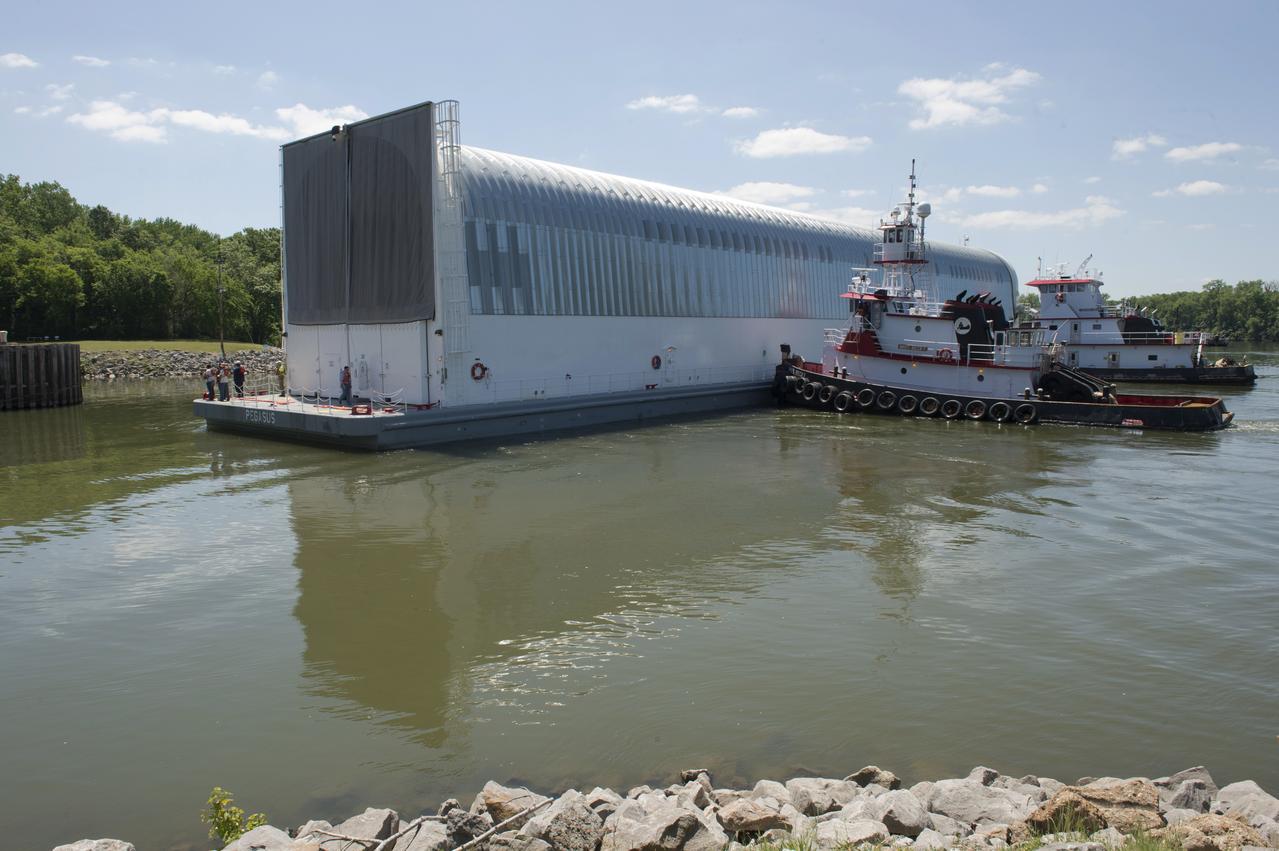
NASA’s barge, Pegasus, approaches the barge dock on Redstone Arsenal, home to the Marshall Space Flight Center. Pegasus is transporting the RS-25 engine core stage test article from the Michoud Assembly Facility to Marshall for structural testing.
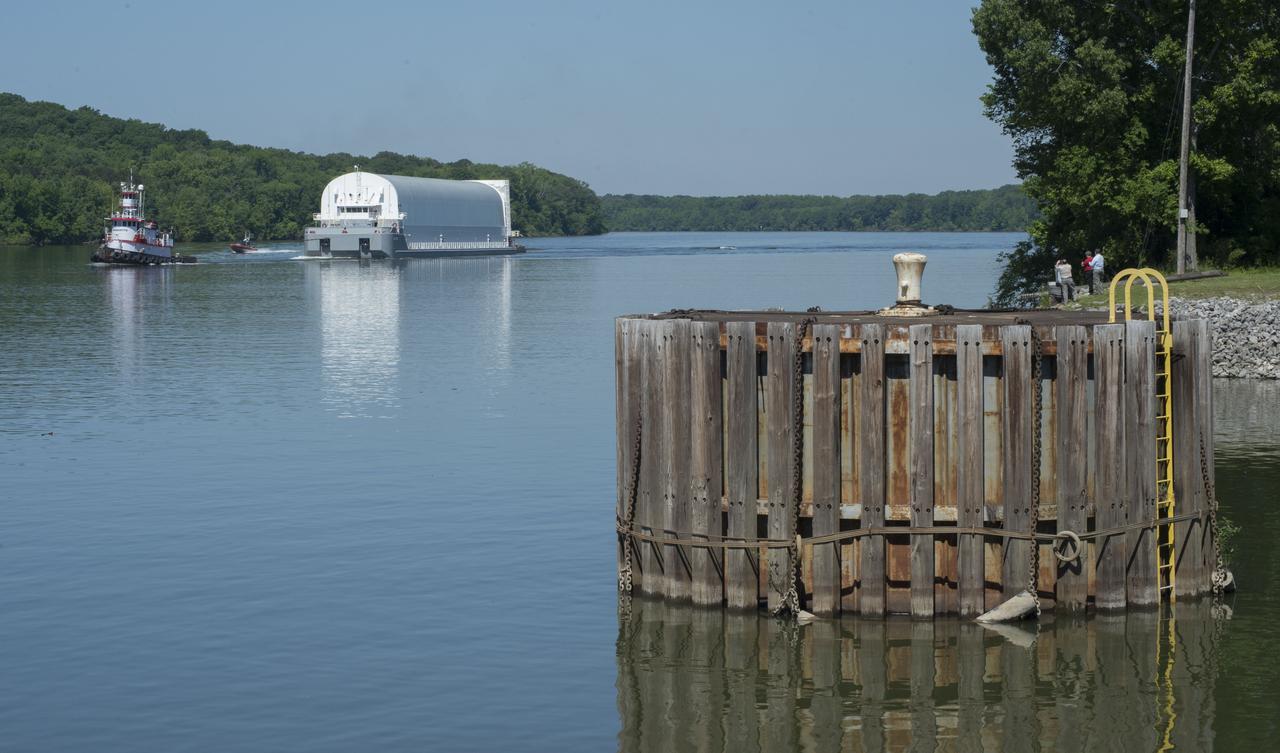
NASA’s barge, Pegasus, approaches the barge dock on Redstone Arsenal, home to the Marshall Space Flight Center. Pegasus is transporting the RS-25 engine core stage test article from the Michoud Assembly Facility to Marshall for structural testing.
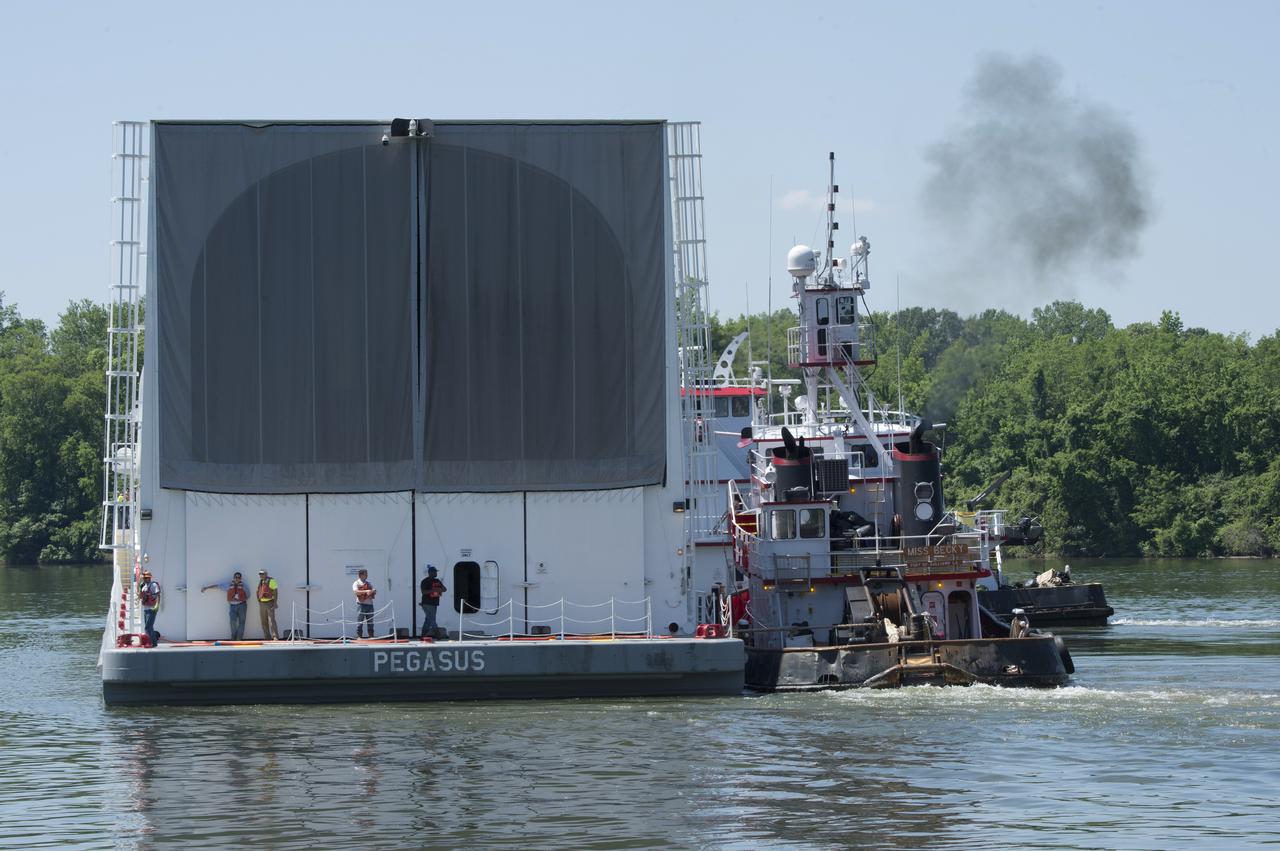
NASA’s barge, Pegasus, approaches the barge dock on Redstone Arsenal, home to the Marshall Space Flight Center. Pegasus is transporting the RS-25 engine core stage test article from the Michoud Assembly Facility to Marshall for structural testing.
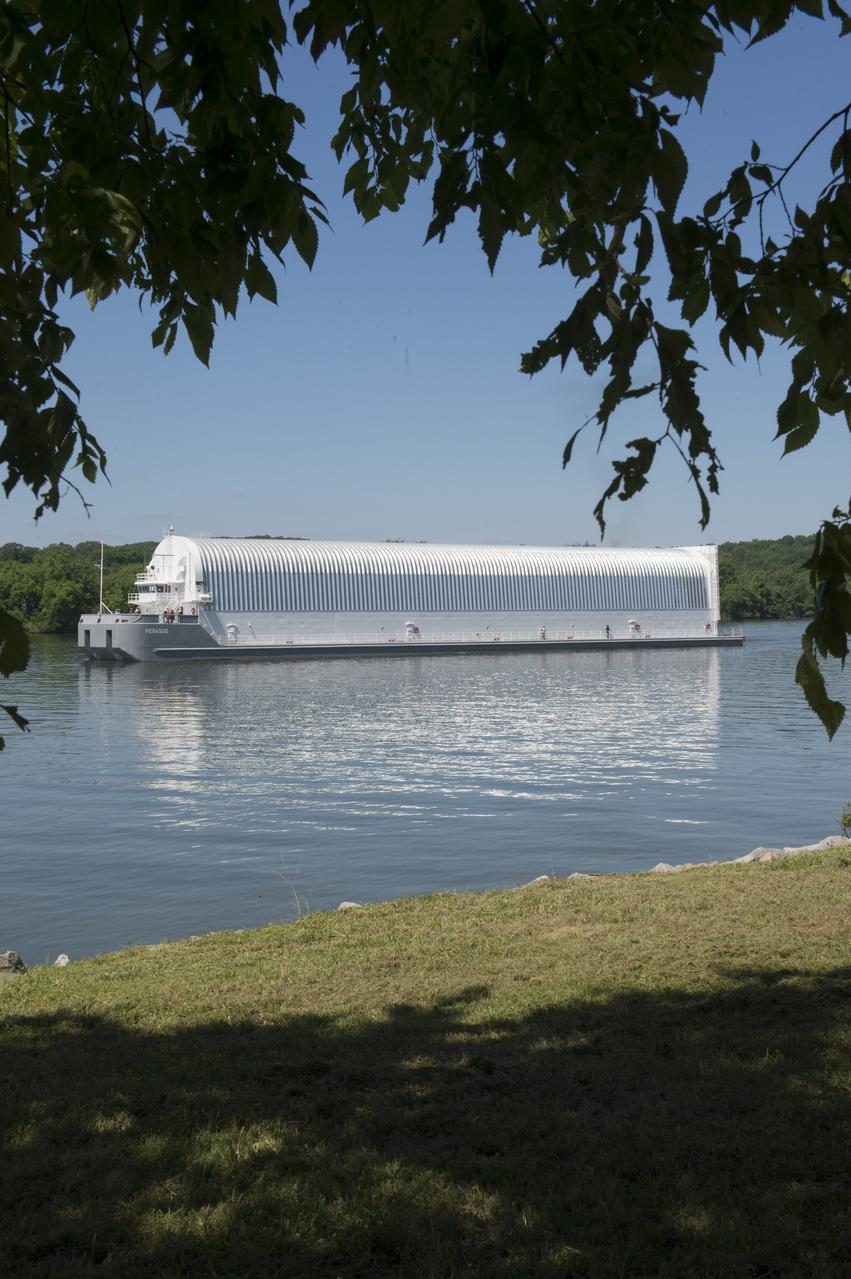
NASA’s barge, Pegasus, approaches the barge dock on Redstone Arsenal, home to the Marshall Space Flight Center. Pegasus is transporting the RS-25 engine core stage test article from the Michoud Assembly Facility to Marshall for structural testing.
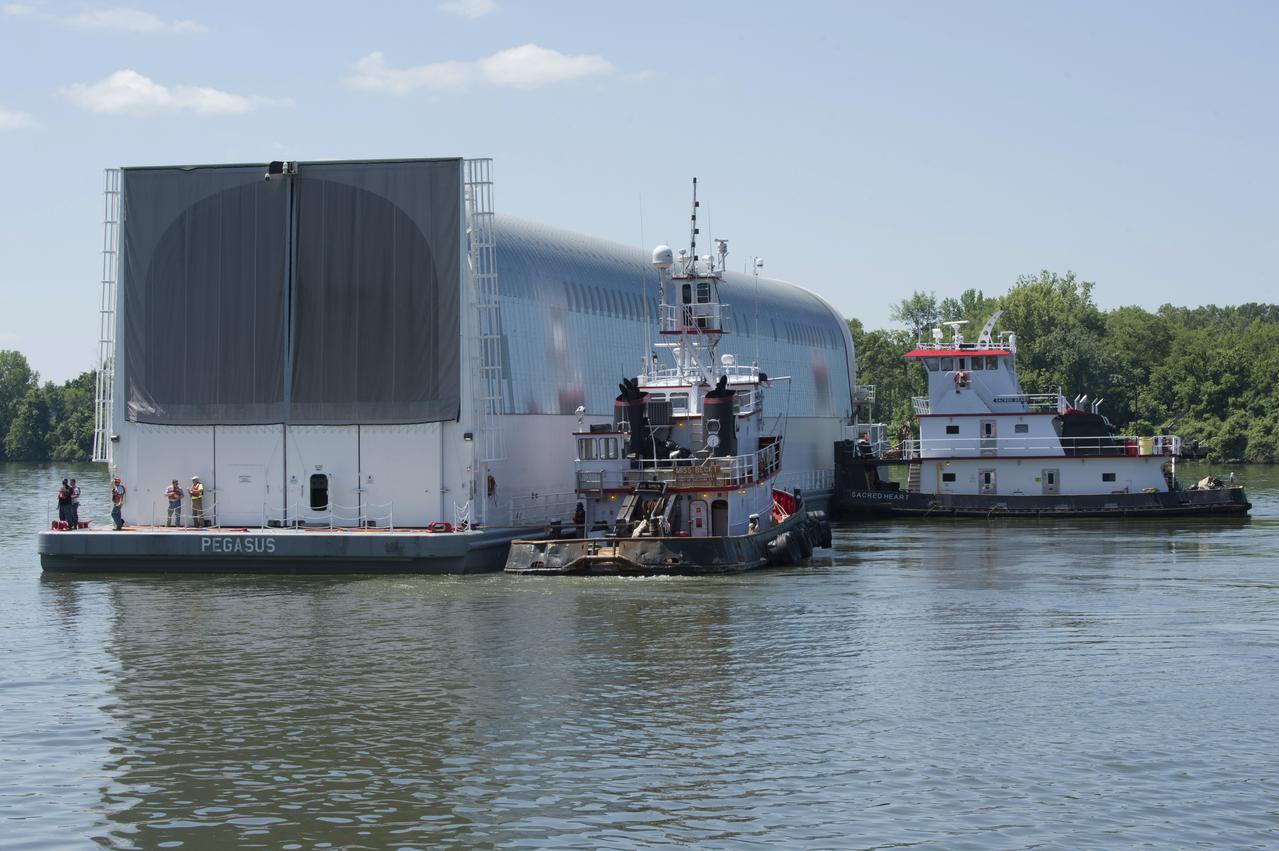
NASA’s barge, Pegasus, approaches the barge dock on Redstone Arsenal, home to the Marshall Space Flight Center. Pegasus is transporting the RS-25 engine core stage test article from the Michoud Assembly Facility to Marshall for structural testing.
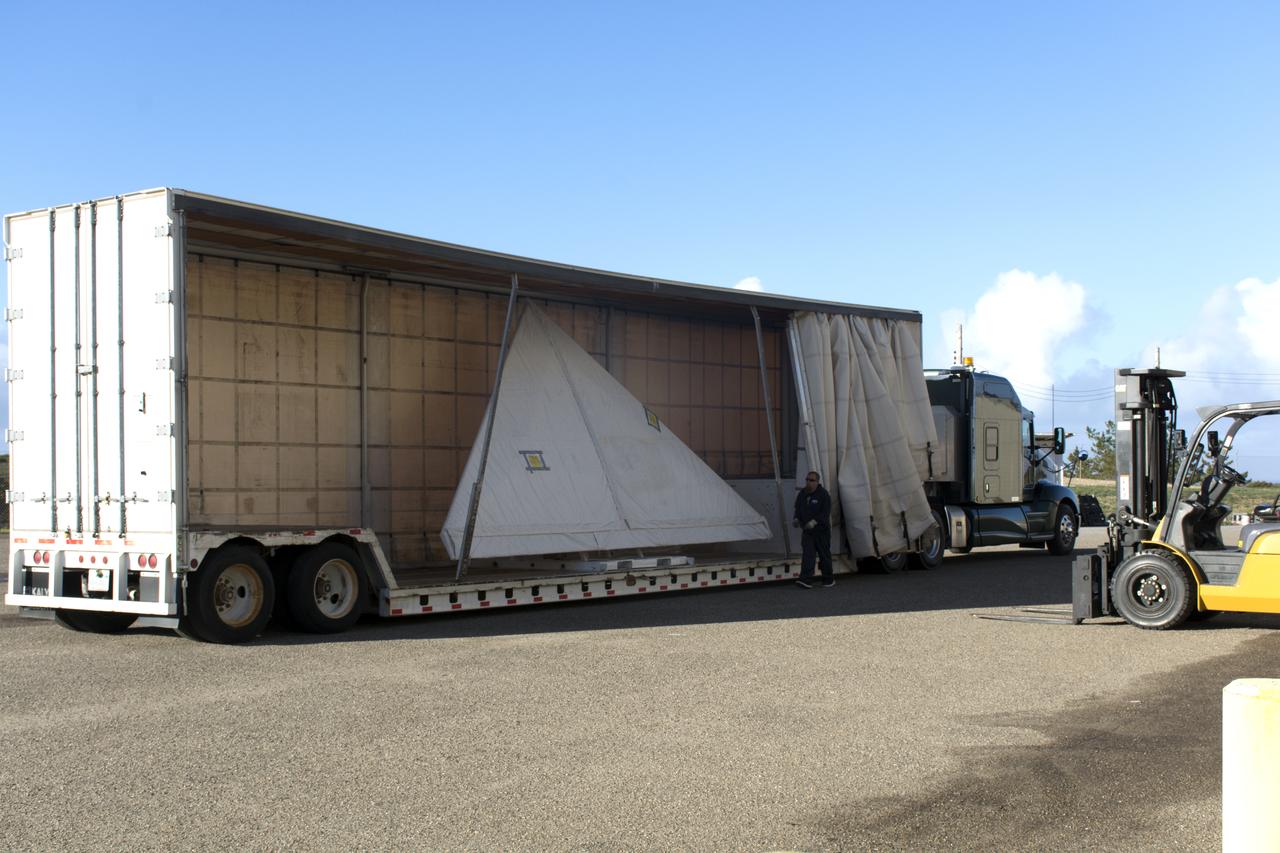
The wing for the Orbital ATK Pegasus XL rocket arrives by truck at Building 1555 at Vandenberg Air Force Base in California. The Pegasus rocket is being prepared for NASA's Ionospheric Connection Explorer, or ICON, mission. ICON will launch from the Kwajalein Atoll aboard the Pegasus XL on Dec. 8, 2017. ICON will study the frontier of space - the dynamic zone high in Earth's atmosphere where terrestrial weather from below meets space weather above. The explorer will help determine the physics of Earth's space environment and pave the way for mitigating its effects on our technology, communications systems and society.
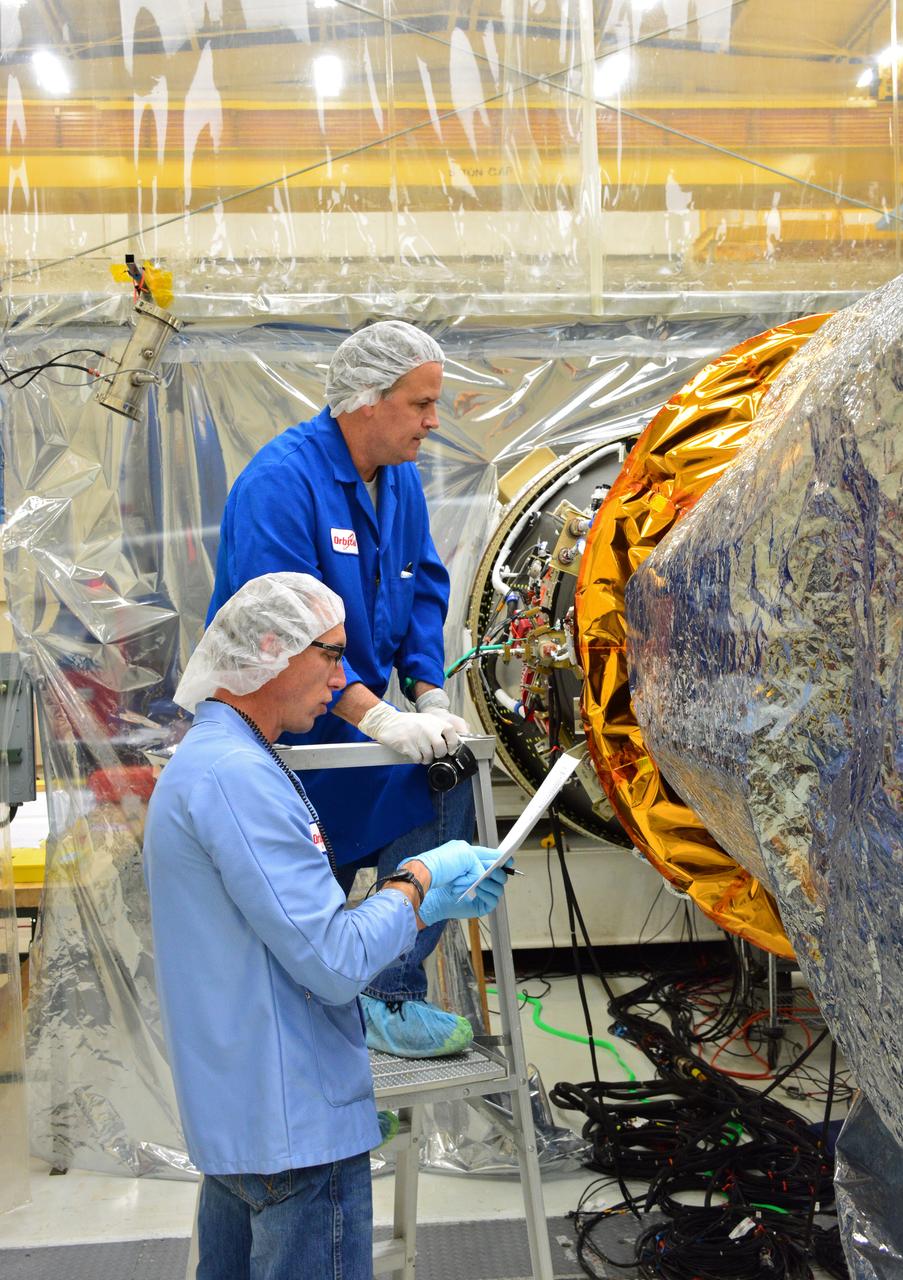
In Building 1555 at Vandenberg Air Force Base in California, the payload fairing is being installed on an Orbital ATK Pegasus XL rocket. On board Pegasus are eight NASA Cyclone Global Navigation Satellite System, or CYGNSS, spacecraft. When preparations are competed at Vandenberg, the L-1011/Pegasus XL combination will be flown to NASA’s Kennedy Space Center in Florida. On Dec. 12, 2016, the carrier aircraft is scheduled to take off from the Skid Strip at Cape Canaveral Air Force Station and CYGNSS will launch on the Pegasus XL rocket with the L-1011 flying off shore. CYGNSS satellites will make frequent and accurate measurements of ocean surface winds throughout the life cycle of tropical storms and hurricanes. The data that CYGNSS provides will help scientists to probe key air-sea interaction processes that take place near the core of storms, which are rapidly changing and play a crucial role in the beginning and intensification of hurricanes.
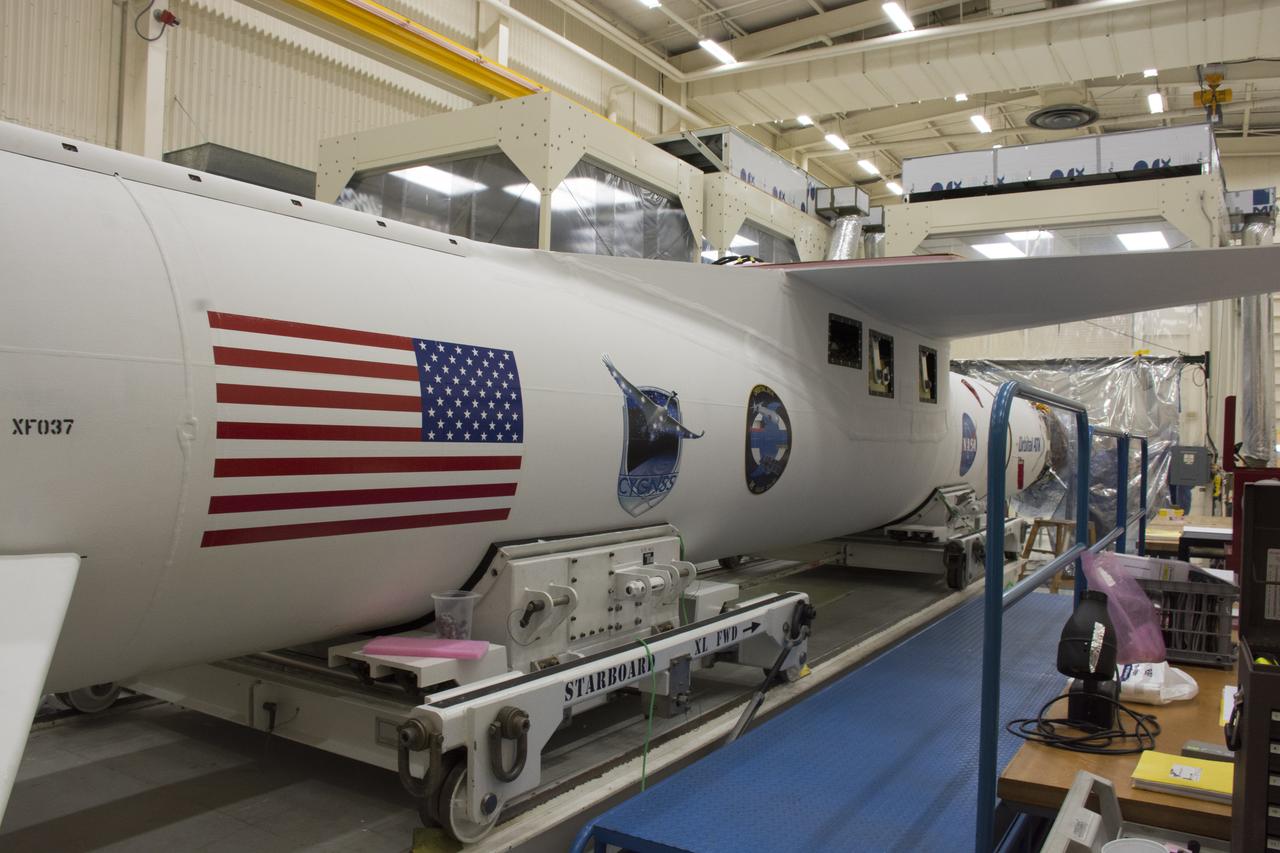
At Vandenberg Air Force Base in California, an Orbital ATK Pegasus XL rocket is seen during payload fairing installation in Building 1555. On board Pegasus are eight NASA Cyclone Global Navigation Satellite System, or CYGNSS, spacecraft. When preparations are competed at Vandenberg, the L-1011/Pegasus XL combination will be flown to NASA’s Kennedy Space Center in Florida. On Dec. 12, 2016, the carrier aircraft is scheduled to take off from the Skid Strip at Cape Canaveral Air Force Station and CYGNSS will launch on the Pegasus XL rocket with the L-1011 flying off shore. CYGNSS satellites will make frequent and accurate measurements of ocean surface winds throughout the life cycle of tropical storms and hurricanes. The data that CYGNSS provides will help scientists to probe key air-sea interaction processes that take place near the core of storms, which are rapidly changing and play a crucial role in the beginning and intensification of hurricanes.
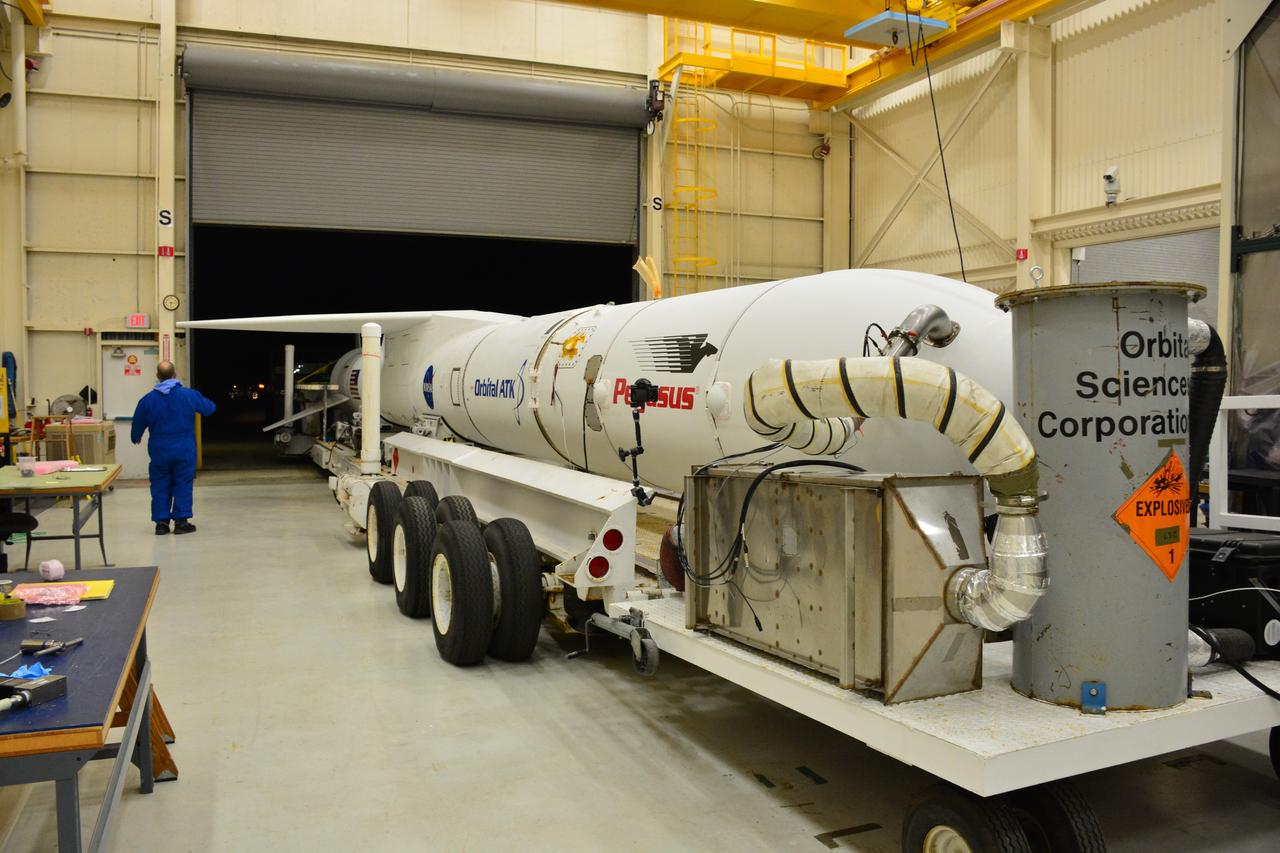
At Vandenberg Air Force Base in California, an Orbital ATK Pegasus XL rocket is transported from the hangar at Building 1555 to be mated to L-1011 carrier aircraft near Vandenberg's runway. On board Pegasus are eight NASA Cyclone Global Navigation Satellite System, or CYGNSS, spacecraft. When preparations are competed at Vandenberg, the L-1011/Pegasus XL combination will be flown to NASA’s Kennedy Space Center in Florida. On Dec. 12, 2016, the carrier aircraft is scheduled to take off from the Skid Strip at Cape Canaveral Air Force Station and CYGNSS will launch on the Pegasus XL rocket with the L-1011 flying off shore. CYGNSS satellites will make frequent and accurate measurements of ocean surface winds throughout the life cycle of tropical storms and hurricanes. The data that CYGNSS provides will enable scientists to probe key air-sea interaction processes that take place near the core of storms, which are rapidly changing and play a critical role in the beginning and intensification of hurricanes.
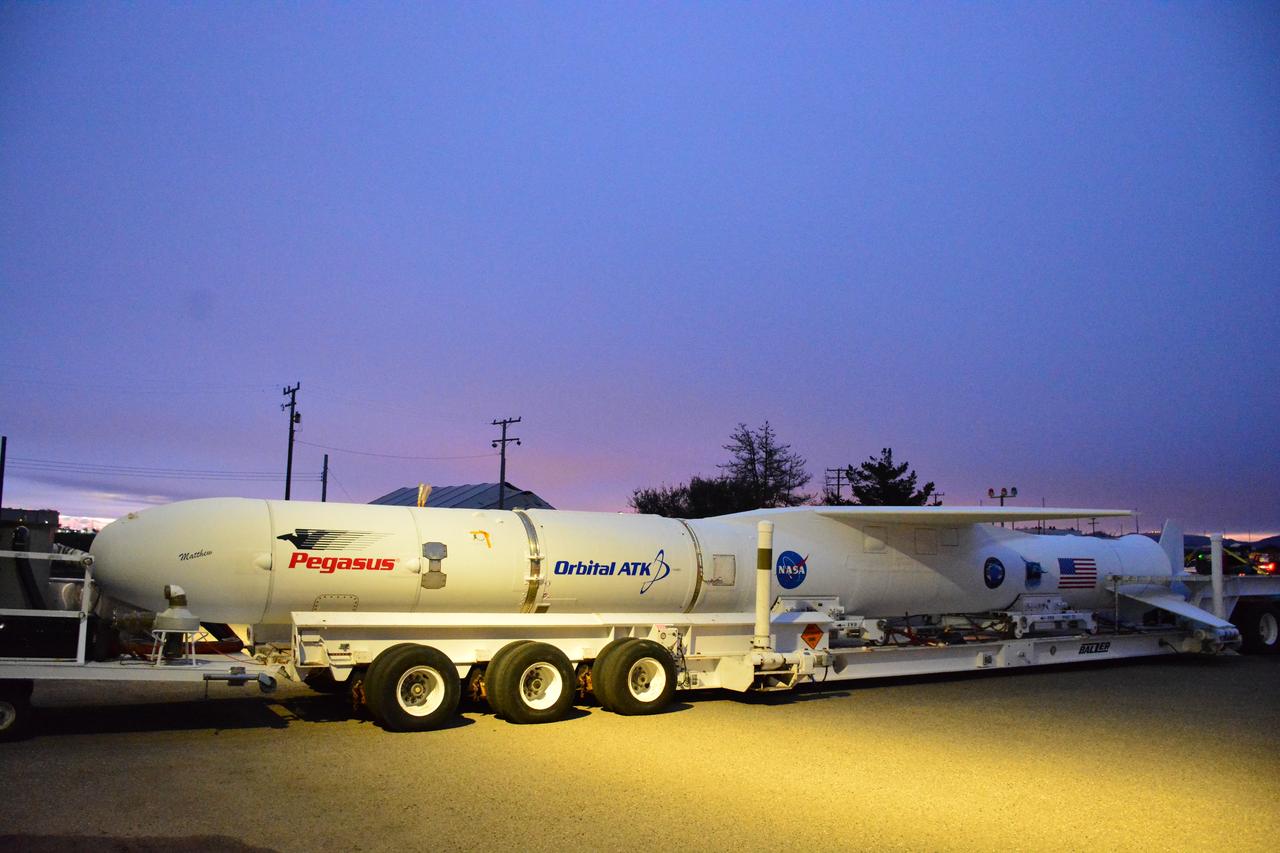
At Vandenberg Air Force Base in California, an Orbital ATK Pegasus XL rocket is transported from the hangar at Building 1555 to be mated to L-1011 carrier aircraft near Vandenberg's runway. On board Pegasus are eight NASA Cyclone Global Navigation Satellite System, or CYGNSS, spacecraft. When preparations are competed at Vandenberg, the L-1011/Pegasus XL combination will be flown to NASA’s Kennedy Space Center in Florida. On Dec. 12, 2016, the carrier aircraft is scheduled to take off from the Skid Strip at Cape Canaveral Air Force Station and CYGNSS will launch on the Pegasus XL rocket with the L-1011 flying off shore. CYGNSS satellites will make frequent and accurate measurements of ocean surface winds throughout the life cycle of tropical storms and hurricanes. The data that CYGNSS provides will enable scientists to probe key air-sea interaction processes that take place near the core of storms, which are rapidly changing and play a critical role in the beginning and intensification of hurricanes.
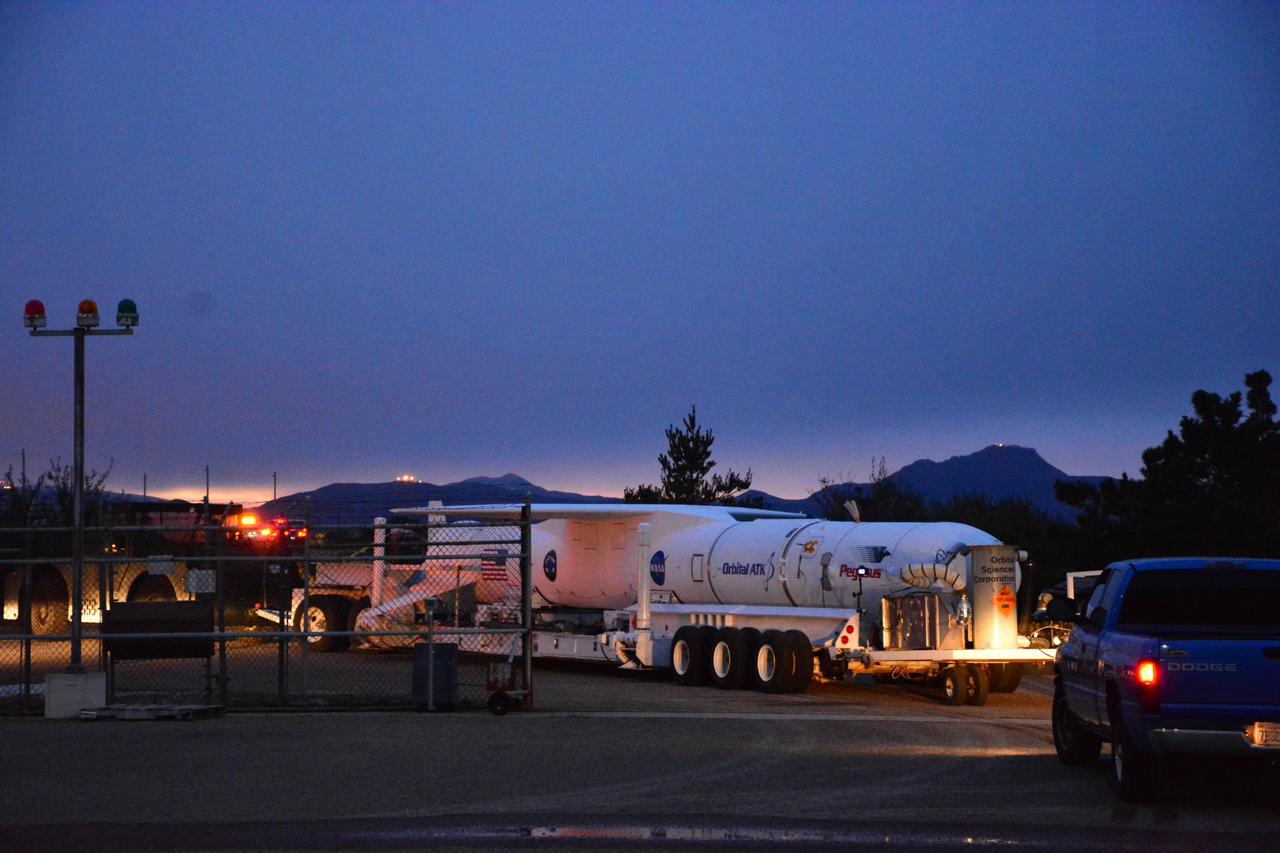
At Vandenberg Air Force Base in California, an Orbital ATK Pegasus XL rocket is transported from the hangar at Building 1555 to be mated to L-1011 carrier aircraft near Vandenberg's runway. On board Pegasus are eight NASA Cyclone Global Navigation Satellite System, or CYGNSS, spacecraft. When preparations are competed at Vandenberg, the L-1011/Pegasus XL combination will be flown to NASA’s Kennedy Space Center in Florida. On Dec. 12, 2016, the carrier aircraft is scheduled to take off from the Skid Strip at Cape Canaveral Air Force Station and CYGNSS will launch on the Pegasus XL rocket with the L-1011 flying off shore. CYGNSS satellites will make frequent and accurate measurements of ocean surface winds throughout the life cycle of tropical storms and hurricanes. The data that CYGNSS provides will enable scientists to probe key air-sea interaction processes that take place near the core of storms, which are rapidly changing and play a critical role in the beginning and intensification of hurricanes.
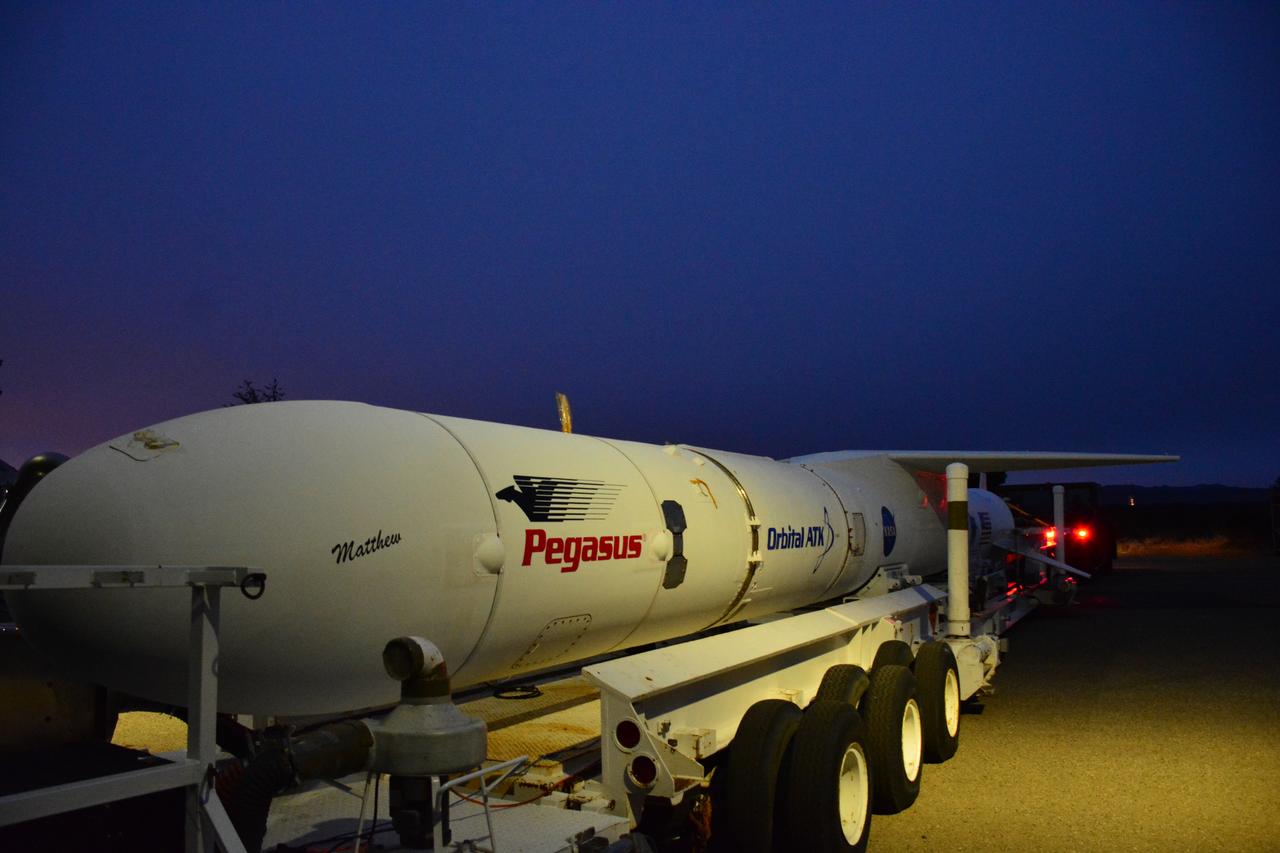
At Vandenberg Air Force Base in California, an Orbital ATK Pegasus XL rocket is transported from the hangar at Building 1555 to be mated to L-1011 carrier aircraft near Vandenberg's runway. On board Pegasus are eight NASA Cyclone Global Navigation Satellite System, or CYGNSS, spacecraft. When preparations are competed at Vandenberg, the L-1011/Pegasus XL combination will be flown to NASA’s Kennedy Space Center in Florida. On Dec. 12, 2016, the carrier aircraft is scheduled to take off from the Skid Strip at Cape Canaveral Air Force Station and CYGNSS will launch on the Pegasus XL rocket with the L-1011 flying off shore. CYGNSS satellites will make frequent and accurate measurements of ocean surface winds throughout the life cycle of tropical storms and hurricanes. The data that CYGNSS provides will enable scientists to probe key air-sea interaction processes that take place near the core of storms, which are rapidly changing and play a critical role in the beginning and intensification of hurricanes.
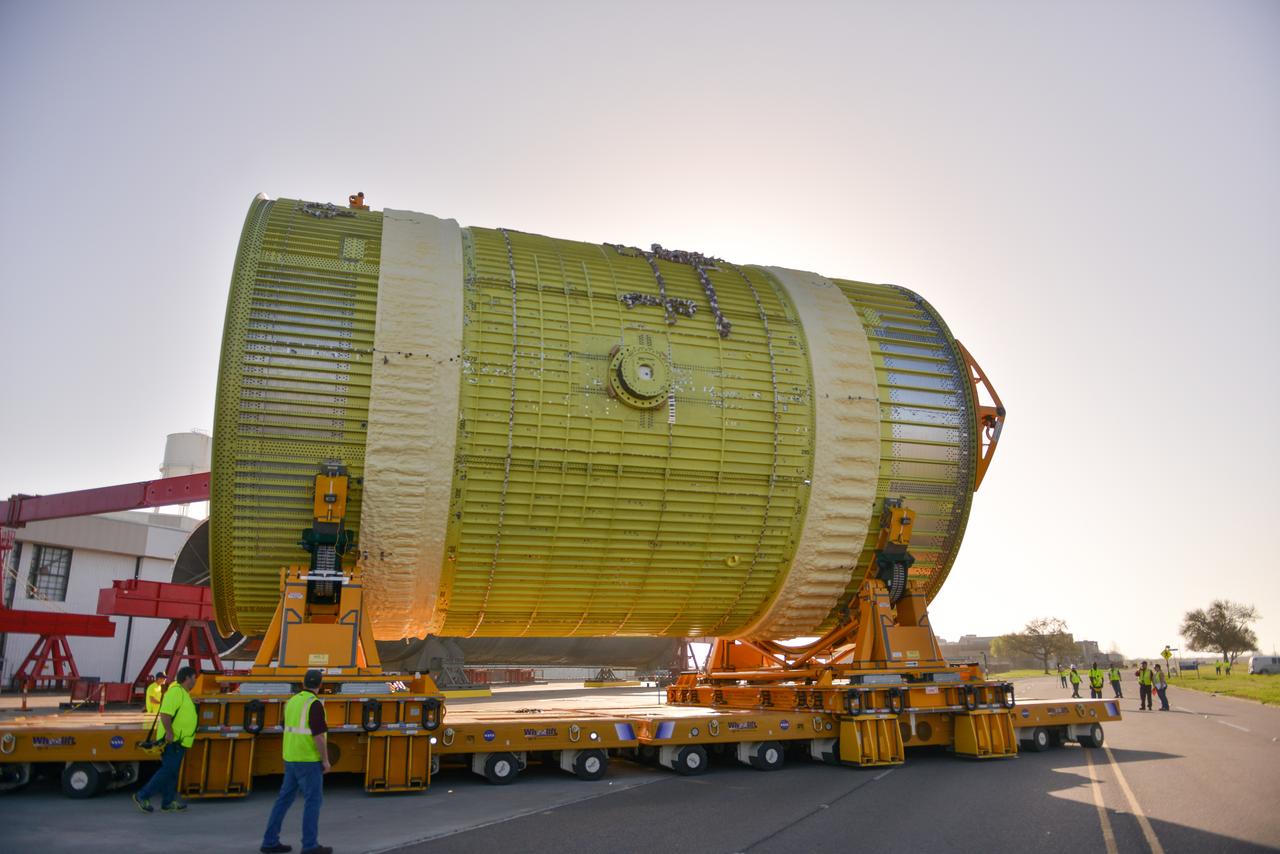
Intertank STA heading to the Pegasus Barge
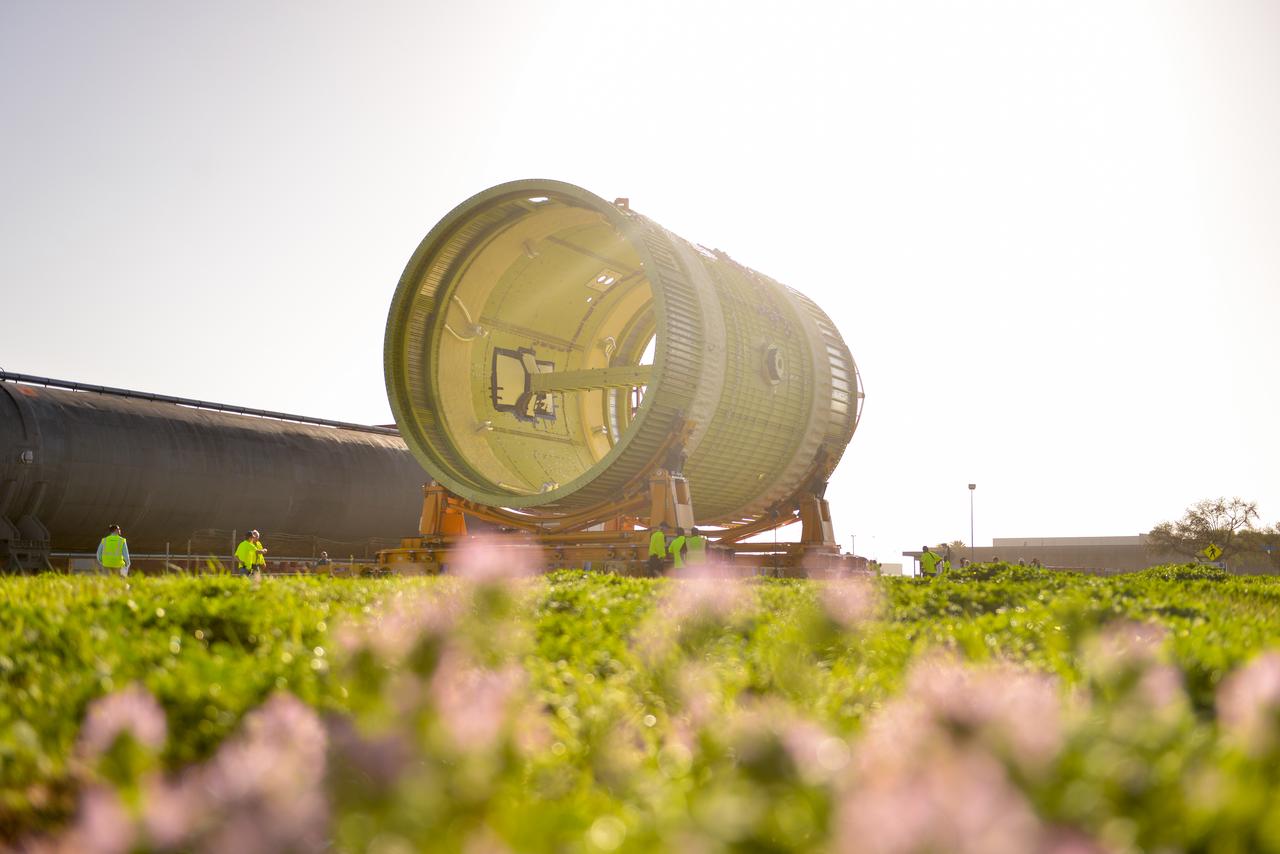
Intertank STA on way to the Pegasus Barge.
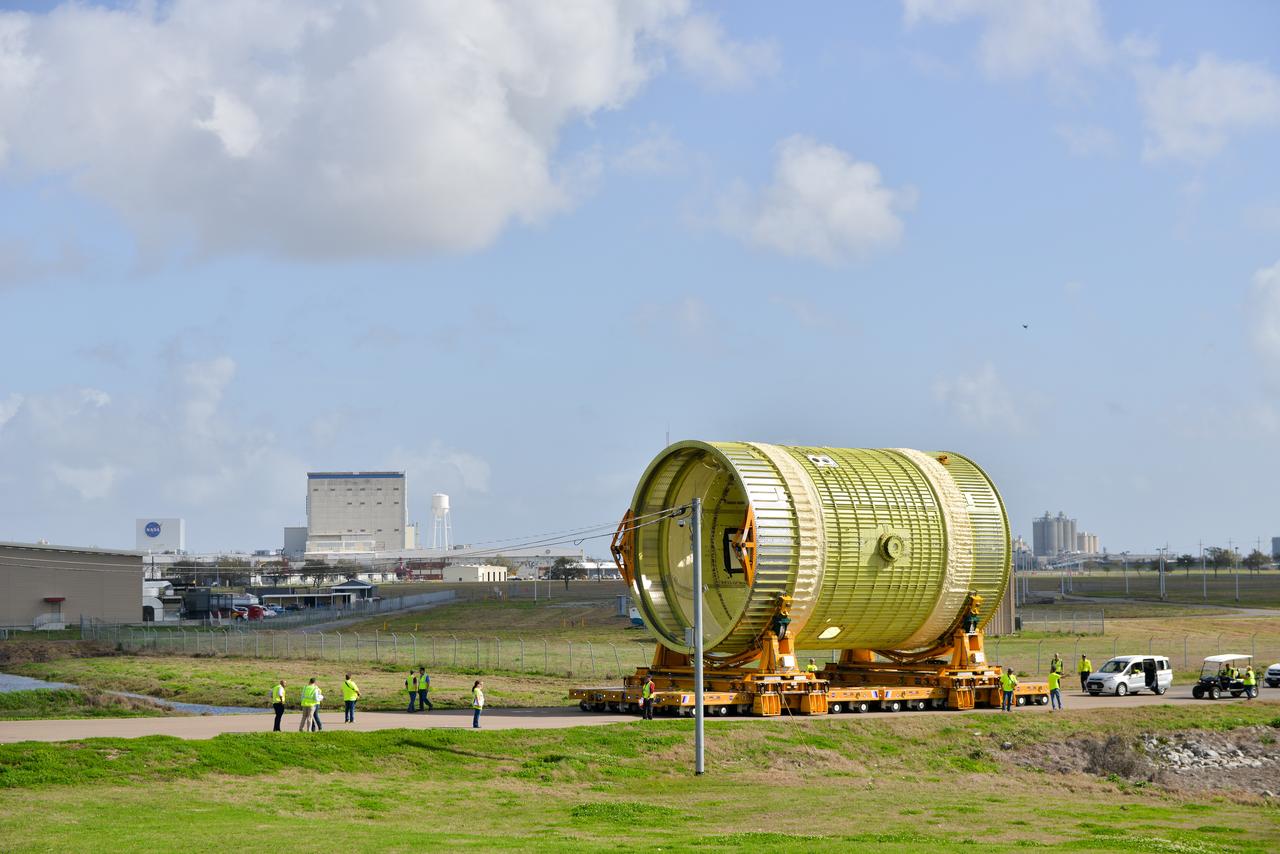
Intertank STA en route to the Barge, Pegasus.
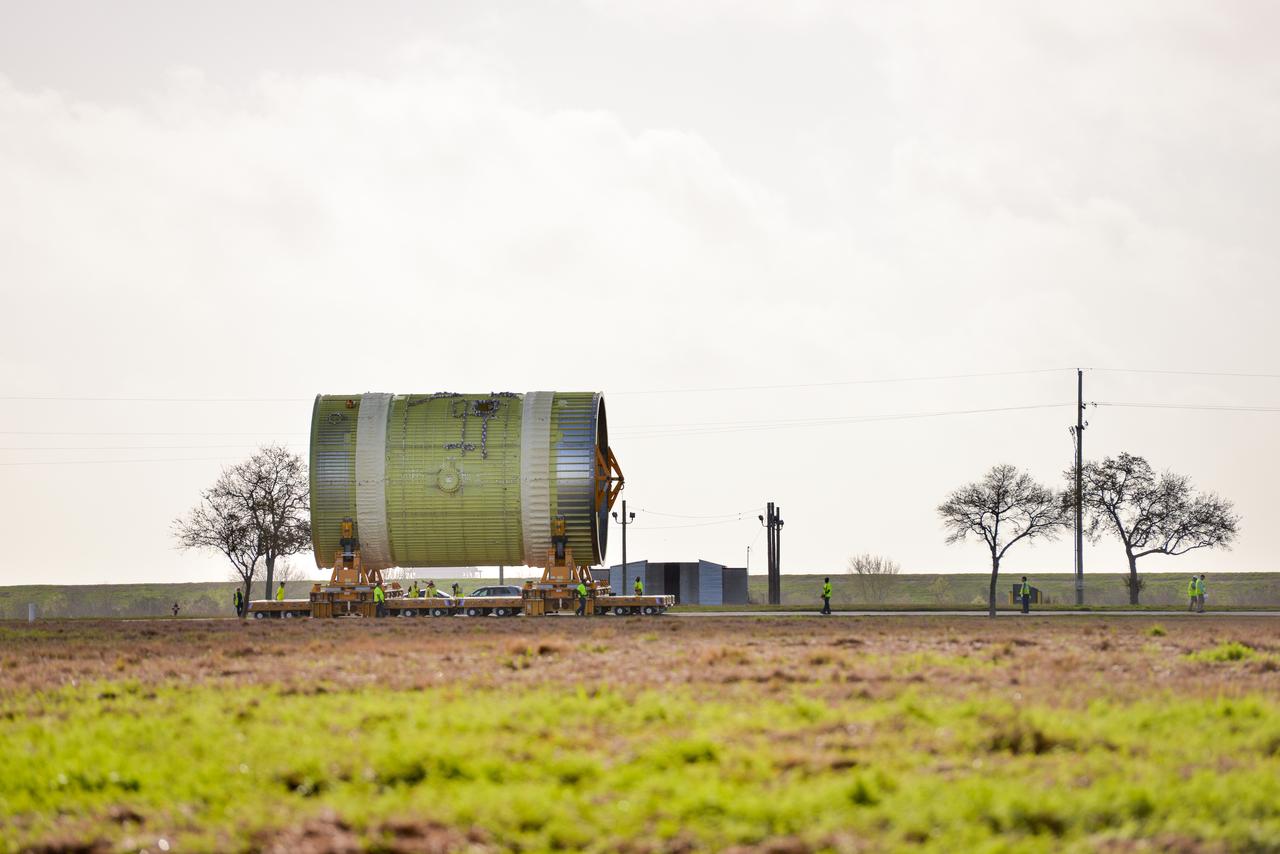
Intertank STA en route to the NASA Barge, Pegasus.
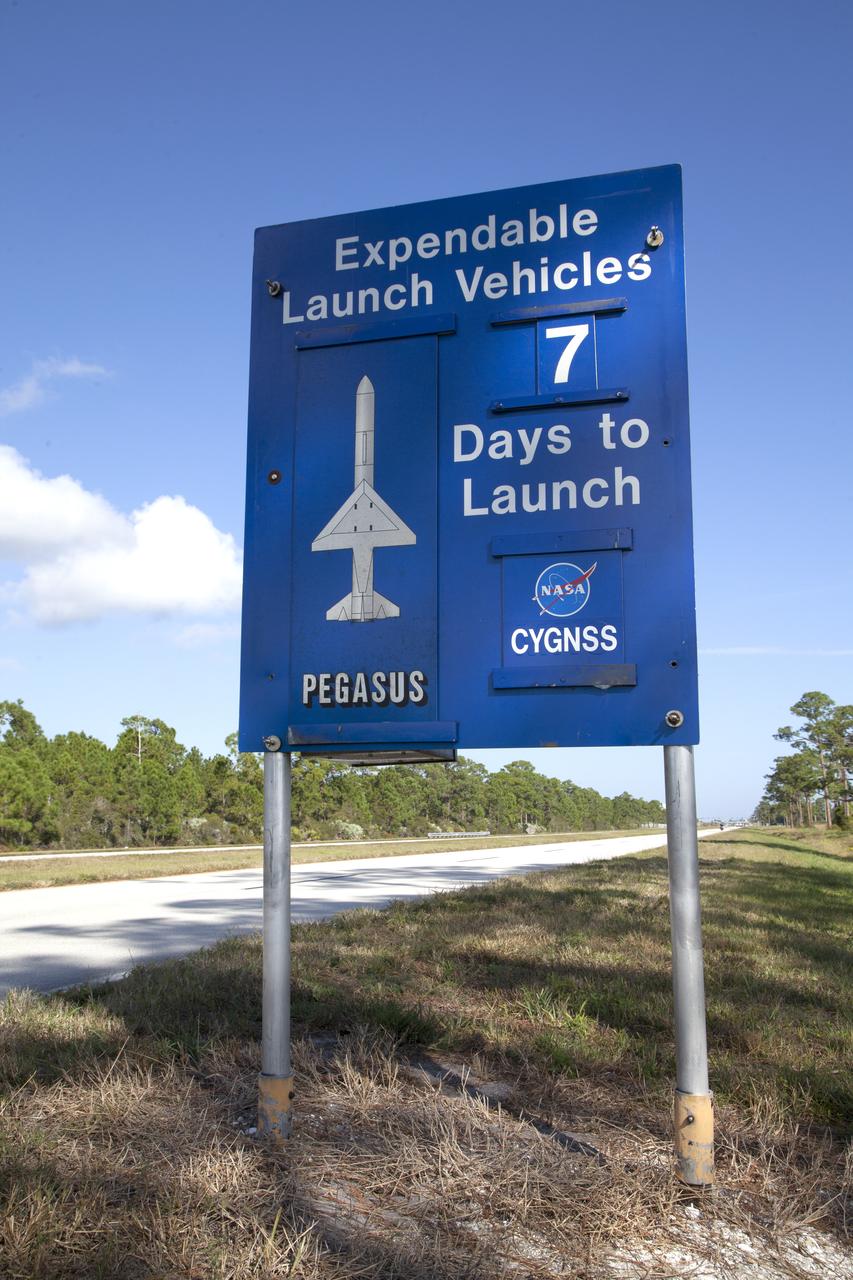
A sign just inside the gate to NASA's Kennedy Space Center in Florida notes that in seven days a Pegasus XL rocket is scheduled to launch with eight agency Cyclone Global Navigation Satellite System, or CYGNSS, spacecraft. On Dec. 12, 2016, the Orbital ATK L-1011 Stargazer, with a Pegasus XL rocket mated to the underside of the aircraft, will take off from the Skid Strip at Cape Canaveral Air Force Station. CYGNSS will launch on the Pegasus XL rocket with the L-1011 flying off shore. CYGNSS satellites will make frequent and accurate measurements of ocean surface winds throughout the life cycle of tropical storms and hurricanes. The data that CYGNSS provides will help scientists to probe key air-sea interaction processes that take place near the core of storms, which are rapidly changing and play a crucial role in the beginning and intensification of hurricanes.
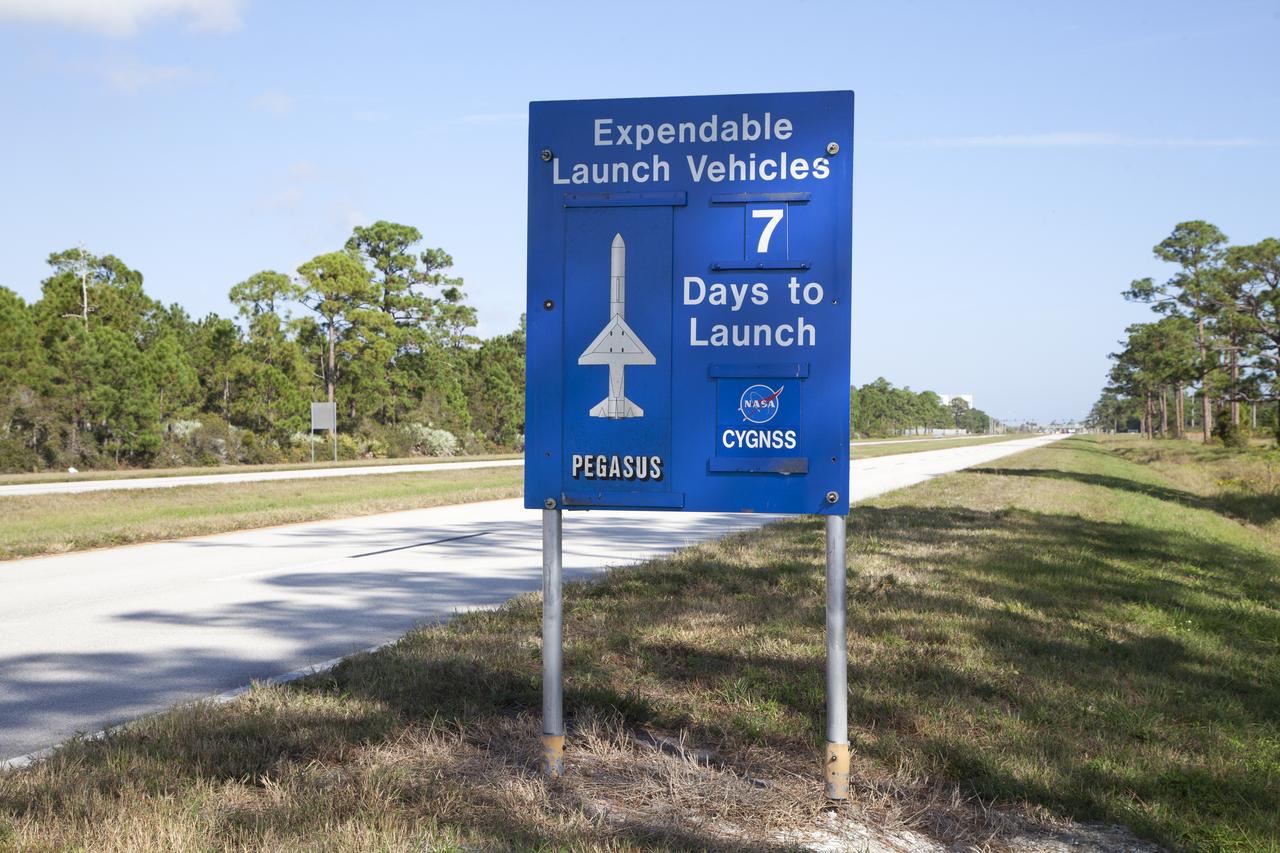
A sign just inside the gate to NASA's Kennedy Space Center in Florida notes that in seven days a Pegasus XL rocket is scheduled to launch with eight agency Cyclone Global Navigation Satellite System, or CYGNSS, spacecraft. On Dec. 12, 2016, the Orbital ATK L-1011 Stargazer, with a Pegasus XL rocket mated to the underside of the aircraft, will take off from the Skid Strip at Cape Canaveral Air Force Station. CYGNSS will launch on the Pegasus XL rocket with the L-1011 flying off shore. CYGNSS satellites will make frequent and accurate measurements of ocean surface winds throughout the life cycle of tropical storms and hurricanes. The data that CYGNSS provides will help scientists to probe key air-sea interaction processes that take place near the core of storms, which are rapidly changing and play a crucial role in the beginning and intensification of hurricanes.
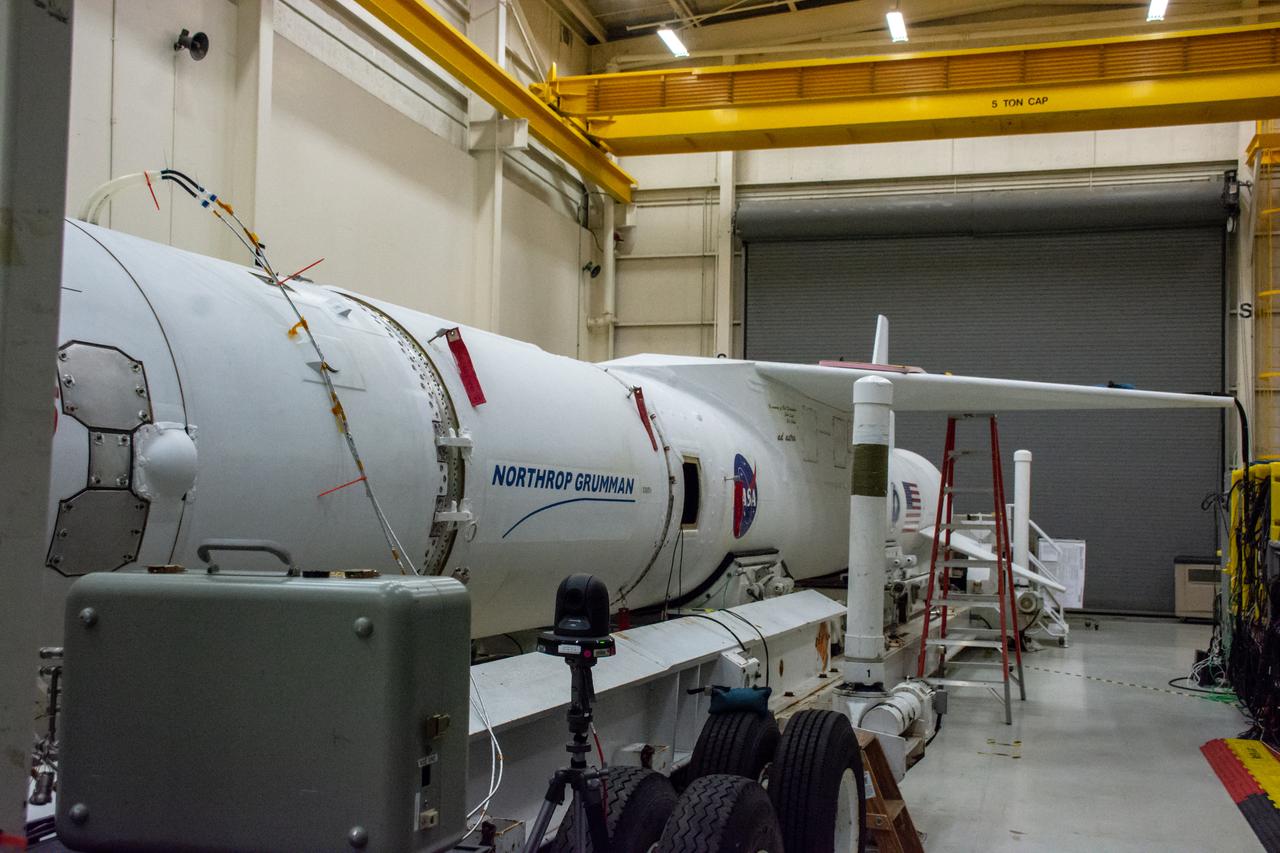
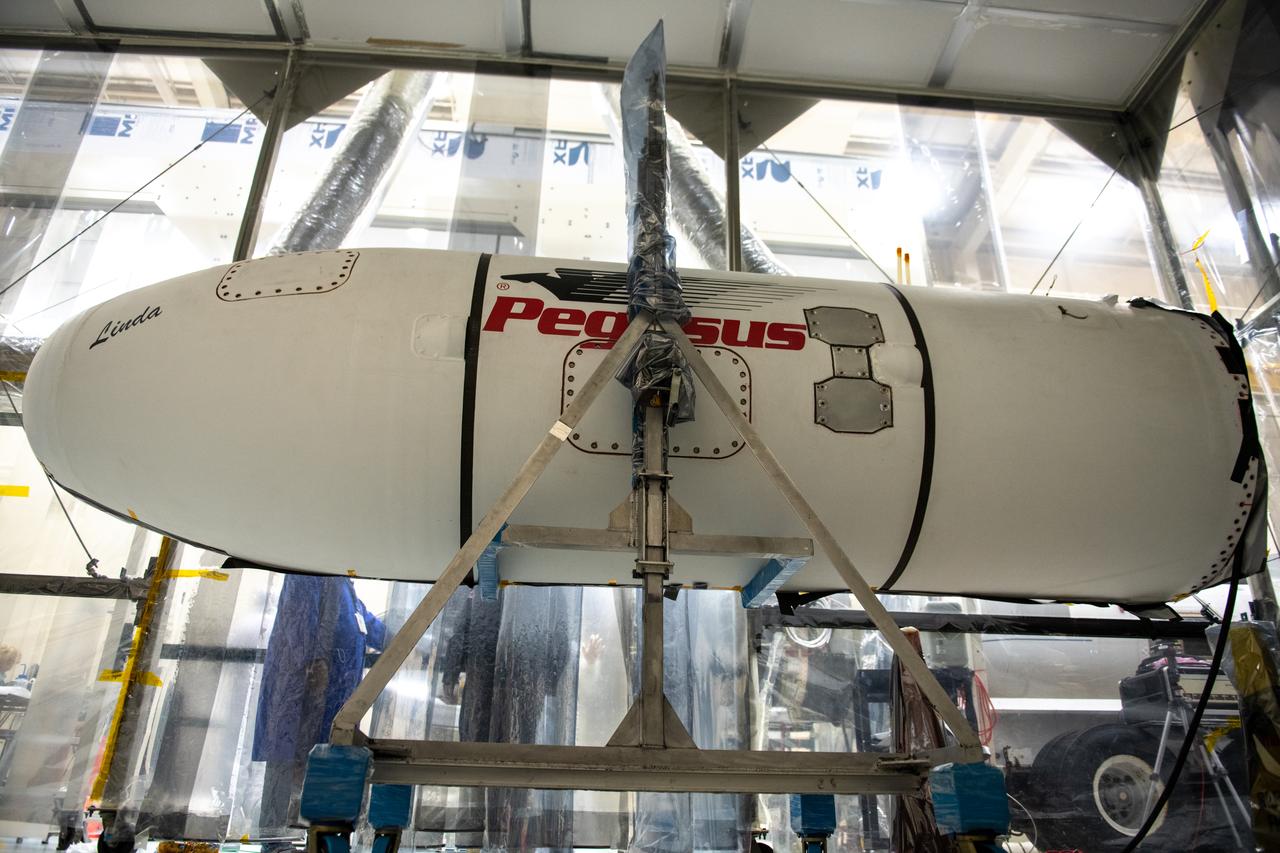
The Northrop Grumman Pegasus XL rocket containing NASA's Ionospheric Connection Explorer (ICON) is seen outside the cleanroom after assembly at Vandenberg Air Force Base in California on Sept 19, 2019. ICON launched on the Pegasus XL rocket, attached beneath the company's L-1011 Stargazer aircraft, on Oct. 10, 2019, after takeoff from the Skid Strip at Cape Canaveral Air Force Station in Florida. ICON will study the frontier of space - the dynamic zone high in Earth's atmosphere where terrestrial weather from below meets space weather above. The explorer will help determine the physics of Earth's space environment and pave the way for mitigating its effects on our technology, communications systems and society.
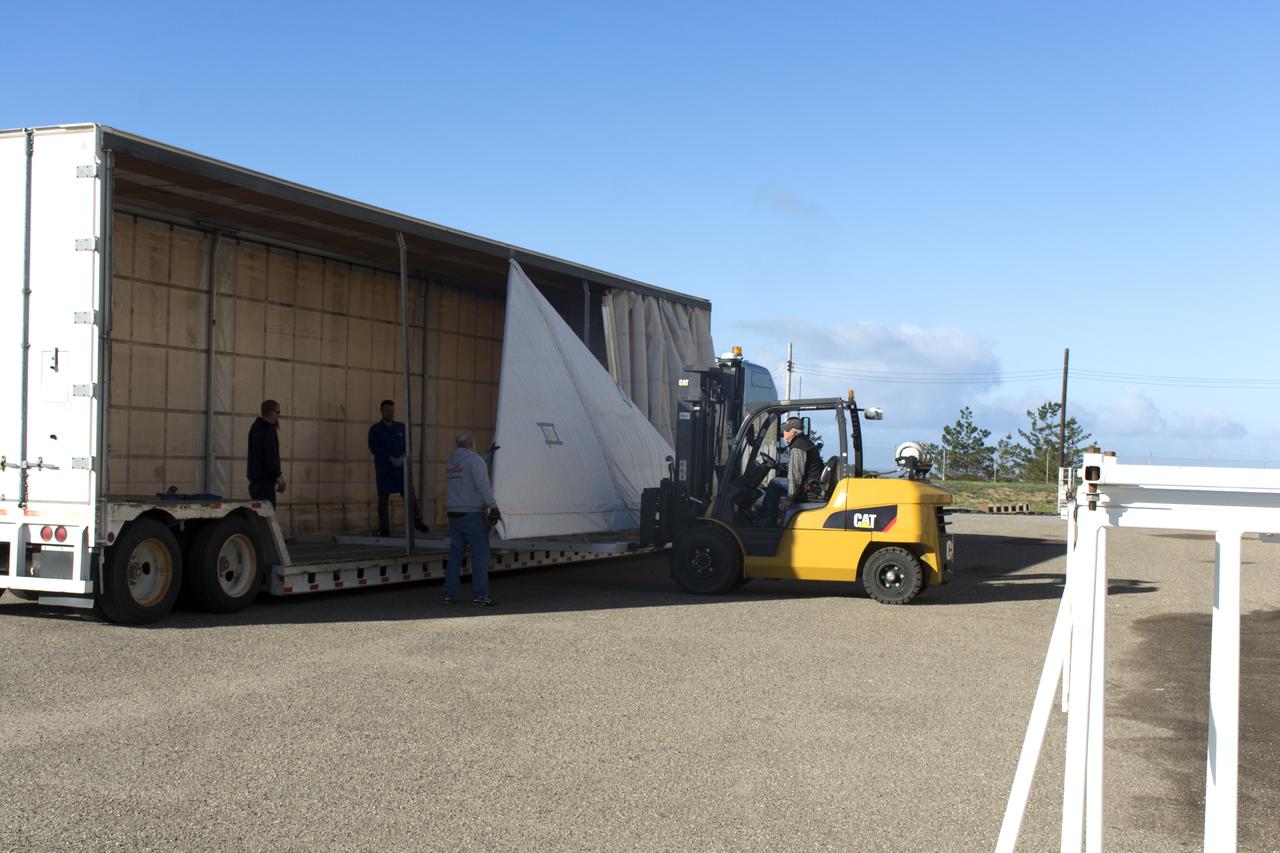
Workers unload the wing for the Orbital ATK Pegasus XL rocket from a truck at Building 1555 at Vandenberg Air Force Base in California. The rocket is being prepared for NASA's Ionospheric Connection Explorer, or ICON, mission. ICON will launch from the Kwajalein Atoll aboard the Pegasus XL on Dec. 8, 2017. ICON will study the frontier of space - the dynamic zone high in Earth's atmosphere where terrestrial weather from below meets space weather above. The explorer will help determine the physics of Earth's space environment and pave the way for mitigating its effects on our technology, communications systems and society.
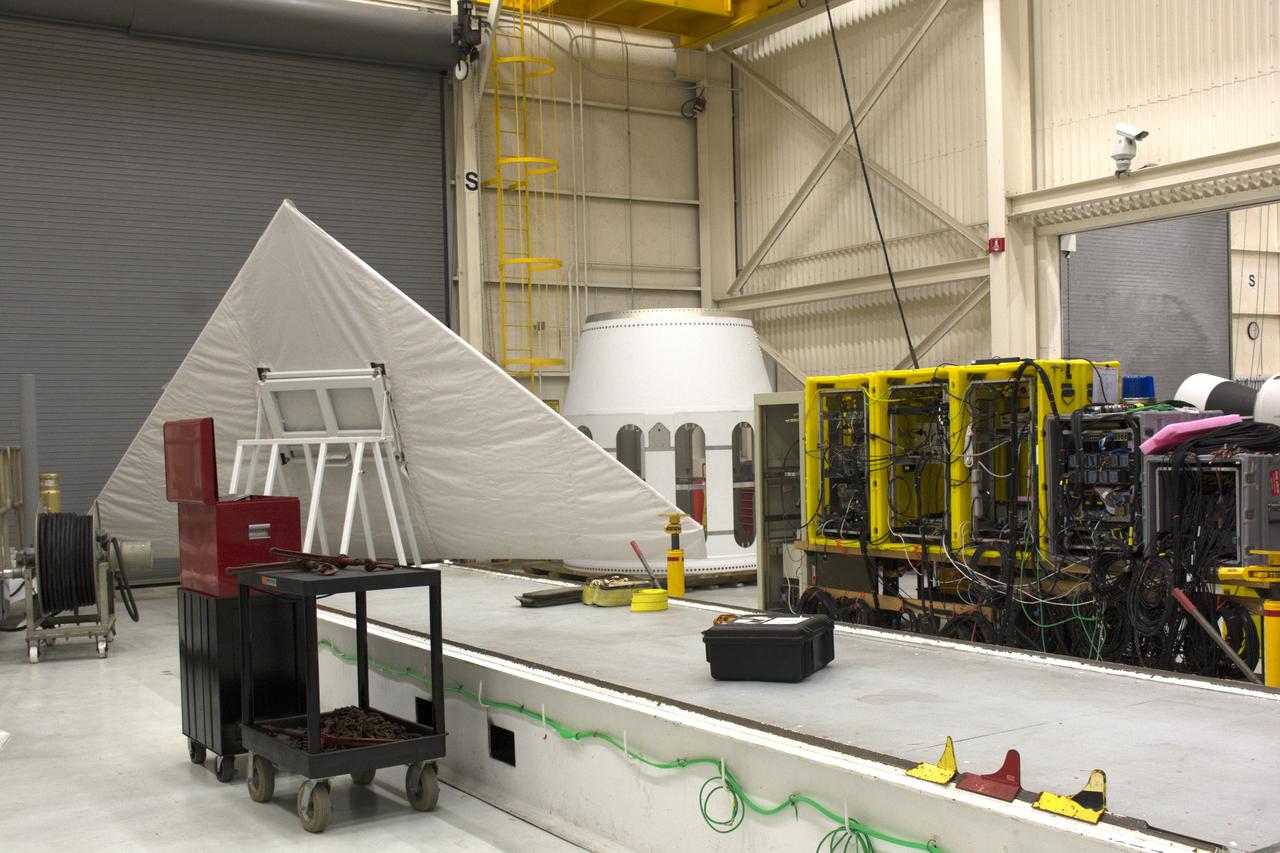
The wing for the Orbital ATK Pegasus XL rocket was offloaded from a truck and transporter to Building 1555 at Vandenberg Air Force Base in California. The rocket is being prepared for NASA's Ionospheric Connection Explorer, or ICON, mission. ICON will launch from the Kwajalein Atoll aboard the Pegasus XL on Dec. 8, 2017. ICON will study the frontier of space - the dynamic zone high in Earth's atmosphere where terrestrial weather from below meets space weather above. The explorer will help determine the physics of Earth's space environment and pave the way for mitigating its effects on our technology, communications systems and society.
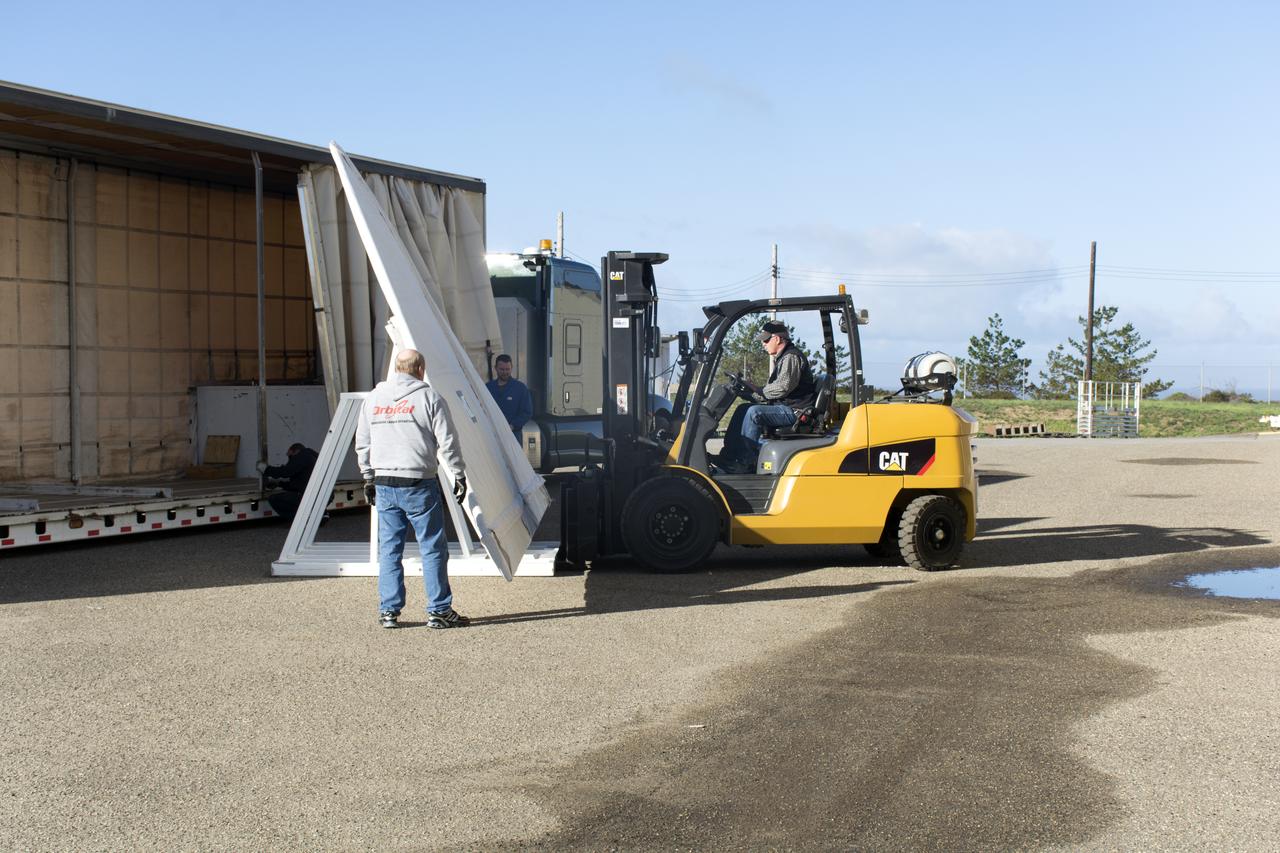
Workers transfer the wing for the Orbital ATK Pegasus XL rocket from a truck to a forklift at Building 1555 at Vandenberg Air Force Base in California. The rocket is being prepared for NASA's Ionospheric Connection Explorer, or ICON, mission. ICON will launch from the Kwajalein Atoll aboard the Pegasus XL on Dec. 8, 2017. ICON will study the frontier of space - the dynamic zone high in Earth's atmosphere where terrestrial weather from below meets space weather above. The explorer will help determine the physics of Earth's space environment and pave the way for mitigating its effects on our technology, communications systems and society.
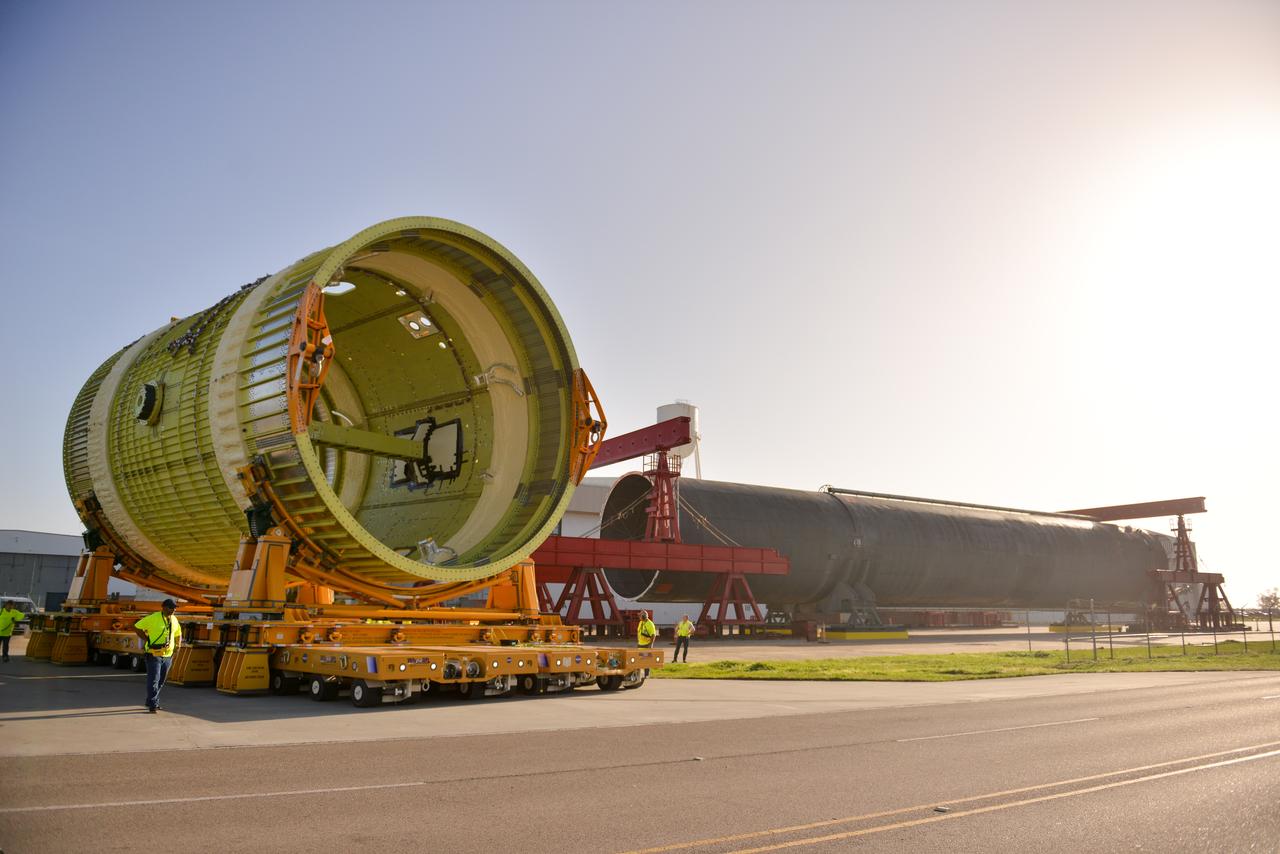
Intertank STA passes the Core Stage Pathfinder on it's way to the Pegasus Barge.
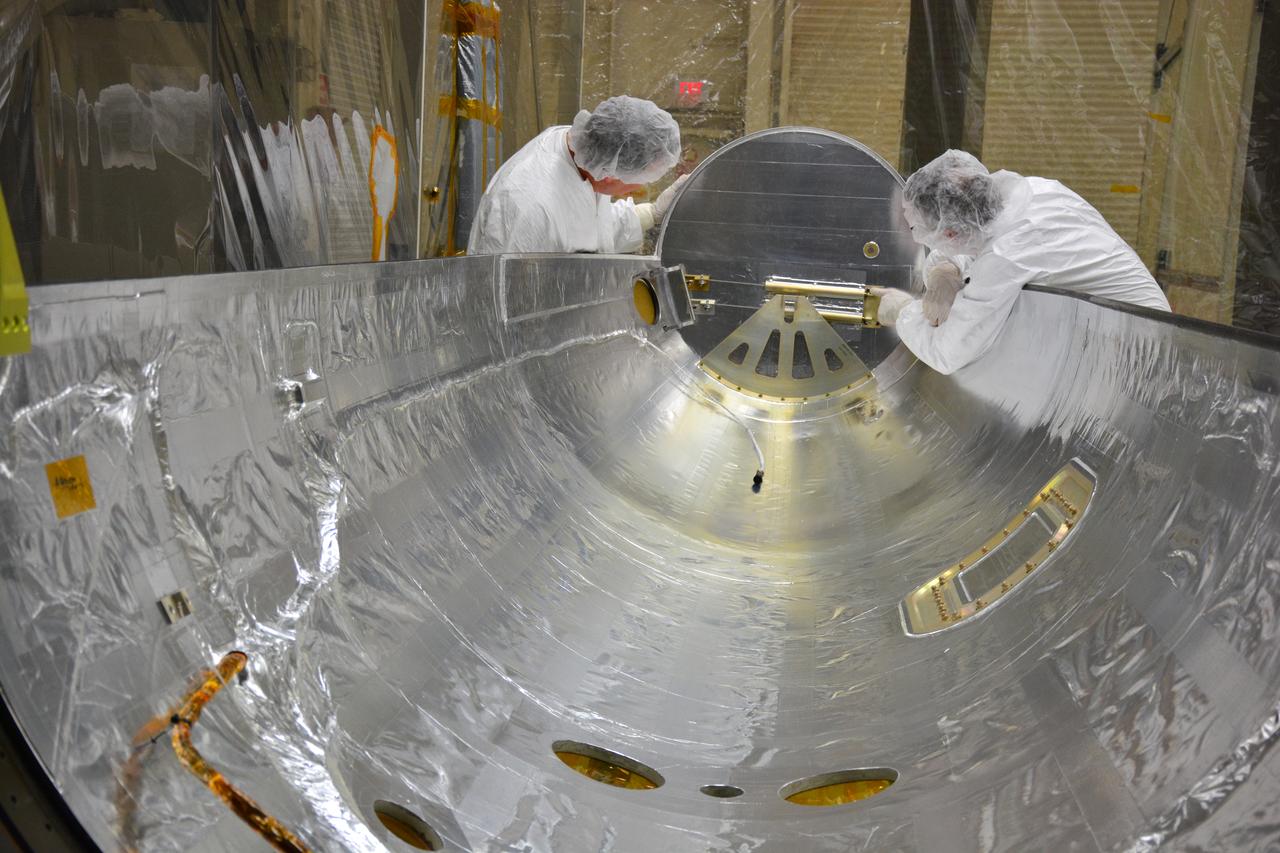
The payload fairing for an Orbital ATK Pegasus XL rocket is inspected in Building 1555 at Vandenberg Air Force Base in California. The fairing will protect NASA's Cyclone Global Navigation Satellite System (CYGNSS) spacecraft during launch. The rocket and spacecraft are being prepared at Vandenberg, then will be attached to the Orbital ATK L-1011 carrier aircraft and transported to NASA's Kennedy Space Center in Florida. CYGNSS will launch on the Pegasus XL rocket from the Skid Strip at Cape Canaveral Air Force Station. CYGNSS will make frequent and accurate measurements of ocean surface winds throughout the life cycle of tropical storms and hurricanes. The data that CYGNSS provides will enable scientists to probe key air-sea interaction processes that take place near the core of storms, which are rapidly changing and play a critical role in the beginning and intensification of hurricanes.
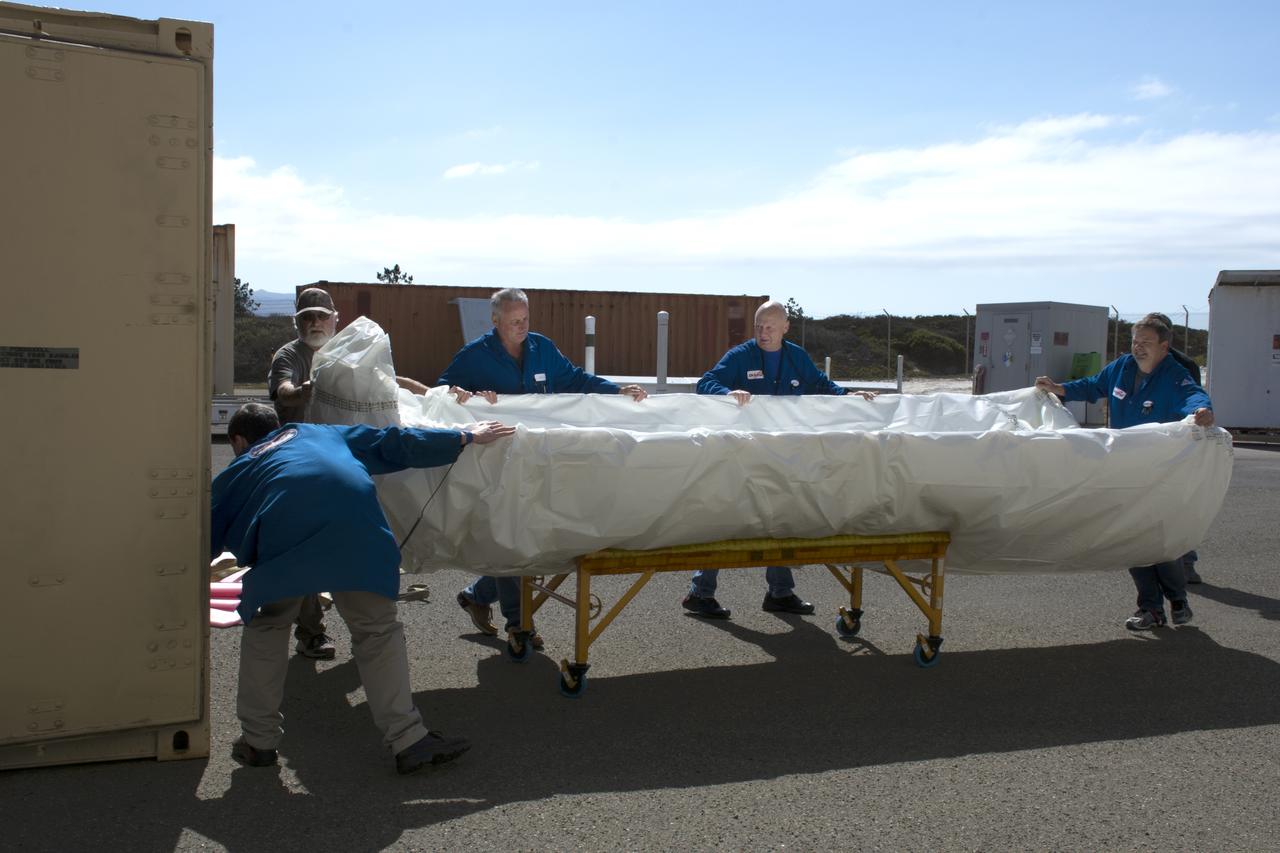
Technicians with Orbital ATK remove the first half of the Pegasus payload fairing for NASA’s Cyclone Global Navigation Satellite System (CYGNSS) from its shipping container and prepare it for the move to nearby Building 1555 at Vandenberg Air Force Base in California. CYGNSS is being prepared at Vandenberg, and then will be transported to NASA’s Kennedy Space Center in Florida aboard the Orbital ATK Pegasus XL rocket which will be attached to the Orbital ATK L-1011 carrier aircraft. CYGNSS will launch on the Pegasus XL rocket from the Skid Strip at Cape Canaveral Air Force Station. CYGNSS will make frequent and accurate measurements of ocean surface winds throughout the life cycle of tropical storms and hurricanes. The data that CYGNSS provides will enable scientists to probe key air-sea interaction processes that take place near the core of storms, which are rapidly changing and play a critical role in the beginning and intensification of hurricanes.
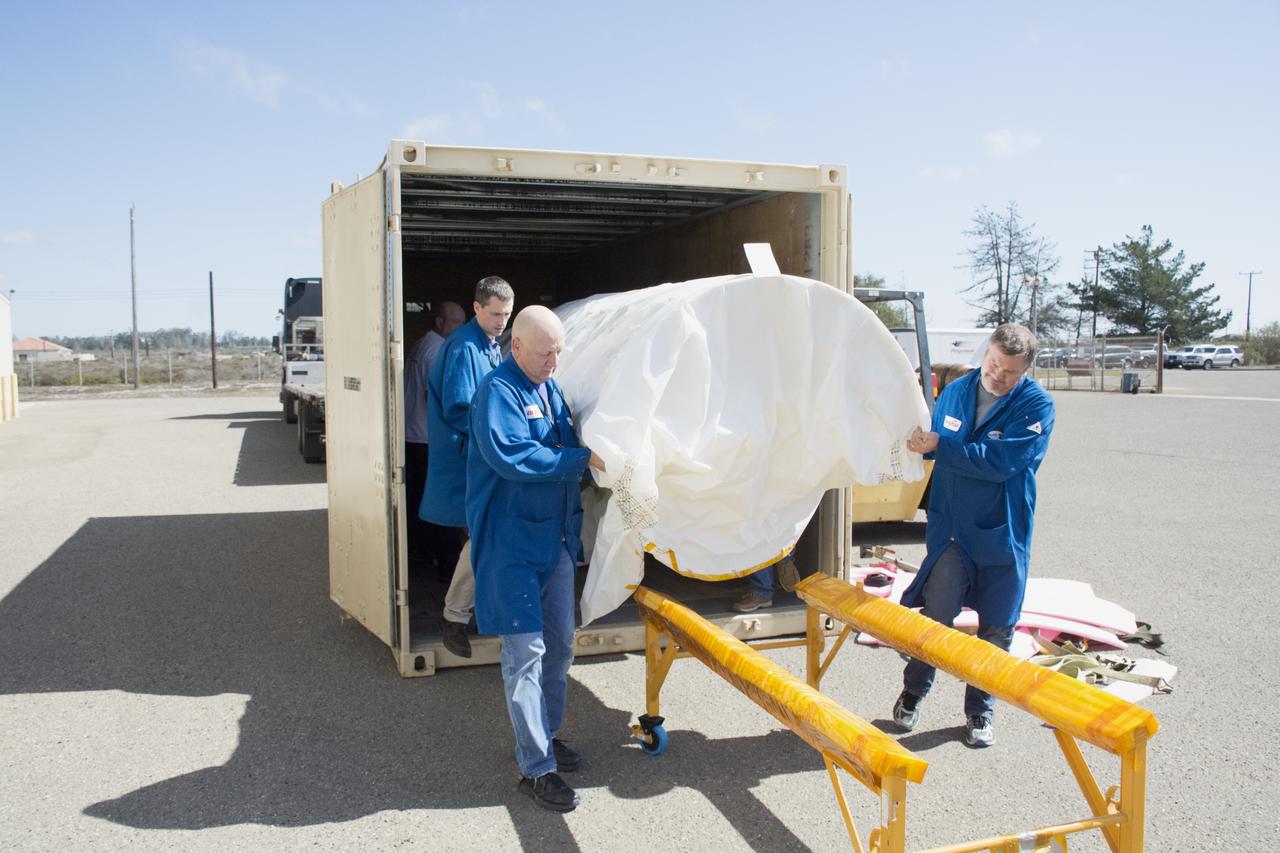
Technicians with Orbital ATK remove the first half of the Pegasus payload fairing for NASA’s Cyclone Global Navigation Satellite System (CYGNSS) from its shipping container near Building 1555 at Vandenberg Air Force Base in California. CYGNSS is being prepared at Vandenberg, and then will be transported to NASA’s Kennedy Space Center in Florida aboard the Orbital ATK Pegasus XL rocket which will be attached to the Orbital ATK L-1011 carrier aircraft. CYGNSS will launch on the Pegasus XL rocket from the Skid Strip at Cape Canaveral Air Force Station. CYGNSS will make frequent and accurate measurements of ocean surface winds throughout the life cycle of tropical storms and hurricanes. The data that CYGNSS provides will enable scientists to probe key air-sea interaction processes that take place near the core of storms, which are rapidly changing and play a critical role in the beginning and intensification of hurricanes.
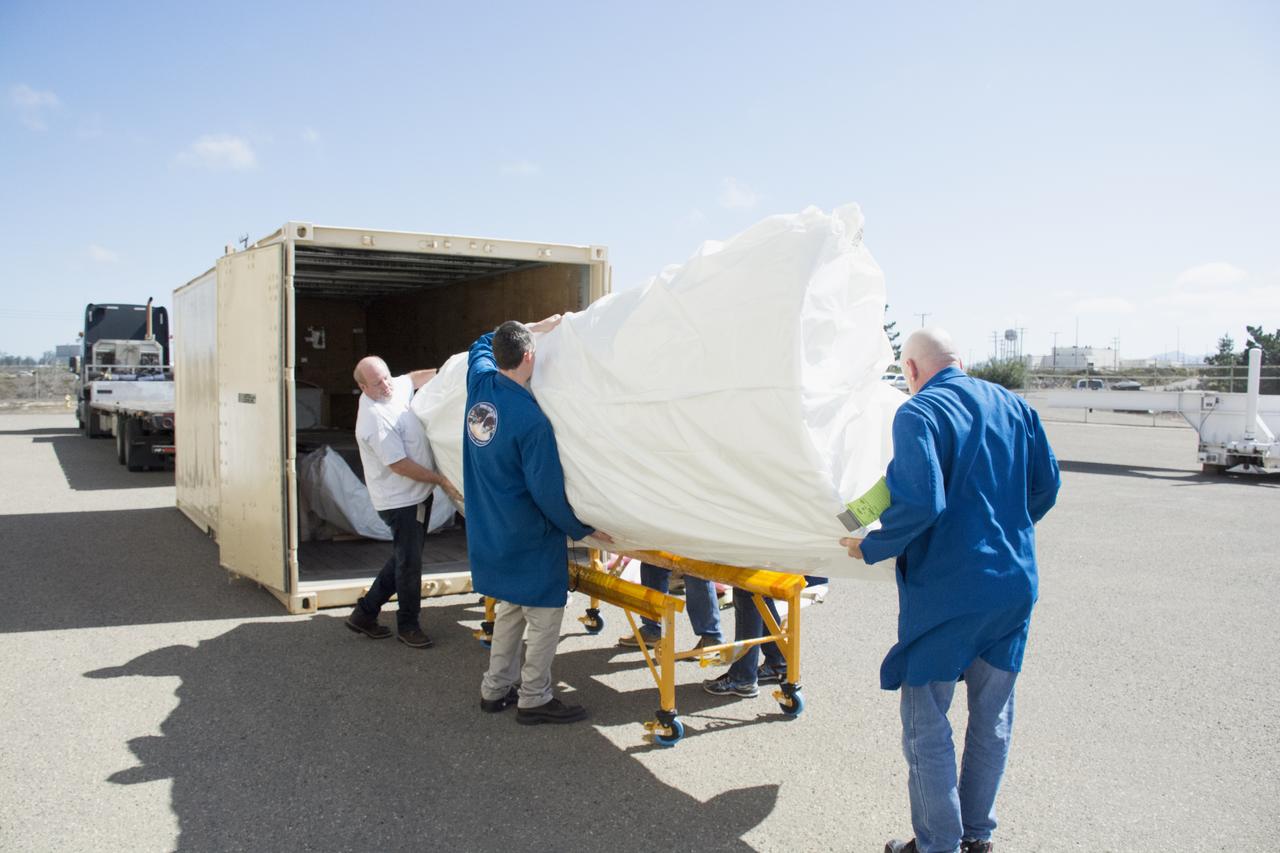
Technicians with Orbital ATK remove the first half of the Pegasus payload fairing for NASA’s Cyclone Global Navigation Satellite System (CYGNSS) from its shipping container near Building 1555 at Vandenberg Air Force Base in California. CYGNSS is being prepared at Vandenberg, and then will be transported to NASA’s Kennedy Space Center in Florida aboard the Orbital ATK Pegasus XL rocket which will be attached to the Orbital ATK L-1011 carrier aircraft. CYGNSS will launch on the Pegasus XL rocket from the Skid Strip at Cape Canaveral Air Force Station. CYGNSS will make frequent and accurate measurements of ocean surface winds throughout the life cycle of tropical storms and hurricanes. The data that CYGNSS provides will enable scientists to probe key air-sea interaction processes that take place near the core of storms, which are rapidly changing and play a critical role in the beginning and intensification of hurricanes.
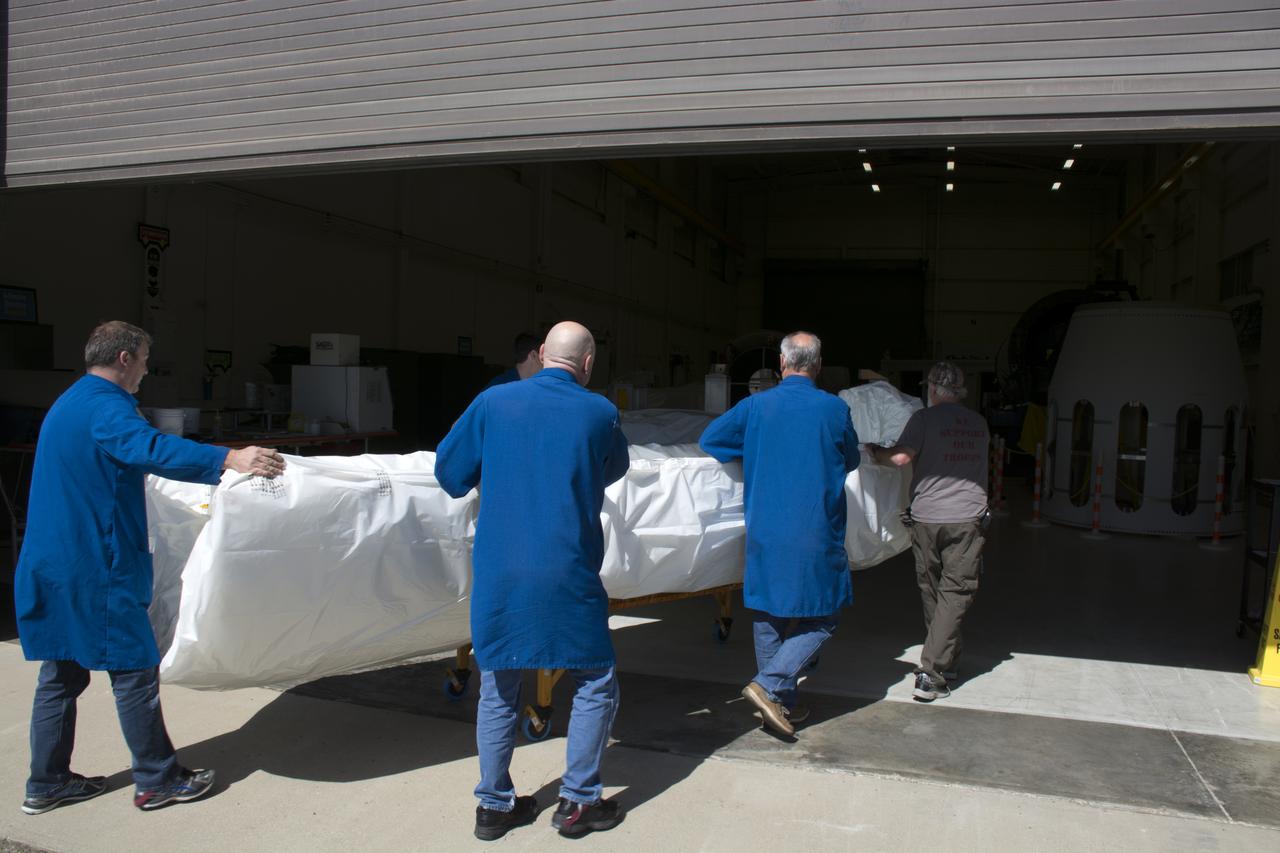
Technicians with Orbital ATK move the first half of the Pegasus payload fairing for NASA’s Cyclone Global Navigation Satellite System (CYGNSS) from into Building 1555 at Vandenberg Air Force Base in California. CYGNSS is being prepared at Vandenberg, and then will be transported to NASA’s Kennedy Space Center in Florida aboard the Orbital ATK Pegasus XL rocket which will be attached to the Orbital ATK L-1011 carrier aircraft. CYGNSS will launch on the Pegasus XL rocket from the Skid Strip at Cape Canaveral Air Force Station. CYGNSS will make frequent and accurate measurements of ocean surface winds throughout the life cycle of tropical storms and hurricanes. The data that CYGNSS provides will enable scientists to probe key air-sea interaction processes that take place near the core of storms, which are rapidly changing and play a critical role in the beginning and intensification of hurricanes.
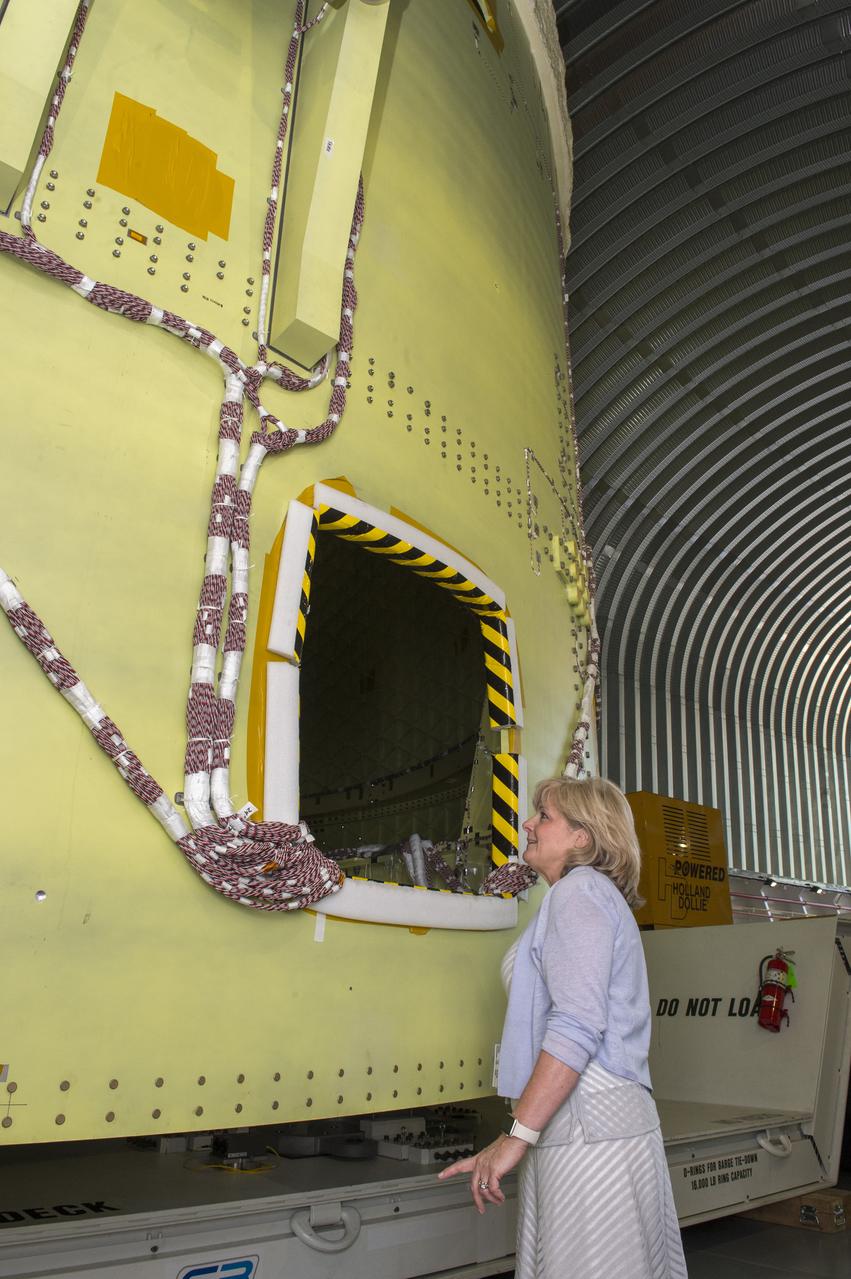
MSFC Deputy Director Jody Singer closely examines the RS-25 engine core stage test article aboard the NASA barge Pegasus.
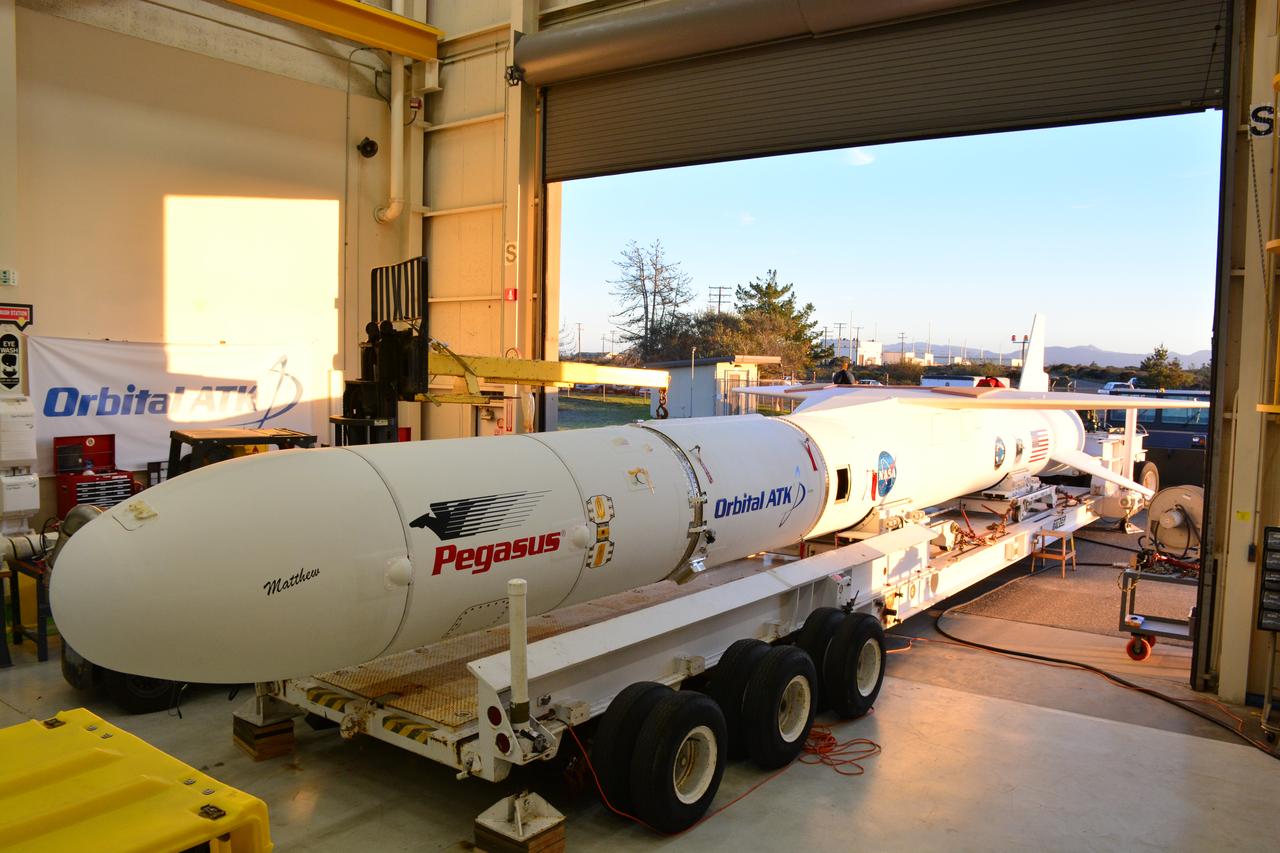
At Vandenberg Air Force Base in California, an Orbital ATK Pegasus XL rocket is placed on an assembly integration transporter for the move from the hangar at Building 1555 to be mated to L-1011 carrier aircraft near Vandenberg's runway. On board Pegasus are eight NASA Cyclone Global Navigation Satellite System, or CYGNSS, spacecraft. When preparations are competed at Vandenberg, the L-1011/Pegasus XL combination will be flown to NASA’s Kennedy Space Center in Florida. On Dec. 12, 2016, the carrier aircraft is scheduled to take off from the Skid Strip at Cape Canaveral Air Force Station and CYGNSS will launch on the Pegasus XL rocket with the L-1011 flying off shore. CYGNSS satellites will make frequent and accurate measurements of ocean surface winds throughout the life cycle of tropical storms and hurricanes. The data that CYGNSS provides will enable scientists to probe key air-sea interaction processes that take place near the core of storms, which are rapidly changing and play a critical role in the beginning and intensification of hurricanes.
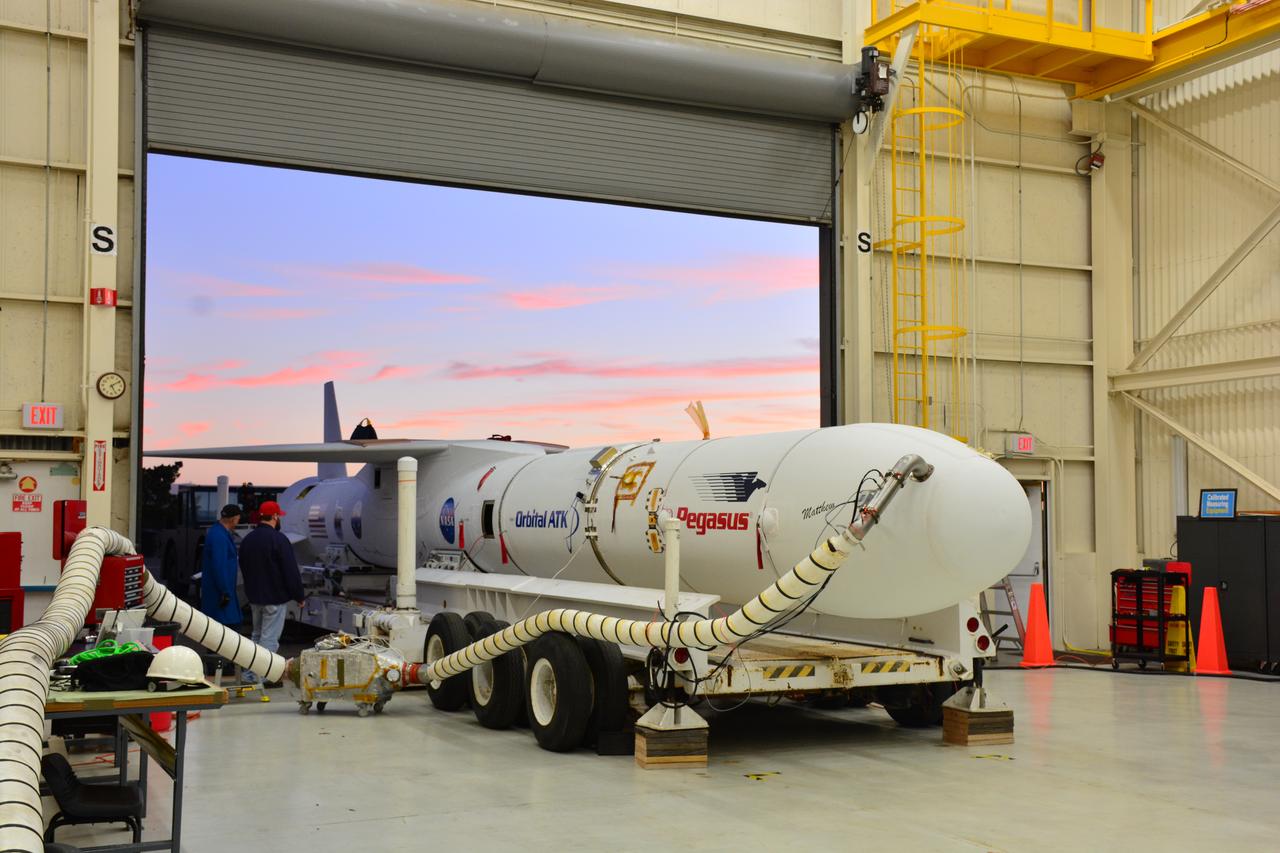
At Vandenberg Air Force Base in California, an Orbital ATK Pegasus XL rocket is placed on an assembly integration transporter for the move from the hangar at Building 1555 to be mated to L-1011 carrier aircraft near Vandenberg's runway. On board Pegasus are eight NASA Cyclone Global Navigation Satellite System, or CYGNSS, spacecraft. When preparations are competed at Vandenberg, the L-1011/Pegasus XL combination will be flown to NASA’s Kennedy Space Center in Florida. On Dec. 12, 2016, the carrier aircraft is scheduled to take off from the Skid Strip at Cape Canaveral Air Force Station and CYGNSS will launch on the Pegasus XL rocket with the L-1011 flying off shore. CYGNSS satellites will make frequent and accurate measurements of ocean surface winds throughout the life cycle of tropical storms and hurricanes. The data that CYGNSS provides will enable scientists to probe key air-sea interaction processes that take place near the core of storms, which are rapidly changing and play a critical role in the beginning and intensification of hurricanes.
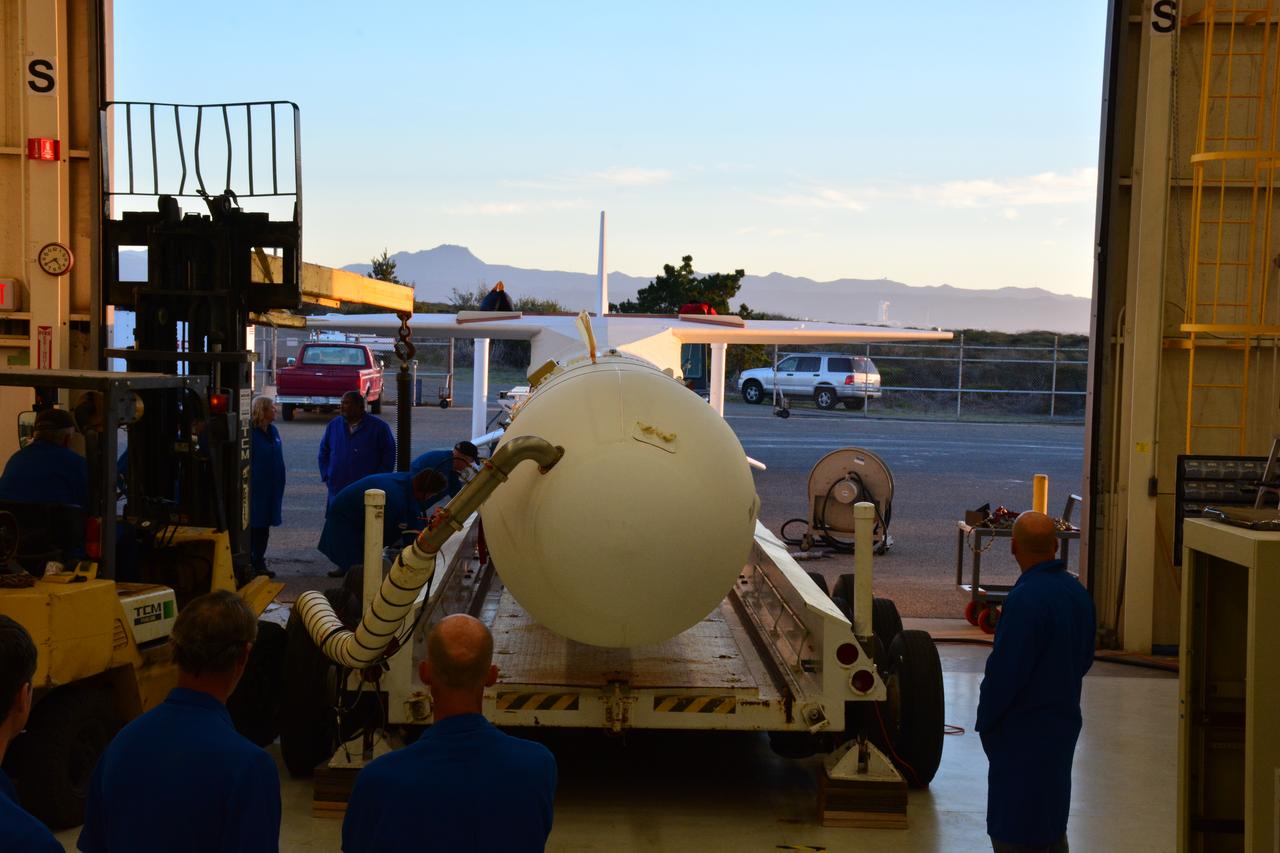
At Vandenberg Air Force Base in California, an Orbital ATK Pegasus XL rocket is placed on an assembly integration transporter for the move from the hangar at Building 1555 to be mated to L-1011 carrier aircraft near Vandenberg's runway. On board Pegasus are eight NASA Cyclone Global Navigation Satellite System, or CYGNSS, spacecraft. When preparations are competed at Vandenberg, the L-1011/Pegasus XL combination will be flown to NASA’s Kennedy Space Center in Florida. On Dec. 12, 2016, the carrier aircraft is scheduled to take off from the Skid Strip at Cape Canaveral Air Force Station and CYGNSS will launch on the Pegasus XL rocket with the L-1011 flying off shore. CYGNSS satellites will make frequent and accurate measurements of ocean surface winds throughout the life cycle of tropical storms and hurricanes. The data that CYGNSS provides will enable scientists to probe key air-sea interaction processes that take place near the core of storms, which are rapidly changing and play a critical role in the beginning and intensification of hurricanes.
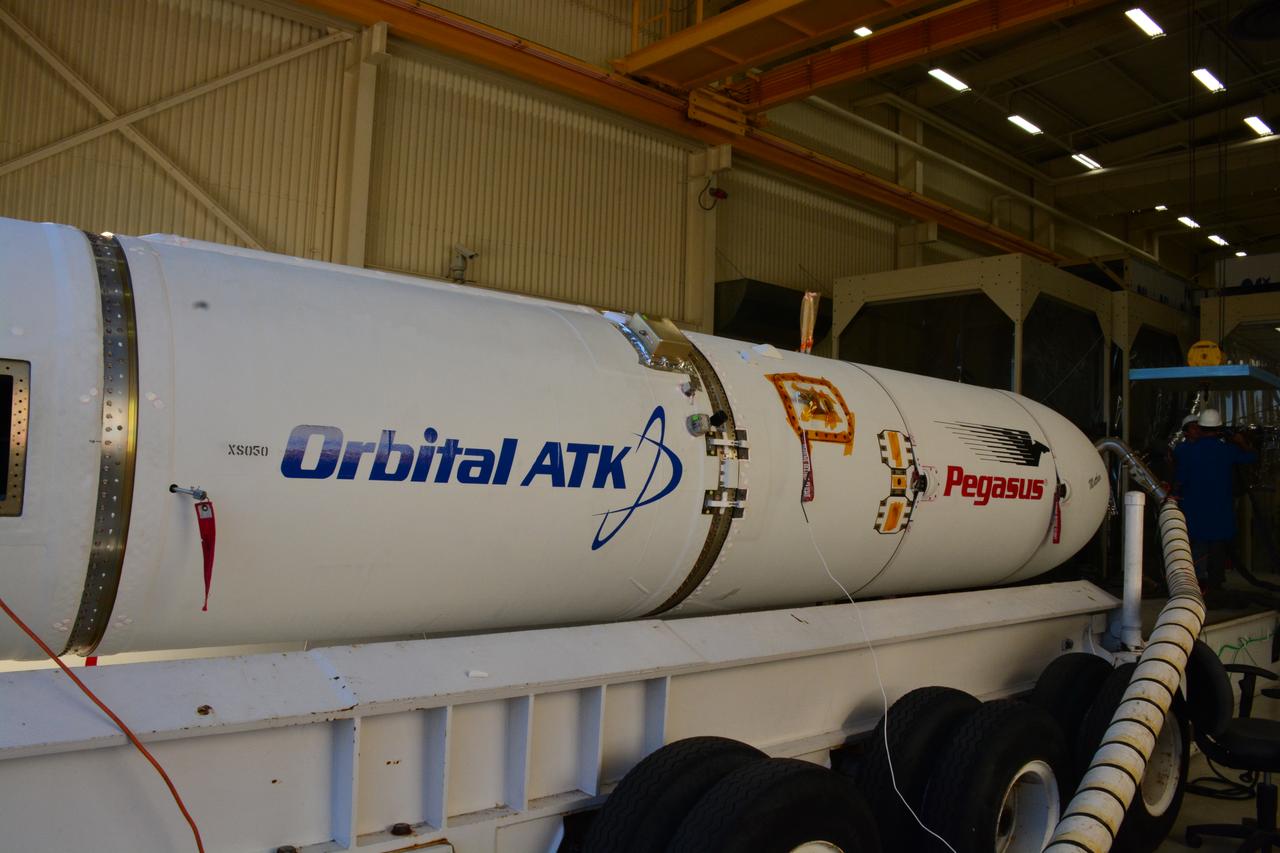
At Vandenberg Air Force Base in California, an Orbital ATK Pegasus XL rocket is placed on an assembly integration transporter for the move from the hangar at Building 1555 to be mated to L-1011 carrier aircraft near Vandenberg's runway. On board Pegasus are eight NASA Cyclone Global Navigation Satellite System, or CYGNSS, spacecraft. When preparations are competed at Vandenberg, the L-1011/Pegasus XL combination will be flown to NASA’s Kennedy Space Center in Florida. On Dec. 12, 2016, the carrier aircraft is scheduled to take off from the Skid Strip at Cape Canaveral Air Force Station and CYGNSS will launch on the Pegasus XL rocket with the L-1011 flying off shore. CYGNSS satellites will make frequent and accurate measurements of ocean surface winds throughout the life cycle of tropical storms and hurricanes. The data that CYGNSS provides will enable scientists to probe key air-sea interaction processes that take place near the core of storms, which are rapidly changing and play a critical role in the beginning and intensification of hurricanes.
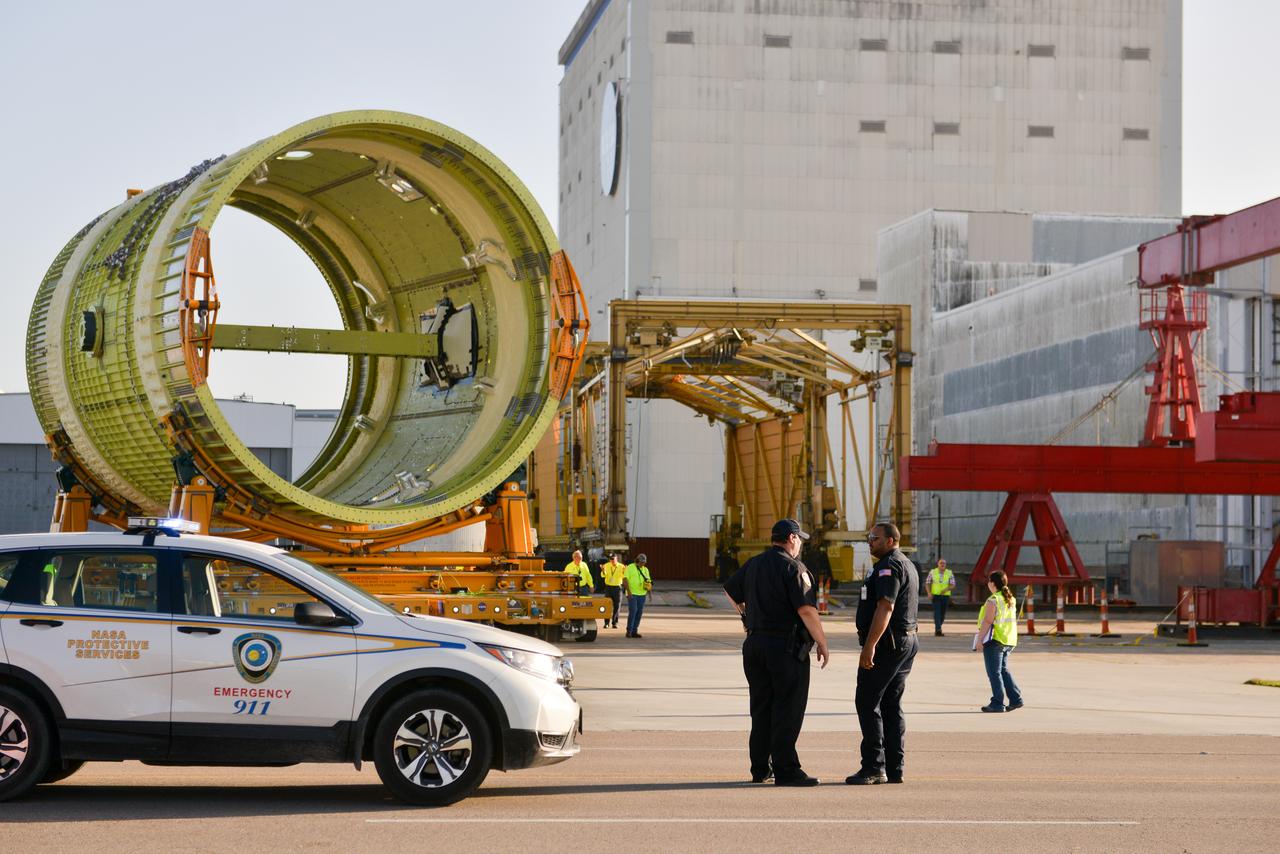
Intertank STA en route to Pegasus, while the Michoud Protective Services guides the route.
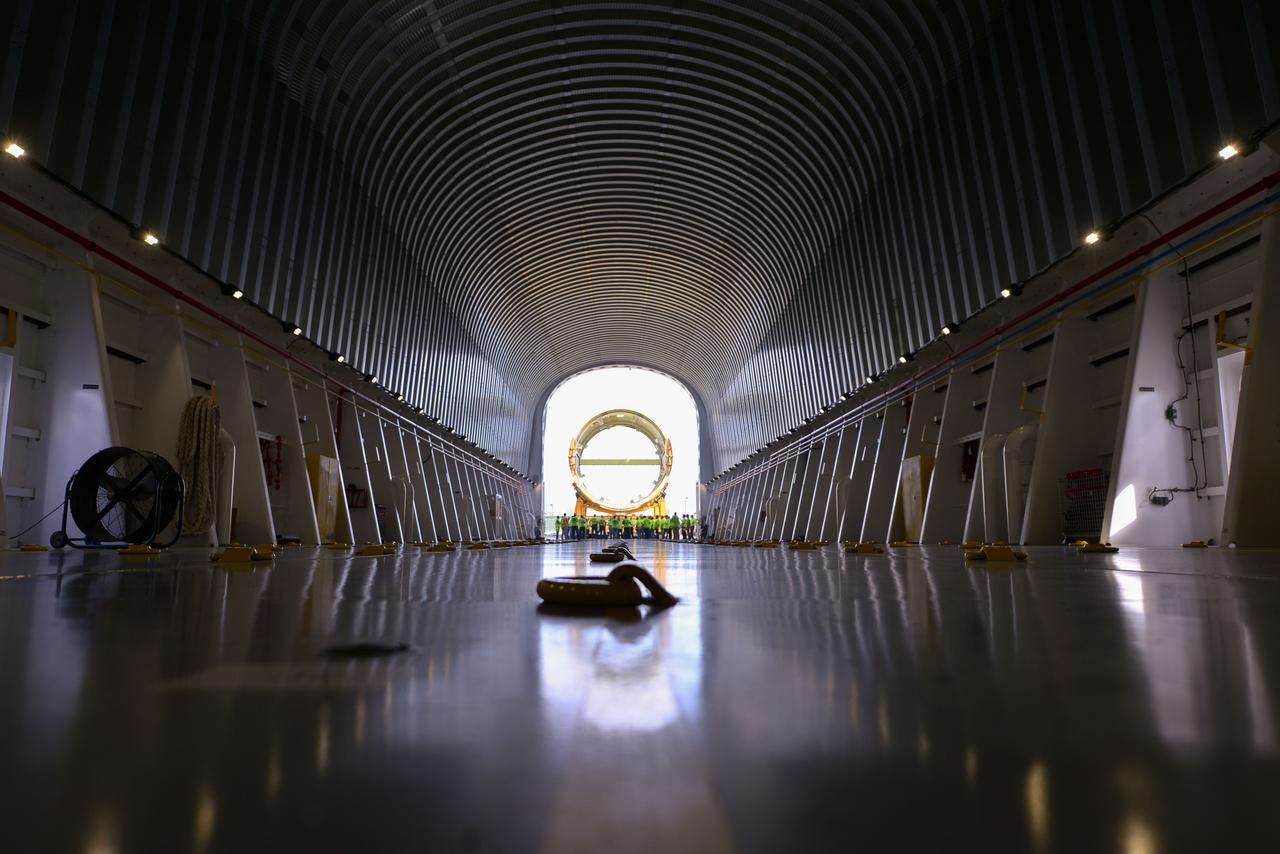
The S3 Move Crew holds a team tag up prior to loading the Intertank STA on the Pegasus Barge.
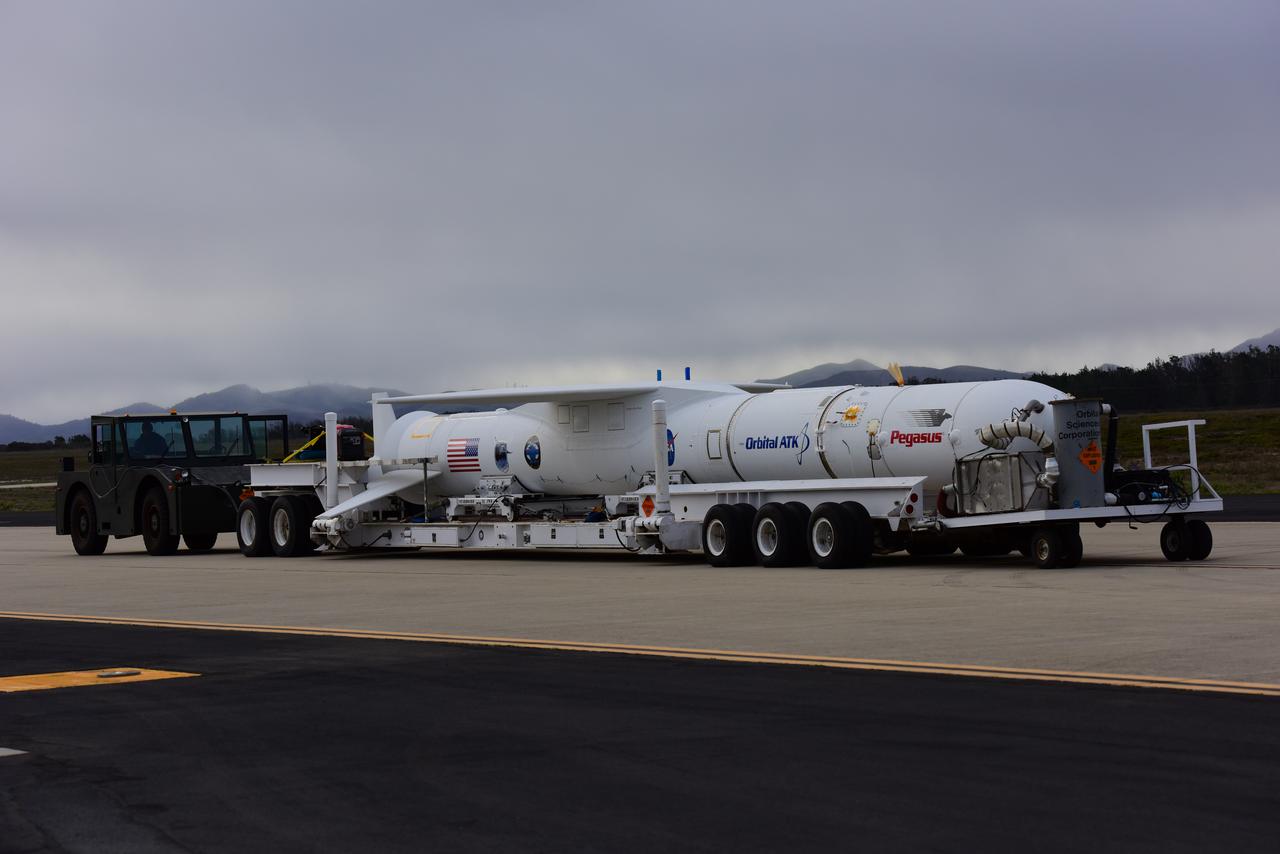
At Vandenberg Air Force Base in California, an Orbital ATK Pegasus XL rocket is transported to be mated to the company's L-1011 carrier aircraft near Vandenberg's runway. On board Pegasus are eight NASA Cyclone Global Navigation Satellite System, or CYGNSS, spacecraft. When preparations are competed at Vandenberg, the L-1011/Pegasus XL combination will be flown to NASA’s Kennedy Space Center in Florida. On Dec. 12, 2016, the carrier aircraft is scheduled to take off from the Skid Strip at Cape Canaveral Air Force Station and CYGNSS will launch on the Pegasus XL rocket with the L-1011 flying off shore. CYGNSS satellites will make frequent and accurate measurements of ocean surface winds throughout the life cycle of tropical storms and hurricanes. The data that CYGNSS provides will enable scientists to probe key air-sea interaction processes that take place near the core of storms, which are rapidly changing and play a critical role in the beginning and intensification of hurricanes.
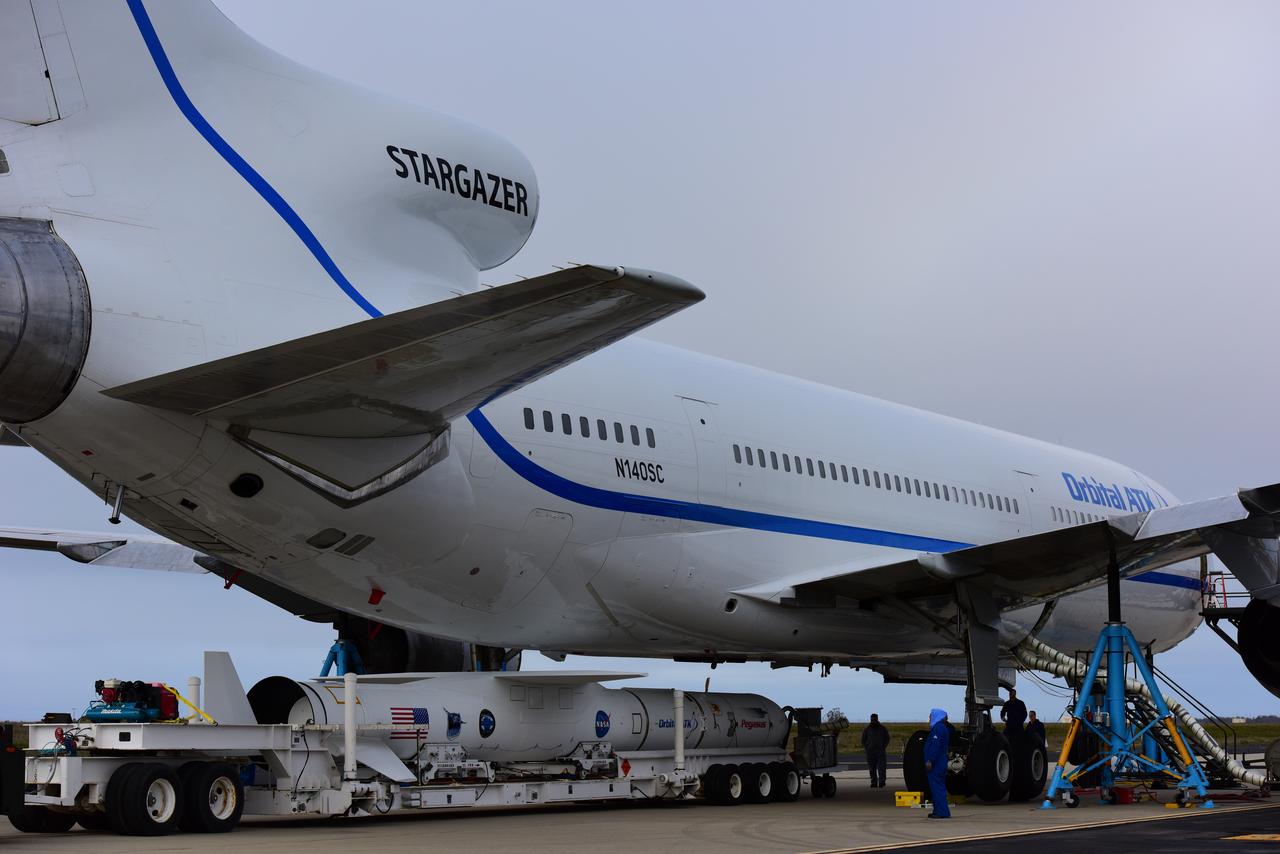
At Vandenberg Air Force Base in California, an Orbital ATK Pegasus XL rocket is mated to the company's L-1011 carrier aircraft near Vandenberg's runway. On board Pegasus are eight NASA Cyclone Global Navigation Satellite System, or CYGNSS, spacecraft. When preparations are competed at Vandenberg, the L-1011/Pegasus XL combination will be flown to NASA’s Kennedy Space Center in Florida. On Dec. 12, 2016, the carrier aircraft is scheduled to take off from the Skid Strip at Cape Canaveral Air Force Station and CYGNSS will launch on the Pegasus XL rocket with the L-1011 flying off shore. CYGNSS satellites will make frequent and accurate measurements of ocean surface winds throughout the life cycle of tropical storms and hurricanes. The data that CYGNSS provides will enable scientists to probe key air-sea interaction processes that take place near the core of storms, which are rapidly changing and play a critical role in the beginning and intensification of hurricanes.
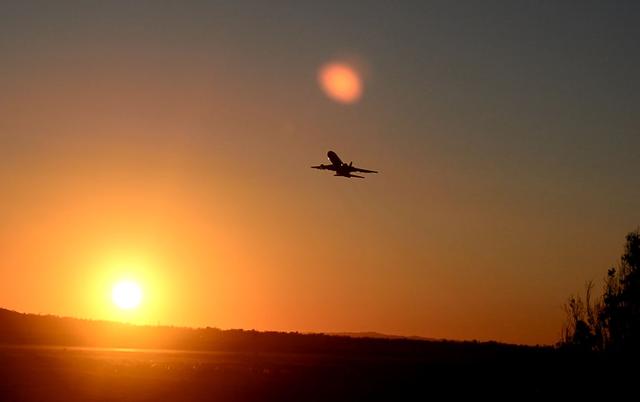
The Orbital ATK L-1011 Stargazer, with a Pegasus XL rocket mated to the underside of the aircraft, takes off at sunrise from Vandenberg Air Force Base in California. On board Pegasus XL are eight NASA Cyclone Global Navigation Satellite System, or CYGNSS, spacecraft. The CYGNSS/Pegasus XL combination is being flown to NASA’s Kennedy Space Center in Florida. On Dec. 12, 2016, the carrier aircraft is scheduled to take off from the Skid Strip at Cape Canaveral Air Force Station and CYGNSS will launch on the Pegasus XL rocket with the L-1011 flying off shore. CYGNSS satellites will make frequent and accurate measurements of ocean surface winds throughout the life cycle of tropical storms and hurricanes. The data that CYGNSS provides will help scientists to probe key air-sea interaction processes that take place near the core of storms, which are rapidly changing and play a crucial role in the beginning and intensification of hurricanes.
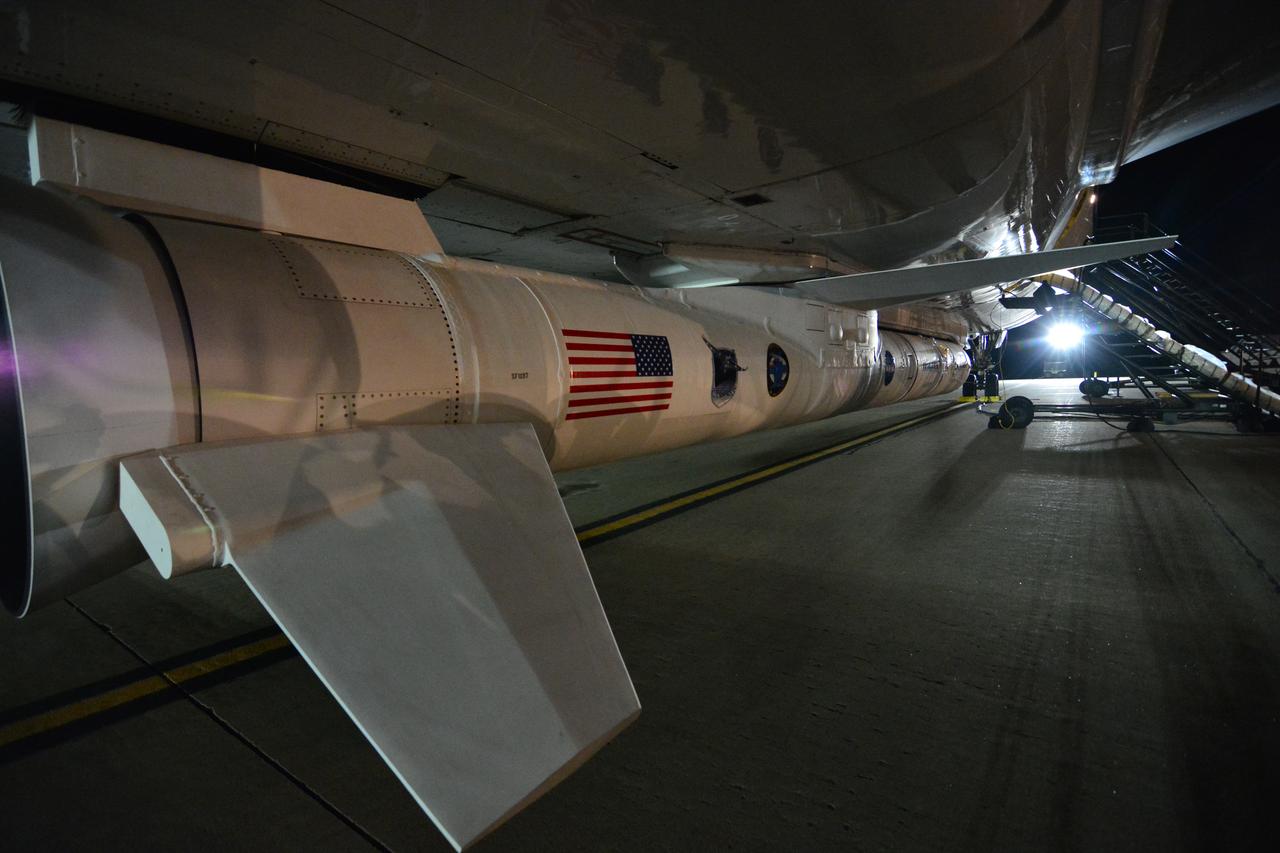
An Orbital ATK Pegasus XL rocket is mated to the underside of the company's L-1011 Stargazer aircraft. The Stargazer is being prepared for takeoff from Vandenberg Air Force Base in California. On board Pegasus XL are eight NASA Cyclone Global Navigation Satellite System, or CYGNSS, spacecraft. When preparations are competed at Vandenberg, the /Pegasus XL combination will be flown to NASA’s Kennedy Space Center in Florida. On Dec. 12, 2016, the carrier aircraft is scheduled to take off from the Skid Strip at Cape Canaveral Air Force Station and CYGNSS will launch on the Pegasus XL rocket with the L-1011 flying off shore. CYGNSS satellites will make frequent and accurate measurements of ocean surface winds throughout the life cycle of tropical storms and hurricanes. The data that CYGNSS provides will help scientists to probe key air-sea interaction processes that take place near the core of storms, which are rapidly changing and play a crucial role in the beginning and intensification of hurricanes.
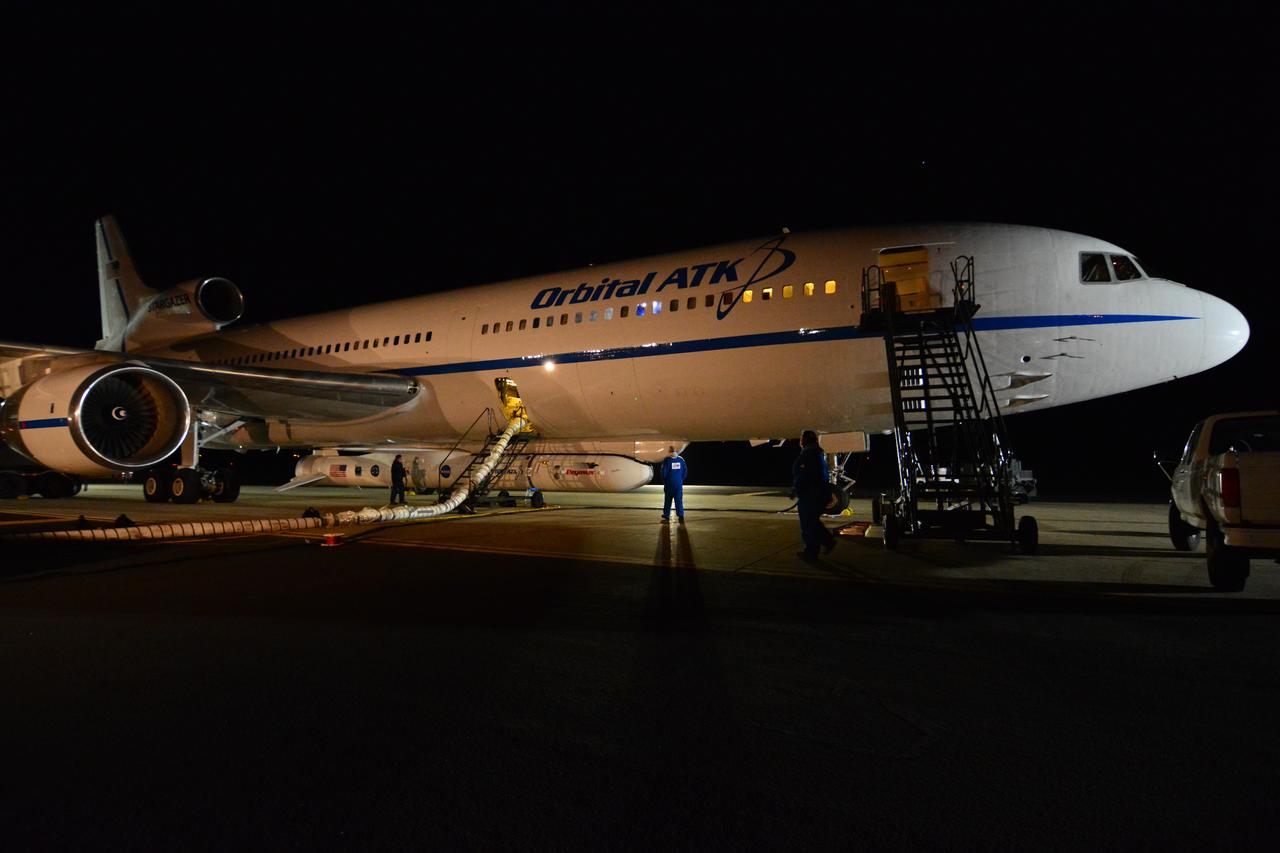
At Vandenberg Air Force Base in California, the Orbital ATK L-1011 Stargazer, with a Pegasus XL rocket mated to the underside of the aircraft, is prepared for takeoff. On board Pegasus XL are eight NASA Cyclone Global Navigation Satellite System, or CYGNSS, spacecraft. When preparations are competed at Vandenberg, the /Pegasus XL combination will be flown to NASA’s Kennedy Space Center in Florida. On Dec. 12, 2016, the carrier aircraft is scheduled to take off from the Skid Strip at Cape Canaveral Air Force Station and CYGNSS will launch on the Pegasus XL rocket with the L-1011 flying off shore. CYGNSS satellites will make frequent and accurate measurements of ocean surface winds throughout the life cycle of tropical storms and hurricanes. The data that CYGNSS provides will help scientists to probe key air-sea interaction processes that take place near the core of storms, which are rapidly changing and play a crucial role in the beginning and intensification of hurricanes.
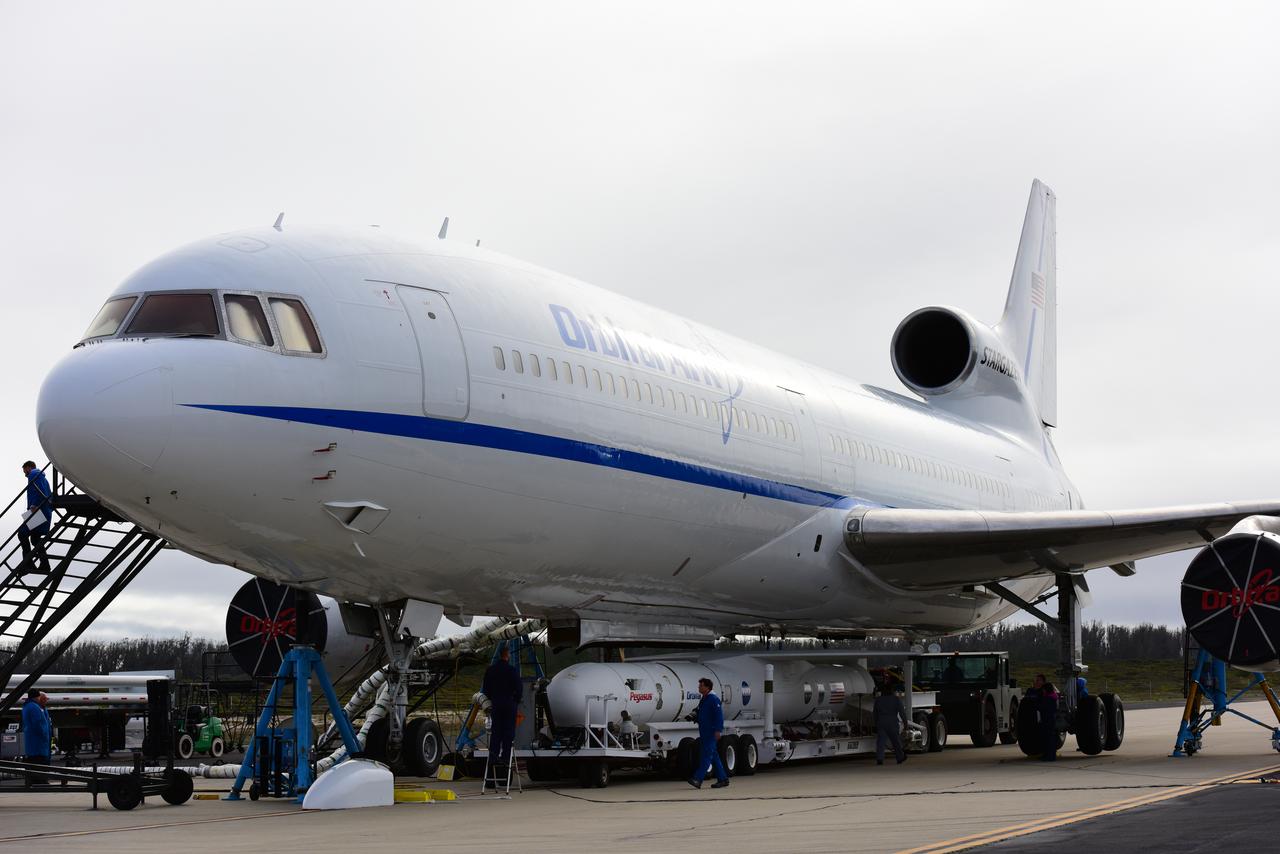
At Vandenberg Air Force Base in California, an Orbital ATK Pegasus XL rocket is mated to the company's L-1011 carrier aircraft near Vandenberg's runway. On board Pegasus are eight NASA Cyclone Global Navigation Satellite System, or CYGNSS, spacecraft. When preparations are competed at Vandenberg, the L-1011/Pegasus XL combination will be flown to NASA’s Kennedy Space Center in Florida. On Dec. 12, 2016, the carrier aircraft is scheduled to take off from the Skid Strip at Cape Canaveral Air Force Station and CYGNSS will launch on the Pegasus XL rocket with the L-1011 flying off shore. CYGNSS satellites will make frequent and accurate measurements of ocean surface winds throughout the life cycle of tropical storms and hurricanes. The data that CYGNSS provides will enable scientists to probe key air-sea interaction processes that take place near the core of storms, which are rapidly changing and play a critical role in the beginning and intensification of hurricanes.
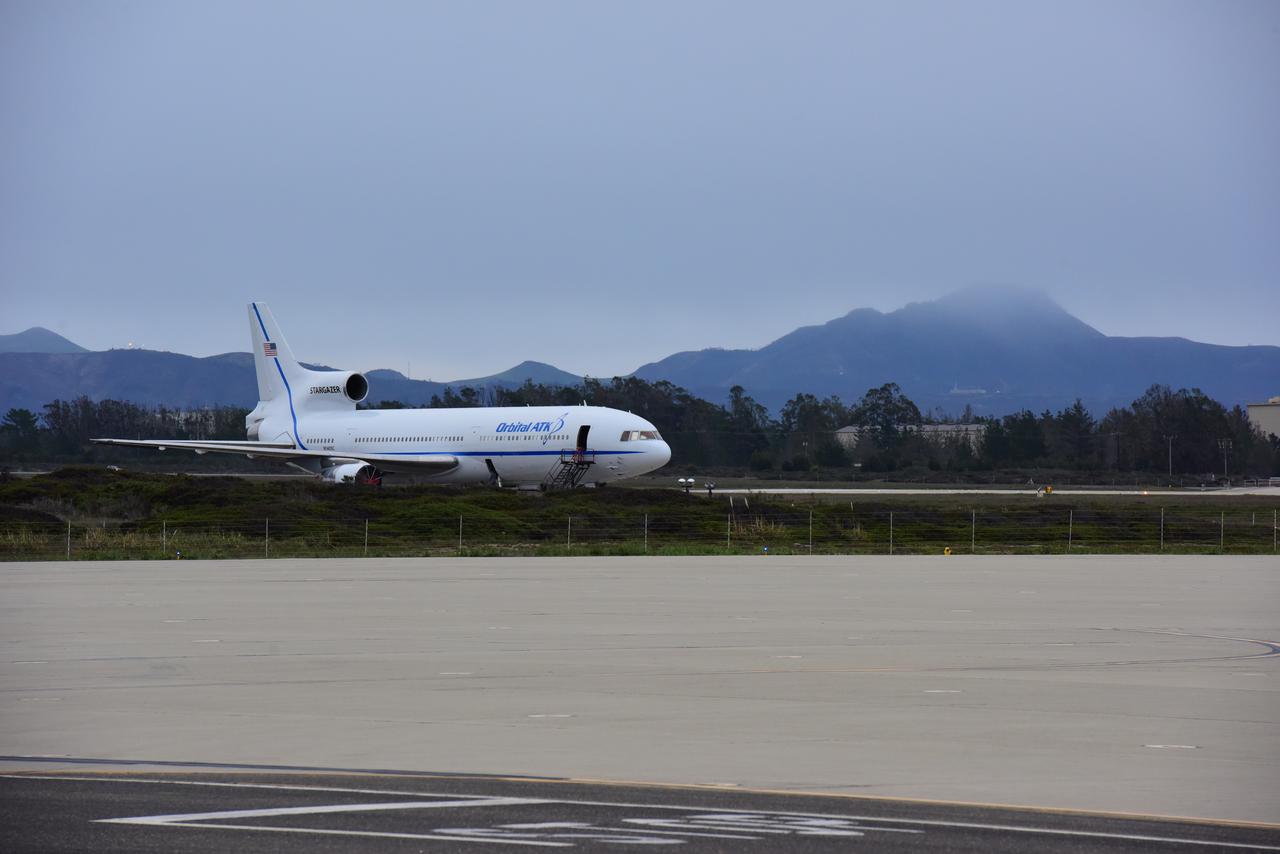
At Vandenberg Air Force Base in California, the Orbital ATK L-1011 Stargazer awaits a Pegasus XL rocket to be mated to the aircraft. On board Pegasus XL are eight NASA Cyclone Global Navigation Satellite System, or CYGNSS, spacecraft. When preparations are competed at Vandenberg, the /Pegasus XL combination will be flown to NASA’s Kennedy Space Center in Florida. On Dec. 12, 2016, the carrier aircraft is scheduled to take off from the Skid Strip at Cape Canaveral Air Force Station and CYGNSS will launch on the Pegasus XL rocket with the L-1011 flying off shore. CYGNSS satellites will make frequent and accurate measurements of ocean surface winds throughout the life cycle of tropical storms and hurricanes. The data that CYGNSS provides will help scientists to probe key air-sea interaction processes that take place near the core of storms, which are rapidly changing and play a crucial role in the beginning and intensification of hurricanes.
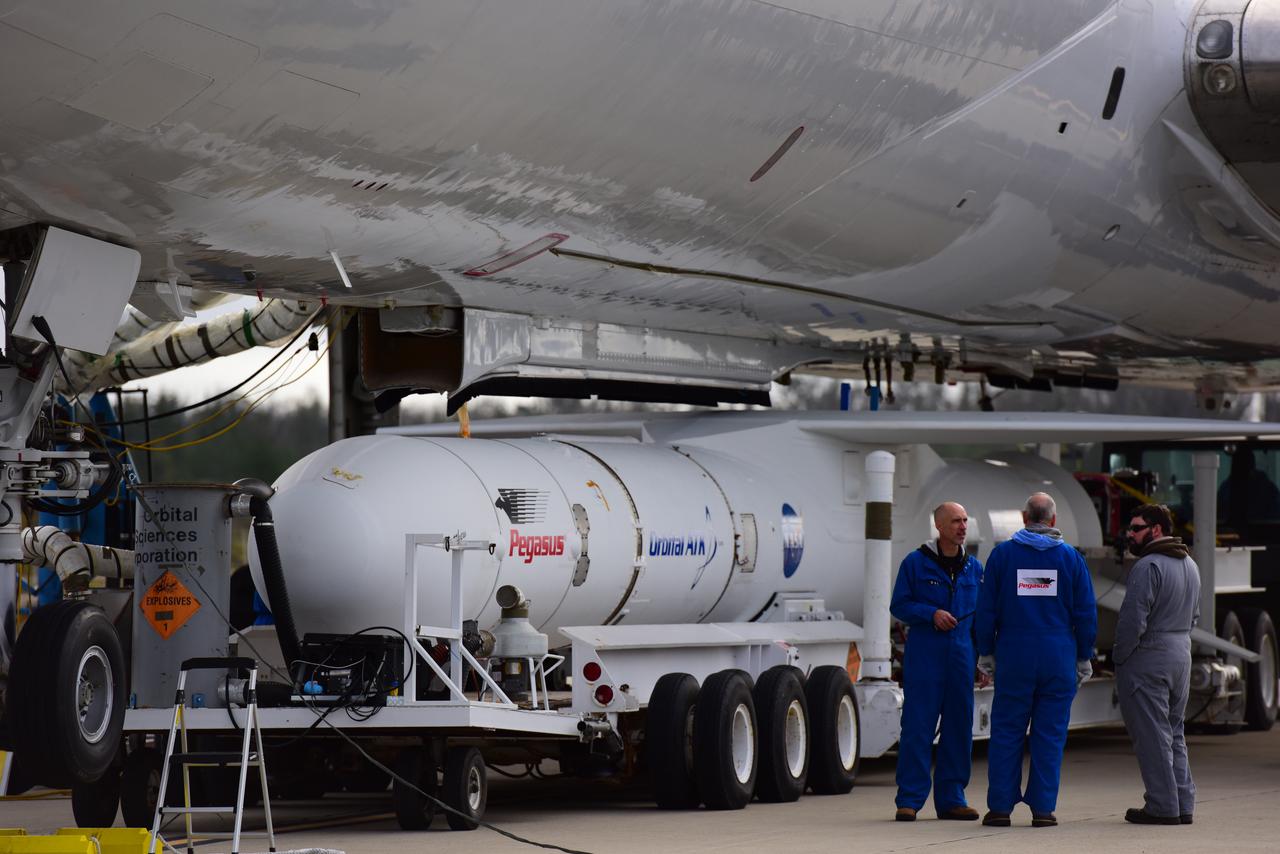
At Vandenberg Air Force Base in California, an Orbital ATK Pegasus XL rocket is mated to the company's L-1011 carrier aircraft near Vandenberg's runway. On board Pegasus are eight NASA Cyclone Global Navigation Satellite System, or CYGNSS, spacecraft. When preparations are competed at Vandenberg, the L-1011/Pegasus XL combination will be flown to NASA’s Kennedy Space Center in Florida. On Dec. 12, 2016, the carrier aircraft is scheduled to take off from the Skid Strip at Cape Canaveral Air Force Station and CYGNSS will launch on the Pegasus XL rocket with the L-1011 flying off shore. CYGNSS satellites will make frequent and accurate measurements of ocean surface winds throughout the life cycle of tropical storms and hurricanes. The data that CYGNSS provides will enable scientists to probe key air-sea interaction processes that take place near the core of storms, which are rapidly changing and play a critical role in the beginning and intensification of hurricanes.
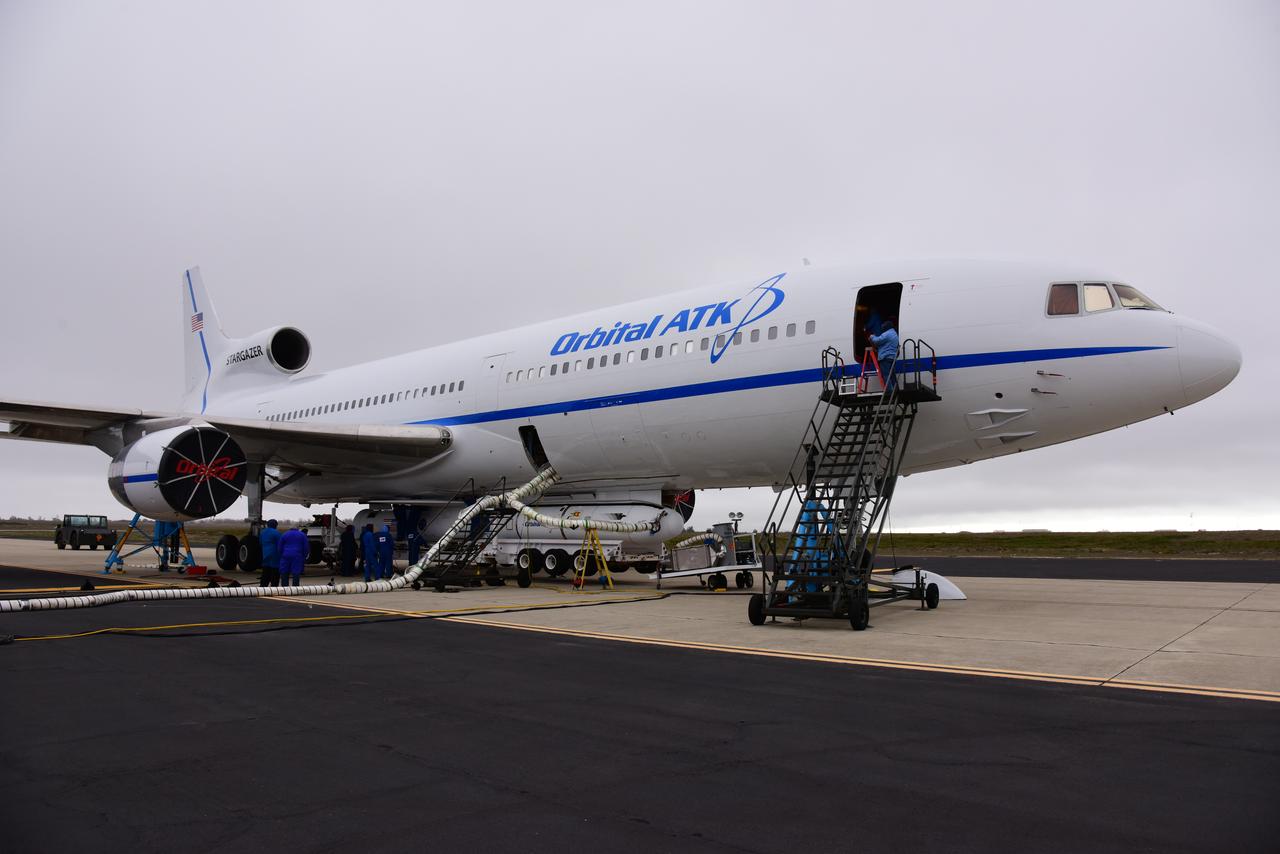
At Vandenberg Air Force Base in California, an Orbital ATK Pegasus XL rocket is mated to the company's L-1011 carrier aircraft near Vandenberg's runway. On board Pegasus are eight NASA Cyclone Global Navigation Satellite System, or CYGNSS, spacecraft. When preparations are competed at Vandenberg, the L-1011/Pegasus XL combination will be flown to NASA’s Kennedy Space Center in Florida. On Dec. 12, 2016, the carrier aircraft is scheduled to take off from the Skid Strip at Cape Canaveral Air Force Station and CYGNSS will launch on the Pegasus XL rocket with the L-1011 flying off shore. CYGNSS satellites will make frequent and accurate measurements of ocean surface winds throughout the life cycle of tropical storms and hurricanes. The data that CYGNSS provides will enable scientists to probe key air-sea interaction processes that take place near the core of storms, which are rapidly changing and play a critical role in the beginning and intensification of hurricanes.
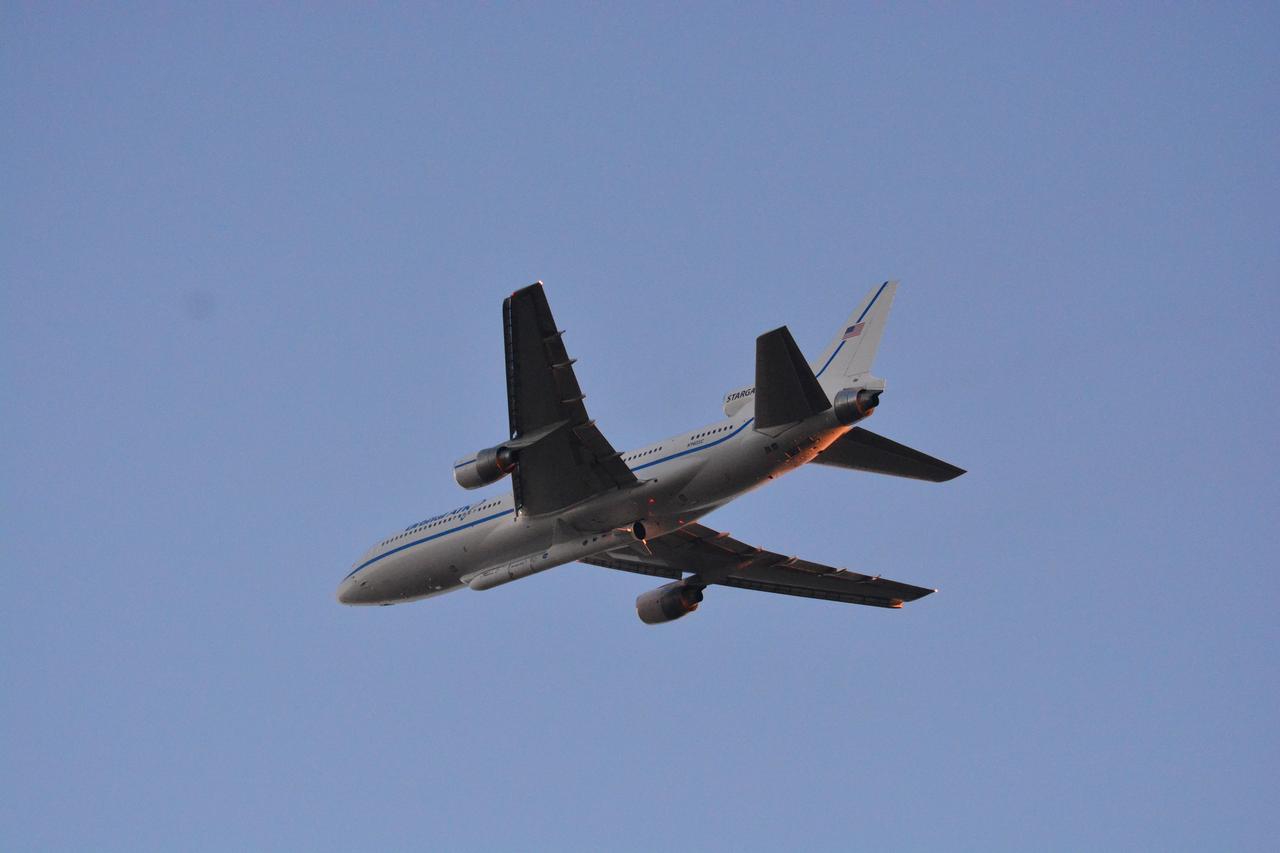
The Orbital ATK L-1011 Stargazer, with a Pegasus XL rocket mated to the underside of the aircraft, has just taken off from Vandenberg Air Force Base in California. On board Pegasus XL are eight NASA Cyclone Global Navigation Satellite System, or CYGNSS, spacecraft. The CYGNSS/Pegasus XL combination is being flown to NASA’s Kennedy Space Center in Florida. On Dec. 12, 2016, the carrier aircraft is scheduled to take off from the Skid Strip at Cape Canaveral Air Force Station and CYGNSS will launch on the Pegasus XL rocket with the L-1011 flying off shore. CYGNSS satellites will make frequent and accurate measurements of ocean surface winds throughout the life cycle of tropical storms and hurricanes. The data that CYGNSS provides will help scientists to probe key air-sea interaction processes that take place near the core of storms, which are rapidly changing and play a crucial role in the beginning and intensification of hurricanes.
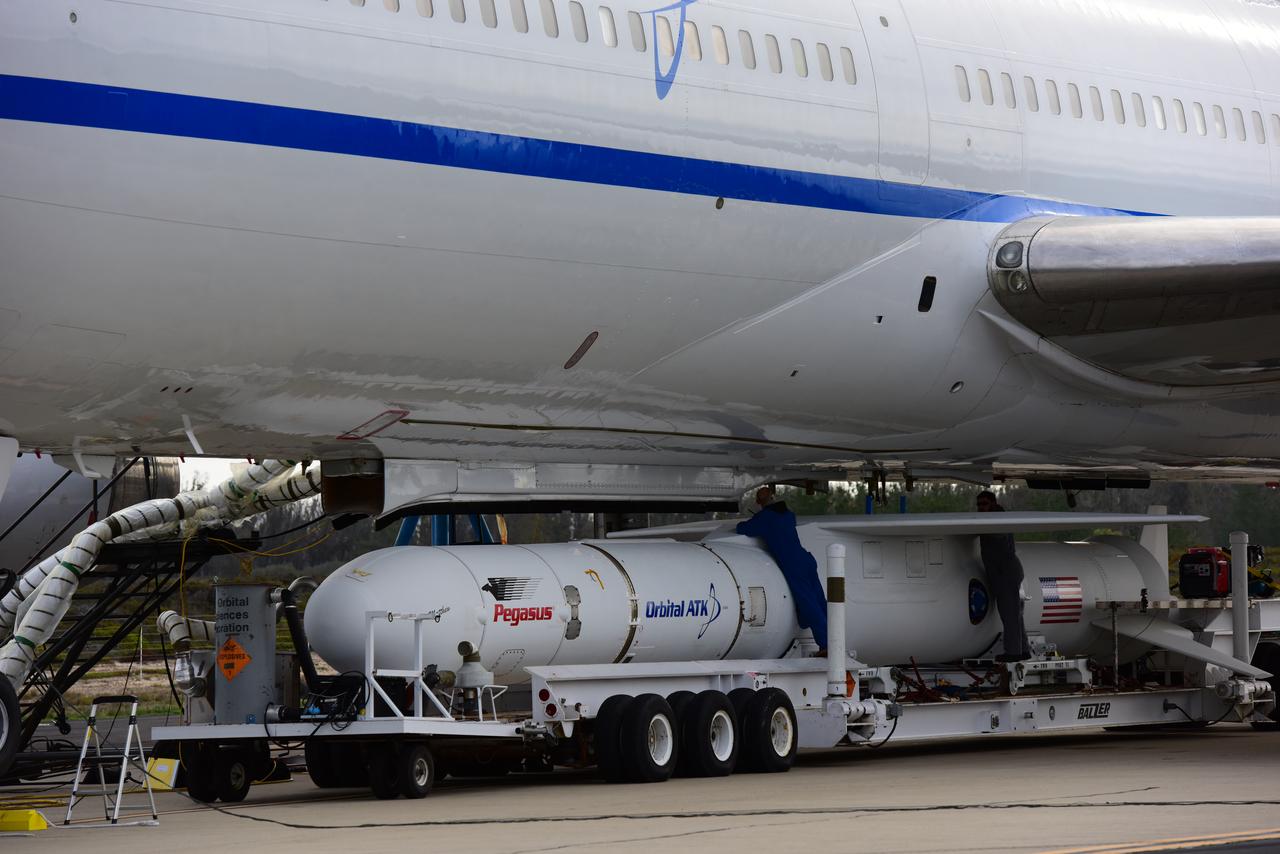
At Vandenberg Air Force Base in California, an Orbital ATK Pegasus XL rocket is mated to the company's L-1011 carrier aircraft near Vandenberg's runway. On board Pegasus are eight NASA Cyclone Global Navigation Satellite System, or CYGNSS, spacecraft. When preparations are competed at Vandenberg, the L-1011/Pegasus XL combination will be flown to NASA’s Kennedy Space Center in Florida. On Dec. 12, 2016, the carrier aircraft is scheduled to take off from the Skid Strip at Cape Canaveral Air Force Station and CYGNSS will launch on the Pegasus XL rocket with the L-1011 flying off shore. CYGNSS satellites will make frequent and accurate measurements of ocean surface winds throughout the life cycle of tropical storms and hurricanes. The data that CYGNSS provides will enable scientists to probe key air-sea interaction processes that take place near the core of storms, which are rapidly changing and play a critical role in the beginning and intensification of hurricanes.
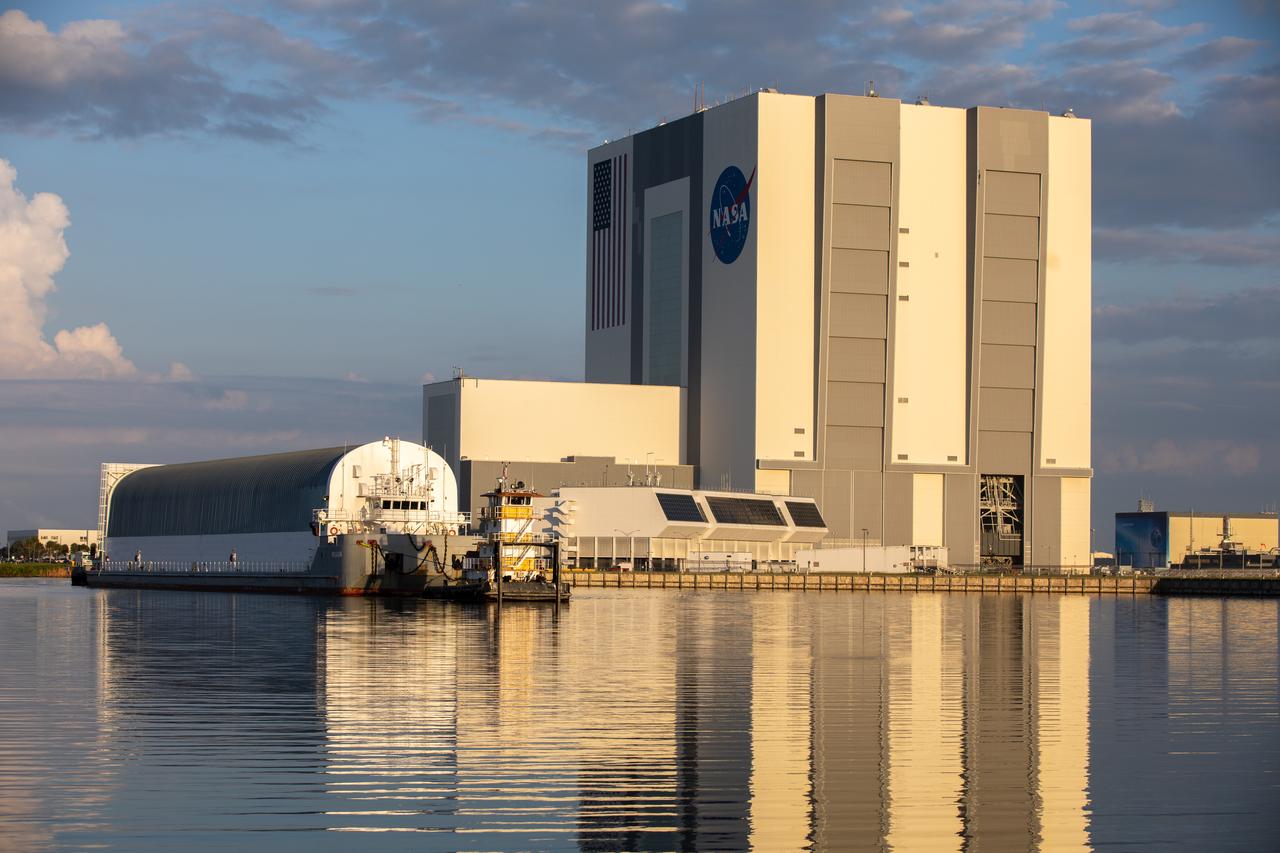
NASA’s Pegasus barge departs from the agency’s Kennedy Space Center in Florida on Aug. 4, 2020, for its trip to NASA’s Michoud Assembly Facility in Louisiana. The Pegasus barge arrived at Kennedy on July 29, delivering the launch vehicle stage adapter (LVSA) for the agency’s Space Launch System (SLS) rocket – the most powerful rocket NASA has ever built, providing the muscle necessary to get to the Moon and eventually to Mars. In the background is the Vehicle Assembly Building, where the LVSA – hardware that will connect the core stage of the rocket to the upper stage – is now undergoing processing. The next time the Pegasus barge returns to Kennedy, it will be carrying the SLS core stage – the final piece of the rocket that needs to be delivered ahead of the Artemis I launch.
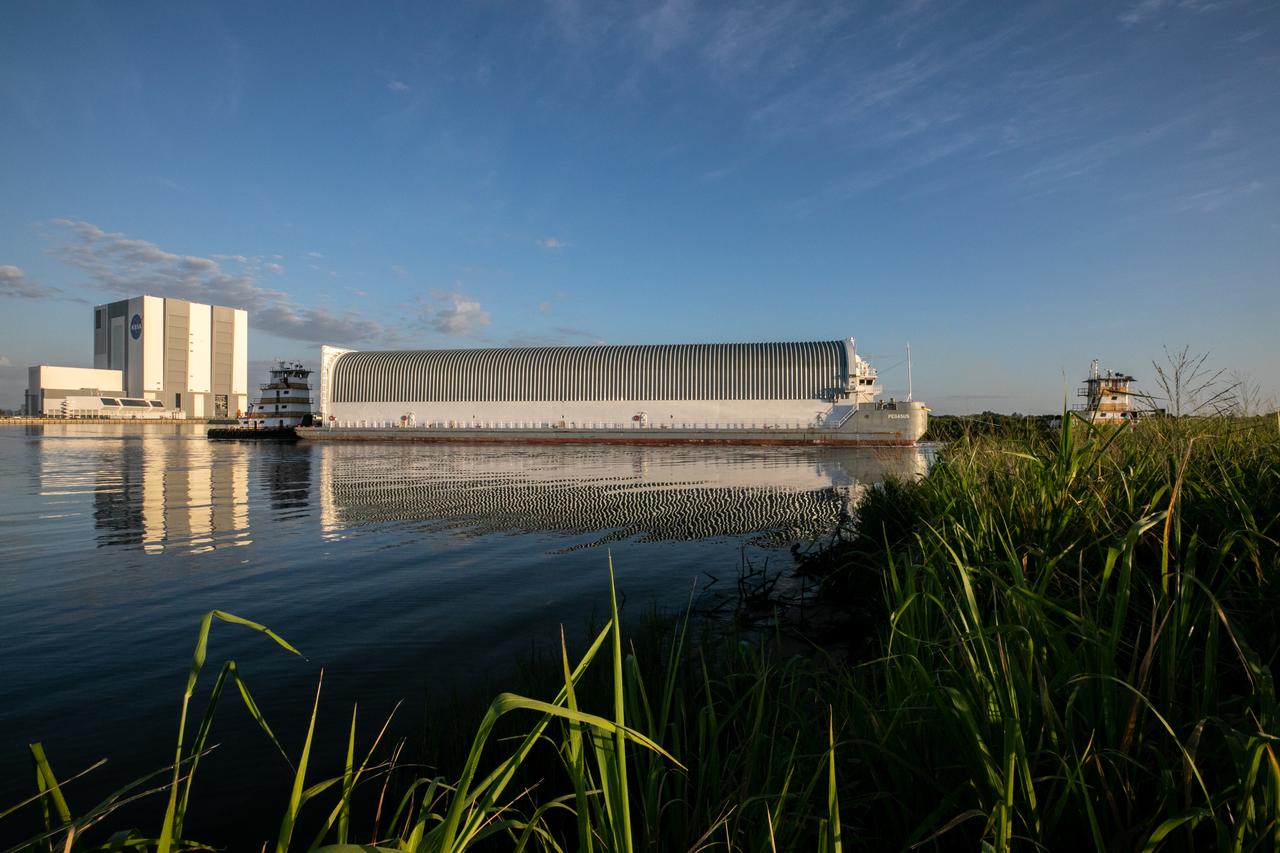
NASA’s Pegasus barge departs from the agency’s Kennedy Space Center in Florida on Aug. 4, 2020, for its trip to NASA’s Michoud Assembly Facility in Louisiana. The Pegasus barge arrived at Kennedy on July 29, delivering the launch vehicle stage adapter (LVSA) for the agency’s Space Launch System (SLS) rocket – the most powerful rocket NASA has ever built, providing the muscle necessary to get to the Moon and eventually to Mars. In the background is the Vehicle Assembly Building, where the LVSA – hardware that will connect the core stage of the rocket to the upper stage – is now undergoing processing. The next time the Pegasus barge returns to Kennedy, it will be carrying the SLS core stage – the final piece of the rocket that needs to be delivered ahead of the Artemis I launch.
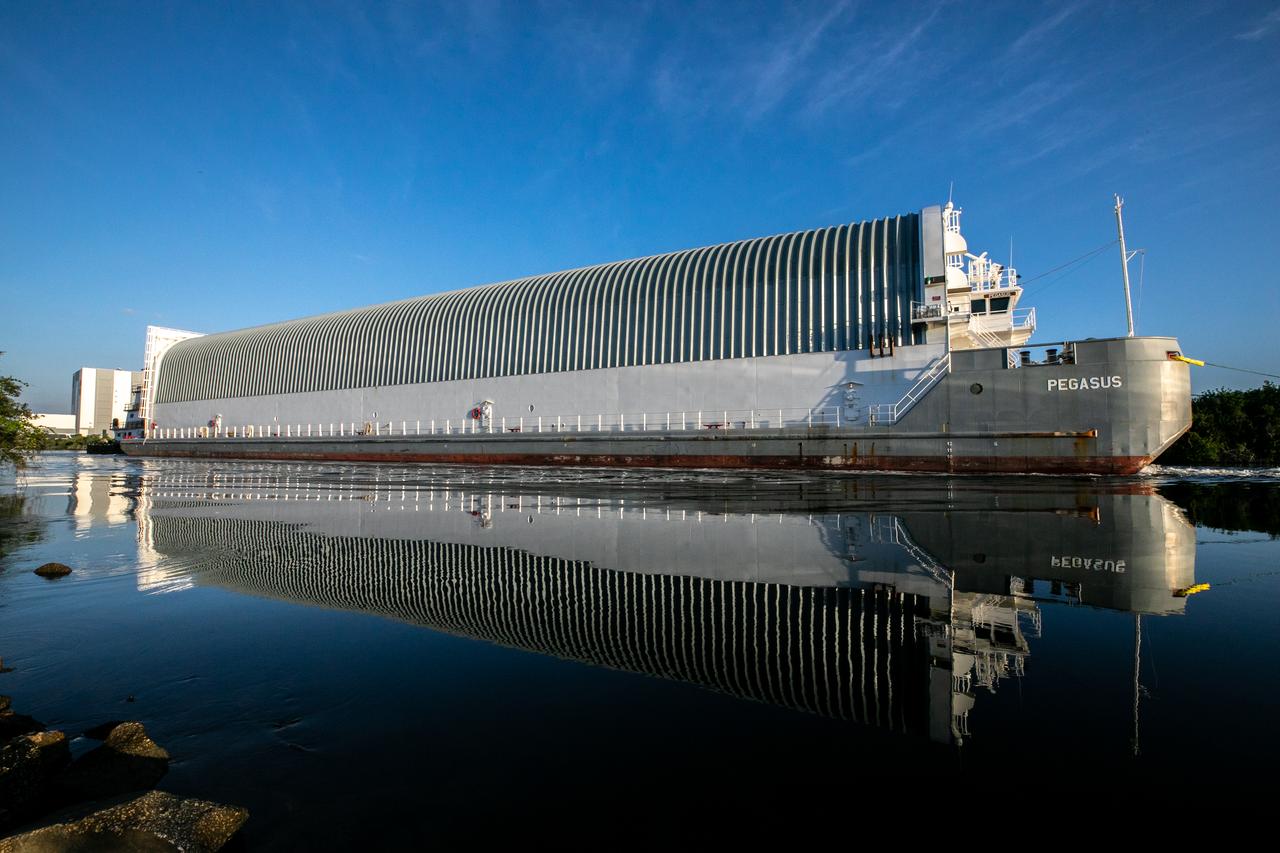
NASA’s Pegasus barge departs from the agency’s Kennedy Space Center in Florida on Aug. 4, 2020, for its trip to NASA’s Michoud Assembly Facility in Louisiana. The Pegasus barge arrived at Kennedy on July 29, delivering the launch vehicle stage adapter (LVSA) for the agency’s Space Launch System (SLS) rocket – the most powerful rocket NASA has ever built, providing the muscle necessary to get to the Moon and eventually to Mars. In the background is the Vehicle Assembly Building, where the LVSA – hardware that will connect the core stage of the rocket to the upper stage – is now undergoing processing. The next time the Pegasus barge returns to Kennedy, it will be carrying the SLS core stage – the final piece of the rocket that needs to be delivered ahead of the Artemis I launch.
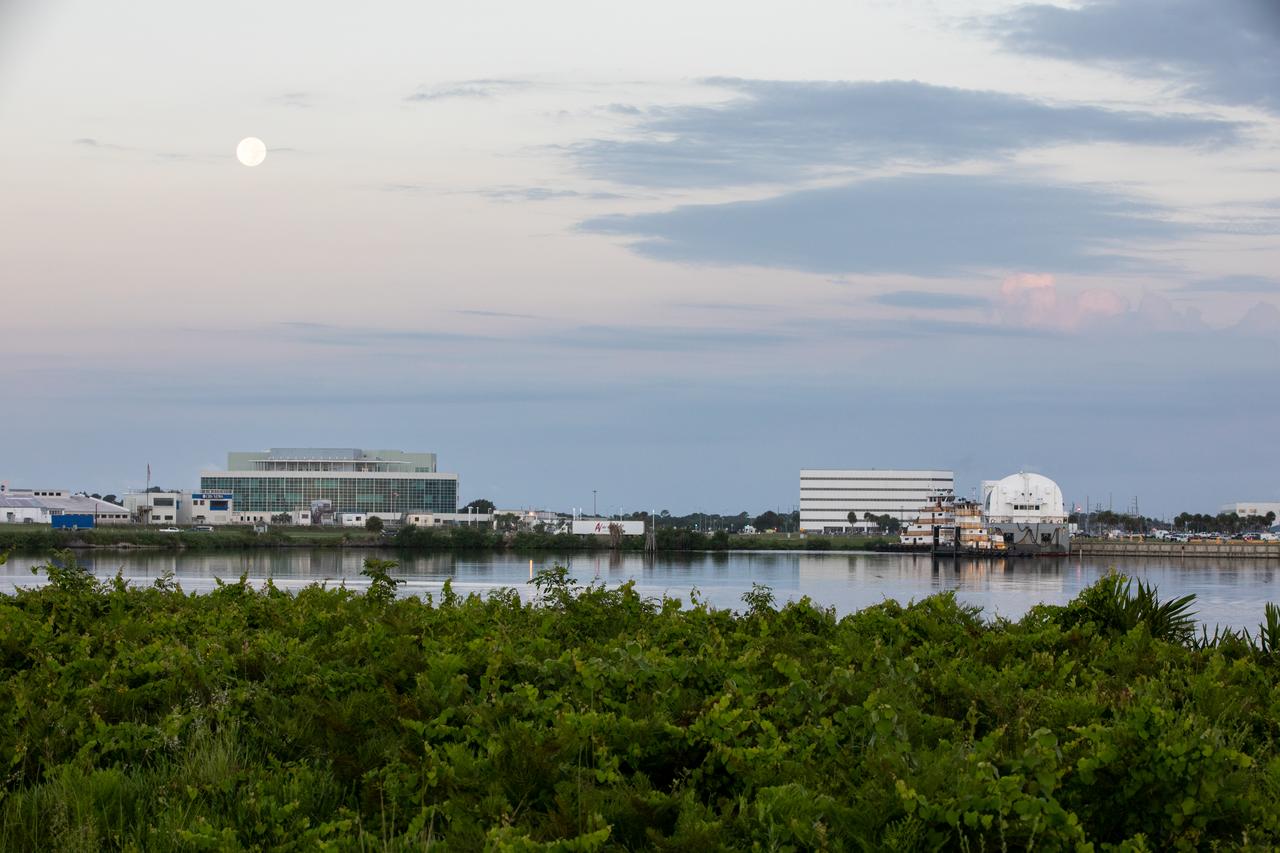
NASA’s Pegasus barge, seen off toward the right, prepares to depart from the agency’s Kennedy Space Center in Florida on Aug. 4, 2020, for its trip to NASA’s Michoud Assembly Facility in Louisiana. The Pegasus barge arrived at Kennedy on July 29, delivering the launch vehicle stage adapter (LVSA) for the agency’s Space Launch System (SLS) rocket – the most powerful rocket NASA has ever built, providing the muscle necessary to get to the Moon and eventually to Mars. The LVSA – now undergoing processing inside the Vehicle Assembly Building – will connect the core stage of the rocket to the upper stage. The next time the Pegasus barge returns to Kennedy, it will be carrying the SLS core stage – the final piece of the rocket that needs to be delivered ahead of the Artemis I launch.
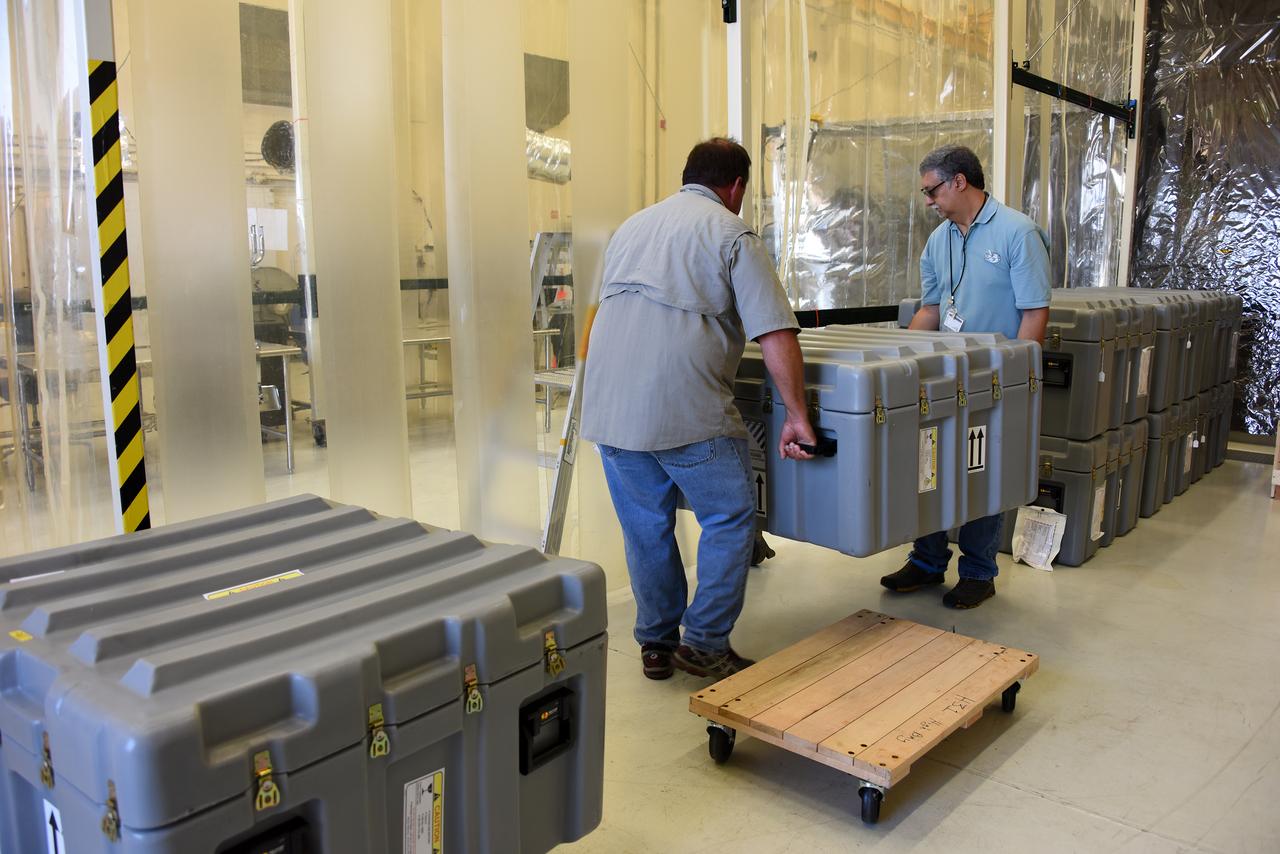
Parts for NASA’s Cyclone Global Navigation Satellite System (CYGNSS) arrive in shipping containers at Building 1555 at Vandenberg Air Force Base in California. CYGNSS is being prepared at Vandenberg, and then will be transported to NASA’s Kennedy Space Center in Florida in the Orbital ATK Pegasus XL rocket which will be attached to the Orbital ATK L-1011 carrier aircraft. CYGNSS will launch on the Pegasus XL rocket from the Skid Strip at Cape Canaveral Air Force Station. CYGNSS will make frequent and accurate measurements of ocean surface winds throughout the life cycle of tropical storms and hurricanes. The data that CYGNSS provides will enable scientists to probe key air-sea interaction processes that take place near the core of storms, which are rapidly changing and play a critical role in the beginning and intensification of hurricanes.
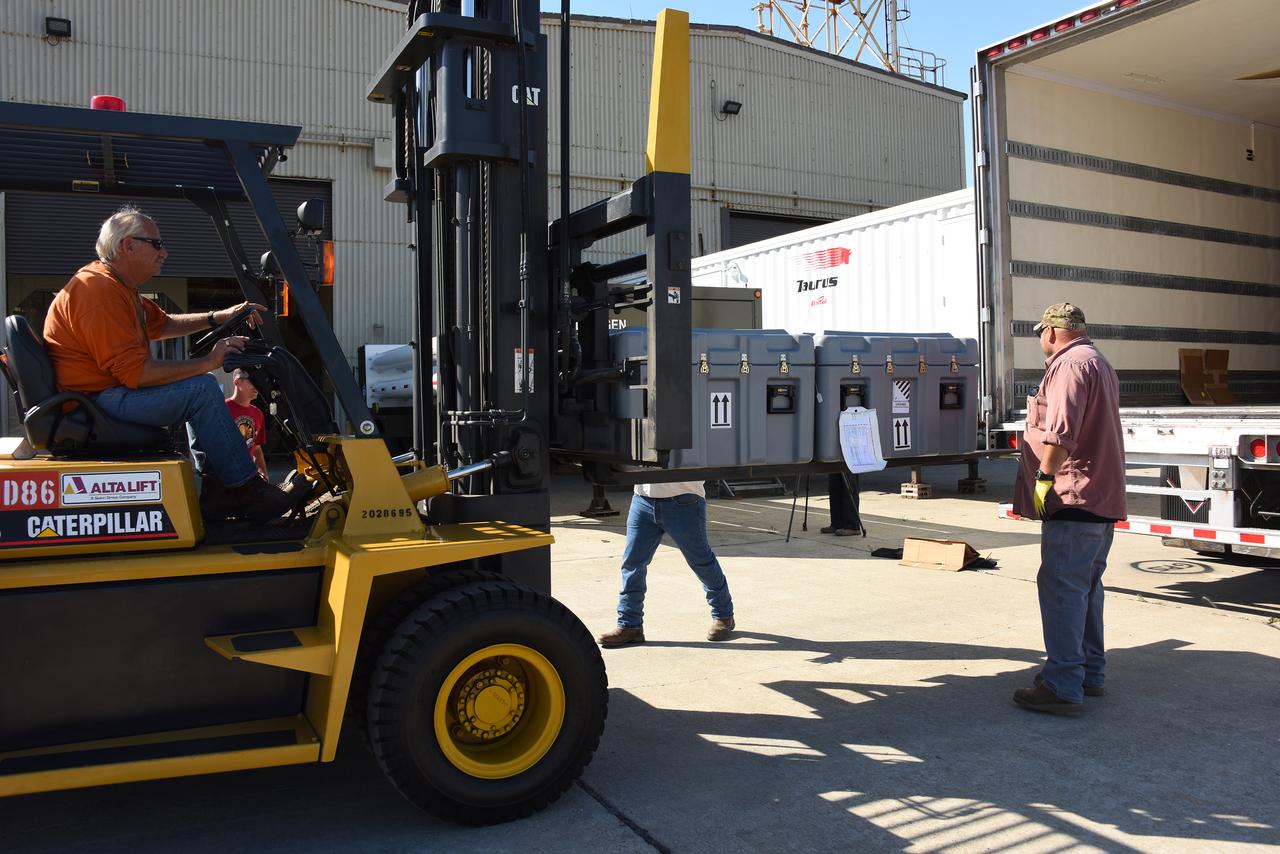
Parts for NASA’s Cyclone Global Navigation Satellite System (CYGNSS) arrive in shipping containers at Building 1555 at Vandenberg Air Force Base in California. CYGNSS is being prepared at Vandenberg, and then will be transported to NASA’s Kennedy Space Center in Florida in the Orbital ATK Pegasus XL rocket which will be attached to the Orbital ATK L-1011 carrier aircraft. CYGNSS will launch on the Pegasus XL rocket from the Skid Strip at Cape Canaveral Air Force Station. CYGNSS will make frequent and accurate measurements of ocean surface winds throughout the life cycle of tropical storms and hurricanes. The data that CYGNSS provides will enable scientists to probe key air-sea interaction processes that take place near the core of storms, which are rapidly changing and play a critical role in the beginning and intensification of hurricanes.
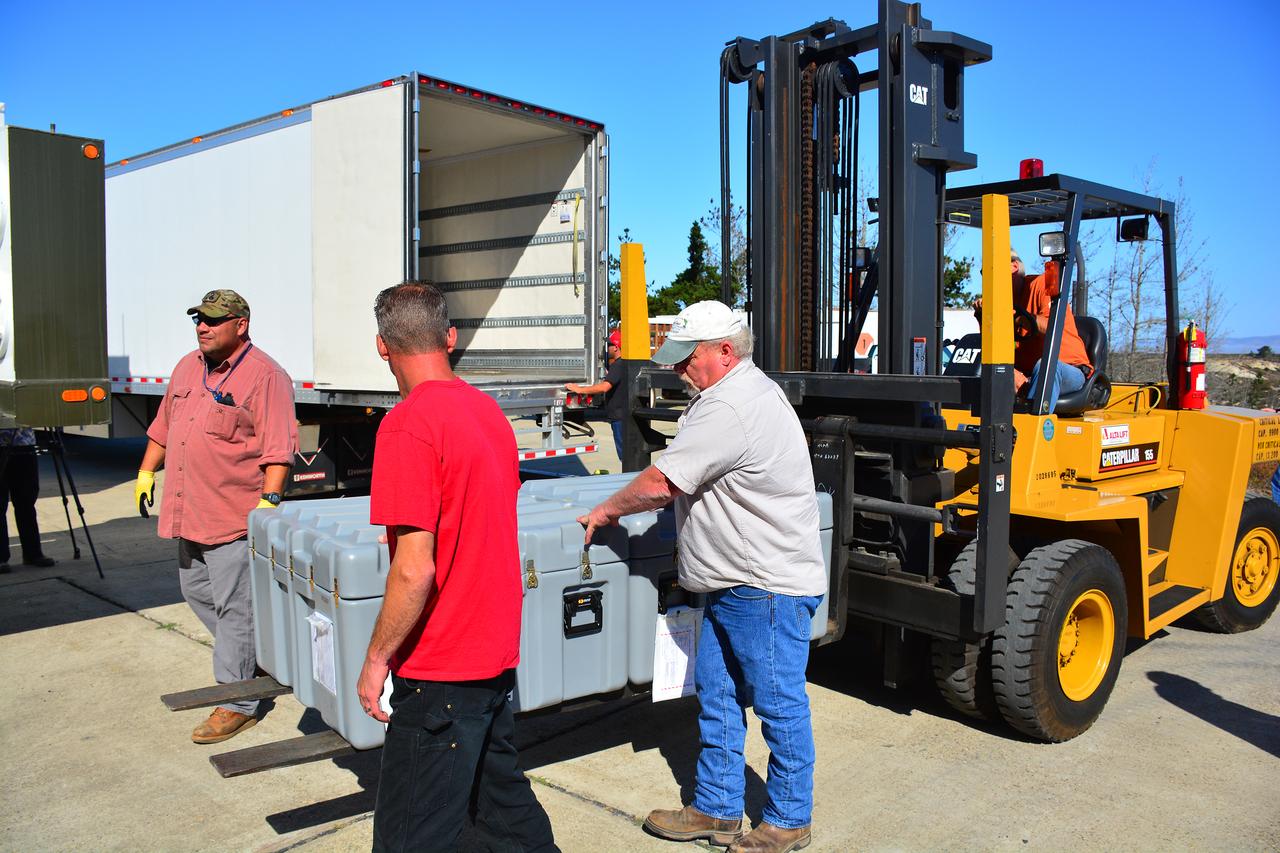
Parts for NASA’s Cyclone Global Navigation Satellite System (CYGNSS) arrive in a shipping container at Building 1555 at Vandenberg Air Force Base in California. CYGNSS is being prepared at Vandenberg, and then will be transported to NASA’s Kennedy Space Center in Florida in the Orbital ATK Pegasus XL rocket which will be attached to the Orbital ATK L-1011 carrier aircraft. CYNSS will launch on the Pegasus XL rocket from the Skid Strip at Cape Canaveral Air Force Station. CYGNSS will make frequent and accurate measurements of ocean surface winds throughout the life cycle of tropical storms and hurricanes. The data that CYGNSS provides will enable scientists to probe key air-sea interaction processes that take place near the core of storms, which are rapidly changing and play a critical role in the beginning and intensification of hurricanes.
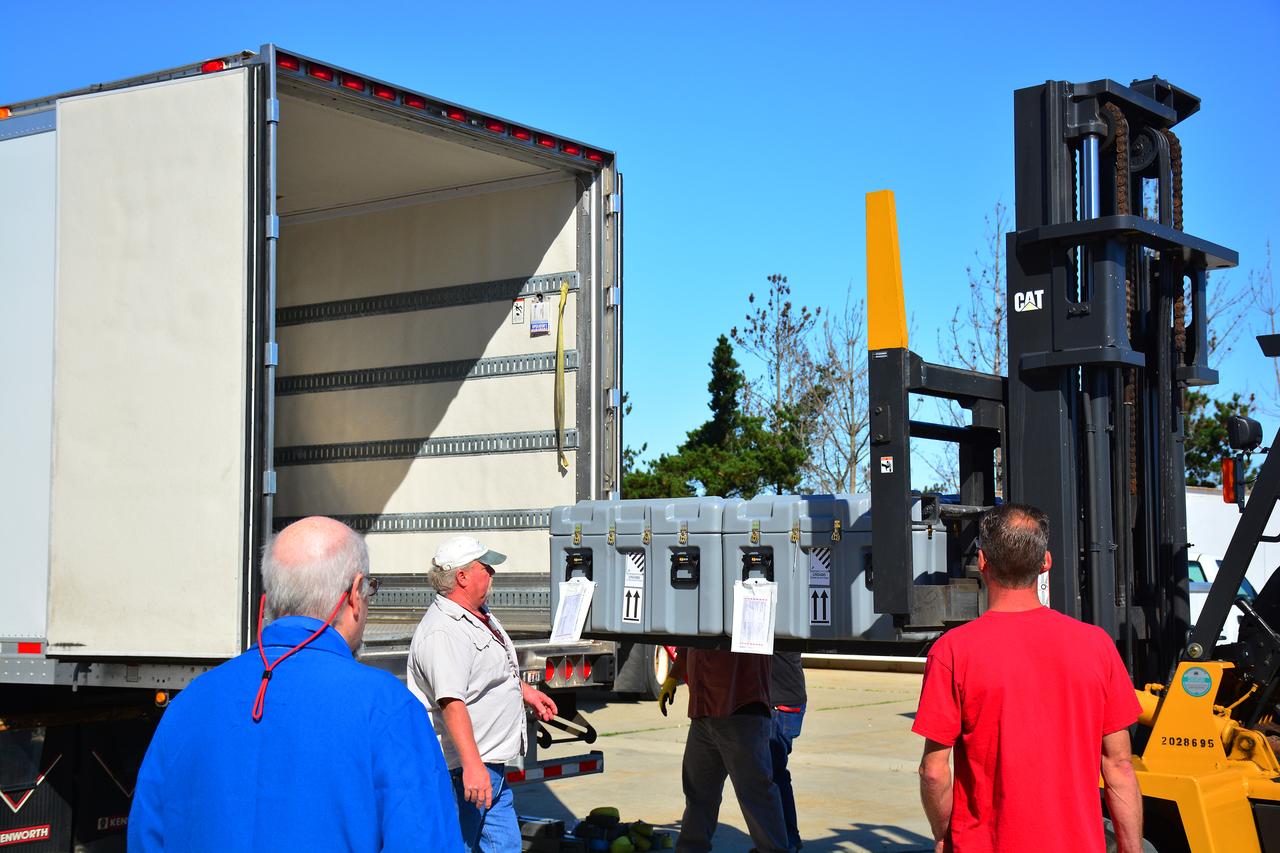
Parts for NASA’s Cyclone Global Navigation Satellite System (CYGNSS) arrive in a shipping container at Building 1555 at Vandenberg Air Force Base in California. CYGNSS is being prepared at Vandenberg, and then will be transported to NASA’s Kennedy Space Center in Florida in the Orbital ATK Pegasus XL rocket which will be attached to the Orbital ATK L-1011 carrier aircraft. CYNSS will launch on the Pegasus XL rocket from the Skid Strip at Cape Canaveral Air Force Station. CYGNSS will make frequent and accurate measurements of ocean surface winds throughout the life cycle of tropical storms and hurricanes. The data that CYGNSS provides will enable scientists to probe key air-sea interaction processes that take place near the core of storms, which are rapidly changing and play a critical role in the beginning and intensification of hurricanes.
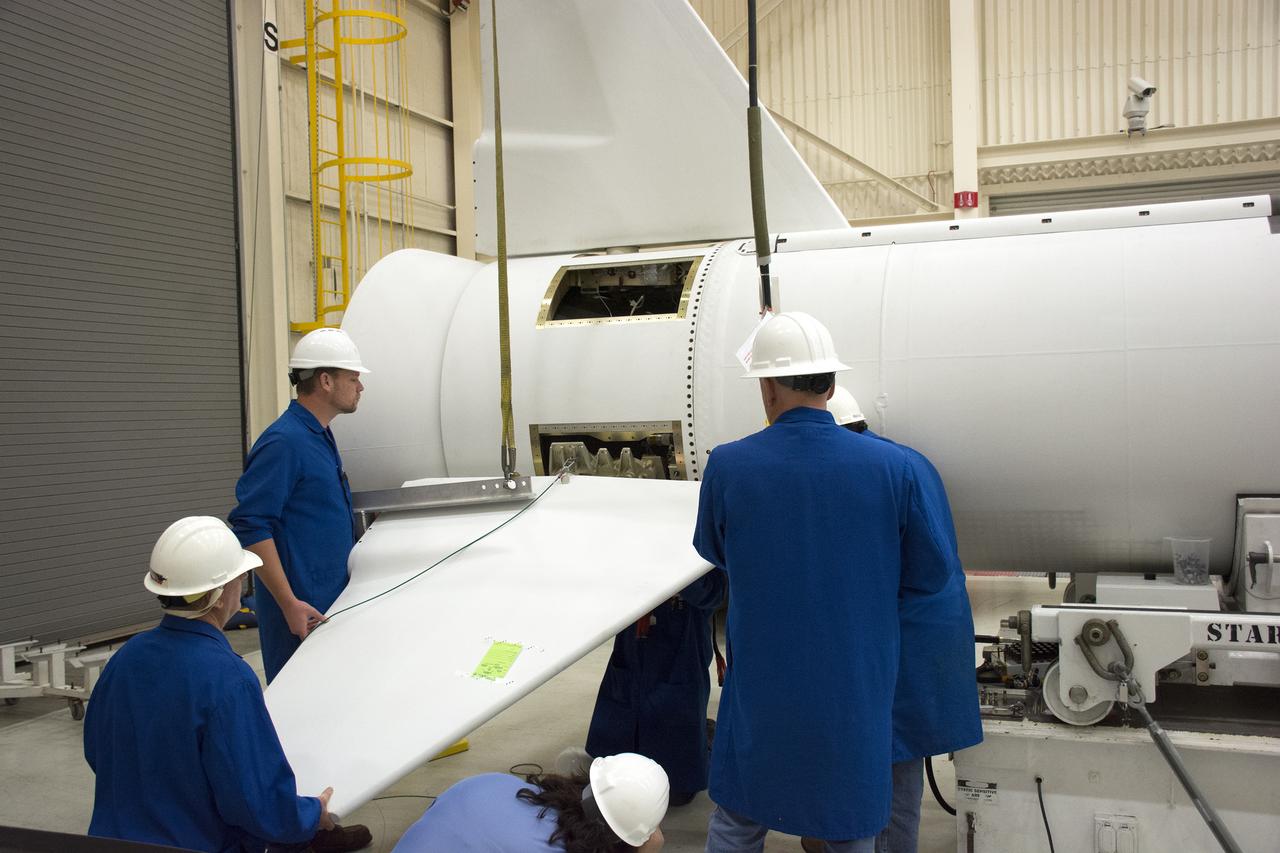
Technicians prepare to install one of the fins on the Orbital ATK Pegasus XL rocket inside Building 1555 at Vandenberg Air Force Base in California. The fins will provide aerodynamic stability during flight. The rocket is being prepared at Vandenberg, and then will be transported to NASA’s Kennedy Space Center in Florida attached to the Orbital ATK L-1011 carrier aircraft with NASA’s Cyclone Global Navigation Satellite System (CYGNSS) in its payload fairing. CYGNSS will launch on the Pegasus XL rocket from the Skid Strip at Cape Canaveral Air Force Station. CYGNSS will make frequent and accurate measurements of ocean surface winds throughout the life cycle of tropical storms and hurricanes. The data that CYGNSS provides will enable scientists to probe key air-sea interaction processes that take place near the core of storms, which are rapidly changing and play a critical role in the beginning and intensification of hurricanes.
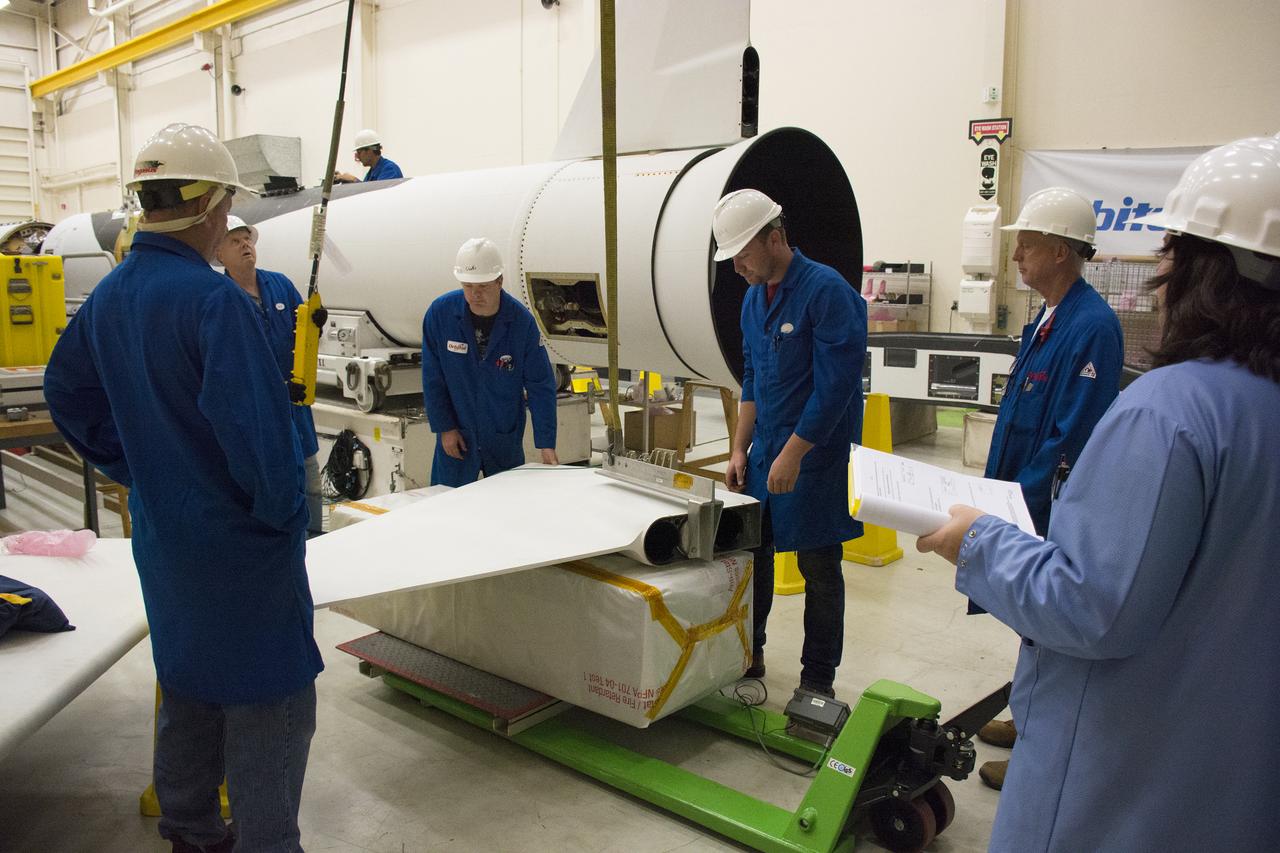
Technicians prepare one of the fins for installation on the Orbital ATK Pegasus XL rocket inside Building 1555 at Vandenberg Air Force Base in California. The fins will provide aerodynamic stability during flight. The rocket is being prepared at Vandenberg, and then will be transported to NASA’s Kennedy Space Center in Florida, attached to the Orbital ATK L-1011 carrier aircraft with NASA’s Cyclone Global Navigation Satellite System (CYGNSS) in its payload fairing. CYGNSS will launch on the Pegasus XL rocket from the Skid Strip at Cape Canaveral Air Force Station. CYGNSS will make frequent and accurate measurements of ocean surface winds throughout the life cycle of tropical storms and hurricanes. The data that CYGNSS provides will enable scientists to probe key air-sea interaction processes that take place near the core of storms, which are rapidly changing and play a critical role in the beginning and intensification of hurricanes.
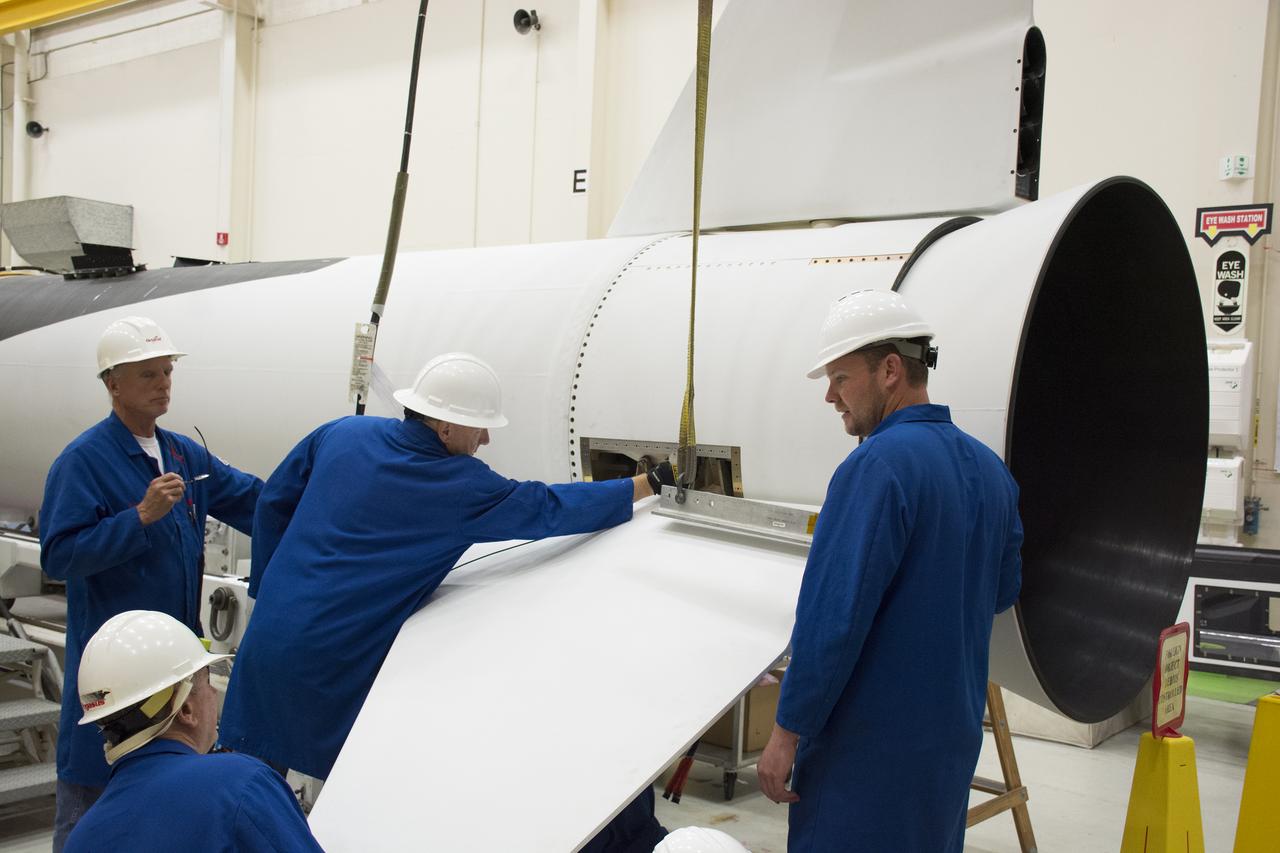
Technicians prepare to install one of the fins on the Orbital ATK Pegasus XL rocket inside Building 1555 at Vandenberg Air Force Base in California. The fins will provide aerodynamic stability during flight. The rocket is being prepared at Vandenberg, and then will be transported to NASA’s Kennedy Space Center in Florida attached to the Orbital ATK L-1011 carrier aircraft with NASA’s Cyclone Global Navigation Satellite System (CYGNSS) in its payload fairing. CYGNSS will launch on the Pegasus XL rocket from the Skid Strip at Cape Canaveral Air Force Station. CYGNSS will make frequent and accurate measurements of ocean surface winds throughout the life cycle of tropical storms and hurricanes. The data that CYGNSS provides will enable scientists to probe key air-sea interaction processes that take place near the core of storms, which are rapidly changing and play a critical role in the beginning and intensification of hurricanes.
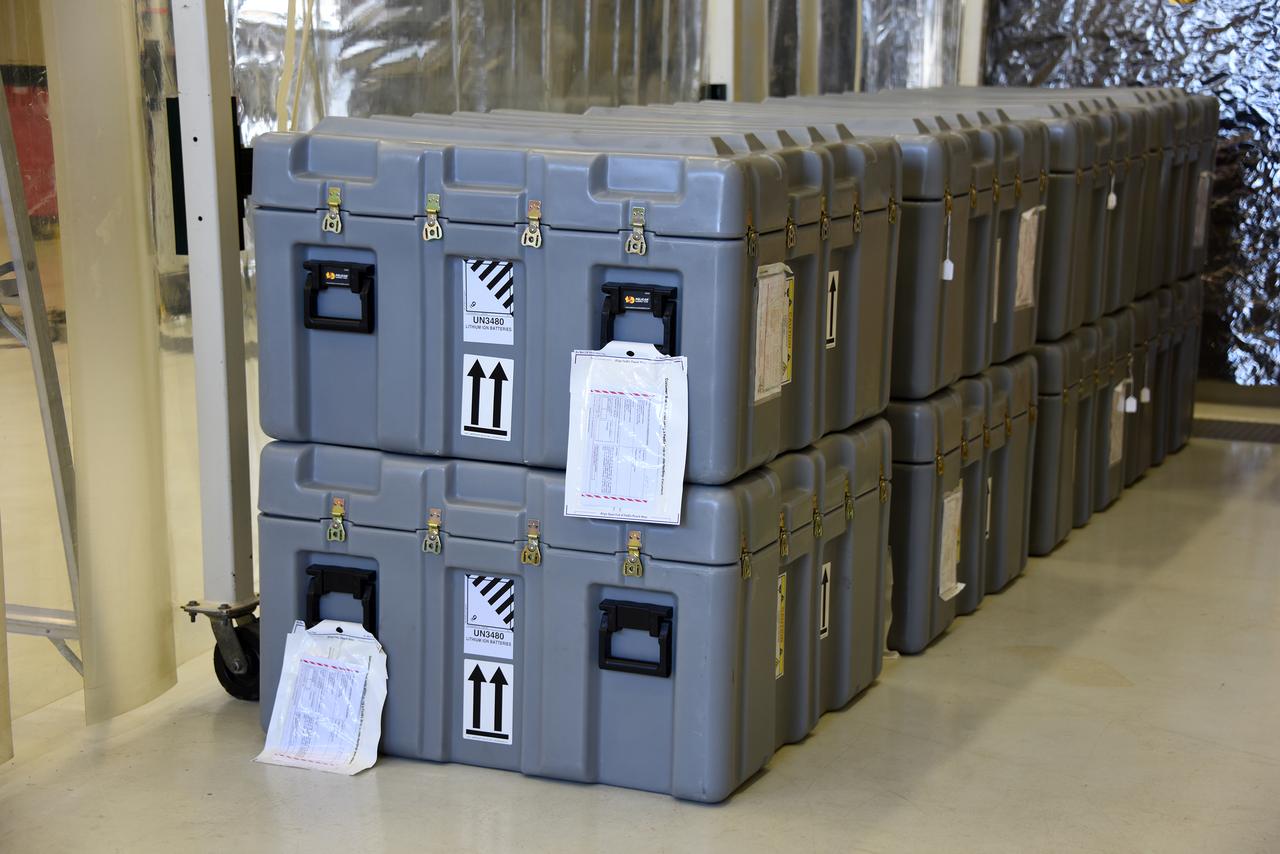
Parts for NASA’s Cyclone Global Navigation Satellite System (CYGNSS) arrive in shipping containers and are stacked inside Building 1555 at Vandenberg Air Force Base in California. CYGNSS is being prepared at Vandenberg, and then will be transported to NASA’s Kennedy Space Center in Florida in the Orbital ATK Pegasus XL rocket which will be attached to the Orbital ATK L-1011 carrier aircraft. CYGNSS will launch on the Pegasus XL rocket from the Skid Strip at Cape Canaveral Air Force Station. CYGNSS will make frequent and accurate measurements of ocean surface winds throughout the life cycle of tropical storms and hurricanes. The data that CYGNSS provides will enable scientists to probe key air-sea interaction processes that take place near the core of storms, which are rapidly changing and play a critical role in the beginning and intensification of hurricanes.
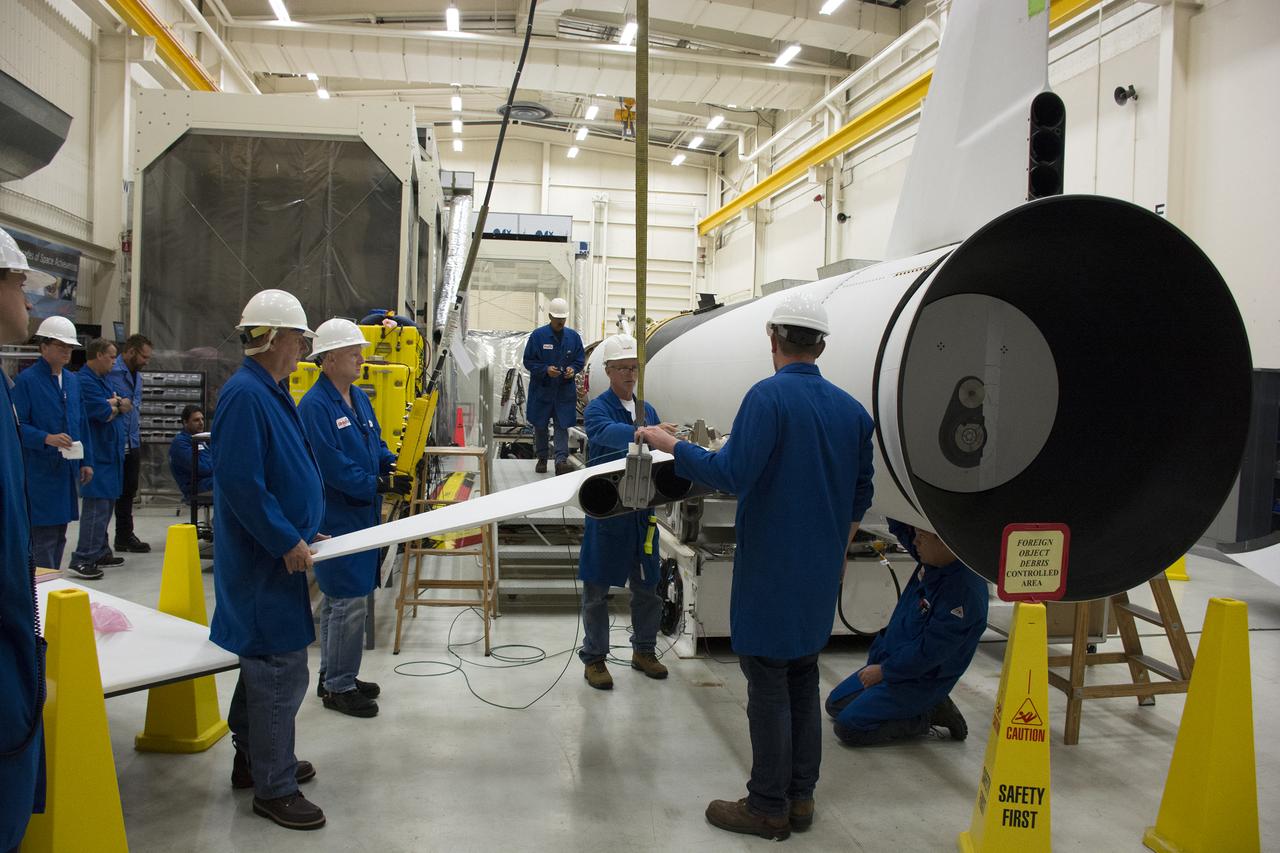
Technicians prepare to install one of the fins on the Orbital ATK Pegasus XL rocket inside Building 1555 at Vandenberg Air Force Base in California. The fins will provide aerodynamic stability during flight. The rocket is being prepared at Vandenberg, and then will be transported to NASA’s Kennedy Space Center in Florida, attached to the Orbital ATK L-1011 carrier aircraft with NASA’s Cyclone Global Navigation Satellite System (CYGNSS) in its payload fairing. CYGNSS will launch on the Pegasus XL rocket from the Skid Strip at Cape Canaveral Air Force Station. CYGNSS will make frequent and accurate measurements of ocean surface winds throughout the life cycle of tropical storms and hurricanes. The data that CYGNSS provides will enable scientists to probe key air-sea interaction processes that take place near the core of storms, which are rapidly changing and play a critical role in the beginning and intensification of hurricanes.
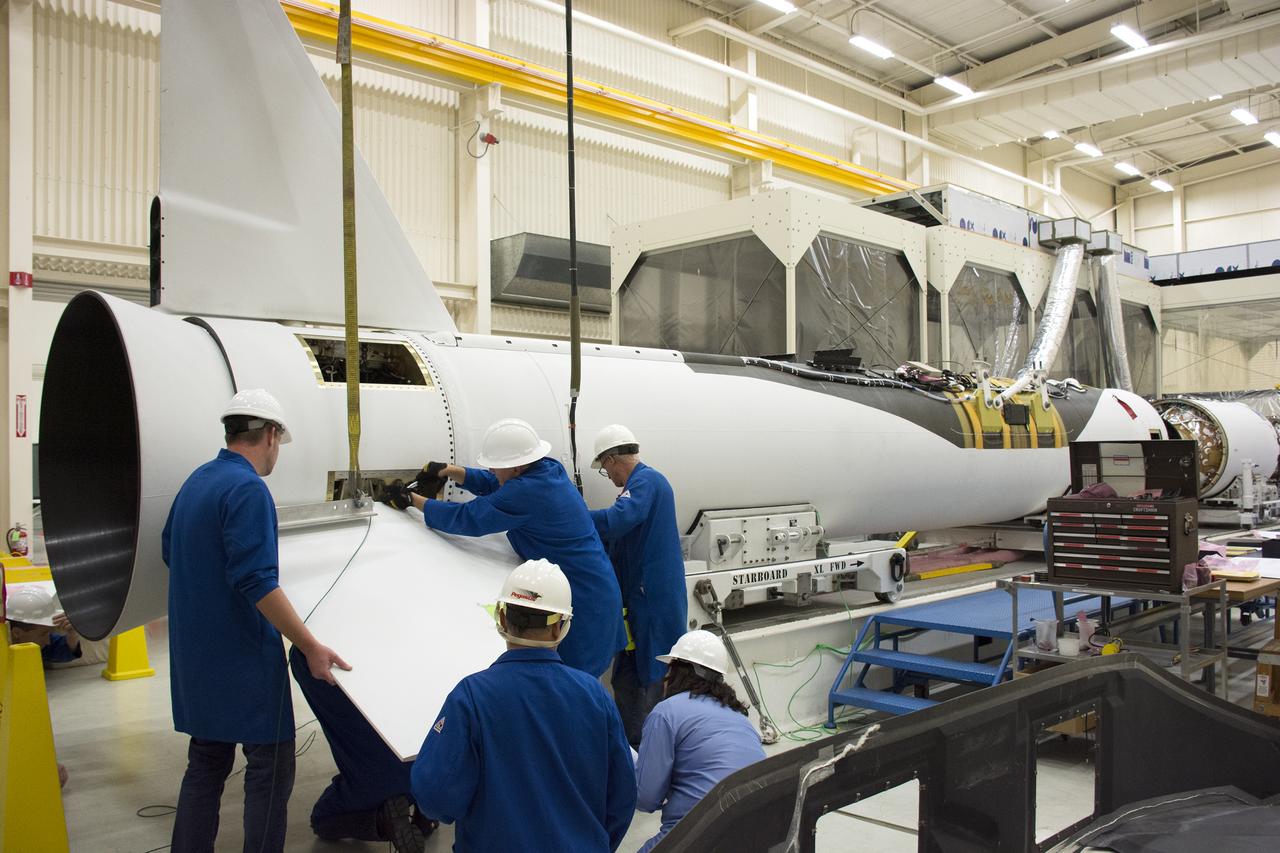
Technicians prepare to install one of the fins on the Orbital ATK Pegasus XL rocket inside Building 1555 at Vandenberg Air Force Base in California. The fins will provide aerodynamic stability during flight. The rocket is being prepared at Vandenberg, and then will be transported to NASA’s Kennedy Space Center in Florida attached to the Orbital ATK L-1011 carrier aircraft with NASA’s Cyclone Global Navigation Satellite System (CYGNSS) in its payload fairing. CYGNSS will launch on the Pegasus XL rocket from the Skid Strip at Cape Canaveral Air Force Station. CYGNSS will make frequent and accurate measurements of ocean surface winds throughout the life cycle of tropical storms and hurricanes. The data that CYGNSS provides will enable scientists to probe key air-sea interaction processes that take place near the core of storms, which are rapidly changing and play a critical role in the beginning and intensification of hurricanes.
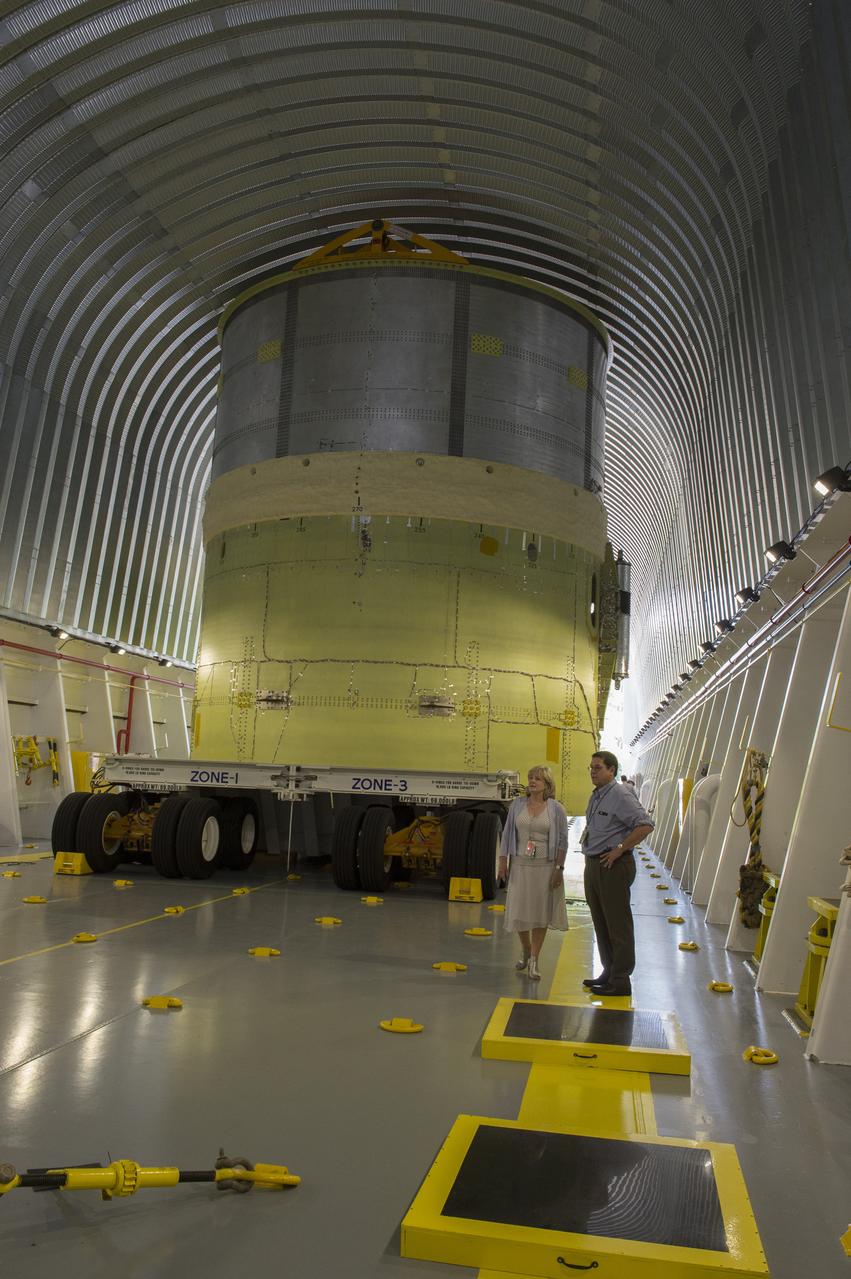
MSFC Deputy Director Jody Singer and Center Operations Manager Roy Malone examine the interior of the transportation barge Pegasus with the RS-25 engine core stage test article in the background.
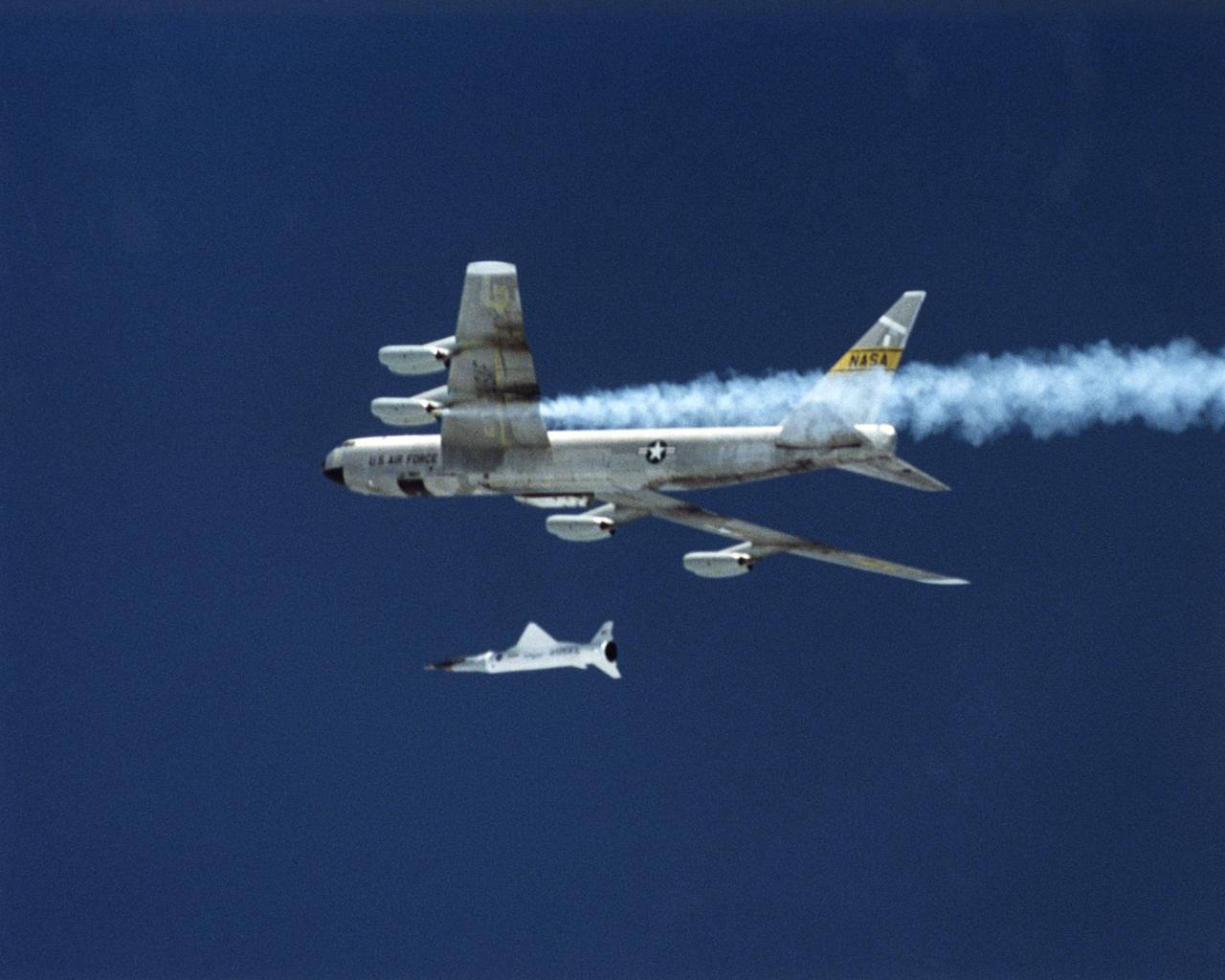
The first X-43A hypersonic research aircraft and its modified Pegasus booster rocket were carried aloft by NASA's NB-52B carrier aircraft from Dryden Flight Research Center at Edwards Air Force Base, Calif., on June 2, 2001 for the first of three high-speed free flight attempts. About an hour and 15 minutes later the Pegasus booster was released from the B-52 to accelerate the X-43A to its intended speed of Mach 7. Before this could be achieved, the combined Pegasus and X-43A "stack" lost control about eight seconds after ignition of the Pegasus rocket motor. The mission was terminated and explosive charges ensured the Pegasus and X-43A fell into the Pacific Ocean in a cleared Navy range area. A NASA investigation board is being assembled to determine the cause of the incident. Work continues on two other X-43A vehicles, the first of which could fly by late 2001. Central to the X-43A program is its integration of an air-breathing "scramjet" engine that could enable a variety of high-speed aerospace craft, and promote cost-effective access to space. The 12-foot, unpiloted research vehicle was developed and built for NASA by MicroCraft Inc., Tullahoma, Tenn. The booster was built by Orbital Sciences Corp. at Chandler, Ariz.
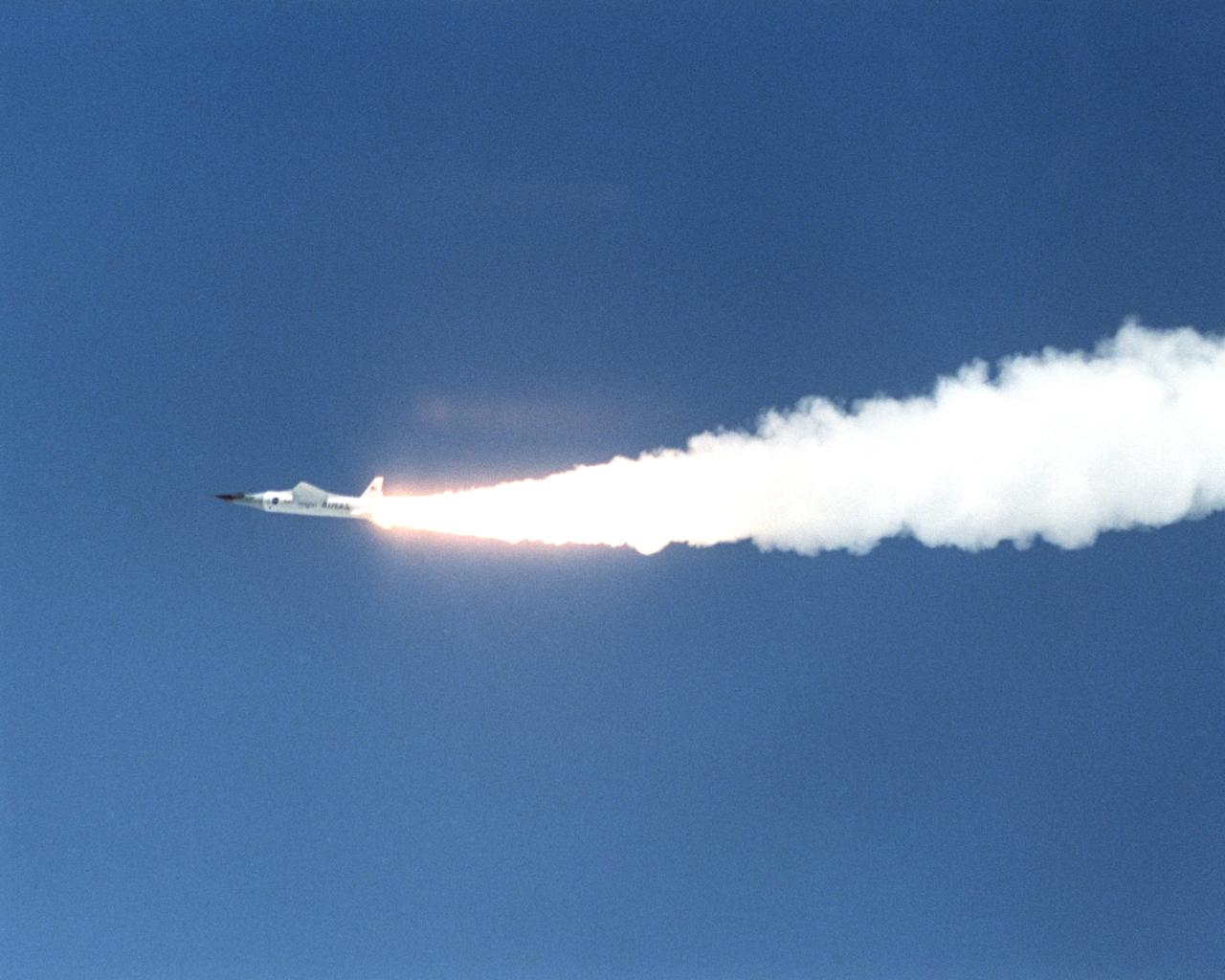
The first X-43A hypersonic research aircraft and its modified Pegasus booster rocket were carried aloft by NASA's NB-52B carrier aircraft from Dryden Flight Research Center at Edwards Air Force Base, Calif., on June 2, 2001 for the first of three high-speed free flight attempts. About an hour and 15 minutes later the Pegasus booster was released from the B-52 to accelerate the X-43A to its intended speed of Mach 7. Before this could be achieved, the combined Pegasus and X-43A "stack" lost control about eight seconds after ignition of the Pegasus rocket motor. The mission was terminated and explosive charges ensured the Pegasus and X-43A fell into the Pacific Ocean in a cleared Navy range area. A NASA investigation board is being assembled to determine the cause of the incident. Work continues on two other X-43A vehicles, the first of which could fly by late 2001. Central to the X-43A program is its integration of an air-breathing "scramjet" engine that could enable a variety of high-speed aerospace craft, and promote cost-effective access to space. The 12-foot, unpiloted research vehicle was developed and built for NASA by MicroCraft Inc., Tullahoma, Tenn. The booster was built by Orbital Sciences Corp. at Chandler, Ariz.
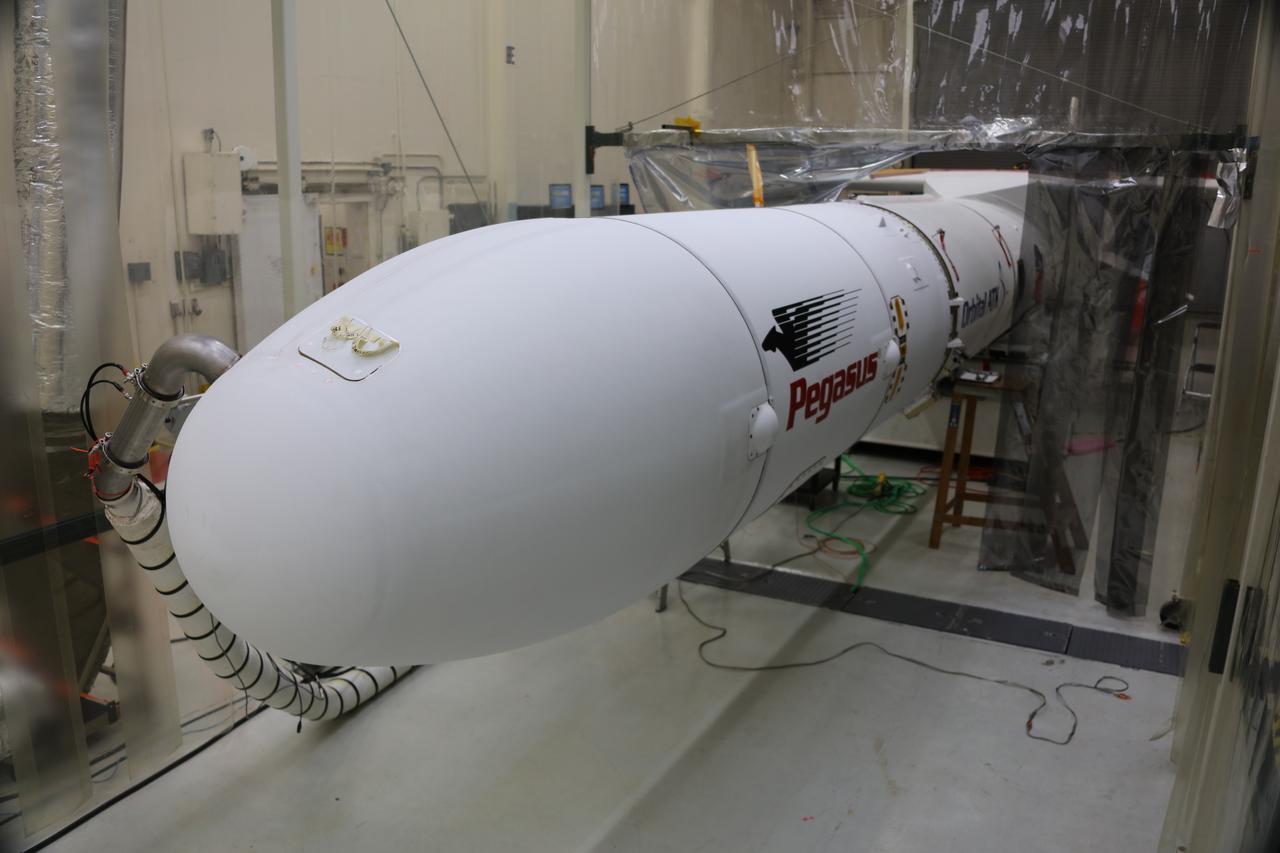
In Building 1555 at Vandenberg Air Force Base in California, an Orbital ATK Pegasus XL rocket is seen after payload fairing installation. On board Pegasus are eight NASA Cyclone Global Navigation Satellite System, or CYGNSS, spacecraft. When preparations are competed at Vandenberg, the L-1011/Pegasus XL combination will be flown to NASA’s Kennedy Space Center in Florida. On Dec. 12, 2016, the carrier aircraft is scheduled to take off from the Skid Strip at Cape Canaveral Air Force Station and CYGNSS will launch on the Pegasus XL rocket with the L-1011 flying off shore. CYGNSS satellites will make frequent and accurate measurements of ocean surface winds throughout the life cycle of tropical storms and hurricanes. The data that CYGNSS provides will help scientists to probe key air-sea interaction processes that take place near the core of storms, which are rapidly changing and play a crucial role in the beginning and intensification of hurricanes.
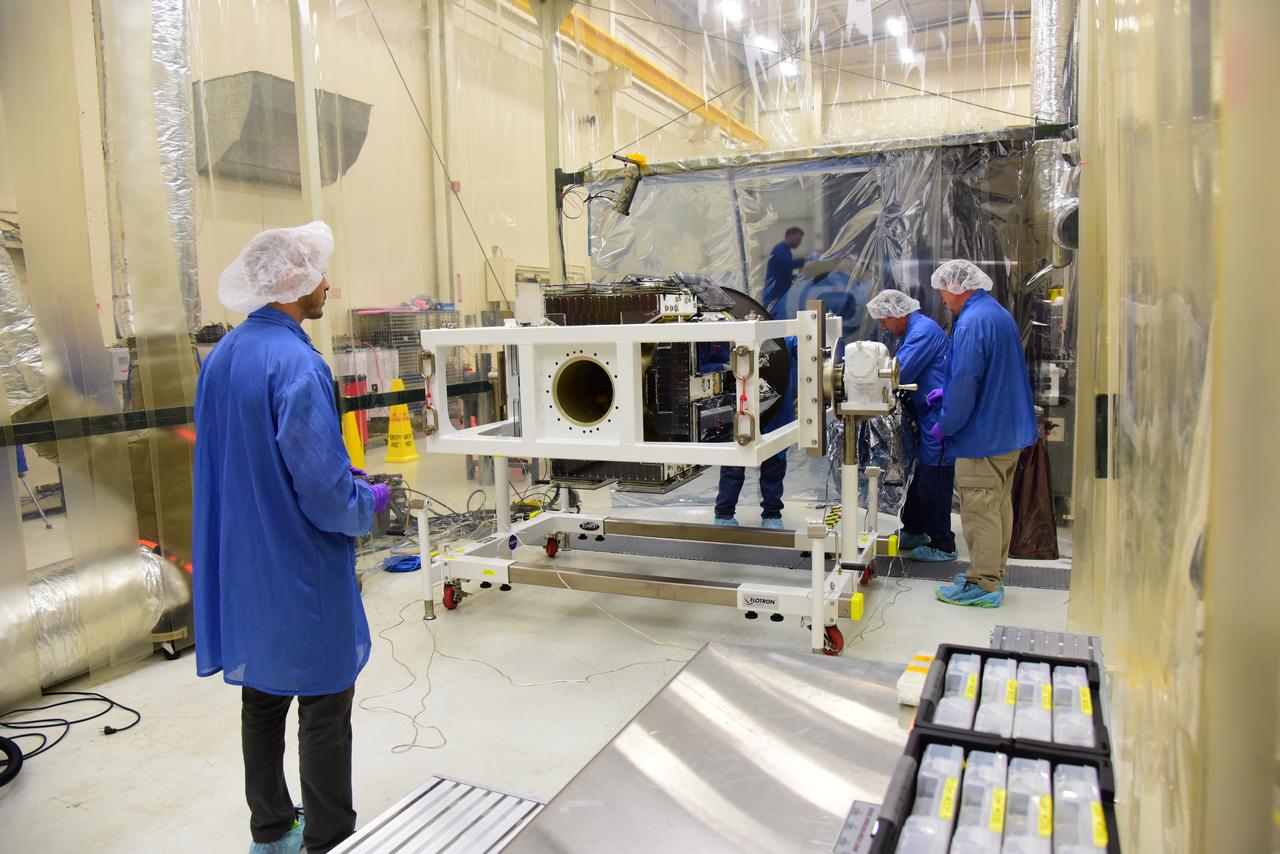
Inside Building 1555 at Vandenberg Air Force Base in California, the eight NASA Cyclone Global Navigation Satellite System (CYGNSS) spacecraft installed on their deployment module undergo inspections prior to NASA’s Kennedy Space Center in Florida. Processing activities will prepare the spacecraft for launch aboard an Orbital ATK Pegasus XL rocket. When preparations are competed at Vandenberg, the rocket will be transported to Kennedy attached to the Orbital ATK L-1011 carrier aircraft with in its payload fairing. CYGNSS will launch on the Pegasus XL rocket from the Skid Strip at Cape Canaveral Air Force Station. CYGNSS will make frequent and accurate measurements of ocean surface winds throughout the life cycle of tropical storms and hurricanes. The data that CYGNSS provides will enable scientists to probe key air-sea interaction processes that take place near the core of storms, which are rapidly changing and play a critical role in the beginning and intensification of hurricanes.

Inside Building 1555 at Vandenberg Air Force Base in California, the eight NASA Cyclone Global Navigation Satellite System (CYGNSS) spacecraft installed on their deployment module undergo inspections prior to NASA’s Kennedy Space Center in Florida. Processing activities will prepare the spacecraft for launch aboard an Orbital ATK Pegasus XL rocket. When preparations are competed at Vandenberg, the rocket will be transported to Kennedy attached to the Orbital ATK L-1011 carrier aircraft with in its payload fairing. CYGNSS will launch on the Pegasus XL rocket from the Skid Strip at Cape Canaveral Air Force Station. CYGNSS will make frequent and accurate measurements of ocean surface winds throughout the life cycle of tropical storms and hurricanes. The data that CYGNSS provides will enable scientists to probe key air-sea interaction processes that take place near the core of storms, which are rapidly changing and play a critical role in the beginning and intensification of hurricanes.
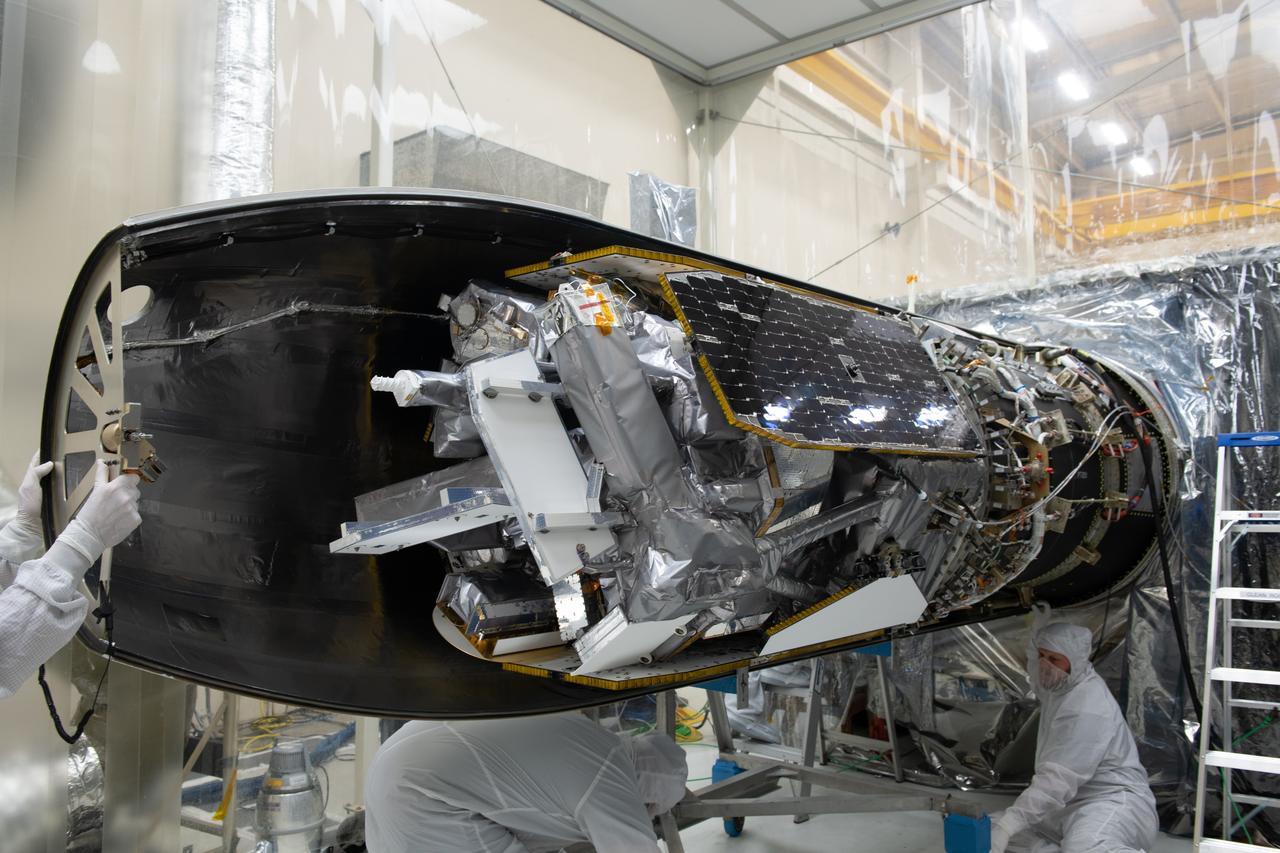
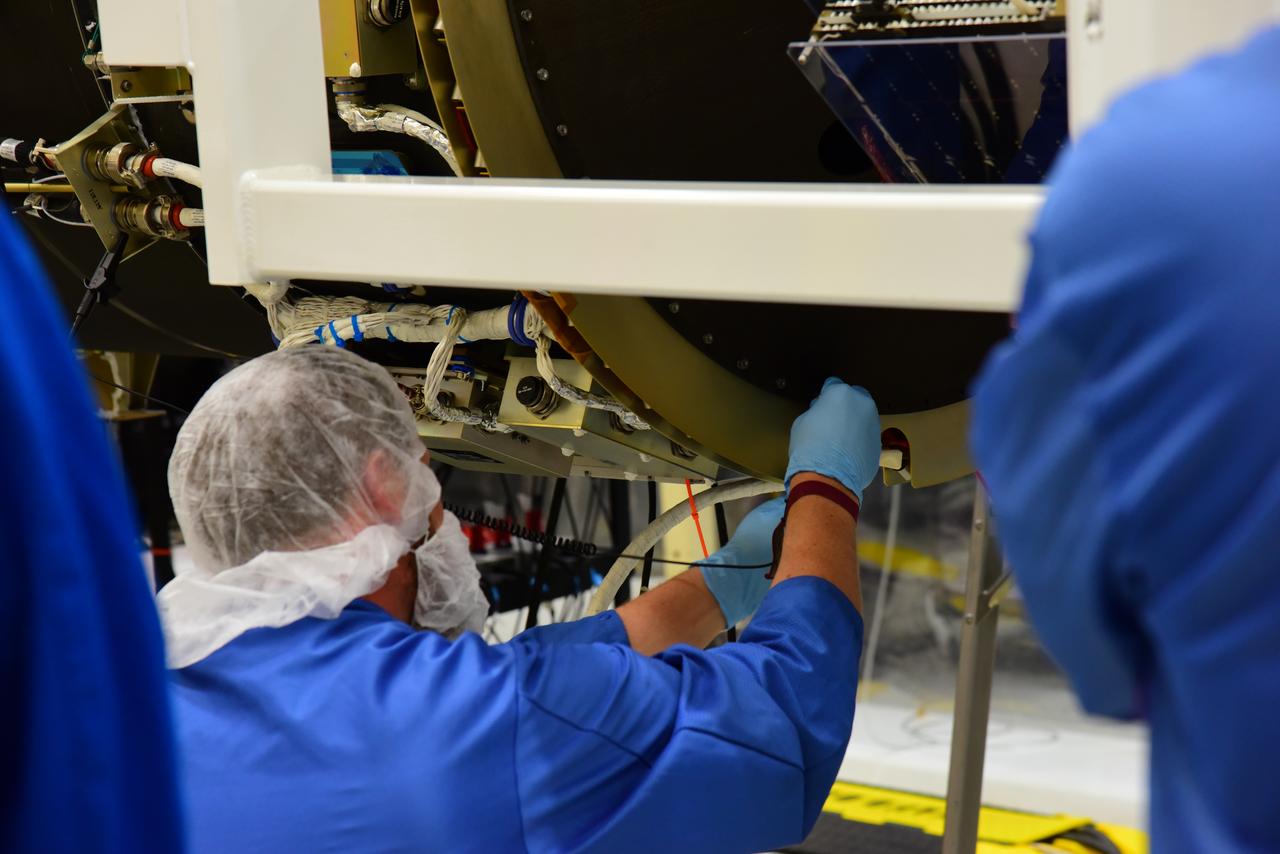
The starboard side of the Northrop Grumman Pegasus XL rocket’s payload fairing has been installed around NASA's Ionospheric Connection Explorer (ICON) inside Building 1555 at Vandenberg Air Force Base in California on Sept. 17, 2019. ICON launched on the Pegasus XL rocket, attached beneath the company's L-1011 Stargazer aircraft, on Oct. 10, 2019, after takeoff from the Skid Strip at Cape Canaveral Air Force Station in Florida. ICON will study the frontier of space - the dynamic zone high in Earth's atmosphere where terrestrial weather from below meets space weather above. The explorer will help determine the physics of Earth's space environment and pave the way for mitigating its effects on our technology, communications systems and society.
Inside Building 1555 at Vandenberg Air Force Base in California, the eight NASA Cyclone Global Navigation Satellite System (CYGNSS) spacecraft installed on their deployment module undergo inspections prior to NASA’s Kennedy Space Center in Florida. Processing activities will prepare the spacecraft for launch aboard an Orbital ATK Pegasus XL rocket. When preparations are competed at Vandenberg, the rocket will be transported to Kennedy attached to the Orbital ATK L-1011 carrier aircraft with in its payload fairing. CYGNSS will launch on the Pegasus XL rocket from the Skid Strip at Cape Canaveral Air Force Station. CYGNSS will make frequent and accurate measurements of ocean surface winds throughout the life cycle of tropical storms and hurricanes. The data that CYGNSS provides will enable scientists to probe key air-sea interaction processes that take place near the core of storms, which are rapidly changing and play a critical role in the beginning and intensification of hurricanes.
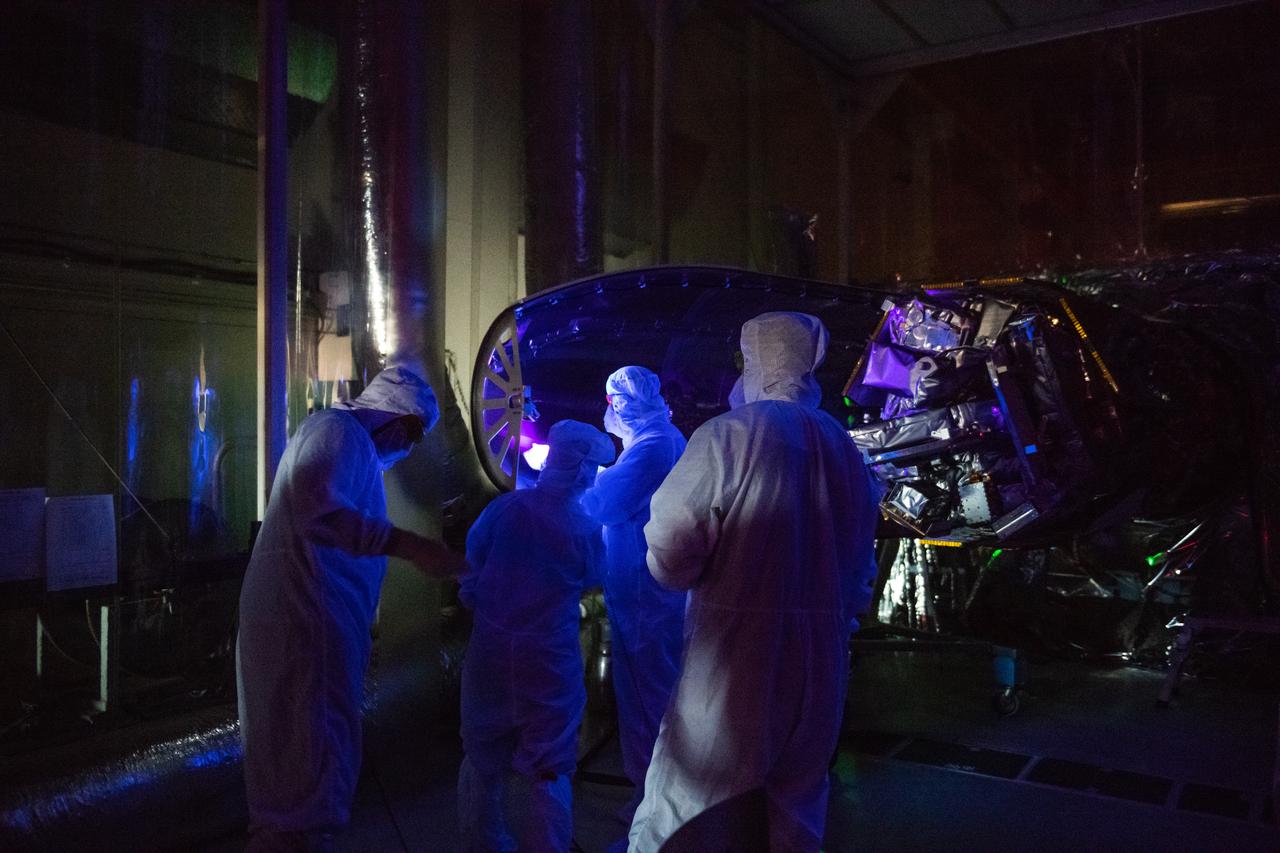
Technicians install the starboard side of the Northrop Grumman Pegasus XL rocket’s payload fairing around NASA's Ionospheric Connection Explorer (ICON) inside Building 1555 at Vandenberg Air Force Base in California on Sept. 17, 2019. ICON launched on the Pegasus XL rocket, attached beneath the company's L-1011 Stargazer aircraft, on Oct. 10, 2019, after takeoff from the Skid Strip at Cape Canaveral Air Force Station in Florida. ICON will study the frontier of space - the dynamic zone high in Earth's atmosphere where terrestrial weather from below meets space weather above. The explorer will help determine the physics of Earth's space environment and pave the way for mitigating its effects on our technology, communications systems and society.
The starboard side of the Northrop Grumman Pegasus XL rocket’s payload fairing is ready for installation around NASA's Ionospheric Connection Explorer (ICON) inside Building 1555 at Vandenberg Air Force Base in California on Sept. 17, 2019. ICON launched on the Pegasus XL rocket, attached beneath the company's L-1011 Stargazer aircraft, on Oct. 10, 2019, after takeoff from the Skid Strip at Cape Canaveral Air Force Station in Florida. ICON will study the frontier of space - the dynamic zone high in Earth's atmosphere where terrestrial weather from below meets space weather above. The explorer will help determine the physics of Earth's space environment and pave the way for mitigating its effects on our technology, communications systems and society.
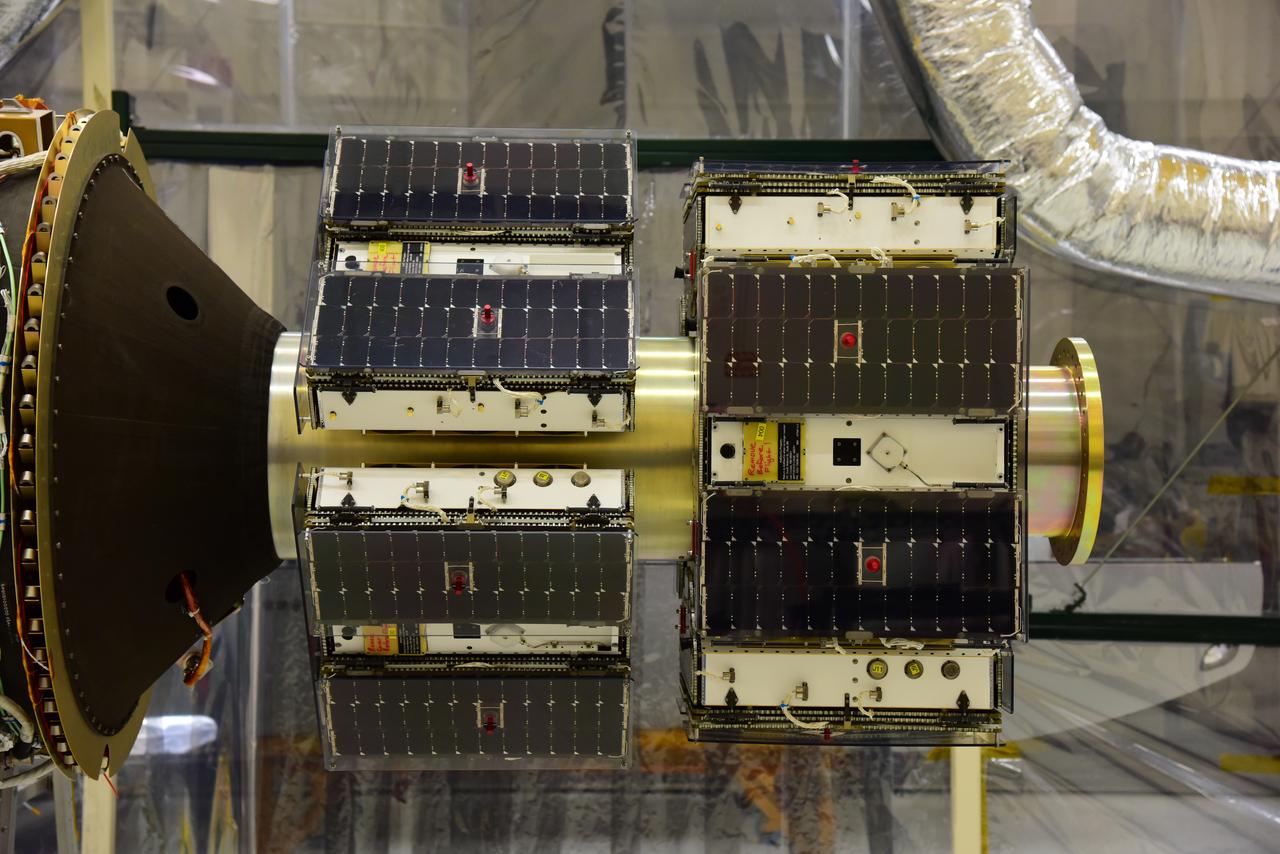
Inside Building 1555 at Vandenberg Air Force Base in California, the eight NASA Cyclone Global Navigation Satellite System (CYGNSS) spacecraft installed on their deployment module undergo inspections prior to NASA’s Kennedy Space Center in Florida. Processing activities will prepare the spacecraft for launch aboard an Orbital ATK Pegasus XL rocket. When preparations are competed at Vandenberg, the rocket will be transported to Kennedy attached to the Orbital ATK L-1011 carrier aircraft with in its payload fairing. CYGNSS will launch on the Pegasus XL rocket from the Skid Strip at Cape Canaveral Air Force Station. CYGNSS will make frequent and accurate measurements of ocean surface winds throughout the life cycle of tropical storms and hurricanes. The data that CYGNSS provides will enable scientists to probe key air-sea interaction processes that take place near the core of storms, which are rapidly changing and play a critical role in the beginning and intensification of hurricanes.
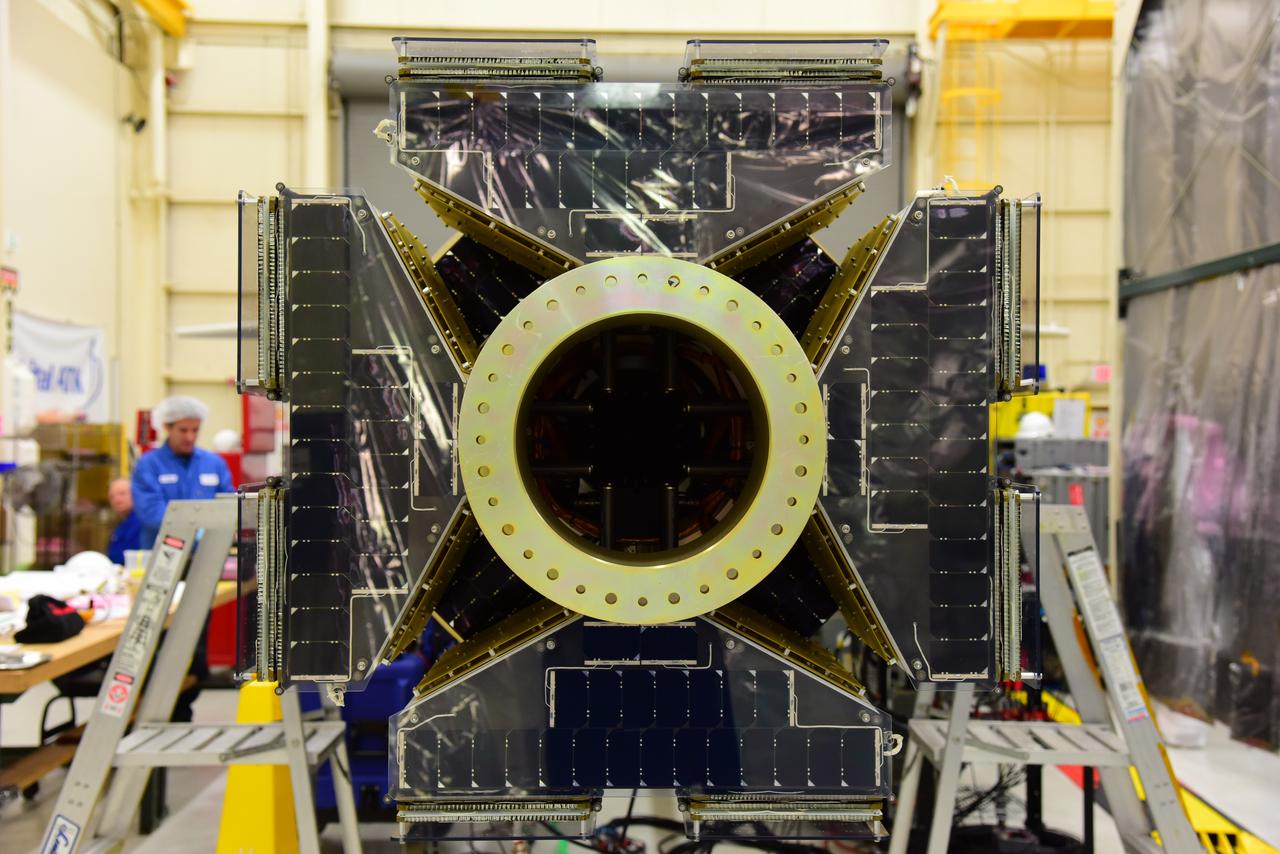
Inside Building 1555 at Vandenberg Air Force Base in California, the eight NASA Cyclone Global Navigation Satellite System (CYGNSS) spacecraft installed on their deployment module undergo inspections prior to NASA’s Kennedy Space Center in Florida. Processing activities will prepare the spacecraft for launch aboard an Orbital ATK Pegasus XL rocket. When preparations are competed at Vandenberg, the rocket will be transported to Kennedy attached to the Orbital ATK L-1011 carrier aircraft with in its payload fairing. CYGNSS will launch on the Pegasus XL rocket from the Skid Strip at Cape Canaveral Air Force Station. CYGNSS will make frequent and accurate measurements of ocean surface winds throughout the life cycle of tropical storms and hurricanes. The data that CYGNSS provides will enable scientists to probe key air-sea interaction processes that take place near the core of storms, which are rapidly changing and play a critical role in the beginning and intensification of hurricanes.
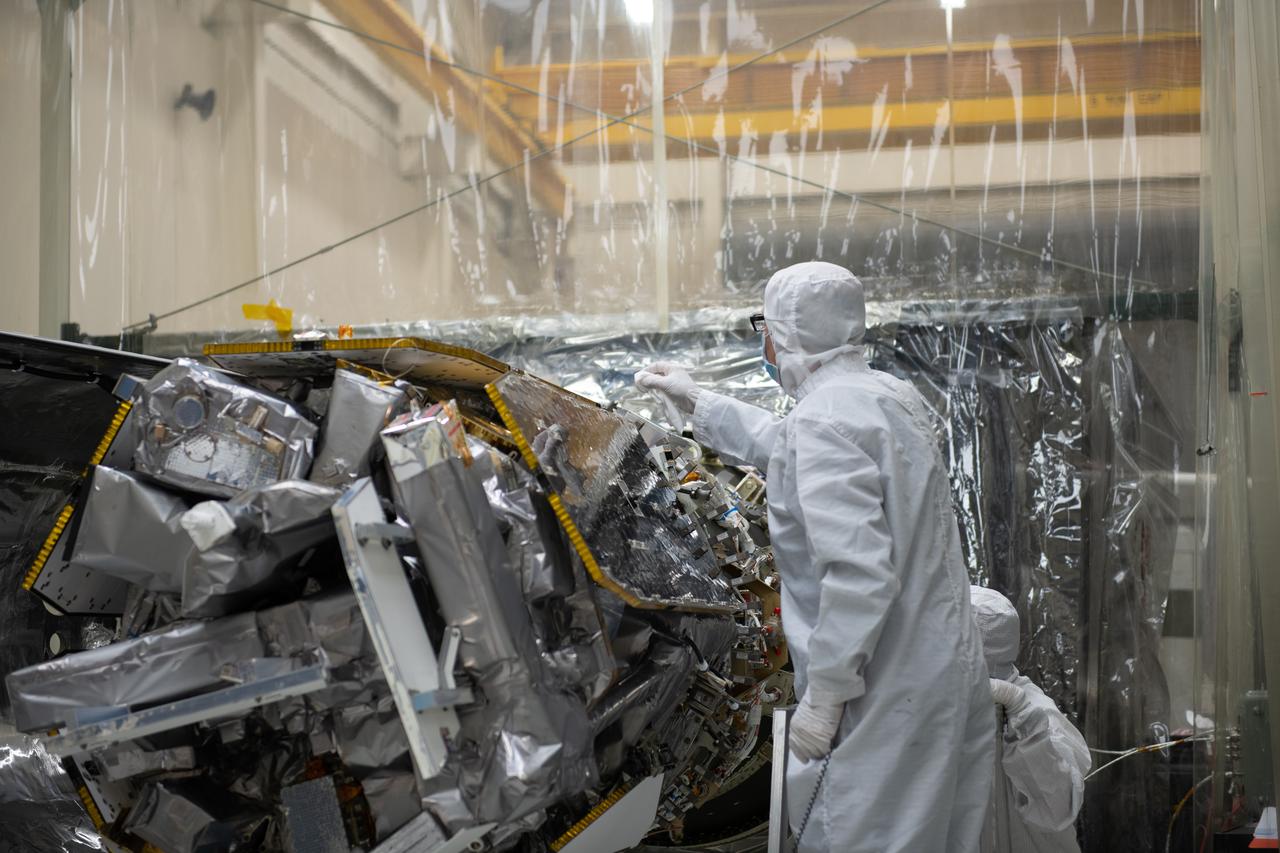
Technicians prepare to install the starboard side of the Northrop Grumman Pegasus XL rocket’s payload fairing around NASA's Ionospheric Connection Explorer (ICON) inside Building 1555 at Vandenberg Air Force Base in California on Sept. 17, 2019. ICON launched on the Pegasus XL rocket, attached beneath the company's L-1011 Stargazer aircraft, on Oct. 10, 2019, after takeoff from the Skid Strip at Cape Canaveral Air Force Station in Florida. ICON will study the frontier of space - the dynamic zone high in Earth's atmosphere where terrestrial weather from below meets space weather above. The explorer will help determine the physics of Earth's space environment and pave the way for mitigating its effects on our technology, communications systems and society.
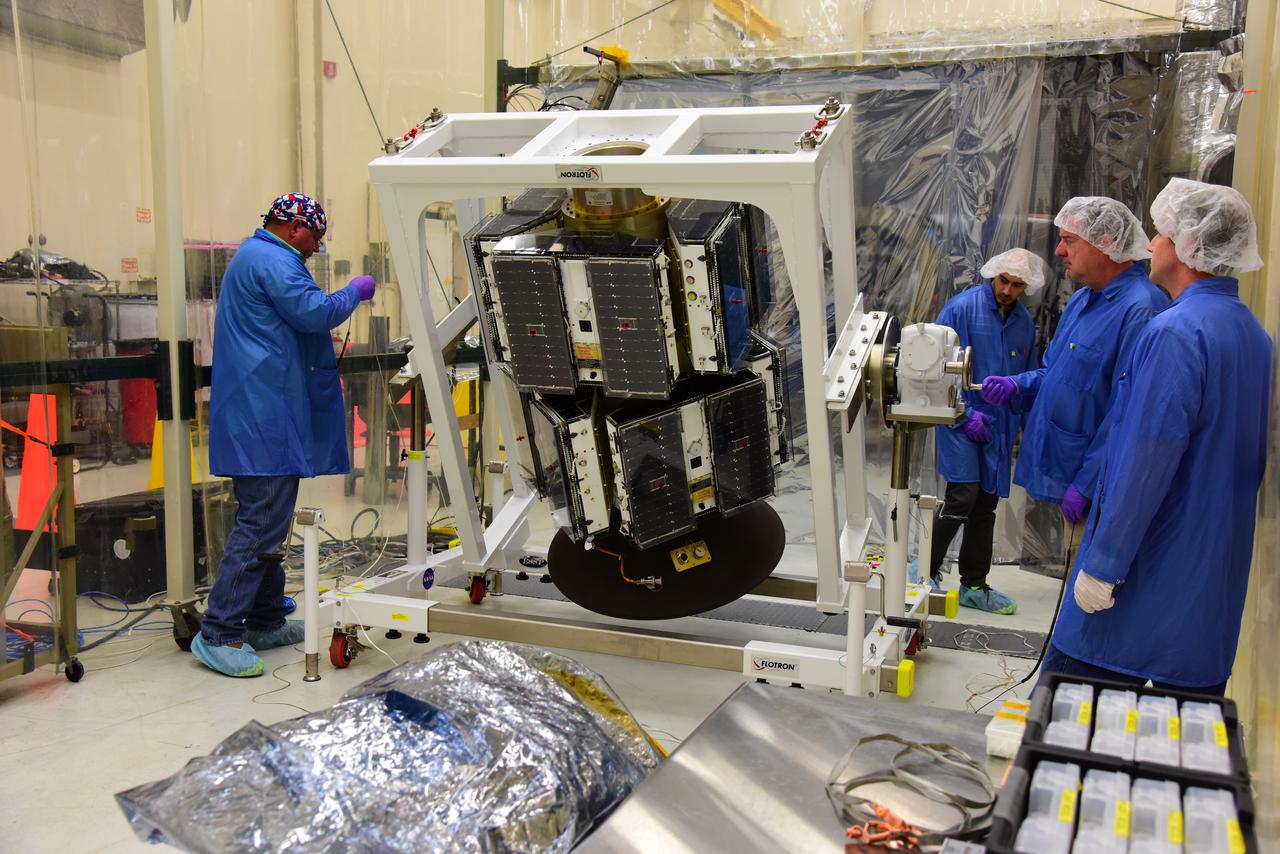
Inside Building 1555 at Vandenberg Air Force Base in California, the eight NASA Cyclone Global Navigation Satellite System (CYGNSS) spacecraft installed on their deployment module undergo inspections prior to NASA’s Kennedy Space Center in Florida. Processing activities will prepare the spacecraft for launch aboard an Orbital ATK Pegasus XL rocket. When preparations are competed at Vandenberg, the rocket will be transported to Kennedy attached to the Orbital ATK L-1011 carrier aircraft with in its payload fairing. CYGNSS will launch on the Pegasus XL rocket from the Skid Strip at Cape Canaveral Air Force Station. CYGNSS will make frequent and accurate measurements of ocean surface winds throughout the life cycle of tropical storms and hurricanes. The data that CYGNSS provides will enable scientists to probe key air-sea interaction processes that take place near the core of storms, which are rapidly changing and play a critical role in the beginning and intensification of hurricanes.
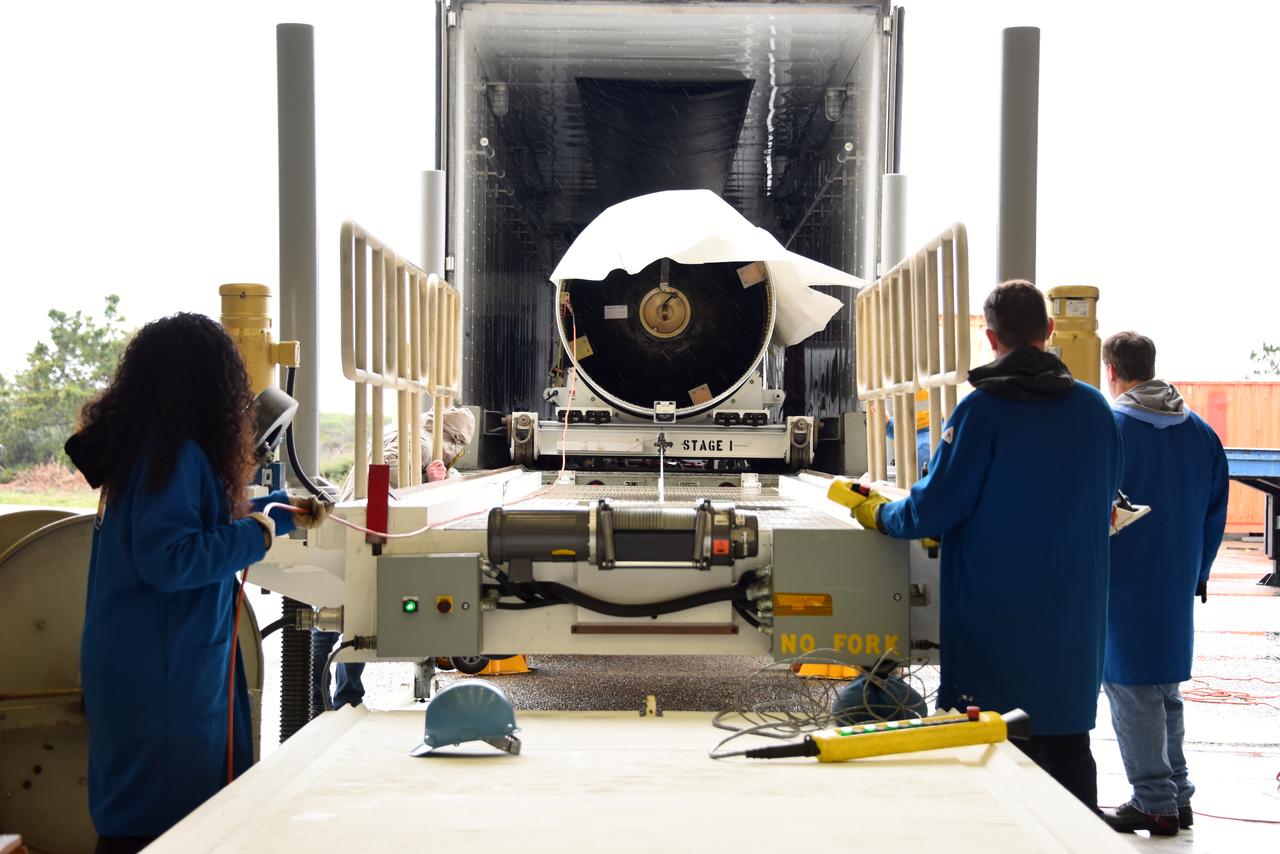
The first stage motor for the Orbital ATK Pegasus XL rocket is offloaded from a truck at Building 1555 at Vandenberg Air Force Base in California. The Pegasus rocket is being prepared for NASA's Ionospheric Connection Explorer, or ICON, mission. ICON will launch from the Kwajalein Atoll aboard the Pegasus XL on Dec. 8, 2017. ICON will study the frontier of space - the dynamic zone high in Earth's atmosphere where terrestrial weather from below meets space weather above. The explorer will help determine the physics of Earth's space environment and pave the way for mitigating its effects on our technology, communications systems and society.
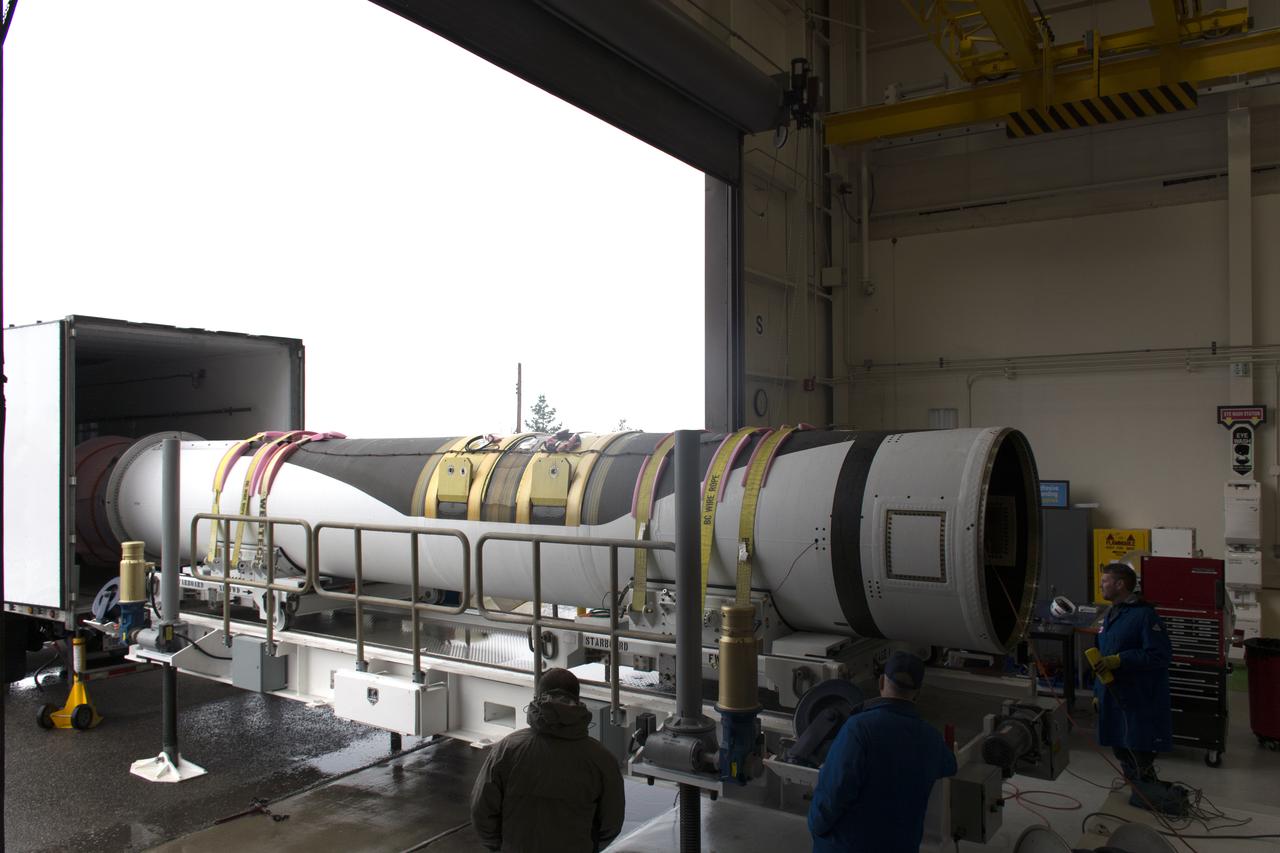
The first stage motor for the Orbital ATK Pegasus XL rocket arrives by truck at Building 1555 at Vandenberg Air Force Base in California. The Pegasus rocket is being prepared for NASA's Ionospheric Connection Explorer, or ICON, mission. ICON will launch from the Kwajalein Atoll aboard the Pegasus XL on Dec. 8, 2017. ICON will study the frontier of space - the dynamic zone high in Earth's atmosphere where terrestrial weather from below meets space weather above. The explorer will help determine the physics of Earth's space environment and pave the way for mitigating its effects on our technology, communications systems and society.
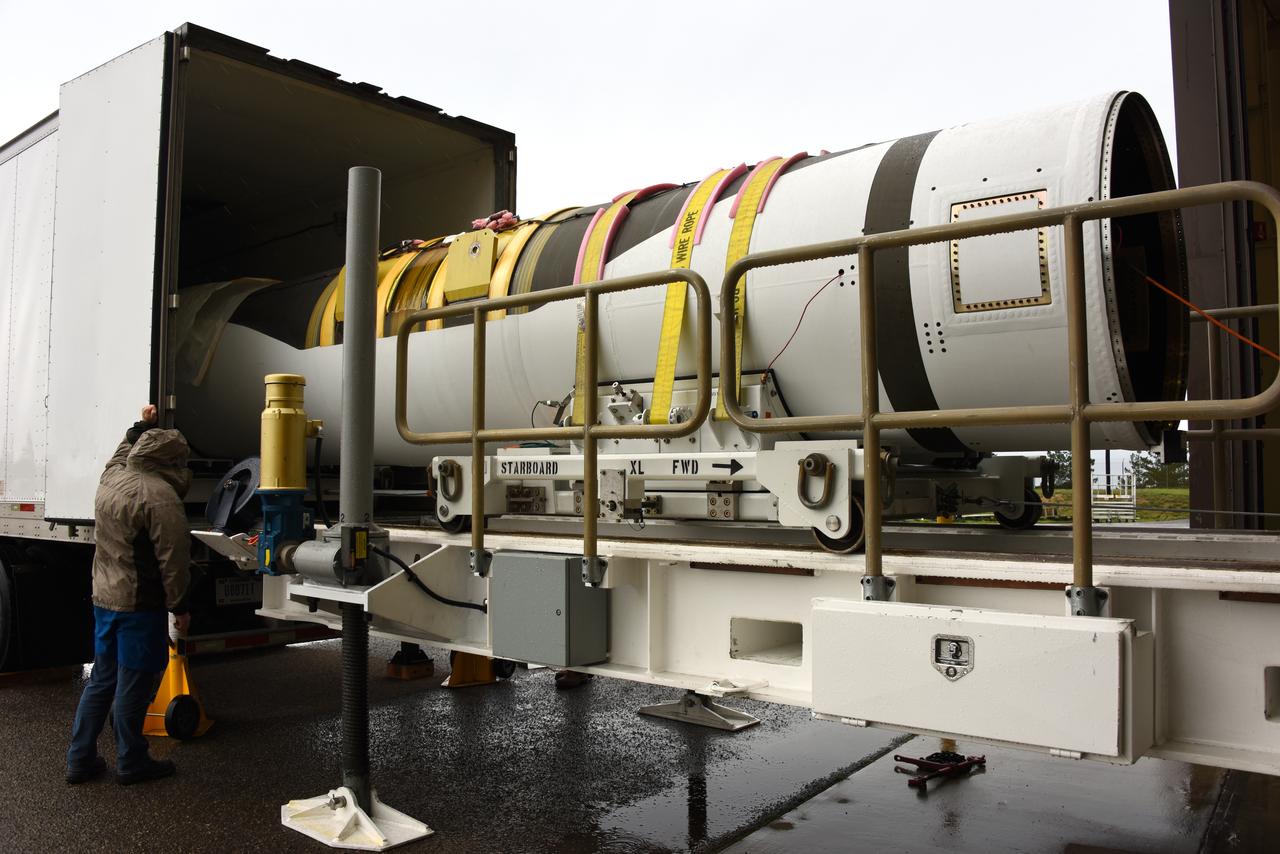
The first stage motor for the Orbital ATK Pegasus XL rocket is offloaded from a truck at Building 1555 at Vandenberg Air Force Base in California. The Pegasus rocket is being prepared for NASA's Ionospheric Connection Explorer, or ICON, mission. ICON will launch from the Kwajalein Atoll aboard the Pegasus XL on Dec. 8, 2017. ICON will study the frontier of space - the dynamic zone high in Earth's atmosphere where terrestrial weather from below meets space weather above. The explorer will help determine the physics of Earth's space environment and pave the way for mitigating its effects on our technology, communications systems and society.
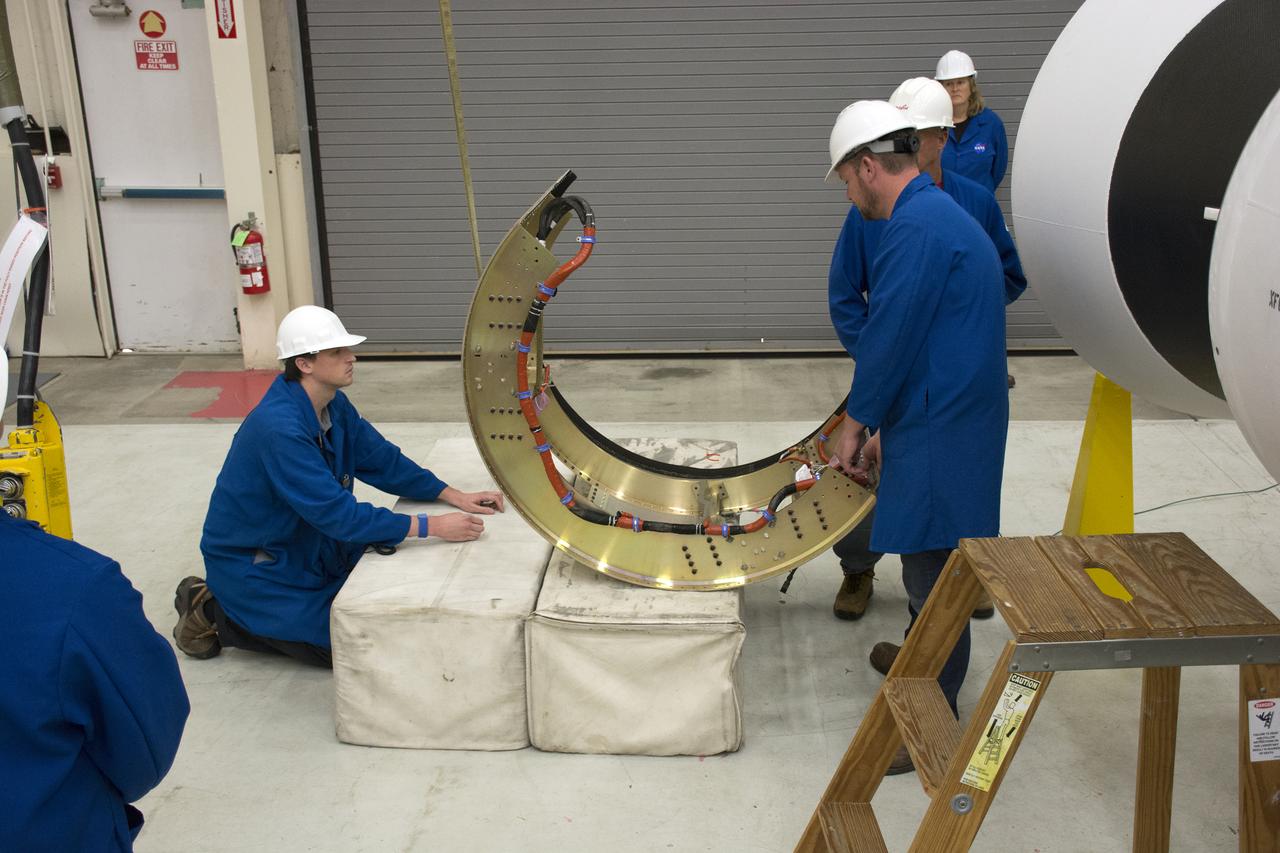
Inside Building 1555 at Vandenberg Air Force Base in California, technicians and engineers install the first stage aft skirt on the Orbital ATK Pegasus XL rocket which will launch eight NASA Cyclone Global Navigation Satellite System, or CYGNSS, spacecraft. When preparations are completed at Vandenberg, the rocket, with CYGNSS in its payload fairing, will be attached to the Orbital ATK L-1011 carrier aircraft and transported to NASA’s Kennedy Space Center in Florida. On Dec. 12, 2016, the carrier aircraft is scheduled to take off from the Skid Strip at Cape Canaveral Air Force Station and CYGNSS will launch on the Pegasus XL rocket with the L-1011 flying off shore. CYGNSS will make frequent and accurate measurements of ocean surface winds throughout the life cycle of tropical storms and hurricanes. The data that CYGNSS provides will enable scientists to probe key air-sea interaction processes that take place near the core of storms, which are rapidly changing and play a critical role in the beginning and intensification of hurricanes.
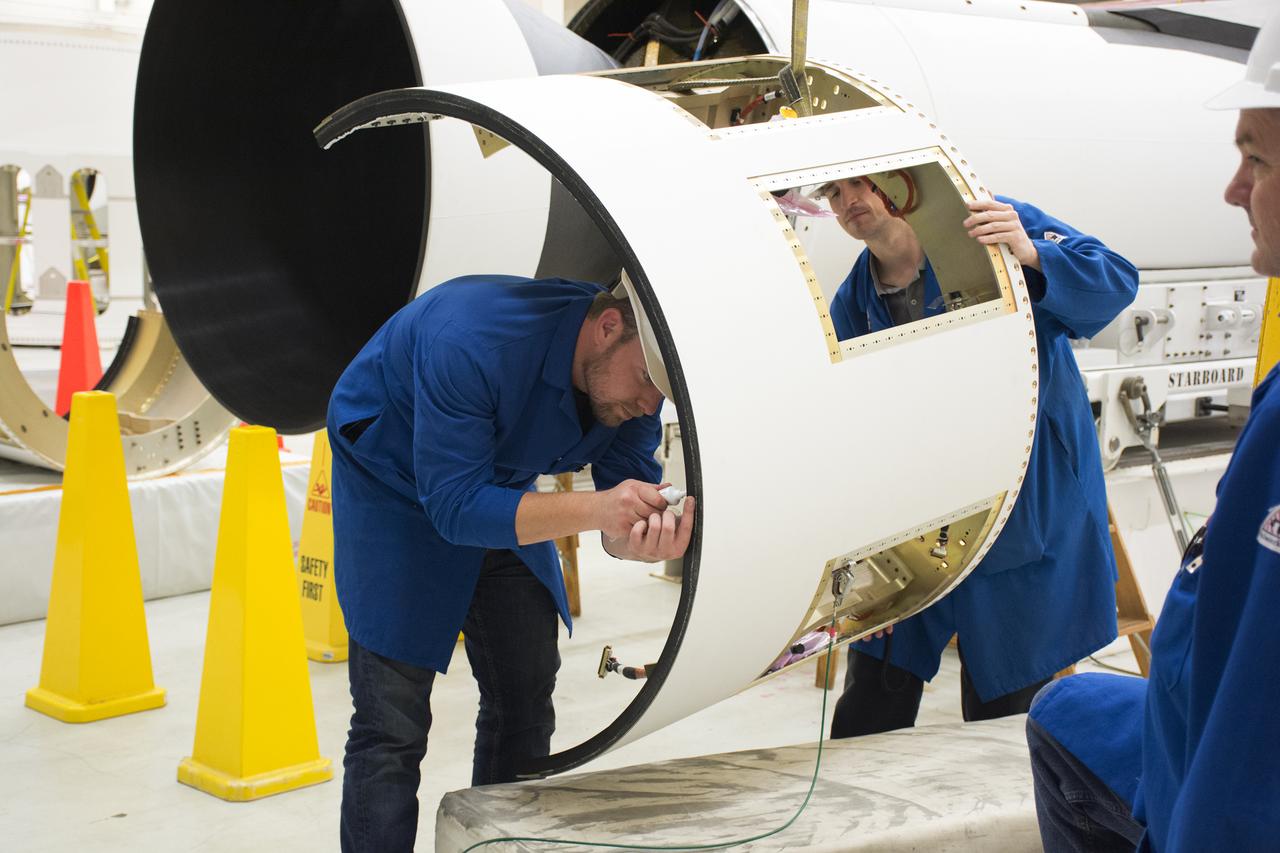
Inside Building 1555 at Vandenberg Air Force Base in California, technicians and engineers install the first stage aft skirt on the Orbital ATK Pegasus XL rocket which will launch eight NASA Cyclone Global Navigation Satellite System, or CYGNSS, spacecraft. When preparations are completed at Vandenberg, the rocket, with CYGNSS in its payload fairing, will be attached to the Orbital ATK L-1011 carrier aircraft and transported to NASA’s Kennedy Space Center in Florida. On Dec. 12, 2016, the carrier aircraft is scheduled to take off from the Skid Strip at Cape Canaveral Air Force Station and CYGNSS will launch on the Pegasus XL rocket with the L-1011 flying off shore. CYGNSS will make frequent and accurate measurements of ocean surface winds throughout the life cycle of tropical storms and hurricanes. The data that CYGNSS provides will enable scientists to probe key air-sea interaction processes that take place near the core of storms, which are rapidly changing and play a critical role in the beginning and intensification of hurricanes.
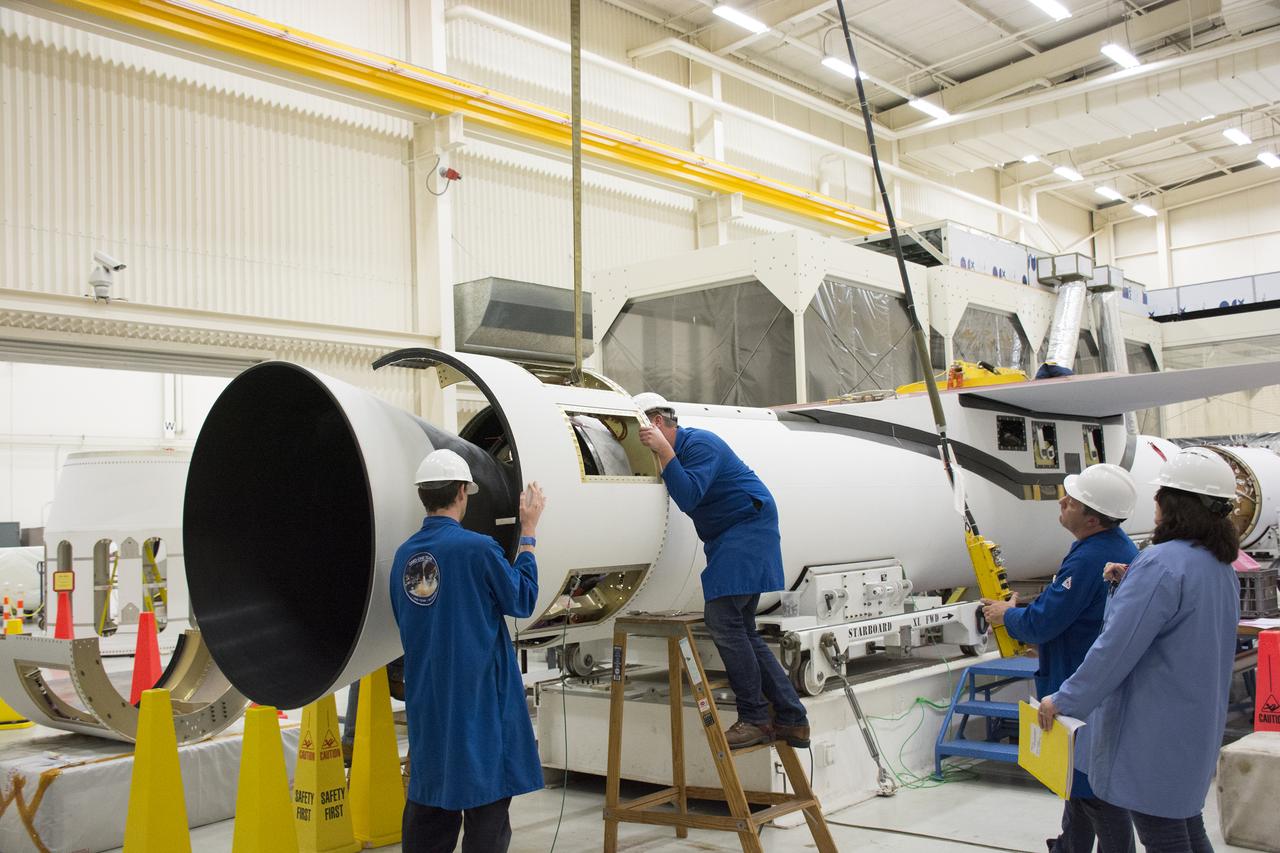
Inside Building 1555 at Vandenberg Air Force Base in California, technicians and engineers install the first stage aft skirt on the Orbital ATK Pegasus XL rocket which will launch eight NASA Cyclone Global Navigation Satellite System, or CYGNSS, spacecraft. When preparations are completed at Vandenberg, the rocket, with CYGNSS in its payload fairing, will be attached to the Orbital ATK L-1011 carrier aircraft and transported to NASA’s Kennedy Space Center in Florida. On Dec. 12, 2016, the carrier aircraft is scheduled to take off from the Skid Strip at Cape Canaveral Air Force Station and CYGNSS will launch on the Pegasus XL rocket with the L-1011 flying off shore. CYGNSS will make frequent and accurate measurements of ocean surface winds throughout the life cycle of tropical storms and hurricanes. The data that CYGNSS provides will enable scientists to probe key air-sea interaction processes that take place near the core of storms, which are rapidly changing and play a critical role in the beginning and intensification of hurricanes.
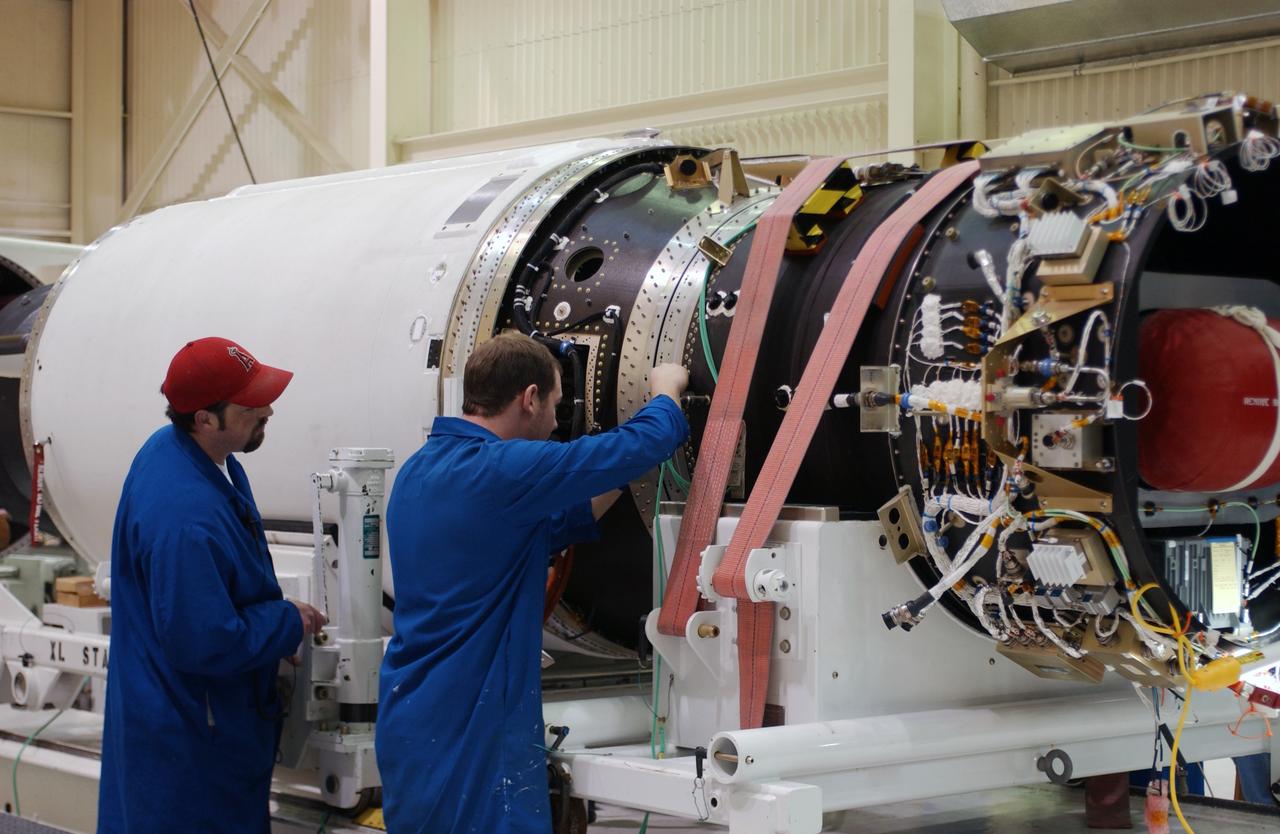
At Vandenberg Air Force Base in California, the three stages of the Orbital Sciences Pegasus XL are being mated for the launch of NASA's Aeronomy of Ice in the Mesosphere, or AIM, spacecraft. AIM is the seventh Small Explorers mission under NASA's Explorer Program. The program provides frequent flight opportunities for world-class scientific investigations from space within heliophysics and astrophysics. The AIM spacecraft will fly three instruments designed to study polar mesospheric clouds located at the edge of space, 50 miles above the Earth's surface in the coldest part of the planet's atmosphere. The mission's primary goal is to explain why these clouds form and what has caused them to become brighter and more numerous and appear at lower latitudes in recent years. AIM's results will provide the basis for the study of long-term variability in the mesospheric climate and its relationship to global climate change. AIM is scheduled to be mated to the Pegasus XL during the second week of April, after which final inspections will be conducted. Launch is scheduled for April 25.

At Vandenberg Air Force Base in California, the second and third stages of the Orbital Sciences Pegasus XL rocket wait for mating. The rocket is the launch vehicle for the NASA's Aeronomy of Ice in the Mesosphere, or AIM, spacecraft. AIM is the seventh Small Explorers mission under NASA's Explorer Program. The program provides frequent flight opportunities for world-class scientific investigations from space within heliophysics and astrophysics. The AIM spacecraft will fly three instruments designed to study polar mesospheric clouds located at the edge of space, 50 miles above the Earth's surface in the coldest part of the planet's atmosphere. The mission's primary goal is to explain why these clouds form and what has caused them to become brighter and more numerous and appear at lower latitudes in recent years. AIM's results will provide the basis for the study of long-term variability in the mesospheric climate and its relationship to global climate change. AIM is scheduled to be mated to the Pegasus XL during the second week of April, after which final inspections will be conducted. Launch is scheduled for April 25.
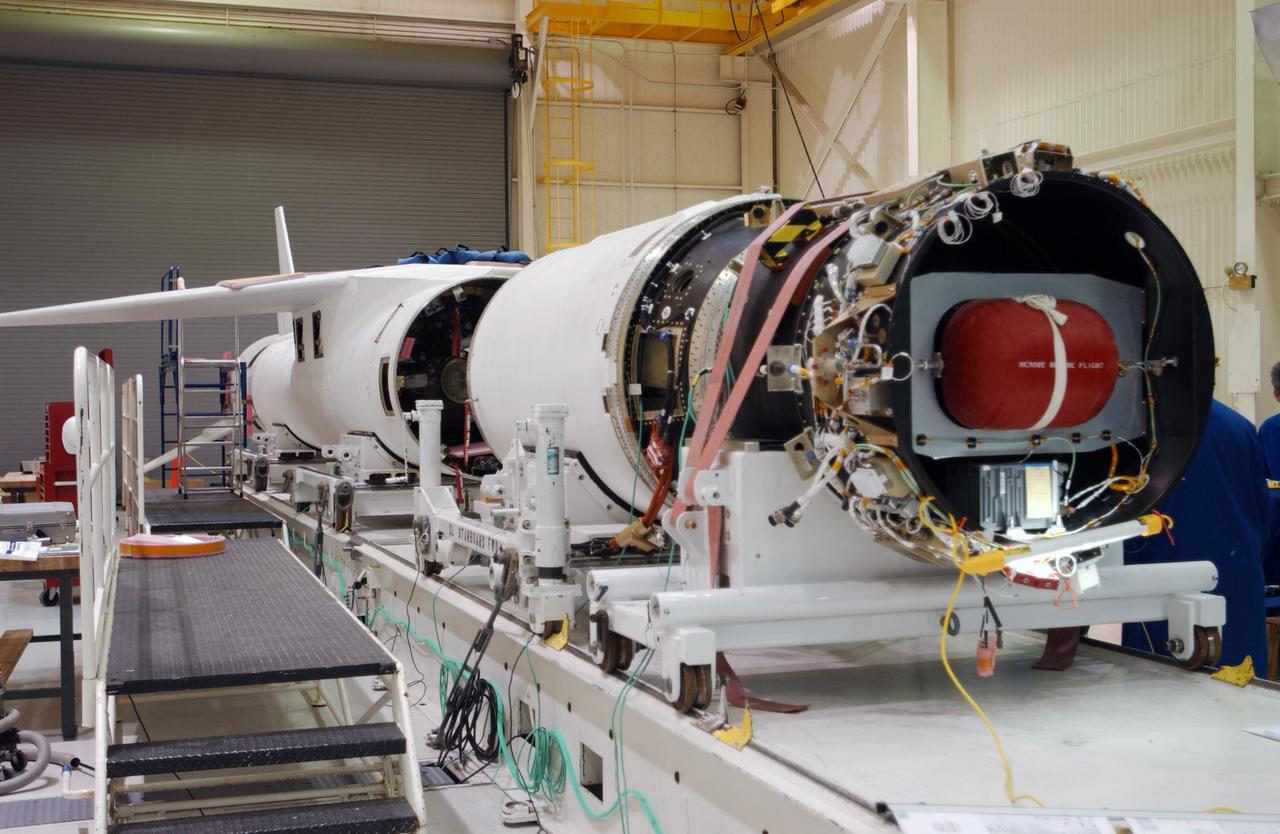
At Vandenberg Air Force Base in California, the three stages of the Orbital Sciences Pegasus XL are being mated for the launch of NASA's Aeronomy of Ice in the Mesosphere, or AIM, spacecraft. AIM is the seventh Small Explorers mission under NASA's Explorer Program. The program provides frequent flight opportunities for world-class scientific investigations from space within heliophysics and astrophysics. The AIM spacecraft will fly three instruments designed to study polar mesospheric clouds located at the edge of space, 50 miles above the Earth's surface in the coldest part of the planet's atmosphere. The mission's primary goal is to explain why these clouds form and what has caused them to become brighter and more numerous and appear at lower latitudes in recent years. AIM's results will provide the basis for the study of long-term variability in the mesospheric climate and its relationship to global climate change. AIM is scheduled to be mated to the Pegasus XL during the second week of April, after which final inspections will be conducted. Launch is scheduled for April 25.
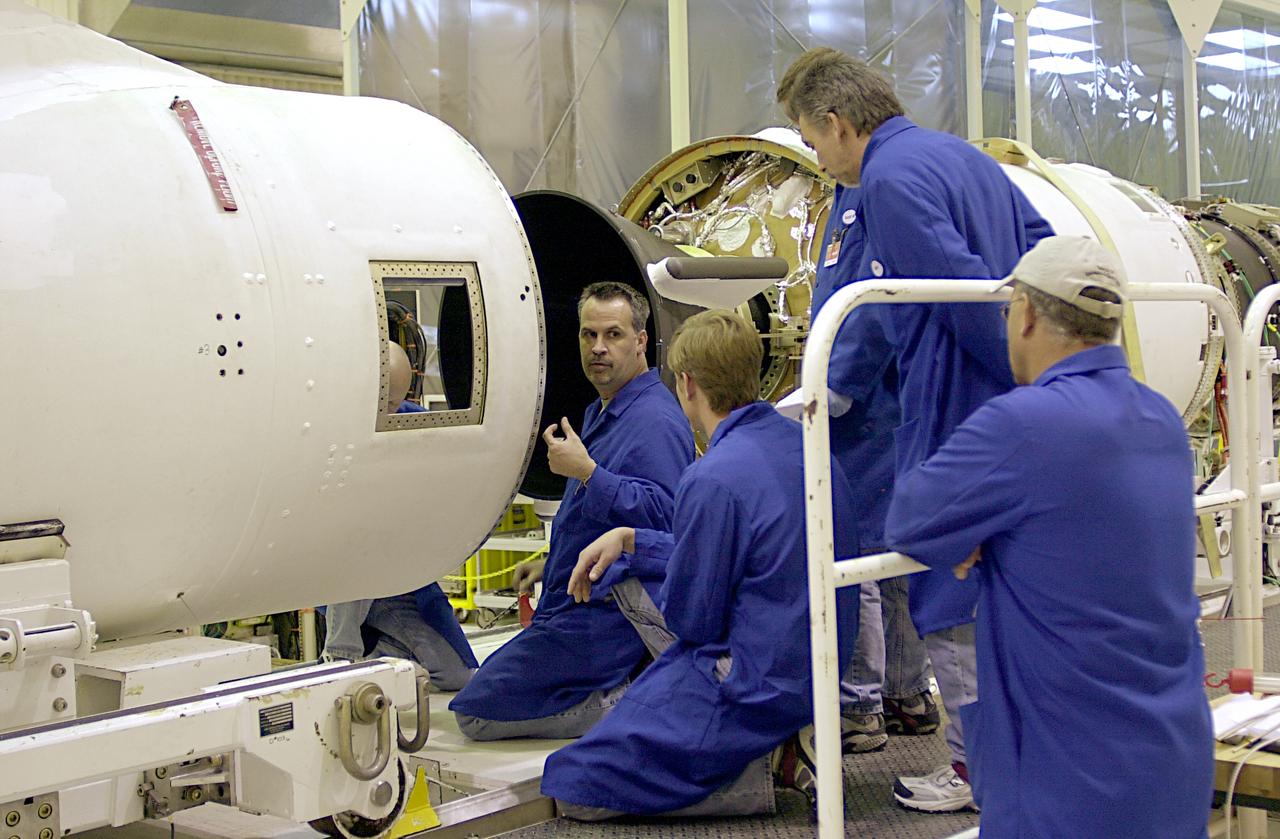
At Vandenberg Air Force Base in California, technicians discuss the process for mating the first and second stages of the Orbital Sciences Pegasus XL rocket in front of them. The rocket is the launch vehicle for NASA's Aeronomy of Ice in the Mesosphere, or AIM, spacecraft. AIM is the seventh Small Explorers mission under NASA's Explorer Program. The program provides frequent flight opportunities for world-class scientific investigations from space within heliophysics and astrophysics. The AIM spacecraft will fly three instruments designed to study polar mesospheric clouds located at the edge of space, 50 miles above the Earth's surface in the coldest part of the planet's atmosphere. The mission's primary goal is to explain why these clouds form and what has caused them to become brighter and more numerous and appear at lower latitudes in recent years. AIM's results will provide the basis for the study of long-term variability in the mesospheric climate and its relationship to global climate change. AIM is scheduled to be mated to the Pegasus XL during the second week of April, after which final inspections will be conducted. Launch is scheduled for April 25.
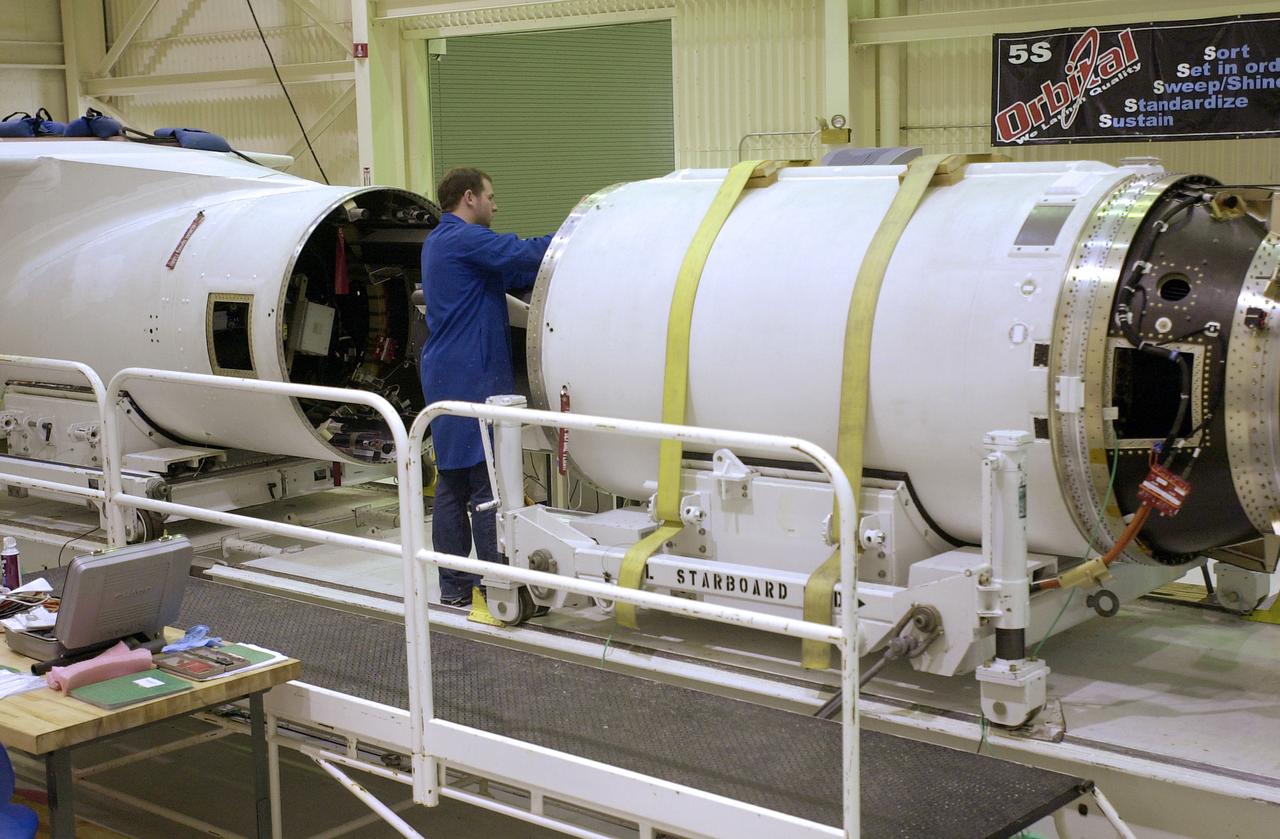
At Vandenberg Air Force Base in California, a technician on the work stand prepares the second stage of the Orbital Sciences Pegasus XL rocket to be mated to the first stage, at left, for the launch of NASA's Aeronomy of Ice in the Mesosphere, or AIM, spacecraft. AIM is the seventh Small Explorers mission under NASA's Explorer Program. The program provides frequent flight opportunities for world-class scientific investigations from space within heliophysics and astrophysics. The AIM spacecraft will fly three instruments designed to study polar mesospheric clouds located at the edge of space, 50 miles above the Earth's surface in the coldest part of the planet's atmosphere. The mission's primary goal is to explain why these clouds form and what has caused them to become brighter and more numerous and appear at lower latitudes in recent years. AIM's results will provide the basis for the study of long-term variability in the mesospheric climate and its relationship to global climate change. AIM is scheduled to be mated to the Pegasus XL during the second week of April, after which final inspections will be conducted. Launch is scheduled for April 25.
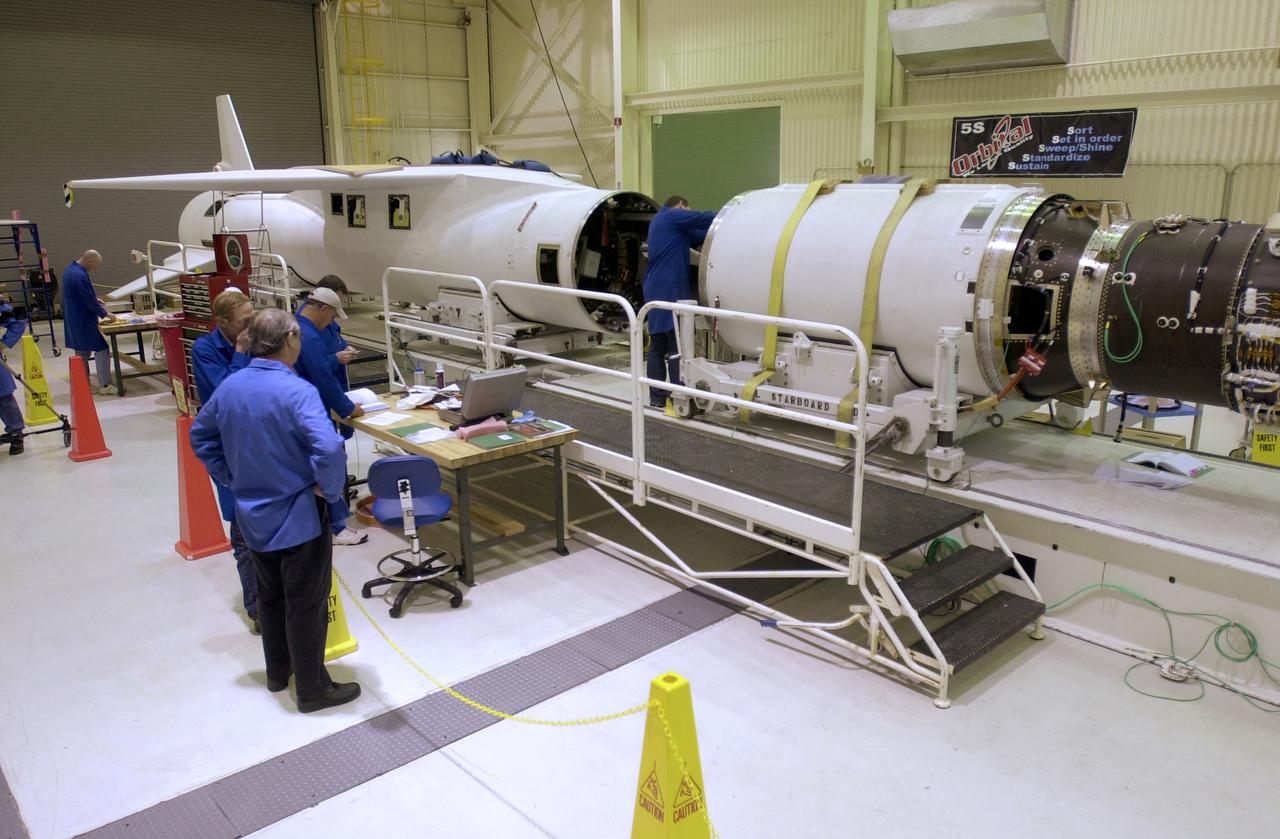
At Vandenberg Air Force Base in California, a technician on the work stand (center) prepares the second stage of the Orbital Sciences Pegasus XL rocket to be mated to the first stage, at left, for the launch of NASA's Aeronomy of Ice in the Mesosphere, or AIM, spacecraft. AIM is the seventh Small Explorers mission under NASA's Explorer Program. The program provides frequent flight opportunities for world-class scientific investigations from space within heliophysics and astrophysics. The AIM spacecraft will fly three instruments designed to study polar mesospheric clouds located at the edge of space, 50 miles above the Earth's surface in the coldest part of the planet's atmosphere. The mission's primary goal is to explain why these clouds form and what has caused them to become brighter and more numerous and appear at lower latitudes in recent years. AIM's results will provide the basis for the study of long-term variability in the mesospheric climate and its relationship to global climate change. AIM is scheduled to be mated to the Pegasus XL during the second week of April, after which final inspections will be conducted. Launch is scheduled for April 25.
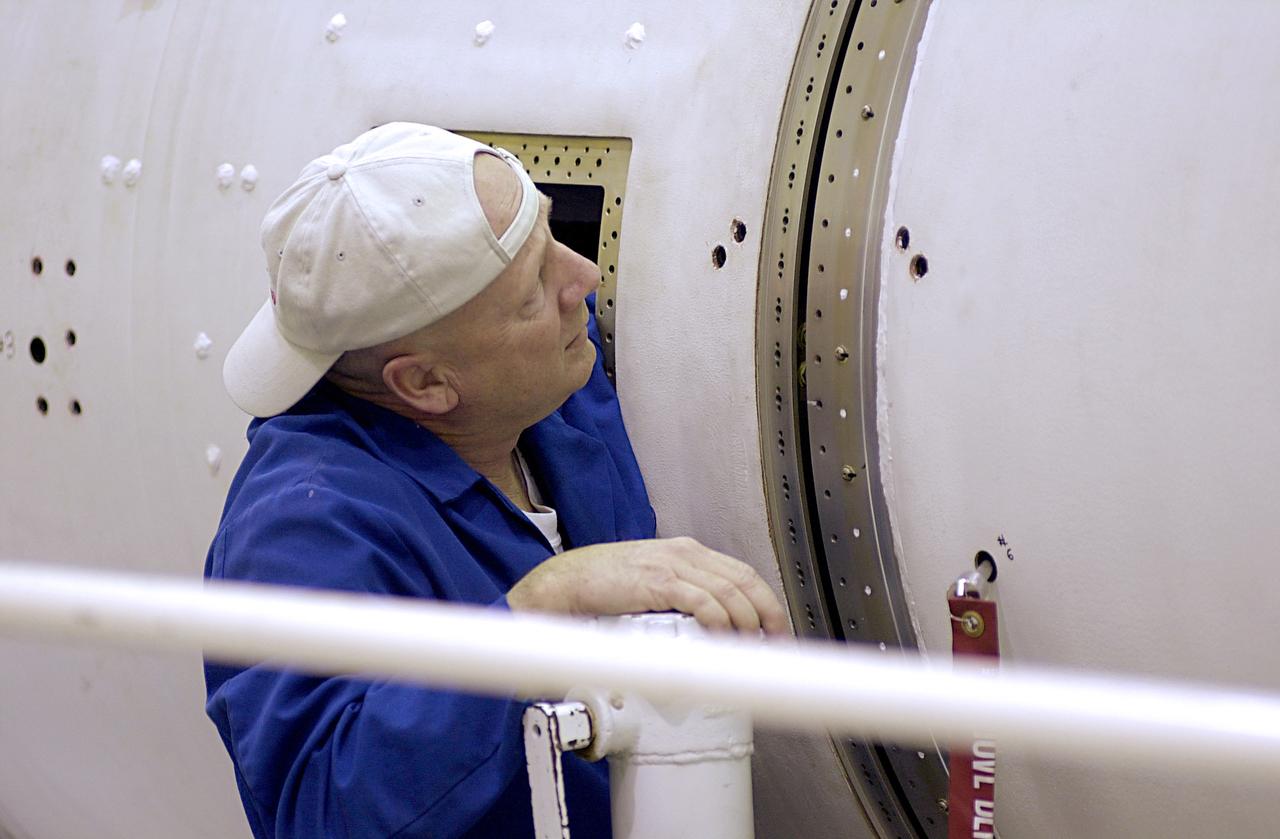
At Vandenberg Air Force Base in California, a technician checks the final step in mating of the first and second stages of the Orbital Sciences Pegasus XL rocket. The rocket is the launch vehicle for NASA's Aeronomy of Ice in the Mesosphere, or AIM, spacecraft. AIM is the seventh Small Explorers mission under NASA's Explorer Program. The program provides frequent flight opportunities for world-class scientific investigations from space within heliophysics and astrophysics. The AIM spacecraft will fly three instruments designed to study polar mesospheric clouds located at the edge of space, 50 miles above the Earth's surface in the coldest part of the planet's atmosphere. The mission's primary goal is to explain why these clouds form and what has caused them to become brighter and more numerous and appear at lower latitudes in recent years. AIM's results will provide the basis for the study of long-term variability in the mesospheric climate and its relationship to global climate change. AIM is scheduled to be mated to the Pegasus XL during the second week of April, after which final inspections will be conducted. Launch is scheduled for April 25.
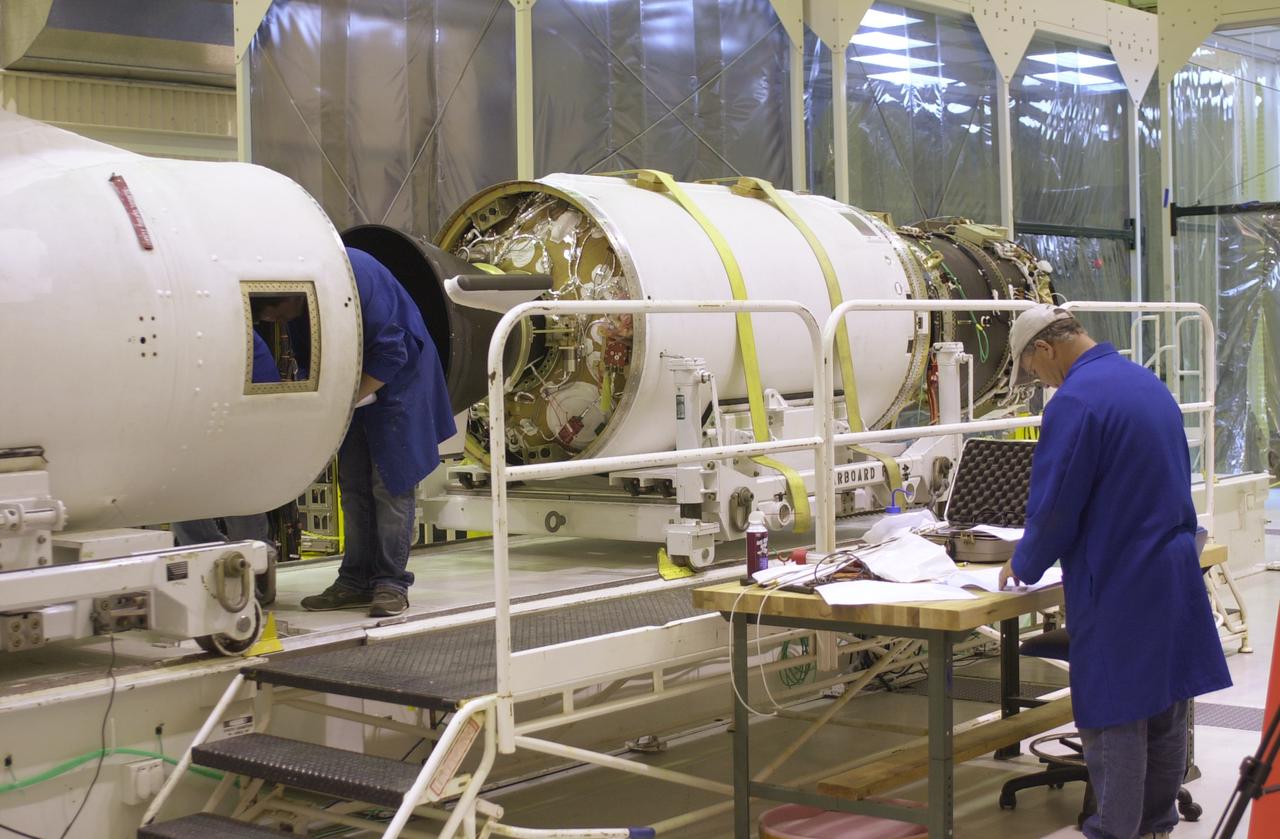
At Vandenberg Air Force Base in California, a technician on the work stand prepares the first stage of the Orbital Sciences Pegasus XL rocket, at left, to be mated to the second stage, at right, for the launch of NASA's Aeronomy of Ice in the Mesosphere, or AIM, spacecraft. AIM is the seventh Small Explorers mission under NASA's Explorer Program. The program provides frequent flight opportunities for world-class scientific investigations from space within heliophysics and astrophysics. The AIM spacecraft will fly three instruments designed to study polar mesospheric clouds located at the edge of space, 50 miles above the Earth's surface in the coldest part of the planet's atmosphere. The mission's primary goal is to explain why these clouds form and what has caused them to become brighter and more numerous and appear at lower latitudes in recent years. AIM's results will provide the basis for the study of long-term variability in the mesospheric climate and its relationship to global climate change. AIM is scheduled to be mated to the Pegasus XL during the second week of April, after which final inspections will be conducted. Launch is scheduled for April 25.
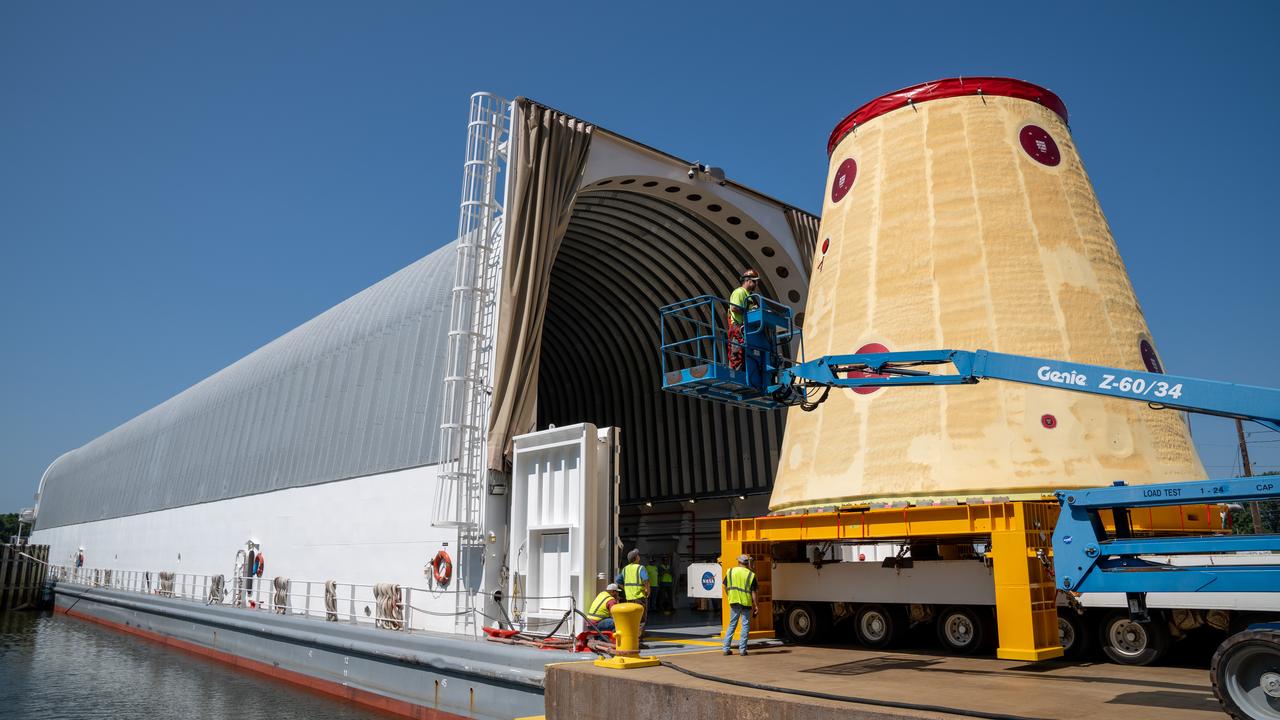
NASA rolled out a key piece of space flight hardware for the SLS (Space Launch System) rocket for the first crewed mission of NASA’s Artemis campaign from Marshall Space Flight Center in Huntsville, Alabama, on Wednesday, Aug. 21 to board the Pegasus barge for shipment to the agency’s spaceport in Florida. The cone-shaped launch vehicle stage adapter connects the rocket’s core stage to the upper stage and helps protect the upper stage’s engine that will help propel the Artemis II test flight around the Moon, slated for 2026.