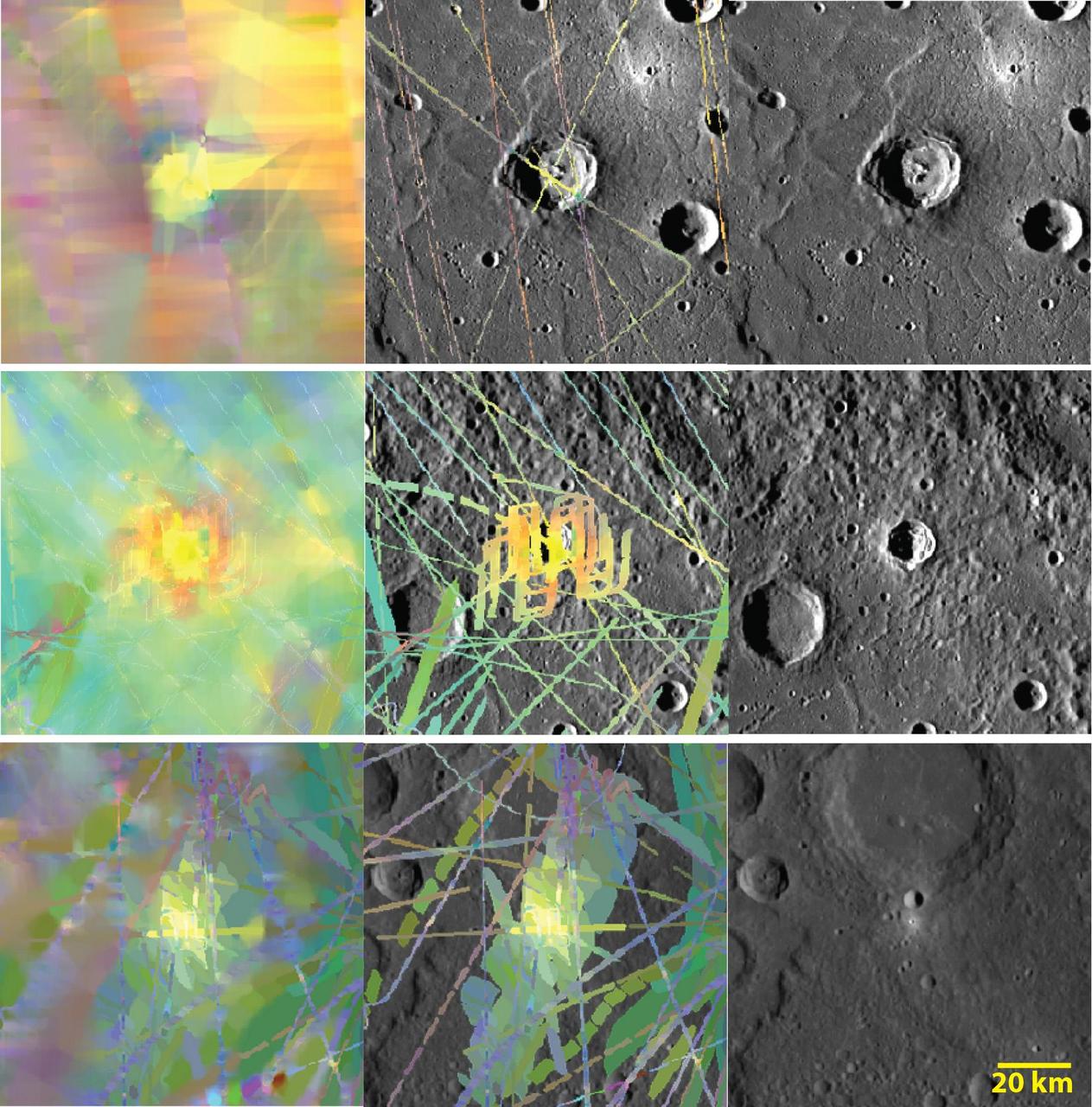
One a Penny, Two a Penny, Bright, Fresh Crater
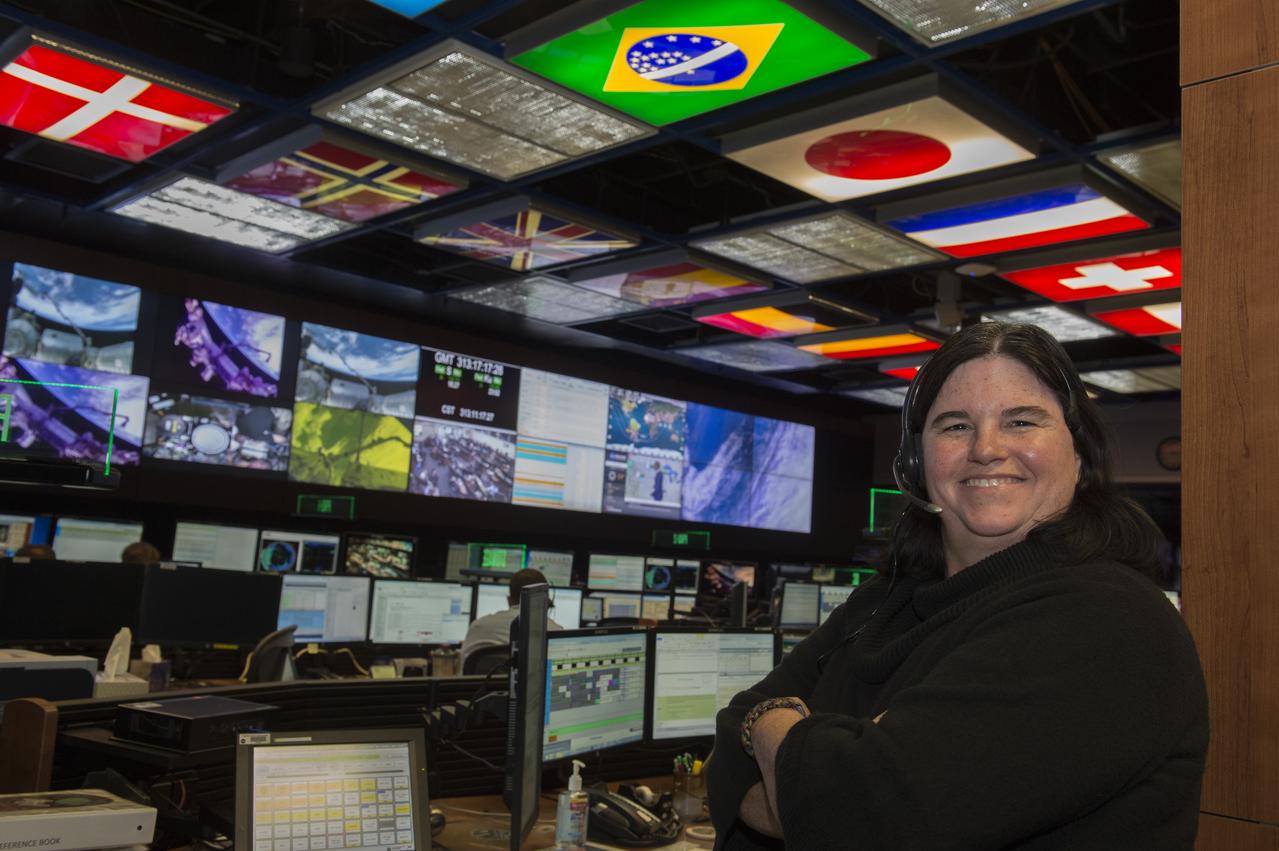
Penny Pettigrew is an International Space Station Payload Communications Manager, or PAYCOM, in the Payload Operations Integration Center at NASA's Marshall Space Flight Center in Huntsville, Alabama.
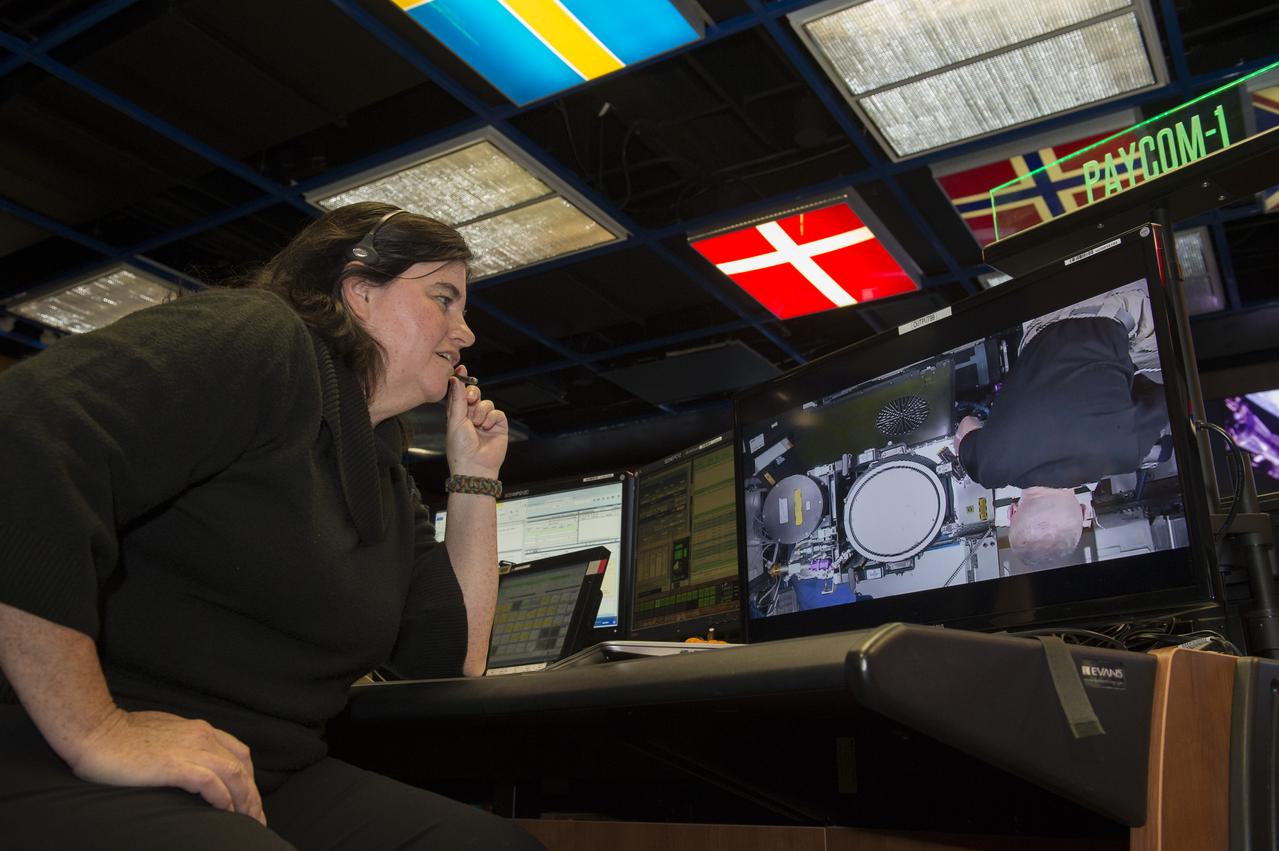
Penny Pettigrew chats in real time with a space station crew member conducting an experiment in microgravity some 250 miles overhead. The Payload Operations Integration Center cadre monitor science communications on station 24 hours a day, seven days a week, 365 days per year.
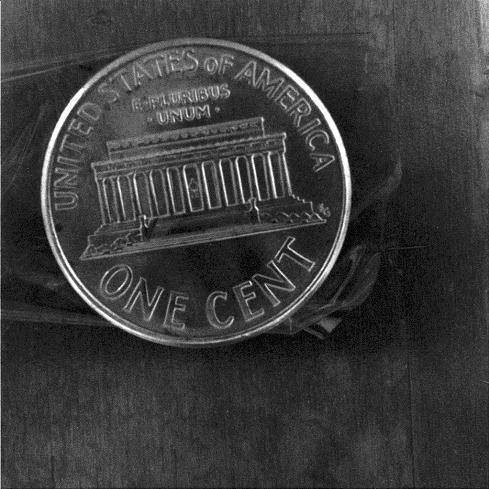
This close-up image of a penny shows the degree to which the microscopic imager on NASA Mars Exploration Rover Spirit can zoom in on a target.
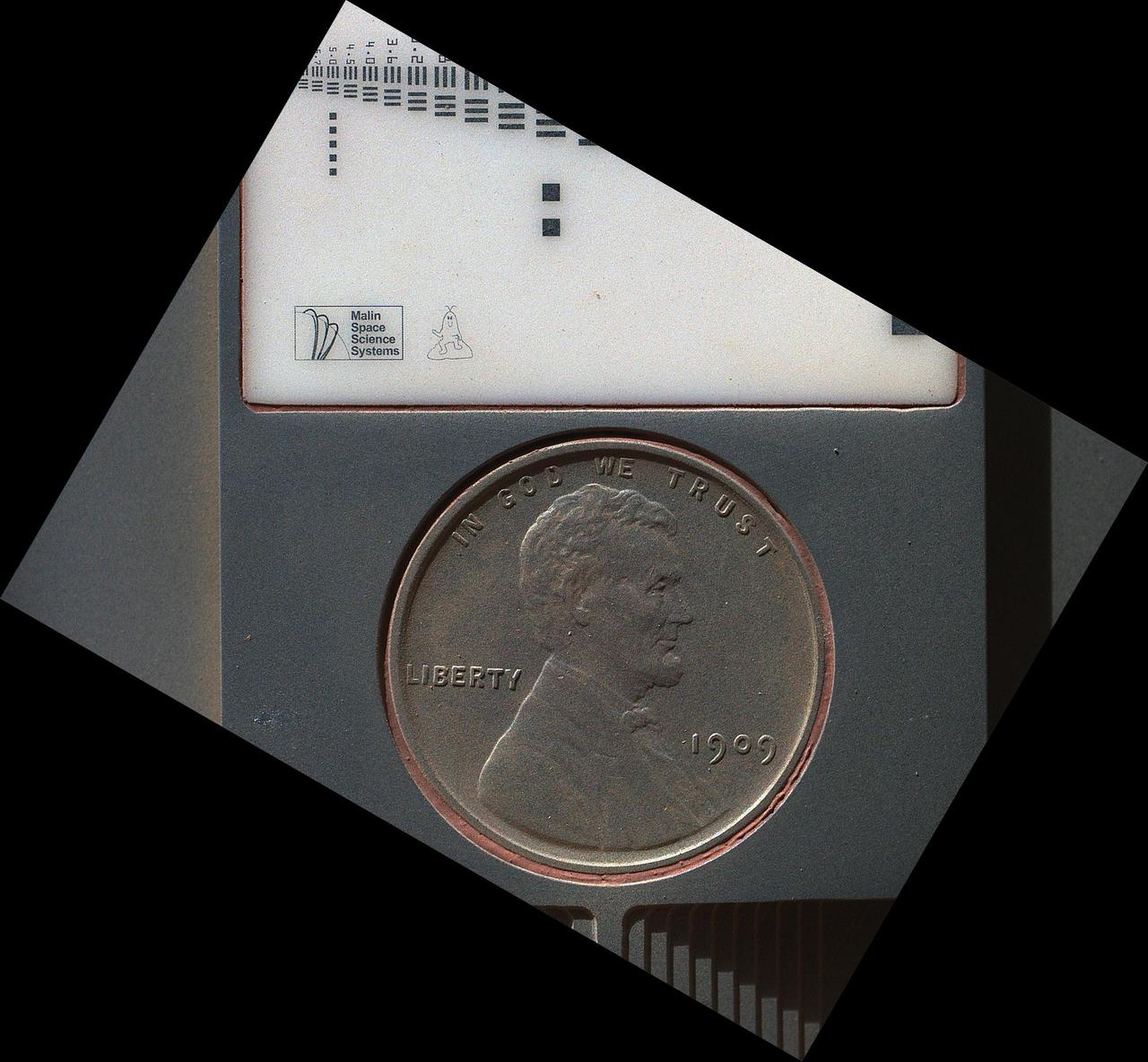
The penny in this image is part of a camera calibration target on NASA Mars rover Curiosity. The MAHLI camera on the rover took this image of the MAHLI calibration target during the 34th Martian day of Curiosity work on Mars, Sept. 9, 2012.
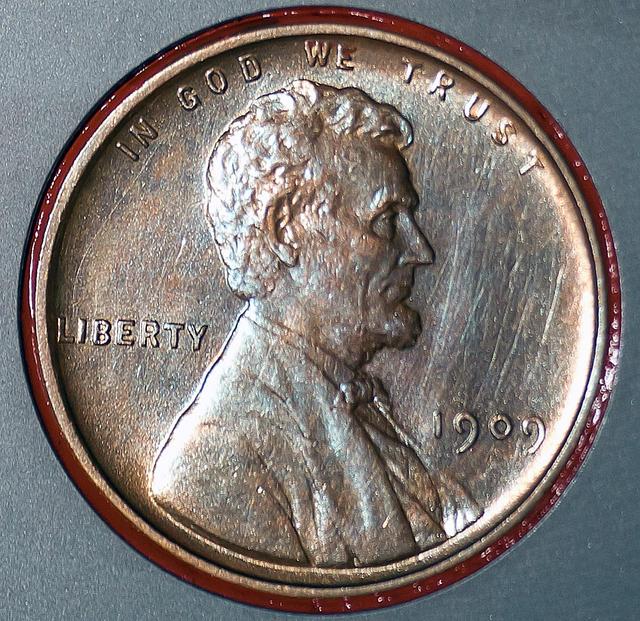
The Lincoln penny in this photograph is part of a camera calibration target attached to NASA Mars rover Curiosity.
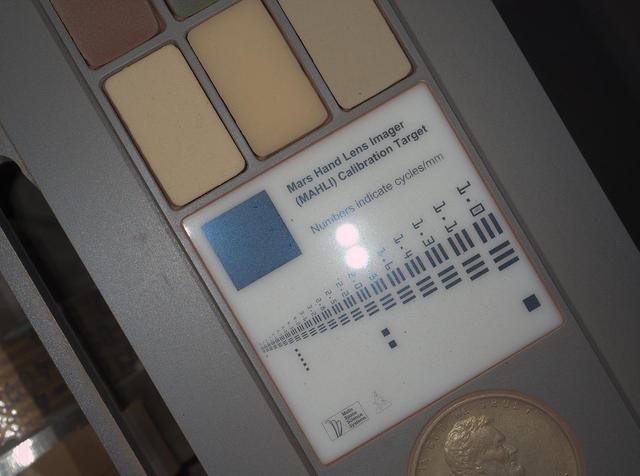
For scale, the Lincoln penny on the MAHLI calibration target is three-fourths inch 19 millimeters in diameter. The calibration target is mounted on NASA Mars rover Curiosity.

Penni Baez, launch operations manager for NASA’s Launch Services Program, monitors the countdown inside SpaceX’s Hangar X for the launch of a SpaceX Falcon Heavy rocket with NASA’S Nancy Grace Roman Space Telescope from Launch Complex 39A at NASA’s Kennedy Space Center, Sunday, Aug. 30, 2026, in Florida. Roman will investigate dark energy and dark matter, conduct a statistical census of planetary systems, and enable a broad range of additional astrophysics research. Launch occurred at 7:26 a.m. EDT. Photo Credit (NASA/Joel Kowsky)
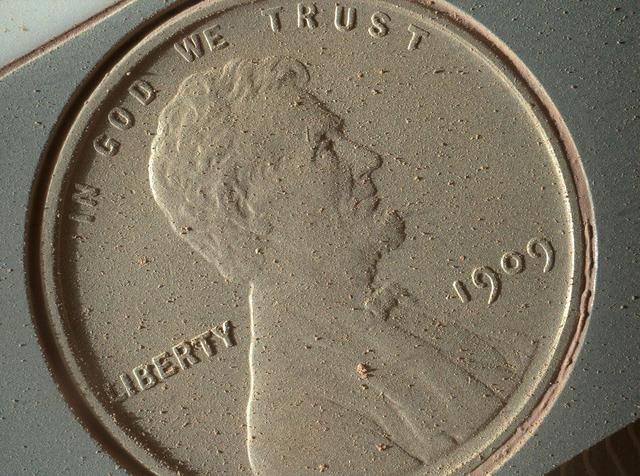
This image of a U.S. penny on a calibration target was taken by the Mars Hand Lens Imager MAHLI aboard NASA Curiosity rover in Gale Crater on Mars. At 14 micrometers per pixel, this is the highest-resolution image that MAHLI can acquire.
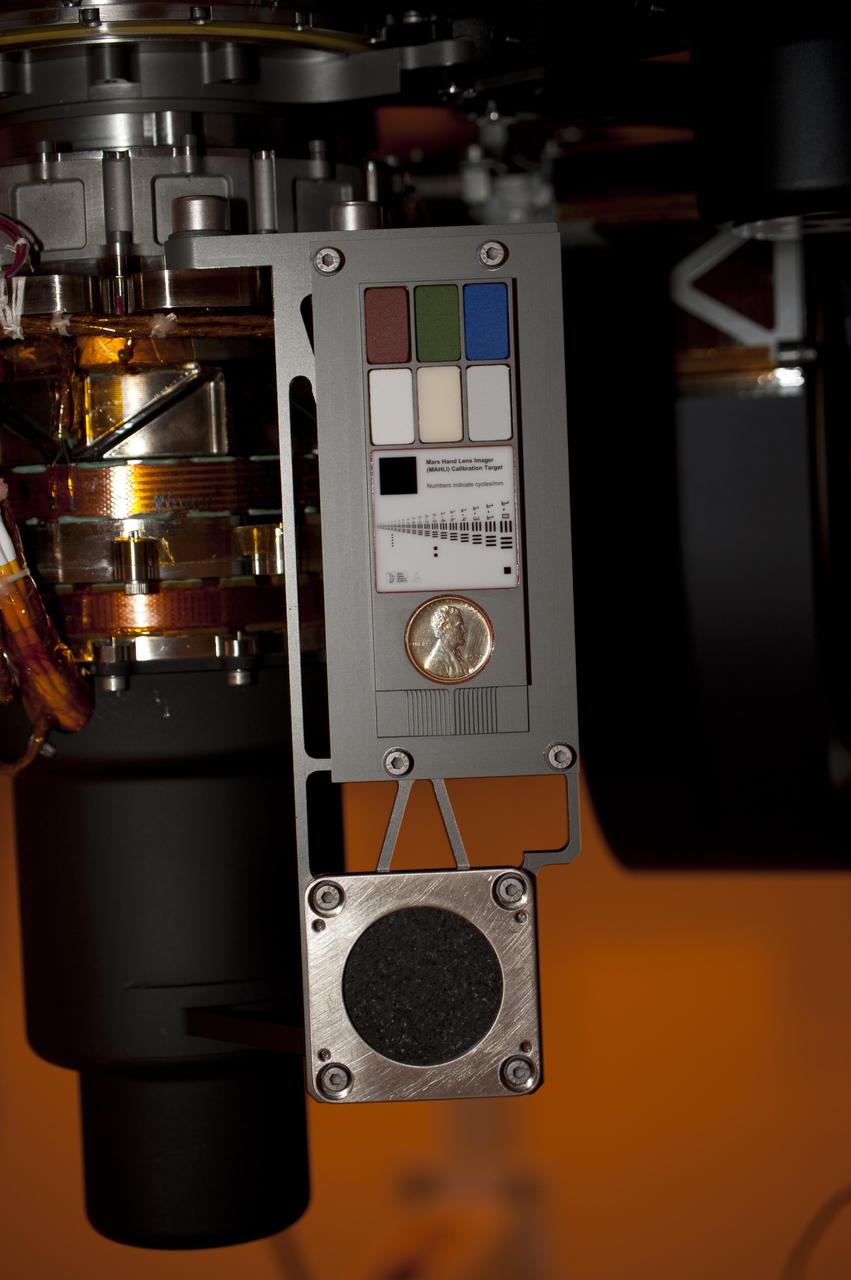
Two instruments at the end of the robotic arm on NASA Mars rover Curiosity will use calibration targets attached to a shoulder joint of the arm. The penny is a size reference giving the public a familiar object for perceiving size on Mars easily.

jsc2024e050834 (7/26/2024) --- Screaming Balloon hex nuts, pennies and balloons in their individual ziplock stowage bags prior to hardware handover. Developed through NASA’s Office of STEM Engagement Next Gen STEM Project, STEMonstrations are short educational videos demonstrating science, technology, engineering, and mathematics (STEM) topics in microgravity for grades K through 12. STEMonstrations: Screaming Balloon examines centripetal force, whirling a penny and a hexnut inside of inflated balloons and comparing the sounds they make.

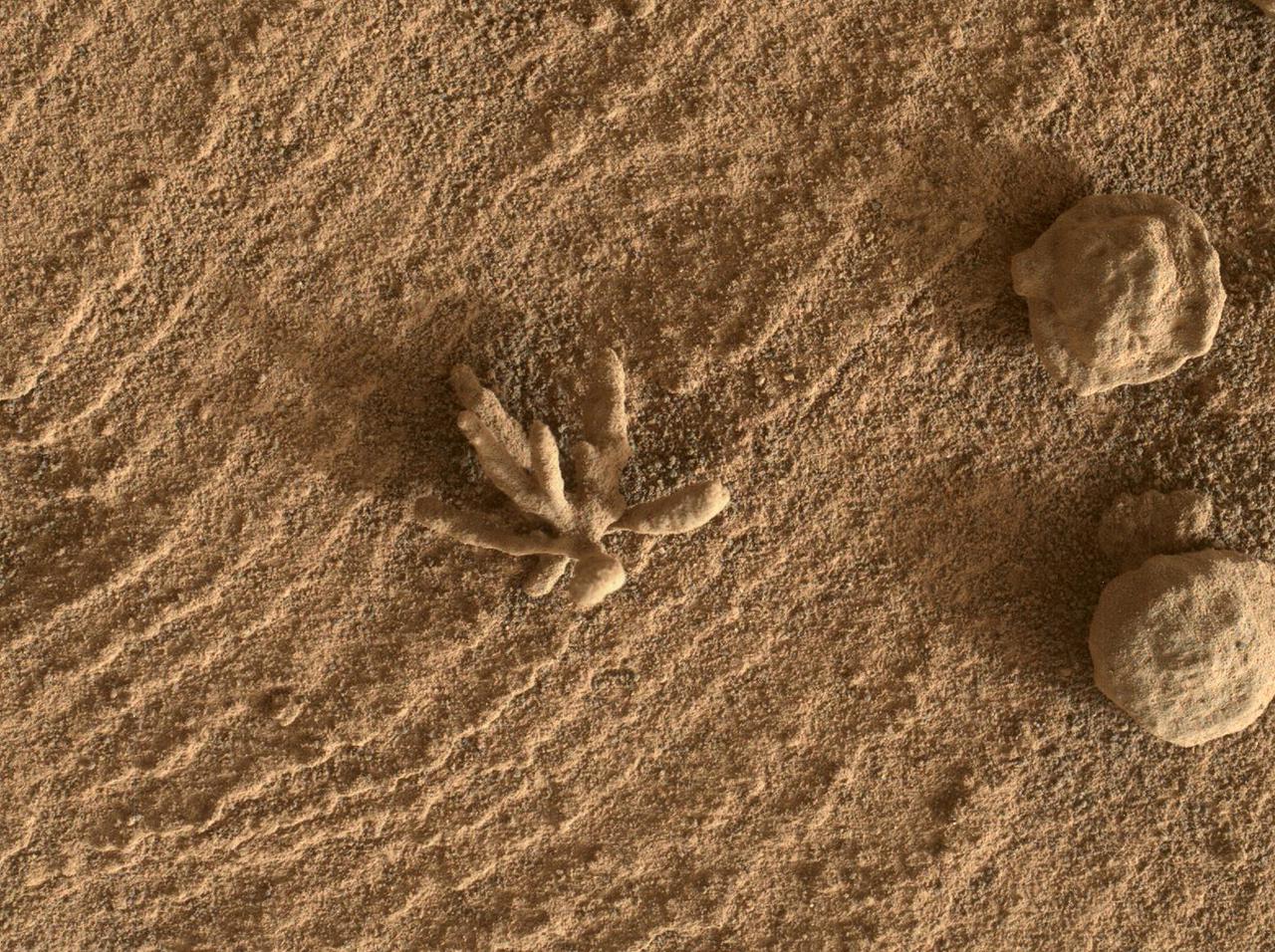
Smaller than a penny, the flower-like rock artifact on the left was imaged by NASA's Curiosity Mars rover using its Mars Hand Lens Imager (MAHLI) camera on the end of its robotic arm. The image was taken on Feb. 24, 2022, the 3,396th Martian day, or sol, of the mission. The "flower," along with the spherical rock artifacts seen to the right, were made in the ancient past when minerals carried by water cemented the rock. Figure 1 shows a tighter view of the flower-like feature. Curiosity has in the past discovered a diverse assortment of similar small features that formed when mineralizing fluids traveled through conduits in the rock. Images of such features are helping scientists understand more about the prolonged history of liquid water in Gale Crater. https://photojournal.jpl.nasa.gov/catalog/PIA25077
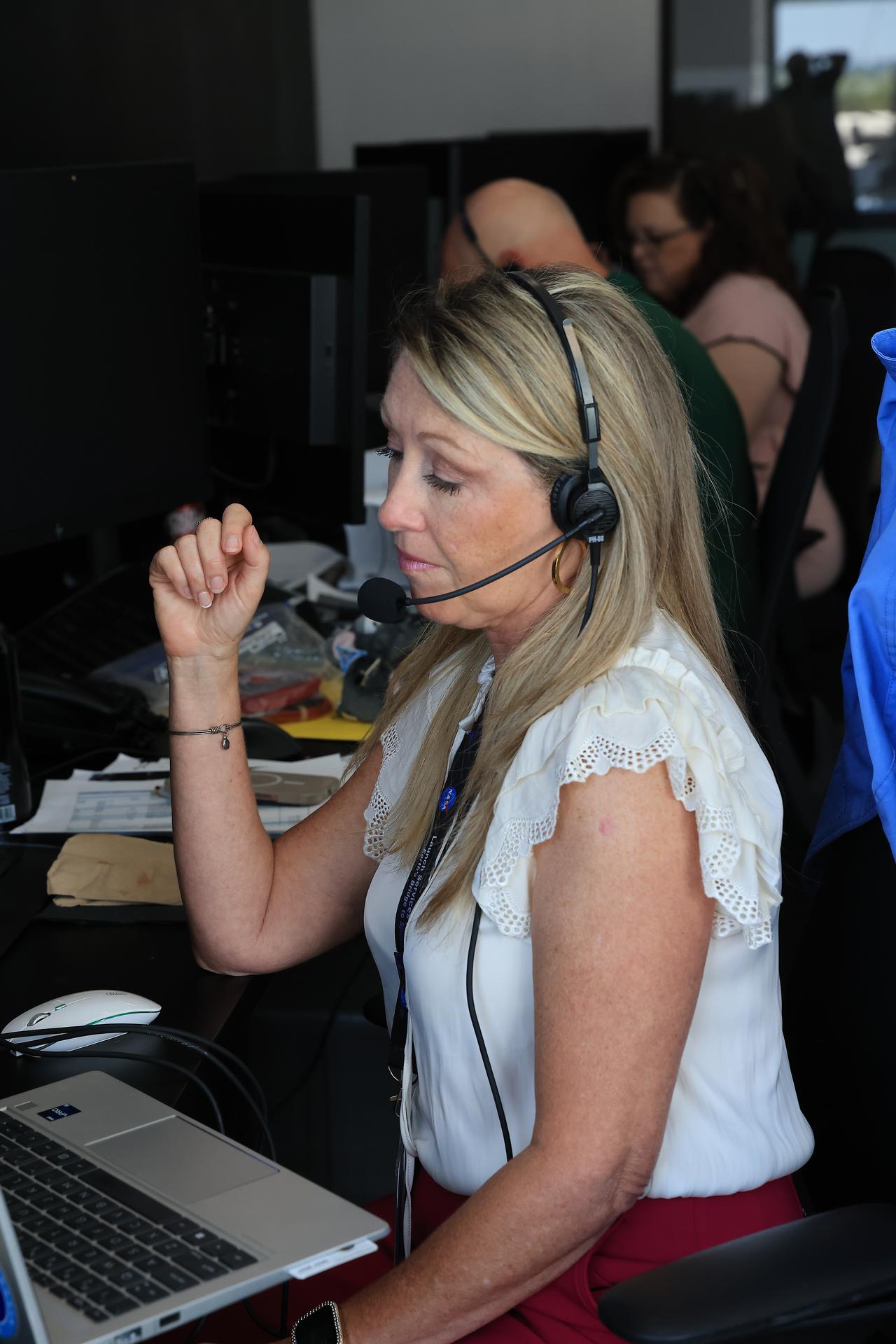
Penny Baez, launch operations manager with NASA’s Launch Services Program, participates in a mission dress rehearsal for NASA’s Nancy Grace Roman Space Telescope on Thursday, Aug. 20, 2026, inside SpaceX’s Hangar X at NASA Kennedy in Florida. Baez and other specialists served as an assessment team for personnel who ran through a full end-to-end simulation of every major step they will experience on launch day except liftoff, including powering up the spacecraft, fueling the rocket, conducting weather briefings, and other operations.

jsc2024e050835 (7/26/2024) --- Members of the STEMonstrations team at the flight configuration hardware check for the STEMonstrations: Screaming Balloon project, Seth Johnson, Michele Hooks, and Ashwin Mathews, left to right. Developed through NASA’s Office of STEM Engagement Next Gen STEM Project, STEMonstrations are short educational videos demonstrating science, technology, engineering, and mathematics (STEM) topics in microgravity for grades K through 12. STEMonstrations: Screaming Balloon examines centripetal force, whirling a penny and a hexnut inside of inflated balloons and comparing the sounds they make.
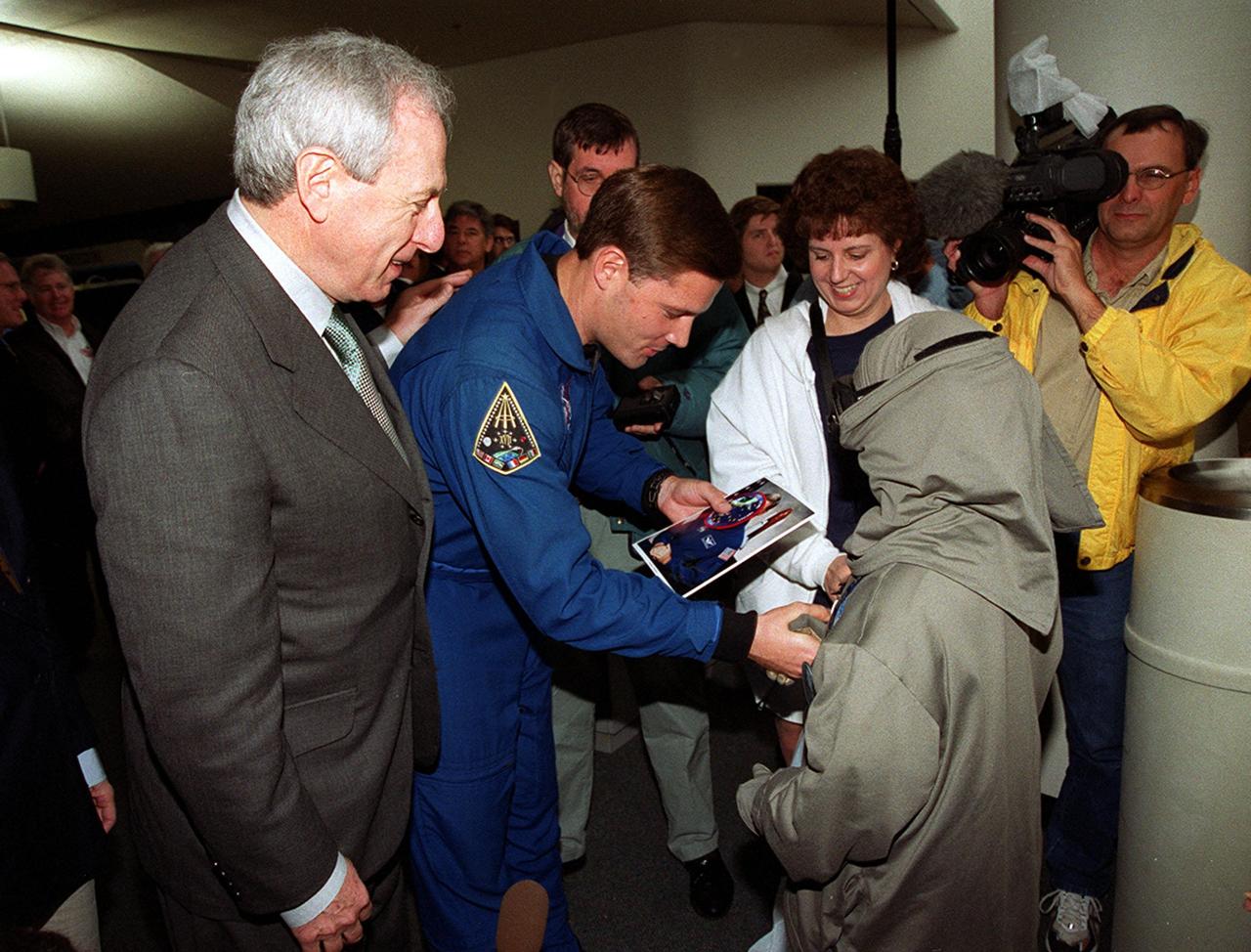
NASA Administrator Dan Goldin (left) watches as 10-year-old Jonathan Pierce (right), who is garbed in a protective cooling suit designed by NASA, shakes hands with astronaut Dog Wheelock. Behind Jonathan is his mother, Penny. Jonathan suffers from erythropoietic protoporphyria, a rare condition that makes his body unable to withstand ultraviolet rays. The suit allows him to be outside during the day, which would otherwise be impossible. Jonathan's trip was funded by the Make-A-Wish Foundation and included a visit to Disney World. He and his family were among a dozen VIPs at KSC to view the launch of STS-99
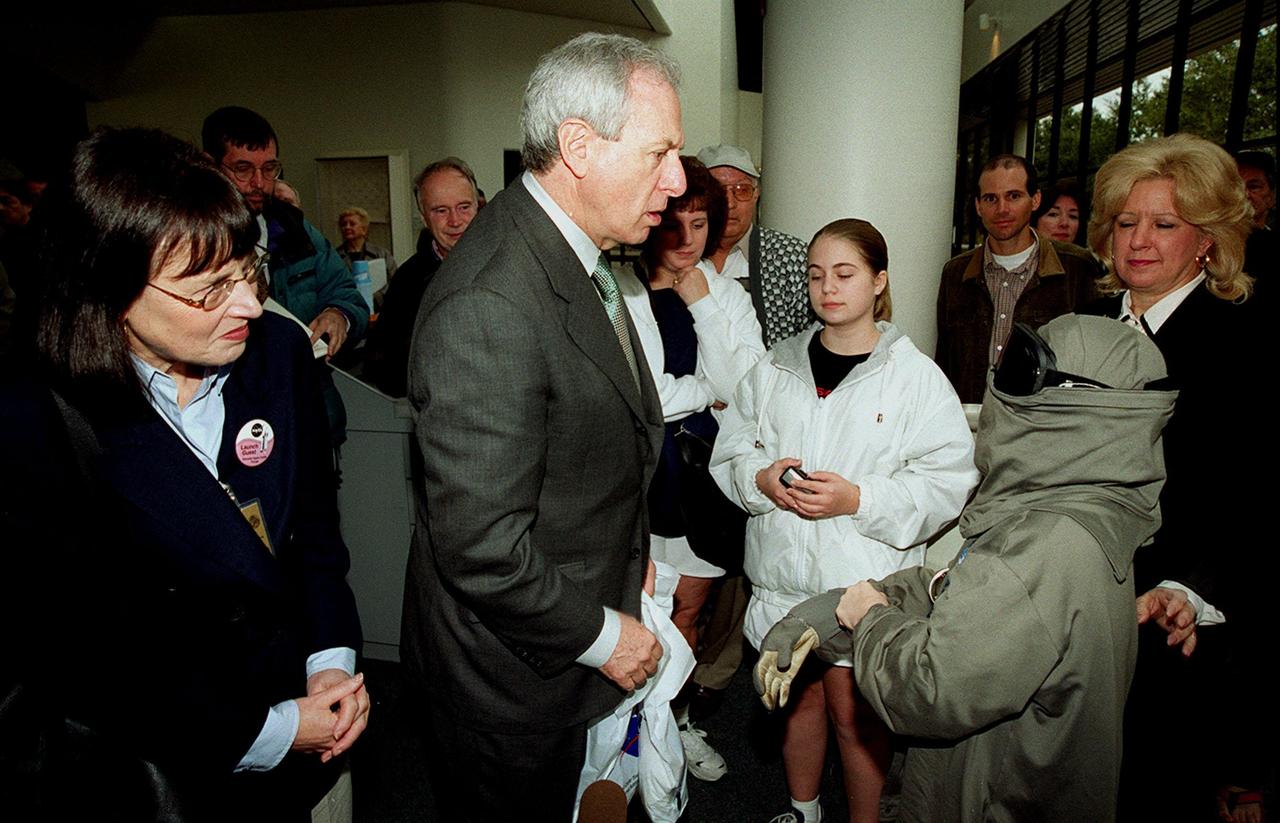
NASA Administrator Dan Goldin (center) greets 10-year-old Jonathan Pierce (right), who is garbed in a protective cooling suit designed by NASA. In the background, between them, are Jonathan's mother, Penny; his grandfather, John Janocka; and his sister, Jaimie.. At left is Mrs. Goldin. Jonathan suffers from erythropoietic protoporphyria, a rare condition that makes his body unable to withstand ultraviolet rays. The suit allows him to be outside during the day, which would otherwise be impossible. Jonathan's trip was funded by the Make-A-Wish Foundation and included a visit to Disney World. He and his family were among a dozen VIPs at KSC to view the launch of STS-99
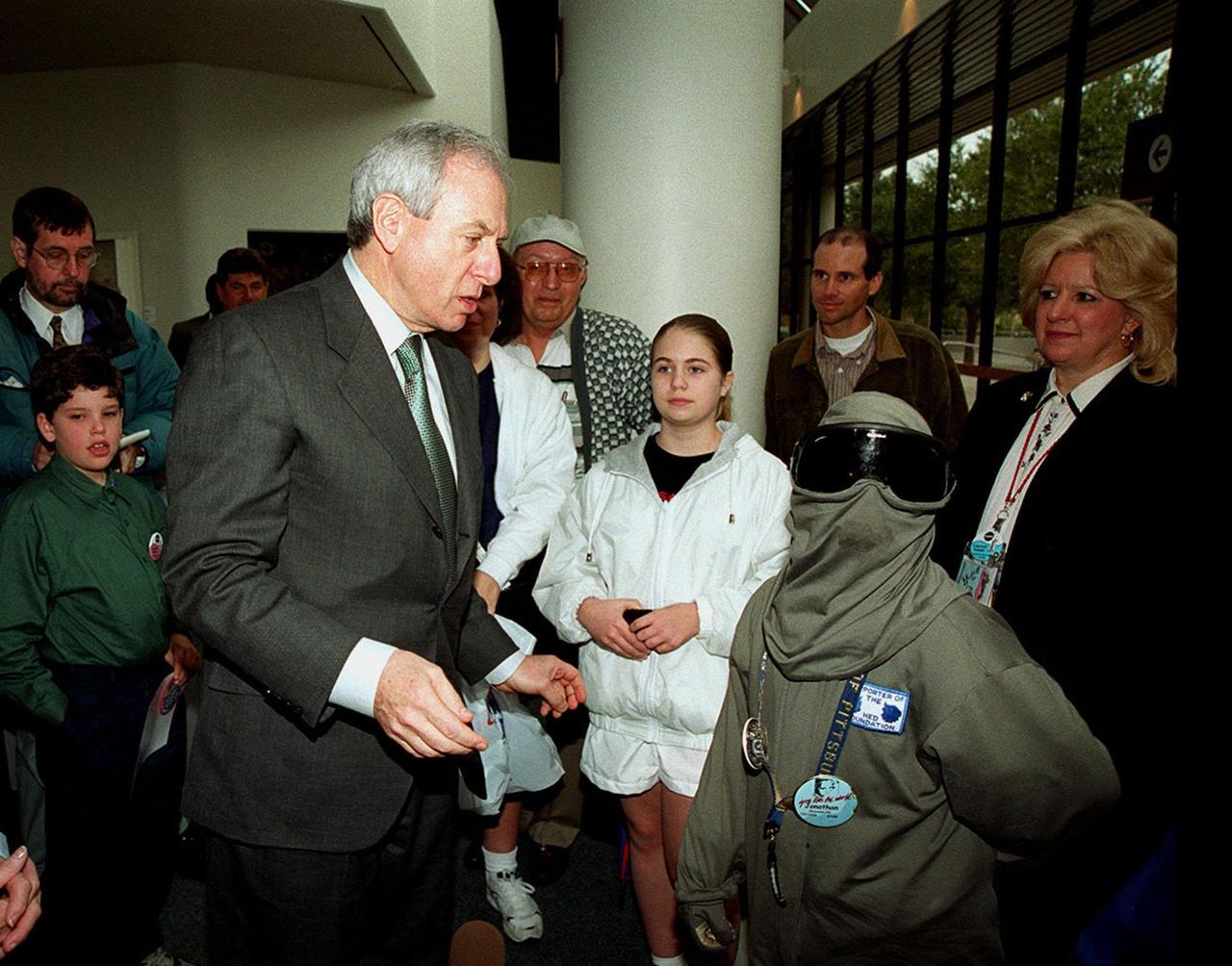
NASA Administrator Dan Goldin (center) talks to 10-year-old Jonathan Pierce (right), who is garbed in a protective cooling suit designed by NASA. In the background, between them, are Jonathan's mother, Penny; his grandfather, John Janocka; and his sister, Jaimie. At left is Mrs. Goldin. Jonathan suffers from erythropoietic protoporphyria, a rare condition that makes his body unable to withstand ultraviolet rays. The suit allows him to be outside during the day, which would otherwise be impossible. Jonathan's trip was funded by the Make-A-Wish Foundation and included a visit to Disney World. He and his family were among a dozen VIPs at KSC to view the launch of STS-99
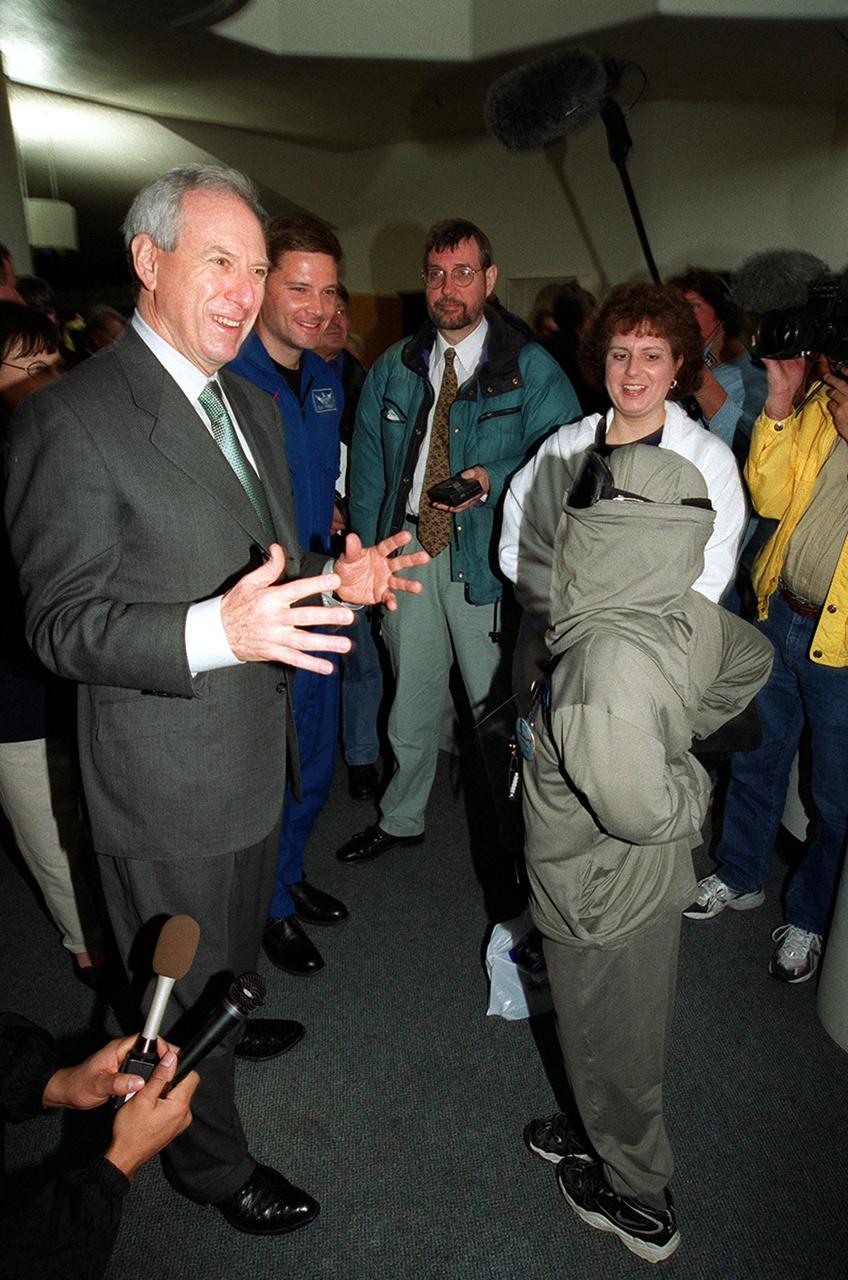
NASA Administrator Dan Goldin (left) shares a light moment during his meeting with 10-year-old Jonathan Pierce (right), who is garbed in a protective cooling suit designed by NASA. Behind Goldin is astronaut Doug Wheelock; behind Jonathan is his mother, Penny. Jonathan suffers from erythropoietic protoporphyria, a rare condition that makes his body unable to withstand ultraviolet rays. The suit allows him to be outside during the day, which would otherwise be impossible. Jonathan's trip was funded by the Make-A-Wish Foundation and included a visit to Disney World. He and his family were among a dozen VIPs at KSC to view the launch of STS-99
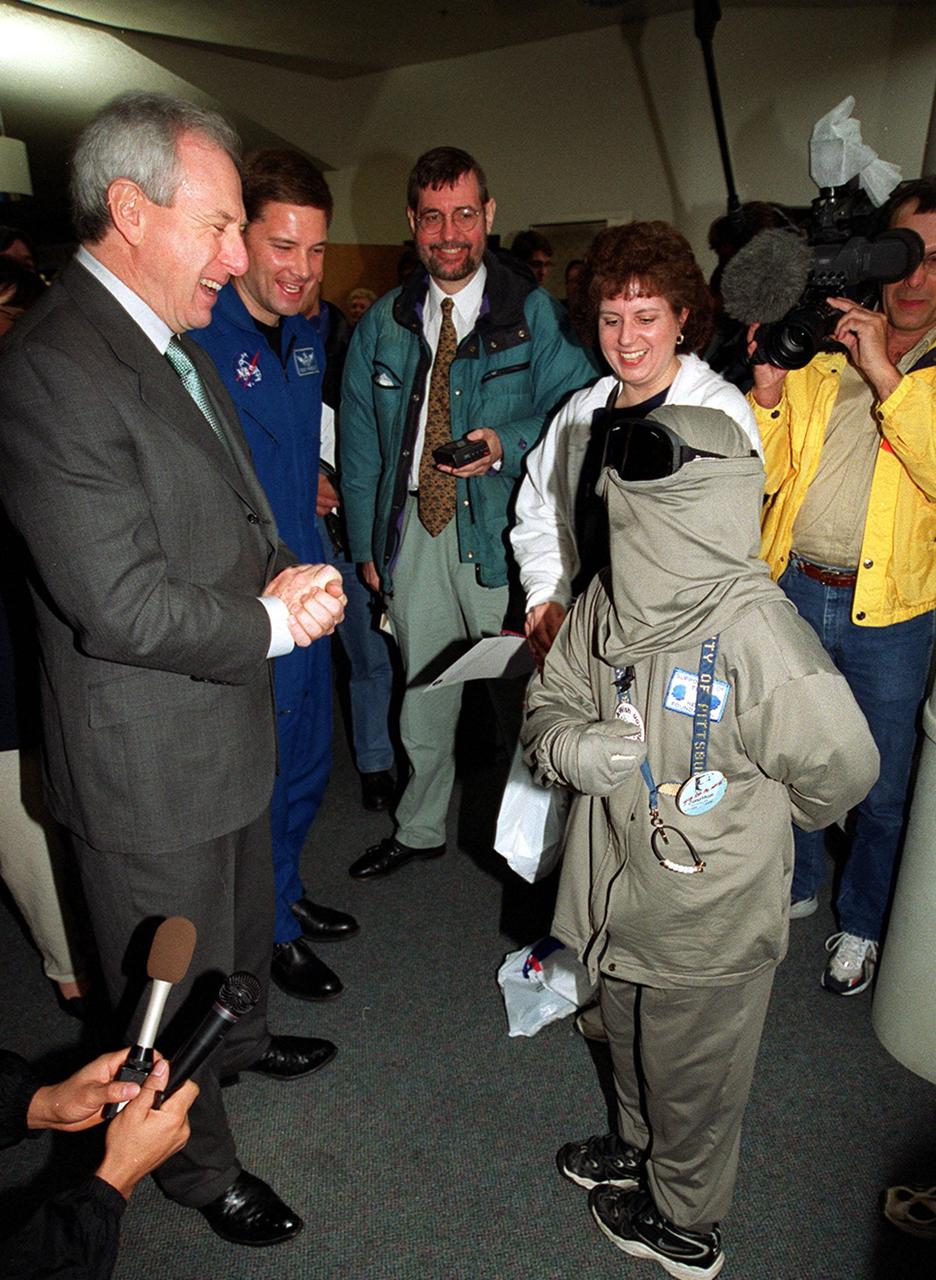
NASA Administrator Dan Goldin (left) shares a laugh with VIP 10-year-old Jonathan Pierce (right), who is garbed in a protective cooling suit designed by NASA. Behind Goldin is astronaut Doug Wheelock; behind Jonathan is his mother, Penny. Jonathan suffers from erythropoietic protoporphyria, a rare condition that makes his body unable to withstand ultraviolet rays. The suit allows him to be outside during the day, which would otherwise be impossible. Jonathan's trip was funded by the Make-A-Wish Foundation and included a visit to Disney World. He and his family were among a dozen VIPs at KSC to view the launch of STS-99
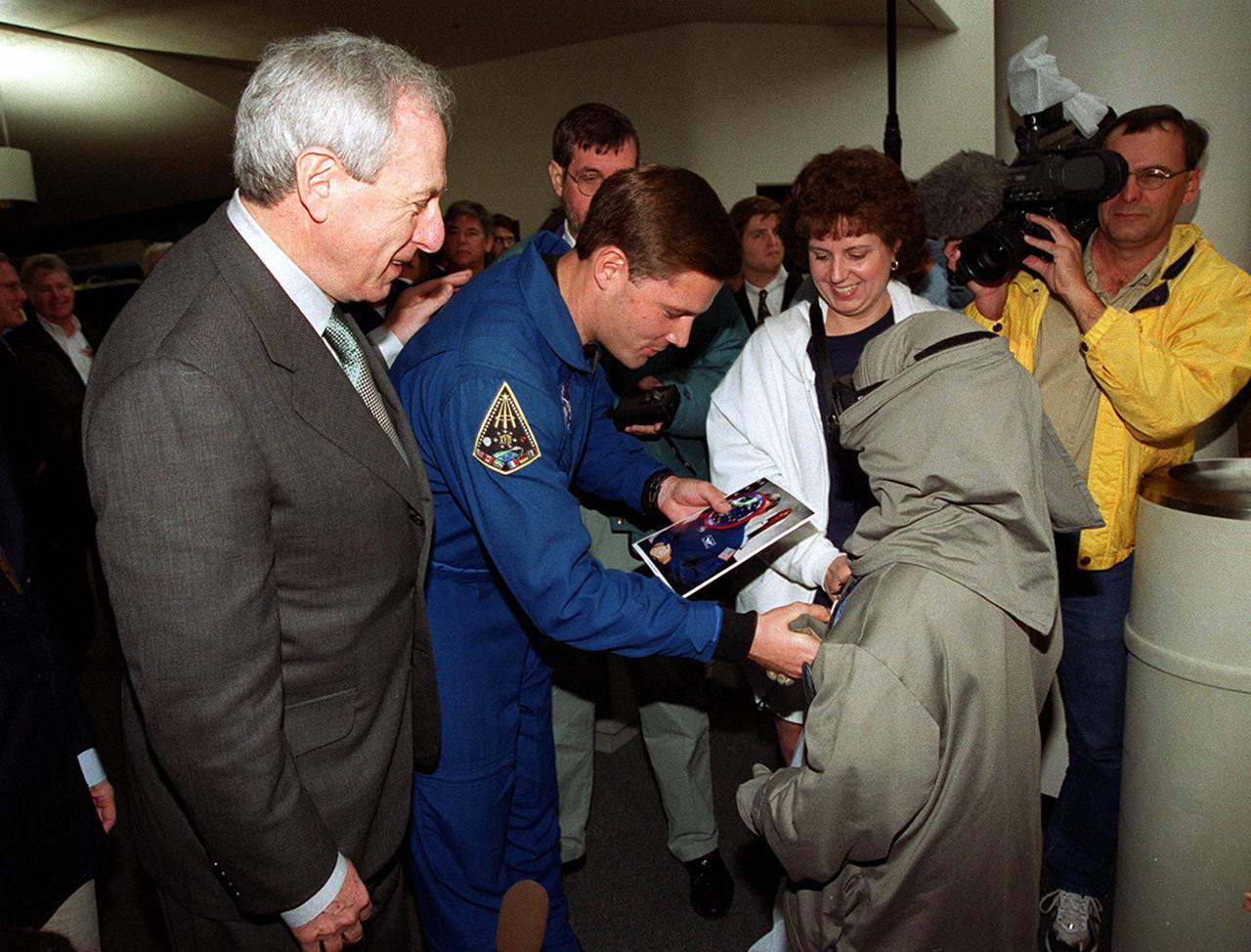
NASA Administrator Dan Goldin (left) watches as 10-year-old Jonathan Pierce (right), who is garbed in a protective cooling suit designed by NASA, shakes hands with astronaut Dog Wheelock. Behind Jonathan is his mother, Penny. Jonathan suffers from erythropoietic protoporphyria, a rare condition that makes his body unable to withstand ultraviolet rays. The suit allows him to be outside during the day, which would otherwise be impossible. Jonathan's trip was funded by the Make-A-Wish Foundation and included a visit to Disney World. He and his family were among a dozen VIPs at KSC to view the launch of STS-99
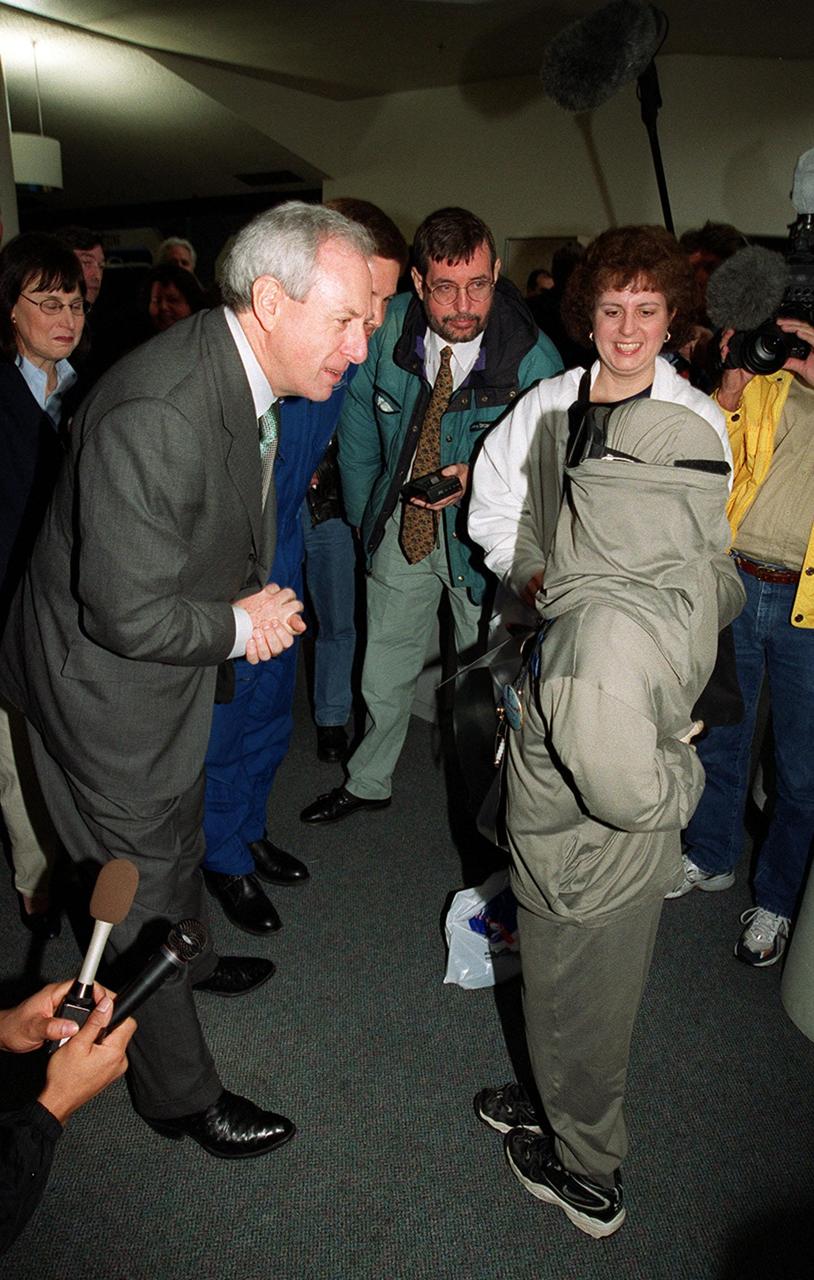
NASA Administrator Dan Goldin (left) listens intently to 10-year-old Jonathan Pierce (right), who is garbed in a protective cooling suit designed by NASA. Behind Goldin is astronaut Doug Wheelock; behind Jonathan is his mother, Penny. Jonathan suffers from erythropoietic protoporphyria, a rare condition that makes his body unable to withstand ultraviolet rays. The suit allows him to be outside during the day, which would otherwise be impossible. Jonathan's trip was funded by the Make-A-Wish Foundation and included a visit to Disney World. He and his family were among a dozen VIPs at KSC to view the launch of STS-99
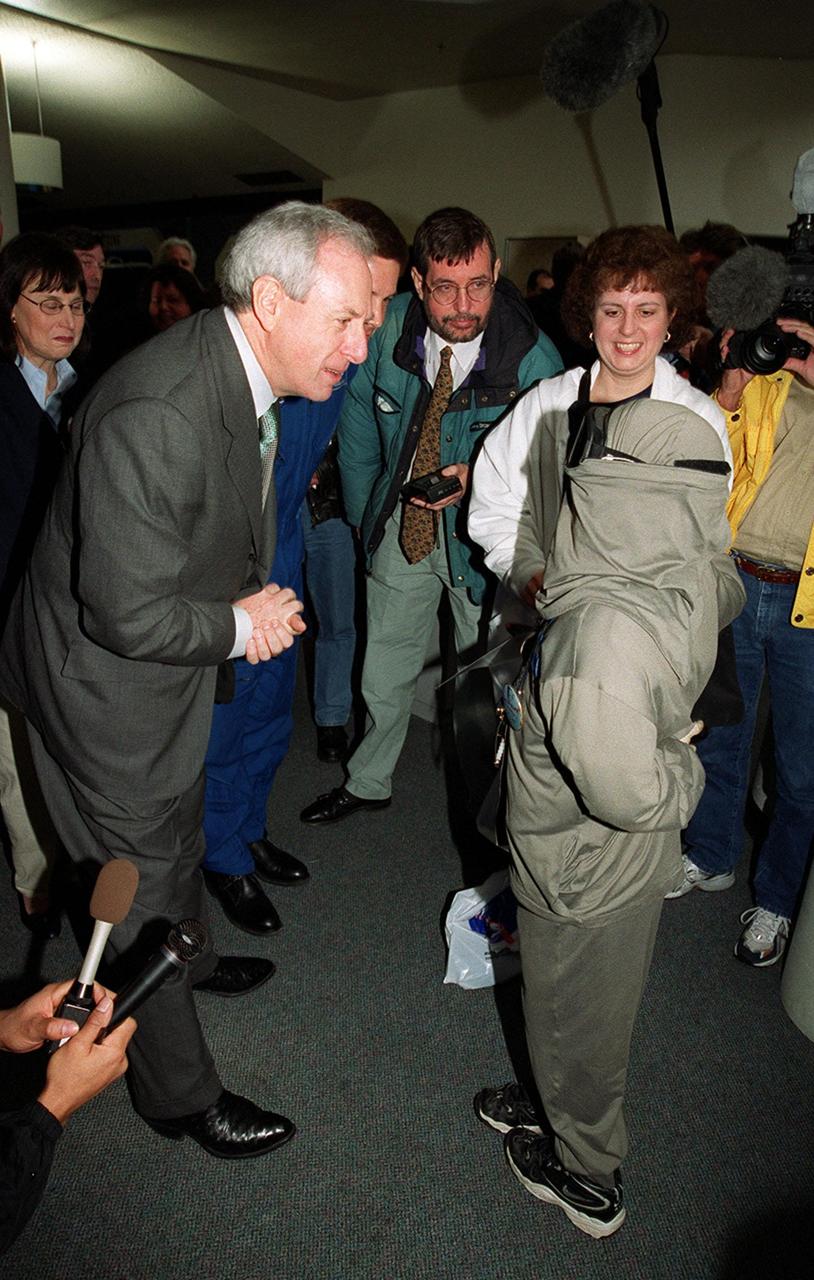
NASA Administrator Dan Goldin (left) listens intently to 10-year-old Jonathan Pierce (right), who is garbed in a protective cooling suit designed by NASA. Behind Goldin is astronaut Doug Wheelock; behind Jonathan is his mother, Penny. Jonathan suffers from erythropoietic protoporphyria, a rare condition that makes his body unable to withstand ultraviolet rays. The suit allows him to be outside during the day, which would otherwise be impossible. Jonathan's trip was funded by the Make-A-Wish Foundation and included a visit to Disney World. He and his family were among a dozen VIPs at KSC to view the launch of STS-99
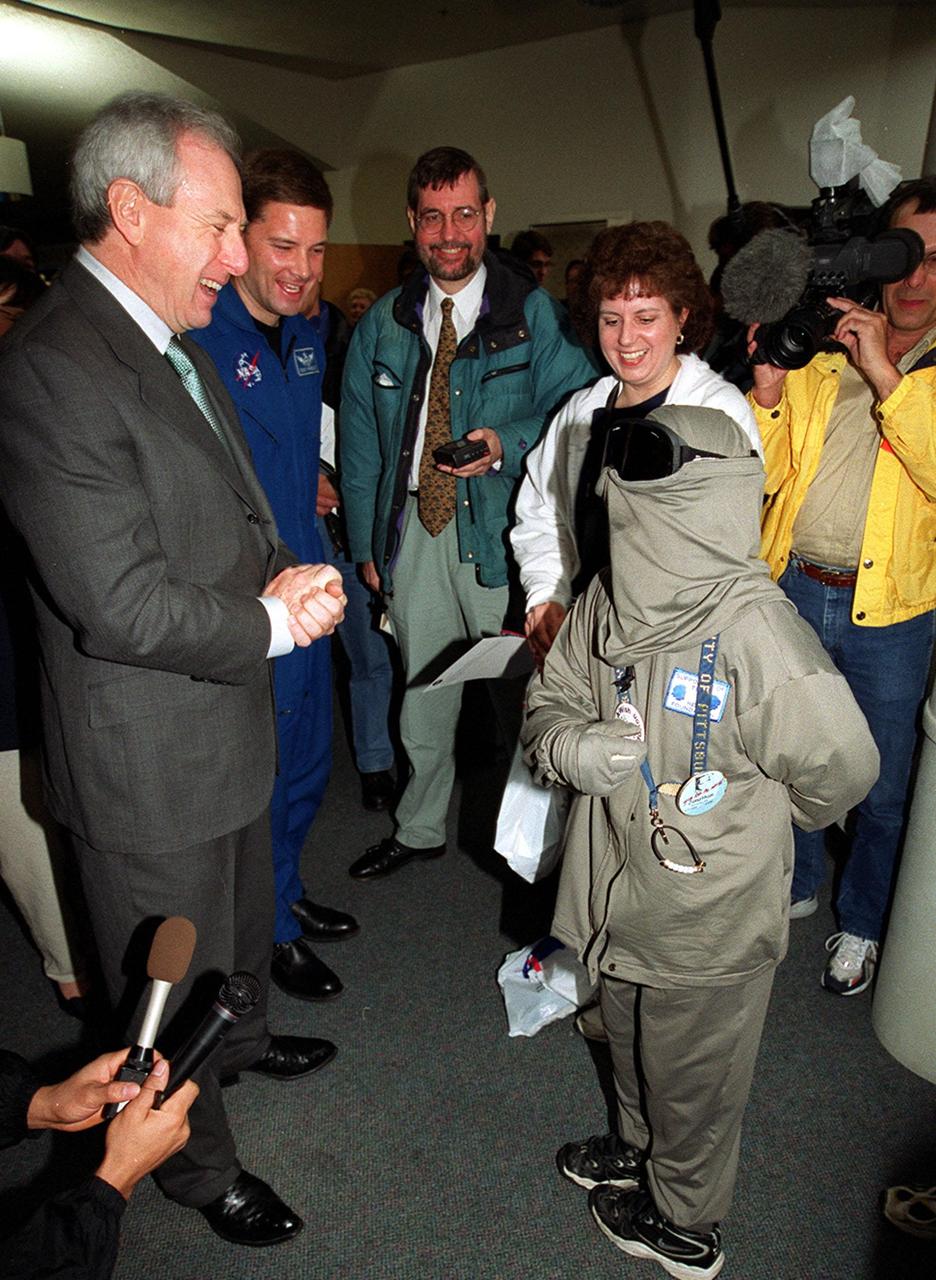
NASA Administrator Dan Goldin (left) shares a laugh with VIP 10-year-old Jonathan Pierce (right), who is garbed in a protective cooling suit designed by NASA. Behind Goldin is astronaut Doug Wheelock; behind Jonathan is his mother, Penny. Jonathan suffers from erythropoietic protoporphyria, a rare condition that makes his body unable to withstand ultraviolet rays. The suit allows him to be outside during the day, which would otherwise be impossible. Jonathan's trip was funded by the Make-A-Wish Foundation and included a visit to Disney World. He and his family were among a dozen VIPs at KSC to view the launch of STS-99
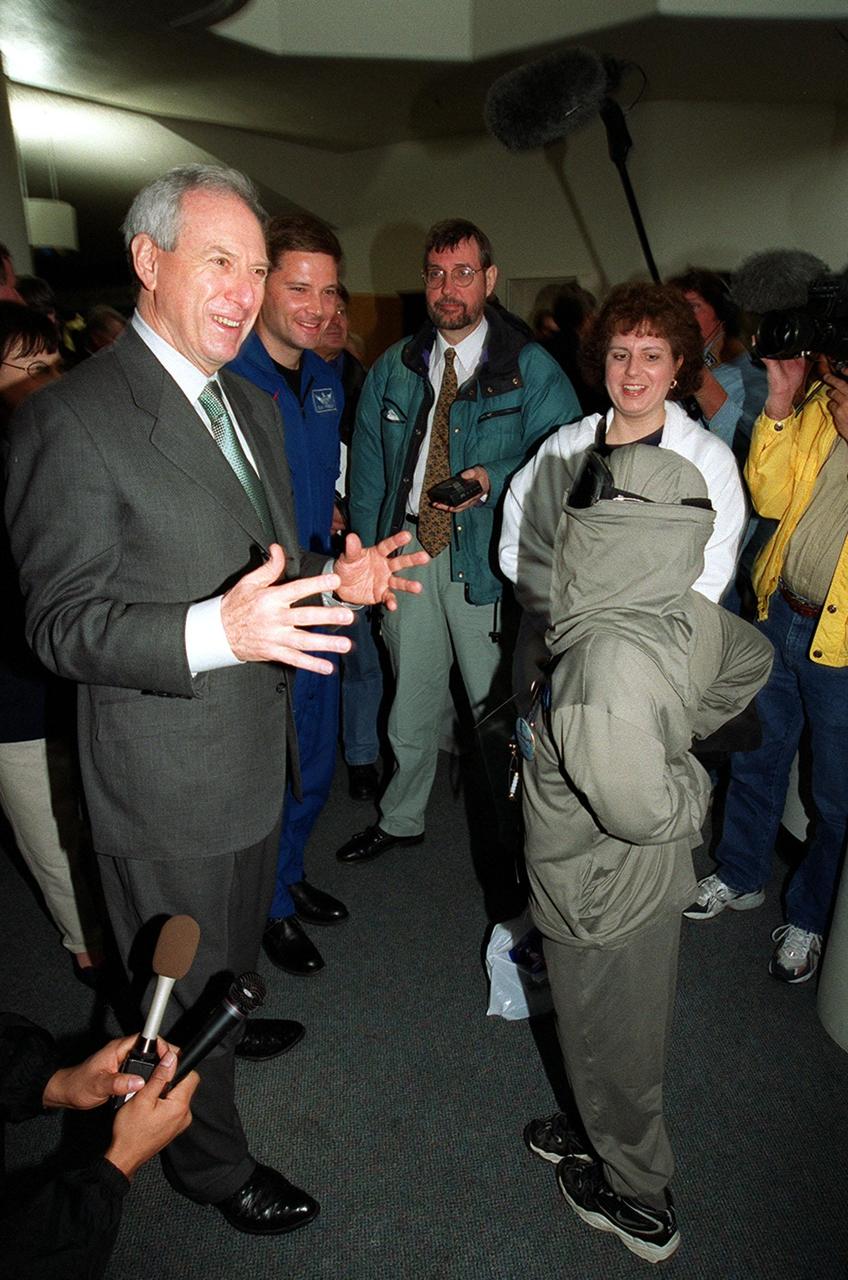
NASA Administrator Dan Goldin (left) shares a light moment during his meeting with 10-year-old Jonathan Pierce (right), who is garbed in a protective cooling suit designed by NASA. Behind Goldin is astronaut Doug Wheelock; behind Jonathan is his mother, Penny. Jonathan suffers from erythropoietic protoporphyria, a rare condition that makes his body unable to withstand ultraviolet rays. The suit allows him to be outside during the day, which would otherwise be impossible. Jonathan's trip was funded by the Make-A-Wish Foundation and included a visit to Disney World. He and his family were among a dozen VIPs at KSC to view the launch of STS-99
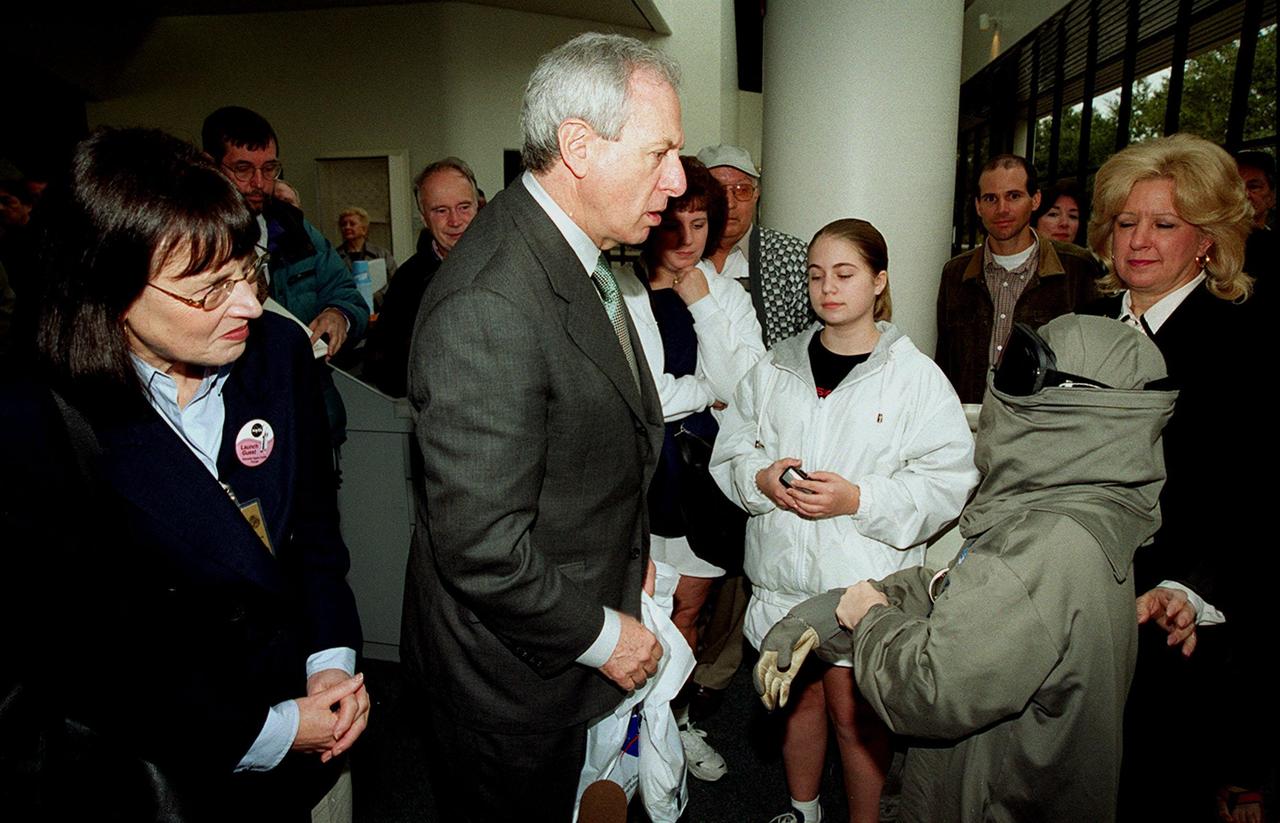
NASA Administrator Dan Goldin (center) greets 10-year-old Jonathan Pierce (right), who is garbed in a protective cooling suit designed by NASA. In the background, between them, are Jonathan's mother, Penny; his grandfather, John Janocka; and his sister, Jaimie.. At left is Mrs. Goldin. Jonathan suffers from erythropoietic protoporphyria, a rare condition that makes his body unable to withstand ultraviolet rays. The suit allows him to be outside during the day, which would otherwise be impossible. Jonathan's trip was funded by the Make-A-Wish Foundation and included a visit to Disney World. He and his family were among a dozen VIPs at KSC to view the launch of STS-99
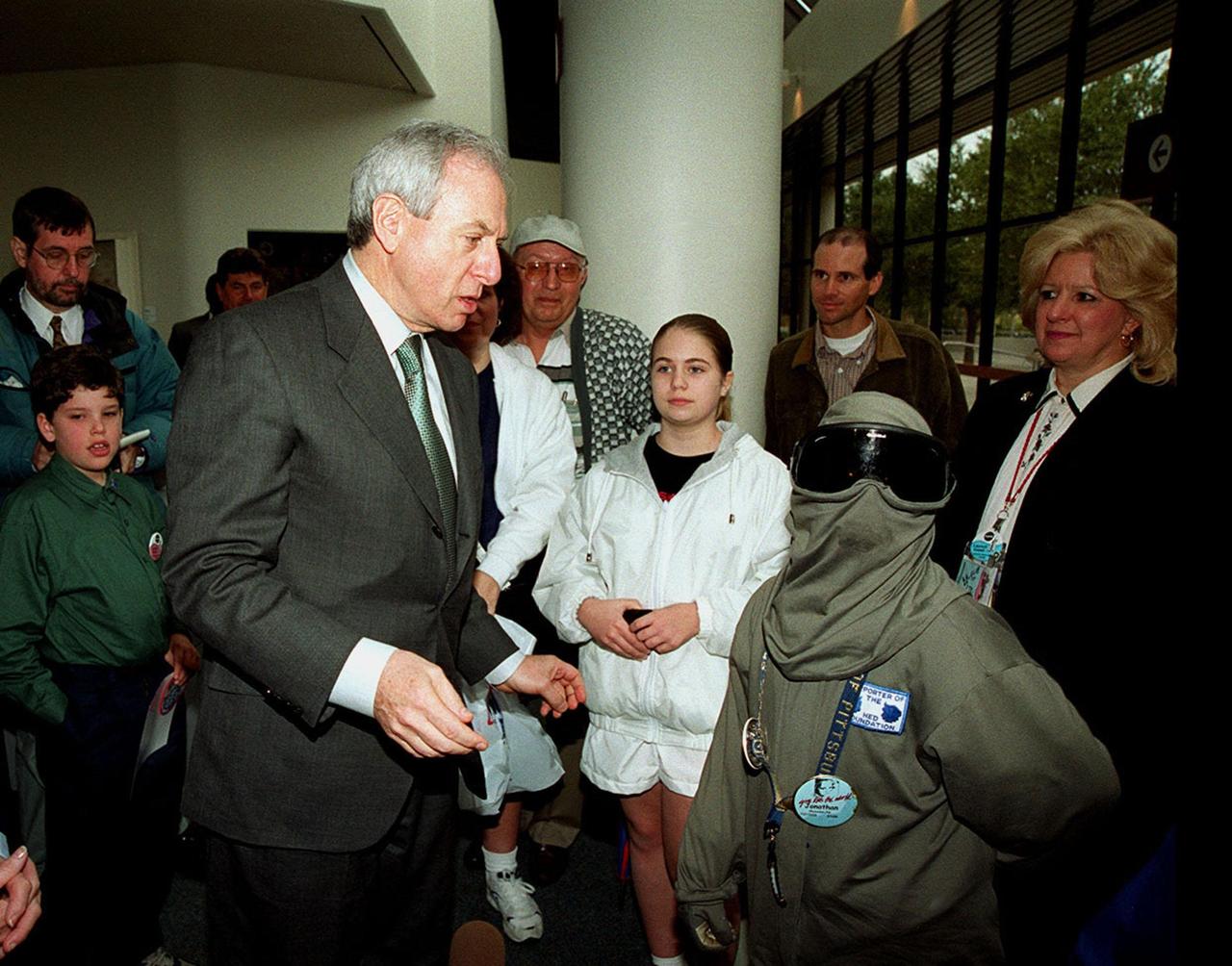
NASA Administrator Dan Goldin (center) talks to 10-year-old Jonathan Pierce (right), who is garbed in a protective cooling suit designed by NASA. In the background, between them, are Jonathan's mother, Penny; his grandfather, John Janocka; and his sister, Jaimie. At left is Mrs. Goldin. Jonathan suffers from erythropoietic protoporphyria, a rare condition that makes his body unable to withstand ultraviolet rays. The suit allows him to be outside during the day, which would otherwise be impossible. Jonathan's trip was funded by the Make-A-Wish Foundation and included a visit to Disney World. He and his family were among a dozen VIPs at KSC to view the launch of STS-99
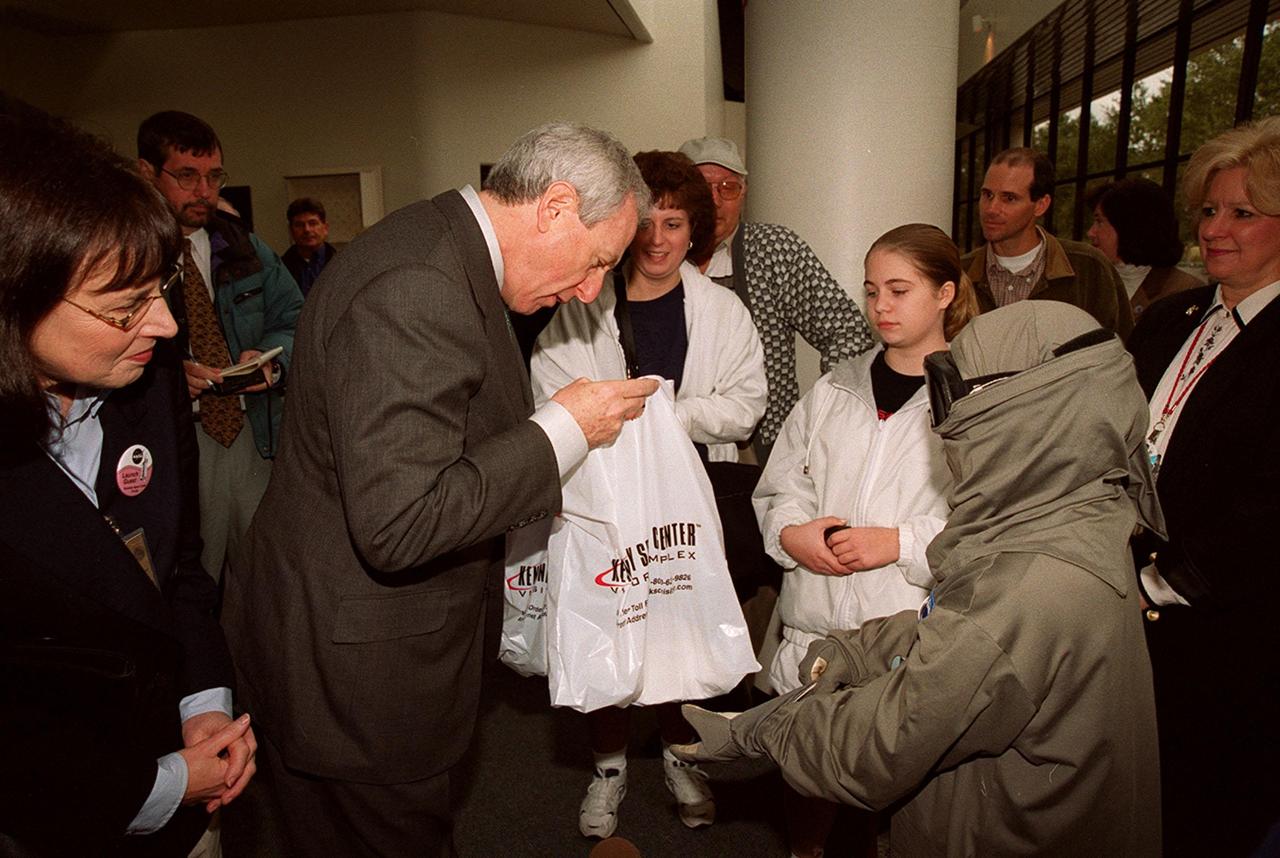
NASA Administrator Dan Goldin (center) presents a bag of special gifts to 10-year-old Jonathan Pierce (right), who is garbed in a protective cooling suit designed by NASA. In the background, between them, are Jonathan's mother, Penny; his grandfather, John Janocka; and his sister, Jaimie.. At left is Mrs. Goldin. Jonathan suffers from erythropoietic protoporphyria, a rare condition that makes his body unable to withstand ultraviolet rays. The suit allows him to be outside during the day, which would otherwise be impossible. Jonathan's trip was funded by the Make-A-Wish Foundation and included a visit to Disney World. He and his family were among a dozen VIPs at KSC to view the launch of STS-99
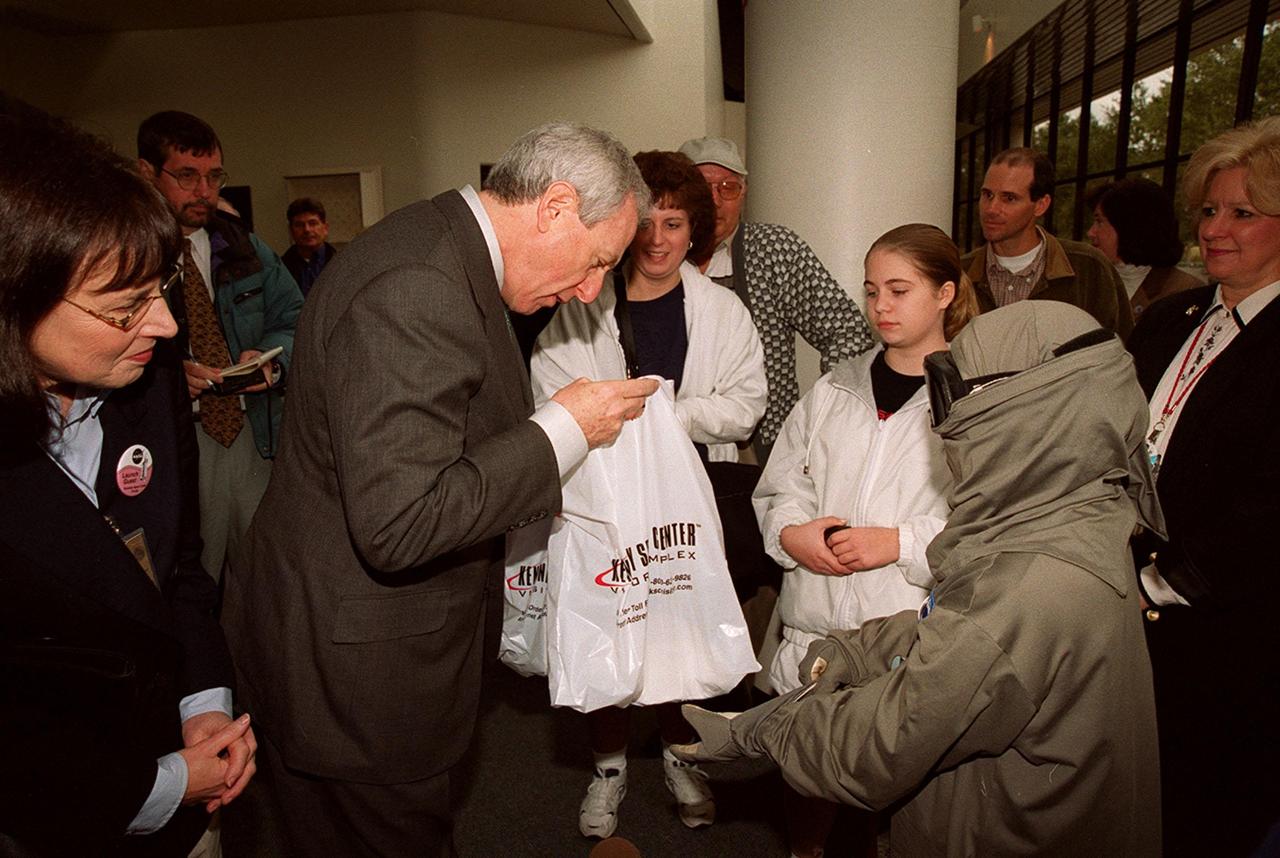
NASA Administrator Dan Goldin (center) presents a bag of special gifts to 10-year-old Jonathan Pierce (right), who is garbed in a protective cooling suit designed by NASA. In the background, between them, are Jonathan's mother, Penny; his grandfather, John Janocka; and his sister, Jaimie.. At left is Mrs. Goldin. Jonathan suffers from erythropoietic protoporphyria, a rare condition that makes his body unable to withstand ultraviolet rays. The suit allows him to be outside during the day, which would otherwise be impossible. Jonathan's trip was funded by the Make-A-Wish Foundation and included a visit to Disney World. He and his family were among a dozen VIPs at KSC to view the launch of STS-99
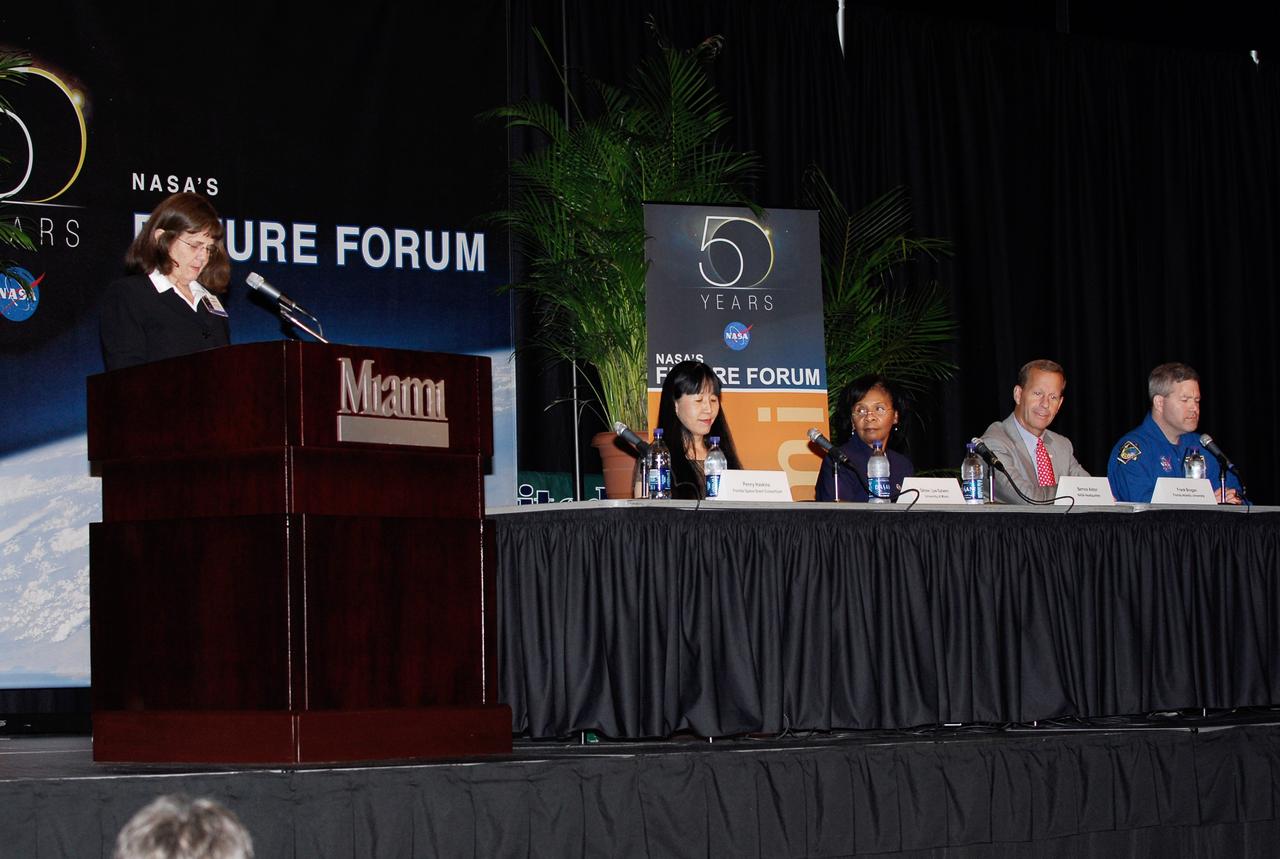
CAPE CANAVERAL, Fla. -- One of the panels conducted during NASA’s Future Forum in Miami featured (left to right) Penny Haskins (at the podium), associate director of the Florida Space Grant Consortium; Okhee Lee-Salwen, with the University of Miami’s College of Education; Bernice Alston, NASA deputy assistant administrator for education; Frank Brogan, president of Florida Atlantic University and former Florida lieutenant governor; Steve Frick, astronaut and commander of the STS-122 space shuttle mission. The forum, which focused on how space exploration benefits Florida's economy, was held at the University of Miami's BankUnited Center and included presentations and panels. Among those participating were NASA Deputy Administrator Shana Dale, astronaut Carl Walz, director of the Advanced Capabilities Division in NASA's Exploration Systems Mission Directorate, and Russell Romanella, director, International Space Station and Spacecraft Processing. Photo credit: NASA/Kim Shiflett
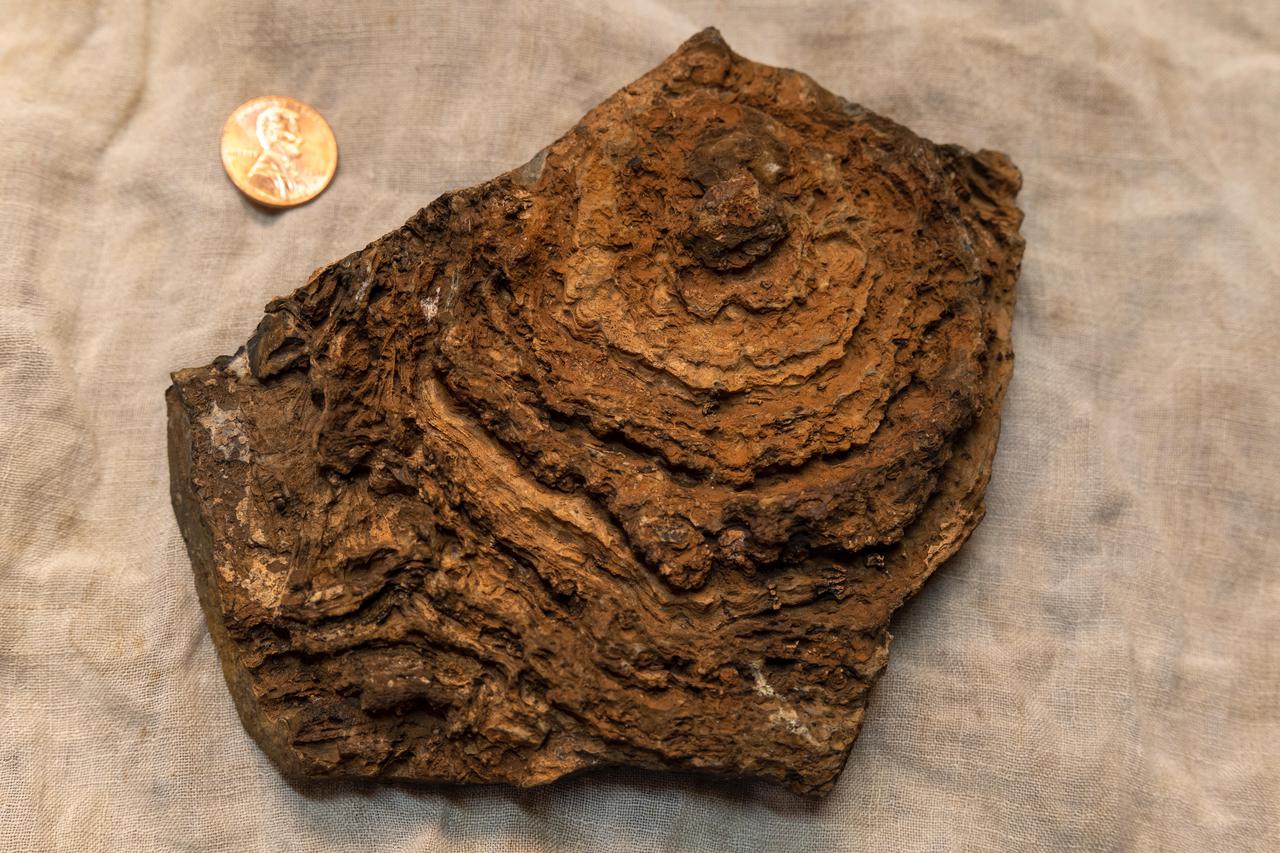
This image shows the finely layered internal structure of a stromatolite sample, with a U.S. penny for scale. This stromatolite formed about 2.7 billion years ago and was collected from an ancient lake environment preserved in the Tumbiana Formation, a succession of clastic and carbonate rocks outcropping along the southern margin of the Pilbara Craton in Western Australia. The view here is top down on what was once a dome that has been eroded flat, revealing the internal layering. Stromatolites form when communities of microorganisms organize into layered "microbial mats" that can trap and bind sediment or stimulate the precipitation of mineral grains from the water around them, both processes generating a kind of "living fossil." However, living stromatolites can rarely be found on Earth today. Stromatolite fossils are the dominant record of life for most of Earth's history prior to the appearance of complex, multicellular organisms. Scientists are seeking something similar to stromatolites in the dry lakebed Perseverance will be exploring on Mars. https://photojournal.jpl.nasa.gov/catalog/PIA24240
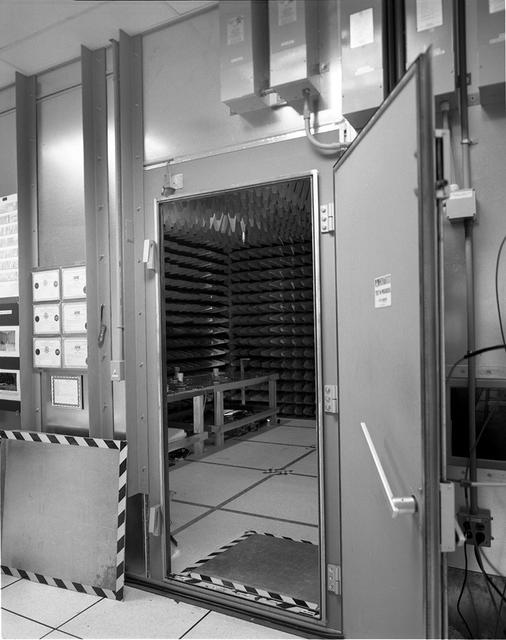
Interior View of FCTB/EDL
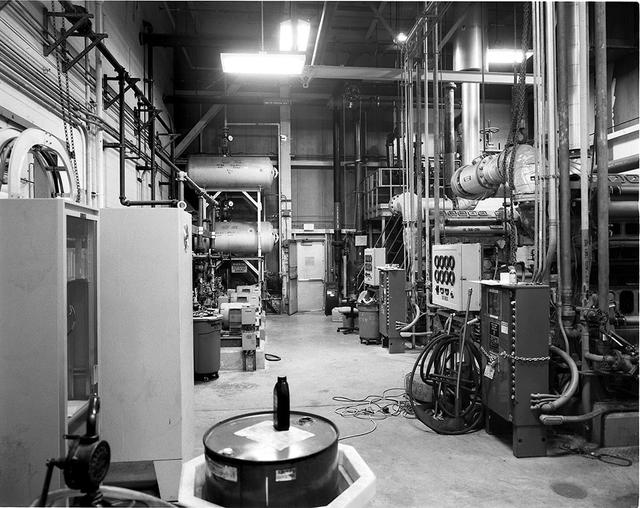
Internal view of the VAB Utility Annex
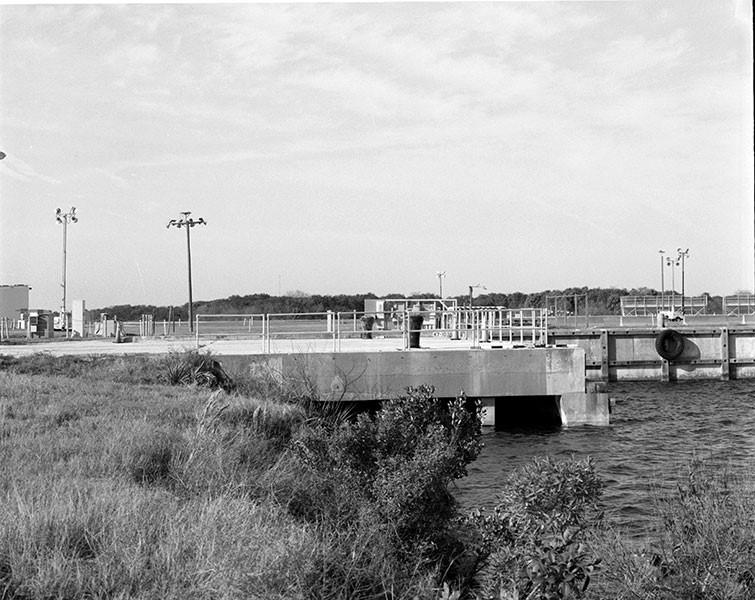
View of the Barge Terminal Facility
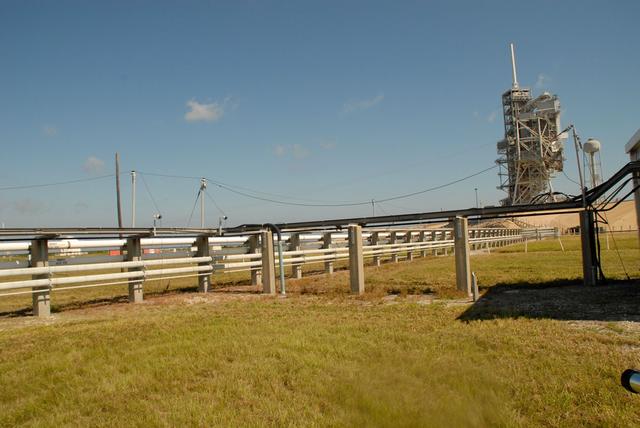
Exterior view of Launch Complex 39A
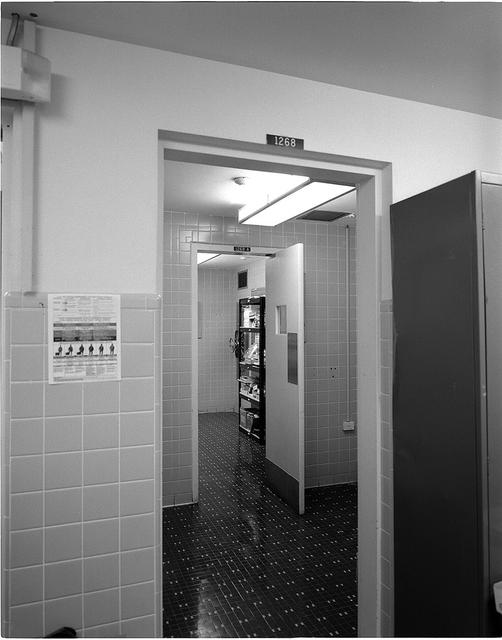
Interior View of BOSU

View of the Shuttle Landing Facility
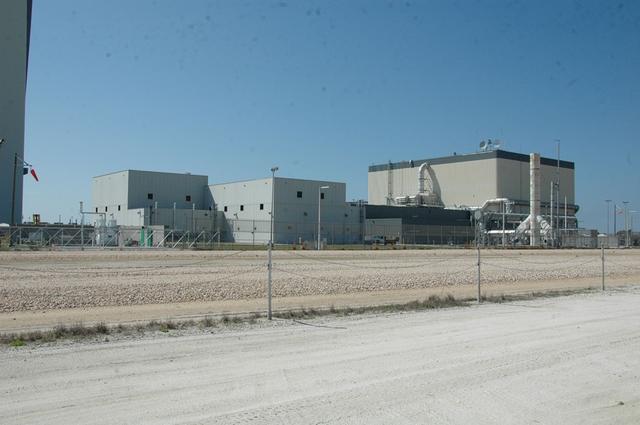
Exterior View of Orbiter Processing Facility 3
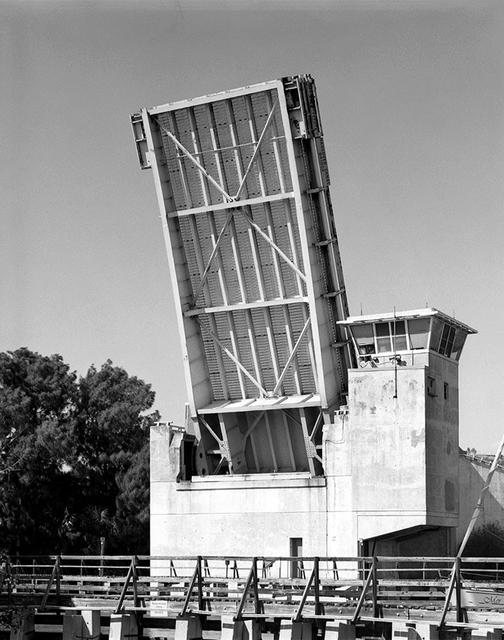
View of the Haulover Canal Bridge
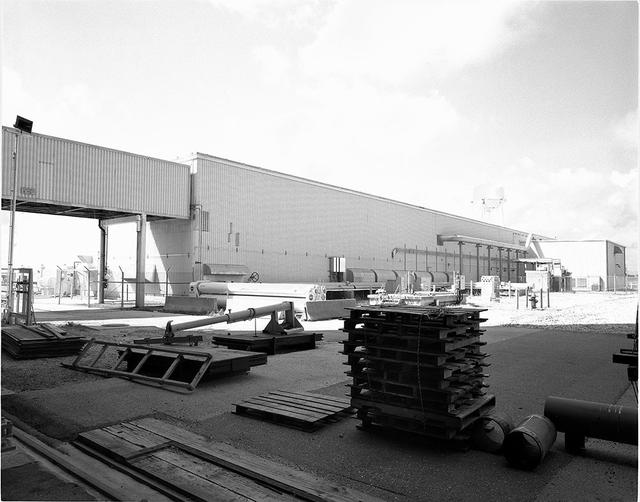
External view of the VAB Utility Annex
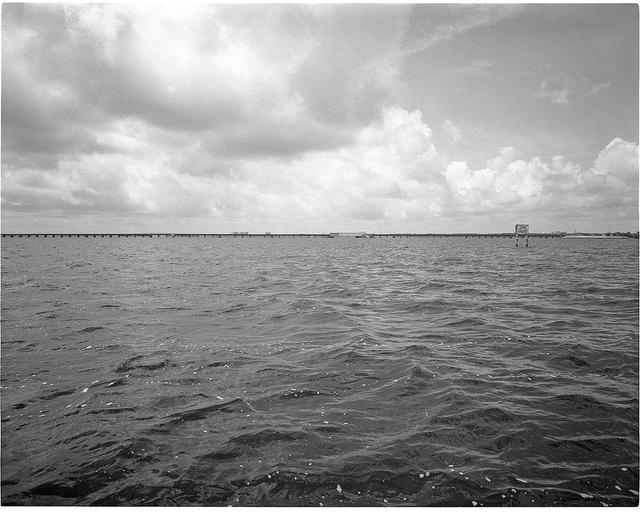
View of the Jay Jay Bridge
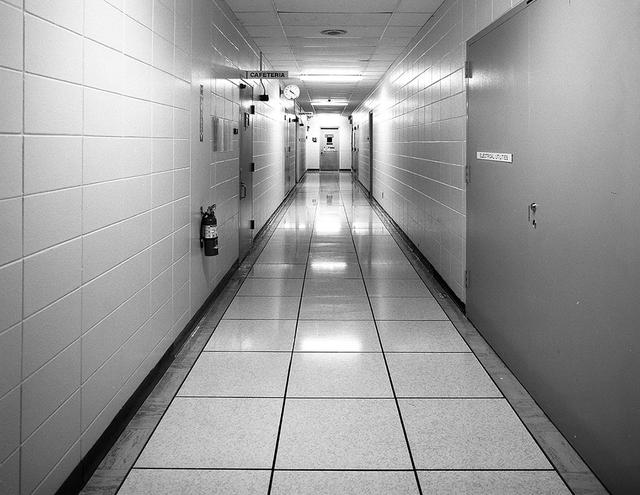
Interior View of CIF
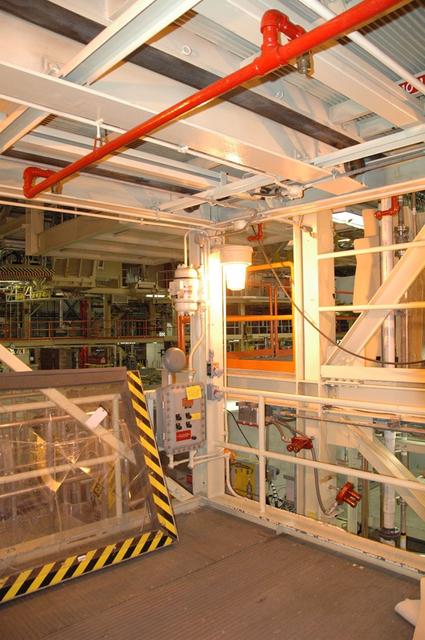
Interior View of Orbiter Processing Facility 3
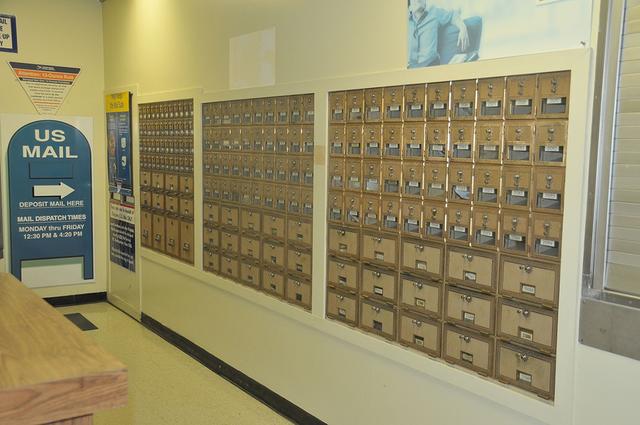
Interior view of KSC Headquarters Building
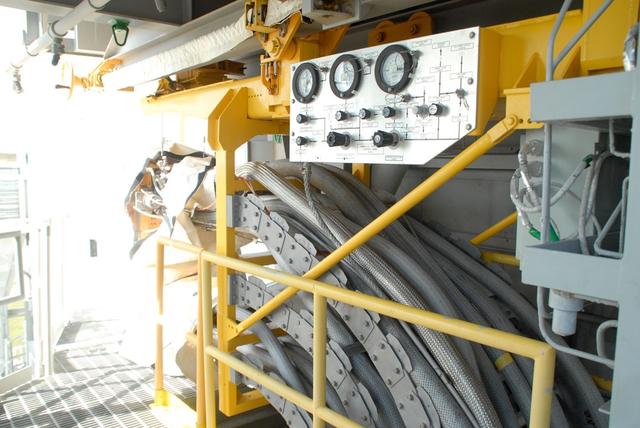
Exterior view of Launch Complex 39A

Exterior view of Mobile Launcher Platform
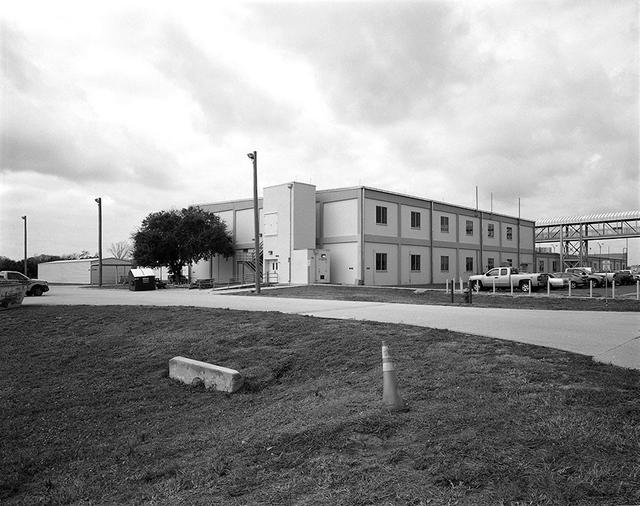
Exterior View of FCTB/EDL
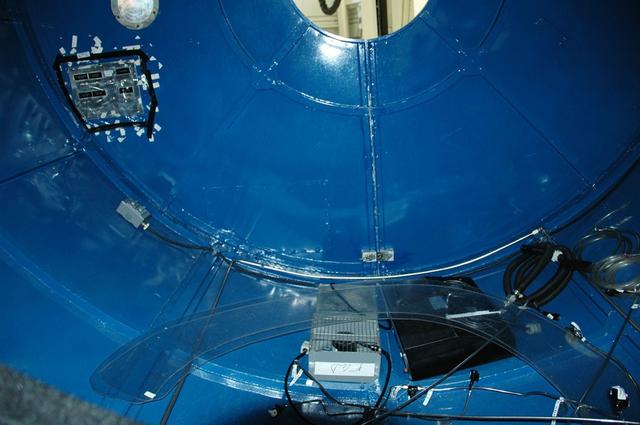
Interior View of Orbiter Processing Facility 3
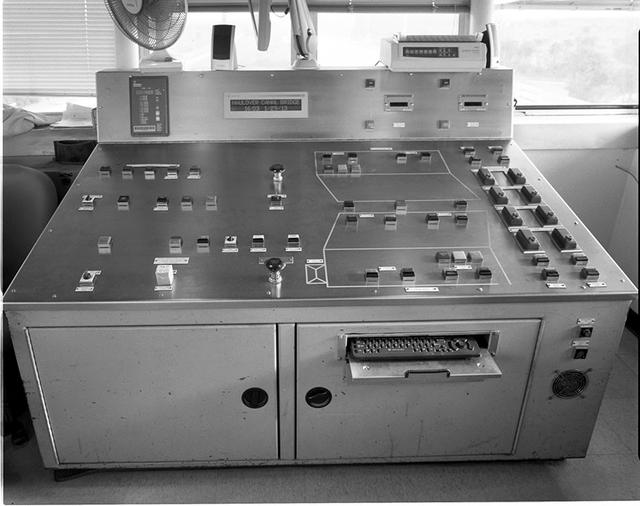
Interior view of the Haulover Canal Bridge Control Tower
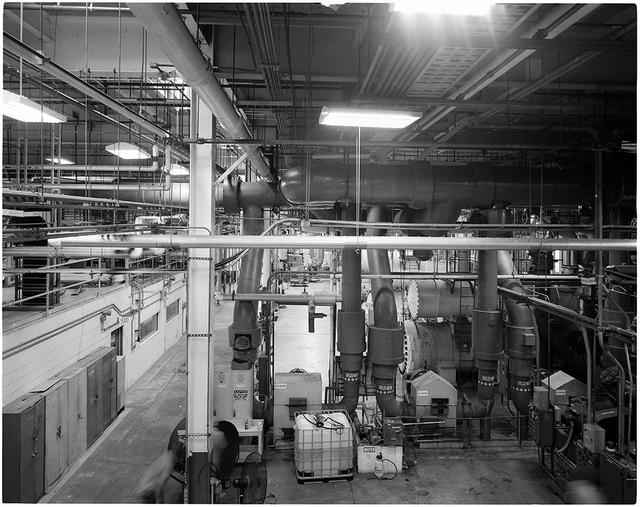
Internal view of the VAB Utility Annex
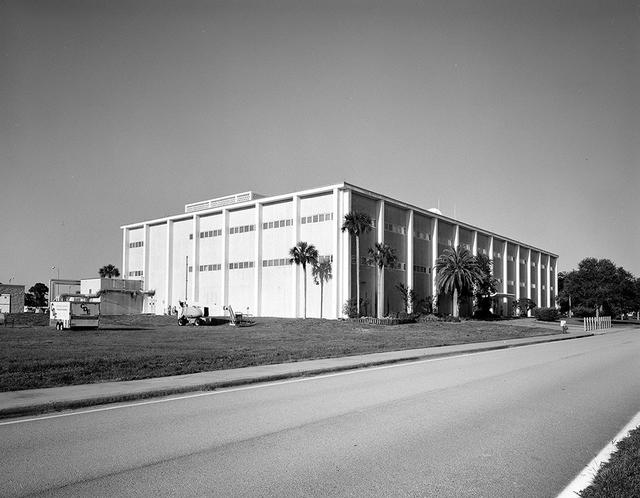
Exterior View of CIF
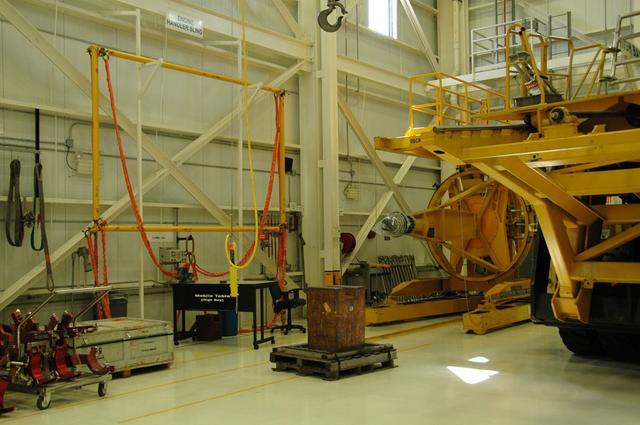
Interior View of Orbiter Processing Facility 3
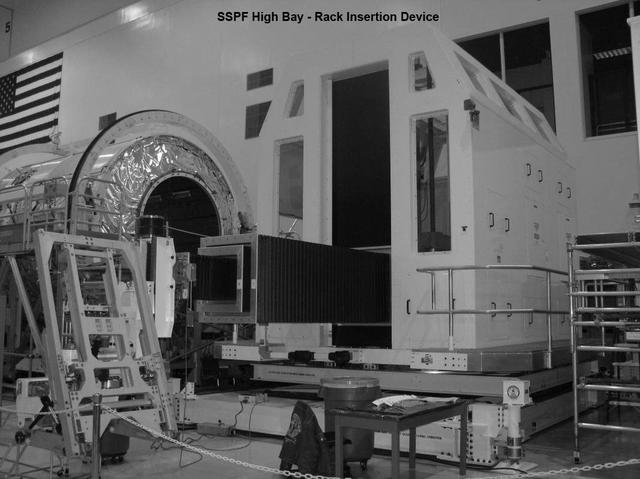
Interior view of the Space Station Processing Facility
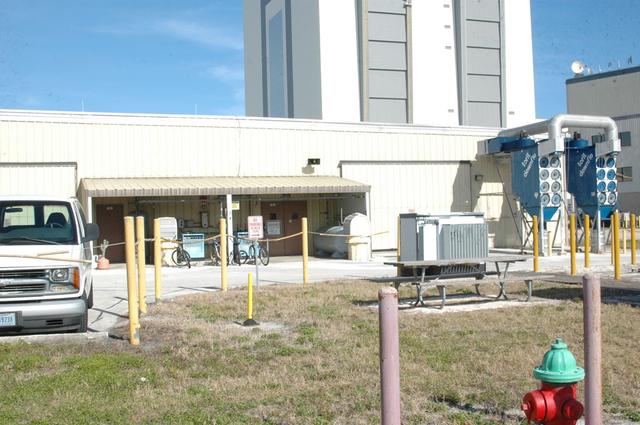
Exterior view of the Thermal Ptroctection System facility
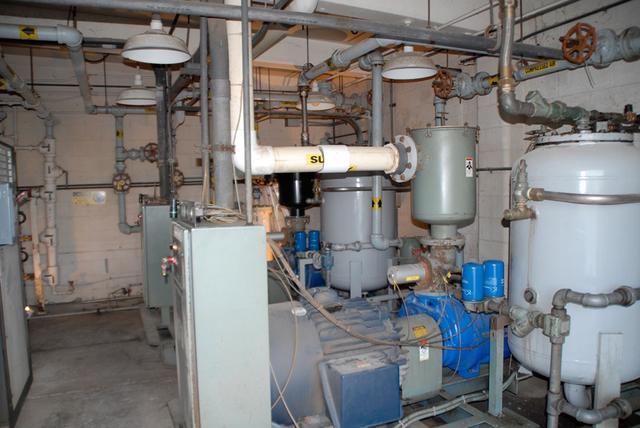
Interior view of Launch Complex 39A
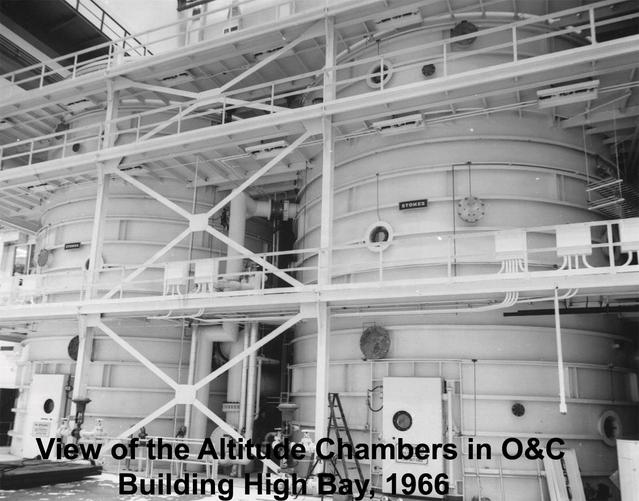
View of O&C Building Altitude Chambers
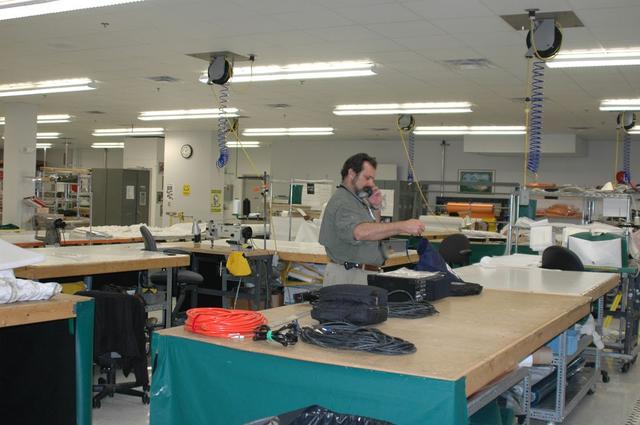
Interior view of the Thermal Ptroctection System facility
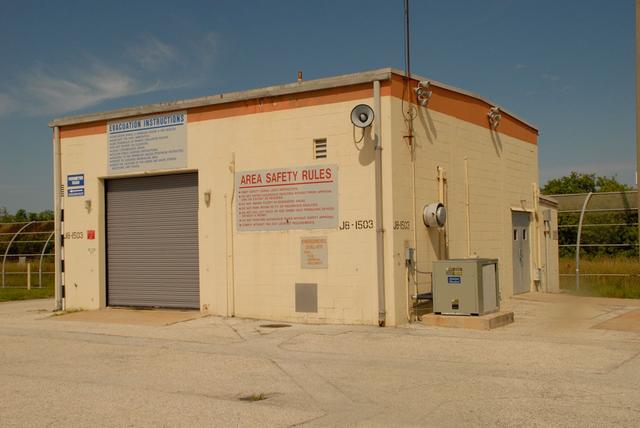
Exterior view of Launch Complex 39A
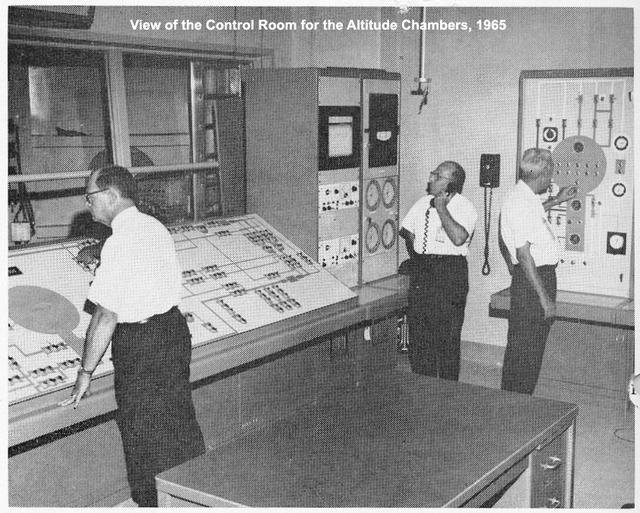
View of O&C Building Altitude Chambers
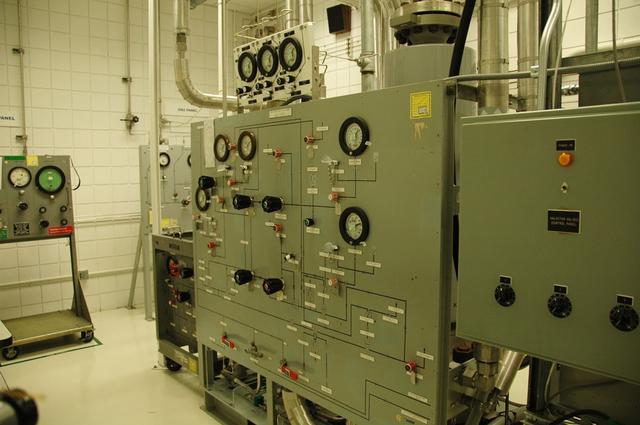
Interior View of Orbiter Processing Facility 3
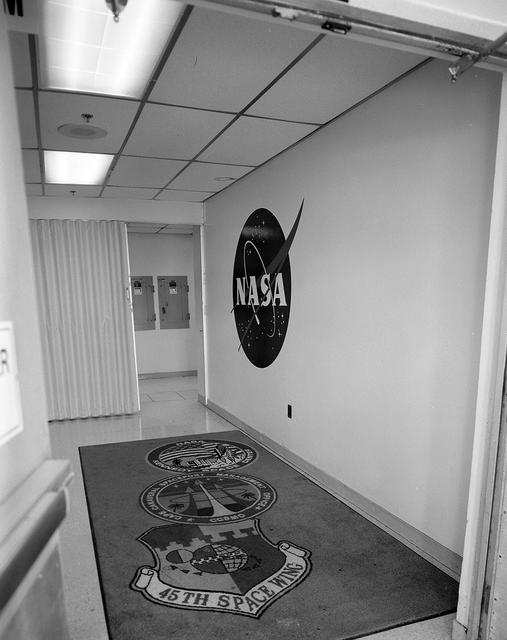
Interior view of the Operations & Checkout Building
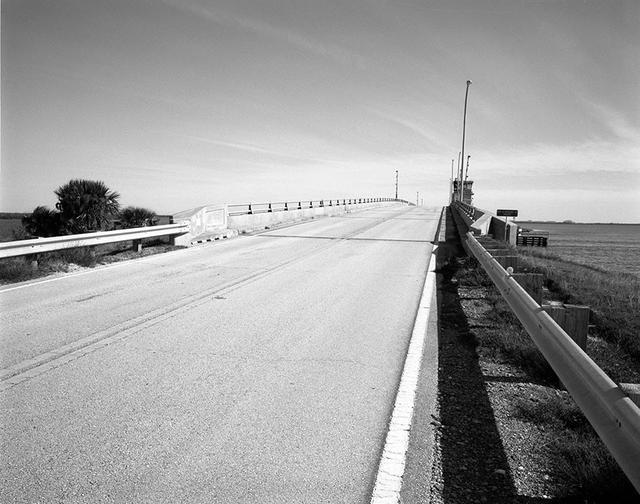
View of the Banana River Bridge
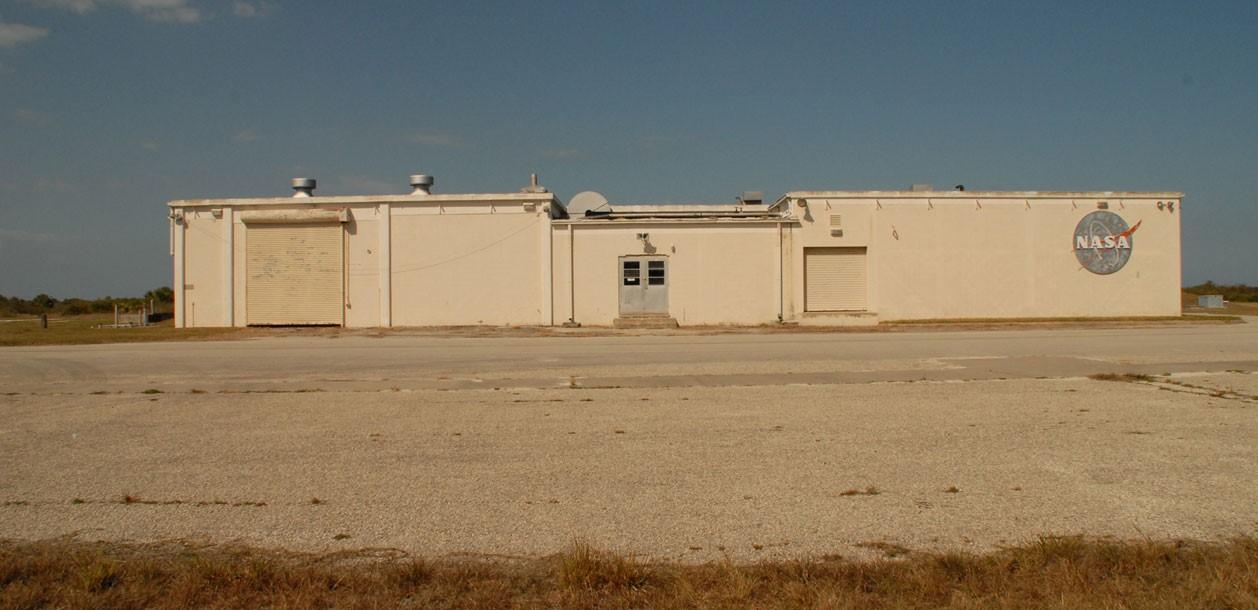
Exterior view of the Mission Control Center
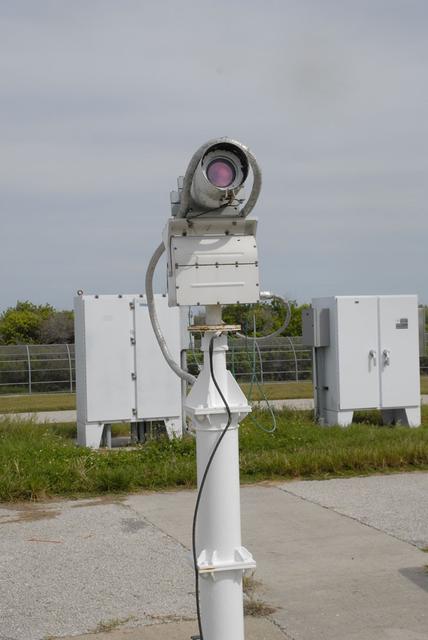
Exterior view of Launch Complex 39A

Interior view of the Solar Array Test Building
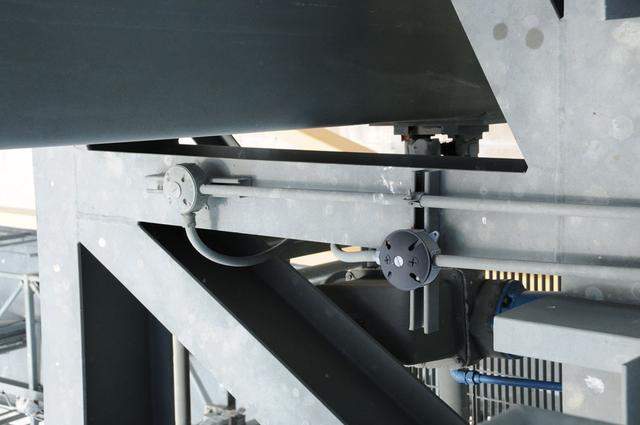
View of the Shuttle Landing Facility
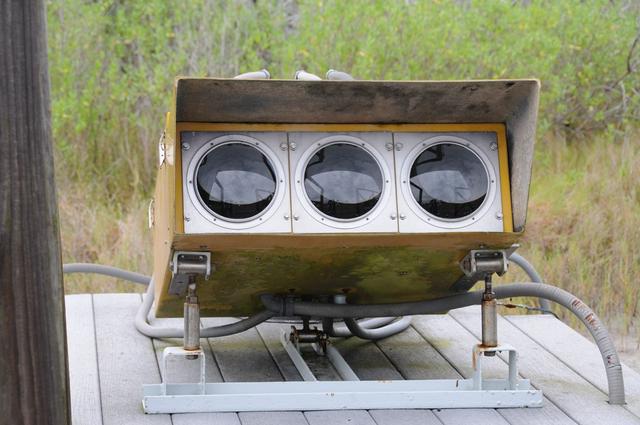
View of the Shuttle Landing Facility
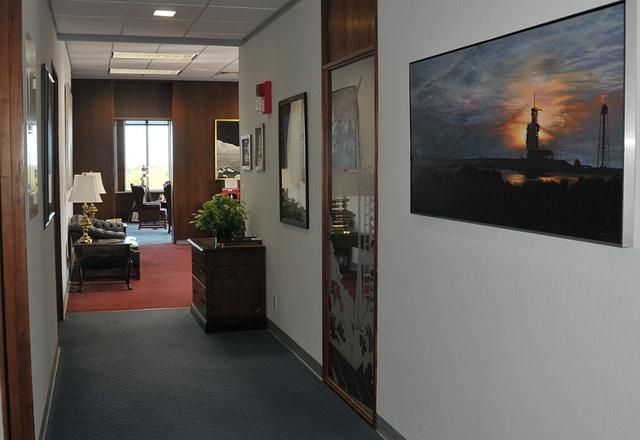
Interior view of KSC Headquarters Building
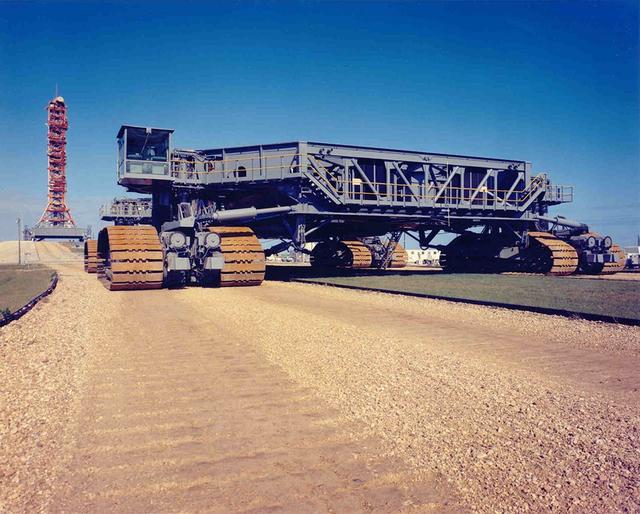
View of Crawlerway
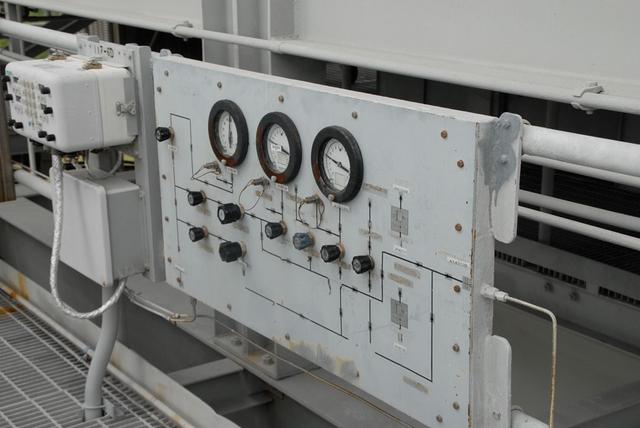
Exterior view of Launch Complex 39A
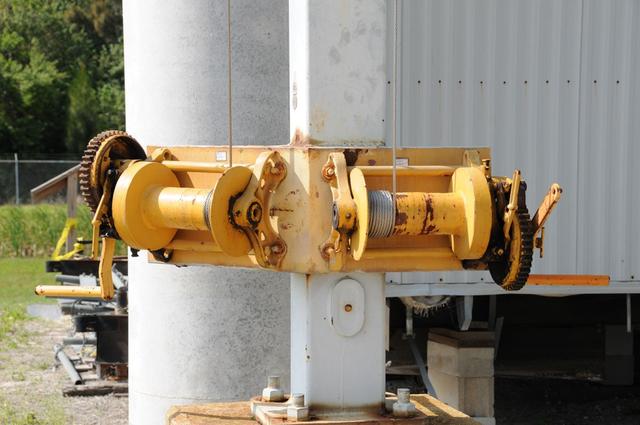
View of the Shuttle Landing Facility
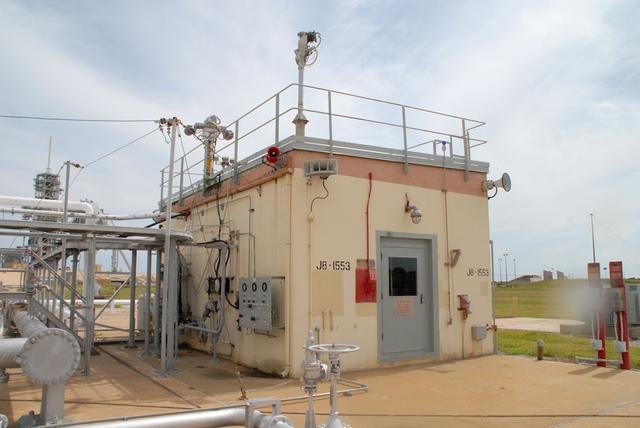
Exterior view of Launch Complex 39A
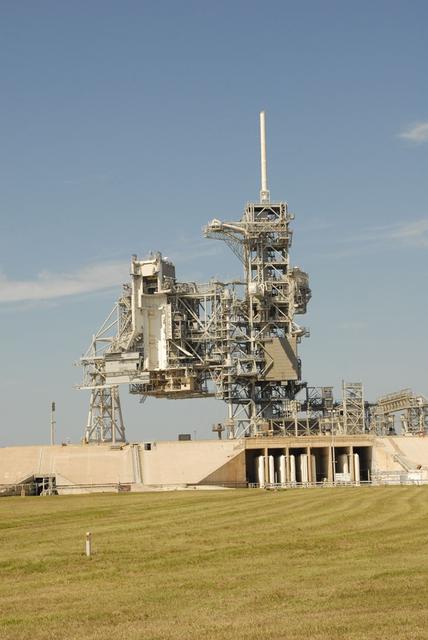
Exterior view of Launch Complex 39A
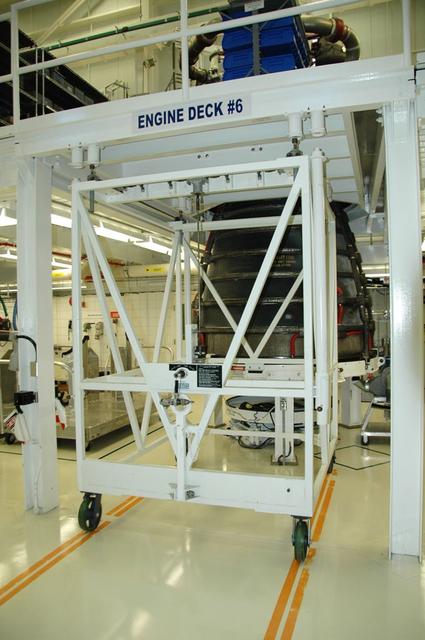
Interior View of Orbiter Processing Facility 3
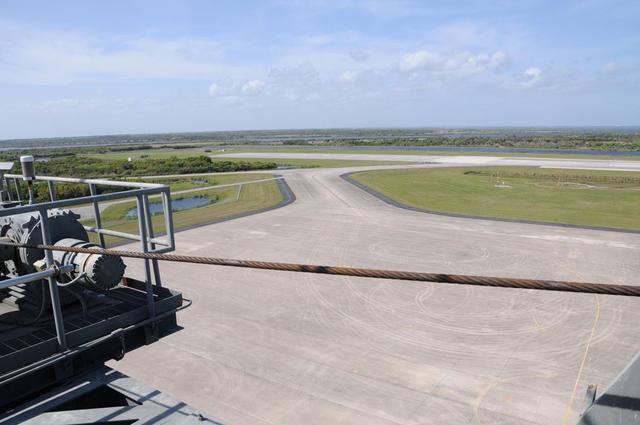
View of the Shuttle Landing Facility
View of Crawlerway
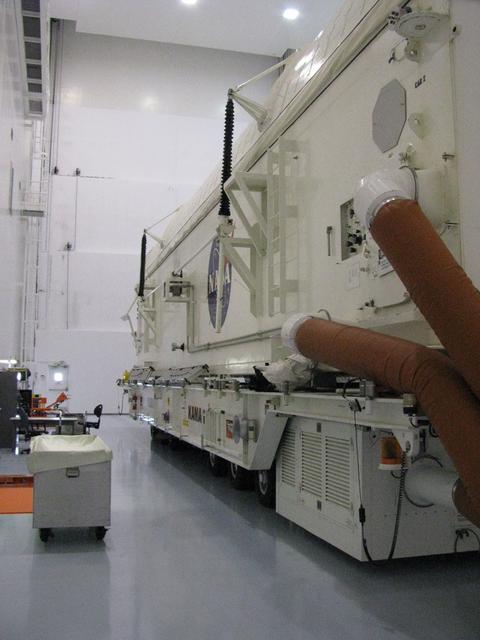
Interior view of the Space Station Processing Facility
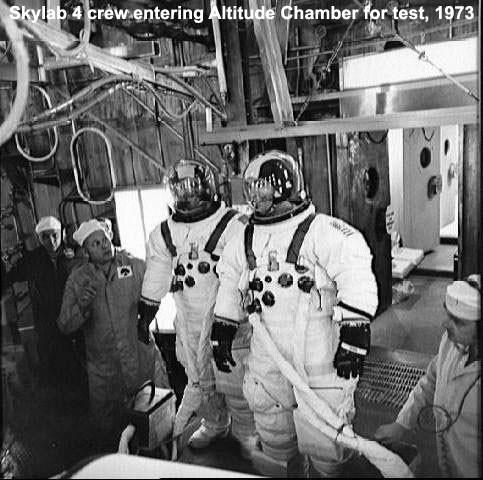
View of O&C Building Altitude Chambers
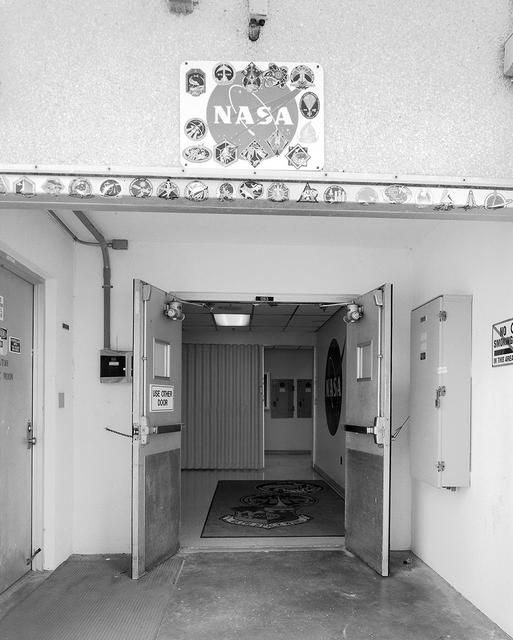
Interior view of the Operations & Checkout Building
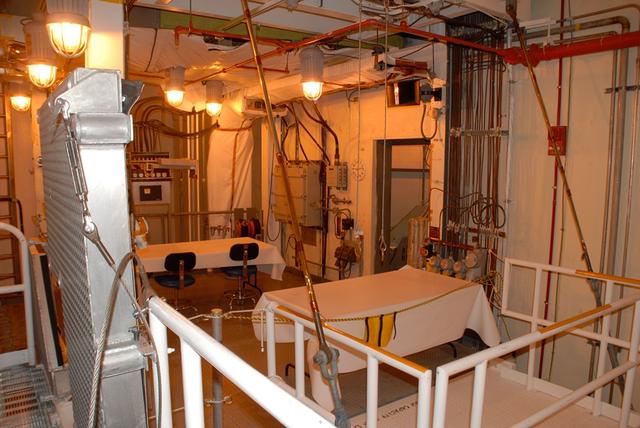
Interior view of Launch Pad 39A

View of O&C Building Altitude Chambers
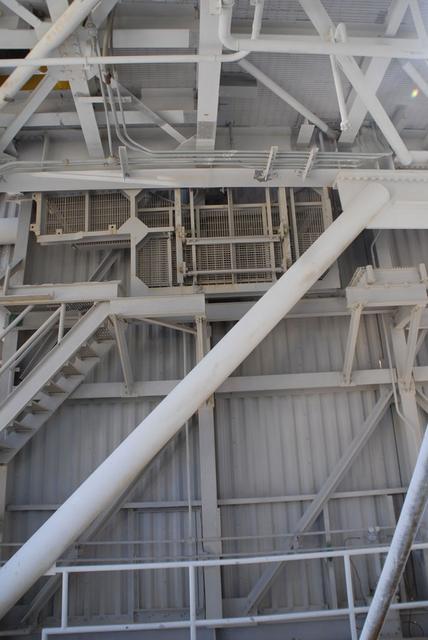
Exterior view of Launch Complex 39A

Interior view of the Space Station Processing Facility
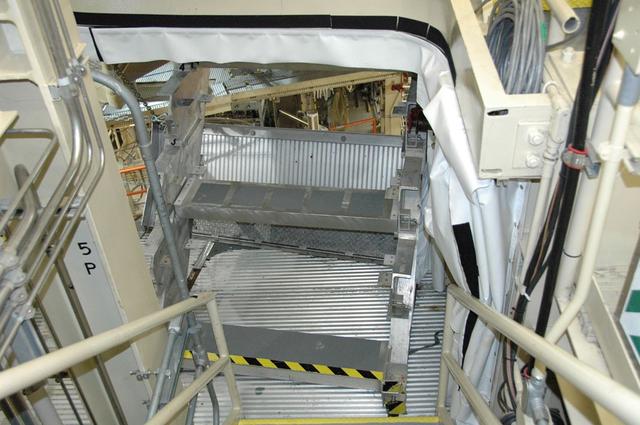
Interior View of Orbiter Processing Facility 3
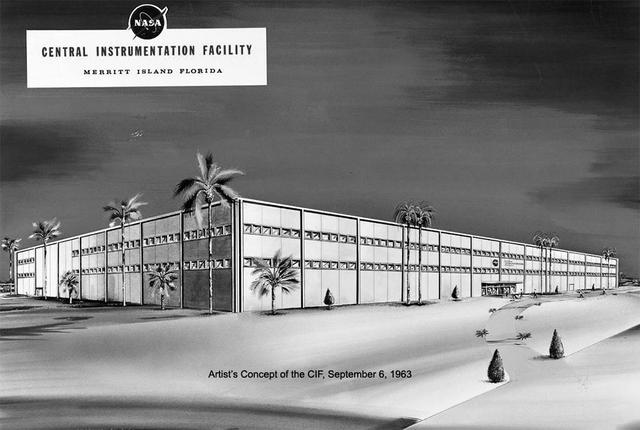
Exterior View of CIF
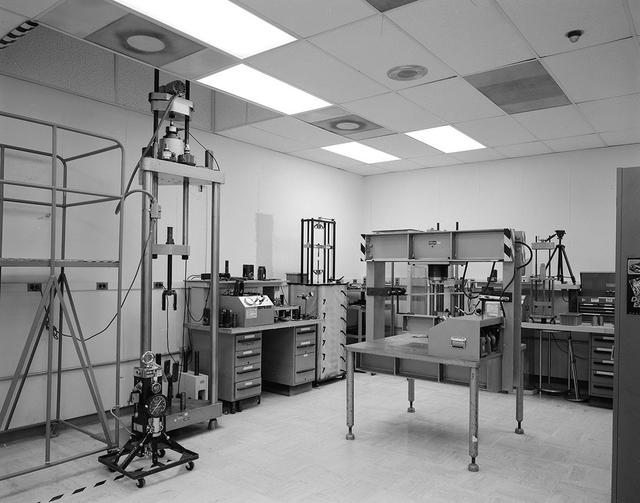
Interior View of CIF
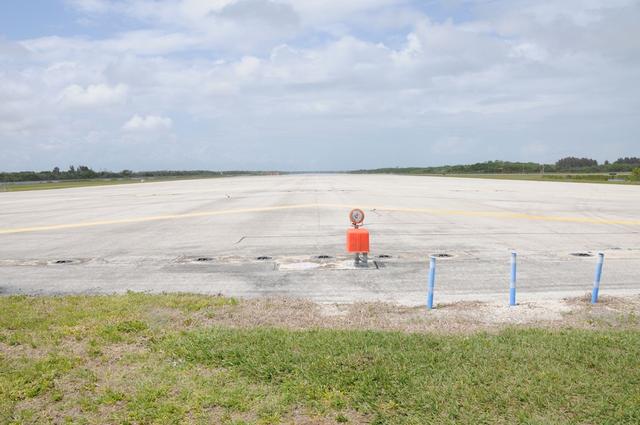
View of the Shuttle Landing Facility
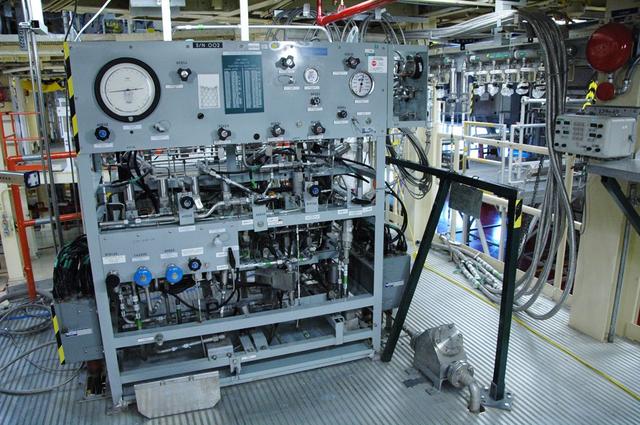
Interior View of Orbiter Processing Facility 3
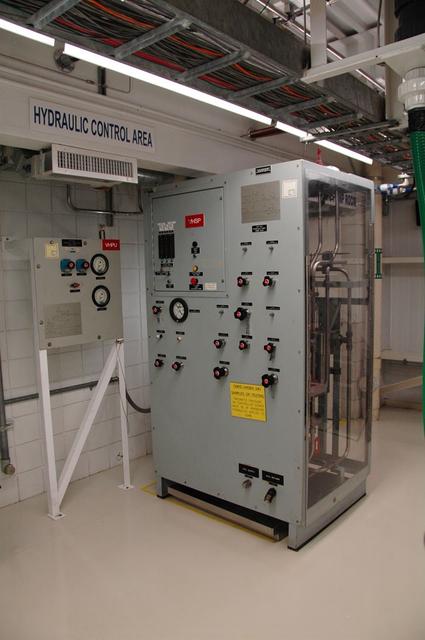
Interior View of Orbiter Processing Facility 3
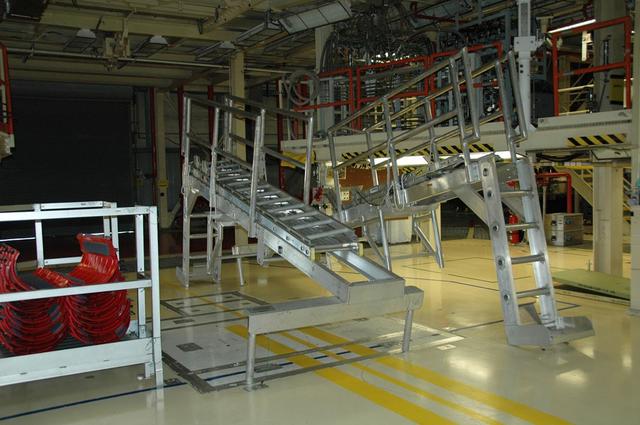
Interior View of Orbiter Processing Facility 3
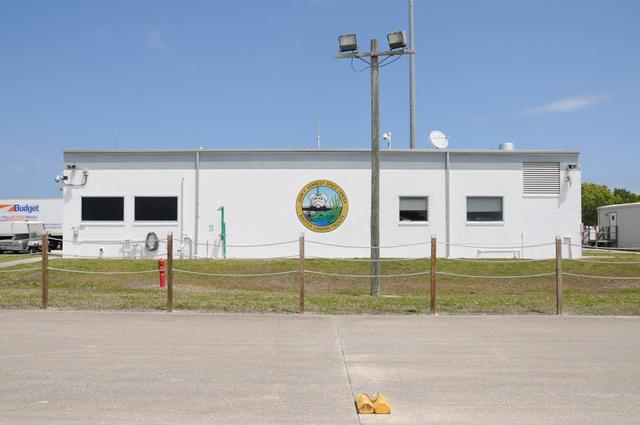
View of the Landing Aids Control Building
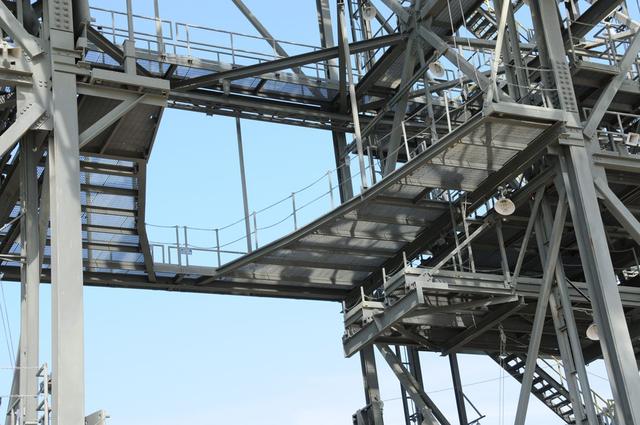
View of the Shuttle Landing Facility
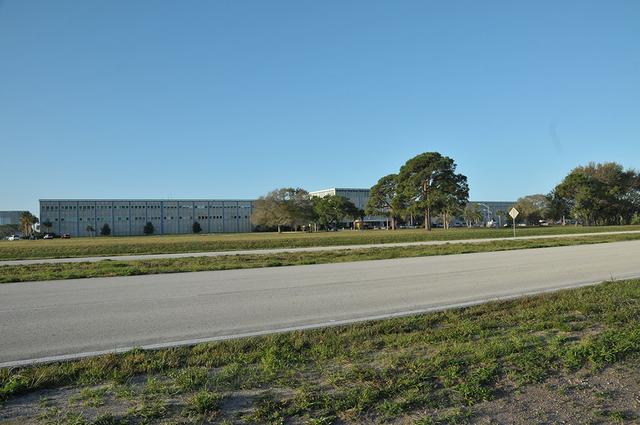
Exterior view of KSC Headquarters Building
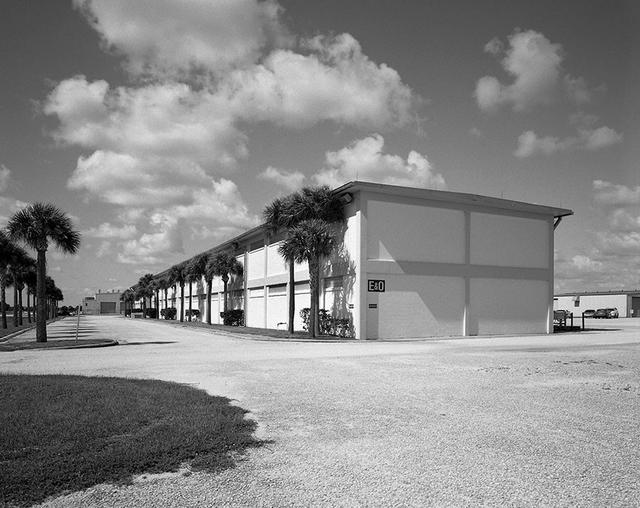
Exterior View of E&O Building

View of the Railway System

View of the Haulover Canal Bridge

Aerial view of Crawlerway

Interior view of the Space Station Processing Facility
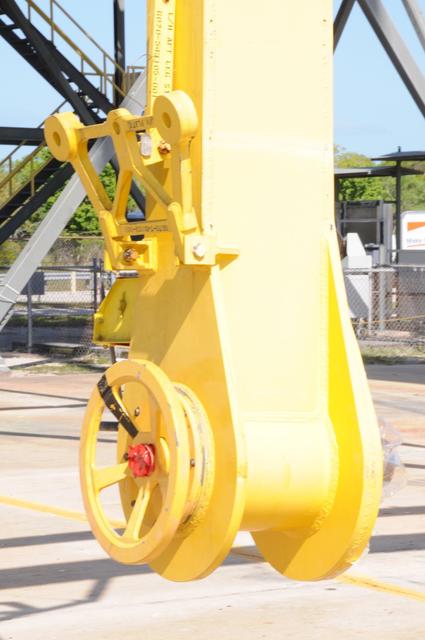
View of the Shuttle Landing Facility
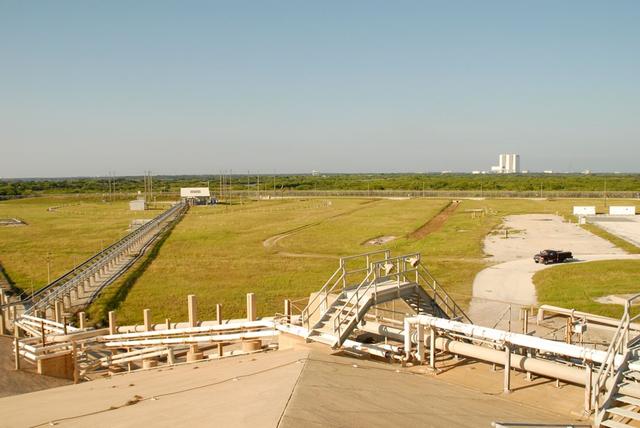
Exterior view of Launch Complex 39A