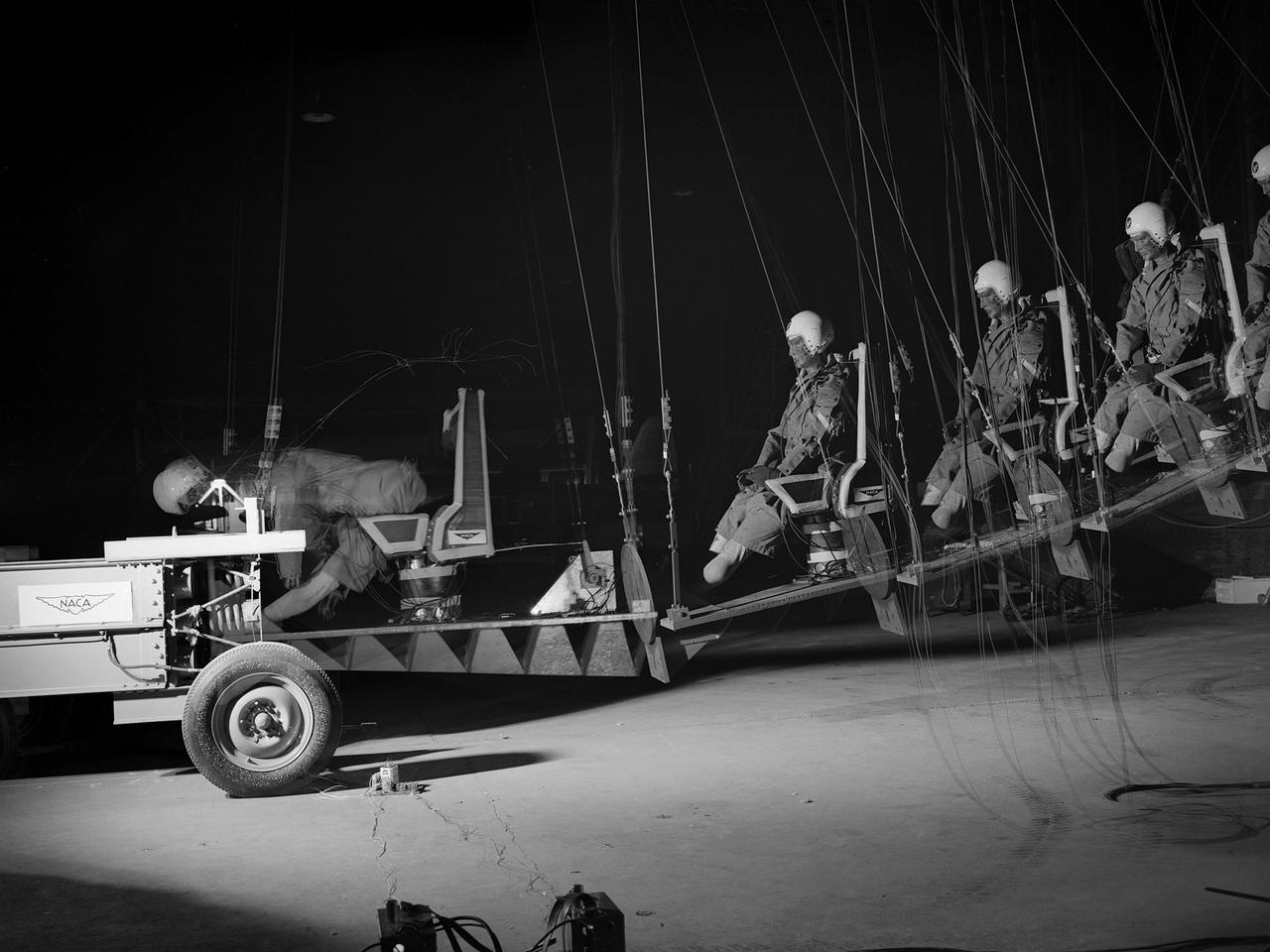
This time-lapse photograph shows the test of a pilot seat and restraint designed by researchers at the National Advisory Committee for Aeronautics (NACA) Lewis Flight Propulsion Laboratory. The laboratory had undertaken a multi-year investigation into the causes and preventative measures for fires resulting from low altitude aircraft crashes. The program was expanded in the mid-1950s to include the study of crash impact on passengers, new types of types of seat restraints, and better seat designs. The impact program began by purposely wrecking surplus transport Fairchild C-82 Packet and Piper Cub aircraft into barricades at the end of a test runway. Instrumented dummies and cameras were installed in the pilot and passenger areas. After determining the different loads experienced during a crash and the effects on the passengers, the NACA researchers began designing new types of seats and restraints. The result was an elastic seat that flexed upon impact, absorbing 75 percent of the loads before it slowly recoiled. This photograph shows the seats mounted on a pendulum with a large spring behind the platform to provide the jolt that mimicked the forces of a crash. The seat was constructed without any potentially damaging metal parts and included rubber-like material, an inflated back and arms, and a seat cushion. After the pendulum tests, the researchers compared the flexible seats to the rigid seats during a crash of a transport aircraft. They found the passengers in the rigid seats received 66 percent higher g-forces than the NACA-designed seats.
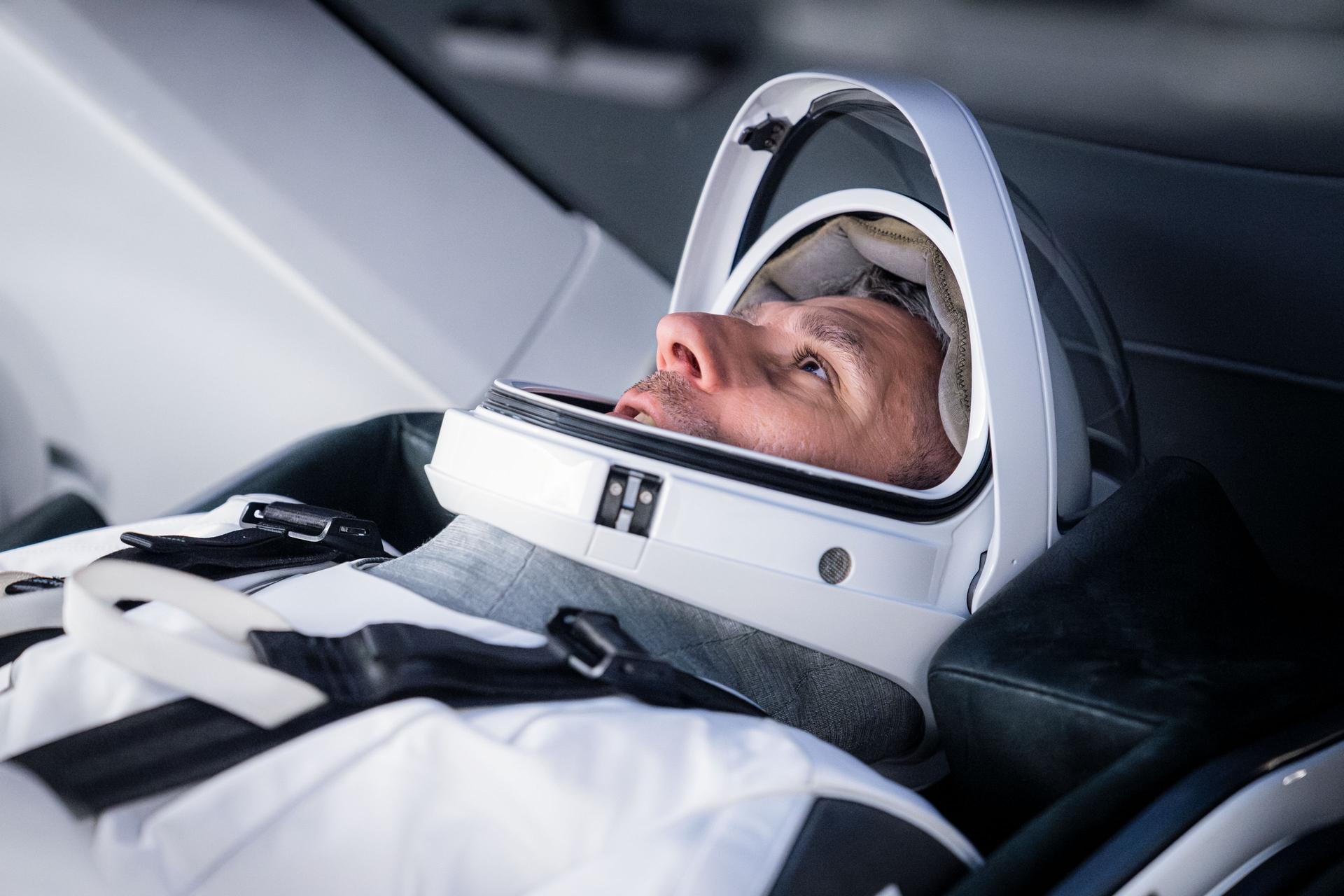
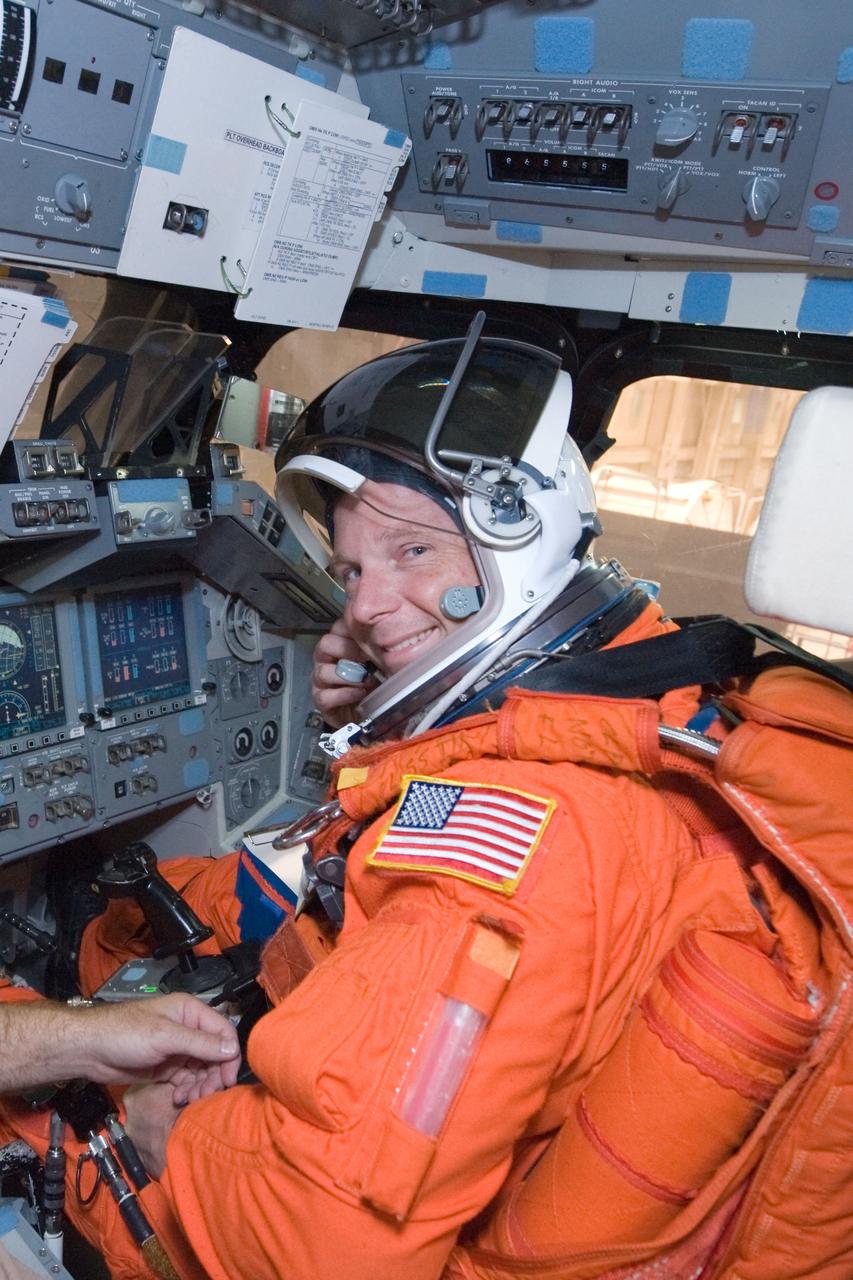
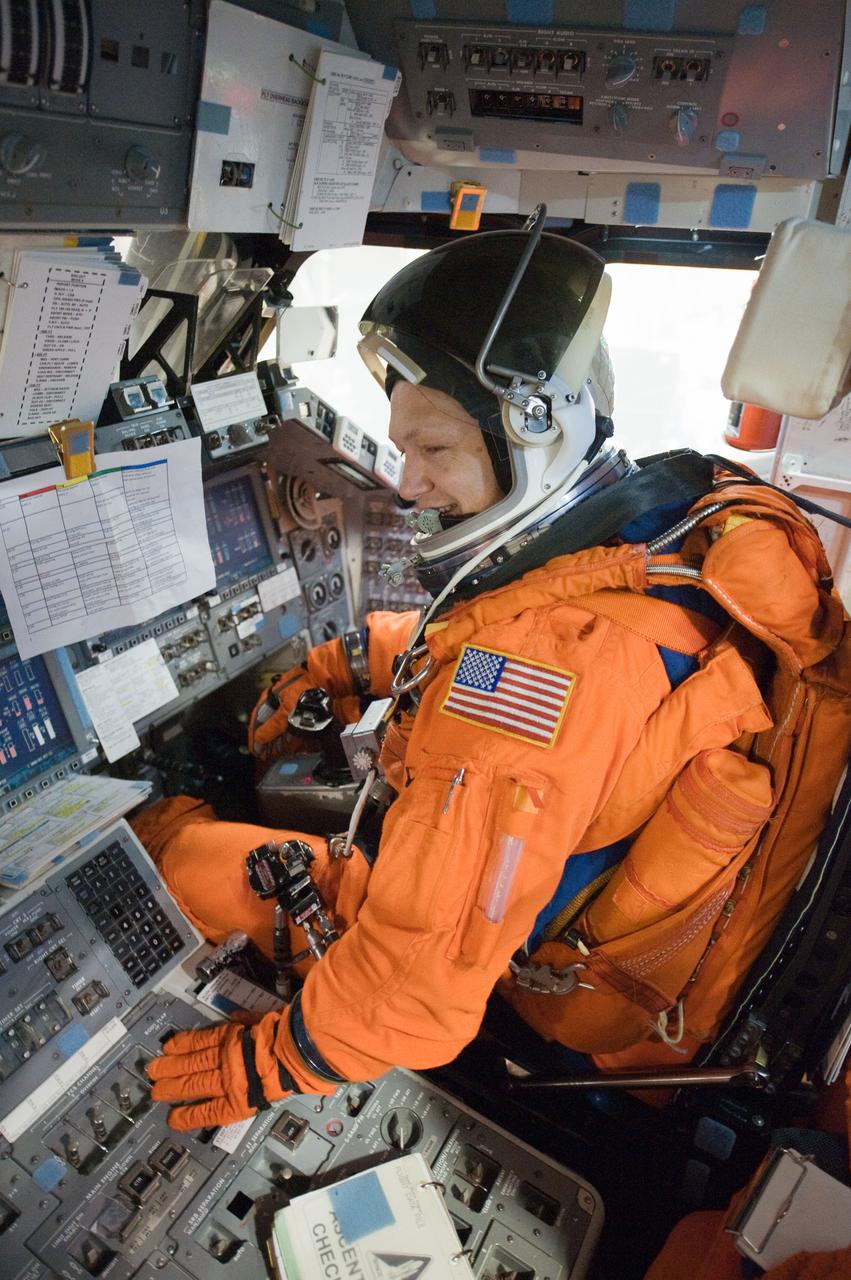
jsc2026e034346 (April 17, 2026) --- NASA astronaut and SpaceX Crew-13 Pilot Luke Delaney is pictured in his pressure suit and seated inside a SpaceX Dragon spacecraft during a training session at SpaceX headquarters in Hawthorne, California. Credit: SpaceX
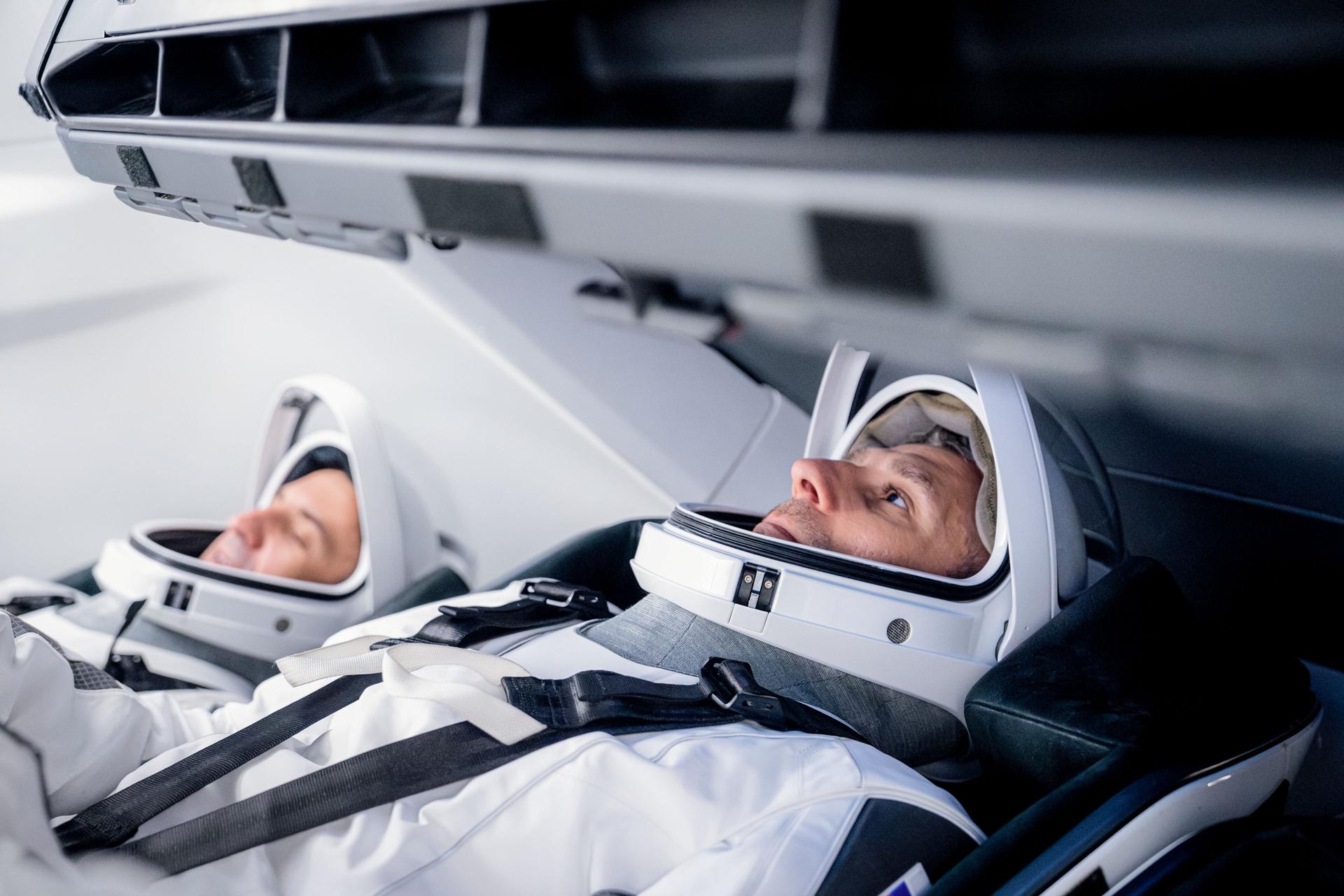
jsc2026e034351 (April 17, 2026) --- From left, SpaceX Crew-13 Mission Specialist Sergey Teteryatnikov of Roscosmos and Pilot Luke Delaney of NASA are seated inside a SpaceX Dragon spacecraft during a training session at SpaceX headquarters in Hawthorne, California. Credit: SpaceX
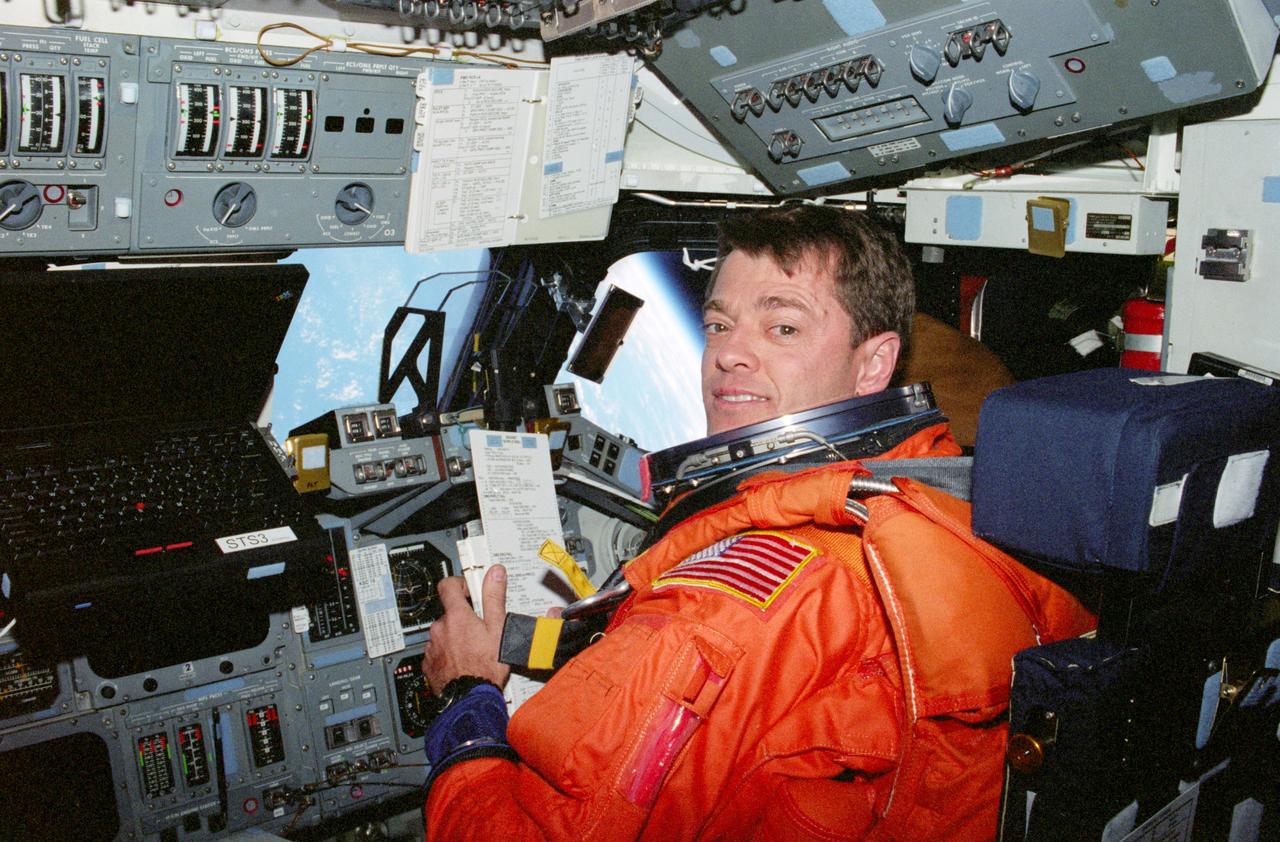
STS093-323-009 (22-27 July 1999) --- Astronaut Jeffrey S. Ashby, pilot, looks over a procedures checklist at the pilot’s station on the forward flight deck of the Earth-orbiting Space Shuttle Columbia.
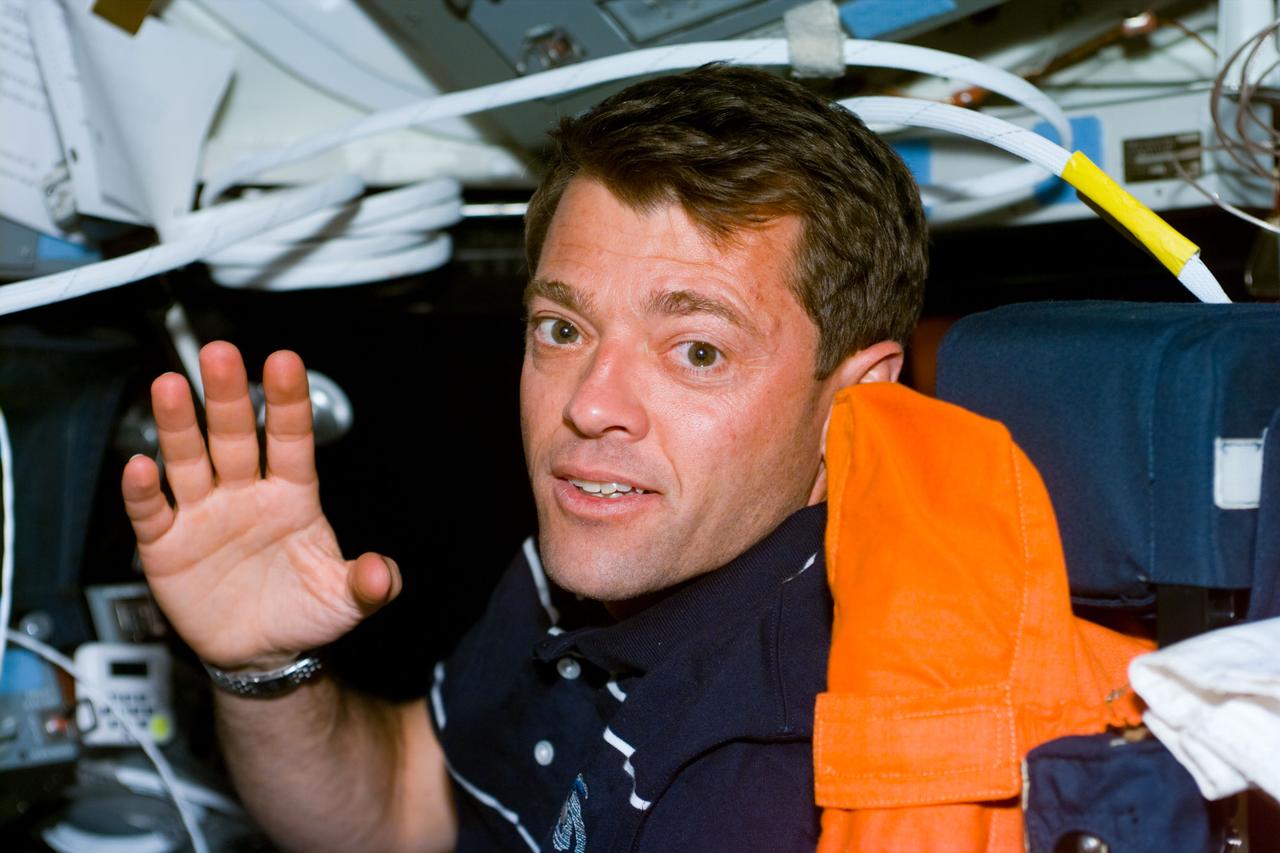
S93-E-5029 (23 July 1999) --- Astronaut Jeffrey S. Ashby waves to the camera from the pilot's station on the starboard side of Columbia's forward flight deck. The photo was recorded with an electronic still camera (ESC) on Flight Day 1 of the STS-93 mission.
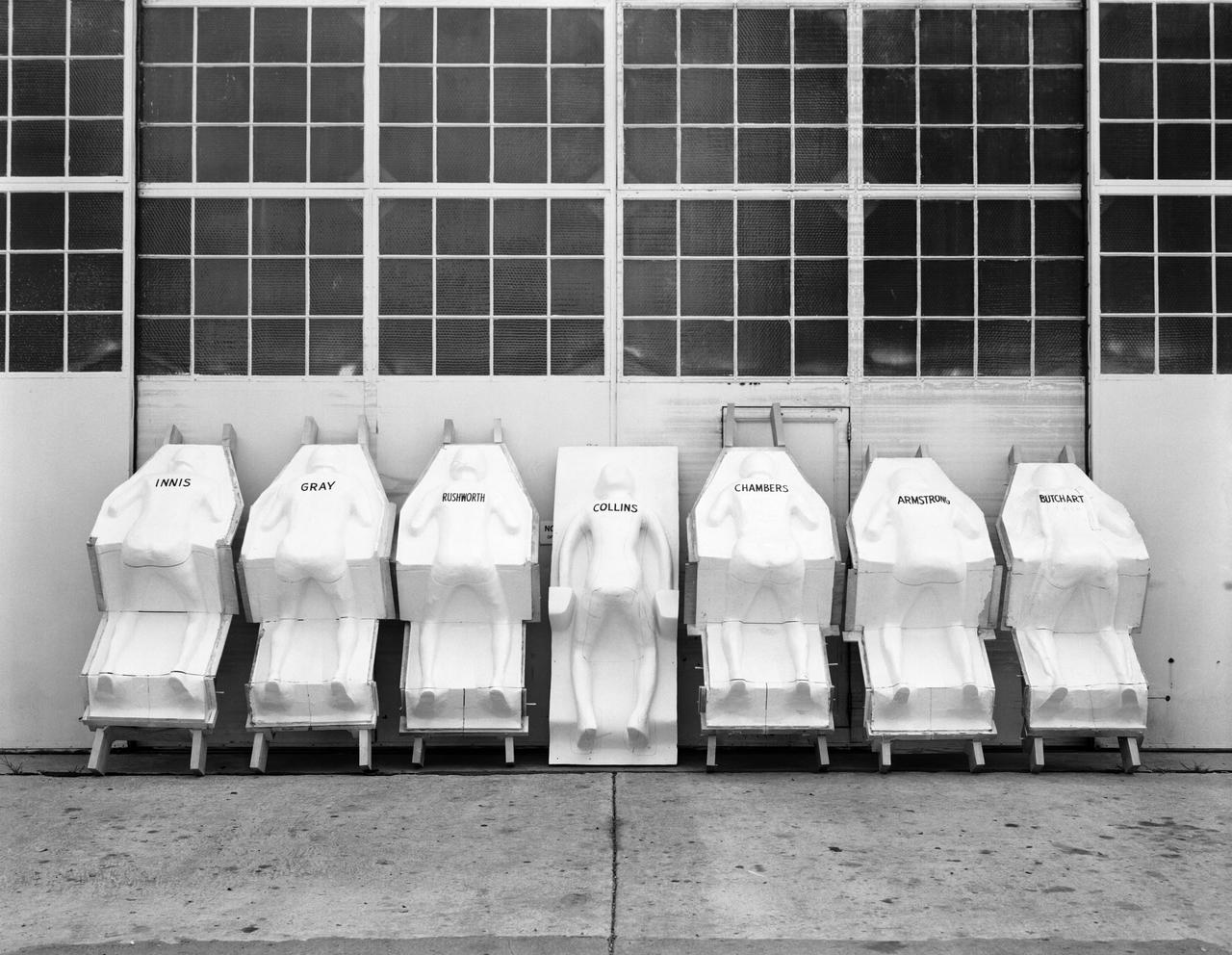
Molds for couches for test pilots, line the NASA Langley Research Centers model shop wall. The names of the test subjects (Langley employees) are written on the back. The couches are similar to those made for each astronaut and fitted into the Mercury capsules for manned spaceflight.
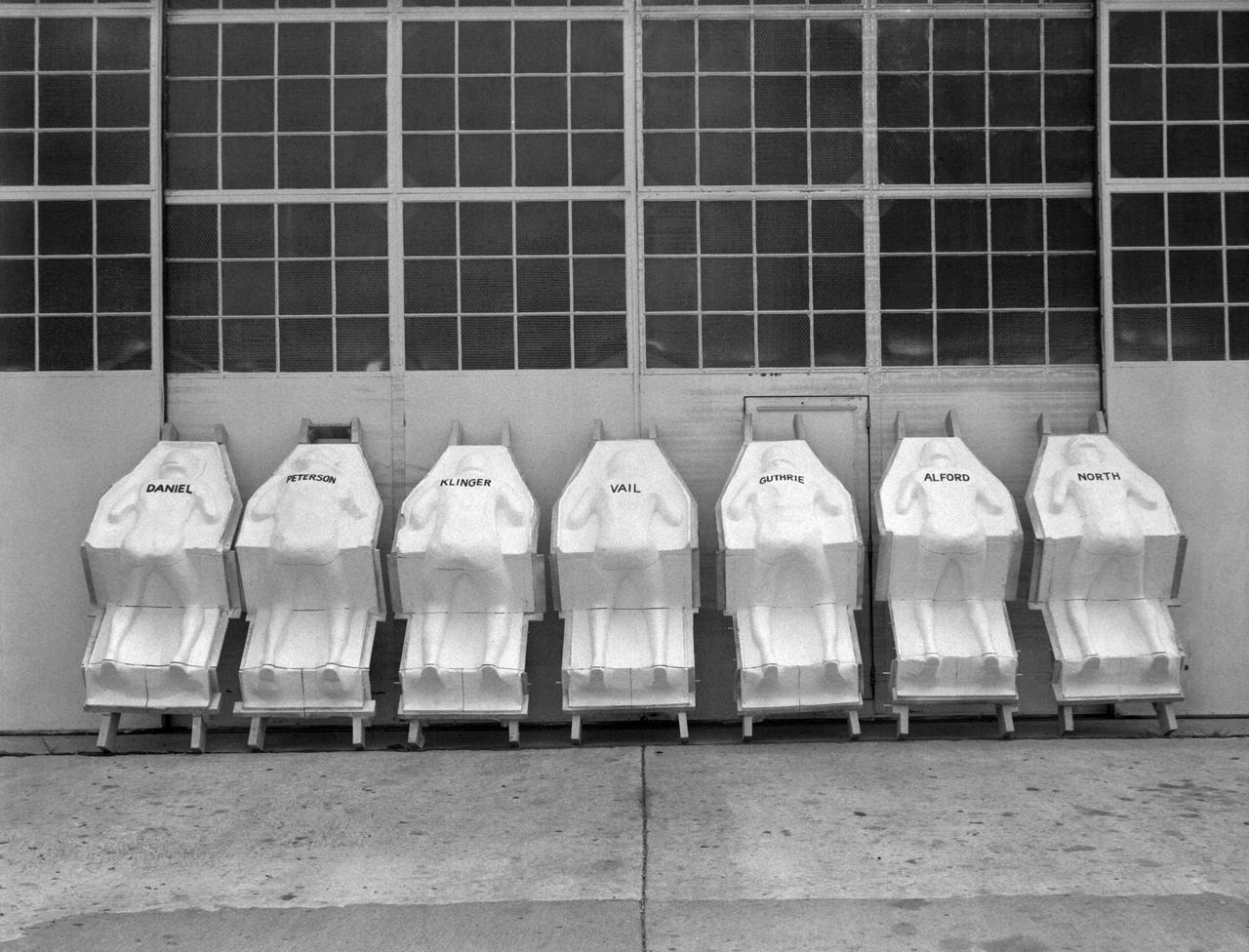
Molds for couches for test pilots, line the NASA Langley Research Centers model shop wall. The names of the test subjects (Langley employees) are written on the back. The couches are similar to those made for each astronaut and fitted into the Mercury capsules for manned spaceflight.
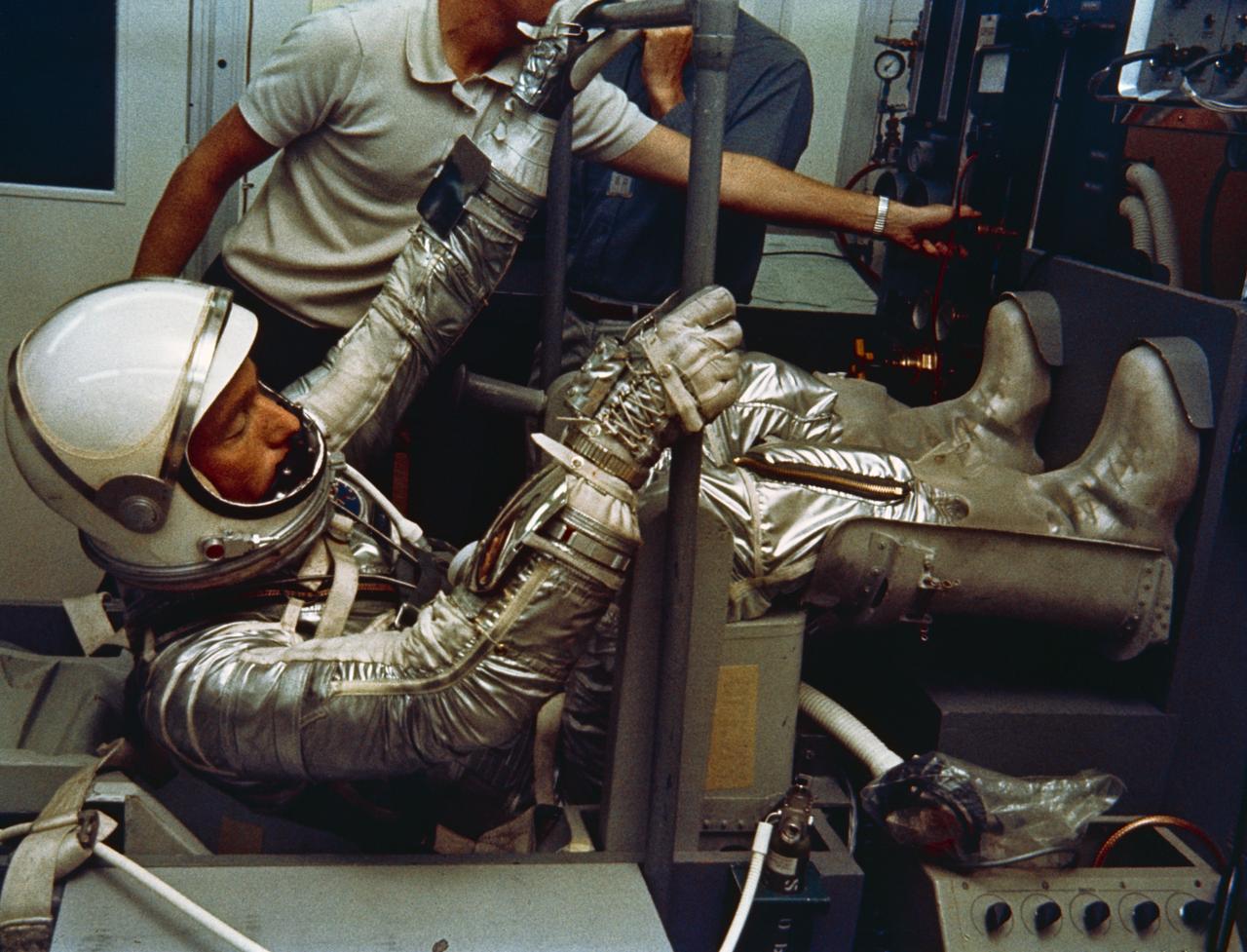
S65-24623 (May 1962) --- Astronaut M. Scott Carpenter, prime pilot for the Mercury-Atlas 7 (MA-7) flight, is seen in Hangar S crew quarters during a suiting exercise. Carpenter is seated in a mock-up of his pilot's seat while fully suited. Photo credit: NASA
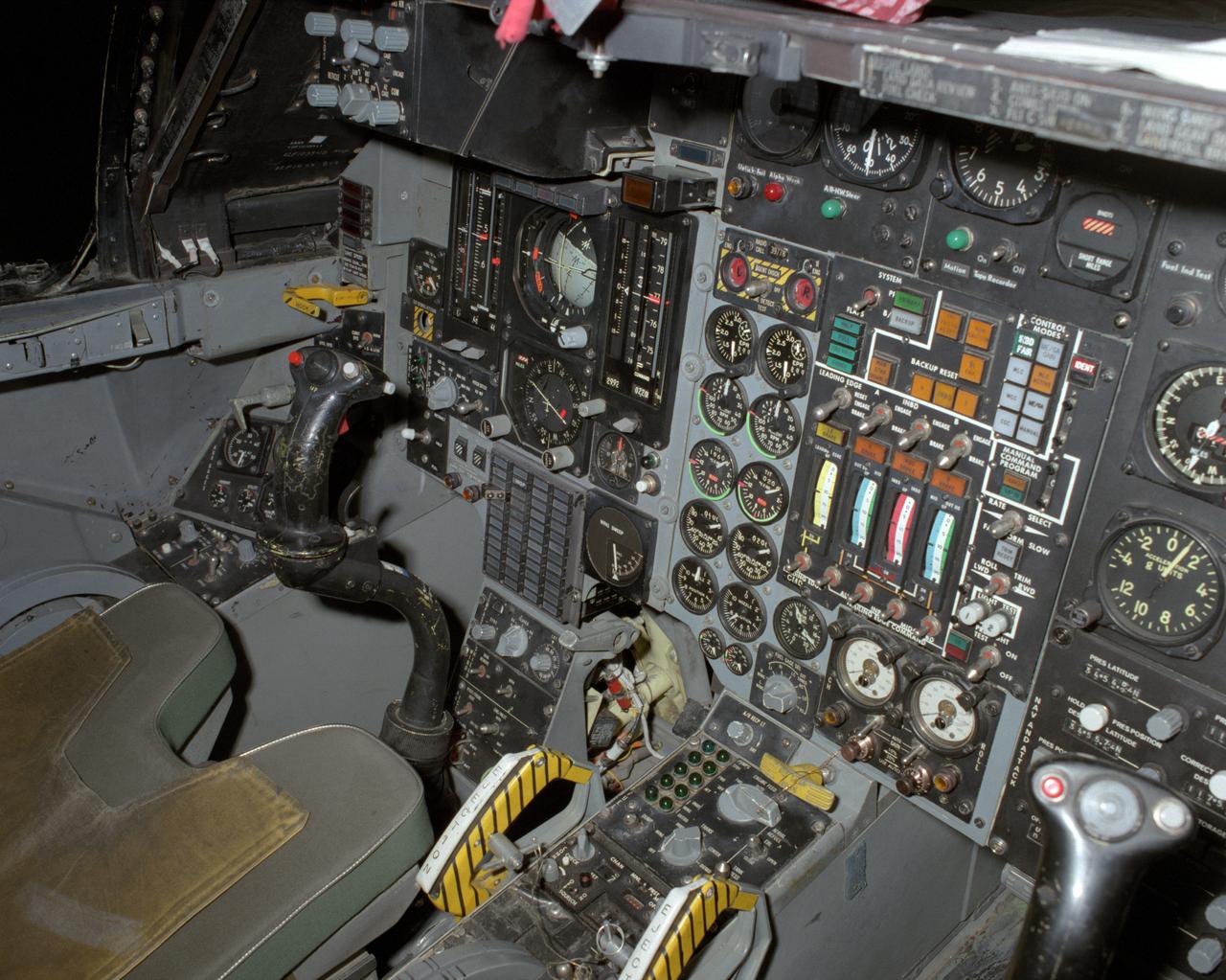
View of the left cockpit and pilot's seat of the F-111 MAW aircraft. Unlike most fighter aircraft of the time, the F-111 had side-by-side seating. The pilot sat on the left side, and the weapons systems officer on the right. Both had control sticks to fly the aircraft. The two yellow and black striped handles would be used in an emergency to eject the entire F-111 cockpit. The F-111 also did not have ejection seats, but used a capsule.
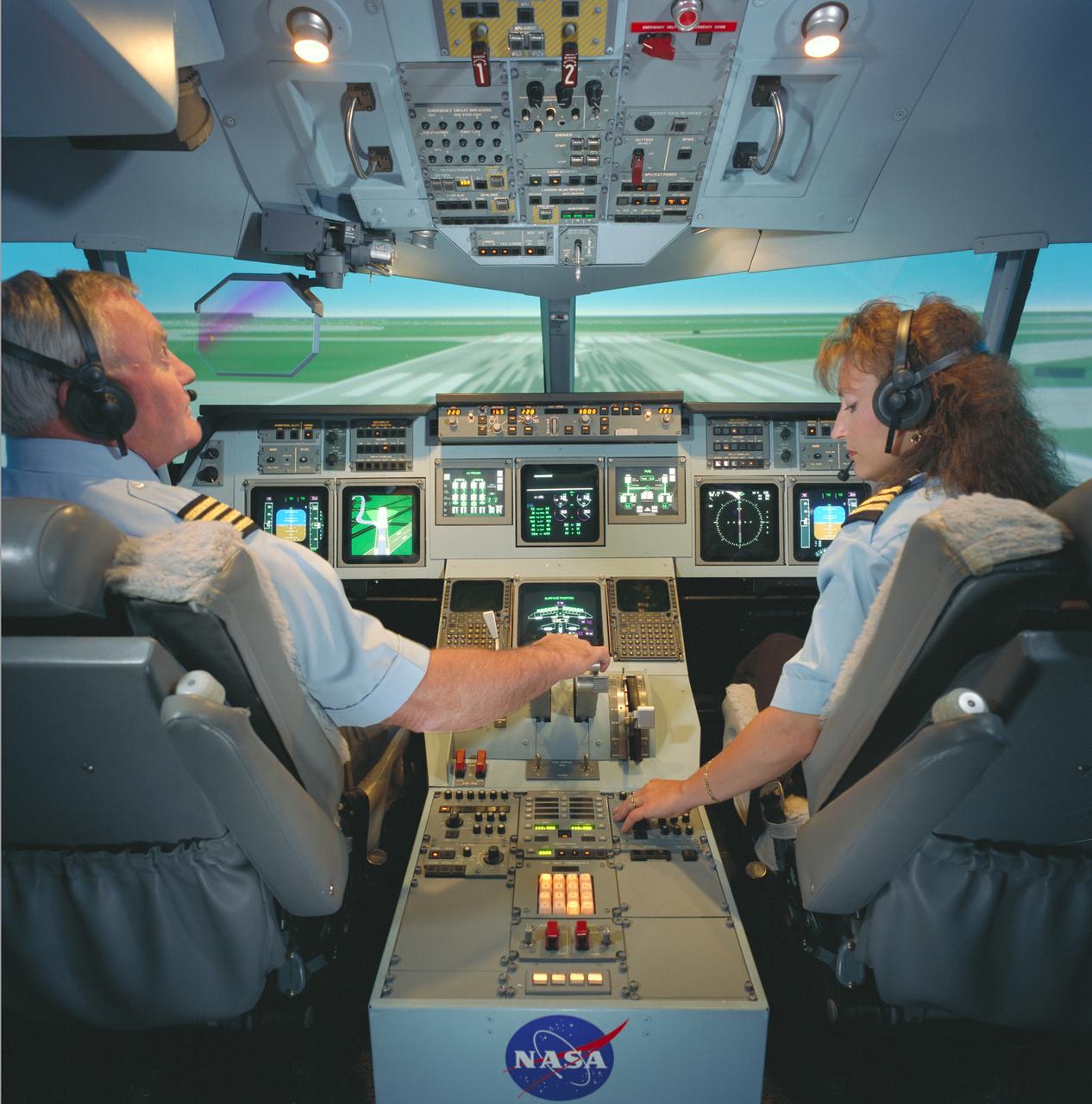
N-257 CVSRF: ACFS (Advanced Cab Flight Simulator) cockpit with (L) Don Bryant and (r) Diane Carpenter in pilot - co-pilot seats
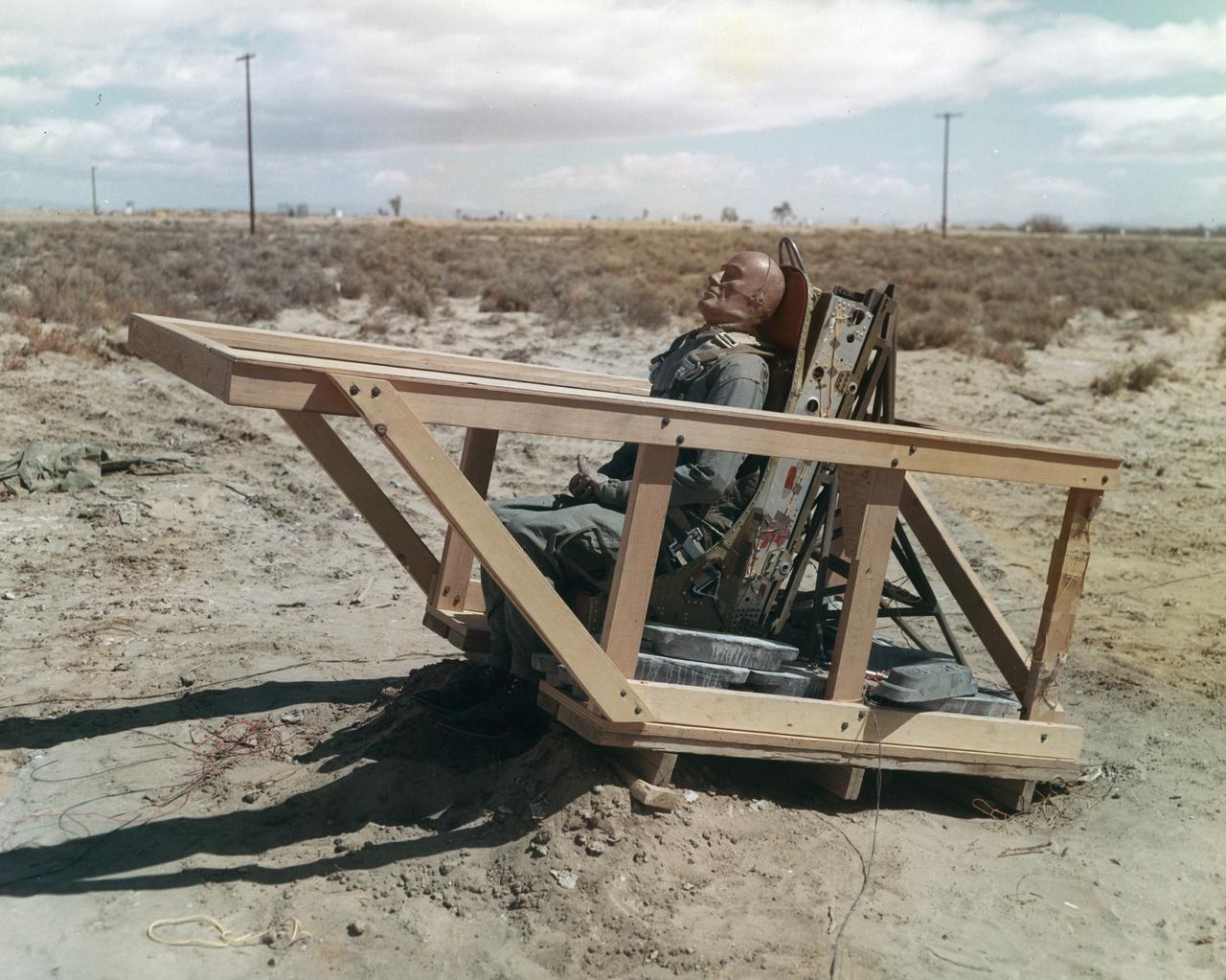
The M2-F1 was fitted with an ejection seat before the airtow flights began. The project selected the seat used in the T-37 as modified by the Weber Company to use a rocket rather than a ballistic charge for ejection. To test the ejection seat, the Flight Research Center's Dick Klein constructed a plywood mockup of the M2-F1's top deck and canopy. On the first firings, the test was unsuccessful, but on the final test the dummy in the seat landed safely. The M2-F1 ejection seat was later used in the two Lunar Landing Research Vehicles and the three Lunar Landing Training Vehicles. Three of them crashed, but in each case the pilot ejected from the vehicle successfully.
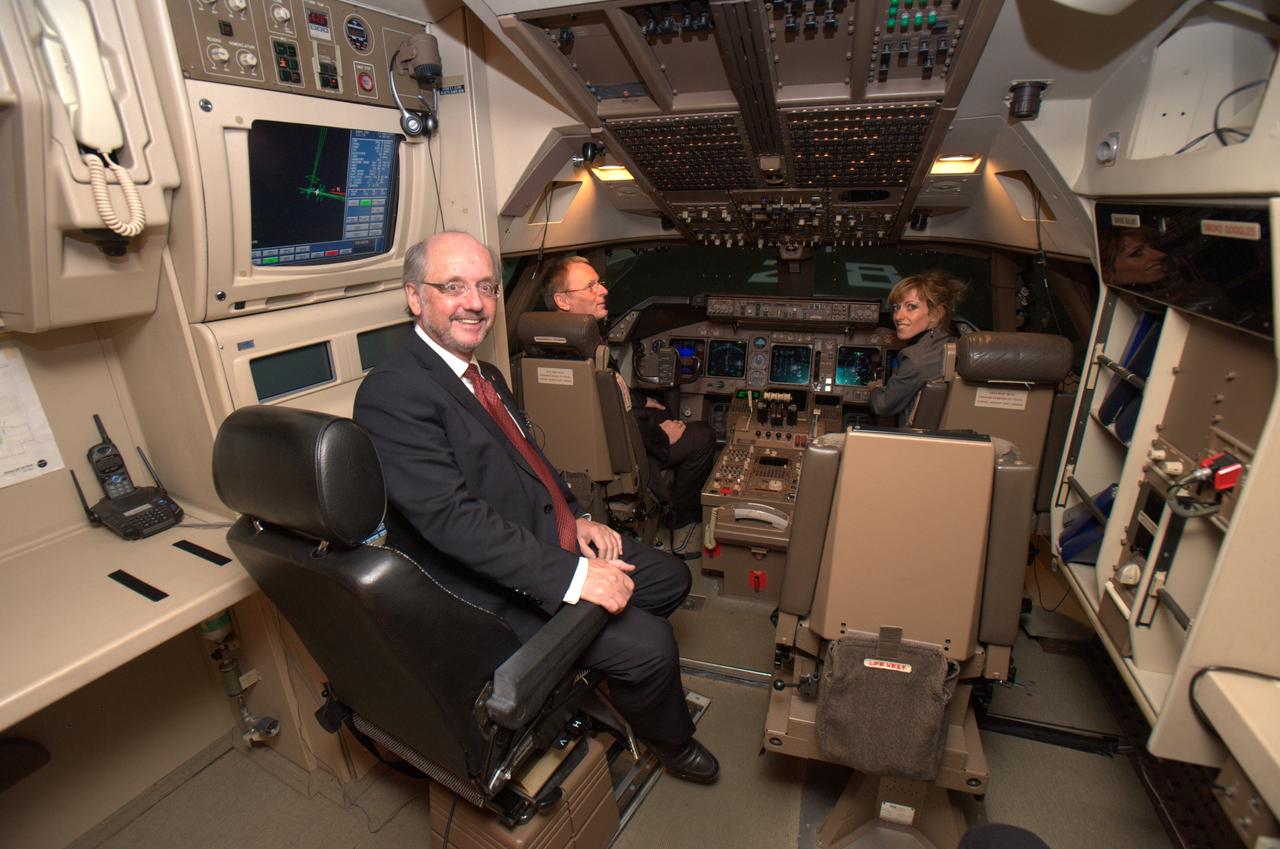
German Deligation visits Ames SOFIA Science Office for briefing and enjoy a Ames tour of CVSRF Simulator and 'fly' in the 774 cab with Ederhard Brockmann in front and Jochen Homann & Sandy Wrede in pilot/co-pilot seats.
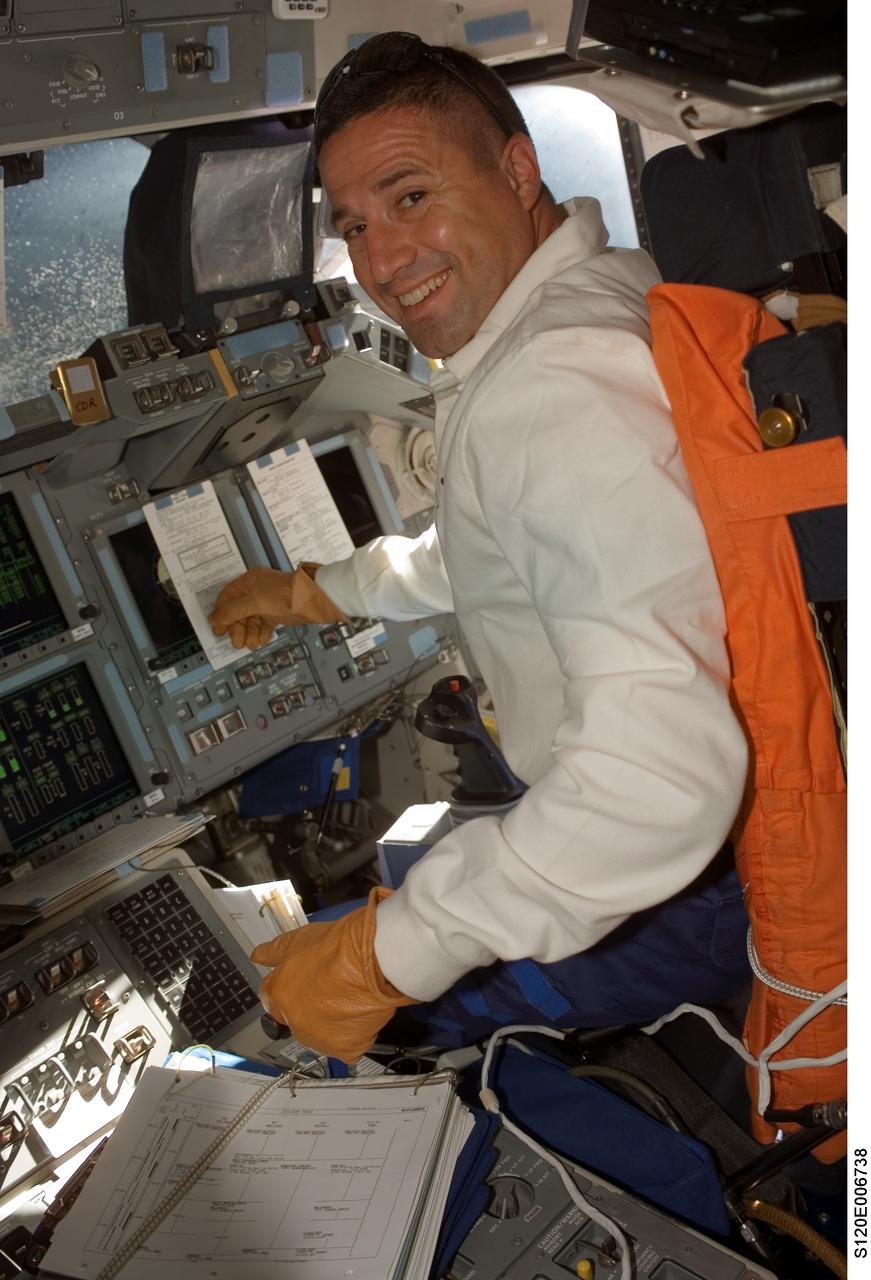
S120-E-006738 (25 Oct. 2007) --- Astronaut George Zamka, STS-120 pilot, seated at the pilot's station on the forward flight deck of the Space Shuttle Discovery during rendezvous and docking operations.
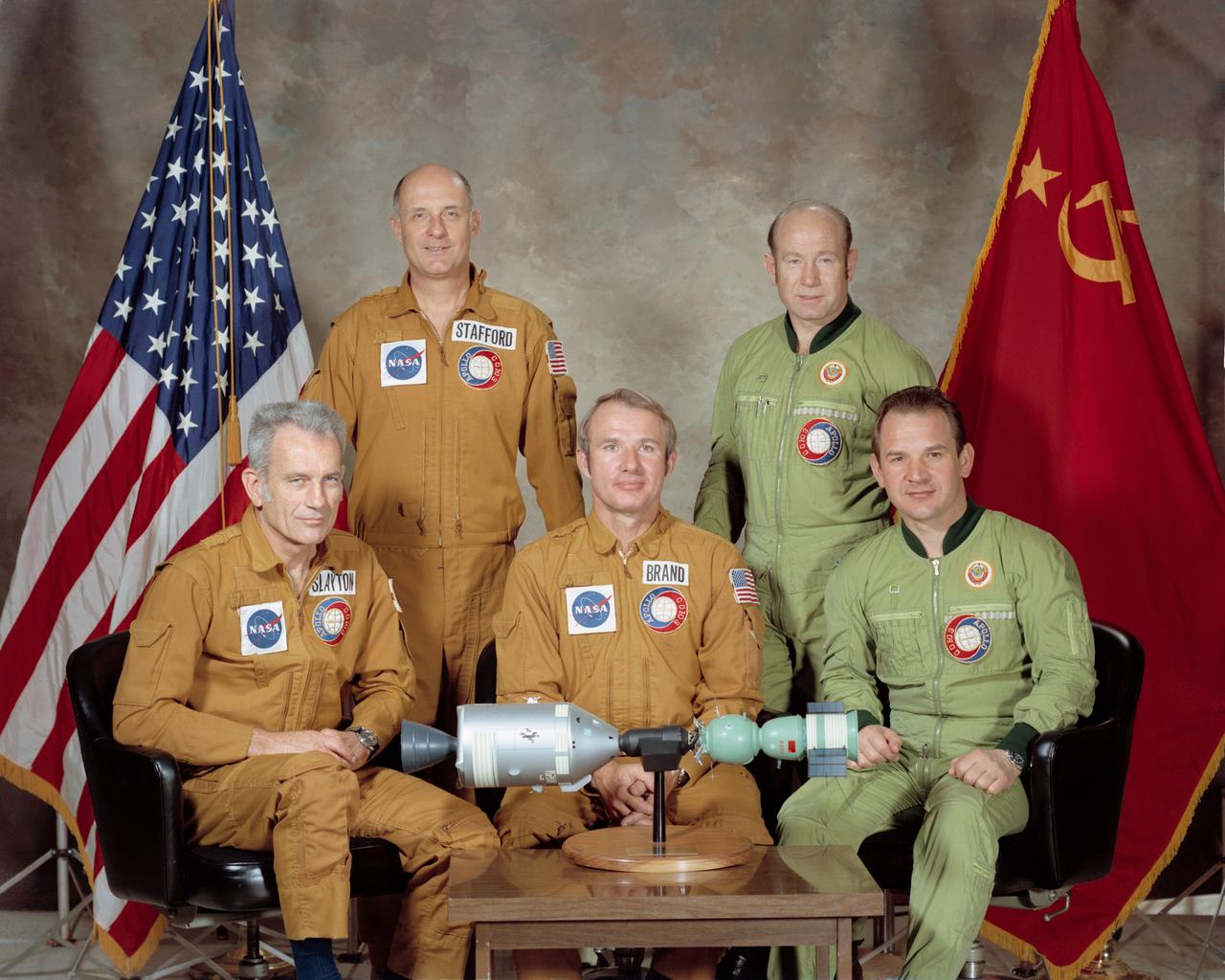
S75-22410 (March 1975) --- These five men compose the two prime crews of the joint United States-USSR Apollo-Soyuz Test Project (ASTP) docking mission in Earth orbit scheduled for July 1975. They are astronaut Thomas P. Stafford (standing on left), commander of the American crew; cosmonaut Aleksey A. Leonov (standing on right), commander of the Soviet crew; astronaut Donald K. Slayton (seated on left), docking module pilot of the American crew; astronaut Vance D. Brand (seated center), command module pilot of the American crew; and cosmonaut Valeriy N. Kubasov (seated on right), engineer on the Soviet crew.
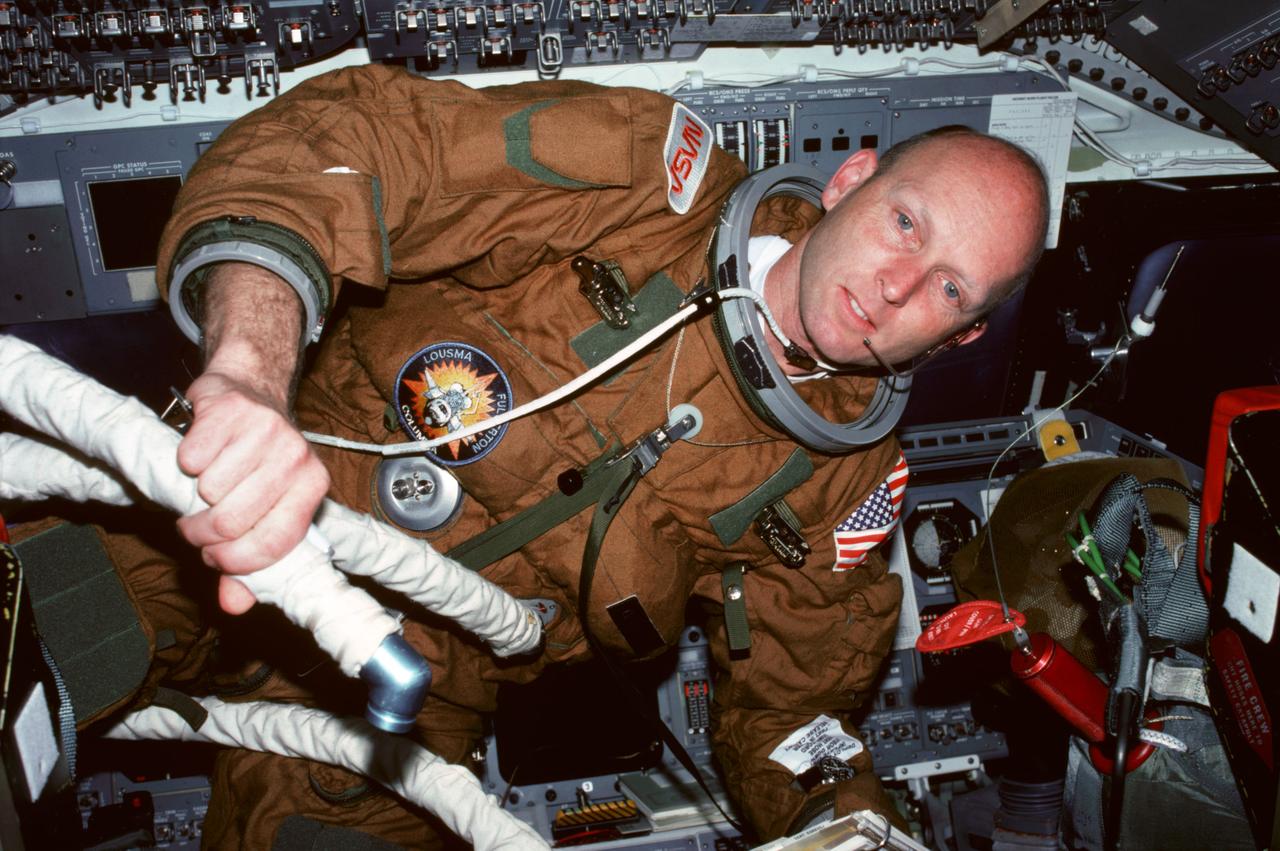
STS003-31-290 (30 March 1982) --- Astronaut Gordon Fullerton, STS-3 pilot, wearing communications kit assembly (ASSY) mini-headset (HDST) and ejection escape suit (EES), holds flexible hose attached to his EES vent hose fitting and second hose for commander's EES while behind pilots ejection seat (S2) seat back on the aft flight deck. Forward flight deck control panels are visible in the background. Photo credit: NASA
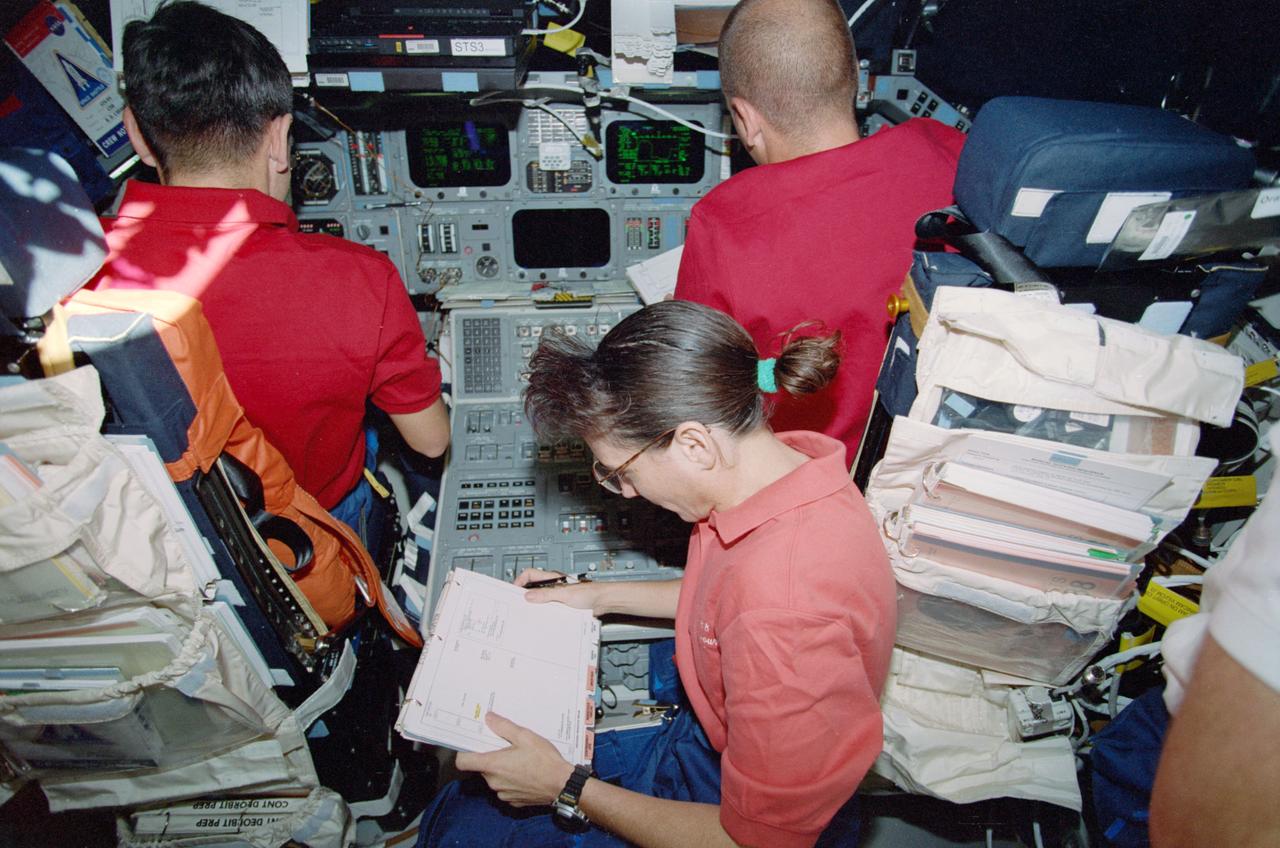
STS088-329-025 (4-15 Dec. 1998) --- Astronauts Robert D. Cabana, commander (left), seated in the commanders station; Frederick W. “Rick” Sturckow, pilot (right), seated in the pilot’s station; and Nancy J. Currie, mission specialist, on the flight deck of the Space Shuttle Endeavour. The three were involved with rendezvous operations with the Russian-built FGB Module (Zarya) at the time the photo was taken.

The back seat instrument panel on the NASA T-34C chase plane. In its role as a military trainer, the instructor pilot would ride in the back seat, while the student would be in the front seat. As a chase plane, the back seat would be occupied by a photographer. The aircraft was previously used at the Lewis Research Center in propulsion experiments involving turboprop engines, and was used as a chase aircraft at Dryden for smaller and slower research projects. Chase aircraft accompany research flights for photography and video purposes, and also as support for safety and research. At Dryden, the T-34 is used mainly for smaller remotely piloted vehicles which fly slower than NASA's F-18's, used for larger scale projects. This aircraft was returned to the U.S. Navy in May of 2002. The T-34C, built by Beech, carries a crew of 2 and is nicknamed the Mentor.
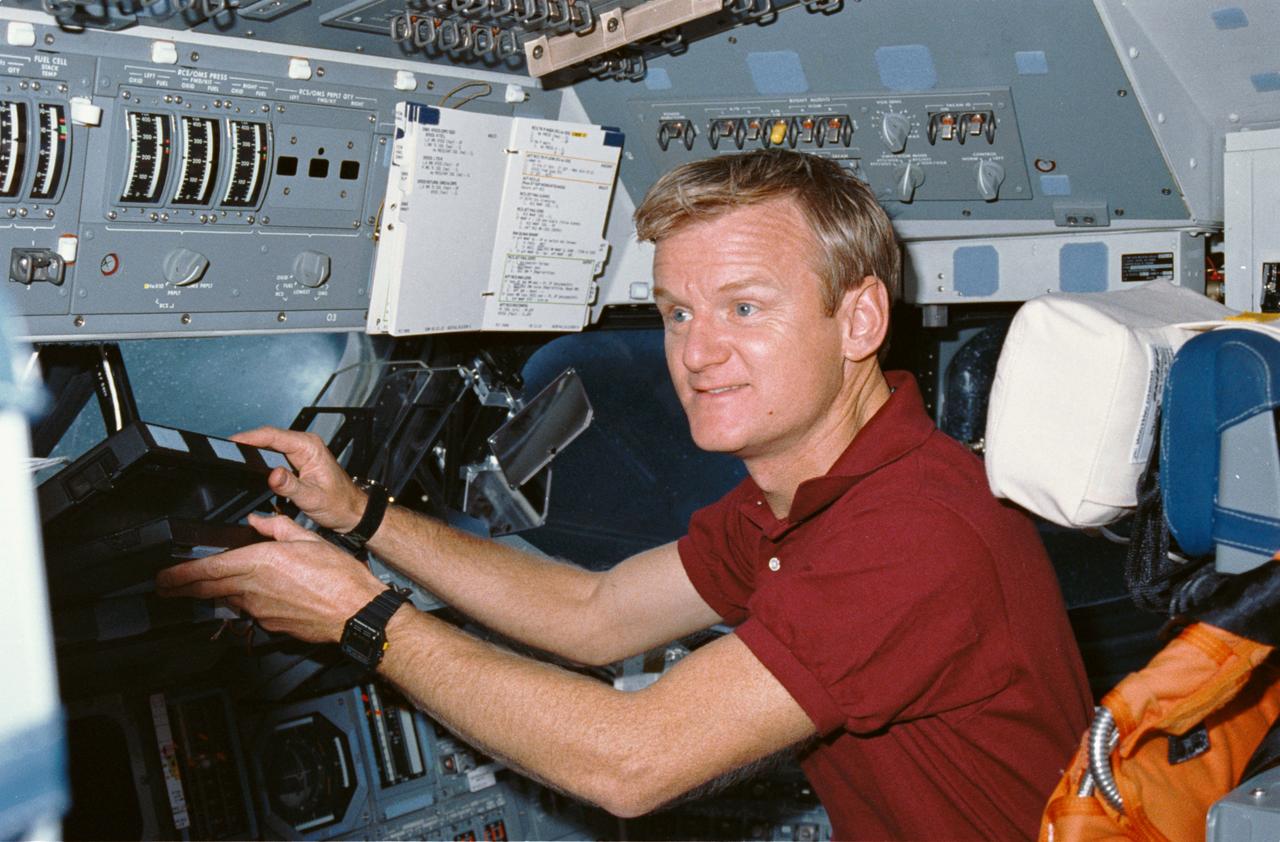
STS036-03-027 (3 March 1990) --- STS-36 Pilot John H. Casper reaches for the shuttle portable onboard computer (SPOC), a laptop computer, while at the pilots station on the forward flight deck of Atlantis, Orbiter Vehicle (OV) 104. Casper, seated in the pilot’s seat, lifts the SPOC from the forward window ledge. Appearing around him are forward crew compartment windows, the head up display (HUD), the flight mirror assembly, and a checklist attached to control panel O3. Casper and four other astronauts spent four days, 10 hours and 19 minutes aboard the spacecraft for a Department of Defense (DOD) devoted mission.
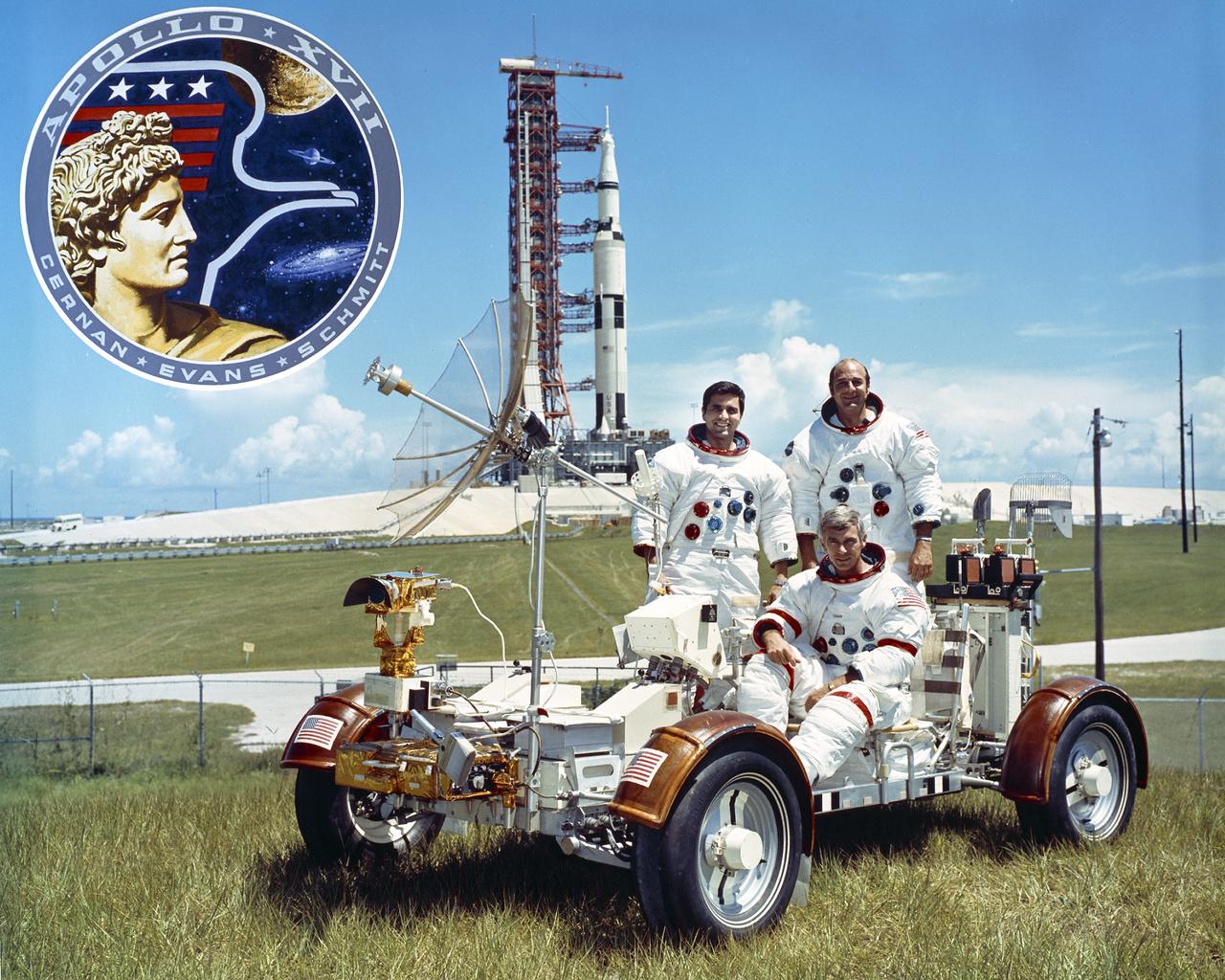
The Apollo 17 crew took time out from training for the press after the Space Vehicle for their Manned Lunar Landing Mission was moved to Complex 39A. Seated, Eugene A. Cernan, Commander standing, left to right, Dr. Harrison H. “Jack” Schmitt, Lunar Module Pilot and Ronald A. Evans, Command Module Pilot.
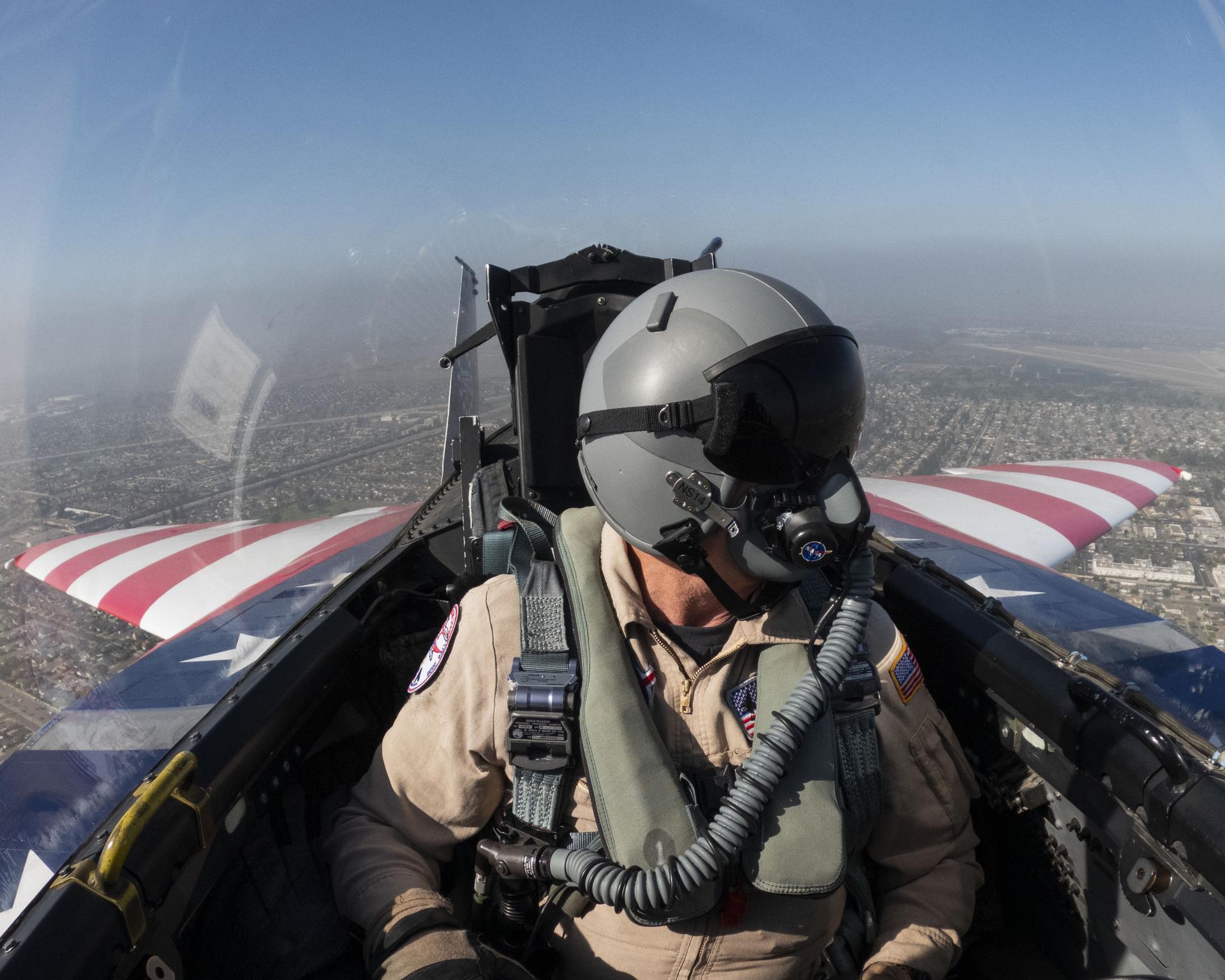
NASA photographer Jim Ross rides in the back seat of the agency’s newly painted F‑15, which honors America’s 250th birthday, during a transit flight to Huntington Beach, California, piloted by NASA test pilot Wayne Ringelberg, Thursday, Oct. 1, 2026. The aircraft will fly in the Pacific Airshow, Oct. 2-4.
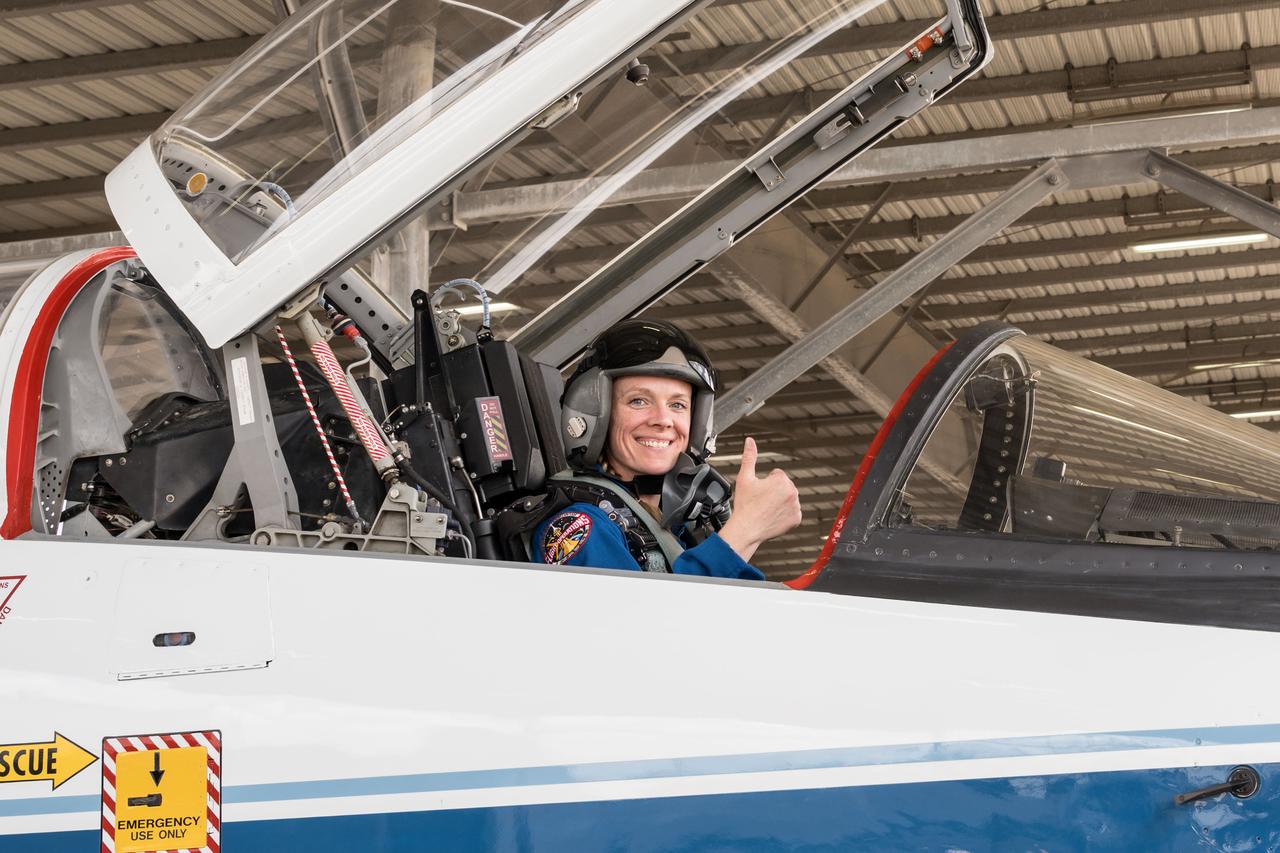
jsc2023e049694 (July 16, 2024) --- NASA astronaut and SpaceX Crew-10 Pilot Nichole Ayers is seated in a T-38 aircraft trainer during pre-flight mission training at Ellington Field in Houston, Texas.
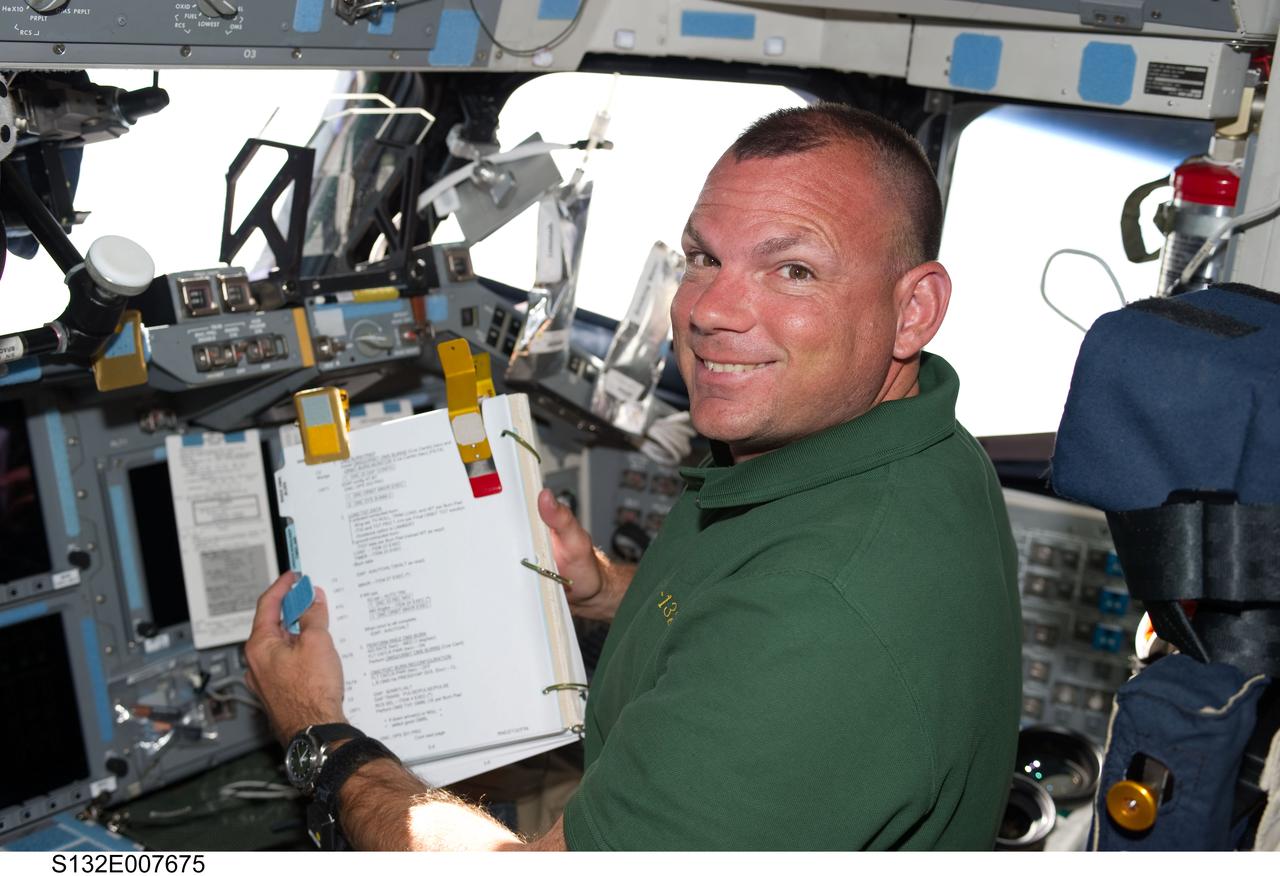
S132-E-007675 (16 May 2010) --- NASA astronaut Tony Antonelli, STS-132 pilot, is pictured at the pilot’s station on the forward flight deck of the space shuttle Atlantis during flight day three activities.
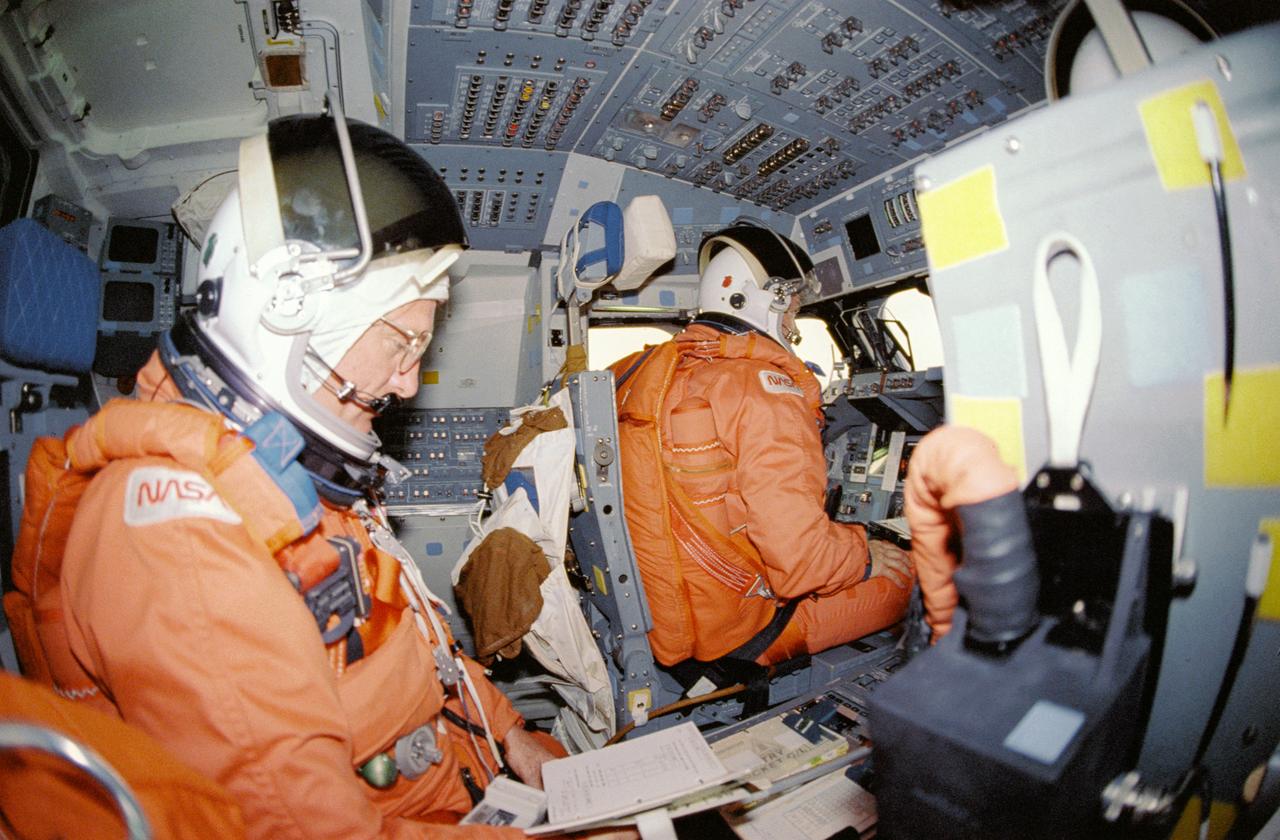
STS029-24-004 (18 March 1989) --- STS-29 crewmembers, wearing launch and entry suits (LESs) and launch and entry helmets (LEHs), review checklists on Discovery, Orbiter Vehicle (OV) 103, flight deck. Commander Michael L. Coats is seated at the forward flight deck commanders station with Mission Specialist (MS) James F. Buchli on aft flight deck strapped in mission specialist seat. OV-103 makes its return after five days in space. Note color in forward windows W1, W2, W3 caused by friction of entry through the Earth's atmosphere. Personal Egress Air Pack (PEAP) is visible on pilots seat back.

STS036-21-032 (3 March 1990) --- The five astronaut crewmembers for STS-36 pose for an inflight group portrait on the forward flight deck of Atlantis, Orbiter Vehicle (OV) 104. They are (left to right) Commander John O. Creighton, Mission Specialist (MS) David C. Hilmers, MS Richard M. Mullane, MS Pierre J. Thuot, and Pilot John H. Casper. Creighton is positioned in the commanders seat and Casper in the pilot?s seat. Overhead control panels appear above the astronauts. The astronauts spent four days, 10 hours and 19 minutes aboard OV-104 for the Department of Defense (DOD) dedicated mission.
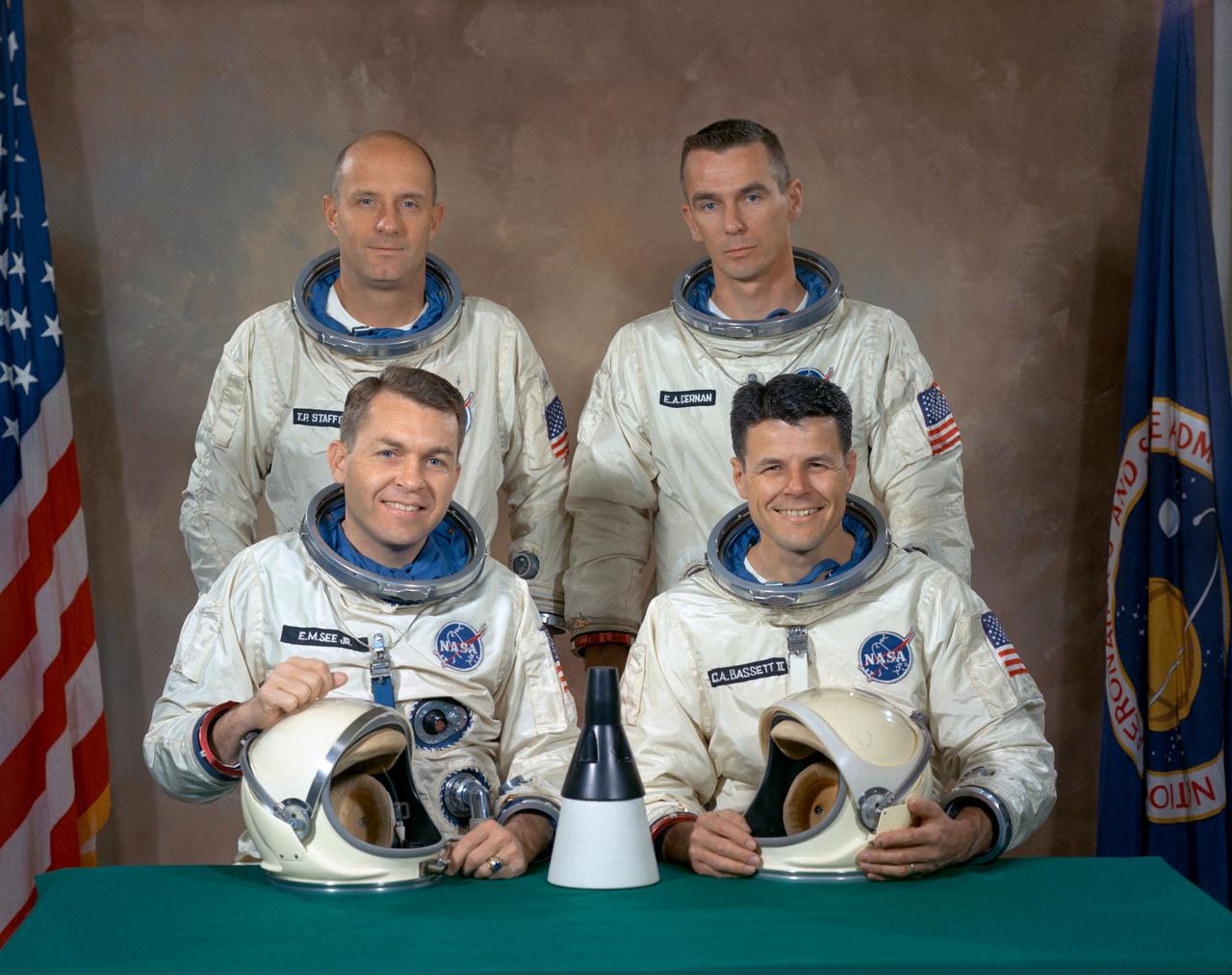
S66-15622 (January 1966) --- Portrait of the Gemini 9 prime and backup crews. Seated are the Prime crew consisting of Astronauts Elliot M. See Jr. (left), command pilot, and Charles A. Bassett II, pilot. Standing are the backup crew consisting of Astronauts Thomas P. Stafford (left), command pilot, and Eugene A. Cernan, pilot. Both crews are in space suits with their helmets on the table in front of them.
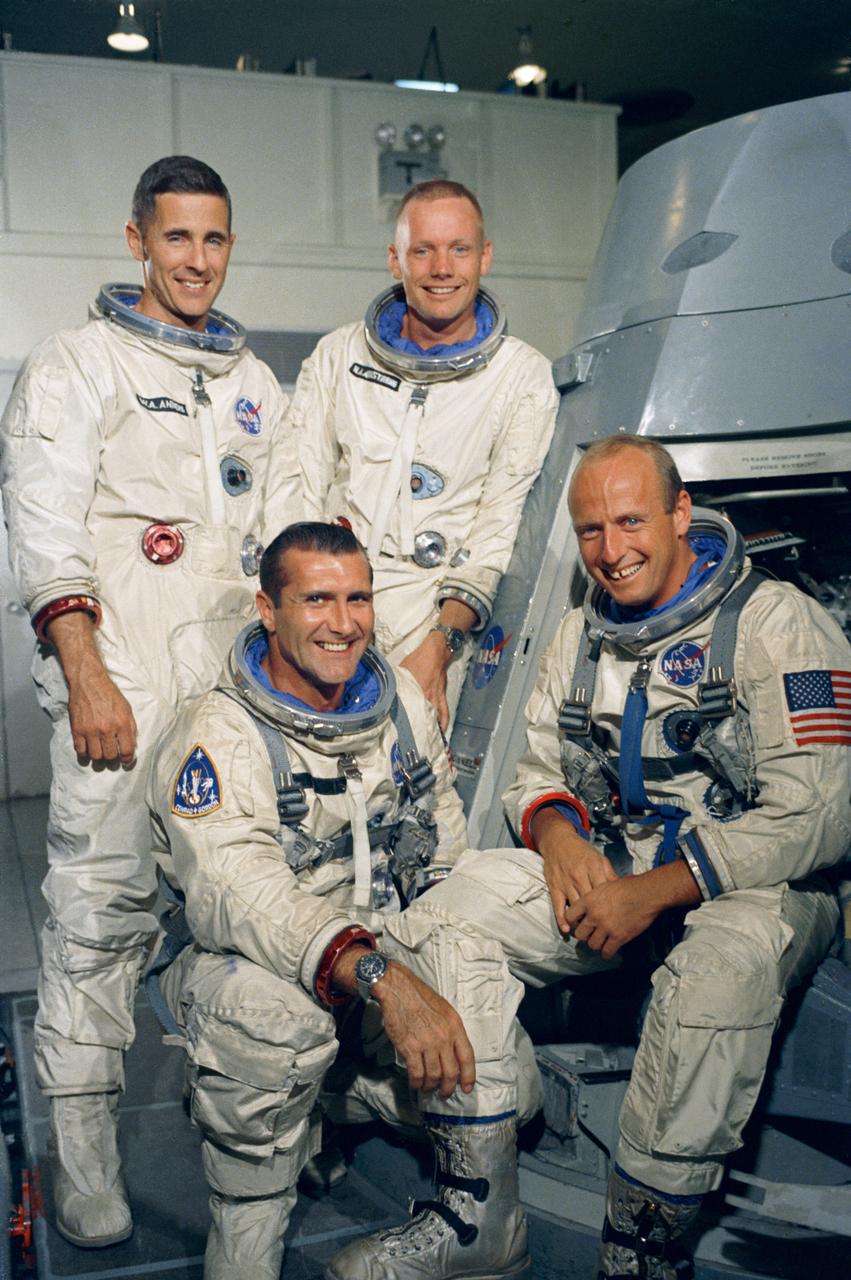
S66-50772 (7 Sept. 1966) --- The Gemini-Titan XI (GT-11) prime and backup crews pose for a group portrait. Seated is the prime crew, astronauts Charles Conrad Jr. (right), command pilot, and Richard F. Gordon Jr. (left), pilot. The backup crew (standing) is astronauts Neil A. Armstrong (right), command pilot, and William A. Anders (left), pilot. The two crews were suited up for a simulation test at the Kennedy Space Center. Photo credit: NASA
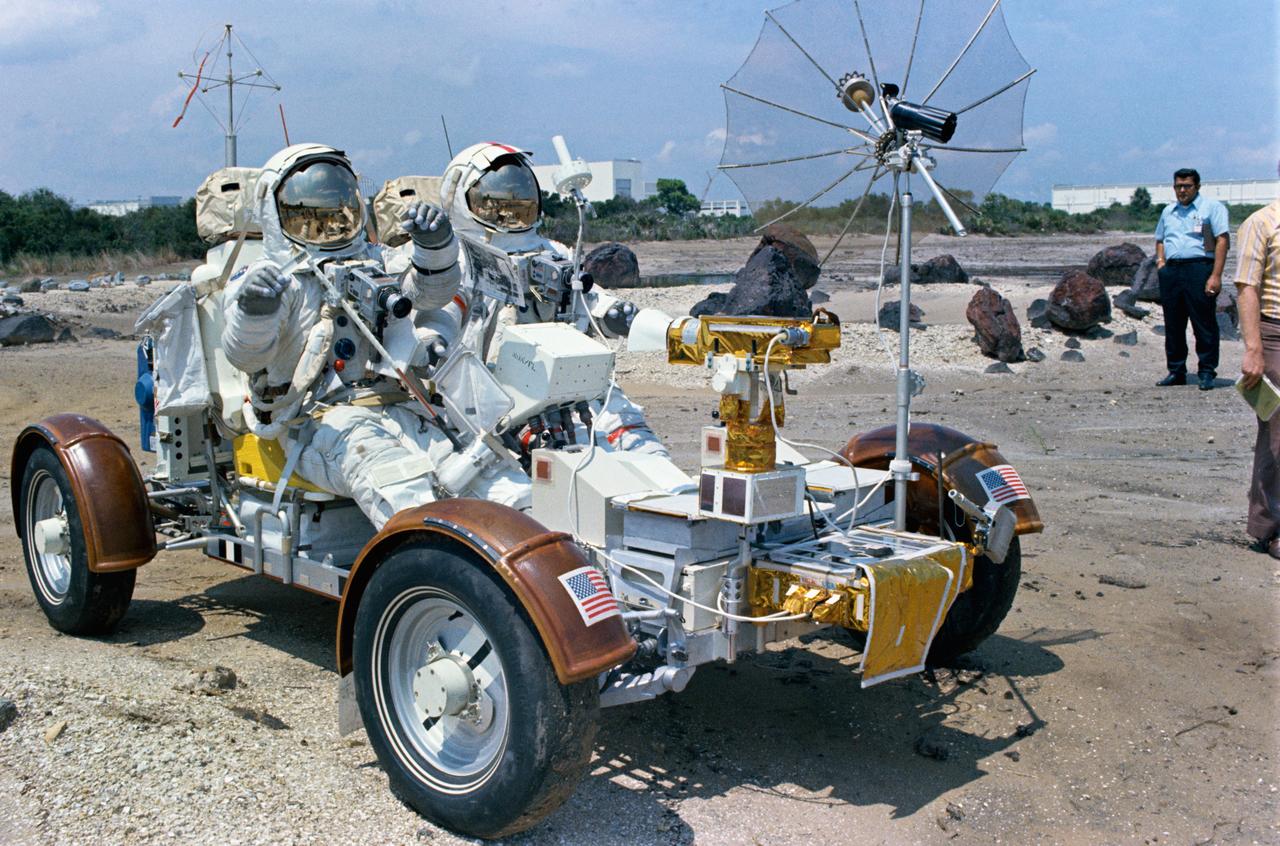
S72-48892 (September 1972) --- Two members of the prime crew of the Apollo 17 lunar landing mission ride in a Lunar Roving Vehicle trainer during lunar surface extravehicular activity simulation training at the Kennedy Space Center (KSC), Florida. Astronaut Eugene A. Cernan, commander, is seated in the left-hand seat. Scientist-astronaut Harrison H. Schmitt, lunar module pilot, is on Cernan's right.
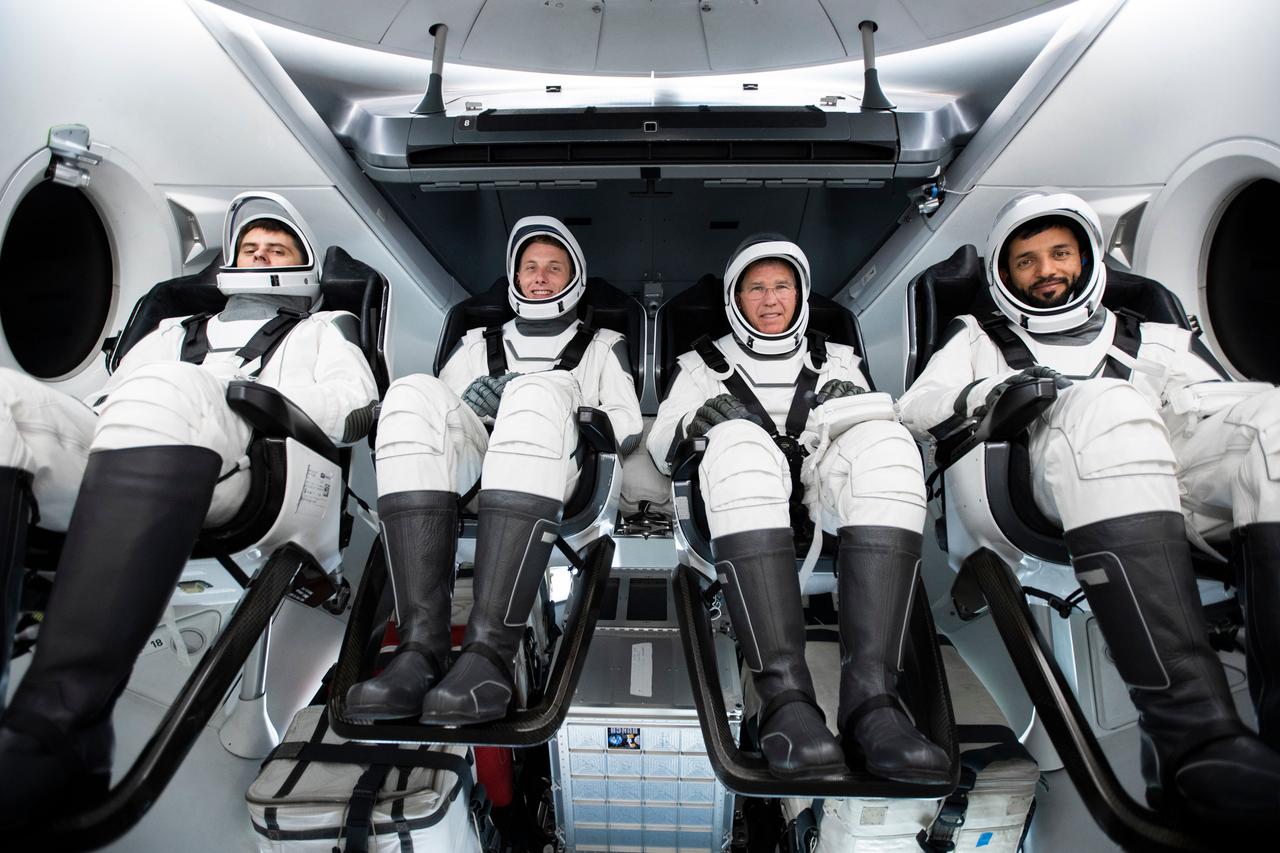
jsc2022e065066 (March 24, 2022) --- The four crew members that comprise the SpaceX Crew-6 mission are seated inside the SpaceX Dragon crew ship during a training session at the company's headquarters in Hawthorne, California. Seated from left in their spacesuits are, Mission Specialist Andrey Fedyaev, Pilot Warren "Woody" Hoburg, Commander Stephen Bowen, and Mission Specialist Sultan Alnedayi. Credit: SpaceX
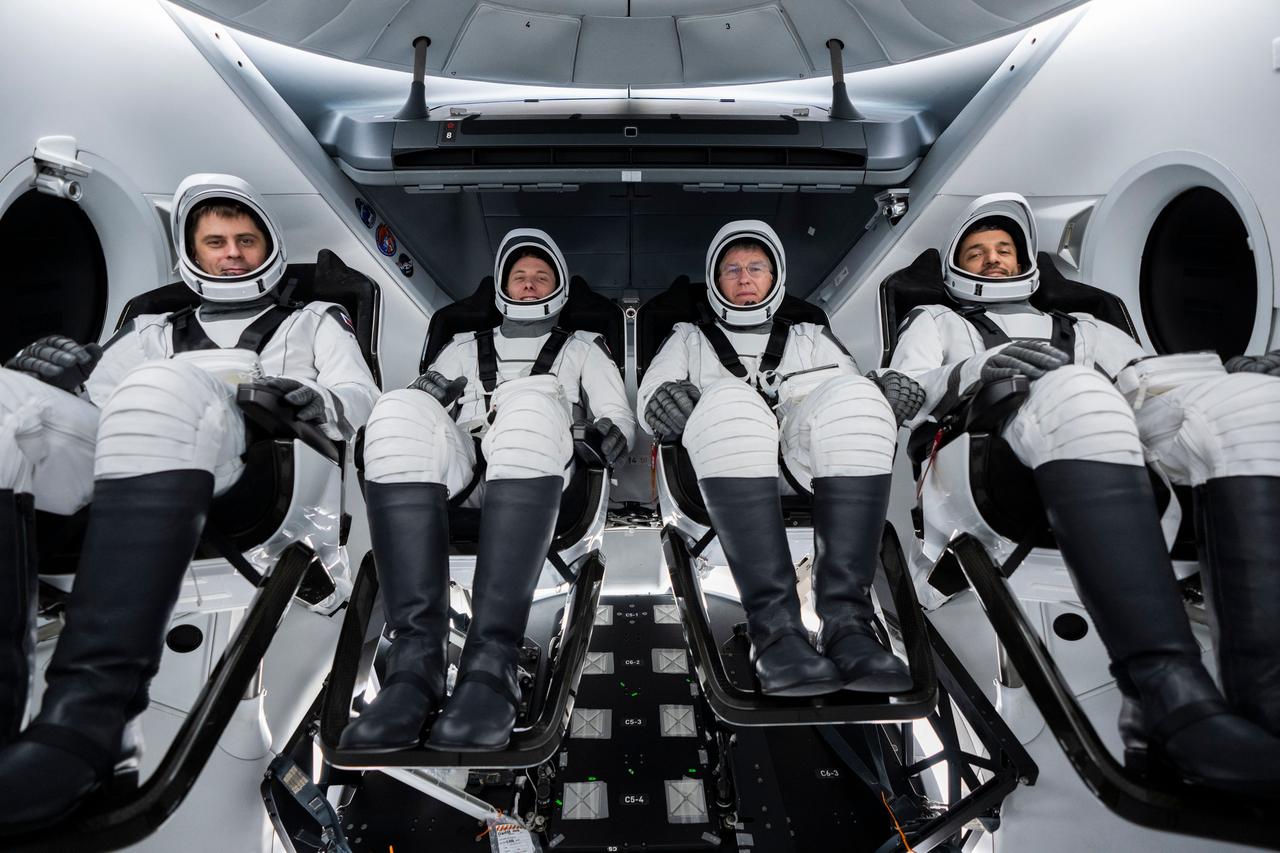
jsc2023e005758 (Jan. 30, 2023) --- The four crew members that comprise the SpaceX Crew-6 mission are seated inside the SpaceX Dragon crew ship during a crew equipment integration test at SpaceX headquarters in Hawthorne, California. Seated from left in their pressure suits are, Mission Specialist Andrey Fedyaev of Roscosmos; Pilot Warren "Woody" Hoburg and Commander Stephen Bowen, both from NASA; and Mission Specialist Sultan Alneyadi from the Mohammed bin Rashid Space Centre. Credit: SpaceX
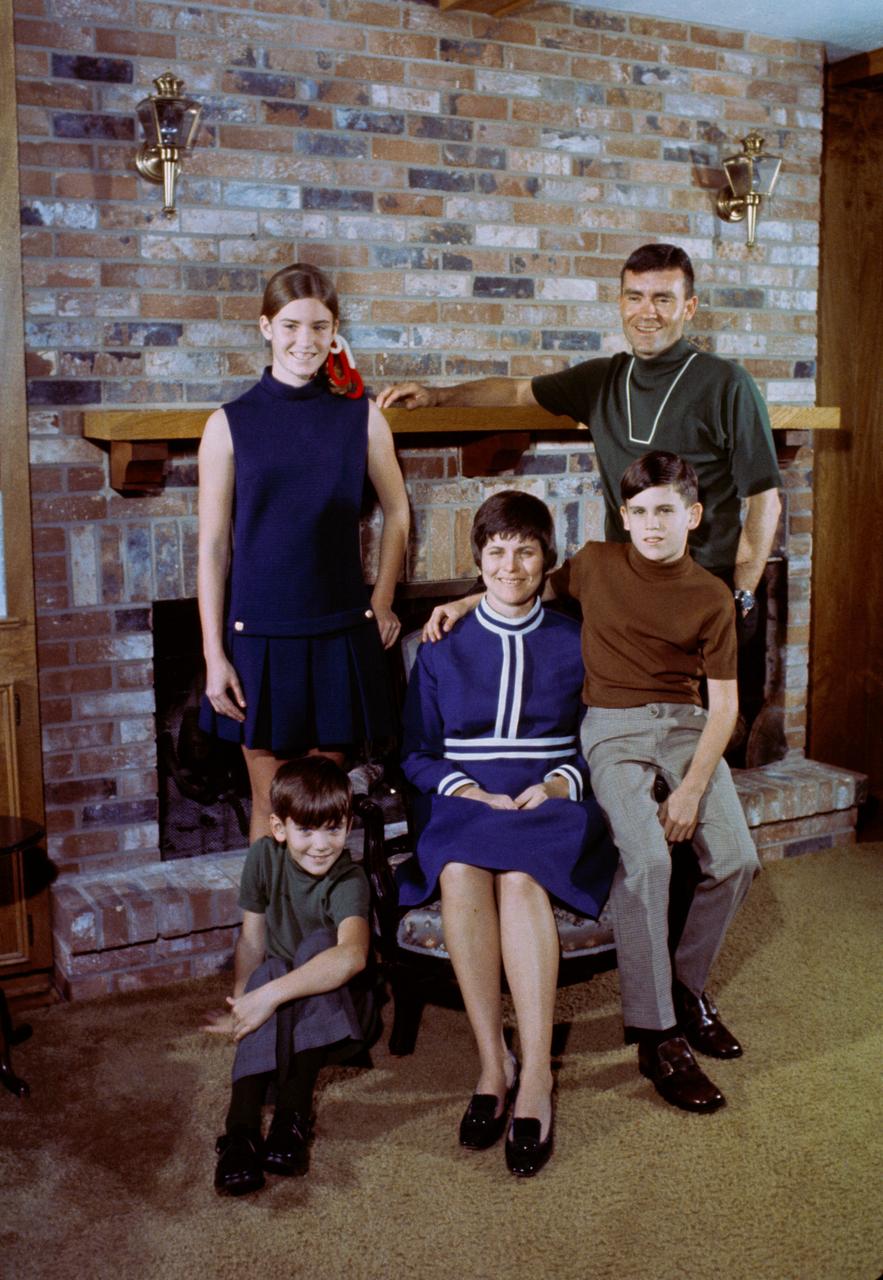
S70-30580 (March 1970) --- This is a family portrait of astronaut Fred W. Haise Jr. and his family. Haise is the lunar module pilot of the Apollo 13 lunar landing mission. The family includes: Mary M. (standing on left), born on Jan. 25, 1956; Frederick T. (seated on arm of chair), born on May 13, 1958; Stephen W. (seated on floor), born on June 30, 1961; and Mrs. Haise, the former Mary Griffin Grant.
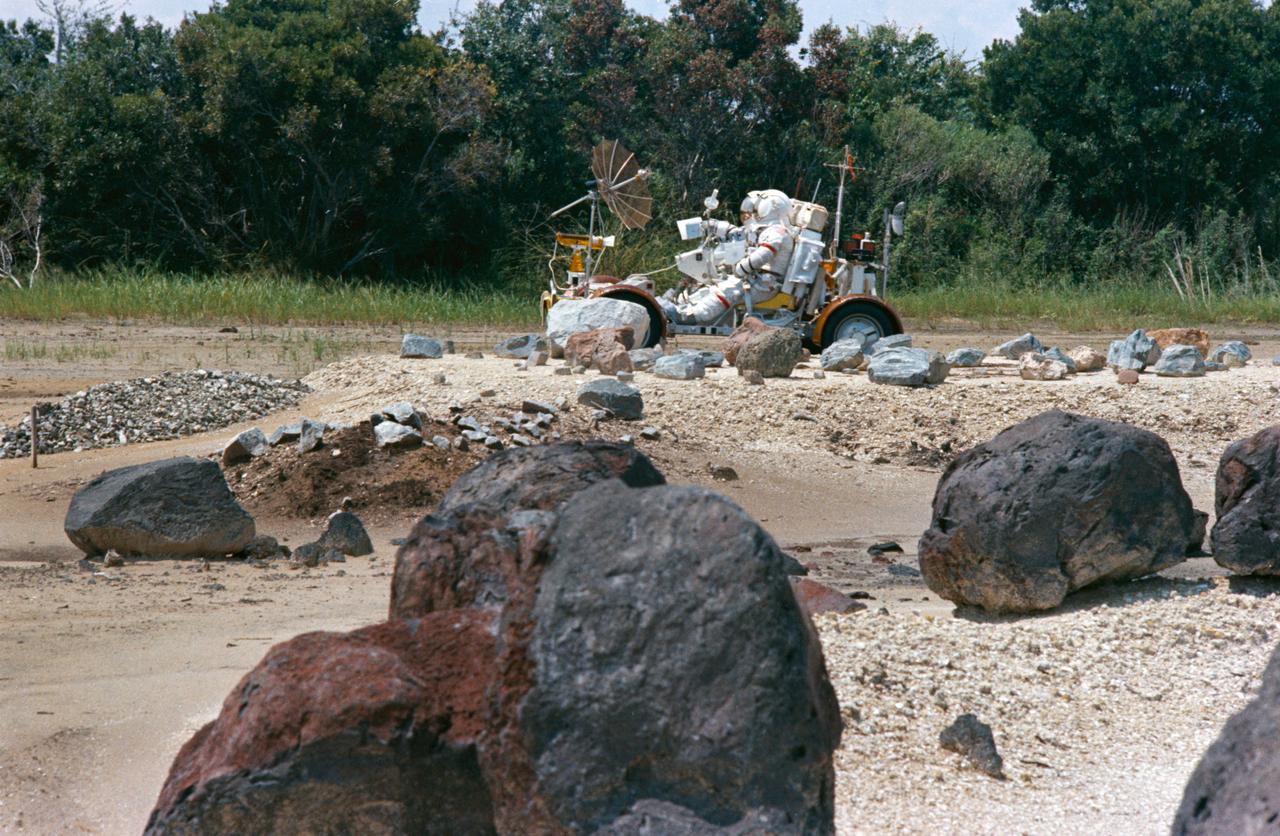
S72-48889 (September 1972) --- Two members of the prime crew of the Apollo 17 lunar landing mission ride in a lunar roving vehicle trainer during lunar surface extravehicular activity simulation training at the Kennedy Space Center, Florida. Astronaut Eugene A. Cernan, commander, is seated in the left-hand seat. Scientist-astronaut Harrison H. Schmitt, lunar module pilot, is on Cernan's right.
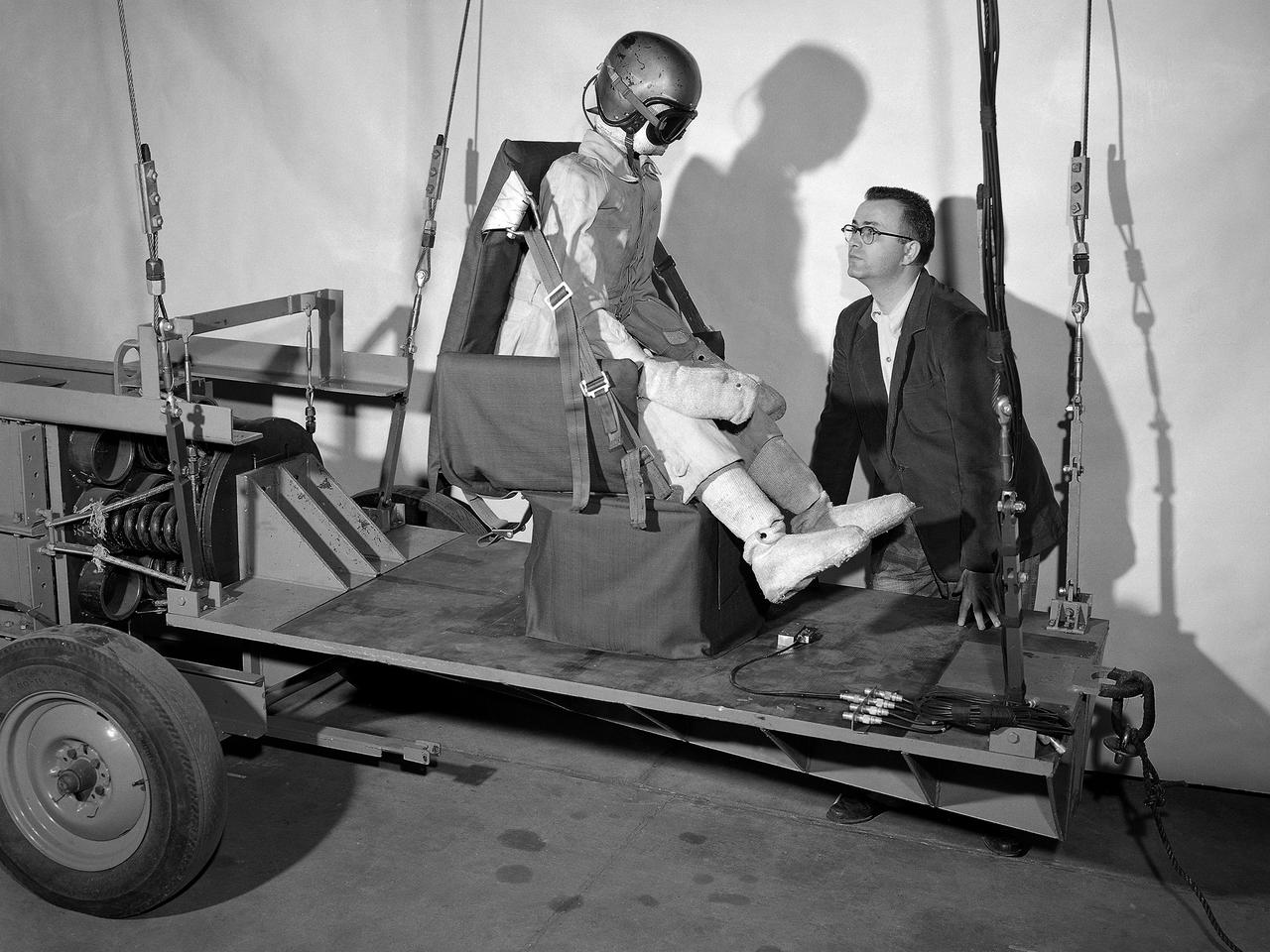
A researcher at the National Advisory Committee for Aeronautics (NACA) Lewis Flight Propulsion Laboratory prepares for a test of an NACA-designed aircraft seat. The laboratory had undertaken a multi-year investigation into the causes and prevention of fires on low altitude aircraft crashes. The program was expanded in the mid-1950s to include the study of impact on passengers, types of seat restraints, and seat design. The crash impact portion of the program began by purposely wrecking surplus Fairchild C-82 Packet and Piper Cub aircraft into barricades at the end of a test runway at the Ravenna Arsenal, located approximately 40 miles south of the Lewis lab in Cleveland. Instrumented dummies and cameras were installed in the pilot and passenger areas. After determining the different loads and their effects on the passengers, the NACA researchers began designing new types of seats and restraints. The result was an elastic seat that flexed upon impact, absorbing 75 percent of the loads before it slowly recoiled. This photograph shows the seats mounted on a pendulum with a large spring behind the platform to provide the jolt that mimicked the forces of a crash. The seat was constructed without any potentially damaging metal parts and included rubber-like material, an inflated back and arms, and a seat cushion. After the pendulum tests, the researchers compared the flexible seats to the rigid seats during a crash of a transport aircraft. They found the passengers in the rigid seats received 66 percent higher g-forces than the NACA-designed seats.
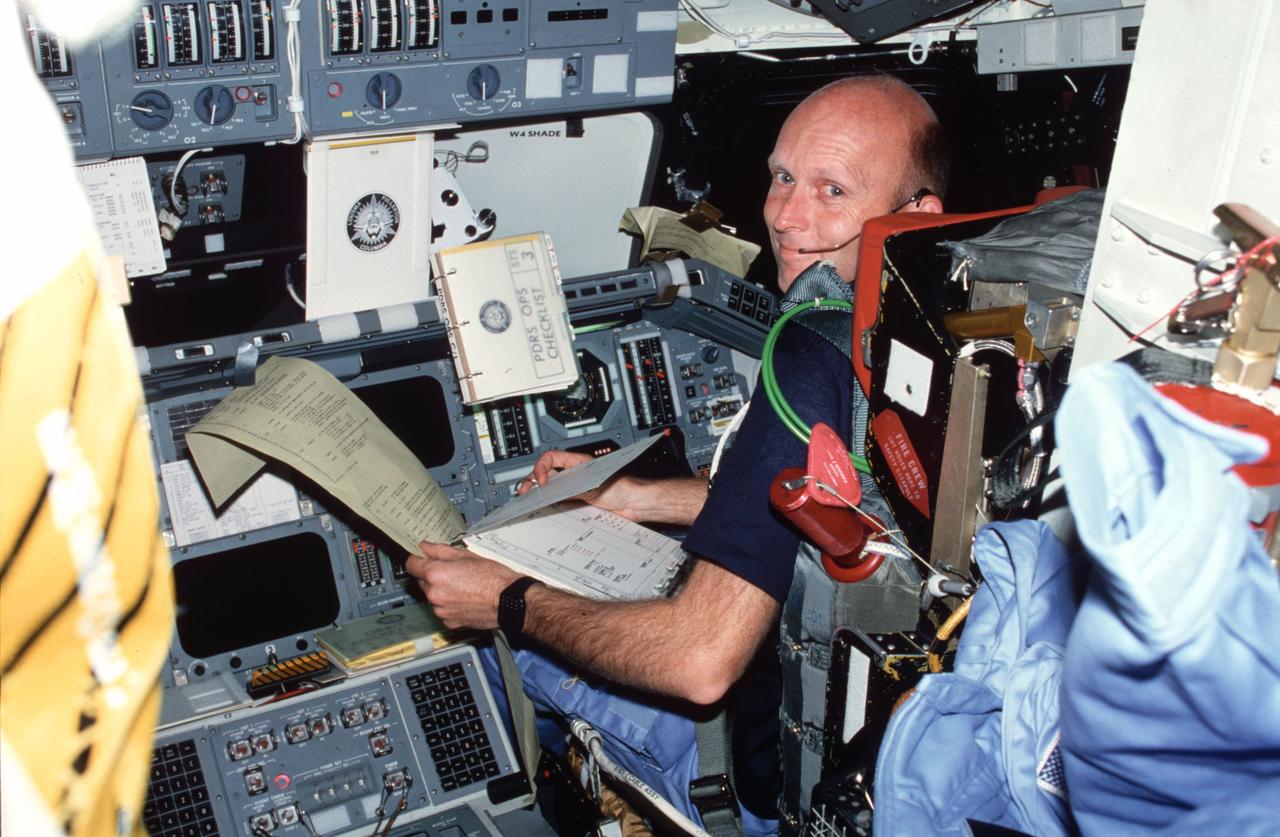
STS003-23-180 (22-30 March 1982) --- Astronaut Gordon Fullerton, STS-3 pilot, wearing communications kit assembly (ASSY) mini-headset (HDST), reviews flight data file (FDF) checklist and text and graphics system (TAGS) printout (ticker tape) while in pilots ejection seat (S2). Pilot station control panels F4, F7, F8, O3, window shade, and portable oxygen system (POS) assy appear in view. Photo credit: NASA
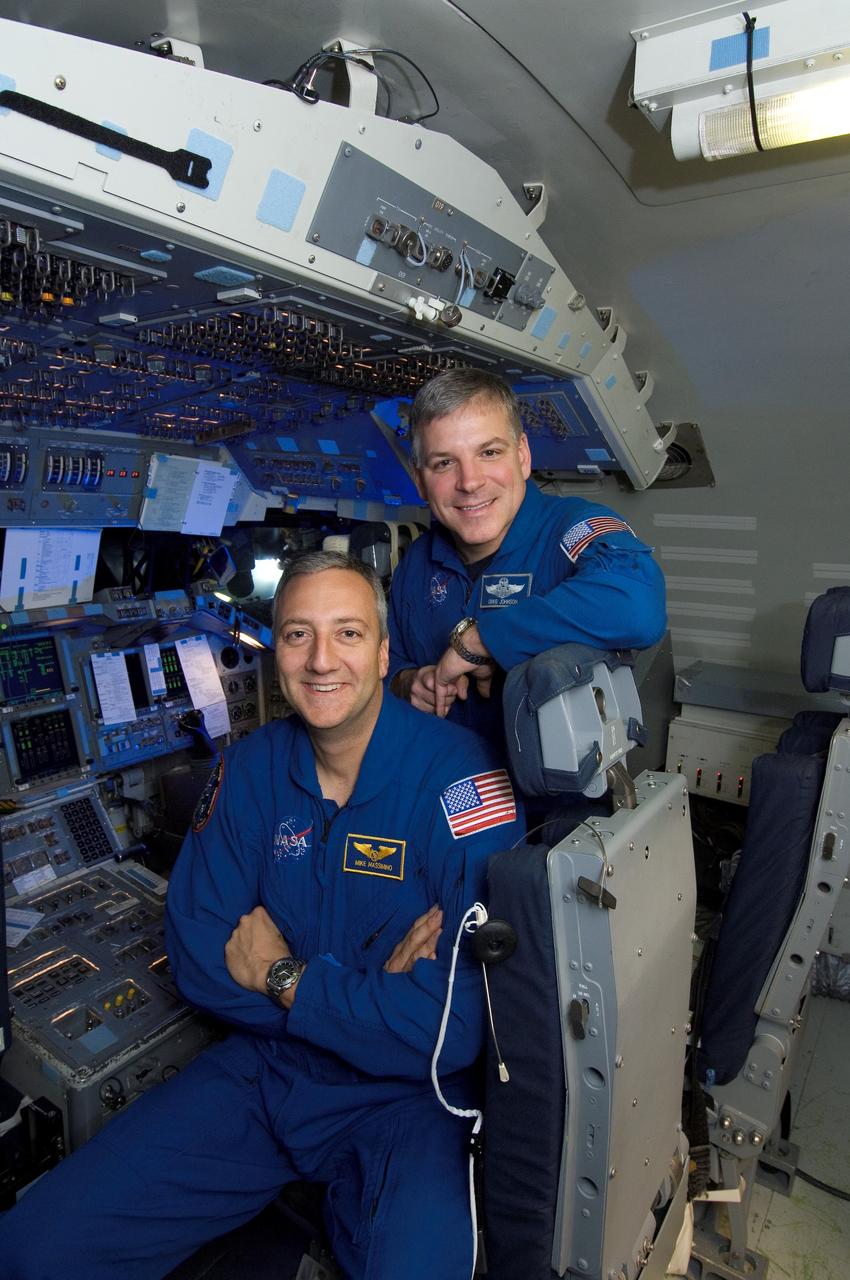
JSC2007-E-113866 (19 Dec. 2007) --- Astronauts Michael J. Massimino (seated), STS-125 mission specialist; and Gregory H. Johnson, STS-123 pilot, pose for a photo in the motion-base shuttle mission simulator (SMS) in the Jake Garn Simulation and Training Facility at the Johnson Space Center.
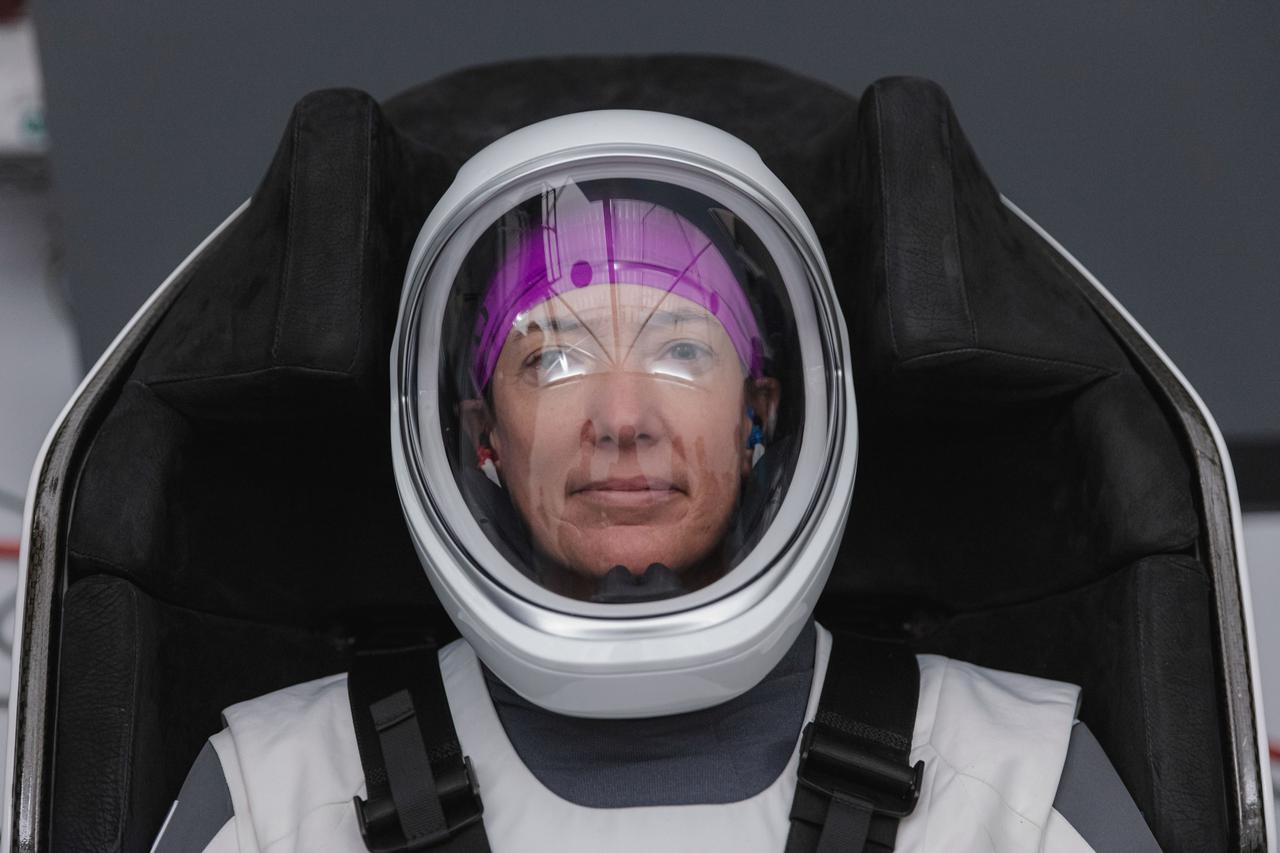
jsc2021e007011 (Jan. 7, 2021) --- NASA astronaut Megan McArthur, pilot for the SpaceX Crew-2 mission to the International Space Station, is seated inside a mockup of the SpaceX Crew Dragon vehicle during a training session at the SpaceX training facility in Hawthorne, California. Credit: SpaceX
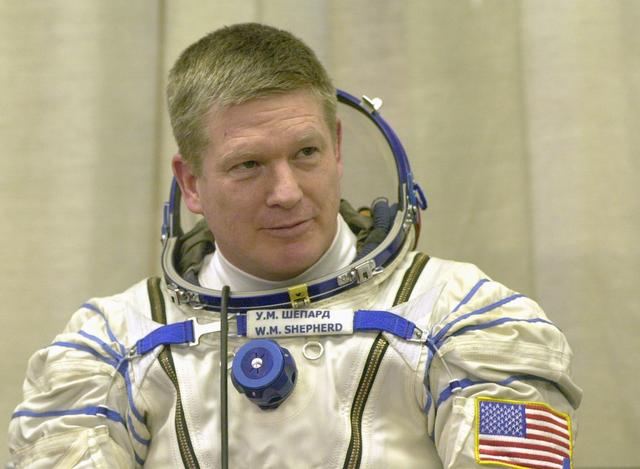
JSC2000-E-27086 (20 October 2000) --- Expedition 1 commander William M. (Bill) Shepherd, wearing a Sokol suit, awaits a seat check for the Soyuz spacecraft at Baikonur. Out of frame are Soyuz pilot Yuri P. Gidzenko and flight engineer Sergei K. Krikalev.
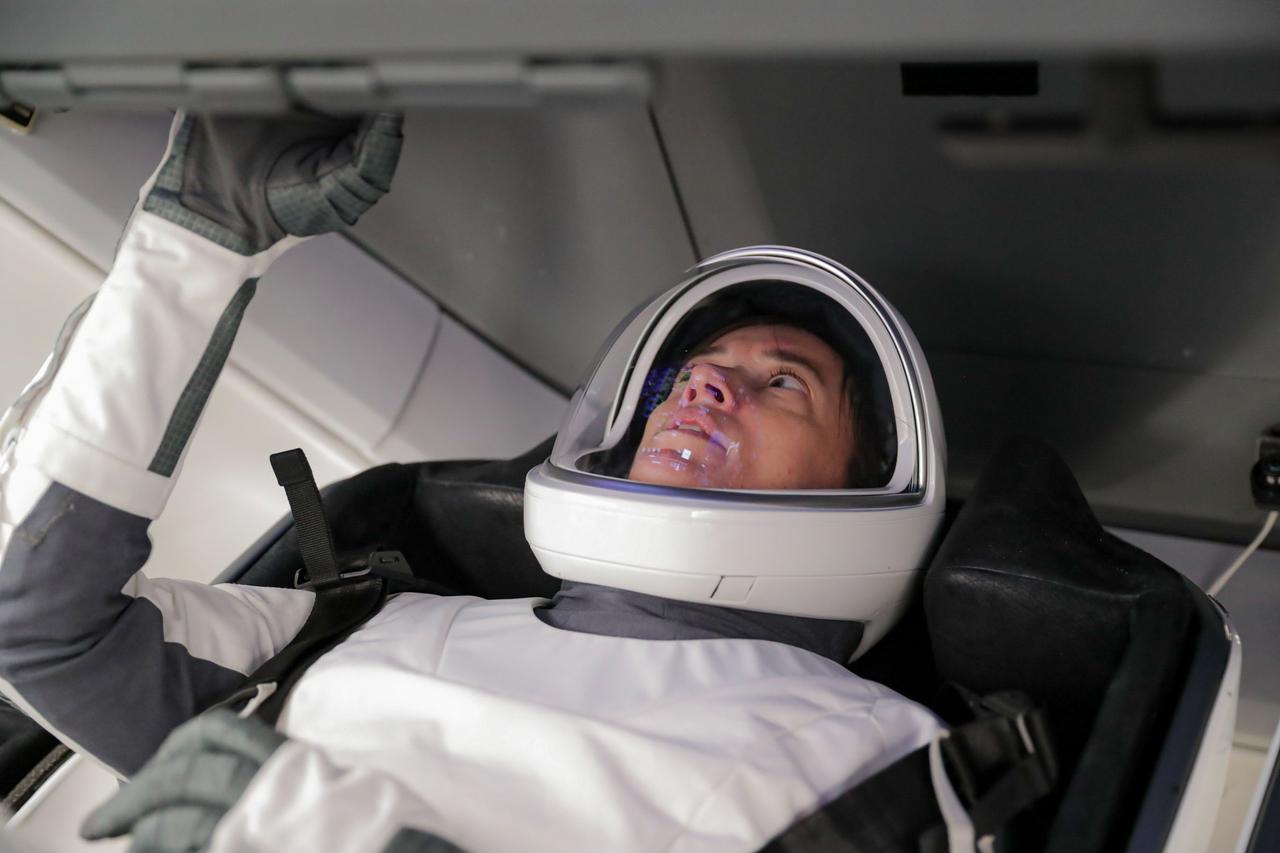
jsc2021e007020 (Jan. 7, 2021) --- NASA astronaut Megan McArthur, pilot for the SpaceX Crew-2 mission to the International Space Station, is seated inside a mockup of the SpaceX Crew Dragon vehicle during a training session at the SpaceX training facility in Hawthorne, California. Credit: SpaceX
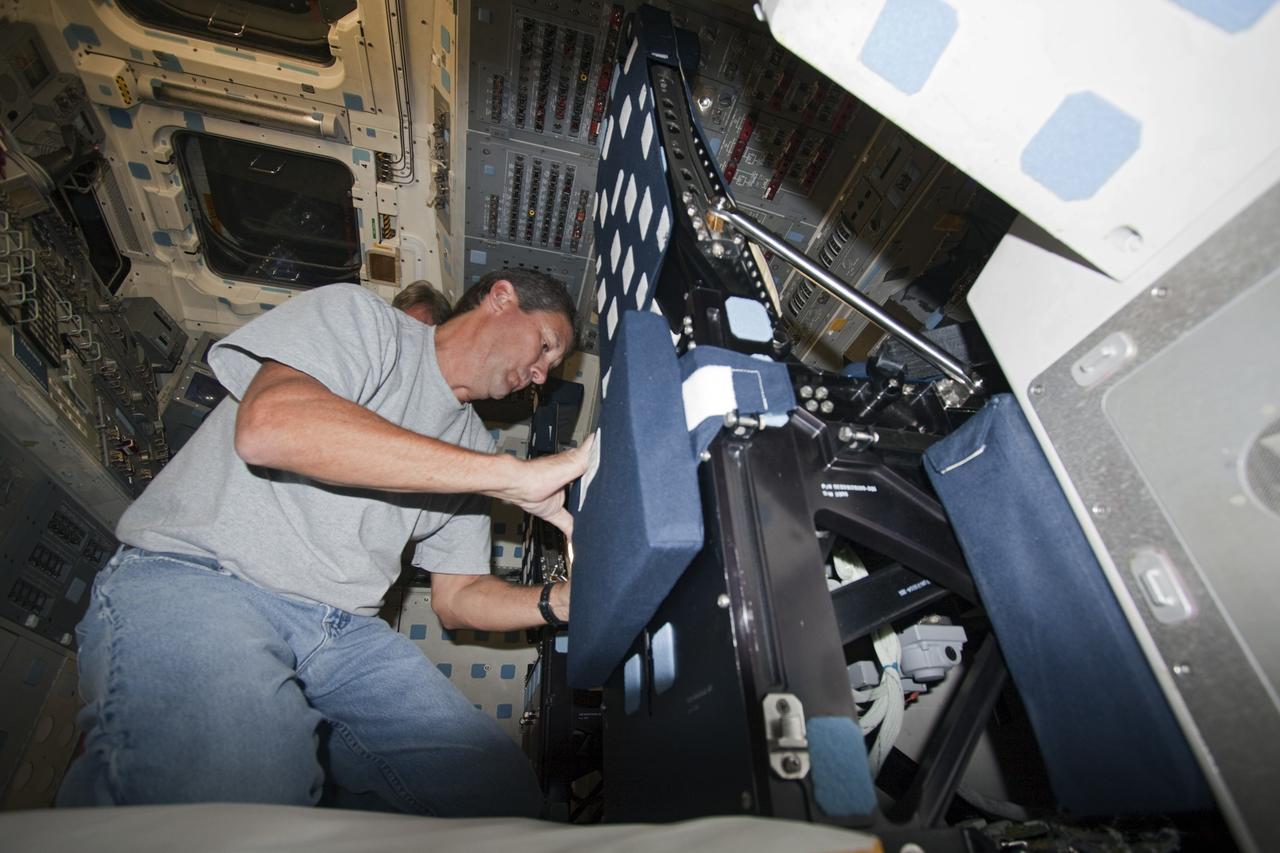
A technician outfits the commander and pilot seats on the flight deck of space shuttle Atlantis as the spacecraft is prepared for public display. The work is taking place as Atlantis sits inside Orbiter Processing Facility-1 at NASA's Kennedy Space Center in Florida. Photo credit: NASA/Dmitri Gerondidakis
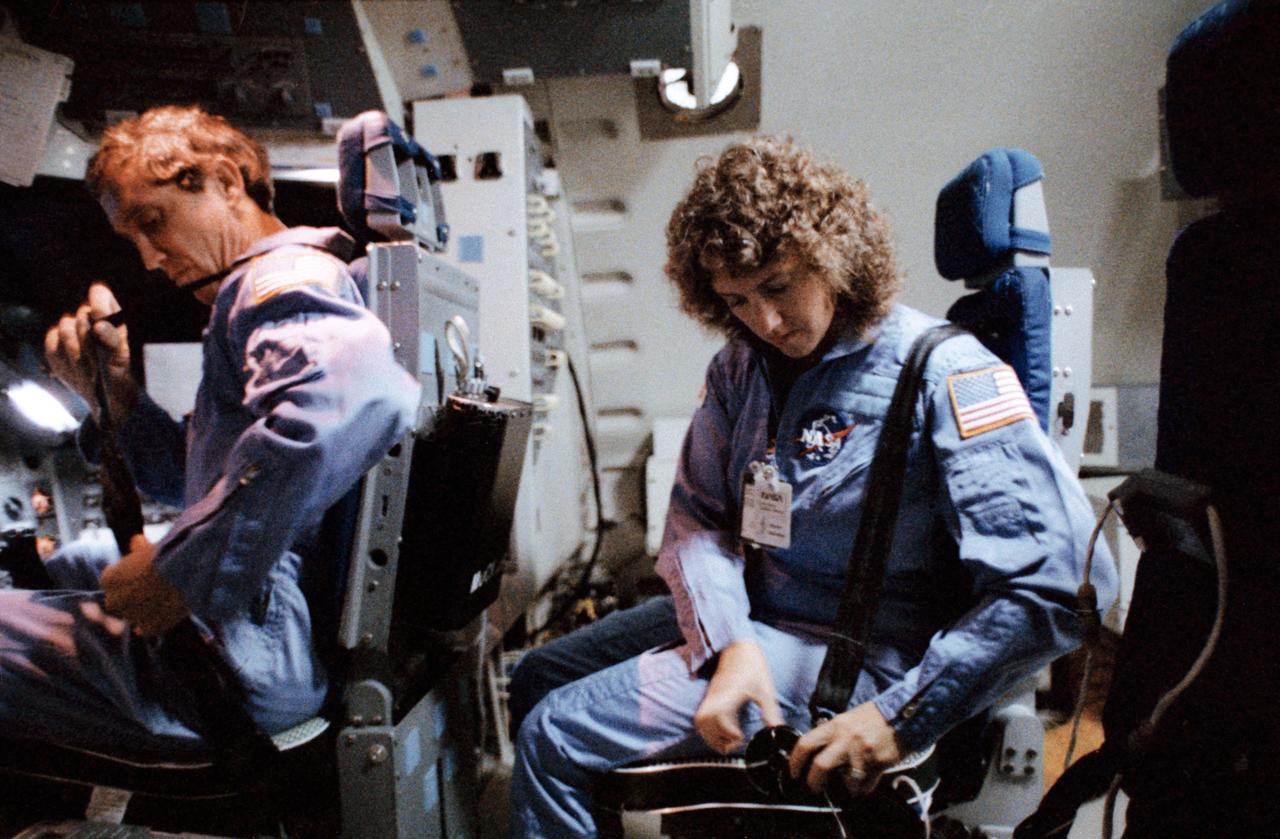
S85-44459 (19 Nov. 1985) --- Sharon Christa McAuliffe, seated behind 51-L pilot Michael J. Smith, prepares to strap herself into the mission specialists position in the Shuttle Mission Simulator (SMS) as part of her training for the 51-L mission. Photo credit: NASA
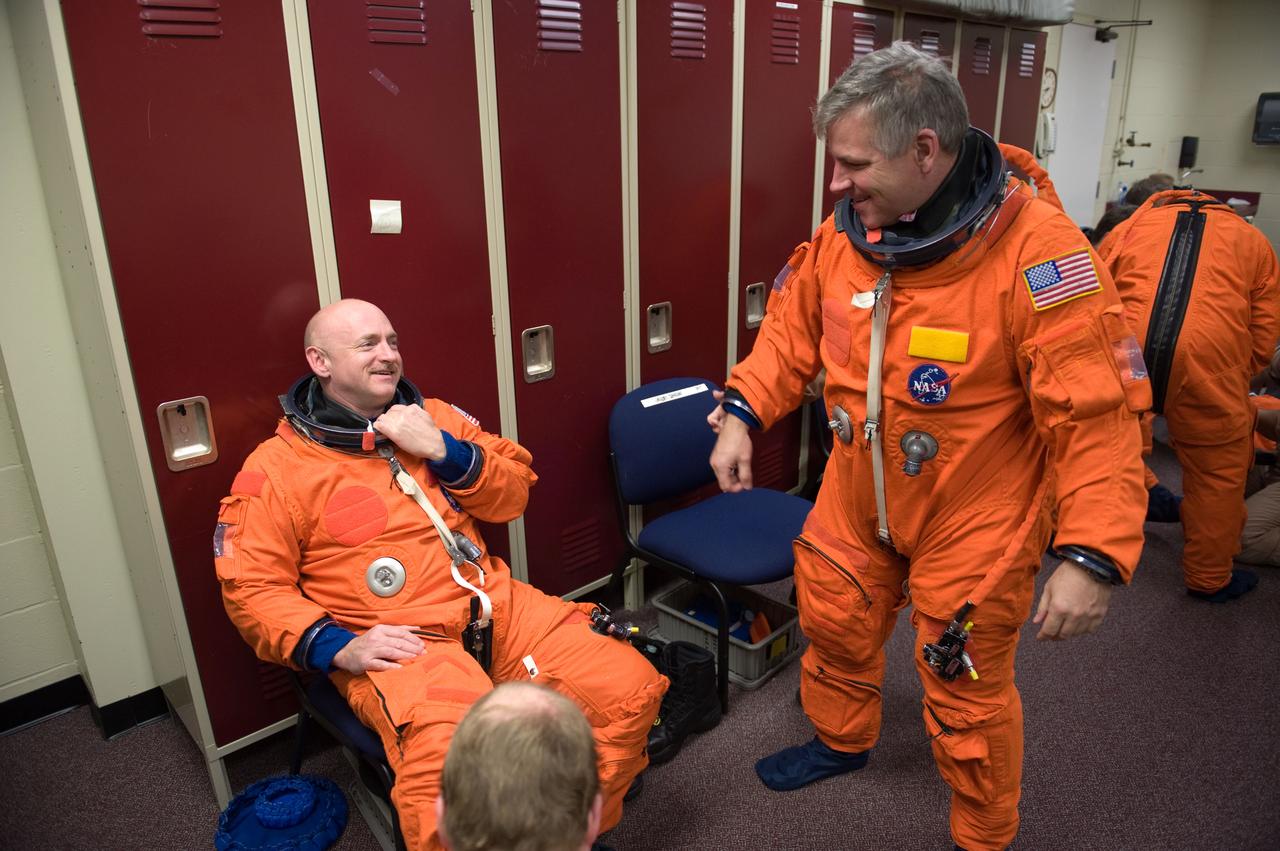
JSC2010-E-024579 (11 Feb. 2010) --- NASA astronauts Mark Kelly (seated), STS-134 commander; and Gregory H. Johnson, pilot, attired in training versions of their shuttle launch and entry suits, prepare for a training session in the Space Vehicle Mock-up Facility at NASA's Johnson Space Center.
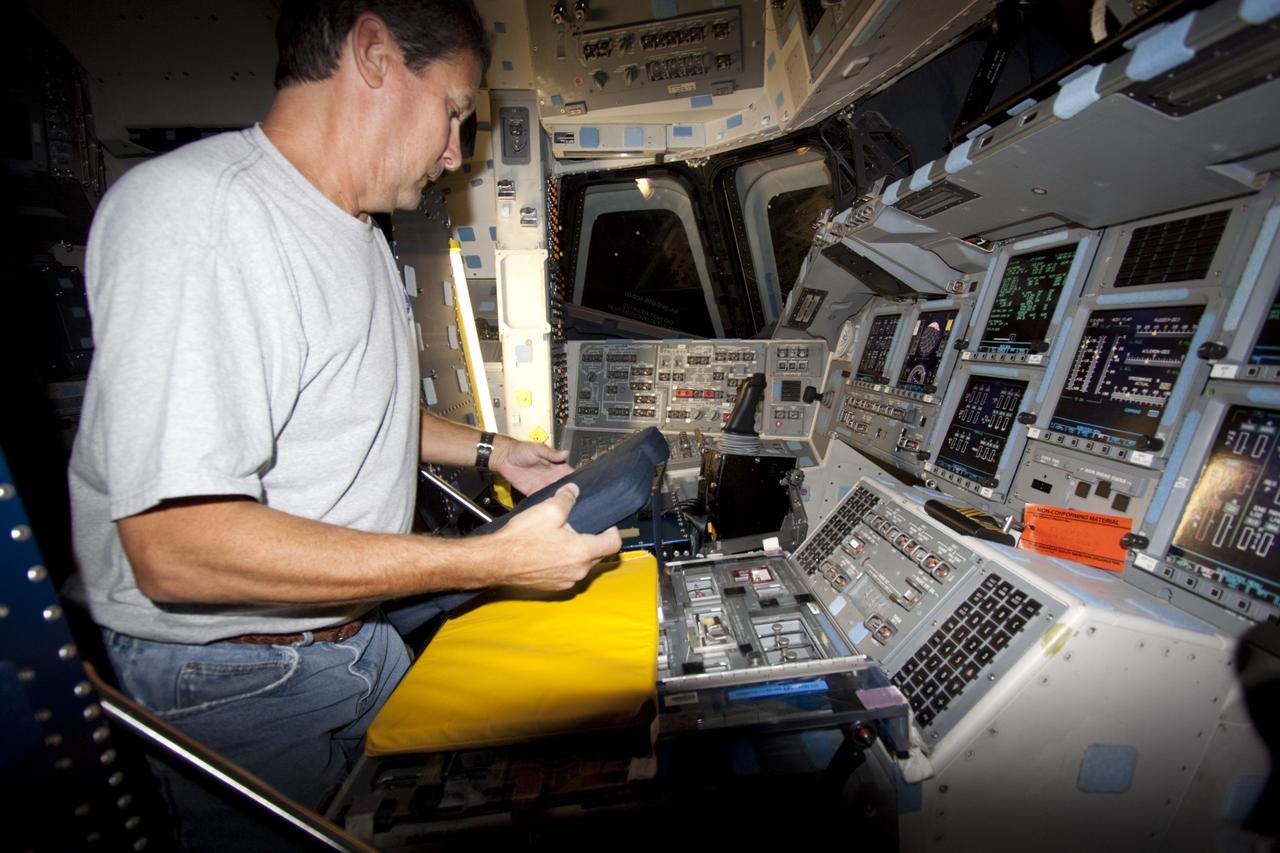
A technician outfits the commander and pilot seats on the flight deck of space shuttle Atlantis as the spacecraft is prepared for public display. The work is taking place as Atlantis sits inside Orbiter Processing Facility-1 at NASA's Kennedy Space Center in Florida. Photo credit: NASA/Dmitri Gerondidakis
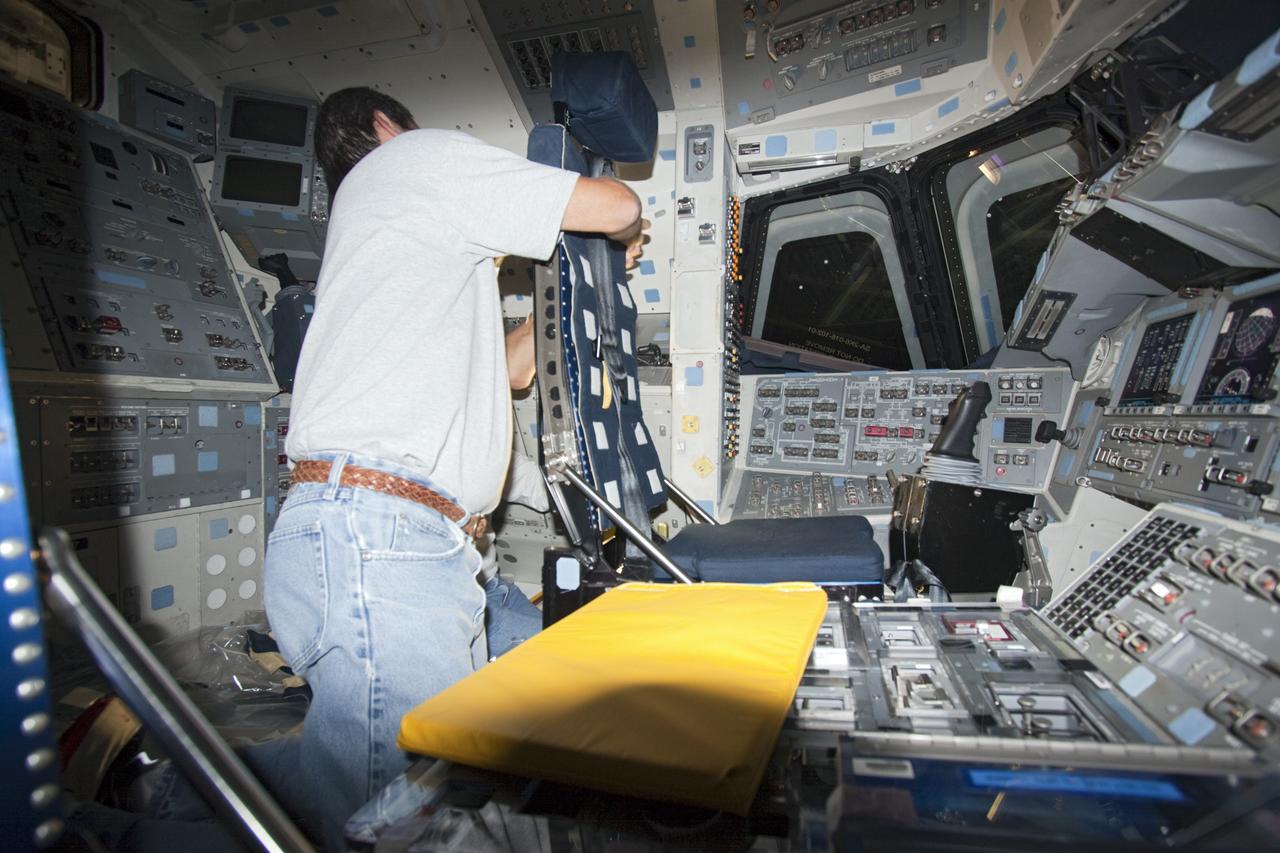
A technician outfits the commander and pilot seats on the flight deck of space shuttle Atlantis as the spacecraft is prepared for public display. The work is taking place as Atlantis sits inside Orbiter Processing Facility-1 at NASA's Kennedy Space Center in Florida. Photo credit: NASA/Dmitri Gerondidakis
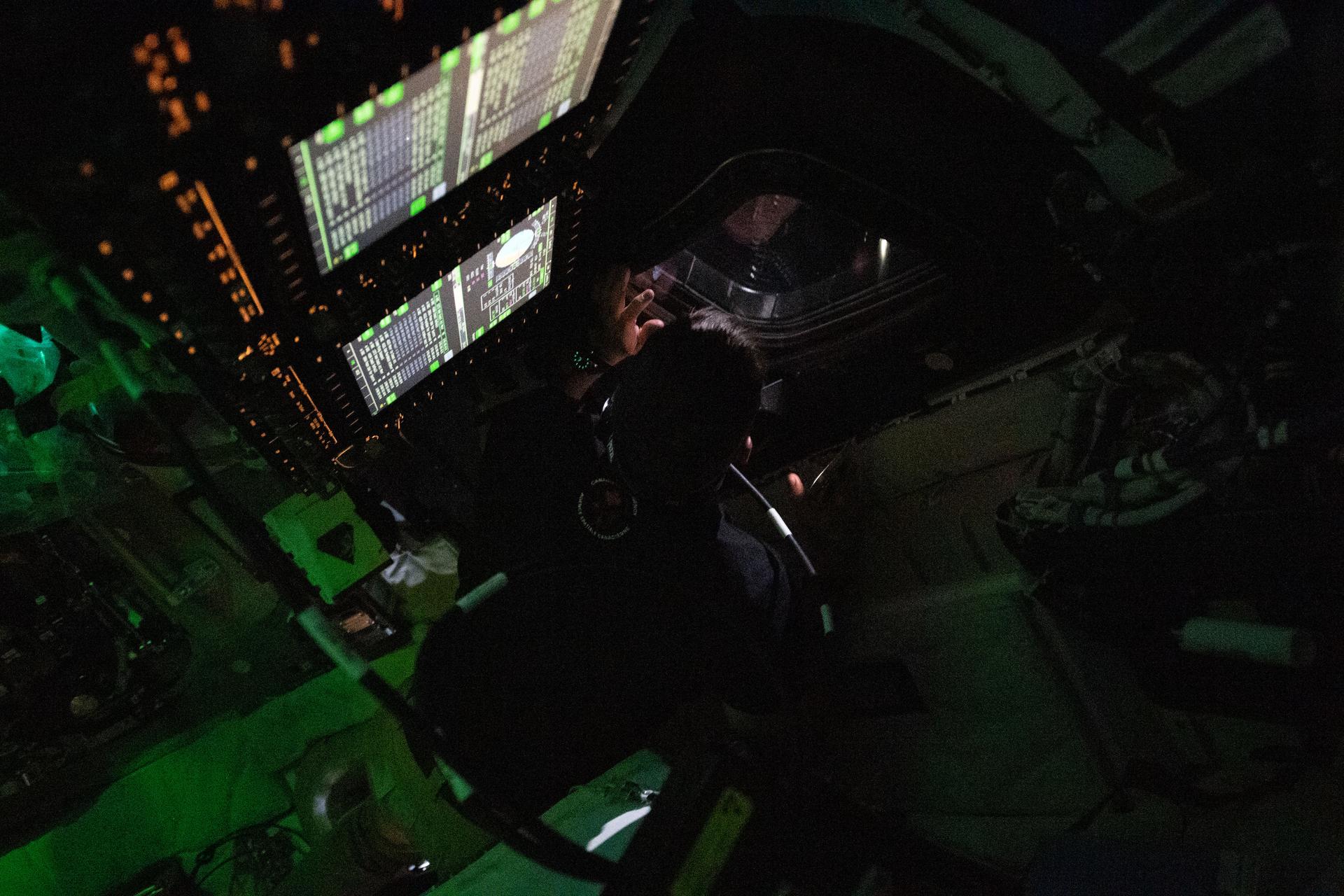
art002e004439 (April 3, 2026) - CSA (Canadian Space Agency) astronaut Jeremy Hansen – in the center of the image – peers out the window of the Orion spacecraft on day 3 of NASA's Artemis II mission. The controls over the commander and pilot seats are illuminated in the foreground, but the cabin is otherwise dark to avoid unnecessary glares on the windows.
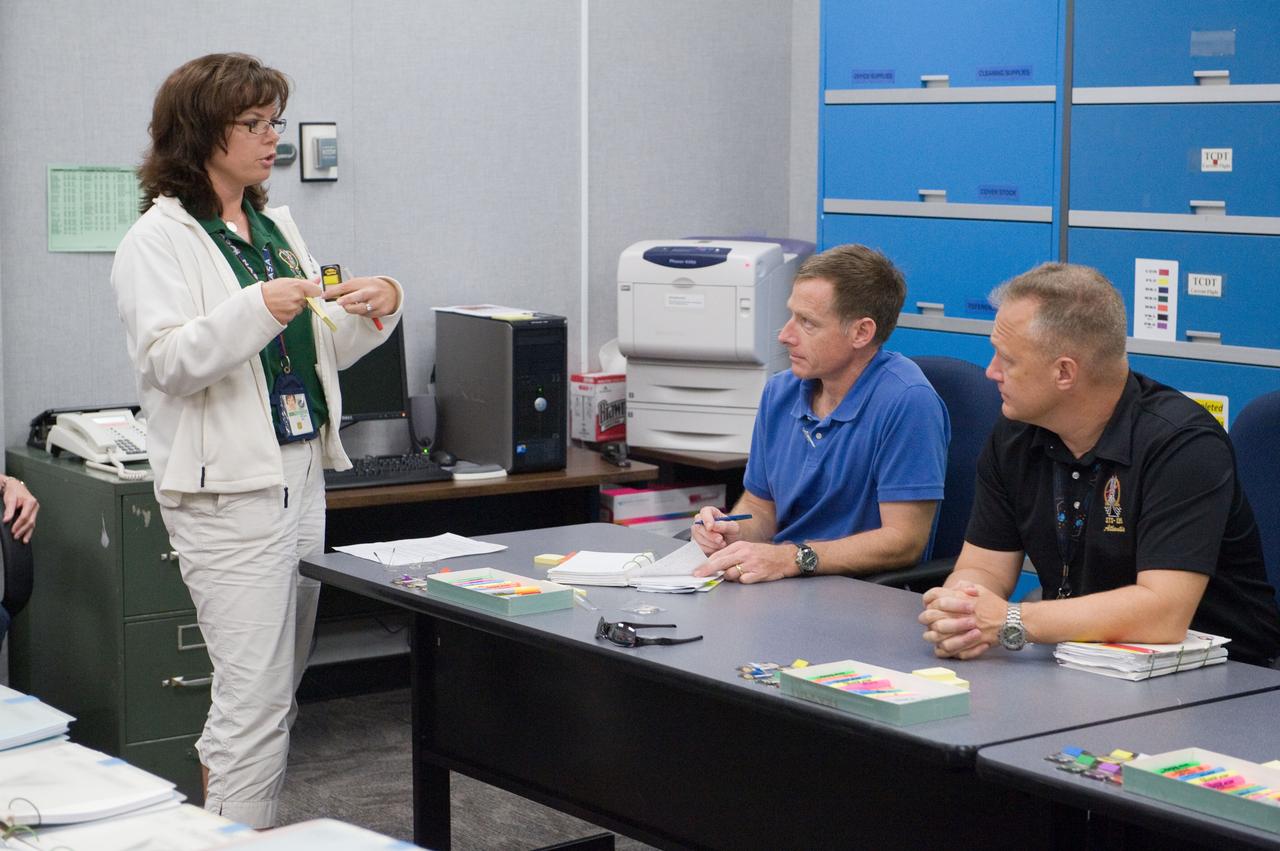
JSC2011-E-058623 (24 June 2011) --- NASA astronauts Chris Ferguson (seated left), STS-135 commander; and Doug Hurley, pilot, participate in a flight data file review in the Flight Operations Facility at NASA?s Johnson Space Center. Instructor Sandy Wayne assisted Ferguson and Hurley. Photo credit: NASA
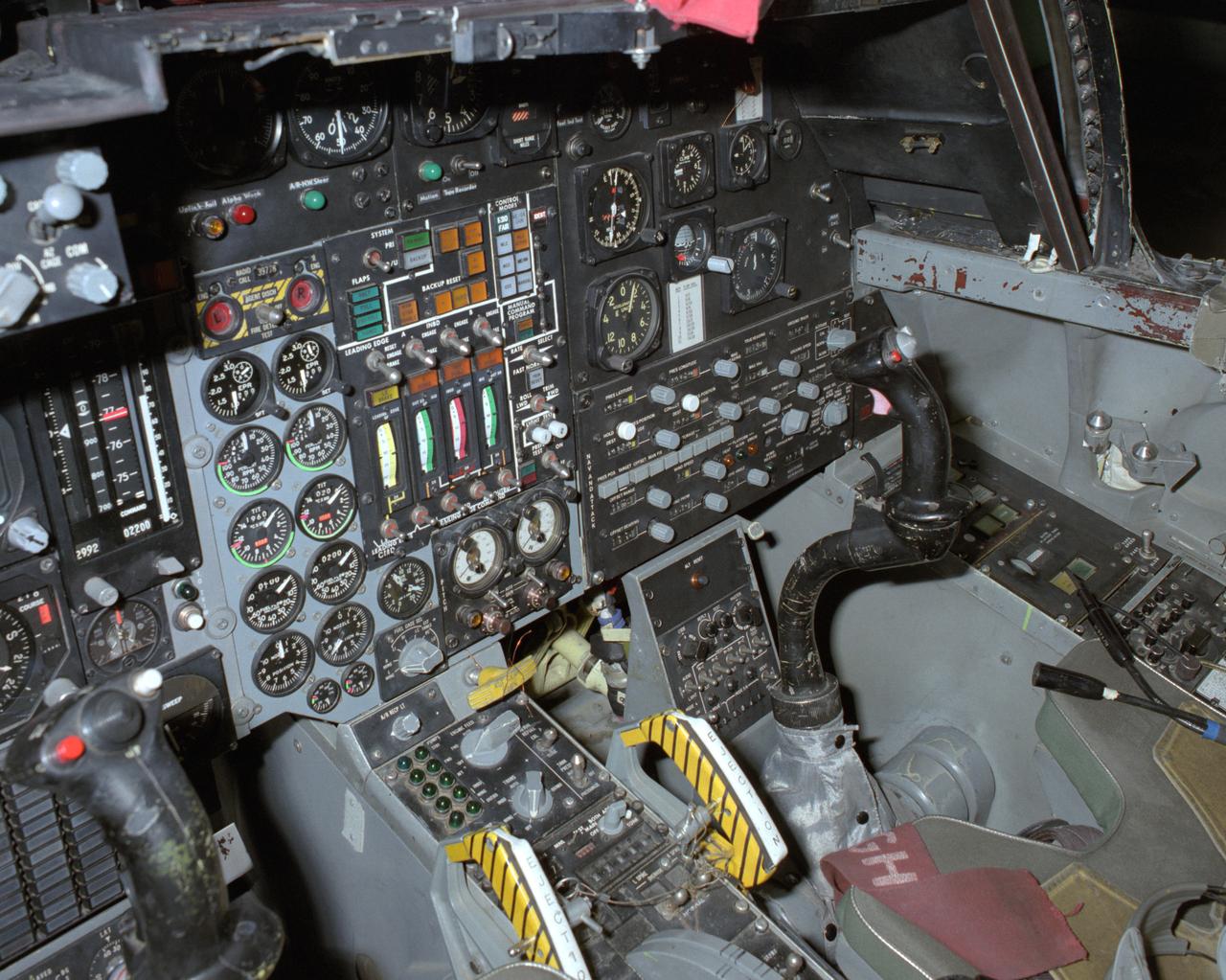
View of the right cockpit of the F-111 MAW aircraft. Unlike most fighter aircraft of the time, the F-111 had side-by-side seating. The pilot sat on the left side, and the weapons systems officer on the right. Both had control sticks to fly the aircraft.
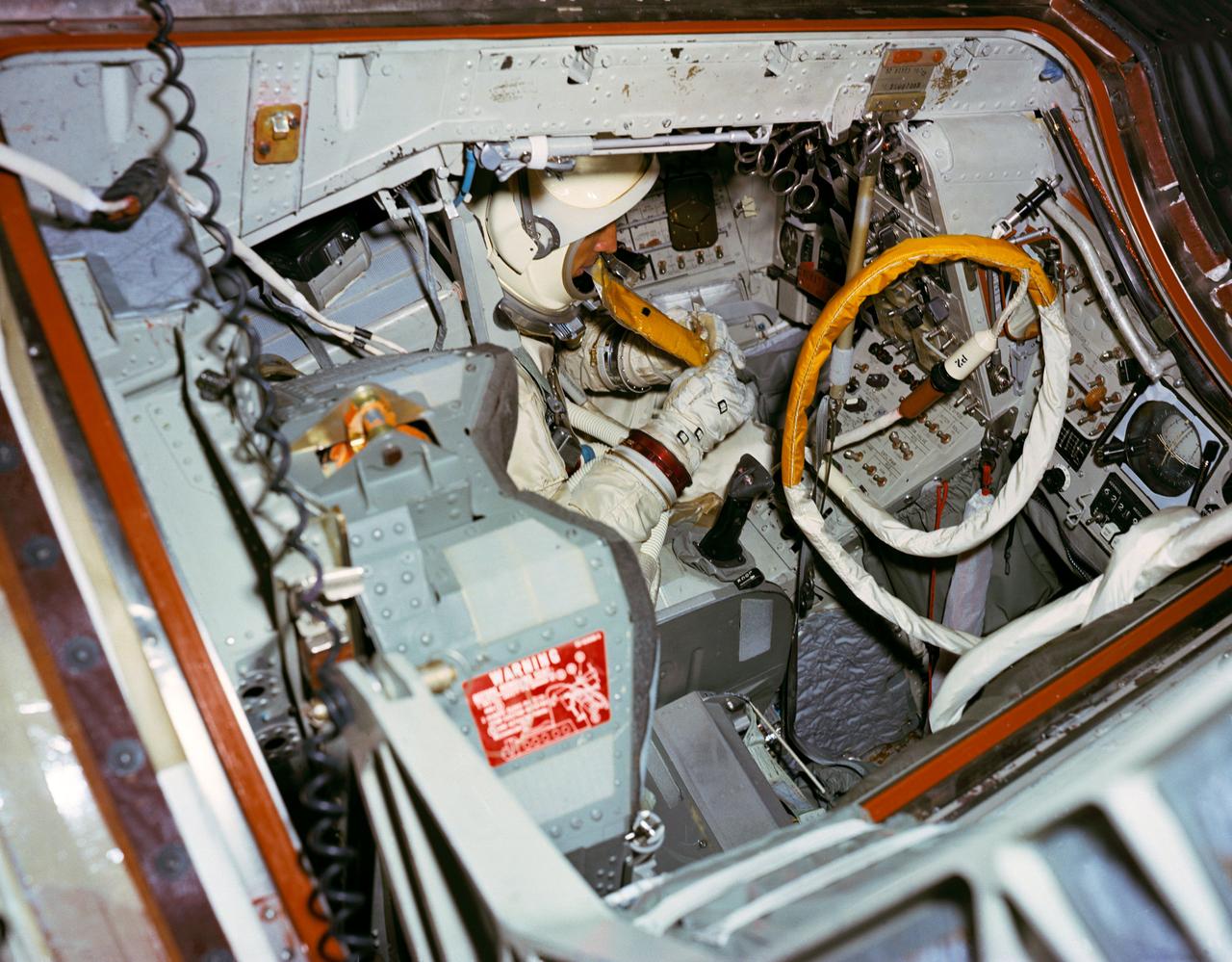
S66-51054 (15 Aug. 1966) --- Astronaut James A. Lovell Jr., prime crew command pilot of the Gemini-12 space mission, simulates using space food packet while seated in the Gemini-12 spacecraft in the 30-feet Altitude Chamber at McDonnell Aircraft Corporation, St. Louis, Missouri. Photo credit: NASA
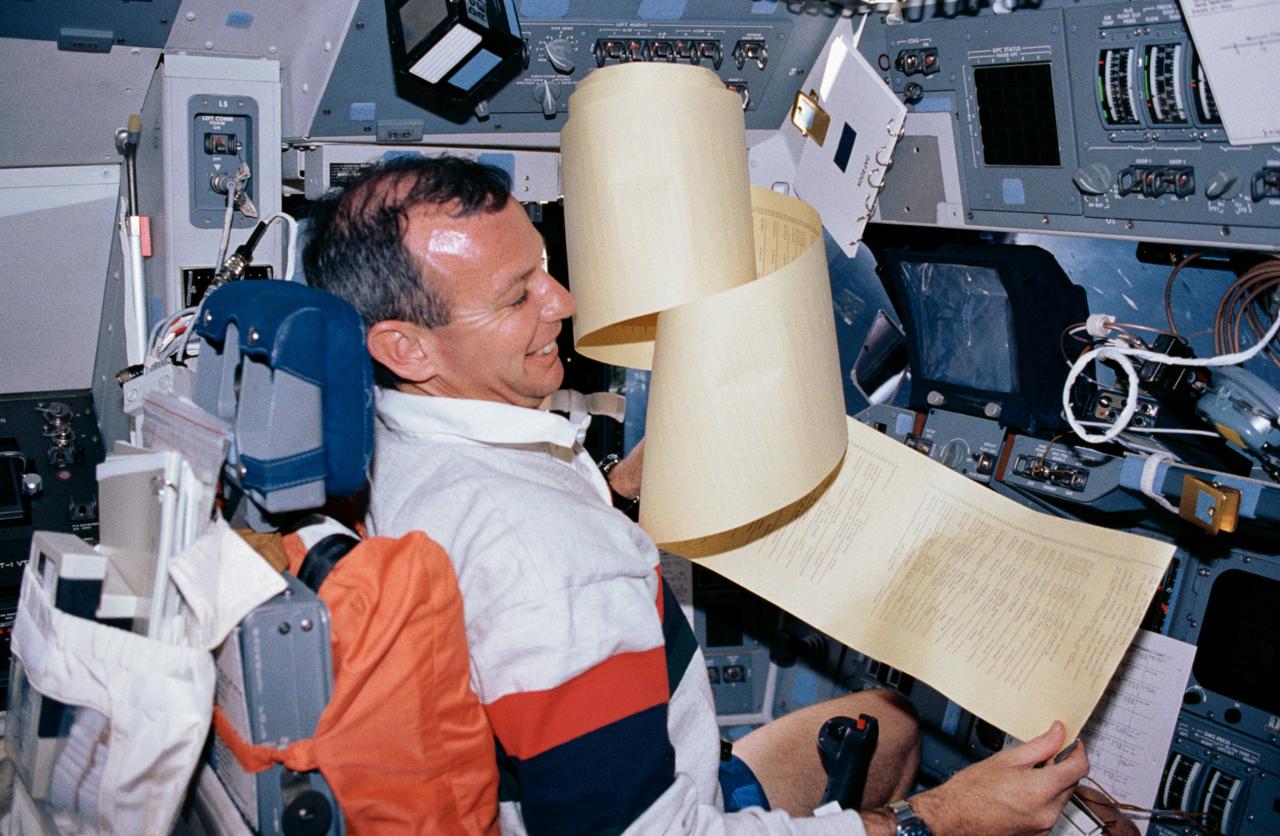
STS045-02-020 (24 March-2 April 1992) --- Brian Duffy, STS-45 pilot, struggles with a large volume of data printouts from the teleprinter system. He is seated at the commander's station on the flight deck of the Earth-orbiting Atlantis during the nine-day mission. This frame was taken with a 35mm camera.
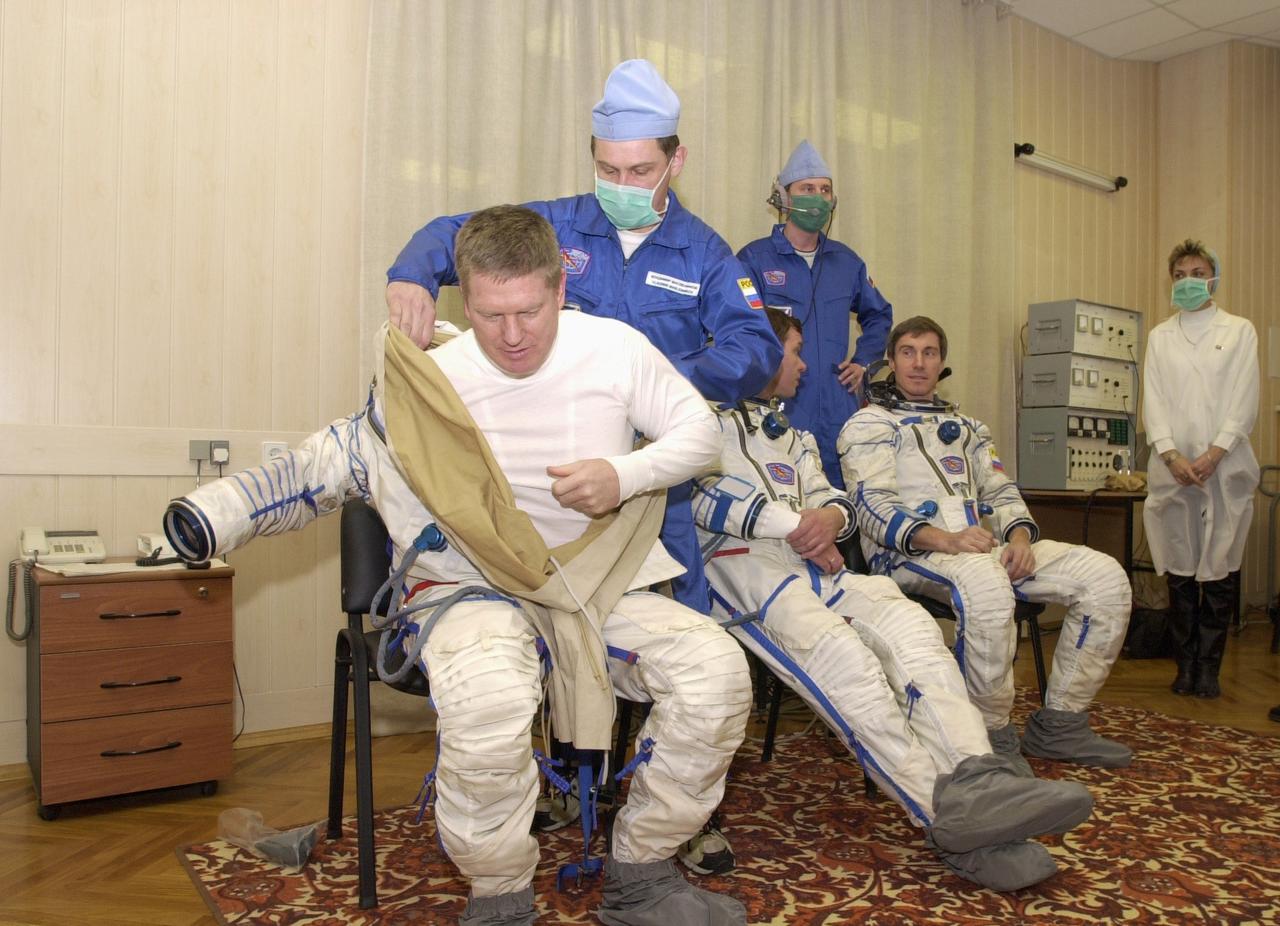
JSC2000-E-27081 (20 October 2000) --- Expedition One commander William M. (Bill) Shepherd gets help with his Sokol suit prior to a simulation at Baikonur. Also donning suits are Soyuz pilot Yuri P. Gidzenko (seated at center) and flight engineer Sergei K. Krikalev.
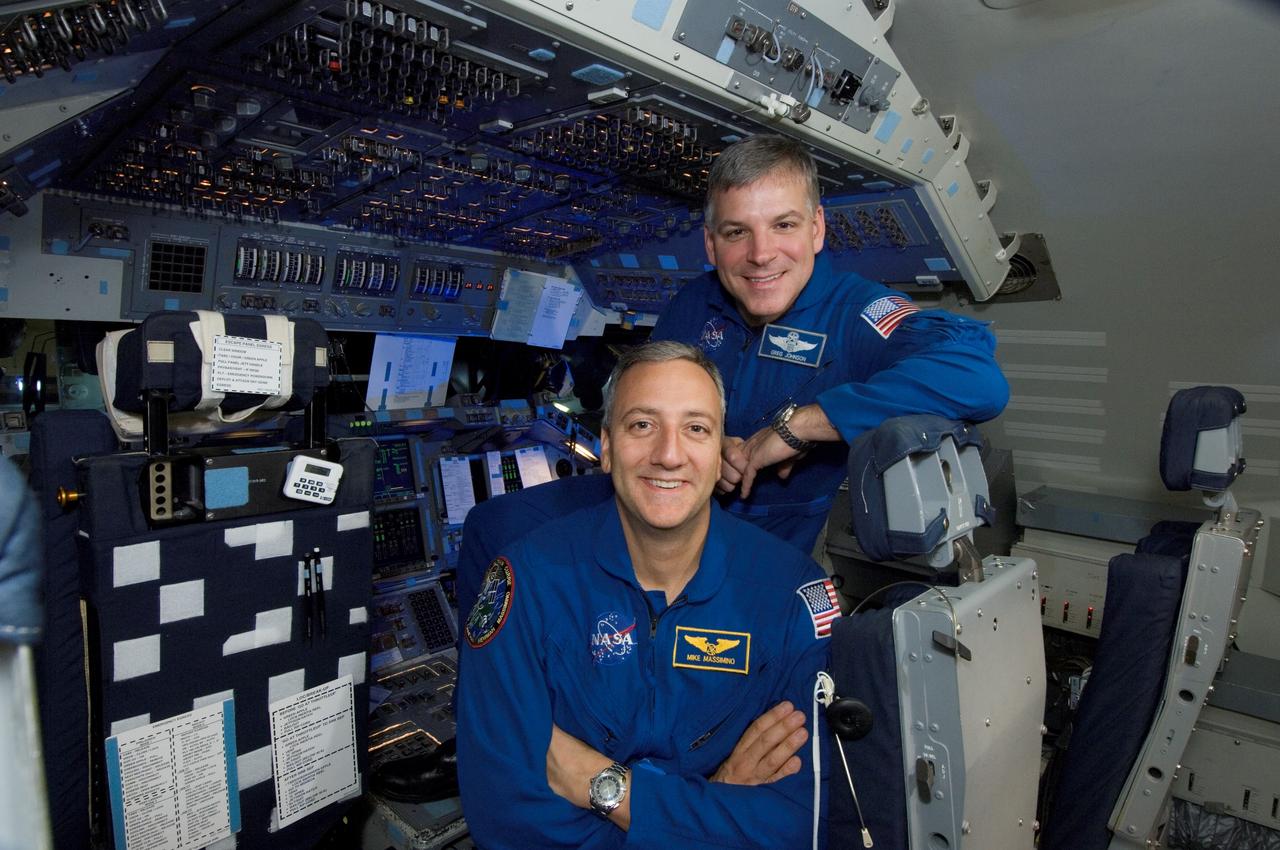
JSC2007-E-113868 (19 Dec. 2007) --- Astronauts Michael J. Massimino (seated), STS-125 mission specialist; and Gregory H. Johnson, STS-123 pilot, pose for a photo in the motion-base shuttle mission simulator (SMS) in the Jake Garn Simulation and Training Facility at the Johnson Space Center.
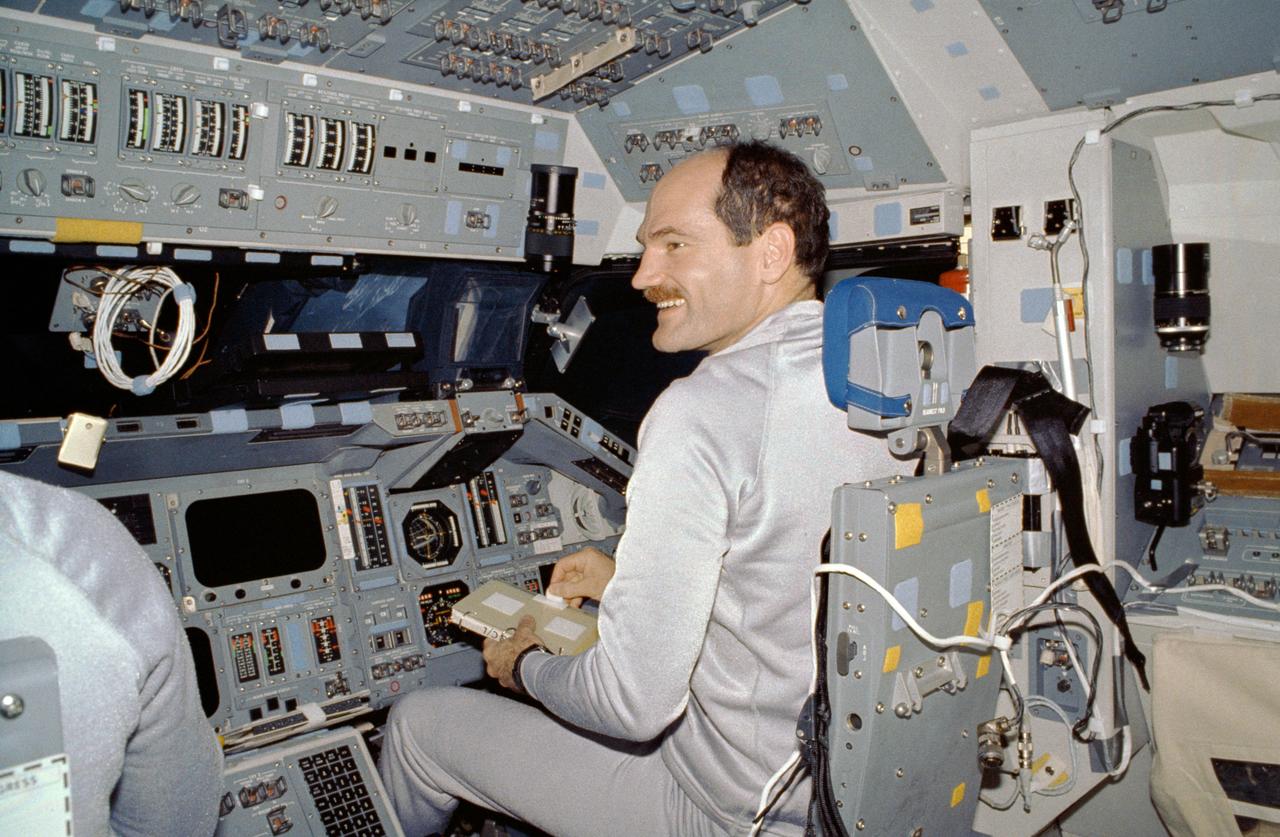
STS027-10-020a (2-6 Dec. 1988) --- Astronaut Guy S. Gardner, STS-27 pilot, converses with astronaut Robert L. Gibson (almost totally out of view at left) commander, as the two are seated at their respective stations on the flight deck of the Earth-orbiting space shuttle Atlantis. Photo credit: NASA
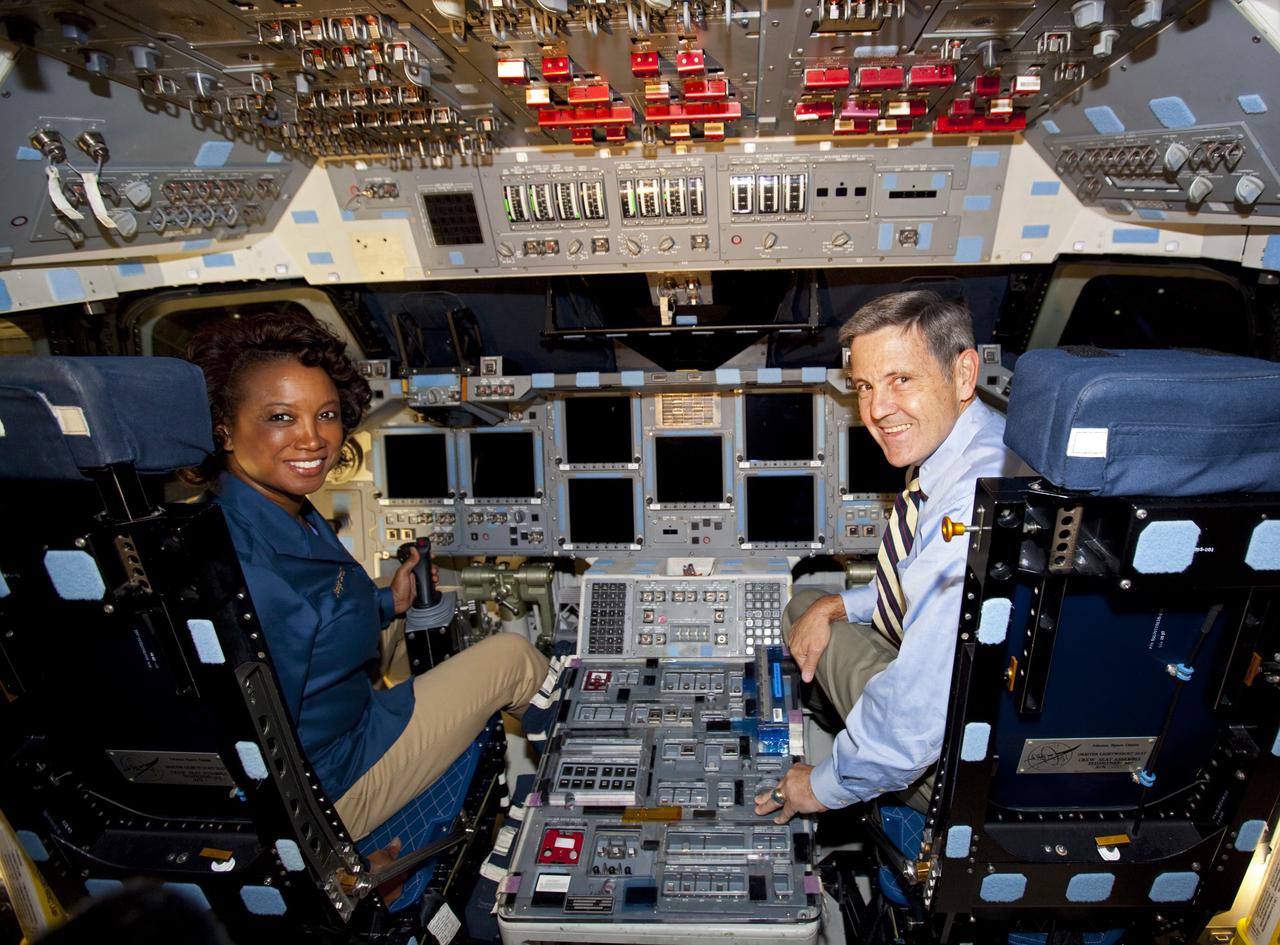
CAPE CANAVERAL, Fla. – Florida’s Lt. Gov. Jennifer Carroll, left, gets the feel of the commander’s seat on the flight deck of space shuttle Atlantis during a tour of Kennedy Space Center’s Orbiter Processing Facility-1. Kennedy Director Bob Cabana, a former astronaut, is right at home in the pilot’s seat beside her. The tour coincided with Carroll’s visit to Kennedy for a meeting with Cabana. Atlantis is being prepared for public display at the Kennedy Space Center Visitor Complex in 2013. The groundbreaking for Atlantis’ exhibit hall took place in January Atlantis is scheduled to be moved to the visitor complex in November. For more information, visit http://www.nasa.gov/shuttle. Photo credit: NASA/Jim Grossmann
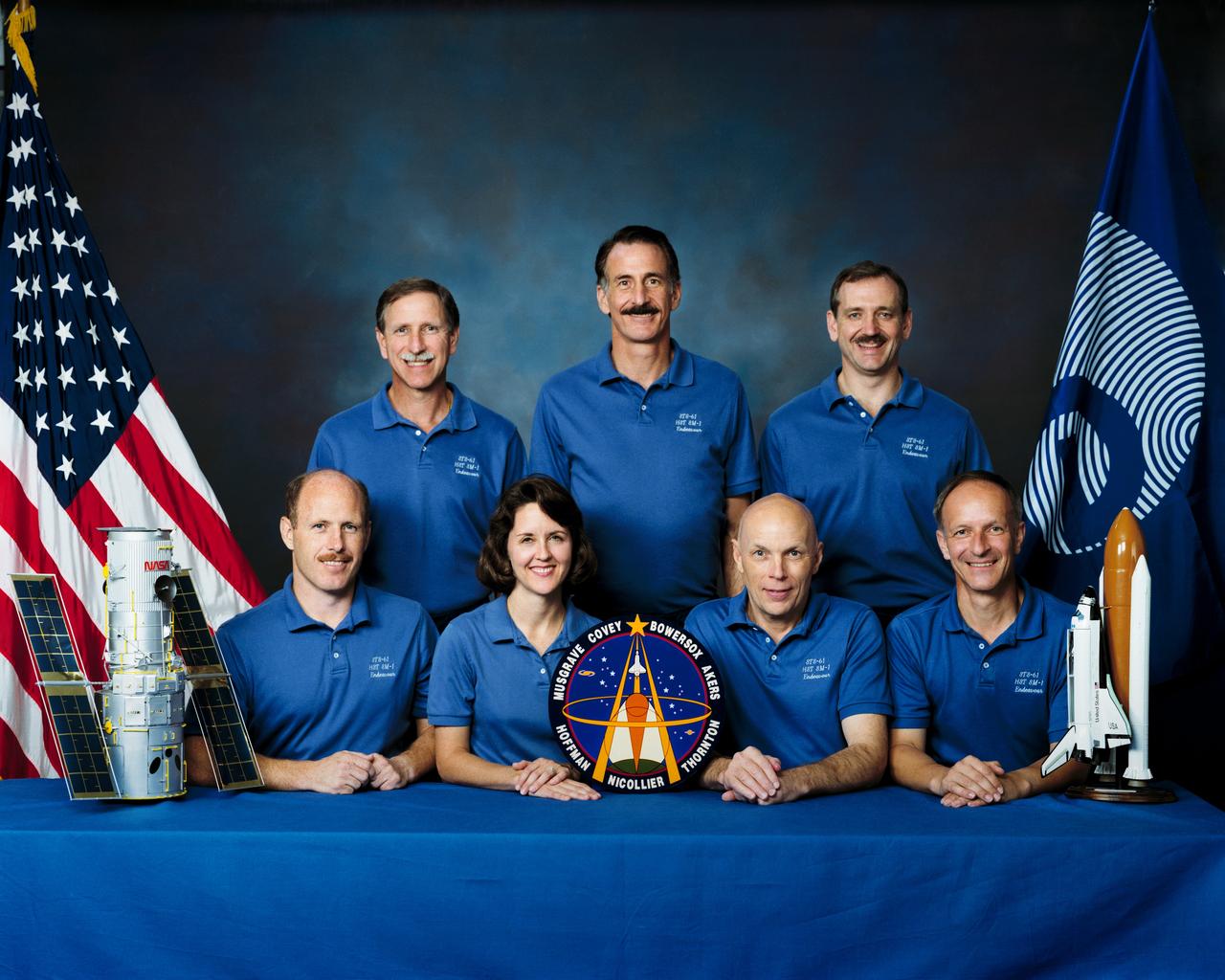
STS061-S-002 (1 Oct. 1993) --- These seven NASA astronauts are currently in training for the Hubble Space Telescope (HST) servicing mission, scheduled for later this year. Astronaut Richard O. Covey, mission commander, is standing at left, with astronaut Kenneth D. Bowersox, pilot, seated at left. The five mission specialists for the mission are (left to right, seated) astronauts Kathryn C. Thornton and F. Story Musgrave, and the European Space Agency (ESA) astronaut Claude Nicollier; and (left to right, standing), astronauts Jeffrey A. Hoffman and Thomas D. Akers. Musgrave, Akers, Thornton and Hoffman are all assigned to participate in five total sessions of extravehicular activity (EVA) for the servicing tasks.
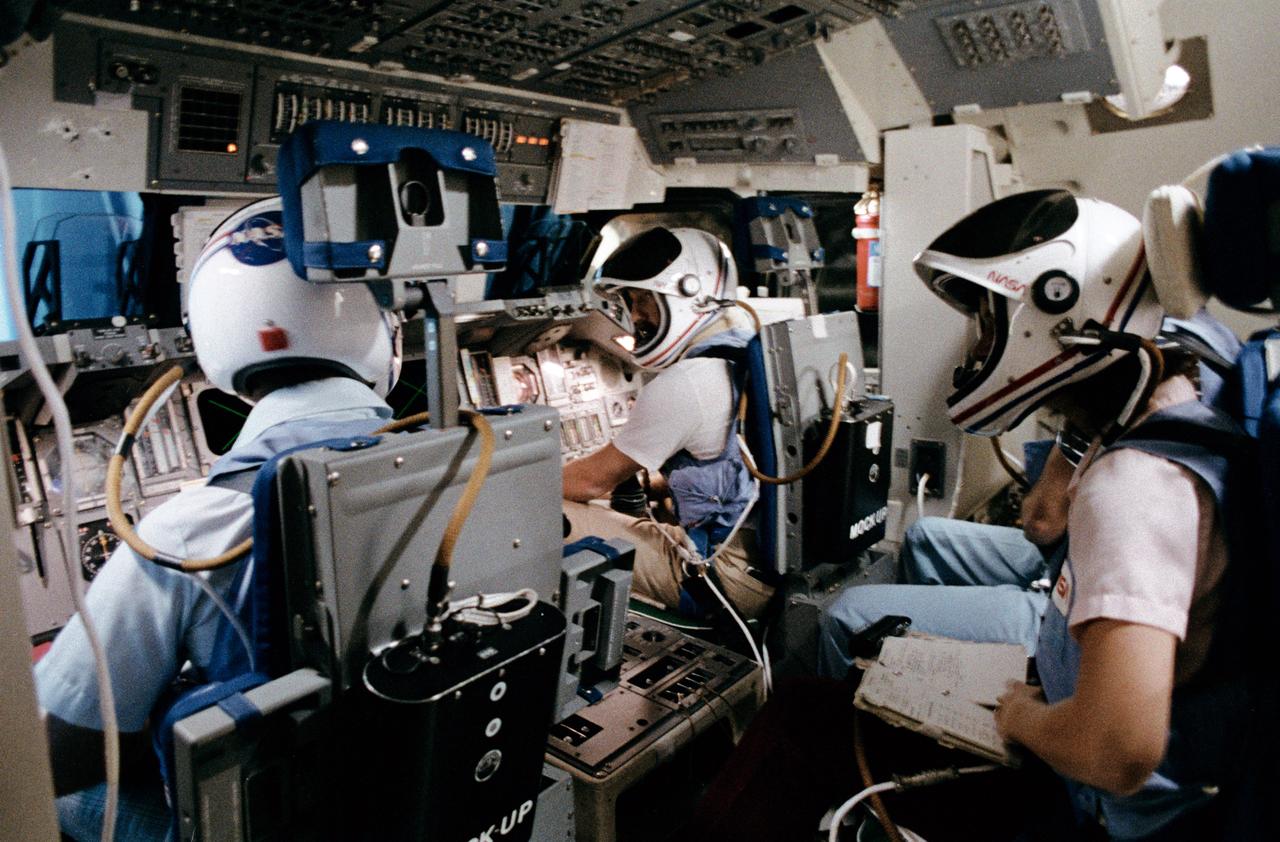
S83-32723 (23 May 1983) --- This scene in the Shuttle Mission Simulator (SMS) previews next month?s STS-7 flight in the space shuttle Challenger. Taken during a simulation session, the photo illustrates the seating arrangement for launch and landing phases of the Challenger?s second spaceflight and its first with five crew members. Pictured, left to right, are astronauts Robert L. Crippen, commander; Frederick H. Hauck, pilot; Sally K. Ride and John M. Fabian (almost totally obscured), mission specialists. Dr. Norman E. Thagard, a third mission specialist, will be seated in the middeck for launch and landing phases. Photo credit: NASA/Otis Imboden/National Geographic Society.

S69-40205 (27 July 1969) --- The crewmen of the Apollo 11 lunar landing mission go through their post flight debriefing session on Sunday, July 27, 1969. Left to right, are astronauts Edwin E. Aldrin Jr., lunar module pilot; Michael Collins, command module pilot; and Neil A. Armstrong, commander. They are seated in the debriefing room of the Crew Reception Area of the Lunar Receiving Laboratory at the Manned Spacecraft Center.
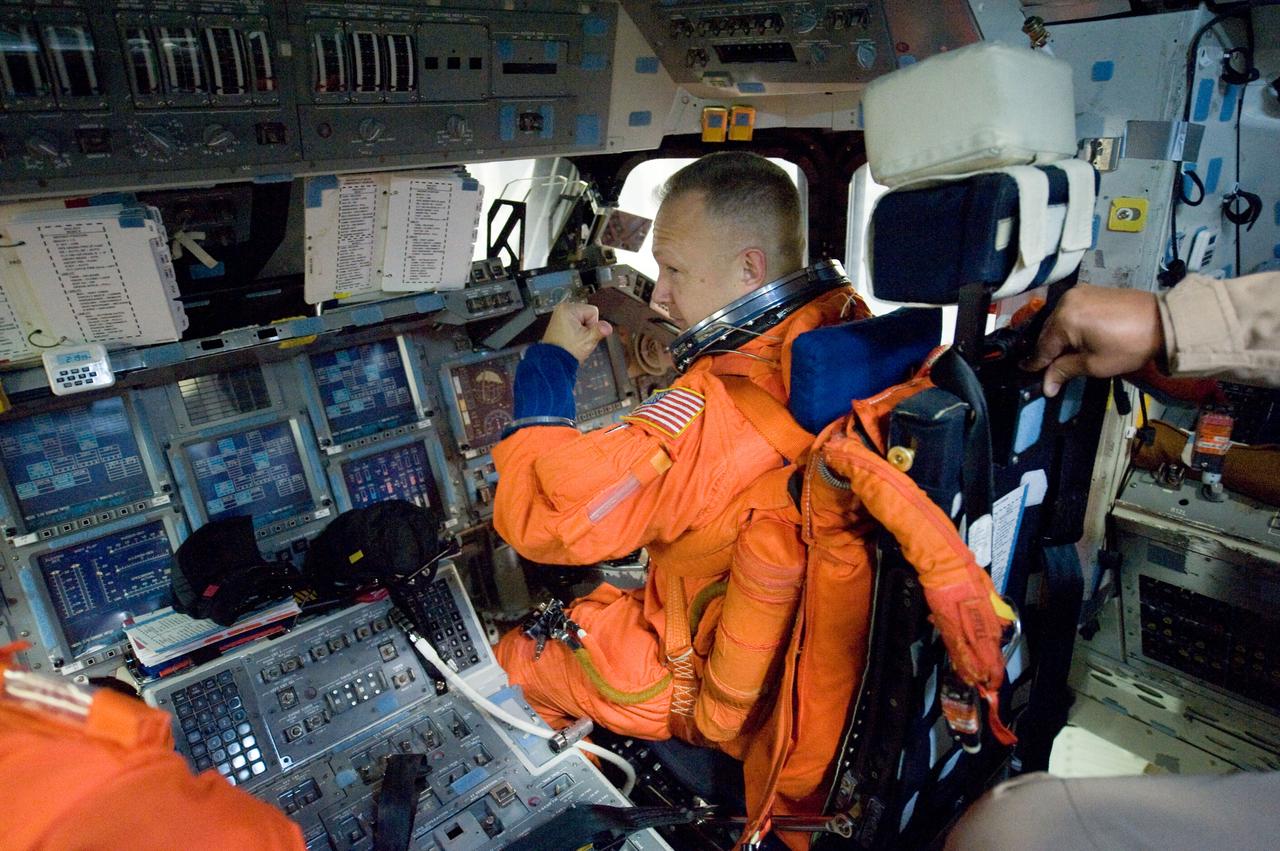
JSC2010-E-195530 (3 Dec. 2010) --- While seated at the pilot?s station, NASA astronaut Doug Hurley, STS-135 pilot, participates in a training session in the crew compartment trainer (CCT-2) in the Space Vehicle Mock-up Facility at NASA's Johnson Space Center. Hurley is wearing a training version of his shuttle launch and entry suit. STS-135 is planned to be the final mission of the space shuttle program. Photo credit: NASA or National Aeronautics and Space Administration
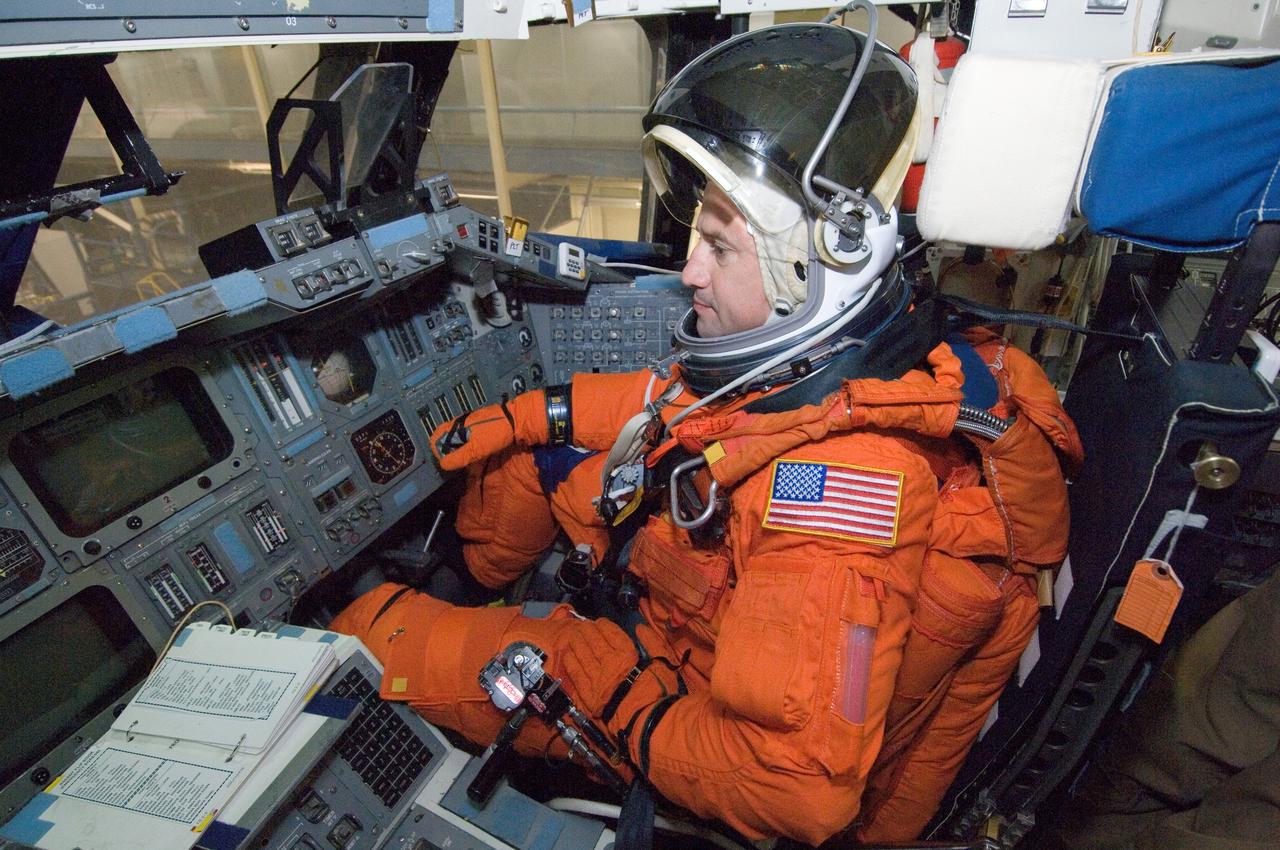
JSC2007-E-18070 (9 April 2007) --- While seated at the pilot's station, astronaut George D. Zamka, STS-120 pilot, participates in a training session in the crew compartment trainer (CCT-2) in the Space Vehicle Mockup Facility at Johnson Space Center. Zamka is wearing a training version of his shuttle launch and entry suit.
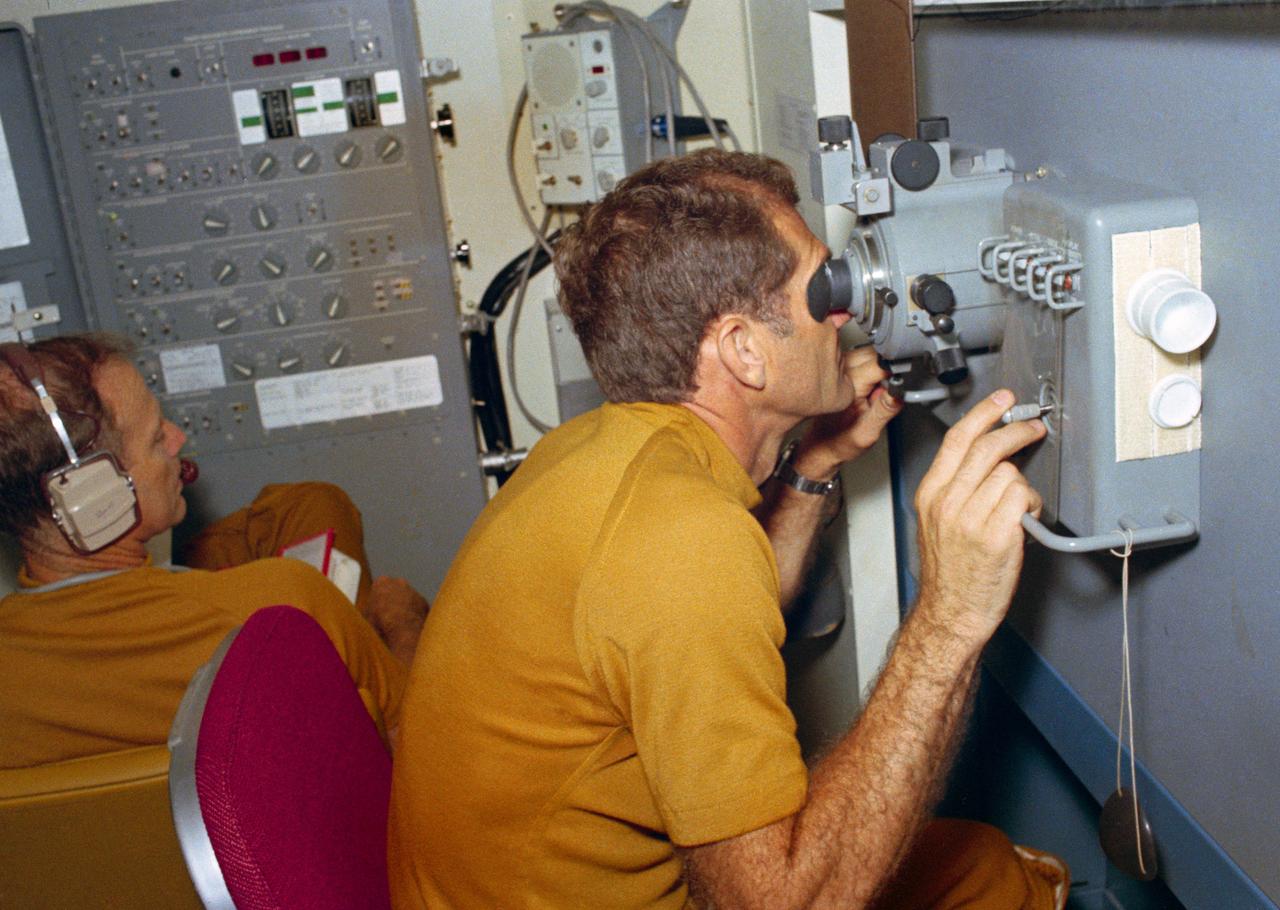
S73-32854 (10 Sept. 1973) --- Astronaut William R. Pogue, Skylab 4 pilot, uses the Skylab Viewfinder Tracking System (S191 experiment) during a training exercise in the Multiple Docking Adapter (MDA) one-G trainer at Johnson Space Center. In the background is astronaut Gerald P. Carr, seated at the control panel for the Earth Resources Experiments Package (EREP). Carr is Skylab 4 crew commander, and Gibson is science pilot. Photo credit: NASA
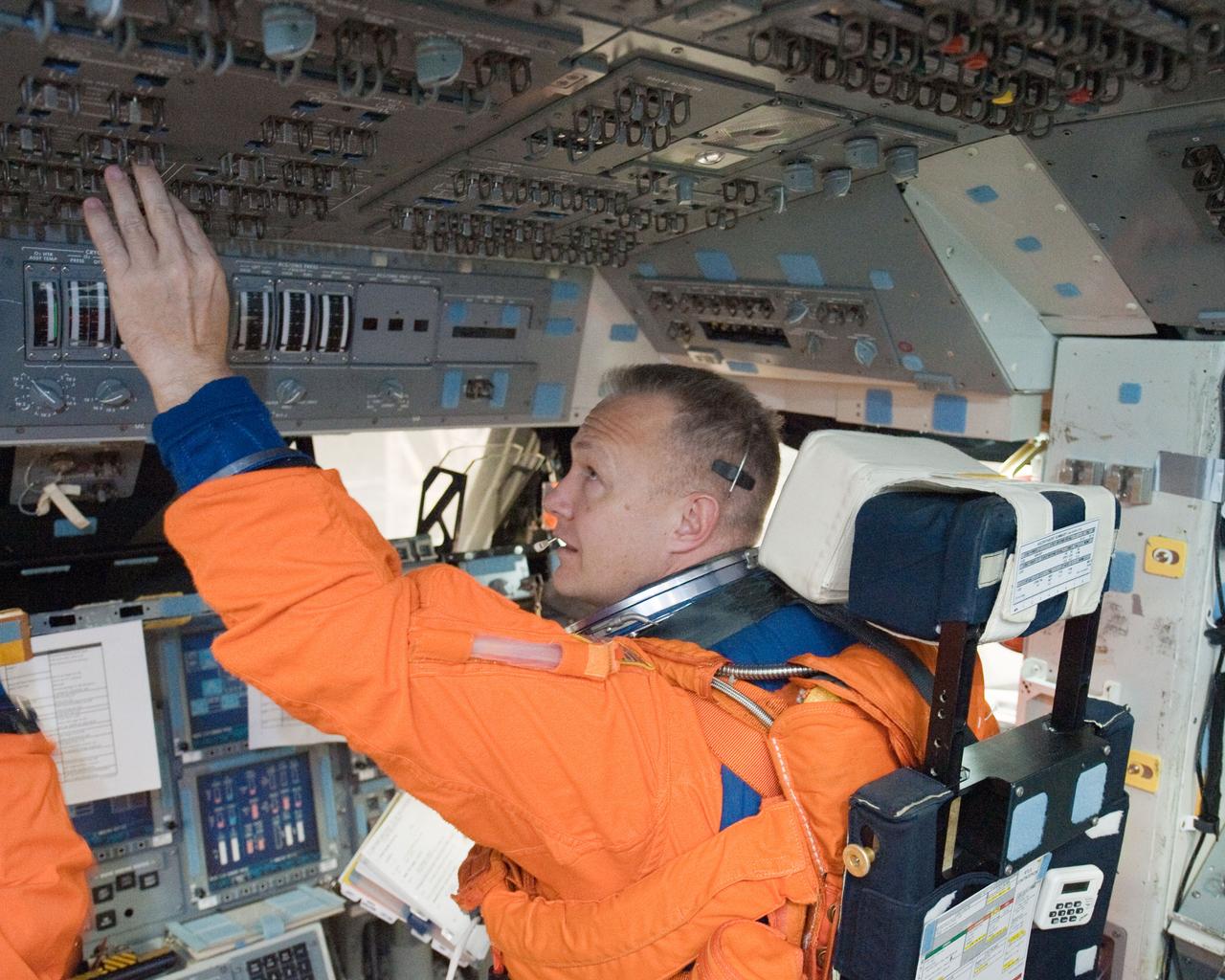
JSC2010-E-196898 (20 Dec. 2010) --- While seated at the pilot?s station, NASA astronaut Doug Hurley, STS-135 pilot, participates in a post insertion/de-orbit training session on the flight deck of the crew compartment trainer (CCT-2) in the Space Vehicle Mockup Facility at NASA's Johnson Space Center. Hurley is wearing a training version of his shuttle launch and entry suit. STS-135 is planned to be the final mission of the space shuttle program. Photo credit: NASA or National Aeronautics and Space Administration
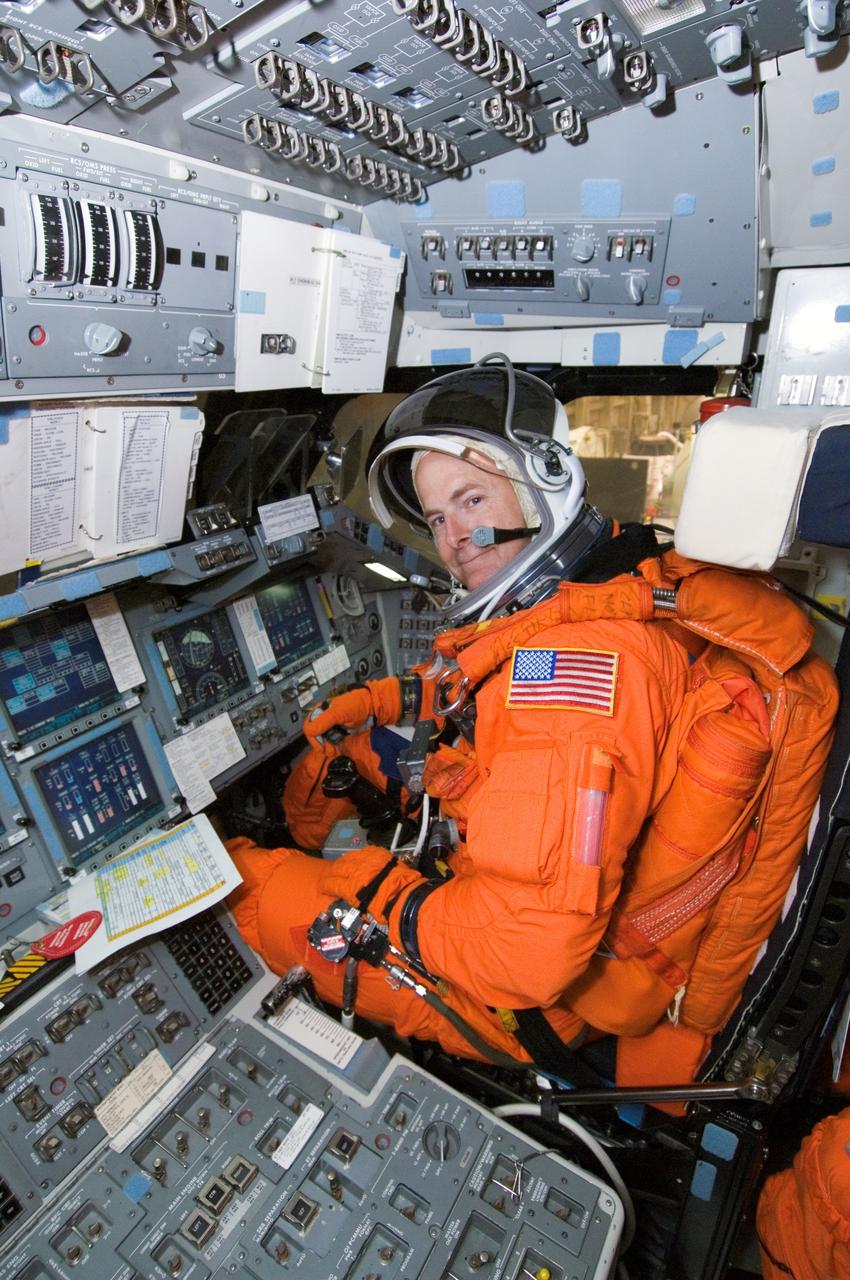
JSC2007-E-14485 (20 March 2007) --- While seated at the pilot's station, astronaut Alan G. Poindexter, STS-122 pilot, participates in a post insertion/de-orbit training session in the crew compartment trainer (CCT-2) in the Space Vehicle Mockup Facility at Johnson Space Center. Poindexter is wearing a training version of his shuttle launch and entry suit.
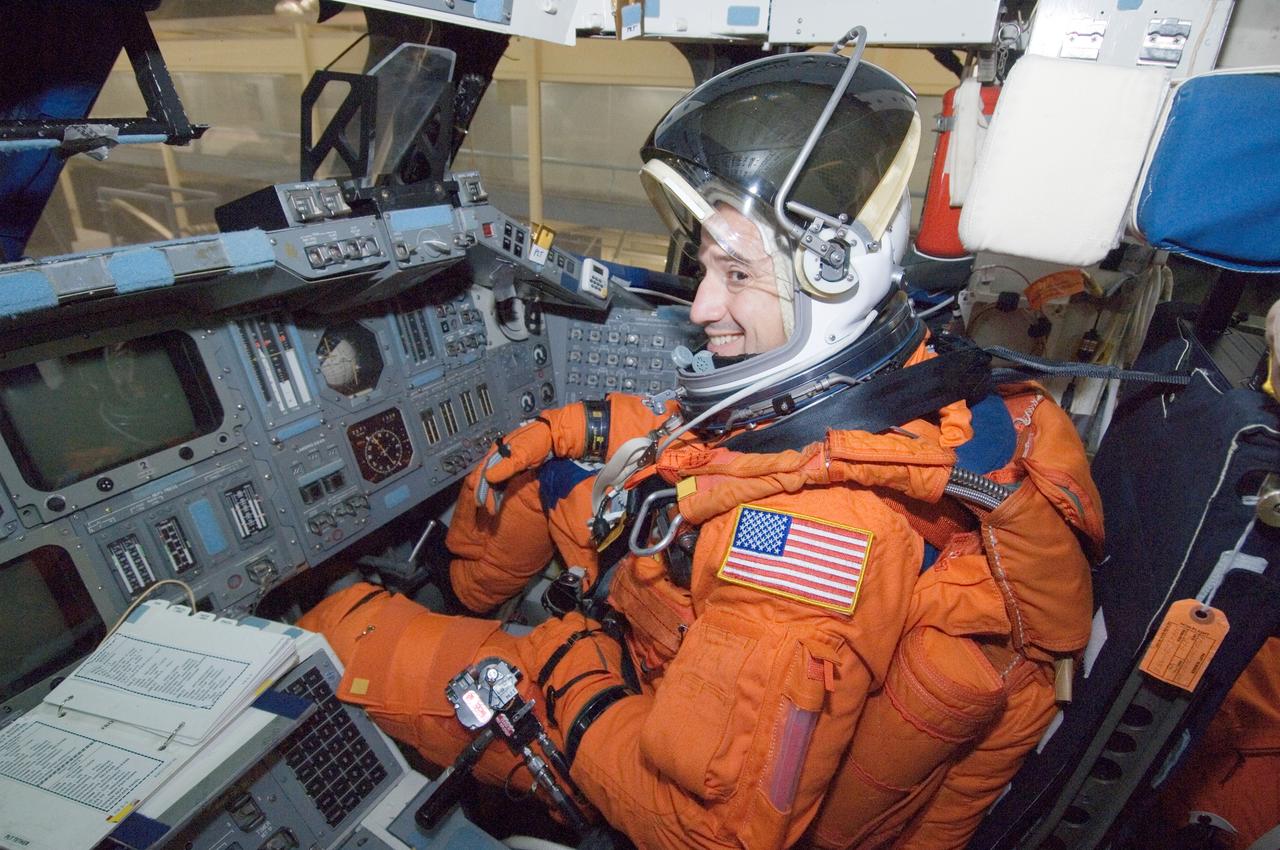
JSC2007-E-18071 (9 April 2007) --- While seated at the pilot's station, astronaut George D. Zamka, STS-120 pilot, participates in a training session in the crew compartment trainer (CCT-2) in the Space Vehicle Mockup Facility at Johnson Space Center. Zamka is wearing a training version of his shuttle launch and entry suit.
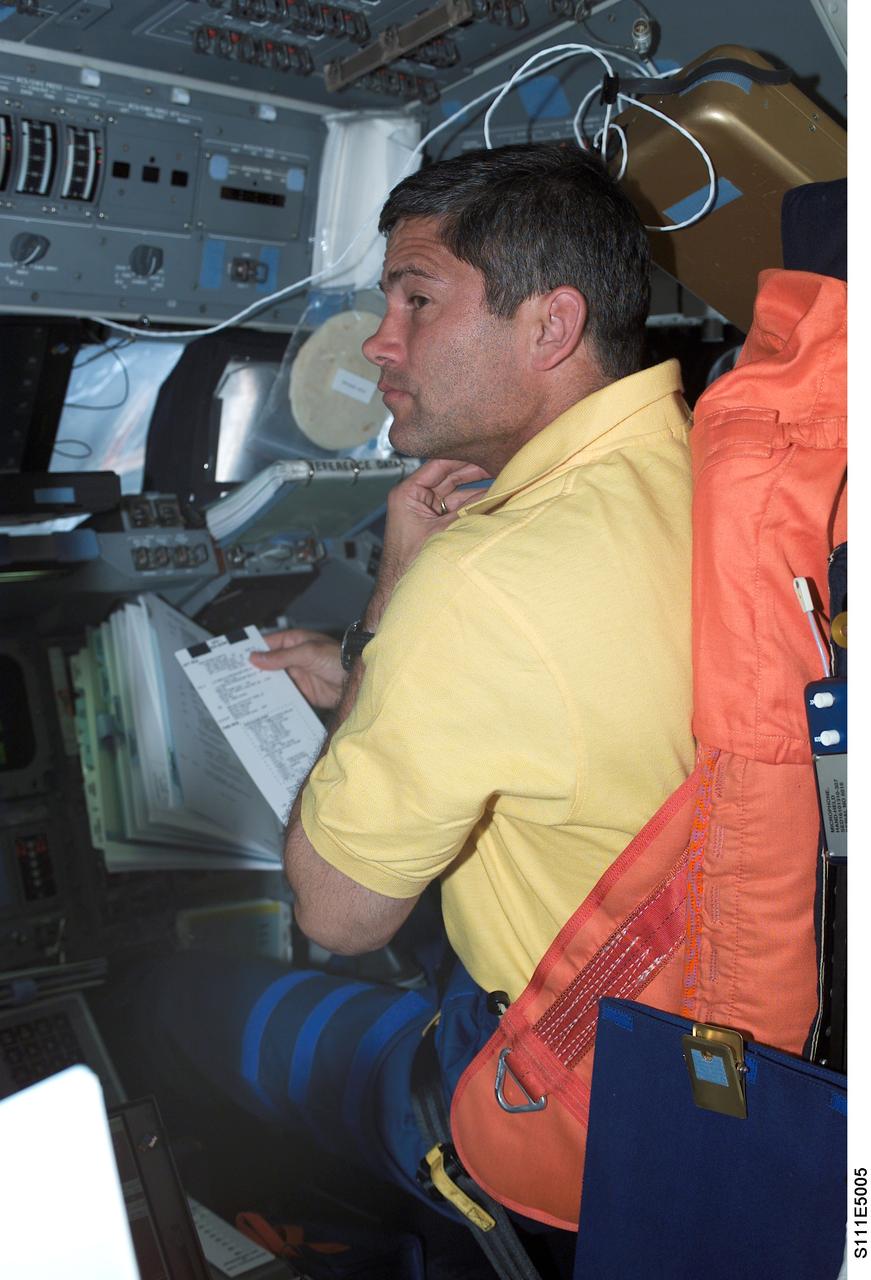
STS111-E-5005 (6 June 2002) --- Astronaut Paul S. Lockhart, STS-111 pilot, consults a check list on the day prior to rendezvous and docking operations between the Space Shuttle Endeavour and International Space Station (ISS). Lockhart, an alumnus of the 1996 astronaut candidate class marking his first space flight, is seated at the pilot's station on the shuttle's forward flight deck.
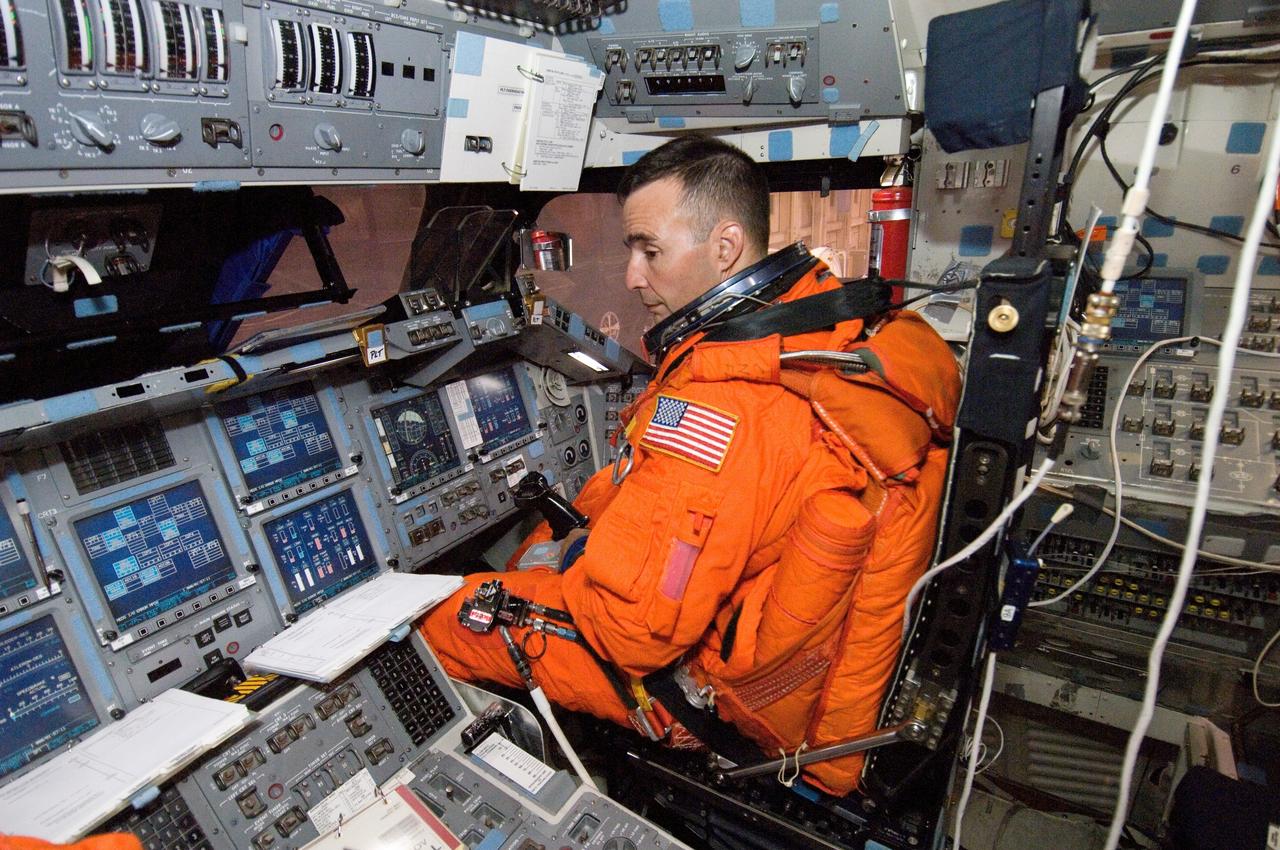
JSC2006-E-32653 (3 Aug. 2006) --- While seated at the pilot's station, astronaut Lee J. Archambault, STS-117 pilot, participates in a training session in the crew compartment trainer (CCT-2) in the Space Vehicle Mockup Facility at Johnson Space Center. Archambault is wearing a training version of his shuttle launch and landing suit.
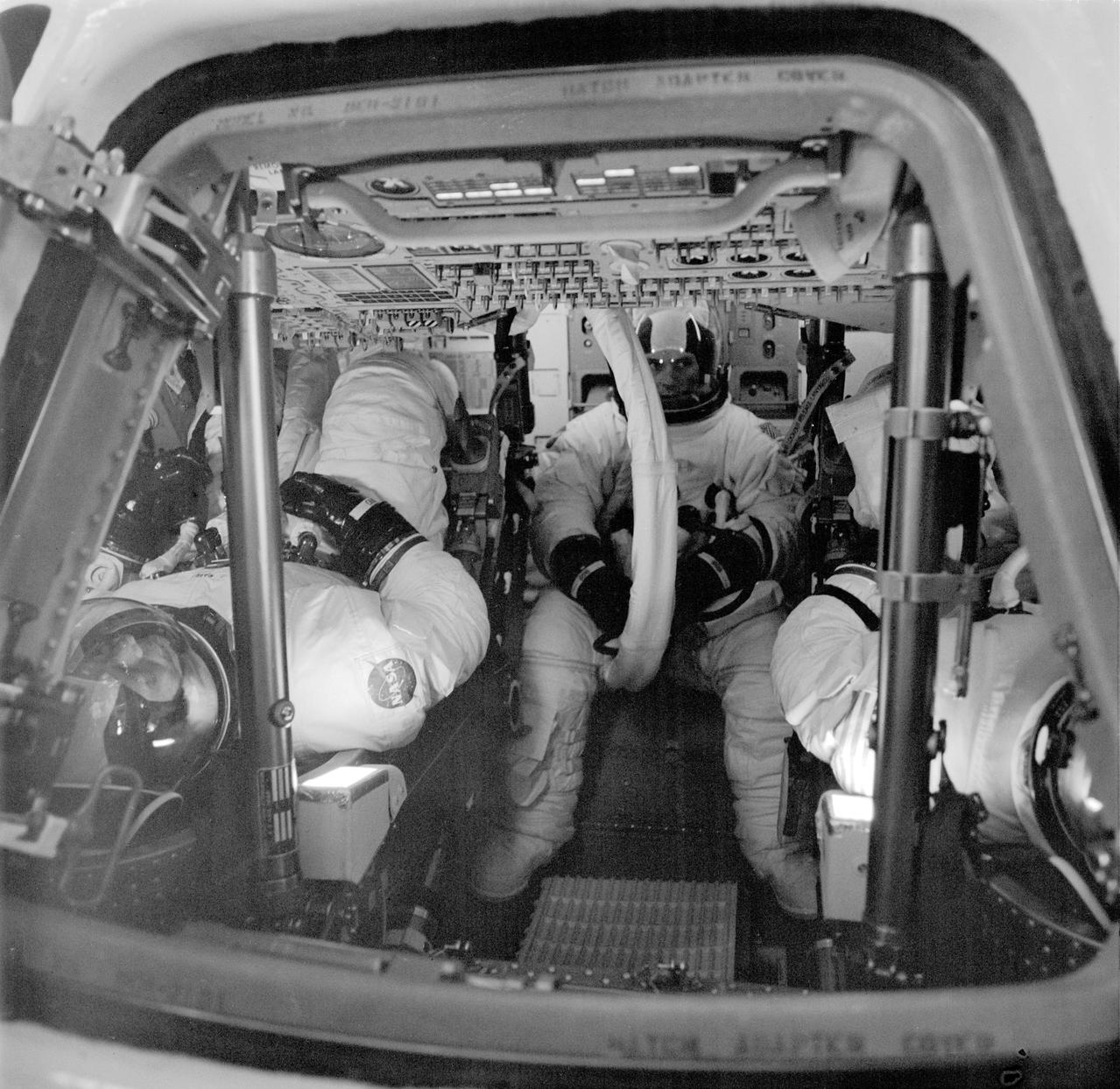
S73-34094 (6 Aug. 1973) --- The Skylab 4 crewmen, fully suited, are seated inside their Command Module, which has been undergoing high altitude chamber test runs at the Kennedy Space Center (KSC) after being considered as a possible rescue vehicle, if needed, for the Skylab 3 crewmen. Facing the camera is scientist-astronaut Edward G. Gibson, science pilot. Astronauts Gerald P. Carr, right, commander, and William R. Pogue, pilot, are also pictured. Photo credit: NASA
JSC2009-E-146840 (21 July 2009) --- While seated at the pilot?s station, astronaut Terry Virts Jr., STS-130 pilot, participates in a post insertion/de-orbit training session in the crew compartment trainer (CCT-2) in the Space Vehicle Mockup Facility at NASA?s Johnson Space Center. Virts is wearing a training version of his shuttle launch and entry suit.
JSC2010-E-196893 (20 Dec. 2010) --- While seated at the pilot?s station, NASA astronaut Doug Hurley, STS-135 pilot, participates in a post insertion/de-orbit training session on the flight deck of the crew compartment trainer (CCT-2) in the Space Vehicle Mockup Facility at NASA's Johnson Space Center. Hurley is wearing a training version of his shuttle launch and entry suit. STS-135 is planned to be the final mission of the space shuttle program. Photo credit: NASA or National Aeronautics and Space Administration
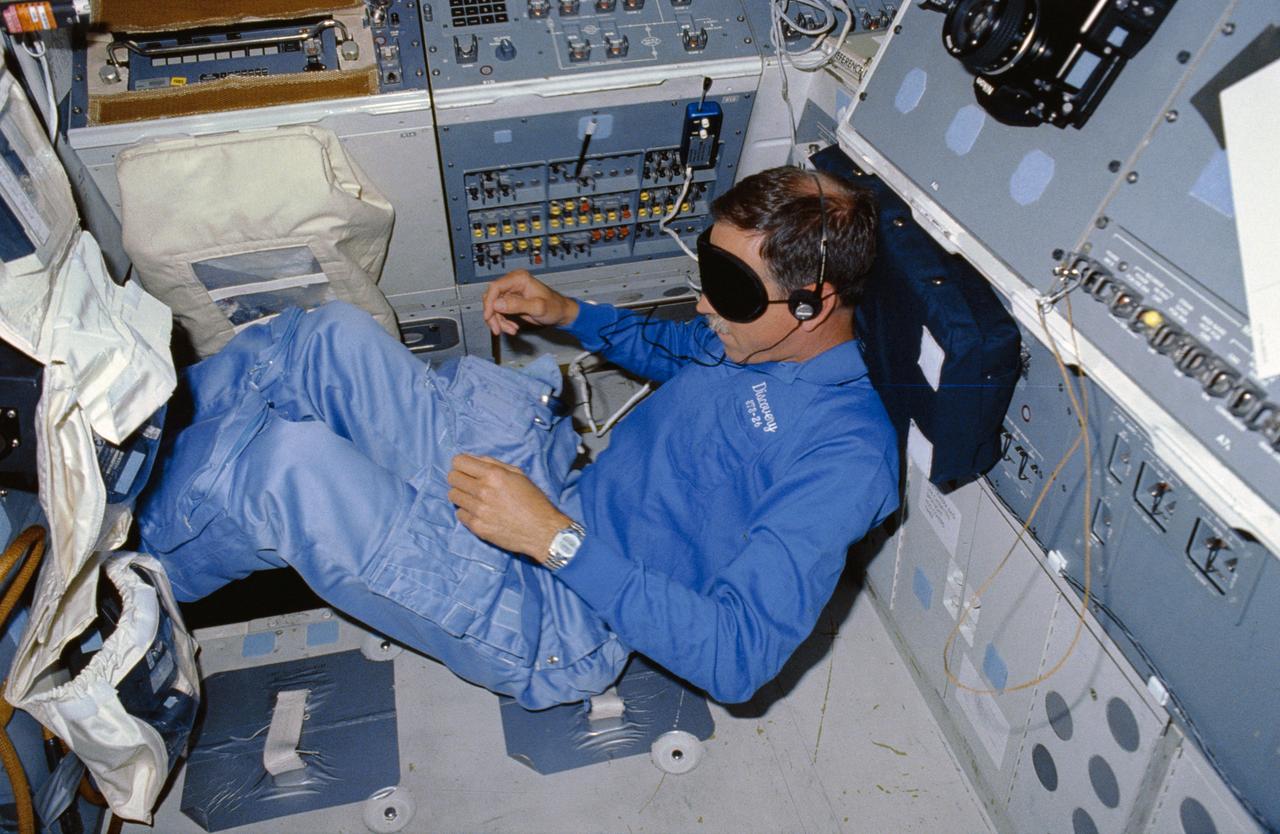
STS026-09-021 (3 Oct 1988) --- Astronaut Richard O. Covey, STS-26 pilot, wearing sleep mask (blindfold) and a headset, props his feet under the pilots seat and rests his head and back on the aft flight deck on orbit station panels while he sleeps. At Covey's right are the mission station control panels.
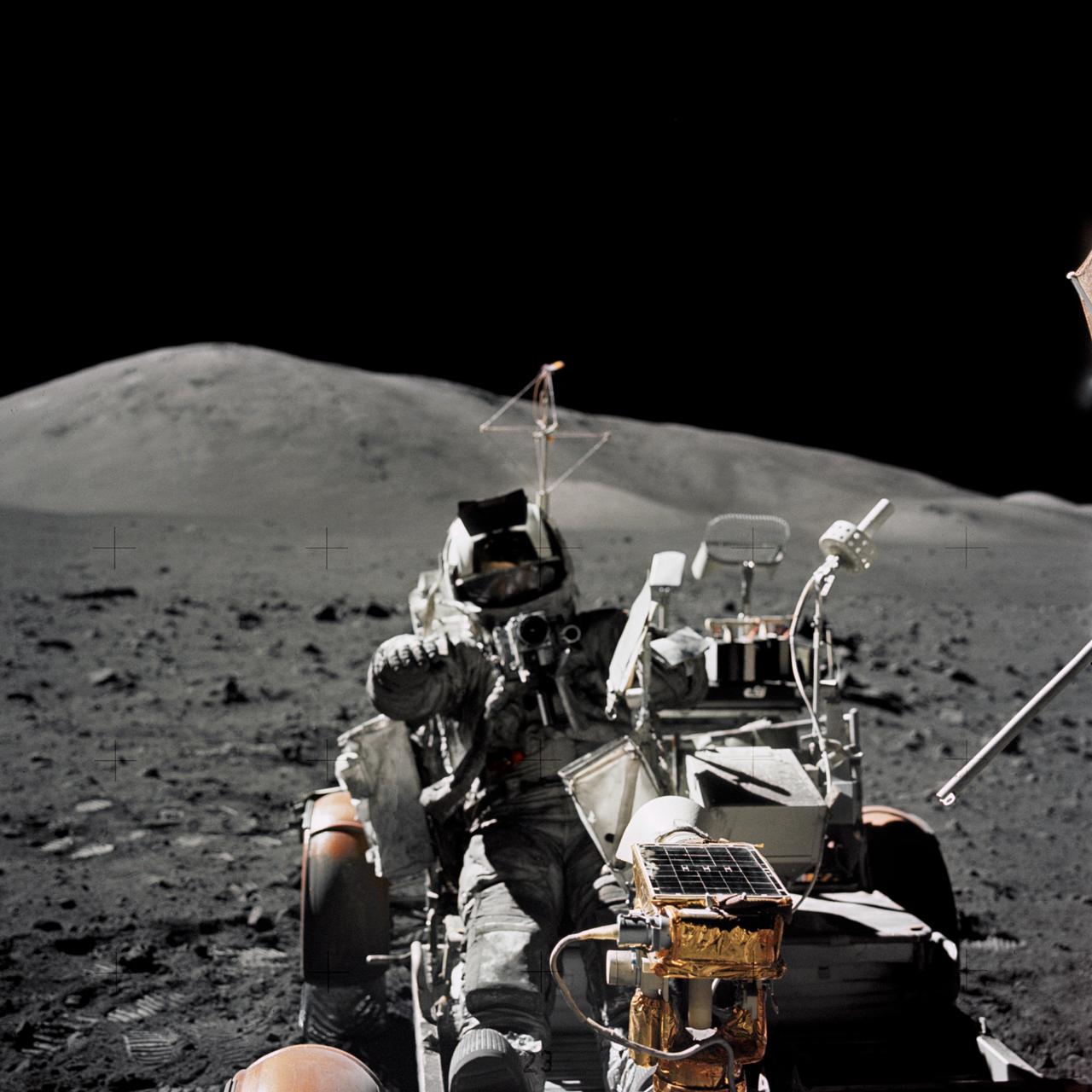
AS17-134-20454 (13 Dec. 1972) --- Scientist-astronaut Harrison H. Schmitt is photographed seated in the Lunar Roving Vehicle (LRV) at Station 9 (Van Serg Crater) during the third Apollo 17 extravehicular activity (EVA) at the Taurus-Littrow landing site. This photograph was taken by astronaut Eugene A. Cernan, commander. Schmitt, lunar module pilot, and Cernan explored the moon while astronaut Ronald E. Evans, command module pilot, remained with the Command and Service Modules in lunar orbit.
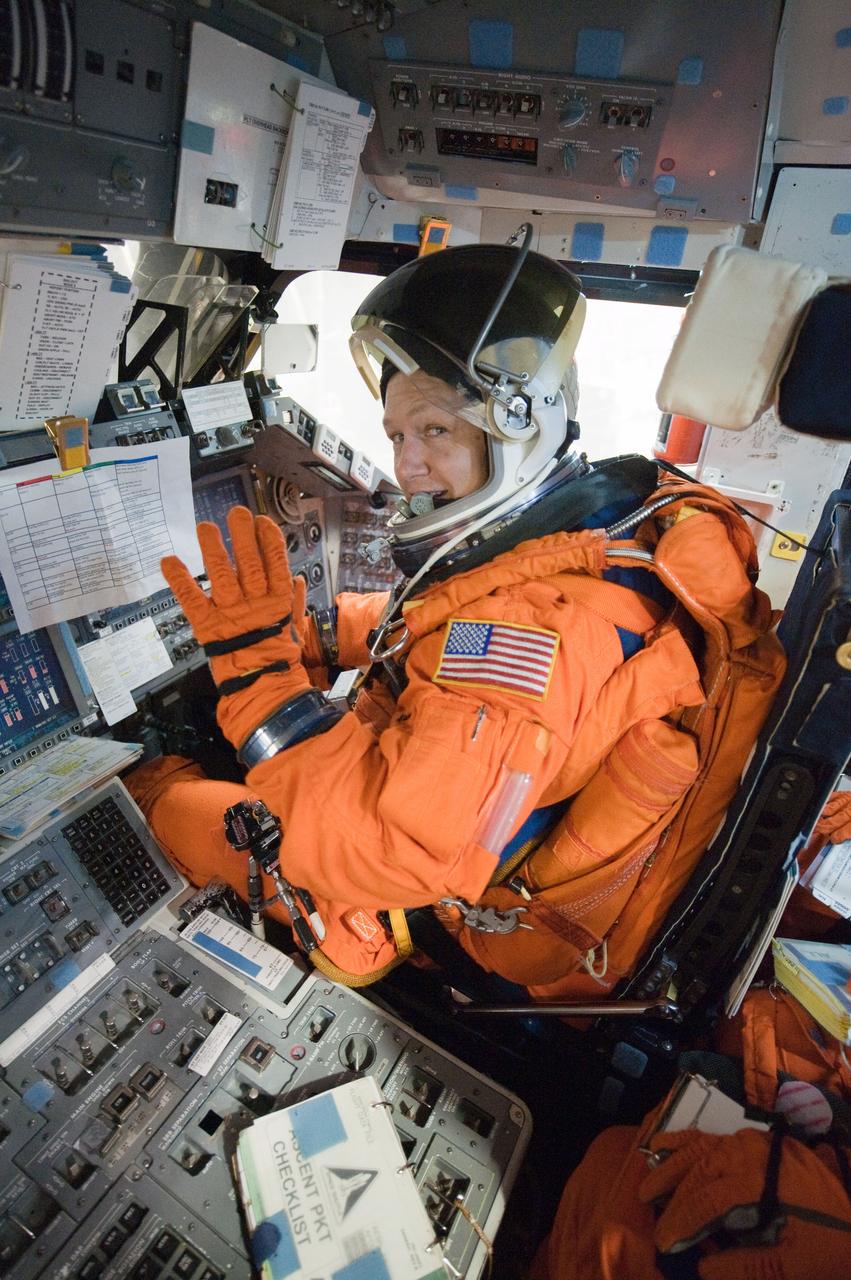
JSC2010-E-196892 (20 Dec. 2010) --- While seated at the pilot?s station, NASA astronaut Doug Hurley, STS-135 pilot, participates in a post insertion/de-orbit training session on the flight deck of the crew compartment trainer (CCT-2) in the Space Vehicle Mockup Facility at NASA's Johnson Space Center. Hurley is wearing a training version of his shuttle launch and entry suit. STS-135 is planned to be the final mission of the space shuttle program. Photo credit: NASA or National Aeronautics and Space Administration
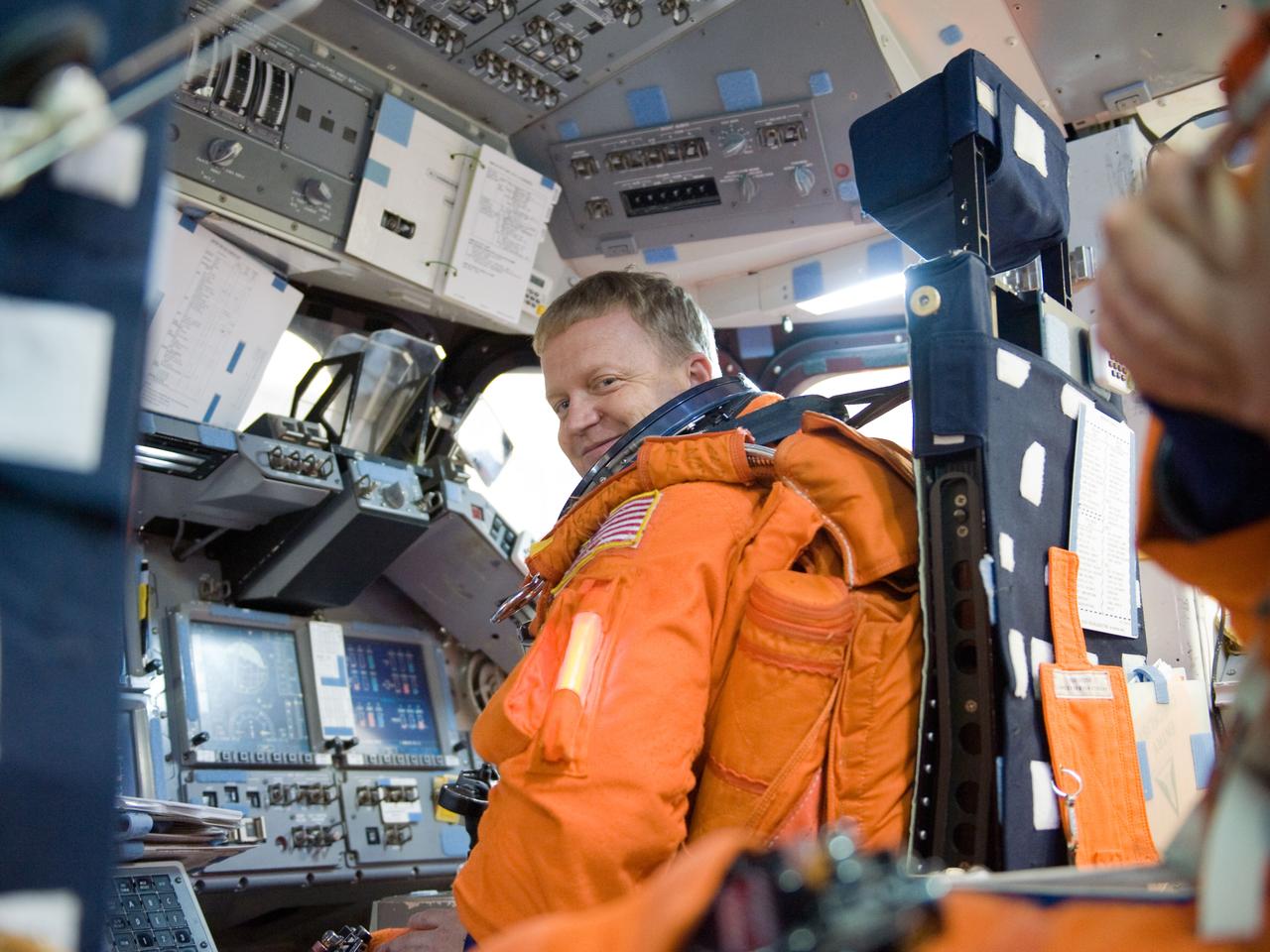
JSC2010-E-042108 (23 March 2010) --- While seated at the pilot?s station, NASA astronaut Eric Boe, STS-133 pilot, participates in a post insertion/de-orbit training session in the crew compartment trainer (CCT-2) in the Space Vehicle Mock-up Facility at NASA's Johnson Space Center. Boe is wearing a training version of his shuttle launch and entry suit.
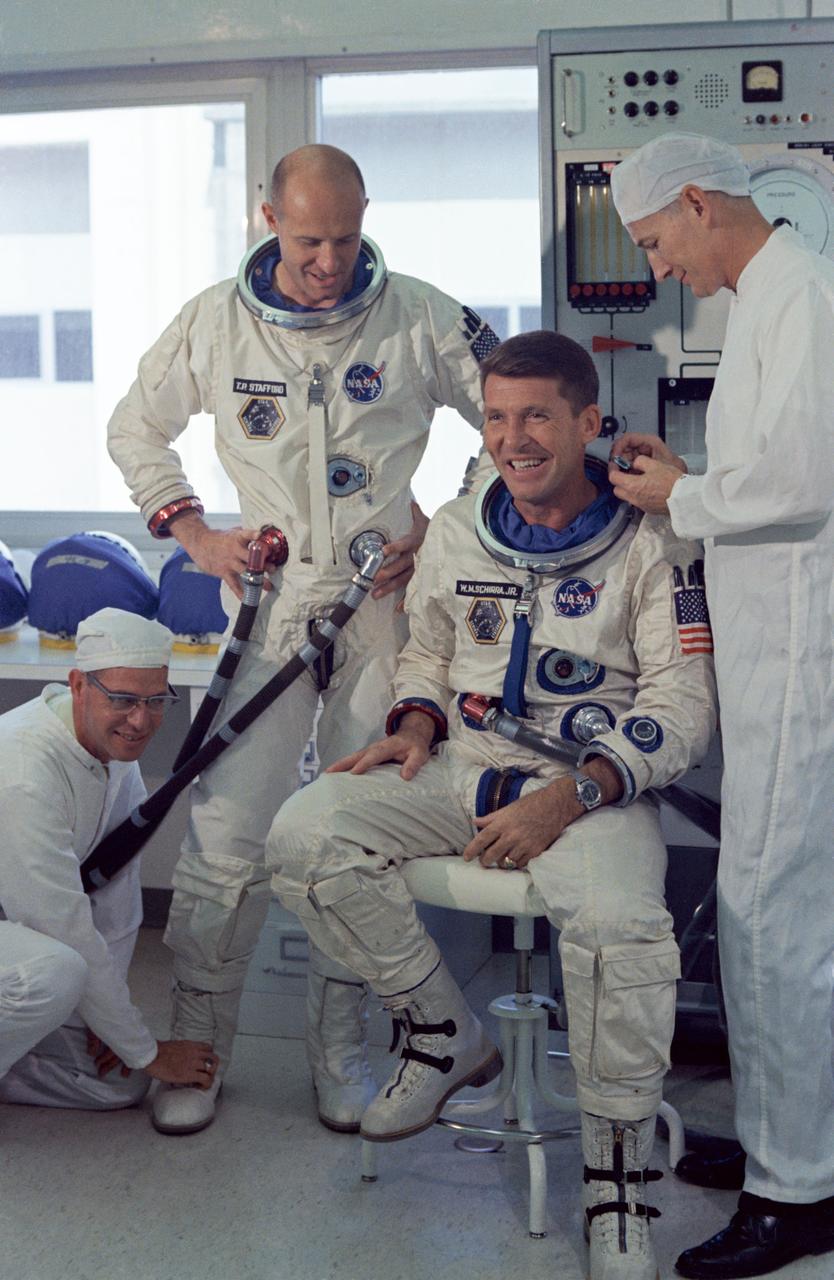
S65-56190 (20 Oct. 1965) --- Astronauts Walter M. Schirra Jr. (seated), command pilot; and Thomas P. Stafford, pilot, the prime crew of NASA's Gemini-Titan-Agena 6 space mission, go through suiting up exercises in preparation for their forthcoming flight. The suit technicians are James Garrepy (left) and Joe Schmitt. Photo credit: NASA or National Aeronautics and Space Administration
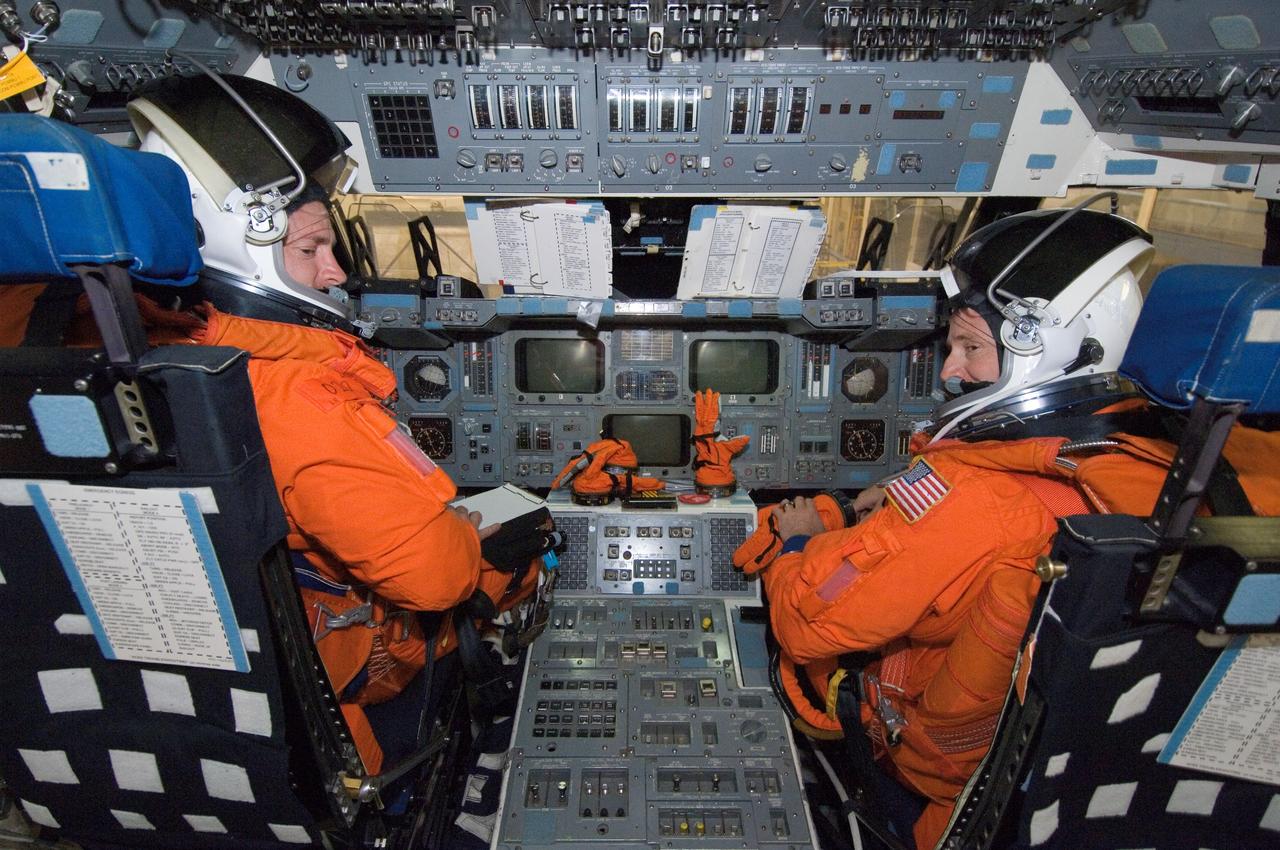
JSC2007-E-48205 (28 Sept. 2007) --- While seated at the commander's and pilot's stations, astronauts Mark E. Kelly (left) and Kenneth T. Ham, STS-124 commander and pilot, respectively, participate in a training session in the crew compartment trainer (CCT-2) in the Space Vehicle Mockup Facility at Johnson Space Center. Kelly and Ham are wearing training versions of their shuttle launch and entry suits.
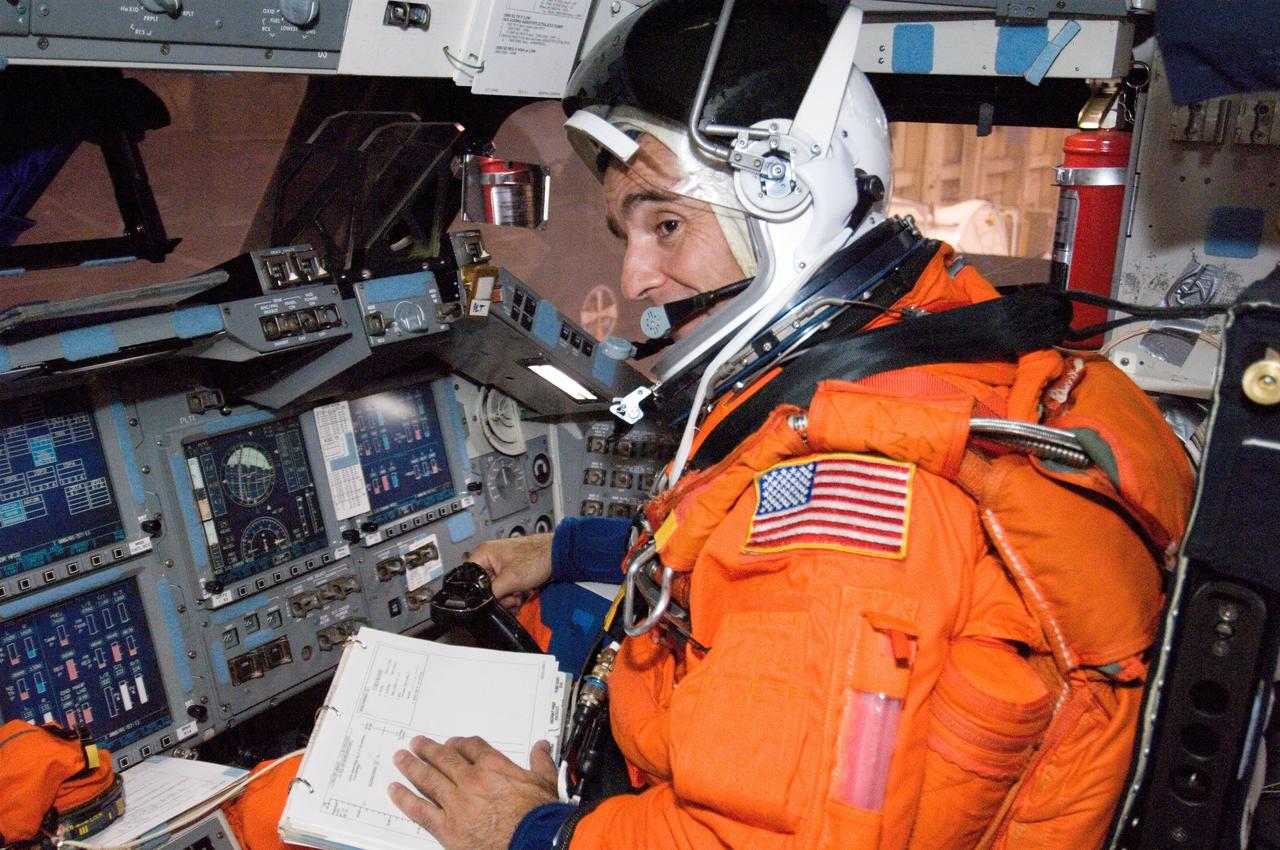
JSC2006-E-32656 (3 Aug. 2006) --- While seated at the pilot's station, astronaut Lee J. Archambault, STS-117 pilot, participates in a training session in the crew compartment trainer (CCT-2) in the Space Vehicle Mockup Facility at Johnson Space Center. Archambault is wearing a training version of his shuttle launch and landing suit.
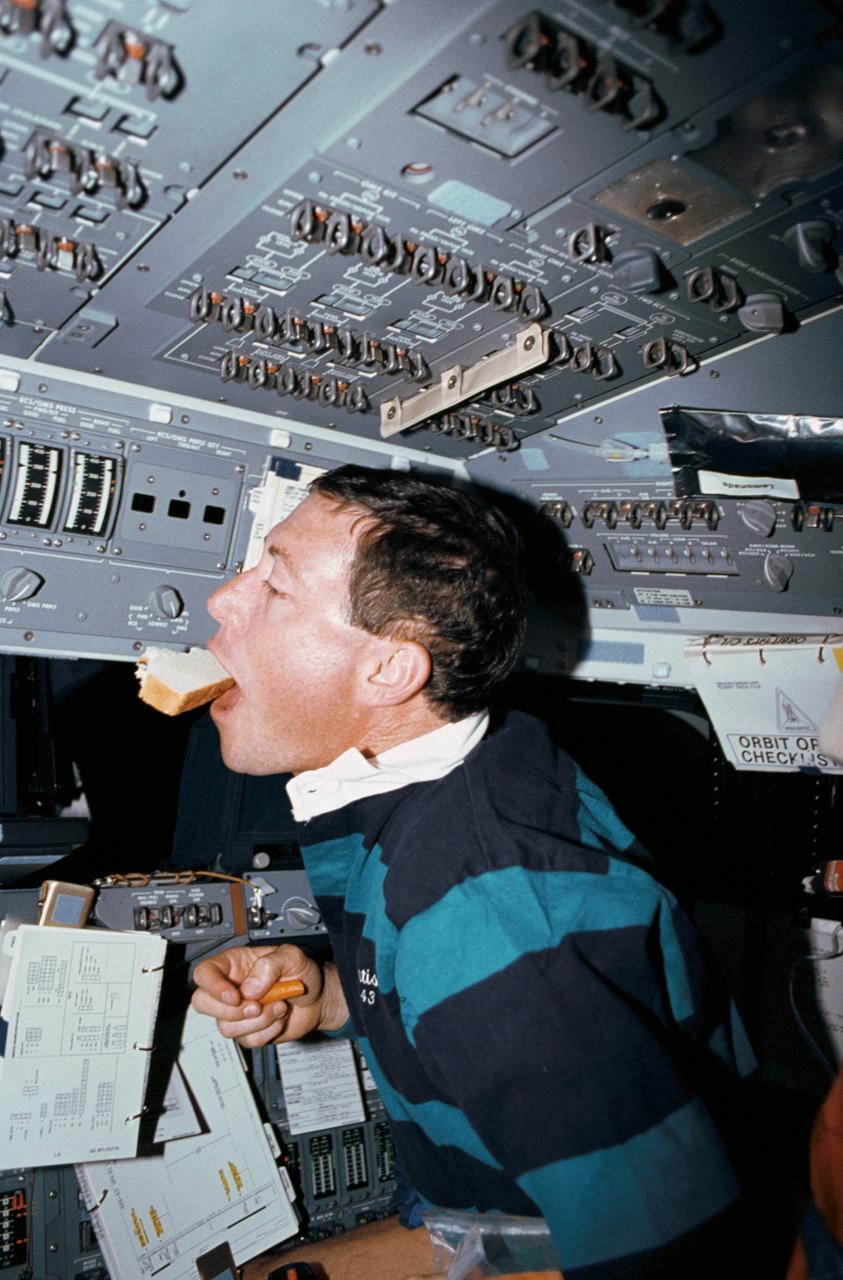
STS043-02-020 (2-11 Aug. 1991) --- Astronaut Michael A. Baker, STS-43 pilot, seated at the forward flight deck pilot station controls of the Space Shuttle Atlantis, eats a free-floating peanut butter and jelly sandwich while holding a carrot. Surrounding Baker are procedural checklists, control panels, and windows. A lemonade drink bag is velcroed to overhead panel.
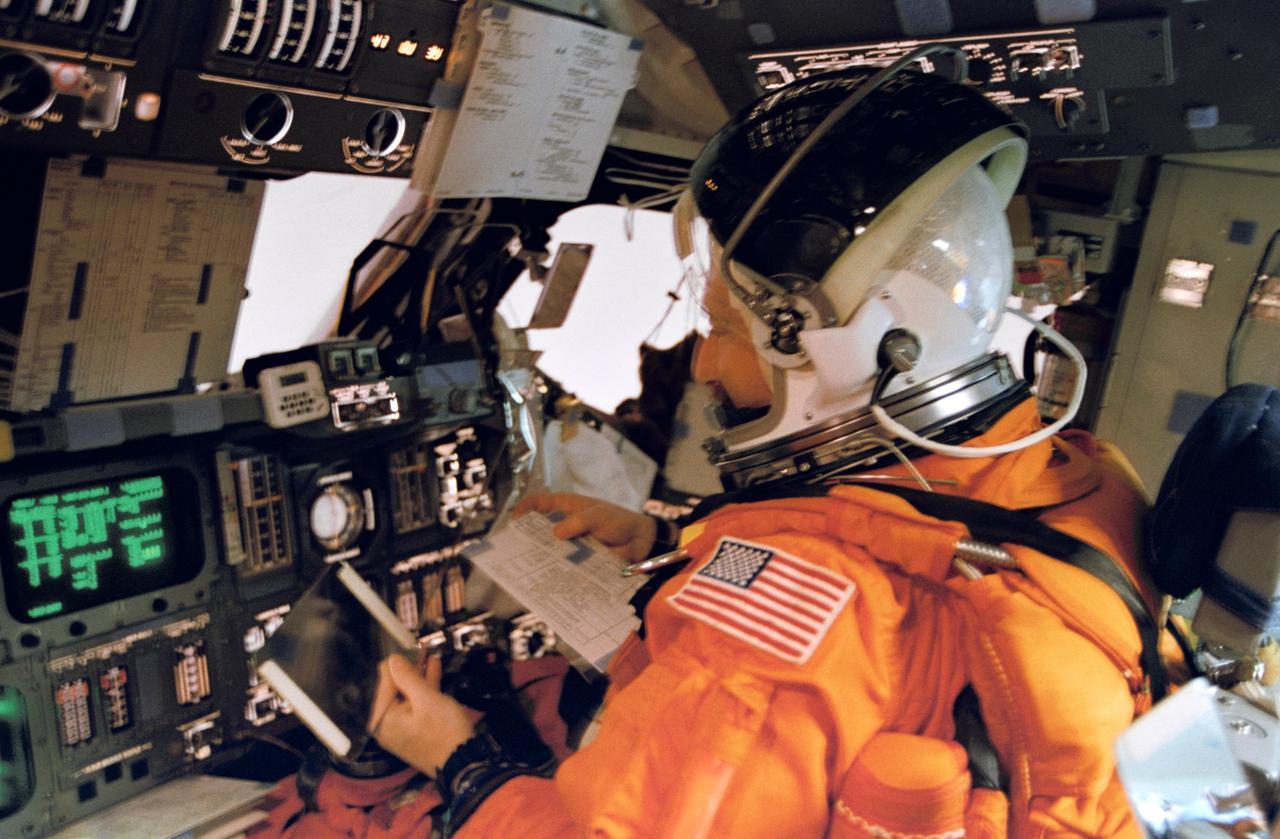
STS075-322-012 (9 March 1996) --- Seated at the pilot's station, astronaut Scott J. Horowitz uses a mirror to monitor the vertical stabilizer and the aft cargo bay area during the entry phase of the flight. Horowitz, pilot, joined four other astronauts and an international payload specialist for 16 days of scientific research in Earth-orbit.
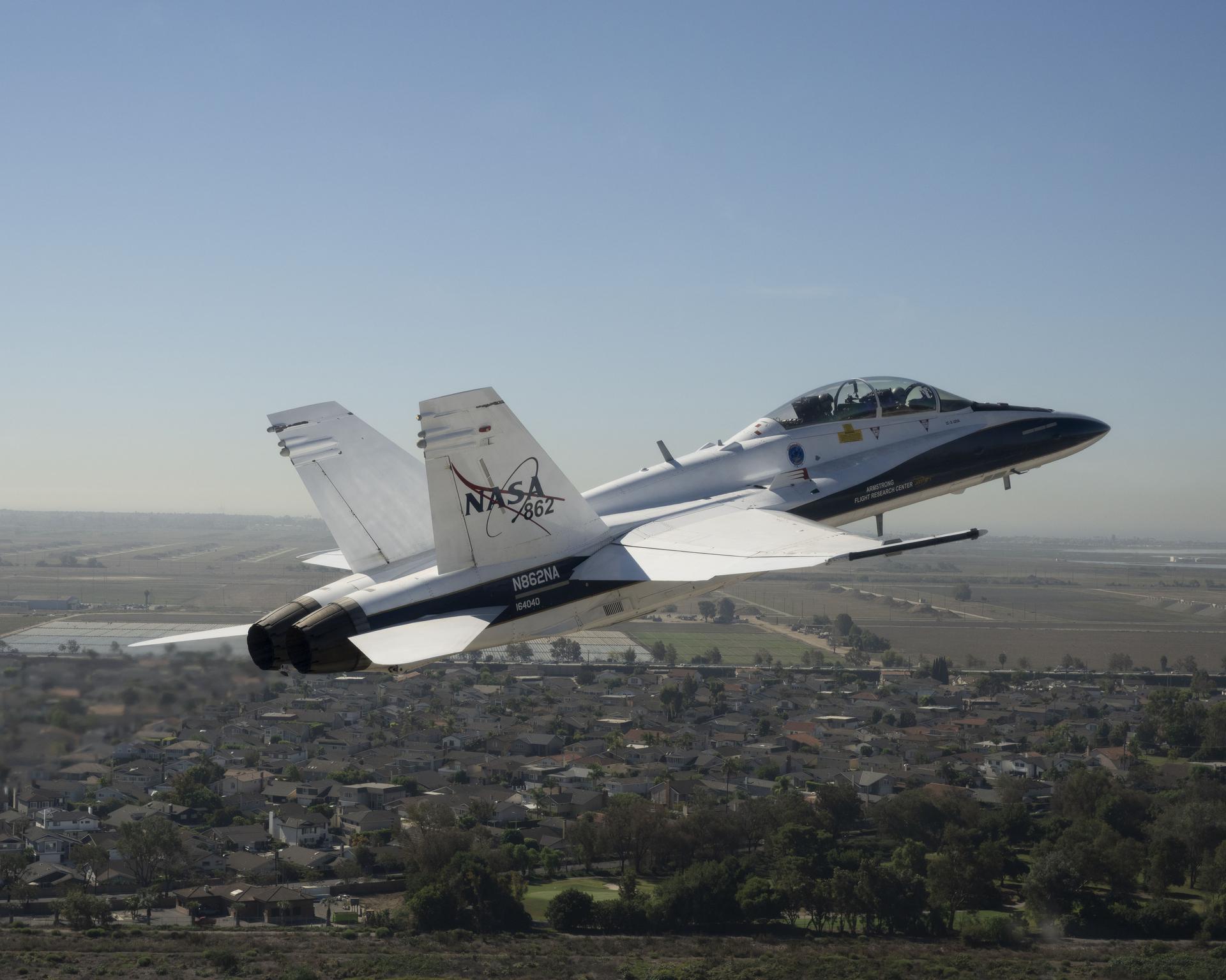
NASA test pilot Mike Lippert flies an F/A‑18 with videographer Lori Losey in the back seat during a Pacific Airshow flyover at Huntington Beach, California, Friday, Oct. 2, 2026. NASA is also hosting an exhibit featuring Artemis, the X‑59, SkyFall, a lunar globe, and an Apollo 15 Moon rock, with pilots and research experts available throughout the weekend.
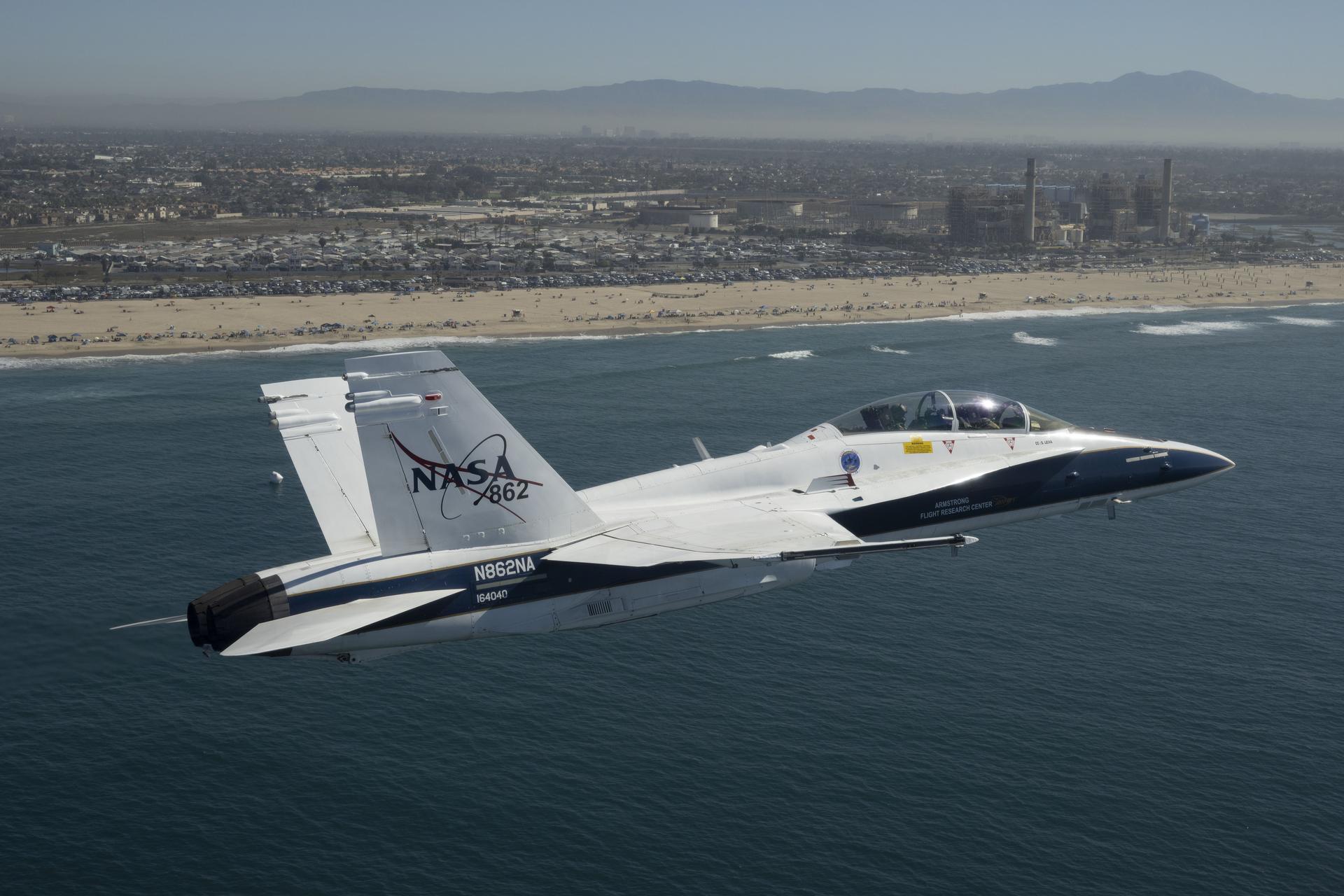
NASA test pilot Mike Lippert flies an F/A‑18 with videographer Lori Losey in the back seat during a Pacific Airshow flyover at Huntington Beach, California, Friday, Oct. 2, 2026. NASA is also hosting an exhibit featuring Artemis, the X‑59, SkyFall, a lunar globe, and an Apollo 15 Moon rock, with pilots and research experts available throughout the weekend.
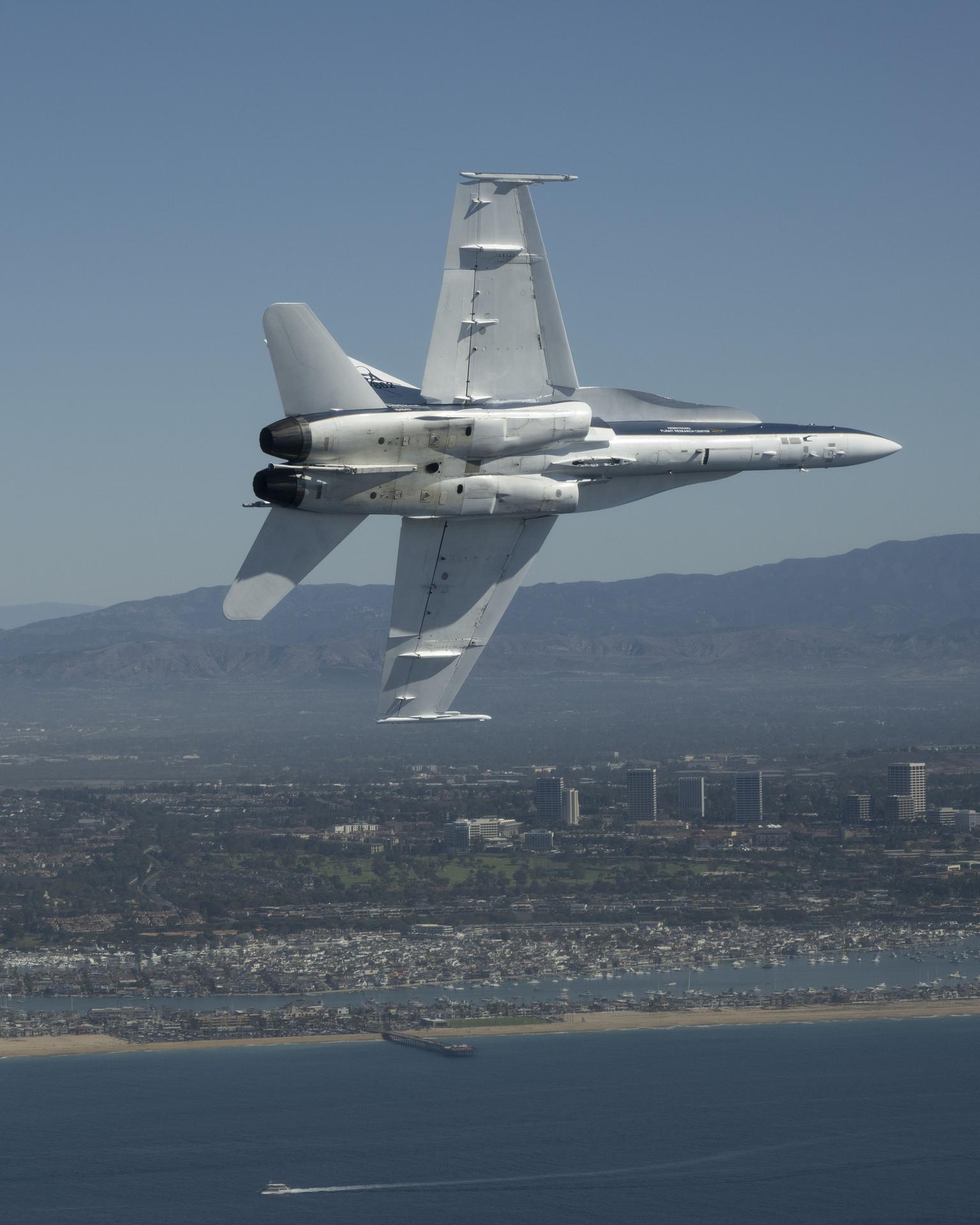
NASA test pilot Mike Lippert flies an F/A‑18 with videographer Lori Losey in the back seat during a Pacific Airshow flyover at Huntington Beach, California, Friday, Oct. 2, 2026. NASA is also hosting an exhibit featuring Artemis, the X‑59, SkyFall, a lunar globe, and an Apollo 15 Moon rock, with pilots and research experts available throughout the weekend.
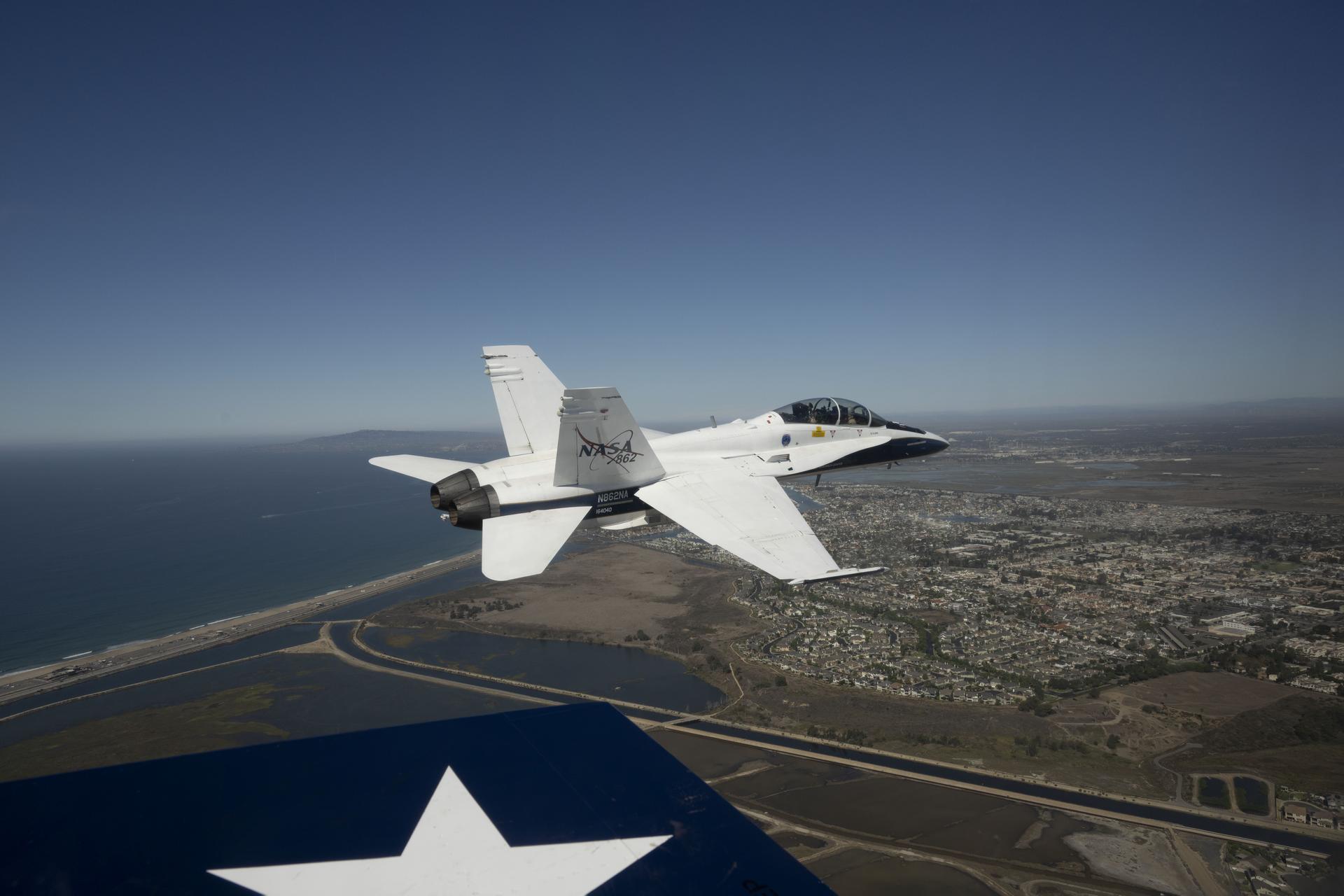
NASA test pilot Mike Lippert flies an F/A‑18 with videographer Lori Losey in the back seat during a Pacific Airshow flyover at Huntington Beach, California, Friday, Oct. 2, 2026. NASA is also hosting an exhibit featuring Artemis, the X‑59, SkyFall, a lunar globe, and an Apollo 15 Moon rock, with pilots and research experts available throughout the weekend.
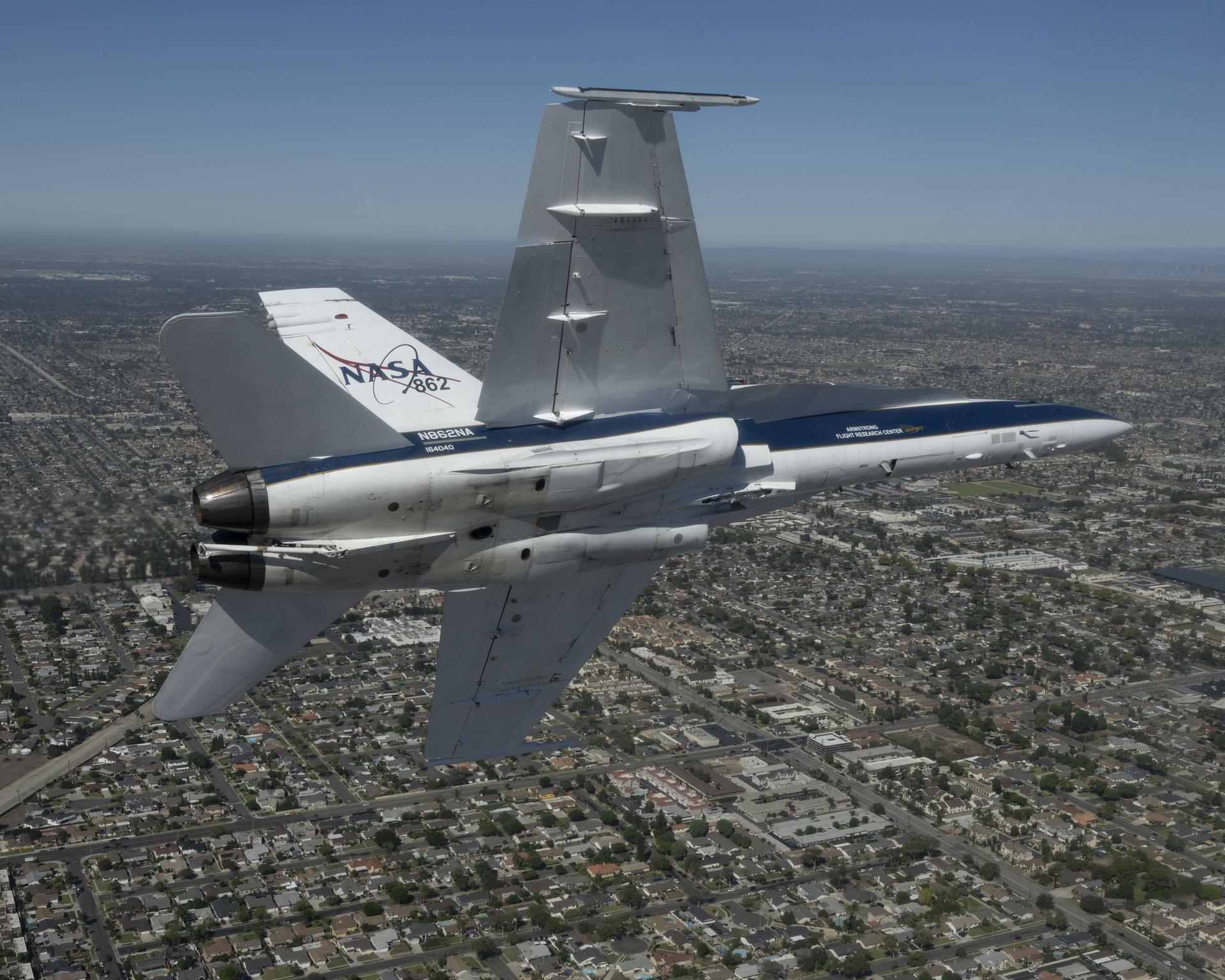
NASA test pilot Mike Lippert flies an F/A‑18 with videographer Lori Losey in the back seat during a Pacific Airshow flyover at Huntington Beach, California, Friday, Oct. 2, 2026. NASA is also hosting an exhibit featuring Artemis, the X‑59, SkyFall, a lunar globe, and an Apollo 15 Moon rock, with pilots and research experts available throughout the weekend.
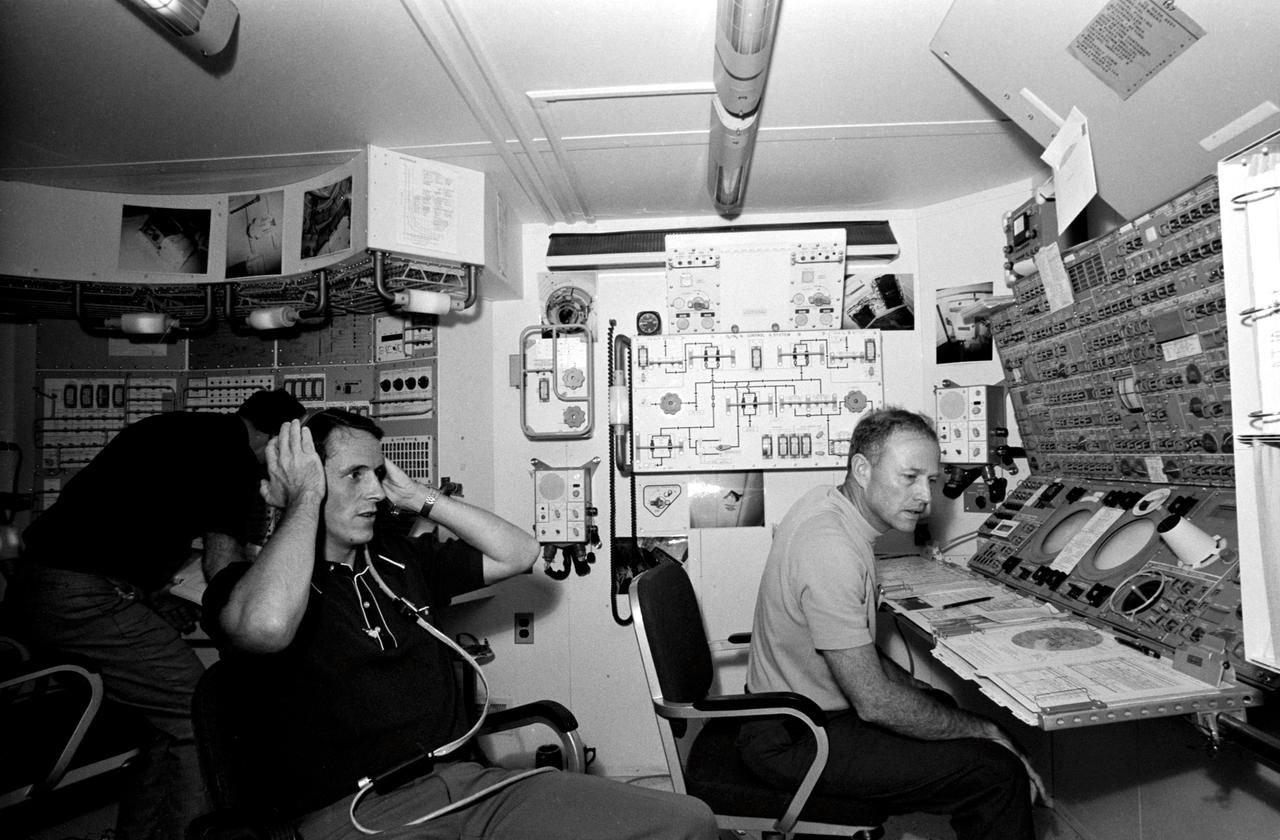
S73-28411 (February 1973) --- The three members of the prime crew of the third of three scheduled manned Skylab missions (Skylab 4) go through Skylab preflight training in the Mission Training and Simulation Facility at the Johnson Space Center. Astronaut Gerald P. Carr (on right), Skylab 4 commander, is seated at a simulator which represents the control and display console of the Apollo Telescope Mount which is located in the space station's Multiple Docking Adapter. Seated on the left is scientist-astronaut Edward G. Gibson, Skylab 4 science pilot. In the left background is astronaut William R. Pogue, Skylab 4 pilot. (Unmanned Skylab 1 will carry the Skylab space station payload into Earth orbit). Photo credit: NASA
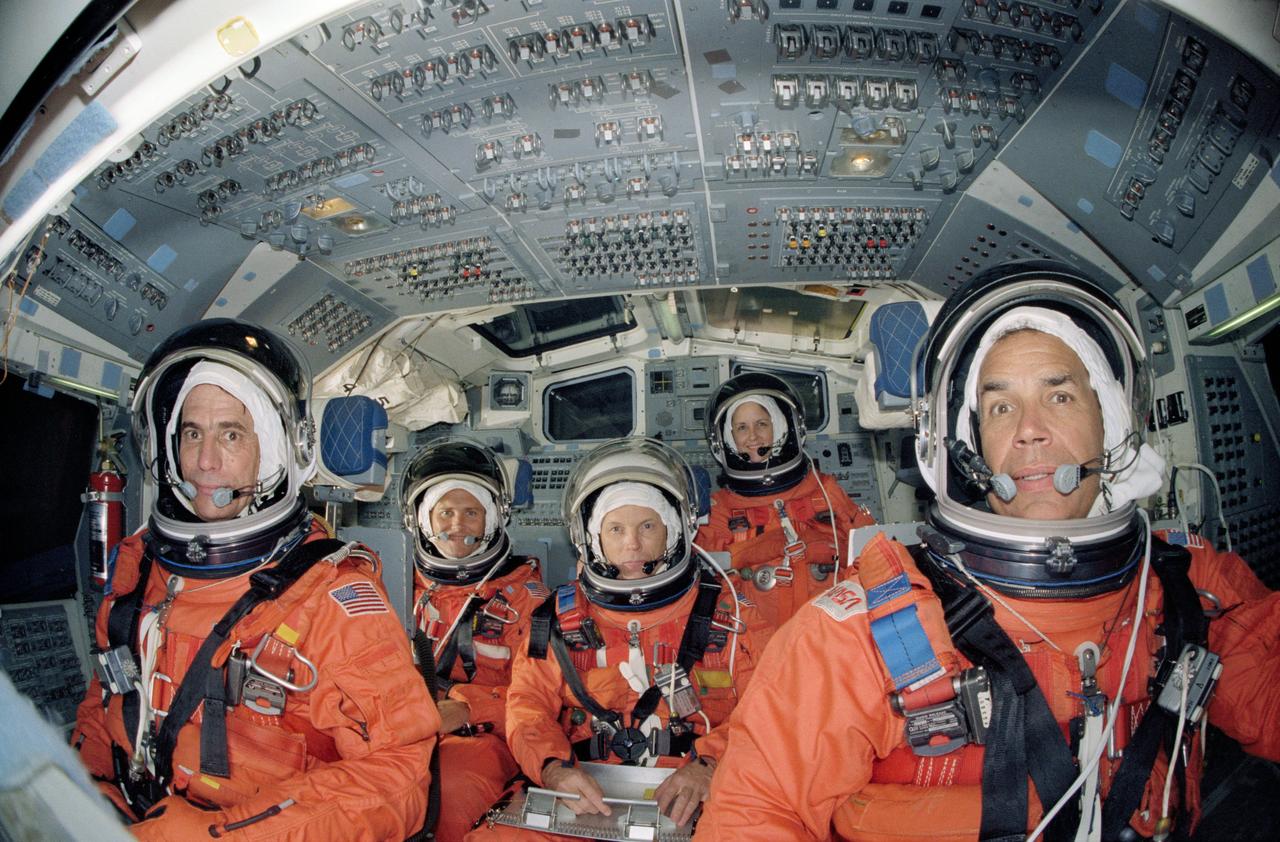
STS-33 Discovery, Orbiter Vehicle (OV) 103, crewmembers, wearing orange launch and entry suits (LESs) and launch and entry helmets (LEHs), are seated in their launch and entry positions on crew compartment trainer (CCT) flight deck during a training exercise in JSC Mockup and Integration Laboratory (MAIL) Bldg 9A. Commander Frederick D. Gregory (far right) is stationed at forward flight deck commanders controls, Pilot John E. Blaha (far left) at the pilots controls and on aft flight deck are mission specialists Manley L. Carter, Jr (left), MS F. Story Musgrave (center, holding clipboard), and MS Kathryn C. Thornton (standing). Overhead forward control panels are visible above the astronauts and aft flight deck onorbit station control panels and windows are visible in the background. Thornton is on the flight deck for this photo but during launch and entry will be seated on the middeck.
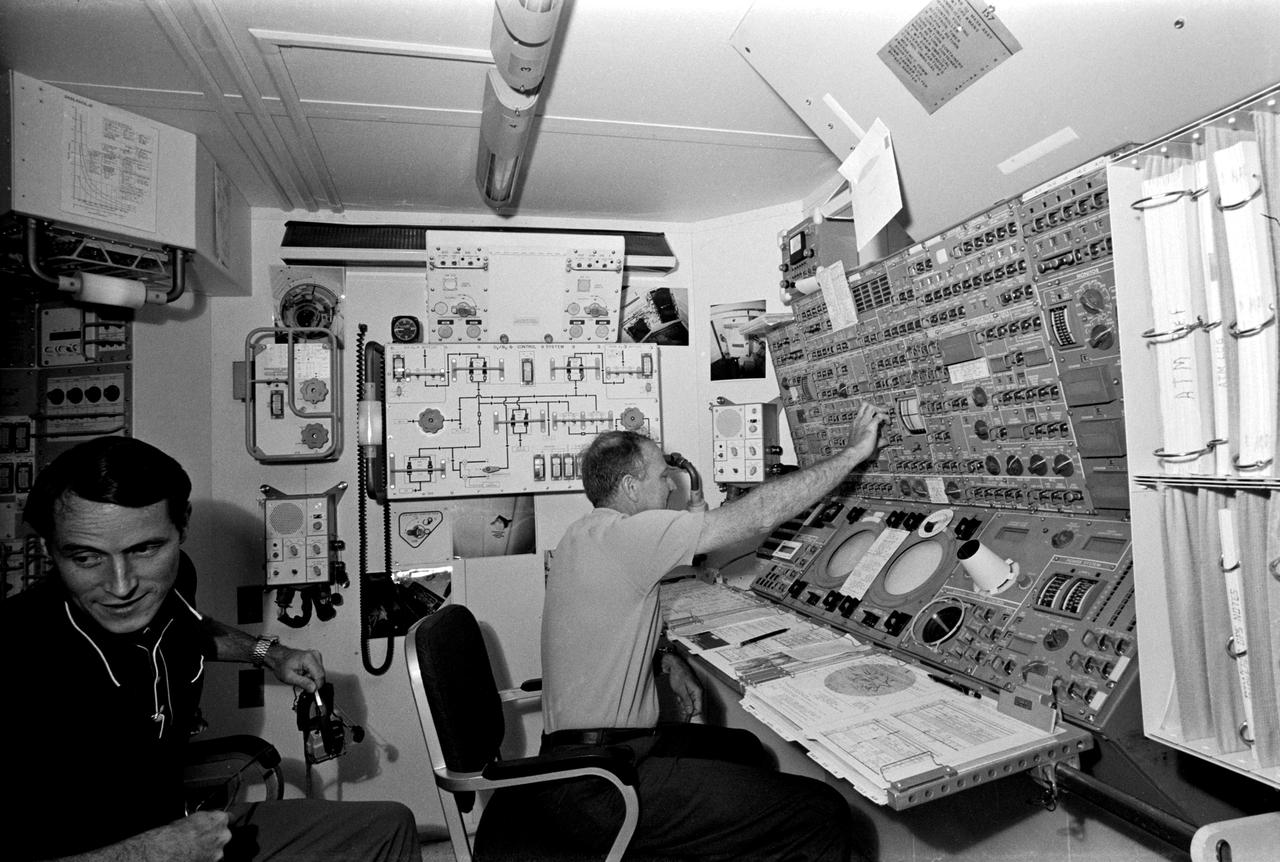
S73-28412 (February 1973) --- The three members of the prime crew of the third of three scheduled manned Skylab missions (Skylab 4) go through Skylab preflight training in the Mission Training and Simulation Facility at the Johnson Space Center. Astronaut Gerald P. Carr (on right), Skylab 4 commander, is seated at a simulator which represents the control and display console of the Apollo Telescope Mount which is located in the space station's Multiple Docking Adapter. Seated on the left is scientist-astronaut Edward G. Gibson, Skylab 4 science pilot. In the left background is astronaut William R. Pogue, Skylab 4 pilot. (Unmanned Skylab 1 will carry the Skylab space station payload into Earth orbit). Photo credit: NASA
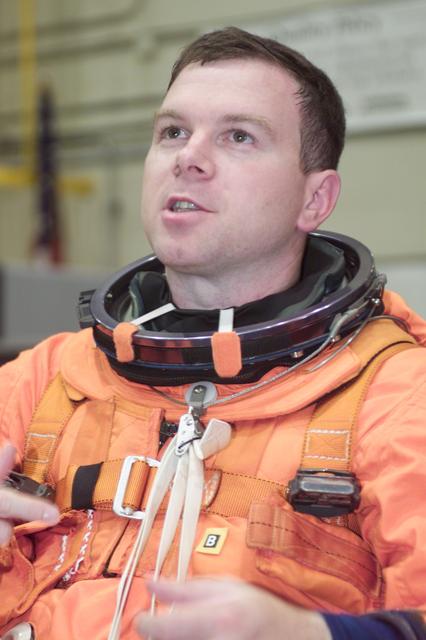
Views of STS-102 and Expedition Four bailout training in the Building 9NW's crew compartment trainer II (CCT II). Images include: Expedition Four's Carl Walz gets help from a trainer during the donning of his Launch and Entry Suit (LES)(23705); STS-102 Pilot James Kelly gets help with his LES from a trainer (23706); Expedition Four commander / cosmonaut Yuri Onufrienko (left) and Expedition Four's Daniel Bursch, both wearing LES and helmets, get strapped into their seats by a trainer on the middeck of the CCT (23707); Onufrienko and Bursch seated on the middeck (23708); Onufrienko (left), Bursch and Walz seated on the middeck preparing to begin emergency egress (23709); Walz, with LES and helmet, egresses from the port hatch of the CCT and goes into a roll on the mat (23710 and 23711); from left to right, all wearing LES's, STS-106 Commander James Wetherbee, Kelly, STS-102 Mission Specialist (MS) Paul Richards, STS-102 MS Andrew Thomas, Walz, Bursch and Onufrienko seated outside the CCT while being attended to by trainers (23712); Wetherbee seated in his LES (23713); Walz talks with Bursch and Onufrienko - Thomas is visible to the left (23714); Bursch seated (23715); Richards seated (23716); Thomas in his LES (23717); Kelly in his LES (23718); and Wetherbee (left) and Kelly converse while seated (23719).
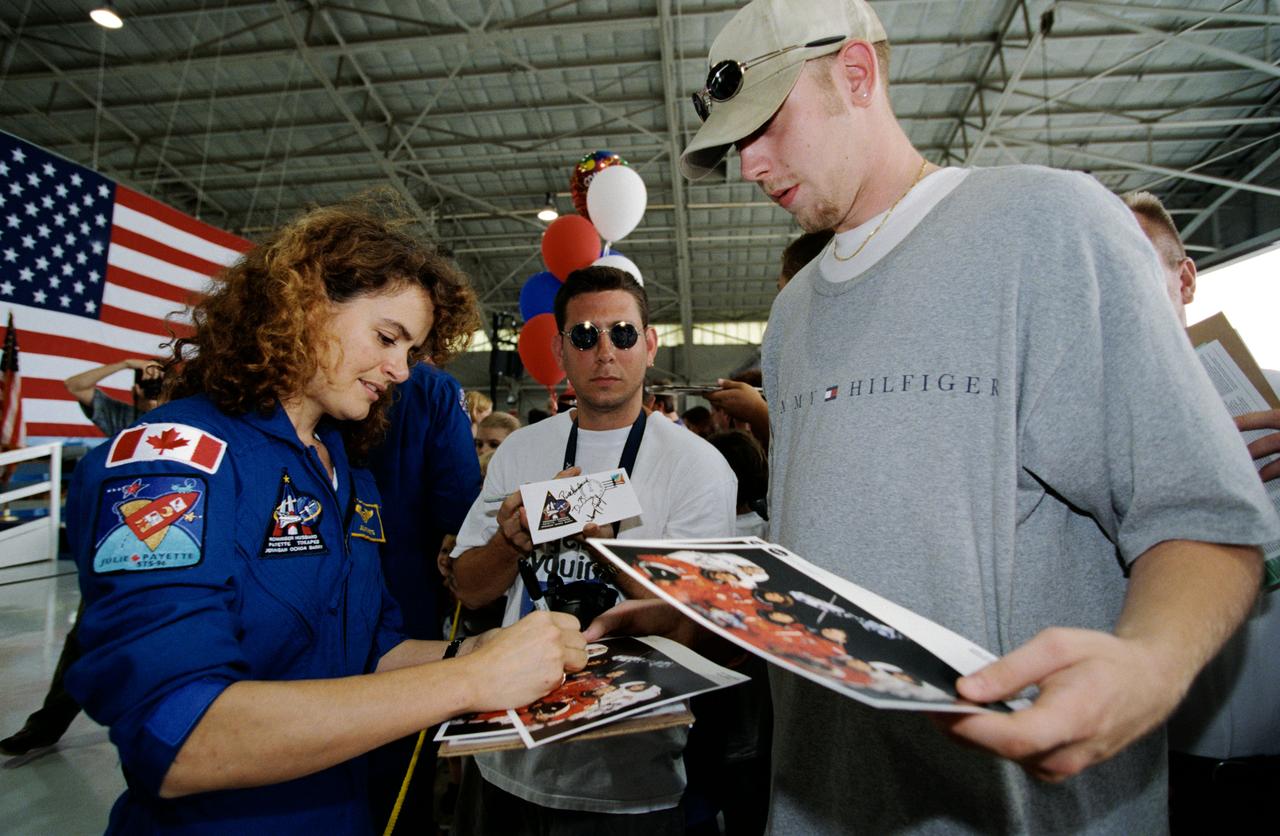
Photographic documentation showing the STS-96 crew return ceremony at Ellington Field. Views include: pilot Rick D. Husband with his two children, Mission Specialist (MS) Daniel T. Barry is partially visible behind him (05966); MS Ellen Ochoa holds a baby (05967); slanted side view of the stage with mission commander Kent V. Rominger at the podium, and seated behind him (left to right): Mr. George Abbey, JSC director, MS Valery Tokarev, MS Julie Payette, MS Daniel T. Barry, MS Ellen Ochoa, MS Tamara E. Jernigan and pilot Rick D. Husband (05968); Payette sign photographs for visitors (05969); Tokarev at the podium (05970); Husband at the podium (05971); Ochoa at the podium (05972); Rominger at the podium (05973); Tokarev signs photographs for visitors (05974); front, wide shot showing MS Tamara E. Jernigan at the podium, and seated behind her (left to right); Mr. George Abbey, MS Valery Tokarev, MS Julie Payette, MS Daniel T. Barry, MS Ellen Ochoa, pilot Rick D. Husband and mission commander Kent V. Rominger (05975); Jernigan signs photographs for visitors (05976).

AS15-85-11471 (31 July 1971) --- Astronaut David R. Scott, commander, is seated in the Lunar Roving Vehicle (LRV) during the first Apollo 15 lunar surface extravehicular activity (EVA) at the Hadley-Apennine landing site. This photograph was taken by astronaut James B. Irwin, lunar module pilot. While astronauts Scott and Irwin descended in the Lunar Module (LM) "Falcon" to explore the Hadley-Apennine area of the moon, astronaut Alfred M. Worden, command module pilot, remained with the Command and Service Modules (CSM) in lunar orbit.
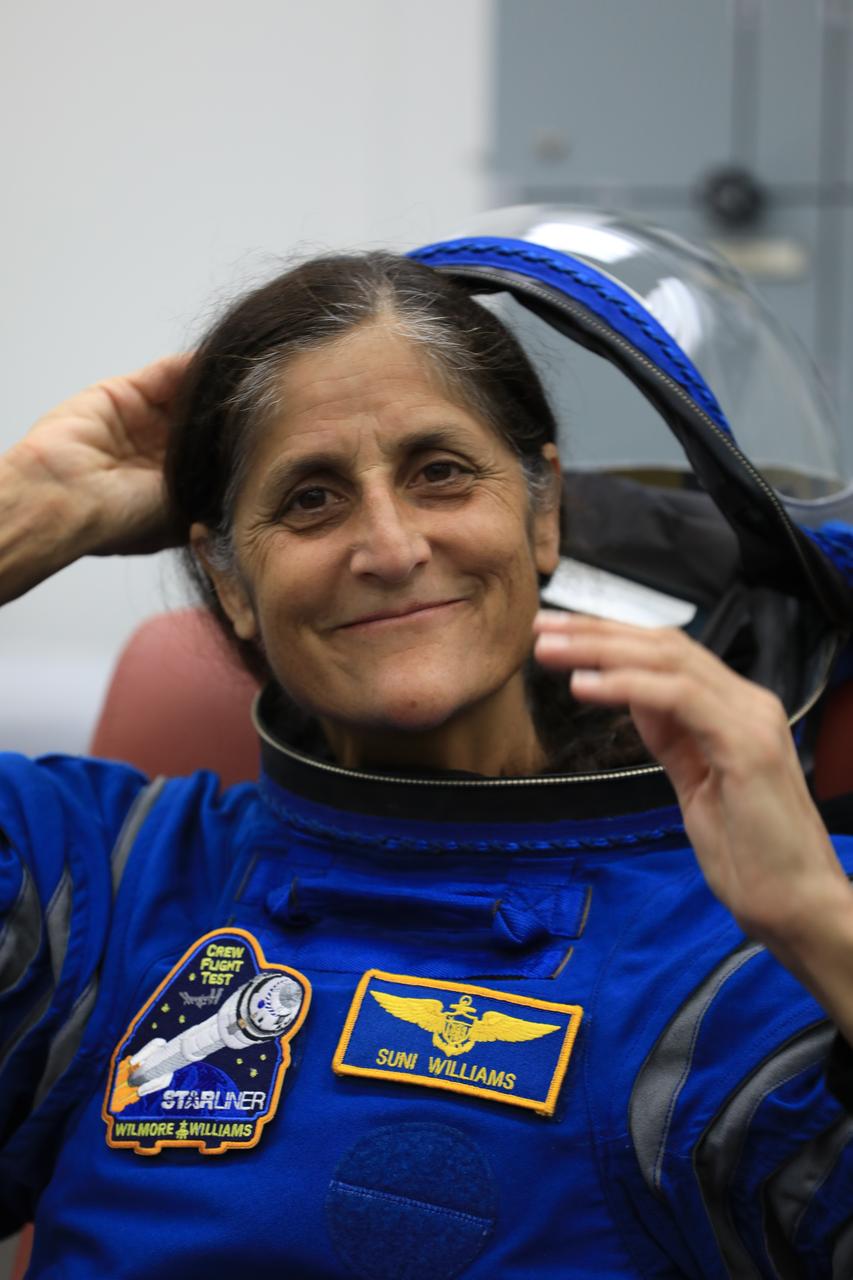
NASA astronaut Suni Williams, pilot for Boeing’s Crew Flight Test (CFT), checks her spacesuit and helmet during a crew validation test inside the Astronaut Crew Quarters at NASA’s Kennedy Space Center in Florida on Oct. 18, 2022. Williams, along with NASA astronauts Barry “Butch” Wilmore, CFT commander, and Mike Fincke, CFT backup spacecraft test pilot, with assistance from the Boeing team, successfully completed the validation test during which they suited up and tested out the pressurized crew module to ensure seat fit, suit functionality, cabin temperature, audio system, and day of launch operations. Boeing’s CFT is scheduled to launch in April 2023.
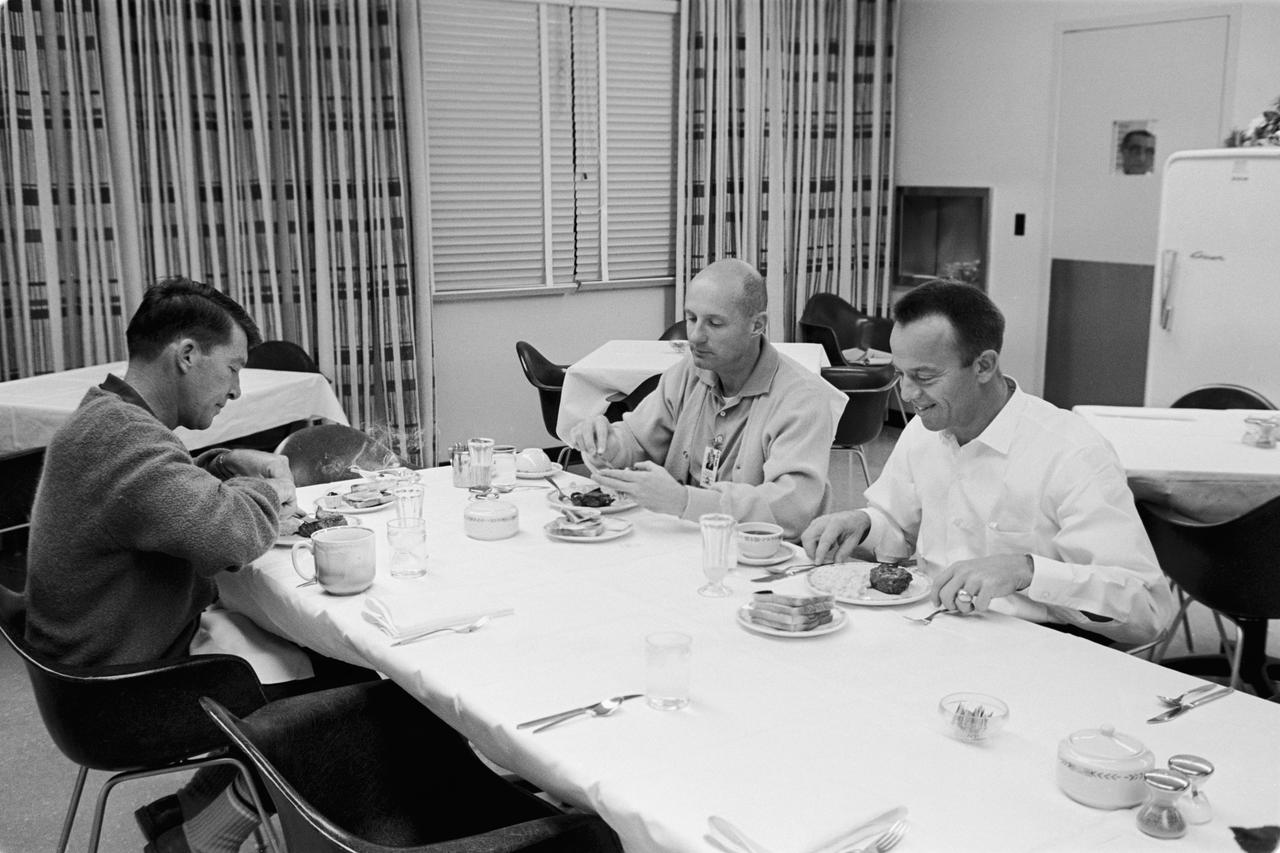
S65-61880 (15 Dec. 1965) --- Astronauts Walter M. Schirra Jr. (left), command pilot; and Thomas P. Stafford (center), pilot, enjoy a breakfast of steak and eggs in the Manned Spacecraft Operations Building, Merritt Island, during the Gemini-6 prelaunch countdown. Seated at right is astronaut Alan B. Shepard Jr., chief, Astronaut Office, Manned Spacecraft Center, Houston, Texas. Gemini-6 was successfully launched from Pad 19 at 8:37 a.m. (EST), Dec. 15, 1965. Photo credit: NASA or National Aeronautics and Space Administration
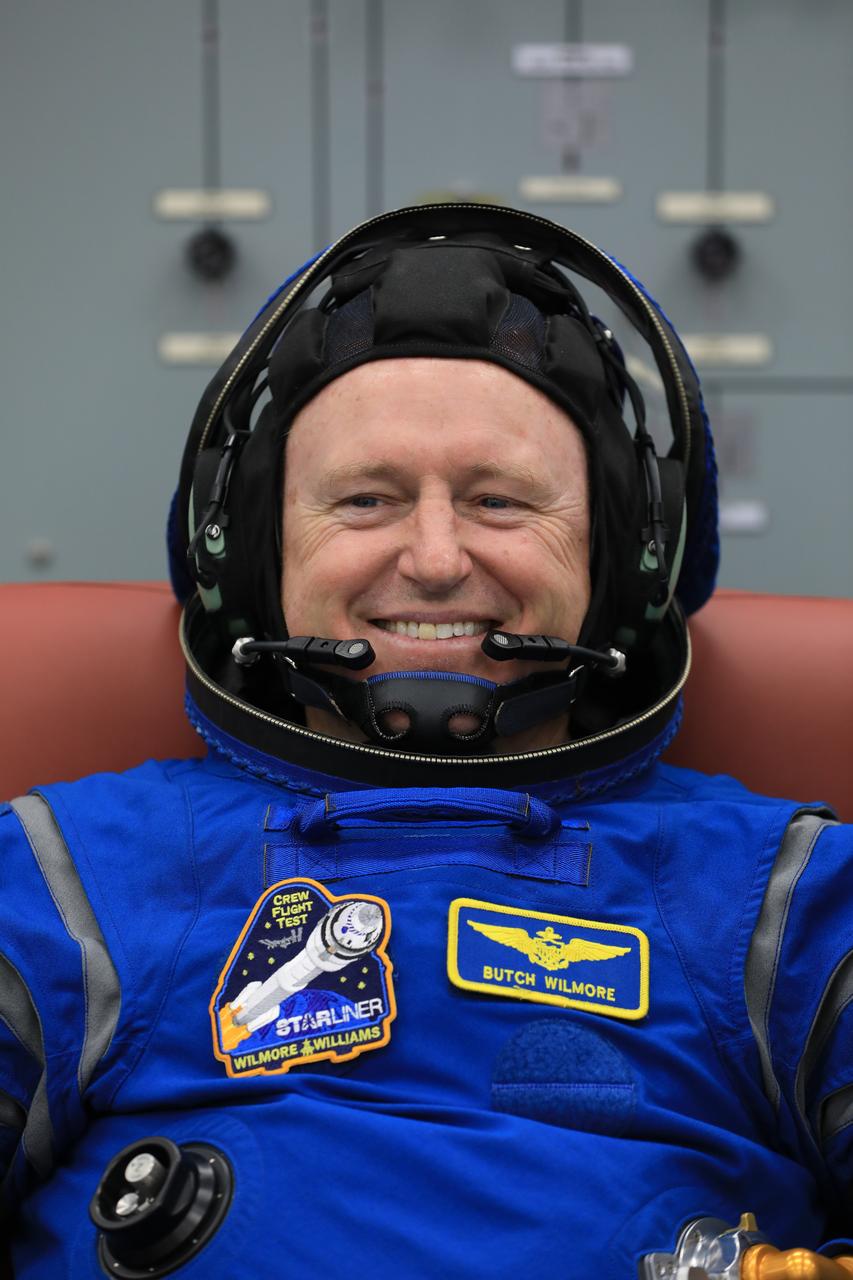
NASA astronaut Barry “Butch” Wilmore, Boeing Crew Flight Test (CFT) commander, checks his spacesuit and helmet during a crew validation test inside the Astronaut Crew Quarters at NASA’s Kennedy Space Center in Florida on Oct. 18, 2022. Wilmore, along with NASA astronauts Suni Williams, CFT pilot, and Mike Fincke, CFT backup spacecraft test pilot, with assistance from the Boeing team, successfully completed the validation test during which they suited up and tested out the pressurized crew module to ensure seat fit, suit functionality, cabin temperature, audio system, and day of launch operations. Boeing’s CFT is scheduled to launch in April 2023.
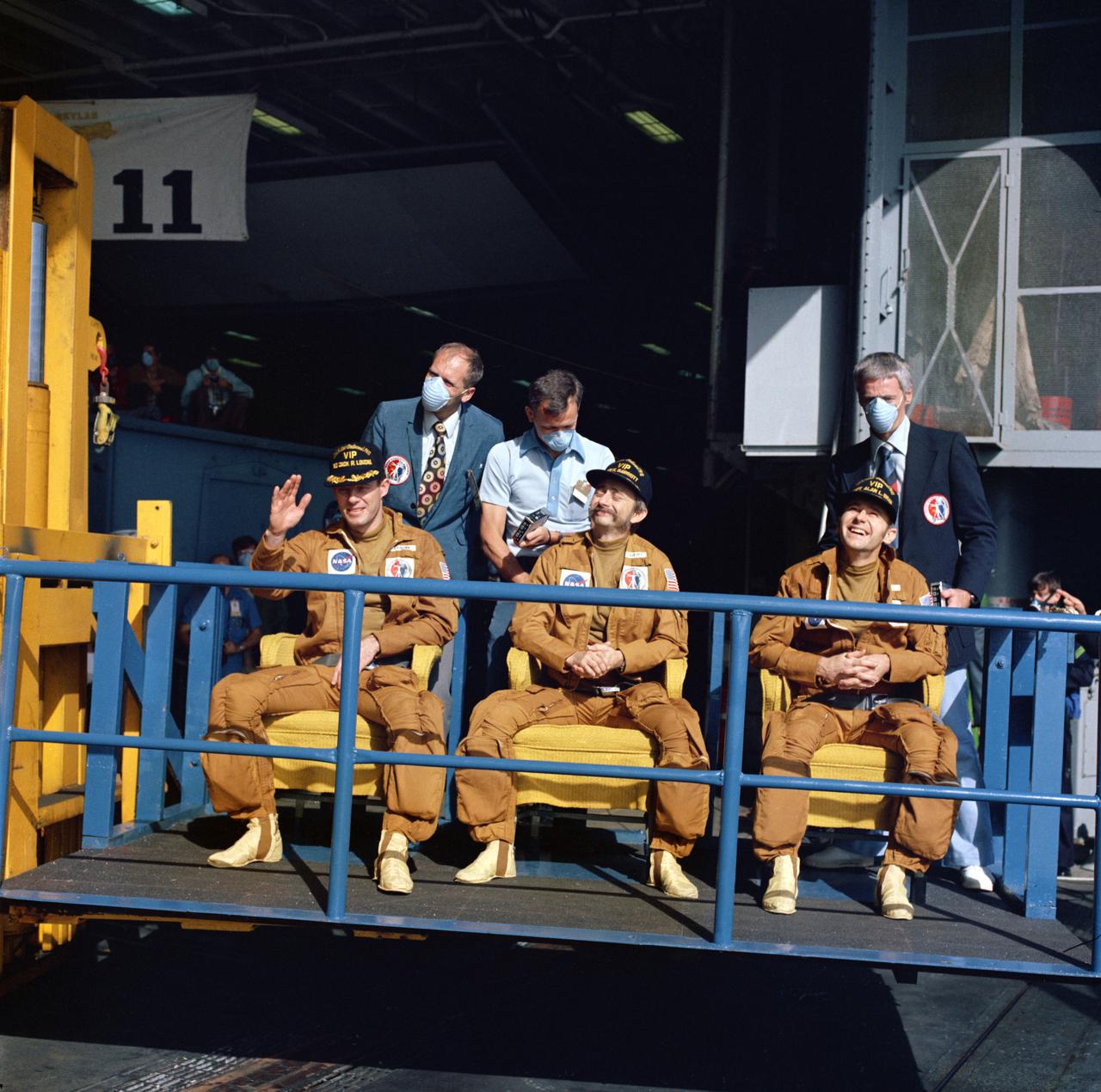
S73-36451 (25 Sept. 1973) --- The three crewmen of the Skylab 3 mission are seen aboard the prime recovery ship, USS New Orleans, following their successful 59-day visit to the Skylab space station in Earth orbit. They are, left to right, astronaut Jack R. Lousma, pilot; scientist-astronaut Owen K. Garriott, science pilot; and astronaut Alan L. Bean, commander. The Skylab 3 Command Module with the three crewmen aboard splashed down in the Pacific about 230 miles southwest of San Diego, California. They are seated atop a platform of a fork-lift dolly. Recovery support personnel are wearing face masks to prevent exposing the crewmen to disease. Photo credit: NASA
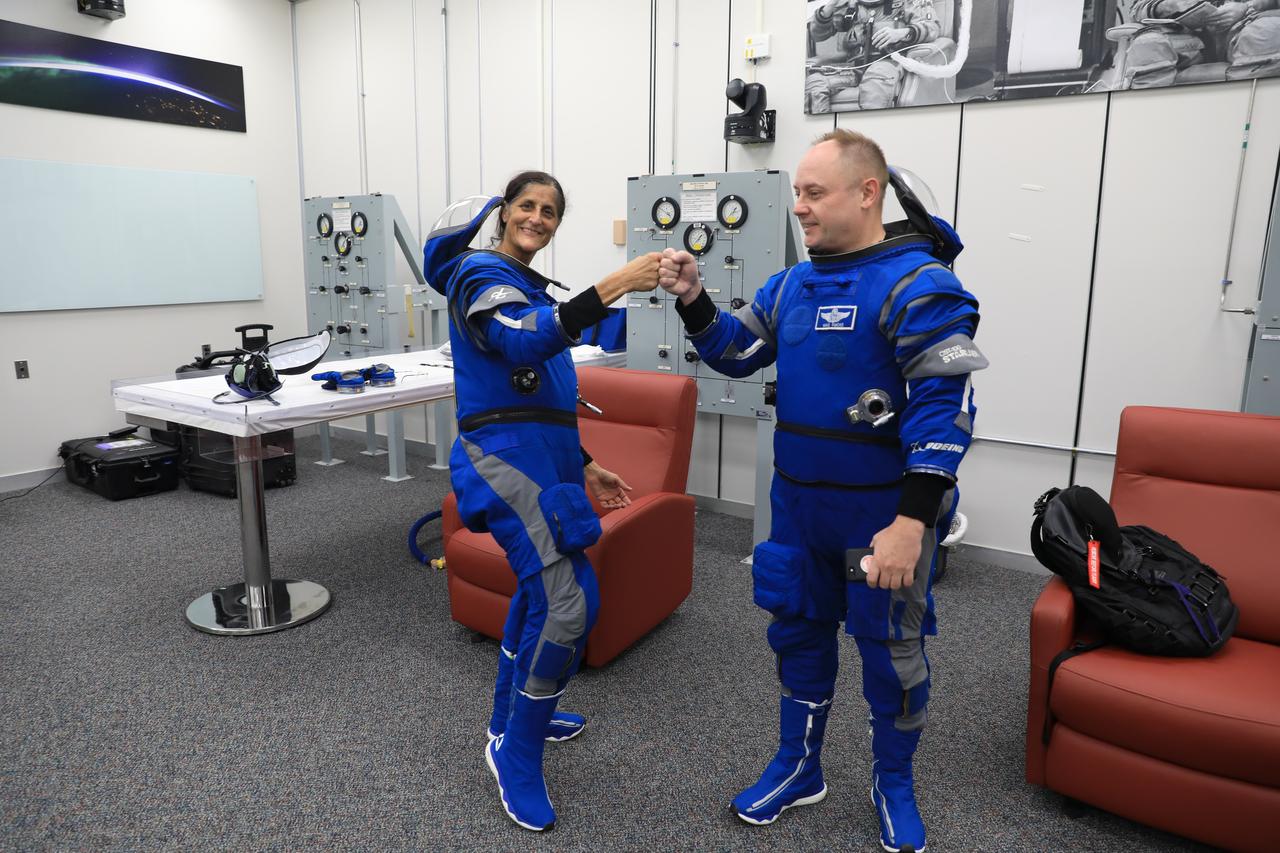
From left, NASA astronaut Suni Williams, Boeing Crew Flight Test (CFT) pilot, and Mike Fincke, CFT backup spacecraft test pilot, do a fist bump during a crew validation test inside the Astronaut Crew Quarters at NASA’s Kennedy Space Center in Florida on Oct. 18, 2022. Williams and Fincke, along with Barry “Butch” Wilmore, CFT commander, with assistance from the Boeing team, successfully completed the validation test during which they suited up and tested out the pressurized crew module to ensure seat fit, suit functionality, cabin temperature, audio system, and day of launch operations. Boeing’s CFT is scheduled to launch in April 2023.
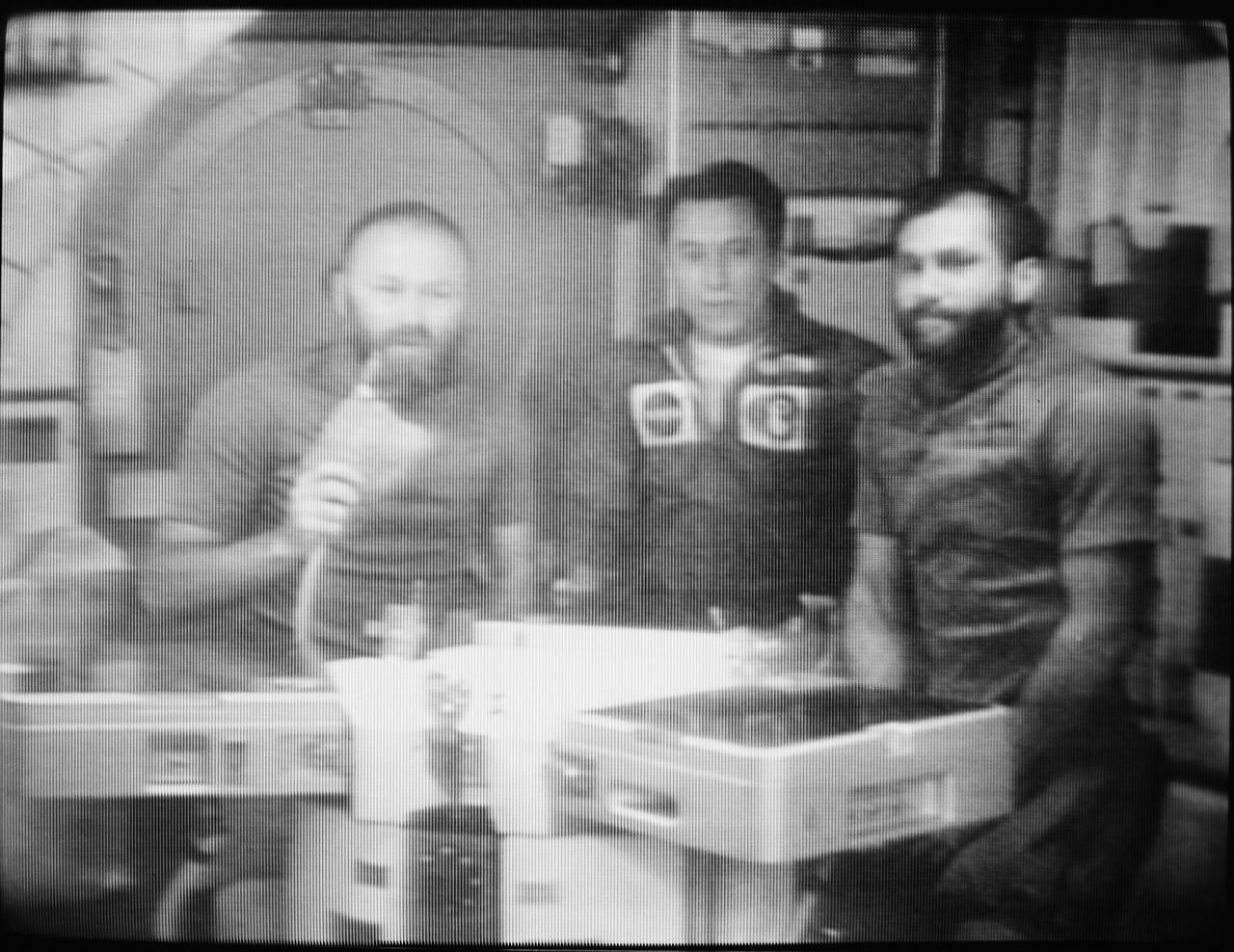
S73-38962 (28 Dec. 1973) --- The three members of the Skylab 4 crew confer via television communication with Dr. Lubos Kohoutek, discoverer of the Comet Kohoutek. This picture of the three astronauts was reproduced from a TV transmission made by a TV camera aboard the space station in Earth orbit. They are, left to right, Gerald P. Carr, commander; Edward G. Gibson, science pilot; and William R. Pogue, pilot. They are seated in the crew quarters wardroom of the Orbital Workshop. Professor Kohoutek, who is employed at the Hamburg Observatory in West Germany, was visiting the Johnson Space Center in Houston when he conferred with the Skylab 4 crewmen. Photo credit: NASA
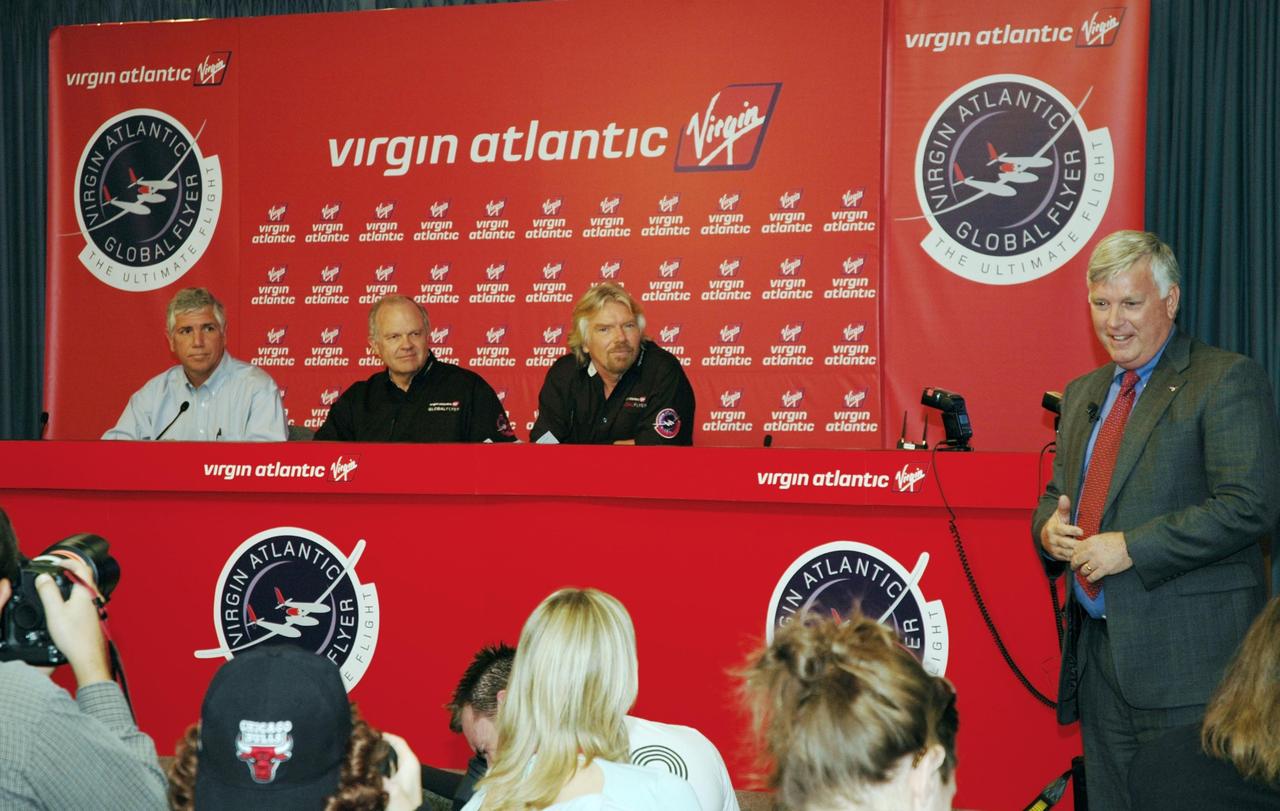
KENNEDY SPACE CENTER, FLA. - At a press conference at NASA Kennedy Space Center, Jim Kennedy (right), KSC director, introduces the principals in the Virgin Atlantic GlobalFlyer long-distance attempt. Seated from left are Jim Ball, manager of KSC Spaceport Development; Steve Fossett, the pilot; and Sir Richard Branson, chairman and founder of Virgin Atlantic. Steve Fossett will pilot the GlobalFlyer on a record-breaking attempt by flying solo, non-stop without refueling, to surpass the current record for the longest flight of any aircraft. Fossett is expected to take off from the KSC Shuttle Landing Facility early Tuesday morning. Photo credit: NASA/Jim Grossmann

S73-32839 (10 Sept. 1973) --- Scientist-astronaut Edward G. Gibson, science pilot for the third manned Skylab mission (Skylab 4), enters a notation in a manual while seated at the control and display panel for the Apollo Telescope Mount (ATM) during simulations inside the one-G trainer for the Multiple Docking Adapter (MDA) at the Johnson Space Center (JSC). Dr. Gibson will be joined by astronauts Gerald P. Carr, commander, and William R. Pogue, pilot, when the Skylab 4 mission begins in November 1973. Photo credit: NASA
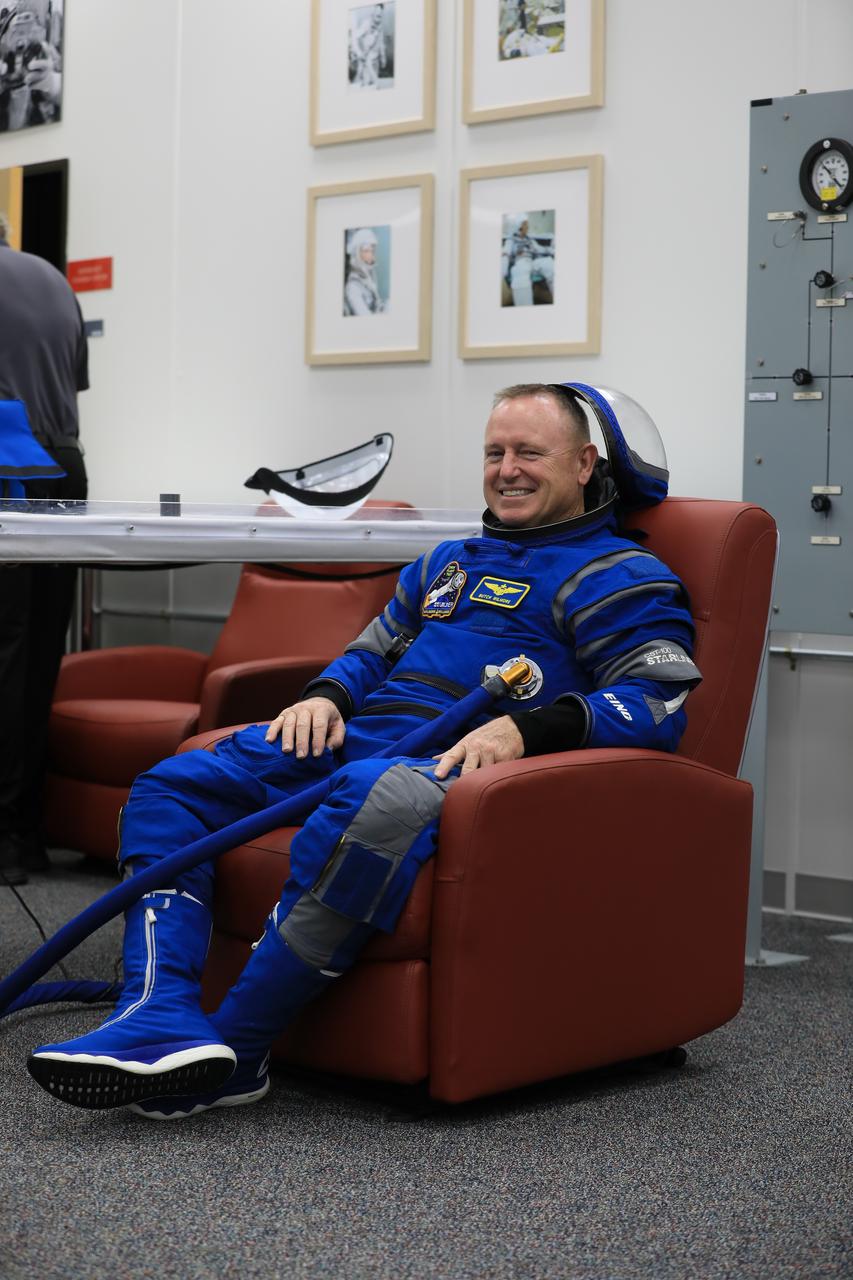
NASA astronaut Barry “Butch” Wilmore, Boeing Crew Flight Test (CFT) commander, checks his spacesuit during a crew validation test inside the Astronaut Crew Quarters at NASA’s Kennedy Space Center in Florida on Oct. 18, 2022. Wilmore, along with NASA astronauts Suni Williams, CFT pilot, and Mike Fincke, CFT backup spacecraft test pilot, with assistance from the Boeing team, successfully completed the validation test during which they suited up and tested out the pressurized crew module to ensure seat fit, suit functionality, cabin temperature, audio system, and day of launch operations. Boeing’s CFT is scheduled to launch in April 2023.
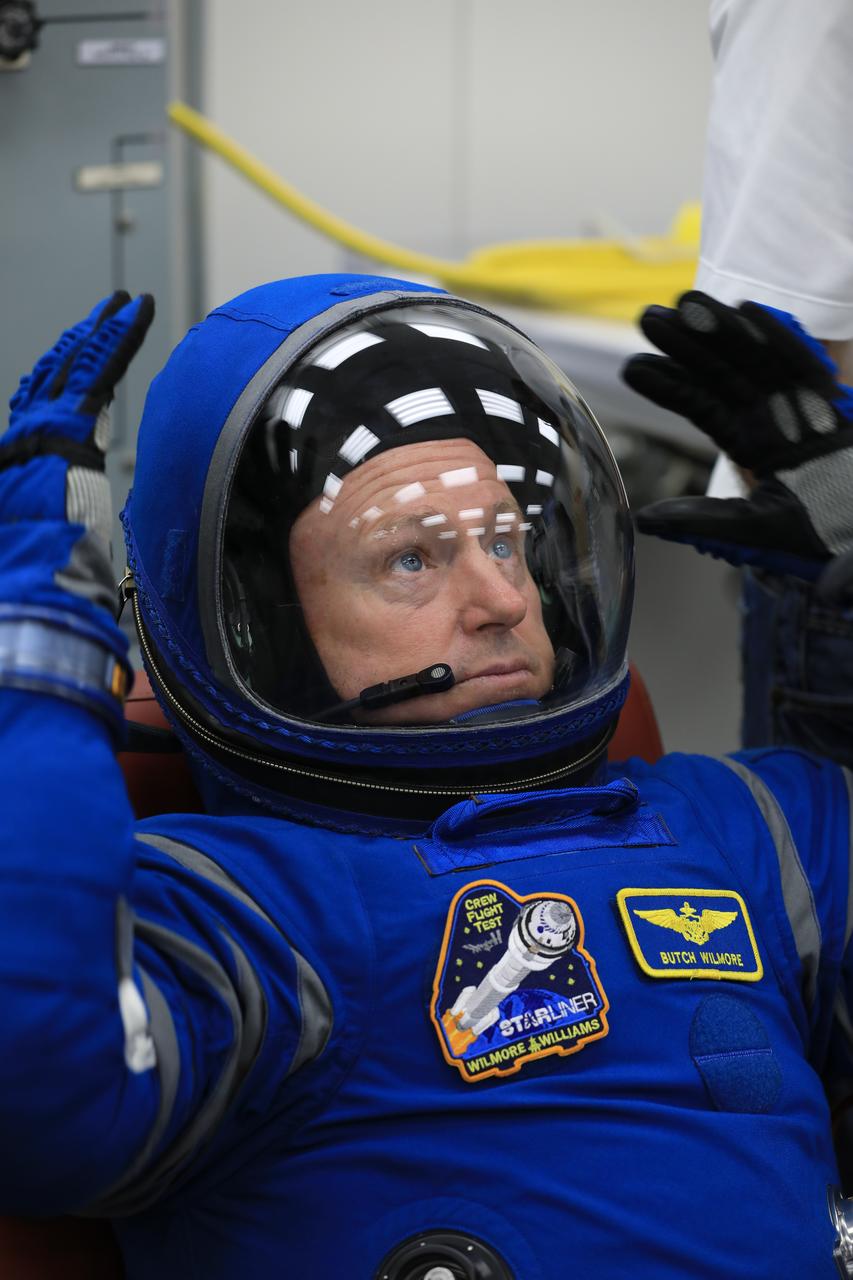
NASA astronaut Barry “Butch” Wilmore, Boeing Crew Flight Test (CFT) commander, checks his helmet during a crew validation test inside the Astronaut Crew Quarters at NASA’s Kennedy Space Center in Florida on Oct. 18, 2022. Wilmore, along with NASA astronauts Suni Williams, CFT pilot, and Mike Fincke, CFT backup spacecraft test pilot, with assistance from the Boeing team, successfully completed the validation test during which they suited up and tested out the pressurized crew module to ensure seat fit, suit functionality, cabin temperature, audio system, and day of launch operations. Boeing’s CFT is scheduled to launch in April 2023.

NASA astronaut Mike Fincke, at right, backup spacecraft test pilot for Boeing’s Crew Flight Test (CFT), checks his spacesuit during a crew validation test inside the Astronaut Crew Quarters at NASA’s Kennedy Space Center in Florida on Oct. 18, 2022. Fincke, with NASA astronauts Suni Williams and Barry “Butch” Wilmore, CFT pilot and commander, respectively, along with assistance from the Boeing team, successfully completed the validation test during which they suited up and tested out the pressurized crew module to ensure seat fit, suit functionality, cabin temperature, audio system, and day of launch operations. Boeing’s CFT is scheduled to launch in April 2023.
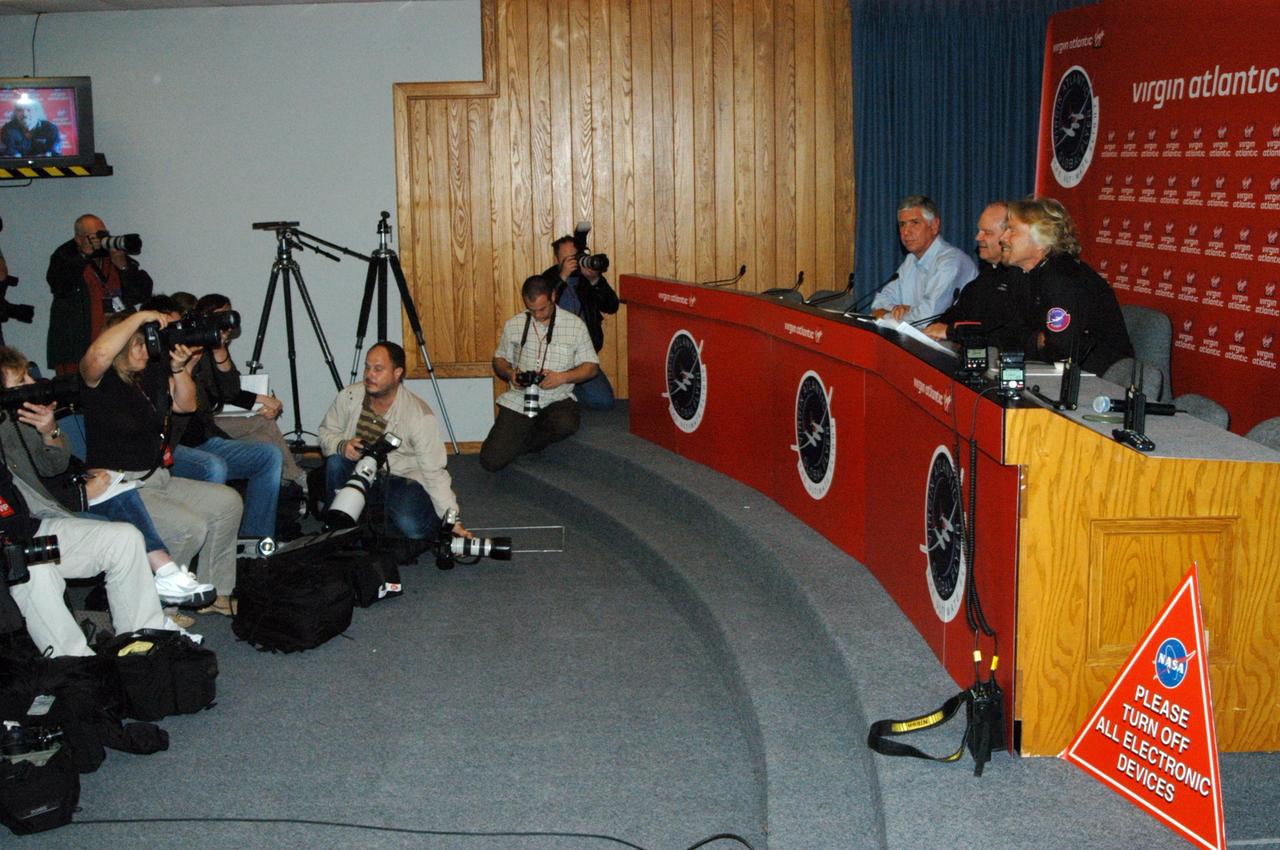
KENNEDY SPACE CENTER, FLA. - The principals in the Virgin Atlantic GlobalFlyer long-distance attempt talk to the media gathered at a press conference held at NASA Kennedy Space Center’s television studio. Seated from left are Jim Ball, manager of KSC Spaceport Development; Steve Fossett, the pilot; and Sir Richard Branson, chairman and founder of Virgin Atlantic. Steve Fossett will pilot the GlobalFlyer on a record-breaking attempt by flying solo, non-stop without refueling, to surpass the current record for the longest flight of any aircraft. Fossett is expected to take off from the KSC Shuttle Landing Facility early Tuesday morning. Photo credit: NASA/George Shelton
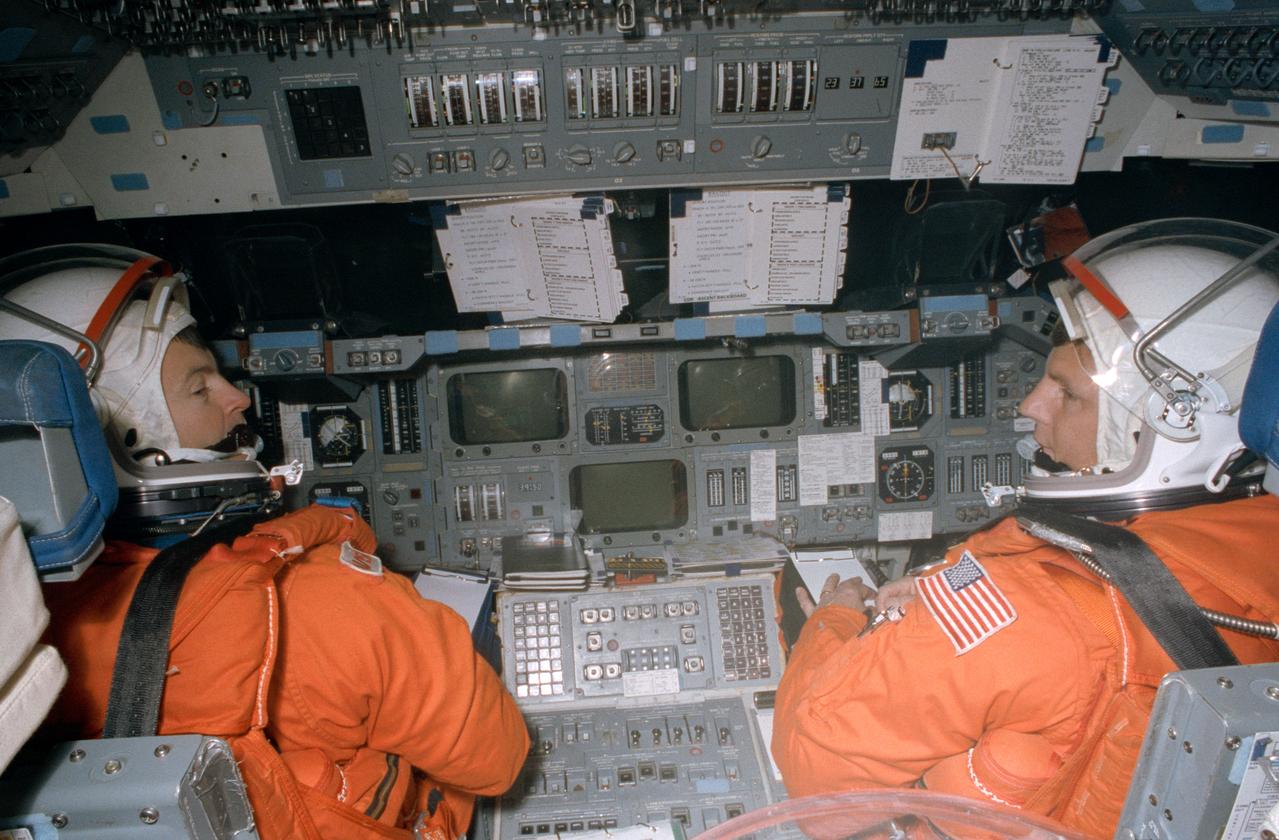
STS-56 Discovery, Orbiter Vehicle (OV) 103, Commander Kenneth Cameron, (left) and Pilot Stephen S. Oswald, wearing launch and entry suits (LESs) and launch and entry helmets (LEHs), are seated on the forward flight deck of the crew compartment trainer (CCT), a shuttle mockup. Cameron mans the commander station controls and Oswald the pilots station controls during an emergency egress (bailout) simulation. The view was taken from the aft flight deck looking forward and includes Cameron's and Oswald's profiles and the forward flight deck controls and checklists. The CCT is located in JSC's Mockup and Integration Laboratory (MAIL) Bldg 9NE.
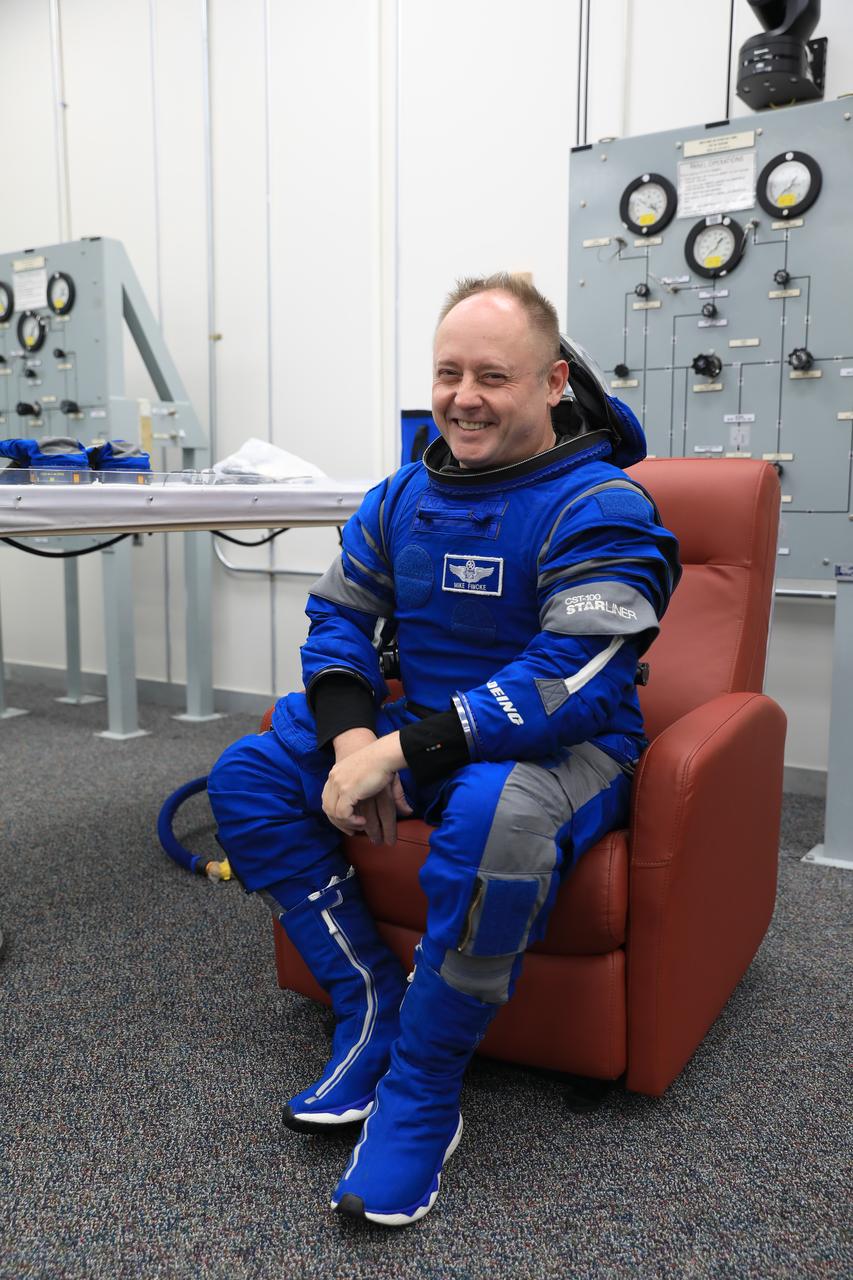
NASA astronaut Mike Fincke, Boeing Crew Flight Test (CFT) backup spacecraft test pilot, checks his spacesuit during a crew validation test inside the Astronaut Crew Quarters at NASA’s Kennedy Space Center in Florida on Oct. 18, 2022. Fincke, along with NASA astronauts Suni Williams and Barry “Butch” Wilmore, CTF pilot and commander, respectively, with assistance from the Boeing team, successfully completed the validation test during which they suited up and tested out the pressurized crew module to ensure seat fit, suit functionality, cabin temperature, audio system, and day of launch operations. Boeing’s CFT is scheduled to launch in April 2023.
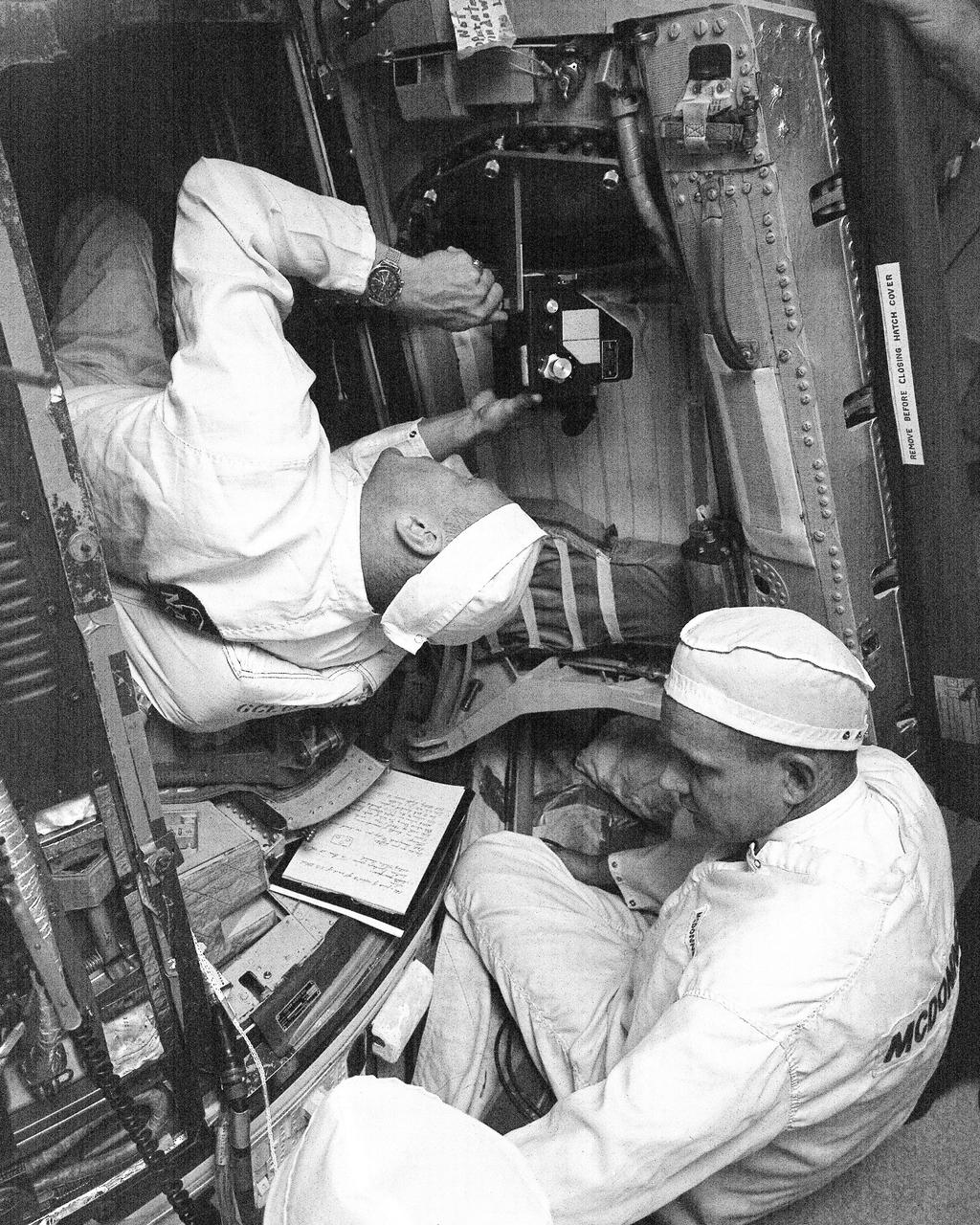
CAPE KENNEDY, Fla. -- At Cape Kennedy Air Force Station in Florida, Gemini 12 pilot Edwin E. Buzz Aldrin Jr., seated in the spacecraft, practice stowing cameras and other equipment he and command pilot James A. Lovell will take along on their upcoming four-day Earth orbital mission. Lovell and Aldrin examined the equipment in the "White Room" atop Launch Complex 19. During Gemini 12, Lovell and Aldrin plan to rendezvous and dock with an Agena target satellite and Aldrin will perform two spacewalks. Photo Credit: NASA